MONT BELVIEU REHABILITATION & HEALTHCARE CENTER


14000 LAKES OF CHAMPIONS BLVD, MONT BELVIEU, TX 77523 (832) 669-3890
For profit - Limited Liability company 124 Beds Independent Data: November 2025 6 Immediate Jeopardy citations
Trust Grade
0/100
#785 of 1168 in TX
Last Inspection: January 2025

Within standard 12-15 month inspection cycle. Federal law requires annual inspections.

Overview

Mont Belvieu Rehabilitation & Healthcare Center has received a Trust Grade of F, indicating significant concerns about the quality of care provided. They rank #785 out of 1168 facilities in Texas, placing them in the bottom half, and are the second-best option in Chambers County, meaning there is only one other local facility to consider. The facility's performance has remained stable, with five issues identified in both 2024 and 2025, but the overall rating is below average at 2 out of 5 stars. Staffing is a concern here, as the facility has less RN coverage than 89% of Texas facilities, which may affect the quality of care. Additionally, there have been troubling incidents, including a failure to provide necessary medication for a resident with diabetes and neglect in personal care for another resident, leading to significant harm. While the staffing turnover rate is slightly below the Texas average at 51%, the presence of critical deficiencies raises serious questions about the care residents can expect.

Trust Score
F
0/100
In Texas
#785/1168
Bottom 33%
Safety Record
High Risk
Review needed
Inspections
Holding Steady
5 → 5 violations
Staff Stability
⚠ Watch
51% turnover. Above average. Higher turnover means staff may not know residents' routines.
Penalties
⚠ Watch
$41,789 in fines. Higher than 97% of Texas facilities. Major compliance failures.
Skilled Nurses
⚠ Watch
Each resident gets only 13 minutes of Registered Nurse (RN) attention daily — below average for Texas. Fewer RN minutes means fewer trained eyes watching for problems.
Violations
⚠ Watch
36 deficiencies on record. Higher than average. Multiple issues found across inspections.
★★☆☆☆
2.0
Overall Rating
★★☆☆☆
2.0
Staff Levels
★★★★☆
4.0
Care Quality
★★☆☆☆
2.0
Inspection Score
Stable
2024: 5 issues
2025: 5 issues

The Good

  • 4-Star Quality Measures · Strong clinical quality outcomes
  • Full Sprinkler Coverage · Fire safety systems throughout facility
  • No fines on record

Facility shows strength in quality measures, fire safety.

The Bad

2-Star Overall Rating

Below Texas average (2.8)

Below average - review inspection findings carefully

Staff Turnover: 51%

Near Texas avg (46%)

Higher turnover may affect care consistency

Federal Fines: $41,789

Above median ($33,413)

Moderate penalties - review what triggered them

The Ugly 36 deficiencies on record

6 life-threatening
Jan 2025 5 deficiencies
CONCERN (D)

Potential for Harm - no one hurt, but risky conditions existed

Tube Feeding (Tag F0693)

Could have caused harm · This affected 1 resident

**NOTE- TERMS IN BRACKETS HAVE BEEN EDITED TO PROTECT CONFIDENTIALITY** Based on observation, interview, and record review, the facility failed to ensure that residents receiving enteral feeding recei...

Read full inspector narrative →
**NOTE- TERMS IN BRACKETS HAVE BEEN EDITED TO PROTECT CONFIDENTIALITY** Based on observation, interview, and record review, the facility failed to ensure that residents receiving enteral feeding received appropriate care and services to prevent complication of enteral feeding for 1 of 2 residents (Resident #32) reviewed for enteral feeding. The facility failed to ensure LVN C mixed crushed medications with water and administered one medication at a time when giving medications to Resident #32 through her G-tube (a tube inserted through the wall of the abdomen directly into the stomach which allows the delivery of nutrition, fluids, and medications directly into the stomach). The facility failed to ensure LVN C administered Resident #32's G-tube medications by gravity, and instead she pushed the medications using the plunger of the syringe. These failures could place residents receiving enteral nutrition and medications at increased risk of not receiving proper nutrition, infection, and aspiration. Findings include: Record review of a face sheet dated 01/07/24 indicated Resident #32 was a [AGE] year-old female and admitted to the facility 12/14/20. Her diagnoses included dysphagia (difficulty or discomfort swallowing) and aphasia (affects the ability to communicate) following cerebrovascular disease (a group of conditions that impact the brain's blood vessels and blood flow). Record review of the most recent quarterly MDS dated [DATE] indicated Resident #32 had no speech and was sometimes understood and usually understood most conversation. She had a BIMS score of 0 indicating severe cognitive impairment, required partial/moderate assistance with most ADLs, and required a feeding tube for all nutrition and fluid intake. Record review of a care plan last revised 12/05/25 indicated Resident #32 required a feeding tube related to dysphagia and was at risk for aspiration (breathing in a foreign object such as food). Interventions included to dissolve each medication in 10 cc (cubic centimeter equal to a volume of one milliliter) water and flush with 10cc water between each medication. Record review of physician orders dated January 2025 indicated Resident #32 was NPO (nothing by mouth) and was to receive all feedings, water and medications via G-tube. Orders indicated flush tubing with 30 cc water before and after medication administration and dissolve each crushed medication in 10 cc water and flush with 10cc water after each medication. During an observation of medication administration on 01/07/25 at 9:20 a.m., LVN C crushed eight medication tablets together and poured them in a medication dose cup. She washed her hands and gowned and gloved. She checked placement of the G-tube by aspirating stomach contents and flushed the tubing with 30 cc water. She poured the dry crushed medications into the syringe with the water used to flush the tubing. The fluids and medications stopped flowing into the tubing. LVN C poured the contents of the syringe into a cup and used the plunger of the syringe to force the tube open. She removed the plunger and poured the contents of the cup back into the syringe. The G-tube leaked a small amount and then flowed per gravity drainage. She then added 30 cc of water and began administration of feeding of 375 cc DiabetaSource AC (specialized nutrition solution). The gravity flow of the feeding slowed, and she used the plunger of the syringe to hasten the flow. The feeding was completed, and she flushed the tubing with 30 cc water. During an interview on 01/07/25 at 2:02 p.m., LVN C said she normally dissolved each medication in water and administered one medication at a time. She said she should have crushed Resident #32's medications separately and dissolved each medication in 10 cc water and given them one at a time, but she was so nervous being watched that she didn't follow her normal procedure. She said she shouldn't have used the plunger of the syringe to unclog the tubing and that G-tubes should only be flushed by adding water and letting the water flow by gravity. She said crushing all the medications together and not mixing them with water had caused the tube to stop up. She said flushing the G-tube using a plunger could cause irritation to the resident's stomach. She said she had received training on G-tubes during her orientation and yearly at the facility. She said the facility did yearly skills check offs that included G-tubes. During an interview on 01/07/25 at 02:53 p.m., the DON said he expected all nurses to follow facility policy when administering G-tube medications. He said the policy indicated to administer one medication at a time diluted by water and to never use the piston (plunger) of the syringe when flushing the G-tube or administering medications. He said by giving one medication at a time the nurse would know what medication did not enter the stomach if the G-tube clogged. He said using the plunger of the syringe to unclog or flush the G-tube could cause rupture of the stomach. He said LVN C was observed yearly giving G-tube medications and during the observations she administered one medication at a time diluted in water and flushed the G-tube with water using gravity flow. Record review of a skills observation of administering medications/feedings through an enteral feeding tube dated 09/24/24 indicated LVN C diluted each medication with water and gave each medication separately and allowed all fluids given to administer by gravity flow. Record review of the facility policy titled Administering Medications through an Enteral Tube revised March 2024 indicated .10. Dilute medication: a. Remove plunger from syringe. Add medication and appropriate amount of water to dilute. b. Dilute crushed (powdered) medication with prescribed amount of water. 11. Administer each medication separately. 12. Reattach syringe (without plunger) to the end of the tubing. 13. Administer each medication by gravity flow: a. Pour diluted medication into barrel of the syringe while holding the tubing slightly above the level of insertion. B. Open the clamp and deliver medication slowly. C. Begin flush before the tubing drains completely
CONCERN (D)

Potential for Harm - no one hurt, but risky conditions existed

Respiratory Care (Tag F0695)

Could have caused harm · This affected 1 resident

**NOTE- TERMS IN BRACKETS HAVE BEEN EDITED TO PROTECT CONFIDENTIALITY** Based on observation, interview, and record review the facility failed to ensure that a resident who needed respiratory care was...

Read full inspector narrative →
**NOTE- TERMS IN BRACKETS HAVE BEEN EDITED TO PROTECT CONFIDENTIALITY** Based on observation, interview, and record review the facility failed to ensure that a resident who needed respiratory care was provided such care, consistent with professional standards of practice for 1 of 6 residents observed for oxygen management. (Resident #76) The facility failed to keep the oxygen concentrator (machine that takes air from your surrounding and extract oxygen and filter it into purified oxygen to breath) filter clean for Resident #76 and humidifier bottle (oxygen can be drying to your nose so some patients use a humidifier bottle to moisten the oxygen you breath) filled with water. These failures could place residents at risk of a significant reduction in the quality of oxygen being delivered, inadequate oxygen support, and decline in health. Findings included: Record Review of Resident #76's face sheet dated 01/06/25, indicated he was a [AGE] year-old male admitted on [DATE] with a diagnosis of atherosclerotic heart disease (a build of fatty deposits in the inner lining of the coronary arteries that may cause shortness of breath). Record Review of Resident #76's most recent quarterly MDS assessment dated [DATE] indicated he had a BIMS score of 10 which indicated moderate cognitive impairment. The assessment indicated a medical diagnosis of atherosclerotic heart disease. Record Review of Resident #76's care plan revised 11/20/24 indicated he had altered cardiovascular status with interventions of requires oxygen use, ensure setting and delivery method are appropriate and correct. A care plan indicated he had oxygen therapy with an intervention to monitor for signs and symptoms of respiratory distress. Record Review of Resident #76's Physicians Order Summary dated 01/08/25 indicated he was prescribed oxygen at 2 - 5 liters per minute by nasal canula for shortness of breath or if oxygen saturation (a measure of how well the lungs are working) was below 93%. During an observation on 01/06/25 at 10:20 a.m., Resident #76 was lying in bed with oxygen per nasal canula on at 2.5 liters/ minute to an oxygen concentrator. Resident #76 said he used his oxygen daily now. The humidifier bottle was empty, and the oxygen concentrator's filter was covered with a thick grey powdery, dusty substance. During an observation on 01/07/25 at 08:00 a.m., Resident #76 was lying in bed with oxygen per nasal canula on at 2.5 liters/ minute the humidifier bottle was empty, and the oxygen concentrator filter was covered with a thick grey powdery, dusty substance. During an observation and interview on 01/06/25 at 03:54 p.m., LVN C said she was providing care for Resident #76 today. She said he received oxygen as needed and was receiving oxygen currently. She said the humidifier bottle on the oxygen concentrator was empty and needed to be changed and she would change it. LVN C said the oxygen concentrator filter was dirty and should have been changed. She said she would get it cleaned. LVN C said she was responsible to ensure the oxygen concentrator filter was clean and the humidifier container be changed out and have water in it. She said the DON and ADON were the back up to double check oxygen concentrator filters were clean and oxygen humidifier bottles were changed when empty. She said it was overlooked. LVN C said it was not a resident risk for the humidifier bottle to be empty, the oxygen was just not humidified. She said a dirty oxygen concentrator filter was a resident risk of not allowing proper air exchange by the oxygen concentrator. During an interview on 01/07/25 at 3:59 p.m., the DON said the nurses were responsible to ensure the oxygen concentrators humidifier bottles were changed when needed. He said maintenance was responsible for cleaning the oxygen concentrator filters. He said the facility did not have a double check but would now have one. The DON said the empty humidifier bottle and dirty oxygen concentrator filter were overlooked. He said the staff were educated to change out the empty humidifier bottles and maintenance was educated to change or clean the dirty filter on the oxygen concentrators. He said the humidifier bottle being empty was not a risk, it was for comfort to humidify the oxygen. The DON said the resident risk of a dirty oxygen concentrator filter could decrease performance of the oxygen concentrator and not be as effective. He said his expectation was oxygen humidifier bottles be changed when necessary, tubing changed on 10/ 6 shift on Sundays and oxygen concentrator filters checked and if dirty notify the DON or ADON and they would have maintenance clean them until the nurses could be in-serviced on the proper way to clean the filters. During an interview on 01/08/25 at 8:30 a.m. the Maintenance Director, said the nurses were responsible to ensure the oxygen concentrator filters were cleaned if the filter was not covered by the machine as Resident #76's was. He said he cleaned the machines, serviced them and tagged them as clean. If he could not repair the machine, he would send it out for repair. The Maintenance Director said the nurses clean the filters after he sends out the machine and he was not sure what happened he said the nurse was responsible. He said he was educated on cleaning the concentrators and adding a clean filter. The Maintenance Director said the risk of a dirty filter on an oxygen concentrator was the concentrator may not work properly and could affect air going through it. During an interview on 01/08/25 at 11:48 a.m., the Administrator said the nurses were responsible for ensuring the oxygen concentrator humidifier bottles were filled or changed out and maintenance was responsible for cleaning the filters on the oxygen concentrator for now. He said the double check was administrative rounds. He said HR was Resident #76 administrative round person. The Administrator said the nurses were educated on changing out empty humidifier bottles and maintenance was educated on cleaning oxygen concentrators filters. He said they were overlooked. The Administrator said the resident risk of the dirty concentrator filter was decreased air flow and could affect the oxygen concentrator performance. He said the humidifier bottle not filled was not a resident risk the water was for comfort. The Administrator said his expectation was for all staff to follow policy and procedures. During an interview on 01/08/25 at 12:30 p.m., the HR said she made administrative rounds on Resident #76 normally and she was to double check on the oxygen concentrators filters and humidifier bottles. She said she would tell the nurse the humidifier bottle was empty and tell maintenance the oxygen concentrator filter was dirty. She said it was overlooked, she did not make rounds this week. The HR said the risk of a dirty oxygen concentrator filter was it could affect air flow to the oxygen concentrator, but she was unsure what effect an empty humidifier bottle could have on a resident. She said she was educated to check on the resident ask about pain, if clean and changed and care received and check if equipment was clean and working. Record Review of a facility policy revised 2009, titled, Maintenance Service indicated, . The Maintenance department is responsible for maintaining the buildings, grounds, and equipment in a safe and operable manner at all times. Record Review of a facility policy revised October 2010, titled, Oxygen Administration indicated, . 12. Check the mask, tank, humidifying jar, .to be sure they are in good working order and are securely fastened. Be sure there is water in the humidifying jar and that the water level is high enough that the water bubbles as oxygen flows through. 14. Periodically re-check water level in humidifying jar. 15. Periodically check oxygen tubing and delivery device . to ensure cleanliness and change as necessary.
CONCERN (D)

Potential for Harm - no one hurt, but risky conditions existed

Pharmacy Services (Tag F0755)

Could have caused harm · This affected 1 resident

**NOTE- TERMS IN BRACKETS HAVE BEEN EDITED TO PROTECT CONFIDENTIALITY** Based on observation, interview and record review, the facility failed to provide pharmaceutical services including procedures t...

Read full inspector narrative →
**NOTE- TERMS IN BRACKETS HAVE BEEN EDITED TO PROTECT CONFIDENTIALITY** Based on observation, interview and record review, the facility failed to provide pharmaceutical services including procedures that assured the accurate administering of medications for 2 of 18 residents reviewed for pharmaceutical services. (Residents #2 and #19) The facility failed to ensure medication was not left at bedside for Resident #2. The facility failed to administer midodrine HCL prn as ordered on 01/02/25 and 01/06/25 when Resident #19's blood pressure was below prescribed parameters. These failures could place the residents at risk of not receiving the appropriate medications and services to maintain their highest practicable well-being. Findings included: 1. Record review of a face sheet dated 01/08/25 indicated Resident #2 was a [AGE] year-old female admitted to the facility on [DATE]. Her diagnosis included morbid (severe) obesity due to excess calories and age-related cognitive decline (subtle decline that affects thinking speed and attention). Record review of an annual MDS dated [DATE] indicated Resident #2 had a BIMS score of 15 indicating she was cognitively intact, was always understood and able to express ideas, and required partial/moderate assistance with most ADLs, Record review of physician orders dated January 2025 indicated Resident #2 was to receive Senna Oral Tablet 1 tablet by mouth two times daily for constipation. Record review of a care plan revised 01/06/25 indicated Resident #2 was at risk for constipation related to decreased mobility. During an observation and interview on 01/07/25 at 06:50 a.m., LVN D was administering a hydrocodone/APAP 5-325 mg 1 tablet every 6 hours as needed for pain for a complaint of right leg pain 10/10 on the pain scale. LVN D watched the resident swallow her medication. Resident #2 asked LVN D if she could take a Senna tablet in a dosage cup that MA B had left with her that morning along with her other medications to take. She said she noticed in the cup and did not want to take the pill because her bowels had been loose. LVN D took the Senna tablet and said she would dispose of it. LVN D said facility policy said for the nurse or the MA to ensure all medications were taken by the resident and never leave medications at bedside. During an interview on 01/07/25 at 06:59 a.m., MA B said she left Resident #2's morning medications with her to take that morning. She said she was trying to hurry and did not stay to watch the resident take the medications and did not know that she had not taken her Senna tablet. She said the facility policy was to stay with the resident until all medications were taken. She said because she did not stay, she did not know the Senna tablet was not taken. She said she should have stayed with Resident #2 and reported to LVN D that she did not take her Senna because she was having loose stools. During an interview on 01/07/25 at 10:30 a.m., the DON said it was the facility's policy for nurses and Mas to remain with a resident until all medications were administered and to not leave medications at the bedside. He said leaving medications at the bedside could result in the resident not getting their medications as ordered. During an interview on 01/08/25 at 8:25 a.m., Resident #2 said MA B usually waited while she took her medications, but she was one of the residents she could leave the medications with and she would remember to take them. During an interview on 01/08/25 at 1:38 p.m., the Administrator said he expected all nurses and MAs to stay with the residents until medications were taken and never leave medications at the bedside. Record review of a facility policy titled Administering Medications revised April 2019 indicated . Residents may self-administer their own medications only if the attending physician, in conjunction with the interdisciplinary care-planning team, has determined that they have the decision-making-capacity to do so safely. 2. Record review of Resident #19's Face sheet dated 01/06/25 indicated she was admitted on [DATE], was [AGE] years old with diagnoses which included hypertension (high blood pressure), and hypotension (low blood pressure) related to diabetes. Record review of the quarterly MDS assessment dated [DATE] indicated Resident #19 had a BIMS score of 12 which indicated cognition was moderately impaired. She had a diagnosis of hypertension. Review of Resident #19's care plan dated 12/18/24 indicated the resident had diagnosis of hypotension related to diabetes. The interventions included give medications as ordered. Monitor for side effects and effectiveness and to monitor vital signs as ordered. Record review of physician orders dated January 2025 indicated Resident #19 was prescribed carvedilol 6.25 mg (used to lower blood pressure) twice daily for hypertension. The orders indicated to hold for blood pressure less than 110/60; and hold for heart rate below 60. Included was an order for midodrine HCL (used to treat low blood pressure) 5 mg every 12 hours as needed for hypotension (low blood pressure) - administer for systolic blood pressure below 100. Record review of Resident #19's MAR dated 01/01/25 through 01/06/25 indicated the following: 01/02/25 at 9:00 a.m., carvedilol 6.25 mg was held due to B/P 95/50; and 01/06/25 at 9:00 p.m., carvedilol 6.25 mg was held due to B/P 89/50. Record review of the MAR dated 01/01/25 through 01/06/25 gave no indication Resident #19 was administered midodrine 5 mg as prescribed by physician when the SBP was below 100 on 01/02/25 or 01/06/25. (SBP refers to the pressure in your arteries when your heart pumps blood throughout your body. It is the top number in a blood pressure reading). During an interview and record review on 01/08/25 at 9:45 a.m., LVN A acknowledged Resident #19's carvedilol had been held on 01/02/25 and 01/06/25 due to B/P outside prescribed parameters. She also said Resident #19 should have received midodrine 5 mg due to SBP below 100. LVN A said there was no documentation in Resident #19's electronic medical record to indicate it had been administered. She said MAs were responsible for taking vital signs of residents prior to administration of medications. She said anytime vital signs were outside of prescribed parameters, the MAs were to inform LVNs. Although LVN A was not on duty on these occasions, she said the nurses were responsible for administering PRN medications to residents. LVN A said potential negative outcome of not receiving prescribed medication included lethargy and blood pressure could continue to decrease. During an interview on 01/08/25 at 9:50 a.m., MA B said when a resident had blood pressure or heart rate outside of prescribed parameters, the charge nurses were notified and the nurse reassessed residents. During a joint interview and record review on 01/08/25 at 10:15 a.m., the DON and ADON said Resident #19's carvedilol had been held on 01/02/25 and 01/06/25 due to her B/P being outside the prescribed parameters. They said midodrine should have been given to Resident #19 as prescribed by the physician when her B/P fell outside the prescribed parameters. The DON said he expected nursing staff to check the resident's electronic record for PRN orders regarding decreased blood pressure readings. He said residents would not achieve therapeutic levels of medications if not adjusted. The ADON said possible negative outcomes included the B/P could continue to decrease. The DON said he expected the nursing staff to administer all medications as prescribed by the physician as intended. During an interview on 01/08/25 at 10:45 a.m., the Administrator said his expectations were for all residents to have medications administered as prescribed by the physician. Record review of the policy Administering Medications revised April 2019 indicated . Medications are administered in a safe and timely manner, and as prescribed.
CONCERN (D)

Potential for Harm - no one hurt, but risky conditions existed

Deficiency F0808 (Tag F0808)

Could have caused harm · This affected 1 resident

**NOTE- TERMS IN BRACKETS HAVE BEEN EDITED TO PROTECT CONFIDENTIALITY** Based on observation, interview and record review, the facility failed to ensure residents were provided the therapeutic diets a...

Read full inspector narrative →
**NOTE- TERMS IN BRACKETS HAVE BEEN EDITED TO PROTECT CONFIDENTIALITY** Based on observation, interview and record review, the facility failed to ensure residents were provided the therapeutic diets as prescribed by the attending physician for 1 of 18 residents (Residents #21) reviewed for therapeutic diets food and nutrition services. The facility failed to ensure Resident #21 received a CC (control carbohydrate) diet (diet to help manage blood sugar) with the breakfast meals on 01/07/25 and 01/08/25 as ordered by physician. This failure could place residents with diet needs at risk for an increase in blood sugar level and potential decline in health. The findings included: Record review of Resident #21's admission record dated 01/07/25 indicated she was [AGE] years old and admitted on [DATE] with diabetes (disease that results in too much sugar in the blood). Record review of the physician's orders dated 01/07/25 indicated Resident #21's diet was NAS (no added salt), CC (controlled carbohydrate) diet with a start diet of 02/26/24. Record review of the MDS quarterly assessment dated [DATE], indicated Resident #21's BIMS score was 15 indicating no impairment with cognition. She required assist with set up or clean up; resident completed activity for eating. No weight loss or gain of 5% or more in the last month or loss of 10% or more in the last 6 months was noted. Therapeutic diet was noted. Resident #21 received hypoglycemic medication during the last seven days and had a diagnosis of diabetes. Record review of the care plan dated 10/21/24 indicated Resident #21 had diabetes and approaches included . Medication as ordered by doctor, Monitor/document for side effects and effectiveness, and Dietary consult for nutritional regimen and ongoing monitoring. Discuss mealtimes, portion sizes, dietary restrictions, snacks allowed in daily nutritional plan, compliance with nutritional regimen. Monitor/document/report PRN compliance with diet and document any problems. During an interview on 01/06/25 at 10:40 a.m., Resident #21 said the kitchen always sent her regular condiments like syrup with sugar and regular jelly. She stated, I am a diabetic and I get insulin. She said she told someone, but she was unsure who or when. During an observation and interview on 01/07/25 at 8:00 a.m., Resident #21's breakfast tray had a package of regular grape jelly. She said they were still sending the wrong condiments. During an interview on 01/07/25 at 8:30 a.m., LVN D said she had checked Resident #21's breakfast tray and missed the jelly being regular. She said with the resident getting regular jelly, it could elevate her blood sugar. She said she was responsible for checking the tray and she had been trained. During an interview on 01/07/25 at 9:00 a.m., the DON said he would check with the dietician about the grape jelly to verify if the residents on the CC diet could have regular jelly. During an interview on 01/07/25 at 9:45 a.m., the DM said the residents on the CC diet should have received diet jelly and provided the dietary card with items listed for the CC diet for Resident #21. During an interview on 01/7/25 at 2:00 p.m., the DON said he had spoken to the dietician and thought it was ok. He stated you can speak to the DM and Dietician to clarify. During a telephone interview on 1/7/25 at 2:20 p.m., the Dietician said if the menu extension for CC indicated DT Jelly, the resident should receive the diet jelly. She said to check with the DM that she gave them the diet extension. She also said it always comes back to resident preference too. During an interview on 01/7/25 at 3:00 p.m., the Administrator said the meals should be served as ordered unless the resident requested something different. During an observation on 01/8/25 at 8:30 a.m., Resident #21 pointed at her breakfast tray and said the kitchen still sent regular syrup for her breakfast. She stated, I am a diabetic and need diet condiments. During an interview on 01/8/25 at 9:15 a.m., the DM said the dietary was responsible for sending the correct condiments. The DM said the residents on CC diet should have received diet syrup. She said Resident #21 was served regular syrup on her breakfast tray today and should have been served diet syrup. During an interview on 01/8/25 at 10:45 a.m., the dietician said the residents on the CC diet should have been served diet syrup for breakfast. Record review of the diet card dated 01/07/25 indicated Resident #21 was on a CC diet and should be served DT (diet) jelly for her toast. Record review of the diet card dated 01/08/25 indicated Resident #21 was on a CC diet and should be served DT (diet) syrup for her waffle.
CONCERN (F)

Potential for Harm - no one hurt, but risky conditions existed

Food Safety (Tag F0812)

Could have caused harm · This affected most or all residents

Based on observation, interview, and record review the facility failed to store and distribute food in accordance with professional standards for food service safety in 1 of 1 kitchen reviewed for foo...

Read full inspector narrative →
Based on observation, interview, and record review the facility failed to store and distribute food in accordance with professional standards for food service safety in 1 of 1 kitchen reviewed for food safety. 1. The facility failed to ensure stored foods were properly labeled and dated. 2. The facility failed to ensure expired foods were discarded. 3. The facility failed to store foods in accordance with professional standards. These failures could place residents who ate the food from the kitchen at risk for food-borne illness and a diminished quality of life. Findings included: During observation and interview on 01/06/25 at 8:25 a.m., an initial tour of the kitchen was conducted with the Dietary Manager, the following was observed: Refrigerator #2 indicated: (1) gallon bag of [NAME] Creek Sliced American cheese with no date opened and exposed to air. Prep-refrigerator indicated: (1) tray of 18- 8ounce cups of white liquid substance with plastic wrapped lids with no label of what the item was or date prepared. [NAME] substance was identified by Dietary Manager as milk. Dry pantry indicated the following: (1) 750ml bottle of Barrel & Bean vanilla-hazelnut sugar-free syrup ½ used with a manufacture best by date of 04/2024. (1) 1-gallon bottle of distilled white vinegar ¾ used with no date when opened (1) 1- pound bottle of Smucker's Raspberry dessert topping ½ used with a manufacture best by date of 05/2024. The Dietary Manager said both were used to decorate cakes, but may not have the same taste if used after the best by date. (1) 1-bowl used as a scoop left in the brown sugar container. During an interview on 01/06/25 at 8:59 a.m., the Dietary Manager said the expectation for dating items in the refrigerator and freezer were for all items to have a handwritten date received and if the items were opened then a date opened. She said she and the kitchen aides were responsible for making sure staff in the kitchen put the items in bags and if taken out of their original boxes and making sure the items were labeled and dated when they arrived and when they were first opened. The Dietary Manager said the food must be labeled and dated properly to prevent cross contamination from using spoiled foods. She said eating outdated foods could make residents sick. The Dietary Manager said the staff were trained to properly store food by labeling it when it was opened and sealing it to reduce its exposure to the elements. Record review of Food Ordering, Receiving and Storage revised October 2017 reflected, Policy Interpretation and Implementation . 7. Dry foods that are stored in bins will be removed from original packaging, labeled and dated (use by date) 8. All foods stored in the refrigerator or freezer will be covered, labeled and dated (use by date) Review of the Food and Drug Administration Food Code, dated 2022, reflected, .3-302.12 Food Storage Containers, Identified with Common Name of Food. Except for containers holding food that can be readily and unmistakably recognized such as dry pasta, working containers holding food, or food ingredients that are removed from their original packages for use in the food establishment, such as cooking oils, flour, herbs, potato flakes, salt, spices, and sugar shall be identified with the common name of the food 3-305.11 Food Storage.(B) .refrigerated, ready-to eat time/temperature control for safety food prepared and packaged by a food processing plant shall be clearly marked, at the time the original container is opened in a food establishment and if the food is held for more than 24 hours, to indicate the date or day by which the food shall be consumed on the premises, sold, or discarded, based on the temperature and time combinations specified in (A) of this section and: (1) The day the original container is opened in the food establishment shall be counted as Day 1; and (2) The day or date marked by the food establishment may not exceed a manufacturer's use-by date if the manufacturer determined the use-by date based on food safety
Dec 2024 2 deficiencies
CONCERN (D) 📢 Someone Reported This

A family member, employee, or ombudsman was alarmed enough to file a formal complaint

Potential for Harm - no one hurt, but risky conditions existed

Deficiency F0603 (Tag F0603)

Could have caused harm · This affected 1 resident

**NOTE- TERMS IN BRACKETS HAVE BEEN EDITED TO PROTECT CONFIDENTIALITY** Based on interviews, observations, and record reviews, the facility failed to ensure the residents had the right to be free from...

Read full inspector narrative →
**NOTE- TERMS IN BRACKETS HAVE BEEN EDITED TO PROTECT CONFIDENTIALITY** Based on interviews, observations, and record reviews, the facility failed to ensure the residents had the right to be free from abuse, neglect, misappropriation of resident property, and exploitation, which includes but not limited to freedom from corporal punishment, involuntary seclusion and any physical or chemical restraint not required to treat the resident's medical symptoms for 2 (Resident #1 and Resident #2) of 10 residents reviewed for involuntary seclusion. The facility failed to ensure CNA A did not place gloves in the Resident #1 and Resident #2 door to keep Resident #2 from wandering outside her room on 06/21/2024. The non-compliance was identified as past non-compliance. The noncompliance began on 06/21/2024 and ended on 06/21/2024. The facility had corrected the non-compliance before the survey began. This failure could place residents at risk of feeling isolated, fearful, hopelessness uncomfortable, disrespected, decreased self-esteem, and diminished quality of life. Findings included: Record review of Resident #1's admission Record dated 12/09/2024 indicated she was a [AGE] year-old female who was initially admitted to the facility on [DATE] and readmitted on [DATE] with diagnoses which including diverticulitis (a gastrointestinal disease that occurs when pouches in the large intestine wall become inflamed or infected), muscle weakness, abnormal gait and mobility, protein malnutrition (a nutritional status in which reduced availability of nutrients leads to changes in body composition and function), chronic obstructive pulmonary disease (a lung disease that blocks airflow making it difficult to breathe), macular degeneration (a disease that causes central vision loss), and depression (mental illness that negatively affects how you feel, the way you think and how you act). Record review of Resident #1's admission MDS assessment, dated 05/13/2024, indicated a BIMS score of 15 which indicated she was cognitively intact and was able to make herself understood and understood others. She was continent of bowel and bladder. Functional Status reflected she required supervision or partial assistance with her ADLs except eating. Resident #1's Mobility Assessment reflected she required supervision or partial assistance with transfers and ambulation. Record review of Resident #1's care plan, dated 05/15/2024, indicated she required limited assistance by staff to move between surfaces and required a rollator walker when ambulating. She was an active participant in structed activities and to encourage resident to participate in activities of choice and respect resident's right to refuse activities that are not desired. Record review of Resident #2's admission Record dated 12/09/2024 indicated she was a was a [AGE] year-old female initially admitted to the facility on [DATE] and readmitted on [DATE] with diagnoses which included fracture of left pubis (a break in the pelvic bone), muscle weakness, abnormalities of gait, dementia (loss of cognitive functioning) and depression (mental illness that negatively affects how you feel, the way you think and how you act). Record review of Resident #2's admission MDS, dated [DATE], indicated a BIMS score of 2 which indicated she was severely cognitively impaired and was able to make herself understood and understood others. She was always incontinent of bowel and bladder. Functional Status reflected she required moderate to maximum assistance with her ADLs except eating. Resident #1's Mobility Assessment reflected she required moderate to maximum assistance with transfers and did not ambulate used wheelchair for mobility. Record review of Resident #2's care plan, dated 07/06/2024, indicated she was an elopement risk/wanderer disoriented to place, had a history of attempts to leave facility unattended, had impaired safety awareness, and wandered aimlessly. She had interventions for staff to distract resident from wandering by offering pleasant diversions, structured activities, food, conversation, television, or books. She had interventions for staff to identify pattern of wandering: is wandering purposeful, aimless, or escapist? Is resident looking for something? Does it indicate the need for more exercise? Intervene as appropriate. Record review of the provider investigation report indicated incident category: neglect, and incident date 06/21/2024, description of allegation: CNA B reported that she went to answer a call light for Resident #1 and Resident #2 and noticed gloves had been shoved in the door frame keeping the door from opening. Provider Response: Administrator and DON immediately started to review cameras to see who placed gloves in the door frame. Local police department was notified. Head to toe assessments were done on resident's, families were notified, and Social Worker interviewed both residents to ensure they were ok, and both were fine and felt safe. Investigation Summary: After reviewing camera footage, it was found that CNA A had placed gloves in the door frame to keep it from opening. She was immediately suspended pending an investigation. DON spoke with CNA A later in the day, and she confirmed that she did put gloves in the door frame. Provider Action Taken Post-investigation: CNA A stated that she put gloves in the door frame to keep Resident #2 from wandering out of the room. CNA A was terminated. An in service was conducted on abuse and neglect. The Social Worker interviewed other residents, and everyone was ok and had no issues. Record Review of Resident #1 Skin assessment dated [DATE] indicated no skin abnormalities. Record Review of Resident #2 Skin assessment dated [DATE] indicated no skin abnormalities. Record review of the statement by Social Worker C (dated/undated) indicated she spoke with Resident #1 and Resident #2's responsible party following the incident and Resident #1 felt safe at the facility and was observed continuing her daily activities with no distress. Resident #2's responsible party was thankful for the information. In an interview on 12/09/2024 at 4:34 p.m. with CNA B, she said that when she arrived to work on 06/21/2024 at 6:00 a.m., shortly after report around 6:15 to 6:30 a.m., Resident #1's call light came on and she went to answer it. She stated when she arrived at the door entering Resident #1's room it would not open, and she noticed gloves shoved in the door frame above the door handle keeping the door from opening easily. She said she heard Resident #1 on the other side of the door saying she could not open the door that was why she pushed her call light; she was trying to get out of room to go have her morning coffee. She told Resident #1 to stand away for door and she pushed on the door with body/hip forcefully and the door came open. CNA B said she removed the gloves from the door frame and assisted Resident #1 out of the room to get her morning coffee and immediately went to the DON and reported the incident. CNA B said that Resident #1 was a little concerned when she could not get the door open, but once the door was opened and she got her morning coffee, she seemed fine, no signs of distress. CNA B said she returned to the room to check on Resident #2 and she remained in her bed unaware that the event had occurred. CNA B said she called CNA A and ask her about the gloves in the door and she said she had done that to keep Resident #2 from wandering. CNA B said she was told by CNA A that she had placed the gloves in the door frame around 5:30 a.m., while she was providing care to another resident to prevent Resident #1 from wandering out of her room while she was behind a closed door assisting another resident. CNA B said she removed the gloves and opened the door around 6:30 a.m. In an interview on 12/09/2024 at 4:51 p.m. with CNA A, she said on 06/21/2024 around 5:30 a.m. a call light came on for Hall 700, a resident requesting to be changed. While she was in the hallway getting supplies, she noticed Resident #2 was up wandering in the hallway, so she took Resident #2 back to her room and placed her in bed. When she exited the resident's room, she placed gloves in the door frame to keep the door closed so that Resident #2 could not be wandering in the hallway or possibly go outside while she was behind a closed door changing another resident. CNA A said at the time I thought I was protecting [Resident #2], since I was behind a closed door and could not monitor her. My coworker had left early that morning for clinicals, so I was trying to make sure she did not leave her room and wander away while I was occupied with another resident. I was going to go back and remove the gloves when I finished care on the other resident, but I forgot. CNA said when she finished providing care to the other resident she went and took the soiled trash outside to the dumpster and when she entered the facility, the oncoming staff were in the building. CNA A said, at the time I thought I was protecting the resident, but I now understand that was wrong and not to do that again. I was terminated because of the incident. CNA A denied using this technique in the past to keep residents in their room. In an interview on 12/10/2024 at 9:00 a.m. with the ADON, she said when management was notified of the incident regarding Resident #1 and Resident #2 door, she immediately provided a head-to-toe assessment of Resident #1 and Resident #2 with no injuries or distress observed. In an interview on 12/10/2024 at 9:45 a.m. with the DON, he said that he was notified of the incident with Resident #1 and Resident #2's door being hard to open because of gloves in the door frame on 06/21/2024 around 6:30 a.m. The DON said that they immediately started investigating the incident, ADON provided head to toe assessment of both residents, started watching cameras to identify who had placed the gloves in the door frame and interviewing involved staff. The DON said that CNA A admitted that she placed the gloves in the door frame of Resident #1 and Resident #2's door, to keep Resident #2 in her room while she provided care for another resident. The DON said CNA A said she thought she was protecting Resident #2 from wandering out of the room while she was behind a closed door changing another resident. The DON said CNA A was suspended during the investigation and later terminated. The DON said the [NAME] footage confirmed that CNA A was the staff that placed the gloves in the door frame of Resident #1 and Resident #2's room. In an interview on 12/10/2024 at 2:15 p.m. with the Administrator, he said he assisted in investigating the incident with Resident #1 and Resident #2's door being hard to open because of gloves in the door frame. The administrator said that he watched camera footage and interviewed involved staff and found that CNA A had placed the gloves in the door frame to keep Resident #2 from wandering out of her room while she was providing care to another resident. The Administrator said that the camera footage confirmed that CNA A placed the gloves in the door frame and that CNA A admitted , during an interview, that she placed the gloves in the door frame and thought she was protecting the resident. The Administrator said CNA A was suspended during the investigation and was later terminated due to the confirmation of abuse/neglect allegation. The administrator said the incident was also reported to the local police department. The Administrator said the residents involved were assessed with no injuries or distress noted, safe surveys provided by social worker with no negative outcomes, families and MD were notified of incident. The Administrator said staff were in-serviced regarding abuse and neglect. The Administrator said that the incident was reported to the State Agency as a neglect incident because he was unaware of what category the incident would fall under. The Administrator said his expectations were that the facility remains free of any resident abuse, neglect, and involuntary seclusion. .During observations on 12/09/2024 from 9:15 a.m. - 12/10/2024 4:00 p.m., on Hall 100, 200, 300, 500, 600, and 700 of sampled residents with wandering risk indicated staff closed doors only upon the request of the residents, for privacy during care and no resident seclusion observed. During interviews on 12/09/2024 from 9:15 a.m. - 12/10/2024 4:00 p.m., 1 RN had received training on resident rights, abuse, neglect including involuntary seclusion and was able to identify resident's rights, was knowledgeable that residents have the right to wander and that residents cannot be placed in a room with closed/obstructed door alone for prevention of wandering, was aware to notify the DON/ADON and the Administrator immediately of any resident involuntary seclusion. During interviews on 12/09/2024 from 09:15 a.m. - 12/10/2024 4:00 p.m., 4 LVNs had received training on resident rights, abuse, neglect including involuntary seclusion and were able to identify resident's rights, all were knowledgeable of the abuse, neglect, and involuntary seclusion policy, all were aware of that residents cannot be placed in a room with closed/obstructed door alone for prevention of wandering, and to notify the DON/ADON and the Administrator immediately of any resident involuntary seclusion. During interviews on 12/09/2024 from 09:15 a.m. - 12/10/2024 4:00 p.m., 4 CNAs (2 from each shift) and 3 MAs had received training on resident rights, abuse, neglect including involuntary seclusion and were able to identify resident's rights, were0 knowledgeable that residents have the right to wander and that residents cannot be placed in a room with closed/obstructed door alone for prevention of wandering, was aware to notify the DON/ADON and the Administrator immediately of any resident involuntary seclusion. Record review of an In-Service Attendance Record with subject of Abuse and Neglect, dated 06/21/2024, indicated that 38 staff members signed the in-service record. Record review of Incident logs from 12/09/2023 through 12/09/2024 indicated there were no other involuntary resident seclusion incidents at the facility. Record review of CNA A's employee file indicated she received training regarding abuse and neglect during initial orientation on 09/16/2023. CNA A was suspended on 06/21/2024 and terminated on 06/25/2024 for allegation of abuse and neglect. Record review of the facility's policy Abuse Prevention Program, date revised December 2016, indicated Policy Statement Our residents have the right to be free from abuse, neglect, misappropriation of resident property and exploitation. This includes but is not limited to freedom from corporal punishment, involuntary seclusion, verbal, mental, sexual or physical abuse, and physical or chemical restraint not required to treat the resident's symptoms. Record review of the facility's policy Use of Restraints, date revised December 2023, indicated the facility does not use restraints. Policy Interpretation and Implementation: 7. Seclusion, which is defined as the placement of a resident alone in a room, shall not be employed.
CONCERN (D) 📢 Someone Reported This

A family member, employee, or ombudsman was alarmed enough to file a formal complaint

Potential for Harm - no one hurt, but risky conditions existed

Report Alleged Abuse (Tag F0609)

Could have caused harm · This affected 1 resident

**NOTE- TERMS IN BRACKETS HAVE BEEN EDITED TO PROTECT CONFIDENTIALITY** Based on interviews and record review, the facility failed to ensure that all alleged violations involving abuse were reported, ...

Read full inspector narrative →
**NOTE- TERMS IN BRACKETS HAVE BEEN EDITED TO PROTECT CONFIDENTIALITY** Based on interviews and record review, the facility failed to ensure that all alleged violations involving abuse were reported, but not later than 2 hours after the allegation is made, if the events that cause the allegation involves abuse or neglect resulting in serious bodily injury, to the State Survey Agency, for 2 of 10 residents (Resident #1, Resident #2) reviewed for reporting allegations of abuse. The facility failed to report an allegation of abuse (involuntary seclusion) to the State Agency within 2 hours when it was reported on 06/21/2024 that Resident #1 and Resident #2 was involuntary secluded in their room by CNA A. This failure could place residents at risk of abuse, physical harm, mental anguish, and emotional distress. Findings included: Record review of Resident #1's admission Record dated 12/09/2024 indicated she was a [AGE] year-old female who was initially admitted to the facility on [DATE] and readmitted on [DATE] with diagnoses which including diverticulitis (a gastrointestinal disease that occurs when pouches in the large intestine wall become inflamed or infected), muscle weakness, abnormal gait and mobility, protein malnutrition (a nutritional status in which reduced availability of nutrients leads to changes in body composition and function), chronic obstructive pulmonary disease (a lung disease that blocks airflow making it difficult to breathe), macular degeneration (a disease that causes central vision loss), and depression (mental illness that negatively affects how you feel, the way you think and how you act). Record review of Resident #1's admission MDS assessment, dated 05/13/2024, indicated a BIMS score of 15 which indicated she was cognitively intact and was able to make herself understood and understood others. She was continent of bowel and bladder. Functional Status reflected she required supervision or partial assistance with her ADLs except eating. Resident #1's Mobility Assessment reflected she required supervision or partial assistance with transfers and ambulation. Record review of Resident #1's care plan, dated 05/15/2024, indicated she required limited assistance by staff to move between surfaces and required a rollator walker when ambulating. She was an active participant in structed activities and to encourage resident to participate in activities of choice and respect resident's right to refuse activities that are not desired. Record review of Resident #2's admission Record dated 12/09/2024 indicated she was a was a [AGE] year-old female initially admitted to the facility on [DATE] and readmitted on [DATE] with diagnoses which included fracture of left pubis (a break in the pelvic bone), muscle weakness, abnormalities of gait, dementia (loss of cognitive functioning) and depression (mental illness that negatively affects how you feel, the way you think and how you act). Record review of Resident #2's admission MDS, dated [DATE], indicated a BIMS score of 2 which indicated she was severely cognitively impaired and was able to make herself understood and understood others. She was always incontinent of bowel and bladder. Functional Status reflected she required moderate to maximum assistance with her ADLs except eating. Resident #1's Mobility Assessment reflected she required moderate to maximum assistance with transfers and did not ambulate used wheelchair for mobility. Record review of Resident #2's care plan, dated 07/06/2024, indicated she was an elopement risk/wanderer disoriented to place, had a history of attempts to leave facility unattended, had impaired safety awareness, and wandered aimlessly. She had interventions for staff to distract resident from wandering by offering pleasant diversions, structured activities, food, conversation, television, or books. She had interventions for staff to identify pattern of wandering: is wandering purposeful, aimless, or escapist? Is resident looking for something? Does it indicate the need for more exercise? Intervene as appropriate. Record review of the provider investigation report indicated incident category: neglect, and incident date 06/21/2024, description of allegation: CNA B reported that she went to answer a call light for Resident #1 and Resident #2 and noticed gloves had been shoved in the door frame keeping the door from opening. Provider Response: Administrator and DON immediately started to review cameras to see who placed gloves in the door frame. Local police department was notified. Head to toe assessments were done on resident's, families were notified, and Social Worker interviewed both residents to ensure they were ok, and both were fine and felt safe. Investigation Summary: After reviewing camera footage, it was found that CNA A had placed gloves in the door frame to keep it from opening. She was immediately suspended pending an investigation. DON spoke with CNA A later in the day, and she confirmed that she did put gloves in the door frame. Provider Action Taken Post-investigation: CNA A stated that she put gloves in the door frame to keep Resident #2 from wandering out of the room. CNA A was terminated. An in service was conducted on abuse and neglect. The Social Worker interviewed other residents, and everyone was ok and had no issues. Date and time reported to HHSC 06/21/2024 at 5:07 p.m. Unable to interview Resident #1 or Resident #2 they no longer reside at the facility. In an interview on 12/09/2024 at 4:34 p.m. with CNA B, she said that when she arrived to work on 06/21/2024 at 6:00 a.m., shortly after report around 6:15 to 6:30 a.m., Resident #1's call light came on and she went to answer it. She stated when she arrived at the door entering Resident #1's room it would not open, and she noticed gloves shoved in the door frame above the door handle keeping the door from opening easily. She said she heard Resident #1 on the other side of the door saying she could not open the door that was why she pushed her call light; she was trying to get out of room to go have her morning coffee. She told Resident #1 to stand away for door and she pushed on the door with body/hip forcefully and the door came open. CNA B said she removed the gloves from the door frame and assisted Resident #1 out of the room to get her morning coffee and immediately went to the DON and reported the incident. CNA B said that Resident #1 was a little concerned when she could not get the door open, but once the door was opened and she got her morning coffee, she seemed fine, no signs of distress. CNA B said she returned to the room to check on Resident #2 and she remained in her bed unaware that the event had occurred. CNA B said she called CNA A and ask her about the gloves in the door and she said she had done that to keep Resident #2 from wandering. CNA B said she was told by CNA A that she had placed the gloves in the door frame around 5:30 a.m., while she was providing care to another resident to prevent Resident #1 from wandering out of her room while she was behind a closed door assisting another resident. CNA B said she removed the gloves and opened the door around 6:30 a.m. In an interview on 12/09/2024 at 4:51 p.m. with CNA A, she said on 06/21/2024 around 5:30 a.m. a call light came on for Hall 700, a resident requesting to be changed. While she was in the hallway getting supplies, she noticed Resident #2 was up wandering in the hallway, so she took Resident #2 back to her room and placed her in bed. When she exited the resident's room, she placed gloves in the door frame to keep the door closed so that Resident #2 could not be wandering in the hallway or possibly go outside while she was behind a closed door changing another resident. CNA A said at the time I thought I was protecting [Resident #2], since I was behind a closed door and could not monitor her. My coworker had left early that morning for clinicals, so I was trying to make sure she did not leave her room and wander away while I was occupied with another resident. I was going to go back and remove the gloves when I finished care on the other resident, but I forgot. CNA said when she finished providing care to the other resident she went and took the soiled trash outside to the dumpster and when she entered the facility, the oncoming staff were in the building. CNA A said, at the time I thought I was protecting the resident, but I now understand that was wrong and not to do that again. I was terminated because of the incident. CNA A denied using this technique in the past to keep residents in their room. IIn an interview on 12/10/2024 at 9:45 a.m. with the DON, he said that he was notified of the incident with Resident #1 and Resident #2's door being hard to open because of gloves in the door frame on 06/21/2024 around 6:30 a.m. The DON said that they immediately started investigating the incident, ADON provided head to toe assessment of both residents, started watching cameras to identify who had placed the gloves in the door frame and interviewing involved staff. The DON said that CNA A admitted that she placed the gloves in the door frame of Resident #1 and Resident #2's door, to keep Resident #2 in her room while she provided care for another resident. The DON said CNA A said she thought she was protecting Resident #2 from wandering out of the room while she was behind a closed door changing another resident. The DON said CNA A was suspended during the investigation and later terminated. The DON said the [NAME] footage confirmed that CNA A was the staff that placed the gloves in the door frame of Resident #1 and Resident #2's room. In an interview on 12/10/2024 at 2:15 p.m. with the Administrator, he said he assisted in investigating the incident with Resident #1 and Resident #2's door being hard to open because of gloves in the door frame. The administrator said that he watched camera footage and interviewed involved staff and found that CNA A had placed the gloves in the door frame to keep Resident #2 from wandering out of her room while she was providing care to another resident. The Administrator said that the camera footage confirmed that CNA A placed the gloves in the door frame and that CNA A admitted , during an interview, that she placed the gloves in the door frame and thought she was protecting the resident. The Administrator said CNA A was suspended during the investigation and was later terminated due to the confirmation of abuse/neglect allegation. The administrator said the incident was also reported to the local police department. The Administrator said the residents involved were assessed with no injuries or distress noted, safe surveys provided by social worker with no negative outcomes, families and MD were notified of incident. The Administrator said staff were in-serviced regarding abuse and neglect. The Administrator said that the incident was reported to the State Agency as a neglect incident because he was unaware of what category the incident would fall under. The Administrator said his expectations were that the facility remains free of any resident abuse, neglect, and involuntary seclusion. Record review of the facility's policy Abuse Investigation and Reporting, date revised December July 2017, indicated Policy Statement All reports of resident abuse, neglect, exploitation, misappropriation of resident property, mistreatment and/or injuries of unknown source (abuse) shall be promptly reported to local, state and federal agencies (as defined by current regulations) and thoroughly investigated by facility management. Findings of abuse investigations will also be reported. Reporting 2. An alleged violation of abuse, neglect, exploitation, or mistreatment (including injuries of unknown source and misappropriation of resident property) will be reported immediately, but not later than: a. Two (2) hours if the alleged violation involves abuse OR has resulted in serious bodily injury;
Sept 2024 1 deficiency
CONCERN (D) 📢 Someone Reported This

A family member, employee, or ombudsman was alarmed enough to file a formal complaint

Potential for Harm - no one hurt, but risky conditions existed

Medical Records (Tag F0842)

Could have caused harm · This affected 1 resident

**NOTE- TERMS IN BRACKETS HAVE BEEN EDITED TO PROTECT CONFIDENTIALITY** Based on interview and record review, the facility failed to ensure the medical record was complete and accurately documented fo...

Read full inspector narrative →
**NOTE- TERMS IN BRACKETS HAVE BEEN EDITED TO PROTECT CONFIDENTIALITY** Based on interview and record review, the facility failed to ensure the medical record was complete and accurately documented for 1 of 8 residents (Resident #1) reviewed for resident records. The facility failed to ensure LVN A documented Resident #1's change of condition, physician notification, and transport to hospital on [DATE]. This failure could place residents at risk for delayed care and appropriate interventions. Findings included: Record review of Resident #1's face sheet dated 09/20/24 indicated he was a [AGE] year old male, admitted on [DATE] and his diagnoses included acute respiratory failure with hypoxia (impaired gas exchange between lungs and blood resulting in low oxygen levels in body tissues). Record review of Resident #1 physician orders dated 8/29/24 indicated Resident #1 was on enteral feed (feeding through G-tube) and he was administered medications via G-tube (feeding tube) for SOB, infection, dementia (gradual decline in cognitive abilities that interferes with daily life), and HTN (high blood pressure). Record review of Resident #1's discharge MDS dated [DATE] indicated Resident #1 was discharged with return anticipated. Record review of Resident #1's care plan dated 08/30/24 the facility would provide Resident #1 and his representative a summary of the base line care plan within 48 hours. Resident #1 had the following special treatments/needs: for treatment included IV medications, hospice care, tracheostomy (opening in the neck into the windpipe/trachea to allow air to flow into the lungs), suction, oxygen, CPAP (a machine that sues mild air pressure to keep breathing airways open while sleeping), isolation, wound vac (a treatment that uses a suction pump and dressing to help heal wounds), dialysis, diabetic care, and pressure ulcers. Record review of a progress note dated 08/30/24 at 8:39 a.m., completed by LVN A indicated Resident #1 was hospitalized . There was no documentation of Resident #1's change of condition, vital signs, physician notification, treatment or care provided, or that he was transported to hospital for evaluation and treatment. Record review of Resident #1's hospital records dated 08/30/24 indicated Resident #1 admitting diagnoses included hypertension, low O2 sats and his diagnoses included Parkinson's (brain disorder that affects movement and mental health) and Alzheimer's dementia (brain disorder that gradually destroys memory and thinking skills). Record review of a text message dated 08/30/24 sent to MD D by LVN A indicated Resident #1 was sent to (named hospital) for hypoxia and tachycardia. O2 was 70 and hr was 118. O2 15 L applied. O2 84. Record review of a text message dated 08/30/24 indicated MD D responded OK to LVN A's text message. During an interview on 09/20/24 at 12:31 p.m., CNA B said she checked on Resident #1 between 6:00 a.m. and 7:30 a.m. on 08/30/24. She said Resident #1 was on his right side facing the doorway of his room. She said she continued on her rounds and started passing breakfast trays. CNA B said she heard Resident #1's daughter calling for help at approximately 7:30 a.m. She said Resident #1's daughter said he had vomited and was spitting out of his mouth. She said she went into Resident #1's room and observed Resident #1 had vomited. She said she reported Resident #1 had vomited to LVN A. She said LVN A checked for Resident #1's code and then called code and all the nurses arrived at Resident #1's room with the crash carts. She said she left the room to continue care of the other residents. During an interview on 09/20/24 at 12:59 p.m., CMA C said she administered Resident #1's eye drops at 7:00 a.m. on 08/30/24 and then went into another resident's room. She said she heard Resident #1's daughter was calling for help because Resident #1 had vomited. During an interview on 09/20/24 at 11:50 a.m., the DON said he became aware on 09/20/24 that LVN A had not documented Resident #1's change of condition or transport to hospital in the EMR on 08/30/24. He said it was his expectation all staff completed documentation prior to end of shift. He said residents were at risk for delayed care if the proper documentation was not completed. During an interview on 09/20/24 at 1:19 p.m., LVN A said it was hectic on 08/30/24 when Resident #1 had vomited and required transport to the hospital due to change of condition. He said the physician was notified by secure message he (LVN A) was sending Resident #1 to the hospital and the doctor responded ok via the secure message system. He said he said he forgot about documenting Resident #1's change of condition in Resident #1's chart. He said he was aware he should have documented Resident #1's change of condition, physician communication, and transport to hospital in Resident #1's EMR. Record review of the facility's policy Charting and Documentation policy dated 2001 (revised July 2017) indicated All services provided to the resident, progress toward the care plan goals, or any changes in the resident's medical, physical, functional, or psychosocial condition, shall be documented in the resident's medical record. 2. The following information is to be documented in the resident medical record: a. Objective observations; 2. Medications administered, Treatments or services performed: d. Changed in the resident's condition; Events, incidents or accidents involving the resident; and f. Progress toward or changes in the care plan goals and objectives.7. Documentation of procedures and treatments will include care-specific details, including: a. the date and time the procedure/treatment was provided; b. the name and title of the individual(s) who provided care; c. the assessment data and .or any unusual findings obtained during the procedure/treatment; d. how the resident tolerated the procedure/treatment; notification of family, physician or other staff, if indicated; and g. the signature and title of the individual documenting.
Feb 2024 2 deficiencies
CONCERN (D) 📢 Someone Reported This

A family member, employee, or ombudsman was alarmed enough to file a formal complaint

Potential for Harm - no one hurt, but risky conditions existed

Resident Rights (Tag F0550)

Could have caused harm · This affected 1 resident

**NOTE- TERMS IN BRACKETS HAVE BEEN EDITED TO PROTECT CONFIDENTIALITY** Based on observations, interviews, and record reviews, the facility failed to treat residents with respect and dignity and care ...

Read full inspector narrative →
**NOTE- TERMS IN BRACKETS HAVE BEEN EDITED TO PROTECT CONFIDENTIALITY** Based on observations, interviews, and record reviews, the facility failed to treat residents with respect and dignity and care for them in a manner and in an environment that promoted maintenance or enhancement of their quality of life for 1 of 14 residents (Resident #1) reviewed for resident rights. CNA A failed to provide privacy to Resident #1 when providing incontinent care on 02/06/24. This failure could place residents at risk for decreased quality of life, decreased self-esteem and increased anxiety. Findings: Record review of Resident #1's face sheet dated 02/07/24 indicated he was [AGE] years old, admitted on [DATE], and his diagnoses included hemiplegia (paralysis of one side of the body) and hemiparesis (one-sided muscle weakness) affecting left dominant side, muscle wasting and atrophy (decrease in size and wasting of muscle tissue), depression (common mental disorder), and anxiety (feeling of fear, dread, and uneasiness). Record review of Resident #1's MDS dated [DATE] indicated he was usually understood and understood others, had moderate cognitive impairment (BIMS score 8), and was incontinent of bowel and bladder. Record review of Resident #1's care plan revised 05/18/23 indicated his initial treatment goal was to remain in LTC. Interventions included having all needs anticipated and met to ensure the highest practicable level of well-being and dignity preservation. Record review of Resident #1's care plan dated 05/18/23 indicated he had an ADL self-care performance deficit. Interventions included the assistance of one staff for toileting and to ensure the resident's dignity was maintained and privacy was provided. During an observation and interview on 02/06/24 at 11:20 p.m., Resident #1 received incontinent care from CNA A. The privacy curtain was not pulled and the door was not closed. He complained he was cold. CNA A said she would get him a blanket. CNA A laid the brief and blanket on the small dresser across from the foot of the bed. CNA A pulled Resident #1's sheet off, pull the hospital gown up, and started opening the brief without closing the resident room door or the privacy curtain. The surveyor asked CNA A if anyone walking by the resident room could have full view of the resident. CNA A said yes and closed the privacy curtain. CNA A did not cover Resident #1 with a gown or sheet, removed her gloves, and exited the room. She returned to the room, pulled wipes from the package and placed them on the bed. Resident #1 said he was cold for the second time. CNA A finished opening the brief and tucked the front down between his legs. CNA A then told Resident #1 the wipes were going to be cold and proceeded to clean him. CNA A left Resident #1 uncovered and exited the room again. Resident #1 said he was cold for the third time. CNA A returned to the room. Resident #1 had urinated on the pad under him. CNA A removed the pad, placed a new pad and brief under him, then closed the brief. CNA A then covered Resident #1 with his gown, the sheet, and a blanket. During an interview on 02/06/24 at 11:45 p.m., CNA A said she should make sure the door or privacy curtain was closed to provide privacy prior to completing incontinent care. She said not providing residents privacy during care cause anxiety and embarrassment. During an interview on 02/07/24 at 10:00 a.m., Resident #1 said staff do not usually cover his upper body during care and he is always cold. He said he would like the staff to cover him during care so he was not cold. He said staff did not always close the privacy curtain during care. He said he would prefer the privacy curtain was closed during care. During an interview on 02/07/24 at 4:44 p.m., the DON said all staff were expected to pull the privacy curtains and shut the doors to resident room while providing care. She said residents could be exposed during care and exposure could cause anxiety and embarrassment. Record review of the facility's Resident Rights policy dated 2001 (revised December 2016) indicated . Employees shall treat all residents with kindness, respect, and dignity. 1. Federal and state laws guarantee certain basic rights to all residents of this facility. These rights include the resident's right to: a. a dignified existence; b. be treated with respect, kindness, and dignity; . Record review of the facility's Quality of Life-Dignity policy dated 2001 (revised February 202) indicated Each resident shall be care for in a manner that promotes and enhances his or her sense of well-being, level of satisfaction with life, feeling of self-worth and self-esteem.1. Resident are treated with dignity and respect at all times.10. Staff promote, maintain and protect resident privacy, including bodily privacy during assistance with personal care and during treatment procedures. Record review of the facility's Perineal Care (also known as peri-care-involves cleaning the private areas of a patient) policy dated 2001 (revised February 2018) indicated The purposes of this procedure are to provide cleanliness and comfort to the resident, to prevent infections and skins irritation, and to observe the resident's skin condition. 2. Assemble the equipment and supplies as needed. 5. Fold the sheet down to the lower part of the body. Cover the upper torso with a sheet. 6. Raise the gown or lower the pajamas. Avoid unnecessary exposure of the resident's body.12. Reposition the bed covers. Make the resident comfortable.
CONCERN (D) 📢 Someone Reported This

A family member, employee, or ombudsman was alarmed enough to file a formal complaint

Potential for Harm - no one hurt, but risky conditions existed

Infection Control (Tag F0880)

Could have caused harm · This affected 1 resident

**NOTE- TERMS IN BRACKETS HAVE BEEN EDITED TO PROTECT CONFIDENTIALITY** Based on observation, interview, and record review, the facility failed to establish and maintain an infection prevention and co...

Read full inspector narrative →
**NOTE- TERMS IN BRACKETS HAVE BEEN EDITED TO PROTECT CONFIDENTIALITY** Based on observation, interview, and record review, the facility failed to establish and maintain an infection prevention and control program designed to provide a safe, sanitary, and comfortable environment and to help prevent the development and transmission of communicable diseases and infections for 1 of 14 residents (Resident #1) reviewed for infection control. CNA A did not wash or sanitize her hands or change gloves while performing incontinent care for Resident #1. CNA B entered Resident #1's room wearing gloves she had previously handled trash with and did not wash or sanitize her hands or change gloves. These failures could place residents at risk of exposure to communicable diseases and infections. Findings included: Record review of Resident #1's face sheet dated 02/07/24 indicated he was [AGE] years old, admitted on [DATE], and his diagnoses included hemiplegia (paralysis of one side of the body) and hemiparesis (one-sided muscle weakness) affecting left dominant side, muscle wasting and atrophy (decrease in size and wasting of muscle tissue), depression (common mental disorder), and anxiety (feeling of fear, dread, and uneasiness). Record review of Resident #1's MDS dated [DATE] indicated he was usually understood and understood others, had moderate cognitive impairment (BIMS score 8), and was incontinent of bowel and bladder. Record review of Resident #1's care plan dated 05/18/23 indicated he had an ADL self-care performance deficit. Interventions included the assistance of one staff for toileting and to ensure the resident's dignity was maintained and privacy was provided. During an observation and interview on 02/06/24 at 11:20 p.m., Resident #1 told CNA A that he was soiled and needed to be changed. Outside the doorway to Resident #1's bed area there was a glove box holder and a hand sanitizer dispenser on the wall. CNA A said Resident #1 had to be changed often because he had frequent BMs and Resident #1 agreed. Resident #1 was lying in bed with a hospital gown and thin sheet. He complained he was cold and CNA A said she would get him a blanket. CNA A returned to the room and did not enter the bathroom to wash her hands and did not reach for the hand sanitizer dispenser. CNA A laid a brief and blanket on the small dresser across from the foot of the bed. CNA A stepped out of the room again. CNA B was outside Resident #1's room and placed trash in the container and entered Resident #1's room wearing the same gloves. CNA B said she heard someone talking with the resident and came in to see who was talking with him. CNA B did not remove her gloves or sanitize her hands until after the surveyor asked her what she was doing prior to entering the resident's room which she said she was putting trash into the container outside the door. When the surveyor asked CNA B what she was supposed to do prior to entering the resident's room and after she entered the resident room. CNA B said she should have removed the gloves and washed/sanitized her hands. CNA B then exited the resident's room and did not return. CNA A returned to the resident's room. She did not enter the bathroom to wash her hands, did not reach for the hand sanitizer dispenser, and donned gloves. CNA A proceeded to provide Resident #1 incontinent care. CNA A pulled Resident #1's sheet off, pull the hospital gown up, and started opening the brief. CNA A did not cover Resident #1 with gown or sheet, removed her gloves, and exited the room. She returned to the resident's room again did not enter the bathroom to wash her hands, and did not reach for the hand sanitizer dispenser, and donned gloves. CNA A pulled wipes from the package and placed them on the bed. CNA A said she pulled some wipes out to clean Resident #1. CNA A finished opening the brief and tucked the front down between his legs. CNA A then told Resident #1 the wipes were going to be cold and proceeded to clean him from the tip of the penis down. CNA A then applied barrier cream to the front part of the genitals. CNA A rolled Resident #1 on to his right side. CNA A cleaned the resident of feces, removed the dirty brief, and removed the gloves. CNA A did not turn him to the left side to clean the left buttock or hip. CNA A looked for the brief and realized she left it on the small dresser. CNA A did not wash or sanitize her hands, grabbed the brief and placed it on the bed. CNA A left Resident #1 uncovered and exited the room. CNA A returned to the room and did not enter the bathroom to wash her hands, did not reach for the hand sanitizer dispenser, and donned gloves. Resident #1 had urinated on the pad under his lower torso. CNA A removed the pad, placed a new pad and brief under him, then closed the brief. CNA A then covered Resident #1 with his gown, the sheet, and a blanket. During an interview on 02/06/24 at 11:45 p.m., CNA A said she was trained in incontinent care and infection control. She said she was supposed to wash her hands and put on gloves prior to performing incontinent care. She said she was supposed to change her gloves from dirty to clean before putting on clean undergarments and clothes on Resident #1. CNA A said she would not have done anything different with the incontinent care. CNA A said they could use hand sanitizer 3 times before they need to wash their hands. During an interview on 02/06/24 at 11:50 p.m., LVN C said CNA A should not have touched dirty and clean briefs with the same gloves. She said CNA A should have changed gloves and performed hand hygiene after performing incontinent care. She said residents could be at risk of an infection if they did not wash or sanitize their hands when changing their gloves. During an interview on 02/06/24 at 11:50 p.m., LVN D said CNA A should not have touched dirty and clean briefs with the same gloves. She said CNA A should have changed gloves and performed hand hygiene after performing incontinent care. She said residents could be at risk of an infection if they did not wash or sanitize their hands when changing their gloves. During an interview on 02/07/24 at 4:44 p.m., the DON said CNA A should have washed or sanitized their hands between glove changes and before performing tasks with the resident to prevent infections. She stated she expected infection control measures were followed. She stated she expected all staff to follow infection control and hand hygiene measures with every task to prevent the spread of infections. Record review of the facility's Perineal Care policy dated 2001 (revised February 2018) indicated The purposes of this procedure are to provide cleanliness and comfort to the resident, to prevent infections and skins irritation, and to observe the resident's skin condition. 2. Assemble the equipment and supplies as needed.The following equipment and supplies will be necessary when performing this procedure: 1. Wash basin; 2. Towels; 3. Washcloth, Soap (or other authorized cleaning agent: and 5. Personal protective equipment (e.g., gowns, gloves, masks, etc., as needed). Steps in the Procedure 1. Place the equipment on the bedside stand. Arrange the supplies so they can be easily reached. 2. Wash and dry your hands thoroughly. 5. Fold the sheet down to the lower part of the body. Cover the upper torso with a sheet. 6. Raise the gown or lower the pajamas. Avoid unnecessary exposure of the resident's body. 7. Put on gloves. 9. Discard disposable items into designated containers. 10. Remove gloves and discard into designated container. 11. Wash and dry hands thoroughly. 12. Reposition the bed covers. Make the resident comfortable. 13. Place the call light within easy reach of the resident. 14. Clan the wash basin and return to the designated storage area. 15. Clean the bedside stand. 16. Wash and dry your hands thoroughly.
Dec 2023 12 deficiencies
CONCERN (D)

Potential for Harm - no one hurt, but risky conditions existed

PASARR Coordination (Tag F0644)

Could have caused harm · This affected 1 resident

**NOTE- TERMS IN BRACKETS HAVE BEEN EDITED TO PROTECT CONFIDENTIALITY** Based on interview and record review, the facility failed to refer residents to the pre-admission screening and resident review ...

Read full inspector narrative →
**NOTE- TERMS IN BRACKETS HAVE BEEN EDITED TO PROTECT CONFIDENTIALITY** Based on interview and record review, the facility failed to refer residents to the pre-admission screening and resident review (PASARR) program under Medicaid for 1 of 5 residents reviewed for PASRR. (Resident #42) The facility did not submit a new PASRR Screening and refer Resident #42 with newly evident mental disorder. This failure could place residents with mental illness at risk for not receiving appropriate services and decreased quality of life. Findings included: Record review of the face sheet dated 12/11/23 indicated Resident #42 was an [AGE] year-old female admitted on [DATE]. Her diagnoses included delusional disorder, depression, anxiety disorder, and dementia. They all had an onset date of 07/17/23. Record review of a PASRR Level 1 Screening (P1) for Resident #42 dated 07/14/23 indicated Section C C0090 Primary Diagnosis of Dementia was marked no and C0100 Mental Illness was marked no. Record review of an admission MDS dated [DATE] indicated Resident #42 had diagnoses of psychotic disorder and dementia; and she received an antipsychotic medication routinely. Record review of a quarterly MDS dated [DATE] indicated Resident #42 had diagnoses of psychotic disorder, depression, and dementia; and she received an antipsychotic, antianxiety, and antidepressant medication routinely. Record review of a care plan dated 10/20/23 indicated Resident #42 received an antipsychotic medication (quetiapine fumarate) related to delusional disorder, an antidepressant medication (Trazadone) related to depression, and an antianxiety medication (Xanax) related to anxiety disorder. Record review of the EMR from 07/16/23 through 12/12/23 had no indication Resident #42 had another P1 done showing she had a Mental Illness or a PASRR Evaluation (PE) was done. During an interview on 12/12/23 at 03:20 p.m., the MDS Nurse said she was responsible for reviewing PASRRs were done correctly. She said Resident #42 should have had another P1 done with diagnosis of delusional disorder and had a PE done. She said she missed it. She said the outcome of not having a correct P1 and a PE done would be a resident could miss out on services. A PASRR Policy was requested at this time. No PASRR policy was provided before exit.
CONCERN (D)

Potential for Harm - no one hurt, but risky conditions existed

ADL Care (Tag F0677)

Could have caused harm · This affected 1 resident

**NOTE- TERMS IN BRACKETS HAVE BEEN EDITED TO PROTECT CONFIDENTIALITY** Based on observation, interview, and record review, the facility failed to ensure the resident who was unable to carry out activ...

Read full inspector narrative →
**NOTE- TERMS IN BRACKETS HAVE BEEN EDITED TO PROTECT CONFIDENTIALITY** Based on observation, interview, and record review, the facility failed to ensure the resident who was unable to carry out activities of daily living received the necessary services to maintain good grooming and personal hygiene for 1 of 23 residents reviewed for ADL care. (Resident #56) The facility did not ensure Resident #56's fingernails were trimmed. This failure could place the residents at risk of not receiving the appropriate care and services to maintain their highest level of well-being. Findings included: Record review of the physician orders dated December 2023 indicated Resident #56, admitted on [DATE], was [AGE] years old with diagnoses of hemiplegia (paralysis on one side of body) following cerebral infarction (a pathological process that results in an area of necrotic tissue in the brain) affecting the right non-dominant side and a contracture (a shortening and hardening of muscles, tendons, and other tissue, often leading to deformity and rigidity of joints) of his right hand. Record review of the MDS assessment dated [DATE] indicated Resident #56 had a BIMs score of 02 (score indicated resident had severe cognitive impairment). He had functional limitation in range of motion to his upper extremity (shoulder, elbow, wrist, hand) and was dependent for personal hygiene. Record review of a care plan revised 12/08/23 indicated Resident #56 had a self-care performance deficit related to limited mobility, ROM, musculoskeletal impairment, limited mobility, and limited range of motion. The intervention for personal hygiene indicated the resident required total assistance of one staff for personal hygiene and check nail length, trim, and clean on bath day and as necessary. During observation and interview on 12/11/23 at 10:45 a.m., LVN D entered the room and pulled the covers off Resident #56 to reveal the resident's right hand contracted with fingernails approximately 1/2 past the tips of each finger and dark brown in color from the tip of the finger to the end of the nail. The resident's right thumb nail was curled under his other fingers and pushing into his palm. The LVN said his hand had an unclean/musty odor. When the LVN lifted his thumb away from his palm the brown part of his nail broke off. The LVN said the thumb nail was so soft it broke off. The pungent odor became stronger when the LVN opened his hand. The LVN said she never checked the right hand because the nails on his left hand were trimmed and clean. She said it was the nurse's duty to trim Resident #56's nails because he was diabetic. During an observation and interview on 12/11/23 at 10:48 a.m., the DON said Resident #56's nails should have been trimmed or filed. She said she could smell the odor coming from his hand and she checked his palm which appeared reddened with indentions where his nails had been, but the skin was not broken. She said his nails should be filed not trimmed by the LVN because he was diabetic, and his nails would be filed today. She said she was the direct supervisor of all nursing staff. She said not trimming fingernails and cleaning his hand could result in skin breakdown. During and interview on 12/12/23 at 11:45 a.m., the OT said she last worked with Resident #56 May through June 2023. She said that during that time she had requested nursing to trim the fingernails on his right hand to keep his nails from digging into his palm. During an interview on 12/12/23 at 12:50 a.m., CNA E said washed Resident #56's hand every time she was assigned to do his bath, but it always had an odor. She had not noticed his nails. During an interview on 12/12/23 at 03:56 p.m., the Administrator said residents' nails should be trimmed routinely and as needed. Record review of a Fingernail/Toenails, Care of policy revised February 2018, indicated: . The purposes of this procedure are to clean the nail bed, to keep nails trimmed, and to prevent infections.
CONCERN (D)

Potential for Harm - no one hurt, but risky conditions existed

Deficiency F0688 (Tag F0688)

Could have caused harm · This affected 1 resident

**NOTE- TERMS IN BRACKETS HAVE BEEN EDITED TO PROTECT CONFIDENTIALITY** Based on observation, interview, and record review, the facility failed to ensure a resident with limited range of motion receiv...

Read full inspector narrative →
**NOTE- TERMS IN BRACKETS HAVE BEEN EDITED TO PROTECT CONFIDENTIALITY** Based on observation, interview, and record review, the facility failed to ensure a resident with limited range of motion received appropriate treatment and services to increase range of motion and/or to prevent further decrease in range of motion for 1 of 23 residents reviewed for range of motion. (Resident #56) The facility failed to maintain Resident #56's contractures of the right hand. The resident did not have a hand splint in place 2 hours a day to maintain ROM and prevent a decline. This failure could place the residents at risk for not receiving the care and services to maintain their highest level of well-being. Findings included: Record review of the physician orders dated December 2023 indicated Resident #56, admitted on [DATE], was [AGE] years old with diagnoses of hemiplegia (paralysis on one side of body) following cerebral infarction (a pathological process that results in an area of necrotic tissue in the brain) affecting his right non-dominant side and a contracture (a shortening and hardening of muscles, tendons, and other tissue, often leading to deformity and rigidity of joints) of his right hand. An order dated 12/11/23, after surveyor intervention, indicated to place hand-wrist splint to upper right extremity up to 2 hours as tolerated one time a day for contracture management. Before placing splint proper stretching of the specified area and remove per schedule. Record review of an occupational therapy treatment encounter note dated 05/17/23 indicated and signed by the OT indicated the OT educated Resident #56 and caregivers on range of motion and positioning techniques. Record review of the annual MDS assessment dated [DATE] indicated Resident #56 had a BIMS score of 02 (score indicated resident had severe cognitive impairment). He had functional limitation in range of motion to his upper extremity (shoulder, elbow, wrist, hand) and was dependent for personal hygiene. Record review of a care plan revised 12/11/23, after surveyor intervention, indicated Resident #56 had limited mobility related to contractures to right hand. Interventions included: Hand-wrist splint to RUE up to two hours as tolerated and provide gentle range of motion as tolerated with daily care. The care plan did not indicate any resident refusal of the splint. During observation and interview on 12/11/23 at 10:45 a.m., LVN D entered the room and pulled the covers off Resident #56 to reveal the resident's right hand contracted with fingernails approximately 1/2 past the tips of each finger and dark brown in color from the tip of the finger to the end of the nail. The resident's right thumb nail was curled under his other fingers and pushing into his palm. The LVN said his hand had an unclean/musty odor. When the LVN lifted his thumb away from his palm the brown part of his nail broke off. The LVN said the thumb nail was so soft it broke off. The pungent odor became stronger when the LVN opened his hand. The LVN said she never checked the right hand because the nails on his left hand were trimmed and clean. She said she was unsure if the resident had orders for hand splint, hand roll, or ROM exercises to prevent his right-hand contracture from worsening. During an observation and interview on 12/11/23 at 10:48 a.m., the DON said she said she could smell the odor coming from Resident #56's hand. She checked his palm which appeared reddened with indentions where his nails had been, but the skin was not broken. She said he had a hand splint, but he refused to wear it. She said she was not sure if his refusal to wear the splint was documented in his medical record. She said not positioning his hand correctly could result in worsening contractures. During an interview on 12/12/23 at 11:45 a.m., the OT said she provided therapy with Resident #56 in May and June of 2023. She said during that time she instructed nursing to perform hand hygiene to his hand by washing and drying the inside of his hand and then placing the hand splint in his right hand. She said he was unable to tolerate the hand splint more than 2 hours each time. She said the purpose of the hand splint was to prevent skin breakdown and prevent contractures from worsening. Record review of the Range of Motion Exercises policy revised October 2010 indicated: . The purpose of this procedure is to exercise the resident's joints and muscles. The policy did not address splints or mobility devices.
CONCERN (D)

Potential for Harm - no one hurt, but risky conditions existed

Deficiency F0806 (Tag F0806)

Could have caused harm · This affected 1 resident

**NOTE- TERMS IN BRACKETS HAVE BEEN EDITED TO PROTECT CONFIDENTIALITY** Based on observation, interview, and record review, the facility failed to accommodate residents' food preferences for 1 of 20 (...

Read full inspector narrative →
**NOTE- TERMS IN BRACKETS HAVE BEEN EDITED TO PROTECT CONFIDENTIALITY** Based on observation, interview, and record review, the facility failed to accommodate residents' food preferences for 1 of 20 (Resident #299) resident reviewed for food preferences. The facility failed to ensure Resident #299 received her preference of a chicken salad sandwich with chips during the lunch meal on 12/10/23. This failure could place residents with food preferences at risk for a decrease in resident choices and diminished interest in meals. Findings included: Record review of Resident #299's face sheet, dated 12/11/23, indicated she was [AGE] years old female was admitted on [DATE] with diagnoses that included: high blood pressure and kidney disease. Record review of Resident #299's physicians orders dated December 2023 indicated a regular diet. Record review of Resident #299's Quarterly MDS assessment, dated 11/06/2023, a BIMS indicated the resident had intact cognition with a score of 15. Record review of Resident #299's tray card indicated a Regular diet. Record review of Resident #299's always available card indicated a chicken sandwich with chips was circled. During an observation and interview on 12/10/23 at 12:30 p.m., Resident #299 said she did not receive the always available chicken salad she marked on her request slip. She said the always available slips were given to her by the activity director. She pointed to the tray and card which indicated always available slip. She said, maybe they ran out of chicken salad, but it was egg salad and she pointed to the sandwich on her tray. The egg salad sandwich only had a few bites taken and French fries were on the tray. During an interview on 12/10/23 at 1:30 p.m., [NAME] F said she did not have time to thaw chicken and make chicken salad for Resident #299. She said she made an egg salad sandwich and served French fries to Resident #299 for lunch today (12/10/23). During an interview on 12/11/23 at 8:00 a.m., the DM said there was an always available menu and chicken salad was always available. He said the chicken was cubed cooked chicken and the staff were to place it in the steamer and then mix with mayonnaise. He said as the DM, he was responsible to ensure his staff honor the request of the residents.
CONCERN (E)

Potential for Harm - no one hurt, but risky conditions existed

Deficiency F0727 (Tag F0727)

Could have caused harm · This affected multiple residents

Based on interview and record review, the facility failed to use the services of a registered nurse for at least 8 consecutive hours a day, 7 days a week for 6 of 12 months (October 2022 through Octob...

Read full inspector narrative →
Based on interview and record review, the facility failed to use the services of a registered nurse for at least 8 consecutive hours a day, 7 days a week for 6 of 12 months (October 2022 through October 2023) and failed to ensure the DON served as a charge nurse only when the facility had an average daily occupancy of 60 or less residents for 4 of 12 months (October 2022 through October 2023) reviewed for RN coverage. The facility did not have the required eight consecutive hours of RN coverage for 1 day in March 2023, 1 day in April 2023, 2 days in May 2023, 1 day in June 2023, 1 day in July 2023 and 2 days in August 2023. The facility DON served as a charge nurse in March 2023 with an average census of 89, in April 2023 with an average census of 92, in May 2023 with an average census of 94, and in August 2023 with an average census of 90. This failure could place residents at risk by leaving staff without supervisory coverage for RN specific nursing activities and for coordination of events such as emergency care and disasters. Findings included: 1. Record review of RN time sheets indicated the following: *on 06/04/23 (Sunday) RN H worked from 06:53 p.m. to 10:02 p.m.; a total of 3 hours; *on 07/08/23 (Saturday) RN H worked from 06:02 p.m. to 06:51 a.m.; which had her work 6 hours (06:02 p.m. to 12 midnight) for 07/08; and *on 08/26/23 (Saturday) RN J worked from 06:00 p.m. to 06:13 a.m.; which had her work 6 hours (06:00 p.m. to 12 midnight) for 08/26. There was no indication of another RN working those days for 8 consecutive hours. Record review of the Daily Nursing Assignment Sheets indicated: *on 03/11/23 (Saturday) RN H worked the 6p-6a shift which had her work 6 hours for 03/11 and 6 hours for 03/12; *on 04/01/23 (Saturday) the DON worked the 6p-6a shift which had her work 6 hours for 04/01 and 6 hours for 04/02; *on 05/07/23 (Saturday) the DON worked the 6p-6a shift which had her work 6 hours for 05/07 and 6 hours for 05/08; *on 05/13/23 (Saturday) the DON worked the 6p-6a shift which had her work 6 hours for 05/13 and 6 hours for 05/14; *on 08/05/23 (Saturday) the DON worked the 6a-6p shift with handwritten 6am-12pm which had her work 6 hours and LVN K to work 12pm-6pm. There was no indication of another RN working those days for 8 consecutive hours. 2. Record review of the Daily Nursing Assignment Sheets indicated the DON worked the floor as charge nurse: *on 03/11/23 (Saturday) the 6a-6p shift on the 600/700 Halls; *on 04/01/23 (Saturday) the 6p-6a shift on the 300 Hall; *on 05/07/23 (Saturday) the 6p-6a shift on the 200/400 Halls; *on 05/13/23 (Saturday) the 6p-6a shift on the 200/400 Halls; *on 08/05/23 (Saturday) the 6a-6p shift on the 200/400 Halls. Record review of the monthly census reports indicated the following: *in March 2023 the average daily census for the month was 89 residents; *in April 2023 the average daily census for the month was 92 residents; *in May 2023 the average daily census for the month was 94 residents; and *in August 2023 the average daily census for the month was 90 residents. During an interview on 12/12/23 09:12 a.m. the DON said they had issues with RN coverage, and she thought it would be okay for her to work the floor since they were short. She said she had to obtain corporate approval for staffing agency nurses. She said she did not realize the RN working 6p-6a shift would split the day. A policy was requested at this time During an interview on 12/12/23 at 10:10 a.m. the Administrator said they had issues with RN coverage and was cited previously for no RN coverage. He said it was his and the DON's responsibility for RN coverage. He said the DON could not work as a charge nurse for census 60 or more. He said he thought it was okay for the DON to work the floor when they could not get anyone else. He said they did have a contract with a staffing agency and had used agency nurses. No pokicy was provided prior to exit.
CONCERN (E)

Potential for Harm - no one hurt, but risky conditions existed

Deficiency F0757 (Tag F0757)

Could have caused harm · This affected multiple residents

**NOTE- TERMS IN BRACKETS HAVE BEEN EDITED TO PROTECT CONFIDENTIALITY** Based on interview and record review, the facility failed to ensure residents did not receive medications without an appropriate...

Read full inspector narrative →
**NOTE- TERMS IN BRACKETS HAVE BEEN EDITED TO PROTECT CONFIDENTIALITY** Based on interview and record review, the facility failed to ensure residents did not receive medications without an appropriate indication for use for 4 of 5 residents reviewed for unnecessary drugs. (Residents #26, #37, #42, and #74) The facility failed to prevent Residents #26, #37, #42, and #74 from receiving a medication without an appropriate prescribed indication for use. This failure placed the resident at risk of complications related to receiving unnecessary medications. Findings included: 1. Record review of the face sheet dated 12/12/23 indicated Resident #26 was an [AGE] year-old female admitted on [DATE]. Her diagnoses included atrial fibrillation (a type of irregular heartbeat), aortocoronary bypass graft (surgical procedure to place a piece of vein from the main upper body blood vessel to a blood vessel on the heart to bypass a clogged area), cerebral infarction (or cerebrovascualr accident -lack of adequate blood supply to brain cells deprives them of oxygen and vital nutrients which can cause parts of the brain to die off), and myocardial infarction (blood flow decreases or stops in one of the blood vessels of the heart causing tissue death). Record review of physician orders for December 2023 indicated an order dated 11/08/23 for Resident #26 to receive clopidogrel (antiplatelet medication) 75 mg tablet by mouth one time a day for blood thinner. Record review of an MDS dated [DATE] indicated Resident #26 had diagnoses of atrial fibrillation, coronary artery disease (disease of blood vessels of the heart), and high blood pressure; and she received an antiplatelet medication. There was no diagnosis of blood thinner. Record review of a care plan dated 12/07/23 indicated Resident #26 was on antiplatelet therapy clopidogrel related to atrial fibrillation. 2. Record review of the face sheet dated 12/12/23 indicated Resident #37 was a [AGE] year-old male admitted on [DATE]. His diagnoses included cerebral infarction (lack of adequate blood supply to brain cells deprives them of oxygen and vital nutrients which can cause parts of the brain to die off), and congestive heart failure (a condition in which the heart's main pumping chamber (left ventricle) is weak, becomes stiff, and unable to fill properly). Record review of physician orders for December 2023 indicated an order dated 06/13/23 for Resident #37 to receive clopidogrel (antiplatelet medication) 75 mg tablet by mouth one time a day for anticoagulant. Record review of an MDS dated [DATE] indicated Resident #37 had diagnoses of heart failure, coronary artery disease, and high blood pressure; and he did not receive an anticoagulant medication. Record review of a care plan dated 09/13/23 indicated Resident #37 was on anticoagulant therapy clopidogrel related to CVA. 3. Record review of the face sheet dated 12/11/23 indicated Resident #42 was an [AGE] year-old female admitted on [DATE]. Her diagnoses included atrial fibrillation (a type of irregular heartbeat) and cerebral infarction (or cerebrovascular accident -lack of adequate blood supply to brain cells deprives them of oxygen and vital nutrients which can cause parts of the brain to die off). Record review of physician orders for December 2023 indicated an order dated 07/17/23 for Resident #42 to receive clopidogrel (antiplatelet medication) 75 mg tablet by mouth one time a day for hematological agents - misc., chemicals. Record review of an MDS dated [DATE] indicated Resident #42 had diagnoses of atrial fibrillation, cerebrovascular accident (also called cerebral infarction), and high blood pressure; and she received an anticoagulant and an antiplatelet medication. Record review of a care plan dated 10/20/23 indicated Resident #42 was on anticoagulant therapy clopidogrel and apixaban related to atrial fibrillation and CVA. 4. Record review of the face sheet dated 12/11/23 indicated Resident #74 was a [AGE] year-old female admitted on [DATE]. Her diagnoses included congestive heart failure (a condition in which the heart's main pumping chamber (left ventricle) is weak, becomes stiff, and unable to fill properly) and atherosclerotic heart disease (a condition where the blood vessels become narrowed and hardened due to buildup of fats in the blood vessel wall). Record review of physician orders for December 2023 indicated an order dated 11/06/23 for Resident #74 to receive clopidogrel (antiplatelet medication) 75 mg tablet by mouth one time a day for blood thinner. Record review of an MDS dated [DATE] indicated Resident #74 had diagnoses of coronary artery disease, heart failure, and high blood pressure; and she received an an antiplatelet medication. Record review of a care plan dated 11/02/23 indicated Resident #74 was on antiplatelet therapy clopidogrel related to congestive heart failure. During an interview on 12/12/23 at 10:45 a.m., LVN L said medications should have a diagnosis as to what they are given for and not their drug classification. During an interview on 12/12/23 at 11:30 a.m., the DON said blood thinner, anticoagulant, and hematological agents were not appropriate indications for medications. She said residents should have a diagnosis for the indication. Record review of the Medication Therapy policy revised April 2007 indicated 3. Upon or shortly after admission, and periodically thereafter, the staff and practitioner (assisted by the consultant pharmacist) will review an individual's current medication regimen, to identify whether: a. there is a clear indication for treating that individual with the medication
CONCERN (E)

Potential for Harm - no one hurt, but risky conditions existed

Infection Control (Tag F0880)

Could have caused harm · This affected multiple residents

Based on interview and record review, the facility failed to maintain an infection prevention and control program designed to provide a safe, sanitary, and comfortable environment and to help prevent ...

Read full inspector narrative →
Based on interview and record review, the facility failed to maintain an infection prevention and control program designed to provide a safe, sanitary, and comfortable environment and to help prevent the development and transmission of communicable diseases and infections by not screening or testing 3 of 3 newly hired staff, who were reviewed for tuberculosis immunizations. (LVN A, CNA B and CNA C). The facility did not screen or administer a tuberculosis test for 3 newly hired staff. These findings could place the residents at risk of exposure to communicable diseases. Findings included: Record review of facility personnel files indicated the following newly hired staff did not have documentation of TB (tuberculosis is a serious bacterial illness that mainly affects the lungs and can be spread through talking, coughing and sneezing) screening/testing: *LVN A hired 11/27/23; *CNA B hired 11/09/23; and *CNA C hired 11/21/23. During an interview on 12/12/23 at 10:10 a.m., after review of the personnel files, the BOM said LVN A, CNA B and CNA C did not have TB screenings/tests on file. She said the newly hired staff should receive TB testing/screenings upon hire and did not. She said the DON was responsible for ensuring the staff received TB screenings and she was not aware why the staff did not receive them. During an interview on 12/12/23 at 10:35 a.m., the DON said LVN A, CNA B and CNA C were not tested for TB upon hire. She said she did not have a screening record for them either. She said the newly hired staff did not receive their TB screening timely due to her lack of knowledge of the time frame in which the TB tests had to be completed. She said she was trained by her clinical director and was certain the director informed her the TB testing had to be completed upon hire, but she had forgotten. She said the possible negative outcome of not testing and/or screening the new staff could be an outbreak of TB in the facility. During an interview on 12/12/23 at 11:02 a.m., the Administrator said his expectations were for all newly hired staff to be tested/screened for TB upon hire. He said the possible negative outcome could be TB could spread throughout the facility. Record review of a Tuberculosis, Employee Screening for policy revised August 2019 indicated: All employees are screened for latent tuberculosis infection (LTBI) and active tuberculosis (TB) disease, using tuberculin skin test (TST) or interferon gamma release assay (IGRA) and symptom screening, prior to beginning employment. The CDC website accessed on 12/27/23 at <https://www.cdc.gov/tb/topic/testing/healthcareworkers.htm> indicated All U.S. health care personnel should be screened for TB upon hire (i.e., preplacement). The local health department should be notified immediately if TB disease is suspected.
CONCERN (F)

Potential for Harm - no one hurt, but risky conditions existed

Food Safety (Tag F0812)

Could have caused harm · This affected most or all residents

Based on observation, interview, and record review, the facility failed to store, prepare, distribute, and serve food in accordance with professional standards for food service safety in 1 of 1 kitche...

Read full inspector narrative →
Based on observation, interview, and record review, the facility failed to store, prepare, distribute, and serve food in accordance with professional standards for food service safety in 1 of 1 kitchen reviewed for kitchen sanitation. The facility failed to ensure the dish machine reached 120 degrees Fahrenheit. The facility failed to ensure bulk foods were stored in a manner to prevent contamination. This failure could place residents at risk for food contamination and foodborne illness. The findings included: During an observation and interview on 12/10/23 at 9:15 a.m., Dietary Aide G said he had to run the dish machine several times this morning to allow enough time for hot water to reach the dish machine. He ran the dish machine 10 times, and the temperature range was between 110-113 degrees Fahrenheit. The metal label on the side of the dish machine indicated the water temperature should be 120 degrees Fahrenheit. He said he had to call the DM and report the dish machine was not at the right temperature. During an observation and interview on 12/10/23 at 9:20 a.m., the dry storage room contained 2 large bulk food containers, on the shelf. The bulk containers had buildup of powder substance on the inside edges and the lids were covered with dust and powdery substance. [NAME] F said one of the containers was labeled flour dated 03/16/23 with no expiration date or use by date. [NAME] F said the other container had pancake mix and had no label or expiration date or use by date. She said not dating the bulk containers and not being kept clean could cause food born illnesses. She said when items were placed in the bulk containers, it should be labeled with item and date. During an interview on 12/11/23 at 10:00 a.m., the DM said the plastic containers were to be kept clean and dated to prevent food borne illnesses. He said the dish machine had to work properly with time and level of sanitization chemical to prevent food born illnesses. During an interview on 12/11/23 at 3:00 p.m., the administrator said his expectations were for food items to be stored properly and for the kitchen equipment to be maintained and repaired as needed. During an interview on 12/12/23 at 8:00 a.m., the Maintenance Supervisor said he was just told about the dish machine yesterday (12/11/23). He said if the dish machine did not work properly to a temperature of 120 it could affect the sanitization of the dishes. Reference obtained from the internet dated 12/13/23 from Food Code dated 2022 indicated . Good Repair and Proper Adjustment. Proper maintenance of equipment to manufacturer specifications helps ensure that it will continue to operate as designed. Failure to properly maintain equipment could lead to violations of the associated requirements of the Code that place the health of the consumer at risk. Record review of the facility's policy dated March 2021 titled Dishwashing Machine Use indicated Food Service staff required to operate the dishwashing machine will be trained in all the steps of dishwashing machine use by the supervisor or a designee proficient in alll aspects of proper use and sanitation.7. The operator will check temperatures using the machine gauge with each dishwashing machine cycle and will record the results in a facility approve long . will report to the supervisor and correct immediately. Record review of the facility's policy titled Food Receiving and Storage dated July 2014 indicated Food shall be received and stored in a manner that complies with food handling practices. 7. Dry foods that are stored in bins will be removed from original package labeled and dated (use by date).
CONCERN (F)

Potential for Harm - no one hurt, but risky conditions existed

Staffing Data (Tag F0851)

Could have caused harm · This affected most or all residents

Based on interview and record review, the facility failed to electronically submit to CMS accurate direct care staffing information based on payroll and other verifiable and auditable data for 2 of 3 ...

Read full inspector narrative →
Based on interview and record review, the facility failed to electronically submit to CMS accurate direct care staffing information based on payroll and other verifiable and auditable data for 2 of 3 quarters reviewed. (Quarter 2 (January 1 through March 31) and Quarter 3 2023 (April 1 through June 1)). The facility failed to submit accurate RN coverage for 01/08/23, 1/27/2023, 03/11/23, 04/01/23, 05/07/23, and 05/13/23. This failure could place residents at risk for personal needs not being identified and met. The findings included: Record review of the PBJ Reports indicated: *Quarter 2 2023 (January 1 through March 31) there was no RN coverage on 01/08/23 and 03/11/23. *Quarter 3 2023 (April 1 through June 1) there was no RN coverage on 04/01/23, 05/07/23, and 05/13/23. Record review of the facility's Daily Nursing Assignment Sheets indicated: *on 01/08/23 (Sunday) the previous ADON (RN) worked the 6a-6p shift on the 500/600 Halls *on 03/11/23 (Saturday) the DON worked the 6a-6p shift on the 600/700 Halls; *on 04/01/23 (Saturday) the DON worked the 6p-6a shift on the 300 Hall; *on 05/07/23 (Saturday) the DON worked the 6p-6a shift on the 200/400 Halls; and *on 05/13/23 (Saturday) the DON worked the 6p-6a shift on the 200/400 Halls. During an interview on 12/12/23 9:12 a.m., DON said they had issues with RN coverage. She said on 01/28/23 she was the ADON at the time and was on salary so she did not clock in and out therefore her hours would not show on the payroll information. She said as the DON she was on salary and did not clock in and out so her time for 03/11, 04/01, 05/07, and 05/13 would not show on the payroll information. During an interview on 12/12/23 at 3:45 p.m., the HR staff said corporate office submitted the PBJ information. She said she did not realize the information for when salaried staff worked was not included.
CONCERN (F)

Potential for Harm - no one hurt, but risky conditions existed

Room Equipment (Tag F0908)

Could have caused harm · This affected most or all residents

Based on observation, interviews, and record reviews, the facility failed to maintain essential equipment in safe operating condition for 1 of 1 kitchen reviewed for safe operating equipment: The faci...

Read full inspector narrative →
Based on observation, interviews, and record reviews, the facility failed to maintain essential equipment in safe operating condition for 1 of 1 kitchen reviewed for safe operating equipment: The facility failed to ensure two of six gas burners, on the stove, lit automatically, when the knob was turned (front and back middle burners). The facility failed to ensure the dish machine reached 120 degrees Fahrenheit. These failures could place residents at risk of foodborne illnesses and injury. Findings included: During an observation and interview on 12/10/23 at 8:55 a.m., [NAME] F turned on and off each gas burner and 2 of the 6 burners (front and back middle burners) did not light with turning the knob. She used a long stem lighter to light those burners. She said those 2-burners had to be lit by the lighter for a couple of months. She said the stove could leak gas if they do not light the burners when turned on. During an observation and interview on 12/10/23 at 9:15 a.m., Dietary Aide G said he had to run the dish machine several times this morning to allow enough time for hot water to reach the dish machine. He ran the dish machine 10 times, and the temperature range was between 110-113 degrees Fahrenheit. The metal label on the side of the dish machine indicated the water temperature should be 120 degrees Fahrenheit. He said he had to call the DM and report the dish machine was not at the right temperature. During an interview on 12/11/23 at 10:00 a.m., the DM said the plastic containers were to be kept clean and dated to prevent food borne illnesses. He said the pilot light should be lit so the burners light immediately. The DM said the staff should not use a lighter to light the burners. He said if the burners did not light immediately, it could allow a gas leak. He said the dish machine should be at the correct temperature of 120 degrees Fahrenheit to prevent food born illnesses. During an interview on 12/11/23 at 3:00 p.m., the Administrator said his expectation was for the kitchen equipment to be maintained and repaired as needed. During an interview on 12/12/23 at 8:00 a.m., the Maintenance Supervisor said he was just told about the dish machine yesterday (12/11/23). He said he just heard about the pilot lights not staying lit; so 2 of the six burners were not working properly on Sunday (12/12/23). He said if burners did not light it could let gas leak out. He said if the dish machine doesn't work properly to a temperature of 120 it could affect the sanitization of the dishes. Record review of the facility's policy dated March 2021 titled Dishwashing Machine Use indicated Food Service staff required to operate the dishwashing machine will be trained in all the steps of dishwashing machine use by the supervisor or a designee proficient in all aspects of proper use and sanitation.7. The operator will check temperatures using the machine gauge with each dishwashing machine cycle and will record the results in a facility approve long . will report to the supervisor and correct immediately. Reference obtained from the Internet dated 12/13/23 from Food Code dated 2022 indicated . Good Repair and Proper Adjustment. Proper maintenance of equipment to manufacturer specifications helps ensure that it will continue to operate as designed. Failure to properly maintain equipment could lead to violations of the associated requirements of the Code that place the health of the consumer at risk.
MINOR (B)

Minor Issue - procedural, no safety impact

MDS Data Transmission (Tag F0640)

Minor procedural issue · This affected multiple residents

**NOTE- TERMS IN BRACKETS HAVE BEEN EDITED TO PROTECT CONFIDENTIALITY** Based on interview and record review, the facility failed to ensure an encoded, accurate, and complete MDS quarterly assessment ...

Read full inspector narrative →
**NOTE- TERMS IN BRACKETS HAVE BEEN EDITED TO PROTECT CONFIDENTIALITY** Based on interview and record review, the facility failed to ensure an encoded, accurate, and complete MDS quarterly assessment was electronically transmitted to the CMS System for 1 of 21 residents records reviewed for MDS assessments. (Residents #82) The facility did not ensure the quarterly MDS assessment was completed and successfully electronically transmitted and accepted as required for Resident #82. This failure could place residents at risk of not having their assessments transmitted and accepted in a timely manner. Findings included: Record review of Resident #82's admission record dated 12/12/23 indicated he was [AGE] years old admitted on [DATE] with diagnosis including chronic kidney disease. Record review of a list of MDSs indicated Resident #82's MDS dated [DATE] was exported and not accepted. The MDS dated [DATE] was exported and accepted. Record review of the MDS for Resident #82 indicated the most recent quarterly MDS assessment was completed on 10/03/23. Record review of the MDS for Resident #82 indicated the quarterly MDS assessment was completed on 07/03/23. During an interview on 12/12/23 at 2:59 p.m., the MDS nurse said she did transmit Resident #82's quarterly MDS assessment dated [DATE]. She said the MDS dated [DATE] was not accepted, and she was unaware of why the MDS was rejected not accepted. The MDS nurse investigated the submission record on her computer and said the MDS had errors. She said she had received training on completing, preparing, signing and transmitting the MDS assessment to CMS. The MDS nurse said she reviews the transmission records after she sends the MDSs to CMS and must have missed this one being rejected for errors. During an interview on 12/12/23 at 3:15 p.m., the DON said Resident #82's MDS assessment should have been transmitted and accepted. She said the MDS nurse was responsible for transmitting and the facility used the RAI manual for their policy. Record Review of the CMS's RAI Version 3.0 Manual obtained on 12/13/23 from the CMS website, https://downloads.cms.gov/files/mds-3.0-rai-manual-v1.17.1_October_2023.pdf indicated the following: CMS's RAI Version 3.0 Manual indicated . Encoding Data: Within 7 days after completing a resident's MDS assessment or tracking record, the provider must encode the MDS data (i.e., enter the information into the facility MDS software). The encoding requirements are as follows: For a comprehensive assessment (Admission, Annual, Significant Change in Status, and Significant Correction to Prior Comprehensive), encoding must occur within 7 days after the Care Plan Completion Date .For a Quarterly, Significant Correction to Prior Quarterly, . encoding must occur within 7 days after the MDS Completion Date . Assessment Schedule: An OBRA assessment (comprehensive or Quarterly) is due every quarter unless the resident is no longer in the facility. There must be no more than 92 days between OBRA assessments. An OBRA comprehensive assessment is due every year unless the resident is no longer in the facility. There must be no more than 366 days between comprehensive assessments. 5.3 Validation Edits . validation edits designed to monitor the timeliness and accuracy of MDS record submissions. If transmitted MDS records do not meet the edit requirements, the system will provide error and warning messages on the provider's Final Validation Report. Initial Submission Feedback. For each file submitted, the submitter will receive confirmation that the file was received for processing and editing by iQIES. This confirmation information includes the file submission identification number (ID), the date and time the file was received for processing as well as the file name. Validation and Editing Process. Each time a user accesses iQIES and transmits an MDS file, iQIES performs three types of validation: Fatal File Errors. If the file structure is unacceptable (e.g., it is not a ZIP file), the records in the ZIP file cannot be extracted, or the file cannot be read, then the file will be rejected. The Submitter Final Validation Report will list the Fatal File Errors. Files that are rejected must be corrected and resubmitted.
MINOR (C)

Minor Issue - procedural, no safety impact

Social Worker (Tag F0850)

Minor procedural issue · This affected most or all residents

Based on interview and record review, the facility, with a capacity of more than 120 beds, failed to employ a qualified social worker on a full-time basis for 1 of 1 social worker reviewed for social ...

Read full inspector narrative →
Based on interview and record review, the facility, with a capacity of more than 120 beds, failed to employ a qualified social worker on a full-time basis for 1 of 1 social worker reviewed for social services. The facility failed to employ a full-time social worker since 09/15/2023. This failure could affect any residents in need of social services and place them at risk of psycho-social decline and poor-quality of life. Findings included: Record review of the undated Facility Summary Report from Tulip printed on 12/06/2023 indicated the facility had a maximum capacity of 124. Record review of the Information For On-Site form completed on 12/10/2023 by the DON, indicated the information for SW and was left blank. During an interview on 12/10/23 at 1:20 p.m., the DON said the facility had not had a SW since September 2023. She said they had been advertising for one in the paper and on job sites. She said she and the ADON had been dividing up the responsibilities for meeting medical needs the SW would normally handle. During an interview on 12/12/23 at 03:45 p.m., the HR staff said the SW's last day was 09/15/23. She said they had not replaced her at this time.
Nov 2023 1 deficiency
CONCERN (D) 📢 Someone Reported This

A family member, employee, or ombudsman was alarmed enough to file a formal complaint

Potential for Harm - no one hurt, but risky conditions existed

Pharmacy Services (Tag F0755)

Could have caused harm · This affected 1 resident

**NOTE- TERMS IN BRACKETS HAVE BEEN EDITED TO PROTECT CONFIDENTIALITY** Based on interview and record review, the facility failed to provide pharmaceutical services, including procedures that assure t...

Read full inspector narrative →
**NOTE- TERMS IN BRACKETS HAVE BEEN EDITED TO PROTECT CONFIDENTIALITY** Based on interview and record review, the facility failed to provide pharmaceutical services, including procedures that assure the accurate acquiring, receiving, dispensing, and administering of all drugs and biologicals to meet the needs of each resident for 1 of 7 residents (Residents #1) reviewed for pharmacy services. The facility failed to keep a record of receipt for all received controlled drugs in sufficient detail to enable an accurate reconciliation and determine that drug records were in order and that an account of all controlled drugs were maintained and periodically reconciled. The facility failed to ensure staff followed the facility's procedure to have two licensed nurses receive Resident #1's delivered Hydrocodone (controlled drugs) from pharmacy delivery personnel, resulting in a drug diversion of 60 tablets of Resident #1's Hydrocodone. These failures could place the residents at risk of not having medications available for use and drug diversion. Findings included: Record review of a face sheet dated 11/27/2023 indicated Resident #1 was an [AGE] year-old female initially admitted to the facility on [DATE] and readmitted on [DATE] with diagnoses including pressure ulcer of sacral region stage 4 (bedsore that extend below the subcutaneous fat into your deep tissues, including muscle, tendons, and ligaments), dementia (loss of cognitive functioning), depression (mental illness that negatively affects how you feel, the way you think and how you act),unspecified abdominal pain, and generalized anxiety disorder (mental illness defined by feelings of uneasiness, worry and fear). Record review of MDS assessment dated [DATE] indicated Resident #1 was rarely/never understood, so a BIMS (brief interview for mental status) score was not calculated. Resident #1's cognitive skills were severely impaired (never/rarely made decisions) and the resident was unable to be interviewed due to cognitive state. Record review of a revised care plan dated 10/31/2023 was reviewed on 11/27/2023 indicated Resident #1 had pain related to a Stage 4 wound on her sacrum and a deep tissue injury on her left heel. She used Norco/Hydrocodone-Acetaminophen every 8 hours and was on pain medication therapy Morphine, Norco, Tylenol related to a terminal illness of senile degeneration of the brain. Record review of Resident #1's Order Summary Report dated 10/12/2023 indicated an order for: -Norco (hydrocodone-Acetaminophen) tablet 10-325mg (narcotic pain medication) give 1 tablet by mouth every 6 hours for pain related to unspecified abdominal pain Order date 10/20/2023 and D/C date 11/10/2023. -Norco (hydrocodone-Acetaminophen) tablet 10-325mg give 1 tablet by mouth two times a day for pain related to unspecified abdominal pain for 7 days order date 11/10/2023 and D/C date 11/18/2023. Record review of a copy of Resident #1's hospice delivery ticket provided by pharmacy indicated: Delivered medications for Resident #1, Hydrocodone-Acetaminophen 10mg-325mg tablet NDC:00406012501 Quantity:60 tablet 1 tablet oral every 6 hours for pain delivered on 11/3/2023. Rx2272283. During an interview on 11/27/2023 at 2:15 pm, LVN A said on 11/3/2023 while she was working Hall 100, a delivery came in from the hospice pharmacy around 5:00 or 5:30 pm. She said when she opened the bag she counted 60 tablets of Hydrocodone-Acetaminophen 10mg-325mg (a narcotic) for Resident #1. LVN A said after reconciling the medications, she and the delivery personnel signed the delivery ticket/invoice. LVN A said she placed Resident #1's narcotics in the Medication Cart # 1 lock box until LVN B was able to count the medication and place it in the lock box on the Medication Cart #3. LVN A said she signed the hospice pharmacy delivery paperwork as the nurse accepting the medication. She said she signed the controlled substance record as received by the nurse and completed the record of received medication of Hydrocodone-Acetaminophen 10mg-325mg with a received amount as 60 tablets. LVN A said she did not have a second nurse sign on the hospice pharmacy delivery ticket nor controlled substance record prior to placing the paperwork and controlled narcotic medication in the Medication Cart # 1 lock box. She acknowledged there was supposed to be 2 licensed staff that signed for delivered medications and count medications and record signatures. LVN A said she attempted to have LVN B verify medication delivery, count, and sign but LVN B was providing resident care and was unavailable. LVN A said she was notified that her relief (LVN D) for 6pm to 6 am was going to be late, so LVN C who was working another hall performed the 6pm - 6 am shift narcotic count with her. LVN A said she verbally told LVN C the narcotic for Resident #1 was in the Medication Cart # 1 lock box and needed to be counted and placed in the Medication Cart # 3 lock box since that is where Resident #1 resided. LVN A said during the shift narcotic count at 6:00 pm on 11/03/2023, Resident #1's narcotic medications of Hydrocodone-Acetaminophen 10mg-325mg blister pack with papers wrapped around it (controlled substance record and delivery ticket) was in the Medication Cart # 1 lock box. LVN A said when she returned on duty 11/04/2023, she was questioned by LVN B about the location of Resident #1's medications she had accepted the previous evening. LVN A looked in Medication Cart # 1's lock box where she had left them previously and the medications were not there. She said she notified the DON and the Administrator. She said there was a facility search initiated including all other hall medication cart lock boxes, medication room, and other facility locations. She said the facility was unable to locate Resident #1's Hydrocodone-Acetaminophen 10mg-325mg blister pack of 60 tablets, the hospice pharmacy delivery ticket, or the controlled substance record. LVN A said that if narcotic medications were not reconciled corrected it could cause medication loss or diversion. During an interview on 11/27/2023 at 3:00 pm, LVN B said on 11/03/2023 LVN A came to Hall 300 around 5:30 pm, requesting her to reconcile, count and cosign for hospice pharmacy narcotic medications delivered for Resident #1. LVN B said she was providing resident care and was unable to reconcile and sign for the medications and requested for LVN A place them in Medication Cart # 1 lock box until she was available to provide Resident #1's pharmacy delivery medication count/reconciliation. LVN B said it was close to shift change and she forgot to go to Hall 100 and receive and reconcile Resident #1's medications delivered by hospice pharmacy. LVN B said when she returned to duty on 11/04/20223 she recalled she had not received Resident #1's hospice pharmacy delivery. LVN B went to Hall 100 and inquired with LVN A regarding the location of Resident #1's medication she received from hospice pharmacy the previous day. LVN B said LVN A went to Medication Cart # 1 lock box to retrieve the medications, but the medications were not there. The DON and the Administrator were notified. During an interview on 11/27/2023 at 3:45 pm, the DON said she was notified on 11/04/2023 of Resident #1's missing medications, controlled substance record, and pharmacy delivery ticket and began a facility investigation. The DON said LVN C would not write a witness statement at the time of the incident but did agree to speak with state surveyor/investigator if the incident was investigated. The DON said she reached out to LVN C to let her know the state was investigating the incident and to be available for interview. LVN C was unable to be interviewed due to not accepting phone calls (11/27/2023 at 4:28 pm & 11/28/2023 at 10:31am) or returning calls from messages left by the investigator and the DON. During an interview on 11/27/2023 at 4:30 pm, the DON said the process on receiving delivered medications into the facility was 2 licensed staff and the delivery personnel reconciled the delivery and then signed the delivery ticket/slip. She said the 2 licensed staff reconciled the medication and completed a controlled substance record to include the prescription, the date sent, the resident's name, the drug name/strength, and the directions. She said then both licensed staff would sign the section received by (#1 signature of nurse and #2 nurse signature), and the amount/quantity received. The DON said the completed controlled substance record went in the medication cart sign-out narcotic book on the hall the resident resided on, the medications were locked into the hall medication cart lock box, a copy of the pharmacy delivery ticket was placed in the DON's mailbox, and the DON keeps those records. The DON said she and the consultant pharmacist periodically reviewed the controlled medication count records to prevent loss, diversion, or accidental exposure. During an interview on 11/27/2023 at 7:30 pm, LVN D said on 11/03/2023 she was assigned to work this facility by her staffing agency, and she was assigned to work Hall 100 from 6pm to 6am. LVN D said she was running late that day arriving around 6:30 pm, so LVN C performed the shift narcotic count for her for the Medication Cart # 1 lock box. LVN D said when she arrived at the facility, LVN C gave her the keys to the cart. She said she reviewed the narcotic count but did not do a reconciliation count with another staff member. She said she only reviewed and dispensed medications from the lock box for her assigned hall. LVN D did not recall seeing Resident #1's medication locked in Medication Cart # 1's lock box. LVN D said she was not made aware of Resident #1's medications in Medication Cart # 1's lock box or that the resident's medications needed to be moved or reconciled to Medication Cart # 3's lock box during oncoming shift report. During an interview on 11/28/2023 at 9:15 am, the DON said she did not receive a copy of the delivery ticket for Resident #1's medication on 11/3/2023. She said she called the hospice delivery pharmacy on 11/04/2023 to verify Resident #1's medication was delivered on 11/03/2023 and who from the facility accepted the delivery. She said the pharmacy verified Resident #1's Hydrocodone-Acetaminophen 10mg-325mg, 60 tablets were accepted, and the delivery ticket was signed by only LVN A. The DON said the local police department was notified of the resident's missing medications, a drug test was performed on involved facility staff (LVN A & LVN C), and the staffing agency was notified of the incident and involved agency staff (LVN D). During an interview on 11/28/2023 at 10:00 am, the Administrator and the DON said nursing staff should be following the facility's Accepting Delivery of Medications Policy and delivered medications should be accepted by two licensed personnel and both licensed personnel should reconcile the medications in the package with the delivery ticket/order receipt. Record review of the facility's policy titled, Accepting Delivery of Medications, dated, 02/2021, indicated, . Each medication delivery shall be personally accepted by two licensed personnel. Before signing to accept the delivery, both licensed personnel must reconcile the medications in the package with the delivery ticket/order receipt. Both nurses and the delivery personnel shall sign the delivery ticket, indicating review and acceptance of the delivery, and shall keep a copy of the delivery ticket.
Oct 2023 3 deficiencies 2 IJ
CRITICAL (J) 📢 Someone Reported This

A family member, employee, or ombudsman was alarmed enough to file a formal complaint

Immediate Jeopardy (IJ) - the most serious Medicare violation

Free from Abuse/Neglect (Tag F0600)

Someone could have died · This affected 1 resident

**NOTE- TERMS IN BRACKETS HAVE BEEN EDITED TO PROTECT CONFIDENTIALITY** Based on observation, interview, and record review, the facility failed to ensure residents' right to be free from abuse and neg...

Read full inspector narrative →
**NOTE- TERMS IN BRACKETS HAVE BEEN EDITED TO PROTECT CONFIDENTIALITY** Based on observation, interview, and record review, the facility failed to ensure residents' right to be free from abuse and neglect for 1 of 10 residents (Resident #1) reviewed for abuse and neglect. The facility failed to provide incontinent care to Resident #1 for more than 8 hours on 09/24/23. Resident #1 sustained excoriation (injury to the skin), swollen labia, and a blister to her peri-area (delicate portion of skin between your genitals and anus). An Immediate Jeopardy (IJ) situation was identified on 09/28/23 at 1:43 p.m. While the IJ was removed on 09/29/23, the facility remained out of compliance at a severity level of actual harm with a scope identified as isolated due to the facility's need to evaluate the effectiveness of the corrective systems. This failure could place residents at risk of abuse, physical harm, mental anguish, and emotional distress. Findings included: Record review of a face sheet dated 09/27/23 indicated Resident #1 was a [AGE] year old female, admitted on [DATE], and her diagnoses included Alzheimer's (most common cause of dementia) - a gradual decline in memory, thinking, behavior and social skills, muscle wasting and atrophy-multiple sites (muscles appear smaller than usual due to a lack of muscle tissue), other abnormalities of gait and mobility, difficulty in walking, depression (serious mood disorder), altered mental status (change in mental function), cognitive communication deficit (difficulty paying attention to a conversation, staying on topic, remembering information, responding accurately, understanding jokes or metaphors, or following directions), need for assistance with personal care, muscle weakness, ataxic gait (failure of muscle coordination and is characterized by an irregular foot placement), diabetes (a disease in which the body's ability to produce or respond to the hormone insulin is impaired, resulting in abnormal metabolism of carbohydrates and elevated levels of glucose in the blood and urine) with diabetic polyneuropathy (type of nerve damage), kidney disease (disorder characterized by gradual and usually permanent loss of kidney function resulting in renal failure), affective mood disorder (marked disruptions in emotions -severe lows called depression or highs called hypomania or mania), and anxiety (feeling of fear, dread, and uneasiness). Record review of an MDS assessment dated [DATE] indicated Resident #1 had clear speech, was usually able to make herself understood and understand others, had severe cognitive impairment (BIMS score of 6), required extensive assist of one staff for toilet use (includes incontinent care), was always incontinent of bladder and frequently incontinent of bowel. Resident #1 was at risk of developing pressure ulcers. Record review of a care plan dated 09/06/22 indicated Resident #1 had an ADL self-care deficit and limitations in physical mobility related to Alzheimer's, dementia, cognitive deficits, confusion, forgetfulness, impaired balance, limited mobility, ROM, and musculoskeletal impairment. Goals included: Resident will remain free of complications related to limitations in mobility, including skin-breakdown. Interventions included: toilet use- resident requires extensive assist of one staff for toileting and skin inspection-during resident general care and incontinent care inspect resident's skin and observe for redness, open areas, scratches, bruises and report changes to nurse. Record review of a care plan dated 09/06/22 indicated Resident #1 had the potential for alteration in skin integrity related to pressure ulcer/pressure injury secondary to impaired mobility and incontinency. Interventions included to keep skin clean and dry, provide incontinent care as quickly as possible following episodes of voiding or bowel movement. Record review of a care plan dated 07/20/23 indicated Resident #1 was on diuretic (reduce fluid buildup in the body; increase urinary frequency and may cause urinary urgency and incontinence) therapy Spironolactone (a potassium-sparing diuretic) and Lasix (diuretic that prevents your body from absorbing too much salt) related to edema. Interventions included administer medications as ordered and monitor for effectiveness every shift. Record review of a care plan dated 07/20/23 indicated Resident #1 had bowel and bladder incontinence related to Alzheimer's/dementia, impaired mobility, physical limitations, and inability to communicate needs. Interventions included clean peri-area with each incontinence episode. Record review of a care plan revised 07/20/23 indicated Resident #1 would remain in LTC. Interventions included Resident #1 was at risk for skin breakdown and required assistance with pressure relieving position changes and toileting. Record review of a care plan revised 08/14/23 indicated Resident #1 had the potential for impairment to skin integrity related to fragile skin and incontinency of bladder and bowel. Interventions included avoid scratching and keep hands and body parts from excessive moisture. Record review of video dated 09/24/23 at 4:13 a.m. indicated CNA C provided incontinent care for Resident #1. Family member arrived at 12:13 p.m. At 12:49 p.m. family member finds Resident #1 is incontinent and her peri-area is red. At 12:50 p.m. the family member walks out of Resident #1's room and returns to the room at 12:51 p.m. At 12:55 p.m. family member places a white wash cloth on Resident #1's peri-area. Resident #1 is crying in pain. At 12:58 p.m., the family member walks out of the room. At 12:59 p.m., the family member walks back into the room and staff followed into the room. At 1:03 p.m., staff brought in towels and Resident #1 was crying and upset. Record review of a progress note dated 09/25/23 on 10:49 a.m., completed by LVN B indicated Resident #1's family member wanted Resident #1 to go to the ER due to rash in peri-area. LVN B spoke to family member about treatment already in place with zinc oxide and would contact the physician to get new orders. Family member agreed. Physician notified and ordered nystatin cream(antifungal) and zinc (medicated cream, ointment or paste that treats or prevents skin irritation) to peri-area TID. Physician would see Resident #1 in the facility. Record review of a skin assessment dated [DATE] indicated Resident #1 had redness and a blister on her right labia and redness and excoriation of her peri-area. During observation and interview on 09/26/23 at 1:30 p.m., CNA G provided Resident #1's incontinent care. Resident #1 was able to assist with repositioning and turning. CNA G said Resident #1 developed some redness over the weekend in her peri-area. Resident #1 grimaced and appeared in pain and discomfort during incontinent care. Resident #1 said ouch while being wiped by CNA G. Resident #1's right and left labia were red and inflamed and swollen, the right labia had a blister on the outer area, the left abdominal fold/crease has red and macerated (skin is in contact with moisture for too long), and the left inner thigh was reddened. After she completed incontinent care she called for LVN B to apply Nystatin (antifungal)/Zinc (medicated cream, ointment or paste that treats or prevents skin irritation) compound to Resident #1's peri-area. LVN B indicated Resident #1's physician assessed Resident #1 on 09/26/23 and ordered the Nystatin/Zinc compound TID. During an interview on 09/27/23 at 12:45 p.m., a family member indicated Resident #1 was upset and crying when she arrived on 09/24/23. She said she arrived after 12:00 p.m. She said she found Resident #1's undergarment soaking wet and very heavy with urine. She said Resident #1's labia was swollen and had a blister. She said Resident #1's entire peri-area was very red and excoriated. She said she had applied a cold cloth and attempted to find staff two times before a CNA E and an MA P came in to provide incontinent care. She said Resident #1 was very upset and crying and saying ouch when she was wiped. She said LVN A came in later (after incontinent care was completed) to assess Resident #1. She said she reviewed video and found the last time Resident #1 received incontinent care was 4:13 a.m. on 09/24/23. She said Resident #1 was neglected. During an interview on 09/28/23 at 10:15 a.m., The DON said she began investigating a grievance from Resident #1's family member on 09/25/23. She said Resident #1's family member was upset with staffing because Resident #1 did not have an assigned CNA on 09/24/23. She said her investigation of the grievance revealed LVN A did not assign an aide to Resident #1 until after 11 a.m. on 09/24/23. She said she directed LVN A on 09/24/23 at 6:45 a.m. via text to assign CNAs and MAs to provide resident care. She said she directed LVN A to pass medications. She said LVN A refused to pass medications to the residents on her assigned hall (Hall 400). She said Resident #1 was not provided incontinent care until after 12:30 p.m., after Resident #1's family member notified LVN A of Resident #1 being in pain and incontinent. She said LVN A was suspended and subsequently terminated for insubordination on 09/26/23. She said she inserviced staff on following orders, providing incontinent care, reporting skin issues, and documentation. She said the nurses were supposed to monitor the aides to ensure residents received care as required. She said staff were supposed to check and change residents every 2 hours and as needed. She said residents were at risk of neglect if care was not provided as required. She said not providing care as required was neglect. She said skin assessments of all residents on hall 400 were completed as of 09/28/23. During an interview on 09/28/23 at 11:39 a.m. LVN A said she did not assign aides to provide resident care. She said she expected they would assign themselves. She said she finished passing medications on Hall 100 and noticed Resident #1 was in the same position. She said she asked who was assigned to Resident #1 and no one knew. She said she did not follow the DON's orders. She said after Resident #1's family member came to the nurse station, she said MA P and CNA E provided care to Resident #1. She said she talked to Resident #1's physician about Resident #1's red skin and received new orders for Nystatin. She said Resident #1 was neglected because she did not receive care as required and she developed a rash. She said staff were to check and change residents every 2 hours and PRN. During an interview on 09/28/23 at 12:45 p.m., LVN I said she assessed Resident #1 on 09/25/23. She said Resident #1 had a tendency to be red but she did not have a rash or a blister previously. She said the blister could be caused by lying in urine and feces for an extended period. She said residents should be checked and changed every 2 hours and as needed. During an interview on 09/28/23 at 1:11 p.m., LVN F said LVN A refused to do her own medication pass and did not assign aides. She said Resident #1 did not have an assigned CNA on 09/24/23 for the morning shift (6:00 am) and did not receive care as required. She said Resident #1 was neglected. She said residents were to be checked and changed every 2 hours and as needed. During an interview on 09/28/23 at 2:37 p.m., CNA G said she was not assigned to provide care for Resident #1 09/24/23. She said she was not directed to care for Resident #1. She said there was usually a book at the nurse station with assignments. She said residents were supposed to be checked and changed every 2 hours and as needed. She said a resident was neglected if the resident did not receive care as required. She said she provided care for Resident #1 on 09/24/23 later in the day. Resident #1 was crying and saying she hurt (peri-area). She said Resident #1's labia was swollen, the peri area was red and inflamed, and there was a blister on her right labia. She said there was a little bleeding when she wiped feces from Resident #1's peri-area. She said Resident #1's peri-area was not swollen, inflamed, or bleeding the previous day. During an interview on 09/28/23 at 3:04 p.m., CNA E said she was originally scheduled to work as a medication aide on 09/24/23. She said LVN A re-assigned her (CNA E) to work as an aide on hall 300. She said she stopped by MA P after 12:00 p.m. on 09/24/23 and asked to assist with Resident #1's incontinent care. She said Resident #1's family member had removed the incontinent brief and applied a cold cloth to Resident #1's peri-area. She said Resident #1's abdominal creases and inner thighs were red and inflamed. She said Resident #1 was crying and upset. She said residents should be checked and changed every 2 hours and as necessary. She said failure to provide timely incontinent care could result in skin breakdown. CNA E said it was neglect if care was not provided as required. During an interview on 09/28/23 at 3:14 p.m., MA P said she was at the nurse station and Resident #1's family member came to the nurse station. She said Resident #1's family member was in tears and informed LVN A of Resident #1 needing care and she (Resident #1) had not been tended to. LVN A said she would find someone. She said CNA E came by the nurse station and (MA P) told CNA E to assist with providing care to Resident #1. She said Resident #1 cried and whimpered and said it hurt when she was being wiped. She said residents should be checked and changed every 2 hours and as necessary. She said failure to provide timely incontinent care could result in skin breakdown. CNA C said it was neglect if care was not provided as required. Record review of LVN A's personnel file indicated she was terminated on 09/26/23 for insubordination. Record review of the facility's Abuse Prevention Program dated 2001 (revised December 2016) provided by the facility and included the Long-Term Care Regulatory Provider Letter (PL 19-17) indicated Our residents have the right to be free of abuse, neglect, misappropriation of resident property and exploitation.Abuse also includes the deprivation by an individual, including caretaker, of goods and services that are necessary to attain or maintain physical, mental, and psychosocial well-being.Neglect . failure to provide goods and services that are necessary to avoid physical or emotional harm, pain, . The Administrator and the DON were notified of the Immediate Jeopardy on 09/28/23 at 1:43 p.m. and the Administrator was provided the Immediate Jeopardy template. The Administrator was asked to provide a Plan of Removal to address the Immediate Jeopardy. The Facility's Plan of Removal for Immediate Jeopardy was accepted on 09/29/23 at 5:42 p.m. and reflected the following: Immediate action: Resident # 1 was assessed by the charge nurse on duty on September 25, 2023 @10:15 a.m. The attending physician was contacted by Charge Nurse, new order to add Nystatin Cream to the existing Zinc Oxide order to be applied three times per day, was received and initiated on 09/25/2023. Upon receipt of the grievance from Resident #1's representative on 09/25/2023, the Assistant Director of Nursing and Director of Nursing began investigating the cause of the grievance on 09/25/2023. Upon investigation it was noted that the division of duties was not carried out by the charge nurse as directed by the Director of Nursing on 09/24/2023 @ 6:45 a.m. The charge nurse that was instructed to divide the resident care duties was interviewed and terminated from employment for refusal to obey orders of a supervisor on 09/26/2023 @ 5:07 p.m. via telephone by the Director of Nursing. On 09/26/2023 The Director of Nursing provided the information regarding the practice of the terminated nurse to the Director of Clinical Operations from the corporate office for further review regarding potential referral to the Texas Board of Nursing. The decision to make the referral was referred to legal counsel on 09/28/2023 when the investigation of the nurse was completed. On 09/26/2023 @ 5:30 p.m., The Director of Nursing initiated an in-service with nursing staff: both direct and licensed regarding following directives given by the supervisor during their shift and the consequences that might arise from failure to adhere to direction given. The in-service education will continue until all nursing staff: direct care and licensed, have been provided with this education and staff will not be able to begin their next scheduled shift without acknowledgment of understanding. The in-service education will be completed no later than 09/29/2023. On 09/26/2023, upon identification of the directive from the supervisor not being carried out, further investigation by the Director of Nursing revealed CNAs were not assigned to provide care on the 400 hall on 09/24/2023 from approximately 6:00 a.m. until 12:30 p.m. On 09/26/2023 at 5:45 p.m., The Director of Nursing and Designees completed full body skin assessments on all residents on the 400 hall. No adverse findings were noted on completion for residents' residing on 400 Hall on 09/26/23 at 7:50 p.m. On 09/26/2023 @ 5:30 p.m., the Director of Nursing initiated an in-service with nursing staff: regarding direct and licensed regarding resident care rounds. This in-service directed nursing staff: direct care and licensed, that residents should be rounded on/checked on at least every two hours to ensure their needs are being met timely and appropriately, with emphasis on residents with higher acuity and dependent on care. The in-service education will continue until all nursing staff: both licensed and direct care, have been provided with this education and staff will not be able to begin their next scheduled shift without acknowledgment of understanding. The in-service education will be completed no later than 09/29/2023. On 09/26/2023 @ 5:30 p.m., the Director of Nursing initiated an in-service with the nursing staff: both direct and licensed and therapy staff regarding the importance of incontinent care and general ADL care. The in-service education will continue until all nursing staff: direct care and licensed, and therapy staff have been provided with this education and staff will not be able to begin their next scheduled shift without acknowledgment of understanding. The in-service education will be completed no later than 09/29/2023. On 09/26/2023, the Director of Nursing and Designees conducted resident life satisfaction surveys on residents residing who are able to be interviewed on the 400 hallway; no concerns regarding care were noted upon completion on 09/28/2023. Facilities Plan to Ensure Compliance Quickly Impromptu QAPI was held September 28, 2023 @ 6:18 p.m. with the facility Medical Director and informed him of the two immediate jeopardies that the Facility obtained for F600-Neglect and F677-ADL Care for Dependent Residents. The Medical Director was informed of the facility efforts to correct the alleged violations including assessments, interviews, disciplinary action, education, and initiation of procedural changes. On September 28, 2023, the facility will implement a new procedure for assigning staff to residents based on the number of staff present. This procedure will provide instruction on how to divide the resident care duties efficiently and equally to ensure adequate care of residents. The division of duties will be specific to different staffing numbers and instances. Each day on the daily assignment sheet one charge nurse will be assigned to be the person responsible for ensuring the correct division of duties is confirmed with all staff at the beginning of the shift. The Director of Nursing shall provide an in-service to all staff regarding the process of staff assignments. The in-service education will continue until all nursing staff, direct care and licensed, have been provided with this education and staff will not be able to begin their next scheduled shift without acknowledgment of understanding. The in-service education will be completed no later than 09/29/2023. The Director of Nursing and/or Designee shall review the daily assignment sheets for adequate division of duties Monday through Friday and the weekend supervisor shall review on Saturday and Sunday. On 09/29/23, the surveyors confirmed the facility implemented their plan of removal sufficiently to remove the Immediate Jeopardy (IJ) by: During interviews conducted on 09/29/23 from 4:30 p.m. through 6:55 p.m. and included 3 alert residents, nurses including 5 LVNs, 6 CNAs, 2 MA, (who work all shifts), the ADON, and the DON. Staff indicated residents were checked every 2 hours for incontinence, lines (moisture indicators) were checked for wetness, water and ADL care provided PRN. Residents were monitored during rounds. Residents were asked about their needs. The lead nurse assigns aides as necessary and if aides were not available, aides would split halls based on guide in book at nurse station. They indicated if staff refused direct orders from their supervisor they would report to the DON and the administrator. Staff were required to check their assigned residents at the start of their shift and end of their shift. Staff would be suspended and possibly terminated for refusing direct orders. During an interview on 09/29/23 at 4:42 p.m. the DON said lead nurse assignments were in place to ensure all residents had assigned CNA's. She said all in-services were completed. She said skin assessments were completed for Hall 400 and the entire facility. She said there was no additional negative findings. During observation and interview on 09/29/23 at 5:52 p.m., Resident #1 said staff were keeping her changed and dry. Resident #1's undergarment was dry and the Nystatin/Zinc compound was applied to her per-area. Redness was observed on Resident #1's peri-area and she was clean and dry. Record review of the facility implemented a monitoring system effective 09/29/23. The facility Administrator and/or Director of Nursing indicated they were responsible for the monitoring and would conduct observation rounds and conduct interviews related to resident care, duties and assignments, and lead nurse responsibilities. Record review of Resident #1's skin assessment dated [DATE], physician orders, and TAR indicated Resident #1 received care as required. Record review of 100% of hall 400 skin assessments indicated the facility reviewed all residents to ensure no adverse findings. Record review of grievances for previous three months through 09/29/23 indicated the facility addressed grievances as required. The grievance from Resident #1's family member on 09/25/23, the ADON and DON determined LVN A had not assigned duties as directed by the DON on 09/24/23. CNAs were not assigned to provide care on the 400 hall on 09/24/23 from approximately 6:00 a.m. until 12:30 p.m. Record review of staff in-service dated 09/29/23 indicated all licensed and direct care staff were trained on following directives from their supervisors. Record review of staff in-service dated 09/26/23 indicated direct care and licensed staff were trained that residents should be rounded on/checked on at least every two hours to ensure their needs are being met timely and appropriately, with emphasis on residents with higher acuity and dependent on care. Record review of staff in-service dated 09/26/23 indicated direct and licensed and therapy staff were trained regarding the importance of incontinent care and general ADL care. Record review of resident life satisfaction surveys on residents residing who are able to be interviewed on the 400 hallway indicated no concerns regarding care were noted upon completion on 09/28/2023. Record review of the facility's new procedure dated 09/28/23 for assigning staff to residents based on the number of staff present indicated the following: on the daily assignment sheet one charge nurse would be assigned responsible for ensuring the correct division of duties was confirmed with all staff at the beginning of the shift. The DON inserviced all staff regarding the process of staff assignments. The DON and/or Designee would review the daily assignment sheets for adequate division of duties Monday through Friday and the weekend supervisor would review on Saturday and Sunday. Record of staff post tests were reviewed for accuracy and knowledge. No concerns noted. On 09/29/23 at 6:55 p.m., the Administrator was informed the IJ was removed; however, the facility remained out of compliance at actual harm with a scope identified as isolated due to the facility's need to evaluate the effectiveness of the corrective systems.
CRITICAL (J) 📢 Someone Reported This

A family member, employee, or ombudsman was alarmed enough to file a formal complaint

Immediate Jeopardy (IJ) - the most serious Medicare violation

ADL Care (Tag F0677)

Someone could have died · This affected 1 resident

**NOTE- TERMS IN BRACKETS HAVE BEEN EDITED TO PROTECT CONFIDENTIALITY** Based on observation, interview, and record review the facility failed to ensure a resident who was unable to carry out activiti...

Read full inspector narrative →
**NOTE- TERMS IN BRACKETS HAVE BEEN EDITED TO PROTECT CONFIDENTIALITY** Based on observation, interview, and record review the facility failed to ensure a resident who was unable to carry out activities of daily living received the necessary services to maintain personal hygiene for 1 of 10 residents (Resident #1) reviewed for ADL care. The facility failed to provide incontinent care to Resident #1 for more than 8 hours on 09/24/23. Resident #1 sustained excoriation (injury to the skin), swollen labia, and a blister to her peri-area (delicate portion of skin between your genitals and anus). An Immediate Jeopardy (IJ) situation was identified on 09/28/23 at 1:43 p.m. While the IJ was removed on 09/29/23, the facility remained out of compliance at a severity level of actual harm with a scope identified as isolated due to the facility's need to evaluate the effectiveness of the corrective systems. This failures could place residents at risk of embarrassment, discomfort, and skin breakdown. Findings included: Record review of a face sheet dated 09/27/23 indicated Resident #1 was a [AGE] year old female, admitted on [DATE], and her diagnoses included Alzheimer's (most common cause of dementia) - a gradual decline in memory, thinking, behavior and social skills, muscle wasting and atrophy-multiple sites (muscles appear smaller than usual due to a lack of muscle tissue), other abnormalities of gait and mobility, difficulty in walking, depression (serious mood disorder), altered mental status (change in mental function), cognitive communication deficit (difficulty paying attention to a conversation, staying on topic, remembering information, responding accurately, understanding jokes or metaphors, or following directions), need for assistance with personal care, muscle weakness, ataxic gait (failure of muscle coordination and is characterized by an irregular foot placement), diabetes (a disease in which the body's ability to produce or respond to the hormone insulin is impaired, resulting in abnormal metabolism of carbohydrates and elevated levels of glucose in the blood and urine) with diabetic polyneuropathy (type of nerve damage), kidney disease (disorder characterized by gradual and usually permanent loss of kidney function resulting in renal failure), affective mood disorder (marked disruptions in emotions -severe lows called depression or highs called hypomania or mania), and anxiety (feeling of fear, dread, and uneasiness). Record review of an MDS assessment dated [DATE] indicated Resident #1 had clear speech, was usually able to make herself understood and understand others, had severe cognitive impairment (BIMS score of 6), required extensive assist of one staff for toilet use (includes incontinent care), was always incontinent of bladder and frequently incontinent of bowel. Resident #1 was at risk of developing pressure ulcers. Record review of a care plan dated 09/06/22 indicated Resident #1 had an ADL self-care deficit and limitations in physical mobility related to Alzheimer's, dementia, cognitive deficits, confusion, forgetfulness, impaired balance, limited mobility, ROM, and musculoskeletal impairment. Goals included: Resident will remain free of complications related to limitations in mobility, including skin-breakdown. Interventions included: toilet use- resident requires extensive assist of one staff for toileting and skin inspection-during resident general care and incontinent care inspect resident's skin and observe for redness, open areas, scratches, bruises and report changes to nurse. Record review of a care plan dated 09/06/22 indicated Resident #1 had the potential for alteration in skin integrity related to pressure ulcer/pressure injury secondary to impaired mobility and incontinency. Interventions included to keep skin clean and dry, provide incontinent care as quickly as possible following episodes pf voiding or bowel movement. Record review of a care plan dated 07/20/23 indicated Resident #1 was on diuretic (reduce fluid buildup in the body; increase urinary frequency and may cause urinary urgency and incontinence) therapy Spironolactone (a potassium-sparing diuretic) and Lasix (diuretic that prevents your body from absorbing too much salt) related to edema. Interventions included administer medications as ordered and monitor for effectiveness every shift. Record review of a care plan dated 07/20/23 indicated Resident #1 had bowel and bladder incontinence related to Alzheimer's/dementia, impaired mobility, physical limitations, and inability to communicate needs. Interventions included clean peri-area with each incontinence episode. Record review of a care plan revised 07/20/23 indicated Resident #1 would remain in LTC. Interventions included Resident #1 was at risk for skin breakdown and required assistance with pressure relieving position changes and toileting. Record review of a care plan revised 08/14/23 indicated Resident #1 had the potential for impairment to skin integrity related to fragile skin and incontinency of bladder and bowel. Interventions included avoid scratching and keep hands and body parts from excessive moisture. Record review of video dated 09/24/23 at 4:13 a.m. indicated CNA C provided incontinent care for Resident #1. Family member arrived at 12:13 p.m. At 12:49 p.m. family member finds Resident #1 is incontinent and her peri-area is red. At 12:50 p.m. the family member walks out of Resident #1's room and returns to the room at 12:51 p.m. At 12:55 p.m. family member places a white wash cloth on Resident #1's peri-area. Resident #1 is crying in pain. At 12:58 p.m., the family member walks out of the room. At 12:59 p.m., the family member walks back into the room and staff followed into the room. At 1:03 p.m., staff brought in towels and Resident #1 was crying and upset. Record review of a progress note dated 09/25/23 on 10:49 a.m., completed by LVN B indicated Resident #1's family member wanted Resident #1 to go to the ER due to rash in peri-area. LVN B spoke to family member about treatment already in place with zinc oxide and would contact the physician to get new orders. Family member agreed. Physician notified and ordered nystatin cream(antifungal) and zinc (medicated cream, ointment or paste that treats or prevents skin irritation) to peri-area TID. Physician would see Resident #1 in the facility. Record review of a skin assessment dated [DATE] indicated Resident #1 had redness and a blister on her right labia and redness and excoriation of her peri-area. During observation and interview on 09/26/23 at 1:30 p.m., CNA G provided Resident #1's incontinent care. Resident #1 was able to assist with repositioning and turning. CNA G said Resident #1 developed some redness over the weekend in her peri-area. Resident #1 grimaced and appeared in pain and discomfort during incontinent care. Resident #1 said ouch while being wiped by CNA G. Resident #1's right and left labia were red and inflamed and swollen, the right labia had a blister on the outer area, the left abdominal fold/crease has red and macerated (skin is in contact with moisture for too long), and the left inner thigh was reddened. After she completed incontinent care she called for LVN B to apply Nystatin (antifungal)/Zinc (medicated cream, ointment or paste that treats or prevents skin irritation) compound to Resident #1's peri-area. LVN B indicated Resident #1's physician assessed Resident #1 on 09/26/23 and ordered the Nystatin/Zinc compound TID. During an interview on 09/27/23 at 12:45 p.m., a family member indicated Resident #1 was upset and crying when she arrived on 09/24/23. She said she arrived after 12:00 p.m. She said she found Resident #1's undergarment soaking wet and very heavy with urine. She said Resident #1's labia was swollen and had a blister. She said Resident #1's entire peri-area was very red and excoriated. She said she had applied a cold cloth and attempted to find staff two times before a CNA E and an MA P came in to provide incontinent care. She said Resident #1 was very upset and crying and saying ouch when she was wiped. She said LVN A came in later (after incontinent care was completed) to assess Resident #1. She said she reviewed video and found the last time Resident #1 received incontinent care was 4:13 a.m. on 09/24/23. She said Resident #1 was neglected. During an interview on 09/28/23 at 10:15 a.m., The DON said she began investigating a grievance from Resident #1's family member on 09/25/23. She said Resident #1's family member was upset with staffing because Resident #1 did not have an assigned CNA on 09/24/23. She said her investigation of the grievance revealed LVN A did not assign an aide to Resident #1 until after 11 a.m. on 09/24/23. She said she directed LVN A on 09/24/23 at 6:45 a.m. via text to assign CNAs and CMAs to provide resident care. She said she directed LVN A to pass medications. She said LVN A refused to pass medications to the residents on her assigned hall (Hall 400). She said Resident #1 was not provided incontinent care until after 12:30 p.m., after Resident #1's family member notified LVN A of Resident #1 being in pain and incontinent. She said LVN A was suspended and subsequently terminated for insubordination on 09/26/23. She said she inserviced staff on following orders, providing incontinent care, reporting skin issues, and documentation. She said the nurses were supposed to monitor the aides to ensure residents received care as required. She said staff were supposed to check and change residents every 2 hours and as needed. She said residents were at risk of neglect if care was not provided as required. She said not providing care as required was neglect. She said skin assessments of all residents on hall 400 were completed as of 09/28/23. During an interview on 09/28/23 at 11:39 a.m. LVN A said she did not assign aides to provide resident care. She said she expected they would assign themselves. She said she finished passing medications on Hall 100 and noticed Resident #1 was in the same position. She said she asked who was assigned to Resident #1 and no one knew. She said she did not follow the DON's orders. She said after Resident #1's family member came to the nurse station, she said MA P and CNA E provided care to Resident #1. She said she talked to Resident #1's physician about Resident #1's red skin and received new orders for Nystatin. She said Resident #1 was neglected because she did not receive care as required and she developed a rash. She said staff were to check and change residents every 2 hours and PRN. During an interview on 09/28/23 at 12:45 p.m., LVN I said she assessed Resident #1 on 09/25/23. She said Resident #1 had a tendency to be red but she did not have a rash or a blister previously. She said the blister could be caused by lying in urine and feces for an extended period. She said residents should be checked and changed every 2 hours and as needed. During an interview on 09/28/23 at 1:11 p.m., LVN F said LVN A refused to do her own medication pass and did not assign aides. She said Resident #1 did not have an assigned CNA on 09/24/23 for the morning shift (6:00 am) and did not receive care as required. She said Resident #1 was neglected. She said residents were to be checked and changed every 2 hours and as needed. During an interview on 09/28/23 at 2:37 p.m., CNA G said she was not assigned to provide care for Resident #1 09/24/23. She said she was not directed to care for Resident #1. She said there was usually a book at the nurse station with assignments. She said residents were supposed to be checked and changed every 2 hours and as needed. She said a resident was neglected if the resident did not receive care as required. She said she provided care for Resident #1 on 09/24/23 later in the day. Resident #1 was crying and saying she hurt (peri-area). She said Resident #1's labia was swollen, the peri area was red and inflamed, and there was a blister on her right labia. She said there was a little bleeding when she wiped feces from Resident #1's peri-area. She said Resident #1's peri-area was not swollen, inflamed, or bleeding the previous day. During an interview on 09/28/23 at 3:04 p.m., CNA E said she was originally scheduled to work as a medication aide on 09/24/23. She said LVN A re-assigned her (CNA E) to work as an aide on hall 300. She said she stopped by MA P after 12:00 p.m. on 09/24/23 and asked to assist with Resident #1's incontinent care. She said Resident #1's family member had removed the incontinent brief and applied a cold cloth to Resident #1's peri-area. She said Resident #1's abdominal creases and inner thighs were red and inflamed. She said Resident #1 was crying and upset. She said residents should be checked and changed every 2 hours and as necessary. She said failure to provide timely incontinent care could result in skin breakdown. CNA E said it was neglect if care was not provided as required. During an interview on 09/28/23 at 3:14 p.m., MA P said she was at the nurse station and Resident #1's family member came to the nurse station. She said Resident #1's family member was in tears and informed LVN A of Resident #1 needing care and she (Resident #1) had not been tended to. LVN A said she would find someone. She said CNA E came by the nurse station and (MA P) told CNA E to assist with providing care to Resident #1. She said Resident #1 cried and whimpered and said it hurt when she was being wiped. She said residents should be checked and changed every 2 hours and as necessary. She said failure to provide timely incontinent care could result in skin breakdown. CNA E said it was neglect if care was not provided as required. Record review of LVN A's personnel file indicated she was terminated on 09/26/23 for insubordination. Record review of the facility's Abuse Prevention Program dated 2001 (revised December 2016) provided by the facility and included the Long-Term Care Regulatory Provider Letter (PL 19-17) indicated Our residents have the right to be free of abuse, neglect, misappropriation of resident property and exploitation.Abuse also includes the deprivation by an individual, including caretaker, of goods and services that are necessary to attain or maintain physical, mental, and psychosocial well-being.Neglect . failure to provide goods and services that are necessary to avoid physical or emotional harm, pain, . The Administrator and the DON were notified of the Immediate Jeopardy on 09/28/23 at 1:43 p.m. and the Administrator was provided the Immediate Jeopardy template. The Administrator was asked to provide a Plan of Removal to address the Immediate Jeopardy. The Facility's Plan of Removal for Immediate Jeopardy was accepted on 09/29/23 at 5:42 p.m. and reflected the following: Immediate action: Resident # 1 was assessed by the charge nurse on duty on September 25, 2023 @10:15 a.m. The attending physician was contacted by Charge Nurse, new order to add Nystatin Cream to the existing Zinc Oxide order to be applied three times per day, was received and initiated on 09/25/2023. Upon receipt of the grievance from Resident #1's representative on 09/25/2023, the Assistant Director of Nursing and Director of Nursing began investigating the cause of the grievance on 09/25/2023. Upon investigation it was noted that the division of duties was not carried out by the charge nurse as directed by the Director of Nursing on 09/24/2023 @ 6:45 a.m. The charge nurse that was instructed to divide the resident care duties was interviewed and terminated from employment for refusal to obey orders of a supervisor on 09/26/2023 @ 5:07 p.m. via telephone by the Director of Nursing. On 09/26/2023 The Director of Nursing provided the information regarding the practice of the terminated nurse to the Director of Clinical Operations from the corporate office for further review regarding potential referral to the Texas Board of Nursing. The decision to make the referral was referred to legal counsel on 09/28/2023 when the investigation of the nurse was completed. On 09/26/2023 @ 5:30 p.m., The Director of Nursing initiated an in-service with nursing staff: both direct and licensed regarding following directives given by the supervisor during their shift and the consequences that might arise from failure to adhere to direction given. The in-service education will continue until all nursing staff: direct care and licensed, have been provided with this education and staff will not be able to begin their next scheduled shift without acknowledgment of understanding. The in-service education will be completed no later than 09/29/2023. On 09/26/2023, upon identification of the directive from the supervisor not being carried out, further investigation by the Director of Nursing revealed CNAs were not assigned to provide care on the 400 hall on 09/24/2023 from approximately 6:00 a.m. until 12:30 p.m. On 09/26/2023 at 5:45 p.m., The Director of Nursing and Designees completed full body skin assessments on all residents on the 400 hall. No adverse findings were noted on completion for residents' residing on 400 Hall on 09/26/23 at 7:50 p.m. On 09/26/2023 @ 5:30 p.m., the Director of Nursing initiated an in-service with nursing staff: regarding direct and licensed regarding resident care rounds. This in-service directed nursing staff: direct care and licensed, that residents should be rounded on/checked on at least every two hours to ensure their needs are being met timely and appropriately, with emphasis on residents with higher acuity and dependent on care. The in-service education will continue until all nursing staff: both licensed and direct care, have been provided with this education and staff will not be able to begin their next scheduled shift without acknowledgment of understanding. The in-service education will be completed no later than 09/29/2023. On 09/26/2023 @ 5:30 p.m., the Director of Nursing initiated an in-service with the nursing staff: both direct and licensed and therapy staff regarding the importance of incontinent care and general ADL care. The in-service education will continue until all nursing staff: direct care and licensed, and therapy staff have been provided with this education and staff will not be able to begin their next scheduled shift without acknowledgment of understanding. The in-service education will be completed no later than 09/29/2023. On 09/26/2023, the Director of Nursing and Designees conducted resident life satisfaction surveys on residents residing who are able to be interviewed on the 400 hallway; no concerns regarding care were noted upon completion on 09/28/2023. Facilities Plan to Ensure Compliance Quickly Impromptu QAPI was held September 28, 2023 @ 6:18 p.m. with the facility Medical Director and informed him of the two immediate jeopardies that the Facility obtained for F600-Neglect and F677-ADL Care for Dependent Residents. The Medical Director was informed of the facility efforts to correct the alleged violations including assessments, interviews, disciplinary action, education, and initiation of procedural changes. On September 28, 2023, the facility will implement a new procedure for assigning staff to residents based on the number of staff present. This procedure will provide instruction on how to divide the resident care duties efficiently and equally to ensure adequate care of residents. The division of duties will be specific to different staffing numbers and instances. Each day on the daily assignment sheet one charge nurse will be assigned to be the person responsible for ensuring the correct division of duties is confirmed with all staff at the beginning of the shift. The Director of Nursing shall provide an in-service to all staff regarding the process of staff assignments. The in-service education will continue until all nursing staff, direct care and licensed, have been provided with this education and staff will not be able to begin their next scheduled shift without acknowledgment of understanding. The in-service education will be completed no later than 09/29/2023. The Director of Nursing and/or Designee shall review the daily assignment sheets for adequate division of duties Monday through Friday and the weekend supervisor shall review on Saturday and Sunday. On 09/29/23, the surveyors confirmed the facility implemented their plan of removal sufficiently to remove the Immediate Jeopardy (IJ) by: During interviews conducted on 09/29/23 from 4:30 p.m. through 6:55 p.m. and included 3 alert residents, nurses including 5 LVNs, 6 CNAs, 2 MA, (who work all shifts), the ADON, and the DON. Staff indicated residents were checked every 2 hours for incontinence, lines were checked for wetness, water and ADL care provided PRN. Residents were monitored during rounds. Residents were asked about their needs. The lead nurse assigns aides as necessary and if aides were not available, aides would split halls based on guide in book at nurse station. They indicated if staff refused direct orders from their supervisor they would report to the DON and the administrator. Staff were required to check their assigned residents at the start of their shift and end of their shift. Staff would be suspended and possibly terminated for refusing direct orders. During an interview on 09/29/23 at 4:42 p.m. the DON said lead nurse assignments were in place to ensure all residents had assigned CNA's. She said all in-services were completed. She said skin assessments were completed for Hall 400 and the entire facility. She said there was no additional negative findings. During observation and interview on 09/29/23 at 5:52 p.m., Resident #1 said staff were keeping her changed and dry. Resident #1's undergarment was dry and the Nystatin/Zinc compound was applied to her per-area. Redness was observed on Resident #1 and she was clean and dry. The facility implemented a monitoring system effective 09/29/23. The facility Administrator and/or Director of Nursing indicated they were responsible for the monitoring and would conduct observation rounds and conduct interviews related to resident care, duties and assignments, and lead nurse responsibilities. Record review of Resident #1's skin assessment dated [DATE], physician orders, and TAR indicated Resident #1 received care as required. Record review of 100% of hall 400 skin assessments indicated the facility reviewed all residents to ensure no adverse findings. Record review of grievances for previous three months from through 09/29/23 indicated the facility addressed grievances as required. The grievance from Resident #1's family member on 09/25/23, the ADON and DON determined LVN A had not assigned duties as directed by the DON on 09/24/25. CNAs were not assigned to provide care on the 400 hall on 09/24/23 from approximately 6:00 a.m. until 12:30 p.m. Record review of LVN A's personnel file LVN A was terminated for insubordination on 09/26/23. Record review of staff in-service dated 09/29/23 indicated all licensed and direct care staff were trained on following directives from their supervisors. Record review of staff in-service dated 09/26/23 indicated direct care and licensed staff were trained that residents should be rounded on/checked on at least every two hours to ensure their needs are being met timely and appropriately, with emphasis on residents with higher acuity and dependent on care. Record review of staff in-service dated 09/26/23 indicated direct and licensed and therapy staff were trained regarding the importance of incontinent care and general ADL care. Record review of resident life satisfaction surveys on residents residing who are able to be interviewed on the 400 hallway indicated no concerns regarding care were noted upon completion on 09/28/2023. Record review of the facility's new procedure dated 09/28/23 for assigning staff to residents based on the number of staff present indicated the following: on the daily assignment sheet one charge nurse would be assigned responsible for ensuring the correct division of duties was confirmed with all staff at the beginning of the shift. The DON inserviced all staff regarding the process of staff assignments. The DON and/or Designee would review the daily assignment sheets for adequate division of duties Monday through Friday and the weekend supervisor would review on Saturday and Sunday. Record of staff post tests were reviewed for accuracy and knowledge. No concerns noted. On 09/29/23 at 6:55 p.m., the Administrator was informed the IJ was removed; however, the facility remained out of compliance at actual harm with a scope identified as isolated due to the facility's need to evaluate the effectiveness of the corrective systems.
CONCERN (D) 📢 Someone Reported This

A family member, employee, or ombudsman was alarmed enough to file a formal complaint

Potential for Harm - no one hurt, but risky conditions existed

Transfer Requirements (Tag F0622)

Could have caused harm · This affected 1 resident

**NOTE- TERMS IN BRACKETS HAVE BEEN EDITED TO PROTECT CONFIDENTIALITY** Based on interview and record review the facility failed to ensure a discharge was appropriately communicated and documented in ...

Read full inspector narrative →
**NOTE- TERMS IN BRACKETS HAVE BEEN EDITED TO PROTECT CONFIDENTIALITY** Based on interview and record review the facility failed to ensure a discharge was appropriately communicated and documented in the medical record for 1 of 2 discharged residents (Resident #2) reviewed for discharge requirements. The facility refused to re-admit Resident #2 from a behavioral unit. Resident #2's clinical record had no physician documentation to address why the resident was being discharged , what needs of the resident the facility could not meet, and how the resident posed a danger to the existing resident population. This failure could place residents at risk for inappropriate discharge from the facility and cause psychological harm. Findings included: Record review of a face sheet dated 10/03/23 indicated Resident #2 was a [AGE] year old male admitted on [DATE] and his diagnoses included metabolic encephalopathy (a problem in the brain. It is caused by a chemical imbalance in the blood), need for assistance with personal care, and cognitive communication deficit. Record review of an MDS assessment dated [DATE] indicated he was admitted [DATE], usually could make himself understood and could understand others, he had severe cognitive impairment (BIMS 6) and no behaviors noted. No behaviors were noted. Record review of MDS assessment dated [DATE] indicated Resident #2 had an acute change of mental status and was discharged with return anticipated. SW M signed the MDS on 06/26/23. Record review of care plans dated 06/12/23 (revised 06/20/23) indicated Resident #2 was admitted to long- term care. There was no discharge care plan. Record review of a care plan dated 06/20/23 indicated Resident #2 had the potential for verbal aggression related to poor impulse control. Interventions included monitor behaviors and when resident becomes agitated intervene before dilatation escalates. Record review of progress noted dated 06/24/23 at 7:35 a.m., completed by LVN J indicated LVN K caught Resident #2 with a bedrail in his hand mid-swing and attempting to hit his roommate. Resident #2 was redirected out of his room. Resident #2 sat on trashcan in doorway of refreshment room with bedrail in hand. The MD and DON notified. Police were notified. Police arrived at 7:08 a.m. Police removed bedrail from Resident #2's hand. Resident #2 left the facility with police. Resident was taken to behavior hospital. Resident #2's [family member] was notified. Record review of physician order dated 06/12/23 indicated Resident #2 was admitted to the facility. There were no order to discharge Resident #2 in the physician orders. During an interview on 09/26/23 at 1:19 p.m., an anonymous complainant said the facility dumped Resident #2 at the behavior hospital and refused to take him back. The anonymous complainant said Resident #2 was not aggressive and able to return to the facility. They said the facility was scheduled to pick up Resident #2 on 07/07/23 at 2:00 p.m. to return to the facility. The said the facility changed their mind and said the family member would pick him up and take him home. They said Resident #2 was picked up by his family member. During an interview on 10/03/23 at 10:58 a.m., a family member said he received a call from the facility on 07/07/23 and was informed they would not take Resident #2 back from the behavior hospital due to his behavior. He said the behavior hospital adjusted Resident #2's medications and he was not aggressive. He said he found another facility to accept Resident #2 and he was doing fine. He said there was no history of behaviors other than wandering. During an interview on 10/03/23 at 10:32 a.m. AC L said the administrator refused to take Resident #2 back because he was threatening another resident. She said the facility did not try to find alternate placement. She said Resident #2's family member was informed on 07/07/23 the facility would not take Resident #2 back from the behavior hospital. She said the family member was o.k. with the facility's decision and would pick Resident #2 up from the facility. During an interview on 10/03/23 at 12:16 p.m., the DON said the facility administrator said the facility would not accept Resident #2 back to the facility due to his behaviors. She said there was no previous incidents of aggression towards other residents. She said the previous SW would have completed all the discharge information but it was not a planned discharge. During an interview on 10/03/23 at 1:25 p.m., the administrator said he made the decision not to accept Resident #2 back to the facility from the behavior hospital because he was a possible threat to other residents. He said there were no previous incidents of aggression towards residents. During an interview on 10/04/23 at 9:59 a.m., LVN J said she was getting shift report (from LVN K) when LVN K went to Resident #2's room. She said Resident #2 came out with a bedrail in his hand. She said Resident #2 sat on a trash can in the doorway of the refreshment room. She said the police were called to the facility. She said the police got the bedrail from Resident #2 and escorted him out of the facility. She said Resident #2 was taken to a behavior hospital. She said she was not aware of any previous incidents of aggression from Resident #2 towards any other residents or staff. During an interview on 10/04/23 at 12:30 p.m. LVN K said she was giving shift report to LVN J and heard a crash coming from Resident #2's room. She said she went immediately to his room and saw he had a bedrail in his hand and he was about to hit his roommate with the bedrail. She said she got in between the residents and directed Resident #2 out of the room. She said Resident #2 left the room and went to the refreshment room, turned a garbage can over and sat on the garbage can. She said the administrator, DON and police were called. She said the police arrived and removed the bedrail from Resident #2's hand. She said Resident #2 left the facility with the police. She said there were no previous incidents of aggression toward residents or staff. Record review of the facility's Emergency Transfer or discharge date d 2001 (revised August 2018) indicated . Residents will not be transferred unless d. The health of individuals in the facility would otherwise be endangered; .4. Should it become necessary to make an emergency transfer or discharge to a hospital or other related institution, our facility will implement the following procedures: a. Notify the resident's Attending physician; b. Notify the receiving facility that the transfer is being made; c. Prepare the resident for transfer; d. Prepare the transfer form to send with the resident; Notify the representative (sponsor) or other family member; f. assist in obtaining transportation; and g. others as appropriately necessary. Record review of the facility's Transfer or Discharge Documentation policy dated 2001 (revised December 2021) indicated When a resident is transferred or discharged , details of the transfer or discharge will be documented in the medical record and appropriate information will be communicated to the receiving health care facility or provider. 1. Each resident will be permitted to remain in the facility, and not be transferred or discharged unless-c. The safety of the individuals in the facility is endangered due to the clinical or behavioral status of the resident; .6. Should the resident be transferred or discharged for any of the following reasons, the basis for the transfer or discharge will be documented in the resident's clinical record by a physician: a. The safety of the individuals in the facility is endangered due to the clinical or behavioral status of the resident; .
Aug 2023 5 deficiencies 3 IJ
CRITICAL (J) 📢 Someone Reported This

A family member, employee, or ombudsman was alarmed enough to file a formal complaint

Immediate Jeopardy (IJ) - the most serious Medicare violation

Abuse Prevention Policies (Tag F0607)

Someone could have died · This affected 1 resident

**NOTE- TERMS IN BRACKETS HAVE BEEN EDITED TO PROTECT CONFIDENTIALITY** Based on observation, interview and record review the facility failed to implement their written policies and procedures to proh...

Read full inspector narrative →
**NOTE- TERMS IN BRACKETS HAVE BEEN EDITED TO PROTECT CONFIDENTIALITY** Based on observation, interview and record review the facility failed to implement their written policies and procedures to prohibit and prevent abuse, neglect, and exploitation of residents and misappropriation of resident property for 1 of 10 residents (Resident #1) reviewed for abuse and neglect. The facility failed to ensure the abuse coordinator and/or designee reported immediately to HHSC after Resident #1 was found deceased on the floor of her bathroom with injuries of unknown origin. An Immediate Jeopardy (IJ) situation was identified on [DATE] at 2:42 p.m. While the IJ was removed on [DATE] at 2:27 p.m., the facility remained out of compliance at actual harm with a scope identified as isolated due to the facility's need to evaluate the effectiveness of the corrective systems. This failure could place residents at risk of abuse, physical harm, mental anguish, and emotional distress. Findings included: Record review of a face sheet dated [DATE] indicated Resident #1 was an [AGE] year-old female, admitted on [DATE], and her diagnoses included heart failure, muscle wasting and atrophy (decrease in size and wasting of muscle tissue), abnormalities of gait and mobility, diabetes, ataxic gait (difficulty walking in a straight line, lateral veering, poor balance, a widened base of support, inconsistent arm motion, and lack of repeatability), muscle weakness, lack of coordination (uncoordinated movement is due to a muscle control problem that causes an inability to coordinate movements), dementia (loss of cognitive functioning - thinking, remembering, and reasoning - to such an extent that it interferes with a person's daily life and activities), pseudobulbar affect (a condition characterized by episodes of sudden uncontrollable and inappropriate laughing or crying), Parkinson's (a brain disorder that causes unintended or uncontrollable movements, such as shaking, stiffness, and difficulty with balance and coordination), COPD (a group of diseases that cause airflow blockage and breathing-related problems), and difficulty walking. Record review of an MDS assessment dated [DATE] indicated Resident #1 was usually able to make herself understood, was usually able to understand others, had short term and long-term memory problems, was not able to recall current season, location of her own room, staff names and faces, or that she was in a nursing facility. She required extensive physical assist of one person for bed mobility and transfers. She was totally dependent on staff assistance for toilet use. She was not steady and only able to stabilize with staff assistance when moving from moving from seated to standing position and surface to surface transfer. She utilized a wheelchair for mobility. She always incontinent of bowel and bladder. Record review of a care plan revised on [DATE] indicated Resident #1 had ADL self-care performance deficit and limitations in physical mobility related to impaired balance and limited mobility/ROM, and musculoskeletal impairment (injuries or disorders of the muscles, nerves, tendons, joints, cartilage, and spinal discs). Interventions included limited assistance of one staff to transfer and total assistance of one staff for toileting (revised [DATE]). Record review of a care plan revised on [DATE] indicated Resident #1 was at risk for falls related to confusion and gait/balance problems. Interventions included follow fall precautions protocol (revised [DATE]). Record review of a care plan revised on [DATE] indicated Resident #1 had falls on [DATE], [DATE], [DATE], [DATE], and [DATE]. Interventions included investigate to determine and address causative factors of the fall and obtain statements for witnessed falls (revised [DATE]). There were no statements available for review. Record review of a care plan revised [DATE] indicated Resident #1 was on anticoagulant therapy related to heart disease. Interventions included to take precautions to avoid falls (revised [DATE]). Record review of a progress note dated [DATE] at 6:37 p.m., completed by LVN A indicated Resident #1 had an unwitnessed fall in her bathroom. LVN A was passing medication on another hall when she was called by the CNAs on the hall stating Resident #1 had fallen. Hurry up she is bleeding and there is a lot of blood on her face. LVN A witnessed two CNAs turned Resident #1 from a prone position to a supine position, facing the ceiling. Resident #1's head was close to the wall of the shower and her legs were stretched out toward the toilet seat. She had a large hematoma to the right temple and a 3 cm laceration. There was a large amount of blood on the face and neck. There was no rise or drop of her chest wall, no audible heart rate, no pulse. Resident #1's pants were midway to her waits and her diaper was pulled up completely. Resident #1's shoes were on her feet. The call light was not activated and was in reach. Resident #1 was moved from the shower area to the entrance way between her room and the bathroom. LVN A noted the wheelchair was under the sink with the brakes not locked. Four paramedics arrived and pronounced Resident #1 deceased as of 3:30 p.m. MD and family made aware of Resident #1's expiring. Record review of an incident report dated [DATE] at 3:00 p.m., Completed by LVN A, indicated Resident #1 had an unwitnessed fall in her bathroom. LVN A was passing medication on another hall when she was called by the CNAs on the hall stating Resident #1 had fallen. Hurry up she is bleeding and there is a lot of blood on her face. LVN A witnessed two CNAs turned Resident #1 from a prone position to a supine position, facing the ceiling. Resident #1's head was close to the wall of the shower and her legs were stretched out toward the toilet seat. She had a large hematoma to the right temple and a 3 cm laceration. There was a large amount of blood on the face and neck. There was no rise or drop of her chest wall, no audible heart rate, no pulse. Resident #1's pants were midway to her waits and her diaper was pulled up completely. Resident #1's shoes were on her feet. The call light was not activated and was in reach. Resident #1 was moved from the shower area to the entrance way between her room and the bathroom. LVN A noted the wheelchair was under the sink with the brakes not locked. Four paramedics arrived and pronounced Resident #1 deceased as of 3:30 p.m. MD and family made aware of Resident #1's expiring. DON and ADON were made aware. There was no facility investigation available for review as of [DATE]. During an interview on [DATE] at 1:12 p.m., the DON said Resident #1 had a wheelchair and was mobile and would go to the bathroom on her own. She said Resident #1 was found with no life signs at approximately 3:00 p.m. on [DATE]. She said Resident #1 was administered medication at 2:43 p.m. She said Resident #1 was not supposed to transfer without assistance. She said Resident #1 did have a history of falls. She said fall interventions included a low bed, call light in reach, and signs hung up in Resident #1's room to remind her (Resident #1) to call for assistance to transfer. An observation on [DATE] at 2:50 p.m. of Resident #1's bathroom area reflected there was not observed fall hazards. The toilet was situated across from a walk-in shower. The floor was tiled. There was a working call light adjacent to the toilet. There was a grab bar adjacent to the toilet. During an interview on [DATE] at 3:30 p.m., the DON said she did not report Resident #1's fall and injury or death to the state because she did not know if Resident #1 fell and sustained the injury and then expired or if something caused Resident #1 to expire and then fall. She said she spoke to the LVN A, CNA B, and CNA C but did not obtain any statements. During an interview on [DATE] at 3:49 p.m., CNA B said on [DATE] Resident #1 was in the hall and had vomited. She said she brought Resident #1 to the bathroom and then went to tell LVN A of Resident #1 vomiting and gather a basin and supplies to clean her up. She said she could not recall what the time was when Resident #1 vomited or when she took her to the bathroom. She said she returned to the bathroom a few minutes later and found Resident #1 on the floor. She said Resident #1's head was on the floor of the shower, and she was lying on her side. She said Resident #1's feet were in front of the toilet. She said Resident #1 did not respond to her name and she called for LVN A. She said she could not recall where the wheelchair was or if it was locked. She said the wheelchair was between the toilet and the hand sink. She said she left out of the bathroom to call for the nurse. She said there was blood on her head and her neck. She said her pants were down around her knees, but her diaper was not down. During an interview on [DATE] at 8:05 a.m. CNA C said on [DATE] Resident #1 said she was sick and asked us (CNA B and CNA C) to bring her to the bathroom. She said she could not recall the exact time Resident #1 vomited or was taken to the bathroom. Resident #1 was still in her wheelchair, and it was locked. She said the wheelchair was between the sink and the toilet. She said she told Resident #1 to pull the call light when she was done (vomiting.) She said she and CNA C left the bathroom to get a basin and towels. She said she realized after a few minutes Resident #1 had not pulled the call light and went to check on her and found her on the floor. She said Resident #1's head was on the floor of the shower, and she was lying on her side. She said Resident #1's feet were in front of the toilet. She said her pants were down around her knees, but her diaper was not down. She said Resident #1 did not respond to her name and she called for LVN A. She said Resident #1 was left in the bathroom for approximately two or three minutes. She said they (CNA B and CNA C) notified LVN A of Resident #1 vomiting and LVN A said she would check the resident after she completed BP check. She said by the time LVN A was coming to check on Resident #1, they (CNA B and CNA C) had already found Resident #1 on the floor of the bathroom. She said Resident #1 was a one-person assist for transfers. She said Resident #1 required supervision to use the toilet. She said Resident #1 could stand and was limited assist to use the toilet. She said if she had taken her to the bathroom to use the toilet, she would not have left her alone and would have helped her in the bathroom until she was able to get another staff to get a nurse. During an interview on [DATE] at 9:00 a.m., LVN A said she was the nurse station when she was approached by CNA B, She said CNA B said Resident #1 had vomited. LVN A said she told CNA B she (LVN A) was going to check another resident's BP on a different hall and would be right back to check on Resident #1. She said she was on her way back to check on Resident #1 when she heard CNA B calling out her name. She said CNA B said Resident #1 was on the floor. She said she immediately went to Resident #1's bathroom. She said Resident #1 was lying on her right side on the floor. She said her head was laying towards the shower and her feet were by the toilet. She said the wheelchair was locked and between the toilet and the sink. She said she unblocked the wheelchair and moved it under the sink. She said two aides turned Resident #1 to lay flat on her back. She said she checked for pulse and breathing. She said there was no signs of life. She said there was a 3 cm laceration on her forehead and blood was coming out of her mouth. There was blood on the floor. She was a DNR, so no CPR was performed. Another nurse called the police, and we were instructed not to touch her, but we had already moved her from the bathroom floor to the floor between the bathroom and the bedroom in case we had to do CPR. EMS arrived and they checked, and she had no signs of life. LVN A said from the time CNA B informed her Resident #1 had vomited to the time she was called, and informed Resident #1 was on the floor was approximately 10-15 minutes. She said Resident #1 would go to the bathroom on her own but would require staff assist to use the toilet. She said Resident #1 was not steady on her legs. She said Resident #1 had a history of falls. She said Resident #1's bedroom had signs to remind her to use the call light for help. She said Resident #1 would scream for help but when asked, she did not know what she needed. She said Resident #1 was totally dependent on staff to use the toilet. She said Resident #1 required supervision in the bathroom. She said Resident #1 should not have been left alone in the bathroom. During an interview on [DATE] at 10:29 a.m., the DON said she was made aware of Resident #1's fall and death immediately on [DATE]. She said she did not report the incident because she was not sure if Resident #1 fell and expired or what caused Resident #1 to fall. She said she did not investigate the incident. She said she was aware injuries of unknown origin were supposed to be reported to the state if there was possible neglect. She said not reporting and investigating could place other residents at risk of abuse and neglect. During an interview on [DATE] at 10:29 a.m., the administrator said all allegations of abuse or neglect, or injuries of unknown sources should be reported to the state within 2 hours. He said he was the abuse coordinator. He said he was made aware of the incident immediately on the [DATE] but could not give a reason Resident #1's fall and death were not reported or investigated. He said not reporting and investigating could place other residents at risk of abuse and neglect. During an interview on [DATE] at 11:00 a.m., the ADON said staff were not supposed to leave Resident #1 unsupervised in the bathroom. She said Resident #1 required staff assist for transfers and toileting. She said residents were at risk of injuries if they were left alone and required supervision. During an interview on [DATE] at 12:59 p.m., MDS LVN J said supervision of residents meant they were not left alone if the resident required assist for transfers in the bathroom or was totally dependent on staff for toileting. She said residents were at risk of injuries if they were left alone and required supervision. During an interview on [DATE] at 4:03 p.m. CNA C said Resident #1 would normally go around the facility in her wheelchair and do her own thing. She said if we could not see Resident #1 and we would look for her we would find her in the bathroom. She said we would have to remind her to ask for assistance. She said she did not know if she should have left Resident #1 alone in the bathroom to wait for CNA B. She said if she had known Resident #1 should not be left alone, she would have stayed with her in the bathroom until CNA B brought LVN A to the bathroom. During an interview on [DATE] at 11:30 a.m., CNA E said Resident #1 was not able to stand without assist to use the toilet. She said Resident #1 required supervision in the bathroom. She said she required assist and prompts to use the support bars. She said Resident #1 was not supposed to go to the bathroom alone because she would attempt to use the toilet without assist. She said Resident #1 required supervision in the bathroom. During an interview on [DATE] at 11:43 a.m., CNA F said Resident #1 was not supposed to be left alone in the bathroom. She said staff had to watch Resident #1 because if she went towards her room, she would try to use the bathroom without calling for staff or try to transfer to her bed without calling for staff. She said staff would offer different activities or snacks and coffee to keep Resident #1 away from her room and in view of staff. She said staff would offer to take her to the bathroom if she was headed to her room or she would try to do it by herself. CNA F said Resident #1 always required supervision in the bathroom. During an interview on [DATE] at 12:32 p.m., CNA G said Resident #1 needed assistance to transfer. He said Resident #1 required supervision in the bathroom. He said with supervision meant she was not supposed to be left alone. During an interview on [DATE] at 12:45 p.m. CNA H said Resident #1 was not supposed to be left alone in the rest room because she would try to transfer on her own. She said staff kept Resident #1 in their sight because she would try to go to the bathroom and use the toilet without supervision. During an interview on [DATE] at 1:09 p.m., CNA I said Resident #1 required assist for transfers and supervision in the bathroom. She said Resident #1 would head to the bathroom and staff would have to watch her and offer to help or she would go in there by herself and attempt to transfer without assistance. She said Resident #1 would hold on to the support bars and staff would pull her pants and undergarments down before Resident #1 would turn to sit on the toilet. CNA I said staff were supposed to gather all supplies necessary before going to the bathroom. She said staff should not have left Resident #1 in the bathroom alone. Record review of the facility's Abuse Prevention Program dated 2001 (revised [DATE]) indicated Our residents have the right to be free from abuse, neglect, misappropriation of resident property and exploitation. This includes but is not limited to freedom from corporal punishment, involuntary seclusion, verbal, mental, sexual, or physical abuse, and physical or chemical restraint not required to treat resident's symptoms. 3. Develop and impellent policies and procedures to aide out facility in preventing abuse, neglect, or mistreatment of our residents. 6. Identify and assess all possible incidents of abuse. 7. Investigate and report any allegations of abuse within timeframes as required by federal requirements. Record review of the facility's Abuse Investigation and Reporting Policy dated 2002 (revised [DATE]) indicated: All reports of resident abuse, neglect, exploitation, misappropriation of resident property, mistreatment, and/or injuries of unknown source (abuse) shall be promptly reported to local, state and federal agencies (as defined by current regulations) and thoroughly investigated by facility management. Findings of abuse investigations will also be reported. 1. If an incident or suspected incident of resident abuse, mistreatment, neglect or injury of unknown source is reported, the administrator will assign the investigation to an appropriate individual. 4. The administrator will suspend immediately any employee who has been accused of resident abuse, pending the outcome of the investigation.Reporting - 1. All alleged violations involving abuse, neglect, exploitation, or mistreatment, including injuries of an unknown source and misappropriation of property will be reported by the facility administrator, or his/her designee, to the following persons or agencies: a. The State licensing/certification agency responsible for surveying/licensing the facility; b. The local/State Ombudsman; c. The Resident's Representative (Sponsor of Record); . e. Law enforcement officials; f, The resident's attending physician; and g. The facility's medical director. 2. An alleged violation of abuse, neglect, exploitation or mistreatment (including injuries of unknown source) and misappropriation of resident property) will be reported immediately, but not later than: a. Two (2) hours if the alleged violation involves abuse OR has resulted in serious bodily injury; . An Immediate Jeopardy (IJ) situation was identified on [DATE] at 2:42 p.m. While the IJ was removed on [DATE] at 2:27 p.m., the facility remained out of compliance at actual harm with a scope identified as isolated due to the facility's need to evaluate the effectiveness of the corrective systems. The Facility's Plan of Removal for Immediate Jeopardy was accepted on [DATE] and indicated the following: Immediate action: Immediately upon notification of the alleged deficient practice on [DATE] @ (2:02 p.m.) the Facility Administrator, Director of Nursing, and Assistant Director of Nursing were provided an in-service by the Director of Clinical Operations from the Corporate Office. The in-service consisted of the facility abuse and neglect policy, conducting thorough investigations of any fall with injury/death to determine cause of injury/death, reporting incidents according to regulatory compliance, and reporting incidents of abuse or neglect that result in serious bodily injury/death. During this in-service each F tag was taken from Appendix-PP and presented, along with Texas HHSC provider letter number 19-17 dated [DATE], and Texas HHSC provider letter 18-20 dated [DATE]. The Facility Administrator and/or Director of Nursing are to contact the Director of Clinical Operations from the Corporate office with any incident that results in serious bodily injury/death. On [DATE] @ (4:00 p.m.) the Facility Administrator and the Director of Nursing began auditing all incidents from the previous 90 days to ensure any incidents that resulted in serious bodily injury were investigated and reported if necessary. No incidents of injury of unknown source resulting in injury/death were identified. Beginning on [DATE] @ (5:30 p.m.) all staff (nursing and non-nursing) present were provided with an in-service by the Director of Nursing regarding the facility abuse and neglect policy, the procedure for reporting incidents of unknown source with serious harm and/or death, suspected abuse/neglect and staff was offered the opportunity to report any known allegation at that time. No known allegations or suspected events were reported. This in-service will be repeated to every staff member prior to the start of their next scheduled shift and with each new hire. Following the in-service, a quiz will be administered to each employee which consists of 6 questions and a score of 80 will be considered passing. Any staff member who does not pass this quiz will be re-educated prior to working. In-servicing will continue until all staff have completed them but no later than [DATE] @ (7:00 p.m.). A log of test scores shall be presented to the QAPI committee for review during the next scheduled QAPI meeting on [DATE]. Facilities Plan to Ensure Compliance Quickly Impromptu QAPI was held [DATE] @ (5:30 p.m.) with the facility Medical Director and informed him of the three immediate jeopardies that the facility obtained for F607-Implementing Abuse and Neglect Policies and Procedures, F689-Accidents/Supervision, F610-Alleged Violations-Investigate/Prevent/Correct. The Medical Director was informed of the facility efforts to correct the alleged violations including audits of all resident records to ensure correct ADL coding was passed to the C.N.A.'s through to the [NAME], supervision of residents for safety, ensuring the abuse and neglect policy is implemented and incidents are reported and investigated. The Medical Director enforced supervision with toileting and room location for frequent fallers when possible. The facility will implement a new incident investigation tool to be followed for each incident to ensure potential reportable incidents are identified, falls are investigated to determine cause and the addition of any necessary interventions, and to allow for an interdisciplinary approach to resident care planning. On [DATE], the Facility Administrator and Director of Nursing were provided with an in-service by the Director of Clinical Operations regarding the use of this tool. The nursing staff will be provided the same in-service and the system will be implemented [DATE]. The Facility Administrator and Director of Nursing will ensure staff knowledge is retained through reviewing the tool following each individual incident. The QAPI committee will review the results of each investigation tool to ensure any patterns of predisposing factors identified through root cause analysis are addressed and any sign of abuse/neglect discovered is reported according to State and Federal regulations. On [DATE], the surveyors confirmed the facility implemented their plan of removal sufficiently to remove the Immediate Jeopardy (IJ) by: During interviews conducted on [DATE] from 9:00 a.m. through 2:00 p.m. with 5 LVNs, 9 CNAs, 3 MA, (who work all shifts), the ADON, the DON and the Administrator indicated staff were able to identify the Abuse Coordinator as the administrator. Staff indicated they were to report all falls and fall with injuries and allegations of abuse and neglect immediately to the charge nurse or administrator and were able to give example of physical, verbal, sexual abuse, and immediate intervention procedures. During interviews conducted on [DATE] from 9:00 a.m. through 2:00 p.m., the Administrator, DON and ADON said they were monitoring all incident and accidents daily during morning meeting. They would contact the Director of Clinical Operations from the Corporate office with any incident that results in serious bodily injury/death. During an interview on [DATE] at 1:30 p.m. the Administrator said he was in-serviced on [DATE] by the Director of Clinical Operations from the Corporate Office. He was able to verbalize the facility abuse, and neglect policy and they would conduct a thorough investigation of any fall with injury/death to determine cause of injury/death. He understood he was required to report incidents according to regulatory compliance, and reporting incidents of abuse or neglect that result in serious bodily injury/death. During an interview on [DATE] at 2:02 p.m. the DON said she was in-serviced on [DATE] by the Director of Clinical Operations from the Corporate Office. She was able to verbalize the facility abuse, and neglect policy and would conduct a thorough investigation of any fall with injury/death to determine cause of injury/death. The DON understood she was required to report incidents according to regulatory compliance, and reporting incidents of abuse or neglect that result in serious bodily injury/death. Record review of all incidents from the previous 90 days indicated there were no additional incidents of injury of unknown source or falls and death identified. Record review of all staff (nursing and non-nursing) in-serviced by the Director of Nursing regarding the facility abuse and neglect policy, the procedure for reporting incidents of unknown source with serious harm and/or death, and suspected abuse/neglect. Record review of quiz results indicated all staff passed the quiz regarding abuse, neglect, and reporting. Record review of the facility's new incident and investigation tool (date pending utilization) to be followed for each incident indicated it would ensure potential reportable incidents were identified, falls were investigated to determine cause and the addition of any necessary interventions and would allow for an interdisciplinary approach to resident care planning. Record review of an in-service dated [DATE] regarding the new incident and investigation tool indicated the administrator, DON, and nursing staff were provided with an in-service by the Director of Clinical Operations regarding the use of this tool. The administrator, DON and nursing staff were able to verbalize how to use the new incident and investigation tool to ensure any patterns of predisposing factors identified through root cause analysis were addressed and any sign of abuse/neglect discovered was reported according to State and Federal regulations. During interviews on [DATE] from 9:00 a.m. through 2:00 p.m., the Administrator and DON said the facility 24 Hour Report and Incident Reports would be reviewed in the morning clinical meeting attended by the Administrator and Director of Nursing to review for any allegation or instances of abuse and/or neglect. During interviews on [DATE] from 9:00 a.m. through 2:00 p.m., the Administrator and DON stated the RN Supervisor and/or the Manager on duty would act as designees for the Administrator and Director of Nursing on the weekend. This was effective [DATE] and on-going. On [DATE] at 2:27 p.m., the Administrator and DON were informed the IJ was removed; however, the facility remained out of compliance at actual harm with a scope identified as isolated due to the facility's need to evaluate the effectiveness of the corrective systems.
CRITICAL (J) 📢 Someone Reported This

A family member, employee, or ombudsman was alarmed enough to file a formal complaint

Immediate Jeopardy (IJ) - the most serious Medicare violation

Investigate Abuse (Tag F0610)

Someone could have died · This affected 1 resident

**NOTE- TERMS IN BRACKETS HAVE BEEN EDITED TO PROTECT CONFIDENTIALITY** Based on interview and record review the facility failed to thoroughly investigate and take measures to prevent further potentia...

Read full inspector narrative →
**NOTE- TERMS IN BRACKETS HAVE BEEN EDITED TO PROTECT CONFIDENTIALITY** Based on interview and record review the facility failed to thoroughly investigate and take measures to prevent further potential abuse, neglect, exploitation or mistreatment while the investigation was in process, and failed to ensure corrective action was taken for 1 of 10 residents (Resident #1) reviewed for abuse and neglect. The facility failed to investigate allegations of abuse and neglect and ensure corrective actions were in place after Resident #1 was found deceased on the floor of her bathroom, with injuries of unknown origin. An Immediate Jeopardy (IJ) situation was identified on [DATE] at 2:42 p.m. While the IJ was removed on [DATE] at 2:27 p.m., the facility remained out of compliance at actual harm with a scope identified as isolated due to the facility's need to evaluate the effectiveness of the corrective systems. This failure could place residents at risk of abuse, physical harm, mental anguish, and emotional distress. Findings included: Record review of a face sheet dated [DATE] indicated Resident #1 was an [AGE] year-old female, admitted on [DATE], and her diagnoses included heart failure, muscle wasting and atrophy (decrease in size and wasting of muscle tissue), abnormalities of gait and mobility, diabetes, ataxic gait (difficulty walking in a straight line, lateral veering, poor balance, a widened base of support, inconsistent arm motion, and lack of repeatability), muscle weakness, lack of coordination (uncoordinated movement is due to a muscle control problem that causes an inability to coordinate movements), dementia (loss of cognitive functioning - thinking, remembering, and reasoning - to such an extent that it interferes with a person's daily life and activities), pseudobulbar affect (a condition characterized by episodes of sudden uncontrollable and inappropriate laughing or crying), Parkinson's (a brain disorder that causes unintended or uncontrollable movements, such as shaking, stiffness, and difficulty with balance and coordination), COPD (a group of diseases that cause airflow blockage and breathing-related problems), and difficulty walking. Record review of an MDS assessment dated [DATE] indicated Resident #1 was usually able to make herself understood, was usually able to understand others, had short term and long-term memory problems, was not able to recall current season, location of her own room, staff names and faces, or that she was in a nursing facility. She required extensive physical assist of one person for bed mobility and transfers. She required full staff assistance for toilet use. She was not steady and only able to stabilize with staff assistance when moving from moving from seated to standing position and surface to surface transfer. She utilized a wheelchair for mobility. She always incontinent of bowel and bladder. Record review of a care plan revised on [DATE] indicated Resident #1 had ADL self-care performance deficit and limitations in physical mobility related to impaired balance and limited mobility/ROM, and musculoskeletal impairment. Interventions included limited assistance of one staff to transfer and total assistance of one staff for toileting (revised [DATE]). Record review of a care plan revised on [DATE] indicated Resident #1 was at risk for falls related to confusion and gait/balance problems. Interventions included follow fall precautions protocol (revised [DATE]). Record review of a care plan revised on [DATE] indicated Resident #1 had falls on [DATE], [DATE], [DATE], [DATE], and [DATE]. Interventions included investigate to determine and address causative factors of the fall and obtain statements for witnessed falls (revised [DATE]). There were no statements available for review. Record review of a care plan revised [DATE] indicated Resident #1 was on anticoagulant therapy related to heart disease. Interventions included to take precautions to avoid falls (revised [DATE]). Record review of a progress note dated [DATE] at 6:37 p.m., completed by LVN A indicated Resident #1 had an unwitnessed fall in her bathroom. LVN A was passing medication on another hall when she was called by the CNAs on the hall stating Resident #1 had fallen. Hurry up she is bleeding and there is a lot of blood on her face. LVN A witnessed two CNAs turned Resident #1 from a prone position to a supine position, facing the ceiling. Resident #1's head was close to the wall of the shower and her legs were stretched out toward the toilet seat. She had a large hematoma to the right temple and a 3 cm laceration. There was a large amount of blood on the face and neck. There was no rise or drop of her chest wall, no audible heart rate, no pulse. Resident #1's pants were midway to her waits and her diaper was pulled up completely. Resident #1's shoes were on her feet. The call light was not activated and was in reach. Resident #1 was moved from the shower area to the entrance way between her room and the bathroom. LVN A noted the wheelchair was under the sink with the brakes not locked. Four paramedics arrived and pronounced Resident #1 deceased as of 3:30 p.m. MD and family made aware of Resident #1's expiring. Record review of an incident report dated [DATE] at 3:00 p.m., Completed by LVN A, indicated Resident #1 had an unwitnessed fall in her bathroom. LVN A was passing medication on another hall when she was called by the CNAs on the hall stating Resident #1 had fallen. Hurry up she is bleeding and there is a lot of blood on her face. LVN A witnessed two CNAs turned Resident #1 from a prone position to a supine position, facing the ceiling. Resident #1's head was close to the wall of the shower and her legs were stretched out toward the toilet seat. She had a large hematoma to the right temple and a 3 cm laceration. There was a large amount of blood on the face and neck. There was no rise or drop of her chest wall, no audible heart rate, no pulse. Resident #1's pants were midway to her waits and her diaper was pulled up completely. Resident #1's shoes were on her feet. The call light was not activated and was in reach. Resident #1 was moved from the shower area to the entrance way between her room and the bathroom. LVN A noted the wheelchair was under the sink with the brakes not locked. Four paramedics arrived and pronounced Resident #1 deceased as of 3:30 p.m. MD and family made aware of Resident #1's expiring. DON and ADON were made aware. There was no facility investigation available for review as of [DATE]. An observation on [DATE] at 2:50 p.m. of Resident #1's bathroom area indicated there was not observed fall hazards. The toilet was situated across from a walk-in shower. The floor was tiled. There was a working call light adjacent to the toilet. There was a grab bar adjacent to the toilet. During an interview on [DATE] at 3:30 p.m., the DON said she did not report Resident #1's fall and injury or death to the state because she did not know if Resident #1 fell and sustained the injury and then expired or if something caused Resident #1 to expire and then fall. She said she spoke to the LVN A, CNA B, and CNA C but did not obtain any statements. She said she did not complete a full investigation of Resident #1's fall, injury of unknown origin or death. During an interview on [DATE] at 3:49 p.m., CNA B said on [DATE] Resident #1 was in the hall and had vomited. She said she brought Resident #1 to the bathroom and then went to tell LVN A of Resident #1 vomiting and gather a basin and supplies to clean her up. She said she could not recall what the time was when Resident #1 vomited or when she took her to the bathroom. She said she returned to the bathroom a few minutes later and found Resident #1 on the floor. She said Resident #1's head was on the floor of the shower and she was lying on her side. She said Resident #1's feet were in front of the toilet. She said Resident #1 did not respond to her name and she called for LVN A. She said she could not recall where the wheelchair was or if it was locked. She said the wheelchair was between the toilet and the hand sink. She said she left out of the bathroom to call for the nurse. She said there was blood on her head and her neck. She said her pants were down around her knees but her diaper was not down. During an interview on [DATE] at 8:05 a.m. CNA C said on [DATE] Resident #1 said she was sick and asked me and CNA C to bring her to the bathroom. She said she could not recall the exact time Resident #1 vomited or was taken to the bathroom. Resident #1 was still in her wheelchair and it was locked. She said the wheelchair was between the sink and the toilet. She said she told Resident #1 to pull the call light when she was done (vomiting.) She said she and CNA C left the bathroom to get a basin and towels. She said she realized after a few minutes Resident #1 had not pulled the call light and went to check on her and found her on the floor. She said Resident #1's head was on the floor of the shower and she was lying on her side. She said Resident #1's feet were in front of the toilet. She said her pants were down around her knees but her diaper was not down. CNA C said Resident #1 did not respond to her name and she called for LVN A. She said Resident #1 was left in the bathroom for approximately two or three minutes. She said they (CNA B and CNA C) notified LVN A of Resident #1 vomiting and LVN A said she would check the resident after she completed BP check. She said by the time LVN A was coming to check on Resident #1, they (CNA B and CNA C) had already found Resident #1 on the floor of the bathroom. She said Resident #1 was a one-person assist for transfers. CNA C said Resident #1 required supervision to use the toilet. She said Resident #1 could stand and was limited assist to use the toilet. She said if she had taken her to the bathroom to use the toilet, she would not have left her alone and would have helped her in the bathroom until she was able to get another staff to get a nurse. During an interview on [DATE] at 9:00 a.m., LVN A said she was the nurse station when she was approached by CNA B, She said CNA B said Resident #1 had vomited. LVN A said she told CNA B she (LVN A) was going to check another resident's BP on a different hall and would be right back to check on Resident #1. She said she was on her way back to check on Resident #1 when she heard CNA B calling out her name. She said CNA B said Resident #1 was on the floor. She said she immediately went to Resident #1's bathroom. She said Resident #1 was lying on her right side on the floor. She said her head was laying towards the shower and her feet were by the toilet. She said the wheelchair was locked and between the toilet and the sink. She said she unblocked the wheelchair and moved it under the sink. She said two aides turned Resident #1 to lay flat on her back. She said she checked for pulse and breathing. She said there was no signs of life. She said there was a 3 cm laceration on her forehead and blood was coming out of her mouth. There was blood on the floor. She was a DNR so no CPR was performed. Another nurse called the police and we were instructed not to touch her but we had already moved her from the bathroom floor to the floor between the bathroom and the bedroom in case we had to do CPR. EMS arrived and they checked and she had no signs of life. LVN A said from the time CNA B informed her Resident #1 had vomited to the time she was called and informed Resident #1 was on the floor was approximately 10-15 minutes. She said Resident #1 would go to the bathroom on her own but would require staff assist to use the toilet. She said Resident #1 was not steady on her legs. She said Resident #1 had a history of falls. She said Resident #1's bedroom had signs to remind her to use the call light for help. She said Resident #1 would scream for help but when asked, she did not know what she needed. She said Resident #1 was totally dependent on staff to use the toilet. She said Resident #1 required supervision in the bathroom. She said Resident #1 should not have been left alone in the bathroom. During an interview on [DATE] at 10:29 a.m., the DON said she was made aware of Resident #1's fall and death immediately . She said she did not report the incident because she was not sure if Resident #1 fell or did not fall. She said she did not investigate the incident. She said she was aware injuries of unknown origin were supposed to be reported to the state if there was possible neglect. She said not reporting and investigating could place other residents at risk of abuse and neglect. During an interview on [DATE] at 10:29 a.m., the administrator said all allegations of abuse or neglect or injuries of unknown sources should be reported to the state within 2 hours. He said he was the abuse coordinator. He said he was made aware of the incident immediately on the [DATE] but could not give a reason Resident #1's fall and death were not reported or investigated. He said not reporting and investigating could place other residents at risk of abuse and neglect. During an interview on [DATE] at 4:03 p.m. CNA C said Resident #1 would normally go around the facility in her wheelchair and do her own thing. She said if we could not see Resident #1 and we would look for her we would find her in the bathroom. She said we would have to remind her to ask for assistance. She said she did not know if she should have left Resident #1 alone in the bathroom. She said if she had known Resident #1 should not be left alone she would have stayed with her in the bathroom until CNA B brought LVN A to the bathroom. Record review of the facility's Abuse Prevention Program dated 2001 (revised [DATE]) indicated Our residents have the right to be free from abuse, neglect, misappropriation of resident property and exploitation. This includes but is not limited to freedom from corporal punishment, involuntary seclusion, verbal, mental, sexual or physical abuse, and physical or chemical restraint not required to treat resident's symptoms. 3. Develop and impellent policies and procedures to aide out facility in preventing abuse, neglect, or mistreatment of our residents. 6. Identify and assess all possible incidents of abuse. 7. Investigate and report any allegations of abuse within timeframes as required by federal requirements. Record review of the facility's Abuse Investigation and Reporting Policy dated 2002 (revised [DATE]) indicated: All reports of resident abuse, neglect, exploitation, misappropriation of resident property, mistreatment, and/or injuries of unknown source (abuse) shall be promptly reported to local, state and federal agencies (as defined by current regulations) and thoroughly investigated by facility management. Findings of abuse investigations will also be reported. 1. If an incident or suspected incident of resident abuse, mistreatment, neglect or injury of unknown source is reported, the administrator will assign the investigation to an appropriate individual. 4. The administrator will suspend immediately any employee who has been accused of resident abuse, pending the outcome of the investigation.Reporting - 1. All alleged violations involving abuse, neglect, exploitation, or mistreatment, including injuries of an unknown source and misappropriation of property will be reported by the facility administrator, or his/her designee, to the following persons or agencies: a. The State licensing/certification agency responsible for surveying/licensing the facility; b. The local/State Ombudsman; c. The Resident's Representative (Sponsor of Record); . e. Law enforcement officials; f, The resident's attending physician; and g. The facility's medical director. 2. An alleged violation of abuse, neglect, exploitation or mistreatment (including injuries of unknown source) and misappropriation of resident property) will be reported immediately, but not later than: a. Two (2) hours if the alleged violation involves abuse OR has resulted in serious bodily injury; . An Immediate Jeopardy (IJ) situation was identified on [DATE] at 2:42 p.m. While the IJ was removed on [DATE] at 2:27 p.m., the facility remained out of compliance at ----- with a scope identified as isolated due to the facility's need to evaluate the effectiveness of the corrective systems. The Facility's Plan of Removal for Immediate Jeopardy was accepted on [DATE] and indicated the following: Immediate action: Immediately upon notification of the alleged deficient practice on [DATE] @ (2:02 p.m.) the Facility Administrator, Director of Nursing, and Assistant Director of Nursing were provided an in-service by the Director of Clinical Operations from the Corporate Office. The in-service consisted of the facility abuse and neglect policy, conducting thorough investigations of any fall with injury/death to determine cause of injury/death, reporting incidents according to regulatory compliance, and reporting incidents of abuse or neglect that result in serious bodily injury/death. During this in-service each F tag was taken from Appendix-PP and presented, along with Texas HHSC provider letter number 19-17 dated [DATE], and Texas HHSC provider letter 18-20 dated [DATE]. The Facility Administrator and/or Director of Nursing are to contact the Director of Clinical Operations from the Corporate office with any incident that results in serious bodily injury/death. On [DATE] @ (4:00 p.m.) the Facility Administrator and the Director of Nursing began auditing all incidents from the previous 90 days to ensure any incidents that resulted in serious bodily injury were investigated and reported if necessary. No incidents of injury of unknown source resulting in injury/death were identified. Beginning on [DATE] @ (5:30 p.m.) all staff (nursing and non-nursing) present were provided with an in-service by the Director of Nursing regarding the facility abuse and neglect policy, the procedure for reporting incidents of unknown source with serious harm and/or death, suspected abuse/neglect and staff was offered the opportunity to report any known allegation at that time. No known allegations or suspected events were reported. This in-service will be repeated to every staff member prior to the start of their next scheduled shift and with each new hire. Following the in-service, a quiz will be administered to each employee which consists of 6 questions and a score of 80 will be considered passing. Any staff member who does not pass this quiz will be re-educated prior to working. In-servicing will continue until all staff have completed them but no later than [DATE] @ (7:00 p.m.). A log of test scores shall be presented to the QAPI committee for review during the next scheduled QAPI meeting on [DATE]. Facilities Plan to Ensure Compliance Quickly Impromptu QAPI was held [DATE] @ (5:30 p.m.) with the facility Medical Director and informed him of the three immediate jeopardies that the facility obtained for F607-Implementing Abuse and Neglect Policies and Procedures, F689-Accidents/Supervision, F610-Alleged Violations-Investigate/Prevent/Correct. The Medical Director was informed of the facility efforts to correct the alleged violations including audits of all resident records to ensure correct ADL coding was passed to the C.N.A.'s through to the [NAME], supervision of residents for safety, ensuring the abuse and neglect policy is implemented and incidents are reported and investigated. The Medical Director enforced supervision with toileting and room location for frequent fallers when possible. The facility will implement a new incident investigation tool to be followed for each incident to ensure potential reportable incidents are identified, falls are investigated to determine cause and the addition of any necessary interventions, and to allow for an interdisciplinary approach to resident care planning. On [DATE], the Facility Administrator and Director of Nursing were provided with an in-service by the Director of Clinical Operations regarding the use of this tool. The nursing staff will be provided the same in-service and the system will be implemented [DATE]. The Facility Administrator and Director of Nursing will ensure staff knowledge is retained through reviewing the tool following each individual incident. The QAPI committee will review the results of each investigation tool to ensure any patterns of predisposing factors identified through root cause analysis are addressed and any sign of abuse/neglect discovered is reported according to State and Federal regulations. On [DATE], the surveyors confirmed the facility implemented their plan of removal sufficiently to remove the Immediate Jeopardy (IJ) by: During interviews conducted on [DATE] from 9:00 a.m. through 2:00 p.m. with 5 LVNs, 9 CNAs, 3 MA, (who work all shifts), the ADON, the DON and the Administrator indicated staff were able to identify the Abuse Coordinator as the administrator. Staff indicated they were to report all falls and fall with injuries and allegations of abuse and neglect immediately to the charge nurse or administrator and were able to give example of physical, verbal, sexual abuse, and immediate intervention procedures. During interviews on [DATE] from 9:00 a.m. through 2:00 p.m., the Administrator, DON and ADON said they were monitoring all incident and accidents daily during morning meeting. They would contact the Director of Clinical Operations from the Corporate office with any incident that results in serious bodily injury/death. During an interview on [DATE] at 1:30 p.m. the Administrator said he was in-serviced on [DATE] by the Director of Clinical Operations from the Corporate Office. He was able to verbalize the facility abuse, and neglect policy and they would conduct a thorough investigation of any fall with injury/death to determine cause of injury/death. He understood he was required to report incidents according to regulatory compliance, and reporting incidents of abuse or neglect that result in serious bodily injury/death. During an interview on [DATE] at 2:02 p.m. the DON said she was in-serviced on [DATE] by the Director of Clinical Operations from the Corporate Office. She was able to verbalize the facility abuse, and neglect policy and would conduct a thorough investigation of any fall with injury/death to determine cause of injury/death. The DON understood she was required to report incidents according to regulatory compliance, and reporting incidents of abuse or neglect that result in serious bodily injury/death. Record review of all incidents from the previous 90 days indicated there were no additional incidents of injury of unknown source or falls and death identified. Record review of all staff (nursing and non-nursing) in-serviced by the Director of Nursing regarding the facility abuse and neglect policy, the procedure for reporting incidents of unknown source with serious harm and/or death, and suspected abuse/neglect. Record review of quiz results indicated all staff passed the quiz regarding abuse, neglect, and reporting. Record review of the facility's new incident and investigation tool (date pending utilization) to be followed for each incident indicated it would ensure potential reportable incidents were identified, falls were investigated to determine cause and the addition of any necessary interventions and would allow for an interdisciplinary approach to resident care planning. Record review of an in-service dated [DATE] regarding the new incident and investigation tool indicated the administrator, DON, and nursing staff were provided with an in-service by the Director of Clinical Operations regarding the use of this tool. The administrator, DON and nursing staff were able to verbalize how to use the new incident and investigation tool to ensure any patterns of predisposing factors identified through root cause analysis were addressed and any sign of abuse/neglect discovered was reported according to State and Federal regulations. During interviews on [DATE] from 9:00 a.m. through 2:00 p.m., the Administrator and DON said the facility 24 Hour Report and Incident Reports would be reviewed in the morning clinical meeting attended by the Administrator and Director of Nursing to review for any allegation or instances of abuse and/or neglect. During interviews on [DATE] from 9:00 a.m. through 2:00 p.m., the Administrator and DON stated the RN Supervisor and/or the Manager on duty would act as designees for the Administrator and Director of Nursing on the weekend. This was effective [DATE] and on-going. On [DATE] at 2:27 p.m., the Administrator and DON were informed the IJ was removed; however, the facility remained out of compliance at actual harm with a scope identified as isolated due to the facility's need to evaluate the effectiveness of the corrective systems.
CRITICAL (J) 📢 Someone Reported This

A family member, employee, or ombudsman was alarmed enough to file a formal complaint

Immediate Jeopardy (IJ) - the most serious Medicare violation

Accident Prevention (Tag F0689)

Someone could have died · This affected 1 resident

**NOTE- TERMS IN BRACKETS HAVE BEEN EDITED TO PROTECT CONFIDENTIALITY** Based on observation, interview and record review, the facility failed to provide adequate supervision to prevent accidents for ...

Read full inspector narrative →
**NOTE- TERMS IN BRACKETS HAVE BEEN EDITED TO PROTECT CONFIDENTIALITY** Based on observation, interview and record review, the facility failed to provide adequate supervision to prevent accidents for 1 of 10 residents (Resident #1) reviewed for accidents. On [DATE] CNA B left Resident #1 in the bathroom unsupervised. She was found on the floor deceased with a right temporal hematoma and 3 cm laceration to her head. An Immediate Jeopardy (IJ) situation was identified on [DATE] at 2:42 p.m. While the IJ was removed on [DATE] at 2:27 p.m., the facility remained out of compliance at actual harm with a scope identified as isolated due to the facility's need to evaluate the effectiveness of the corrective systems. This failure could place residents at risk for falls resulting in injury, pain, and hospitalization. Findings included: Record review of a face sheet dated [DATE] indicated Resident #1 was an [AGE] year-old female, admitted on [DATE], and her diagnoses included heart failure, muscle wasting and atrophy (decrease in size and wasting of muscle tissue), abnormalities of gait and mobility, diabetes, ataxic gait (difficulty walking in a straight line, lateral veering, poor balance, a widened base of support, inconsistent arm motion, and lack of repeatability), muscle weakness, lack of coordination (uncoordinated movement is due to a muscle control problem that causes an inability to coordinate movements), dementia (loss of cognitive functioning - thinking, remembering, and reasoning - to such an extent that it interferes with a person's daily life and activities), pseudobulbar affect (a condition characterized by episodes of sudden uncontrollable and inappropriate laughing or crying), Parkinson's (a brain disorder that causes unintended or uncontrollable movements, such as shaking, stiffness, and difficulty with balance and coordination), COPD (a group of diseases that cause airflow blockage and breathing-related problems), and difficulty walking. Record review of an MDS assessment dated [DATE] indicated Resident #1 was usually able to make herself understood, was usually able to understand others, had short term and long-term memory problems, was not able to recall current season, location of her own room, staff names and faces, or that she was in a nursing facility. She required extensive physical assist of one person for bed mobility and transfers. She required full staff assistance for toilet use. She was not steady and only able to stabilize with staff assistance when moving from moving from seated to standing position and surface to surface transfer. She utilized a wheelchair for mobility. She always incontinent of bowel and bladder. Record review of a care plan revised on [DATE] indicated Resident #1 had ADL self-care performance deficit and limitations in physical mobility related to impaired balance and limited mobility/ROM, and musculoskeletal impairment. Interventions included limited assistance of one staff to transfer and total assistance of one staff for toileting (revised [DATE]). Record review of a care plan revised on [DATE] indicated Resident #1 was at risk for falls related to confusion and gait/balance problems. Interventions included follow fall precautions protocol (revised [DATE]). Record review of a care plan revised on [DATE] indicated Resident #1 had falls on [DATE], [DATE], [DATE], [DATE], and [DATE]. Interventions included investigate to determine and address causative factors of the fall and obtain statements for witnessed falls (revised [DATE]). There were no statements available for review. Record review of a care plan revised [DATE] indicated Resident #1 was on anticoagulant therapy related to heart disease. Interventions included to take precautions to avoid falls (revised [DATE]). Record review of a progress note dated [DATE] at 6:37 p.m., completed by LVN A indicated Resident #1 had an unwitnessed fall in her bathroom. LVN A was passing medication on another hall when she was called by the CNAs on the hall stating Resident #1 had fallen. Hurry up she is bleeding and there is a lot of blood on her face. LVN A witnessed two CNAs turned Resident #1 from a prone position to a supine position, facing the ceiling. Resident #1's head was close to the wall of the shower and her legs were stretched out toward the toilet seat. She had a large hematoma to the right temple and a 3 cm laceration. There was a large amount of blood on the face and neck. There was no rise or drop of her chest wall, no audible heart rate, no pulse. Resident #1's pants were midway to her waits and her diaper was pulled up completely. Resident #1's shoes were on her feet. The call light was not activated and was in reach. Resident #1 was moved from the shower area to the entrance way between her room and the bathroom. LVN A noted the wheelchair was under the sink with the brakes not locked. Four paramedics arrived and pronounced Resident #1 deceased as of 3:30 p.m. MD and family made aware of Resident #1's expiring. Record review of an incident report dated [DATE] at 3:00 p.m., Completed by LVN A, indicated Resident #1 had an unwitnessed fall in her bathroom. LVN A was passing medication on another hall when she was called by the CNAs on the hall stating Resident #1 had fallen. Hurry up she is bleeding and there is a lot of blood on her face. LVN A witnessed two CNAs turned Resident #1 from a prone position to a supine position, facing the ceiling. Resident #1's head was close to the wall of the shower and her legs were stretched out toward the toilet seat. She had a large hematoma to the right temple and a 3 cm laceration. There was a large amount of blood on the face and neck. There was no rise or drop of her chest wall, no audible heart rate, no pulse. Resident #1's pants were midway to her waits and her diaper was pulled up completely. Resident #1's shoes were on her feet. The call light was not activated and was in reach. Resident #1 was moved from the shower area to the entrance way between her room and the bathroom. LVN A noted the wheelchair was under the sink with the brakes not locked. Four paramedics arrived and pronounced Resident #1 deceased as of 3:30 p.m. MD and family made aware of Resident #1's expiring. DON and ADON were made aware. During an interview on [DATE] at 1:12 p.m., the DON said Resident #1 had a wheelchair and was mobile and would go to the bathroom on her own. She said Resident #1 was found with no life signs at approximately 3:00 p.m. on [DATE]. She said Resident #1 was administered medication at 2:43 p.m. She said Resident #1 was not supposed to transfer without assistance. She said Resident #1 did have a history of falls. She said fall interventions included a low bed, call light in reach, and signs hung up in Resident #1's room to remind her (Resident #1) to call for assistance to transfer. An observation on [DATE] at 2:50 p.m. of Resident #1's bathroom area indicated there was not observed fall hazards. The toilet was situated across from a walk-in shower. The floor was tiled. There was a working call light adjacent to the toilet. There was a grab bar adjacent to the toilet. During an interview on [DATE] at 3:49 p.m., CNA B said on [DATE] Resident #1 was in the hall and had vomited. She said she brought Resident #1 to the bathroom and then went to tell LVN A of Resident #1 vomiting and gather a basin and supplies to clean her up. She said she could not recall what the time was when Resident #1 vomited or when she took her to the bathroom. She said she returned to the bathroom a few minutes later and found Resident #1 on the floor. She said Resident #1's head was on the floor of the shower and she was lying on her side. She said Resident #1's feet were in front of the toilet. She said Resident #1 did not respond to her name and she called for LVN A. She said she could not recall where the wheelchair was or if it was locked. She said the wheelchair was between the toilet and the hand sink. She said she left out of the bathroom to call for the nurse. She said there was blood on her head and her neck. She said her pants were down around her knees but her diaper was not down. During an interview on [DATE] at 8:05 a.m. CNA C said on [DATE] Resident #1 said she was sick and asked us (CNA B and CNA C) to bring her to the bathroom. She said she could not recall the exact time Resident #1 vomited or was taken to the bathroom. Resident #1 was still in her wheelchair and it was locked. She said the wheelchair was between the sink and the toilet. She said she told Resident #1 to pull the call light when she was done (vomiting.) She said she and CNA C left the bathroom to get a basin and towels. She said she realized after a few minutes Resident #1 had not pulled the call light and went to check on her and found her on the floor. She said Resident #1's head was on the floor of the shower and she was lying on her side. She said Resident #1's feet were in front of the toilet. She said her pants were down around her knees but her diaper was not down. She said Resident #1 did not respond to her name and she called for LVN A. She said Resident #1 was left in the bathroom for approximately two or three minutes. She said they (CNA B and CNA C) notified LVN A of Resident #1 vomiting and LVN A said she would check the resident after she completed BP check. She said by the time LVN A was coming to check on Resident #1, they (CNA B and CNA C) had already found Resident #1 on the floor of the bathroom. She said Resident #1 was a one-person assist for transfers. She said Resident #1 required supervision to use the toilet. She said Resident #1 could stand and was limited assist to use the toilet. She said if she had taken her to the bathroom to use the toilet, she would not have left her alone and would have helped her in the bathroom until she was able to get another staff to get a nurse. During an interview on [DATE] at 9:00 a.m., LVN A said she was at the nurse station on [DATE] when she was approached by CNA B. She said she could not recall the exact time but it was before 3:00 p.m. She said CNA B said Resident #1 had vomited. LVN A said she told CNA B she (LVN A) was going to check another resident's BP on a different hall and would be right back to check on Resident #1. She said she was on her way back to check on Resident #1 a few minutes later, when she heard CNA B calling out her name. She said CNA B said Resident #1 was on the floor. She said she immediately went to Resident #1's bathroom. She said Resident #1 was lying on her right side on the floor. She said her head was laying towards the shower and her feet were by the toilet. She said the wheelchair was locked and between the toilet and the sink. She said she unblocked the wheelchair and moved it under the sink. She said two aides turned Resident #1 to lay flat on her back. She said she checked for pulse and breathing. She said there was no signs of life. She said there was a 3 cm laceration on her forehead and blood was coming out of her mouth. There was blood on the floor. She was a DNR so no CPR was performed. Another nurse called the police and we were instructed not to touch her but we had already moved her from the bathroom floor to the floor between the bathroom and the bedroom in case we had to do CPR. EMS arrived and they checked and she had no signs of life. LVN A said from the time CNA B informed her Resident #1 had vomited to the time she was called and informed Resident #1 was on the floor was approximately 10-15 minutes. She said Resident #1 would go to the bathroom on her own but would require staff assist to use the toilet. She said Resident #1 was not steady on her legs. She said Resident #1 had a history of falls. She said Resident #1's bedroom had signs to remind her to use the call light for help. She said Resident #1 would scream for help but when asked, she did not know what she needed. She said Resident #1 was totally dependent on staff to use the toilet. She said Resident #1 required supervision in the bathroom. She said Resident #1 should not have been left alone in the bathroom. During an interview on [DATE] at 10:29 a.m., the DON said she was made aware of Resident #1's fall and death immediately on [DATE]. She said she did not investigate the incident. She said she talked to LVN A, CNA B and CNA C. She said residents were at risk of injuries if they were left alone and required supervision. During an interview on [DATE] at 11:00 a.m., the ADON said staff were not supposed to leave Resident #1 unsupervised in the bathroom. She said Resident #1 required staff assist for transfers and toileting. She said residents were at risk of injuries if they were left alone and required supervision. During an interview on [DATE] at 12:59 p.m., MDS LVN J said supervision of residents meant they were not left alone if the resident required assist for transfers in the bathroom or was totally dependent on staff for toileting. She said residents were at risk of injuries if they were left alone and required supervision. During an interview on [DATE] at 4:03 p.m. CNA C said Resident #1 would normally go around the facility in her wheelchair and do her own thing. She said if we could not see Resident #1 and we would look for her we would find her in the bathroom. She said we would have to remind her to ask for assistance. She said she did not know if she should have left Resident #1 alone in the bathroom to wait for CNA B. She said if she had known Resident #1 should not be left alone she would have stayed with her in the bathroom until CNA B brought LVN A to the bathroom. During an interview on [DATE] at 3:45 p.m., LVN K said Resident #1 require supervision in the bathroom. She said Resident #1 was totally dependent on staff for toileting and required assist to transfer. She said supervision meant eyes on the resident. She said Resident #1 should not have been left alone in the bathroom. During an interview on [DATE] at 11:30 a.m., CNA E said Resident #1 was not able to stand without assist to use the toilet. She said Resident #1 required supervision in the bathroom. She said she require assist and prompts to use the support bars. She said Resident #1 was not supposed to go to the bathroom alone because she would attempt to use the toilet without assist. She said Resident #1 required supervision in the bathroom. During an interview on [DATE] at 11:43 a.m., CNA F said Resident #1 was not supposed to be left alone in the bathroom. She said staff had to watch Resident #1 because if she went towards her room she would try to use the bathroom without calling for staff or try to transfer to her bed without calling for staff. She said staff would offer different activities or snacks and coffee to keep Resident #1 away from her room and in view of staff. She said staff would offer to take her to the bathroom if she was headed to her room or she would try to do it by herself. CNA F said Resident #1 always required supervision in the bathroom. During an interview on [DATE] at 12:32 p.m., CNA G said Resident #1 needed assistance to transfer. He said Resident #1 required supervision in the bathroom. He said with supervision meant she was not supposed to be left alone. During an interview on [DATE] at 12:45 p.m. CNA H said Resident #1 was not supposed to be left alone in the rest room because she would try to transfer on her own. She said staff kept Resident #1 in their sight because she would try to go to the bathroom and use the toilet without supervision . During an interview on [DATE] at 1:09 p.m., CNA I said Resident #1 required assist for transfers and supervision in the bathroom. She said Resident #1 would head towards the bathroom and staff would have to watch her and offer to help or she would go in there by herself and attempt to transfer without assistance. She said Resident #1 would hold on to the support bars and staff would pull her pants and undergarments down before Resident #1 would turn to sit on the toilet. CNA I said staff were supposed to gather all supplies necessary before going to the bathroom. She said staff should not have left Resident #1 in the bathroom alone. During an interview on [DATE] at 1:41 p.m., LVN K said supervision of residents meant they were not left alone if the resident required assist for transfers in the bathroom or was totally dependent on staff for toileting. She said residents were at risk of injuries if they were left alone and required supervision. Record review of the facility's Safety and Supervision of Residents policy dated 2001 (Revised [DATE]) indicated Our facility strives to make the environment as free from accident hazards as possible. Resident safety and supervision and assistance to prevent accidents are facility-wide priorities.Resident supervision is a core component of the systems approach to safety. The type and frequency of resident supervision is determined by the individual resident's assessed needs and identified hazards in the environment. 3. The type and frequency of resident supervision may vary among residents and over time for the same resident. Record review of Managing Falls and Fall Risk policy dated 2001 (revised [DATE]) indicated: Based on previous evaluations and current data, the staff will identify interventions related to the resident's specific risks and causes to try to prevent the resident from falling and to try to minimize complications from falling. 2. Resident conditions that may contribute to the risk of falls include: . c. delirium and other cognitive impairment; . e. lower extremity weakness; f. poor grip strength; g. medication side effects, h. orthostatic hypotension, i. functional impairments; j. visual deficits; and k. incontinence. 3. Medical factors that contribute to the risk of falls include: arthritis; b. heart failure; c. anemia; d. neurological disorders; and e. balance and gait disorders; etc. Resident-Centered Approaches to Managing Falls and Fall Risk-1. The staff, with the input of the attending physician, will implement a resident-centered prevention plan to reduce the specific risk factor(s) of falls for each resident at risk or with a history of falls. An Immediate Jeopardy (IJ) situation was identified on [DATE] at 2:42 p.m. While the IJ was removed on [DATE] at 2:27 p.m., the facility remained out of compliance at actual harm with a scope identified as isolated due to the facility's need to evaluate the effectiveness of the corrective systems. The Facility's Plan of Removal for Immediate Jeopardy was accepted on [DATE] and indicated the following: Immediate action: Immediately upon notification of the alleged deficient practice on [DATE] @ (2:42 p.m.), the Director of Clinical Operations from the Corporate Office provided an in-service to the Facility Administrator, Director of Nursing, Assistant Director of Nursing, and MDS coordinator with an in-service regarding F689 including: the definition of supervision, how to determine each residents level of supervision, accident prevention/reduction interventions, identification of changes in resident condition that may change their level of supervision needed with examples provided, current professional standards of practice, how to audit resident records to ensure the correct level of supervision is indicated, and what to do if an accident occur as a result of the incorrect level of supervision being practiced. Following the in-service education and knowledge check provided to the Facility Administrator, Director of Nursing, Assistant Director of Nursing, and MDS Coordinator, the Director of Nursing and designees provided an in-service to all nursing staff present regarding supervision of residents during toileting and other ADL's, being aware of where to locate the level of assistance needed for care (electronic [NAME]), when and how to notify the supervising nurse of changes in resident condition including changes in residents physical ability to perform ADL task(s). This in-service will begin with the day shift (0600-1800) on [DATE] and all nursing staff will be required to attend this in-service before the start of their next scheduled shift. The process of in-servicing will continue until all active nursing employees are educated or before [DATE], at 1900. In addition to current staff, the in-service conducted on [DATE], regarding supervision will be provided to newly hired employees prior to being assigned residents. Beginning on [DATE], the Director of Nursing and/or designee will provide an updated in-service to all nursing staff on shift, prior to beginning their next shift and at the time of hire. This updated in-service will include the definition of supervision, why it is important to know each resident's individual need/level of supervision, how we determine the residents need for supervision, and how supervision plays an integral role in the mitigation/reduction of accidents. Staff will be provided with scenarios of negative outcomes when adequate supervision was not provided and consequences of not following the resident plan of care as indicated in the [NAME]. Following the completion of both in-services, each nursing staff member will be provided with a quiz which will consist of ten questions related to the in-service education provided over both days. A grade of 80 or above will be considered passing. Any staff member that scores below 80 will be re-educated and observed to ensure knowledge is retained. The updated in-service will be completed no later than [DATE], at 1900. A log of test scores shall be presented to the QAPI committee for review during the next scheduled QAPI meeting on [DATE]. The Director of Nursing contacted the C.N.A. that was providing care to Resident #1 on [DATE] @ (4:12 p.m.) to inform her that she was suspended pending the outcome of the investigation and provided with education regarding resident supervision. The Director of Nursing, the MDS Coordinator, and the Assistant Director of Nursing, began an audit of all resident plans of care to ensure the correct level of care and supervision consistent with each individual resident's needs. This audit will ensure the resident [NAME] is updated with the correct information. The audit was initiated on [DATE], and will be completed no later than [DATE] @ (7:00 p.m.). Any noted changes made to existing resident's plans of care will be noted on the audit log and presented to the QAPI committee on [DATE], to determine if there is a system failure or a limited resident failure and make recommendations as necessary. The Director of Nursing and the Assistant Director of Nursing conducted interviews with staff to ensure residents with a recent change of condition were identified and evaluated to ensure there has not been a change in their level of assistance or necessary supervision. At the time of the interviews on [DATE], and [DATE], there were no identified changes in condition reported. Facilities Plan to Ensure Compliance Quickly Impromptu QAPI was held [DATE] @ (5:30 p.m.) with the Medical Director and informed him of the three immediate jeopardies that the Facility obtained for F607-Implementing Abuse and Neglect Policies and Procedures, F689-Accidents/Supervision, F610-Alleged Violations-Investigate/Prevent/Correct. The Medical Director was informed of the facility efforts to correct the alleged violations including audits of all resident records to ensure correct ADL coding is passed to the C.N.A.'s through to the [NAME], supervision of residents for safety, ensuring the abuse and neglect policy is implemented and incidents are reported and investigated. The Medical Director enforced supervision with toileting and room location for frequent fallers when possible. Beginning [DATE], The Director of Nursing and/or designee will walk the halls in real time and ask questions to random nursing staff regarding their role in resident supervision and where to find a resident's level of assistance required prior to rendering care to ensure knowledge from education provided was retained. On [DATE], the surveyors confirmed the facility implemented their plan of removal sufficiently to remove the Immediate Jeopardy (IJ) by: The administrator, DON, ADON, and MDS coordinator were able to define supervision, how to determine each resident's level of supervision, list accident prevention/reduction interventions, identify of changes in resident condition that may change their level of supervision needed with examples provided, were aware of current professional standards of practice, audited resident records to ensure the correct level of supervision was indicated, and were aware of what to do if an accident occurred due to the incorrect level of supervision. Record review of the in-services dated [DATE] and [DATE] included the definition of supervision, why it was important to know each resident's individual need/level of supervision, how to determine the resident's need for supervision, and how supervision played an integral role in the mitigation/reduction of accidents. Staff were provided with scenarios of negative outcomes when adequate supervision was not provided and consequences of not following the resident plan of care as indicated in the [NAME]. During interviews conducted on [DATE] from 9:00 a.m. through 2:00 p.m. with 5 LVNs, 9 CNAs, 3 MA, (who work all shifts), the MDS coordinator, the ADON, the DON and the Administrator. Staff were aware of where to locate the level of assistance needed for care (electronic [NAME]), when and how to notify the supervising nurse of changes in resident condition including changes in residents physical ability to perform ADL task(s). Staff were able to define supervision, why it was important to know each resident's individual need/level of supervision, how to determine the resident's need for supervision, and how supervision played an integral role in the mitigation/reduction of accidents. Staff were provided with scenarios of negative outcomes when adequate supervision was not provided and consequences of not following the resident plan of care as indicated in the [NAME]. Record review of quiz results indicated all staff passed the quiz related to resident level of supervision and prevention of accidents. Record review of the facility's audit of all resident care plans indicated all residents' level of supervision corresponded with their need. Record review of 6 resident electronic records indicated all care plans included level of supervision based on resident needs. Staff interviews indicated there were no identified changes in condition reported. Observations conducted on [DATE] from 9:00 a.m. through 2:00 p.m. indicated no observed concerns related to supervision or assistance. On [DATE] at 2:27 p.m., the Administrator and DON were informed the IJ was removed; however, the facility remained out of compliance at actual harm with a scope identified as isolated due to the facility's need to evaluate the effectiveness of the corrective systems.
CONCERN (D) 📢 Someone Reported This

A family member, employee, or ombudsman was alarmed enough to file a formal complaint

Potential for Harm - no one hurt, but risky conditions existed

Report Alleged Abuse (Tag F0609)

Could have caused harm · This affected 1 resident

**NOTE- TERMS IN BRACKETS HAVE BEEN EDITED TO PROTECT CONFIDENTIALITY** Based on interview and record review, the facility failed to ensure all alleged violations involving abuse, neglect, exploitatio...

Read full inspector narrative →
**NOTE- TERMS IN BRACKETS HAVE BEEN EDITED TO PROTECT CONFIDENTIALITY** Based on interview and record review, the facility failed to ensure all alleged violations involving abuse, neglect, exploitation, or mistreatment were reported immediately, but not later than 2 hours after the allegation is made, if the events that cause the allegation involve abuse or result in serious bodily injury for 1 of 10 residents (Resident #1) reviewed for abuse and neglect. On [DATE] at approximately 3:00 p.m., Resident #1 was found deceased with injuries of unknown origin on the floor of her bathroom. The facility did not report abuse and neglect until [DATE], 24 days later, after surveyor intervention. This failure could place residents at risk of emotional, physical, and mental abuse. Findings included: Record review of a face sheet dated [DATE] indicated Resident #1 was an [AGE] year-old female, admitted on [DATE], and her diagnoses included heart failure, muscle wasting and atrophy (decrease in size and wasting of muscle tissue), abnormalities of gait and mobility, diabetes, ataxic gait (difficulty walking in a straight line, lateral veering, poor balance, a widened base of support, inconsistent arm motion, and lack of repeatability), muscle weakness, lack of coordination (uncoordinated movement is due to a muscle control problem that causes an inability to coordinate movements), dementia (loss of cognitive functioning - thinking, remembering, and reasoning - to such an extent that it interferes with a person's daily life and activities), pseudobulbar affect (a condition characterized by episodes of sudden uncontrollable and inappropriate laughing or crying), Parkinson's (a brain disorder that causes unintended or uncontrollable movements, such as shaking, stiffness, and difficulty with balance and coordination), COPD (a group of diseases that cause airflow blockage and breathing-related problems), and difficulty walking. Record review of an MDS assessment dated [DATE] indicated Resident #1 was usually able to make herself understood, was usually able to understand others, had short term and long-term memory problems, was not able to recall current season, location of her own room, staff names and faces, or that she was in a nursing facility. She required extensive physical assist of one person for bed mobility and transfers. She was totally dependent on staff assistance for toilet use. She was not steady and only able to stabilize with staff assistance when moving from moving from seated to standing position and surface to surface transfer. She utilized a wheelchair for mobility. She always incontinent of bowel and bladder. Record review of a care plan revised on [DATE] indicated Resident #1 had ADL self-care performance deficit and limitations in physical mobility related to impaired balance and limited mobility/ROM, and musculoskeletal impairment. Interventions included limited assistance of one staff to transfer and total assistance of one staff for toileting (revised [DATE]). Record review of a care plan revised on [DATE] indicated Resident #1 was at risk for falls related to confusion and gait/balance problems. Interventions included follow fall precautions protocol (revised [DATE]). Record review of a care plan revised [DATE] indicated Resident #1 was on anticoagulant therapy related to heart disease. Interventions included to take precautions to avoid falls (revised [DATE]). Record review of a progress note dated [DATE] at 6:37 p.m., completed by LVN A indicated Resident #1 had an unwitnessed fall in her bathroom. LVN A was passing medication on another hall when she was called by the CNAs on the hall stating Resident #1 had fallen. Hurry up she is bleeding and there is a lot of blood on her face. LVN A witnessed two CNAs turned Resident #1 from a prone position to a supine position, facing the ceiling. Resident #1's head was close to the wall of the shower and her legs were stretched out toward the toilet seat. She had a large hematoma to the right temple and a 3 cm laceration. There was a large amount of blood on the face and neck. There was no rise or drop of her chest wall, no audible heart rate, no pulse. Resident #1's pants were midway to her waits and her diaper was pulled up completely. Resident #1's shoes were on her feet. The call light was not activated and was in reach. Resident #1 was moved from the shower area to the entrance way between her room and the bathroom. LVN A noted the wheelchair was under the sink with the brakes not locked. Four paramedics arrived and pronounced Resident #1 deceased as of 3:30 p.m. MD and family made aware of Resident #1's expiring. Record review of an incident report dated [DATE] at 3:00 p.m., Completed by LVN A, indicated Resident #1 had an unwitnessed fall in her bathroom. LVN A was passing medication on another hall when she was called by the CNAs on the hall stating Resident #1 had fallen. Hurry up she is bleeding and there is a lot of blood on her face. LVN A witnessed two CNAs turned Resident #1 from a prone position to a supine position, facing the ceiling. Resident #1's head was close to the wall of the shower and her legs were stretched out toward the toilet seat. She had a large hematoma to the right temple and a 3 cm laceration. There was a large amount of blood on the face and neck. There was no rise or drop of her chest wall, no audible heart rate, no pulse. Resident #1's pants were midway to her waits and her diaper was pulled up completely. Resident #1's shoes were on her feet. The call light was not activated and was in reach. Resident #1 was moved from the shower area to the entrance way between her room and the bathroom. LVN A noted the wheelchair was under the sink with the brakes not locked. Four paramedics arrived and pronounced Resident #1 deceased as of 3:30 p.m. MD and family made aware of Resident #1's expiring. DON and ADON were made aware. During an interview on [DATE] at 3:30 p.m., the DON said she did not report Resident #1's fall and injury or death to the state on [DATE] because she did not know if Resident #1 fell and sustained the injury and then expired or if something caused Resident #1 to expire and then fall. During an interview on [DATE] at 3:49 p.m., CNA B said on [DATE] Resident #1 was in the hall and had vomited. She said she brought Resident #1 to the bathroom and then went to tell LVN A of Resident #1 vomiting and gather a basin and supplies to clean her up. She said she could not recall what the time was when Resident #1 vomited or when she took her to the bathroom. She said she returned to the bathroom a few minutes later and found Resident #1 on the floor. She said Resident #1 did not respond to her name and she called for LVN A. During an interview on [DATE] at 8:05 a.m. CNA C said on [DATE] Resident #1 said she was sick and asked us (CNA B and CNA C) to bring her to the bathroom. She said she could not recall the exact time Resident #1 vomited or was taken to the bathroom. Resident #1 was still in her wheelchair and it was locked. She said the wheelchair was between the sink and the toilet. She said she told Resident #1 to pull the call light when she was done (vomiting.) She said she and CNA B left the bathroom to get a basin and towels. She said she realized after a few minutes Resident #1 had not pulled the call light and went to check on her and found her on the floor. She said Resident #1 did not respond to her name and she called for LVN A. She said Resident #1 was left in the bathroom for approximately two or three minutes. During an interview on [DATE] at 9:00 a.m., LVN A said on [DATE] she was the nurse station when she was approached by CNA B. She said CNA B said Resident #1 had vomited. She said it was just before 3:00 p.m. LVN A said she told CNA B she (LVN A) was going to check another resident's BP on a different hall and would be right back to check on Resident #1. She said she was on her way back a few minutes later to check on Resident #1 when she heard CNA B calling out her name. She said CNA B said Resident #1 was on the floor. She said she immediately went to Resident #1's bathroom. She said she checked for pulse and breathing. She said there was no signs of life. She said there was a 3 cm laceration on her forehead and blood was coming out of her mouth. She was a DNR, so no CPR was performed. Another nurse called the police, and we were instructed not to touch her, but we had already moved her from the bathroom floor to the floor between the bathroom and the bedroom in case we had to do CPR. EMS arrived and they checked, and she had no signs of life. LVN A said from the time CNA B informed her Resident #1 had vomited to the time she was called, and informed Resident #1 was on the floor was approximately 10-15 minutes. She said she notified the DON and the ADON immediately. During an interview on [DATE] at 10:29 a.m., the DON said she was made aware of Resident #1's fall and death immediately on [DATE]. She said she did not report the incident because she was not sure if Resident #1 fell or did not fall. She said she did not investigate the incident. She said she was aware injuries of unknown origin were supposed to be reported to the state if there was possible neglect. During an interview on [DATE] at 10:29 a.m., the administrator said all allegations of abuse or neglect, or injuries of unknown sources should be reported to the state within 2 hours. He said he was the abuse coordinator. He said he was made aware of the incident immediately on the [DATE] but could not give a reason Resident #1's fall and death were not reported or investigated. Record review of the facility's Abuse Prevention Program dated 2001 (revised [DATE]) indicated Our residents have the right to be free from abuse, neglect, misappropriation of resident property and exploitation. This includes but is not limited to freedom from corporal punishment, involuntary seclusion, verbal, mental, sexual, or physical abuse, and physical or chemical restraint not required to treat resident's symptoms. 3. Develop and impellent policies and procedures to aide out facility in preventing abuse, neglect, or mistreatment of our residents. 6. Identify and assess all possible incidents of abuse. 7. Investigate and report any allegations of abuse within timeframes as required by federal requirements. Record review of the facility's Abuse Investigation and Reporting Policy dated 2002 (revised [DATE]) indicated: All reports of resident abuse, neglect, exploitation, misappropriation of resident property, mistreatment, and/or injuries of unknown source (abuse) shall be promptly reported to local, state and federal agencies (as defined by current regulations) and thoroughly investigated by facility management. Findings of abuse investigations will also be reported. 1. If an incident or suspected incident of resident abuse, mistreatment, neglect or injury of unknown source is reported, the administrator will assign the investigation to an appropriate individual. 4. The administrator will suspend immediately any employee who has been accused of resident abuse, pending the outcome of the investigation.Reporting - 1. All alleged violations involving abuse, neglect, exploitation, or mistreatment, including injuries of an unknown source and misappropriation of property will be reported by the facility administrator, or his/her designee, to the following persons or agencies: a. The State licensing/certification agency responsible for surveying/licensing the facility; b. The local/State Ombudsman; c. The Resident's Representative (Sponsor of Record); . e. Law enforcement officials; f, The resident's attending physician; and g. The facility's medical director. 2. An alleged violation of abuse, neglect, exploitation or mistreatment (including injuries of unknown source) and misappropriation of resident property) will be reported immediately, but not later than: a. Two (2) hours if the alleged violation involves abuse OR has resulted in serious bodily injury; .
CONCERN (F) 📢 Someone Reported This

A family member, employee, or ombudsman was alarmed enough to file a formal complaint

Potential for Harm - no one hurt, but risky conditions existed

Deficiency F0727 (Tag F0727)

Could have caused harm · This affected most or all residents

Based on interview and record review, the facility failed to use the services of a registered nurse for at least 8 consecutive hours a day, 7 days a week in April, May, June, July, and August 2023. Th...

Read full inspector narrative →
Based on interview and record review, the facility failed to use the services of a registered nurse for at least 8 consecutive hours a day, 7 days a week in April, May, June, July, and August 2023. The facility did not have RN coverage for 4 days during the month of April 2023, for 3 days during the month of May 2023, for 7 days of June 2023, for 8 days of July 2023, and for 3 days of August 2023 (as of 08/16/23). This failure could place residents at risk by leaving staff without supervisory coverage for RN specific nursing activities and for coordination of events such as an emergency care and disasters. Findings included: Record review of the CMS Payroll Based Journal report indicated there was no RN coverage for the following days: April 2, 9, 22, and 29, 2023, May 14, 21, and 27 2023, and June 3, 10, 11, 17, 18, 24, and 25, 2023 Documentation provided by the facility on 08/16/23 indicated there was no RN coverage for the following days: July 1, 2, 15, 16, 22, 23, 29, and 30, 2023 and August 6, 12, and 13, 2023. During an interview on 08/16/23 at 2:02 p.m., the DON said the facility did not have RN coverage daily (on weekends) as required. She said she had hired an RN in June however that RN was not able to meet the facility's expectations. She said she recently hired one RN for weekend coverage and another RN for PRN. She said the new RNs had not started or completed orientation. She said the facility had an ad for RN positions on (web-based job site) for months. She said she had worked on some of the weekends to have RN coverage. During an interview on 08/16/23 at 2:58 p.m., the Administrator indicated the facility had an ad for RN and other open positions on (web-based job site). He said the facility had hired an RN in June 2023 but she did not meet the facility's expectations. Record review of the facility policy Nursing Services Department Duty Hours dated 2001 (revised May 2019) indicated: RN DON Coverage Monday: 0800-1700 through Friday 0800-1700 . and RN Coverage Sat and Sun Consecutive 8-hour shift each day .
Oct 2022 5 deficiencies 1 IJ (1 affecting multiple)
CRITICAL (K)

Immediate Jeopardy (IJ) - the most serious Medicare violation

Deficiency F0635 (Tag F0635)

Someone could have died · This affected multiple residents

**NOTE- TERMS IN BRACKETS HAVE BEEN EDITED TO PROTECT CONFIDENTIALITY** Based on observation, interview, and record review the facility failed to complete and accurate admission orders for the residen...

Read full inspector narrative →
**NOTE- TERMS IN BRACKETS HAVE BEEN EDITED TO PROTECT CONFIDENTIALITY** Based on observation, interview, and record review the facility failed to complete and accurate admission orders for the resident's immediate care for 2 of 19 residents reviewed (CR #138, and Resident #241). *The facility failed to ensure Resident CR#138, a new admission with a diagnosis of diabetes was provided with a physician's order for insulin or blood sugar checks. The facility did not receive any intervention until resident family intervened on 09/15/22 (6 days after admission). Resident CR#138's blood sugar on 09/15/22 was 528 mg/dl. * The facility failed to ensure Resident #241's hospital discharge medication order for Betapace (anti-arrhythmic med used to treat a-fib) was transcribed and followed. Resident CR#241's Betapace medication was omitted 6 days after admission. These failures resulted in an identification of an Immediate Jeopardy (IJ) on 10/11/22 at 3:10 p.m. and was removed on 10/13/22, the facility remained out of compliance at a severity level of actual harm that is not immediate jeopardy with a scope of pattern due to the facility continuing to monitor the implementation and effectiveness of their corrective systems. These failures could place residents at risk for not receiving appropriate care, treatment, and services to prevent serious harm or serious impairment. Findings included: CR #138 Record review of CR# 138's face sheet indicated he was [AGE] years old and was admitted on [DATE] with diagnoses which included type 2 diabetes (an impairment in the way the body regulates and uses sugar (glucose) as a fuel) CR #138 was discharged to the hospital on [DATE]. Record review of CR #138's previous facility discharge packet dated 09/09/22 indicated his primary diagnosis was type 2 diabetes and included orders for finger stick blood sugar checks before meals and at bedtime and Insulin Glargine Solution (Lantus) 100 Unit/ml, inject 10 unit subcutaneously one time a day for diabetes (hold if blood sugar <80). Record review of CR #138's Nursing admission Evaluation and History dated 09/09/22 at 9:09 p.m. and signed by LVN F indicated Resident was transferred from another long-term facility accompanied by transport, had relevant history of diabetes, and orders were received /clarified from admitting physician. Record review of CR #138's nurse's progress note dated 09/15/22 at 8:24 p.m. and signed by LVN C indicated LVN C received a call at 11:00 a.m. from Resident's family who asked if Resident had been getting his blood sugar checked regularly. LVN C wrote she told the family she would check Resident's blood sugar and call her back. LVN C arrived in resident room, and he was on a video call with the family member. Blood sugar was 528 mg/dl. Family called the DON and Administrator who then went to CR #138's room. LVN C reviewed orders from previous facility and notified physician of order for Lantus and Resident's blood sugar of 528 mg/dl. Physician gave order for FSBS before meals and at bedtime. Physician ordered Humalog 15 units now, start sliding scale insulin, and Lantus 10 units at bedtime. LVN administered 15 units Humalog to Resident CR #138 and rechecked blood sugar after 15 minutes. Blood sugar had decreased to 474 mg/dl. LVN informed Resident's family she would review medications further to make sure medications were not missed upon admission. Record review of admission MDS dated [DATE] CR #138 had severely impaired cognition, required extensive assistance with most activities of daily living, had an active diagnosis of diabetes, and had received insulin 2 days out of 7 during the 7-day look back period. Record review of #CR 138's cumulative physician orders, dated 10/11/22, indicated the following medications were added in the electronic medical record on 09/15/22: *09/15/22 Lantus Solution 100 Unit/ml (Insulin Glargine) Inject 10 unit subcutaneously at bedtime for diabetes *09/15/22 Humalog Solution 100 Unit/ml (Insulin Lispro) Inject per sliding scale - FSBS 0-70 - 0 units and initiate hypoglycemia protocol FSBS 71-130 = 0 units FSBS 131-180 = 2 units FSBS 181-240 = 4 units FSBS 241-300 = 6 units FSBS 301-350 = 8 units FSBS 351-400 = 10 units FSBS 401+ = 12 units and call doctor Subcutaneously before meals and at bedtime for diabetes. Record review of facility incident report dated 9/16/22 at 3:06 p.m., written by the Administrator indicated Resident CR #138 was admitted to the facility on [DATE] and had a diagnosis of type 2 diabetes. Resident had orders to receive Lantus at bedtime. Nurse that put in orders omitted this order resulting in Resident not receiving ordered medication. Family was inquiring how resident doing and it was discovered that Resident had not been receiving medication. The attending nurse took Resident's blood sugar, and it was determined that the blood sugar was above normal limits. The doctor was notified. Nurses were in-serviced on the admissions process. It was implemented the DON/ADON will check all admissions within 24 hours of admitting. An admission check off was issued. The admitting nurse was in-serviced and re-educated. Orders for insulin and blood sugar orders were put in. Record review of the Provider Investigation Report dated 9/21/22 and signed by the Administrator, indicated in investigation summary that DON/ADON went through the admission packet/orders for CR #138 and found that the admitting nurse forgot to put in the order for the Resident's insulin Lantus. Record review of Resident CR#138's undated baseline care plan, indicated Resident #CR138 was a diabetic, his interventions included: Diabetes medication as ordered by doctor and fasting serum blood sugar as ordered by doctor. Record review of Resident CR#138's Medication Administration Record (MAR) indicated Resident's blood sugar levels were as follows: *09/15/22 5:00 p.m. 303 mg/dl, *09/15/22 9:00 p.m. 196 mg/dl, *09/16/22 7:00 a.m. 149 mg/dl *09/16/22 11:00 a.m. 272 mg/dl *09/16/22 5:00 p.m. 357 mg/dl *09/16/22 9:00 p.m. 241 mg/dl *09/17/22 7:00 a.m. 267 mg/dl *09/17/22 11:00 a.m. 276 mg/dl *09/17/22 5:00 p.m. 321 mg/dl Centers for Disease Control (CDC) guidelines for diabetics indicate recommended blood sugar before meals be less than 130 mg/dl and less then 180 mg/dl two hours after eating. During an interview on 10/10/22 at 2:15 p.m., the DON said he first learned of the incident when CR #138's family called on 9/15/22 stating the facility had not been checking resident's blood sugar and now his sugar was over 500 mg/dl. The DON said he and the Administrator went to check on the Resident. The DON said LVN C had called the physician and administered insulin to CR#138. The DON said he then reviewed transfer orders and noted orders for Lantus and FSBS checks had been left off of the admission orders, so blood sugar checks and insulin administration was not done until family intervention on 09/15/22. He said an in-service had been completed with LVN F and other nurses to review each residents admitting diagnosis and ensure medication orders reflect the diagnosis. To have a second nurse review the admission orders if admitting nurse is unsure, and if resident is capable, assess Resident's history to ensure diagnosis of diabetes is not overlooked. He said an action plan had been set in place that he or the ADON would review all admission orders within 24 hours of resident admission. During an interview on 10/10/22 at 3:55 p.m., CR #138's family said the resident called her several times on 09/15/22 complaining of stomach pain and stating the facility had not been checking his blood sugar. The family said she got upset and called LVN C insisting she check his blood sugar. The family member said LVN C told her she didn't know CR #138 was diabetic. The family member said she was shocked when she learned his blood sugar was more than 500 mg/dl. The family member said the nurse told her she had called the doctor, given him insulin, and his blood sugar would be checked regularly. The family member said Resident was sent to the hospital 2 days later and admitted with diagnosis of nephritis (kidney inflammation) and UTI (urinary tract infection). The family member said CR #138 was discharged from the hospital after a 7 day stay and admitted to another facility because she did not want the resident going back to the facility. Record review of CR #138's nurse's progress note dated 9/18/22 at 12:40 a.m. indicated Resident was sent to hospital for further evaluation due to intractable pain (pain whose cause cannot be removed, and according to generally accepted medical practice, the full range of pain management modalities appropriate for this patient has been used without adequate result). During an interview on 10/10/22 at 5:07 p.m., LVN F said she had worked at the facility for 2 weeks before the incident and had received training/orientation from the ADON which included resident admission. She said on the evening of 09/09/22 she had 3 admissions and was very busy. LVN F said the transferring facility sent transfer orders and medications for CR #138. She said she compared medications received with the transfer orders, but the transferring facility had not sent Lantus insulin, so she missed the orders for FSBS and Lantus. She said she was unaware CR #138 had a diagnosis of diabetes. She said possible negative outcome for the resident not receiving blood sugar checks and insulin could be elevated blood sugar and resident decline. During an interview on 10/10/22 at 5:22 p.m., the ADON said she completed orientation training with LVN F. She said LVN F demonstrated understanding of admission process during the orientation. She stated she and the DON were responsible to reviewing all new admissions and re-admissions within 24 hours of admit, but she could not recall if CR#138's admission records had been reviewed. She said possible negative outcome of a resident not receiving blood sugar checks and insulin could be elevated blood sugar. During an interview on 10/11/22 at 2:30 p.m., MD D said he was the physician for CR#138. He said he had reviewed the transfer orders from the previous facility and approved them. He said those orders included FSBS check four times daily before meals and at bedtime and Lantus 10 units daily. He said he was unaware the resident was not receiving ordered blood sugar checks and insulin until he received a call from the facility on 09/15/22 to report blood sugar of 528 mg/dl and the resident not receiving insulin or blood sugar checks since admission. He said he gave orders to the facility for Humalog 15 units now, Humalog per sliding scale with blood sugar checks before meals and at bedtime, and Lantus 10 units daily. He said he believed the resident's elevated blood sugar was related to the resident not receiving blood sugar checks and insulin, but it was also related to the resident's Nephritis(inflammation of the kidneys) and UTI that he was hospitalized for 2 days later. During an interview on 10/12/22 at 11:02 a.m., CR#138's family said she had never known the Resident to have a blood sugar over 500 mg/dl until the nurse at the facility checked it on 09/15/22. She said the Resident's blood sugar usually stayed in the 100 mg/dl to 200 mg/dl range. During an interview on 10/12/22 at 11:10 a.m., LVN C said on 09/15/22 she received a call from CR #138's family who asked if his blood sugar was being checked. She said she checked CR#138's blood sugar and it was 528 mg/dl. She said she called MD D who gave orders for Humalog now, Humalog per sliding scale with blood sugar checks before meals and at bedtime, and Lantus daily. She said she administered 15 units Humalog subcutaneously and re-checked his blood sugar 15 minutes after the dosage was given. Blood sugar was then 474 mg/dl. She said she was unaware the Resident was diabetic until family called the facility asking if his blood sugar was being checked. During an interview on 10/13/22 at 1:14 p.m., the DON said the admission orders for CR #138 were missed by LVN F on admission and not caught by staff during morning meeting/review. He said he did not recall if CR#138's admission orders were ever reviewed in the morning meeting or by himself or the ADON. He said, we just missed those orders and dropped the ball. Resident #241 Record review of Resident #241's face sheet, dated 10/11/22, revealed an [AGE] year-old female, admitted to the facility on [DATE], had diagnoses which included paroxysmal atrial fibrillation and chronic diastolic (congestive) heart failure. Record review of Resident #241's admission MDS dated [DATE] revealed it was in progress and was not completed. Record review of Resident #241's undated care plan revealed Focus: Provide the resident and their representative with a summary of the baseline care plan within 48 hours of admission that includes(at minimum): .c) services and treatments to be administered by the facility . Interventions: .The resident medication orders and dietary instructions were reconciled upon admission . Record review of Resident #241's Nursing admission Evaluation and History dated 10/05/22 completed by RN H revealed Resident #241 was alert, oriented (person, place, time and situation) and her cognition was intact. Section O. Medications documented 1b. orders received/clarified from admitting physician. Record review of Resident #241's Hospital Medication List printed on 10/04/22 at 9:50 a.m. revealed, the resident was supposed to continue taking Betapace (sotalol) order stated dose 40mg, route oral, frequency daily. Record review of Resident #241's Order Summary Report, dated 10/11/22, revealed no order for Betapace(sotalol) until 10/11/22 sotalol 80 mg give 0.5 tablet by mouth one time a day for arrhythmia hold medication if heart rate is below 60 or sbp less than 110 dbp less than 60, on hold from 10/11/22 to 10/14/22. Record review of Residents #241's MAR dated, October 2022, revealed no documented administrations and no physician order transcribed for Betapace(sotalol) indicating Resident #241 received Betapace(sotalol) dose 40mg, route oral, frequency daily. Further review of the MAR indicated no vital signs/heart rate were obtained. In an interview on 10/11/22 at 3:37 p.m. MD D stated he was not aware of Resident #241 not receiving betapace. MD D stated the resident not having the medication poses no risk for anything because reality of things was she does not need the medication. MD D stated the medication was for heart rate control in atrial fibrillation and hers (Resident #241) looked ok. He said he reviewed the vital signs and the residents heart rate was not abnormal(while not taking) and resident didn't need it. Surveyor told him the facility had no vitals recorded for the resident, he said he had vitals/HR and they were fine. MD D said if Resident #241's heart rate was out of control it could have done her no harm. MD D said, I don't think it's harmful that she did not recieve the betapace. In an interview on 10/12/22 at 1:00 p.m. Resident #241 stated she was not aware she was not getting her heart medication, betapace. Resident #241 said she took the medication while she was in the hospital and just assumed the facility was giving her the same medications. Resident #241 said she took the medication for a fast heart, and she has not had any problems with her heart . In an attempted telephone interview with RN H on 10/11/22 at 3:00p.m., was unsuccessful and a voice message could not be recorded due to the mailbox being full. In an attempted telephone interview with RN H on 10/12/22 at 11:45a.m., was unsuccessful and a voice message could not be recorded due to the mailbox being full. In an interview on 10/13/22 at 1:30 p.m. the DON said we dropped it, we failed the process of checks and balances and the nurse(RN H) just did not do it. The DON said he was responsible for reviewing all new admissions and re-admissions within 24 hours of admit but couldn't remember if they had checked Resident #241 admission orders. He said nurses are training in admission process which included transcribing orders during orientation and annual or as the need arise. The DON also said not giving Resident #241 the medication betapace put her at risk of potential harm because that was an important medication to control her A-fib. The DON said no vital signs/heart rate were taken and heart rate was to be taken daily before administering the betapace. Record review of the facility's Admissions Policies revised December 2006 indicated The primary purpose of our admission policies is to establish uniform guidelines for personnel to follow in admitting residents to the facility. Record review of the facility's policy revised dated April 2014, titled Adverse Consequences and Medication Errors .#6. Examples of medication errors include : a. omission of drug is ordered but not administered . Record review of the facility's policy revised dated February 2014, titled Verbal Orders 1. Only authorized licensed practitioners or individuals authorized to make verbal orders from practitioners shall be allowed to write orders in the medical record. 2. Verbal orders are those written by an authorized practitioner directly to a person authorized to receive and transcribe orders on his or her behalf a telephone order is a verbal order given over the phone . 4. The individual receiving the verbal order must write it on a telephone on a physicians order sheet as V.O. (verbal order) or T.O. (telephone order) . Record review of the facility's policy revised dated November 2014, titled Medication Orders Purpose: The purpose of this procedure is to establish uniform guidelines in the receiving and recording of medication orders . 3. Orders must be written and maintained in chronological order . The Administrator was notified on 10/11/22 at 2:04 p.m. an Immediate Jeopardy (IJ) situation was identified due to the above failures and an IJ template was provided. The facility's Plan of Removal was accepted on 10/12/22 at 1:09 p.m. and included: On October 11, 2022, the Corporate Director of Clinical Operations. Corporate MDS Specialist, and Corporate Health Information Manager provided in-service training regarding daily review of admission records, admission order reconciliation, review of 24/72 hour report, and communication with non-nursing disciplines to the DON, ADON, Wound Care Nurse, and MDS Coordinator. By 2:00 p.m. on 10/12/22 all nursing staff were provided in-service training regarding admission/re-admission process, the admission/re-admission medication reconciliation process, transcribing and carrying out physician orders, and following up on recommendations from other disciplines. All newly hired nurses will be educated before beginning their first shift. A complete chart audit was conducted on all resident medical records by the DON, ADON, and Wound Care Nurse on 10/11/22 for medication orders, treatment orders, recommendations from other disciplines, and admission/re-admission. The facility has re-educated all nursing staff on admission/re-admission process, the admission/re-admission medication reconciliation process, transcribing and carrying out physician orders, and following up on recommendations from other disciplines. On 10/13/22 the surveyor confirmed the facility implemented their plan of removal sufficiently to remove the IJ by: During an interview on 10/13/22 at 1:14 p.m., the DON said all staff have received in-service training on admission process and all new hires will be trained during orientation. He said he the corporate nurse will be providing mock admissions during training to ensure staff is following the new process. DON said the new process included: 1) Admitting nurse will verify/confirm admission orders with physician and put all orders into electronic medical record. 2) After inputting orders in electronic medical record, a hard copy of chart would be reviewed in morning meeting. If on the weekend will be reviewed by the DON or ADON. 3) If doctor did not want to continue an order that will be charted in nurse's notes. 4) There is a new tracking tool in place to make sure all steps are followed. 5) Also included in new process is to check all admitting diagnosis are addressed. During an interview on 10/13/22 at 1:55 p.m., the Administrator said all admission orders will be reviewed by DON or ADON within 24 hours of resident admission to ensure all diagnosis have been addressed and all medications have been accurately transcribed, and residents are receiving all ordered care and medications. He said this will be done during morning meetings, clinical meetings, and weekend admissions will be reviewed by either DON or the ADON remotely. The Administrator said he, the DON, ADON, wound care nurse, and MDS nurse will talk daily and will follow the new process of reviewing all admission orders within 24 hours. He said staff is trained through in-service, venders, corporate nurses, Relias (computer training) and one on one. The Administrator said the IJ happened because of oversight, orders were just missed, and the new process put in place will ensure oversights don't happen. He said possible negative outcome to a resident from not receiving ordered FSBS and insulin was hyperglycemia (high blood sugar). The Administrator said the new process will be monitored by himself and DON making rounds together every morning. Talking to residents and asking them questions. Assessing non-verbal residents. Talking to staff, asking about any problems, and having an open-door policy. Interviews on 10/12/22 at 3:10 p.m. to 4:30 p.m. with 6 LVNs (LVN C, L, M, N, O and P) indicated they were able to correctly state the protocol for admission/re-admission process, the admission/re-admission medication reconciliation process, transcribing and carrying out physician orders, and following up on recommendations from other disciplines. During interviews on 10/13/22 at 8:25a.m. to 8:36 a.m. of the Respiratory Therapy staff (RT J and RT K) the retraining related to procedure for ensuring recommendations are adequately communicated to nursing staff and followed up accordingly was confirmed. Record Review of Respiratory Policy and set guidelines of communication between contracted Respiratory Therapists and facility staff was confirmed. Record review of the facility's in-service dated 10/12/22 training indicated all nursing staff had received in-service training on admission/re-admission process, the admission/re-admission medication reconciliation process, transcribing and carrying out physician orders, and following up on recommendations from other disciplines. Record review of facility audit for medication order reviews for all residents identified and all residents admitted and re-admitted for reconciliation of hospital discharge orders/admitting orders and diagnosis/health conditions of residents was addressed/noted in the electronic health record including any diagnostic testing necessary for monitoring the health condition was confirmed. On 10/13/22 at 9:40 a.m., the Administrator was informed the IJ was removed; however, the facility remained out of compliance at actual harm that is not immediate jeopardy with a scope identified as pattern due to the facility's need to complete in-service training and evaluate the effectiveness of the corrective systems.
CONCERN (D)

Potential for Harm - no one hurt, but risky conditions existed

Respiratory Care (Tag F0695)

Could have caused harm · This affected 1 resident

**NOTE- TERMS IN BRACKETS HAVE BEEN EDITED TO PROTECT CONFIDENTIALITY** Based on observation, interview, and record review the facility failed to ensure residents who needed respiratory care were prov...

Read full inspector narrative →
**NOTE- TERMS IN BRACKETS HAVE BEEN EDITED TO PROTECT CONFIDENTIALITY** Based on observation, interview, and record review the facility failed to ensure residents who needed respiratory care were provided such care, consistent with professional standards of practice for 1 of 8 residents reviewed for oxygen therapy. (Resident #239) Resident #239's orders for CPT (chest physiotherapy) vest (a machine mechanically performs chest physical therapy by vibrating at a high frequency and loosens ad thin mucus), and acapella (handheld device that keeps your lungs clear of mucus so you can breathe easy) were not written in the system. This deficient practice could place residents receiving respiratory care and services at risk of respiratory complications. Findings included: Record review of a face sheet dated 10/10/22 indicated Resident #239's was a [AGE] year-old male admitted to the facility on [DATE] with diagnoses included: COVID -19 (an acute respiratory illness in humans caused by a coronavirus) and paraplegia (paralysis of the legs and lower body). Record review of an admission MDS dated [DATE] indicated Resident #239 had a BIMS (Brief Interview for Mental Status) score of 13 indicated Resident #239 was cogitatively intact and needed extensive assistance for bed mobility, transfer, toileting and hygiene. The MDS indicated Resident #239 had diagnoses including COVID-19 and paraplegia. Record review of a care plan revised 9/23/22 indicated Resident #239 was positive for COVID- 19 with interventions including provided medication to treat symptoms as ordered and monitored residents for changes in condition and report to physician promptly. Record review of Respiratory Therapy notes dated 09/19/22 written by RT (Respiratory therapist) for Resident #239 indicated Respiratory therapist made a recommendation for CPT vest, Nebs (treatment that help reduce inflammation in the lungs and/or open airways), Mucomyst (a medication inhaled by mouth to help thin and loosen mucus in the airways due to lung diseases) and acapella and notified the ADON and LVN C of respiratory sounds of crackles and recommendations. Record review of physician orders dated 10/10/22 did not indicate an order for the CPT machine or acapella but indicated Acetylcysteine Solution 10% (Mucomyst) 10 ml inhaled orally two times a day for mucous secretions with a start date of 9/19/22. During an observation and interview on 10/11/22 at 11:33 a.m., Resident #239 was lying in bed with an InCourage Respir Tech Airway clearance machine in the corner of his room. Resident #239 said the machine showed up last week but was only used on him one time one day last week. Resident #230 said it wrapped around his chest and compressed his chest. During an interview on 10/10/22 at 5:32 p.m., the RT said she wrote a recommendation for Resident #239 to have a CPT machine, nebs, Mucomyst and acapella for crackles. She said CPT was chest physiotherapy for diseases that collected in the lungs, to help cough out mucous, the acapella helps vibrate mucous and bring it up and out. The RT said the risk of not getting CPT and acapella was potentially pneumonia or the resident's condition could get worse. The RT said she did not call the physician, she referred and, notified the nurse of her recommendations. The nurse then notified the physician and the physician decided to order them or not. The RT said she forgot to follow up to see if Resident #239 was receiving the CPT and acapella. She said LVN C told her at the end of her shift on 9/19/22 that the physician agreed with recommendations. During an interview on 10/10/22 at 5:47 p.m., the ADON said the RT comes one time a week on Wednesday, made recommendations and the nurses call the physician, gets approval and writes the order. The ADON said Resident #238 did not have orders written down for the CPT machine and acapella and should have. The ADON said she expected all orders to be written and followed through. She said the nurse was responsible for writing the order and putting the CPT machine on. The ADON said she was responsible for double checking and making sure the orders are correct. She said the order was just overlooked. The ADON said the risk to Resident #239 was respiratory status could worsen. During an interview on 10/10/22 at 6:10 p.m., LVN C said she was aware of the recommendation by the RT for Resident #239. LVN C said she must have forgotten to call the MD, that was the only reason she would not have written an order, she did not remember for sure. LVN C said the therapist made recommendations, the nurse called the physician and notified him of recommendations and take verbal orders, write orders in the computer and follow through with orders. LVN C said the physician should have been notified of recommendations and orders written and this did not happen. LVN C said the risk to Resident #239 was futher breathing issues. During an observation and interview on 10/11/22 at 11:00 a.m., LVN B said Resident #239 did not have an order for the CPT machine, she had not put it on him, and she had not been trained to apply the machine. During an interview on 10/11/22 at 9:38 a.m., Physician G said he ordered DuoNeb's, flutter valve/ acapella, and CPT for Resident #239 on 9/19/22 through a telephone order to LVN C and was unaware Resident #239 did not receive it. Physician G said the CPT and Acapella would have helped the resident, but it was a mild thing and did not think it caused harm. Physician G said he ordered it to help Resident #239. Physician G said his expectation was staff to notify him of recommendations and write his orders in the system and follow through with the orders. During an interview on 10/12/22 at 10:00 a.m., the DON said his expectation was for the nurse to receive recommendations from RT, notify the physician, write a telephone order and transcribe into the system and that did not happen with resident #239 and should have. The DON said the potential risk was resident's condition could have worsened. Record review of the facility's policy, Telephone Orders, revised February 2014, indicated, . 1. Verbal telephone orders may only be received by licensed personnel . Order's must be reduced to writing, by the person receiving the order, and recorded in the resident's medical record. 2. The entry must contain the instructions from the physician, date, time, and the signature and title of the person transcribing the information. Reference obtained from the internet on 10/14/22 from, https://www.respirtech. com/therapies/incourage.html, InCourage- Respir Tech indicated, The InCourage system works by creating percussion-like thumps to the chest, helping to loosen and thin mucus so that it can be cleared out of the lungs. Reference obtained from the internet on 10/14/22 from, www.physio-pedia.com /Acapella, indicated, The Acapella Valve is a unique handheld device that keeps your lungs clear of mucus so you can breathe easy. It combines the benefits of positive expiratory pressure or PEP therapy with airway vibrations.
CONCERN (D)

Potential for Harm - no one hurt, but risky conditions existed

Deficiency F0761 (Tag F0761)

Could have caused harm · This affected 1 resident

Based on observation and interview, the facility failed to ensure drugs and biologicals were labeled in accordance with currently accepted professional principles for 2 of 3 medication carts reviewed ...

Read full inspector narrative →
Based on observation and interview, the facility failed to ensure drugs and biologicals were labeled in accordance with currently accepted professional principles for 2 of 3 medication carts reviewed for drug storage. (Hall 100 nurse medication cart and Hall 200 nurse medication cart) The facility failed to ensure medications in the nurse medications carts on halls 100 and 200 were labeled in accordance with professional standards. This failure could place the residents at risk of not receiving safe administration of medications. Findings included: 1. During an observation of the Hall 200 nurse medication cart on 10/12/22 at 9:45 a.m., the following items were: *an unopened and unlabeled box of Myrbetriq XR (extended release) 50 mg ( used to treat the overactive bladder symptoms of urgency, frequency, and leakage). *Four cartons contained 7 tablets each for a total of 28 tablets. Located on the outside top of box was Hold if PVR (post voiding residual) > (greater than) 250 handwritten with a marker. The box and the contents failed to contain accurate and compliant labeling such as name, address, and phone number of dispensing pharmacies, prescription number assigned only to that prescription, date prescription filled, patient's name and address, instructions for taking the medication, number of refills and expiration date. During an interview on 10/12/22 at 9:50 a.m., LVN A said she had no idea which resident the Myrbetric XR belonged to. She said the box should have labeled with identifying information attached. She said it had potential to be given to wrong resident without proper labeling. She added the potential for harm if given to wrong resident who may happen to have an allergy,She added it should not be on the medication cart without the required labeling. 2. During an observation of the Hall 100 nurse medication cart on 10/12/22 at 9:55 a.m., the following were: * Levemir Insulin pen with no identification of resident name due to strip label being partially torn from pen; * Six pre-filled perforated pouches containing Hyoscyamine 0.125 mg (used to treat variety of stomach/intestinal problems) inserted into a small plastic bag without the required labeling; and * Five pre-filled perforated pouches containing Ondansetron 4 mg (used to treat nausea/vomiting) inserted into a small plastic bag without the required labeling. During an interview on 10/12/22 at 10:00 a.m., LVN B said the insulin injectable pen should have a new label from pharmacy to replace the torn label and it should have all the required information. She said all medications should have proper labeling attached to packets with required identifying information. She added by only a last name on the plastic bag, it could be hazardous if nurse staff were not familiar with residents and if multiple residents had same last name. During an observation and interview on 10/12/22 at 10:10 a.m., the DON said his expectations were for all medications to have accurate pharmacy labeling before being placed on medication carts. Potential negative outcomes included the risk of administering wrong medication to wrong resident and/or drug diversions. He said the Hyoscyamine, and Ondansetron medications did not come from the facility pharmacy, and he intended to research the origin of obtaining these in facility. Review of the facility's policy Labeling of Medication Containers dated revised April 2019 indicated the following. All medications maintained in the facility are properly labeled in accordance with current state and federal guidelines and regulations.
CONCERN (D)

Potential for Harm - no one hurt, but risky conditions existed

Food Safety (Tag F0812)

Could have caused harm · This affected 1 resident

Based on observation, interview, and record review, the facility failed to store, prepare, distribute, and serve food in accordance with professional standards for food service safety in 1 of 1 kitche...

Read full inspector narrative →
Based on observation, interview, and record review, the facility failed to store, prepare, distribute, and serve food in accordance with professional standards for food service safety in 1 of 1 kitchen reviewed for food procurement in that: The facility failed to ensure food items were dated and labeled in the freezer. This failure could place residents at risk of food borne illnesses. Findings included: During an observation of freezer #2 and interview on 10/10/22 at 9:10 a.m. revealed an undated and unlabeled open bag of biscuits. The Dietary Manager stated the bag of biscuits was opened , not labeled, or dated. The Dietary Manager said the bag should have been labeled and dated. During an interview on 10/13/22 at 10:45 a.m., the Dietary Manager said everyone in the kitchen was responsible for labeling and dating food as it was placed in the freezer. He said he oversaw the monitoring food in the freezer was labeled and dated. He said he checked every morning that everything was labeled and dated. He said he had not yet checked the freezers on the morning of 10/10/22. He said if the food was not labeled and dated the residents could potentially be served food that was expired which could cause the resident to get sick. During an interview on 10/13/22 at 11:00 a.m., the Administrator said his expectation was for all the food to be labeled and dated. He said if the food was not labeled and dated the residents could potentially be served food that was expired which could cause the resident to get sick. Review of the facility's Food Receiving and Storage policy dated July 2014 indicated: . 8. All foods stored in the refrigerator or freezer will be covered, labeled, and dated (use by date). Review of the U.S. Public Health Service Food Code, dated 2017, reflected: .3-501.18 Ready-to-Eat, Time/Temperature Control for Safety Food, Disposition. (A) A food specified in 3-501.17(A) or (B) shall be discarded if it: . (2) Is in a container or package that does not bear a date or day; (3) Marking the date or day the original container is opened in a food establishment, with a procedure to discard the food on or before the last date or day by which the food must be consumed on the premises, sold, or discarded as specified under (B) of this section; or 3-501.17 Ready-to-Eat, Time/Temperature Control for Safety Food, Date Marking. (A) Except when packaging food using a reduced oxygen packaging method as specified under § 3-502.12, and except as specified in (E) and (F) of this section, refrigerated, ready-to eat, time/temperature control for safety food prepared and held in a food establishment for more than 24 hours shall be clearly marked to indicate the date or day by which the food shall be consumed on the premises, sold, or discarded when held at a temperature of 5ºC (41ºF ) or less for a maximum of 7 days. The day of preparation shall be counted as Day 1 . Review of the FDA U.S. Public Health Service Food Code 2017, Part 3-2 Sources, Specifications, and Original Containers and Records Subpart 3-201.1, Sources 3-201.11 Compliance with Food Law, Section revealed: (C) PACKAGED FOOD shall be labeled as specified in LAW, including 21 CFR 101 FOOD Labeling, 9 CFR 317 Labeling, Marking Devices, and Containers, and 9 CFR 381 Subpart N Labeling and Containers, and as specified under §§ 3-202.17 and 3-202.18.
CONCERN (E)

Potential for Harm - no one hurt, but risky conditions existed

PASARR Coordination (Tag F0644)

Could have caused harm · This affected multiple residents

**NOTE- TERMS IN BRACKETS HAVE BEEN EDITED TO PROTECT CONFIDENTIALITY** Based on interview and record review the facility failed to ensure a referral to the state mental health authority for a residen...

Read full inspector narrative →
**NOTE- TERMS IN BRACKETS HAVE BEEN EDITED TO PROTECT CONFIDENTIALITY** Based on interview and record review the facility failed to ensure a referral to the state mental health authority for a resident with possible mental illness to determine if the resident required specialized services for 3 of 19 residents (Resident #35, Resident #59 and Resident #71) reviewed for PASRR (Pre admission Screening and Resident Review), in that; Resident #35 received a new diagnosis of schizoaffective disorder and was not referred to the mental health authority. Resident #59 was not referred to the mental health authority and had diagnosis of bipolar. Resident #71 was not referred to the mental health authority and had diagnosis of schizoaffective disorder. These failures could place residents diagnosed with mental illness at risk for diminished quality of life and not receiving needed care and services in accordance with individually assessed needs. Findings included: 1. Record review of an admission record indicated Resident #35 was admitted [DATE] with a diagnosis of schizoaffective disorder with start date of 02/21/22. Record review of the PL1 (PASRR Level 1 Screenings) dated 7/23/22 indicated Resident #35 was negative for mental illness, intellectual disability, and developmental disability. Physician orders dated October 2022 indicated Resident #35 had a diagnosis of schizoaffective disorder with start date of 02/21/22. An annual MDS dated [DATE] indicated Resident #35 had an active diagnosis of schizophrenia. The MDS indicated Resident #35's PASRR section was marked no for serious mental illness, needed supervision for bed mobility and transfer, limited assist for bathing and supervision for dressing and toileting. Record review of the care plan dated 08/16/22 indicated Resident #35 had diagnosis of schizoaffective disorder and no indication of PASRR status. During an interview 10/12/22 10:45 a.m., the MDS nurse E said there was not a PL1 completed after Resident #35 received a new diagnosis of schizoaffective disorder on 02/21/22. MDS nurse E said when a resident received a new mental health diagnosis, she must complete a new PL1 to refer the resident to the local mental health authority. She said she had been trained and they use the RAI manual for their policy. She said if the PL1 was not correct the resident might not receive care and services needed. 2. Record review of an admission record indicated Resident #59 was admitted [DATE] and readmitted [DATE] with a diagnosis of bipolar disorder with start date of 10/11/22. Record review of the PL1 dated 08/20/22 indicated Resident #59 was negative for mental illness, intellectual disability, and developmental disability. Physician orders dated October 2022 indicated Resident #59 had a diagnosis of bipolar disorder and received ziprasidone 20 mg at bedtime. An admission MDS dated [DATE] indicated Resident #59 had an active diagnosis of bipolar disorder. The MDS indicated Resident #59's PASRR section was marked no for serious mental illness, needed limited assist for bed mobility and transfer, bathing, dressing and toileting. Resident #59 received antipsychotics for the past seven days. Record review of the care plan dated 09/16/22 indicated Resident #59 had diagnosis of bipolar disorder and no indication of PASRR status. 3. Record review of an admission record indicated Resident #71 was admitted [DATE] and readmitted [DATE] with diagnosis schizoaffective disorder with start date of 02/23/22. Record review of the PL1 dated 09/16/21 indicated Resident #71 was negative for mental illness, intellectual disability, and developmental disability. Physician orders dated October 2022 indicated Resident #71 had a diagnosis of schizoaffective disorder and received quetiapine fumarate 25 mg two times daily. An annual MDS dated [DATE] indicated Resident #71 had no active diagnosis of schizoaffective disorder. The MDS indicated Resident #71's PASRR section was marked no for serious mental illness, needed limited assist for bed mobility and transfer, bathing, dressing and toileting. Resident #71 received antipsychotic for the past seven days. Record review of the care plan dated 10/10/22 indicated Resident #71 had diagnosis of schizoaffective disorder and indication of positive PASRR status. During an interview on 10/12/22 at 2:00 p.m., MDS nurse E said when the surveyors requested a list of PASRR positive residents on 10/10/22. She noticed Resident #59 and Resident #71 required an updated PL1, after surveyor intervention. During an interview on 10/12/22 at 2:20 p.m., the DON said he wanted the PASRR coded correctly for the residents and the facility used the RAI manual for the policy. He said if the PASRR was coded incorrectly the resident might not get services needed. During an interview on 10/12/22 at 2:24 p.m., the administrator said he wanted the PASRR coded correctly and timely, so the resident would obtain services as needed. Review of the Centers for Medicare & Medicaid Services' Long-Term Care Facility Resident Assessment Instrument (RAI) User's Manual October 2019 Accessed on 10/16/22 from the website https://downloads.cms.gov/files/mds-3.0-rai-manual-v1.17.1_October_2019.pdf indicated . The nursing facility must provide the SMH/ID/DDA authority with referrals as described below, independent of the findings of the SCSA. PASRR Level II is to function as an independent assessment process for this population with special needs, in parallel with the facility's assessment process. Nursing facilities should have a low threshold for referral to the SMH/ID/DDA, so that these authorities may exercise their expert judgment about when a Level II evaluation is needed. Referral should be made as soon as the criteria indicating such are evident. Referral for Level II Resident Review Evaluations Is Also Required for Individuals Who May Not Have Previously Been Identified by PASRR to Have Mental Illness, Intellectual Disability/Developmental Disability, or a Related Condition .
Understanding Severity Codes (click to expand)
Life-Threatening (Immediate Jeopardy)
J - Isolated K - Pattern L - Widespread
Actual Harm
G - Isolated H - Pattern I - Widespread
Potential for Harm
D - Isolated E - Pattern F - Widespread
No Harm (Minor)
A - Isolated B - Pattern C - Widespread

Questions to Ask on Your Visit

  • "What changes have you made since the serious inspection findings?"
  • "Can I speak with families of current residents?"
  • "What's your RN coverage like on weekends and overnight?"

Our Honest Assessment

Strengths
  • • Licensed and certified facility. Meets minimum state requirements.
Concerns
  • • Multiple safety concerns identified: 6 life-threatening violation(s), $41,789 in fines. Review inspection reports carefully.
  • • 36 deficiencies on record, including 6 critical (life-threatening) violations. These warrant careful review before choosing this facility.
  • • $41,789 in fines. Higher than 94% of Texas facilities, suggesting repeated compliance issues.
  • • Grade F (0/100). Below average facility with significant concerns.
Bottom line: This facility has 6 Immediate Jeopardy findings. Serious concerns require careful evaluation.

About This Facility

What is Mont Belvieu Rehabilitation & Healthcare Center's CMS Rating?

CMS assigns MONT BELVIEU REHABILITATION & HEALTHCARE CENTER an overall rating of 2 out of 5 stars, which is considered below average nationally. Within Texas, this rating places the facility higher than 0% of the state's 100 nursing homes. A rating at this level reflects concerns identified through health inspections, staffing assessments, or quality measures that families should carefully consider.
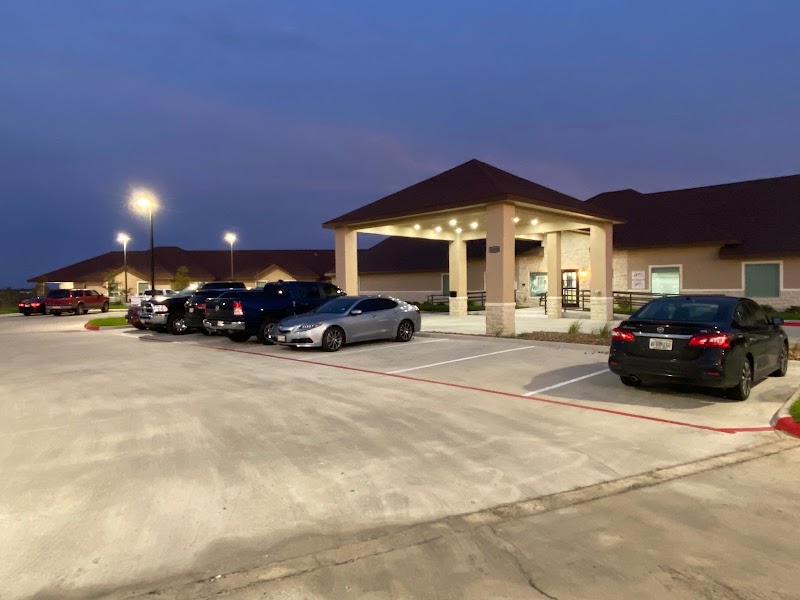
How is Mont Belvieu Rehabilitation & Healthcare Center Staffed?

CMS rates MONT BELVIEU REHABILITATION & HEALTHCARE CENTER's staffing level at 2 out of 5 stars, which is below average compared to other nursing homes. Staff turnover is 51%, compared to the Texas average of 46%.

What Have Inspectors Found at Mont Belvieu Rehabilitation & Healthcare Center?

State health inspectors documented 36 deficiencies at MONT BELVIEU REHABILITATION & HEALTHCARE CENTER during 2022 to 2025. These included: 6 Immediate Jeopardy (the most serious level, indicating potential for serious harm or death), 28 with potential for harm, and 2 minor or isolated issues. Immediate Jeopardy findings are rare and represent the most serious regulatory concerns. They require immediate corrective action.
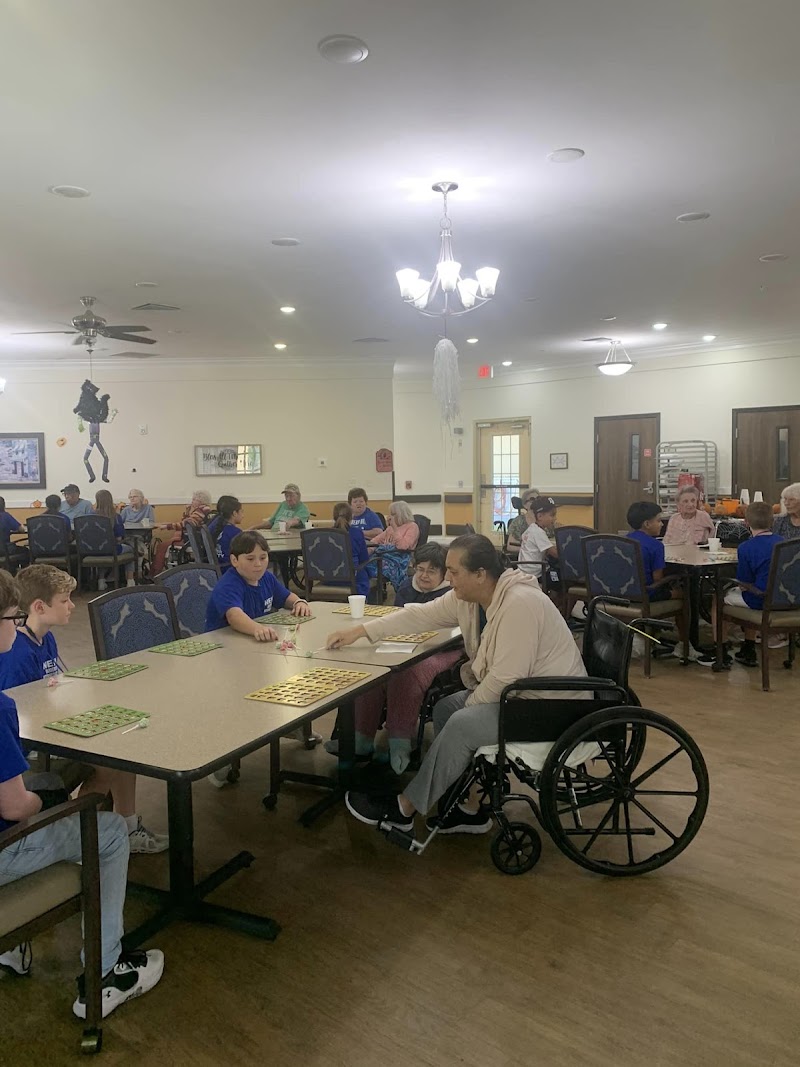
Who Owns and Operates Mont Belvieu Rehabilitation & Healthcare Center?

MONT BELVIEU REHABILITATION & HEALTHCARE CENTER is owned by a for-profit company. For-profit facilities operate as businesses with obligations to shareholders or private owners. The facility operates independently rather than as part of a larger chain. With 124 certified beds and approximately 92 residents (about 74% occupancy), it is a mid-sized facility located in MONT BELVIEU, Texas.
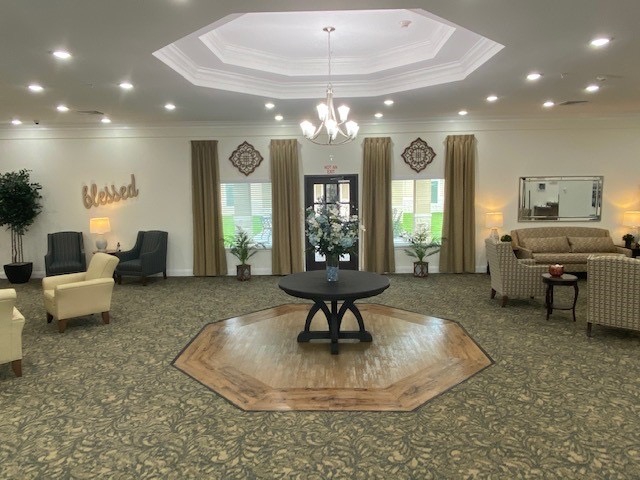
How Does Mont Belvieu Rehabilitation & Healthcare Center Compare to Other Texas Nursing Homes?

Compared to the 100 nursing homes in Texas, MONT BELVIEU REHABILITATION & HEALTHCARE CENTER's overall rating (2 stars) is below the state average of 2.8, staff turnover (51%) is near the state average of 46%, and health inspection rating (2 stars) is below the national benchmark.

What Should Families Ask When Visiting Mont Belvieu Rehabilitation & Healthcare Center?

Based on this facility's data, families visiting should ask: "What changes have been made since the serious inspection findings, and how are you preventing similar issues?" "Can you walk me through typical staffing levels on day, evening, and night shifts?" "Can I visit during a mealtime to observe dining assistance and food quality?" "How do you handle medical emergencies, and what is your hospital transfer rate?" These questions are particularly relevant given the facility's Immediate Jeopardy citations and the below-average staffing rating.

Is Mont Belvieu Rehabilitation & Healthcare Center Safe?

Based on CMS inspection data, MONT BELVIEU REHABILITATION & HEALTHCARE CENTER has documented safety concerns. Inspectors have issued 6 Immediate Jeopardy citations (the most serious violation level indicating risk of serious injury or death). The facility has a 2-star overall rating and ranks #100 of 100 nursing homes in Texas. Families considering this facility should ask detailed questions about what corrective actions have been taken since these incidents.

Do Nurses at Mont Belvieu Rehabilitation & Healthcare Center Stick Around?

MONT BELVIEU REHABILITATION & HEALTHCARE CENTER has a staff turnover rate of 51%, which is about average for Texas nursing homes (state average: 46%). Moderate turnover is common in nursing homes, but families should still ask about staff tenure and how the facility maintains care continuity when employees leave.

Was Mont Belvieu Rehabilitation & Healthcare Center Ever Fined?

MONT BELVIEU REHABILITATION & HEALTHCARE CENTER has been fined $41,789 across 3 penalty actions. The Texas average is $33,497. While any fine indicates a compliance issue, fines under $50,000 are relatively common and typically reflect isolated problems that were subsequently corrected. Families should ask what specific issues led to these fines and confirm they've been resolved.

Is Mont Belvieu Rehabilitation & Healthcare Center on Any Federal Watch List?

MONT BELVIEU REHABILITATION & HEALTHCARE CENTER is not on any federal watch list. The most significant is the Special Focus Facility (SFF) program, which identifies the bottom 1% of nursing homes nationally based on persistent, serious quality problems. Not being on this list means the facility has avoided the pattern of deficiencies that triggers enhanced federal oversight. This is a positive indicator, though families should still review the facility's inspection history directly.