CARADAY OF MOUNT VERNON
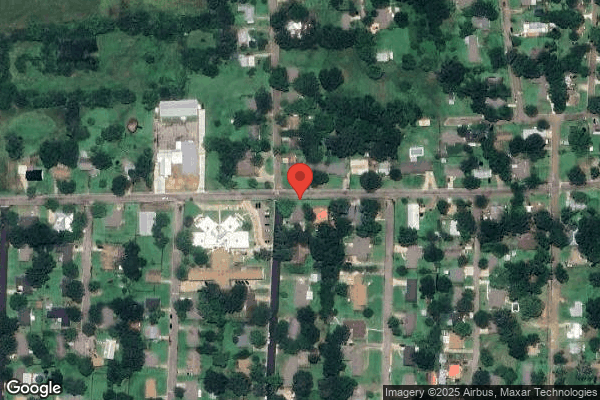
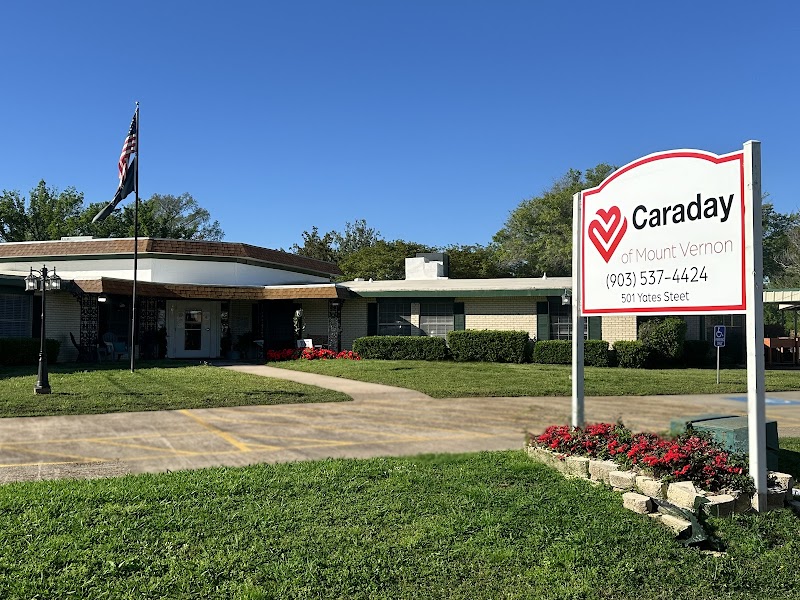
501 YATES STREET, MOUNT VERNON, TX 75457 (903) 537-4424
For profit - Limited Liability company 95 Beds CARADAY HEALTHCARE Data: November 2025 1 Immediate Jeopardy citation
Trust Grade
38/100
#664 of 1168 in TX
Last Inspection: June 2025

Inspected within the last 6 months. Data reflects current conditions.

Overview

Caraday of Mount Vernon has received a Trust Grade of F, indicating significant concerns and poor performance. It ranks #664 out of 1168 nursing homes in Texas, placing it in the bottom half of facilities statewide, but it is the only option available in Franklin County. The facility's trend is worsening, with reported issues increasing from 4 in 2024 to 10 in 2025. Staffing is a positive aspect, with a rating of 4 out of 5 stars and a turnover rate of 41%, which is lower than the Texas average. However, the facility has faced serious issues, including a critical incident where a resident was allegedly abused during care, and it failed to ensure timely laboratory tests for several residents, potentially jeopardizing their health.

Trust Score
F
38/100
In Texas
#664/1168
Bottom 44%
Safety Record
High Risk
Review needed
Inspections
Getting Worse
4 → 10 violations
Staff Stability
○ Average
41% turnover. Near Texas's 48% average. Typical for the industry.
Penalties
⚠ Watch
$44,470 in fines. Higher than 97% of Texas facilities. Major compliance failures.
Skilled Nurses
○ Average
Each resident gets 39 minutes of Registered Nurse (RN) attention daily — about average for Texas. RNs are the most trained staff who monitor for health changes.
Violations
⚠ Watch
20 deficiencies on record. Higher than average. Multiple issues found across inspections.
★★☆☆☆
2.0
Overall Rating
★★★★☆
4.0
Staff Levels
★★★★☆
4.0
Care Quality
★★☆☆☆
2.0
Inspection Score
Stable
2024: 4 issues
2025: 10 issues

The Good

  • 4-Star Staffing Rating · Above-average nurse staffing levels
  • 4-Star Quality Measures · Strong clinical quality outcomes
  • Full Sprinkler Coverage · Fire safety systems throughout facility
  • No fines on record
  • Staff turnover below average (41%)

    7 points below Texas average of 48%

Facility shows strength in staffing levels, quality measures, fire safety.

The Bad

2-Star Overall Rating

Below Texas average (2.8)

Below average - review inspection findings carefully

Staff Turnover: 41%

Near Texas avg (46%)

Typical for the industry

Federal Fines: $44,470

Above median ($33,413)

Moderate penalties - review what triggered them

Chain: CARADAY HEALTHCARE

Part of a multi-facility chain

Ask about local staffing decisions and management

The Ugly 20 deficiencies on record

1 life-threatening
Jun 2025 8 deficiencies
CONCERN (D)

Potential for Harm - no one hurt, but risky conditions existed

Comprehensive Assessments (Tag F0636)

Could have caused harm · This affected 1 resident

**NOTE- TERMS IN BRACKETS HAVE BEEN EDITED TO PROTECT CONFIDENTIALITY** Based on interview and record review, the facility failed to make a comprehensive assessment of each residents' needs, strengths...

Read full inspector narrative →
**NOTE- TERMS IN BRACKETS HAVE BEEN EDITED TO PROTECT CONFIDENTIALITY** Based on interview and record review, the facility failed to make a comprehensive assessment of each residents' needs, strengths, goals, life history, and preferences within 14 calendar days after admission for 1 of 13 residents (Resident #10) reviewed for accuracy of assessments. The facility failed to complete Resident #10's admission MDS assessment, with an ARD of 03/11/2025, within 14 days of admission. This failure could place residents at risk of not having their needs met. Findings included: Record review of a face sheet dated 06/11/2025 indicated Resident #10 was an [AGE] year-old female admitted to the facility on [DATE] with diagnoses which included hemiplegia and hemiparesis following cerebral infarction affecting left non-dominant side (weakness and paralysis affecting the left side after a stroke) and dementia (loss of memory, language, problem solving and other thinking abilities that were severe enough to interfere with daily life). Record review of Resident #10's comprehensive MDS assessment with an ARD of 03/11/2025 indicated in Section A0310 it was an admission assessment (required by day 14). The MDS assessment for Resident #10 indicated in Section A1600 an entry date of 03/04/2025. The MDS assessment in Section Z0500B was signed completed on 03/25/2025, which indicated the MDS assessment for Resident #10 was completed 8 days late. During an interview on 06/11/2025 at 10:21 AM, the MDS Coordinator said Resident #10's MDS assessment was signed late. The MDS Coordinator said she did not know why it was not signed completed. The MDS Coordinator said the DON had to sign them complete because she was not an RN. She said she tried to e-mail the DON and let her know which MDS assessments she needed to sign. The MDS Coordinator said she had two different buildings she was at, and she was only at the facility two days a week. When she was at the facility, she checked to ensure the MDS assessments were signed by the DON. The MDS Coordinator said she did not think the MDS assessments being signed late could really cause anything. During an interview on 06/11/2025 at 1:55 PM, the DON said she tried to check every morning to see if there were any MDS assessments she needed to sign. The DON said sometimes they were things going on in the facility, and she was unable to check daily. The DON said sometimes the MDS Coordinator emailed her to tell her she needed to sign MDS assessments. The DON said she was not aware of the required timeframes for the MDS assessments. The DON said she did not remember signing anything late, and she did not know why Resident #10's admission MDS assessment was signed late. The DON said it was important for the MDS assessments to be completed within the required timeframes because it was important for the care the residents were provided to be captured in a timely manner. During an interview on 06/11/2025 at 2:58 PM, the Administrator said he expected that the MDS assessments were completed and signed on time. The Administrator said the MDS Coordinator and the RN signing the MDS assessments should be making sure they were signed timely. The Administrator said it was important for the MDS assessments to be completed per the required timeframes because it could affect their payment. The Administrator said he was not aware how this could directly affect the residents because he was not clinical. Record review of the facility's undated policy titled, Resident Assessment Policy, indicated, Completing the MDS 1) A registered nurse will coordinate each assessment with the appropriate participation of health professionals, and shall sign to certify the completion of each assessment in item Z0500. Each resident will be scheduled for an assessment period in which data will be gathered about the resident; with the frequency and type of assessment being determined according to the guidelines in the RAI Manual. Comprehensive assessments will be completed not less often than once every 12 months (366 days), within 14 calendar days after admission.
CONCERN (D)

Potential for Harm - no one hurt, but risky conditions existed

Comprehensive Care Plan (Tag F0656)

Could have caused harm · This affected 1 resident

**NOTE- TERMS IN BRACKETS HAVE BEEN EDITED TO PROTECT CONFIDENTIALITY** Based on observation, interviews and record reviews the facility failed to develop and implement a comprehensive person-centered...

Read full inspector narrative →
**NOTE- TERMS IN BRACKETS HAVE BEEN EDITED TO PROTECT CONFIDENTIALITY** Based on observation, interviews and record reviews the facility failed to develop and implement a comprehensive person-centered care plan for each resident, that includes measurable objectives and timeframes to meet a resident's medical, nursing, and mental and psychosocial needs that are identified in the comprehensive assessment for 2 of 2 residents (Residents #23 and Resident #24) reviewed for care plans. 1.The facility failed to ensure Resident #23 had her fall mat in place while in bed. 2. The facility failed to ensure Resident #24's care plan included the use of the antidepressant medication. These failures could have placed residents at risk for not having their needs met. Findings included: 1.Record review of Resident #23's face sheet dated 06/10/25 indicated she was an [AGE] year-old female who admitted to the facility on [DATE] with the diagnoses dementia, chronic kidney disease, anxiety, and high blood pressure. Record review of Resident #23's quarterly MDS dated [DATE] indicated she understood others and was able to make herself understood. The MDS also indicated she had a BIMS score of 10 which meant she had moderate cognitive impairment. The MDS also indicated she required limited assistance with transfers, extensive assistance with dressing, toileting, and showering, and setup for eating. The MDS also indicated Resident #23 had had a fall with no injury. Record review of Resident #23's care plan dated 02/10/25 indicated she had an actual fall on 02/07/25 attempting to transfer herself with interventions in place to have a floor mat in use when she was in bed. During an observation on 06/09/25 at 10:25 AM Resident #23 was laying in her bed and the fall mat was folded by the chair at the end of the bed. During an observation on 06/10/25 at 08:26 AM Resident #23 was in bed and had her fall mat folded beside the chair. During an interview on 06/11/25 at 01:04 PM CNA said she did not usually work on that side of the facility where Resident #23 resided but she had placed the fall mat down for Resident #23 before. She said Resident #23 had been known to move the mat when she transferred herself but was unsure of why the fall mat had not been in use. During an interview on 06/11/25 at 01:14 PM the DON said she expected the fall mat to be on the floor beside Resident #23's bed while she was in bed. The DON said Resident #23 had moved the floor mat in the past and she got upset at the staff when they placed the floor mat and made them remove the fall mat. The DON said not having the fall mat in place placed a risk for Resident #23 to have an injury if she had a fall from the bed. During an interview on 06/11/25 at 02:11 PM The Administrator said he expected Resident #23's fall mat to be on the floor beside her bed and if it was not then there should have been documentation for the reasoning of why it was not in place. The Administrator said all nursing staff were responsible for ensuring the fall mat was in place. The Administrator said the failure placed Resident #23 at risk for injury from falls. 2.Record review of Resident #24's face sheet dated 06/11/25 indicated he was a [AGE] year-old male who admitted to the facility on [DATE] with the diagnoses dementia, retention of urine, heart failure, and high blood pressure. Record review of Resident #24's quarterly MDS dated [DATE] indicated he made himself understood and was able to understand others. The MDS also indicated he had a BIMS score of 15 which meant he was cognitively intact. The MDS also indicated Resident #24 had taken antidepressant medication while in the facility. Record review of Resident #24's care plan dated 04/04/25 did not indicate Resident #24 was taking an antidepressant medication. Record review of Resident #24's order summary report dated 06/11/25 indicated he had an order for: Citalopram Hydrobromide oral tablet 10mg Give 1 tablet by mouth one time a day for depression with a start date of 04/10/25. During an interview on 06/11/25 at 01:17 PM the DON said Resident #24's care plan should have included the resident was taking an antidepressant medication. The DON said the DON, ADON, and the MDS nurse were all responsible for ensuring the resident care plans were completed with all diagnoses and medications pertinent to each resident. The DON said the failure of the antidepressant not being on his care plan placed a risk for staff not knowing Resident #24 had depression, the medication he was taking, or if he had any triggers. During an interview on 06/11/25 at 02:13 PM The Administrator said he would expect the antidepressant to be in Resident #24's care plan. He said all nursing staff were responsible for ensuring the care plans were completed and accurate. The Administrator said the failure placed a risk for the staff not knowing Resident #24 had depression and how to care for him. Record review of the facility policy Care Plans, Comprehensive Person-Centered revised December 2016 indicated: Policy Statement: A comprehensive, person-centered care plan that includes measurable objectives and timetables to meet the resident's physical, psychosocial and functional needs is developed and implemented for each resident. Policy Interpretation and Implementation:1. The Interdisciplinary Team (IDT), in conjunction with the resident and his/her family or legal representative, develops and implements a comprehensive, person-centered care plan for each resident.2. The care plan interventions are derived from a thorough analysis of the information gathered as part of the comprehensive assessment.13. Assessments of residents are ongoing and care plans are revised as information about the residents and the residents' conditions change. 14. The Interdisciplinary Team must review and update the care plan: a. When there has been a significant change in the resident's condition.
CONCERN (D)

Potential for Harm - no one hurt, but risky conditions existed

Accident Prevention (Tag F0689)

Could have caused harm · This affected 1 resident

**NOTE- TERMS IN BRACKETS HAVE BEEN EDITED TO PROTECT CONFIDENTIALITY** Based on observation, interview, and record review the facility failed to ensure the residents environment remained as free of a...

Read full inspector narrative →
**NOTE- TERMS IN BRACKETS HAVE BEEN EDITED TO PROTECT CONFIDENTIALITY** Based on observation, interview, and record review the facility failed to ensure the residents environment remained as free of accident hazards as was possible for 1 of 13 residents (Resident #7) reviewed for accident hazards. The facility failed to ensure the meyer's cleaner in Resident #7's room was properly stored. These failures could place residents at risk for injuries. Findings included: Record review of Resident #7's face sheet dated 06/10/25 indicated he was a [AGE] year-old male who re-admitted to the facility on [DATE] with the diagnoses heart failure (chronic disease in which the heart does not pump as it should), diabetes (disease causing high or low blood sugar levels), glaucoma (disease causing poor vision), kidney failure, anxiety, and high blood pressure. Record review of Resident #7's quarterly MDS dated [DATE] indicated he usually understood others and was able to make himself understood. The MDS also indicated he had a BIMS score of 11 which meant he had moderate cognitive impairment. The MDS also indicated Resident #7 required total assistance with toileting, dressing, transfers, and bathing, and he required setup for eating. Record review of Resident #7's care plan dated 05/10/24 indicated he required medication management with the intervention for staff to administer medication as prescribed by physician. The care plan also indicate Resident #7 required total assistance of 2 staff with toileting and transfers, and he required substantial/maximal assistance of 1 staff for dressing, bed mobility, bathing, and eating. During an observation and interview on 06/09/25 at 10:33 AM Resident #7 had a blue bottle of meyer's cleaner sitting on the bedside table. RN A said Resident #7's family member brought things he should not have in. RN A said the cleaner was something residents should not have in the rooms. She said the failure placed a risk for Resident #7 and other residents getting a hold of the cleaner and drinking it. During an interview on 06/10/25 at 10:42 AM The DON said Resident #7 should not have meyer's cleaner in his room, but the facility had issues with Resident #7's family member bringing items in the facility. She said the staff should have been aware of those items left in the rooms and removed them. The DON said the failure placed a risk for Resident #7 and other residents ingesting the cleaner. During an observation on 06/10/25 at 08:40 AM Resident #7 had a blue bottle of meyer's cleaner sitting on the bedside table. During an interview on 06/11/25 at 01:58 PM The Administrator said the facility did not have a policy for hazardous items in the facility. During an interview on 06/11/25 at 02:06 PM The Administrator said he expected the cleaner to not be left in the residents' rooms. He said all staff should be responsible for ensuring the items were not left in the residents' rooms. The Administrator said the failure placed the risk for Resident #7 and another resident getting the cleaner and ingesting it. Record review of the facility policy Accidents and Incidents revised July 2020 did not indicate cleaners or storage of hazardous items.
CONCERN (D)

Potential for Harm - no one hurt, but risky conditions existed

Deficiency F0761 (Tag F0761)

Could have caused harm · This affected 1 resident

**NOTE- TERMS IN BRACKETS HAVE BEEN EDITED TO PROTECT CONFIDENTIALITY** Based on observation, interview, and record review, the facility failed to store all drugs and biologicals in locked compartment...

Read full inspector narrative →
**NOTE- TERMS IN BRACKETS HAVE BEEN EDITED TO PROTECT CONFIDENTIALITY** Based on observation, interview, and record review, the facility failed to store all drugs and biologicals in locked compartments under proper temperature controls and permit only authorized personnel to have access to the keys for 2 of 13 residents reviewed in sample (Resident #7 and Resident #11). 1.The facility failed to ensure Resident #7 did not have prescribed wound cleanser and non-prescribed buttocks powder left at bedside on the dresser. 2.The facility failed to ensure Resident #11 did not have artificial tears on his bedside table. These failures could place residents at risk of injury. Findings included: 1.Record review of Resident #7's face sheet dated 06/10/25 indicated he was a [AGE] year-old male who re-admitted to the facility on [DATE] with the diagnoses heart failure (chronic disease in which the heart does not pump as it should), diabetes (disease causing high or low blood sugar levels), glaucoma (disease causing poor vision), kidney failure, anxiety, and high blood pressure. Record review of Resident #7's quarterly MDS dated [DATE] indicated he usually understood others and was able to make himself understood. The MDS also indicated he had a BIMS score of 11 which meant he had moderate cognitive impairment. Record review of Resident #7's care plan dated 05/10/24 indicated he required medication management with the intervention for staff to administer medication as prescribed by physician. Record review of Resident #7's order summary report dated 06/10/25 indicated he had an order for: Toenail infection to right first toe: Cleanse with wound cleanser, pat dry apply betadine and triple antibiotic ointment and leave open to air daily one time a day with a start date of 04/23/25 and no end date. The order summary did not indicate an order for buttocks powder. During an observation on 06/09/25 at 10:33 AM Resident #7 had a plastic container labeled Resident #7 buttocks with white powdery substance in it sitting on his dresser beside the bed. During an observation on 06/10/25 at 08:40 AM Resident #7 had a bottle of wound cleanser at bedside and a plastic container labeled Resident #7 buttocks with white powdery substance in it sitting on his dresser by his bed. 2.Record review of Resident #11's face sheet dated 06/10/25 indicated he was a [AGE] year-old male who admitted to the facility on [DATE] with the diagnoses metabolic encephalopathy (a brain disorder caused by chemical imbalances in the body), congestive heart failure (chronic disease in which the heart does not pump as it should), high blood pressure, and depression. Record review of Resident #11's admission MDS dated [DATE] indicated he made himself understood and was able to understand others. The MDS also indicated he had a BIMS score of 13 which meant he was cognitively intact. Record review of Resident #11's care plan dated 05/12/25 indicated he was at risk for substance abuse, and he had heart disease with interventions to administer medication per physician orders. Record review of Resident #11's order summary report dated 06/10/25 did not indicate Resident #11 had an order for artificial tears. During an observation and interview on 06/10/25 at 08:26 AM during medication administration Resident #11 had a bottle of natural tears eye drops sitting on his bedside table. Resident #11 said he used the naturl tears when he needed them. During an interview on 06/10/25 at 09:15 AM LVN F said Resident #11 had always had the artificial tear eye drops at his bedside. She said he never asked to administer the eye drops. LVN F said she had a few residents that could self-administer but she was unsure if Resident #11 was one of those residents because she always administered his medication. During an observation on 06/10/25 at 01:15 PM Resident #11 had artificial tears eye drops sitting on his bedside table. During an observation and interview on 06/10/25 at 10:42 AM The DON said Resident #11 nor Resident #7 were not one of the residents who had an assessment completed for self-administering medications and he should not have his eye drops in the room. The DON removed the eye drops. The DON said the failure placed risk for other residents getting the medications or Resident #11 improperly taking the medication. The DON said she had several talks with Resident #7's family member about him not being able to keep medications or cleaners at bedside. During an interview on 06/11/25 at 02:06 PM The Administrator said he expected the medications to not be left in the residents' rooms. He said all staff should be responsible for ensuring the items were not left in the residents' rooms. The Administrator said the failure placed the risk for any of the residents, including Resident #7 and Resident #11, getting the medication and ingesting it. Record review of the facility policy Volume I-Policies and Procedures for Pharmacy Services undated indicated: 6.Delivery, Receipt and Storage of Medication .6.3 Storage of Medication: The facility should ensure that only authorized facility staff should have access to medication storage areas .Scheduled medications should be stored in a separate locked area with the medication carts or medication room.
CONCERN (D)

Potential for Harm - no one hurt, but risky conditions existed

Deficiency F0849 (Tag F0849)

Could have caused harm · This affected 1 resident

**NOTE- TERMS IN BRACKETS HAVE BEEN EDITED TO PROTECT CONFIDENTIALITY** Based on interview and record review, the facility failed to collaborate with hospice representatives and coordinate the hospice...

Read full inspector narrative →
**NOTE- TERMS IN BRACKETS HAVE BEEN EDITED TO PROTECT CONFIDENTIALITY** Based on interview and record review, the facility failed to collaborate with hospice representatives and coordinate the hospice care planning process for each resident receiving hospice services, to ensure quality of care for the resident, ensuring communication with the hospice medical director, the resident's attending physician, and others participating in the provision of care for 1 of 2 residents (Residents #25) reviewed for hospice services. The facility failed to obtain Resident #25's most recent updated hospice plan of care and hospice nursing visit notes. This deficient practice could place residents who receive hospice services at risk of receiving inadequate end-of-life care due to a lack of documentation, coordination of care and communication of resident needs. Findings included: Record review of Resident #25's face sheet fated 06/10/25, indicated a [AGE] year-old female who initially admitted to the facility on [DATE] with diagnoses which included cerebrovascular disease (stroke), seizures and dementia (memory loss). Record review of Resident #25's quarterly MDS assessment dated [DATE], indicated Resident #25 was usually understood and usually understood others. Resident #25 had a BIMS score of 9, which indicated her cognition was moderately impaired. The MDS assessment indicated Resident #25 received hospice care. Record review of Resident #25's comprehensive care plan revised 01/06/25, indicated Resident #25 was receiving hospice services with interventions to monitor for decreased appetite, weight loss, skin breakdown, nausea/vomiting, etc. report to hospice. Record review of Resident #25's order summary report dated 06/10/25, indicated the following order: Admit to [Hospice] with diagnoses of late effects of cerebrovascular accident with a start date of 12/24/24. Record review of Resident #25's hospice binder revealed the following: RN Visit note dated 05/06/25. Hospice plan of care update dated 05/09/25. During an interview on 06/11/25 at 10:15 AM, the Hospice DON said the updated hospice documents should be taken to the facility every 2 weeks following the hospice IDT meeting. She said the Hospice Case Manager, or the Office Manager were responsible for ensuring the hospice documents were being taken to the facility. She said the Assistant Office Manager was out on personal leave and why the hospice documents were not brought since last month. She said the Office Manager probably had not realized the Assistant Office Manager had not taken the hospice documents since last month. The Hospice DON said the most recent hospice documents should be at the facility so the facility was aware of any changes to the plan of care that was done during the IDT meeting. She said Resident #25's case manager was currently on vacation and unavailable for interview. During an interview on 06/11/25 at 12:23 PM, the DON said she expected the most recent hospice documents to be updated and in the resident's hospice binder. She said the hospice office personnel and the hospice nurses were responsible for ensuring the hospice documents were being brought to the facility. She said failure to have Resident #25's most recent hospice documents placed the resident at risk for not being aware of any changes the resident might have had. During an interview on 06/11/24 at 12:45 PM, the Administrator said he expected the hospice documents to be brought to the facility in a timely manner. He said the hospice nurse or a representative from the hospice company was responsible for ensuring the hospice documents were being brought to the facility timely. He said failure to have the most recent hospice documents could place the resident at risk of receiving improper care. Record review of the nursing facility hospice contract dated October 22, 2021 between the facility and the Resident #25's hospice indicated . information/documentation provided to facility on admission and on-going: 1. Most recent hospice plan of care . 6. Copies of clinical notes after each visit .
CONCERN (D)

Potential for Harm - no one hurt, but risky conditions existed

Infection Control (Tag F0880)

Could have caused harm · This affected 1 resident

**NOTE- TERMS IN BRACKETS HAVE BEEN EDITED TO PROTECT CONFIDENTIALITY** 2. Record review of Resident #7's face sheet dated 06/10/25 indicted he was a [AGE] year-old male who re-admitted to the facilit...

Read full inspector narrative →
**NOTE- TERMS IN BRACKETS HAVE BEEN EDITED TO PROTECT CONFIDENTIALITY** 2. Record review of Resident #7's face sheet dated 06/10/25 indicted he was a [AGE] year-old male who re-admitted to the facility on [DATE] with the diagnoses heart failure(chronic disease in which the heart does not pump as it should), diabetes (disease causing high or low blood sugar levels), glaucoma (disease causing poor vision), kidney failure, anxiety, and high blood pressure. Record review of Resident #7's quarterly MDS dated [DATE] indicated he usually understood others and was able to make himself understood. The MDS also indicate he had a BIMS score of 11 which meant he had moderate cognitive impairment. The MDS also indicated Resident #7 had a foley catheter and skin treatments. Record review of Resident #7's care plan dated 04/01/24 indicated he required enhanced barrier precautions with interventions in place for the staff to use PPE for high contact care activities and indications: wounds, indwelling, medical device, infection, and for the staff to follow enhanced barrier precautions per facility policy. During an observation 06/10/25 at 10:06 AM, RN A entered Resident #7's room and provided wound care and failed to put on an isolation gown prior to care being provided. During an interview on 06/10/25 at 10:33 AM, RN A said she should have put on a gown and gloves prior to providing wound care for the Resident #7. She said Resident #7 required enhanced barrier precautions for his catheter care and wound care. RN A said enhanced barrier precautions was used for catheter care, wound care, gastrostomy tubes, and tracheostomy care. She said the failure placed an increased risk for infection. During an interview on 06/11/25 at 01:12 PM, the DON said all staff should be using the proper PPE when enhanced barrier precautions were in place The DON said herself and the ADON were responsible for ensuring the staff was using the proper PPE with care. The DON said the failure of not using PPE placed residents at an increased risk for infection. During an interview on 06/11/25 at 02:09 PM, the Administrator said his expectation was for all nurses to use the proper PPE when enhanced barrier precautions were in place. He said the DON and the ADON were responsible for ensuring the staff used proper PPE when providing care. The Administrator said the failure place and increased risk for contamination. Record review of the facility's policy Handwashing/Hand Hygiene revised August 2019, indicated . This facility considers hand hygiene the primary means to prevent the spread of infections . 2. All personnel shall follow the handwashing/hand hygiene procedures to help prevent the spread of infections to other personnel, residents, and visitors . 7. Use an alcohol-based hand rub containing at least 62% alcohol; or alternatively, soap (antimicrobial or non-antimicrobial) and water for the following situations: m. After removing gloves .9. The use of gloves does not replace hand washing/hand hygiene. Integration of glove use along with routine hand hygiene is recognized as the best practice for preventing healthcare-associated infections . Record review of the facility policy Enhanced Barrier Precautions dated August 2022 indicated: Enhanced barrier precautions (EBPs) are utilized to prevent the spread of multi-drug resistant organisms (MDROs) to residents. Policy and Interpretation and Implementation 1. Enhanced barrier precautions (EBPs) are used as an infection prevention and control intervention .2. EBPs employ targeted gown and glove use during high contact resident care activities when contact precautions do not otherwise apply . Based on observation, interview, and record review the facility failed to maintain an infection prevention and control program designed to provide a safe, sanitary, and comfortable environment and to help prevent the development and transmission of communicable diseases and infections for 2 of 5 residents (Residents #25 and #7) reviewed for infection control practices. 1. The facility failed to ensure CNA E performed hand hygiene after she changed her gloves during Resident #25's incontinent care on 06/10/25. 2. The facility failed to ensure RN A used the proper PPE for enhanced barrier precautions during wound care for Resident #7. These failures could place residents and staff at risk for cross contamination and the spread of infection. Finding include: 1.Record review of Resident #25's face sheet dated 06/10/25, indicated a [AGE] year-old female who initially admitted to the facility on [DATE] with diagnoses which included cerebrovascular disease (stroke), seizures and dementia (memory loss). Record review of Resident #25's quarterly MDS assessment dated [DATE], indicated Resident #25 was usually understood and usually understood others. Resident #25 had a BIMS score of 9, which indicated her cognition was moderately impaired. The MDS assessment indicated Resident #25 was dependent on facility staff with all ADLs and was always incontinent of urine and bowel. Record review of Resident #25's comprehensive care plan revised 05/10/24, indicated Resident #25 was incontinent of bowel and bladder with interventions to check resident every 2 hours and as needed for incontinence. During an observation and interview on 06/10/25 at 10:52 AM, CNA E entered Resident #25's room to provide incontinent care. CNA E donned PPE. During the incontinent care process, CNA E failed to perform hand hygiene when she removed her dirty gloves and applied clean gloves. CNA E said she removed her gloves during the incontinent care process because she had poop on them. CNA E said she should have hand sanitized in between glove changes and forgot because she was nervous. CNA E said by not performing hand hygiene in between glove changes placed Resident #25 at risk for infections. CNA E said she was responsible for performing proper incontinent care and hand hygiene. During an interview on 06/11/25 at 12:23 PM, the DON said she expected hand hygiene to be performed after each glove change for infection control. She said failure to perform hand hygiene could place the residents and staff at risk for infections. The DON said the person providing the care was responsible for ensuring proper hand hygiene was being performed. During an interview on 06/11/24 at 12:45 PM, the Administrator said he expected hand hygiene to be performed between each glove change. He said by not performing hand hygiene the CNA could have introduced contaminates into the incontinent care process. The Administrator said the individual providing the care was responsible for ensuring proper hand hygiene was being performed. He said nurse management was responsible for providing infection control education.
CONCERN (E)

Potential for Harm - no one hurt, but risky conditions existed

Laboratory Services (Tag F0770)

Could have caused harm · This affected multiple residents

**NOTE- TERMS IN BRACKETS HAVE BEEN EDITED TO PROTECT CONFIDENTIALITY** Based on interview and record review, the facility failed to ensure laboratory services were obtained to meet the needs of 3 of ...

Read full inspector narrative →
**NOTE- TERMS IN BRACKETS HAVE BEEN EDITED TO PROTECT CONFIDENTIALITY** Based on interview and record review, the facility failed to ensure laboratory services were obtained to meet the needs of 3 of 13 residents (Resident #2, Resident #29, and Resident #188) reviewed for laboratory services. The facility failed to obtain Resident #2's CMP (lab test that provides an overall picture of your body's chemical balance and metabolism, and can help diagnose, screen for, or monitor health conditions or medication side effects) as ordered. The facility failed to obtain Resident #29's CBC (used to monitor and diagnose medical conditions, check the health of the immune system, and detect disorders including infections, anemia, and blood cancer) and CMP as ordered. The facility failed to obtain Resident #188's urinalysis (urine test that can help find problems that need treatment, including infections or kidney problems, and can also detect serious diseases in the early stages) as ordered. These failures could place residents at risk of not receiving timely diagnoses, treatment, and services to meet their needs. Findings included: 1. Record review of Resident #2's face sheet dated 06/11/2025 indicated she was an [AGE] year-old female admitted to the facility on [DATE] with diagnoses which included cerebrovascular disease (condition that affects blood flow to the brain), essential primary hypertension (high blood pressure), hypothyroidism (condition where the thyroid gland does not produce enough hormones), and prediabetes (condition where blood sugar levels are higher than normal but not high enough to be diabetes). Record review of the MDS assessment indicated Resident #2 was understood by others and understood others. The MDS assessment indicated Resident #2 had a BIMs score of 15, which indicated her cognition was intact. Record review of the Order Summary Report dated 06/11/2025 indicated Resident #2 had an order for a Comprehensive Metabolic Panel (CMP) on admission and every 3 months with an order date of 04/05/2024. Record review of Resident #2's care plan did not address obtaining labs. Record review of Resident #2's electronic health record indicated her CMP was last collected 01/20/2025. 2. Record review of Resident #29's face sheet dated 06/11/2025 indicated he was a [AGE] year-old male admitted to the facility on [DATE] with diagnoses which included Parkinson's disease without dyskinesia without mention of fluctuations (progressive disorder that affects the nervous system and the parts of the body controlled by nerves without any involuntary muscle movements), hyperlipidemia (high cholesterol), and chronic kidney disease (condition that affects the kidneys and can lead to kidney failure). Record review of the Quarterly MDS assessment dated [DATE] indicated Resident #29 was usually understood by others and usually understood others. The MDS assessment indicated Resident #29 had a BIMS score of 8, which indicated his cognition was moderately impaired. Record review of Resident #29's Order Summary Report dated 06/11/2025 indicated an order for a CBC and a CMP every 3 months with a start date of 12/31/2023. Record review of Resident #29's care plan with a target date of 08/05/2025 indicated Resident #29 had a potential nutritional problem to obtain and monitor lab/diagnostic work as ordered. Record review of Resident #29's electronic health record indicated his CBC and CMP were last collected on 01/08/2025. 3. Record review of Resident #188's face sheet dated 06/11/2025 indicated he was an [AGE] year-old male admitted to the facility on [DATE] with diagnoses which included Parkinson's disease without dyskinesia without mention of fluctuations (progressive disorder that affects the nervous system and the parts of the body controlled by nerves without any involuntary muscle movements) and benign prostatic hyperplasia with lower urinary tract symptoms (enlargement of the prostate with symptoms such as difficulty urinating). Record review of Resident #188's electronic health record on 06/11/2025 indicated his admission MDS assessment was in progress. Record review of Resident #188's Order Summary Report dated 06/11/2025 indicated an order for a urinalysis with a start date of 05/31/2025. Record review of Resident #188's care plan date initiated 05/31/2025 indicated he used a mood stabilizer/anticonvulsant (medication used to prevent seizures) medication to obtain labs as ordered. Record review of Resident #188's electronic health record did not indicate urinalysis results from 05/31/2025. Record review of the facility's 24-hour report from 05/30/2025- 06/09/2025 indicated: 05/30/2025 no notes regarding Resident #188's urinalysis. 05/31/2025 no notes regarding Resident #188's urinalysis. 06/01/2025 no notes regarding Resident #188's urinalysis. 06/02/2025 for the 2 PM-10 PM shift Resident #188's urinalysis needed. 06/03/2025 6 AM-2 PM shift Resident #188's urinalysis needed. 06/04/2025 2 PM-10 PM shift Resident #188's urinalysis needed. 06/05/2025 no notes regarding Resident #188's urinalysis. 06/06/2025 no notes regarding Resident #188's urinalysis. 06/07/2025 2 PM-10 PM shift Resident #188's urinalysis needed. 06/08/2025 6 AM-2 PM shift Resident #188's urinalysis needed. 06/09/2025 10 PM-6 AM shift urine was collected for urinalysis. During an interview on 06/10/2025 at 1:47 PM, RN A said Resident #188's urinalysis was an admission order. RN A said the lab did not collect specimens over the weekend. RN A said Resident #188's urine should have been collected and sent out on Monday 06/02/2025. RN A said she attempted to collect Resident #188's urine on Monday but was unable to because she could not get him to use a urinal or sit on the commode. RN A said an in and out catheter could be used to collect the urine, if the resident did not refuse. RN A said she had not attempted an in and out catheter. RN A said she passed it on in report to LVN C that she was not able to obtain the urine specimen for the urinalysis, and she did not know why it was not collected. RN A said it was important for the urinalysis to be collected because the residents could have an infection or bacteria that needed to be treated. During an attempted phone interview on 06/10/2025 at 3:37 PM, LVN C did not answer the phone. During an attempted phone interview on 06/11/2025 at 8:46 AM, LVN C did not answer the phone. During an interview on 06/11/2025 at 11:44 AM, RN B said she admitted Resident #188 and she put the order in for his urinalysis. RN B said she did not work the following days, and Resident #188's urine should have been set out on Monday, 06/02/2025. RN B said when she returned to work on Wednesday, 06/04/2025, she was under the impression his urine had been collected because she was not told it needed to be collected and sent out. RN B said if a lab is not collected it should be placed on the 24-hour report until it was collected. RN B said it was important to collect labs so they could have a baseline and know how to treat the residents. During an interview on 06/11/2025 at 1:37 PM, the DON said Resident #2 and Resident #29's labs were collected in January 2025. The DON said the labs were not drawn as ordered because she thought they had been discontinued. The DON said they changed medical directors, and their new medical director only wanted labs drawn yearly. The DON said the nurses should be ensuring the labs were drawn per the doctor's orders. The DON said the ADON and herself monitored the nurses to ensure all labs were drawn. The DON said she was not aware Resident #188's urinalysis was not completed after admission. The DON said if the nurses were having difficulty collecting Resident #188's urine they should have put it on the 24-hour report to ensure it was collected and sent out promptly. The DON said it was important to collect the residents' labs as ordered to ensure the residents did not have any abnormal labs or changes that they needed to treat. During an interview on 06/11/2025 at 2:26 PM, the ADON said in the mornings the DON and herself conducted lab follow up with the charge nurses to ensure the labs were monitored. The ADON said Resident #2 and Resident #29's orders were old labs that were not taken out when they changed medical directors in March 2024. The ADON said this was why Resident #2 and Resident #29's labs were not completed. The ADON said Resident #188 admitted late Friday and the lab did not go to the facility on the weekends. The ADON said she was noticed by the charge nurse that she attempted to collect Resident #188's urine on Monday, and he refused. The ADON said nothing else was reported to her, and she did not know why it was not collected after that. The ADON said it was important for labs to be collected as ordered to monitor the residents for infections, medication monitoring, and to monitor disease processes. During an interview on 06/11/2025 at 2:57 PM, the Administrator said his expectations were for the labs to be completed timely. The Administrator said the floor nurses who received the lab orders should relay to the next shifts labs that needed to be collected. The Administrator said not following the residents' lab orders could affect the well-being of the residents because they had to know what to treat and how to treat it. Record review of the facility's policy titled, Lab and Diagnostic Test Results-Clinical Protocol, revised November 2018, indicated, 1. The physician will identify and order diagnostic and lab testing based on the resident's diagnostic and monitoring needs. 2. The team will process test requisitions and arrange for tests.
CONCERN (E)

Potential for Harm - no one hurt, but risky conditions existed

Deficiency F0773 (Tag F0773)

Could have caused harm · This affected multiple residents

**NOTE- TERMS IN BRACKETS HAVE BEEN EDITED TO PROTECT CONFIDENTIALITY** Based on interview and record review the facility failed to promptly notify and follow-up with the ordering physician regarding ...

Read full inspector narrative →
**NOTE- TERMS IN BRACKETS HAVE BEEN EDITED TO PROTECT CONFIDENTIALITY** Based on interview and record review the facility failed to promptly notify and follow-up with the ordering physician regarding laboratory results outside of clinical reference range for 1of 20 residents (Resident #25) reviewed for laboratory services. The facility failed to respond to Resident #25's physician when he questioned Resident #25's Keppra (used to control seizures) dosage on 03/31/25. This failure could place residents at risk of not receiving lab services as ordered and not managing medications at a therapeutic level. Findings included: Record review of Resident #25's face sheet fated 06/10/25, indicated a [AGE] year-old female who initially admitted to the facility on [DATE] with diagnoses which included cerebrovascular disease (stroke), seizures, and dementia (memory loss). Record review of Resident #25's quarterly MDS assessment dated [DATE], indicated Resident #25 was usually understood and usually understood others. Resident #25 had a BIMS score of 9, which indicated her cognition was moderately impaired. The MDS assessment indicated Resident #25 had received an anticonvulsant medication within the last 7 days of the 7-day look back period. Record review of Resident #25's comprehensive care plan revised 05/10/24, indicated Resident #25 had a seizure disorder related to stroke. The care plan interventions indicated to give seizure medication as ordered by the doctor, monitor labs, and report any subtherapeutic or toxic results to the medical director. Record review of Resident #25's order summary report dated 06/10/25, indicated the following order: Keppra level in the AM with an order start date of 03/27/25. Keppra 100mg/ml give 10mls by mouth two times a day related to seizures with a start date of 05/17/25. Record review of Resident #25's lab result report dated 3/28/25, indicated Resident #25's Keppra level was 57.10 and was above the therapeutic range of 6.00-46.00. The report was electronically signed on 03/31/25 by the medical director where he wrote What is her current Keppra dose. Record review of the facility's 24-hour report dated 03/28/25, indicated Resident #25 was on skilled charting for 3 days. The report did not indicate Resident #25's lab results had been faxed to the doctor and required a follow up. Record review of the facility's 24-hour report dated 03/29/25, indicated Resident #25 was on skilled charting for 3 days. The report did not indicate Resident #25's lab results required a follow up. Record review of the facility's 24-hour report dated 03/30/25, indicated Resident #25's skilled charting was completed. The report did not indicate Resident #25's lab results required a follow up. Record review of the facility's 24-hour report dated 03/31/25, indicated Resident #25 was on skilled charting. The report did not reveal any new orders regarding Resident #25's Keppra. Record review of the facility's 24-hour report dated 04/01/25, indicated Resident #25 had a new order to change her vitamin D to 2000 units daily and increase the levothyroxine (medication used to treat thyroid hormone deficiency) to 75mcg every morning. The report did not reveal any new orders regarding Resident #25's Keppra. Record review of Resident #25's progress notes dated 03/10/25- 06/11/25 did not reveal Resident #25's Keppra lab result was addressed. The progress notes did not indicate Resident #25 had any seizures. Record review of Resident #25's nursing MAR for the month of April 2025, indicated she received Keppra 100mg/ml 10 mls via her peg tube (tube inserted in the stomach for medications and nutrition) two times a day. The MAR did not indicate any Keppra doses had been held or refused. During an interview on 06/10/25 at 1:40 PM, the DON said no one ever responded to Resident #25's doctor when he asked what her current Keppra dosage was. She said LVN D worked on 03/31/25 and was responsible for following up on the labs. She said there was nothing charted in Resident #25's progress notes to indicate the lab was addressed. She said if it was not charted it was not done. The DON said since Resident #25's lab was not addressed she could have had a seizure. The DON said Resident #25 had not had any seizures. She said all nurses were responsible for following up on the lab results. She said nurse management discussed labs in the morning clinical meeting. The DON said somehow the ball was dropped on Resident #25's Keppra level. She said she was unsure of how Resident #25's lab was missed. The DON said Resident #25's Keppra lab was not written on the 24-hour report for follow up. During an interview on 06/10/25 at 5:32 PM, LVN D said she was unable to recall if she worked on 03/31/25. LVN D said if there was a lab she needed to follow up it would have been written on the 24-hour report. She said if it was not written on the 24 hour report she would not know if there was anything that needed to be addressed. She said if it had been discussed in clinical then it would have been addressed and charted. She said the nurse email was checked every shift for lab results and faxes. She said by not responding to the doctor regarding her Keppra order placed Resident #25 at risk for having an adverse reaction to an elevated Keppra level. She said Resident #25 could have had a seizure. She said any labs awaiting a response from the doctor were attached to the 24-hour report. During an interview on 06/11/24 at 12:45 PM, the Administrator said he expected the nurse to follow up with labs immediately once they were received. He said he was not medical and did not know the risk of not notifying the physician on Resident #25's Keppra dosage. He said the DON was responsible for ensuring all labs were being followed up on. Record review of the facility's policy Lab and Diagnostic Test Results- Clinical Protocol revised November 2018, indicated . 1. When test results are reported to the facility, a nurse will first review the results. A. if a team member who first received or review lab and diagnostic test results cannot follow the remainder of this procedure for reporting and documenting the results and their implications, another nurse in the facility (supervisor, charge nurse, etc.) should follow coordinate the procedure . 2. High or toxic serum medication levels. If a test was obtained to monitor the blood level of a medication and the level is reported as high (above therapeutic range) or toxic, the nurse will notify the physician promptly and will not give the next dose until the situation has been reviewed with the physician .
Apr 2025 2 deficiencies 1 IJ (1 affecting multiple)
CRITICAL (K) 📢 Someone Reported This

A family member, employee, or ombudsman was alarmed enough to file a formal complaint

Immediate Jeopardy (IJ) - the most serious Medicare violation

Abuse Prevention Policies (Tag F0607)

Someone could have died · This affected multiple residents

**NOTE- TERMS IN BRACKETS HAVE BEEN EDITED TO PROTECT CONFIDENTIALITY** Based on interview and record review, the facility failed to implement written policies and procedures that prohibit and prevent...

Read full inspector narrative →
**NOTE- TERMS IN BRACKETS HAVE BEEN EDITED TO PROTECT CONFIDENTIALITY** Based on interview and record review, the facility failed to implement written policies and procedures that prohibit and prevent, neglect, and abuse of residents, for 1 of 7 residents (Resident #1) reviewed for abuse. 1. Resident #1 alleged CNA B was rough, while providing incontinent care as pushed her left shoulder causing her to almost hit her head on the rail during care. CNA A witnessed the alleged abuse and failed to report timely to the abuse coordinator on 03/09/2025. 2. The facility did not ensure the ADON and DON notified the abuse coordinator of an allegation of abuse reported by CNA C on 3/09/2025 at 6:07 a.m. via a text message concerning Resident #1. The Abuse coordinator was made aware of the ADON and DON's knowledge of the abuse allegation on 4/10/2025 by the surveyor. 3. The ADON and DON failed to protect Resident #1 by allowing CNA B to provide care to residents starting on 3/09/2025 at 10:00 p.m. and ending on 3/10/2025 at 6:00 a.m. 4. The facility failed to ensure CNAs A, B and D received abuse training upon hire prior to receiving care duties. An Immediate Jeopardy (IJ) was identified on 04/10/25 at 4:40 p.m. The IJ template was provided to the facility on [DATE] at 5:16 p.m. While the IJ was removed on 04/11/25, the facility remained out of compliance at a severity level of no actual harm with potential for more than minimal harm that is not immediate jeopardy and a scope of pattern due to the facility's need to complete in-service training and evaluate the effectiveness of the corrective systems. These failures could place residents at risk of unreported abuse, neglect, exploitation, and a decreased quality of life. Findings included: Record review of the facility's policy Abuse, Neglect, Exploitation and Misappropriation Prevention Program, revised 4/2021 indicated, . Residents have the right to be free from abuse . This included but is not limited to freedom from . verbal or physical abuse . 1. Protect residents from abuse . by anyone including, but not necessarily limited to a. facility staff .6. Provide staff orientation and training/orientation programs that included topics such as abuse prevention, identification and reporting of abuse . Record review of the facility's policy Abuse Investigation and Reporting, revised 7/2017, reflected . All reports of resident abuse . shall be promptly reported to local, state, and federal agencies and thoroughly investigated by facility management . Reporting . 2. An alleged violation of abuse . will be reported immediately, but not later than: a. Two hours if the alleged violation involves abuse . Record review of Resident #1's face sheet, dated 04/14/25, reflected Resident #1 was a [AGE] year-old female, admitted to the facility on [DATE] with diagnoses which included rheumatoid arthritis (chronic autoimmune disease that primarily affects the joints, causing inflammation, pain, stiffness, and swelling), and PTSD (a disorder in which a person has difficulty recovering after experiencing or witnessing a terrifying event). Record review of Resident #1's quarterly MDS, dated [DATE], reflected Resident #1 usually made herself understood, and usually understood others. Resident #1's BIMS score was 15, which indicated her cognition was intact. Resident #1 required supervision/touching assistance with oral care and substantial/maximum assistance with personal hygiene and upper body dressing. Resident #1 was dependent with shower/bathing, toileting, and lower body dressing. Record review of the comprehensive care plan, revised 07/22/24, reflected Resident #1 had a history of fabrication against staff at times regarding care and how they talk to her, and periodically makes derogatory posts regarding facility on social media without informing the Administrator of a care issue. The care plan interventions included Resident #1 will be encouraged to be honest/truthful in all situations, and two staff members will be present, if possible, when interacting with the resident and/or providing care. Record review of a text message dated 3/09/2025 at 6:07 a.m., reflected CNA C sent a message to the DON and ADON stating Hey, I had some stuff reported to me. The message reflected CNA A told CNA C that she was wanting to leave because the way CNA B treated patient and she did not want to report it because CNA A was new, and she did not like conflict. The message stated, she said nothing physical but there is a way you treat patients and there is not, she kept telling me don't say nothing, but these are people. The message reflected the ADON responded first by saying Yes ma'am. Thank you. I appreciate anything being reported. We will follow up. Can you tell the nurse that's there right now I am getting dressed to head that way . The message reflected the DON responded by saying Thank you!!! Tell CNA A it is ok, and it will be fixed, and I will text her as well . Record review of a witness statement dated 03/09/25 written by CNA C reflected it was reported to CNA C by CNA A that CNA B was inappropriate to patients. The statement reflected that CNA A felt so uncomfortable to witness what she had witnessed by CNA B that she would just quit. Record review of a witness statement dated 03/10/25 written by CNA A reflected she witnessed CNA B being rough when handing Resident #1 when it came to changing Resident #1's brief and making rude comments towards Resident #1. The statement also stated that CNA B pushed Resident #1 and shoved her too close to the bed rail where she could hear Resident #1 stating she was having trouble being handled roughly. Record review of a March 2025 schedule reflected CNA B provided care to residents starting on 3/09/2025 at 10:00 p.m. and ending on 3/10/2025 at 6:00 a.m. Record review of CNA A's personnel file indicated she was hired on 01/27/25 and did not receive her abuse training until 03/26/25. Record review of CNA B's personnel file indicated she was hired on 03/21/24 and did not receive her abuse training until 03/27/24. Record review of CNA D's personnel file indicated she was hired on 02/14/24 and did not receive her abuse training until 03/02/25. During an interview on 04/10/25 at 8:15 a.m., Resident #1 stated an incident occurred about a month ago where two staff members came in to provide incontinent care and CNA B pushed her left shoulder causing her to almost hit her head on the rail. Resident #1 stated the staff member also called me lazy. During an interview on 04/10/25 at 8:44 a.m., the Administrator stated he was the abuse coordinator. The Administrator stated he learned of the incident between CNA A, CNA B and Resident #1 the morning of 03/10/25. The Administrator stated the DON told him on 03/10/25 CNA C called her to let her know CNA A was going to quit because she witnessed CNA B been rough to Resident #1 during incontinent care. The Administrator stated the DON called CNA A on 03/10/25 to the facility to gather more information and that was when he learned CNA B shoved Resident #1 to the bed rail. The Administrator stated he called CNA B on 03/10/25 and suspended her pending investigation. During an interview on 04/10/25 at 9:08 a.m., the ADON stated when she came in the morning of 03/10/25 she found a statement written by CNA C stating during shift report on 03/09/25 CNA A reported to her that she witnessed CNA B being inappropriate to residents. The ADON stated at that time she found the statement on 03/10/25 the Administrator and DON were already made aware of the allegation. During an interview on 04/10/25 at 9:15 a.m., the DON stated she received a call from CNA C on 03/10/25 stating CNA A was wanting to quit because she witnessed CNA B being inappropriate to residents. The DON stated she called and asked her to come in on 03/10/25 to speak to her and the Administrator and that was when they learned of the incident. During a telephone interview on 04/10/25 at 1:08 p.m., CNA A stated she witnessed CNA B on 03/09/25 being rough and shoving Resident #1 to the bed rail almost hitting her head while providing incontinent care. CNA A stated she could hear Resident #1 telling CNA B she was being too rough, but CNA B continued to provide care. CNA A stated CNA B would never let her assist her with providing care to Resident #1. CNA A stated she just stood there and kept Resident #1 from hitting her head on the pull up bar. CNA A stated this incident occurred after midnight on 03/09/25 during rounds. CNA A stated she had just started working at the facility and did not feel comfortable reporting the issue to the Administrator or DON because she felt like there would be repercussions so instead, she reported the incident to CNA C during shift report. During a telephone interview on 04/10/25 at 1:30 p.m., CNA C stated during shift report on 03/09/25 CNA A told her she had witnessed CNA B being inappropriate to residents. CNA C stated CNA A would not go into details what she had witnessed but she knew it was bad enough for CNA A wanting to quit. CNA C stated as soon as CNA A reported the allegation to her, she sent a group text to the DON and ADON informing them of the allegation. CNA C stated she did not know the proper protocol regarding how to report the allegation and she did not want to bother the Administrator. CNA C stated the ADON came in the morning of 03/09/25 to work the floor and told CNA C to write a statement and she would give it to the Administrator. CNA C stated she wrote the statement and handed to the ADON. During an interview on 04/10/25 at 2:44 p.m., the ADON stated she did not remember receiving a text from CNA C on 03/09/25 reporting the allegation between CNA B and Resident #1. The ADON stated she did come in on 03/09/25 for a short period but she did not recall telling CNA C to write a statement re: the incident. The ADON stated she did not go in Resident #1's room while she was at the facility on 03/09/25. After the state surveyor showed her the text message, she continued to state she did not remember receiving or responding to the text message. The ADON stated she should have notified the Administrator immediately. The ADON stated not reporting an allegation of abuse put residents at risk for further abuse. During an interview on 04/10/25 at 3:27 p.m., the DON stated she did not remember receiving a text from CNA C until the state surveyor brought it to her attention. The DON stated she went back and read the message and realized she had responded. The DON stated she was probably still asleep when she responded to the text when CNA C sent at 6 a.m. The DON stated she received text messages all day, every day and it was hard to remember every conversation with her staff especially if she was half asleep. The DON stated she should have notified the Administrator immediately. The DON stated not reporting an allegation of abuse put residents at risk for possible harm and abuse. During an interview on 04/10/25 at 3:46 p.m., the Administrator stated he was not aware of the text between CNA C, DON and the ADON until the state surveyor brought it to his attention. The Administrator stated he expected to be notified immediately to report to HHSC and start an investigation. The Administrator stated if he had of known about the allegation on 03/09/25, CNA B would have not worked the 10:00 p.m. shift starting on 3/09/2025 and ending on 3/10/2025 at 6:00 a.m. The Administrator stated he monitored abuse by daily random rounds and ensured staff was in serviced on abuse and neglect monthly and instructed all staff to notify him any time doesn't matter 24/7. The Administrator stated he expected abuse training to be completed upon hire before the employee takes the floor. The Administrator stated not reporting an allegation of abuse or completing abuse trainings could potentially put residents at risk for continued abuse. During an interview on 04/10/25 at 5:00 p.m., the BOM stated she was responsible for ensuring staff completed their training upon hire. The BOM stated corporate manually put the trainings in a system and sometimes there was a delay. The BOM stated she did an audit back in March and realized abuse trainings had not been completed for CNAs A and D. The BOM stated it was not much of a risk for staff not to complete their trainings upon hire because they were verbally educated on Abuse and Neglect on hire. The BOM stated there was not a policy specific to when abuse training should be conducted. During a telephone interview on 04/11/25 at 9:32 a.m., CNA B stated she was not handling Resident #1 roughly or trying to hit her head on the pull up bar during incontinent care. CNA B stated she never heard Resident #1 stating she was rough during care. CNA B stated she always rolled Resident #1 over, lifted her hip a little and had her to grab the pull up bar to place a brief under her. CNA B stated she has never told any staff member not to assist them. CNA B stated she still did not know why she was terminated on 03/17/25. This was determined to be an Immediate Jeopardy (IJ) on 04/10/25 at 4:40 p.m., The Administrator was notified, provided with the IJ template on 04/10/25 at 5:16 p.m. and a Plan of Removal was requested. The facility's plan of removal was accepted on 04/11/25 at 8:10 a.m. and included the following: On 04/10/25 an abbreviated survey was initiated at the facility. On 04/10/25 A surveyor provided an IJ Template notification that the Survey Agency has determined that the conditions at the center constitute immediate jeopardy to resident health. The notification of the alleged immediate jeopardy states as follows: F 607 Develop/Implement Abuse/Neglect The facility failed to: C.N.A. A failed to notify the Abuse Coordinator immediately of an abuse allegation. Protect Resident #1 and other vulnerable residents from the alleged perpetrator. The perpetrator was allowed to continue working their shift. Facility DON and ADON failed to notify Abuse Coordinator of alleged abuse on 3/9/25 when it was reported to them at approximately 6am on March 9th. Facility failed to ensure that all employees received Abuse training prior to working on the floor. Identify residents who could be affected. All Residents have the potential to be affected. The Facility census on 04/10/25 was 32. Resident #1 was interviewed by the Administrator, DON and ADON on 3/10/25 to determine if there were any negative outcome, resident was showing no signs visible signs of emotional distress and did not verbalize any feelings of fear and denied any physical contact by the perpetrator. On 3/11/25 the Psychologist interviewed resident and she did not voice any concerns to him. The facility SW also interviewed the resident on 3-11-25 and she voiced no physical harm was done. On 3/12/25 resident stated to night nurse that she was happy with staff now. A care plan meeting was also held with resident and her family memeber on 3/13/25 and no new concerns were brought forward. Identify responsible staff/ what action taken to prevent further abuse: . ADON, MDS coordinator and Administrator will conduct 100% resident rounds to determine if further allegations of abuse are alleged. This will be completed by 04/11/25. Safe surveys will be conducted by Social Worker, Human Resources and Activity Director for all cognitive residents. This will be completed by 04/11/25. C.N.A. A was a new employee and was educated on Abuse, neglect and reporting by DON on 3/10/25. C.N.A. B and D were suspended on 3/10/25 and terminated on 3/17/25. DON and ADON were given a final written warning stating any further failures would result in termination and were re-educated by Administrator on 4/10/25. In-Service conducted. The Abuse Coordinator was educated on 04/10/25 by the Regional Director of Clinical Services on how to investigate allegations of abuse, reporting of abuse and the importance of a thorough investigation and written documentation of statements and in-services. In-servicing was initiated by Administrator on Abuse investigation, notification, and immediate removal of the perpetrator 04/10/25 for the DON and ADON. In-service will be provided to all staff on Immediate Notification of Allegations to Facility Abuse Coordinator or designee when not in facility or available, Investigating Allegations of Abuse and Neglect, Reporting of Abuse Neglect and Misappropriation, and notification of proper local and state entities by DON and ADON on 4/10/25 and completed by 4/11/25. Agency staff that work in the facility or staff on PTO or LOA will have in-servicing completed prior to working the floor by the DON/ADON. Abuse and Neglect training will be a part of the new hire orientation effective immediately and no staff will be allowed to work until the Administrator has verified that training has occurred. This training will include all aspects of Reporting Abuse, Investigating Abuse and resident protection from abuse and will be completed at time of hire by HR/DON and verified by Administrator. Any staff member who is an alleged perpetrator for any allegation will be suspended immediately pending investigation and will be escorted out of the facility immediately by the senior staff member on duty or law enforcement and will not be allowed to return to the building until the investigation is complete. The police were notified of the allegation of abuse on 4/10/25 by the Administrator. Implementation Date of Changes 04/10/25 Involvement of Medical Director The Medical Director was notified about the immediate Jeopardy on 04/10/25. Involvement of QA QAPI will review and approve Plan of Removal on 04/11/25. Who is responsible for the implementation of the process? Administrator On 04/11/25 the state surveyor confirmed the facility implemented their plan of removal sufficiently to remove the Immediate Jeopardy (IJ) by: Record review of the safe surveys for all residents who were cognitively intact were completed on 04/11/25. No additional concerns were identified. Record review of a resident list reflected 100% resident rounds was initiated on 04/10/25 and completed on 04/11/25 to determine if further allegations of abuse were alleged. No additional concerns were identified. Record review of a form titled Team Member Counseling Form reflected the DON and ADON were given a final written warning stating any further failures would result in termination and were re-educated by Administrator on 4/10/25. Record review of the facility orientation checklist reflected abuse and neglect training will be a part of the new hire orientation. During an interview on 04/11/25 at 9:46 a.m., Resident #1 was lying in bed tearful related to the law enforcement called out to the facility to speak to her about the abuse. Resident #1 stated she spoke to someone yesterday and did not want to speak about it today. Resident #1 stated the staff here has treated her nice and was good to her. During interviews conducted on 04/11/25 between 9:56 a.m. and 11:54 a.m., reflected CNA A, CNA E, CNA F, CNA K, MA G, RN H, RN Q, Housekeeping L, [NAME] M, Housekeeping N, COTA O, CNA P, BOM, Dietary Manager, MDS Coordinator, Maintenance Director from all shifts were in-serviced on and could verbalize understanding of in-service on immediate notification of allegations to facility abuse coordinator or designee when not in facility or available, investigating allegations of abuse and neglect, reporting of abuse neglect and misappropriation, and notification of proper local and state entities on 04/10/25. During a telephone interview on 04/11/25 at 10:10 a.m., the Medical Director stated he was notified of the IJ on 04/10/25 and attended a QAPI meeting via phone over the IJ and subsequent plan of removal on 04/11/25. During an interview and record review of the in-service presented by the Administrator on 04/11/25 beginning at 10:39 a.m. and 10:52 a.m., reflected the DON and ADON were in-serviced on and could verbalize understanding of in-serviced on abuse investigation, notification, and immediate removal of the perpetrator on 4/10/25. During an interview and record review of the in-service presented by the Regional Director of Clinical Services on 04/11/25 at 10:56 a.m., reflected the Administrator was in-serviced on and could verbalize understanding on how to investigate allegations of abuse, reporting of abuse and the importance of a thorough investigation and written documentation of statements and in-services on 04/10/25. During an interview on 04/11/25 at 10:39 a.m., the DON stated there has not been any new admits currently. The Administrator was notified the Immediate Jeopardy was removed on 04/11/25 at 12:15 p.m., the facility remained out of compliance at a severity level of no actual harm with potential for more than minimal harm with a scope of pattern due to the facility's need to complete in-service training and evaluate the effectiveness of the corrective systems.
CONCERN (D) 📢 Someone Reported This

A family member, employee, or ombudsman was alarmed enough to file a formal complaint

Potential for Harm - no one hurt, but risky conditions existed

Resident Rights (Tag F0550)

Could have caused harm · This affected 1 resident

**NOTE- TERMS IN BRACKETS HAVE BEEN EDITED TO PROTECT CONFIDENTIALITY** Based on interviews, and record review the facility failed to treat each resident with respect and dignity and provide care in a...

Read full inspector narrative →
**NOTE- TERMS IN BRACKETS HAVE BEEN EDITED TO PROTECT CONFIDENTIALITY** Based on interviews, and record review the facility failed to treat each resident with respect and dignity and provide care in a manner that promotes maintenance or enhancement of his or her quality of life for 1 of 1 resident (Resident #1) reviewed for resident rights. 1. The facility did not ensure CNA B removed her earbuds prior to providing care to Resident #1. 2. The facility did not ensure CNA D spoke in a manner of respect to Resident #1. These failures could place residents at an increased risk of embarrassment, isolation, and diminished quality of life. Findings included: Record review of Resident #1's face sheet, dated 04/14/25, reflected Resident #1 was a [AGE] year-old female, admitted to the facility on [DATE] with diagnoses which included rheumatoid arthritis (chronic autoimmune disease that primarily affects the joints, causing inflammation, pain, stiffness, and swelling), and PTSD (a disorder in which a person has difficulty recovering after experiencing or witnessing a terrifying event). Record review of Resident #1's quarterly MDS, dated [DATE], reflected Resident #1 usually made herself understood, and usually understood others. Resident #1's BIMS score was 15, which indicated her cognition was intact. Resident #1 required supervision/touching assistance with oral care and substantial/maximum assistance with personal hygiene and upper body dressing. Resident #1 was dependent with shower/bathing, toileting, and lower body dressing. Record review of the comprehensive care plan, revised 07/22/24, reflected Resident #1 had a history of fabrication against staff at times regarding care and how they talk to her, and periodically makes derogatory posts regarding facility on social media without informing the Administrator of a care issue. The care plan interventions included Resident #1 will be encouraged to be honest/truthful in all situations, and two staff members will be present, if possible, when interacting with the resident and/or providing care. 1. Record review of a witness statement dated 07/18/24 written by CNA R reflected CNA B had her earbuds in and really did not address Resident #1 much more. 2. Record review of an undated witness statement written by CNA K reflected CNA D told Resident #1 she would not be coming into her room being friendly anymore because Resident #1 was not going to lie on her to get her fired. During an interview on 04/10/25 at 8:15 a.m., Resident #1 stated she could not remember back that far if CNA B had earbuds on while providing care to her. Resident #1 stated she did remember CNA D making that statement and it made her feel awful. During an interview on 04/10/25 at 11:38 a.m., CNA R stated on 07/18/24 when she and CNA B were providing incontinent care to Resident #1, CNA B had her earbuds in and was not paying too much attention to Resident #1. CNA R stated earbuds should not be worn at the bedside. CNA R stated this failure was a respect issue. During an interview on 04/10/25 at 3:27 p.m., the DON stated she expected staff not to have their earbuds or cell phones on the floor while providing care. The DON stated there had been issues in the past and they were addressed immediately. The DON stated the ADON, Administrator and herself were responsible for monitoring and overseeing staff while they were proving care and not using communication devices while providing care by random spot checks. The DON stated this failure did not allow staff to provide the care that was needed because it was a distraction and respect issue. During an interview on 04/10/25 at 3:46 p.m., the Administrator stated he expected staff to wear earbuds outside of care. The Administrator stated there really had not been any issues in the past. The Administrator stated he did daily random spot checks to monitor and ensure all residents were treated with respect. The Administrator stated this failure was a dignity issue. During a telephone interview on 04/11/25 at 9:32 a.m., CNA B stated she had never worn earbuds into a resident room. CNA B stated she did not know why someone would say that she did. During an interview on 04/10/25 at 11:16 a.m., CNA K stated Resident #1 had been crying all day on 03/09/25 but would not voice what was wrong when she and other staff members went in to check on her. CNA K stated she, and CNA D went into Resident #1's room to start their last round of changes and Resident #1 had mentioned that an aide (CNA B) poorly treated her the night before. CNA K stated as soon as Resident #1 stated she was treated poorly CNA D sighed and started huffing her breath and rolling her eyes, stating Resident #1 you do this all the time and I'm not going to be coming in here being friendly if you're going to be getting everyone in trouble. CNA K stated when CNA D asked Resident #1 what CNA B did, Resident #1 stated CNA B shoved her into the bed rail once as Resident #1 told her it was uncomfortable and hurting her hand, CNA B again shoved her into the bed rail. CNA K stated Resident #1 told CNA D she was not trying to get anyone in trouble. During an interview on 04/10/25 at 3:27 p.m., the DON stated she expected all residents to be treated with kindness and get the care they need. The DON stated she, and the Administrator were responsible for monitoring and overseeing by daily rounds. The DON stated residents usually would report if the staff has been rude or said anything was uncomfortable. The DON stated this failure was a respect issue. During an interview on 04/10/25 at 3:46 p.m., the Administrator stated he expected staff to treat every resident with respect and dignity like they would treat their own parents. The Administrator stated he monitored by daily random rounds by listening outside the resident door if a staff member is in the resident room and by speaking with residents and communicating with staff to ensure that they know the proper reporting procedures. The Administrator stated this failure was a respect issue. During a return telephone interview on 04/14/25 at 7:55 a.m., CNA D stated she was told she was terminated for an accusation bullying Resident #1 which she still did not know what it was about. CNA D stated she had never told Resident #1 she would not be friendly to her. CNA D stated she had always treated Resident #1 with respect and dignity. Record review of the facility's Resident Rights, revised 12/16 indicated, . Team members shall treat all residents with kindness, respect, and dignity . 1. Federal and state laws guarantee certain basics rights to all residents of this facility. These rights include the resident's right to: b. be treated with respect, kindness, and dignity .
May 2024 4 deficiencies
CONCERN (D)

Potential for Harm - no one hurt, but risky conditions existed

ADL Care (Tag F0677)

Could have caused harm · This affected 1 resident

**NOTE- TERMS IN BRACKETS HAVE BEEN EDITED TO PROTECT CONFIDENTIALITY** Based on observation, interview, and record review, the facility failed to ensure a resident who was unable to carry out activit...

Read full inspector narrative →
**NOTE- TERMS IN BRACKETS HAVE BEEN EDITED TO PROTECT CONFIDENTIALITY** Based on observation, interview, and record review, the facility failed to ensure a resident who was unable to carry out activities of daily living receives the necessary services to maintain good nutrition, grooming and personal and oral hygiene for 1 of 16 residents (Resident #24) reviewed for ADLs. The facility failed to provide Resident #24 assistance with removal of her facial hair. These failures could place residents at risk of not receiving services and care, and a decreased quality of life. Findings included: Record review of a face sheet dated 05/22/2024 indicated Resident #24 was a [AGE] year-old female initially admitted to the facility on [DATE] and re-admitted on [DATE] with diagnoses which included unspecified dementia, unspecified severity, without behavioral disturbance, psychotic disturbance, mood disturbance, and anxiety (loss of memory, language, problem solving and other thinking abilities that were severe enough to interfere with daily life without any behaviors). Record review of the Comprehensive MDS assessment dated [DATE] indicated Resident #24 was usually understood by others and was usually able to understand others. The MDS assessment indicated Resident #24 had a BIMS score of 1, which indicated her cognition was severely impaired. The MDS assessment indicated Resident #24 was dependent with all of her ADLs including shower/bathing self. The MDS assessment indicated Resident #24 did not reject care. Record review of the care plan with a target date of 08/08/2024 indicated Resident #24 had an ADL self-care performance deficit related to cognitive impairment. The care plan indicated Resident #24 required total assistance for her showers. Record review of the shower sheet dated 05/20/2024 indicated Resident #24 received a bed bath. During an observation on 05/20/2024 at 11:47 AM, Resident #24 had one long chin hair approximately 2 centimeters long and multiple other chin hairs approximately 0.5 centimeters long. During an interview on 05/21/2024 at 2:09 PM, CNA C said Resident #24 received her baths on Monday, Wednesday, and Friday. CNA C said she gave Resident #24 a bed bath yesterday, 05/20/2024. CNA C said she had not shaved Resident #24 because she had not noticed her facial hair. CNA C said Resident #24 did not refuse bathing or shaving. CNA C said it was important for facial hair to be removed because it was part of the residents everyday appearance and for their dignity. During an observation and interview on 05/21/2024 at 2:18 PM, Resident #24 had one long chin hair approximately 2 centimeters long and multiple other chin hairs approximately 0.5 centimeters long. Resident #24 said she did not want facial hair that she liked for it to be removed. Resident #24 said she did not refuse bathing or facial hair removal. During an observation and interview on 05/21/2024 at 2:28 PM, the DON said the CNAs were supposed to shave Resident #24, if that's what she wanted and if she allowed. The DON said she knew the CNAs shaved Resident #24 last week. The DON said the residents were shaved with their baths. The DON said the charge nurses reviewed the shower sheets daily and she reviewed the shower sheets daily to ensure bathing was completed. The DON said she rounded daily to ensure the residents appeared clean and shaved. The DON said it was important for facial hair to be removed so the residents could have a clean face. During an interview on 05/22/2024 at 3:16 PM, LVN D said she had not noticed Resident #24 had facial hair. LVN D said the nurses were responsible for monitoring the residents to ensure they were shaved and clean. LVN D said it was important for the residents to be shaved for their dignity. During an interview on 05/22/2024 at 3:50 PM, the ADON said the charge nurses were supposed to sign off on the shower sheets daily to ensure the residents were bathed and shaved. The ADON said facial hair should be remove don shower days. The ADON said there were room rounds completed to ensure the residents were well groomed. The ADON said it was important for the residents to be shaved because it was a dignity issue. During an interview on 05/22/2024 at 4:36 PM, the Administrator said she expected for facial hair to be removed. The Administrator said the CNAs should be shaving the residents during bathing. The Administrator said the charge nurses were responsible for ensuring the residents were shaved. The Administrator said it was important for facial hair to be removed for the resident's dignity. Record review of the facility's policy titled, Activities of Daily Living (ADLs), Supporting, revised March 2018, indicated, Residents will provided with care, treatment and services as appropriate to maintain or improve their ability to carry out activities of daily living (ADLs). Residents who are unable to carry out activities of daily living independently will receive the services necessary to maintain good nutrition, grooming and personal and oral hygiene .
CONCERN (D)

Potential for Harm - no one hurt, but risky conditions existed

Deficiency F0761 (Tag F0761)

Could have caused harm · This affected 1 resident

Based on observation, interview, and record review the facility failed to ensure, in accordance with State and Federal laws, all drugs and biologicals were stored in a locked compartment, only accessi...

Read full inspector narrative →
Based on observation, interview, and record review the facility failed to ensure, in accordance with State and Federal laws, all drugs and biologicals were stored in a locked compartment, only accessible by authorized personnel for 1 of 1 medication carts (Medication Cart) reviewed for storage of medications. The facility failed to ensure the Medication Cart was secured and unable to be accessed by unauthorized personnel. This failure could place residents at risk for not receiving drugs and biologicals as needed, misuse of medications, and a drug diversion. Findings included: During an observation and interview on 05/21/2024 at 7:22 AM, there was an unlocked medication cart in the hallway by the entrance to the dining room. There were multiple residents around. LVN A was in the dining room. LVN A said it was her medication cart. LVN A said the Medication Cart should always be locked when she walked away from it. LVN A said medication carts should always be locked because they had medications in them. LVN A said if the medication cart was left unlocked residents could get into it and have a massive overdose. During an interview on 05/22/2024 at 3:48 PM, the ADON said the medication carts should be locked anytime the staff were away from the medication carts. The ADON said the DON and herself made rounds throughout the day to ensure the medication carts remained locked. The ADON said it was important for the medication carts to be locked so people could not get into them and get the medications that were other residents or that they did not have orders to, and because medications should not be accessible to the residents. During an interview on 05/22/2024 at 4:17 PM, the DON said the medication cart should be locked at all times when the staff were away from the medication cart. The DON said the charge nurse was responsible for ensuring the medication cart was locked. The DON said the ADON and herself monitored by doing daily rounds and if they noticed a medication cart was unlocked. They locked the medication cart and talked to the staff about it. The DON said it was important for the medication carts to be locked because a resident or anybody could go and open the cart. The DON said a confused resident could go and take medications that did not belong to them or take too much of a medication. During an interview on 05/22/2024 at 4:40 PM, the Administrator said the medication carts should always be locked unless the medication attendant was standing in front of the cart. The Administrator said the charge nurse and the person responsible for the medication cart were responsible for ensuring the medication cart was locked. The Administrator said it was important to ensure the medication carts were locked when away from them for security of the medications. The Administrator said leaving a medication cart unlocked could result in one of the residents or anybody getting something out if it. Record review of an undated, untitled policy provided by the facility indicated, 9.3 Medication Administration Facility staff should take all measures required by Facility Policy, Applicable Law, and the State Operations Manual when administering medications . During administration of medications, the medication cart is kept closed and locked when out of sight of the medication nurse or aide .
CONCERN (E)

Potential for Harm - no one hurt, but risky conditions existed

Food Safety (Tag F0812)

Could have caused harm · This affected multiple residents

Based on observation, interview and record review the facility failed to store, prepare, distribute, and serve food in accordance with professional standards for food service safety for 1 of 1 kitchen...

Read full inspector narrative →
Based on observation, interview and record review the facility failed to store, prepare, distribute, and serve food in accordance with professional standards for food service safety for 1 of 1 kitchen reviewed for dietary services. 1. The dietary staff [NAME] K failed to maintain safe temperatures at or above 135 degrees Fahrenheit for hot foods. 2. The facility failed to ensure staff did not enter the kitchen without performing hand hygiene or wearing hair restraints. These failures could place residents at risk for foodborne illness and contamination. The findings include: During an observation and interview on 05/20/24 at 11:45 a.m., [NAME] K was checking the temperatures of the lunch meal that was held on the steam table. [NAME] K used 3 different thermometers to test the food temperature and they all read at different temperatures. The thermometer read at 180 then dropped to 110 degrees Fahrenheit and then up to 130 degrees Fahrenheit, etc . The thermometer would not hold a consistent temperature. [NAME] K said she tried to obtain the correct temperatures of all the food on the steam table but the thermometer was not reading the food temperature properly. [NAME] K said the temperatures should have been between 140- and 160 degrees Fahrenheit but with the way the thermometer was reading she could not ensure the food temperature was correct. During an observation and interview on 05/20/24 at 12:10 p.m., the DM observed [NAME] K check the temperatures on the steam table. The DM stated the temperatures on the steam table should have been greater or equal to 165 degrees Fahrenheit. The DM said if the temperatures on the steam table were below 165 degrees Fahrenheit, the facility policy was to reheat the food. During an observation on 05/20/24 at 12:20 p.m., [NAME] K reheated the food on the steam table. During an observation on 05/20/24 at 12:30 p.m., the DM obtained a new thermometer from the Administrator . The DM calibrated the thermometer and gave it to [NAME] K to test the food. During an observation on 05/20/24 at 12:35 p.m., [NAME] K attempted to re-temp the food and the thermometer was still not reading all the food consistently. The temperatures were as follows: 1. The steak fingers were held at an unknown degree Fahrenheit because the thermometer was not providing a consistent temperature. 2. The mechanical soft was held at unknown degrees Fahrenheit because the thermometer was not providing a consistent temperature. 3. The pureed steak fingers were held at 128 degrees Fahrenheit. 4. The corn fritters were held at an unknown degrees Fahrenheit. 5. The carrots were held at 150 degrees Fahrenheit. 6. The pureed carrots were held at 159 degrees Fahrenheit. 7. The rice was held at 150 degrees Fahrenheit. 8. The pureed rice was held at 185 degrees Fahrenheit. 9. The gravy was held at 134.4 degrees Fahrenheit. During an observation and interview on 05/20/24 at 12:50 p.m., the DM instructed [NAME] K to serve the food because she knew it was at the correct temperature. After all, she said they had reheated the food and it was hot. During an observation on 05/20/24 at 1:19 p.m., the Maintenance Supervisor entered the kitchen and got ice out of the ice machine without performing hand hygiene or wearing a hair restraint. During an interview on 05/20/24 at 2:20 p.m., the Maintenance Supervisor said he came into the kitchen to get some ice. He said he was unaware he needed to perform hand hygiene or wear a hairnet. The Maintenance Supervisor said if he went around the food, he could see why he needed to do hand hygiene and wear a hair restraint, but he did not. He said after thinking about it, he could see it as cross-contamination. During an interview on 05/21/24 at 1:44 p.m., the DM said she was aware the Maintenance Supervisor went into the kitchen to get ice. She said it was not the correct thing to do. She said he should have gone to the front window and asked for ice from the kitchen staff. She said he should have performed hand hygiene and wore a hair restraint before entering the kitchen area. She said without hand hygiene or wearing a hair restraint could lead to cross-contamination. The DM said she knew to reheat the food when it was not at the correct temperature. She said she never had the thermometers not work properly. She said she knew the food was at the correct temperature although the thermometer was not working correctly because they had re-heated the food. She said she knew if the food was not at the correct temperature it could lead to foodborne illness. During a phone interview on 05/21/24 at 2:31 p.m., the Dietician said the DM was responsible for the kitchen. He said the kitchen staff should take the temperature of all food and if it was not at the correct temperature of 135 degrees or above, they should re-heat the food until it reached 165 degrees Fahrenheit. He said they should always have a functioning thermometer in the kitchen. He said if the food were below 135 degrees Fahrenheit it could cause bacteria to grow. He said if the food was not tested then the staff was not aware at what temperature they were serving food and this could cause foodborne illness. During an interview on 05/22/24 at 3:30 p.m., the ADON said she was unaware of the kitchen process of checking the temperature of the food. She said she knew if the food temperature was not at the correct temperature it could lead to foodborne illness. The ADON said hairnets should always be worn in the kitchen to prevent hair from getting into the food. She said anyone who entered the kitchen should perform hand hygiene to prevent infection control. She said no one knew what could be on their hands. She said the DM was responsible for ensuring hand hygiene was performed, hairnets were worn, and temperatures were being done before serving the residents. During an interview on 05/22/24 at 4:02 p.m., the DON said she expected the kitchen staff to check food temps before the food was served. She said without checking the food temperatures, the food could be taken out hot, cold, or not at the correct temperature which could cause stomach discomfort. She said everyone should wear a hair restraint and perform hand hygiene while in the kitchen area. She said to prevent hair or bacteria from entering the food and for infection control issues. During an interview on 05/22/24 at 4:25 p.m., the Administrator said she expected the kitchen staff to temp the food before it was served and not to serve the food if it was unsafe. She said she expected staff to wear hair nets to keep hair off the food and perform hand hygiene to ensure hands were clean. She said the DM was responsible for ensuring the temperature of the food was safe before serving, hair nets were worn, and hand hygiene was being performed for hygiene reasons. Record review of the facility's policy, Food Holding and Service, dated 2018, reflected To ensure that all food served by the facility is of good quality and safe for consumption, all food will be held and served according to the state and United States Food Codes and Hazard Analysis Critical Control Points guidelines. Procedure: 1. Serve all hot foods at a temperature of 135°F or greater and all cold food at 41 °F or less. Adjust the temperature to account for the time the food will be held prior to service on the steam table and on the tray carts. 2. Hold foods prior to service for less than one hour, maintaining the temperatures noted above. Keep foods covered to maintain temperatures except for foods that will be served crispy. 3. Place food on steam table no more than 30 minutes prior to meal service. 4. If hot foods drop below 135°F, reheat to 165°F for a minimum of 15 seconds. Record review of the facility's policy, Employee Sanitation, dated 2018, indicated The Nutrition & Foodservice employees of the facility will practice good sanitation practices in accordance with the state and US Food Codes in order to minimize the risk of infection and foodborne illness. Procedure: 3. Employee Cleanliness Requirements a. All employees must wear clean outer clothing. b.Hairnets, headbands, caps, beard coverings, or other effective hair restraints must be worn to keep hair from food and food-contact surfaces. 5. Hand washing: a. Employees must wash their hands and exposed portions of their arms at designated hand-washing facilities at the following times: A1. After touching bare human body parts other than clean hands and clean, exposed portions of arms. Immediately before engaging in food preparation including working with exposed food, clean equipment and utensils, and unwrapped single-service and single-use articles. A5. During food preparation, as often as necessary to remove soil and contamination and to prevent cross-contamination
CONCERN (E)

Potential for Harm - no one hurt, but risky conditions existed

Infection Control (Tag F0880)

Could have caused harm · This affected multiple residents

**NOTE- TERMS IN BRACKETS HAVE BEEN EDITED TO PROTECT CONFIDENTIALITY** 2. Record review of a face sheet dated 05/22/2024 indicated Resident #13 was a [AGE] year-old male initially admitted to the fac...

Read full inspector narrative →
**NOTE- TERMS IN BRACKETS HAVE BEEN EDITED TO PROTECT CONFIDENTIALITY** 2. Record review of a face sheet dated 05/22/2024 indicated Resident #13 was a [AGE] year-old male initially admitted to the facility on [DATE] and re-admitted on [DATE] with diagnoses which included essential primary hypertension (high blood pressure). Record review of the Quarterly MDS assessment dated [DATE] indicated Resident #13 was able to make himself understood and understood others. The MDS assessment indicated Resident #13 had a BIMS score of 15, which indicated his cognition was intact. Record review of the Order Summary Report dated 05/22/2024 indicated Resident #13 had an order for Carvedilol 12.5 mg (medication used for high blood pressure) 1 tablet by mouth two times a day hold for blood pressure less than 100/60 and pulse less than 60. Record review of Resident #13's care plan with a target date of 07/22/2024 indicated he received diuretic therapy (medications that help you get rid of fluid in the body) related to hypertension (high blood pressure). The care plan did not specifically address checking Resident #13's blood pressure. 3. Record review of a face sheet indicated Resident #14 was a [AGE] year-old female initially admitted to the facility on [DATE] and re-admitted on [DATE] with diagnoses which included essential primary hypertension (high blood pressure). Record review of the Quarterly MDS assessment dated [DATE] indicated Resident #14 was usually able to make herself understood and usually understood others. The MDS assessment indicated Resident #14 had a BIMS score of 9, which indicated her cognition was moderately impaired. Record review of the Order Summary Report dated 05/22/2024 indicated Resident #14 Metoprolol Tartrate (medication used to treat high blood pressure) 25 mg 1 tablet by mouth two times a day. Record review of Resident #14's care plan with a target date 06/25/2024 indicated she had cardiac (heart) disease related to high blood pressure to administer medications as ordered by the physician. During an observation of medication administration on 05/21/2024 beginning at 7:40 AM, LVN A checked Resident #13's blood pressure, and then laid the electronic wrist blood pressure monitor on top of the medication cart and started preparing Resident #13's medications. LVN A administered Resident #13's medications. Returned to her medication cart and started documenting on the computer. LVN A did not perform hand hygiene after exiting Resident #13's room prior to touching her computer. LVN A did not disinfect the electronic wrist blood pressure monitor. LVN A performed hand hygiene and took the same electronic wrist blood pressure monitor that was not disinfected to check Resident #14's blood pressure. LVN A checked Resident #14's blood pressure, and then laid it on top of the medication cart. During an interview on 05/21/2024 at 9:47 AM, LVN A said the electronic wrist blood pressure monitor should be cleaned in between each use. LVN A said she had not cleaned it because she was nervous. LVN A said it was important to clean the electronic wrist blood pressure monitor after each use to prevent the transfer of germs from one person to the next. LVN A said hand hygiene should be performed prior to getting medications ready and after every patient. LVN A said she should have performed hand hygiene upon exiting Resident #13's room and prior to touching her computer and other items. LVN A said she had not performed proper hand hygiene during medication administration because her routing was thrown off and she was nervous. LVN A said it was important to perform hand hygiene to prevent spreading anything from one resident to another to herself and then spread it to someone else. 4. Record review of a face sheet dated 05/22/2024 at 11:53 AM indicated Resident #21 was a [AGE] year-old female admitted to the facility on [DATE] with diagnoses which included atherosclerotic heart disease of native coronary artery without angina pectoris (buildup of cholesterol plaque in the walls of arteries causing obstruction of blood flow). Record review of the Comprehensive MDS assessment dated [DATE], indicated Resident #21 was able to make herself understood and understood others. The MDS assessment indicated Resident #21 had a BIMS score of 13, which indicated her cognition was intact. Record review of Resident #21's care plan with a target date of 08/25/2024 indicated she had cardiac (heart) disease to administer medications as ordered by the physician. 5. Record review of a face sheet dated 05/22/2024 indicated Resident #6 was an [AGE] year-old female initially admitted to the facility on [DATE] and re-admitted to the facility on [DATE] with diagnoses which included essential primary hypertension (high blood pressure). Record review of the Comprehensive MDS assessment dated [DATE] indicated Resident #6 was usually able to make herself understood and was usually able to understand others. The MDS assessment indicated Resident #6 had a BIMS score of 11, which indicated her cognition was moderately impaired. Record review of the care plan with a target date of 08/01/2024 indicated Resident #6 had cardiac (heart) disease related to high blood pressure to administer medications as ordered by the physician. During an observation and interview on 05/22/2024 at 8:19 AM, MA B administered medications to Resident #21. MA B removed her gloves and discarded them. MA B exited Resident #21's room. MA B did not perform hand hygiene. MA B went to Resident #6's room to check her blood pressure. MA B returned to her medication cart and was about to start preparing Resident #6's medications. The State Surveyor intervened to ask MA B when she should perform hand hygiene. MA B said she forgot to perform hand hygiene. MA B said hand hygiene should be performed before medication preparation and after administering medications. MA B said hand hygiene should be performed after glove removal. MA B said she had not performed hand hygiene properly because it was her first day back from being off and she was in a hurry. MA B said if hand hygiene was not performed properly, it could spread infection from one person to the next. During an interview on 05/22/2024 at 3:43 PM, the ADON, also the Infection Control Preventionist, said during medication administration the staff should sanitize hands in between each resident and wash their hands every third residents. The ADON said hand hygiene should be performed prior to giving medications and after administering medications. The ADON said hand hygiene should be performed after glove removal. The ADON said she performed audits monthly on hand hygiene and she had not noticed any issues with the nursing staff. The ADON said it was important to perform hand hygiene because you did not know what you could transfer from one resident to the next. The ADON said the electronic wrist blood pressure monitor should be cleaned between each resident. The ADON said she ensured the staff was cleaning during the competency checks completed annually and as needed. The ADON said if the electronic wrist blood pressure monitor, and other equipment were not cleaned infections could be transferred. During an interview on 05/22/2024 at 4:19 PM, the DON said electronic wrist blood pressure monitor should be cleaned in between residents. The DON said the ADON monitored the staff to ensure they were doing this by the competency checks. The DON said it was important for the electronic wrist blood pressure monitor to be cleaned properly to keep down the spread of bacteria between the residents. The DON said hand hygiene should be performed before and after medication administration. The DON said hand hygiene should be performed after glove removal. The DON said the ADON and herself monitored the staff to ensure they performed hand hygiene properly by completing the annual competencies. The DON said it was important for hand hygiene to be performed to keep down the spread of bacteria. During an interview on 05/22/2024 at 4:40 PM, the Administrator said she expected for the staff to follow the policy and procedure for hand hygiene. The Administrator said the DON and ADON completed competencies to monitor this, and the pharmacy consultant observed for this as well. The Administrator said the staff not performing adequate hand hygiene placed the residents at risk for the spread of infection. The Administrator said she expected for the staff to follow the policy for cleaning equipment after each use. The Administrator said the DON and ADON monitored the staff to ensure they were cleaning the electronic wrist blood pressure monitors by the competency checks that were completed. The Administrator said not cleaning the electronic wrist blood pressure monitor after each use placed the residents at risk for the spread of infection. 6. Record review of Resident #133's face sheet, dated 05/22/24, reflected an [AGE] year-old male who was admitted to the facility on [DATE]. Resident #133 had diagnoses which included fracture of the right wrist, fracture of the right shoulder, high blood pressure, and Heart failure (which occurs when the heart muscle doesn't pump blood as well as it should). Record review of Resident #133's admission MDS assessment, dated 05/17/24, reflected he understood and was understood by others. Resident #133 had a BIMS score of 12, which indicated he was moderately cognitively impaired. Resident #133 required extensive assistance with dressing, personal hygiene, bathing, bed mobility, transfers, limited assistance with toileting, and set-up for eating. The MDS did not indicate any skin issues. Record review of Resident #133's care plan, dated 05/15/2024, reflected he had an acute skin/wound infection. The intervention was for staff to provide the required transmission-based precautions. Record review of Resident #133 care plan, dated 05/15/2024, reflected he had an actual impairment to the skin integrity of the right elbow. The intervention was for staff to follow facility protocols for the treatment of injury. Record review of Resident #133's wound culture, dated 05/15/2024, reflected Staphylococcus aureus, Staphylococcus sciuri, and Staphylococcus haemolyticus (all bacteria-caused skin infections). Record review of Resident # 133's physician orders, dated 05/17/2024, reflected: Mupirocin External Ointment 2 % (Mupirocin) Apply to right elbow topically every day shift for wound care, clean with wound cleanser, dry with gauze, apply ointment to the wound area, and cover with dry dressing daily and as needed until healed. Record review of Resident # 133's physician orders, dated 05/17/2024, reflected: Apply TAO to abrasion to the left shoulder and leave open to air daily and as needed until healed everyday shift for wound care. Record review of Resident # 133's physician orders, dated 05/17/2024, reflected: Apply TAO to scabs to Left forearm and leave open to air daily until healed everyday shift for wound care. Record review of Resident # 133's physician orders, dated 05/17/2024, did not reflect an order for isolation. During an observation on 05/20/24 at 11:18 a.m., Housekeeper F was coming out of Resident #133 room with gloves on. Housekeeper F said she did not wear PPE while cleaning Resident #133's room because she did not provide him with any care. Housekeeper F said she had only been working at the facility for 2 days and was unaware why Resident #133 was on contact isolation. Resident #133 had contact precautions signs posted outside of his room door. During an interview on 05/20/24 at 11:23 a.m., LVN A said Resident #133 had a wound infection. She said she had given him his morning medication but did not wear any PPE. She said she was not aware she needed to wear PPE when giving him his medication. She said she was aware PPE must be worn when providing personal care for Resident #133. During an observation and interview on 05/21/24 at 11:17 a.m., RN E was preparing to do Resident #133's treatment. She set up her supplies and explained to Resident #133 she would be doing his wound care. Resident #133 had contact precautions signs posted on his wall. She applied her gown and gloves and entered Resident #133's room. Resident #133 was lying in his bed with some brown-like substance on his shirt and sling. RN E lifted Resident #133's arm to remove the dressing but no dressing was noted on his right elbow. She cleaned his right elbow, changed her gloves without hand hygiene, and then applied his ordered dressing. RN E then cleaned Resident #133's left upper back area and applied TAO ointment; she changed her gloves without hand hygiene. RN E then cleaned Resident #133's left forearm area and applied TAO ointment. RN E removed her PPE, took the biohazard trash bag out of the room, and performed hand hygiene. RN E said she did not perform hand hygiene between cleaning his wound and applying new gloves. She said she should perform hand hygiene to prevent the spread of infection because he did have staph. During an observation on 05/21/24 at 12:47 p.m., CNA G entered Resident #133's room with his lunch tray without applying any PPE. Resident #133 had contact precautions signs posted outside of his room door. During an interview on 05/21/24 at 1:44 p.m., the DM said she was unaware of any residents on isolation. She said if a resident was in isolation, she would prepare their trays last and have a signed paper on the tray which indicated isolation to alert staff of precautions. She said she was usually notified by the nurses or administration personnel if a resident was required to be on isolation. During an interview on 05/21/24 at 1:47 p.m., CNA G said she went into Resident #133's room to deliver his lunch tray and did not wear any PPE. She said she did not touch anything. She said to her knowledge she was not supposed to wear any PPE to serve his tray. She said Resident #133 had staph. During an observation and interview on 05/21/24 at 02:09 p.m., LVN D said if a resident was in an isolation room staff should wear gowns, gloves, and or masks depending on the reason for isolation. She said Resident #133 had staph. She said if a resident was on isolation precautions, they should have an order. LVN D looked at Resident #133's orders and did not see any orders for isolation. She said the nurse who obtained the order for isolation should have placed the order in the electronic system. She said the signs were posted on the door or wall to alert staff and visitors to wear PPE if needed. She said they should wear PPE to prevent infection. Record review of Resident # 133 physician orders, dated 05/22/2024, reflected contact precautions related to staph in the wound every shift, after State surveyor intervention. During an observation and interview on 05/22/24 at 11:10 a.m., Resident #133 was being propelled in the hallway by Therapist H. Therapist H said he was unaware of Resident #133's contact isolation precautions, he said he thought it was enhanced barriers only. The DOR said Resident #133 was not in isolation and had been coming to therapy with other residents. She said she was not aware he was in contact isolation. During an interview on 05/22/24 at 1:40 p.m., the Laundry Supervisor said there was no one in the facility who required isolation precautions with laundry. During an interview on 05/22/24 at 3:30 p.m., the ADON said Resident #133 was admitted on [DATE] on enhanced barrier precautions(an approach to the use of personal protective equipment (PPE) to reduce transmission of Multidrug-Resistant Organisms), and on 05/17/24 they received a positive staph wound culture, and Resident #133 was placed on contact isolation. She said staff were supposed to be wearing gowns and gloves in the room and before entering the room. She said she had not done an in-service to change Resident #133 from enhanced barrier to contact precautions. She said she did an in-service today (05/22/24) after realizing some staff were confused about his precautions. She said they usually, discussed residents who required isolation in their clinical morning meetings. She said she was unaware if the DM, Laundry Supervisor, or the DOR attended the morning meeting where they discussed Resident #133 was on contact isolation. She said she expected the nurse to gown up, perform proper hand hygiene before and after wound care, in between glove changes from dirty to clean, and in between the dressing changes. She said not wearing PPE or performing hand hygiene placed the residents at risk for the spread of infection. During an interview on 05/22/24 at 4:02 p.m., the DON said she expected the nurse to perform wound care correctly. She said staff should change their gloves between clean and dirty and use hand hygiene. She said nurse management was responsible for ensuring staff knew how to perform wound care and hand hygiene. She said they did competencies yearly. The DON said failure to do appropriate wound care and handwashing could cause infections and the spread of staph. She said Resident #133 should have been in contact isolation when they became aware he had staph from a wound culture received on 05/17/24. She said staff should wear gowns and gloves when they entered his room. She said they usually did not do in-services about isolation but they discussed it in the morning meetings and communicated by word of mouth. She said all department heads were supposed to attend the morning meetings. She said the Laundry Supervisor and the DM attended some of the meetings but the DOR was usually at the meetings. She said if they missed the morning meeting then the Administrator would relay the information. She said she and the infection preventionist nurse were responsible for ensuring staff were aware of Resident #133 being in contact isolation. During an interview on 05/22/24 at 4:25 p.m., the Administrator said she expected all staff to use proper hand hygiene techniques between dirty and clean areas with all care. The Administrator said the DON/ADON was responsible for ensuring staff were trained on incontinent care, wound care, and infection control. She said improper hand hygiene could place the resident at risk for the spread of infection. She said Resident #133 was on enhanced barrier precautions when he was admitted but should have been on contact isolation after receiving his wound culture results. She said he had the contact precautions sign on his door, and staff needed to ask the nurse what to do and if any risk for the residents. She said they did numerous infection control in-services. Record review of the facility's policy, Handwashing/Hand Hygiene, dated August 2019, reflected This facility considers hand hygiene the primary means to prevent the spread of infections. 2. All personnel shall follow the handwashing/hand hygiene procedures to help prevent the spread of infections to other personnel, residents, and visitors .7. Use an alcohol-based hand rub containing at least 62% alcohol; alternatively, soap (antimicrobial or non-antimicrobial) and water for the following situations: a. Before and after coming on duty. b. Before and after direct contact with residents .e. Before and after handling an invasive device (e.g., urinary catheters, intravenous access sites) . g. Before handling clean or soiled dressings, gauze pads, etc.; h. Before moving from a contaminated body site to a clean body site during resident care; i. After contact with a resident's intact skin; j After contact with blood or bodily fluids; k. After handling used dressings, contaminated equipment, etc. m. After removing gloves; n. Before and after entering isolation precaution settings. Record review of the facility's policy, Isolation - Categories of Transmission-Based Precautions, dated August 2019, reflected, Policy: Transmission-based precautions are initiated when a resident develops signs and symptoms of a transmissible infection; arrives for admission with symptoms of an infection; or has a laboratory-confirmed infection; and is at risk of transmitting the infection to other residents . 2. Transmission-based precautions are additional measures that protect staff, visitors, and other residents from becoming infected. These measures are determined by the specific pathogen and how it is spread from person to person . 5. When a resident is placed on transmission-based precautions, appropriate notification is placed on the room entrance door and the front of the chart so that personnel and visitors are aware of the need for and the type of precaution. A. The signage informs the staff of the type of CDC precaution(s), instructions for the use of PPE, and/or instructions to see a nurse before entering the room. B. Signs and notifications comply with the resident's right to confidentiality or privacy. Contact precautions are implemented for residents known or suspected to be infected with microorganisms that can be transmitted by direct contact with the resident or indirect contact with environmental surfaces or resident-care items in the resident's environment. 2. Contact precautions are also used in situations when a resident is experiencing wound drainage, fecal incontinence or diarrhea, or other discharges from the body that cannot be contained and suggest an increased potential for extensive environmental contamination and risk of transmission of a pathogen, even before a specific organism has been identified. 3. Contact precautions are used for residents infected or colonized with MDROs in the following situations: a. When a resident has wounds, secretions, or excretions that are unable to be covered or contained . 7. Staff and visitors wear gloves (clean, non-sterile) when entering the room. a. While caring for a resident, staff will change gloves after having contact with infective material (for example, fecal material and wound drainage). b. Gloves are removed and hand hygiene performed before leaving the room. c. Staff avoid touching potentially contaminated environmental surfaces or items in the resident's room after gloves are removed. 8. Staff and visitors wear a disposable gown upon entering the room and remove it before leaving the room and avoid touching potentially contaminated surfaces with clothing after the gown is removed. 9. When transporting individuals with skin lesions, excretions, secretions, or drainage that is difficult to contain, contact precautions are taken during resident transport to minimize the risk of transmission. Record review of the facility's policy Perineal Care, revised February 2018, reflected: Purpose The purpose of this procedure are to provide cleanliness and comfort to the resident, to prevent infection and skin irritation, and to observe the resident's skin condition .3. Wash and dry your hands thoroughly. Put on gloves .9. Discard disposable items into designated containers. 10. Remove gloves and discard into designated container. 11. Wash and dry hands thoroughly or use hand sanitizer. 12. Put on clean gloves and apply protective ointment if needed and clean brief. Record review of the facility's policy titled, Policies and Practices-Infection Control, revised October 2018, reflected This facility's infection control policies and practices are intended to facilitate maintaining a safe, sanitary and comfortable environment and to help prevent and manage transmission of diseases and infections Record review of the facility's policy titled, Standard Precautions, revised September 2022, reflected 1. Hand hygiene a. Hand hygiene refers to handwashing with soap (anti-microbial or non-antimicrobial) or the use of alcohol-based hand rub (ABHR), which does not require access to water. b. Hand hygiene is performed with ABHR or soap and water: 1. before and after contact with the resident; (2) before performing an aseptic task; (3) before moving from work on a soiled body site to a clean body site on the same resident; (4) after contact with items in the resident's room; and (5) after removing gloves . After gloves are removed, hands are washed immediately to avoid transfer of microorganisms to other residents or environments Record review of the facility's policy titled, Cleaning and Disinfection of Resident-Care Items and Equipment, revised September 2022, indicated, Resident-care equipment, including reusable items and durable medical equipment will be cleaned and disinfected according to current CDC (Centers for Disease Control and Prevention) recommendations for disinfection and the OSHA (Occupational Safety and Health Administration) Bloodborne Pathogens Standard . Reusable items are cleaned and disinfected or sterilized between residents Based on observation, interview and record review the facility failed to maintain an infection prevention and control program designed to provide a safe, sanitary, and comfortable environment and to help prevent the development and transmission of communicable diseases and infections for 6 of 16 residents (Resident #4, Resident #133, Resident #14, Resident #13, Resident #21, Resident #6) reviewed for infection control practices. 1. The facility failed to ensure CNA L performed hand hygiene and changed gloves while providing incontinent care for Resident #4. 2.The facility failed to ensure LVN A cleaned the electronic wrist blood pressure monitor after she checked Resident #13's blood pressure, before checking Resident #14's blood pressure. 3.The facility failed to ensure LVN A performed hand hygiene after administering medications to Resident #13. 4.The facility failed to ensure MA B performed hand hygiene after administering medications to Resident #21, before checking Resident #6's blood pressure. 5. The facility failed to ensure RN E performed hand hygiene while providing wound care. 6. The facility failed to ensure staff was aware of Resident #133 contact isolation precautions. These failures could place residents at risk for cross contamination and the spread of infection. Findings included: 1. Record review of Resident #4's face sheet, dated 05/20/24, reflected he was a [AGE] year-old male who re-admitted to the facility on [DATE]. Resident #4 had diagnoses which included Multiple Sclerosis (autoimmune disease in which the nerve cells in the brain and spinal cord are damaged causing mental and physical problems), Herpes viral infection (uncurable virus that causes blisters to form), depression, hypertension (high blood pressure) and diabetes mellitus (disease causing too much sugar in the blood). Record review of Resident #4's quarterly MDS, dated [DATE], reflected he had a BIMS score of 15, which indicated he was cognitively intact. He required total assistance with bathing, bed mobility, transfers, and toileting, and setup for eating. Record review of Resident #4's care plan, revised on 11/08/23, reflected he had an ADL self-care deficit related to his diagnosis of multiple sclerosis and required 2 staff for toileting. During an observation on 05/20/24 at 11:33 AM revealed CNA C assisted CNA L with perineal care for Resident #4. Both CNAs had gloves on when surveyor entered Resident #4's room. The CNAs said they performed hand hygiene prior to placing gloves on. CNA L wiped Resident #4 with a wipe to his left groin and discarded it in a plastic bag, wiped with a separate wipe to his right groin and discarded it in a plastic bag, and then wiped his peri area with a wipe and discarded it in a plastic trash bag. CNA L and CNA C rolled Resident #4 to his right side and CNA L used a wipe to clean his buttocks and discarded the wipe in a plastic trash bag. CNA L removed the dirty brief and placed in plastic bag and failed to remove gloves and provide hand hygiene prior to picking up clean brief to place on Resident #4. CNA L applied the new brief, removed gloves, and placed in the plastic trash bag. No hand hygiene was performed. During an interview on 05/20/24 at 11:47 AM, CNA L said she typically would have changed gloves in between clean and dirty if the resident would have had a bowel movement. She then said she should have had hand sanitizer and gloves in the room to change between the clean and dirty. CNA L said it placed Resident #4 at risk for infection when she did not change her gloves and sanitize her hands in between clean and dirty. CNA L said the facility provided perineal care check offs completed by ADON and she had one not long ago but unsure of the actual date. During an interview on 05/22/24 at 03:41 PM, the ADON said the CNAs should have washed their hands prior to care and change gloves when soiled, as well as when the CNA went from a clean to dirty surfaces and dirty to clean surfaces, hand hygiene should have been completed between changing the gloves. The ADON said she was responsible for ensuring the CNAs properly performed perineal care and she completed perineal care checkoffs with the CNA staff in March 2024. She said the facility completed proficiency of perineal care upon hire, annually, and as needed. The ADON said the improper hand hygiene and changing gloves placed a risk for infection. During an interview on 05/22/24 at 04:12 PM the DON said her expectation was for the CNAs to wash hands prior to care and after the care and between clean and dirty. She said the failure of not changing gloves and using hand hygiene, or not cleaning residents properly placed a risk of the spread of bacteria and urinary tract infections. The ADON and the DON are responsible and ADON completes the check offs. During an interview on 05/22/24 at 04:34 PM, the Administrator said she expected the CNAs to follow the facility policy and procedure for changing gloves and sanitizing their hands. The Administrator said the ADON was primarily responsible for checkoffs and ensuring the CNAs were competent in providing perineal care, then the DON should have been monitoring as well. She said the failure placed the risk of infection.
Apr 2023 4 deficiencies
CONCERN (D)

Potential for Harm - no one hurt, but risky conditions existed

PASARR Coordination (Tag F0644)

Could have caused harm · This affected 1 resident

**NOTE- TERMS IN BRACKETS HAVE BEEN EDITED TO PROTECT CONFIDENTIALITY** Based on interviews and record review the facility failed to refer residents with a newly evident or possible serious mental dis...

Read full inspector narrative →
**NOTE- TERMS IN BRACKETS HAVE BEEN EDITED TO PROTECT CONFIDENTIALITY** Based on interviews and record review the facility failed to refer residents with a newly evident or possible serious mental disorder for a level II assessment for 2 of 5 residents reviewed for PASRR. (Resident #7 and Resident #15) The facility failed to refer Resident #7 for a PASRR level II assessment when he was diagnosed with a new mental illness. The facility failed to refer Resident #15 for the PASRR Level II assessment, when Resident #15's PASRR Level I Screening did not indicate a diagnosis of mental illness, although the diagnosis was present upon admission. This failure could place residents with positive PASRR at risk of not receiving services which would enhance their highest level of functioning and could contribute to residents decline in physical, mental and psychosocial well-being. Findings included: 1. Record review of the face sheet (undated) and consolidated physicians orders dated 4/5/2023 indicated Resident #7 was a [AGE] year old male re-admitted to the facility on [DATE] with diagnoses of schizophrenia(kind of psychosis, which means your mind doesn't agree with reality) onset 4/19/22, Psychotic disorder (A mental disorder characterized by a disconnection from reality) with delusions due to known psychological condition onset 4/18/22, intermittent explosive disorder (repeated, sudden episodes of impulsive, aggressive, violent behavior or angry verbal outbursts in which you react grossly out of proportion to the situation) onset 3/19/22, major depressive disorder onset 11/19/20 and anxiety onset 9/14/20. Record review of the comprehensive MDS dated [DATE] indicated Resident #7 made himself understood and understood others. The MDS indicated Resident #7 had a BIMS score of 15 (cognitively intact). The MDS indicated Resident #7 had no indicators of psychosis and no behavioral symptoms. The MDS indicated Resident #7 had psychological / mood disorders including anxiety, depression, psychotic disorder and schizophrenia. Record review of the comprehensive care plan, last revised on 8/19/22, indicated Resident #7 used psychotropic medications antidepressant, antipsychotic, and antianxiety related to depression, schizophrenia, and anxiety. The MDS did not indicate any PASRR information. Record review of a PASRR Level 1 screening dated 10/20/21 indicated Resident #7 had no evidence or indicators of mental illness. The level 1 screening indicated Resident #7 had no evidence or indicators of intellectual disability. The level 1 screening indicated Resident #7 had no evidence or indicators Resident #7 had a developmental disability. During an interview on 4/5/2023 at 11:00 a.m., the MDS nurse said Resident #7 had not been diagnosed with schizophrenia or psychosis when the level 1 PASRR screening was completed on 10/20/21. The MDS nurse said she had not completed a form 1012 since he had the new diagnosis. During an interview on 4/5/2023 at 1:53 p.m., The MDS nurse said a form 1012 was done to correct a PASRR or when a resident received a new diagnosis. The MDS nurse said the form alerted PASRR to do an assessment. The MDS nurse said it was important this was completed to establish if the resident was PASRR positive or negative and if positive to have a meeting and determine if the resident needed or wanted any services for his behaviors. The MDSD nurse said she was usually alerted when a resident received new diagnosis so that the PASRR could be updated as needed. She said she was not sure why she had not done the 1012 form. The MDS nurse said she would submit a form 1012 for Resident #7 today considering his diagnosis. During an interview on 4/5/23 at 1:56 p.m., the ADON said the MDS nurse was responsible for ensuring PASRR evaluations were completed and updated. During an interview on 4/5/223 at 2:05 p.m., the DON said PASRR evaluations and updates were the responsibility of the MDS nurse. The DON said PASRR should be updated if a resident received any new qualifying diagnosis. The DON said this was important to ensure residents were receiving all the services they were entitled to. During an interview on 4/5/2023 at 2:15 p.m., the administrator said the MDS Coordinator was responsible for completing and updating PASRR evaluations. She said the regional resource team looked over and checked to ensure these were being completed on admission and as needed. The administrator said this was important to identify any residents needing PASRR services. 2. Record review of Resident #15's face sheet dated 4/5/23 revealed she was a [AGE] year-old female, who admitted to the facility on [DATE]. Resident #15 had diagnoses of schizoaffective disorder (mental health disorder with a combination of symptoms of schizophrenia and mood disorder, such as depression or bipolar), suicidal ideations (thinking about or planning to take their own life), major depressive disorder (mental health disorder characterized by persistent depressed mood or loss of interest in activities, causing impairment in daily life), and anxiety (feeling of worry, unease). Record review of Resident #15's admission MDS dated [DATE] revealed she had a BIMS of 00, indicating she was severely cognitively impaired. Resident #15 required extensive to total assistance of 1-2 persons for most ADLs. Resident #15 was not considered by the state level II PASRR process to have a serious mental illness and/or intellectual disability or related condition. Resident #15 had active diagnoses of depression and schizoaffective disorder. Record review of Resident #15's hospital records dated 1/23/23 revealed she was admitted to the hospital for intracranial hemorrhage (brain bleed-stroke) and had an active problem list that included suicidal ideations, major depressive disorder, anxiety, brief psychotic disorder (sudden onset of psychotic behavior that lasts less than a month followed by complete remission with possible future relapses), hallucinations, and schizoaffective disorder. Record review of Resident #15's PASRR Level I Screening completed by the MDS Coordinator, dated 1/27/23, indicated Resident #15 had no evidence or indicators of Mental Illness, Intellectual Disability, or Developmental Disability. Record review of Resident #15's corrected PASRR Level I Screening, completed by the MDS Coordinator, dated 4/4/23 indicated Resident #15 had Mental Illness. During an interview on 4/4/23 at 2:38 PM, the MDS Coordinator said she was responsible for ensuring the PASRR screenings were completed accurately and coordinating with the local authority. The MDS Coordinator said most residents' Level I PASRR Screenings were completed by the referring facility prior to the resident admitting to the facility. The MDS Coordinator said she would then review the PASRR Level I Screening and the resident's records to ensure the PASRR Level I Screening was completed accurately and the resident did not have any diagnoses that would prompt the need for the Level II PASRR evaluation. The MDS Coordinator said Resident #15 did not have a PASSR Level I Screening upon admission to the facility from an outside facility. The MDS Coordinator said she completed Resident #15's PASRR Level I Screening and she just missed Resident #15 had diagnoses of schizoaffective disorder, suicidal ideation, anxiety, and major depressive disorder. The MDS Coordinator said Resident #15's PASRR Level 1 should have indicated the resident had severe mental illness and a referral should have been sent to the local authority for the Level II PASRR evaluation. The MDS Coordinator said when the surveyor requested copies of Resident #15's PASRR on 4/04/23, she realized she missed the mental illness on the PASRR Level I Screening. The MDS Coordinator said she then completed a corrected PASRR Level I Screening dated 4/04/23 and sent the referral to the local authority. During an interview on 4/5/23 at 2:44 PM, the DON said she was still learning about PASRR, but she knew it indicated if a resident had mental illness, intellectual disability, or development disability and determined if the resident would qualify for addition services and/or equipment. She said the MDS Coordinator was responsible for ensuring the PASRRs were completed accurately regardless of if the PASRR was completed outside the facility or completed within the facility. The DON said if the residents' PASRR Level I Screenings was not completed accurately, the resident could miss out on additional services and/or equipment to meet their mental illness, intellectual and developmental disability needs. During an interview on 4/05/23 at 3:13 PM the Administrator said PASRR Screenings were completed to determine if residents with mental illness, intellectual disabilities, and/or developmental disabilities qualified for additional services through the local authority. The Administrator said the MDS Coordinator was responsible for ensuring the PASRR Screenings were completed accurately to ensure residents with mental illness, intellectual and developmental disabilities received the necessary services to improve their quality of life. Record review of a policy revised on 5/10/21 titled Pre-admission Screening and Resident Review (PASRR) indicated its purpose was to identify residents with mental illness, intellectual disability or developmental disability / related conditions and to ensure they are properly placed, where in the community or in a nursing facility and to ensure they receive the services they require for their mental illness, or intellectual disability/developmental disability. The policy indicated a nursing facility could convene an interdisciplinary team more often than on admission and annually. Reasons for significant changes can include: the resident experiences a serious health decline and the services previously agreed to may have to be modified or deleted.
CONCERN (D)

Potential for Harm - no one hurt, but risky conditions existed

Deficiency F0655 (Tag F0655)

Could have caused harm · This affected 1 resident

**NOTE- TERMS IN BRACKETS HAVE BEEN EDITED TO PROTECT CONFIDENTIALITY** Based on interview and record review, the facility failed to develop and implement a baseline care plan for each resident that i...

Read full inspector narrative →
**NOTE- TERMS IN BRACKETS HAVE BEEN EDITED TO PROTECT CONFIDENTIALITY** Based on interview and record review, the facility failed to develop and implement a baseline care plan for each resident that includes the instructions needed to provide effective and person-centered care of the resident that meet professional standards of quality care within 48 hours of a resident's admission including the minimum healthcare information necessary to properly care for 1 of 5 residents reviewed for new admissions (Resident #28) The facility failed to develop and implement a baseline care plan within 48 hours of admission for Resident #28. This failure could place residents at risk of not receiving care and services to meet their needs. Findings included: 1. Record review Resident #28's face sheet dated 2/16/23 revealed he was an [AGE] year-old male, who admitted to the facility on hospice services on 2/28/23. Resident #28 had diagnoses of congestive heart failure (heart does not pump blood as well as it should), Alzheimer's (progressive mental deterioration that could occur in middle or old age, due to generalized degeneration of the brain), and atherosclerotic heart disease of native coronary artery (plaque buildup in the walls of the blood vessels that supply blood to the heart). Record review of Resident #28's admission MDS revealed it had not been completed at time of his death/discharge on [DATE]. Record review of Resident #28's Physician Orders indicated he had wounds to his coccyx (tailbone), right buttock, left buttock, both knees, both wrists, and left upper arm for which he received wound care. He had orders for a fall mat while in bed and a pressure reducing cushion to his wheelchair. Resident #28 required oxygen as needed for shortness of breath and comfort measures. Resident #28 had a DNR order. He was on a regular diet. Resident #28 had orders for Tylenol, morphine, and tramadol for pain, along with lorazepam for anxiety (feeling of worry, nervousness, or unease about an imminent event or uncertain outcome). Record review of Resident #28's baseline care plan revealed it had been completed on 3/06/23. Record review of Resident #28's progress notes ranging from 2/28/23-3/10/23 revealed the resident was admitted to the facility from home for respite care (temporary institutional care of a sick, elderly, or disabled person, providing relief for their usual caregiver) on hospice services. Resident #28 was at risk for falls and needed frequent reminders to use the call light to prevent falls. He had a fall mat at his bedside for safety. Resident #28 had oxygen for low oxygen levels. The admission assessment/baseline care plan summary was dated 3/06/23 at 2:59 PM. During an interview on 4/05/23 at 2:12 PM, RN B said the admission nurse was responsible for completing the Admission/readmission evaluation documentation within 24 hours of the admission and the baseline care plan was part of the Admission/readmission evaluation. RN B said she believed the DON had to sign off on the Admission/readmission evaluation/baseline care plan before it could be completed. RN B said their computer system would not let the admission nurse complete and lock the Admission/readmission evaluation/baseline care plan until the DON reviewed it. RN B said the purpose of the baseline care plan was to outline the resident's care specific to the resident. RN B indicated if a baseline care plan was not completed timely, it could place the resident at risk of not having their needs met if the proper care interventions were not put in place. During an interview on 4/05/23 at 2:27 PM, the ADON said the admitting charge nurse was responsible for completing the baseline care plan. The ADON said the baseline care plan was part of the Admission/readmission evaluation and should be completed within 24 hours of admission. The ADON said Resident #28 was admitted to the facility on [DATE] and the baseline care plan was completed on 3/06/23. The ADON said the baseline care plan was outside the required timeframe and should have been completed within 24 hours of admission. The ADON indicated the purpose of the baseline care plan was to guide the care of the resident and implement interventions to meet the resident's needs. The ADON said the care and needs of the resident would not be met if the baseline care plan was not completed timely. During an interview on 4/5/23 at 2:44 PM, the DON said the admission nurse was responsible for completing the Admission/readmission evaluation and the baseline care plan was part of that evaluation. The DON said she reviewed the Admission/readmission evaluation and baseline care plan after the admitting nurse to ensure it included all the needed care areas for the resident and then she signed off on it. The DON said the baseline care plan should be completed within 48 hours of admission. The DON indicated the purpose of the baseline care plan was to meet the needs of the resident, it showed what the risks were for the resident, and what interventions were needed to meet the resident's needs. The DON said if the baseline care plan was not completed timely, the interventions may not have been put in place to keep the resident safe and properly meet the resident's needs. The DON said Resident #28's baseline care plan was late because she was out of the facility at a training, and she was unable to sign off and complete the baseline care plan until she returned. The DON said she was going to implement training other RNs in the facility to review and sign off on the baseline care plans in her absence to ensure the baseline care plans would be completed timely going forward. During an interview on 4/5/23 at 3:13 PM, the Administrator said the baseline care plan was completed by the admission nurse and the DON and ADON followed up on it. The Administrator said the purpose of the baseline care plan was to determine the base level of care needed to meet the resident's needs until the comprehensive care plan was completed. The Administrator indicated if the baseline care plan was not completed timely, it would not communicate the needs of the resident to all the care staff. She said the baseline care plan should be completed within 48 hours of the resident admitting to the facility. Record review of the facility Care Plans-Baseline Process dated 3/2020 revealed . it was the policy of the center to create a baseline plan of care to meet the resident's immediate needs and shall be developed for each resident within forty-eight hours of admission . the baseline care plan would be started by the admitting nurse .
CONCERN (D)

Potential for Harm - no one hurt, but risky conditions existed

Respiratory Care (Tag F0695)

Could have caused harm · This affected 1 resident

**NOTE- TERMS IN BRACKETS HAVE BEEN EDITED TO PROTECT CONFIDENTIALITY** Based on observation, interview and record review, the facility failed to ensure that respiratory care was provided consistent w...

Read full inspector narrative →
**NOTE- TERMS IN BRACKETS HAVE BEEN EDITED TO PROTECT CONFIDENTIALITY** Based on observation, interview and record review, the facility failed to ensure that respiratory care was provided consistent with professional standards of practice for 2 of 14 residents reviewed for respiratory care. (Resident #12 and Resident #18). The facility failed to properly store Resident #12 and Resident #18's respiratory equipment. The facility failed to change the oxygen humidifier bottle for Resident #12 in a timely manner. These failures could place residents at risk of respiratory infections. Findings included: 1. Record review of the face sheet dated 04/05/23 revealed Resident #12 was [AGE] years old and admitted on [DATE] with diagnoses including congestive heart failure (a chronic condition in which the heart does not pump blood as well as it should), shortness of breath, and acute respiratory failure with hypoxia (results from acute or chronic impairment of gas exchange between the lungs and the blood causing low oxygen levels). Record review of Resident #12's physician's orders dated 04/04/23 revealed an order dated 12/16/22 for oxygen at 2 L (liters) via nasal cannula to maintain oxygen saturation above 92%. The orders did not indicate an order for changing oxygen tubing or humidifier bottles. Record review of a quarterly MDS dated [DATE] revealed Resident #12 had a BIMS of 15, which indicated no cognitive impairment. Resident #12 required supervision to limited assistance with ADLs. The MDS indicated Resident #12 received oxygen therapy and had shortness of breath on exertion and while at rest. Record review of a care plan dated 02/24/23 indicated Resident #12 had cardiac disease and altered respiratory status/difficulty breathing with an intervention to administer oxygen as ordered per physician. Record review of a Nursing Medication Administration Record for Resident #12 dated March 2023 did not indicate any orders for changing respiratory equipment. Record review of a Nursing Medication Administration Record for Resident #12 dated April 2023 indicated an orde r dated 04/05/23, Change nasal cannula and humidifier every week on Sundays. Date tubing and humidifier when changing The record indicated the nasal cannula or humidifier were not changed on Sunday, 04/02/23. During an observation and interview on 04/03/23 at 10:57 a.m., Resident #12's nasal cannula wrapped around the oxygen concentrator handle with a tissue wrapped around the nasal part of the cannula. There was no bag for storage present. She said she does not always wear her oxygen. She said she wore her oxygen when she took naps or felt short of breath. Resident #12 said she did not have a bag to store her tubing in. Resident #12 said she kept the nasal part wrapped in tissue to keep it clean. She said sometimes it ended up on the floor, so she kept it wrapped up in the tissue. The humidifier bottle was dated 3/20/23. There was no date on the nasal cannula. During an interview on 04/04/23 at 3:26 p.m., the DON said the facility did not have a policy concerning how to store nasal cannulas or nebulizers when not in use. She said the facility did not have a policy concerning how often the tubing or humidifier bottles should be changed. She said each resident had a doctor's order for storage and changing tubing. She said when oxygen tubing was not in use it should be stored in a bag and tubing should be changed weekly. During an interview on 04/05/23 at 10:55 a.m., CNA A said the nurses change out the nasal cannulas every Sunday on the 10 - 6 shift. She said when nasal cannulas were not in use, they should be stored in a bag. During an interview on 04/05/23 at 11:16 a.m., RN B said oxygen tubing was changed on the night shift once a week and as needed. She he said nasal cannulas and humidifier bottles should both be changed once a week and dated when changed. She said this was documented on the nursing medication administration record. She said if Resident #12 did not have an order for changing the tubing it would not be on the administration record. She said there should have been a bag in the room for Resident 12's nasal cannula. She said she did not think Resident 12 would have kept it in a bag. She said if the humidifier bottle was dated 3/20/23, it should have been changed before 04/03/23. During an interview on 04/05/23 at 1:20 p.m., the ADON said she was also the Infection Prevention Nurse. She said there was usually an order on nursing medication administration record for tubing to be changed on Sundays. She said Resident #12 was very OCD (obsessive compulsive disorder). She said the date on the humidifier bottle of 3/20 indicated the bottle and tubing should have been changed on 4/2/23. She said oxygen tubing not being stored properly or not being changed once a week was an infection control issue. During an interview on 04/05/23 at 1:37 p.m., the DON said oxygen tubing and humidified bottles should be changed every 7 days on Sunday. She said the bag for Resident 12's nasal cannula could have been in her drawer. She said the oxygen tubing should have been stored in a bag when not in use. During an interview on 04/05/23 at 2:15 p.m., the Administrator said oxygen tubing and humidifier bottles should be changed every 7 days. She said the nasal cannula for Resident #12 should have been changed on 04/02/23 by the 10 - 6 nurses. She said, typically, any oxygen tubing would be stored in a bag when not in use. 2. Record review Resident #18's face sheet dated 4/03/23 revealed she was a [AGE] year-old female, who admitted to the facility on [DATE]. Resident #18 had diagnoses of anemia (deficiency of red blood cells in the blood), chronic obstructive pulmonary disease (constriction of the airways and difficulty or discomfort in breathing), cerebral infarction (caused from disruption of blood flow to the brain due problems with the blood vessels that supply the brain), dementia (progressive or persistent loss of intellectual functioning, impairment in memory, thinking, personality change caused by disease of the brain), hypertension (high blood pressure), atherosclerotic heart disease of native coronary artery (plaque buildup in the walls of the blood vessels that supply blood to the heart), and paroxysmal atrial fibrillation (irregular, often rapid heart rate that causes poor blood flow). Record review of Resident #18's quarterly MDS dated [DATE] revealed she had a BIMS of 13, which indicated she was cognitively intact. Resident #18 required limited to extensive assistance of one person for most ADLs. Resident #18 required oxygen therapy. Record review Resident #18's undated Physician Orders revealed she received levalbuterol HCL 0.63mg per 3ml by nebulized inhalation every six hours as needed for shortness of breath. Resident #18 had orders to change or replace humidifier bottle, date and initial, and change oxygen tubing, date and initial, every Sunday on night shift. There was not an order specific to changing the storage bag of the nebulizer mask and tubing. Record review of Resident #18's Nursing MAR dated 3/01/23-3/31/23 revealed she had received 11 breathing treatments of levalbuterol HCL 0.63 mg in 3 ml (1 vial) inhalation by nebulizer from 3/11/23-3/31/23. Record review of Resident #18's Nursing MAR dated 4/01/23-4/30/23 revealed she had received 2 breathing treatments of levalbuterol HCL 0.63 mg in 3 ml (1 vial) inhalation by nebulizer on 4/2/23. During an observation and interview on 4/03/23 at 11:21 AM Resident #18 revealed the facility staff changed her oxygen tubing, humidifier bottle, nebulizer mask and tubing weekly. Resident #18's oxygen tubing, humidifier bottle, and oxygen tubing storage bag was dated 4/03/23. Resident #18's nebulizer mask and tubing were dated 4/03/23, but the storage bag it was stored in was dated 3/05/23. During an observation on 4/04/23 at 11:04 AM revealed Resident #18's nebulizer mask and tubing continued to be stored in a storage bag dated 3/05/23. During an observation on 4/05/23 at 10:50 AM revealed Resident #18's nebulizer mask and tubing continued to be stored in a storage bag dated 3/05/23. During an interview on 4/05/23 at 2:12 PM, RN B revealed the 10 PM to 6 AM nursing staff were responsible for discarding and replacing all the oxygen supplies weekly and was usually done on Sundays. She said the storage bags of the nebulizer mask and tubing should also be changed at that time to prevent respiratory infections. She said it did not make sense to place clean supplies in a dirty storage bag and defeated the purpose of replacing the clean nebulizer masks and tubing. She said placing the clean nebulizer mask and tubing in a dirty storage bag would place the resident at increased risk for respiratory infections. During an interview on 4/05/23 at 2:27 PM the ADON, who was also the Infection Preventionist, revealed the nursing staff were responsible for changing the oxygen equipment/nebulizer masks & tubing weekly and was usually changed on Sundays. She said the storage bags of the oxygen equipment/nebulizer masks & tubing should also be changed at that time to prevent respiratory infections. The ADON revealed a storage bag that had not been changed in a month could lead to a resident developing respiratory infections and defeated the purpose of changing the oxygen equipment/nebulizer masks & tubing weekly. During an interview on 4/05/23 at 2:44 PM the DON revealed oxygen supplies should be changed every week and stored in a bag and a date placed on the tubing, mask & storage bags. The DON revealed a nebulizer mask & tubing storage bag dated 3/05/23 indicated someone was lazy and did not change the storage bag when they changed the nebulizer mask and tubing. The DON revealed a clean nebulizer mask and tubing placed in a month-old dirty storage bag would place the resident at increased risk of developing respiratory infections. During an interview on 4/05/23 at 3:13 PM the Administrator revealed she would expect staff to change the storage bag weekly when new oxygen equipment/nebulizer masks and tubing were changed to prevent respiratory infections. Review of an Oxygen Safety facility policy dated May 2011 indicated, .Use plugs, caps and plastic bags to protect equipment not in use from dust and dirt . Review of an Oxygen Administration facility policy dated October 2010 indicated, .After completing the oxygen setup or adjustment, the following information should be recorded .the date and time that the procedure was performed .
CONCERN (E)

Potential for Harm - no one hurt, but risky conditions existed

Deficiency F0804 (Tag F0804)

Could have caused harm · This affected multiple residents

**NOTE- TERMS IN BRACKETS HAVE BEEN EDITED TO PROTECT CONFIDENTIALITY** Based on observation, interview, and record review, the facility failed to provide food that was palatable and served at an appe...

Read full inspector narrative →
**NOTE- TERMS IN BRACKETS HAVE BEEN EDITED TO PROTECT CONFIDENTIALITY** Based on observation, interview, and record review, the facility failed to provide food that was palatable and served at an appetizing temperature for 3 of 14 residents reviewed for palatable food. (Residents #1, Resident #6, Resident #12) The facility failed to provide palatable food served at an appetizing temperature to Residents #1, Resident #6, Resident #12 who complained the food was served cold. This failure could place residents who ate food from the kitchen at risk of weight loss, altered nutritional status, and diminished quality of life. Findings included: Record review of Resident Council Minutes dated 02/10/23 indicated, Dietary - Is the food hot when you get it? Occasionally cold when we receive on halls. Record review of Resident Council Minutes dated 03/10/23 indicated, Dietary - Is the food hot when you get it? Cold on halls. 1. Record review of the face sheet dated 04/05/23 revealed Resident #1 was [AGE] years old and admitted on [DATE] with diagnoses including stroke, major depressive disorder (a mental health disorder characterized by persistently depressed mood or loss of interest in activities, causing significant impairment in daily life), and diabetes (a disease that results in too much sugar in the blood). Record review of a quarterly MDS dated [DATE] revealed Resident #1 had a BIMS of 15, which indicated no cognitive impairment. Resident #1 required supervision to extensive assistance with ADLs. Record review of a care plan dated 01/20/23 indicated Resident #1 had diabetes and may be at risk for unstable blood glucose level. During an interview on 04/03/23 at 10:44 a.m., Resident #1 said the food was always cold and when he does not like what they are serving they give him a ham sandwich. He said he gets tired of ham sandwiches. 2. Record review of the face sheet dated 04/05/23 revealed Resident #6 was [AGE] years old and admitted on [DATE] with diagnoses including muscle weakness, major depressive disorder (a mental health disorder characterized by persistently depressed mood or loss of interest in activities, causing significant impairment in daily life), and difficulty in walking. Record review of a quarterly MDS dated [DATE] revealed Resident #6 had a BIMS of 9, which indicated Resident #6 was moderately cognitively impaired. She required supervision to limited assistance with all ADLs. Record review of a care plan dated 03/16/23 indicated Resident #6 was ordered a regular diet with a goal to eat 75% of meals through 06/02/23. During an interview on 04/03/23 at 11:36 a.m., Resident #6 said she did not always like the food. She said at times her cream of wheat was lumpy, but she ate it anyhow. She said the food was cold sometimes. 3. Record review of the face sheet dated 04/05/23 revealed Resident #12 was [AGE] years old and admitted on [DATE] with diagnoses including congestive heart failure (a chronic condition in which the heart does not pump blood as well as it should), unspecified protein calorie malnutrition (the state of inadequate intake of food), major depressive disorder (a mental health disorder characterized by persistently depressed mood or loss of interest in activities, causing significant impairment in daily life), and anxiety disorder. Record review of a quarterly MDS dated [DATE] revealed Resident #12 had a BIMS of 15, which indicated no cognitive impairment. Resident #12 required supervision to limited assistance with ADLs. Record review of a care plan dated 02/24/23 indicated Resident #12 was ordered a regular diet with a goal to eat 75% of meals through 07/21/23. During an interview on 04/03/23 at 10:57 a.m., Resident #12 said the food was not good. She said the hot food was served cold. She said she had a heart condition, and her diet was a serious issue. An observation on 04/04/23 at 12:18 p.m., revealed food trays were delivered to E Wing along with a sample tray. An observation on 04/04/23 at 12:20 p.m., revealed the first tray being served on E Wing. An observation on 04/04/23 at 12:24 p.m., revealed CNA A left the E Wing to get a salad for a resident. There were no trays being passed on the E Wing at this time. An observation on 04/04/23 at 12:28 p.m., revealed CNA C began passing trays on E Wing. An observation on 04/04/23 at 12:35 p.m., revealed CNA A in a resident's room passing the residents food tray. CNA A took the resident's dinner order before leaving the room. An observation on 04/04/23 at 12:38 p.m., revealed CNA A served the last tray on E Wing. During an interview and observation on at 04/04/23 at 12:40 p.m., the Dietary Manager and three surveyors sampled a lunch tray. The tray consisted of Breaded [NAME], garlic roasted potatoes, carrots and frosted vanilla cake. The Breaded [NAME] was luke warm. The potatoes and carrots were room temperature. The cake was dry. The dietary manager said the food was not warm. During an interview on 04/05/23 at 9:00 a.m., the Dietary Manager said the nurses and aides reported food complaints to the kitchen. She said sometimes the complaints were written on the meal tickets when they were returned to the kitchen. She said she also read notes from Resident Council. She said when the food leaves the kitchen it was the correct temperature. She said she feels the food was not being passed out to the residents timely. She said the tray sampled on 4/04/2023 was not warm when she sampled the tray. She said she really was not sure how to fix the problem if the trays were not being passed timely. She said residents might not eat if the food was cold. During an interview on 04/05/23 at 10:55 a.m., CNA A said she had not heard a lot of food complaints, but she had heard the food was cold or residents just did not like the food. She said when the residents complained she carried the tray back to the kitchen and either got a new tray or got the resident something different. She said she was one of the CNAs that passed the trays on the E wing on 04/04/23. She said she did not feel the trays were passed in a timely manner. She said this was because there was just so much going on. She said other staff were passing trays on another hall and she had to go back to the kitchen to get a resident a salad. She said not passing the trays in a timely manner could cause the food to be cold when served to the residents. During an interview on 04/05/23 at 11:16 a.m., RN B said she did not hear as many food complaints as she used to. She said she had not heard any complaints of the food being cold. She said if the food was cold the residents might not want to eat, and this could lead to weight loss. During an interview on 04/05/23 at 1:20 p.m., the ADON said residents complaining of food being cold had been an issue in the past. She said the issue had been discussed in the morning meetings. She said normally the CNAs passed the trays to those requiring feeding assistance first. She said today (04/05/2023) they passed trays to everyone first and then provided feeding assistance. She said residents might not even want cold food and could cause them weight loss. She said she did feel 20 minutes was too long to pass trays on the E Wing. During an interview on 04/05/23 at 1:37 p.m., the DON said she had not heard any complaints from residents about cold food. She said she did feel food would be cold after sitting 20 minutes on the E Wing. She said cold food could make the residents not eat and could lead to weight loss. During an interview on 04/05/23 at 2:15 p.m., the Administrator said it did take an unusual amount of time for the lunch trays to be passed on the E Wing on 04/04/23. She said normally feeding assistance would be provided and food orders would be taken after meal trays were passed to the other residents. She said residents being served cold food could cause residents not to eat as much and potentially have weight loss. Review of a Food Holding and Service facility policy dated 2018 indicated, .Serve all hot foods at a temperature of 135°F (degrees Fahrenheit) or greater .Adjust the temperature to account for the time the food will be held prior to service on the steam table and on the tray carts .
Dec 2022 2 deficiencies
CONCERN (D) 📢 Someone Reported This

A family member, employee, or ombudsman was alarmed enough to file a formal complaint

Potential for Harm - no one hurt, but risky conditions existed

Abuse Prevention Policies (Tag F0607)

Could have caused harm · This affected 1 resident

**NOTE- TERMS IN BRACKETS HAVE BEEN EDITED TO PROTECT CONFIDENTIALITY** Based on interview and record review, the facility failed to implement written policies that prohibit and prevent abuse, neglect...

Read full inspector narrative →
**NOTE- TERMS IN BRACKETS HAVE BEEN EDITED TO PROTECT CONFIDENTIALITY** Based on interview and record review, the facility failed to implement written policies that prohibit and prevent abuse, neglect, and exploitation of resident property for 1 of 6 residents reviewed for abuse. (Resident #1) 1. The facility did not thoroughly investigate or report to the State Survey Agency when Resident #1 reported allegations of abuse and mistreatment from CNA B and CNA C during a shower. 2. The facility did not immediately suspend CNA B and CNA C after Resident #1 reported allegations of abuse and mistreatment. This failure could place residents at risk of emotional, physical, and mental abuse. Findings included: Record review of the facility's abuse investigation and reporting policy dated July 2017 indicated .all reports of resident abuse, neglect, exploitation, misappropriation of resident property, mistreatment, and/or injuries of unknown source shall be promptly reported to local, state, and federal agencies and thoroughly investigated by facility management .the Administrator will suspend immediately any employee who has been accused of resident abuse, pending the outcome of the investigation .the Administrator will ensure that any further potential abuse, neglect, exploitation, or mistreatment is prevented .all alleged violations involving abuse, neglect, exploitation, or mistreatment .will be report by the facility Administrator, or his/her designee, to the following persons or agencies: the State licensing/certification agency responsible for surveying/licensing the facility .an alleged violation of abuse, neglect, exploitation, or mistreatment will be reported immediately, but not later than: 2 hours if the alleged violation involves abuse or has resulted in serious bodily injury; or 24 hours if the alleged violation does not involve abuse and has not resulted in serious bodily injury . Record review of Resident #1's face sheet dated 12/14/22 indicated she was [AGE] years old, admitted on [DATE], and transferred to a local hospital on [DATE]. Resident #1's diagnoses included dementia, anxiety, and obsessive-compulsive disorder (mental disorder characterized by recurring thoughts and repetitive behaviors in response to the recurring thoughts). Record review of Resident #1's Minimum Data Set, dated [DATE] indicated Resident #1 had intact cognition with a Brief Interview for Mental Status score of 14 (13-15 considered cognitively intact), made herself understood, and understood others. She required supervision assistance with ADLs. Record review of Resident #1's care plan initiated on 10/08/21 and revised on 05/13/22 indicated Resident #1 required supervision assistance with showers and liked to take long showers. Interventions included to encourage the resident to participate to the fullest extent possible. Record review of a handwritten nursing note dated 04/23/22 at 3:48 p.m., written by RN A, indicated Resident #1, CNA B, and CNA C came out of the shower room and Resident #1 said she wanted to report the 2 CNAs. Resident #1 said she had never had a shower like that. CNA B and CNA C said Resident #1 was upset because the CNAs would not let the water warm up and it was cold. The note indicated RN A assisted Resident #1 to her room and the resident said the CNAs would not let her do anything for herself and lifted her arms and legs during the shower when the resident was able to perform much of the shower herself. Resident #1 was assessed and denied injury or pain. RN A reported the incident to ADON D and the Administrator. The Administrator instructed RN A to assist Resident #1 with completing a grievance. RN A assisted Resident #1 with completing the resident's portion of the grievance. Resident #1 appeared calmed and had no further needs. Record review of a grievance dated 04/23/22 at 3:48 p.m. indicated Resident #1 complained that CNA B and CNA C rushed her during her shower and would not let her do anything for herself because dinner was soon and they were hurrying to get done. Record review of a daily sign-in sheet dated 04/23/22 indicated CNA B worked 6:00 a.m. to 10:00 and CNA C worked 6:00 a.m. to 10:00 p.m. Record review of a daily sign-in sheet dated 04/24/22 indicated CNA B worked 6:00 a.m. to 10:00 and CNA C worked 6:00 a.m. to 2:00 p.m. Record review of a safe survey dated 04/25/22, written by SW E, indicated Resident #1 said the weekend was not good for her. Resident #1 said during her shower, she felt the CNAs did not want to shower her and took over her shower. Resident #1 said she normally completed her own showers and needed staff in the shower room to ensure she was safe during her shower. Resident #1 said CNA B and CNA C were stern, very rude, used bad language, and were very mean to her. Resident #1 said she did not want CNA B or CNA C in her room again. Resident #1 said CNA B and CNA C showed her no respect. Resident #1 said she had never been treated like that before and the incident felt like a nightmare. Record review of CNA B's witness statement dated 04/28/22 indicated CNA B and CNA C took Resident #1 to the shower room and CNA C turned on the water and Resident #1 said the water was too cold and then the water was too hot. Resident #1 allowed them to give her a shower when the water temperature adjusted but Resident #1 screamed when CNA B tried to wash the resident's feet. CNA B asked Resident #1 if she hurt her and Resident #1 said she could not wash her feet. CNA B said she apologized to Resident #1. Record review of the investigation documents from Resident #1's shower incident indicated there was no witness statement for CNA C. Record review of CNA B's personnel file indicated she was hired on 03/01/22. CNA B's personnel file did not include any disciplinary action, suspension, or date of termination. During an interview on 12/12/22 at 12:24 p.m., ADON H said she was the current ADON but was working PRN when the incident with Resident #1 in the shower occurred in April 2022. ADON H said she did not work the day of the incident but she was aware that Resident #1 was showered by 2 CNAs and those 2 CNAs were barred from the facility after the incident. She said Resident #1 was upset because the CNAs were rough with the resident during the shower and used inappropriate language while speaking to the resident. She said Resident #1 was very alert and only required supervision during showers. She said SW E completed safe surveys with residents and she thought Administrator J self-reported the incident to the State Survey Agency. ADON H said if the incident was not self-reported, it should have been. During an interview on 12/12/22 at 2:48 p.m., Administrator J said she was the former Administrator and was the Administrator when the incident with Resident #1 occurred in April 2022. She said she was notified of the incident and investigated the incident. She said she remembered Resident #1 saying something about the water was too cold and that the CNAs said some racial comments. She said she could not substantiate anything more than customer service issues. She said she notified corporate of the incident and it was decided that the incident did not need to be self-reported to the State Survey Agency. She said the CNAs were terminated because they were loud and rowdy and it was time for them to move on. She said she made some notes from the investigation and left them in a box in the Administrator's office. During an interview on 12/13/22 at 8:26 a.m., DON F said she was the former DON and was the DON when the incident with Resident #1 occurred. She said Resident #1 was upset after CNA B and CNA C gave her a shower on the weekend in April 2022. She said Resident #1 reported that CNA B and CNA C were rough during the shower and made racial comments to the resident during the shower that were sexually graphic about slave owners taking young slaves and having their way with them. She said Administrator J was the administrator at the time and handled all abuse allegations. DON F said one of the CNAs would not come to the facility to write a statement and the other CNA wrote a statement. DON F said one of the CNAs worked for the facility and the other CNA worked for a staffing agency. She said one of the CNAs blamed the other CNA for the incident but she was not sure which CNA blamed the other. She said she was not sure if the CNAs were immediately suspended but the incident was reported to Administrator J when it occurred. DON F said Administrator J was advised from corporate staff that the incident was a customer service issue and did not need to be reported to the State Survey Agency. DON F would not say if she felt the incident should have been self-reported. During an interview on 12/13/22 at 9:43 a.m., SW E said she was the former SW and was the SW when the incident with Resident #1 occurred in April 2022. She said when she came to the facility on [DATE], she was told to complete safe surveys with the residents. She said she was not aware of the incident with Resident #1 that occurred on 04/23/22 until she entered the resident's room on 04/25/22 and interviewed the resident. SW E said Resident #1 told her that CNA B and CNA C were physically rough with her during the shower and made inappropriate racial comments to her during the shower. SW E said Resident #1 told her that she (Resident #1) was very scared after the shower incident and was afraid that CNA B and CNA C would return to the facility. She said RN A worked when the incident occurred and immediately reported the incident to Administrator J and ADON D. SW E said CNA B and CNA C were not immediately suspended after the incident and were allowed to work the rest of the day on 04/23/22 and on 04/24/22. She said she reported her interview findings with Resident #1 to DON F and Administrator J. She said Administrator J told her that she (SW E) should have self-reported the incident on 04/23/22. SW E said she was not notified of the incident until 04/25/22 and it was the responsibility of the abuse coordinator to self-report the incident. She said Administrator J, who was the abuse coordinator, should have self-reported the incident. During an interview on 12/13/22 at 11:05 a.m., RN A said she worked on the weekends and on 04/23/22 around 3:00 p.m. to 3:30 p.m., Resident #1, CNA B, and CNA C came out of the shower room. She said Resident #1 said she wanted to report the CNAs because they would not let her shower herself and the water temperature was not to her liking. RN A said she assisted Resident #1 to her room and assessed her. She said Resident #1 had no injuries and Resident #1 did not make any abuse allegations and only reported that the CNAs were rude. RN A said Resident #1 told her that the CNAs looked at her funny but she (Resident #1) and her family had no problem with black people. She said she told Resident #1 that CNA B and CNA C would not be back in her room. She said she called ADON D and Administrator J and reported the incident. RN A said Administrator J told her to help Resident #1 fill out a grievance form. She said she did not recall Resident #1 saying anything about being afraid of the CNAs or that the CNAs made racist comments to the resident. During an interview on 12/13/22 at 11:38 a.m., ADON D said she was the former ADON and was the ADON when the incident with Resident #1 occurred. She said on the afternoon of 04/23/22, RN A called her and reported Resident #1's incident in the shower with 2 CNAs. She said RN A told her that Resident #1 reported that the CNAs sprayed her with cold water and then with hot water and were pulling and yanking on her arms and legs in the shower. She said RN A told her that the resident said the CNAs would not allow her to wash herself and the CNAs made racial comments to the resident. She said she told RN A to call Administrator J, who was the abuse coordinator, since there was an allegation of abuse. ADON D said the incident occurred on a Saturday and she did not work that day. She said she spoke with Resident #1 the following week and Resident #1 said CNA B and CNA C agreed to take the resident to the shower but did not let the water warm up first and sprayed her with cold water. She said Resident #1 told her that one of the CNAs turned up the water temperature and the water was very hot. ADON D said Resident #1 told her that the CNAs were rushing her in the shower, yanking her arms and legs, and would not let her wash herself. She said Resident #1 said the CNAs made inappropriate racist comments about her people [white people] were raping their people [black people]. ADON D said Resident #1 told her she was afraid to yell out in the shower because the CNAs were handling her so rough. She said Resident #1 said she was afraid that the CNAs would be back in the facility. She said CNA B and CNA C worked until 10:00 p.m. on 04/23/22 and worked on 04/24/22. ADON D said she notified Administrator J of her interview with Resident #1 and the administrator told her that she self-reported the incident to the State Survey Agency. During an interview on 12/14/22 at 12:05 p.m., Administrator K, who was the current administrator, said CNA B worked for the facility and CNA C worked for a staffing agency. She said CNA B was terminated and CNA C was placed on the do not return list for the staffing agency after the incident with Resident #1. She said she was not the administrator when the incident occurred with Resident #1 but based on the documentation, she would have called corporate to help decide if the incident should have been self-reported to the State Survey Agency. During an interview on 12/14/22 at 1:40 p.m., the Business Office Manager said CNA B worked for the facility and clocked in on 04/23/22 from 6:17 a.m. to 9:55 p.m. and on 04/24/22 from 6:13 a.m. to 9:57 p.m. She said CNA B was suspended on 04/30/22 and terminated on 05/05/22 for unsatisfactory performance. The business office manager said CNA C worked for a staffing agency and worked on 04/23/22 from 5:30 a.m. to 10:00 p.m. and on 04/24/22 from 6:00 a.m. to 2:00 p.m. She said CNA C did not work at the facility after 04/24/22. During an interview on 12/14/22 at 3:03 p.m., Administrator K said a potential negative outcome of not addressing and reporting allegations of abuse placed residents at risk of actual harm. During attempted interviews calls on 12/12/22 at 12:05 p.m. and 2:21 p.m., on 12/13/22 at 9:01 a.m. and 1:16 p.m., and on 12/14/22 at 10:06 a.m. and 5:06 p.m. with CNA B, voice mails were unable to be left. A phone recording indicated calls were not being accepted. During an attempted interview call on 12/14/22 at 4:09 p.m. with CNA C indicated the phone number was no longer a working number. During an interview on 12/14/22 at 4:36 p.m., Resident #1 said she remembered the incident in the shower with CNA B and CNA C on 04/23/22. She said the CNAs sprayed her with cold water then turned the water temperature up and sprayed her with hot water. She said she normally washed herself but the CNAs were in a rush and were very rough with her. Resident #1 said the CNAs twisted her head and pulled on her arms and legs. She said she could not remember what exactly the CNAs said but they comments about sex and how she (Resident #1) thought she was better than them (CNA B and CNA C) because she (Resident #1) was white. She said she reported the incident to the nurse. She said CNA B and CNA C did not come back in her room but they were in the hall. She said she was afraid and did not feel safe. She said she did not want to take a shower after the incident because she was in pain from the CNAs handling her rough. She said SW E and ADON D interviewed her after the shower incident. She said Administrator J eventually came to her room and spoke to her about the incident, but Administrator J did not want to discuss the incident in detail. During an attempted interview call on 12/14/22 at 5:08 p.m. with Administrator J, a voice mail was left for a returned call but no return calls were received.
CONCERN (D) 📢 Someone Reported This

A family member, employee, or ombudsman was alarmed enough to file a formal complaint

Potential for Harm - no one hurt, but risky conditions existed

Report Alleged Abuse (Tag F0609)

Could have caused harm · This affected 1 resident

**NOTE- TERMS IN BRACKETS HAVE BEEN EDITED TO PROTECT CONFIDENTIALITY** Based on interview and record review, the facility failed to ensure all alleged violations involving abuse, neglect, exploitatio...

Read full inspector narrative →
**NOTE- TERMS IN BRACKETS HAVE BEEN EDITED TO PROTECT CONFIDENTIALITY** Based on interview and record review, the facility failed to ensure all alleged violations involving abuse, neglect, exploitation, or mistreatment were reported immediately, but not later than 2 hours after the allegation was made, if the events that caused the allegation involve abuse, or not later than 24 hours if the events that caused the allegation do not involve abuse and do not result in serious bodily injury to other officials (including to the State Survey Agency) for 1 of 6 residents reviewed for abuse. (Resident #1) The facility did not report to the State Survey Agency when Resident #1 reported allegations of abuse and mistreatment from CNA B and CNA C during a shower. This failure could place residents at risk of emotional, physical, and mental abuse. Findings included: Record review of the facility's abuse investigation and reporting policy dated July 2017 indicated .all reports of resident abuse, neglect, exploitation, misappropriation of resident property, mistreatment, and/or injuries of unknown source shall be promptly reported to local, state, and federal agencies and thoroughly investigated by facility management .the Administrator will suspend immediately any employee who has been accused of resident abuse, pending the outcome of the investigation .the Administrator will ensure that any further potential abuse, neglect, exploitation, or mistreatment is prevented .all alleged violations involving abuse, neglect, exploitation, or mistreatment .will be report by the facility Administrator, or his/her designee, to the following persons or agencies: the State licensing/certification agency responsible for surveying/licensing the facility .an alleged violation of abuse, neglect, exploitation, or mistreatment will be reported immediately, but not later than: 2 hours if the alleged violation involves abuse or has resulted in serious bodily injury; or 24 hours if the alleged violation does not involve abuse and has not resulted in serious bodily injury . Record review of Resident #1's face sheet dated 12/14/22 indicated she was [AGE] years old, admitted on [DATE], and transferred to a local hospital on [DATE]. Resident #1's diagnoses included dementia, anxiety, and obsessive-compulsive disorder (mental disorder characterized by recurring thoughts and repetitive behaviors in response to the recurring thoughts). Record review of Resident #1's Minimum Data Set, dated [DATE] indicated Resident #1 had intact cognition with a Brief Interview for Mental Status score of 14 (13-15 considered cognitively intact), made herself understood, and understood others. She required supervision assistance with ADLs. Record review of Resident #1's care plan initiated on 10/08/21 and revised on 05/13/22 indicated Resident #1 required supervision assistance with showers and liked to take long showers. Interventions included to encourage the resident to participate to the fullest extent possible. Record review of a handwritten nursing note dated 04/23/22 at 3:48 p.m., written by RN A, indicated Resident #1, CNA B, and CNA C came out of the shower room and Resident #1 said she wanted to report the 2 CNAs. Resident #1 said she had never had a shower like that. CNA B and CNA C said Resident #1 was upset because the CNAs would not let the water warm up and it was cold. The note indicated RN A assisted Resident #1 to her room and the resident said the CNAs would not let her do anything for herself and lifted her arms and legs during the shower when the resident was able to perform much of the shower herself. Resident #1 was assessed and denied injury or pain. RN A reported the incident to ADON D and the Administrator. The Administrator instructed RN A to assist Resident #1 with completing a grievance. RN A assisted Resident #1 with completing the resident's portion of the grievance. Resident #1 appeared calmed and had no further needs. Record review of a grievance dated 04/23/22 at 3:48 p.m. indicated Resident #1 complained that CNA B and CNA C rushed her during her shower and would not let her do anything for herself because dinner was soon and they were hurrying to get done. Record review of a daily sign-in sheet dated 04/23/22 indicated CNA B worked 6:00 a.m. to 10:00 and CNA C worked 6:00 a.m. to 10:00 p.m. Record review of a daily sign-in sheet dated 04/24/22 indicated CNA B worked 6:00 a.m. to 10:00 and CNA C worked 6:00 a.m. to 2:00 p.m. Record review of a safe survey dated 04/25/22, written by SW E, indicated Resident #1 said the weekend was not good for her. Resident #1 said during her shower, she felt the CNAs did not want to shower her and took over her shower. Resident #1 said she normally completed her own showers and needed staff in the shower room to ensure she was safe during her shower. Resident #1 said CNA B and CNA C were stern, very rude, used bad language, and were very mean to her. Resident #1 said she did not want CNA B or CNA C in her room again. Resident #1 said CNA B and CNA C showed her no respect. Resident #1 said she had never been treated like that before and the incident felt like a nightmare. Record review of CNA B's witness statement dated 04/28/22 indicated CNA B and CNA C took Resident #1 to the shower room and CNA C turned on the water and Resident #1 said the water was too cold and then the water was too hot. Resident #1 allowed them to give her a shower when the water temperature adjusted but Resident #1 screamed when CNA B tried to wash the resident's feet. CNA B asked Resident #1 if she hurt her and Resident #1 said she could not wash her feet. CNA B said she apologized to Resident #1. Record review of the investigation documents from Resident #1's shower incident indicated there was no witness statement for CNA C. Record review of CNA B's personnel file indicated she was hired on 03/01/22. CNA B's personnel file did not include any disciplinary action, suspension, or date of termination. During an interview on 12/12/22 at 12:24 p.m., ADON H said she was the current ADON but was working PRN when the incident with Resident #1 in the shower occurred in April 2022. ADON H said she did not work the day of the incident but she was aware that Resident #1 was showered by 2 CNAs and those 2 CNAs were barred from the facility after the incident. She said Resident #1 was upset because the CNAs were rough with the resident during the shower and used inappropriate language while speaking to the resident. She said Resident #1 was very alert and only required supervision during showers. She said SW E completed safe surveys with residents and she thought Administrator J self-reported the incident to the State Survey Agency. ADON H said if the incident was not self-reported, it should have been. During an interview on 12/12/22 at 2:48 p.m., Administrator J said she was the former Administrator and was the Administrator when the incident with Resident #1 occurred in April 2022. She said she was notified of the incident and investigated the incident. She said she remembered Resident #1 saying something about the water was too cold and that the CNAs said some racial comments. She said she could not substantiate anything more than customer service issues. She said she notified corporate of the incident and it was decided that the incident did not need to be self-reported to the State Survey Agency. She said the CNAs were terminated because they were loud and rowdy and it was time for them to move on. She said she made some notes from the investigation and left them in a box in the Administrator's office. During an interview on 12/13/22 at 8:26 a.m., DON F said she was the former DON and was the DON when the incident with Resident #1 occurred. She said Resident #1 was upset after CNA B and CNA C gave her a shower on the weekend in April 2022. She said Resident #1 reported that CNA B and CNA C were rough during the shower and made racial comments to the resident during the shower that were sexually graphic about slave owners taking young slaves and having their way with them. She said Administrator J was the administrator at the time and handled all abuse allegations. DON F said one of the CNAs would not come to the facility to write a statement and the other CNA wrote a statement. DON F said one of the CNAs worked for the facility and the other CNA worked for a staffing agency. She said one of the CNAs blamed the other CNA for the incident but she was not sure which CNA blamed the other. She said she was not sure if the CNAs were immediately suspended but the incident was reported to Administrator J when it occurred. DON F said Administrator J was advised from corporate staff that the incident was a customer service issue and did not need to be reported to the State Survey Agency. DON F would not say if she felt the incident should have been self-reported. During an interview on 12/13/22 at 9:43 a.m., SW E said she was the former SW and was the SW when the incident with Resident #1 occurred in April 2022. She said when she came to the facility on [DATE], she was told to complete safe surveys with the residents. She said she was not aware of the incident with Resident #1 that occurred on 04/23/22 until she entered the resident's room on 04/25/22 and interviewed the resident. SW E said Resident #1 told her that CNA B and CNA C were physically rough with her during the shower and made inappropriate racial comments to her during the shower. SW E said Resident #1 told her that she (Resident #1) was very scared after the shower incident and was afraid that CNA B and CNA C would return to the facility. She said RN A worked when the incident occurred and immediately reported the incident to Administrator J and ADON D. SW E said CNA B and CNA C were not immediately suspended after the incident and were allowed to work the rest of the day on 04/23/22 and on 04/24/22. She said she reported her interview findings with Resident #1 to DON F and Administrator J. She said Administrator J told her that she (SW E) should have self-reported the incident on 04/23/22. SW E said she was not notified of the incident until 04/25/22 and it was the responsibility of the abuse coordinator to self-report the incident. She said Administrator J, who was the abuse coordinator, should have self-reported the incident. During an interview on 12/13/22 at 11:05 a.m., RN A said she worked on the weekends and on 04/23/22 around 3:00 p.m. to 3:30 p.m., Resident #1, CNA B, and CNA C came out of the shower room. She said Resident #1 said she wanted to report the CNAs because they would not let her shower herself and the water temperature was not to her liking. RN A said she assisted Resident #1 to her room and assessed her. She said Resident #1 had no injuries and Resident #1 did not make any abuse allegations and only reported that the CNAs were rude. RN A said Resident #1 told her that the CNAs looked at her funny but she (Resident #1) and her family had no problem with black people. She said she told Resident #1 that CNA B and CNA C would not be back in her room. She said she called ADON D and Administrator J and reported the incident. RN A said Administrator J told her to help Resident #1 fill out a grievance form. She said she did not recall Resident #1 saying anything about being afraid of the CNAs or that the CNAs made racist comments to the resident. During an interview on 12/13/22 at 11:38 a.m., ADON D said she was the former ADON and was the ADON when the incident with Resident #1 occurred. She said on the afternoon of 04/23/22, RN A called her and reported Resident #1's incident in the shower with 2 CNAs. She said RN A told her that Resident #1 reported that the CNAs sprayed her with cold water and then with hot water and were pulling and yanking on her arms and legs in the shower. She said RN A told her that the resident said the CNAs would not allow her to wash herself and the CNAs made racial comments to the resident. She said she told RN A to call Administrator J, who was the abuse coordinator, since there was an allegation of abuse. ADON D said the incident occurred on a Saturday and she did not work that day. She said she spoke with Resident #1 the following week and Resident #1 said CNA B and CNA C agreed to take the resident to the shower but did not let the water warm up first and sprayed her with cold water. She said Resident #1 told her that one of the CNAs turned up the water temperature and the water was very hot. ADON D said Resident #1 told her that the CNAs were rushing her in the shower, yanking her arms and legs, and would not let her wash herself. She said Resident #1 said the CNAs made inappropriate racist comments about her people [white people] were raping their people [black people]. ADON D said Resident #1 told her she was afraid to yell out in the shower because the CNAs were handling her so rough. She said Resident #1 said she was afraid that the CNAs would be back in the facility. She said CNA B and CNA C worked until 10:00 p.m. on 04/23/22 and worked on 04/24/22. ADON D said she notified Administrator J of her interview with Resident #1 and the administrator told her that she self-reported the incident to the State Survey Agency. During an interview on 12/14/22 at 12:05 p.m., Administrator K, who was the current administrator, said CNA B worked for the facility and CNA C worked for a staffing agency. She said CNA B was terminated and CNA C was placed on the do not return list for the staffing agency after the incident with Resident #1. She said she was not the administrator when the incident occurred with Resident #1 but based on the documentation, she would have called corporate to help decide if the incident should have been self-reported to the State Survey Agency. During an interview on 12/14/22 at 1:40 p.m., the Business Office Manager said CNA B worked for the facility and clocked in on 04/23/22 from 6:17 a.m. to 9:55 p.m. and on 04/24/22 from 6:13 a.m. to 9:57 p.m. She said CNA B was suspended on 04/30/22 and terminated on 05/05/22 for unsatisfactory performance. The business office manager said CNA C worked for a staffing agency and worked on 04/23/22 from 5:30 a.m. to 10:00 p.m. and on 04/24/22 from 6:00 a.m. to 2:00 p.m. She said CNA C did not work at the facility after 04/24/22. During an interview on 12/14/22 at 3:03 p.m., Administrator K said a potential negative outcome of not addressing and reporting allegations of abuse placed residents at risk of actual harm. During attempted interviews calls on 12/12/22 at 12:05 p.m. and 2:21 p.m., on 12/13/22 at 9:01 a.m. and 1:16 p.m., and on 12/14/22 at 10:06 a.m. and 5:06 p.m. with CNA B, voice mails were unable to be left. A phone recording indicated calls were not being accepted. During an attempted interview call on 12/14/22 at 4:09 p.m. with CNA C indicated the phone number was no longer a working number. During an interview on 12/14/22 at 4:36 p.m., Resident #1 said she remembered the incident in the shower with CNA B and CNA C on 04/23/22. She said the CNAs sprayed her with cold water then turned the water temperature up and sprayed her with hot water. She said she normally washed herself but the CNAs were in a rush and were very rough with her. Resident #1 said the CNAs twisted her head and pulled on her arms and legs. She said she could not remember what exactly the CNAs said but they comments about sex and how she (Resident #1) thought she was better than them (CNA B and CNA C) because she (Resident #1) was white. She said she reported the incident to the nurse. She said CNA B and CNA C did not come back in her room but they were in the hall. She said she was afraid and did not feel safe. She said she did not want to take a shower after the incident because she was in pain from the CNAs handling her rough. She said SW E and ADON D interviewed her after the shower incident. She said Administrator J eventually came to her room and spoke to her about the incident, but Administrator J did not want to discuss the incident in detail. During an attempted interview call on 12/14/22 at 5:08 p.m. with Administrator J, a voice mail was left for a returned call but no return calls were received.
Understanding Severity Codes (click to expand)
Life-Threatening (Immediate Jeopardy)
J - Isolated K - Pattern L - Widespread
Actual Harm
G - Isolated H - Pattern I - Widespread
Potential for Harm
D - Isolated E - Pattern F - Widespread
No Harm (Minor)
A - Isolated B - Pattern C - Widespread

Questions to Ask on Your Visit

  • "What changes have you made since the serious inspection findings?"
  • "Can I speak with families of current residents?"
  • "What's your RN coverage like on weekends and overnight?"

Our Honest Assessment

Strengths
  • • 41% turnover. Below Texas's 48% average. Good staff retention means consistent care.
Concerns
  • • Multiple safety concerns identified: 1 life-threatening violation(s), $44,470 in fines. Review inspection reports carefully.
  • • 20 deficiencies on record, including 1 critical (life-threatening) violation. These warrant careful review before choosing this facility.
  • • $44,470 in fines. Higher than 94% of Texas facilities, suggesting repeated compliance issues.
  • • Grade F (38/100). Below average facility with significant concerns.
Bottom line: Trust Score of 38/100 indicates significant concerns. Thoroughly evaluate alternatives.

About This Facility

What is Caraday Of Mount Vernon's CMS Rating?

CMS assigns CARADAY OF MOUNT VERNON an overall rating of 2 out of 5 stars, which is considered below average nationally. Within Texas, this rating places the facility higher than 0% of the state's 100 nursing homes. A rating at this level reflects concerns identified through health inspections, staffing assessments, or quality measures that families should carefully consider.
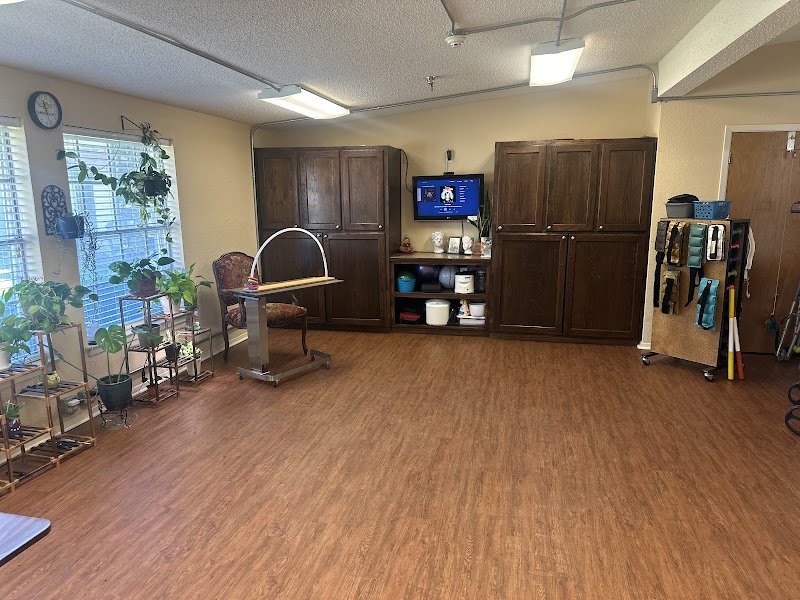
How is Caraday Of Mount Vernon Staffed?

CMS rates CARADAY OF MOUNT VERNON's staffing level at 4 out of 5 stars, which is above average compared to other nursing homes. Staff turnover is 41%, compared to the Texas average of 46%. This relatively stable workforce can support continuity of care.

What Have Inspectors Found at Caraday Of Mount Vernon?

State health inspectors documented 20 deficiencies at CARADAY OF MOUNT VERNON during 2022 to 2025. These included: 1 Immediate Jeopardy (the most serious level, indicating potential for serious harm or death) and 19 with potential for harm. Immediate Jeopardy findings are rare and represent the most serious regulatory concerns. They require immediate corrective action.
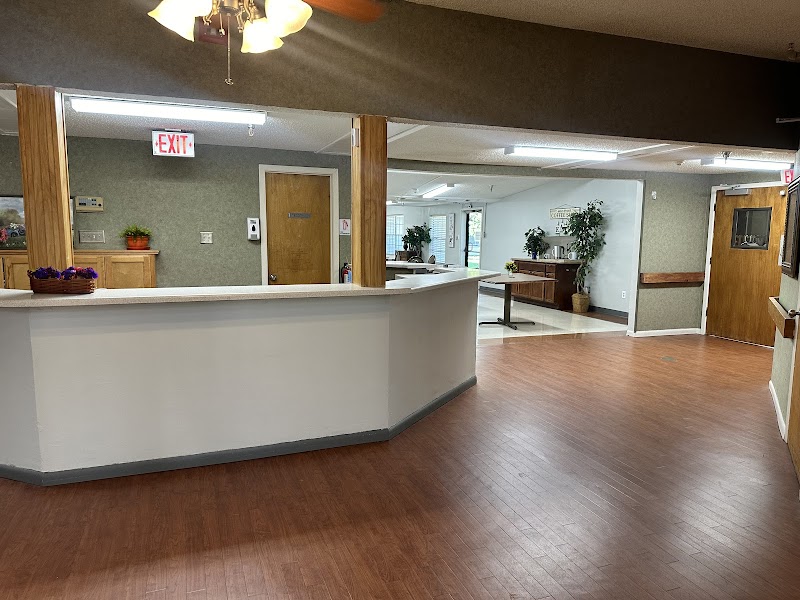
Who Owns and Operates Caraday Of Mount Vernon?

CARADAY OF MOUNT VERNON is owned by a for-profit company. For-profit facilities operate as businesses with obligations to shareholders or private owners. The facility is operated by CARADAY HEALTHCARE, a chain that manages multiple nursing homes. With 95 certified beds and approximately 32 residents (about 34% occupancy), it is a smaller facility located in MOUNT VERNON, Texas.
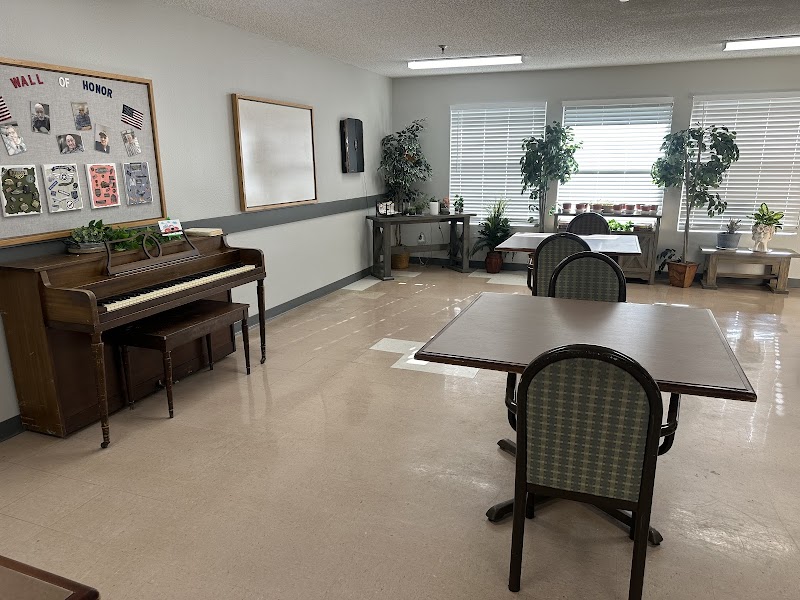
How Does Caraday Of Mount Vernon Compare to Other Texas Nursing Homes?

Compared to the 100 nursing homes in Texas, CARADAY OF MOUNT VERNON's overall rating (2 stars) is below the state average of 2.8, staff turnover (41%) is near the state average of 46%, and health inspection rating (2 stars) is below the national benchmark.

What Should Families Ask When Visiting Caraday Of Mount Vernon?

Based on this facility's data, families visiting should ask: "What changes have been made since the serious inspection findings, and how are you preventing similar issues?" "Can I visit during a mealtime to observe dining assistance and food quality?" "How do you handle medical emergencies, and what is your hospital transfer rate?" "Can I speak with family members of current residents about their experience?" These questions are particularly relevant given the facility's Immediate Jeopardy citations.

Is Caraday Of Mount Vernon Safe?

Based on CMS inspection data, CARADAY OF MOUNT VERNON has documented safety concerns. Inspectors have issued 1 Immediate Jeopardy citation (the most serious violation level indicating risk of serious injury or death). The facility has a 2-star overall rating and ranks #100 of 100 nursing homes in Texas. Families considering this facility should ask detailed questions about what corrective actions have been taken since these incidents.

Do Nurses at Caraday Of Mount Vernon Stick Around?

CARADAY OF MOUNT VERNON has a staff turnover rate of 41%, which is about average for Texas nursing homes (state average: 46%). Moderate turnover is common in nursing homes, but families should still ask about staff tenure and how the facility maintains care continuity when employees leave.

Was Caraday Of Mount Vernon Ever Fined?

CARADAY OF MOUNT VERNON has been fined $44,470 across 1 penalty action. The Texas average is $33,524. While any fine indicates a compliance issue, fines under $50,000 are relatively common and typically reflect isolated problems that were subsequently corrected. Families should ask what specific issues led to these fines and confirm they've been resolved.

Is Caraday Of Mount Vernon on Any Federal Watch List?

CARADAY OF MOUNT VERNON is not on any federal watch list. The most significant is the Special Focus Facility (SFF) program, which identifies the bottom 1% of nursing homes nationally based on persistent, serious quality problems. Not being on this list means the facility has avoided the pattern of deficiencies that triggers enhanced federal oversight. This is a positive indicator, though families should still review the facility's inspection history directly.