GOLDEN CREEK HEALTHCARE AND REHABILITATION CENTER
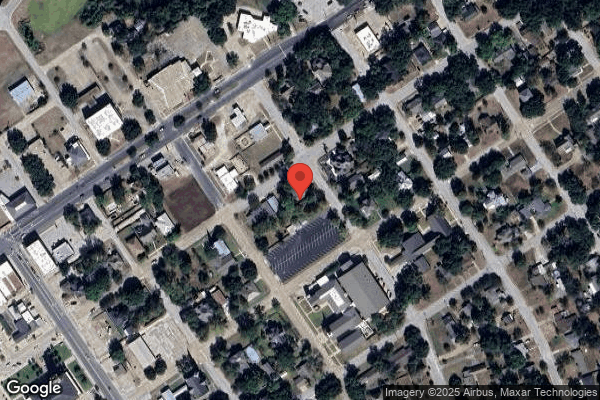
2100 DOVER CROSSING LANE, NAVASOTA, TX 77868 (936) 825-4043
For profit - Corporation 125 Beds NEXION HEALTH Data: November 2025
Trust Grade
75/100
#240 of 1168 in TX
Last Inspection: April 2025

Within standard 12-15 month inspection cycle. Federal law requires annual inspections.

Overview

Golden Creek Healthcare and Rehabilitation Center has received a Trust Grade of B, indicating it is a good choice among nursing homes. Ranking #240 out of 1,168 facilities in Texas places it in the top half of the state, and it is the best option in Grimes County. The facility is improving, with reported issues decreasing from 7 in 2024 to 5 in 2025. Staffing is a concern, receiving a 2 out of 5 stars, and while the turnover rate is 49%, which is slightly below the Texas average, it suggests challenges in retaining staff. Notably, the facility has not incurred any fines, which is a positive sign, and it has average RN coverage, indicating that registered nurses are present to catch potential issues. However, recent inspector findings revealed serious concerns about food safety practices, including the failure to properly store and sanitize food items and kitchen equipment, which could put residents at risk for health issues. Overall, while there are strengths, particularly in its ranking and lack of fines, families should weigh these against the noted weaknesses in staffing and food safety protocols.

Trust Score
B
75/100
In Texas
#240/1168
Top 20%
Safety Record
Low Risk
No red flags
Inspections
Getting Better
7 → 5 violations
Staff Stability
⚠ Watch
49% turnover. Above average. Higher turnover means staff may not know residents' routines.
Penalties
✓ Good
No fines on record. Clean compliance history, better than most Texas facilities.
Skilled Nurses
⚠ Watch
Each resident gets only 18 minutes of Registered Nurse (RN) attention daily — below average for Texas. Fewer RN minutes means fewer trained eyes watching for problems.
Violations
⚠ Watch
16 deficiencies on record. Higher than average. Multiple issues found across inspections.
★★★★☆
4.0
Overall Rating
★★☆☆☆
2.0
Staff Levels
★★★☆☆
3.0
Care Quality
★★★★☆
4.0
Inspection Score
Stable
2024: 7 issues
2025: 5 issues

The Good

  • Full Sprinkler Coverage · Fire safety systems throughout facility
  • No fines on record

Facility shows strength in fire safety.

The Bad

Staff Turnover: 49%

Near Texas avg (46%)

Higher turnover may affect care consistency

Chain: NEXION HEALTH

Part of a multi-facility chain

Ask about local staffing decisions and management

The Ugly 16 deficiencies on record

Aug 2025 3 deficiencies
CONCERN (D) 📢 Someone Reported This

A family member, employee, or ombudsman was alarmed enough to file a formal complaint

Potential for Harm - no one hurt, but risky conditions existed

Comprehensive Care Plan (Tag F0656)

Could have caused harm · This affected 1 resident

**NOTE- TERMS IN BRACKETS HAVE BEEN EDITED TO PROTECT CONFIDENTIALITY** Based on interview and record review the facility failed to develop and implement a comprehensive person-centered care plan for ...

Read full inspector narrative →
**NOTE- TERMS IN BRACKETS HAVE BEEN EDITED TO PROTECT CONFIDENTIALITY** Based on interview and record review the facility failed to develop and implement a comprehensive person-centered care plan for each resident, consistent with the resident rights, that included measurable objectives and timetables to meet a resident's medical, nursing, and mental and psychosocial needs that are identified in the comprehensive assessment for one (Resident #1) of ten residents reviewed for care plans. The facility failed to ensure a comprehensive care plan was developed for Residents #1 that addressed physician ordered orthopedic devices, behaviors involving orthopedic devices, and an ordered sitter during scheduled dialysis. This failure could place residents at risk for not attaining the highest practicable well-being possible. Findings Include:Review of Resident #1's face sheet, dated 08/06/25, reflected a [AGE] year-old female, admitted to the facility on [DATE] and readmitted on [DATE], with diagnoses including dependance on renal dialysis (occurs when a person's kidneys are no longer able to adequately filter waste and excess fluid from the blood, necessitating regular dialysis treatments to sustain life), chronic obstructive pulmonary disease (a group of lung diseases that block airflow and make it difficult to breathe), and unspecified psychosis not due to a substance or known (indicates a psychotic disorder where the cause is not clearly identified as being due to substance use or a medical condition). Review of Resident #1's care plan, revised on 04/03/25, reflected Resident #1 needed dialysis related to renal failure. Resident #1's care plan did not reflect the dialysis MD order that required Resident #1 have a sitter during her dialysis treatments. Resident #1's care plan did not reflect her orders for ordered orthopedic devices of resting hand splint and palm protector on LUE or behaviors involving orthopedic devices. Review of Resident #1's Resident Assessment and Care Screening MDS dated [DATE] reflected a BIMS score of 8 indicating moderate cognitive impairment. Review of Resident #1's physical therapy order, dated 05/22/23, reflected Resident #1 was to wear resting hand splint on left hand don (to put on, specifically clothing or equipment) after breakfast and doff (to take off, specifically clothing or equipment) after lunch as tolerated. Resident #1 was also ordered skin checks by nursing, pre and post wear, and report any changes immediately every day and evening shift. Review of Resident #1's physical therapy order, dated 07/06/25, reflected Resident #1 was to wear palm protector on LUE. [NAME] splint after lunch and doff splint before dinner and skin checks pre and post splint wear and report any concerns immediately every day and evening shift for therapy.Review of Resident #1's MD dialysis order dated 12/19/24 reflected patient must be accompanied by a sitter for all dialysis treatments for safety. Interview on 08/06/25 at 11:08 am with a Dialysis Nurse A, via telephone, from Resident #1's dialysis clinic, reflected the dialysis MD said Resident #1 needed a sitter during her dialysis treatments because Resident #1 pulled out her needle and had been sent to the hospital because she lost a lot of blood. The dialysis nurse said sometimes Resident #1 had a sitter from the facility and sometimes the sitter was a family member. The dialysis nurse said Resident #1 missed 2 dialysis appointments (she said she could not recall the dates) because Resident #1 did not have a sitter, and they sent Resident #1 back to the facility without dialysis. She said if Resident #1 missed treatments Resident #1 could have a buildup of potassium and increased confusion because of toxin build up and an increase in fluid overload. She said she was not informed by the facility of any negative side effects because of Resident #1's missed dialysis appointments, and she said that she was not concerned about Resident #1 and fluid overload because Resident #1 was usually underweight when she was weighed at dialysis.Interview on 08/06/25 at 1:14 pm with the OTA revealed Resident #1's orthopedic devices were ordered to prevent future contractions, problems with skin integrity, and to not lose hand range of motion. Interview on 08/07/25 at 2:06 pm with CNA reflected Resident #1 was constantly taking off her orthopedic devices and he informed the nurses of this behavior. Interview on 08/06/25 with LVN B at 12:38 pm reflected a care plan was how the facility was caring for residents and should be very detailed. She said the LVNs and DON were responsible for resident care plans. LVN B said Resident #1 did tend to rip off the orthopedic devices. She said it was a part of her job to report Resident #1 was not wearing her orthopedic devices and this behavior needed to be care planned. She said care planning was important for residents to get the proper care they needed and avoid a negative effect. Interview on 08/06/25 at 3:33 pm with the MDS Coordinator revealed she was the person who was overall responsible for the care plans. She said a care plan paints a picture of what the resident needs. She said a care plan should absolutely be person centered and include resident behaviors and diagnoses. She said she worked the floor sometimes doing resident care. She stated staff talked about resident behaviors in the morning meetings, but she was not aware of Resident #1's behavior of her removing her orthopedic devices. If a resident had an orthopedic device, it needed to be care planned. She said that orthopedic devices are many times used as a preventive device and the reason a resident was prescribed an orthopedic device should be care planned. She said the negative effect of not care planning for an orthopedic device was that it could be essential to the resident's care and be needed to prevent skin breakdown or nails that were growing too long. She said it was important that Resident #1's dialysis MD order for a sitter during dialysis should be care planned because Resident #1's dialysis clinic would not allow Resident #1 to have her dialysis treatment if a sitter was not at dialysis. Interview on 08/07/25 at 4:21 pm with the ADON reflected that the care plan was the resident bible or resident outline of their needs and wants. She said refusal of care should be care planned to include Resident #1's refusal or removal of her orthopedic devices. She said she was aware that sometimes Resident #1 removed her orthopedic devices. Resident #1 took them off herself. She said the aides and nurses have told her that Resident #1 sometimes removed her orthopedics devices. She said that having this behavior care planned forecasts what her care should have been, and it could explain if she did not have improvement from the prescribed orthopedic devices. She said it should be care planned that Resident #1 was required by the dialysis MD that she have a sitter at dialysis because if it was not care planned it could result in the refusal of the dialysis facility to allow her dialysis. She said everyone was responsible for care plans. Interview on 08/07/25 at 4:58 pm with the DON reflected a care plan was the individualized care for that resident and included the type of care the facility would provide for that resident. She stated care plans should be person centered based on the resident specific needs. She said orthopedic devices should be care planned because the facility needed to know the devices the resident needed and what they were used for to provide proper care. She said a resident's refusal to wear orthopedic devices should be care planned because there were interventions in the care plan to help with resident refusal. She said care plans were the responsibility for all facility departments for all the different aspects necessary for resident care. She said it was important to care plan the need of a sitter at dialysis for Resident #1 because it was necessary to the care of Resident #1.
CONCERN (D) 📢 Someone Reported This

A family member, employee, or ombudsman was alarmed enough to file a formal complaint

Potential for Harm - no one hurt, but risky conditions existed

Deficiency F0688 (Tag F0688)

Could have caused harm · This affected 1 resident

**NOTE- TERMS IN BRACKETS HAVE BEEN EDITED TO PROTECT CONFIDENTIALITY** Based on observation, interview, and record review the facility failed to ensure a resident with limited mobility received appro...

Read full inspector narrative →
**NOTE- TERMS IN BRACKETS HAVE BEEN EDITED TO PROTECT CONFIDENTIALITY** Based on observation, interview, and record review the facility failed to ensure a resident with limited mobility received appropriate services, equipment, and assistance to maintain or improve mobility with the maximum practicable independence unless a reduction in mobility is demonstrably unavoidable for one of five residents (Resident #1) reviewed for quality of care.The facility failed to ensure Resident #1, on 08/06/25, was wearing her physical therapy ordered resting hand splint for left hand. This failure could place residents at risk of not maintaining the mobility necessary maintain the highest practicable well-being. Findings Include:Review of Resident #1's face sheet dated 08/06/25 reflected a [AGE] year-old female who was admitted to the facility on [DATE] and readmitted on [DATE] with diagnoses including dependance on renal dialysis (occurs when a person's kidneys are no longer able to adequately filter waste and excess fluid from the blood, necessitating regular dialysis treatments to sustain life), chronic obstructive pulmonary disease (a group of lung diseases that block airflow and make it difficult to breathe), and unspecified psychosis not due to a substance or known ( indicates a psychotic disorder where the cause is not clearly identified as being due to substance use or a medical condition).Review of Resident #1's care plan reflected Resident #1 had a care plan focus revision dated 04/21/2025 of activities of daily living self-care performance deficit related to history of CVA (a medical term for stroke) with increased weakness impaired cognition. Intervention dated 04/18/2025 monitor/document/report to medical doctor as needed signs and symptoms of immobility: contractures forming or worsening.Review of Resident #1's Resident Assessment and Care Screening MDS dated [DATE] reflected a BIMS score of 8 indicating moderate cognitive impairment. Review of Resident #1's physical therapy order dated 05/22/23, no discontinued date, reflected Resident #1 was to wear resting hand splint on left hand don (to put on, specifically clothing or equipment) after breakfast and doff (to take off, specifically clothing or equipment) after lunch as tolerated and skin checks by nursing pre and post wear and report any changes immediately every day and evening shift.Review of Resident #1's eMAR dated 08/06/25 documented by LVN B for Resident #1 to wear resting hand splint on left hand don (to put on, specifically clothing or equipment) after breakfast and doff (to take off, specifically clothing or equipment) after lunch as tolerated and skin checks by nursing pre and post wear and report any changes immediately every day and evening shift reflected hand splint applied to left hand. Observation on 08/06/25 at 12:10 pm with LVN B of Resident #1's left hand reflected no hand splint.Interview on 08/06/25 at 12:38 pm with LVN B reflected facility policy was that nurses documented in the eMAR that a treatment had been administered after it had been administered. She stated she did not put Resident #1's resting hand splint on her left hand but documented that she had done so. LVN B said usually the aides were good and knew when to put on resident orthopedic devices. She said she charted it was on, but it was off, and she should have made sure it was on. She said it was her responsibility to make sure that Resident #1's orthopedic hand splint was on Resident #1 because obviously it was not. She said if Resident #1's hand splint was not applied; Resident #1 could suffer a hand contracture. Interview on 08/06/25 at 1:14 pm with the OTA revealed Resident #1's orthopedic devices were ordered to prevent future contractions, problems with skin integrity, and to not lose hand range of motion. Interview on 08/07/25 at 2:06 pm with CNA reflected Resident #1 was constantly taking off her orthopedic devices and he informed the nurses of this behavior.Interview on 08/06/25 at 4:21 pm with the ADON reflected nurses document in the eMAR after resident care had been done and on completion of the task. A potential problem of not confirming that a task had been completed was mis-documentation of records and giving the wrong information to oncoming staff, resident injury, or medication error. It was the responsibility for the nursing administration, the ADON and the DON to make sure that all nurses are documenting properly in resident eMAR. Interview on 08/06/25 at 4:21 pm with ADON C reflected nurses documented in the eMAR after care had been given to the resident. It was a problem when you documented that care had been done when it had not been done because that was falsifying documentation. She said the negative effect of documenting care that was not received would be that the resident would not get the most proper or efficient care. She said it was the responsibility of everyone to make sure that the residents' care was documented accurately. Interview on 08/06/25 at 4:58 pm with the DON reflected it was important that nurses did not document care that a resident did not receive. It was not good nursing care or quality of care to document care that you did not give to a resident. The negative effect of documenting care was given when it was not given was that it could affect MD orders and could have a long-range effect for the care and treatment of the resident. The DON said it was the responsibility of nursing management, the ADON and the DON, to make sure that nurses had properly documented treatments given.
CONCERN (D) 📢 Someone Reported This

A family member, employee, or ombudsman was alarmed enough to file a formal complaint

Potential for Harm - no one hurt, but risky conditions existed

Medical Records (Tag F0842)

Could have caused harm · This affected 1 resident

**NOTE- TERMS IN BRACKETS HAVE BEEN EDITED TO PROTECT CONFIDENTIALITY** Based on observation, interview, and record review the facility failed to ensure, in accordance with accepted professional stand...

Read full inspector narrative →
**NOTE- TERMS IN BRACKETS HAVE BEEN EDITED TO PROTECT CONFIDENTIALITY** Based on observation, interview, and record review the facility failed to ensure, in accordance with accepted professional standards and practices, that the facility maintained medical records on each resident that were accurately documented for one of five residents (Resident #1) reviewed for medical records.The facility failed to accurately document Resident #1's application of her orthopedic device and dialysis wound dressing removal.This failure could place residents at risk of not identifying or receiving care, for unassessed changes in conditions and improper documentation of treatments.Findings Include:Review of Resident #1's face sheet dated 08/06/25 reflected a [AGE] year-old female who was admitted to the facility on [DATE] and readmitted on [DATE] with diagnoses including dependance on renal dialysis (occurs when a person's kidneys are no longer able to adequately filter waste and excess fluid from the blood, necessitating regular dialysis treatments to sustain life), chronic obstructive pulmonary disease (a group of lung diseases that block airflow and make it difficult to breathe), and unspecified psychosis not due to a substance or known ( indicates a psychotic disorder where the cause is not clearly identified as being due to substance use or a medical condition).Review of Resident #1's care plan revised on 04/03/25 reflected Resident #1 needed dialysis related to renal failure.Review of Resident #1's Resident Assessment and Care Screening MDS dated [DATE] reflected a BIMS score of 8 indicating moderate cognitive impairment. Review of Resident #1's face sheet dated 08/06/25 reflected a [AGE] year-old female admitted to the facility on [DATE] and readmitted on [DATE] with diagnoses including dependance on renal dialysis (occurs when a person's kidneys are no longer able to adequately filter waste and excess fluid from the blood, necessitating regular dialysis treatments to sustain life), chronic obstructive pulmonary disease (a group of lung diseases that block airflow and make it difficult to breathe), and unspecified psychosis not due to a substance or known ( indicates a psychotic disorder where the cause is not clearly identified as being due to substance use or a medical condition).Review of Resident #1's care plan revised on 04/03/25 reflected Resident #1 needed dialysis related to renal failure.Review of Resident #1's Resident Assessment and Care Screening MDS dated [DATE] reflected a BIMS score of 8 indicating moderate cognitive impairment. Review of Resident #1's order dated 05/22/23, no discontinued date, reflected Resident #1 was to wear resting hand splint on left hand don (to put on, specifically clothing or equipment) after breakfast and doff (to take off, specifically clothing or equipment) after lunch as tolerated and skin checks by nursing pre and post wear and report any changes immediately every day and evening shift.Review of Resident #1's eMAR dated 08/06/25 documented by LVN B for Resident #1 to wear resting hand splint on left hand don (to put on, specifically clothing or equipment) after breakfast and doff (to take off, specifically clothing or equipment) after lunch as tolerated and skin checks by nursing pre and post wear and report any changes immediately every day and evening shift reflected hand splint applied to left hand. Observation on 08/06/25 at 12:10 pm with LVN B of Resident #1's left hand reflected no hand splint.Review of Resident #1's order dated 04/09/24 reflected remove dressing from AV Fistula (an abnormal connection between an artery and a vein) site left arm post dialysis the following day of Resident #1's dialysis. Record review of Resident #1's progress note by LVN A dated Wednesday 06/09/25 reflected Resident returned from dialysis via EMS, Resident did not receive dialysis due to family not showing up. Resident stable and in good spirits. Record review of Resident #1's eMAR dated Thursday 06/10/25 documented by LVN A reflected dressing was removed from AV Fistula (an abnormal connection between an artery and a vein) site left arm post dialysis.Record review of Resident #1's progress note by LVN A dated Thursday 07/07/25 reflected Notified by EMS transporters that resident was refusing to go with them to be transported to dialysis. Spoke with resident, she stated she was tired and would not go to dialysis today.Record review of Resident #1's eMAR dated Friday 07/08/25 documented by LVN A reflected dressing was removed from AV Fistula (an abnormal connection between an artery and a vein) site left arm post dialysis.Record review Resident #1's progress note by the DON dated Monday 07/11/25 reflected Resident unable to dialyze, returned to facility. Notified daughter and MD, resident in stable condition.Record review of Resident #1's eMAR dated Wednesday 07/12/25 documented by LVN A reflected dressing was removed from AV Fistula (an abnormal connection between an artery and a vein) site left arm post dialysis.Interview on 08/06/25 at 12:38 pm with LVN B reflected facility policy was that nurses documented in the eMAR that a treatment had been administered after it had been administered. She stated she did not put Resident #1's resting hand splint on her left hand but documented that she had done so. LVN B said usually the aides were good and knew when to put on resident orthopedic devices. She said she charted it was on, but it was off, and she should have made sure it was on. She said it was her responsibility to make sure that Resident #1's orthopedic hand splint was on Resident #1 because obviously it was not. She said it was her responsibility to make sure it was charted correctly. She said charting something for a resident that had been done, when it had not been done was not good nursing practice. She said if Resident #1's hand splint was not applied, Resident #1 could suffer a hand contracture. Interview on 08/06/25 at 2:11 pm with LVN A reflected that Resident #1 had an order for her dressing to be removed from her AV Fistula site left arm post dialysis on every evening shift the day after Resident #1 received dialysis. He said he would remove the bandage from Resident #1's arm if it was not actively bleeding. He stated that if Resident #1 did not go to dialysis, she would not have the bandage and there would be no reason to document the removal of the bandage. He agreed that he documented that he removed the bandage on 06/09/25, 07/08/25, and 07/12/25, when she had not received dialysis the day prior. He said that it was a problem because he charted something that did not happen and that was not good nursing practice. He said in the eMAR there are a bunch of different click offs and he might have just clicked off that he administered the treatment. He said that if you do not administer a procedure, you do not chart that you have administered the procedure. He said it was the responsibility of the nurse to document accurately and a negative effect of not charting properly was that you would not know what treatment the resident received. Interview on 08/06/25 at 4:21 pm with the ADON reflected nurses document in the eMAR after resident care had been done and on completion of the task. A potential problem of not confirming that a task had been completed was mis-documentation of records and giving the wrong information to oncoming staff, resident injury, or medication error. It was the responsibility for the nursing administration, the ADON and the DON to make sure that all nurses are documenting properly in resident eMAR. Interview on 08/06/25 at 4:21 pm with ADON C reflected nurses documented in the eMAR after care had been given to the resident. It was a problem when you documented that care had been done when it had not been done because that was falsifying documentation. She said the negative effect of documenting care that was not received would be that the resident would not get the most proper or efficient care. She said it was the responsibility of everyone to make sure that the residents' care was documented accurately. Interview on 08/06/25 at 4:58 pm with the DON reflected it was important that nurses did not document care that a resident did not receive. It was not good nursing care or quality of care to document care that you did not give to a resident. The negative effect of documenting care was given when it was not given was that it could affect MD orders and could have a long-range effect for the care and treatment of the resident. The DON said it was the responsibility of nursing management, the ADON and the DON, to make sure that nurses had properly documented treatments given.
Jul 2025 1 deficiency
CONCERN (D) 📢 Someone Reported This

A family member, employee, or ombudsman was alarmed enough to file a formal complaint

Potential for Harm - no one hurt, but risky conditions existed

Report Alleged Abuse (Tag F0609)

Could have caused harm · This affected 1 resident

**NOTE- TERMS IN BRACKETS HAVE BEEN EDITED TO PROTECT CONFIDENTIALITY** Based on interview and record review, the facility failed to ensure that all alleged violations involving injuries of unknown so...

Read full inspector narrative →
**NOTE- TERMS IN BRACKETS HAVE BEEN EDITED TO PROTECT CONFIDENTIALITY** Based on interview and record review, the facility failed to ensure that all alleged violations involving injuries of unknown source were reported immediately, but not later than 2 hours after events to the State Survey Agency for 1 (Resident #1) of 4 residents reviewed for injury of unknown origin. The facility failed to report to HHSC when Resident #1 was found with a head laceration of unknown origin requiring staples on [DATE]. This failure placed residents at risk of abuse and neglect.Findings included:Review of the undated face sheet for Resident #1 reflected a [AGE] year-old male admitted to the facility on [DATE]. His diagnoses included dementia. It also reflected he was on hospice and expired on [DATE]. Review of the quarterly MDS for Resident #1 dated [DATE] reflected a BIMS score of 00, indicating severe cognitive impairment. It reflected he had physical and verbal behavior symptoms four to six days out of the seven-day assessment period. It also reflected he had fallen once with and once without injury since admission. Review of the care plan for Resident #1 dated [DATE] reflected the following: The resident is Moderate risk for falls r/t Confusion, Unaware of safety needs, Wandering. Review of progress notes for Resident #1 dated [DATE] at 9:15 PM and documented by RN A reflected the following: CNA found resident sleeping in bed in next room. Had 3.5 by 1/2cm laceration on back of head which had been bleeding. Resident unable to verbalize how he got the injury. Blood was also found on floor by nightstand of other bed in room. Resident would not stand to move back to his room so was placed in wheelchair to move him. Notified MD who ordered send to ER, called on call nurse then on call [nurse practitioner] who said OK to send. Called DON then EMS. Notified RP of findings and plan. She questioned how he keeps falling and why he isn't being watched. Told her he is being watched and had been sleeping in own bed approximately 30 to 60 minutes prior. Requested to be notified when he returns. She called back few minutes later questioning about what room he had been in and color of female. Explained to her there were 2 females in room, the white one by door was in her bed, and he was sleeping in bed by window which was empty. Due to resident medical condition, she was unable to tell anything about incident. Review of an incident report dated [DATE] and completed by RN A included the text of the above progress note and the following: Injuries Observed at time of incident- No injuries observed at time of incident. Injuries Observed Post-Incident- No injuries observed post incident.Notifications: nurse practitioner, DON, MD, and RP. Review of ER records for Resident #1 dated [DATE] reflected the following: Scalp laceration. The four staples need to be removed in 7 days. OK to give Tylenol 1000 mgs every six hours as needed for pain. CT Brain and CT-C Spine negative for intracranial bleed and fracture. Review of progress notes for Resident #1 dated [DATE] at 1:19 AM reflected the following: Resident returned to the facility @ 0100 (1:00 AM). He is stable. No bleeding from the laceration back of the head. Staples to be removed in 7 days. Tylenol 1000 mg prescribed PRN for pain. All parties notified of his return to the facility. Review of assessments for Resident #1 reflected neurological checks performed for 72 hours after returning from the hospital on [DATE]. Review of the HHSC database on [DATE] reflected a facility-reported incident called in on [DATE] in which Resident #1 presented with a scalp laceration of unknown origin on [DATE] and received one staple. There was no facility reported incident for the scalp laceration of unknown origin discovered on [DATE] which required four staples. During an interview on [DATE] at 12:30 PM, a FM for Resident #1 stated she had received a call from the facility notifying her that Resident #1 had been found in another resident's (empty) bed with a laceration to his head and had been taken to the ER, where he had received staples to his head laceration. An attempt was made to interview RN A on [DATE] at 1:00 PM. A voicemail was left but no return call had occurred as of [DATE]. During an interview on [DATE] at 1:05 PM, CNA B stated she had worked a double that day and had been in rounds all afternoon. She stated she had just done a round and seen Resident #1 in his room less than an hour before, and then she did some documentation at the nurse's station and then came back down to do another round and found Resident #1 in another resident's empty bed with a big cut on his head. She stated she reported to the nurse on duty and Resident #1 went to the hospital. She stated she was off work by the time Resident #1 came back, but she found out he did get staples. She stated he was hard to predict, and they had to put eyes on him once per hour. She stated he might sit still in his room for a couple hours and then suddenly, he would be ready to walk. CNA B stated he refused to be accompanied or to use any mobility equipment, and they tried everything to keep him from walking unassisted, but he would curse and sometimes even physically assault the aides when they tried to assist him. During an interview on [DATE] at 2:44 PM, the ADM who stated she was the abuse coordinator and was responsible for implementing the abuse prevention system in the facility. She stated she remembered the surveyor was present on [DATE] and investigated a facility self-reported incident about Resident #1 presenting with a head laceration of unknown origin. She stated she was not aware that another injury had occurred the night after the investigation exit. She stated a head laceration with four staples would definitely prompt her to report the incident to HHSC. She stated the family, and physician had been notified according to the incident report and there was evidence of neurological assessments and after-fall monitoring in the progress notes as well as a nurse practitioner visit on [DATE]. She stated the process that should occur was for the ADONs to pull the incident list the Monday after a weekend, which would have been [DATE]. They would then discuss it at the morning meeting and determine what other steps, including reporting to HHSC, would be required. She stated she did not see how not reporting to HHSC could have affected the resident, as the facility followed their own protocol otherwise. During an interview on [DATE] 3:10 PM, the DON who stated she was brand new to the facility and had no knowledge of the events of [DATE] regarding Resident #1. During an interview on [DATE] at 3:27 PM, the ADON who stated she had responsibility for two halls of residents in the facility, and Resident #1's hall was not one of them. She stated when Resident #1 presented with the head laceration on [DATE], the previous assistant director of nursing was still in that position. The ADON who stated she was not aware of that event and would not have pulled a report the Monday after the injury due to not being responsible for Resident #1's hall. During an interview on [DATE] at 3:09 PM, the ADM who stated it was possible the incident did not get reviewed during morning meeting because the nurse who completed it had not documented an injury beyond the progress note narrative that was included. Review of facility policy dated [DATE] and titled Abuse Prohibition Policy reflected the following: The facility will report all allegations and substantiated occurrences of abuse, neglect or misappropriation of resident property to the state agency and to all other agencies as required by law and will take all necessary, corrective actions, depending on the results of the investigation. The abuse coordinator will report all allegations of abuse, neglect with serious, bodily injury, and injuries of unknown source with serious bodily injury immediately or within two hours of the allegation. Coordinator will report all other allegations on neglect, mistreatment, exploitation, injuries of unknown source and misappropriation within 24 hours of the allegation.
Apr 2025 1 deficiency
CONCERN (E)

Potential for Harm - no one hurt, but risky conditions existed

Food Safety (Tag F0812)

Could have caused harm · This affected multiple residents

Based on observation, interviews, and record reviews, the facility failed to store, prepare, distribute, and serve food in accordance with professional standards for food service safety for one of one...

Read full inspector narrative →
Based on observation, interviews, and record reviews, the facility failed to store, prepare, distribute, and serve food in accordance with professional standards for food service safety for one of one kitchen reviewed for sanitation. The facility failed to ensure DD A and [NAME] C were practicing food contamination prevention while preparing foods. The facility failed to ensure dietary employees were preventing cross-contamination of harmful substances to food by cloth towels. The facility failed to ensure the commercial ice machine was cleaned on a routine basis to prevent the development of slime or soil residues. The facility failed to ensure the ensure the commercial countertop water and ice dispenser machine was cleaned on a routine basis to prevent the development of slime or soil residues. The facility failed to ensure equipment food contact surfaces were cleaned where they are not exposed to splash, dust, or contamination. These failures could place residents who were served from the kitchen at risk for consuming contaminated food, and/or developing foodborne illnesses. Findings included: Observation on 4/28/2025 at 9:23 AM during the initial kitchen tour revealed a stainless-steel stockpot filled with cooked mashed potatoes for resident consumption sitting on top of the prepping counter near a red sanitation bucket with used cleaning towels and water with sanitation chemicals. The commercial ice machine's interior lid and exterior frame was dirty and had brown and white residue buildup. The commercial countertop water and ice dispenser machine in the dining room was dirty and had brown and white residue buildup with small white particles in the drainage area. Observation on 4/29/2025 at 9:35 AM revealed [NAME] C preparing lunch and using the cleaning towels from the red sanitation bucket. She lifted the towels out of the sanitation water bucket to wipe down the food preparation counters. The cleaning towel dropped into the red sanitation bucket causing splashes around the bucket where puree of foods was occurring. In an interview on 4/29/2025 at 9:35 AM [NAME] C stated she is constantly wiping her work area down to maintain a sanitized work area. She stated she likes to clean as she goes. [NAME] C stated the red sanitizer buckets with cleaning towels are replaced with clean water and sanitizer during each shift. She stated each kitchen staff is assigned a workstation for the day and they are responsible for keeping it cleaned. Observation on 4/29/2025 at 9:35 AM revealed DD B lifting the commercial ice machine lid and searching for a leak reported to him. DD B stated to DD A he would determine where the water leak was coming from , but he would return later to complete the task. Observation on 4/29/2025 at 9:58 AM revealed a red sanitation bucket with used cleaning towels and water with sanitation chemicals sitting on top of the prepping counter within proximity of food preparation counters and within proximity of stacked clean dishes and insulated plate covers used for resident meals. The commercial ice machine's interior lid and interior frame securing lid was dirty and had brown dirt and brown slime buildup. The exterior of the commercial ice machine had a white buildup around the lower part of the machine. The commercial countertop water and ice dispenser machine in the dining room was dirty and had brown dirt and white buildup with small white particles in the drainage area. Observation on 4/30/2025 at 11:57 AM revealed the commercial ice machine's interior lid and interior frame was dirty and had buildup of brown dirt, brown slime, brown sludge with slimy texture and discoloration The exterior of the commercial ice machine had a white buildup around the lower part of the machine. The commercial countertop water and ice dispenser machine in the dining room was dirty and had brown and white buildup with small white particles in the drainage area. In an interview on 4/30/2025 at 11:49 AM DD A stated she is responsible for the day-to-day operations of the facilities' kitchen. She stated all the counters, food prep machines, dishes, refrigerators, floors the commercial ice machine, and commercial countertop water and ice dispenser machine are tasks assigned daily to staff for cleaning. She stated dietary staff are responsible for keeping their work areas clean by using the cleaning towels from the red sanitizer buckets and wiping down and washing all equipment used to prepare food. She stated that all equipment and surfaces are cleaned daily, and a cleaning log of each area cleaned is logged after completion. She stated she deep cleans the commercial ice machine monthly, but she does not keep a log of this specific task. DD A stated the commercial ice machine filters are replaced by maintenance quarterly. She stated any large repairs required in the kitchen are repaired by DD B. DD A stated she does her best to clean the ice machines daily to keep from developing mildew and growing slime. She does believe the brown dirt and buildup surrounding the lid of the machine is an issue and if it leaked into the ice the residents can become sick. DD A stated she notified DD B that the company who services the ice machine would need to provide a deep cleaning. She stated she has mentioned it in the morning meetings for the last six months and she was not sure if it was on the schedule. She stated the ice machine is working fine, but it is old, it has a leak DD B was looking at yesterday. She stated the company could replace the ice machine all together as it is extremely old, but not sure why it has not been replaced. DD A stated the ADM is aware of the ice machine as she at times will help serve ice with beverages and will scoop out ice from the machine. She has also been present in the morning meetings when she has addressed the concern. DD A stated the process to place a work order for repairs is to verbally address in morning meetings with administration staff and to verbally notify the maintenance staff who in turns will add to his workload. DD A stated the red sanitizer bucket on top of the preparation area near the stove and oven is always kept in this location of the kitchen as it is constantly used and there is no other place or room to move it to. She stated all other red sanitizer buckets are located underneath the counter spaces throughout the kitchen. DD A stated she did not see the sanitizer bucket in the prep area as a concern. She stated that the cleaning water is changed during each shift. DD A stated if the cleaning water from the sanitizer bucket were to spill or splash onto food that residents consume can be harmful to their health, but stated she and the other cooks will be cautious to avoid this from happening. In an interview on 4/30/2025 at 12:07 PM DD B stated he is responsible for making all minor repairs in the facility. He stated for more challenging repairs or outside of his skill set he will contact an outside contractor. He stated the only issues with the commercial ice machine in the kitchen is that it only makes 20 lbs. of ice, a small leak was recently identified, and he does notice light mildew, grime, and rust . He stated the grime and mildew can be removed with cleaning. This also includes the commercial countertop water and ice dispenser machine in the dining room. He stated if he were to observe large amounts of mildew, grime, and rust in either ice machine he would contract for a deep cleaning. He stated work is performed every six months. DD B stated he noticed a concern with the ice machine door/lid sticking and not opening easily. He stated he has not looked over thoroughly and has not repaired recently. He stated a leak near the ice machine was conveyed to him. He stated he recently was notified in about the ice machine lid sticking during the morning meeting but does not recall if the brown grime and brown dust layered on the interior of the machine has been mentioned. DD B stated if the ice machine is not repaired and cleaned properly it could make the residents sick. He stated he may have overlooked the ice machine as he has a heavy workload, and work orders have doubled up on him, and he has been late to morning meetings and may have not received this information verbally. He stated verbal workorders received from dietary staff are entered into the facility maintenance software, so he is aware of his workload. Surveyor requested workorders and invoices for last two commercial ice machine service requests. DD B stated he does not receive the invoices for this work and the business office may have. Surveyor requested that he reach out and request invoices through his business office. Surveyor did not receive invoices from facility. In an interview on 4/30/2025 at 12:15 PM KA D stated the dietary staff are tasked daily with wiping down kitchen equipment, washing dishes, and cleaning all kitchen surfaces before the next shift. She stated a daily log of cleaning is completed by DD A when the task has been completed. Tasks are assigned differently each day. She stated all red cleaning sanitizer buckets are changed out during each shift and are kept in low areas away from clean dishes and food consumed by residents. She stated she is not sure why there is one red sanitizer bucket left on top of the cooking prep surfaces near the stove and warming tables. She stated she is not a cook, and she does not enter the area near the stove. She stated all other buckets are located underneath the counters in a safe area away from clean dishes and food. She stated if chemicals from spillage or splashes of the red sanitizer buckets were to fall onto clean dishes or food it can be harmful to residents and their health and cause a serious illness. In an interview on 4/30/2025 at 12:26 PM ADM stated kitchen operations are managed by the DD A. She stated the dietary staff are responsible for cleaning all kitchen equipment and machines daily. She stated the DD A is responsible for notifying management staff or DD B of any kitchen equipment not functioning properly. She stated the DD B is responsible for maintaining all kitchen equipment including the commercial ice machine and commercial countertop water and ice dispenser machine. The ADM stated if the DD B is unable to repair a facility machine, he then takes the necessary steps to secure an outside contractor specializing in the repair needed. The ADM stated the process for requesting kitchen equipment and other facility repairs is to notify DD B verbally. She stated this is usually done in morning meetings with directors of each department. She stated if she received a verbal repair request during the morning meeting, she would enter a workorder in the facility's maintenance software and DD B will use this as a guide to work on open facility repair concerns. This maintenance system allows DD B to check off repairs he has completed and provide notification tor management that a repair is in pending status and reason, or order is requiring approval for further work. The ADM stated she is unsure why the sanitizer buckets with cleaning towels would be sitting on top of prepping tables near clean dishes and food being prepared for resident consumption. When shown pictures of the dirty ice machines and sanitizer buckets near cooked food ADM stated it was a concern and not following facility policies. The ADM stated this practice can affect the residents in a negative way and cause illness. Record Review of Policy and Procedure: Kitchen and Equipment Cleaning and Sanitation Policy, dated 12.2020 reflected: The kitchen and dining service equipment and food contact surfaces shall be maintained in a clean and sanitized condition. Dining Services staff shall be trained on cleaning and sanitizing processes. The Dietary Manager shall provide cleaning assignments to indicate the time and task to be completed by dining services staff. The Dietary Manager is responsible to ensure that cleaning assignments have been timely completed. Adequate equipment and supplies will be available for proper cleaning and/or sanitizing of dishes, equipment, work surfaces, and floors. Equipment food contact surfaces and utensils shall be clean to sight and touch. Nonfood contact surfaces of equipment shall be kept free of an accumulation of dust, dirt, food residue, and other debris. Record Review of Frequency of Cleaning: Kitchen and Equipment Cleaning and Sanitation Policy, dated 12.2020 reflected: Equipment food contact surfaces and utensils shall be cleaned: Nonfood contact surfaces of equipment shall be cleaned at a frequency necessary to prevent accumulation of soil residues. Clean equipment, utensils and single-service and single use articles shall be stored: Where they are not exposed to splash, dust, or contamination. Record Review of 3-304.14 Wiping Clothes, Use Limitation: FDA Food Code 2022 Annex 3. Public Health Reasons/Administrative Guidelines, dated 2022 reflected: Soiled wiping cloths, especially when moist, can become breeding grounds for pathogens that could be transferred to food. Any wiping cloths that are not dry (except those used once and then laundered) must be stored in a sanitizer solution of adequate concentration between uses. Record Review of 4-601.11 Equipment, Food-Contact Surfaces, Nonfood-Contact Surfaces, and Utensils: FDA Food Code 2022 Annex 3. Public Health Reasons/Administrative Guidelines, dated 2022 reflected: The objective of cleaning focuses on the need to remove organic matter from food contact surfaces so that sanitization can occur and to remove soil from nonfood contact surfaces so that pathogenic microorganisms will not be allowed to accumulate. Record Review of 4-602.11 Equipment Food-Contact Surfaces and Utensils: FDA Food Code 2022 Annex 3. Public Health Reasons/Administrative Guidelines, dated 2022 reflected: Surfaces of utensils and equipment contacting food that is not time/temperature control for safety food such as iced tea dispensers, carbonated beverage dispenser nozzles, beverage dispensing circuits or lines, water vending equipment, coffee bean grinders, ice makers, and ice bins must be cleaned on a routine basis to prevent the development of slime, mold, or soil residues that may contribute to an accumulation of microorganisms.
Apr 2024 6 deficiencies
CONCERN (D)

Potential for Harm - no one hurt, but risky conditions existed

Assessment Accuracy (Tag F0641)

Could have caused harm · This affected 1 resident

**NOTE- TERMS IN BRACKETS HAVE BEEN EDITED TO PROTECT CONFIDENTIALITY** Based on interviews and record review the facility failed to have an assessment that accurately reflected the status for 1 of 3 ...

Read full inspector narrative →
**NOTE- TERMS IN BRACKETS HAVE BEEN EDITED TO PROTECT CONFIDENTIALITY** Based on interviews and record review the facility failed to have an assessment that accurately reflected the status for 1 of 3 Residents (Resident #92) reviewed for assessment accuracy in that: Resident #92's discharge MDS dated [DATE] reflected he was discharged to Short Term General Hospital (acute hospital) when he was discharged home. This failure could place residents at risk of not receiving the proper care and services due to inaccurate records. Findings include: Record review of Resident #92's face sheet dated 04/11/24 revealed a [AGE] year-old male admitted on [DATE] with no diagnosis information listed. The face sheet reflected a length of stay of 4 days, with a discharge date of 04/02/24. Record review of Resident #92's discharge MDS assessment dated [DATE] revealed section A2105 discharge status was Short-Term General Hospital. The MDS assessment reflected section A was completed by MDS Coordinator and signed 04/03/24. Record review of Resident #92's interdisciplinary summary dated 04/02/24 reflected a discharge date of 04/02/24 at 05:00 PM and notes that reflected, admitted from home for respite care stay under services of [hospice provider]. Minimal assistance was required with ADL care, dc home with [family member] . In an interview on 04/10/24 at 12:52 PM with Resident #92's family member, she stated Resident #92 was discharged home. She said he was at the facility very briefly because the family wanted to get a break from his care but was later picked up by family and taken home and not ever discharged to the hospital. In an interview and observation on 04/10/24 at 12:59 PM with the MDS Coordinator, she stated Resident #92 was admitted to the facility for respite stay and that the family came in and picked him up to go home at discharge. The MDS Coordinator stated she was the one who competed the discharge MDS. She was observed reviewing Resident #92's discharge MDS and stated she would have to do a modification to correct it. The MDS Coordinator stated there was no negative outcomes to a discharge MDS assessment being incorrect . In an interview on 04/11/24 at 12:26 PM with the DON, she stated it was the responsibility of the MDS Coordinator to complete the MDS and the DON's responsibility to verify completion. The DON stated that a potential negative outcome to an inaccurate MDS assessment would be it could affect billing, but that depending on which section is incorrect it could affect other care areas. The DON said she remembered Resident #92 and that he was discharged home with family. In an interview on 04/11/24 at 12:50 PM with the Administrator, she stated the MDS was completed by an interdisciplinary team and that the MDS Coordinator is to verify it for accuracy and the DON is responsible for verifying its completion. The Administrator said a potential negative outcome to an inaccurate MDS assessment is it could affect billing and payments, or the resident may not receive their needed services depending on what section is incorrect. Record review of the facility MDS Coding Policy last revised 01/04/2023 revealed: affiliated facilities utilize the most up to date Resident Assessment Instrument (RAI) manual for determination of coding each section of the Resident Assessment, timely and accurately. Record review of the CMS RAI Manual last revised 10/20/23 revealed: 5.5 MDS Correction Policy Once completed, edited, and accepted into iQIES, providers may not change a previously completed MDS assessment as the resident's status changes during the course of the resident's stay-the MDS must be accurate as of the ARD. Minor changes in the resident's status should be noted in the resident's record (e.g., in progress notes), in accordance with standards of clinical practice and documentation. Such monitoring and documentation is a part of the provider's responsibility to provide necessary care and services. A significant change in the resident's status warrants a new comprehensive assessment (see Chapter 2 for details). It is important to remember that the electronic record submitted to and accepted into iQIES is the legal assessment. Corrections made to the electronic record after iQIES acceptance or to the paper copy maintained in the medical record are not recognized as proper corrections. It is the responsibility of the provider to ensure that any corrections made to a record are submitted to iQIES in accordance with the MDS Correction Policy. Several processes have been put into place to assure that the MDS data are accurate both at the provider and in iQIES.
CONCERN (D)

Potential for Harm - no one hurt, but risky conditions existed

PASARR Coordination (Tag F0644)

Could have caused harm · This affected 1 resident

**NOTE- TERMS IN BRACKETS HAVE BEEN EDITED TO PROTECT CONFIDENTIALITY** Based on interview and record review, the facility failed to refer all level II residents and all residents with newly evident o...

Read full inspector narrative →
**NOTE- TERMS IN BRACKETS HAVE BEEN EDITED TO PROTECT CONFIDENTIALITY** Based on interview and record review, the facility failed to refer all level II residents and all residents with newly evident or possible serious mental disorder, intellectual disability, or a related condition for level II resident review upon a significant change in status assessment for 1 of 4 residents (Resident #53) assessments reviewed for PASARR evaluations. The facility failed to refer Resident #53 to the appropriate, State-designated authority when she was diagnosed schizoaffective disorder. This failure could place residents at risk for not receiving necessary PASARR mental health services, causing a possible decline in mental health. Findings included: Record review of Resident #53's face sheet dated 04/11/24 revealed a [AGE] year-old female admitted on [DATE] with a diagnoses of type 2 diabetes mellitus without complications (condition resulting from insufficient production of insulin causing high blood sugar), schizoaffective disorder bipolar type (a mental disorder in which a person experiences a combination of symptoms of schizophrenia and mood disorder) with onset date of 05/04/22, erythema intertrigo (inflammatory skin condition), and hyperlipidemia unspecified (abnormally high levels of any or all lipids or lipoproteins in the blood). Record review of Resident #53's MDS assessment dated [DATE] reflected a BIMS score of 15 suggesting cognition was intact. The MDS also reflect an active diagnosis of schizophrenia. Record review of Resident #53's PASARR Level 1 screening dated 03/05/21 reflected section c is there evidence or an indicator this is an individual that has a mental illness? was marked no. No additional PASARR screenings were found in Resident #53's records. In an interview on 04/10/24 at 03:45 PM with the MDS Coordinator she stated she had just turned in HHS form 1012 Mental Illness/Dementia Resident Review for Resident #53 on 04/10/24. The MDS Coordinator said that when Resident #53 first came in she did not trigger for a level 2 PASARR. She said an audit was conducted the week of 03/31/24 which is how the event was found. The MDS Coordinator said that audits are attempted every 6 months and she did not know why it wasn't caught sooner. She said that after the 1012 was submitted was when they would know if the resident in question would qualify for a level 2 assessment. The MDS Coordinator said that typically a diagnosis of a Mental Illness at admission would trigger them for a level 2 assessment or if they were to develop one later the added diagnosis would have a level 2 assessment triggered. The MDS Coordinator said that by going that long without the PASARR level 2 assessment the negative outcome is the resident could have missed out on additional mental health services. In an interview on 04/11/24 at 12:26 PM with the DON she stated was the MDS Coordinators responsibility to complete a PASARR assessment and ensure accuracy. The DON said that she was not savvy on PASARRs, but she believed that a new PASARR assessment should be completed within 3 months of a new Mental Illness diagnosis or change that would require one. The DON said that it was her expectation that PASARRs are verified for accuracy and if the plan of care changes that they reassess. The DON said that a potential negative outcome to a PASARR level 2 not being completed was the potential for residents to miss needed treatment or services which would result in a decline of their health because they are not properly assessed or diagnosed. She stated the resident's quality of life could decline and that staff as a team should be ensuring assessments are being completed accurately. In an interview on 04/11/24 at 12:50 PM with the Administrator she stated it was the MDS Coordinator's responsibility to verify when a PASARR level 2 is needed. The Administrator stated it was her expectation that PASARR assessments are accurate and that PASARR level 2's are completed as soon as being identified as being needed. She said that a negative outcome to not having a timely PASARR level 2 completed would mean the resident could be missing out on getting necessary services to treat the mental illness. Record review of the PASRR Policy and Procedure last revised 07/18/18 revealed: [facility] uses the most current version of PASRR rules, TAC Title 40, Part 1 Chapter 19, Sub-chapter BB as they pertain to PASRR Level 1, Level 2 (PE), Specialized Services and IDT meetings.
CONCERN (D)

Potential for Harm - no one hurt, but risky conditions existed

Deficiency F0645 (Tag F0645)

Could have caused harm · This affected 1 resident

**NOTE- TERMS IN BRACKETS HAVE BEEN EDITED TO PROTECT CONFIDENTIALITY** Based on interview and record review, the facility failed to ensure all Pre-admission Screening and Resident Review (PASARR) Lev...

Read full inspector narrative →
**NOTE- TERMS IN BRACKETS HAVE BEEN EDITED TO PROTECT CONFIDENTIALITY** Based on interview and record review, the facility failed to ensure all Pre-admission Screening and Resident Review (PASARR) Level I Screening for residents diagnosed with mental illness were accurate and residents were provided with a PASARR Level II Screening for 1 of 4 residents (Resident #36) reviewed for PASARR coordination, in that: A PASARR Level I was completed inaccurately for Resident #36 who had an active mental health diagnosis on admission. This failure could place residents at risk for not receiving necessary PASARR mental health services, causing a possible decline in mental health. Findings Included: Record review of Resident #36's face sheet revealed a [AGE] year old female admitted on [DATE] with a diagnosis of Variant Creutzfeld-[NAME] Disease (commonly referred to as mad cow disease or human mad cow disease is a rare and fatal prion (infectious protein particle) disease that affects the brain caused by abnormal prion proteins that accumulate in the brain leading to progressive damage), anxiety disorder-unspecified (a group of mental illnesses that cause constant fear and worry), psychotic disorder with delusions due to known physiological condition with onset dated 06/20/2019, and anorexia (eating disorder characterized by an abnormally low body weight, an intense fear of gaining weight, and a distorted perception of weight). Record review of Resident #36's MDS assessment dated [DATE] reflected a BIMS assessment was not completed (used to evaluate aspects of cognition in the elderly). Section I reflected Resident #36 had an active diagnosis of psychotic disorder (other than schizophrenia). Record review of PASRR Level 1 Screening completed 06/20/2019 revealed section c stated, Is there evidence or an indicator this is an individual that has a Mental Illness? Which was answered no. In an interview on 04/10/24 at 03:45 PM with the MDS Coordinator she stated she had just turned in HHS form 1012 Mental Illness/Dementia Resident Review for Resident #36 on 04/10/24. The MDS Coordinator said that when Resident #36 first came in she did not trigger for a level 2 PASARR, she said an audit was conducted the week of 03/31/24 which is how this event was found. The MDS Coordinator said that audits are attempted every 6 months and she did not know why this wasn't caught sooner. She said that after the 1012 is submitted is when they would know if the resident in question would qualify for a level 2 assessment. The MDS Coordinator said that typically a diagnosis of a Mental Illness at admission would trigger them for a level 2 assessment or if they were to develop one later the added diagnosis would have a level 2 assessment triggered. The MDS Coordinator said that by going this long without the PASARR level 2 assessment the negative outcome is the resident could have missed out on additional mental health services. In an interview on 04/11/24 at 12:26 PM with the DON, she stated it was the MDS Coordinators responsibility to complete a PASARR assessment and ensure accuracy. The DON said that she was not savvy on PASARRs, but she believed that a new PASARR assessment should be completed within 3 months of a new Mental Illness diagnosis or change that would require one. The DON said that it was her expectation that PASARRs are verified for accuracy and if the plan of care changes that they reassess. The DON said that a potential negative outcome to a PASARR level 2 not being completed is the potential for residents to miss needed treatment or services which would result in a decline of their health because they are not properly assessed or diagnosed. She stated the residents quality of life could decline and that staff as a team should be ensuring assessments are being completed accurately. In an interview on 04/11/24 at 12:50 PM with the Administrator she stated it was the MDS Coordinators responsibility to verify when a PASARR level 2 is needed. The Administrator stated it was her expectation that PASARR assessments are accurate and that PASARR level 2's are completed as soon as being identified as being needed. She said that a negative outcome to not having a timely PASARR level 2 completed would mean the resident could be missing out on getting necessary services to treat the mental illness. Record review of the PASRR Policy and Procedure last revised 07/18/18 revealed: [facility] uses the most current version of PASRR rules, TAC Title 40, Part 1 Chapter 19, Sub-chapter BB as they pertain to PASRR Level 1, Level 2 (PE), Specialized Services and IDT meetings.
CONCERN (D)

Potential for Harm - no one hurt, but risky conditions existed

Respiratory Care (Tag F0695)

Could have caused harm · This affected 1 resident

**NOTE- TERMS IN BRACKETS HAVE BEEN EDITED TO PROTECT CONFIDENTIALITY** Based on observation, interviews, and record review, the facility failed to ensure that a resident who needed respiratory care w...

Read full inspector narrative →
**NOTE- TERMS IN BRACKETS HAVE BEEN EDITED TO PROTECT CONFIDENTIALITY** Based on observation, interviews, and record review, the facility failed to ensure that a resident who needed respiratory care was provided such care consistent with professional standards of practice, the comprehensive person-centered care plan, and the residents' goals and preferences for 1 of 1 resident (Resident #4) reviewed for respiratory care. The facility failed to ensure Resident #4's nasal cannula was properly stored when not in use. The facility failed to ensure Resident #4's oxygen treatment and tubing changes were documented on the respiratory MAR. These failures could place the residents at risk for respiratory infection and not having their respiratory needs met. Findings included: Record review of Resident #4's face sheet dated 04/11/24 revealed a [AGE] year-old female admitted on [DATE] with a diagnoses of panlobular emphysema (disease of the lungs in which the air sacs in the lungs are permanently damaged), chronic obstructive pulmonary disease- unspecified (chronic inflammatory lung disease that causes obstructed airflow from the lungs), generalized muscle weakness, insomnia-unspecified (sleep disorder where people have trouble falling asleep or staying asleep), and hyperlipidemia-unspecified (abnormally high levels of any or all lipids or lipoproteins in the blood). Record review of Resident #4's MDS assessment dated [DATE] reflected a BIMS of 15 suggesting cognition was intact . Record review of Resident #4's care plan last revised 05/09/22 reflected the resident has COPD r/t smoking with intervention of oxygen setting: O2 via NC @ 2L. Record review of Resident #4's clinical physician's orders reflected an active order for oxygen that reflected, O2 at 2 liters per minute via nasal cannula continuously. May titrate to 3 LPM to keep O2 sats >92% with order start date of 10/16/23 at 03:00 PM. Record review of Resident #4's respiratory MAR revealed there were no previous recorded documentation or orders of oxygen tubing changes . The Respiratory MAR reflected change nebulizer treatment tubing Q week on Sunday, every night shift every Sunday with a start date of 04/14/24 and change, label/date O2 tubing weekly on Sunday with a start date of 04/14/24. In an observation and interview on 04/10/24 at 09:22 AM in Resident #4's room, she was observed with the nasal cannula at her nose receiving oxygen. Neither the oxygen tubing to the nasal cannula or the humidifier bottle were dated. Resident #4 said she did not remember exactly when the last time it was changed, but she thinks it may have been on Sunday 04/07/24. In an observation on 04/11/24 at 09:55 AM in Residents #4's room, the humidifier bottle and oxygen tubing were observed not labeled/dated and the nasal cannula was observed lying on the floor , uncovered, under Resident #4's wheelchair. In an interview and observation on 04/11/24 at 10:05 AM with LVN A, she stated oxygen tubing was to be changed every Sunday along with the humidifier bottle. She said there was supposed to be a date on both the humidifier bottle and the tubing to identify when it was changed . LVN A said that when the residents are not using the oxygen the tubing is supposed to be stored in a bag that keeps it sealed . LVN A said that a negative outcome to a resident whose cannula is on the ground could lead to an infection from bacteria if they were to pick it up and put the cannula back up to their face. LVN A was observed changing the humidifier bottle and tubing and dating the new items. LVN A was observed asking Resident #4 if she wanted to use her oxygen to which Resident #4 responded no. LVN A did not have a storage bag with her and was unable to properly store it. She was observed wrapping the tubing around her hand and then placing it in the handle of the oxygen concentrator. In an interview and observation on 04/11/24 at 12:26 PM with the DON, she stated it was her expectation that when oxygen is not being used by a resident that the tubing is stored appropriately in a bag. The DON said the tubing and humidifier bottle should be changed weekly and both should be dated. The DON said that a potential negative outcome to residents from tubing/nasal cannula on the floor would be a potential for infection. The DON was observed looking up the respiratory MAR and said she could not find dates of when the tubing was last changed. The DON said it appeared nobody was documenting when the tubing was being changed for Resident #4's oxygen therapy. The DON said she could see new orders starting on 04/11/24 possibly entered from LVN A who was interviewed earlier to change and document the oxygen tubing. In an interview on 04/11/24 at 12:50 PM with the Administrator she said it was her expectation that the oxygen tubing is stored in a plastic bag and that should be dated. She said a potential negative outcome to oxygen tubing on the flood is a risk for infection if the resident were to use it after. Record review of the Oxygen Administration policy last revised 02/2023 revealed: The purpose of this procedure is to provide guidelines for safe oxygen administration. Verify that there is a physician's order for this procedure. Review the physician order or facility protocol for oxygen administration. After completing the oxygen setup or adjustment, the following information should be recorded in the resident's medical record: 1. The date and time the procedure was performed. 2. The name and title of the individual who performed the procedure. 3. The rate of oxygen flow, route, and rationale. 4. The frequency and duration of treatment. 5. The reason for PRN administration. 6. All assessment data obtained before, during, and after the procedure. 7. How the resident tolerated the procedure. 8. If the resident refused the procedure, the reason(s) why the intervention was taken. 9. The signature and title of the person recording the data. Notify the supervisor if the resident refuses the procedure. Report other information in accordance with facility policy and professional standards.
CONCERN (D)

Potential for Harm - no one hurt, but risky conditions existed

Pharmacy Services (Tag F0755)

Could have caused harm · This affected 1 resident

**NOTE- TERMS IN BRACKETS HAVE BEEN EDITED TO PROTECT CONFIDENTIALITY** Based on observation, interviews, and record review the facility failed to accurately and safely provide or obtain pharmaceutica...

Read full inspector narrative →
**NOTE- TERMS IN BRACKETS HAVE BEEN EDITED TO PROTECT CONFIDENTIALITY** Based on observation, interviews, and record review the facility failed to accurately and safely provide or obtain pharmaceutical services, including the provision of routine and emergency medications and biologicals for 1 of 1 resident (Resident #38) reviewed for pharmacy services and procedures in that: The facility failed to ensure medication administered to a resident was taken and not left in the room. This failure could place residents at risk of not receiving their physician ordered medications resulting in a decreased quality of life. Findings include: Record review of Resident #38's face sheet dated 04/11/24 revealed an [AGE] year-old male admitted on [DATE] with a diagnoses of unspecified dementia-unspecified severity-without behavioral disturbance-psychotic disturbance-mood disturbance-and anxiety (a group of symptoms that affects memory, thinking and interferes with daily life.), constipation-unspecified (infrequent, irregular, or difficult evacuation of the bowels), major depressive disorder-recurrent-unspecified (persistent feeling of sadness and loss of interest), cognitive communication deficit (difficulty with communication that is caused by a problem with thinking), and generalized muscle weakness (reduction in the power exerted by the muscles resulting in the inability to perform a given task on the first attempt). Record review of Resident #38's MDS assessment dated [DATE] reflected a BIMS score not assessed (BIMS is used to evaluate aspects of cognition in the elderly). The MDS assessment revealed active diagnoses for anxiety disorder and depression. The MDS assessment reflected Resident #38 was currently taking an antidepressant. Record Review of Resident #38's care plan last revised 06/22/22 revealed the resident uses antidepressant medication Phenelzine Sulfate r/t depression with a goal of the resident will be free from discomfort or adverse reactions related to antidepressant therapy through the review date and interventions of: Administer antidepressant medications as ordered by physician. Monitor/ document side effects and effectiveness Q-Shift. Monitor/ document/ report PRN adverse reactions to antidepressant therapy; change in behavior/mood/cognition; hallucinations/ delusions; social isolation, suicidal thoughts, withdrawal; decline in ADL ability; continence, no voiding; constipation, fecal impaction, diarrhea; gait changes, rigid muscles, balance problems, movement problems, tremors, muscle cramps, falls; dizziness/vertigo; fatigue, insomnia; appetite loss, wt. loss, n/v, dry mouth, dry eyes, date initiated 11/21/2019, revision 06/22/22. Record review of Resident #38's clinical physician's orders reflected an active order of Phenelzine Sulfate Tablet 15 MG, give 1 tablet by mouth four times a day for depression related to major depressive disorder, recurrent, moderate. The order reflected a start date of 05/27/22 at 07:05 AM, medication class antidepressants. In an observation and interview on 04/09/24 at 11:15 AM revealed in Resident #38's room a small, round, orange tablet with the markings PD270 lying on Resident #38's bed. Resident #38 stated he believed that was a medication for depression, but he did not remember how it got there. At the time, LVN A entered the room and stated she did not know what medication the pill was, but that the medication aide would know and that the medication aides were supposed to watch the residents take all their medications before leaving the room. LVN A stated a potential negative outcome to leaving the medication behind and not making sure residents take it could result in a missed dose to help their conditions or the possibility of an overdose if the resident were to find the medication later and take it close to their next scheduled dose. LVN A was observed reviewing Resident #38's medication orders and MAR and said it was a medication prescribed to Resident #38 for depression; and stated the last dose administered on 04/09/24 was by Medication Aide C. Record review of Resident #38's MAR reflected Phenelzine Sulfate Tablet 15 MG was marked as being administered by Medication Aide C 04/09/24 at 07:00 AM and 11:00 AM, and by Medication Aide B on 04/08/24 at 04:00 PM and 07:00 PM. In an interview on 04/10/24 at 02:30 PM with Medication Aide C, she stated she was familiar with Resident #38's medication and the small orange pill he takes is for his depression. Medication Aide C stated Resident #38 gets the Phenelzine Sulfate tablet 4 times a day. She said she catches Resident #38 in the morning on his way to get coffee and will administer his medication to him there (hall or dining room) and ensures he takes it before walking away. Medication Aide C said that a negative outcome to leaving medication in the residents' room is there is the potential for another resident to find it and take a medication they are not prescribed. In an interview on 04/10/24 at 02:42 PM via phone call to Medication Aide B, she stated that she normally provides the Phenelzine Sulfate to Resident #38 in his room, but she said she will hand him the medication cup which Resident #38 will dump in his hand and then take them one by one. Medication Aide B said that was done in her presence and she will not leave until all medications are taken. Medication Aide B said she was not sure how the medication was left behind in Resident #38s room, and she said a negative outcome to leaving medication behind is another resident could get ahold of the medication. In an interview on 04/11/24 at 12:26 PM with the DON, she said it was her expectation that all staff administering medications follow all the rights of administration. The DON said staff should provide education to the residents on their medications and should be staying with the residents and watching them take the medication. The DON said she was aware of the pill found in Resident #38's bed and that she wrote the incident as a medication error and notified Resident #38's physician. The DON said that a negative outcome to leaving medication behind unattended is the resident won't get the prescribed treatment or another resident could come and take the medication when it's not prescribed to them. In an interview on 04/11/24 at 12:50 PM with the Administrator, she said it was her expectation for staff that are administering medication to be following all the rights of medication administration. She said a negative outcome to leaving medication behind unattended is the resident could not get the medication which could lead to negative consequences if the medication is not consumed that has been ordered. Record review of Administering Medications policy last revised 04/2019 revealed: Medications are administered in a safe and timely manner, and as prescribed. Medications are administered in accordance with prescriber orders, including any required time frame.
CONCERN (F)

Potential for Harm - no one hurt, but risky conditions existed

Food Safety (Tag F0812)

Could have caused harm · This affected most or all residents

Based on observation, interview, and record review the facility failed to store, prepare, and distribute food in accordance with professional standards for food service safety in 1 of 1 kitchen review...

Read full inspector narrative →
Based on observation, interview, and record review the facility failed to store, prepare, and distribute food in accordance with professional standards for food service safety in 1 of 1 kitchen reviewed for kitchen and food sanitation. 1. The facility failed to dispose of expired milk located in the kitchen's reach in refrigerator. 2. The facility failed to label and date all food items located in the reach in refrigerator, walk in refrigerator, and dry storage room. 3. The facility failed to properly store all food items to prevent contamination or spoilage. 4. The facility failed to sanitize the blender and thermometer during food preparation and temperature checks. 5. The facility failed to maintain a clean microwave, toaster, fryer, and clean the oven drip pans. 6. The facility failed to ensure dietary staff wore hairnets and beard guards while in the kitchen. 7. The facility failed to ensure dietary staff followed proper handwashing and glove use. 8. The facility failed to ensure industrial size trash cans used for food remnants/ debris in the kitchen had lids. These failures could place residents at risk for food contamination and foodborne illness. Findings Included : During the initial tour of the kitchen on 04/09/24 at 09:00 AM the following was observed: 1. The reach in refrigerator contained 1 gallon of chocolate milk that expired on 04/07/24, and a tray containing a plastic cup of an unknown fluid. The plastic cup was not covered and neither the tray or cup were labeled or dated. 2. A plastic cup of sugar was observed near the prep station used to fill smaller individual plastic sugar cups. The plastic cup of sugar had a metal spoon with clumped sugar stuck to the spoon from mixing other fluids. 3. The walk-in refrigerator contained separate metal containers of chicken patties, spinach, pineapples, and gravy that were not properly labeled or dated. 4. The walk-in freezer contained a bag of home-style fries that was not labeled or dated and the fries were exposed to air. 5. The dry storage room contained a tray with two individual-serving bowls of cereal. Neither the tray or bowls were labeled or dated and were not properly sealed exposing contents to air. 6. The dry storage room contained 2 boxes of instant food thickener, 1 box of white rice, and a bag of marshmallows not properly sealed and all items exposed to air. 7. The dry storage room contained 1 bottle of ketchup that had been opened and used, not refrigerated and the bottle reflected, refrigerate after opening. 8. The kitchen microwave, toaster , fryer, and oven drip pans were visibly soiled. The drip pans had a thick layer of burnt food and grease; the fryer had dried stuck on grease and food particles that covered the outside; the microwave appeared to have splattered dried food on the inner back and top; and the fryer had crumbs on the inside and on top and what appeared to be dried food stuck to the exterior. 9. The food temperature logs were observed to have missing temperatures recorded for dinner temperatures on 04 /08/24 and breakfast on 04/09/24. 10. The bottom food prep counter shelf contained a plastic bin of individual serve bags filled with cornbread. The plastic bin was not labeled or dated, and the bags were not properly sealed which exposed the contents to air. 11. The industrial size 32-gallon trash can near the steam table food preparation area was filled with trash such as food remnants/ debris did not have a lid. In an interview on 04/09/24 at 09:25 AM with Dietary aide D, she stated it is their responsibility to check the refrigerators for expired items daily and discard anything expired. She said all stored items should have had the received or prepared date and she believed they should have been discarded after a week from the prepared date. In an interview on 04/09/24 at 09:28 AM with the Cook, she stated that she was swamped this morning and did not have time to log any of the breakfast temperatures, but that she knows they are supposed to be logged right away after ensuring food is at a safe temperature . The [NAME] said that dietary staff typically clean the oven drip pans every day to every other day but she did not know when they were last cleaned. In an observation on 04/09/24 at 11:38 AM in a kitchen follow up revealed, Dietary aide D was observed handing the [NAME] a thermometer. The [NAME] then placed the thermometer in the regular texture chicken alfredo pasta without sanitizing the probe. In an observation on 04/09/24 at 11:52 AM the [NAME] was observed in the preparation of 3 separate pureed meals which included corn with broth, puree chicken alfredo pasta, and pureed bread. The [NAME] did not sanitize the blender in between each pureed item, and only rinsed it with plain water in a two-compartment sink. The C ook also failed to change her gloves or wash her hands in between touching soiled kitchen equipment and utensils and then returning to the food preparation . In an observation on 04/09/24 at 12:06 PM revealed Dietary aide E failed to properly sanitize the blender before using it to make a fruit salad puree. The blender was not placed in the dishwasher before use, or washed in the 3 compartment sink with soap and water and sanitized. In an observation on 04/09/24 at 12:08 PM the [NAME] was observed sanitizing the thermometer used to take food temperatures in a small bucket of liquid dish sanitizer that was also being used by Dietary aide F to dip a cloth that was used to clean the prep table counter tops. In an observation on 04/09/24 at 01:04 PM in the dining room during lunch service, Dietary Aide G was observed entering the kitchen during meal tray preparation and assembly area without a hairnet or beard guard despite nursing staff being heard telling him to put them on before entering the kitchen. Dietary Aide G had hair long enough to go past his ears and hair on his chin approximately half an inch long. In an interview and observation on 04/09/24 at 01:30 PM with Dietary aide G in the dining room, he stated that he believed hairnets should be worn prior to entering the kitchen but he was not sure what the facility's policy was on them. He said a negative outcome to not wearing hairnets or proper hair restraints was hair could fall into the food. Dietary Aide G was then observed returning to the kitchen with no beard guard. In an interview on 04/10/24 at 02:57 PM with the Interim DM she stated it was her expectation that all food items are properly labeled with the open or prepared date and the use by date. She stated it was her expectation that any leftovers have a use by date of 3 days (including the date it was labeled) and be discarded after. She stated all food items should be sealed properly and not exposed to air. The Interim DM said if cereal is poured into a bowl, the bowl or tray should have the date it was poured and the date it will be used by. She said the bowls should be sealed airtight. The Interim DM said it was her expectation that the blender be properly sanitized in between every pureed item by being ran through the dishwasher because that was the best way of ensuring it was clean. She said the proper way of sanitizing thermometer probes is by using alcohol wipes before and in between each food item checked for temperature. The Interim DM said it was her expectation that the kitchen be maintained in sanitary condition and that sanitation rounds are made at the beginning and end of each shift to ensure the kitchen including appliances, and fryers etc. are cleaned. She said drip pans are to be checked and cleaned after each use of the stovetop. The Interim DM said that hairnets and beard guards (as needed) are part of the uniform and should be worn before you step in the kitchen. The Interim DM said anytime gloves are used you must wash your hands, and hands are supposed to be washed before putting on new gloves on. She said if gloves become contaminated such as if taking out the trash, touching dirty dishes, or raw meat they should be changed, and hands should be washed. The Interim DM said trash cans are to have lids to prevent contamination and pests. She said a negative outcome to no hair or beard guard is hair is a hazard and could get into the food and she said a negative outcome to items not being properly labeled, dated, or sealed could cause a resident to get a foodborne illness and get sick and they also wouldn't know when to throw items out. Record review of the facility's Sanitation policy revised 01/2024 revealed: The food service area shall be maintained in a clean and sanitary manner. All kitchens, kitchen areas and dining areas shall be kept clean free from litter and rubbish and protected from rodents, roaches flies, and other insects. All utensils, counters, shelves, and equipment shall be kept clean, maintained in good repair and shall be free from brakes, corrosion, open seams, cracks, and chipped areas that may affect their use or proper cleaning. Seals, hinges, and fasteners will be kept in good repair. All equipment, food, contact services, and utensils shall be washed to remove or completely loosen soils by using the manual or mechanical means necessary and sanitized, using hot water and or chemical sanitizing solutions. Sanitizing of utensils and removable parts of equipment should be accomplished in one of the following ways: Contact for at least 30 seconds with an iodine solution (at approved concentration); Contact with QAC (at approved concentration) per manufacturers instruction; Contact for least 10 seconds with a chlorine (at approved concentration); or Immersion for 30 seconds in hot (at least 171°F) water. Between uses cloths and towels, used to wipe kitchen surfaces will be soaked in containers filled with approved sanitizing solution. Sanitizing solution will be changed at least once per shift or if solution becomes cloudy or visibly dirty. Manual washing and sanitizing will employ a three-step process for washing, rinsing, and sanitizing; Scrape food particles and wash using hot water and detergent; Rinse with hot water to remove soap residue; and Sanitize with hot water or chemical sanitizing solution. Chemical sanitizing solutions may consist of: Chlorine 50 ppm for 10 seconds; Iodine 12.5 ppm for 30 seconds; or Ammonium compound 150 to 200 ppm for time designated by manufacturer. Fixed equipment: 1. Fixed equipment will be routinely cleaned and maintained in accordance with the manufacturer's directions. 2. Staff members will be trained in the cleaning and maintenance of all equipment. 3. Food contact equipment will be cleaned and sanitized after every use. 4. Non-food contact equipment will be clean and free of debris. The food service manager will be responsible for scheduling staff for regular cleaning of kitchen and dining areas. Food service staff will be trained to maintain cleanliness throughout their work areas during all tasks, and to clean after each task before proceeding to the next assignment. Record review of the facility's Food Receiving and Storage policy revised October 2022 revealed: Food shall be received and stored in a manner that complies with safe food handling practices. Food services or other designated staff will maintain clean food storage areas at all times. Dry foods that are stored in bins will be removed from original packaging, labeled, and dated (use by date). Such foods will be rotated using a first in- first out system. All food stored in the refrigerator or freezer will be covered, labeled, and dated (use by date). Beverages must be dated when opened and discarded after 24 hours. Other open containers must be dated and sealed or covered during storage. Record review of the facility's Food Preparation and Service policy revised October 2022 revealed: Food and nutrition services employees prepare and serve food in a manner that complies with safe food handling practices. Appropriate measures are used to prevent cross-contamination. These include: Cleaning and sanitizing work surfaces, including cutting boards and food-contact equipment between uses, following food code guidelines. Food preparation staff adhere to proper hygiene and sanitary practices to prevent the spread of foodborne illness Food thermometers used to check food temperatures are clean, sanitized, and calibrated for accuracy. Food and nutrition services staff, including nursing services personnel, wash their hands before serving food to residents. Employees also wash their hands after collecting soiled plates and food waste prior to handling food trays. Bare hand contact with food is prohibited. Gloves are worn when handling food directly and changed between tasks. Disposable gloves are single use items and are discarded after each use. Food and nutrition services staff wear hair restraints (hairnet, hat, beard restraint, etc.) so that hair does not contact food.
Jan 2024 1 deficiency
CONCERN (E) 📢 Someone Reported This

A family member, employee, or ombudsman was alarmed enough to file a formal complaint

Potential for Harm - no one hurt, but risky conditions existed

Food Safety (Tag F0812)

Could have caused harm · This affected multiple residents

Based on observations, interviews, and record reviews, the facility failed to store, prepare, distribute and serve food in accordance with professional standards for food service safely for 1 of 1 kit...

Read full inspector narrative →
Based on observations, interviews, and record reviews, the facility failed to store, prepare, distribute and serve food in accordance with professional standards for food service safely for 1 of 1 kitchens reviewed for food storage and sanitation, in that: 1. The facility failed to ensure food and beverages in refrigerator unit #1 were covered, labeled, and dated. 2. The facility failed to ensure food in the dry food storage room were labeled and dated. These deficient practices could place residents at risk of foodborne illness. Findings included: An observation of the kitchen's refrigerator unit #1 on 01/24/24 at 10:16 a.m. revealed one 2/8 empty gallon of milk with no shelf and open date, one 7/8 empty gallon of milk without a cap and with no shelf and open date, one 6/8 empty gallon of milk with no shelf and open date, four full gallons of milk that were sealed and with no shelf date, one 1/2 empty quart of high calorie and protein nutritional drink with no shelf and open date, four sandwiches that were individually wrapped in plastic wrap with no shelf date, and eight cups of milk with each having a plastic cover and with no shelf date. All gallons of milk had a best by date of 01/25/24. An observation of the kitchen's dry food storage room on 01/24/24 at 10:16 a.m. revealed an open container of mashed potato granules that was covered with foil on top and with no shelf or open date. The mashed potato granules container had a best by date of 10/05/24. During an interview on 01/24/24 at 10:53 a.m., DA A revealed she worked at the facility for seven years. DA A also revealed she was trained on dietary services and in-serviced by the DM and nurses often. DA A did not know how often she was in-serviced. DA A revealed the DAs were responsible for labeling and dating food and beverages stored in the refrigerators and dry food storage room daily and as soon as the facility received new inventory. DA A also revealed the DM was responsible for verifying that food and beverages stored in the refrigerators and dry food storage room were labeled and dated daily and as soon as the facility received new inventory. DA A did not know who stored the food and beverages in Refrigerator unit #1 and the dry food storage room without a shelf and open date. DA A was not sure if residents' health could be at risk if they consumed food and beverages that were opened and not labeled with a shelf and open date. During an interview on 01/24/24 at 11:17 a.m., DA B revealed he worked at the facility for six months. DA B also revealed he was trained on dietary services and in-serviced by the DM every two weeks. DA B revealed the DAs were responsible for labeling and dating food and beverages stored in the refrigerators and dry food storage room daily. DA B explained any open food or beverages were labeled and dated. DA B revealed the DM was responsible for verifying that food and beverages stored in the refrigerators and dry food storage room were labeled and dated. DA B did not know how often the DM verified that food and beverages were labeled and dated. DA B also did not know who stored food and beverages in Refrigerator unit #1 and the dry food storage room without a label and date. DA B explained he was responsible for restocking and labeling the gallons of milk in Refrigerator unit #1. DA B did not know who was responsible for labeling and dating the gallons of milk in Refrigerator unit #1. DA B explained DA A labeled and dated food and beverages in Refrigerator unit #1 and the dry food storage room. DA B revealed residents were at risk of becoming sick if they consumed milk from a gallon that was opened and not labeled with a shelf and open date. During an interview on 01/24/24 at 2:54 p.m., DA C revealed she worked at the facility for six months. DA C also revealed she was trained on dietary services and in-serviced by the DM every two weeks. DA C revealed all kitchen staff, which comprised of DAs, cooks and the DM, were responsible for labeling and dating food and beverages whenever the facility received new inventory and whenever food or a beverage was opened. DA C also revealed the DM was responsible for verifying that food and beverages were labeled and dated. During an interview on 01/24/24 at 3:04 p.m., DA D revealed she worked at the facility for one year. DA D also revealed she was trained on dietary services and in-serviced by the DM every two months. DA D revealed the DAs were responsible for labeling and dating food and beverages whenever they were opened. DA D also revealed the DM was responsible for verifying that food and beverages were labeled and dated. DA D revealed residents' health could be at risk if they consumed food and beverages that were opened and not labeled with a shelf and open date. During an interview on 01/24/24 at 3:30 p.m., the DM revealed she worked at the facility for one year. The DM also revealed the DON, ADM, and ADON trained and in-serviced her dietary staff on dietary services. The DM revealed the DAs were responsible for storing, sealing, labeling, and dating food and beverages. The DM explained the cooks were responsible for labeling and dating the opened and left over food from meal service. The DM further explained she was responsible for verifying food and beverages were labeled and dated when she started her work shift, after breakfast, after lunch, and after dinner meal service. The DM explained she visually checked the dry food storage room, refrigerators and freezers to make sure food and beverages were labeled and dated. The DM revealed residents' health could be negatively impacted if they consumed food and beverages that were opened and not labeled with a shelf and open date. During an interview on 01/24/24 at 3:54 p.m., The DON revealed residents could become sick if they consumed food and beverages that were opened and not labeled with a shelf and open date. An attempt to interview [NAME] A was made on 01/24/24 at 4:21 p.m. by telephone. The surveyor left a voicemail and call back number. Record review of the Dietary Aide position description, undated, reflected the following job responsibilities: -Report missing/illegible labels to your supervisor Record review of the [NAME] position description, undated, reflected the following job responsibilities: -Report missing/illegible labels to the Director of Food Services. Record review of the Dietary Department Director position description, undated, reflected the following job responsibilities: -Directs and manages all facility dietary functions and personnel -Assures that proper storage is available, and that handling of food and supplies complies with federal guidelines Record review of the Dietary Department's daily cleaning schedule, from 01/10/24 through 01/24/24, reflected DA A and the DM signed off on verifying that food was labeled and dated daily. Record review of the facility's in-services given to dietary staff from October 2023 through January 2024 reflected no documented evidence the staff were not trained on food storage and labeling. Record review of the facility's food receiving and storage policy and procedure, dated October 2022, reflected the following: Policy Statement: Foods shall be received and stored in a manner that complies with safe food handling practices. Policy Interpretation and Implementation: 7. Dry foods that are stored in bins will be removed from original packaging, labeled and dated ('use by' date). Such foods will be rotated using a 'first in - first out' system. 8. All foods stored in the refrigerator or freezer will be covered, labeled and dated ('use by' date).
Mar 2023 4 deficiencies
CONCERN (D)

Potential for Harm - no one hurt, but risky conditions existed

Resident Rights (Tag F0550)

Could have caused harm · This affected 1 resident

**NOTE- TERMS IN BRACKETS HAVE BEEN EDITED TO PROTECT CONFIDENTIALITY** Based on observation, interview, and record review the facility failed to promote care for residents in a manner and in an envir...

Read full inspector narrative →
**NOTE- TERMS IN BRACKETS HAVE BEEN EDITED TO PROTECT CONFIDENTIALITY** Based on observation, interview, and record review the facility failed to promote care for residents in a manner and in an environment that maintained or enhanced each resident's dignity for 1 of 9 residents reviewed for resident's rights. (Resident #72) The facility failed to ensure Resident #72 was provided the assistance she needed with her meal which resulted in Resident #72 eating her meal with her hands. This deficient practice placed residents at risk, who require assistance with activities of daily living, for psychosocial harm due to a diminished quality of life. Findings included: Review of Resident #72's Face Sheet dated 03/15/2023 reflected a [AGE] year old female admitted to the facility on [DATE] with the following diagnosis: Hemiplegia and Hemiparesis following cerebral infarction affecting right dominant side (Hemiplegia and hemiparesis are related conditions that cause weakness or paralysis on one side of the body), Aphasia (A comprehension and communication (reading, speaking, or writing) disorder resulting from damage or injury to the specific area in the brain.) and Vascular Dementia (A condition caused by the lack of blood that carries oxygen and nutrient to a part of the brain. It causes problems with reasoning, planning, judgment, and memory.) Review of Resident #72's Quarterly MDS dated [DATE] reflected Resident #72 was assessed to have a BIMS score of 0 indicating severe cognitive impairment. Resident #72 was further assessed to require supervision with one-person physical assist with eating. Review of Resident #72's Comprehensive Care Plan reflected a focus area dated 02/09/2023 I have an ADL self-care performance deficit related to hemiplegia with contracture . Interventions included .assist with meals as needed. Set up meal tray, open beverages, cut foods, provide assistance as needed .Provide finger foods when the resident has difficulty using utensils . Further review of Resident #72's Care Plan reflected a focus are dated 02/09/2023 Dietary concern . interventions include provide adaptive equipment as recommended in self-feeding .Resident eats with hands, finger foods are provided as needed . Review of Resident #72's Consolidated Physician orders reflected a diet order dated 11/07/2022 Mechanical soft texture, thin consistency, divided plate with all meals. Observation and interview on 03/14/2023 at 12:15 PM revealed Resident #72 being fed lunch by LVN A. Resident #72 was observed to not have fluids with her lunch. LVN A stated resident was not on fluid restrictions but if they gave her fluids before she ate, she would not eat her meal. LVN A further stated that if Resident #72 was not assisted with her meals she would eat with her fingers. Observation on 03/15/2023 at 12:25 PM revealed Resident #72 in the locked unit dining room with her lunch. Resident #72 was provided mechanical soft food on a divided plate. Resident #72 was not being provided assistance with eating and was using her fingers and hands to eat her meal. Resident #72 was scooping large amounts of food into her hands and licking it off her fingers and palm. In an interview on 03/15/2023 at 12:45 PM CNA H stated they were short of help on the locked unit for feeding assist. She stated the ADON usually came down to assist but did not come down today. In an interview on 03/15/2023 at 1:00 PM the ADON stated she was not able to go assist with feeding on the locked unit since they were shorthanded in other areas of the facility, and she was passing medication. In an interview on 03/16/2023 at 9:41 AM LVN A stated the kitchen never sends Resident #72 finger foods. She stated that if you don't assist Resident #72, she will eat with her fingers. When LVN A was asked if they had enough staff to feed the residents, she stated they really had to hustle a lot and stated they are short often with feeding assistance. In an interview on 03/16/2023 at 11:24 AM the Administrator stated if a resident needs assist with feeding that staff should be available to assist the resident and the resident should not have to eat with their hands. In an interview on 03/16/2023 at 11:33 AM the DON stated the locked unit should have enough staff to ensure all residents are provided feeding assist. She stated the ADON should have gone down to the locked unit to assist with feeding. The DON stated it was a dignity issue to have residents eat with their hands. Review of the facility's policy Resident Rights dated 02/2021 reflected Employees shall treat all residents with kindness, respect, and dignity .These rights include the resident's right to: a dignified, existence .equal access to quality care .
CONCERN (D)

Potential for Harm - no one hurt, but risky conditions existed

ADL Care (Tag F0677)

Could have caused harm · This affected 1 resident

**NOTE- TERMS IN BRACKETS HAVE BEEN EDITED TO PROTECT CONFIDENTIALITY** Based on observation, interview and record review, the facility failed to ensure residents unable to carry out activities of dai...

Read full inspector narrative →
**NOTE- TERMS IN BRACKETS HAVE BEEN EDITED TO PROTECT CONFIDENTIALITY** Based on observation, interview and record review, the facility failed to ensure residents unable to carry out activities of daily living, received the necessary services to maintain good grooming and personal hygiene for 3 of 20 residents (Resident #58, Resident #2, Resident #21) reviewed for ADL quality of care. The facility failed to ensure Residents #58's, Resident # 2's and Resident #21's fingernails were trimmed and clean. This failure could place residents at risk of scratches, infections, and poor self-esteem. Findings Included: Record review of Resident #58's Clinical Resident Profile reflected she was a [AGE] year-old female admitted to the facility for long term care. Record review of Resident #58's Medical Diagnosis sheet reflected she was admitted to the facility on [DATE] with diagnoses of Frontotemporal Neurocognitive Disorder (damage to the neurons [information messengers that use electrical and chemical signals to send information between different areas of the brain] in the frontal and temporal lobes of the brain resulting in unusual behaviors, emotional problems, difficulty communicating), Vascular Parkinsonism (one or more small strokes in the brain causing slow movements, walking and balance difficulties, muscle stiffness, rigidity and limb weakness), Major Depressive Disorder (persistent feeling of sadness or loss of interest), Hyperlipidemia (high level of fats in the blood), Urinary Calculi (solid particles in the urinary system), Gastro-Esophageal Reflux Disease without Esophagitis (stomach acid repeatedly flows back into the tube (Esophagus) connecting the mouth to the stomach without causing inflammation of the Esophagus), Primary Hypertension (high blood pressure), Type 2 Diabetes Mellitus (body either does not produce enough insulin or it resists insulin. Insulin is a hormone that transports glucose into the body's cells) with Diabetic Chronic Kidney Disease (persistent high blood sugar damages the blood vessels in the kidneys), and Hypothyroidism (condition in which the thyroid gland does not produce enough thyroid hormones which can disrupt heart rate, body temperature and all aspects of metabolism (the chemical processes that occur within a living organism to maintain life). Record Review of Resident #58's Care Plan dated 04/13/2021 reflected she had an ADL self-care performance deficit related to Dementia, fatigue, pain in right shoulder and Parkinson's Disease. Goal: The resident will maintain current level of function in ADLS. Interventions/Tasks: Bathing/Showering Check nail length and trim and clean on bath days and as necessary. Review of Resident #58's Quarterly MDS dated [DATE] reflected she had a BIMS score of 13 reflecting Intact cognitive status. Her functional status reflected she required one-person physical assistance for personal hygiene. Observation on 03/14/2023 at 10:04 AM of Resident #58 revealed she had approximately ¾-1-inch-long jagged fingernails on both hands with brown debris underneath . Record review of the CNA Skin Inspection Report for Resident #58 was not provided by administration prior to exit. A blank Skin Inspection Report reviewed had a section to document whether fingernails and toenails had been clipped. Record review of Resident #2's Clinical Resident Profile reflected he was a [AGE] year-old male admitted to the facility for short term care. Record review of Resident #2's Medical Diagnosis sheet reflected he was admitted to the facility on [DATE] with diagnoses of Unspecified Dementia (progressive loss of intellectual functioning, with impairment of memory), Type 2 Diabetes (body either does not produce enough insulin or it resists insulin. Insulin is a hormone that transports glucose into the body's cells) with diabetic peripheral angiopathy (blood vessel disease caused by high blood sugar levels) without gangrene (dead tissue caused by infection or lack of blood flow), Chronic Obstructive Pulmonary Disease (group of lung diseases that block airflow and make it difficult to breathe), Pressure Ulcer Stage 3 of Sacral regions (bedsore that has reached the fat layers beneath the skins second layer on the lower back and spine), Muscle weakness, Primary Hypertension, (high blood pressure), Acquired absence of right leg above knee, (amputation above knee), Acquired absence of left leg above knee (amputation above knee) Anemia (lack of red blood cells int eh body leading to reduced oxygen flow tot eh body's organs), and Gastro-Esophageal Reflux Disease without Esophagitis (stomach acid repeatedly flows back into the tube (Esophagus) connecting the mouth to the stomach without causing inflammation of the Esophagus). Record Review of Resident #2's Care Plan dated 05/09/2022 and revised on 08/01/2022 reflected he had an ADL self-care deficit related to confusion, Dementia, fatigue, impaired balance, limited mobility, and bilateral Above Knee A mputation. Goal: The resident will maintain current level of function in ADLs through the review date. Interventions/Tasks: Bathing/Showering: check nail length and trim and clean on bath days and as necessary. Review of Resident #2's Quarterly MDS dated [DATE] reflected he had a BIMS score of 4 reflecting severe cognitive status. His functional status reflected he require extensive assistance of one-person physical assist for personal hygiene. Observation on 03/14/2023 at 12:40 PM revealed Resident #2 eating in the dining room. He had approximately ¾-1-inch-long jagged fingernails on both hands with brown debris underneath. Interview on 03/16/2023 at 11:15 AM LVN B stated Resident #2 should have had a bath on Wednesday 03/15/2023 and had his nails trimmed and cleaned. She observed Resident #2's fingernails and stated his nails needed to be cut as the length could cause skin issues including scratching and infection . Interview on 03/16/2023 at 11:25 AM CNA E stated he was assigned to Resident #2 on Wednesday 3/15/2023 and was not aware the resident had a bath due that night. He stated the shower schedule was unclear and he had not noticed the residents' nails. He further stated aides were supposed to trim nails but didn't always have the supplies needed to cut nails. Review of a CNA Inspection Report (shower sheet) dated 03/09/2023 for Resident #2 reflected the section for fingernails and toenails clipped was not filled out. No more recent shower sheets were available. Interview on 03/16/2023 at 11:34 AM LVN B found one set of nail clippers in the facility supply room where she said aides could get supplies for trimming nails and stated she would need to get some more for the supply room, but they were available in the facility. Review of Resident #21's Clinical Resident Profile reflected she was a [AGE] year-old female admitted to the facility for long term care. Review of Resident # 21'of s Medical Diagnosis sheet reflected she was admitted to the facility on [DATE] with diagnoses of Emphysema (condition in which the air sacs of the lungs are damaged and enlarged causing shortness of breath), Hemiplegia (paralysis of one side of the body), difficulty in walking, muscle weakness, Gastro Esophageal Reflux Disease without Esophagitis (stomach acid repeatedly flows back into the tube (Esophagus) connecting the mouth to the stomach without causing inflammation of the Esophagus), and personal history of Traumatic Brain Injury (brain dysfunction usually caused by an outside force, usually a violent blow to the head.) Review of Resident # 21's Care Plan dated 09/20/2022 reflected she had an ADL self-care deficit related to Dementia, and impaired balance related to Hemiplegia. Interventions: Avoid scratching and keep hands and body parts form excessive moisture. Keep fingernails short. Review of Resident #21's Quarterly MDS dated [DATE] reflected her BIMS score was 0 as she was unable to complete the exam. Her functional status reflected she required extensive assistance of one-person physical assist for personal hygiene. Observation on 03/14/2023 at 1:30 PM Resident #21 revealed fingernails on both hands were approximately ¾-1-inch-long, and jagged with brown debris underneath. Interview on 03/14/2023 at 1:40 PM LVN B observed Resident #21's fingernails and stated they were dirty, needed to be cut and the nurse's aides should be cutting her nails. She further stated the resident could scratch herself and get an infection. Review of a CNA Inspection Report (shower sheet) dated 03/09/2023 for Resident #21 reflected the section for fingernails and toenails clipped was not filled out. No more recent shower sheets were available. Interview on 03/16/2023 at 12:56 PM the DON stated her expectations were for nails to be assessed every shower and cleaned and trimmed as needed. She stated the nurses' trim nails for residents with a diagnosis of Diabetes. She stated the nurses do weekly skin checks with full head to toe assessments but there was nothing on the weekly skin checks that specifically said to check nails or toenails. She stated the potential risks of long nails were skin breakdown, poor hygiene, self-inflicted wounds, and residents could scratch themselves putting them at risk of infections. Interview on 03/16/2023 at 1:29 PM LVN C stated her expectations were for nurses' aides to trim and clean residents' nails if they are not diabetics. She stated if the resident refuses nail care she would ask them if she could trim their nails. She further stated the problem with long nails is they could cut into the resident's skin, and they could scratch themselves. Interview on 03/16/2023 at 1:34 PM the Administrator stated her expectations were for nails to be cut and trimmed as needed. She stated the CNAs should be catching the long nails first then the charge nurses should be looking at the nails during their weekly skin checks. She stated the potential risks to the residents were skin breakdown, infection, and self-inflicted injuries. Interview on 03/16/2023 at 1:41 PM CNA F stated she had been working at the facility for three years, and if the aides saw long nails on the residents and they are not diabetics, they would cut them. She stated if the resident refused two times, she would notify the nurse. She stated they were supposed to document nails on the shower sheets. (CNA Skin Inspection Reports). Review of the facility's Fingernails/Toenails, Care of policy and procedure dated 2001 and revised 02/2018 reflected The purposes of this procedure are to clean the nail bed, to keep nails trimmed and to prevent infections. Nail care includes daily cleaning and regular trimming. Documentation: The following information should be recorded in the resident's medical record: The date and time that nail care was given. The name and title of the individual(s) who administered the nail care. The condition of the residents' nails and nail bed. If the resident refused the treatment, the reason(s) why and the interventions taken.
CONCERN (D)

Potential for Harm - no one hurt, but risky conditions existed

Deficiency F0688 (Tag F0688)

Could have caused harm · This affected 1 resident

**NOTE- TERMS IN BRACKETS HAVE BEEN EDITED TO PROTECT CONFIDENTIALITY** Based on observation, interview, and record review the facility failed to ensure 1of 20 residents reviewed with limited range of...

Read full inspector narrative →
**NOTE- TERMS IN BRACKETS HAVE BEEN EDITED TO PROTECT CONFIDENTIALITY** Based on observation, interview, and record review the facility failed to ensure 1of 20 residents reviewed with limited range of motion (Resident #72), received appropriate treatment and services to prevent a decline in range of motion. The facility failed to ensure Resident #72 had interventions in place for her right-hand contracture (A permanent tightening of the muscles, tendons, skin, and surrounding tissues that causes the joints to shorten and stiffen and a decrease in ROM) to prevent further decline of the range of motion in her right hand. This deficient practice placed residents with contractures at risk for decrease in mobility, range of motion, and contribute to worsening of contractures. Findings Include: Review of Resident #72's Face Sheet dated 03/15/2023 reflected a [AGE] year old female admitted to the facility on [DATE] with the following diagnosis Hemiplegia and Hemiparesis following cerebral infarction affecting right dominant side (Hemiplegia and hemiparesis are related conditions that cause weakness or paralysis on one side of the body), Aphasia (A comprehension and communication (reading, speaking, or writing) disorder resulting from damage or injury to the specific area in the brain.) and Vascular Dementia (A condition caused by the lack of blood that carries oxygen and nutrient to a part of the brain. It causes problems with reasoning, planning, judgment, and memory.) Review of Resident #72's Quarterly MDS dated [DATE] reflected Resident #72 was assessed to have a BIMS score of 0 indicating severe cognitive impairment. Resident #72 was further assessed to have range of motion impairments of the upper and lower extremity on one side. Review of Resident #72's Comprehensive Care Plan reflected a focus area dated 02/09/2023 I have an ADL self-care performance deficit related to hemiplegia with contracture . Review of interventions reflected no interventions for contracture management. Further review of Resident #72's care plan reflected no plan of care addressing Resident #72's ROM deficits. Review of Resident #72's Consolidated Physician orders reflected an order dated 10/31/2022 for Therapy eval as needed. No other orders were reflected for therapy or contracture management. Review of Resident #72's Physician progress note dated 02/15/2023 reflected diagnosis of flexion contractures (A flexion contracture is a bent (flexed) joint that cannot be straightened actively or passively.). Listed under physical exam extremities Flexion contractures. Observation on 03/15/2023 at 1:50 PM CNA H and the RNC were with surveyor to examine Resident 72's hand. Observation of Resident #72's hand revealed CNA H was able to open Resident 72's right hand slightly. Resident #72's hand was closed tight with her thumb under her other fingers. Resident #72's fingernails were long and digging into her hand. No splint or hand roll was observed. The RNC stated Resident #72's fingernails were long but had not caused any sores at this time. The RNC stated Resident #72 should use a roll or splint as tolerated. In an interview on 03/15/2023 at 2:13 PM the PTA stated Resident #72 was last seen by therapy in January 2023 and her discharge date was 01/02/2023. The PTA stated she did not see a restorative plan in Resident #72's documentation at discharge from therapy. The PTA stated she was new and would have to look more thoroughly in Resident #72's chart to see why she was not provided with a discharge plan of care for contracture maintenance. Review of Resident #72's Occupational Therapy Discharge summary dated [DATE] reflected no plan to address or maintain Resident #72's right hand flexion contracture. In an interview on 03/16/2023 at 9:27 AM the PTA stated she evaluated Resident #72 on 03/15/2023 and she was picked up for therapy. She stated she was not sure why when they discharged Resident #72 in January, that a restorative plan was not provided. She stated she should have been discharged with a plan for nursing to follow to ensure the right-hand contracture did not worsen. Observation on 03/16/2023 at 9:40 AM revealed Resident #72 up in activity room with hand splint to her right hand. Resident #72 was smiling. Resident #72's fingernails were trimmed. In an interview on 03/16/2023 at 9:41 AM LVN A stated Resident #72 used to have a splint for her right hand but has not had one for a while. She stated she was not sure how long she went without one and further stated therapy came in yesterday and started her splint again. In an interview on 03/16/2023 at 11:24 AM the Administrator stated if a resident had therapy for contracture management the resident should be discharged from therapy with a plan for staff to assist resident and to maintain the resident's current function, so they do not have a decline in function. In an interview on 03/16/2023 at 11:33 AM the DON stated the facility and therapy are supposed to have a plan for residents with contractures. She stated that if no plan is in place, it could cause the resident to have skin issues including pressure ulcers and a decline in ROM. The DON further stated regarding the care that the care plan should not only address the contracture but have interventions for maintenance of the contracture. Review of the facility's policy Contracture Management Program dated 10/08/2020 and revised on 01/23/2023 reflected Intent: To have a program within the facility geared towards the prevention of new contractures and maintenance or improvement of range of motion. Standard: Residents will be assessed by a Rehabilitation Team member upon admit, re-admit, quarterly and when significant change occurs for contractures or any decline in range of motion .Possible treatments may include but not limited to splinting, ROM, and pain management. Discharge to restorative nursing care for ROM and / or splinting needs to prevent further declines and continue to improve ROM .
CONCERN (F)

Potential for Harm - no one hurt, but risky conditions existed

Food Safety (Tag F0812)

Could have caused harm · This affected most or all residents

Based on observation, interview, and record review, the facility failed to store, prepare, distribute, and serve food in accordance with professional standards for food service safety for one of one k...

Read full inspector narrative →
Based on observation, interview, and record review, the facility failed to store, prepare, distribute, and serve food in accordance with professional standards for food service safety for one of one kitchen reviewed for kitchen sanitation. A. The facility failed to ensure the floors in the walk-in freezer and walk-in refrigerator was free of ice and water. B. The facility failed to properly store and label food in the facility's walk- in refrigerator and walk-in freezer. C. The facility failed to ensure Dietary Aide I and Dietary [NAME] J properly sanitized hands between tasks. These failures could place residents, who received food and beverages from the kitchen, at risk for health complications, foodborne illnesses, and decreased quality of life. Findings included: A. Observation on 03/14/2023 between 9:05 AM - 9:30 AM revealed small chunks of ice and water on the floor in the walk-in refrigerator and the walk- in freezer. The floor was very slippery and was difficult to walk. There was a small thin layer of ice on the floor in the walk-in freezer and did could not see the ice until walked on the section of the floor where the ice was located. In an interview on 03/14/2023 at 9:10 AM the Dietary Manager stated one of her staff left the freezer slightly opened and there was ice around the door. She stated she had to knock off the ice to close the walk-in freezer door. She stated she checked all the food on 03/14/2023 in the freezer and the temperature of the freezer and there were no issues of any foods defrosted . She stated all foods were frozen and had not begun to defrost. She stated she checked everything in the freezer. She also stated it was an accident hazard with the water and ice on the floors in the walk-in refrigerator and walk-in freezer. She also stated someone had potential to fall and hurt themselves and she stated it was difficult to walk in the freezer and refrigerator. She stated she had the maintenance supervisor to look at the refrigerator and freezer to ensure it was in proper working order and he did not find any issues. B. Observation on 03/14/2023 of the walk-in refrigerator between 9:05 AM - 9:30 AM revealed a half box of uncooked sausage and three boxes of stacked carton of eggs stored on the wet floor. One half-opened transparent plastic bag with variety of cheese not labeled or dated. Observation on 03/14/2023 of the walk-in freezer between 9:05- 9:30 AM revealed a box of frozen bread stored on the floor. There were three damp packages of pie shells stored next to the fan. A slightly damp box of cookie dough stored next to pipes covered in duct tape. Observation on 03/14/2023 of the food prep table in the kitchen between 9:05 AM - 9:30 AM revealed a pan of approximately 15 individually cellophane leftover wrapped rolls not labeled or dated. An opened transparent plastic bag of leftover cereal not labeled or dated. An open transparent plastic bag of uncooked grits not labeled or dated. C. Observation on 03/14/2023 at 10:20 AM revealed Dietary Aide I removed her gloves after placing approximately ten trays of bowls of spice cake on the meal tray cart. She exited the kitchen area and entered the dry storage area. When she was walking to the dry storage area, her middle finger, fore finger, and ring finger touched her shirt, and she moved portion of her hair found under the hair net. She pulled parchment paper from the box in the dry storage area and returned to the kitchen. She began to place the parchment paper on top of the bowls of spice cakes found on the trays. Dietary Aide I's middle finger and ring finger on her right hand touched approximately ten spice cakes. Dietary Aide I did not sanitize or wash hands after she removed her gloves. In an interview on 03/14/2023 at 10:30 AM Dietary Aide I stated she did remove her gloves after she placed the trays with bowls of cake on the meal cart. She stated she did not wash or sanitize her hands after she removed her gloves. She stated she did touch her clothes and part of her hair. She also stated she did go into the dry storage area due to needed parchment paper to place over the trays of cake. She stated her fingers did touch some of the cake when she tried to place the paper over the cake. She stated there was a possibility with her touching the cake without washing or sanitizing her hands she may have contaminated the cake. She also stated she had been in serviced on hand sanitizing when in the kitchen. She stated she did not know what may happen if a resident ate contaminated food. She later stated a resident may become ill with a stomach virus. Observation on 03/14/2023 at 10:40 AM revealed Dietary [NAME] J was wearing gloves when she placed her right hand inside the oven mitt and touched the outside of the oven mitt. She touched her shirt and touched the oven door when she removed pureed food from the oven. She also touched the top drawer of a small plastic container located in the kitchen with office supplies and the thermometer stored in the top drawer. The top drawer had brownish substance on it and was not clean. Dietary [NAME] J did not remove her gloves during these tasks. She removed her gloves and began to sanitize the thermometer. Dietary [NAME] J opened the top of the garbage can with both hands and she began to take temperature of the pureed food on the steam table. She touched inside of the pureed meat container with her middle finger and ring finger on her right hand. Dietary [NAME] J did not wash or sanitize her hands or donned new gloves. In an interview on 03/14/2023 at 10:50 AM Dietary [NAME] J stated she did not wash or sanitize her hands when she removed her gloves. She stated she did not place new gloves on her hands when she was taking temperature of the pureed meat. She stated she was expected to wash or sanitize hands after she touched: the garbage can, the drawer in the small plastic organizer, inside of oven mitts, outside of oven mitts and her clothes. She stated it was a possibility she could contaminate the food from her unclean hands. She stated if she did have something on her hands and it was transferred to the food a resident may become ill and need to go to hospital with stomach problems. She stated she had been in serviced on kitchen hand hygiene. She also stated she was expected to sanitize hands after she removed her gloves and before placing new gloves on her hands. She stated if she was not wearing gloves, she was to sanitize hands immediately if her hands touched anything contaminated. In an interview on 03/15/2023 at 3:00 PM the Dietary Manager stated all staff was expected to wash their hands after removing their gloves. She stated there was an expectation of all dietary staff to wash their hands in between tasks. She also stated she was not sure when the oven mitts had been washed and they would be considered not sanitized. She also stated the small three drawer plastic container was dirty and the dietary cook was expected to wash her hands after she touched the plastic container, and the lid of the garbage can. She stated this was unacceptable. She also stated the staff had potential of cross contaminating the food served to the residents when they do not wash hands or wear gloves according to guidelines. She stated all foods were to be labeled and dated no matter where the foods were being stored. She also stated if foods were not labeled or dated it was difficult to determine when the left-over food was used. She stated a resident had potential of becoming very sick with stomach viruses and would require hospitalization. She stated it was serious when staff did not wash or sanitize their hands. In an interview on 03/15/2023 at 3:30 PM the Maintenance Supervisor stated he checked the refrigerator and freezer in the kitchen and there was nothing needed to be repaired. He stated the ice and water was from the door of the walk-in freezer was slightly left opened and caused ice to surround the door. He stated the water was from the ice melting. He stated the walk-in freezer and refrigerator was in good working order. In an interview on 03/16/2023 at 12:45 PM the Administrator stated all staff in the kitchen were to wash their hands after removing gloves, between tasks and after touching anything contaminated. She stated there was a potential of a resident becoming physically ill if the staff hands touched residents' food prior to serving the meals. She stated all left-over food, or any food was to be labeled and dated. She stated if residents ate undated left-over foods there was a possibility for the resident to become ill. She also stated the boxes of food was not to be stored on the floor anywhere in the kitchen including the walk-in refrigerator and freezer. She stated boxes or containers of food were not appropriate to store next to the fan or pipes in the refrigerator or freezer. She also stated the ice and water on the floors in the refrigerator and freezer was expected to be clean immediately to prevent someone from falling. She stated it was Dietary Manager's responsibility to monitor all aspects of the kitchen especially hand sanitation. The Administrator did not specify what type of illness a resident could obtain if they ate contaminated food. Review of Food Receiving and Storage Policy dated 10/2022 revealed foods shall be received and stored in manner that complies with safe food handling practices. Food Services, or other designated staff, will always maintain clean food storage areas. All foods stored in the refrigerator or freezer will be covered, labeled, and dated (use by date). Review of Refrigerators and Freezers Policy dated 10/2022 revealed this facility will ensure safe refrigerator and freezer maintenance, temperatures, and sanitation, and will see food expiration guidelines. Refrigerators and freezers will be kept clean, free of debris, and mopped with sanitizing solution on a scheduled basis and more often as necessary. Review of undated Handwashing Policy revealed food service personnel shall wash hands: 1. Whenever hands are obviously soiled. 2. After working with unclean equipment, work surfaces, clothing, wash cloths, etc. 3. Before preparing or handling food. 4. Before and after removing gloves (note: gloves can cause contamination. Gloves should be changed often). 5. Whenever in doubt. 6. Upon completion of duty.
Understanding Severity Codes (click to expand)
Life-Threatening (Immediate Jeopardy)
J - Isolated K - Pattern L - Widespread
Actual Harm
G - Isolated H - Pattern I - Widespread
Potential for Harm
D - Isolated E - Pattern F - Widespread
No Harm (Minor)
A - Isolated B - Pattern C - Widespread

Questions to Ask on Your Visit

  • "Can I speak with families of current residents?"
  • "What's your RN coverage like on weekends and overnight?"

Our Honest Assessment

Strengths
  • • No major safety red flags. No abuse findings, life-threatening violations, or SFF status.
  • • No fines on record. Clean compliance history, better than most Texas facilities.
Concerns
  • • 16 deficiencies on record. Higher than average. Multiple issues found across inspections.
Bottom line: Generally positive indicators. Standard due diligence and a personal visit recommended.

About This Facility

What is Golden Creek Healthcare And Rehabilitation Center's CMS Rating?

CMS assigns GOLDEN CREEK HEALTHCARE AND REHABILITATION CENTER an overall rating of 4 out of 5 stars, which is considered above average nationally. Within Texas, this rating places the facility higher than 99% of the state's 100 nursing homes. This rating reflects solid performance across the metrics CMS uses to evaluate nursing home quality.

How is Golden Creek Healthcare And Rehabilitation Center Staffed?

CMS rates GOLDEN CREEK HEALTHCARE AND REHABILITATION CENTER's staffing level at 2 out of 5 stars, which is below average compared to other nursing homes. Staff turnover is 49%, compared to the Texas average of 46%. RN turnover specifically is 56%, which is notably high. RNs provide skilled clinical oversight, so turnover in this role can affect medical care quality.

What Have Inspectors Found at Golden Creek Healthcare And Rehabilitation Center?

State health inspectors documented 16 deficiencies at GOLDEN CREEK HEALTHCARE AND REHABILITATION CENTER during 2023 to 2025. These included: 16 with potential for harm.

Who Owns and Operates Golden Creek Healthcare And Rehabilitation Center?

GOLDEN CREEK HEALTHCARE AND REHABILITATION CENTER is owned by a for-profit company. For-profit facilities operate as businesses with obligations to shareholders or private owners. The facility is operated by NEXION HEALTH, a chain that manages multiple nursing homes. With 125 certified beds and approximately 91 residents (about 73% occupancy), it is a mid-sized facility located in NAVASOTA, Texas.

How Does Golden Creek Healthcare And Rehabilitation Center Compare to Other Texas Nursing Homes?

Compared to the 100 nursing homes in Texas, GOLDEN CREEK HEALTHCARE AND REHABILITATION CENTER's overall rating (4 stars) is above the state average of 2.8, staff turnover (49%) is near the state average of 46%, and health inspection rating (4 stars) is above the national benchmark.

What Should Families Ask When Visiting Golden Creek Healthcare And Rehabilitation Center?

Based on this facility's data, families visiting should ask: "Can you walk me through typical staffing levels on day, evening, and night shifts?" "Can I visit during a mealtime to observe dining assistance and food quality?" "How do you handle medical emergencies, and what is your hospital transfer rate?" "Can I speak with family members of current residents about their experience?" These questions are particularly relevant given the below-average staffing rating.

Is Golden Creek Healthcare And Rehabilitation Center Safe?

Based on CMS inspection data, GOLDEN CREEK HEALTHCARE AND REHABILITATION CENTER has a clean safety record: no substantiated abuse findings (meaning no confirmed cases of resident harm), no Immediate Jeopardy citations (the most serious violation level indicating risk of serious injury or death), and is not on the Special Focus Facility watch list (a federal program monitoring the lowest-performing 1% of nursing homes). The facility has a 4-star overall rating and ranks #1 of 100 nursing homes in Texas. While no facility is perfect, families should still ask about staff-to-resident ratios and recent inspection results during their visit.

Do Nurses at Golden Creek Healthcare And Rehabilitation Center Stick Around?

GOLDEN CREEK HEALTHCARE AND REHABILITATION CENTER has a staff turnover rate of 49%, which is about average for Texas nursing homes (state average: 46%). Moderate turnover is common in nursing homes, but families should still ask about staff tenure and how the facility maintains care continuity when employees leave.

Was Golden Creek Healthcare And Rehabilitation Center Ever Fined?

GOLDEN CREEK HEALTHCARE AND REHABILITATION CENTER has no federal fines on record. CMS issues fines when nursing homes fail to meet care standards or don't correct problems found during inspections. The absence of fines suggests the facility has either maintained compliance or corrected any issues before penalties were assessed. This is a positive indicator, though families should still review recent inspection reports for the full picture.

Is Golden Creek Healthcare And Rehabilitation Center on Any Federal Watch List?

GOLDEN CREEK HEALTHCARE AND REHABILITATION CENTER is not on any federal watch list. The most significant is the Special Focus Facility (SFF) program, which identifies the bottom 1% of nursing homes nationally based on persistent, serious quality problems. Not being on this list means the facility has avoided the pattern of deficiencies that triggers enhanced federal oversight. This is a positive indicator, though families should still review the facility's inspection history directly.