GRACE CARE CENTER OF NOCONA
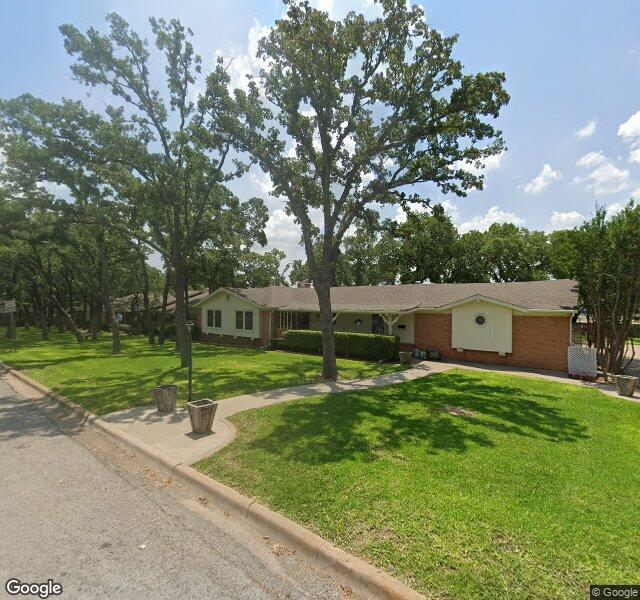
306 CAROLYN RD, NOCONA, TX 76255 (940) 825-3288
For profit - Limited Liability company 89 Beds Independent Data: November 2025 1 Immediate Jeopardy citation
Trust Grade
13/100
#991 of 1168 in TX
Last Inspection: November 2024

Within standard 12-15 month inspection cycle. Federal law requires annual inspections.

Overview

Grace Care Center of Nocona has received a Trust Grade of F, which indicates significant concerns about the quality of care provided at this facility. Ranking #991 out of 1168 in Texas places it in the bottom half of nursing homes in the state, and it is the second-to-last option in Montague County. Fortunately, the facility is showing some improvement, with reported issues decreasing from 7 in 2024 to 3 in 2025. However, staffing is a major concern, with a poor rating of 1 out of 5 and less registered nurse (RN) coverage than 79% of Texas facilities, suggesting that residents may not receive the level of attention they need. Additionally, the facility has faced serious incidents, such as failing to assess a resident for risk of entrapment from bed rails, leading to bruising and psychosocial harm, and not administering prescribed eye medication to another resident, which could delay healing and cause discomfort. While the facility's turnover rate is notably low at 0%, indicating staff stability, the overall picture suggests families should proceed with caution.

Trust Score
F
13/100
In Texas
#991/1168
Bottom 16%
Safety Record
High Risk
Review needed
Inspections
Getting Better
7 → 3 violations
Staff Stability
○ Average
Turnover data not reported for this facility.
Penalties
✓ Good
$32,425 in fines. Lower than most Texas facilities. Relatively clean record.
Skilled Nurses
⚠ Watch
Each resident gets only 13 minutes of Registered Nurse (RN) attention daily — below average for Texas. Fewer RN minutes means fewer trained eyes watching for problems.
Violations
⚠ Watch
26 deficiencies on record. Higher than average. Multiple issues found across inspections.
★☆☆☆☆
1.0
Overall Rating
★☆☆☆☆
1.0
Staff Levels
★★★☆☆
3.0
Care Quality
★★☆☆☆
2.0
Inspection Score
Stable
2024: 7 issues
2025: 3 issues

The Good

  • Full Sprinkler Coverage · Fire safety systems throughout facility
  • No fines on record

Facility shows strength in fire safety.

The Bad

1-Star Overall Rating

Below Texas average (2.8)

Significant quality concerns identified by CMS

Federal Fines: $32,425

Below median ($33,413)

Moderate penalties - review what triggered them

The Ugly 26 deficiencies on record

1 life-threatening 2 actual harm
Jun 2025 1 deficiency
CONCERN (E) 📢 Someone Reported This

A family member, employee, or ombudsman was alarmed enough to file a formal complaint

Potential for Harm - no one hurt, but risky conditions existed

Administration (Tag F0835)

Could have caused harm · This affected multiple residents

Based on record review, observation and interview, the facility failed to be administered in a manner that enables it to use its resources effectively and efficiently to attain or maintain the highest...

Read full inspector narrative →
Based on record review, observation and interview, the facility failed to be administered in a manner that enables it to use its resources effectively and efficiently to attain or maintain the highest practicable physical, mental, and psychosocial well-being of each resident for 1 of 1 facility reviewed for Administration. The facility failed to have sufficient resources to satisfy (pay) debts timely and when they come due. The facility had a past due balance of 4 months with the water vendor with a disconnection notice given with a date that had already passed; and a past due balance of 3 months with the fire vendor for services provided in September 2024 and January 2024. The failure to have sufficient financial resources to pay debts timely had the potential to adversely affect the delivery of essential care and services. This failure could affect the 31 residents who utilized services provided and paid for by the facility. Findings included: Record review of invoices provided by the Administrator on 6/3/25 indicated unpaid balances for the following: 1. [Fire Vendor] - Invoice dated 1/31/25. Past due balance of $1000 was a due date of 2/28/25. 2. [Water Vendor] - Invoice dated 5/22/25. Past due balance of $6907.95. A total balance of $8298.46 with a due date of 6/15/23. 3. [Water Vendor] - Disconnect Notice for Non-Payment or Delinquent Accounts with an amount due of $6907.95. Service will be disconnected if the past due amount is not paid before closing time on May 25, 2025. In an interview on 6/3/25 at 11:46 am, the Administrator said when the facility receives a bill, it is forward to Accounts Payable for payment. She said she does not make payments for the facility and only passes the bills on when they come in. She said she was aware of a past due balance for the [Water Vendor] and a termination notice had been sent for disconnection. She was aware of 2 pervious charges by the [Fire Vendor] for a total of $1000. She said she last sent the water bill and the disconnection notice to Accounts Payable on 5/29/25. In an interview on 6/3/25 at 12:32 pm, the [NAME] Administrator for the [Fire and Water Vendor] stated the facility owes 2 past due fines for a total of $1000 from services provided on 9/17/24 and 1/6/25 when the fire department responded to false fire alarms. The [Fire Vendor] reviewed the facility's account yesterday and was considering having the facility's fire alarm disconnected and putting them on a fire watch for a past due balance. The [NAME] Administrator said the facility had a water bill that was 4 months past due for $6907.95. The [Water Vendor] issued a disconnect notice for 6/15/25 if the past due balance was not paid. The facility did not pay; however, water services will not be disconnected due to it being a nursing home. The [NAME] Administrator has emailed, sent certified letters, and talked to the CEO on the phone but it has done no good. In an interview on 6/3/25 at 2:22 pm, the COO stated the CEO was not available for interview. She said the process for bill payment was when the facility receives a bill, it is passed on to Accounts Payable which was an independent company. Every Monday, Accounts Payable and the CEO have a meeting and a decision was made on which bills to pay. She said she only has the ability to pay bills on an emergency basis. She said she just paid the 2 outstanding bills, today, for the [Fire Vendor] for $1000 and the past due balance for the [Water Vendor] for $6907.95. In an interview on 6/4/25 at 12:35 pm, the CEO said the 2 bills were paid and caught up yesterday, 6/3/25. He said bills are sent to an independent company for review and payment. The CEO said he did not remember there being past due balances for the [Water Vendor or Fire Vendor] or talking to anyone about them; he said the [Water Vendor] bill should not have gotten that far behind. He said he was going to find out where the breakdown occurred. In observations of the facility on 6/3/25 and 6/4/25 revealed the facility had water services. A facility policy was requested regarding vendor payment but not provided prior to exit on 06/04/2025.
Mar 2025 1 deficiency
CONCERN (F) 📢 Someone Reported This

A family member, employee, or ombudsman was alarmed enough to file a formal complaint

Potential for Harm - no one hurt, but risky conditions existed

Deficiency F0727 (Tag F0727)

Could have caused harm · This affected most or all residents

**NOTE- TERMS IN BRACKETS HAVE BEEN EDITED TO PROTECT CONFIDENTIALITY** Based on interview and record review the facility failed to use the services of a registered nurse for at least 8 consecutive ho...

Read full inspector narrative →
**NOTE- TERMS IN BRACKETS HAVE BEEN EDITED TO PROTECT CONFIDENTIALITY** Based on interview and record review the facility failed to use the services of a registered nurse for at least 8 consecutive hours a day, 7 days a week for 1 of 1 facility reviewed for nursing services. The facility did not have RN coverage for 17 days on [DATE], [DATE], [DATE], [DATE], [DATE], [DATE], [DATE], [DATE], [DATE], [DATE], [DATE], [DATE], [DATE], [DATE], [DATE], [DATE] and [DATE]. This failure could place the residents at risk of not receiving needed care and services. The findings were: Review of the facility RN timesheets revealed there were no RN hours for Saturdays on [DATE], [DATE], [DATE], [DATE], [DATE], [DATE], [DATE], [DATE] and [DATE]. Review of the facility RN timesheets revealed there were no RN hours for Sundays on [DATE], [DATE], 12/29/.24, [DATE], [DATE], [DATE], [DATE], and [DATE]. During interview with the DON on [DATE] at 2:26p.m, she said she had been employed in the facility since [DATE]. She stated to the best of her knowledge the facility doesn't have RN coverage especially on weekends. The DON explained the facility used to have a RN that came on weekend but not anymore. She stated she understood RN coverage as a person with broad responsibility that provides specialized nursing care that LVN cannot or not required or qualified to do. She came an example with a peripherally inserted central catheter (PICC line) which LVN are not qualified to do. The DON stated she was not aware of the specific days not covered in the facility. She explained the management was aware of the lack of RN coverage in the facility. This was because on one occasion, he asked if not having an RN coverage will affect her license as a RN/DON. She was assured by the management that her license will not be affected. The DON stated she is aware the facility does not have RN coverage in the required days including weekends. She indicated the facility has approved and placed an advertisement looking for weekend RN coverage and she will be interviewing candidates soon. In an interview with ADM on [DATE] at 2:49p.m, she is the Administrator and started working for the facility since [DATE]. The ADM explained the policy of the facility is to have RN coverage 8 hours a day, seven days a week. She knows there was some days the facility did not meet this requirement. She stated the purpose of RN coverage was to cover for any incident which the LVN cannot handle or not trained to provide service. The ADM noted the DON has covered some weekends. She said there was no negative effect because the facility has telehealth and can contact them if RN was needed. She stated the facility has not had incident requiring a RN on weekend recently. She monitors the RN coverage on her calendar in her office wall with names on who was covering on different days. She said she cannot force people to come in to work. The ADM explained the management has approved hire for a permanent RN coverage for the weekend. She noted the facility has placed recent advertising for RN coverage. Her expectation was to have RN coverage in the facility moving forward. During interview with MD D, on [DATE] at 11: 17a.m, he stated he was the medical director for the facility. He explained he was aware that the facility did not have RN coverage in some days especially on weekends. He stated the management was aware of the lack of RN coverage but decided to not have the coverage and bear the consequences. MD D stated he was not aware any significant incident where an RN coverage was needed. However, he was informed by his brother, a doctor with the facility that he came to pronounce a death on one of the weekends because RN was not available. Record review of the facility policy on staffing undated reflected the following: Policy Statement: Our facility provides sufficient numbers of staff with the skills and competency necessary to provide care and services for all residents in accordance with resident care plans and the facility assessment. Policy Interpretation and Implementation 1. Licensed nurses and certified nursing assistants are available 24 hours a day to provide direct resident care services. oAt a minimum, the facility must maintain a ratio (for every 24-hour period) of one licensed nursing staff person for each 20 residents or a minimum of 4 licensed-care hours per resident day. A registered nurse (RN) must be onsite 8 consecutive hours a day, 7 days a week .
Jan 2025 1 deficiency
CONCERN (D) 📢 Someone Reported This

A family member, employee, or ombudsman was alarmed enough to file a formal complaint

Potential for Harm - no one hurt, but risky conditions existed

Deficiency F0776 (Tag F0776)

Could have caused harm · This affected 1 resident

**NOTE- TERMS IN BRACKETS HAVE BEEN EDITED TO PROTECT CONFIDENTIALITY** Based on observation, interview, and record review the facility failed to provide or obtain radiology and other diagnostic servi...

Read full inspector narrative →
**NOTE- TERMS IN BRACKETS HAVE BEEN EDITED TO PROTECT CONFIDENTIALITY** Based on observation, interview, and record review the facility failed to provide or obtain radiology and other diagnostic services to meet the needs of its residents for 1 of 7 residents (Resident #1) reviewed for resident care, in that: The facility failed to ensure Resident #1 was provided an x-ray as ordered by the physician. This failure could place residents at risk for a decline in health status. Findings included: Record review of Resident #1's admission Record, dated 01/15/2025 revealed an [AGE] year-old male, with an admission date of 09/09/2024 with a principal diagnosis of atherosclerotic heart disease of native coronary artery without angina pectoris (gradual buildup of plaque in the walls of your arteries, limiting or blocking the flow of blood), dementia (a group of symptoms that affects memory, thinking and interferes with daily life) and osteoarthritis (a condition that causes the breakdown of cartilage in the joints, leading to pain and stiffness). The resident was discharged from the facility on 12/24/2024. Record review of Resident's #1 nursing progress note, dated 12/12/2025 at 10:30 am, revealed the resident had a fall, complained of right shoulder and collarbone pain. The facility contacted the Physician, and he ordered an x-ray. The progress note stated, attempted several times to contact facility mobile x-ray company, unable to schedule at this time. There was no further documentation in the progress notes regarding acquiring an x-ray for the resident. Record review of Resident #1's Physician's Orders, dated 01/15/2025, revealed there was no order for an x-ray on 12/12/2024. In an interview on 1/15/2025 at 2:48 pm, the Physician said the facility notified him on 12/12/2024 that Resident #1 had fallen and he ordered an x-ray. The physician said he did not remember the facility calling him back and informing him that they were unable to reach the mobile x-ray. The physician said it was his expectation for the facility to contact him if they were not able to get an x-ray. In an interview on 1/15/2025 at 3:00 pm, the DON said she was aware the physician had ordered an x-ray and was not aware Resident #1 did not get an x-ray until the next morning. She said the nurse texted the Physician that she could not reach the mobile x-ray company, but never heard back from him. She said it was her expectation for the nurse to follow up with the physician and notify the DON when she did not hear back from him. The DON said the x-ray was never done and got missed. She said the nurse never passed it on in shift change or in morning report. Resident #1 did not receive an x-ray as ordered. She said Resident #1 was placed on neuro-checks at the time of the fall, he complained of right shoulder pain that night, but the next morning, he denied pain and was assessed with full range of motion. The DON said this failure had the potential of the resident not receiving appropriate care. In an interview on 1/25/2025 at 12:44 pm, Nurse A said the Resident #1 had a fall on 12/12/2024, she contacted the Physician, and he ordered a mobile x-ray. She attempted to call the mobile x-ray 6 times, but could never get through. She said she texted the doctor around 2:00 pm, but never heard back from him. She said she did not attempt to follow up with the doctor when he did not respond to her texts before she left her shift. She said she did not notify the DON or pass it on to the next shift she was not able to contact the mobile x-ray company. A facility policy was requested, but the provided undated policy titled Resident Rights, failed to address the incident.
Nov 2024 7 deficiencies
CONCERN (E)

Potential for Harm - no one hurt, but risky conditions existed

PASARR Coordination (Tag F0644)

Could have caused harm · This affected multiple residents

**NOTE- TERMS IN BRACKETS HAVE BEEN EDITED TO PROTECT CONFIDENTIALITY** Based on interview and record review the facility failed to refer 1 of 3 residents (Resident #13), for PASRR screening and evalu...

Read full inspector narrative →
**NOTE- TERMS IN BRACKETS HAVE BEEN EDITED TO PROTECT CONFIDENTIALITY** Based on interview and record review the facility failed to refer 1 of 3 residents (Resident #13), for PASRR screening and evaluation, with a newly evident mental disorder or a related condition for a level II PASRR review, in that: Resident #13 was not referred to the state-designated authority for a PASRR re-evaluation upon evidence of new diagnoses of major depressive disorder, dated 09/01/2023 and evidence of potential indicator of psychosis on MDS significant change dated 05/01/2024. This failure placed residents at risk of not receiving adequate services or care related to mental illnesses. Findings included: Record review of Resident #13's face sheet, dated 05/23/2023, revealed a [AGE] year-old female, who was admitted into the facility on [DATE] with a diagnosis of unspecified dementia, unspecified severity, without behavioral disturbance, psychotic disturbance, mood disturbance and anxiety (confusion without behaviors), repeated falls, muscle weakness, unsteadiness on feet and lack of coordination. Record review of Resident #13's diagnosis report revealed she was diagnosed with major depressive disorder on 09/01/2023 and anxiety disorder effective 11/21/2024. Record review of Resident #13's PASRR level 1 screening, dated 05/23/2023, revealed the resident was coded for not having a diagnosis of mental illness. Record review of Resident #13''s MDS, dated [DATE] revealed the residents Brief Interview for Mental Status (BIMS) was coded as a 0, resident is rarely/never understood; Behaviors - Potential indicators of psychosis including hallucinations and delusions worsening since last MDS assessment. Record review of Resident #13's physician's orders, dated 11/21/2024, revealed the following: 1. Referral to senior psych care psychiatry to evaluate and treat starting 09/01/2023. 2. Monitor for signs of depression, suicidal ideation and insomnia. 09/01/2023 3. Ativan Oral Tablet 0.5 MG (Lorazepam) Give 1 tablet by mouth every morning and at bedtime for Agitation/Aggression, order date 09/18/2024 4. Depakote Oral Tablet Delayed Release 500 MG (Divalproex Sodium) Give 1 tablet by mouth three times a day related to UNSPECIFIED DEMENTIA, UNSPECIFIED SEVERITY, WITHOUT BEHAVIORAL DISTURBANCE, PSYCHOTIC DISTURBANCE, MOOD DISTURBANCE, AND ANXIETY (F03.90), order date 10/16/2024 5. trazodone HCl Oral Tablet 50 MG (Trazodone HCl) Give 25 mg by mouth at bedtime related to MAJOR DEPRESSIVE DISORDER, RECURRENT, MODERATE (F33.1) give 1/2 a 50mg tab to = 25mg. GDR attempt order date 12/17/2023 Review of Resident #13's Care Plan revised on 11/11/2024 reflected the following: Focus: Resident is on an antidepressant medication r/t Depression and insomnia. Date Initiated: 09/01/2023. Goal: Resident #13 will be free from discomfort or adverse reactions related to antidepressant therapy through the review date. Date Initiated: 09/01/2023. In an interview on 11/21/2024 on 11:51 a.m., MDS coordinator stated, The resident has a diagnosis of major depressive disorder. I will review the chart for a 1012 form (form used to determine whether the individual has a primary dementia diagnosis or if the individual has a mental illness diagnosis) and get back with you. In an interview on 11/21/2024 on 12:26 p.m., MDS coordinator stated she was responsible for PASRR's, I looked in Resident #13's chart and could not find a 1012 form. There are some diagnoses in the chart that would warrant a 1012 form. She also stated A negative result in not having a current 1012 form is that the resident has not received PASRR services and may not be receiving psych services if needed . Review of the facilities policy and procedures titled PASRR Clinical Policy, not dated, reflected the following [in part]: Purpose: The PASRR level 1 (PL1) Screening Form is designed to identify persons who are suspected of having Mental Illness (MI), Intellectual Disability (ID) of a Developmental Disability (DD) also referred to as Related Conditions. The PASRR Evaluation (PE) is designed to confirm the suspicion of MI, ID or DD/RC and ensure the individual is placed in the most integrated residential setting receiving the specialized services needed to improve and maintain the individual's level of functioning. Section C; PASRR Screen (Screener) INTENT: This section to be completed for resident's suspected of having Mental Illness. Identify diagnoses: Review the medical record, if available, for diagnoses. Medical record sources can include but are not limited to verbal interview with the resident, or LAR, observation, progress notes, Annual Physical Exam, the most recent History and Physical, hospital discharge summaries or diagnosis list.
CONCERN (E)

Potential for Harm - no one hurt, but risky conditions existed

Deficiency F0645 (Tag F0645)

Could have caused harm · This affected multiple residents

Based on interview and record review, the facility failed to ensure all Preadmission Screening and Resident Review (PASARR) Level I (PL1) Screening residents diagnosed with mental illness were provide...

Read full inspector narrative →
Based on interview and record review, the facility failed to ensure all Preadmission Screening and Resident Review (PASARR) Level I (PL1) Screening residents diagnosed with mental illness were provided with a PASARR Level II (PE) Screening for 1 of 2 residents (Resident #3) reviewed for a mental illness, intellectual disability, or developmental disability. The facility failed to ensure Resident #3, with an initial admission date of 03/22/18, had a diagnosis of mental illness and a PASARR Level II (PE) screening was not completed. This failure placed residents at risk of mental health needs not being met. The findings included: A record review of Resident #3's admission Record, dated 11/21/24, revealed Resident #3 had an initial admission date of 03/22/18 and the latest admission date of 04/25/24. Resident had a primary diagnosis of Atherosclerotic Heart Disease of Native Coronary Artery without Angina Pectoris (the blood vessels that carry oxygen and nutrients from the heart to the rest of the body become thick and stiff). The resident had secondary diagnosis including Unspecified Dementia, unspecified severity, with other behavioral disturbance (a group of symptoms that affects memory, thinking and interferes with daily life); Bipolar Disorder (a mental health condition that causes extreme mood swings); Schizophrenia (a serious mental health condition that affects how people think, feel and behave); Schizoaffective Disorder, Bipolar Type (a mental disorder in which a person experiences a combination of symptoms of schizophrenia and mood disorder). A record review of a PASARR Level I (PL1) Screening, dated 04/25/24, indicated Resident #3 had no evidence of mental illness. No PASARR Level II (PE) Screening or a form 1012 (Mental Illness/Dementia Resident Review) was found in the clinical record. A record review of the Resident # 3's Quarterly MDS assessment, dated 09/11/24, revealed Active Diagnosis of Anxiety Disorder, Bipolar Disorder, and Schizophrenia. A record review of Resident # 3's Care Plan, with a completion date of 09/26/24, indicated Resident #3 uses psychotropic medications related to schizoaffective disorder, bipolar. In an interview on 11/21/24 at 11:51 am, the MDS Coordinator stated she was responsible for the PASSAR evaluations. She said Resident #3 did not have a primary diagnosis of dementia. She said Resident #3 should have had a PASSAR Level II evaluation completed, or a 1012 form completed on record as he had the qualifying diagnosis. She said there was no evidence Resident #3 had a 1012 form in his record. She said a potential negative outcome of this failure would be a resident might not receive PASSAR services if they were eligible. In an interview on 11/21/24 at 12:38 pm, the Chief Nursing Officer, stated she had just spoken with the MDS Coordinator and was aware of Resident #3 not having a PASSAR Level II evaluation. She said a potential negative outcome would be the resident would not receive specialized services . Record review of the facility policy PASRR Clinical Policy, Level 1, not dated, revealed the following [in part]: Purpose: If documentation entered on the PL1 indicates MI/ID/DD, a PE must be completed. Section C Steps for Assessment: 7. If Alzheimer/Dementia is the primary diagnosis and there is a MI diagnosis no PE is needed.
CONCERN (E)

Potential for Harm - no one hurt, but risky conditions existed

Deficiency F0657 (Tag F0657)

Could have caused harm · This affected multiple residents

**NOTE- TERMS IN BRACKETS HAVE BEEN EDITED TO PROTECT CONFIDENTIALITY** Based on observation, record review, and interview, the facility failed to develop a comprehensive care plan within 7 days after...

Read full inspector narrative →
**NOTE- TERMS IN BRACKETS HAVE BEEN EDITED TO PROTECT CONFIDENTIALITY** Based on observation, record review, and interview, the facility failed to develop a comprehensive care plan within 7 days after completion of the comprehensive assessment for 2 of 18 residents (Residents # 36, and #38) reviewed for care plans as follows: 1. Resident #36 did not have a comprehensive care plan completed within 14 days of admission. Resident #36 was admitted on [DATE] and his first comprehensive care plan was not completed until 10/6/24. 2. Resident #38 was admitted on [DATE] and did not have a comprehensive care plan completed until the CNO was notified on 11/19/24. Her care plan was then completed on 11/20/24. This failure could place residents at risk of not receiving the care required to meet their physical, mental, and psychosocial needs to attain or maintain their highest practicable physical, mental, and psychosocial outcome. Findings include: Resident # 36 Record review of Resident #36's face sheet dated 11/20/24 revealed the resident was a [AGE] year-old male admitted to the facility on [DATE] with the following diagnoses: chronic pancreatitis (inflammation of the pancreas), essential hypertension (high blood pressure), gastro esophageal reflux disease without esophagitis (acid reflux), benign prostatic hyperplasia without lower urinary tract symptoms (frequent urination), generalized anxiety disorder (anxiety), major depressive disorder (depression), and schizophrenia (a disorder that affects a person's ability to think ). Record review of Resident #36 revelaed his comprehensive care plan was not completed until 11/20/24. Record review of Resident #36 admission MDS revealed it was completed on 8/13/24, Quarterly MDS was completed on 11/13/24. Observation of Resident #36 on 11/19/24 at 2:54 PM, revealed that Resident #36 voiced concerns about his mood, choices, dental, nutrition, pain management, and genitourinary needs. Record review of Resident #36's care plan dated 10/6/24 indicated that these needs were being met. However, it was noted that his initial comprehensive care plan was not competed until 10/6/24. During an interview with the CNO on 11/21/24 at 12:38 PM, she indicated Resident #36 had a baseline care plan completed, but not a comprehensive care plan completed until 10/6/24. Resident # 38 Record review of Resident #38's face sheet dated 11/19/24 revealed a [AGE] year-old female admitted to the facility on [DATE] with the following diagnoses: chronic pain, glaucoma (an eye condition that can cause blindness), sensorineural hearing loss (hearing loss), hypertension (high blood pressure), gastro esophageal reflux disease without esophagitis (acid reflux), osteoarthritis (arthritis of the joints), repeated falls, amnesia (memory loss), dizziness and giddiness (dizziness and unsteadiness), and overactive bladder (sudden need to urinate). Record review of Resident #38 dated 11/19/24 revealed there had been no comprehensive care plan completed for Resident #38 who was admitted on [DATE]. Record review of Resident #38 admission MDS revealed it was completed on 10/27/24. During an interview with the CNO on 11/20/24 at 3:36 PM, she stated there is not a comprehensive care plan for Resident #38. She stated that it is her expectation for care plans to be completed in the allowed time frame. She further stated that she had spoken with the MDS coordinator and instructed her that a care plan needed to be completed. Record review of the facility's policy, Care Plans- Comprehensive Person-Centered, revealed the following documentation [in-part]: Policy Statement A comprehensive, person-centered care plan that includes measurable objectives and timetables to meet the resident's physical, psychosocial and functional needs is developed and implemented for each resident. Policy Interpretation and Implementation: #12. The comprehensive, person-centered care plan is developed within seven (7) days of the completion of the required comprehensive assessment (MDS).
CONCERN (E)

Potential for Harm - no one hurt, but risky conditions existed

Medication Errors (Tag F0758)

Could have caused harm · This affected multiple residents

**NOTE- TERMS IN BRACKETS HAVE BEEN EDITED TO PROTECT CONFIDENTIALITY** Based on interview and record review, the facility failed to ensure residents who had not used psychotropic drugs were not given...

Read full inspector narrative →
**NOTE- TERMS IN BRACKETS HAVE BEEN EDITED TO PROTECT CONFIDENTIALITY** Based on interview and record review, the facility failed to ensure residents who had not used psychotropic drugs were not given these drugs unless the medication was necessary to treat a specific condition as diagnosed and documented in the clinical record 1 of 13 residents. (Resident #13) reviewed for unnecessary psychotropic medications. The facility failed to ensure Resident #13 had a proper diagnosis to receive medication (Depakote and Ativan) as ordered. This failure could affect residents who received medications in the facility and put them at risk for adverse consequences such as impairment or decline in an individual's mental or physical condition or functional or psychosocial status. The findings included: Record review of Resident #13's face sheet, dated 05/23/2023, revealed a [AGE] year-old female, who was admitted into the facility on [DATE] with a diagnosis of unspecified dementia, unspecified severity, without behavioral disturbance, psychotic disturbance, mood disturbance and anxiety (confusion without behaviors), repeated falls, muscle weakness, unsteadiness on feet and lack of coordination. Record review of Resident #13's diagnosis report revealed she was diagnosed with major depressive disorder on 09/01/2023 and anxiety disorder effective 11/21/2024. Record review of Resident #13's MDS, dated [DATE] revealed the residents Brief Interview for Mental Status was coded as a 0, resident is rarely/never understood; Section E Behaviors revealed: Potential indicators of psychosis including hallucinations and delusions worsening since last MDS assessment; Section N Medications revealed: Resident #13 is taking Antipsychotic, antianxiety, antidepressant, Antipsychotics were received on a routine basis. Record review of Resident #13's Care Plan last reviewed on 11/11/24 did not indicate any anti-psychotic medications or needs for such medications. Record review of Resident #13's physician order summary revealed the following: 1. Depakote Oral Tablet Delayed Release 500 MG(Divalproex Sodium) Give 1 tablet by mouth three times a day related to UNSPECIFIED DEMENTIA, UNSPECIFIED SEVERITY, WITHOUT BEHAVIORAL DISTURBANCE, PSYCHOTIC DISTURBANCE,MOOD DISTURBANCE, AND ANXIETY with an order start date of 10/16/2024 and no end date. 2. Ativan Oral Tablet 0.5 MG (Lorazepam) Give 1 tablet by mouth every morning and at bedtime for Agitation/Aggression with an order start date of 09/18/2024 and no end date. In an interview on 11/21/24 at 12:13 PM, Regional Nurse Consultant stated that dementia is not an appropriate diagnosis for Depakote medication administration. She further stated that agitation/aggression is not an appropriate diagnosis for Ativan medication. She stated we need a true diagnosis, that is a symptom not a diagnosis. She stated that it was the responsibility of the MDS coordinator to ensure diagnoses were input based on the physician notes. In an interview on 11/21/24 at 12:38 PM, the CNO stated that diagnoses used for Depakote and Ativan are not appropriate diagnoses for those medications. She stated, mood stabilization is not a medical diagnosis, but mood disorder is a diagnosis, but is not used. She stated that it is the responsibility of the MDS coordinator to ensure proper diagnoses are in use. Record review of facility policy Antipsychotic Medication Use not dated revealed the following [in part]: Policy Statement: Antipsychotic medications may be considered for residents with dementia but only after medical, physical, functional, psychological, emotional psychiatric, social and environmental causes of behavioral symptoms have been identified and addressed. Antipsychotic medications will be prescribed at the lowest possible dosage for the shortest period of time and are subject to gradual dose reduction and re-review. Policy Interpretation and Implementation: 1. Residents will only receive antipsychotic medications when necessary to treat specific conditions for which they are indicated and effective. 6. Diagnosis of a specific condition for which antipsychotic medications are necessary to treat will be based on a comprehensive assessment of the resident. 7. Antipsychotic medications shall generally be used only for the following conditions/diagnoses as documented in the record, consistent with the definition(s) in the Diagnostic and Statistical Manual of Mental Disorders (current or subsequent editions): a. Schizophrenia; b. Schizo-affective disorder; c. Schizophreniform disorder; d. Delusional disorder; e. Mood disorders (e.g. bipolar disorder, depression with psychotic features, and treatment refractory major depression); f. Psychosis in the absence of dementia; g. Medical illnesses with psychotic symptoms and/or treatment-related psychosis or mania (e.g., high-dose steroids); h. Tourette's Disorder; i. Huntington Disease; j. Hiccups (not induced by other medications); or k. Nausea and vomiting associated with cancer or chemotherapy.
CONCERN (E)

Potential for Harm - no one hurt, but risky conditions existed

Infection Control (Tag F0880)

Could have caused harm · This affected multiple residents

**NOTE- TERMS IN BRACKETS HAVE BEEN EDITED TO PROTECT CONFIDENTIALITY** Based on observation, interview, and record review the facility failed to maintain an infection prevention and control program d...

Read full inspector narrative →
**NOTE- TERMS IN BRACKETS HAVE BEEN EDITED TO PROTECT CONFIDENTIALITY** Based on observation, interview, and record review the facility failed to maintain an infection prevention and control program designed to provide a safe and sanitary environment and to help prevent the development and transmission of communicable diseases and infections for 3 of 3 residents reviewed for infection control. (Resident #9, #28, and #91). 1. The facility failed to place Resident #9 who had a gastrostomy tube (tube into stomach thru abdomen) on EBP. 2. The facility failed to place Resident #28 who had a wound on EBP. 3. The facility failed to place Resident #91 who had a PICC (Peripherally inserted central catheter) on EBP. These failures could place residents at risk for cross-contamination, increased risk of infection and the spread of infection. The findings included: Resident #9 Record review of Resident #9's electronic face sheet dated 11/21/24 reflected he was a [AGE] year-old male admitted to the facility on [DATE]. His diagnoses included: unspecified sequelae of cerebral infarction (stroke), dysphagia (difficulty swallowing), polyosteoarthritis (joint stiffness and pain) and lack of coordination. Record review of Resident # 9's MDS, dated [DATE], revealed resident's BIMS (Brief Interview for Mental Status) was not conducted due to resident is rarely/never understood, he received gastrostomy tube feedings, and he was always incontinent of bowel and bladder. Record review of Resident #9's physician order summary dated 11/20/24 revealed the following: Check for tube placement prior to each flush, medication administration tube feeding changes, etc. by air bolus auscultation and aspiration of stomach contents as needed for maintain patency. Clean g-tube site with NS, apply drainage sponge QD, monitor for s/s infection every night shift. Cleanse g-tube stoma with wound cleanser pat dry, apply Anacept gel, leave open to air every day shift. No physician order found for enhanced barrier precautions. Record review of Resident #9's comprehensive person-centered care plan last review date of 10/06/2024 revealed the following: Focus: Resident #9 requires tube feeding and is NPO, related to Dysphagia, Swallowing problem, Weight Loss. Goal: Resident #9 will remain free of side effects or complications related to tube feeding through review date. Interventions: Provide local care to G-Tube site as ordered and monitor for signs and symptoms of infection. There was no focus, goal, or intervention for enhanced barrier precautions. Observation on 11/19/24 at 9:41 AM of Resident #9's room revealed no posted EBP sign outside of door nor in resident room, no personal protective equipment (gown or gloves) available for staff use. Resident #28 Record review of Resident #28's electronic face sheet dated 11/21/24 reflected she was a [AGE] year-old female admitted to the facility on [DATE]. Her diagnoses included: senile degeneration of brain (mental deterioration), repeated falls, aphasia (difficulty speaking), altered mental status and supraventricular tachycardia (irregular heartbeat). Record review of Resident #28's MDS, dated [DATE], revealed resident's BIMS (Brief Interview for Mental Status) score of 99, unable to complete the interview, she has one stage 4 (full thickness tissue loss with exposed bone, tendon or muscle) pressure ulcer and she was always incontinent of bowel and bladder. Record review of Resident #28's physician order summary dated 11/20/24 revealed the following: Left hip Stage 3 Cleanse with Dermal wound cleanser, pat dry with 4x4 gauze, apply Collagen Hydrogel then apply Calcium Alginate with Silver 2x2, then cover with 4x4 Hydrocellular foam dressing on Monday, Wednesday and Friday and PRN every day shift every Mon, Wed, Fri for wound care. No physician order found for enhanced barrier precautions. Record review of Resident #28's care plan with last review date of 10/15/24 revealed the following: Focus: Resident #28 has a stage 4 pressure ulcer to the sacrum and has potential for further pressure ulcer development related to End Stage Senile Degeneration of Brain, Muscle wasting/atrophy. Goal: Resident #28's Pressure ulcer will show signs of healing and remain free from infection by/through review date. Interventions: Monitor/document/report to MD PRN changes in skin status: appearance, color, wound healing, signs and symptoms of infection, wound size (length X width X depth), stage. There was no focus, goal, or intervention for enhanced barrier precautions. Observation on 11/19/24 at 11:37 AM, of Resident #28's room revealed no posted EBP sign outside of door nor in resident room, no personal protective equipment (gown or gloves) available for staff use. Resident #91 Record review of Resident #91's electronic face sheet dated 11/21/24 reflected she was a [AGE] year-old female admitted to the facility on [DATE]. Her diagnoses included: infection and inflammatory reaction due to internal fixation device of spine (infection due to implant), essential hypertension (high blood pressure), difficulty walking, muscle weakness and low back pain. Record review of Resident #91's MDS, dated [DATE], revealed resident's BIMS (Brief Interview for Mental Status) score of 13 (normal cognitive function), and PICC access with antibiotic infusion. Record review of Resident #91's physician order summary dated 11/20/24 revealed the following: Cefepime HCl Intravenous Solution Reconstituted 2 grams (Cefepime HCl) Use 2 gram intravenously one time a day for infection of internal fixator Infuse 2 grams IVPB to PICC LINE to right upper arm. Daptomycin Intravenous Solution Reconstituted 350mg (Daptomycin) Use 350 mg intravenously every 48 hours for surgical wound until 12/03/2024 23:59 infuse to central line in RIGHT upper arm. Observation on 11/19/24 at 11:31 AM, of Resident #91's room revealed no posted EBP sign outside of door nor in resident room, no personal protective equipment (gown or gloves) available for staff use. In an interview on 11/21/24 at 12:15 PM, LVN D stated that EBP is used for residents that have a PICC line, wound, catheter or g-tube. She stated that her understanding of EBP means the nurses must use gown and gloves when performing patient care. Sometimes a mask depending on precautions ordered. She stated that she can identify residents on EBP by looking at the orders or looking in the resident's chart. She also stated that lack of use of EBP could lead to cross contamination. In an interview on 11/21/24 at 12:20 PM, MA E stated EBP is use of gown and gloves for extra precautions for residents who have a PICC, catheter or g-tube. She stated that she can identify residents who are on EBP by a paper on the resident's door or order in the chart. She further stated, The gowns and gloves are on the linen cart or in the supply closet. She stated lack of use of EBP could allow transfer of one resident's infection to another. In an interview on 11/21/24 at 12:25 PM CNA F stated EBP is when you put on the gowns and stuff. He also stated this is only my 6th shift here and this is the first one(EBP sign) I've seen. I have to go to the linen cart or supply closet to get gown and gloves. He stated that lack of EBP use could lead to spreading infection to others. In an interview on 11/21/24 at 12:38 PM CNO stated EBP glove and gown per CDC requirements should be in effect any time a resident has a tracheostomy, g-tube, foley catheter, or wound. She stated EBP signage was posted outside resident's rooms on morning of survey day 2. She further stated, I put it up when I realized it wasn't there. We have gloves and gowns, readily available. I have a box of PPE in the DON office. CNO also stated that lack of signage in facility was oversight and lack of consistent leadership. CNO stated an adverse outcome of lack of EBP use could lead to potential spread of infectious disease. Record review of facility policy Enhanced Barrier Precautions not dated revealed the following [in-part]: Policy: It is the policy of this facility to implement enhanced barrier precautions for the prevention of transmission of multidrug-resistant organisms. Definitions: Enhanced barrier precautions refer to the use of gown and gloves for use during high-contact resident care activities for residents known to be colonized or infected with a MDRO as well as those at increased risk of MDRO acquisition (e.g., residents with wounds or indwelling medical devices). Policy Explanation and Compliance Guidelines: 1. Prompt recognition of need: c. Clear signage will be posted on the door or wall outside of the resident room indicating the type of precautions, required personal protective equipment (PPE), and the high-contact resident care activities that require the use of gown and gloves. 2. Initiation of Enhanced Barrier Precautions - a. Nursing staff may place residents with certain conditions or devices on enhanced barrier precautions empirically while awaiting physician orders. b. An order for enhanced barrier precautions will be obtained for residents with any of the following: i. Wounds (e.g., chronic wounds such as pressure ulcers, diabetic foot ulcers, unhealed surgical wounds, and chronic venous stasis ulcers) and/or indwelling medical devices (e.g., central lines, hemodialysis catheters, urinary catheters, feeding tubes, tracheostomy/ventilator tubes) even if the resident is not known to be infected or colonized with a MDRO. ii. Infection or colonization with any resistant organisms targeted by the CDC and epidemiologically important MDRO when contact precautions do not apply. 3. Implementation of Enhanced Barrier Precautions - a. Make gowns and gloves available immediately outside of the resident's room. Note: face protection may also be needed if performing activity with risk of splash or spray. 4. High-contact resident care activities include: a. Dressing b. Bathing c. Transferring d. Providing hygiene e. Changing linens f. Changing briefs or assisting with toileting g. Device care or use: central lines, urinary catheters, feeding tubes, tracheostomy/ventilator tubes h. Wound care: any skin opening requiring a dressing 7. Enhanced barrier precautions should be used for the duration of the affected resident's stay in the facility or until the wound heals or indwelling medical device is removed.
CONCERN (F)

Potential for Harm - no one hurt, but risky conditions existed

Deficiency F0727 (Tag F0727)

Could have caused harm · This affected most or all residents

Based on interviews and record reviews, the facility failed to provide the services of an RN for 8 consecutive hours 7 days a week for 22 days out of 79 days and employ a full time DON for 19 of 79 da...

Read full inspector narrative →
Based on interviews and record reviews, the facility failed to provide the services of an RN for 8 consecutive hours 7 days a week for 22 days out of 79 days and employ a full time DON for 19 of 79 days reviewed for RN coverage from September 2024 to November 2024. The facility failed: - to have an RN for 8 consecutive hours 7 days a week for 22 days from September 1, 2024, through November 18, 2024. - to employ a full time DON for 19 of 79 days from September 1, 2024, through November 18, 2024. This failure placed the residents at risk for altered physical, mental, and psychological well-being due to decisions that would have required an RN to make in the management of the residents' healthcare needs and in managing and monitoring the direct care staff. Findings included: Review of daily staffing data revealed the facility did not provide the services of an RN on the following dates: September 1, 2024, September 2, 2024, September 3, 2024, September 4, 2024, September 5, 2024, September 14, 2024, October 6, 2024, October 27, 2024, November 1, 2024, November 4, 2024, November 5, 2024, November 6, 2024, November 7, 2024, November 8, 2024, November 11, 2024, November 12, 2024, November 13, 2024, November 14, 2024, November 15, 2024, November 16, 2024, November 17, 2024, November 18, 2024. Review of daily staffing data revealed the facility did not employ a full time DON on the following dates: September 1, 2024, September 2, 2024, September 3, 2024, September 4, 2024, September 5, 2024, November 1, 2024, November 4, 2024, November 5, 2024, November 6, 2024, November 7, 2024, November 8, 2024, November 11, 2024, November 12, 2024, November 13, 2024, November 14, 2024, November 15, 2024, November 16, 2024, November 17, 2024, November 18, 2024. During an interview on 11/19/24 at 8:35 AM, the CNO stated the facility currently did not have a DON. She stated a DON had been hired, the facility was waiting for her to work out her notice at her former job. The CNO stated the facility currently did not have consistent weekend RN coverage. During an interview on 11/21/24 at 8:31 AM, the Administrator stated staff was notified when an RN will not be in building via group text. The Administrator denied experiencing an issue of a resident needing the services of an RN and not receiving those services. She explained the facility subscribed to a telehealth service and had 24-hour access to a corporate RN. The Administrator stated in an emergency, residents were transferred to the hospital or the physicians, who live close by, had no problem coming to the facility when needed. The Administrator stated she did not feel no RN in the building had a negative effect on residents due to access to the corporate RN and other resources available. She stated her expectations were for the new DON to start next week as scheduled. The Administrator stated she had plans to be more diligent on getting weekend RN coverage and increase the PRN RN pool. She explained the facility recruits via online advertising and word of mouth. During a group interview on 11/21/24 at 10:17 AM, LVN D and MA E stated they felt the residents were not affected if an RN was not in the building. LVN A stated when a resident needs service only an RN can perform, one of the weekend RNs would come in or the resident would be transferred to the hospital. LVN D stated staff was not notified when an RN would not be in the building but had got used to it. During an interview on 11/21/24 at 12:38 PM, the CNO stated the issue with RN coverage was on Monday thru Friday the facility did not have a full time DON. The facility was in the process of transitioning from one DON to another. She stated it was difficult to find staff in a rural area. The CNO stated a DON had been hired and was scheduled to start working the following Monday, but the weekends seemed to be an issue. She stated she had reached out to some of the PRN RN's and begged them to accept the DON position, but they had other jobs and did not want to commit to full time employment with the facility. The CNO explained the nursing staff were aware when an RN would not be in the building because the schedule would indicate when an RN was not available to be in the building. The CNO stated If a resident required the skill level of an RN and one was not in the building, the resident would be transferred to the local emergency department. The CNO stated the facility received assistance in recruiting staff from the bank that owns the building. She explained the bank paid for advertising on a major online recruitment site. Review of the facility policy, titled Staffing, undated, revealed Policy Interpretation and Implementation 1. Licensed nurses and certified nurse assistants are available 24 hours a day to provide direct resident care services. At a minimum, the facility must maintain a ratio (for every 24-hour period) of one licensed nursing staff person for each 20 residents or a minimum of .4 licensed-care hours per resident day. A registered nurse (RN) must be onsite 8 consecutive hours a day, 7 days a week.
CONCERN (F)

Potential for Harm - no one hurt, but risky conditions existed

Food Safety (Tag F0812)

Could have caused harm · This affected most or all residents

Based on observation, interview, and record review, the facility failed to store, prepare, distribute, and serve food in accordance with professional standards for food service safety, for 38 of 40 re...

Read full inspector narrative →
Based on observation, interview, and record review, the facility failed to store, prepare, distribute, and serve food in accordance with professional standards for food service safety, for 38 of 40 residents as evidence by : The facility failed to ensure: A. The low temperature dishwashing machine did not have a chemical sanitizer and the dietary staff failed to check the chlorine sanitizer content to ensure the dish washing machine was operating correctly to clean and sanitize the dishes consistently each meal; B. The 2 food carts were soiled with dust and food crumbs; C. Open food items were not placed in sealed containers and dated; D. The ice machine had mold at the top of the ice tray; E. The window seal including the window unit air conditioner was soiled with dust and food crumbs; F. The stove and oven were soiled with food and grease; G. The freezer in the storage room with soiled with dust and food crumbs; H. The floors in the storage room were soiled with dust, dirt, and food crumbs. The facility's failure could place residents receiving oral nutritional intake at risk for foodborne illness and a decline in health status. The findings included: On 11/19/24 at 8:45 AM, during the initial tour of kitchen, the container of chlorine chemical sanitizer to the low temperature dishwashing machine was empty, 2 food carts were soiled with dust and food crumbs, the ice machine had mold at the top of the ice storage area, in the freezer there was a box of biscuits opened to the air and was not sealed or dated, in the refrigerator there was a bag of shredded cheddar cheese open to the air and not sealed or dated, the window seal and the window air conditioner was covered with dust and food crumbs, the stove and oven were soiled with dried food and grease, the freezer in the dry foods storage room was soiled with dirt and food crumbs, and the floor in the dry foods storage room was soiled with dirt and food crumbs. In interviews on 11/19/24 at 8:50 am, Dietary [NAME] A said she did not know how to test the dish washing machine and did notn't know it was out of chemical sanitizer and had never been trained. Dietary [NAME] B said she didn't know how to test the dishwashing machine and didn't know it had been out of chemical sanitizer and had never been trained. Dietary [NAME] C said the chemical sanitizer had been out less than a week and said he reported it to the Maintenance Director. Dietary [NAME] C said he does not test the dish washing machine between meals but knew how to test it. Upon request, Dietary [NAME] C tested the machine and the chlorine registered at 0 ppm, In an interview on 11/19/24 at 9:30 am, the Administrator said the facility has not had a dietary manager since 10/01/24. She was not aware the chemical sanitizer was out. She said the company had not paid the vendor yet and was unable to order anymore chemicals until it was paid but had been paid today. She said the Maintenance Director had gone to a sister facility to pick up some chemical sanitizer. In an interview on 11/19/24 at 10:00 am, the Maintenance Director was in the kitchen working on attaching the chemical sanitizer to the dishwashing machine, he said that he notified corporate on 10/14/24 the facility was getting low on the chemical sanitizer. He said he was not for sure had long it was out, but it was not very long. In an observation and interview on 11/20/24 at 9:50 am, Dietary [NAME] C was asked to check the dish washing machine. It tested at 10 ppm (minimum was 50 ppm). The chemical sanitizer was attached to the dish washing machine. He said that it tested at 50 ppm yesterday when the Maintenance Director tested it after attaching the new chemical sanitizer. In an observation and interview on 11/20/24 at 11:59 am, the Maintenance Director tested the dish washing machine and it tested at 0 ppm, he said that it tested at 50 ppm yesterday after he attached the chemical sanitizer he got yesterday. He said the facility would switch to paper products until it was fixed and have the vendor come and service the machine. In an observation and interview on 11/21/24 at 2:41 pm, the vendor was in the facility working on the dish machine, they said that a squeeze tube had failed and was replaced. They said the dish machine was working correctly. In an interview on 11/21/24 at 2:55 pm, the Administrator said the facility was getting some new chemical sanitizer and would continue to use paper products until it comes in. She said there have been no reports of residents having symptoms of food born illnesses. She said there hads not been a Dietary Manager at the facility, officially since 10/01/24 as she had been out on FMLA prior to that date. She said Dietary [NAME] A is currently working on obtaining her certification to be a Dietary Manager. She said it was her expectation for the dish washing machine to be tested at every meal to ensure it was properly sanitizing the dishes. She said it was her expectation for the kitchen to be cleaned and all appliances clean and in good working order. She said theses failures had the potential for food born illnesses, poor food quality and unsanitary conditions. Record review of the facility policy Dishwashing Machine Use, not dated, revealed the following [in part]: Policy Statement: Food service staff required to operate the dishwashing machine will be trained on all steps of dishwashing machine use by the supervisor or a designee proficient in all aspects of proper use and sanitation. Policy Interpretation and Implementation: 4. Dishwashing machine chemical sanitizer concentrations and contact times will be as follows: Chlorine, 50-100 ppm. 6. Corrective action will be taken immediately if sanitizer concentrations are too low. Record review of the facility policy Sanitization, not dated, revealed the following [in part]: Policy Statement: The food service area shall be maintained in a clean and sanitary manner. Policy Interpretation and Implementation: 1. All kitchen, kitchen areas and dining areas shall be kept clean, free of litter and rubbish and protected from rodents, roaches, flies and other insects. 2. All utensils, counters, shelves and equipment shall be kept clean, maintained in good repair and shall be free from breaks, corrosions, open seams, cracks and chipped areas that may affect their use of proper cleaning. 3. All equipment, food contact surfaces and utensils shall be washed to remove or completely loosen soils by using the manual or mechanical means necessary and sanitized using hot water and/or chemical sanitizing solutions. 8. Dishwashing machines must be operated using the following specifications: Low-Temperature Dishwasher (Chemical Sanitization) b. Final rinse with 50 parts per million (ppm) hypochlorite (chlorine) for at least 10 seconds. 12. Ice machines and ice storage containers with be drained, cleaned and sanitized per manufacturer's instructions and facility policy. 17. The Food Services Manager will be responsible for scheduling staff for regular cleaning of kitchen and dining areas. Food service staff will be trained to maintain cleanliness throughout their work areas during all tasks, and to clean after each task before proceeding to the next assignment. Record review of the Food and Drug Administration Food Code, dated 2017, specified [in part]: 4-601.11 Equipment, Food-Contact Surfaces, Nonfood-Contact Surfaces, and Utensils. (C) Nonfood-contact surfaces of equipment shall be kept free of an accumulation of dust, dirt, food residue, and other debris.
Oct 2023 2 deficiencies
CONCERN (D)

Potential for Harm - no one hurt, but risky conditions existed

Assessment Accuracy (Tag F0641)

Could have caused harm · This affected 1 resident

**NOTE- TERMS IN BRACKETS HAVE BEEN EDITED TO PROTECT CONFIDENTIALITY** Based on interview, and record review the facility failed to accurately assess each resident's status for 1 of 3 Residents (Resi...

Read full inspector narrative →
**NOTE- TERMS IN BRACKETS HAVE BEEN EDITED TO PROTECT CONFIDENTIALITY** Based on interview, and record review the facility failed to accurately assess each resident's status for 1 of 3 Residents (Resident #1) reviewed for assessment accuracy in that: Resident #1's Annual MDS dated [DATE] did not have Section N (under Gradual Dose Reduction) coded correctly to reflect that the resident has received a Gradual Dose Reduction and that the medication is not contraindicated. This failure could place residents at risk of not receiving the proper care and services due to inaccurate records. Finding included: Record review of Resident #1's Face Sheet, dated 05/05/2023, revealed a [AGE] year-old male, re-admitted to the facility on [DATE] with admitting diagnosis of bipolar disorder (mood swings that range form from depressive lows to manic highs) and major depressive disorder (persistent depressed mood or loss of interest in activities, causing significant impairment in daily life). Record review of the Annual MDS assessment, dated 03/28/2023, revealed the following: Section C- BIMS score of 15 out of 15, which indicated the resident was cognitively intact. Section I- active diagnosis of anxiety (state of anxiousness), depression (feeling of sadness), bipolar disorder (mood swings that range from depressive lows to manic highs), major depressive disorder (persistent depressed mood or loss of interest in activities, causing significant impairment in daily life) and schizophrenia (relapsing episodes of psychosis). Section N- Did the resident receive antipsychotic medications since admission/entry or reentry or the prior OBRA assessment, whichever is more recent- Yes. Has a gradual dose had not been attempted- No. Has a physician documented gradual dose reduction as contraindicated- No. Record review of Resident 1's Physician Orders dated 02/24/2023 revealed orders for Risperdal (antipsychotic) 2 mg tablet: twice daily. Record review of Resident #1's Physician notes dated 02/24/2023 revealed that a GDR was not indicated (the medication was gradually reduced) at this time, as patient is stable on current dose. Record review of Resident #1's Care Plan, last revised on 09/12/2023, revealed care plans for: uses psychotropic medications; antidepressant and antipsychotic related to bipolar disorder, schizoaffective disorder, depression, and anxiety. The resident will remain free of drug related complications, including movement disorder, discomfort, hypotension, gait disturbance, constipation/impaction, or cognitive/behavioral impairment. During an interview with the MDS coordinator on 10/05/2023 at 2:28 PM, revealed that she was new in the position, and was completed prior to her entering the position. She revealed after reviewing the records with the DON, section N was completed inaccurately. In an interview on 10/05/2023 at 3:00 PM with the DON revealed that the Annual MDS was completed inaccurately and should have been coded the gradual dose reduction as being contraindicated in Section N. She revealed this failure could place the residents at risk of receiving inaccurate assessments and inadequate plans of care. Request for the facility policy covering MDS accuracy of Assessments was not provided at the time of exit and was told they use the RAI manual as a reference.
CONCERN (E)

Potential for Harm - no one hurt, but risky conditions existed

Food Safety (Tag F0812)

Could have caused harm · This affected multiple residents

Based on observation , interview, and record review the facility failed to store, prepare, distribute, and serve food in accordance with professional standards for food service safety in 1 of 1 kitche...

Read full inspector narrative →
Based on observation , interview, and record review the facility failed to store, prepare, distribute, and serve food in accordance with professional standards for food service safety in 1 of 1 kitchen reviewed. 1. The floors were soiled with food particles and grease beneath the appliances and stainless-steel shelf units throughout the kitchen. This failure could place residents at risk for foodborne illness and a decline in health status. The findings included: Observation on 10/03/2023 at 9:25 AM revealed food particles on the floor in the dry storage area and grease on the floor beneath the appliances and stainless steel shelf units throughout the kitchen. In an interview on 10/03/23 at 9:35 AM the Dietary Manager stated, the dietary staff is supposed to follow a daily cleaning schedule and initial the form after completing the cleaning tasks and I follow up to ensure the tasks are completed. She further stated, kitchen sanitation is important because it prevents foodborne illness. Record review of daily cleaning logs dated September 2023, used for all the kitchen cleaning duties revealed all cleaning duties for the morning of 10/3/23 had been completed and initialed by the kitchen staff that completed the cleaning. In an interview on 10/05/23 at 2:10 PM, the DON stated, I expect the dietary staff to follow their cleaning schedule and company policy. In an interview on 10/05/23 at 2:15 PM, the Administrator stated, dietary staff is supposed to follow company policy. Review of the facility's Policy titled Sanitation dated, June 2016 revealed [in-part]: The facility strives to promote good sanitation practices in order to protect its residents/patients and employees from foodborne illness. The facility sanitation system will ensure a clean, safe environment for its residents/patients and staff. The Nutrition services staff maintains clean and sanitary kitchen facilities and equipment. Walls, floors, ceilings, equipment, and utensils are clean and/ or sanitized, and maintained in good working order. The Nutrition Services staff follows infection control procedures including maintaining personal hygiene and handling foods to prevent contamination.
May 2023 1 deficiency 1 IJ
CRITICAL (J) 📢 Someone Reported This

A family member, employee, or ombudsman was alarmed enough to file a formal complaint

Immediate Jeopardy (IJ) - the most serious Medicare violation

Deficiency F0700 (Tag F0700)

Someone could have died · This affected 1 resident

**NOTE- TERMS IN BRACKETS HAVE BEEN EDITED TO PROTECT CONFIDENTIALITY** Based on observations, interviews, and record reviews the facility failed to assess the resident for risk of entrapment from bed...

Read full inspector narrative →
**NOTE- TERMS IN BRACKETS HAVE BEEN EDITED TO PROTECT CONFIDENTIALITY** Based on observations, interviews, and record reviews the facility failed to assess the resident for risk of entrapment from bed rails prior to installation, review the risks and benefits of bed rails with the resident or resident representative and obtain informed consent prior to installation or physician's orders for 1 (Resident #1) of 12 residents reviewed for bed rails in that: The facility failed to assess Resident #1 for entrapment from bed rails or contact Resident #1's representative to obtain informed consent, assess risk for entrapment or physician's orders. Resident #1 lodged (entrapped) his left arm on 12/28/22 into the 1/2 sized bed rail, causing him to sustain bruising to his chest, and psychosocial harm. An IJ (Immediate Jeopardy) was identified on (05/19/2023). The IJ template was provided to the facility on [DATE] at 5:10 PM. While the IJ was lowered on 05/20/2023 at 6:30 PM, the facility remained out of compliance at a scope of isolated and a severity level of actual harm that is not immediate jeopardy because the facility continuing to monitor the implementation and effectiveness of their Plan of Removal. This failure could affect residents by putting them at an increased and unnecessary risk of harm, entrapment, and/or fatal injury. Findings included: Record review of Resident #1's undated Face Sheet on 05/18/2023 revealed he was a [AGE] year-old-male admitted to the facility on [DATE] and had the following diagnoses: difficulty walking, acute kidney disease failure, chronic obstructive pulmonary disease, and malignant neoplasm (malignant tumor, of the large intestine, which may affect the colon or rectum. The colon (also called the large intestine) is broken up into a few different anatomic segments and attached to your small intestine) of the colon. Review of Resident #1's quarterly MDS assessment dated [DATE] revealed Resident #1's BIMS (brief interview for mental status) was blank and unrated. It also indicated Resident #1 required extensive assistance with most ADLs and total assistance with transfers. Resident #1 required extensive assistance with 2 or more people for bed mobility and transfers. The MDS section that addressed the use of bed rails (Section P) was left blank and indicated the bed rails were not in use. Review of Resident #1's Care Plan revealed the following: Focus: Resident #1's initial care plan dated 09/23/2022 revealed Resident #1 was at risk for falls related to weakness and debility. Goal: Restraints used to prevent falls will be minimized/eliminated by target date 9/21/2022 Interventions: Anticipate and meet the resident's needs Be sure resident's call light is in reach. The resident requires prompt response to all requests. Focus: The resident uses side rails for repositioning Goal: The resident will remain free of complications related to side rails. Intervention: Discuss with the residents/family the risk and benefits when using side rails should be applied. Record review of Resident #1's initial assessment dated [DATE] or any other assessment until 05/18/2023 revealed there were no consents, no risk assessment or physician's orders for bed side rails. Record review of facility provided list revealed 12 residents who had bed rails none included consents, risk assessment or physician orders. Observation on 05/18/23 at 11:30 a.m. of each resident's bed revealed bed side rails were in place attached to the beds. Interview with the DON on 5/19/23 at 11:10 AM revealed if the facility had the physician's orders, consent, and risk assessments, they would be in the clinical record. She specified this was the responsibility of the DON Record review of the facility's self-report investigation dated 05/18/23 revealed the following: Resident #1 was noted to be against the left side rail with his lower body off the bed on 12/28/2022. No injury was noted. A small indention on his chest was indicated. No adverse reaction was noted. Actions and notifications reflected the resident was assessed for injury. The physician and family were notified. The family was educated prior to incident and post incident of side rail safety. Review of a 43 minute and 41-second-long video dated 12/28/22 beginning at time stamp 5:36 revealed: The door to Resident #1's room could not be view if his door was open or closed. -1-3 minutes - Resident #1 was lying on his back in bed, with half side rails up on each side of the bed. Resident #1 was holding the left side rail with his left hand. There was a trapeze bar hooked up to the bar above the bed, out of reach. Resident #1 was appeared restless and was fidgeting and adjusting the covers. He turned himself from his back to his left side, called out for help, then rolled back to his back - 4:00 - Video Timeline beginning: Resident #1 was rattling/shaking the side rail while yelling help - 4:47- Resident #1 turned onto his left side, moved his right leg across his body and off the bed. Resident #1's lower right side of his body rolled toward the left side off the bed onto knees. His upper left side of his body from the waist up remained between the side rail and mattress, with his right arm holding the top of the side rail. - 5:01- Resident #1 raised his head and looked around. His left arm was between the side rail and mattress. He attempted to push himself up with his leg and right arm. - 5:30 - 7:00- Resident #1 yelled, Help six times and rested his head on the mattress. His left arm remained between the mattress and the side rail. Resident #1 yelled, I can't., Help. an additional four times. Resident #1 yelled, Help; laying on the floor. twice. - 7:40- Resident #1 was getting lower in the side rail and his chin was below the top of the side rail. Resident #1 used his right arm to try to raise himself up; his left arm remained between the side rail and mattress. - 7:53- Resident #1 yelled, Come help please, please come help. four times. - 9:00- Resident #1 pulled his pillow from the head of his bed and rested his head on it, yelling, Help - 12:41- Resident 31 yelled, Help, I'm in distress, and was making grunting noises, and said, Please come see. - 13:09 - Resident #1 said, I'm hurtin' bad; was grunting, and said, Please come see .my back's killing me .I can't move .Ohhh .Come on. - 14:01-15:30- Resident #1 continued to yell Help, and mad grunting noises. - 16:00-19:00- Resident #1 yelled, Ya gotta come .help .oh the pain .help me Resident #1 was lower to the ground, with the side rail pressing against his chest, his left arm remained between the side rail and mattress, and the top of the side rail was up to his chin. - 20:54- Resident #1 yelled repeatedly, Help me I'm gonna die here. - 21:28-The top of the rail was at Resident #1's ear level. Resident #1 yelled, Help me I'm gonna die., while using his right hand to pull the side rail away from his neck. - 28:00- Resident #1 yelled, Ah, ah .ah repeatedly and pulling the side rail away from his neck while grunting and groaning. - 34:30- Resident #1 said, Help I'm gonna die here, please help. - 38:41- Staff could be heard saying, We are right here .oh god go get the nurse Record review of the incident report revealed LVN A documented on 12/28/2022 the following: Skilled Nurse was called to Resident #1 room and noted both legs out of the bed and on the floor mat. Upper body in bed with right side of chest pressed against the bed rail (left side of bed), resident states I rolled out of bed. Immediate Action Taken: Assessment done range of motion performed resident helped off of the floor PCP, Administrator, DON, Hospice Nurse, and POA notified. Type of Injury: Location-chest (no measurements of wound/bruise) Predisposed situation factor: Bedside rail up. During an interview on 05/18/2023 at 12:30 PM LVN A said she was there (started dayshift on 12/28/22) when Resident #1 was found caught between the bed rail and the mattress. LVN A said Resident #1 was trapped, and she heard him crying out for help. She said he had a large (unmeasured an opinion of the size) indention in his chest and he was complaining of pain. In regard to the incident report LVN A said initially there was not a bruise but an intention to his chest a little later. LVN A said she lifted his arm out from between the mattress and the railing and Resident #1 said it was painful. LVN A said the railings were up on both sides of the bed. LVN A said she went out into the hall and got CNA B to help, and they both lifted him up onto the bed. LVN A said the incident was communicated to the DON and she was told to call the physician after her assessment. LVN A said that all the beds in the facility have always had bed rails, all different types and sizes, but she said Resident #1 always went around the rails and scooted himself off the bed onto the floor mat, and that she never saw him grab on to the bed rails for assistance, she said she never mentioned this event (scooting himself off the bed) to anyone. LVN A said that she understood there was a probability for entrapment and injury with the use of any size bed rail, and there was the need for a consent due to the risks, and that an order had to be given by a doctor before the bedrails were applied to any resident's bed. Attempts to interview the PCP on 05/18/2023 at 1:00 PM and 05/19/2023 at 8:30 AM were unsuccessful due to no one answering the telephone and not returning calls after leaving a message. During an Interview with CNA B on 05/18/2023 at 3:15 PM revealed she did not remember the incident it was long time (December 2022) and does not remember what happened. She said she was at the facility when the incident happened but does not remember what happened. CNA B was asked what she would do if a resident was trapped in a bed rail and she said she would call out for help from her partner and never leave the room and get the nurse or someone. During a subsequent interview with CNA B on 05/18/2023 at 4:30 PM revealed on 12/28/22 she heard Resident #1 was yelling out and went to Resident #1's room and found him on the floor and holding the bed rail. She said she stayed with him and yelled for LVN A to help her get Resident #1 off the floor. LVN A arrived and helped CNA B get Resident #1 off the bed rail. She said he was holding the bed rail. During an interview with LVN C on 05/18/2023 at 4:45 PM revealed she was working on 12/28/2023 and unable to recall the incident. She said she was working that shift, but LVN A started the shift and was notified that Resident #1 was on the floor. She said she just heard that Resident #1 was caught in the bed rail. She said she did not know if Resident #1 had a physician's orders or if he had a bed rail assessment. During an observation on 05/18/2023 at 11:45 AM revealed a bed rail similar to Resident #1's bed had large bolts holding the rails in place, this potentially could have been pressing against Resident #1's chest. During an interview on 05/19/2023 at 10:45 AM with the DON and Administrator revealed the video shown of Resident #1 being caught in the bed rail, the DON said it should not have taken staff 45 (actually 31 minutes per video) to assist the resident who (DON and Administer said it looked like he was holding the rail and not caught in the bed rail just holding it). The Administrator said he was holding the rail and did not think it needed to be reported to the state. On 05/19/2023 at 5:10 PM an Immediate Jeopardy was identified, and the Administrator was informed. The IJ Template was provided at this time. During an interview with DON on 05/20/2023 at 11:00 AM the DON said she was unable to locate documentation for physician's orders, a bed rail assessment, consent to use the bed rails, or alternatives to use of the bed rails. Physician orders, bed rail assessment, consents and alternatives for bed rails was created and signed by the family and representatives as part of the Plan of Removal was provided at this time. (05/20/2023 at 11:00 AM) During an interview and observation on 05/20/23 from 4:00 PM until 5:00 PM) revealed the Certified Occupation Therapist assessed 12 residents on 05/20/2023 beginning at 4:00 PM using bed rails and assessed each resident for bed rail use. One resident's bed rail was discontinued and recommendation for overhead bed trapeze be included. During an interview on 05/20/23 at 11:00 AM the Maintenance Director said Resident #1's bed was supplied by the hospice service and his bed rails were already placed on the bed. He said he was unaware of any alerts or recalls by the manufacturer regarding bed rails. Review of the website: https://www.fda.gov/media/88765/download on 05/24/2023 at 4:00 PM revealed the recommendations for bed rail assessment. Resident Assessment After a facility has attempted alternatives to bed rails and determined that these alternatives do not meet the resident's needs, the facility must assess the resident for the risks of entrapment and possible benefits of bed rails. In determining whether to use bed rails to meet the needs of a resident, the following components of the resident assessment should be considered including, but not limited to: o medical diagnosis, conditions, symptoms, and/or behavioral symptoms. o Size and weight o Sleep habits o Medication(s) o Acute medical or surgical interventions o Underlying medical conditions o Existence of delirium o Ability to toilet self safely o Cognition o Communication o Mobility (in and out of bed) o Risk of falling. The following Plan of Removal was accepted on 5/20/23 at 11:45 AM. The Plan or Removal reflected the following: 1. Resident #1 was assisted by staff back to bed on 12/28/2022.Resident #1 was assessed by the licensed nurse on 12/28/22with a small red indention noted to his upper middle chest, no other marks or injuries noted. Resident #1 was discharged from the facility on 2/26/23. 2. Residents have been reassessed/re-evaluated for use of bed rails to meet resident needs by the DON and designee on 5/19/2023. Those residents that require bed rails as an enabler have received verbal orders from the Medical Director on 5/19/2023. Residents/Responsible Party have been notified of the use of bed rails as an enabler for consent by the DON or designee on 5/19/2023. The DON or designee will review care plans for residents with side rails on or before 5/20/2023 to ensure care plans reflect current interventions and needs related to side rail use. The Maintenance or designee removed bed rails on 05/20/2023 from residents' beds that do not require bed rails as an enabler device and verified by surveyor. Therapy will screen residents for bed rail use on or before 5/20/2023 on the recommendation of the Certified Occupation Therapy Assistant on 05/20/23 on 4:30 PM two bed rails were removed and/or modified and verified by surveyor. 3. Education provided to licensed staff by the Administrator and designee on 5/18/2023 - 5/19/2023 regarding the requirement of providing alternatives to bed rails, and assessments for risk of entrapment. Education provided to staff by the Administrator and designee on 5/19/2023 regarding observations of residents' safety and timely assistance of residents, including resident calling out for assistance. Beginning on 5/20/2023 staff will be educated prior to the beginning of their next shift by the Administrator, DON, or designee regarding the 7 zones of bed entrapment, residents' physical conditions that increase risk of entrapment and the requirement of obtaining consents prior to implementing side rails. Staff will complete a posttest to confirm staffs understanding of education provided and verified by the surveyor. 4. The Director of Nursing or designee (DON was not available for interview but the Administrator) said audits will be will complete audits weekly for 4 weeks, then monthly for 2 months to ensure residents continue to be assessed for entrapment risk, alternatives continue to be provided for enable devices and consents continue to be obtained prior to implementing side rails. The Administrator or designee will complete audits weekly for 4 weeks and monthly for 2 months to ensure staff continue to be educated regarding bed entrapment and factors that increase risk for entrapment prior to providing resident care Findings of these audits will be presented at QAPI Committee meeting monthly for 3 months for review and recommendations as needed. The Director of Nursing is responsible for monitoring and follow-up as needed. The Assistant Director of Nursing and MDS nurse will be responsible for monitoring in the absence of the Director of Nursing. Date of compliance: 05/20//2023 The surveyor verified the implementation of the Plan of Removal as follows. During interviews with 14 (5 LVNs, 6 CNA, 2 maintenance personnel and 1 housekeeper) staff members revealed they were in-serviced on 05/20/23 from 12:00 PM until 4:30 PM and revealed the following: received a pre and posttest on the use of bed rails; they explained the test had questions on the size and type of bedrails, the need for a physician's order, and that a resident had to be assessed for the use of bedrails before the rails could be adjusted to the bed. The staff said there were serious risks for the resident when their bed had side rails and gave examples of choking hazard, and their limbs getting caught up in the rails and causing injuries. Observations on 5/20/23 from 4:00 PM until 5:00 PM revealed 12 resident beds with side rails were assessed by the Certified Occupation Therapy Assistant, 2 were removed. Reviews of the remaining residents with bed rails revealed they had physician's orders, care plans, assessments, and consents for the side rails. Review of the facility's policy titled, Clinical Program Manual Side Rails dated 04/2013, revealed the following: The use of side rails by a patient resident may be a restraint and ordinary depending on functional status and whether or not the side rails restricts freedom of movement. Prior to implementation side rails utilizes is evaluated by the interdisciplinary team to determine the reason for side rails and any alternative device that may be used to achieve the same goal Procedure: .2. Complete the side rail screen 3. Review the information with the interdisciplinary team, include not limited to reason for side rail consideration, ability to move self in bed with a or without a device, ability to transfer or without a device, ability to constantly request for assistance preventing falls and/or entrapment. Review alternatives to side rails but that will meet the identified needs alternatives may include but are not limited to trapeze concave mattress grab bars placing the bed lower to the floor and surrounding the bed with a soft mat bed alarms restorative nursing care to enhance ability to safely safety stand walk or improve bed mobility physical therapy occupational therapy to increase strength and mobility schedule toileting programs increasing visual and our verbal reminders to use call lights for a resident patient able to comprehend the information overview obtain A physician order to for side rails use if identified as a restraint order to include but not limited to reason for use type length of time to be used planned for side rails reduction and or elimination review the risk and benefits of side rails use with the resident patient or family legal representatives complete and provide a copy of the restraint information and consent review the risk and benefits of side rail use with the resident patient and or family legal representative document the plan for site rail reduction on the care plan or if side rails is determined to be a restraint communicate to staff that plan for side rails use and reduction educate staff on side rail use and reduction strategies as needed observe residents patients for the following risk factors of side rails use risk factor may include but not limited to protecting skin over areas of pressure decrease nutrition hydration intake increase difficulty behaviors increase withdrawal symptoms of depression incontinence increase fall risk document ongoing observation and the progress notes documentation to include but not limited to type of side rails length of time used frequency side rails are down resident patient participation and activities and interaction with others residents. On 5/20/23 at 6:30 pm the IJ was lowered The facility remained out of compliance at a severity level of actual harm that is not immediate jeopardy and a scope of isolated due to the facility continuing to monitor the implementation and effectiveness of their Plan of Removal.
Mar 2023 1 deficiency
CONCERN (D) 📢 Someone Reported This

A family member, employee, or ombudsman was alarmed enough to file a formal complaint

Potential for Harm - no one hurt, but risky conditions existed

Medical Records (Tag F0842)

Could have caused harm · This affected 1 resident

**NOTE- TERMS IN BRACKETS HAVE BEEN EDITED TO PROTECT CONFIDENTIALITY** Based on record review and interview, the facility failed to maintain records on each resident that are accurately documented fo...

Read full inspector narrative →
**NOTE- TERMS IN BRACKETS HAVE BEEN EDITED TO PROTECT CONFIDENTIALITY** Based on record review and interview, the facility failed to maintain records on each resident that are accurately documented for 1 of 2 residents (Resident #1) reviewed for shower/bath records. The facility failed to ensure records reflecting bathing was performed for Resident #1 according to her schedule. This failure to maintain accurate records could affect Residents by receiving inadequate care and services they needed. Findings include: Record review of Resident #1's Face Sheet revealed an [AGE] year-old male admitted to the facility on [DATE] with the following diagnoses: Parkinson's Disease (long term degenerative disorder of the central nervous system), Hypertensive heart disease without heart failure (heart damage that resulted from high blood pressure) and Alzheimer's (degenerative brain disease). Record review of Resident #1's care record revealed that Resident #1 had secheduled showers on Monday, Wednesday and Friday. Record review of Resident #1's care record titled bathing, from 02/06/2023 to 03/07/2023, documented the following missed bathing times: Wednesday: 02/08/2023- record showed it was blank, indicating it was not completed. Friday: 02/10/2023- record shows N/A (not applicable), failing to indicate shower was completed. Monday: 02/13/2023- record shows N/A (not applicable), failing to indicate shower was completed Wednesday: 02/15/2023- record showed it was blank, indicating it was not completed. Friday: 02/17/2023- record showed it was blank, indicating it was not completed. Monday: 02/20/2023- record showed it was blank, indicating it was not completed. Wednesday: 02/22/2023- record showed it was blank, indicating it was not completed. Friday: 02/24/2023- record shows N/A (not applicable), failing to indicate shower was completed. Monday: 02/27/2023- record shows N/A (not applicable), failing to indicate shower was completed Wednesday: 03/01/2023- record showed it was blank, indicating it was not completed. Friday: 03/03/2023- record showed it was blank, indicating it was not completed. During an observation and interview with Resident #1, on 03/08/2023 at 2:00 PM, he denied any concerns with the care provided and denied concerns with receiving showers regularly. Resident #1 was clean, groomed, and no concerns were identified with his appearance during this interview. During an interview with LVN A on 03/08/2023 at 3:21 p.m. regarding Resident #1's bathing schedule, LVN A said Resident #1 was scheduled to be bathed on Monday, Wednesdays, and Fridays. She said Resident #1 had been receiving his scheduled baths, but it was not being documenting in the electronic record as she didn't know it was supposed to be documented in the electronic record. She stated this failure could place the residents at risk of not being bathed and hygiene issues. She said it was the LVN's responsibility to make sure the resident was given a bath or shower. During an interview with the DON on 03/08/2023 at 3:30 p.m. regarding Resident #1's bathing schedule, the DON said when a resident is bathed, it was to be entered into the electronic records when it was completed, but this was not being documented correctly. The DON stated if the baths were entered into the electronic medical record, as a task, it would trigger the facility staff to document when the baths were complete. Because Resident #1's task was not entered, there was no trigger for the staff to document the completion of this task. She said the documentation error was an administration issue that occurred before she worked at the facility but she would correct it. She said Resident #1 was receiving baths but they just did not document them. She said the failure of inaccurate documentation could prevent the residents from receiving their scheduled showers which could lead to hygiene concerns. Observations and interviews with other interviewable residents, throughout this visit, revealed residents appeared clean and groomed and denied concerns with the care provided. Record review of the Facility's Policy and Procedure over accurate documentation was requested and not provided at the time of exit.
Jan 2023 3 deficiencies
CONCERN (D) 📢 Someone Reported This

A family member, employee, or ombudsman was alarmed enough to file a formal complaint

Potential for Harm - no one hurt, but risky conditions existed

Pressure Ulcer Prevention (Tag F0686)

Could have caused harm · This affected 1 resident

**NOTE- TERMS IN BRACKETS HAVE BEEN EDITED TO PROTECT CONFIDENTIALITY** Based on observation, interview, and record review the facility failed to ensure a resident with pressure ulcers receives necess...

Read full inspector narrative →
**NOTE- TERMS IN BRACKETS HAVE BEEN EDITED TO PROTECT CONFIDENTIALITY** Based on observation, interview, and record review the facility failed to ensure a resident with pressure ulcers receives necessary treatment and services, consistent with professional standards of practice, to promote healing, prevent infection and prevent new ulcers from developing for one (Resident #1) of 2 residents reviewed for pressure ulcers in that: 1. The facility failed to notify the physician and/or obtain wound care orders when Resident #1 was noted with a wound to the sacrum. 2. LVN D failed to assess and document a detailed description of Resident #1's wound. These failures placed residents at risk for unidentified pressure ulcers and deterioration of existing pressure ulcers. Findings included: Review of Resident #1's face sheet dated 01/27/23, revealed a [AGE] year-old male admitted to the facility on [DATE] with diagnoses of urinary tract infection, Malignant neoplasm of colon (cancer), pneumonia, severe sepsis, acute kidney failure, asthma, and muscle weakness. Review of Resident #1's admission assessment dated [DATE], reflected Resident #1 was admitted to the facility with intact skin and normal skin color. Review of Resident #1's quarterly MDS assessment dated [DATE] revealed Resident #1 was at risk of developing pressure ulcers but no pressure ulcers were present. The MDS further indicated Brief Interview Mental Status (BIMS) was blank and unrated. It also indicated Resident #1 required extensive assistance with most ADL and total assistance with transfer Review of Weekly skin assessment on 12/24/22, 12/31/2022, 01/07/23, 01/14/223 and 01/21/23 revealed Resident #1 skin was intact, warm, normal with no open areas Review of Resident #1 care plan dated 09/27/22 reflected he has potential for pressure ulcer development related to immobility and end stage CA (cancer). The interventions included inform resident/family of any new area of skin breakdown and educate them as to the cause. During interview with CNAC on 01/30/2023 at 10:55a.m, she revealed she was responsible for Resident #1 on 01/26/23 a day after surveyor made an entrance to the facility. CNAC explained she put resident on bed pan. She cleaned the resident after he was finished with toileting. She noticed a redden area like an abrasion on his sacrum. CNAC said the abrasion was not open. She followed the facility protocol and notified LVND. LVND informed her to let her know when she was done with the resident so she can provide the necessary treatment. CNAC stated LVND came and assessed Resident #1's abrasion and treated it. During an interview with LVND on 01/30/23 at 11:08a.m, she said she has been employed by the facility since 2014. She explained she was the charge nurse responsible for Resident #1 on 01/26/23. LVND said she was informed by CNAC of a developing pressure ulcer on Resident #1 sacrum. She assessed the wound and provided treatment. She said it was a reddened area on sacrum and not open at the time. LVND explained it was the facility policy to measure the wound, document and notify the physician. LVND said she forgot to document the wound or call the doctor. She explained she stated she should have assessed, documented a description of the redden area, notified the physician, the family, obtained wound care orders and provided the treatment noted. She said she did not. LVND stated she got busy including admitting a new resident on that day. Review of physician orders and MARS/TARS dated 01/01/23 through 01/26/23 indicated there were no orders for wound care and no evidence wound care was provided to the coccyx until 01/27/23. Observation of Resident #1 pressure ulcers on 01/27/23 at 1:46p.m revealed three separate stage 2 pressure ulcers areas on the coccyx. The pressure ulcers were thin reddish clear dry wounds. The measurements completed by LVNE were as follows: 1) Pressure Ulcers #1-A thin reddish open stage 2 (open break of top layer of skin and below) wound on left side sacrum 1.6x0.6x0.1 2) Pressure Ulcers #2-A thin reddish open stage 2 wound on the lateral right sacrum 1.2x0.4x0.1 3) Pressure Ulcers #3-A thin reddish open dry stage 2 wound on sacrum directly below wound #2-0.5x0.5x0.1. In an interview with LVNE on 01/27/23 at 1:58p.m, she said she was not aware Resident #1 had stage 2 pressure ulcers until surveyor notified her. LVN E explained she had been off for the past 3 days and came back today. She said the facility protocol was to assess and treat wound with standing orders. The next step was to document and notify the doctor who will order the treatment. LVNE was asked if received information from the outgoing nurse about Resident #1's pressure ulcer. She said she did not. During interview on 01/30/23 at 12: 21 p.m. with the DON, she said she had not been made aware of Resident #1's wound/pressure ulcer until LVNE informed her after talking to the surveyor. The DON stated it was her expectation that nurses document a full description of all skin impairments to include size, color, and the presence of drainage. DON explained she was not aware there was no documented assessment or physician notification for Resident #1's open skin area discovered on 01/26/23 until concerns were voiced by the Surveyor. Additionally, the DON stated he had provided in-service training to nurses related to steps to take when a resident was discovered with impaired skin. When the DON was asked why Resident #1's open area to the skin was not followed-up from the 24-hour report. She said she has been in the facility for few weeks and trying to set up a good system to monitor nursing care including pressure ulcers notification and communication between shifts. In an interview with PHF on 01/30/23 at 1:12 p.m., he said he was the physician for Resident #1. He stated he was notified Resident #1 developed a stage 2 pressure ulcers on 01/27/23. PHF explained it was expected because of the resident's poor intake of protein. He said the facility was usually good at notifying him of changes in residents' conditions. Review of Facility's pressure ulcers policy and procedures dated September 2011 reflected the following: Skin Care and Wound Management Treatment Protocol: Stage 2 Pressure ulcer A stage 2 pressure ulcer is defined as a partial thickness loss of dermis presenting as a shallow open ulcer with red, pink wound bed, without slough. May also as an intact or open/ruptured serum filled blister . Procedure: 1) Read the treatment protocol and select option most appropriate to the resident/patient need. Consider drainage and amount of moisture when selecting the treatment option. 2) Obtain a physician order for treatment. Verify resident/patient has an order for pain management . 3) Implement treatment protocol as ordered. 4) Document wound measurements and characteristic on skin grid-pressure no less than weekly. More frequent documentation may be indicated based on changes in condition of wound .
CONCERN (D) 📢 Someone Reported This

A family member, employee, or ombudsman was alarmed enough to file a formal complaint

Potential for Harm - no one hurt, but risky conditions existed

Incontinence Care (Tag F0690)

Could have caused harm · This affected 1 resident

**NOTE- TERMS IN BRACKETS HAVE BEEN EDITED TO PROTECT CONFIDENTIALITY** Based on observations, interviews, and record reviews, the facility failed to ensure a resident who was incontinent of bladder r...

Read full inspector narrative →
**NOTE- TERMS IN BRACKETS HAVE BEEN EDITED TO PROTECT CONFIDENTIALITY** Based on observations, interviews, and record reviews, the facility failed to ensure a resident who was incontinent of bladder received appropriate treatment and services to prevent urinary tract infections for 1 of 2 residents (Residents #1) reviewed for indwelling catheters. 1) The facility failed to ensure Resident #1 indwelling catheter was secured to prevent pulling or tugging. 2) The drainage urine bag was placed on resident's waist area instead of below bladder to prevent urine from flowing back into the bladder. 3) The drainage bag was about 75% full, pulling on the catheter tube. These failures could place residents at risk for discomfort, urethral trauma, and urinary tract infections. Findings included: Review of Resident #1's face sheet dated 01/27/23, revealed a [AGE] year-old male admitted to the facility on [DATE] with diagnosis of urinary tract infection, severe sepsis, and acute kidney failure. Review of Resident #1's MDS dated [DATE] indicated Brief Interview Mental Status was blank and unrated. It also indicated Resident #1 required extensive assistance with most ADL and total assistance with transfer. Resident #1 was always of incontinent of bowel and bladder. There was no indication Resident #1 had a Foley Catheter. Review of Resident #1 physician orders dated 01/01/23-01/31/23 revealed an order for Foley catheter with order date of 01/15/23. Review of Resident #1's care plan initiated 09/12/22 revealed no plan for presence or care for Foley catheter on Resident #1. Observation of Resident #1 on 01/27/23 at 1:46p.m revealed he was sitting on a reclining wheelchair. Resident #1 had a Foley catheter. The tubing from the catheter was visibly loose and touching the floor. It was not secured to the resident's leg. The drainage bag was around Resident #1 waist area slightly above the bladder. The bag was about 75% full of urine and the weight was pulling the tubing that appeared to be pulling on the resident penis. Resident #1 was grimacing while LVN A was repositioning the resident. In an interview with LVN E on 01/27/23 at 1:58p.m, she said she was responsible for Resident #1 during the morning shift. She saw the loose Foley tubing, and the drainage bag around the resident waist. LVN E explained she has been off for the past 3 days and came back today. She was not aware that Resident #1's Foley catheter was not secured to his leg. She stated it was the facility protocol that the Foley catheter be strapped to the resident's leg. LVN E said the loose Foley tubing can cause physical trauma to Resident #1. During interview with DON on 01/30/23 at 12:21p.m, she said she was aware of the issues regarding Resident #1 Foley catheter. The DON explained it was the facility policy and protocol to strap the Foley catheter. She said she did know why the staffs did not put it on the resident. Review of Lippincott Manual of Nursing Practice 9th Edition 2009, page 783 indicated the following regarding securing a urinary catheter: General Considerations: .Secure the indwelling catheter to patient's thigh using tape, strap, adhesive anchor, or other securement device. Where should the urinary drainage bag Foley bag be kept? Always keep your urine bag below your bladder, which is at the level of your waist. This will prevent urine from flowing back into your bladder from the tubing and urine bag, which could cause an infection. Review of the facility's policy on Foley catheter dated 05/2014 reflected the following: Indwelling catheter evaluation and management Procedure: 1) Review the completed following: Most current MDS and CAA: Urinary incontinence and indwelling catheter Bladder incontinence data collection/evaluation . 2) Document care plans goals and interventions 3) Anchor the catheter to prevent excessive tension and facilitate flow of urine .
CONCERN (D) 📢 Someone Reported This

A family member, employee, or ombudsman was alarmed enough to file a formal complaint

Potential for Harm - no one hurt, but risky conditions existed

Infection Control (Tag F0880)

Could have caused harm · This affected 1 resident

**NOTE- TERMS IN BRACKETS HAVE BEEN EDITED TO PROTECT CONFIDENTIALITY** Based on observation, interview, and record review, the facility failed to maintain an infection prevention and control program ...

Read full inspector narrative →
**NOTE- TERMS IN BRACKETS HAVE BEEN EDITED TO PROTECT CONFIDENTIALITY** Based on observation, interview, and record review, the facility failed to maintain an infection prevention and control program designed to provide a safe, sanitary, and comfortable environment to help prevent the development and transmission of communicable diseases and infections for one (Resident #2) of two residents reviewed for infection control practices CNAA and CNAB failed to perform hand hygiene and change gloves as appropriate while providing incontinence care for Resident #2. This failure could place resident's risk for cross contamination and the spread of infection. Finding included: Review of Resident #2's face sheet, dated 01/30/23, revealed she was an [AGE] year-old female admitted to the facility on [DATE] with diagnoses of constipation and dementia. Review of Resident #2's Minimum Data Set (MDS) assessment dated [DATE] revealed Resident #2 required total assistance with most activities of daily living (ADLs) and always incontinent of bowel and bladder. Review of Resident #2 care reflected a plan for functional bladder and bowel incontinence related confusion, disease process, impaired mobility, inability to communicate needs, and loss of peritoneal tone. Observation on 01/27/23 at 1:05p.m of incontinence care for Resident #2 revealed CNAA and CNAB did not wash hands before the start of care. Both donned gloves and removed Resident #2 old brief. CNAA wiped from front to back. Resident #2's brief was soiled with urine and fecal matter. CNAA did not change gloves but continued to clean Resident #2. CNA A's gloves were visibly soiled with urine and fecal matter. She did not wash her hands, change gloves, or perform hand hygiene before retrieving Resident #2's clean brief and placing it underneath the resident and fastening. Meanwhile, CNAB was assisting CNAA to provide care. CNAB repositioned the resident and touched Resident perineal area. She did change gloves, washed hands before helping to fastened Resident #2 clean brief. CNAA and CNAB removed their gloves, picked up the trash and washed hands before exiting Resident #2's room. In an interview on 01/27/23 at 1:24 p.m. CNAA said she had been employed in the facility for about 1 year and received infection control a month ago. CNAA stated cross contamination was mixing clean with dirty. CNAA said she should have washed hands before retrieving Resident #2's clean brief and fastening it. She added Resident #2 could get infection for not following good infection control practice. During interview on 01/27/22 at 1:27p.m. with CNAB, she said cross contamination was going from clean to dirty. She acknowleged not changing soiled gloves before fastening Resident #1 clean brief. CNAB stated she had been employed since April 2022 in the facility and received infection control training about 3 months ago. In an interview on 01/30/23 at 12:21 p.m. the DON stated being aware of some of the concerns raised about infection control practice. She explained she was responsible for infection control in the facility. She trained and monitored staffs with return demonstration. The DON stated aides were expected to follow standard precaution including washing hands and changing gloves while providing care. She noted she was new and trying to put a system in place for staffs. Review of the facility policy and procedure dated 03/2022 reflected the following: Purpose: Hand hygiene is the number one way to prevent facility acquired infection by reducing the spread of harmful germs that can cause serious illness or death to residents. The facility requires healthcare providers to perform hand hygiene per CDC recommendation. Healthcare providers must perform hand hygiene for the following: 1) Immediately before touching a resident or the resident's immediate environment 2) Before moving from work on a soiled body site to a clean body site on the same patient. 3) Immediately after glove removal .
Aug 2022 9 deficiencies 2 Harm
SERIOUS (G)

Actual Harm - a resident was hurt due to facility failures

Pharmacy Services (Tag F0755)

A resident was harmed · This affected 1 resident

**NOTE- TERMS IN BRACKETS HAVE BEEN EDITED TO PROTECT CONFIDENTIALITY** Based on observation, interview, and record review, the facility failed to ensure the acquiring and administering of all drugs a...

Read full inspector narrative →
**NOTE- TERMS IN BRACKETS HAVE BEEN EDITED TO PROTECT CONFIDENTIALITY** Based on observation, interview, and record review, the facility failed to ensure the acquiring and administering of all drugs and biologicals to meet the needs of 1 of 6 residents (Resident #9) whose records were reviewed for medication orders. The facility failed to ensure Resident #9 Gentak ointment 0.3% (Gentamicin Sulfate) for conjunctivitis was available for administration as ordered by the physician. This failure placed the resident at risk for eye discomfort and delayed healing and resolution of an eye infection. The findings include: Review of Resident #9's admission Record/Face Sheet, printed 8/24/22, revealed a [AGE] year-old female who was admitted to the facility on [DATE] with a primary diagnosis of heart failure. Additional diagnoses included: myocardial infarction; pneumonia; major depressive disorder, recurrent, severe with psychotic symptoms; chronic pain syndrome; chronic obstructive pulmonary disease; hypertensive heart disease with heart failure; other idiopathic scoliosis, thoracolumbar region; unspecified dementia with behavioral disturbance; nicotine dependence; essential (primary) hypertension; and unspecified convulsions. Review of the Physician Visit Communication Record and Progress Note, dated 8/16/22, revealed documentation the facility notified Resident #9's physician's office regarding redness and edema of the left eye. The provider's response from the nurse practitioner documented a diagnosis of conjunctivitis and an order for Gentak every 12 hours for 7 days, with a strip applied to the lower lid. Review of Resident #9's current Physician Orders revealed an order for Gentak 0.3% (Gentamicin Sulfate), instill 1 strip in left eye two times a day for conjunctivitis for 7 days, dated 8/16/2022. Review of Resident #9's electronic medication administration records, dated 8/01/22-8/31/22, revealed the following: - Moxifloxacin HCL Solution 0.5%, instill 2 drops in left eye three times a day for eye infection until 08/15/22; order date 8/08/2022. The nurses documented the eye drops were instilled three times daily at 8 AM, 12 PM, and 8 PM 8/09/22-8/15/22. There was no documented evidence on the medication administration record that the Moxifloxacin eye drops were instilled after 8/15/22. - Gentak 0.3% (Gentamicin Sulfate), instill 1 strip in left eye two times a day for conjunctivitis for 7 days; order dated 8/16/2022. The nurses documented the eye ointment initial dose at 8 PM on 8/16/22, instillation two times daily at 8 AM and 8 PM on 8/17/22 - 8/22/22, and the final dose instillation dose at 8 AM on 8/23/22. During an observation and interview on 8/22/22 at 12:36 PM, Resident #9 was sitting on the side of her bed; the room light was off. The resident's left eye was red, including the upper and lower lids. Resident #9 stated she had an infection in her eye, and she went to the doctor. She stated the nurse put eye drops in her eye. She stated her left eye hurt and light hurt her eye, so she kept the overbed light off. In an interview on 8/22/22 at 12:38 PM, LPN G charge nurse stated Resident #9 did not receive eye ointment; she received eye drops. The LPN stated the eye ointment was not available and was not applied to the resident's left eye. In an interview on 8/23/22 at 10:24 AM, Resident #9 stated she had received eye drops in her left eye She stated the eye ointment was not available and she had not received it. She stated the doctor was supposed to come today. During an interview and record review on 8/24/22 at 2:22 PM, the ADON stated the charge nurses entered physician orders into the residents' electronic medication administration records. Review of Resident #9's medication orders with the ADON revealed the order for Gentak eye ointment was no longer on the resident's current orders. The ADON stated it was probably discontinued yesterday. She stated the resident received the Moxifloxacin eye drops. The ADON stated she would look for a policy and procedure for physician's orders. Review of the facility's policy and procedure for Ordering and Receiving Non-controlled Medications, dated as revised August 2020, revealed the following [in part]: Policy Medications and related products are received from the pharmacy on a timely basis. The facility maintains accurate records of medication order and receipt. Procedures Ordering Medications from the Pharmacy 1. Medications orders are written on a physician order form, telephone order sheet, or reorder form provided by the pharmacy, written in the chart by the physician, or entered into the facility's EHR system and transmitted to the pharmacy
SERIOUS (G)

Actual Harm - a resident was hurt due to facility failures

Deficiency F0760 (Tag F0760)

A resident was harmed · This affected 1 resident

**NOTE- TERMS IN BRACKETS HAVE BEEN EDITED TO PROTECT CONFIDENTIALITY** Based on observation, interview, and record review, the facility failed to ensure freedom from a significant medication error fo...

Read full inspector narrative →
**NOTE- TERMS IN BRACKETS HAVE BEEN EDITED TO PROTECT CONFIDENTIALITY** Based on observation, interview, and record review, the facility failed to ensure freedom from a significant medication error for 1 of 6 residents (Resident #9) whose records were reviewed for medication orders. The facility failed to ensure Resident #9's Gentak ointment 0.3% (Gentamicin Sulfate) for conjunctivitis was administered as ordered by the physician. This failure placed the resident at risk for eye discomfort and delayed healing and resolution of an eye infection. The findings include: Review of Resident #9's admission Record/Face Sheet, printed 8/24/22, revealed a [AGE] year-old female who was admitted to the facility on [DATE] with a primary diagnosis of heart failure. Additional diagnoses included: myocardial infarction; pneumonia; major depressive disorder, recurrent, severe with psychotic symptoms; chronic pain syndrome; chronic obstructive pulmonary disease; hypertensive heart disease with heart failure; other idiopathic scoliosis, thoracolumbar region; unspecified dementia with behavioral disturbance; nicotine dependence; essential (primary) hypertension; and unspecified convulsions. Review of the Physician Visit Communication Record and Progress Note, dated 8/16/22, revealed documentation the facility notified Resident #9's physician's office regarding redness and edema of the left eye. The provider's response from the nurse practitioner documented a diagnosis of conjunctivitis and an order for Gentak every 12 hours for 7 days, with a strip applied to the lower lid. Review of Resident #9's current Physician Orders revealed an order for Gentak 0.3% (Gentamicin Sulfate), instill 1 strip in left eye two times a day for conjunctivitis for 7 days, dated 8/16/2022. Review of Resident #9's electronic medication administration records, dated 8/01/22-8/31/22, revealed the following: - Moxifloxacin HCL Solution 0.5%, instill 2 drops in left eye three times a day for eye infection until 08/15/22; order date 8/08/2022. The nurses documented the eye drops were instilled three times daily at 8 AM, 12 PM, and 8 PM 8/09/22-8/15/22. There was no documented evidence on the medication administration record that the Moxifloxacin eye drops were instilled after 8/15/22. - Gentak 0.3% (Gentamicin Sulfate), instill 1 strip in left eye two times a day for conjunctivitis for 7 days; order dated 8/16/2022. The nurses documented the eye ointment initial dose at 8 PM on 8/16/22, instillation two times daily at 8 AM and 8 PM on 8/17/22 - 8/22/22, and the final dose instillation dose at 8 AM on 8/23/22. During an observation and interview on 8/22/22 at 12:36 PM, Resident #9 was sitting on the side of her bed; the room light was off. The resident's left eye was red, including the upper and lower lids. Resident #9 stated she had an infection in her eye, and she went to the doctor. She stated the nurse put eye drops in her eye. She stated her left eye hurt and light hurt her eye, so she kept the overbed light off. In an interview on 8/22/22 at 12:38 PM, LPN G charge nurse stated Resident #9 did not receive eye ointment; she received eye drops. The LPN stated the eye ointment was not available and was not applied to the resident's left eye. In an interview on 8/23/22 at 10:24 AM, Resident #9 stated she had received eye drops in her left eye She stated the eye ointment was not available and she had not received it. She stated the doctor was supposed to come today. During an interview and record review on 8/24/22 at 2:22 PM, the ADON stated the charge nurses entered physician orders into the residents' electronic medication administration records. Review of Resident #9's medication orders with the ADON revealed the order for Gentak eye ointment was no longer on the resident's current orders. The ADON stated it was probably discontinued yesterday. She stated the resident received the Moxifloxacin eye drops. The ADON stated she would look for a policy and procedure for physician's orders. Review of the facility's policy and procedure for Ordering and Receiving Non-controlled Medications, dated as revised August 2020, revealed the following [in part]: Policy Medications and related products are received from the pharmacy on a timely basis. The facility maintains accurate records of medication order and receipt. Procedures Ordering Medications from the Pharmacy 1. Medications orders are written on a physician order form, telephone order sheet, or reorder form provided by the pharmacy, written in the chart by the physician, or entered into the facility's EHR system and transmitted to the pharmacy
CONCERN (D)

Potential for Harm - no one hurt, but risky conditions existed

Deficiency F0582 (Tag F0582)

Could have caused harm · This affected 1 resident

**NOTE- TERMS IN BRACKETS HAVE BEEN EDITED TO PROTECT CONFIDENTIALITY** Based on interview and record review the facility failed to provide both a Skilled Nursing Facility Advance Beneficiary Notice o...

Read full inspector narrative →
**NOTE- TERMS IN BRACKETS HAVE BEEN EDITED TO PROTECT CONFIDENTIALITY** Based on interview and record review the facility failed to provide both a Skilled Nursing Facility Advance Beneficiary Notice of Non-coverage (Form CMS-10055) and a Notice of Medicare Non-coverage (Form CMS-10123 general notice) for 2 of 3 residents (Residents #24 and #36) reviewed for Medicare Beneficiary Protection Notification when discharged from Medicare Part A Services with benefit days remaining. 1. The facility failed to ensure Resident #24 was given a SNF ABN (Form CMS-10055) in addition to the NOMNC (Form CMS-10123 general notice) when she was discharged from skilled services. 2. The facility failed to ensure Resident #36 was given a NOMNC in addition to the SNF ABN when she was discharged from skilled services. These failures could place residents at risk of not being fully informed about services covered by Medicare. The findings include: Resident #24 Review of Resident #24's admission Record/Face Sheet, printed 8/24/22, revealed a [AGE] year-old female who was initially admitted to the facility on [DATE] with a primary diagnosis of hypertensive heart disease without heart failure. Additional diagnoses included unspecified dementia with behavioral disturbance, insomnia, unspecified psychosis, and generalized anxiety disorder. The record reflected the resident had Medicare coverage Part A and B. Review of Resident #24's Nursing Notes, dated 4/06/22, revealed documentation that Resident #24 was transferred and admitted to a behavioral health hospital for evaluation of behavior and medication adjustment. Review of Resident #24's Nursing Notes, dated 4/06/22, revealed documentation that Resident #24 returned to the facility and was admitted with skilled nursing services. The notes reflected the admitting diagnoses for skilled therapy were hypertension without heart failure and Bradycardia. Review of Resident #24's progress note, dated 6/13/22, revealed the MDS Coordinator documented she had contacted Resident #24's family member with NOMNC information. The note reflected the family member verbalized understanding of skilled care, the need for discharge when goals were met or maximum function was met, and of the appeal process; she did not wish to appeal at this time. Review of the SNF Beneficiary Protection Notification Review (Form CMS-20052) completed for Resident #24 revealed the facility/provider initiated the discharge from Medicare Part A Services when benefit days were not exhausted. The form reflected a SNF ABN, Form CMS-10055, was not provided, due to the resident meeting maximum potential and discharged from skilled services with days left. The form reflected a NOMNC, Form CMS-10123) was provided and acknowledged by the beneficiary or the beneficiary's representative. Review of the NOMNC form (Form CMS-10123) revealed notification was made to Resident #24's representative via telephone on 6/13/22, with a copy of the form mailed on 6/15/22, that skilled nursing services would end on 6/17/22. A SNF ABN form (Form CMS-10055) had not been completed and provided to the resident's representative. Resident #36 Review of Resident #36's admission Record/Face Sheet, printed 8/24/22, revealed a [AGE] year-old female who was admitted to the facility on [DATE] with a primary diagnosis of unspecified fracture of lower end of right femur. Additional diagnoses included other fracture of shaft of right femur, hypertensive heart disease without heart failure, anxiety disorder, hypothyroidism, hyperlipidemia, generalized muscle weakness, unsteadiness on feet, history of falling, depression, and pain in right knee. The record reflected the resident had Medicare coverage Part A, B and D. In an interview on 8/22/22 at 2:31 PM, Resident #36 stated she had gone to therapy every day and had built up strength in her arms and left leg. She stated she worked on transfers and weight bearing on her right leg. Review of the SNF Beneficiary Protection Notification Review (Form CMS-20052) completed for Resident #36 revealed the facility/provider initiated the discharge from Medicare Part A Services when benefit days were not exhausted. The form reflected a SNF ABN, Form CMS-10055, was provided and acknowledged by the beneficiary or the beneficiary's representative. The form reflected a NOMNC, (Form CMS-10123) was not provided, the resident had been at a previous facility and unsure of the Medicare days used, and the resident had two days left after records for discharge were received. Review of the SNF ABN (Form CMS-10055) revealed notification was made to Resident #36 on 8/02/22 that skilled nursing services would end on 8/05/22. The NOMNC form was not provided. In an interview on 8/24/22 at 9:35 AM, the MDS Coordinator stated she started employment in the facility 6 months ago as the MDS Coordinator. She stated completing the beneficiary notice forms was part of her job duties. She stated she had not had any training for completing them. The MDS Coordinator stated there was a corporate zoom (video conference) meeting 6 weeks ago for the corporate MDS Coordinators/staff and it was determined that no one had been completing the SNF-ABN form (Form CMS-10055). She stated she had only been using the NOMNC form (Form CMS-10123) prior to that meeting. The MDS Coordinator stated she did not have a policy/procedure for completing the notification forms or guidance for which form to use for different discharge situations. She stated she would contact the corporate Senior Director of Clinical Reimbursement and ask for a policy and procedure. In an interview on 8/24/22 at 10:00 AM, the MDS Coordinator provided a copy of the corporate policy/procedure for CMS guidelines on notification of non-coverage (NOMNC, SNF ABN), dated as revised 6/10/21. She stated it made sense to provide both the NOMNC and SNF ABN forms when a resident remained in the facility with MCR Part A days remaining. She stated that was how it was done when she had worked in home health. Review of the facility's policy and procedure for CMS Guidelines on Notification of Non-coverage (NOMNC, SNF ABN .), dated as revised 6/10/21, revealed the following [in part]: Purpose: To comply with CMS regulations on proper notification of coverage termination to Medicare beneficiaries and to release facility from financial responsibility. Standard: Timely and proper completion of CMS forms by facility as it relates to CMS guidelines. Important: This policy is strictly on the process of how/when to deliver the proper CMS forms . NOMNC: Applies to Medicare A, B, C 1. Upon decision by clinical staff that resident is no longer meeting skilled criteria, a NOMNC (CMS-10123) will be delivered by facility appointed individual two days prior to coverage termination . 2. Facility will obtain signature and date from Resident/RP [resident's representative]. If the Resident cannot sign and date the form, facility should reach out to the RP via telephone and notate date/time/RP name. Facility should confirm contact by written notice mailed on the same date . SNF ABN: Applies to Medicare A 1. Facility appointed individual will issue the SNF ABN (CMS-10055) when clinical/rehab staff believe Medicare will not pay or no longer pay when it is determined that a beneficiary does not require daily skilled nursing services . - Upon termination of coverage due to no longer meeting skilled needs, if beneficiary has days remaining, the SNF ABN should be given to the resident for completion if Medicare A coverage is being terminated and to remain in facility . 4. The beneficiary or RP must sign the signature box to acknowledge that he/she has read and understands. If beneficiary cannot sign, facility may contact the RP by phone. If the RP is the person signing the form, the word rep must be noted
CONCERN (D)

Potential for Harm - no one hurt, but risky conditions existed

Comprehensive Care Plan (Tag F0656)

Could have caused harm · This affected 1 resident

**NOTE- TERMS IN BRACKETS HAVE BEEN EDITED TO PROTECT CONFIDENTIALITY** Based on interview and record review, the facility failed to develop and implement a comprehensive person-centered care plan tha...

Read full inspector narrative →
**NOTE- TERMS IN BRACKETS HAVE BEEN EDITED TO PROTECT CONFIDENTIALITY** Based on interview and record review, the facility failed to develop and implement a comprehensive person-centered care plan that described the services that are to be furnished to attain or maintain the resident's highest practicable physical, mental, and psychosocial well-being for 1 of 12 residents (Resident #8) whose records were reviewed for comprehensive care plans. Resident #8 had physician's orders for antianxiety and antidepressant medications which were not addressed in the comprehensive care plan. Resident #8 received psychological/behavioral health services which included medication regimen review and medication adjustments, which were not addressed in the comprehensive care plan. This failure placed the resident at risk for not being monitored for potential side effects and/or adverse reactions to psychotropic medications and changes in mood state and behavioral symptoms. The findings include: Review of Resident #8's admission Record/Face Sheet, dated 8/08/22, revealed a [AGE] year-old female who was initially admitted to the facility on [DATE] with a primary diagnosis of atherosclerotic heart disease of native coronary artery with unspecified angina pectoris. Additional diagnoses included: thyrotoxicosis, unspecified without thyrotoxic crisis or storm; unspecified dementia without behavioral disturbance; other recurrent depressive disorders; anxiety; unspecified psychosis; lack of coordination; difficulty in walking; unsteadiness on feet; generalized muscle weakness; major depressive disorder, recurrent severe without psychotic features; and insomnia. Review of the quarterly MDS assessment, dated 6/03/22, revealed Resident #8 was assessed as having a BIMS score of 1 out 15 (cognitively impaired), was able to transfer and walk independently with supervision, had hallucinations and delusions, and received antianxiety and antidepressant medication daily during the past 7 days. The assessment reflected no mood state symptoms and no behavioral symptoms. Review of the medication orders for Resident #8 revealed the following were included: - Trazodone 100 mg by mouth at bedtime, order dated 6/20/20 (antidepressant medication); - Trileptal 300 mg by mouth two times a day for behaviors, order dated 7/18/22 (anticonvulsant medication used for mood stabilization); - Paxil 20 mg by mouth at bedtime, order dated 8/17/22 (antidepressant medication); and - Vistaril 25 mg by mouth every 8 hours PRN for anxiety, with a stop date on 8/18/22. Review of the psychological care/behavioral health service notes revealed documentation for medication regimen adjustments: 7/18/22 Discontinue Depakote; start Trileptal 300 mg two times a day for behavior management; 8/17/22 - Discontinue Buspar; start Paxil 20 mg at bedtime. Review of Resident #8's comprehensive care plan, dated as initiated 4/15/22, revealed it did not address risk factors associated with the administration of psychotropic medications. The care plan addressed the resident's wandering behavior, potential to demonstrate verbally abusive behaviors related to dementia, and mood problem related to disease process, with approaches for behavioral health consults as needed, to administer medications as ordered and monitor/document for side effects and effectiveness. The medications to be administered and monitored for side effects and effectiveness were not specified. In an interview on 8/24/22 at 3:05 PM, the MDS Coordinator stated when she started working in the facility 6 months ago, none of the residents had care plans. She stated when the residents electronic records were transferred from the prior electronic health record system to the new/current system, no resident care plans transferred over. She stated she was responsible for data entry of the residents' care plans and had developed care plans for all the residents in their electronic health records. During a record review with the MDS Coordinator on 8/24/22 at 4:52 PM, Resident #8's comprehensive care plan was reviewed. The resident's care plan did not address the risk factors associated with the administration of psychotropic medications and did not address the mental health services the resident received for ongoing evaluation of mood and behavior, medication regimen review, and medication adjustments. Review of the facility's policy and procedure for Care Plan Development, dated August 2015, revealed the following [in part]: Care Plan Development An individualized, comprehensive care plan using the results of the RAI/MDS assessment, resident/family/legal representative and interdisciplinary input will be developed for each resident in the facility within 21 days of admission or 7 days after the completion date of a comprehensive MDS assessment, and describe services that are to be furnished to attain or maintain the resident' highest practicable physical, mental and psychosocial well-being. The care plan will include measurable objectives, goals, and timetables. The care plan will be reviewed and revised on an as needed basis and at least every 92 days. Procedure 3. Comprehensive care plans are designed to: Include identified resident needs and strengths. Include risk factors associated with needs. Build upon resident strengths and abilities. Indicate goals and objectives that are measurable and obtainable and are derived from information supplied by resident/family/legal guardian and MDS data. The care plan will be reviewed and revised as needed, when a significant change in condition is noted, when outcomes were not achieved or when outcomes were completed, and at least every 92 days
CONCERN (D)

Potential for Harm - no one hurt, but risky conditions existed

Medication Errors (Tag F0758)

Could have caused harm · This affected 1 resident

**NOTE- TERMS IN BRACKETS HAVE BEEN EDITED TO PROTECT CONFIDENTIALITY** Based on interview and record review, the facility failed to act upon and notify the attending physician of the pharmacist consu...

Read full inspector narrative →
**NOTE- TERMS IN BRACKETS HAVE BEEN EDITED TO PROTECT CONFIDENTIALITY** Based on interview and record review, the facility failed to act upon and notify the attending physician of the pharmacist consultant's recommendation for 1 of 6 residents (Resident #9) whose records were reviewed for pharmacist drug regimen review. The facility did not follow up with the attending physician on the Pharmacy Consultant's recommendation to provide a stop date for Resident #9's Xanax 0.5 mg PRN order. This failure placed residents at risk for receiving anti-anxiety medication for an extended duration without physician review and determination for continuation and necessity of the medication. The findings include: Review of Resident #9's admission Record/Face Sheet, printed 8/24/22, revealed a [AGE] year-old female who was admitted to the facility on [DATE] with a primary diagnosis of heart failure. Additional diagnoses included: myocardial infarction; pneumonia; major depressive disorder, recurrent, severe with psychotic symptoms; chronic pain syndrome; chronic obstructive pulmonary disease; hypertensive heart disease with heart failure; other idiopathic scoliosis, thoracolumbar region; unspecified dementia with behavioral disturbance; nicotine dependence; essential (primary) hypertension; and unspecified convulsions. Review of Resident #9's Significant Change MDS Assessment, dated 6/07/22, revealed documentation that antianxiety and antidepressant medications were given daily during the past 7 days. Review of Resident #9's comprehensive care plan, dated as revised on 6/08/22, revealed it addressed the use of psychotropic medications Trazodone and Xanax related to anxiety, depression, and insomnia. Review of Resident #9's medication orders revealed an order for Xanax 0.5 mg by mouth every 8 hours (scheduled), dated 6/01/22. The initial dose was administered on 6/08/22. The order was discontinued on 7/03/22. Review of Resident #9's medication administration record, dated 8/01/22-8/31/22, revealed an order for Xanax 0.5 mg by mouth every 8 hours PRN for anxiety, dated 7/03/22. The order did not have a medication stop date. The record reflected the medication had been administered one to two times daily 8/04/22 through 8/23/22. Review of the Consultant Pharmacist's Medication Regimen Review report, dated 8/17/22, revealed documentation that Resident #9 needed a renewal order with a stop date for PRN Xanax. In an interview on 8/23/22 at 10:47 AM, Resident #9 stated she had panic attacks and took Xanax every 8 hours. She stated she had to ask for it (PRN order). She stated she took Xanax when she was living at home. In an interview on 8/24/22 at 2:22 PM, the ADON stated the charge nurses entered physician orders into the residents' electronic medication administration records. She stated the DON was responsible for the follow-up to the Pharmacist Consultant's medication review recommendations. The ADON stated since the DON resigned on 8/19/22 she had started doing the follow-ups to the Pharmacist Consultant's recommendations. The ADON stated she did not know how to do a renewal order and enter an end-date for PRN medication. She stated she had not faxed the Pharmacist Consultant letter to the physician. The ADON stated she would look for a policy and procedure for physician's orders and follow-up to pharmacist consultant recommendations. Review of the facility's policy and procedure for Documentation and Communication of Consultant Pharmacist Recommendations, dated August2020, revealed the following [in part]: Policy The consultant pharmacist works with the facility to establish a system whereby the consultant pharmacist's observations and recommendations regarding residents' medication therapies are communicated to those with authority and/or responsibility to implement the recommendations and are responded to in an appropriate and timely fashion . Procedures 1. A record of the consultant pharmacist's observations and recommendations is made available in an easily retrievable form to nurses, prescribers, and the care planning team. This should include: a. Documentation of the date each medication regimen review is completed and notation of the findings in the medical record or other designated manner . c. Potential or actual medication-related problems, irregularities, and other medication regimen review findings appropriate for prescriber and/or nursing review . 2. Comments and recommendations concerning medication therapy are communicated in a timely fashion . 3. Recommendations are acted upon and documented by the facility staff and/or the prescriber
CONCERN (E)

Potential for Harm - no one hurt, but risky conditions existed

Safe Environment (Tag F0584)

Could have caused harm · This affected multiple residents

**NOTE- TERMS IN BRACKETS HAVE BEEN EDITED TO PROTECT CONFIDENTIALITY** Based on observation, interview and record review, the facility failed to ensure that residents had the right to a safe, clean, ...

Read full inspector narrative →
**NOTE- TERMS IN BRACKETS HAVE BEEN EDITED TO PROTECT CONFIDENTIALITY** Based on observation, interview and record review, the facility failed to ensure that residents had the right to a safe, clean, comfortable, and homelike environment, for 9 of 37 residents and 4 of 11 vacant rooms, observed for environment as evidence by: A. The facility failed to repair and maintain 7 nightstands and 1 armoire for Residents #6, #23, #24, #32, #237, and 3 vacant rooms. B. The facility failed to repair and maintain 4 toilet paper holders for Residents #2, #9, #26, and 1 vacant bathroom. C. The facility failed to provide a toilet lid cover that fit the water tank in room Resident #9. D. The facility failed to repair and maintain the lavatory sink for Residents #6 and #36, and to provide an adequate alternative for residents to maintain hygiene. This failure could place residents at risk for a diminished quality of life and a diminished safe, clean, comfortable, homelike environment. The findings include: A. A record review of Resident #237's Face Sheet, dated August 24, 2022, revealed the resident was a [AGE] year-old male, admitted to the facility on [DATE]. His primary diagnosis was senile degeneration of the brain. In an observation, on 08/22/22 at 3:07 PM, Resident #237's nightstand was missing a handle to pull the drawer open on 1 of 3 drawers. The resident was not interviewable. In an observation, 08/24/22 at 10:42 AM revealed room [ROOM NUMBER] was vacant. The handle to pull open a drawer on the nightstand was broken on 1 of 3 drawers. The drawer was not able to be opened. A record review of Resident #6's Face Sheet, dated August 24, 2022, revealed the resident was a [AGE] year-old female admitted to the facility on [DATE]. Her primary diagnosis was chronic ischemic (coronary) heart disease. In an observation and interview, on 08/24/22 at 12:00 PM, revealed Resident #6's nightstand was missing a handle to pull a drawer open on 1 of 3 drawers. One of the pull handles on another drawer was halfway attached. Resident #6 said the nightstand had been broken since she had been at the facility. She did the best that she could and was only able to use one drawer. A record review of Resident #23's Face Sheet, dated August 24, 2022, revealed the resident was an [AGE] year-old male, admitted to the facility on [DATE]. His primary diagnosis was Urinary Tract Infection. In an observation and interview on 08/24/22 at 12:54 PM, revealed Resident #23's armoire was missing a pull handle on 1 of 1 drawer. Resident #23's family member said they had not been able to use it since the resident moved in. A record review of Resident #32's Face Sheet, dated August 24, 2022, revealed the resident was an [AGE] year-old male, admitted to the facility on [DATE]. His primary diagnosis was schizoaffective disorder. In an observation on 08/24/22 at 4:05 PM revealed Resident #32's nightstand was missing a pull handle on 1 of 3 drawers. The resident was not interviewable. A record review of Resident #24's Face Sheet, dated August 24, 2022, revealed the resident was a [AGE] year-old female, admitted to the facility on [DATE]. Her primary diagnosis was hypertensive heart disease. In an observation on 08/24/22 at 4:06 PM revealed Resident #24's nightstand was missing a pull handle on 1 of 3 drawers. The resident was not interviewable. In an observation, 08/24/22 at 4:08 PM revealed room [ROOM NUMBER] was vacant. The handle to pull open a drawer on the nightstand was broken on 1 of 3 drawers. The drawer was not able to be opened. In an observation, 08/24/22 at 4:12 PM revealed room [ROOM NUMBER] was vacant. The handle to pull open a drawer on the nightstand was broken on 1 of 3 drawers. The drawer was not able to be opened. B. A record review of Resident #9's Face Sheet, dated August 24, 2022, revealed the resident was admitted to the facility on [DATE]. Her primary diagnosis was heart failure. In an observation on 8/23/22 at 10:42 AM, Resident #9's bathroom toilet paper roll holder was missing from the wall and the roll of toilet paper was positioned on top of the horizontal grab bar on the wall across from the toilet. Resident #9 did not want to talk; she said her eyes were hurting. A record review of Resident #2's Face Sheet, dated August 24, 2022, revealed the resident was a [AGE] year-old female admitted to the facility on [DATE]. Her primary diagnosis was type 2 diabetes mellitus. In an observation and interview, on 08/24/22 at 10:42 AM, Resident #2's bathroom toilet paper holder was broken, and the roll of toilet paper was positioned on top of the horizontal grab bar on the wall across from the toilet. Resident #2 said the toilet paper holder had been broken since she moved into this room. In an observation on 08/24/22 at 4:13 PM revealed room [ROOM NUMBER] was vacant. room [ROOM NUMBER]'s bathroom revealed only one side of the toilet paper holder was attached to the wall. A record review of Resident #26's Face Sheet, dated August 24, 2022, revealed the resident was a [AGE] year-old male, admitted to the facility on [DATE]. In an observation on 08/24/22 at 4:14 PM, Resident #26's bathroom toilet paper holder was broken. The roll of toilet paper was positioned on top of the horizontal grab bar on the wall across from the toilet. Resident #26 was not available for interview. C. A record review of Resident #9's Face Sheet, dated August 24, 2022, revealed the resident was admitted to the facility on [DATE]. Her primary diagnosis was heart failure. In an observation, on 8/23/22 at 10:42 AM, Resident #9's bathroom toilet tank lid did not fit the tank. A long rectangular tank lid had been placed on top of the toilet tank and was the wrong shape and size. The toilet tank was curved in the front and was not entirely covered by the straight rectangular tank lid. Resident #9 did not want to talk; she said her eyes were hurting. D. A record review of Resident #6's Face Sheet, dated August 24, 2022, revealed the resident was a [AGE] year-old female admitted to the facility on [DATE]. Her primary diagnosis was chronic ischemic heart disease. A record review of Resident #36's Face Sheet, dated August 24, 2022, revealed the resident was a [AGE] year-old female admitted to the facility on [DATE]. Her primary diagnosis was unspecified fracture of lower end of right femur. In an observation and interview on 08/23/22 at 9:15 AM, Resident #36 said her sink was not working in her room. She said there was an issue with the plumbing and was told not to use it until they get it fixed. There was a trash can observed located underneath the sink and piping. When asked how she brushes her teeth and washes her hands, she said she turns it on anyway for a second. The trash can under the sink catches the water. She said it has been broken for about 2 weeks. In an interview on 08/23/22 at 9:50 AM, CNA H said she works on Hallway B and was familiar with the residents. She said she didn't know the sink wasn't working in Residents #6 and #36 bedroom. In an interview with the ADON, on 08/23/22 at 9:53 AM, she said staff would bring Residents #6 and #36 to the shower room on the evening shift to complete hygiene. A record review on 08/23/22 at 2:46 PM of the Maintenance Log located at the nurse's station revealed the sink was reported as having a leak on 08/13/22 for Residents #6 and #36. There was no documentation relating to pull handles missing from the resident's nightstand or broken toilet paper holders. In an interview on 08/24/22 at 12:00 PM, Resident #6 said her sink doesn't work. When asked how she brushes her teeth, she said staff will bring her a cup of water. When asked how she washes her hands, she said she couldn't She said it had been broken for a while. In an interview on 08/24/22 at 1:47 PM, the Maintenance Director said the sink for Residents #6 and #36 is old and the reason it has not be fixed is due to the size and shape of the P-trap (a p-shaped bend pipe used in drainpipes to connect your sink's drain directly to the sewer system). The Maintenance Director said the local store did not have the correct size of plumbing to fix the sink and so it had to be ordered. He said it would take 1 to 2 weeks for the part to arrive. The Maintenance Director was unaware of residents' nightstands missing pull handles to open the drawers and unaware residents' toilet paper holders were broken. He said staff should document issues in the Maintenance Log and that is what he goes by to know if things need to be fixed. In an interview on 08/24/22 at 2:26 PM, the Administrator said she was aware of the sink not working for Residents #6 and #36. She said a part has been ordered and they are waiting for it to come in. When asked how the residents complete personal hygiene, she said Resident #36 turns it on anyway. She said Resident #6 requires assistance to complete her ADLs and cannot complete them on her own. When asked how Resident #6 washes her hands, she said staff provides the resident disposable wipes. The Administrator was unaware of residents' nightstands missing pull knobs and said staff are assigned room rounds and checks are conducted daily. She said she would make staff aware to look for that specifically when conducting room rounds. A facility policy was requested but was not provided by time of exit.
CONCERN (F)

Potential for Harm - no one hurt, but risky conditions existed

Deficiency F0804 (Tag F0804)

Could have caused harm · This affected most or all residents

Based on observation, interview, and record review, the facility failed to provide food that was palatable and served at an appetizing temperature for residents who received meals prepared and served ...

Read full inspector narrative →
Based on observation, interview, and record review, the facility failed to provide food that was palatable and served at an appetizing temperature for residents who received meals prepared and served from the facility's kitchen. A test tray was sampled for the lunch meal on 8/23/22 and was determined to lack flavor and seasoning. The sampled test tray for the lunch meal on 8/23/22 revealed the food items were served on a thin paper plate and were not palatably warm. This failure placed residents at risk for diminished nutritional intake, weight loss, and decreased feelings of well-being and quality of life. The findings included: In the confidential Resident Council Meeting, on 08/23/2022 at 2:00 PM, 5 out of 5 residents complained that the temperature of the food served to them was cool to lukewarm and could be warmer. Review of the Resident Council Minutes for the last 3 months revealed a resident right was reviewed every month. The minutes reflected the residents met the first Wednesday of every month. The meeting minutes, dated 8/03/22, documented one resident said she would like for the food to be warmer. Observation of the lunch meal on 08/23/22 revealed the meal service started at 12:00 PM. Residents who ate in their rooms were served first, and the residents who ate in the dining room were served last. There were three nursing staff members assisting with delivering meal trays to the residents. Observation on 8/23/22 at 12:15 PM revealed the last resident meal tray was served in the dining room. Observation of a test tray evaluation on 08/23/2022 at 12:20 PM, revealed the test tray consisted of 1/4 cup of turkey breast, 1/4 cup of puree turkey breast, 1/4 cup of steamed carrots, 1/4 cup of buttered rice which five surveyors evaluated the test tray. The turkey breast was cold, carrots and buttered rice was cold with butter rice having no taste. During an interview and observation on 08/23/2022 at 12:25 PM the Administrator was invited to taste the food items on the test tray provided by the kitchen. She proceeded to taste the food sample and said the food tasted cool and the buttered rice did not have much flavor. She said the food provided being served on a paper plate could have been the reason for the food being cold. When the Surveyor relayed there were no more glass plates available and two residents had received their lunch on paper plates, the Administrator said they had ordered more plates. In an interview on 08/24/2022 at 10:00 AM, the Dietary Manager said she had been working on trying to keep the food warm and had made suggestions to the Administration without success. The Dietary Manager said they had discarded the chipped and cracked plates and did not have enough plates to serve all the residents if the resident census was more than 36. She stated paper plates had been used for two residents and for the test tray for the lunch meal on 8/23/2022, which could have been the reason for the food not retaining heat. She said they needed to order more [washable/reusable] plates. A policy and procedure for meal service was requested. [No dietary policy and procedure regarding meal delivery was available or provided.]
CONCERN (F)

Potential for Harm - no one hurt, but risky conditions existed

Food Safety (Tag F0812)

Could have caused harm · This affected most or all residents

Based on observation, interview, and record review, the facility failed to store, prepare, distribute, and serve food in accordance with professional standards for one of one kitchen. The facility fa...

Read full inspector narrative →
Based on observation, interview, and record review, the facility failed to store, prepare, distribute, and serve food in accordance with professional standards for one of one kitchen. The facility failed to date and label food stored in the freezer located in the dishwashing room. The kitchen floors had food spilled throughout the food preparation area and dishwashing room. The floors had black appearing spoiled food under the food preparation counter. These failure placed the residents at risk for foodborne illness and compromised health status. The findings included: Observation on 08/22/2022 at 9:20 AM during the initial tour revealed the floors in the dishwasher room and kitchen food preparation room had several layers of yellow colored, dingy appearing sheen on the floor surface. Food crumbs were observed throughout the kitchen area and a heavy black appearing decaying of food was under the sink, oven and preparation areas. Observation on 08/22/2022 at 9:30 AM revealed the freezer unit contained 1 zip top bag with approximately 35 frozen meat patties; one zip top bag of chicken strips, approximately 30 pieces; and 6 mini pizzas that were were not dated and were left unsealed. Observation 08/22/2022 at 9:40 AM revealed in the kitchen preparation area there was 1 bag of pancake mix (5-pound bag) on a shelf sitting over the preparation table that was opened and was not dated when opened. Observation on 08/23/22 at 10:00 AM revealed the floors appeared to be in the same condition and appeared to be remain unclean with food remaining from the previous day. Observation on 8/23/2022 at 11:45 AM, during the lunch meal preparation, the Dietary Manager used a towel to remove a pan of hot rolls from the over. The towel was dropped onto the floor. The Dietary Manger picked up the towel from the floor and put it on the food preparation counter. During an interview on 08/24/2022 at 10:00 AM, the Dietary Manager stated she had dropped the ball regarding the kitchen floor. She said she was expected to work in the kitchen, and was a Certified Nurse Assistant and was expected to work on the resident floors when the evening meal was completed. She said she just did not have the time to properly clean the kitchen. She said during the initial tour the food in the freezer should have been dated. She said she should not have put the towel she dropped on the floor back onto the counter. Review of facility policy and procedure titled Nutrition Service, dated 06/2015, revealed the following [in part]: The nutrition service works as a steam to provide quality nutrition services in the identified aeras. These areas include, but are not limited to: 1. Clinical nutrition evaluation and documentation 2. .Sanitation. Review of the U.S. Food and Drug Administration, 2017 Food Code, reflected: Preventing Contamination from the Premises Food storage/labelling 3-501.17 Ready-to-Eat, Time/Temperature Control for Safety Food, Date Marking. (A) Except when PACKAGING FOOD using a REDUCED OXYGEN PACKAGING method as specified under § 3-502.12, and except as specified in (E) and (F) of this section, refrigerated, READY-TO -EAT, TIME/TEMPERATURE CONTROL FOR SAFETY FOOD prepared and held in a FOOD ESTABLISHMENT for more than 24 hours shall be clearly marked to indicate the date or day by which the FOOD shall be consumed on the PREMISES, sold, or discarded when held at a temperature of 5ºC (41ºF) or less for a maximum of 7 days. The day of preparation shall be counted as Day 1.
MINOR (C)

Minor Issue - procedural, no safety impact

Abuse Prevention Policies (Tag F0607)

Minor procedural issue · This affected most or all residents

Based on interview and record review the facility failed to implement their written policies and procedures to prohibit abuse, neglect, exploitation, and misappropriation of resident property for 6 of...

Read full inspector narrative →
Based on interview and record review the facility failed to implement their written policies and procedures to prohibit abuse, neglect, exploitation, and misappropriation of resident property for 6 of 6 employee files (Physical Therapist A, Housekeeping Assistant B, Dietary [NAME] C, LPN D, Dietary Aide E, and Speech Therapist F) reviewed for abuse protocol. The facility did not complete reference checks on Physical Therapist A, Housekeeping Assistant B, Dietary [NAME] C, LPN D, Dietary Aide E, and Speech Therapist F prior to employment at the facility. This failure could place residents at risk for abuse, neglect, and exploitation. Findings include: Review of the facility's policy Employee Reference Checks, HR0004.4, dated 07/01/2015, revealed the following: Policy: It is the policy of the company to conduct employment reference checks in accordance with state and federal guidelines. Fundamental Information: Purpose: To ensure that all applicants for employment and former employees re-applying for employment have the necessary verifiable skills and experience to perform in the position for which they are applying. Scope: This policy applies to all applicants applying and former employees re-applying for employment. Management Responsibility: The location manager or designee will conduct all employment references checks. Procedure: 1. Complete a minimum of 2 reference checks from prior employers on each viable applicant for employment with the company. A Record Review of the employee files revealed they did not include reference checks for the following employees prior to employment: Physical Therapist A - date of hire 06/09/22 Housekeeping Assistant B - date of hire 08/04/22 Dietary [NAME] C - date of hire 06/09/22 LPN D - date of hire 08/02/22 Dietary Aide E - date of hire 07/18/22 Speech Therapist F - date of hire 06/01/22 In an interview with the Human Resource Coordinator, on 08/24/22 at 9:45 a.m., she said the employee reference checks were not completed. The Human Resource Coordinator said the corporate office handles the employee hiring process and she thought the reference checks were being completed as they were completing the criminal history and employee misconduct registry checks. In an interview with the Administrator, on 08/24/22 at 11:00 a.m., she said the employee reference checks were not completed. The Administrator said the Human Resource Coordinator thought corporate office was completing the employee reference checks as they handle the employee hiring process.
Understanding Severity Codes (click to expand)
Life-Threatening (Immediate Jeopardy)
J - Isolated K - Pattern L - Widespread
Actual Harm
G - Isolated H - Pattern I - Widespread
Potential for Harm
D - Isolated E - Pattern F - Widespread
No Harm (Minor)
A - Isolated B - Pattern C - Widespread

Questions to Ask on Your Visit

  • "What changes have you made since the serious inspection findings?"
  • "Can I speak with families of current residents?"
  • "What's your RN coverage like on weekends and overnight?"

Our Honest Assessment

Strengths
  • • Licensed and certified facility. Meets minimum state requirements.
Concerns
  • • Multiple safety concerns identified: 1 life-threatening violation(s), 2 harm violation(s), $32,425 in fines. Review inspection reports carefully.
  • • 26 deficiencies on record, including 1 critical (life-threatening) violation. These warrant careful review before choosing this facility.
  • • $32,425 in fines. Higher than 94% of Texas facilities, suggesting repeated compliance issues.
  • • Grade F (13/100). Below average facility with significant concerns.
Bottom line: Trust Score of 13/100 indicates significant concerns. Thoroughly evaluate alternatives.

About This Facility

What is Grace Of Nocona's CMS Rating?

CMS assigns GRACE CARE CENTER OF NOCONA an overall rating of 1 out of 5 stars, which is considered much below average nationally. Within Texas, this rating places the facility higher than 0% of the state's 100 nursing homes. A rating at this level reflects concerns identified through health inspections, staffing assessments, or quality measures that families should carefully consider.

How is Grace Of Nocona Staffed?

CMS rates GRACE CARE CENTER OF NOCONA's staffing level at 1 out of 5 stars, which is much below average compared to other nursing homes.

What Have Inspectors Found at Grace Of Nocona?

State health inspectors documented 26 deficiencies at GRACE CARE CENTER OF NOCONA during 2022 to 2025. These included: 1 Immediate Jeopardy (the most serious level, indicating potential for serious harm or death), 2 that caused actual resident harm, 22 with potential for harm, and 1 minor or isolated issues. Immediate Jeopardy findings are rare and represent the most serious regulatory concerns. They require immediate corrective action.

Who Owns and Operates Grace Of Nocona?

GRACE CARE CENTER OF NOCONA is owned by a for-profit company. For-profit facilities operate as businesses with obligations to shareholders or private owners. The facility operates independently rather than as part of a larger chain. With 89 certified beds and approximately 35 residents (about 39% occupancy), it is a smaller facility located in NOCONA, Texas.

How Does Grace Of Nocona Compare to Other Texas Nursing Homes?

Compared to the 100 nursing homes in Texas, GRACE CARE CENTER OF NOCONA's overall rating (1 stars) is below the state average of 2.8 and health inspection rating (2 stars) is below the national benchmark.

What Should Families Ask When Visiting Grace Of Nocona?

Based on this facility's data, families visiting should ask: "What changes have been made since the serious inspection findings, and how are you preventing similar issues?" "Can you walk me through typical staffing levels on day, evening, and night shifts?" "Can I visit during a mealtime to observe dining assistance and food quality?" "How do you handle medical emergencies, and what is your hospital transfer rate?" These questions are particularly relevant given the facility's Immediate Jeopardy citations and the below-average staffing rating.

Is Grace Of Nocona Safe?

Based on CMS inspection data, GRACE CARE CENTER OF NOCONA has documented safety concerns. Inspectors have issued 1 Immediate Jeopardy citation (the most serious violation level indicating risk of serious injury or death). The facility has a 1-star overall rating and ranks #100 of 100 nursing homes in Texas. Families considering this facility should ask detailed questions about what corrective actions have been taken since these incidents.

Do Nurses at Grace Of Nocona Stick Around?

GRACE CARE CENTER OF NOCONA has not reported staff turnover data to CMS. Staff turnover matters because consistent caregivers learn residents' individual needs, medications, and preferences. When staff frequently change, this institutional knowledge is lost. Families should ask the facility directly about their staff retention rates and average employee tenure.

Was Grace Of Nocona Ever Fined?

GRACE CARE CENTER OF NOCONA has been fined $32,425 across 1 penalty action. This is below the Texas average of $33,403. While any fine indicates a compliance issue, fines under $50,000 are relatively common and typically reflect isolated problems that were subsequently corrected. Families should ask what specific issues led to these fines and confirm they've been resolved.

Is Grace Of Nocona on Any Federal Watch List?

GRACE CARE CENTER OF NOCONA is not on any federal watch list. The most significant is the Special Focus Facility (SFF) program, which identifies the bottom 1% of nursing homes nationally based on persistent, serious quality problems. Not being on this list means the facility has avoided the pattern of deficiencies that triggers enhanced federal oversight. This is a positive indicator, though families should still review the facility's inspection history directly.