BUENA VIDA NURSING AND REHAB ODESSA

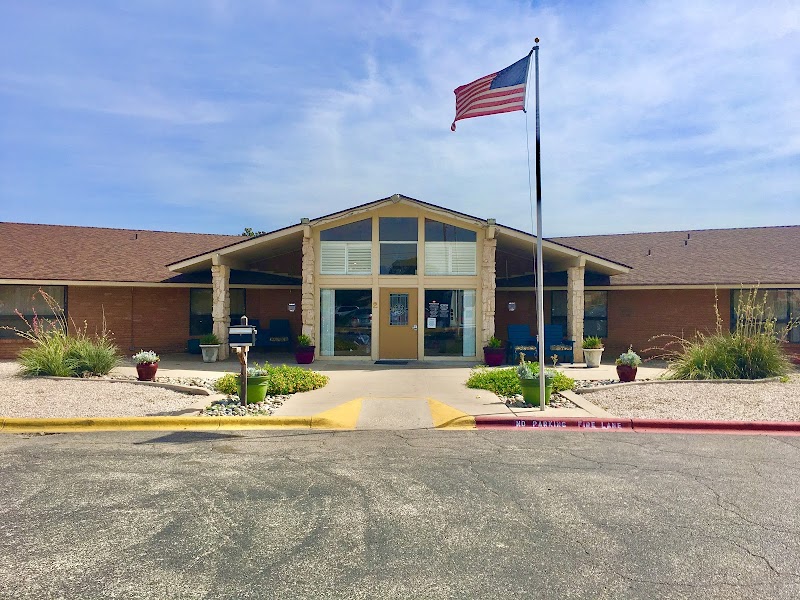
3800 ENGLEWOOD LN, ODESSA, TX 79762 (432) 362-2583
For profit - Corporation 117 Beds CREATIVE SOLUTIONS IN HEALTHCARE Data: November 2025 1 Immediate Jeopardy citation
Trust Grade
41/100
#658 of 1168 in TX
Last Inspection: August 2025

Inspected within the last 6 months. Data reflects current conditions.

Overview

Buena Vida Nursing and Rehab Odessa has received a Trust Grade of D, indicating below-average performance with some significant concerns. They rank #658 out of 1168 facilities in Texas, placing them in the bottom half, but they are #2 out of 6 in Ector County, meaning only one local option is better. The facility's trend is worsening, as the number of issues has increased from 3 in 2024 to 5 in 2025. Staffing is a relative strength, with a turnover rate of 41%, which is below the Texas average of 50%. However, the facility has incurred $13,165 in fines, which is an average amount but still raises red flags about compliance. Regarding RN coverage, it is at an average level, meaning they provide a typical amount of registered nurse oversight. Specific incidents of concern include a resident suffering second-degree burns from a lighter that should not have been in their possession, and medication storage issues where expired insulin was found, possibly risking residents' health. Overall, while there are some strengths in staffing, the facility has significant weaknesses in safety and medication management that families should consider carefully.

Trust Score
D
41/100
In Texas
#658/1168
Bottom 44%
Safety Record
High Risk
Review needed
Inspections
Getting Worse
3 → 5 violations
Staff Stability
○ Average
41% turnover. Near Texas's 48% average. Typical for the industry.
Penalties
✓ Good
$13,165 in fines. Lower than most Texas facilities. Relatively clean record.
Skilled Nurses
⚠ Watch
Each resident gets only 25 minutes of Registered Nurse (RN) attention daily — below average for Texas. Fewer RN minutes means fewer trained eyes watching for problems.
Violations
⚠ Watch
13 deficiencies on record. Higher than average. Multiple issues found across inspections.
★★☆☆☆
2.0
Overall Rating
★★☆☆☆
2.0
Staff Levels
★★★☆☆
3.0
Care Quality
★★☆☆☆
2.0
Inspection Score
Stable
2024: 3 issues
2025: 5 issues

The Good

  • Full Sprinkler Coverage · Fire safety systems throughout facility
  • No fines on record
  • Staff turnover below average (41%)

    7 points below Texas average of 48%

Facility shows strength in fire safety.

The Bad

2-Star Overall Rating

Below Texas average (2.8)

Below average - review inspection findings carefully

Staff Turnover: 41%

Near Texas avg (46%)

Typical for the industry

Federal Fines: $13,165

Below median ($33,413)

Minor penalties assessed

Chain: CREATIVE SOLUTIONS IN HEALTHCARE

Part of a multi-facility chain

Ask about local staffing decisions and management

The Ugly 13 deficiencies on record

1 life-threatening
Aug 2025 3 deficiencies
CONCERN (D) 📢 Someone Reported This

A family member, employee, or ombudsman was alarmed enough to file a formal complaint

Potential for Harm - no one hurt, but risky conditions existed

Accident Prevention (Tag F0689)

Could have caused harm · This affected 1 resident

**NOTE- TERMS IN BRACKETS HAVE BEEN EDITED TO PROTECT CONFIDENTIALITY** Based on observation, interview and record review, the facility failed to ensure each resident received adequate supervision and...

Read full inspector narrative →
**NOTE- TERMS IN BRACKETS HAVE BEEN EDITED TO PROTECT CONFIDENTIALITY** Based on observation, interview and record review, the facility failed to ensure each resident received adequate supervision and assistance devices to prevent accidents for 1 of 4 residents (Resident #81) reviewed for transfers in that: CNA D and LVN C transferred Resident #81 from her bed to her wheelchair by grabbing her from the back of her pants and her under arms. These failures could put residents at risk of accidents and injuries which could result in a reduced quality of life. Findings included: Record review of Resident #81's admission record dated 08/07/2025 indicated she was admitted to the facility on [DATE] with diagnoses of Alzheimer's disease and paraplegia. (Paraplegia is the loss of muscle function in the lower half of the body, including both legs). She was [AGE] years of age. (Paraplegia is the loss of muscle function in the lower half of the body, including both legs). Record review of Resident #81's MDS assessment dated [DATE] indicated in part: Cognitive Skills for Daily Decision Making = Moderately impaired. Functional Abilities - Chair/bed-to-chair transfer: The ability to transfer to and from a bed to a chair (or wheelchair) = Dependent - Helper does all of the effort. Resident does none of the effort to complete the activity. Or, the assistance of 2 or more helpers is required for the resident to complete the activity. Record review of Resident #27's 81's care plan dated 04/17/2025 indicated in part: Focus: The resident has an ADL Self Care Performance Deficit. Goal: The resident will maintain or improve current level of function in (Specify Bed Mobility, Transfers,. Interventions: Transferring: requires staff x2 for assistance During an observation on 08/05/2025 at 12:02 PM CNA D and LVN C transferred Resident #81 from her bed to her wheelchair. Both staff members took the resident from under her arm pits and the back of her pants to transfer her. Resident #81 did not appear to have been bearing weight during the transfer as her legs were partially contracted. During an interview on 08/08/2025 at 8:58 AM LVN C said that she had not transferred Resident #81 safely from her bed to her wheelchair. LVN C said she should have used a gait belt but had forgotten to use one. LVN C said if they did not use a gait belt then it could possibly lead to accidents such as dropping the resident or they themselves getting hurt. During an interview on 08/08/2025 at 9:04 AM CNA D said she should have used a gait belt when they transferred Resident #81 from her bed to the wheelchair. CNA D said she had not used a gait belt because she did not have one readily available and she should have had one. CNA D said they could have dropped or injured the resident by not using a gait belt. During an interview on 08/07/2025 at 04:38 PM the DON said the CNA and nurse should have used a gait belt to transfer Resident #81. The DON said staff used the gait belts to prevent falls or injuries. The DON said the failure probably occurred because the staff got nervous and forgot to use the gait belt. During an interview on 08/07/2025 at 05:12 PM the Administrator said the nursing staff was expected to use a gait belt when transferring residents manually. The Administrator said the nursing staff should have not taken Resident #81 from the back of her pants as that could make the transfer uncomfortable for the resident plus the staff could have dropped her. Review of the facility's undated policy titled Moving a resident bed to chair/chair to bed indicated in part: Purpose - The purposes of this procedure are to allow the resident to be out of his or her bed as much as possible and to provide for safe transferring of the resident. Steps in the procedure. This procedure may require two (2) persons. Position a gait belt around the resident's waist and clasp it. Make sure it is tight enough that only a slight hand movement will guide the patient, but not so tight that you cannot firmly grasp the belt without making the patient uncomfortable. If the resident requires two person (one on each side) should grasp the gait belt and gently stand and turn the resident and sit him or her on the edge of the bed.
CONCERN (D)

Potential for Harm - no one hurt, but risky conditions existed

Infection Control (Tag F0880)

Could have caused harm · This affected 1 resident

**NOTE- TERMS IN BRACKETS HAVE BEEN EDITED TO PROTECT CONFIDENTIALITY** Based on observation, interview, and record review, the facility failed to maintain an infection prevention and control program ...

Read full inspector narrative →
**NOTE- TERMS IN BRACKETS HAVE BEEN EDITED TO PROTECT CONFIDENTIALITY** Based on observation, interview, and record review, the facility failed to maintain an infection prevention and control program designed to provide a safe, sanitary, and comfortable environment to help prevent the development and transmission of communicable diseases and infections for 1 (Resident #7) of 3 residents reviewed for infection control. LVN D failed to use PPE when she administered Resident #7's medication via his IV central line (A central line is a catheter placed into a large vein. A central line provides access to a person's blood supply, which allows the patient to receive medications, fluids or additional blood). This failure could place residents at risk for cross contamination and the spread of infection.Finding include: Record review of Resident #7's admission record dated 08/07/2025 indicated he was admitted to the facility on [DATE] with diabetes with a foot ulcer. He was [AGE] years of age. Record review of Resident #7's care plan dated 04/22/2025 indicated in part: Focus: Resident is on enhanced barrier precautions. Goal: There will not be any transmission of infection from or to the resident. Interventions: Gloves and gown should be donned if any of the following activities are to occur: wound care, enteral feeding care, catheter care or other high-contact activity. Record review of Resident #7's MDS assessment dated [DATE] indicated in part: Does this resident have one or more unhealed pressure ulcers/injuries? Yes. Special Treatments, Procedures, and Programs - IV Medications. Record review of Resident #7's order summary report dated 08/07/2025 indicated in part: Flush IV line with 10 ml of normal saline before and after medication. Aztreonam (antibiotic) Injection Solution Reconstituted 1 GM. Use 1 application intravenously every 8 hours for right heel wound infection for 4 Weeks. Order date 07/28/2025. During an observation on 08/06/2025 at 4:14 PM LVN E administered Resident #7's medication (Aztreonam) via his IV central line. LVN E entered the resident's room, sanitized her hands and put on a pair of gloves. LVN E then took a syringe that contained normal saline fluid and connected it to the IV central line and flushed it. LVN E then connected the antibiotic medication to resident #7's IV central line. LVN E then removed her gloves and was done with the administration. LVN E only wore gloves and not a gown. During an observation and interview on 08/06/2025 at 4:30 PM there was a document posted outside Resident #7's door that indicated the resident was on EBP precautions. The document indicated Enhanced barrier precautions. Providers and staff must also wear gloves and a gown for the following high contact resident care activities - device care or use - central line. LVN E was asked if she was supposed to have used a gown during Resident #7's medication administration, LVN E said she was not sure if she had to and did not recall if she had seen other staff use the gown during medication administration via the IV central line. LVN E said she thought that the reason Resident #7 was on EBP precautions was because he had a pressure sore and PPE had to be worn when wound care was performed. During an interview on 08/07/2025 at 4:32 PM the DON said the expectation was for nursing staff to use PPE when assisting Resident #7 with his central line. The DON said the nurse that assisted Resident #7 should have known she had to use PPE but that the nurse probably got nervous and forgot. The DON said if the nurse did not wear PPE as indicated then it could lead to the resident being exposed to infections. During an interview on 08/07/2025 at 4:50 PM the Administrator said the nursing staff should have worn PPE when they assisted a resident on EBP. The Administrator said if staff did not wear PPE, then it could possibly lead to the spread of infections. Record review of the facility's undated policy titled Enhanced Barrier Precautions indicated in part: Multidrug-resistant organisms (MDROs) transmission is common in long term care (LTC) facilities. Many residents in nursing homes are at increased risk of becoming colonized and developing infections with MDROs. Enhanced Barrier Precautions (EBPs) refer to an infection control intervention designed to reduce transmission of multi-drug resistant organisms that employ targeted gown and glove using high contact resident care activities. EBP are indicated for residents with any of the following: Indwelling medical device examples include central lines. Record review of the facility's policy titled Infection control plan and dated 03/2024 indicated in part: Infection control - The facility will establish and maintain an infection control program designed to provide a safe, sanitary and comfortable environment and to help prevent the development and transmission of disease and infection. The facility will establish an infection control program under which it, investigates, controls and prevents infections in the facility. Decides what procedures, such as isolation, should be applied to an individual resident and maintains a record of incidents and corrective actions related to infections.
CONCERN (E) 📢 Someone Reported This

A family member, employee, or ombudsman was alarmed enough to file a formal complaint

Potential for Harm - no one hurt, but risky conditions existed

Deficiency F0761 (Tag F0761)

Could have caused harm · This affected multiple residents

Based on observation, interview, and record review the facility failed to ensure drugs and biologicals used in the facility were labeled in accordance with currently accepted professional principles, ...

Read full inspector narrative →
Based on observation, interview, and record review the facility failed to ensure drugs and biologicals used in the facility were labeled in accordance with currently accepted professional principles, included the appropriate accessory and cautionary instructions, and the expiration date when applicable for 3 of 3 medication carts (#1, #2 and #3) reviewed for medication storage. The nurse medication carts used for halls 100, 200, 300 and 400 had an insulin vial that had been opened but had no open date. There were insulin pens that had expired since being opened as indicated by the manufacturer's instructions. This failure could place residents at risk of receiving medications that were expired and not produce the desired effect.The findings were: During an observation and interview on 08/05/2025 at 9:04 AM the nurse medication cart #3 used for halls 300 and 400 was inspected with RN A present. There was one insulin pen that had an open date of 06/17/2025. RN A said that insulin pen should have been removed from the cart as it had expired since they were good for thirty days only. RN A said she worked at the facility as needed so she was not at the facility every day. RN A said as far as she knew it was each nurse's responsibility to check the insulins in their cart. RN A said she did not notice that the insulin pen had already expired when she took over the nurse's medication cart. RN A said if an expired insulin was used it might not produce the desired effects. During an observation and interview on 08/05/2025 at 9:14 AM the nurse medication cart #1 used for hall 100 was inspected with LVN B present. There was one insulin pen with an open date of 06/25/2025. LVN B said the insulin pen should have been removed since it had expired. LVN B said it was each nurse's responsibility to check their nurse's medication cart and inspect it for expired medications. LVN B said if a resident received an expired medication that it might not cause the desired effect as it was intended for. During an observation and interview on 08/05/2025 at 9:26 AM the nurse medication cart #2 used for hall 200 was inspected with LVN C present. There was one insulin vial which had been opened but did not have an open date written on it. LVN C said she had not noticed that the vial did not have an open date on it. LVN C said as far as she knew it was each nurse's responsibility to monitor their carts for undated or expired insulin pens and vials. LVN C said if the insulin vial was not dated then they would not know when the insulin would expire as they were good for 30 days after opening. During an interview on 08/07/2025 at 4:34 PM the DON said the expectation was for nursing staff to date the insulin pen or vial after they opened it or else how could they tell when the insulin expired. The DON said once the insulin container was opened they were usually good for 28 to 30 days. The DON said that the expectation was for nursing staff to discard any insulin pens that had expired. The DON said if insulin that had expired was used then it could lead to adverse effects and not be as effective. The DON said it basically was each nurse's responsibility to inspect their medication cart for any expired or undated medications and discard them. The DON believed the failure occurred because the nursing staff failed to inspect their medication carts. During an interview on 08/07/2025 at 4:54 PM the Administrator said the nursing staff should have dated the insulin once they opened it and discarded the expired one. The Administrator said the nurses were expected to inspect their medication carts and remove any expired or non-dated insulins. The Administrator said if an expired insulin was administered then it might not be as effective. Record review of the facility document titled Insulin pen use and dated 4/1/15 indicated in part: Storage instructions. Once you take the insulin pen out of cool storage you can use it for up to 28 days. Ensure that the pen is dated when placed into use. During this time it can be safely kept at room temperature up to 86 degrees Fahrenheit. Do not use it after this time.
Apr 2025 1 deficiency 1 IJ (1 affecting multiple)
CRITICAL (K) 📢 Someone Reported This

A family member, employee, or ombudsman was alarmed enough to file a formal complaint

Immediate Jeopardy (IJ) - the most serious Medicare violation

Accident Prevention (Tag F0689)

Someone could have died · This affected multiple residents

**NOTE- TERMS IN BRACKETS HAVE BEEN EDITED TO PROTECT CONFIDENTIALITY** Based on observation, interview and record review the facility failed to provide supervision to prevent accidents for 5 (Residen...

Read full inspector narrative →
**NOTE- TERMS IN BRACKETS HAVE BEEN EDITED TO PROTECT CONFIDENTIALITY** Based on observation, interview and record review the facility failed to provide supervision to prevent accidents for 5 (Resident #1, Resident #2, Resident #3, Resident#4, and Resident #5) of 11 Residents reviewed for residents having lighters. The facility failed to ensure Resident #1, Resident #2, Resident #3, Resident#4, and Resident #5 were not in possession of an unauthorized lighter. 1 of the 5 residents (Resident #1) used a lighter to burn the gauze bandage, which was secured to her right foot, resulting in second degree burns to her right foot. An Immediate Jeopardy (IJ) situation was identified on 4.4.25. The IJ template was provided to the facility on 4.4.25 at 3:10pm. While the IJ was lowered on 4.6.25 at 5:52 PM, the facility remained out of compliance at a severity level of no actual harm with a potential for more than minimal harm, with a scope of a isolated, due to the facility's need to evaluate the effectiveness of their corrective actions. These failures could put residents at risk of burn injuries related to smoking paraphernalia that is not monitored/secured by the facility. Findings included: Resident #1 was a [AGE] year-old female admitted to the facility on 4.4.24with diagnoses of traumatic amputation, urinary tract infection, cognitive communication deficit, dementia, and type 2 diabetes. Resident #1's Safe Smoking Assessment was completed, dated 3.25.25. Stating resident knew area for smoking, could get to smoking area independently, and that the resident was safe to smoke unsupervised, at this time. Resident #1's quarterly BIMS was completed on 2.27.25 with a score of 13, indicating no cognitive impairment. Resident #2 was a [AGE] year-old male admitted to the facility on 1.10.25 with diagnoses of hypertension, pneumonia, and dementia. Resident #2's Safe Smoking Assessment was completed, dated 3.25.25. Stating resident knew area for smoking, could get to smoking area independently, and that the resident was safe to smoke. Resident #2's initial BIMS was completed on 1.16.25 with a score of 9, indicating moderate cognitive impairment. Resident #3 was a [AGE] year-old male admitted to the facility on 6.7.24 with diagnoses of pneumonia, Alzheimer's disease, and type 2 diabetes. Resident #3's Safe Smoking Assessment was completed, dated 3.25.25. Stating resident knew area for smoking, could get to smoking area independently, and that the resident was safe to smoke. Resident #3's quarterly BIMS was completed on 3.27.25 with a score of 14, indicating no cognitive impairment. Resident #4 was an [AGE] year-old male admitted to the facility on 8.28.20 with diagnoses of hypocalcemia (a condition where the level of calcium in the blood is too low), amputation of leg below left knee, and anemia. Resident #4's Safe Smoking Assessment was completed, dated 3.25.25. Stating resident knew area for smoking, could get to smoking area independently, and that the resident is safe to smoke. Resident #4's quarterly BIMS was completed on 2.20.25 with a score of 13, indicating no cognitive impairment. Resident #5 was a [AGE] year-old female admitted to the facility on 11.21.22 with diagnoses of seizures, anemia, and muscle weakness. Resident #5's Safe Smoking Assessment was completed, dated 3.25.25. Stating resident knew area for smoking, could get to smoking area independently, and that the resident is safe to smoke. Resident #5's quarterly BIMS was completed on 1.8.25 with a score of 13, indicating no cognitive impairment. During an observation on 4.1.25 at 11:15am Resident #1 had one large blister on the side of right foot and 3 smaller blisters on top of the right foot. Record review of EMS report dated 3.31.25 at 8:18 pm indicated: patient stated that she was trying to cut a piece of her bandage off her foot and then light that cut piece on fire. The cut piece was still attached to the rest of the bandage on her foot, and it all caught on fire including her foot. Patient had superficial burns to her right foot. First degree burns 9%. Record review of assessment dated 4.1.25 completed by LVN A (treatment nurse) indicated: Right dorsal with blister 8cm x 4 cm and multiple small blisters on lateral right food. Type of burn: 2nd degree burn. Wound assessment: length 8cm width 4 cm and depth 0.1 cm. Record review of Resident #1's medical record from local hospital dated 3.31.25 indicated: Resident #1 arrived at local hospital for assessment but refused both assessment of burns and treatment. Record review of facility's Event Nurses' Note-Burn dated 4.2.24 by RN A indicated that on 3.31.25 at 6:53 pm- While this nurse was on break, was alerted by staff that resident #1 had set her bandage on fire. Found water on ground where the aid put out fire. Resident was angry and stated that she wanted water on her burn; attempted to explain that we needed immediate treatment at hospital and that they would be able to assess severity of burn. Resident refused initially to go to hospital despite EMS and police presence. Was able to convince resident to go to hospital but resident decided against treatment. Interview with Resident #1 on 4.1.25 at 11:35 am who was alert and oriented to person, place and event stated she had gauze wrapped around her right foot that was hurting and too tight. She stated she requested help and was told someone would be right there. She stated she began to unwrap the gauze off her foot and to cut the gauze she used a lighter. She stated the fire moved quickly down the gauze onto her foot and burned her foot. During an interview on 4.1.25 at 2:10 pm CNA A stated she was working the night of the incident. She stated that she went down to Resident #1's room because her call light was on. She stated she went to her room and the resident stated her wrapping on her foot was too tight and was hurting. She stated she will let the nurse know and come back. She stated she went to the nurse's station and let the nurse know- - because charge nurse was on her break. She stated that nurse said OK give me a few minutes and she will go help the resident. She stated not even 10mins went by and she was walking hallway 100 when she looked into Resident 1's room and there was a fire going on her foot. During an interview on 4.1. 25 at 2:25 pm RN A stated she was on break when the incident occurred. She stated that the resident is usually very good with her. She stated the resident is extremely impatient. She stated that this behavior is very abnormal for the resident. She stated the night of the incident she was in the breakroom on hallway 300. She stated she heard yelling and stopped her break and went to see what was going on. She stated that when she went into the resident's room there was water all over the floor and gauze was singed and wet laying on top of the resident's foot. She stated the resident was yelling in pain. She stated she told staff to call EMS and police to get someone here asap because she was not sure how bad the burn was. She stated the resident was extremely upset and was yelling in pain. She stated she ultimately calmed the resident down. She stated EMS showed up and the resident refused to go with EMS, same with the police that showed up as well. She stated EMS left and told her if she does need them to come back to please call them. She stated about 15min later she convinced the resident to go to the ER and just let them look at it. She stated she called EMS back, the resident went. She stated she is not exactly sure how long it was, but the hospital called stating they are sending the resident back because the resident is refusing everything, and the facility needs to come get her. She stated they got the resident back; she was still very upset. During an interview on 4.1.25 at 2:35 pm RN B stated she was one of the RNs on shift during the incident. She stated that she was sitting at the nurse's station when a CNA went and checked the residents call light and came back to report that Resident #1 was saying her wrapping on her foot was too tight and that she wanted it to be changed. She stated she told the CNA that she would go and look at it shortly, just to let her finish up what she was doing. She stated the next thing she knew; the CNA was walking back down hall 100 and started yelling for help. She stated as she got close to the resident's door the CNA yelled, fire and grabbed a water cup and put out the flame. She stated she saw the water and singed gauze on the resident's foot. She stated shortly after showed up and was the one who started to assess and try to help calm down the resident. She stated police and EMS were contacted. She stated EMS did come to the facility, but the resident would not allow them to assess or help her. She stated EMS left but did return because the resident finally agreed to go to the ER. Interview with Administrator on 4.1.25 at 12:35 pm stated she was contacted by phone at 6:57 pm on 3.31.25 with details of the incident. She stated she went to the facility immediately. She stated she spoke with all 11 smokers, and ultimately confiscated 5 lighters from the Residents. She stated none of the residents could notate exactly where they got the lighters from or how long they had had them for. She stated that they have verbally discussed the procedure with the staff that do take the residents out to smoke, but the facility does not have a written procedure. Interview with Staff A on 4.1.25 at 2:55 pm stated he was not exactly sure how any of the residents got the lighters they had. He stated that there was a possibility that when he handed a resident their lighter to light the cigarette and he never asked for the lighter back. He stated there was a policy in place that he knew about regarding smoking residents, but no procedure in place. Interview with SW on 4.1.25 at 2:40 pm she stated that she does take the residents out to smoke each day. She stated she has no idea how they got the lighters but should not have had them. She stated she is not sure if other employees are giving the residents lighters and not getting the lighters back. Interview with Staff B on 4.2.25 at 2:45 pm stated that she does not believe there is a procedure in place for smoking or taking the residents out to smoke. she stated there is a policy but no actual procedure she can think of that is in place for taking the residents out to smoke. She stated this was why she believed residents had lighters. During an interview with the Administrator on 4.1.25 at 12:05 pm she stated that Resident #1 should not have had a lighter on her person. She stated the incident occurred Monday night, 3.31.25. She stated she came up to the facility immediately. She stated upon speaking with her staff, she understood that Resident #1 was trying to cut the gauze from her foot because it was too tight. She stated Resident #1 used a lighter to cut the gauze resulting in burns to her foot. She stated she never imagined anything like this ever happening. She stated after the incident that night she did rounding on all smoking residents and found that Residents #1, #2, #3, #4, and #5 all had lighters on them. She stated she did confiscate them. She stated the policy states residents are not supposed to have lighters. She stated the policy was not followed and due to this, Resident #1 got injured. During an interview with the DON on 4.1.25 at 12:35 pm she stated she received a call from her staff around 7:00 pm stating that Resident #1 had burned her foot with a lighter. She stated she came up to the facility and upon speaking with her staff, she found out that Resident #1 was trying to remove gauze from her foot because it was too tight. She stated she had never had anything like this happen before. She stated the policy stated that no resident was to have a lighter or anything like that on them. She stated there were multiple other lighters confiscated by the Administrator from other residents. She stated policies and procedures were in place for the residents' safety, but the policy and procedures were not followed. During interview with Resident # 2 on 4.2.25 at 3:15 pm he stated that when he goes out to smoke with the group daily, after the residents were done smoking, he was never asked by any employee if he had a lighter on him. He stated he knows multiple Residents have lighters on them all the time because staff do not ask for them back. He stated he knows about the smoking policy, but never thought about having a lighter as an issue. During an interview with Resident #3 on 4.2.25 at 3:35 pm stated there has been many times where the employees will take the group outside give them everything including the lighter and then go back inside to work. He stated there have been a few times where he will get back to his room and look down and realize he still has the lighter he was given to smoke with outside. He stated the employee's do not ask for the lighters back if they gave lighters to the residents. Interview with DR A stated on 4.1.25 he was informed of the incident and did not know the severity of the burns or how many on the night of the incident 3.31.25. He stated but the blisters started to form on the morning of 4.1.25 and this was communicated to him by LVN A who did an assessment of Resident #1's food. He stated he has no idea where Resident #1 got a lighter, but she should not have had one. Record review of Resident #1's orders dated 4.1.25 indicated Dr. A ordered silver sulfadiazine 1% cream to be used one time a day for burn on foot. During phone interview with NP on 4.3.25 at 12:50 pm she stated she was at the facility on 4.2.25 to see Resident #1. She stated Resident #1 had gauze on right foot that was clean and intact. She stated she did not remove the gauze to assess the injury. Record review of facility policy dated 11.1.17 indicated: 1. Matches, lighters or other ignition sources for smoking are not permitted to be kept or stored in a resident's room. Record review of facility smoking procedure indicated: Facility does not have a written smoking procedure. This was determined to be an Immediate Jeopardy (IJ) on 4.4.25 at 3:10 PM. The Administration was informed of the IJ. The Administrator was provided with the IJ template on 4.4.25 at 3:10. Record review of Plan of Removal accepted on 4.5.25 at 3:37 PM reflected the following: 4/4/25 Plan of Removal Problem: IJ F689 Free of Accidents/Hazards/Supervision/Devices called on 04/04/2025 Interventions: On 3/31/2025 Resident #1 was sent to the emergency department for assessment after initially refusing any treatment. She turned the first away, so a second ambulance had to be dispatched after facility administrator got her agreement. The hospital records did not indicate injury, and she returned to the facility with antibiotic for diagnosis of cellulitis. was contacted and assessed for psychiatric screening for inpatient psychiatric care, the resident refused screen. Resident placed on 1:1 observation until 4/3/2025. Psychiatric services in facility referral were made. All other residents who smoke including those discovered with cigarette lighters had a skin assessment completed on 4/1/2025 with no visible signs of injury related to cigarettes or lighters. On 3/31/2025 the facility administrator, director of nurses and regional compliance swept all resident rooms for items not allowed in resident's rooms and to check for cigarette lighters. They removed those offending items found from the resident rooms. A log was completed with items found of items removed. Facility administrator/DON/Compliance nurse will keep a log of any medications/items to include cigarette lighters not allowed found at bedside during champion rounds five times weekly. Any items discovered will be reported to the DON/Administrator at the time of discovery. On 4/4/2025, the Regional Compliance Nurse in serviced the DON and administrator on items not allowed. If a resident is found with a cigarette lighter, the item is to be removed from the room. Smoke breaks are to be supervised by the facility staff assigned to the scheduled smoke breaks, and residents will not give a lighter to keep during that smoke break. The facility staff member will light the cigarette for the resident and return the lighter to the smoking lock box after use. A log will be placed in the lock box to verify the count of cigarette lighters at the start and end of the smoke break. The facility staff education provided on the new process on 4/3/2025 with a completion date of 4/4/2025. This was done both in person and via Covr. The facility administrator, director of nursing or compliance nurse will review this log 5x weekly for discrepancies. Staff were given a copy of the new process and verbal checks by DON and compliance nurses are being conducted each shift to verify understanding. On 4/4/2025, Regional Compliance Nurse educated the DON/Administrator that this incident and any other incident related to smoking paraphernalia including cigarette lighters to be reviewed monthly by the QAPI committee. The Area Director of Operations or Regional Compliance Nurse attend QAPI committee meetings and will verify continued compliance. On 3/31/2025 nursing staff education was begun by the Director of Nurses with a completion date of 4/4/2025 to ask residents that return from being out of facility to smoke if they have cigarette lighters in possession. If they returned with any items that are not allowed to include cigarette lighters, we are to re-educate and take them items or return them to the family. These incidents are to be reported to the DON/Admin immediately. Facility staff have been given written fact sheets to keep with them during the learning process and verbal questioning is being done of three staff members at least 5 times weekly and PRN. On 3/31/2025, Facility completed education/notification in form of an email to all RPs of residents with a list of the items not allowed in residents rooms to include cigarette lighters and the smoking policy. A physical copy of the items not allowed in residents rooms will be mailed out to resident RP's on 4/5/2025 For all future residents, list of items not allowed in room will be provided upon admission as part of the admission packet. On 3/31/2025 education/in-service begun for all staff by facility director of nursing to reiterate the policy of items not allowed in residents rooms to include cigarette lighters, smoking policy, by phone, COVR (scheduling portal/message board) and in person. Staff will not be able to return to work until education has been provided. Education will be completed by 4/5/2025. Signature or acknowledgement of this education will be confirmed by an audit list. This will be monitored for continuous compliance to include new hires by the Administrator, DON, or Regional Compliance Nurse. Facility staff have been given written fact sheets to keep with them during the learning process and verbal questioning is being done of three staff members at least 5 times weekly and PRN. On 3/31/2025 The Facility provided a copy of list of items not allowed to include cigarette lighters and the smoking policy to residents and keep a singed copy. Residents that are alert but unable to physically sign will be confirmed by two witnesses. This was completed by facility on 4/1/2025. The signed copy is scanned into the documents section of the resident's electronic medical record. 100% was completed and verified by the regional compliance nurse and facility administrator. On 4/4/2025, a sign was placed at the front door of the facility with the items not allowed to include cigarette lighters and the smoking policy for reference and education. On 4/1/2025 The physical environment of all residents was observed to include the closet, nightstands, and any other storage containers to ensure that no cigarette lighters were retained in their room by the facility administrator, director of nurses and the regional compliance nurse. This was completed on 4/1/2025. On 4/4/2025 MD was notified of IJ F689 Free of Accidents/Hazards/Supervision/Devices On 4/4/2025 All facility staff were educated by the director of nursing that no residents may be left alone on the smoking patio, staff are to light the resident cigarettes and return lighter to the receptacle for safe keeping. The facility administrator will review the lighter logs 5x weekly for compliance. All in-service education will be completed by new hires at orientation and before assuming duties in the facility. This will be verified by the Administrator, Director of Nurses, or the Regional Compliance Nurse. Monitoring: Facility department heads or weekend manager on duty will conduct champion rounds 5x a week indefinitely in every resident room and look for items not allowed per written company guidelines to include cigarette lighters. They will remove items not allowed if they identify any then report to DON/Administrator. Monitoring will start 4/5/2025. Regional Compliance Nurse will monitor during weekly visits and ask DON and Administrator what items are not allowed in residents room to include cigarette lighters and what to do if any are identified. They will be questioned about the smoking policy and any identified violations. Monitoring will start 4/5/2025 and will continue for at least 8 weeks and prn thereafter. The administrator / DON will assess five resident rooms for posted items not allowed to include cigarette lighters, 5 days a week to ensure residents do not have any items not allowed in room to include cigarette lighters. Regional Compliance Nurse will assess for compliance with posted items not allowed to include cigarette lighters, once weekly by verification of completion of facility assigned monitoring as listed above and visual verification of five rooms each week. Monitoring will start 4/5/2025and will continue for at least 8 weeks and prn thereafter. Date Facility Asserts Likelihood for Serious Harm No Longer Exists: 4.6.25. Surveyors monitored the facility's Plan of Removal and confirmed it was sufficient to remove the IJ through observations, interviews, and record review from 4.5.25 at 3:37 PM to 4.6.25 at 5:52 PM as follows: During an interview on 4.6.25 at 10:10 am FT stated she is one of the employees that takes them out for the smoke break. M-F 7a to 4p. She does the smoking break from 8:30-8:50 am. She stated she attended an In-service on items not allowed in room-she stated that they went over a list of items residents should not have in their rooms. She stated items such as scissors, lighters, glasses, anything that says, keep out of reach of children, corded things like air dryers, etc. she stated this was done to make sure there is nothing in the room that anyone could hurt themselves with. She stated she was to keep an eye out for any of these items while working throughout the day. She stated if she does find something she would let the DON or Administrator know and they would go take care of it. She stated she attended an in-service on smoking policy-she stated there were no real changes to the smoking policy. She stated it was still to watch the residents if you are the one that takes them out. Residents are to have one cigarette at a time. And that the residents are to not be left alone at any time while outside smoking. She stated that residents should not have lighters or any other smoking related items. She stated she attended an in-service on smoking procedure-she stated that the new process for taking residents out to their smoking break was to get the smoking box which has all residents' cigarettes in it. She stated there was one lighter in the box now and you sign out that one lighter onto the log sheet, also you put the time the smoke break is happening on the log sheet. She stated you give each resident one cigarette, you light the cigarette, do not let resident do it, and watch the residents while they smoke. She stated once everyone has completed their cigarette, and everyone is back inside, you sign the one lighter back in and return the smoke box back to the med room. Record review of in-services completed by FT with signature for the smoking policy on 3.31.25, items not allowed on 4.4.25, and smoking procedure on 4.3.25. During an interview on 4.6.25 at 10:15 am Staff B stated she was the employee Monday through Friday that would take residents out to smoke break from 6:15 am to 6:35 am Monday through Friday. She stated she attended an in-service on items not allowed in room-she stated the discussion covered all items that could be used to hurt themselves or others, may it be intentional or by accident. She stated things like sharp objects, aerosol cans, she said anything that can hurt anyone. She stated if she were to see anything in a resident's room that was not allowed, she would take the item to DON or Administrator and have them explain to the resident why it was not allowed, or she would just inform either one of them of the item. She stated she attended an in-service on smoking policy she stated the smoking policy is pretty much the same, they just went over it. She stated it covers who can smoke, when to smoke, what is allowed, where its allowed. She stated the smoking policy is straight forward. She said oh, an assessment must be completed by any resident that is out there for a safe smoker assessment. She stated she attended an in-service on smoking procedure- she stated the new procedure was to get the box with all the residents' cigarettes in it. She stated that once everyone was outside, she would give each residents a cigarette, if they wanted a second cigarette, they must finish the first one first. She stated she would then light the cigarette for the residents individually, never giving the lighter to any of them. She stated that after everyone was done smoking and back inside, she would fill out the smoking log which indicated how many lighters she started the break with, how many ended with and her signature, with time of the smoke break. Record review of in-services completed by Staff B with signature for the smoking policy on 3.31.25, items not allowed on 3.31.25, and smoking procedure on 4.4.25. During an interview on 4.6.25 at 10:30 am CNA B stated she normally works 6a to 2p. She stated she is one of the employees that will take the residents out on smoke break. She stated she attended an in-service on items not allowed in room, she stated this was one she kind of all did already, but it was nice to see it written. She stated basically while she was working at any time, she was to keep a look out for any items in residents' rooms or on their persons that was not allowed. She stated these items were like scissors, glasses, aerosols, electrical wires, etc. she stated this was being done to protect the residents and make sure everyone is safe in the building and no accidents to occur. She stated she attended an in-service on smoking policy she stated the smoking policy did not change. She stated that it was an overview of the smoking policy and the importance of sticking to it. She stated it covers what residents were allowed to smoke, where they were allowed to go what items should not be left with them etc., she stated it was straight forward. She stated she attended an in-service on smoking procedure she stated that the new procedure is to get the smoking box and check for a lighter and how many. She stated she was to go outside with the residents, hand out 1 smoke to each resident, light the smoke for them, and monitor the residents while they were outside smoking. She stated that she was to fill out the smoking log sheet, which indicated how many lighters smoke break started with, how many ended with, smoke break time and her signature indicated she did take them out and that the lighter was returned. Record review of in-services completed by CNA B with signature for the smoking policy on 3.31.25, items not allowed on 3.31.25, and smoking procedure on 4.4.25. During an observation on 4.6.25 at 10:30 am smoke break with employee CNA B she handed all resident one cigarette at this time, she individually lit the residents a cigarette. She watched all the residents until they were done, and they all headed inside. Once they were all inside, she signed the log she indicated the one lighter was still with her and she returned the box to the med room. Observation of log was documented and fully completed since yesterday 4.5.25. During a phone interview on 4.6.25 at 10:50 am LVN B stated she works Monday through Saturday. She stated she usually takes the residents out for the 10:30pm smoke break every day. She stated that this week was a lot of in-services, covering smoking procedure, smoking policy, and items not allowed. She stated she attended an in-service on items not allowed in room-she stated that the was not just focused on lighters but focused on all items that could be harmful to the resident. She stated that the in-service was done to have all staff look out for lighters, scissors, electrical wires, glass that could break, etc. she stated basically anything that could be used or could be an accident to the resident was removed from the residents' rooms and family member was contacted regarding the item that was removed. She stated she attended an in-service on smoking policy she stated the smoking policy is the same, assessment must be completed on any resident going out to smoke. She stated where they are allowed to smoke, monitoring the resident while smoking. She stated never leaving the residents alone and that none of the items can be kept on the residents that have to do with smoking. She stated she attended an in-service on smoking procedure-she stated the new procedure is to get the smoke box with all the cigarettes for the residents, take the residents out, give each resident 1 smoke, light it for them, once finished if the resident wants a second cigarette they are allowed if the first was completed. She stated once everyone was done smoking, she would fill out the log indicating that she started with one lighter and ended with one lighter. She stated that if she were to find the box with no lighter, she would inform the administrator or don immediately. Record review of in-services completed by LVN B with signature for the smoking policy on 3.31.25, items not allowed on 3.31.25, and smoking procedure on 4.4.25. During an interview on 4.6.25 at 11:10 am HR stated she works m-f from 8a to 5p. she stated she is the staff that takes the resident outs for smoke break at 4pm. She stated she attended an in-service on items not allowed in room she stated that this in-service was over all the items that are not allowed in residents rooms that could cause harm to them or their roommates or anyone in the building. She stated that she was to look out for items such as lighters, electrical devices like coffee makers and items like that. she stated anything that could cause any sort of harm. She stated anything that had a label that stated keep out of reach of children would be removed as well. She stated she was part of the champion rounds which would be done daily by her and other heads of departments. She st[TRUNCATED]
Feb 2025 1 deficiency
CONCERN (D) 📢 Someone Reported This

A family member, employee, or ombudsman was alarmed enough to file a formal complaint

Potential for Harm - no one hurt, but risky conditions existed

Infection Control (Tag F0880)

Could have caused harm · This affected 1 resident

**NOTE- TERMS IN BRACKETS HAVE BEEN EDITED TO PROTECT CONFIDENTIALITY** Based on observation, interview, and record review, the facility failed to maintain an infection prevention and control program ...

Read full inspector narrative →
**NOTE- TERMS IN BRACKETS HAVE BEEN EDITED TO PROTECT CONFIDENTIALITY** Based on observation, interview, and record review, the facility failed to maintain an infection prevention and control program designed to provide a safe, sanitary, and comfortable environment to help prevent the development and transmission of communicable diseases and infections for one (Resident #1) of three residents reviewed for infection control practices. CNA A and CNA B failed to perform hand hygiene and change gloves as appropriate while providing incontinence care to Resident #1 on 02/25/2025. This failure could place residents at risk for cross contamination and the spread of infection. Findings included: Review of Resident #1's face sheet dated 02/27/25, revealed he was a [AGE] year-old male admitted to the facility on [DATE] with diagnoses of Covid-19, gangrene (death of body tissue due to lack of blood flow or infection), acquired absence of right leg above knee (amputation), acquired absence of left leg above knee (amputation), and muscle weakness. Review of Resident #1's quarterly Minimum Data Set (MDS) assessment dated [DATE] revealed Resident #1 required substantial/maximal with most activities of daily living (ADLs) and always incontinent of bowel and bladder. Review of Resident #1's Care Plan dated 03/15/24 revealed he has bowel and bladder incontinence. The goal was for the resident to remain free of skin breakdown due to incontinence and brief use through the review date. Observation on 02/25/25 at 3:30 p.m. of incontinence care on Resident #1 revealed CNA A and CNA B washed their hands before donning gloves. Resident #1's brief was completely soiled with fecal matter. CNA A and CNA B removed Resident #1's soiled brief. CNA A wiped the resident from front to back. The wipes were visibly soiled with fecal matter, but she continued to use it. She did not wash hands, change gloves, or perform any form of hand hygiene before then applying skin protector on Resident #1. CNA A then retrieved the clean brief with same soiled gloves and fastened it to Resident #1. CNA A used the same soiled gloves throughout the incontinent care process. Meanwhile, CNA B who was assisting CNA A wiped the Resident #1's back perineal side after repositioning. She did not change gloves before helping to fasten the clean brief. CNA A picked up the trash and walked out of the resident room without washing hands. CNA B completed incontinence care and washed her hands before exiting Resident #1's room. In an interview on 02/25/25 at 3:41 p.m., CNA A said she had been employed in the facility for 3 months and received infection control training during orientation. CNA A stated cross contamination was combining clean with dirty. CNA A stated she should have changed gloves before applying skin protector, picking up the clean brief and fastening it on Resident #1. She added Resident #1 could get an infection for not following good infection control practice. She added she was nervous and that was reason for not following good infection practice. During interview on 02/25/25 at 3:37 p.m., CNA B revealed cross contamination was going from clean to dirty. She acknowledged she should have changed gloves before fastening Resident #1's clean brief. CNA B stated he had been employed 6 months in the facility and received infection control training 2 months ago. CNA B said Resident #1 could get sick for not changing her gloves. In an interview on 02/27/25 at 11:52 p.m. the DON acknowledged being aware of some of the concerns raised about infection control practice. She explained she and ADON D was responsible for infection control in the facility. They trained and monitored the staffs by watching them do it. The DON stated aides were expected to follow standard precaution including washing hands and changing gloves while providing care. The facility infection control plan updated 03/2022 reflected, The facility will establish and maintain an infection control program designed to provide a safe, sanitary, and comfortable environment and help prevent the development and transmission of disease and infection. The facility perineal care policy dated 04/22/2022 stated the following important points: 1) If heavily soiled, use an incontinence pad, brief, towel, or wipes to remove soiling, from front to back, prior to performing perineal care. 2) Do not wipe more than once with the same surface. 3) Doffing and discarding of gloves are required if visibly soiled. 4) Always perform hand hygiene before and after glove use 5) Do not discard pre-moistened cleansing wipes in the toilet unless they are marked flushable.
Jun 2024 3 deficiencies
CONCERN (D) 📢 Someone Reported This

A family member, employee, or ombudsman was alarmed enough to file a formal complaint

Potential for Harm - no one hurt, but risky conditions existed

Accident Prevention (Tag F0689)

Could have caused harm · This affected 1 resident

**NOTE- TERMS IN BRACKETS HAVE BEEN EDITED TO PROTECT CONFIDENTIALITY** Based on observations, interviews, and record review the facility failed to ensure that the resident's environment remained as f...

Read full inspector narrative →
**NOTE- TERMS IN BRACKETS HAVE BEEN EDITED TO PROTECT CONFIDENTIALITY** Based on observations, interviews, and record review the facility failed to ensure that the resident's environment remained as free of accident hazards as was possible and that each resident received adequate supervision and assistance devices to prevent accidents for one (Resident #19) of two residents reviewed for accidents hazards and supervision. The facility failed to ensure that Resident #19's wheelchair was properly padded to prevent injury to the resident's legs while she used it to move around the facility. This failure could lead to injury and possible infection to the resident. The findings included: Review of Resident #19's admission Record dated 6/26/24 revealed she was an [AGE] year-old female originally admitted to the facility on [DATE] with a most recent admission date of 12/12/23. She had diagnoses which included dementia, major depressive disorder, anxiety disorder, malnutrition, hypothyroidism, and gastro-esophageal reflux disease. Review of Resident #19's Annual MDS assessment dated [DATE] revealed she had a BIMS score of 2 (indicating severe cognitive impairment), she had limited range of motion to one or both lower extremities requiring the use of a wheelchair, she required substantial to maximum assistance for all ADLs, and she was at risk for developing pressure ulcers. Review of Resident #19's Weekly Skin assessment dated [DATE] completed by the Treatment Nurse revealed no documented wounds. Review of Resident #19's Weekly Skin assessment dated [DATE] completed by the Treatment Nurse revealed small skin tear to back of right calf with no measurements documented. Review of Resident #19's Historical Incident Report List on 6/26/24 revealed a fall incident on 6/20/24 with no injuries noted. No other reports were documented in the past four months. Review of Resident #19's Care Plan, most recent revision date 6/26/24, revealed no care plan specifically addressing her risk for injury due to her wheelchair. The care plan did address her risk for skin breakdown/pressure ulcer development and her need for assistance with ADL performance. Observation on 6/26/24 at 9:40 am revealed Resident #19 resting in bed. When this state surveyor spoke to her, she began pulling at the blankets covering her legs. This state surveyor assisted her in revealing her legs and noted an open area on her left calf with 2 steri-strips covering it that were saturated in old, bloody drainage, and a second scabbed over area just below dressed wound with no dressing in place. Resident #19 attempted to communicate in Spanish, so this state surveyor asked the DON to come to the room to translate. Resident #19 was confused in her explanation of how she got the wounds on her left leg. The DON stated that she believed the wounds on Resident 19's legs were from a transfer to her wheelchair which was kept wrapped with sheepskin to prevent further wounds from occurring. The DON stated that the resident had been sent to the ER the previous night for elevated blood pressure, but she (the DON) had not been made aware of any new skin issues and she had not seen the calf wounds before. In an interview on 6/27/24 at 11:40 am the Treatment Nurse stated the wounds on Resident #19's left calf were not present when she completed her weekly skin assessment on 6/17/24. She stated was off work from 6/20/24 until 6/23/24, and she was not sure how the wounds on Resident #19's left leg happened or who dressed them. The Treatment Nurse stated she believed that they happened during a transfer to or from her wheelchair. She stated the staff have wrapped the area of the wheelchair where the footrests hook on in sheepskin to prevent these injuries. She stated that the skin assessment from 6/24/24 said right calf, but due to the way the resident laid in bed with her legs tucked up she (Treatment Nurse) could have mistakenly documented the wrong site. She stated that the shower aides documented skin issues on shower sheets. She stated that the shower sheets [NAME] kept in a book in her office, and she reviewed them resident by resident when she returned from being off (on weekends), and it could take her a while to catch up with all the skin issues identified by the shower aides if she was not told about them directly. In an interview on 6/27/24 at 6:27 pm, when informed that there was no investigation into the cause of the wounds or when they had occurred, the DON stated that she started an investigation. This state surveyor stated that the DON was not aware of the wounds until this state surveyor showed them to her (the DON) on 6/26/24 and that was when she started her investigation. The DON stated that was true. The DON stated that the treatment nurse followed up on newly reported wounds by using the shower sheets that the shower aides documented on. The Administrator and the DON were informed that the wounds had not been documented on Resident #19's shower sheets, nurse's notes, and no incident/accident report had been completed in the past week. The Administrator stated that both the treatment nurse and the shower aide for Resident #19's hall were out of the facility at the end of last week which she (Administrator) felt accounted for the lack of documentation of the wounds. The Administrator and the DON were informed that when this surveyor discovered the wounds, there was a dressing in place on one of the wounds. The DON stated that Resident #19 had not left the facility in the past week and she could not explain where the dressing came from. The DON stated the most likely cause of the wound was the resident's wheelchair, but no one had been able to tell her exactly what happened or when. The DON stated that while she had started an incident/accident report, her investigation was ongoing. The DON stated that the staff had wrapped the section of the resident's wheelchair that the footrests hook on with sheepskin to pad the area and protect the resident's legs, but it slips down, and she planned to work with the therapy department on a better option for protecting the resident's legs. Review of facility policy titled Skin Assessment revision date 8/15/16 revealed, in part: 1. All new admits and residents returning from a hospital stay will have a head-to-toe skin assessment completed by the Treatment Nurse/designee within four (4) hours of the resident's arrival at the facility. a. If the Treatment Nurse/designee is not available, then the charge nurse should complete the skin assessment within four (4) hours of the resident's arrival at the facility. i. The charge nurse will then notify the Treatment Nurse/designee of any skin concerns and complete the appropriate attachments/assessments. ii. The DON or designee, along with the Treatment Nurse/designee and other team members will review for the follow-up assessment and recommendations. Any pressure ulcer should also be care planned. Any alterations in skin integrity will be treated according to physician orders.
CONCERN (D) 📢 Someone Reported This

A family member, employee, or ombudsman was alarmed enough to file a formal complaint

Potential for Harm - no one hurt, but risky conditions existed

Infection Control (Tag F0880)

Could have caused harm · This affected 1 resident

**NOTE- TERMS IN BRACKETS HAVE BEEN EDITED TO PROTECT CONFIDENTIALITY** Based on observations, interviews, and record review, the facility failed to maintain an infection prevention and control progra...

Read full inspector narrative →
**NOTE- TERMS IN BRACKETS HAVE BEEN EDITED TO PROTECT CONFIDENTIALITY** Based on observations, interviews, and record review, the facility failed to maintain an infection prevention and control program designed to provide a safe, sanitary, and comfortable environment to help prevent the development and transmission of communicable diseases and infections for 1 (Resident #79) of 3 residents reviewed for infection control. CNA A failed to wash his hands and change his gloves after they became contaminated during incontinent care while assisting Resident #79. This failure could place residents at risk for cross contamination and the spread of infection. Finding included: Record review of Resident #79's admission record dated 06/25/24 indicated she was admitted to the facility on [DATE] with diagnoses of muscle weakness and reduced mobility. She was [AGE] years of age. Record review of Resident #79's care plan dated 05/24/24 indicated in part: Focus: The resident has bladder incontinence. Goal: The resident will remain free from skin breakdown due to incontinence and brief use through the review date. Interventions: INCONTINENT care at least every 2 hours and apply moisture barrier after each episode. Record review of Resident #79's MDS dated [DATE] indicated in part: BIMS = 11 indicating resident was moderately impaired. Urinary continence = Always incontinent. Bowel continence = Frequently incontinent. During an interview and observation on 06/25/24 at 09:04 AM, CNA A performed incontinent care for Resident # 79. CNA A entered the resident's room, washed his hands, and put some gloves on. The CNA A then undid the resident's brief, took some wet wipes, and wiped the residents' vaginal area. The resident's brief was noted to be soaked with urine. The resident said that whenever she drank some soda, she would urinate a lot. CNA A then turned the resident on her side, while wearing the same gloves he used to wipe the vaginal area, he took the new brief and placed it on the bed by the resident. CNA A noticed the bed sheets were wet with urine, so he undid the sheets, removed his gloves, and left the room to get some clean sheets. CNA A re-entered the room and put on a pair of clean gloves and did not sanitize or wash his hands first. CNA A then proceeded with the incontinent care as he had not yet performed peri-care to the resident's bottom and rectal area. CNA A next applied some skin protection ointment to the resident's buttocks and while still wearing the same gloves, he assisted Resident #79 with getting dressed then fastened a gait belt around the resident and assisted her up into her wheelchair. During an interview on 06/27/24 at 11:46 AM, CNA A said he should have washed or sanitized his hands and changed his gloves before he touched the clean brief. CNA A said he also should have washed or sanitized his hands when he returned back to the room with the clean linen. CNA A said he should have changed his gloves before he fastened the new brief on Resident #79 and helped dress her and transfer her to the wheelchair. CNA A said if he did not wash or sanitize his hands it could lead to cross contamination and spread of infections. During an interview on 06/27/24 at 03:55 PM, the DON said it was expected for the staff to change their gloves once they became contaminated. The DON said the CNA should have washed his hands prior to putting clean gloves on after he returned to the resident's room with the clean linen. The DON said the CNA should have changed his gloves before he assisted Resident #79 with the new brief, dressing, and assisted her out of bed. The DON said the CNA perhaps got nervous and forgot his steps during incontinent care. The DON said the CNA not changing his gloves or washing his hands could lead to cross contamination. The DON said they conducted proficiency checks upon hire and annually. During an interview on 06/27/24 at 04:42 PM the Administrator said it was expected for CNAs to change their gloves once they became contaminated to prevent cross contamination. The Administrator believed the failure occurred because the CNA got nervous and forgot his steps. The Administrator said they conducted proficiency checks to monitor and train staff. Record review of the facility's policy titled Perineal care dated 05/11/2022 indicated in part: It is essential that residents using various devices, absorbent products, external collection devices etc, be checked (and changed as needed) on a scheduled based upon the resident's voiding pattern, professional standards of practice, and the manufacturer's recommendations. Purpose: This procedure aims to maintain the resident dignity and self-worth and reduce embarrassment by providing cleanliness and comfort to the resident, preventing infection and skin irritation, and observing the resident's skin condition. Perform hand hygiene, DON gloves and all other PPE per standard precautions. Gently perform perineal care, wiping from clean, urethral area to dirty rectal area to avoid contaminating the urethral area - clean to dirty. Female resident: Working from front to back, wipe one side of the labia majora, the outside folds or perineal skin that protect the urinary meatus and the vaginal opening. Gently perform care to the buttocks and anal area working from front to back without contaminating the perineal area. Record review of the facility's policy titled Infection control policy & procedure manual 2019 dated 03/2024 indicated in part: Wearing gloves does not replace the need for handwashing because gloves may have small inapparent defects or be torn during use and hands can become contaminated during removal of gloves. Failure to change gloves between resident contacts is an infection control hazard. Recommended techniques for performing hand hygiene with an ABHR - include applying product to the palm of one hand and rubbing hands together covering all surfaces of hands and fingers until the hands are dry. In addition, gloves or the use of baby wipes are not a substitute for hand hygiene. Record review of the facility's undated policy titled Hand Hygiene indicated in part: You may use alcohol-based hand cleaner or soap/water for the following: Before and after assisting a resident with personal care, upon and after coming in contact with a resident's intact skin. After removing gloves or aprons. Record review of the facility's policy titled Infection control plan: overview dated 03/2024 indicated in part: The facility will establish and maintain an infection control program designed to provide a safe sanitary and comfortable environment and to help prevent the development and transmission of disease and infection. The facility will establish an infection control program under which it investigates, controls, and prevents infections in the facility. Decides what procedures such as isolation should be applied to an individual resident and maintains a record of incidents and corrective actions related to infections.
CONCERN (E) 📢 Someone Reported This

A family member, employee, or ombudsman was alarmed enough to file a formal complaint

Potential for Harm - no one hurt, but risky conditions existed

Pharmacy Services (Tag F0755)

Could have caused harm · This affected multiple residents

**NOTE- TERMS IN BRACKETS HAVE BEEN EDITED TO PROTECT CONFIDENTIALITY** Based on interviews and record review, the facility failed to provide pharmaceutical services to ensure accurate administration ...

Read full inspector narrative →
**NOTE- TERMS IN BRACKETS HAVE BEEN EDITED TO PROTECT CONFIDENTIALITY** Based on interviews and record review, the facility failed to provide pharmaceutical services to ensure accurate administration and documentation of medications for 3 of 12 residents (Residents #24, #69, and #43) reviewed for pharmacy services and medication administration. The facility failed to administer blood pressure medications as prescribed for Residents #24 and #69. The facility failed to ensure Resident #43 had parameters outlining when to hold her short-acting insulin. This failure placed residents at risk of inadequate therapeutic outcomes, increased negative side effects, and a decline in health. The findings included: Review of Resident #24's admission Record, dated 6/27/24, revealed he was a [AGE] year-old male admitted to the facility on [DATE] with diagnoses including stroke and hypertension (high blood pressure). Review of Resident #24's Annual MDS assessment dated [DATE], revealed: He scored a 9 of 15 on his mental status exam (indicating moderate cognitive impairment) and showed signs of delirium including inattention and disorganized thinking. Active diagnoses included hypertension. Review of Resident #24's Care Plan, revised on 2/22/24, documented Resident #24 had a diagnosis of hypertension. The goal was Resident #24 would remain free from signs and symptoms of hypertension through the review date. Identified interventions included: Give anti-hypertensive medications as ordered. Monitor for side effects such as orthostatic hypotension (blood pressure dropping when standing) and increased heart rate (tachycardia) and effectiveness. Obtain blood pressure readings at least weekly unless ordered by the physician to be obtained more frequently. Review of Resident #24's Order Summary Report, dated 6/27/24, revealed orders: Metoprolol Tartrate Tablet 50 mg, give 1 tablet by mouth two times a day related to hypertension hold if systolic (blood pressure is) less than 100 or heart rate is less than 60. Start date 5/25/24. Review of Resident #24's June 2024 MAR (6/1/24 through the morning of 6/27/24), revealed: Metoprolol Tartrate Tablet 50mg, give 1 tablet by mouth two times a day related to Essential Hypertension hold if systolic (blood pressure is) less than 100 or heart rate is less than 60. 6/13/24 evening dose (time not specified) Blood Pressure 98/61. The medication was initialed as given by MA F. In an interview on 6/27/24 at 11:53 AM the DON stated Resident #24 had a different doctor and different parameters than other residents and she could see how it could confuse nurses and leave the facility open to errors. The DON said Resident #24's parameters were systolic blood pressure less than 100 or heart rate less than 60. The DON stated on 6/13/24, Resident #24's Blood Pressure was 98/61. The DON confirmed Resident #24 received the medication and he should not have. Review of Resident #69's admission Record dated 6/27/24 revealed she was a [AGE] year-old female admitted to the facility on [DATE] with diagnoses including hypertension. Review of Resident #69's Quarterly MDS Assessment, dated 3/25/24, revealed: She scored a 12 of 15 on her mental status exam (indicating she was moderately cognitively impaired). Active diagnoses included hypertension. Review of Resident #69's Care Plan, revised 3/28/24, revealed: Resident #69 has hypertension related to [blank]. The goal was Resident #69 would remain free of complication related to hypertension through review date. Identified interventions included: Give anti-hypertensive medications as ordered. Monitor for side effects such as orthostatic hypotension (blood pressure dropping when standing) and increased heart rate (tachycardia) and effectiveness. Obtain blood pressure readings at least weekly unless ordered by the physician to be obtained more frequently. Review of Resident #69's Order Summary Report, reviewed 6/27/24, revealed orders for Metoprolol Tartrate Tablet 50mg, give 1 tablet by mouth two times daily for hypertension hold if systolic blood pressure is less than 110 or pulse less than 60. Start date 5/6/24. Review of Resident #69's June 2024 MAR (6/1/24 through the morning of 6/27/24) revealed: 6/10/24 evening blood pressure 106/67. The medication was initialed as given by MA G. 6/17/24 evening blood pressure 105/60. The medication was initialed as given by MA G. In an interview on 6/27/24 at 11:24 p.m. the DON stated Resident #69's blood pressure parameters were to hold her Metoprolol if her systolic blood pressure was less than 110 or pulse less than 60. The DON said on the evening on 6/10/24 Resident #69's blood pressure was 106/67. The DON said the blood pressure medication was given and it should not have been. The DON said on the evening of 6/17/24 Resident #69's blood pressure was 105/60. The DON stated the medication was given and it should not have been. Review of the facility's policy and procedure on Medication Administrator Procedures, revised 10/25/17, revealed: When ordered or indicated, included specific item(s) to monitor (e.g. blood pressure, pulse, blood sugar, weight), frequency (e.g., weekly, daily), timing (e.g. before or after administering the medication), and parameters for notifying the prescriber. Medication errors and adverse drug reactions are immediately reported to the resident's Physician. In addition, the Director of nurses and/or designee should be notified of any medication errors. Any medication error will require a medication error report that includes the error and actions to prevent reoccurrence. Review of Resident #43's admission Record dated 6/27/24 revealed she was a [AGE] year-old female admitted to the facility on [DATE] with diagnoses including Type 2 Diabetes Mellitus (condition that affects how the body uses sugar as a fuel). Review of Resident #43's Annual MDS Assessment, dated 5/30/24, revealed: She scored a 12 of 15 on her mental status exam indicating she was cognitively intact. She needed substantial/maximum assistance with all ADLs except eating. Active diagnoses included diabetes. She received insulin injections 7 of 7 days prior to the assessment. Review of Resident #43's care plan, revised 3/26/24, revealed: Resident #43 had Diabetes Mellitus. The goal was Resident #43 would have no complications related to diabetes through the review date. Identified interventions included: Diabetes medications as ordered by the doctor. Monitor/Document for side effects and effectiveness. Fasting Serum Blood Sugar as ordered by doctor . (blood sugar taken before food was ingested). Review of Resident #43's Order Summary Report, dated 6/27/24, revealed orders: Insulin Gargine Solution (long- acting insulin) 45 units subcutaneously two times a day for diabetes beginning 5/25/24. Novolog Solution (short acting insulin) 12 units subcutaneously before meals for diabetes beginning 6/19/23. Review of Resident #43's Treatment Administration Record for 6/1/24 - 6/27/24 revealed she received Novolog 12 units with her blood sugar below 90 on the following dates: 6/2/24 at 11:30 a.m. blood sugar of 74 by the DON (next blood sugar at 4:30 p.m. was 107) 6/20/24 at 7:30 a.m. blood sugar of 87 by LVN E (11:30 a.m. blood sugar was 113) In an interview on 06/27/24 at 12:20 PM the DON stated Novolog was short acting insulin. She stated the standing parameters on when to hold insulin was to hold when a resident's blood sugar was under 60 and notify the doctor. The DON stated the facility held insulin when the doctor's order specified or when it was discussed with the doctor. The DON said there were no parameters on when to hold Novolog. The DON stated if a resident's blood sugar was 87 and they were given short-acting insulin it would depend on what the resident ate. She stated if the resident was given food within the normal range there should not be any reaction. The DON said she would be comfortable giving insulin to a resident with a blood sugar of 74. The DON said the residents should not be waiting more than 30 minutes between when given insulin and food. The DON stated the nurses knew the residents and they knew who to bring snacks to. The DON said the outcome to the resident to getting insulin if they did not get food within that 30-minute window was their insulin level would drop. The Regional Consultant, who was present, stated the facility always had to notify the physician if they held insulin, but they could wait for the food to arrive, check the blood glucose level, and administer the insulin then. In an interview on 6/27/24 at 5:50 pm when LVN B was asked if she would give a resident with a blood sugar of 74 their scheduled dose of 12 units of fast acting insulin without consulting the physician, she said it would depend on the resident and what they had eaten that day, what their appetite was like, what other diabetic medications they were taking; but generally speaking, no she would not ever feel safe giving that much insulin to a resident with that low of a blood sugar, especially first thing in the morning. She stated that she would hold the dose and call the physician for clarification of the order. She stated that to her knowledge that facility did not have any standing parameters regarding insulin administration and that most of the orders she had seen from the physicians did not have parameters as to when to hold doses and notify the ordering physician. In a follow up interview on 06/27/24 at 06:02 PM the Regional Consultant stated he reviewed Resident #43's record and stated there was no way to say if it was her mental status or her blood sugar that crashed. He said there was no hold parameter on the Novolog. The Regional Consultant stated insulin was given right before meals. He said blood sugars were checked 30 - 60 minutes before breakfast. The Regional Consultant said the resident did not say her blood sugar crashed, he did not have a nurses note saying she crashed, he did not have a doctor saying she crashed, and he did not have a hospital saying her blood sugar crashed. He said he called Resident #43's doctor and got a hold parameter for the Novolog for 90 and to notify the physician if the blood sugar was less than 60. In an interview on 06/27/24 at 06:31 PM, the Administrator was informed of the lack of parameters on holding fast acting insulin for diabetic residents. The Administrator concern was that an outcome for the resident was missed. Review of the facility's policy and procedure on Nursing Care of the Resident with Diabetes Mellitus, dated 5/7/13, revealed Diabetes is a disorder in which there is relative or absolute lack of insulin. Among other things, glucose (sugar) from food cannot be taken up by the cells. Conditions Associated with Diabetes. The following conditions are associated with diabetes: 3. Hypoglycemia (blood sugar below reference ranges). Signs and symptoms of hypoglycemia usually have a sudden onset and may include the following: a. weakness, dizziness, or faintness; b. restlessness and/or muscle twitching; c. tachycardia (increased heart hate); d. pale, cool moist skin; e. excessive perspiration; f. irritability or bizarre changes in behavior; g. blurred or impaired vision; h. headaches; i. numbness of the tongue and lips/ thick speech; j. (more severe) stupor, unconsciousness and/or convulsions; and k. (more severe) coma. If these, or other abnormal conditions exist, notify the physician. 5. Approximate reference range for hypoglycemia are: a. Mild hypoglycemia 55 - 70 mg/dl. Review of the facility's policy and procedure on Notifying the Physician of Change in Status, revised 3/11/13, revealed: The nurse should not hesitate to contact the physician at any time when an assessment and their professional judgement deem it necessary for immediate medical attention. 11. Abnormal lab, x-ray and other diagnostic reports require physician notification. Record review from; NovoLog Flexpen off the internet 6/27/24: Usage, Side Effects, Warnings (drugs.com) NovoLog is a fast-acting insulin that starts to work about 15 minutes after injection, peaks in about 1 hour, and keeps working for 2 to 4 hours. Insulin is a hormone that works by lowering levels of glucose (sugar) in the blood. NovoLog is used to improve blood sugar control in adults and children with diabetes mellitus. Low blood sugar (hypoglycemia) can happen to anyone who has diabetes. Symptoms include headache, hunger, sweating, irritability, dizziness, nausea, and feeling anxious or shaky. To quickly treat low blood sugar, always keep a fast-acting source of sugar with you such as fruit juice, hard candy, crackers, raisins, or non-diet soda.
May 2023 4 deficiencies
CONCERN (D)

Potential for Harm - no one hurt, but risky conditions existed

PASARR Coordination (Tag F0644)

Could have caused harm · This affected 1 resident

**NOTE- TERMS IN BRACKETS HAVE BEEN EDITED TO PROTECT CONFIDENTIALITY** Based on interview and record review the facility failed to coordinate assessments with the pre-admission screening and resident...

Read full inspector narrative →
**NOTE- TERMS IN BRACKETS HAVE BEEN EDITED TO PROTECT CONFIDENTIALITY** Based on interview and record review the facility failed to coordinate assessments with the pre-admission screening and resident review (PASARR) program by referring all residents with newly evident or possible serious mental disorder for level II resident review upon a significant change in status assessment for 1 (Resident #23) of 3 resident's reviewed for PASARR coordination. The facility failed to refer Resident #23 to the local authority for Level 1 PASARR screening after he was given a new diagnosis of schizoaffective disorder. This failure could place residents at risk of not receiving specialized and/or habilitation services as needed to meet their needs. Findings included: Record review of Resident #23 ' s face sheet dated 05/31/2023 reflected he was [AGE] years old, was first admitted to the facility on [DATE] and again on 04/17/2023. Record review of Resident #23 ' s PASRR Level 1 Screening dated 11/18/2021 documented that there was no evidence or indicator that he had a mental illness. Record review of Resident #23 ' s History and Physical dated 11/23/2021 reflected he had diagnoses including dementia, chronic renal insufficiency (kidney failure), and Acute Anxiety. He was being given quetiapine (an antipsychotic) for dementia. Record review of Resident #23 ' s History and Physical dated 04/22/2023 reflected diagnoses of Dementia without behavioral disturbance, unspecified dementia type, and acute anxiety. Record review of Resident #23 ' s quarterly MDS dated [DATE] reflected he had a BIMS of 0 (severe cognitive impairment). He had diagnoses including dementia and Alzheimer ' s Disease, manic depression (bipolar disease), a psychotic disorder and Schizophrenia. Record review of Resident #23 ' s care plan dated 03/16/2023 reflected he required anti-psychotics for behavior management. Record review of Resident #23 ' s electronic diagnosis listing accessed on 05/29/2023 reflected that he had been identified as having a diagnosis of schizophrenia, unspecified on 09/06/2022. Additional diagnoses listed included of mood disorder due to known physiological condition with depressive features; psychotic disorder with delusions due to known physiological condition; anxiety disorder due to known physiological condition; vascular dementia, unspecified severity, without behavioral disturbance; Psychotic disturbance; mood disturbance; anxiety. Record review of Resident #23 ' s physician ' s letter dated 01/17/2023 from a consulting physiatrist reflected that the resident was taking Seroquel (quetiapine) for schizoaffective disorder. In an interview on 05/31/23 at 02:08 PM the MDS LVN Z accessed the Simple LTC portal (software used for reporting PASRR related information) and confirmed that Resident #23 had a PASRR Level 1 screen completed on 11/18/2021 showing no evidence of mental illness, and that no other PASRR related activity had been completed in relation to the resident ' s PASRR status since then (11/18/2021). The MDS LVN Z confirmed that she saw a diagnosis of schizophrenia in Resident #23 ' s electronic record from 09/06/2022 and said it should have triggered a new PASRR Level 1 screen. She said that she did not usually deal with PASRR-related changes for long term residents such as Resident #23, and that the person who handled this had been out of the office for some time. She said that the risk to Resident #23 from not having a new PASRR Level 1 screen was that he might have missed some specialized psychiatric services for which he was eligible. In an interview on 05/31/23 at 02:37 PM the DON said she was not very familiar with the PASRR program but that it pertained to people with disabilities such as mental illness. She said the PASRR program might have provided Resident #23 some extra benefits like psychiatric services and extra health care services, and that the risk to him of not having been screened for the PASRR program was that he would not get those extra benefits. In an interview on 05/31/23 at 02:51 PM the Administrator said that the PASSR program was to provide necessary services to people with qualifying diagnoses such as mental illness or other disabilities. She said that not contacting the local authority to conduct the PASSR Level 1 screening for Resident #23 in response to his new diagnosis could put him at risk of not receiving services which could have been of benefit to him. Record review of the facility policy PASRR Nursing Facility Specialized Services Policy and Procedure revised 03/06/2019 reflected in part that it was the corporate policy to ensure required forms were submitted timely and accurately. The policy did not address how facilities were to respond to new diagnoses for existing facility residents.
CONCERN (D)

Potential for Harm - no one hurt, but risky conditions existed

Respiratory Care (Tag F0695)

Could have caused harm · This affected 1 resident

**NOTE- TERMS IN BRACKETS HAVE BEEN EDITED TO PROTECT CONFIDENTIALITY** Based on observation, interview, and record review the facility failed to ensure that a resident who needs respiratory care is p...

Read full inspector narrative →
**NOTE- TERMS IN BRACKETS HAVE BEEN EDITED TO PROTECT CONFIDENTIALITY** Based on observation, interview, and record review the facility failed to ensure that a resident who needs respiratory care is provided such care, consistent with professional standards of practice for 2 (Resident #22 & #46) of 12 residents observed for oxygen management. Residents #22 & #46, who used on oxygen, did not have oxygen sign posted outside their bedrooms. This failure could place residents on oxygen therapy at risk of receiving incorrect or inadequate oxygen support and decline in health. Findings included: Record review of Resident #22's Face Sheet dated 05/29/2023 revealed admission on [DATE] to the facility. Record review of Resident #22's History and Physical dated 04/06/2023 revealed a [AGE] year-old female diagnosed with morbid (sever) obesity due to excess calories, dementia, neuroleptic induced parkinsonism. Record review of Resident #22's care plan dated 03/30/2023 indicated resident was on oxygen therapy but did not indicate nasal cannulas/mask had to be changed out week. Record review of Resident #22's admission MDS dated [DATE] revealed resident was diagnosed with epilepsy. Resident #22 was receiving oxygen therapy. Observation on 05/29/2023 at 8:01 AM revealed Resident #22 who had her cannula on. Outside of Resident #22's room there was no oxygen sign posted. Record review of Resident #46's Face Sheet dated 05/31/2023 admission on [DATE] and readmission on [DATE] to the facility. Record review of Resident #46's History and Physical dated 05/30/2023 revealed a [AGE] year-old female who was a former smoker for years. Record review of Resident #46's quarterly MDS dated [DATE] revealed she was on oxygen therapy before coming to the facility. Record review of Resident #46's Order Recap dated 05/11/2023 changing oxygen tubing and nasal cannula/mask every night shifts every Sunday for shortness of breath . Record review of Resident #46's Care Plan dated 11/28/2022 revealed altered respiratory, difficulty breathing and shortness of breath. Observation on 05/29/2023 at 9:31 AM Resident #46 had a concentrator with a nasal cannula on Observation on 05/29/2023 at 9:02 AM revealed oxygen was in use in Resident #46's room with no oxygen sign posted outside of the room. Interview on 05/29/2023 at 10:28 AM with LVN F stated an oxygen sign meant that there was a concentrator or tank in use in the resident's room. LVN F stated an oxygen sign lets people know not to smoke or have flammables because the oxygen might blow up. LVN F stated the room needed an oxygen sign because oxygen was in use in the room. LVN F stated the nasal cannula needed to be dated so that nursing staff knows when it was changed. LVN F stated not changing the nasal cannula could have bacteria or could be dirty if not changed as ordered. Interview on 05/29/2023 at 10:35 AM DON stated oxygen signs lets people know there was oxygen use in a resident room who was using oxygen. DON stated the oxygen sign also lets smokers, visitors, and staff know not to smoke. DON stated the risk of not having an oxygen sign posted could be combustion or a blow up. DON stated rooms [ROOM NUMBERS] needed to have an oxygen sign posted as oxygen was in use in the room. DON stated nasal cannulas needed to be dated to prevent infection and to let nursing staff know the expiration of the oxygen tubing. Record review of the facility oxygen administration policy dated 2003 indicated Place no smoking signs in area when oxygen was administered and stored.
CONCERN (E)

Potential for Harm - no one hurt, but risky conditions existed

Deficiency F0604 (Tag F0604)

Could have caused harm · This affected multiple residents

**NOTE- TERMS IN BRACKETS HAVE BEEN EDITED TO PROTECT CONFIDENTIALITY** Based on observation, interview and record review the facility failed to ensure that residents had the right to be free from any...

Read full inspector narrative →
**NOTE- TERMS IN BRACKETS HAVE BEEN EDITED TO PROTECT CONFIDENTIALITY** Based on observation, interview and record review the facility failed to ensure that residents had the right to be free from any physical restraints not required to treat the resident's medical symptoms for two (Residents #11 & #55) of three residents reviewed for physical restraints. 1. Residents #11 & #55 had bolsters (scoop mattresses) on their beds without physician's orders that the bolsters were to treat a medical condition and no assessments used to determine they were the least restrictive measure. There was no restraint-focused assessment completed for Residents #11 & #55 regarding whether the bolsters constituted restraints for them. 2. There was no consent documentation from Resident #11 or Resident #55 or their resident representatives for bolsters to be placed on their beds. This failure put residents at risk of being restrained without consent and an assessment for the need of restraints. Findings included: Resident #11 Record review of Resident #11 ' s face sheet dated 05/30/2023 reflected that she was [AGE] years old, was first admitted to the facility on [DATE] and readmitted on [DATE]. Record review of Resident #11 ' s History and Physical dated 04/13/2022 reflected that she had diagnoses including Cerebral Palsy, intellectual disability, seizure disorder, and aphasia. Resident #11 also had a feeding tube in place. Record review of Resident #11 ' s care plan dated 08/05/2019 reflected in part that she had a self-care deficit, required total assistance with ADLs, and a lift for transfers. She had contractures to her upper and lower extremities. Her care plan for seizure disorder had as a goal that she would be free from injury from seizure activity. Interventions in case of seizures did not include bolsters on her bed. Her care plan for fall risk (revised 05/14/2020) reflected in part may have mattress with raised parameters for safety. Record review of Resident #11 ' s Annual MDS dated [DATE] reflected in part that her BIMS was 0 (severe cognitive impairment). She was dependent on two staff members to move around in bed, transfer between surfaces, use the toilet, and for personal hygiene. The resident had not had any falls since the prior assessment. Record review of Resident #11 ' s physician ' s order dated 08/08/2021 documented that she could have a mattress with raised parameters (bolsters) for resident safety. Record review of Resident #11 ' s electronic Fall Assessment records accessed 05/11/2023 revealed four fall assessments over 2022 with no fall events, and one fall assessment in 2023 with no fall events. Observation of Resident #11 on 05/29/23 at 09:15 AM revealed that she was lying in bed and had contractures to her arms and hands, and to her legs. Her eyes were open, but she did not respond to attempts to greet her or ask for her name. Bolsters extending from hip-level to the foot of the bed covered by fitted sheets were observed on both sides of her bed. The fitted sheet was taut over the bolster and mattress. Her bed was lowered, and a fall mat was beside her bed. In an interview on 05/29/23 at 09:20 AM LVN B said Resident #11 sometimes wiggled in bed and that the bolsters on the bed were so that she did not fall out of bed. In an interview 05/30/23 at 01:20 PM NA A stated that when assisting Resident #11 with personal care she did not reach out to hold onto the assist bars or anything else to assist with personal care. Record review 05/23/2023 of Resident #11 ' s electronic chart in the consents ' area of her electronic chart reflected no consents documented for bolsters on her bed. Resident 55 Record review of Resident 55 ' s face sheet dated 05/30/2023 reflected in part that she was [AGE] years old, was first admitted to the facility on [DATE] and again on 02/14/2023. Record review of Resident 55 ' s History and Physical dated 02/15/2023 reflected that she had diagnoses including Parkinson disease with stiffness and diminished mobility. She had contractures in the hands and parkinsonian tremors. Record review of Resident 55 ' s quarterly MDS dated [DATE] reflected that her BIMS was 8 (moderate cognitive impairment). She was totally dependent on staff to move around in bed, transfer between surfaces, dress and use the toilet. She had functional limitation in range of motion of both her upper and lower extremities. She had no history of falls. Record review on 05/23/2023 of Resident 55 ' s electronic assessment log reflected that she had been assessed on 02/14/2023 as being at high risk for falls. Record review of Resident 55 ' s care plan for a diagnosis of fall risk revised 10/14/2020 reflected in part that she had a mattress with raised perimeters as an intervention. Record review of Resident 55 ' s physician's order dated 04/16/2020 stated the resident could have a mattress with raised perimeters for safety. In observation and interview on 05/29/23 beginning at 09:37 AM Resident #55 was observed in bed. Bolsters extending from hip-level to the foot of the bed and from the top of the bed to one foot from the lower bolster were evident under the fitted sheets on one side of her bed. The other side of the bed was against the wall. The fitted sheet covering the bolsters was taut over the bolsters and mattress. Her bed was lowered, and a fall mat was beside her bed. She was observed to straighten out her legs during the interview. She responded to questions in a very low voice, and she was difficult to understand. She stated that she had Parkinson disease. In an interview and observation on 05/30/23 beginning at 02:45 PM with Resident #55 and CNA C, the resident said sometimes she was able to turn herself by holding onto the sides of the mattress. CNA C said that she had not seen the resident use the mattress or any other device to help with turning because of the contractures of her hands. The resident was observed to have contractures of both hands. In an interview on 05/30/23 at 01:42 PM the Rehabilitation Director said that no assessment was completed by therapy for use of bolsters by Residents #11 or Resident #55. The Rehabilitation Director said that decisions to use bolsters for residents was usually initiated by nursing in response to resident falls or decreased mobility, and the DON usually interacted with the Rehabilitation director in relation to decisions about placing bolsters. In an interview on 05/30/23 at 02:10 PM with the DON the placement of bolsters for Residents #11 and #55 were discussed. She said that Resident #55 may have rolled off the bed because she had a lot of movement at night. She said that Resident #11 tended to squirm a lot which placed her at increased risk for falls. The DON said the decision to place bolsters for a resident depended on the resident's capacity to get out of bed, and the cause and frequency of falls. She said that if a resident was rolling out of bed at night bolsters might be considered, but they would not be used if it restricted the resident ' s ability to get out of bed on their own. She said that if a resident can ' t get out of bed on their own bolsters would not be a restraint. When a policy regarding restraints was requested from the DON she stated that restraints were not used or necessary in the facility setting. In an interview on 05/31/23 at 02:53 PM the Administrator said she was not aware of concerns about restraints for Residents #11 and #55. When the use of bolsters (scoop mattresses) for Residents #11 and #55 was raised, the Administrator stated that the residents were not able to get out bed by themselves so the bolsters could not be considered restraints. In an interview on 05/31/23 at 03:04 PM the Regional Compliance Nurse pointed out that the facility was not using scoop mattresses but was using bolsters, also known as mattresses with perimeters (mattress with bolsters) which did not constitute restraints. He said the bolsters were used for residents who were at risk of falling with the goal of increasing resident safety and minimizing injury. Record review of the facility policy titled Restraints dated 02/01/2007 reflected in part that a physical restraint was any physical \mechanical device, material or equipment adjacent to the resident's body that the resident cannot remove easily which restrict freedom of movement. A physician's order shall be necessary to begin a restraint assessment. Assessment shall include a physical therapy consultation as needed. The resident and/or family member shall be contacted to obtain informed consent if needed.
CONCERN (E)

Potential for Harm - no one hurt, but risky conditions existed

Food Safety (Tag F0812)

Could have caused harm · This affected multiple residents

Based on the observations, interviews, and record review the facility failed to store, prepare, distribute, and serve food in accordance with professional standards for food service safety in 1 of 1 k...

Read full inspector narrative →
Based on the observations, interviews, and record review the facility failed to store, prepare, distribute, and serve food in accordance with professional standards for food service safety in 1 of 1 kitchen reviewed for professional standards for food service safety. A bag of rolls was past the expiration date. The lids and handles of two food storage bins were covered with an accumulation of brown-tinged grime. This failure could place residents at risk of food borne illness. Findings included: Observation on 05/29/2023 at 7:52 AM in the dry storage room of the facility kitchen revealed a large plastic bag of about three dozen wheat rolls with a preparation date of 05/16/2023 and a use by date of 05/25/2023. In an interview on 05/29/2023 at 7:58 [NAME] D said that foods are labeled with date opened/prepared and expiration date which is seven days after preparation or opening. She said that the wheat rolls were prepared in the facility and had expired and so had to be thrown out. She said she saw the dietary manager check food expiration dates daily but that the dietary manager was out of town because of a death in the family. She did not know who was to take over this duty when the dietary manager was out of town. Observation on 05/29/2023 at 8:14 AM in the dry storage room of the facility kitchen revealed two large storage bins that were marked Sugar and Flour. The lids and handles for opening the bins both had accumulations of brown-tinged grime. The sugar bin had sugar crystals adhered to the lid and handle. In an interview on 05/29/2023 at 8:16 AM [NAME] D said that the tops of the flour and sugar bins were not clean. She said that the dietary manager was responsible for making sure the kitchen was clean, but the dietary manager was out of town for a family emergency. She said the kitchen staff did get training on infection control and the dirty food bins posed a risk for cross-contamination which could cause residents to get sick. In an interview on 05/29/2024 at 8:24 AM [NAME] E said that every kitchen worker was given responsibilities for keeping the kitchen clean. She said that the Dietary Aides were supposed to keep the floor of the dry storage room but did not know who was responsible for cleaning the food storage bins clean. In an interview on 05/30/2023 at 8:00 AM the Administrator said that the day before the cook had disposed of the rolls because they were outside the seven-day window for safe food storage. She said that no one had primary responsibility for making sure foods were not beyond the expiration date or that food storage bins were clean but that ultimately the responsibility fell to the kitchen supervisor. The kitchen supervisor was out of town due to a family emergency. The Administrator said that the expired rolls were thrown out because they might not be edible and could put residents at risk of illness. Record review of the facility policy Food Storage and Supplies dated 2012 reflected in part that facility storage areas will be maintained in an orderly manner that preserves the condition of food. Dry bulk foods (e.g., flour, sugar) are stored in containers that are cleaned regularly. The policy did not address expiration time frames for in-house prepared foods such as the rolls.
Mar 2023 1 deficiency
CONCERN (D) 📢 Someone Reported This

A family member, employee, or ombudsman was alarmed enough to file a formal complaint

Potential for Harm - no one hurt, but risky conditions existed

Deficiency F0624 (Tag F0624)

Could have caused harm · This affected 1 resident

**NOTE- TERMS IN BRACKETS HAVE BEEN EDITED TO PROTECT CONFIDENTIALITY** Based on interview and record review, the facility failed to provide and document sufficient preparation and orientation to resi...

Read full inspector narrative →
**NOTE- TERMS IN BRACKETS HAVE BEEN EDITED TO PROTECT CONFIDENTIALITY** Based on interview and record review, the facility failed to provide and document sufficient preparation and orientation to residents to ensure safe and orderly transfer and discharge from the facility provided in a form and manner that the resident could understand for 2 (Resident #4 and Resident #1) of 3 residents reviewed for discharge. The facility did not provide or document adequate and sufficient preparation and orientation to ensure a safe and orderly discharge for Resident #4 and Resident #1 into the community. This failure could place resident at risks of being discharged and not allowed to return to the facility, causing a disruption in their care and/or services and denying them a voice regarding their treatment plan. Findings include: Record review of Resident #4's Face Sheet, dated 03/17/20223, revealed she was an [AGE] year-old-female was an admission date of 01/11/2023 and a discharge date of 02/17/2023. Diagnoses included Sepsis (body's extreme response to an infection) Unspecified Organism, Essential (Primary) Hypertension (abnormally high blood pressure that is not the result of a medical condition), Heart Failure, Muscle Weakness, and Chronic Kidney Disease, Stage 3 (kidneys have mild to moderate damage and are less able to filter waste and fluid out of your blood). Record review of Resident #4's admission MDS, dated [DATE], revealed a BIMS of 15, which indicted intact cognitive response. Review of the Functional Status section revealed Resident #4 required extensive assistance with one-person physical assist in the areas of transfers, dressing, toilet use, and personal hygiene. Section Q of the MDS revealed Resident #4 was not actively participating in discharging planning and was uncertain if she would return to the community. Record review of Resident #4's Care Plan, dated 01/18/2023, revealed there was no focus or goal to return to the community. Record review of Resident #4's Care Plan, dated 02/21/2023, revealed there was no focus or goal to return to the community and showed a cancellation date of all goals and interventions on 02/21/2023. Record review of Resident #4 Doctor's Order for Discharge, dated 02/16/2023, revealed the physician discharged Resident #1 to home with home health and wheelchair. During an interview on 03/19/2023 at 3:54 p.m., Resident #4's family member said Resident #4 was discharged from the facility on 2/17/2023. Resident #4's family member said he was contacted by the Social Worker by email on 02/15/2023, who informed him Resident #4 had been determined ready for discharge on [DATE]. Resident #4's family member said he questioned Resident #4's ability to take care of herself and requested a sitter. Resident #4's family member said when he picked Resident #4 up on 02/17/2023, he was told by staff that a box on the Medicaid application was not checked for long-term-care to ensure Resident #4 had insurance and Resident #4's Medicare was no longer covering Resident #4's nursing home services effective 02/01/2023. Resident #4's family member said the facility did not help Resident #4 find assistance while she was at home. Resident #4's family member said a home health agency was sent a referral packet for Resident #4 on 02/18/2023, the day after Resident #4 was discharged when she needed services in place prior to leaving the nursing home. Resident #4's family member said the nursing facility did not explain to him or to Resident #4 that the referred agency could not provide a sitter and Resident #4's family member said he had been staying with Resident #4 in her home due to her need for 24-hour care and Resident #4 could not be left alone. Resident #4's family member said he did not attend a care plan meeting or receive a discharge plan with written instructions on how to care for Resident #4. Resident #4's family member said he was not provided information on what options he had when Medicare was stopped covering services. He said he called the state and filled out a Medicaid application two day ago because Resident #4 required assistance. Resident #4's family member said Resident #4 was going to stay in the nursing facility long-term due to her health issues and the family living situation. During an interview on 3/20/2023 at 10:15 a.m., the Social Worker said she was notified by the Business Office Manager and the Administrator that Resident #4 was being discharged . The Social Worker said Resident #4 was being discharged due financial issues and she had informed Resident #4's family member to let him know Resident #4 would be discharged on that day, 02/17/2023. The Social Worker said Resident #4's family member voiced concern that Resident #4 would not be able to care for herself at home and would need 24-hour care. The Social Worker said she explained information about an agency that could be used that would provide a sitter but he would have to pay out of pocket for the service. The Social Worker said she sent a packet to the agency she recommended on 02/18/2023 at the request of Resident #4's family member and the agency would schedule a visit to meet with Resident #4. The Social Worker said the IDT was not involved with the discharge process and no discharge plan was developed. The Social Worker said was not familiar with discharge planning or developing a discharge plan. During an interview on 03/20/2023 at 12:42 p.m., the DON said Resident #4 was discharged because she was medically ready to be discharged as determined by the OT and PT evaluations and Resident #4 had never had the intention to stay long-term. The DON said she had no concerns about Resident #4 being discharged and the physician had provided discharge orders. The DON said based on Resident #4's BIM score and the doctor's orders, she felt Resident #4 could discharge safely. Record review of Resident #4's Occupational Therapy OT Evaluation & Plan of Treatment, dated 1/11/2023, revealed Resident #4's clinical impressions were moderate to maximum assistance for self-cares and mobility, had decreased cognition, and was hard of hearing. Resident #4 presented with impairments of balance, dexterity, fine motor coordination, gross motor coordination, mobility and strength resulting in limitations and/or participation restrictions in the areas of mobility and self-care. Record review of Resident #4's Physical Therapy PT Evaluation & Plan of Treatment, dated 1/13//2023, revealed Resident #4 was as a fall risk, hard of hearing, limited safety awareness, physical impairments and associated functional deficits. Record revealed Resident #4 was at for further decline in function, falls, and increased dependency upon caregivers. Record review of email correspondence, dated 02/15/2023, revealed the Social Worker contacted Resident #4's family member by email on 02/15/2023 to notify Resident #4 was being discharged . Resident #4's family member responded that Resident #4 would on be able to go home if she had heavy home health care and Resident #4 had fallen four times prior to going into the hospital because of no sitter in the past. Closed record review of Resident #1's Face Sheet, dated 3/16/2023, revealed she was a [AGE] year-old-female with an admission date of 01/27/2023 and a discharge date of 03/10/2023. Diagnoses included Chronic Kidney Disease, Stage 5 (end-stage kidney disease means kidneys are about to or have failed), Type II Diabetes Mellitus (abnormal high blood sugars) with Unspecified Complications, Dependence on Renal Dialysis, and Myopathy (general term referring to any disease that affects the muscles that control voluntary movement in the body). Record review of the Face Sheet did not include Resident #1's family member as the power of attorney or emergency contact person and listed no contact information. Closed record review of Resident #1's admission MDS, dated [DATE], revealed a BIMS of 15, which indicated intact cognitive response. Review of the Functional Status section revealed Resident #1 required extensive assistance with 2-person physical assist in the areas of bed mobility, transfers, and dressing. Section Q of the MDS indicated Resident #1 wanted to be asked about returning to community on all assessments. During an interview on 03/16/2023 at 6:15 p.m., Resident #1's family member said she had received a call on or about 03/08/2023, from the Business Office Manager of the nursing facility telling her Resident #1 was going to be discharged due to non-payment. She said this was the first time she was aware that Resident #1 had an issue with payment. Resident #1's family member said the Business Office Manager told her Resident #1's Medicaid had been denied. Resident #1's family member said the call or correspondence she received was a call on Friday, 3/10/2023, at approximately 6:09 p.m. from the facility Van Driver who informed her he was dropping Resident #1 off at Resident #1's apartment. Resident #1's family member said when she arrived at the apartment approximately 45 minutes later, Resident #1 was at the apartment by herself, sitting in her wheelchair. Resident #1's family member said she was not notified that Resident #1 was going to be discharged on 03/10/2023. Resident #1's family said she had not heard from the facility since the first phone call on 3/08/2023 and had expected the facility to notify her prior to Resident #1 being discharged or at least provide her time to make arrangements. Resident #1's family member said she had financial Power of Attorney for Resident #1. Resident #1's family member said on 03/11/2023, she met with the Administrator at the facility and asked to see the paperwork that Resident #1 signed to discharge herself. Resident #1's family member said she was told by the Administrator that Resident #1 could verbally say she wanted to move out. Resident #1's family member said she asked the Administrator why there was no paperwork provided with Resident #1 on how to manage her medication and Resident #1's family member said the Administrator informed her the instructions on the medications were provided verbally to Resident #1. Resident #1's family member said she did not receive a care plan or any written instructions on the discharge of Residents #1. During an interview on 03/17/2023 at 9:15 a.m., Resident #1 said she remembered being dropped off at her apartment but said no one at the facility had told her she was leaving on that day. Resident #1 said she had a conversation with the Administrator about Medicaid and the need to pay the nursing home, but she was not aware she was going home on that day. Resident #1 said the Van Driver picked her up from dialysis and took her to her apartment. Resident #1 said she was told by the Administrator and Business Office Manager that she was going to lose her VA benefits and would have to pay out of Resident #1's savings because the nursing facility had heard she had received $21,000 from the VA. Resident #1 said she did not want to pay the money but did not know she was being discharged from the nursing facility on that day. Resident #1 said no one at the facility had discussed services with her or her family. Resident #1 said she did not receive a written care plan. During an interview on 03/17/2023 at 12:08 p.m., the Van Driver said he had been at the facility for approximately two years. The Van Driver said on 03/10/2023 at approximately 6:00 p.m., he had picked Resident #1 up from dialysis and drove Resident #1 to her apartment. The Van Driver said he was instructed to pick up Resident #4 and take her to her apartment from dialysis. The Van Driver said he was informed by the Social Worker and Business Office Manager approximately a week before that Resident #1 was going to be discharged . The Van Driver said the discharge was due to money issues and that was all he was aware of, and Resident #1 wanted to go home. The Van Driver said he did not leave paperwork with Resident #1 because he had not received paperwork from the Administrator or Social Worker. The Van Driver said there was no care plan that he was aware of. The Van Driver said he left a bag of medication and Resident #1's dialysis book. During an interview on 03/17/2023 at 12:58 p.m., LVN A said she had been at the facility for three years. LVN A said Resident #1 was discharged after dialysis on Friday, 03/10/2023. LVN A said she was given Resident #1's medication and filled out the Medication Release/Receipt Form. LVN A said the form was the count of Resident #1's medication and LVN A said she went over the form with Resident #1 and Resident #1 signed the form. During an interview on 03/17/2023 at 1:25 p.m., the Business Office Manager said she had been at the facility for four years. The Business Office Manager said Resident #1 was admitted to the facility on [DATE] pending Medicaid. The Business Office Manager said she had received a phone call from Medicaid on 03/08/2023 that Resident #1's Medicaid would be denied unless Resident #1 spent down money withdrawn from a savings account. The Business Office Manager said Resident #1 was not denied at this time, but her Medicaid was pending explanation of Resident #1's savings account asset of $21,000. The Business Office Manager said Medicaid had reported Resident #1 had withdrawn a large amount of money from a checking account prior to admission into the facility and Medicaid wanted Resident #1 to explain the asset. The Business Office Manager said she informed Resident #1 and Resident #1's family member on 03/08/2023 concerning the issue. The Business Office Manager said Resident #1 stated she wanted to go home. The Business Office Manager said Resident #1 was discharged on 03/10/2023. The Business Office Manager said she was not aware Resident #1's family member was Resident #1's financial Power of Attorney. The Business Office Manager said the only time she spoke with Resident #1's family member was on 03/08/2023 when the Medicaid was discussed. During an interview on 03/17/2023 at 1:45 p.m., the Social Worker said she had been at the facility for approximately one year. The Social Worker said she was informed by the Business Office Manager and Administrator that Resident #1 was going to be discharged . The Social Worker said she had a final conversation with Resident #1 on 03/08/2023 and attempted to contact Resident #1's family member but did not have the phone number. The Social Worker said the phone number was not in Resident #1's records and Resident #1 would not provide her the number. The Social Worker said she did not complete a discharge plan because she was not aware she was assigned to complete the document. The Social Worker said she wanted to provide services such as transportation to dialysis but Resident #1 refused. The Social Worker said she did not complete discharge planning because Resident #1 refused. The Social Worker said the information and details of the conversations were not written or documented in Resident 1#'s records. During an interview on 03/18/2023 at 12:20 p.m., the Administrator said she had been at the facility for 2 ½ years. The Administrator said Resident #1 was discharged because she wanted to go home and the discharge was a resident-initiated discharge. The Administrator said when Resident #1 was given the option to either private pay or discharge, Resident #1 said she would go home. The Administrator said she spoke with Resident #1 and confirmed Resident #1 did not want to private pay for her services and wanted to go home and her family member would take care of her. The Administrator said she did not contact Resident #1's family member because the Administrator did not have Resident #1's family member's phone number. The Administrator said Resident #1 told her she had called her family member and the phone number was in her phone. The Administrator said discharge planning would have been completed by social services. The Administrator said Resident #1 refused to discuss her options concerning moving back into her apartment and could have refused discharge planning with the Social Worker. The Administrator said it was her expectation that discharge planning be completed and a discharge plan developed prior to discharge. The Administrator said even though a resident refused discharge planning, the facility was responsible for discharge planning and completing the discharge summary. The Administrator said Resident #1 did not sign any forms prior to leaving the facility and her expectation was for Resident #1 to ride the bus to dialysis. During an interview on 03/18/2023 at 1:29 p.m., the DON said she had been at the facility for six years. The DON said Resident #1 was discharged due to issues with her finances and would have had to spend down her money in order to qualify for Medicaid. The DON said Resident #1 was not denied at this time, but her Medicaid was pending explanation of Resident #1's savings account asset. The DON said Resident #1 chose to move back home. The DON said she did not have any concerns about Resident #1 leaving the facility because Resident #1 had told her a family member would take care of her. The DON said she had concerns of Resident #1 taking her blood pressure prior to taking her medication and said if she did not have a family member with her, Resident #1 was unsafe transferring from her wheelchair. The DON said the doctor had written discharge orders to include home health, but Resident #1 refused home health services because Resident #1 would have to pay for the services out her money. The DON said the Social Worker would assist Resident #1 if outside community services were needed, which would be part of the discharge planning. Record review of Resident #1's Progress Note, dated 03/08/2023, revealed the Social Worker documented that the Business Office Manager and she spoke with Resident #1 regarding discharge and her options to pay private in the facility due to having money to cover to the end of the month until her Medicare started back on 4/1/2023. The note further documented the Social Worker documented the Resident #1 declined and wanted to go home and the Social Worker said Resident #1 understood she would not be eligible for home health unless she paid out of her pocket until Medicare became available to Resident #1. Record review of Resident #1's Progress Note, dated 03/10/2023, revealed Resident #1 was discharged on 03/10/2023 with no documentation on the specific details of the discharge. Closed record review: Record review of the document Statutory Durable Power of Attorney, dated 10/20/2022, revealed a family member of Resident #1 was appointed as Resident #1's General Power of Attorney for financial powers and rights. The document was signed and dated by Resident #1 and notarized on 10/20/2022. Resident #1's family member provided a copy of the document. Surveyor found Resident #1's family member's phone number in the admission paperwork sent with Resident #1 when she was transferred from a different nursing facility on 1/27/2023. Record review of Medication and Release/Receipt, dated 3/10/2023, revealed Med Aide A completed the form, which the name, dosage, prescription number, and the total amount of medication. The form was signed by Resident #1 and LVN A. There was no evidence Resident #1 was provided a copy of this form. Record review of Resident #1's Care Plan, dated 02/28/2023, revealed there was no focus or goal to return to the community and discharge focus, interventions, or goals. Record review of Resident #1 Doctor's Order for Discharge, dated 03/07/2023, revealed the physician discharged Resident #1 to home with home health and wheelchair. Record review of Discharge Planning Process Policy, dated 11/28/2016, revealed the nursing facility must complete discharge planning when they anticipate discharging a resident to private resident, or another type of residential facility. Discharge Planning included: Developing an interdisciplinary team discharge plan designed to ensure the resident's needs will be met after discharge from the facility, including resident and family/caregiver education needs; Assisting the resident and family/caregivers in locating and coordinating post-discharge services. Review revealed the Post Discharge Plan must indicate where the resident will reside, any arrangements that have been for the resident's follow up care, and any post discharge medical or non-medical services.
Understanding Severity Codes (click to expand)
Life-Threatening (Immediate Jeopardy)
J - Isolated K - Pattern L - Widespread
Actual Harm
G - Isolated H - Pattern I - Widespread
Potential for Harm
D - Isolated E - Pattern F - Widespread
No Harm (Minor)
A - Isolated B - Pattern C - Widespread

Questions to Ask on Your Visit

  • "What changes have you made since the serious inspection findings?"
  • "Can I speak with families of current residents?"
  • "What's your RN coverage like on weekends and overnight?"

Our Honest Assessment

Strengths
  • • 41% turnover. Below Texas's 48% average. Good staff retention means consistent care.
Concerns
  • • Multiple safety concerns identified: 1 life-threatening violation(s). Review inspection reports carefully.
  • • 13 deficiencies on record, including 1 critical (life-threatening) violation. These warrant careful review before choosing this facility.
  • • $13,165 in fines. Above average for Texas. Some compliance problems on record.
  • • Grade D (41/100). Below average facility with significant concerns.
Bottom line: Trust Score of 41/100 indicates significant concerns. Thoroughly evaluate alternatives.

About This Facility

What is Buena Vida Nursing And Rehab Odessa's CMS Rating?

CMS assigns BUENA VIDA NURSING AND REHAB ODESSA an overall rating of 2 out of 5 stars, which is considered below average nationally. Within Texas, this rating places the facility higher than 0% of the state's 100 nursing homes. A rating at this level reflects concerns identified through health inspections, staffing assessments, or quality measures that families should carefully consider.
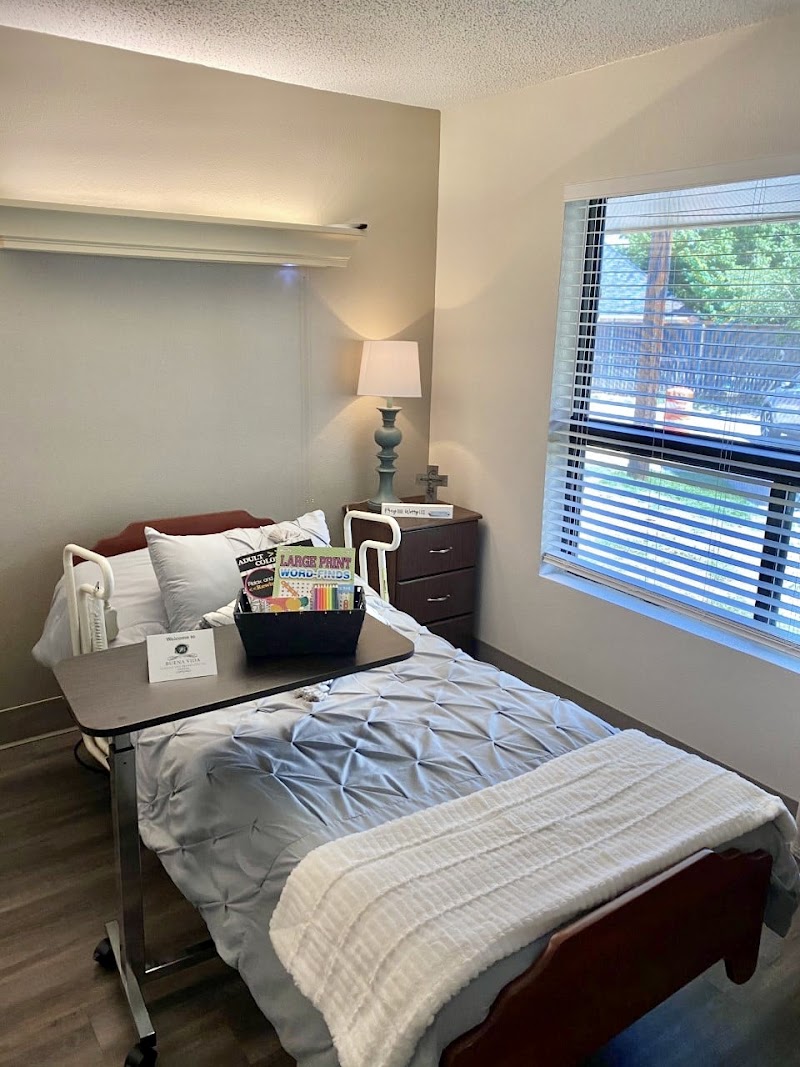
How is Buena Vida Nursing And Rehab Odessa Staffed?

CMS rates BUENA VIDA NURSING AND REHAB ODESSA's staffing level at 2 out of 5 stars, which is below average compared to other nursing homes. Staff turnover is 41%, compared to the Texas average of 46%. This relatively stable workforce can support continuity of care.

What Have Inspectors Found at Buena Vida Nursing And Rehab Odessa?

State health inspectors documented 13 deficiencies at BUENA VIDA NURSING AND REHAB ODESSA during 2023 to 2025. These included: 1 Immediate Jeopardy (the most serious level, indicating potential for serious harm or death) and 12 with potential for harm. Immediate Jeopardy findings are rare and represent the most serious regulatory concerns. They require immediate corrective action.
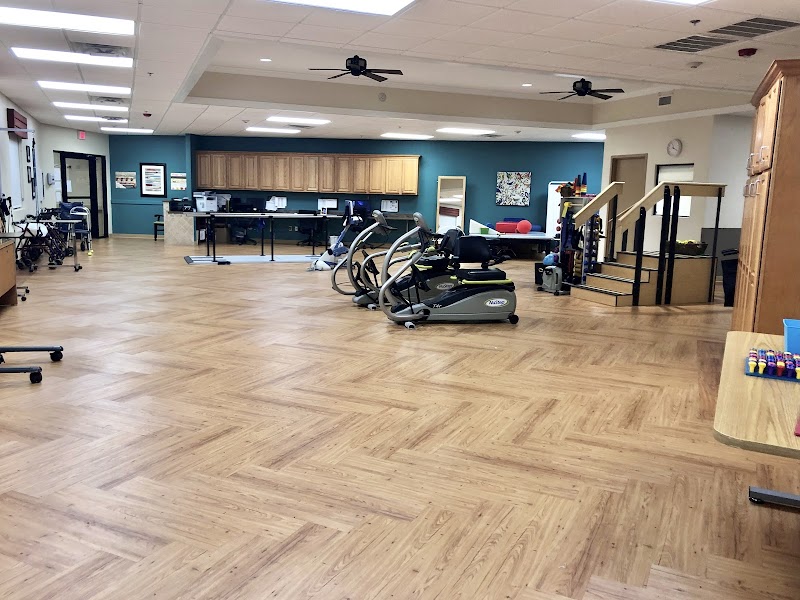
Who Owns and Operates Buena Vida Nursing And Rehab Odessa?

BUENA VIDA NURSING AND REHAB ODESSA is owned by a for-profit company. For-profit facilities operate as businesses with obligations to shareholders or private owners. The facility is operated by CREATIVE SOLUTIONS IN HEALTHCARE, a chain that manages multiple nursing homes. With 117 certified beds and approximately 82 residents (about 70% occupancy), it is a mid-sized facility located in ODESSA, Texas.
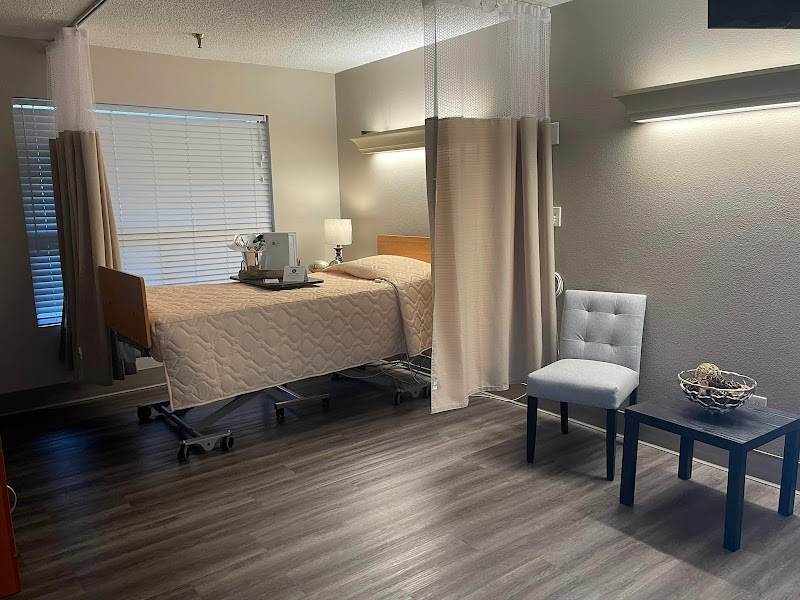
How Does Buena Vida Nursing And Rehab Odessa Compare to Other Texas Nursing Homes?

Compared to the 100 nursing homes in Texas, BUENA VIDA NURSING AND REHAB ODESSA's overall rating (2 stars) is below the state average of 2.8, staff turnover (41%) is near the state average of 46%, and health inspection rating (2 stars) is below the national benchmark.

What Should Families Ask When Visiting Buena Vida Nursing And Rehab Odessa?

Based on this facility's data, families visiting should ask: "What changes have been made since the serious inspection findings, and how are you preventing similar issues?" "Can you walk me through typical staffing levels on day, evening, and night shifts?" "Can I visit during a mealtime to observe dining assistance and food quality?" "How do you handle medical emergencies, and what is your hospital transfer rate?" These questions are particularly relevant given the facility's Immediate Jeopardy citations and the below-average staffing rating.

Is Buena Vida Nursing And Rehab Odessa Safe?

Based on CMS inspection data, BUENA VIDA NURSING AND REHAB ODESSA has documented safety concerns. Inspectors have issued 1 Immediate Jeopardy citation (the most serious violation level indicating risk of serious injury or death). The facility has a 2-star overall rating and ranks #100 of 100 nursing homes in Texas. Families considering this facility should ask detailed questions about what corrective actions have been taken since these incidents.

Do Nurses at Buena Vida Nursing And Rehab Odessa Stick Around?

BUENA VIDA NURSING AND REHAB ODESSA has a staff turnover rate of 41%, which is about average for Texas nursing homes (state average: 46%). Moderate turnover is common in nursing homes, but families should still ask about staff tenure and how the facility maintains care continuity when employees leave.

Was Buena Vida Nursing And Rehab Odessa Ever Fined?

BUENA VIDA NURSING AND REHAB ODESSA has been fined $13,165 across 1 penalty action. This is below the Texas average of $33,211. While any fine indicates a compliance issue, fines under $50,000 are relatively common and typically reflect isolated problems that were subsequently corrected. Families should ask what specific issues led to these fines and confirm they've been resolved.

Is Buena Vida Nursing And Rehab Odessa on Any Federal Watch List?

BUENA VIDA NURSING AND REHAB ODESSA is not on any federal watch list. The most significant is the Special Focus Facility (SFF) program, which identifies the bottom 1% of nursing homes nationally based on persistent, serious quality problems. Not being on this list means the facility has avoided the pattern of deficiencies that triggers enhanced federal oversight. This is a positive indicator, though families should still review the facility's inspection history directly.