RUNNINGWATER DRAW CARE CENTER INC
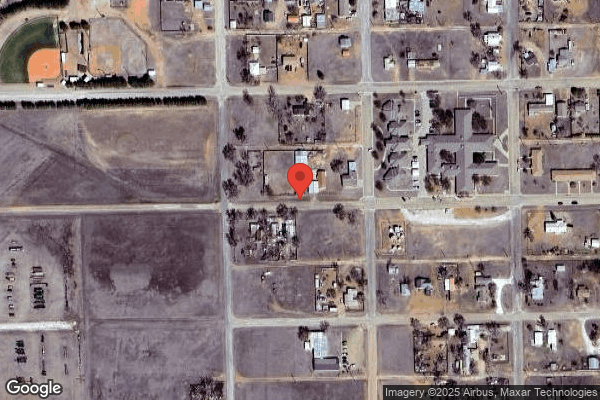
800 W 13TH ST, OLTON, TX 79064 (806) 285-2677
Non profit - Corporation 75 Beds Independent Data: November 2025 3 Immediate Jeopardy citations
Trust Grade
37/100
#336 of 1168 in TX
Last Inspection: February 2025

Within standard 12-15 month inspection cycle. Federal law requires annual inspections.

Overview

Runningwater Draw Care Center in Olton, Texas, has received a Trust Grade of F, indicating significant concerns about the quality of care provided. They rank #336 out of 1,168 facilities in Texas, placing them in the top half, but their county ranking is #1 out of 3, meaning they are the best option locally. The facility is showing signs of improvement, with the number of issues decreasing from 8 in 2024 to 6 in 2025. Staffing is a weakness, with a rating of 2 out of 5 stars and a turnover rate of 47%, slightly below the state average, but there is concerningly less RN coverage than 84% of Texas facilities. Notably, there have been serious incidents, including a critical case where a resident suffered a fractured femur due to a one-person transfer when a two-person transfer was required, and the fall was not reported promptly, raising significant concerns about neglect and resident safety.

Trust Score
F
37/100
In Texas
#336/1168
Top 28%
Safety Record
High Risk
Review needed
Inspections
Getting Better
8 → 6 violations
Staff Stability
⚠ Watch
47% turnover. Above average. Higher turnover means staff may not know residents' routines.
Penalties
✓ Good
$15,672 in fines. Lower than most Texas facilities. Relatively clean record.
Skilled Nurses
⚠ Watch
Each resident gets only 15 minutes of Registered Nurse (RN) attention daily — below average for Texas. Fewer RN minutes means fewer trained eyes watching for problems.
Violations
⚠ Watch
20 deficiencies on record. Higher than average. Multiple issues found across inspections.
★★★★☆
4.0
Overall Rating
★★☆☆☆
2.0
Staff Levels
★★★★★
5.0
Care Quality
★★★☆☆
3.0
Inspection Score
Stable
2024: 8 issues
2025: 6 issues

The Good

  • 5-Star Quality Measures · Strong clinical quality outcomes
  • Full Sprinkler Coverage · Fire safety systems throughout facility
  • No fines on record

Facility shows strength in quality measures, fire safety.

The Bad

Staff Turnover: 47%

Near Texas avg (46%)

Higher turnover may affect care consistency

Federal Fines: $15,672

Below median ($33,413)

Minor penalties assessed

The Ugly 20 deficiencies on record

3 life-threatening
Feb 2025 6 deficiencies
CONCERN (D)

Potential for Harm - no one hurt, but risky conditions existed

Resident Rights (Tag F0550)

Could have caused harm · This affected 1 resident

**NOTE- TERMS IN BRACKETS HAVE BEEN EDITED TO PROTECT CONFIDENTIALITY** Based on observation, interview, and record review the facility failed to treat each resident with respect and dignity and care ...

Read full inspector narrative →
**NOTE- TERMS IN BRACKETS HAVE BEEN EDITED TO PROTECT CONFIDENTIALITY** Based on observation, interview, and record review the facility failed to treat each resident with respect and dignity and care for each resident in a manner and in an environment that promotes maintenance or enhancement of his or her quality of life, recognizing each resident's individuality for 1 (Resident #45) of 15 residents reviewed for resident rights. The facility failed to prevent LVN B from referring to Resident #45's table in the dining room as the feeder table. The facility failed to prevent labelling 10-12 residents at the center table in the dining room as Feed/Assist on a large whiteboard diagram on the wall of the dining room. These failures could negatively impact the self-esteem, self-worth, and identity of residents who need assistance with eating. Findings Included: Record review of Resident #45's admission record dated 02/25/25 revealed a [AGE] year-old male admitted to the facility on [DATE] with diagnoses that included, but were not limited to, Parkinsonism (conditions that affect the ability to move and live independently), absolute glaucoma right eye (severe form of disease where eye has lost all vision and has uncontrolled pressure), and weakness. Record review of Resident #45's quarterly MDS completed on 01/19/25 revealed the following: Section B Hearing, Speech, and Vision: Resident #45's vision was impaired. Section C Cognitive Patterns: Resident #45 had a BIMS of 9 which indicated moderately impaired cognition. Section GG Functional Abilities: Resident #45 had impairment on both sides of his upper and lower extremities and utilized a wheelchair. He was dependent across all ADLs except for eating, upper body dressing, and rolling from side to side where he required substantial/maximal assistance. Section I Swallowing/Nutritional Status: Resident #45 coughed and choked during meals or when swallowing medications and required a mechanically altered diet while he was a resident. Record review of Resident #45's care plan completed on 01/24/25 revealed he had a puree textured diet and nectar thickened liquids. The care plan noted, Resident may sit at the Feeding/Assist table. The resident sits at feeding table and is dependent x1 staff for eating pureed diet on divided plate with nectar thick liquids. Record review of Resident #45's active orders report as of 02/25/25 revealed the following orders: Regular diet Pureed texture, Nectar/Mildly Thick consistency . with a start date of 10/03/24. May have a divided plate and right handed [sic] curved spoon for ease of loading utensils and promoting independence. with meals with a start date of 10/27/24. During an observation and interview on 02/25/25 at 12:00 PM in the dining room LVN B was standing approximately 3 feet from residents seated at a large oval table made up of several skinny tables end to end with the middle left open for staff to sit and assist residents with eating. This table was located in the center of the dining room on the end closest to the kitchen. When LVN B was asked to point out Resident #45 she gestured to opposite side of the large oval table in the center of the dining room and stated, He's in the red sweater at the feeder table. During an observation on 02/25/25 at 12:02 PM in the dining room a dry erase white board approximately 2 feet by 3 feet was hanging on the wall. It had diagrams of each table in the dining room with round magnets with numbers placed around the tables. The large oval table in the center of the dining room was labelled Feed/Assist. Two small tables on the same wall as the white board were labelled Assist and the remaining tables in the dining room were labelled Table 1- Table 6. During an observation and interview on 02/25/25 at 12:14 PM in the dining room LVN B was again standing approximately 3 feet from residents seated the large oval table. When LVN B was asked to point out another resident she gestured to end of the large oval table and stated, He is at the feeder table in the green sweater. During an interview on 02/26/25 at 02:08 PM CNA C stated it was not okay to refer to residents who needed assistance with eating as feeders. She stated, It is a dignity issue with them. Or if other residents hear that we are saying that to them. CNA C stated the whiteboard in the dining room was used by staff to know where residents sat in the dining room. She stated the magnets arranged around the diagrams of the tables had the room numbers of the residents. CNA C stated the white board might have a negative outcome for residents if they saw their room numbers on the table labelled Feed/Assist. She stated she had been trained at orientation and during in-services not to refer to residents who needed assistance eating as feeders. During an interview on 02/26/25 at 02:13 PM LVN A stated it was not okay to refer to residents who needed assistance with eating as feeders. She stated doing so could negatively affect their morale and self-esteem. LVN A stated of the residents who needed assistance eating, A lot of them still understand and can't help not being able to feed themselves. LVN A stated she had not noticed the whiteboard in the dining room with the large oval table labelled Feed/Assist. She stated she could see how the whiteboard might have a negative impact on residents' dignity. LVN A stated she had been trained at orientation and during in-services not to refer to residents who needed assistance eating as feeders. During an interview on 02/26/25 at 02:28 PM ADON stated it was not okay to refer to residents who needed assistance with eating as feeders. She stated, It is degrading. It is a dignity issue. It doesn't present a homelike experience. She stated a possible negative outcome of the whiteboard in the dining room with the large oval table labelled as Feed/Assist was, Again, it is not a homelike experience which we try to create here, and it is embarrassing and does not maintain dignity and integrity of our residents as humans. ADON stated staff had been trained not to refer to residents who needed assistance eating as feeders. During an interview on 02/26/25 at 02:34 PM DON stated referring to residents as feeders could be a dignity issue if outside people heard. She stated she did not think the whiteboard with the large oval table labelled as Feed/Assist was a dignity issue unless outside people saw it, but we don't really have outside people go into our dining room. I think it just depends on who sees it (the whiteboard). During an interview on 02/26/25 at 02:53 PM ADM stated it was not okay for staff to refer to residents who needed assistance eating as feeders. She stated, It is a dignity issue. Record review of facility policy titled Dignity and dated 2021 revealed the following: . Each resident shall be cared for in a manner that promotes and enhances his or her sense of well-being, level of satisfaction with life, and feelings of self-worth and self-esteem. 1. Residents are treated with dignity and respect at all times. 5. When assisting with care, residents are supported in exercising their rights. For example, residents are: . e. provided with a dignified dining experience. 8. Staff speak respectfully to residents at all times, including addressing the resident by his or her name of choice and not 'labelling' or referring to the resident by his or her room number, diagnosis, or care needs. Staff protect confidential clinical information. Examples include the following: . b. Signs indicating the resident's clinical status or care needs are not openly posted . 13. Staff are expected to treat cognitively impaired residents with dignity and sensitivity . Record review of facility policy titled Resident Rights and dated 2021 revealed the following: Employees shall treat all residents with kindness, respect, and dignity. Federal and state laws guarantee certain basic rights to all residents of this facility. These rights include the resident's right to: a. a dignified existence; b. be treated with respect, kindness, and dignity .
CONCERN (D)

Potential for Harm - no one hurt, but risky conditions existed

Comprehensive Assessments (Tag F0636)

Could have caused harm · This affected 1 resident

**NOTE- TERMS IN BRACKETS HAVE BEEN EDITED TO PROTECT CONFIDENTIALITY** Based on interview, and record review the facility failed to conduct a comprehensive assessment of a resident within 14 calendar...

Read full inspector narrative →
**NOTE- TERMS IN BRACKETS HAVE BEEN EDITED TO PROTECT CONFIDENTIALITY** Based on interview, and record review the facility failed to conduct a comprehensive assessment of a resident within 14 calendar days after admission for 1 (Resident #214) of 15 residents reviewed for comprehensive assessments. The facility failed to complete an admission MDS on Resident #214 within 14 calendar days after admission date of 02/11/25. This failure could place residents at risk of not having their needs met due to lack of information. Findings Included: Record review of Resident #214's admission record dated 02/25/25 revealed an [AGE] year-old female admitted to the facility on [DATE] with diagnoses that included, but were not limited to, acute respiratory failure with hypoxia (a condition resulting from not enough oxygen in the tissues of the body) and melena (dark, tarry stool). Record review of Resident #214's EHR revealed an admission MDS with ARD of 02/19/25 which was not competed. It was noted to be in progress. Record review of Resident #214's care plan revealed it was initiated on 02/19/25. During an interview on 02/26/25 at 02:17 PM MDS LVN stated she was responsible for completing MDS assessments. She stated she used the RAI as her policy when completing MDS assessments. MDS LVN stated an admission MDS was to be completed within 14 days of a resident's admission to the facility. MDS LVN stated she thought she had completed Resident #214's admission MDS timely. She looked at her computer screen and said, Oh, it is still in progress, and I need to sign it. MDS LVN stated a possible negative outcome of not completing an admission MDS timely was, We might not get paid as well and it could lead to care plan not being updated as quickly. During an interview on 02/26/25 at 02:28 PM ADON stated an admission MDS not being completed timely could lead to we cannot completely take care of the residents due to not having a complete assessment of care areas. During an interview on 02/26/25 at 02:34 PM DON stated having an admission MDS completely timely was important to the care of a resident so everyone can be on the same page. During an interview on 02/26/25 at 02:53 PM ADM stated MDS LVN was responsible for completing MDS assessments. She stated an admission MDS not being completed timely could negatively impact resident care. ADM stated, You need to know everything you can about a resident as soon as they show up. Find out as much as you can as soon as you can. Record review of the Long-Term Care Facility RAI 3.0 User's Manual Version 1.18.11 dated October 2023 revealed a chart on page 38 with the following: Assessment Type .admission .MDS Completion Date .no later than 14th calendar day of the resident's admission (admission date + 13 calendar days) .
CONCERN (D)

Potential for Harm - no one hurt, but risky conditions existed

Assessment Accuracy (Tag F0641)

Could have caused harm · This affected 1 resident

**NOTE- TERMS IN BRACKETS HAVE BEEN EDITED TO PROTECT CONFIDENTIALITY** Based on interview and record review the facility failed to ensure the assessment accurately reflected the resident's status for...

Read full inspector narrative →
**NOTE- TERMS IN BRACKETS HAVE BEEN EDITED TO PROTECT CONFIDENTIALITY** Based on interview and record review the facility failed to ensure the assessment accurately reflected the resident's status for 2 (Resident #11 and Resident #36) of 15 residents reviewed for accuracy of assessments. The facility failed to remove diagnoses of Wound Infection (other than foot) from Resident #11 and Resident #36's MDS' when said diagnoses were inactive. This failure could lead to residents receiving unnecessary care or not receiving necessary care. Findings Included: 1. Record review of Resident #11's admission record dated 02/26/25 revealed a [AGE] year-old female admitted to the facility on [DATE] with diagnoses that included, but were not limited to, local infection of the skin and subcutaneous tissue (a bacterial or fungal infection confined to a specific are of the skin and the layer of tissue directly beneath it resulting in inflammation, redness, warmth, swelling, pain), psoriasis (chronic skin condition characterized by raised, red, scaly patches of skin called plaques), pruritus (an unpleasant sensation that triggers the urge to scratch), and seborrheic dermatitis (common chronic skin condition that causes flaky greasy scales and redness). The onset date of the local infection of the skin and subcutaneous tissue diagnosis was 05/17/17. The onset dates of the psoriasis and seborrheic dermatitis diagnoses were 02/25/15. The onset date of the pruritus diagnosis was 01/11/21. Record review of Resident #11's annual MDS completed on 11/22/24 by the previous DON revealed the following: Section I-Active Diagnoses: Active Diagnoses in the last 7 days - Check all that apply The box next to Question I2500 Wound Infection (other than foot) was marked indicating Resident #11 had a wound or infection of this kind. Question I8000 Additional active diagnoses listed pruritus and disorder of the skin and subcutaneous tissue. Record review of Resident #11's care plan completed on 01/24/25 revealed no mention of a wound. Record review of Resident #11's active orders report as of 02/26/25 revealed no order for the treatment of a wound. 2. Record review of Resident #36's admission record dated 02/26/25 revealed a [AGE] year-old female admitted to the facility on [DATE] with diagnoses that included, but were not limited to, local infection of the skin and subcutaneous tissue (a bacterial or fungal infection confined to a specific are of the skin and the layer of tissue directly beneath it resulting in inflammation, redness, warmth, swelling, pain), cellulitis of other sites (common bacterial skin infection that causes redness, swelling, and pain), and seborrheic dermatitis (common chronic skin condition that causes flaky greasy scales and redness). The onset date of the local infection of the skin and subcutaneous tissue diagnosis was 08/26/23. The onset date of the cellulitis of other sites diagnosis was 05/14/22. The onset date of the seborrheic dermatitis was 01/09/20. Record review of Resident #36's quarterly MDS completed on 01/20/25 by DON revealed the following: Section I-Active Diagnoses: Active Diagnoses in the last 7 days - Check all that apply The box next to Question I2500 Wound Infection (other than foot) was marked indicating Resident #36 had a wound or infection of this kind. Question I8000 Additional active diagnoses listed cellulitis and seborrheic dermatitis. Record review of Resident #36's care plan completed on 01/24/25 revealed no mention of a wound. Record review of Resident #36's active orders report as of 02/26/25 revealed no order for treatment of a wound. During an interview on 02/26/25 at 02:17 PM MDS LVN stated she was responsible for completing MDS assessments. She stated she used the RAI as her policy when completing MDS assessments. MDS LVN stated she and the previous DON disagreed on which diagnoses should remain active on an MDS assessment. MDS LVN stated she believed if a diagnosis has been cleared and was no longer affecting the resident it should no longer be active on the MDS in Section I. She stated the previous DON thought all diagnoses should remain active on the MDS in Section I whether they had cleared up or not. She stated that was the reason Resident #11 and Resident #36 were coded as having wound infections. MDS LVN stated an inaccurate MDS would not affect residents' care. During an interview on 02/26/25 at 02:28 PM ADON stated an inaccurate MDS could lead to inaccurate care of a resident. She stated, And we want accurate care here from every level. During an interview on 02/26/25 at 02:34 PM DON stated having an inaccurate MDS could lead to the facility not providing the care they (residents) need. Record review of the Long-Term Care Facility RAI 3.0 User's Manual Version 1.18.11 dated October 2023 revealed the following: .: Active Diagnoses in the Last 7 Days . Check the following information sources in the medical record for the last 7 days to identify active diagnoses: transfer documents, physician progress notes, recent history and physical, recent discharge summaries, nursing assessments, nursing care plans, medication sheets, doctor's orders, consults and official diagnostic reports, and other sources as available. Examples of Inactive Diagnoses (do not code) 1. The admission history states that the resident had pneumonia 2 months prior to this admission. The resident has recovered completely, with no residual effects and no continued treatment during the 7-day look back period. Coding: Pneumonia item (I2000), would not be checked. Rationale: The pneumonia diagnosis would not be considered active because of the resident's complete recovery and the discontinuation of any treatment during the lookback period.
CONCERN (D)

Potential for Harm - no one hurt, but risky conditions existed

Deficiency F0645 (Tag F0645)

Could have caused harm · This affected 1 resident

**NOTE- TERMS IN BRACKETS HAVE BEEN EDITED TO PROTECT CONFIDENTIALITY** Based on interview and record review the facility failed to perform a preadmission screening for individuals with a mental disor...

Read full inspector narrative →
**NOTE- TERMS IN BRACKETS HAVE BEEN EDITED TO PROTECT CONFIDENTIALITY** Based on interview and record review the facility failed to perform a preadmission screening for individuals with a mental disorder and individuals with intellectual disability for 1 (Resident #214) of 15 residents reviewed for preadmission screening. The facility failed to perform a preadmission screening for Resident #214 prior to or at admission of 02/11/25. This failure could place residents at risk of not receiving needed services. Findings Included: Record review of Resident #214's admission record dated 02/25/25 revealed an [AGE] year-old female admitted to the facility on [DATE] with diagnoses that included, but were not limited to, acute respiratory failure with hypoxia (a condition resulting from not enough oxygen in the tissues of the body) and melena (dark, tarry stool). Record review of Resident #214's EHR revealed no completed MDS assessment. Record review of Resident #214's care plan revealed it was initiated on 02/19/25 and did not address any mental health issues or intellectual disabilities. Record review of Resident #214's PASRR Level 1 revealed an assessment date of 02/19/25. During an interview on 02/26/25 at 02:17 PM MDS LVN stated she and the previous DON shared the responsibility of completing PASRRs. She stated, But it is mostly me lately. MDS LVN stated a possible negative outcome of not completing Resident #214's PASRR prior to or at admission was, If she (Resident #214) was positive (from mental disorder or intellectual disability), which she was not, she could have lacked or delayed services. During an interview on 02/26/25 at 02:28 PM ADON stated MDS LVN and DON have historically been responsible for completing PASRRs prior to or at admission. She stated a possible negative outcome of not completing the PASRR prior to or at admission was, Accuracy of care. Making sure we are offering them the services they need. During an interview on 02/26/25 at 02:34 PM DON stated MDS LVN was responsible for completing PASRRs. DON stated when she was employed in the facility previously (as DON) she was responsible for completing PASRRs. She stated she was not sure why the responsibility had shifted to MDS LVN. DON stated she did not believe there would be a negative outcome to the resident if a PASRR was not completed at or prior to admission. During an interview on 02/27/25 at 09:14 AM ADM stated a resident might not get the services they need if a PASRR was not completed at or prior to admission. Record review of facility policy titled admission Criteria and dated 2019 revealed the following: . 9. All new admissions and readmissions are screened for mental disorders (MD), intellectual disabilities (ID) or related disorders (RD) per the Medicaid Pre-admission Screening and Resident Review (PASRR) process. a. The facility conducts a Level I PASARR [sic] screen for all potential admissions, regardless of payer source, to determine if the individual meets the criteria for MD, ID, or RD.
CONCERN (E)

Potential for Harm - no one hurt, but risky conditions existed

Deficiency F0761 (Tag F0761)

Could have caused harm · This affected multiple residents

**NOTE- TERMS IN BRACKETS HAVE BEEN EDITED TO PROTECT CONFIDENTIALITY** Based on observation, interview, and record review, it was determined the facility failed to ensure drugs and biologicals were s...

Read full inspector narrative →
**NOTE- TERMS IN BRACKETS HAVE BEEN EDITED TO PROTECT CONFIDENTIALITY** Based on observation, interview, and record review, it was determined the facility failed to ensure drugs and biologicals were stored under proper temperature, and the expiration date when applicable on 2 of 2 medication carts and 1 of 1 medication rooms reviewed for medication storage. - Medication cart for Side B revealed a Breo Ellipta inhaler for Resident #8 with no open date on inhaler. - Medication cart for Side A revealed a Novolin R insulin bottle for Resident #10 with no open date on bottle. - Refrigerator in medication room was below 36 degrees for 2 days. Refrigerator contained insulins for the following residents: *Resident #2 had 1 unopened box for Tesiba flex touch *Resident #2 had 2 bottles Novolin R *Resident #5 had 2 flex pen boxes Novolin 70/30 *Resident #5 had 1 bottle Novolin R *Resident #10 had 3 KwikPen boxes for Basaglar *Resident #10 had 2 bottles of Humulin R *Resident #10 had 4 bottles of Novolin R *Resident #15 had 3 bottles of Novolin R *Resident #15 had 2 bottles of Humulin 70/30 *Resident #27 had 1 KwikPen Basaglar *Resident #29 had 4 bottles of Lantus *Resident #29 had 1 bottle of Humulin R *Resident #35 had 2 bottles of Lantus *Resident #38 had 1 pen box for Lantus Solostar *Resident #48 had 1 bottle of Novolin R *Resident #48 had 1 bottle of Humulin R 70/30 The facility's failures could place residents receiving medication at risk for lack of drug efficacy, and adverse reactions. Findings included: During an observation on [DATE] at 10:30 AM of Medication cart for side B contained a Breo Ellipta inhaler for Resident #8 with an open date of [DATE], but on the actual inhaler there was no open dated noted. During an interview on [DATE] at 10:35 AM Interview with LVN A stated that a negative outcome for not writing an open date on the medication would be that the medication could be expired and not be effective. During an observation on [DATE] at 10:40 AM of Medication cart for side A revealed that Resident #10's Novolin R had no open date written on it. During an interview on [DATE] at 10:46 AM LVN B stated that a negative outcome for not writing the open date on a medication would lead to a waste of medication and could lead to harm if the medication is expired. During an observation on [DATE] at 10:48 AM of the medication room with LVN A revealed that the refrigerator temperature log for the medications was out of range on [DATE] at 35 degrees and [DATE] at 35 degrees. Temperature was observed in fridge at 39 degrees when visually checked. Medications for the following residents were revealed to have been below recommended temperatures for 2 days: *Resident #2 had 1 unopened box for Tesiba flex touch *Resident #2 had 2 bottles Novolin R *Resident #5 had 2 flex pen boxes Novolin 70/30 *Resident #5 had 1 bottle Novolin R *Resident #10 had 3 KwikPen boxes for Basaglar *Resident #10 had 2 bottles of Humulin R *Resident #10 had 4 bottles of Novolin R *Resident #15 had 3 bottles of Novolin R *Resident #15 had 2 bottles of Humulin 70/30 *Resident #27 had 1 KwikPen Basaglar *Resident #29 had 4 bottles of Lantus *Resident #29 had 1 bottle of Humulin R *Resident #35 had 2 bottles of Lantus *Resident #38 had 1 pen box for Lantus Solostar *Resident #48 had 1 bottle of Novolin R *Resident #48 had 1 bottle of Humulin R 70/30 During an interview on [DATE] at 10:56 AM LVN A stated that the negative outcome for having medication at a temperature below the recommended level could lead to the medications losing their efficacy and not perform like they should for the resident. During an interview on [DATE] at 11:06 AM DON stated that it was the night nurse's responsibility to check the carts and the temperatures of the medication refrigerator. DON stated that the Nurse that performs the nightly duties is supposed to report abnormalities to the DON, however DON was not made aware of this discrepancy. DON stated that the negative outcome for the medications not having open dates on the medication could lead to the medication being expired and losing its effectiveness. DON stated that the negative outcome for having medications stored below their recommended storage temps could lead to the medications being compromised and losing their efficacy. Record review of the facility provided policy titled, Medication Labeling and Storage, undated, revealed the following: Policy Statement The facility stores all medications and biologicals in locked compartments under proper temperature, humidity, and light controls . .Medication Storage . .3. If the facility has discontinued, outdated or deteriorated medications or biologicals .6.Refrigeration temperature settings should e maintained between 36-46 degrees Fahrenheit. .Medication Labeling . .2 .d .expiration date, when applicable; . .5. Multi-dose vials that have been opened or accessed (e.g., needle punctured) are dated and discarded within 28 days unless the manufacturer specifies a shorter or longer date for the open vial.
CONCERN (F)

Potential for Harm - no one hurt, but risky conditions existed

Food Safety (Tag F0812)

Could have caused harm · This affected most or all residents

Based on observation, interview, and record review the facility failed to store, prepare, distribute, and serve food in accordance with professional standards for food service safety in 1 of 1 kitchen...

Read full inspector narrative →
Based on observation, interview, and record review the facility failed to store, prepare, distribute, and serve food in accordance with professional standards for food service safety in 1 of 1 kitchen reviewed for kitchen sanitation. The facility failed to ensure foods were properly stored, labeled, and dated. These failures placed all residents who ate food served by the kitchen at risk of cross contamination and food-borne illness. Findings Include: Observation of the walk-in refrigerator on 02/25/2025 at 9:50 AM revealed the following: 1. 1 ziplock bag with a square yellow substance no label, no date. 2. 1 open bag of turkey breast lunch meat in a ziplock bag, no open date, no received date. 3. 1 bag of turkey breast lunch meat no received date. 4. 1 ziplock bag of small round meat no label, no date. Observation of the walk-in pantry on 02/25/2025 at 10:00 AM revealed the following: 5. 2 lb. bag of opened toasted oats cereal in a white basket, no open date, no received date on packaging. Observation of walk-in freezer on 02/25/2025 at 10:13 AM revealed the following: 6. 1 box of biscuits, opened to air, no date. 7. 1 basket of individual containers of blue-ribbon ice cream, no date. Observation of refrigerator on 02/25/2025 at 10:32 AM revealed the following: 8. 1 container of Southern Butter Pecan Coffee Creamer approximately 1/8 full no open date. 9. 5 Styrofoam cups with liquid in the cups, no label, no date. 10. 9 individual containers of white creamy substance with no label, no date. In an observation and interview on 02/26/2025 at 8:54 AM, the DM threw the coffee creamer in the trash and stated the creamer was hers and it was her fault it was in the refrigerator. The DM was observed with the yellow substance in the ziplock bag and the opened turkey meat and stated she did not know how it got missed and threw the items in the trash. The DM said all kitchen employees were responsible for ensuring items in the kitchen were labeled, dated, and covered. The DM stated a possible negative outcome for not having items labeled, dated, or stored properly would be the food would go bad. In an interview on 02/26/2025 at 2:06 PM, the DA stated that all staff were responsible for ensuring items in the kitchen were covered, labeled, and dated and a possible negative outcome would be residents could receive bad food. Record review of Food Receiving and Storage Policy dated November 2022 revealed the following: Foods shall be received and stored in a manner that complies with safe food handling practices. Dry Food Storage: Dry foods that are stored in bins are removed from original packaging, labeled, and dated. Refrigerator/Frozen Storage: All foods stored in the refrigerator or freezer are covered, labeled, and dated.
May 2024 3 deficiencies 3 IJ
CRITICAL (J) 📢 Someone Reported This

A family member, employee, or ombudsman was alarmed enough to file a formal complaint

Immediate Jeopardy (IJ) - the most serious Medicare violation

Free from Abuse/Neglect (Tag F0600)

Someone could have died · This affected 1 resident

**NOTE- TERMS IN BRACKETS HAVE BEEN EDITED TO PROTECT CONFIDENTIALITY** Based on interview and record review the facility failed to ensure each resident was free from neglect for 1 of 6 residents (Res...

Read full inspector narrative →
**NOTE- TERMS IN BRACKETS HAVE BEEN EDITED TO PROTECT CONFIDENTIALITY** Based on interview and record review the facility failed to ensure each resident was free from neglect for 1 of 6 residents (Resident #1) reviewed for neglect. The facility failed to ensure Resident #1 was free from neglect. On 5/15/24 after lunch, CNA B performed a 1-person transfer of Resident #1, who was a 2-person transfer. The transfer resulted in CNA B and Resident #1 falling to the floor, causing the fracture of Resident #1's right femur. CNA B did not report the fall. CNA C, who was in the room with CNA B at the time of the incident, did not report the fall until approximately 7 hours after the inappropriate transfer and fall occurred. This failure could place residents at risk of major injury due to neglect in their care. The non-compliance was identified as Past Non-Compliance (PNC). The IJ began on 5/15/24 at approximately 1:30PM and ended on 5/16/24 at 9:53AM. The facility had corrected the non-compliance before the survey began. Findings included: Record review of admission Notes revealed Resident #1 was a [AGE] year-old female who was admitted to the facility on [DATE] with a BIMS score of 03, indicating severe cognitive impairment and a diagnoses of complete transverse atypical (abnormal) femoral (femur) fracture, right leg, sequela (consequence of previous disease), unspecified osteoarthritis (degenerative joint disease, in which the joint breaks down over time), unspecified site, pain in unspecified knee, other abnormalities of gait and mobility, repeated falls, presence of right artificial knee joint, and non-displaced fracture of greater trochanter (outside hip joint) of right femur. Resident #1's Quarterly Care Plan dated 4/20/24 revealed an ADL self-care performance deficit related to Osteoarthritis, Abnormalities of Gait, Weakness and Right Femur Fracture. She had bilateral lower extremity contractures at the knee, which required the use of Podus Boots (lightweight, quality plastic shell brace with poly/pile liner) to both feet to prevent skin breakdown. Resident #1 required total assistance x 2 staff for all transfers and movement between surfaces. Resident #1 required the use of a Geri chair (a wheelchair designed for resident who may need a more substantial, and many times less restrictive, seating platform.) for mobility and postural support related to hip fracture. Resident #1 was at moderate risk for falls related to Alzheimer's Disease, along with weakness and contracture to her legs. A chair alarm was required while Resident #1 was seated, and a bed alarm was required while Resident #1 was in bed. Both were used to encourage safety awareness. Resident #1 required a fall mat at her bedside, while in bed, to decrease the risk of injury from falls. The resident's call light was to be in place and working at all times. Resident #1 had chronic pain related right knee and hip and was prescribed pain medications, including Tramadol, an opioid, to relieve discomfort. Review of Vista Teleradiology notes dated 5/15/24 revealed an x-ray was taken of Resident #1's right leg at 10:16PM. Findings were as follows: Bones: There is a mildly displaced metaphyseal fracture along the distal femoral bone, at the edge of the femoral prosthesis cap. Total left hip prosthesis changes. No sclerotic or destructive changes observed. Soft tissues: Joint effusion. Impression: Mild displaced metaphyseal fracture at the distal femoral bone, at the edge of the femoral prosthesis cap. Record Review of facility Progress Notes dated 5/15/24 revealed Resident #1 sustained a complete transverse atypical femoral fracture to her right leg when CNA B attempted a 1-person transfer of Resident #1 (who was a 2-person assist for all ADL s according to the MDS and Care Plan dated 4/20/24), which resulted in both falling to the floor. CNA C was also in the resident's room at the time of the incident, caring for Resident #2, and did not witness what took place. Record Review of facility in-services for the last 90 days revealed training on Abuse/Neglect, and Transfer of Residents had taken place for all staff on 5/14/24, the day prior to the incident. CNA B and CNA C attended this in-service. On 5/30/24 at 9:38AM an interview with the Administrator revealed on 5/14/24 staff had been in-serviced on resident abuse and neglect, and transfer of residents. She stated on 5/15/24 at approximately 1:30PM, CNA B attempted a 1-person transfer of Resident #1, which resulted in both falling to the floor. CNA B, along with CNA C, who was in the resident's room at the time of the incident, failed to report the fall to facility staff, resulting in Resident #1 not being assessed by nursing staff. Sometime between the hours of 8:00PM and 8:30PM on 5/15/24, CNA C called LVN A to report the incident, after her shift had ended. LVN A immediately called the DON and the DON arrived at the facility at approximately 9:15PM to assess Resident #1. It was determined that an x-ray was required, and the mobile x-ray service arrived at the facility at approximately 10:15PM. At approximately 1:30AM, the facility received the results of the x-ray and a fracture to the right femur was confirmed. A phone interview with Resident #1's Representatives on 5/30/24 at 11:52AM revealed the facility had informed them of Resident #1's fall late in the evening of 5/15/24, and due to the late hour of the incident, requested that their resident not be transferred to the hospital, until morning. RR stated approximately 9:40AM on 5/16/24, Resident #1 was transported to the hospital via ambulance, where the fracture to the right femur was again confirmed, through x-ray. It was determined that the fracture was inoperable due to a prior knee replacement which took place in October of 2022, along with a previous fracture of the right hip, which took place in November of 2022. A leg immobilizer and additional pain medication were ordered, and the resident was returned to the facility. Record review revealed Resident #1's Care Plan was updated on 5/16/24 to include the use of the leg immobilizer to her right leg and palliative care, including Morphine Sulfate, after the fall on 5/15/24. These measures were put into place to prevent any further contracture to the right leg and relieve residual pain. Multiple observations throughout the investigation on 5/30/24 and 5/31/24 revealed that above each occupied resident bed was a sign indicating what type of transfer each resident required. Multiple staff interviews throughout the investigation on 5/30/24 and 5/31/24 revealed that staff had received extensive training on 5/14/24 and 5/16/24 on abuse and neglect, reporting requirements, appropriate transfers and procedures to follow if a resident falls during a transfer. These interviews revealed that as a result of the incident, competency checks on transfers were initiated and completed for all staff on 5/16/24. Record review of CNA B's personnel file revealed an Employee Warning Notice dated 5/16/24. The Employee Warning Notice contained a summary of the inappropriate transfer of Resident #1, the resulting fall and failure to report The Employee Warning Notice indicated that CNA B declined to write a statement. In the action to be taken section of the Employee Warning Notice, dismissal was checked. CNA B's employment with the facility was terminated on 5/16/24. Record review of CNA C's personnel file revealed an Employee Warning Notice dated 5/16/24. The Employee Warning Notice contained a summary of the inappropriate transfer of Resident #1, CNA C's initial failure to report the subsequent fall. The Employee Warning Notice indicated that CNA C declined to write a statement. In the action to be take section of the Employee Warning Notice, other was checked and the following statement was written: Suspension x 2 weeks. Consequence should incident occur again - additional disciplinary action up to termination. CNA C was immediately suspended for 2 weeks. Record Review of in-services for the last 90 days revealed staff were again in-serviced on Abuse/Neglect and Transfer of Residents on 5/16/24. The subject matter of these inservices included requirements for reporting any suspected abuse or neglect, responsibilities for reporting, what to report and who to report to, appropriate transfer of residents using the required number of staff and what to do in the event that a resident falls during a transfer. An interview with the CNA Supervisor on 5/30/24 at 3:10PM revealed CNA B was not in attendance for these additional in-services due to being terminated from her position the morning of 5/16/24 and CNA C was not in attendance due to being placed on two-weeks leave without pay. The CNA Supervisor stated she had no prior issues with CNAs and suspected neglect of residents. She stated at the Stand Up meeting on the morning of 5/16/24 she was informed by an unnamed CNA, that Resident #1 had been dropped by CNA B, the previous day. CNA Supervisor then spoke with other facility staff to gain insight into what had happened to Resident #1. When CNA Supervisor spoke with CNA B, she could not explain what had happened to Resident #1 other than she had tried to transfer Resident #1 by herself, and both had fallen to the floor. CNA B stated she had panicked and didn't know what to do. She was aware she had done something bad but had not reported it and had asked CNA C to not report the incident, as well. CNA B was immediately terminated, and CNA C was placed on leave without pay, pending the internal investigation. An interview with CNA C on 5/30/24 at 3:22PM revealed CNA C had been present in the room at the time of the incident, but had not seen what had taken place, due to providing care to Resident #1's roommate. CNA C stated both she and CNA B had worked the 5AM-5PM shift and had left the faciity on the day of the incident at their usual departure time of 5PM. Between the hours of 8:00PM and 8:30PM on 5/15/24, CNA C called LVN A and confessed to the fall taking place earlier that day, during her shift. She stated she had attended the in-service on Abuse/Neglect and Transfer of Residents on 5/14/24. Multiple attempts were made to speak with CNA B. These calls were not returned. Record Review of facility policy for Resident Neglect, dated July 10,2019 defined neglect as: The failure to provide goods or services, including medical services that are necessary to avoid physical or emotional harm, pain, or mental illness. Furthermore, it is the failure of the facility, its employees or service providers to provide goods and services to a resident that are necessary to avoid physical harm, pain, mental anguish, or emotional anguish. To determine whether neglect may have occurred, a NF must decide if an injury, emotional harm, pain or death of a resident was due to the NF's failure to provide goods or services to a resident. Example of neglect: A resident, per his care plan, requires a two-person transfer from his bed to a chair. Only one staff member assists the resident in transferring him from his bed to a chair and the resident falls, resulting in extensive bruising to his thigh that was determined to be a serious injury. The non-compliance was identified as Past Non-Compliance (PNC). The IJ began on 5/15/24 at approximately 1:30PM and ended on 5/16/24 at 9:53AM. The facility had corrected the non-compliance before the survey began.
CRITICAL (J) 📢 Someone Reported This

A family member, employee, or ombudsman was alarmed enough to file a formal complaint

Immediate Jeopardy (IJ) - the most serious Medicare violation

Report Alleged Abuse (Tag F0609)

Someone could have died · This affected 1 resident

**NOTE- TERMS IN BRACKETS HAVE BEEN EDITED TO PROTECT CONFIDENTIALITY** Based on interview and record review the facility failed to ensure that all allegations involving neglect are reported immediate...

Read full inspector narrative →
**NOTE- TERMS IN BRACKETS HAVE BEEN EDITED TO PROTECT CONFIDENTIALITY** Based on interview and record review the facility failed to ensure that all allegations involving neglect are reported immediately, but no later than 2 hours after the event, if the resident sustains serious bodily injury, to the Administrator of the facility and the State Survey Agency for 1 of 6 residents (Resident #1) reviewed for neglect. The facility failed to report an allegation of neglect for Resident #1 within 2 hours of the event. CNA C did not report a fall with potential injury until approximately 7 hours after the inappropriate transfer and fall occured. CNA B did not report the fall. This failure could place residents at risk of not having incidents of neglect reported and investigated in a timely manner and delay in proper treatment of injury. The non-compliance was identified as Past Non-Compliance (PNC). The IJ began on 5/15/24 at approximately 1:30PM and ended on 5/16/24 at 9:53AM. The facility had corrected the non-compliance before the survey began. Findings included: Record review of admission Notes revealed Resident #1 was a [AGE] year-old female who was admitted to the facility on [DATE] with a BIMS score of 03, indicating severe cognitive impairment and a diagnoses of complete transverse atypical (abnormal) femoral (femur) fracture, right leg, sequela (consequence of previous disease), unspecified osteoarthritis (degenerative joint disease, in which the joint breaks down over time), unspecified site, pain in unspecified knee, other abnormalities of gait and mobility, repeated falls, presence of right artificial knee joint, and non-displaced fracture of greater trochanter (outside hip joint) of right femur. Resident #1's Quarterly Care Plan dated 4/20/24 revealed an ADL self-care performance deficit related to Osteoarthritis, Abnormalities of Gait, Weakness and Right Femur Fracture. She had bilateral lower extremity contractures at the knee, which required the use of Podus Boots (lightweight, quality plastic shell brace with poly/pile liner) to both feet to prevent skin breakdown. Resident #1 required total assistance x 2 staff for all transfers and movement between surfaces. Resident #1 required the use of a Geri chair (a wheelchair designed for resident who may need a more substantial, and many times less restrictive, seating platform.) for mobility and postural support related to hip fracture. Resident #1 was at moderate risk for falls related to Alzheimer's Disease, along with weakness and contracture to her legs. A chair alarm was required while Resident #1 was seated, and a bed alarm was required while Resident #1 was in bed. Both were used to encourage safety awareness. Resident #1 required a fall mat at her bedside, while in bed, to decrease the risk of injury from falls. The resident's call light was to be in place and working at all times. Resident #1 had chronic pain related right knee and hip and was prescribed pain medications, including Tramadol, an opioid, to relieve discomfort. Record Review of x-ray notes dated 5/15/24 revealed an x-ray was taken of Resident #1's right leg at 10:16PM. Findings were as follows: Bones: There is a mildly displaced metaphyseal fracture along the distal femoral bone, at the edge of the femoral prosthesis cap. Total left hip prosthesis changes. No sclerotic or destructive changes observed. Soft tissues: Joint effusion. Impression: Mild displaced metaphyseal fracture at the distal femoral bone, at the edge of the femoral prosthesis cap. Record Review of facility Progress Notes dated 5/15/24 revealed Resident #1 sustained a complete transverse atypical femoral fracture to her right leg when CNA B attempted a 1-person transfer of Resident #1 (who was a 2-person assist for all ADL s according to the MDS and Care Plan dated 4/20/24), which resulted in both falling to the floor. CNA C was also in the resident's room at the time of the incident, caring for Resident #2, and did not witness what took place. Record Review of facility in-services for the last 90 days revealed training on Abuse/Neglect, and Transfer of Residents had taken place for all staff on 5/14/24, the day prior to the incident. CNA B and CNA C attended this in-service. Record Review of in-services for the last 90 days revealed staff were again in-serviced on Abuse/Neglect and Transfer of Residents on 5/16/24. The subject matter of these inservices included requirements for reporting any suspected abuse or neglect, responsibilities for reporting, what to report and who to report to, appropriate transfer of residents using the required number of staff and what to do in the event that a resident falls during a transfer. On 5/30/24 at 9:38AM an interview with the Administrator revealed on 5/14/24 staff had been in-serviced on resident abuse and neglect, and transfer of residents. She stated on 5/15/24 at approximately 1:30PM, CNA B attempted a 1-person transfer of Resident #1, which resulted in both falling to the floor. CNA B, along with CNA C, who was in the resident's room at the time of the incident, failed to report the fall to facility staff, resulting in Resident #1 not being assessed by nursing staff. Sometime between the hours of 8:00PM and 8:30PM on 5/15/24, CNA C called LVN A to report the incident, after her shift had ended. LVN A immediately called the DON and the DON arrived at the facility at approximately 9:15PM to assess Resident #1. It was determined that an x-ray was required, and the mobile x-ray service arrived at the facility at approximately 10:15PM. At approximately 1:30AM, the facility received the results of the x-ray and a fracture to the right femur was confirmed. A phone interview with Resident #1's Representatives on 5/30/24 at 11:52AM revealed the facility had informed them of Resident #1's fall late in the evening of 5/15/24, and due to the late hour of the incident, requested that their resident not be transferred to the hospital, until morning. RR stated approximately 9:40AM on 5/16/24, Resident #1 was transported to the hospital via ambulance, where the fracture to the right femur was again confirmed, through x-ray. It was determined that the fracture was inoperable due to a prior knee replacement which took place in October of 2022, along with a previous fracture of the right hip, which took place in November of 2022. A leg immobilizer and additional pain medication were ordered, and the resident was returned to the facility. Record review revealed Resident #1's Care Plan was updated on 5/16/24 to include the use of the leg immobilizer to her right leg and palliative care, including Morphine Sulfate, after the fall on 5/15/24. These measures were put into place to prevent any further contracture to the right leg and relieve residual pain. An interview with the CNA Supervisor on 5/30/24 at 3:10PM revealed CNA B was not in attendance for these additional in-services due to being terminated from her position the morning of 5/16/24 and CNA C was not in attendance due to being placed on two-weeks leave without pay. The CNA Supervisor stated she had no prior issues with CNAs and suspected neglect of residents. She stated at the Stand Up meeting on the morning of 5/16/24 she was informed by an unnamed CNA, that Resident #1 had been dropped by CNA B, the previous day. CNA Supervisor then spoke with other facility staff to gain insight into what had happened to Resident #1. When CNA Supervisor spoke with CNA B, she could not explain what had happened to Resident #1 other than she had tried to transfer Resident #1 by herself, and both had fallen to the floor. CNA B stated she had panicked and did not know what to do. She was aware she had done something bad but had not reported it and had asked CNA C to not report the incident, as well. CNA B was immediately terminated, and CNA C was placed on leave without pay, pending the internal investigation. An interview with CNA C on 5/30/24 at 3:22PM revealed CNA B had asked her to not report the incident to facility staff. CNA C stated both she and CNA B had worked the 5AM-5PM shift and had left the faciity on the day of the incident at their usual departure time of 5PM, without notifying staff of the fall. Between the hours of 8:00PM and 8:30PM on 5/15/24, CNA C called LVN A and confessed to the fall taking place earlier that day, during her shift. CNA B had not reported the incident to facility staff. CNA B was immediately terminated, and CNA C was placed on leave without pay, pending the internal investigation. Multiple attempts were made to speak with CNA B. These calls were not returned. Multiple observations throughout the investigation on 5/30/24 and 5/31/24 revealed that above each occupied resident bed was a sign indicating what type of transfer each resident required. Record review of CNA B's personnel file revealed an Employee Warning Notice dated 5/16/24. The Employee Warning Notice contained a summary of the inappropriate transfer of Resident #1. The Employee Warning Notice indicated that CNA B declined to write a statement. In the action to be taken section of the Employee Warning Notice, dismissal was checked. CNA B's employment with the facility was terminated on 5/16/24. Record review of CNA C's personnel file revealed an Employee Warning Notice dated 5/16/24. The Employee Warning Notice contained a summary of the inappropriate transfer of Resident #1, CNA C's initial failure to report the subsequent fall. The Employee Warning Notice indicated that CNA C declined to write a statement. In the action to be take section of the Employee Warning Notice, other was checked and the following statement was written: Suspension x 2 weeks. Consequence should incident occur again - additional disciplinary action up to termination. CNA C was immediately suspended for 2 weeks. Multiple staff interviews throughout the investigation on 5/30/24 and 5/31/24 revealed that staff had received extensive training on 5/14/24 and 5/16/24 on abuse and neglect, reporting requirements, appropriate transfers and procedures to follow if a resident falls during a transfer. These interviews revealed that as a result of the incident, competency checks on transfers were initiated and completed for all staff on 5/16/24. Record Review of facility policy for Resident Neglect, dated July 10,2019 defined neglect as: The failure to provide goods or services, including medical services that are necessary to avoid physical or emotional harm, pain, or mental illness. Furthermore, it is the failure of the facility, its employees or service providers to provide goods and services to a resident that are necessary to avoid physical harm, pain, mental anguish, or emotional anguish. To determine whether neglect may have occurred, a NF must decide if an injury, emotional harm, pain or death of a resident was due to the NF's failure to provide goods or services to a resident. Example of neglect: A resident, per his care plan, requires a two-person transfer from his bed to a chair. Only one staff member assists the resident in transferring him from his bed to a chair and the resident falls, resulting in extensive bruising to his thigh that was determined to be a serious injury. Record Review of facility policy for Abuse, Neglect and Reporting/Investigation of Incidents, dated September 2022, revealed the following: Reporting Allegations to the Administrator and Authorities 1. If resident neglect is suspected, the suspicion must be reported immediately to the Administrator and other officials, according to state law. Immediately is defined as within two hours of an allegation involving serious bodily injury or within 24 hours if the allegation does not result in serious bodily injury. 6. Upon receiving any allegation of neglect, the Administrator is responsible for determining what actions (if any) are needed for the protection of residents. Investigating Allegations 1. All allegations are thoroughly investigated. The Administrator initiates investigations. 4. The Administrator is responsible for keeping the resident and his/her representative(s) informed of the progress of the investigation. 6. Any employee who has been accused of resident neglect is place on leave with no further contact until the investigation is complete. 7. The individual conducting the investigation as a minimum: a. reviews documentation and evidence; b. reviews the resident's medical record to determine the resident's physical and cognitive status at the time of the incident and since the incident; c. observes the alleged victim, including his or her interactions with staff and other residents; d. interviews the person(s) reporting the incident; e. interview any witnesses to the incident; f. interviews the resident (as medically appropriate) or resident's representative; g. interviews resident's attending physician to determine resident's condition; h. interviews staff members on all shifts who have had contact with the resident during the period of the alleged incident; i. interviews the resident's roommate, family members and visitors; j. interviews other residents to whom the accused employee provides care or services; k. reviews all events leading up to the alleged incident; and l. documents the investigation completely and thoroughly. Corrective Actions 1. All relevant professional and licensing boards are notified when an employee is found to have committed abuse/neglect. 2. If the investigation reveals that the allegation(s) are founded, the employee is terminated. 3. Any allegations of abuse/neglect are filed in the accused employee's personnel record along with any statement by the employee disputing the allegation if the employee chooses to make one. 4. Of the investigation reveals that the allegations of abuse/neglect are unfounded, the employee may be reinstated to his/her former position with back pay. 5. Records concerning allegations that are determined to be unfounded are destroyed or archived per human resources policy. 6. Corrective action may include a full review of the incident by the QAPI committee. The non-compliance was identified as Past Non-Compliance (PNC). The IJ began on 5/30/24 at 4:40PM and ended on 5/31/24 at 8:30AM. The facility had corrected the non-compliance before the survey began.
CRITICAL (J) 📢 Someone Reported This

A family member, employee, or ombudsman was alarmed enough to file a formal complaint

Immediate Jeopardy (IJ) - the most serious Medicare violation

Accident Prevention (Tag F0689)

Someone could have died · This affected 1 resident

**NOTE- TERMS IN BRACKETS HAVE BEEN EDITED TO PROTECT CONFIDENTIALITY** Based on interview and record review the facility failed to ensure that the resident environment remains free of accidents and h...

Read full inspector narrative →
**NOTE- TERMS IN BRACKETS HAVE BEEN EDITED TO PROTECT CONFIDENTIALITY** Based on interview and record review the facility failed to ensure that the resident environment remains free of accidents and hazards, as possible, and each resident receives adequate supervision and assistance devices to prevent accidents for 1 of 6 residents (Resident #1) reviewed for adequate supervision to prevent accidents and hazards. The facility failed to ensure that Resident #1 was assisted x 2 staff for all transfers and movement between surfaces. CNA B transferred Resident #1 independently which resulted in CNA B and Resident #1 falling to the floor. As a result of the fall, Resident #1 suffered a fractured right leg. This failure could place residents at risk for falls with serious injuries. The non-compliance was identified as Past Non-Compliance (PNC). The IJ began on 5/15/24 at approximately 1:30PM and ended on 5/16/24 at 9:53AM. The facility had corrected the non-compliance before the survey began. Findings included: Record review of admission Notes revealed Resident #1 was a [AGE] year-old female who was admitted to the facility on [DATE] with a BIMS score of 03, indicating severe cognitive impairment and a diagnoses of complete transverse atypical (abnormal) femoral (femur) fracture, right leg, sequela (consequence of previous disease), unspecified osteoarthritis (degenerative joint disease, in which the joint breaks down over time), unspecified site, pain in unspecified knee, other abnormalities of gait and mobility, repeated falls, presence of right artificial knee joint, and non-displaced fracture of greater trochanter (outside hip joint) of right femur. Resident #1's Quarterly Care Plan dated 4/20/24 revealed an ADL self-care performance deficit related to Osteoarthritis, Abnormalities of Gait, Weakness and Right Femur Fracture. She had bilateral lower extremity contractures at the knee, which required the use of Podus Boots (lightweight, quality plastic shell brace with poly/pile liner) to both feet to prevent skin breakdown. Resident #1 required total assistance x 2 staff for all transfers and movement between surfaces. Resident #1 required the use of a Geri chair (a wheelchair designed for resident who may need a more substantial, and many times less restrictive, seating platform.) for mobility and postural support related to hip fracture. Resident #1 was at moderate risk for falls related to Alzheimer's Disease, along with weakness and contracture to her legs. A chair alarm was required while Resident #1 was seated, and a bed alarm was required while Resident #1 was in bed. Both were used to encourage safety awareness. Resident #1 required a fall mat at her bedside, while in bed, to decrease the risk of injury from falls. The resident's call light was to be in place and working at all times. Resident #1 had chronic pain related right knee and hip and was prescribed pain medications, including Tramadol, an opioid, to relieve discomfort. Record review revealed Resident #1's Care Plan was updated on 5/16/24 to include the use of the leg immobilizer to her right leg and palliative care, including Morphine Sulfate, after the fall on 5/15/24. These measures were put into place to prevent any further contracture to the right leg and relieve residual pain after the fall which resulted in fracture. Record review of Resident #1's fall assessment dated [DATE] revealed Resident #1 had intermittent confusion related to Alzheimer's Disease. She had a history of 1-2 falls in the past 3 months. She was chair-bound and required assistance with bowel and bladder voiding. Her vision was adequate without the use of glasses, and she required the use of assistive devices related to gait and balance. Her fall assessment score was 13, indicating she was at high risk for falls and accidents. An interview with the Administrator on 5/30/24 at 9:38AM revealed all staff had been in-serviced on 5/14/24, one day prior to the incident, regarding resident abuse and neglect, reporting of incidents and transfer of residents. She stated on 5/15/24 at approximately 1:30PM, CNA B attempted a 1-person transfer of Resident #1, which resulted in both falling to the floor. CNA B, along with CNA C, who was in the resident's room at the time of the incident, failed to report the fall to facility staff, resulting in Resident #1 not being assessed by nursing staff. Sometime between the hours of 8:00PM and 8:30PM on 5/15/24, CNA C called LVN A to report the incident, after her shift had ended. LVN A immediately called the DON and the DON arrived at the facility at approximately 9:15PM to assess Resident #1. It was determined that an x-ray was required, and the mobile x-ray service arrived at the facility at approximately 10:15PM. At approximately 1:30AM, the facility received the results of the x-ray and a fracture to the right femur was confirmed. At approximately 1:30AM, the facility received the results of the x-ray and a fracture to the right femur was confirmed. The facility informed Resident #1's representative and due to the late hour, they requested that their resident not be transferred to the hospital, until morning. At approximately 9:40AM on 5/15/24, Resident #1 was transported to the hospital via ambulance, where the fracture to the right femur was again confirmed, through x-ray. It was determined that the fracture was inoperable due to a prior knee replacement which took place in October of 2022, along with a previous fracture of the right hip, which took place in November of 2022. Multiple observations throughout the investigation on 5/30/24 and 5/31/24 revealed that above each occupied resident bed was a sign indicating what type of transfer each resident required. Record review of CNA B's personnel file revealed an Employee Warning Notice dated 5/16/24. The Employee Warning Notice contained a summary of the inappropriate transfer of Resident #1. The Employee Warning Notice indicated that CNA B declined to write a statement. In the action to be taken section of the Employee Warning Notice, dismissal was checked. CNA B's employment with the facility was terminated on 5/16/24. Record review of CNA C's personnel file revealed an Employee Warning Notice dated 5/16/24. The Employee Warning Notice contained a summary of the inappropriate transfer of Resident #1, CNA C's initial failure to report the subsequent fall. The Employee Warning Notice indicated that CNA C declined to write a statement. In the action to be take section of the Employee Warning Notice, other was checked and the following statement was written: Suspension x 2 weeks. Consequence should incident occur again - additional disciplinary action up to termination. CNA C was immediately suspended for 2 weeks. Multiple staff interviews throughout the investigation on 5/30/24 and 5/31/24 revealed that staff had received extensive training on 5/14/24 and 5/16/24 on abuse and neglect, reporting requirements, appropriate transfers and procedures to follow if a resident falls during a transfer. These interviews revealed that as a result of the incident, competency checks on transfers were initiated and completed for all staff on 5/16/24. Record review of the facility's Safety Precautions, Nursing Services Policy dated December 2009 revealed in part: o Report all unsafe acts or condition to your supervisor as soon as possible. o Pick up debris from the floor. Clean up spills immediately. o Report all injuries, no matter how small. o Follow proper lifting procedures when lifting residents or heavy objects. Record review of the facility's undated Fall Assessment and Management Policy and Procedure, revealed the following: Purpose To ensure fall assessment and management is carried out in a prompt and consistent manner utilizing validated best practice assessment tools. To identify resident fall risk factors. To provide direction for the interdisciplinary team to incorporate and develop best practice fall prevention. To decrease the incidence of falls and fall injuries. Policy All resident's will be assessed for fall risk upon admission. The resident's care plan shall be developed and updated to include individualized and appropriate interventions to prevent falls and reduce the risk of injury based on risk. If a resident has a fall, an assessment shall be undertaken to assess the risk for further falls and determine additional strategies to reduce fall and injury risk. Regardless of risk, fall risk factor and interventions shall be reviewed by the interdisciplinary team at least quarterly. Documentation in resident's health record shall be completed by the care plan manager. All unusual observations and resident's responses will be documented. Procedure If the resident is considered a HIGH RISK, the falls assessment form does not need to be repeated with each fall but does need to be reviewed for possible risk factor changes. A care plan shall be formulated by the interdisciplinary team which includes individualized multi-factorial fall and injury prevention strategies to address risk factors identified from the fall risk form, regardless of the resident's level of risk. Interventions reviewed and updated based on the findings of the reassessments and/or post-fall investigations, including individualized interventions which are re-evaluated and updated to prevent or minimize the risk of falls. Individualized interventions based on causal factors and/or identified risk factors. Date of falls and causal factors identified. Outcomes Individualized interventions identified in the care plan are implemented. Effectiveness of the individualized interventions are monitored and evaluated. Post-fall Assessment, Clinical Review Assess immediate danger to all involved. Call for assistance. Do not move the resident until he/she has been assessed for safety to be moved. Identify all visible injuries and initiate first aid; for example, cover wounds. Assist resident to move using safe handling practices. Notify the physician. Notify family of incident, any new orders, or possible transfer Initiate risk management and follow prompts in Point Click Care for fall prevention. The non-compliance was identified as Past Non-Compliance (PNC). The IJ began on 5/15/24 at approximately 1:30PM and ended on 5/16/24 at 9:53AM. The facility had corrected the non-compliance before the survey began.
Jan 2024 5 deficiencies
CONCERN (D)

Potential for Harm - no one hurt, but risky conditions existed

Deficiency F0637 (Tag F0637)

Could have caused harm · This affected 1 resident

**NOTE- TERMS IN BRACKETS HAVE BEEN EDITED TO PROTECT CONFIDENTIALITY** Based on observation, interview, and record review the facility failed to conduct a comprehensive, accurate, standardized, repro...

Read full inspector narrative →
**NOTE- TERMS IN BRACKETS HAVE BEEN EDITED TO PROTECT CONFIDENTIALITY** Based on observation, interview, and record review the facility failed to conduct a comprehensive, accurate, standardized, reproducible assessment of each resident's functional capacity within 14 days after the facility determines, or should have determined, that there has been a significant change in the resident's physical or mental condition for one (Resident #54) of 18 residents reviewed for significant change. The facility failed to update Resident #54's MDS assessment within 14 days of Resident #54 being admitted to hospice. This failure could result in residents not receiving the care and coordination of services necessary to meet their needs and/or desires. Findings Included: Record review of Resident #54's admission record, dated 01/18/24 revealed a [AGE] year-old female admitted to the facility on [DATE] with diagnoses that included, but were not limited to, unspecified dementia severe with agitation (a group of thinking and social symptoms that interferes with daily functioning), nausea, dizziness and giddiness, and major depressive disorder (a mental disorder characterized by persistent low mood, low self-esteem, and loss of interest or pleasure in normally enjoyable activities). The admission record made no mention of Resident #54 receiving hospice care. Record review of Resident #54's EHR MDS front sheet revealed a significant change MDS that was export ready with an ARD of 01/17/24. Record review of Resident #54's quarterly MDS completed on 11/25/23 revealed a BIMS of 00 which indicated severely impaired cognition. Section O of the MDS indicated Resident #54 was not receiving hospice care While a Resident. Record review of Resident #54's care plan revealed the following focus area dated 12/14/23: The resident has a terminal prognosis r/t Severe Dementia. One of the interventions listed for this focus area was: Resident with [Name of Hospice]. This intervention was initiated on 12/14/23. Another intervention listed for this focus area was initiated on 01/16/24 and stated, Work cooperatively with hospice team to ensure the resident's spiritual, emotional, intellectual, physical and social needs are met. Record review of Resident #54's active orders, dated 01/18/24 revealed an order of Admit to [Name of Hospice] dated 12/14/23. During an observation on 01/16/24 at 10:40 AM Resident #54 was being pushed in her wheelchair down the hallway of the locked unit. She was neatly dressed, and her hair was neatly combed. Resident #54 was able to say hello and shake hands. When asked what her name was, Resident #54 was unable or unwilling to answer and looked down and to the left. During an observation on 01/16/24 at 12:06 PM Resident #54 was seated in her wheelchair at a table in the dining room. She had her eyes closed and staff were attempting to feed her bites from a plate of pureed food. Staff called her name repeatedly until she would open her eyes and take a bite. This pattern was repeated for each bite. During an interview on 01/16/24 at 06:51 PM Resident #54's family member stated he was pleased with the care she was receiving in the facility. He stated he chose to place Resident #54 in hospice care due to her condition and conversations he had with facility staff. During an interview on 01/18/24 at 11:09 AM when asked what policy she used for determining MDS assessment timing, MDS LVN stated, I follow the RAI manual. She said when a resident had a significant change the MDS assessment was to be completed within 14 days. When asked why this timing was not followed for Resident #54's significant change due to being admitted to hospice, MDS LVN stated, She was an interesting case. We had a care plan meeting with [Resident #54's family member] and we discussed steady decline. We discussed palliative care etcetera. A few days later he [Resident #54's family member] contacted hospice himself and I put it in the care plan and everywhere else but did do the dadgum MDS. I missed it. She said a possible negative outcome of not following the assessment timing as laid out in the RAI was, You know, state was not notified when they needed to be. During an interview on 01/18/24 at 11:20 AM DON stated a possible negative outcome of not having a significant change MDS in the allotted 14 days was, What is the payer source? Because I can see that being an issue. Record review of Long-Term Care Facility RAI Manual version 1.18.11 revealed the following: .For the other comprehensive MDS assessments, Significant Change in Status Assessment the . Completion Date must be no later than . 14 days from the determination date of the significant change in status . An SCSA [Significant Change in Status Assessment] is required to be performed when a terminally ill resident enrolls in a hospice program . The ARD must be within 14 days from the effective date of the hospice election . Record review of facility policy titled, Hospice Program and dated 08/09/23 revealed the following: Palliative/End-of-Life Care-Clinical Protocol Assessment and Recognition . 5. The comprehensive assessment will recur on a regular basis and in response to significant changes of condition .
CONCERN (D)

Potential for Harm - no one hurt, but risky conditions existed

Assessment Accuracy (Tag F0641)

Could have caused harm · This affected 1 resident

**NOTE- TERMS IN BRACKETS HAVE BEEN EDITED TO PROTECT CONFIDENTIALITY** Based on interview, and record review the facility failed to ensure the assessment accurately reflected the resident's status fo...

Read full inspector narrative →
**NOTE- TERMS IN BRACKETS HAVE BEEN EDITED TO PROTECT CONFIDENTIALITY** Based on interview, and record review the facility failed to ensure the assessment accurately reflected the resident's status for one (Resident #26) of 18 residents reviewed for accuracy of assessments. Resident #26 had an order for continuous oxygen dated 08/29/23 and her MDS with a completion date of 11/10/23 did not indicate she received oxygen while a resident. This failure could place residents at risk of not having their needs identified and therefore not receiving necessary care. Findings Included: Record review of Resident #26's admission record dated 01/17/24 revealed a [AGE] year-old female originally admitted to the facility on [DATE] with diagnoses that included, but were not limited to, Alzheimer's disease (a progressive disease that destroys memory and other important mental functions), shortness of breath, high blood pressure, and major depressive disorder (a mental disorder characterized by persistent low mood, low self-esteem, and loss of interest or pleasure in normally enjoyable activities). Record review of Resident #26's quarterly MDS completed on 11/10/23 revealed a BIMS of 00 which indicated severely impaired cognition. Section O of the MDS revealed Resident #26 was not receiving oxygen On Admission or While a Resident. Record review of Resident #26's care plan with a completion date of 11/27/23 revealed a focus area of The resident has oxygen therapy r/t SHORTNESS OF BREATH. This focus area was initiated on 06/22/23 and revised on 09/18/23. One of the interventions listed for this focus area was OXYGEN SETTINGS: O2 via nasal prongs @2-4L Continuous to maintain O2 sats>90%. This intervention was initiated on 06/22/23 and revised on 09/18/23. Record review of Resident #26's active order report dated 01/16/24 revealed the following order: Continuous Oxygen at 2-4L/min via NC to maintain 02 sat>90% every shift related to SHORTNESS OF BREATH. This order had a start date of 08/29/23 and no end date. Record review of Resident #26's O2 Sats Summary revealed 25 entries for the 14 days prior to completion of Resident #26's most recent MDS. Of those 25 entries, Resident #26 was receiving O2 17 times and was on room air 8 times. During an interview on 01/18/24 at 11:09 AM MDS LVN stated she followed the RAI as her policy for completing MDS Assessments. Record review of Long-Term Care Facility RAI Manual version 1.18.11 revealed the following: . Section O: Special Treatments, Procedures, and Programs . The intent of the items in this section is to identify any special treatments, procedures, and programs that the resident received or performed during the specified time periods. Reevaluation of special treatments and procedures the resident received or performed, or programs that the resident was involved in during the 14-day look-back period is important to ensure the continued appropriateness of the treatments, procedures, or programs. Steps for Assessment 1. Review the resident's medical record to determine whether or not the resident received or performed any of the treatments, procedures, or programs within the assessment period defined for each column. Coding instructions for Column b. While a Resident Check all treatments, procedures, and programs that the resident received or performed after admission/entry or reentry to the facility and with the last 14 days.
CONCERN (D)

Potential for Harm - no one hurt, but risky conditions existed

Deficiency F0645 (Tag F0645)

Could have caused harm · This affected 1 resident

**NOTE- TERMS IN BRACKETS HAVE BEEN EDITED TO PROTECT CONFIDENTIALITY** Based on observation, interview, and record review, the facility failed to perform a preadmission screening for individuals with...

Read full inspector narrative →
**NOTE- TERMS IN BRACKETS HAVE BEEN EDITED TO PROTECT CONFIDENTIALITY** Based on observation, interview, and record review, the facility failed to perform a preadmission screening for individuals with a mental disorder and individuals with intellectual disability prior to admission for 1 of 18 residents (Resident #41) reviewed for PASRR requirements. The facility failed to ensure Resident #41 had an initial PASRR Level 1 before admission on [DATE]. This failure could place residents with an MI (Mental Illness), ID (Intellectual Disability) or DD (Developmental Disability) at risk for not receiving PASRR related services, if qualified. The findings include: Record review of Resident #41's face sheet, dated 01/16/2024, revealed a [AGE] year-old male admitted to the facility initially on 08/08/2023 with diagnoses that included, but were not limited to, chronic obstructive pulmonary disease with (acute) lower respiratory infection, major depressive disorder, recurrent, unspecified, atherosclerosis (plaque build up) of native coronary artery of transplanted heart without angina pectoris (chest pain), muscle weakness, epitaxis (bleeding from the nose), essential primary hypertension. Record review of Resident #41's quarterly MDS assessment, dated 11/24/2023, revealed a BIMS score of 11 out 15 which indicated his cognition was moderately impaired. He functional ability with eating, oral hygiene, toileting, and personal hygiene is classified as independent, with supervision or touching assistance with showering/bathing. Resident #41 is partial/moderate assistance with upper and lower body dressing and putting on/taking off footwear. Record review of Resident #41's care plan, revised 11/27/2023, revealed no documentation regarding PASRR status. Record review of Resident #41's PASRR Level 1 Screening, dated 01/22/2021, revealed, that in Section C, subsection C0100, C0200, and C0300 all sections are marked no. There was no new updated PASRR in Resident #41's chart. Resident #41 had no new PASRR performed with new admission on [DATE]. During an observation and interview on 01/16/2024 at 09:34 AM, Resident #41 was in his room, Resident #41 was standing next to his dresser putting his laundry away. Resident #41 had a NC hooked to portable oxygen; he had a rolling walker close by to assist him to ambulate. Resident stated that everyone treated him fine and did not voice any concerns with his care. During an interview on 01/18/2024 at 09:01 AM MDS LVN was asked about Resident #41's most recent PASRR. MDS LVN stated Yes, we saw that. I just didn't understand that a new one needed to be done. The new PASRR has been completed, but I can't submit it due to the admit date being more than 90 days out. MDS LVN was asked what a negative outcome would be for a resident not having and updated PASRR. MDS LVN stated since he is a resident that does not receive services there would be no negative outcome. MDS LVN stated that she had the email from the PASRR office and the email that she submitted to the PASRR office. Copies of this documentation was requested. During an interview on 01/18/2024 at 09:13 AM with DON revealed that a negative outcome for not having an updated PASRR upon admission could lead to the resident would have no help from services if needed. During an observation and interview on 01/18/2024 at 09:29 AM revealed paperwork provided by the MDS LVN that showed emails dated 01/17/2024 at 2:48pm, that she sent to PASRR support, it stated the following, Hi, I have missed completing a PASRR for a resident that was admitted on 08.08.2023. I have attempted to complete it for today's date and when it comes to adding in the NF admission date it says that it is an error. How can I correct this issue. The response email from PASRR support stated, Thank you for contacting the PASRR mailbox. Depending on the volume of emails received, it may take up to 3 business days to receive a response. We appreciate your patience. Record review of facility policy, titled Admission-From Other Healthcare Facilities dated revised March 2017 states the following: 2. The following information will be provided to the facility prior to or upon the resident's admission: .I. PASARR (as appropriate);
CONCERN (D)

Potential for Harm - no one hurt, but risky conditions existed

Medical Records (Tag F0842)

Could have caused harm · This affected 1 resident

**NOTE- TERMS IN BRACKETS HAVE BEEN EDITED TO PROTECT CONFIDENTIALITY** Based on observation, interview, and record review the facility failed to maintain medical records in accordance with accepted p...

Read full inspector narrative →
**NOTE- TERMS IN BRACKETS HAVE BEEN EDITED TO PROTECT CONFIDENTIALITY** Based on observation, interview, and record review the facility failed to maintain medical records in accordance with accepted professional standards and practices for each resident that are complete, accurately documented, readily accessible, and systemically organized for one (Resident #26) of 18 residents reviewed for medical records. The facility failed to ensure Resident #26 had the most current physician's order in her chart for oxygen. The order in Resident #26's chart was for continuous oxygen but the most recent verbal order from the physician was to begin weaning Resident #26 off continuous oxygen. This failure could place residents at risk of having records that do not reflect their current status or needs. Findings Included: Record review of Resident #26's admission record dated 01/17/24 revealed a [AGE] year-old female originally admitted to the facility on [DATE] with diagnoses that included, but were not limited to, Alzheimer's disease (a progressive disease that destroys memory and other important mental functions), shortness of breath, high blood pressure, and major depressive disorder (a mental disorder characterized by persistent low mood, low self-esteem, and loss of interest or pleasure in normally enjoyable activities). Record review of Resident #26's quarterly MDS completed on 11/10/23 revealed a BIMS of 00 which indicated severely impaired cognition. Section O of the MDS revealed Resident #26 was not receiving oxygen On Admission or While a Resident. Record review of Resident #26's care plan with a completion date of 11/27/23 revealed a focus area of The resident has oxygen therapy r/t SHORTNESS OF BREATH. This focus area was initiated on 06/22/23 and revised on 09/18/23. One of the interventions listed for this focus area was OXYGEN SETTINGS: O2 via nasal prongs @2-4L Continuous to maintain O2 sats>90%. This intervention was initiated on 06/22/23 and revised on 09/18/23. Record review of Resident #26's active order report dated 01/16/24 revealed the following order: Continuous Oxygen at 2-4L/min via NC to maintain 02 sat>90% every shift related to SHORTNESS OF BREATH. This order had a start date of 08/29/23 and no end date. Record review of Resident #26's progress notes revealed a note by LVN A dated 01/07/24 at 02:34 PM. This note stated, This nurse monitoring resident without O2. O2 reading of 92% RA [Room Air]. No s/s of distress noted. During an observation on 01/16/24 at 10:23 AM Resident #26 was lying in her bed on her right side in the fetal position under a blanket. She was not receiving O2. Her O2 concentrator machine was next to the bed with the tubing gathered together into a zipped plastic bag taped to the top of the machine. During an observation on 01/16/24 at 12:05 PM Resident #26 was sitting in her w/c with her eyes closed at a dining room table. She was not receiving O2. During an observation on 01/17/24 at 07:36 AM Resident #26 was sitting in her w/c at the dining room table eating her breakfast. She was not receiving O2. She did not respond when spoken to. During an observation on 01/17/24 at 08:19 AM Resident #26 was sitting in her w/c in the common room with several other residents. She was not receiving O2. During an observation on 01/17/24 at 11:25 AM Resident #26 was sitting in the common room in her w/c. She was not receiving O2. During an observation on 01/18/24 at 08:44 AM Resident #26 was sitting in her w/c in the common area having her hair curled by a staff member. She was not receiving O2. During an observation and interview on 01/18/24 beginning at 10:41 AM LVN A stated she had worked for the facility for 5 years. She said if a resident had orders for continuous O2 to keep O2 saturation above 90% the resident was supposed to have it [O2] on all the time. She stated nurses checked the residents' O2 sats in the morning. She stated nurses, Special Care staff, and CNAs were responsible for to make sure O2 orders were followed. She clarified that the nurse was responsible for setting levels and ensuring the order was followed and CNAs and Special Staff could adjust or apply the nasal cannulas. When asked why Resident #26 had an active order for continuous O2 and was not receiving O2, LVN A stated, We were gonna try to wean her and I think I have a note in there. At this point LVN A began to search her computer screen and printed off a note dated 01/07/24 at 02:34 PM. When asked if the physician said to wean Resident #26 off oxygen, LVN A looked at her computer screen and stated, Yes, but I didn't write it down. It is not in there. She stated a possible negative outcome of having the wrong orders in the chart was a resident could become disoriented, agitated, combative or restless. During an interview on 01/18/24 at 10:47 AM ADON stated if a resident had orders for continuous oxygen that resident should always be receiving oxygen. She stated she, the DON, and the nurses were responsible to ensure orders were followed. When asked about Resident #26 having orders for continuous oxygen and LVN A saying Resident #26 was being weaned from oxygen, ADON stated, Nurse would be responsible for noting that in the chart and would contact the doctor and get doctor orders and the nurse would be responsible to put those orders in the chart too. She stated a possible negative outcome of having the wrong orders in the chart was, Shortness of breath, they [residents] can't breathe. During an interview on 01/18/24 at 10:55 AM SC B said she knew which residents to put oxygen on because the nurse tells us. When asked how she knew which residents needed oxygen sometimes or all the time she stated, I ask the nurse. Has to be passed down through communication. They tell us who needs it all day. When asked why Resident #26 was not receiving oxygen she said, They [nurses] told us awhile back that she did not need it anymore. So, they leave her on it for a little bit and they take it off of her. During an interview on 01/18/24 at 11:20 AM DON stated a possible negative outcome of not following the orders in the EHR was, You could have someone go hypoxic (low levels of O2 in the blood). When asked about Resident #26 having orders in her EHR for continuous oxygen and LVN A stating they were weaning her off oxygen, DON stated, Nurse should have changed the order from continuous to PRN on the day that she spoke to the doctor. Record review of facility policy titled Oxygen Administration and dated 08/09/23 revealed the following: . 1. Verify that there is a physician's order for this procedure. Review the physician's orders or facility protocol for oxygen administration. 2. Review the resident's care plan to assess for any special needs of the resident. Record review of facility policy titled Medication and Treatment Orders and dated July 2016 revealed the following: . 1. Medications shall be administered only upon the written order of a person duly licensed and authorized to prescribe such medications in this state. 2. Only authorized, licensed practitioners, or individuals authorized to take verbal orders from practitioners, shall be allowed to write orders in the medical record. 7. Verbal orders must be recorded immediately in the resident's chart by the person receiving the order and must include prescriber's last name, credentials, the date and the time of the order. Record review of facility policy titled Telephone Orders and dated February 2014 revealed the following: . 1. Verbal telephone orders may only be received by licensed personnel (e.g., RN, LPN/LVN, pharmacist, physician, etc.). Orders must be reduced to writing, by the person receiving the order, and recorded in the resident's medical record. 2. The entry must contain the instructions from the physician, date, time, and the signature and title of the person transcribing the information. Record review of facility policy titled Verbal Orders and dated February 2014 revealed the following: . Verbal orders shall only be given in an emergency or when the attending physician is not immediately available to write or sign the order. 1. Only authorized, licensed practitioners or individuals authorized to take verbal orders from practitioners, shall be allowed to write orders in the medical record. 2. Verbal orders are those given by an authorized practitioner directly to a person authorized to receive and transcribe orders on his or her behalf. A telephone order is a verbal order given over the telephone. 4. The individual receiving the verbal order must write it on the physician's order sheet as 'v.o.' (verbal order) or 't.o.' (telephone order). 5. The individual receiving the verbal order will: . b. record the ordering practitioner's last name and his or her credentials (MD, NP, PA, etc.); and c. record the date and time of the order.
CONCERN (F)

Potential for Harm - no one hurt, but risky conditions existed

Food Safety (Tag F0812)

Could have caused harm · This affected most or all residents

Based on observation, interview and record review the facility failed to store, prepare, distribute, and serve food in accordance with professional standards for food service safety in 1 of 1 kitchen ...

Read full inspector narrative →
Based on observation, interview and record review the facility failed to store, prepare, distribute, and serve food in accordance with professional standards for food service safety in 1 of 1 kitchen reviewed for kitchen sanitation. The facility failed to ensure stored food was properly labeled and dated. The facility failed to store food at least 6 inches above the floor. This failure could place Residents at risk for foodborne illness. Findings Included: Observation of shelved/refrigerated foods on 1/16/2024 beginning at 10:03 am revealed the following: Observation of pantry on 1/16/24 at 10:06 am revealed 1 container of Jif peanut butter individual packs with no label or date. Observation of pantry on 1/16/ 24 at 10:11 am revealed 1 container of individual jelly packets with no label or date. Observation of pantry room on 1/16/24 at 10:26 am revealed 1 container of croutons with no label or date. Observation of refrigerator 1 on 1/16/24 at 10:43 am revealed 1 box of cabbage with no date. Observation of refrigerator 1 on 1/16 at 10:43 am revealed 1 box of tomatoes on shelf with no date. Observation of serving cart on 1/16/2 at 10:43 am revealed jelly packets in a bin with no label or date. Observation of serving cart on 1/16/24 at 1043 am revealed butter packets with no label or date. Observation of refrigerator 2 on 1/16/24 at 10:48 am revealed I tray of honey mustard in individual cups with no date. Observation of refrigerator 2 on 1/16/24 at 10: 48 am revealed unidentified I tray of salsa in fridge with no label or date. Observation of refrigerator 2 on 1/16/24 at 10:48 am revealed 1 bottle of ketchup with no date. Observation of freezer 1 on 1/16/24 at 11:02 am revealed 6 boxes of frozen meat on the floor not 6 inches off the floor. During an interview on 1/16/2024 at 11:20 pm, the cook stated that all kitchen staff are responsible for safe food storage per their policy. The cook said that she would go to the policy to see what the policy stated concerning food storage. The cook stated that the negative outcome for not practicing food storage would be contamination. During an interview on 1/16/24 at 1:27 pm, Dietary Manager stated that she is responsible for training kitchen staff. The Dietary Manager said kitchen staff are to follow facility policy for proper food storage. The Dietary Manager said that a negative outcome for Residents would be contamination. She said that a former DM told her that they could store items in the freezer on the floor. During an interview with the FSA on 1/17/24 at 10:33 am, FSA said she would go to the DM with any questions concerning food storage. She said a negative outcome would be a resident could get sick from bad food. FSA has not had any training on labeling and food storage. Record review of Food Receiving and Storage Policy dated /11/22 at 2:30 PM revealed the following: Dry foods that are stored in bins are removed from the original packaging, label and dated (use by date). Such foods are rated using a fist in-first out system. Food in designated dry storage areas is kept at least six inches off the floor. All foods stored in the refrigerator or freezer are covered, labeled and dated (use by date). Record review of Dietary Services Policy & Procedure Manual dated 11- 2022, for storage area stated all stored items must be 6 inches above the floor. Record review of Food and Drug Administration on, dated 1/18/23, stated in section 5-305.11 food storage should be at least 15cm (6 inches) above the floor.
Dec 2023 1 deficiency
CONCERN (E) 📢 Someone Reported This

A family member, employee, or ombudsman was alarmed enough to file a formal complaint

Potential for Harm - no one hurt, but risky conditions existed

Infection Control (Tag F0880)

Could have caused harm · This affected multiple residents

**NOTE- TERMS IN BRACKETS HAVE BEEN EDITED TO PROTECT CONFIDENTIALITY** Based on observations, interviews, and record review, the facility failed to establish and maintain an infection prevention and ...

Read full inspector narrative →
**NOTE- TERMS IN BRACKETS HAVE BEEN EDITED TO PROTECT CONFIDENTIALITY** Based on observations, interviews, and record review, the facility failed to establish and maintain an infection prevention and control program designed to provide a safe, sanitary, and comfortable environment and to help prevent the development and transmission of communicable diseases and infections for 10 of 10 residents (#1,#2,#3, #4,#5,#6,#7,#8,#9,#10) residents reviewed for infection control. 1. The facility failed to ensure staff (HK A, Unit Clerk, HK B, CNA C, CNA D, CNA E, HK F) utilized Personal Protective Equipment (PPE) appropriately to prevent cross contamination between residents' positive with COVID-19 and residents who were not positive for the virus. 2. The facility failed to ensure staff (CNA D and CNA E) practiced hand hygiene by using hand sanitizer or washing their hands after exiting positive COVID-19 resident rooms or touching COVID negative resident food trays. These failures could affect residents and staff members by placing them at risk for the transmission of communicable diseases, infections, including COVID-19, which could result in fatigue, cough, pneumonia, sepsis and death. Findings included: Record Review of the facility provided resident roster, identified 9 residents (Resident #1, Resident #3, Resident #4, Resident #5, Resident #6, Resident #7, Resident #8 Resident #9, and Resident #10,) currently positive and quarantined for COVID, 1 resident (Resident #2) who had been positive for COVID-19 and was deceased . Record Review of the facility provided Staff with COVID sheet revealed 9 staff members tested positive during the time period from 11/20/23-11/28/23. Record Review of the facility provided Residents with COVID Sheet with symptoms listed revealed the following COVID positive residents and date of positive test for: Resident #1, COVID positive on 11/19/23; Fatigue, body aches, congestion, sore throat Resident #2, COVID positive on 11/21/23; Diarrhea, loss of appetite, short of breath, Confusion, weakness, body aches Resident #3, COVID positive on 11/22/23; sore throat, hoarse, congestion, runny nose Resident #4, COVID positive on 11/22/23; sore throat, congestion, fatigue Resident #5, COVID positive on 11/23/23; congestion, nasal drainage, watery eyes, hoarse, sore throat, body aches, restlessness, anxiety Resident #6, COVID positive on 11/25/23; headache, sore throat, loss of appetite, shortness of breath, decrease O2, congestion, hoarse. Resident #7, COVID positive on 11/26/23; decrease O2, cough, chills, headache, vomiting, muscle aches, sore throat, loss of appetite, congestion, signs/symptoms of cold. Resident #8, COVID positive on 11/27/23; afebrile, decrease O2, cough, fatigue, sore throat, weakness, signs/symptoms common cold. Resident #9, COVID positive on 11/28/23; cough Resident #10, COVID positive on 11/29/23; fatigue, signs/symptoms cold, afebrile, hoarseness. Record Review of an undated face sheet for Resident #1 revealed: admitted to the facility on [DATE] with the following diagnoses : Multiple Sclerosis- (potentially disabling disease of the brain and spinal cord (central nervous system) Anemia(Low healthy red blood cells), Weakness, Reduced Mobility, Postural Kyphosis-Thoracolumbar Region(spinal disorder resulting in rounding of upper back), Primary Hypertension. Record Review of an undated face sheet for Resident #2 revealed: admitted to the facility on [DATE], discharge (deceased ) on 11/29/23 at 3:00 am with the following diagnoses : unspecified protein-calorie malnutrition, acute respiratory distress syndrome, pressure ulcer/skin tears, hypothyroidism(low thyroid hormone), major depressive disorder, acute cystitis with hematuria(blood in urine), dysphagia(difficulty in swallowing), weakness. Record Review of an undated face sheet for Resident #3 revealed: admitted to the facility on [DATE] with the following diagnoses : major depressive disorder(Persistent depressed mood), unspecified dementia, acute pain. Record Review of an undated face sheet for Resident #4 revealed: admitted to the facility on [DATE] with the following diagnoses : Dementia, COVID-19, Hypothyroidism (low thyroid hormone), Type 2 Diabetes, Shortness of Breath. Record Review of an undated face sheet for Resident #5 revealed: admitted to the facility on [DATE] with the following diagnoses : Dementia, Anxiety Disorder, Hypertension, Anorexia, COVID -19, Urinary Tract Infection. Record Review of an undated face sheet for Resident #6 revealed: admitted to the facility on [DATE] with the following diagnoses : Dementia, COVID-19, Essential hypertension; Anxiety. Record Review of an updated Resident #7's face sheet for Resident #7 revealed: admitted to the facility on [DATE] with the following diagnoses : Anemia, Shortness of Breath, COVID-19, Repeated Falls. Record Review of an undated face sheet for Resident #8 revealed: admitted to the facility on [DATE] with the following diagnoses : Transient Cerebral Ischemic Attack(stroke), COVID-19, Cough, Dementia, Hypertension. Record Review of an undated face sheet for Resident #9 revealed: admitted to the facility on [DATE] with the following diagnoses : Fracture of First Lumbar Vertebra(compression fracture of the spine), COVID-19, Nausea, Hyperlipemia(high fat/lipids in blood), Depression, Hypertension, Chronic Obstructive Pulmonary Disease (COPD). Record Review of an undated face sheet for Resident #10 revealed: admitted to the facility on [DATE] with the following diagnoses : Metabolic Encephalopathy(brain disease/alteration in consciousness), Squamous Cell Carcinoma of Skin of nose(cancer of skin), Dehydration, Hypertension, Osteoarthritis(degeneration of joint cartilage), Repeated falls. During an observation on 11/28/23 at 10:40 a.m. upon entrance to facility, posting on door instructed masks required, list of COVID symptoms. A desk was observed inside the door with N-95 and surgical masks and a hand sanitizer station. During observations on 11/28/23 between 12:00 p.m. and 1:00 p.m. of the 4 resident hallways revealed no hand sanitizer on PPE carts outside of COVID positive resident rooms or within reach to DON or DOFF (putting on and taking off) PPE. During an interview and observation on 11/28/23 at 12:06 p.m., HK A was observed in the hallway with her mask pulled down below her nose. HK A was observed pinching her nose and wiping her nose with her bare hands and then touching the housekeeping cart. HK A stated she only spoke Spanish and a Therapy staff member translated the interview. HK A stated that she was sweaty from wearing the mask and wiped her nose several times to wipe the sweat away. HK A stated she was aware of the COVID outbreak and was trained to disinfect her hands with hand sanitizer or soap and water. HK A stated she planned on washing her hands after she took the trash outside. During an interview and observation on 11/28/23 at 12:19 p.m., Unit Clerk was observed behind the nurses station wearing a N95 mask over a surgical mask. The Unit Clerk stated she believed that wearing a N95 over a surgical mask would offer more protection against N-95. The Unit Clerk stated she had been trained on Infection Control, COVID and how to properly wear a N-95 mask and had not been trained to wear a N95 over a surgical mask. During an observation and attempted interview on 11/28/23 at 12:22 p.m. of HK B revealed Resident #5's room door was left open to the hallway, HK B exited Resident #5's room with a N95 mask on and carried a trash bag out of the resident room. HK B grabbed disinfectant off the PPE cart outside the door and sprayed aerosol disinfectant on her body and walked off. HK B stated she did not speak English and left the hallway. During an interview on 11/28/23 at 12:26 p.m. the ADM, stated that staff should remove the N95 after they exit a positive COVID room. The ADM stated that staff should disinfect their hands after they exit the positive COVID room at one of the dispensers. The ADM stated that Spanish speaking staff are in-serviced and trained on COVID precautions by their supervisor who understands English but barely speaks it. The ADM stated that the HKS is provided the written infection control policies in English and the HKS then verbally provides the in-service or trainings in Spanish. The ADM stated that the DON is in charge of Infection Control. During an observation and interview on 11/28/23 at 12:39 p.m. CNA C exited Resident #2's room with a N95 mask on, opened the PPE cart outside the door, grabbed a trash bag and placed trash bag on top of the PPE cart. The PPE cart had no hand sanitizer. CNA C removed her contaminated N95 mask with her bare hands, opened a closed PPE cart drawer and reached into a box and pulled out a new N95 mask. CNA C then donned the new N95 mask, grabbed the trash bag and walked down the hall. CNA C walked down the hall, opened, and closed a utility room door and then opened and entered the next utility room door. CNA C tossed the trash bag, washed her hands with soap and water and exited the utility room wearing the N95 mask. CNA C stated that she could not disinfect her hands before removing her contaminated N95 mask or before she donned a new N95 mask because there was no hand sanitizer outside of the room. CNA C stated she should have disinfected her hands after she removed her N95 mask. CNA C stated that she should not have grabbed a new N95 mask or put it on because she did not disinfect her hands. CNA C stated that COVID is spread by droplets and droplets could be on her N95 mask from Resident #2. CNA C stated when she touched the contaminated N95 mask and then touched the PPE cart and door handles, she spread COVID because her hands were not disinfected. During an observation of meal service on 11/28/23 at 12:52 p.m., CNA E exited Resident # 5's room wearing a N95 mask. CNA E did not remove the N95 mask and did not disinfect her hands before or after CNA E touched her N95 mask several times with her bare hands. CNA E then touched the meal tray cart and moved the cart forward. CNA E then touched a resident meal tray with her bare hands. The DON approached and was made aware of the situation and informed CNA E to disinfect her hands, remove the N95 mask, wash her hands and to put on a new mask. During an interview and observation of meal service on 11/28/23 at 12:55 p.m., CNA D was outside Resident #2's room and was observed placing a surgical mask on and then placing a N95 mask over it. CNA D then reached and touched an unknown resident meal tray that CNA D previously touched. The DON was in the hallway and stated that CNA D should not wear a surgical mask under the N95 mask. The DON was made aware that CNA D touched the meal tray, and the DON stated the tray was contaminated and removed the tray from meal service. During an observation and interview on 11/28/23 at 12:58 p.m. with CNA E and DON, CNA E was observed entering Resident #5's room wearing full PPE. CNA E exited the room with no N95 mask on. The DON stated that the sign on the door printed from the CDC provided instructions on how to DOF PPE and the DON confirmed that CNA E should have waited to remove the N95 mask until she exited the room. During an interview on 11/28/23 at 3:02 p.m. CNA E stated that prior to today, she had been taking off the N95 mask in the COVID positive resident rooms. CNA E stated that the DON had instructed them in the past to remove the N95 mask before they would exit the resident room but today, she was instructed to remove the N95 after exiting the positive resident room. CNA E stated that although she would disinfect her hands before she exited the resident room, she would still pull the door handle to shut the resident room and would not disinfect her hands again. CNA E stated that there is not hand sanitizer on the PPE carts and they would have to use a hand sanitizer station on the wall down the hall. CNA E stated that the posting on the resident room door instructed staff to remove the N95 after they exit the resident room. CNA E stated that COVID is airborne and is spread via droplets. CNA E stated COVID had spread in the facility with residents and staff, and she believed there were several factors contributing to the rise in facility cases. CNA E stated that staff had not followed the CDC postings on proper hand washing or wearing or taking off PPE and residents also roam the building. During an interview on 11/28/23 at 3:16 p.m. CNA E stated that prior to this outbreak the facility had a special unit for COVID positive residents but now residents were in several hallways. CNA E stated that she believed she wore the N-95 mask over the surgical mask so she would not have to change out the surgical mask after she exited the resident room. CNA E stated that prior to today, she would remove her mask inside of the positive covid resident room because she had been instructed to by the DON. CNA E stated that after she exited the resident room, she would have to walk down the hall to get to a hand sanitizer pump on the wall. CNA E stated that she had COVID during this outbreak. Stated that Resident #1 tested positive before she did, but she had not worked in her hall prior to when Resident #1 tested positive. CNA E stated she had been trained several times on how to correctly use PPE, DON/DOFF PPE, hand sanitizing and COVID/Infection Control. CNA E stated the risk of staff not following COVID precautions is that it could spread to other residents or other staff in the facility. During an interview on 11/28/23 at 4:35 p.m. the DON stated that the previous administrative staff instructed staff to spray themselves with and she stated she would personally not do it or instruct staff to do it. The DON stated that a nurse who was working the floor today tested positive for COVID and was sent home. The DON stated that the RN had worked with approximately half of the residents today. The DON stated that she never instructed staff to remove the N95 in the positive resident room and that I literally told them this morning not to not be taking them off in the room. The DON stated today there was an in-service that went over Don/doffing, handwashing, infection control. The DON stated that the HKS received the in-service in English. The DON stated I'm not saying she understands everything. She can read English. She gives the in-services to her staff in Spanish. No one is with her when she gives the in-services unless she has questions. No one oversees her giving the in-services but if you think it's something we should do then let us know. The DON stated that there is a risk of staff spreading COVID by not wearing masks properly or not sanitizing their hands. The DON stated that the infection control policies and procedures instruct staff to wear full PPE into the COVID resident room, to remove all PPE except the N95 mask before exiting the room and to disinfect hands before and after exiting the resident room and before and after replacing the N-95 mask once outside the resident room. The DON stated that by wearing and removing PPE properly and disinfecting hands it would prevent the spread of COVID-19. During an interview on 11/29/23 at approximately 9:40 a.m. the ADM stated that there were additional residents who tested positive since 11/28/23 and she would have to get the list from the DON. During an interview on 11/29/23 at 9:47 a.m., conducted in person and on speaker phone with an interpreter with HK B, who stated that the housekeeping supervisor (HKS) trains her on Don/Dof PPE, COVID and Infection control. HK B stated that the in-services and trainings are written in English and the HKS gives them the in-services orally in Spanish. HK B stated that on 11/28/23 when she exited Resident #5's room, she forgot to remove her N95 mask, and she did not remove it until after she took the trash outside. HK B stated that she did not disinfect her hands until after she came back inside from taking the trash out and removing the N95. HK B stated that she has never signed an in-service. HK B stated that she speaks, reads, and writes Spanish and cannot read English. HK B stated that if she received trainings and in-services in Spanish, it would be beneficial so she could fully understand the material. During an interview on 11/29/23 at 10:14 a.m. conducted in person and by speaker phone with an interpreter with HKS, who stated that the in-services are presented to her in English, and she presents them to the housekeeping staff in Spanish. HKS stated that she can read English and when there are parts of the training or in-services she does not understand, she will either ask the DON or use the computer to look up the words she does not understand. HKS stated that today the facility posted the CDC postings on DON/Doffing in both English and Spanish on the resident doors. HKS stated that it would be helpful to have in-services and trainings written in Spanish because her staff all speak Spanish and cannot read English. HKS stated that HK A should not have pulled her mask down and wiped her nose without disinfecting her hands after. HKS stated that she spoke with HK A about it and instructed her to disinfect or wash her hands. HKS stated that housekeeping has meetings every 2 weeks and staff sign the trainings during those meetings. HKS stated that if the facility puts out an in-service on a day that does not fall on her staff meeting days, she does not have staff sign the roster. HKS stated that HK B should not have left the N95 mask on when she exited Resident #5's room and she had been trained to disinfect her hands, remove the N95 mask, disinfect her hands and then put on a new clean mask. Record Review of Resident #2's nurse's note revealed Resident #2's tested positive for COVID on 11/21/2023, and on 11/29/2023 Resident #2 was found unresponsive with no pulse in her bed. The facility performed CPR and emergency services contacted, resident was transferred to the hospital and declared deceased . During an interview on 11/29/23 at 11:40 a.m. the DON stated that Resident #2 passed away at the hospital this morning. The DON stated that staff went into Resident #2's room at approximately 1:45 a.m. to complete the second round of checks for the night. The DON stated that the staff found Resident #2 unresponsive, warm and no pulse. The DON stated that staff immediately began CPR and continued until the ambulance arrived. The DON stated that Resident #2 passed away at the hospital. The DON stated that the resident had COVID and the previous weekend her oxygen levels had dropped, and she was ordered oxygen. The DON stated that the resident had been restless the previous day. The DON stated that there is another resident who is positive, Resident #10. The DON stated that there are currently 9 positive residents and 1 deceased resident. During an observation on 11/29/23 at 11:46 a.m. of HK F in Resident #10's room revealed HK F entered room wearing N95 mask, gown and face shield and left the resident door fully opened to the hallway. HK F was observed wiping down a table and moving items around the room with bare hands. HK F reached into her pocket and pulled out a pair of surgical gloves. HK F put on the surgical gloves and continued to clean the room with the door opened. During an interview on 12/01/2023 at 11:00 a.m. with HK B, translated by facility staff member LVN G. LVN G stated she is fluent in English and Spanish is able to translate the interview and HK B consented to the translation by LVN G. HK B stated she was in-serviced and received hands on training on DON/DOF PPE, hand sanitizing, face masks and to keep resident doors closed. HK B stated that she is more cautious about the methods of infection control, and she stated she felt the training was beneficial because it was presented in Spanish. HK B stated that the staff had also been provided written training in Spanish. During an interview and observation on 12/01/2023 at 11:30 a.m. with Resident #10; stated that she had been in isolation in her room for the last 3 days. Stated that her throat is raspy and sore. During an interview and observation on 12/01/2023 at 12:14 p.m. of Resident #1 in the dining room, Resident stated that she had COVID and was on isolation for approximately 10-15 days. Resident #1 stated that she did not know where or how she contracted COVID. Record review of the facility provided policies for infection control: Handwashing/Hand Hygiene dated 2001 Medpass/Revised August 2019: Hand hygiene is the final step after removing and disposing of PPE. Centers for Disease Control (CDC) Respirator On/Respirator Off: Remove by pulling the bottom strap over back of head, followed by the top of strap without touching the respirator. Discard in waste container. Clean your hands with alcohol-based hand sanitizer or soap and water. Centers for Disease Control (CDC) Airborne precautions: everyone must: Clean hands before entering and leaving the room. Remove respirator after exiting the room and closing the door.
Sept 2023 2 deficiencies
CONCERN (D) 📢 Someone Reported This

A family member, employee, or ombudsman was alarmed enough to file a formal complaint

Potential for Harm - no one hurt, but risky conditions existed

Medical Records (Tag F0842)

Could have caused harm · This affected 1 resident

**NOTE- TERMS IN BRACKETS HAVE BEEN EDITED TO PROTECT CONFIDENTIALITY** Based on interview and record review, the facility failed to maintain medical records on each resident that are accurately docum...

Read full inspector narrative →
**NOTE- TERMS IN BRACKETS HAVE BEEN EDITED TO PROTECT CONFIDENTIALITY** Based on interview and record review, the facility failed to maintain medical records on each resident that are accurately documented for 1 of 7 (Resident #1) residents reviewed for medical records. The facility failed to accurately document elopement information in Resident #1's records. This could place all residents at risk for elopement for inaccurate assessments in medical records. Findings include: Record review of Resident #1's face sheet, dated 9/12/23, revealed an [AGE] year-old male who was admitted to the facility on [DATE]. Resident #1's diagnoses included but are not limited to Unspecified Anemia, Unspecified dementia, moderate, with other behavioral disturbances, and Major Depressive Disorder. Record review of Resident #1's MDS, dated [DATE], Section C for Cognition, resident had a BIMS of 11 of 15 indicating mild cognitive impairment. Record review of Resident #1's care plan, dated 8/26//26, indicated a risk of elopement. Record review of Resident #1's elopement risk assessment, dated 5/14/23, indicated on question 3 a YES answer to the resident having a history of elopement or an attempted elopement while at home. Record review of Resident #1's elopement risk assessment, dated 8/14/23, indicated on question 3 a YES answer to the resident having a history of elopement or an attempted elopement while at home. Record review of Resident #1's elopement risk assessment, dated 8/20/23, indicated on question 3 a NO answer to the resident having a history of elopement or an attempted elopement while at home. Record review of Resident #1's progress notes, dated 8/19/23, indicated that resident was hitting windows to Periwinkle (locked) unit indicating that he wanted to go home. Resident was placed with one on one supervision. Record review of Resident #1's progress notes, dated 8/20/23, indicated a staff member who was not working found the resident walking down the street and returned him to the facility. Interview with ADM on 9/12/23 at 12:40 PM, indicated that ADON or DON are responsible for elopement risk assessments. Interview with DON on 9/12/23 at 12:47 PM, revealed that she completed risk assessment for Resident #1. Visually provided assessment to DON and DON stated, I must have accidently clicked no on answer #3 of the assessment for history or attempt of elopement. I should have answered no. DON stated a negative outcome would be people would think he is not a risk.
CONCERN (E) 📢 Someone Reported This

A family member, employee, or ombudsman was alarmed enough to file a formal complaint

Potential for Harm - no one hurt, but risky conditions existed

Infection Control (Tag F0880)

Could have caused harm · This affected multiple residents

**NOTE- TERMS IN BRACKETS HAVE BEEN EDITED TO PROTECT CONFIDENTIALITY** Based on observation, interview and record review, the facility failed to establish and maintain an infection prevention and con...

Read full inspector narrative →
**NOTE- TERMS IN BRACKETS HAVE BEEN EDITED TO PROTECT CONFIDENTIALITY** Based on observation, interview and record review, the facility failed to establish and maintain an infection prevention and control program designed to provide a safe, sanitary, and comfortable environment and to help prevent the development and transmission of communicable diseases and infection for 2 of 3 residents (Resident #2 and Resident #3) who were positive for COVID 19. Facility staff failed to follow the facility's COVID-19 policy regarding patient isolation protocols by failing to close doors to COVID positive patient rooms or precautions placed on door prior to entering for Resident #2 and Resident #3. This failure can place residents at risk of COVID- 19 or any airborne transmitted diseases in the facility. Findings Included: Resident #2 Record review of Resident #2's face sheet, dated 9/12/23, revealed Resident #2 is a an [AGE] year-old male who was admitted to the faciity on 11/20/20. Resident #2's diagnoses included Alzheimer's, blindness, and postural lordosis. Resident #2 resided in room [ROOM NUMBER] on the Periwinkle Hall of the facility. Record review of Resident #2's progress note, dated 9/11/23, revealed Resident #2 tested positive for COVID-19. Resident was on COVID-19 restrictions and isolation since 9/2/23 as Resident #2's roommate tested positive for COVID-19. Resident #3 Record review of Resident #3's face sheet, dated 9/12/23, revealed an [AGE] year-old male who was admitted to the facility on [DATE]. Diagnoses included cerebral infarction, Type 2 Diabetes, and Unspecified Dementia. Diagnoses listed COVID-19 as of 9/6/23. An observation on 9/12/23 at 10:38 AM, identified Resident #2 and Resident #3 as positive COVID -19 patients who were isolated in the same room. Resident #2 and Resident #3's door donned signage and precaution measures with door open and N95 hanging from a hook in the door. On 9/12/23 at 10:45 AM, an interview with LVN A stated that everyone must monitor for COVID- 19 symptoms and there were tests going on daily. LVN A stated that one resident who tested positive is confined with roommate due to exposure. LVN A visually observed both doors to rooms with COVID-19 positive patients and indicated that Resident #2 and #3's room was not following protocol with door being open and N95 hanging from the door. LVN A stated a negative outcome would be spreading the infection. On 9/12/23 at 10:58 AM, an interview with CNA B revealed that she does work the unit (Periwinkle) where residents positive with COVID-19 reside. CNA B stated that precautions are PPE head to toe, closing the curtains to keep separation between the residents, changing gloves every round, signs, and precautions on the door. CNA B confirmed that doors are to be closed because it is an airborne disease. CNA B stated a negative outcome to the doors not being closed is the disease will spread and everyone will get it. On 9/12/23 at 11:21 AM, an interview with DON revealed that it is against policy for COVID-19 positive patients for signs to not be on doors and for doors to be open. Provided observation that Resident #2 and #3's door was open. The DON confirmed it was not policy. The DON stated a negative outcome would definitely be contamination. Record review of RDCC Covid-19 Response Policy, revised October 2018, reveals on pg. 2, under heading of isolation, that when a resident has been exposed to COVID 19, that resident is placed into isolation for 7-10 days. The policy does not address signage on the door. Record review of signage posted on Resident #2 and Resident #3's door indicated Airborne Precautions with the last step stated the door to room must remain closed.
Aug 2023 1 deficiency
CONCERN (E) 📢 Someone Reported This

A family member, employee, or ombudsman was alarmed enough to file a formal complaint

Potential for Harm - no one hurt, but risky conditions existed

Infection Control (Tag F0880)

Could have caused harm · This affected multiple residents

Based on observation, interview and record review, the facility failed to establish and maintain an infection prevention and control program designed to provide a safe, sanitary, and comfortable envir...

Read full inspector narrative →
Based on observation, interview and record review, the facility failed to establish and maintain an infection prevention and control program designed to provide a safe, sanitary, and comfortable environment and to help prevent the development and transmission of communicable diseases and infection for 3 (CNA, NA in Training and Special Care Aide) of 7 employees observed during lunch dining observation. CNA did not disinfect hands between feeding 4 residents. NA in Training touched her face and then delivered a resident tray without sanitizing hands. NA in Training carried 2 resident plates on one tray and delivered plates to different tables in the dining room without sanitizing hands between plates. Special Care Aide put hands in pockets and then delivered a resident tray without sanitizing hands. Special Care Aide carried 2 resident plates on one tray and delivered plates to different tables in the dining room without sanitizing hands between plates. This failure could place residents at risk of transmission of a communicable disease or infection. Finding included: In an interview on 8/15/23 at 10:38AM DON stated that she conducted in-services regarding hand hygiene and infection control about every 2 weeks. DON stated that she had done skills training with all staff on hand hygiene and had posters which indicated proper hand hygiene techniques and infection control procedures, placed around the building. DON stated that all newly hired employees had to pass a skills-based training on hand hygiene and infection control before they were allowed to work with residents. On 8/15/23 at 11:44AM during observation of lunch service, CNA prepared a dietary supplement drink for 4 residents and used the same spoon for all 4 drinks. CNA picked up the same spoon and fed one resident, set the spoon down, touched her pant leg and then proceeded to pick up another spoon to feed another resident. CNA did not sanitize her hands throughout the lunch service observation. On 08/15/23, during multiple observations during lunch service, NA in Training was observed to touch her face and then pick up a resident tray. NA in Training failed to sanitize hands between each resident tray delivery. NA in Training was observed carrying 2 plates of resident food on one tray and delivered both plates to different tables in the dining room without sanitizing her hands between plates. Special Care Aide was observed to put his hands in his pockets and then pick up a resident tray. Special Care Aide was observed carrying 2 plates of resident food on one tray and delivered both plates to different tables in the dining room without sanitizing his hands between plates. On 8/15/23 at 12:35PM while this surveyor was reviewing policies and procedures and in-services, DON stated that she witnessed a break in hand hygiene during the lunch service. DON stated she had worked with the dietary staff to ensure everyone practiced proper hand hygiene when working with resident food. DON stated that she would conduct an in-service with the 3 employees, before the next meal service. In an interview on 8/15/23 at 12:51PM NA in Training stated that she was nervous because this surveyor was in the dining room and forgot to sanitize her hands between trays. NA in Training stated that she should have sanitized her hands between every resident tray. NA in Training stated that she should not put 2 resident plates on the same tray. NA in Training stated that the negative outcome of not sanitizing hands between plates and trays would be that the residents could become sick. In an interview on 8/15/23 at 12:57PM Special Care Aide stated that he should sanitize his hands between the delivery of every resident tray. Special Care Aide stated that he should not put 2 resident plates on the same tray. Special Care Aide stated that the negative outcome of not sanitizing hands between plates and trays would be that the residents could become sick. In an interview on 8/15/23 at 4:04PM CNA stated that she should sanitize her hands between feeding residents. CNA stated that feeding 4 residents at the same time was not hard and that she did not need any assistance in feeding those 4 residents. CNA stated that the negative outcome would be cross-contamination between the residents and residents could become sick. Record Review of Infection Control Policies and Procedures and Infection Control in-services revealed that in-services regarding infection control and hand hygiene were conducted on 5/30/23 and 8/8/23.
Nov 2022 2 deficiencies
CONCERN (D)

Potential for Harm - no one hurt, but risky conditions existed

Deficiency F0645 (Tag F0645)

Could have caused harm · This affected 1 resident

**NOTE- TERMS IN BRACKETS HAVE BEEN EDITED TO PROTECT CONFIDENTIALITY** Based on observation, interview, and record review, the facility failed to perform a preadmission screening for individuals with...

Read full inspector narrative →
**NOTE- TERMS IN BRACKETS HAVE BEEN EDITED TO PROTECT CONFIDENTIALITY** Based on observation, interview, and record review, the facility failed to perform a preadmission screening for individuals with a mental disorder and individuals with intellectual disability prior to admission for 1 of 11 residents (Resident #51) reviewed for PASRR requirements. The facility failed to ensure Resident #51 had a PE after having a positive PL1 on 02/16/22. This failure could place residents with an MI, ID or DD at risk for not receiving PASRR related services, if qualified. The findings include: Record review of Resident #51's face sheet, dated 11/28/22, revealed an [AGE] year-old male admitted to the facility initially on 08/09/21 with diagnoses that included, but were not limited to, unspecified dementia, unspecified severity, without behavioral disturbance, psychotic disturbance, mood disturbance, and anxiety, painful micturition (urination) and dysphagia (difficulty swallowing food or liquid). Record review of Resident #51's annual MDS assessment, dated 07/30/22, revealed, Preadmission Screening and Resident Review (PASRR) . Is the resident currently considered by the state level II PASRR process to have serious mental illness and/or intellectual disability or a related condition? .No. Record review of Resident #51's quarterly MDS assessment, dated 09/12/22, revealed a BIMS score of 6 out 15 which indicated his cognition was severely impaired. He required extensive two-person assistance with bed mobility, total two-person dependence with transferring, total one-person dependence with dressing, toilet use and personal hygiene and extensive one-person assistance with eating. Record review of Resident #51's care plan, revised 11/16/22, revealed no documentation regarding PASRR status or services received. Record review of Resident #51's PASRR Level 1 Screening, dated 02/16/22, revealed, in part, .Mental Illness .Is there evidence or an indicator this is an individual that has a Mental Illness? with a 1 typed in the box which indicated, Yes. The screening revealed it was completed by a behavioral health facility. The screening also revealed .NF Date of Entry 2/16/22. Record review of Resident #51's electronic chart did not reveal documentation a PE was completed after the PASRR Level 1 Screening on 02/16/22. During an observation and attempted interview on 11/28/22 at 3:11 PM, Resident #51 was in his room, in a wheelchair. He was well-groomed and dressed for the day. Resident #51 was observed talking to staff in his room and had told them he was fine. When this surveyor entered his room after the staff members left, Resident #51 did not open his eyes or otherwise respond to any interview questions. During an interview on 11/29/22 at 11:05 AM, the DON stated she was responsible for submitting PASRR information. She stated she started as the DON in June 2022 and took over PASRR duties from then, it was previously the responsibility of the prior DON. She stated Resident #51 was sent to a behavioral health facility in February 2022, and they completed the PASRR Level 1 Screening. She stated Resident #51 did not have a PE, she did not see that one was submitted in the program she used to submit PASRR information. The DON stated Resident #51 should have had a PE. She stated she thought a PE might not have been submitted due to Resident #51 having a negative PL1 already when he was initially admitted , but she saw where he had a diagnosis of recurrent depressive disorder from the behavioral health facility. She stated she did receive PASRR training regarding submitting PL1's only. The DON stated by not submitting a PE after a resident had a positive PL1, the resident could have not received services from PASRR that could have been offered to him. Record review of a facility policy titled, Nursing Facility PASRR Responsibility Checklist, dated May 23, 2017, revealed, in part, Referring Entities and PL1s .Communicate with the LIDDA/LMHA to make sure that all active positive PL1s have a completed PE and that a copy of the PE is in the individual's file.
MINOR (B)

Minor Issue - procedural, no safety impact

Comprehensive Care Plan (Tag F0656)

Minor procedural issue · This affected multiple residents

**NOTE- TERMS IN BRACKETS HAVE BEEN EDITED TO PROTECT CONFIDENTIALITY** Based on interview and record review, the facility failed to develop and implement a comprehensive person-centered care plan for...

Read full inspector narrative →
**NOTE- TERMS IN BRACKETS HAVE BEEN EDITED TO PROTECT CONFIDENTIALITY** Based on interview and record review, the facility failed to develop and implement a comprehensive person-centered care plan for each resident that included the resident's preference and potential for future discharge, whether the resident's desire to return to the community was assessed, any referrals to local contact agencies and/or other appropriate entities or discharge plans, as appropriate for 11 of 11 residents (Resident #4, Resident #5, Resident #11, Resident #18, Resident #35, Resident #39, Resident #50, Resident #51, Resident #55, Resident #57, Resident #116) reviewed for comprehensive care plans. The facility failed to ensure Resident #4, Resident #5, Resident #11, Resident #18, Resident #35, Resident #39, Resident #50, Resident #51, Resident #55, Resident #57, and Resident #116's care plans contained the resident's preference and potential for future discharge, whether the resident's desire to return to the community was assessed, any referrals to local contact agencies and/or other appropriate entities or discharge plans. This failure could place all residents at risk for not having their discharge preferences known. The findings include: Record review of Resident #4's face sheet, dated 11/29/22, revealed an [AGE] year-old female admitted to the facility on [DATE], readmitted on [DATE], with diagnoses that included, but were not limited to, unspecified dementia with behavioral disturbance, dermatitis (skin conditions characterized by red, itchy rashes), and edema (swelling). Record review of Resident #4's most recent comprehensive MDS assessment, an admission MDS assessment dated [DATE], revealed in Section Q titled, Participation in Assessment and Goal Setting, Participation in Assessment .Resident participated in assessment .Yes .Resident's Overall Expectation . Select one for resident's overall goal established during assessment process . Unknown or uncertain . Indicate information source . Resident . Discharge Plan . Is active discharge planning already occurring for the resident to return to the community? .No . Return to Community . Ask the resident .Do you want to talk to someone about the possibility of leaving this facility and returning to live and receive services in the community? .No . Has a referral been made to the Local Contact Agency .No. Record review of Resident #4's care plan, revised 11/09/22, revealed no documentation of the resident's preference and potential for future discharge, whether the resident's desire to return to the community was assessed, any referrals to local contact agencies and/or other appropriate entities or discharge plans. Record review of Resident #5's face sheet, dated 11/29/22, revealed a [AGE] year-old female admitted to the facility on [DATE] with diagnoses that included, but were not limited to, unspecified dementia, unspecified severity, without behavioral disturbance, psychotic disturbance, mood disturbance, and anxiety, chronic periodontitis (gum infection that damages the soft tissue), abnormalities of gait (manner of walking) and mobility, edema, weakness, reduced mobility, hypertensive chronic kidney disease with stage 1 through stage 4 chronic kidney disease (damage to the kidney due to chronic high blood pressure), heart failure, peripheral vascular disease (disease affecting the blood vessels), obstructive sleep apnea (hoarse or harsh sound from nose or mouth that occurs when breathing is partially obstructed), type 2 diabetes, major depressive disorder, recurrent, hypertension and atrial fibrillation (irregular heart rhythm). Record review of Resident #5's most recent comprehensive MDS assessment, an annual MDS assessment dated [DATE], revealed in Section Q titled, Participation in Assessment and Goal Setting, Participation in Assessment .Resident participated in assessment .Yes .Discharge Plan . Is active discharge planning already occurring for the resident to return to the community? .No . Return to Community . Ask the resident .Do you want to talk to someone about the possibility of leaving this facility and returning to live and receive services in the community? .No . Has a referral been made to the Local Contact Agency .No. Record review of Resident #5's care plan, revised 09/20/22, revealed no documentation of the resident's preference and potential for future discharge, whether the resident's desire to return to the community was assessed, any referrals to local contact agencies and/or other appropriate entities or discharge plans. Record review of Resident #11's face sheet, dated 11/29/22, revealed a [AGE] year-old male admitted to the facility on [DATE] with diagnoses that included, but were not limited to, hyperlipidemia (is abnormally elevated levels of any or all lipids or lipoproteins in the blood), anemia (lack enough healthy red blood cells to carry adequate oxygen to the body's tissues), abnormalities of gait and mobility, weakness, hemiplegia, unspecified affecting left nondominant side (paralysis of one side of the body), legal blindness, and edema. Record review of Resident #11's most recent comprehensive MDS assessment, an annual MDS assessment dated [DATE], revealed in Section Q titled, Participation in Assessment and Goal Setting, Participation in Assessment .Resident participated in assessment .Yes .Discharge Plan . Is active discharge planning already occurring for the resident to return to the community? .No . Return to Community . Ask the resident .Do you want to talk to someone about the possibility of leaving this facility and returning to live and receive services in the community? .No . Has a referral been made to the Local Contact Agency .No. Record review of Resident #11's care plan, revised 10/21/22, revealed no documentation of the resident's preference and potential for future discharge, whether the resident's desire to return to the community was assessed, any referrals to local contact agencies and/or other appropriate entities or discharge plans. Record review of Resident #18's face sheet, dated 11/29/22, revealed an [AGE] year-old male admitted to the facility on [DATE], readmitted on [DATE], with diagnoses that included, but were not limited to, chronic cholecystitis (inflammation of gallbladder), fracture of right shoulder girdle, part unspecified, initial encounter for closed fracture (broken right shoulder), paroxysmal atrial fibrillation (intermittent irregular heart rhythm), cellulitis of left lower limb (bacterial skin infection), weakness, difficulty in walking, insomnia, chronic kidney disease state 3, presence of right artificial hip joint, hepatic failure unspecified without coma (liver failure), diabetes mellitus due to underlying condition with diabetic nephropathy (damage to your kidneys caused by diabetes), atherosclerotic heart disease of native coronary artery without angina pectoris (thickening or stiffening of the arteries of the heart), and heart failure. Record review of Resident #18's most recent comprehensive MDS assessment, an annual MDS assessment dated [DATE], revealed in Section Q titled, Participation in Assessment and Goal Setting, Participation in Assessment .Resident participated in assessment .Yes .Discharge Plan . Is active discharge planning already occurring for the resident to return to the community? .No . Return to Community . Ask the resident .Do you want to talk to someone about the possibility of leaving this facility and returning to live and receive services in the community? .No . Has a referral been made to the Local Contact Agency .No. Record review of Resident #18's care plan, revised 11/09/22, revealed no documentation of the resident's preference and potential for future discharge, whether the resident's desire to return to the community was assessed, any referrals to local contact agencies and/or other appropriate entities or discharge plans. Record review of Resident #35's face sheet, dated 11/29/22, revealed an [AGE] year-old female admitted to the facility on [DATE] with diagnoses that included, but were not limited to, Alzheimer's disease, chronic kidney disease stage 3, hereditary lymphedema (swelling of the leg or arm that occurs due to blockage in the lymphatic system which is part of the immune system), type 2 diabetes mellitus, hypertensive chronic kidney disease with stage 1 through stage 4 kidney disease, chronic atrial fibrillation, anxiety disorder due to known physiological condition, unspecified dementia with behavioral disturbance, hypertension, and chronic diastolic (congestive) heart failure (chamber of the heart loses it's ability to relax normally (because the muscle has become stiff) so the heart cannot properly fill with blood during rest). Record review of Resident #35's most recent comprehensive MDS assessment, an annual MDS assessment dated [DATE], revealed in Section Q titled, Participation in Assessment and Goal Setting, Participation in Assessment .Resident participated in assessment .Yes .Discharge Plan . Is active discharge planning already occurring for the resident to return to the community? .No . Return to Community . Ask the resident .Do you want to talk to someone about the possibility of leaving this facility and returning to live and receive services in the community? .No . Has a referral been made to the Local Contact Agency .No. Record review of Resident #35's care plan, revised 10/26/22, revealed no documentation of the resident's preference and potential for future discharge, whether the resident's desire to return to the community was assessed, any referrals to local contact agencies and/or other appropriate entities or discharge plans. Record review of Resident #39's face sheet, dated 11/29/22, revealed an [AGE] year-old male admitted to the facility on [DATE] with diagnoses that included, but were not limited to, Alzheimer's disease, dysphagia (difficulty swallowing food or liquid), anorexia (eating disorder characterized by an abnormally low body weight), major depressive disorder recurrent, difficulty in walking, unsteadiness on feet, weakness, complete traumatic amputation at level between elbow and wrist, unspecified dementia with behavioral disturbance, and legal blindness. Record review of Resident #39's most recent comprehensive MDS assessment, an annual MDS assessment dated [DATE], revealed in Section Q titled, Participation in Assessment and Goal Setting, Participation in Assessment .Resident participated in assessment .No . Family or significant other participated in assessment .No . Guardian or legally authorized representative participated in assessment .No .Discharge Plan . Is active discharge planning already occurring for the resident to return to the community? .No . Return to Community . Ask the resident .Do you want to talk to someone about the possibility of leaving this facility and returning to live and receive services in the community? .No . Has a referral been made to the Local Contact Agency .No. Record review of Resident #39's care plan, revised 10/26/22, revealed no documentation of the resident's preference and potential for future discharge, whether the resident's desire to return to the community was assessed, any referrals to local contact agencies and/or other appropriate entities or discharge plans. Record review of Resident #50's face sheet, dated 11/29/22, revealed a [AGE] year-old female admitted to the facility on [DATE] with diagnoses that included, but were not limited to, pressure ulcer of right buttock, unstageable (injuries to skin and underlying tissue resulting from prolonged pressure on the skin), cellulitis of right lower limb, anxiety disorder due to known physiological condition, Alzheimer's disease, hypertension, and rheumatoid arthritis (chronic inflammatory disease that affects the joints). Record review of Resident #50's most recent comprehensive MDS assessment, an annual MDS assessment dated [DATE], revealed in Section Q titled, Participation in Assessment and Goal Setting, Participation in Assessment .Resident participated in assessment .Yes .Discharge Plan . Is active discharge planning already occurring for the resident to return to the community? .No . Return to Community . Ask the resident .Do you want to talk to someone about the possibility of leaving this facility and returning to live and receive services in the community? .No . Has a referral been made to the Local Contact Agency .No. Record review of Resident #50's care plan, revised 11/28/22, revealed no documentation of the resident's preference and potential for future discharge, whether the resident's desire to return to the community was assessed, any referrals to local contact agencies and/or other appropriate entities or discharge plans. Record review of Resident #51's face sheet, dated 11/28/22, revealed an [AGE] year-old male admitted to the facility on [DATE] with diagnoses that included, but were not limited to, unspecified dementia, unspecified severity, without behavioral disturbance, psychotic disturbance, mood disturbance, and anxiety, painful micturition (urination) and dysphagia. Record review of Resident #51's most recent comprehensive MDS assessment, an annual MDS assessment dated [DATE], revealed in Section Q titled, Participation in Assessment and Goal Setting, Participation in Assessment .Resident participated in assessment .Yes .Discharge Plan . Is active discharge planning already occurring for the resident to return to the community? .No . Return to Community . Ask the resident .Do you want to talk to someone about the possibility of leaving this facility and returning to live and receive services in the community? .No . Has a referral been made to the Local Contact Agency .No. Record review of Resident #51's care plan, revised 11/16/22, revealed no documentation of the resident's preference and potential for future discharge, whether the resident's desire to return to the community was assessed, any referrals to local contact agencies and/or other appropriate entities or discharge plans. Record review of Resident #55's face sheet, dated 11/29/22, revealed a [AGE] year-old male admitted to the facility on [DATE], readmitted on [DATE], with diagnoses that included, but were not limited to, unspecified dementia, unspecified severity, without behavioral disturbance, psychotic disturbance, mood disturbance, and anxiety, secondary pulmonary arterial hypertension (increased pressure of the blood vessels of the lungs as a result of other medical conditions), nonrheumatic mitral valve insufficiency (heart valve disorder), abdominal aortic aneurysm without rupture (enlarged area in the lower part of the major vessel that supplies blood to the body), insomnia, hypertension, unspecified atrial fibrillation, unspecified diastolic (congestive) heart failure, muscle weakness, neuromuscular dysfunction of bladder (urinary bladder problems due to disease or injury of the central nervous system or peripheral nerves involved in the control of urination), personal history of transient ischemic attack (TIA) and cerebral infarction without residual side effects (stroke) and presence of a cardiac pacemaker. Record review of Resident #55's most recent comprehensive MDS assessment, an admission MDS assessment dated [DATE], revealed in Section Q titled, Participation in Assessment and Goal Setting, Participation in Assessment .Resident participated in assessment .Yes . Resident's Overall Expectation . Select one for resident's overall goal established during assessment process . Expects to remain in this facility .Discharge Plan . Is active discharge planning already occurring for the resident to return to the community? .No . Return to Community . Ask the resident .Do you want to talk to someone about the possibility of leaving this facility and returning to live and receive services in the community? .No . Has a referral been made to the Local Contact Agency .No. Record review of Resident #55's care plan, revised 11/16/22, revealed no documentation of the resident's preference and potential for future discharge, whether the resident's desire to return to the community was assessed, any referrals to local contact agencies and/or other appropriate entities or discharge plans. Record review of Resident #57's face sheet, dated 11/29/22, revealed a [AGE] year-old female admitted to he facility on 04/28/22 with diagnoses that included, but were not limited to, extraarticular fracture of lower end of left radius (a fracture of the left arm occurring outside a joint), displaced fracture of left ulna styloid process (a fracture of the left arm), displaced fracture of left phalanx of left thumb (fracture of left thumb) and hypertension. Record review of Resident #57's most recent comprehensive MDS assessment, an admission MDS assessment dated [DATE], revealed in Section Q titled, Participation in Assessment and Goal Setting, Participation in Assessment .Resident participated in assessment .Yes . Resident's Overall Expectation . Select one for resident's overall goal established during assessment process . Expects to remain in this facility .Discharge Plan . Is active discharge planning already occurring for the resident to return to the community? .No . Return to Community . Ask the resident .Do you want to talk to someone about the possibility of leaving this facility and returning to live and receive services in the community? .No . Has a referral been made to the Local Contact Agency .No. Record review of Resident #57's care plan, revised 11/28/22, revealed no documentation of the resident's preference and potential for future discharge, whether the resident's desire to return to the community was assessed, any referrals to local contact agencies and/or other appropriate entities or discharge plans. Record review of Resident #116's face sheet, dated 11/29/22, revealed an [AGE] year-old male admitted to the facility on [DATE] with diagnoses that included, but were not limited to, unspecified dementia, unspecified severity, without behavioral disturbance, psychotic disturbance, mood disturbance, and anxiety, unspecified injury of lower back, major depressive disorder, other idiopathic scoliosis (spinal deformity that affects the curvature of the spine), and acute respiratory failure with hypoxia (below-normal level of oxygen in your blood, specifically in the arteries). Record review of Resident #116's most recent comprehensive MDS assessment, an admission MDS assessment dated [DATE], revealed in Section Q titled, Participation in Assessment and Goal Setting, Participation in Assessment .Resident participated in assessment .Yes . Resident's Overall Expectation . Select one for resident's overall goal established during assessment process . Expects to remain in this facility .Discharge Plan . Is active discharge planning already occurring for the resident to return to the community? .No . Return to Community . Ask the resident .Do you want to talk to someone about the possibility of leaving this facility and returning to live and receive services in the community? .No . Has a referral been made to the Local Contact Agency .No. Record review of Resident #116's care plan, revised 11/28/22, revealed no documentation of the resident's preference and potential for future discharge, whether the resident's desire to return to the community was assessed, any referrals to local contact agencies and/or other appropriate entities or discharge plans. During an interview on 11/29/22 at 11:16 AM, the MDSC stated she was responsible for updating care plans. She stated everything in the CAA (section of the MDS), medications and typically everything, needed to be included in a comprehensive care plan. She stated she was not sure if it was required to document discharge planning in the care plan unless there was an actual plan of discharge. She stated she did not know if their preference for discharge had to be documented in the care plan. She stated she did not know if not having a resident's discharge preference documented in the care plan would negatively affect the resident, but she could see how it could negatively affect a resident if it was not assessed at all. She stated resident's discharge preferences were assessed, they were just not documented in the care plan. She stated the facility tried to provide her with care plan training, but her in-person training was stopped due to COVID-19. She stated she had received more care plan training from when a consultant was in their facility recently. Record review of a facility policy titled, Care Plan Goals and Objectives, dated 03/14/18, revealed, in part, .3. Care plan goals and objectives are derived from information contained in the resident's comprehensive assessment and: a. Are resident oriented; b. Are behaviorally stated; c. Are measurable; and d. Contain timetables to meet the resident's needs in accordance with the comprehensive assessment. 4. Goals and objectives are entered on the resident's care plan so that all disciplines have access to such information and are able to report whether or not the desired outcomes are being achieved.
Understanding Severity Codes (click to expand)
Life-Threatening (Immediate Jeopardy)
J - Isolated K - Pattern L - Widespread
Actual Harm
G - Isolated H - Pattern I - Widespread
Potential for Harm
D - Isolated E - Pattern F - Widespread
No Harm (Minor)
A - Isolated B - Pattern C - Widespread

Questions to Ask on Your Visit

  • "What changes have you made since the serious inspection findings?"
  • "Can I speak with families of current residents?"
  • "What's your RN coverage like on weekends and overnight?"

Our Honest Assessment

Strengths
  • • Licensed and certified facility. Meets minimum state requirements.
Concerns
  • • Multiple safety concerns identified: 3 life-threatening violation(s). Review inspection reports carefully.
  • • 20 deficiencies on record, including 3 critical (life-threatening) violations. These warrant careful review before choosing this facility.
  • • $15,672 in fines. Above average for Texas. Some compliance problems on record.
  • • Grade F (37/100). Below average facility with significant concerns.
Bottom line: This facility has 3 Immediate Jeopardy findings. Serious concerns require careful evaluation.

About This Facility

What is Runningwater Draw Inc's CMS Rating?

CMS assigns RUNNINGWATER DRAW CARE CENTER INC an overall rating of 4 out of 5 stars, which is considered above average nationally. Within Texas, this rating places the facility higher than 99% of the state's 100 nursing homes. This rating reflects solid performance across the metrics CMS uses to evaluate nursing home quality.

How is Runningwater Draw Inc Staffed?

CMS rates RUNNINGWATER DRAW CARE CENTER INC's staffing level at 2 out of 5 stars, which is below average compared to other nursing homes. Staff turnover is 47%, compared to the Texas average of 46%.

What Have Inspectors Found at Runningwater Draw Inc?

State health inspectors documented 20 deficiencies at RUNNINGWATER DRAW CARE CENTER INC during 2022 to 2025. These included: 3 Immediate Jeopardy (the most serious level, indicating potential for serious harm or death), 16 with potential for harm, and 1 minor or isolated issues. Immediate Jeopardy findings are rare and represent the most serious regulatory concerns. They require immediate corrective action.

Who Owns and Operates Runningwater Draw Inc?

RUNNINGWATER DRAW CARE CENTER INC is owned by a non-profit organization. Non-profit facilities reinvest revenue into operations rather than distributing to shareholders. The facility operates independently rather than as part of a larger chain. With 75 certified beds and approximately 63 residents (about 84% occupancy), it is a smaller facility located in OLTON, Texas.

How Does Runningwater Draw Inc Compare to Other Texas Nursing Homes?

Compared to the 100 nursing homes in Texas, RUNNINGWATER DRAW CARE CENTER INC's overall rating (4 stars) is above the state average of 2.8, staff turnover (47%) is near the state average of 46%, and health inspection rating (3 stars) is at the national benchmark.

What Should Families Ask When Visiting Runningwater Draw Inc?

Based on this facility's data, families visiting should ask: "What changes have been made since the serious inspection findings, and how are you preventing similar issues?" "Can you walk me through typical staffing levels on day, evening, and night shifts?" "Can I visit during a mealtime to observe dining assistance and food quality?" "How do you handle medical emergencies, and what is your hospital transfer rate?" These questions are particularly relevant given the facility's Immediate Jeopardy citations and the below-average staffing rating.

Is Runningwater Draw Inc Safe?

Based on CMS inspection data, RUNNINGWATER DRAW CARE CENTER INC has documented safety concerns. Inspectors have issued 3 Immediate Jeopardy citations (the most serious violation level indicating risk of serious injury or death). The facility has a 4-star overall rating and ranks #1 of 100 nursing homes in Texas. Families considering this facility should ask detailed questions about what corrective actions have been taken since these incidents.

Do Nurses at Runningwater Draw Inc Stick Around?

RUNNINGWATER DRAW CARE CENTER INC has a staff turnover rate of 47%, which is about average for Texas nursing homes (state average: 46%). Moderate turnover is common in nursing homes, but families should still ask about staff tenure and how the facility maintains care continuity when employees leave.

Was Runningwater Draw Inc Ever Fined?

RUNNINGWATER DRAW CARE CENTER INC has been fined $15,672 across 1 penalty action. This is below the Texas average of $33,236. While any fine indicates a compliance issue, fines under $50,000 are relatively common and typically reflect isolated problems that were subsequently corrected. Families should ask what specific issues led to these fines and confirm they've been resolved.

Is Runningwater Draw Inc on Any Federal Watch List?

RUNNINGWATER DRAW CARE CENTER INC is not on any federal watch list. The most significant is the Special Focus Facility (SFF) program, which identifies the bottom 1% of nursing homes nationally based on persistent, serious quality problems. Not being on this list means the facility has avoided the pattern of deficiencies that triggers enhanced federal oversight. This is a positive indicator, though families should still review the facility's inspection history directly.