OVERTON HEALTHCARE CENTER
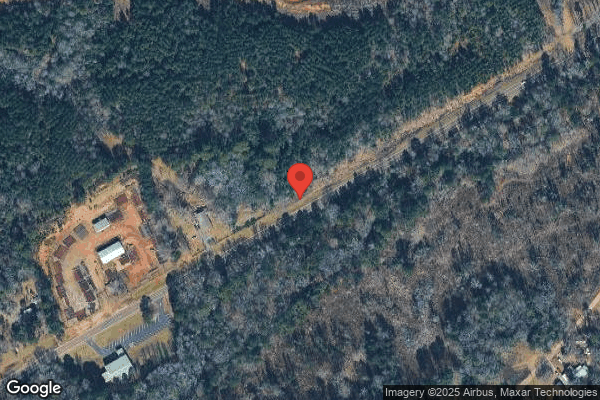

1110 HWY 135 S, OVERTON, TX 75684 (903) 834-6166
For profit - Corporation 100 Beds SLP OPERATIONS Data: November 2025 12 Immediate Jeopardy citations
Trust Grade
0/100
#793 of 1168 in TX
Last Inspection: February 2025

Within standard 12-15 month inspection cycle. Federal law requires annual inspections.

Overview

Overton Healthcare Center has received a Trust Grade of F, indicating significant concerns about its care quality. It ranks #793 out of 1168 facilities in Texas, placing it in the bottom half, and #3 out of 3 in Rusk County, meaning only one local option is better. The facility is worsening, with issues increasing from 1 in 2024 to 10 in 2025. Staffing is a concern, with a low rating of 1 out of 5 stars and a high turnover rate of 69%, significantly above the Texas average of 50%. There are alarming fines totaling $355,460, higher than 98% of Texas facilities, and less RN coverage than 94% of state facilities, which means residents may not receive adequate nursing care. Specific incidents include multiple failures to protect residents from abuse, such as one resident attempting to choke another and another resident being bitten, leading to an infection. Additionally, the facility did not follow its own policies to prevent these incidents or adequately address recurring altercations. While the facility has a strong rating of 5 out of 5 stars in quality measures, the significant issues regarding safety and staffing make it a concerning choice for families researching nursing homes.

Trust Score
F
0/100
In Texas
#793/1168
Bottom 33%
Safety Record
High Risk
Review needed
Inspections
Getting Worse
1 → 10 violations
Staff Stability
⚠ Watch
69% turnover. Above average. Higher turnover means staff may not know residents' routines.
Penalties
✓ Good
$355,460 in fines. Lower than most Texas facilities. Relatively clean record.
Skilled Nurses
⚠ Watch
Each resident gets only 8 minutes of Registered Nurse (RN) attention daily — below average for Texas. Fewer RN minutes means fewer trained eyes watching for problems.
Violations
⚠ Watch
35 deficiencies on record. Higher than average. Multiple issues found across inspections.
★★☆☆☆
2.0
Overall Rating
★☆☆☆☆
1.0
Staff Levels
★★★★★
5.0
Care Quality
★☆☆☆☆
1.0
Inspection Score
Stable
2024: 1 issues
2025: 10 issues

The Good

  • 5-Star Quality Measures · Strong clinical quality outcomes
  • Full Sprinkler Coverage · Fire safety systems throughout facility
  • No fines on record

Facility shows strength in quality measures, fire safety.

The Bad

2-Star Overall Rating

Below Texas average (2.8)

Below average - review inspection findings carefully

Staff Turnover: 69%

23pts above Texas avg (46%)

Frequent staff changes - ask about care continuity

Federal Fines: $355,460

Well above median ($33,413)

Significant penalties indicating serious issues

Chain: SLP OPERATIONS

Part of a multi-facility chain

Ask about local staffing decisions and management

Staff turnover is elevated (69%)

21 points above Texas average of 48%

The Ugly 35 deficiencies on record

12 life-threatening
Aug 2025 2 deficiencies 2 IJ
CRITICAL (J) 📢 Someone Reported This

A family member, employee, or ombudsman was alarmed enough to file a formal complaint

Immediate Jeopardy (IJ) - the most serious Medicare violation

Free from Abuse/Neglect (Tag F0600)

Someone could have died · This affected 1 resident

**NOTE- TERMS IN BRACKETS HAVE BEEN EDITED TO PROTECT CONFIDENTIALITY** Based on observation, interview, and record review, the facility failed to ensure residents remained free from physical abuse fo...

Read full inspector narrative →
**NOTE- TERMS IN BRACKETS HAVE BEEN EDITED TO PROTECT CONFIDENTIALITY** Based on observation, interview, and record review, the facility failed to ensure residents remained free from physical abuse for 1 of 8 residents (Resident #1) reviewed for physical abuse.The facility failed to protect Resident #1 from resident-to-resident physical abuse on 7/16/25 when Resident #2 hit Resident #1 with a television cord, a nightstand drawer, and a wheelchair footrest causing injuries including facial and scalp lacerations, a fractured globe of the left eye, and a nasal fracture.An Immediate Jeopardy (IJ) situation was determined to have begun on 7/16/2025 and ended on 7/18/25. It was determined to be past non-compliance due to the facility having implemented actions that corrected the non-compliance prior to the beginning of the survey.This failure could place all residents at risk for serious injury and hospitalization.Findings included: Record review of Resident #1's admission record, dated 8/12/25, indicated he was a [AGE] year-old male who was admitted to the facility on [DATE]. Resident #1 had diagnoses which included vascular dementia (decline in cognitive function), muscle wasting (atrophy), muscle weakness, and unspecified lack of coordination. Record review of Resident #1's significant change MDS, dated [DATE], indicated he had severely impaired thinking with a BIMS of 7. He required moderate assistance with personal hygiene, putting on/taking off footwear, lower body dressing, and showering/bathing; he required supervision assistance with toileting hygiene and upper body dressing; he required setup or cleanup assistance with oral hygiene and eating. He was frequently incontinent of bowel and bladder.Record review of Resident #1's comprehensive care plan, revised 7/15/25, indicated he had limited ability to walk related to impaired gait. Appropriate interventions were in place including providing dependent assistance for walking, instruct in use of a rolling walker, and remind resident not to walk without assistance. Record review of Resident #2's admission record, dated 8/12/25, indicated he was a [AGE] year-old male readmitted to the facility on [DATE] with diagnoses of vascular dementia, mood disorder, unspecified symptoms involving cognitive functions and awareness. Record review of Resident #2's optional state assessment MDS dated [DATE] indicated he had severely impaired cognition with a BIMS of 5. He required supervision for most ADLs. Record review of Resident #2's comprehensive care plan dated 9/04/24 indicated he had exhibited socially inappropriate and disruptive behaviors including aggression and verbal aggression towards others. Appropriate interventions were in place including avoid over-stimulating environments, intervene early if resident behavior endangers the resident or others, and maintain a calm, slow, understandable approach with resident. During an interview on 8/12/25 at 9:10 a.m., the ADM said Resident #2 was admitted to the facility from a state facility and was required to be housed in a nursing facility as a condition of his release. The ADM said Resident #2 had no history of physical aggression towards other residents but had been verbally aggressive at times. The ADM said the facility acted immediately upon learning of the resident-to-resident altercation. The ADM said the facility performed all appropriate notifications and Resident #2 was placed under arrest by city police department. The ADM said Resident #1 was transported to the ER for evaluation and treatment and later returned to the facility. During an interview and observation on 8/12/25 at 3:30 p.m., Resident #1 was observed in his room, lying in bed. He appeared clean and well-groomed with no offensive odors detected. His left eye was closed, and he showed no fear interacting with staff or other residents. Resident #1 said on the night of the resident-to-resident altercation he woke up to use the bathroom. Resident #1 said he was sitting on the side of his bed using a hand-held urinal when Resident #2 told him to quit shaking my dick at him. Resident #1 said he told Resident #2 to stop staring at him, finished using the urinal, and laid back down in bed. Resident #1 said Resident #2 came over to his bed and started hitting him in the face and head with an electrical cord, which he believed was from the television in the room. Resident #1 said he tried to get up from bed but fell onto the floor. Resident #1 said Resident #2 picked up the television and threw it on top of him. Resident #1 said Resident #2 removed the metal footrest from Resident #1's wheelchair and began hitting him in the legs with it. Resident #1 said Resident #2 then pulled a drawer out of the bedside table and hit him in the left side of his face/head with it. Resident #1 said he was unable to get up or defend himself and yelled for help. Resident #1 said he still has pain in his left eye and can not see out of it well. Resident #1 said he had to have surgery, and it would be a few weeks before he could see well.Record review of a witness statement dated 7/17/25 by CNA Q indicated .On July 16, 2025, around midnight I just finished rounds.I heard the ice machine drop ice then another boom then 3 more [NAME].When I got about halfway down c hall, about where the wooden phone booth is, [Resident #2] met me in the hall coming out of his room and said, He attacked me. I asked who attacked him and he said his roommate.I continued to their room where I saw [Resident #1] lying face down in the floor.he was still in his gown with a brief on and bleeding.I kneeled beside [Resident #1] and asked him if he was okay and he said No, he beat me. I started yelling for [LVN L]. [Resident #1]'s nightstand drawer was pulled out and busted up, the chest of drawers pulled out and busted up on the floor.The TV cord was laying across the back of [Resident #1]'s thighs.During an interview on 8/13/25 at 1:15 p.m., LVN L said she worked 7/16/25 and was assigned to Resident #1's hallway. She said she was working at the nurse's station when she was called to the secured men's unit. She said she entered the secured unit and saw Resident #2 walking in the hallway and directed him to go sit in the dining room away from other residents. LVN L said she went into Resident #1's room and noted him lying face down with blood on his head and a pool of blood under him. LVN L said she completed an assessment noting facial lacerations, swelling and bleeding to his left cheek and eye, and redness to his legs and abdomen. LVN L said 911 was called and resident was transported to the ER. LVN L said local police were also notified. LVN L said local police came to the facility and investigated which resulted in Resident #2 being placed under arrest for aggravated assault and transported to the ER for clearance to be transported to the county justice center.Record review of a progress note dated 7/16/25 at 2:14 a.m. by the LVN L, indicated she was called to Resident #1's room and noted him lying in front of his roommate's bed, face down. LVN L noted a large amount of blood on the floor and on his head. LVN L noted resident was slow to respond to verbal stimuli but responsive to physical stimuli. Resident #1 was noted with swelling to his left eye and left side of his head, skin tears to both arms, redness noted to upper legs and abdomen. EMS was called to transport Resident #1 to the ER for evaluation and treatment. Record review of an arrest report dated 7/16/25 at 12:09 a.m. indicated an officer was dispatched to the nursing facility in reference to an assault. The arrest report indicated the following .[Officer] began examining the room where the assault had occurred.There appeared to be a large puddle of blood next to the bed where [Resident #2] sleeps. There were also 3 broken wooden drawers from the furniture inside the room and a broken TV that was across the room from it's original location.There was blood spatter on the drawers next to the bathroom door, as well as on the floor with a blood belt buckle.Based on the evidence I observed on scene, I determined [Resident #2] was the aggressor the assault. I placed [NAME] under arrest for Aggravated Assault Causes Serious Bodily Injury. Record review of an ER admission record form dated 7/16/25 indicated Resident #1 was admitted to the ER with the chief complaint of assault victim and primary findings of rupture of globe of left eye following blunt trauma. A physical exam in the ER revealed resident had multiple small facial and scalp lacerations, significant swelling around his left eye. Imaging revealed Resident #1 had a nasal fracture, a hematoma (abnormal collection of blood) to his left cheek, and additional findings of ruptured globe of left eye which required surgical intervention. Resident #1 said his pain was well controlled with his current pain medications. Record review of an after-visit summary dated 7/17/25 from a local emergency room indicated Resident #1 was diagnosed with blunt head trauma, rupture of globe of eye, nasal bone fracture, and scalp laceration. He was discharged back to the facility. Record review of a progress note on 7/17/25 at 5:59 p.m. by LVN K indicated Resident #1 was readmitted to the facility. A head-to-toe assessment was conducted and noted Resident #1's left eye swollen shut, covered by an eye patch. Resident #1 had skin tears to his forehead, right eyebrow, and on both ears. Resident #1 had 4 staples on the left side of his head near the front of his hairline, swollen nose, swollen left cheek, swollen bottom lip with a purple bruise, and scratches to both shins. Resident #1 complained of pain at 9 on a 0-10 numerical scale. New orders were received for pain medication three times daily as needed. During an interview on 8/13/25 at 2:45 p.m., the DON said changes were made to the facilities staffing which included adding a second staff member to the secured men's and women's units. The DON said the facility is utilizing a hospitality aid who functions as a sitter and monitor. The DON said the hospitality aid's job duties include monitoring residents so the CNA can enter resident rooms and provide care without the resident's being unsupervised. The DON said administration review the schedule every weekday with Friday encompassing the weekend shift reviews. The DON said there was a monitoring log which is to be signed daily by the administrative staff who reviewed staffing. The DON said an on-call rotation was established to cover for callouts. The DON said additional corrective actions included staff education on resident-to-resident altercations, staffing requirements, de-escalation techniques and managing aggressive behaviors, weekly random abuse/neglect interviews with staff and residents. The DON said all residents on the men's secure unit were given safe surveys and skin assessments were conducted on residents who could not respond to interview questions to identify potential abuse. The DON said residents with similar behaviors were also reviewed to ensure they were properly placed and there was no risk to resident safety. The DON said an ad hoc QAPI meeting was held to discuss further changes or corrective action if needed. Record review of a facility policy titled Resident-to-Resident Altercations revised in December 2016 indicated .Facility staff will monitor residents for aggressiveness/inappropriate behavior towards other residents. Occurrences of such incidents shall be promptly reported to the Nurse Supervisor, Director of Nursing Services, and to the Administrator. It was determined these failures placed residents in an IJ situation on 7/16/25 to 7/18/25. The facility corrected the noncompliance on 7/18/25 by the following: Review of minutes from an ad hoc QAPI meeting held on 7/16/25 indicated the following actions had been taken: Residents were already separated. Nurse assessed both residents and ambulance contacted due to extent of non-aggressors injuries.Skin assessments and Safe Surveys to be completed on Male Secure Unit.Notifications to RP, MD, NP, Mental Health NP, Ombudsman, and [NAME] County Judges office completed.[Local] Police Department notified and entered facility resulting in [Resident #2] being arrested. ([Resident #2] will not be returning.Care Plan reviewed and updated.In-services planned: AN&E, Managing residents with Behaviors, and de-escalation tactics, Supervision.Review of in-service titled Secure Unit Staffing Plan conducted on 7/17/25 was attended by all staff and indicated Both male and female secure unit will be staff with two staff members and the charge nurse/designee will cover staff member on the unit breaks.Review of in-service titled Abuse and Neglect, Res to Res Altercation, De-escalation, COC (Reporting) conducted on 7/17/25 was attended by all staff.Skin assessments were completed on all residents residing on men's secure hall who were unable to be interviewed. Review of monitoring document dated 7/19/25 - 8/12/25 titled 5 staff members to be interviewed over abuse policy and education provided indicated ongoing staff interviews were being conducted weekly. Review of monitoring document dated 7/24/25 - 8/12/25 titled Staffing Reviews indicated ongoing staff reviews were being conducted daily. Review of monitoring document dated 7/18/25 - 8/12/25 titled 5 staff members to be interviewed over abuse policy and education provided indicated ongoing staff interviews were being conducted. Record review of a psychiatric visit summary dated 7/18/25 indicated Resident #1's was evaluated by psychiatric services following the resident-to-resident altercation. Record review of document Identification of residents with prior incidents. Review with MD and psych provider. Indicated residents residing on secured men's halls with similar behaviors were reviewed for placement on 7/18/25. Record review of facility staffing assignment sheets revealed two staff members were assigned to both men's and women's secured units. Observations at various times throughout the investigation revealed two staff members were always on both men's and women's secured units. During staff interviews on multiple shifts at various times and of varying disciplines throughout the investigation indicated all Staff interviewed 5 LVNs (LVN B, LVN J, LVN K, LVN L, LVN O), 4 CNAs (CNA C, CNA E, CNA H, CNA M), 1 Sitter (Sitter D), 1 LCSW, 1 ADON, 1 DA, 1 DON. said they received in-service training following Resident #1's resident-to-resident altercation which included resident-to-resident altercations, managing aggressive resident behaviors, and protecting residents from harm. All staff said they were trained in resident-to-resident altercations and dealing with aggressive resident behaviors. All staff said they were trained to separate residents and to use de-escalation techniques including physical and verbal redirection. All staff verbalized to report any instances of abuse to the facility administrator who is the abuse coordinator. All staff members interviewed said the secure units were to be staffed with two staff members at all times and staff must be relieved before going on break or leaving the unit.
CRITICAL (J) 📢 Someone Reported This

A family member, employee, or ombudsman was alarmed enough to file a formal complaint

Immediate Jeopardy (IJ) - the most serious Medicare violation

Accident Prevention (Tag F0689)

Someone could have died · This affected 1 resident

**NOTE- TERMS IN BRACKETS HAVE BEEN EDITED TO PROTECT CONFIDENTIALITY** Based on observation, interview, and record review, the facility failed to ensure residents received adequate supervision to pre...

Read full inspector narrative →
**NOTE- TERMS IN BRACKETS HAVE BEEN EDITED TO PROTECT CONFIDENTIALITY** Based on observation, interview, and record review, the facility failed to ensure residents received adequate supervision to prevent accidents for 1 of 8 residents (Resident #3) reviewed for accidents.The facility failed to keep Resident #3 in a safe environment to prevent an elopement on 7/27/2025 when he followed visitors out of the facility.An Immediate Jeopardy (IJ) situation was determined to have begun on 07/27/2025 and ended on 08/01/2025. It was determined to be past non-compliance due to the facility had corrected the noncompliance before the survey began. This failure could place residents at risk for serious injury and accidentsFindings included: Review of an undated admission record for Resident #3 indicated he was a [AGE] year-old male admitted to the facility on [DATE] with diagnoses of Alzheimer's disease (progressive cognitive decline) and schizoaffective disorder, bipolar type (combines schizophrenia and bipolar features). Review of a quarterly MDS dated [DATE] indicated he had a BIMS of 0 which indicated severe cognitive impairment. He required total assistance with toileting and personal hygiene; he required substantial assistance with showering/bathing; he required moderate assist putting on/taking off footwear, and with upper and lower body dressing; he required setup or cleanup assistance eating and with oral hygiene. Review of the comprehensive care plan dated 9/4/25 indicated Resident #3 was at risk for elopement related to diagnoses of Alzheimer's disease, dementia (cognitive decline), and schizoaffective disorder. Appropriate interventions were in place including wearing a Wander Guard bracelet (device that alarms if wearer was close to the facility exit doors), checking placement and function every shift, and quarterly or as needed elopement assessments to be completed.During an interview on 8/12/25 at 9:05 a.m., the DON said Resident #3 followed visitors out of the facility on 7/27/25. The DON said Resident #3 had a wander guard bracelet in place at the time of the elopement, but the alarm did not activate. The DON said when a resident had interventions to wear a wander guard the nursing staff checked the device every shift for placement and functionality and signed the wander guard logbook to indicate the checks were completed. The DON said she was not sure why the wander guard alarm system did not activate, but repairs were made to the system. The DON said the maintenance man had begun checking all alarms and door locks daily in addition to continuing the scheduled weekly maintenance checks. During an interview on 8/12/25 at 9:10 a.m., the ADM said at the time of the elopement on 7/27/25, Resident #3 was being housed on Hall A and was wearing a wander guard bracelet. The ADM said the wander guard alarm system was tested daily by the nursing staff when a resident was wearing one in the facility, and the door locks and alarms were checked weekly by the maintenance man. The ADM said he was unsure why the wander guard alarm did not activate. The ADM said he had service technicians come to the facility on 7/31/25 and make repairs to the alarm system. The ADM said Resident #3 was moved onto the secure men's unit following the elopement.Review of a witness statement dated 7/28/25 at 1:21 p.m., indicated at approximately 6:20 p.m. a woman visiting the facility rang the doorbell and asked LVN A if the man in the parking lot was a resident. LVN A said she immediately went outside and located Resident #3 walking by the dumpsters. LVN A said she led Resident #3 back inside the building. Review of a witness statement dated 7/30/25 by a visitor indicated on 7/27/25 she and several other visitors exited the facility through the front door. She said Resident #3 was near the nurse's station when they were walking up the hall to the lobby. She said after they exited the facility another visitor noted Resident #3 in the parking lot and went back inside the facility to alert facility staff. Review of an Elopement Event Report dated 7/31/25 at 2:16 p.m., completed by the DON indicated Resident #3 eloped from the facility on 7/27/25 at approximately 6:31 p.m. and was located in the front parking area. The report indicated there had been no recent changes in mental status, no recent traumatic events, new diagnosis, new stressors, or medication changes prior to the elopement. The report indicated Resident #3 was assessed for secure unit placement and moved to the men's secure unit.During an observation and interview on 8/12/25 at 10:52 a.m., Resident #3 was in sitting in the dining room of the men's secured unit. He appeared clean and well-groomed with no offensive odors; he had no visible skin tears, marks, or bruising. Resident #3 said he went outside the facility but could not provide any detail as to when, why or how. During an interview on 8/12/25 at 10:30 a.m., LVN B said Resident #3 was the only resident in the facility care planned for a wander guard. LVN B said nurses were responsible for checking the placement and function of wander guards every shift and signing the wander guard book to indicate checks were completed. LVN B said she was not aware of any problems with the wander guard alarm system prior to the elopement on 7/27/25. During an interview on 8/13/25 at 10:45 a.m., the maintenance man said prior to the elopement he was responsible for checking the door locks and all alarm systems weekly. He said he had not identified any problems with the alarm system or door locks prior to the elopement. He said following the elopement a service technician came to the facility and completed repairs. He said he verified all door locks and alarms were functioning following the repairs. He said following the elopement he was now responsible for completing daily checks of door locks and alarms in addition to the scheduled weekly checks. He said he was logging these checks on paper but was now logging the checks in the facility electronic maintenance system.Review of logbook report dated 8/12/25for Task Name: Doors, Locks, Gates & Alarms: Test operation of doors and locks for the last 6 months indicated all weekly checks had been completed and no problems were identified.Review of wander guard logbook from 3/1/2025 to 7/27/25 indicated all daily wander guard alarm tests were completed with no problems identified.Review of facility policy revised on 9/1/23 titled Wandering and Elopements indicated .The facility will ensure that residents who exhibit wandering behavior and/or are at risk for elopement receive adequate supervision to prevent accidents.Review of facility policy revised in December of 2021 titled Emergency Procedure - Missing Resident indicated .Residents at risk for wandering and/or elopement will be monitored, and staff will take necessary precautions to ensure their safety. It was determined these failures placed residents in an IJ situation on 7/27/25 to 8/1/25.The facility corrected the noncompliance on 8/1/25 by the following: An observation on 8/12/25 at 9:00 a.m., revealed a sign hung on the facility exit door at eye level which stated .Visitors and staff please be cautious of our residents who may be in the foyer or following you to the front entrance/exit door. Notify staff to redirect residents away from the door if needed.During an observation on 8/13/25 from 11:00 a.m. - 11:45 a.m., the maintenance man checked all door magnetic locks and alarms; the locks functioned properly, and alarms were audible. The maintenance man checked wander guard alarm system by holding a wander guard bracelet and walking toward the facility exit; the alarm system sounded audibly. Review of a resident headcount conducted on 7/27/25 indicated all 49 residents in-house were accounted for. Review of Facility Observation Summary Report dated 7/28/25 indicated all residents in the facility received updated elopement assessments. Review of minutes from an all-staff meeting on 7/30/25 indicated all staff received education on exiting doors (be sure that residents were not following them through exit or secure unit doors), Code Pink (staff response to a missing resident), Wandering and Elopement, and Caring for Residents Exhibiting Behavior.Review of an invoice dated 7/30/25 from a service call indicated Roam Alert front door alarm system and two push-bars were repaired/replaced.Review of Code Pink Drill for missing resident dated 7/30/25 indicated a drill took place at 3:30 p.m.Review of Code Pink Drill for missing resident dated 7/30/25 a drill took place at 6:44 p.m. Review of an in-service dated 8/1/25 titled Exit Doors instructed staff to make sure exit doors were closed when exiting the facility and do not block exit doors.Review of document titled Door Alarms Records indicated daily checks were performed on all door locks and alarms from 8/5/25 to 8/9/25.Review of electronic logbook report indicated daily checks were performed on all door locks and alarms on 8/11/25 and 8/12/25.Interviews with staff of various disciplines and shifts were conducted during the investigation and were all able to verbalize signs of exit seeking behavior and appropriate interventions. All staff were able to verbalize appropriate action to take in the event of a missing resident. Staff interviews included 5 LVNs (LVN B, LVN J, LVN K, LVN L, LVN O), 4 CNAs (CNA C, CNA E, CNA H, CNA M), 1 Sitter (Sitter D), 1 LCSW, 1 ADON, 1 DA, 1 DON.
Feb 2025 5 deficiencies
CONCERN (D)

Potential for Harm - no one hurt, but risky conditions existed

Accident Prevention (Tag F0689)

Could have caused harm · This affected 1 resident

**NOTE- TERMS IN BRACKETS HAVE BEEN EDITED TO PROTECT CONFIDENTIALITY** Based on observations, interviews, and record review, the facility failed to ensure the residents' environment remained as free ...

Read full inspector narrative →
**NOTE- TERMS IN BRACKETS HAVE BEEN EDITED TO PROTECT CONFIDENTIALITY** Based on observations, interviews, and record review, the facility failed to ensure the residents' environment remained as free of accident hazards as possible for 1 of 8 residents (Resident #21) reviewed for accidents/hazards. The facility failed to remove a worn and damaged mechanical lift sling from service on 2/17/2025 and 2/18/2025. This deficient practice could place residents at risk of a loss of quality of life due to injuries. Findings included: Record review of a face sheet for Resident #21 dated 2/18/2025 indicated he admitted to the facility on [DATE] and was [AGE] years old with diagnoses of diffuse traumatic brain injury (an injury caused by a forceful bump, blow, or jolt to the head), hemiplegia and hemiparesis following cerebral infarction (paralyzed on one side of the body), and aphasia following cerebral infarction (difficulty speaking following a stroke). Record review of a Quarterly MDS Assessment for Resident #21 dated 11/22/2024 indicated he had moderate impairment in thinking with a BIMS score of 12. He was dependent on staff with chair/bed to chair transfers. Record review of a care plan for Resident #21 dated 12/23/2024 indicated he required a Hoyer lift for transfers with interventions to transfer him via Hoyer lift with staff member x2. During an observation and interview on 2/17/2025 at 9:20 AM, Resident #21 was in his room sitting up in a wheelchair. He was alert and oriented to person, place, and time. He was dressed and said he had been at the facility for 6 months. He was sitting on a mechanical lift sling in the wheelchair that was faded in color. He said the staff used a mechanical lift to transfer him with two people. During an observation on 2/17/2025 at 3:21 PM, Resident #21 was sitting in a wheelchair in the dining room on a mechanical lift sling that was faded in color. During an observation on 2/18/2025 at 8:34 AM, Resident #21 was sitting in a wheelchair in the dining room on a mechanical lift sling that was faded in color. During an interview on 2/18/2025 at 3:02 PM, CNA D was on the hall where Resident #21 resided. She said she had been employed at the facility for 2 years and worked the day shift from 6 am-6 pm. She said when she arrived to work on 2/18/2025, staff had Resident #21 up in his wheelchair and the night shift staff were responsible for getting residents up before they left for their shift. She said Resident #21 was a 2-person transfer with using the mechanical lift. She said the staff were to check the lift slings before use to make sure there were not any tears, rips, or strings, and it they found it was not sturdy they were told to take it to the Administrator. She said they also checked to make sure the colors were correct and not faded in color. During an observation and interview on 2/18/2025 at 3:06 PM, Resident #21 was in the dining room still sitting on the lift sling that was faded in color. CNA D looked at the sling and said it was faded in color but sturdy. She said she was not sure if it could be used or not because it was still sturdy, and tags were not visible with any writing. During an observation and interview on 2/18/2025 at 3:08 PM, the Laundry Supervisor observed the sling that was underneath Resident #21 in the dining room. She said the tag was frayed and one of the labels said it was an Invacare brand. She said they washed the slings on cycle-regular #3, no bleach and they were hung to air dry. She said it was faded and was probably bleached. She said they should not be bleached, and the sling should not be in use. She said the sling should not be bleached according to the manufacturer label. She said there was a risk for tears, and she usually checked for tears when she washed them and could also be a hazard to the resident resulting in a fall. She said she thought that the sling was an old one and they had newer ones in the facility. She said she would inform the DON. During an interview on 2/18/2025 at 3:15 PM, the DON said she was not aware of Resident #21 having a faded sling. She said she was not sure how they washed the slings in the facility or if they used bleach. She said if the staff could not tell the color of the rings on the sling, they could put the wrong color of the ring on the lift and cause it to become unbalanced which might cause a fall. During an interview on 2/18/2025 at 3:43 PM, the Administrator said he was made aware of the sling for Resident #21 being faded in color by staff that day. He said they had new ones in the facility. He said he was not sure how they washed them. He assumed they used the chemicals that were supplied. He said they would probably need to get rid of the sling. He said staff were to ensure they were using the right sling for the right resident. Record review of a facility policy titled mechanical lift sling guidelines dated 3/11/2024 indicated, .2. Regular inspections of lifting slings must be carried out in accordance with the manufacturer's instructions, with a minimum of every 6 months 5. Wash and sanitize according to manufacturer's instructions . Record review of the Owner's Operator and Maintenance Manual for patient slings for Invacare undated indicated, .Care: Note: laundering should always be done with dark colors. Do not bleach. Refer to tagged washing instructions on the sling. Warning: after each laundering (in accordance with instructions on the sling), inspect sling(s) for wear, tears, and loose stitching. Bleached, torn, cut, frayed, or broken sling are unsafe and could result in injury. Discard immediately .
CONCERN (E)

Potential for Harm - no one hurt, but risky conditions existed

Deficiency F0727 (Tag F0727)

Could have caused harm · This affected multiple residents

Based on interview and record review, the facility failed to use the services of a registered nurse for at least eight consecutive hours a day, 7 days a week for 2 of 3 months (July 2024 and August 20...

Read full inspector narrative →
Based on interview and record review, the facility failed to use the services of a registered nurse for at least eight consecutive hours a day, 7 days a week for 2 of 3 months (July 2024 and August 2024) reviewed for Quarter 4 of the fiscal year 2024. The facility did not have RN coverage for 4 days in July 2024. The facility did not have RN coverage for 1 day in August 2024. This failure could place residents at risk by leaving staff without supervisory coverage for RN specific nursing activities and for coordination of events such as an emergency care and disasters. Findings included: Record review of the RN punch detail hour report for July 2024 indicated there were no RN hours worked on the following dates: July 6, 2024, July 7, 2024, July 13, 2024, and July 21, 2024. Record review of the RN punch detail hour report for August 2024 indicated there were no RN hours worked on the following day: August 4, 2024. Record review of the CMS Payroll Based Journal (PBJ) report for the fourth quarter of 2024 (July 1, 2024, through September 30, 2024) indicated there were no RN hours for the following dates: 07/06 (SA); 07/07 (SU); 07/13 (SA); 07/21 (SU); 08/04 (SU). During an interview on 2/18/2025 at 2:48 PM, the ADON said she and the DON were responsible for doing the schedules for the nurses and nurse aides. She said they currently had a weekend RN who worked every other weekend. She said a RN should be in the facility 8 hours every day. She said most of the time if a LVN could not handle the situation, then the RN would help them for changes in condition or a death and should be in the facility daily. She said she was not aware there were some days in July or August 2024 when there was not a RN in the facility. During an interview on 2/18/2025 at 3:19 PM, the DON said the ADON was responsible for staffing the nurse and nurse aides in the facility. She said the facility had staffing issues since she hired July 2023 and the facility recently hired 2 RNs at the end of November of 2024. She said back in July and August 2024, she was working a lot of days as nurse aides and charge nurses in the facility and was told her hours would not count toward the RN 8 hours that was required daily. She said the facility should have an RN in the facility 8 hours a day. She said there could be a delay in response times and assessing the patient when there was a change in condition if a RN was not in the facility. During an interview on 2/18/2025 at 3:35 PM, the Administrator said he was aware of the facility not having RN hours for the fourth quarter of 2024 and at that time they went through a lot of needed staff turnover and in turn some days were missed. He knew there was a requirement for a RN, and they should be in the facility 8 hours daily. He said the facility currently had a RN covering every other weekend now and the other weekends the DON would be covering. Record review of a facility policy titled Staffing revised September 2023 indicated, .Our center provides sufficient nursing staff with the appropriate skills and competencies necessary to provide care and related services to ensure resident safety. 4. The facility utilizes the services of a registered nurse for at least 8 consecutive hours a day, 7 days a week .
CONCERN (E)

Potential for Harm - no one hurt, but risky conditions existed

Food Safety (Tag F0812)

Could have caused harm · This affected multiple residents

Based on observation, interview, and record review, the facility failed to ensure food was stored, prepared, and distributed under sanitary conditions in one of one kitchen reviewed for dietary servic...

Read full inspector narrative →
Based on observation, interview, and record review, the facility failed to ensure food was stored, prepared, and distributed under sanitary conditions in one of one kitchen reviewed for dietary services. The facility did not ensure the dish machine was working properly on 02/17/2025. The facility did not ensure that raw foods were thawed appropriately on 02/17/2025. These failures could place residents who eat from the kitchen at risk of foodborne illnesses. Findings included: During an observation on 02/17/25 at 9:08 am the dish machine was tested with Dietary Aide. The dish machine wash temperature was 120 degrees Fahrenheit and rinse temperature was 125 degrees Fahrenheit, but the sanitizer did not register on the test strip. The Dietary Aide was not sure what to do and went to get her dietary manager. During an interview on 02/17/2025 at 9:10 am the Dietary Aide said she was trained on the sanitizer testing but did not always use the strips and watched for the solution to drop in the water. She said the Dietary Manager tested the machine herself this morning and it was working correctly. She said the dish machine temperature and sanitation should be checked every day. She said if the dishes were not properly sanitized it could cause infections. During an interview on 02/17/2025 at 9:14 am the Dietary Manager said she had tested the dishwasher this morning and there were no issues. She said she tested the machines herself to ensure it was done but the Dietary Aide had been trained on the dishwasher temperature checks and proper sanitizer numbers. She said she would contact the dishwasher company to have it inspected. She said if dishes weren't properly sanitized it could cause infections. During an observation on 02/17/2025 at 9:35am there were bags of frozen food items thawing in the kitchen sink. The items included 3 bags of peas and carrots, 1 bag mashed potatoes, 2 bags of gravy mix and 3 bags of chicken breast. During an interview on 02/17/2025 at 9:37 am the [NAME] said that when frozen foods were pulled to thaw, they should be in the refrigerator or in a sink with cold running water running continuously. She said raw meat should not be thawing with other items and by not properly thawing food it could cause bacteria growth and residents could become sick. She said she had been trained on the proper method of thawing foods and was in a hurry this morning. During an observation and interview on 02/17/2025 at 12:00 pm a dish machine repair worker was present and checking the dishwasher. He said the tubing for the sanitizer had come unattached from the container and the tubing was reapplied and cycle complete with sanitizer at 100-200 ppm. He said he provided retraining with the dietary aide and dietary manager. During an interview on 02/17/2025 at 1:03 pm The Dietary Manager said that she had seen the food thawing in the sink and should have said something to the cook. She said the cook had been trained on the proper thawing process of foods and would retrain all staff. She said that she was responsible for the kitchen and its staff and if the staff were not correctly preparing food it could cause residents to become sick. During an interview on 02/17/2025 at 1:45 pm the Administrator said the Dietary Manager was responsible for the kitchen and expected all staff knew and followed the proper process for cleaning and sanitizing dishes and thawing foods. He said all the staff have had many hours of training and he would oversee that they were retrained. He said that he expected the staff to follow the kitchen sanitation in all areas and by not doing so it could cause illness. Record review of temperature/sanitizer log for dish machine dated February 2025 indicated the dish machine had been tested and working properly 17 of 17 days of the month. Record review of an undated facility policy titled Mechanical Cleaning and Sanitizing of Utensils and Portable Equipment indicated, .The facility will follow the cleaning and sanitizing requirements of the state and US Food Codes for mechanical cleaning in order to ensure that all utensils and equipment are thoroughly cleaned and sanitized to minimize the risk of food hazards. 2. Make sure that the automatic detergent dispenser and/or liquid sanitizer injector is working properly. f. A test kit or other device that accurately measures the parts per million concentrations of the solution must be available and used . Record review of an undated facility policy titled Food Storage indicated, .To ensure that all food served by the facility is of good quality and safe for consumption, all food will be stored according to the state, federal and US Food Codes and HACCP guidelines . i. Once frozen food has been thawed, it must be maintained at 41°Fahrenheit or less prior to cooking .
CONCERN (E)

Potential for Harm - no one hurt, but risky conditions existed

Safe Environment (Tag F0921)

Could have caused harm · This affected multiple residents

**NOTE- TERMS IN BRACKETS HAVE BEEN EDITED TO PROTECT CONFIDENTIALITY** Based on observation, interview, and record review, the facility failed to provide a safe, clean, and sanitary environment for r...

Read full inspector narrative →
**NOTE- TERMS IN BRACKETS HAVE BEEN EDITED TO PROTECT CONFIDENTIALITY** Based on observation, interview, and record review, the facility failed to provide a safe, clean, and sanitary environment for residents on hallway B (Women's locked Unit, Resident #8) and C (men's locked unit), 1 of 3 dining rooms (main dining room) and main dining room patio reviewed for physical environment. The facility failed to provide Resident #8 a safe, clean and sanitary environment on 02/17/25 to 2/18/25 when the mattress on her bed was stained with a brown substance, the wall next to her bed was smeared with a dirty yellow, red and brown substance and had exposed sheetrock. The facility failed to maintain the wall in Resident #8's bathroom leaving the sheetrock exposed at the sink and non- working soap dispenser in the bathroom. The facility failed to maintain walls, doors, doorways, and floors to residents residing on Hallways A and B. The facility failed to maintain the main dining room ceiling and vents. The facility failed to maintain tiles covering the dining room patio. These failures could place residents and visitors at risk for exposure to an unclean, unsanitary environment, risk of falls and other injuries due to an unsafe environment. Findings included: Record review of a face sheet for Resident #8 dated 2/18/2025 indicated she admitted to the facility on [DATE] and was [AGE] years old with diagnoses of schizoaffective disorder (disorganized thoughts) and anxiety disorder (feeling of nervousness). Record review of an Annual MDS Assessment for Resident #8 dated 02/09/2025 indicated she had severe impairment in thinking with a BIMS score of 3 and ambulated independently. During an observation and interview on 2/17/2025 at 09:55 am, Resident #8 resides on the B hall (Women's locked unit) in room [ROOM NUMBER]. Resident #8 was dressed, sitting on her unmade bed, her mattress had a 2 x 2-foot brown stain that was wet. On the wall beside Resident #8's bed there was an area 3 feet wide and 2 feet tall that the paint was chipped and was covered with yellow, red, and brown smeared substance. Resident #8 said she sometimes vomits at night, and she wipes it there. Resident #8's bathroom soap dispenser is torn off the wall exposing sheetrock. The soap dispenser was sitting on top of the paper towel dispenser, making it unusable. During an observation and interview on 2/17/2025 at 10:10 am hallway B (Women's locked unit), rooms [ROOM NUMBERS] doors and doorways in the hallway are gouged, marred and paint is missing. room [ROOM NUMBER] has floor tile missing. CNA B said she had worked at the facility for about 7 months and received training on infection control and safety. She said housekeeping cleans the women's unit every day and she cleans up spills and messes made by the residents on the unit when needed. She said she didn't know when the wall in Resident #8's room had been cleaned. She said the resident #8 wipes body substances on the wall beside her bed. CNA B said the staff should log any items that need to be repaired in the maintenance request book at the nurse's station. She said that living in an unsanitary environment could cause sickness and spread infection. During an observation on 2/17/2025 at 12:00 pm the patio used for smoking area, beside the dining room. The patio had 5 missing ceramic tiles with a tile not adhered, sitting cross ways, and creating a trip slip hazard. The dining room ceiling was sagging, and the sheetrock ceiling had cracks, the top layer is pulling away from the sheetrock. The ceiling had three large areas that appeared to have old water damage. The areas were sagging and crumbling. The dining room was open to the public and residents. There were dried water rings near a dirty vent. The filter inside the air vent was layered with dust and dirt. Multiple vents in the dining area are covered with layers of dust. During an interview on 2/17/2025 at 12:45 pm the Maintenance Man said it was his responsibility to maintain the facility. He said he had worked at the facility for over 2 years. He said he cleans the air vents when needed and changes out vent filters usually monthly. He said the staff log maintenance needs in a book at the nurses' station and he checks it daily for issues. During an observation and interview on 2/18/2025 at 8:30 am the substances on Resident #8 wall beside her bed area were 3 feet wide and 2 feet tall that the paint was chipped and was covered with yellow, red, and brown smeared substance unchanged from 2/17/2025. CNA C said she had worked at the facility for 7 months and she doesn't know how often Resident #8's wall gets cleaned, she said housekeeping cleans it once a week or so. During an interview on 2/18/2025 at 8:45 am Housekeeper A said if the wall looks real bad bedside resident #8's bed she would scrub it down. Housekeeper A said the wall looked bad beside Resident #8 bed and needed to be scrubbed and repainted. During an observation 02/18/2025 at 2:30 pm Hallway C (men's locked unit) room [ROOM NUMBER] and room [ROOM NUMBER] doors and doorways in the hallway are gouged, marred and paint was missing. The vinyl flooring in room [ROOM NUMBER] has tears and was pulling apart from the concrete underneath which was a trip slip hazard. The sheetrock was exposed in areas on the hallway C with paint missing. During an interview on 2/18/2025 at 2:45 pm the Administrator said it was the policy of the facility to maintain a clean, sanitary, and orderly environment. He said that not maintaining the environment could lead to decreased quality of life, infections, and hazards. The Administrator said he had bids for replacement of flooring but had not received funds from corporate for replacement. Record Review of a maintenance work order book, requests for maintenance dated 2/18/2025 to 07/01/2024 indicated no requests for doors, hallways, ceilings, vents, or resident rooms to be repaired. Record Review of a facility policy, Homelike Environment dated 2/2021 indicated: Residents are provided with a safe, clean, comfortable, and homelike environment and encouraged to use their personal belongings to the extent possible . Policy Interpretation and Implementation 1. Staff provides person-centered care that emphasizes the residents' comfort, independence and personal needs and preferences. 2. The facility staff and management maximizes, to the extent possible, the characteristics of the facility that reflect a personalized, homelike setting. These characteristics include: a. clean, sanitary, and orderly environment. b. comfortable (minimum glare) yet adequate (suitable to the task) lighting; c. inviting colors and décor; d. personalized furniture and room arrangements; e. clean bed and bath linens that are in good condition;
MINOR (C)

Minor Issue - procedural, no safety impact

Staffing Information (Tag F0732)

Minor procedural issue · This affected most or all residents

Based on observation and interview, the facility failed to ensure nurse staffing data was posted daily and readily accessible to residents and visitors with all required information for 2 of 2 days re...

Read full inspector narrative →
Based on observation and interview, the facility failed to ensure nurse staffing data was posted daily and readily accessible to residents and visitors with all required information for 2 of 2 days reviewed (2/17/2025 and 2/18/2025) for nurse staffing posting. The facility failed to post the daily staffing information in a prominent place on 2/17/2025 and 2/18/2025. This failure could place residents, families, and visitors at risk of not being informed of the census and number of staff working each day to provide care on all shifts. Findings included: During an observation on 2/17/2025 at 10:01 AM, the daily staff posting was not in or around the front entrance. The daily staff posting was dated 2/16/2025 and on a wall by the nurse station partially blocked by two medication carts that was not clearly visible to see. During an observation 02/17/25 3:33 PM, the daily staff posting was dated 2/17/2025 and on a wall by the nurse station partially blocked by two medication carts that was not clearly visible to see. During an observation on 2/18/2025 at 10:55 AM, the daily staff posting was dated 2/18/2025 on a wall by the nurse station partially blocked by two medication carts that was not clearly visible to see. During an interview on 2/18/2025 at 2:48 PM, the ADON said she was responsible for completing the schedules for the nurses and nurse aides. She said the night nurse put up the daily staff positing and would get the information from the schedule. She said the daily posting was on the wall by the medication carts. She said it had always been on that wall. She said where it was placed visitors would not be able to see the information. During an interview on 2/18/2025 at 3:19 PM, the DON said the ADON was responsible for staffing in the facility for the nurses and nurse aides. She said the daily staff posting was the responsibility of the night charge nurse. She said the posting was to be placed in the plastic sleeve on the wall by the fire alarm and by the medication carts. She said the location was where it had always been. She said she did not see anything wrong with the location the posting was located, and it could be seen by anyone in the facility. During an interview on 2/18/2025 at 3:35 PM, the Administrator said the night nurse or ADON was responsible for putting out the daily staff posting. He said the current location on the wall by the medication carts, someone entering the facility would not know to look for it there and it was not in a good location. He said it was moved by front entrance that day. He said the purpose of the staff posting was so anyone would be able to see how many staff were in the facility. Record review of a facility policy titled Staffing revised September 2023 indicated, .Our center provides sufficient nursing staff with the appropriate skills and competencies necessary to provide care and related services to ensure resident safety. 8. Staffing levels for direct care staffing are updated each shift and posted in a public area .
Jan 2025 2 deficiencies 2 IJ
CRITICAL (J) 📢 Someone Reported This

A family member, employee, or ombudsman was alarmed enough to file a formal complaint

Immediate Jeopardy (IJ) - the most serious Medicare violation

Free from Abuse/Neglect (Tag F0600)

Someone could have died · This affected 1 resident

**NOTE- TERMS IN BRACKETS HAVE BEEN EDITED TO PROTECT CONFIDENTIALITY** Based on interview and record review, the facility failed to ensure all residents were free from neglect for 1 of 5 residents (R...

Read full inspector narrative →
**NOTE- TERMS IN BRACKETS HAVE BEEN EDITED TO PROTECT CONFIDENTIALITY** Based on interview and record review, the facility failed to ensure all residents were free from neglect for 1 of 5 residents (Resident #1) reviewed for neglect. RN A did not call 911 for emergency services for Resident #1 until approximately 29 minutes after discovering Resident #1 unresponsive on [DATE]. CPR was not initiated on Resident #1 on [DATE] until approximately 9:52 PM when Fire Department arrived and began resuscitation attempts. Resident #1 was pronounced deceased at approximately 10:27 PM after Justice of the Peace arrived. The facility staff failed to provide life saving measures to Resident #1 who was identified as being full code after he was found unresponsive in his room. These failures resulted in an identification of an Immediate Jeopardy (IJ) on [DATE] at 5:50 p.m. While the IJ was removed on [DATE], the facility remained out of compliance at no actual harm with potential for more than minimal harm that is not immediate jeopardy with a scope identified as isolated due to the facility's need to complete in-service training and evaluate the effectiveness of the corrective systems. These failures could place residents at risk for neglect due to not receiving necessary life-saving measures, decline in health, and death. Findings include: 1. Record review of an undated face sheet indicated Resident #1 was a [AGE] year-old male re-admitted to the facility on [DATE] with diagnoses including Parkinson's Disease (movement disorder of the nervous system that worsens over time), hypertension (elevated blood pressure), and atrial fibrillation (an irregular, often rapid heart rate that commonly causes poor blood flow). The face sheet indicated Resident #1 was a full code (in the event of cardiac arrest, CPR will be initiated). Record review of MDS dated [DATE] indicated Resident #1 was rarely understood by others and rarely understood others. The MDS indicated Resident #1 BIMS was not conducted due to resident being rarely/never understood. The MDS did not indicate Resident #1 had a DNR advanced directive in place. Record review of the care plan revised on [DATE] indicated Resident #1's code status as .[resident] is a Full Code. He wishes to be resuscitated if he should stop breathing. Record review of physician orders reflected an order of Code Status: Full Code with starting date of [DATE] with no end date. Record review of the nursing progress note dated [DATE] written by RN A indicated that RN A found Resident #1 unresponsive at approximately 9:00 PM on [DATE]. The progress note indicated RN A assessed Resident #1 and he was without pulse or respirations. The progress note indicated RN A called the facility ADM, DON, and ADON but did not initiate CPR or call 911. The progress note indicated RN A called NP at 9:29 and was directed to call 911 due to resident Full Code status. The progress note indicated Emergency Services arrived at 9:50 PM and initiated CPR at 9:52 PM. The progress note indicated Justice of the Peace arrived at 10:20 PM and CPR was stopped at 10:27 PM and Resident #1 was pronounced deceased . During a telephone interview on [DATE] at 12:30 PM, RN A said on [DATE] she discovered Resident #1 lying in his bed and he did not respond to her voice. RN A said she assessed Resident #1, and he had no palpable pulse, no respirations, pupils were fixed, dilated, and nonreactive to light, and resident's lips and fingertips were cold to the touch. RN A said she did not start CPR because Resident #1 was already deceased . RN A said she called the facility ADM, ADON, and DON for guidance on funeral home notification but only the ADON responded, and she did not know the policy. RN A said she called NP for further guidance and NP directed her to call 911 due to Resident #1 Full Code status. RN A said the 911 operator asked her to start CPR on Resident #1, but she declined to do so because he was already gone. RN A said she was familiar with Resident #1's code status because she was responsible for updating the resident code status book nightly at midnight. RN A said she had never received any training from the facility regarding Emergency Procedures or CPR. Record Review of an in-service education form dated [DATE] included topics Code Status Guidelines and Advanced Directives and Code Blue reflected RN A was in attendance. Record review of a National CPR Foundation Provider Card indicated RN A was certified in Standard - CPR / AED issued [DATE] and expiring [DATE] . During an interview on [DATE] at 1:00 PM the ADON said she remembered Resident #1 expiring. The ADON said RN A called her that night and told her Resident #1 was deceased and asked what Justice of the Peace and funeral home to notify. The ADON said if there was no preference in Resident #1's chart she was unsure and would call her back. The ADON said she assumed RN A had initiated CPR for Resident #1 due to his Full Code status and did not ask for clarification. During a telephone interview on [DATE] at 2:30 PM, NP said she first learned that Resident #1 was deceased on the morning of [DATE] when she received a message left with her answering service. She said RN A never called her on the night of [DATE] and she did not give RN A any directions or guidance. She said CPR should have been initiated immediately on a nonresponsive resident who is a full code. During an interview on [DATE] at 3:00 PM the ADM said he remembered Resident #1 expiring. The ADM said he was not at the facility but was given report regarding Resident #1's death. The ADM said he had been informed CPR was not initiated on Resident #1. The ADM said staff are expected to follow facility policy and initiate CPR for any resident who is Full Code. He said an RN may pronounce death if there are obvious signs of irreversible death . (e.g., rigor mortis, decomposition, decapitation) The ADM said the facility had begun disciplinary action with RN A for failing to follow policy when she self-terminated her employment at the facility. He said all staff receive education in Abuse, Neglect, and Exploitation on hire and the facility has frequent in-services to reinforce training. During a telephone interview on [DATE] at 4:00 PM . CNA B said she worked the overnight shift on [DATE]. CNA A said she checked on Resident #1 at approximately 8:00 PM and assisted him to the restroom and he did not appear to be in distress. She said RN A was Resident #1's nurse that night. Record review of the facility's Abuse, Neglect, and Exploitation policy last revised [DATE] indicated: .The facility will develop and implement written policies and procedures that: a. Prohibit and prevent abuse, neglect, and exploitation of residents . Record review of the facility's Emergency Procedure - Cardiopulmonary Resuscitation policy last revised February 2018 indicated: .If an individual (resident, visitor, or staff member) is found unresponsive and not breathing normally, a licensed staff member who is certified in CPR/BLS shall initiate CPR unless: a. It is known that a Do Not Resuscitate (DNR) order that specifically prohibits CPR and/or external defibrillation exists for that individual; or b. There are obvious signs of irreversible death (e.g., rigor mortis) . The Administrator was notified that an Immediate Jeopardy situation was identified due to the above failure and provided with the Immediate Jeopardy template on [DATE] at 5:22 PM. A Plan of Removal was requested. The facility's Plan of Removal was accepted on [DATE] 8:23 AM and included: Plan of Removal: 600: Free from Abuse & Neglect Ensure staff performed CPR for Resident #1 until emergency services arrived. Utilize the AED when Resident #1 was found unresponsive. Immediately call 911 when the resident was found unresponsive - waited approximately 29 minutes until calling emergency services. 1. Immediate Actions Taken for Those Residents Identified: What immediate/direct action was taken for the staff involved? Action: Charge Nurse no longer works for [facility] as of [DATE]. Nurse self-termed themself. Action: Resident #1 was noted as unresponsive, CPR initiated by emergency services, Resident #1 was pronounced as deceased . Person(s) Responsible: Charge Nurse Date: [DATE] 2. How the Facility Identified Other Possibly Affected Residents:? Action: Completed a DNR and Full Code audit:? Reviewed Physician orders, vs the face sheet, vs the care plan, vs the Out of Hospital DNR (if applicable) to ensure all are matching and correct. ? Person(s) Responsible: Regional Nurse Consultant, Director of Nursing, and/or Designee ? Date: [DATE] 8AM Action: Audit staff CPR cards to ensure proper number of certified employees present each shift. ? Person(s) Responsible: Human Resources, Administrator, and/or Designee ? Date: [DATE]? 10AM 3. Measures Put into Place/System Changes to remove the immediacy, and what date these actions occurred:? Action: Ensured the crash cart has an updated list of full code and DNR residents. ? Person(s) Responsible: Administrator and/or Designee ? Date: [DATE] 10PM Action: ?Education- All Nurses educated regarding Emergency Management Code Procedure Policy to include the following, in which would be the response in an emergency situation for a full code resident requiring CPR: 1. If an individual is found unresponsive, the nurse to first arrive to the resident will briefly assess for abnormal or absence of breathing. If sudden cardiac arrest is likely, begin CPR: The first responding nurse will- Instruct a staff member to activate the emergency response system (code) and call 911. The first responding nurse will- Instruct a staff member to retrieve the automatic external defibrillator. The first responding nurse will- Verify or instruct a staff member to verify the DNR or code status of the individual. Initiate the basic life support (BLS) sequence of events. 2. The BLS sequence of events is referred to as C-A-B (chest compressions, airway, breathing). 3. Chest compressions: Following initial assessment, begin CPR with chest compressions. Push hard to a depth of at least 2 inches (5 cm) at a rate of at least 100 compressions per minute; Allow full chest recoil after each compression; and Minimize interruptions in chest compressions. 4. Airway: Tilt head back and lift chin to clear airway. 5. Breathing: After 30 chest compressions provide 2 breaths via ambu bag or manually (with CPR shield). 6. All rescuers, trained or not, should provide chest compressions to victims of cardiac arrest. Trained rescuers should also provide ventilations with a compression-ventilation ratio of 30:2. 7. When the AED arrives, assess for need and follow AED protocol as indicated. 8. Continue with CPR/BLS until emergency medical personnel arrive. All above-mentioned staff will be educated prior to working their next shift. ? Person(s) Responsible: Director of Nursing, Assistant Director of Nursing, &/or Designee Date: [DATE] 10AM Action: All direct care staff educated over the abuse and neglect policy. All above-mentioned staff will be educated prior to working their next shift. ? Person(s) Responsible: Director of Nursing, Assistant Director of Nursing, &/or Designee Date: [DATE] 10AM 4. How the Corrective Actions Will be Monitored, by whom and for how long:? - Action: 1 mock code drill to be performed once a shift, for each Charge Nurse shift, to ensure proper reaction and that staff are following protocols educated on above. Charge Nurses work 12-hour shifts. Person(s) Responsible: Administrator, Director of Nurses, and/or Designee Date: [DATE] 10AM QAPI- Action: Ad hoc QAPI performed with Medical Director to review the IJ Template and the facility's plan to lower the immediacy. ? Person(s) Responsible: Administrator ? Date: [DATE]? 10PM On [DATE] at 12:50 PM the surveyor confirmed the facility implemented their plan of removal sufficiently to remove the Immediate Jeopardy (IJ) by: Record review of a random selection of staff CPR certifications indicated 8 of 8 staff reviewed had a current and appropriate CPR certification, sample included 3 RN, 2 LVN, 3 CNA. Record review of a random selection of resident charts indicated 15 of 15 residents reviewed had code status that matched on the face sheet and orders and had DNR's on file for residents who had chosen to be a DNR. Record review of AED/Crash Cart checklist sheet for the month of [DATE] indicated the crash cart had been checked daily. Record review of AED Competency Check Lists, DDU-100 Life Line Semi-Automatic External Defibrillator Post Tests. Record review of mock Code Blue drill sheet dated [DATE] including both overnight and day shift staff. Review of Ad Hoc QAPI meeting minutes. Attendees: ADM, DON, Medical Director, topics discussed included IJ templates and Plan of Removal. Review of In-service Education Form titled Abuse, Neglect, and Misappropriation (Other Occurrences That Are Reportable to HHSC/DADS) dated [DATE] 14 staff members of varying departments attended including nursing, human resources, and housekeeping. Observed mock code blue drill performed on [DATE] at 12:30 PM. During an interview on [DATE] at 9:20 AM, the DON said nurses and direct care certified in CPR had been in-serviced on CPR and AED use, she had run mock code blue (unresponsive resident) drills with both overnight and day shift staff, and they had a QAPI (Quality Assurance and Performance Improvement) meeting where the topics of emergency procedures and CPR were discussed. She said all staff has received additional in-service training in Abuse, Neglect, and Misappropriation. During an interview on [DATE] at 9:25 AM. the Administrator said the facility had audited all resident code statuses and verified all were correct in code status binder, audited crash cart check-off, audited direct care staff CPR cards, conducted training with nurses and direct care staff regarding emergency procedures, AED, CPR, and Abuse and Neglect training. He said the facility also ran mock code blue drills with both overnight and day shift staff. He said not all staff had been trained due to being unavailable but those who have not been would not be allowed to work until completing training. He said he held an ad hoc QAPI meeting with ADON and Medical Director to review IJ templates and discuss plan of removal. Staff interviewed on [DATE] between 10:30 AM and 12:30 PM (CNA B, CNA C, LVN D, CNA E, CNA F, RN G, CNA H, LVN J, CNA K, LVN L) were able to name where to find the code status for a resident. Staff interviewed said they should call for help and initiate CPR immediately for an unresponsive resident who is Full Code and not breathing normally. CPR certified staff were able to verbalize correct usage for AED. Staff interviewed were able to define neglect and who to report witnessed incidents to. ADM was notified of IJ removal on [DATE] at 12:50 PM. While the IJ was removed on [DATE] , the facility remained out of compliance at no actual harm with potential for more than minimal harm that is not immediate jeopardy with a scope identified as isolated due to the facility's need to complete in-service training and evaluate the effectiveness of the corrective systems.
CRITICAL (J) 📢 Someone Reported This

A family member, employee, or ombudsman was alarmed enough to file a formal complaint

Immediate Jeopardy (IJ) - the most serious Medicare violation

Deficiency F0678 (Tag F0678)

Someone could have died · This affected 1 resident

**NOTE- TERMS IN BRACKETS HAVE BEEN EDITED TO PROTECT CONFIDENTIALITY** Based on interview and record review, the facility failed to ensure basic life support, including cardiopulmonary resuscitation ...

Read full inspector narrative →
**NOTE- TERMS IN BRACKETS HAVE BEEN EDITED TO PROTECT CONFIDENTIALITY** Based on interview and record review, the facility failed to ensure basic life support, including cardiopulmonary resuscitation (CPR), was provided to a resident requiring such emergency care prior to the arrival of emergency medical personnel and subject to related physician orders and the resident's advance directives for 1 of 5 (Resident #1) residents reviewed for CPR. The facility failed to ensure staff performed CPR on [DATE] for Resident #1 who was identified as a full code . CPR was not initiated prior to emergency services arrival. The facility failed to ensure staff utilized the AED on [DATE] when Resident #1 was found unresponsive. The facility failed to follow their policy and procedure for Emergency Procedure - Cardiopulmonary Resuscitation. These failures resulted in an identification of an Immediate Jeopardy (IJ) on [DATE] at 5:50 p.m. While the IJ was removed on [DATE], the facility remained out of compliance at no actual harm with potential for more than minimal harm that is not immediate jeopardy with a scope identified as isolated due to the facility's need to complete in-service training and evaluate the effectiveness of the corrective systems. These failures could place residents at risk of not receiving necessary life-saving measures, decline in health, and death. Findings include: 1. Record review of an undated facesheet indicated Resident #1 was a [AGE] year-old male re-admitted to the facility on [DATE] with diagnoses including Parkinson's Disease (movement disorder of the nervous system that worsens over time), hypertension (elevated blood pressure), and atrial fibrillation (an irregular, often rapid heart rate that commonly causes poor blood flow). The face sheet indicated Resident #1 was a full code (in the event of cardiac arrest, CPR will be initiated). Record review of MDS dated [DATE] indicated Resident #1 was rarely understood by others and rarely understood others. The MDS indicated Resident #1 BIMS was not conducted due to resident being rarely/never understood. The MDS did not indicate Resident #1 had a DNR advanced directive in place. Record review of the care plan last revised [DATE] indicated Resident #1's code as .[resident] is a Full Code. He wishes to be resuscitated if he should stop breathing. Record review of the physician orders reflected order of Code Status: Full Code with starting date of [DATE] with no end date. Record review of the nursing progress note dated [DATE] written by RN A indicated that RN A found Resident #1 unresponsive at approximately 9:00 PM on [DATE] . The progress note indicated RN A assessed Resident #1 and he was without pulse or respirations. The progress note indicated RN A called the facility ADM, DON, and ADON but did not initiate CPR or call 911. The progress note indicated RN A called the facility NP at 9:29 and was directed to call 911 due to resident Full Code status. The progress note indicated Emergency Services arrived at 9:50 PM and initiated CPR at 9:52 PM. The progress note indicated Justice of the Peace arrived at 10:20 PM and CPR was stopped at 10:27 PM and Resident #1 was pronounced deceased . During a telephone interview on [DATE] at 12:30 PM, RN A said on [DATE] she discovered Resident #1 lying in his bed and he did not respond to her voice. RN A said she assessed Resident #1, and he had no palpable pulse, no respirations, pupils were fixed, dilated, and nonreactive to light, and resident's lips and fingertips were cold to the touch. RN A said she did not start CPR because Resident #1 was already deceased . RN A said she called the facility ADM, ADON, and DON for guidance on funeral home notification but only the ADON responded, and she did not know the policy. RN A said she called NP for further guidance and NP directed her to call 911 due to Resident #1 Full Code status. RN A said the 911 operator asked her to start CPR on Resident #1, but she declined to do so because he was already gone. RN A said she was familiar with Resident #1's code status because she was responsible for updating the resident code status book nightly at midnight. RN A said she had never received any training from the facility regarding Emergency Procedures or CPR. Record Review of an in-service education form dated [DATE] included topics Code Status Guidelines and Advanced Directives and Code Blue reflected RN A was in attendance. Record review of a National CPR Foundation Provider Card indicated RN A was certified in Standard - CPR / AED issued [DATE] and expiring [DATE]. During an interview on [DATE] at 1:00 PM the ADON said she remembered Resident #1 expiring. The ADON said RN A called her that night and told her Resident #1 was deceased and asked what Justice of the Peace and funeral home to notify. The ADON said she assumed RN A had initiated CPR for Resident #1 due to his Full Code status and did not clarify. During a telephone interview on [DATE] at 2:30 PM, She said RN A never called her on the night of [DATE] and she did not give RN A any directions or guidance. The NP said CPR should have been initiated immediately on a nonresponsive resident who is full code. During an interview on [DATE] at 3:00 PM the ADM said he remembered Resident #1 expiring. The ADM said he was not at the facility but was given report regarding Resident #1's death. The ADM said he had been informed CPR was not initiated on Resident #1. The ADM said staff are expected to follow facility policy and initiate CPR for any resident who is Full Code unless there are obvious signs of irreversible death. During a telephone interview on [DATE] at 4:00 PM. CNA B said she worked the overnight shift on [DATE]. CNA A said she checked on Resident #1 at approximately 8:00 PM and assisted him to the restroom and he did not appear to be in distress. She said RN A was Resident #1's nurse that night. Record review of the facility's Emergency Procedure - Cardiopulmonary Resuscitation policy last revised February 2018 indicated: .If an individual (resident, visitor, or staff member) is found unresponsive and not breathing normally, a licensed staff member who is certified in CPR/BLS shall initiate CPR unless: a. It is known that a Do Not Resuscitate (DNR) order that specifically prohibits CPR and/or external defibrillation exists for that individual; or b. There are obvious signs of irreversible death (e.g., rigor mortis) . The Administrator was notified that an Immediate Jeopardy situation was identified due to the above failure and provided with the Immediate Jeopardy template on [DATE] at 5:22 PM. A Plan of Removal was requested. The facility's Plan of Removal was accepted on [DATE] 8:23 AM and included: Plan of Removal: 678: Cardio-Pulmonary Resuscitation (CPR)? The facility failed to: Ensure staff performed CPR for Resident #1 until emergency services arrived. Utilize the AED when Resident #1 was found unresponsive. Immediately call 911 when the resident was found unresponsive - waited approximately 29 minutes until calling emergency services. Follow their policy and procedures to immediately initiate CPR. 1. Immediate Actions Taken for Those Residents Identified:? What immediate/direct action was taken for the staff involved? Action: Charge Nurse no longer works for [facility] as of [DATE]. Nurse self-termed themself. Action: Resident #1 was noted as unresponsive, CPR initiated by emergency services, Resident #1 was pronounced as deceased . Person(s) Responsible: Charge Nurse Date: [DATE] 2. How the Facility Identified Other Possibly Affected Residents:? Action: Completed a DNR and Full Code audit:? Reviewed Physician orders, vs the face sheet, vs the care plan, vs the Out of Hospital DNR (if applicable) to ensure all are matching and correct. ? Person(s) Responsible: Regional Nurse Consultant, Director of Nursing, and/or Designee ? Date: [DATE] 8AM Action: Audit staff CPR cards to ensure proper number of certified employees present each shift. ? Person(s) Responsible: Human Resources, Administrator, and/or Designee ? Date: [DATE]? 10AM 3. Measures Put into Place/System Changes to remove the immediacy, and what date these actions occurred:? Action: Ensured the crash cart has an updated list of full code and DNR residents. ? Person(s) Responsible: Administrator and/or Designee ? Date: [DATE] 10PM Action: ?Education- All Nurses educated regarding Emergency Management Code Procedure Policy to include the following, in which would be the response in an emergency situation for a full code resident requiring CPR: 1. If an individual is found unresponsive, the nurse to first arrive to the resident will briefly assess for abnormal or absence of breathing. If sudden cardiac arrest is likely, begin CPR: The first responding nurse will- Instruct a staff member to activate the emergency response system (code) and call 911. The first responding nurse will- Instruct a staff member to retrieve the automatic external defibrillator. The first responding nurse will- Verify or instruct a staff member to verify the DNR or code status of the individual. Initiate the basic life support (BLS) sequence of events. 2. The BLS sequence of events is referred to as C-A-B (chest compressions, airway, breathing). 3. Chest compressions: Following initial assessment, begin CPR with chest compressions. Push hard to a depth of at least 2 inches (5 cm) at a rate of at least 100 compressions per minute; Allow full chest recoil after each compression; and Minimize interruptions in chest compressions. 4. Airway: Tilt head back and lift chin to clear airway. 5. Breathing: After 30 chest compressions provide 2 breaths via ambu bag or manually (with CPR shield). 6. All rescuers, trained or not, should provide chest compressions to victims of cardiac arrest. Trained rescuers should also provide ventilations with a compression-ventilation ratio of 30:2. 7. When the AED arrives, assess for need and follow AED protocol as indicated. 8. Continue with CPR/BLS until emergency medical personnel arrive. All above-mentioned staff will be educated prior to working their next shift. ? Person(s) Responsible: Director of Nursing, Assistant Director of Nursing, &/or Designee Date: [DATE] 10AM 4. How the Corrective Actions Will be Monitored, by whom and for how long:? - Action: 1 mock code drill to be performed once a shift, for each Charge Nurse shift, to ensure proper reaction and that staff are following protocols educated on above. Charge Nurses work 12-hour shifts. Person(s) Responsible: Administrator, Director of Nurses, and/or Designee Date: [DATE] 10AM QAPI- Action: Ad hoc QAPI performed with Medical Director to review the IJ Template and the facility's plan to lower the immediacy. ? Person(s) Responsible: Administrator ? Date: [DATE] 10PM On [DATE] at 12:50 PM the surveyor confirmed the facility implemented their plan of removal sufficiently to remove the Immediate Jeopardy (IJ) by: Record review of a random selection of staff CPR certifications indicated 8 of 8 staff reviewed had a current and appropriate CPR certification, sample included 3 RN, 2 LVN, 3 CNA. Record review of a random selection of resident charts indicated 15 of 15 residents reviewed had code status that matched on the face sheet and orders and had DNR's on file for residents who had chosen to be a DNR. Record review of AED/Crash Cart checklist sheet for the month of [DATE]. Record review of AED Competency Check Lists, DDU-100 Life Line Semi-Automatic External Defibrillator Post Tests. Record review of mock Code Blue drill sheet dated [DATE] including both overnight and day shift staff. Review of Ad Hoc QAPI meeting minutes. Attendees: ADM, DON, Medical Director, topics discussed included IJ templates and Plan of Removal. Review of In-service Education Form titled Abuse, Neglect, and Misappropriation (Other Occurrences That Are Reportable to HHSC/DADS dated [DATE] Observed mock code blue drill performed on [DATE] at 12:30 PM. Staff interviewed on [DATE] between 10:30 AM and 12:30 PM (CNA B, CNA C, LVN D, CNA E, CNA F, RN G, CNA H, LVN J, CNA K, LVN L) were able to name where to find the code status for a resident. Staff interviewed said they should call for help and initiate CPR immediately for an unresponsive resident who is Full Code and not breathing normally. CPR certified staff were able to verbalize correct usage for AED. Staff interviewed were able to define neglect and who to report witnessed incidents to. During an interview on [DATE] at 9:20 AM, the DON said nurses and direct care certified in CPR had been in-serviced on CPR and AED use, she had run mock code blue (unresponsive resident) drills with both overnight and day shift staff, and they had a QAPI (Quality Assurance and Performance Improvement) meeting where the topics of emergency procedures and CPR were discussed. During an interview on [DATE] at 9:25 AM. the Administrator said the facility had audited all resident code statuses and verified all were correct in code status binder, audited crash cart check-off, audited direct care staff CPR cards, conducted training with nurses and direct care staff regarding emergency procedures, AED, CPR, and Abuse and Neglect training. He said the facility also ran mock code blue drills with both overnight and day shift staff. He said not all staff had been trained due to being unavailable but those who have not been would not be allowed to work until completing training. He said he held an ad hoc QAPI meeting with ADON and Medical Director to review IJ templates and discuss plan of removal. ADM was notified of IJ removal on [DATE] at 12:50 PM. While the IJ was removed on [DATE] , the facility remained out of compliance at no actual harm with potential for more than minimal harm that is not immediate jeopardy with a scope identified as isolated due to the facility's need to complete in-service training and evaluate the effectiveness of the corrective systems.
Jan 2025 1 deficiency
CONCERN (E) 📢 Someone Reported This

A family member, employee, or ombudsman was alarmed enough to file a formal complaint

Potential for Harm - no one hurt, but risky conditions existed

Free from Abuse/Neglect (Tag F0600)

Could have caused harm · This affected multiple residents

**NOTE- TERMS IN BRACKETS HAVE BEEN EDITED TO PROTECT CONFIDENTIALITY** Based on interviews and record reviews, the facility failed to ensure the residents had the right to be free from abuse for 3 of...

Read full inspector narrative →
**NOTE- TERMS IN BRACKETS HAVE BEEN EDITED TO PROTECT CONFIDENTIALITY** Based on interviews and record reviews, the facility failed to ensure the residents had the right to be free from abuse for 3 of 11 residents (Residents #1, #2 and #3) reviewed for abuse. The facility failed to protect Resident #2 from Physical Abuse when Resident #1 slapped her in the face on 10/27/2024. The facility failed to protect Resident #1 from Physical Abuse when Resident #3 pulled Resident #1 by her shirt collar on 12/11/2024. This failure could place residents at risk for abuse, physical or psychological harm or injury. Findings included: Record review of an admission Record for Resident # 1 indicated she was admitted to the facility on [DATE] and was [AGE] years old. Her diagnoses included dementia (affect thinking and activities of daily life), Alzheimer's disease (progressive disease that affects thinking), and vascular dementia with mood disturbance. (a form of dementia caused by reduced or blocked blood flow to the brain). Record review of an Annual MDS assessment dated [DATE] for Resident #1 indicated she had a BIMS score of 0 indicating severe impairment in cognition. Physical symptoms directed toward others (e.g., hitting, kicking, pushing, scratching, grabbing, abusing others sexually) and other behavioral symptoms not directed towards others (e.g., hitting or scratching self, pacing, rummaging, public sexual acts, disrobing in public, throwing or smearing food or bodily wastes, or verbal/vocal symptoms like screaming, disruptive sounds) occurred 1-3 days. Her functional status with most activities of daily living indicated she required extensive assistance. She was ambulatory and did not require any assistance with mobility. Record review of a Care Plan last revised on 1/13/2025 for Resident #1 indicated she had episodes of inappropriate behaviors with a tendency to invade other residents' space, getting in other resident's beds, and taking other resident's food at mealtimes. Interventions were in place including diversional activities, redirection, keeping environment calm and relaxed, and serving resident first at mealtime. She resides on the secured unit due to an elopement risk related to diagnosis of Dementia, anxiety, and psychosis with wandering and poor safety awareness. Interventions for resident safety in place prior to 10/27/24 included secure unit placement, elopement assessments, staff to monitor and report exit seeking behavior, and keeping resident an an area of maximum supervision. Resident #1's care plan indicated new interventions were added on 10/28/24 to ensure resident safety including Psychiatric Nurse Practitioner consult and medication changes with interventions to monitor for side effects. Resident #1's care plan indicated new interventions were added on 12/12/24 to ensure resident safety including Psychiatric Telehealth visit, encouraging diversional activities, keeping environment calm and relaxed, redirecting resident, and serving resident first at meal time. Resident #1's care plan was revised on 1/03/25 and included interventions serve her food first at mealtimes to prevent her attempting to take food from another resident. Record review of an admission Record for Resident # 2 indicated she was admitted to the facility on [DATE] and was [AGE] years old. Her diagnoses included Alzheimer's disease (progressive disease that affects thinking), and unspecified dementia (affects thinking and activities of daily life). She was discharged home on [DATE] due to family preference. Record review of an Annual MDS assessment dated [DATE] for Resident #2 indicated she had a BIMS score of 3 indicating severe impairment in cognition. Her functional status with most activities of daily living indicated she required maximal assistance or was dependent. Record review of the Care Plan dated 12/30/2024 for Resident #2 indicated she had impulsive behaviors and poor insight into own abilities. Interventions were in place including encouraging her to allow staff assistance. Record review of an admission Record for Resident # 3 indicated she was admitted to the facility on [DATE] and was [AGE] years old. Her diagnoses included Cerebral infarction (occurs when the blood supply to part of the brain is blocked or reduced), and unspecified dementia (affects thinking and activities of daily life). Record review of an Annual MDS assessment dated [DATE] for Resident #3 indicated she had a BIMS score of 0 indicating severe impairment in cognition. Her functional status with most activities of daily living indicated she required substantial assistance or was dependent. Record review of the Care Plan dated 12/13/2024 for Resident #3 indicated she had behavioral problems related to diagnoses of schizophrenia and dementia which lead to wandering and poor safety awareness. Interventions in place included placement in secured unit, and quarterly and significant elopement assessments. Record review of a Nursing Progress Note dated 10/27/2024 at 5:57 PM by LVN C indicated Resident #1 .walked up and slapped another resident (Resident #2) in the face; leaving a red handprint on the other residents Left cheek . Resident #2 was noted to have no additional injuries. Record review of a Nursing Progress note dated 10/27/2024 by LVN C (entered as a late entry on 10/29/2024) indicated LVN C was alerted by CNA B of a resident-to-resident altercation on a women's memory care unit. In the same progress note LVN C noted Resident #1 pacing the area, agitated and mumbling incoherently to herself. Resident #2 was sitting in her wheelchair in the dining area holding her left cheek and crying. Record review of a Nursing Progress note dated 10/28/2024 at 10:17 PM by LVN H indicated Resident #2 had no delayed injuries and no complaints of pain or discomfort. Record review of an Event Report dated 10/27/2024 indicated Resident #1 slapped Resident #2 in the face, the event was unwitnessed. Resident #1 had no noted injuries, Resident #2 had faint redness to her left cheek. Both residents were observed for 24 hours without further incident. Both residents were separated and monitored for 24 hours. Mental health NP and Abuse Coordinator, which is the Administrator, were immediately notified. Record review of inservice dated 10/29/2024 titled, Abuse, Neglect, and Incidents Reportable to HHSC/DADS, completed after incident included instruction on HHSC Provider Letter. Record review of a LMSW Progress Note dated 11/11/2024 by Social Worker indicated Resident #1 had experienced physical and cognitive decline since admission, she was often resistant to care and combative with staff and had episodes of threating to hit other residents. Record review of a Nursing Progress Note dated 12/11/2024 by LVN D indicated she heard noises coming from a women's secured unit and upon entering saw staff separating Resident #1 and Resident #3. CNA E said Resident #1 was standing over Resident #3 when Resident #3 grabbed Resident #1's shirt collar and pulled her down then let her go. Resident #1 had scratches on her face. Resident #3 was assessed by the nurse and no injuries were noted. Record Review of Event Report dated 12/11/2024 indicated Resident #1 and Resident #3 were immediately separated and monitored for 24 hours including neurological checks. Mental health NP and Abuse Coordinator, which is the Administrator, were immediately notified. Record review of Inservice dated 12/12/2024 titled Abuse, Neglect and Exploitation And Resident to Resident Altercations; Reporting Allegations of abuse, including Long-Term Care Regulation Provider Letter. During an interview on 1/13/2025 at 12:45 PM CNA F said Resident #1 tried to take food off Resident #3's tray and Resident #3 grabbed her by the shirt collar and pulled her down. She said there were scratches on Resident #1's face after the altercation. She said neither resident altered their activities following the incident. She said she heard resident #2 yell from the dining room and when she entered Resident #1 was pacing in the dining room while Resident #2 was holding her left cheek. She said Resident #2 said she hit me referring to Resident #1. She said she has been inserviced on abuse and neglect and resident to resident altercations. During an interview on 1/13/2025 at 1:00 PM CNA E said she was passing out trays when she heard residents yelling in the dining room. She said when she entered the dining room Resident #3 was holding on to Resident #1's shirt and pulling her down. She said she saw scratches on Resident #1's face after the residents were separated. She said she has been inserviced on abuse and neglect and resident to resident altercations. During an interview on 1/13/2025 at 1:34 PM ADON said Resident #1 tries to take food off other resident trays. She said interventions had been added to serve her first at meals. She said 1 CNA is assigned to a secured hall and they are expected to round at least every 2 hours. She said supervisors walk the halls too and relieve CNAS if they are off the floor for breaks or assisting residents. She said all staff had been inserviced on abuse and neglect and resident to resident altercations. During an interview on 1/14/25 at 5:00 PM DON said she was ultimately responsible for supervision of nursing and CNA staff. She said 1 CNA was assigned to each memory care hallway and nurses and managers supervise the units when a CNA is on break or busy with patient care. She said it was the expectation CNAs are to call or text supervisors whenever they need assistance with supervision on secured units. She said all staff had been inserviced on abuse and neglect and resident to resident altercations. She said the risks to residents who are not supervised include physical injury and disrupting the unit. She said going forward she will emphasize supervision. During an interview on 1/14/25 at 5:10 PM the Administrator said all staff has been inserviced on abuse and neglect and resident to resident altercations. He said going forward he plans to provide more training to staff and encourage them to utilize available resources and ask for help when necessary. Record review of policy titled Abuse Prevention Program last revised 1/9/23 indicated .Our residents have the right to be free from abuse, neglect, misappropriation of resident property and exploitation .
May 2024 1 deficiency
CONCERN (D) 📢 Someone Reported This

A family member, employee, or ombudsman was alarmed enough to file a formal complaint

Potential for Harm - no one hurt, but risky conditions existed

Report Alleged Abuse (Tag F0609)

Could have caused harm · This affected 1 resident

**NOTE- TERMS IN BRACKETS HAVE BEEN EDITED TO PROTECT CONFIDENTIALITY** Based on observation, interview, and record review the facility failed implement their written policies and procedures to report...

Read full inspector narrative →
**NOTE- TERMS IN BRACKETS HAVE BEEN EDITED TO PROTECT CONFIDENTIALITY** Based on observation, interview, and record review the facility failed implement their written policies and procedures to report an allegation of abuse as required for 1 of 4 residents reviewed for abuse (Resident #1). The facility did not report to HHSC after Resident#1 alleged CNA A and LVN B called him a wet back (a racial slur). This negative finding could cause continued abuse. Findings included: Record review of a face sheet (with no date) indicated Resident#1 was a [AGE] year-old male admitted to the facility on [DATE]. Some of his diagnoses were Parkinson's disease, lack of coordination, reduce mobility, bipolar disorder, and generalized anxiety. Record review of Resident#1 's admission MDS dated [DATE] Indicated a BIMS score of 15 indicating no cognitive impairment. Record review of Resident#1's baseline care plan dated 5/20/24 indicated a baseline care plan identified resident care needs, reassurance, and goals for the next 48 hours. The short term was the resident's initial goal to have access to services and promote adjustment to a new environment. Some of the approaches were, behavioral needs would be evaluated for impact quality of life, safety, and safety of others. Behavior management plan will be addressed if needed with the physician nurse practitioner and resident representative. Cultural preferences, I will be given a choice to respond with information related to my race and ethnicity and preferred language so that considerations for my cultural needs will be met, including language, barrier culture, religious, food, restrictions, preferences, clothing, medication and healthcare literacy needs . A problem with a start date of 5/20/24 indicated Resident #1 made false accusations cursed belittle and targeted staff members. The resident would be redirected with all negative behaviors to decrease occurrences within the next 90 days of the facility admission. Some of the approaches were all accusations reported by the resident will be addressed by administrator, DON, ADON, and social service. The resident will, be seen by outpatient behavioral program and they will be notified of negative behaviors that may need to be addressed during the resident daily attendance with the program. The resident will be redirected by staff when he begins cursing and being negative toward them or making false allegations. The psychiatric nurse practitioner will be notified of all negative behaviors towards staff. Social services will also be notified of all negative behaviors towards staff. Record review of a grievance form dated 5/20/24 indicated Resident#1 reported that the charge nurse would not give him his medication's last night 5/19/24 initially. Resident#1 then reported the charge nurse approached him around 7:00 p.m. to give him his medications and he refused because it was too early. He said that she came back at 10:00 p.m. and gave him the medications in his hand( he could not take them from his hand due to tremors.) The grievance official follow up was in speaking with the nurse regarding the resident complaints of her, not giving his medications The nurse reported just the opposite of what he said. The nurse (LVN B) said Resident #1 was verbally abuse towards her and other staff. The form was signed by the DON. Record review of Resident#1's grievance form dated 5/20/24 indicated he reported that the charge nurse called him a WB and he reported a CNA A called him a Wet Back also. According to the resident these events occurred 5/18/24 to 5/19/24. The official follow up was the nurse (LVN B) did not know what a Wet Back was. LVN B denied referring Resident #1 as such. The CNA was instructed to limit contact with Resident#1 as he had told several other employees that he did not like her. The form was signed by the DON. Record review of a statement written by CNA A said from 5/18/24 to 5/19/24 CNA A was finishing her assignments for her shift, taking out the trash and taking dirty linen into the laundry room. She said there were coworkers at the nurse's station chatting. She said she was in the lobby, since her relief was already there. Resident #1 was hollering out, she needs to get her A up and help y'all repeatedly. She said Resident #1 also said if you're not going to work, you need to take your B A home go hit the clock. This was signed by CNA A. Record review of another statement written by CNA A dated 5/19/24 and timed at 7:25 p.m. revealed the CNA said she was at the nurse's station charting. Resident #1 came up the hall me a fat A and said that she needed to get up and help the other staff. She said Resident #1 called her a B and and said he will be calling state tomorrow. She said Resident #1 said he was also going to jump on her hollering at the top of his lungs. The nurse was occupied with another resident CNA. Record review of a written statement written by LVN B indicated Resident #1 used abusive language towards staff. On 5/19/24 Resident #1 came to the nurse's station around 8:35 p.m. looking agitated upon asking him what was going on. He went on to curse referring to CNA A as a black fat B. the nurse said she offered Resident #1 his pills at that time, and he refused them and went to his room. Later that night around 11:00 p.m. Resident #1 came down the hallway, screaming at the top of his lungs. Resident #1 said, give me my medicine. The nurse said she received a phone call from the police department saying Resident #1 had called them multiple times. LVN B said she gave him his medication and while she was pulling them up Resident #1 charged towards her trying to hit her. She said Resident #1 later went to his room while still cursing. The statement was signed by LVN B. During an interview on 5/20/24 at 8:30 p.m. LVN B said she had not heard Resident #1 being called any names but had heard him calling other staff names and last night he had called the police four times. She said she had not called him any names, but he had called her plenty of names and none of them were her given name. During an interview on 5/20/24 at 9:03 p.m. CNA A said she had worked on last night 5/19/24 from 6:00 p.m. to 6 a.m. CNA A said she had not called Resident #1 any names. She said Resident #1 was at the nurse's station hollering at the top of his lungs and calling her all kinds of names. She said she did not know why Resident #1 did not like her. She did not provide him any care and did not work on his hall. If he pulled his call light and needed something she would check to see what he needed. She said whenever Resident #1 saw her he would usually begin the name calling. During an interview on 5/20/24 at 9: 15 p.m. the Administrator said Resident #1 told him staff members called him name but they found out Resident #1 called them names. The Administrator said he had written a grievance form. He did not consider the fact that Resident #1 said the staff called him a racial slur verbal abuse. The Administrator said he had 4 staff members that texted in a notice on this morning saying they quit and could not work in a racially discriminatory environment. He said he did not know what they were talking about. He said one of the aides was Hispanic. During an interview on 5/21/24 at 10: 58 a.m. CNA C said she had gotten Resident #1 up and ready for Breakfast this morning. She said Resident #1 told her staff had called him names. He said he was born in this county and was upset that someone would call him a racial slur. He was not an illegal Mexican. During an interview on 5/21/24 12:18 p.m. the ADON said Resident #1 did not like specific staff and CNA A was one of them. He would follow her around and go down the hall or get right in front of her and call her a big black N. The ADON said she had never heard CNA A call him anything. The ADON said she had heard Resident #1 call LVN B names like, little monkey, or black B. The ADON said when they asked LVN B if she had called Resident #1 a WB she said she did not know what that was. The ADON Said LVN B was from [NAME]. During an interview and observation on 5/21/24 at 3:00 p.m., Resident #1 was sitting in a wheelchair and was being pushed into the dining room by the maintenance man. As he was being pushed into the dining room, Resident #1 was telling the maintenance man how two staff members had called him a WB and no one was doing anything about it. He was saying it was not right and how upset he was to not be treated like everyone else. Resident #1 told the Investigator on the night of 5/19/24 CNA A had called him a Wet Back. He said that was a derogatory name for illegal Mexican's and he was born in this country. He said she had no right to call him that and his rights were violated. He said the LVN B called him a dumb A. He said he heard someone calling out, help, help and he thought someone was in trouble, so he called 911. He told the nurse he had called 911 and the LVN called him a dumb A. He said that facility staff CNA D had heard CNA A call him the WB'. Resident #1 said CNA D and CNA A had words about the incident. He said he had told the Administrator and both staff still worked at the facility, and he did not think that was right. He said it was not right that they could talk to him that way and all they said was he had talked ugly to them instead. Resident #1 said he could not deny that he said a few dirty words that he should not have. Resident #1 said they made him feel dirty like he did not belong. During an interview on 5/21/24 at 3:15 p.m. the Administrator and DON were informed of Resident #1's allegation that CNA A and LVN B had verbally abused him. They said they had spoken with Resident #1 on 5/20/24. They said Resident #1 said LVN B did not give him his medications. He told two different versions of the story. He did say that staff had called him names but interviews with staff had revealed he was the one that called them names. They said they had written statements from the two staff. During a telephone interview on 5/21/24 at 5:04 p.m. CNA D said she heard CNA B call Resident #1 several names including WB. CNA D said CNA A taunted Resident #1 and said thing to him like F you do something about it, she said CNA A told Resident #1 to stand up and do something. She said that was why she left the facility and had not been back. She said the incident happened on a few days ago. CNA D said she was Hispanic and calling someone a Wet Back insinuated that they swam to the US and still had water on their backs, and were not born here, or were illegal. CNA D said she and CNA A had a verbal altercation regarding her calling Resident #1 a WB. CNA D said she told CNA A she heard her and did not appreciate what she said that she was Mexican. CNA D said CNA told her to F you and F your mom. CNA D said she told the ADON, and she promised her she was going to talk to the Administrator and she never did. CNA D said she did not tell the administrator her concerns. However, she quit because they did nothing, and she could not work in that type of environment. During an interview on 5/21/24 at 5:40 p.m. the ADON said no one reported to her there was any name calling regarding Resident #1. She said she heard Resident #1 at the nurse's station where CNA A was charting and told her to get her, fat Black A up and do some work. She said CNA D had texted in with three other CNAs and said she had quit, due to the racially discriminatory environment at the facility. During an interview on 5/21/24 at 5:45 p.m. the Administrator said he had not called in the allegation Resident #1 made about the two staff members calling him names. He said he did not see them calling him a WB as verbal abuse. He said in his professions through the years he had been called all number of names, racial slurs and did not feel it was abuse. He said his investigation into what Resident #1 had told them revealed Resident #1 had called the staff names. During an interview on 5/21/24 at 5:50 p.m. CNA A said she did not call Resident #1 any names. She said he would follow her around and call her all kinds of names and he would do the same to LVN B. The CNA said she had not had any words with CNA D, she said they were at the nurse's station when she was waiting to clock out, but she did not say anything to her or vice versa. Review of the facility Abuse, Neglect and Exploitation policy last revied October 2023 indicated the policy interpretation and implementation was to prohibit and prevent abuse and neglect and exploitation of residents. Identifying, correcting, and intervening in situations in which abuse, neglect, exploitation was more likely to occur with the deployment of trained and qualified, registered, licensed, and certified staff on each shift in sufficient numbers to meet the needs of residents and assure that staff assigned have the knowledge of the individual residents, care needs and behavioral symptoms. Possible indicators of abuse include but are not limited to resident, staff, or family reports of abuse. Reporting responses. Reporting all alleged violations to the Administrator, state agency, and to all required agencies withing specified time frames. Immediately, but not later than 2 hours after the allegation is made if the events that cause the allegation involve abuse or result in serious bodily injury or not later than 24 hours in the events that cause the allegation do not involve abuse and do not result in bodily injury. Promote a culture of safe and open communication in the work environment.
Dec 2023 7 deficiencies
CONCERN (D)

Potential for Harm - no one hurt, but risky conditions existed

Deficiency F0637 (Tag F0637)

Could have caused harm · This affected 1 resident

**NOTE- TERMS IN BRACKETS HAVE BEEN EDITED TO PROTECT CONFIDENTIALITY** Based on interview and record review, the facility failed to complete a significant change MDS assessment within 14 days after a...

Read full inspector narrative →
**NOTE- TERMS IN BRACKETS HAVE BEEN EDITED TO PROTECT CONFIDENTIALITY** Based on interview and record review, the facility failed to complete a significant change MDS assessment within 14 days after a significant change in the resident's mental and physical condition for 1 of 12 residents (Resident #4) reviewed for assessments in that: The facility failed to reassess Resident #4 for his hospice (specific care for the sick or terminally ill) status. This failure could place residents at risk for not having their individual needs met due to inaccurate assessments. Findings: Record review of facility Resident #4's face sheet dated 12/05/2023 indicated Resident #4 was admitted to the facility on [DATE] and was an [AGE] year-old male. He was admitted for diagnosis of atherosclerotic heart disease (narrowing of the arteries in the heart) and neurocognitive disorder with Lewy bodies (progressive neurological changes in the brain). Record review of Resident #4's significant change MDS dated [DATE] indicated Resident #4 had a BIMS of 03 indicating severely impaired cognition and was receiving hospice services. MDS was completed on day 23 after the significant change in condition and not within the 14-day timeframe set by the RAI (Resident Assessment Instrument). Record review of Resident #4's comprehensive care plan indicated Resident #4 required hospice services. Record review of Resident #4's physician order dated 02/13/2023 indicated Resident #4 admitted to hospice services. During an interview on 12/05/23 at 2:42 pm, the Regional Reimbursement Manager stated she had been with the company for 9 years and performed oversight of the MDS assessments. She stated facility's MDS assessments were completed by a traveling nurse and varied month to month. She stated if a resident had a significant change, the significant change MDS should have been completed within 14 days. She stated a hospice admission was considered a significant change. She stated Resident #4's significant change MDS was missed, and the nurse completed the MDS when it was discovered in March. She stated now she ran an assessment due report monthly and reviews assessments weekly. She stated she reviewed the 24-hour reports to catch new orders and changes as well. She stated if MDS assessments were not done accurately and timely an accurate plan of care would not be completed. During an interview on 12/06/23 at 10:00 am, the travel MDS nurse stated she had been completing MDS assessments for the facility since mid-February 2023. She stated the facility had not had a fulltime in house MDS nurse for approximately a year and she worked remotely and was in the facility 2 times a month. She stated the regional reimbursement manager communicated with her frequently on MDS needs. She stated regarding Resident #4, she was doing the MDS at that time and not sure how his MDS was missed when he admitted to hospice. She stated the regional reimbursement manager contacted her and she completed the MDS that day. She stated the significant change MDS should have been done within 14 days of the admission to hospice. She stated if MDS was not done timely it could affect residents' care. She stated she had been reviewing census daily and level of care changes weekly to prevent missing a need for an MDS. During an interview on 12/06/23 at 10:41 am, the DON stated the regional reimbursement manager was responsible for MDS submissions. She stated she had been at the facility since July 2023 and she and the ADON communicate almost daily with the traveling MDS nurse or the regional reimbursement manager regarding admissions, transfers, discharges, and changes in condition. She stated a hospice admission was a significant change in condition and the MDS should be completed within 14 days of the hospice admission. She stated if MDS was not done per the regulation it could affect the resident care. During an interview on 12/06/23 at 11:25 am, the Administrator stated the regional reimbursement nurse was responsible for ensuring all MDS were submitted per the RAI manual. He stated if a change in condition MDS or any MDS was not completed timely it could affect resident care and (he/she) expected all MDS to be completed per the regulation. Record review of facility policy titled MDS Completion and Submission Timeframes dated July 2017 indicated, our facility will conduct and submit resident assessments in accordance with the current federal and state submission timeframes. Record review of facility policy titled Change in a Resident's Condition or Status dated 4/20/2023 indicated, .7. If a significant change in the resident's physical or mental condition occurs, a comprehensive assessment will be conducted as outlined in the MDS RAI Instruction manual .
CONCERN (E)

Potential for Harm - no one hurt, but risky conditions existed

Pharmacy Services (Tag F0755)

Could have caused harm · This affected multiple residents

Based on observation, interview, and record review, the facility failed to provide pharmaceutical services, including procedures that assures the accurate acquiring, receiving, dispensing, and adminis...

Read full inspector narrative →
Based on observation, interview, and record review, the facility failed to provide pharmaceutical services, including procedures that assures the accurate acquiring, receiving, dispensing, and administering of medications in 1 of 1 medication storage rooms reviewed for pharmacy services. The facility did not dispose of expired medications from the medication storage room (PPD-Mantoux Testing). This failure could place residents who receive medications at risk of not receiving the intended therapeutic benefit of the medications. Findings: During an observation of the medication room on 12/04/2023 at 3:30 pm, the refrigerator located in the medication room stored two vials of tuberculin PPD. Both vials were filled by the pharmacy on 10/10/2023. One vial was opened without an open date and the other vial was opened with an open date of 11/01/2023. The box indicated to dispose of medicine after 30 days of opening. During an interview on 12/04/23 at 3:35 pm, LVN A stated the nurses were responsible for checking the medication storage areas including the refrigerators and should ensure multiuse vials were dated when opened . She stated tuberculin PPD should be discarded after 30 days of opening to prevent ineffective medication action or an adverse reaction. During an interview on 12/04/2023 at 3:43 pm, the ADON stated that the nurses were responsible for checking the medication storage areas and she was responsible for overseeing that the storage areas were free of expired or past use date. She stated multiuse vials should have been dated when opened and discarded after opening according to the medication directions. She stated the risk of using tuberculin PPD past the use by date could be ineffective medication action. During an interview on 12/06/23 at 10:41 am, the DON stated she had been the DON since July 2023. She stated the charge nurses were responsible for checking the medication storage area. She stated the charge nurse was responsible for ensuring multi-use vials were dated when they were opened and discarded on or before the date set by manufacturer guidelines. She stated tuberculin PPD should be discarded 30 days after opening. She stated if medications were given that were expired or past the use by date, the medication may not be effective. She stated she expected all nurses to check the multi-use vials, date them when opened, and dispose of medications that were expired. During an interview on 12/06/23 at 11:25 am, the Administrator stated the DON was responsible for overseeing that medication storage areas did not contain medication that was expired or past the use by date. He stated medication storage should have been checked regularly by the nursing staff and (he/ she) expected medications to be disposed of when needed to prevent an adverse reaction to the resident. Record Review of facility policy titled Medication Administration Injectable Vials and Ampules dated 5/16 indicated, 3. the date opened and the initials of the first person to use the vial are recorded on multi-dose vials.
CONCERN (E)

Potential for Harm - no one hurt, but risky conditions existed

Deficiency F0761 (Tag F0761)

Could have caused harm · This affected multiple residents

Based on observations, interviews, and record reviews, the facility failed to store all drugs and biologicals in locked compartments/rooms for 1 of 1 medication room (the only medication room in the f...

Read full inspector narrative →
Based on observations, interviews, and record reviews, the facility failed to store all drugs and biologicals in locked compartments/rooms for 1 of 1 medication room (the only medication room in the facility) reviewed for medication storage, in that: The facility failed to secure the medication storage room. This failure could place residents at risk for drug diversion and harm if the medication room was accessed by a resident and medications were consumed. The findings included: During an observation on 12/04/23 at 12:30 p.m. of the medication room door on hallway D, the door was wide open with no staff in the medication room. Medications are in bins and on the counter. LVN A was sitting at the Nurses Station 25-30 feet away from the door on the phone with her back to the door. She gets up goes down the hallway then returns to the nurses' station sits down and begins documenting. A resident passed through central area near the nurses' station and travels down the E hallway. The medication room door remains open with no licensed staff in attendance. During an observation at 12:40 p.m., the Administrator walked up hallway D, he sees this surveyor standing at the open medication room door with no staff present in room or outside the hallway and he closes the door. During an interview 12/04/23 1:00 p.m., LVN A said that she had been in the medication room earlier but had left out the left side door, on C Hall, not the right side on D Hall. LVN A said that the risk of leaving the door open was a possible drug diversion if the door was left open and non-licensed staff could enter the medication room and take medications belonging to the residents or a resident could go inside and take medications and that would be bad if they were consumed. During an observation on 12/04/23 at 1:30 p.m., the Maintenance Director was working on the medication room (D-Hall) door and doorknob. During an observation on 12/05/23 at 07:30 a.m., the medication room door on D Hall had duct tape over the push button lock and doorknob and a trash can sitting in front of the door. During an interview on 12/05/23 07:50 AM, the Administrator said they were in the process of getting the door fixed and they taped the knob and put the trash can in front to deter staff from entering the medication room through the door on D Hall. During an interview on 12/05/23 08:00 a.m., LVN B said that she was told not to use the door on hall D, and to enter the medication room, use the door on the C hall to enter until the door was fixed today. During an interview on 12/06/23 at 10:00 a.m., the Maintenance Director said he fixed the locking doorknob on the medication room door D Hall entrance and installed automatic closure devices on both entrance doors to the medication room. During an interview on 12/06/23 at 11:00 a.m., the DON said the medication room should always be secured. The DON said the medication storage room was to be secured and locked when not attended. The DON said the staff had been having problems with the door not closing for a while; it would drag on the floor. The DON said the suction from the other door closing would force it open at times. The DON said the door is now fixed, and automatically closes and locks. During on observation on 12/06/23 at 10:30 a.m., the medication room doors were closing and locking automatically on C and D halls. Record Review of a Storage of Medications policy revised date November 2020 . The facility stores all drugs and biologicals in a safe, secure, and orderly manner . 6. Compartments (including but not limited to, drawers, cabinets, rooms, refrigerators, carts and boxes) containing drugs and biologicals are locked when not in use. Unlocked medication carts are not left unattended.
CONCERN (E)

Potential for Harm - no one hurt, but risky conditions existed

Deficiency F0807 (Tag F0807)

Could have caused harm · This affected multiple residents

Based on observation, interview and record review, the facility failed to provide drinks, including, water and other liquids, consistent with resident needs and preferences for 1 of 1 Meals ( lunch) o...

Read full inspector narrative →
Based on observation, interview and record review, the facility failed to provide drinks, including, water and other liquids, consistent with resident needs and preferences for 1 of 1 Meals ( lunch) observed for hydration. The facility failed to provide drinks, including water, during lunch on 12/04/2023. The facility did not follow the resident's tray cards and serve 8 fluid ounces of water to the residents served lunch in the dining room and on Halls A, B, C, E, F. This failure could place residents at risk for thirst, dehydration, and decreased quality of life. Findings included: During an observation 12/04/23 at 11:40 p.m., the resident's tray cards were not followed and an eight fluid ounce serving of water was not provided to the residents eating lunch in the dining room or hallways. During an observation on 12/04/23 at 11:50 a.m., the dietary staff sent the hall trays (Hall A, B, C, E, and F) out of the kitchen, and the nurses checked the trays by the tray cards and made sure the residents received the proper diet and fluids. The nurses did not put the required 8 fluid ounce glass of water on the required trays going down the hall. During a Record Review of the tray cards all the residents in the dining room and halls A, B, C, E and F revealed they were to receive 8 fluid ounces of water with their meals along with an 8 fluid ounces beverage of their choice. During an observation and interview on 12/05/23 a 10:30 a.m., the Dietary Manager (DM) said she worked at the facility for a year and five months and has been a DM for two years. She said they have carafes for water, tea and coffee that should have gone out to the dining room and to the nurse's station for the halls on 12/04/2023.The DM said she was filling in for the cook and just got off track. The DM said the water was not served. The DM said the residents not having adequate fluids could cause dehydration. During an interview on 12/05/23 at 11:30 a.m., the [NAME] said she worked at the facility for over a year and six months. She said they have carafe for water that should have gone out to the dining room and to the nurse's station so water can be served on each tray going down the halls, according to the resident's physician's orders. She said some residents require thickened fluids. During an interview 12/05/23 at 3:02 p.m., the Administrator said he had been at the facility for three weeks. He said it was the nurse's responsibility to check the tray cards and make sure the proper diet and liquids were served to the resident. He said from now on he or his designee would oversee the meal process. He said if the residents do not have the proper liquids, it could cause the resident to become dehydrated. During an interview 12/06/23 at 10:59 a.m., the RN said she worked at the facility 3 ½ months. She said she mostly assisted in the dining room. She said they served juice, tea, and water, but the water is not always served. She said most of the residents on the halls have a water pitcher in their room. She said resident's not being served adequate fluids could cause dehydration. During an interview on 12/06/23 at 11:28 a.m., the DON said the kitchen sent out bottles of water on the trays for the residents on the hall because the facility was under a boil water notice. She said it was her responsibility to oversee the trays and to check the tray cards for accuracy She said the residents not receiving adequate fluids could cause dehydration. Record Review of a policy titled Tray Service, undated indicated: 3. For tray line service, Nutrition and Food service staff will check each resident's tray card prior to service to ensure preferences and dislike are honored, the correct diet is served, portion sizes are accurate and appropriate substitutions are provided.
CONCERN (E)

Potential for Harm - no one hurt, but risky conditions existed

Deficiency F0925 (Tag F0925)

Could have caused harm · This affected multiple residents

Based on observation, interview, and record review, the facility failed to maintain an effective pest control program to keep the facility free of pest. The facility did not have an effective pest con...

Read full inspector narrative →
Based on observation, interview, and record review, the facility failed to maintain an effective pest control program to keep the facility free of pest. The facility did not have an effective pest control program in place to keep roaches out of 1 of 1 kitchen supply room. This failure could place residents at risk for the potential spread of infection, cross-contamination, and decreased quality of life. Findings included: During an observation on 12/04/23 at 9:30 a.m., there were roaches crawling on the floor in the kitchen supply room. During an interview 12/04/23 at 9:30 AM, the Dietary Manager (DM) said they had roaches in the kitchen, and she was seeing them more often. She said it was an old building and the roaches were in the wall, she said pest control usually came out monthly. She said the maintenance man had removed a base board in the pantry and pest control came out and sprayed on Friday. (12/01/23) During an interview on 12/04/23 at 10:35 p.m., the Maintenance Supervisor said the building was old and the roaches were in the wall. He said he pulled the baseboard off in the kitchen supply room so pest control could spray up into the wall. The MS said pest control usually came out monthly. He said the pest control man said they would continue to see the roaches for a couple of weeks and then they would die. During an interview on 12/05/23 at 2:35 p.m., the Administrator said he had called pest control on Monday, (12/04/23) and they came back out and sprayed for the roaches. He said he had only been at the facility for three weeks. He said he had approved some past due invoices to the Pest Company. He said his guess was they stopped coming due to unpaid invoices. He said he had invoices for February 2023 through September 2023, the last invoice he could find was from September 2023. He said he would get them back on a monthly schedule. During an observation on 12/05/23 at 2:40 p.m., there were boxes of groceries stacked in the hallway to be put up in the supply room, the floor was dirty and there were roaches crawling on the floor in the supply room. During an interview of 12/05/23 at 2:40 p.m., the DON said she had not seen roaches in the resident's rooms. She said she had seen the big black roaches at the back door of the building but not inside. During an interview on 12/04/23 at 2:35 p.m., the Administrator said he had called pest control on (12/04/23) and they came back out and sprayed again for the roaches. He said he had only been at the facility for three weeks. He said he had approved some past due invoices to the Pest Company. He said his guess was they stopped coming to the facility due to unpaid invoices. He said the last invoice he could find was from September 2023. He said he would get them back on a monthly schedule. During an interview on 12/05/23 at 3:00 p.m., the Administrator said most recent pest control invoice dated 09/21/23 indicated the facility was treated for prevention of American Cockroaches, General pest, German Cockroaches, Smoky brown Cockroaches. ants, roaches, He Administrator said that pest control came out on Friday 12/01/23 and again on 12/04/23 but no invoice was provided. During an interview on 12/06/23 at 2:00PM, the Administrator said they did not have a pest control policy. During an exit conference on 12/06/23 at 2:45 p.m., the facility was asked for additional information at exit; no additional information was provided.
CONCERN (F)

Potential for Harm - no one hurt, but risky conditions existed

Food Safety (Tag F0812)

Could have caused harm · This affected most or all residents

**NOTE- TERMS IN BRACKETS HAVE BEEN EDITED TO PROTECT CONFIDENTIALITY** Based on observation, interview, and record review, the facility failed to ensure food was stored, prepared, and distributed und...

Read full inspector narrative →
**NOTE- TERMS IN BRACKETS HAVE BEEN EDITED TO PROTECT CONFIDENTIALITY** Based on observation, interview, and record review, the facility failed to ensure food was stored, prepared, and distributed under sanitary conditions in one of one kitchen reviewed for dietary services. The facility failed to ensure the floor in the pantry was clean and did not have roaches crawling on the floor. The facility failed to ensure the grease in the deep fryer was black and there was food debris in the fryer. The facility failed to remove two dirty five gallons buckets in the corner of the dining room beside the ice machines. The facility failed to ensure the floor behind and under the ice machines were clean. These failures could place residents at risk of illness and have a decrease mood related to the condtion of their home. Findings included: During an observation 12/04/23 at 9:15 a.m., the grease in the deep fryer was black with food debris in it. The floor in the pantry was dirty and there were roaches crawling on the floor. During an interview on 12/04/23 at 9:20 a.m., the Dietary Manager (DM) said she had worked at the facility for a year and five months and had received her Dietary Manager certificate two years ago. She said the grease in the deep fryer was changed monthly but she would change it. She said the exterminator had sprayed on Friday 12/1/23, and the Maintenance Supervisor had taken the base boards off in the pantry so he could spray into the wall, because they had roaches in the wall. She said the exterminator came out monthly. During an observation on 12/04/23 at 11:45 a.m., in the dining room while the residents were eating lunch, the wheels on the food carts for halls A, B, C, E, and F, were dirty with debris stuck to the wheels. There were two dirty, five-gallon buckets sitting on the floor, in the corner beside the ice machines. The buckets had what looked like old grease stuck to the inside of them. The floor beside and underneath the ice machines were dirty and did not appear to have been swept or mopped. During an interview on 12/05/23 at 1:55 p.m., the Maintenance Supervisor said he had taken the base boards in the pantry down so the exterminator could spray into the wall on 12/01/23. He said the exterminator told him the roaches would move around a couple of weeks and then they would die. He said the exterminator came back out 12/04/23 and sprayed again. He said he just power washed the food carts a week ago. He said the wheels were old and maybe he could order replacement wheels for the carts. He said he didn't know what those buckets were for, but he would dispose of them. He said maybe they were used to take the grease out of the fryer. During an interview 12/6/23 at 10:45 a.m., the DM said she didn't know what those two buckets sitting in the dining room were for, she said they had been there ever since she had been working at the facility. During an interview on 12/05/23 at 3:02 p.m., the Administrator said he had only been at facility or three weeks. He said it was going to take a little time to get things done. He said he was talking to a company that would come out and deep clean the kitchen and equipment. He said the maintenance man had power washed the carts a week ago. He said the exterminator came out on Friday (12/1/23) and returned on Monday 12/04/23. He said when he got to the facility, he had to approve some past due invoices and he figured the exterminator had quit coming because they weren't getting paid. The Administrator said his expectation was if company to come out monthly. He said not keeping the facility clean could have caused the resident to get sick. He said he did not have a pest control policy. During an interview on 12/06/23 at 3:00 p.m., the facility was asked for additional information at exit, no additional information was provided. A policy from the Nutrition Services Policy and Procedure Manual, titled General Kitchen Sanitation, dated 2018, indicates. POLICY: The facility recognizes that food [NAME] illness has the potential to harm the elderly and frail residents. All nutrition and Foodservice employees will maintain clean, sanitary kitchen facilities in accordance with the state and US Food Codes to minimize the risk of infection and food borne illness. PROCEDURE: 1. Clean and sanitize all food preparation area, food-contact surfaces, dining facilities and equipment. After each use, clean and sanitize all tableware, kitchenware, and food contact surfaces of equipment, except cooking surfaces of equipment and pots and pans that are not used to hold or store food and are used solely for cooking purposes. 6. Clean non-food contact surfaces of equipment at intervals as necessary to keep them free of dust, dirt, and food particles and otherwise in a clean and sanitary condition.
CONCERN (F)

Potential for Harm - no one hurt, but risky conditions existed

Staffing Data (Tag F0851)

Could have caused harm · This affected most or all residents

Based on interview and record review, the facility failed to electronically submit to CMS (Centers for Medicare & Medicaid Services) complete and accurate direct care staffing information, including i...

Read full inspector narrative →
Based on interview and record review, the facility failed to electronically submit to CMS (Centers for Medicare & Medicaid Services) complete and accurate direct care staffing information, including information for agency and contract staff, based on payroll and other verifiable and auditable data in a uniform format according to specifications established by CMS reviewed for administration. (Fiscal year 2023 for the third quarter April 1, 2023, to June 30, 2023) The facility failed to submit accurate licensed nurse hours for the following dates: 4/30/2023, 5/6/2023, 5/14/2023, 5/20/2023, 5/28/2023, 6/3/2023, 6/4/2023, 6/10/2023, 6/11/2023, 6/17/2023, 6/18/2023, 6/24/2023, and 6/25/2023. This failure could place residents at risk for personal needs not being identified and met. Findings: Record review of the CMS PBJ (Payroll Based Journal) report for the third quarter of 2023 (April 1, 2023, through June 30, 2023) indicated there were no 24-hour licensed nurse coverage for the following dates: 4/30/2023, 5/6/2023, 5/14/2023, 5/20/2023, 5/28/2023, 6/3/2023, 6/4/2023, 6/10/2023, 6/11/2023, 6/17/2023, 6/18/2023, 6/24/2023, and 6/25/2023. Record review of punch detail reports for 4/30/2023, 5/6/2023, 5/14/2023, 5/20/2023, 5/28/2023, 6/3/2023, 6/4/2023, 6/10/2023, 6/11/2023, 6/17/2023, 6/18/2023, 6/24/2023, and 6/25/2023 indicated there was licensed nurse coverage for 24 hours on those days. During a phone interview on 12/6/2023 at 9:58 AM, the DORC said that no one at the facility submitted PBJ data to CMS and it was done through their corporate office. During a phone interview on 12/6/2023 at 11:27 AM, the Corporate PBJ staff said that he inherited the position of PBJ submissions about a year ago and was accomplished in automated systems. He said that they had changed RMS (revenue management solutions) providers during that time and were working with [Paylocity]. He said that he gets his information to submit by going into [Paylocity] to pull time punch reports for nonexempt employees and uploads that report. He said if the facility used agency staff, he would get a report from Accounts Payable, and upload that report and code it per CMS coding according to their pay grade. He said there was a problem with making sure the DON, who were exempt employees, and the corporate mobile support staff hours, were being captured. He said that he has not been reporting those unless he is positive that the hours were correct or there was some form of documentation to verify the hours. Record review of a facility policy titled Staffing with a revised date of July 2021 indicated, .1. Licensed nurses and certified nursing assistants are available in the facility 24 hours a day to provide direct resident care service. 4. Direct care staffing information per day (including agency and contract staff) is submitted to the CMS payroll-based journal system on the schedule specified by CMS, but no less than once a quarter .
Oct 2023 6 deficiencies 6 IJ (3 affecting multiple)
CRITICAL (J) 📢 Someone Reported This

A family member, employee, or ombudsman was alarmed enough to file a formal complaint

Immediate Jeopardy (IJ) - the most serious Medicare violation

Notification of Changes (Tag F0580)

Someone could have died · This affected 1 resident

**NOTE- TERMS IN BRACKETS HAVE BEEN EDITED TO PROTECT CONFIDENTIALITY** Based on interview, and record review, the facility failed to consult with the physician when the resident experienced a change ...

Read full inspector narrative →
**NOTE- TERMS IN BRACKETS HAVE BEEN EDITED TO PROTECT CONFIDENTIALITY** Based on interview, and record review, the facility failed to consult with the physician when the resident experienced a change in condition for one (Resident #3) of nine residents reviewed for a change of condition. The facility failed to notify the physician of a change in condition for Resident #3 after he had thick hardened secretions that could not be removed from his tracheostomy on [DATE] at 10:51 PM. Resident #3 was transported to the hospital in cardiac arrest and later passed away. An Immediate Jeopardy was identified on [DATE] at 7:11 PM. While the Immediate Jeopardy was removed on [DATE] at 5:31 PM, the facility remained out of compliance at a scope of isolated and a severity level of actual harm that is not Immediate Jeopardy due to the facility's need to monitor and evaluate the effectiveness of the plan of removal and corrective actions. This failure could affect residents by placing them at risk for a delay in medical treatment, worsening in condition, and ultimately death. Findings included: Record review of Resident #3's face sheet undated revealed Resident #3 was a [AGE] year-old male that originally admitted to the facility on [DATE] with the most recent readmission on [DATE]. Resident #3's diagnosis included malignant neoplasm of the oropharynx (throat cancer), major depressive disorder, tracheostomy (tube to keep airway open). Record review of Resident #3's quarterly MDS dated [DATE] indicated Resident #3 was rarely/never understood and a BIMS summary score was not obtained. Section O of the MDS revealed Resident #3 had received trach care within the last 14 days while a resident at the facility. Record review of Resident #3's care plan dated [DATE] indicated tracheostomy supplies are to be kept at resident's bedside for immediate access in locked cart. The goal was to maintain airway patency. The approach was medication cart to consist of trach tube (one size smaller), one set of trach ties, ambu bag (artificial breathing device), suctioning kit, sterile yankers. Record review of Resident #3's medication administration record for [DATE] through [DATE], revealed Resident #3 had a physician's order for Ipratropium Albuterol sol solution; 1.5-2.5mg/milliliters by halation to be given as needed every 4 hours. On [DATE] the medication record indicated the medication had not been given. Record review of nurse progress note dated [DATE] at 10:51 PM written by LVN C revealed Resident #3 allowed nurse to suction trach and was very hard to insert the suction tube, the nurse educated Resident #3 that he had to take the breathing treatments and allow other nurses to do trach care so the trach will not be clogged up. LVN C indicated that the DON was updated on the matter. Record review of nurse progress note dated [DATE] at 6:21 PM written by RN D: Resident was lying on the floor on the unit. The aid on the unit stated that he purposely laid down. Observed stridor (high-pitched respiratory sound) in resident. Attempted to clear mucus plug from resident's trach without success. Resident became unconscious and CPR was started while another nurse called 911. 1st responders arrived in minutes and assisted with CPR while the ambulance was in route. CPR was continued and resident was sent to the hospital at 7:25 PM. Contacted resident EC and left message to call the facility. Also contacted NP, DON, Administrator. Resident's EC returned call and was notified of resident's event and that he is in route to the hospital. Record review of hospital records dated [DATE] at 1:04 PM written by Hospital MD revealed Resident #3 admitted with out-of-hospital arrest, asystolic arrest, and etiology is likely hypoxic arrest. Resident #3 was noted with mucous plug, which has previously been prone to mucous plug noted in 2022. This would have resulted in hypoxic arrest which usually presents as PEA arrest, but after prolonged hypoxia/anoxia, would result in asystolic arrest. True downtime is unclear at this time. Record review of nurse progress note dated [DATE] at 8:10 AM indicated the case manager at the hospital called and spoke with nurse with disposition on resident. Family had a meeting with physician and decided to stop all life sustaining measures on [DATE]. Case Manager went on to state, Resident with no brain activity @ 1:40pm, and at 5:10pm was pronounced with no cardiac activity. During an interview on [DATE] at 9:15 AM the RP said she had received a call from the facility stating that Resident #3 had a mucus plug in his tracheostomy that the nurse was unable to remove. She said Resident #3 was very good at taking care of his tracheostomy himself and would suction himself. She said Resident #3 would let you know when he needed to by suctioned and tracheostomy care was needed. During an interview on [DATE] at 2:03 PM LVN C said she worked with Resident #3 2 to 3 nights a week. She said Resident #3 was hard to suction on [DATE] due to hard mucus in his trach. She said Resident #3 had a lot of buildup due to Resident #3 not allowing anyone to suction his trach. LVN C said she had to use a new suction tip each time she suctioned him due to the amount of buildup of mucus in his trach. She said she used 2 suction tips and then Resident #3 did not want her to suction him anymore. LVN C said she did not administer any as needed breathing treatments. She said she did notify the DON that Resident #3 was harder to suction but that she did not notify anyone else, and said she just charted it. LVN C said Resident #3 would let you know if he felt like he couldn't breathe. During an interview on [DATE] at 2:22 PM RN AC said on [DATE] she was not the nurse taking care of Resident #3, she said it was an agency nurse that was responsible for Resident #3's care, and it was her first time at the facility, so she was helping her out by doing the nursing progress note for the incident. RN AC said she walked into the secured unit and observed Resident #3 lying on the floor and Resident #3 was in stridor (high-pitched respiratory sound). She said they got Resident #3 back to his room and she attempted to suction his trach and Resident #3 passed out. RN AC said Resident #3's secretions were very hard, and she was not able to clear them. RN AC said she began CPR on Resident #3 while another nurse called 911. During an interview on [DATE] at 4:10 PM the NP said she remembered Resident #3 and that Resident #3 refused care frequently. She said she could not recall if the nurse had called and notified her of being unable to clear thick hardened secretions from Resident #3's trach on [DATE]. Said if she had been notified, she would have given an order for a nebulizer treatment to attempt to loosen secretions and attempt 1 more suction pass to clear secretions and if unsuccessful then she would have given an order to send to the emergency room. She said she was unsure if it would have made a difference in resulting in Resident #'s death. She said that Resident #3 had significantly declined over the previous 6 months with his cancer and felt like resident would have died soon. She said she was aware that resident frequently refused care and was not complainant with his diet and peg tube. During an interview on [DATE] at 4:48 PM the Medical Director said he did not recall being called on [DATE] and notified regarding the thick hardened secretions of Resident #3's trach. He said if he would have been notified, he would have given an order for Resident #3 to be sent out to the emergency room. He said that he was aware that Resident #3 had refused care in the past. He said he could not say if being sent out to the emergency room would have made a difference in the ultimate demise of Resident #3. During an interview on [DATE] at 8:35 AM the DON said she had worked at the facility since [DATE]. She said she was not in the facility when Resident #3 went out to the hospital. She said the only notification that she received was that Resident #3 had refused to let the nurse suction him. She said that he would refuse trach care and suctioning from time to time but would later let the nurse clean and suction his trach. The DON said that the NP was aware that Resident #3 refused care at times. She said that Resident #3 never suctioned himself or cleaned his trach himself, and said it was always a nurse. The DON said she was not notified of resident's secretions being hard to suction or that there was anything wrong with his trach. Record review of facility policy dated [DATE] titled Change in a Resident's Condition or Status revealed Our facility promptly notifies the resident, his or her attending physician, health care provider and the resident representative of changes in the resident's medical/mental condition and/or status (e.g., changes in level of care, billing/payments, resident rights etc.). The nurse will notify the resident's attending physician, health care provider or physician on call when there has been a (an): D. significant change in the resident's physical/emotional/mental condition; E. need to alter the resident's medical treatment significantly; F. refusal of treatment or medications G. need to transfer the resident to a hospital/treatment center;. 2. A significant change of condition is major decline or improvement in the resident's status that: A. will not normally resolve itself without intervention by staff or by implementing standard disease-related clinical interventions (is not self-limiting). Record review of the facility policy dated [DATE] titled Tracheostomy Care The purpose of this procedure is to guide tracheostomy care and the cleaning of reusable tracheostomy cannulas. General Guidelines 4. Tracheostomy tubes should be changed as ordered and as needed (at least monthly). 5. Tracheostomy care should be provided as often as needed, at least once daily for old, established tracheostomies, and at least every eight hours for residents with unhealed tracheostomies. 7. A suction machine, supply of suction catheters, exam and sterile gloves, and flush solution, must be available at the bedside at all times. The Administrator and the DON were notified of the Immediate Jeopardy on [DATE] at 7:11 PM and were provided with the Immediate Jeopardy Template. The facility was asked to provide a Plan of Removal to address the Immediate Jeopardy. The Plan of Removal was accepted on [DATE] at 2:34 PM and reflected the following: Resident #3 no longer resides at the facility (discharged : [DATE]) and will not return. Action: No residents residing at the facility at this time require suctioning. Person(s) Responsible: Director of Nursing Date: [DATE] Action: Nurses educated regarding change in condition and physician notification. The charge nurse should report all signs & symptoms, obtain vital signs if possible, and give a report of assessment findings. With respiratory residents, the charge nurse should assess respirations, observe for signs of cyanosis, listen to lung sounds, note any SOB or dyspnea, check the resident's SPO2, and provide oxygen if the airway is possibly obstructed. If the resident appears to be in respiratory distress, apply oxygen and send the resident out 9-1-1 to be evaluated and receive treatment at the emergency department. After the resident has been transported to the ED, notify the physician and responsible party/POA of the emergent transfer secondary to the change in condition. When caring for residents with a trach, notify the physician when there are changes in the respirations, difficulty with suctioning the trach, difficulty in removing thick secretions/mucus plugs, or shortness of breath or dyspnea. Do not force the suctioning catheter into the trach during suctioning and gently rotate the catheter when withdrawing. With any issues with suctioning a resident's trach, assess the SPO2, apply oxygen if SPO2 is less than 95%, and activate 9-1-1 for transport to the ED for treatment. **Key Takeaway: Nurses will understand the importance of notifying and when to notify the physician immediately following the change in condition/when residents have a thick hardened secretions that are unable to be cleared with suctioning. All current nurses will be educated prior to working their next shift. All temporary and new nurses will be educated prior to working their first/next shift. Person(s) Responsible: Director of Nursing Date: [DATE] by 10AM Action: Ad Hoc QAPI performed with Medical Director to notify him/her of the IJ Template and to share the Plan of Removal. MD has no additional steps to perform at this time. Person(s) Responsible: Administrator, Director of Nursing, and Medical Director Date: [DATE] by 11:30AM On [DATE] between 2:34 PM and 5:31 PM, the surveyor confirmed the facility implemented their plan of removal sufficiently to remove the Immediate Jeopardy by: Record review of in-service dated [DATE] titled Change in condition and Physician Notification revealed 19 signatures with a change in condition quiz. Record review of Ad Hoc QAPI completed on [DATE] at 10:30 AM revealed 8 signatures including the Medical Director. During interviews on [DATE] between 2:34 PM and 5:31 PM the following nurses were able to verbalize understanding of change of condition and physician notification: DON, ADON, LVN S, and RN L. On [DATE] at 5:31 pm, the Administrator, DON and corporate representatives was informed the IJ was removed; however, the facility remained out of compliance at a severity of actual harm with harm that is not immediate jeopardy with a scope identified as isolated due to the facility's need to monitor and evaluate the effectiveness of the plan of removal and corrective actions.
CRITICAL (J) 📢 Someone Reported This

A family member, employee, or ombudsman was alarmed enough to file a formal complaint

Immediate Jeopardy (IJ) - the most serious Medicare violation

Accident Prevention (Tag F0689)

Someone could have died · This affected 1 resident

**NOTE- TERMS IN BRACKETS HAVE BEEN EDITED TO PROTECT CONFIDENTIALITY** Based on observation, interview, and record review the facility failed to provide adequate supervision and assistance to prevent...

Read full inspector narrative →
**NOTE- TERMS IN BRACKETS HAVE BEEN EDITED TO PROTECT CONFIDENTIALITY** Based on observation, interview, and record review the facility failed to provide adequate supervision and assistance to prevent accidents for 3 of 3 residents reviewed for accidents/supervision (Resident #3, Resident #20, and Resident #26) in that: 1. The facility failed to provide adequate supervision to prevent resident #3's exit from the secured unit on 8/18/23 and 9/2/23. Resident #3 was able to get out of a side door when opened from other side by other staff/residents on 8/18/23 and 9/2/23. 2. The facility failed to provide adequate supervision to prevent resident #20's exit from the secured unit on 5/27/23, 6/1/23, and 6/6/23. Resident #20 was able to get out of side door to secured unit when opened from other side by staff or other residents on 5/27/23 and 6/1/23. The facility failed to ensure emergency exit doorway at end of secured unit was locked when Resident #20 eloped on 6/6/23 and was able to get outside the facility. 3. The facility failed to provide adequate supervision to prevent resident #26's exit from the secured unit on 5/28/23. Resident #26 was able to get out of a side door when opened from other side by other staff/residents on 5/28/23. 4. The facility failed to ensure a resident environment was free of accidents/hazards as possible due to not ensuring the locks were engaged on the secure unit and not ensuring that residents were adequately supervised to prevent elopements from the secured unit. An IJ (immediate jeopardy) was identified on 10/18/2023 at 7:11 pm. While the IJ was removed on 10/19/2023 at 05:31 pm, the facility remained out of compliance at a severity level of no actual harm with a potential for more than minimal harm with a scope of isolated due to the facility's need to monitor and evaluate the effectiveness of their plan of removal and corrective actions. This failure could place all residents at risk of eloping which could lead to severe injuries or death. Findings included: During an observation of male secured unit on 10/17/23 at 12:00 pm, multiple residents were observed gathered in the common area of unit. No altercations or behaviors seen at this time. One CNA was present on the unit at this time, she was observed entering unit through side door from hallway before secured glass doorways. Side door was observed to open freely from hallway into the common area where residents were gathered but locked from inside so as not to allow residents to exit unassisted. 1. Record review of facility face sheet dated 10/20/23 indicated Resident #3 was a [AGE] year-old male originally admitted to the facility on [DATE] and subsequently readmitted on [DATE] with a primary diagnosis of malignant neoplasm of oropharynx (type of cancer that affects the tonsils, back of the throat, tongue, or roof of the mouth), hypertension (high blood pressure), and tracheostomy status (an opening surgically created through the neck into the trachea (windpipe) to allow air to fill the lungs). Record review of a quarterly MDS dated [DATE] indicated Resident #3 was unable to complete interview for BIMS status due to rarely/never being understood. Section C for cognition indicated Resident #3 had inattention and disorganized thinking. Section E for behaviors indicated Resident #3 had no verbal or physical behaviors directed toward others. Record review of care plan dated 05/10/2023 indicated Resident #3 required psychotropic medications for diagnosis of mood disorder and anxiety. Resident #3 had impaired cognitive function and dementia and required the secured unit due to wandering and poor safety awareness. Record review of a facility progress note dated 8/18/23 at 9:22 am for Resident #3 indicated that resident got out of secured unit and went into dining room, poured himself a cup of regular coffee and ran back into the unit through the side door. Record review of a facility progress note dated 9/2/23 at 6:10 pm for Resident #3 indicated that he snuck out of unit as another resident opened the door to enter the unit. Resident #3 then went to dining room seeking food and soda, and refused to go back to the secured unit. 3 staff members tried explaining to him that he was not allowed to eat or drink anything by mouth per doctors orders because he could not swallow. He aggressively tried to get to soda machine, he became physically combative to the CN and the DON, he tried to throw an object at another resident but was stopped by the CN and DON. The resident left the dining room, went to nurses station and begain picking up objects to throw at others, began exit seeking to the front door and hallway emergency exits. Law enforcement was called by administrator. An officer responded and tried to reason with resident and was successful getting resident back to secured unit. Record review of a secured unit evaluation dated 9/1/23 for Resident #3 read .Resident remains on the secure unit due to displaying elopement behaviors. He is ambulatory and attempts to get out of the exit and secure unit doors . 2. Record review of facility face sheet dated 7/11/2023 indicated Resident #20 was a [AGE] year-old male admitted to the facility 05/24/23 with the diagnosis of Alzheimer's disease. Record review of quarterly MDS dated [DATE] indicated Resident #20 had a BIMS of 9 indicating Resident #20 had moderate cognitive impairment. Section E for behaviors indicated Resident #20 wandered 1 to 3 days of previous 7 days. Record review of comprehensive care plan dated 10/17/2023 indicated that Resident #20 wandered and was not easily re-directed related to dementia/bipolar disorder. Care plan interventions included increased supervision for safety of self and others if needed. Record review of a facility progress note dated 5/27/23 at 8:25 am for Resident #20 indicated that he had walked out of the exit door to the unit twice that morning. Record review of a facility progress note dated 6/1/23 at 8:56 am for Resident #20 indicated that he had walked off of secured mens unit and was safely redirected back to mens unit without issues. Record review of a facility progress note dated 6/6/23 at 9:43 pm for Resident #20 read .nurse notified by gesture to come to unit by other resident, other resident opens the emergency door to outside, pointing at this resident walking outside away from the facility passing the brown fence, nurse and staff rushed to resident to redirect resident back to facility, resident safely redirected, without hesitation to facility and back inside C unit. This resident previously noted to push on emergency door . signed LVN AB. Record review of a facility incident report dated 6/6/23 for Resident #20 indicated that he had gotten out the fire-exit door at the end of C-Hall and was found in the driveway outside the facility. 3. Record review of a facility face sheet dated 10/23/23 for Resident #26 indicated that he was an [AGE] year-old male admitted to the facility on [DATE] with diagnoses of hallucinations (hearing or seeing things that are not there) and dementia. Record review of a comprehensive MDS dated [DATE] for Resident #26 indicated that he had a BIMS score of 8, which indicated that he had moderate cognitive impairment. Section E for behaviors indicated that he exhibited wandering which could place the resident at significant risk of getting to a potentially dangerous place. Record review of a comprehensive care plan dated 5/31/23 for Resident #26 indicated that he exhibited behavioral symptoms as evidenced by eloping. Interventions were to praise appropriate behavior and maintain a calm environment. Record review of a facility progress note dated 5/28/23 at 7:51 am for Resident #26 indicated that he somehow exited the secure unit with all his clothing. Skilled nursing staff attempted to redirect him, and he became combative. He insisted that staff let him go home. No documentation of how staff was able to get resident back on unit. During an attempted telephone interview on 10/18/23 at 9:09 with CNA AA who was working the night of Resident #20's elopement from facility there was no answer and no option to leave a voicemail. During a telephone interview on 10/18/23 at 10:03 am LVN AB said that Resident #20 got out the end emergency door. She said when she entered the unit the alarm was sounding on the unit, but she could not hear the alarm at the nurse's station. She said that she did not recall seeing any other staff on the unit, but they may have been in a room. She said that this resident had been trying to get out for some time. She did not remember any interventions that were put into place. She said that she has not worked here in about 2 months and does not remember any other residents being able to get off unit while she was there. She said that this was the only time that a resident had gotten outside facility while she was there. She cannot remember if she was the nurse assigned to the unit that night, or if she just happened to be the one to notice the other resident gesturing for help. During an interview with DON on 10/18/23 at 10:20 am, she said she had been employed since July 11, 2023, as the DON. She said that she cannot comment on any specifics in this incident since it was before her employment, but she did say that she only considers it an elopement if the resident gets outside of the facility. She was not here when the elopement occurred. She said that he was not a resident at the time that she started as he was out to a behavioral hospital at that time. She said that normal procedures for an elopement would be that they would call the code, start searching, maintenance would usually go out and sweep the premises, including cars and parking lot, and if unable to find the missing resident, they would widen the search area. Once they found the resident, they would notify physician, responsible party, and DON, then do a reportable for state. They would check to make sure all systems were in place and functioning properly. During an observation and interview on 10/18/23 at 11:00 am the male secure unit end door revealed that it did not open with a 15 second delayed egress. The door did not alarm as it was pushed on. The DON had to go find the code to open the door, it took her about 5 minutes to go and find the code and come back to open the door. She did not know the code previously. She said that it had recently been changed and she did not know it. When she entered the code, the door unlocked and when opened, there was only a single door chime, like a doorbell chime, that could only be heard on C hall, not in entire facility. CNA Y on male unit also did not know the code to open the door. Patio door inside C hall dining room for male secured unit also did not open with a 15 second egress and had to have code entered, DON entered code. During an interview on 10/18/23 at 12:20 pm Administrator said that she did not remember exactly how Resident #20 got out but does remember it being reported to her that he got out of the facility. During a telephone interview on 10/18/23 at 12:40 pm, Maintenance Director said that he had been employed for a little over a year. He said that he checked the doors once a week. He said after the elopement, he came to look at the door and it had already been re-magnetized or reset and was locked. He said that he just changed the code at that time and made sure that the door was locked and shut completely. He said that the C hall emergency door does not have a delayed egress. He was unsure how Resident #20 got out of that door unless a staff member had used it and not ensure that it had been completely closed back and shut properly. During an interview on 10/18/23 at 1:00 pm, Administrator said that after the elopement incident, Resident #20 was referred to psych services (which he had already been receiving) and they had discontinued his Buspar and Effexor. She said that she was unsure of how he got out of the end door and assumed maybe a staff member had used it and not closed it completely, but there was no investigation afterward to find out how he eloped out of that doorway. She did not verbalize any risks to residents who were able to elope. Record review of facility policy titled Wandering and Elopements dated 9/1/23 read .The facility will ensure that resident who exhibit wandering behavior and/or are at risk for elopement receive adequate supervision to prevent accidents and receive care in accordance with their person-centered plan of care . and defines elopement as .when a resident leaves the premises or safe area without authorization (i.e., an order for discharge or leave of absence) and/or any necessary supervision to do so . and .adequate supervision will be provided to help prevent accidents or elopements . The facility Administrator was notified on 10/18/23 at 7:11 PM that an Immediate Jeopardy situation had been identified due to the above failures and the IJ template was given at that time. The facility's plan of removal was accepted on 10/19/23 at 4:41 PM and included: Resident #3 no longer resides at [name] Healthcare Center (discharged : 9/3/23) and will not return. Resident #20 is on 1:1 observation (initiated on 9/5/23, prior to surveyor entry) Resident #26 no longer resides at [name] Healthcare Center (discharged : 6/30/23). Action: -Educated all staff on Elopement Policy: **Key takeaway procedures to follow in the event of an elopement. Search for resident, call code pink, notify and administrator and police department in the event we cannot find the resident as soon as possible but within 30 minutes if the search of the home and grounds are unsuccessful. -Educated all staff on residents that reside on the secured unit should remain on the secured unit at all times (with an exception of appointments, out on pass with family, hospital visits, or other emergencies requiring such). Meals, activities, and smoking should occur in the resident's unit. -Educated all staff on ensuring residents do not come out of the unit when entering or exiting the unit. All staff shall be educated prior to working their next scheduled shift. All temporary and new staff will be educated prior to working their first/next shift. Person(s) Responsible: Director of Nursing, Assistant Director of Nursing, and/or Designee Date: 10/19/2023 by 10AM Action: Placed signs on the inside and outside of the secured unit doors letting staff and visitors know to ensure residents do not leave the unit while they are entering and exiting. Person(s) Responsible: Administrator Date: 10/18/2023 by 10AM Action: Placed a lock on the outside of the unit dining room/common area. This still allows for entrance and exit through the hallway doors and is not impeding an emergency exit/altering the required egress. Person(s) Responsible: Administrator Date: 10/18/2023 by 2PM Action: Emergency Exit Only sign placed at the end of the secured unit doors leading outside. Continuous alarm has been activated and will sound when the emergency exit door, leading to an unenclosed outside area, is opened alerting staff that the door is ajar. Person(s) Responsible: Maintenance Director Date: 10/19/2023 by 4:25PM Action: Ad Hoc QAPI performed with Medical Director to notify him/her of the IJ Template and to share the Plan of Removal. MD has no additional steps to perform at this time. Person(s) Responsible: Administrator, Director of Nursing, and Medical Director Date: 10/19/2023 by 11:30AM On 10/19/23, the surveyors confirmed the facility implemented their plan of removal sufficiently to remove the Immediate Jeopardy by: 1. Educated all staff on Elopement Policy. Inservice dated 10/18/23 with 37 signatures. 2. Educated all staff on residents that reside on the secured unit should remain on the secured unit at all times. Inservice dated 10/18/23 with 37 signatures. 3. Educated all staff on ensuring residents do not come out of the unit when entering or exiting the unit. Inservice dated 10/19/23 with 25 signatures. 4. Placed signs on the inside and outside of the secured unit doors letting staff and visitors know to ensure residents do not leave the unit while they are entering and exiting. Observed signs on the glass entering the secured unit on 10/19/23 at 4:00pm 5. Placed a lock on the outside of the unit dining room/common area. Observation of door on 10/19/23 at 4:00pm, door handle has been removed and door has been permanently locked. 6. Emergency Exit Only sign placed at the end of the secured unit doors leading outside. Continuous alarm has been activated and will sound when the emergency exit door, leading to an unenclosed outside area, is opened alerting staff that the door is ajar. Observed 10/19/23 at 4:47pm door alarming when opened. 7. Ad Hoc QAPI. Verified with ad hoc qapi dated 10/19/23 at 11:30am with Administrator, DON and Medical director. Staff Interviews: During interviews on 10/19/23 between 4:50 pm and 5:15 pm, the following staff were able to appropriately verbalize understanding of education received during in-services. Nurses- 2-LVNS, 2-RN's (4:50pm DON, 5:01pm LVN S, 5:04pm ADON, 5:09pm RN L); CNA's- 5 CNA's (5:08pm CNA T, 5:12pm CNA O, 5:19pm CNA U, 5:06pm CNA P, 5:28pm CNA E); MA's- 1-MA's (4:57pm MA Q); and Other- 9 (4:53pm HSK SUP, 4:55pm COTA V, 4:59pm activity director, 5:00pm BOM/HR, 5:03pm HSK W, 5:08pm Maintenance Man, 5:11pm ST X, 5:13pm Administrator, and 5:15pm Dietary Supervisor). The Administrator was informed that the Immediate Jeopardy was removed on 10/19/23 at 5:31 pm; however, the facility remained out of compliance at a severity level of no actual harm with a potential for more than minimal harm and a scope of isolated due to the facility's need to evaluate the effectiveness of the corrective systems that were put into place.
CRITICAL (J) 📢 Someone Reported This

A family member, employee, or ombudsman was alarmed enough to file a formal complaint

Immediate Jeopardy (IJ) - the most serious Medicare violation

Respiratory Care (Tag F0695)

Someone could have died · This affected 1 resident

**NOTE- TERMS IN BRACKETS HAVE BEEN EDITED TO PROTECT CONFIDENTIALITY** Based on interview and record review, the facility failed to ensure each resident who needs respiratory care, including tracheos...

Read full inspector narrative →
**NOTE- TERMS IN BRACKETS HAVE BEEN EDITED TO PROTECT CONFIDENTIALITY** Based on interview and record review, the facility failed to ensure each resident who needs respiratory care, including tracheostomy care and tracheal suctioning, is provided such care, consistent with professional standards of practice, the comprehensive person-centered care plan, the residents' goals and preferences for 1 (Resident #3) of 9 residents reviewed for assistive devices. The facility failed to promptly identify and intervene when Resident #3 had thick hardened secretions in his tracheostomy. Resident #3 was transported to the hospital in cardiac arrest and later died. An Immediate Jeopardy was identified on [DATE] at 7:11 p.m. While the Immediate Jeopardy was removed on [DATE] at 5:31 p.m., the facility remained out of compliance at a scope of isolated and a severity level of actual harm that is not immediate threat due to the facility's need to evaulate the effectiveness of the corrective systems. This failure could affect residents by placing them at risk for a delay in medical treatment, worsening in condition, and ultimately death. Findings included: Record review of Resident #3's face sheet undated revealed Resident #3 was a [AGE] year-old male that originally admitted to the facility on [DATE] with the most recent readmission on [DATE]. Resident #3's diagnosis included malignant neoplasm of the oropharynx (throat cancer), major depressive disorder, tracheostomy (tube to keep airway open). Record review of Resident #3's quarterly MDS dated [DATE] indicated Resident #3 resident is rarely/never understood and a BIMS summary score was not obtained. Section O of the MDS revealed Resident #3 had received trach care within the last 14 days while a resident at the facility. Record review of Resident #3's care plan dated [DATE] indicated tracheostomy supplies are to be kept at resident's bedside for immediate access in locked cart. The goal was to maintain airway patency. The approach was medication cart to consist of trach tube (one size smaller), one set of trach ties, ambu bag, suctioning kit, sterile yankers. Record review of Resident #3's medication administration record for [DATE] through [DATE], revealed Resident #3 had a physician's order for Ipratropium Albuterol sol solution; 1.5-2.5mg/ml via inhalation to be given as needed every 4 hours. On [DATE] the medication record indicated the medication had not been given. Record review of nurse progress note dated [DATE] at 10:51 PM written by LVN C revealed Resident #3 allowed nurse to suction trach and was very hard to insert the suction tube, the nurse educated Resident #3 that he had to take the breathing treatments and allow other nurses to do trach care so the trach will not be clogged up. LVN C indicated that the DON was updated on the matter. Record review of nurse progress note dated [DATE] at 6:21 PM written by RN D: Resident was lying on the floor on the unit. The aid on the unit stated that he purposely laid down. Observed stridor in resident. Attempted to clear mucus plug from resident's trach without success. Resident became unconscious and CPR was started while another nurse called 911. 1st responders arrived in minutes and assisted with CPR while the ambulance was in route. CPR was continued and resident was sent to the hospital at 7:25 PM. Contacted resident EC and left message to call the facility. Also contacted NP, DON, Administrator. Resident's EC returned call and was notified of resident's event and that he is in route to the hospital. Record review of hospital records dated [DATE] at 1:04 PM, written by Hospital MD revealed Resident #3 admitted with out-of-hospital arrest, asystolic arrest, and etiology is likely hypoxic arrest. Resident #3 was noted with mucous plug, which has previously been prone to mucous plug noted in 2022. This would have resulted in hypoxic arrest which usually presents as PEA arrest, but after prolonged hypoxia/anoxia, would result in asystolic arrest. True downtime is unclear at this time. Record review of nurse progress note dated [DATE] at 8:10 AM, indicated the case manager at the hospital called and spoke with nurse with disposition on resident. Family had a meeting with physician and decided to stop all life sustaining measures on [DATE]. Case Manager went on to state, Resident with no brain activity @ 1340, and at 1710 was pronounced with no cardiac activity. During an interview on [DATE] at 9:15 AM the RP said she had received a call from the facility stating that Resident #3 had a mucus plug in his tracheostomy that the nurse was unable to remove. She said Resident #3 was very good at taking care of his tracheostomy himself and would suction himself. She said Resident #3 would let you know when he needed to by suctioned and tracheostomy care was needed. During an interview on [DATE] at 2:03 PM, LVN C said she worked with Resident #3, 2-3 nights a week. She said Resident #3 was hard to suction on [DATE] due to hard mucus in his trach. She said Resident #3 had a lot of buildup due to Resident #3 not allowing anyone to suction his trach. LVN C said she had to use a new suction tip each time she suctioned him due to the amount of buildup of mucus in his trach. She said she used 2 suction tips and then Resident #3 did not want her to suction him anymore. LVN C said she did not administer any as needed breathing treatments. She said she did notify the DON that Resident #3 was harder to suction but that she did not notify anyone else, and said she just charted it. LVN C said Resident #3 would let you know if he felt like he couldn't breathe. During an interview on [DATE] at 2:22 PM, RN AC said on [DATE] she was not the nurse taking care of Resident #3, she said it was an agency nurse and it was her first time at the facility, so she was helping her out by doing the nursing progress note for the incident. RN AC said she walked into the secured unit and observed Resident #3 lying on the floor and Resident #3 was in stridor (high-pitched respiratory sound). She said they got Resident #3 back to his room and she attempted to suction his trach and Resident #3 passed out. RN AC said Resident #3's secretions were very hard, and she was not able to clear them. She said they began CPR on Resident #3 while another nurse called 911. During an interview on [DATE] at 4:10 PM, the NP said she remembered Resident #3 and that Resident #3 refused care frequently. She said she could not recall if the nurse had called and notified her of being unable to clear thick hardened secretions from Resident #3's trach on [DATE]. Said if she had been notified, she would have given an order for a nebulizer treatment to attempt to loosen secretions and attempt 1 more suction pass to clear secretions and if unsuccessful then she would have given an order to send to the emergency room. She said she was unsure if it would have made a difference in resulting in Resident #'s death. She said that Resident #3 had significantly declined over the previous 6 months with his cancer and felt like resident would have died soon. She said she was aware that resident frequently refused care and was not complainant with his diet and peg tube. During an interview on [DATE] at 4:48 PM, the Medical Director said he did not recall being called on [DATE] and notified regarding the thick hardened secretions of Resident #3's trach. He said if he would have been notified, he would have given an order for Resident #3 to be sent out to the emergency room. He said that he was aware that Resident #3 had refused care in the past. He said he could not say if being sent out to the emergency room would have made a difference in the ultimate demise of Resident #3. During an interview on [DATE] at 8:35 AM, the DON said she had worked at the facility since [DATE]. She said she was not in the facility when Resident #3 went out to the hospital. She said the only notification that she received was that Resident #3 had refused to let the nurse suction him. She said that he would refuse trach care and suctioning from time to time but would later let the nurse clean and suction his trach. She said the NP was aware that Resident #3 refused care at times. She said that Resident #3 never suctioned himself or cleaned his trach himself, and said it was always a nurse. The DON said she was not notified of resident's secretions being hard to suction or that there was anything wrong with his trach. Record review of facility policy dated [DATE] titled Change in a Resident's Condition or Status revealed Our facility promptly notifies the resident, his or her attending physician, health care provider and the resident representative of changes in the resident's medical/mental condition and/or status (e.g., changes in level of care, billing/payments, resident rights etc.). The nurse will notify the resident's attending physician, health care provider or physician on call when there has been a (an): D. significant change in the resident's physical/emotional/mental condition; E. need to alter the resident's medical treatment significantly; F. refusal of treatment or medications G. need to transfer the resident to a hospital/treatment center;. 2. A significant change of condition is major decline or improvement in the resident's status that: A. will not normally resolve itself without intervention by staff or by implementing standard disease-related clinical interventions (is not self-limiting). Record review of the facility policy dated [DATE] titled Tracheostomy Care The purpose of this procedure is to guide tracheostomy care and the cleaning of reusable tracheostomy cannulas. General Guidelines 4. Tracheostomy tubes should be changed as ordered and as needed (at least monthly). 5. Tracheostomy care should be provided as often as needed, at least once daily for old, established tracheostomies, and at least every eight hours for residents with unhealed tracheostomies. 7. A suction machine, supply of suction catheters, exam and sterile gloves, and flush solution, must be available at the bedside at all times. An Immediate Jeopardy was identified on [DATE] at 7:11 PM. The Administrator and the DON were notified of the Immediate Jeopardy on [DATE] at 7:11 PM and were provided with the Immediate Jeopardy Template. The facility was asked to provide a Plan of Removal to address the Immediate Jeopardy. The Plan of Removal was accepted on [DATE] at 2:34 PM and reflected the following: Resident #3 no longer resides at [NAME] Healthcare Center (discharged : [DATE]) and will not return. Action: No residents residing at [NAME] Healthcare Center have a Tracheostomy. Person(s) Responsible: Director of Nursing Date: [DATE] Action: Nurses have been educated over the Tracheostomy Policy and suctioning/techniques. *Key Takeaways: Nurses will understand the need to promptly identify and intervene for thick hardened secretions, if suctioning is unsuccessful, notify the MD immediately/as soon as possible, and follow orders given. All Nurses will be educated prior to working their next shift. All new and temporary nurses will be educated prior to working their next shift. Person(s) Responsible: Director of Nursing, Assistant Director of Nursing, and/or Designee Date: [DATE] by 10AM Action: Any future admissions with tracheostomies will be reviewed prior to admission to ensure proper equipment is present and proper training has been completed with staff. Orders will be reviewed and put in place to ensure proper care is given to ensure residents receive treatment and care in accordance with professional standards of practice. Care plans will be person centered and reflect residents' choices/preferences. In future situations nurses will be trained prior to working with a tracheostomy resident. Person(s) Responsible: Director of Nursing and/or Assistant Director of Nursing Date: [DATE] by 11:30AM Action: Ad Hoc QAPI performed with Medical Director to notify him/her of the IJ Template and to share the Plan of Removal. MD has no additional steps to perform at this time. Person(s) Responsible: Administrator, Director of Nursing, and Medical Director Date: [DATE] by 11:30AM On [DATE] between 2:34 PM and 5:31 PM, the surveyor confirmed the facility implemented their plan of removal sufficiently to remove the Immediate Jeopardy by: Record review of in-service dated [DATE] titled Oxygen Administration, Tracheostomy, Nebulizer, Inhaler revealed 7 nurse signatures. Record review of Ad Hoc QAPI completed on [DATE] at 10:30 AM with 8 signatures including the Medical Director. During interviews on [DATE] between 2:34 PM and 5:31 PM the following nurses were able to verbalize understanding of Oxygen Administration, tracheostomy care, Nebulizers, and Inhalers: DON, ADON, LVN S, and RN L. On [DATE] at 5:31 pm, the facility was informed the Immediate Jeopardy was removed; however, the facility remained out of compliance at a scope of isolated and a severity level of actual harm that is not immediate threat due to the facility's need to evaulate the effectiveness of the corrective systems.
CRITICAL (K) 📢 Someone Reported This

A family member, employee, or ombudsman was alarmed enough to file a formal complaint

Immediate Jeopardy (IJ) - the most serious Medicare violation

Free from Abuse/Neglect (Tag F0600)

Someone could have died · This affected multiple residents

**NOTE- TERMS IN BRACKETS HAVE BEEN EDITED TO PROTECT CONFIDENTIALITY** Based on observation, interview and record review the facility failed to ensure residents were free from abuse for 5 of 6 reside...

Read full inspector narrative →
**NOTE- TERMS IN BRACKETS HAVE BEEN EDITED TO PROTECT CONFIDENTIALITY** Based on observation, interview and record review the facility failed to ensure residents were free from abuse for 5 of 6 residents (Resident #3, Resident #20, Resident #21, Resident #23, and Resident #24) reviewed for Resident Abuse. 1. The facility failed to protect Resident #3 from abuse by Resident #20. On [DATE] Resident #20 tried to choke Resident #3. 2. The facility failed to protect Resident #21 from abuse by Resident #20. On [DATE] Resident #20 attempted to strike Resident #21 and both fell to floor. 3. The facility failed to protect Resident #3 from abuse by Resident #20. On [DATE] Resident #20 bit Resident #3 on the thumb causing a skin tear, leading to an infection requiring treatment. 4. The facility failed to protect Resident #20 from abuse by Resident #23. On [DATE] Resident #20 was involved in an altercation with Resident #23 and Resident #23 hit Resident #20 causing him to fall. 5. The facility failed to protect Resident #20 from abuse by Resident #25. On [DATE] Resident #20 wandered into Resident #25's room and Resident #25 hit Resident #20 on the head. 6. The facility failed to protect Resident #24 from abuse by Resident #20. On [DATE] Resident #20 wandered into Resident # 24's room on the male secured unit of the facility and hit him in the face. An IJ (immediate jeopardy) was identified on [DATE] at 5:52 pm. While the IJ was removed on [DATE] at 2:45 pm, the facility remained out of compliance at a severity level of actual harm that is not immediate jeopardy with a scope of pattern due to the facility's need to monitor and evaluate the effectiveness of their plan of removal and corrective actions. These failures placed all residents at risk of physical harm, mental anguish, emotional distress, or death. Findings included: 1. Record review of facility face sheet dated [DATE] indicated Resident #3 was a [AGE] year-old male originally admitted to the facility on [DATE] and subsequently readmitted on [DATE] with a primary diagnosis of malignant neoplasm of oropharynx (type of cancer that affects the tonsils, back of the throat, tongue, or roof of the mouth), hypertension (high blood pressure), and tracheostomy status (an opening surgically created through the neck into the trachea (windpipe) to allow air to fill the lungs). Record review of a quarterly MDS dated [DATE] indicated Resident #3 was unable to complete interview for BIMS status due to rarely/never being understood. Section C for cognition indicated Resident #3 had inattention and disorganized thinking. Section E for behaviors indicated Resident #3 had no verbal or physical behaviors directed toward others. Record review of care plan dated [DATE] indicated Resident #3 required psychotropic medications for diagnosis of mood disorder and anxiety. Resident #3 had impaired cognitive function and dementia and required the secured unit due to wandering and poor safety awareness. Record review of facility incident report dated [DATE] revealed a resident-to-resident altercation that occurred between Resident #3 and Resident #20. Resident #3 was observed pushing and hitting Resident #20. Resident #3 was redirected by staff. Resident #3 then demonstrated to charge nurse that Resident #20 had tried to choke him by putting his hands around his throat. Record review of a witness statement, undated, signed by ADON J for incident on [DATE] read I, [name], entered into men's secure unit. Staff immediately stated that she had observed the two residents having an altercation. Resident [name Resident #3] began demonstrating that the other resident attempted to choke him. The other resident began calling him [Resident #3] a terrorist. Record review of a witness statement dated [DATE], signed by CNA H read I, [name], CNA was coming down the hall, saw resident going into another resident room. Staff observed Resident [name - Resident #20] guarding self from other resident. Resident [name - Resident #3] was striking the head, body blows. I separated them and redirected Resident [name - Resident #3] to room and I then pressed call light and ADON entered the unit and spoke with resident in room. Record review of a facility progress note dated [DATE] at 4:46 pm SW stated Resident #20 initiated incident and referral to Behavioral Hospital was pending. Record review of a facility progress note dated [DATE] at 3:36 am indicated that Resident #3 was bitten on the thumb by another resident when the other resident tried to enter his room and Resident #3 held up his hand to stop the other resident. The bite caused a skin tear, and the area was cleansed with wound cleanser, patted dry and bandage was applied. Record review of a facility progress note dated [DATE] at 11:48 am indicated that Resident #3's thumb was swollen, warm to touch. New order was received for Levaquin 750mg by mouth daily for 7 days. Record review of a facility progress note dated [DATE] at 4:03 pm indicated that nurse practitioner changed the order from Levaquin to Bactrim DS one tab by mouth twice daily for 7 days. Responsible party was notified. Record review of a facility progress note dated [DATE] at 9:00 pm indicated that initial dose of Bactrim DS was given at this time. Record review of a facility progress note dated [DATE] at 2:48 pm indicated that Resident #3 had completed antibiotic treatment for infection in skin/soft tissue. 2. Record review of facility face sheet dated [DATE] indicated Resident #20 was a [AGE] year-old male admitted to the facility [DATE] with the diagnosis of Alzheimer's disease. Record review of quarterly MDS dated [DATE] indicated Resident #20 had a BIMS of 9 indicating Resident #20 had moderate cognitive impairment. Section E for behaviors indicated Resident #20 wandered 1 to 3 days of previous 7 days and that he exhibited physical behaviors directed toward others 4 to 6 days but less than daily. Record review of comprehensive care plan dated [DATE] indicated that Resident #20 had physically abusive behavioral symptoms evidenced by him becoming agitated and hitting others. Also indicated that resident was not easily re-directed related to dementia/bipolar disorder. Care plan interventions included increased supervision for safety of self and others if needed. Record review of a facility incident report dated [DATE] read .The resident across the hall from [name - Resident #25] continuously goes into his room and [name - Resident #25] him [name - Resident #20] on the side of his head. [Name - Resident #25] also was screaming and cussing at the resident. Two CNAs and a nurse had to intervene . Record review of a facility progress note dated [DATE] at 10:19 pm stated .Resident across the hall wandered into another [name - Resident #25]'s room, and [name - Resident #25] got very upset and was screaming and cussing and hit the other resident (Resident #20) upside the head. When I got to the room the other resident (Resident #20) was sitting on the floor and was attempting to defend himself but did not make contact. No injuries . signed by LVN G. 3.Record review of facility face sheet dated [DATE] indicated Resident #21 was a [AGE] year-old male admitted to the facility on [DATE] with a diagnosis of dementia. Record review of a comprehensive MDS dated [DATE] indicated Resident #21 had a BIMS of 3 indicating Resident #21 had severe cognitive impairment. Section E for behaviors indicated no behaviors directed towards others during previous 7 days. Record review of comprehensive care plan dated [DATE] indicated Resident #21 had a potential to demonstrate physical behaviors such as increased agitation and hitting/pushing others. Record review of a facility incident report dated [DATE] for Resident #21 indicated that Resident #21 attempted to block his roommate (Resident #20) from getting into their room. Resident #20 continued to try to enter room and Resident #21 attempted to forcefully move Resident #20 out from path of door. This caused both resident to exchange punches and Resident #21 fell on top of Resident #20. Record review of a facility progress note dated [DATE] at 9:30 pm indicated that Resident #20 was involved in an altercation with his roommate where he pushed his roommate (Resident #21) away from the door and Resident #21 then struck Resident #20. Both sat in the floor and Resident #20 was noted to have a 6cm (centimeter) discolored area to right elbow and a small, opened area to right wrist. 4. Record review of facility face sheet dated [DATE] indicated Resident #23 was a [AGE] year-old male admitted to the facility on [DATE] with diagnosis of dementia. Record review of a quarterly MDS dated [DATE] indicated Resident #23 had a BIMS of 3 indicating severe cognitive deficit. Section E for behaviors indicated no physical behavioral symptoms directed towards others during the previous 7 days. Record review of comprehensive care plan dated [DATE] indicated Resident #23 required secured unit and was an elopement risk for wandering. Record review of a facility incident report dated [DATE] for Resident #23 indicated that resident became angry at another resident and hit him in his left side. Record review of a facility progress note dated [DATE] at 1:48 pm for Resident #20 indicated that Resident #20 was on the secured unit when he was hit in his left side by another resident (Resident #23). Record review of a witness statement dated [DATE] and signed by CNA F read .I, [name], CNA, was working C hall today and I was making Mr. [name - Resident #23]'s bed. And as I was making Mr. [name - Resident #20] came to talk to me. He didn't come in the room. He was just standing outside the door. Mr. [name - Resident #23] came up to Mr. [name - Resident #20] and cold cock him in the side and knock him to his knees. And then started to grab his arm and tried to drag him. I to Mr. [name - Resident #23] to stop and went and got the nurse from the nursing station. Ms. [name] the nurse came and got Mr. [name - Resident #20] and brung (brought) him to the nursing station. Everything I stated is true to my knowledge . 5. Record review of facility face sheet dated [DATE] indicated Resident #25 was an [AGE] year-old male admitted to the facility on [DATE] with diagnosis of dementia. Record review of a quarterly MDS dated [DATE] indicated Resident #25 had a BIMS score of 3, indicating severe cognitive impairment. Section E for behaviors indicated no physical or verbal behaviors directed at others in the previous 7 days. Record review of comprehensive care plan dated [DATE] and edited on [DATE] indicated Resident #25 had a diagnosis of schizophrenia and it could possibly alter his mood, resulting in violent behaviors towards himself, peers, or others. Care plan also indicated that Resident #25 had a history of hitting another resident for repeatedly coming in and out of his room and he was easily agitated. Record review of a facility incident report dated [DATE] for Resident #25 indicated that the resident across the hall from Resident #25 continuously went into his room and Resident #25 hit him (Resident #20) on the side of his head. Resident #25 also was screaming and cussing at the resident. Two CNAs and a nurse had to intervene. During an observation on [DATE] at 12:00 pm of male secured unit, multiple residents were gathered in common area of unit. No altercations or behaviors seen at this time. During an observation on [DATE] at 11:00 am Resident #20 was sitting in a wheelchair at nurses' station, 1:1 sitter observed standing next to him. No aggressive behaviors observed at this time. Resident remains on 1:1 supervision due to agitation, aggressive behaviors and exit-seeking. During an observation on [DATE] at 10:20 am Resident #25 was observed lying in bed watching TV. He said that he was treated well and said that no one had ever been mean to him. During an observation on [DATE] at 10:25 am Resident #21 was observed ambulating in men's secure unit. He said that he was treated well. Denied anyone having ever been mean to him and did not remember any incidents. During an observation on [DATE] at 10:35 am Resident #23 was observed lying in bed, pleasantly confused. He said that he was treated well. He said that no one had ever been mean to him. He said that he had been here for years, and he cannot remember how long. During an observation on [DATE] at 10:42 am, Resident #24 was observed lying in bed. He denied that he was Resident #24. Staff (CNA E) confirmed that he was indeed Resident #24. He was unable to answer questions appropriately. Resident #3 was not observed during investigation due to being discharged from the facility on [DATE] and expired in the hospital due to an unrelated condition. During an interview with DON on [DATE] at 02:00 pm she stated that she had been employed as the DON since [DATE], and could not comment on any altercations that had occurred before that date. She said that Resident #20 now had an around the clock 1 on 1 sitter with him to prevent his wandering and any resident-to-resident altercations. 1 on 1 monitoring began on [DATE] during the day shift and on [DATE] was increased to round the clock. During an interview with Administrator on [DATE] at 1:15 pm she said that their plan now if the sitter needs to take a break was for the sitter to call the nurses station using a phone or the call light and another staff member must come to sit with resident until sitter can return. She said that Resident #20 had been put on 1:1 on day shift on [DATE] and it was increased to 24 hours a day on [DATE]. Attempted a telephone interview with CNA D on [DATE] at 3:07 pm, who was the 1:1 sitter who was on duty [DATE], the night of the altercation between Resident #20 and Resident #24. Received a message saying that the mailbox was full and was unable to leave a voicemail. A text message was sent asking for a return phone call to surveyor's state phone number. No return call was received before exiting the facility on [DATE]. During a telephone interview on [DATE] at 3:10 pm, CNA A said that on [DATE] she had just finished a round in the male secure unit, and when she came out into the hall, she heard a clapping noise and when she went into Resident #24's room, she saw Resident #20 standing over him, hitting him in the face and upper body area. She said that she was not told that Resident #20 required 1:1 monitoring until after the incident occurred. Record review of a facility policy titled Wandering and Elopements dated [DATE] read .The facility will ensure that residents who exhibit wandering behavior and/or are at risk for elopement receive adequate supervision to prevent accidents and receive care in accordance with their person-centered plan of care . Record review of a facility policy titled Abuse Prevention Program revised on [DATE] read .Our residents have the right to be free from abuse, neglect, misappropriation of resident property and exploitation . Record review of a facility policy titled Resident Rights dated 2001 and revised February 2021 read .Federal and state laws guarantee certain basic right to all residents of this facility. These rights include the resident's right to: c. be free from abuse, neglect. misappropriation of property, and exploitation . The facility Administrator was notified on [DATE] at 5:52 PM that an Immediate Jeopardy situation had been identified due to the above failures and the IJ template was given at that time. The facility's plan of removal was accepted on [DATE] at 10:54 AM and included: (Immediate) Action: Resident #20 has been put on continuous 1:1 on [DATE] and has remained on 1:1, without fail, since the [DATE] incident. Resident #3 no longer resides at [name] Healthcare Center. Residents #21, #24, and #25 have received a safe survey or skin assessment (if unable to verbalize concerns). The sitter that brought Resident #20 to the secured unit on the night of [DATE] was a temporary staff member (agency) and have been placed on the do not return list and has not worked since [DATE]. The facility is actively seeking alternate placement for Resident #20. Resident #20 will remain on 1:1 until deemed appropriate/safe by the IDT (at minimum Administrator, Director of Nursing, and/or Social Services Director), and/or Medical Director, and/or psych services, and/or evaluation, treatment, and discharged from a psychiatric facility. The discontinuation of the 1:1 will be documented in the resident's medical record. (See below action item) Person(s) Responsible: Administrator and Director of Nursing Date: [DATE]; [DATE] by 5:00PM (Identification) Action: Cognitive residents have received a safe survey to include: 1. Do you enjoy living at [name] Healthcare? 2. Do you feel safe at [name] Healthcare? 3. Are you afraid of any residents or staff? 4. Have you ever been hit, slapped, kicked, pinched, etc. by anyone at [name] Healthcare? If so, who and how long ago? Resident Education: Your abuse coordinator is your administrator; you should report any abuse or neglect immediately to your Abuse Coordinator. Her phone number is posted if she is not present. You can also report any abuse or wrong treatment to any staff, and they will let the Abuse Coordinator immediately know. Any residents unable to answer due to level of cognition received head-to-toe skin assessments (no concerns identified) Person(s) Responsible: Social Services, Director of Nursing, and/or Designee Date: Started/Finished [DATE] by 5PM-[DATE] by 3:15PM (Prevention) Action: All staff educated over the following: Following a Resident-to-Resident Altercation the aggressor will immediately be placed on 1:1. When you are assigned to 1:1 you will remain with the resident 1:1 until you are relieved, and someone takes over for you. You cannot leave a resident requiring 1:1 alone, no exceptions. If you require a break, you must find someone to 1:1 the resident until you return. 1:1 can be defined as within arm's length from the resident when residents are in common areas and within eyesight when residents are in their rooms. 1:1 is in place to ensure overall safety for the resident and other residents residing in [name] Healthcare Center. At no time is it appropriate to place a resident on the secured unit that has not been deemed appropriate by the IDT. Resident can only come off 1:1 when deemed appropriate/safe by the IDT (at minimum Administrator, Director of Nursing, and/or Social Services Director), and/or Medical Director, and/or psych services, and/or evaluation, treatment, and discharged from a psychiatric facility. Key Takeaway: Employees will understand 1:1, what it entails, and the expectations of 1:1 observation/intervention. Abuse & Neglect Key Takeaway: Employees will understand resident to resident altercations can be considered abuse and must be reported to the abuse coordinator immediately to ensure timely response to the allegation. Resident to Resident Altercations Key Takeaway: Employees will understand the steps to follow as a result of a resident-to-resident altercation (immediately separate, ensure resident safety, notify the abuse coordinator, Charge Nurse- notify the MD or MD extender-follow orders given, put interventions in place/ensure they are care planned). All staff shall be educated prior to working their next scheduled shift. All temporary and new staff will be educated prior to working their first/next shift. Person(s) Responsible: Director of Nursing, Administrator, and/or Designee Date: Started [DATE]-Completed [DATE] @ 5PM (Monitoring) Action: Clinical Meeting to include Event Report Review x5 days, Monday-Friday, Monday to encompass Friday-Sunday events. Date: Event Reports Review: Any Resident-to-Resident Altercations? Any other reportable events? **Has this been reported to HHSC & an investigation initiated?** 1.MD Notified? 2. RP Notified? 3. Documentation/Follow-Up? 1. What interventions have been initiated? 2. Care Plan updated? 3. Assessments Completed? This action will ensure that events are investigated, reported (if applicable), prevented (to the best of our abilities), and corrected. Person(s) Responsible: Director of Nursing and/or Designee Date/Time: Initiated [DATE] by 10AM and will continue to be documented x4 weeks Action: The facility has established a 1:1 policy following each resident to resident altercation in which can only be discontinued by 1 of the following options: Resident can only come off 1:1 when deemed appropriate/safe by the IDT (at minimum Administrator, Director of Nursing, and/or Social Services Director), and/or Medical Director, and/or psych services, and/or evaluation, treatment, and discharged from a psychiatric facility. The discontinuation of the 1:1 will be documented in the resident's medical record. This action item has been discussed with the Medical Director and he is agreeable with the policy change. Person(s) Responsible: [NAME] President of Clinical Services and/or Administrator Date/Time: [DATE] @ 10PM Action: Ad Hoc QAPI performed with Medical Director to notify him/her of the IJ Template and to share the Plan of Removal. MD has no additional steps to perform at this time. Person(s) Responsible: Administrator, Director of Nursing, and Medical Director Date: [DATE] by 6:45PM On [DATE], the surveyors confirmed the facility implemented their plan of removal sufficiently to remove the Immediate Jeopardy by: 1. Residents #21, #24, and #25 have received a safe survey or skin assessment (if unable to verbalize concerns). - 2 safe and 1 skin assessment reviewed on [DATE]. 2. The facility was actively seeking alternate placement for Resident #20. - SW notes reviewed on [DATE]. 3. Resident #20 will remain on 1:1 until deemed appropriate/safe by the IDT (at minimum Administrator, Director of Nursing, and/or Social Services Director), and/or Medical Director, and/or psych services, and/or evaluation, treatment, and discharged from a psychiatric facility. - Attestation reviewed on [DATE]. 4. Cognitive residents have received a safe survey. - X38 safe surveys or skin assessments reviewed on [DATE] 5. Staff In-services: a. Following a Resident-to-Resident Altercation the aggressor will immediately be placed on 1:1. - x43 signatures reviewed on [DATE]. b. When you are assigned to 1:1 you will remain with the resident 1:1 until you are relieved, and someone takes over for you. - X44 signatures reviewed on [DATE]. c. You cannot leave a resident requiring 1:1 alone, no exceptions. - X44 signatures on [DATE]. d. If you require a break, you must find someone to 1:1 the resident until you return. - X44 signatures reviewed on [DATE]. e. 1:1 can be defined as within arm's length from the resident when residents are in common areas and within eyesight when residents are in their rooms. - X44 signatures reviewed on [DATE]. f. 1:1 is in place to ensure overall safety for the resident and other residents residing in [name] Healthcare Center. - X44 signatures reviewed on [DATE]. g. At no time is it appropriate to place a resident on the secured unit that has not been deemed appropriate by the IDT. - X44 signatures reviewed on [DATE]. h. Resident can only come off 1:1 when deemed appropriate/safe by the IDT (at minimum Administrator, Director of Nursing, and/or Social Services Director), and/or Medical Director, and/or psych services, and/or evaluation, treatment, and discharged from a psychiatric facility. - x43 signatures reviewed on [DATE]. 6. Clinical Meeting to include Event Report Review x5 days, Monday-Friday, Monday to encompass Friday-Sunday events. - Monitoring tool reviewed on [DATE]. 7. The facility has established a 1:1 policy following each resident to resident altercation in which can only be discontinued by 1 of the following options: Resident can only come off 1:1 when deemed appropriate/safe by the IDT (at minimum Administrator, Director of Nursing, and/or Social Services Director), and/or Medical Director, and/or psych services, and/or evaluation, treatment, and discharged from a psychiatric facility. Resident to resident altercation policy revised [DATE] reviewed on [DATE]. 8. Ad Hoc QAPI performed with Medical Director to notify him/her of the IJ Template and to share the Plan of Removal. [DATE] at 6:33pm including medical director; reviewed on [DATE]. During interviews on [DATE] between the times of 1:00 pm and 2:30 pm, the following staff were able to appropriately voice understanding resident to resident altercations, when to report, and 1:1 monitoring. Nurses- 4-LVN's and 2-RN's (LVN B, LVN K, RN L, LVN M, ADON, and DON); CNA's- 4-CNA's (CNA E, CNA N, CNA O, and CNA P); MA's - 1 MA (MA Q); and Other- 3 (DA R, Activity Director, and BOM/HR). The Administrator was informed that the Immediate Jeopardy was removed on [DATE] at 2:45 pm.; however, the facility remained out of compliance at a severity level of actual harm that is not an immediate jeopardy and scope of pattern due to the facility's need to evaluate the effectiveness of the corrective systems that were put into place.
CRITICAL (K) 📢 Someone Reported This

A family member, employee, or ombudsman was alarmed enough to file a formal complaint

Immediate Jeopardy (IJ) - the most serious Medicare violation

Abuse Prevention Policies (Tag F0607)

Someone could have died · This affected multiple residents

**NOTE- TERMS IN BRACKETS HAVE BEEN EDITED TO PROTECT CONFIDENTIALITY** Based on observation, interviews, and record reviews, the facility failed to implement written policies and procedures that proh...

Read full inspector narrative →
**NOTE- TERMS IN BRACKETS HAVE BEEN EDITED TO PROTECT CONFIDENTIALITY** Based on observation, interviews, and record reviews, the facility failed to implement written policies and procedures that prohibit abuse/neglect for 5 of 6 residents (Resident #3, Resident #20, Resident #21, Resident #23, and Resident #24) reviewed for incidents. The facility failed to implement their abuse policy and program to prevent abuse when: 1. On 6/5/23 Resident #20 tried to choke Resident #3. 2 On 6/14/23 Resident #20 attempted to strike Resident #21 and both fell to floor. 3.On 6/14/23 Resident #20 bit Resident #3 on the thumb causing a skin tear, leading to an infection requiring treatment. This incident was not investigated or reported. 4.On 6/20/23 Resident #20 was involved in an altercation with Resident #23 and Resident #23 hit Resident #20 causing him to fall. 5. On 8/21/23 Resident #20 wandered into Resident #25's room and Resident #25 hit Resident #20 on the head. 6. On 9/18/23 Resident #20 wandered into Resident # 24's room on the male secured unit of the facility and hit him in the face. An IJ (immediate jeopardy) was identified on 10/24/2023 at 5:52 pm. While the IJ was removed on 10/25/2023 at 2:45 pm, the facility remained out of compliance at a severity level of actual harm that is not immediate jeopardy with a scope of pattern due to the facility's need to monitor and evaluate the effectiveness of their plan of removal and corrective actions. These deficient practices affected all residents and contributed to further abuse. Findings included: 1. Record review of facility face sheet dated 10/20/23 indicated Resident #3 was a [AGE] year-old male originally admitted to the facility on [DATE] and subsequently readmitted on [DATE] with a primary diagnosis of malignant neoplasm of oropharynx (type of cancer that affects the tonsils, back of the throat, tongue, or roof of the mouth), hypertension (high blood pressure), and tracheostomy status (an opening surgically created through the neck into the trachea (windpipe) to allow air to fill the lungs). Record review of a quarterly MDS dated [DATE] indicated Resident #3 was unable to complete interview for BIMS status due to rarely/never being understood. Section C for cognition indicated Resident #3 had inattention and disorganized thinking. Section E for behaviors indicated Resident #3 had no verbal or physical behaviors directed toward others. Record review of care plan dated 05/10/2023 indicated Resident #3 required psychotropic medications for diagnosis of mood disorder and anxiety. Resident #3 had impaired cognitive function and dementia and required the secured unit due to wandering and poor safety awareness. Record review of facility incident report dated 06/05/2023 revealed a resident-to-resident altercation that occurred between Resident #3 and Resident #20. Resident #3 was observed pushing and hitting Resident #20. Resident #3 was redirected by staff. Resident #3 then demonstrated to charge nurse that Resident #20 had tried to choke him by putting his hands around his throat. Record review of a witness statement, undated, signed by ADON J for incident on 6/5/23 read I, [name], entered into men's secure unit. Staff immediately stated that she had observed the two residents having an altercation. Resident [name Resident #3] began demonstrating that the other resident attempted to choke him. The other resident began calling him [Resident #3] a terrorist. Record review of a witness statement dated 6/5/23, signed by CNA H read I, [name], CNA was coming down the hall, saw resident going into another resident room. Staff observed Resident [name - Resident #20] guarding self from other resident. Resident [name - Resident #3] was striking the head, body blows. I separated them and redirected Resident [name - Resident #3] to room and I then pressed call light and ADON entered the unit and spoke with resident in room. Record review of a facility progress note dated 6/5/23 at 4:46 pm SW stated Resident #20 initiated incident and referral to Behavioral Hospital was pending. Record review of a facility progress note dated 6/15/23 at 3:36 am indicated that Resident #3 was bitten on the thumb by another resident when the other resident tried to enter his room and Resident #3 held up his hand to stop the other resident. The bite caused a skin tear, and the area was cleansed with wound cleanser, patted dry and bandage was applied. Record review of a facility progress note dated 6/18/23 at 11:48 am indicated that Resident #3's thumb was swollen, warm to touch. New order was received for Levaquin 750mg by mouth daily for 7 days. Record review of a facility progress note dated 6/18/23 at 4:03 pm indicated that nurse practitioner changed the order from Levaquin to Bactrim DS one tab by mouth twice daily for 7 days. Responsible party was notified. Record review of a facility progress note dated 6/18/23 at 9:00 pm indicated that initial dose of Bactrim DS was given at this time. Record review of a facility progress note dated 6/25/23 at 2:48 pm indicated that Resident #3 had completed antibiotic treatment for infection in skin/soft tissue. 2. Record review of facility face sheet dated 7/11/2023 indicated Resident #20 was a [AGE] year-old male admitted to the facility 05/24/23 with the diagnosis of Alzheimer's disease. Record review of quarterly MDS dated [DATE] indicated Resident #20 had a BIMS of 9 indicating Resident #20 had moderate cognitive impairment. Section E for behaviors indicated Resident #20 wandered 1 to 3 days of previous 7 days and that he exhibited physical behaviors directed toward others 4 to 6 days but less than daily. Record review of comprehensive care plan dated 10/17/2023 indicated that Resident #20 had physically abusive behavioral symptoms evidenced by him becoming agitated and hitting others. Also indicated that resident was not easily re-directed related to dementia/bipolar disorder. Care plan interventions included increased supervision for safety of self and others if needed. Record review of a facility incident report dated 8/21/23 read .The resident across the hall from [name - Resident #25] continuously goes into his room and [name - Resident #25] him [name - Resident #20] on the side of his head. [Name - Resident #25] also was screaming and cussing at the resident. Two CNAs and a nurse had to intervene . Record review of a facility progress note dated 8/21/23 at 10:19 pm stated .Resident across the hall wandered into another [name - Resident #25]'s room, and [name - Resident #25] got very upset and was screaming and cussing and hit the other resident (Resident #20) upside the head. When I got to the room the other resident (Resident #20) was sitting on the floor and was attempting to defend himself but did not make contact. No injuries . signed by LVN G. 3.Record review of facility face sheet dated 10/25/2023 indicated Resident #21 was a [AGE] year-old male admitted to the facility on [DATE] with a diagnosis of dementia. Record review of a comprehensive MDS dated [DATE] indicated Resident #21 had a BIMS of 3 indicating Resident #21 had severe cognitive impairment. Section E for behaviors indicated no behaviors directed towards others during previous 7 days. Record review of comprehensive care plan dated 10/24/2023 indicated Resident #21 had a potential to demonstrate physical behaviors such as increased agitation and hitting/pushing others. Record review of a facility incident report dated 6/14/23 for Resident #21 indicated that Resident #21 attempted to block his roommate (Resident #20) from getting into their room. Resident #20 continued to try to enter room and Resident #21 attempted to forcefully move Resident #20 out from path of door. This caused both resident to exchange punches and Resident #21 fell on top of Resident #20. Record review of a facility progress note dated 6/14/23 at 9:30 pm indicated that Resident #20 was involved in an altercation with his roommate where he pushed his roommate (Resident #21) away from the door and Resident #21 then struck Resident #20. Both sat in the floor and Resident #20 was noted to have a 6cm (centimeter) discolored area to right elbow and a small, opened area to right wrist. 4. Record review of facility face sheet dated 10/25/2023 indicated Resident #23 was a [AGE] year-old male admitted to the facility on [DATE] with diagnosis of dementia. Record review of a quarterly MDS dated [DATE] indicated Resident #23 had a BIMS of 3 indicating severe cognitive deficit. Section E for behaviors indicated no physical behavioral symptoms directed towards others during the previous 7 days. Record review of comprehensive care plan dated 10/18/2023 indicated Resident #23 required secured unit and was an elopement risk for wandering. Record review of a facility incident report dated 6/20/23 for Resident #23 indicated that resident became angry at another resident and hit him in the left side. Record review of a facility progress note dated 6/20/23 at 1:48 pm for Resident #20 indicated that Resident #20 was on the secured unit when he was hit in his left side by another resident (Resident #23). Record review of a witness statement dated 6/20/23 and signed by CNA F read .I, [name], CNA, was working C hall today and I was making Mr. [name - Resident #23]'s bed. And as I was making Mr. [name - Resident #20] came to talk to me. He didn't come in the room. He was just standing outside the door. Mr. [name - Resident #23] came up to Mr. [name - Resident #20] and cold cock him in the side and knock him to his knees. And then started to grab his arm and tried to drag him. I to Mr. [name - Resident #23] to stop and went and got the nurse from the nursing station. Ms. [name] the nurse came and got Mr. [name - Resident #20] and brung (brought) him to the nursing station. Everything I stated is true to my knowledge . 5. Record review of facility face sheet dated 10/25/2023 indicated Resident #25 was an [AGE] year-old male admitted to the facility on [DATE] with diagnosis of dementia. Record review of a quarterly MDS dated [DATE] indicated Resident #25 had a BIMS score of 3, indicating severe cognitive impairment. Section E for behaviors indicated no physical or verbal behaviors directed at others in the previous 7 days. Record review of comprehensive care plan dated 8/23/23 and edited on 10/24/2023 indicated Resident #25 had a diagnosis of schizophrenia and it could possibly alter his mood, resulting in violent behaviors towards himself, peers, or others. Care plan also indicated that Resident #25 had a history of hitting another resident for repeatedly coming in and out of his room and he was easily agitated. Record review of a facility incident report dated 8/21/23 for Resident #25 indicated that the resident across the hall from Resident #25 continuously went into his room and Resident #25 hit him (Resident #20) on the side of his head. Resident #25 also was screaming and cussing at the resident. Two CNAs and a nurse had to intervene. Record review of Resident #20's electronic medical record revealed that he was not transferred to a behavioral hospital until 7/5/23. Resident #20 was not put on 1 on 1 monitoring until 9/8/23 on a 24-hour continuous basis. During an observation on 10/17/23 at 12:00 pm of male secured unit, multiple residents were gathered in common area of unit. No altercations or behaviors seen at this time. During an observation on 10/17/23 at 11:00 am Resident #20 was sitting in a wheelchair at nurses' station, 1:1 sitter observed standing next to him. No aggressive behaviors observed at this time. Resident remains on 1:1 supervision due to agitation, aggressive behaviors and exit-seeking. During an observation on 10/26/23 at 10:20 am Resident #25 was observed lying in bed watching TV. He said that he was treated well and said that no one had ever been mean to him. During an observation on 10/26/23 at 10:25 am Resident #21 was observed ambulating in men's secure unit. He said that he was treated well. Denied anyone having ever been mean to him and did not remember any incidents. During an observation on 10/26/23 at 10:35 am Resident #23 was observed lying in bed, pleasantly confused. He said that he was treated well. He said that no one had ever been mean to him. He said that he had been here for years, and he cannot remember how long. During an observation on 10/26/23 at 10:42 am, Resident #24 was observed lying in bed. He denied that he was Resident #24. Staff (CNA E) confirmed that he was indeed Resident #24. He was unable to answer questions appropriately. Resident #3 was not observed during investigation due to being discharged from the facility on 9/2/23 and expiring in the hospital. During an interview with DON on 10/18/23 at 02:00 pm she stated that she had been employed as the DON since July 11, 2023, and could not comment on any altercations that had occurred before that date. She said that Resident #20 now had an around the clock 1 on 1 sitter with him to prevent his wandering and any resident-to-resident altercations. Resident had 1 on 1 monitoring initiated on 9/7/23 during the day shift and 1 on 1 monitoring was increased to 24 hours on 9/8/23. During an interview with Administrator on 10/24/23 at 1:15 pm she said that their plan now if the sitter needs to take a break was for the sitter to call the nurses station using a phone or the call light and another staff member must come to sit with resident until sitter can return. She said that Resident #20 had been put on 1:1 on day shift on 9/7/23 and on 9/8/23 it was increased to 24 hours a day. She said regarding the biting incident with Resident #20 and Resident #3, that it had not been reported to her until the next day in stand-up meeting at approximately 9am. The incident had happened at 1:50 am on 6/15/23. She said that she thought she had reported the incident but apparently had only reported another incident that occurred that same day. She said that she had now reported the incident and would do an investigation. She said that risks to residents could include that they may need to go out or get first aid if incidents are not reported. She verbalized no other possible risks regarding failure to report abuse timely or do an investigation. Attempted a telephone interview with CNA D on 10/24/23 at 3:07 pm, who was the 1:1 sitter who was on duty 9/18/21, the night of the altercation between Resident #20 and Resident #24. Received a message saying that the mailbox was full and was unable to leave a voicemail. A text message was sent asking for a return phone call to surveyor's state phone number. No return call was received before exiting the facility on 10/26/2023. During a telephone interview on 10/24/2023 at 3:10 pm, CNA A said that on 9/18/2023 she had just finished a round in the male secure unit, and when she came out into the hall, she heard a clapping noise and when she went into Resident #24's room, she saw Resident #20 standing over him, hitting him in the face and upper body area. She said that she was not told that Resident #20 required 1:1 monitoring until after the incident occurred. Record review of a facility policy titled Wandering and Elopements dated 9/1/23 read .The facility will ensure that residents who exhibit wandering behavior and/or are at risk for elopement receive adequate supervision to prevent accidents and receive care in accordance with their person-centered plan of care . Record review of a facility policy titled Abuse Prevention Program revised on 1/9/23 read .Our residents have the right to be free from abuse, neglect, misappropriation of resident property and exploitation . and .All reports of resident abuse, neglect, exploitation, misappropriation of resident property, mistreatment and /or injuries of unknown origin source (abuse) shall be promptly reported to local, state and federal agencies (as defined by current regulations) and thoroughly investigated by Center management. Findings of abuse will also be reported . and .the administration will: 6. Investigate and report any allegations of abuse within timeframes as required by federal requirements . Record review of a facility policy titled Resident Rights dated 2001 and revised February 2021 read .Federal and state laws guarantee certain basic right to all residents of this facility. These rights include the resident's right to: c. be free from abuse, neglect. misappropriation of property, and exploitation . The facility Administrator was notified on 10/24/23 at 5:52 PM that an Immediate Jeopardy situation had been identified due to the above failures and the IJ template was given at that time. The facility's plan of removal was accepted on 10/25/23 at 10:54 AM and included: 1. (Immediate) Action: The facility initiated a self-report and investigation for a resident-to-resident incident of abuse that occurred on 6/15/2023 for Resident #20 biting Resident #3's thumb. Intake has been received and worked. 2. Review all Resident-to-Resident incidents that have occurred in the previous 90-days to ensure the MD and RP were notified, that interventions were placed in the care plan, that the documentation shows the interventions that have been put into place are effective, and that the incidents were reported to HHSC/investigated. Any concerns noted will be updated, added, and/or notified immediately. 3. Educate Administrator and Director of Nursing: Self Reports will be submitted per the Provider Letter 19-17 & SOM Appendix PP 5 Day Investigations will be thorough & all supporting documentation will be documented/submitted Review all incidents daily x5 days (Monday-Friday) Everything is completed and documented that facility said would be completed. 4. Educated IDT regarding: (Department Heads) Appropriate interventions following events Care Plan Updates Notification of MD, RP, and psych services (if applicable) Documentation Review- Event Report Review, Progress Note Review, CP, and Additional Documentation (i.e.- increased supervision). 5. Educated all nurses regarding: Aggressive behaviors initiated or Received Contact the DON (Director of Nursing) if you are unsure an event needs to be completed If you complete an event or document a problem, you must complete the notification of the RP and the physician. Notify the DON to ensure the event is not reportable. If you document a problem or behavior, you must document an intervention. If you are unsure of what intervention, you must contact the DON (Director of Nursing). Ad Hoc QAPI with the Medical Director performed to inform him/her of the IJ template and our plan of action to remove the immediacy and correct the deficient practice. On 10/25/23, the surveyors confirmed the facility implemented their plan of removal sufficiently to remove the Immediate Jeopardy by: 1. (Immediate) Action: The facility initiated a self report and investigation for a resident-to-resident incident of abuse that occurred on 6/15/2023 for Resident #20 biting Resident #3's thumb. Intake has been received and worked. 2. Review all Resident-to-Resident incidents that have occurred in the previous 90-days to ensure the MD and RP were notified, that interventions were placed in the care plan, that the documentation shows the interventions that have been put into place are effective, and that the incidents were reported to HHSC/investigated. Any concerns noted will be updated, added, and/or notified immediately. Incidents reviewed from 7/23/-10/24/23. 3. Educate Administrator and Director of Nursing: Self Reports will be submitted per the Provider Letter 19-17 & SOM Appendix PP 5 Day Investigations will be thorough & all supporting documentation will be documented/submitted Review all incidents daily x5 days (Monday-Friday) Everything is completed and documented the facility said would be completed. Reviewed in-service signed by admin and DON. 4. Educated IDT regarding: (Department Heads) Appropriate interventions following events Care Plan Updates Notification of MD, RP, and psych services (if applicable) Documentation Review- Event Report Review, Progress Note Review, CP, and Additional Documentation (ie- increased supervision). X11 signatures 5. Educated all nurses regarding: Aggressive behaviors initiated or Received Contact the DON (Director of Nursing) if you are unsure an event needs to be completed If you complete an event or document a problem, you must complete the notification of the RP and the physician. Notify the DON to ensure the event is not a reportable. If you document a problem or behavior, you must document an intervention. If you are unsure of what intervention, you must contact the DON (Director of Nursing). X13 signatures 6. Ad Hoc QAPI with the Medical Director performed to inform him/her of the IJ template and our plan of action to remove the immediacy and correct the deficient practice. 10/24/23 at 6:33pm including medical director. During interviews on 10/25/23 during the times of 1:00 pm to 2:30 pm, the following staff were able to appropriately voice understanding resident to resident altercations, when to report, and 1:1 monitoring. Nurses- 4-LVN's and 2-RN's (LVN B, LVN K, RN L, LVN M, ADON, and DON); CNA's- 4-CNA's (CNA E, CNA N, CNA O, and CNA P); MA's - 1 MA (MA Q); and Other- 3 (DA R, Activity Director, and BOM/HR). The Administrator was informed that the Immediate Jeopardy was removed on 10/25/23 at 2:45 pm; however, the facility remained out of compliance at a severity level of actual harm that is not immediate jeopardy and scope of pattern due to the facility's need to evaluate the effectiveness of the corrective systems.
CRITICAL (K) 📢 Someone Reported This

A family member, employee, or ombudsman was alarmed enough to file a formal complaint

Immediate Jeopardy (IJ) - the most serious Medicare violation

QAPI Program (Tag F0867)

Someone could have died · This affected multiple residents

**NOTE- TERMS IN BRACKETS HAVE BEEN EDITED TO PROTECT CONFIDENTIALITY** Based on observation, interview and record review, the facility Quality Assurance and Performance Improvement committee (QAPI) f...

Read full inspector narrative →
**NOTE- TERMS IN BRACKETS HAVE BEEN EDITED TO PROTECT CONFIDENTIALITY** Based on observation, interview and record review, the facility Quality Assurance and Performance Improvement committee (QAPI) failed to develop and implement appropriate plans of action to correct and identify quality deficiencies for 1 of 1 facility. The facility QAPI failed to identify and implement an action plan to address multiple, resident to resident altercations, that occurred on 6/5/23, 6/14/23, 6/20/23, 8/21/23 and 9/18/23. The facility QAPI failed to identify and implement an action plan to address an elopement that occurred on 6/6/23. These failures resulted in an Immediate Jeopardy (IJ) situation identified on 10/25/23 at 3:49 PM. While the IJ was removed on 10/26/23 at 11:45 AM, the facility remained out of compliance at a severity level of the potential for more than minimal harm with a scope identified as pattern due to the facility's need to evaluate the effectiveness of the corrective systems. These failures could place residents at risk for physical, mental, and psychosocial harm and at risk for not receiving appropriate care and services to prevent harm. Findings include: 1.Record review of Resident #20's face sheet undated revealed Resident #20 was a [AGE] year-old male that originally admitted to the facility on [DATE] with the most recent readmission on [DATE]. Resident #20's diagnoses included Alzheimer's disease (progressive disease that destroys memory), bipolar disorder (mood swings and depression), and metabolic encephalopathy (a problem in the brain). Record review of Resident #20's care plan dated 10/17/23 indicated Resident #20 had behavioral symptoms and interventions included were assess whether the behavior endangers the resident and or others, when resident becomes physically abusive keep distance between resident and others. Resident #20 is at risk for elopement with interventions were to equip resident with a device that alarms when resident wanders. 2.Record review of Resident #3's face sheet undated revealed Resident #3 was a [AGE] year-old male that originally admitted to the facility on [DATE] with the most recent readmission on [DATE]. Resident #3's diagnoses included malignant neoplasm of the oropharynx (throat cancer), major depressive disorder, tracheostomy (tube to keep airway open). Record review of Resident #3's care plan dated 1/6/23 indicated Resident #3 had behavioral symptoms and interventions included assess whether the behavior endangers the resident and or others, remove resident from other residents' rooms and unsafe situations. 3.Record review of Resident #25's face sheet undated revealed Resident #25 was an [AGE] year-old male that admitted to the facility on [DATE]. Resident #25's diagnoses included dementia with behaviors (problem with thinking), cerebral infarction (stroke), and bipolar disorder (mood swings and depression). Record review of Resident #25's care plan dated 8/23/23 revealed Resident #25 had a problem with mood and interventions included staff will monitor Resident #25's mood and interactions with peers and others to intervene when indicated and notify psych services for med reviews to assist in managing his mood and behaviors. 4. Record review of Resident #24's face sheet undated revealed Resident #24 was a [AGE] year-old male that originally admitted to the facility on [DATE] with the most recent readmission on [DATE]. Resident #24's diagnoses included Schizophrenia (affects a person's ability to think, feel, and behave clearly), dementia with behaviors (problem with thinking). Record review of Resident #24's care plan dated 5/21/23 revealed Resident #24 had behavioral symptoms and interventions included assess whether the behavior endangers the resident and or others. Intervene if necessary. 5. Record review of Resident #21's face sheet undated revealed Resident #21 was a [AGE] year-old male that admitted to the facility on [DATE]. Resident #21's diagnoses included dementia with behaviors (problem with thinking), impulse disorder, and anxiety. Record review of Resident #21's care plan dated 5/21/23 revealed Resident #24 had behavioral symptoms and interventions included staff will monitor me and report changes in exit seeking behaviors to the facility Administrator, Director of Nursing, Physician, and responsible party. Record review of event report dated 6/5/23 indicated Resident #20 attempted to choke Resident #3. Record review of event report dated 6/6/23 indicated Resident #20 eloped from the male secured unit. Record review of event report dated 6/14/23 indicated Resident #20 attempted to strike Resident #21 and both fell to the floor. Record review of event report dated 6/14/23 indicated Resident #20 bit Resident #3 on the thumb. Record review of event report dated 6/20/23 indicated Resident #21 hit Resident #20 causing him to fall. Record review of event report dated 8/21/23 indicated Resident #25 hit Resident #20. Record review of event report dated 9/18/23 indicated Resident #20 hit Resident #24. Review of the monthly QAPI meeting minutes provided by the facility indicated a QAPI meeting was held on 7/3/23 which covered the month of June 2023. Further review of the QAPI minutes revealed no issues or care area concerns were identified related to resident elopement. Two self-reports for resident-to-resident abuse were identified with no plan of action to address resident to resident altercations. Review of the monthly QAPI meeting minutes provided by the facility indicated a QAPI meeting was held on 9/1/23 which covered the month of August 2023. Further review of the QAPI minutes revealed no issues or care area concerns were identified related to resident elopement. No issues or care area concerns were identified related to resident-to-resident abuse, and no plan of action to address resident to resident altercations. Review of the monthly QAPI meeting minutes provided by the facility indicated a QAPI meeting was held on 10/3/23 which covered the month of September 2023. Further review of the QAPI minutes revealed no issues or care area concerns were identified related to resident elopement. No issues or care area concerns were identified related to resident-to-resident abuse, and no plan of action to address resident to resident altercations. Review of the facility's policy titled, Quality Assurance and Performance Improvement (QAPI) Program, revised February 2023, indicated, The facility shall develop, implement, and maintain an ongoing, facility-wide, data driven QAPI Program that is focused on indicators of the outcomes of care and quality of life for our residents .The objectives of the QAPI Program are to: Provide a means to measure current and potential indicators for outcomes of care and quality of life .Provide a means to establish and implement performance improvement projects to correct identified negative or problematic indicators .establish systems through which to monitor and evaluate corrective actions. Implementation: The QAPI plan describes the process for identifying and correcting quality deficiencies. Key components of this process included A. Tracking and measuring performance. B. Establishing goals and thresholds for performance measurement. C. Identifying and prioritizing quality deficiencies. D. Systematically analyzing underlying causes of systemic quality deficiencies. E. Developing and implementing corrective action or performance improvement activities. F. Monitoring or evaluating the effectiveness of corrective action/performance improvement activities and revising as needed. During an interview on 10/24/23 at 10:54 AM, the DON said she had worked at the facility since July 2023, and said she is part of the QAPI process. She said the QAPI meeting is held monthly and as needed. The DON said they have discussed resident to resident altercations in QAPI meetings. She said Resident #20 had been a topic and discussed alternated placement for him. She said since she has worked at the facility Resident #20 had been the only resident to resident altercation that had been discussed. The DON said they had not discussed elopement since she has worked at the facility. She said she was not aware of any performance improvement plans but if there were any the Administrator would have them in her office. During an interview on 10/24/23 at 11:15 AM, the Administrator said during QAPI meetings each department head brought up topics they felt needed to be addressed. This was the facility's process for identifying areas of concern. She said if any new issues or concerns were identified they come up with a performance improvement plan. She said they discuss any resident-to-resident altercations if there are any reports. She said they discussed finding alternate placement for Resident #20, and Resident #3. The Administrator said they had not discussed any elopements in the QAPI meetings. She said they had not done any performance improvement plans on resident-to-resident altercations or elopement. The facility Administrator was notified on 10/25/23 at 3:49 PM, that an Immediate Jeopardy situation had been identified due to the above failures and the IJ template was given at that time. The facility's plan of removal was accepted on 10/26/23 at 10:29 AM and included: 1. Resident #20 has been put on continuous 1:1 on 9/18/2023 and has remained on 1:1, without fail, since the 9/18/2023 incident. Resident #3 no longer resides at [NAME] Healthcare Center. Residents #21, #24, and #25 have received a safe survey or skin assessment (if unable to verbalize concerns). The sitter that brought resident #20 was a temporary staff member (agency) and have been placed on the do not return list and has not worked since 9/18/2023. The facility is actively seeking alternate placement for Resident #20. Resident #20 will remain on 1:1 until deemed appropriate/safe by the IDT (at minimum Administrator, Director of Nursing, and/or Social Services Director), and/or Medical Director, and/or psych services, and/or evaluation, treatment, and discharged from a psychiatric facility. The discontinuation of the 1:1 will be documented in the resident's medical record. (See below action item) 2. Administrator and Director of Nurses provided a copy of the State Operations Manual, Appendix PP for 867 lining out the regulations, expectations, and elements of non-compliance. 3. The Interdisciplinary Committee IDT, including the Administrator, Director of Nursing, Assistant Director of Nursing, Social Services, Human Resources, Maintenance Director, Dietary Manager, Director of Rehab, and Activity Director, educated regarding the Quality Assurance Performance Improvement QAPI Policy. The IDT should understand that issues, concerns, problems, patterns, and non-compliance identified throughout their departments, and the entirety of the nursing home, should be brought to the QAPI meeting, at minimum monthly. At this time, the IDT as a whole will develop an action plan to correct the issue, concern, problem, patterns, and non-compliance. 4. At minimum, the Director of Nursing and/or Administrator, will identify issues such as resident to resident altercations and elopements through the daily meeting process/clinical meeting and will implement interventions/ensure interventions are implemented, to assist in the reduction or elimination of these incidents occurring/reoccurring. These interventions will be documented in the resident's medical record. Clinical Meeting to include Event Report Review x5 days, Monday-Friday, Monday to encompass Friday-Sunday events. Event Reports Review: Any Resident-to-Resident Altercations? Any other reportable events? **Has this been reported to HHSC & an investigation initiated? ** 1.MD Notified? 2. RP Notified? 3. Documentation/Follow-Up? 1.What interventions have been initiated? 2. Care Plan updated? 3. Assessments Completed? This action will ensure that events are investigated, reported (if applicable), prevented (to the best of our abilities), and corrected. Person(s) Responsible: Director of Nursing and/or Designee Date/Time: Initiated 10/23/2023 by 10AM and will continue to be documented x4 weeks. 5. Ad Hoc QAPI meeting performed with Medical Director regarding the template and plan of removal for the immediate jeopardy called for F-867: QAPI/QAA Improvement Activities. On 10/26/23 between 10:29 AM and 11:45 AM, the surveyor confirmed the facility implemented their plan of removal sufficiently to remove the Immediate Jeopardy by: Record review of in-service dated 10/25/23 titled I have received a copy of the SOM appendix PP for 867 lining out the regulations/key elements for noncompliance signed by the Administrator and DON. Record review of in-service dated 10/25/23 titled QAPI: it is the IDT's responsibility to identify and provide interventions with incidents and deficient practices signed by the Administrator, DON, HR, Maintenance Director, Social Worker, ADON, DOR, Housekeeping Supervisor, Dietary Manager, and Activity Director. Record review of daily monitoring tool titled Event Report Review to be used in the daily clinical meeting 5 days a week. Record review of Ad Hoc QAPI meeting performed 10/25/23 with the following attendees: Administrator, Social Worker, DON, Medical Director, Housekeeping Supervisor, Dietary Manager, and ADON. During interviews on 10/26/23 between 10:29 AM and 11:45 AM the following members of the IDT were able to appropriately verbalize understanding of the QAPI process: Administrator, DON, ADON, Social Worker, Dietary Manager, HR, Maintenance Director, Housekeeping Supervisor, and DOR. On 10/26/23 at 11:45 AM, the Administrator was informed the IJ was removed; however, the facility remained out of compliance at a severity level of the potential for more than minimal harm with a scope identified as pattern due to the facility's need to evaluate the effectiveness of the corrective systems.
Sept 2023 2 deficiencies
CONCERN (D) 📢 Someone Reported This

A family member, employee, or ombudsman was alarmed enough to file a formal complaint

Potential for Harm - no one hurt, but risky conditions existed

Quality of Care (Tag F0684)

Could have caused harm · This affected 1 resident

**NOTE- TERMS IN BRACKETS HAVE BEEN EDITED TO PROTECT CONFIDENTIALITY** Based on observation, interview, and record review, the facility failed to ensure residents received treatment and care in accor...

Read full inspector narrative →
**NOTE- TERMS IN BRACKETS HAVE BEEN EDITED TO PROTECT CONFIDENTIALITY** Based on observation, interview, and record review, the facility failed to ensure residents received treatment and care in accordance with professional standards of practice and the comprehensive person-centered care plan for 1 of 4 residents (Resident #3) reviewed for quality of care in that: RN A failed to clean Resident #3's wounds after she removed the dressings. This deficient practice could affect residents who receive wound care from the facility staff and place them at risk for worsening skin conditions. The findings were: Record review of a Resident #3's face sheet, undated indicated she admitted to the facility on [DATE] and was [AGE] years old with diagnoses of complete traumatic amputation of two or more right lesser toes (toes on right foot cut off), Type 2 diabetes with foot ulcer, malignant neoplasm of colon (colon cancer) and peripheral vascular disease (decreased blood flow to legs and feet). Record review of Resident #3's Significant Change MDS assessment dated [DATE] indicated she had moderate impairment in thinking with a BIMS score of 11. The number of venous and arterial ulcers were two that included diabetic foot ulcer and a surgical wound with treatment of surgical wound care, application of nonsurgical dressings, applications of ointments/medications other than to feet and application of dressings to feet. Record review of a care plan for Resident #3 dated 7/27/2023 indicated a problem with stasis ulcer related to peripheral vascular disease with an approach for dressing change per MD order. Resident had a pressure ulcer infection on left lower leg, right foot dorsal, right foot metatarsal and right lateral lower leg with an approach to use aseptic techniques when performing dressing changes. Dress and cover wound before dressing other wounds, washing hands, and observing aseptic technique. Record review of a physician order dated 8/14/2023 for Resident #3 indicated to cleanse wounds to top of right foot, left and right ankle as follows: cleanse wounds with normal saline, pat dry, apply Silvadene to wound bed, then calcium alginate (dressing used for moderate draining wounds), abd (abdominal pad dressing), and wrap with kerlix (gauze) roll. During an observation on 9/2/2023 at 1:10 PM, RN A was present in Resident #3's room to perform wound care. Observed dressings to both of Resident #3's lower legs. Wound supplies noted on an overbed table. RN A had on gloves and removed the dressing from Resident #3's left leg by cutting it and placed the dressing in the trash along with her gloves. RN A placed clean gloves on her hands without washing or sanitizing them. RN A did not clean the wound on Resident #3's left leg and applied a calcium alginate dressing (a dressing used on moderate draining wounds) along with an abdominal pad and wrapped the left lower leg with kerlix and secured with tape. RN A removed her gloves and placed them in the trash and applied clean gloves without washing or sanitizing her hands. RN A removed the dressing to Resident #3's right foot and placed it in the trash. RN A placed Silvadene ointment on the calcium alginate dressing and applied the alginate dressing with silver (dressing to help reduce infection) to the healing surgical incision to the top of Resident #3's foot where her toes were amputated (cut off). RN A placed the alginate dressing with Silvadene ointment (used to treat wound infections) to the wound on the back of Resident #3's right leg along with an abdominal pad, wrapped with kerlix and secured with tape. RN A removed her gloves and placed them in the trash. RN A dated and labeled both dressings 9/2/2023 with her initials. RN A went to the restroom and washed her hands. During an interview on 9/2/2023 at 1:35 PM, RN A said she had been employed at the facility since May 2023 but had worked at the facility before. She said during the wound care to Resident #3, she should have washed or sanitized her hands between glove changes. She said the wound was clean because it had a silver dressing that she removed, and it did not need to be cleaned after she removed the old dressing. She said she had a bottle of normal saline on the table in the event the old dressing was hard to remove from the wound bed and she would spray the normal saline to loosen the dressing. She said Resident #3's dressings were easily removed today. She said residents could be at risk of transmission of germs if staff did not wash or sanitize their hand between gloves changes. She said she did not think anything would happen to this resident by her not cleaning the wound after she removed the old dressing. She said she had a competency skills check off on wound care when she was hired at the facility. Record review of a Competency Assessment for Dressing, Dry/Clean was conducted on 9/3/3023 by the ADON at the facility for RN A and competency was demonstrated. During an interview on 9/3/2023 at 1:25 PM, the DON said she had been employed at the facility since July 11, 2023. She said she was aware of the observation with RN A on yesterday 9/2/2023 with wound care on Resident #3. She said she could not find any competency skills check offs for RN A, but she was evaluated today 9/3/2023 by the ADON. She said usually the DON was responsible for conducting skills check offs with the staff, but no one had said anything to her about needing them completed. She said she started an in-service with the nursing staff on yesterday 9/2/2023 on hand hygiene and wound care. She said staff should wash or sanitize their hands between glove changes. She said the wounds should be cleaned with normal saline or wound cleanser according to what was ordered by the physician. She said anytime a dressing was removed from a wound the area should be cleaned. She said going forward she would continue to in-service and educate staff. She said residents could be at risk of introducing germs into the wound, the wound declining or not healing properly by not cleaning it. She said residents were also at risk of infection by not washing or sanitizing their hands with glove changes. Record review of a facility policy titled Wound Care with a revised date of June 2022 indicated, .The purpose of this procedure is to provide guidelines for the care of wounds to promote healing. Steps in the Procedure: 1. Use disposable cloth to establish clean field on resident's overbed table. Place all items to be used during the procedure on the clean field. 2. Perform hand hygiene. 4. Put on clean gloves. Loosen tape and remove dressing. 5. Pull glove over dressing and discard into appropriate receptable. Perform hand hygiene. 6. Put on clean gloves. 8. Pour liquid solutions directly on gauze sponges on their papers. 9. Wash wound in a circular motion from the inside out with ordered wound cleanse. Use additional gauze and repeat as needed with fresh gauze each time. 10. Apply treatments and dress wounds as ordered by physician .
CONCERN (D) 📢 Someone Reported This

A family member, employee, or ombudsman was alarmed enough to file a formal complaint

Potential for Harm - no one hurt, but risky conditions existed

Infection Control (Tag F0880)

Could have caused harm · This affected 1 resident

**NOTE- TERMS IN BRACKETS HAVE BEEN EDITED TO PROTECT CONFIDENTIALITY** Based on observation, interview, and record review, the facility failed to maintain an infection prevention and control program ...

Read full inspector narrative →
**NOTE- TERMS IN BRACKETS HAVE BEEN EDITED TO PROTECT CONFIDENTIALITY** Based on observation, interview, and record review, the facility failed to maintain an infection prevention and control program designed to provide a safe, sanitary, and comfortable environment and to help prevent the development and transmission of communicable diseases and infections for 1 of 3 (RN A) staff reviewed for infection control in that: RN A did not wash or sanitize her hands in between glove changes while performing wound care to Resident #3. During wound care RN A failed to clean Resident #3's wounds after she removed the old dressings from wounds on both legs and her right foot. These failures could place residents at risk of exposure to communicable diseases and infections. Findings Included: Record review of a Resident #3's face sheet, undated indicated she admitted to the facility on [DATE] and was [AGE] years old with diagnoses of complete traumatic amputation of two or more right lesser toes (toes on right foot cut off), Type 2 diabetes with foot ulcer, malignant neoplasm of colon (colon cancer) and peripheral vascular disease (decreased blood flow to legs and feet). Record review of Resident #3's Significant Change MDS assessment dated [DATE] indicated she had moderate impairment in thinking with a BIMS score of 11. The number of venous and arterial ulcers were two that included diabetic foot ulcer and a surgical wound with treatment of surgical wound care, application of nonsurgical dressings, applications of ointments/medications other than to feet and application of dressings to feet. Record review of a care plan for Resident #3 dated 7/27/2023 indicated a problem with stasis ulcer related to peripheral vascular disease with an approach for dressing change per MD order. Resident had a pressure ulcer infection on left lower leg, right foot dorsal, right foot metatarsal and right lateral lower leg with an approach to use aseptic techniques when performing dressing changes. Dress and cover wound before dressing other wounds, washing hands, and observing aseptic technique. Record review of a physician order dated 8/14/2023 for Resident #3 indicated to cleanse wounds to top of right foot, left and right ankle as follows: cleanse wounds with normal saline, pat dry, apply Silvadene to wound bed, then calcium alginate (dressing used for moderate draining wounds), abd (abdominal pad dressing), and wrap with kerlix (gauze) roll. During an observation on 9/2/2023 at 1:10 PM, RN A was present in Resident #3's room to perform wound care. Surveyor observed dressings to both of Resident #3's lower legs. Wound supplies noted on an overbed table. RN A had on gloves and removed the dressing from Resident #3's left leg by cutting it and placed the dressing in the trash along with her gloves. RN A placed clean gloves on her hands without washing or sanitizing them. RN A did not clean the wound on Resident #3's left leg and applied a calcium alginate dressing (a dressing used on moderate draining wounds) along with an abdominal pad and wrapped the left lower leg with kerlix (woven gauze) and secured with tape. RN A removed her gloves and placed them in the trash and applied clean gloves without washing or sanitizing her hands. RN A removed the dressing to Resident #3's right foot and placed it in the trash. RN A placed Silvadene ointment on the calcium alginate dressing and applied the alginate dressing with silver (dressing to help reduce infection) to the healing surgical incision to the top of Resident #3's foot where her toes were amputated (cut off). RN A placed the alginate dressing with Silvadene ointment (used to treat wound infections) to the wound on the back of Resident #3's right leg along with an abdominal pad, wrapped with kerlix and secured with tape. RN A removed her gloves and placed them in the trash. RN A dated and labeled both dressings 9/2/2023 with her initials. RN A went to the restroom and washed her hands. During an interview on 9/2/2023 at 1:35 PM, RN A said she had been employed at the facility since May 2023 but had worked at the facility before. She said during the wound care to Resident #3, she should have washed or sanitized her hands between glove changes. She said the wound was clean because it had a silver dressing that she removed, and it did not need to be cleaned after she removed the old dressing. She said she had a bottle of normal saline on the table in the event the old dressing was hard to remove from the wound bed and she would spray the normal saline to loosen the dressing. She said Resident #3's dressings were easily removed today. She said residents could be at risk of transmission of germs if staff did not wash or sanitize their hand between gloves changes. She said she did not think anything would happen to this resident by her not cleaning the wound after she removed the old dressing. She said she had an competency skills check off on wound care when she was hired at the facility. Record review of a Competency Assessment for Dressing, Dry/Clean was conducted on 9/3/3023 by the ADON at the facility for RN A and competency was demonstrated. During an interview on 9/3/2023 at 1:25 PM, the DON said she had been employed at the facility since July 11, 2023. She said she was aware of the observation with RN A on yesterday 9/2/2023 with wound care on Resident #3. She said she could not find any competency skills check offs for RN A, but she was evaluated today 9/3/2023 by the ADON. She said usually the DON was responsible for conducting skills check offs with the staff, but no one had said anything to her about needing them completed. She said she started an in-service with the nursing staff on yesterday 9/2/2023 on hand hygiene and wound care. She said staff should wash or sanitize their hands between glove changes. She said the wounds should be cleaned with normal saline or wound cleanser according to what was ordered by the physician. She said anytime a dressing was removed from a wound the area should be cleaned. She said going forward she would continue to in-service and educate staff. She said residents could be at risk of introducing germs into the wound, the wound declining or not healing properly by not cleaning it. She said residents were also at risk of infection by not washing or sanitizing their hands with glove changes. Record review of a facility policy titled Handwashing/Hand Hygiene with a revised date of 1/20/2023 indicated, .This facility considers hand hygiene the primary means to prevent the spread of infections. 1. All personnel shall follow the handwashing/hand hygiene procedures to help prevent the spread of infections. 5. Hand hygiene must be performed prior to donning and after doffing gloves . Record review of a facility policy titled Wound Care with a revised date of June 2022 indicated, .The purpose of this procedure is to provide guidelines for the care of wounds to promote healing. Steps in the Procedure: 1. Use disposable cloth to establish clean field on resident's overbed table. Place all items to be used during the procedure on the clean field. 2. Perform hand hygiene. 4. Put on clean gloves. Loosen tape and remove dressing. 5. Pull glove over dressing and discard into appropriate receptable. Perform hand hygiene. 6. Put on clean gloves. 8. Pour liquid solutions directly on gauze sponges on their papers. 9. Wash wound in a circular motion from the inside out with ordered wound cleanse. Use additional gauze and repeat as needed with fresh gauze each time. 10. Apply treatments and dress wounds as ordered by physician .
Aug 2023 3 deficiencies 2 IJ (2 affecting multiple)
CRITICAL (K) 📢 Someone Reported This

A family member, employee, or ombudsman was alarmed enough to file a formal complaint

Immediate Jeopardy (IJ) - the most serious Medicare violation

Free from Abuse/Neglect (Tag F0600)

Someone could have died · This affected multiple residents

**NOTE- TERMS IN BRACKETS HAVE BEEN EDITED TO PROTECT CONFIDENTIALITY** Based on observation, interview, and record review the facility failed to ensure the resident had the right to be free form negl...

Read full inspector narrative →
**NOTE- TERMS IN BRACKETS HAVE BEEN EDITED TO PROTECT CONFIDENTIALITY** Based on observation, interview, and record review the facility failed to ensure the resident had the right to be free form neglect for 1 (Resident #1) of 5 residents reviewed for neglect. The facility failed to ensure Resident #1's care plan was followed, and interventions were in place. The facility failed to ensure Resident #1 received weekly skin assessments The facility failed to ensure the system they had in place with the podiatrist was in functional in providing Resident #1 with the care needed. The facility failed to ensure aides were assessing skin, and feet when providing care. The facility failed to document and assess Resident #1 when concerns were reported from therapy of Residents #1 being in pain and his feet were bleeding. The failures caused Resident #1 to have part of his foot/toes amputated. An Immediate Jeopardy (IJ) situation was identified 08/15/23 at 3:42 p.m. While the IJ was removed on 08/16/23 at 4:09 p.m., the facility remained out of compliance at a severity level of actual harm that is not immediate and a scope identified as pattern due to the facility's need to evaluate the effectiveness of the corrective systems. Findings included: Record review of Resident #1's undated face sheet indicted his current admission date was 5/25/23. He was a [AGE] year-old male with diagnoses of vascular dementia, with behavioral disturbances, diabetes mellitus, muscle wasting to the right and left lower leg, lack of coordination, and muscle weakness. Record review of Resident #1's admission MDS dated [DATE] indicated he was severely cognitively impaired. He had inattention and disorganized thinking behaviors present that came and went and changed in severity. The MDS indicated Resident # 1 required extensive assist of two people for bed mobility and transfers. He required extensive assist with dressing, toilet use, and personal hygiene of one person. He used a wheelchair for mobility. Resident #1 was totally dependent for putting on or taking off footwear. He was at risk for developing pressure ulcers but did not have any wounds listed. Record review of Resident #1's care plan with a start date of 10/20/21 and last updated 7/27/23 indicated a problem of at risk for diabetic complications, frequent infections, pressure/venous/status ulcers, vision impairment, hyper/hypoglycemia, kidney failure, cognitive/physical impairment. Skin desensitized to pain or pressure related to diabetes mellitus. Some of the approaches were to assist with repositioning routinely and as needed with pillows for comfort, support and to keep feet elevated of the bed as the resident will allow, and weekly skin assessments. Resident #1 was at risk for skin break down related to impaired mobility, diabetes mellitus, and incontinence. One of the approaches was weekly skin assessments. Resident #1 had self-care deficits due to impaired cognition, impaired memories, impaired daily decision making, occasional refusal of care and impaired mobility. Some of the approaches were bathing, personally hygiene, transfers required one to 2 people assist, if he refused, reapproach, notify the nurse. The resident required 1 to 2 people assist with bed mobility, use of pillows for comfort and support. And to keep the feet elevated off the bed. He required 1 to 2 people assist with dressing, offer clothing choices and encourage the resident to participate. Record review of Resident #1's computerized physician's orders indicated an order dated 5/27/23 for Tylenol Extra Strength 500 mg, 2 tablets, every 6 hours as needed for pain. An order dated 4/9/23 reflected to admit to the secure unit due to exit seeking secondary to dementia. An order dated 3/13/23 for a podiatry consult as needed. An order dated 10/2/21 indicated to assess for pain every shift. Record review of Resident #1's social services note dated 6/13/23 indicated his family member expressed several requests that she would like Resident #1 to be seen by a podiatrist due to his toes needing attention and he was a diabetic. Record review of Resident #1's nursing notes dated 6/14/23 indicated the podiatrist to see Resident #1 and they would be at the facility on 6/29/23. Written by LVN D. Record review of Resident #1's Braden scale for predicting pressure sore risk dated 6/15/23 indicated the resident had very limited responses to a sensory perception, his skin was moist constantly, he was chair fast with his ability to was walk severely limited or nonexistence. The resident's ability to change or control body position was very limited but made occasional slight changes. The resident's nutrition was he ate most of his meals every day. Friction and shear were a problem due to the resident required moderate to maximum assist with moving his. The Braden scale score was listed as a 12 which indicated high risk for pressure sores. There were no interventions checked as for preventive measures listed on the form. Record Review of Resident #1's Physical Therapy notes indicated the resident received therapy between 6/15/23 and 6/26/23. Therapy notes dates 6/19/23 indicated Resident #1 complained of not feeling well and said his foot hurt bad on this day. The LVN was notified. The resident was unwilling to participate secondary to pain. Therapy notes dated 6/22/23 indicated observation of blood to the right great toe through his sock. The nursing staff were made aware of observation and complaints of pain on this day. Therapy notes dated 6/26/23 indicated Resident #1 had difficulty with shifting onto his right lower extremity secondary to pain. All notes written by PTA. During an interview on 8/16/23 at 11:18 p.m. the PTA said she had voiced her concerns she had written in her therapy notes to the nursing staff about Resident #1. She said she was not sure exactly who she talked to, but they were made aware of Resident #1' complaints of pain and the blood on his sock for at least two occasions. Record review of Resident #1's Podiatry report dated 6/29/23 indicated. [The patient was unable to answer questions appropriately and was confined to a wheelchair. The chief complaint was diabetes, lesions at risk for poor circulation, and diseased toenails. The impression was cutaneous abscess (localized collection of pus in the skin and may occur on any skin surface. Symptoms and signs are pain and tender, firm or swelling.) to the right foot, cellulitis (bacterial skin infection) of right toe, onychogryphosis (nail disorder resulting from slow nail plate growth. Yellow brown thickening of the nail plate.), and peripheral vascular disease. The plan was due to the patient's pain tolerance. The medial right first nail border and all loose nail distally was freed from its soft tissue attachments and avulsed the offending border with nail nippers, care being taken to remove and excise all nonviable (dead) tissue. All corners were inspected for spicules (hard tissue) as best as possible. The abscess was drained from the nail bed noting malodorous (unpleasant smelling) red, brow, rust colored moderate amount of drainage approximately 1cc in total. All noted drainage and dicrotic tissue was removed with manual pressure to right toe and mechanical debridement (removal of damaged tissue from a wound) and nail nippers revealing clean, moist nail bed. The nail margins and nail bed were cleansed with Techni care and treated with triple antibiotic and dressed with a 2x2 and paper tape. Discussed with nurse the patient's right hallux(big toe) nail. Verbally recommended continued wound care consisting of daily cleaning and application of betadine and bandage until dry. Discussed possible by mouth antibiotic for the patient, nurse said she would confirm with attending NP for antibiotic. If deterioration of nail bed or eschar( dry, dark scab) on right hallux please bring patient to clinic. As soon as possible or if the patient develops systemic signs of infection including fever, chills, increased warmth to right toe/foot.] Record review of the facility 24-hour report dated 6/29/23 to 6/30/23 did not indicate any mention of Resident #1. During a telephone interview on 8/10/23 at 4:12 p.m. the Podiatrist said she remembered Resident #1. She said on 6/29/22 she had debrided his toe, bandaged his toe with triple antibiotic ointment, gauze and paper tape. The Podiatrist said when she was ready to leave there were several people at the nurse's station. She said she talked to a nurse and did not get a name or remember who she was. The Podiatrist said she asked for an order form to write her order for treatment of Resident #1's toe down but was told by the nurse she could give a verbal order. The Podiatrist said had given her verbal order to cleanse Resident #1's toe and apply betadine daily until healed. The unknown nurse said she would relay the information to the NP. She said Resident #1's wound did not appear to be tunneling and she felt if they had kept it cleaned and changed the bandage daily it would have healed in about two weeks. The Podiatrist said they did not need to wait until she came to the facility for Resident #1 to be seen, they could have brought him to her office. The Podiatrist said the only person she remembered at the nurse's station was the BOM. During an interview on 8/10/23 at 4:16 p.m. the BOM said she saw the Podiatrist at the nurse's station on 6/29/23 during her last visit. The BOM said she was talking to someone. However, she did not remember who she was talking to or hear what was said. Record review of Resident #1's nursing notes from 6/14/23 to 8/7/32 revealed no documented evidence of the Podiatrist recommendations, foot, pain, bleeding, bandage, or toe. Record review of Resident #1's weekly skin assessments indicated: On 5/29/23 no skin problems- completed by LVN J On 6/5/23- no skin problems On 6/12/23- no assessment was found On 6/19/23 - no skin problems-completed by RN K On 6/26/23 - no skin problems On 7/3/23- no assessment found On 7/10/23- no skin problems-LVN L On 7/17/23 no assessment found On 7/24/23 no assessment found On 7/31/23 - no skin problems On 8/7/23 - no skin problems (the day before hospitalization) Record review of Resident #1's June 2023, July 2023 and August 2023 MARs and TARs indicated he did not receive any thing for pain and his pain assessment indicated no pain for those months. There was not documented evidence of treatments provided to his foot or toe. Record review of Resident #1's nutritional assessment dated [DATE] indicated the resident required supervision and oversite, encouragement or cueing for eating. He did not have any skin conditions or no recent labs. Record review of Resident #1's Physician's Progress note dated 7/5/23 indicated the resident was seen face to face with the nurse at bedside. There were no new complaints or concerns reported at the time. Review of systems indicated a general review. The resident was an unreliable historian, and the information was provided by staff. There were no changes in skin reported. Record review of Resident #1's ADL sheets for August 3023 indicated the resident was given a shower or bed bath each day from 8/2/23 through 8/7/23. Record review of Resident #1's nursing note dated 8/8/23 at 3:45 p.m. indicated Resident #1's family member came to the nurse's station asking to have the bandage on the resident's foot changed. The nurse went to do an assessment and changed the bandage. It was noted the entire right great toe was dark in color and dry. The DON and the NP were notified. New orders were received to send the resident to the ER for possible osteomyelitis (inflammation of the bone cause by infection). Record review of a Wound Information sheet dated 8/8/23 and created on 8/9/23 at 10:34 a.m. indicated Resident #1 had a wound type other, entire right great toe, not present on admission, the length was 4 cm and the with 3 cm and it was declining. The entire right great toe was dark in color and dry to touch. Record review of Resident #1's hospital History and Physical dated 8/9/23 at 2:29 a.m. indicated the Resident#1 received services on 8/8/23 at 7:43 p.m. Records indicated Resident #1 was assessed and determined to have chronic, worsening dry gangrene likely due to severe PVD. The right foot x ray showed gas within the soft tissue of the first digit of the right foot. Consult podiatry for possible amputation of the first digit. The radial pulses were 2+ on the right side and 2+ on the left side (blood flow was normal). The dorsalis pedis pulse was 0 on the right side (foot indicated vascular disease) and detected without doppler( Used to evaluate blood flow through the major arteries and veins of the feet.) on the left side. Posterior tibial pulses was detected without doppler on the right and left side. The skin integrity was positive for ulcer great, black discoloration of first digit, with skin breakdown, callus and dry. Ulcer located dorsal aspect of foot. Record review of Resident #1's Internal Medicine daily progress note dated 8/17/2023 at 8:42 a.m. indicated Resident #1 presented to the hospital on 8/8/23 from the nursing home with the chief complaint of right big toe pain with a chronic wound present. Resident #1 was at baseline with orientation to self only and used the wheelchair for mobility. The family member was at bedside and unsure how long the wound had been present but said at least a few months. An x-ray of the right foot indicated gas was shown within the soft tissue of the 1st digit with signs of arterial atherosclerosis (thickening or hardening of the arteries caused by buildup of plaque in the inner lining of the artery) and osteopenia (loss of bone mass and bone gets weaker), concerning for gas gangrene (dead tissue caused by and infection or loss of blood flow.). Podiatry preformed a right trans metatarsal amputation (surgery to remove part of the foot, one or more toes) and medial planner artery( supplies muscles of the big toe) based rotation flap 5cm (provides similar tissue with sensation and reaches the posterior most part of the weightbearing surface of the heal with ease.) on 8/12/23. Recommended daily bandage changes to the right foot. Due to poor healing. Cardiology recommended possible physical therapy involvement with wound care. A bone cultures preliminary results showed gram positive coli impairs and a few gram-positive rods. There was a recommendation was for a continued intravenous vancomycin( medication used to treat infections caused by bacteria) and cefepime ( medication antibiotic to treat bacterial infection) . The bone margarine biopsy was negative. Dry gangrene resolved as of 8/16/2023. Chronic worsening likely due to severe PVD. Podiatry performed the right trans metatarsal amputation and a medial plantar artery-based rotation flap 5 centimeters on 8/12/23 physical deconditioning chronic. The nursing home indicated the resident was totally dependent for care, bed bound, and needed assistance to wheelchair and to be pushed. During an interview on 8/10/23 at 11:37 a.m. said Resident #1's family member said Resident #1 was still in the hospital due to poor circulation in his foot and gangrene. The family member said they had not seen him for two weeks. The family member said when they arrived on 8/8/23 Resident #1 was complaining of foot pain. When the family member took off his sock, it was obvious the sock had been on a while. The sock was filled with dried dead skin and dust. The family member said they had asked the ADON to come and look at his foot. The family member said there was gauze wrapped around Resident #1's big toe. The bandage was dirty and looked like it had been on Resident #1's foot for a while. The family member said they knew the Podiatrist had put a bandage on the foot. The way the bandage looked it could have been the same one. The family member said they could not be sure, but it was obvious it was not changed daily, if at all. The family member said the whole top of the right foot was black, the big toe was black. During an interview on 8/10/23 at 2:18 p.m. the DON said the NP gave an order on 8/8/23 to send Resident #1 to the ER for possible osteomyelitis to the great toe. The DON said the ADON had called her to the room to look at Resident #1's foot. It was dark in color and there was no drainage, no smell. The Administrator called in the incident into the State. She said Resident #1 was not on the wound care log, they had no records of him was receiving treatments. She said they checked, and he did not have a physician's order for wound care. The DON said they also checked the shower sheets and the assessments and there was no indication of a wound on Resident #1's foot. The DON said she began work at the facility in the middle of July and was not present when the Podiatrist had visited. She said she had checked the assessments, the TARS, physician orders, and shower sheets because she expected those things to give some indication of what was going on with Resident #1's foot. However, those records did not reveal anything. During an interview on 8/10/23 at 3:05 p.m. the Administrator said she learned about Resident #1's right foot from the DON. She said a family member came and asked to put another bandage on his foot. The DON went down on to look at his foot and called her to look as well. The Administrator said the big toe on his right was dark in color. She said the NP was notified and said to send Resident #1 out due to possible osteomyelitis. The Administrator said she reported the incident to the state because assessments, and treatments had not been done to the wound. She said as best their investigation could determine no one was aware he had any issues with his foot. She said she called the allegation in due to possible neglect in providing care to Resident #1. During an interview on 8/10/23 at 3:15 p.m. the ADON said she was called to Resident #1's room by a family member. She said she observed a bandage on Resident #1's toe, the bandage may have been on Resident #1's foot for a few days, it did not look new. The bandage had no date, and no initials on it. She said the bandage was tan in color. The ADON said Resident #1's foot was dark and dry, no drainage, and no smell. LVN D told the doctor, and she said send to the hospital to rule out osteomyelitis. The ADON said Resident #1 did not complain of pain. Record review of the facility Provider Investigation Report dated 8/9/23 at 5:00 p.m. indicated they had first learned of the incident on 8/9/23 at 2:30 p.m. The narrative indicated Resident #1 had poor circulation to his bilateral feet and experienced pain. The family member asked the nurse to remove his bandage on Resident #1's foot. The ADON removed the bandage and noted the entire right toe was dark in color and dry. She then notified the DON. The DON notified the NP and received orders to transfer the Resident #1 to the ER for possible osteomyelitis. The nursing staff was educated starting with the facility policy and procedures for reporting skin issues, making weekly rounds, and abuse and neglect. The allegation was Resident Neglect. During an interview on 8/10/23 at 1:00 p.m. CNA A said sometime in June 2023 Resident #1 had an area on his foot, and she notified LVN D. She said Resident #1 had something on the top of his big toe, and she showed LVN D. She said LVN D cleaned Resident #1's foot and the Podiatrist was contracted. CNA A said she was off for a couple of days, but she gave the resident a bed bath on 8/7/23. She said had not seen his foot; the foot had a dressing on the toe. CNA A said Resident #1 got baths MWF and she could not say the last time she had seen his foot even though she said he received his bath regularly and did not refuse. CNA A was asked several different times and several different ways when the last time she saw Resident #1's foot. She could not say the last time she had seen Resident #1's foot. She would refer to the day she showed the area to the LVN D and when the Podiatrist came on 6/29/23. During an interview on 8/10/23 at 1:30 p.m. LVN D said Resident #1 came back from another facility and the aide showed her his nails were long and needed attention. She said she thought it was 6/14/23 that she observed the resident's feet. His right foot looked like it had athlete's feet. His skin was flakey, he was diabetic, and his toes were long and thick. She notified the NP and did a referral for the Podiatrist. She said she had never conducted a treatment on Resident #1. She said that he did not have any orders so there was no need to provide wound care. She said she had not seen his foot since the day she did the podiatry referral. She had not conducted a skin assessment. She said she as a floor nurse and had worked at the facility for about 3 months. During a telephone interview on at 8/10/23 at 3:32 p.m. RN E said she did not provide any treatments to Resident #1. RN E said she had never seen his feet and did not know anything about a podiatrist visit. Record review of a nursing note dated 6/29/23 at 9:12 a.m. indicated Resident #1 was up in his chair with no problems during a day 3 of 3 post fall assessments. His vital signs were within normal limits, and he had no pain reported. Signed by RN E During a telephone interview on at 3:34 p.m. RN F said she has never been in the building when Podiatry was there. She said no one had given her a verbal order. RN F said that she was not aware of any wound on Resident #1's toe. She said she had never put a bandage on foot or seen his feet. During a telephone interview on at 3:43 p.m. RN G said she did not remember Resident #1 but if he had a treatment order, she would have provided treatment as needed. During an interview on 8/10/23 at 4:26 p.m. the DON said she started working at the facility on Monday, 7/10/23 She said when first started working she asked for wound report and Resident #1 had never been on any wound reports. The DON said it looked like nurses or aide had not assessed Resident #1's skin. The DON said she could not find any treatment orders or treatments for Resident #1. During an interview on 8/10/3 at 5:34 p.m. LVN H said she had never completed a skin assessment on Resident #1 or provided any treatment. During a telephone interview on 8/10/23 at 5:55 p.m. CNA A said she was there when the Podiatrist treated Resident #1's foot. She said Resident #1 was sitting in the chair and Resident#1 kept saying oh, oh, oh and the Podiatrist kept on doing what she was doing telling him it was ok. CNA A said the Podiatrist used clippers and a grinder. She did not see her put a bandage on Resident #1's toe; she left before the Podiatrist finished the process. She said she had not seen Resident #1's foot lately because he had a bandage on his toe, and they were not to take off bandages. She said she was aware of what abuse was, who to report abuse to. She said neglect was failure to provide goods and services to a resident. During an interview on 8/10/23 at 6:00 p.m. LVN D said she cleaned Resident #1' right foot on 6/14/23 and alerted therapy that his foot was tender. She said the aides put socks on Resident #1's feet. She said he did complain of a little pain when she cleaned his foot. However, after podiatry came Resident #1 had no more complaints of pain. During an interview on 8/10/23 at 6:09 p.m. CNA B said she gave Resident #1 a bath and she had cleaned him up because he had a BM but never saw his foot. She said she did not remember ever seeing his feet. She said she was aware of what abuse was, who to report abuse to. She said neglect was failure to provide goods and services to a resident. During an interview and observation on 8/14/23 at 3:15 p.m. Resident #1 was observed in the hospital bed. He was sitting up and alert but confused. He said he had sprained his ankle and that was what was wrong with is foot. He said he had never been to the nursing facility. He said the hospital had cut off his foot. Observation of his right foot revealed it was heavily bandaged, but it was still there. During an interview on 8/15/23 at 8:12 a.m. the Administrator said they had QA meetings on the first Monday of the month. She said they had not taken the incident with Resident #1 to QA yet, she was waiting to finish her investigation into the incident and the 3615(Provider Investigation Report to the State) was not due until tomorrow. She said after that was completed; they would conduct an impromptu QA meeting. She said they had finished some of the in-services on skin assessments, documentation, and shower sheets being completed correctly Sunday, 8/13/23, and they had conducted skin assessments on all residents and finished on 8/11/23 During a telephone interview on 8/15/23 at 8:20 a.m. the NP said Resident #1 had been in the hospital before and had diagnoses of stoke and high blood. She was not aware he had a diagnosis of PVD. The NP said she knew he was referred to podiatry but had not received any recommendations from podiatry. She was not made aware of any orders from the podiatrist. The NP said on 8/8/23 the nursed called her to discuss Resident #1's foot. They compared it to another resident she had looked at the day before and it was worse than that resident. She said the staff told her Resident #1's foot was black and there was a question of circulation. She said they said it was dry and they could not tell how deep the injury was. She told the staff to send the resident to the hospital for possible osteomyelitis. The NP said she had never saw Resident #1's feet. She was not aware of any issues with Resident #1's feet. During an interview on 8/15/23 at 9:12 a.m. LVN I said she worked at the facility for 4.5 years. She said she completed skin assessments when they populated in the computer. Resident #1 was readmitted to the facility on [DATE] by LVN J who was out on leave. LVN I said she never provided any care to Resident #1. She said she had gone to Resident #1's room on 8/8/23 with the ADON. She had seen the bandage and it was beige in color. During an interview on 8/15/23 at 10:16 a.m. the Corporate Nurse and DON said they had a system with the Podiatrist. The procedure was the podiatrists leave a census sheet and if there were any orders associated with the visit they would be noted on that sheet. The Corporate Nurse said in most facilities the Podiatrist asked for who they could see and who they could not related to payor source. The DON said the Podiatrist had not been to the facility since she had been working there. They did not have a DON during the last Podiatrist visit. The Corporate Nurse said the Podiatrist was to meet with the DON or the Administrator prior to exit. They said there was a failure of the Podiatrist to communicate the order or write the order down. The Corporate Nurse said she did not know why a nurse would have told her not to write the order down. There were plenty of physician order forms at the nurses station. The DON said they could not determine who the order was given to or why the order did not get transcribed. The Corporate Nurse said they were going to have some communication with the Podiatrist. During a record review and interview on 8/15/23 at 11:00 a.m. the Corporate Nurse said they had an issue with the Podiatrist. Review of the Podiatrist's notes indicated all residents had the same diagnoses of poor circulation, diseased toenails, on left and right feet like she copied and pasted, the only difference were the medications. Review of records revealed Resident#1 was the only resident on 6/29/23 with an order. Review of the note's indicated the residents were educated even the confused ones, and all had debridement. Review of the notes for 36 residents indicated they all reflected similar information. There was one code used on all the records code 11721- debridement of nails. Review of the 2/3/23 podiatrist consult notes indicated the same code and the same similarities in the records. The Corporate Nurse said perhaps the 11721 was a pay code they used to bill for services. The Corporate Nurse said they had a computer system Plan of Care (POC) that triggered when to do the skin assessments. She was checking that system to determine why assessments were not completed as they should have been. She could not tell if the system did not trigger the need to do the assessments or if staff had just no completed them as required. During an interview on 8/15/23 at 12:40 p.m. the DON said she could not determine who put the bandage on Resident #1's foot that was discovered on 8/8/23. During an interview on 8/15/23 at 2:00 p.m. with RN K and the Corporate Nurse, RN K said she saw Resident #1's foot but it had been a while, about 6 weeks. She said she had not seen a bandage on his foot and did not remember what the foot looked like. Corporate Nurse said RN K completed a skin assessment on Resident #1 on 6/19/23 (the day the PTA said Resident #1 was complaining of foot pain) RN K said she could not remember what the foot looked like. She said all diabetic residents had the thick toenails with fungus. She did not remember anything different about Resident #1's feet. During an interview on 8/16/23 at 3:38 p.m. LVN L said she never saw Resident #1's foot. (She completed Resident #1's a skin assessment on 7/10/23.) Record review of the facility's skin management documentation workflow dated 5/23/22 indicated to complete skin assessments on admission observation. Document all skin alterations to include abrasions, bruises, burn, dermatitis, laceration, rash, skin graft, skin tear, surgical incision, and ostomies and other areas. Complete a weekly Braden Scale observation each week post admission for three weeks. Complete weekly head to toe skin inspections. These are to be competed and documented in the POC computer system as they are scheduled. Record review of an in-service dated 8/10/23 indicated Nursing Care of the Older Adult with Diabetes indicated Skin and Foot Care: Skin should be kept as dry and clean as possible apply lotion to dry skin as needed unless contraindicated. Use antiseptic technique in caring for any lacerations, abrasions of or breaks in skin integrity, and report the condition immediately to your supervisor. Bathe the feet in warm hot water as necessary to keep clean. Keep the feet dry, especially between the toes. Encourage the use of non-constricting, well-fitting shoes, slippers, and hose. Keep the feet warm without the use of external heat sources Record review of the facility's in-service conducted on 8/10/23 the in-service indicated CNAs reporting and documenting skin injuries on weekly shower sheets and PRN notifications. The in-service indicated CNAs should report all skin injuries, discoloration, skin tears, lacerations, blisters, pressure injuries, open areas, to the charge nurse immediately. The area should be indicated on the CNA shower sheets when turned into the nurse, after notification to the charge nurse. Resident skin should be checked during showers/ bed baths, turning and repositioning, dressing, and toileting. CNAs should be moisturizing resident skin daily, and using moisture barrier to resident buttocks, peri-area, and groins after performing incontinent care. If there was a dressing without nursing initials or dates are found to be in place, notify the charge nurse immediately. If dressings become dislodged, or solided, notify the charge nurse so that the dressing can be changed. Check for breaks and skin and pressure ulcers to the external portions of the ear. When giving bed baths remove residence clothing, undergarments and socks, and check between toes. Inspects ankles and heels for pressure areas, blisters, or non-blanchable redness. Is very important to dry our diabetic residents' feet and between their toes well. Wash residents' hands with soap and water and moisturize their hands, especially those with contractures be gentle and respect the decreased range of motion strengthening the digits that are severely contracted. Keep residents covered during bed baths to keep them warm as possible and to preserve their dignity. Record review of the facility's undated contract with [TRUNCATED]
CRITICAL (K) 📢 Someone Reported This

A family member, employee, or ombudsman was alarmed enough to file a formal complaint

Immediate Jeopardy (IJ) - the most serious Medicare violation

Deficiency F0687 (Tag F0687)

Someone could have died · This affected multiple residents

**NOTE- TERMS IN BRACKETS HAVE BEEN EDITED TO PROTECT CONFIDENTIALITY** Based on observation, interview, and record review the facility failed to ensure a resident received proper treatment and care t...

Read full inspector narrative →
**NOTE- TERMS IN BRACKETS HAVE BEEN EDITED TO PROTECT CONFIDENTIALITY** Based on observation, interview, and record review the facility failed to ensure a resident received proper treatment and care to maintain good foot health for 1 of 5 residents reviewed for foot care. (Resident #1) The facility failed to ensure Resident #1 who had diagnosis of diabetes and was at risk for issues with his feet, received assessments, and treatments. The facility failed to ensure accurate, timely skin assessments. Resident #1 had 7 weekly skin assessments from 5/29/23 through 8/7/23 by 7 different nurses and none of those assessments revealed any foot issues. The facility failed to ensure assessments of Resident #1's feet were completed during baths. Resident #1 had bed baths from 8/4/23 through 8/7/23 from 2 different aides. Those aides did not assess his feet during care. The resident was seen by the Podiatrist on 6/29/23, his toenails were cut, and his right big toe was debrided. A bandage was placed on his toe. The facility failed to ensure podiatry recommendations were followed for Resident #1. The facility failed to ensure Resident #1 received wound care, cleaning of the wound, treatment, and possible antibiotics for the wound on the toe. On 8/8/23 Resident #1 was found with a discolored bandage on his right big toe. He was sent to the hospital with a diagnosis of PVD, gangrene, and had to have surgery to remove part of the foot, one or more toes. An Immediate Jeopardy (IJ) situation was identified 08/15/23 at 3:42 p.m. While the IJ was removed on 08/16/23 at 4:09 p.m., the facility remained out of compliance at a severity level of actual harm that is not immediate and a scope identified as pattern due to the facility's need to evaluate the effectiveness of the corrective systems. Findings included: Record review of Resident #1's undated face sheet indicted his current admission date was 5/25/23. He was a [AGE] year-old male with diagnoses of vascular dementia, with behavioral disturbances, diabetes mellitus, muscle wasting to the right and left lower leg, lack of coordination, and muscle weakness. Record review of Resident #1's admission MDS dated [DATE] indicated he was severely cognitively impaired. He had inattention and disorganized thinking behaviors present that came and went and changed in severity. The MDS indicated Resident # 1 required extensive assist of two people for bed mobility and transfers. He required extensive assist with dressing, toilet use, and personal hygiene of one person. He used a wheelchair for mobility. Resident #1 was totally dependent for putting on or taking off footwear. He was at risk for developing pressure ulcers but did not have any wounds listed. Record review of Resident #1's care plan with a start date of 10/20/21 and last updated 7/27/23 indicated a problem of at risk for diabetic complications, frequent infections, pressure/venous/status ulcers, vision impairment, hyper/hypoglycemia, kidney failure, cognitive/physical impairment. Skin desensitized to pain or pressure related to diabetes mellitus. Some of the approaches were to assist with repositioning routinely and as needed with pillows for comfort, support and to keep feet elevated of the bed as the resident will allow, and weekly skin assessments. Resident #1 was at risk for skin break down related to impaired mobility, diabetes mellitus, and incontinence. One of the approaches was weekly skin assessments. Resident #1 had self-care deficits due to impaired cognition, impaired memories, impaired daily decision making, occasional refusal of care and impaired mobility. Some of the approaches were bathing, personally hygiene, transfers required one to 2 people assist, if he refused, reapproach, notify the nurse. The resident required 1 to 2 people assist with bed mobility, use of pillows for comfort and support. And to keep the feet elevated off the bed. He required 1 to 2 people assist with dressing, offer clothing choices, and encourage the resident to participate. Record review of Resident #1's computerized physician's orders indicated an order dated 5/27/23 for Tylenol Extra Strength 500 mg, 2 tablets, every 6 hours as needed for pain. An order dated 4/9/23 reflected to admit to the secure unit due to exit seeking secondary to dementia. An order dated 3/13/23 for a podiatry consult as needed. An order dated 10/2/21 indicated to assess for pain every shift. Record review of Resident #1's social services note dated 6/13/23 indicated his family member expressed several requests that she would like Resident #1 to be seen by a podiatrist due to his toes needing attention and he was a diabetic. Record review of Resident #1's nursing notes dated 6/14/23 indicated the podiatrist to see Resident #1 and they would be at the facility on 6/29/23. Written by LVN D. Record review of Resident #1's Braden scale for predicting pressure sore risk dated 6/15/23 indicated the resident had very limited responses to a sensory perception, his skin was moist constantly, he was chair fast with his ability to was walk severely limited or nonexistence. The resident's ability to change or control body position was very limited but made occasional slight changes. The resident's nutrition was he ate most of his meals every day. Friction and shear were a problem due to the resident required moderate to maximum assist with moving his. The Braden scale score was listed as a 12 which indicated high risk for pressure sores. There were no interventions checked as for preventive measures listed on the form. Record Review of Resident #1's Physical Therapy notes indicated the resident received therapy between 6/15/23 and 6/26/23. Therapy notes dates 6/19/23 indicated Resident #1 complained of not feeling well and said his foot hurt bad on this day. The LVN was notified. The resident was unwilling to participate secondary to pain. Therapy notes dated 6/22/23 indicated observation of blood to the right great toe through his sock. The nursing staff were made aware of observation and complaints of pain on this day. Therapy notes dated 6/26/23 indicated Resident #1 had difficulty with shifting onto his right lower extremity secondary to pain. All notes written by PTA. During an interview on 8/16/23 at 11:18 p.m. the PTA said she had voiced her concerns she had written in her therapy notes to the nursing staff about Resident #1. She said she was not sure exactly who she talked to, but they were made aware of Resident #1' complaints of pain and the blood on his sock for at least two occasions. Record review of Resident #1's Podiatry report dated 6/29/23 indicated. [The patient was unable to answer questions appropriately and was confined to a wheelchair. The chief complaint was diabetes, lesions at risk for poor circulation, and diseased toenails. The impression was cutaneous abscess (localized collection of pus in the skin and may occur on any skin surface. Symptoms and signs are pain and tender, firm or swelling.) to the right foot, cellulitis (bacterial skin infection) of right toe, onychogryphosis (nail disorder resulting from slow nail plate growth. Yellow brown thickening of the nail plate.), and peripheral vascular disease. The plan was due to the patient's pain tolerance. The medial right first nail border and all loose nail distally was freed from its soft tissue attachments and avulsed the offending border with nail nippers, care being taken to remove and excise all nonviable (dead) tissue. All corners were inspected for spicules (hard tissue) as best as possible. The abscess was drained from the nail bed noting malodorous (unpleasant smelling) red, brow, rust colored moderate amount of drainage approximately 1cc in total. All noted drainage and dicrotic tissue was removed with manual pressure to right toe and mechanical debridement (removal of damaged tissue from a wound) and nail nippers revealing clean, moist nail bed. The nail margins and nail bed were cleansed with Techni care and treated with triple antibiotic and dressed with a 2x2 and paper tape. Discussed with nurse the patient's right hallux(big toe) nail. Verbally recommended continued wound care consisting of daily cleaning and application of betadine and bandage until dry. Discussed possible by mouth antibiotic for the patient, nurse said she would confirm with attending NP for antibiotic. If deterioration of nail bed or eschar( dry, dark scab) on right hallux please bring patient to clinic. As soon as possible or if the patient develops systemic signs of infection including fever, chills, increased warmth to right toe/foot.] Record review of the facility 24-hour report dated 6/29/23 to 6/30/23 did not indicate any mention of Resident #1. During a telephone interview on 8/10/23 at 4:12 p.m. the Podiatrist said she remembered Resident #1. She said on 6/29/22 she had debrided his toe, bandaged his toe with triple antibiotic ointment, gauze and paper tape. The Podiatrist said when she was ready to leave there were several people at the nurse's station. She said she talked to a nurse and did not get a name or remember who she was. The Podiatrist said she asked for an order form to write her order for treatment of Resident #1's toe down but was told by the nurse she could give a verbal order. The Podiatrist said had given her verbal order to cleanse Resident #1's toe and apply betadine daily until healed. The unknown nurse said she would relay the information to the NP. She said Resident #1's wound did not appear to be tunneling and she felt if they had kept it cleaned and changed the bandage daily it would have healed in about two weeks. The Podiatrist said they did not need to wait until she came to the facility for Resident #1 to be seen, they could have brought him to her office. The Podiatrist said the only person she remembered at the nurse's station was the BOM. During an interview on 8/10/23 at 4:16 p.m. the BOM said she saw the Podiatrist at the nurse's station on 6/29/23 during her last visit. The BOM said she was talking to someone. However, she did not remember who she was talking to or hear what was said. Record review of Resident #1's nursing notes from 6/14/23 to 8/7/32 revealed no documented evidence of the Podiatrist recommendations, foot, pain, bleeding, bandage, or toe. Record review of Resident #1's weekly skin assessments indicated: On 5/29/23 no skin problems- completed by LVN J On 6/5/23- no skin problems On 6/12/23- no assessment was found On 6/19/23 - no skin problems-completed by RN K On 6/26/23 - no skin problems On 7/3/23- no assessment found On 7/10/23- no skin problems-LVN L On 7/17/23 no assessment found On 7/24/23 no assessment found On 7/31/23 - no skin problems On 8/7/23 - no skin problems (the day before hospitalization) Record review of Resident #1's June 2023, July 2023 and August 2023 MARs and TARs indicated he did not receive any thing for pain and his pain assessment indicated no pain for those months. There was not documented evidence of treatments provided to his foot or toe. Record review of Resident #1's nutritional assessment dated [DATE] indicated the resident required supervision and oversite, encouragement or cueing for eating. He did not have any skin conditions or no recent labs. Record review of Resident #1's Physician's Progress note dated 7/5/23 indicated the resident was seen face to face with the nurse at bedside. There were no new complaints or concerns reported at the time. Review of systems indicated a general review. The resident was an unreliable historian, and the information was provided by staff. There were no changes in skin reported. Record review of Resident #1's ADL sheets for August 3023 indicated the resident was given a shower or bed bath each day from 8/2/23 through 8/7/23. Record review of Resident #1's nursing note dated 8/8/23 at 3:45 p.m. indicated Resident #1's family member came to the nurse's station asking to have the bandage on the resident's foot changed. The nurse went to do an assessment and changed the bandage. It was noted the entire right great toe was dark in color and dry. The DON and the NP were notified. New orders were received to send the resident to the ER for possible osteomyelitis (inflammation of the bone cause by infection). Record review of a Wound Information sheet dated 8/8/23 and created on 8/9/23 at 10:34 a.m. indicated Resident #1 had a wound type other, entire right great toe, not present on admission, the length was 4 cm and the with 3 cm and it was declining. The entire right great toe was dark in color and dry to touch. Record review of Resident #1's hospital History and Physical dated 8/9/23 at 2:29 a.m. indicated the Resident#1 received services on 8/8/23 at 7:43 p.m. Records indicated Resident #1 was assessed and determined to have chronic, worsening dry gangrene likely due to severe PVD. The right foot x ray showed gas within the soft tissue of the first digit of the right foot. Consult podiatry for possible amputation of the first digit. The radial pulses were 2+ on the right side and 2+ on the left side (blood flow was normal). The dorsalis pedis pulse was 0 on the right side (foot indicated vascular disease) and detected without doppler(Used to evaluate blood flow through the major arteries and veins of the feet.) on the left side. Posterior tibial pulses was detected without doppler on the right and left side. The skin integrity was positive for ulcer great, black discoloration of first digit, with skin breakdown, callus and dry. Ulcer located dorsal aspect of foot. Record review of Resident #1's Internal Medicine daily progress note dated 8/17/2023 at 8:42 a.m. indicated Resident #1 presented to the hospital on 8/8/23 from the nursing home with the chief complaint of right big toe pain with a chronic wound present. Resident #1 was at baseline with orientation to self only and used the wheelchair for mobility. The family member was at bedside and unsure how long the wound had been present but said at least a few months. An x-ray of the right foot indicated gas was shown within the soft tissue of the 1st digit with signs of arterial atherosclerosis (thickening or hardening of the arteries caused by buildup of plaque in the inner lining of the artery) and osteopenia (loss of bone mass and bone gets weaker), concerning for gas gangrene (dead tissue caused by and infection or loss of blood flow.). Podiatry preformed a right trans metatarsal amputation (surgery to remove part of the foot, one or more toes) and medial planner artery(supplies muscles of the big toe) based rotation flap 5cm (provides similar tissue with sensation and reaches the posterior most part of the weightbearing surface of the heal with ease.) on 8/12/23. Recommended daily bandage changes to the right foot. Due to poor healing. Cardiology recommended possible physical therapy involvement with wound care. A bone cultures preliminary results showed gram positive coli impairs and a few gram-positive rods. There was a recommendation was for a continued intravenous vancomycin(medication used to treat infections caused by bacteria) and cefepime ( medication antibiotic to treat bacterial infection) . The bone margarine biopsy was negative. Dry gangrene resolved as of 8/16/2023. Chronic worsening likely due to severe PVD. Podiatry performed the right trans metatarsal amputation and a medial plantar artery-based rotation flap 5 centimeters on 8/12/23 physical deconditioning chronic. The nursing home indicated the resident was totally dependent for care, bed bound, and needed assistance to wheelchair and to be pushed. During an interview on 8/10/23 at 11:37 a.m. said Resident #1's family member said Resident #1 was still in the hospital due to poor circulation in his foot and gangrene. The family member said they had not seen him for two weeks. The family member said when they arrived on 8/8/23 Resident #1 was complaining of foot pain. When the family member took off his sock, it was obvious the sock had been on a while. The sock was filled with dried dead skin and dust. The family member said they had asked the ADON to come and look at his foot. The family member said there was gauze wrapped around Resident #1's big toe. The bandage was dirty and looked like it had been on Resident #1's foot for a while. The family member said they knew the Podiatrist had put a bandage on the foot. The way the bandage looked it could have been the same one. The family member said they could not be sure, but it was obvious it was not changed daily, if at all. The family member said the whole top of the right foot was black, the big toe was black. During an interview on 8/10/23 at 2:18 p.m. the DON said the NP gave an order on 8/8/23 to send Resident #1 to the ER for possible osteomyelitis to the great toe. The DON said the ADON had called her to the room to look at Resident #1's foot. It was dark in color and there was no drainage, no smell. The Administrator called in the incident into the State. She said Resident #1 was not on the wound care log, they had no records of him was receiving treatments. She said they checked, and he did not have a physician's order for wound care. The DON said they also checked the shower sheets and the assessments and there was no indication of a wound on Resident #1's foot. The DON said she began work at the facility in the middle of July and was not present when the Podiatrist had visited. She said she had checked the assessments, the TARS, physician orders, and shower sheets because she expected those things to give some indication of what was going on with Resident #1's foot. However, those records did not reveal anything. During an interview on 8/10/23 at 3:05 p.m. the Administrator said she learned about Resident #1's right foot from the DON. She said a family member came and asked to put another bandage on his foot. The DON went down on to look at his foot and called her to look as well. The Administrator said the big toe on his right was dark in color. She said the NP was notified and said to send Resident #1 out due to possible osteomyelitis. The Administrator said she reported the incident to the state because assessments, and treatments had not been done to the wound. She said as best their investigation could determine no one was aware he had any issues with his foot. She said she called the allegation in due to possible neglect in providing care to Resident #1. During an interview on 8/10/23 at 3:15 p.m. the ADON said she was called to Resident #1's room by a family member. She said she observed a bandage on Resident #1's toe, the bandage may have been on Resident #1's foot for a few days, it did not look new. The bandage had no date, and no initials on it. She said the bandage was tan in color. The ADON said Resident #1's foot was dark and dry, no drainage, and no smell. LVN D told the doctor, and she said send to the hospital to rule out osteomyelitis. The ADON said Resident #1 did not complain of pain. Record review of the facility Provider Investigation Report dated 8/9/23 at 5:00 p.m. indicated they had first learned of the incident on 8/9/23 at 2:30 p.m. The narrative indicated Resident #1 had poor circulation to his bilateral feet and experienced pain. The family member asked the nurse to remove his bandage on Resident #1's foot. The ADON removed the bandage and noted the entire right toe was dark in color and dry. She then notified the DON. The DON notified the NP and received orders to transfer the Resident #1 to the ER for possible osteomyelitis. The nursing staff was educated starting with the facility policy and procedures for reporting skin issues, making weekly rounds, and abuse and neglect. The allegation was Resident Neglect. During an interview on 8/10/23 at 1:00 p.m. CNA A said sometime in June 2023 Resident #1 had an area on his foot, and she notified LVN D. She said Resident #1 had something on the top of his big toe, and she showed LVN D. She said LVN D cleaned Resident #1's foot and the Podiatrist was contracted. CNA A said she was off for a couple of days, but she gave the resident a bed bath on 8/7/23. She said had not seen his foot; the foot had a dressing on the toe. CNA A said Resident #1 got baths MWF and she could not say the last time she had seen his foot even though she said he received his bath regularly and did not refuse. CNA A was asked several different times and several different ways when the last time she saw Resident #1's foot. She could not say the last time she had seen Resident #1's foot. She would refer to the day she showed the area to the LVN D and when the Podiatrist came on 6/29/23. During an interview on 8/10/23 at 1:30 p.m. LVN D said Resident #1 came back from another facility and the aide showed her his nails were long and needed attention. She said she thought it was 6/14/23 that she observed the resident's feet. His right foot looked like it had athlete's feet. His skin was flakey, he was diabetic, and his toes were long and thick. She notified the NP and did a referral for the Podiatrist. She said she had never conducted a treatment on Resident #1. She said that he did not have any orders so there was no need to provide wound care. She said she had not seen his foot since the day she did the podiatry referral. She had not conducted a skin assessment. She said she as a floor nurse and had worked at the facility for about 3 months. During a telephone interview on at 8/10/23 at 3:32 p.m. RN E said she did not provide any treatments to Resident #1. RN E said she had never seen his feet and did not know anything about a podiatrist visit. Record review of a nursing note dated 6/29/23 at 9:12 a.m. indicated Resident #1 was up in his chair with no problems during a day 3 of 3 post fall assessments. His vital signs were within normal limits, and he had no pain reported. Signed by RN E During a telephone interview on at 3:34 p.m. RN F said she has never been in the building when Podiatry was there. She said no one had given her a verbal order. RN F said that she was not aware of any wound on Resident #1's toe. She said she had never put a bandage on foot or seen his feet. During a telephone interview on at 3:43 p.m. RN G said she did not remember Resident #1 but if he had a treatment order, she would have provided treatment as needed. During an interview on 8/10/23 at 4:26 p.m. the DON said she started working at the facility on Monday, 7/10/23 She said when first started working she asked for wound report and Resident #1 had never been on any wound reports. The DON said it looked like nurses or aide had not assessed Resident #1's skin. The DON said she could not find any treatment orders or treatments for Resident #1. During an interview on 8/10/3 at 5:34 p.m. LVN H said she had never completed a skin assessment on Resident #1 or provided any treatment. During a telephone interview on 8/10/23 at 5:55 p.m. CNA A said she was there when the Podiatrist treated Resident #1's foot. She said Resident #1 was sitting in the chair and Resident#1 kept saying oh, oh, oh and the Podiatrist kept on doing what she was doing telling him it was ok. CNA A said the Podiatrist used clippers and a grinder. She did not see her put a bandage on Resident #1's toe; she left before the Podiatrist finished the process. She said she had not seen Resident #1's foot lately because he had a bandage on his toe, and they were not to take off bandages. She said she was aware of what abuse was, who to report abuse to. She said neglect was failure to provide goods and services to a resident. During an interview on 8/10/23 at 6:00 p.m. LVN D said she cleaned Resident #1' right foot on 6/14/23 and alerted therapy that his foot was tender. She said the aides put socks on Resident #1's feet. She said he did complain of a little pain when she cleaned his foot. However, after podiatry came Resident #1 had no more complaints of pain. During an interview on 8/10/23 at 6:09 p.m. CNA B said she gave Resident #1 a bath and she had cleaned him up because he had a BM but never saw his foot. She said she did not remember ever seeing his feet. She said she was aware of what abuse was, who to report abuse to. She said neglect was failure to provide goods and services to a resident. During an interview and observation on 8/14/23 at 3:15 p.m. Resident #1 was observed in the hospital bed. He was sitting up and alert but confused. He said he had sprained his ankle and that was what was wrong with is foot. He said he had never been to the nursing facility. He said the hospital had cut off his foot. Observation of his right foot revealed it was heavily bandaged, but it was still there. During an interview on 8/15/23 at 8:12 a.m. the Administrator said they had QA meetings on the first Monday of the month. She said they had not taken the incident with Resident #1 to QA yet, she was waiting to finish her investigation into the incident and the 3615(Provider Investigation Report to the State) was not due until tomorrow. She said after that was completed; they would conduct an impromptu QA meeting. She said they had finished some of the in-services on skin assessments, documentation, and shower sheets being completed correctly Sunday, 8/13/23, and they had conducted skin assessments on all residents and finished on 8/11/23 During a telephone interview on 8/15/23 at 8:20 a.m. the NP said Resident #1 had been in the hospital before and had diagnoses of stoke and high blood. She was not aware he had a diagnosis of PVD. The NP said she knew he was referred to podiatry but had not received any recommendations from podiatry. She was not made aware of any orders from the podiatrist. The NP said on 8/8/23 the nursed called her to discuss Resident #1's foot. They compared it to another resident she had looked at the day before and it was worse than that resident. She said the staff told her Resident #1's foot was black and there was a question of circulation. She said they said it was dry and they could not tell how deep the injury was. She told the staff to send the resident to the hospital for possible osteomyelitis. The NP said she had never saw Resident #1's feet. She was not aware of any issues with Resident #1's feet. During an interview on 8/15/23 at 9:12 a.m. LVN I said she worked at the facility for 4.5 years. She said she completed skin assessments when they populated in the computer. Resident #1 was readmitted to the facility on [DATE] by LVN J who was out on leave. LVN I said she never provided any care to Resident #1. She said she had gone to Resident #1's room on 8/8/23 with the ADON. She had seen the bandage and it was beige in color. During an interview on 8/15/23 at 10:16 a.m. the Corporate Nurse and DON said they had a system with the Podiatrist. The procedure was the podiatrists was to leave a census sheet and if there were any orders associated with the visit they would be noted on that sheet. The Corporate Nurse said in most facilities the Podiatrist asked for who they could see and who they could not related to payor source. The DON said the Podiatrist had not been to the facility since she had been working there. They did not have a DON during the last Podiatrist visit. The Corporate Nurse said the Podiatrist was to meet with the DON or the Administrator prior to exit. They said there was a failure of the Podiatrist to communicate the order or write the order down. The Corporate Nurse said she did not know why a nurse would have told her not to write the order down. There were plenty of physician order forms at the nurse's station. The DON said they could not determine who the order was given to or why the order did not get transcribed. The Corporate Nurse said they were going to have some communication with the Podiatrist. During a record review and interview on 8/15/23 at 11:00 a.m. the Corporate Nurse said they had an issue with the Podiatrist. Review of the Podiatrist's notes indicated all residents had the same diagnoses of poor circulation, diseased toenails, on left and right feet like she copied and pasted, the only difference were the medications. Review of records revealed Resident#1 was the only resident on 6/29/23 with an order. Review of the note's indicated the residents were educated even the confused ones, and all had debridement. Review of the notes for 36 residents indicated they all reflected similar information. There was one code used on all the records code 11721- debridement of nails. Review of the 2/3/23 podiatrist consult notes indicated the same code and the same similarities in the records. The Corporate Nurse said perhaps the 11721 was a pay code they used to bill for services. The Corporate Nurse said they had a computer system Plan of Care (POC) that triggered when to do the skin assessments. She was checking that system to determine why assessments were not completed as they should have been. She could not tell if the system did not trigger the need to do the assessments or if staff had just no completed them as required. During an interview on 8/15/23 at 12:40 p.m. the DON said she could not determine who put the bandage on Resident #1's foot that was discovered on 8/8/23. During an interview on 8/15/23 at 2:00 p.m. with RN K and the Corporate Nurse, RN K said she saw Resident #1's foot but it had been a while, about 6 weeks. She said she had not seen a bandage on his foot and did not remember what the foot looked like. Corporate Nurse said RN K completed a skin assessment on Resident #1 on 6/19/23 (the day the PTA said Resident #1 was complaining of foot pain) RN K said she could not remember what the foot looked like. She said all diabetic residents had the thick toenails with fungus. She did not remember anything different about Resident #1's feet. During an interview on 8/16/23 at 3:38 p.m. LVN L said she never saw Resident #1's foot. (She completed Resident #1's a skin assessment on 7/10/23.) Record review of the facility's skin management documentation workflow dated 5/23/22 indicated to complete skin assessments on admission observation. Document all skin alterations to include abrasions, bruises, burn, dermatitis, laceration, rash, skin graft, skin tear, surgical incision, and ostomies and other areas. Complete a weekly Braden Scale observation each week post admission for three weeks. Complete weekly head to toe skin inspections. These are to be competed and documented in the POC computer system as they are scheduled. Record review of an in-service dated 8/10/23 indicated Nursing Care of the Older Adult with Diabetes indicated Skin and Foot Care: Skin should be kept as dry and clean as possible apply lotion to dry skin as needed unless contraindicated. Use antiseptic technique in caring for any lacerations, abrasions of or breaks in skin integrity, and report the condition immediately to your supervisor. Bathe the feet in warm hot water as necessary to keep clean. Keep the feet dry, especially between the toes. Encourage the use of non-constricting, well-fitting shoes, slippers, and hose. Keep the feet warm without the use of external heat sources Record review of the facility's in-service conducted on 8/10/23 the in-service indicated CNAs reporting and documenting skin injuries on weekly shower sheets and PRN notifications. The in-service indicated CNAs should report all skin injuries, discoloration, skin tears, lacerations, blisters, pressure injuries, open areas, to the charge nurse immediately. The area should be indicated on the CNA shower sheets when turned into the nurse, after notification to the charge nurse. Resident skin should be checked during showers/ bed baths, turning and repositioning, dressing, and toileting. CNAs should be moisturizing resident skin daily, and using moisture barrier to resident buttocks, peri-area, and groins after performing incontinent care. If there was a dressing without nursing initials or dates are found to be in place, notify the charge nurse immediately. If dressings become dislodged, or soiled, notify the charge nurse so that the dressing can be changed. Check for breaks and skin and pressure ulcers to the external portions of the ear. When giving bed baths remove residence clothing, undergar[TRUNCATED]
CONCERN (E) 📢 Someone Reported This

A family member, employee, or ombudsman was alarmed enough to file a formal complaint

Potential for Harm - no one hurt, but risky conditions existed

Safe Environment (Tag F0584)

Could have caused harm · This affected multiple residents

**NOTE- TERMS IN BRACKETS HAVE BEEN EDITED TO PROTECT CONFIDENTIALITY** Based on observation and interview the facility failed to ensure residents had the right to a safe, clean, comfortable homelike ...

Read full inspector narrative →
**NOTE- TERMS IN BRACKETS HAVE BEEN EDITED TO PROTECT CONFIDENTIALITY** Based on observation and interview the facility failed to ensure residents had the right to a safe, clean, comfortable homelike environment for 2 of 2 halls (Halls 1 and 2) reviewed. Halls 1 and 2 revealed broken blinds in various rooms, a dirty air conditioner unit that was hanging in the window, base boards were loose, or nonexistent, with dirt and debris built up, leaking commode, a hole in the wall, and a threshold that was not secure to the floor. This failure could cause resident to be uncomfortable or unsafe. Findings included: Observations of Hall 1 were made on 8/10/13 from 12:57 p.m. to 1:20 p.m. and revealed the following: 1.There was a hole in the wall to the right of the entrance of Hall 1. The hole was about 3 to 4 inches wide. During an interview on 8/15/23 at 9:19: a.m. Maintenance Director said the hole had only been there 3 or 4 days and he would put some tape over it, mud it and paint the hole. 2. The air condition unit in the dining area of Hall 1 had an extender on either side that were yellowed and discolored. The other side of the air condition had a board holding it in the window. All around the unit, extender, and board was chalk in various shades of beige, yellow, gray, and black. The window ledge was dirty with brown debris and bugs on it. The blinds over the air conditioner were broken and hanging open about 3 inches on one side. 3. Around the door leading into the courtyard from the dining area had dirt build up in the right corner of the door about an inch into the floor. On each side of the door the base boards were loose. The left side of the door had a bout a 2-inch missing space and was filled with a black substance. The left side of the door had the base board hanging against the wall and floor with about an inch gap. There was black debris in that space. During an interview on 8/15/23 at 9:20 a.m. the Maintenance Director said he could fill in the broken and chipped areas around the air conditioner with chalk, and he could clean the filter to make the air conditioner look better. He said he could see how the base board was a trip hazard and would fix it. 4.The room [ROOM NUMBER]-C by the dining room did not have a numberplate on the door and instead it had about a 5 x 6 bare space. The outside layer of paint was gone. The edges were jagged and uneven. The spot with the missing number was brown, not the color of the wall surrounding the hole. During an interview and observation on 8/15/23 at 9:21 a.m. the Maintenance Director said he did not know what happened to the number plate or how long it had been missing. 5.room [ROOM NUMBER]-A had a yellowed sheet wrapped around the base of the commode. Resident #6 said the commode leaked and had been leaking for a while. He said he just placed the sheet on the floor to keep the water from puddling in the floor. He said it had been leaking a while. During an interview and observation on 8/15/23 at 9:21 a.m. the sheet was missing from the commode in room [ROOM NUMBER]-A. The Maintenance Director said he was not aware of a leak but would check it out. In room [ROOM NUMBER]- B the blinds on the window had large holes in them and outside could be seen. 6.room [ROOM NUMBER]-D the blinds were missing several large spaces and you could see outside with the holes in several areas. 7. In room [ROOM NUMBER]-E the blinds were hanging but it there was more string than blinds. The outside was visibale and it appeared to be no cover for the window. Resident #7 said he needed new blinds. 8.The base board in the hallway between room [ROOM NUMBER]-A and 1-F was gone there was about 8 to 10 feet of missing base board. There was about a four inch gap between the wall and the floor with black dirt and debris showing under the wall. Observations of Hall 2 were made on 8/10/13 from 1:21 p.m. to 1:29 p.m. and revealed the following: 1.The air condition in Hall 2 in the dining room revealed the unit had an extender on one side that was yellowed, and the other side was a board. All around the unit and extenders was chalk that was in various shades of beige, yellow, gray, and black. The window ledge had chipped and cracked wood and paint. The ledge was dirty with black, brown, and gray stains on it. There was a board on the side that was used as an extender appeared to have been white at one time but was stained. There was black tape on one side and black buildup at the bottom. On the top of the board was different colors of tape that were curled and worn. The air conditioner extender was hanging open about an inch on one side. 2. Around the door on Hall 2 leading into the courtyard there was a gap in the door at the bottom of about 1/4th of an inch and the outside was visible under the door. 3.The blinds in room [ROOM NUMBER]-A were broken with large holes and the outside was visible. 4. The blinds in room [ROOM NUMBER]-B were broken with large holes and the outside was visible. 5. In room [ROOM NUMBER]-C had a long deep dent in the door. The door was white and appeared to be metal and had an area with about 10 inches long and 2 inches wide that was black and had a deep dent in the door. 6. The blinds in room [ROOM NUMBER]-D were broken with large holes and the outside was visible. During an interview on 8/15/23 at 9:30 a.m. the Maintenance Director said that he ordered about 3 or 4 sets of blinds a month and he replaced them throughout the facility. He said he would look in to ordering a few more. During an interview and observation on 8/15/23 at 9:35 a.m. the Administrator said she knew there was some windows on the locked unit that needed blinds. She said that the population on the two halls would sometimes destroy the blinds. She said they did order 4 or 5 sets of blinds a month. She said she would speak to the Maintenance Director to see what they needed to do. She said they could just take the air conditioners out of the windows on Hall 1 and Hall 2 she said that they did not use them anyway.
Sept 2022 6 deficiencies
CONCERN (D)

Potential for Harm - no one hurt, but risky conditions existed

Resident Rights (Tag F0550)

Could have caused harm · This affected 1 resident

**NOTE- TERMS IN BRACKETS HAVE BEEN EDITED TO PROTECT CONFIDENTIALITY** Based on observation, interview and record review, the facility failed to provide respect, dignity, and care in a manner and in ...

Read full inspector narrative →
**NOTE- TERMS IN BRACKETS HAVE BEEN EDITED TO PROTECT CONFIDENTIALITY** Based on observation, interview and record review, the facility failed to provide respect, dignity, and care in a manner and in an environment that promoted maintenance or enhancement of quality of life for 1 of 14 residents reviewed for resident rights. (Resident #43) The facility did not provide a privacy curtain or shut the door during administration of G-tube (a tube inserted through the abdominal wall into the stomach to bring nutrition and medications directly to the stomach) medications exposing Resident #43. This failure could place residents at risk for diminished quality of life, loss of dignity and self-worth. Findings included: 1. Record review of consolidated physician orders dated 9/28/22 indicated Resident #43 was a [AGE] year-old female, re-admitted to the facility on [DATE] with diagnoses including other feeding difficulties, disturbances of salivary secretion, hypo-osmolality and hyponatremia (retention of water by loss of sodium), symptomatic epilepsy and epileptic syndromes with simple partial seizures, not intractable, with status epilepticus, and hyperosmolality and hypernatremia (water loss and increased sodium levels). Record review of the most recent MDS dated [DATE] indicated Resident #43 rarely/never was understood and rarely/never understood others. The MDS indicated Resident #43 did not have a BIMS completed. The MDS indicated Resident #43 did not the resident reject evaluation or care. The MDS indicated Resident #43 required extensive assistance with bed mobility, dressing, and toileting. The MDS indicated Resident #43 was totally dependent on staff for personal hygiene. Record review of the most recent comprehensive care plan updated on 9/08/22 indicated Resident #43 had a feeding tube and received hydration, nutrition, and medications via her g-tube. The care plan indicated Resident #43 had an ADL self-care deficit. During an observation on 9/27/22 at 8:17 a.m. RN H was administering g-tube medication to Resident #43 with the door open and the privacy curtain not pulled. Resident #43's brief, g-tube site, and abdomen were exposed. Resident #43's roommate was in the room during g-tube medication administration. A CNA was observed walking past the open door twice during g-tube medication administration with the door open. During an interview on 9/27/22 at 8:45 a.m. RN H said closing the door and pulling the privacy curtain when providing care was a privacy and dignity thing. RN H said she should have pulled the curtain and closed the door when administering Resident #43's g-tube medications. RN H said she did not pull the curtain or close the door because she was nervous being observed by the surveyor. RN H said if a resident was more cognitive receiving care with the door open and curtain not pulled it would depend on the resident if it would be a dignity issue. During an interview on 9/27/22 at 10:48 a.m. LVN F said she always shut the door and pulled the privacy curtain when providing resident care. LVN F said the door should be closed and privacy curtain pulled when administering g-tube medications. LVN F said it was important to provide privacy during resident care for the resident's dignity. During an interview on 9/28/22 at 12:27 p.m. CNA B said when providing care to a resident the door should be shut and the privacy curtain pulled. CNA B said there was never a time when care was providing the door should be opened and the privacy curtain not pulled. CNA B said the importance of providing privacy was for the resident's dignity. During an interview on 9/28/22 at 12:47 p.m. RN K said when providing care to a resident the door should be shut and the privacy curtain pulled. RN K said administering g-tube medication was performing resident care and the resident could be exposed during g-tube medication administration. RN K said the door should be closed and the privacy curtain pulled when administering g-tube medication. RN K said the importance of providing privacy during care was for the resident's dignity. During an interview on 9/28/22 at 1:52 p.m. NA L said privacy should provide during care for residents. NA L said the resident's door should be closed, the privacy curtain pulled, and blind to the windows pull when providing care to a resident. NA L said it was important to provided privacy for the resident's dignity. During an interview on 9/28/22 at 2:08 p.m. the DON said she expected staff to provide privacy when providing resident care by pulling the privacy curtain and shutting the door. The DON said privacy should be provided during g-tube medication administration. The DON said it was important to provide privacy for residents during care for the resident's dignity. Record review of the facility's Dignity policy revised February 2021, Each resident shall be cared for in a manner that promotes and enhances his or her sense of well-being, level of satisfaction with life, and feelings of self-worth and self-esteem . Staff promote, maintain and protect resident privacy, including bodily privacy during assistance with personal care and during treatment procedures .
CONCERN (D)

Potential for Harm - no one hurt, but risky conditions existed

Comprehensive Care Plan (Tag F0656)

Could have caused harm · This affected 1 resident

**NOTE- TERMS IN BRACKETS HAVE BEEN EDITED TO PROTECT CONFIDENTIALITY** Based on observation, interview, and record review, the facility failed to implement a comprehensive person-centered care plan t...

Read full inspector narrative →
**NOTE- TERMS IN BRACKETS HAVE BEEN EDITED TO PROTECT CONFIDENTIALITY** Based on observation, interview, and record review, the facility failed to implement a comprehensive person-centered care plan to meet resident's medical, nursing, and mental and psychosocial needs identified in the comprehensive assessment for 1 of 14 residents (Resident #4) reviewed for care plans. The facility did not implement Resident #4's fall management care plan to have a fall mat at bedside. This failure could place residents at risk of not having their individual needs met. Findings include: Record review of the physician order report dated 08/28/2022-09/28/2022, indicated Resident #4 was an [AGE] year-old male, admitted on [DATE] with diagnoses which included vascular dementia (reduce blood flow to the brain) with behavioral disturbance, muscle wasting and atrophy (decrease in size) to right/left lower leg, lack of coordination, muscle weakness and reduced mobility. Record review of the quarterly MDS dated [DATE], indicated Resident #4 usually understood others and rarely/never made himself understood. The assessment did not address Resident #4 cognitive status. The assessment indicated Resident #4 had one fall since admission. Record review of the care plan dated 07/01/2022 indicated Resident #4 had a history of falls and at risk for increased falls and fractures as evidenced by unsteady gait, cognitive and physical impairment. The care plan interventions included, frequent check bed in lowest position, fall mat in place next to bed, redirection, and ask resident to use call light with transfers. Record review of the fall risk assessment tool dated 06/30/2022 indicated Resident #4 had one fall within the previous six months, on two or more high gall risks drugs, and unsteady gait. The fall risk assessment indicated Resident #4 was a high risk for potential falls. Record review of Fall Prevention and Fall Mats In-service dated 07/22/2022, revealed signature of LVN F and CNA E which indicated both received in-service on ensuring fall mats were in place for fall risk residents during rounding. During observations of Resident #4's room the following was noted: 09/26/22 at 1:15 p.m. Resident lying in bed with no fall mat at bedside. 09/27/22 at 9:15 a.m. Resident lying in bed with no fall mat at bedside. 09/27/22 at 1:40 p.m. Resident lying in bed with no fall mat at bedside. 09/28/22 at 8:15 a.m. Resident lying in bed with no fall mat at bedside. During an interview on 09/28/2022 at 12:24 p.m., CNA E stated she was Resident #4's 6a-6p aide. CNA E stated Resident #4 was a fall risk and required a fall mat at bedside. CNA E stated CNAs and nurses were responsible for ensuring fall mats were at resident's bedside. CNA E stated she did not realize Resident #4 fall mat was not at his bedside until surveyor intervention. CNA E stated it was important to have a fall mat at Resident #4 bedside to protect him from getting an injury. During an interview on 09/28/2022 at 12:52 p.m., LVN F stated she was Resident #4's 6a-2p charge nurse. LVN F stated aides and nurses were responsible for ensuring a fall mat was at Resident #4 bedside. LVN F stated Resident #4 was a fall risk and required a fall mat at bedside. LVN F stated she was responsible for monitoring and ensuring Resident #4 fall mat was at his bedside by daily rounds throughout the shift. LVN F stated she got busy and forgot to make rounds on 09/26/2022 and 09/27/2022 to ensure Resident #4 fall mat was at his bedside. LVN F stated it was important to have a fall mat at bedside for safety and decreased friction. During an interview on 09/28/2022 at 2:20 p.m., the DON stated she expected Resident #4 to have a fall mat at his bedside. The DON stated the aides and nurses were responsible for ensuring a fall mat was at his bedside. The DON stated daily rounds were made by herself and the ADON to ensure Resident #4 fall mat was at his bedside. The DON stated rounds were not done this week due to state been in the building. The DON stated it was important for Resident #4 to have a fall mat at bedside to prevent an injury. Record review of the facility's Falls and Fall Risk, Managing policy, revised 07/2019, indicated, . the staff will identify interventions related to the resident's specific risks and causes to try to prevent the resident from falling and to try to minimize from falling . Monitoring Subsequent Falls and Fall Risk:2- If interventions have been successful in preventing falling, staff will continue the interventions.
CONCERN (D)

Potential for Harm - no one hurt, but risky conditions existed

Deficiency F0657 (Tag F0657)

Could have caused harm · This affected 1 resident

**NOTE- TERMS IN BRACKETS HAVE BEEN EDITED TO PROTECT CONFIDENTIALITY** Based on interview and record review the facility failed to develop, review, and revise a comprehensive care plan of each reside...

Read full inspector narrative →
**NOTE- TERMS IN BRACKETS HAVE BEEN EDITED TO PROTECT CONFIDENTIALITY** Based on interview and record review the facility failed to develop, review, and revise a comprehensive care plan of each resident that included measurable objectives and timetables to meet a resident's medical, nursing, and mental and psychosocial needs for 2 of 14 residents (Resident #7 and #40) reviewed for care plans. The facility failed to ensure Resident #7's care plan was updated and revised to reflect hospice services. The facility failed to update the care plan on Resident #40 diet to reflect the physician order. These failures could cause the residents decisions not to be honored for end-of-life care and could cause the resident to not receive the correct diet impacting the patient's health and/or serious illness. Findings include: 1. Record review of the physician order report dated 08/28/2022-09/28/2022, indicated Resident #7 was a [AGE] year-old male, admitted on [DATE] with diagnoses which included transient cerebral ischemic arracks (stroke), and dementia (loss of memory, language, problem solving and other thinking abilities that were severe enough to interfere with daily life). Record review of the physician order report dated 08/28/2022-09/28/2022, indicated Resident #7 was admitted to hospice with a start date 05/10/2022. Record review of the quarterly MDS dated [DATE], indicated Resident #usually understood others and rarely/never made himself understood. The assessment did not address Resident #7 cognitive status. The assessment indicated Resident #7 had a condition or chronic disease that may result in a life expectancy of less than six months. Record review of the care plan dated 07/13/2022 did not address hospice services. During an interview on 09/28/2022 at 2:20 p.m., the DON stated the corporate MDS nurse was responsible for updating care plans. The DON stated the facility has not had a MDS nurse since 05/2022. The DON stated she was not aware Resident #7 care plan did not address hospice services. The DON stated she expected the care plan to be updated as soon as the changes was noted. The DON stated care plans were used as a guidance to ensure the residents were having all their needs met. The DON stated the corporate nurse was responsible for overseeing the corporate MDS nurse to ensure care plans was updated and reflected the resident. The DON stated it was important for care plans to be updated to reflect the change of status and to ensure Resident #7 end of life care was honored. An attempted telephone interview on 09/28/2022 at 2:47 p.m. with the corporate nurse, was unsuccessful. 2. Resident #40 was a [AGE] year-old female admitted on [DATE]. Resident #40 has a diagnosis of dysphagia (difficulty swallowing), diabetes (disorder of the blood sugar), and psychosis (disconnection from reality). Record Review of physician orders dated 9/28/21 indicated Resident #40 was on a regular diet LCS. Record Review of Resident #40 MDS dated [DATE] indicated she had a diagnosis of dysphagia in section I. Section K of the MDS indicated that Resident #40 did not have a swallowing disorder. Section V of the MDS under care area assessment summary indicated the #12 nutritional status was triggered and care planning (B) was triggered. Documentation included LCS diet for Resident #40. Record Review of Resident #40's care plan dated 6/30/21 and edited 9/17/22 indicated Resident #40 required a mechanically altered diet r/t dysphagia. The approach indicated speech therapy consult as needed. During interview on 09/28/22 at 12:19 p.m. with the DON, the DON stated the MDS nurse is responsible for updating care plans and they have not had a MDS nurse since 05/2022. The DON stated the Regional MDS nurse makes rounds routinely and is responsible for checking the care plans, but she does not know exactly how often. The DON stated she only checks the care plans if there is a change, and it will trigger it to show up on the 24-hour report. The DON stated if the care plan was not updated for Resident #40's diet the resident could get the wrong tray or diet. The DON stated getting the wrong tray could result in the resident not eating or weight loss. During an interview on 9/28/22 at 12:38 p.m. with the Corporate nurse, the corporate nurse stated the facility currently does not have a MDS nurse and she would be responsible for updating the MDS and care plans. The Corporate nurse then indicated the DON and ADON were responsible for making sure the care plans were updated. The Corporate nurse stated if the care plans were not correct for Resident #40's diet, the resident could get the wrong texture tray and might not eat it. The Corporate nurse then stated getting the wrong tray could lead to weight loss if not identified. During an interview on 9/28/22 at 12:51 p.m. with the ADM, the ADM stated the DON was responsible for updating the care plans d/t there is no MDS coordinator at the facility right now. The ADM stated orders and care plans should have been checked weekly if not daily for changes. The Adm stated that Resident #40 could have received the wrong meal if the care plan was not updated. Record review of the facility's Baseline Care Plan policy, revised 12/2006, indicated, .the interdisciplinary team will review the healthcare practitioner/s orders and implement a baseline care plan to meet the resident's immediate care needs including but not limited to dietary orders (c).
CONCERN (D)

Potential for Harm - no one hurt, but risky conditions existed

Unnecessary Medications (Tag F0759)

Could have caused harm · This affected 1 resident

**NOTE- TERMS IN BRACKETS HAVE BEEN EDITED TO PROTECT CONFIDENTIALITY** Based on observation, interview, and record review the facility failed to ensure a medication error rate less than 5% during the...

Read full inspector narrative →
**NOTE- TERMS IN BRACKETS HAVE BEEN EDITED TO PROTECT CONFIDENTIALITY** Based on observation, interview, and record review the facility failed to ensure a medication error rate less than 5% during the medication pass, in which there were 3 errors out of 30 opportunities, resulting in a 10% error rate for 2 of 7 residents (Resident #20 and Resident #43) observed for medication administration. MA M did not notice when Resident #20 dropped his Divalproex 125mg tab (a medication used to treat seizures, the manic phase of bipolar disorder, and prevent migraine headaches) in the floor and did not administer the dropped medication until surveyor intervention. RN H did not administer Resident #43's g-tube medications (Sodium 1 GM (a medication used as an electrolyte replenisher) and Lacosamide 200mg (a medication used to treat seizures) separately as ordered These failures could place residents at risk for avoidable complications and symptoms of their disease process. Finding Include: Error #1 Record review of consolidated physician orders dated 9/28/22 indicated Resident #20 was a [AGE] year-old male, admitted to the facility on [DATE] with diagnoses including schizoaffective disorder, bipolar type (episodes of mania and sometimes depression. People with this condition may experience hallucinations and delusions) and post traumatic seizures. The physician orders indicated Resident #20 had an order starting on 6/25/22 for Divalproex 125mg 1 tab by mouth twice a day for schizoaffective disorder, bipolar type . During an observation on 9/27/22 at 7:24 a.m. MA M was administering Resident #20's morning medication. Resident #20 dropped a pill onto the floor while taking his medication. MA M watched Resident #20 swallow his medications, washed her hands, and exited Resident #20's room without addressing the dropped medication. MA M did not administer Resident #20's dropped medication during this medication pass. During an interview on 9/27/22 at 7:30 a.m. MA M said if a resident dropped a pill it should be discard and a new pill administered. MA M said she did not notice the resident drop the pill. MA M went back in the resident's room and saw the pill in the floor. MA M crushed and discard pill that had been in the floor with the charge nurse as a witness. MA M said the pill was the resident's Divalproex. MA M retrieved a new pill and administered to the resident. Error #2 and #3 Record review of consolidated physician orders dated 9/28/22 indicated Resident #43 was a [AGE] year-old female, re-admitted to the facility on [DATE] with diagnoses including other feeding difficulties, disturbances of salivary secretion, hypo-osmolality and hyponatremia (retention of water by loss of sodium), symptomatic epilepsy and epileptic syndromes with simple partial seizures, not intractable, with status epilepticus, and hyperosmolality and hypernatremia (water loss and increased sodium levels). The physician orders indicated Resident #43 had an order starting on 5/09/22 for do not Cocktail/Combine crushed medication for enteral administration, administer each medication individually, Sodium Chloride 1 gram 1 tab via g-tube three times a day, and Lacosamide 200mg 1 tab via g-tube in the morning. During an observation on 9/27/22 at 8:17 a.m. RN H crushed and administer Resident #43's Sodium Chloride and Lacosamide simultaneously via Resident #43's g-tube. During an interview on 9/27/22 at 8:45 a.m. RN H said she always cocktailed Resident #43's two pills to administer them via her g-tube. RN H asked cocktailing Resident #43's medication was contraindicated. RN H said she was unsure of what the facility's policy on cocktailing g-tube medications. During an interview on 9/28/22 at 12:47 p.m. RN K said she worked full-time at a sister facility and was at this facility assisting. RN K said g-tube medications should not be cocktailed together without an order. RN K said cocktailing medications could increase their therapeutic effectiveness potentially causing side effects mimicking overdose or cause decreased therapeutic effectiveness of the medications. RN K said it was important to observe residents taking medications to ensure they did not drop any medications. RN K said if a medication was dropped it should be disposed of and a new pill administered. RN K said it was important to ensure no medications were dropped and dropped medication were disposed of to prevent other residents from picking the dirty medication up and taking it. During an interview on 9/28/22 at 2:08 p.m. the DON said she expected residents to be observed with medication administration to ensure the resident did not drop any of their medications, took all of their medications, and did not choke on their medications. The DON said if a resident dropped a pill it should be disposed of and the resident administered a new pill. The DON said the importance of making sure residents did not drop any medication was to ensure another resident did not pick up the pill and take it and to ensure the resident got the medication needed for their disease process. The DON said when administering g-tube medications they should not be cocktailed. The DON said the importance of not cocktailing medications was to ensure there was not an interaction between the mixed medications and the nurse would know what medications she was administering. Record review of the facility's Administering Medications policy revised April 2019 did not address what to do in case of a dropped medication or ensuring residents took all their medication. Record review of the facility's Administering Medications through an Enteral Tube policy revised March 2015 indicated, .Do not mix medications together prior to administering through an enteral tube (a tube that goes into the stomach also called a gastrostomy or g-tube). Administer each medication separately .
CONCERN (E)

Potential for Harm - no one hurt, but risky conditions existed

ADL Care (Tag F0677)

Could have caused harm · This affected multiple residents

**NOTE- TERMS IN BRACKETS HAVE BEEN EDITED TO PROTECT CONFIDENTIALITY** Based on observation, interview, and record review, the facility failed to ensure a resident who is unable to carry our activiti...

Read full inspector narrative →
**NOTE- TERMS IN BRACKETS HAVE BEEN EDITED TO PROTECT CONFIDENTIALITY** Based on observation, interview, and record review, the facility failed to ensure a resident who is unable to carry our activities of daily living receives necessary services to maintain grooming and personal hygiene were provided for 3 of 14 residents reviewed for ADLs (Residents #32, Resident #43, and Resident #45 ) The facility failed to provide assistance with facial hair removal for Resident #32, Resident #43, and Resident #45. These failures could place residents at risk of not receiving services/care, decreased quality of life, and decreased self esteem Findings Included 1. Record review of consolidated physician orders dated 9/28/22 indicated Resident #32 was a [AGE] year-old female, re-admitted to the facility on [DATE] with diagnoses including dissociative identity disorder-Multiple Personality Disorders, lack of coordination, muscle wasting and atrophy, and need for assistance with personal care. Record review of the most recent comprehensive MDS dated [DATE] indicated Resident #32 usually understood others and was understood by others. The MDS indicated Resident #32 had a BIMS score of 09 indicating she was moderately cognitive impairment. The MDS indicated Resident #32 was not resistive to evaluation or care. The MDS indicated Resident #32 required supervision with bed mobility, transfers, dressing, personal hygiene, and toileting. Record review of the most recent comprehensive care plan updated 8/23/22 indicated Resident #32 had an ADL self-care performance deficit and need assistance with dressing and personal hygiene due to the resident being unable to complete task related to borderline personality disorder as evidenced by poor hygiene, body odors, and dressing issues. Record review of Resident #32's shower records for September 2022 indicated she had only missed on shower on 9/27/22. During an interview on 9/26/22 at 11:06 a.m. Resident #32 said she had not been receiving her showers. During an observation on 9/26/22 at 12:04 p.m. Resident #32 was observed with chin hair approximately 1-2 cm in length. During an observation on 9/27/22 at 7:21 a.m. Resident #32 was observed with chin hair approximately 1-2 cm in length. During an observation and interview on 9/28/22 at 8:10 a.m. Resident #32 was observed with chin hair approximately 1-2cm in length. Resident #32's hair was oily. Resident #32 said her shower days were Tuesday, Thursdays, and Saturdays. Resident #32 said she did not receive a shower on 9/27/22. Resident #32 said she assumed she did not get her shower because of the state surveyors being in the building and the staff being busy. Resident #32 said she did not refuse her showers. Resident #32 said she needed her showers because she had oily skin and would develop yeast under her breasts. Resident #32 said some of the aides assisted her with facial hair removal and others did not. Resident #32 said she did not refuse facial hair removal. Resident #32 said she had got used to having facial hair but would feel better about herself if the aides assisted her with facial hair removal. 2. Record review of consolidated physician orders dated 9/28/22 indicated Resident #43 was a [AGE] year-old female, re-admitted to the facility on [DATE] with diagnoses including other feeding difficulties, disturbances of salivary secretion, hypo-osmolality and hyponatremia (retention of water by loss of sodium), symptomatic epilepsy and epileptic syndromes with simple partial seizures, not intractable, with status epilepticus, and hyperosmolality and hypernatremia (water loss and increased sodium levels). Record review of the most recent MDS dated [DATE] indicated Resident #43 rarely/never was understood and rarely/never understood others. The MDS indicated Resident #43 did not have a BIMS completed. The MDS indicated Resident #43 did not the resident reject evaluation or care. The MDS indicated Resident #43 required extensive assistance with bed mobility, dressing, and toileting. The MDS indicated Resident #43 was totally dependent on staff for personal hygiene. Record review of the most recent comprehensive care plan updated on 9/08/22 indicated Resident #43 had a feeding tube and received hydration, nutrition, and medications via her g-tube. The care plan indicated Resident #43 had an ADL self-care deficit. Record review of Resident #43's shower records dated September 2022 indicated Resident #43 received her showers/bed baths from the hospice CNA and not missed any showers/bed baths. During an observation on 9/26/22 at 11:13 a.m. Resident #43 was observed with thick, grey/white chin hair approximately 1-2 cm in length. During an observation on 9/27/22 at 7:18 a.m. Resident #43 was observed with thick, grey/white chin hair approximately 1-2 cm in length. During an observation on 9/27/22 at 2:07 p.m. Resident #43 was observed with thick, grey/white chin hair approximately 1-2 cm in length. During an observation on 9/28/22 at 7:47 a.m. Resident #43 was observed with thick, grey/white chin hair approximately 1-2 cm in length. During an interview on 9/28/22 at 1:34 p.m. The Hospice Nurse said Resident #43 received her showers/baths from the hospice aide. The Hospice Nurse said hospice did not routinely provide facial hair removal. The Hospice Nurse said she had never been asked about facial hair removal for a resident. 3. Record review of consolidated physician orders dated 9/28/22 indicated Resident #45 was a [AGE] year-old female, re-admitted to the facility on [DATE] with diagnoses including Parkinson's disease, lack of coordination, muscle weakness, and need for assistance with personal care. Record review of the most recent MDS dated [DATE] indicated Resident #45 had unclear speech, was usually understood, and sometimes understood others. The MDS indicated Resident #45 had a BIMS of 00 indicating she was severely cognitively impaired. The MDS indicated Resident #45 did not the resident reject evaluation or care. The MDS indicated Resident #45 required extensive assistance with bed mobility, dressing, toileting, and personal hygiene. Record review of the most recent comprehensive care plan updated on 9/17/22 indicated #43 had an ADL self-care deficit. Record review of Resident #45's shower records dated September 2022 indicated Resident #45 had not missed and showers. During an observation on 9/26/22 at 11:11 a.m. Resident #45 was observed with chin hair approximately 1-2 cm in length. During an observation on 9/27/22 at 7:23 a.m. Resident #45 was observed with chin hair approximately 1-2 cm in length. During an observation on 9/27/22 at 2:08 p.m. Resident #45 was observed with chin hair approximately 1-2 cm in length. During an observation on 9/28/22 at 7:48 a.m. Resident #45 was observed with chin hair approximately 1-2 cm in length. During an interview on 9/28/22 at 12:27 p.m. CNA B said facial hair removal should be performed during showers and as needed. CNA B said Resident #32, Resident #43, and Resident #45 had never refused care from her before. CNA B said she had assisted Resident #32, Resident #43, and Resident #45 with facial hair removal in the past. CNA B said the importance of facial hair removal was self-esteem and good hygiene. During an interview on 9/28/22 at 12:47 p.m. RN K said she worked full-time at a sister facility and was at this facility assisting. RN K said facial hair removal should be performed during showers and as needed. RN K said the importance in assisting female residents with facial hair removal was for dignity. During an interview on 9/28/22 at 1:52 p.m. NA L said facial hair should be removed during shower days. NA L said facial hair removal should be performed on all residents both male and female. NA L said Resident #45 did not allow men to provide care for her. NA L said Resident #32 and Resident #43 had never refused care from him. NA L said the importance of residents receiving their showers and removal of facial hair was for dignity, personal hygiene, and infection prevention. During an interview on 9/28/22 at 2:08 p.m. the DON said she expected facial hair to be removed on shower days. The DON said it was the responsibility of the nursing staff (CNAs and Nurses) to ensure residents received their showers and were assisted with facial hair removal. The DON said the importance of residents receiving their showers and assistance with facial hair removal was for dignity and skin integrity. Record review of the facility's Shaving the Resident policy revised February 2018 indicated, The purpose of this procedure (shaving) is to promote cleanliness and to provide skin care .
CONCERN (E)

Potential for Harm - no one hurt, but risky conditions existed

Food Safety (Tag F0812)

Could have caused harm · This affected multiple residents

Based on observation, interview and record review, the facility failed to store, prepare, distribute, and serve food in accordance with professional standards for food safety in 1 of 1 kitchen. The fa...

Read full inspector narrative →
Based on observation, interview and record review, the facility failed to store, prepare, distribute, and serve food in accordance with professional standards for food safety in 1 of 1 kitchen. The facility failed to ensure food items in the kitchen refrigerators and freezers were dated, labeled, and sealed appropriately. The facility failed to make sure the sanitizing solution was at level required per manufacturer's instructions. These failures could place the residents at risk for food-borne illness, and food contamination. Findings include: During observation/interview on 9/26/22 at 10:49 am with the cook, the following items were found: 1 large container of honey mustard with no lid and plastic wrap on the top not sealed dated 9/26/22 10 spongy lemons in a box dated 5/6/22 1 large bag of French fries open with no date on the bag 1 box of frozen pie dough open with no date on the bag 1 plastic container of corn meal with a use by date of 07/08/22 1 plastic container of rice crispies with raisin brand in the container 1 plastic container of raisin brand with no date 1 plastic container of fruit loops with use by date 8/12/22 1 plastic container of cheerios with no label or date 1 plastic container of corn flakes with no label or date During observation/interview on 9/26/22 at 10:49 a.m. with the dietary cook, the cook attempted to test the chemical sanitation bucket with solution in it using test strips dated 2/2023 and the strip color was blue and would not register. The cook attempted to check the chemical sanitation bucket again with test strips dated 2/2024 and the strip would not change colors or register. The cook stated the strips had gotten wet earlier in the week and she would notify the DM to order new ones. During observation/interview on 9/27/22 at 11:30 a.m. with the dietary cook, the dietary cook checked the chemical sanitation bucket with solution in it x2 with different test strips and the strips would not change color to register. During interview on 9/28/22 at 10:00 a.m. with the DM, the DM stated the cooks were responsible for making sure expired and non-labeled food items were thrown away and she expected them to make sure it was done. The DM stated she was responsible for making rounds in the morning to make sure it got done. The DM stated expired and non-labeled foods place the resident at risk for food poisoning, diarrhea, and sickness. The DM stated the chemical sanitation bucket was checked three times daily by the DM or the cook. Stated it was her responsibility to check in the mornings and she was not aware of the strips not registering. The DM stated she ordered new strips and the strips will be here this afternoon. The DM stated the chemical bucket should be checked to prevent the spread of germs and cross contamination. During an interview on 9/28/22 at 12:38 p.m. with the Corporate nurse, the corporate nurse stated the Adm is responsible for making sure the sanitation bucket was checked and the DM is responsible for making sure the expired and non-labeled foods were thrown out. During an interview on 9/28/22 at 12:51 p.m. with the Adm, the Adm stated the DM is responsible for making sure that food was labeled and not expired and she expects the DM to check it daily. The Adm stated that the DM is responsible for making sure the chemical bucket is checked daily and she expects it to be checked. The Adm stated that if expired foods are not thrown out it could result in the residents getting spoiled food and not checking the chemicals in the sanitation bucket could cause infection. Record Review of policy on general kitchen sanitation (04.003) #9 dated 2018 indicated to clean frequently during use in a sanitizing solution and do not use for any other purpose. When not in use, hold in a sanitizing solution of the proper concentration (100 ppm Chlorine, 200 ppm Quaternary Ammonia, or 25 ppm Iodine). Record Review of the policy on food storage (03.003) dated 2018 indicated under procedure (d) To ensure freshness, store opened and bulk items in tightly covered containers. All containers must be labeled and dated. Under #2 (d) date, label and tightly seal all refrigerated foods using clean, nonabsorbent covered containers that are approved for food storage. Under #2 (e) use all leftovers within 72 hours and discard items over 72 hours old.
Understanding Severity Codes (click to expand)
Life-Threatening (Immediate Jeopardy)
J - Isolated K - Pattern L - Widespread
Actual Harm
G - Isolated H - Pattern I - Widespread
Potential for Harm
D - Isolated E - Pattern F - Widespread
No Harm (Minor)
A - Isolated B - Pattern C - Widespread

Questions to Ask on Your Visit

  • "What changes have you made since the serious inspection findings?"
  • "What safeguards are in place to prevent abuse and neglect?"
  • "Why is there high staff turnover? How do you retain staff?"
  • "Can I speak with families of current residents?"
  • "What's your RN coverage like on weekends and overnight?"

Our Honest Assessment

Strengths
  • • Licensed and certified facility. Meets minimum state requirements.
Concerns
  • • Multiple safety concerns identified: Federal abuse finding, 12 life-threatening violation(s), Special Focus Facility, $355,460 in fines, Payment denial on record. Review inspection reports carefully.
  • • 35 deficiencies on record, including 12 critical (life-threatening) violations. These warrant careful review before choosing this facility.
  • • $355,460 in fines. Extremely high, among the most fined facilities in Texas. Major compliance failures.
  • • Grade F (0/100). Below average facility with significant concerns.
Bottom line: This facility has a substantiated abuse finding. Extreme caution advised. Explore alternatives.

About This Facility

What is Overton Healthcare Center's CMS Rating?

CMS assigns OVERTON HEALTHCARE CENTER an overall rating of 2 out of 5 stars, which is considered below average nationally. Within Texas, this rating places the facility higher than 0% of the state's 100 nursing homes. A rating at this level reflects concerns identified through health inspections, staffing assessments, or quality measures that families should carefully consider.

How is Overton Healthcare Center Staffed?

CMS rates OVERTON HEALTHCARE CENTER's staffing level at 1 out of 5 stars, which is much below average compared to other nursing homes. Staff turnover is 69%, which is 23 percentage points above the Texas average of 46%. High turnover can affect care consistency as new staff learn residents' individual needs.

What Have Inspectors Found at Overton Healthcare Center?

State health inspectors documented 35 deficiencies at OVERTON HEALTHCARE CENTER during 2022 to 2025. These included: 12 Immediate Jeopardy (the most serious level, indicating potential for serious harm or death), 22 with potential for harm, and 1 minor or isolated issues. Immediate Jeopardy findings are rare and represent the most serious regulatory concerns. They require immediate corrective action.

Who Owns and Operates Overton Healthcare Center?

OVERTON HEALTHCARE CENTER is owned by a for-profit company. For-profit facilities operate as businesses with obligations to shareholders or private owners. The facility is operated by SLP OPERATIONS, a chain that manages multiple nursing homes. With 100 certified beds and approximately 49 residents (about 49% occupancy), it is a mid-sized facility located in OVERTON, Texas.

How Does Overton Healthcare Center Compare to Other Texas Nursing Homes?

Compared to the 100 nursing homes in Texas, OVERTON HEALTHCARE CENTER's overall rating (2 stars) is below the state average of 2.8, staff turnover (69%) is significantly higher than the state average of 46%, and health inspection rating (1 stars) is much below the national benchmark.

What Should Families Ask When Visiting Overton Healthcare Center?

Based on this facility's data, families visiting should ask: "What changes have been made since the serious inspection findings, and how are you preventing similar issues?" "What safeguards and monitoring systems are in place to protect residents from abuse or neglect?" "How do you ensure continuity of care given staff turnover, and what is your staff retention strategy?" "Can you walk me through typical staffing levels on day, evening, and night shifts?" These questions are particularly relevant given the facility's Immediate Jeopardy citations, the substantiated abuse finding on record, the facility's high staff turnover rate, and the below-average staffing rating.

Is Overton Healthcare Center Safe?

Based on CMS inspection data, OVERTON HEALTHCARE CENTER has documented safety concerns. The facility has 1 substantiated abuse finding (meaning confirmed case of resident harm by staff or other residents). Inspectors have issued 12 Immediate Jeopardy citations (the most serious violation level indicating risk of serious injury or death). The facility is currently on the Special Focus Facility watch list (a federal program monitoring the lowest-performing 1% of nursing homes nationwide). The facility has a 2-star overall rating and ranks #100 of 100 nursing homes in Texas. Families considering this facility should ask detailed questions about what corrective actions have been taken since these incidents.

Do Nurses at Overton Healthcare Center Stick Around?

Staff turnover at OVERTON HEALTHCARE CENTER is high. At 69%, the facility is 23 percentage points above the Texas average of 46%. High turnover means new staff may not know residents' individual needs, medications, or preferences. It can also be disorienting for residents, especially those with dementia who rely on familiar faces. Families should ask: What is causing the turnover? What retention programs are in place? How do you ensure care continuity during staff transitions?

Was Overton Healthcare Center Ever Fined?

OVERTON HEALTHCARE CENTER has been fined $355,460 across 5 penalty actions. This is 9.7x the Texas average of $36,633. Fines at this level are uncommon and typically indicate a pattern of serious deficiencies, repeated violations, or failure to correct problems promptly. CMS reserves penalties of this magnitude for facilities that pose significant, documented risk to resident health or safety. Families should request specific documentation of what issues led to these fines and what systemic changes have been implemented.

Is Overton Healthcare Center on Any Federal Watch List?

OVERTON HEALTHCARE CENTER is currently an SFF Candidate, meaning CMS has identified it as potentially qualifying for the Special Focus Facility watch list. SFF Candidates have a history of serious deficiencies but haven't yet reached the threshold for full SFF designation. The facility is being monitored more closely — if problems continue, it may be added to the official watch list. Families should ask what the facility is doing to address the issues that led to this status.