PAMPA NURSING CENTER

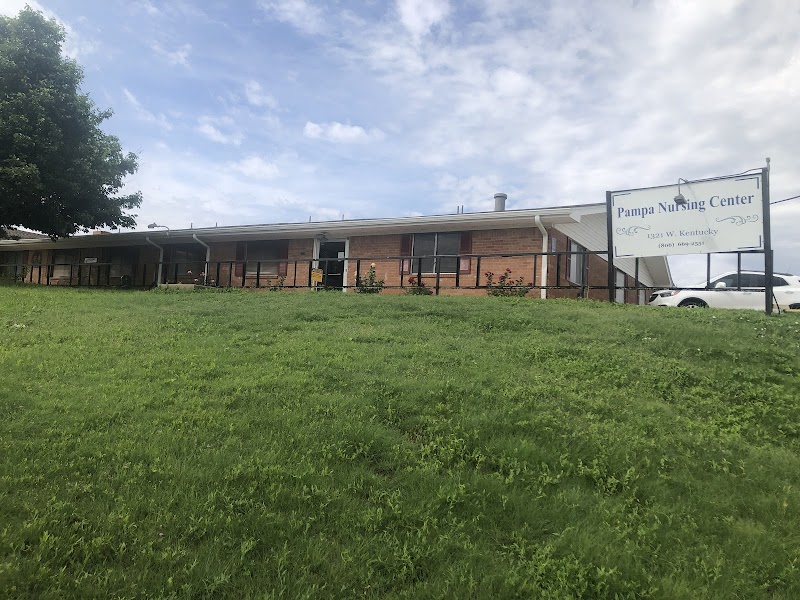
1321 W KENTUCKY, PAMPA, TX 79065 (806) 669-2551
For profit - Limited Liability company 88 Beds Independent Data: November 2025
Trust Grade
73/100
#303 of 1168 in TX
Last Inspection: July 2025

Inspected within the last 6 months. Data reflects current conditions.

Overview

Pampa Nursing Center has a Trust Grade of B, indicating it is a good choice for families seeking care, which means it performs better than average but still has areas for improvement. It ranks #303 out of 1,168 facilities in Texas, placing it in the top half, but it is the last-ranked facility in Gray County. The facility is improving, as it reduced reported issues from five in 2024 to three in 2025. Staffing is an average strength with a 3/5 rating and a turnover rate of 36%, which is better than the Texas average of 50%. However, the facility has faced some concerning issues, including a lack of a full-time Director of Nursing, which could affect the quality of care, and deficiencies in food safety practices, such as improper storage and cleanliness in the kitchen.

Trust Score
B
73/100
In Texas
#303/1168
Top 25%
Safety Record
Low Risk
No red flags
Inspections
Getting Better
5 → 3 violations
Staff Stability
○ Average
36% turnover. Near Texas's 48% average. Typical for the industry.
Penalties
✓ Good
$4,085 in fines. Lower than most Texas facilities. Relatively clean record.
Skilled Nurses
⚠ Watch
Each resident gets only 27 minutes of Registered Nurse (RN) attention daily — below average for Texas. Fewer RN minutes means fewer trained eyes watching for problems.
Violations
⚠ Watch
20 deficiencies on record. Higher than average. Multiple issues found across inspections.
★★★★☆
4.0
Overall Rating
★★★☆☆
3.0
Staff Levels
★★★★☆
4.0
Care Quality
★★★★☆
4.0
Inspection Score
Stable
2024: 5 issues
2025: 3 issues

The Good

  • 4-Star Quality Measures · Strong clinical quality outcomes
  • Full Sprinkler Coverage · Fire safety systems throughout facility
  • No fines on record
  • Staff turnover below average (36%)

    12 points below Texas average of 48%

Facility shows strength in quality measures, fire safety.

The Bad

Staff Turnover: 36%

Near Texas avg (46%)

Typical for the industry

Federal Fines: $4,085

Below median ($33,413)

Minor penalties assessed

The Ugly 20 deficiencies on record

Jul 2025 3 deficiencies
CONCERN (D)

Potential for Harm - no one hurt, but risky conditions existed

Safe Environment (Tag F0584)

Could have caused harm · This affected 1 resident

**NOTE- TERMS IN BRACKETS HAVE BEEN EDITED TO PROTECT CONFIDENTIALITY** Based on observation and interview the facility failed to provide a safe, clean, comfortable and homelike environment, including...

Read full inspector narrative →
**NOTE- TERMS IN BRACKETS HAVE BEEN EDITED TO PROTECT CONFIDENTIALITY** Based on observation and interview the facility failed to provide a safe, clean, comfortable and homelike environment, including but not limited to receiving treatment and supports for daily living safely for 2 (Resident #4 and Resident #12) of 12 resident's reviewed for homelike environment.1. The facility failed to ensure Resident #4 stored her chips in an airtight, sealed container.The facility failed to ensure Resident #4's personal refrigerator temperature was checked daily.2. The facility failed to ensure Resident #12's personal refrigerator was cleared of old food. These failures could place residents at risk of pests and/or food borne illness.Findings Included:1. Record review of Resident #4's admission record dated 07/22/25 revealed a [AGE] year-old female admitted to the facility on [DATE] with diagnoses that included, but were not limited to, epilepsy (disorder that causes abnormal brain function, seizures), Parkinson's disease (chronic and progressive movement disorder that initially causes tremors in one hand and stiffness or slowing of movement), and mild cognitive impairment.Record review of Resident #4's quarterly MDS assessment completed on 05/16/25 revealed a BIMS score of 15 which indicated intact cognition. Resident #4 was coded to use a walker and a wheelchair. She was independent across all ADLs except for bathing where she needed partial/moderate assistance, walking where she needed supervision or touching assistance, and eating where she needed set up or clean up assistance.Record review of Resident #4's care plan completed 05/01/25 revealed no mention of personal food storage or a personal refrigerator.During an observation of Resident #4's room on 07/21/25 at 09:46 AM an open bag of barbeque potato chips was observed with the top of the bag standing open. The bag of potato chips was sitting on some clothes on top of a box at the end of Resident #4's bed. A bag of tortilla chips that was half full was observed sitting on top of Resident #4's refrigerator. The top of the bag was folded over once.During an observation of Resident #4's room on 07/22/25 at 10:24 AM the refrigerator temperature log for Resident #4's refrigerator was on the floor under the curtain that separated Resident #4's area of the room from her roommate's area of the room. The refrigerator contained sodas, individual puddings, and popsicle's. The log had no temperature entries for 07/21/25. Resident #4's tortilla and potato chip bags, each approximately half full, were both sitting on the top of the refrigerator with their open tops folded over once.During an observation and interview on 07/22/25 at 10:27 AM Resident #4 was seated in her wheelchair in the doorway to her room. She stated she thought staff had cleaned her refrigerator out one time. She stated staff had not spoken to her about keeping her chips in a sealed container with a lid.During an observation on 07/23/25 at 08:51 AM Resident #4's potato and tortilla chip bags were both on top of her refrigerator with the tops of the bags folded over one time.2. Record review of Resident #12's admission record dated 07/22/25 revealed an [AGE] year-old female admitted to the facility on [DATE] with diagnoses that included, but were not limited to, unspecified dementia (a group of thinking and social symptoms that interferes with daily functioning) and Alzheimer's disease (a progressive disease that destroys memory and other important mental functions).Record review of Resident #12's quarterly MDS assessment completed on 05/29/25 revealed a BIMS score of 13 which indicated intact cognition. Resident #12 was coded to use a walker. She was independent across all ADLs except for bathing where she needed partial/moderate assistance and eating where she needed set up or clean up assistance.Record review of Resident #12's care plan completed 05/22/25 revealed no mention of personal food storage or a personal refrigerator.During an observation of Resident #12's room on 07/21/25 at 09:56 AM her personal refrigerator contained one, unopened bottle of soda, and a cheeseburger from a fast-food restaurant wrapped in the paper wrapper from the restaurant. The cheeseburger was hard to the touch.During an observation of Resident #12's room on 07/22/25 at 10:25 AM her personal refrigerator temperature log was up to date and signed every day of the month through 07/22/25. The cheeseburger was still in the refrigerator as was the unopened bottle of soda. The appearance of the cheeseburger when unwrapped from the paper wrapper was very dry, hard, and desiccated.During an observation of Resident #12 refrigerator on 07/23/25 at 08:53 AM her refrigerator temperature log was filled in for 07/23/25 and the cheeseburger was still in her refrigerator.During an observation and interview on 07/23/25 at 12:09 PM Resident #12 was seated in the dining room. She stated she knew the cheeseburger was in her refrigerator and she knew it was old and needed to be thrown away. She stated she was not going to eat the cheeseburger. Resident #12 stated, It's been in there a while.During an interview on 07/23/25 at 08:44 AM CNA B stated she had worked for the facility for a year and a half. She stated she worked for the facility previously as well. CNA B stated the facility policy regarding residents' personal food was that it was stored in their room and if it needed to be refrigerated it was stored in their personal refrigerator if they had one. She stated CNAs were responsible to ensure residents' personal food was stored according to the facility's policy. She stated CNAs checked residents' personal food and if it was expired or old they spoke to the resident and let them know it had to be thrown away. CNA B stated CNAs and nurses were responsible for checking residents' personal refrigerator temperatures and for cleaning old or expired food out of said refrigerators. She stated they did that twice a day. CNA B stated she was trained on her responsibilities regarding residents' personal food storage. She stated the training did not mention storing dry food in airtight containers. She stated with residents' chips, Sometimes we just fold them and put a clip. CNA B stated a possible negative outcome of residents' personal food not being stored properly and/or their personal refrigerators' temperatures not being checked daily was something might go bad and the resident can get sick.During an interview on 07/23/25 at 08:56 AM LVN A stated she had worked for the facility for 4 months. She stated the facility policy regarding residents' personal food stated food had to be sealed closed and have an expiration date. She stated residents' personal refrigerators were to be temperature checked every day by CNAs and nurses. She stated the CNAs usually did the checks, but it was the nurses' responsibility to ensure it was done. LVN A stated CNAs were responsible to ensure residents' personal food was properly sealed. She stated it was the nurses' responsibility to ensure that was done. She stated CNAs, nurses, and resident family members were all responsible for clearing old or expired food out of residents' personal refrigerators. She stated that was done daily or every other day. LVN A stated residents could get food poisoning or upset stomachs if their food was not stored properly or their refrigerator temperature was not checked daily.During an interview on 07/23/25 at 09:03 AM DON stated the facility's policy regarding residents' personal food stated residents had the right to have personal food. She stated residents were usually able to manage their own food and facility staff checked their refrigerator temperatures. She stated if staff smelled or saw something they would clean out the refrigerator. She stated of residents' personal dry food items, as long as it is not expired, they can have it, and we try to monitor and check it regularly. DON stated it was usually CNAs who were responsible for the storage of residents' personal food. She stated she had not trained staff on that responsibility. DON stated it was CNAs who were responsible for checking residents' personal refrigerator temperatures. She stated nurses were ultimately responsible to ensure it was done. DON stated if residents' dry food was not stored properly it can bring critters around. She stated if residents' refrigerators were not temperature checked and cleared of old or expired food residents could get sick.During an interview on 07/23/25 at 09:10 AM ADM stated she was familiar with the facility policy regarding residents' personal food storage. She stated CNAs were responsible for ensuring residents stored their personal food properly. ADM stated improperly stored dry food would not attract bugs because the facility had a monthly pest control program. She stated improperly stored refrigerated food might make them (residents) sick.Record review of a staff in-service presented by ADM on 04/15/25 revealed the following: All refrigerator [sic] in the facility will have a temperature sheet to be checked and written down once a day.Record review of facility policy titled Foods Brought by Family/Visitors and dated March 2022 revealed the following: . Facility staff will strive to balance resident choice and a homelike environment with the nutritional and safety needs of residents. 5. Food brought in by family/visitors that is left with the resident to consume later is labeled and stored in a manner that is clearly distinguishable from facility-prepared food. Non-perishable foods are stored in re-sealable containers with tightly fitting lids. Perishable foods are stored in re-sealable containers with tightly fitting lids in a refrigerator. Containers are labeled with the resident's name, the item, and the use by date. 6. The nursing staff will discard perishable foods on or before the use by date. 7. The nursing and/or food service staff will discard any foods prepared for the resident that show obvious signs of potential foodborne danger.Record review of facility policy titled Homelike Environment and dated February 2021 revealed the following: Residents are provided with a safe, clean, comfortable and homelike environment.Record review of facility policy titled Guidelines for Resident's Use of Personal Refrigerators and dated 2009 revealed the following: Our Facility strives to provide all residents with a comfortable, yet safe, living environment. The storage of perishable and non-perishable foods in resident rooms pose the risk and danger for spreading of infection and disease. All food items must be in clear, airtight containers, labeled with the resident's name, its contents, a prepared date and an expiration date. Facility staff will monitor temperatures of the refrigerators on a daily basis and discard any items deemed unsafe/hazardous by Facility staff .
CONCERN (D)

Potential for Harm - no one hurt, but risky conditions existed

Comprehensive Care Plan (Tag F0656)

Could have caused harm · This affected 1 resident

**NOTE- TERMS IN BRACKETS HAVE BEEN EDITED TO PROTECT CONFIDENTIALITY** Based on observation, interview and record reviews, the facility failed to develop and implement a comprehensive person-centered...

Read full inspector narrative →
**NOTE- TERMS IN BRACKETS HAVE BEEN EDITED TO PROTECT CONFIDENTIALITY** Based on observation, interview and record reviews, the facility failed to develop and implement a comprehensive person-centered care plan for each resident that included measurable objectives and timeframes to meet residents' medical, nursing and mental and psychosocial needs for 1 of 12 residents (Resident #42) whose care plans were reviewed.The facility failed to ensure Resident #42's care plan addressed the resident's need for oxygen therapy. This deficient practice could result in residents not receiving the appropriate and necessary care and services. Findings included: Record review of Resident #42’s Face Sheet dated 7/22/2025, revealed an [AGE] year-old female resident admitted to the facility on [DATE] with diagnoses including but not limited to: Congestive Heart Failure (is a long term condition where the heart cannot pump blood effectively leading to fluid build up in the lungs), asthma (long term inflammatory disease of the lungs). Record review of Resident #42's MDS, dated [DATE], revealed that Resident #42 was to receive oxygen therapy. The ARD date for MDS was 07/09/2025. The MDS did reveal that Resident #42 had a BIMS score of 13, which indicated Resident #42 did not have any cognitive impairment. Resident #42 required substantial/maximal assistance was required for shower/bathing. Resident #42 required setup/clean-up assistance with oral and personal hygiene and eating. Record review of Resident #42's active medication orders, dated 07/22/2025, revealed Resident #42 had an oxygen order that reflected: “May use oxygen @ 2 L per NC to maintain sats @ =/> 90% and/or SOB. every shift for SOB Verbal Active ordered date: 04/03/2025, start date 04/04/2025” Record review of Resident #42’s care plan, dated 03/26/2025, revealed nothing regarding Resident #42 receiving oxygen therapy. During an interview and observation on 07/22/2025 at 11:30 AM Resident #42 stated that she had been on oxygen for a long time due to being a heart patient. Resident #42 looked over the side of her bed and stated, “Yeah, it is on the right amount”. During an observation on 07/22/2025 at 11:35 AM revealed Resident #42 had a NC on and the oxygen concentrator was delivering oxygen on 4.5L/min. to Resident #42. During an observation on 07/22/2025 at 01:15 PM revealed Resident #42's oxygen concentrator was set at 4.5L/min and Resident #42 had a NC on and was receiving oxygen at time of observation. During an interview on 07/22/2025 at 02:45 PM MD stated that if a resident was having out of the ordinary issues such as pneumonia, there could be a change in treatment strategy. MD stated if the resident had advanced COPD the O2 could be at a 4.5L/min depending on residents current status. Otherwise, it would be titrated to manage a O2 saturation at 92% or greater. During an observation on 07/23/2025 at 08:57 AM Resident #42 had a NC on and oxygen concentrator was delivering oxygen on 4.5L/min. to Resident #42. During an interview on 07/23/2025 at 9:01 AM Interview with MDS Nurse stated that she and the DON were responsible for updating the Care plans. MDS nurse stated that the negative outcome for not having an updated care plan would be that the resident would not be receiving the appropriate care that they need. During an interview on 07/23/2025 at 9:24 AM Interview with DON stated that she and the MDS nurse were responsible for updating the CP's. DON was responsible for changes and updates and MDS nurse performs the initial CP. DON stated the negative outcome for not updating the CP to mirror the MDS assessment puts the Residents at risk for not receiving the care that they need. During an interview on 07/23/2025 at 9:48 AM Interview with LVN A stated she rarely ever looks at the CP. LVN A stated a negative outcome for not having an updated CP, LVN A stated it could lead to not knowing what the patient needs in the way of their care. Record review of the facility provided policy titled, “Care Plans, Comprehensive Person-Centered”, revised March 2022, revealed the following: “Policy Statement A comprehensive, person-centered care plan that includes measurable objectives and timetables to meet the resident’s physical, psychosocial and functional needs is developed and implemented for each resident. … …3. The care plan interventions are derived form a thorough analysis of the information gathered as part of the comprehensive assessment. … …7. The comprehensive, person-centered care plan; a. Includes measurable objectives and timeframes; b. Describes the services that are to be furnished to attain or maintain the resident’s highest practicable physical, mental, and psychosocial well-being, including: … …(3) which professional services are responsible for each element of care; … …e. Reflects currently recognized standards of practice for problem areas and conditions. …”
CONCERN (D)

Potential for Harm - no one hurt, but risky conditions existed

Respiratory Care (Tag F0695)

Could have caused harm · This affected 1 resident

**NOTE- TERMS IN BRACKETS HAVE BEEN EDITED TO PROTECT CONFIDENTIALITY** Based on observation, interview and record review, the facility failed to ensure that residents who need respiratory care were p...

Read full inspector narrative →
**NOTE- TERMS IN BRACKETS HAVE BEEN EDITED TO PROTECT CONFIDENTIALITY** Based on observation, interview and record review, the facility failed to ensure that residents who need respiratory care were provided such care consistent with professional standards of care for 1 of 12 residents (Resident #42) reviewed for respiratory care. The facility failed to administer oxygen at the correct dose for Resident #42. This failure could affect all residents on oxygen therapy by placing them at risk for respiratory compromise and associated complications such as shortness of breath, confusion, respiratory failure, and exacerbation of their condition. Findings included: Record review of Resident #42's face sheet, dated 07/22/2025, revealed Resident #42 was a [AGE] year-old female resident admitted to the facility on [DATE] with diagnoses to include type 2 diabetes mellitus without complications (a condition where blood sugar levels are persistently high due to either the body's inability to use insulin effectively (insulin resistance) or the pancreas doesn't produce enough insulin, or both), essential hypertension (a condition in which the force of blood against the walls of the arteries is consistently elevated above normal levels), chronic combined systolic (congestive) and diastolic (congestive) heart failure, rheumatoid arthritis, sleep apnea, unspecified asthma, and heart failure. Record review of Resident #42's MDS, dated [DATE], revealed that Resident #42 was to receive oxygen therapy. The ARD date for MDS was 07/09/2025. The MDS did reveal that Resident #42 had a BIMS score of 13, which indicated Resident #42 did not have any cognitive impairment. Record review of Resident #42's active medication orders, dated 07/22/2025, revealed Resident #42 had an oxygen order that stated: “May use oxygen @ 2 L per NC to maintain sats @ =/> 90% and/or SOB. every shift for SOB Verbal Active ordered date: 04/03/2025, start date 04/04/2025” Record review of Resident #42’s care plan, dated 03/26/2025, revealed nothing regarding Resident #42 receiving oxygen therapy. During an interview and observation on 07/22/2025 at 11:30 AM Resident #42 stated that she had been on oxygen for a long time due to being a heart patient. Resident #42 looked over the side of her bed and stated, “Yeah, it is on the right amount”. During an observation on 07/22/2025 at 11:35 AM Resident #42 had a NC on and oxygen concentrator was delivering oxygen on 4.5L/min. to Resident #42. During an observation on 07/22/2025 at 01:15 PM revealed Resident #42's oxygen concentrator set at 4.5L/min and Resident #42 had NC on and receiving oxygen at time of observation. During an interview on 07/22/2025 at 02:45 PM MD stated that if a resident was having out of the ordinary issues such as pneumonia, there could be a change in treatment strategy. MD stated if the resident had advanced COPD the O2 could be at a 4.5L/min depending on residents current status. Otherwise, it would be titrated to manage a O2 saturation at 92% or greater. During an observation on 07/23/2025 at 08:57 AM Resident #42 had a NC on and oxygen concentrator was delivering oxygen on 4.5L/min. to Resident #42. During an interview on 07/23/2025 at 09:01 AM MDS nurse stated it was not common practice to have a resident on 4.5L/min of oxygen. MDS nurse stated the facility had a standing order for 2-3L/min to maintain an O2 saturation of 92% or greater. MDS nurse was asked If a resident has some type of respiratory distress caused by pneumonia, flu, or COVID would the oxygen be titrated to maintain the O2 saturation of 92% or greater, MDS stated No usually it is just medications that are changed. During an interview on 07/23/2025 at 09:24 AM Interview with DON stated that the negative outcome for having an oxygen concentrator set to high could lead to the resident becoming more dependent upon oxygen. During an interview on 07/23/2025 at 09:48 AM Interview with LVN stated that she checks Resident #42’s oxygen saturation levels all of the time. LVN was asked if she observed the concentrator to see what it is set to, LVN stated that she had not. LVN stated that a negative outcome for having oxygen to high could lead to overload for the resident. Interview on 07/23/2025 at 09:52 AM Interview with DON stated NP was made aware that Resident #42's oxygen level was increased by the day shift nurse (LVN C). NP let the DON know that she would like for the level to be returned to the 2L/min. No new orders were provided to DON during her phone call to NP. Record review of the facility provided policy titled, “Oxygen Administration”, revised October 2010, revealed the following: “Purpose The purpose of this procedure is to provide guidelines for safe oxygen administration. Preparation 1. Verify that there is a physician’s order for this procedure. Review the physician’s orders for facility protocol for oxygen administration. …”
Jun 2024 5 deficiencies
CONCERN (D)

Potential for Harm - no one hurt, but risky conditions existed

Transfer Notice (Tag F0623)

Could have caused harm · This affected 1 resident

**NOTE- TERMS IN BRACKETS HAVE BEEN EDITED TO PROTECT CONFIDENTIALITY** Based on interview and record review, the facility failed to notify the resident or a representative of the Office of the State ...

Read full inspector narrative →
**NOTE- TERMS IN BRACKETS HAVE BEEN EDITED TO PROTECT CONFIDENTIALITY** Based on interview and record review, the facility failed to notify the resident or a representative of the Office of the State Long-Term Care Ombudsman of the transfer or discharge for 1 (Resident #30) of 3 residents reviewed for transfers/discharges. The facility failed to notify Resident #30 of her transfer to the hospital and pending discharge. The facility failed to notify a representative of the Office of the State Long-Term Care Ombudsman of Resident #30's discharge. This failure could affect residents at the facility by placing them at risk of being transferred/discharged and not having access to available advocacy services, discharge/transfer options, and appeal processes. Findings include: Record review of Resident #30's face sheet dated 06-24-2024 revealed a [AGE] year-old female resident admitted to the facility on [DATE] with diagnoses to include cerebral infarction (occurs as a result of disrupted blood flow to the brain due to problems with the blood vessels that supply it), pneumonia (lung inflammation caused by a bacterial or viral infection), expressive language disorder (a condition in which a person has lower that normal ability in vocabulary, saying complex sentences, and remembering words), chronic kidney disease (longstanding disease of the kidneys leading to kidney failure), hypertension (a condition in which the force of the blood against the artery walls is too high), chronic atrial fibrillation (an irregular, often rapid heart rate that commonly causes poor blood flow), atherosclerotic heart disease(a buildup of fat, cholesterol, and other substances in the artery walls), psychotic disorder (severe mental disorders that cause abnormal thinking and perceptions), and dementia. (a group of thinking and social symptoms that interferes with daily functioning). Section-Miscellaneous Information-Date of Discharge-05-13-2024. discharged to: Acute Care Hospital. Section-Contacts-Resident #30 is listed as the Responsible Party. No other contacts are listed. Record review of Resident #30's last MDS assessment completed 5-13-2024 reflected a discharge assessment-return not anticipated listing Resident #30 with a BIMS that was not evaluated because Resident #30 had memory problems and that Resident #30 had a functionality that ranged from substantial/maximal assistance with activities of daily living such as dressing and footwear to independent with eating. Section A marked the discharge as unplanned. Record review of Resident #30's discharge MDS completed 5-13-2024 also revealed the following: Section A: At the time of discharge, did your facility provide the resident's current reconciled medication list to the resident, family and/or caregiver? -there was no response. Section O: Is active discharge planning already occurring for the resident to return to the community? -the answer was no. Record review of Resident #30's care plan with admission date of 04-24-2024 revealed the following care plan: Focus-I wish to remain in the facility for long term care. Date Initiated: 05-10-2024. Record review of Resident #30's chart to include Resident #30's progress notes dated 04-24-2024 to 05-25-2024 revealed the following: The first documented progress note was 04-24-2024 and the last documented progress note was 05-13-2024. -There was no documentation in the progress notes or any other area of Resident #30's chart for Resident #30's transfer/discharge, the reason for Resident #30's transfer/discharge, no noted discharge summary, no noted notification of the resident since Resident #30 was her own responsible party. There was no noted notification of the Ombudsman of Resident #30's transfer/discharge or reason for the transfer/discharge. During an interview on 06-24-2024 at 03:07 PM the DON verified that Resident #30 was discharged to the ER on [DATE] after having behavioral issues with staff, Police, and the EMS and the plan was that Resident #30 would not return due to being a risk to the other residents and staff. The DON reported that at the time of this interview the facility did not know where Resident #30 was or what had happened to Resident #30. The DON reported that the plan was for Resident #30 to go to a behavioral health unit but that she (the DON) did not know if that had happened. The DON reported that no written notice of transfer or discharge had been given to Resident #30 and to the DON's knowledge no notice had been sent to the ombudsman. The DON also reported that no notice that Resident #30 would not be allowed to be readmitted to the facility was given either but that that was the administrator's responsibility and that this surveyor would need to ask the administrator for verification. During an interview on 06/24/24 at 03:11 PM the Administrator reported that no written transfer or discharge notice and no written notice that Resident #30 would not be readmitted to the facility had been given to Resident #30 due to Resident #30 was a risk to the other residents and staff. The Administrator stated, I honestly can't recall if we notified the Ombudsman of any of this due to Resident #30 was such a threat and we knew Resident #30 would not be readmitted . The administrator checked her computer to include Resident #30's chart and the Administrator's emails and could not find any notice of transfer or discharge that was provided to Resident #30 or the Ombudsman. During an interview on 06-24-2024 at 03:57 PM the Ombudsman for this facility checked her records and verified that she has never received a notice of transfer or discharge for Resident #30. The Ombudsman reported that she was supposed to receive a monthly list of transfers or discharges but this facility is bad about not sending them. During an interview on 06-25-2024 at 07:45 AM the Administrator reported that if a resident or the ombudsman was not provided the information of a residents transfer or discharge then it could be a violation of the resident's rights and the residents would not get the right to appeal the transfer or discharge. During an interview on 06-25-2024 at 08:14 AM the DON reported that if a resident was not given a transfer or discharge notice and the information included with the transfer or discharge notice then that resident would not have the information for the appeal process. Record review of the facility provided policy titled, Transfer or Discharge, Facility-Initiated October 2022, revealed the following: Policy Statement: Once admitted to the facility, residents have the right to remain in the facility. Facility initiated discharge, when necessary, must meet specific criteria and require resident/representative notification and orientation, and documentation as specified in this policy. -Notice of Transfer or Discharge (Emergent or Therapeutic Leave) 4. Notice of Transfer is provided to the resident and representative as soon as practicable before the transfer and to the long-term care (LTC) Ombudsman when practicable (e.g. in a monthly list of residents .) -Notice of Discharge after Transfer 2. If the facility does not permit a resident to return to the facility based on inability to meet the residents needs, the facility will notify the resident, and/or his or her representative in writing of the discharge, including notification of the appeal rights. 3. The facility will send a copy of the discharge notice to the representative of the Office of the State LTC Ombudsman. -Documentation of Facility-Initiated Transfer or Discharge 1, When a resident is transferred or discharge from the facility, the following information is documented in the medical record. a. The basis for the transfer or discharge b. That appropriate notice was provided to the resident .
CONCERN (D)

Potential for Harm - no one hurt, but risky conditions existed

Deficiency F0700 (Tag F0700)

Could have caused harm · This affected 1 resident

**NOTE- TERMS IN BRACKETS HAVE BEEN EDITED TO PROTECT CONFIDENTIALITY** Based on interview, and record review the facility failed to review the risks and benefits of bed rails with the resident or res...

Read full inspector narrative →
**NOTE- TERMS IN BRACKETS HAVE BEEN EDITED TO PROTECT CONFIDENTIALITY** Based on interview, and record review the facility failed to review the risks and benefits of bed rails with the resident or resident's representative and obtain informed consent prior to installation of bed rails for 2 (Resident #20 and #24) of 17 residents reviewed for bedrails. The facility failed to inform Resident #20 and #24 or their representatives for the use of bed rails and obtain consent for the use of bed rails. This deficient practice could place all residents with bed rails at risk for injuries such as abrasion, fractures, and entrapment. Finding include: Resident #20 Record review of Resident #20's clinical record revealed an [AGE] year-old male admitted to the facility originally on 01-4-2023 and readmitted on [DATE] with diagnoses to include cerebral infarction (occurs as a result of disrupted blood flow to the brain due to problems with the blood vessels that supply it), Parkinson's (a disorder of the central nervous system that affects movements to include tremors), hypertension (a condition in which the force of the blood against the artery walls is too high), repeated falls, macular degeneration (a degenerative condition affecting the central part of the retina), lack of coordination, muscle weakness, and dementia (a group of thinking and social symptoms that interferes with daily functioning). Record review of Resident #20's clinical record revealed his last MDS was a quarterly completed 03-12-2024 which indicated his BIMS was 15 indicating he was cognitively intact, and he had a functionality of requiring substantial/maximal assistance with most activities of daily living. Resident #20 is listed as requiring supervision or touching assistance when transferring from the bed to the chair. Record review of Resident #20's Order Summary Report with active orders as of 06-24-2024 revealed the following order: Device: Side Rail: Three Fourth Side Rail - Active 01-04-2023 Record review of Resident #20's care plans with date of admit 07-08-2023 revealed the following care plan: Focus - I use 1/4 side rails on both sides of my bed for increased bed mobility and positioning. - Date Initiated: 04-24-2023. Record review of Resident #20's clinical record revealed a Bed Rail Consent undated that was not completed and had no signature for Resident #20 or his representative. During an observation and interview on 06-23-2024 at 09:26 AM Resident #20 was in his wheelchair in his room. Resident #20 had bilateral 1/4 bedrails that were up and locked in place that he reported he uses to move around in his bed, that he knew how to use the bedrails, but the facility had not addressed any issues with his bed rails to include training him on their use. Resident #20 was noted to have a right-hand contracture (a condition of shortening and hardening of the muscles and tendons, or other tissue, often leading to deformity and rigidity of the joints). Resident #24 Record review of Resident #24's clinical record revealed an [AGE] year-old male admitted to the facility on originally on 11-30-2023 and readmitted on [DATE] with diagnoses to include acquired absence of right leg below the knee (surgical amputation below the knee of the right leg), hypertension (a condition in which the force of the blood against the artery walls is too high), diabetes (a chronic condition that affects the way the body processes blood sugar (glucose), depression (a mental health disorder characterized by persistently depressed mood or loss of interest in activities, causing significant impairment in daily life), chronic obstructive pulmonary disease (a group of lung diseases that block airflow and make it difficult to breath), peripheral vascular disease (a circulatory condition in which narrowed blood vessels reduce blood flow to the limbs), congestive heart failure (a chronic condition in which the heart dose not pump blood as well as it should), and malaise (a general feeling of discomfort, illness, lack of well-being). Record review of Resident #24's clinical record revealed his last MDS was a quarterly completed 03-15-2024 which indicated his BIMS was 13 indicating he was cognitively intact, and he had a functionality of requiring partial/moderate assistance with most activities of daily living. Resident #24 is listed as requiring supervision or touching assistance when transferring from the bed to the chair. Record review of Resident #24's Order Summary Report with active orders as of 06-24-2024 revealed no orders for his bedrails. Record review of Resident #24's care plans with date of admit 01-02-2024 revealed the following care plan: Focus - I am at high risk for falls r/t Gait/balance problems. - Date Initiated: 12-17-2023. Interventions - The resident needs a safe environment with: (even floors free from spills and/or clutter; adequate, glare-free light; a working and reachable call light, the bed in low position at night; Slide rails (bed rails) as ordered, handrails on walls, personal items within reach) - Date Initiated: 12-17-2023. Record review of Resident #24's clinical record revealed there was no bedrail consent completed for Resident #24. During an observation and interview on 06-23-2024 at 09:22 AM Resident #24 was in his room laying in his bed under his covers. Resident #24 had bilateral 1/4 bedrails up and locked in place. Resident #24 reported that he used his bed rails a little bit and that he did not know how to use them properly or how to get them up and down if needed, that the facility had never discussed his bed rails with him to include training him on their use. During an interview on 06-25-2024 at 07:41 AM the Administrator reported that Resident #20 had a bedrail consent in his chart that was never signed, and Resident #20 had a family representative that was his responsible party, and that Resident #24 did not have any bedrail consent in his chart. The Administrator reported that she was going to get the family to come in and sign Resident #20's consent and that she would get Resident #24's consent signed immediately. During an interview on 06-25-2024 at 07:49 AM the Administrator reported that if a resident was not offered the consent information for bedrails and given the opportunity to accept or refuse the consent then it violates a residents' right to choose self-preservation which could pose a risk to the resident of becoming trapped in the rail or being injured. During an interview on 06-25-2024 at 08:15 AM the DON reported that if a resident was not given the opportunity to address a bedrail consent, then the resident might hurt themselves on the bedrail and their safety would not be maintained. Record review of facility provided policy titled Bed Safety and Bed Rails, revision August 2022, revealed the following: Use of Bed Rails 8. Before using bed rails for any reason, the staff shall inform the resident or representative about the benefits and potential hazards associated with bed rails and obtain informed consent.
CONCERN (D)

Potential for Harm - no one hurt, but risky conditions existed

Deficiency F0761 (Tag F0761)

Could have caused harm · This affected 1 resident

Based on observation, interview, and record review; the facility failed to ensure medications were stored in accordance with currently accepted professional principles for 1 (North Hall Medication Car...

Read full inspector narrative →
Based on observation, interview, and record review; the facility failed to ensure medications were stored in accordance with currently accepted professional principles for 1 (North Hall Medication Cart) of 4 medication storage areas reviewed for medication storage. LVN F left the North Hall medication cart unlocked and unsupervised in the hallway. The facility's failure to ensure medications were stored in accordance with currently accepted professional principles could result in a residents, visitors, or staff accessing the resident medications resulting in misappropriation of resident property, exacerbation of the resident's condition, overdose, and exacerbation of the resident's disease processes. Findings included: During an observation on 06-23-2024 at 03:09 PM of the North Hall medication cart that was placed at the front of the north hall in the hallway in front of the nurse's station, the cart was noted to be unlocked. This surveyor noted on several occasions during this shift that resident have been present in this hallway to include resident who are wondering and confused. No staff or residents were present at the time of this observation. During an observation and interview on 06-23-2024 at 03:11 PM ADON E was asked to exit her office and check the North Hall medication cart. ADON E verified that the North Hall medication cart was unlocked, and that multiple resident medication were present in the cart. ADON E reported that leaving a medication cart unattended and unlocked can result in residents or family members accessing the medications, that if that happened the person taking the medications could have a reaction, it could be dangerous, and they could take too much of something and overdose. During an interview on 06-23-2024 at 03:15 PM LVN F (the nurse responsible for the North Hall medication cart this shift) reported that she never leaves her cart unlocked and that she did not know what happened this time. LVN F reported that leaving a medication cart unlocked could result in resident medications getting stolen, residents who wonder could access the meds, and that a resident could die if they took the wrong medication or took too much medication. LVN F reported that it was the facility's normal protocol to ensure all medication carts are locked when staff are not present and that she had been trained on this by a previous DON. Record review of the facility provided polity titled, Storage of Medications revised November 2020, revealed the following: Policy: The facility stores all drugs and biologicals in a safe, secure, and orderly manner. Policy Interpretation and Implementation: 1.-Drugs and biologicals used in the facility are stored in locked compartments . Only persons authorized to prepare and administer medications have access to locked medication. 6.-Compartments (including . carts .) containing drugs and biologicals are locked when not in used. Unlocked medication carts are not left unattended.
CONCERN (D)

Potential for Harm - no one hurt, but risky conditions existed

Infection Control (Tag F0880)

Could have caused harm · This affected 1 resident

Based on observation, interview, and record review, the facility failed to maintain an infection prevention and control program designed to provide a safe, sanitary, and comfortable environment to hel...

Read full inspector narrative →
Based on observation, interview, and record review, the facility failed to maintain an infection prevention and control program designed to provide a safe, sanitary, and comfortable environment to help prevent the development and transmission of communication diseases and infections for 1 (Resident #23) of 17 Residents. -CNA A and CNA B failed to use proper hand hygiene before, during, and after incontinent care of Resident #23. These failures had the potential to affect residents in the facility by placing them at risk of contracting, spreading, and/or exposing them to bacterial or viral infections that could lead to the spread of communicable diseases. Findings included: Observation on 06/24/24 at 12:56pm of incontinent care for Resident #23 was performed by CNA C and CNA D. Hand hygiene was not performed before the start of incontinent care for Resident #23 by either CNA. Resident #23 had a BM and CNA D turned resident away from her towards the wall to clean Resident #23's buttocks and rectum. CNA D then proceeded to take a clean brief and place it under the resident. No hand hygiene or glove change took place during this observation. CNA D then with the same dirty gloves that she performed incontinent care with, touched residents' blankets, pillow, and clothing of resident. No hand hygiene was performed by CNA D after removal of gloves in room. CNA D was observed taking waste to the dirty linen closet and did not perform hand hygiene after taking trash to the dirty linen closet. CNA C removed gloves and provided Resident #23 with a drink of coke. No HH was performed until after the drink was provided to resident. Interview on 06/24/24 at 01:27pm CNA D stated that there was no negative outcome by not performing HH or a glove change. CNA D was asked if there was any chance for infection if she did not perform HH or glove change, CNA D stated yes. Interview on 06/24/24 at 01:30pm CNA C stated that a negative outcome for not performing hand hygiene before administering the drink to Resident #23 would lead to cross contamination. Interview on 06/25/24 at 8:18am DON stated that a negative outcome for not performing hand hygiene and glove changes during incontinent care could lead to cross contamination. Record review of facility provided policy, titled Handwashing/Hand Hygiene, revised August 2019, revealed the following: Policy Statement This facility considers hand hygiene the primary means to prevent the spread of infections. Policy Interpretation and Implementation 1. All personnel shall be trained and regularly in-serviced on the importance of hand hygiene in preventing the transmission of healthcare-associated infections. 2. all personnel shall follow the handwashing/hand hygiene procedures to help prevent the spread of infections to other personnel, residents, and visitors. .7. Use an alcohol-based hand rub containing at least 62% alcohol; or, alternatively, soap (antimicrobial or non-anti-antimicrobial) and water for the following situations: . .b Before and after direct contact with residents; . .h. Before moving from a contaminated body site to a clean body site during resident care; . .m After removing gloves; . .o. before and after eating or handling food;;;; p. Before and after assisting a resident with meals; . .8. Hand hygiene is the final step after removing and disposing of personal protective equipment. .Applying and removing gloves: 1. Perform hand hygiene before applying non-sterile gloves . .5. Perform hand hygiene. Record review of facility provided policy, titled Perineal Care, revised February 2018, revealed the following: Steps in procedure . .2. Wash and dry your hands thoroughly. .7. Put on gloves. .10. Remove gloves and discard into a designated container. 11. wash and dry your hands thoroughly.
CONCERN (F)

Potential for Harm - no one hurt, but risky conditions existed

Food Safety (Tag F0812)

Could have caused harm · This affected most or all residents

Based on observation, interview, and record review, the facility failed to store, prepare, distribute, and serve food in accordance with the professional standards for food service safety for 1 of 1 k...

Read full inspector narrative →
Based on observation, interview, and record review, the facility failed to store, prepare, distribute, and serve food in accordance with the professional standards for food service safety for 1 of 1 kitchen reviewed for kitchen sanitation. 1. The facility failed to ensure freezer items were properly stored, labeled, and dated. 2. The facility failed to ensure personal items were not in the prep area. 3. The facility failed to ensure pantry foods were properly stored, labeled, and dated. 4. The facility failed to ensure proper hand hygiene and glove use was practiced. 5. The facility failed to ensure cleanliness in the kitchen. These failures could place residents who ate food served by the kitchen at risk of food-borne illness. Findings include: Observation of the freezer on 6/23/24 at 9:20 AM revealed the following: 1. (1) Ziplock bag of coconut with a use by date of 5/26/24. 2. (1) box of frozen vegetables , not sealed and open to air. 3. (1) box of frozen cookie dough, not sealed and open to air. 4. (1) box of frozen biscuit dough, not sealed and open to air. 5. (1) box of frozen omelets, not sealed and open to air. 6. (1) box of frozen sausage patties, not sealed and open to air. 7. (1) box of frozen bacon, not sealed and open to air. 8. Food crumbs were observed in the floor of the freezer. Observation of the walk-in pantry on 6/23/24 at 9:26 AM revealed the following: 1. (1) Ziplock bag of spaghetti noodles, no label or date. 2. Food crumbs were observed on the floor of the pantry and under the food storage racks. In an observation and an interview of the kitchen prep area on 6/23/24 at 9:30 am revealed the following: 1. (1) ladies' purse on the lower shelf of the kitchen prep table with kitchen pots and paper products. [NAME] A stated the purse was hers and she did not know she was not supposed to have personal items in the kitchen prep area. She stated she did not know what the consequences would be if her purse was in the kitchen prep area. In an observation and interview on 6/23/24 at 12:05 pm [NAME] B was observed with gloved hands to touch food trays, the rolling cart next to the prep table, the kitchen prep table, condiment packages and picked up a dessert cup and placed it on a resident meal tray. [NAME] B picked up a dinner roll with one hand and pulled other rolls away from the first roll with her other hand. [NAME] B placed the roll on the plate of food. [NAME] B did not wash her hands or change her gloves. [NAME] B stated she did not use tongs because she had gloves on. In an observation on 6/24/ 24 of the freezer on 6/23/23 at 10:00 AM revealed the following: 1. (1) box of frozen vegetables, not sealed and open to air. 3. (1) box of frozen cookie dough, not sealed and open to air. 4. (1) box of frozen biscuit dough, not sealed and open to air. 5. (1) box of frozen sausage patties, not sealed and open to air. 7. Food crumbs were observed in the floor of the freezer. Observation of the walk-in pantry on 6/24/24 at 10:06 AM revealed the following: 1. (1) Ziplock bag of spaghetti noodles, no label or date. 2. Plastic cup lids in floor of pantry and on top of the canned food in the canned food rack In an interview on 6/24/24 at 2:20 PM, the DM stated of the opened food products she expects all staff to close food items up after use and she expected all food to be labeled and dated. She stated if foods were not properly wrapped up or labeled and dated this could cause food contamination and sickness to residents. She stated anything could fall into the opened food items. She stated expired food items should be thrown out if expired and not used as this could make residents sick. The DM stated she expects all staff to use tongs to serve bread and rolls. The DM stated s personal items are not supposed to be in the kitchen prep area. She stated she had a hook on the back of the kitchen that staff should use for personal items. She stated having personal items in the kitchen could cause cross contamination. The DM stated she was responsible for training staff, and she would retrain them. Record Review of the facility policy and procedure, dated 2009, titled Safe Food Handling documented employees wash hands prior to handling food. Follow all local state and federal regulations when handling food. Refrigerated foods are properly covered, labeled and dated. Food is served with clean sanitized utensils. There is no bare hand contact. All foods removed from the original packaging are stored in a closed container and labeled with the common name of the product and the date it was opened. Record Review of the facility policy and procedure, dated 2009, titled Indications for Glove Use documented employees must wash hands before putting on gloves, when changing into fresh gloves and immediately after removing gloves. Change gloves when an unsanitary item is touched. Examples include opening a drawer, touching a dirty plate, turning on a faucet .Change gloves when beginning a different task. Record Review of the facility policy and procedure, dated 2009, titled Safe Food Preparation documented Avoid touching ready to eat foods with bare hands. Use tongs or other utensils instead. Record Review of the facility policy and procedure, dated 2009, titled Food Safety in Receiving and Storage documented Refrigerated food items are properly covered, labeled and clearly marked to indicate a use by date 2 months from the date opened.
Nov 2023 1 deficiency
CONCERN (D) 📢 Someone Reported This

A family member, employee, or ombudsman was alarmed enough to file a formal complaint

Potential for Harm - no one hurt, but risky conditions existed

Abuse Prevention Policies (Tag F0607)

Could have caused harm · This affected 1 resident

Based on interview and record review the facility failed to implement written policies and procedure that prohibit and prevent abuse, neglect, and exploitation of residents and misappropriation of res...

Read full inspector narrative →
Based on interview and record review the facility failed to implement written policies and procedure that prohibit and prevent abuse, neglect, and exploitation of residents and misappropriation of resident property. The facility failed to ensure a criminal history check was conducted for the BOM prior to start 09/25/2023. This failure could place residents at risk of abuse, neglect, physical harm, mental harm, injury, and hospitalization. Findings include: Record review of BOM's employee file revealed a hire date of 09/25/2023. There was no criminal history check documented in the file. In an interview on 11/30/2023 at 2:36 PM, with ADM stated she had the BOM's criminal background and EMR documentation, but just could not find it. ADM stated, she would take the hit for state violations. Record review of the Abuse, Neglect, and Exploitation policy, dated 01/09/2020, reflected the following: .I. Screening The facility will screen all employees upon hire for a history of abuse, neglect or mistreatment of resident or other individuals, including checking with the appropriate licensing boards and registries
Aug 2023 3 deficiencies
CONCERN (D) 📢 Someone Reported This

A family member, employee, or ombudsman was alarmed enough to file a formal complaint

Potential for Harm - no one hurt, but risky conditions existed

Resident Rights (Tag F0550)

Could have caused harm · This affected 1 resident

**NOTE- TERMS IN BRACKETS HAVE BEEN EDITED TO PROTECT CONFIDENTIALITY** Based on observation, interview, and record review; it was determined the facility failed to ensure each resident was provided t...

Read full inspector narrative →
**NOTE- TERMS IN BRACKETS HAVE BEEN EDITED TO PROTECT CONFIDENTIALITY** Based on observation, interview, and record review; it was determined the facility failed to ensure each resident was provided the right to a dignified existence, self-determination, for 2 of 2 residents reviewed for Resident rights (Resident #2, and Resident #3). Facility failed to provide dignity and respect for Resident #2 by providing privacy while transporting resident down the hall. Facility failed to respect Resident #3's rights in choosing when she would like to be finished with her meal. The facility's failure to ensure that each resident is treated with respect, dignity, and care in a manner that protects and promotes the rights of the residents. Findings include: Record review of Resident #3's clinical record revealed that Resident #3 is a [AGE] year-old female who was admitted to the facility on [DATE] with diagnoses including personal history of traumatic brain injury, muscle weakness (generalized), need for assistance with personal care, cognitive communication deficit and anxiety disorder. Record review of Resident #3's most recent MDS assessment revealed Resident #3's BIMS score is 8 out of 15, indicating moderate cognitive impairment and a functionality of extensive assistance 2 person assist, eating functionality is independent and set up only. An observation on 08/01/2023 at 9:31am revealed Resident #3 was sitting in the dining room. Resident #3 stated that she was not finished with her breakfast, and stated that the staff don't normally take her tray, but that broad is rude, has no manners and took my tray before I was finished. She acts like she has a big head. Resident stated that she told the housekeeper that she was not finished, but the housekeeper took the tray anyways. An observation on 08/01/2023 at 9:43am revealed housekeeping staff moved Resident #3 away from dining table,swept under her wheelchair, then moved Resident #3 back. When surveyor went to ask housekeeper questions, she stated in Spanish No Habla [NAME]. During an inteview on 08/01/2023 at 9:48am, ADM was asked which of the staff does not speak English, ADM stated that housekeeping and most of the dietary staff. ADM stated that the Dietary Manager can interpret for surveyor. During an interview on 08/01/2023 at 10:02am, Dietary Manager stated she was able to interpret for surveyor with housekeeper. Housekeeper was asked via interpreter why the tray of Resident #3 was removed before the resident was done eating. Housekeeper's response was that she asked resident if she was finished. Surveyor asked if the question was asked in English, which is the resident's native language. The interpreter (Dietary Manager) and the housekeeper went back and forth in Spanish. Housekeeper then stated via interpreter that Resident #3 pushed the tray to the housekeeper and told her to take the tray. Surveyor asked if this was spoken to Resident #3 in Spanish or if the housekeeper understood the Resident #3 well enough to know what Resident #3 wanted/needed. Housekeeper stated via interpreter that she would not take tray from resident again. During an inteview on 08/01/2023 at 3:00pm, DON was asked what a negative outcome would be if a resident's food tray was removed from the resident and this resident already had weight loss issues. DON stated that the tray should not be taken from the resident at any time, and if the tray is removed from the resident who has weight loss issues this will increase the weight loss even more. Rcord review of Resident #2's clinical record revealed Resident #2 is a [AGE] year-old female, who was admitted to the facility on [DATE] with diagnoses including unspecified dementia, mild, without behavioral disturbance; psychotic disturbance, mood disturbance, anxiety, major depressive order, recurrent severe without psychotic features; generalized anxiety disorder and psychotic disorder with delusions due to know physiological condition. Record review of Resident #2's most recent MDS assessment indicated Resident #2 had a BIMS of 00, indicating severe cognitive impairment and a functionality of extensive assistance with a 2x assist. Record review of Resident #2's Care Plan does indicate that resident does yell out and ask for help and states that she is scared continuously throughout the day. During an interview on 08/01/2023 at 9:26am, LVN A stated that she has been with the facility for about a year and a half-ish. LVN A stated that she does have a few residents that do call out for help. LVN A stated that these residents have behaviors. LVN A stated that there is one lady that just calls out constantly help, help, I am scared!. LVN A stated that she will ask What can I do for you? What are you scared of? LVN A stated that this resident is on psych services for these behaviors. During an observation on 08/01/2023 at 10:55am, Resident #2 was being wheeled down the hallway on a shower chair with a sheet draped over her being taken down to the shower room. The resident appeared to have a hospital gown on under the sheet. Resident #2 was uncovered from mid-thigh down to her feet. During an observation on 08/01/2023 at 10:59am, Resident #2 was receiving a shower by CNA B. Resident #2 was sitting in shower chair with a night gown on up over her belly button. No brief in place. Resident #2 was then undressed, and water was started to get to a comfortable temp for resident. Resident #2 placed her hand under the running water. Resident #2 was pleased with temp and CNA B started to wash resident's hair. Shampoo and conditioner were applied respectfully and rinsed. Body was washed in a clean to dirty manner. Resident #2 did state throughout the entire process Help me, I'm scared. CNA B gave constant reassurance and redirection. CNA B asked Resident #2 why she was scared, and Resident #2 stated, I don't know. This was constant throughout the shower. CNA B was asked if this was a normal behavior, CNA B stated that it was. Surveyor asked Resident #2 what she was afraid of and Resident #2 responded with I don't know. Resident #2 was dried, and dressed, CNA B flipped the light for assistance with the transfer of the resident from the shower chair to the wheelchair. After 7 minutes CNA C came to assist. Hand hygiene was performed, and gloves donned to help with the assist. CNA B and CNA C assisted Resident #2 to a standing position. Brief and pants were pulled up and resident was placed in wheelchair. Resident #2 was taken from shower room and placed next to the Nurses station. During an interview on 08/01/2023 at 11:34am, CNA B was asked if the asking for help was a normal behavior for Resident #2. CNA B stated that it was and stated that it is getting worse. CNA B was asked what is done to help redirect resident, CNA B stated that she is asked what is the resident afraid of, and that Resident #2 will say I don't know. CNA B stated that there is no other resident within the facility that exhibits this behavior. CNA B was asked why Resident B wasn't covered more before transported out of her room to the shower room. CNA B stated that the resident had a brief on under the sheet, so her bottom wasn't exposed while transport. Resident #2 would need to be provided more privacy while transporting due to residents thighs and lower legs being exposed. During an interview on 08/01/2023 at 3:00pm, DON was asked what a negative outcome for a resident who is being wheeled down the hall in a shower chair and that resident is not covered all the way. DON stated that this would be considered a dignity issue if the resident was in her right mind. DON proceeded to state that if a male resident who was in his right mind saw this female resident covered this way could possibly try to be sexual with female resident. Record review of policy for Residents Rights and Dignity. Both policies were revised February 2021 Residents Rights Policy statement Employees shall treat all residents with kindness, respect, and dignity Policy Interpretation and Implementation 1. Federal and state laws guarantee certain basic rights to all residents of this facility. These rights include the resident's right to a. A dignified existence. b. Be treated with respect, kindness, and dignity; . Dignity Policy Statement Each resident shall be cared for in a manner that promotes and enhances his or her sense of well-being, level of satisfaction with life, and feelings of self-worth and self-esteem. Policy Interpretation and Implementation 1. Residents are treated with dignity and respect at all times. 2. The facility culture supports dignity and respect for residents by honoring resident goals, choices, preferences, values, and beliefs. This begins with the initial admission and continues throughout the resident's facility stay. 3. Individual needs and preferences of the resident are identified through the assessment process . 4. Residents may exercise their rights without interference, coercion, discrimination or reprisal from any person or entity associated with the facility. 5. When assisting with care, the residents are supported in exercising their rights. For example, residents are: a. Groomed as they wish to be groomed (hair styles, nails, facial hair, etc.); b. Encouraged to attend the activities of their choice, including religious, political, civic, recreational or social activities; c. Encouraged to dress in clothing that they prefer; d. Allowed to choose when to sleep, eat, and conduct activities of daily living; and e. Provided with a dignified dining experience.
CONCERN (D) 📢 Someone Reported This

A family member, employee, or ombudsman was alarmed enough to file a formal complaint

Potential for Harm - no one hurt, but risky conditions existed

Deficiency F0655 (Tag F0655)

Could have caused harm · This affected 1 resident

**NOTE- TERMS IN BRACKETS HAVE BEEN EDITED TO PROTECT CONFIDENTIALITY** Based on interviews and record reviews the facility failed to develop and implement a baseline care plan for each resident that ...

Read full inspector narrative →
**NOTE- TERMS IN BRACKETS HAVE BEEN EDITED TO PROTECT CONFIDENTIALITY** Based on interviews and record reviews the facility failed to develop and implement a baseline care plan for each resident that includes the instructions needed to provide effective and person-centered care of the resident that meet professional standards of quality care within 48 hours of a resident's admission for 2 (Resident #1 and Resident #5) of 5 residents reviewed for care planning. Resident #1 and Resident #5 did not have baseline care plans. This failure could place newly admitted residents at risk of not receiving effective, person-centered care. Findings include: Record review of Resident #1's face sheet, dated 08/01/23, revealed a [AGE] year-old male admitted to the facility on [DATE] with diagnoses that included, but were not limited to, aftercare following explantation of hip joint prosthesis (hip replacement), urinary tract infection, atrial fibrillation (an irregular, often rapid heart rate that commonly causes poor blood flow) nicotine dependence, hypertension (high blood pressure), arthropathy (joint disease of which arthritis is a type), sleep apnea (common condition in which breathing stops and restarts many times while sleeping, can result in body not getting enough oxygen),hyperglycemia (high blood sugar) and anemia (lower than normal amount of healthy red blood cells). The face sheet further revealed resident #1 was discharged from the facility on 07/26/23. Record review of Resident #1's EHR under the care plan tab revealed no care plans for Resident #1. Record review of Resident #1's admission MDS dated [DATE] and completed on 06/28/23 revealed a BIMS of 15 which indicated intact cognition. Record review of Resident #5's face sheet, dated 08/01/23, revealed an [AGE] year-old female admitted to the facility on [DATE] with diagnoses that included, but were not limited to, orthopedic aftercare, fracture of left femur (broken bone in left upper leg), hypertension (high blood pressure), atrial fibrillation (an irregular, often rapid heart rate that commonly causes poor blood flow), age-related osteoporosis (weakening of the bones), asthma (chronic condition that affects the airways in the lungs), rheumatoid arthritis (inflammatory disease causing painful swelling in affected areas of the body), muscle weakness, difficulty walking, reduced mobility, and need for assistance with personal care. Record review of Resident #5's EHR under the care plan tab revealed no care plans for Resident #5. Record review of Resident #5's admission MDS dated [DATE] and completed on 07/17/23 revealed a BIMS of 14 which indicated intact cognition. During an interview on 08/01/23 at 03:49 PM, ADM stated the reason the baseline care plans were not done for Resident #1 and Resident #5 was a lack of training. She said, MDS RN is supposed to do them, but she has not been trained on how to do them. We have been asking for training since February from the new company that bought the facility. During an interview on 08/01/23 at 04:04 PM, MDS RN stated Resident #1 and Resident #5 did not have baseline care plans completed because it had been overlooked due to a lack of training. She said she has been in her position since February and the new company will not train her on how to do care plans. During an interview on 08/01/23 at 04:19 PM, Regional Nurse was asked if anyone from the regional office has trained MDS RN on how to do care plans. She replied, I spoke to her on the phone when she had a question and told her how I'd done them in the past, by just pulling the order summary and making sure everything is checked. But as far as going in and actually showing her the care plan tab and how they are done I do not think anyone has trained her. Regional Nurse was asked when MDS RN will be trained and she stated, I can do it at any point. I am going to work with both her and the DON because the DON doesn't know how to do them either. When asked who has been doing the care plans for the facility since the new company bought them and no one on staff knows how to do them, Regional Nurse said, I don't know if anybody has been. I know I have done some on some of the orders for things like bedrails when I see those kinds of things. I don't know if anyone has had a baseline or comprehensive care plan completed. Regional Nurse said a possible negative outcome of not having baseline and comprehensive care plans completed was staff not knowing how to care for the residents. Record review of facility policy titled Care Plans - Baseline and dated 2001 revealed the following: A baseline plan of care to meet the resident's immediate health and safety needs is developed for each resident within forty-eight (48) hours of admission. 1. The baseline care plan includes instructions needed to provide effective, person-centered care of the resident that meet professional standards of quality care and must include the minimum healthcare information necessary to properly care of the resident including, but not limited to the following: a. initial goals based on admission orders and discussion with the resident or representative b. Physician orders; c. Dietary orders; d. Therapy services; e. Social Services; and f. PASARR [sic] recommendation, if applicable 2. the baseline care plan is used until the staff can conduct the comprehensive assessment and develop an interdisciplinary person-centered comprehensive care plan (no later than 21 days after admission). The baseline care plan is updated as needed to meet the resident's needs until the comprehensive care plan is developed.
CONCERN (E) 📢 Someone Reported This

A family member, employee, or ombudsman was alarmed enough to file a formal complaint

Potential for Harm - no one hurt, but risky conditions existed

Deficiency F0657 (Tag F0657)

Could have caused harm · This affected multiple residents

**NOTE- TERMS IN BRACKETS HAVE BEEN EDITED TO PROTECT CONFIDENTIALITY** Based on interview and record review the facility failed to develop a comprehensive care plan within 7 days after completion of ...

Read full inspector narrative →
**NOTE- TERMS IN BRACKETS HAVE BEEN EDITED TO PROTECT CONFIDENTIALITY** Based on interview and record review the facility failed to develop a comprehensive care plan within 7 days after completion of the comprehensive assessment and/or review and revise the care plan after each assessment including comprehensive and quarterly review assessments for 5 (Resident #1, Resident #2, Resident #3, Resident #4, and Resident #5) of 5 residents reviewed for care plan timing. 1. Resident #1 had a comprehensive assessment completed on 06/21/23 and his EHR did not contain a care plan. 2. Resident #2 had a comprehensive assessment completed on 07/06/23 and her most recent care plan was developed on 01/12/23. 3. Resident #3 had a comprehensive assessment completed on 06/16/23 and her most recent care plan was developed on 12/07/22. 4. Resident #4 had a comprehensive assessment completed on 06/22/23 and her most recent care plan was developed on 01/03/23. 5. Resident #5 had a comprehensive assessment completed on 07/17/23 and her EHR did not contain a care plan. These failures could place residents at risk of not receiving appropriate levels of care for needs identified in the comprehensive assessment. Findings include: Record review of Resident #1's face sheet, dated 08/01/23, revealed a [AGE] year-old male admitted to the facility on [DATE] with diagnoses that included, but were not limited to, aftercare following explantation of hip joint prosthesis (hip replacement), urinary tract infection, atrial fibrillation (an irregular, often rapid heart rate that commonly causes poor blood flow) nicotine dependence, hypertension (high blood pressure), arthropathy (joint disease of which arthritis is a type), sleep apnea (common condition in which breathing stops and restarts many times while sleeping, can result in body not getting enough oxygen),hyperglycemia (high blood sugar) and anemia (lower than normal amount of healthy red blood cells). The face sheet further revealed resident #1 was discharged from the facility on 07/26/23. Record review of Resident #1's admission MDS completed on 06/28/23 revealed a BIMS of 15 which indicated intact cognition. Record review of Resident #1's EHR under the care plan tab revealed no care plans for Resident #1. Record review of Resident #2's face sheet, dated 08/01/23, revealed a [AGE] year-old female admitted to the facility on [DATE] with diagnoses that included, but were not limited to, chronic kidney disease (longstanding disease of the kidneys leading to kidney failure), dementia (a group of thinking and social symptoms that interferes with daily functioning), chronic congestive heart failure (a progressive heart disease that affects the pumping action of the heart muscles resulting in shortness of breath and fatigue), atherosclerotic heart disease of native coronary artery (fats, cholesterols, and other substances collected on the inner walls of heart arteries), hypertensive heart disease with heart failure (heart problems that occur because of high blood pressure over a long time), type 2 diabetes (insufficient production of insulin, causing high blood sugar), cognitive communication deficit, psychotic disorder with delusions (a condition of the mind that results in difficulties determining what is real and what is not real accompanied by an unshakable belief in something that is untrue), alcohol dependance in remission, major depressive disorder (a mental disorder characterized by persistent low mood, low self-esteem, and loss of interest or pleasure in normally enjoyable activities), generalized anxiety disorder (inability to control constant worrying), and cellulitis of right and left lower limbs (common bacterial skin infection that causes redness, swelling, and pain). Record review of Resident #2's Quarterly MDS completed on 07/06/23 revealed a BIMS of 00 which indicated severely impaired cognition. Record review of Resident #2's care plan revealed a completion date of 01/12/23 with the most recent revisions on 01/04/23 Record review of Resident #3's face sheet, dated 08/01/23, revealed a [AGE] year-old female admitted to the facility on [DATE] with diagnoses that included, but were not limited to, viral hepatitis C (a liver infection), hypertension (high blood pressure), major depressive disorder (a mental disorder characterized by persistent low mood, low self-esteem, and loss of interest or pleasure in normally enjoyable activities), age related osteoporosis (weakening of bones), personal history of traumatic brain injury (a head injury that causes damage to the brain by external force; can cause long term complications or death), need for assistance with personal care, cognitive communication disorder (impaired ability to use language and speech to exchange information, thoughts, or feelings), and anxiety disorder (mental disorder characterized by significant and uncontrollable feelings of anxiety and fear). Record review of Resident #3's Quarterly MDS completed on 06/16/23 revealed a BIMS of 8 which indicated moderately impaired cognition. Record review of Resident #3's care plan revealed a completion date of 12/07/22 and no reviews or updates since that time. Record review of Resident #4's face sheet, dated 08/01/23, revealed a [AGE] year-old female admitted to the facility on [DATE] with diagnoses that included, but were not limited to, epileptic seizures (burst of uncontrolled electrical activity between brain cells that causes temporary abnormalities in muscle tone or movement, behaviors, sensations, or state of awareness), acute kidney failure (sudden episode of kidney failure that happens in hours or days), anxiety disorder (mental disorder characterized by significant and uncontrollable feelings of anxiety and fear), cerebral infarction (occurs as a result of disrupted blood flow to the brain due to problems with the blood vessels that supply it, stroke), muscle weakness, and hypertension (high blood pressure). Record review of Resident #4's Quarterly MDS completed on 06/22/23 revealed a BIMS of 15 which indicated intact cognition. Record Review of Resident #4's care plan revealed a completion date of 01/03/23 and most recent revision date of 11/29/22. Record review of Resident #5's face sheet, dated 08/01/23, revealed an [AGE] year-old female admitted to the facility on [DATE] with diagnoses that included, but were not limited to, orthopedic aftercare, fracture of left femur (broken bone in left upper leg), hypertension (high blood pressure), atrial fibrillation (an irregular, often rapid heart rate that commonly causes poor blood flow), age-related osteoporosis (weakening of the bones), asthma (chronic condition that affects the airways in the lungs), rheumatoid arthritis (inflammatory disease causing painful swelling in affected areas of the body), muscle weakness, difficulty walking, reduced mobility, and need for assistance with personal care. Record review of Resident #5's admission MDS dated [DATE] and completed on 07/17/23 revealed a BIMS of 14 which indicated intact cognition. Record review of Resident #5's EHR under the care plan tab revealed no care plans for Resident #5. During an interview on 08/01/23 at 03:49 PM, ADM stated the reason the care plans were not completed 7 days after the comprehensive assessments for Residents #1, #2, #3, #4 and #5 was a lack of training. She said, MDS RN is supposed to do them, but she has not been trained on how to do them. We have been asking for training since February. During an interview on 08/01/23 at 04:04 PM, MDS RN stated Residents #1, #2, #3, #4, and #5 did not have comprehensive care plans completed within 7 days of their comprehensive assessments because it had been overlooked due to a lack of training. She said she has been in her position since February and the new company will not train her on how to do care plans. During an interview on 08/01/23 at 04:19 PM, Regional Nurse was asked if anyone from the regional office has trained MDS RN on how to do care plans. She replied, I spoke to her on the phone when she had a question and told her how I'd done them in the past, by just pulling the order summary and making sure everything is checked. But as far as going in and actually showing her the care plan tab and how they are done I do not think anyone has trained her. Regional Nurse was asked when MDS RN will be trained and she stated, I can do it at any point. I am going to work with both her and the DON because the DON doesn't know how to do them either. When asked who has been doing the care plans for the facility since the new company bought them and no one on staff knows how to do them, Regional Nurse said, I don't know if anybody has been. I know I have done some on some of the orders for things like bedrails when I see those kinds of things. I don't know if anyone has had . a comprehensive care plan completed. Regional Nurse said a possible negative outcome of not having comprehensive care plans completed was staff not knowing how to care for the residents. Record review of facility policy titled Care Planning - Interdisciplinary Team and dated March 2022 revealed the following: . 2. Comprehensive, person-centered care plans are based on resident assessments . Record review of a facility policy titled Care Plans, Comprehensive Person-Centered and dated March 2022 revealed the following: A comprehensive, person-centered care plan that includes measurable objectives and timetables to meet the resident's physical, psychosocial and functional needs is developed and implemented for each resident. 2. The comprehensive, person-centered care plan is developed within seven (7) days of the completion of the required MDS assessment .and no more than 21 days after admission. 11. Assessments of residents are ongoing and care plans are revised as information about the residents and the residents' conditions change. 12. The interdisciplinary team reviews and updates the care plan: . d. at least quarterly, in conjunction with the required quarterly MDS assessment.
Jul 2023 2 deficiencies
CONCERN (E) 📢 Someone Reported This

A family member, employee, or ombudsman was alarmed enough to file a formal complaint

Potential for Harm - no one hurt, but risky conditions existed

Deficiency F0657 (Tag F0657)

Could have caused harm · This affected multiple residents

**NOTE- TERMS IN BRACKETS HAVE BEEN EDITED TO PROTECT CONFIDENTIALITY** Based on interview and record review, the facility failed to review/revise a comprehensive person-centered care plan within 7 da...

Read full inspector narrative →
**NOTE- TERMS IN BRACKETS HAVE BEEN EDITED TO PROTECT CONFIDENTIALITY** Based on interview and record review, the facility failed to review/revise a comprehensive person-centered care plan within 7 days after completion of the comprehensive assessment for 5 of 5 residents (Residents #1, #2, #3, #4, #5) reviewed for care plans. The facility did not review/revise the comprehensive care plan within 7 days after the completion of the comprehensive assessment for Residents #1, #2, #3, #4, #5. This failure could place residents at risk of not receiving necessary care or receiving inappropriate care for their condition. Findings included: Record review of Resident #1's face sheet revealed a [AGE] year old male admitted to the facility on [DATE] with the following diagnoses: essential (primary) hypertension overactive bladder vitamin deficiency, unspecified other chronic pain, flaccid neuropathic bladder (bladder dysfunction caused by neurologic damage), protein-calorie malnutrition, major depressive disorder-recurrent severe without psychotic, muscle weakness (generalized) other reduced mobility, need for assistance with personal care, and covid-19. Record review of Resident #1's quarterly MDS assessment dated [DATE] revealed the resident had a BIMS score of 08 out of 15. Record review of Resident #1's Care plan face sheet revealed that his care plan was completed on 01/30/2023. Record review of resident #1's Care plan dated 01/30/2023 indicated the facility did not review the care plan after the most recent MDS assessment dated [DATE]. Record review of Resident #2's face sheet revealed a [AGE] year old male admitted to the facility on [DATE] with the following diagnosis muscle weakness (generalized), difficulty in walking, not elsewhere classified, personal history of transient ischemic attack (mini stroke), and cerebral infarction(stroke) without residual deficits, social pragmatic communication disorder, chronic diastolic (congestive) heart failure, type 2 diabetes mellitus without complications, atherosclerotic heart disease of native coronary artery with angina pectoris with documented spasm, occlusion and stenosis of right carotid artery (narrowing of the blood vessels restricting the blood flow), diverticulosis of intestine, part unspecified, without perforation or abscess without bleeding, neuromuscular dysfunction of bladder, unspecified, dysphagia (difficulty swallowing) following nontraumatic intracerebral hemorrhage, covid-19 ,vascular dementia, unspecified severity, with other behavioral disturbance, prolonged grief disorder, acute cough, anxiety disorder, unspecified, major depressive disorder, recurrent severe without psychotic features, dysphagia following cerebral infarction, pain in right shoulder, gastro-esophageal reflux disease with esophagitis, without bleeding, diaphragmatic hernia(dome-shaped muscular barrier between the chest and abdominal cavities) without obstruction, primary osteoarthritis, left shoulder, other specified diseases of liver, ulcer of esophagus with bleeding, epilepsy, unspecified, not intractable, without status epilepticus, unspecified abnormalities of gait and mobility, cerebral infarction, unspecified, presence of automatic (implantable) cardiac defibrillator, dysarthria and anarthria(motor speech disorders), hyperlipidemia, unspecified, essential (primary) hypertension. Record review of Resident #2's quarterly MDS assessment dated [DATE] revealed the resident had a BIMS score of 05 out of 15. Record review of Resident #2's Care plan face sheet revealed that his care plan was completed on 12/21/2022. Record review of resident #2's Care plan dated 12/21/2022 indicated the facility did not review the care plan after the most recent MDS assessment dated [DATE]. Record review of Resident #3's face sheet revealed a [AGE] year old male admitted to the facility on [DATE] with the following diagnoses: major depressive disorder recurrent, unspecified, contracture-left knee, dysarthria and anarthria, ataxia(loss of muscle control), unspecified, other speech disturbances, chronic venous hypertension (idiopathic) with inflammation of bilateral(both) lower extremity, contracture-right knee, aphasia, pain in thoracic spine(longest region of the spine), unspecified atrial fibrillation, covid-19, other specified abnormal findings of blood chemistry, need for assistance with personal care, muscle weakness (generalized), other malaise(debility of health), difficulty in walking-not elsewhere classified, essential (primary) hypertension, spinal stenosis(narrowing of the lumbar spinal column that produces pressure on the nerve roots), dysphagia, constipation, unspecified, irritable bowel syndrome without diarrhea. Record review of Resident #3's quarterly MDS assessment dated [DATE] revealed the resident had a BIMS score of 15 out of 15. Record review of Resident #3's Care plan face sheet revealed that his care plan was completed on 12/22/2022. Record review of resident #3's Care plan dated 12/22/2022 indicated the facility did not review the care plan after the most recent MDS assessment dated [DATE]. Record review of Resident #4's face sheet revealed an [AGE] year old male admitted to the facility on [DATE] with the following diagnoses: Alzheimer's disease with late onset, chronic kidney disease, stage 2 (mild), syncope and collapse, benign prostatic hyperplasia without lower urinary tract symptoms, history of falling, hypotension unspecified, allergic rhinitis unspecified, presence of cardiac pacemaker, essential (primary) hypertension, disorder of lipoprotein metabolism(body can't convert fats into energy), unspecified, type 2 diabetes mellitus without complications, hereditary neuropathy(genetic nerve damage) and idiopathic neuropathy(undetermined nerve damage) unspecified, other reduced mobility, anxiety disorder unspecified, cognitive communication deficit, muscle weakness (generalized), difficulty in walking-not elsewhere classified, dental sealant status, need for assistance with personal care, personal history of covid-19, gastro-esophageal reflux disease without esophagitis, change in bowel habit, covid-19, unspecified abnormalities of gait and mobility, overactive bladder, age-related reticular degeneration of retina, unspecified eye, unspecified lack of coordination. Record review of Resident #4's quarterly MDS assessment dated [DATE] revealed the resident had a BIMS score of 10 out of 15. Record review of Resident #4's Care plan face sheet revealed that his care plan was completed on 11/30/2022. Record review of resident #4's Care plan dated 11/30/2022 indicated the facility did not review the care plan after the most recent MDS assessment dated [DATE]. Record review of Resident #5's face sheet revealed a [AGE] year old male admitted to the facility on [DATE] with the following diagnoses: Alzheimer's disease with late onset, major depressive disorder, recurrent severe without psychotic features, atherosclerotic heart disease of native coronary artery without angina pectoris, primary generalized (osteo)arthritis, gastro-esophageal reflux disease without esophagitis, unspecified osteoarthritis, unspecified site pain, unspecified history of falling, obstructive and reflux uropathy, unspecified need for assistance with personal care, difficulty in walking not elsewhere classified, benign prostatic hyperplasia without lower urinary tract symptoms, cognitive communication deficit, aphasiacovid-19, age-related osteoporosis without current pathological fracture(fracture of the bone weakened by disease), chronic kidney disease stage 2 (mild), other pancytopenia, unspecified sequelae of other cerebrovascular disease, muscle weakness (generalized). Record review of Resident #5's annual MDS assessment dated [DATE] revealed the resident had a BIMS score of 15 out of 15. Record review of Resident #5's Care plan face sheet revealed that his care plan was completed on 11/30/2022. Record review of resident #5's Care plan dated 11/30/2022 indicated the facility did not review the care plan after the most recent MDS assessment dated [DATE]. During an interview with LVN C on 7/10/2023 at 2:39 pm, LVN C stated the RN was responsible for creating the care plans and if care plans are not updated then residents could be at risk of being hurt. LVN C wasn't aware of any policies related to care plans but understood care plans are created with the help of the MDS Assessment. During an interview with CNA D on 7/10/2023 at 2:40 pm, CNA D stated that CNAs was given verbal and sometimes written reports that are from care plans or any changes that happened during the previous shift. CNA D stated that a negative outcome of not having an updated care plan could cause injury to the residents. During an interview with CNA E on 7/10/2023 at 2:43 pm, CNA E stated at the beginning of each shift a report was given to each CNA. CNA E stated that not getting a report or updated care plan could cause the residents being cared for in a manner that is not correct. During an interview with the ADM on 7/10/2023 at 2:45 pm the ADM stated the MDS Coordinator was responsible for creating the care plans. When asked about the negative outcome of not having an updated care plan, the ADM stated that services would be accurate for the residents. During an interview with the MDS Coordinator on 7/10/2023 at 2:58 pm the MDS Coordinator stated that she was responsible for the MDS Assessments but isn't responsible for the care plans. The MDS Coordinator stated that the Corporate Nurse that comes to the facility once a week is responsible in creating the care plans. During a telephone interview with RN A on 7/10/2023 at 3:18 pm, RN A stated that she visited the facility once a week for the corporate office and stated that she is not responsible for creating care plans. Record Review of the facility's Care Plan policy titled Care Planning-Interdisciplinary Team dated March 2022 revealed the comprehensive, person-centered care plan is developed with seven days of the completion of the required MDS Assessment (Admission, Annual or Significant Change in Status), and no more than 21 days after admission. The policy also revealed the interdisciplinary team reviews and updates the care plan as follows: a. When there has been a significant change in the resident's condition. b. When desired outcome is not met; c. When the resident has been readmitted [NAME] the facility from the hospital stay; and d. At least quarterly, in conjunction with the required quarterly MDS Assessment.
CONCERN (F) 📢 Someone Reported This

A family member, employee, or ombudsman was alarmed enough to file a formal complaint

Potential for Harm - no one hurt, but risky conditions existed

Deficiency F0727 (Tag F0727)

Could have caused harm · This affected most or all residents

Based on interview, and record review, the facility failed to designate a registered nurse (RN) to serve as the Director of Nurses (DON) on a full-time basis. The facility has been without a fulltime ...

Read full inspector narrative →
Based on interview, and record review, the facility failed to designate a registered nurse (RN) to serve as the Director of Nurses (DON) on a full-time basis. The facility has been without a fulltime DON since March 18, 2023. The facility failed to ensure that a RN was designated as Director of Nurses on a full-time basis This failure has the potential to affect the residents in the facility and place them at risk of not having staff with advance care skills available to assist in their care needs. Findings include: Record Review on 7/10/2023 of full time RN, LVN and CNA employee schedules indicated there was no DON coverage for the months of May, June, or July 2023. During an interview on 7/10/2023 with LVN B at 5:54 AM, LVN B stated she had been at the facility since March 2023 and they hadn't had a DON since she had started. LVN B stated the MDS Coordinator was the only RN working at the facility during weekdays. During the Entrance Conference on 7/10/2023 at 6:30 AM, the ADM stated the facility did not have a fulltime Director of Nurses. During an interview on 7/10/2023 with LVN C at 7:07 AM, LVN C stated she had worked at the facility for about a year. LVN C stated the facility had not had a full time DON since March or April of 2023. LVN C stated the negative outcome for not having a fulltime DON was overall safety for the residents and staff. During an interview on 7/10/2023 with CNA D at 7:45 AM, CNA D stated she has worked at the facility for about four years. CNA D stated the facility did not have a DON and had not had one for a few months. CNA D stated that the negative outcome for not having a Director of Nurses was the residents were not getting the medical attention they needed due to the lack of knowledge a DON would have. During an interview on 7/10/2023 with the MDS Coordinator at 7:50 AM, the MDS Coordinator stated she was the Assistant DON for about a year and half and was promoted to DON in November of 2022. The MDS Coordinator stated she needed more of a regular schedule, so she resigned as the DON in February of 2023 and became the MDS Coordinator. During an interview on 7/10/2023 with ADM at 10:11 AM, ADM stated that the last day the facility had a full time DON was 03/18/2023. Policy for RN/DON coverage was requested on 7/10/2023 but wasn't provided.
May 2023 6 deficiencies
CONCERN (D)

Potential for Harm - no one hurt, but risky conditions existed

Deficiency F0578 (Tag F0578)

Could have caused harm · This affected 1 resident

**NOTE- TERMS IN BRACKETS HAVE BEEN EDITED TO PROTECT CONFIDENTIALITY** Based on interview and record review, the facility failed to maintain complete, accurate, readily accessible, and systemically o...

Read full inspector narrative →
**NOTE- TERMS IN BRACKETS HAVE BEEN EDITED TO PROTECT CONFIDENTIALITY** Based on interview and record review, the facility failed to maintain complete, accurate, readily accessible, and systemically organized records for one (Resident #1) of 13 residents reviewed for medical records. The facility failed to accurately document Resident's #1 advanced directives in their medical records. This failure could place all residents at risk of not receiving appropriate care through inadequate documentation, possibly resulting in the deterioration in condition, exacerbation of disease process, and increased risk of harm or injury. Finding include: During an interview 05/09/2023 10:40 AM the RN, was asked if there was a reason why a care plan would state that a Resident is a full code, but there is a DNR on file in Residents chart. The RN stated that it just didn't get changed. The RN was asked what a negative outcome of that would be, The RN stated that a code could be ran on the Resident who has a DNR. The RN is also the MDS Coordinator for facility. Record Review on 05/07/2023 revealed that Resident #1 is a [AGE] year-old female, was admitted on [DATE], with a brief interview for mental status of 11 and the following diagnoses: AGE-RELATED OSTEOPOROSIS WITHOUT CURRENT PATHOLOGICAL FRACTURE ALLERGIC RHINITIS, UNSPECIFIED ANXIETY DISORDER, UNSPECIFIED CHANGE IN BOWEL HABIT CHRONIC VIRAL HEPATITIS C COGNITIVE COMMUNICATION DEFICIT COVID-19 ESSENTIAL (PRIMARY) HYPERTENSION JAW PAIN MAJOR DEPRESSIVE DISORDER, RECURRENT SEVERE WITHOUT PSYCHOTIC FEATURES MUSCLE WEAKNESS (GENERALIZED) NEED FOR ASSISTANCE WITH PERSONAL CARE OVERACTIVE BLADDER PAIN, UNSPECIFIED PERSONAL HISTORY OF TRAUMATIC BRAIN INJURY PNEUMONITIS DUE TO INHALATION OF FOOD AND VOMIT In a record review on 5/7/23 of Resident #1's clinical record revealed that Resident #1 was a Do Not Resuscitate (DNR). Resident #1's care plan and MDS record both reveal that Resident #1 was a DNR. The DNR in the clinical record was not valid due to insufficient signatures from witnesses on DNR form.
CONCERN (E)

Potential for Harm - no one hurt, but risky conditions existed

Deficiency F0761 (Tag F0761)

Could have caused harm · This affected multiple residents

**NOTE- TERMS IN BRACKETS HAVE BEEN EDITED TO PROTECT CONFIDENTIALITY** Based on observation, interview and record review; it was determined the facility failed to ensure drugs and biologicals were st...

Read full inspector narrative →
**NOTE- TERMS IN BRACKETS HAVE BEEN EDITED TO PROTECT CONFIDENTIALITY** Based on observation, interview and record review; it was determined the facility failed to ensure drugs and biologicals were stored and labeled in accordance with currently accepted professional principles to include the appropriate accessory and cautionary instructions, and the expiration date when applicable on 2 of 2 medication carts. 3 loose pills were found in the North medication cart and 1 bottle expired medication, was found in the South medication cart. The facility's failure to ensure drugs and biologicals were stored and labeled in accordance with currently accepted professional principles, and include the appropriate accessory and cautionary instructions, and the expiration date when applicable could place all residents receiving medication at risk for drug diversion, drug overdose, and accidental or intentional administration to the wrong resident. Findings include: During an observation 05/07/23 09:50 AM medication cart, on the south wing of facility. Medication cart was opened by the RN which revealed an expired medication bottle Rytary which had expired 02/2023. Medication was not labeled with a specific resident, when the RN was asked who the expired medication belonged to, the RN stated that was for Resident #28. The RN took bottle of Rytary medication and placed it in the medication room. Unwitnessed if expired medication was disposed of or not. The facility failed to renew expired bottle of Rytary (used for Parkinsons) found in medication cart. Record review of physician's orders reveals that Resident #28 does have an order for medication. Rytary Capsule Extended Release 36.25-145 MG (milligrams) (Carbidopa-Levodopa ER) Give 2 capsule by mouth four times a day related to PARKINSON'S DISEASE. Record review of clinical records for Resident #28, who is an [AGE] year-old male, was admitted to facility on 01/04/2023, with a brief interview of mental status of 14 and the following diagnosis: CEREBROVASCULAR DISEASE, UNSPECIFIED ACUTE KIDNEY FAILURE, UNSPECIFIED PARKINSON'S DISEASE ESSENTIAL (PRIMARY) HYPERTENSION FRONTAL LOBE AND EXECUTIVE FUNCTION DEFICIT FOLLOWING CEREBRAL INFARCTION CEREBRAL INFARCTION, UNSPECIFIED REPEATED FALLS RHABDOMYOLYSIS BENIGN PROSTATIC HYPERPLASIA WITH LOWER URINARY TRACT SYMPTOMS IRON DEFICIENCY ANEMIA, UNSPECIFIED ABNORMAL WEIGHT LOSS UNSPECIFIED PROTEIN-CALORIE MALNUTRITION HYPOKALEMIA UNSPECIFIED DEMENTIA, UNSPECIFIED SEVERITY, WITH MOOD DISTURBANCE COGNITIVE COMMUNICATION DEFICIT DYSPHAGIA, OROPHARYNGEAL PHASE OTHER VOICE AND RESONANCE DISORDERS MUSCLE WEAKNESS (GENERALIZED) DIFFICULTY IN WALKING, NOT ELSEWHERE CLASSIFIED OTHER REDUCED MOBILITY NEED FOR ASSISTANCE WITH PERSONAL CARE COVID-19 During an observation of medication room on south wing of facility on 05/07/23 09:58 AM, revealed expired medications. Sore Throat Lozenges that expire 01/2023. This medication is an over-the-counter medication with no specific resident prescribed to. During an interview 05/07/23 09:58 AM the RN was asked what the policy on expired medication was, the RN's response was to place it in the box for the expired medication to be destroyed. When the RN was asked about the medication and who it belonged to, the RN stated that it was Resident #28's because he was the only resident on that medication. During an observation 05/07/23 10:13 AM of medication cart on the North wing of facility, medication cart revealed 3 loose pills in the bottom of medication cart. During interview 05/07/2023 10:13 AM LVN B did identify one of the medications as Citalopram hydrobromide (HBR) but was unable to say which resident the pill belonged to. As for the other 2 loose pills they were not identifiable by LVN B and who the medication belonged to was unable to be determined by LVN B. One pill was brown in color and oval shape with IOII on one side of the pill and 40 on the other side of the pill (Citalopram hydrobrimide). The second pill was white round with no markings (unidentifiable). third pill was oval with a S on one side and no other markings (unidientifiable). 05/07/2023 10:13AM LVN B was asked what was the protocol for medications found in the cart. LVN B stated that they are placed in the sharps container. 05/09/23 02:28 PM interview with ADM on how a medication would be destroyed if medication was found and unidentifiable, ADM stated pill would be placed in the sharps container. Policy in evidence. Record review of facility policy titled Hazardous Waste Pharmaceuticals. Dated April 2019 4. Unused and expired pharmaceuticals may be disposed of through a contracted reverse distributor, which is defined as: any person that receives and accumulates prescription pharmaceuticals that are potentially creditable hazardous waste pharmaceuticals for the purpose of facilitating or verifying manufacturer credit. Any person, including forward distributors, third-party logistics providers, and pharmaceutical manufacturers, that processes prescription pharmaceuticals for the facilitation or verification of manufacturer credit is considered a reverse distributor.
CONCERN (E)

Potential for Harm - no one hurt, but risky conditions existed

Food Safety (Tag F0812)

Could have caused harm · This affected multiple residents

Based on observation and record review the facility failed to store, prepare, distribute, and serve food in accordance with professional standards for food service safety in 1 of 1 kitchen reviewed fo...

Read full inspector narrative →
Based on observation and record review the facility failed to store, prepare, distribute, and serve food in accordance with professional standards for food service safety in 1 of 1 kitchen reviewed for kitchen sanitation. 1. The facility failed to ensure stored foods was properly labeled and dated. 2. The facility failed to ensure proper temperature of hot and cold food items. 3. The facility failed to ensure proper thawing procedures. This failure could place the residents at risk of foodborne illnesses. Findings Include: Observation of freezer one on 5/7/23 beginning at 9:01 AM revealed the following: 1. 1 box of 12 Vanilla Ice Cream Sandwiches with no expiration date. 2. 12 dozen tortillas not labeled or dated. 3. 1 dozen frozen breadsticks not labeled or dated 4. Box of flat dough sheets not labeled/dated 5. Box of sirloin tips not dated 6. Open box of Legend Chicken not dated. Observation of refrigerator one on 5/7/23 beginning at 9:09 AM revealed the following: 7. House Recipe Chocolate Syrup opened/ not sealed/ no date 8. Sweet relish jar- not properly sealed with lid halfway on jar. 9. Box Mighty Milkshakes on lower shelf- not dated 10. 2% box of milk not dated 11. Onion powder- lid open- no date Observation of shelving unit on 5/7/23 beginning at 9:13 AM revealed the following: 1. Bottles of spices of ground mustard, cinnamon, poultry seasoning, rotisserie chicken, light chili powder, onion powder, salt, black pepper, ground nutmeg, and ground cloves were all observed to being open next to stove. 2. Plastic container labeled Onion Powder was turned showing label on back side. Moved to look for date and black marker covering label spelling SALT. No date 3. Cooking oil (vegetable oil) not dated Observation of refrigerator two on 5/7/23 beginning at 9:20 AM revealed the following: 1. Zip lock bag of 3 corn dogs located in refrigerator. No dates. 2. Frozen burritos located in zip lock bag in refrigerator with no date 3. Tupperware labeled with oranges was not properly sealed with one side of the lid not secured. Observation of shelf by office door on 5/7/23 beginning at 9:24 AM revealed the following: 1. Box on cart in dry storage area labeled PASTA on masking tape on front of box with spice packets of different varieties inside. 2. Three clear tubs with black lids labeled [NAME] Cereal, Corn Flakes, and Raisin Brand are not dated. Observation of freezer 2 on 5/7/23 at 9:26 AM revealed the following: 1. Bag of frozen cauliflower not dated 2. Bag of frozen spinach not dated 3. Cinnamon sweet roll box not dated 4. 2 bags of frozen yellow squash not dated Observation of walk-in pantry on 5/7/23 beginning at 9:34 AM revealed the following: 1. Dry [NAME] cracker pie crust not dated 2. Box labeled mello-cup three unopened, one opened, no dates 3. Open Sysco vinegar- no date 4. Bread pudding bag Chef's companion no date 5. Large bag of elbow macaroni not dated 6. Six bags of vanilla instant pudding mix not dated 7. Clear tote labeled Mustard filled with ketchup 8. Clear tote labeled mustard and mayo on front with mayo in permanent marker on lid. 9. 16 out of 19 cans of evaporated milk not dated. Three cans located at front of box have dates on top. 10. 13 out of 13 cans of condensed milk not dated 11. 17 out of 17 cans of diced sweet peppers located in Sysco box not dated. Box is located on shelf with date on the box. 12. Three 28oz Oregano leaves on bottom shelf- 1 out of 3 is not properly sealed and missing a lid. 13. Box of rice- perfect parboiled rice with no date 14. Five out of five bags of brown gravy mix not dated 15. 12 out of 24 Quaker Grit cans not dated. Bottom box has dates on each can while top only has date on outside of box. Cans have not been dated. An observation of food service with [NAME] A on 5/8/23 at 11:37 AM revealed the following: Surveyor observed kitchen staff during lunch service. Thermometer utilized to obtain temperature of green beans while on steam table. Temperature observed at 204.5 F. [NAME] opened alcohol swab from pack and cleaned thermometer. [NAME] entered thermometer into cooked meat on steam table registering temperature of 175.8 degrees Fahrenheit. [NAME] utilized same alcohol wipe and cleaned thermometer. [NAME] entered into second pan of cooked meat on steam table registering at 136.7 degrees Fahrenheit. Removed thermometer and utilized same alcohol wipe for green beans and cooked meat. Inserted thermometer into gravy on steam table with temperature registering at 190 degrees Fahrenheit. Dietary supervisor obtained new wipe and handed to cook staff. Staff opened wipe, removed thermometer from gravy and cleaned thermometer with new wipe. [NAME] inserted thermometer potato salad with a temperature registering 89.5 degrees Fahrenheit. Removed thermometer and wiped with same wipe opened prior to inserting in potato salad and inserted into smaller batch of potato salad without celery. Registered at 79.6 degrees Fahrenheit. An observation of [NAME] staff A, Dietary supervisor, and [NAME] staff B washing hands in handwashing sink. Staff lathered hands only. [NAME] staff A, Dietary supervisor, and [NAME] Staff B were observed washing hands between 10-15 seconds. A record review of policy on 5/8/23 titled Nutrition policies and procedures state to moisten hands, soap thoroughly and lather to elbow. Policy states to rub hands together for 20 seconds. A record review of food temperature logs revealed that record indicates on 5/8/23, date that temperatures were observed, shows that starch for lunch service registered at a temperature of 40 degrees Fahrenheit. Inaccurate documentation as starch of potato salad was shown to have two separate temperatures of 89.5 degrees Fahrenheit and 79.6 Fahrenheit. Record review of FDA states that cold foods should be maintained at 41 degrees Fahrenheit or less. A record review of Nutrition Policy and Procedures on 5/8/23 indicates, per Dry Storage Guidelines (focus shall be to keep non-refrigerated foods, disposable dishware, and napkins in a clean dry area, which is free of contaminants), (2) tightly sealed opened packages to prevent contacmination or place food in covered containers, (3) containter holding food or food ingredients that are removed from their original packages such as cooking oils, flour, sugar, herbs, and spices are identified with the common name of the food. Section Refrigerated Storage Guidelines stated (14) Refrigerated condiments and salad dressings are properly covered, labeled, and clarly marked to indicated a use by date two months from the date opened. A record review Cold Storage Chart on 5/8/23 indicates that any opened product should be in the refrigerator with expiration of 7-10 business days. Policy on food labeling were requested from dietary manager and had not been provided at the time of exit.
CONCERN (E)

Potential for Harm - no one hurt, but risky conditions existed

Infection Control (Tag F0880)

Could have caused harm · This affected multiple residents

**NOTE- TERMS IN BRACKETS HAVE BEEN EDITED TO PROTECT CONFIDENTIALITY** Based on observation, interview, and record review, the facility failed to maintain an infection prevention and control program ...

Read full inspector narrative →
**NOTE- TERMS IN BRACKETS HAVE BEEN EDITED TO PROTECT CONFIDENTIALITY** Based on observation, interview, and record review, the facility failed to maintain an infection prevention and control program designed to provide a safe, sanitary, and comfortable environment and to help prevent the development and transmission of communicable diseases and infections for 5 (RN, LVN A, LVN B, LVN E, and CNA C) of 6 staff observed for infection control practices. -RN failed to change from surgical mask to sterile mask when providing dressing change of peripherally inserted central catheter line on Resident #9. -LVN A failed to use proper hand hygiene techniques when providing eye drops to Resident #20 -LVN B and LVN E failed to use proper hand hygiene techniques when providing wound care to Resident #9. CNA C failed to use gloves when providing care for residents. These failures may place residents at an increased risk for transmissible diseases or slow wound healing due to cross contamination. Findings include: Record review of Resident #9 face sheet dated 5/9/23 revealed a [AGE] year old male admitted on [DATE] with readmission on [DATE] with diagnoses that included, but were not limited to, pressure ulcer of right hip stage 4 (deep wound reaching the muscles, ligaments or bones), urinary tract infection (an infection in any part of the urinary system), hyperlipidemia (high cholesterol in the blood), essential hypertension (high blood pressure), and overactive bladder (frequent and sudden urge to urinate that may be difficult to control). Record review of Resident #9's 5-day MDS dated [DATE] revealed a BIMS score of 15 out of 15 which indicated he is cognitively intact. Resident #9 requires extensive assist with one person assistance with bed mobility, dressing, and toileting. Resident #9 requires limited assistance with 2 person assist with transfers. Resident #9 utilizes a wheelchair for ambulation. Record review of Resident #9's orders revealed Right/Left Hip and Right/Left Ischium Cleanse ulcers with wound cleanser or normal saline, pat dry with gauze, wipe away any debris or drainage. Apply activate collagen particles with hydrogel and pack into all wounds, cover with dry gauze, ABD (abdominal pad dressing) and secure with tape. Monitor for signs and symptoms of infection. Notify MD if infection noted. Everyday shift for wound care. Record review of Resident #9's care plan dated 4/17/23, revealed, in part: Problem: I have actual skin issues related to: impaired circulation - osteomyelitis (bone infection caused by bacteria or fungi) Goal: My skin will remain intact and improve without signs of breakdown . Interventions: Provide wound care / preventative skin care per order Problem: I have pressure ulcers to left hip, right hip or potential for pressure ulcer development related to paraplegia (paralysis of all or part of your trunk, legs and pelvic organs) and osteomyelitis. Goal: My pressure ulcer will show signs of healing and remain free from infection . Intervention: Administer treatments as ordered and observe for effectiveness . Assist me to reposition and or turn at frequent intervals to provide pressure relief. During an observation on 5/7/23 at 1:02 PM of changing a peripherally inserted central catheter line dressing for Resident #9, the RN removed the dirty dressing covering the peripherally inserted central catheter line dressing. The RN had placed sterile field set up on bedside table that had not been cleaned with disinfectant wipes and Resident #9's snuff spit cup was on the table beside the sterile field. Upon removing dressing from peripherally inserted central catheter line, the RN removed gloves and performed hand hygiene. LVN E went into the bathroom to retrieve a trash liner to place in trash can. LVN E did not perform hand hygiene after touching trash can liner before placing gloves on to assist the RN. The RN opened sterile kit, at which time, she did not change her surgical mask to sterile mask provided in sterile kit. Sterile technique was followed in the cleaning of the area around and insertion site, sterile dressing was applied to sterile clean peripherally inserted central catheter line with date and initials placed on dressing. During an interview on 5/7/23 at 4:14 PM with LVN E when asked why she did not perform hand hygiene before placing gloves on after moving trash can. LVN E stated that she was not going to touch anything or assist with the dressing changes. When asked what a negative outcome would have been if she was to assist the RN and have touched the RN's sterile field, LVN E replied, That would have been bad. During an interview on 5/7/23 at 4:23 PM with the RN when asked why she did not change her surgical mask to the sterile mask located in the sterile kit, the RN stated she already had a mask on and did not think that it needed to be the sterile one. When asked was there a reason LVN E did not perform hand hygiene after transferring trash can liner, the RN stated that she should have done it. When asked what a negative outcome could have been had LVN E assisted with the dressing change, the RN stated it would have increased the risk of infection. During an observation on 05/08/23 at 09:27 AM of wound care for Resident #9, LVN B washed her hands with soap and water prior to placing gloves on. LVN B with assistance from CNA C rolled resident on to right side and removed his dressing from his left hip wound. No wound measurements were taken at this time. LVN B stated it was not wound measurement day and they measure the wounds once a week. LVN B discarded dirty dressing and removed gloves. LVN B went to Resident #1's bathroom and washed her hands with soap and water. LVN B put new gloves on. LVN B used index finger, inserted finger into cup of collagen particles with hydrogel, appearance of sand consistency, and packed wound with activate collagen particles with hydrogel into wound. LVN B removed gloves and replaced gloves without washing hands. LVN B placed a 2x2 gauze and abdominal pad dressing over gauze and then secured with tape. LVN B removed gloves and then washed her hands with soap and water. During an interview on 5/8/23 at 10:02 AM with LVN B, when asked what a negative outcome about packing the wound then removing her gloves but not washing her hands to put new gloves on and then replacing clean dressings could potentially be, LVN B replied, cross contamination and infection into the other wounds. Record review of Resident #20 face sheet, dated 5/9/23, revealed a [AGE] year old female admitted on [DATE] and readmitted on [DATE] with a diagnosis that included, but were not limited to, Type 2 diabetes mellitus with hyperglycemia (high blood sugar), left foot drop (weakness or paralysis of the muscles involved in lifting the front part of the foot), cardiac murmur (heart sounds such as whooshing or swishing caused by vibrations resulting from the flow of blood through the heart), spinal stenosis (condition where spinal column narrows and compresses the spinal cord), seasonal allergic rhinitis (the body's immune system overreacts to outdoor stimulants such as mold spores and pollen). Record review of Resident #20's, quarterly 4/8/23 MDS, revealed a BIMSs score of 13 out of 15 indicates resident is cognitively intact. Resident 20 requires extensive assistance with two-person assistance with bed mobility, transfers, dressing, toileting and personal hygiene. Resident #20 is independent with no setup help with locomotion on unit, however activity has only occurred only once or twice. Resident review of Resident #20's orders revealed Pataday Ophthalmic Solution 0.2% instill 1 drop in both eyes two times a day for allergies. During an observation on 05/08/23 at 08:48 AM of administration of medication for Resident #20, LVN A was observed administering eye drops to Resident #20. LVN A did not perform hand hygiene prior to or after administering eye drops to Resident #20. During an interview on 5/8/23 at 09:07 AM with LVN A when asked why hand hygiene was not performed prior to or after administering eye drops to Resident #20., LVN A stated that she should have but just 'didn't'. When LVN A was asked what a negative outcome could be by not performing hand hygiene, LVN A stated that infection could take place. During an observation on 5/8/23 at 12:55PM, CNA C was observed picking up a sheet with blood on it with no gloves on, holding the sheet against her clothing from Resident #9. CNA C was observed then placing sheet into a bag and tying the bag closed. No hand hygiene performed. During an interview on 05/08/23 at 12:58 PM CNA C was asked why she picked the bloody sheet up without gloves on and CNA C stated that she 'just forgot to do it'. When asked what a negative outcome from bloody sheets having come in to contact with her clothing and then going into another room, CNA C stated cross-contamination and the possibility of infection. Record review of the facility provided policy titled Handwashing/Hand Hygiene revised August 2019, revealed the following: Policy Interpretation and Implementation: 7. Use an alcohol-based hand rub containing at least 62% alcohol; or, alternatively, soap (antimicrobial or non-antimicrobial) and water for the following situations: b. Before and after direct contact with residents; c. Before preparing or handling medications; f. Before donning sterile gloves; m. After removing gloves 10. Single-use disposable gloves should be used: a. before aseptic procedures; b. when anticipating contact with blood or body fluids; and c. when in contact with a resident, or the equipment or environment of a resident, who is on contact precautions. Record review of the facility provided policy titled Wound Care revised October 2010, revealed the following: Steps in the procedure: 2. Wash and dry your hands thoroughly. 4. Put on exam glove. Loosen tape and remove dressing. 5. Pull glove over dressing and discard into appropriate receptacle. Wash and dry your hands thoroughly. 6. Put on gloves . 7. Use no-touch technique. Use sterile tongue blades and applicators to remove ointments and creams from their containers. 10. Wear sterile gloves when physically touching the wound or holding a moist surface over the wound. Record review of the facility provided policy titled Administering Medications, revised April 2019, revealed the following: 25. Staff follows established facility infection control procedures (e.g., handwashing, antiseptic technique, gloves, isolation precautions, etc.) for the administration of medications, as applicable.
CONCERN (F)

Potential for Harm - no one hurt, but risky conditions existed

Deficiency F0657 (Tag F0657)

Could have caused harm · This affected most or all residents

**NOTE- TERMS IN BRACKETS HAVE BEEN EDITED TO PROTECT CONFIDENTIALITY** Based on interview and record review, the facility failed to review and revise the comprehensive care plan after each assessment...

Read full inspector narrative →
**NOTE- TERMS IN BRACKETS HAVE BEEN EDITED TO PROTECT CONFIDENTIALITY** Based on interview and record review, the facility failed to review and revise the comprehensive care plan after each assessment, including both the comprehensive and quarterly review assessments for one(Resident #17) of 13 resident's reviewed for comprehensive care plans. - The facility failed to revise residents care plans timely to reflect residents' current status. This failure could affect residents by placing them at risk of having care plans that are not updated/accurate to their current identified needs. Findings include: Record review of Resident #17's clinical record revealed that Resident #17 is a [AGE] year-old female, was admitted on [DATE] with a brief interview for mental status of 14, and the following diagnosis are included, but not limited to: ACUTE ON CHRONIC COMBINEDSYSTOLIC (CONGESTIVE) ANDDIASTOLIC (CONGESTIVE) HEARTFAILURE ACUTE RESPIRATORY FAILURE WITHHYPOXIA TYPE 2 DIABETES MELLITUS WITHOUTCOMPLICATIONS UNSPECIFIED HYDRONEPHROSIS CHRONIC RESPIRATORY FAILUREWITH HYPOXIA CHRONIC KIDNEY DISEASE, UNSPECIFIED COGNITIVE COMMUNICATION DEFICIT COVID-19 MAJOR DEPRESSIVE DISORDER, RECURRENT SEVERE WITHOUTPSYCHOTIC FEATURES MILD COGNITIVE IMPAIRMENT OFUNCERTAIN OR UNKNOWN ETIOLOGY ALCOHOL DEPENDENCE, INREMISSION PAIN, UNSPECIFIED POST COVID-19 CONDITION, UNSPECIFIED NEED FOR ASSISTANCE WITHPERSONAL CARE OTHER REDUCED MOBILITY MUSCLE WEAKNESS (GENERALIZED) POSTHERPETIC POLYNEUROPATHY ATHEROSCLEROSIS OF AORTA ENCOUNTER FOR ADJUSTMENT ANDMANAGEMENT OF VASCULAR ACCESSDEVICE TYPE 2 DIABETES MELLITUS WITHHYPERGLYCEMIA FATTY (CHANGE OF) LIVER, NOTELSEWHERE CLASSIFIED ATELECTASIS CARDIOMEGALY INSOMNIA, UNSPECIFIED RESTLESS LEGS SYNDROME OTHER SECONDARY CATARACT, LEFTEYE ALLERGIC RHINITIS, UNSPECIFIED UNSPECIFIED HEARING LOSS, UNSPECIFIED EAR HYPERLIPIDEMIA, UNSPECIFIED GASTRO-ESOPHAGEAL REFLUXDISEASE WITHOUT ESOPHAGITIS CONSTIPATION, UNSPECIFIED ESSENTIAL (PRIMARY) HYPERTENSION DYSURIA LEFT LOWER QUADRANT PAIN CALCULUS OF KIDNEY HEART FAILURE, UNSPECIFIED VITAMIN D DEFICIENCY, UNSPECIFIED URINARY TRACT INFECTION, SITE NOTSPECIFIED Record review of Resident #17's records revealed the residents care plan stated that she was a full code, however there was a signed DNR in Resident #17's chart dated 04/18/2023, signed by Resident #17's family member. During an interview 05/09/2023 10:40 AM Interview with the RN, was asked if there was a reason why a care plan would state that a Resident is a full code, but there is a DNR on file in Residents chart. The RN stated that it just didn't get changed. The RN was asked what a negative outcome of that would be, The RN stated that a code could be ran on the Resident who has a DNR.
CONCERN (F) 📢 Someone Reported This

A family member, employee, or ombudsman was alarmed enough to file a formal complaint

Potential for Harm - no one hurt, but risky conditions existed

Deficiency F0727 (Tag F0727)

Could have caused harm · This affected most or all residents

Based on interview and record review, the facility failed to use the services of a registered nurse for at least 8 consecutive hours a day, 7 days a week and to designate a registered nurse as the dir...

Read full inspector narrative →
Based on interview and record review, the facility failed to use the services of a registered nurse for at least 8 consecutive hours a day, 7 days a week and to designate a registered nurse as the director of nursing on a full-time basis. The facility was without full-time RN coverage for 10 days during the month of April, 2023 and without full-time RN coverage for 8 days in May, 2023. The facility failed to ensure RN weekend coverage and did not have a DON designated for the facility. These failures have the potential to affect the residents in the facility and place them at risk of not having staff with advanced care skills available to assist in their care needs. Findings include: In an interview on 5/7/23 at 9:15AM the RN was asked about the current nurse staffing schedule, and she stated that she is not supposed to be in the facility today, but the weekend LVN tested positive for Covid on Friday, 5/5/23. She stated that her regular schedule is Monday through Friday from 8AM to 5PM. When asked what licensed staff work on the weekends, she stated that there are usually 2 LVNs in the building with 2 CNAs and she is on call, should any problems arise. When asked if their corporate office is aware that they do not have RN coverage on the weekends, she stated that they are aware but have not made much effort to hire any additional RN staff. Record review of staffing schedules for February 2023, March 2023, April 2023, and May 2023 indicated that there was full-time RN coverage for the months of February and March, but the months of April and May were lacking full-time RN coverage, 8 hours per day, 7 days per week. In April 2023, the facility was without RN coverage on 4/1, 4/2, 4/8,4/9, 4/14, 4/15, 4/22, 4/23 and 4/29, 4/30. In May 2023, the facility was without RN coverage on 5/6, 5/7, 5/13, 5/14, 5/20/5/21 and 5/27, 5/28. The schedule indicates that the weekend RN was working on these dates, but previous interviews with staff revealed that she quit working at the facility on March 31, 2023, and they continued to put her on the schedule to look as if they had RN coverage. In a phone interview on 5/7/23 at 11:02AM, family member of resident #13, was asked how she felt the care of her mother was going at the facility and if she felt that there was enough staff on a regular basis, to tend to the needs of her mother. She stated that the care is good, but she feels that the facility seems to be short-handed most of the time. In a phone interview on 5/7/23 at 4:01PM , family member of Resident #15 was asked how she felt the care of the her mother was going at the facility and if she felt that there is enough staff on a regular basis, to tend to the needs of the resident. She stated that the facility was short-staffed all the time. In an interview on 5/8/23 at 1:00PM the Corporate RN was asked about the current nurse staffing at the facility, and she stated that at this moment, the staffing situation is very bad. They have one RN currently on staff and this RN works Monday through Friday from 8AM to 5PM. They usually have 2 LVNs and 2 CNAs in the building on the weekends, with the current RN designated as the on-call nurse. She stated that at night, they only have one LVN and two CNAs in the entire building. She was asked how this nurse staffing issue came to be in the facility and she stated that they had been bought by their current corporate office on February 1, 2023, and at that time, they designated the current RN as the DON and hired an RN to serve as ADON and they had an additional weekend RN as part of their core staff. The RN designated as the DON then decided that she would like to become the MDS Coordinator, so the ADON moved into the DON role and RN #1 became the MDS Coordinator. Both the DON and the weekend RN quit their positions at the end of March, leaving only the current RN on staff. She was asked if the corporate office is aware of this situation and if they are in the process of hiring any additional RN staff and she stated that they are aware and have been trying since the end of March to hire additional RN staffing. She was asked why the corporate office is not utilizing Agency RN staffing and she stated that they don't have the funding to pay agency pay rates, due to their current census of 31 residents. She was asked if she thinks that she has any staff who are being asked to practice outside of their scope and she stated that she doesn't think that there have been any issues. In an interview on 5/8/23 at 1:28PM CNA F, was asked if she felt there is enough staff to care for the residents who live on the North Hall. She stated that 6 (Resident #'s 10, 13, 15, 17, 20 and 27) of the 15 residents who live on the North Hall are two-person assists. If LVN A is providing resident care and one of these 6 residents requires help with a transfer, she must wait until LVN A can assist her. One resident on the North Hall (Resident #186) requires nebulizer treatments four times a day, which requires LVN A to be in the room with her one-on-one for the entire treatment. These treatments take up to 20 minutes each. CNA F stated that she does not want to jeopardize her certificate but feels that it is not safe for the residents to be placed in this situation. CNA F stated that if the Administrator and RN don't update the schedule for this coming weekend, CNA F will be the only person on duty from 6AM-6PM on Saturday, May 13th and Sunday, May 14th. CNA F was asked if the RN is available to her to call when she needs help and she stated that she has quit asking her to come and help, because she says that she is too busy. The RN was asked if she was aware that CNA F will be alone on the North Hall this coming weekend and she stated that she and the administrator have found 2 agency CNAs to come and help with staffing this weekend, but they often have issues with agency staff coming in for their scheduled assignments, especially with this being Mother's Day weekend. The RN was asked what the plan would be if the agency staff do not show up for their assignments and she stated that they do not have a back-up plan at this time. In an interview on 5/8/23 at 2:50PM, CNA C was asked about being the only CNA on the South Hall with only LVN A in the building and she stated that she feels that her residents do not receive the care that they need and deserve. She stated that if she needs help with a resident, she must wait for up to 20 minutes for someone to come, because they are providing care on the North Hall. She stated that this Friday, May 12th will be her 12th day in a row to work by herself on the South Hall, without a day off. She is afraid to jeopardize her certificate, but she is very tired and feels overwhelmed. I asked if the RN would help during the weekdays and she stated that she is usually not available, so she must wait until LVN A can come to the South Hall. She doesn't know what the RN does all day, because she doesn't see her out on the floor. CNA C was asked if she knows why the facility is short-staffed currently and she stated that they just cut back on scheduling, because the facility census is low. In a phone interview on 5/9/23 at 9:50AM the Corporate Owner was asked if he is aware of the staffing issues at the facility and he stated that he is aware but has not had much success in rectifying the situation. I asked if he knew that the facility was without full-time RN coverage, 8 hours per day, 7 days per week and has no RN serving as DON and he stated that he is aware, and that the Administrator and the RN are doing everything within their power to recruit new staff. I asked what means they are using to recruit new staff and he stated that they are networking with other professionals in the area, advertising in the newspaper and online and utilizing agency staff, whenever possible. He stated that this facility is in a rural area, which makes recruitment much harder that in a larger city. I asked if he has utilized agency staffing for this facility and he stated that he has allowed this facility to use agency staffing, but very often, the agency staff don't show up for their assigned shifts. I asked if he was aware that there are 6 (Residents #'s 10, 13, 15, 17, 20 and 27) out of 15 residents on the North Hall who are 2-person assists and that CNA F sometimes must wait up to 20 minutes to get help with resident transfers. He asked why it would take that long and I explained that resident #186 requires nebulizer treatments, four times per day and those treatments require LVN A must stay with the resident for the duration of those treatments, which take up to 20 minutes. He was not aware of this situation but feels that the Administrator and RN are doing everything that they can to ensure patient safety. In an interview on 5/9/23 at 10:04AM the Administrator stated that they have had to cut back on core staff due to low census and have had a difficult time utilizing agency staffing. I asked if she felt confident that the two agency CNAs would fulfill their shifts this coming weekend and she stated that agency staff do what they want to do. There is no recourse on the part of the facility if agency staff does not show up for their shifts and she has no back-up plan in place. Evidence of the need for additional staffing occurred on 5/9/23 at 10:11AM when the call light from the shower room on the North Hall began to sound. This surveyor observed to see how long it would take for someone to answer the call light and it continued to ring until 10:37AM when this surveyor knocked on the door to the shower room to inquire about what was needed. The Shower Aide stated from behind the close door that she needed assistance transferring Resident #17 from the shower chair to her wheelchair. An additional 3 minutes passed before LVN A emerged from a resident room to assist the Shower Aide.
Understanding Severity Codes (click to expand)
Life-Threatening (Immediate Jeopardy)
J - Isolated K - Pattern L - Widespread
Actual Harm
G - Isolated H - Pattern I - Widespread
Potential for Harm
D - Isolated E - Pattern F - Widespread
No Harm (Minor)
A - Isolated B - Pattern C - Widespread

Questions to Ask on Your Visit

  • "Can I speak with families of current residents?"
  • "What's your RN coverage like on weekends and overnight?"

Our Honest Assessment

Strengths
  • • No major safety red flags. No abuse findings, life-threatening violations, or SFF status.
  • • $4,085 in fines. Lower than most Texas facilities. Relatively clean record.
  • • 36% turnover. Below Texas's 48% average. Good staff retention means consistent care.
Concerns
  • • 20 deficiencies on record. Higher than average. Multiple issues found across inspections.
Bottom line: Mixed indicators with Trust Score of 73/100. Visit in person and ask pointed questions.

About This Facility

What is Pampa Nursing Center's CMS Rating?

CMS assigns PAMPA NURSING CENTER an overall rating of 4 out of 5 stars, which is considered above average nationally. Within Texas, this rating places the facility higher than 99% of the state's 100 nursing homes. This rating reflects solid performance across the metrics CMS uses to evaluate nursing home quality.
How is Pampa Nursing Center Staffed?

CMS rates PAMPA NURSING CENTER's staffing level at 3 out of 5 stars, which is average compared to other nursing homes. Staff turnover is 36%, compared to the Texas average of 46%. This relatively stable workforce can support continuity of care.

What Have Inspectors Found at Pampa Nursing Center?

State health inspectors documented 20 deficiencies at PAMPA NURSING CENTER during 2023 to 2025. These included: 20 with potential for harm.
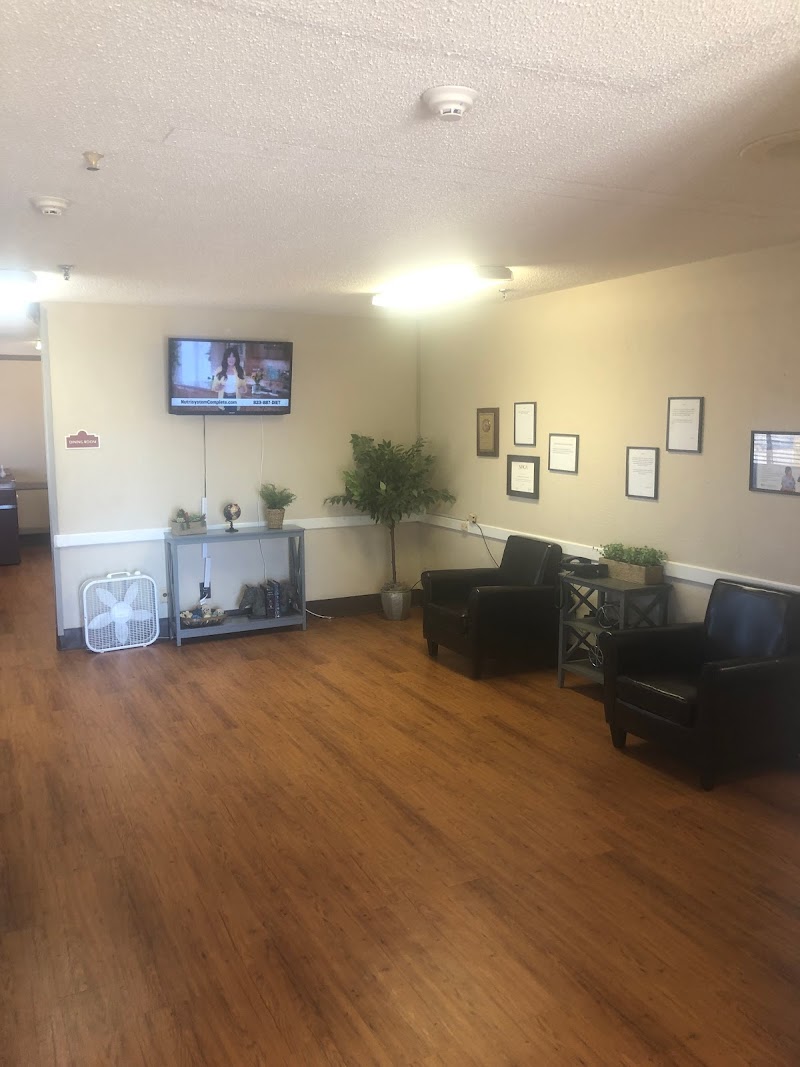
Who Owns and Operates Pampa Nursing Center?

PAMPA NURSING CENTER is owned by a for-profit company. For-profit facilities operate as businesses with obligations to shareholders or private owners. The facility operates independently rather than as part of a larger chain. With 88 certified beds and approximately 35 residents (about 40% occupancy), it is a smaller facility located in PAMPA, Texas.

How Does Pampa Nursing Center Compare to Other Texas Nursing Homes?

Compared to the 100 nursing homes in Texas, PAMPA NURSING CENTER's overall rating (4 stars) is above the state average of 2.8, staff turnover (36%) is near the state average of 46%, and health inspection rating (4 stars) is above the national benchmark.

What Should Families Ask When Visiting Pampa Nursing Center?

Based on this facility's data, families visiting should ask: "Can I visit during a mealtime to observe dining assistance and food quality?" "How do you handle medical emergencies, and what is your hospital transfer rate?" "Can I speak with family members of current residents about their experience?"

Is Pampa Nursing Center Safe?

Based on CMS inspection data, PAMPA NURSING CENTER has a clean safety record: no substantiated abuse findings (meaning no confirmed cases of resident harm), no Immediate Jeopardy citations (the most serious violation level indicating risk of serious injury or death), and is not on the Special Focus Facility watch list (a federal program monitoring the lowest-performing 1% of nursing homes). The facility has a 4-star overall rating and ranks #1 of 100 nursing homes in Texas. While no facility is perfect, families should still ask about staff-to-resident ratios and recent inspection results during their visit.

Do Nurses at Pampa Nursing Center Stick Around?

PAMPA NURSING CENTER has a staff turnover rate of 36%, which is about average for Texas nursing homes (state average: 46%). Moderate turnover is common in nursing homes, but families should still ask about staff tenure and how the facility maintains care continuity when employees leave.

Was Pampa Nursing Center Ever Fined?

PAMPA NURSING CENTER has been fined $4,085 across 1 penalty action. This is below the Texas average of $33,120. While any fine indicates a compliance issue, fines under $50,000 are relatively common and typically reflect isolated problems that were subsequently corrected. Families should ask what specific issues led to these fines and confirm they've been resolved.

Is Pampa Nursing Center on Any Federal Watch List?

PAMPA NURSING CENTER is not on any federal watch list. The most significant is the Special Focus Facility (SFF) program, which identifies the bottom 1% of nursing homes nationally based on persistent, serious quality problems. Not being on this list means the facility has avoided the pattern of deficiencies that triggers enhanced federal oversight. This is a positive indicator, though families should still review the facility's inspection history directly.