BAYWOOD CROSSING REHABILITATION & HEALTHCARE CENTE
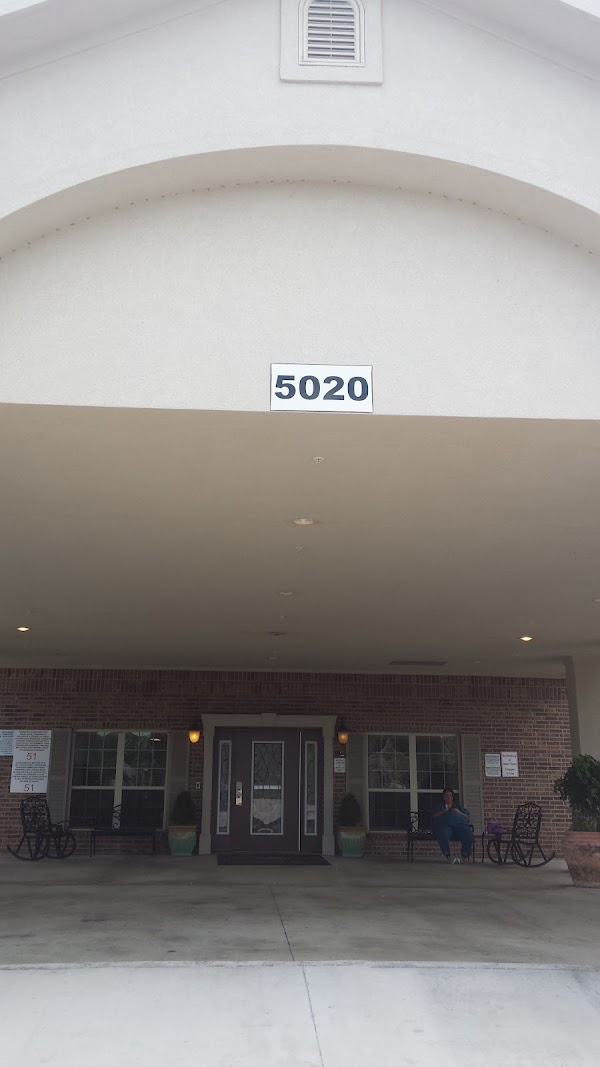

5020 SPACE CENTER BLVD, PASADENA, TX 77505 (713) 575-1800
For profit - Corporation 124 Beds Independent Data: November 2025
Trust Grade
85/100
#13 of 1168 in TX
Last Inspection: May 2025

Inspected within the last 6 months. Data reflects current conditions.

Overview

Baywood Crossing Rehabilitation & Healthcare Center has a Trust Grade of B+, indicating it is above average and recommended for families seeking care. It ranks #13 out of 1168 facilities in Texas, placing it in the top half, and is #2 out of 95 in Harris County, meaning there is only one local option that ranks higher. The facility is improving, with reported issues decreasing from 6 in 2024 to 4 in 2025. However, staffing is a concern, receiving only 2 out of 5 stars, although the turnover rate of 42% is better than the Texas average. Notably, there have been no fines, which is a positive sign. On the downside, the facility has had specific incidents where care plans were not adequately developed for residents, potentially risking their proper care. For example, one resident's care plan did not include necessary information about assist rails, and another resident was not informed about the risks of using bed rails before they were installed. Additionally, there was a failure to obtain signed consent for administering antipsychotic medication to another resident, which raises concerns about residents receiving treatments without proper consent. Overall, while there are strengths in the facility's performance, such as excellent quality measures and no fines, families should be aware of the areas needing improvement.

Trust Score
B+
85/100
In Texas
#13/1168
Top 1%
Safety Record
Low Risk
No red flags
Inspections
Getting Better
6 → 4 violations
Staff Stability
○ Average
42% turnover. Near Texas's 48% average. Typical for the industry.
Penalties
✓ Good
No fines on record. Clean compliance history, better than most Texas facilities.
Skilled Nurses
⚠ Watch
Each resident gets only 13 minutes of Registered Nurse (RN) attention daily — below average for Texas. Fewer RN minutes means fewer trained eyes watching for problems.
Violations
⚠ Watch
13 deficiencies on record. Higher than average. Multiple issues found across inspections.
★★★★★
5.0
Overall Rating
★★☆☆☆
2.0
Staff Levels
★★★★★
5.0
Care Quality
★★★★☆
4.0
Inspection Score
Stable
2024: 6 issues
2025: 4 issues

The Good

  • 5-Star Quality Measures · Strong clinical quality outcomes
  • Full Sprinkler Coverage · Fire safety systems throughout facility
  • No fines on record
  • Staff turnover below average (42%)

    6 points below Texas average of 48%

Facility shows strength in quality measures, fire safety.

The Bad

Staff Turnover: 42%

Near Texas avg (46%)

Typical for the industry

The Ugly 13 deficiencies on record

May 2025 4 deficiencies
CONCERN (D)

Potential for Harm - no one hurt, but risky conditions existed

Deficiency F0578 (Tag F0578)

Could have caused harm · This affected 1 resident

**NOTE- TERMS IN BRACKETS HAVE BEEN EDITED TO PROTECT CONFIDENTIALITY** Based on interviews and record review, the facility failed to ensure all residents had the right to formulate an advance directi...

Read full inspector narrative →
**NOTE- TERMS IN BRACKETS HAVE BEEN EDITED TO PROTECT CONFIDENTIALITY** Based on interviews and record review, the facility failed to ensure all residents had the right to formulate an advance directive for 1 (Resident #302) of 7 residents reviewed for advance directives. The facility failed to ensure that Resident #302's advance directives was clearly identified and documented in the resident's electronic medical record and was not care planned until [DATE] when the resident was admitted [DATE]. The failure could place residents at risk of not having their end of life wishes honored and having incomplete records. Findings included: Record review of Resident #302's face sheet dated [DATE], revealed the resident was a [AGE] year-old female admitted to the facility on [DATE] with diagnoses including Acute on Chronic Diastolic (Congestive) Heart Failure (disorder when the heart does not pump blood as well as it should). Record review of Resident #302's admission MDS dated [DATE] revealed a BIMS score of 14 that indicated cognition was intact. Record review of Resident #302's electronic medical record on [DATE] at 2:14 p.m. revealed no advance directive information in Code Status section. Record review of Resident #302's electronic medical record on [DATE] at 12:32 p.m. revealed no advance directive information in Code Status section. Record review of Resident #302's electronic medical record on [DATE] at 11:13 p.m. revealed information of full code: perform CPR in the advance directive information in Code Status section. Record review of Resident #302's Order Summary Report as of [DATE] revealed physician's order for Full Code: Perform CPR with order date of [DATE]. Record review of Resident #302's care plan as of [DATE] revealed focus of Resident #302 had exercised their right to maintain a full code status with revision date of [DATE]. Record review of Resident #302's Progress Notes with date range of 4/20-[DATE] revealed progress note written by the Social Worker dated [DATE] at 8:45 a.m. Progress note stated resident was a full code status and status had been entered into the record. Progress note also revealed advanced care planning material was provided and discussed with the resident. During interview on [DATE] at 1:35 p.m., the DON said Resident #302 was a full code. The DON said the advance directive section on the electronic medical record should be updated on admission and should go on the care plan within 24 hours of admission. The DON said the order for advance directives generated the information in the electronic medical record. The DON said the social worked updated the resident's care plan for information regarding advance directives. The DON said the nurses were instructed that residents who did not have a DNR were automatically a full code. The DON said the admitting charge nurse was responsible to generate the advance directive order as part of the resident's admission orders. The DON said if advance directives were not updated then it could cause miscommunication of their wishes and might not be handled per the resident's wishes. During interview on [DATE] at 8:50 a.m., the Social Worker said the residents were always a full code unless they had a DNR. The Social Worker said the charge nurse put in the order for residents who were full code. The Social Worker said she entered information into the residents' care plan if they were full code or DNR. The social worker said she completed the paperwork if a resident wished to be a DNR but would notify the nurse to obtain the order. During interview on [DATE] at 8:54 a.m., LVN G said the admitting nurse can update advance directive order if changed. LVN G said she was trained all the time regarding advance directives and training was part of admission training. During interview on [DATE] at 9:06 a.m., LVN H said the admitting nurse would put the order for advance directives on admission. LVN H said all residents were a full code unless they came to the facility with a DNR or until the social worker saw the resident and they wanted to be a DNR. LVN H said she had in-services regarding advance directives. During interview on [DATE] at 9:18 a.m., the ADON said the nurse that did the admission should enter the order for advance directives. The ADON said advance directive information should be completed dur the admission process and usually was entered on the care plan within 24 hours of admission. The ADON said nurses have training regarding advance directives in orientation and in their yearly review. The ADON said if an order for advance directives was not entered then care could go against the resident's wishes. During interview on [DATE] at 9:32 a.m., the MDS Coordinator said the nurses put in orders for advance directives on admission. During interview on [DATE] at 9:43 a.m., the Administrator said they should have orders for advance directives and nursing put information for advance directives on the care plans. The Administrator said the effect on residents if there were not orders or information entered into the care plan for advance directives then there would be lack of communication to the nursing staff. Record review of facility's policy Advance Directives revised [DATE] revealed Information about whether or not the resident has executed an advance directive shall be displayed prominently in the medical record.
CONCERN (D) 📢 Someone Reported This

A family member, employee, or ombudsman was alarmed enough to file a formal complaint

Potential for Harm - no one hurt, but risky conditions existed

Pharmacy Services (Tag F0755)

Could have caused harm · This affected 1 resident

Based on observation, interview, and record review the facility failed to ensure drugs and biologicals were stored in accordance with currently accepted professional principles for 1 of 1 medication f...

Read full inspector narrative →
Based on observation, interview, and record review the facility failed to ensure drugs and biologicals were stored in accordance with currently accepted professional principles for 1 of 1 medication fridges reviewed for storage of drugs. The facility failed to ensure that food items were not stored in the medication fridge per facility policy. This failure could place residents at risk of medications being cross contaminated with food items. Findings included: Observation on 5/19/25 at 2:50 p.m. revealed a 12 ounce can of Dr. Shasta cola in the door of the medication fridge in the facility's medication room. During interview on 5/19/25 at 2:50 p.m., the ADON said the drink probably belonged to a resident that does not like water and will only take their medications with soda. The ADON said the soda should have been in the nutrition room. During interview on 5/19/25 at 3:04 p.m. the DON said a soda can should not have been in the medication refrigerator and could result in cross contamination with the food contaminating the medications or the medications contaminating the food. Record review of facility's policy Storage of Medications revised November 2020 revealed Medications are stored separately from food and are labeled accordingly.
CONCERN (E)

Potential for Harm - no one hurt, but risky conditions existed

Comprehensive Care Plan (Tag F0656)

Could have caused harm · This affected multiple residents

**NOTE- TERMS IN BRACKETS HAVE BEEN EDITED TO PROTECT CONFIDENTIALITY** Based on observation, interview and record review, the facility failed to develop and implement a comprehensive person-centered ...

Read full inspector narrative →
**NOTE- TERMS IN BRACKETS HAVE BEEN EDITED TO PROTECT CONFIDENTIALITY** Based on observation, interview and record review, the facility failed to develop and implement a comprehensive person-centered care plan for each resident, that includes measurable objective and time frames to meet a resident's medical, nursing, mental and psychosocial needs for 2 (Resident #69 and Resident #302) of 7 residents reviewed for care plans. 1. The facility failed to ensure Resident #69's care plan included information regarding assist rails. 2. The facility failed to ensure Resident #302's care plan included information regarding her use of CPAP and advance directives information. The failure could place residents at risk of not receiving appropriate care and interventions to meet their needs. Findings included: Record review of Resident #69's face sheet dated [DATE], revealed the resident was a [AGE] year-old male admitted to the facility on [DATE] with diagnoses including Displaced Intertrochanteric Fracture of Right Femur (right hip fracture), Muscle Weakness and Difficulty in Walking. Record review of Resident #69's quarterly MDS dated [DATE] revealed a BIMS score of 6 that indicated severe cognitive impairment. MDS also revealed admission performance for functional abilities in Section GG of partial/moderate assistance for sit to stand and char/bed-to-chair transfers. Record review of Resident #69's Order Summary Report dated [DATE] revealed no physician's orders regarding bed or assist rails. Record review of Resident #69's Order Summary Report dated [DATE] revealed physician's order Resident may have an assist rail(s) as an assistive device to maximize independence in bed mobility and/or transfer ability with order date of [DATE]. Record review of Resident #69's care plan printed [DATE] revealed no mention regarding side or assist rails. Record review of Resident #69's care plan printed [DATE] revealed The resident may use an assist rail(s) to aid in turning/repositioning. Observation on [DATE] at 9:33 a.m. revealed bed rails near the head to both sides of Resident #69's bed in the up position. Record review of Resident #302's face sheet dated [DATE], revealed the resident was a [AGE] year-old female admitted to the facility on [DATE] with diagnoses including Acute on Chronic Diastolic (Congestive) Heart Failure (disorder when the heart does not pump blood as well as it should) and Obstructive Sleep Apnea (disorder where people repeatedly stop and start breathing while they sleep). Record review of Resident #302's admission MDS dated [DATE] revealed a BIMS score of 14 that indicated cognition was intact. Record review of Resident #302's Order Summary Report as of [DATE] revealed physician's order for Full Code: Perform CPR with order date of [DATE] and Place CPAP machine on Resident at bedtime with order date of [DATE]. Record review of Resident #302's May MAR/TAR printed [DATE] revealed Place CPAP machine on Resident at bedtime Settings 35BPM with order date of [DATE] at 8:32 a.m. and for documentation to have started on [DATE]. Record review of Resident #302's care plan as of [DATE] revealed focus of Resident #302 had exercised their right to maintain a full code status with revision date of [DATE]. Record review also revealed focus of uses a CPAP machine brought from home with revision date of [DATE]. Record review of Resident #302's Nurse Progress Notes revealed Oxygen via CPAP under N Adv Skilled Evaluation dated [DATE] at 1:06 p.m. Record review also revealed CPAP was documented under admission Details dated [DATE] at 5:04 p.m. under respiratory section. Observation on [DATE] at 10:13 a.m. revealed CPAP machine on nightstand in Resident #302's room. During interview on [DATE] at 2:33 p.m., the DON said there should be an order for grab bars and should be documented on residents' care plan. The DON said Resident #302 should have of had an order for her CPAP on admission. During interview on [DATE] at 11:30 a.m., Resident #302 said she had worn her CPAP every night since arriving to the facility. During interview on [DATE] at 8:37 a.m., the DON said the nursing management team was responsible for placing information like advance directives, bed/assist rails or CPAPs on the residents' care plans. The DON said the nursing management team consisted of the DON, MDS nurse, ADON and wound care nurse. During interview on [DATE] at 8:54 a.m., LVN G said they assumed the MDS Coordinator put information regarding advance directives, CPAP, and bed rails on the care plan. LVN G said nurses did not add information to the care plans. During interview on [DATE] at 9:18 a.m., the ADON said the MDS Coordinator put information for bed rails and CPAPs on the care plans. The ADON said effects residents could experience if the CPAP was not documented on the care plan was the resident could have low O2 sats or not be able to sleep well. During interview on [DATE] at 9:32 a.m., the MDS Coordinator said she care plans everything that was triggered on the resident's MDS. The MDS Coordinator said all the managers had a hallway and check for new orders that need to be added to residents' care plans otherwise she would catch at the resident's next assessment. The MDS Coordinator said the managers did chart checks to ensure the orders were entered and were on the care plan and this typically occurs the next day. The MDS Coordinator said any of the administrative nurses can add information to the residents' care plans. The MDS Coordinator said she had meetings and in-services regarding ongoing training for care plans. The MDS Coordinator said if information like CPAP was not on the care plan, then the resident may not get the CPAP. During interview on [DATE] at 9:43 a.m., the Administrator said nursing put information for bed rails, advance directives, and CPAPs on the care plans. The Administrator said the effect on residents if there was not information entered into the care plan for bed rails, advance directives, and CPAPs was there would be lack of communication to the nursing staff. Record review of facility's policy Care Plans, Comprehensive Person-Centered revised [DATE] revealed The comprehensive, person-centered care plan will: describe the services that are to be furnished to attain or maintain the residents' highest practicable physical, mental, and psychosocial well-being. Record review also revealed The comprehensive, person-centered care plan will: reflect the resident's expressed wishes regarding care and treatment goals.
CONCERN (E)

Potential for Harm - no one hurt, but risky conditions existed

Deficiency F0700 (Tag F0700)

Could have caused harm · This affected multiple residents

**NOTE- TERMS IN BRACKETS HAVE BEEN EDITED TO PROTECT CONFIDENTIALITY** Based on observation, interview and record review, the facility failed to attempt to assess residents for risk of entrapment fro...

Read full inspector narrative →
**NOTE- TERMS IN BRACKETS HAVE BEEN EDITED TO PROTECT CONFIDENTIALITY** Based on observation, interview and record review, the facility failed to attempt to assess residents for risk of entrapment from bed rails prior to installation, review the risks and benefits of bed rails prior to installation and obtain informed consent prior to installation for 2 (Resident #69 and Resident #5) of 8 residents reviewed for use of side rails. The facility failed to ensure Residents #69 and #5 had documentation and orders prior to installation of bed rails. This failure could place residents at risk of injury, not have adequate education regarding bed rails and/or staff not have adequate communication regarding residents' use of bed rails. Findings included: Record review of Resident #69's face sheet dated [DATE], revealed the resident was a [AGE] year-old male admitted to the facility on [DATE] with diagnoses including Displaced Intertrochanteric Fracture of Right Femur (right hip fracture), Muscle Weakness and Difficulty in Walking. Record review of Resident #69's quarterly MDS dated [DATE] revealed a BIMS score of 6 that indicated severe cognitive impairment. MDS also revealed admission performance for functional abilities in Section GG of partial/moderate assistance for sit to stand and char/bed-to-chair transfers. Record review of Resident #69's Order Summary Report dated [DATE] revealed no physician's orders regarding bed or assist rails. Record review of Resident #69's Order Summary Report dated [DATE] revealed physician's order Resident may have an assist rail(s) as an assistive device to maximize independence in bed mobility and/or transfer ability. Record review of Resident #69's assessments did not reveal an assessment being conducted for rail usage. Record review of Resident #69's MAR/TAR printed [DATE] revealed resident may have an assist rail(s) as an assistive device to maximize independence in bed mobility and/or transfer ability with order date of [DATE]. Record review of Resident #69's care plan printed [DATE] revealed no mention regarding side or assist rails. Record review of Resident #69's care plan printed [DATE] revealed The resident may use an assist rail(s) to aid in turning/repositioning. Record review of Resident #69's Progress Notes from 4/21-[DATE] revealed on [DATE] at 12:35 p.m. that telephone consent was obtained from Resident #69's family member and the risks and benefits of assist rails were explained. On [DATE] at 12:21 p.m. Resident #69 was assessed for the use of assist rails. Observation on [DATE] at 9:33 a.m. revealed bed rails near the head to both sides of Resident #69's bed in the up position. During interview on [DATE] at 1:35 p.m., the DON said the rails on Resident #69's bed were grab handles but did not know if that was the technical term. The DON said they did not need orders for grab handles. The DON said he did not know if the grab handles needed to be on the care plan, but he would find out. Record review of Resident #5's face sheet dated [DATE] revealed a [AGE] year-old female admitted to the facility admission [DATE] with a re-admission of [DATE] with diagnoses Alzheimer's, High Blood Pressure and COPD (lung disease). Record review of Resident #5's Annual MDS dated [DATE] revealed a Staff Assessment of Mental Status completed. This revealed resident's cognition was severely impaired. Record review of Resident #5's Order Summary Report dated [DATE] revealed no physician's orders regarding bed or assist rails. Record review of Resident #5's assessments did not reveal an assessment being conducted for rail usage. Record review of Resident #5's care plan printed [DATE] revealed no mention regarding side or assist rails. Record review of facility incident report dated [DATE] revealed after bruising on the right side of chest that they covered the rails with foam. Observation of Resident #5's room on [DATE] at 3:30 PM revealed rails in up position covered with foam. Resident was not in her room. Resident #5 was observed in near nurses' station in her wheelchair waiting for her family member. She was unable to answer any questions. During interview on [DATE] at 3:45 PM, MA A said the Resident #5's rails have been there since her family member died. She said that was about 3 months ago. She said when the rails were first placed, she used them for help, but not now. She did not assist any longer with ADL's. During interview on [DATE] at 3:48 PM, CNA O said they do not leave rails up when residents were in bed. They put one up and one down. They then can still use for mobility but get out of bed. During interview on [DATE] at 3:55 PM, the DON said Resident #5 used the rails for mobility. If she did not need them, he would take them down. He said there were no orders or care plans for rails. He said these should be completed. During interview on [DATE] at 2:33 p.m., the DON said there should have been an order for grab bars and should have been on residents' care plan. The DON said that when the grab bars were in the up position, they were not considered a restraint. During interview on [DATE] at 8:37 a.m., the DON said the effect on residents of not having an order or documentation on the care plan regarding bed rails was a potential hazard to the resident like entanglement or the resident trying to get over the bed rail. The DON said they should assess the residents' ability to use the bed rails. The DON said they had in-services and online trainings but was not aware of trainings specific to bed/assist rails. The DON said they constantly educate staff and family regarding what could be a restraint and regarding possible restraint education. The DON said they put in orders and care planned all residents yesterday regarding assist rails. During interview on [DATE] at 8:54 a.m., LVN G said they did not know they needed an order for bed rails but bed rails needed to be care planned. LVN G said they had training about bed rails that was given verbally and by in-service. During interview on [DATE] at 9:06 a.m., LVN H said they needed an order for bed rails and usually got orders for bed rails on admission. LVN H said we usually did not use bed rails and said she had in-services regarding bed rails. During interview on [DATE] at 9:15 a.m., CNA M said most of the time they keep both bed rails up unless there was a reason to put one side down. During interview on [DATE] at 9:18 a.m., the ADON said there needed to be an order for bed rails and the nurse was responsible for obtaining orders for bed rails on admission. The ADON said if there was not an order or documentation on the care plan for bed rails then residents could receive a skin tear, bruising, and could hinder bed mobility, transfers, or positioning. The ADON said staff had training regarding bed rails in their yearly check offs. During interview on [DATE] at 9:43 a.m., the Administrator said they should have orders for bed rails and nursing put information for bed rails on the care plans. The Administrator said the effect on residents if there were not orders or information entered into the care plan for bed rails then there would be lack of communication to the nursing staff. During interview on [DATE] at 11:36 p.m., CNA N said residents would use the assist rails if they needed help sitting up, assistance returning to bed or turning side to side. CNA N said if both assist rails were in the down position it would be considered a restraint but that the nurse would let them know. Record review of facility's policy Bed Safety revised [DATE] revealed The staff shall obtain consent for the use of side rails from the resident or the resident's legal representative prior to their use. Record review also revealed Assist rails may be used if assessment and consultation with the attending physician has determined that they are needed. Record review also revealed Before using assist rails for any reason, the staff shall inform the resident and family about the benefits and potential hazards associated with side rails.
Apr 2024 6 deficiencies
CONCERN (D)

Potential for Harm - no one hurt, but risky conditions existed

Deficiency F0645 (Tag F0645)

Could have caused harm · This affected 1 resident

**NOTE- TERMS IN BRACKETS HAVE BEEN EDITED TO PROTECT CONFIDENTIALITY** Based on interviews and record review, the facility failed to ensure individuals with mental health disorders were provided an a...

Read full inspector narrative →
**NOTE- TERMS IN BRACKETS HAVE BEEN EDITED TO PROTECT CONFIDENTIALITY** Based on interviews and record review, the facility failed to ensure individuals with mental health disorders were provided an accurate Preadmission Screening and Resident Review (PASRR ) Screening for 1 of 3 residents (Resident #8) reviewed for resident assessments. The facility failed to review Resident #8's PASRR level 1 assessment for accuracy and refer Resident #8 for further assessment for services. This failure could place residents at risk of not receiving needed assessments (PASRR Evaluation), individualized care, and specialized services to meet their needs. Findings included: Record review of Resident #8's face sheet printed 04/09/24 indicated Resident #8 was an [AGE] year-old, female, admitted to the facility on [DATE] and readmitted on [DATE]. Her diagnosis including other bipolar disorder (is a mental illness that causes unusual shifts in a person's mood, energy, activity levels, and concentration), major depressive disorder, anxiety disorder, depressive disorders, lack of coordination, muscle weakness, muscle wasting and atrophy, difficulty in walking, iron deficiency anemia, cognitive communication deficit, chronic obstructive pulmonary disease, hypertensive heart, and chronic kidney disease. Record review of Resident #8's MDS Significant change assessment dated [DATE] indicated Resident #8 had a BIMS score of 3 which indicated severe cognitive impairment. Review of the section on PASRR-section on Mental illness and other related condition were not checked. Review of the section on active diagnoses was checked for Bipolar, anxiety and depression. Record review of Resident #8's medical diagnoses dated 07/16/18 indicated Resident #8 had a diagnosis of Bipolar. Record review of Resident #8's PASRR Level 1 Screening dated 07/15/21 indicated .Mental illness .Is there evidence or an indicator this is an individual that has a Mental Illness .No . During an interview on 04/10/24 at 1:45 PM, the MDS Coordinator said she was responsible for completing the PASRRs and ensuring that all resident with mental illness diagnoses are referred for PASRR evaluation for services as needed. She said Resident # 8 should have been referred for PASRR evaluation on admission but was overlooked. She said she would request PASRR evaluation for Resident #8.
CONCERN (D)

Potential for Harm - no one hurt, but risky conditions existed

Dental Services (Tag F0791)

Could have caused harm · This affected 1 resident

**NOTE- TERMS IN BRACKETS HAVE BEEN EDITED TO PROTECT CONFIDENTIALITY** Based on observation, interview, and record review, the facility failed to provide or obtain from an outside source dental servi...

Read full inspector narrative →
**NOTE- TERMS IN BRACKETS HAVE BEEN EDITED TO PROTECT CONFIDENTIALITY** Based on observation, interview, and record review, the facility failed to provide or obtain from an outside source dental services to meet the needs of 1 of 21 residents reviewed for dental services. (Resident #76) The facility did not assist Resident #76, who had missing teeth and dental decay, with a dental service consult. This failure could place the residents at risk for not receiving care and services to maintain their highest practicable mental, physical, and psychosocial well-being. Findings included: Record review of Resident #76's face sheet dated 04/09/24 indicated Resident #76 admitted on [DATE] and was [AGE] years old. His diagnoses included muscle wasting, unspecific chest pain, communicative deficit, cellulitis of left toe (inflammation of right toe), and prostatic cancer. Record review of MDS annual assessment dated [DATE] indicated Resident #76 was moderately impaired with cognition, (BIMS score 10), had clear speech, and clear vision. He was assessed as having no problem in his oral cavity (section L oral dental) Record review of Resident # 76 care plan with a revision date of 11/09/23 read in part the resident has missing teeth and chooses not to wear his dentures. Dentures are at home'. Goal-The resident will be free of infection, pain, or bleeding in the oral cavity by review date. Revision on: 03/20/2024 Target Date: 02/09/2023. The resident will comply with mouth care daily through review date. Revision on: 03/20/2024. Intervention: Coordinate arrangements for dental care, transportation as needed/as ordered. Diet as Ordered. Consult with dietitian and change if chewing/swallowing problems are noted. Provide mouth care as per ADL personal hygiene. During observation and interview on 04/08/24 at 8:50 AM, Resident #76 placed his hand over his mouth during communication. He said he needed to see a dentist but was told that he had to pay for a dental visit. He said he eats what he can. He said all his teeth on his upper oral cavity are almost gone. He said he had two teeth on each side of his mouth. He said he had none on his lower oral cavity but eat what he can. During an interview with facility social worker on 04/09/24 at 2:00PM, she said Resident # 76 was a full vendor and he had to pay for his dental care service out of pocket. She said she would check on Resident #8's insurance provider if he was covered for dental care. During a follow up interview on 04/10/24 at 1:50PM, the Social Worker said she had spoken with Resident #76's insurance provider and resident was covered for routine dental care, and she would refer Resident #76 to a dentist. Record review of facility's policy on referral dated 2001 revised 2008 read in part- Policy Statement. Social services personnel shall coordinate most resident referrals with outside agencies. Social services will document the referral in the resident's medical record. Social services and administration will maintain a listing of referral agencies that may provide assistance or therapy to residents with special problems and/or needs. Social services will help arrange transportation to outside agencies, clinic appointments, etc., as appropriate.
CONCERN (E)

Potential for Harm - no one hurt, but risky conditions existed

Deficiency F0552 (Tag F0552)

Could have caused harm · This affected multiple residents

**NOTE- TERMS IN BRACKETS HAVE BEEN EDITED TO PROTECT CONFIDENTIALITY** Based on interview, and record review, the facility failed to inform residents in advance of the risks and benefits of proposed ...

Read full inspector narrative →
**NOTE- TERMS IN BRACKETS HAVE BEEN EDITED TO PROTECT CONFIDENTIALITY** Based on interview, and record review, the facility failed to inform residents in advance of the risks and benefits of proposed care and treatment for 1 of 5 residents (Resident #3) reviewed for resident rights, in that: The facility failed to obtain a signed consent for antipsychotic medication, Quetiapine fumarate (Seroquel) that was administered to Resident #3. The failure could affect residents who received psychoactive medications without informed consents and placed them at risk of receiving treatments without informed consent. Findings include: Record review of Resident #3's face sheet dated 04/10/24 revealed he was an [AGE] year-old male who admitted to the facility on [DATE] with an initial admission date of 05/21/2021, with diagnoses of unspecified dementia, without behavioral disturbance psychotic disturbance, mood disturbance, and anxiety (group of symptoms that affects memory, thinking and interferes with daily life), anxiety disorder (group of mental illnesses characterized by intense anxiety and fear), and encephalopathy (a group of conditions that cause brain dysfunction), and major depressive disorder (a persistent feeling of sadness and loss of interest). Record review of the comprehensive MDS assessment, dated 02/07/2024, revealed Resident #3 was unable to complete the BIMS and a staff assessment was conducted. Resident #3's BIMS was 99, indicating resident was unable to complete the interview. The MDS staff assessment for mental status revealed Resident #3 had short-term and long-term memory problems; memory/recall problems; and severely impaired daily decision-making skills (never/rarely made decisions). The MDS assessment revealed no behavior problems during the look-back period. The MDS assessment for Resident #3 revealed he had received an antipsychotic 7 days in the 7-day -look -back -period. Record review of Resident #3's care plan dated 01/12/2024 revealed that Focus: Resident# 3 uses antipsychotic medication Quetiapine (Seroquel) related to yelling out. Goal: Resident# 3 will be/remain free of psychotropic drug related complications, including movement disorder, discomfort, hypotension, gait disturbance, constipation/impaction, or cognitive/behavioral impairment through review date. Record review of Resident #3's physician's order summary report revealed the following order: Quetiapine fumarate (Seroquel) tablet 25 mg give 0.5 mg by mouth two times a day for agitation with dementia related to unspecified dementia, unspecified severity, without behavioral disturbance psychotic disturbance, mood disturbance, and anxiety with a start date of 11/06/2023 and stop date of 03/27/2024. Quetiapine fumarate (Seroquel) tablet 25 mg give 0.5 mg by mouth at bedtime for antipsychotic/antimanic agent related to Mood Disorder due to known physiological condition, unspecified with a start date of 03/27/2024. Record review of Resident #3's MAR revealed that Resident #3 was actively taking the medication, Quetiapine fumarate (Seroquel). Interview on 04/09/24 at 10:43 AM, the DON stated [NAME] a nurse received an order for a psychotropic, they should make sure they have consents. If a resident does not have consent the nurse should contact the management nurse and the management nurse would let the doctor know. The DON was asked why it is important to inform a resident of the risk and benefits of the medication. The DON stated that it is every resident's right to be informed about the treatment and medication they received. Interview on 04/09/24 at 11:05 AM, the ADON stated that she was aware that Resident #3 was diagnosed with dementia and had been order the medication, Seroquel related to yelling out, mood disturbance, and agitation. The ADON stated Resident #3 was initially admitted on [DATE] with the diagnosis of dementia. The ADON stated that Resident #3 was initially ordered Quetiapine fumarate (Seroquel) tablet 25 mg give 0.5 mg by mouth at bedtime with a started date of 07/18/2023 related to Resident #3 behavior of yelling out. The ADON stated that Resident #3 had frequency changes to the medication on 11/06/2023 and an additional change to the medication frequency on 03/27/2023. The surveyor requested the documented consent for antipsychotic medication treatment for Resident #3. The ADON stated that the facility did not have a current consent for treatment. The ADON stated that she was working on obtaining consent from Resident #3's POA. She stated that she reached out to the Resident #3 's POA last week Wednesday, 04/03/2024 but had not followed up to obtain consent. The ADON stated she was waiting to receive the new form from the hospital as the facility no longer used Form 3713 (consent for antipsychotic medication treatment) prior to following up with the POA. The ADON was asked why it is important to inform a resident of the risk and benefits of the medication. The ADON stated that it is every resident's right to be informed about the treatment and medication they received. Record review of the facility's policy last revised January 2023, titled Psychotropic medication use, revealed the following: o Prior to administration of or with a change in the dosage of an antipsychotic medication, the facility shall obtain informed consent from the resident/resident representative. This will be documented on form 3713 in conjunction with the resident/resident representative, attending physician and/or psychiatrist and the facility staff.
CONCERN (E)

Potential for Harm - no one hurt, but risky conditions existed

Comprehensive Assessments (Tag F0636)

Could have caused harm · This affected multiple residents

**NOTE- TERMS IN BRACKETS HAVE BEEN EDITED TO PROTECT CONFIDENTIALITY** Based on observation, interview, and record review, the facility failed to conduct initially and periodically a comprehensive, a...

Read full inspector narrative →
**NOTE- TERMS IN BRACKETS HAVE BEEN EDITED TO PROTECT CONFIDENTIALITY** Based on observation, interview, and record review, the facility failed to conduct initially and periodically a comprehensive, accurate, standardized reproducible assessment of each resident's functional capacity for 4 of 20 (Resident # 8, #26, #76 and & #97) residents review for accuracy of assessment. Resident # 8, #26, #76 and resident #97 were not accurately assessed for their oral dental needs on their MDS assessments. Resident # 76 was not accurately assessed for his vision on his annual MDS assessment. These failures could place the residents at risk for not receiving care and services to maintain their highest practicable mental, physical, and psychosocial well-being. Findings included: Resident #8 Record review of Resident #8's electronic face sheet dated 04/09/24 indicated Resident #8 was [AGE] year-old, female, admitted to the facility on [DATE] and readmitted on [DATE]. Her diagnoses included bipolar disorder (is a mental illness that causes unusual shifts in a person's mood, energy, activity levels, and concentration), major depressive disorder, anxiety disorder, depressive disorders, lack of coordination, muscle weakness, muscle wasting and atrophy, difficulty in walking, iron deficiency anemia, cognitive communication deficit, chronic obstructive pulmonary disease, hypertensive heart, and chronic kidney disease. Record review of Resident #8's Significant change assessment dated [DATE] indicated Resident #8 had a BIMS score of 3 which indicated severe cognitive impairment. Review of the section on oral dental indicated she had no oral dental concerns. All sections were left blank, indicating Resident #8 had no broken or loosely fitting full or partial dentures, no natural teeth or tooth fragments, no abnormal mouth tissue, no obvious or likely cavity or broken natural teeth, no inflamed or bleeding gums or loose natural teeth, and no mouth or facial pain, discomfort, or difficulty with chewing. Record review of Resident #8's care plan dated 06/02/21 with a revision date of 03/25/24 indicated Resident #8 had potential for oral dental health problems r/t missing teeth/Dentures: Goals- Resident # 8 will be free of infection, pain or bleeding in the oral cavity by review date of 03/25/24. Interventions- Monitor/document/report PRN any signs and symptoms of oral/dental problems needing attention, Pain (gums, toothache, palate), Abscess, Debris in mouth, Lips cracked or bleeding, Teeth missing, loose, broken, eroded, decayed, Tongue . Observation on 04/08/24 at 8:00AM, revealed Resident #8 in bed sleeping. Observation on 04/10/24 at 9:00Am revealed Resident #8 was in the activity room. She was alert and oriented. Attempt was made to have an interview, but she was not interviewable. Observation and interview on 04/09/24 at 12:15PM, revealed she was on a mechanical diet assisted with her meal. During an interview at the time, CNA' Q said Resident #8 had no teeth and no dentures. Resident #26 Record review of Resident #26's face electronic face sheet dated 04/09/24 revealed a [AGE] year-old female admitted to the facility on [DATE] and readmitted on [DATE]. Her diagnoses included anxiety disorder, depression, dysfunction of bladder, multiple sclerosis, essential (primary) hypertension, other seizures, chronic obstructive pulmonary disease, acute kidney failure, quadriplegia, and lack of coordination. Record review of Resident #26's admission MDS assessment dated [DATE] revealed a BIMS score of 12 indicated she was moderately impaired on cognition. Review of the section on oral dental indicated she had no oral dental concerns. All sections were left blank, indicating Resident #26 had no broken or loosely fitting full or partial dentures, no natural teeth or tooth fragments, no abnormal mouth tissue, no obvious or likely cavity or broken natural teeth, no inflamed or bleeding gums or loose natural teeth, and no mouth or facial pain, discomfort, or difficulty with chewing Record review of Resident #26's care plan dated 08/08/23 read in part - Resident #26 is edentulous (few or no teeth) and wears upper and lower dentures. Goals: Resident # 26 will be free of infection, pain or bleeding in the oral cavity by review date. Revision on: 02/08/2024 Interventions Monitor/document/report PRN any signs and symptoms of oral/dental problems needing attention ., Observation on 04/08/24 at 7:30AM revealed Resident #26 was in bed alert and oriented. She attempts to communicate but her speech was unclear. Observation revealed she had a mechanically altered diet. She was assisted with her meal. Resident # 76 Record review of Resident #76's face sheet dated 04/09/24 indicated Resident #76 admitted on [DATE] and was [AGE] years old. His diagnoses included muscle wasting, unspecific chest pain, communicative deficit, cellulitis of left toe (inflammation of right toe), and prostatic cancer. Record review of MDS annual assessment dated [DATE] indicated Resident #76 had a BIMS score of 10, which indicated he was moderately impaired with cognition, had clear speech, and clear vision. He was assessed as having no problem in his oral cavity (section L oral dental) Record review of Resident # 76 care plan with a revision date of 11/09/23 read in part the resident has missing teeth and chooses not to wear his dentures. Dentures are at home'. Goal-The resident will be free of infection, pain, or bleeding in the oral cavity by review date. Revision on: 03/20/2024 Target Date: 02/09/2023. The resident will comply with mouth care at least daily through review date. Revision on: 03/20/2024 Intervention: Coordinate arrangements for dental care, transportation as needed/as ordered. Diet as Ordered. Consult with dietitian and change if chewing/swallowing problems are noted. Provide mouth care as per ADL personal hygiene. During observation and interview on 04/08/24 at 8:50 AM, Resident #76 placed his hand over his mouth during communication. He said he needed to see a dentist but was told that he had to pay for a dental visit. He said he eats what he can. He said all his teeth on his upper oral cavity are almost gone. He said he had two teeth on each side. He said he had none on his lower oral cavity. He said he can see large things but not in print. He pointed to his reading glasses and said he had his eyes examined few weeks ago and was told that he needed a bifocal eyeglass. Resident # 97 Record review of Resident #97's admission record indicated an [AGE] year-old female admitted to the facility on [DATE]. Her diagnoses included type 2 diabetes mellitus, osteoarthritis (a chronic degenerative joint disease), chronic obstructive pulmonary disease, chronic pain, muscle weakness, communication deficit, generalized anxiety disorder, dementia, psychotic disturbance, mood disturbance, and anxiety. Record review of Resident #97's admission MDS assessment dated [DATE] indicated Resident #97 had a BIMS score of 13 out of 15 which indicated her cognition was intact. Review of the section on oral dental indicated she was assessed as having no problem in her oral cavity (section L oral dental) Record review of Resident # 97's care plan dated 12/12/23 read in part Resident #97 is edentulous and wears upper and lower dentures. Revision on: 12/12/2023 target date of 03/23/24 Goal; The resident will be free of infection, pain or bleeding in the oral cavity by review date.03/28/24 Interventiono Coordinate arrangements for dental care, transportation as needed/as ordered . During an interview with the MDS coordinator on 04/10/24 at 1:20PM, she looked at all identified areas and said she was new to the MDS position and was not sure what to code on residents' oral dental assessment. She said she would correct all identified MDS to reflect each resident's condition. During an interview with facility social worker on 04/09/24 at 2:00PM, she said Resident # 76 was a full vendor and he had to pay for his dental care service and his eyeglasses out of pocket. She said she would check on his insurance provider if he was covered for dental care and eyeglasses but had not heard anything from anyone. During a follow up interview on 04/10/24 at 1:50PM, the Social Worker said she had spoken with Resident # 76's insurance provider and resident was covered for routine dental care, and one pair of glasses per year. She said she did not follow up with the eye Dr. and she would. She said she would find a local company that would accept Resident #76's insurance. Record review of Facility's policy on resident assessment dated 2001 and updated 2019 read in part: A comprehensive assessment of every resident's needs is made at intervals designated by OBRA and PPS Requirements 2 comprehensive assessment includes: a. completion of the Minimum Data Set (MDS); b. completion of the care area assessment (CAA) process; and c. development of the comprehensive care plan. admission Assessment and Follow Up: Role of the Nurse Level III Purpose The purpose of this procedure is to gather information about the resident's physical, emotional, cognitive, and psychosocial condition upon admission for the purposes of managing the resident, initiating the care plan, and completing required assessment instruments, including the MDS.
CONCERN (E)

Potential for Harm - no one hurt, but risky conditions existed

Comprehensive Care Plan (Tag F0656)

Could have caused harm · This affected multiple residents

**NOTE- TERMS IN BRACKETS HAVE BEEN EDITED TO PROTECT CONFIDENTIALITY** Based on observation, interview and record review, the facility failed to create a comprehensive resident-centered care plan wit...

Read full inspector narrative →
**NOTE- TERMS IN BRACKETS HAVE BEEN EDITED TO PROTECT CONFIDENTIALITY** Based on observation, interview and record review, the facility failed to create a comprehensive resident-centered care plan with measurable objectives for person-centered care for 3 of 21 residents reviewed for care plan development (Residents # 17, 52, 158). --- Resident # 17 did not have a care plan for ADL assistance --- Resident # 52 did not have a care plan for ADL assistance --- Resident # 158 did not have a care plan for ADL assistance These failures placed residents at risk of not receiving accurate care and services according to their individual needs. Findings include: Resident # 17 Record review of the undated face sheet for resident # 17 revealed an 82- year- old female, admission date of 10/5/23 with diagnoses including dementia, psychosis (mental condition causing loss of contact with reality), chronic kidney disease (longstanding kidney disease leading to kidney failure), dysfunction of bladder (lack of bladder control), cerebral infarction (disruption of blood flow to the brain), seizures (abnormal electrical activity in the brain). Record review of Resident # 17's Significant Change MDS dated [DATE] revealed a BIMS score of 99, indicating severely impaired cognitive ability, was sometimes understood by others and sometimes understands others, always incontinent of bladder and bowel, and was dependent on staff assistance for toileting, bath/shower, dressing, and required maximum assistance for hygiene. Record review of Resident # 17's comprehensive care plan (undated) revealed there was no care plan for ADL assistance, including goals and interventions for completion of tasks needing staff assistance. Observation and interview with Resident # 17 at 8:30 am revealed she was in bed, awake, dressed in a clean gown, and looking out her window. Attempted interview at that time revealed she was not able to answer any questions, was confused, and kept repeating that a man was outside her window, and he was run over by a car. Interview with LVN M on 4/9/24 at 2:30 pm revealed Resident # 17 does require staff assistance for ADLs, and she occasionally hallucinated, for which she was re-directed. Resident # 52 Record review of the undated face sheet for Resident # 52 revealed a 77- year- old female, admission date 4/25/23 with diagnoses including osteoarthritis (degeneration of joint cartilage and bone), major depressive disorder (persistently depressed mood or loss of interest in activities), hypertension (high blood pressure), dementia (progressive loss of intellectual functioning), speech disturbance (inability to form speech sounds), dysphagia (difficulty swallowing food). Record review Resident #52's Significant Change MDS dated [DATE] revealed Resident # 52 had unclear speech, sometimes understood by others, and usually understands, a BIMS score of 03 indicating severely impaired cognitive skills, always incontinent of bladder and bowel, and required extensive staff assistance for transfers, dressing, toileting, hygiene, and supervision for bath/shower. Record review of Resident #52's comprehensive care plan (undated) revealed there was no care plan for ADL assistance, to include goals and interventions for completion of tasks needing staff assistance. Observation and attempted interview with Resident #52 on 4/8/24 at 10:10 am revealed she was sitting up in bed, awake, dressed, with clean clothes and clean linen on the bed, but not responding verbally. Interview with LVN M on 4/8/24 at 10:40 am revealed Resident # 52 usually did not talk, but if she did her speech would not be clear. She said they do help her with transfers, bathing, toileting, and hygiene. Resident # 158 Record review of the undated face sheet of Resident # 158 revealed a [AGE] year-old female, admission date 9/19/23 with diagnoses including Metabolic Encephalopathy (chemical imbalance in the blood), enterocolitis (inflammation throughout the intestines), dementia (progressive loss of intellectual functioning), dysphagia (difficulty swallowing), hypertension (high blood pressure), chronic kidney disease (longstanding disease of the kidneys leading to kidney failure). Record review of Resident #158's Significant Change MDS dated [DATE] revealed she, sometimes understood others and was sometimes understood, BIMS score was 01 indicating severely impaired cognitive skills, and required moderate staff assistance with hygiene and maximum assistance with transfers, showers, toileting, and dressing. Record review of Resident #158's comprehensive care plan (undated) revealed there was no care plan for ADL's, including goals and interventions for completion of tasks needing staff assistance. Observation and attempted interview with Resident #158 on 4/8/24 at 9:20 am revealed she was in bed, awake, with clean linens on the bed. Resident was speaking but was not understandable, unable to answer any questions, and was reaching for the covers on the bed. Interview with LVN M on 4/8/24 at 9:30 am revealed Resident #158 wan not easy to understand when she talked, and they helped her with all her ADL's. Interview with MDS nurse on 4/10/24 at 2:10 pm revealed she does the care plans, with input from nurses and other staff and the MDS. She said the ADL care plans for Residents # 17, #52, #158 were missed and the risk of not having accurate care plans would be the resident not receiving proper care. Interview with the DON on 4/10/24 at 2:40 pm revealed the expectation is for all care plans to be accurate for the resident's condition, and the risk if it's not accurate would be improper resident care. Record review of the facility policy Care Plans- Comprehensive Person Centered, revised September, 2013, revealed in part: .assessments of residents are ongoing and revised as information about residents and resident conditions change .
CONCERN (E)

Potential for Harm - no one hurt, but risky conditions existed

Medication Errors (Tag F0758)

Could have caused harm · This affected multiple residents

**NOTE- TERMS IN BRACKETS HAVE BEEN EDITED TO PROTECT CONFIDENTIALITY** Based on interview, and record review, the facility failed to inform residents in advance of the risks and benefits of proposed ...

Read full inspector narrative →
**NOTE- TERMS IN BRACKETS HAVE BEEN EDITED TO PROTECT CONFIDENTIALITY** Based on interview, and record review, the facility failed to inform residents in advance of the risks and benefits of proposed care and treatment for 1 of 5 residents (Resident #3) reviewed for resident rights, in that: The facility failed to obtain a signed consent for antipsychotic medication, Quetiapine fumarate (Seroquel) that was administered to Resident #3. The failure could affect residents who received psychoactive medications without informed consents and placed them at risk of receiving treatments without informed consent. Findings include: Record review of Resident #3's face sheet dated 04/10/24 revealed he was an [AGE] year-old male who admitted to the facility on [DATE] with an initial admission date of 05/21/2021, with diagnoses of unspecified dementia, without behavioral disturbance psychotic disturbance, mood disturbance, and anxiety (group of symptoms that affects memory, thinking and interferes with daily life), anxiety disorder (group of mental illnesses characterized by intense anxiety and fear), and encephalopathy (a group of conditions that cause brain dysfunction), and major depressive disorder (a persistent feeling of sadness and loss of interest). Record review of the comprehensive MDS assessment, dated 02/07/2024, revealed Resident #3 was unable to complete the BIMS and a staff assessment was conducted. Resident #3's BIMS was 99, indicating resident was unable to complete the interview. The MDS staff assessment for mental status revealed Resident #3 had short-term and long-term memory problems; memory/recall problems; and severely impaired daily decision-making skills (never/rarely made decisions). The MDS assessment revealed no behavior problems during the look-back period. The MDS assessment for Resident #3 revealed he had received an antipsychotic 7 days in the 7-day -look -back -period. Record review of Resident #3's care plan dated 01/12/2024 revealed that Focus: Resident# 3 uses antipsychotic medication Quetiapine (Seroquel) related to yelling out. Goal: Resident# 3 will be/remain free of psychotropic drug related complications, including movement disorder, discomfort, hypotension, gait disturbance, constipation/impaction, or cognitive/behavioral impairment through review date. Record review of Resident #3's physician's order summary report revealed the following order: Quetiapine fumarate (Seroquel) tablet 25 mg give 0.5 mg by mouth two times a day for agitation with dementia related to unspecified dementia, unspecified severity, without behavioral disturbance psychotic disturbance, mood disturbance, and anxiety with a start date of 11/06/2023 and stop date of 03/27/2024. Quetiapine fumarate (Seroquel) tablet 25 mg give 0.5 mg by mouth at bedtime for antipsychotic/antimanic agent related to Mood Disorder due to known physiological condition, unspecified with a start date of 03/27/2024. Record review of Resident #3's MAR revealed that Resident #3 was actively taking the medication, Quetiapine fumarate (Seroquel). Interview on 04/09/24 at 10:43 AM, the DON stated [NAME] a nurse received an order for a psychotropic, they should make sure they have consents. If a resident does not have consent the nurse should contact the management nurse and the management nurse would let the doctor know. The DON was asked why it is important to inform a resident of the risk and benefits of the medication. The DON stated that it is every resident's right to be informed about the treatment and medication they received. Interview on 04/09/24 at 11:05 AM, the ADON stated that she was aware that Resident #3 was diagnosed with dementia and had been order the medication, Seroquel related to yelling out, mood disturbance, and agitation. The ADON stated Resident #3 was initially admitted on [DATE] with the diagnosis of dementia. The ADON stated that Resident #3 was initially ordered Quetiapine fumarate (Seroquel) tablet 25 mg give 0.5 mg by mouth at bedtime with a started date of 07/18/2023 related to Resident #3 behavior of yelling out. The ADON stated that Resident #3 had frequency changes to the medication on 11/06/2023 and an additional change to the medication frequency on 03/27/2023. The surveyor requested the documented consent for antipsychotic medication treatment for Resident #3. The ADON stated that the facility did not have a current consent for treatment. The ADON stated that she was working on obtaining consent from Resident #3's POA. She stated that she reached out to the Resident #3 's POA last week Wednesday, 04/03/2024 but had not followed up to obtain consent. The ADON stated she was waiting to receive the new form from the hospital as the facility no longer used Form 3713 (consent for antipsychotic medication treatment) prior to following up with the POA. The ADON was asked why it is important to inform a resident of the risk and benefits of the medication. The ADON stated that it is every resident's right to be informed about the treatment and medication they received. Record review of the facility's policy last revised January 2023, titled Psychotropic medication use, revealed the following: o Prior to administration of or with a change in the dosage of an antipsychotic medication, the facility shall obtain informed consent from the resident/resident representative. This will be documented on form 3713 in conjunction with the resident/resident representative, attending physician and/or psychiatrist and the facility staff.
Feb 2023 3 deficiencies
CONCERN (D)

Potential for Harm - no one hurt, but risky conditions existed

Deficiency F0727 (Tag F0727)

Could have caused harm · This affected 1 resident

Based on interview and record review, the facility failed to use the services of a registered nurse for at least 8 consecutive hours a day, 7 days a week for 4 days reviewed for RN hours, in that: Fac...

Read full inspector narrative →
Based on interview and record review, the facility failed to use the services of a registered nurse for at least 8 consecutive hours a day, 7 days a week for 4 days reviewed for RN hours, in that: Facility failed to make sure there was RN coverage for 4 days in the facility. This failure could place residents at risk of not receiving related services to meet the residents' needs safely and in a manner that promotes each resident's rights, physical, mental, and psychosocial well-being. Findings include: Record review of facility payroll- based journal for the month of February 2023 showed there was no RN coverage for the following 4 days: - February 4th 2023. - February 5th 2023. - February 11th 2023. - February 12th 2023. During an interview on 02/23/2023 at 1:15 p.m., the Administrator stated she usually tried to stretch the RN time to cover every day, but she was not able to cover all days as she would love to. She stated she did not know how this would affect the residents because she was not a clinical person. She stated they do it because the regulation required it. During an interview on 02/23/2023 at 1:15 p.m., the ADON stated it was important for the facility to have RN coverage because the RN would be available to do what was not in the scope of an LVN and this failure could affect residents not to receive the adequate care/intervention they needed. Record review of facility staffing policy dated October 2017, line number 2 reads A Registered nurse shall be available for 8 consecutive hours per day, 7 days per week.
CONCERN (D)

Potential for Harm - no one hurt, but risky conditions existed

Unnecessary Medications (Tag F0759)

Could have caused harm · This affected 1 resident

**NOTE- TERMS IN BRACKETS HAVE BEEN EDITED TO PROTECT CONFIDENTIALITY** Based on observation, interview, and record review, the facility failed to ensure that the medication error rate was not five pe...

Read full inspector narrative →
**NOTE- TERMS IN BRACKETS HAVE BEEN EDITED TO PROTECT CONFIDENTIALITY** Based on observation, interview, and record review, the facility failed to ensure that the medication error rate was not five percent (5%) or greater. The facility had a medication error rate of 6.9%, based on 2 errors out of 29 opportunities, which involved 1 of 6 residents (Resident #15), and 1 of 5 staff (Med Tech A) reviewed for medication errors. Med Tech A failed to administer 2 medications (Zinc Sulfate Tablet and Pro Stat Oral Liquid Amino Acids-Protein Hydrolysate) to Resident #15 on 02/22/2023. This failure could place residents at risk for not receiving therapeutic effects of their prescribed medications and possible adverse reactions. Finding included: Record review of Resident #15's face sheet dated 02/23/23 revealed a [AGE] year-old female with an admission date of 1/14/23, diagnoses included dehydration (abnormal water loss from the body), malignant neoplasm of liver (cancer of the liver), diabetes mellitus due to underlying condition with diabetic polyneuropathy (inability of the pancreas to produce insulin to bring blood sugar levels down due to another condition, with nerve pain), disease of biliary tract (problems with tubes that drain bile from the liver), pressure ulcer of sacral region, unstageable (pressure ulcer near the buttocks that is not known how deep it is), muscle wasting and atrophy (loss of muscle making them smaller and weaker), muscle weakness, cognitive communication deficit (difficulty with thinking or how someone uses language). Record review of Resident # 15's physician order summary report with start date 1/19/23 had the following medication to be given by mouth. Zinc Sulfate Tablet Give 1 tablet PO QD for supplement, to aid in wound healing. The physician order summary report also revealed an order with a start date of 2/7/23 for Pro-Stat Oral Liquid (Amino Acids-Protein Hydrolysate) Give 30ml PO BID for wound healing. Record review of Resident # 15's Comprehensive MDS dated [DATE] revealed a BIMS score of 06 out of 15, indicating severe impairment with her cognition. Resident #15 required limited to extensive assistance with bed mobility, transfer, dressing, eating, toilet use, and personal hygiene. She did not have any functional limitations with her upper or lower extremities. Resident #15 was unable to walk and used a wheelchair to get around the facility. She was always incontinent of bowel and bladder and was not on a toileting program. Resident #15 did not have trouble swallowing and was on a therapeutic diet. According to the MDS, Resident #15 had 4 unstageable pressure ulcers present on admission. Record review of Resident #15's baseline care plan with date 1/17/23, revealed she had unstageable pressure ulcer/pressure injury to her sacrum (tailbone) with an increased potential for pressure ulcer/pressure injury development and/or potential for worsening/additional pressure ulcer/pressure injury r/t disease process cholangiocarcinoma (cancer of the bile ducts) with biliary obstruction s/p biliary stent and biliary drainage (a device to open the bile ducts to allow for drainage). Stage III to left buttocks, stage III to right buttocks and DTI to right heel. The resident's pressure ulcer/pressure injury will show signs of healing and remain free from infection by/through review date: Administer medications, supplements and/or treatments as ordered. Resident #15 had unplanned/unexpected weight loss r/t acute illness: Give the resident supplements as ordered. Alert nurse/dietician if not consuming on a routine basis. Observation on 2/22/2023 beginning at 8:58 a.m. during med pass revealed, Med Tech A prepared, dispensed, and administered 5 medications to Resident #15. The medications observed were: 1. Senna-S 8.6-50mgmg Give 1 tablet PO BID for constipation. 2. Vitamin C 500mg Give 1 PO QD to aid in wound healing. 3. Norco 10/325mg Give 1 tablet PO BID for pain. 4. Coreg 6.25 Give 1 PO BID for high blood pressure. 5. Neurontin 300mg Give 1 PO TID for neuropathy (nerve pain). Further observation revealed Med Tech A failed to administer 2 prescribed medications. 1) Pro-Stat Oral Liquid (Amino Acids-Protein Hydrolysate) Give 30ml PO BID for wound healing. 2) Zinc Sulfate Tablet Give 1 PO QD for supplement, to aid in would healing. Observation and interview on 2/22/23 at 8:58 am Med Tech A revealed the medications (Zinc Sulfate Tablet and Pro Stat Oral Liquid Amino Acids-Protein Hydrolysate) were not on the medication cart and were not available to give to Resident #15. Med Tech A stated the physician ordered medications were not available to give to Resident #15 on 2/22/23 because they were back ordered from the pharmacy. Record review of Resident #15's MAR for February 2023 revealed an order Zinc Sulfate Tablet Give 1 tablet PO QD for supplement, to aid in wound healing and Pro-Stat Oral Liquid (Amino Acids-Protein Hydrolysate) Give 30ml PO BID for wound healing. According to February MAR, Zinc Sulfate was not administered 1 time, on 2/22/23. Pro-Stat, according to the February MAR, was not administered 5 times: 2/17/23 in the AM, 2/19/23 in the AM and PM, 2/20/23 in the AM, and 2/22/23 in the AM. Record review of nurse's progress notes dated 2/17/23 at 11:08am, 2/19/23 at 11:57am, 2/19/23 at 9:13pm, 2/20/23 at 12:33pm, and 2/22/23 at 9:31am for Resident #15 revealed medication was back ordered for Pro-Stat Oral Liquid. The nurse's progress note dated 2/22/23 at 9:31am revealed medication was also back ordered for Zinc Sulfate. Record review of Resident #15's nurse's notes for February 2023, revealed no documented evidence found that the doctor was notified of the missed doses on February 22, 2023, or any of the other dates in February, for the medications prescribed (Zinc Sulfate Tablet and Pro Stat Oral Liquid Amino Acids-Protein Hydrolysate). Interview on 2/23/23 at 9:56am with LVN A stated the staff called the MD if the resident had not received the missed medication for at least 3 days, unless it was a significant medication like seizure medication then they called right away. She said the documentation of the call was in the medication administration note. LVN A stated the MD would then decide to discontinue the medication or change it depending on what the medication was and what the reason was for not having it, like insurance approval or being back ordered. LVN stated a lot of the time the reason they did not have the medication was due to insurance reasons. Interview on 2/23/23 at 10:50am with LVN B, the nurse for another hall, revealed they notified the MD the same day a medication was not available or was back ordered and not available to give to a resident. She also stated they documented the conversation in the progress note. LVN B stated they also notified pharmacy to see if it was insurance related so pharmacy could help get it resolved. Interview on 2/23/23 at 10:55am with LVN A again revealed she was aware Zinc Sulfate and Pro Stat were back ordered; however, she was not aware the Pro Stat had been back ordered for so long, and that so many doses were missed. She stated the Pro Stat should be here any day and she would check with pharmacy to find out when. LVN A stated the MD was aware the medications were back ordered; however, she was unable to find any documentation stating this. She stated she must have told the MD verbally and forgot to document it. Interview on 02/23/23 at 1:45pm with the ADON revealed she had not been made aware of Resident #15's Zinc Sulfate and Pro-Stat not being available for administration. She stated the nursing staff should have notified the physician if the medications were not available because the risk is that Resident #15's wound could get worse or stop healing. Record review of facility's Medication and Treatment Orders policy (revised July 2016) read in part: Policy Interpretation and Implementation: 11. Drugs and biologicals that are required to be refilled must be reordered from the issuing pharmacy not less than three (3) days prior to the last dosage being administered to ensure that refills are readily available. Record review of the facility's Medication Utilization and Prescribing - Clinical Protocol policy (revised May 2022) read in part: Assessment and Recognition: 6.Staff will identify significant factors that may affect medication effectiveness and medication-related problems . Cause Identification: 2.staff will evaluate the effectiveness and effects of the medications in a resident's regimen. Treatment/Management: 4. The staff .will identify and address unexpected, unintended, undesirable . responses to medication based on the severity of underlying conditions .risks of worsening medical conditions, and other factors. Record review of the facility's Administering Medications policy (Revised April 2019) read in part: .Policy: Medications are administered in a safe and timely manner, and as prescribed. Policy Interpretation and Implementation: 4. Medications are administered in accordance with prescriber orders, including any required time frame. 7. Medications are administered within one (1) hour of their prescribed time, unless otherwise specified . 8. If a .medication has been identified as having potential adverse consequences for the resident or is suspected of being associated with adverse consequences, the person preparing or administering the medication will contact the prescriber, the resident's attending physician or the facility's medical director to discuss concerns 21. If a drug is withheld, refused, or given at a time other than the scheduled time, the individual administering the medication shall initial and circle the MAR space provided for that drug and dose. 22. The individual administering the medication initials the resident's MAR on the appropriate line after giving each medication and before administering the next ones. 23. As required or indicated for a medication, the individual administering the medication records in the resident's medical record: a. The date and time the medication was administered; b. The dosage; c. The route of administration; d. The injection site (if applicable); e. Any complaints or symptoms for which the drug was administered; f. Any results achieved and when those results were observed; and g. The signature and title of the person administering the drug .
CONCERN (E)

Potential for Harm - no one hurt, but risky conditions existed

Pharmacy Services (Tag F0755)

Could have caused harm · This affected multiple residents

**NOTE- TERMS IN BRACKETS HAVE BEEN EDITED TO PROTECT CONFIDENTIALITY** Based on observation, interview and record review the facility failed to ensure the accurate acquiring, dispensing, receiving, a...

Read full inspector narrative →
**NOTE- TERMS IN BRACKETS HAVE BEEN EDITED TO PROTECT CONFIDENTIALITY** Based on observation, interview and record review the facility failed to ensure the accurate acquiring, dispensing, receiving, and administering of medications for 1 of 6 residents (Resident #15), 1 of 1 medication storage rooms, and 1 of 3 medication carts, reviewed for pharmacy services in that: 1. The facility failed to order medications timely for Resident #15 which resulted in missed administration observed on 2/22/23. 2. The facility failed to ensure that expired medications were not stored with current medications in the medication storage room and the medication cart. This failure could place residents at risk for not receiving the therapeutic benefit of the medication and/or worsening health concerns. Findings included: 1. Record review of Resident # 15's face sheet dated 02/23/23 revealed a [AGE] year-old female with an admission date of 1/14/23, diagnoses included dehydration (abnormal water loss from the body), malignant neoplasm of liver (cancer of the liver), diabetes mellitus due to underlying condition with diabetic polyneuropathy (inability of the pancreas to produce insulin to bring blood sugar levels down due to another condition, with nerve pain), disease of biliary tract (problems with tubes that drain bile from the liver), pressure ulcer of sacral region, unstageable (pressure ulcer near the buttocks that is not known how deep it is), muscle wasting and atrophy (loss of muscle making them smaller and weaker), muscle weakness, cognitive communication deficit (difficulty with thinking or how someone uses language). Record review of Resident # 15's physician order summary report with start date 1/19/23 had the following medication to be given by mouth. Zinc Sulfate Tablet Give 1 tablet PO QD for supplement, to aid in wound healing. The physician order summary report also revealed an order with a start date of 2/7/23 for Pro-Stat Oral Liquid (Amino Acids-Protein Hydrolysate) Give 30ml PO BID for wound healing. Record review of Resident # 15's Comprehensive MDS dated [DATE] revealed a BIMS score of 06 out of 15, indicating severe impairment with her cognition. Resident #15 required limited to extensive assistance with bed mobility, transfer, dressing, eating, toilet use, and personal hygiene. She did not have any functional limitations with her upper or lower extremities. Resident #15 was unable to walk and used a wheelchair to get around the facility. She was always incontinent of bowel and bladder and was not on a toileting program. Resident #15 did not have trouble swallowing and was on a therapeutic diet. According to the MDS, Resident #15 had 4 unstageable pressure ulcers present on admission. Record review of Resident #15's baseline care plan with date 1/17/23, revealed she had unstageable pressure ulcer/pressure injury to her sacrum (tailbone) with an increased potential for pressure ulcer/pressure injury development and/or potential for worsening/additional pressure ulcer/pressure injury r/t disease process cholangiocarcinoma (cancer of the bile ducts) with biliary obstruction s/p biliary stent and biliary drainage (a device to open the bile ducts to allow for drainage). Stage III to left buttocks, stage III to right buttocks and DTI to right heel. The resident's pressure ulcer/pressure injury will show signs of healing and remain free from infection by/through review date: Administer medications, supplements and/or treatments as ordered. Resident #15 had unplanned/unexpected weight loss r/t acute illness: Give the resident supplements as ordered. Alert nurse/dietician if not consuming on a routine basis. Observation and interview on 2/22/23 at 8:58 am Med Tech A revealed the medications (Zinc Sulfate and Pro Stat Oral Liquid Amino Acids-Protein Hydrolysate) were not on the medication cart and were not available to give to Resident #15 on 2/22/23. Med Tech A stated the physician ordered medications were not available to give to Resident #15 on 2/22/23 because they were back ordered from the pharmacy. Record review of Resident #15's MAR for February 2023 revealed an order Zinc Sulfate Tablet Give 1 tablet PO QD for supplement, to aid in wound healing and Pro-Stat Oral Liquid (Amino Acids-Protein Hydrolysate) Give 30ml PO BID for wound healing. According to February MAR, Zinc Sulfate was not administered 1 time, on 2/22/23. Pro-Stat, according to the February MAR, was not administered 5 times: 2/17/23 in the AM, 2/19/23 in the AM and PM, 2/20/23 in the AM, and 2/22/23 in the AM. Record review of clinical nurse's progress notes dated 2/17/23 at 11:08am, 2/19/23 at 11:57am, 2/19/23 at 9:13pm, 2/20/23 at 12:33pm, and 2/22/23 at 9:31am for Resident #15 revealed medication was back ordered for Pro-Stat Oral Liquid. The clinical nurses progress note dated 2/22/23 at 9:31am revealed medication was also back ordered for Zinc Sulfate. Record review of Resident #15's clinical record revealed no documentation or fax indicating the doctor was notified of the medications missed by the resident. Interview on 2/23/23 at 9:56am with LVN A stated the staff called the MD if the resident had not received the missed medication for at least 3 days, unless it was a significant medication like seizure medication then they called right away. She said the documentation of the call was in the medication administration note. LVN A stated the MD would then decide to discontinue the medication or change it depending on what the medication was and what the reason was for not having it, like insurance approval or being back ordered. LVN stated a lot of the time the reason they did not have the medication was due to insurance reasons. Interview on 2/23/23 at 10:50am with LVN B, the nurse for another hall, revealed they notified the MD the same day a medication was not available or was back ordered and not available to give to a resident. She also stated they documented the conversation in the progress note. LVN B stated they also notified pharmacy to see if it was insurance related so pharmacy could help get it resolved. Interview on 2/23/23 at 10:55am with LVN A again revealed she was aware Zinc Sulfate and Pro Stat were back ordered; however, she was not aware the Pro Stat had been back ordered for so long, and that so many doses were missed. She stated the Pro Stat should be here any day and she would check with pharmacy to find out when. LVN A stated the MD was aware the medications were back ordered; however, she was unable to find any documentation stating this. She stated she must have told the MD verbally and forgot to document it. Interview on 02/23/23 at 1:45pm with the ADON revealed she had not been made aware of Resident #15's Zinc Sulfate and Pro-Stat not being available for administration. She stated the nursing staff should have notified the physician if the medications were not available because the risk is that Resident #15's wound could get worse or stop healing. Record review of facility's Medication and Treatment Orders policy (revised July 2016) read in part: Policy Interpretation and Implementation: 11. Drugs and biologicals that are required to be refilled must be reordered from the issuing pharmacy not less than three (3) days prior to the last dosage being administered to ensure that refills are readily available. Record review of the facility's Medication Utilization and Prescribing - Clinical Protocol policy (revised May 2022) read in part: Assessment and Recognition: 6.Staff will identify significant factors that may affect medication effectiveness and medication-related problems . Cause Identification: 2.staff will evaluate the effectiveness and effects of the medications in a resident's regimen. Treatment/Management: 4. The staff .will identify and address unexpected, unintended, undesirable . responses to medication based on the severity of underlying conditions .risks of worsening medical conditions, and other factors. Record review of the facility's Administering Medications policy (Revised April 2019)) read in part: .Policy: Medications are administered in a safe and timely manner, and as prescribed. Policy Interpretation and Implementation: 4. Medications are administered in accordance with prescriber orders, including any required time frame. 7. Medications are administered within one (1) hour of their prescribed time, unless otherwise specified . 8. If a .medication has been identified as having potential adverse consequences for the resident or is suspected of being associated with adverse consequences, the person preparing or administering the medication will contact the prescriber, the resident's attending physician or the facility's medical director to discuss concerns 21. If a drug is withheld, refused, or given at a time other than the scheduled time, the individual administering the medication shall initial and circle the MAR space provided for that drug and dose. 22. The individual administering the medication initials the resident's MAR on the appropriate line after giving each medication and before administering the next ones. 23. As required or indicated for a medication, the individual administering the medication records in the resident's medical record: a. The date and time the medication was administered; b. The dosage; c. The route of administration; d. The injection site (if applicable); e. Any complaints or symptoms for which the drug was administered; f. Any results achieved and when those results were observed; and g. The signature and title of the person administering the drug . 2. Observation on 2/23/23 at 10:41am, with ADON present, revealed the following expired medications/biologicals in the medication storage room: -1 full medium sized plastic bag of purple top vacutainers (blood collection tubes), expired on 3/31/22; -1 full medium sized plastic bag of gold top vacutainers (blood collection tubes), expired on 11/30/21; -1 box of blue top vacutainers (95 out of 100 count blood collection tubes), expired 4/30/21; -15 single use containers of Vial2Bag Advanced 20mm (single use fluid transfer device) for IV (intravenous) containers, expired 8/1/22; and -3 bottles of Amoxicillin and Clavulanate Potassium for Oral Suspension, USP 400mg/57mg expired 2/11/23 in the refrigerator. Further observation on 2/23/23 at 10:41am revealed a sign posted on the cabinet door under the handwashing sink that read, There is to be NO!!! Items in the cabinet underneath the sink. Inside the cabinet the surveyor observed 3 boxes of medications: 2 boxes of Budesonide inhalation suspension 0.5mg/2ml and 1 box of Ipratropium Bromide Albuterol Sulfate inhalation solution 0.5mg/3mg per 3ml. These medications were placed underneath the sink, below the water drainpipe. Interview on 02/23/23 at 10:53 am the ADON stated, expired medications should not be in the medication storage room because they would not be good. The ADON stated medications should not be placed underneath the sink because water could leak on the medications and that could be harmful to the resident. The ADON stated it is each nurses' responsibility to ensure that any medications they administer is not expired, removed for patient safety and all nurses had to follow the 5 rights of medication administration. Observation on 2/23/23 at 12:20pm, with LVN C present, revealed the following opened and expired medications in the nurse's medication cart: 2 blister packs of Hyoscyamine Sublingual 0.125mg tablets expired 2/8/23, with 1 opened. 3 blister packs of Promethazine 25mg tablets expired 2/8/23, with 1 opened. Interview on 2/23/23 at 12:25pm with LVN C stated there was not a policy or protocol on who or when to check for expired medications in the medication carts. She stated that she checked the medication carts every now and then for expired medications. LVN C stated that if expired medications are given, they could be less effective. Record review of the facility's Storage of Medications policy (Revised 2020) read in part: The facility stores all drugs and biologicals in a safe, secure, and orderly manner. Policy Interpretation and Implementation: 3. The nursing staff is responsible for maintaining medication storage and preparation areas in a clean, safe, and sanitary matter. 4. Drug containers that have missing, incomplete, improper, or incorrect labels are returned to the pharmacy for proper labeling before storing. Discontinued, outdated, or deteriorated drugs or biologicals are returned to the dispensing pharmacy or destroyed. Record review of the facility's Administering Medication policy (Revised April 2019) read in part: Policy Interpretation and Implementation: 12. The expiration/beyond use date on the medication label is checked prior to administering. When opening a multi-dose container, the date opened is recorded on the container.
Understanding Severity Codes (click to expand)
Life-Threatening (Immediate Jeopardy)
J - Isolated K - Pattern L - Widespread
Actual Harm
G - Isolated H - Pattern I - Widespread
Potential for Harm
D - Isolated E - Pattern F - Widespread
No Harm (Minor)
A - Isolated B - Pattern C - Widespread

Questions to Ask on Your Visit

  • "Can I speak with families of current residents?"
  • "What's your RN coverage like on weekends and overnight?"

Our Honest Assessment

Strengths
  • • Grade B+ (85/100). Above average facility, better than most options in Texas.
  • • No major safety red flags. No abuse findings, life-threatening violations, or SFF status.
  • • No fines on record. Clean compliance history, better than most Texas facilities.
  • • 42% turnover. Below Texas's 48% average. Good staff retention means consistent care.
Concerns
  • • 13 deficiencies on record. Higher than average. Multiple issues found across inspections.
Bottom line: Generally positive indicators. Standard due diligence and a personal visit recommended.

About This Facility

What is Baywood Crossing Rehabilitation & Healthcare Cente's CMS Rating?

CMS assigns BAYWOOD CROSSING REHABILITATION & HEALTHCARE CENTE an overall rating of 5 out of 5 stars, which is considered much above average nationally. Within Texas, this rating places the facility higher than 99% of the state's 100 nursing homes. This rating reflects solid performance across the metrics CMS uses to evaluate nursing home quality.
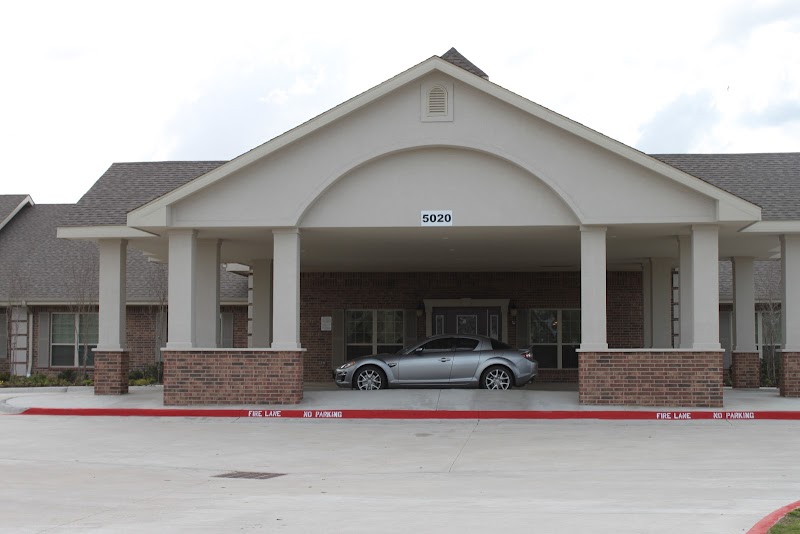
How is Baywood Crossing Rehabilitation & Healthcare Cente Staffed?

CMS rates BAYWOOD CROSSING REHABILITATION & HEALTHCARE CENTE's staffing level at 2 out of 5 stars, which is below average compared to other nursing homes. Staff turnover is 42%, compared to the Texas average of 46%. This relatively stable workforce can support continuity of care.

What Have Inspectors Found at Baywood Crossing Rehabilitation & Healthcare Cente?

State health inspectors documented 13 deficiencies at BAYWOOD CROSSING REHABILITATION & HEALTHCARE CENTE during 2023 to 2025. These included: 13 with potential for harm.
Who Owns and Operates Baywood Crossing Rehabilitation & Healthcare Cente?

BAYWOOD CROSSING REHABILITATION & HEALTHCARE CENTE is owned by a for-profit company. For-profit facilities operate as businesses with obligations to shareholders or private owners. The facility operates independently rather than as part of a larger chain. With 124 certified beds and approximately 106 residents (about 85% occupancy), it is a mid-sized facility located in PASADENA, Texas.

How Does Baywood Crossing Rehabilitation & Healthcare Cente Compare to Other Texas Nursing Homes?

Compared to the 100 nursing homes in Texas, BAYWOOD CROSSING REHABILITATION & HEALTHCARE CENTE's overall rating (5 stars) is above the state average of 2.8, staff turnover (42%) is near the state average of 46%, and health inspection rating (4 stars) is above the national benchmark.

What Should Families Ask When Visiting Baywood Crossing Rehabilitation & Healthcare Cente?

Based on this facility's data, families visiting should ask: "Can you walk me through typical staffing levels on day, evening, and night shifts?" "Can I visit during a mealtime to observe dining assistance and food quality?" "How do you handle medical emergencies, and what is your hospital transfer rate?" "Can I speak with family members of current residents about their experience?" These questions are particularly relevant given the below-average staffing rating.

Is Baywood Crossing Rehabilitation & Healthcare Cente Safe?

Based on CMS inspection data, BAYWOOD CROSSING REHABILITATION & HEALTHCARE CENTE has a clean safety record: no substantiated abuse findings (meaning no confirmed cases of resident harm), no Immediate Jeopardy citations (the most serious violation level indicating risk of serious injury or death), and is not on the Special Focus Facility watch list (a federal program monitoring the lowest-performing 1% of nursing homes). The facility has a 5-star overall rating and ranks #1 of 100 nursing homes in Texas. While no facility is perfect, families should still ask about staff-to-resident ratios and recent inspection results during their visit.

Do Nurses at Baywood Crossing Rehabilitation & Healthcare Cente Stick Around?

BAYWOOD CROSSING REHABILITATION & HEALTHCARE CENTE has a staff turnover rate of 42%, which is about average for Texas nursing homes (state average: 46%). Moderate turnover is common in nursing homes, but families should still ask about staff tenure and how the facility maintains care continuity when employees leave.

Was Baywood Crossing Rehabilitation & Healthcare Cente Ever Fined?

BAYWOOD CROSSING REHABILITATION & HEALTHCARE CENTE has no federal fines on record. CMS issues fines when nursing homes fail to meet care standards or don't correct problems found during inspections. The absence of fines suggests the facility has either maintained compliance or corrected any issues before penalties were assessed. This is a positive indicator, though families should still review recent inspection reports for the full picture.

Is Baywood Crossing Rehabilitation & Healthcare Cente on Any Federal Watch List?

BAYWOOD CROSSING REHABILITATION & HEALTHCARE CENTE is not on any federal watch list. The most significant is the Special Focus Facility (SFF) program, which identifies the bottom 1% of nursing homes nationally based on persistent, serious quality problems. Not being on this list means the facility has avoided the pattern of deficiencies that triggers enhanced federal oversight. This is a positive indicator, though families should still review the facility's inspection history directly.