FOCUSED CARE AT PASADENA
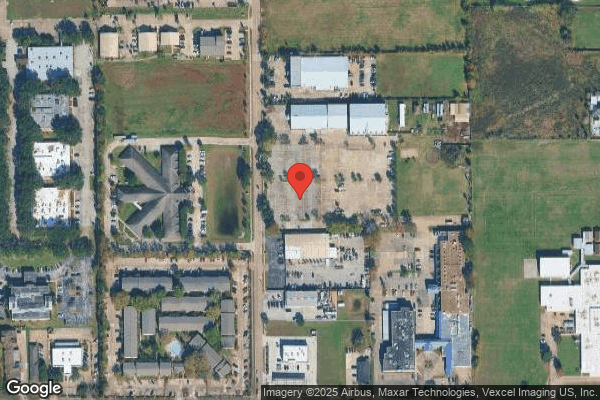
3434 WATTERS RD, PASADENA, TX 77504 (713) 941-9155
For profit - Corporation 125 Beds FOCUSED POST ACUTE CARE PARTNERS Data: November 2025 6 Immediate Jeopardy citations
Trust Grade
0/100
#975 of 1168 in TX
Last Inspection: November 2024

Within standard 12-15 month inspection cycle. Federal law requires annual inspections.

Overview

Focused Care at Pasadena received a Trust Grade of F, indicating significant concerns about the quality of care provided. With a state rank of #975 out of 1168 facilities in Texas, they are in the bottom half of all nursing homes, and they rank #76 out of 95 in Harris County, suggesting only a few local options are better. The facility is improving slightly, with the number of issues decreasing from 13 in 2023 to 12 in 2024, but it still reported 31 issues during inspections, including critical concerns such as failing to ensure resident safety and neglect that resulted in serious injuries, including a resident's death after multiple falls. Staffing is a major weakness, with a poor rating of 1 out of 5 stars and a turnover rate of 71%, significantly higher than the Texas average; however, their RN coverage is average. The facility has incurred fines totaling $131,012, which is concerning and indicates ongoing compliance problems that families should be aware of.

Trust Score
F
0/100
In Texas
#975/1168
Bottom 17%
Safety Record
High Risk
Review needed
Inspections
Getting Better
13 → 12 violations
Staff Stability
⚠ Watch
71% turnover. Very high, 23 points above average. Constant new faces learning your loved one's needs.
Penalties
○ Average
$131,012 in fines. Higher than 66% of Texas facilities. Some compliance issues.
Skilled Nurses
⚠ Watch
Each resident gets only 15 minutes of Registered Nurse (RN) attention daily — below average for Texas. Fewer RN minutes means fewer trained eyes watching for problems.
Violations
⚠ Watch
31 deficiencies on record. Higher than average. Multiple issues found across inspections.
★☆☆☆☆
1.0
Overall Rating
★☆☆☆☆
1.0
Staff Levels
★★★★☆
4.0
Care Quality
★★☆☆☆
2.0
Inspection Score
Stable
2023: 13 issues
2024: 12 issues

The Good

  • 4-Star Quality Measures · Strong clinical quality outcomes
  • Full Sprinkler Coverage · Fire safety systems throughout facility
  • No fines on record

Facility shows strength in quality measures, fire safety.

The Bad

1-Star Overall Rating

Below Texas average (2.8)

Significant quality concerns identified by CMS

Staff Turnover: 71%

24pts above Texas avg (46%)

Frequent staff changes - ask about care continuity

Federal Fines: $131,012

Well above median ($33,413)

Significant penalties indicating serious issues

Chain: FOCUSED POST ACUTE CARE PARTNERS

Part of a multi-facility chain

Ask about local staffing decisions and management

Staff turnover is very high (71%)

23 points above Texas average of 48%

The Ugly 31 deficiencies on record

6 life-threatening
Nov 2024 1 deficiency
CONCERN (E)

Potential for Harm - no one hurt, but risky conditions existed

Food Safety (Tag F0812)

Could have caused harm · This affected multiple residents

Based on observation, interview, and record review, the facility failed to store, prepare, distribute, and serve food in accordance with professional standards for food service safety in 1 of 1 kitche...

Read full inspector narrative →
Based on observation, interview, and record review, the facility failed to store, prepare, distribute, and serve food in accordance with professional standards for food service safety in 1 of 1 kitchen reviewed for dietary services, in that: 1. The facility failed to ensure that the grill above the oven was free of grease. 2. The facility failed to keep one of one commercial can opener in the kitchen clean. 3. The facility failed to label, and date left over food items stored in the walk-in cooler. 4. The facility failed to ensure that expired food items were not stored in the walk-in cooler. These failures could place residents at risk for food contamination and foodborne illness due to cross contamination. The findings included: Initial kitchen observation on 11/18/24 at 9:20AM revealed the following - one of one vent hood in the kitchen had grease dropping along the grill track. One of one commercial can opener in the kitchen had dark brown substances between the cutting blade and around the can opener's holder attached to the food preparation table. Observation of one of one walk in cooler revealed the following food items unlabeled and undated. All food items were identified by the Dietary Manager (DM) -Mixed fruits in a plastic container unlabeled and undated- -Mashed potatoes in a medium size bake pan dated used by 11/14/24. -4-2 lbs. bags of shredded cabbage (coleslaw) in original container dated used by 11/14/24. -Left over chicken Tuna dated used by 11/16/24. -Shredded carrots dated used by 11/15/24. During an interview with the Dietary Manager on 11/18/24 at 9:40AM, he said he expected all food items in the walk-in cooler, to be labeled and dated. He said he had just started working in the kitchen about 3 days ago. He said he would take out all the expired food products and have the oven grill cleaned. During an interview with the acting Administrator on 11/19/24 at 12:40 PM, she said the dietary department had all new staff and the Dietary Manager was new trying and he was cleaning the entire kitchen. Record review of the facility's policy dated 2001 revised 2017 entitled Food Receiving and storage. Policy statement read in part- Foods shall be received and stored in a manner that complies with safe food handling practices. Policy Interpretation and Implementation 1. Food Services, or other designated staff, will always maintain clean food storage areas. 2. When food is delivered to the facility it will be inspected for safe transport and quality before being accepted. 3. Foods that are prepared off site will only be accepted from institutions that are subject to federal, state, or local inspection. The food and nutrition services manager shall verify the latest approved inspection and monitor the food quality of the supplier. 8. All foods stored in the refrigerator or freezer will be covered, labeled and dated (use by date) . 10. Refrigerated foods will be stored in such a way that promotes adequate air circulation around food storage containers. Refrigerators/walk-ins will not be overcrowded. 13. Uncooked and raw animal products and fish will be stored separately in drip-proof containers and below fruits, vegetables, and other ready-to-eat foods. and labeled with a use by date .
Oct 2024 4 deficiencies
CONCERN (E) 📢 Someone Reported This

A family member, employee, or ombudsman was alarmed enough to file a formal complaint

Potential for Harm - no one hurt, but risky conditions existed

Notification of Changes (Tag F0580)

Could have caused harm · This affected multiple residents

**NOTE- TERMS IN BRACKETS HAVE BEEN EDITED TO PROTECT CONFIDENTIALITY** Based on interview, and record review, the facility failed to immediately consult with the physician and notify the resident rep...

Read full inspector narrative →
**NOTE- TERMS IN BRACKETS HAVE BEEN EDITED TO PROTECT CONFIDENTIALITY** Based on interview, and record review, the facility failed to immediately consult with the physician and notify the resident representative when the resident experienced significant change in the resident's physical status (a deterioration in health status either life-threatening conditions or clinical complications) for 1 of 6 residents (Resident #5) reviewed for a change of condition, in that: -The facility failed to notify the doctor when there was a change of condition with Resident #5's urine which had turned purple. -On 9/30/2024, Resident #5 was diagnosed with a urinary tract infection. Resident #5's change of condition was recognized by the nurses at the facility, on 10/5/2024. Resident #5 was not given antibiotics to treat her UTI until 10/8/2024. She was not sent to the hospital until 10/9/2024. The doctor was never notified of her change of condition until 10/8/2024 and on 10/8/2024 she was diagnosed with purple urine syndrome (a rare condition that causes the urine collection bag to turn purple or blue due to a urinary tract infection (UTI) and long-term catheter use). This failure could affect residents with urinary catheters and other medical conditions and could place them at untimely interventions, exacerbated symptoms, and hospitalization. Findings included: Record review of Resident #5's face sheet revealed she was an [AGE] year-old female who was admitted into the facility on [DATE]. She was diagnosed on [DATE] with, chronic kidney disease (long standing disease of the kidneys leading to renal failure. The kidneys filter waste and excess fluid from the blood. As kidneys fail, waste builds up), cognitive communication deficit (difficulty with communication caused by a disruption in cognitive process), neuromuscular dysfunction of bladder (a condition that occurs when the nerves and muscles of the bladder don't work together properly), and type 2 diabetes (a long-term condition in which the body has trouble controlling blood sugar and using it for energy). On 9/30/24 she was diagnosed with urinary tract infection. For about a month, the resident had been having blue and purple urine. Her change of condition had not been reported to the doctor until 10/8/24. On 10/8/2024 she was diagnosed with purple urine syndrome (a rare condition that causes the urine collection bag to turn purple or blue due to a urinary tract infection (UTI) and long-term catheter use). Record review of Resident #5's Comprehensive MDS dated [DATE] revealed she had a BIMs score of 0 out of 15 which indicated she was severely cognitively impaired. She required substantial/maximal assistance with eating and oral hygiene. Resident #5 was dependent for toileting hygiene, shower/bath self, upper body dressing, lower body dressing, and personal hygiene. She was dependent when needed to roll left and right and sit to lying. Resident #5 had an indwelling catheter. Record review of Resident #5's undated comprehensive care plan revealed the following, Toilet use: She is not toileted. Toilet use: She is totally dependent on (1-2) staff for incontinent care. Record review of Resident #5's base line care plan completed until 4/9/24 revealed the following, [Resident #5] Indwelling Foley Catheter and is at Risk for Increased Urinary Tract Infections: Pressure Ulcer sacral Urinary Catheter 20FR,10 CC. Diagnosis: Urinary Retention. Record review of Resident #5's Progress Notes dated 9/16/24 at 6:43 p.m., entered by the ADON, reflected in part, . Foley catheter noted not to be in place and urine was coming out, using aseptic technique, foley catheter replaced with 18fr, 10ml balloon. Resident tolerated procedure and shows no s/s of pain or discomfort at this time Record review of Resident #5's Progress Notes dated 9/29/24 at 11:48 p.m., entered by the LVN C, reflected in part, .16 French, 10cc balloon foley catheter inserted into the urethra without resistance, sterile technique maintained throughout the process, perineal area cleaned with antiseptic solution, new sterile gloves donned (to put on PPE properly to achieve the intended protection and minimize the risk of exposure), clear yellow urine noted in drainage bag, balloon inflated with 10cc of sterile water, catheter secured to thigh with securing tape, resident tolerated the procedure well, no signs of pain after the procedure noted, will continue to monitor urine output . Record review of Resident #5's Progress Notes dated 9/30/24 at 10:45 p.m., entered by the LVN D, reflected in part, .16 French, 10cc balloon foley catheter inserted into the urethra without resistance, sterile technique maintained throughout the process, perinea! area cleaned with antiseptic solution, new sterile gloves donned, clear yellow urine noted in drainage bag, balloon inflated with 10cc of sterile water, catheter secured to thigh with securing tape, resident tolerated the procedure well, no signs of pain after the procedure noted, will continue to monitor urine output . Record review of Resident #5's Order Summary dated 9/30/24 revealed she had a diagnosis of urinary tract infection. Record review of Resident #5's Progress Notes dated 10/05/24 at 12:40a.m., entered by RN A, reflected in part, .Per family request, resident will be sent out to the hospital. The U/A lab results were reviewed and concluded client is positive with Gram negative and positive bacterium. HCP was contacted by documenting nurse with most recent lab results. Requesting how to move forward. No response considering its late hours of the night. After reviewing family concerns of client having blood tinge fluid in her catheter and reviewing medical docs. This nurse is honoring the request of the client's family and sending Resident #5 out . Record review of Resident #5's Progress Notes dated 10/05/24 at 7:56 a.m., entered by the DON, reflected in part, .This writer was made aware that resident RP is requesting her to be send to the hospital and stated [Resident #5] has UTI, [Physician A] made aware and have orders for 0.9%ns @60ml/hr x 2L, Encourage po fluids. Rp called x 2 no response . Record review of Resident #5's Progress Notes dated 10/05/24 at 5:29 p.m., entered by RN C, reflected in part, . cancelled transportation to hospital per DON. resident alert foley bag exhibits about 10cc of urine. new order for normal saline for hydration 2000 ml per iv. 22g to left wrist patent and no s/s infection. continue to monitor. once started, urine began to flow from catheter dark red urine again. family wanted patient to go to hospital but now they are allowing [resident] to stay at the facility at this time . Record review of Resident #5's Progress Notes dated 10/8/24 at 7:15p.m., entered by RN D, reflected in part, .Doxycycline Monohydrate, Oral Capsule 100MG, give 1 capsule by mouth two times a day for Prophylaxis for 10 days . Record review of Resident #5's Order summary Report dated 10/8/24, reflected in part, .Doxycycline Monohydrate (used to treat a wide variety of bacterial infections, including those that cause acne), Oral Capsule 100MG, give 1 capsule by mouth two times a day for Prophylaxis for 10 days . Start date: 10/9/24. Record review of Resident #5's hospital records dated 10/10/24 on page 5/16, revealed, altered mental status, unspecified altered mental status type: 2/2 UTI, UTI (urinary tract infection due to urinary indwelling foley catheter (CMS/HCC) (HCC). Observation on 10/8/24 at 1:35p.m. with Resident #5, revealed her lying asleep in bed. She had a fluid IV bag that was almost empty. She was covered up with a blanket. RN B removed the cover from Resident #5's catheter bag and it revealed that her urine was purple. RN B said Resident #5's urine had been a purple color for the past three days. She said she was not sure if it was blood or not. Interview on 10/8/2024 at 2:21p.m. RN A said Resident #5 had a medical diagnosis of a urinary tract infection on 9/30/2024. On 4/9/2024 Resident #5 was initiated for the catheter. RN A said Resident #5 was care planned for dehydration on, 4/11/2024 7/17/2024, 10/5/2024 and 10/8/2024. She said Resident #5 was not drinking or eating very well. She said Resident #5's family provided a bottle of water for them to give to her. She said sometimes she would take it and sometimes she would not. She said Resident #5 had a change of condition with her urine on 10/5/2024 and it was GI related. Physician A was contacted and put in an order for an IV. Interview on 10/8/24 at 2:36p.m., the NP said he assumed Resident #5 had a catheter to help her wounds heal faster. He said he first saw Resident #5 when she arrived at the facility from the hospital, upon admission, she had a foley catheter. He most of the time, nurses were to change the catheter in 30 days or if there was a malfunction. He said if Resident #5's urine changed color, he would not be able to explain why it happened. He said he would monitor Resident #5. He said he did not see a purple color in the catheter. He said staff should have notified him if there was a change of condition with the resident. Interview on 10/8/2024 at 3:38p.m., the DON said she cancelled the transportation for the Resident #5 going to the hospital on [DATE] because she was able to get Physician A to order IV fluids after he reviewed Resident #5's lab results. She said Physician A gave an order for 2 liters of IV fluid and that if Resident #5 was not drinking any fluids, then her urine was going to be dark. She said she first notified Physician A of the discoloration of dark, yellow urine on 10/5/2024. The DON said when Physician A sent the order for IV fluids, she contacted Resident #5's family and the family agreed to not send Resident #5 to the hospital as they had requested. The DON then said she was first notified about Resident #5 change of condition when a nurse told her about Physician A wanting to prescribe antibiotics for a UTI. She said it happened a week ago. Interview on 10/8/2024 at 3:35p.m., RN B said the first time she saw discoloration in Resident #5's urine was on 10/7/24. She said she had been working on Resident #5's hall for 3 months. She said she changed her catheter every month. She said she last changed her catheter a month ago and her urine was clear. She said Resident #5's UA came back negative. She said she communicated with the RP that her urine came back negative on 10/1/24. She showed documentation that the lab results revealed, UTI Panel: Enterococcus Faecalis- Gram-positive, Escherichia Coli- Gram-negative, and Proteus Mirabilis- Gram-negative. [Physician A] ordered Doxycycline Monohydrate Oral Capsule 100MG, give 1 capsule by mouth two times a day for prophylaxis UTI for 10 days. Interview on 10/8/24 at 3:48p.m., Physician A said he was first notified on 10/5/2024 about Resident #5's dark urine because she was not drinking enough water. He said if the lab was negative, they would normally start with a fluid and for Resident #5 started on Saturday, 10/5/2024. He said Resident #5 came into the facility with a Foley catheter. He said he had not seen Resident #5 in 3 weeks. He said he had been going off what the facility was telling him about Resident #5. He said he was scheduled to go to the facility once a week. He said he was on a monthly schedule to see the residents. He said a nurse at the facility should have informed him that Resident #5 needed to be seen. He said the nurse should have told NP A to see Resident #5 while he was at the facility. He said he had an order for fluids. He said he can give an order over the phone. Observation and interview on 10/8/2024 at 5:06p.m. with Resident #5, the DON, RN B and CNA A revealed Resident #5 lying awake in bed and could hardly speak. The DON grabbed the catheter bag and observed the purple urine. She said the color of the urine was a problem because Resident #5 could have an infection. She said the urine looked purple . CNA A said Resident #5's urine looked like a brownish purple color. She said the color of Resident #5's urine was not a normal color. She said yellow urine would be a normal color. RN B said Resident #5's urine looked like a brownish color, and it was not a normal color. She said it could be due to an infection or the intake of her juice. She said Resident #5 did not drink cranberry juice. The DON said it was her first time seeing Resident #5's catheter filled with purple urine. She said yesterday it was a dark colored urine but not purple. Interview on 10/8/24 at 5:15p.m., Physician A said he was told on 10/5/2024 by a staff member that Resident #5's urine was dark, and they requested fluids. He said staff changed their minds about sending Resident #5 out to the hospital after the order of the fluids and he said he was told the family was okay with the that. He said he did not know the family had requested for Resident #5 to be sent to the hospital and was adamant about her going. He said someone at the facility was supposed to inform him first. Physician A said he did not give orders to send the Resident #5 out to the hospital. Interview on 10/8/2024 at 5:22p.m., the DON, said the nurses changed Resident #5's Foley catheter a few times in the past weeks because of the family's request. She said Resident #5's family wanted it done. Interview on 10/8/2024 at 5:30p.m., CNA A said Resident #5's urine was a brownish, a purple color due to dehydration. Interview on 10/8/2024 at 6:02p.m., the NP said he had not assessed Resident #5 since 4/7/2024. He said he was at the facility on 10/8/2024, but the nurse said everything was okay with Resident #5. He said he saw her lying in bed, but he did not go into her room to physically see her. He said one of the nurses told him about another resident but never mentioned Resident #5 to him. Interview on 10/9/2024 at 12:27p.m., Family member A said they did not change their minds about sending Resident #5 to the hospital. She said they were waiting at home on [DATE], when they received a call from a staff member at the facility, and they told her they were going to leave Resident #5 at the facility. She said the family did not approve it. She said a staff member called yesterday on 10/8/2024 and asked if they wanted to send Resident #5 to the hospital. She said she told them that she wanted to wait and see how Resident #5 was going to do with the new orders. Family member B said she gave permission to staff to send Resident#5 to the hospital on [DATE]. She said as of 10/9/2024 she wanted staff to start the antibiotics for the infection. She said she told them to wait to see what her reaction would be to the medication, and they would decide if they wanted to send Resident #5 to the hospital. She said the nurses took the catheter out of Resident #5. She said Physician A told staff to take out the catheter. She said one nurse came in the room looking for the Foley catheter and did not know that it was gone. She said a nurse on 10/4/2024 told her that Resident #5 had an infection. Interview on 10/9/24 at 12:42p.m., Physician A said Resident #5 was diagnosed with a stage 4 ulcer when she was transferred from the hospital, and she received a Foley catheter. He said Resident #5 failed a trail removal of the Foley catheter and had urinary tract retention. He said it failed once and she had a diagnosis of urinary tract infection. He said the facility did not talk about changing Resident #5's Foley catheter on 9/16/2024 or 9/29/2024. He said he never given staff permission to use a different order or talked to staff about using a different Foley catheter against the initial order. Physician A said on 10/8/20024, he gave an order to remove Resident #5's Foley catheter to see if she could pass urine without it. He said it was a trial removal and her Foley catheter was leaking. Physician A said Resident #5's wound reopened, and he was just informed about it. He said it could be due to nutrition. He said Resident #5 had a bad wound when she first entered the facility. Follow-up interview on 10/9/24 at 2:55p.m., with CNA A, said she told nurses and RN B about Resident #5's purple urine a month ago. She said Resident #5's family was concerned about her urine. She said the nurse said it could be from dehydration. CNA A said she was concerned because the color of the urine was yellow in her catheter a month ago. She said she tries to accommodate residents as best she can. Interview on 10/10/24 at 9:27a.m., the Administrator said she had been working at the facility since 3/11/24. She said she would report change of conditions by following protocol. She said when Resident #5 had a change of condition she should have been a part of the conversation with the DON, but she was not notified about it. She said she was notified about Resident #5's purple urine during an end of day meeting, on 10/8/24. The Administrator said she was not aware that the size of Resident #5's Foley catheter that had been inserted by the nurses on 9/16/24 and 9/29/24 and was different from the physician orders. She said the IV was discussed during the morning meeting on 10/7/24. She said there was a problem with honoring the family's request to send Resident #5 to the hospital, providing education to staff and documentation. She said there was not a lot of documentation on what was going on with Resident #5. She said moving forward she would work on implementing staffing changes, removing people from their roles, providing training, and taking accountability. She said she would start contacting her for everything. She said she would set up a new template for clinical meetings and take advantage of quality monitoring resources that was made available to them. Interview on 10/10/24 at 11:27a.m., with the ADON said she had been working at the facility for over a year. She said she believed the communication between her, and staff had been going well. She said the family requested that Resident #5 be sent out to the hospital. She said the doctor was called and he gave an order for an IV due to possible dehydration and not eating well. She said she did not know there was an issue with Resident #5. She said she was not aware that Resident #5's urine was purple. She said no one mentioned anything to her about Resident #5's purple urine. Interview on 10/14/2024 at 12:31p.m., with a staff member who requested to remain anonymous, said communication with the staff at the facility was not good. She said staff did not respond quickly when a resident needed assistance with care. She said she told the DON about another resident's urine being a dark blue color about a month and a half ago and was told it was that color due to him being on a lot of medications. She said staff did not follow the stop and watch protocol. Interview on 10/14/2024 at 4:32p.m., with the Administrator and Facility Abuse Coordinator revealed when asked how she thought the IJ happened, said ultimately it was communication failure with Resident #5. She said that nursing should have been responsible for the catheter competencies and that they were in the process or reviewing. She said the DON was responsible for infection control tracking, trending and ABT stewardship. She said that they held a monthly QAPI, and that this month had to be rescheduled due to current state investigations and subsequent IJs. She said an Ad Hoc rescheduled QAPI had not been set with a date yet. She said that regarding Resident #5, she had not spoken to the family yet regarding their concerns but that there was a care plan meeting scheduled for 10/15/2024 that she would attend. She said there had been one scheduled last week, but family could not attend at that time and the date they had rescheduled for, the resident was out at the hospital. She said that upon initial hire, nursing was responsible for ensuring all nursing competencies and that nursing was responsible for documentation, but that moving forward she would also have to be oversight and was in the process of hiring a new ADON as well to help. Record Review of the facility's policy titled Change in a Resident's Condition or Status dated 5/2017, reflected in part, . Our facility shall promptly notify the resident, his or her Attending Physician, and representative (sponsor) of changes in the resident's medical/mental condition and/or status (e.g., changes in level of care, billing/payments, resident rights, etc.). The nurse will notify the resident's Attending Physician or physician on call when there has been a(an): accident or incident involving the resident; discovery of injuries of an unknown source; adverse reaction to medication; significant change in the resident's physical/emotional/mental condition; need to alter the resident's medical treatment significantly; refusal of treatment or medications two (2) or more consecutive times); need to transfer the resident to a hospital/treatment center; discharge without proper medical authority; and/or specific instruction to notify the Physician of changes in the resident's condition. A significant change of condition is a major decline or improvement in the resident's status that: Will not normally resolve itself without intervention by staff or by implementing standard disease-related clinical interventions (is not self-limiting); Impacts more than one area of the residents health status; Requires interdisciplinary review and/or revision to the care plan; and Ultimately is based on the judgment of the clinical staff and the guidelines outlined in the Resident Assessment Instrument .
CONCERN (E) 📢 Someone Reported This

A family member, employee, or ombudsman was alarmed enough to file a formal complaint

Potential for Harm - no one hurt, but risky conditions existed

Incontinence Care (Tag F0690)

Could have caused harm · This affected multiple residents

**NOTE- TERMS IN BRACKETS HAVE BEEN EDITED TO PROTECT CONFIDENTIALITY** Based on observation, interview, and record review the facility failed to ensure a resident who was incontinent of bladder recei...

Read full inspector narrative →
**NOTE- TERMS IN BRACKETS HAVE BEEN EDITED TO PROTECT CONFIDENTIALITY** Based on observation, interview, and record review the facility failed to ensure a resident who was incontinent of bladder received appropriate treatment and services to prevent urinary tract infections and to restore continence to the extent possible for one of 6 residents (Resident #5) reviewed for urinary catheters. 1. The facility failed to ensure Resident #5 received treatment without delays for change in condition related to black, purple, and bloody urine in her Foley catheter . 2. The facility failed to follow the doctor's order regarding the size of the catheter that was supposed to be used and the indication for changing the Foley catheter . 3. The facility failed to provide care to Resident #5 in a timely manner after the family repeatedly requested Resident #5 be sent to the emergency room for evaluation of her purple urine and decline which caused a delay in care . These failures could affect residents with urinary catheters and other medical conditions and could place them at risk for physical harm, pain, mental anguish, or emotional distress. Findings included: Record review of Resident #5's face sheet revealed she was an [AGE] year-old female who was admitted into the facility on [DATE]. She was diagnosed on [DATE] with, chronic kidney disease (long standing disease of the kidneys leading to renal failure. The kidneys filter waste and excess fluid from the blood. As kidneys fail, waste builds up), cognitive communication deficit (difficulty with communication caused by a disruption in cognitive process), neuromuscular dysfunction of bladder (a condition that occurs when the nerves and muscles of the bladder don't work together properly), and type 2 diabetes (a long-term condition in which the body has trouble controlling blood sugar and using it for energy). On 9/30/24 she was diagnosed with urinary tract infection. For about a month, the resident had been having blue and purple urine. Her change of condition had not been reported to the doctor until 10/8/24. On 10/8/2024 she was diagnosed with purple urine syndrome (a rare condition that causes the urine collection bag to turn purple or blue due to a urinary tract infection (UTI) and long-term catheter use). Record review of Resident #5's Comprehensive MDS dated [DATE] revealed she had a BIMs score of 0 out of 15 which indicated she was severely cognitively impaired. She required substantial/maximal assistance with eating and oral hygiene. Resident #5 was dependent for toileting hygiene, shower/bath self, upper body dressing, lower body dressing, and personal hygiene. She was dependent when needed to roll left and right and sit to lying. Resident #5 had an indwelling catheter. Record review of Resident #5's undated comprehensive care plan revealed the following, Toilet use: She is not toileted. Toilet use: She is totally dependent on (1-2) staff for incontinent care. Record review of Resident #5's base line care plan completed until 4/9/24 revealed the following, [Resident #5] Indwelling Foley Catheter and is at Risk for Increased Urinary Tract Infections: Pressure Ulcer sacral Urinary Catheter 20FR,10 CC. Diagnosis: Urinary Retention. Record review of Resident #5's Progress Notes dated 9/16/24 at 6:43 p.m., entered by the ADON, reflected in part, . Foley catheter noted not to be in place and urine was coming out, using aseptic technique, foley catheter replaced with 18fr, 10ml balloon. Resident tolerated procedure and shows no s/s of pain or discomfort at this time Record review of Resident #5's Progress Notes dated 9/29/24 at 11:48 p.m., entered by the LVN C, reflected in part, .16 French, 10cc balloon foley catheter inserted into the urethra without resistance, sterile technique maintained throughout the process, perineal area cleaned with antiseptic solution, new sterile gloves donned (to put on PPE properly to achieve the intended protection and minimize the risk of exposure), clear yellow urine noted in drainage bag, balloon inflated with 10cc of sterile water, catheter secured to thigh with securing tape, resident tolerated the procedure well, no signs of pain after the procedure noted, will continue to monitor urine output . Record review of Resident #5's Progress Notes dated 9/30/24 at 10:45 p.m., entered by the LVN D, reflected in part, .16 French, 10cc balloon foley catheter inserted into the urethra without resistance, sterile technique maintained throughout the process, perinea! area cleaned with antiseptic solution, new sterile gloves donned, clear yellow urine noted in drainage bag, balloon inflated with 10cc of sterile water, catheter secured to thigh with securing tape, resident tolerated the procedure well, no signs of pain after the procedure noted, will continue to monitor urine output . Record review of Resident #5's Order Summary dated 9/30/24 revealed she had a diagnosis of urinary tract infection. Record review of Resident #5's Progress Notes dated 10/05/24 at 12:40a.m., entered by RN A, reflected in part, .Per family request, resident will be sent out to the hospital. The U/A lab results were reviewed and concluded client is positive with Gram negative and positive bacterium. HCP was contacted by documenting nurse with most recent lab results. Requesting how to move forward. No response considering its late hours of the night. After reviewing family concerns of client having blood tinge fluid in her catheter and reviewing medical docs. This nurse is honoring the request of the client's family and sending Resident #5 out . Record review of Resident #5's Progress Notes dated 10/05/24 at 7:56 a.m., entered by the DON, reflected in part, .This writer was made aware that resident RP is requesting her to be send to the hospital and stated [Resident #5] has UTI, [Physician A] made aware and have orders for 0.9%ns @60ml/hr x 2L, Encourage po fluids. Rp called x 2 no response . Record review of Resident #5's Progress Notes dated 10/05/24 at 5:29 p.m., entered by RN C, reflected in part, . cancelled transportation to hospital per DON. resident alert foley bag exhibits about 10cc of urine. new order for normal saline for hydration 2000 ml per iv. 22g to left wrist patent and no s/s infection. continue to monitor. once started, urine began to flow from catheter dark red urine again. family wanted patient to go to hospital but now they are allowing [resident] to stay at the facility at this time . Record review of Resident #5's Progress Notes dated 10/8/24 at 7:15p.m., entered by RN D, reflected in part, .Doxycycline Monohydrate, Oral Capsule 100MG, give 1 capsule by mouth two times a day for Prophylaxis for 10 days . Record review of Resident #5's Order summary Report dated 10/8/24, reflected in part, .Doxycycline Monohydrate (used to treat a wide variety of bacterial infections, including those that cause acne), Oral Capsule 100MG, give 1 capsule by mouth two times a day for Prophylaxis for 10 days . Start date: 10/9/24. Record review of Resident #5's hospital records dated 10/10/24 on page 5/16, revealed, altered mental status, unspecified altered mental status type: 2/2 UTI, UTI (urinary tract infection due to urinary indwelling foley catheter (CMS/HCC) (HCC). Observation on 10/8/24 at 1:35p.m. with Resident #5, revealed her lying asleep in bed. She had a fluid IV bag that was almost empty. She was covered up with a blanket. RN B removed the cover from Resident #5's catheter bag and it revealed that her urine was purple. RN B said Resident #5's urine had been a purple color for the past three days. She said she was not sure if it was blood or not. Interview on 10/8/2024 at 2:21p.m. RN A said Resident #5 had a medical diagnosis of a urinary tract infection on 9/30/2024. On 4/9/2024 Resident #5 was initiated for the catheter. RN A said Resident #5 was care planned for dehydration on, 4/11/2024 7/17/2024, 10/5/2024 and 10/8/2024. She said Resident #5 was not drinking or eating very well. She said Resident #5's family provided a bottle of water for them to give to her. She said sometimes she would take it and sometimes she would not. She said Resident #5 had a change of condition with her urine on 10/5/2024 and it was GI related. Physician A was contacted and put in an order for an IV. Interview on 10/8/24 at 2:36p.m., the NP said he assumed Resident #5 had a catheter to help her wounds heal faster. He said he first saw Resident #5 when she arrived at the facility from the hospital, upon admission, she had a foley catheter. He most of the time, nurses were to change the catheter in 30 days or if there was a malfunction. He said if Resident #5's urine changed color, he would not be able to explain why it happened. He said he would monitor Resident #5. He said he did not see a purple color in the catheter. He said staff should have notified him if there was a change of condition with the resident. Interview on 10/8/2024 at 3:38p.m., the DON said she cancelled the transportation for the Resident #5 going to the hospital on [DATE] because she was able to get Physician A to order IV fluids after he reviewed Resident #5's lab results. She said Physician A gave an order for 2 liters of IV fluid and that if Resident #5 was not drinking any fluids, then her urine was going to be dark. She said she first notified Physician A of the discoloration of dark, yellow urine on 10/5/2024. The DON said when Physician A sent the order for IV fluids, she contacted Resident #5's family and the family agreed to not send Resident #5 to the hospital as they had requested. The DON then said she was first notified about Resident #5 change of condition when a nurse told her about Physician A wanting to prescribe antibiotics for a UTI. She said it happened a week ago. Interview on 10/8/2024 at 3:35p.m., RN B said the first time she saw discoloration in Resident #5's urine was on 10/7/24. She said she had been working on Resident #5's hall for 3 months. She said she changed her catheter every month. She said she last changed her catheter a month ago and her urine was clear. She said Resident #5's UA came back negative. She said she communicated with the RP that her urine came back negative on 10/1/24. She showed documentation that the lab results revealed, UTI Panel: Enterococcus Faecalis- Gram-positive, Escherichia Coli- Gram-negative, and Proteus Mirabilis- Gram-negative. [Physician A] ordered Doxycycline Monohydrate Oral Capsule 100MG, give 1 capsule by mouth two times a day for prophylaxis UTI for 10 days. Interview on 10/8/24 at 3:48p.m., Physician A said he was first notified on 10/5/2024 about Resident #5's dark urine because she was not drinking enough water. He said if the lab was negative, they would normally start with a fluid and for Resident #5 started on Saturday, 10/5/2024. He said Resident #5 came into the facility with a Foley catheter. He said he had not seen Resident #5 in 3 weeks. He said he had been going off what the facility was telling him about Resident #5. He said he was scheduled to go to the facility once a week. He said he was on a monthly schedule to see the residents. He said a nurse at the facility should have informed him that Resident #5 needed to be seen. He said the nurse should have told NP A to see Resident #5 while he was at the facility. He said he had an order for fluids. He said he can give an order over the phone. Observation and interview on 10/8/2024 at 5:06p.m. with Resident #5, the DON, RN B and CNA A revealed Resident #5 lying awake in bed and could hardly speak. The DON grabbed the catheter bag and observed the purple urine. She said the color of the urine was a problem because Resident #5 could have an infection. She said the urine looked purple . CNA A said Resident #5's urine looked like a brownish purple color. She said the color of Resident #5's urine was not a normal color. She said yellow urine would be a normal color. RN B said Resident #5's urine looked like a brownish color, and it was not a normal color. She said it could be due to an infection or the intake of her juice. She said Resident #5 did not drink cranberry juice. The DON said it was her first time seeing Resident #5's catheter filled with purple urine. She said yesterday it was a dark colored urine but not purple. Interview on 10/8/24 at 5:15p.m., Physician A said he was told on 10/5/2024 by a staff member that Resident #5's urine was dark, and they requested fluids. He said staff changed their minds about sending Resident #5 out to the hospital after the order of the fluids and he said he was told the family was okay with the that. He said he did not know the family had requested for Resident #5 to be sent to the hospital and was adamant about her going. He said someone at the facility was supposed to inform him first. Physician A said he did not give orders to send the Resident #5 out to the hospital. Interview on 10/8/2024 at 5:22p.m., the DON, said the nurses changed Resident #5's Foley catheter a few times in the past weeks because of the family's request. She said Resident #5's family wanted it done. Interview on 10/8/2024 at 5:30p.m., CNA A said Resident #5's urine was a brownish, a purple color due to dehydration. Interview on 10/8/2024 at 6:02p.m., the NP said he had not assessed Resident #5 since 4/7/2024. He said he was at the facility on 10/8/2024, but the nurse said everything was okay with Resident #5. He said he saw her lying in bed, but he did not go into her room to physically see her. He said one of the nurses told him about another resident but never mentioned Resident #5 to him. Interview on 10/9/2024 at 12:27p.m., Family member A said they did not change their minds about sending Resident #5 to the hospital. She said they were waiting at home on [DATE], when they received a call from a staff member at the facility, and they told her they were going to leave Resident #5 at the facility. She said the family did not approve it. She said a staff member called yesterday on 10/8/2024 and asked if they wanted to send Resident #5 to the hospital. She said she told them that she wanted to wait and see how Resident #5 was going to do with the new orders. Family member B said she gave permission to staff to send Resident#5 to the hospital on [DATE]. She said as of 10/9/2024 she wanted staff to start the antibiotics for the infection. She said she told them to wait to see what her reaction would be to the medication, and they would decide if they wanted to send Resident #5 to the hospital. She said the nurses took the catheter out of Resident #5. She said Physician A told staff to take out the catheter. She said one nurse came in the room looking for the Foley catheter and did not know that it was gone. She said a nurse on 10/4/2024 told her that Resident #5 had an infection. Interview on 10/9/24 at 12:42p.m., Physician A said Resident #5 was diagnosed with a stage 4 ulcer when she was transferred from the hospital, and she received a Foley catheter. He said Resident #5 failed a trail removal of the Foley catheter and had urinary tract retention. He said it failed once and she had a diagnosis of urinary tract infection. He said the facility did not talk about changing Resident #5's Foley catheter on 9/16/2024 or 9/29/2024. He said he never given staff permission to use a different order or talked to staff about using a different Foley catheter against the initial order. Physician A said on 10/8/20024, he gave an order to remove Resident #5's Foley catheter to see if she could pass urine without it. He said it was a trial removal and her Foley catheter was leaking. Physician A said Resident #5's wound reopened, and he was just informed about it. He said it could be due to nutrition. He said Resident #5 had a bad wound when she first entered the facility. Follow-up interview on 10/9/24 at 2:55p.m., with CNA A, said she told nurses and RN B about Resident #5's purple urine a month ago. She said Resident #5's family was concerned about her urine. She said the nurse said it could be from dehydration. CNA A said she was concerned because the color of the urine was yellow in her catheter a month ago. She said she tries to accommodate residents as best she can. Interview on 10/10/24 at 9:27 a.m., the Administrator, said she had been working at the facility since 3/11/24. She said she recently received an IJ for quality of care. She said she would report change of conditions by following protocol. She said when Resident #5 had a change of condition she should have been a part of the conversation with the DON, but she was not notified about it. She said she was notified about Resident #5's purple urine during an end of day on 10/8/24. The Administrator said she was not aware that the size of Resident #5's Foley Catheter was inserted by the nurses on 9/16/24 and 9/29/24 was different from the physician orders. She said the IV was discussed during the morning meeting on 10/7/24. She said there was a problem with the DON not honoring the family's request to send Resident #5 to the hospital, not providing education to staff and lack documentation. She said there was not a lot of documentation on what was going on with Resident #5. She said moving forward she would work on implementing staffing changes, removing people from their roles, providing training, and taking accountability. She said she would start contacting her for everything. She said she would set up a new template for clinical meetings and take advantage of quality monitoring resources that was made available to them. Interview on 10/10/24 at 11:27a.m., with the ADON said she had been working at the facility for over a year. She said she believed the communication between her, and staff had been going well. She said the family requested that Resident #5 be sent out to the hospital. She said the doctor was called and he gave an order for an IV due to possible dehydration and not eating well. She said she did not know there was an issue with Resident #5. She said she was not aware that Resident #5's urine was purple. She said no one mentioned anything to her about Resident #5's purple urine. During a phone interview on 10/13/2024 at 1:17p.m., with CNA B, said she had been working at the facility since 7/23/24. She said she had been working 200-hall, the same hall as Resident #5, since she started at the facility. She said she had noticed that Resident #5's urine in her catheter was purple about a month ago. She said she mentioned it several times to the nurses that were on duty during that time. She said she did not know if it was normal for Resident #5 to have purple urine, or if something was wrong. She said nurses reinserted Resident #5's catheter several times because of the purple urine. She said if there was a change of condition with a resident and nothing was done, the resident could die depending on how serious the situation was. She said she told a male and female nurse about Resident #5's purple urine, but she could not remember their names. Interview on 10/13/24 at 3:20p.m., with CNA C, said she had been working at the facility for 7 months. She said she would work 200-hall with Resident #5 depending on the schedule. She said at the beginning when she would measure the urine and the urine was yellow. She said in September 2024, she noticed the color change of Resident #5's urine. She said it would stain the bag and it was purple and brownish urine. She said when she drained the urine. It was a dark color but not as purple. She said she told RN B and another male nurse that works night shift about the color of the urine. She said RN B saw Resident #5's urine. She said the family would point it out to the nurses. She said she told staff about it two or three weeks ago. She said if a change of condition was not being treated, it could be bad for the resident or it could cause a problem that would require the resident to be sent to the hospital. She said it could also lead to death depending on how serious the condition of the resident. Interview on 10/14/2024 at 12:31p.m., with a staff member who requested to remain anonymous, said communication with the staff at the facility was not good. She said staff did not respond quickly when a resident needed assistance with care. She said she told the DON about another resident's urine being a dark blue color about a month and a half ago and was told it was that color due to him being on a lot of medications. She said staff did not follow the stop and watch protocol. Interview on 10/14/2024 at 4:32p.m., with the Administrator and Facility Abuse Coordinator revealed when asked how she thought the IJ happened, said ultimately it was communication failure with Resident #5. She said that nursing should have been responsible for the catheter competencies and that they were in the process or reviewing. She said the DON was responsible for infection control tracking, trending and ABT stewardship. She said that they held a monthly QAPI, and that this month had to be rescheduled due to current state investigations and subsequent IJs. She said an Ad Hoc rescheduled QAPI had not been set with a date yet. She said that regarding Resident #5, she had not spoken to the family yet regarding their concerns but that there was a care plan meeting scheduled for 10/15/2024 that she would attend. She said there had been one scheduled last week, but family could not attend at that time and the date they had rescheduled for, the resident was out at the hospital. She said that upon initial hire, nursing was responsible for ensuring all nursing competencies and that nursing was responsible for documentation, but that moving forward she would also have to be oversight and was in the process of hiring a new ADON as well to help. Record Review of the facility's policy titled Change in a Resident's Condition or Status dated 5/2017, reflected in part, . Our facility shall promptly notify the resident, his or her Attending Physician, and representative (sponsor) of changes in the resident's medical/mental condition and/or status (e.g., changes in level of care, billing/payments, resident rights, etc.). The nurse will notify the resident's Attending Physician or physician on call when there has been a(an): accident or incident involving the resident; discovery of injuries of an unknown source; adverse reaction to medication; significant change in the resident's physical/emotional/mental condition; need to alter the resident's medical treatment significantly; refusal of treatment or medications two (2) or more consecutive times); need to transfer the resident to a hospital/treatment center; discharge without proper medical authority; and/or specific instruction to notify the Physician of changes in the resident's condition. A significant change of condition is a major decline or improvement in the resident's status that: Will not normally resolve itself without intervention by staff or by implementing standard disease-related clinical interventions (is not self-limiting); Impacts more than one area of the residents health status; Requires interdisciplinary review and/or revision to the care plan; and Ultimately is based on the judgment of the clinical staff and the guidelines outlined in the Resident Assessment Instrument .
CONCERN (E) 📢 Someone Reported This

A family member, employee, or ombudsman was alarmed enough to file a formal complaint

Potential for Harm - no one hurt, but risky conditions existed

Food Safety (Tag F0812)

Could have caused harm · This affected multiple residents

Based on observation, interview and record review, the facility failed to store, prepare, and serve food under sanitary conditions in 1 of 1 kitchen: -The facility failed to ensure that the kitchen fl...

Read full inspector narrative →
Based on observation, interview and record review, the facility failed to store, prepare, and serve food under sanitary conditions in 1 of 1 kitchen: -The facility failed to ensure that the kitchen floors were clean and free of food particles. -The facility failed to ensure gloves were worn by staff during food preparation. These failures placed all residents who ate food served by the kitchen at risk of a food-borne illness. Findings included: Observation on 10/16/24 from 2:25 p.m., revealed the following: The kitchen floor near the stove, deep fryer, and handwashing sink, was dirty with food particles and grease stains. Cook A was preparing food and placed turkey meet in a grinder without wearing gloves. Interview on 10/16/24 at 2:28p.m., the Dietary Manager said he needed to buy soap. He said he put in an order to purchase soap for the kitchen. He said housekeeping was supposed to refill it, but they did not do it. He said they used dishwashing liquid, but he could not find the dishwashing liquid. He said staff is supposed to wear gloves when preparing or touching the food. He said if a cook is not wearing gloves when preparing the food, it could cause cross contamination. Interview on 10/16/24 at 2:32p.m., [NAME] A said he had been working at the facility for about a year. He said he did not need to wear gloves to stir the food. He said he was only supposed to wear gloves when he was handling food. He said not wearing gloves can cause cross contamination. He said the turkey was cooked and not raw, so he did not have to wear gloves while placing it in the grinder. Interview on 10/16/24 at 2:38p.m., the FSA said staff was supposed to wear gloves when handling food. She said if gloves are not worn while handling food, it could cause cross contamination, and someone could get sick. She said if hands are not washed while handling food, it could cause bacteria and spread a virus. Record review of the facility's policy entitled Preventing Foodborne Illness - Food Handling dated 4/20/2022, reflected in part- .This facility recognizes that the critical factors implicated in foodborne illness are: Poor personal hygiene of food service employees; Inadequate cooking and improper holding temperatures; Contaminated equipment; and Unsafe food sources. With these factors as the primary focus of preventative measures, this facility strives to minimize the risk of foodborne illness to our residents. All employees who handle, prepare, or serve food will be trained in the practices of safe food handling and preventing foodborne illness. Employees will demonstrate knowledge and competency in these practices prior to working with food or serving food to residents. This facility only accepts prepared foods from suppliers subject to federal, state, or Local food service inspections and who remain in good standing with such agencies .
CONCERN (E) 📢 Someone Reported This

A family member, employee, or ombudsman was alarmed enough to file a formal complaint

Potential for Harm - no one hurt, but risky conditions existed

Garbage Disposal (Tag F0814)

Could have caused harm · This affected multiple residents

Based on observation, interview and record review, the facility failed to ensure waste were properly contained in dumpster and covered, in 2 of 2 kitchen and outside dumpster: -The facility failed clo...

Read full inspector narrative →
Based on observation, interview and record review, the facility failed to ensure waste were properly contained in dumpster and covered, in 2 of 2 kitchen and outside dumpster: -The facility failed close the lid to the dumpster. -The facility failed to provide lids to two trash cans that were placed inside of the kitchen. This failure placed residents at risk for infection and a decreased quality of life due to having an exterior environment which could attract flying pests, rodents, and other animals. Findings include: Observation on 10/16/24 at 2:45 p.m., revealed a commercial-sized dumpster in the lot behind the dietary department and the lid was open and trash inside. Observation on 10/16/24 at 2:32p.m., revealed two trash cans in the kitchen that was not being used, with no lids on them. One of the trash cans was near the stove and the other trash can was between the deep fryer and the back door. Both trash cans had food particles inside of them. Interview on 10/16/2024 at 2:50p.m., with the Dietary Manager, he said trash cans with no lids should not be inside of the kitchen. He said it was unsanitary. He said he had been working in the kitchen for a month and the trash near the door and the deep fryer never had a lid on it. He said he ordered one, but it hasn't come in yet. He said the lid to the dumpster was supposed to be closed. He observed that the lid was open and said it was supposed to be closed. He said if the lid was open, it could cause dogs, rodents, debris, flies, and maggots to take over the trash and come on the facility grounds. Interview on 10/16/2024 at 3:00p.m., with the Regional VP of Operations, said the lid to the dumpster should have been closed. She said the trash cans in the kitchen should have had lids on them as well. She said it was not sanitary to have the lids off the trash cans in the kitchen. Record review of the facility's policy entitled Food and Nutrition Services will ensure that waste containers are properly maintained dated 4/20/2022, reflected in part- . Waste containers and dumpsters have lids covering them when not in use and are not overflowing. Area around dumpsters are kept clean and odor and rodent free. Dumpster plug is to be in place if not a sealed unit
Aug 2024 2 deficiencies 2 IJ
CRITICAL (J) 📢 Someone Reported This

A family member, employee, or ombudsman was alarmed enough to file a formal complaint

Immediate Jeopardy (IJ) - the most serious Medicare violation

Notification of Changes (Tag F0580)

Someone could have died · This affected 1 resident

**NOTE- TERMS IN BRACKETS HAVE BEEN EDITED TO PROTECT CONFIDENTIALITY** Based on interview, and record review, the facility failed to ensure that residents received treatment and care in accordance wi...

Read full inspector narrative →
**NOTE- TERMS IN BRACKETS HAVE BEEN EDITED TO PROTECT CONFIDENTIALITY** Based on interview, and record review, the facility failed to ensure that residents received treatment and care in accordance with professional standards of practice, the comprehensive person-centered care plan, and the residents' choices for one (CR#1) of five residents reviewed for quality of care. The facility failed to immediately assess and treat CR #1 and contact the doctor from [DATE]- [DATE] after CR#1 experienced ongoing vomiting and distress. CR#1 was transported to the hospital on [DATE] at 11am. An Immediate Jeopardy (IJ) situation was identified on [DATE] at 4:31 PM. While the IJ was removed on [DATE], the facility remained out of compliance at a scope of isolated with the potential for more than minimal harm, due to the facility's need to evaluate the effectiveness of the corrective systems. This failure could place residents at risk for delay in needed treatment and care. Findings included: Record review of CR#1's face sheet dated [DATE] reflected he was an [AGE] year-old male that was admitted to the facility on [DATE] with diagnoses of rhabdomyolysis (a breakdown of muscle tissue that releases a damaging protein into the blood), dysphagia (difficulty swallowing) Type II Diabetes, and hypertension (high blood pressure). He was coded to DNR. Record review of CR #1's care plan last updated [DATE] reflected he had an ADL self-care performance deficit accompanied with impaired balance and limited mobility. CR#1 also had the potential for complications related to the diagnosis of hypertension. Interventions initiated [DATE] stated to monitor/document/report any s/s of headaches, confusion, disorientation, difficulty breathing, and nauseas and vomiting. Record review of CR #1 doctors' orders from [DATE]- [DATE] reflected that there was no documentation (orders) that CR #1 received medication for acid reflux, vomiting, or pain. Record review of the shift-to-shift report on [DATE]- [DATE] documented by the night nurse LPN A reflected that each resident had either a handwritten update regarding their condition from that shift or the words ok next to their nane. CR #1 did not have any documentation next to his name. Record review of the progress notes for CR #1 reflected on [DATE] and [DATE], no progress notes were documented. Record review of the progress note for CR #1 dated [DATE] at 10:29 am reflected RN A documented that she noticed pain while changing him. Vitals were BP 95/46, Heart rate was 127. Per the aid (name undisclosed), resident was vomiting for 2 days, and roommate stated that CR #1 was up all-night moaning. He was given Tylenol and midodrine, but resident vomited up the medicine. Dr. was called and resident was instructed to send resident to hospital due to acidosis. Record review of the hospital record for CR #1 dated [DATE] at 12:03 pm reflected that CR #1 was admitted in a wheelchair due to shortness of breath, weakness, tachycardia (a heart rate that exceeded the normal resting rate), and he was not able to verbalize complaints. His pain intensity was measured as an 8 on a scale of 1- 10 and the chief complaint noted was respiratory. CR #1 also had a blood pressure reading of 92/53. The final record of his expiration have not yet been received. In an interview on [DATE] at 12:41 pm with the Roommate of CR #1, he stated that if he was the aid, he would have sent CR#1 to the hospital that night. He expressed that during the night of [DATE], CR#1 was getting over heated and the aids kept checking on him. He couldn't say what was wrong with him, but he made a lot of noise throughout the night and the in-room ac unit was set to 69 degrees. CR#1 was sent to the hospital the next day ([DATE]) but Roommate stated that he would not have kept him at the facility under his conditions and sent him out sooner. He did not speak with he aids or the nurse regarding his roommate. In an interview on [DATE] at 3:11 pm, RN A stated that she was off on [DATE] and [DATE]. When she returned on [DATE] and was told by CNA A that CR#1 was throwing up and had been throwing up for the past 2 days. Upon rounds, CR #1 was nauseous and vomiting. RN A asked CR#1 what was wrong, and he stated, I don't know, but I know something isn't right. Resident was sweaty and after the assessment she contacted Dr. and informed him his heart rate was high, but BP was low. Dr. agreed to send him to the hospital and came by the facility before he left with the EMT to assess him. LPN A, who worked the night shift did not inform RN A of any changes in CR #1's condition. In an interview on [DATE] at 3:29 pm, CNA A stated that she worked on [DATE] from 6am-10pm. CR #1 started to vomit around 6:30 pm and his vomit was a dark brown that resembled hot chocolate. Around 7pm, she relayed his condition to LPN A, who stated that he would check on the CR#1 but she was unsure if he did. During her 2nd round around 9pm, CR #1 had vomited on the floor and all over his sheets. LPN A told CNA A that he would give him something for acid reflux. CNA A returned to work with CR#1 on [DATE] at 6am. When she changed him, she heard gurgling noises, he was not speaking, she and verbally reported it to RN A at 8am. RN A did not come to immediately check on the CR #! and she sent RN A a text at 9:14am saying CR #1was grunting and needed to be looked at. CNA A stated at 9:30am, RN A came to check on the CR#1 and gave him a covid test. CNA A stated CR#1 was taken by EMT around 11am. In an interview on [DATE] at 3:43 pm with CNA B, who stated she worked on [DATE] from 10pm-6am. When she saw CR #1 at 10pm, he complained of being hot and she adjusted his AC to 69 and turned the AC on in the hallway. CNA B informed LPN A and LPN A stated that would give CR #1 something. However, CR #1 continued to tell CNA B that something was not right, and he rang the call light so much that night that it made it hard for her to tend to other residents. She said she did not know if LPN A contacted the doctor, but she tried to hint that he should. She informed LPN A of CR #1's status at 10:30pm and at 2am. In an interview on [DATE] at 3:56 pm with Dr. Z, who explained that when he saw CR #1 on [DATE], he was fine. Resident was normally verbal, and he could express his likes, dislikes, and pain. Once RN A told him that CR #1 was not well, he immediately went to the facility, entering before the EMT, and assessed the resident. Upon assessment, CR #1 was not responsive, hypotensive, and septic. When he went to the hospital, Dr. Z was also CR#1's treatment doctor at the hospital. The CP scan reflected that he had bilateral aspiration (could have choked on saliva laying down) and cause of death was aspiration pneumonia on [DATE]. The first time he was contacted regarding CR#1's symptoms was [DATE]. Dr. Z expressed that if he had been informed that CR#1 was vomiting and had diarrhea on [DATE], he would not have sent him to the hospital, but ran labs and prescribed him something for his symptoms. He stated that he was prompted to send the resident out because of his abnormal vitals, altered mental status, and low blood pressure. In an interview on [DATE] at 4:28 pm, the DON who stated that if a resident had a change in condition, they were supposed to assess the patient and get with the doctor. A change in condition was described as anything that deviated from the patient's baseline. She stated that CR#1 was a very pleasant man, and he was able to verbalize when something was wrong with him. She was not informed that CR #1 was ill until [DATE]. RN A told her the morning of [DATE] and when she went to check on CR#1, he was weak, nausea, his eyes were closed, and kept trying to clear his throat. Dr. Z was contacted, and CR#1 was sent out that morning. Through investigation, DON learned that CNA A had noticed that CR#1 had vomited, and she cleaned him up each time. CNA A also stated that she informed LPN A. DON preformed an in-service with CNA A and followed up with LPN A, who denied any knowledge of CR#1 being sick. CNA A was told that in the future, she should wait until the nurse came to view the vomit before she cleaned it up and all aids were informed to reach out to the DON if they tell a nurse about a sick resident, and they do not follow up. DON also verbally reeducated RN A on the facilities change in condition policy and she disclosed that RN A shift started at 6am, but she arrived at the facility late that day and did not start her rounds until 9 am. LPN A was interviewed but he was not reeducated. DON expressed that she did not reeducate LPN A because she had worked with him at a different facility and felt that he was a very competent nurse, and she believed his statement because the other staff have been messy. DON stated that the harm in not communicating when a resident changed from baseline could be hospitalization. In an interview on [DATE] at 5:04 pm, LPN A stated that he started working at the facility during the month of August and worked on [DATE] and [DATE] from 6pm-6am. He explained that nurses were to round as much as possible and he remembered entering the room for CR#1 on [DATE], but he did not wake him because he was asleep. He denied that CNA A or CNA B informed him that CR #1 was vomiting and he did not administer any medication to him outside of what was prescribed. LPN A stated that if he knew there was a change in condition with CR#1, he would have checked what type of medications he was already prescribed and let the on-call doctor know. The type of assessment would have depended on the condition of the resident, but in the case of CR#1, he would have checked vitals, examined the vomit and its frequency, then followed up with the doctor. He could not remember if he did rounds with RN A on the morning of [DATE]. In an interview on [DATE] at 5:25 pm, Admin stated that her first-time hearing of the incident with CR#1 was during the morning of [DATE]. RN A told her that she was informed by the aid that CR#1 had been vomiting for several days and Dr. Z was called in before he went to the hospital. She stated that CNA A was educated in their stop and watch documentation system in the resident portal. Admin also stated that she felt that if RN A had arrived to work at 6am and did rounds immediately once she arrived, she might have been able to check on him sooner. Admin got the text later that day that CR#1 had expired. This was determined to be an Immediate Jeopardy (IJ) on [DATE] at 4:31 pm. The Admin and DON were notified. The Admin was provided with the IJ template on [DATE] at 4:31 pm. The following Plan of Removal submitted by the facility was accepted on [DATE] at 7:25 am: Immediate Jeopardy Facility X: On [DATE], an incident survey was initiated at Facility X. On [DATE] the surveyor provided an Immediate Jeopardy (IJ) Template notification that the Regulatory Services has determined that the condition at the facility constitutes an immediate jeopardy to resident health and safety. The facility failed to immediately assess and treat CR#1 and contact the doctor from [DATE] - [DATE] after CR#1 experienced ongoing vomiting and distress. CR#1 was transported to the hospital on [DATE] at 11am. Immediate Action: o The Executive Director/Director of Clinical Operations will be educated by the Regional Directors on [DATE] to Rounding and Monitoring of residents on change of condition and timely Notification of physician and responsible party. o The DCO/Designee will conduct 1:1 in-service with LPN A to include Resident Change in condition, Shift-to-Shift reporting & Documenting changes in condition, Clinical documentation/Charting, timely notification of the physician and responsible party on change of condition to be completed on [DATE]. o The Director of Clinical Operations initiated education on [DATE] to charge nurses on: Resident Change in condition, Shift-to-Shift reporting & Documenting changes in condition, Clinical documentation/Charting, timely notification of the physician and responsible party on change of condition to be completed on [DATE]. Staff will not be allowed to provide direct resident care until training has been completed. o The DCO/Designee initiated education on [DATE] to Certified Nursing Assistants on notifying charge nurses on change of condition and documenting on Stop & Watch in PCC to be completed on [DATE]. Staff will not be allowed to provide direct resident care until training has been completed. o The clinical team (DCO, ADCO , and designated nursing staff) initiated chart audits on all residents with a change in condition on [DATE]. Resident assessments were completed on [DATE] and no new changes in condition identified. Facilities Plan to ensure compliance quickly: o The clinical team (DCO, ADCO, and designated nursing staff) initiated chart audits on all residents with a change in condition to ensure timely notification of physician and responsible party was completed. o The DCO/Designee with review 24-hour report daily to ensure that timely notification of the physician and responsible was completed, starting [DATE]. o The Medical Director was notified of the Immediate Jeopardy on [DATE]. o The current policies reviewed with the Medical Director on [DATE] on Resident Assessment, Shift-to-Shift reporting & Documenting changes on the 24-hour report, Clinical documentation/Charting, change in condition, notifying the physician, Stop & Watch, with no changes to the current policy. This practice will be reviewed monthly with the QA committee to ensure compliance in place. o Daily rounds will be conducted by Nurse management to communicate any changes of condition and timely notification of the physician and RP will occur starting [DATE]. Monitoring Day 1: Sunday [DATE]th, 2024 Review of the plan of correction included 1:1 education for CNA B and LPN A, an audit for all residents with changes in conditions, in services for all charge nurses on facility policy, and in-service to all CNA 's regarding how to report and document any changes. -POC was accepted. Nurses were interviewed on: -When should you notify the physician? Like what things are noticeable? -What is described as a significant change or a change in condition? -When should you notify the doctor when there is a change in condition? -How often do you monitor them? And what do you do if you cannot reach the doctor? -Where do you document any changes? How do you left the nurse on the next shift know what occurred on your shift? How do you exchange information? In an interview on [DATE] at 4:40 pm, LVN A stated today was her first day. She explained Nurses should notify the physician immediately after changes in the resident's condition. They would notify the ADON when there was a change in condition in their breathing, change in respiratory, altered mental status. Other examples would be if the patient had an adverse reaction to medication or antibiotics and she also said if they had poor intake or output different from baseline, nausea, and vomiting. Once the doctor was notified, she would check on them every 10-15 minutes. If there were any thing that could be linked to respiratory issues, she would stay with the resident. If there was an emergency, we could use her nursing judgment to notify the doctor. Once that resident was sent out, she would then notify the physician. She stated you could document the resident's change in condition on the SBAR in the resident's assessment section. She would inform the nurse coming after her with the 24-hour report, chart on progress notes, and verbally let the nurse know with a handoff report. In an interview on [DATE] at 4:46 pm, CNA C stated that she had worked at the facility for 2-3 years and was PRN. She stated aids should notify the nurse immediately if there was a change in condition and they would document it as well. She would document the change in condition in her tablet and tell the nurse verbally. She explained that there was a certain section in the [NAME] (resident charting for CNA's) that she would find the stop and watch alert. Staff could add specifically what was wrong with the resident if it was not listed. They would also notify the ADON or another nurse but mainly someone in nursing. In an interview on [DATE] at 4:50 pm, CNA D stated she had been working at the facility for one month and she worked the 2pm- 10pm shift She stated aids should notify the nurse as soon as a change in condition was noticed or immediately. A change in condition could be any behavior that was abnormal for that individual. They would document it in the POC under the new alert stop and watch tab. She stated she was comfortable going in the POC using the stop and watch. Staff would also let the coworkers who are relieving her know and if the situation was not handled, we could also notify the DON. In an interview on [DATE] at 4:54 pm, LVN B stated that he had been working at the facility for 3-4 weeks and he worked the 6am-6pm shift. He described that a change of condition could be anything outside of the normal like injuries, shortness of breath, and anything outside of their baseline, which could be something as small as a scrape. Nurses have two ways to document which is using the daily 24-hour report. They also have documentation in PCC so it was passed agency wide. There was a change in condition assessment in PCC and he would also add a progress note for nursing. The doctor should be notified as soon as possible, and he would also notify the DON. If there was an emergency, he would call 911, even if the doctor could not be reached. If there was a change in condition, he would try to check on them every 15-20 minutes or try to have someone stay with them. If they could not reach the doctor, then staff could call the medical group the facility works with. In an interview on [DATE] at 5:03 pm, MA A stated he had worked at the facility since October of 2023 and worked the 7am-7pm shift. He stated that aids notified the nurse if there was change in condition whenever they notice it or immediately. A change in condition could be swelling in the feet, nausea, vomiting, not eating, restlessness, coughing, or congestion. Aids could also notify the nurse, DON, or Administrator. They documented the change in condition by clicking on the new alert in the POC and they could add a new alert in the stop and watch. He stated he was comfortable with using the stop and watch. In an interview on [DATE] at 4:46 pm, MA B stated that she had worked at the facility for 1 week and she worked the 7am- 7pm shift. She explained that a change in condition could be anything such as no stool, diarrhea, change in skin color, quiet but now talking louder, slurring speech, or someone who normally talks but was now quiet. The nurse should be notified as soon as a change in condition was noticed. Aids documented the change in condition in the POC. They would go into the new alert section and place what is going on there. She stated she was comfortable with documenting in the new alert section. Aids could also notify the ADON or DON if the change in condition was not addressed by a nurse. In an interview on [DATE] at 5:10 pm, CNA E stated she had worked at the facility for 1 year and worked the 2pm- 10pm shift. She stated a change in condition could be when a resident skin color changes, they were feeling sick, or face drooping. If they were nonverbal, she would try and figure out what was wrong and then she would let the nurse know. The nurse should be informed immediately of any changes. These changes in condition would be documented in the stop and watch in the POC. Aids could go into the new alert and put it in there and she was comfortable with documenting it there. If there was a change in condition and the nurse could not get to that resident, she would also notify the ADON. In an interview on [DATE] at 5:15 pm, RN B stated that he had worked at the facility for over a year, and he worked the 6am- 6pm shift. He stated a change in condition could be classified as anything abnormal, diarrhea that was ongoing, constipation for more than 3 days, change in appetite, or behaviors. Nurses would notify the doctor immediately after the assessment. If they contacted the doctor and they did not answer within 2 hours, nurse could utilize their online service doctors for assistance. If a resident was having an emergency like active bleeding, they would not wait for the doctor, but they would call 911. If there was a change in condition, they checked on the resident based off the policy like every 15-20 minutes. Nurse would document the change in the SBAR and also do a note in the PCC. The nurse that comes in after him would do a verbal communication with the next nurse on what happened, any new orders, and what procedures so that they could know what was happening. They also have a shift to shift 24-hour report. In an interview on [DATE] at 5:21 pm, CNA F stated she had worked at the facility for 6 months and worked the 2pm- 10pm shift. She stated that a change in condition could be anything you could see like bruising, swelling, blood, and changes in diet. Aids should notify the nurse immediately, if they could not come right away, they could let the other nurse know as well as the DON's. They could update changes in the POC in the new alerts and on the first page, they could click on specific ones. She explained that they could also add custom symptoms on the stop and watch, but they still have to make sure they informed the nurses. In an interview on [DATE] at 5:53 pm, LVN C stated that she had worked at the facility for 4 months and worked from 8am-5pm. She described a change in condition could be different from baseline, like changes in vitals, labored breathing, bowel changes such as not voiding, sweaty, and also change in the alert and orientation. The doctor should be notified immediately whenever the change was noticed. They always get vital signs and give them to the physician to see what interventions should be given. Nurses have to make sure all orders were placed in PCC. She would also document the change in condition assessment in PCC, which asked what were the symptoms and who was notified. They always notified the DON, ADON, PCP, and responsible party. She stated she didnt have anyone to relieve her because she was the treatment nurse, but she would always add a PRN order for nurses to follow up with. Nurses have access to the wound care cart and order in PCC. She said she would get together with floor nurses to discuss skin assessments so the nurse could add it to 24-hour report. If they were to catch something she didn't, she would go and assess as soon as notified. If there was a change in condition, depending on the situation, she would check on them as often as needed, especially for things like oxygen and blood sugar. LVN C stated they were also able to use their nursing judgement and call 911 if the doctor was not responsive and the level of care they needed was outside of what they could do at the facility. In an interview on [DATE] at 6:03 pm, LVN D stated she had been working at the facility for 2 years and worked the 6pm-6am shift. She stated a change in condition could be anything that was abnormal with the patient. Examples would be someone coughing, rashes, scratchy throat, anything that would not be the resident's normal demeanor. The doctor should be contacted after the assessment. If she checked the orders and they have a standing order, she would follow those. If the manner was persistent manner or they didn't have orders, she would call the doctor. If the doctor was contacted and it had been a while since we got a response, she would let the DON know so she could contact the doctor. If that does not work, then they could call the medical director. She stated she would check on a resident at least every hour with a change in condition. Change in conditions were documented in the form in the computer. They would also do a progress note. She would let the next nurse know about what happened on her last shift by doing rounds with the new nurse and giving them the 24-hours report. If they reported something to her that happened to their shift, she would still follow up every hour. In an interview on [DATE] at 6:17 pm, WCN stated that he had been working at the facility for 2 weeks and worked the 6pm- 6am shift. He explained that a change in condition could be anything that was out of their normal stasis. This could be skin tears, wounds, coughing, loss of appetite, anything that is outside of normal. These changes would be documented in the progress notes, and we would do an incident report and also a SBAR. The progress notes would be the main note that would stick out. The doctor would be notified after the vitals and pain scales so the doctor could make a precise assessment for proper patient care. He would notify the doctor, ADON, DON, and the family so they were not the last to know. If a resident had an emergency, we could send them out via 911 because we have to use critical thinking or be proactive, so we won't have a dead person. Nurses exchanged information by using the 24-hour report, and they also walked room to room with the previous nurse. Nurses will both have a 24-hour report and take notes based off the initial notes. He stated they have to know everything that was going on, even the little things. Monitoring Day 2: Monday [DATE]th, 2024 In an interview on [DATE] at 1:51 pm, CNA G stated she had worked at the facility for 12-13 years and worked the 6am- 2pm. She stated a change in behavior could be everything, if they were throwing up and having diarrhea, not eating, or declining. They reported by letting the nurses know, then going into the POC to the new alerts to add what was going on with the resident. She stated she was comfortable with using the POC to make repots. If the nurse was not available, she would tell the ADON to let them know what was going on. In an interview on [DATE] at 1:57 pm, CNA H stated she had worked at the facility for 1 year and a half and worked the 6am- 2pm shift. She stated a change could range from someone getting aggressive, wandering, crying, or stopping eating. Anything that came off of their daily routine. If they have a change, she verbally told the nurse and she also put it in the POC. If she came back the next day and something wasn't done, she would tell the ADON or DON. In the POC, she would go to patient charting and click on new alert and stop and watch. It allowed them to put in what was the different reason for their change. They could also create a custom alert. She stated she was comfortable with creating customs alerts and the stop and watch. In an interview on [DATE] at 2:01 pm, RN C stated she had worked at the facility for 7-8 months and worked the 6am- 6pm shift. She stated that a change of confirm is any behavior that was different from the patient's baseline. This could be disorientation and confusion, abdominal pain, and diarrhea. She would have to do my assessment and check vital signs. She would check the medication to see if they have medication prescribed for that ailment then notify the doctor and family. If the doctors gave her an order, she would follow up on their recommendations. The DON would also be notified. The change was documented in the SBAR in the POC, and she would also create a progress note. If they reached out to the doctor and they did not respond right away, she would call 911 to send the resident out and let the DON know. Then she would follow back up with the doctor to let them know what was done. When a resident had a change in condition, they should be checked on frequently. In an interview on [DATE] at 2:10 pm, RN D stated she had worked at the facility for 1 year and worked the 6am- 6pm shift. She stated that a change in condition is anything that was not from the baseline, like commuting, diarrhea, anything that was not normal for them. When they have a change, they did their assessment and did a change of condition assessment form. Nurses were to notify the MD, RP, and the DON. If the doctor took a while to respond, she would let the DON know and they would reach out through a different route. In the event of a medical emergency, she would use her nursing judgement and send the patient out and document. The change of condition was documented in the form under assessment, she would do a progress note, and an incident report. If there was a change, they would check on the resident every 15 minutes, then every hour. Then she would check every hour. In an interview on [DATE] at 2:16 pm, ADON stated she had worked at the facility for 1 year and a half and worked from 8am- 5pm. She stated RN A was supposed to come in on [DATE] today but she did not but she was scheduled to come tomorrow. The DON was on PTO, but she was on schedule to work 8/7 and 8/8. She stated she was out the week of 8/5 to8/9 but she said she nor the DON were notified of any changes in condition. She said if the DON had known, she knew she would have taken care of it herself. In an interview on [DATE] at 8:49 pm, LPN A stated that a change in condition could be when the resident that was not their normal self. Their blood pressure could be high, abnormal vomiting, or skin teas. If there was a change, they check the vitals, and examine what could have caused the change. They could also call the doctor to see if there was an order and they would follow it. This could be a lab or a diagnosis. He would also call the family and notify the DON. The documentation was the change in condition assessment, and he would do a progress report. If there was a change in condition the resident, he would monitor them every 15- 30 minutes, and if a medical emergency, he would call 911 even if the doctor had not responded. He stated he would fully document the changes on the reports. They exchanged information with the next shift nurse by using the 24-hour report and doing rounds. ADON and the investigator reviewed the staff roster with the in-service sing in sheet and pointed out that there were 4 staff members left to in-service. She stated that 2 staff were on PTO and would not be back that week, 2 staff were on nurse who worked PRN. She said she had reached out to them, but they did not answer. She stated she would reach out to them again to attempt to relay the information by phone. She sent a text message to the investigator at 7:28 pm informing that she was able to reach but PRN nurses successfully. Monitoring Day 3: Tuesday [DATE]th, 2024 -Reviewed the in-service list for CNA's and Nurse and all staff had been successfully in serviced. QAPI Charts were reviewed and all documents were completed. All residents were reviewed for recent changes in condition and no changes were identified. 24-hour reports were monitored and updates were completed per shift and notification was noted to the Dr. as needed. An Immediate Jeopardy (IJ) was identified on [DATE]. An IJ Template was provided to the facility on [DATE] at 4:31 pm. While the Immediate Jeopardy was removed on [DATE] at 1:52 pm, the facility remained out of compliance at a scope of isolated and a severity level of no actual harm with potential for more than minimal harm that is not immediate jeopardy due to the facility continuing to monitor the implementation and effectiveness of their plan of removal.
CRITICAL (J) 📢 Someone Reported This

A family member, employee, or ombudsman was alarmed enough to file a formal complaint

Immediate Jeopardy (IJ) - the most serious Medicare violation

Quality of Care (Tag F0684)

Someone could have died · This affected 1 resident

**NOTE- TERMS IN BRACKETS HAVE BEEN EDITED TO PROTECT CONFIDENTIALITY** Based on interview, and record review, the facility failed to ensure that residents received treatment and care in accordance wi...

Read full inspector narrative →
**NOTE- TERMS IN BRACKETS HAVE BEEN EDITED TO PROTECT CONFIDENTIALITY** Based on interview, and record review, the facility failed to ensure that residents received treatment and care in accordance with professional standards of practice, the comprehensive person-centered care plan, and the residents' choices for one (CR#1) of five residents reviewed for quality of care. The facility failed to immediately assess and treat CR #1 and contact the doctor from [DATE]- [DATE] after CR#1 experienced ongoing vomiting and distress. CR#1 was transported to the hospital on [DATE] at 11am. An Immediate Jeopardy (IJ) situation was identified on [DATE] at 4:31 PM. While the IJ was removed on [DATE], the facility remained out of compliance at a scope of isolated with the potential for more than minimal harm, due to the facility's need to evaluate the effectiveness of the corrective systems. This failure could place residents at risk for delay in needed treatment and care. Findings included: Record review of CR#1's face sheet dated [DATE] reflected he was an [AGE] year-old male that was admitted to the facility on [DATE] with diagnoses of rhabdomyolysis (a breakdown of muscle tissue that releases a damaging protein into the blood), dysphagia (difficulty swallowing) Type II Diabetes, and hypertension (high blood pressure). He was coded to DNR. Record review of CR #1's care plan last updated [DATE] reflected he had an ADL self-care performance deficit accompanied with impaired balance and limited mobility. CR#1 also had the potential for complications related to the diagnosis of hypertension. Interventions initiated [DATE] stated to monitor/document/report any s/s of headaches, confusion, disorientation, difficulty breathing, and nauseas and vomiting. Record review of CR #1 doctors' orders from [DATE]- [DATE] reflected that there was no documentation (orders) that CR #1 received medication for acid reflux, vomiting, or pain. Record review of the shift-to-shift report on [DATE]- [DATE] documented by the night nurse LPN A reflected that each resident had either a handwritten update regarding their condition from that shift or the words ok next to their nane. CR #1 did not have any documentation next to his name. Record review of the progress notes for CR #1 reflected on [DATE] and [DATE], no progress notes were documented. Record review of the progress note for CR #1 dated [DATE] at 10:29 am reflected RN A documented that she noticed pain while changing him. Vitals were BP 95/46, Heart rate was 127. Per the aid (name undisclosed), resident was vomiting for 2 days, and roommate stated that CR #1 was up all-night moaning. He was given Tylenol and midodrine, but resident vomited up the medicine. Dr. was called and resident was instructed to send resident to hospital due to acidosis. Record review of the hospital record for CR #1 dated [DATE] at 12:03 pm reflected that CR #1 was admitted in a wheelchair due to shortness of breath, weakness, tachycardia (a heart rate that exceeded the normal resting rate), and he was not able to verbalize complaints. His pain intensity was measured as an 8 on a scale of 1- 10 and the chief complaint noted was respiratory. CR #1 also had a blood pressure reading of 92/53. The final record of his expiration have not yet been received. In an interview on [DATE] at 12:41 pm with the Roommate of CR #1, he stated that if he was the aid, he would have sent CR#1 to the hospital that night. He expressed that during the night of [DATE], CR#1 was getting over heated and the aids kept checking on him. He couldn't say what was wrong with him, but he made a lot of noise throughout the night and the in-room ac unit was set to 69 degrees. CR#1 was sent to the hospital the next day ([DATE]) but Roommate stated that he would not have kept him at the facility under his conditions and sent him out sooner. He did not speak with he aids or the nurse regarding his roommate. In an interview on [DATE] at 3:11 pm, RN A stated that she was off on [DATE] and [DATE]. When she returned on [DATE] and was told by CNA A that CR#1 was throwing up and had been throwing up for the past 2 days. Upon rounds, CR #1 was nauseous and vomiting. RN A asked CR#1 what was wrong, and he stated, I don't know, but I know something isn't right. Resident was sweaty and after the assessment she contacted Dr. and informed him his heart rate was high, but BP was low. Dr. agreed to send him to the hospital and came by the facility before he left with the EMT to assess him. LPN A, who worked the night shift did not inform RN A of any changes in CR #1's condition. In an interview on [DATE] at 3:29 pm, CNA A stated that she worked on [DATE] from 6am-10pm. CR #1 started to vomit around 6:30 pm and his vomit was a dark brown that resembled hot chocolate. Around 7pm, she relayed his condition to LPN A, who stated that he would check on the CR#1 but she was unsure if he did. During her 2nd round around 9pm, CR #1 had vomited on the floor and all over his sheets. LPN A told CNA A that he would give him something for acid reflux. CNA A returned to work with CR#1 on [DATE] at 6am. When she changed him, she heard gurgling noises, he was not speaking, she and verbally reported it to RN A at 8am. RN A did not come to immediately check on the CR #! and she sent RN A a text at 9:14am saying CR #1was grunting and needed to be looked at. CNA A stated at 9:30am, RN A came to check on the CR#1 and gave him a covid test. CNA A stated CR#1 was taken by EMT around 11am. In an interview on [DATE] at 3:43 pm with CNA B, who stated she worked on [DATE] from 10pm-6am. When she saw CR #1 at 10pm, he complained of being hot and she adjusted his AC to 69 and turned the AC on in the hallway. CNA B informed LPN A and LPN A stated that would give CR #1 something. However, CR #1 continued to tell CNA B that something was not right, and he rang the call light so much that night that it made it hard for her to tend to other residents. She said she did not know if LPN A contacted the doctor, but she tried to hint that he should. She informed LPN A of CR #1's status at 10:30pm and at 2am. In an interview on [DATE] at 3:56 pm with Dr. Z, who explained that when he saw CR #1 on [DATE], he was fine. Resident was normally verbal, and he could express his likes, dislikes, and pain. Once RN A told him that CR #1 was not well, he immediately went to the facility, entering before the EMT, and assessed the resident. Upon assessment, CR #1 was not responsive, hypotensive, and septic. When he went to the hospital, Dr. Z was also CR#1's treatment doctor at the hospital. The CP scan reflected that he had bilateral aspiration (could have choked on saliva laying down) and cause of death was aspiration pneumonia on [DATE]. The first time he was contacted regarding CR#1's symptoms was [DATE]. Dr. Z expressed that if he had been informed that CR#1 was vomiting and had diarrhea on [DATE], he would not have sent him to the hospital, but ran labs and prescribed him something for his symptoms. He stated that he was prompted to send the resident out because of his abnormal vitals, altered mental status, and low blood pressure. In an interview on [DATE] at 4:28 pm, the DON who stated that if a resident had a change in condition, they were supposed to assess the patient and get with the doctor. A change in condition was described as anything that deviated from the patient's baseline. She stated that CR#1 was a very pleasant man, and he was able to verbalize when something was wrong with him. She was not informed that CR #1 was ill until [DATE]. RN A told her the morning of [DATE] and when she went to check on CR#1, he was weak, nausea, his eyes were closed, and kept trying to clear his throat. Dr. Z was contacted, and CR#1 was sent out that morning. Through investigation, DON learned that CNA A had noticed that CR#1 had vomited, and she cleaned him up each time. CNA A also stated that she informed LPN A. DON preformed an in-service with CNA A and followed up with LPN A, who denied any knowledge of CR#1 being sick. CNA A was told that in the future, she should wait until the nurse came to view the vomit before she cleaned it up and all aids were informed to reach out to the DON if they tell a nurse about a sick resident, and they do not follow up. DON also verbally reeducated RN A on the facilities change in condition policy and she disclosed that RN A shift started at 6am, but she arrived at the facility late that day and did not start her rounds until 9 am. LPN A was interviewed but he was not reeducated. DON expressed that she did not reeducate LPN A because she had worked with him at a different facility and felt that he was a very competent nurse, and she believed his statement because the other staff have been messy. DON stated that the harm in not communicating when a resident changed from baseline could be hospitalization. In an interview on [DATE] at 5:04 pm, LPN A stated that he started working at the facility during the month of August and worked on [DATE] and [DATE] from 6pm-6am. He explained that nurses were to round as much as possible and he remembered entering the room for CR#1 on [DATE], but he did not wake him because he was asleep. He denied that CNA A or CNA B informed him that CR #1 was vomiting and he did not administer any medication to him outside of what was prescribed. LPN A stated that if he knew there was a change in condition with CR#1, he would have checked what type of medications he was already prescribed and let the on-call doctor know. The type of assessment would have depended on the condition of the resident, but in the case of CR#1, he would have checked vitals, examined the vomit and its frequency, then followed up with the doctor. He could not remember if he did rounds with RN A on the morning of [DATE]. In an interview on [DATE] at 5:25 pm, Admin stated that her first-time hearing of the incident with CR#1 was during the morning of [DATE]. RN A told her that she was informed by the aid that CR#1 had been vomiting for several days and Dr. Z was called in before he went to the hospital. She stated that CNA A was educated in their stop and watch documentation system in the resident portal. Admin also stated that she felt that if RN A had arrived to work at 6am and did rounds immediately once she arrived, she might have been able to check on him sooner. Admin got the text later that day that CR#1 had expired. This was determined to be an Immediate Jeopardy (IJ) on [DATE] at 4:31 pm. The Admin and DON were notified. The Admin was provided with the IJ template on [DATE] at 4:31 pm. The following Plan of Removal submitted by the facility was accepted on [DATE] at 7:25 am: Immediate Jeopardy Facility X: On [DATE], an incident survey was initiated at Facility X. On [DATE] the surveyor provided an Immediate Jeopardy (IJ) Template notification that the Regulatory Services has determined that the condition at the facility constitutes an immediate jeopardy to resident health and safety. The facility failed to immediately assess and treat CR#1 and contact the doctor from [DATE] - [DATE] after CR#1 experienced ongoing vomiting and distress. CR#1 was transported to the hospital on [DATE] at 11am. Immediate Action: o The Executive Director/Director of Clinical Operations will be educated by the Regional Directors on [DATE] to Rounding and Monitoring of residents on change of condition and timely Notification of physician and responsible party. o The DCO/Designee will conduct 1:1 in-service with LPN A to include Resident Change in condition, Shift-to-Shift reporting & Documenting changes in condition, Clinical documentation/Charting, timely notification of the physician and responsible party on change of condition to be completed on [DATE]. o The Director of Clinical Operations initiated education on [DATE] to charge nurses on: Resident Change in condition, Shift-to-Shift reporting & Documenting changes in condition, Clinical documentation/Charting, timely notification of the physician and responsible party on change of condition to be completed on [DATE]. Staff will not be allowed to provide direct resident care until training has been completed. o The DCO/Designee initiated education on [DATE] to Certified Nursing Assistants on notifying charge nurses on change of condition and documenting on Stop & Watch in PCC to be completed on [DATE]. Staff will not be allowed to provide direct resident care until training has been completed. o The clinical team (DCO, ADCO , and designated nursing staff) initiated chart audits on all residents with a change in condition on [DATE]. Resident assessments were completed on [DATE] and no new changes in condition identified. Facilities Plan to ensure compliance quickly: o The clinical team (DCO, ADCO, and designated nursing staff) initiated chart audits on all residents with a change in condition to ensure timely notification of physician and responsible party was completed. o The DCO/Designee with review 24-hour report daily to ensure that timely notification of the physician and responsible was completed, starting [DATE]. o The Medical Director was notified of the Immediate Jeopardy on [DATE]. o The current policies reviewed with the Medical Director on [DATE] on Resident Assessment, Shift-to-Shift reporting & Documenting changes on the 24-hour report, Clinical documentation/Charting, change in condition, notifying the physician, Stop & Watch, with no changes to the current policy. This practice will be reviewed monthly with the QA committee to ensure compliance in place. o Daily rounds will be conducted by Nurse management to communicate any changes of condition and timely notification of the physician and RP will occur starting [DATE]. Monitoring Day 1: Sunday [DATE]th, 2024 Review of the plan of correction included 1:1 education for CNA B and LPN A, an audit for all residents with changes in conditions, in services for all charge nurses on facility policy, and in-service to all CNA 's regarding how to report and document any changes. -POC was accepted. Nurses were interviewed on: -When should you notify the physician? Like what things are noticeable? -What is described as a significant change or a change in condition? -When should you notify the doctor when there is a change in condition? -How often do you monitor them? And what do you do if you cannot reach the doctor? -Where do you document any changes? How do you left the nurse on the next shift know what occurred on your shift? How do you exchange information? In an interview on [DATE] at 4:40 pm, LVN A stated today was her first day. She explained Nurses should notify the physician immediately after changes in the resident's condition. They would notify the ADON when there was a change in condition in their breathing, change in respiratory, altered mental status. Other examples would be if the patient had an adverse reaction to medication or antibiotics and she also said if they had poor intake or output different from baseline, nausea, and vomiting. Once the doctor was notified, she would check on them every 10-15 minutes. If there were any thing that could be linked to respiratory issues, she would stay with the resident. If there was an emergency, we could use her nursing judgment to notify the doctor. Once that resident was sent out, she would then notify the physician. She stated you could document the resident's change in condition on the SBAR in the resident's assessment section. She would inform the nurse coming after her with the 24-hour report, chart on progress notes, and verbally let the nurse know with a handoff report. In an interview on [DATE] at 4:46 pm, CNA C stated that she had worked at the facility for 2-3 years and was PRN. She stated aids should notify the nurse immediately if there was a change in condition and they would document it as well. She would document the change in condition in her tablet and tell the nurse verbally. She explained that there was a certain section in the [NAME] (resident charting for CNA's) that she would find the stop and watch alert. Staff could add specifically what was wrong with the resident if it was not listed. They would also notify the ADON or another nurse but mainly someone in nursing. In an interview on [DATE] at 4:50 pm, CNA D stated she had been working at the facility for one month and she worked the 2pm- 10pm shift She stated aids should notify the nurse as soon as a change in condition was noticed or immediately. A change in condition could be any behavior that was abnormal for that individual. They would document it in the POC under the new alert stop and watch tab. She stated she was comfortable going in the POC using the stop and watch. Staff would also let the coworkers who are relieving her know and if the situation was not handled, we could also notify the DON. In an interview on [DATE] at 4:54 pm, LVN B stated that he had been working at the facility for 3-4 weeks and he worked the 6am-6pm shift. He described that a change of condition could be anything outside of the normal like injuries, shortness of breath, and anything outside of their baseline, which could be something as small as a scrape. Nurses have two ways to document which is using the daily 24-hour report. They also have documentation in PCC so it was passed agency wide. There was a change in condition assessment in PCC and he would also add a progress note for nursing. The doctor should be notified as soon as possible, and he would also notify the DON. If there was an emergency, he would call 911, even if the doctor could not be reached. If there was a change in condition, he would try to check on them every 15-20 minutes or try to have someone stay with them. If they could not reach the doctor, then staff could call the medical group the facility works with. In an interview on [DATE] at 5:03 pm, MA A stated he had worked at the facility since October of 2023 and worked the 7am-7pm shift. He stated that aids notified the nurse if there was change in condition whenever they notice it or immediately. A change in condition could be swelling in the feet, nausea, vomiting, not eating, restlessness, coughing, or congestion. Aids could also notify the nurse, DON, or Administrator. They documented the change in condition by clicking on the new alert in the POC and they could add a new alert in the stop and watch. He stated he was comfortable with using the stop and watch. In an interview on [DATE] at 4:46 pm, MA B stated that she had worked at the facility for 1 week and she worked the 7am- 7pm shift. She explained that a change in condition could be anything such as no stool, diarrhea, change in skin color, quiet but now talking louder, slurring speech, or someone who normally talks but was now quiet. The nurse should be notified as soon as a change in condition was noticed. Aids documented the change in condition in the POC. They would go into the new alert section and place what is going on there. She stated she was comfortable with documenting in the new alert section. Aids could also notify the ADON or DON if the change in condition was not addressed by a nurse. In an interview on [DATE] at 5:10 pm, CNA E stated she had worked at the facility for 1 year and worked the 2pm- 10pm shift. She stated a change in condition could be when a resident skin color changes, they were feeling sick, or face drooping. If they were nonverbal, she would try and figure out what was wrong and then she would let the nurse know. The nurse should be informed immediately of any changes. These changes in condition would be documented in the stop and watch in the POC. Aids could go into the new alert and put it in there and she was comfortable with documenting it there. If there was a change in condition and the nurse could not get to that resident, she would also notify the ADON. In an interview on [DATE] at 5:15 pm, RN B stated that he had worked at the facility for over a year, and he worked the 6am- 6pm shift. He stated a change in condition could be classified as anything abnormal, diarrhea that was ongoing, constipation for more than 3 days, change in appetite, or behaviors. Nurses would notify the doctor immediately after the assessment. If they contacted the doctor and they did not answer within 2 hours, nurse could utilize their online service doctors for assistance. If a resident was having an emergency like active bleeding, they would not wait for the doctor, but they would call 911. If there was a change in condition, they checked on the resident based off the policy like every 15-20 minutes. Nurse would document the change in the SBAR and also do a note in the PCC. The nurse that comes in after him would do a verbal communication with the next nurse on what happened, any new orders, and what procedures so that they could know what was happening. They also have a shift to shift 24-hour report. In an interview on [DATE] at 5:21 pm, CNA F stated she had worked at the facility for 6 months and worked the 2pm- 10pm shift. She stated that a change in condition could be anything you could see like bruising, swelling, blood, and changes in diet. Aids should notify the nurse immediately, if they could not come right away, they could let the other nurse know as well as the DON's. They could update changes in the POC in the new alerts and on the first page, they could click on specific ones. She explained that they could also add custom symptoms on the stop and watch, but they still have to make sure they informed the nurses. In an interview on [DATE] at 5:53 pm, LVN C stated that she had worked at the facility for 4 months and worked from 8am-5pm. She described a change in condition could be different from baseline, like changes in vitals, labored breathing, bowel changes such as not voiding, sweaty, and also change in the alert and orientation. The doctor should be notified immediately whenever the change was noticed. They always get vital signs and give them to the physician to see what interventions should be given. Nurses have to make sure all orders were placed in PCC. She would also document the change in condition assessment in PCC, which asked what were the symptoms and who was notified. They always notified the DON, ADON, PCP, and responsible party. She stated she didnt have anyone to relieve her because she was the treatment nurse, but she would always add a PRN order for nurses to follow up with. Nurses have access to the wound care cart and order in PCC. She said she would get together with floor nurses to discuss skin assessments so the nurse could add it to 24-hour report. If they were to catch something she didn't, she would go and assess as soon as notified. If there was a change in condition, depending on the situation, she would check on them as often as needed, especially for things like oxygen and blood sugar. LVN C stated they were also able to use their nursing judgement and call 911 if the doctor was not responsive and the level of care they needed was outside of what they could do at the facility. In an interview on [DATE] at 6:03 pm, LVN D stated she had been working at the facility for 2 years and worked the 6pm-6am shift. She stated a change in condition could be anything that was abnormal with the patient. Examples would be someone coughing, rashes, scratchy throat, anything that would not be the resident's normal demeanor. The doctor should be contacted after the assessment. If she checked the orders and they have a standing order, she would follow those. If the manner was persistent manner or they didn't have orders, she would call the doctor. If the doctor was contacted and it had been a while since we got a response, she would let the DON know so she could contact the doctor. If that does not work, then they could call the medical director. She stated she would check on a resident at least every hour with a change in condition. Change in conditions were documented in the form in the computer. They would also do a progress note. She would let the next nurse know about what happened on her last shift by doing rounds with the new nurse and giving them the 24-hours report. If they reported something to her that happened to their shift, she would still follow up every hour. In an interview on [DATE] at 6:17 pm, WCN stated that he had been working at the facility for 2 weeks and worked the 6pm- 6am shift. He explained that a change in condition could be anything that was out of their normal stasis. This could be skin tears, wounds, coughing, loss of appetite, anything that is outside of normal. These changes would be documented in the progress notes, and we would do an incident report and also a SBAR. The progress notes would be the main note that would stick out. The doctor would be notified after the vitals and pain scales so the doctor could make a precise assessment for proper patient care. He would notify the doctor, ADON, DON, and the family so they were not the last to know. If a resident had an emergency, we could send them out via 911 because we have to use critical thinking or be proactive, so we won't have a dead person. Nurses exchanged information by using the 24-hour report, and they also walked room to room with the previous nurse. Nurses will both have a 24-hour report and take notes based off the initial notes. He stated they have to know everything that was going on, even the little things. Monitoring Day 2: Monday [DATE]th, 2024 In an interview on [DATE] at 1:51 pm, CNA G stated she had worked at the facility for 12-13 years and worked the 6am- 2pm. She stated a change in behavior could be everything, if they were throwing up and having diarrhea, not eating, or declining. They reported by letting the nurses know, then going into the POC to the new alerts to add what was going on with the resident. She stated she was comfortable with using the POC to make repots. If the nurse was not available, she would tell the ADON to let them know what was going on. In an interview on [DATE] at 1:57 pm, CNA H stated she had worked at the facility for 1 year and a half and worked the 6am- 2pm shift. She stated a change could range from someone getting aggressive, wandering, crying, or stopping eating. Anything that came off of their daily routine. If they have a change, she verbally told the nurse and she also put it in the POC. If she came back the next day and something wasn't done, she would tell the ADON or DON. In the POC, she would go to patient charting and click on new alert and stop and watch. It allowed them to put in what was the different reason for their change. They could also create a custom alert. She stated she was comfortable with creating customs alerts and the stop and watch. In an interview on [DATE] at 2:01 pm, RN C stated she had worked at the facility for 7-8 months and worked the 6am- 6pm shift. She stated that a change of confirm is any behavior that was different from the patient's baseline. This could be disorientation and confusion, abdominal pain, and diarrhea. She would have to do my assessment and check vital signs. She would check the medication to see if they have medication prescribed for that ailment then notify the doctor and family. If the doctors gave her an order, she would follow up on their recommendations. The DON would also be notified. The change was documented in the SBAR in the POC, and she would also create a progress note. If they reached out to the doctor and they did not respond right away, she would call 911 to send the resident out and let the DON know. Then she would follow back up with the doctor to let them know what was done. When a resident had a change in condition, they should be checked on frequently. In an interview on [DATE] at 2:10 pm, RN D stated she had worked at the facility for 1 year and worked the 6am- 6pm shift. She stated that a change in condition is anything that was not from the baseline, like commuting, diarrhea, anything that was not normal for them. When they have a change, they did their assessment and did a change of condition assessment form. Nurses were to notify the MD, RP, and the DON. If the doctor took a while to respond, she would let the DON know and they would reach out through a different route. In the event of a medical emergency, she would use her nursing judgement and send the patient out and document. The change of condition was documented in the form under assessment, she would do a progress note, and an incident report. If there was a change, they would check on the resident every 15 minutes, then every hour. Then she would check every hour. In an interview on [DATE] at 2:16 pm, ADON stated she had worked at the facility for 1 year and a half and worked from 8am- 5pm. She stated RN A was supposed to come in on [DATE] today but she did not but she was scheduled to come tomorrow. The DON was on PTO, but she was on schedule to work 8/7 and 8/8. She stated she was out the week of 8/5 to8/9 but she said she nor the DON were notified of any changes in condition. She said if the DON had known, she knew she would have taken care of it herself. In an interview on [DATE] at 8:49 pm, LPN A stated that a change in condition could be when the resident that was not their normal self. Their blood pressure could be high, abnormal vomiting, or skin teas. If there was a change, they check the vitals, and examine what could have caused the change. They could also call the doctor to see if there was an order and they would follow it. This could be a lab or a diagnosis. He would also call the family and notify the DON. The documentation was the change in condition assessment, and he would do a progress report. If there was a change in condition the resident, he would monitor them every 15- 30 minutes, and if a medical emergency, he would call 911 even if the doctor had not responded. He stated he would fully document the changes on the reports. They exchanged information with the next shift nurse by using the 24-hour report and doing rounds. ADON and the investigator reviewed the staff roster with the in-service sing in sheet and pointed out that there were 4 staff members left to in-service. She stated that 2 staff were on PTO and would not be back that week, 2 staff were on nurse who worked PRN. She said she had reached out to them, but they did not answer. She stated she would reach out to them again to attempt to relay the information by phone. She sent a text message to the investigator at 7:28 pm informing that she was able to reach but PRN nurses successfully. Monitoring Day 3: Tuesday [DATE]th, 2024 -Reviewed the in-service list for CNA's and Nurse and all staff had been successfully in serviced. QAPI Charts were reviewed and all documents were completed. All residents were reviewed for recent changes in condition and no changes were identified. 24-hour reports were monitored and updates were completed per shift and notification was noted to the Dr. as needed. An Immediate Jeopardy (IJ) was identified on [DATE]. An IJ Template was provided to the facility on [DATE] at 4:31 pm. While the Immediate Jeopardy was removed on [DATE] at 1:52 pm, the facility remained out of compliance at a scope of isolated and a severity level of no actual harm with potential for more than minimal harm that is not immediate jeopardy due to the facility continuing to monitor the implementation and effectiveness of their plan of removal.
Aug 2024 3 deficiencies
CONCERN (D) 📢 Someone Reported This

A family member, employee, or ombudsman was alarmed enough to file a formal complaint

Potential for Harm - no one hurt, but risky conditions existed

Resident Rights (Tag F0550)

Could have caused harm · This affected 1 resident

**NOTE- TERMS IN BRACKETS HAVE BEEN EDITED TO PROTECT CONFIDENTIALITY** Based on observation, interview and record review the facility failed to ensure residents were treated respect and dignity and c...

Read full inspector narrative →
**NOTE- TERMS IN BRACKETS HAVE BEEN EDITED TO PROTECT CONFIDENTIALITY** Based on observation, interview and record review the facility failed to ensure residents were treated respect and dignity and care in a manner and in an environment that promoted maintenance or enhancement of his or her quality of life, recognizing each resident's individuality for one (Resident #2) of five residents reviewed for dignity. The facility failed to ensure Resident #2 was not referred to as a feeder. This failure could place residents at risk for diminished quality of life, loss of dignity, and self-worth . Findings include: A record review of Resident #2's face sheet, dated 8/8/24, reflected a [AGE] year-old female who was admitted to the facility on [DATE]. Resident #2 had diagnoses which included contracted left hand, lack of coordination, muscle weakness, dysphagia (difficulty swallowing) and dementia (loss of memory/thinking). A record review of Resident #2's admission MDS assessment, dated 6/24/24, reflected a BIMS score of 00, which indicated severely impaired cognition. This assessment reflected Resident #2 required total dependance and a one-person physical assist with eating. During an observation and interview on 8/8/24 at 12:38 p.m., Resident #2 was observed lying in bed with a meal tray by her side. CNA A said, she's a feeder and stated she had three other feeders on the hall to feed. She said she was new to the job and did not remember if she was trained on rights and dignity towards residents. During an interview on 8/8/24 at 3:55 PM, the DON said CNA A should not have used the word feeder to refer to residents who needed help eating. The DON said the language was not appropriate and could affect a resident's dignity in a negative manner. The DON stated she thought staff were trained on resident rights and dignity via computer-based trainings. The DON stated staff were monitored for resident rights and dignity through interviews and rounding by management staff. During an interview on 8/8/24 at 4:00 PM, the Administrator said residents should be referred to as the Red Napkin Program assisted dining residents. The Administrator said staff were trained on resident rights and dignity via computer-based trainings. The Administrator said the DON and other nurses monitored staff for resident rights and dignity when they made rounds. She said residents referred to as feeders was not dignified and did not show respect. A record review of the facility's policy titled Resident Rights, dated December 2016, reflected the following: Policy Statement Employees shall treat all residents with kindness, respect, and dignity. Policy Interpretation and Implementation 1. Federal and state laws guarantee certain basic rights to all residents of this facility. These rights include the resident's right to: a. a dignified existence; b. be treated with respect, kindness, and dignity
CONCERN (D) 📢 Someone Reported This

A family member, employee, or ombudsman was alarmed enough to file a formal complaint

Potential for Harm - no one hurt, but risky conditions existed

Comprehensive Care Plan (Tag F0656)

Could have caused harm · This affected 1 resident

**NOTE- TERMS IN BRACKETS HAVE BEEN EDITED TO PROTECT CONFIDENTIALITY** Based on observation, interview and record review, the facility failed to develop and implement a comprehensive person-centered ...

Read full inspector narrative →
**NOTE- TERMS IN BRACKETS HAVE BEEN EDITED TO PROTECT CONFIDENTIALITY** Based on observation, interview and record review, the facility failed to develop and implement a comprehensive person-centered care plan for each resident, consistent with the resident rights that included measurable objectives and timeframes to meet a resident's medical, nursing, and mental and psychosocial needs that were identified in the comprehensive assessment for 1 of 6 residents (Resident #1) reviewed for care plans. The facility failed to ensure Resident #1 received supervision during her meals in accordance with her care plan. This failure could place residents at risk of not having their needs met and decreased nutritional intake. The findings include: Record review of Resident #1's face sheet, dated 8/8/24, reflected a [AGE] year-old female who was originally admitted to the facility on [DATE] and most recently on 3/3/23. Her diagnoses included hemiplegia and hemiparesis affecting right dominant side (weakness/paralysis), muscle weakness, lack of coordination, vascular dementia (brain damage from impaired blood floor), muscle wasting, heart failure, mild protein-calorie malnutrition, hypertension (high blood pressure), and gastro-esophageal reflux disease (condition in which stomach acid repeatedly flows back up into the esophagus, causing irritation and discomfort). Record review of Resident #1's quarterly MDS assessment, dated 6/13/24, reflected her had moderately impaired cognition as indicated by a BIMS score of 11. Resident #1 required - (GG section) Helper does less than half the effort. Helper lifts, holds, or supports trunk or limbs . Eating - (how resident eats and drinks .Self-Performance - Limited assistance - resident highly involved in activity; staff provide guided maneuvering of limbs or other non-weight bearing assistance. Support - One person physical assist. Resident #1's active diagnoses included stroke, Neurological: Cerebrovascular Accident/Transient Ischemic Attack, Stroke, Non-Alzheimer's dementia (Lewy body dementia [a common type of dementia that affects memory, movement, thinking, mood, and behavior.])Hemiplegia or Hemiparesis (weakness/paralysis). Record review of Resident #1's care plan, dated 8/8/2024, reflected the following in part: Focus: [Resident #1] have an ADL self-care performance deficit r/t disease processes/decline in health. Date initiated and revised 10/22/20. Goal: [Resident #1] risk for decline with ADL's will be minimized QD and ongoing thru the next review date. Date initiated 10/22/20, Revised on: 5/22/2024, Target Date: 8/20/24. Intervention: Eating: The resident requires supervision of 1 staff to eat initiated and revised 10/22/20. Record review of Resident #1's Nutritional Risk Assessment, dated 3/4/2024, (most recent) reflected the following in part: .Eating: self-performance - Supervision .Nutritional assessment 1. inadequate food intake r/t mechanical problem with hand AEB resident report of pain/ trouble opening and closing left hand with food intake. Goal: No weight loss >5% 30 days. Resident to be able to consume foods adequate using her left-hand 2 .Additional Information - She reports she has a lot of pain in her left hand and that she has noticed greater difficulty when opening and closing it to self-feed . She is able to use her left hand to self feed. Still struggles with hand/arm control. Right side doesn't move Record review of the facility POC report for Resident #1, dated 8/8/24, reflected the following in part: POC [Key] 1 - Eating: Self performance - 0-Independent - no help or staff oversight at any time. 1-Supervision - oversight, encouragement, or cueing. 2 - Limited Assistance - Resident highly involved in activity. Staff provided guided maneuvering of limbs or other non-weight-bearing assistance . 2- Eating: Support Provided - (How resident eats and drinks, regardless of skill . 1-Setup help only. 2- One-person physical assist . 8/1/24 - 8/8/24 - Resident #1 did not received the level of assistance required based on her Care Plan and MDS (The Resident requires Supervision of 1 staff to eat) 21 out of 23 meals documented. 8/1/24: Breakfast (Supervision/Setup help only) Lunch (Supervision/Setup help only) Dinner (Independent/No Set up or physical help from staff). 8/2//24: Breakfast (Supervision/Setup help only) Lunch (Supervision/Setup help only) Dinner (Independent/No Set up or physical help from staff). 8/3/24: Breakfast (Independent/Setup help only) Lunch (Independent/Setup help only) Dinner (Independent/No Set up or physical help from staff). 8/4/24: Breakfast (Supervision/Setup help only) Lunch (Supervision/Setup help only) Dinner (Independent/Setup help only). 8/5/24: Breakfast (Supervision/Setup help only) Lunch (Supervision/Setup help only) Dinner (Supervision/Setup help only). 8/6/24: Breakfast (Limited Assistance/One person physical assist) Lunch (Limited Assistance/One person physical assist) Dinner (Supervision/Setup help only). 8/7/24: Breakfast (Independent/Setup help only) Lunch (Independent/Setup help only) Dinner (Supervision/Setup help only). 8/8/24: Breakfast (Supervision/Setup help only), Lunch (Observed) - (Independent/Setup help only). Record review of Resident #1's weights reflected the following: 7/2/24 - 220.6 lbs. 7/3/24 - 218.4 lbs. 7/4/24 - 217.2 lbs. 7/5/24 - 218.4 lbs. 7/18/24 - 216.4 lbs. 7/22/24 - 212.8 lbs. 3.54% weight loss between 7/2/24 - 7/22/24 In an observation and interview on 8/8/24 at 12:36 PM - 12:56 PM, revealed Resident #1 was delivered her lunch tray (meat, vegetables, mashed potatoes and two beverages) at 12:36 PM and the staff left the room and continued delivering lunch trays. Staff did not enter the room to assist Resident #1 eat her food. She ate with her left hand. When Resident #1 brought each bite of food to her mouth it would fall off the fork because her hand was unsteady and shook while she ate. She said her hand was weak and it was difficult. Resident #1 attempted to drink her juice. She picked up the cup and attempted to drink the beverage as her hand began to shake. Resident #1 attempted to bring the cup to her lips but she wasted the beverage due to her hand shaking. She said she did not receive assistance or asked if she needed assistance while she ate. She continued to try and eat her food. This State Surveyor requested Resident #1 push her call light. CNA A responded to the call light. Resident #1 said she was tired of trying to eat because her hand was shaking and said to CNA A it was hard to eat because she kept wasting her food. Resident #1 said if she had help she would have finished her food. Resident #1 ate 25% of her food. Staff did not supervise Resident #1 when she ate her food. During an interview on 8/8/24 at 12:58 PM, CNA A said, Resident #1 did not require assistance or supervision while she ate. She said Resident #1 required set up with her meal tray. She said Resident #1 was able to eat independently. She said the nurses informed her about the amount of assistance Resident #1 needed. CNA A said Resident #1 may have eaten slow, but she was able to eat without assistance or supervision. She said she could check the POC. She said she was feeding another resident when Resident #1 pushed her call light. She said she was not aware of Resident #1's care plan interventions. In an interview on 8/8/24 at 1:03 PM, the DON said if Resident #1 needed help, she should have been assisted with her meal. She said Resident #1 was able to feed herself. She said the care plan intervention (the resident requires supervision of 1 staff to eat ate initiated and revised) meant the facility staff should have Resident #1 by going in and out of her room while she ate her food. She said it did not mean a staff did not need to physically assist Resident #1. The DON said she was not able to answer questions on the coding for the MDS Nurse and the Reg. The MDS RN would answer questions related to assistance level indicated in Resident #1's MDS. She said Resident #1's food intake could be diminished if she was not assisted to eat. In an interview on 8/8/24 at 1:15 PM with the Regional MDS RN said Resident #1 needed supervision for eating. She said Resident #1 should have been provided set up and periodically supervised through out the time she ate. She said if staff did not go in the room and supervise Resident #1 while she ate then Resident #1, did not receive the correct level of assistance. She said the facility should re-educate staff on what was expected related to care plans and how interventions should be carried out. In an interview on 8/8/24 at 4:00 PM with the ADMIN and the DON, the ADMIN said she expected staff to support and assist Resident #1 based on the care plan intervention ( The Resident requires Supervision of 1 staff to eat). The ADMIN said staff should have been available in the room to meet Resident #1's needs. The DON said the care plan may not have been updated because she thought the resident did not need physical assistance. The ADMIN said the care plan should be followed until it was updated if needed. The ADMIN said the resident was at risk for not being able to eat all of her food. Record review of the facility policy on Comprehensive Care Plan (effective date 1/20/21 and revised 4/25/21) reflected the following in part: .Policy - Every resident will have an individualized interdisciplinary plan of care in place .6. The resident .a. The initial goals of the resident include the GG section . c. Any services and treatment to be administered by the community and personnel acting on behalf of the community
CONCERN (D) 📢 Someone Reported This

A family member, employee, or ombudsman was alarmed enough to file a formal complaint

Potential for Harm - no one hurt, but risky conditions existed

ADL Care (Tag F0677)

Could have caused harm · This affected 1 resident

**NOTE- TERMS IN BRACKETS HAVE BEEN EDITED TO PROTECT CONFIDENTIALITY** Based on observations, interviews, and record review, the facility failed to provide the necessary services to maintain good nut...

Read full inspector narrative →
**NOTE- TERMS IN BRACKETS HAVE BEEN EDITED TO PROTECT CONFIDENTIALITY** Based on observations, interviews, and record review, the facility failed to provide the necessary services to maintain good nutrition for 1 of 6 residents reviewed for ADLs (Residents #1.) The facility failed to ensure Resident #1 received supervision and assistance during her meals. This failure could place residents who required assistance from staff for ADLs at risk of not receiving care and services to meet their needs which could result in poor nutrition. The findings include: Record review of Resident #1's face sheet, dated 8/8/24, reflected a [AGE] year-old female who was originally admitted to the facility on [DATE] and most recently on 3/3/23. Her diagnoses included hemiplegia and hemiparesis affecting right dominant side (weakness/paralysis), muscle weakness, lack of coordination, vascular dementia (brain damage from impaired blood floor), muscle wasting, heart failure, mild protein-calorie malnutrition, hypertension (high blood pressure), and gastro-esophageal reflux disease (condition in which stomach acid repeatedly flows back up into the esophagus, causing irritation and discomfort). Record review of Resident #1's quarterly MDS assessment, dated 6/13/24, reflected her had moderately impaired cognition as indicated by a BIMS score of 11. Resident #1 required - (GG section) Helper does less than half the effort. Helper lifts, holds, or supports trunk or limbs . Eating - (how resident eats and drinks .Self-Performance - Limited assistance - resident highly involved in activity; staff provide guided maneuvering of limbs or other non-weight bearing assistance. Support - One person physical assist. Resident #1's active diagnoses included stroke, Neurological: Cerebrovascular Accident/Transient Ischemic Attack, Stroke, Non-Alzheimer's dementia (Lewy body dementia [a common type of dementia that affects memory, movement, thinking, mood, and behavior.])Hemiplegia or Hemiparesis (weakness/paralysis). Record review of Resident #1's care plan, dated 8/8/2024, reflected the following in part: Focus: [Resident #1] have an ADL self-care performance deficit r/t disease processes/decline in health. Date initiated and revised 10/22/20. Goal: [Resident #1] risk for decline with ADL's will be minimized QD and ongoing thru the next review date. Date initiated 10/22/20, Revised on: 5/22/2024, Target Date: 8/20/24. Intervention: Eating: The resident requires supervision of 1 staff to eat initiated and revised 10/22/20. Record review of Resident #1's Nutritional Risk Assessment, dated 3/4/2024, (most recent) reflected the following in part: .Eating: self-performance - Supervision .Nutritional assessment 1. inadequate food intake r/t mechanical problem with hand AEB resident report of pain/ trouble opening and closing left hand with food intake. Goal: No weight loss >5% 30 days. Resident to be able to consume foods adequate using her left-hand 2 .Additional Information - She reports she has a lot of pain in her left hand and that she has noticed greater difficulty when opening and closing it to self-feed . She is able to use her left hand to self feed. Still struggles with hand/arm control. Right side doesn't move Record review of the facility POC report for Resident #1, dated 8/8/24, reflected the following in part: POC [Key] 1 - Eating: Self performance - 0-Independent - no help or staff oversight at any time. 1-Supervision - oversight, encouragement, or cueing. 2 - Limited Assistance - Resident highly involved in activity. Staff provided guided maneuvering of limbs or other non-weight-bearing assistance . 2- Eating: Support Provided - (How resident eats and drinks, regardless of skill . 1-Setup help only. 2- One-person physical assist . 8/1/24 - 8/8/24 - Resident #1 did not received the level of assistance required based on her Care Plan and MDS (The Resident requires Supervision of 1 staff to eat) 21 out of 23 meals documented. 8/1/24: Breakfast (Supervision/Setup help only) Lunch (Supervision/Setup help only) Dinner (Independent/No Set up or physical help from staff). 8/2//24: Breakfast (Supervision/Setup help only) Lunch (Supervision/Setup help only) Dinner (Independent/No Set up or physical help from staff). 8/3/24: Breakfast (Independent/Setup help only) Lunch (Independent/Setup help only) Dinner (Independent/No Set up or physical help from staff). 8/4/24: Breakfast (Supervision/Setup help only) Lunch (Supervision/Setup help only) Dinner (Independent/Setup help only). 8/5/24: Breakfast (Supervision/Setup help only) Lunch (Supervision/Setup help only) Dinner (Supervision/Setup help only). 8/6/24: Breakfast (Limited Assistance/One person physical assist) Lunch (Limited Assistance/One person physical assist) Dinner (Supervision/Setup help only). 8/7/24: Breakfast (Independent/Setup help only) Lunch (Independent/Setup help only) Dinner (Supervision/Setup help only). 8/8/24: Breakfast (Supervision/Setup help only), Lunch (Observed) - (Independent/Setup help only). Record review of Resident #1's weights reflected the following: 7/2/24 - 220.6 lbs. 7/3/24 - 218.4 lbs. 7/4/24 - 217.2 lbs. 7/5/24 - 218.4 lbs. 7/18/24 - 216.4 lbs. 7/22/24 - 212.8 lbs. 3.54% weight loss between 7/2/24 - 7/22/24 In an observation and interview on 8/8/24 at 12:36 PM - 12:56 PM, revealed Resident #1 was delivered her lunch tray (meat, vegetables, mashed potatoes and two beverages) at 12:36 PM and the staff left the room and continued delivering lunch trays. Staff did not enter the room to assist Resident #1 eat her food. She ate with her left hand. When Resident #1 brought each bite of food to her mouth it would fall off the fork because her hand was unsteady and shook while she ate. She said her hand was weak and it was difficult. Resident #1 attempted to drink her juice. She picked up the cup and attempted to drink the beverage as her hand began to shake. Resident #1 attempted to bring the cup to her lips but she wasted the beverage due to her hand shaking. She said she did not receive assistance or asked if she needed assistance while she ate. She continued to try and eat her food. This State Surveyor requested Resident #1 push her call light. CNA A responded to the call light. Resident #1 said she was tired of trying to eat because her hand was shaking and said to CNA A it was hard to eat because she kept wasting her food. Resident #1 said if she had help she would have finished her food. Resident #1 ate 25% of her food. Staff did not supervise Resident #1 when she ate her food. During an interview on 8/8/24 at 12:58 PM, CNA A said, Resident #1 did not require assistance or supervision while she ate. She said Resident #1 required set up with her meal tray. She said Resident #1 was able to eat independently. She said the nurses informed her about the amount of assistance Resident #1 needed. CNA A said Resident #1 may have eaten slow, but she was able to eat without assistance or supervision. She said she could check the POC. She said she was feeding another resident when Resident #1 pushed her call light. She said she was not aware of Resident #1's care plan interventions. In an interview on 8/8/24 at 1:03 PM, the DON said if Resident #1 needed help, she should have been assisted with her meal. She said Resident #1 was able to feed herself. She said the care plan intervention (the resident requires supervision of 1 staff to eat ate initiated and revised) meant the facility staff should have Resident #1 by going in and out of her room while she ate her food. She said it did not mean a staff did not need to physically assist Resident #1. The DON said she was not able to answer questions on the coding for the MDS Nurse and the Reg. The MDS RN would answer questions related to assistance level indicated in Resident #1's MDS. She said Resident #1's food intake could be diminished if she was not assisted to eat. In an interview on 8/8/24 at 1:15 PM with the Regional MDS RN said Resident #1 needed supervision for eating. She said Resident #1 should have been provided set up and periodically supervised throughout the time she ate. She said if staff did not go in the room and supervise Resident #1 while she ate then Resident #1, did not receive the correct level of assistance. She said the facility should re-educate staff on what was expected related to care plans and how interventions should be carried out. In an interview on 8/8/24 at 4:00 PM with the ADMIN and the DON, the ADMIN said she expected staff to support and assist Resident #1 based on the care plan intervention (The Resident requires Supervision of 1 staff to eat). The ADMIN said staff should have been available in the room to meet Resident #1's needs. The DON said the care plan may not have been updated because she thought the resident did not need physical assistance. The ADMIN said the care plan should be followed until it was updated if needed. The ADMIN said the resident was at risk for not being able to eat all of her food. Record review of the facility policy on Comprehensive Care Plan (effective date 1/20/21 and revised 4/25/21) reflected the following in part: .Policy - Every resident will have an individualized interdisciplinary plan of care in place .6. The resident .a. The initial goals of the resident include the GG section . c. Any services and treatment to be administered by the community and personnel acting on behalf of the community
Feb 2024 2 deficiencies 2 IJ (2 affecting multiple)
CRITICAL (K) 📢 Someone Reported This

A family member, employee, or ombudsman was alarmed enough to file a formal complaint

Immediate Jeopardy (IJ) - the most serious Medicare violation

Free from Abuse/Neglect (Tag F0600)

Someone could have died · This affected multiple residents

**NOTE- TERMS IN BRACKETS HAVE BEEN EDITED TO PROTECT CONFIDENTIALITY** Based on interview and record review, the facility failed to ensure the resident's right to be free from abuse for 1 resident (C...

Read full inspector narrative →
**NOTE- TERMS IN BRACKETS HAVE BEEN EDITED TO PROTECT CONFIDENTIALITY** Based on interview and record review, the facility failed to ensure the resident's right to be free from abuse for 1 resident (CR#1) of 10 reviewed for neglect. -The facility failed to ensure CR#1 was free from neglect when she had multiple falls with serious injuries. -The facility failed to complete assessments, assess her pain, and implement adequate interventions to address CR#1's repeated falls with injuries. CR#1 died on [DATE] at the hospital after a fall, sustaining a head injury on [DATE]. -The facility failed to adequately assess CR#1 when she cried out in pain saying her leg was broken on [DATE] when she re-admitted to the facility at 2:14 p.m. and no order was given for Stat x-ray until [DATE] at 9:47 a.m. -The facility failed to adequately address and manage CR#1's pain although she screamed out in pain repeatedly telling the facility staff her leg was broken from [DATE] at 2:14 p.m. until [DATE] when CR#1's family member called 911 and found that CR#1 had a right hip fracture. -The facility failed to seek emergency medical treatment and evaluation when CR#1 arrived at the facility on [DATE] crying out in pain and saying that her leg was broken until seen by an MD on [DATE] who stated send CR#1 to acute care hospital at 12:19 p.m. and CR#1 was not sent until CR#1's family member called 911 after 2 p.m. An Immediate Jeopardy (IJ) was identified on [DATE] at 12:47 p.m. While the IJ was lowered on [DATE] at 11:46 a.m., to no actual harm with potential for more than minimal harm that is not Immediate Jeopardy at a scope of pattern while the facility continued to monitor the implementation of effectiveness of their plan of removal. These failures could place residents at risk of neglect and not having their care needs met, receiving treatments, which could cause a decline in physical and psychosocial health or even death. Findings include: CR #1 Record review of CR #1's face sheet dated [DATE] revealed a [AGE] year-old female who initially admitted to the Nursing Facility on [DATE] and re-admitted on [DATE] with the diagnoses of dementia, displaced intertrochanteric fracture of right femur-initial encounter for a closed fracture dated [DATE] (broken right leg), traumatic subarachnoid hemorrhage without loss of consciousness dated [DATE] ( true emergencies that demand prompt treatment. Subarachnoid hemorrhages result from a medical aneurysmal rupture or traumatic head injury, resulting in bleeding in the subarachnoid space between the arachnoid membrane and the [NAME] mater surrounding the brain)., major depressive disorder dated [DATE], muscle wasting and atrophy, difficulty in walking, type 2 diabetes (high blood sugar), hyperlipidemia (high cholesterol), hypothyroidism, morbid (severe) obesity, atherosclerotic heart disease, bipolar disorder, and hypertension (high blood pressure). Record review of CR#1's Quarterly MDS dated [DATE] revealed a BIMS score of 13 indicating cognition is intact. Section on Behavior revealed none of the above. Section on Functional Abilities and goals revealed wheelchair, roll left and right, sit to lying were substantial/maximal assistance, Sit to stand and walk 10 feet were not applicable. Pain presence was occasional and pain intensity was a 7. Falls revealed injury (except major) skin tears, abrasions, lacerations, superficial bruises, hematomas and sprains, or any fall-related injury that causes the resident to complain of pain. Restraints and Alarms section revealed there was no bed rail, bed alarm, chair alarm, or floor mat alarm. Record review of CR#1's Quarterly MDS dated [DATE] did not reveal a fall mat. Record review of CR# 1's Comprehensive Care plan undated revealed: CR #1 was identified to be at risk for increased falls and fractures as evidence by: Actual fall with c/o pain to neck and head - [DATE], Actual fall no injury - [DATE], Actual fall no injury - [DATE], Actual fall with hematoma to middle of forehead/ bleeding from nostrils - [DATE] Date Initiated: [DATE] Revision on: [DATE]. Interventions: Personal items to be placed within reach. Date Initiated: [DATE], Transferred to [Hospital] for further evaluation Date Initiated: [DATE], Transferred to ER for further eval [DATE] Date Initiated: [DATE]. Revision on: [DATE], Anticipate needs, provide prompt assistance. Date Initiated: [DATE], Assure lighting is adequate and areas are free of clutter. Date Initiated: [DATE], Encourage resident to ask for assistance of staff. Date Initiated: [DATE], Encourage socialization and activity attendance as tolerated. Date Initiated: [DATE], Ensure call light is in reach and answer promptly. Date Initiated: [DATE] .Focus: [CR#1] is Moderate risk for increased falls and fractures as evidence by: Gait/balance problems Date Initiated: [DATE] Revision on: [DATE] .Interventions: Anticipate and meet The resident's needs. Date Initiated: [DATE], Be sure The resident's call light is within reach and encourage the resident to use it for assistance as needed. The resident needs prompt response to all requests for assistance. Date Initiated: [DATE], Educate the resident/family/caregivers about safety reminders and what to do if a fall occurs. Date Initiated: [DATE], Follow facility fall protocol. Date Initiated: [DATE], Pt evaluate and treat as ordered or PRN. Date Initiated: [DATE] .Focus: [CR#1] has a behavior problem r/t Low frustration tolerance .Resident stated she had a fall at [local behavior facility] with pain on her right leg - [DATE] .Interventions: Send to [Local Hospital] for further evaluation Date Initiated: [DATE], Stat Xray Date Initiated: [DATE]. Focus: ADL self-care performance deficit d/t complications r/t disease processes. Date Initiated: [DATE] Revision on: [DATE]. Interventions: BATHING/SHOWERING: The resident totally Dependent by 1-2 staff with bathing/showering as necessary. Date Initiated: [DATE] Revision on: [DATE], BED MOBILITY: The resident requires Extensive assistance by 1-2 staff to turn and reposition in bed as necessary. Date Initiated: [DATE] Revision on: [DATE], DRESSING: The resident requires Extensive assistance by 1-2 staff to dress. Date Initiated: [DATE] Revision on: [DATE], EATING: The resident requires Supervision by 1 staff to eat. Date Initiated: [DATE] Revision on: [DATE], PERSONAL HYGIENE: The resident requires Extensive assistance by 1 staff with personal hygiene and oral care. Date Initiated: [DATE] Revision on: [DATE], TOILET USE: The resident requires Extensive Assistance by 1-2 staff for toileting. Date Initiated: [DATE] Revision on: [DATE], TRANSFER: The resident requires Mechanical Lift Hoyer lift with 2 staff assistance for transfers. Date Initiated: [DATE] Revision on: [DATE], Encourage the resident to participate to the fullest extent possible with each interaction. Date Initiated: [DATE], Encourage the resident to use bell to call for assistance. Date Initiated: [DATE], Praise all efforts at self-care. Date Initiated: [DATE], PT/OT evaluation and treatment as per MD orders. Date Initiated: [DATE]. Focus: Right Femur fracture r/t fall Date Initiated: [DATE] Revision on: [DATE]. Interventions: Anticipate and meet needs. Be sure call light is within reach and respond promptly to all requests for assistance. Date Initiated: [DATE], Follow MD orders for weight bearing status. See MD orders and/or PT treatment plan. Date Initiated: [DATE], Monitor/document pain on a scale of 0 to 10 before and after implementing measures to reduce pain. Date Initiated: [DATE], PT, OT evaluation and treatment per orders. Date Initiated: [DATE], Reposition as necessary to prevent skin breakdown. Prevent 90-degree flexion to prevent circulation problems. Date Initiated: [DATE]. Record review of CR#1's Order Summary Report dated [DATE] revealed: STAT X-RAY TO RIGHT HIP/KNEE R/T PAIN. STAT Phone ordered [DATE]. Assess if resident has shortness of breath while lying flat. every shift ordered [DATE]. Assess if resident has shortness of breath while lying flat. every shift Verbal Discontinued [DATE]. May have side rails up at HS and while in bed to enhance positioning and mobility Phone ordered [DATE]. May have side rails up at HS and while in bed to enhance positioning and mobility Phone Discontinued [DATE]. May have side rails up at HS and while in bed to enhance positioning and mobility Phone Discontinued [DATE]. May have side rails up at HS and while in bed to enhance positioning and mobility Verbal Discontinued [DATE]. Monitor for signs and symptoms of adverse reaction: interocular hemorrhage, abdominal pain, flatulence, alopecia, rash, pruritus, taste disturbance, tissue necrosis, headache, lethargy, dizziness, hematuria, anemia, hepatitis, respiratory tract bleeding, hypersensitivity reaction, hemorrhage, bloody dyscrasias, fever, purple toe syndrome, increased fracture risk with long term use. every shift Phone ordered [DATE]. Monitor for signs and symptoms of adverse reaction: interocular hemorrhage, abdominal pain, flatulence, alopecia, rash, pruritus, taste disturbance, tissue necrosis, headache, lethargy, dizziness, hematuria, anemia, hepatitis, respiratory tract bleeding, hypersensitivity reaction, hemorrhage, bloody dyscrasias, fever, purple toe syndrome, increased fracture risk with long term use. every shift Phone Discontinued [DATE]. monitor for signs and symptoms of adverse reaction: interocular hemorrhage, abdominal pain, flatulence, alopecia, rash, pruritus, taste disturbance, tissue necrosis, headache, lethargy, dizziness, hematuria, anemia, hepatitis, respiratory tract bleeding, hypersensitivity reaction, hemorrhage, bloody dyscrasias, fever, purple toe syndrome, increased fracture risk with long term use. every shift Verbal Discontinued [DATE]. monitor for signs and symptoms of adverse reaction: interocular hemorrhage, abdominal pain, flatulence, alopecia, rash, pruritus, taste disturbance, tissue necrosis, headache, lethargy, dizziness, hematuria, anemia, hepatitis, respiratory tract bleeding, hypersensitivity reaction, hemorrhage, bloody dyscrasias, fever, purple toe syndrome, increased fracture risk with long term use. Y/N every shift for Assessment Phone Discontinued [DATE]. MONITORING OF PAIN -if pain is noted, chart in nurses notes the interventions/treatments used and the effectiveness - Intervention Codes: 0 - none, 1 -medication, 2 - re-position, 3 - heat, 4 - cold, 5 - gentle range of motion, 6 - other (see nurses note) every shift Phone ordered [DATE]. MONITORING OF PAIN -if pain is noted, chart in nurses notes the interventions/treatments used and the effectiveness - Intervention Codes: 0 - none, 1 -medication, 2 - re-position, 3 - heat, 4 - cold, 5 - gentle range of motion, 6 - other (see nurses note) every shift Phone Discontinued [DATE]. MONITORING OF PAIN -if pain is noted, chart in nurses notes the interventions/treatments used and the effectiveness - Intervention Codes: 0 - none, 1 -medication, 2 - re-position, 3 - heat, 4 - cold, 5 - gentle range of motion, 6 - other (see nurses note) every shift Verbal Discontinued [DATE]. MONITORING OF PAIN -if pain is noted, chart in nurses notes the interventions/treatments used and the effectiveness - Intervention Codes: 0 - none, 1 -medication, 2 - re-position, 3 - heat, 4 - cold, 5 - gentle range of motion, 6 - other (see nurses note) every shift for Pain Phone Discontinued [DATE]. OT to eval and Tx as indicated Phone Discontinued [DATE]. OT to eval and Tx AS INDICATED Verbal Discontinued [DATE]. Pain Management consult Prescriber Written Discontinued [DATE]. PT clarification: Pt to be seen 3x/wk x 5 wks for therapy ex, therapy act, gait training, neuro re-ed, modalities, group and pt/caregiver training to improve functional mobility and increase functional independence. Phone Discontinued [DATE]. PT clarification: Pt to be seen 3x/wk x 6 wks for therapy ex, therapy act, gait training, neuro re-ed, modalities and pt/caregiver training to improve functional mobility and independence. Phone Discontinued [DATE]. PT CLARIFICATION: Skilled Pt services for 3x/week for 30days to address m62.81, m62.59, R27.8, r26.2 with therapy ex, therapy act, neuro re-ed, group therapy. one time only for 30 Days Phone Discontinued [DATE] [DATE] [DATE]. PT recertification: Pt to be seen 3x/wk x 6 wks for therapy ex, therapy act, gait training, neuro re-ed, modalities and pt/caregiver training to improve functional mobility and independence. Phone Active [DATE] Pt to eval and treat. one time only for 1 Day Phone Completed [DATE] [DATE] [DATE]. PT TO EVAL AND TX AS INDICATED Phone Active [DATE]. PT TO EVAL AND TX AS INDICATED Phone Discontinued [DATE]. PT TO EVAL AND TX AS INDICATED Phone Discontinued [DATE]. PT TO EVAL AND TX AS INDICATED Verbal Discontinued [DATE]. PT/OT TO EVAL AND TREAT AS INDICATED Prescriber Written Discontinued [DATE]. PT/OT/ST TO EVAL AND TREAT AS INDICATED Prescriber Written Active [DATE]. Resident transferred to [local acute hospital] r/t fall for observation. Phone Active [DATE] Send resident to methodist hospital r/t right leg pain r/o fracture per MD. Phone Discontinued [DATE]. Acetaminophen Oral Tablet 325 MG (Acetaminophen) Give 2 tablet by mouth every 4 hours as needed for Pain Phone Active [DATE]. Acetaminophen Oral Tablet 500 MG (Acetaminophen) Give 1 tablet by mouth every 6 hours as needed for mild pain. Phone Discontinued [DATE]. Advil PM Oral Capsule 200-25 MG (Ibuprofen-Diphenhydramine HCl) Give 1 capsule by mouth at bedtime for Insomnia. Phone Discontinued [DATE]. Advil PM Oral Capsule 200-25 MG (Ibuprofen-Diphenhydramine HCl) Give 1 capsule by mouth at bedtime for insomnia. Prescriber Written Discontinued [DATE]. Aspirin EC Low Strength Oral Tablet Delayed Release 81 MG (Aspirin) Give 1 tablet by mouth one time a day for CAD. Phone Discontinued [DATE]. Aspirin EC Low Strength Oral Tablet Delayed Release 81 MG (Aspirin) Give 1 tablet by mouth one time a day for CAD. Phone Discontinued [DATE]. Aspirin EC Tablet Delayed Release 81 MG (Aspirin) Give 1 tablet by mouth one time a day for MI Do Not Crush Phone Discontinued [DATE]. Aspirin Low Dose Oral Tablet Delayed Release 81 MG (Aspirin) Give 1 tablet by mouth one time a day for blood thinner. Verbal Discontinued [DATE]. Aspirin Low Dose Oral Tablet Delayed Release 81 MG (Aspirin) Give 1 tablet by mouth one time a day for MI Phone Active [DATE]. Eliquis Oral Tablet 5 MG (Apixaban) Give 1 tablet by mouth two times a day for DVT prevention Phone Active [DATE]. Eliquis Oral Tablet 5 MG (Apixaban) Give 5 mg by mouth two times a day for Prophylaxis; dvt Prescriber Written Discontinued [DATE]. Hydrocodone-Acetaminophen Oral Tablet 5-325 MG (Hydrocodone-Acetaminophen) Give 1 tablet by mouth every 6 hours as needed for pain mgmt. Prescriber Written Discontinued [DATE]. Hydrocodone-Acetaminophen Oral Tablet 5-325 MG (Hydrocodone-Acetaminophen) Give 1 tablet by mouth every 8 hours as needed for Pain Phone Active [DATE]. Hydrocodone-Acetaminophen Oral Tablet 5-325 MG (Hydrocodone-Acetaminophen) Give 1 tablet by mouth every 8 hours as needed for Pain Phone Discontinued [DATE]. Hydrocodone-Acetaminophen Oral Tablet 5-325 MG (Hydrocodone-Acetaminophen) Give 1 tablet by mouth every 8 hours as needed for pain Verbal Discontinued [DATE]. Hydrocodone-Acetaminophen Tablet 5-325 MG Give 1 tablet by mouth every 6 hours as needed for pain Phone Discontinued [DATE]. Record review of CR#1's Pain Level Summary: [DATE] 3:23 a.m. level 6 [DATE] 8:45 p.m. level 6 [DATE] 12:21 a.m. level 0 [DATE] 10:00 p.m. level 3 [DATE] 8:22 p.m. level 3 [DATE] 4:50 a.m. level 5 [DATE] 7:47 a.m. level 5 [DATE] 7:59 a.m. level 5 [DATE] 10:17 p.m. level 0 [DATE] 1:51 a.m. level 7 [DATE] 10:54 p.m. level 0 [DATE] nothing noted [DATE] 5:17 a.m. level 0 [DATE] 5:18 a.m. level 1 [DATE] 8:32 a.m. level 3 [DATE] 9:18 a.m. level 0 [DATE] 1:47 p.m. level 5 Record review of CR#1's [DATE] Medication Administration Record revealed: MONITORING OF PAIN -if pain is noted, chart in nurses notes the interventions/treatments used and the effectiveness - Intervention Codes: 0 - none, 1 - medication, 2 - re-position, 3 - heat, 4 - cold, 5 - gentle range of motion, 6 - other (see nurses note) every shift. -D/C Date- [DATE] 12:03 p.m.- [DATE] at 6 p.m. to did not reveal any pain. [DATE] at 6 a.m. revealed level 5 pain Diclofenac Sodium External Gel 1 % (Diclofenac Sodium (Topical)) Apply to knee/back topically three times a day for osteoarthritis -D/C Date- [DATE] 12:03 p.m. [DATE] at 9 p.m. pain level 1 [DATE] at 9 a.m. pain level 3 [DATE] at 2 p.m. pain level 5 Hydrocodone-Acetaminophen Tablet 5-325 MG Give 1 tablet by mouth every 6 hours as needed for pain -D/C Date- [DATE] 12:03 p.m. [DATE] left blank [DATE] pain level 5 at 1:37 p.m. Tylenol Extra Strength Oral Tablet 500 MG (Acetaminophen) Give 1 tablet by mouth every 6 hours as needed for pain -D/C Date- [DATE] 3:57 p.m. nothing noted. STAT X-RAY TO RIGHT HIP/KNEE R/T PAIN. STAT -Start Date- [DATE] 9:53 a.m. [DATE] not completed. Record review of CR#1's Nurse notes dated [DATE] at 2:14 p.m. written by ADON A revealed, Resident arrived via wheelchair with EMS from Behavior Hospital, AA&Ox3, respiratory even and unlabored skin warm and dry to touch, denies pain at this time, notified MD and [CR#1's family member] call light in reach will continues to monitor. Record review of CR#1's Morse Fall Scale dated [DATE] at 2:39 p.m. revealed Moderate Risk for Falling. No History of falling, no ambulatory aides are used (bedrest/wheelchair/nurse assisted), gait impaired with difficulty rising from chair, uses chair arms to get up, bounces to rise-keeps head down when walking, watches the ground- grasps furniture, person or aide when ambulating. Cannot walk unassisted. Mental Status: Overestimates or forgets limits. Record review of CR#1's Skin/Wound Note dated [DATE] at 7:47 p.m. by Wound Care Nurse revealed, Resident re-admitted to facility. Head to toe skin assessment performed. Sacrum intact. Bilateral heels noted dry & flaky. Left heel noted with peeling skin. Will continue to monitor. Record review of CR#1's Weekly Skin assessment dated [DATE] at 7:45 p.m. by Wound Care Nurse did not reveal anything about CR#1 being in pain. Record review of CR#1's Health Status Note dated [DATE] at 9:35 a.m. by ADON A revealed, While in room changing resident complained of pain to right leg stating she fell at the other place, notified MD for new orders, [CR#1's family member] is aware. Calling other facility to confirm resident had a fall. Record review of CR#1's Incident note dated [DATE] at 2:24 p.m. written by DON/DCO Note Text: ADCO stopped by resident rm to provide, resident told ADCO that her right leg hurt because I had a fall at the other place MD [CR #1's family member] notified, Pain ,eds administered pe[CR #1's family member] prn order, MD gave orders for stat x-ray, DCO called [local psychiatric center] to investigate incident of fall as stated by resident .Resident now to be transferred to [CR #1's family member] choice of hospital for further eval. National EMS called and scheduled transportation p/u, eta 1hr, [CR #1 family member] notify with p/u information. Record review of CR#1's Nurse Note dated [DATE] at 10:45 a.m. written by MDS Coordinator revealed, CR#1's family member approached writer at nurses station requesting to speak to someone regarding her mother. Writer inquired was there anything that I can assist with? [CR#1's family member] stated I need someone to arrange transportation for my mother to go to the hospital, she told me that she had a fall at [local psychiatric facility] and now her leg is hurting, she needs X-rays Informed [CR#1's family member] that we could do X-rays here at the facility, [CR #1'S FAMILY MEMBER] inquired When I can't wait all day for her X-rays? Writer informed Management staff and charge nurse of [CR#1's family member] request and was informed that a STAT X-ray of right hip/knee was ordered and requested already. Informed [CR #1'S FAMILY MEMBER] that we received an order from the DR for STAT X-rays, X-ray tech was on their way to facility to obtained X-ray's. [CR #1'S FAMILY MEMBER] stated Fine I will wait until 12pm, then she's going to the hospital. That's my mother and I have to take care of her. Writer comforted [CR #1'S FAMILY MEMBER] and voiced understanding. [CR #1'S FAMILY MEMBER] returned to resident room, to await X-ray tech. Record review of CR#1's Progress note date [DATE] at 12:19 p.m. written by Physician revealed, CR#1 readmitted from [local psychiatric facility]. [CR#1] seen/examined. Complained of right thigh area pain with rom. Stated that she fell at [local psychiatric facility] without workup. Will send to acute hospital for workup fracture versus dislocations .fall precautions, pain control .concerns/questions/plan of care addressed with CR#1's family member at bedside. Record review of CR#1's Local Hospital noes dated [DATE] at 12:30 p.m. revealed s/p fall Fractured right hip, right heel deep tissue injury. Arrival date [DATE] at 4:41 p.m. Arrived by ambulance. Record review of CR#1's Nurse notes dated [DATE] at 18:02 by LVN B revealed CR#1 was Received via bed. Color is good, skin is warm/dry to touch. Resp. are easy/unlabored. Able to make her needs known staff. Requires 1:1 assist with her ADLS. No hypo/hyperglycemic reactions noted. Slight bleeding noted from her buttock during ADL care. She is constantly c/o why we don't like her and why we are out to get her, unable to re-direct @ this time, made as comfortable as possible. Was medicated with PRN Hydrocodone & Hydroxyzine. Will cont.to monitor. Record review of CR#1's screenshot of video dated [DATE] at 11:55 p.m. revealed a CNA standing by CR#1's bedside wither hands in her pocket and looking at CR#1. The CNA was observed standing away from CR#1 and CR#1 was observed lying to one side of the bed all the way to at the edge of the bed and looking at the CNA. Observation revealed CR#1 was not laying on her pillow and was laying to in the corner of the bed by the window. Record review of CR#1's screenshot of video dated [DATE] at 12:45 a.m. revealed CR#1 on the floor by her window and lying leaning on the air conditioner. Observation revealed there was no fall mat on either side of the bed. Record review of CR#1's Nurse note dated [DATE] at 12:59 by LVN A revealed, At approximately 12:50 a.m. [CR31] was observed on the floor screaming in severe pain to her head and neck. During assessment a raised area was noted on her right forehead.res stated she was trying to adjust her bedsheet. Nurse initiated 911 for further medical evaluation .V/S at this time were Bp 110/61, P 73, T 97.8, RR 20,02 SAT 97% RA.RP notified via VM , Md ,DON,ADON notified. Record review of CR#1's SBAR, Change in Condition dated [DATE] at 1:54 a.m. revealed, The Change in Condition/s reported on this CIC Evaluation are/were Falls. Resident is on anticoagulant other than warfarin. Pain Status: Yes. Record review of CR#1's Nurse note dated [DATE] at 3:17 a.m. by LVN A revealed, 911 initiated,2 technicians p/u resident via stretcher to [Local Hospital] for further medical evaluation and treatment. Record review of CR#1's Local Hospital Progress note dated [DATE] at 11:18 a.m. revealed admit date [DATE], Chief complaint: Fall on blood thinners .Subarachnoid hemorrhage after fall on blood thinners, received Kcentra in ER, neurosurgery consulted, appreciate recs, received loading dose of Keppra, rapid response was called as patient was having a seizure .Chief complaint: slip and fall out of bed .CT of the head showed age indeterminate nondisplaced bilateral nasal bone fracture and a single focus of subarachnoid hemorrhage in the right inferior frontal region. She was diagnosed with subarachnoid hemorrhage. She's wheelchair bound and needed 2 persons to assist her Right periorbital soft tissue swelling. No retrobulbar hematoma, globe injury or orbital fracture. Record review of CR#1's Nurse note dated [DATE] at 5:54 p.m. by CMA A revealed, CR#1 returned from [Local Hospital] accompanied by E.M.S Personnel. Res is returning to [facility] with DX; fall, Cerebral Hemorrhage. Res is AAOX2, Denies pain and discomfort at this time. Res is total care of ADLs, Inconsonant of B/B. VS124/74, 70, 18, 97.4. R/P, M.D notified. call light within reach will continue to monitor. Record review of CR#1's Bed Mobility Device assessment dated [DATE] at 10:05 a.m. description Initial revealed; Bed Mobility Device Assessment: None of the above was selected. What other alternatives have been used to assist the resident prior to the application of bed rails, grab/assist bars? Meaningful/Engaging individualized activities, frequent prompting/reminders, comfortable bed, comfortable bed environment. How have alternative interventions failed to meet the residents assessed needs? n/a. Has the Interdisciplinary Team determined the use of a bed rail, grab /assist bars to be an enabler to promote independence? Yes. How will/do the bed rails or grab/assist bat assist the resident? Turning side to side, moving up or down in the bed, holding self t one side, assist with lying to sitting, improve balance during transfer, support self during transfer, exiting the bed and entering the bed. Does the resident have a diagnosis of seizures or involuntary movements? No. Type of bed rail to be used. ½ Rail on both sides. Record review of CR#1's Bed Mobility Device assessment dated [DATE] at 10:05 a.m. reveled that low bed, increased monitoring, soft mat on floor were not selected. Record review of CR#1's Nurse note dated [DATE] at 3:20 a.m. by LVN A revealed, At approx. 3:20 a.m., Resident was observed with an unwitnessed fall, laying faced down. Resident stated she was trying to get out of the bed to get the nurse. Nurse assessed the resident, no redness or swelling noted, resident denied head injury. V/s Bp137/66 ,P 59 ,T 97.3 ,02 sat 95% RA. Nurse and the CNA assisted the resident back to bed via Hoyer lift. Resident c/o lower backpain, Prn Hydrocodone 5-325mg PO 1 tab administered to aid back pain, MD, ADON and RP notified via VM. Will continue to monitor. Call light within reach, bed at lowest position. Record review of CR#1's February Medication Administration record revealed: MONITORING OF PAIN -if pain is noted, chart in nurses notes the interventions/treatments used and the effectiveness - Intervention Codes: 0 - none, 1 - medication, 2 - re-position, 3 - heat, 4 - cold, 5 - gentle range of motion, 6 - other (see nurses note) every shift [DATE] at 6a.m. to pain level 5 [DATE] at 6 p.m. to pain level 0 [DATE] nothing noted. Acetaminophen Oral Tablet 325 MG (Acetaminophen) Give 2 tablet by mouth every 4 hours as needed for Pain: nothing administered. Hydrocodone-Acetaminophen Oral Tablet 5-325 MG (Hydrocodone-Acetaminophen) Give 1 tablet by mouth every 8 hours as needed for Pain. [DATE] Pain level 4 at 2:00 a.m. [DATE] Pain level 3 at 10 p.m. [DATE] Pain level 5 at 10:56 p.m. [DATE] Pain level 6 at 12:45 a.m. Hydroxyzine Pamoate Oral Capsule 50 MG (Hydroxyzine Pamoate) Give 1 capsule by mouth every 6 hours as needed for anxiety. [DATE] administered at 8:44 p.m. Record review of CR#1's SBAR Summary, Change in Condition Evaluation dated [DATE] at 1:30 a.m. by LVN C revealed, Nursing observations, evaluation, and recommendations are Resident had an unwitnessed fall in her room. No injuries noted. Denies pain or hitting her head. Neuros stared, bed in lowest position, call light within reach. Record review of CR#1's Incident Note dated [DATE] at 1:30 a.m. with LVN C revealed, CNA called me to the room. Resident was lying in a supine position on the floor next to her bed. Resident stated that she doesn't remember how she fell out of bed. She denies pain or hitting her head. Head to toe assessment done. Assisted CNAs with getting resident back in bed via Hoyer lift. No injury noted. Neuros started, bed in lowest position, call light within reach. Advised resident to call for assistance when she needs anything. Record review of CR#1's video dated [DATE] at 3:04 a.m. revealed CR#1 was observed in bed reaching with the paper towels in her hand towards the floor at 3:04 a.m. Bed rails were observed to be by residents head only, no bed rails observed by residents hands. Observation revealed bedside table was next to the bed. Record review of CR#1's video dated [DATE] at 3:14 a.m. revealed CNA A came into the room at 3:14 a.m. and CR#1 was observed face down on the floor next to the bed, and CNA A was observed turning off the call light, turning on the light and she stated she would get the nurse to help her with this and she said how did you do this and she asked are you okay and CR#1 said no ma'am. CR#1 was observed on the bottom bars of the bedside table face down. CNA A was observed leaving the room. Record review of CR#1's screen shot of video dated [DATE] at 3:19 a.m. revealed LVN B turned CR#1 to her side, observation revealed lots of blood on the floor. Observation revealed the bedside table had been moved away. Record review of CR#1's video dated [DATE] at 3:28 a.m. revealed LVN A in the room and CR#1 was observed being turned over onto her back, blood was observed. Resident was observed lying on her back and the nurses were attempting to get vital signs. The nurse was observed putting gloves on. Observation revealed the blood was cleaned up; they had removed CR#1's gown. CR #1 was observed laying with her head and body lying flat on the floor. Observation revealed the staff move the bed because CR#1 appeared to be very close to the bed. Observation revealed the nurses pulling CR#1 by her arm and her hip and turning her on her side and placing a Hoyer pad under her. At 3:30 a.m. the staff are observed using the Hoyer lift to attach to the Hoyer pad. They begin lifting CR#1 at 3:31 a.m. and she screamed out ouch. At 3:32 a.m.[TRUNCATED]
CRITICAL (K) 📢 Someone Reported This

A family member, employee, or ombudsman was alarmed enough to file a formal complaint

Immediate Jeopardy (IJ) - the most serious Medicare violation

Accident Prevention (Tag F0689)

Someone could have died · This affected multiple residents

**NOTE- TERMS IN BRACKETS HAVE BEEN EDITED TO PROTECT CONFIDENTIALITY** Based on interview and record review, the facility failed to ensure each resident receives adequate supervision and assistance d...

Read full inspector narrative →
**NOTE- TERMS IN BRACKETS HAVE BEEN EDITED TO PROTECT CONFIDENTIALITY** Based on interview and record review, the facility failed to ensure each resident receives adequate supervision and assistance devices to prevent falls and major injuries causing her to be hospitalized several times with major injuries for 1 (CR#1) of ten residents reviewed for accidents, hazards, and supervision. -The facility failed to provide adequate assistive devices for CR#1 who was on anticoagulants had a history of major falls with injury on [DATE] (unwitnessed fall-fractured nose and femur), [DATE] (unwitnessed fall), [DATE] (unwitnessed fall found face down), [DATE] (unwitnessed fall cerebral hemorrhage and neck pain). -The facility failed to conduct a thorough assessment and manage pain after CR#1's fall on [DATE] and left CR#1 unattended. -The facility failed to properly support CR#1's head after her fall as her head laid flat on the floor and staff observed CR#1 gulping and swallowing blood. An Immediate Jeopardy (IJ) was identified on [DATE] at 2:52 p.m. While the IJ was lowered on [DATE] at 11:46 a.m., to no actual harm with potential for more than minimal harm that is not Immediate Jeopardy at a scope of pattern while the facility continued to monitor the implementation of effectiveness of their plan of removal. These failures could place residents at risk of harm, severe injuries, hospitalization, and death who are totally dependent on staff for Activities of daily living, supervision, bed mobility, and safety at risk for falls, not being adequately care planned to receive devices to prevent falls, not being thoroughly assessed after a fall, not being properly assessed for pain that resulted in actual harm to CR #1 causing her pain, lower quality of life, falls with fractures, hematomas and CR #1 passed away on [DATE]. Findings include: Record review of CR #1's face sheet dated [DATE] revealed a [AGE] year-old female who initially admitted to the Nursing Facility on [DATE] and re-admitted on [DATE] with the diagnoses of displaced intertrochanteric fracture of right femur-initial encounter for a closed fracture dated [DATE] (broken right leg), traumatic subarachnoid hemorrhage without loss of consciousness dated [DATE] ( true emergencies that demand prompt treatment. Subarachnoid hemorrhages result from a medical aneurysmal rupture or traumatic head injury, resulting in bleeding in the subarachnoid space between the arachnoid membrane and the [NAME] mater surrounding the brain)., muscle wasting and atrophy, difficulty in walking, and morbid (severe) obesity (over weight). Record review of CR#1's Quarterly MDS dated [DATE] revealed a BIMS score of 13 indicating the residents cognition was intact. The resident did not have behavior problems noted. The resident used a wheelchair for mobility. She required substantial/maximal assistance with rolling left and right and moving from a sit to lying down position. The resident had occasional pain with an intensity level of 7. RCR #1 had falls that resulted in injury (except major) such as: skin tears, abrasions, lacerations, superficial bruises, hematomas and sprains, or any fall-related injury that causes the resident to complain of pain. CR #1did not have bed rail, bed alarm, chair alarm, or floor mat alarm. The MDS did not address a fall mat being used. Record review of CR# 1's Comprehensive Care plan undated revealed the following care areas: *Falls, the resident was at risk for increased falls and fractures as evidence by: Actual fall with c/o pain to neck and head -[DATE], Actual fall no injury - [DATE], Actual fall no injury - [DATE], Actual fall with hematoma to middle of forehead/ bleeding from nostrils - [DATE] Date Initiated: [DATE] Revision on: [DATE]. The interventions included for Personal items to be placed within reach. Date Initiated: [DATE], Transferred to [Hospital] for further evaluation Date Initiated: [DATE], Transferred to ER for further eval [DATE] Date Initiated: [DATE] Revision on: [DATE], Anticipate needs, provide prompt assistance. Date Initiated: [DATE], Assure lighting is adequate and areas are free of clutter. Date Initiated: [DATE], Encourage resident to ask for assistance of staff. Date Initiated: [DATE], Encourage socialization and activity attendance as tolerated. Date Initiated: [DATE], Ensure call light is in reach and answer promptly. * CR#1 was Moderate risk for increased falls and fractures as evidence by: Gait/balance problems Date Initiated: [DATE] Revision on: [DATE] . The Interventions included to Anticipate and meet The resident's needs, Be sure The resident's call light is within reach and encourage the resident to use it for assistance as needed. The resident needs prompt response to all requests for assistance, Educate the resident/family/caregivers about safety reminders and what to do if a fall occurs, Follow facility fall protocol, Pt evaluate and treat as ordered or PRN. * CR#1 had a behavior problem r/t Low frustration tolerance .Resident stated she had a fall at [local behavior facility] with pain on her right leg Date Initiated: [DATE] . The interventions were to send to [Local Hospital] for further evaluation and Stat Xray. * ADL self-care performance deficit d/t complications r/t disease processes. Date Initiated: [DATE] Revision on: [DATE]. The interventions indicated the resident was totally Dependent by 1-2 staff with bathing and showering. Required extensive assistance by 1-2 staff to turn and reposition in bed, personal hygiene and oral care, toileting, and dressing. The resident required Supervision by 1 staff to eat. The resident required Mechanical Lift Hoyer lift with 2 staff assistance for transfers. Additional interventions were to Encourage the resident to participate to the fullest extent possible with each interaction. use bell to call for assistance. Praise all efforts at self-care., PT/OT evaluation and treatment as per MD orders. * Right Femur fracture r/t fall Date Initiated: [DATE] Revision on: [DATE]. The interventions included to anticipate and meet needs, be sure call light was within reach and respond promptly to all requests for assistance, follow MD orders for weight bearing status, see MD orders and/or PT treatment plan, Monitor/document pain on a scale of 0 to 10 before and after implementing measures to reduce pain, PT/ OT evaluation and treatment per orders, Reposition as necessary to prevent skin breakdown, and to prevent 90-degree flexion to prevent circulation problems. Record review of CR#1's Order Summary Report dated [DATE] revealed: *STAT X-RAY TO RIGHT HIP/KNEE R/T PAIN. STAT Phone ordered [DATE] *Assess if resident has shortness of breath while lying flat. every shift ordered [DATE] *Assess if resident has shortness of breath while lying flat. every shift Verbal Discontinued [DATE] 0*May have side rails up at HS and while in bed to enhance positioning and mobility Phone ordered [DATE] *May have side rails up at HS and while in bed to enhance positioning and mobility Phone Discontinued [DATE] *May have side rails up at HS and while in bed to enhance positioning and mobility Phone Discontinued [DATE] *May have side rails up at HS and while in bed to enhance positioning and mobility Verbal Discontinued [DATE] *Monitor for signs and symptoms of adverse reaction: interocular hemorrhage, abdominal pain, flatulence, alopecia, rash, pruritus, taste disturbance, tissue necrosis, headache, lethargy, dizziness, hematuria, anemia, hepatitis, respiratory tract bleeding, hypersensitivity reaction, hemorrhage, bloody dyscrasias, fever, purple toe syndrome, increased fracture risk with long term use. every shift Phone ordered [DATE] *Monitor for signs and symptoms of adverse reaction: interocular hemorrhage, abdominal pain, flatulence, alopecia, rash, pruritus, taste disturbance, tissue necrosis, headache, lethargy, dizziness, hematuria, anemia, hepatitis, respiratory tract bleeding, hypersensitivity reaction, hemorrhage, bloody dyscrasias, fever, purple toe syndrome, increased fracture risk with long term use. every shift Phone Discontinued [DATE] *monitor for signs and symptoms of adverse reaction: interocular hemorrhage, abdominal pain, flatulence, alopecia, rash, pruritus, taste disturbance, tissue necrosis, headache, lethargy, dizziness, hematuria, anemia, hepatitis, respiratory tract bleeding, hypersensitivity reaction, hemorrhage, bloody dyscrasias, fever, purple toe syndrome, increased fracture risk with long term use. every shift Verbal Discontinued [DATE] *monitor for signs and symptoms of adverse reaction: interocular hemorrhage, abdominal pain, flatulence, alopecia, rash, pruritus, taste disturbance, tissue necrosis, headache, lethargy, dizziness, hematuria, anemia, hepatitis, respiratory tract bleeding, hypersensitivity reaction, hemorrhage, bloody dyscrasias, fever, purple toe syndrome, increased fracture risk with long term use. Y/N every shift for Assessment Phone Discontinued [DATE] *MONITORING OF PAIN -if pain is noted, chart in nurses notes the interventions/treatments used and the effectiveness - Intervention Codes: 0 - none, 1 -medication, 2 - re-position, 3 - heat, 4 - cold, 5 - gentle range of motion, 6 - other (see nurses note) every shift Phone ordered [DATE] *MONITORING OF PAIN -if pain is noted, chart in nurses notes the interventions/treatments used and the effectiveness - Intervention Codes: 0 - none, 1 -medication, 2 - re-position, 3 - heat, 4 - cold, 5 - gentle range of motion, 6 - other (see nurses note) every shift Phone Discontinued [DATE] *MONITORING OF PAIN -if pain is noted, chart in nurses notes the interventions/treatments used and the effectiveness - Intervention Codes: 0 - none, 1 -medication, 2 - re-position, 3 - heat, 4 - cold, 5 - gentle range of motion, 6 - other (see nurses note) every shift Verbal Discontinued [DATE] *PT TO EVAL AND TX AS INDICATED Phone Discontinued [DATE] *PT TO EVAL AND TX AS INDICATED Verbal Discontinued [DATE] *Resident transferred to [local hospital] r/t fall for observation. Phone Active [DATE] *Send resident to [local] hospital r/t right leg pain r/o fracture per MD. Phone Discontinued [DATE] *Acetaminophen Oral Tablet 325 MG (Acetaminophen) Give 2 tablet by mouth every 4 hours as needed for Pain Phone Active [DATE] *Acetaminophen Oral Tablet 500 MG (Acetaminophen) Give 1 tablet by mouth every 6 hours as needed for mild pain Phone Discontinued [DATE] *Advil PM Oral Capsule 200-25 MG (Ibuprofen-Diphenhydramine HCl) Give 1 capsule by mouth at bedtime for Insomnia Phone Discontinued [DATE] *Advil PM Oral Capsule 200-25 MG (Ibuprofen-Diphenhydramine HCl) Give 1 capsule by mouth at bedtime for insomnia Prescriber Written Discontinued [DATE] *Aspirin EC Low Strength Oral Tablet Delayed Release 81 MG (Aspirin) Give 1 tablet by mouth one time a day for CAD Phone Discontinued [DATE] *Aspirin EC Low Strength Oral Tablet Delayed Release 81 MG (Aspirin) Give 1 tablet by mouth one time a day for CAD Phone Discontinued [DATE] *Aspirin EC Tablet Delayed Release 81 MG (Aspirin) Give 1 tablet by mouth one time a day for MI Do Not Crush Phone Discontinued [DATE] *Aspirin Low Dose Oral Tablet Delayed Release 81 MG (Aspirin) Give 1 tablet by mouth one time a day for blood thinner Verbal Discontinued [DATE] *Aspirin Low Dose Oral Tablet Delayed Release 81 MG (Aspirin) Give 1 tablet by mouth one time a day for MI Phone Active [DATE] *Eliquis Oral Tablet 5 MG (Apixaban) Give 1 tablet by mouth two times a day for DVT prevention Phone Active [DATE] *Eliquis Oral Tablet 5 MG (Apixaban) Give 5 mg by mouth two times a day for Prophylaxis; dvt Prescriber Written Discontinued [DATE] *Hydrocodone-Acetaminophen Oral Tablet 5-325 MG (Hydrocodone-Acetaminophen) Give 1 tablet by mouth every 6 hours as needed for pain mgmt. Prescriber Written Discontinued [DATE] *Hydrocodone-Acetaminophen Oral Tablet 5-325 MG (Hydrocodone-Acetaminophen) Give 1 tablet by mouth every 8 hours as needed for Pain Phone Active [DATE] *Hydrocodone-Acetaminophen Oral Tablet 5-325 MG (Hydrocodone-Acetaminophen) Give 1 tablet by mouth every 8 hours as needed for Pain Phone Discontinued [DATE] *Hydrocodone-Acetaminophen Oral Tablet 5-325 MG (Hydrocodone-Acetaminophen) Give 1 tablet by mouth every 8 hours as needed for pain Verbal Discontinued [DATE] *Hydrocodone-Acetaminophen Tablet 5-325 MG Give 1 tablet by mouth every 6 hours as needed for pain Phone Discontinued [DATE] Record review of CR#1's Pain Level Summary dated [DATE]: [DATE] 3:23 a.m. level 6 [DATE] 8:45 p.m. level 6 [DATE] 12:21 a.m. level 0 [DATE] 10:00 p.m. level 3 [DATE] 8:22 p.m. level 3 [DATE] 4:50 a.m. level 5 [DATE] 7:47 a.m. level 5 [DATE] 7:59 a.m. level 5 [DATE] 10:17 p.m. level 0 [DATE] 1:51 a.m. level 7 [DATE] 10:54 p.m. level 0 [DATE] nothing noted [DATE] 5:17 a.m. level 0 [DATE] 5:18 a.m. level 1 [DATE] 8:32 a.m. level 3 [DATE] 9:18 a.m. level 0 [DATE] 1:47 p.m. level 5 Record review of CR#1's Nurse notes dated [DATE] at 2:14 p.m. written by ADON A revealed, Resident arrived via wheelchair with EMS from Behavior Hospital, Alert and orientedx3, respiratory even and unlabored skin warm and dry to touch, denies pain at this time, notified MD and [CR#1's family member] call light in reach will continues to monitor. Record review of CR#1's Health Status Note dated [DATE] at 9:35 a.m. by ADON A revealed, While in room changing resident complained of pain to right leg stating she fell at the other place, notified MD for new orders, [CR#1's family member] was aware. Calling other facility to confirm resident had a fall. Record review of CR#1's Incident note dated [DATE] at 2:24 p.m. written by DON/DCO revealed, the ADCO stopped by resident rm to provide, resident told ADCO that her right leg hurt because I had a fall at the other place MD [CR #1's family member] notified, Pain, meds administered per [CR #1's family member] prn order, MD gave orders for stat x-ray, DCO called [Behavior Hospital] to investigate incident of fall as stated by resident .Resident now to be transferred to [CR #1's family member] choice of hospital for further eval. EMS called and scheduled transportation p/u, eta 1hr, [CR #1 family member] notify with p/u information. Record review of CR#1's Progress note date [DATE] at 12:19 p.m. written by Physician revealed, CR#1 readmitted from [Behavior Hospital]. [CR#1] seen/examined. Complained of right thigh area pain with rom. Stated that she fell at [Behavior Hospital] without workup. Will send to acute hospital for workup fracture versus dislocations .fall precautions, pain control . concerns/questions/plan of care addressed with CR#1's family member at bedside. Record review of CR#1's Local Hospital noes dated [DATE] at 12:30 p.m. revealed s/p fall Fractured right hip, right heel deep tissue injury. Arrival date [DATE] at 4:41 p.m. Arrived by ambulance. Record review of CR#1's screenshot of video dated [DATE] at 11:55 p.m. revealed a CNA standing by CR#1's bedside with her hands in her pocket and looking at CR#1. The CNA was observed standing away from CR#1 and CR#1 was observed laying to one side of the bed all the way to at the edge of the bed and looking at the CNA. Observation revealed CR#1 was not laying on her pillow and was laying to in the corner of the bed by the window. Observation of video did not reveal a fall mat in the room. Record review of CR#1's screenshot of video dated [DATE] at 12:45 a.m. revealed CR#1 on the floor by her window and lying leaning on the air conditioner. Observation revealed there was no fall mat on either side of the bed. Record review of CR#1's Nurse note dated [DATE] at 12:59 by LVN A revealed, At approximately 12:50 a.m. [CR#1] was observed on the floor screaming in severe pain to her head and neck. During assessment a raised area was noted on her right forehead. [CR#1] stated she was trying to adjust her bedsheet. Nurse initiated 911 for further medical evaluation .V/S at this time were Bp 110/61, P 73, T 97.8, RR 20,02 SAT 97% RA.RP notified via VM, Md, DON, ADON notified. Record review of CR#1's SBAR, Change in Condition dated [DATE] at 1:54 a.m. revealed, The Change in Condition/s reported on this CIC Evaluation are/were: Falls. Resident is on anticoagulant other than warfarin. Pain Status: Yes. Record review of CR#1's Nurse note dated [DATE] at 3:17 a.m. by LVN A revealed, 911 initiated,2 technicians p/u resident via stretcher to [Local Hospital] for further medical evaluation and treatment. Record review of CR#1's Local Hospital Progress note dated [DATE] at 11:18 a.m. revealed admit date [DATE], Chief complaint: Fall on blood thinners .Subarachnoid hemorrhage after fall on blood thinners, received Kcentra in ER, neurosurgery consulted, appreciate recs, received loading dose of Keppra, rapid response was called as patient was having a seizure .Chief complaint: slip and fall out of bed .CT of the head showed age indeterminate nondisplaced bilateral nasal bone fracture and a single focus of subarachnoid hemorrhage in the right inferior frontal region. She was diagnosed with subarachnoid hemorrhage. She's wheelchair bound and needed 2 person to assist her Right periorbital soft tissue swelling. No retrobulbar hematoma, globe injury or orbital fracture. Record review of CR#1's Nurse note dated [DATE] at 5:54 p.m. by CMA A revealed, CR#1 returned from [Local Hospital] accompanied by E.M.S Personnel. Res is returning to [facility] with DX; fall, Cerebral Hemorrhage. Res is AAOX2, Denies pain and discomfort at this time. Res is total care of ADLs, Inconsonant of B/B. VS124/74, 70, 18, 97.4. R/P, M.D notified. call light within reach will continue to monitor. Record review of CR#1's Bed Mobility Device assessment dated [DATE] at 10:05 a.m. description Initial revealed; Bed Mobility Device Assessment: None of the above was selected. What other alternatives have been used to assist the resident prior to the application of bed rails, grab/assist bars? Meaningful/Engaging individualized activities, frequent prompting/reminders, comfortable bed, comfortable bed environment. How have alternative interventions failed to meet the residents assessed needs? n/a. Has the Interdisciplinary Team determined the use of a bed rail, grab /assist bars to be an enabler to promote independence? Yes. How will/do the bed rails or grab/assist bat assist the resident? Turning side to side, moving up or down in the bed, holding self to one side, assist with laying to sitting, improve balance during transfer, support self during transfer, exiting the bed and entering the bed. Does the resident have a diagnosis of seizures or involuntary movements? No. Type of bed rail to be used. ½ Rail on both sides. Record review of CR#1's Bed Mobility Device assessment dated [DATE] at 10:05 a.m. reveled that low bed, increased monitoring, soft mat on floor were not selected. Record review of CR#1's Nurse note dated [DATE] at 3:20 a.m. by LVN A revealed, At approximately 3:20 a.m., Resident was observed with an unwitnessed fall, laying faced down. Resident stated she was trying to get out of the bed to get the nurse. Nurse assessed the resident, no redness or swelling noted, resident denied head injury. V/s Bp137/66 ,P 59 ,T 97.3 ,02 sat 95% RA. Nurse and the CNA assisted the resident back to bed via Hoyer lift. Resident c/o lower backpain, Prn Hydrocodone 5-325mg PO 1 tab administered to aid back pain, MD, ADON and RP notified via VM. Will continue to monitor. Call light within reach, bed at lowest position. Record review of CR#1's February Medication Administration record revealed: MONITORING OF PAIN -if pain is noted, chart in nurses notes the interventions/treatments used and the effectiveness - Intervention Codes:0 - none, 1 - medication, 2 - re-position, 3 - heat, 4 - cold, 5 - gentle range of motion, 6 - other (see nurses note) every shift. *[DATE] at 6a.m. to pain level 5 *[DATE] at 6 p.m. to pain level 0 *[DATE] nothing noted Acetaminophen Oral Tablet 325 MG (Acetaminophen) Give 2 tablet by mouth every 4 hours as needed for Pain: nothing administered Hydrocodone-Acetaminophen Oral Tablet 5-325 MG (Hydrocodone-Acetaminophen) Give 1 tablet by mouth every 8 hours as needed for Pain *[DATE] Pain level 4 at 2:00 a.m. *[DATE] Pain level 3 at 10 p.m. *[DATE] Pain level 5 at 10:56 p.m. *[DATE] Pain level 6 at 12:45 a.m. Hydroxyzine Pamoate Oral Capsule 50 MG (Hydroxyzine Pamoate) Give 1 capsule by mouth every 6 hours as needed for anxiety *[DATE] administered at 8:44 p.m. Record review of CR#1's SBAR Summary, Change in Condition Evaluation dated [DATE] at 1:30 a.m. by LVN C revealed, Nursing observations, evaluation, and recommendations are: Resident had an unwitnessed fall in her room. No injuries noted. Denies pain or hitting her head. Neuros stared, bed in lowest position, call light within reach. Record review of CR#1's Incident Note dated [DATE] at 1:30 a.m. with LVN C revealed, CNA called me to the room. Resident was lying in a supine position on the floor next to her bed. Resident stated that she doesn't remember how she fell out of bed. She denies pain or hitting her head. Head to toe assessment done. Assisted CNAs with getting resident back in bed via Hoyer lift. No injury noted. Neuros started, bed in lowest position, call light within reach. Advised resident to call for assistance when she needs anything. Record review of CR#1's video dated [DATE] at 3:04 a.m. revealed CR#1 was observed in bed reaching with the paper towels in her hand towards the floor at 3:04 a.m. Bed rails were observed to be by residents head only, no bed rails observed by residents hands. Observation revealed bedside table was next to the bed. Observation revealed there was no fall mat in CR#1's room. Record review of CR#1's video dated [DATE] at 3:14 a.m. revealed CNA A came into the room at 3:14 a.m. and CR#1 was observed face down on the floor next to the bed, and CNA A was observed turning off the call light, turning on the light and she stated she would get the nurse to help her with this and she said how did you do this and she asked are you okay and CR#1 said no ma'am. CR#1 was observed on the bottom bars of the bedside table face down. CNA A was observed leaving the room. Record review of CR#1's screen shot of video dated [DATE] at 3:19 a.m. revealed LVN B turned CR#1 to her side, observation revealed lots of blood on the floor. Observation revealed the bedside table had been moved away. Record review of CR#1's video dated [DATE] at 3:28 a.m. revealed LVN A in the room and CR#1 was observed being turned over onto her back, blood was observed. Resident was observed lying on her back and the nurses were attempting to get vital signs. The nurse was observed putting gloves on. Observation revealed the blood was cleaned up, they had removed CR#1's gown. CR #1 was observed laying with her head and body laying flat on the floor. Observation revealed the staff move the bed because CR#1 appeared to be very close to the bed. Observation revealed the nurses pulling CR#1 by her arm and her hip and turning her on her side and placing a Hoyer pad under her. At 3:30 a.m. the staff are observed using the Hoyer lift to attach to the Hoyer pad. They begin lifting CR#1 at 3:31 a.m. and she screamed out ouch. At 3:32 a.m. the nurses were observed to continue the process of lifting CR#1 until she was placed into the bed. There was no observation of Nurses checking to see if anything was broken. Record review of CR#1's SBAR Summary: Change in Condition reported: Falls dated [DATE] at 3:40 a.m. by LVN A and LVN B revealed, Resident is on anticoagulant other than warfarin, Nursing observations, evaluation, and recommendations are: Resident had an unwitnessed fall in her room. Hematoma noted on middle forehead, bleeding from the nostrils noted. Resident continue to nod at every question asked. Record review of CR#1's Nurse Note dated [DATE] at 4:00 a.m. with LVN A revealed, At approximately 3:20 a.m. Resident had an unwitnessed fall, Nurse was notified that [CR#1] was observed on the floor faced down. A large, noticeable hematoma observed on the middle of the forehead ,bleeding noted from the nostrils following the fall. Assisted resident to a seated position and assessed for injuries, Applied gentle pressure to the nose to control bleeding. Elevated the resident's head to minimize swelling and facilitate breathing, vital signs V/s Bp 138/78,P 68,RR 19,Temp 98.5,02 97%RA. 911 initiated,2 EMTs picked resident up to [local ] Hospital for further treatment. Notified MD, DON, ADON. Record review of CR#1's nurses Note dated [DATE] at 4:28 p.m. by ADON B revealed, CR#1's family member reached out to facility stating [CR#1] expired in the ICU after having 5 seizures. DCO/administrator reached out to facility to extend condolences. In an interview on [DATE] at 11:46 a.m. with CR#1's family member she stated CR#1 fell from her bed on Wednesday, [DATE] at 3 a.m. and CR#1 passed away the following day at about 4 a.m. She stated right now she was not being given CR#1's body because her death was under investigation. She stated when CR#1 was in the hospital they noticed CR#1's fall was really bad. CR#1's family member stated she pleaded with the facility to put alarms on CR#1's bed or full bed rails. She stated CR#1 fell in [DATE] and they sent her to the hospital and CR#1 had a small bleeding of the brain, so it healed on its own. She stated on [DATE], CR#1 fell at 3 a.m. and she has video footage for when they found CR#1. She stated CR#1 had an emergency seizure and she had not had a seizure in 4 years. She stated the hospital rushed CR#1 in the room and they were getting the medication for seizures and CR#1 had another seizure. CR#1's family member stated CR#1 lost a lot of blood through the nose bleed and there was a lot of blood behind her head. She stated CR#1 passed away and the hospital did CPR and brought CR#1 back, but she went for 40 minutes without getting oxygen and they would do a cat scan. CR#1's family member sated they brought CR#1 to ICU and CR#1's heart stopped beating. CR#1's family member stated CR#1 would call out to the facility staff and sometimes they came and sometimes they did not. She stated CR#1 did not have a fall mat in the room and she told the facility about it, putting the bed all the way down and not having the bed so high. She stated CR#1's fall could have been avoided and the facility should have taken other measures. She stated she was sure the facility had fall mats in the building, but she just lost CR#1. CR#1's family member stated she went to see CR#1 every morning to spend time with and CR#1 will be missed. CR#1's family member stated she thought that the facility neglected CR#1 because they have never given her a fall mat and they knew CR#1 had falls. She stated on [DATE] CR#1 had a fall and she was very messed up from her face and this fall was worse and they did not save CR#1. She stated CR#1 had a fall at [local behavioral hospital] and they brushed it under the rug. She stated it had been 10 days and CR#1 screamed when she returned to the facility and said Meha my leg is broken. She stated she asked the DON why was CR#1 screaming her leg was broken and she said she did not know. She stated the DON said she did not know and they started calling [local behavioral hospital] and they did not answer the phone. CR#1's family member stated nobody ever came to do x-rays for CR#1 and there was no concern. She stated 4 p.m. came back to the facility from the local behavioral health and the facility had not done anything. She stated at 4 p.m. CR#1 was so sedated that she did not complain from 4 p.m. that day until the next day at 8:30 a.m., she was not making noise, not asking for assistance, and no one checked on her. CR#1's family member stated when she came from the local behavioral hospital no one changed her pamper, she was so sedated, they did not know what was going on. CR#1's family member stated the local behavioral hospital had put CR#1 so much sedation and no one was concerned. She said she was not sure if CR#1 told the facility that her leg was broken until the following day when she went to see CR#1 and she told her that her leg was broken. She stated the facility did not pay attention to CR#1 when she came back from [local behavioral hospital]. In an interview and Record review of CR#1's Care Plan and Clinical records on [DATE] at 1:33 p.m. with the DON she stated CR#1 had a fall on [DATE] and she was called by LVN A the night nurse saying CR#1 had a fall and bleeding form her nose and the middle of her head. She stated LVN A just called 911 and she said she wanted to let her know. She stated LVN A went to finish paperwork and she called the DON back. The DON stated LVN A said she went into the room and CR#1 was face down, they called CR#1's family member and the family member said she saw CR#1 on the camera attempting to pick up a paper towel. She stated LVN A said she checked CR#1's neuro's to make sure she was still breathing before they took her to the hospital. The DON stated CR#1 had a fall mat and that maybe the staff took it out to clean. The DON reviewed the care plan for a fall mat stated there was no fall mat found on the care plan. The DON stated CR#1's fall on [DATE] CR#1 was trying to get her lipstick bag and that's how she ended up on the floor. The DON stated it was in the night time and even when CR#1 was on the floor she was still applying lipstick. The DON stated CR#1 did not hit her head, but she complained that she was in pain. She stated there was no injury, but they did send her out to the local hospital. The DON stated on the day CR#1 came back from [local behavioral hospital] they were trying to put CR#1 in the chair and CR#1 screamed saying that she broke her hip. The DON stated the staff were trying to change her and put her in the wheelchair. She stated the nurse at [the local behavioral hospital] never reported it to their facility so they did not know until they called them. She stated the local behavioral hospital nurse [NAME][TRUNCATED]
Dec 2023 2 deficiencies
CONCERN (D) 📢 Someone Reported This

A family member, employee, or ombudsman was alarmed enough to file a formal complaint

Potential for Harm - no one hurt, but risky conditions existed

Resident Rights (Tag F0550)

Could have caused harm · This affected 1 resident

**NOTE- TERMS IN BRACKETS HAVE BEEN EDITED TO PROTECT CONFIDENTIALITY** Based on observation, interview, and record review the facility failed to promote care for resident in a manner and in an enviro...

Read full inspector narrative →
**NOTE- TERMS IN BRACKETS HAVE BEEN EDITED TO PROTECT CONFIDENTIALITY** Based on observation, interview, and record review the facility failed to promote care for resident in a manner and in an environment that maintained or enhanced each resident's respect and dignity for 1 (Resident #1) of 3 residents reviewed for dignity in that: The facility failed to provide dignity and respect for Resident #1 by leaving the resident on the floor face down with his buttocks exposed. This failure could place residents at risk for embarrassment. Findings include: Record review of Resident #1's face sheet dated 11/30/23 revealed he was a [AGE] year-old male admitted to the facility on [DATE]. Resident #1's diagnoses included: hypoglycemia (low blood sugar), Parkinson Disease, Depression, Heart Failure, Dysarthria and Anarthria, Secondary Malignant Neoplasm, Anemia, Morbid Obesity, Chronic Atrial Fibrillation, Cognitive Communication Deficit, Type 2 Diabetes, Unspecified Dementia, Peripheral Vascular disease, Muscle Weakness, Dysphagia Edema, Hypertension, Vitamin Deficiency, Presence of Coronary angioplasty implant and Graft, and Muscle Weakness, Muscle weakness and atrophy. Record review of Resident #1's Comprehensive MDS dated [DATE] revealed Resident #1 had a BIMS of 10 which indicated moderately impaired cognition. Section H noted the resident had bowel continence and urine continence. Record Review of Resident #1's care plan dated 07/13/23 revealed Resident #1 had a plan for assistants with ADL due to declining physical status. Resident needs help with bathing, dressing, incontinence care, and transfer. Resident was also care planned for falls. Precautions to prevent falls were bed in lowest position fall matt and during transfer two person assist and Hoyer lift. Observation of a photo on 11/30/23 at 10:45 am. that was obtained from CNA-A revealed Resident #1 was lying on the floor in his room face down with his buttocks exposed. Resident #1 brief was position in a manner to where his buttocks was completely exposed for anyone to see. In an interview on 11/30/23 at 6:36 p.m. with CNA-A revealed that she went into Resident #1 room at the beginning of her shift to check on the residents on her assigned hall when she discovered him lying on the floor face down and his buttocks exposed. CNA-A said she took a photo of the resident to show administration what condition the resident was in because the facility's Nursing staff refused to come assess the resident. In interview on 12/01/23 at 2:00pm with ADON-A revealed that she was aware of the photo, and she stated that she instructed CNA-A that her action of taking the photo was disrespectful to the resident and it was a HIPPA violation. ADON-A also stated that it was also against facility policy to take any photos of residents without their consent and that it was against facility policy to share residents' information. In interview on 12/01/23 at 2:30pm with the Administrator revealed that he was aware of the photo and that CNA-A should not have taken the photo and that she should have tried to cover the resident to protect the resident's dignity. Also, during this interview, it was revealed by the Administrator that upon the hire of CNA-A she signed a facility policy that taking photos of residents were a violation of HIPPA.
CONCERN (D) 📢 Someone Reported This

A family member, employee, or ombudsman was alarmed enough to file a formal complaint

Potential for Harm - no one hurt, but risky conditions existed

Free from Abuse/Neglect (Tag F0600)

Could have caused harm · This affected 1 resident

**NOTE- TERMS IN BRACKETS HAVE BEEN EDITED TO PROTECT CONFIDENTIALITY** Based on observation, interview, and record review the facility failed to ensure each resident was free from abuse, neglect, and...

Read full inspector narrative →
**NOTE- TERMS IN BRACKETS HAVE BEEN EDITED TO PROTECT CONFIDENTIALITY** Based on observation, interview, and record review the facility failed to ensure each resident was free from abuse, neglect, and exploitation for 1 (Resident #1) of 3 residents reviewed for abuse in that: The facility photographed Resident #1 exposed buttock. This failure could place residents at risk for embarrassment. Findings include: Record review of Resident #1's face sheet dated 11/30/23 revealed he was a [AGE] year-old male admitted to the facility on [DATE]. Resident #1's diagnoses included: hypoglycemia (low blood sugar), Parkinson Disease, Depression, Heart Failure, Dysarthria and Anarthria, Secondary Malignant Neoplasm, Anemia, Morbid Obesity, Chronic Atrial Fibrillation, Cognitive Communication Deficit, Type 2 Diabetes, Unspecified Dementia, Peripheral Vascular disease, Muscle Weakness, Dysphagia Edema, Hypertension, Vitamin Deficiency, Presence of Coronary angioplasty implant and Graft, and Muscle Weakness, Muscle weakness and atrophy. Record review of Resident #1's Comprehensive MDS dated [DATE] revealed Resident #1 had a BIMS of 10 which indicated moderately impaired cognition. Section H noted the resident had bowel continence and urine continence. Record Review of Resident #1's care plan dated 07/13/23 revealed Resident #1 had a plan for assistants with ADL due to declining physical status. Resident needs help with bathing, dressing, incontinence care, and transfer. Resident was also care planned for falls. Precautions to prevent falls were bed in lowest position fall matt and during transfer two person assist and Hoyer lift. Observation of a photo on 11/30/23 at 10:45 am. that was obtained from CNA-A revealed Resident #1 was lying on the floor in his room face down with his buttocks exposed. Resident #1 brief was position in a manner to where his buttocks was completely exposed for anyone to see. In an interview on 11/30/23 at 6:36 p.m. with CNA-A revealed that she went into Resident #1 room at the beginning of her shift to check on the residents on her assigned hall when she discovered him lying on the floor face down and his buttocks exposed. CNA-A said she took a photo of the resident to show administration what condition the resident was in because the facility's Nursing staff refused to come assess the resident. In interview on 12/01/23 at 2:00pm with ADON-A revealed that she was aware of the photo, and she stated that she instructed CNA-A that her action of taking the photo was disrespectful to the resident and it was a HIPPA violation. ADON-A also stated that it was also against facility policy to take any photos of residents without their consent and that it was against facility policy to share residents' information. In interview on 12/01/23 at 2:30pm with the Administrator revealed that he was aware of the photo and that CNA-A should not have taken the photo and that she should have tried to cover the resident to protect the resident's dignity. Also, during this interview, it was revealed by the Administrator that upon the hire of CNA-A she signed a facility policy that taking photos of residents were a violation of HIPPA.
Nov 2023 2 deficiencies 2 IJ
CRITICAL (J) 📢 Someone Reported This

A family member, employee, or ombudsman was alarmed enough to file a formal complaint

Immediate Jeopardy (IJ) - the most serious Medicare violation

Notification of Changes (Tag F0580)

Someone could have died · This affected 1 resident

**NOTE- TERMS IN BRACKETS HAVE BEEN EDITED TO PROTECT CONFIDENTIALITY** Based on interviews and record review, the facility failed to immediately consult with the resident's physician of a significant...

Read full inspector narrative →
**NOTE- TERMS IN BRACKETS HAVE BEEN EDITED TO PROTECT CONFIDENTIALITY** Based on interviews and record review, the facility failed to immediately consult with the resident's physician of a significant change in the resident's physical, mental, or psychosocial status (that is, a deterioration in health, mental, or psychosocial status in either life-threatening conditions or clinical complications) for 1 of 12 residents (Resident #1) reviewed for resident rights. -The facility failed to notify Resident #1's physician on 11/05/2023 when resident verbally expressed to staff that he wanted to die and go and be with his deceased parents. Resident #1 asked for a knife so he could kill himself. An IJ was identified on 11/09/2023. The IJ template was provided to the facility on [DATE] at 11:38AM. While the IJ was removed on 11/12/2023, the facility remained out of compliance at a scope of isolated and a severity level of actual harm because all staff had not been trained on suicide ideations and one on one supervision. This failure placed other residents in the NF with psych behaviors at risk for harm or death. Findings: Record review of Resident #1's face sheet revealed a 70year old male admitted to the facility originally on 04/13/2019 and readmitted [DATE] with diagnoses that included the following; dementia (memory loss and judgement) with mood disturbance, bipolar disorder (episodes of mood swings ranging from depression lows to excitement and energy), major depression, insomnia (difficulty sleeping), heart disease, hemiplegia (paralysis on one side of the body) and hemiparesis (weakness on one side of body) following cerebral infarction (disrupted blood flow to the brain) affecting the right dominant side, acquired absence of right leg above knee, and diabetes mellitus. Record review of Resident #1's quarterly MDS dated [DATE] revealed a BIMS score of 14 indicating that resident cognition was intact. Record review of Resident #1's Physician Orders revealed the following: -Sertraline oral tablet 75mg by mouth one time a day for depression date ordered 09/28/2023. -Trazodone oral tablet 100mg give 1 tablet by mouth at bedtime for depression date ordered 10/16/2023. Record review of Resident #1's care plan dated 10/16/2023 revealed that resident was being care planned for antidepressant medication r/t depression with intervention that included monitoring and documenting change in behavior/mood/cognition that included suicidal thoughts. Record review of Resident #1's Psychiatric Subsequent assessment dated [DATE] revealed in part: .psychiatric hx: Per chart MDD. Prior h/o suicidal attempts x 2. Per pt. long hx of depression and mood swings .Includes: Bipolar; depression; harm to self . Record review of Resident #1's Nursing Progress Notes dated 11/05/2023 documented by RN B revealed in part: .Resident was found by CNA A trying to kill himself with call light cord wrapped around his neck at 5:30pm. CNA A and RN B struggled and pulled the cord out of his neck . Resident made verbal attempts to CNA A about 5:20pm that no one care about him and he just want to kill himself and join his mom and dad before attempting to take his own life. 911 was called at 5:35pm and they arrived to the unit about 5:43pm. Resident #1 was transported by EMS and Cops at 6:00pm to Psych/behavioral Unit. Record review of the NF list of residents on psych services dated 11/08/2023 was 43 residents. Interview on 11/08/23 at 9:17 AM, the Administrator said Resident #1 was still at the hospital. The Administrator said Resident #1 was transferred to the hospital on [DATE] for refusing his medications and returned to the facility a few days later. Interview on 11/08/2023 at 9:32 AM, the Social Worker said Resident #1 tried to kill himself over the weekend, which she was not present at the time of the incident. The Social Worker said when she returned to the facility, she reached out to Resident #1's Physician who said resident needed to be a direct admit to the hospital. The facility Social Worker said the facility had other residents on psych services but had not spoken to the other residents on psych services at this time. Further interview with the Administrator on 11/08/2023 at 10:00am said he was still working on the investigation regarding Resident #1 and that he was in the morning meeting discussing with staff about Resident #1. The Administrator said he would be speaking to CNA A later when she reported to work for the 2pm-10pm shift. The Administrator said he would also call RN B for his statement. Interview on 11/08/2023 at 12:30pm via phone CNA A said she worked the 2pm-10pm shift full time. CNA A said when she arrived to work on 11/05/2023 at 2:00pm, Resident #1 was sitting outside at the front entrance in his w/c. CNA A said around 5:00pm Resident #1 had come inside the NF heading toward his room. CNA A said shortly after, she heard Resident #1 sobbing real loud in his room. CNA A said when she arrived at resident room, resident was sobbing and said he needed help getting into his bed and saying that no one loved him. CNA A said Resident #1 proceeded to say he wanted to die and go be with his deceased parents. CNA A said resident was requesting that the nurse give him something so he could die or that she gives him a knife so he could kill himself. CNA A said she kept trying to comfort Resident #1. CNA A said she left Resident #1 room to inform RN B what was going on. CNA A said RN B said Resident #1 was probably having a meltdown. CNA A said she went to the Dining Room to help serve the residents because it was dinner time. CNA A said when she arrived in the Dining Room, she saw there were enough staff to serve the residents and therefore, started to assist with passing trays on the hallway. CNA A said the time was closer to 5:20pm. CNA A said the first tray she got from the food cart was Resident #1. CNA A said when she arrived at Resident #1's room, she saw resident leaning to the left side of his bed with the cord from his motorized wheelchair tied around his neck in knot. CNA A said Resident #1 was red and purple in color. CNA A said Resident #1 was trying to kill himself. CNA said she was screaming for help and trying to release the cord from around resident neck. CNA A said RN B arrived at resident room to assist with releasing the cord from around resident's neck. CNA A said RN B told her and another CNA that came to Resident #1's room to stay with resident while he went to call 911 services. CNA A said after Resident #1 tried to kill himself, the NF never provided her in-service regarding suicide precautions. Interview on 11/08/2023 at 12:40pm RN B said on 11/05/2023 around 5:00PM or so Resident #1 had been sitting outside in his w/c. RN B said he saw resident going down the hallway towards his room. RN B said not too long after, CNA A came and told him that Resident #1 was saying that he wanted to kill himself. RN B said he was in the middle of doing blood sugars and told CNA A to start monitoring Resident #1 every 15 minutes. RN B said around 5:27pm the CNA called him to room. RN B said when he arrived at resident room, the Resident #1 had a cord tied around his neck in knot and he had to help the CNA remove the cord from around resident neck. RN B said after Resident #1 tried to kill himself, he placed resident on 1 on 1 monitoring by asking the CNA A to stay with resident while he went to call 911. Further interview with RN B said the reason he did not place Resident #1 on 1 on1 supervision when the CNA A informed him of the resident wanting to kill himself was because he was not aware of the facility policy and therefore told CNA B to monitor Resident #1 every 15 minutes. Interview om 11/08/2023 at 1:54PM RP of Resident #1 said resident was doing much better. The RP said resident had a long history of threaten to do harm to himself. The RP said Resident #1 was very depressed and had suffered throughout his life with mental illness. Interview on 11/08/2023 at 2:26pm the Corporate Nurse said she did not know how many residents in the NF was on psych services and that she had not done an audit of how many residents in the facility on psych services and if they had a history of suicidal ideation. Record review of the facility policy on Suicide Threats revised December 2007 revealed in part: .Resident suicide threats shall be taken seriously and addressed appropriately .Staff shall report any resident threats of suicide immediately to the Nurse Supervisor/Charge Nurse .The Nurse Supervisor/Charge Nurse shall immediately assess the situation and shall notify the Charge Nurse/Supervisor and/or Director of Nursing Services of such threats .A staff member shall remain with resident until Nurse Supervisor/Charge Nurse arrives to evaluate the resident .After assessing the resident in more detail, the Nurse Supervisor/Charge Nurse shall notify the resident's attending Physician and responsible party, and seek further direction from the physician . The Administrator was notified on 11/09/2023 at 11:38AM an Immediate Jeopardy situation (IJ) was identified due to the above failure. The Administrator was provided the IJ template on 11/09/2023 at 11:38AM and a Plan or Removal (POR) was requested. The facility POR was accepted on 11/12/2023 at 11:33AM and indicated: PLAN OF REMOVAL F689 Name of facility: 11/12/2023 Immediate Action The facility failed to place Resident #1 immediately on 1 on 1 supervision when resident verbally expressed to staff that he wanted to die and go and be with his deceased parents and asking for a knife so that he could kill himself. The Facility will implement a system that ensures all staff know the appropriate steps to take when a resident expresses or verbalizes behavior of self-harm and supervised adequately. Plan of Action The Regional RDCO in-serviced all Assistant Directors of Nursing, (Director of Nursing is out of the country), on 11/9/23 on Suicidal Ideation/attempt Policy. The Regional RDO in-serviced the Executive Director on 11/09/23 on Suicidal Ideation/attempt Policy. The Regional RDO in-serviced all Department Coordinators on 11/9/23 on Suicidal Ideation/attempt Policy. The Assistant Directors of Nursing initiated in-services completed in-services on 11/9/23 all facility staff on Suicidal Ideations/attempt Policy. Any employees not present will be in-serviced on Suicidal Ideations/threats attempt Policy before start of shift. On 11/9/23, Social Services completed an audit of all residents on Psych Services for any identifiable or suicidal ideations, no residents were identified to have any suicidal ideations. An audit was completed, 11/9/23, for all residents with suicidal ideations/depression to ensure accuracy on care plans by MDS Coordinators and will be updated as needed for accuracy. Resident #1's care plan was updated to reflect the incident on 11/9/23. All interventions on Suicidal Ideation/attempt policy were reviewed and clarified to ensure staff implementation, 11/9/23. The Regional RDCO and Assistant of Nursing completed a one-to-one in-service on 11/8/23 to RN B on Suicidal Ideation/ attempt. The policy states: Staff shall report any resident threats of suicide immediately to the Nurse Supervisor/Charge Nurse. 2. The Nurse Supervisor/Charge Nurse shall immediately assess the situation and shall notify the Charge Nurse/Supervisor and/or Director of Nursing Services of such threats. 3. A staff member shall remain with the resident until the Nurse Supervisor/Charge Nurse arrives to evaluate the resident. 4. After assessing the resident in more detail, the Nurse Supervisor/Charge Nurse shall notify the resident's Attending Physician and responsible party and shall seek further direction from the physician. 5. All nursing personnel and other staff involved in caring for the resident shall be informed of the suicide threat and instructed to report changes in the resident's behavior immediately. 6. As indicated, a psychiatric consultation or transfer for emergency psychiatric evaluation may be initiated. 7. If the resident remains in the facility, staff will monitor the resident's mood and behavior and update care plans accordingly, until a physician has determined that a risk of suicide does not appear to be present. 8. Staff shall document details of the situation objectively in the resident's medical record. Validations/Monitoring Tools IDT team to review and discuss any change in behavior in clinical daily meetings and ensure follow up is completed. QAPI The IDT Team and Executive Director held and Ad hoc QAPI meeting to include Medical Director on 11/9/23 and develop a plan of action to ensure all staff follow policy on Suicidal Ideation/threat and immediate action to ensure residents are safe from self-harm and supervised adequately. Plan was completed 11/9/23. The surveyor confirmed the plan of removal had been implemented sufficiently to remove the IJ by the following: Interview on 11/10/2023 at 2:34PM RN C said she worked at the facility on the 6am-6pm shift and was in serviced on suicidal threats to take the following steps: place the resident on 1 on 1 supervision never leaving the resident, remove any objects in the resident room that the resident could use to try and harm themselves, call the RP, doctor, and Administration. Interview on 11/10/2023 at 2:40 PM LVN G said she worked the 6am-6pm shift full time. LVN G said she was in-serviced on suicide precautions that if a resident expressed suicide ideation to not leave the resident alone, place the resident on to one supervision, remove any objects that resident could use to harm himself, notify the family, doctor, and Administrator. LVN G said resident had to remain on one-to-one supervision until further notice. Interview on 11/10/2023 at 2:46 PM the Social Worker said she had been in serviced on suicidal threats that if a resident expressed harm to themselves, stay with the resident do not leave them alone, inform the charged nurse, and continue to monitor the residents as well as do a psych assessment. The Social Worker said she had also been in serviced to interview other residents to ensure that they were ok and not having thoughts of wanting of self-harm. Interview on 11/10/2023 at 2:48PM the Physical Therapist said that he worked at the facility full time. The Physical Therapist said he had had been in-serviced on suicidal precautions to stay with the resident do not leave them alone, inform the nurse immediately so that he or her or she could notify the doctor and responsible party right away. Interview on 11/10/2023 at 2:50 PM CNA H who worked 6am-2pm said she had been in-serviced on suicidal attempts. CNA H said that if a resident expressed that they wanted to harm themselves she was not to leave the resident alone, have someone to go and inform the nurse, make sure that she removed any objects from the resident room to prevent the resident from harming themselves. Interview on 11/10/2023 At 2:55 PM the OTA said she was in-serviced on suicidal threats that if a resident expressed self-harm to notifying the nurse immediately so that the nurse could inform the doctor and RP and remove any objects from around the resident to prevent harm. Interview on 11/10/2023 at 3:00 PM CNA I said he worked the 2:00 PM-10:00 PM shift full time. CNA I said he received in-serve on suicidal precautions to never to leave the resident alone and to remove any objects that the resident might use to harm themselves, and to send for the nurse. Interview on 11/10/2023 at 3:11 PM with Housekeeping said they had been in-serviced on suicide precautions. Housekeeping said if she overheard a resident say that they wanted to harm or threatened to kill themselves, she had to stay with the resident turn on the call light so the nurse could come and assessed a resident. Interview by phone on 11/10/2023 11:12 PM RN J who worked the 6pm-6am shift full time said she had been in-serviced on residents that expressed suicide to place resident on one-to-one supervision, remove any sharp objects that the resident could use to harm themselves, notify the Administrator, RP, and physician. Interview on 11/10/2023 at 11:20 PM LVN K said she worked at the facility for a year and four months for the 6:00 PM to 6:00 AM shift. LVN K said that she had been in service on suicidal precautions that if a resident expressed harm to themselves, she had to place the resident on one-on-one supervision, remove any objects to prevent the resident from harming himself, call the administrator, call the responsible party and the doctor, and document the incident and actions taken. Interview on 11/10/23 at 11:33PM CNA L said he worked the 2:00 PM to 10:00 PM shift as well as the 10:00 PM to 6:00 AM shift. CNA L said that he had been in serviced on suicidal precautions to never leave the resident alone and immediately alert the nurse. Interview on 11/10/23 At 11:40 PM with CNA M said she worked the 10:00 PM to 6:00 AM shift full time. CNA M said that she had been in-serviced on suicidal precautions that if a resident expressed that they wanted to harm themselves to remove all objects from the room that could harm the resident, not to leave the resident alone, and call for the nurse immediately. Interview on 11/11/2023 at 12:00am LVN N said she worked the 6p-6a shift full time. LVN N said she was in-serviced on suicide, 1 to 1 supervision, not to leave the resident alone, removing any objects in room that resident could use to harm themselves, notify the doctor and RP, and document all actions taken. Interview on 11/11/23 at 12:59 AM RN B said he worked at the nursing facility PRN on the 6:00 AM to 6:00 PM shift. RN B said he had been in-serviced on suicidal precautions that if a CNA informed him of a resident wanting to commit suicide to assess the resident immediately and placed the resident on one-on-one supervision immediately. RN B said he was instructed to inform the physician and all parties involved. Interview on 11/11/23 at 1:13 PM CNA F said she worked the 2:00 PM to 10:00 PM shift and had been in serviced on suicidal threat to place the residential on 1-1 supervision, never leaving the resident, notifying the nurse immediately, and removing any objects to prevent the resident from harming themselves. Interview on 11/11/23 at 11:25AM CNA Q said she worked the 2:00PM-10PM shift but was doing a double shift. CNA Q said she was in-serviced on suicide precautions to never leave the resident alone, send for the nurse, and remove any objects from resident room to keep them from harming themselves. Interview on 11/11/23 at 11:37AM CNA R who worked the on the 6AM-2PM shift said she received in-service on suicidal threats to never leave resident alone and send for the nurse immediately. Interview on 11/11/23 at 11:44 AM interview with CNA U said that she worked the morning shift and had been in service on suicide precautions not to leave the resident alone and to notify the nurse right away. Interview on 11/11/23 at 11:53 AM interview with CNA V said he worked 6:00 AM to 2:00 PM shift. CNA V said he had been in serviced on suicidal precautions to place the residential on one-on-one supervision, never to leave the resident, and to alert the nurse immediately. Interview on 11/11/23 at 11:55 AM interview with CNA T said she was in-serviced on suicidal ideation. CNA T said if a resident expressed harm to themself, she was instructed to never to leave the resident alone, remove objects from the room that could harm the resident, and alert the nurse immediately. Interview on 11/11/23 11:58 AM CNA S said she worked the 6:00 AM to 2:00 PM shift. CNA S said she just started working at the nursing facility. CNS said she had been in serviced on suicidal threats to not leave the resident, and immediately called the nurse. Interview on 11/11/23 at 1:03 PM CNA A said that she had received in services on suicidal precautions. CNA A said if a resident expressed wanting to harm or kill themselves, she was instructed to not leave the resident alone, remove any items in resident room that they may use to harm themselves, and send for the nurse. Interview on 11/12/23 at 11:20 AM LVN O said she worked the 6AM-2PM shift and had been in-serviced on suicide precautions and documentation. Interview on 11/12/23 at 11:27 AM interview with CNA P said she worked 6AM-2PM. CNA P said she received in service on suicide precautions that if a resident expressed self-harm to never leave the resident and call for the nurse. On 11/12/2023 at 11:33 AM the Administrator was informed that the IJ was removed, however, the facility remained out of compliance at a scope of an isolated and severity of actual harm that is not IJ as the facility was continuing to monitor the implementation and effectiveness of their plan of removal.
CRITICAL (J) 📢 Someone Reported This

A family member, employee, or ombudsman was alarmed enough to file a formal complaint

Immediate Jeopardy (IJ) - the most serious Medicare violation

Accident Prevention (Tag F0689)

Someone could have died · This affected 1 resident

**NOTE- TERMS IN BRACKETS HAVE BEEN EDITED TO PROTECT CONFIDENTIALITY** Based on interview and record review the facility failed to ensure each resident receives adequate supervision and assistance de...

Read full inspector narrative →
**NOTE- TERMS IN BRACKETS HAVE BEEN EDITED TO PROTECT CONFIDENTIALITY** Based on interview and record review the facility failed to ensure each resident receives adequate supervision and assistance devices to prevent accident for 1 of 12 residents (Resident #1) reviewed for accidents. -The facility failed to place Resident #1 immediately on 1 on 1 supervision on 11/05/2023 when resident verbally expressed to staff that he wanted to die and go and be with his deceased parents. Resident #1 asked for a knife so he could kill himself. An IJ was identified on 11/09/2023. The IJ template was provided to the facility on [DATE] at 11:38AM. While the IJ was removed on 11/12/2023, the facility remained out of compliance at a scope of isolated and a severity level of actual harm because all staff had not been trained on suicide ideations and one on one supervision. This failure placed other residents in the NF with psych behaviors at risk for harm or death. Findings: Record review of Resident #1's face sheet revealed a 70year old male admitted to the facility originally on 04/13/2019 and readmitted [DATE] with diagnoses that included the following; dementia (memory loss and judgement) with mood disturbance, bipolar disorder (episodes of mood swings ranging from depression lows to excitement and energy), major depression, insomnia (difficulty sleeping), heart disease, hemiplegia (paralysis on one side of the body) and hemiparesis (weakness on one side of body) following cerebral infarction (disrupted blood flow to the brain) affecting the right dominant side, acquired absence of right leg above knee, and diabetes mellitus. Record review of Resident #1's quarterly MDS dated [DATE] revealed a BIMS score of 14 indicating that resident cognition was intact. Record review of Resident #1's Physician Orders revealed the following: -Sertraline oral tablet 75mg by mouth one time a day for depression date ordered 09/28/2023. -Trazodone oral tablet 100mg give 1 tablet by mouth at bedtime for depression date ordered 10/16/2023. Record review of Resident #1's care plan dated 10/16/2023 revealed that resident was being care planned for antidepressant medication r/t depression with intervention that included monitoring and documenting change in behavior/mood/cognition that included suicidal thoughts. Record review of Resident #1's Psychiatric Subsequent assessment dated [DATE] revealed in part: .psychiatric hx: Per chart MDD. Prior h/o suicidal attempts x 2. Per pt. long hx of depression and mood swings .Includes: Bipolar; depression; harm to self . Record review of Resident #1's Nursing Progress Notes dated 11/05/2023 documented by RN B revealed in part: .Resident was found by CNA A trying to kill himself with call light cord wrapped around his neck at 5:30pm. CNA A and RN B struggled and pulled the cord out of his neck . Resident made verbal attempts to CNA A about 5:20pm that no one care about him and he just want to kill himself and join his mom and dad before attempting to take his own life. 911 was called at 5:35pm and they arrived to the unit about 5:43pm. Resident #1 was transported by EMS and Cops at 6:00pm to Psych/behavioral Unit. Record review of the NF list of residents on psych services dated 11/08/2023 was 43 residents. Interview on 11/08/23 at 9:17 AM, the Administrator said Resident #1 was still at the hospital. The Administrator said Resident #1 was transferred to the hospital on [DATE] for refusing his medications and returned to the facility a few days later. Interview on 11/08/2023 at 9:32 AM, the Social Worker said Resident #1 tried to kill himself over the weekend, which she was not present at the time of the incident. The Social Worker said when she returned to the facility, she reached out to Resident #1's Physician who said resident needed to be a direct admit to the hospital. The facility Social Worker said the facility had other residents on psych services but had not spoken to the other residents on psych services at this time. Further interview with the Administrator on 11/08/2023 at 10:00am said he was still working on the investigation regarding Resident #1 and that he was in the morning meeting discussing with staff about Resident #1. The Administrator said he would be speaking to CNA A later when she reported to work for the 2pm-10pm shift. The Administrator said he would also call RN B for his statement. Interview on 11/08/2023 at 12:30pm via phone CNA A said she worked the 2pm-10pm shift full time. CNA A said when she arrived to work on 11/05/2023 at 2:00pm, Resident #1 was sitting outside at the front entrance in his w/c. CNA A said around 5:00pm Resident #1 had come inside the NF heading toward his room. CNA A said shortly after, she heard Resident #1 sobbing real loud in his room. CNA A said when she arrived at resident room, resident was sobbing and said he needed help getting into his bed and saying that no one loved him. CNA A said Resident #1 proceeded to say he wanted to die and go be with his deceased parents. CNA A said resident was requesting that the nurse give him something so he could die or that she gives him a knife so he could kill himself. CNA A said she kept trying to comfort Resident #1. CNA A said she left Resident #1 room to inform RN B what was going on. CNA A said RN B said Resident #1 was probably having a meltdown. CNA A said she went to the Dining Room to help serve the residents because it was dinner time. CNA A said when she arrived in the Dining Room, she saw there were enough staff to serve the residents and therefore, started to assist with passing trays on the hallway. CNA A said the time was closer to 5:20pm. CNA A said the first tray she got from the food cart was Resident #1. CNA A said when she arrived at Resident #1's room, she saw resident leaning to the left side of his bed with the cord from his motorized wheelchair tied around his neck in knot. CNA A said Resident #1 was red and purple in color. CNA A said Resident #1 was trying to kill himself. CNA said she was screaming for help and trying to release the cord from around resident neck. CNA A said RN B arrived at resident room to assist with releasing the cord from around resident's neck. CNA A said RN B told her and another CNA that came to Resident #1's room to stay with resident while he went to call 911 services. CNA A said after Resident #1 tried to kill himself, the NF never provided her in-service regarding suicide precautions. Interview on 11/08/2023 at 12:40pm RN B said on 11/05/2023 around 5:00PM or so Resident #1 had been sitting outside in his w/c. RN B said he saw resident going down the hallway towards his room. RN B said not too long after, CNA A came and told him that Resident #1 was saying that he wanted to kill himself. RN B said he was in the middle of doing blood sugars and told CNA A to start monitoring Resident #1 every 15 minutes. RN B said around 5:27pm the CNA called him to room. RN B said when he arrived at resident room, the Resident #1 had a cord tied around his neck in knot and he had to help the CNA remove the cord from around resident neck. RN B said after Resident #1 tried to kill himself, he placed resident on 1 on 1 monitoring by asking the CNA A to stay with resident while he went to call 911. Further interview with RN B said the reason he did not place Resident #1 on 1 on1 supervision when the CNA A informed him of the resident wanting to kill himself was because he was not aware of the facility policy and therefore told CNA B to monitor Resident #1 every 15 minutes. Interview om 11/08/2023 at 1:54PM RP of Resident #1 said resident was doing much better. The RP said resident had a long history of threaten to do harm to himself. The RP said Resident #1 was very depressed and had suffered throughout his life with mental illness. Interview on 11/08/2023 at 2:26pm the Corporate Nurse said she did not know how many residents in the NF was on psych services and that she had not done an audit of how many residents in the facility on psych services and if they had a history of suicidal ideation. Record review of the facility policy on Suicide Threats revised December 2007 revealed in part: .Resident suicide threats shall be taken seriously and addressed appropriately .Staff shall report any resident threats of suicide immediately to the Nurse Supervisor/Charge Nurse .The Nurse Supervisor/Charge Nurse shall immediately assess the situation and shall notify the Charge Nurse/Supervisor and/or Director of Nursing Services of such threats .A staff member shall remain with resident until Nurse Supervisor/Charge Nurse arrives to evaluate the resident .After assessing the resident in more detail, the Nurse Supervisor/Charge Nurse shall notify the resident's attending Physician and responsible party, and seek further direction from the physician . The Administrator was notified on 11/09/2023 at 11:38AM an Immediate Jeopardy situation (IJ) was identified due to the above failure. The Administrator was provided the IJ template on 11/09/2023 at 11:38AM and a Plan or Removal (POR) was requested. The facility POR was accepted on 11/12/2023 at 11:33AM and indicated: PLAN OF REMOVAL F689 Name of facility: 11/12/2023 Immediate Action The facility failed to place Resident #1 immediately on 1 on 1 supervision when resident verbally expressed to staff that he wanted to die and go and be with his deceased parents and asking for a knife so that he could kill himself. The Facility will implement a system that ensures all staff know the appropriate steps to take when a resident expresses or verbalizes behavior of self-harm and supervised adequately. Plan of Action The Regional RDCO in-serviced all Assistant Directors of Nursing, (Director of Nursing is out of the country), on 11/9/23 on Suicidal Ideation/attempt Policy. The Regional RDO in-serviced the Executive Director on 11/09/23 on Suicidal Ideation/attempt Policy. The Regional RDO in-serviced all Department Coordinators on 11/9/23 on Suicidal Ideation/attempt Policy. The Assistant Directors of Nursing initiated in-services completed in-services on 11/9/23 all facility staff on Suicidal Ideations/attempt Policy. Any employees not present will be in-serviced on Suicidal Ideations/threats attempt Policy before start of shift. On 11/9/23, Social Services completed an audit of all residents on Psych Services for any identifiable or suicidal ideations, no residents were identified to have any suicidal ideations. An audit was completed, 11/9/23, for all residents with suicidal ideations/depression to ensure accuracy on care plans by MDS Coordinators and will be updated as needed for accuracy. Resident #1's care plan was updated to reflect the incident on 11/9/23. All interventions on Suicidal Ideation/attempt policy were reviewed and clarified to ensure staff implementation, 11/9/23. The Regional RDCO and Assistant of Nursing completed a one-to-one in-service on 11/8/23 to RN B on Suicidal Ideation/ attempt. The policy states: Staff shall report any resident threats of suicide immediately to the Nurse Supervisor/Charge Nurse. 2. The Nurse Supervisor/Charge Nurse shall immediately assess the situation and shall notify the Charge Nurse/Supervisor and/or Director of Nursing Services of such threats. 3. A staff member shall remain with the resident until the Nurse Supervisor/Charge Nurse arrives to evaluate the resident. 4. After assessing the resident in more detail, the Nurse Supervisor/Charge Nurse shall notify the resident's Attending Physician and responsible party and shall seek further direction from the physician. 5. All nursing personnel and other staff involved in caring for the resident shall be informed of the suicide threat and instructed to report changes in the resident's behavior immediately. 6. As indicated, a psychiatric consultation or transfer for emergency psychiatric evaluation may be initiated. 7. If the resident remains in the facility, staff will monitor the resident's mood and behavior and update care plans accordingly, until a physician has determined that a risk of suicide does not appear to be present. 8. Staff shall document details of the situation objectively in the resident's medical record. Validations/Monitoring Tools IDT team to review and discuss any change in behavior in clinical daily meetings and ensure follow up is completed. QAPI The IDT Team and Executive Director held and Ad hoc QAPI meeting to include Medical Director on 11/9/23 and develop a plan of action to ensure all staff follow policy on Suicidal Ideation/threat and immediate action to ensure residents are safe from self-harm and supervised adequately. Plan was completed 11/9/23. The surveyor confirmed the plan of removal had been implemented sufficiently to remove the IJ by the following: Interview on 11/10/2023 at 2:34PM RN C said she worked at the facility on the 6am-6pm shift and was in serviced on suicidal threats to take the following steps: place the resident on 1 on 1 supervision never leaving the resident, remove any objects in the resident room that the resident could use to try and harm themselves, call the RP, doctor, and Administration. Interview on 11/10/2023 at 2:40 PM LVN G said she worked the 6am-6pm shift full time. LVN G said she was in-serviced on suicide precautions that if a resident expressed suicide ideation to not leave the resident alone, place the resident on to one supervision, remove any objects that resident could use to harm himself, notify the family, doctor, and Administrator. LVN G said resident had to remain on one-to-one supervision until further notice. Interview on 11/10/2023 at 2:46 PM the Social Worker said she had been in serviced on suicidal threats that if a resident expressed harm to themselves, stay with the resident do not leave them alone, inform the charged nurse, and continue to monitor the residents as well as do a psych assessment. The Social Worker said she had also been in serviced to interview other residents to ensure that they were ok and not having thoughts of wanting of self-harm. Interview on 11/10/2023 at 2:48PM the Physical Therapist said that he worked at the facility full time. The Physical Therapist said he had had been in-serviced on suicidal precautions to stay with the resident do not leave them alone, inform the nurse immediately so that he or her or she could notify the doctor and responsible party right away. Interview on 11/10/2023 at 2:50 PM CNA H who worked 6am-2pm said she had been in-serviced on suicidal attempts. CNA H said that if a resident expressed that they wanted to harm themselves she was not to leave the resident alone, have someone to go and inform the nurse, make sure that she removed any objects from the resident room to prevent the resident from harming themselves. Interview on 11/10/2023 At 2:55 PM the OTA said she was in-serviced on suicidal threats that if a resident expressed self-harm to notifying the nurse immediately so that the nurse could inform the doctor and RP and remove any objects from around the resident to prevent harm. Interview on 11/10/2023 at 3:00 PM CNA I said he worked the 2:00 PM-10:00 PM shift full time. CNA I said he received in-serve on suicidal precautions to never to leave the resident alone and to remove any objects that the resident might use to harm themselves, and to send for the nurse. Interview on 11/10/2023 at 3:11 PM with Housekeeping said they had been in-serviced on suicide precautions. Housekeeping said if she overheard a resident say that they wanted to harm or threatened to kill themselves, she had to stay with the resident turn on the call light so the nurse could come and assessed a resident. Interview by phone on 11/10/2023 11:12 PM RN J who worked the 6pm-6am shift full time said she had been in-serviced on residents that expressed suicide to place resident on one-to-one supervision, remove any sharp objects that the resident could use to harm themselves, notify the Administrator, RP, and physician. Interview on 11/10/2023 at 11:20 PM LVN K said she worked at the facility for a year and four months for the 6:00 PM to 6:00 AM shift. LVN K said that she had been in service on suicidal precautions that if a resident expressed harm to themselves, she had to place the resident on one-on-one supervision, remove any objects to prevent the resident from harming himself, call the administrator, call the responsible party and the doctor, and document the incident and actions taken. Interview on 11/10/23 at 11:33PM CNA L said he worked the 2:00 PM to 10:00 PM shift as well as the 10:00 PM to 6:00 AM shift. CNA L said that he had been in serviced on suicidal precautions to never leave the resident alone and immediately alert the nurse. Interview on 11/10/23 At 11:40 PM with CNA M said she worked the 10:00 PM to 6:00 AM shift full time. CNA M said that she had been in-serviced on suicidal precautions that if a resident expressed that they wanted to harm themselves to remove all objects from the room that could harm the resident, not to leave the resident alone, and call for the nurse immediately. Interview on 11/11/2023 at 12:00am LVN N said she worked the 6p-6a shift full time. LVN N said she was in-serviced on suicide, 1 to 1 supervision, not to leave the resident alone, removing any objects in room that resident could use to harm themselves, notify the doctor and RP, and document all actions taken. Interview on 11/11/23 at 12:59 AM RN B said he worked at the nursing facility PRN on the 6:00 AM to 6:00 PM shift. RN B said he had been in-serviced on suicidal precautions that if a CNA informed him of a resident wanting to commit suicide to assess the resident immediately and placed the resident on one-on-one supervision immediately. RN B said he was instructed to inform the physician and all parties involved. Interview on 11/11/23 at 1:13 PM CNA F said she worked the 2:00 PM to 10:00 PM shift and had been in serviced on suicidal threat to place the residential on 1-1 supervision, never leaving the resident, notifying the nurse immediately, and removing any objects to prevent the resident from harming themselves. Interview on 11/11/23 at 11:25AM CNA Q said she worked the 2:00PM-10PM shift but was doing a double shift. CNA Q said she was in-serviced on suicide precautions to never leave the resident alone, send for the nurse, and remove any objects from resident room to keep them from harming themselves. Interview on 11/11/23 at 11:37AM CNA R who worked the on the 6AM-2PM shift said she received in-service on suicidal threats to never leave resident alone and send for the nurse immediately. Interview on 11/11/23 at 11:44 AM interview with CNA U said that she worked the morning shift and had been in service on suicide precautions not to leave the resident alone and to notify the nurse right away. Interview on 11/11/23 at 11:53 AM interview with CNA V said he worked 6:00 AM to 2:00 PM shift. CNA V said he had been in serviced on suicidal precautions to place the residential on one-on-one supervision, never to leave the resident, and to alert the nurse immediately. Interview on 11/11/23 at 11:55 AM interview with CNA T said she was in-serviced on suicidal ideation. CNA T said if a resident expressed harm to themself, she was instructed to never to leave the resident alone, remove objects from the room that could harm the resident, and alert the nurse immediately. Interview on 11/11/23 11:58 AM CNA S said she worked the 6:00 AM to 2:00 PM shift. CNA S said she just started working at the nursing facility. CNS said she had been in serviced on suicidal threats to not leave the resident, and immediately called the nurse. Interview on 11/11/23 at 1:03 PM CNA A said that she had received in services on suicidal precautions. CNA A said if a resident expressed wanting to harm or kill themselves, she was instructed to not leave the resident alone, remove any items in resident room that they may use to harm themselves, and send for the nurse. Interview on 11/12/23 at 11:20 AM LVN O said she worked the 6AM-2PM shift and had been in-serviced on suicide precautions and documentation. Interview on 11/12/23 at 11:27 AM interview with CNA P said she worked 6AM-2PM. CNA P said she received in service on suicide precautions that if a resident expressed self-harm to never leave the resident and call for the nurse. On 11/12/2023 at 11:33 AM the Administrator was informed that the IJ was removed, however, the facility remained out of compliance at a scope of an isolated and severity of actual harm that is not IJ as the facility was continuing to monitor the implementation and effectiveness of their plan of removal.
Oct 2023 9 deficiencies
CONCERN (D)

Potential for Harm - no one hurt, but risky conditions existed

Report Alleged Abuse (Tag F0609)

Could have caused harm · This affected 1 resident

**NOTE- TERMS IN BRACKETS HAVE BEEN EDITED TO PROTECT CONFIDENTIALITY** Based on observation, interview, and record review, the facility failed to report to the state agency, a death in facility for 1...

Read full inspector narrative →
**NOTE- TERMS IN BRACKETS HAVE BEEN EDITED TO PROTECT CONFIDENTIALITY** Based on observation, interview, and record review, the facility failed to report to the state agency, a death in facility for 1 of 5 closed record (CR) residents (CR #84) reviewed for abuse and neglect in that: The facility failed to report Closed Record Resident #84's death in facility. CR #84 passed away suddenly at the facility on [DATE]. This failure could affect residents and place them at risk for changes in condition, deaths or other incidents of possible abuse and neglect, not being investigated thoroughly or reported. Findings Include: Record review of CR #84's admission sheet revealed he was a [AGE] year-old male who admitted to the facility on [DATE] and readmitted to the facility on [DATE]. His diagnoses included Guillain Barre Syndrome ( a condition in which the immune system attacks the nerves and may cause paralysis), cholecystitis (condition caused by stones that block the tube leading from the gallbladder to the small intestine causing inflammation of the gallbladder), chronic obstructive pulmonary disease (COPD, a group of diseases that cause airflow blockage and breathing-related problems), adrenocortical insufficiency (occurs when adrenal glands do not make enough of the hormone cortisol and aldosterone and can affect the way your body responds to stress or maintain other essential life functions), critical illness myopathy (common neuro-muscular complication of intensive care treatment that is associated with increased morbidity (the condition of suffering from a disease) and mortality (the state of being subject to death), congestive heart failure (CHF) (a serious condition in which the heart does not pump blood as efficiently as it should), emphysema ( a condition in which the air sacs of the lungs are damaged and enlarged, causing breathlessness), cerebral infarction (occurs as a result of disrupted blood flow to the brain due to problems with the blood vessels that supply the brain), and chronic respiratory failure with hypoxia (a condition where a person does not have enough oxygen in their blood and can happen when the airways that carry oxygen to the lungs become narrow and damaged). Record review of CR #84's Quarterly MDS dated [DATE] revealed he was assessed as having a BIMS (Brief Interview of Mental Status) score of 15 out of 15 indicating he was cognitively intact and could make daily decisions. He was assessed as requiring the extensive assistance of 2 people with transfers and extensive assistance of at least 1 person with physical assist with bed mobility, locomotion on and off the unit, dressing, toilet use and personal hygiene. He required total assistance of at least 1 person for bathing. He required set up assistance and supervision with eating. He was documented as not being steady, only able to stabilize with staff assistance with balance from moving from seated to standing position and for surface-to-surface transfers and used a wheelchair for mobility. Record review of CR #84's Physician Order Recap Report dated [DATE]-[DATE] revealed an order for Full Code (meaning if his heart stopped beating and or he stopped breathing, all resuscitation procedures would be provided in an effort to keep him alive), with an Effective Date of [DATE] and an End Date of [DATE]. Record review of CR #84's EMR revealed there was no incident or accident report for CR #84 on [DATE] or [DATE]. Record review on [DATE] at 4:51 pm of CR #84's EMR revealed there was no SBAR or change in condition report on [DATE] or [DATE] for CR #84. Record review on [DATE] at 5:15pm of CR #84's Nurse Note dated [DATE] at 2:34 am revealed LVN A documented the following entry: CNA came to nurse stating resident was unresponsive. (sic)upon entering the room writer could not obtain vital signs. CPR (sic) has started on resident and 911 (sic)has been called Continued record review on [DATE] at 4:52 pm of CR #84's Nurse Note dated [DATE] at 2:30 am revealed LVN A documented the following entry identiffied as a LATE ENTRY: at (sic)0230 came to nurse informing that resident was unsresponsive. Writer went into resident's room and observed him laying on his back on the bed. Writer did not feel a pulse, chest did not raise or fall and no breath was felt. Writer got crash cart and AED machine, two other nurses help resident to the floor and started CPR and AED (sic)Pads were applied to resident's chest. CPR was still in progress when EMS arrived five minutes after the call and took over chest (sic) compression. CNA informed nurse that resident was on the call light about half an hour earlier asking to be changed. She stated he did not complain (sic)or any pain or feeling sick and that he was speaking normal. She went to check if resident needed anything else and that is when she found him unresponsive and came to inform writer. Record review on [DATE] at 4:55pm of CR # 84's Nurse Note dated [DATE] at 2:38 am revealed LVN A documented, EMS arrived at facility and took over CPR. The notes continued at 3:17 am, Paramedic A called Physician B at Hospital A and resident was pronounced at 3:17. Further record review revealed LVN A contacted CR #84's family member at 3:30 am and CR 84's facility physician, Physician A at 4:00am. Record review on [DATE] at 5:10pm of CNA/MA A's handwritten statement on [DATE] regarding CR #84's death, revealed the following: I CNA/MA A do rounds every 2 hours. CR #84 was on his call light around 1:55/2:00am to be changed, assisted with perineal care, at least 20-30 minutes later, resident put light on again upon arrival in room resident was having brownish discharge coming from his mouth, notified nurse, activated code blue, 911 came. Record review on [DATE] at 8:00 am of CR #84's Progress Note dated [DATE] at 6:22 pm revealed RN A documented the following entry: Late entry prog notes of 09/21. I was called into resident's room where he was found (sic) laying in his bed with brown emesis drooling from his mouth, (sic) I assessed his pulse, while his nurse, LVN A rushed off to confirm his code status, I was immediately informed that he was a full code and together with the team on duty, I lowered him to the floor and I started CPR on him, We all took turns on doing CPR until the EMT got (sic)here. EMT took a good 25-30 mins, trying all they could, and finally declared him dead thereafter. that is when I left the patient's room, and the care givers started to care for the body. Interview with DON on [DATE] at 12:05pm who said that she was notified on [DATE] by LVN A that CR #84 had been found unresponsive and CPR/a code were initiated. The DON said they did not report CR #84's death to the state because she did not know it would be something that would need to be reported to the state . The DON said that the IDT did meet and discuss CR #84 and that Physician A did not write anything else regarding CR #84's condition to date. She said she spoke with LVN A and CNA/MA A that night and again the next day but did not complete any incident or accident report or SBAR because there had been no change in CR #84's condition until he was found unresponsive. Interview with the DON and the Administrator on [DATE] at 2:01pm both said that the only written statements they had were from CNA/MA A. The DON said that she had a telephone conversation with LVN A the morning of CR #84's death and that LVN A had documented what happened in the nursing notes. The DON said that CR #84's baseline was that he was awake, alert, and oriented, and could wheel around the facility in his wheelchair and had various drinks and snacks in his room and did not require any special diet. When the DON was asked what she thought the brownish discharge was, that had been coming out of CR #84's mouth as described by CNA/MA A, the DON said that CR #84 had taken his medications as prescribed and could eat and drink on his own per his regular diet. The DON said that she observed CR #84 after his death at the facility prior to the funeral home picking up his body and he had some coffee ground-colored stains around his mouth and maybe on the side of his face. She said after interviewing LVN A and CNA/MA A, they had not seen CR #84 eat or drink anything and did not know why he had the brownish, coffee ground colored emesis/discharge coming out of his mouth. The DON said that there had been no SBAR or change of condition report completed for CR #84, because he had no change in his condition prior to his death, and there was no incident report completed because CR #84 could speak and communicate and let staff know if there had been anything going on. The DON said CR #84 would normally tell staff if he was not feeling well or required assistance. The Administrator said that following the ANE guidelines, he did not feel that CR #84's death was a reportable incident to the state or local authorities. The Administrator said he did not believe that just because CR #84 had passed away, that it was a reportable. incident. The Administrator said he was ultimately responsible for reporting incidents to the state. Interview with the Administrator with the DON present on [DATE] at 4:08pm the Administrator said he did not considered CR #84's death suspicious, serious bodily injury of unknown origin, as the facility policy and procedure on ANE stated. He stated, Suspicious, yes. But serious bodily injury, no. He said he did not agree with that reporting criteria in the case of CR #84. When asked if per the facilities policy and procedure on incident and accident reporting, if he felt that CR #84's sudden death as an injury of unknown origin, he said no and that he did not consider his death a significant change in condition or SBAR because CR #84 had no change in condition prior to his death. The DON and Administrator both said they had not determined what CR#84's cause of death was. They both stated that they felt like they had thoroughly investigated the sudden death of CR #84, and that they spoke with and got statements from all staff that cared for CR #84. The DON said that LVN A and RN A had written statements on [DATE] during their investigation, and then clarified that she had spoken with them, and that their nursing notes were in CR #84's EMR. There were no written statements provided from LVN A until [DATE] at 3:21pm and no written statements from RN A until [DATE] at 4:24pm. Record review on [DATE] at 3:33pm of LVN A's emailed statement dated [DATE] at 3:21pm revealed the following: CNA came to nurse starting resident was unresponsive upon entering the room I observed resident in bed, laying on his back. I tried to obtain vital signs and was not able to do so. Crash cart was brought into the room, two other nurses were there, and CPR was started. While the other two nurses were doing CPR, I called 911. Ambulance arrived within 5 minutes and EMS took over CPR and performed CPR for about 15 minutes, but resident did not respond. EMS called MD and pronounced resident at 0317. CNA had informed me that less than half an hour before, resident got on the light and asked to be changed. She stated he was speaking normal and wasn't complaining about anything Sent from my iPhone Administrator. Record review on [DATE] at 5:00pm of RN A's emailed statement regarding CR #84 revealed the following: Sent: Monday, [DATE] 4:24 PM To: Administrator Subject: CPR On that night, I was called into CR #84's room, He was found unconscious in his bed, with coffee like drooling from his mouth. I assessed his pulse and there was (sic)non at this time, while LVN A ran to the nurse's station to confirm his code status, she (sic) hallowed back at us saying he is full code, we lowered him to the floor and I started CPR on him and we interchanged intermittently while waiting for 911. Sent from E- Mail for iPhone. Interview with the DON on [DATE] at 11:45 am she said that she spoke with LVN A and CNA/MA A the morning of [DATE] and again the next day and that the information she was given was that CR #84 had the coffee ground, brown discharge coming from his mouth after CPR had been done and when she observed CR #84 herself the morning of [DATE] and his mouth and face were stained, she did not think it was suspicious or abnormal because it was not uncommon that during a code with active CPR/chest compressions for a person to vomit or have emesis or soil themselves. The DON said she spoke with LVN A, CNA/MA A and RN A after CR #84's death and they did not feel his death was suspicious. She said she also met with her IDT, which included the Administrator and ADON A and ADON B and they took statements from the overnight staff that worked with CR #84. She said the IDT looked at the progress notes, and CR #84's diagnoses and along with the staff statements concluded that maybe CR #84 had a sudden heart attack and that from her perspective there was no SBAR prior to CR #84's death and that his death would not necessarily be considered an incident. Interview on [DATE] at 1:14pm with ADON B who said she remembered CR #84 and that the IDT met the morning of his passing to discuss his death. She said the DON, ADON A, RN A, LVN A and CNA/MA A were at the meeting. She said that they reviewed the nursing notes and statements from the staff and did not believe CR #84's death was suspicious or reportable because he had diagnoses like HIV that could have contributed to his death. ADON B said that the facility normally completed and SBAR only for a change in condition and that she personally had not ever seen an SBAR for a death in facility in her 10 years as a nurse. ADON B said that an SBAR is for a change in a resident's baseline status, such as if he had a cough. When asked if she considered death a change in a resident's baseline status, she remained quiet and did not answer the question. When asked if a death in facility of an awake alert and oriented resident would be considered and incident, she said it could be an incident, depending on the cause of death. When asked if the IDT had determined CR #84's cause of death, she said she thought Physician A had. She said she did not know why CR #84's death had not been reported to the state and that she had been trained on the facilities ANE policies and procedures. Interview with ADON A on [DATE] at 1:31 pm who said that the DON, ADON B and night shift staff that worked with CR #84 the night he passed away, all met as an IDT and that she and the DON and ADON B asked LVN A and RN A questions about CR #84's death. ADON A said she was unsure if anyone suctioned CR #84, but that suction equipment was on the crash cart. She said the IDT met and determined that CR #84's death was related to his diagnoses because he was immunocompromised and that it could have been his HIV status or a cardiac arrest. When asked how the IDT determined that CR #84's death was not a reportable incident to the state, ADON A did not answer. When asked why CR #84 had no SBAR report, she said that an SBAR is based on someone who has had a change in condition that is different from their baseline status. ADON A said that a person could just have a cardiac arrest and or just die and that would not necessarily be a change in condition or SBAR. ADON A said she did not believe CR #84's death was suspicious or abnormal and was not sure if CR #84's death in facility would be considered an incident requiring an incident report. When asked if she had been trained on ANE she said yes but when asked if she had been trained on what types of ANE or incidents may be considered reportable to the state, she did not answer. Attempted telephone interview with CNA/MA A on [DATE] at 3:37 pm and again on [DATE] at 4:37pm. There was no answer. Voicemail messages were left with surveyor contact information. Not able to speak with or interview CNA/MA A prior to exit. Attempted interviews with LVN A on [DATE] at 4:51 pm and on [DATE] at 2:49pm. There was no answer. Voicemail messages were left with surveyor contact information. Not able to speak with or interview LVN A prior to exit. Attempted interviews with RN A on [DATE] at 4:52 pm and on [DATE] at 4:27pm. There was no answer. Voicemail messages were left with surveyor contact information. Not able to speak with or interview LVN A prior to exit. Telephone interview on [DATE] at 10:42 am with EMT A who said that he recalled responding to 911 call from facility on [DATE] around 2:30-2:40 am. He said that from what he could remember, CR #84 was lying on the floor and when he entered the room, it was unclear how long CR #84 had been down, but staff were observed actively performing CPR and providing breaths with ambu bag(self-inflating hand held device used to provide positive pressure ventilation to patients who are not breathing), with the AED attached to CR #84. EMT A said that CR #84 was attached to their monitors and equipment, which indicated he was in Asystole (which is when the heart's electrical system fails entirely, which causes the heart to stop pumping. Otherwise known as flat line). EMT A said they continued CPR on CR #84 and performed CPR for 22 minutes and provided resident with 5 rounds of epinephrine (adrenaline) and normal saline (solution of salt water that mimics the body's normal fluids), but CR #84 remained in Asystole the entire time. (Indicating the heart never restarted and or never started pumping again). EMT A said he called Physician B at Hospital A and CR #84 was pronounced deceased . EMT A said that he did notice fluid around the head of CR #84 while he was on the floor but was unsure of the color or amount of fluid and staff could not tell them what it was, but that there was nothing in CR #84's mouth. He said he believed they attempted to suction CR #84, but nothing really came out. EMT A said he was unable to send any reports because they had not been completely transcribed and uploaded yet. Telephone interview on [DATE] at 12:57pm with Physician A who said that he was the facility physician for CR #84 and that he had been caring for CR #84 for about one year. Physician A said that CR #84 had several co-morbidities that could have led to his sudden death. He said he was unaware that facility had not reported CR #84's death to the state and thought that the facility reported deaths. He said that CR #84 was sick and had COPD, HIV and GBS. Physician A said that although CR #84's death was unexpected, he was not surprised and said that a few weeks prior to his death, CR #84 had been treated for pneumonia, so his death was not a surprise. Physician A said that if someone potentially had a sudden cardiac arrest, there would be no tell-tale signs beforehand or change in condition right before the event. Physician A said he was unaware of any reports regarding any coffee ground emesis or brownish colored discharge from CR #84's mouth and would not speculate on cause or what it could be, as he had not observed it himself. He said he could not definitely say what it was, but that staff could have mistaken it as emesis, and it could have been black mucous related to his COPD and could have come from his lungs. He went on to say it would be impossible to know for sure and he was not present. He said he felt like the facility managed the code and CPR response for CR #84 appropriately and that he signed the death certificate and completed the required DHS paperwork on-line on [DATE] and would have been within the required 7-day timeline for submission. He said he had no reports of CR #84's death or his death certificate ready or available at the time of the interview. Physician A stated documented CR #84's cause of death on his death certificate as, History of HIV, GBS and COPD. Record review of facility policy titled Abuse dated effective [DATE] and last revised [DATE] read in part: The facility staff will adhere to the policies and procedures and will follow the guidelines in the written policy and procedure. The facility administrator is the appointed Abuse Coordinator, and in his/her absence a designee will be appointed .Train all employees, Identification of possible problems that need investigation, Investigating Allegations, Reporting incidents, investigations, and facility response to results of investigation within mandated time frames .Reporting/Investigation: The law requires the abuse coordinator/designee, or employee of the facility who believe that the physical or mental health or welfare of a resident has been or may be adversely affected by abuse, neglect or exploitation caused by another person to report the abuse, neglect or exploitation . Upon notification of an allegation of physical or mental abuse, neglect or involuntary seclusion, the facility will conduct interviews that include documented statement summaries from the alleged perpetrator, the alleged victim, family members, visitors who may have made observations, roommate, and any staff who worked prior to and during the time of the incident. Interviews may include employees of various departments and shifts. A thorough physical assessment will be conducted on residents involved in allegations of abuse or neglect. The clinical record should be reviewed for any additional information or events leading to the incident. Investigations will focus on determining if the abuse occurred, the extent of the abuse, and potential cause(s) . All events that involve an allegation of abuse or involve a suspicious serious bodily injury of unknown origin must be reported immediately or not later than 2 hours of alleged violation. If the allegation does not involve abuse and the event does not result in serious bodily injury, the allegation should be reported within 24 hours. Record review of facility policy titled Incident and Accident dated effective 3-1-17 read in part: POLICY Accidents or incidents involving residents shall be investigated and reported to the Executive Director of Operations. PROCEDURE Licensed nurse will complete an incident and accident report when staff is aware that an incident occurred. Review each incident report at daily clinical meeting. Incident reports are located in the electronic health record and are completed electronically. If an injury of unknown origin occurs and the cause of the injury cannot be determined through an investigation, licensed nurse will notify the Director of Clinical Operations and report the injury per HHSC guidelines. Record review of facility policy titled Change in Resident's Condition or Status dated as revised [DATE] read in part: The nurse will notify the resident's Attending Physician or physician on call when there has been a(an): a. accident or incident involving the resident. b. discovery of injuries of an unknown source; . A significant change of condition is a major decline or improvement in the resident's status that: a. Will not normally resolve itself without intervention by staff or by implementing standard disease-related clinical interventions (is not self-limiting). b. Impacts more than one area of the resident's health status;
CONCERN (D)

Potential for Harm - no one hurt, but risky conditions existed

Deficiency F0655 (Tag F0655)

Could have caused harm · This affected 1 resident

**NOTE- TERMS IN BRACKETS HAVE BEEN EDITED TO PROTECT CONFIDENTIALITY** Based on interview and record review, the facility failed to develop a comprehensive person-centered baseline care plan within 4...

Read full inspector narrative →
**NOTE- TERMS IN BRACKETS HAVE BEEN EDITED TO PROTECT CONFIDENTIALITY** Based on interview and record review, the facility failed to develop a comprehensive person-centered baseline care plan within 48 hours of admission for 1 Resident of 12 residents (Resident #38) reviewed for baseline care plans in that: - Resident #38 did not have a baseline care plan that addressed her PASRR (Preadmission Screening and Resident Review) status, completed within 48 hours of admission. This failure placed newly admitted residents at risk of not receiving comprehensive person-centered care and services to meet their needs. Findings Include: Resident #38 Record review of Resident #38's admission Record revealed a [AGE] year-old female who admitted to the facility on [DATE] with the following diagnoses, Parkinson's disease (a progressive disease of the nervous system marked by tremors,, muscle rigidity and slow imprecise movements), dementia (condition of progressive/persistent loss of intellectual functioning), intellectual disabilities (neurodevelopmental condition/s affecting intellectual processes, educational attainment and the acquisition of skills needed for independent living and social functioning), hypertension (elevated blood pressure), and type 2 diabetes mellitus (chronic condition that affects the way the body processes blood sugar). Record review of Resident #38's admission MDS assessment dated [DATE], revealed she had a BIMS score of 7 out of 15, indicating she had severe cognitive impairment/s. Further record review revealed she required the extensive assistance of at least 2 staff members for bed mobility, transfers, and toilet use. She required the extensive assistance of at least 1 staff member for dressing and personal hygiene. She did not walk and required supervision for locomotion on and off the unit and eating. She was dependent on at least 1 staff member for bathing and used a wheelchair for mobility. In section I of the MDS under Active Diagnoses, her additional active diagnoses included unspecified intellectual disabilities. Record review of Resident #38's Baseline Plan of Care dated admission: [DATE], Effective Date: 02/23/2023. Section 1. General Information and Initial Goals, section A, C, D, G, H, and I were blank, and it had no signature or date. Section 2. Functional Status, section A, B and C were blank, and had no signature or date. Section 3. Health Conditions, sections A, B, C, D, E, F, H, and I were blank and had no signatures or date. Section C. Social Services, which included question 4. (sic) PASARR Level II recommendations & Local Authority info (if available) was blank. There was only one completed section of Resident #38's Baseline Plan of Care for dietary and only one signature of the Dietary Manager dated 02/23/2023. Interview on 9/25/23 at 11:45 am with DON who said that Resident #38 and any resident newly admitted , should have a baseline care plan. The DON said that the RN's were responsible for completing the baseline care plans on residents and that they have 48 hours to complete the baseline care plans. She said that a resident's PASRR status would be something that should be care planned as well as resident diagnoses, medications and other relevant clinical information related to the residents. She did not know why Resident #38 did not have a completed baseline care plan within 48 hours of her 2/9/23 admission and said that she was not the DON in February 2023 and did not know what the process was or what happened at that time. She said that if a resident did not have a baseline care plan, it could prevent staff from being able to meet their immediate, individualized needs until a comprehensive care plan can be developed. Record review on 9/25/23 at 12:32pm of facility provided document titled: Care Plans-Baseline, read in part: Policy Statement A baseline plan of care to meet the resident's immediate needs shall be developed for each resident within forty-eight (48) hours of admission. Policy Interpretation and Implementation 1. To assure that the resident's immediate care needs are met and maintained, a baseline care plan will be developed within forty-eight (48) hours of the resident's admission. 2. The Interdisciplinary Team will review the healthcare practitioner's orders (e.g., dietary needs, medications, routine treatments, etc.) and implement a baseline care plan to meet the resident's immediate care needs including but not limited to: a. Initial goals based on admission orders. b. Physician orders. c. Dietary orders. d. Therapy services. e. social services; and f. (sic) PASARR recommendation, if applicable. 3. The baseline care plan will be used until the staff can conduct the comprehensive assessment and develop an interdisciplinary person-centered care plan.
CONCERN (E)

Potential for Harm - no one hurt, but risky conditions existed

Comprehensive Assessments (Tag F0636)

Could have caused harm · This affected multiple residents

**NOTE- TERMS IN BRACKETS HAVE BEEN EDITED TO PROTECT CONFIDENTIALITY** Based on observation, interview, and record review, the facility failed to conduct initially and periodically a comprehensive, a...

Read full inspector narrative →
**NOTE- TERMS IN BRACKETS HAVE BEEN EDITED TO PROTECT CONFIDENTIALITY** Based on observation, interview, and record review, the facility failed to conduct initially and periodically a comprehensive, accurate, standardized reproducible assessment of each resident's functional capacity for 2 of 16 residents (Resident #22 and Resident #84) reviewed for resident assessments. 1. The facility failed to ensure Resident #22's admission MDS Assessment accurately reflected his oral cavity 2. The facility failed to ensure Resident #86's admission MDS Assessment accurately reflected mental status, oral cavity, and functioning limitation. This failure could place residents at risk of not receiving the proper care required to attain or maintain the highest practicable physical, mental, and psychosocial well-being. The findings included: 1 Record review of Resident #22's face sheet, dated 09/27/23, revealed a [AGE] year-old male admitted to the facility on [DATE]. His diagnoses included, Acute osteomyelitis right ankle and foot (An infection in the bone caused by bacteria or fungi), type 2 diabetes mellitus, hypertension (high blood pressure), heart disease, chronic kidney disease, and other abnormalities of gait and mobility, muscle weakness lack of coordination. Record review of Resident #22's admission MDS assessment dated , 09/02/23, revealed His BIMs score was coded as 2 indicating he was severely impaired on cognition. Record review of section L oral dental was coded 0 indicated he had all his natural teeth. Record review of Resident #22's diet orders on admission , revealed he was on mechanical altered diet. Lunch observation and interview on 09/24/23 at 12:30PM, revealed Resident #22 had mechanical altered diet. During an attempted interview he looked down and continued to eat without speaking. He did not answer if he had dentures or not, he looked away as he continued with his lunch. Observation on 09/24/23 at 2:00pm revealed Resident #22 had 2 teeth on his lower oral cavity during an interview he said he did not have dentures and was missing some of his natural teeth. He did not answer if they hurt s or not he looked away. 2 Record review of Resident #86's face sheet, dated 09/27/23, revealed a [AGE] year-old female admitted to the facility on [DATE]. Her diagnoses included, Pneumonia, Hemiplegia and hemiparesis following cerebral infarction affecting left (condition related to brain injury) Non-dominant side, lack of coordination, Shortness of breath, type 2 diabetes mellitus, hypertension (high blood pressure), heart disease, and muscle weakness. Record review of Resident #86's admission MDS assessment dated , 08/28/23, revealed her BIMS score was 1, indicating her cognition was severely impaired. Section on functioning limitation, she was coded as no limitation on upper and lower extremities. Section L on oral denture, she was codes as having all her natural teeth. Record review of section on hearing, speech and vision revealed she was coded as alert and oriented. On hearing, she was coded as minimal difficulty. On speech, she was coded as unclear speech. On makes self-understood, and ability to understood others, she was she was coded as usually understood. During an observation and interview with the MDS Coordinator I on 09/25/23 at 1:40PM, the MDS Coordinator 1 observed Resident #22 and Resident # 86. After her observation she said the MDS were coded wrong, she said Resident #22 had two teeth and Resident #86 had no teeth. She said she would do a modification to for both MDS. During an interview with the DON and the Administrator on 09/26/23 at 10:00AM, the DON said she was responsible for signing off on the MDS. The Administrator said the DON was signing for the completion of the MDS and the MDS staff were responsible for accuracy of assessment. The facility's policy on accuracy of MDS assessment was requested on 09/26/26 at 10:30AM. The administrator said the facility followed the RAI manual.
CONCERN (E)

Potential for Harm - no one hurt, but risky conditions existed

Assessment Accuracy (Tag F0641)

Could have caused harm · This affected multiple residents

**NOTE- TERMS IN BRACKETS HAVE BEEN EDITED TO PROTECT CONFIDENTIALITY** Based on interview and record review, the facility failed to ensure each resident receives an accurate assessment reflecting the...

Read full inspector narrative →
**NOTE- TERMS IN BRACKETS HAVE BEEN EDITED TO PROTECT CONFIDENTIALITY** Based on interview and record review, the facility failed to ensure each resident receives an accurate assessment reflecting the resident's status for 1 of 16 residents reviewed for assessment accuracy (Resident #85). Resident #85 was discharged to home, but the Discharge MDS was coded as discharged to acute hospital. This failure placed residents at risk of having inaccurate assessments and receiving improper care and services at time of discharge Findings include: Record review of Resident #85's undated face sheet revealed admission date of 6/28/23, with diagnoses including subdual abscess (confined pocket of pus) , bacteremia (Bacteria in bloodstream), inflammation of prostate, chronic kidney disease (kidneys unable to filter waste). Record review of Resident #85's progress note dated 8/23/23 revealed: resident's family in facility to pick up resident from facility and take him home, pain medication and copy of previous facility orders supplied and signed by family, resident in stable condition upon departure from facility. Record review of Resident #85's Discharge summary dated [DATE] revealed resident condition: stable, follow up with PCP as directed. Record review of Resident #85's Discharge MDS dated [DATE] revealed discharge to acute hospital. In an interview on 9/26/23 at 11:00 AM, DON said Resident #85 discharged to home, and the MDS should be accurate for each resident. She said the MDS nurse is responsible for recording the information into the MDS, and all staff have input into the MDS according to their specific discipline. The risk of not having an accurate MDS would be the resident not receiving proper care. In an interview on 9/26/23 at 1:00 PM, MDS nurse said the Discharge MDS was coded in error for Resident #85. She said the MDS nurses are responsible for documenting patient information on the MDS, with input from other staff for their specific disciplines. The risk of having an inaccurate MDS would be the resident would receive improper care. She said the MDS coding is according to the RAI manual. Record review of RAI Manual, dated October 2023, revealed, in part: discharge refers to the date a resident discharged from the facility, whether discharge is to home, to another facility, or from Medicare Part A skilled services .a discharge assessment is required for all 3 types of discharges . discharge location is the location where the resident discharged from the facility .to an acute hospital is an institution that is primarily engaged in providing skilled nursing care and related services .
CONCERN (E)

Potential for Harm - no one hurt, but risky conditions existed

Deficiency F0657 (Tag F0657)

Could have caused harm · This affected multiple residents

**NOTE- TERMS IN BRACKETS HAVE BEEN EDITED TO PROTECT CONFIDENTIALITY** Based on observation, interview and record review, the facility failed to ensure comprehensive care plans were updated and rev...

Read full inspector narrative →
**NOTE- TERMS IN BRACKETS HAVE BEEN EDITED TO PROTECT CONFIDENTIALITY** Based on observation, interview and record review, the facility failed to ensure comprehensive care plans were updated and revised for 1 of 16 residents reviewed for care plan revision (Resident # 72). --Resident #72 was care planned for antibiotics which were discontinued 7/19/23 and infection which was resolved on 7/19/23 --Resident # 72 was care planned for bolus tube feeding of Nepro 4 times a day, and bolus tube feeding of Glucerna 5 times a day, when orders were for Nepro 4 times a day via bolus feeding These failures placed residents at risk of not receiving appropriate person-centered care according to their current condition. Findings include: Resident #72 Record review Resident #72's undated face sheet revealed admission date of 5/5/19/23 with diagnoses including hypertension (high blood pressure), end stage renal disease (kidneys unable to remove waste and balance fluids), heart disease (damage or disease of the hearts major blood vessels, structural problems, blood clots), absence of left leg above the knee, absence of right leg above the knee, dementia (progressive loss of intellectual functioning and memory impairment), peripheral vascular disease (reduced blood flow to the limbs due to poor circulation), anxiety disorder. Record review of Resident #72's physician orders dated 7/11/23 revealed may have antibiotics due to left femur infection/discharge .administer antibiotic therapy as ordered by physician, monitor and document side effects . Record review of Resident #72's wound/skin notes dated 7/19/23 revealed antibiotic therapy related to bacterial infection of left above knee amputation stump resolved 7/19/23. Record review of Resident #72's wound/skin note dated 9/24/23 revealed seen by wound MD for multiple skin concerns, left above knee amputation surgical site-no signs/symptoms of infection . Observation of Resident #72 on 9/24/23 at 10:15 AM revealed she was resting quietly in bed, and said she was having some pain in her finger, but she just had her pain meds, so she was waiting for it to take effect. She said she was having IV antibiotics before, but that was finished. There was no IV pole observed in her room. She said she has a feeding tube and they come in and give her a bottle of milk during the day. In an interview on 9/25/23 at 3:35 PM, LVN C said Resident #72 had a above the knee amputation surgical site that was infected when she came here, she was on antibiotics, but they are finished now, it's just a small area now that is treated every day, but no infection. Record review of Resident # 72's undated care plan had not been revised and contained focus, goals and interventions for antibiotic therapy related to bacterial infection of left above knee amputation stump. Record review of Resident # 72's physician order dated 9/22/23 revealed an order for Nepro 1.8 via Bolus feeding 4 times a day. Record review of Resident #72's Quarterly MDS dated [DATE] revealed a BIMS score of 13, indicating moderate cognitive impairment, extensive assistance required for ADL's, feeding tube, surgical wound with surgical wound care, and IV medications. Record review of Resident #72's undated care plan revealed a care plan for Nepro 1.8 bolus 4 times a day, and a separate care plan for Glucerna 1.5 bolus 5 times a day. In an interview on 9/26/23 at 11:15 AM, DON said the order for Resident #72's tube feeding was changed to Nepro 1.8 Bolus feeding 4 times a day. She said Resident #72's care plan needed to be revised to show the Nepro Bolus feeding and Glucerna bolus feeding should be deleted. She said all of the staff have input into the care plans, the nursing staff gives information about medications or nursing issues to the MDS coordinator to document in the care plan. Care plans are monitored by DON and ADON and the risk of not having accurate care plans would be the residents would not receive proper care. Record review of the facility policy on Care Plans, Comprehensive Resident Centered, revised December 2016, revealed, in part: .assessments of residents are ongoing and care plans are revised as information about residents and resident's conditions change .the Interdisciplinary Team must review and update the care plan: when there has been a significant change in resident's condition .
CONCERN (E)

Potential for Harm - no one hurt, but risky conditions existed

Deficiency F0727 (Tag F0727)

Could have caused harm · This affected multiple residents

Based on interview and record review, the facility failed to ensure a Registered Nurse was present in the facility for at least eight consecutive hours per day and seven days per week, for 17 of 93 da...

Read full inspector narrative →
Based on interview and record review, the facility failed to ensure a Registered Nurse was present in the facility for at least eight consecutive hours per day and seven days per week, for 17 of 93 days (May 2023 - June 2023) reviewed for registered nursing coverage. The facility failed to ensure a RN was present in the facility for at least eight consecutive hours per day and seven days per week on 17 separate occasions in the months of May 2023 - June 2023. This failure could place residents at risk of assessments, interventions, care, and treatment requiring the advanced education, skills and judgement of an RN and leaving staff without supervisory coverage for coordination of events. The findings included: Review of PBJ Staffing Data Report, with a run date of 09/21/2023 revealed the following-- One star staffing rating: triggered for staffing rating Equals 1 Excessive low weekend staffing triggered =Submitted Weekend Staffing data is Excessively low No RN Hours Triggered= four or more days within the quarters with no RN hours. Record review of facility schedules for the month of May and June 2023 revealed17 consultive days without 8 hours RN coverage. Days without RN coverage were - 05/6/2023 and 05/7/23 Saturday and Sunday- No RN coverage 05/13/2023 and 05/14/23 Saturday and Sunday- No RN coverage 05/19/23, and 05/20/23, Saturday and Sunday - No Rn coverage 05/22/2023, 05/23/23, 05/24/23, 05/25/23, 05/26/23-Monday, Tuesday, Wednesday, Thursday and Friday- No RN coverage. 05/29/2023, 05/30/23 and 05/31/23-Monday, Tuesday, and Wednesday -No RN coverage. 06/01/23 and 06/02/23 Friday and Saturday-No Rn coverage. 06/18/2023 - Sunday No RN coverage. In an interview with the DON on 09/23/23 at 11:30AM, she said she was not present at the facility for the month of May 2023. She said she started working at the facility as a DON on June 5, 2023. She said she was aware of the RN shortage and started hiring RN for the week ends. She said the one of the weekend RN resigned in June 2023. She said she makes sure that all weekends are staffed with 2 RN to avoid the weekend RN shortage. During an interview with the Administrator on 09/24/23 at 1:00PM, he said he was new to the facility and cannot speak to the past but would work together with the DON to ensure that all shifts have an RN on duty. He said he cannot explain because he was not at the facility. He said he started in August of 2023 . During an interview with the Cooperate staff responsible for the PBJ report on 09/26/23at 4:00PM., , She said she worked at a cooperate office and had 26 facilities. She said she only goes by what each facility reports. She said all DON's are on salary and if they work over 40 hours they are required to sign in as to be counted. She said she cannot verify any hours without sign in or time clock. Facility's policy on staffing was requested from the Administrator on 09/25/23 at 11:00Am. He said the facility does not have a policy on RN coverage but followed the recommended guidelines.
CONCERN (E)

Potential for Harm - no one hurt, but risky conditions existed

Deficiency F0804 (Tag F0804)

Could have caused harm · This affected multiple residents

Based on observation, interview, and record review, the facility failed to provide food that was palatable and served at an appetizing temperature for 1 of 2 meals reviewed for food palatability. The ...

Read full inspector narrative →
Based on observation, interview, and record review, the facility failed to provide food that was palatable and served at an appetizing temperature for 1 of 2 meals reviewed for food palatability. The facility failed to provide palatable and appetizing food to the residents. This failure could result in residents losing weight, becoming ill, and having a decreased quality of life. Findings included: During an observation and interview on 09/26/2023 at 12:00 p.m. of the test trays with Food Service Coordinator indicated the following: * Test tray 1 (regular diet) was the main menu consisting of baked chicken which was under safe temperature (temp 85), sliced potatoes that was warm (temp 125), and zucchini that was cold (temp 80). * Test tray 2 (puree diet) was the puree main menu consisting of purred baked chicken (temp 80), pureed scalloped potatoes (temp 80) and pureed zucchini (temp 80). The puree chicken was below the appropriate temperature. The pureed zucchini and the pureed scalloped potatoes were also below the appropriate temperature. The Food Service Director said the regular diet chicken was not at an appropriate temperature. Surveyor could not taste the baked chicken served on the tray due to the chicken being an incorrect temperature. On 10/13/2023 at 7:27a.m. with the [NAME] revealed her getting a box from the freezer. In the box revealed frozen pre-cooked sausages. The box reads Pork Sausage Patties Fully Cooked. She said she usually put the sausages in the oven until the temperature is 165 and over. On 10/13/2023 at 7:44a.m. the Cook, said after the residents in the dining room has been served, then the residents in their rooms are served. She said she usually finished feeding the residents in the dining around 8:08a.m . Record review of the recipe for the Oven Fried Chicken revealed, Place flour in a shallow plate of bowl and add salt and pepper. Diets, prepare a batch without the added salt. Place breadcrumbs in a separate shallow bowl. Beat the eggs in another bowl. Wearing clean plastic gloves, dredge the chicken in the flour mixture, then the egg, and finally the breadcrumbs until all pieces are coated. Pour the melted margarine or oil in the baking or sheet pans. Add the chicken and sprinkle with the paprika. Bake for 30 minutes, then turn the pieces over and bake for another 30 minutes. Serve 1 portion (at least 2 oz edible meat and 1 oz breading .3 0z total potion). Record review of the recipe for the Scalloped Potatoes revealed, In a full-sized steamtable pan (or smaller for smaller batches), combine sauce mix, boiling water, and margarine. Stir until all ingredient's dissolves. Add potato slices and stir. Loosely cover (so steam can escape) and bake for 45 minutes. Serve with a #8 scoop per portion. Record review of the recipe for the herbed zucchini revealed, Place vegetables in steam table pans with a small amount of water. Steam 10-15 minutes. At 506 PSI, 1min. at 12-15 PSI or 5-7 min. Pressure less. Drain, and seasonings. Sere with scoop with a #8 scoop. Record review of food Safety/Food Storage Policy revised on 4/11/2022 revealed, Food shall be cooled within 2 hours from 135 degrees F to 70 degrees F and within a total of 6 hours from 135 degrees F to 41 degrees F or less. Food is cooked to at least 135 degrees F. Reheat foods to an internal temperature of at least 165° F for at least 15 seconds. During an interview on 9/26/2023 at 12:07p.m. with the Food Service Manager said the temperature of the chicken was incorrect. She said bacteria can grow and residents could become ill if the temperature was not right. She said she would normally go behind the cooks to check the temperature, but she could not do it today because she had to leave the facility to buy cups. She said the cups were on back order. She said she was instructed not to order the cups due to budget. She said when she was not at the facility, she will facetime staff and ask to see the temperature. She said there was no one to stand in her place when she was not at the facility. She said the meat temperature was expected to be 165. She said the puree meat was supposed to be165, and the veggies were supposed to be 145 and higher . She said she allowed the cook to prepare the food. She said they cooked the baked the chicken by following the recipe. She said everyday she would go behind staff to check the temperatures. She said the tray going out to the residents, must be served 20 minutes after the meal was prepared. She said the food tray should hit the line at 11:00a.m., and served at 11:30a.m. She said the temperature was low in the dish washing machine. She said you were supposed to clean the thermometer after every check. She said she had a resident complain today that the pan sausage was raw. She said she uses boiled, liquid, and shelled eggs. She said the liquid eggs was in a cart, and they mash them to scramble. During an interview on 9/26/2023 at 12:18p.m. the [NAME] said, she was responsible for cooking the chicken. She said she dipped the chicken in flour, dipped in eggs, and breadcrumbs. She said she used salt and pepper and she put the chicken in the oven for 45 minutes. She said she followed the recipe. She said she checked the temperature, but she was not sure if the temperature was 165 and up. She said she will put the food tray on the line and sometimes put it back in the oven. She said she checked the temperatures on her own. She said she has been a cook at the facility for a year. She said if the food was not cooked at the appropriate temperature, the residents can get sick from eating raw food. She said she usually cooks the sausage on the grill, but she had started putting it in the oven and maybe that's why it looked raw. During an interview on 9/26/2023 at 12:45p.m. with the Administrator, said he had issues in dietary. He said he changed the mealtime to be served 30 minutes later. He said he implemented having a chart so staff in the kitchen can know where the residents sit and where they were assigned. He said residents complain daily about the food . He said they complain about the cup size of the orange juice. He said he did not have enough cups and was on back order. He said some residents were being served in a disposable cup. He said he just hired a new cook. He said the first week of him being at the facility, the kitchen was low on milk, and he sent the Food Service Director to buy more milk. He said if he received a lot of complaints, he would start addressing the matter. He said some residents said there were issues with the food being cold. He said he feeds everyone in dining room first, and then in the hallways. He said he felt he had enough staff at the facility. He said it was more reeducation for the staff . He said some staff gets complacent. He said someone complained about the food being served at the end of the hallway. He said he has received feedback that the meals were better since he changed the time. He said some of the complaints was this month. He said he has been at the facility since the second week of August. He said there were still things he was discovering with the kitchen that still needed to be addressed. He said the Food Service Director was given a budget. He said he never trained anyone on how to make orders. Phone interview on 9/26/2023 at 5:30p.m. with the Consultant Dietician, said she comes to the facility twice a week, Mondays, and Thursdays. She said she was in and out of the kitchen, but she goes hardcore once a month . She said she reviews meals with the cooks during morning check-ins and she asks about the alternates. She said she has not done an in service with any of the cooks. She said she always receive complaints. She said some residents love the food and some of them dislike it. She said you cannot please everyone, but she tries to meet their preferences. She said over a year ago a cook undercooked the chicken and they did a bunch of training. She said she will put the nurses on watch and monitor residents for GI distress for safety precaution. She said she has monitored the logs in the kitchen, and she has not had any issues. She said she will look closer and watch temps. On 10/13/2023 at 8:03a.m . with LVN B said, she assists with serving residents their food. She said the food usually comes out on time. She said not all residents has been satisfied with their meals but most of them were satisfied. She said she had never witnessed any residents choking on their food. She said she had never heard of a resident being sick from food poising. On 10/13/2023 at 8:05a.m. with CNA B said, she assists residents with eating and served them their food every day. She said she had never witnessed a resident become sick from the food at the facility. She said she had 3 residents complain since she has been working at the facility. She said she started working at the facility in April 2023. On 10/13/2023 at 8:22a.m . with the Food Service Manager said, she gave the cooks and staff in the kitchen weekly in-services. She said she has told staff to take temperatures before and after food was on the line. She said they take test for a refresher on temperatures. She said they have done in-services and one on one to get the temperatures correct. She said no residents have been sick from the food. She said a resident said the food has gotten better. She said when they push the trays to the hall they call out for breakfast and lunch, so the food does not sit for too long. She said she wanted to make sure there was no bacteria or food borne illness. She said they are in the process of hiring and the administration recently put out an ad. On 10/13/2023 at 11:55a.m. with CNA B said, she served the residents their lunch every day. She said she assist them with opening food, set out their forks, cut their meat, and assist with feeding. She said she has not had a resident complain about the taste of the food. She said she has never known a resident to get sick from the food. She said no residents have chocked on their food. On 10/13/2023 at 11:58a.m. with Resident #1, revealed her sitting in a wheelchair at the dining room table. She said the food was nasty. She said the food was not made for a human being. She said she has never been sick from the food. She said the food would be better by adding salt and adding taste. On 10/13/2023 at 12:00p.m. with Resident #2, revealed her sitting in a wheelchair at the dining room table. She said the food is fine. She said she had never been sick from the food. She said the food was warm. She said sometimes she had to get someone to rewarm her food. On 10/13/2023 at 12:01p.m. with Resident #3, revealed her sitting at the dining room table. She said she has gained weight from the food. She said the food was sometimes too greasy. She said they put too much bread on the fried fish. She said she had never been sick from the food. Record review of the facility's policy titled Food safety/Food Storage revised on (4/11/2022) read in part . All food purchased will be wholesome, manufactured, processed, and prepared in compliance with all State, Federal, and local laws and regulations. Food will be handled in a safe and sanitary method to prevent contamination and food-borne illness. Safe food temperatures will be maintained at acceptable levels during food storage, preparation, holding, service, delivery, cooling, and reheating. Avoid cross-contamination between raw and cooked foods. Check food temperatures prior to meal service. If the food temperatures are not within acceptable parameters, the food is reheated or chilled to an appropriate temperature. Make certain the thermometer is clean and has been sanitized. Sanitize thermometer if food tested is between 41 degrees F and 135 degrees F, or if visibly soiled.
CONCERN (E)

Potential for Harm - no one hurt, but risky conditions existed

Food Safety (Tag F0812)

Could have caused harm · This affected multiple residents

Based on observation, interview and record review, the facility failed to store, prepare, distribute, and serve food in accordance with established food preparation practices and safety techniques, in...

Read full inspector narrative →
Based on observation, interview and record review, the facility failed to store, prepare, distribute, and serve food in accordance with established food preparation practices and safety techniques, in 1 of 1 kitchen reviewed for food storage, in that:. Facility failed to ensure food were labeled and dated properly. These failures could place residents who ate food from the kitchen at risk of foodborne illness. Findings included: Observation of the kitchen refrigerator on 9/24/2023 beginning at 9:55a.m., revealed the following food items were not properly packaged, labeled, or dated: Small plastic containers filled with dressing, on a tray not labeled and had no use by date. A small nectar bottle filled with milk was not labeled and had no use by date. A small nectar bottle filled with cranberry juice not labeled and had no use by date. A plastic bottle of water not labeled. A Bowl of salad covered in in plastic, not labeled. Scrambled eggs in a silver container, covered in plastic, not labeled and no use by date. Observation on of the freezer on 9/24/2023 beginning at 10:05a.m., revealed the following food items were not properly labeled and dated: A large bag of yogurt expired 8/27/2023 and it was not labeled. A large ginger root in a plastic bag, not labeled and had no use by date. 3 large plastic containers of cereal were not labeled and had no use by date. During an interview on 9/24/2023 at 10:12a.m. the [NAME] said, the dietician comes to the kitchen once a week. She said they are required to label the food items. She said the reason they are required to label the food items because it would help identify the food items and when it is due to expire. She said you must know when to throw the item out. She said if you give expired food to the residents, they can end up in the hospital. During an interview on 9/24/2023 at 10:15a.m. with the Tray Aide, said he was just starting to prepare the items that were in the refrigerator. He said food items should be dated and labeled because it is important to make sure it is safe for the residents to eat. He said residents can get sick if it does not have the right date and it can cause cross contamination . During an interview on 9/25/2023 at 11:45am with Director of Food Service, said she has been working at the facility since April 2022. She said items in the refrigerator should have a date for when it was opened, when it was prepared, and when it should be thrown away. She said if it is not labeled someone can eat expired food. She said she has never known to put the expiration dates on the food packaging's since she has been at the facility. She said she has always known to put the date they received it and the date it was opened. She said they normally use items before it is expired, and they throw away most items in a week. She said they fill the cereal containers daily. Record Review of the facility's policy titled Food Storage revised on 04/11/2022 read in part . Food removed from its original packaging will be labeled with the following: 6 a. Receive Date b. Open Date c. Contents in the Package 7. All paper goods and other disposables are to remain covered to prevent contamination. 8. The exterior surfaces of food containers and bins shall remain clean during storage. 9. Opened package or leftover food is to be tightly wrapped or covered in airtight, clean containers. It should be labeled, dated with the opened or use by date. Do not keep leftovers in the refrigerator for more than 7 days. 10. Do not store scoops in ready to eat food. 11. Dented or otherwise damaged cans will not be used.? Once identified, dented cans should be stored in a separate area of the storeroom to be returned to vendor or discarded .
CONCERN (E) 📢 Someone Reported This

A family member, employee, or ombudsman was alarmed enough to file a formal complaint

Potential for Harm - no one hurt, but risky conditions existed

Social Worker (Tag F0850)

Could have caused harm · This affected multiple residents

Based on record review and interview the facility with more than 120 beds, failed to employ a qualified social worker on a full-time basis, for 1 of 1 social services staff reviewed. The facility, li...

Read full inspector narrative →
Based on record review and interview the facility with more than 120 beds, failed to employ a qualified social worker on a full-time basis, for 1 of 1 social services staff reviewed. The facility, licensed for 125 beds, did not employ a full-time social worker. This failure could place residents at risk of social service and psychosocial needs not being met. The findings included : Record review of the staff roster, provided by the facility, on 09/23/23, revealed SW was listed as Director of Social Services. Record review of Director of Social Services employee file revealed she was hired on 10/11/22 as the Director of Social Services not as a Social Worker. During an interview with the Director of Social Services , she said she was in school to get her social work degree and license. She said she was given two years to get her social work license when she was hired.
Jul 2022 6 deficiencies
CONCERN (D)

Potential for Harm - no one hurt, but risky conditions existed

Assessment Accuracy (Tag F0641)

Could have caused harm · This affected 1 resident

**NOTE- TERMS IN BRACKETS HAVE BEEN EDITED TO PROTECT CONFIDENTIALITY** Based on interview, and record review, the facility failed to ensure the MDS assessments accurately reflected the resident's sta...

Read full inspector narrative →
**NOTE- TERMS IN BRACKETS HAVE BEEN EDITED TO PROTECT CONFIDENTIALITY** Based on interview, and record review, the facility failed to ensure the MDS assessments accurately reflected the resident's status for 2 of 20 residents (Residents #10 and #51) reviewed for accuracy of assessments. 1. The facility failed to include Resident #10's admitting diagnoses of Acute Myocardial infraction (heart attack) on her admission MDS, dated [DATE]. 2.The facility did failed to accurately assess Resident #51 for his diagnoses of serious mental illness on his annual MDS, dated [DATE] These failures could place residents at risk for not receiving care and services to meet their needs. Findings include: 1. Record review of Resident #10's face sheet, dated 07/20/22, revealed a -[AGE] year-old female admitted to facility on 11/12/21 and re admitted [DATE]. She had diagnoses which included Myocardial infraction, (heart attack). Abnormal gait and mobility, lack of coordination, neurogenic bladder, major depressive disorder, and anxiety. Record review of Resident #10's admission MDS assessment, dated 01/10/22, signed as completed on 01/12/22, revealed section I on active diagnoses was left blank. 2. Record review of Resident #51's face sheet, dated 06/20/22, revealed a -[AGE] year-old male admitted to facility on 04/03/19 and re admitted [DATE]. He had diagnoses which included Hypertensive heart disease (High blood pressure), lack of communication, lack of coordination, bipolar, right leg above the knee amputation and chronic kidney failure. Record review of Resident #51's Annual MDS assessment, dated 03/22/22, revealed the section on PASRR evaluation was left blank. Record review of Resident #51's PASRR evaluation, dated 06/25/21, revealed Resident #51 was determined to have serious mental illness. Record review of Resident #51's care plan, dated 07/20/20, revealed -Resident #51 was-PASRR positive status related to an intellectual disability/ Mental illness Date Initiated: 04/08/2020'. Goal -Will maintain highest level of practicable wellbeing daily and ongoing thru the next review date. Date Initiated: 04/08/2020 Revision on: 04/11/2022 Target Date: 08/20/2022 During an interview on 07/20/22 at 3:50 PM, MDS Coordinator A looked at the MDS and said she was responsible for completing and ensuring the MDS accurately reflected residents' condition, but the identified MDS concerns were an oversight, and she would make the corrections and resubmit the MDS . she said inaccurate assessment may result in substandard quality of care.residents During an interview on 07/21/22 at 1:00 PM a policy on MDS accuracy was requested from the MDS supervisor, who said the facility follows followed the CMS RAI manual in completing the MDS.
CONCERN (D)

Potential for Harm - no one hurt, but risky conditions existed

Tube Feeding (Tag F0693)

Could have caused harm · This affected 1 resident

**NOTE- TERMS IN BRACKETS HAVE BEEN EDITED TO PROTECT CONFIDENTIALITY** Based on observation, interview and record review, the facility failed to ensure a resident who was fed by enteral means receive...

Read full inspector narrative →
**NOTE- TERMS IN BRACKETS HAVE BEEN EDITED TO PROTECT CONFIDENTIALITY** Based on observation, interview and record review, the facility failed to ensure a resident who was fed by enteral means received the appropriate treatment and services to restore, if possible, oral eating skills and to prevent complications of enteral feedings which included but not limited to aspiration pneumonia, diarrhea, vomiting, dehydration, metabolic abnormalities and nasal-pharyngeal ulcers for 1 of 1 resident (Resident #1) reviewed for enteral feedings. The facility failed to provide Resident #1 with enteral feeding as ordered by the physician. This failure could place residents at risk for weight loss, dehydration, and could compromise other health and nutrition-related diseases. Findings include: Record review of Resident #1's admission face sheet revealed a [AGE] year-old male who was admitted to the facility on [DATE] and readmitted on [DATE]. He had diagnoses which included gastro-esophageal reflux disease, pneumonitis (inflammation of the lungs), dysphagia, oropharyngeal which encompasses problems with chewing and swallowing food. Record review of Resident #1's care plan, dated 5/3/22, revealed the resident was at risk for altered nutritional status related to adequate calorie/protein intake required for wound care, resident was NPO-G-tube status. The resident was at risk for dehydration or potential fluid deficit related to g-tube status. Intervention - RD to evaluate and make diet change recommendations PRN. Record review of Resident #1's nutrition recommendation to physician, dated 6/30/2022 and signed by RD Consulting Dietitian, revealed Resident #1 was assessed for tube feeding. He had not been triggered for weight loss, but weight was trending down. Current weight:161.2, BMI : 21.9. Weight 6 months ago was 169. Resident #1 required a higher rate of tube feeding to maintain/gain weight. Record review of Resident #1's weight records revealed the following: 12/13/21 - 169 lbs. 1/7/22 - 168 lbs. 2/2/22 - 163.6 lbs. 3/7/22 - 161.6 lbs. 4/4/22 - 162 lbs. 5/2/22 - 161.2 lbs. 6/2/22 - 161.2 lbs. 7/1/22 - 159.6 lbs. Record review of Resident #1's Physician's Order Summary revealed enteral feed order every shift for nutrition continuous verbal Glucerna 1.5 @ 56 ml/hr . X 22 hours, H20 flush 200 ml q 4 hours. Order date 7/1/22, start date 7/1/22. Record review of Resident #1's Progress Notes, dated 7/1/22, revealed New order: RD recommendations, MD agreed. RD assessed [Resident #1] for tube feeding. Resident has not been triggered for weight loss, but weight is trending down. Current weight: 161.2# BMI: 21.9. Weight 6 months ago169#. He requires a higher rate of tube feeding to maintain/gain weight. Goal: Maintain weight in BMI range, range, 161-196#. Start Glucerna 1.5@ 56 ml/hour x 22 hours to provide 1848 kcals ,102g protein, and 935 ml free water in 1232 ml formula daily. Start 200 ml H20 flush 04 hr to provide 1200 ml free water to meet hydration needs. The resident will receive approximately 2340-2365 ml H20/day to meet the estimated need for at least 2190 ml of free water. RD notified. Observation on 7/20/22 at 10:07 AM, revealed Resident #1 was in bed. The tube feeding connected to Glucerna 1.5 CAL , rate marked at 40 ml/HR. The EntraFlo nutrition delivery system was set at 40 ml/hr. During an interview on 07/20/22 at 10:08 AM with LVN, she stated Resident #1 received Glucerna 1.5 @ 40ml/hr and the machine was set at 40ml/hr. During an interview on 07/20/22 at 10:09 AM, with ADCO, she stated Resident #1 received Glucerna 1.5 @40ml/hr and the machine was set at 40ml/hr. During an interview on 07/20/22 at 11:12 AM, with LVN, she stated there was an issue with Resident #1 tube feeding, she stated she had to fix the enteral feeding unit Resident #1 received to match the physician's order of 1.5@ 56 ml/hour instead of 1.5 @ 40ml/hr. She stated every nurse was responsible for following physician orders, and ensuring the machine was set correctly. She stated at the beginning of her shift, and during her rounds, she checked on the resident's tube feeding to ensure it was accurate, however she missed it. She stated during medication pass, the tube feeding order popped up, but she missed it due to an oversight. She stated this could place the resident at risk of weight loss. During an interview on 07/20/22 at 12:55 PM, with DCO, she stated the Physician was notified that Resident #1's tube feeding was not changed from 40 ml/hr to 56 ml/hr. The resident was weighed 2 times today, his weight was 159.2#. The resident's' daughter was notified of the error, and she wanted the resident's weight taken weekly (4 times/month). She stated the facility updated Resident #1 tube feeding to run at 56ml/hr. Record review of the facility's enteral nutrition policy, with effective date 4/2020, revealed: adequate nutritional support through enteral feeding will be provided to residents as ordered.
CONCERN (D)

Potential for Harm - no one hurt, but risky conditions existed

Pharmacy Services (Tag F0755)

Could have caused harm · This affected 1 resident

**NOTE- TERMS IN BRACKETS HAVE BEEN EDITED TO PROTECT CONFIDENTIALITY** Based on interview and record review, facility failed to provide pharmaceutical services which included procedures which assured...

Read full inspector narrative →
**NOTE- TERMS IN BRACKETS HAVE BEEN EDITED TO PROTECT CONFIDENTIALITY** Based on interview and record review, facility failed to provide pharmaceutical services which included procedures which assured the accurate acquiring, receiving, dispensing, and administering of all drugs and biologicals to meet the needs of each resident for 2 of 4 residents (Residents #41 and #285) reviewed for pharmacy services. The facility failed to ensure the medications for Residents #41 and #285 indicated the correct route. This deficient practice could cause aspirations for those residents who were not receiving anything by mouth. Findings include: 1. Record review of Resident #41's face sheet revealed a [AGE] year-old female who was admitted to the facility on [DATE]. The resident was on peg-tube via which food and all medications were administered. Resident #41 had diagnoses which included epilepsy, lack of coordination, dysphagia, bipolar, anemia, generalized anxiety and major depressive disorder. Record review of Resident #41's chart revealed he had a medication order which stated Multivitamin Liquid (Multiple Vitamins-Minerals) Give 5 ml by mouth one time a day for Supplement 2. Record review of Resident #285 face sheet revealed was a [AGE] year-old male admitted to the facility on [DATE]. Resident #285 had peg-tube through which all feeding, and medication were given. His diagnoses included sepsis, pneumonia, Respiratory failure, anemia, hyperlipidemia, vascular dementia, cerebral infarction, dysphagia, cognitive communication deficit, essential primary hypertension, hemiplegia and hemiparesis. Record review of Resident #285's chart had the following medication orders: - Morphine Sulfate (Concentrate) Solution 20 MG/ML *Controlled Drug* Give 0.5 ml by mouth every 1 hours as needed for pain - Acetaminophen Tablet 650 MG Give 650 mg by mouth three times a day for pain give liquid. Interview on 7/21/2022 at 4:22 PM with the DON, she said these were errors, she said the route of the medications were supposed to indicate peg-tube. The DON stated these deficiencies could cause aspiration in those patients who were not receiving anything by mouth.
CONCERN (D)

Potential for Harm - no one hurt, but risky conditions existed

Drug Regimen Review (Tag F0756)

Could have caused harm · This affected 1 resident

**NOTE- TERMS IN BRACKETS HAVE BEEN EDITED TO PROTECT CONFIDENTIALITY** Based on interview and record review the facility failed to ensure any irregularities noted by the pharmacist during the review ...

Read full inspector narrative →
**NOTE- TERMS IN BRACKETS HAVE BEEN EDITED TO PROTECT CONFIDENTIALITY** Based on interview and record review the facility failed to ensure any irregularities noted by the pharmacist during the review were documented on a separate, written report that was sent to the attending physician and the facility's medical director and director of nursing and listed, at minimum, the resident's name, the relevant drug, and the irregularity the pharmacist identified for 1 of 10 residents (Resident #5) reviewed for drug regimen review The facility failed to ensure Resident #5's Pharmacist Consultant recommendation for the gradual dose reduction of Seroquel 25 MG BID and 100 MG QHS was addressed. This deficient practice could place residents at risk of receiving unnecessary medications and dosages. Findings include: Record review of Resident #5's face sheet, dated 07/20/22, revealed a [AGE] year-old male admitted to the facility on [DATE]. He had diagnoses which included Cerebral Palsy, Anxiety disorder, lack of communication, and epileptic seizures Record review of Resident #5's physician order report for 07/01/22 to 07/30/22 - revealed an order for Quetiapine 100 mg I tablet by mouth at bedtime for psychosis (start date 12/01/20), Depakote sprinkler 125 mg two times a day for Epileptic seizures start date 04/16/22; Quetiapine 25 mg I tablet two times a day for psychosis. Start date 09/22/21. Diazepam 2 mg I tablet by mouth one time a day for anxiety. Record review of Resident #5's care plan with problem area start date of 10/13/20 revealed- I may have adverse consequences and or injury from use of psychotropic medication. Date Initiated: 10/13/2020. Intervention- Consult with pharmacy, MD to consider dosage reduction when clinically appropriate at least quarterly. Date Initiated: 10/13/2020. Monitor/document/report PRN any adverse reactions of psychotropic medications: unsteady gait, tardive dyskinesia, EPS (shuffling gait, rigid muscles, shaking), frequent falls, refusal to eat, difficulty swallowing, dry mouth, depression, suicidal ideations, social isolation, blurred vision, diarrhea, fatigue, insomnia, loss of appetite, weight loss, muscle cramps nausea, vomiting, behavior symptoms not usual to the person. Date Initiated: 10/13/2020 Revision on: 10/13/2020. Record review of the Pharmacy Consultant- titled, Notice to Attending Physician/prescriber dated 05/18/22 revealed Resident is receiving the following psychoactive medication that are due for review. Per CMS regulation, please evaluate for trial dose reduction- Current order: Seroquel 25 mg BID and 100 mg QHS. Proposed change Seroquel 25 mg BID and 50 mg QHS. If dose reduction is contraindicated for resident failed previous reduction attempt, please document below. Below the recommendation was a handwritten note, dated 05/25/22, Psych to follow and signed by the DON on 05/18/22. The document does not indicate agree or disagree. Record review of Resident # 5's clinical records revealed no evidence of a psychiatric evaluation. During an interview with the Facility Social Worker on 07/21/22 at 12:45 PM, she said she was responsible for scheduling all referrals after receiving the notice. She said she did not receive any notice to refer Resident #5 for psychiatric evaluation. During an interview with the DON on 07/19/22 at 3:00 PM, she said she would call to find out if there was a psychiatric evaluation for Resident #5. During an interview with the DON on 07/21/22 at 1:00 PM, she said there was no psychiatric evaluation for Resident #5. She said she wrote the note would call the responsible party to consent for the referral. Record review of facility's provided medication and treatment orders, dated 2001 revised July 2016, read in part- Policy statement - orders for medications and treatments will be consist with principals of safe and effective writing the policy did not address following pharmacist recommendation.
CONCERN (D)

Potential for Harm - no one hurt, but risky conditions existed

Deficiency F0761 (Tag F0761)

Could have caused harm · This affected 1 resident

Based on observation, interview and record review the facility failed to ensure all drugs and biologicals used in the facility were labeled in accordance with currently accepted professional principle...

Read full inspector narrative →
Based on observation, interview and record review the facility failed to ensure all drugs and biologicals used in the facility were labeled in accordance with currently accepted professional principles, and included the appropriate accessory and cautionary instructions, and the expiration date for 2 out of 4 carts (Med Cart #1 and Med Cart #2) observed for medication storage. The facility failed to ensure expired medications stored in the medication carts were removed and disposed according to facility procedures for drug destruction. This deficient practice could place residents at risk for receiving outdated medications and could result in residents not getting the intended therapeutic effects of their medications and worsening of residents' symptoms. Findings include: 1. Observation on 7/20/2022 at 11:16 AM of the medication storage on the nurse's medication cart #1 with the ADON revealed 2 expired albuterol inhalers found in nurse med cart #1. The manufacturer expiration date was May 2022 but the orange sticker placed by the pharmacy showed the expiration date as August 2022. the ADON stated she was not sure which expiration date they used between the manufacturer date and the Pharmacy date. DON stated the pharmacy usually placed the orange-color sticker on most of the medications so the expiration dates would be easily seen by the nursing staff. The DON stated she would call the Pharmacy to confirm. Interview on 7/20/2022 at 11:30 AM with the DON, she stated she called the Pharmacy and the person she spoke with would call the supervisor to further confirm which date was appropriate. 2. Observation on 7/20/2022 at 11:55 AM revealed a bottle of expired Glipizide 2 MG tablet - expired 3/29/2022 found in Med Aide Cart #2. The ADON stated the medication might had been in the cart for a long time and it could be a medication brought from home by the patient. She stated they were not using the medication for the patient since they had the one used by the facility. Surveyor asked who was responsible for removing expired medications from the carts. The ADON stated everybody that had access to the cart was responsible to make sure there were no expired medications in the carts. Interview on 7/20/2022 at 4:22 PM, the DON stated the ADON was responsible to make sure there were no expired medications in the carts. She said the Pharmacy also checked monthly and the nurses also were expected to be checking the carts for expired medications. -The DON stated everybody failed on that one. She said it was because they were mostly looking at the orange-color sticker. The DON said the pharmacy confirmed with her that the expiration date on the orange-color sticker was supposed to match with the manufacturer's date and they admitted they made the mistake. The DON and the ADON stated this deficient practice could affect the residents by not getting the therapeutic effect of the medication. On 7/21/2022 at 3:00 PM record review of facility policy titled Storage of Medications stated, in part, The facility shall not use discontinued, outdated, or deteriorated drugs or biologicals. All such drugs shall be returned to the dispensing or destroyed.
CONCERN (D)

Potential for Harm - no one hurt, but risky conditions existed

Medical Records (Tag F0842)

Could have caused harm · This affected 1 resident

**NOTE- TERMS IN BRACKETS HAVE BEEN EDITED TO PROTECT CONFIDENTIALITY** Based on interview and record review the facility failed to maintain medical records on each resident, in accordance with accept...

Read full inspector narrative →
**NOTE- TERMS IN BRACKETS HAVE BEEN EDITED TO PROTECT CONFIDENTIALITY** Based on interview and record review the facility failed to maintain medical records on each resident, in accordance with accepted professional standards and practices, that were complete and accurately documented for 1 (Resident #41) of 3 residents whose records were reviewed for accuracy. The facility failed to ensure Resident #41's psychotropic medication order was documented for the right diagnosis. This failure could place residents at risk of incomplete and inaccurately documented medical records that may negatively affect their treatment, services, and interventions. Findings include: Record review of Resident #41 revealed a [AGE] year old female who was admitted to the facility on [DATE]. Resident #41 had diagnoses which included epilepsy, lack of coordination, dysphagia, bipolar, anemia, generalized anxiety and major depressive disorder. Record review of Resident #41's physician order, and antipsychotic medication order showed Zyprexa Tablet (Olanzapine) Give 2.5 mg via PEG -Tube two times a day for allergies. Interview on 07/21/2022 at 4:22 PM, the DON said whoever did the admit audit must have missed that the medication was prescribed for allergies in the order. The DON stated it was an error made by whoever documented the medication order. She said the medication was prescribed for a Psych diagnosis and not allergies. She stated she would initiate audit of resident records . Record review of the facility policy titled 'Antipsychotic Medication Use' Policy Interpretation and Implementation #7 stated, in part, Antipsychotic medications shall generally be used only for the following conditions/ diagnosis as documented in the record, consistent with the definition in the diagnostic Standard Manual of Mental Disorders (current of subsequent editions) a. Schizophrenia b. Schizo-affective disorder c. Schizophreniphorm disorder d. Delusional disorder e. Mood disorders (e.g. Bipolar disorder, depression with psychotic features, and treatment refractory major depression) f. Psychosis in the absence of dementia g. Medical illness with psychotic symptoms and/or treatment-related psychosis or mania (e.g., high-dose steroids) . The list in the policy did not include allergy as part of indication for antipsychotic medications.
Understanding Severity Codes (click to expand)
Life-Threatening (Immediate Jeopardy)
J - Isolated K - Pattern L - Widespread
Actual Harm
G - Isolated H - Pattern I - Widespread
Potential for Harm
D - Isolated E - Pattern F - Widespread
No Harm (Minor)
A - Isolated B - Pattern C - Widespread

Questions to Ask on Your Visit

  • "What changes have you made since the serious inspection findings?"
  • "Why is there high staff turnover? How do you retain staff?"
  • "Can I speak with families of current residents?"
  • "What's your RN coverage like on weekends and overnight?"

Our Honest Assessment

Strengths
  • • Licensed and certified facility. Meets minimum state requirements.
Concerns
  • • Multiple safety concerns identified: 6 life-threatening violation(s), $131,012 in fines, Payment denial on record. Review inspection reports carefully.
  • • 31 deficiencies on record, including 6 critical (life-threatening) violations. These warrant careful review before choosing this facility.
  • • $131,012 in fines. Extremely high, among the most fined facilities in Texas. Major compliance failures.
  • • Grade F (0/100). Below average facility with significant concerns.
Bottom line: This facility has 6 Immediate Jeopardy findings. Serious concerns require careful evaluation.

About This Facility

What is Focused Care At Pasadena's CMS Rating?

CMS assigns FOCUSED CARE AT PASADENA an overall rating of 1 out of 5 stars, which is considered much below average nationally. Within Texas, this rating places the facility higher than 0% of the state's 100 nursing homes. A rating at this level reflects concerns identified through health inspections, staffing assessments, or quality measures that families should carefully consider.

How is Focused Care At Pasadena Staffed?

CMS rates FOCUSED CARE AT PASADENA's staffing level at 1 out of 5 stars, which is much below average compared to other nursing homes. Staff turnover is 71%, which is 24 percentage points above the Texas average of 46%. High turnover can affect care consistency as new staff learn residents' individual needs. RN turnover specifically is 88%, which is notably high. RNs provide skilled clinical oversight, so turnover in this role can affect medical care quality.

What Have Inspectors Found at Focused Care At Pasadena?

State health inspectors documented 31 deficiencies at FOCUSED CARE AT PASADENA during 2022 to 2024. These included: 6 Immediate Jeopardy (the most serious level, indicating potential for serious harm or death) and 25 with potential for harm. Immediate Jeopardy findings are rare and represent the most serious regulatory concerns. They require immediate corrective action.

Who Owns and Operates Focused Care At Pasadena?

FOCUSED CARE AT PASADENA is owned by a for-profit company. For-profit facilities operate as businesses with obligations to shareholders or private owners. The facility is operated by FOCUSED POST ACUTE CARE PARTNERS, a chain that manages multiple nursing homes. With 125 certified beds and approximately 84 residents (about 67% occupancy), it is a mid-sized facility located in PASADENA, Texas.

How Does Focused Care At Pasadena Compare to Other Texas Nursing Homes?

Compared to the 100 nursing homes in Texas, FOCUSED CARE AT PASADENA's overall rating (1 stars) is below the state average of 2.8, staff turnover (71%) is significantly higher than the state average of 46%, and health inspection rating (2 stars) is below the national benchmark.

What Should Families Ask When Visiting Focused Care At Pasadena?

Based on this facility's data, families visiting should ask: "What changes have been made since the serious inspection findings, and how are you preventing similar issues?" "How do you ensure continuity of care given staff turnover, and what is your staff retention strategy?" "Can you walk me through typical staffing levels on day, evening, and night shifts?" "Can I visit during a mealtime to observe dining assistance and food quality?" These questions are particularly relevant given the facility's Immediate Jeopardy citations, the facility's high staff turnover rate, and the below-average staffing rating.

Is Focused Care At Pasadena Safe?

Based on CMS inspection data, FOCUSED CARE AT PASADENA has documented safety concerns. Inspectors have issued 6 Immediate Jeopardy citations (the most serious violation level indicating risk of serious injury or death). The facility has a 1-star overall rating and ranks #100 of 100 nursing homes in Texas. Families considering this facility should ask detailed questions about what corrective actions have been taken since these incidents.

Do Nurses at Focused Care At Pasadena Stick Around?

Staff turnover at FOCUSED CARE AT PASADENA is high. At 71%, the facility is 24 percentage points above the Texas average of 46%. Registered Nurse turnover is particularly concerning at 88%. RNs handle complex medical decisions and coordinate care — frequent RN changes can directly impact care quality. High turnover means new staff may not know residents' individual needs, medications, or preferences. It can also be disorienting for residents, especially those with dementia who rely on familiar faces. Families should ask: What is causing the turnover? What retention programs are in place? How do you ensure care continuity during staff transitions?

Was Focused Care At Pasadena Ever Fined?

FOCUSED CARE AT PASADENA has been fined $131,012 across 3 penalty actions. This is 3.8x the Texas average of $34,389. Fines at this level are uncommon and typically indicate a pattern of serious deficiencies, repeated violations, or failure to correct problems promptly. CMS reserves penalties of this magnitude for facilities that pose significant, documented risk to resident health or safety. Families should request specific documentation of what issues led to these fines and what systemic changes have been implemented.

Is Focused Care At Pasadena on Any Federal Watch List?

FOCUSED CARE AT PASADENA is not on any federal watch list. The most significant is the Special Focus Facility (SFF) program, which identifies the bottom 1% of nursing homes nationally based on persistent, serious quality problems. Not being on this list means the facility has avoided the pattern of deficiencies that triggers enhanced federal oversight. This is a positive indicator, though families should still review the facility's inspection history directly.