Paradigm at Faith Memorial
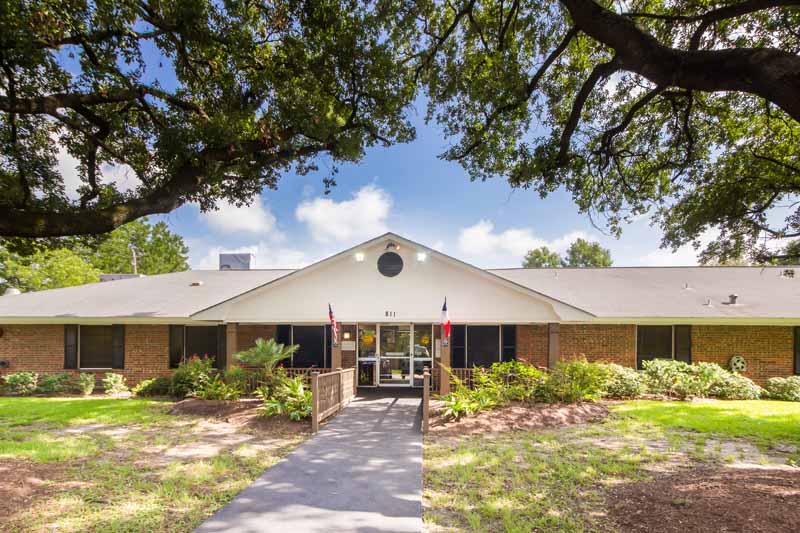
811 Garner Rd, Pasadena, TX 77502 (713) 473-8573
For profit - Corporation 112 Beds PARADIGM HEALTHCARE Data: November 2025 4 Immediate Jeopardy citations
Trust Grade
0/100
#811 of 1168 in TX
Last Inspection: February 2025

Within standard 12-15 month inspection cycle. Federal law requires annual inspections.

Overview

Paradigm at Faith Memorial has received a Trust Grade of F, indicating significant concerns and a poor rating overall. It ranks #811 out of 1168 facilities in Texas, placing it in the bottom half, and #65 out of 95 in Harris County, meaning there are only a few facilities with worse ratings locally. While the facility has shown improvement in its issues, decreasing from 7 in 2024 to 5 in 2025, it still has a concerning record of critical incidents. Staffing is a weakness with only a 1 out of 5 stars rating and a turnover rate of 52%, which is average but still reflects instability. There have been serious incidents, such as failing to provide necessary wound care for residents, leading to severe pressure ulcers, and a resident with dementia eloping from the facility unsupervised, which raises significant safety concerns.
Trust Score
F
0/100
In Texas
#811/1168
Bottom 31%
Safety Record
High Risk
Review needed
Inspections
Getting Better
7 → 5 violations
Staff Stability
⚠ Watch
52% turnover. Above average. Higher turnover means staff may not know residents' routines.
Penalties
✓ Good
$103,844 in fines. Lower than most Texas facilities. Relatively clean record.
Skilled Nurses
⚠ Watch
Each resident gets only 14 minutes of Registered Nurse (RN) attention daily — below average for Texas. Fewer RN minutes means fewer trained eyes watching for problems.
Violations
⚠ Watch
25 deficiencies on record. Higher than average. Multiple issues found across inspections.
★★☆☆☆
2.0
Overall Rating
★☆☆☆☆
1.0
Staff Levels
★★★★★
5.0
Care Quality
★★☆☆☆
2.0
Inspection Score
Stable
2024: 7 issues
2025: 5 issues

The Good

  • 5-Star Quality Measures · Strong clinical quality outcomes
  • Full Sprinkler Coverage · Fire safety systems throughout facility
  • No fines on record

Facility shows strength in quality measures, fire safety.

The Bad

2-Star Overall Rating

Below Texas average (2.8)

Below average - review inspection findings carefully

Staff Turnover: 52%

Near Texas avg (46%)

Higher turnover may affect care consistency

Federal Fines: $103,844

Well above median ($33,413)

Significant penalties indicating serious issues

Chain: PARADIGM HEALTHCARE

Part of a multi-facility chain

Ask about local staffing decisions and management

The Ugly 25 deficiencies on record

4 life-threatening
Feb 2025 1 deficiency 1 IJ
CRITICAL (J) 📢 Someone Reported This

A family member, employee, or ombudsman was alarmed enough to file a formal complaint

Immediate Jeopardy (IJ) - the most serious Medicare violation

Accident Prevention (Tag F0689)

Someone could have died · This affected 1 resident

**NOTE- TERMS IN BRACKETS HAVE BEEN EDITED TO PROTECT CONFIDENTIALITY** Based on observation, interview, and record review the facility failed to ensure each resident received adequate supervision and...

Read full inspector narrative →
**NOTE- TERMS IN BRACKETS HAVE BEEN EDITED TO PROTECT CONFIDENTIALITY** Based on observation, interview, and record review the facility failed to ensure each resident received adequate supervision and assistance devices to prevent accidents for 1 out of 21 residents (Resident #1) reviewed for adequate supervision. The facility failed to provide adequate supervision to Resident #1 who had a diagnosis of vascular dementia and eloped from the facility to a tire shop two blocks away from the facility for at least an hour. Resident #1 was severey cognitively impaired, which put her at increased risk of injury. An IJ for Past Non-Compliance was called on 2/20/25 at 3:18pm with the facility Administrator and DON. The noncompliance was identified as Past Non-Compliant. The IJ began on 12/2/24 and ended on 12/5/24. The facility corrected the noncompliance by providing in-servicing and hands-on training regarding elopement for facility staff prior to surveyor entrance. The failures placed residents at risk for elopement which could result in injury, hospitalization, and death. Findings included: Record review of Resident #1's admission Record dated 2/20/25 revealed she was a [AGE] year-old female who admitted to the facility on [DATE] and readmitted on [DATE] with the following diagnoses, personality disorder (a mental health condition characterized by patterns or behavior, thoughts and emotions that deviate significantly from cultural expectations and cause distress and or impairment of functioning), and vascular dementia moderate without behavioral disturbance, psychotic disturbance, mood disturbance and anxiety (term for brain changes that affect memory, thinking and can affect behavior but can occur without behavioral or mood changes). Record review of Resident #1's MDS (Minimum Data Set) dated August 8, 2024, section A revealed Resident #1 admitted from short-term general hospital. Section C revealed a BIMS (Brief Interview for Mental Status) score of 1 out of 15 indicating significant cognitive impairment. Section E regarding Resident #1 behaviors revealed rejection of care occurred 1 to 3 days. Resident #1 had no wandering behaviors. Section GG regarding Resident #1's Activities of Daily Living (ADL) Assistance revealed the resident needed set-up assistance with eating and oral hygiene, supervision with toilet use, moderate assistance with dressing and personal hygiene and maximum assistance with bathing. Section V regarding (CAAs), Care Area Assessments revealed Resident #1 was reviewed for risks in the following areas: Cognitive loss/Dementia-dated 8/9/24, Communication dated 8/9/24, Urinary incontinence/Indwelling catheter dated 8/9/24, Behavioral symptoms (related to refusals of care) dated 8/9/24, falls dated 8/9/24, Nutritional status dated 8/9/24, pressure ulcers dated 8/9/24 and psychotropic drug use dated 8/9/24. Record review of the facility's daily sign-in sheet dated 12/2/24 revealed staff worked 12-hour shifts from 6 am-6 pm and from 6 pm-6 am. LVN A was working on Resident #1's hall on the day shift and ADON was working on Resident #1's hall on the night shift. Continued review revealed MA A and CNA A were working on Resident #1's hall on the day shift and MA B and CNA B were working on Resident's #1 hall on the night shift. Record review of Resident #1's EMR for assessments on 2/3/25 at 12:22pm revealed no admission elopement risk assessment. Record review of Resident #1's nursing progress notes from 8/2/24 through 12/1/24 revealed staff documented by exception, Resident #1 was ambulatory without an assistive device and had no exit seeking or wandering behaviors prior to the incident on 12/2/24. Record review of facility incident and accident report from 8/2/24 through 2/20/25 at 7:53 pm revealed Resident #1 had an elopement incident on 12/2/24. There were no other elopement incidents or accidents from August 2024 through February 2025. Record review of Resident #1's facility provider investigation report dated 12/2/24 revealed Resident #1 was found by police at a tire shop up the road from the facility and returned to the facility by police and a family member unharmed around 7:50pm. Further record review of report revealed Resident #1 was gone from facility for about 1 hour and had gotten out of the facility through a side door that was no alarmed and was not part of the facility's secured unit. Record review of facility map revealed Resident #1 resided on an L-shaped unit that only had 1 unsecured entry/exit door. Continued record review of report revealed CNA B was the last to see Resident #1 around 6pm and staff did not recognize resident was not inside the facility until ADON received telephone call from Resident #1's family member around 6:30pm. Record review of LVN A's nursing note dated 12/2/25 at 5:46pm revealed the following: received phone call residents family member (sic) that resident was (sic) seen several streets down at tire shop and was obtained by the police and take (sic) to the police station. RP family member to pick her up and bring her to facility charge nurse on floor informed. Record review on 2/5/25 at 3:12pm of the ADON's nursing note dated 12/2/25 at 7:44 pm revealed the following: resident returned to facility and stated that (family member) does not want [Resident #1] to go to the secured unit. Education provided. Record review of Resident #1's MAR dated 12/1/2024-12/31/2024 revealed it was documented that Resident #1 received two 4:00 pm medications from LVN A, three 5:00pm medications from MA B, and received two medications from LVN B at 8:00pm. Telephone interview with MA A on 2/4/25 at 3:30 pm said Resident #1 had never tried to leave the facility prior to the incident and received her dinner and evening medications on 12/2/24 and could not have been missing from the facility very long. MA A said they had been trained on ANE upon hire and at least quarterly and had also been trained on elopement policy and procedures prior to and after the incident with Resident #1 on 12/2/24. MA A said that the facility conducted a code orange on the day Resident #1 went missing and searched the entire facility including bathrooms and closets and the interior and exterior of the facility. MA A said it was determined on 12/2/24 after the elopement search, that there were no other residents missing. MA A said they had been re-trained on ANE and elopement drills after the incident as well and that the facility conducted at least monthly elopement drills on each shift. MA A said that all doors were alarmed after the incident. Interview on 2/5/25 at 1:15 pm the DON said Resident #1 should have had an admission elopement assessment. The DON said she was working at the facility and helped complete the investigation involving Resident #1's elopement. The DON said it was determined through investigation that Resident #1 got out of a side facility door, and it was not part of the secured unit. The DON said Resident #1 did not have any exit seeking or wandering behaviors prior to the incident on 12/2/24 and the facility conducted a PIP in December 2024, after the incident with Resident #1 occurred and determined they will conduct more frequent elopement drills on each shift and audit admission assessments for all new admissions. The DON said Resident #1 was not injured during the incident and was reassessed and placed on the secured unit after the incident where Resident #1 remained. The DON said an elopement risk assessment was part of the facility's admission paperwork and should have been completed upon Resident #1's admission. The DON said she started working at the facility after Resident #1's admission in August 2024 and the charge nurse at the time of any resident admission was responsible for completing the required assessments which included an elopement risk assessment. Interview and observation on 02/5/25 at 12:42 pm revealed Resident #1 ambulating in the main activity room of facility's secured unit. Resident #1 had finished eating her lunch and was appropriately groomed and dressed. Resident #1 was awake, alert, and oriented and pleasantly confused. She was easily distracted but also easily redirected. Resident #1 did not want to continue speaking with surveyor and declined to be interviewed at that time or at any other time. The IJ began on 12/2/24 and ended on 12/5/24. The facility corrected the noncompliance by conducting a facility QAPI/PIP on elopement and providing in-servicing and hands-on training regarding elopement for facility staff prior to surveyor entrance. Telephone interview with MA B on 2/20/25 at 11:26 am revealed they could not remember all the specific details about the elopement of Resident #1 but remembered giving Resident #1 her 5pm medications between 5:00-5:30pm. MA B said Resident #1 was returned to facility around dusk and was not injured and placed on the secured unit after the incident. MA B said Resident #1 never wandered or tried to elope prior to the incident on 12/2/24. MA B said they did not know what staff member first identified Resident #1 was missing or when, but said staff immediately conducted an elopement drill and swept the entire building looking for Resident #1 and did a head count to ensure no other residents were missing. MA B said they had been trained both before and after the incident with Resident #1 on elopement procedures. MA B said that they knew how to check to make sure all exit/entry doors were securely closed and that they responded to any alarms or door sounds immediately to ensure there are no residents trying to elope. Telephone interview on 2/20/25 with LVN A on 2/20/25 at 11:37 am revealed Resident #1 walked around a lot and did not require any assistive devices to ambulate. LVN A said they worked the 6am-6pm shift on 12/2/24 with Resident #1. LVN A said that Resident #1 was sometimes confused but was awake, alert, and oriented to person and place and had never tried to leave the facility prior to the incident on 12/2/24. LVN A said Resident #1 would greet other resident's family members and visitors as they arrived and left the facility but had never tried to leave the facility on her own. LVN A said she did not recall any specific times she last saw Resident #1 on 12/2/24 or when Resident #1 returned to the facility but heard about the incident after it happened. LVN A said she would have given Resident #1 her 4:00pm medications. LVN A said they had been trained by the facility on ANE and had elopement drills before and after the incident on 12/2/24. LVN A said they learned how to split up the search to conduct a more thorough and timelier search of the interior and exterior of the facility to get a more immediate head count and to immediately report to the abuse coordinator/administrator. LVN A said they also learned how to check all the exit/entry doors were secured and closed. LVN A said they learned to ensure an admission elopement assessment had been completed on all new admissions and to document any wandering or exit seeking behaviors. LVN A said the ADON was the charge nurse for Resident #1 at the time of the incident because the scheduled charge nurse called in to say they would be late. Telephone interview on 2/20/25 at 4:11pm with LVN B revealed they gave Resident #1 two medications at 8:00pm on 12/2/24. LVN B said Resident #1 was back at the facility and moved to secured unit by that time. LVN B said before the incident Resident #1 had never tried to escape, elope, or leave. LVN B said they were trained upon hire and at least monthly on ANE and elopement procedures. LVN B said they learned how to split up the search to conduct a more thorough and timelier search of the interior and exterior of the facility to get a more immediate head count and to immediately report to the abuse coordinator/administrator. LVN A said they also learned how to check all the exit/entry doors were secured and closed. LVN B said they also learned to ensure an admission elopement assessment had been completed on all new admissions and to document any wandering or exit seeking behaviors. Interview on 2/20/25 at 4:15 pm with MA C revealed they worked the evening shift 12/2/24 and were trained on ANE and elopement procedures prior to the incident with Resident #1 on 12/2/24. MA C said Resident #1 had not tried to elope or get out of the facility prior to the incident on 12/2/24. MA C said Resident #1 liked coffee and walked around the facility but not wandering or going in and out of other resident rooms. MA C said after a couple of times after family members came to see Resident #1 or took her out on pass Resident #1 would seem sad but still never tried to elope until 12/2/24. MA C was unsure if Resident #1 had any visitors that day or if Resident #1 had been out on pass. MA C said the ADON initiated an elopement drill which the facility called a and they searched entire building inside and outside after Resident #1 was missing. MA C said that she knew that code orange was facility code for elopement and that an immediate search and lock down of facility needed to be conducted both inside and outside of the facility in addition to resident head count and Administrator notification if resident could not be found. Telephone interview on 2/20/25 at 4:32pm with CNA B revealed they were the assigned CNA and worked with Resident #1 on 12/2/4 during the evening shift. CNA B said they last saw Resident #1 at 6pm. CNA B said they gave Resident #1 a shower before dinner and remembered seeing Resident #1 seated in the activity room/communal area because there was an activity in progress. CNA B said they went to give another resident a shower and by the time the other shower was finished 30-40 minutes later they were told by LVN A to start a code orange. CNA B said they looked everywhere for Resident #1 and the ADON and other staff also went outside looking for Resident #1. CNA B said they looked in every resident room, every bathroom, every closet, and it was confirmed Resident #1 was missing but all other residents were accounted for. CNA B said they did not see Resident #1 return but heard the resident went to secured unit and ADON was managing it. CNA B said everyone was retrained on ANE and elopement drills and procedures immediately after the incident. CNA B said they had been trained on elopement procedures before the incident on 12/2/24. CNA A said they knew to look in all closets, bathrooms, resident rooms, and areas both inside and outside facility and to conduct a resident head count to ensure which residents were accounted for and which one may be missing. CNA A said they also learned to report any missing resident to administrator immediately if resident not found and to check all entry/exit doors to ensure they were secure. Telephone interview on 2/20/25 at 4:50pm with the ADON revealed they only worked a few months at the facility and remembered the incident with Resident #1 who somehow got out of the facility side door. The ADON said Resident #1 was calm and had not tried to exit the facility before 12/2/24. The ADON said they were covering for 6pm-6am shift charge nurse and helping the floor because the assigned 6pm-6am nurse was running late. The ADON said they last saw Resident #1 around 6:00pm-6:30pm. The ADON said they were trained on ANE and a code orange before hire and after the incident. The ADON said they believed they were called around 6:30 by Resident #1's family member saying the police had Resident #1 by a tire shop up the road and were bringing Resident #1 back to the facility. The ADON said they immediately initiated a code orange and confirmed Resident #1 was missing but no other residents. The ADON said when police arrived with Resident #1 accompanied by family member, they had staff complete an SBAR, skin, elopement risk and pain assessments as well as an incident report and Resident #1 was placed on secured unit. Interview on 2/20/25 at 4:55pm with Housekeeper said they had been trained monthly on elopement drills and at least quarterly on ANE. Housekeeper said code orange meant a resident had eloped and to monitor exit/entry doors and help search for resident inside and outside of facility as assigned by the charge nurses. Housekeeper said they were to report any resident elopement immediately to Administrator. Interview with CNA C on 2/20/25 at 5:03pm who worked 6am-6pm shift but worked 6pm-6am shift too at times. CNA C said they knew to look in all closets, bathrooms, all resident rooms, and areas both inside and outside facility and to conduct a resident head count to ensure which residents were accounted for and which one may be missing. CNA A said they also learned to report any missing resident to administrator immediately if resident not found and to check all entry/exit doors to ensure they were secure. Interview with SW on 2/20/25 at 5:08pm they said they had been trained on ANE and the facility code orange or elopement drill upon hire in November 2024 and after incident with Resident #1. SW said elopement drills were monthly and they learned to notify Administrator/Abuse Coordinator immediately and do a sweep search of building, all areas inside and outside and monitor and check exit/entry doors to ensure they remained secured. The SW said they would be part of the follow up safety rounds and psychosocial assessments for residents after any elopement. Interview with Receptionist on 2/20/25 at 5:12pm they said they had been trained upon hire 2/3/25 on ANE and resident elopement. Receptionist said they were trained to monitor main front entry/exit and unsure door remained securely closed and only opened via code. Receptionist showed a binder of current facility resident face sheets with resident photos to assist with identifying residents. Receptionist said they were trained code orange meant a resident had eloped and to monitor exit/entry doors and help search for resident inside and outside of facility as assigned by the charge nurses. Receptionist said they also learned to report any missing resident to administrator immediately if resident not found and to check all entry/exit doors to ensure they were secure. Record review of the facility's Elopement policy dated Revised May 2024 revealed the following Elopement Mitigation Strategies: *Appropriateness of resident placement within the facility upon admission and during their stay. *Completion of routine elopement risk assessments. *Providing the resident with appropriate supervision *Conducting routine elopement drills . Missing Resident 1. Once it has been established that a resident is missing, activate the emergency response paging system Code Orange, Room***to engage all staff in the search process. a. Establishing that a resident is missing should involve: i. Reviewing the resident's capacity for leaving the facility. ii. Reviewing if the resident signed out of the facility. iii. Contacting the resident's responsible party/and or family to identify if the resident left with them . 2. The DON/Designee completes/updated a missing resident profile and makes copies to distribute/utilize during the search efforts. 3. The Administrator/Designee organizes and institutes an immediate and thorough search of the facility and surrounding grounds including but not limited to: a. A search of the area outside the nearest exit to the resident's room or exit where he/she was last seen. b. The entire unit of where the resident resides or was last seen. c. The remainder of the facility (all rooms, closets, storage facilities, bathrooms). d. Grounds, extending beyond the fence line . 5.The search should continue with staff members searching the streets and local areas (at least a 2-mile radius). Record review of the facility's grievance log from August 2024 through February 2025 revealed no concerns from Resident #1's family members and no concerns regarding any elopements. Record review of the facility's incident and accident log with a date range of 8/1/24 through 2/20/25 revealed only one elopement incident on 12/2/24 related to Resident #1. There were no other elopements related to any other resident at the facility from 8/1/24 through 2/20/25. Record review of the facility's Reporting incidents and accidents in-service acknowledgement dated 12/2/24 revealed charge nurses, MAs, and CNAs received training for how to investigate and follow up on incidents and accidents and completing incident and accident documentation. The signature page included the ADON, the nurse who was assigned to Resident #1 on 12/2/24 the evening of the elopement. The ADON, LVN A, LVN B, MA A, MA B, MA C, CNA A and CNA B were all interviewed about this in-service. Record review of the facility's Ensuring doors are locked behind staff entering and exiting secured unit in-service acknowledgement dated 12/2/24 revealed nursing staff/nursing administration received education on alarms sounds and doors security. The signature page included ADON, the nurse who was assigned to Resident #1 on 12/2/24 the evening of the elopement. The ADON, LVN A, LVN B, MA A, MA B, MA C, CNA A and CNA B were all interviewed about this in-service. Record review of the facility's Rounding in-service acknowledgement dated 12/2/24 revealed nursing staff received education on being expected to perform room to room rounds during shifts, shift changes and checking the census for their hall. The signature page included ADON, the nurse who was assigned to Resident #1 on 12/2/24 the evening of the elopement. The ADON, LVN A, LVN B, MA A, MA B, MA C, CNA A and CNA B were all interviewed about this in-service. Record review of facility's Abuse and Neglect in-service acknowledgement dated 12/2/24 revealed nursing staff received education on being expected to follow federal guidelines for ANE, prevention of ANE, reporting of ANE, and investigating allegations of ANE. The signature page included ADON, the nurse who was assigned to Resident #1 on 12/2/24 the evening of the elopement. The ADON, LVN A, LVN B, MA A, MA B, MA C, CNA A and CNA B were all interviewed about this in-service. Record review of facility's Elopement in-service acknowledgement dated 12/2/24 revealed nursing staff received education on facility staff received education on what to do when a resident was missing or eloped and calling of a Code Orange, the code used by the facility to communicate to all staff that a resident was missing or eloped. The signature page included ADON, MA A, MA B and CNA A who were the staff assigned to Resident #1 on 12/2/24 the evening of the elopement. The ADON, LVN A, LVN B, MA A, MA B, MA C, CNA A and CNA B were all interviewed about this in-service. Record review of facility's Facility Elopement Drill: Elopement/Missing Resident in-service acknowledgement dated 12/5/24 revealed facility staff received education on what to do when a resident was missing. The ADON, LVN A, LVN B, MA A, MA B, MA C, CNA A and CNA B were all interviewed about this in-service. Record review of facility's Code Orange Drill in-service acknowledgement dated 12/5/24 revealed nursing staff received education on what to do when a resident is missing or eloped. The ADON, LVN A, LVN B, MA A, MA B, MA C, CNA A and CNA B were all interviewed about this in-service. Record review of the facility Wander/Elopement Drill Report revealed there were elopement drills conducted on 12/5/24 at 5:40 am, 10:00 am and 6:45 pm. The signature pages included the ADON, LVN A, MA A, MA B, CNA A and CNA B who were the staff assigned to Resident #1 on 12/2/24 the evening of the elopement. Record review of facility's QAPI Action Plan dated 12/2/24 revealed the following: PIP opportunity Elopement .Date initiated 12/2/24 .Issue: Elopement procedures were not accurately followed .Immediate Intervention: Elopement drill performed. Educated all staff regarding policies and procedures for elopement. Re-education: Inservice all staff on the importance of immediately identifying elopement risks and immediate interventions to ensure the safety of residents . Record review of facility Wander/Elopement Drill Report revealed there was an elopement drill conducted on 1/7/25 at 10:10 am and 8:43pm. Record review of facility's 2025-2026 QAPI Committee Meeting Performance Improvement Plans .Current Active PIP's .Elopement Procedures, admission Process .Incidents and Accidents .Action Items .Ensuring accurate and timely completion of documentation.
Feb 2025 4 deficiencies
CONCERN (E)

Potential for Harm - no one hurt, but risky conditions existed

MDS Data Transmission (Tag F0640)

Could have caused harm · This affected multiple residents

**NOTE- TERMS IN BRACKETS HAVE BEEN EDITED TO PROTECT CONFIDENTIALITY** Based on Record review and interview, the facility failed to transmit encoded, accurate, and complete MDS data to the CMS System...

Read full inspector narrative →
**NOTE- TERMS IN BRACKETS HAVE BEEN EDITED TO PROTECT CONFIDENTIALITY** Based on Record review and interview, the facility failed to transmit encoded, accurate, and complete MDS data to the CMS System within 14 days after a facility completes the resident's assessment for 2 (Resident #36, and CR #81) of 18 residents reviewed for MDS transmission, in that: -The facility failed to transmit a completed admission MDS assessment for Resident #36 within 14 days of completion. -The facility failed to complete and transmit a Discharge MDS assessment for CR #81 within 14 days after completion. These failures could place residents at-risk of not having their assessment and care plan completed timely, which could result in denial of services and or payment for services. Findings include: #36 Record review of Resident #36's face sheet dated 02/10/25 revealed, a [AGE] year-old female, with an original admission date of 08/02/24 and re admitted on [DATE]. Her diagnoses included acute Dementia (a group of symptoms affecting memory, thinking and social abilities),. chronic kidney disease (Mild to Moderate damage to the kidney), essential hypertension (abnormal high blood pressure), Diabetes mellitus (a group of diseases that affect how the body uses blood, depression and communication deficit (Difficulty in communication that arises from impairments in cognitive process). Record review of Resident #36's admission MDS dated [DATE] reflected it was signed as completed 08/18/24 which was 16 days after admission. CR #81 Record review of CR#81's face sheet dated 02/11/25 revealed, an [AGE] year-old female, with an admission date of 08/22/24. Her diagnoses included cerebral infarction (damage to brain tissue or a blood vessel blockage in the brain), communication deficit (Difficulty in communication that arises from impairments in cognitive process) generalized anxiety disorder, and diabetes mellitus (a group of diseases that affect how the body uses blood sugar), and depression. Record review of CR #81's discharge MDS dated [DATE] revealed it was signed as completed on 09/18/24, 24 days after completion. During an interview on 01/12/25 at 2:00PM, the MDS coordinator said she completed the MDS as required, but she had to wait for RN to sign as completed. She said she did not complete CR #81's MDS because CR #81 was a short stay Resident and the MDS was done by a staff that no longer work for the facility. She said not completing the MDS in a timely manner could result in care plan not being completed and delay in care and services as well as denial of payment for services by payer source. During an interview with the Facility's Corporate MDS Coordinator on 02/12/25 at 3:40PM, she said the MDS staff had to wait for the RN signatures and that may result in the MDS being transmitted late. She said she would transmit CR #81 as soon as possible. During an interview with the DON on 02/11/24 at 4:00PM, she said she was not trained to sign the MDS and there was a Cooperate corporate staff that signed off on the MDS. Policy on MDS completion and transmission was requested on 02/11/25 at 4:00 PM. MDS coordinator said she follows the RAI manual.
CONCERN (E)

Potential for Harm - no one hurt, but risky conditions existed

Deficiency F0790 (Tag F0790)

Could have caused harm · This affected multiple residents

**NOTE- TERMS IN BRACKETS HAVE BEEN EDITED TO PROTECT CONFIDENTIALITY** Based on observation, interview, and record review, the facility failed to assist residents in obtaining routine dental care for...

Read full inspector narrative →
**NOTE- TERMS IN BRACKETS HAVE BEEN EDITED TO PROTECT CONFIDENTIALITY** Based on observation, interview, and record review, the facility failed to assist residents in obtaining routine dental care for 1 of 8 residents (Resident #14) reviewed for dental services The facility failed to ensure Resident #14 was referred to the dentist after complaining of tooth pain. The failure could place residents at risk of pain and decline in health. Findings included: Record review of Resident #14'sadmission record dated 11/18/2024 revealed a [AGE] year-old female who readmitted to the facility on [DATE]. Her diagnosis included pain, COPD, HTN and dementia. Record review of quarterly MDS assessment dated [DATE] for Resident #14 MDS reflected did not indicate any problems with oral health. Resident #14's BIMS indicated a score of 7 indicating severe cognitive impairment. Record review of Resident #14's care plan indicated the following: DENTAL CARE: Resident #14's has dental concerns and is at risk for increased pain and infections AEB broken teeth, Date Initiated: 06/26/2024, Revision on: 06/26/2024.Resident #14 will receive adequate nutrition/hydration, pain will be relieved with pain medications or other intervention and no signs of infection will occur over the next 90 days, Date Initiated: 06/26/2024, Revision on: 07/16/2024, Target Date: 10/08/2024. During observation and interview on 2/10/2025 at 9:00am. Resident #14 stated she had pain in her mouth and had not seen the dentist in sometime. Resident #14 stated she told the nurse and the SW of her pain and wishes to see the dentist. Resident #14 opened her mouth and she had some missing teeth and foul odor coming from her mouth. Resident #14 stated it is difficult for her to chew her food due to pain. In an interview with DON on 02/10/2025 at 9:45am, the DON said she was new and just started and she is getting to know the residents. The DON said all residents should be assessed upon admission for dental needs. DON stated that all needs should be discussed during care plan meetings. In an interview with DON on 02/11/2025 at 9:30am, the DON said she followed up with Resident #14's teeth after the surveyor made mention of concerns. The DON said she should have been referred to the SW by the nurse. In an interview on 2/11/2025 at 9:55am with LVN A she said she smelled Resident#14's breath when giving medication but thought she had bad breath. LVN A stated Resident #14 complained sometimes that her mouth hurt, and she would call the doctor and provide her with pain medication. LVN A said if residents need to see the dentist, she would tell the SW. In an interview on 2/11/2025 at 10:30am with SW she said she just returned to the facility from being out for 3 weeks due to injury. SW stated she was working on getting Residents seen by the dentist and she started working at the facility in November of 2024. SW said she was trying to play catch up from previous SW. SW said she was not sure if resident was on the list but can recall she did not have the funds or something with her insurance that did not allow her to be seen. SW said if residents do not have the funds or something the facility will cover I think. In an interview on 2/11/2025 at 11:00am with facility Administrator, she said if Residents cannot pay for dental services the company will cover the cost for the resident if her or she is in pain. The administrator said she was not aware of Resident #14 needing dental services and all residents should be screened upon admission and if services is needed a referral is to be made. Record review of facility policy on dental services in admission agreement packet states the following: Dental Services: The facility does not provide dental services all dental services will be the responsible parties responsibility or paid through Medicaid services. Facility policy did not state if they would provide services for resident if dental services is needed.
CONCERN (E)

Potential for Harm - no one hurt, but risky conditions existed

Food Safety (Tag F0812)

Could have caused harm · This affected multiple residents

Based on observation, interview, and record review the facility failed to store food in accordance with professional standards for food service safety in the facility's one of one only kitchen reviewe...

Read full inspector narrative →
Based on observation, interview, and record review the facility failed to store food in accordance with professional standards for food service safety in the facility's one of one only kitchen reviewed for kitchen sanitation. -The facility failed to label, and date left over foods items in 3 of 3 coolers in the kitchen. -The facility failed to ensure that food brought from home by staff were, label. dated and was stored in a designated refrigerator outside the kitchen. These failures could place residents at risk for food-borne illness and food contamination. The findings include: Observation and interview with [NAME] H on 02/09/25 at 9:15AM, revealed, -one of one stove in the kitchen revealed the door to the stove was broken and was held in place with a piece of cardboard. In an interview, cook H said the door had been broken for some times but did not say for how long. she said she could not answer the question. - Cooler #1 had left over coleslaw in a plastic unlabeled, dated 2-04-25 to 2-06-25. Left over Tuna in a plastic container unlabeled and dated 01/08/25. [NAME] H said that was a wrong date. -Cooler #2 had a pan of unlabeled and undated brown substance in a full-size baking pan. [NAME] H said, she I think it was some type of meat. Two unknown substances in a local grocery bag unlabeled and undated identified by [NAME] H as Resident's food. -Cooler # 3 had 4 serving sizes of left over pudding covered with plastic wrap unlabeled and undated. Two serving sizes of Jello covered with plastic wrap unlabeled and undated, one half open. All unlabeled and undated food items were identified by [NAME] H. She said all precooked, leftover food items and food products out of the original container should be labeled and dated by the person storing the food in the cooler, refrigerator or freezer for identification and safety. During an interview with the Dietary Manager on 02/10/25 at 3:30PM, she said the unlabeled and undated food items in a local grocery bag was for Dietary Aide M and he knows not to leave his food in the kitchen cooler unlabeled and undated. She said all food items out of the original containers should be labeled and dated with open date and expiration date for identification, used by date, for safety because consuming expired food items may result in food poisoning and food borne illness. She said the door latch to the stove had been bad around Christmas. She said she did not remember the date, but she told the Maintenance Manager that no longer worked at the facility. She said she did not write down the conversation. During an interview with Dietary Aide M on 2/10/25 at 3:00PM, he said the food in the cooler was his left-over chicken and he would not keep his left over in the cooler. He said he would not do that again and walk away. During an interview with the facility's Administrator on 02/11/25 at 1:00PM, she said all food brought from home for residents was kept in a refrigerator in her office with label and date for a few days as specified by the family member. She said employees should not store their left-over food and food products in the kitchen refrigerator or cooler. Record review of facility policy titled Nutritional Services Policies and Procedures Revised 08/12/2019 reflected: Subject: Food Safety in Receiving and Storage read in part, It is the policy of this facility that food will be received and stored by methods to minimize contamination and bacterial growth. #3 Place food that is repackaged in a leak-proof, pest-proof, non-absorbent, sanitary container with a tight-fitting lid. Label both the container and its lid with the common name of the contents and the date it was transferred to the new container.
CONCERN (F)

Potential for Harm - no one hurt, but risky conditions existed

Deficiency F0727 (Tag F0727)

Could have caused harm · This affected most or all residents

Based on interviews and record review, the facility failed to utilize the services of a registered nurse for at least eight consecutive hours per day, seven days per week for 4 days out of 30 days (9/...

Read full inspector narrative →
Based on interviews and record review, the facility failed to utilize the services of a registered nurse for at least eight consecutive hours per day, seven days per week for 4 days out of 30 days (9/1/24 (Sunday), 9/14/24 (Saturday), 9/15/24 (Sunday), and 9/29/24() reviewed for nursing services. The facility failed to ensure a registered nurse was scheduled for eight consecutive hours per day, seven days per week on the following dates: 9/1/24 (Sunday), 9/14/24 (Saturday), 9/15/24 (Sunday), and 9/29/24 (Sunday). This deficient practice could place residents at risk of not receiving adequate care by not having staff available with the ability to perform assessments as needed. Findings included: Interview with the DON on 2/11/25 at 2:14 p.m. revealed that she started with the facility on October 25, 2024, which revealed she was not working at the facility during September of 2024. The DON said that the DON would be RN coverage on the days they are working which would have been Mondays through Fridays. Interview with the DON on 2/11/25 at 2:57 p.m. revealed that RN G provided RN coverage for 9/1/24, 9/14/24, 9/15/24, and 9/29/24. The surveyor requested DON A to provide timecards for these dates. Interview with the Administrator on 2/11/25 at 4:01 p.m. revealed that human resources completed the PBJ report. The Administrator said that the human resources employee who completed the report in September of 2024 was no longer working at the facility. The Administrator said that there should be 8 hours of RN coverage per 24 hours. The Administrator said she was not aware of any problems with RN coverage prior to her starting at the facility in December of 2024. The Administrator said that there are two weekend supervisors which are RN I and she did not know the name of the other supervisor at the time of the interview. Interview with DON A on 2/11/25 at 4:06 p.m. revealed that RN I and RN J are the current weekend supervisors. On 02/11/25 at 4:09 p.m., an attempt was made to call RN J in attempt to obtain more information. RN J is a RN Weekend Supervisor per DON A interview, but there was no answer and the mailbox was full and voice message was unable to be left. On 2/11/25 at 4:09 p.m., an attempt was made to call RN I in an attempt to obtain more information. RN I is a RN Weekend Supervisor per Administrator and DON A interview, and a message was left with surveyor contact information. Interview with the ADON on 2/11/25 at 4:28 p.m. revealed that they said they were not aware of any previous problems with RN coverage. The ADON said they started with facility in December of 2024 which revealed they were not working at the facility in September of 2024. On 2/11/25 at 4:40 p.m., an attempt was made to contact Human Resources who was working during September of 2024 and a message was left with surveyor contact information. On 2/11/25 at 4:41 p.m., an attempt was made to contact DON B who was working during September of 2024 and a message was left with surveyor contact information. Record Review of Nursing Time Detail Report 8.1.24 to 2.10.25 revealed during the month of September 2024 that RN J clocked in and out on 9/7/24, 9/8/24, 9/21/24, 9/22/24, 9/28/24 for at least 8 consecutive hours. No other RNs were seen as clocking in during the month of September including the dates of 9/1/24, 9/14/24, 9/15/24, and 9/29/24. Record Review of timecards for RN H for September of 2024 revealed they clocked in at 6 p.m. on 8/31/24 and clocked out at 6:30 a.m. on 9/1/24. RN H clocked in at 6:02 p.m. on 9/1/24 and clocked out at 6:30 a.m. on 9/2/24. There was not 8 consecutive hours of RN coverage on 9/1/24 as there was 6.5 hours from midnight to 6:30 a.m. and 5 hours and 58 minutes from 6:02 p.m. to midnight. Record Review of timecards for RN G for September of 2024 revealed that she clocked in at 6:17 p.m. on 9/14/24 and clocked out at 5:03 a.m. on 9/15/24. RN G clocked in at 9:26 p.m. on 9/15/24 and clocked out at 6:06 a.m on 9/16/24. RN G clocked in at 6:27 p.m. on 9/29/24 and clocked out at 1 a.m. on 9/30/24. On 9/14/24 RN G worked 5 hours and 43 minutes. On 9/15/24 RN G worked 5 hours and 3 minutes from midnight to 5:03 a.m. and 2 hours and 23 minutes from 9:26 p.m. to midnight which was not 8 consecutive hours. On 9/29/24 RN G worked 5 hours and 33 minutes. Record Review of Incidents By Incident Type report revealed the following information. On 9/1/24 there was one fall incident. On 9/15/24 there was one fall incident. On 9/19/24 there was one fall incident. On 9/29/24 there was one incident of physical aggression initiated and one incident of physical aggression received. On the dates of 9/1/24, 9/14/24, 9/15/24, and 9/29/24 there was not an increase in incidents documented when compared to the rest of the month.
Aug 2024 1 deficiency
CONCERN (D) 📢 Someone Reported This

A family member, employee, or ombudsman was alarmed enough to file a formal complaint

Potential for Harm - no one hurt, but risky conditions existed

Incontinence Care (Tag F0690)

Could have caused harm · This affected 1 resident

**NOTE- TERMS IN BRACKETS HAVE BEEN EDITED TO PROTECT CONFIDENTIALITY** Based on interviews and records reviewed, the facility failed to ensure a resident who was incontinent of bladder received appro...

Read full inspector narrative →
**NOTE- TERMS IN BRACKETS HAVE BEEN EDITED TO PROTECT CONFIDENTIALITY** Based on interviews and records reviewed, the facility failed to ensure a resident who was incontinent of bladder received appropriate treatment and services to prevent urinary tract infections and to restore continence to the extent possible for 1 (Resident #1) of 8 residents reviewed for incontinent care. -The facility failed to replace Resident #1's foley catheter's drainage bag after it was removed by the resident. This failure could place residents at risk for urinary tract infections. The findings included: Record review of Resident #1's admission Record, dated 08/15/24, revealed a [AGE] year-old female who was admitted to the facility on [DATE]. The resident's diagnoses included retention of urine (inability to completely empty the bladder) and obstructive and reflux uropathy (when urine can't flow (either partially or completely) through ureter, bladder, or urethra due to some type of obstruction. Instead of flowing from kidneys to bladder, urine flows backward, or refluxes, into kidneys). Record review of Resident #1's physician orders revealed a urethral indwelling urinary catheter with catheter care on 08/05/24. Record review of Resident #1's admission MDS assessment, dated 08/02/24, revealed a BIMS score of 1, indicating severe cognitive impairment. Further review revealed the resident required partial/moderate assistance with toileting. Record review of Resident #1's undated care plan revealed the resident had a need for an indwelling foley catheter and was at risk for increased UTIs and skin breakdown related to obstructive uropathy. Interventions included providing catheter care and perineal hygiene as indicated. In an interview on 08/15/24 at 12:31 p.m., CNA B said on 08/13/24, she took Resident #1 back to her room after dinner and when they were in the room the resident pulled off her catheter drainage bag. She said she left the resident in the room and notified Nurse A about the catheter bag and as soon as she went back to the resident's room, she found her on the floor. She said she notified Nurse A and they both went to the resident's room. She said Nurse A checked the resident and sent them out to the hospital. She said Nurse A did not put on another catheter bag. She said it took EMS approximately 10 minutes to arrive at the facility. In an interview on 08/15/24 at 1:03 p.m., Nurse A said she was at the nurse's station between 7:00 p.m. and 8:00 p.m. when CNA A came and told her Resident #1 pulled off her catheter drainage bag. She said when she was on her way to check on the resident, another CNA told her the resident was on the floor. She said the catheter bag was on the resident's room floor. She said she assessed the resident, called the DON, and then called 911. She said the catheter bag was not put back on because she would have had to go to the closet located in the middle of the hallway on station 1 to get a new bag. She said the closet was locked and she could not give the key to the CNA because it also opened the medication cart, oxygen storage, and medication room. She said she wanted to make sure the resident was not dizzy or closing her eyes. She said Resident #1's safety was the priority and not her catheter bag. She said at that time there was a CNA in the room with her and the resident. She said she was not sure, but she thinks there were two other nurses on shift with her on the night of 08/13/24. She said she did not ask the CNA to get another nurse so they could get another catheter bag. She said it took EMS approximately 5-8 minutes to arrive at the facility. She said the potential harm that could have resulted from having open tubing and no attached catheter bag was that it was an open portal and could cause a UTI if it touched the floor or cross contamination but said the foley catheter tubing was attached to her leg and the tubing was not touching the floor. She said Resident #1 was wearing pants at that time. In an interview on 08/15/24 at 2:18 p.m., the DON said the resident had a leg strap to help keep the catheter drainage bag in place. She said her understanding was Resident #1 took her catheter bag off and at some point, the bag was on the floor. She said the Nurse A called 911 and they came and got the resident before the nurse was able to get the resident a new bag. She said she did not know for certain how long it took EMS to arrive at the facility, but they usually responded very quickly. She said the nurse was focused on neuros, keeping the resident stable, and was hyper focused on calling 911 since the resident hit her head. She said her expectation would be to get another catheter bag to make sure it was draining and not pulled out of place. She said had Resident #1 not hit her head, she thinks all of this would have taken place. She said there could have been a potential for exposure to pathogens since it was an entry into the body. Record review of the facility's policy titled Competency of Nursing Staff, dated 07/21/21, read in part . licensed nurses and nursing assistants employed (or contracted) by the facility will . and b. demonstrate specific competencies and skill sets deemed necessary to care for the needs of residents, as identified through resident assessments and described in the plans of care .
Jul 2024 1 deficiency 1 IJ
CRITICAL (J) 📢 Someone Reported This

A family member, employee, or ombudsman was alarmed enough to file a formal complaint

Immediate Jeopardy (IJ) - the most serious Medicare violation

Quality of Care (Tag F0684)

Someone could have died · This affected 1 resident

**NOTE- TERMS IN BRACKETS HAVE BEEN EDITED TO PROTECT CONFIDENTIALITY** Based on interview, and record review, the facility failed to ensure that residents received treatment and care in accordance wi...

Read full inspector narrative →
**NOTE- TERMS IN BRACKETS HAVE BEEN EDITED TO PROTECT CONFIDENTIALITY** Based on interview, and record review, the facility failed to ensure that residents received treatment and care in accordance with professional standards of practice, the comprehensive person-centered care plan, and the residents' choices for one (Resident #1) of five residents reviewed for quality of care. The facility failed to utilize emergency transport after Resident #1 had an unwitnessed fall which resulted in a subdural hematoma and 2.5-hour delay in care. Resident #1 was sent to the hospital and placed in the ICU. An Immediate Jeopardy (IJ) situation was identified on 7/26/24 at 6:10 PM. While the IJ was removed on 07/28/24, the facility remained out of compliance at a scope of isolated with the potential for more than minimal harm, due to the facility's need to evaluate the effectiveness of the corrective systems. This failure could place residents at risk for delay in needed treatment and care, resulting in further injury, hospitalization, and/or death. Findings included: Record review of Resident #1's face sheet dated 7/26/24 revealed an [AGE] year-old female who was admitted originally to the facility on [DATE] and most recently on 4/24/24 with diagnoses including Dementia (group of symptoms affecting memory, thinking and social abilities), insomnia (Trouble falling and/or staying asleep), glaucoma (eye conditions that damage the optic nerve), blindness right and left eye, bipolar (eye conditions that damage the optic nerve). Record review of Resident #1's MDS dated [DATE], revealed her BIM score was 00 which indicated she had severe cognitive impairment. Resident #1 used a wheelchair for mobility, required supervision or touch to transfer to the wheelchair, sit to stand, and was independent to walk 10 feet. Record review of Resident #1's care plan dated 7/26/24 revealed the following in part: A. Focus: Sits and crawls on floor, will attempt to stand on WC or dining room table, 7.24.24 fall w/injury to face, sent to hospital. Date initiated 10/10/22 and revised on 7/25/24. Goal: none Intervention/Task: Observe for early warning signs of behavior - approach in a calm manner, call by name, remove from unwanted stimuli. Date initiated 10/10/22 . B. Focus: [Resident #1 reside in life engagement unit [secured unit] due to need for structured environment and poor safety awareness. Date initiated 10/10/22. Goal: Dignity will be maintained thru [through] next review. Date initiated 10/10/22. Interventions/Task: .Keep environment free of possible hazards . C. Focus: [Resident #1] is at risk for falls and fall related injuries R/T gait imbalance impaired memory, and Dementia .5/8/24 [Resident #1 on floor, bruises noted to rt back shoulder area, bruises to lt buttocks. 6/14/24 actual fall, lost balance, hitting head. Bruise to head. 7/1/24 unwitnessed fall causing laceration to lip and rt side of forehead. Sent to ER for eval. 7/3/24 put feet on dining room table while still in wheelchair. Pushed and caused self to tip over backwards. No injuries. Date initiated 9/23/23. Goal: [Resident #1] will be free from fall related injuries over the next 90-day review period. Date initiated 9/26/23. Interventions/Task: Anticipate needs - provide prompt assistance. D. Focus: [Resident #1] reside in secure unit for wandering elopement risk need for controlled environment poor safety awareness. Date initiated 4.25.24. Goal: . [Resident #1 will be safe thru [through] next review. Date initiated 4.25.24. Interventions/Task: Keep environment free of possible hazards . Record review of Resident #1's orders dated 7/26/24 revealed that her observation behaviors were crawling on the floor and standing on furniture. Record review of Resident #1's progress notes dated 7/24/24 (written by LVN A) reflected the following: Text: At about 7:45p [pm] pt. was found on floor in room, under her wheelchair with a small laceration above L eye. the L eye is swollen shut and she has a busted lip. [Pain medication] 325mg 2 tabs was given for pain/discomfort and icepack to eye. V/S [vital signs] are 126/71 P [pulse] 54, SpO2 97% and T [temp]-97.2 [degrees]. DON and on-call notified. Pt. to be sent out to [Hospital] for ER CT scan Record review of Resident #1's hospital admission report dated 7/24/2024 revealed the following in part: .07/24/24 2238 [10:48 PM] Presentation Chief Complaint Fall, Head injury Onset Occurred Today, Unknown Symptom Duration Constant Progression since Onset .Notes [AGE] year-old female patient was brought in by EMS alert but nonverbal, found on the floor as an unwitnessed fall. She has a hematoma above the left eye with a small abrasion to that area that caused some bleeding on the scene. Patient had no vomiting no other symptoms. Neurologically at baseline per EMS transport staff from the nursing home . Acute 5.8 mm subdural hematoma [A condition due to bleeding under the membrane covering the brain] along the right tentorium [extension of one of the membranes covering the largest part of the brain] . reviewed the head CT. There is a thin layer of blood overlying the tentorium on the right without mass effect. No convexity subdural hematoma or brain contusion. Plan: 1. Admit to ICU and repeat head CT in AM 2. No need for anticonvulsants [drugs that prevent or reduce seizures by stabilizing nerve cell activity in the brain]. 7. In an interview on 7/26/24 at 4:12 PM, LVN A said she was called to Resident #1's room by CNA B after Resident #1 was found on the floor. She said she completed and documented a head-to-toe assessment, skin assessment and took Resident #1's vitals. She said Resident #1's vitals were stable and within normal range. She said she made notifications, one of which was the on call medical professional. She said NP A directed her to send Resident #1 to the ER. LVN A said she sent Resident #1 via non-emergency transportation to the ER because Resident #1 had falls before, did not have bleeding and her vitals were within her normal limits. LVN A said she called 3 transportation services and selected the services with the shortest response time (1 ½ hour). She said she performed neuro checks for approximately 1 hour and a half until Resident #1 went to sleep approximately around 9:00 PM. LVN A said she passed medications on another hall until EMS picked up Resident #1 approximately at 10:00 PM. She said she was not required to document the neuro check and had not been trained to document the neuro checks. She said she did not think Resident #1 was at risk by going out non-emergency transports versus going out sooner with 911. Interview on 7/26/24 at 10:58 AM, CNA A said she was called around 7:30 PM by CNA B to assist with Resident #1. CNA A said Resident #1 was on the floor under her wheelchair. She said CNA B then went to tell LVN A what happened. CNA A said LVN A came in, completed the assessment and they turned Resident #1 over and placed her back in bed. CNA A said Resident #1 had a bump over her left eye and a cut to her lip. She said she continued her duties after Resident #1 was put back in bed. She said Resident #1 was sent out the emergency room, but it was after 9:30 PM. In an observation on 7/26/24 at 11:55 AM, Resident #1 was in bed in the ICU unit of the hospital. Her eyes were closed and she had the covers to her chin. She had a dark purple bruise above her left eye and a family member stood over her wiping her face. In an attempted interview on 7/26/24 at 11:55 AM, the surveyor introduced themselves to Resident #1 and asked her how she felt. Resident #1 did not respond or open her eyes to acknowledge the surveyor. The family member told the surveyor that she was non-verbal. In an interview on 7/26/24 at 12:05 PM, RN A at hospital stated that Resident #1 was admitted to the ICU on 7/24/24 at 11:30 PM after she had received several CT head scans. Her injuries were bruising of the left eye and a subdural hematoma. She explained that the hospital's EMS had an urgent response time and a 2.5-hour delay in emergency services was detrimental because you could not determine how bad a head injury was until after a resident received their scans. RN stated luckily Resident #1's hemorrhagic area was not too big because if it had been larger, Resident #1 would have needed surgery. In an interview on 7/26/24 at 12:13 PM, a family member of Resident #1, stated she had a missed call from the facility regarding the fall of Resident #1 on 7/24/24 at 8:36 PM. She called the facility back for further information at 9:58 PM and was told that Resident #1 had just left the facility and was headed to the hospital. She stated that she arrived at the hospital after 10 PM and she waited for Resident #1 to arrive at 10:30 PM. She explained that the hospital was not busy and she believed that there was a delay in care on the facility's part. In an interview on 7/26/24 at 1:56 PM with CNA A, she explained that some of Resident #1's behaviors were trying to climb tables, her wheelchair, and she would climb on the floor. In the room, there were two wheelchairs pushed seat first to the opposite wall of Resident #1's bed. CNA A stated that when they were preparing residents for bed, they like to tend to Resident #1 first so they could know her whereabouts as they tended to other residents. She explained that when she would work with Resident #1, she would normally take the wheelchairs out of the room because the resident was a fall risk and liked to stand up on the wheelchair. She explained that on the night on 7/24/24, CNA B called her to come down to Resident #1's room because she found her on the floor. When she came into her room, Resident #1 was laying on the floor in fetal position underneath one of her wheelchairs. They called for LVN A, who came in and assessed the resident. In an interview on 7/26/24 at 2:15 PM with the ADON, she stated that she was off on 7/24/24. She explained that the protocol for an unwitnessed fall with head injury was to call the physician, the DON, then fill out physician orders. Nurses were to perform, vitals, a pain assessment, fall assessment, skin assessment, document any risks, and complete a SBAR (change in condition documentation). She stated that if she saw a situation that seemed to be an emergency, she would use her nursing judgement to call 911 and let the physician know that she did. She stated that all nurses can notify the doctor after hours through an app (online application). She said that she always educated staff that if they could not reach anyone after 20 minutes, they were to contact the physician directly. Interview on 7/26/24 at 2:31 PM, the DON said she was notified Resident #1 was found on the floor with a head injury. LVN A gave Resident #1 ice for the swelling, Tylenol, and sent her a picture. Once she saw the picture, she told LVN A that she thought Resident #1 needed a CT scan and the physician notified, also agreed. She said she initially thought LVN A sent Resident #1 out via 911. She said after an interview with LVN A, she found out that Resident #1 was sent out via non-emergency transport. The DON said Resident #1 was picked up at approximately 10:00 PM. She said LVN A was told by the on call NP to send to the ER which did not necessarily mean 911. She said because Resident #1 was stable, not on anticoagulants, not bleeding, and was at baseline she would have preferred emergency services, but non emergent services was fine in this incident. In an interview on 7/26/24 at 2:55 PM, CNA B said she found Resident #1 on the floor in her room in the fetal position with her wheelchair on top of her. CNA B said she asked for help from CNA A and LVN A. CNA B said LVN A came, removed the wheelchair off of Resident #1 and began the assessments and tookher vitals. She said Resident #1 had a bump over her left eye and her lip was split. She said Resident #1 was sent to the ER but she could not remember what time Resident #1 left. She said Resident #1 did not leave within the first hour after the incident. CNA A said Resident #1 had a behavior of crawling on the floor and standing up on wheelchairs and furniture. In an interview on 7/26/24 at 3:13 PM, the Medical Director said she was notified of Resident #1's unwitnessed fall. The Medical Director said NP A was the on-call respondent. She said based on what she was told, Resident #1 vitals were stable and there was no blood, it was fair to send Resident #1 out within a few hours by non-emergency transportation. In an interview on 7/28/24 at 4:31 p.m., NP A said she was notified Resident #1 was found on the floor with a wheelchair on top of her. NP A said she was told Resident #1 had an injury to her head and was not bleeding. NP A said she was notified Resident #1's vitals were with in normal range. She advised LVN A to send Resident #1 to the ER. NP A said it was a nursing judgement call whether to send out Resident #1 by 911 or non-emergency transport to ER was the facilities choice. Record review of facility policy Nursing Policies and Procedures - Fall Management (revised 1/2019) revealed the following in part: Policy: It is the policy of this facility to evaluate extent of injury after a fall, prevent complications and to provide emergency care . Purpose: 1. To identify resident at risk in a timely manner .4. To respond to a fall in a manner that will ensure the resident is treated timely and safely .In the Event of a Fall: 1. The resident will be checked for any abnormalities: i.e. A. Deformed, discolored or painful body parts. B. Bumps. C. Bruises D. Cuts. E. Abrasions F. Scrapes G. Confusion H. Level of consciousness. 3. Obtain vital signs .5. Initiate neurological checks for any fall where a resident his his/her head or for any unwitnessed fall .Note1. If condition from fall is life threatening, the nurse shall initiate EMS (Emergency Medical Services) stat and then place a call to physician, hospice, and family/responsible party . This was determined to be an Immediate Jeopardy (IJ) on 7/26/24 at 6:10 PM. The DON and ADON were notified. The DON was provided with the IJ template on 7/26/24 at 6:10 PM. The following Plan of Removal submitted by the facility was accepted on 07/27/24 at 4:00 PM: Facility- IJ Plan of Removal for F684 7/26/2024 Allegation F684: Quality of Care The facility failed to obtain emergency services for unwitnessed fall for Resident #1 after a fall on 7/24/24 that resulted in bruising to a subdural hematoma to the left side of her head. Resident #1 arrived at the ER approximately two and a half hours after the injury had occurred. On 7/24/24 Resident #1 was transferred to the hospital. LVN A was suspended pending investigation 7/25/24 based on Self Report to HHSC. The Administrator and Director of Nursing notified the Medical Director of the IJ on 7/26/24. The Regional Nurse Consultant provided 1:1 education with the DON on 7/26/24 on the following topics: o Conducting an Investigation Post Falls o Fall Management o Changes of Condition Warranting 911 Transfer o Neuros Vital Signs Status Post Falls The Director of Nursing initiated education with Licensed staff members on 7/26/24 on: o Fall Management o Change of Condition Warranting 911 Transfer o Neuro Vital Signs Status Post Falls o Incident & Accident Quick Guide *All License Staff will be Educated Prior to Working & Complete Post Test to Demonstrate Competency. All Training to be Completed by 7/27/24. Audit of Resident Falls x last 30 Days Completed; DON & ADON Assessed Residents Identified to ensure there were no adverse effects status post fall that had not been addressed. Assessments Completed 7/26/24. Ad Hoc QAPI Conducted 7/26/24 with Medical Director, Administrator, DON, & ADON. Monitoring Day 1: Saturday July 27th, 2024 In an interview on 7/27/24 at 4:08 PM with the DON, she stated she was educated on doing neuro checks and what the time frame was. The neuro documentation sheets were changed to front and back copies to help keep up with them. She discussed that if there were any changes in neuro responses, it was an acute change and it was an emergency. There was also a quick guide for falls created a copy is held at each nurse's station for them to review. The quick guide gives examples for everything that was required and considerations of what to do after a fall. Fall management covered that prior to a fall, and doing a fall assessment, nurses needed to pay attention to the score. They were responsible for recognizing the score and putting something in place at that time. Some patients have fall injuries and may need a fall mat. If it is a trip hazard, nurses have to wave that out. Nurses need to make sure that anytime there is a fall intervention in place it makes sure that we are looking at each person's care plan. The nurse can add interventions in the risk management, and it will be reviewed by the IDT team and DON in the morning. In the event of a fall, herself and the Regional Nurse covered to make sure they did skin assessment, initiated neuro checks, evaluated cause of fall, and did a complete vital sign, neuro check, and range of motion. Staff must notify her of all falls and if the doctor they are trying to reach had not responded in 1 hour, they must notify the Medical Director. Nurses must notify RP and if a resident is their own RP, instead of leaving blank that section blank in the documentation, nurses are to add the resident's name to state they are their own RP. Everything must be documented and passed on to the report. If the condition was life threatening, they would notify EMS, then they would call the doctor and notify the DON. They also covered in the education that anytime a resident changes the level of plane it is still a fall. Unless there was evident of something otherwise, if a resident is on the floor, then a fall is considered to have happened. The DON stated she discussed with nurses the signs of a head Injury such as unequal pupils, loss of consciousness, change in cognition, nausea and vomiting, and/or a headache. If the resident already had a something nurses were monitoring like aspirin or blood thinners, the nurse would send the resident out to be evaluated. The facility added a table for what type of treatment would need to be done for time frames to be viewed at the nurses station as well. If there were any abnormal neuro changes, muscle or skeletal issues, they needed to be in the ER within an hour. If there was any bleeding or anything with large lacerations, residents could be sent out, stating that They are nurses and should still be ale to use judgement. In an interview on 7/27/24 at 4:38 PM, LVN B stated that she had worked at the facility for 5 months and worked from 6AM- 6PM. She stated for the fall protocol, they covered the procedure for and an unwitnessed and witnessed fall. An unwitnessed fall automatically needed neuro checks. They were to do assessments, vitals before they have been moved, and check for pain and any possible dislocations. Nurses were to do a whole assessment, notify the doctor and receive orders, and notify the DON, and family. Witnessed falls with head injury called for the same procedure except they would medicate immediately, do neuro checks, and vitals. If there was an emergency and they needed to call 911, nurses can call them and let the doctor and family know. Some examples of emergencies were an acute change in cognition, head injuries, suspected dislocation, pain upon movement, headaches, and suspected bleeding. Everything that needed to be documented after a fall would be the SBAR, risk management, pain assessment, skin assessment, fall assessment, and neuros. LVN B stated that the quick guide for fall assessments was located at the nurse's station and they gave each nurses a copy after the in-service. In an interview with on 7/27/24 at 4:47 PM with LVN C, she stated that she had started work at the facility on 6/5/24 and worked the 6AM- 6PM shift. She explained the fall protocol was to assess the patient before the touched them for injuries and check their vitals. If it was an unwitnessed fall she would we do neuro checks and check head to toe to make sure there was no other pain. Nurses will also make sure the doctor and DON was aware. If on blood thinners, they would send the resident to the hospital. Vitals should be monitored and if they have major symptoms like bleeding, unresponsiveness, not alert and oriented, she would send them out because she did not want to take any chances. LVN C also stated that the doctor, family, and DON must be aware. For every fall, nurse complete a SBAR, fall assessment, pain assessment, skin assessment, and do neuro checks. Neuro checks were especially completed if the fall was unwitnessed or witnessed with a head injury. If there was an emergency like the patient was unresponsive or a mood change in condition, she would call 911 first and the call the doctor. She explained that they have quick sheets for fall protocols and book for the neuros that she kept at her desk at the nurse's station. In an interview on 7/27/24 at 4:53 PM with LVN D, she stated she started working at the facility on 06/01/24 and she worked the 6AM- 6PM shift. She explained that in the fall protocol in-service, they covered what to do in a witnessed and unwitnessed fall. Nurses have to do an incident t report and SBAR. If the CNAs found the resident first, she would make sure they don't touch them, and continue with vitals, neuro checks, and check for broken bones. She would also check to see if the resident was on blood thinners and if there was an emergency, she would call 911 immediately without waiting on a response from the doctor. Examples of emergencies would be if they were on a blood thinner and hit their head, visibly bleeding profusely, broken limbs, unconscious, headaches, seizures, and if there was something she couldn't control. She explained when was had to call 911 for emergency, she would notify the DON, she would stay with the resident, and assign someone else to call 911. She would also doctor or on call if they take too long, she would call the Medical Director and notify the family. If the resident was their own RP, she would write that in the risk management assessment and SBAR, as well as in her own progress note. There was a fall protocol quick note sheet she was given during the education that she placed at her desk and she stated that she also kept all of the paperwork from facility in-services in her work bag. Nursing also had a flow sheet for monitoring neuros, which was just updated. LVN C said for neuros, they have to follow up every 30 minutes, for up to 72 hours and it was self-explanatory. In an interview on 7/27/24 at 5:15 PM with the ADON, she stated that in the fall protocol nurses went over the steps of what to do when there was a fall, what documentation, and who to notify when you can and cannot notify the physician. The documentation was the risk assessment of incident report, SBAR, fall assessment, pain assessment, and skin assessment. They were to make sure to notify the physician and RP if there was one and the DON for protocol because there was a change in condition. She stated she also does a progress note. It the fall was unwitnessed and with a head injury, nurses have to start neuros. When a resident falls, they go to the resident and let CNA's know not to touch them. They perform a full head to toe assessment, do range of motion, and check skin integrity for any tears bumps bruising. Then she would assess if they were in pain and if so, immediately address with PRN pain meds, and if none I get an order form the physician. Nurses do not have to contact the physician first if there was a 911 situation. She explained she would do what was best based off her nursing judgment. Emergencies would be any changes in head or skin, nonstop bleeding, headaches non-retractive, unstable vitals, changes in neurological conditions, and vomiting. If they contact the doctor and they have not responded after 15-20 minutes, she would contact the DON and the medical director by phone call to let them know what is going on. The fall quick notes are kept at the nurse's station and it outlined step by step what also needed to be done in care of a fall, including neuro checks done every 30 minutes. In an interview on 07/27/24 at 5:30 PM with the WCN, she stated she been here since 4/22/24, and worked Monday through Friday from 8AM- 6PM. She stated that in the fall protocol, they went over what the policies were if the fall was witnessed or unwitnessed, neuro checks, and what the procedures were. When a resident falls, she would do a head-to-toe assessment, vital signs, and contact the physician and notify the family. If the fall was unwitnessed, she would start her neuro checks. She stated that she would count the vitals she did initially as her first check and start from there. Assessments completed were the neuro assessment, pain assessment, progress note, SBAR, fall assessment, range of motion, and skin assessment. If the resident was nonverbal, we look for verbal cues. Nurses can call 911 if there was an emergency and they needed medical attention before contacting the doctor. These emergencies included bleeding, possible fracture, unresponsiveness, seizures, change in condition, headaches, injuries, or bleeding. If she could not reach the doctor, she would still have to notify the DON, ADON, and the medical director. The fall protocol quick sheets were kept at the nursing stations. If the form said RP on the neuro check sheet and the resident was their own RP, she would still contact the emergency contact because she wanted to let someone know what was going on. Day 2: Sunday July 28th, 2024 In an interview on 07/28/24 at 1:10 PM with LVN E, said she was in-serviced on fall protocol policy. She said a head-to-toe assessment, neuro checks, SBAR, fall assessment, pain assessment and skin assessment had to be completed for residents who had a witness or unwitnessed fall. She said vital signs and range of motion had to be completed and documented. She said a resident who was bleeding, took blood thinners, vital sign out of normal range, unconscious, broken bones would be sent out 911. She said she would make notifications to the RP, Administrator, DON, ADON and the physician. She said there was a cheat sheet located at the nurses' station for reference if needed. In an interview on 07/28/24 at 1:37 PM with LVN F said she was in-serviced on fall protocols. She said there was a binder at the nurse's station to refer to if needed. She said residents who had a change in condition, unresponsive, on blood thinners/had bleeding, fractures would be sent out 911. She said the Doctor, DON, ADON, Administrator and RP would be notified. She said a head-to-toe assessment would be completed along with SBAR, range of motion, pain, skin and fall assessments. She said neuro checks would be completed in various intervals indicated on the neuro check form. In an interview on 07/28/24 at 2:03 PM with LVN G said with a fall and a resident has a head injury he would do assessment head to toe, take vital signs, check range of motion and call the Doctor, DON, Administrator and family. He said he would document in the nursing notes along with neuros checks, pain, fall and skin assessment. If they hit their head, we send the resident out 911 if there was bleeding, on anticoagulants, unresponsive and change of condition that was not at the resident's baseline. He said we have a binder at the nursing station to refer to if needed on the steps to take after a fall. In an interview on 07/28/24 at 2:09 PM with LVN H said she had been in-serviced and was aware of the steps to follow after a witness or unwitnessed fall. She said a head-to-toe assessment would be completed with range of motion to detect any fractures. She said residents with fractures, bleeding, on anticoagulants, and unresponsive would be sent out by 911. She said residents who had a witness or unwitnessed fall, neuro checks, SBAR, fall assessment, pain assessment and skin assessment had to be completed. She said the DON, Administrator, Family and Doctor is notified. He said there was a quick guide at the nurses' station with all of the fall protocol steps. In an interview on 07/28/24 at 2:29 PM with LVN I said he was aware of the fall protocols. He said he would check a resident's vitals, range of motion and head to toe assessment for unwitnessed or witnessed falls. He said if a resident was not responsive, bleeding, on blood thinners, change in condition, or broken bones the resident would be sent out 911. He said after a resident had a fall, neuros, fall, pain, and skin assessments had to be completed. He said there was a reference guide at the nurses' station with the fall protocol. He said the steps taken after a fall had to be documented and notifications made to the doctor, family, DON and Administrator. In an interview on 07/28/24 at 2:48 PM with LVN J said after a fall all steps taken had to be documented. She said a quick guide for falls was located at the nurse's station. She said a SBAR, risk management, pain assessment, skin assessment, fall assessment, and neuros had to be completed. She said when there was a change in condition, bleeding, head injuries, unconscious or fractures a resident would be seen out 911. She said notifications should be made to the family, DON, ADON, Administrator and the physician. In an interview on 7/28/24 at 7:12 AM with LVN K said she was in serviced on the facility's fall policy. She said all actions taken after a fall had to be documented. She said a fall assessment, neuro checks, skin and pain assessments had to be completed. She said notifications to the physician, family and DON should be completed. She said the facility placed a quick guide at the nurses' stations to reference the steps after a fall. She said residents would be sent out 911 after a fall, if they had bleeding, unconscious, range of motion issues that indicated broken bones, and abnormal vitals. Record review of facility Education In-services on Quick Guide - Falls, Change in Condition Communication, Neurological Neuro Checks, Fall Management, Investigation of Falls, Fall Management Post Test dated 7/26/24-7/28/24 revealed all staff were trained on the Fall Management Policies and tested on knowledge of the policies. The Admin was informed the Immediate Jeopardy (IJ) was removed on 7/28/24 at 7:09 PM. While the IJ was removed, the facility remained out of compliance at a scope of isolated and a severity level of no actual harm with potential for more than minimal harm that is not immediate jeopardy due to the facility continuing to monitor the implementation and effectiveness of their plan of removal.
Jan 2024 5 deficiencies
CONCERN (D)

Potential for Harm - no one hurt, but risky conditions existed

Deficiency F0553 (Tag F0553)

Could have caused harm · This affected 1 resident

**NOTE- TERMS IN BRACKETS HAVE BEEN EDITED TO PROTECT CONFIDENTIALITY** Based on interview and record review, the facility failed to ensure that the resident and/or representative had the right to par...

Read full inspector narrative →
**NOTE- TERMS IN BRACKETS HAVE BEEN EDITED TO PROTECT CONFIDENTIALITY** Based on interview and record review, the facility failed to ensure that the resident and/or representative had the right to participate in the development and implementation of his or her person-centered plan of care, and to ensure that the planning process facilitated the inclusion of the resident and/or representative for one (Resident #42) of six residents reviewed for participation in care plan. The facility failed to ensure the IDT included Resident #42's RP, in the review of his comprehensive assessment and were able to discuss his individualized care needs for services to include his need for medical and nursing care, medications, therapy, psychological, and dietary needs. The failure could affect residents by placing them at risk for not receiving adequate or individualized care. Findings included: Record review of Resident #42's admission Record dated 1/10/24 revealed a [AGE] year-old male who admitted to the facility on [DATE] and readmitted on [DATE] with a diagnosis of thrombocytopenia, (low platelet level), alcoholic cirrhosis of liver with ascites, (a stage of acute liver disease where the liver has become significantly scarred with abdominal swelling), portal hypertension (elevated blood pressure in the portal venous system (the portal vein is a major vein that leads to the liver) the most common cause of cirrhosis or scarring of the liver), and cerebral infarction (the pathological process that results in an area of dead tissue in the brain caused by disrupted blood supply and restricted oxygen supply to the brain. The admission Record reflected 2 other family members as RP's. Record review of Resident #42's Quarterly MDS assessment dated [DATE] revealed his BIMS score was not assessed and his SAMS revealed he was coded as severely impaired for cognitive skills for daily decision making. The assessment reflected no physical or verbal behaviors, no rejection of care or wandering. Resident #42 required setup or clean-up assistance with eating and partial to moderate assistance with oral and personal hygiene, toileting, shower/bathing, upper/lower body dressing, rolling left to right, sit to lying, sit to stand and all other transfers and, used a wheelchair for ambulation. Resident #42 was always incontinent of bowel and bladder, and received antipsychotic, antianxiety, insulin and opioid medications on a routine basis. Record review of Resident #42's EMR revealed a care plan meeting dated 8/25/23. There were no other documented care plan meeting notes. In an interview with Resident #42's RP on 1/8/24 at 11:55 am, they said that they had not participated in any care plan meetings since last summer and the facility staff were hard to contact via telephone. The RP said that they periodically tried to reach staff including the SW and would leave messages and no one ever returns their telephone calls. In an interview with the SW on 1/8/24 at 1:38 pm, she said she was responsible for scheduling, setting up, and attending care plan meetings for all the residents. The SW said she was the permanent SW for the facility for 4 years and was no longer corporate. The SW said that the care plan meetings should occur at least every 3 months (quarterly). She said that Resident #42's last care plan meeting was 8/25/23. The SW said that Resident #42's RP was busy and seemed to be rushed when they visited so, the SW did not want to bother them. The SW said that Resident #42 was on hospice care services and had been expected to pass away. The SW then said that Resident #42 should have had a care plan meeting on or around 11/25/23 but had been in the hospital at that time. She said she did not know why she did not reschedule the care plan meeting once he returned to the facility on the same day (11/25/23).and she said that she needed to schedule a care plan meeting for the resident and did not know why she had not set up a meeting yet. The SW said that all residents should have a care plan meeting to review care needs and any changes to their plans of care . Subsequent record review of Resident #42's EMR on the last day of survey 1/10/24 revealed in part: Progress Notes NEW: Effective Date: 1/10/2024 8:35 Type: Care Conference Summary .Reason for Care Conference: (annual, quarterly, significant change): Follow-up with concerns from RP Record review of the facility's policy titled, Nursing Policies and Procedures, dated as revised 6/2019 revealed in part: A comprehensive care plan will be developed within 7 days after the completion of the comprehensive assessment . to the extent possible, the participation of the resident, the resident's family and/or responsible party should participate in the development of the care plan .every effort will be made to schedule care plan meetings to accommodate the availability of the resident and family or responsible party .Scheduling and preparation of the care plan meeting calendar is completed by the MDS Coordinator or designee .The MDS Coordinator and or designee will notify the resident, family and/or responsible party, and other interested parties designated by the resident, of the date and time of the care plan conference at least one week prior to the meeting.
CONCERN (D)

Potential for Harm - no one hurt, but risky conditions existed

MDS Data Transmission (Tag F0640)

Could have caused harm · This affected 1 resident

**NOTE- TERMS IN BRACKETS HAVE BEEN EDITED TO PROTECT CONFIDENTIALITY** Based on interview and record review the facility failed to complete and transmit an MDS for 2 of 3 (CR #31& CR #95) residents r...

Read full inspector narrative →
**NOTE- TERMS IN BRACKETS HAVE BEEN EDITED TO PROTECT CONFIDENTIALITY** Based on interview and record review the facility failed to complete and transmit an MDS for 2 of 3 (CR #31& CR #95) residents reviewed for closed records. 1 The facility failed to complete and transmit a discharge MDS for Resident #31 2 The facility failed to complete and transmit admission and discharge MDS for CR #95 These failures could place residents at risk of facility not providing complete and specific information for payment and quality of measure purposes. Finding included: CR #31 Record review of CR #31's Face sheet, on 01/10/24 revealed an [AGE] year-old male, initially admitted to the facility on [DATE] readmitted on [DATE] and discharged from the facility on 09/22/23. Record review of CR #31's MDS transmission records indicated the last MDS transmission was dated 08/29/23 and coded as admission MDS. Record review revealed no discharge MDS. Record review of CR #31's nurses note dated 09/22/23 at 1:00PM read in parts resident discharged from the facility. CR #95 Record review of CR #95's electronic Face sheet, on 01/10/24 revealed a [AGE] year-old male, initially admitted to the facility on [DATE] readmitted on [DATE] and discharged from the facility on 08/29/23. His diagnoses included sepsis (infection), admitting diagnosis encephalopathy (disease that affects brain structure or function), chronic kidney disease, acute embolism, thrombosis of [NAME] ([NAME] disease), anemia, anxiety, urine retention, benign prostatic hyperplasia with lower urinary tract symptoms, and lack of coordination. Record review of CR #95' admission MDS dated [DATE]was sign as completed on 10/20/23, 32 days after admission. Record review of nurse's notes dated 12/21/23 read in part: resident found unresponsive. hospice contacted. RP contacted. RN with hospice present. resident time of death 04:49. Record review of CR #95's MDS transmission revealed no records of discharge MDS for CR #95 During an interview with MDS Coordinator on 01/10/23 at 1:30PM, she said the discharge MDS was overlooked, and she would initiate the discharge MDS. She said it was a human error. She said she had no explanation but would correct it. She said she was responsible for completing the MDS timely and getting it to the RN for signature. She said the facility was without a certified MDS for sometimes. She said the facility would have something in place to track uncompleted MDS's. Policy on MDS completion was requested from the MDS coordinator. Provided MDS policy dated 06/2019. titled Nursing policies and Procedures. Subject: Minimum Data set- policy which did not address failure to complete MDS assessment.
CONCERN (D)

Potential for Harm - no one hurt, but risky conditions existed

Assessment Accuracy (Tag F0641)

Could have caused harm · This affected 1 resident

**NOTE- TERMS IN BRACKETS HAVE BEEN EDITED TO PROTECT CONFIDENTIALITY** . Based on interview and record review the facility failed to accurately assess each resident's cognitive status for 2 of 18 re...

Read full inspector narrative →
**NOTE- TERMS IN BRACKETS HAVE BEEN EDITED TO PROTECT CONFIDENTIALITY** . Based on interview and record review the facility failed to accurately assess each resident's cognitive status for 2 of 18 residents (Resident #28, #42), reviewed for assessment accuracy. - The facility failed to accurately assess and document Resident #42's cognitive patterns on two different consecutive MDS assessments, and Resident # 28's Annual MDS reflected he had all his natural teeth. These failures could place residents at risk of not having accurate assessments, which could compromise their plan of care. Findings included: Resident #42 Record review of Resident #42's admission Record dated 1/10/24 revealed a [AGE] year-old male who admitted to the facility on [DATE] and readmitted on [DATE] with a diagnosis of thrombocytopenia, (low platelet level), alcoholic cirrhosis of liver with ascites, (a stage of acute liver disease where the liver has become significantly scarred with abdominal swelling), portal hypertension (elevated blood pressure in the portal venous system (the portal vein is a major vein that leads to the liver) the most common cause of cirrhosis or scarring of the liver), and cerebral infarction (the pathological process that results in an area of dead tissue in the brain caused by disrupted blood supply and restricted oxygen supply to the brain. Record review of Resident #42's Significant change in status MDS assessment dated [DATE] revealed he was coded in section B Hearing, Speech, and Vision as sometimes understood- ability is limited to making concrete requests and sometimes understands-responds adequately to simple, direct communication only. Further record review revealed in part of section C for Cognitive Patterns .C0100. Should Brief Interview for Mental Status be Conducted? Was coded 0. No ( resident is rarely/never understood). Resident #42 was coded as having a SAMS score indicating he was severely impaired for cognitive skills for daily decision making. Record review of resident #42's Q MDS assessment dated [DATE] revealed he was coded as sometimes understood- ability is limited to making concrete requests and sometimes understands-responds adequately to simple, direct communication only. Further record review revealed in part of section C for Cognitive Patterns .C0100. Should Brief Interview for Mental Status be Conducted? Was coded 0. No (resident is rarely/never understood). Resident #42 was coded as having a SAMS score indicating he was severely impaired for cognitive skills for daily decision making . In an interview with SW on 1/8/24 at 1:38 pm she said she was responsible for completing sections B, C, D, E, F and Q of the MDS. She said she had worked at the facility for 4 years. She said she had completed Resident #42's Significant Change MDS dated [DATE] and the 12/1/23 Q MDS for Resident #42. The SW said that she coded Resident #42 incorrectly on both the 8/31/23 and 12/1/23 MDS assessments. She stated she should have attempted a BIMS if she coded that the resident was sometimes understood and sometimes understands. The SW said she did not know why or how she coded Resident #42's assessment incorrectly. The SW said she thought the corporate MDS signed attesting to the accuracy of the MDS' once completed. She said she had not been formally trained on how to complete the MDS . Interview with the Corporate MDS on 1/10/24 at 12:36pm who said that the BIMS assessment should have been attempted on Resident #42's Significant Change MDS dated [DATE] and on the 12/1/23 Quarterly MDS, based in the information the SW coded in section B on both MDS's. She said that she did not sign any MDS' in attestation of accuracy and could not speak to how accurate of an MDS it was. She said Resident #42's 8/31/23 and 12/1/23 assessments should and could be modified for accuracy because a resident should always have an accurate assessment as part of their plan of care . Resident #28 Record review of Resident #28's electronic face sheet on 01/10/24 revealed a [AGE] year-old male, initially admitted to the facility on [DATE] readmitted on [DATE] and readmitted on [DATE]. His diagnoses included Diabetes mellitus due to underlying condition with diabetic neuropathy, history of traumatic brain injury, essential hypertension, sequelae of cerebral infarction (A condition resulting from long time brain damage), constipation (inability to have regular bowel Record review of Resident #28's annual MDS assessment dated [DATE] section L oral denture section B no natural teeth or tooth decay was left blank. Section L Z was checked as None of the above indicating Resident #28 had all his natural teeth and no issue. Record review of Resident #28's care plan with a revision date of 04/19/21 and a target date of 03/12/24 revealed Resident #28 is at risk for has oral/dental health problems (r/t no teeth) Intervention: Provide mouth care as per ADL personal hygiene . Observation on 01/08/24 at 11:00AM, revealed he was in bed sleeping. He had a G-tube on at 55 cc per hour. He was clean and dry. Observation on 01/08/24 at 2:00Pm revealed he was in bed. He was awake, alert, and oriented to his name. He did not speak much but was able to say good. He was not interviewable to answer detailed questions. He could only answer yes and no questions. During an interview with the MDS nurse on 01/10/24 at 1:30 PM, she said she was responsible for ensuring that the MDS assessment accurately reflected resident's condition. She said she worked remotely and occasionally visit each resident at the facility. She said she completed the MDS by reviewing documentations from all disciplines and importing the findings into the MDS. She stated Resident #28 had no natural teeth. She said the MDS was coded wrong. She said inaccurate assessment may prevent residents from getting the care needed. She said she would modify the MDS and submit it . Record review of Facility's policy on resident assessment dated 06/2019 read in part: It is the policy of this facility that a registered nurse will conduct or coordinate each assessment with the interdisciplinary team. An MDS, which is a comprehensive, accurate, standardized reproducible assessment will be completed for each resident, using the RAI process. Facility staff complete a comprehensive assessment of each resident's needs, strengths, goals, life history, and preferences, and offer guidance for further assessment once problems have been identified. The comprehensive assessment is completed initially and periodically. Quarterly and Significant Change assessments are completed as required, following the RAI specific guidelines. State-specific versions of such assessments are completed within the required timeframes according to applicable law and regulations. MDS Accuracy MDS 3.0 Internal Audit Tool 1) The MDS 3.0 Internal Audit Tool will be completed on 1 MDS weekly, alternating between PPS and OBRA assessments. 2) The review is NOT to be completed by the MDS nurse that completed the MDS under review. 3) For the review, select the most recently completed MDS assessment. 4) The goal is for a 100% correct match between the facility and reviewer columns. 5) Identify reason(s) for differences and educate to reduce differences. 6) Monitor discrepancies over time Each assessment must represent an accurate picture of the resident's status during the observation period of the MDS. When the MDS is completed, only those occurrences during the observation period will be captured on the assessment. If it did not occur during the observation period, it is not coded on the MDS.
CONCERN (D)

Potential for Harm - no one hurt, but risky conditions existed

Deficiency F0657 (Tag F0657)

Could have caused harm · This affected 1 resident

Based on observation, interview and record review, the facility failed to ensure the comprehensive care plan was reviewed and revised by the Interdisciplinary team after each assessment for 1 of 18 re...

Read full inspector narrative →
Based on observation, interview and record review, the facility failed to ensure the comprehensive care plan was reviewed and revised by the Interdisciplinary team after each assessment for 1 of 18 residents reviewed for care plan accuracy (Resident # 20). --Resident #20 did not have a care plan for Hospice services, which began 6/20/23. This failure placed residents at risk of not receiving care and services according to their needs. Findings include: Record review of Resident #20's undated face sheet revealed admission date 8/31/2020 with diagnoses including degenerative disease of nervous system (disease that gradually destroys parts of the nervous system), Schizophrenia (serious mental disorder that affects people's perception of reality), borderline personality disorder (mental disorder characterized by unstable moods and behavior), epilepsy (sudden episode of sensory disturbance), contracture (hardening of muscles and tendons), tachycardia (irregular heart beat), and hypertension (high blood pressure). Record review of the Quarterly MDS revealed Resident #20 had severely impaired cognitive status, rarely or never understood others, and was rarely or never understood by others, required total assistance with all ADLs, and received Hospice care services. Record review of Resident #20's Hospice care plan revealed admission to Hospice services on 6/20/23 due to 8/31/20 diagnosis of degenerative disease of nervous system. Hospice plan of care dated 6/20/23 revealed medical, spiritual, personal care services to be supplied by Hospice nurse, chaplain, social worker, and home health aide. Observation of resident #20 on 1/8/24 at 10:05 am revealed he was in bed, covered by a blanket, sleeping, with feeding tube running and infusing formula. Observation of Resident #20 on 1/8/24 at 1:15 pm revealed he was in bed, covered by a blanket, awake but not responding to questions. Interview with CNA S on 1/8/24 at 1:30 pm revealed Resident #20 needed total assistance with ADLs, and he rarely spoke to anyone. Nurses checked his feeding tube every day and the CNA's checked on him every shift, at least every 2 to 3 hours. Record review of Resident #20's undated care plan revealed there was no care plan for Hospice. In an interview with MDS nurse on 1/10/24 at 3pm revealed the care plans are completed by the MDS nurse after documentation from nurses, doctor, social worker, hospital records if applicable, and are done 21 days after admission. She said if there were any changes in resident condition she would be notified by the Interdisciplinary team and she would update the care plan, but Hospice for resident #20 must have been missed. She said the risk of not having an accurate care plan would be that the resident would not receive correct care. In an interview with the interim DON on 1/10/24 at 3:10 pm, she said the care plan needed to be accurate for the resident's care, and the risk of having an inaccurate care plan would be residents' would not receive care according to their individual condition. Record review of facility policy Careplan Revisions, revised 5/22, revealed, in part: .comprehensive care plans will be reviewed and revised every quarter, when resident experiences a status change, and as deemed necessary .
CONCERN (D)

Potential for Harm - no one hurt, but risky conditions existed

Infection Control (Tag F0880)

Could have caused harm · This affected 1 resident

**NOTE- TERMS IN BRACKETS HAVE BEEN EDITED TO PROTECT CONFIDENTIALITY** Based on observation, interview, and record review, the facility failed to maintain an infection control program designed to pro...

Read full inspector narrative →
**NOTE- TERMS IN BRACKETS HAVE BEEN EDITED TO PROTECT CONFIDENTIALITY** Based on observation, interview, and record review, the facility failed to maintain an infection control program designed to provide a safe, sanitary, and comfortable environment and to help prevent the development and transmission of disease and infection for 1 (Resident #36) of 5 resident reviewed for infection control. The facility failed to ensure that the Wound Care Nurse implemented appropriate use of PPE and transmission-based precautions prior to enter and exiting Resident #36 room. Resident #36 was ordered Contact Isolation for MRSA of the right foot wound. This failure has the potential to affect residents by placing them at an increased and unnecessary risk of exposure to communicable diseases and infections. Findings Included: Record review of Resident #36's face sheet dated 01/10/2024 revealed resident was admitted to the facility on [DATE], age [AGE] years old. Resident #36 had a diagnosis of Cellulitis (a bacterial infection of your skin and the tissue beneath your skin) of the right lower limb and MRSA of the right foot wound. Record review of Resident #36 doctor's order dated 12/22/2023 revealed that Resident was ordered Contact Isolation for MRSA of the right foot wound. Contact Isolation was ordered as a measure to prevent the spread of; people who are infected with MRSA often are placed in isolation as a measure to prevent the spread of the infection. Observation on 01/09/23 at 1:00pm, of wound care provided to the resident by the Wound Nurse, who did not implement Contact Isolation Precautions for Resident #36 while providing wound care the resident. The Wound Nurse entered the resident room without donning a gown. After entering Resident #36's room, the Wound Care Nurse donned gloves but fail to donn a gown prior to providing wound care to Resident #36. The Wound Care Nurse changed Resident #36's wound dressing and had direct contact with Resident #36 without implementing the recommended contact precautions of wearing a gown. Interview on 01/09/2024 at 2:45pm, with the Wound Care Nurse, the Wound Care Nurse confirmed that Contact Isolation Precautions should be maintained for Resident #36. The Wound Care Nurse stated Resident #36 was on Contact Isolation for MRSA of the wound. The Wound Care Nurse stated that she was knowledgeable of the facility's infection control policy. The Wound Care Nurse was able articulate knowledge related to what PPE (gown and gloves) should be used when providing care for Contact Isolated residents. The Wound Care Nurse stated that when the donning of PPE is not implemented infection could spread to other residents and staff. Interview on 01/09/2024 at 3:00pm, CNA K acknowledged that she had been educated on infection control and transmission-based precautions. CNA K stated that when the donning of PPE is not implemented infection could spread to other residents and staff in the facility. Interview with the DON on 01/09/2024 at 3:10pm, who stated that she did not know why the Wound Care Nurse did not implement Contact Isolation Precaution and donn proper PPE when providing care to Resident #36. The DON stated that Resident #36 was on Contact Isolation Precaution for MRSA of the wound. The DON stated that the Wound Care Nurse should have donned PPE (gown and gloves) prior to entering the resident's room and when she provided wound care. The DON stated that staff had been trained on infection control and transmission-based precautions. The DON stated that when the donning of PPE is not implemented infection could spread to other residents and staff. Interview on 01/10/2024 at 10:30am, Resident #36 who stated that the Wound Care usually would wear gloves when providing wound care, but the resident stated that he did not ever recall the Wound Care Nurse wearing a gown when providing wound care. Resident #36 stated was not able to verbalize why Contact Isolation Precaution and PPE (gown and gloves) should be worn prior to providing wound care. Interview on 01/10/2024 at 11:00am, with the Infection Preventionist, who stated that staff had been trained on infection control and transmission-based precautions. The Infection Preventionist stated that Resident #36 was on Contact Isolation Precaution for MRSA of the wound. The Infection Preventionist, stated that the Wound Care Nurse should have donned PPE (gown and gloves) prior to entering the resident's room and when she provided wound care. The surveyor requested the facility policy related to Infection Control and Transmission Based Precautions. The Infection Preventionist stated that when the donning of PPE is not implemented infection could spread to other residents and staff. Record review of the facility's provided policy, titled Infection Control Policies and Procedure, Subject: MRSA, dated 06/2019, indicated .healthcare workers hands are washed before and after contact with resident glove and gowns are worn mask/goggles are used whenever there is risk of splash According to the Center Disease Control and Prevention, MRSA is spread through direct contact with an infected person or animal. MRSA can survive on surfaces for hours, sometimes weeks. You can pick up the bacteria by touching or sharing contaminated items.
Aug 2023 3 deficiencies
CONCERN (E) 📢 Someone Reported This

A family member, employee, or ombudsman was alarmed enough to file a formal complaint

Potential for Harm - no one hurt, but risky conditions existed

Deficiency F0558 (Tag F0558)

Could have caused harm · This affected multiple residents

**NOTE- TERMS IN BRACKETS HAVE BEEN EDITED TO PROTECT CONFIDENTIALITY** Based on observation, interview, and record review, the facility failed to ensure residents receive services with reasonable acc...

Read full inspector narrative →
**NOTE- TERMS IN BRACKETS HAVE BEEN EDITED TO PROTECT CONFIDENTIALITY** Based on observation, interview, and record review, the facility failed to ensure residents receive services with reasonable accommodation of resident's needs and preferences for 2 of the 5 (Resident #159 and Resident #160) sampled residents. The facility failed to provide reasonable accommodation of bariatric briefs for bariatric Resident #159 and Resident #160. This deficient practice placed residents in briefs at risk for skin breakdown and discomfort. Findings included: Record review of Resident #159 face sheet dated 08/23/2023 indicated he was a 72 -year-old female who admitted on [DATE] with primary diagnosis of anxiety disorder, bacteremia, vitamin deficiency, essential hypertension, depression, and morbid (severe) obesity. Record review of Resident #160 face sheet dated 08/23/2023 indicated he was a 54 -year-old female who admitted on [DATE] with heart failure, cellulitis hyperlipidemia, essential hypertension, and gastro-esophageal reflux disease. During an interview with Resident #159 and Resident #160 on 08/16/202, at 1:00PM, both residents stated the facility had not provided bariatric briefs in approximately two weeks. Both residents stated the facility had been using the wrong sized briefs when providing incontinent care. Both residents stated that the wrong sized briefs had been causing skin irritation and that staff had been made aware. The residents stated the staff continued to state that the facility was out of bariatric briefs. Both residents stated it was a continued recurring issue that happens often, the facility is out of bariatric briefs monthly. During an observation of the central supply stocking area on 08/16/2023 at 1:30PM, the facility did not have a supply of bariatric briefs to accommodate the bariatric resident population. The XL was largest sized stocked of briefs. During an interview with Central Supply Coordinator, on 08/16/23 at 1:35PM the surveyor asked if the briefs or stocked if the central supply stocked area is the only place the briefs are stocked. Central Supply Coordinator stated the briefs are only stocked one place in the facility. Central Supply Coordinator stated that the is currently out of bariatric briefs. She stated that the facility ordered briefs and was expected to receive bariatric briefs on the truck of supplies scheduled for delivered on evening of, 08/16/2023. The surveyor asked if there were any bariatric briefs in the facility prior to the order. She stated that she could not recall if bariatric briefs before the order. The surveyor asked who is responsible for ordering briefs and how do they know what is needed. Central Supply Coordinator walk around to each unit of the facility and ask clinical staff (nurses and CNAs) what supplies are need prior to place an order for supplies. The surveyor asked if this is the only process used to inventory supplies. Central Supply Coordinator stated that this is the only inventory process used at the facility. The surveyor asked what happens if staff dose not identify an item that is needed. Central Supply Coordinator stated that the item is not ordered and will be ordered with the next order. The surveyor asked how often supplies are ordered. Central Supply Coordinator stated that supplies are ordered each week on Monday and received on Wednesday. The surveyor asked is it possible that the facility have been out of briefs for the past two weeks. Central Supply Coordinator stated that is possible as the facility do not have very many bariatric residents. The surveyor asked how many bariatric residents are there. Central Supply Coordinator stated she did not know. The surveyor asked what could happen if the wrong sized briefs are used for bariatric residents. Central Supply Coordinator stated that it could possibly cause skin irritation for the resident. During follow up interview with resident #159 and resident #160 on 08/17/2023 at 9AM, both residents stated the facility continued to provide the wrong sized briefs. During an observation of the central supply stocking area on 08/17/2023 at 9:30AM, the facility did not have a supply of bariatric briefs to accommodate bariatric resident population. The XL was largest sized stocked of briefs During follow up interview with Central Supply Coordinator on 08/17/2023 at 9:45, the surveyor asked if bariatric briefs were received via Did you ask anyone this? Did you verify they did not get a shipment on 08/16/23. Central Supply Coordinator stated that bariatric briefs not received. Central Supply Coordinator stated that the facility staff will be going to a sister facility shortly to pick up a supply of bariatric briefs. The surveyor asked if she would provide a copy of the inventory orders for the past month. Record review of product requested invoice dated 08/14/2023 indicated that bariatric briefs had not been ordered on 08/14/2023 and were not expected to be delivered on 08/16/2023. Record review of product requested invoices indicated that bariatric briefs had not been order for the month of August. During an interview on 08/17/2023 at 9:50 with Unit Manager, the surveyor asked if they were made aware facility have not had a supply of bariatric briefs for at least two weeks. The Unit Manager stated that she was not aware. The surveyor asked what could possibly happen if the wrong sized briefs are used for bariatric residents. The Unit Manager stated that it could possibly cause skin irritation for the resident. During an interview on 08/17/2023 at 10AM, with the Director of Nursing (DON), and the Regional Resource Nurse the surveyor asked if they were made aware facility have not had a supply of bariatric briefs for at least two weeks. The DON stated that she was not aware. The Regional Resource Nurse stated that she was made aware on the morning of 08/17/2023. The Regional Resource Nurse stated that the facility staff went to a sister facility this morning to pick up a supply of bariatric briefs. The surveyor asked who is responsible for ensuring that supplies are available to accommodate resident's needs. The Regional Resource Nurse stated that all staff is response ensuring that residents are accommodate. The surveyor asked what could possibly happen if the wrong sized briefs are used for bariatric residents. The Regional Resource Nurse stated that it could possibly cause skin irritation for the resident. The surveyor requested the facility policy related to accommodation of needs.
CONCERN (E) 📢 Someone Reported This

A family member, employee, or ombudsman was alarmed enough to file a formal complaint

Potential for Harm - no one hurt, but risky conditions existed

Infection Control (Tag F0880)

Could have caused harm · This affected multiple residents

**NOTE- TERMS IN BRACKETS HAVE BEEN EDITED TO PROTECT CONFIDENTIALITY** Based on observations, record reviews and interviews, the facility failed to establish and maintain an infection prevention and ...

Read full inspector narrative →
**NOTE- TERMS IN BRACKETS HAVE BEEN EDITED TO PROTECT CONFIDENTIALITY** Based on observations, record reviews and interviews, the facility failed to establish and maintain an infection prevention and control program, designed to provide a safe, sanitary, and comfortable environment and to help prevent the development and transmission of communicable diseases and infection of COVID 19 for the facility and for 3 out of 5 (Resident #308, Resident #309 and Resident #311) reviewed for commincable diseases and for 1 (Resident #439) of 5 residents reviewed for infection control in that: 1.) The facility failed to maintain Airborne Precautions for Resident #308, Resident #309 and Resident #311. 2.) The Wound Care Nurse and (CNA - K) failed to use proper hygiene technique when moving from a dirty area to a clean area while providing wound care to Resident #439. These failures could affect the facility's residents and staff, placing them at risk for communicable diseases and infection. Findings Include: 1.) During an interview on 08/16/2023 at 10AM, with the Facility Administrator (AF), Director of Nursing (DON), and the Regional Resource Nurse (who also identifies herself as the part time Infection Preventionist) the surveyor asked if there were any confirmed COVID 19 positive residents and/or staff in the facility. The DON stated that the staff member reported to work on Sunday, 08/13/ 2023 with signs and symptoms COVID 19. The DON stated that the agency contract nurse (who was later confirmed and identified as facility CNA- S) worked the start of her shift (night shift - 10am - 6am) on Sunday, 08/13/2023 after reporting to the Charge Nurse that she was not feeling well. The DON stated that the (CNA- S) was later tested and sent home on Sunday, 08/13/2023 night approximately two hours after the scheduled shift started. The DON stated that she was made aware that (CNA- S) tested positive for COVID-19 on shortly after the Charge Nurse administered a rapid COVID 19 test. The DON could not recall the specific time she was notified on 08/13/2023 night. The DON revealed the (CNA- S) worked on the 300 hall of the facility and had access to residents residing in the facility and the facility's staff working on Sunday, 08/13/2023 prior to (CNA- S) being sent home. During the interview, the surveyor inquired about actions implemented to prevent or reduce the risk of transmission. The DON stated that she had been in her role as the DON of the facility since June/2023 but disclosed that she was not familiar with the facility's policy and procedure and steps to take following the occurrence of a confirmed infection of COVID-19 in the facility. She stated that the (CNA- S) was sent home, but no additional actions were implemented. Record review of labor allocations confirmed that (CNA- S) worked, Sunday, 08/13/2023 night 10:55PM - 12:02 AM. Record review of documentation provided by Infection Preventionist reflected two COVID - 19 Ag Tests with confirmed positive results for (CNA- S) on during shift on 08/13/2013. During interview on 08/16/2023 at 11AM with nurse responsible for the 300 Hall, (LVN - K), the surveyor asked the nurse if she was made aware of was notified of a recent positive COVID 19 occurrences within the facility. (LVN - K) stated that she was not notified of recent positive COVID 19 occurrences within the facility. During an interview at 08/16/2023 at 2:16PM, with the FA and the Infection Preventionist, the surveyor asked who is responsible for reporting confirmed positive case of COVID - 19 to HHSC CII and notifying staff. The Infection Preventionist stated that it is a team effort but did not identify who is responsible. The surveyor asked if there was a reason why the occurrence was not reported to HHSC CII. Infection Preventionist stated that she did not know why the case wasn't reported. The FA stated that she just started working at the facility on Monday, 08/14/2013 but was not aware of the COVID 19 occurrences within the facility. The surveyor asked was there a reason why the staff was not notified. Infection Preventionist stated that she was made aware on 08/16/2023. Infection Preventionist stated this is usually tracked by the Infection Preventionist and staff is usually notified. She confirmed that there was a system failure and breakdown in communication. Facility administrator, the Infection Preventionist, and DON disclosed that COVID-19 testing had not be performed on other facility staff and residents who were possibly exposed and had contact with (CNA- S). The Infection Preventionist stated that COVID 19 testing was being completed on residents on 08/16/2023 (3 days after having contact with CNA S). The surveyor attempted to contact (CNA- S) via telephone call on 08/16/2023 at 4:46PM, voicemail left requesting a follow up. The surveyor attempted to contact (CNA- S) via telephone call on 08/17/2023 at 8:30AM, voicemail left requesting a follow up. No follow up telephone call from (CNA- S) as of 08/17/2023 at 5:00PM. 2.) During an interview on 08/22/2023 at 9AM, with the Facility Administrator and the Regional Resource Nurse the Regional Resource Nurse stated that 3 of 5 sample residents residing on the 300-hall tested positive for COVID 19 on 08/19/2023. Record review of Resident #308 face sheet dated 08/23/2023 indicated she was a [AGE] year-old male who admitted on [DATE] with the immobility syndrome (paraplegic), pressure ulcer of the sacral, pressure ulcer of let hell (unstageable), bacterial infection, urinary tract infection, hematuria, chronic osteomyelitis, diarrhea, anxiety disorder, chronic pain due to trauma, constipation, colostomy, and neuromuscular dysfunction of bladder. Record review of Resident #309 male admitted on [DATE] resident face sheet and admitting diagnosis requested three times but not provided by the facility staff prior to surveyor exit. Record review of Resident #311 male admitted on [DATE] resident face sheet and admitting diagnosis requested three times but not provided by the provided by the facility staff prior to surveyor exit. Record review on 08/22/2022 of resident roster and facility report, Resident #308, Resident #309 and Resident #311 tested positive for Covid-19 infection at the facility on 08/19/2023, after having close contact with facility staff (CNA- S) on 08/13/2023. According to the report Resident# 308 Resident #309 and Resident #311 were to be placed on Isolation Airborne Precautions through at least day 5 (08/24/2023). Observation 1) on 08/22/2023 at 11:00AM, Resident #308, Resident #309 and Resident #311 Isolation Precaution was not being maintained. The three residents were observed in their rooms with the doors opened and not wearing facemasks. Observation 2) on 08/22/2023 at 11:41AM, Resident #309 and Resident #311 Isolation Precaution was not being maintained. Both residents were observed in their rooms with the doors opened and not wearing facemasks. During an interview on 08/22/2023 at 11:50 with (CNA - R) on the unit, the surveyor asked (CAN-R) if the three identified residents were on Isolation Airborne Precautions. (CNA-R) confirmed that Isolation Airborne Precautions should be maintained for the three residents. (CNA - R) stated the room door of Resident #309 was broken at the time of the interview. (CNA - R) further demonstrated that she was unable to close and secure the resident's room door. (CNA - R)was able to close the room door of Resident #311. The surveyor asked (CAN-R) if she had knowledge of why Isolation Airborne Precautions should be maintained for the three residents. (CNA-R) stated that the three residents were COVID 19 positive. The surveyor asked (CAN-R) if she had been educated and trained on infection control and Isolation Airborne Precautions. (CNA-R) confirmed that she had been educated and trained on infection control and Isolation Airborne Precautions. The surveyor asked (CAN-R) what was her knowledge related to a resident's room door when a resident is placed on Isolation Airborne Precautions. (CNA-R) stated that the door is to remain close. The surveyor asked (CNA--R) what could happen if the room door does not remain closed to a resident who is placed on Isolation Airborne Precautions. (CNA--R) stated that COVID 19 could spread in the facility. The surveyor asked (CNA--R) if there was reason Isolation Airborne Precautions was being maintained Isolation Airborne Precautions Resident three identified residents. (CNA-R) stated that she did not leave the residents room doors open and did not have knowledge of who left the residents room doors open. The surveyor asked (CNA--R) who is responsible for maintaining Isolation Airborne Precautions of the residents. (CNA-R) stated that everyone is responsible. The surveyor asked (CNA--R) when was she first aware of the residents' room door being broken. (CNA-R) stated the room door had been broken for a while. Surveyor asked her to clarify, (CNA-R) prior to the start of shift (6AM.). Surveyor asked room door was broken prior to today. (CNA-R) stated the room door had been broken for more than a week. The surveyor asked if administration was notified of the room door being broken. (CNA-R) stated that she did not know. The surveyor asked (CNA--R) if a maintenance order had been submitted to repair the residents' room door. (CNA-R) stated that she was not aware if a maintenance order was submitted. The surveyor asked (CNA--R) if she knew who the Infection Preventionist of the facility was. (CNA-R) stated that she did not know who the facility Infection Preventionist was. During interview on 08/22/2023 at 12N with nurse responsible for the 300 Hall, (LVN - K), the surveyor asked the nurse if the three identified residents were on Isolation Precautions. (LVN - K), confirmed that Isolation Airborne Precautions should be maintained for the three residents. The surveyor asked (LVN - K) if she had knowledge of why Isolation Airborne Precautions should be maintained for the three residents. (LVN - K) stated that the three residents were COVID 19 positive. (LVN - K) confirmed that she had been educated and trained on infection control and Isolation Airborne Precautions. The surveyor asked (LVN - K) what could happen if the room door does not remain closed to a resident who is placed on Isolation Airborne Precautions. (LVN - K) stated that COVID 19 could spread in the facility. The surveyor asked (LVN - K) if there was reason Isolation Airborne Precautions was being maintained the three identified residents. (LVN - K) state that she was not aware that the room door was open. The surveyor asked (LVN - K) if she knew who the Infection Preventionist of the facility was. (LVN - K) stated that she did not know who the facility Infection Preventionist was. During an interview on 08/22/2023 at 12:10PM with the Infection Preventionist, the surveyor asked Infection Preventionist if Isolation Airborne Precautions should be maintained for Resident #308, Resident #309 and Resident #311. Infection Preventionist confirmed that Isolation Airborne Precautions should be maintained for the three residents. The surveyor asked Infection Preventionist who is responsible for maintaining Isolation Airborne Precautions of the resident. Infection Preventionist stated that all staff is responsible. The surveyor asked Infection Preventionist who is responsible for ensuring that intervention is implemented. Infection Preventionist stated that she and the administrative team are responsible. The Infection Preventionist did not share how often environmental rounds are completed. The surveyor asked Infection Preventionist if she aware that Resident# 308, Resident #309 and Resident #311 Isolation Airborne Precautions was not being maintained. Infection Preventionist stated that signs were placed on the residents' room doors. The surveyor asked Infection Preventionist if she was aware that Resident #309 room door is broken and dose not close. Infection Preventionist stated that she was not aware. Infection Preventionist stated that the maintenance staff was not in the build at the time of the interview, but she would work on having the room door repaired. The surveyor asked the Infection Preventionist what could happen if Isolation Airborne Precautions is not being maintained for Resident# 308, Resident #309, and Resident #311. Infection Preventionist stated other residents and staff could be exposed to COVID 19. The surveyor asked if staff has been trained in preventing the development and transmission of communicable diseases and infection. Infection Preventionist stated infection control education has been provide to all facility staff. Record review of the facility's policy, titled COVID-19 Facility Essentials Toolkit, dated 11/01/22, reflected Airborne Isolation 2.) Keep the room door closed and the resident in the room . According to record review of provided documentation, Infection Preventionist completed Nursing Home Infection Preventionist Training Course (60-minute Web -based) on 12/29/2021. The surveyor asked is there a reason why facility staff is not able to identify who the facility's Infection Preventionist is. Infection Preventionist stated that she works part time in the facility but is working to train another staff member. 3.) Record review of Resident #439 face sheet dated 08/23/2023 indicated he was a [AGE] year-old male who admitted on [DATE] with primary diagnosis, of sepsis, chronic obstructive pulmonary disease, hyponatremia, acute kidney failure, and cellulitis of abdominal wall. Surveyor's observation on 08/22/23 at 2:00pm, of wound care provided to Resident #439 by the Wound Nurse, who was assisted by CNA - K. Cross contamination was observed as the wound was being cleaned. The CNA - K was positioned to hold the resident's leg while the nurse provided wound care. The Wound Nurse was observed cleaning five different areas of the resident's right leg and right heel. Between cleaning each area of the resident's wounds, the Wound Nurse removed her dirty gloves and dipped her hand into a single cup of hand sanitizer, applied new gloves, cleaned a different area of the wounds, removed her dirty gloves, and utilized the sanitizer by dipped her hand into the same single cup of hand sanitizer. The Wound Nurse continued wound care and repeated the same steps of removing gloves and utilized the sanitizer by dipping her hands in the same cup of hand sanitizer five times. The CNA - K was observed holding the resident's leg and heel during wound care. After the Wound Nurse cleaned the resident's wound, the CNA - K did not change her dirty gloves to apply clean gloves while wound care was provided. The same gloves used to touch the dirty area of the wound was used to touch the cleaned area of the wound on the right leg and heel. The Wound Nurse applied clean wound dress to the contaminated wound area. During an interview with the Wound Nurse, the surveyor asked the Wound Nurse has she been educated and training as a wound care nurse. Wound Nurse stated that she has been and in competent ibn providing wound care. The surveyor asked the Wound Nurse about her technique during the wound care. The Wound Nurse stated that she was utilizing the same technique she's always used while providing wound care. The surveyor asked her if she sanitized her hands properly. The Wound Nurse stated that she did not sanitize her hands properly but stated that she was told a while back that she it was okay to dip her hand into a cup of contaminated sanitizer. She confirmed that the technique used to sanitize her hands was a form of cross contamination after the first use of dipping her hand into the sanitize. The surveyor asked her if she had education on infection control. The Wound Nurse stated that she had been educated. The surveyor asked her what could happen to a resident when infection control interventions were not implemented. Wound Nurse stated that the resident could develop an infection and wound healing can be delayed. The surveyor asked the Wound Nurse if she was aware that the reference resident (Resident #439) have experienced delayed wound healing of the right heel (the same wound that being care for during the surveyor's observation). The Wound Nurse stated that she was aware that the wound had not changed much. The surveyor asked if the delayed healing could be a result of infection control interventions were not implemented. Wound Nurse stated that it is possible. During interview with CNA - K , acknowledged that she had education on infection control. The surveyor asked her if there was a reason, she did not change her gloves. The CNA - K stated that she forgot to change her gloves during the transition from the dirty to the cleaned wound. The surveyor asked her if she recall touching the wound on right heel and leg after the wound had been cleaned by the nurse. The CNA - K confirmed that she did touch the wound with her dirty gloved hands after it was cleaned. The surveyor asked what could happen to a resident when infection control interventions were not implemented. CNA - K stated that the resident could get an infection. The surveyor asked Wound Nurse and (CNA - K) if they knew who the Infection Preventionist of the facility was both stated that they did not know who the facility Infection Preventionist was. During an interview on 08/22/2023 at 12:10PM, the surveyor asked if staff has been trained in preventing the development and transmission of communicable diseases and infection. Infection Preventionist stated infection control education has been provide to all facility staff. Record review of wound care documentation provided by the Wound Nurse indicates that there has been a delay in the healing of Resident #439 right heel wound. Within a three-month period, wound care documentation reflects the wound is not improving. While there is no medical indication supporting the delay in the healing. This deficient practice could have delayed wound healing for Resident #439.
CONCERN (E) 📢 Someone Reported This

A family member, employee, or ombudsman was alarmed enough to file a formal complaint

Potential for Harm - no one hurt, but risky conditions existed

Deficiency F0885 (Tag F0885)

Could have caused harm · This affected multiple residents

Based on observation, interview, and record review, the facility failed to inform residents, their representatives, and families of those residing in facilities by 5 p.m. the next calendar day followi...

Read full inspector narrative →
Based on observation, interview, and record review, the facility failed to inform residents, their representatives, and families of those residing in facilities by 5 p.m. the next calendar day following the occurrence of a confirmed infection of COVID-19 for one staff member in the facility. The facility failed to inform residents that a facility staff member (CNA- S) tested positive for COVID-19 on 08/13/2023. This failure placed residents, families, and responsible parties at risk related to not being kept informed on the Covid-19 status in the facility. Findings included: During an interview on 08/16/2023 at 10AM, with the Facility Administrator (AF), Director of Nursing (DON), and the Regional Resource Nurse (RRN) the surveyor asked if there were any confirmed COVID 19 positive residents and/or staff in the facility. The DON stated that the staff member reported to work on Sunday, 08/13/ 2023 with signs and symptoms COVID 19. The DON stated that the agency contract nurse (who was later confirmed and identified as facility CNA- S) worked the start of her shift on Sunday, 08/13/2023 (night shift - 10am - 6am) after reporting to the Charge Nurse that she was not feeling well. The DON stated that the (CNA- S) was later tested and sent home on Sunday, 08/13/2023 night approximately two hours after the scheduled shift started. The DON stated that she was made aware that (CNA- S) tested positive for COVID-19 on shortly after the Charge Nurse administered a rapid COVID 19 test. The DON could not recall the specific time she was notified on 08/13/2023 night. At the time of the interview the DON stated that the facility did not notify residents and the families of the confirmed infection of COVID-19 because she was not aware of the facility's policy and did not know that residents and their families had to be notified. During an interview the surveyor asked the FA and the RRN (who also identifies herself as the part time Infection Preventionist) what is the facility's process for notifying residents and family members of positive COVID 19 occurrences within the facility. Infection Preventionist stated the facility should notify the residents and family's as within 24 hours. The surveyor asked who is responsible for notifying the residents and families. She stated that it is a team effort but did not identify who is responsible. The surveyor asked if there was a reason that the families were not notified. She stated that she did not know why the families weren't notified. The surveyor asked who is held accountable if residents and families are not notified. Infection Preventionist stated this is usually tracked by the Infection Preventionist. She confirmed that there was a system failure and breakdown in communication. During interview on 08/16/2023 at 11:10AM with Resident#316, the surveyor asked the resident if she was familiar with (CNA- S). The resident confirmed that he was familiar with (CNA- S). The surveyor asked the resident if he recalled when (CNA- S) last assisted her. The resident confirmed that (CNA- S) worked with her over the weekend, including Sunday, 08/14/2023. The surveyor asked the resident if she was notified of a recent positive COVID 19 occurrences within the facility. The resident stated that she was not notified of recent positive COVID 19 occurrences within the facility. During interview on 08/16/2023 at 11:00AM with Resident#308, the surveyor asked the resident if he was familiar with (CNA- S). The resident confirmed that he was familiar with (CNA- S). The surveyor asked the resident if he recalled when (CNA- S) last assisted him. The resident confirmed that (CNA- S) worked with him on Sunday, 08/14/2023 night. The surveyor asked the resident if he was notified of a recent positive COVID 19 occurrences within the facility. The resident stated that he was not notified of recent positive COVID 19 occurrences within the facility. Record review of the facility's policy, titled COVID-19 Facility Essentials Toolkit, dated 11/01/22, reflected Notify HCP, residents, and family promptly about COVID - 19 in the facility . The surveyor attempted to contact (CNA- S) via telephone call on 08/16/2023 at 4:46PM, voicemail left requesting a follow up. The surveyor attempted to contact (CNA- S) via telephone call on 08/17/2023 at 8:30AM, voicemail left requesting a follow up. No follow up telephone call from (CNA- S) as of 08/17/2023 at 5:00PM.
May 2023 2 deficiencies 2 IJ (2 affecting multiple)
CRITICAL (K) 📢 Someone Reported This

A family member, employee, or ombudsman was alarmed enough to file a formal complaint

Immediate Jeopardy (IJ) - the most serious Medicare violation

Quality of Care (Tag F0684)

Someone could have died · This affected multiple residents

**NOTE- TERMS IN BRACKETS HAVE BEEN EDITED TO PROTECT CONFIDENTIALITY** Based on observation, record review and interview the facility staff failed to ensure residents received treatment and care in a...

Read full inspector narrative →
**NOTE- TERMS IN BRACKETS HAVE BEEN EDITED TO PROTECT CONFIDENTIALITY** Based on observation, record review and interview the facility staff failed to ensure residents received treatment and care in accordance with professional standards of practice, the comprehensive care plan, and the residents' choices for 3 of 15 residents (Resident #1, Resident #4 and Resident #9) reviewed for quality of care. -The facility failed to follow up with physician for Resident #1's legs that were observed to be swollen, red, flaky with drainage. -The facility failed to accurately assess Resident #1's skin weekly as ordered by the physician. -The facility failed to establish wound care services for Resident #1 as ordered. -The facility failed to provide Resident #1 with pain medication as needed, per physician orders. -The facility failed to provide ancillary services for Resident #1 as ordered. -The facility failed to perform proper wound care techniques for all residents needing wound care for Resident #1, Resident #4 and Resident #9. -Resident #4 developed 2 stage 4 pressure ulcers after admission to the facility. One ulcer was measure at 16x8x.5 cm. -Resident #4 was not provided colostomy care/assistance by facility staff An Immediate Jeopardy (IJ) was identified on 4/28/23. The IJ template was provided to the facility on 4/28/23 at 4:30 p.m. While the IJ was removed on 5/3/23 at 10:58 a.m., the facility remained out of compliance at a severity level of actual harm that is an Immediate Jeopardy and a scope of pattern because all staff had not been trained on Quality of Care. These failures placed residents at risk of not receiving quality care and services to meet their physical, mental and psychosocial needs. Findings include: Resident #1 Record review of Resident #1's face sheet revealed he admitted to the facility on [DATE] and re-admitted on [DATE]. He was a [AGE] year-old male with a diagnosis of Peripheral Vascular Disease (a systemic disorder that involves the narrowing of peripheral blood vessels), malaise (general feeling of discomfort), Parkinson's disease (disorder of the central nervous system that affects movement, often including tremors), pain in right shoulder, and cervical region radiculopathy (nerve in the neck is compressed or irritated). Record review of Resident #1's care plan dated 3/7/23 revealed, Focus: Pain [Resident #1] complains of increased pain/discomfort and is at risk for further episodes of increased pain/discomfort and injury. Goal: [Resident #1] will maintain current levels of ADLs and any pain/discomfort will be relieved within 1 hour of delivery of pain medication or other intervention over the next 90 days. Intervention/Tasks: Allow to verbalize feelings of pain/discomfort .Monitor effectiveness of pain medication-report to MD of any noted, observe for s/sx of increased pain/discomfort-assess resident for possible causes, give pain medications, treatments, relaxation modalities, etc., check for relief, and utilize 0-10 numbers pain scale to assess pain level. [Resident #1] is at risk for poor circulation, irregular pulse, and chest pain AEB due to diagnosis of PVD. Goal: [Resident #1] will not develop complications related to disease process over the next 90 days. Intervention/Tasks: Administer medications as ordered, document any s/sx of PVD in the clinical record, encourage resident to be active and exercise within limitations, monitor lab works for abnormalities-report to MD of any noted, monitor for skin breakdown with close attention to lower extremities, and podiatry visits as needed. Record review of Resident #1's admission MAR dated 2/24/23 revealed he was cognitively intact with a score of 14 out of 15 for cognition and was able to recall, understand and make himself understood. Resident #1's functional status revealed he did not walk in corridor, did not have locomotion on or off the unit and activity occurred once or twice with 1 person assist for walk in room, extensive assistance with two person assist for bed mobility, transfer, dressing, toilet use and extensive assistance with one person assist for eating and personal hygiene. Record review of Resident #1's physician orders revealed: Conduct weekly skin evaluation. Document UDA under assessments- skin observations. Notify MD of new skin conditions. Every evening shift every Wednesday for skin Management start date 3/15/23. Doxycycline Monohydrate 100 MG Capsule Give 1 capsule orally two times a day for Related to cellulitis (x10 days). for 10 Days Administer 1 capsule PO (100 mg Doxycycline) twice daily (for 10 days) related to cellulitis. -Order Date- 04/20/2023 5:15 p.m. was administered. Consult: May be seen and treated by a Dentist order date 3/29/23. Consult: May be seen and treated by a Podiatrist order date 3/29/23. Consult: May be seen and treated by an Optometrist/Ophthalmologist order date 3/29/23. Observation: Pain-Observe every shift. If pain present, complete pain flow sheet and treat trying non-pharmacologic interventions prior to medicating if appropriate. Document in the PNs. Every shift order started 2/18/23 and revision date 2/20/23. Lasix oral tablet 40 mg (Furosemide) give 1 tablet 1 time a day for edema revision dated 4/21/23 Aquaphor External Ointment (Emollient) Apply to lower legs topically two times a day for dermatitis revision date 4/20/23 Acetaminophen-Codeine #3 Oral Tablet 300-30 mg (Acetaminophen w/Codeine) Give 1 tablet by mouth every 6 hours as needed for pain start date and revision date 2/26/23 Tylenol Oral tablet 325 mg (Acetaminophen) Give 2 tablet by mouth every 6 hours as needed for pain start date 3/12/23 revision date 3/13/23 Record review of Resident #1's Medication Administration Record/Treatment Administration Record for April 2023 revealed: Conduct Weekly Skin Evaluation. Document UDA under Assessments - Skin Observations. Notify MD of New Skin Conditions. Every evening shift every Wed for Skin Management-Order Date- 03/09/2023 6:14 a.m. was documented as completed as ordered. Aquaphor External Ointment (Emollient) Apply to lower legs topically two times a day for dermatitis -Order Date- 04/20/2023 10:27 a.m. was administered as ordered. Observation: Pain - Observe every shift. If pain present, complete pain flow sheet and treat trying non-pharmacologic interventions prior to medicating if appropriate. Document in the PNs. Every shift -Order Date- 02/17/2023 at 10:34 p.m. revealed: no pain level recorded on: 4/6/23, resident had 0 pain on 4/4/23, 4/5/23, 4/7/23, 4/8/23, 4/9/23, 4/11/23, 4/13/23, 4/17/23, 4/19/23, 4/20/23, 4/21/23, 4/22/23, and 4/24/23. Acetaminophen-Codeine #3 Oral Tablet 300-30 MG (Acetaminophen w/ Codeine) Give 1 tablet by mouth every 6 hours as needed for pain -Order Date- 02/26/2023 at 3:45 p.m. revealed medication was administered on 4/1/23, 4/4/23, 4/6/23, 4/7/23, 4/8/23, 4/15/23, 4/16/23, 4/25/23, 4/26/23 and 4/27/23. Tylenol Oral Tablet 325 MG (Acetaminophen) Give 2 tablet by mouth every 6 hours as needed for Pain -Order Date- 03/12/2023 at 0931 revealed no medication was administered on 4/1-4/16/23 and 4/20-4/24/23, 4/26/23 and 4/27/23. Record review and interview on 4/26/23 at 10:10 a.m. with LVN A revealed Resident #1's last administration of Acetaminophen-Codeine #3 Oral tablet 300-30 MG was on 4/24/23 at 11:42 p.m. Record review of Resident #1's Skin Observation dated 3/8/23 at 6:11 a.m. revealed skin check was not refused, and skin was intact. Record review of Resident #1's Skin Observation dated 4/12/23 at 6:29 a.m. revealed skin check was not refused, and skin was intact. Record review of Resident #1's Skin Observation dated 4/27/23 at 7:36 p.m. revealed skin check was not refused, and skin was intact. Record review of Resident #1's Braden Scale-Predicting Pressure Score Risk dated 3/3/23 at 11:48 a.m. revealed mild risk with a score of 16. Moisture: Occasionally moist, Bedfast. Confined to bed, mobility slightly limited, Nutrition adequate, friction & Shear: no apparent problem. Record review of Resident #1's Braden Scale-Predicting Pressure Score Risk dated 3/31/23 at 1:54 a.m. revealed no risk with a score of 21. Moisture: Occasionally moist, Walks frequently, mobility no limitation, Nutrition adequate, friction & Shear: no apparent problem. Record review of Physician A Progress note dated 3/14/23 at 7:20 p.m. revealed: 3/14/23 [Resident #1] was seen lying in bed. He was moved to a new room recently. Has been having pain in legs, PRN Tylenol #3 helps. Record review of NP Progress note dated 3/19/23 at 11:51 a.m. revealed: 3/16/23 [Resident #1] was seen lying in bed. He report tingling pain to his LE is not well controlled. Report he was taking gabapentin 800 mg qid at home with good effect, medication currently schedule tid. He has swelling to his LE, denies SOB or cough. Staff report no concern. Record review of Resident #1's Progress notes dated 4/12/23 at 11:53 p.m. revealed Found on floor in front of his wheelchair lying on his left side. Assisted to feet and bedside by CNAx2. Brief dry, changed. VS stable. Denies hitting head. ROM to all extremities at baseline. Skin tear noted to right lateral lower leg. Cleansed with wound cleaner and dry dressing applied. Unit Manager updated, MD updated. Neuro checks initiated. Record review of Resident #1's Progress notes dated 4/16/23 4:40 p.m. revealed Status post related to skin tear. Record review of Resident #1's Progress notes dated 4/24/23 at 10:45 p.m. written by RN B revealed Bilateral lower extremities pain at a 6/10 on a pain scale. PRN pain medication administered. Record review of Resident #1's Progress notes dated 4/24/23 at 11:42 p.m. written by RN B revealed Resident denies pain at this time and is in no apparent distress and/or discomfort. PRN Administration was: Effective. Follow up Pain Scale was 0. Record review on 4/25/23 of Resident #1's Progress notes from the Social worker did not reveal referrals, as of 4/25/23 for the dentist, podiatrist, or ophthalmologist. In an observation and interview on 4/25/23 at 10:15 a.m. with Resident #1 he was observed standing in the hallway wearing a robe, 3 shirts and an adult brief when he asked this Surveyor to speak with him. He stated he had not received any services and his legs were swollen, red and draining blood and fluid. Resident #1 stated he was supposed to have cream to apply on his legs and the staff put the cream on it one day and they (unknown staff) told her (unknown staff) not to do it again. Resident #1 stated the staff do not do it so he has deteriorated. Resident #1 stated his feet were so irritated that they kept him up all night and he could not sleep and could not bear to have socks on them. Resident #1 stated he tells all the staff about what he needs, and he told them that he was in pain, and no one has helped him. Resident #1 stated he just gets the run around and they cover up for one another and they threaten to send the resident to the psychiatric unit. Resident #1 stated he had not received his pain pills for 3 days and he continued asking the nurses and the CNAs about his pain medicine. Observation of Resident #1's legs revealed they were swollen, flaky, red and draining fluid. Resident #1 showed this Surveyor his feet and observation revealed they were swollen, red, flaky, draining, his toenails were very long and his right second toe appeared to cross over the first toe and he stated he needed to see a podiatrist. Observation revealed Resident #1's teeth were observed broken and brown and he stated he had lots of cavities on the top part of his mouth. Resident #1 stated he had an accident and his teeth got broken and some were broken because of a fight. Record review of Resident #1's Progress notes dated 4/25/23 at 1:19 p.m. written by RN C revealed NP notified of need for script for APAP #3 refill. In an interview on 4/25/23 at 2:10 p.m. with Resident #1 he stated he had not had his pain med's all day and he asked since 6 a.m. this morning. Resident #1 stated he asked 2 CNA's (unknown name). Observation revealed Resident #1 was seen walking around the facility by the Nurses desk wearing 3 shirts, an open robe and adult briefs. In an interview on 4/25/23 at 2:25 p.m. with Resident #1 and LVN B at the Nurses Desk. LVN B stated she would check to see when the last time Resident #1 received his pain med's. LVN B was observed administering 2 regular Tylenol pills to Resident #1 and LVN B stated that Resident #1 ran out of Tylenol 3. LVN B stated Resident #1 had orders for PRN-Tylenol and Tylenol 3 and the last time he (Resident #1) received pain meds was late last night on 4/24/23 at 10 p.m. LVN B stated Resident #1 usually asked for the Tylenol 3 once or twice a day. Observation revealed LVN B offered Resident #1 to talk to his Physician to get something scheduled. In an observation and interview on 4/26/23 at 9:58 a.m. with LVN A she called the pharmacy to see if the Tylenol 3 was in the building and she found that Codeine #3 was delivered this morning at 6 a.m. and was signed by the ADON. LVN A stated the last time the Tylenol #3 was given was on 4/24/23 at 10:45 p.m. by RN B. LVN A stated when the resident gets down to 7 pills they have to order the meds electronically, but the pharmacy does not check their records daily. LVN A stated the facility delayed the meds because the pharmacy does not send the meds. In an interview and record review on 4/26/23 at 11:09 a.m. with the Social Worker (SW) he stated if a resident needed services, nursing would give him the information in the morning meeting or the resident would let him know themselves about services needed. The SW stated the family member of the residents also told him about any services they need for the resident in care plan meetings. The SW stated if the resident's insurance is between their Medicare ending for skilled services and there is a period where Medicaid is still processing if they need an appointment ASAP then he would try to get them an appointment outside of the facility with their Medicare insurance. The SW stated Optometry was coming May 1st, and podiatry on 5/4/23. He stated the only way they check to see if a resident needed services is if someone tells him. The SW stated the facility had not checked all the residents to see if they needed ancillary services, because he had never seen the local company the facility used just check all the residents. The SW did print out the list of residents who were scheduled to receive dental, optometry and podiatry services and observation revealed Resident #1 was not listed on any of the scheduled services. The SW stated he just signed Resident #1 up for services on his legs because he received a text message on 4/25/23 telling him he needed an appointment. The SW stated Resident #1 was Medicaid pending, so it's hard-to-get services for him. The SW stated that was the gray area from changing from being short skilled and Medicaid pending. The SW stated he had interacted multiple times with Resident #1 and he also scheduled appointments for him. The SW stated Resident #1 was the type of person who would tell everyone who was willing to listen about what he needed. The SW stated he did not know why Resident #1 did not see the wound care physician. The SW stated he was aware that Resident #1's glasses and clothing had gone missing, and he did go through the process of looking for his items that were missing. He stated the facility policy is that they were not responsible if things are lost or stolen, and it is in the contract the resident's sign when they admit to the facility. The SW stated he just received a text message about all the issues Resident #1 had on yesterday. In an interview on 4/26/23 at 4:10 p.m. with the DON she stated that her expectation was for the floor nurses to do wound care every day. The DON stated on today, the facility was supposed to have a 1 p.m. meeting and her ADON is licensed for wound care, and he was supposed to train the nurses. She lost the wound care nurse about 2 weeks ago. The nurses were supposed to do wound care daily. The DON stated the facility had been hiring Agency staff so they stopped the agency staff from coming on Sunday. The DON stated the ADON, worked on last night to teach the Nurses. The DON stated after the previous Wound Care Nurse left, they were so confused so when the wound care nurse left it took them down quick. The DON stated they will do a course to understand Stage 1 and Stage II. The DON stated the facility hired Agency Nurses a lot. Now on the weekends they have their own nurses to do the weekend wound care. The Wound Care Nurse was also the Manager on duty on the weekends. The DON stated all the nurses have to do their wounds on the floor. She stated a new wound care nurse is supposed to start tomorrow and The Wound Care Physician recommended him. The DON stated she asked LVN A to do the wounds on her day off. The DON stated she is not a wound care nurse. Observation with LVN A for Resident #6's wound care revealed LVN A thought LOTA was Triple antibiotic ointment. On the treatment they write it as TAO-Triple antibiotic ointment. The DON stated they have to show the nurses how to understand the orders and she was planning to complete some in-services. The DON stated Resident #4 almost never got his morning med's and she has been DON for 2 months. The DON stated she was also a Nurse Practitioner. The DON stated Resident #1's legs were swollen and weeping (leaking fluids). She stated Resident #1 was on the list for podiatry services now. The DON stated Resident #1 would have to pay out of pocket because they do not take Resident #1's insurance. The DON stated Resident #1 was diagnosed with PVD and he was taking Lasix. The DON stated Resident #1's skin assessments were not accurate and that her goal was they are supposed to comment on the skin assessments for the skin issues. The DON stated she would address it that they need to address skin issues for Resident #1. She stated the staff must sign the MAR, because it would be considered not done. The DON stated she was not aware of Resident #1 being out of Tylenol 3 for 3 days and the Nurse should have taken the medication from the e-kit. The DON stated Resident #1 takes the Tylenol #3 every 8 hours 3 times a day. The DON stated once a patient is down to 5 days to be taken the nurses were supposed to start following up. The DON stated that is why they changed from agency staff and she had been carrying the load of nursing herself . In an interview on 4/29/23 at 10:16 a.m. with the Regional Nurse she stated the facility failed because wound care was not being completed on a daily basis according to the physician order. The facility did a 100% audit on all narcotic sheets and if it was not at the facility, they ordered it. The Regional Nurse stated she did not know why the nurse did not get Resident #1's med's from the e-kit. In a telephone interview on 4/29/23 at 11:45 a.m. with Physician A she stated Resident #1 had a diagnosis of Parkinson's disease, bilateral low extremity swelling and the NP noted that it looked more like cellulitis. Physician A stated she saw Resident #1 on Tuesday, 4/25/23 when she was there, and it had only been 48 hours since he (Resident #1) had been on antibiotics. Physician A stated Resident #1 stated he was in pain, so they discussed scheduled Tylenol 3, PRN and he is on gabapentin. Physician A stated Resident #1 mentioned he had more pain weeks prior, so she increased his dose. She stated Resident #1 had bilateral swelling, so they ordered IV clindamycin but then the nurses called her and said he was refusing the IV line, so it was changed to pills. Physician A stated they want him to keep his legs elevated, they ordered the Aquaphor on Sunday, 4/23/23 and the NP said Resident #1 was not always compliant with the Aquaphor. Physician A stated she knew his (Resident #1) legs were swollen, and he was being treated for cellulitis, but she was not aware Resident #1's legs were weeping. Physician A stated she would leave it up to the wound care team and they might have tried compression wraps. Physician A stated she might have offered Resident #1 compression wraps if she had known. She stated they started him (Resident #1) on ammonium lactate on yesterday, 4/28/23. Physician A stated usually when the facility was low on meds, they should notify the NP to make sure Resident #1 did not run out. Physician A stated they do not want Resident #1 running out of meds. Physician A stated Resident #1 had a pretty good memory, but they did not specifically talk about the Aquaphor on Tuesday 4/25/23, they focused on his pain. In an interview on 4/30/23 at 2:57 p.m. with the SW he stated he knew about Resident #1 needed dental services when he got the text message. The SW stated Resident #1 told him about the dental. The SW stated Resident #1 came into the facility as skilled nursing and he did not know what visit Resident #1 went to outside the facility. The SW stated he just set Resident #1 up to receive all 3 disciplines, but he was not aware of his legs weeping. In an interview on 5/1/23 at 8:08 a.m. with the NP she stated Resident #1 had edema and when she saw him his legs were not weeping. The NP stated they put Resident #1 on Lasix to get the extra fluid out of his legs. The NP stated the treatment for weeping is a diuretic and she would have suggested a different treatment. The NP stated when the legs are weeping the fluid is trying to find a way out. The NP stated if the leaking was too much, they do wraps on the legs so that it does not weep all over the floor. The NP stated they adjusted all of Resident #1's meds and made scheduled and went up on Tylenol 3 and gabapentin. The NP stated now Resident #1 was not only getting the PRN pain meds, he has it scheduled and getting PRN in between. The NP stated Resident #1 also had neuropathy (damage to nerve causing numbness or weakness) in his legs and that was why he took a high dose of gabapentin on the maximum dose. In an observation and interview on 5/1/23 at 12:09 p.m. with Resident #1 revealed he was sitting in a sitting walker with his legs wrapped and dated 4/30/23 and his legs were on top of 2 pillows in a wheelchair with the extenders on it. Observation revealed a skin growth on Resident #1's right side of his forehead and eye lid. Resident #1 stated he was told about the medical appointments. Resident #1 stated the SW continued telling him that he was going to do things and he never did. Resident #1 stated that in 2 months the SW stated he would come back, and he never did. He was supposed to set it up. Resident #1 stated he already told the SW about his teeth, eyes, feet and everything months ago. Resident #4 Record review of Resident #4's face sheet revealed he was admitted to the facility on [DATE]. He was [AGE] years old and was diagnosed with urinary tract infection, hypertension, colostomy status, acquired absence of left leg below knee, acquired absence of kidney, seizures, and pain. Record review of Resident #4's Care Plan dated 4/20/23 revealed pressure wounds and is at risk for further skin breakdown, infection, worsening of existing pressure wounds, new pressure wound formation AEB. admitted with Stage IV sacral pressure ulcer. Goal: [Resident's] skin will remain clean, dry and wound(s) will heal without further complications over the next 90 days. Interventions/tasks: Assist with turning/repositioning during rounds and PRN, encourage po/fluid intake within dietary limits, keep family/RP/MD informed of resident's wound healing progress, perform treatments per order- if no improvement- report to MD, provide pressure reducing device for ed and wheelchair, RD to review resident's medical record and make recommendations. Record review of Resident #4's Care Plan dated 4/20/23 did not reveal Resident #4 refused wound care and assistance for colostomy. Record review of Resident #4's admission MDS dated [DATE] revealed a BIMS score of 13 for cognition and was able to understand and make himself understood. Resident #4 did not walk in room or corridor, required extensive assistance with 1 person assist with toilet use, limited assistance with dressing with 1 person assisting, and personal hygiene with 2 person assisting. Resident #4 had 1 Stage IV pressure ulcer. Record review of Resident #4's Physician's Orders dated 4/26/23, revealed: Clean Stage IV Sacral wound with ns, pat dry, apply alginate and cover with dry absorptive dressing everyday. One time a day for wound care. Record review of Resident #4's Wound Care Physician notes dated 4/18/23 at 7:11 p.m. wound location Sacral, Pressure ulcer, date acquired 4/13/23, wound measurements: 13x18x3 area 234 and volume 702. Wound encounter initial, moderate serous, surrounding skin maceration. Record review of Resident #4's Weekly Wound Observation by MD dated 4/29/23 at 7:27 p.m. Location Left Sacral, Pressure ulcer IV, granulation tissue present (beefy red), serosanguinous (yellowish fluid with a small amount of blood), measurements: 16x8x0.5. Record review of Resident #4's Medication Administration Record/Treatment Administration Record for April 2023 revealed: Colostomy Care every day shift every 3 day(s) Remove - bag/wafer, cleanse site with normal saline, observe for any abnormalities, skin prep stoma border, allow areas to dry, apply new wafer/bag -Order Date- 04/14/2023 12:40 p.m. was marked as completed. Carvedilol Oral Tablet 12.5 MG (Carvedilol) Give 1 tablet by mouth two times a day for Hypertension -Order Date- 04/14/2023 at 11:55 a.m. -D/C Date- 04/15/2023 4:29 p.m. was administered for 1 day. Colostomy Observation every shift Monitor Resident's colostomy. Ensure Colostomy is intact, free from s/s of infection and functioning properly. Notify MD for any changes. -Order Date- 04/14/2023 1240 was not administered on 4/20/23 at 10 p.m., 4/23/23 at 10 p.m. Acetaminophen-Codeine #3 Oral Tablet 300-30 MG (Acetaminophen w/ Codeine Give 1 tablet by mouth every 6 hours as needed for chronic pain -Order Date- 04/16/2023 4:36 p.m. was not administered at all. Cyclobenzaprine HCl Oral Tablet 10 MG (Cyclobenzaprine HCl) Give 1 tablet by mouth every 12 hours as needed for Pain -Order Date- 04/14/2023 12:04 p.m. was not administered at all. Clean Stage IV Sacral wound with ns, pat dry, apply alginate and cover with dry absorptive dressing q day. one time a day for Wound Care -Order Date- 04/20/2023 at 3:06 p.m. was not administered 4/20-4/22/23, and 4/24/23. Record review of Resident #4's Skin Observation dated 4/18/23 at 12:55 p.m. revealed skin check was not refused, skin was not intact, no new areas were identified, and resident did have pressure injuries: right knee (front), left knee (front) and Sacrum wound. Record review of Resident #4's Skin Observation dated 4/29/23 at 7:36 p.m. revealed skin check was not refused, skin was not intact, no new areas were identified, and resident did have pressure injuries: right buttock Stage 4 and left buttock stage 4. Record review of Resident #4's Skilled Progress notes dated 4/14/23 at 12:14 p.m. revealed Wound management: pressure sore in sacrum. In an interview on 4/25/23 at 11:45 a.m. with LVN A she stated Resident #4 refused wound care today when this Surveyor asked to watch her perform wound care. In an observation and interview on 5/1/23 at 1 p.m. with Resident #4 he was observed in the dining area sitting in a wheelchair. Resident #4 stated he was okay if the facility would get the supplies they need. Resident #4 stated he had an ostomy bag, but the facility ran out of the supplies he needed. Observation revealed Resident #4 had an undated wound bandage instead of an colostomy bag, and Resident #4 stated it was because the facility did not have any. Resident #4 stated that for 2 or 3 days the facility staff had started trying to do wound care. Resident #4 stated the facility was giving it an effort now to do the wounds, because they never offered to help him when he was on contact isolation. Resident #4 stated the nurses were not wound care nurses and his wounds were bad. Resident #4 stated that his wounds could kill him. Resident #4 stated when he admitted to the facility, the DON put him on Cipro (not found in orders) to try to knock out some of his UTI because of an indwelling catheter. He stated his catheter was supposed to be changed every 2 and a half weeks according to his urologist. He stated he had a stint in his kidney keeping him alive and they started him on Cipro one day then the next day they d/c'd it, then they wanted to give it and then they d/c'd it again and now his body built up a tolerance to it. LVN A stated she would give him a colostomy bag 4 days ago and he did not give it until 4 a.m. in the morning. Resident #4 stated all around his stomach was bleeding because his stool was real watery. He stated before that he would go to LVN A for her to change the wound. Resident #4 stated he went to LVN A daily to get supplies off of her cart and go do his own wounds and LVN A never offered to help him with the wounds. Resident #4 stated LVN A never asked him if he needed any kind of assistance. Resident #4 stated he found out they lied to the State, saying he was refusing his med's and refusing wound care. Resident #4 stated that it was a lie, and one of the nurses (unknown name) told him. Resident #4 stated he would not refuse his pills, and especially his blood pressure medication. Resident #4 stated he did refuse Keppra and they are supposed to D/c it but they have not done it yet. He stated he was never epileptic and was never on seizure meds and he had not had any seizures in over 2 years. Resident #4 stated you cannot stop taking Klonopin and he said you can look that up on your phone. Resident #4 stated he should not have to tell them how to do their job. He says he needs to go to the hospital on IV antibiotics. In an interview on 5/1/23 at 1:12 p.m. RN A asked what was on Resident #4's colostomy. RN A stated Resident #4 did the colostomy for himself, but LVN A gave him the 4x4's. RN A went to get the colostomy bags in the nurses station supplies and could not find them. Resident #4 stated he had been having a bandage on for 2 days. RN A returned to Resident #4 and gave him a colostomy bag and she offered to put it on for him. Resident #9 Record review of Resident #9's face sheet revealed she was admitted to the facility on [DATE]. She was [AGE] years old and was diagnosed with Fracture of right femur, presbyopia (the gradual loss of your eyes' ability to focus on nearby objects), Chronic obstructive pulmonary disease (constricted in breathing), and chronic atrial fibrillation (irregular and rapid heart beat). Record review of Resident #9's Quarterly MDS dated [DATE] revealed a BIMS summary score of 11 out of 15 indicating moderate cognitive impairment. Resident #9's functional status revealed she required limited assistance for dressing and supervision only for all other activities of daily living. Record review of Resident #9's Care Plan dated 2/22/23 revealed [Resident] is at risk for pressure ulcer due to mobility. Goal: [Resident] will have intact skin, free of redness, blisters or discoloration by/through review date. Complete a full body check weekly and document. Follow facility policies/protocols for the prevention/treatment if skin breakdown. Record review of Resident #9's Order Summary Report dated 4/26/23 revealed: Conduct weekly skin evaluation. Document UDA under assessments-Skin observations. Notify MD of new skin conditions. Every day shift every Monday for skin management started 11/21/22. Record review of Resident #9's Medication Administration Record/Treatment Administration Record for April 2023 revealed: Conduct Weekly Skin Evaluation. Document UDA under assessments-skin observations. Notify MD of new skin conditions. Every day shift every Monday for skin management order date 11/14/22 at 1:20 p.m. revealed evaluations were documented every Monday. Wound: Skin tear to right elbow, clean with NS or wound cleanser, pat dry, apply TAO and dry dressing daily. Ev[TRUNCATED]
CRITICAL (K) 📢 Someone Reported This

A family member, employee, or ombudsman was alarmed enough to file a formal complaint

Immediate Jeopardy (IJ) - the most serious Medicare violation

Pressure Ulcer Prevention (Tag F0686)

Someone could have died · This affected multiple residents

**NOTE- TERMS IN BRACKETS HAVE BEEN EDITED TO PROTECT CONFIDENTIALITY** Based on observation, interview and record review, the facility failed to ensure a resident with pressure ulcers received necess...

Read full inspector narrative →
**NOTE- TERMS IN BRACKETS HAVE BEEN EDITED TO PROTECT CONFIDENTIALITY** Based on observation, interview and record review, the facility failed to ensure a resident with pressure ulcers received necessary treatment and services, consistent with professional standards of practice, to promote healing, prevent infection for 9 of 15 residents (Resident #2, Resident #3, Resident #4, Resident #5, Resident #6, Resident #7, Resident #8, Resident #10, Resident #13) reviewed for pressure ulcers. 1. The facility failed to provide wound care for all Residents with wounds according to their physician orders from March and April 2023 and resulting in new pressure ulcers, worsening of existing wounds, and infected wounds for Resident #2, Resident #3, Resident #4, Resident #5, Resident #6, Resident #7, Resident #8, Resident #10, and Resident #13. 2. The facility failed to ensure LVN A, who was the interim treatment used proper infection control measures during wound care for Resident #5, Resident #6, and Resident #13, when she did not change her gloves, did not use proper hand washing techniques, she opened wound care supplies outside of the residents room. 3. The facility failed to ensure Resident #2, Resident #4, Resident #6, Resident #8, and Resident #13's wounds were regularly assessed, treated and maintained by a physician. 4. The facility failed to provide wound care according to physician orders for Resident #2, Resident #3, Resident #4, Resident #5, Resident #6, Resident #7, Resident #8, Resident #10, and Resident #13. An Immediate Jeopardy (IJ) was identified on 4/28/23 at 4:30 p.m. While the IJ was lowered on 5/3/23 at 10:58 a.m., the facility remained out of compliance at a severity level of actual harm that is not immediate jeopardy and a scope of widespread as the facility continued to monitor the implementation and effectiveness of their plan of removal. These failures placed residents who received wound care at risk of developing new pressure wounds, worsening of existing wounds, decline in quality of care, infection, and experiencing pain. Findings include: Resident #2 Record review of Resident #2's face sheet revealed he was admitted to the facility on [DATE]. He was [AGE] years old and was diagnosed with osteomyelitis (bone infection), pulmonary embolism (blocked flow of blood), anemia, abnormal level of blood mineral, edema (swelling), cellulitis (bacterial skin infection), obstructive and reflux uropathy (disorder of urinary tract), fracture of right femur and neuralgia and neuritis (nerve pain caused by inflammation). Record review of Resident #2's Quarterly MDS assessment dated [DATE] revealed he was cognitively intact with a score of 15 for cognition and was able to understand and make himself understood. Resident #2 was totally dependent with two person assist for bed mobility, personal hygiene, and dressing and had activity that did not occur for transfers, walking in room and corridor, and activity that occurred once or twice with one person assist for locomotion on and off the unit and toilet use. Resident #2's active diagnosis included hip fracture, malnutrition, bacteremia (bacteria in blood), 2 stage 3 pressure ulcers, 2 stage 4 pressure ulcers and a skin tear. Record review of Resident #2's care plan dated 2/22/23 for unavoidable pressure ulcer development route of history of ulcers, immobility, contracture, bowel and bladder incontinence, medication use. Goal: ulcer will show signs of healing and remain free from infection by/through review date. Intervention/tasks: Administer treatment as ordered and monitor for effectiveness, Assess/record/monitor wound healing (Q Weekly and PRN) Measure length, width and depth where possible. Assess and document status of wound perimeter, wound bed and healing progress. Report improvements and declines to the MD .[Resident #2] was admitted with deep tissue pressure injury right heel, skin tear to posterior right thigh, [Resident #2] was readmitted with Stage 3 pressure injury to left distal lateral foot (the outside or furthest away from body), unstageable pressure ulcer to right heel, pressure to sacrum with wound vacuum, skin tear to right elbow. Stage 3 route of left dorsal foot, stage 3 to left medial ankle, stage 3 left outer ankle .Goal: [Resident #2's] pressure ulcer will show signs of healing and remain free from infection by/through the review date. Intervention/Tasks: Administer treatments as ordered and observe for effectiveness. Assist [Resident #2] to reposition and/or turn at frequent intervals to provide pressure relief. Complete a full body check weekly and document .Observe dressing q shift to ensure it is intact and adhering. Report lose dressing to treatment nurse. Observe/document/report PRN any changes in skin status: appearance, color, wound healing, s/sx of infection, wound size (length x width x depth), stage .Teach resident/family the importance of changing positions for prevention of pressure ulcers. Encourage small frequent position changes. Record review of Resident #2's Physician's Orders dated 4/26/23, revealed: Wound: Abrasion to anterior right lower leg, clean with NS or wound cleanser, pat dry, apply calcium alginate and dry dressing daily. Every day shift every other day for wound/skin management. Wound: Abrasion to posterior right lower leg, clean with NS or wound cleanser, pat dry, apply calcium alginate and dry dressing daily, every day shift every other day for wound/skin management. Wound: Abrasion to right knee, cleanse with NS or wound cleanser, pat dry, apply calcium alginate and dry dressing daily, every day shift every other day for wound/skin management. Wound: Skin tear to right iliac crest, clean with NS or wound cleanser, pat dry, apply calcium alginate and dry dressing daily. Every day shift every other day for wound/skin management. Wound: Unstageable pressure injury to the left knee, clean with NS or wound cleanser, pat dry, apply calcium alginate and dry dressing daily. Every day shift every other day for wound/skin management. Wound: Unstageable pressure injury to the posterior right knee, clean with NS or wound cleanser, pat dry, apply calcium alginate and dry dressing daily. Every day shift every other day for wound/skin management. Record review of Resident #2's Medication Administration Record/Treatment Administration Record for April 2023 printed on 4/25/23 revealed: Wound: Abrasion to anterior right lower leg, Clean with NS or wound cleanser, pat dry, apply calcium alginate and dry dressing daily. Every day shift every other day for Wound/Skin Management -Order Date-03/23/2023 at 10:42 a.m. revealed on 4/2/23, 4/4/23, 4/6/23, 4/8/23, 4/9/23, 4/10/23, 4/12/23, 4/14-24/23 treatment was not administered WOUND: Abrasion to posterior right lower leg, Clean with NS or wound cleanser, pat dry, apply calcium alginate and dry dressing daily. Every day shift every other day for Wound/Skin Management -Order Date- 04/13/2023 at 10:59 a.m. revealed on 4/13/23-4/24/23 treatment was not administered. WOUND: Abrasion to right knee, Clean with NS or wound cleanser, pat dry, apply calcium alginate and dry dressing daily every day shift every other day for Wound/Skin Management -Order Date- 12/16/2022 at 1:47 p.m. was not treated on 4/9/23, 4/11/23, and 4/15-4/24/23. WOUND: Skin tear to right iliac crest, Clean with NS or wound cleanser, pat dry, apply calcium alginate and dry dressing daily. Every day shift every other day for Wound/Skin Management -Order Date- 03/17/2023 10:33 a.m. was not treated on 4/9/23, 4/11/23, and 4/15-4/24/23. WOUND: Unstageable pressure injury to the left knee, Clean with NS or wound cleanser, pat dry, apply calcium alginate and dry dressing daily. every day shift every other day for Wound/Skin Management -Order Date- 04/13/2023 10:57 a.m. revealed on 4/13-4/23/23 treatment was not administered. WOUND: Unstageable pressure injury to the posterior right knee, Clean with NS or wound cleanser, pat dry, apply calcium alginate and dry dressing daily. every day shift every other day for Wound/Skin Management -Order Date- 04/14/2023 06:40 a.m. revealed on 4/14-4/23/23 treatment was not administered. Record review of Resident #2's Weekly Wound Observation: Wound #7 dated 4/12/23 at 11:21 a.m. revealed: 4/12/23, [Physician] updated on wound status via phone .location right anterior lower leg, abrasion, worsening, granulation ( lumpy, pink tissue containing new connective tissue and capillaries forms around the edges of a wound) tissue present beefy red), 6x4x0.1. current treatment plan: clean with NS or wound cleanser, pat dry, apply alginate and dry dressing daily, wound progress: worsening. Wound #8 dated 4/12/23 at 11:24 a.m. revealed : 4/12/23, [Physician] updated on wound status via phone .location right iliac crest, skin tear, unchanged, granulation tissue present (beefy red), serosanguinous, 1x1x0.1, cleanse with NS or wound cleanser, pat dry, apply alginate ad dry dressing daily. Wound #1 dated 4/13/23 at 11:26 a.m. revealed: 4/13/23, [Physician] updated on wound status via phone .location left knee dated acquired 4/13/23, pressure, Stage X, first observation, no reference, granulation tissue present (beefy red), slough tissue present (yellow, tan, white, stringy), 25% moist yellow slough, moderate serosanguinous, 5x2.5x0, clean with NS or wound cleanser, pat dry, apply alginate and dry dressing daily, new wound. Wound #2 dated 4/13/23 at 11:28 a.m. revealed : 4/13/23, [Physician] updated on wound status via phone .location posterior right knee, date acquired 4/13/23, Stage X, first observation, no reference, granulation tissue present (beefy red), moderate serosanguinous, 2x2.5x0, cleanse with NS or wound cleanser, pat dry, apply alginate and dry dressing daily. Wound #3 dated 4/13/23 at 11:31 a.m. revealed : 4/13/23, [Physician] updated on wound status via phone .location posterior right lower leg, acquired 4/13/23, abrasion, first observation, no reference, granulation tissue present (beefy red), moderate serosanguinous, 4x4x0.1, cleanse with NS or wound cleanser, pat dry, apply alginate and dry dressing daily. Record review of Resident #2's SBAR (Change of Condition) dated 4/13/23 at 11:02 a.m. revealed New Wounds. Record review of Resident #2's Skin Observation dated 4/13/23 at 11:04 a.m. revealed skin check was not refused, resident's skin not intact, Resident has new areas, resident has non-pressure areas, site: left knee (front) unstageable pressure injury, right knee (rear) unstageable pressure injury, right lower leg (rear) abrasion, right iliac crest (illium top border that creates the pelvis) (front) skin tear, right lower leg (front) abrasion, right knee (front) abrasion. Record review of Resident #2's Braden Scale-Predicting Pressure Score Risk dated 4/13/23 at 11:07 a.m. revealed Resident #2 was moderate risk, scoring 13.0 and Resident #2 responded to verbal commands. Had no sensory deficit which would limit ability to feel or voice pain or discomfort. Skin was often but not always moist. Linen must be changed at least once a shift. Confined to bed. In mobility responded only to painful stimuli. Cannot communicate discomfort except by moaning or restlessness or has a sensory impairment which limits the ability to feel pain or discomfort over ½ of body. Nutrition was adequate eats over half of most meals. Ate a total of 4 servings of protein per day. Occasionally refused a meal but would usually take a supplement when offered or is on a tube feeding or TPN regimen which probably meets most of nutritional needs. Required moderate to maximum assistance in moving. Complete lifting without sliding against sheets is impossible. Frequently slided down in bed or chair, requiring frequent repositioning with maximum assistance. Spasticity, contractures, or agitation leads to almost constant friction. Record review of Resident #2's Skin Observation dated 4/22/23 at 12:16 p.m. and signed on 4/27/23 at 12:17 p.m. revealed new areas: left knee (front) unstageable pressure injury, right knee (rear) unstageable pressure injury, right lower leg (rear) abrasion, right iliac crest (front) skin tear, right knee (front) abrasion, right lower leg (rear) abrasion. In an observation and interview on 4/25/23 at 10:55 a.m. with Resident #2 and CNA A, Resident #2 stated the last time he had wound care done was 2 weeks ago. Resident #2 stated LVN A did wound care for him on 4/25/23. Observation of Resident #2's left leg revealed his leg was contracted behind him. CNA A stated Resident #2's bandage date was dated 4/12/23, and the Wound Care Nurse had been gone for 2 weeks. Resident #3 Record review of Resident #3's face sheet revealed he was admitted to the facility on [DATE]. He was [AGE] years old and was diagnosed with dementia, hypokalemia (blood level below normal potassium), gastro-esophageal reflux disease (acid reflux), hypertension (high blood pressure), hypothyroidism (low thyroid activity), hypo-osmolality and hyponatremia (sodium in blood low), protein-calorie malnutrition, chronic kidney disease stage 3, and methicillin resistant staphylococcus aureus infection (bacteria with antibiotic resistance). Record review of Resident #3's Quarterly MDS assessment dated [DATE] revealed he was severely impaired with a score of 6 out of 15 for cognition. Resident #3 did not walk in room and walking in the corridor only occurred once or twice with one staff assisting, he was totally dependent with one person assist for locomotion off the unit and required extensive assistance with two staff for bed mobility, and transfers and extensive assist with one person assist for locomotion on unit, dressing, toilet use and personal hygiene. Record review of Resident #3's Care Plan dated 2/22/23 revealed Stage IV pressure ulcer to left heel r/t impaired mobility. Goal: The resident's will pressure ulcer will show signs of healing and remain free from infection by/through review date. Interventions/tasks: administer medications as ordered . Administer treatments as ordered and monitor for effectiveness. Assess/record/monitor wound healing (Q Weekly) Measure length, width and depth where possible. Assess and document status of wound perimeter, wound bed and healing progress. Report improvements and declines to the MD. The resident requires supplemental protein, amino acids, vitamins, minerals as ordered to promote wound healing. Treat pain as per orders prior to treatment/turning etc. to ensure the resident's comfort. Record review of Resident #3's Physician's Orders dated 5/1/23, revealed: Wound: Stage IV pressure injury to the left heel, Clean with NS or wound cleanser, pat dry, apply silver alginate and dry dressing daily. Everyday shift for Wound/Skin Management -Order Date- 04/06/2023 at 1:02 p.m. starting 4/7/23. WOUND: Unstageable pressure injury to the dorsal left foot, Clean with NS or wound cleanser, pat dry, apply silver alginate and dry dressing daily. Everyday shift for Wound/Skin Management -Order Date- 04/10/2023 at 11:50 a.m. starting 4/11/23. WOUND: Unstageable pressure injury to the left distal lateral foot, Clean with NS or wound cleanser, pat dry, apply silver alginate and dry dressing daily. Everyday shift for Wound/Skin Management -Order Date- 04/10/2023 at 11:49 a.m. starting 4/11/23. Record review of Resident #3's Medication Administration Record/Treatment Administration Record for April 2023 printed on 4/25/23 revealed: Wound: Stage IV pressure injury to the left heel, Clean with NS or wound cleanser, pat dry, apply silver alginate and dry dressing daily. Every day shift for Wound/Skin Management -Order Date- 04/06/2023 at 1:02 p.m. starting 4/7/23 was not administered on 4/8/23, 4/9/23, 4/11/23, 4/14-4/16/23, 4/19-4/24/23. WOUND: Unstageable pressure injury to the dorsal left foot, Clean with NS or wound cleanser, pat dry, apply silver alginate and dry dressing daily. Every day shift for Wound/Skin Management -Order Date- 04/10/2023 at 11:50 a.m. starting 4/11/23 was not administered on 4/11/23, 4/14-4/16/23, 4/19-4/24/23. WOUND: Unstageable pressure injury to the left distal lateral foot, Clean with NS or wound cleanser, pat dry, apply silver alginate and dry dressing daily. Everyday shift for Wound/Skin Management -Order Date- 04/10/2023 at 11:49 a.m. starting 4/11/23 was not administered on 4/11/23, 4/14-4/16/23, 4/19-4/24/23. Record review of Resident #3's Wound Care Physician notes dated 4/18/23 at 3:24 p.m. revealed: Wound Status: left heel, pressure ulcer, since 12/20/22, measurements 2x2.5x1 area 5, volume 5, Stage 4 Pressure injury, moderate, sero-sanguineous. Record review of Resident #3's Wound Care Physician notes dated 4/18/23 at 3:24 p.m. revealed: Wound Status: Right, Dorsal foot, measurements 2x2x0.5 area 4, volume 2, initial exam, Stage 4 pressure injury, moderate, sanguineous Record review of Resident #3's Wound Care Physician notes dated 4/25/23 at 1:34 p.m. revealed: Location: left heel since 12/20/22, measurements 1.5x1.5x1 area 2.25, volume 2.25, wound progress improving, Stage 4 Pressure injury, moderate, sero-sanguineous. Record review of Resident #3's Wound Care Physician notes dated 4/25/23 at 1:34 p.m. revealed: Wound Status: Right, Dorsal foot, measurements 2x2x0.5 area 4 and volume 2, wound progress no change, Stage 4 pressure injury, moderate, sanguineous. Record review of Resident #3's Wound Care Physician notes 4/25/23 Wound #2 Left, Dorsal foot, post debridement (removement of damaged tissue) measurements 2x2x0.6 area 4, percent debrided 50, total area debrided: 2 sq cm and volume 2.4. Record review of Resident #3's Physician progress note dated 4/23/23 revealed: Chief complaint: MRSA infection on left food wound. Skin: left heel stage 4 wound, measuring 2x2.5x1cm, 76-100% granulation; right dorsal foot stage 4 2x2x0.5x1 cm, 76-100% granulation. Labs:4/17/23 Reported left foot stage 4 wound, measuring 2x2.5x1 cm, wound culture reviewed is positive for MRSA with heavy growth, contact isolation. Record review of Resident #3's Skin Observation dated 4/10/23 at 11:45 a.m. by Physician revealed skin was not intact, resident had new areas identified, resident had pressure injuries, resident did not have non-pressure areas: left heel pressure injury, left distal lateral foot pressure injury, top of left foot pressure injury. Record review of Resident #3's Skin Observation dated 4/18/23 at 10:24 p.m. by Physician revealed skin was not intact, resident did not have new areas, resident had pressure injuries and no non-pressure areas: left ankle (outer) open area noticed dressing intact. Record review of Resident #3's Skin Observation dated 4/26/23 at 9:28 p.m. by Physician revealed skin was not intact, resident did not have new areas, resident had pressure injuries and no non-pressure areas: left heel, left lateral and distal foot-pressure area. Record review of Resident #3's Skin Observation dated 4/29/23 at 7:54 p.m. by Physician revealed skin was not intact, resident did not have new areas, resident had pressure injuries and no non-pressure areas: left ankle (inner), left ankle (outer), left heel. Record review of Resident #3's Weekly Wound Observation dated 4/11/23 at 11:16 a.m. by Physician revealed MD was updated on 4/11/23, left heel, acquired 12/20/22, pressure, granulation tissue present (beefy red), serosanguinous, moderate, measurement 3x1.6x0.7. Record review of Resident #3's Weekly Wound Observation dated 4/11/23 at 11:18 a.m. by Physician revealed MD was updated on 4/11/23, Dorsal left foot, acquired 4/10/23, pressure, original X, first observation, no reference, granulation tissue present (beefy red), slough tissue present (yellow, tan, white, stringy), 50% moist yellow slough, moderate serosanguinous, measurement 1.5x1.5x0. Treatment: Clean with NS or wound cleanser, pat dry, apply silver alginate and dry dressing daily. Wound Progress New. Record review of Resident #3's Weekly Wound Observation dated 4/11/23 at 11:21 a.m. by Physician revealed MD was updated on 4/11/23, Left Distal Lateral Foot, acquired 4/10/23, pressure, original X, first observation, no reference, granulation tissue present (beefy red), moderate serosanguinous, measurement 3x1.6x0.5. Treatment: Clean with NS or wound cleanser, pat dry, apply silver alginate and dry dressing daily. Wound Progress New. Record review of Resident #3's Weekly Wound Observation dated 4/18/23 at 1:40 p.m. by Physician revealed MD was updated on 4/18/23, Dorsal left foot, acquired 4/18/23, pressure, original IV, first observation, no reference, granulation tissue present (beefy red), moderate serous, measurement 2x2x0.5 area 4 volume 2. Treatment: Clean wound to left dorsal foot with ns/wound cleanser, pat dry, apply calcium alginate with silver and dress with dry dressing daily. Wound Progress initial exam. In an interview on 4/25/23 at 11:04 a.m. Resident #3 he stated he had not had wound care for 2 weeks, and the nurse just did wound care on him on 4/25/23. In an interview on 4/25/23 at 11:27 a.m. with LVN A she stated Resident #3 had a dressing on, but there was no date before she went in on 4/25/23 to complete Resident #3's wound care. LVN A stated she only did wound care on her days off at the facility for the entire building. In an observation and interview on 5/2/23 at 11:07 a.m. with LVN D, she stated Resident # 3 has an infection, MRSA, of the wounds. LVN D stated she had to make sure because she did not want to lie about what their isolation precaution was because this surveyor asked. LVN D stated it was staph infection and Resident #3 was on an antibiotic. Observation of wound care administered for Resident #3 revealed her techniques were good. Resident #4 Record review of Resident #4's face sheet revealed he was admitted to the facility on [DATE]. He was [AGE] years old and was diagnosed with urinary tract infection, hypertension (high blood pressure), colostomy status, acquired absence of left leg below knee, acquired absence of kidney, seizures, and pain. Record review of Resident #4's admission MDS dated [DATE] revealed a BIMS score of 13 for cognition and was able to understand and make himself understood. Resident #4 did not walk in room or corridor, required extensive assistance with 1 person assist with toilet use, limited assistance with dressing with 1 person assisting, and personal hygiene with 2 person assisting. Resident #4 had 1 Stage IV pressure ulcer. Record review of Resident #4's Care Plan revealed pressure wounds and is at risk for further skin breakdown, infection, worsening of existing pressure wounds, new pressure wound formation AEB. admitted with Stage IV sacral pressure ulcer. Goal: [Resident's] skin will remain clean, dry and wound(s) will heal without further complications over the next 90 days. Interventions/tasks: Assist with turning/repositioning during rounds and PRN, encourage po/fluid intake within dietary limits, keep family/RP/MD informed of resident's wound healing progress, perform treatments per order- if no improvement- report to MD, provide pressure reducing device for ed and wheelchair, RD to review resident's medical record and make recommendations. Record review of Resident #4's Physician's Orders dated 4/26/23, revealed: Clean Stage IV Sacral wound with ns, pat dry, apply alginate and cover with dry absorptive dressing every day. One time a day for wound care. Record review of Resident #4's Wound Care Physician notes dated 4/18/23 at 7:11 p.m. wound location Sacral, Pressure ulcer, date acquired 4/13/23, wound measurements: 13x18x3 area 234 and volume 702. Wound encounter initial, moderate serous, surrounding skin maceration. Record review of Resident #4's Weekly Wound Observation by MD dated 4/29/23 at 7:27 p.m. Location Left Sacral, Pressure ulcer IV, granulation tissue present (beefy red), serosanguinous, measurements: 16x8x0.5. Record review of Resident #4's Medication Administration Record/Treatment Administration Record for April 2023 revealed: Clean Stage IV Sacral wound with ns, pat dry, apply alginate and cover with dry absorptive dressing q day. one time a day for Wound Care -Order Date- 04/20/2023 at 3:06 p.m. was not administered 4/20-4/22/23, and 4/24/23. Record review of Resident #4's Skin Observation dated 4/18/23 at 12:55 p.m. revealed skin check was not refused, skin was not intact, no new areas were identified, and resident did have pressure injuries: right knee (front), left knee (front) and Sacrum wound. Record review of Resident #4's Skin Observation dated 4/29/23 at 7:36 p.m. revealed skin check was not refused, skin was not intact, no new areas were identified, and resident did have pressure injuries: right buttock Stage 4 and left buttock stage 4. Record review of Resident #4's Skilled Progress notes dated 4/14/23 at 12:14 p.m. revealed Wound management: pressure sore in sacrum. In an observation and interview on 5/1/23 at 1:00 p.m. with Resident #4 he was observed in the dining area sitting in a wheelchair. Resident #4 stated that for 2 or 3 days the facility staff started trying to do wound care. Resident #4 stated the facility was giving it an effort now to do the wounds, because they never offered to help him when he was on contact isolation. Resident #4 stated the nurses were not wound care nurses and his wounds were bad. Resident #4 stated that his wounds could kill him. He stated before that he would go to LVN A for her to change the wound dressing. Resident #4 stated he went to LVN A daily to get supplies off of her cart and go do his own wounds and LVN A never offered to help him with the wounds. Resident #4 stated LVN A never asked him if he needed any kind of assistance. Resident #4 stated he found out they lied to the State, saying he was refusing his meds and refusing wound care. Resident #4 stated that it was a lie, and one of the nurses (unknown name) told him. Resident #4 stated he would not refuse his pills, and especially his blood pressure medication. Resident #4 stated he should not have to tell them how to do their job. Resident #5 Record review of Resident #5's face sheet revealed he was admitted to the facility on [DATE]. He was [AGE] years old and was diagnosed with functional quadriplegia, urinary tract infection, hypertension (high blood pressure), pressure ulcer of sacral region, Stage 3, and chronic pain. Record review of Resident #5's Quarterly MDS dated [DATE] revealed a BIMS score of 15 for cognition indicating he was cognitively intact and was able to understand and make himself understood. Resident did not walk in room, corridor, no locomotion on and off the unit, transfer occurred once or twice with 2 person assist, he was totally dependent on two staff for dressing, toilet use, extensive assistance with two person assist for bed mobility, and extensive assistance with one person assist with eating and personal hygiene. Resident #5 had 1 Stage 3 pressure ulcer. Record review of Resident #5's Care Plan dated 3/30/23 revealed a stage III pressure ulcer to the left hip r/t functional quadriplegia, incontinence bowel and bladder, impaired mobility. Goal: the resident's pressure ulcer will show signs of healing and remain free from infection by/through review date. Intervention/Tasks: Administer treatments as ordered and monitor for effectiveness. Assess/record/monitor wound healing (Weekly) measure length, width and depth where possible. Assess and document status of wound perimeter, wound bed and healing progress. Report improvements and declines to the MD. Follow facility policies/protocols for the prevention/treatment of skin breakdown. The resident requires supplemental protein, amino acids, vitamins, minerals as ordered to promote healing. Treat pain as per orders prior to treatment/turning etc. to ensure the resident's comfort. Record review of Resident #5's Physician's Orders dated 5/1/23, revealed: Treatment Clean pressure wound to left lateral ankle with ns/wound cleanser, pat dry, apply calcium alginate and dress with dry dressing daily every day shift started on 4/27/23. License nurse to monitor: Left Ankle for any abnormalities or changes to surrounding skin for s/s of infection, pain associated with site, and for presence of dressing every shift. Document plus(+) sign for no observed changes and a minus (-) sign for any observed changes, notify MD, and document findings in a progress note. Every shift started 4/30/23. License nurse to monitor: Left Hip for any abnormalities or changes to surrounding skin for s/s of infection, pain associated with site, and for presence of dressing every shift. Document plus(+) sign for no observed changes and a minus (-) sign for any observed changes, notify MD, and document findings in a progress note. Every shift started 4/30/23. License nurse to monitor: Right Hip for any abnormalities or changes to surrounding skin for s/s of infection, pain associated with site, and for presence of dressing every shift. Document plus(+) sign for no observed changes and a minus (-) sign for any observed changes, notify MD, and document findings in a progress note. Every shift started 4/30/23. Wound: Stage III pressure injury to the left hip, clean with NS or wound cleanser, pat dry, apply calcium alginate and dry dressing daily. One time a day for wound/skin management started 1/20/23. Wound: Stage III pressure injury to the right hip, clean with NS or wound cleanser, pat dry, apply calcium alginate and dry dressing daily. One time a day for wound/skin management started 4/29/23. Conduct weekly skin evaluation. Document UDA under assessments skin observations. Notify MD of new skin conditions. Every evening shift every Wednesday and Saturday for skin management started on 12/31/22 at 2 p.m. Wound: Stage III pressure injury to the left hip, Clean with NS or wound cleanser, pat dry, apply calcium alginate and dry dressing daily started 1/20/23 at 6 p.m. Record review of Resident #5's Medication Administration Record/Treatment Administration Record for April 2023 printed on 4/25/23 revealed: WOUND: Stage III pressure injury to the left hip, Clean with NS or wound cleanser, pat dry, apply calcium alginate and dry dressing daily. Everyday shift for Wound/Skin Management -Order Date- 01/19/2023 at 11:41 a.m. was not administered on 4/2/23, 4/8/23, 4/11/23, 4/14/23, 4/19-22/23, and 4/24/23. Record review of Resident #5's Wound Care Physician notes dated 4/4/23 at 1:34 p.m. revealed: Wound Status: Left hip, pressure ulcer, measurements 6x4x1 area 24 and volume 24, Wound progress no change, Stage 4 pressure injury, and moderate sero-sanguineous. Debridement Details: left hip, surgical, measurements 6x4x1.1 area 24 and percent debrided 25. Total area debrided: (sq cm) 6, volume: 26.4. Record review of Resident #5's Wound Care Physician notes dated 4/18/23 at 3:24 p.m. revealed: Wound Orders: left hip: Cleanse wound with Normal saline, apply alginate, cover wound with dry absorptive dressing, change dressing daily, reposition per facility protocol, off-load wound. Wound Left lateral ankle: Cleanse wound with normal saline, apply alginate, cover wound with dry absorptive dressing, change dressing daily, reposition per facility protocol, off-load wound. Record review of Resident #5's Wound Care Assessment Details dated 4/18/23 at 3:24 p.m. revealed: Left hip, pressure ulcer, date acquired 1/16/23, acquired at facility, wound measurements: 2.5x4.5x1 area 11.25 and volume 11.25. Wound description: wound progress deteriorating, Stage 4 pressure injury, moderate sero-sanguineous. Record review of Resident #5's Wound Care Assessment Details dated 4/18/23 at 3:24 p.m. revealed: Left lateral ankle, pressure ulcer, acquired at facility, wound measurements: 0.8x0.5x0.2 area 0.4 and volume 0.08. Wound description: wound progress initial exam, Stage 4 pressure injury, moderate serous. Record review of Resident #5's Wound Care Assessment Details dated 4/25/23 at 1:34 p.m. revealed: Left hip, pres[TRUNCATED]
Mar 2023 5 deficiencies
CONCERN (D) 📢 Someone Reported This

A family member, employee, or ombudsman was alarmed enough to file a formal complaint

Potential for Harm - no one hurt, but risky conditions existed

Resident Rights (Tag F0550)

Could have caused harm · This affected 1 resident

**NOTE- TERMS IN BRACKETS HAVE BEEN EDITED TO PROTECT CONFIDENTIALITY** Based on observations, interviews, and record reviews, the facility failed to ensure that the residents had the a right to a dig...

Read full inspector narrative →
**NOTE- TERMS IN BRACKETS HAVE BEEN EDITED TO PROTECT CONFIDENTIALITY** Based on observations, interviews, and record reviews, the facility failed to ensure that the residents had the a right to a dignified existence, self-determination, and communication with and access to persons and services inside and outside the facility for 2 of 7 residents (Residents #s1, and #3) whose care was reviewed for privacy and dignity. in that: 1. The facility failed to ensure Resident #1's privacy curtain was pulled around her bed or the door closed by RN B when the resident had a bowel movement and visible soiled her brief. 2. The facility failed to ensure Resident #3 was provided privacy by CNA C when she had a bowel movement and walked to the shower room with her brief down her ankle and feces dripping down the back of her feet. These deficient practices could placed residents in the facility who were dependent on staff for incontinent care at risk of not being treated with dignity and provided privacy. Findings Included: Resident #1 1. Record review of Resident #1's admission face sheet revealed a [AGE] year-old female who was a admitted to the facility on [DATE]. Her diagnoses included gastro esophageal reflux disease esophagitis (acid reflux), hypertension (high blood pressure), chronic kidney disease stage 3 (loss of kidney function), depression, other chronic pain, chronic obstructive pulmonary disease (lung diseases that block air flow and makes breathing difficult), anorexia (is an eating disorder with fear of being overweight), urinary tract infection (infection in the urinary tract), multiple sclerosis (disabling disease of the brain and spinal cord) and allergic rhinitis. Record review of Resident #1's Significant Change MDS, dated [DATE], revealed a BIMS score of 9, which indicated she was moderately impaired for cognition. For Activities of Daily Living the resident was coded for bed mobility as extensive assistance with one person physical assist, for transfer she was coded as activity occurred only once or twice with one person physically assist, for dressing she was coded as limited assistance one person physically assisted, for eating she was assessed as supervision with set up only, for toilet use, personal hygiene and bathing she was coded as extensive assistance with one person physically assisted. She was coded as occasionally incontinent of bladder and frequently in continent of bowel. Observation on 3/14/2023 at 10:10 AM revealed Resident #1 in bed. She was lying on her back and not covered, and the feces was visible from the side of her leg from the doorway. RN A was called to the room at 10:13am by the Surveyor. RN A looked at Resident #1 and then turned the overhead light on. She exited the room, stating she was going to clean up Resident #1. She did not turn the overhead light off, did not pull the privacy curtain nor closed the door. In an interview on 3/30/2023 at 11:50 AM, regarding Resident #1. RN A said she did not realized that she did not close the curtain or the door when she looked at Resident #1 and said she was going to clean her up. She said she should have closed the door or pulled the privacy curtain before she left the room. Resident#3 Record review of Resident # 3's admission face sheet, dated ,3/30/2023) revealed a [AGE] year-old female who was admitted to the facility on [DATE]. Her diagnoses included type 2 diabetes (high blood sugar), hypertension (high blood pressure), obesity (overweight) lymphedema (build up of fluids inthe body), polyneuropathy (a condition where the nerves are damaged) , and cellulitis (skin infection). Record review of Resident #3's admission MDS, dated [DATE], revealed a BIMS score of 15, which indicated she was cognitively aware for decision making. For Activities of Daily Living the resident was coded for bed mobility for extensive assist with one person physically assisted. Transfer and dressing she was limited assistance with one person physically assisted. For toileting, and hygiene she was extensive assistance with one person physically assisted. For bathing she was total dependence with one person physically assisted. She was coded as continent of bladder and bowel. Observation on 3/30/2023 at 11:00 AM revealed Resident #3 on the 100 hall. She was walking with her adult diaper brief down her foot with loose feces running down the back of her feet. CNA J was walked behind Resident #3, she did not provide privacy for her. Restorative Aide F was observed in the hallway at that time she asked CNA J if Resident #3 had a wheelchair. She said she should have put her in a wheelchair. The CNA J said she could not find a wheelchair and Resident #3 continued to walk to the shower room. In an interview on 3/30/2023 at 11:55 AM with CNA J, regarding providing privacy for Resident #3, she said she could have cleaned the resident up before she took her to the shower room. She said Resident #3 had loose bowel and was dripping on the floor, and she took her to the shower room to give her a shower. She said she should have provided privacy for the resident. An attempt was made to interview Resident #3 on 3/30/2023 at 12:30 PM but she would not respond. In an Interview on 3/30/2023 at 2:41 PM with the DON, she said staff should always provide privacy when providing care. She said Resident #3 and her roommate had an agreement that they would not be changed in the room when they were having a BM. She said there were many ways in which the aide could have provided privacy for the Resident #3. She said she will have to in-service the staff on providing privacy for residents. Record review of the Operations Policies and Procedures, dated 6/2019, read in part . Subject: Dignity: Resident's rights for Policy It is the policy of this facility that the staff will provide the resident with the right to an environment that preserves dignity and contributes to a positive self-imagine.
CONCERN (D) 📢 Someone Reported This

A family member, employee, or ombudsman was alarmed enough to file a formal complaint

Potential for Harm - no one hurt, but risky conditions existed

Deficiency F0561 (Tag F0561)

Could have caused harm · This affected 1 resident

**NOTE- TERMS IN BRACKETS HAVE BEEN EDITED TO PROTECT CONFIDENTIALITY** Based on interviews and record review, the facility failed to promote and facilitate resident self-determination through support...

Read full inspector narrative →
**NOTE- TERMS IN BRACKETS HAVE BEEN EDITED TO PROTECT CONFIDENTIALITY** Based on interviews and record review, the facility failed to promote and facilitate resident self-determination through support of resident choice for 1 (Resident #1) of 1 residents reviewed for resident rights in that: the facility did not grant Resident #1's request to see the wound care physician for a couple of weeks when the physician came every week and was in the facility later the same day he made the request. This failure could place residents at risk for poor self-esteem and decreased self-worth due to their preferences not being met. Findings include: Record review of Resident #1face sheet revealed he was a 46-years-old male who was admitted to the facility on [DATE]. His diagnoses included local infection of skin, high blood pressure and type 2 diabetes (high level of sugar in the blood). Record review of Resident #1's weekly wound assessment revealed the following: Wound #1 Left buttock - On 03/27/2023 - wound #1 was documented as Pressure stage III, the wound measurement was length 4 cm x width 3cm x depth 0.2cm - On the following days the wound was documented as MASD (Moisture-Associated Skin Damage) 03/20/2023 - measurement 3cm x 3cm x 0cm 03/13/2023 - measurement 3cm x 3cm x 0cm 03/06/2023 - measurement 3cm x 3cm x 0cm 02/27/2023 - measurement 3.5cm x 3cm x 0.1cm Observation on 03/30/2023 at 10:10AM, revealed Resident #1's left buttock wound, was stage III pressure ulcer. In an interview with Resident #1 on 3/14/2023 at 11:00 AM, he stated he had not been getting daily wound care on the pressure sore on his left buttock area. He also stated the wound had not been assessed by the Wound Care Doctor. He stated further that the Wound Care Doctor came to the facility every week and had not looked at his buttock wound. The resident stated he would like the wound care doctor to assess the wound. In an interview with the Wound Care Nurse on 3/14/2023 at 12:10PM, Surveyor told the wound care nurse regarding resident number one concern for the pressure soar at his left buttock and that he would like the wound care doctor to look at his wound. The Wound Care Nurse stated that Resident #1 did not have any pressure sore. She further stated it was a MASD (Moisture-Associated Skin Damage) and they were using skin barrier for Resident #1 When asked, the Wound Care Nurse stated the Wound Care Doctor always went to the facility every week and would be at the facility that day (3/14/2023) and she would have the wound care Doctor look at Resident #1. In an interview with the Wound Care Nurse on 3/14/2023 at 2:30 PM, regarding if the Wound Care Doctor saw Resident #1's wound, she stated the doctor did not see Resident #1. In an interview with the Wound Care Nurse on 3/30/2023 at 9:45 AM, she stated the NP (Nurse Practitioner) did not see Resident #1 on 3/14/2023, she stated the Wound Care Doctor also did not see Resident #1 the following weeks on 3/21/2023 and 3/28/2023 when he went to the facility. She said Resident #1 was not seen by Doctor because the resident was not in bed and she could not force him to be in bed. The Wound Care Nurse was asked if she spoke with the resident to get in bed so the wound care Doctor could assess his wound, but the Wound Care Nurse did not respond. In an interview with the DON on 3/30/2023 at 3:40 PM, she stated Resident #1 spoke to her and she called the Wound Care Doctor, and he came back to the facility the following day 03/29/2023 and did an assessment on the resident and he identified the wound stage 3 pressure sore to the buttocks., and the wound had increased in size to length 4 cm x width 3 cm x depth 0.2c m at the time it was assessed by the wound care doctor. In an interview with the DON on 3/30/2023 at 3:11 PM, she stated the expectation was to notify the Wound Care Doctor as soon as possible, and especially when the resident requested to see the Doctor. The policy provided did not address the deficiency.
CONCERN (D) 📢 Someone Reported This

A family member, employee, or ombudsman was alarmed enough to file a formal complaint

Potential for Harm - no one hurt, but risky conditions existed

Deficiency F0583 (Tag F0583)

Could have caused harm · This affected 1 resident

**NOTE- TERMS IN BRACKETS HAVE BEEN EDITED TO PROTECT CONFIDENTIALITY** Based on observation, interview and record review, the facility failed to ensure the residents' right to privacy during personal...

Read full inspector narrative →
**NOTE- TERMS IN BRACKETS HAVE BEEN EDITED TO PROTECT CONFIDENTIALITY** Based on observation, interview and record review, the facility failed to ensure the residents' right to privacy during personal care for 1 of 7 residents (Resident #2) reviewed for privacy in that: The facility failed to ensure Resident #2's privacy curtain was pulled by CNA B when she started to provide incontinent care. This failuree could place residents at risk of having their bodies exposed to the public, resulting in low self-esteem and a diminished quality of life. Findings Included: Resident #2 Record review of Resident # 2 admission face sheet, dated 3/30/2023, revealed a [AGE] year-old female who was admitted to the facility on [DATE]. Her diagnoses included hypertension (high blood pressure), muscle weakness, anemia, gastro esophageal reflux disease esophagitis (acid reflux), chronic kidney disease stage 3 (loss of kidney function), depression, chronic obstructive pulmonary disease (lung diseases that block air flow and makes breathing difficult), urinary tract infection (infection of the urinary tract) and schizophrenia (severe mental disorder that affects the way a person thinks). Record review of Resident #2's Quarterly MDS, dated [DATE], revealed a BIMS score of 05, which indicated she was severely impaired for cognition for decision making. For Activities of Daily Living the resident was coded for bed mobility, transfer, dressing, toileting, and bathing as extensive assistance with one person physically assisted. For bathing she was coded as extensive assistance with one- person physically assisted. She was coded as frequently incontinent of bladder and always continent of bowel. Observation on 3/14/2023 at 2:00PM revealed Resident #2 was in her room sitting on her bed. She got up off her bed and took the pad off and threw it on the floor, her bottom was exposed, with feces on it, and she then sat in her wheelchair. The State Surveyor, at that time, asked Resident #2's roommate to turn her call light on. CNA B entered the room and left saying she was going to get supplies to clean Resident #2 up. She returned with supplies and got some clean clothes and started to put the clean pants on Resident #2 with the feces on her. At that point the State Surveyor intervened and asked her if she was going to put the Resident #1's clothes on before providing incontinent care. CNA B said she was going to clean the resident then pulled her pants up. After the intervention by the State Surveyor CNA B then put the pants on the table, then she lifted Resident #2 clothes exposing her buttocks with feces' to her roommate. At that point the State Surveyor closed the privacy curtain. In an interview on 3/30/2023 at 12:20 PM with CNA B, she said she should have pulled the curtain to provide privacy for Resident #2, but a lot of things were going that day and she forgot to do so. She said she will have to pay more attention to provide privacy for residents when she provided care. In an Interview on 3/30/2023 at 2:41 PM with the DON, she said staff should always provide privacy when providing care. Record review of the Operations Policies and Procedures, dated 6/2019, read in part . Subject: Dignity: Resident's rights for Policy It is the policy of this facility that the staff will provide the resident with the right to an environment that preserves dignity and contributes to a positive self-imagine.
CONCERN (D) 📢 Someone Reported This

A family member, employee, or ombudsman was alarmed enough to file a formal complaint

Potential for Harm - no one hurt, but risky conditions existed

Assessment Accuracy (Tag F0641)

Could have caused harm · This affected 1 resident

**NOTE- TERMS IN BRACKETS HAVE BEEN EDITED TO PROTECT CONFIDENTIALITY** Based on observation, interview, and record review the facility failed to ensure that assessments accurately reflected the resid...

Read full inspector narrative →
**NOTE- TERMS IN BRACKETS HAVE BEEN EDITED TO PROTECT CONFIDENTIALITY** Based on observation, interview, and record review the facility failed to ensure that assessments accurately reflected the residents status for 1 of 7 residents (Residents #1) reviewed for assessments . The facility failed to ensure Resident #1's coding of behavior, bowel and bladder incontinence were accurate. These failures could placed residents at risk of not getting the care and services needed to improve their quality of life. Findings include: Resident #1 Record review of Resident #1's admission face sheet revealed a [AGE] year-old female who was a admitted to the facility on [DATE]. Her diagnoses included gastro esophageal reflux disease esophagitis (acid reflux), hypertension (high blood pressure), chronic kidney disease stage 3 (loss of kidney function), depression, other chronic pain, chronic obstructive pulmonary disease (lung diseases that block air flow and makes breathing difficult), anorexia (is an eating disorder with fear of being overweight), urinary tract infection (infection of the urinary tract) multiple sclerosis (disabling disease of the brain and spinal cord), and allergic rhinitis. Record review of the comprehensive care plan, dated 2/2/2023, for Resident #1 revealed, in part: Focus: [Resident #1] has bowel and bladder incontinence related to impaired cognition: Goal: [Resident #1] will be free from discomfort, complications, signs, or symptoms related to bowel incontinence. [Resident #1] will be free from skin breakdown due to incontinence and brief use through the review date. Interventions: [Resident #1] will be checked frequently and assist with toileting. Clean peri-area with each incontinence episode. Hand washing before and after delivery of care. Focus: [Resident #1] has a behavior problem refusing fluids, oxygen, medication, and ADL care. Goal: [Resident #1] will have fewer episodes of refusing fluids and cooperate with care. Intervention: Allow choices within individual's decision-making abilities, give clear explanation of care and encourage participation in care. Record review of Resident #1's Significant Change MDS, dated [DATE], revealed a BIMS score of 9, which indicated she was moderately impaired for cognitive skills. For Behavioral Symptom - presence and frequency, E0200 she was coded 0, which meant she has no behavior. For section 0E300, Overall Presence of behavioral symptoms she was coded 0, :which meant no behavioral symptoms. Section E1100, Change in Behavior or other Symptoms, she was coded 2, which meant Resident #1's behavior or other symptoms had gotten worse. For Activities of Daily Living the resident was coded for: bed mobility as extensive assistance with one person physical assist, for transfer, she was coded as activity occurred only once or twice with one person physically assist, for dressing she was coded as limited assistance one person physically assisted, for eating she was assessed as supervision with set up only, for toilet use, personal hygiene and bathing she was coded as extensive assistance with one person physical assisted. She was coded as occasionally incontinent of bladder and frequently in continent of bowel. Observation on 3/14/2023 at 10:10 AM revealed Resident #1 in bed. She was lying in feces that was were visible from the doorway. RN A was called to the room she looked at the resident and then turned the overhead light on. She exited the room, stating she was going to clean up Resident #1. In an interview with CNA B 3/30/2023 at 2:20pm she said that the resident was incontinent of bowel and bladder. She said she was total care for activities of daily living and needed total assistance with transfer, dressing, hygiene, bathing, and bed mobility. She said the resident cannot walk and do nothing for herself. In an interview with the MDS Coordinator on 3/30/2023 at 3:30 PM, she said she was not the one who did Resident #1's MDS. She said she thought the resident was incontinent of bowel and bladder but she would have to look at the MDS and assess the resident. No reason was given for the incorrect coding. In an interview on 3/30/3023 at 4:20 PM, the SW said the coding for the behavior section was an error. He said with no behavior exhibited it did not make sense to say the behavior had gotten worse. He said he would correct the coding. In an interview with the DON on 3/30/2023, she said it was the expectation that staff would look at the resident talk with the staff when they were doing their assessment. She said she would have to in-service the staff.
CONCERN (E) 📢 Someone Reported This

A family member, employee, or ombudsman was alarmed enough to file a formal complaint

Potential for Harm - no one hurt, but risky conditions existed

Medical Records (Tag F0842)

Could have caused harm · This affected multiple residents

**NOTE- TERMS IN BRACKETS HAVE BEEN EDITED TO PROTECT CONFIDENTIALITY** Based on interview and record review the facility failed to, in accordance with accepted professional standards and practices, m...

Read full inspector narrative →
**NOTE- TERMS IN BRACKETS HAVE BEEN EDITED TO PROTECT CONFIDENTIALITY** Based on interview and record review the facility failed to, in accordance with accepted professional standards and practices, maintain medical records on each resident that were complete and, accurately documented for 2 of 7 residents (Resident #4 and Resident #5) reviewed for medical records. 1. The facility failed to ensure Resident #4s's Medication administration records were complete. 2. The facility failed to ensure Resident #5's Treatment Administration Record (TAR) and Medication Administration Record (MAR) were accurately documented as completed. These failures could place residents at risk for therapeutic benefits, and/or not receiving ordered medications due to inaccurate documentation. Findings include: Resident #4 Record review of Resident #4's admission record, dated 3/30/2023, revealed a 46- year- old male who was admitted to the facility on [DATE] and readmitted on [DATE]. His diagnoses included type 2 diabetes (high blood sugar), hypertension (high blood pressure), gastro esophageal reflux disease (acid reflux or heartburn), major depressive disorder(mood disorder that causes a persistent feeling of sadness or loss of interest), anxiety disorder (a mental health condition), insomnia, and urinary tract infection(infection of the urinary tract). Record review of Resident #4's physician's order, dated January 2023 recapitulated order, revealed orders for the following: Docusate Sodium 100 mg give one by mouth 3 times a day constipation. Carvedilol 25 mg give one by mouth two times a day for hypertension at 8.00 AM & and 8:00 PM Lorazepam 1 mg give 1 tablet by mouth 2 times a day for anxiety disorder at 9:00 AM & and 9:00 PM. Melatonin Tablet 5 mg give 2 tablets by mouth at bedtime at 9:00 PM for insomnia. Amitriptyline HCL tablet 25 mg give one tablet by mouth at bedtime for neuropathic pain & and depression. Record review of Resident #4's physician's orders, dated January 2023 recapitulated, order, revealed the following medications were not documented as given: Docusate Sodium 100 mg give one by mouth 3 times a day constipation was not documented as given on 1/17/2023 at 1:00 PM. Carvedilol 25 mg give one by mouth two times a day for hypertension at 8.00 AM & and 8:00 PM, was not documented as given on 1/29/2023 at 8:00 PM. Lorazepam 1 mg give 1 tablet by mouth 2 times a day for anxiety disorder at 9:00 AM & and 9:00 PM, was not documented as given on 1/29/2023 at 9:00 PM. Melatonin Tablet 5 mg give 2 tablets by mouth at bedtime at 9:00 PM for insomnia, was not documented as given on 1/29/2023 at 9:00pm. Amitriptyline HCL tablet 25 mg give one tablet by mouth at bedtime for neuropathic pain & and depression, was not documented as given on 01/11/2023 and 1/29/2023 at 8:00 PM. Resident #5 Record review of Resident #5's admission face sheet, dated 3/30/2023, revealed a [AGE] year-old female who was admitted to the facility on [DATE]. Her diagnoses included chronic obstructive pulmonary disease (difficulty breathing, psychosis, type 2 diabetes with diabetic neuropathy (high blood sugar), hypertension (high blood pressure), overactive bladder (frequent and sudden urge to urinate), depression (mood disorder), anemia (lack enough health red blood cells), gastro esophageal reflux disease (acid reflux, heart burn), schizoaffective(amental health problem that affects thoughts mood and behavior) and anxiety disorder (mental disorder that causes fear). Record review of Resident #5's physician Recapitulation order, for January 2023, revealed orders for the following: Aspirin 81 mg give 1 by mouth once a day at 9:00 PM for heart failure. Metoprolol Succinate HCL 25 mg give 1 tablet by mouth one time a day for hypertension. Sertraline HCL 100mg give one tablet by mouth at 9:00 AM for depressive disorder. Simvastatin 20 mg give one tablet by mouth 1 time a day for hyperlipidemia. Lamictal 25 mg 1 tablet by mouth two times a day for schizoaffective Alprazolam tablet 1 mg I tablet by mouth every 8 hours for anxiety disorder Monitor Antianxiety medication and observe for side effects. Observe for Antidepressant medication and observe for side effects. Observation: Pain observes pain every shift if pain present complete pain flow sheet. Record review of Resident #5's physician Recapitulation order, for March 2023, revealed orders for the following: Observe pain every shift, if pain present complete pain flow sheet. Antidepression observe for behavior and document every shift, at 8:00 AM, 2:.00 PM an 10 PM. flow sheet. Record review of Resident #5's, January 2023 MARs, revealed the following medications were not documented as given on: Aspirin 81 mg give 1 by mouth once a day at 9:00 PM for heart failure, was not documented as given on 1/14/2023 at 9:00 AM. Metoprolol Succinate HCL 25 mg give 1 tablet by mouth one time a day for hypertension, was not documented as given on 1/14/2023 at 9:00am. Sertraline HCL 100mg give one tablet by mouth at 9:00 AM for depressive disorder was not documented as given on 1/14/2023 at 9:00 PM. Simvastatin 20 mg give one tablet by mouth 1 time a day for hyperlipidemia, was not documented as given on 01/14/2023 at 9:00 AM. On 01/14/2023 at 9:00am. Lamictal 25 mg 1 tablet by mouth two times a day for schizoaffective, was not documented as given on 1/14/2023 at 9:00 AM. Alprazolam tablet 1 mg give I tablet by mouth every 8 hours for anxiety disorder, was not documented as given on 01/03/2023 Monitor antianxiety medication and observe for side effects, was not documented as done on 1/12/2023 at done at 2:00 PM, Observe for Antidepressant medication and observe for side effects on 1/12/2023, at done at 2:00 PM, Observation: Pain observes pain every shift if pain present complete pain flow sheet, was not documented as done on 1/12/2023 at done at 2:00 PM. Record review of Resident #5's physician Recapitulation order, for March 2023, revealed orders for the following: Observe pain every shift, if pain present complete pain flow sheet, was not documented on 3/3/2023 at 10:00 PM, 10/24/2023 at 10:00 PM and 3/25/2023 at 6:00 AM. Antidepression observe for behavior and document every shift, at 8:00 AM, 2:.00 PM an 10 PM, .flow sheet were not documented as done on 3/3/2023 at 10:00 PM. In an interview on 3/30/2023 at 2:41 PM, with the DON said there should be no blanks on the MARs and TARS. She said if it was not documented its not done. She said she expected the staff to sign the MARS and TARs when medication was given and treatment documented as they were done. In an interview on 3/30/2023 at 3:00 PM with LVN G she said blanks on the MARs indicated that the medication or treatment was not done/given. She said when a medication was given the nurse needed to document by signing the MARs. She said if it was not given, they should sign, and a reason which indicated why it was not given should be documented. Record review of the facility's Nursing Policies and Procedures, dated 6/2019, read in part . Policy: It is the policy of this facility that documentation pertaining to the resident will be recorded in accordance with regulatory requirements. Procedures. The nursing staff will be responsible for recording care and treatment observation, and assessments and other appropriate entries in the resident clinical record. Medication and Treatment: 1. The qualified nursing staff notes the time, date and dosage of all medications and treatments at the time they are administered and initials the note on the medication or on the treatment records. 2. If a scheduled medication is withheld or not given as ordered the document and lists the reason for the resident not receiving the medication. The attending physician or physician extender must be notified. The route of administration must be charted.
Oct 2022 3 deficiencies
CONCERN (D)

Potential for Harm - no one hurt, but risky conditions existed

Deficiency F0658 (Tag F0658)

Could have caused harm · This affected 1 resident

**NOTE- TERMS IN BRACKETS HAVE BEEN EDITED TO PROTECT CONFIDENTIALITY** Based on observation, interview and record review, the facility failed to ensure services provided, met professional standard of...

Read full inspector narrative →
**NOTE- TERMS IN BRACKETS HAVE BEEN EDITED TO PROTECT CONFIDENTIALITY** Based on observation, interview and record review, the facility failed to ensure services provided, met professional standard of quality for 1 (Resident #39) of 21 residents reviewed for professional standard: The facility failed to follow Resident #39's physician's order to hold blood pressure (BP) medication when his blood pressure was below the ordered parameter. This failure could place residents at risk of not receiving the care and services ordered by the physician and a decline in health status. Findings Included: Resident #39 Record review of Resident #39's admission face sheet revealed he was a [AGE] year-old male who was admitted to the facility on [DATE]. His diagnoses included hypertension (elevated blood pressure), cerebrovascular disease (group of conditions that affect blood flow and the blood vessels), type II diabetes, aphasia (loss of ability to understand or express speech), vascular dementia (brain damage caused by multiple strokes). Record review of Resident #39's quarterly MDS assessment dated [DATE] revealed a BIMS score of 06 which indicted his cognition was severely impaired. The MDS revealed one of Resident #39's active diagnosis included hypertension. Record review of Resident #39's physician's order summary report revealed Amlodipine Besylate 10 Mg one tablet one time a day related to hypertension. Hold for SBP <110 or DBP<60. Record review of Resident #39's physician order summary report of [DATE]/2022 Metoprolol Tartrate 100 Mg one tablet one every 12 hours related to hypertension. Hold for SBP <110, DBP<60 or HR <60. Record review of Resident #39's Medication Administration Record (MAR) dated 10/01/2022 - 10/31/2022 revealed Amlodipine Besylate 10 Mg one tablet one time a day related to hypertension. Hold for SBP <110 or DBP<60. Continued the review of Resident #39's MAR revealed the medication was administered on the following date and time with the following BP:10/07/2022 at 8:00 AM BP was 119/57. Record review of Resident #39's Medication Administration Record (MAR) dated 10/01/2022 - 10/31/2022 revealed Metoprolol Tartrate 100 Mg one tablet one every 12 hours related to hypertension. Hold for SBP <110, DBP<60 or HR <60. Continued the review of Resident #39's MAR revealed the medication was administered on the following date and time with the following BP:10/07/2022 at 8:00 AM BP was 119/57 by MA B Record review of Resident #39's care plan dated 10/11/2022 read in part: Focus: Resident #39 had hypertension Goal: Resident #39 will remain free of complications related to hypertension Interventions: Give anti-hypertensive medications as ordered. In an interview on 10/13/2022 at 12:45 PM MA B stated she checked the resident's BP prior to giving the medication to be sure it was safe to give. She stated she did mess up by giving these medications. ( by not following BP parameters as ordered the physician) MA B stated to make sure this does not happen again she will pay more attention to what she was doing when giving medications. MA B stated she did not remember why this occurred and the risk was the resident's blood pressure could drop more. In an observation on 10/13/2022 at 1:00 PM revealed Resident #39 was sitting in his room eating lunch. Resident #39 was unable to be interviewed, was cognitively impaired. In an interview on 10/13/2022 at 1:10 PM the DON stated her expectations were the orders were followed and the vital signs were within the parameters. The DON stated the risk of giving the medications below the parameters was the resident's BP could drop too low, the resident could be dizzy. The plan going forward was to educate the staff and supervise the blood pressure administration. In an interview on 10/13/22 at 1:25 PM the facility pharmacist stated the BP parameters were ordered because the physician does not want the medication to cause the resident's blood pressure to go too low. The risk was the resident's blood pressure could get too low and he could get dizzy as a result. In an interview on 10/13/2022 at 1:32 PM the Administrator stated her expectations were the medications were given according to the physicians orders. The risk was the resident's bp could go lower, and her planes were to educate the staff on following the physician's orders. Record review of the facility policy titled 0ral Medication Administration undated read in part . Purpose: To administer oral medications in a safe, accurate, and effective manner . 9. Obtain and record any vital signs or other monitoring parameters ordered or deemed necessary prior to medication administration .
CONCERN (D)

Potential for Harm - no one hurt, but risky conditions existed

Deficiency F0729 (Tag F0729)

Could have caused harm · This affected 1 resident

Based on interview, and record review the facility failed to ensure registry verification was received for two of the four records reviewed. The facility failed to provide employee records that inclu...

Read full inspector narrative →
Based on interview, and record review the facility failed to ensure registry verification was received for two of the four records reviewed. The facility failed to provide employee records that include Senate [NAME] 9, I-9, criminal history checks and applications. The facility failed to conduct a pre-employment background check on CNA C This failure could result in an increased risk of abuse, neglect, or misappropriation and having staff that have not complete training/competency programs for residents in the facility. Findings Include: Interview with the facility administrator on 10/13/2022 at 3:45p.m. administrator said the previous owner of the facility took all the personnel files. Interview with the DON on 10/13/2022 at 4:00p.m. revealed the facility was working on getting the personnel files faxed to the facility from the corporate office of the previous owners of the facility. CNA C Record review of CNA C revealed that her date of hire was 9/21/22 and she began her first shift on 9/21/22. Record review of staff record of CNA C revealed that no background check was found. During an interview with the Administrator on 10/13/2022 at 3:10pm revealed that she stated that the old company took all of their personnel records before the Change of Ownership took place. She said there was nothing she could do about it. She further stated that the new company took over on 10/1/2022 and she was still trying to get their personnel records from their corporate office. In addition, she stated that she was still gathering their policies/procedures and personnel records for the new company. No policy concerning background checks was provided by exit.
CONCERN (E)

Potential for Harm - no one hurt, but risky conditions existed

Food Safety (Tag F0812)

Could have caused harm · This affected multiple residents

Based on observation, interview, and record review the facility failed to store, prepare, distribute and serve food in accordance with professional standards for food service safety for 1 of 1 kitchen...

Read full inspector narrative →
Based on observation, interview, and record review the facility failed to store, prepare, distribute and serve food in accordance with professional standards for food service safety for 1 of 1 kitchen reviewed for kitchen sanitation in that: The facility failed to ensure: - There were crumbs and food debris on the surfaces of the stove top and the burners, - The burners had food pieces of food stuck to them, - The griddle had food debris, grease splatters and burned on grime on the top surface, - The oven racks had an accumulation of burnt food particles and grease on them, and - There were food particles inside the deep fat fryer,. - The oven baking pans and pots had burned on grime on the surface, and - Dry food particles were on the clean plates. These failures could affect residents who receive meals from the kitchen and place them at risk for foodborne illness. Findings Include: Observation of the kitchen on 10/11/2022 beginning at10 :00 AM, revealed the following: - There were crumbs and food debris on the surfaces of the stove top and the burners, - The burners had food pieces of food stuck to them, - The griddle had food debris, grease splatters and burned on grime on the top surface, - The oven racks had an accumulation of burnt food particles and grease on them, and - There were food particles inside the deep fat fryer,. - The oven baking pans and pots had burned on grime on the surface, and - Dry food particles were on the clean plates. Interview with Food Service Manager (FSM) on 10/13/22 at 11:38 AM, she said she started working for the facility in 2008. She was asked when the oven was last cleaned. FSM said they always cleaned it, she did not have any cleaning log and she last cleaned the stove and oven last week Friday (10/07/22). FSM said the staff were supposed to cleaned on 10/11/22 but the surveyors were in the building, and they could not do the deep cleaning. FSM said she was responsible for training the staff on cleaning the oven and she planning to throw away oven baking pans and pot and pans and replaced them with new pots and pans, but she has been very busy. FSM stated she would be creating dietary cleaning schedule for dietary staff. FSM knew important reason to clean and sanitize is to prevent the spread of pathogens to food. FSM said most staff left with the old company. Interview with the RD on 10/13/22 at 11:52 AM regarding expectation of the kitchen for cleaning, she said today is my first day with the new company and she saw poor sanitations of oven racks had an accumulation of burnt food particles and grease on them, food particles inside the deep fat fryer, oven pans and pots had burned grime on the surface and dry food particles on the clean plates. In an interview on 10/13/22 at 12:39 PM, the Administrator said, the kitchen lost a lot of staffs with the old company. They were hiring more people and changed with new pay raise, and she would recommend the stove to be changed and all kitchen staff to follow the cleaning and sanitizing schedule. Interview with the DON on 10/13/22 at 1:30 PM regarding expectation of the kitchen for cleaning and sanitation, she said the most important reason to clean and sanitize is to prevent the spread of pathogens to food. The DON said they have lost of staffing in the kitchen. Record review of the Nutrition Services Policies and Procedures - Subject: Sanitation & Food Safety in Food Service dated revised 6-2019: The Nutrition/Culinary Services Director (NSD) will assume responsibility for the food safety and sanitation of the Nutrition Culinary Department. Procedures: .7. The NSD provides written cleaning instructions for each area and piece of equipment in the kitchen. The instructions specify which chemical is used for each task.
Understanding Severity Codes (click to expand)
Life-Threatening (Immediate Jeopardy)
J - Isolated K - Pattern L - Widespread
Actual Harm
G - Isolated H - Pattern I - Widespread
Potential for Harm
D - Isolated E - Pattern F - Widespread
No Harm (Minor)
A - Isolated B - Pattern C - Widespread

Questions to Ask on Your Visit

  • "What changes have you made since the serious inspection findings?"
  • "Can I speak with families of current residents?"
  • "What's your RN coverage like on weekends and overnight?"

Our Honest Assessment

Strengths
  • • Licensed and certified facility. Meets minimum state requirements.
Concerns
  • • Multiple safety concerns identified: 4 life-threatening violation(s), $103,844 in fines, Payment denial on record. Review inspection reports carefully.
  • • 25 deficiencies on record, including 4 critical (life-threatening) violations. These warrant careful review before choosing this facility.
  • • $103,844 in fines. Extremely high, among the most fined facilities in Texas. Major compliance failures.
  • • Grade F (0/100). Below average facility with significant concerns.
Bottom line: This facility has 4 Immediate Jeopardy findings. Serious concerns require careful evaluation.

About This Facility

What is Paradigm At Faith Memorial's CMS Rating?

CMS assigns Paradigm at Faith Memorial an overall rating of 2 out of 5 stars, which is considered below average nationally. Within Texas, this rating places the facility higher than 0% of the state's 100 nursing homes. A rating at this level reflects concerns identified through health inspections, staffing assessments, or quality measures that families should carefully consider.

How is Paradigm At Faith Memorial Staffed?

CMS rates Paradigm at Faith Memorial's staffing level at 1 out of 5 stars, which is much below average compared to other nursing homes. Staff turnover is 52%, compared to the Texas average of 46%. RN turnover specifically is 67%, which is notably high. RNs provide skilled clinical oversight, so turnover in this role can affect medical care quality.

What Have Inspectors Found at Paradigm At Faith Memorial?

State health inspectors documented 25 deficiencies at Paradigm at Faith Memorial during 2022 to 2025. These included: 4 Immediate Jeopardy (the most serious level, indicating potential for serious harm or death) and 21 with potential for harm. Immediate Jeopardy findings are rare and represent the most serious regulatory concerns. They require immediate corrective action.

Who Owns and Operates Paradigm At Faith Memorial?

Paradigm at Faith Memorial is owned by a for-profit company. For-profit facilities operate as businesses with obligations to shareholders or private owners. The facility is operated by PARADIGM HEALTHCARE, a chain that manages multiple nursing homes. With 112 certified beds and approximately 92 residents (about 82% occupancy), it is a mid-sized facility located in Pasadena, Texas.

How Does Paradigm At Faith Memorial Compare to Other Texas Nursing Homes?

Compared to the 100 nursing homes in Texas, Paradigm at Faith Memorial's overall rating (2 stars) is below the state average of 2.8, staff turnover (52%) is near the state average of 46%, and health inspection rating (2 stars) is below the national benchmark.

What Should Families Ask When Visiting Paradigm At Faith Memorial?

Based on this facility's data, families visiting should ask: "What changes have been made since the serious inspection findings, and how are you preventing similar issues?" "Can you walk me through typical staffing levels on day, evening, and night shifts?" "Can I visit during a mealtime to observe dining assistance and food quality?" "How do you handle medical emergencies, and what is your hospital transfer rate?" These questions are particularly relevant given the facility's Immediate Jeopardy citations and the below-average staffing rating.

Is Paradigm At Faith Memorial Safe?

Based on CMS inspection data, Paradigm at Faith Memorial has documented safety concerns. Inspectors have issued 4 Immediate Jeopardy citations (the most serious violation level indicating risk of serious injury or death). The facility has a 2-star overall rating and ranks #100 of 100 nursing homes in Texas. Families considering this facility should ask detailed questions about what corrective actions have been taken since these incidents.

Do Nurses at Paradigm At Faith Memorial Stick Around?

Paradigm at Faith Memorial has a staff turnover rate of 52%, which is 6 percentage points above the Texas average of 46%. Moderate turnover is common in nursing homes, but families should still ask about staff tenure and how the facility maintains care continuity when employees leave.

Was Paradigm At Faith Memorial Ever Fined?

Paradigm at Faith Memorial has been fined $103,844 across 3 penalty actions. This is 3.0x the Texas average of $34,117. Fines at this level are uncommon and typically indicate a pattern of serious deficiencies, repeated violations, or failure to correct problems promptly. CMS reserves penalties of this magnitude for facilities that pose significant, documented risk to resident health or safety. Families should request specific documentation of what issues led to these fines and what systemic changes have been implemented.

Is Paradigm At Faith Memorial on Any Federal Watch List?

Paradigm at Faith Memorial is not on any federal watch list. The most significant is the Special Focus Facility (SFF) program, which identifies the bottom 1% of nursing homes nationally based on persistent, serious quality problems. Not being on this list means the facility has avoided the pattern of deficiencies that triggers enhanced federal oversight. This is a positive indicator, though families should still review the facility's inspection history directly.