THE COURTYARDS AT PASADENA
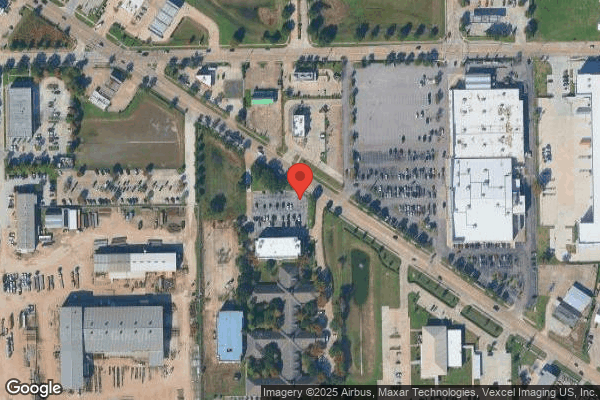
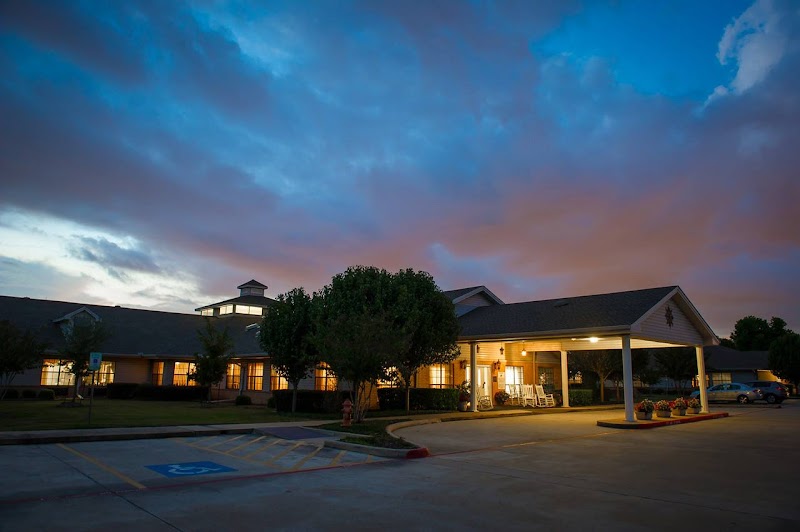
4048 RED BLUFF ROAD, PASADENA, TX 77503 (713) 477-7877
For profit - Limited Liability company 196 Beds FUNDAMENTAL HEALTHCARE Data: November 2025 1 Immediate Jeopardy citation
Trust Grade
46/100
#583 of 1168 in TX
Last Inspection: March 2025

Within standard 12-15 month inspection cycle. Federal law requires annual inspections.

Overview

The Courtyards at Pasadena has a Trust Grade of D, indicating below-average performance with some concerning issues that families should be aware of. It ranks #583 out of 1,168 nursing homes in Texas, placing it in the top half of facilities statewide, and #49 out of 95 in Harris County, meaning only a few local options are better. Unfortunately, the facility's situation is worsening, with reported issues increasing from 5 in 2024 to 6 in 2025. Staffing is rated average at 3 out of 5 stars, with a turnover rate of 44%, which is better than the Texas average of 50%, suggesting staff retention is decent. However, the facility has faced some serious deficiencies, including a critical incident where a resident requiring supervision left a doctor's office unsupervised and was found outside in the rain, raising concerns about resident safety. Additionally, there were issues with inadequate treatment for residents with pressure ulcers, and the kitchen was found to have unsanitary conditions that could risk food safety. Overall, while there are strengths, families should carefully weigh these issues when considering this facility.

Trust Score
D
46/100
In Texas
#583/1168
Top 49%
Safety Record
High Risk
Review needed
Inspections
Getting Worse
5 → 6 violations
Staff Stability
○ Average
44% turnover. Near Texas's 48% average. Typical for the industry.
Penalties
○ Average
$8,827 in fines. Higher than 73% of Texas facilities. Some compliance issues.
Skilled Nurses
○ Average
Each resident gets 31 minutes of Registered Nurse (RN) attention daily — about average for Texas. RNs are the most trained staff who monitor for health changes.
Violations
⚠ Watch
16 deficiencies on record. Higher than average. Multiple issues found across inspections.
★★★☆☆
3.0
Overall Rating
★★★☆☆
3.0
Staff Levels
★★★★☆
4.0
Care Quality
★★★☆☆
3.0
Inspection Score
Stable
2024: 5 issues
2025: 6 issues

The Good

  • 4-Star Quality Measures · Strong clinical quality outcomes
  • Full Sprinkler Coverage · Fire safety systems throughout facility
  • No fines on record
  • Staff turnover below average (44%)

    4 points below Texas average of 48%

Facility shows strength in quality measures, fire safety.

The Bad

3-Star Overall Rating

Near Texas average (2.8)

Meets federal standards, typical of most facilities

Staff Turnover: 44%

Near Texas avg (46%)

Typical for the industry

Federal Fines: $8,827

Below median ($33,413)

Minor penalties assessed

Chain: FUNDAMENTAL HEALTHCARE

Part of a multi-facility chain

Ask about local staffing decisions and management

The Ugly 16 deficiencies on record

1 life-threatening 1 actual harm
Mar 2025 6 deficiencies
CONCERN (D)

Potential for Harm - no one hurt, but risky conditions existed

Deficiency F0661 (Tag F0661)

Could have caused harm · This affected 1 resident

**NOTE- TERMS IN BRACKETS HAVE BEEN EDITED TO PROTECT CONFIDENTIALITY** Based on record review and interviews, the facility failed to ensure completion of a discharge summary including a recapitulatio...

Read full inspector narrative →
**NOTE- TERMS IN BRACKETS HAVE BEEN EDITED TO PROTECT CONFIDENTIALITY** Based on record review and interviews, the facility failed to ensure completion of a discharge summary including a recapitulation of the resident's stay, and final status at discharge for 2 of 3 residents (CR #127 & CR #128) reviewed for discharge summary. The facility failed to complete a discharge summary for CR #127. The facility failed to complete a discharge summary for CR #128. These failures could place residents at risk of not having complete records after permanent discharge from the facility. Findings included: CR #127 Record review of the face sheet for CR #127 revealed a 77- year- old male who admitted to the facility on [DATE] with diagnoses that included, malignant neoplasm of brain (brain cancer), dementia (a condition in which a loss of memory, language, problem-solving and other thinking abilities that are severe enough to interfere with activities of daily life), repeated falls, pain, and seizures. Record review of CR #127's EMR on [DATE] at 11:40 am revealed that CR #127 died at the facility on [DATE] and had no discharge summary. CR #128 Record review of the face sheet for CR #128 revealed [AGE] year-old male who admitted to the facility on [DATE]. His diagnoses included End -stage renal failure , hypertensive chronic kidney diseases (commonly known as high blood pressure, heart failure, anemia, (Low red blood count), hypothyroidism (a condition where (the thyroid gland does not produce enough thyroid hormone), and dysphasia (swallowing difficulty) and pain. Record review of CR #128's clinical records revealed he was admitted to the facility on [DATE] and was discharged from the facility on [DATE]. Records review of CR #128 revealed no evidence of discharge summary. Record review of CR #128's Discharge MDS dated [DATE] revealed CR #128 was discharge from the facility returned not anticipated. Interview on [DATE] at 11:56 am with PPS Coordinator (MDS) said there was not a discharge summary for CR #127 in his EMR. The PPS Coordinator said the SW was responsible for completing the discharge summary on all residents. Interview on [DATE] at 12:33pm with the SW who said they did not find a discharge summary for CR #127 in the EMR. The SW said that they did not complete a discharge summary for CR #127 because they did not know they were responsible for completing the discharge summary if a resident passed away. The SW said they thought the charge nurses were responsible for completing the discharge summary for any resident who had an unplanned discharge. The SW said they were only responsible for completing the discharge summary for residents with planned discharges . Interview with the DON on [DATE] at 1:00pm who saidrevealed per the facility policy and procedure, the SW was responsible for completing the discharge summary on all residents' which included both planned and unplanned discharges. Interview with the Administrator on [DATE] at 2:41 pm who saidrevealed they were the direct supervisor of the SW but that the Regional Consultant trained the SW on their job duties which included the completion of forms. In an interview with the facility SW on [DATE] at 3:00PM, sheShe said CR #128 requested to be sent to the hospital and CR #128 was on a special program. She said she did not do the discharge summary because the program that was responsible for CR #128 discharged CR #128 from the program. Attempted telephone interview with the Regional Consultant on [DATE] at 3:04pm and again on [DATE] at 11:48am but was unable to reach prior to facility exit. Follow up interview with SW who said they were trained by the Regional Consultant onand the facility's discharge summary process, but the training only included planned resident discharges. and planned discharges. The SW said they were never trained on completing the discharge summary for resident's who died, because usually when a resident passeds away, the charge nurse completeds the documentation and then discharged s the resident from the electronic medical record system. The SW said they did not know how to complete a discharge summary after a resident was discharged from the computer system, without reactivating the resident in the computer system. The SW said they never asked any questions regarding the discharge summaries for residents with unplanned discharges because it was never an issue until surveyor's began asking questions about the unplanned discharges for residents without discharge summaries . Record review of the facility's policy titled, Social Services Policies and Procedures .Subject: Discharge Summary, dated Complete Revision: [DATE], revealedread in part .A discharge summary is also completed when a resident is fully discharged from the facility (i.e., to another nursing facility, to the community or death).2. The Discharge Summary is completed when the patient or resident is permanently discharged for any reason and return to the facility is not anticipated.3. Each discipline is responsible to complete a section of the Discharge Summary-the Social Worker will initiate the DC Summary for all discharges.
CONCERN (D)

Potential for Harm - no one hurt, but risky conditions existed

Deficiency F0740 (Tag F0740)

Could have caused harm · This affected 1 resident

**NOTE- TERMS IN BRACKETS HAVE BEEN EDITED TO PROTECT CONFIDENTIALITY** Based on interview, and record review, the facility failed to ensure a resident who displayed or diagnosis with a mental disorde...

Read full inspector narrative →
**NOTE- TERMS IN BRACKETS HAVE BEEN EDITED TO PROTECT CONFIDENTIALITY** Based on interview, and record review, the facility failed to ensure a resident who displayed or diagnosis with a mental disorder or psychosocial adjustment difficulty received appropriate treatment and services to correct the assessed problem or to attain the highest practicable mental and psychosocial well-being for 1(Resident #51) of 5 residents. The facility failed to follow up to ensure Resident #51 received a psychiatric consultation after an order was written on 09/19/2024 from the physician. This failure could place residents at risk for not receiving behavioral health services and a decline in quality of life. Findings Included: Record review of Resident #51's admission face sheet dated 05/08/2024 indicated an [AGE] year-old female. Resident #51 was admitted with a diagnose of the following: Unspecified dementia, unspecified severity, without behavioral disturbance, psychotic disturbance, mood disturbance, and anxiety disorder. Record review of Resident #51's physician orders dated 9/19/24 read in part consult Deer Oaks for psychological and psychiatric services, med management, may provide psychiatric services. DX: Depression, unspecified. Record review of Resident #51's admission assessment dated [DATE] reflected Resident #51 having a BIMS score of 11 which indicated she had moderate cognitive impairment. Resident #51's mood interview in Section D of the MDS assessment noted Resident #51's total severity score was 11 which could indicate moderate anxiety, depression, or conditions which required further assessments. Record review of Resident's #51's care plan revealed in part: Problem Start Date: 05/14/2024. Category: Behavioral Symptoms resident is having mood and behavior needs as evidence by periods of refusing ADL care, Therapy services, and medications including eye drops. Long Term Goal Target Date: 06/18/2025. Resident will have a reduction in unwanted mood or behaviors, for an increased quality of life by end of next 90-day review. Further review revealed, on 5/24/24 Resident #51's care plan was updated with interventions in place for promptly arrange for psychiatric services for Resident #51 after a displayed increased signs of anxiety and aggressive behaviors dated on 5/14/24. Record review of Resident #51 physician progress notes dated from 2/01/24 to 03/18/2025 revealed no documentation of any referral to psychiatric services. There was no documentation of any physician or nurse practitioner notification for psychiatric related services. Interview with the Director of Nursing on 3/18/25 at 1:00PM revealed She cannot explain why the order was not carried out or followed up on and she believed Resident's #51's responsible party declined services. Interview with the MDS nurse on 3/18/25 at 1:45PM revealed awareness of the care plan addressing Resident #51's goals and interventions was to be seen by psychological consult but did not know why she was not seen or followed up on. Interview with the facility Social Worker on 3/18/25 at 2:30PM revealed awareness of the order written for Resident #51. The facility had 2 social workers and she only did short term residents, and the other Social Worker did long term care. The Social Worker stated she was aware of the facility policy for psychological referrals but could not answer as to why Resident #51 was not seen. The facility currently use Deer Oaks company for psychological services, and she did not see Resident's #51's name on the list to be seen. It was believed Resident's #51's responsible party declined services but did not have any documentation for declining services. Social Worker stated due to Resident #51 not getting the psych services she could have a decline in her mental state which could lead to behavior problems. Interview with the long-term social worker on 3/18/25 at 4:15PM, she stated she was not aware of order written for Resident #51. Social worker stated due Resident #51 not receiving psychological services could put Resident #51 at risk for further mental health decline. Interview with Resident's #51's responsible party on 3/19/2025 at 11:35am revealed she was not aware of any orders for Resident#51's needing to see psych services. Record review of the facility's policy on psychological services dated 06/09/2023 revealed ? the following: SOCIAL SERVICES POLICIES AND PROCEDURES SUBJECT: ASSESSMENT AND ANALYSIS OF BEHAVIOR HEALTH NEEDS POLICY: Staff will utilize a knowledge and understanding of mental illness, trauma, substance abuse, disease process and cultural diversity to assess the potential needs of each resident. The staff will incorporate behavior management techniques and cultural knowledge to assist patients/residents in reaching and maintaining their highest practical physical, mental, and psychosocial wellbeing in accordance with the comprehensive assessment and care plan. The assessment includes evaluation of emotional and mental wellbeing, and prevention and treatment of mental and substance abuse disorders. Social Services or designated staff will facilitate community referrals to meet the needs of the resident related to mood, behavior, mental illness, or cultural identity. PROCEDURES: 1. Evaluate for and identify potential issues related to mental illness, substance abuse, disease process, trauma, and cultural diversity to assist in completing a comprehensive assessment related to mood, behavior, quality of life and personal preferences. Social Services or designee will make referrals for further evaluation, treatment, or support in a timely manner. The assessment will be completed within 7 days of admission to the facility and periodically, as needs are identified. 2. Patients or residents not initially identified as having mental or psychosocial adjustment difficulty who are later diagnosed or identified have medical record documentation to justify why needs were not identified. An example of this documentation would include, Symptoms did not initially manifest, and family was unaware or not forthcoming about past needs. Once needs become evident evaluations/assessments will be completed to ensure needs are documented and a plan of care developed.
CONCERN (D)

Potential for Harm - no one hurt, but risky conditions existed

Laboratory Services (Tag F0770)

Could have caused harm · This affected 1 resident

**NOTE- TERMS IN BRACKETS HAVE BEEN EDITED TO PROTECT CONFIDENTIALITY** Based on interview and record review, the facility failed to provide or obtain laboratory services ordered by the physician assi...

Read full inspector narrative →
**NOTE- TERMS IN BRACKETS HAVE BEEN EDITED TO PROTECT CONFIDENTIALITY** Based on interview and record review, the facility failed to provide or obtain laboratory services ordered by the physician assistant, nurse practitioner or clinical nurse specialist in accordance with state law, including scope of practice laws, to meet the needs for 1 (Resident #380) of 6 residents reviewed for laboratory services. The facility failed to ensure that blood glucose checks that were ordered on 3/17/25 were performed on 3/18/25 and before breakfast on 3/19/25 for Resident #380. The failure could place residents at risk of not receiving timely diagnosis or treatment, and not receiving appropriate monitoring for health and well-being. Findings include: Record Review of Resident #380's face sheet dated 3/19/25, revealed resident was a [AGE] year-old male admitted to the facility on [DATE] with diagnoses including Chronic Obstructive Pulmonary Disease, Unspecified Atrial Fibrillation (Irregular Heartbeat) and Type 2 Diabetes Mellitus. Record review of Resident #380's quarterly MDS dated [DATE] revealed a BIMS score of 9 that suggested moderate cognitive impairment. Record review of Resident #380's orders revealed an order dated 3/17/2025 for AC bg check Three Times A Day Before Meals 08:00 AM, 12:00 PM, 04:00 PM. Record review of Resident #380's Recent Progress Notes revealed on 3/17/25 at 6:29 p.m. that ADON A documented resident request bg's be assessed due to blood sugars being elevated during hospital stay recently. MD/NP/PA made aware, new order for bg ac. endorsed accordingly. Record review of Resident #380's Search Vitals Results for documented blood sugars revealed no blood sugars were documented before 3/19/2025 at 10:03 a.m. During an interview on 3/17/25 at 9:45 a.m., Resident #380 said that the nurse was going to have to start checking his blood sugars. During an interview on 3/19/25 at 9:48 a.m., ADON A said the resident's blood sugar results should be on a flow sheet in the electronic medical record. ADON A checked Resident #380's electronic medical record but was unable to find any blood sugar results documented. ADON A said she entered the order for Resident #380's blood sugars on 3/17/24 and the blood sugar order went to the wrong flow sheet. ADON A said she updated the electronic medical record now so Resident #380's blood sugars would be on the correct flow sheet. ADON A called RN L and instructed her to check Resident #380's blood sugar now. During an interview on 3/19/25 at 9:57 a.m., ADON A said that RN L notified her via phone that Resident #380's blood sugar was 158. ADON A instructed RN L to notified Resident #380's doctor regarding the blood sugar reading. During an interview on 3/19/25 at 10:32 a.m., the DON said that when an order was entered it would go over to the flow sheet which would trigger the nurse to know regarding new orders. The DON said the order should go on the 24-hour report for nurses. During an interview on 3/19/25 at 10:33 a.m., ADON A said that she did not put the order for blood sugar checks for Resident #380 on the 24-hour report for nurses. ADON A said that Resident #380's doctor had instructed to continue to monitor his blood sugars after being notified regarding his blood sugar level this morning. During an interview on 3/19/25 at 12:58 p.m., RN K said that new orders should be documented in the resident's chart and added to the 24-hour report which was a word documented that was updated and printed out nightly. During an interview on 3/19/25 at 1:00 p.m., LVN H said that information regarding new orders were passed along from shift to shift by being documented in the progress notes and the 24 hour nurse report sheet. During an interview on 3/19/25 at 1:07 p.m., MD A said that Resident #380 did not have any adverse effects to not having his blood sugars checked. During an interview on 3/19/25 at 1:07 p.m., ADON A said that Resident #380's blood sugar was 127 and Resident #380's hospice had updated the blood sugar check order to be daily and to notify hospice if the blood sugar was over 250. During an interview on 3/19/25 at 2:18 p.m., RN L said she did not work on 3/17/25 or 3/18/25 so she was not aware that Resident #380 had orders for blood sugar checks. RN L said that when a new order was received then the nurse would enter a progress note and then write on the 24-hour report sheet to endorse to the next nurse. Record review of the facility's Nursing Policies and Procedures revised May 5, 2023, with subject of Blood Glucose Monitoring revealed The facility provides point of care blood glucose monitoring according to standards of practice and infection prevention and control principles. Record review of facility's Nursing Policies and Procedures revised May 5, 2023, with subject Physician Orders revealed that staff should Record order changes in Progress Notes and 24-Hour Report.
CONCERN (E)

Potential for Harm - no one hurt, but risky conditions existed

Assessment Accuracy (Tag F0641)

Could have caused harm · This affected multiple residents

**NOTE- TERMS IN BRACKETS HAVE BEEN EDITED TO PROTECT CONFIDENTIALITY** Based on observation, interview and record review, the facility failed to ensure that assessments accurately reflected resident'...

Read full inspector narrative →
**NOTE- TERMS IN BRACKETS HAVE BEEN EDITED TO PROTECT CONFIDENTIALITY** Based on observation, interview and record review, the facility failed to ensure that assessments accurately reflected resident's status for 3 (Resident #9, Resident #43 and Resident #380) of 6 residents reviewed for accuracy of assessments. The facility failed to ensure that Resident #9's admission MDS dated [DATE] accurately reflected her inability to hear normal conversation and her oral dental need. The facility failed to ensure that Resident #43's quarterly MDS dated [DATE] accurately reflected the resident had functional limitation in range of motion of upper and lower extremities. The facility failed to ensure that Resident #380's discharge MDS dated [DATE] accurately reflected the resident's fall that occurred on 2/8/25. These failures could place residents at risk of receiving inadequate care and services based on inaccurate assessments. Findings include: Resident #9 Record Review of Resident #9's face sheet dated 3/19/25, revealed [AGE] year-old female admitted to the facility on [DATE]. Her diagnoses included Unspecified fracture of the T9-T10 vertebra (primary diagnoses) rib fracture left side , heart disease, Essential hypertension, hypothyroidism (a condition that occurs when the thyroid gland doesn't make enough thyroid hormone), pain and muscle weakness. Record review of Resident #9's admission MDS dated [DATE] revealed her BIMS score was coded as 14 out of 15 which indicated she was cognitively intact. On hearing, speech, and vision she was coded as adequate. On oral dental status she was coded as Z which indicated no problem with her oral cavity. Observation and interview on 03/17/25 at 10:50 AM revealed Resident was sitting in her chair between her bed and her roommate. Observation revealed she had her glasses on , and a dental cup was on her nightstand. During the interview, she stated several times that she could not hear and said to speak louder because she was hard of hearing. A writing pad was used during the interview. She said she had dentures, and her lower dentures were in the dental cup on her nightstand. She said she did not wear her dentures because the lower dentures didn't fit and needed adjustment. She said it was hard to eat certain food items if not soft enough. She said she had a cavity on one of her upper teeth . During an interview with the MDS Coordinator on 03/18/25 at 2:50PM he said he was not responsible for section L of the MDS. He said section L (oral dental section of the MDS) He said that section of the MDS was done by speech therapy and if a resident needed a dental examination, the Social Worker would add the resident's name to the list . During an interview with the Speech therapist on 03/18/25 at 3:40PM, she said she assessed residents recommended to her due to swallowing difficulty such as dysphasia , and those who hads strokes. She said she assessed for the ability to swallow. During an interview with the DON on 03/19/25 at 10:40 AM, she said the MDS (PPS) Ccoordinator was responsible for ensuring that all MDS assessments accurately reflected the resident's condition. Resident #43 Record Review of Resident #43's face sheet dated 3/19/25, revealed the resident was a [AGE] year-old male admitted to the facility on [DATE] with diagnoses including Unspecified Dementia, Stiffness of Right Hand, Stiffness of Left Hand, Cerebral Infarction (Stroke) and Hemiplegia (one sided weakness or paralysis) and Hemiparesis (weakness in one leg, arm, or side of the face) affecting Right Dominant Side. Record review of Resident's #43's quarterly MDS dated [DATE] revealed that BIMS could not be conducted. It was also revealed in section GG0115 completed by the MDS Coordinator/PPS Coordinator the resident did not have any limitations captured for the upper or lower extremities. Record review of Resident #43's doctor's progress note dated 10/17/2024 revealed that Resident #43 had a CVA (Stroke) with right sided deficits and severe cognitive deficits. Record review of Resident #43's Physical Therapy Evaluation & Plan of Treatment dated 5/16/24 revealed Resident #43 had bilateral (both) lower extremity contractures (condition that causes limited movement of a joint). Record review of Resident #43's Physical Therapy Treatment Encounter Note dated 6/20/24 revealed the resident had bilateral lower extremity contractures (condition that causes limited movement of a joint). Record review of Resident #43's care plan revealed Resident #43 had a history of CVA (Stroke) and right hemiparesis (weakness in one leg, arm, or side of the face), aphasia (inability to comprehend or communicate) and dysphagia (difficulty swallowing) with a start date of 1/1/24. Observation on 3/18/25 at 1:15 p.m., revealed Resident #43's legs were bent and drawn up towards his trunk. During an interview on 3/19/25 at 9:35 a.m., LVN L said that Resident #43 had weakness in his right arm and leg, and they were contracted. During an interview on 3/19/25 at 9:48 a.m., ADON A said that Resident #43 was contracted. ADON A said that Resident #43 had diagnosis of hemiplegia/hemiparesis of the right dominant side and stiffness of the left hand. During interview on 3/19/25 at 10:10 a.m., the MDS Coordinator/PPS Coordinator said that Resident #43 had weakness but was not contracted that limited his range of motion to be able to do things like dressing. Resident #380 Record Review of Resident #380's face sheet dated 3/19/25, revealed resident is a [AGE] year-old male admitted to the facility on [DATE] with diagnoses including Chronic Obstructive Pulmonary Disease (Chronic Lung Condition causing Restricted Airflow), Unspecified Atrial Fibrillation (Irregular Heartbeat) and Type 2 Diabetes Mellitus. Record review of Resident #380's quarterly MDS dated [DATE] revealed a BIMS score of 9 that suggested moderate cognitive impairment. Record review of Resident #380's discharge MDS dated [DATE] revealed in section J1800 the resident had not had any falls since admission/entry or reentry or to the prior assessment. Record review revealed Resident #380 had MDS assessments completed on 2/7/25 and 3/6/25. Record review of Resident #380's Search Progress Notes for 2/8/25 revealed that LVN I documented on 2/8/25 at 07:30 a.m. Resident #380 was found on top of his fall mat on the floor lying on his left side. During an interview on 3/19/25 at 9:48 a.m., ADON A said that LVN I had documented regarding Resident #380's fall on 2/8/25 that he was having agitation and restlessness and had thrown items on the floor. ADON A said that per LVN I's documentation he was found on top of the fall mat. ADON A said she worked on 2/8/25 but was not working at the time of Resident #380's fall. During interview on 3/19/25 at 10:03 a.m., the MDS Coordinator/PPS Coordinator said that if the MDS was not correctly completed then the facility may not be adequately able to provide for the resident. During interview on 3/19/25 at 10:10 a.m., the MDS Coordinator/PPS Coordinator said he would have to review Resident #380's chart and if he missed a fall then he would correct the MDS. During interview on 3/19/25 at 10:15 a.m., the MDS Coordinator/PPS Coordinator said he made a mistake regarding the MDS for Resident #380 and had missed the fall. The PPS Coordinator said he updated the discharge MDS dated [DATE] to reflect the fall. Record review of Resident 380's corrected discharge MDS dated [DATE] completed by MDS Coordinator/PPS Coordinator revealed in section J1800 that resident had fallen since admission/entry or reentry or the prior assessment. The Surveyor attempted to contact LVN I on 3/19/25 at 2:05 p.m. but was unable to reach LVN I or leave a voicemail. During interview on 3/19/25 at 2:52 p.m., the DON said the PPS Coordinator is who completed the MDS. The DON said that when the MDS was ready to be transferred she would check to see if the MDS was completed. The DON said that the MDS Coordinator checked the MDS for accuracy. During interview on 3/19/25 at 2:56 p.m., the Administrator said that PPS Coordinator was the MDS Coordinator who managed the MDS' and agreed he would be the one to check for accuracy. Record review of facility's Nursing Policies and Procedures with subject MDS - Primary Assessment with email revision on 9/28/2023 revealed The facility will complete its state-specific version of the Minimum Data Set (MDS) based on the Primary Reason for Assessment within the required timeframes according to applicable low and regulations.
CONCERN (E)

Potential for Harm - no one hurt, but risky conditions existed

Infection Control (Tag F0880)

Could have caused harm · This affected multiple residents

**NOTE- TERMS IN BRACKETS HAVE BEEN EDITED TO PROTECT CONFIDENTIALITY** Based on observation, interview and record review, the facility failed to establish and maintain an infection prevention and con...

Read full inspector narrative →
**NOTE- TERMS IN BRACKETS HAVE BEEN EDITED TO PROTECT CONFIDENTIALITY** Based on observation, interview and record review, the facility failed to establish and maintain an infection prevention and control program designed to provide a safe, sanitary, and comfortable environment and to help prevent the development and transmission of communicable diseases and infections for 2 (Residents #73 and #119) of 6 residents and 3 of 4 staff (CNA I, CNA J, CNA K) reviewed for infection control. The facility failed to ensure that proper signage was in place for Resident #73 and Resident #119 who were on enhanced barrier precautions. The facility failed to ensure that CNA I, CNA J, and CNA K were knowledgeable and able to appropriately answer questions regarding enhanced barrier precautions. The facility failed to ensure that CNA I was wearing PPE while caring for Resident #73 who was on enhanced barrier precautions. The failures could place residents at risk of exposure to infectious diseases due to improper infection control practices. Findings include: Resident #73 Record Review of Resident 73's face sheet dated 3/19/25, revealed resident was a [AGE] year-old female admitted to the facility on [DATE] with diagnoses including End Stage Renal Disease (Kidney Failure) and dependence on renal (kidney) dialysis. Record review of Resident #73's quarterly MDS dated [DATE] revealed a BIMS score of 13 that suggested cognition was intact. Record review of Resident #73's care plan revealed that EBP during tube feeding/wound care or close contact with wound. PPE required: gloves, gowns, face protection of procedure has risk of splashes or sprays. with approach start date of 12/9/24. Record review of Resident #73's orders revealed active orders dated 3/19/25 related to g-tube (a tube inserted into the stomach for feeding, hydration and medications) site care since of 3/6/2025. Observation on 3/17/25 at 10:22 a.m. of Resident #73's door, room and hallway revealed there was no signage regarding enhanced barrier precautions. Observation on 3/18/25 at 2:15 p.m. of Resident #73's door and hallway revealed that there was no signage regarding enhanced barrier precautions. Observation on 3/18/25 at 3:25 p.m. of Resident #73's door and hallway revealed that there was no signage regarding enhanced barrier precautions. During an interview on 3/18/25 at 3:35 p.m., RN M said that Resident #73 should be on enhanced barrier precautions and that supplies of PPE were kept in the resident's top dresser drawer in their room. During an observation on 3/18/25 at 3:45 p.m., revealed RN M showed the gloves on top of the dresser in Resident #73's room but there were no gowns in the dresser or room that could be found by RN M. During an interview on 3/18/25 at 3:45 p.m., CNA I said that Resident #73 was not on precautions right now but had been before. CNA I denied wearing a gown while bathing or changing Resident #73. Resident #119 Record Review of Resident #119's face sheet dated 3/20/25, revealed resident was a [AGE] year-old male admitted to the facility on [DATE] with diagnoses including Nontraumatic Intracerebral Hemorrhage (Brain Bleed), Dysphagia (Difficulty Swallowing) and Gastrostomy (Feeding tube inserted in Stomach) Status. Record review of Resident #119's comprehensive admission MDS dated [DATE] revealed a BIMS could not be completed. Record review of the MDS also revealed the resident has a feeding tube while a resident. Record Review of Resident #119's orders revealed an active order for enteral feeding tube site care since 1/10/25. Record review of Resident #119's care plan with problem start date of 1/20/25 revealed that EBP during tube feeding/wound care or close contact with Enteral feeding site. PPE required: gloves, gowns, face protection if procedure has risk of splashes or sprays. Observation on 3/17/25 at 10:59 a.m. of Resident #119's door, room and hallway revealed that there was no signage regarding enhanced barrier precautions. Observation on 3/18/25 at 2:15 p.m. of Resident #119's door and hallway revealed that there was no signage regarding enhanced barrier precautions. Observation on 3/18/25 at 3:26 p.m. of Resident #119's door and hallway revealed that there was no signage regarding enhanced barrier precautions. Interview on 3/18/25 at 3:35 p.m., RN K said that Resident #119 should be on enhanced barrier precautions. RN K said there should be a sign on the outside of the resident's door and if it was not there then it must have fallen. Interview on 3/18/25 at 3:42 p.m., CNA H said Resident #119 was on enhanced barrier precautions and she would wear a gown while changing the resident. Interview on 3/18/25 at 3:49 p.m., CNA J said she would know if a resident was on enhanced barrier precautions by the sign on the door. When asked what kind of residents would need to be on enhanced barrier precautions, CNA J said residents who wore briefs or were incontinent. Interview on 3/19/25 at 9:49 a.m., CNA J said she had given the wrong answer yesterday regarding what residents would need to be on enhanced barrier precautions and enhanced barrier precautions were for residents with g-tubes and a Foley catheter. CNA J said she would wear a gown and gloves and a mask depending on the situation for residents with enhanced barrier precautions. Interview on 3/19/25 at 9:44 a.m., CNA K said that enhanced barrier precautions were everyone who was bedbound, needed barrier cream and rolled every two hours. CNA K said she would know if a resident was on enhanced barrier precautions by the orange sign on the door and she would wear a gown if the resident was on enhanced barrier precautions. Interview on 3/20/25 at 2:52 p.m., the DON said she took note of residents with wounds, foley catheters (tube inserted into the bladder to drain urine), traches (a hole surgically made in the throat to assist with breathing) and feeding tubes which triggered the enhanced barrier precautions. The DON said that in their daily morning meetings they reviewed residents for enhanced barrier precautions. The DON said that when a resident triggered for enhanced barrier precautions then the orange sign was placed on the resident's door and PPE placed in the resident's room. The DON said that then the enhanced barrier precautions was added to the resident's care plan. The DON said that she checked to make sure that the enhanced barrier precautions have been added to the resident's care plan and that PPE was in the resident's rooms. The DON said there was PPE available in the large restroom on the garden side of the facility and PPE is kept in the resident's drawers or armoire on the presidential side of the facility. The DON said she kept track of residents who were on enhanced barrier/isolation precautions using an excel spreadsheet and that she checked and update the spreadsheet every 2-3 weeks. Record Review of facility's Infection Prevention and Control Policies and Procedures with subject Transmission Based/Standard precautions, and Enhanced Barrier Precautions revised 5/15/23 revealed that enhanced barrier precautions which includes the use of gowns and gloves will be implemented during high-contact resident care activities for residents who have wounds and/or indwelling medical devices. Record review also revealed that enhanced barrier precautions will be implemented during high-contact resident care activities that include dressing, bathing/showering, transferring, providing hygiene, changing linens, and changing briefs or assisting with toilet. Record review also revealed The facility will post clear signage on the door or wall outside of the room indicating the type of precautions.
CONCERN (F)

Potential for Harm - no one hurt, but risky conditions existed

Food Safety (Tag F0812)

Could have caused harm · This affected most or all residents

Based on observations, interviews, and record review, the facility failed to store, prepare, and serve food in accordance with professional standards for food service safety for the facility's only ki...

Read full inspector narrative →
Based on observations, interviews, and record review, the facility failed to store, prepare, and serve food in accordance with professional standards for food service safety for the facility's only kitchen. -The facility failed to ensure that one of one deep fryer grease was clean. -The facility failed to ensure that the stove in the kitchen was kept clean. -The facility failed to ensure that the rail above the stove was free of grease. These failures could affect residents who received their meals from the facility's only kitchen, by placing them at risk for food-borne illness if consumed and food contamination Kitchen observation and interview with the Dietary Manager on 03/17/25 at 8:45AM, revealed the following: The cooking area revealed the deep fryer had dark looking grease with brown floating substances on top of the grease. In the interview, the Dietary Manager said the grease was supposed to be changed weekly. She was not sure when it was changed last, sometimes last week. Observation of one of two stoves in the kitchen revealed baked on grease (a dark looking substance inside the oven). The Dietary Manager said the stove needed to be cleaned. Observation of the grill above the cooking stove revealed the grease trap rails above the stove had grease dripping along the rail. In an interview the Dietary Manager said the commercial cleaners did clean the grill and the rails . She said she would look to find out when it was last cleaned. She said she was responsible to check to ensure that all areas of the kitchen were clean, but all kitchen employees were responsible for cleaning behind them . She said cooking in an unclean environment may lead to cross contamination and food burn illness. During an interview with the facility's Dietitian on 03/19/25 at 12:05PM he said the Dietary Manager was new and had done a great job cleaning the kitchen. He said the Ddietary Manager was about 3 weeks old at the facility. He said he was at the facility once a week and as needed. He said he provide education and observe meal services from time to time. Record review of fFacility's policy on kitchen sanitation dated 2020 and revised 06/20/2023 revealed in part SUBJECT: SANITATION & FOOD SAFETY IN FOOD AND NUTRITION SERVICES POLICY: The Certified Dietary Manager (COM) will assume responsibility for the food safety and sanitation of the Nutrition Culinary Department. PROCEDURES: 1. Infection control and sanitation practices are followed to minimize the risk of contamination of food and prevent food borne illness. (Refer to Exhibit 2E, Major Food Borne Illnesses in section J of this manual).
Apr 2024 1 deficiency
CONCERN (D) 📢 Someone Reported This

A family member, employee, or ombudsman was alarmed enough to file a formal complaint

Potential for Harm - no one hurt, but risky conditions existed

Infection Control (Tag F0880)

Could have caused harm · This affected 1 resident

**NOTE- TERMS IN BRACKETS HAVE BEEN EDITED TO PROTECT CONFIDENTIALITY** Based on observation, interview, and record review the facility failed to maintain an infection prevention and control program d...

Read full inspector narrative →
**NOTE- TERMS IN BRACKETS HAVE BEEN EDITED TO PROTECT CONFIDENTIALITY** Based on observation, interview, and record review the facility failed to maintain an infection prevention and control program designed to provide a safe, sanitary, and comfortable environment and to help prevent the development and transmission of communicable diseases and infections for 1 (Residents #1) out of 3 residents reviewed for infection control, in that: The facility failed to ensure CNA B contained the dirty wipes after cleaning Resident #1; CNA B threw the used wipes across Resident #1 to the trash can located at the opposite side of the bed whilre providing incontinent care to Resident #1. The facility failed to ensure that CNA C did not put clean gloves in her scrubs pocket during incontinent care for Resident #1. These failures could increase the spread of infection and place residents living in the facility at risk of exposure to infections. Findings include: Record review of face sheet revealed Resident #1 was a [AGE] year old male who was admitted to the facility on [DATE]. His diagnoses include need for assistance with personal care, hypertension, acute respiratory failure, overactive bladder, communication deficits, shortness of breath, muscle wasting, constipation, generalized anxiety disorder, cognitive communication deficit. Record review of MDS (minimum data set) dated 2/28/2024 revealed Resident #1 needed extensive assistance for ADL care and required one-person physical assistant. Record review of the care plan dated 3/10/2024 revealed Resident #1 had impaired functional mobility and required assistance with ADLs, with interventions included to assess the degree of functional impairment and assist resident with ADL's (Activity of Daily Living) based on the current level of mobility. On 04/08/2024 at 3:15pm in an observation, CNA B was providing incontinent care on Resident #1. CNA B was cleaning Resident #1 and she was throwing the wipes across the bed to the other side where the trash can was located, some of the wipes fell on the floor. CNA C was assisting CNA B during the incontinent care. CNA C removed gloves from her scrubs pocket and donned them during the incontinent care. On 04/08/2024 at 3:35pm in an interview with CNA B, she stated she had training on infection control during hiring with hands-on checkoffs, and she also had an in-service on infection control too. She stated the deficient practice could potentially spread microorganisms into the air and cause contamination. On 04/08/2024 at 3:39pm in an interview with CNA C, she stated she was trained on infection control when she was hired at the facility. CNA C verbalized the understanding that her pocket was not sanitized and thereby contaminated the clean gloves. On 04/08/2024 at 8:10pm in an interview with the DON, she said tomorrow (04/09/2024) would be an excellent day for training because they actually had skills checkoff tomorrow and they did check offs on everything that the CNAs did like peri care/incontinent care, hand washing, donning gloves, and all kind of infection control stuffs. She stated they did that training monthly or yearly depending on what was going on. She stated Everybody gets training tomorrow and skills checkoff, just in case they forgot all the rules and regulations about patient care. The DON stated the deficient practice placed residents at risk for cross contamination and infection. Record review of facility policy titled 'Infection Prevention and control policies and procedures' dated 02/17/2021 revealed in part, the infection prevention and control program consist of currently acceptable infection control standards practices and activities, and training provided to employees regarding hand hygiene, hand washing, universal standard and transmission based precautions, proper handling of linens, waste, equipment and supplies.
Feb 2024 3 deficiencies
CONCERN (E) 📢 Someone Reported This

A family member, employee, or ombudsman was alarmed enough to file a formal complaint

Potential for Harm - no one hurt, but risky conditions existed

Comprehensive Care Plan (Tag F0656)

Could have caused harm · This affected multiple residents

**NOTE- TERMS IN BRACKETS HAVE BEEN EDITED TO PROTECT CONFIDENTIALITY** F656/3790 Based on observation, interview, and record review, the facility failed to implement person-centered care plans for ea...

Read full inspector narrative →
**NOTE- TERMS IN BRACKETS HAVE BEEN EDITED TO PROTECT CONFIDENTIALITY** F656/3790 Based on observation, interview, and record review, the facility failed to implement person-centered care plans for each resident's services furnished to attain or maintain the resident's highest practicable physical, mental, and psychosocial well-being for 1 of 55 residents (Resident #119) reviewed for the development and implementation of comprehensive care plans. The facility failed to ensure Resident #119's refusals of showers was reflected in his comprehensive care plan. This deficient practice could place residents at risk of not being provided with the necessary care or services and having personalized plans developed to address their specific needs. Findings included: Record review of Resident #119's face sheet revealed a 77-year -old male admitted on [DATE] at 10:08 PM . His diagnoses included other specified sepsis (condition in which the body responds improperly to an infection. The infection-fighting processes turn on the body, causing the organs to work poorly) (Primary, Admission), other specified diseases of anus and rectum, encephalopathy (conditions that cause brain dysfunction. Brain dysfunction can appear as confusion, memory loss, personality changes and/or coma in the most severe form), unspecified, urinary tract infection, site not specified, cerebral infarction (a result of disrupted blood flow to the brain due to problems with the blood vessels that supply it), unspecified, hemiplegia (Muscle weakness or partial paralysis on one side of the body that can affect the arms, legs, and facial muscles) and hemiparesis (one-sided muscle weakness) following cerebral infarction affecting right dominant side, muscle wasting and atrophy, not elsewhere classified, multiple sites, muscle weakness (generalized), dysphagia (medical term for difficulty swallowing), unspecified, other lack of coordination, cognitive communication deficit, need for assistance with personal care, and other speech and language deficits following unspecified cerebrovascular disease. Record review of Resident #119's quarterly MDS assessment which assesses a resident's capabilities to perform ADLs, dated 01/15/2024, revealed the resident had a BIMS score of 10 out of 15 indicating the resident was moderately cognitively impaired. He required partial/moderate assistance with personal hygiene. Showering/bathe of self was left blank. The resident was shown to be incontinent in both urinary and bowel. Record review of Resident #119's Care Plan dated 01/18/2024, read in part .Problem: Start Date: 01/21/2024 Category: ADLs Functional Status/Rehabilitation Potential Resident #119 requires assistance with all ADL's r/t: impaired cognition and Dx of CVA w/Rt hemiplegia. Goal: Long Term Goal Target Date: 04/21/2024- Resident #119 will maintain a sense of dignity by being clean, dry, odor free, and well-groomed over next 90 days. Approach: Start Date: 01/21/2024 staff will assist during bath/shower to the extent necessary while allowing Resident #119 to participate as much as they are able. The resident's Care Plan did not include the residents frequent shower refusals. Record review of residential Shower Book dated 01/01/2024-01/31/2024 noted resident refused on 01/12, 01/19, 01/24, 01/31. The log showed 01/08, 01/22, 01/26, 01/29, were blank and the resident received a Bed bath on 01/17, and a Shower on 01/15. Record review of Point of Care History dated 01/01- 02/01/2024 noted Resident #119 received one bath on 01/15/2024. Interview on 01/31/2024 at 1:05 PM with LVN A. She said every other day residents got showers and it was either Monday, Wednesday, Friday, or Tuesday, Thursday, Saturday. She said Resident #119 refused to shower a lot. She said she needed to write a note about him refusing to take a shower today. She said she did not see a note for his refusal . Interview on 01/31/2024 at 1:08 PM with the Shower tech/CNA. She said residents got showers every other day. She said usually a nurse would document that the resident refused to take a shower. She said there was a shower book of hers where she logged when a resident refused a shower/bath. She said she did not like to write refuse because then the later shifts would not attempt to ask the residents if they wanted a shower. She said she just asked Resident #119, and he refused to take a shower and he refused often to take a shower. She said she can usually talk him into taking a shower about every 2 weeks. She said one shower a week was not enough. She said infections could develop if a resident did not take a shower enough. Interview and observation on 01/30/2024 at 1:57 PM with Resident #119. The resident was lying in bed watching TV, water on bedside table, and call light on right side of bed. He was dressed in a blue shirt. There was a smell of body odor on the resident. He said staff treated him well, but he said he had not had a bath since he had been here. He said he did not know how long he had been at the facility. He said he thought he got the treatment and services he needed minus the showers. Interview and observation on 01/31/2024 at 1:03 PM with Resident #119. He said he had refused to take a shower twice while at the facility. He said he did not know how often he was supposed to get a shower. The resident still had a smell of body odor about him. Interview on 02/01/2024 at 10:57 AM with Resident #119. He said he refused a shower yesterday. Interview on 02/01/2024 at 11:05 AM with the Shower tech/CNA. She said sometimes residents just did not want a shower with her, but they do with the CNA at nighttime. She said she told the nurse for that shift whenever the resident refused their shower. She said Resident #119's shower day was yesterday, and he refused. She said she thought refusing showers should be on his care plan. She said she did not like to write refuse in the log or kiosk so that others will try and get them showered. Interview on 02/01/2024 at 12:20 PM with LVN B said Resident #119 had not been at the facility long, but every time he was asked about a shower, he only accepted one shower. She said he had been here for less than a month. She said it was a problem that he was not getting showers. She said the facility notified the family. She said his refusals were referred to the ADON. She said if a resident refused to shower, then another nurse talked with him. She said refusal of showers should be in the Care Plan . Interview on 02/01/2024 at 12:25 PM with LVN A said she did not know how often Resident #119 refused his showers. She said the shower tech told her he refuses often. She said shower refusals should be in the resident's Care Plan if a resident refused often enough . Interview on 02/01/2024 at 12:20 PM with the MDS Coordinator. He said regarding showers and baths, there was a Care Plan for ADLs that included hygiene. He said once it was determined there was an issue with something, then a behavioral plan for resistance or refusal of care was added to the Care Plan. He said shower refusals were added to the Care Plan when there was a history of that behavior and when he became aware of it. He said when they become aware and that it is not a onetime incident, the behavior would be added to the resident's Care Plan. He said he is worked at the facility for 10 years and his role at the facility was MDS coordinator. He said he worked Monday-Friday, 8 AM-5 PM. He said he was familiar with Resident #119. He said he knew he was admitted in the beginning of January for a stroke, and he did his comprehensive care plan. He said he became aware of today that he was refusing his showers after this state surveyor had requested shower logs for the resident. He said he did not know how long the resident had refused showers. He said policy or procedure for shower refusals was once staff were notified, the Clinical Interdisciplinary team meet and look at the incident/behavior from care standpoint. They notified RPs, and PCP, and arranged for a Care Plan meeting with the resident and try to determine the cause of refusal and work at resolving the issue. He said he did not know why he was not told sooner. He said when he did the resident's initial MDS that shower refusal behavior was not present. He said he was last in-serviced on care plans last year, about Springtime. He said the DON was responsible for ensuring Care Plans were implemented. He said the risk to residents was there was potential for them not receiving adequate care, and hygiene there could be adverse effects of health and skin. He said the worst thing that can happen to the resident when proper protocols are not practiced was the resident could receive inadequate care, and there was potential for injury. He said he thought the failure occurred in this situation, for him due to a lack of communication. In an interview on 02/01/2024 at 12:29 PM with the DON, she said she worked at the facility since 12/18/23. She said she worked 7 AM- 4 PM, Monday - Friday. She said she was not familiar with Resident #119. She said she had not heard anything negative, no complaining, and his documents said he was alert, but when talking with him, you can see he needed help. She said she mostly read papers, and refusals of the residents. She read over orders, printed reports on refusals of medications and supplements. She said she made sure Care Plans were accurate regarding refusal of medications or supplements. She said she depended on her ADONs for help. She said she was responsible for reports and the follow up on the reports. She said policy for Care Plans was if the resident was new, they needed an initial Care Plan, and the MDS Coordinator entered the Care Plans. She said she got more involved when there was a fall, refusal of medications/supplements, and wounds. She said if someone had an episode, or psychological issues then she would add that to the Care Plan. She said if a resident's behavior was brought to her attention, then the facility would Care Plan for that. She said there were a lot of refusals, but they are not shown in the documentation. She said she had heard recently in the last couple of days about Resident #119 refusing showers. She said she and the MDS Coordinator talked about Resident #119, and by printing out the report they saw that the resident refused, and it needed to be on his Care Plan. She said they are going to try other people to shower him. She said she would change the process of the shower tech to tell her personally about residents who had shower refusals. She said the process was that the Shower Tech should notify the ADON when there was a refusal for showers. She said she was last in-serviced on Care Plans last month. She said the nurse management team was responsible for ensuring protocol was followed regarding including refusals to the resident's Care Plan. She said the risk to the resident if policy or protocol was not followed was the resident may not get the best care. She said the worst thing that can happen to the resident when proper protocols are not practiced was the resident could have skin breakdowns. She said she thought the failure occurred because there was a breakdown in communication. She said it should go from the Shower tech to the nurse, from the nurse to the ADON, and from the ADON to the clinical team.
CONCERN (E)

Potential for Harm - no one hurt, but risky conditions existed

Food Safety (Tag F0812)

Could have caused harm · This affected multiple residents

Based on observation and interview, the facility failed to store, prepare, distribute, and serve food in accordance with professional standards for food service safety in 1 of 1 kitchen reviewed for f...

Read full inspector narrative →
Based on observation and interview, the facility failed to store, prepare, distribute, and serve food in accordance with professional standards for food service safety in 1 of 1 kitchen reviewed for food procurement . The facility failed to prevent the following. 1. A Plastic Container of American Cheese dated 1/27/24. 2. A Plastic Container of Mozzarella Cheese had no label and was not dated. 3. A Plastic Container of Powdered Cheese had no label was not dated. 4. A Plastic Container Cream Mexicana Sour Cream with expiration date 1/13/24 5. A Plastic Container of Hard-Boiled Eggs, no label dated 1/15/24. These failures could affect residents who ate food from the kitchen and place them at risk of food borne illness and disease. Findings Included: Observation of the facility kitchen on 01/30/24 at 6:30 AM revealed that leftover foods were not discarded prior to the use by date. 1. A Plastic Container of American Cheese dated 1/27/24. 2. A Plastic Container of Mozarella Cheese had no label and was not dated. 3. A Plastic Container of Powdered Cheese had no label was not dated. 4. A Plastic Container Cream Mexicana Sour Cream with expiration date 1/13/24 5. A Plastic Container of Hard Boiled Eggs , no label dated 1/15/24. Interview with the AM [NAME] on 01/30/24 at 6:35 AM he stated that the leftover food stored in the refrigerator should have been used or discarded prior to use by date. Record review of facility's policies and procedures for food and safe handling dated 6/20/23 read in part .8. Foods are labeled to. identify container contents and the date it was prepared. Food items are stored in disposable, tightly covered containers, or sealable plastic bags. Items will be stored for three (3) days. Expired and unlabeled items will be discarded.
MINOR (C)

Minor Issue - procedural, no safety impact

Garbage Disposal (Tag F0814)

Minor procedural issue · This affected most or all residents

Based on observation and interview the facility failed to dispose of garbage and refuse properly for 1 of 1 dumpster reviewed for Food and Nutrition Services. -The facility failed to ensure the dump...

Read full inspector narrative →
Based on observation and interview the facility failed to dispose of garbage and refuse properly for 1 of 1 dumpster reviewed for Food and Nutrition Services. -The facility failed to ensure the dumpster lids and doors were secured. This failure could place residents at risk of infection from improperly disposed garbage. Findings included: Observation on 01-30-24 at 7:10 am, revealed the facility's dumpster area, which was in the lot behind the dietary department had a commercial -size dumpster ¾ full of garbage and the door was wide open. In an interview on 01-30-23 at 7:20 am, with the AM Cook, he stated that the dumpster doors always must be closed to keep vermin, pests, and insects out of the dumpster and from entering the facility. Record review of facility's Nutrition Policies and Procedures on waste disposal dated 6/20/23 read in part.1. Waste will be disposed. of in a manner to prevent transmission of disease, nuisance or breeding place for insects and feeding places for rodents and other. mammals. Procedures.5. Always cover waste containers and close dumpster's door.
Jan 2024 1 deficiency 1 IJ
CRITICAL (J) 📢 Someone Reported This

A family member, employee, or ombudsman was alarmed enough to file a formal complaint

Immediate Jeopardy (IJ) - the most serious Medicare violation

Accident Prevention (Tag F0689)

Someone could have died · This affected 1 resident

**NOTE- TERMS IN BRACKETS HAVE BEEN EDITED TO PROTECT CONFIDENTIALITY** Based on interview and record review, the facility failed to ensure each resident received adequate supervision to prevent accid...

Read full inspector narrative →
**NOTE- TERMS IN BRACKETS HAVE BEEN EDITED TO PROTECT CONFIDENTIALITY** Based on interview and record review, the facility failed to ensure each resident received adequate supervision to prevent accidents for 1 (CR #1) of 5 residents reviewed for quality of care. The facility failed to ensure CR #1, who was cognitively impaired and wearing a wander guard, received adequate supervision when the facility sent him to the doctor's office unsupervised. CR #1 left the doctor's office and was found outside of a building in the rain by a bystander. An immediate jeopardy (IJ) was identified on 1/26/24 at 9:40 a.m. While the IJ was removed on 1/27/24 at 3:30 p.m., the facility remained out of compliance at a severity level of no actual harm with potential for more than minimal harm that is not immediate jeopardy and a scope of isolated due to the facility continuing to monitor the implementation and effectiveness of their plan of removal. This failure could place residents at risk of elopement or injury. Findings include: Record review of CR #1's face sheet dated 12/2/23 revealed a [AGE] year-old male admitted on [DATE] and discharged on 12/1/23. His diagnoses were: metabolic encephalopathy (a condition in which brain function is disturbed either temporarily or permanently due to different diseases or toxins in the body), cognitive communication deficit (difficulty with any aspect of communication that is affected by disruption of cognition), need for assistance with personal care, difficulty in walking, lack of coordination, bacteremia (the presence of bacteria in your blood), diabetes, acute kidney failure, chronic kidney disease, hypertension (high blood pressure), and pain. Record review of CR #1's 5-day MDS assessment dated [DATE] revealed a BIMS score of 7 which indicated severe cognitive impairment. He required assistance with ADLs. No wandering behaviors observed during the lookback period. Record review of CR #1's care plan last revised 11/30/23 revealed he required assistance with all ADLs related to: impaired cognition, impaired communication, impaired balance and weakness, start date 11/19/23. He had impaired communication as evidenced by reduced ability to be understood by others, reduced ability to understand others, and impaired daily decision-making ability, start date 11/19/23. Approach included to provide a quiet, non-hurried environment, free of background noises and distractions. CR #1 had impaired cognition which may increase as the disease progresses, start date 11/19/23. Approach included to offer reassurance when confusion increases. Record review of CR #1's Elopement Risk assessment dated [DATE] revealed the resident was not alert and oriented to person, place or time, he was confused, and he did not have safe decision-making capabilities. He was aware of his surroundings, he did not have a history of wandering, he had not attempted or expressed a desire to leave the health care center or expressed discontent, he had not attempted to leave home, he was easily redirected and did not have a diagnosis that required supervision. Record review of CR #1's nursing note dated 11/29/23 at 12:44 p.m. written by LVN A revealed CR#1 was exhibiting exit seeking behavior. The writer reached out to the MD to request wander guard monitoring order for resident safety. Call back pending. Record review of CR #1's nursing note dated 11/30/23 at 11:14 a.m. written by LVN A revealed a call was received back from the MD. A new order was received: May apply wander guard to resident. Record review of CR #1's MD orders dated 10/31/2023 - 1/27/24 revealed there was no order for wander guard listed. Record review of CR #1's nursing note dated 11/30/23 at 11:50 a.m. written by LVN A revealed he was picked up by the transportation company via wheelchair for a scheduled appointment. Resident dressed, alert, and in stable condition. Record review of the local police department report for CR #1 dated 11/30/23 at 3:54 p.m. revealed a citizen found; a male in a wheelchair sitting in the rain in front of a cancer center in (City). Male in the wheelchair exhibited signs of mental illness and identified himself as (CR #1). He could not remember which nursing facility he was living at. EMS was notified and transported CR #1 to local hospital. Record review of CR #1's Emergency Department Record dated 11/30/23 at 4:26 p.m. revealed, .Emergency Notes: Patient received from (name) EMS stating that he wanted to be checked out Patient was found wandering outside in the rain by someone driving and was then picked up and taken to (local police department). Once at the police department, they called EMS to have the resident taken to the ER Patient was asked if he knew where he lived and patient stated, I don't know. Noted to have wonder guard (sic) on right wrist, so this nurse started to call facilities to find out where the patient lived .no visible injuries . no complaints of pain or discomfort . confusion noted throughout conversations . Record review of CR #1's local hospital records dated 11/30/23 at 4:35 p.m. revealed patient was brought to ED for evaluation. EMS stated patient was brought from jail for medical check. Patient states he was with his friend helping him do work outside when he was brought to the hospital. Patient states his permanent home is in a rehabilitation hospital, but he does not know which one although he states he was there last night. Patient denies any current complaints . Re-evaluation/Progress #1 please note after patient arrived it was found out he is a resident of a nearby nursing home. They state patient went to doctors visit unsupervised and wandered out and then police found him and brought him to the hospital . primary impression: wandering. Record review of CR #1's nursing note dated 11/30/23 at 4:51 p.m. written by LVN A revealed the facility received a call from the transportation company to report her driver was on scene of appt to pick up resident and clinic staff stated resident refused to be seen by the MD and was no longer at their facility. The ADON was made aware. Record review of CR #1's nursing note dated 11/30/23 at 5:18 p.m. written by LVN B (previous ADON) revealed she received a call from the local hospital about resident currently being in ER . transportation arranged with transportation company. Record review of CR #1's nursing note dated 11/30/23 at 7:00 p.m. written by RN P revealed citizen returned from the local hospital at this time. No s/s of distress noted. Record review of CR #1's nursing note dated 11/30/23 at 7:05 p.m. written by RN P revealed CR #1's MD was notified of his return to the facility. During an interview on 1/25/24 at 10:11 a.m. with LVN A, she said CR #1's exit seeking behaviors were that he made comments about wanting to go home and was going toward the front of the building. She said he would roam the halls and ask where the doors were but said she did not remember him coming to the front or going out of the building. She said she called the MD, and he gave an order to place a wander guard. She said on the day of his appointment (11/30/23) CR #1 was alert and talking. She said she gave CR #1's paperwork to the driver which was their normal protocol. She said she did not believe any staff went with CR #1 because he was his own RP, alert, and oriented x 2-3 (oriented to person and place; oriented to person, place and time), and able to consent for care. She said the facility would send a staff if the resident was demented, nonverbal, and not able to verbalize their needs. She said they redirected him, and he was not exit seeking after placing the wander guard and he knew it was best for him to stay in the facility for his safety. She said his exit seeking was more of a temporary thing and based on his behavior that day, and she did not feel he was trying to leave the building. She said the transportation company went to CR #1's MD appt to pick him up but he was not there. The clinic told transportation he refused to be seen and they did not know where he went. She said she reported the information to the ADON and the ADON began to make phone calls. She said she did not do anything after that. She said it was facility's job to ensure the resident was safe and she would assume a staff member needed to go to the appointment to ensure he was where he should have been and not get lost. During an interview on 1/25/24 at 10:37 a.m. with LVN B (previous ADON), she said she was not aware CR #1 left the building or had an appointment. She said the nurses may have scheduled CR #1's appointment on a day she was not at the facility. She said she was not aware if anyone went with him, and it was not appropriate for him to go alone because he was confused and would not have answered questions. She said staff accompanied a resident if they did not have family, were not alert and oriented, and could not sign paperwork on their own. She said if she had known about his appointment, she would have sent staff because he had a wander guard. She said he wore a wander guard because it was reported he made comments about family and wanted to go outside and was ready to go home. She said he was never exit seeking or went to the door to try to leave. She said CR #1 had episodes of confusion and would make comments about family but did not have family. She said CR #1 could get in his wheelchair and roll around with no problems. She said the nurse (LVN A) informed her transportation called to see where he was because they could not find him. LVN B said she called the hospital, doctors office, transportation company, Administrator, and nurse management to locate the resident. She said the local hospital called the facility and notified them that he was there. When he returned to the facility, CR #1 told her his brother and sister picked him up and he did not know where they were taking him. She said after the incident occurred (on 11/30/23) the facility conducted in-services with them and said once a resident was out of the facility for 2 hours, call the doctor's office and check on them. She said the facility also hired a transportation driver to help take residents to their appointments. During an interview on 1/25/24 at 11:15 a.m. with the transportation company manager, he said (on 11/30/23) his driver picked CR #1 up from the nursing facility at 12:00 p.m. for a 12:45 p.m. appointment. He said Driver A dropped CR #1 off at the MD office, gave his paperwork and dispatch number to the office and asked them to call the number when he was ready. He said the office did not call about CR #1. He said it was unusual for residents to stay in the office after 5 p.m. so around 6 p.m. he instructed Driver B to go check on CR #1. He said the driver went to the office and it was closed. He said the driver did not see the patient or anyone else. He said the transportation company called the facility to notify them of the situation. During an interview on 1/25/24 at 11:22 a.m. with Driver B, he said he went to the office suite number to pick up CR #1, but he was not there. He said he and nurses at the office looked for him around the building but did not see him. During an interview on 1/25/24 at 11:32 a.m. with Driver A, he said the nursing facility told him to take CR #1 to his appointment but did not give any special instructions. He said it was raining a little bit that day. He said he handed the receptionist the resident's pamphlet and transportation number to call when he was ready, and left CR #1 in their care. He said CR #1 seemed slighty off but was still cognizant. He said the facility did not send anyone to accompany CR #1. During an interview on 1/25/24 at 11:52 a.m. with LVN A, she said she received an in-service after the incident on 11/30/23 that if a resident went out and was gone for 2 hours she should call and check on the resident. She said she was also in serviced on sending a staff out with the resident. During an interview on 1/25/24 at 1:15 p.m. with the Administrator, she said she did not know why a CNA did not accompany CR #1 to his appointment and she did not make the arrangement for his appointment that day. She said she did not feel CR #1 was appropriate for a wander guard because there was no consent for it. She said the facility did not report the incident because they decided he was his own RP, did not have a dementia diagnosis and decided to leave the appointment on his own. She said prior to the appointment he was not a wander guard resident. She said she was unsure if he had dementia or confusion. She said it may have been her fault that CR #1 ended up with a wander guard because there was an incident where he went out of the front door pushing a bedside tray. She said she did not know enough about CR #1 and did not know if he needed to be supervised at his appointment or not because the situation was fluid. She said the residents had autonomy and the facility had to allow them to make their own decisions. She said she expected the MD office to notify the facility or call the transportation company. She said the nursing facility was responsible for all resident who wore a wander guard or not. She said she was unsure if an incident was documented on it. She said the facility hired a van driver, but it was not because of the incident and the position was planned since October. Interview on 1/25/24 at 3:24 pm with LVN A, she said CR #1's MD gave the order for the wander guard, and she put it in the system. She said she did not remember who put the wander guard on the resident, but she knew it was placed because she saw it on him. Interview on 1/25/24 at 5:32 p.m. with CR #1's MD, he said he did not remember the circumstances around why CR #1 needed a wander guard. He said he remembered the wander guard came up but he personally did not write an order. He stated the facility may have written the order under his name. He said CR #1 could wander because he had some degree of confusion. He said the resident was very confused at the hospital but then became less confused at the facility. He said he was not aware of the details of CR #1 leaving his appointment. He said if a resident wore a wander guard, someone should go out with them. He said the EMS transportation and/or clinic bore some responsibility. Record review of LVN A's Performance Feedback dated 12/4/23 read in part, . this is an opportunity for improvement . Description: elopements, wander guard appropriateness, and appointments . Record review of the facility's Managing Dr's Appts in-service dated 12/4/23 conducted by RN T read in part, .if a resident requires to be accompanied for a Dr's appointment, please communicate with the scheduler to see if someone can go with the resident if not, the appointment should be re-scheduled. For the residents that go without being accompanied, if they are not back at the facility in at least 3 hours, call the Dr's office and find out if everything is okay (depending on the type of appointment). Residents who are cognitively impaired must always be accompanied. There were 25 signatures on the in-service. Record review of the facility's morning meetings notes dated 1/2/24 - 1/26/24 provided by the DON revealed residents with appointments for the day were listed on the notes. Record review of the facility's Resident Rights: Transportation policy dated 1/27/21 read in part, .the facility provides safe and efficient transportation as available, and in collaboration with community transportation providers to meet patient and resident needs . Procedures .9. Transportation is provided for medical appointments .B. Nursing staff or designee will provide handoff information to the receiving entity and may include but is not limited to continuity of care document, labs, consents, MARS, TARS, face sheet .17. The facility will encourage family to transport and participate in appointments and outings when the conditions for safety and infection precautions are possible .19. Transportation Aid will accompany as deemed necessary by facility leadership . On 1/26/24 at 9:40 a.m., the Administrator was notified of the Immediate Jeopardy due to the above failures. The IJ template was left with the Administrator and a plan of removal was requested at that time. The following Plan of Removal (POR) was submitted by the facility and accepted on 1/26/24 at 4:55 p.m.: PLAN OF REMOVAL F689 Name of facility: (name) Date: 1/26/24 Immediate action: CR #1 is no longer residing in the facility as of 12/1/23. Review of recent BIMS of current residents was completed by Director of Nursing/Designee on 1/25/24 to identify residents with BIMS of less than 8 and wearing a wander guard for exit seeking behaviors. 4 residents identified as having a BIMS less than 8 and wear a wander guard for exit seeking behaviors. Review of upcoming appointments was completed by Director of Nursing/Designee on 1/25/23 to identify upcoming appointments for residents with BIMS of 8 or less and wearing a wander guard for exit seeking behaviors. None identified. Review of recent BIMS of current residents completed by Director of Nursing/Designee on 1/26/24 to identify cognitively impaired residents, with a BIMS less than 8. Seventy-five(75) residents identified. Review of upcoming appointments was completed by Director of Nursing/Designee on 1/26/23 to identify upcoming appointments for cognitively impaired residents. 2 residents with BIMS less than 8 were identified to have appointments on 1/26/24. Both residents have someone scheduled to accompany them to these appointments. Reeducation provided to Director of Nursing and Administrator by the Clinical Consultant on 1/26/24 on need for family/Responsible Party or facility staff to accompany residents with a BIMS of less than 8 or residents wearing a wander guard for exit seeking behaviors. Re-education provided to licensed nurses and certified nursing assistants on need for residents with BIMS of less than 8 or residents wearing a wander guard for exit seeking behaviors to have a family member/Responsible Party or facility staff accompany them to outside appointments. This education was completed by 1/26/24 by the Director of Nursing. Any licensed nurse or certified nursing assistant not receiving this education by the target date will receive prior to their next scheduled shift. A review of the day's outside appointments will be completed in clinical morning meeting Monday - Friday by the Administrator to validate any resident with a BIMS of less than 8 and any resident wearing a wander guard for exit seeking behaviors has a family member/Responsible Party or facility staff member scheduled to accompany them. This will begin on 1/29/24 and continue Monday - Friday. The Nurse Managers will communicate to the licensed nurse verbally and by writing on the 24 hour report that a resident will have a family member/Responsible party or staff member accompany the resident on an appointment. Licensed Nurses will validate residents with a BIMS of less than 8 or residents wearing a wander guard have a family member/responsible party or facility staff accompaniment with them prior to the resident leaving for any outside appointment. Licensed Nurses will validate prior to the end of their shift any resident who has left for an appointment without an accompaniment has returned. If the resident has not returned, the licensed nurse will follow up with the office staff at the appointment for an update on the resident and this will be communicated to the next shift. Elopement Policy was reviewed on 1/26/24 by the Administrator and Director of Nursing and no changes were indicated. Ad Hoc QAPI was held on 1/26/24 to review the contents of this plan. The Medical Director was notified on 1/26/24 of the Immediate Jeopardy and the contents of this plan. MONITORING Record review of the facility's Quality Assessment and Assurance Meeting Minutes dated 1/26/24 signed by the Medical Director, Administrator, and DON revealed the IJ template was attached. Record review of the facility's BIMS score and appointments in-service dated 1/26/24 conducted by the Corporate RN revealed the objectives of the in-service were: -train the trainer -BIMS score - what does it mean? Why is it important? -Outgoing appointment - residents with a BIMS of 8 or below may need to be supervised* *dialysis appointments might be an exception. The in-service was signed by the Administrator and DON. Record review of the facility's Managing Dr's Appt. in-service dated 1/26/24 revealed all nursing staff were to ensure that residents with BIMS or less than 8 and wearing a wander guard exit seeking behaviors to have a facility staff accompany them to any outside appointments. There were 40 signatures on the in-service. Record review of Order Report by Category (Safety Devices) dated 1/26/24 revealed there were 5 residents who wore a wander guard and 4 of the 5 residents had a BIMS score less than 8. During an interview on 1/27/24 at 9:36 a.m. with the MDS nurse, he said he received in-services on 1/25/24 and 1/26/24 on all patients going out to an appointment who have a BIMS score of 8 or below would have family or staff go with them and remain. If no one was able to go, the appointment would be rescheduled. He said the nurse caring for the patient was provided with a current list of patients BIMS score. He said they reviewed the wander guard policy and any patient wearing a wander guard absolutely had to have someone accompany them to the appointment. During an interview on 1/27/24 at 9:46 a.m. with Transportation Aid, she said she was trained to ask the nurse for the resident's BIMS score. If it was 8 or lower, she would stay at the appointment with the resident. At dialysis, she would stay with them until they were called to the back by staff. She said she would ask the staff for estimated pick up times. She said she was provided with a list of residents who wore wander guards, and she would have to stay with them at the appointment. She said the majority of time, family would meet them at the appointment. She said if a resident was not at the appointment at pick up, she would ask the office where they were and would then call the facility. During an interview on 1/27/24 at 11:38 a.m. with LVN J, she said she was in-service on appointments. She said any resident with a wander guard needed an escort. She said they looked at the resident's score to see if it was safe for them to go alone. She said if it was unsafe staff would go out with the resident because it was too dangerous. During an interview on 1/27/24 at 12:01 p.m. with CNA T, she said if a resident had a BIMS score of 8 or less, they had to be accompanied to an appointment by a CNA for safety. She said if a resident had not returned, she would notify her nurse. She said residents with wander guards for elopement required supervision as well because they would wander. During an interview on 1/27/24 at 12:27 p.m. with CNA E, she was in-serviced on appointments. She said there was a list of residents that indicated if staff had to go with them or not. During an interview on 1/27/24 at 12:35 p.m. with RN K, she said residents with a BIMS lower than 8 or who had a wander guard would be discussed and need to have staff accompany them to an appointment. She said if a resident who went unaccompanied had not returned, she would call the office to see where they were. During an interview on 1/27/24 at 1:06 p.m. with the DON, she said residents with a BIMS of 8 or below or resident with a wander guard would be sent to an appointment with either staff or family. She said the nurses would check on the resident if they were able to go unsupervised and were not back from their appointment. During an interview on 1/27/24 at 2:45 p.m. with the Administrator, she said the Corporate RN trained her on appointments. She said if the resident had a low BIMS, someone would accompany them. If they had a wander guard, a family member would attend. She said during every morning meeting, resident appointments were discussed and if they were accompanied or not. She said if a resident had not returned, the nurse would be on alert and call the office. The facility was notified the IJ was removed on 1/27/24 at 3:30 p.m. however, the facility remained out of compliance, at a scope of isolated and a severity level of no actual harm with potential for more than minimal harm that is not immediate jeopardy due to the facility continuing to monitor the implementation and effectiveness of their corrective systems.
May 2023 1 deficiency
CONCERN (D) 📢 Someone Reported This

A family member, employee, or ombudsman was alarmed enough to file a formal complaint

Potential for Harm - no one hurt, but risky conditions existed

Comprehensive Care Plan (Tag F0656)

Could have caused harm · This affected 1 resident

**NOTE- TERMS IN BRACKETS HAVE BEEN EDITED TO PROTECT CONFIDENTIALITY** Based on observation, interview, and record review, the facility failed to review and revise the care plan after each assessment...

Read full inspector narrative →
**NOTE- TERMS IN BRACKETS HAVE BEEN EDITED TO PROTECT CONFIDENTIALITY** Based on observation, interview, and record review, the facility failed to review and revise the care plan after each assessment, including both the comprehensive and quarterly review assessments for 2 out of 10 residents (#5, and #6), reviewed for care plans. 1. Resident #5's care plan was not updated to include contact isolation due to ESBL, having a UTI, or having a midline, and receiving antibiotics (Meropenem), after a significant change had occurred. 2. Resident #6's care plan did not include contact isolation due to candida auris. This deficient practice could place residents at risk of not receiving care and services that are needed to attain/maintain their highest practicable quality of life. 1. Record review of Resident #5's face sheet indicated she was a [AGE] year-old female, readmitted on [DATE], with diagnoses of Unspecified Dementia, without behavioral disturbance (mental disorder where person loses ability to think, remember, learn, and make decisions), psychotic disturbance (severe mental disorders causing abnormal thinking and perceptions), mood disturbance and anxiety (irregularities or distortions in a person's mood and feelings of severe panic), cerebral infarction (stroke), essential hypertension (high blood pressure not caused be another medical condition), Type 2 diabetes mellitus (body doesn't produce enough insulin resulting in high blood sugar) , and seizures. Record review of hospital records for Resident #5, dated 4/29/23, revealed the resident had a positive blood culture for ESBL, and a positive UA that indicated a UTI. The records stated the urine culture was pending on 4/29/23. According to the records, the Infectious Disease doctor was treating the resident for ESBL in the urine, with Meropenem for 1 week via IV. Record review of Resident #5's progress notes from when she arrived back at the facility on 5/2/23, to the most current progress note on 5/10/23, revealed the resident was on contact isolation due to ESBL of the urine. The progress note from 5/10/23 also stated, the resident .continues on IV antibiotics: Meropenem 1g Q8hr until 5/13/23 for DX: UTI/ESBL. Midline to LUE intact and patent, flushes well. No s/s of infiltration to site. Record review of Resident #5's most recent care plan printed on 5/11/23, with a revision date of 5/4/23, revealed no care plan documentation or interventions for contact isolation, ESBL, UTI, midline, or the antibiotic Meropenem. Observation on 5/11/23 at 9:54am and 2:48pm, revealed Resident #5's door had TBP for contact isolation on the outside of it. An isolation caddy hung on the outside of the door during both observations. In an interview with the DON on 5/11/23 at 4:00pm she revealed the resident was transferred to the hospital on 4/28/23 due to AMS and came back to the hospital on 5/2/23, with ESBL of the urine. The DON stated they (the facility) were behind on scanning the hospital records, so the chart was not updated, including the care plan. The DON went on to say, when a resident is transported back from the hospital, the transporter gives the medical packet to the nurse who is going to be receiving the resident. At that time, the nurse goes through the packet and enters all the orders into the computer. The DON said, then the ADON would get the packet of orders and go through them and compare them to the orders entered in the computer, to ensure they are correct. According to the DON, at that time the ADON would also call the MD and ask if he/she wanted to continue the orders the hospital ordered, or if he/she wanted to add anything. Per the DON, what should have happened in this instance, was whoever called the MD to confirm the orders, should have informed the MD that the resident was on Meropenem for ESBL and asked the MD if he/she wanted to put the resident on contact isolation. Then, the order should have been entered into the computer at that moment. The DON thought that someone received the order from the MD but did not put the order into the computer. 2. Record review of Resident #6's face sheet indicates he's a [AGE] year-old male, admitted on [DATE], with diagnoses of metabolic encephalopathy (a chemical imbalance in the blood that causes changes in the brain), unspecified paraplegic (form of paralysis that affects the lower body), hypertensive chronic kidney disease (long term high blood pressure that reduces blood flow to the kidneys causing failure), end stage renal disease (kidney failure), Type 2 diabetes mellitus (body doesn't make enough insulin resulting in high blood sugar), pressure ulcer of sacral region (sore near the tailbone), dysphagia (trouble swallowing), urinary tract infection (bladder infection). Record review of Resident #6's progress notes from 5/11/23 revealed no record of contact isolation or candida auris. Record review of Resident #6's physician orders on 5/11/23, revealed no orders for contact isolation due to candida auris. Record review of Resident #6's most recent care plan printed on 5/11/23, with a revision date of 5/11/23, revealed no care plan documentation or interventions for contact isolation or candida auris. Observation on 5/11/23 at 9:54am and 2:48pm, revealed Resident #6's door had TBP for contact isolation on the outside of it. An isolation caddy hung on the outside of the door during both observations. In an interview and record review with the DON on 5/11/23 at 3:45pm, she stated Resident #6 had been on contact isolation for candida auris since he was admitted on [DATE]. The DON was not sure why there was not any documentation of the isolation or candida auris. The DON found the first progress note that documented contact isolation due to candida auris, on 4/18/22. The contact isolation was documented until September 2022, and then documentation stopped. The DON stated Resident #6 had to be on contact isolation the whole time he was there as a resident, so the isolation would continue indefinitely. She also was not sure how staff knew originally to put the resident on isolation, since there was not an order, but thought the MD must have given someone a verbal order, and they failed to put it into the computer. The DON said she did not use agency nurses, so they all knew the residents and knew Resident #6 was on isolation. She also said most of her staff knew Resident #6 was on isolation because he had been at the facility for so long, all the staff knew him. Per the DON, she did not know why there was not a care plan for the isolation because she remembered creating it. She said there should have been a care plan on him and did not know what happened to it. The DON remembered making a special care plan since it was for candida auris, and the corporate office made a big deal about it. In an interview with the DON on 5/11/23 at 4:00pm she revealed everyone (herself, the nurses, the Administrator) were responsible for the care plan being updated and correct. However, ultimately the DON was responsible for ensuring the care plans were updated and correct. Per the DON, if care plans were not updated, the facility was not following the treatment plan and the resident was not receiving appropriate services. Record review of facility's policies and procedures for person centered care plan process, dated 10/19/17, revealed: Policy: .a summary of the resident's medications and dietary instructions, and services and treatments to be administered by the facility and personnel acting on behalf of the facility . Procedures: Following RAI Guidelines develop and implement a comprehensive person-centered care plan .to meet a resident's medical, nursing, and mental and psychosocial needs . The Interdisciplinary Team will review for effectiveness and revise the care plan after each assessment . Thru ongoing assessment, the facility will initiate care plans when the resident's clinical status or change of condition dictates the need .
Oct 2022 4 deficiencies 1 Harm
SERIOUS (G)

Actual Harm - a resident was hurt due to facility failures

Pressure Ulcer Prevention (Tag F0686)

A resident was harmed · This affected 1 resident

**NOTE- TERMS IN BRACKETS HAVE BEEN EDITED TO PROTECT CONFIDENTIALITY** Based on observation, interview and record review the facility failed to ensure residents with pressure ulcers received necessar...

Read full inspector narrative →
**NOTE- TERMS IN BRACKETS HAVE BEEN EDITED TO PROTECT CONFIDENTIALITY** Based on observation, interview and record review the facility failed to ensure residents with pressure ulcers received necessary treatment and services consistent with professional standards of practice to promote healing, prevent infection and prevent new ulcers from developing for 1 resident (resident #210) out of 7 residents reviewed for pressure ulcers. 1. Facility failed to assess or evaluate Resident #210's pressure ulcers on admission. 2. Facility failed to perform wound care for resident #210 from 09/15/2022 to 09/19/2022 while in the facility. These failures placed residents at risk for developing worsening of pressure injuries, severe pain, infections, and sepsis. Findings include: On 10/20/2022 at 1:58 p.m. review of face sheet revealed resident #210 was a [AGE] year-old female admitted to the facility on 09/15 2022. Resident #210 was admitted with multiple wounds, her diagnoses included pressure ulcer at sacral region stage 3 (stage 3 pressure ulcers involve full-thickness skin loss potentially extending into the subcutaneous tissue layer), and right hip stage 4 (stage 4 pressure ulcers involve full-thickness skin loss extending into the subcutaneous tissue layer and deeper, exposing underlying muscle, tendon, cartilage or bone.), osteomyelitis, and cerebral infarction. - On 10/20/2022 at 2:08p.m., record review of admission record revealed there was no wound assessment completed for resident #210's admission on [DATE]. - On 10/20/2022 at 2:08p.m., record review of order showed there was no order for wound care during resident #210's admission on [DATE]. - On 10/20/2022 at 2:08p.m., record review of wound management revealed no assessment was completed on resident #210's wound from the day of admission [DATE] to 10/20/2022. - On 10/20/2022 at 2:08p.m., record review of wound care for Resident #210 revealed Doctor's weekly visit that reflected one wound assessment was completed on Resident #210 done on 10/04/2022. - On 10/20 2022 at 2:25p.m., record review of Resident 210's TARs (Treatment Administration Record) revealed the following: - Stage 4 Pressure ulcer to sacrum - there was no wound care on 9/16/2022, 9/17/2022, 9/18/2022, 9/28/2022 and 9/29/2022. - Stage 4 pressure ulcer to right hip - there was no wound care on 9/16/2022, 9/17/2022, 9/18/2022, 9/28/2022 and 9/29/2022. - DTI (deep tissue injury) - there was no wound care on 9/16/2022, 9/17/2022, 9/18/2022, 9/28/2022 and 9/29/2022. - Unstageable Pressure ulcer to left lateral ankle - there was no wound care on 9/16/2022, 9/17/2022, 9/18/2022, 9/28/2022 and 9/29/2022. - Unstageable Pressure ulcer to left lateral leg - there was no wound care on 9/16/2022, 9/17/2022, 9/18/2022, 9/28/2022 and 9/29/2022. - Unstageable Pressure ulcer to left lower buttock - there was no wound care on 9/16/2022, 9/17/2022, 9/18/2022, 9/28/2022 and 9/29/2022. - Unstageable Pressure ulcer to right elbow - there was no wound care on 9/16/2022, 9/17/2022, 9/18/2022, 9/28/2022 and 9/29/2022. On 10/21/2022 at 10:42 a.m. resident #210 was observed in bed, bed bound, non-verbal and ADL total dependent. Interview on 10/21/2022 at 11:58 am. Wound Care Nurse stated when resident #210 was admitted on [DATE], she was on vacation and she would not know why the wound was not assessed and cared for. Wound Care Nurse stated usually the facility would have someone take care of resident's wound whenever she was not in the building because residents' wounds could get worsen if their wounds were not taken care of. Wound Care Nurse stated that she did not know who was responsible for wound care on those days she was not on duty. Interview on 10/21/2022 at 09:32 am Wound Care Doctor stated he was unable to see Patient #210 because she might have been admitted on the days, he did not visit the facility. Wound Care Doctor stated that whenever there was admission with a wound, the wound care nurse would take a picture of the wound and send to him for orders and if he was made aware of the resident's situation, he would have given orders for the wound care. On 10/21/2022 at 1:02 p.m. record review of facility policy revealed: 1. Policy titled 'Wound Evaluations' dated 06/01/2022 reads, Evaluation of wounds will be performed on admission, weekly and on discovery. 2. Policy titled 'wound documentation' dated 06/01/2022 reads, on admission and/or discovery, the clinician initiates the wound documentation process.
CONCERN (D)

Potential for Harm - no one hurt, but risky conditions existed

Deficiency F0761 (Tag F0761)

Could have caused harm · This affected 1 resident

Based on observation, interview and record review, the facility failed to ensure that drugs and biologicals used in the facility were stored properly in accordance with professional standards of pract...

Read full inspector narrative →
Based on observation, interview and record review, the facility failed to ensure that drugs and biologicals used in the facility were stored properly in accordance with professional standards of practice in one of two facility medication rooms (Unit 100 Hall), reviewed for labeling and storage of drugs and biologicals, in that: Medication room on Unit 100 Hall had expired medications. These failures placed residents in Unit 100 Hall at risk of receiving expired medications and adverse reactions. Findings Include: Observation on 10/19/22 at 11:28 a.m. on Unit 100 Hall inside the medication room revealed the following expired medications: Osmolite 1.5 CAL (nutritional supplement) with an expiration date of 10/01/22. Interview on 10/19/22 at 11:31 a.m. LVN A stated she was not aware of the expired medications in the medication room. LVN A stated the nurses on each unit were responsible for ensuring there were no expired medications in the medication rooms. LVN A stated the risk of having expired medications in the medication storage room was that it could have been given to a resident and caused them to be sick. Interview on 10/19/22 at 11:36 a.m. ADON stated all the nurses was responsible for checking to ensure there were no expired medications in the medication storage rooms. The ADON stated expired medications given to the residents will not have the correct potency and could cause the resident to get infections, have allergic reactions, affect their vital signs and multiple other things could happen when giving expired medications. Record review of the NF policy on Medication Management Program revised on 07/13/2021 read in part The facility implements a Medication Management program to meet the pharmaceutical needs of patients and residents, according to established standards of practice and regulatory requirements. 15. Outdated medication is destroyed or returned to the pharmacy according to applicable state rules and regulations.
CONCERN (D)

Potential for Harm - no one hurt, but risky conditions existed

Infection Control (Tag F0880)

Could have caused harm · This affected 1 resident

**NOTE- TERMS IN BRACKETS HAVE BEEN EDITED TO PROTECT CONFIDENTIALITY** Based on observation, interview, and record review, the facility failed to maintain an infection prevention and control program ...

Read full inspector narrative →
**NOTE- TERMS IN BRACKETS HAVE BEEN EDITED TO PROTECT CONFIDENTIALITY** Based on observation, interview, and record review, the facility failed to maintain an infection prevention and control program designed to provide safe and sanitary environment and to help prevent the development and transmission of diseases and infections for 1 (Residents #22) out of 7 residents reviewed for infection control. Facility failed to ensure the Resident #22's foley bag and tubing was off the floor. This failure could place residents at risk of cross contamination and infection. Findings include: On 10/21/2022 at 11:56 a.m. review of resident #22's face sheet showed resident was a [AGE] years old male admitted to the facility on [DATE]. His diagnoses include pressure ulcer of sacral region stage 4, altered mental status, paraplegia (paralysis of the legs and lower body), hypertensive chronic kidney disease, end stage renal disease, dependence on renal dialysis, and type 2 diabetes mellitus. On 10/21/2022 at 10:29 a.m. Resident #22 was observed in bed, dialysis was in progress and dialysis nurse was sitting by the bedside. Foley bag was observed hung on bed rails, however, the foley bag and the tubing was resting on the floor. Interview on 10/21/2022 at 10:58 a.m. Nurse A stated she (Nurse A) did not always come into the room whenever the dialysis was going on. Nurse A stated it was an infection control concern, bacterial from the floor could go through the bag and up through the tubing into a resident and cause infection. Interview on 10/21/2022 at 1:28 p.m. Clinical Services Director stated the foley bag on the floor was an infection risk for the patient. Clinical Services Director stated she was in the process of performing in-service for the employees in order to correct the deficient practice. Facility Policy provided titled 'Catheter / Urinary Catheter, Use of' dated 2011 did not address foley catheter care.
CONCERN (E)

Potential for Harm - no one hurt, but risky conditions existed

Tube Feeding (Tag F0693)

Could have caused harm · This affected multiple residents

**NOTE- TERMS IN BRACKETS HAVE BEEN EDITED TO PROTECT CONFIDENTIALITY** Based on observation, interview and record review, the facility failed to ensure residents who are fed by enteral means receive ...

Read full inspector narrative →
**NOTE- TERMS IN BRACKETS HAVE BEEN EDITED TO PROTECT CONFIDENTIALITY** Based on observation, interview and record review, the facility failed to ensure residents who are fed by enteral means receive the appropriate treatment and services to prevent complications of enteral feeding including but not limited to aspiration pneumonia, diarrhea, vomiting, dehydration, and metabolic abnormalities for one (Resident #103) of five residents reviewed for enteral nutrition. Facility failed to ensure the Osmolite (nutritional supplement) was not expired before administering it to Resident 103. This failure could place the resident at risk for feeding drug interactions, malnutrition, dehydration, and illness. Findings include: Review of Resident #103's face sheet revealed an [AGE] year-old male admitted on [DATE] with the following diagnosis: dysphagia (difficulty swallowing), aphagia (refusal or inability to swallow), cough, feeding difficulties, gastro esophageal reflux disease (back flow of stomach acid). Review of Resident #103's admission MDS dated [DATE] revealed he had a BIMS score of 9 out of 15 which indicated his cognition was moderately impaired. Resident #103 required extensive assistance of one to two staff assist with bed mobility and required extensive assistance of one to two staff assist for transfers, dressing and toilet use. Resident # 103 was incontinent of bladder and bowel. K0100. Swallowing Disorder. C. Coughing or choking during meals or when swallowing medications. K0510. Nutrition approach, While a Resident, B. Feeding tube. Review of Resident #103's physician orders dated [DATE]-[DATE] revealed an order start date of [DATE] - open ended for Osmolite 1.2 385cc via bolus QID Four Times A Day: 08:00 AM, 12:00 PM, 04:00 PM, 08:00 PM. Record review of Enteral Administration history for Resident #103 revealed 4 bolus feedings administered on [DATE] & 1 bolus feedings administered [DATE] at 9:03 am. Observation and interview on [DATE] beginning at 11:18 a.m. revealed LVN A walked into Resident #103's room and stated she was going to prepare his tube feeding. The surveyor observed 8 containers of Osmolite (8 fluid ounces) sitting on top of a dresser in Resident # 103's room. LVN A removed 2 of the 8 containers of Osmolite and poured them into 2 different measuring cups. After preparing Resident # 103's tube feeding, the surveyor asked LVN A if she was ready to administer the tube feeding and LVN A stated yes. The surveyor stopped LVN A and asked her to look at the expiration dates on the Osmolite containers. When LVN A looked at the 8 Osmolite containers on top of Resident # 103's dresser she stated the dates on all of the containers had expired on [DATE] and she did not think to check the dates before preparing the tube feeding. LVN A stated she was not going to administer the expired Osmolite because the risk of doing so could cause the resident to have an upset stomach, nausea, or vomiting. Interview on [DATE] at 11:36 am ADON stated the Osmolite should not be expired and stated she did not have a response for it being expired in Resident # 103's room and on the shelf in the medication room to be used. ADON stated it was the responsibility of the nursing staff to review medication prior to administration, including but not limited to the expiration date. ADON stated ingestion of expired enteral nutrition could cause Resident # 103 to get infections, have allergic reactions, affect their vital signs and multiple other things could happen when giving expired enteral feedings. Interview on [DATE] at 3:36 pm CSD stated expired tube feeding formula should not be used because the risk would be less effective like with any medication. The CSD stated all nurses had to check the expiration dates before giving any medications. Record review of the NF policy on Medication Management Program revised on [DATE] read in part . The facility implements a Medication Management program to meet the pharmaceutical needs of patients and residents, according to established standards of practice and regulatory requirements. 15. Outdated medication is destroyed or returned to the pharmacy according to applicable state rules and regulations.
Understanding Severity Codes (click to expand)
Life-Threatening (Immediate Jeopardy)
J - Isolated K - Pattern L - Widespread
Actual Harm
G - Isolated H - Pattern I - Widespread
Potential for Harm
D - Isolated E - Pattern F - Widespread
No Harm (Minor)
A - Isolated B - Pattern C - Widespread

Questions to Ask on Your Visit

  • "What changes have you made since the serious inspection findings?"
  • "Can I speak with families of current residents?"
  • "What's your RN coverage like on weekends and overnight?"

Our Honest Assessment

Strengths
  • • 44% turnover. Below Texas's 48% average. Good staff retention means consistent care.
Concerns
  • • Multiple safety concerns identified: 1 life-threatening violation(s), 1 harm violation(s). Review inspection reports carefully.
  • • 16 deficiencies on record, including 1 critical (life-threatening) violation. These warrant careful review before choosing this facility.
  • • Grade D (46/100). Below average facility with significant concerns.
Bottom line: Trust Score of 46/100 indicates significant concerns. Thoroughly evaluate alternatives.

About This Facility

What is The Courtyards At Pasadena's CMS Rating?

CMS assigns THE COURTYARDS AT PASADENA an overall rating of 3 out of 5 stars, which is considered average nationally. Within Texas, this rating places the facility higher than 99% of the state's 100 nursing homes. This mid-range rating indicates the facility meets federal standards but may have areas for improvement.
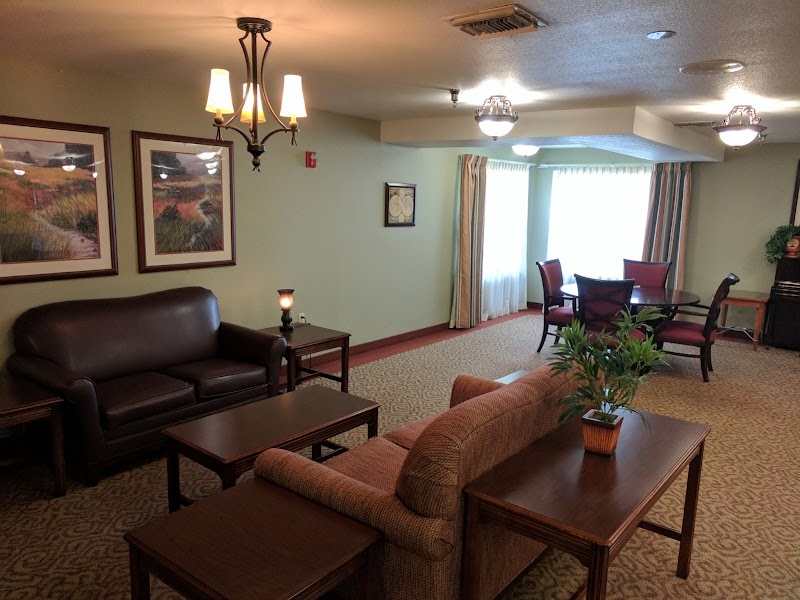
How is The Courtyards At Pasadena Staffed?

CMS rates THE COURTYARDS AT PASADENA's staffing level at 3 out of 5 stars, which is average compared to other nursing homes. Staff turnover is 44%, compared to the Texas average of 46%. This relatively stable workforce can support continuity of care.

What Have Inspectors Found at The Courtyards At Pasadena?

State health inspectors documented 16 deficiencies at THE COURTYARDS AT PASADENA during 2022 to 2025. These included: 1 Immediate Jeopardy (the most serious level, indicating potential for serious harm or death), 1 that caused actual resident harm, 13 with potential for harm, and 1 minor or isolated issues. Immediate Jeopardy findings are rare and represent the most serious regulatory concerns. They require immediate corrective action.
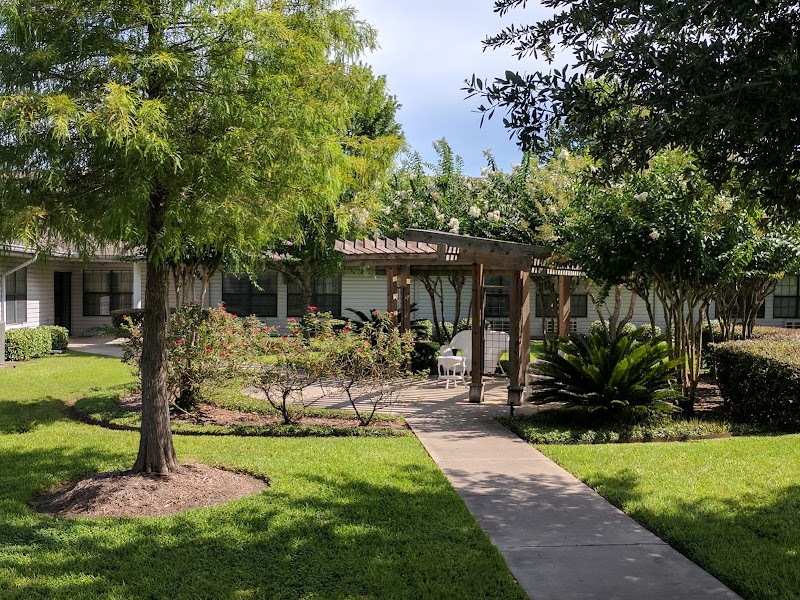
Who Owns and Operates The Courtyards At Pasadena?

THE COURTYARDS AT PASADENA is owned by a for-profit company. For-profit facilities operate as businesses with obligations to shareholders or private owners. The facility is operated by FUNDAMENTAL HEALTHCARE, a chain that manages multiple nursing homes. With 196 certified beds and approximately 132 residents (about 67% occupancy), it is a mid-sized facility located in PASADENA, Texas.
How Does The Courtyards At Pasadena Compare to Other Texas Nursing Homes?

Compared to the 100 nursing homes in Texas, THE COURTYARDS AT PASADENA's overall rating (3 stars) is above the state average of 2.8, staff turnover (44%) is near the state average of 46%, and health inspection rating (3 stars) is at the national benchmark.

What Should Families Ask When Visiting The Courtyards At Pasadena?

Based on this facility's data, families visiting should ask: "What changes have been made since the serious inspection findings, and how are you preventing similar issues?" "Can I visit during a mealtime to observe dining assistance and food quality?" "How do you handle medical emergencies, and what is your hospital transfer rate?" "Can I speak with family members of current residents about their experience?" These questions are particularly relevant given the facility's Immediate Jeopardy citations.

Is The Courtyards At Pasadena Safe?

Based on CMS inspection data, THE COURTYARDS AT PASADENA has documented safety concerns. Inspectors have issued 1 Immediate Jeopardy citation (the most serious violation level indicating risk of serious injury or death). The facility has a 3-star overall rating and ranks #1 of 100 nursing homes in Texas. Families considering this facility should ask detailed questions about what corrective actions have been taken since these incidents.

Do Nurses at The Courtyards At Pasadena Stick Around?

THE COURTYARDS AT PASADENA has a staff turnover rate of 44%, which is about average for Texas nursing homes (state average: 46%). Moderate turnover is common in nursing homes, but families should still ask about staff tenure and how the facility maintains care continuity when employees leave.

Was The Courtyards At Pasadena Ever Fined?

THE COURTYARDS AT PASADENA has been fined $8,827 across 1 penalty action. This is below the Texas average of $33,167. While any fine indicates a compliance issue, fines under $50,000 are relatively common and typically reflect isolated problems that were subsequently corrected. Families should ask what specific issues led to these fines and confirm they've been resolved.

Is The Courtyards At Pasadena on Any Federal Watch List?

THE COURTYARDS AT PASADENA is not on any federal watch list. The most significant is the Special Focus Facility (SFF) program, which identifies the bottom 1% of nursing homes nationally based on persistent, serious quality problems. Not being on this list means the facility has avoided the pattern of deficiencies that triggers enhanced federal oversight. This is a positive indicator, though families should still review the facility's inspection history directly.