PFLUGERVILLE CARE CENTER
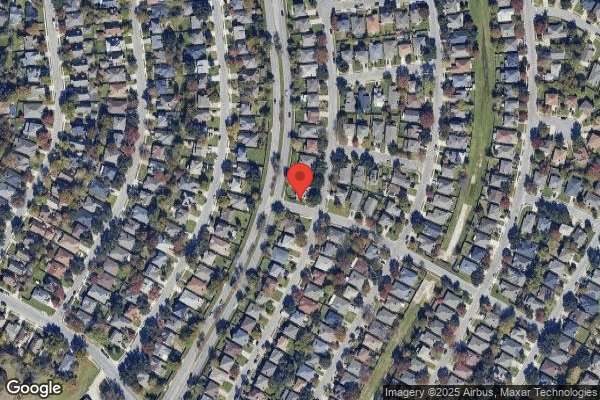
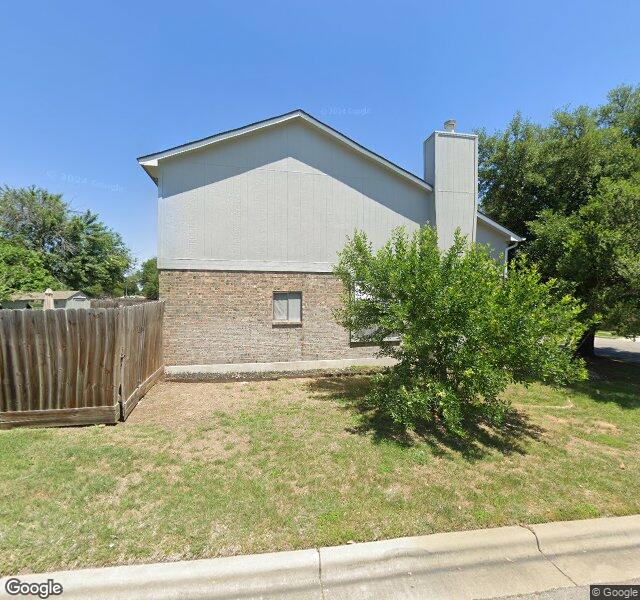
521 S HEATHERWILDE BLVD, PFLUGERVILLE, TX 78660 (512) 670-5800
Government - Hospital district 111 Beds CREATIVE SOLUTIONS IN HEALTHCARE Data: November 2025 5 Immediate Jeopardy citations
Trust Grade
0/100
#1071 of 1168 in TX
Last Inspection: March 2025

Within standard 12-15 month inspection cycle. Federal law requires annual inspections.

Overview

Pflugerville Care Center has received a Trust Grade of F, indicating significant concerns about the facility's quality of care. Ranking #1071 out of 1168 in Texas places it in the bottom half of nursing homes in the state, and #25 out of 27 in Travis County suggests very few local options are better. The facility is worsening, with the number of reported issues increasing from 11 in 2024 to 13 in 2025. Staffing is a major concern, with a rating of 1 out of 5 stars and a turnover rate of 63%, significantly higher than the Texas average. Additionally, there have been critical incidents, including a resident suffering fatal injuries due to improper transfer procedures, and another resident passed away after the facility failed to ensure the AED was in working condition, highlighting serious management and care deficiencies.

Trust Score
F
0/100
In Texas
#1071/1168
Bottom 9%
Safety Record
High Risk
Review needed
Inspections
Getting Worse
11 → 13 violations
Staff Stability
⚠ Watch
63% turnover. Above average. Higher turnover means staff may not know residents' routines.
Penalties
○ Average
$90,036 in fines. Higher than 57% of Texas facilities. Some compliance issues.
Skilled Nurses
⚠ Watch
Each resident gets only 12 minutes of Registered Nurse (RN) attention daily — below average for Texas. Fewer RN minutes means fewer trained eyes watching for problems.
Violations
⚠ Watch
45 deficiencies on record. Higher than average. Multiple issues found across inspections.
★☆☆☆☆
1.0
Overall Rating
★☆☆☆☆
1.0
Staff Levels
★★★★☆
4.0
Care Quality
★☆☆☆☆
1.0
Inspection Score
Stable
2024: 11 issues
2025: 13 issues

The Good

  • 4-Star Quality Measures · Strong clinical quality outcomes
  • Full Sprinkler Coverage · Fire safety systems throughout facility
  • No fines on record

Facility shows strength in quality measures, fire safety.

The Bad

1-Star Overall Rating

Below Texas average (2.8)

Significant quality concerns identified by CMS

Staff Turnover: 63%

17pts above Texas avg (46%)

Frequent staff changes - ask about care continuity

Federal Fines: $90,036

Well above median ($33,413)

Moderate penalties - review what triggered them

Chain: CREATIVE SOLUTIONS IN HEALTHCARE

Part of a multi-facility chain

Ask about local staffing decisions and management

Staff turnover is elevated (63%)

15 points above Texas average of 48%

The Ugly 45 deficiencies on record

5 life-threatening 5 actual harm
Jun 2025 1 deficiency
CONCERN (E) 📢 Someone Reported This

A family member, employee, or ombudsman was alarmed enough to file a formal complaint

Potential for Harm - no one hurt, but risky conditions existed

Medical Records (Tag F0842)

Could have caused harm · This affected multiple residents

**NOTE- TERMS IN BRACKETS HAVE BEEN EDITED TO PROTECT CONFIDENTIALITY** Based on interview and record review, the facility failed to ensure that medical records were accurately documented for four(Res...

Read full inspector narrative →
**NOTE- TERMS IN BRACKETS HAVE BEEN EDITED TO PROTECT CONFIDENTIALITY** Based on interview and record review, the facility failed to ensure that medical records were accurately documented for four(Resident #1, Resident #2, Resident #3, and Resident #4) of six residents reviewed for accurate medical records. The facility failed to have documentation that they provided care to Resident #1 from 10pm to 6am from [DATE] - [DATE]. Resident #1 was on hospice and found deceased around 6am and there was no information of what care was to be provided during rounds or that Resident #1 was having a change of condition that required intervention. The facility failed to have documentation that they provided care to Residents #2, #3, and #4 from 10p to 6a from [DATE] - [DATE]. These failures could place residents at risk of not receiving timely care and services, accidents, harm, and death. Findings include: Resident #1 Review of Resident #1's admission Record, dated [DATE], reflected she was a [AGE] year old female who was admitted to the facility on [DATE], had a DNR, was receiving hospice services, and expired at the facility on [DATE]. Resident #1 had medical diagnoses that included spastic quadriplegic cerebral palsy (high muscle tone leading to stiffness and difficulty with movement that affects all four limbs, the trunk, and the face), intellectual disabilities, abnormalities of gait and mobility, other lack of coordination, and need for assistance with personal care. Review of Resident #1's Quarterly MDS, dated [DATE], reflected no BIMS documented and she was dependent on staff for all ADL care. Resident #1 was also always incontinent with urine and bowel movements. Review of Resident #1's Death in Facility MDS, dated [DATE], reflected she was discharged after expiring at the facility on [DATE]. Review of Resident #1's Care Plan, initiated [DATE], reflected she required two CNAs to assist her with bed mobility and mechanical lift transfers, one CNA to assist her with eating/drinking, dressing, and was dependent on CNAs for incontinent care and personal hygiene. CNAs were required to turn/reposition and provide incontinent care at least every two hours. Review of Resident #1's Progress Notes for [DATE] reflected there were no notes on [DATE] from 10:00 p.m. through 6:00 a.m. on [DATE]. Review of Resident #1's MAR/TAR for [DATE] reflected there were three entries from LVN B on [DATE] during the night shift, but the entries did not indicate when LVN B administered medications and treatments on [DATE] from 10:00 p.m. through 6:00 a.m. on [DATE]. Review of Resident #1's MAR Audit Report for [DATE] reflected there were no results as to when LVN B documented the three entries on [DATE] from 10:00 p.m. through 6:00 a.m. on [DATE]. Review of Resident #1's Vital Summary reflected LVN B took the following vitals on [DATE] at 1:27 a.m.: -Temperature 97.5 degrees Fahrenheit -Respirations 18 breaths per minute -Pulse 72 beats per minute -Oxygen Saturation 95% -Blood Pressure 124/74 millimeters of mercury Review of Resident #1's POC for [DATE] reflected there were no entries for ADL assistance, bed mobility, bowel incontinence, dressing, personal hygiene, hands on assistance with eating/drinking, mechanical lift transfers, thickened liquids, skin observation, snacks and fluids, toilet use, transferring, turning/repositioning, walk in corridor, and walk in room assistance on [DATE] from 10:00 p.m. through 6:00 a.m. on [DATE]. Review of Resident #1's Postmortem Assessment, signed by LVN A on [DATE] at 6:22 a.m., reflected Resident #1 was found in her bed in her room unresponsive, without respirations and pulse, fixed and dilated pupils, and body temperature indicated hypothermia and skin was cold relative to her baseline skin temperature. Resident #1 was pronounced dead by the Hospice Agency RN on [DATE] at 7:18 a.m. Review of Resident #1's Discharge Summary, signed by LVN A on [DATE] at 9:39 a.m., reflected on [DATE] at 6:22 a.m., she was observed unresponsive, without carotid pulse and breath, and with fixed/dilated pupils. Resident #2 Review of Resident #2's admission Record, dated [DATE], reflected she was an [AGE] year old female who was admitted to the facility on [DATE], had a DNR, and was receiving hospice services. Resident #2 had medical diagnoses that included senile degeneration of the brain (a group of neurological disorders that cause a progressive decline in cognitive function, including memory, reasoning, and problem-solving), generalized muscle weakness, other lack of coordination, adjustment insomnia (a type of sleep disorder that occurs when a specific stressful event or change in a person's life disrupts their normal sleep patterns), Alzheimer's disease (a progressive, neurodegenerative disorder that primarily affects the brain and causes a decline in cognitive function, particularly memory and thinking), other chronic pain, and repeated falls. Review of Resident #2's Quarterly MDS, dated [DATE], reflected no BIMS documented and she was dependent on staff for all ADL care. Resident #2 was also always incontinent with urine and bowel movements. Review of Resident #2's Care Plan, revised on [DATE], reflected she required two CNAs to assist her with bed mobility, toileting, dressing and mechanical lift transfers and one CNA to assist her with eating/drinking and personal hygiene. CNAs were required to provide incontinent care and turn/reposition her at least every two hours. Review of Resident #2's POC for [DATE] reflected there were no entries for ADL assistance, bed mobility, bowel incontinence, dressing, personal hygiene, hands on assistance with eating/drinking, mechanical lift transfers, skin observation, snacks and fluids, toilet use, transferring, turning/repositioning, walk in corridor, and walk in room assistance on [DATE] from 10:00 p.m. through 6:00 a.m. on [DATE]. Resident #3 Review of Resident #3's admission Record, dated [DATE], reflected she was a [AGE] year old female who was admitted to the facility on [DATE], had a DNR, and was receiving hospice services. Resident #3 had medical diagnoses that included vascular dementia (a type of dementia caused by damage to the blood vessels in the brain, leading to reduced blood flow and oxygen supply), overactive bladder, other lack of coordination, abnormalities of gait and mobility, dementia (a general term for the decline in memory, thinking, and reasoning skills, affecting daily life), insomnia, and need for assistance with personal care. Review of Resident #3's Quarterly MDS, dated [DATE], reflected she had a BIMS score of 10, which indicated she had moderate cognitive impairment. Resident #3 also required supervision with eating, partial/moderate assistance with oral hygiene, substantial/maximal assistance with showering, dressing, personal hygiene, bed mobility, and dependent on staff for toileting, and transfers. Resident #3 was also always incontinent with urine and bowel movements. Review of Resident #3's Care Plan, revised [DATE], reflected she required two CNAs to assist her with bed mobility, toileting, dressing and mechanical lift transfers, one CNA to supervise her with eating/drinking, and one CNA to assist her with personal hygiene. CNAs were required to provide incontinent care and turn/reposition her at least every two hours. Review of Resident #3's POC for [DATE] reflected there were no entries for ADL assistance, bed mobility, bowel incontinence, dressing, high risk for falls monitoring, personal hygiene, hands on assistance with eating/drinking, mechanical lift transfers, skin observation, snacks and fluids, toilet use, transferring, turning/repositioning, walk in corridor, walk in room assistance and behavior monitoring on [DATE] from 10:00 p.m. through 6:00 a.m. on [DATE]. Resident #4 Review of Resident #4's admission Record, dated [DATE], reflected she was an [AGE] year old female who was admitted to the facility on [DATE], had a DNR, and was receiving hospice services. Resident #4 had medical diagnoses that included Alzheimer's disease, convulsions (involuntary, rhythmic muscle contractions and relaxations that cause uncontrolled shaking and jerking of the body, often accompanied by a temporary loss of consciousness), generalized muscle weakness, abnormalities of gait and mobility, other lack of coordination, dementia and need for assistance with personal care. Review of Resident #4's Quarterly MDS, dated [DATE], reflected she had a BIMS score of 3, which indicated she had severe cognitive impairment and she was dependent on staff for all ADL care. Resident #4 was also always incontinent with urine and bowel movements. Review of Resident #4's Care Plan, revised [DATE], reflected she required two CNAs to assist her with bed mobility, toileting, and mechanical lift transfers and one CNA to assist her with dressing, eating, and personal hygiene. CNAs were required to provide incontinent care and turn/reposition her throughout the day and as needed. Review of Resident #4's POC for [DATE] reflected there were no entries for ADL assistance, bed mobility, bowel incontinence, dressing, personal hygiene, mechanical lift transfers, skin observation, snacks and fluids, toilet use, transferring, turning/repositioning, walk in corridor, and walk in room assistance on [DATE] from 10:00 p.m. through 6:00 a.m. on [DATE]. Review of the facility's Staff Schedule, dated [DATE], reflected LVN B and CNA C were assigned to work on Residents #1, #2, #3, and #4's hallway on [DATE] from 10:00 p.m. through 6:00 a.m. on [DATE]. LVN A and CNA G were also assigned to work on Residents #1, #2, #3, and #4's hallway on [DATE] from 6:00 a.m. through 2:00 p.m. Attempts to call CNA C were made on [DATE] at 12:48 p.m. and [DATE] at 9:44 a.m. CNA C did not return the calls before exit. Attempts to call LVN B were made on [DATE] at 12:50 p.m. and [DATE] at 9:49 a.m. LVN B did not return the calls before exit. During a group interview with CNA D and CNA E on [DATE] at 1:08 p.m., they stated CNAs and nurses were responsible for checking on and providing treatment and care to residents at least every two hours. They stated CNAs documented care in residents' POC during their shift. They stated residents needed to be checked on and provided treatment and care so they did not develop worsening conditions. They stated the DON reminded CNAs daily to check on and provide care to residents at least every two hours, as needed, or upon request. They stated the nurses, ADON and DON were responsible for overseeing and ensuring CNAs checked on and provided care to residents daily by asking the CNAs if they were performing care on residents. During an interview with LVN A on [DATE] at 1:18 p.m., he stated the CNAs and nurses were responsible for checking on and providing treatment and care to residents at least every two hours. He stated CNAs documented care in residents' POC after completing the task and said, If the CNAs did not do it right away, then they could forget to document later. LVN A stated he did not know where the nurses documented treatment and care after completing the task. LVN A stated residents could be at risk of developing injuries and other worsening conditions if they were not being checked on and provided treatment and care. He stated the ADON reminded the CNAs and nurses every couple of days about checking on and providing treatment and care to residents. LVN A stated he did not know who was responsible for overseeing and ensuring CNAs and nurses checked on and provided treatment and care to residents, but he believed residents' POCs were reviewed to ensure CNAs completed the tasks. LVN A stated he believed he found Resident #1 unresponsive during his first set of rounds on [DATE]. LVN A stated he was unsure if Resident #1 had been expired for some time on [DATE] when he conducted her postmortem assessment on [DATE]. LVN A stated he described Resident #1's body temperature as hypothermia and skin was cold relative to her baseline skin temperature because that was one of the options the postmortem assessment provided while he completed the assessment. LVN A stated he recalled speaking with the previous shift (LVN B), who worked on [DATE] from 10:00 p.m. through 6:00 a.m. on [DATE] and he believed there were no reported concerns from the previous shift (LVN B). During an interview with RN F on [DATE] at 1:39 p.m., she stated CNAs and nurses were responsible for checking on and providing treatment and care to residents at least every two hours, as needed, and as requested. She stated CNAs documented care in residents' POC after completing the task. She also stated nurses documented treatment and care in residents' TAR after completing the task. She stated residents could be at risk of worsening conditions if they were not being checked on and provided treatment and care. She stated the ADON and DON in-serviced CNAs and nurses on checking on and providing treatment and care frequently. She also stated the ADON and DON were responsible for overseeing and ensuring CNAs and nurses checked on and provided treatment and care to residents. During an interview with the ADON on [DATE] at 2:23 p.m., she stated CNAs and nurses were responsible for checking on and providing treatment and care to residents at least every two hours, as needed, and upon request. She stated CNAs documented care in residents' POCs. She stated nurses documented care in residents' progress notes. She stated she and the DON reminded the CNAs and nurses daily about checking on and providing treatment and care. She stated she and the DON were also responsible for overseeing and ensuring CNAs and nurses were checking on and providing treatment and care by reviewing residents' POCs daily and reeducating if needed and said, Whatever was in the care plan was in POC and must be completed. During an interview with the ADM on [DATE] at 9:30 a.m., he stated the facility did not have policy and procedure on rounding or checking on residents. During an interview with the MD on [DATE] at 10:37 a.m., he stated that he was unsure what the facility's expectations were on checking on residents and what frequency was acceptable. He stated that he would think residents should be checked on at least once a shift and said, Anything could happen in that time. Residents should be peeked on. If a resident could not express their needs or access their call button, that could be a problem. Should get in touch with those residents. Residents who have specific needs, such as being changed, definitely need to be checked on at least once a shift. Any changes in mental status that would be important as well. He also stated it was unacceptable to not check on a resident for a whole shift. He also said, If a resident were cold to touch when found deceased , which would indicate that resident was not breathing, had no pulse, and then someone would pronounce their death. If someone was cold to touch, they were probably dead for at least 4 hours, maybe 6 hours or so. I would guess probably 4-6 hours or so, maybe closer to 6 hours because there is lots of mass to corroborate before becoming cold. During an interview with the NP on [DATE] at 10:45 a.m., he stated that if a resident had a change in condition, he expected residents to be checked on more frequently. He also stated that he expected residents on hospice services to be checked on more frequently. He clarified that more frequently meant at least every two hours and explained the nurses and CNAs would alternate who checked on the residents every hour. He stated it was not acceptable to not check on residents for a whole shift and said, Still need to check on hospice or long term residents at least every two hours. Residents were different. If focus were pain management, resident could have uncontrollable pain and need to be checked on every shift. If resident were hospice resident, you never know when resident would have a change in condition. Residents needed to be checked on more often, that is why they were on hospice. He also said, If a resident is cold to touch when found deceased , it would indicate that resident was deceased for maybe 6 or 5 hours, but it depends on resident status and condition before the death. During a confidential interview with the CE on [DATE] at 11:35 a.m., they stated CNAs were expected to check on residents every hour and as many times as needed. They also stated CNAs were expected to document care in residents' POCs during their shifts. They stated another female CNA (CNA G) was already working on Resident #1's hall on [DATE] at 6:00 a.m. because CNAs worked in pairs of two on each hallway. They observed Resident #1 lying in her bed, her eyes were not open or halfway open, stiff when they tried to lift her arm, cold when they touched her, pale, head was turned in one direction, and they suspected Resident #1 was dead on [DATE] at 6:00 a.m. They stated they notified LVN A, asked when Resident #1 passed away. LVN A rushed over to the room, and notified the night shift nurse (LVN B). They stated no one knew that Resident #1 passed away and LVN A and LVN B tried to argue that Resident #1 had just passed away during the 6:00 a.m. through 2:00 p.m. shift on [DATE]. An attempt to call CNA G was made on [DATE] at 11:52 a.m. CNA G did not return the call before exit. Review of the facility's Care Plan policy and procedure, undated, reflected, The facility will develop and implement a comprehensive person-centered care plan for each resident, consistent with the resident rights that includes measurable objectives and timeframes to meet a resident's medical, nursing, and mental and psychosocial needs that are identified in the comprehensive assessment .Each resident will have a person-centered comprehensive care plan developed and implemented to meet his other preferences and goals, and address the resident's medical, physical, mental and psychosocial needs .The facility will establish, document and implement the care and services to be provided to each resident to assist in attaining or maintaining his or her highest practicable quality of life. Care planning drives the type of care and services that a resident receives. Review of the facility's Documentation policy, dated 2003, reflected, Documentation is the recording of all information, both objective and subjective, in the clinical record of an individual resident. It includes observations, investigations, and communications of the resident involving care and treatments. It has legal requirements regarding accuracy and completeness, legibility and timing. Special forms in the clinical record are utilized in nursing documentation, such as assessment, care plan, nursing progress notes, flow sheets, medication sheets, incident reports, and summary sheets (daily, weekly, monthly, discharge). Documentation also occurs in the clinical software Point Click Care. Goal 1. The facility will maintain complete and accurate documentation for each resident on all appropriate clinical record sheets. 2. The facility will ensure that information is comprehensive and timely and properly signed. Procedure .6. Document completed assessments in a timely manner and per policy. 7. Complete documentation in the electronic health record in a timely manner. Each entry will be dated and timed. Each entry will be signed with proper signature and title. 8. Documentation during and following an acute episode, following an event, and during physiologic, mental, or emotional changes or instability . 10. Document or check information on flow sheets each shift or as appropriate for the care or treatment being monitored.
Apr 2025 1 deficiency
CONCERN (D) 📢 Someone Reported This

A family member, employee, or ombudsman was alarmed enough to file a formal complaint

Potential for Harm - no one hurt, but risky conditions existed

Transfer Requirements (Tag F0622)

Could have caused harm · This affected 1 resident

**NOTE- TERMS IN BRACKETS HAVE BEEN EDITED TO PROTECT CONFIDENTIALITY** Based on interviews and record review, the facility failed to properly discharge and include all other necessary information, in...

Read full inspector narrative →
**NOTE- TERMS IN BRACKETS HAVE BEEN EDITED TO PROTECT CONFIDENTIALITY** Based on interviews and record review, the facility failed to properly discharge and include all other necessary information, including a copy of the resident's discharge summary, and any other documentation, to ensure a safe and effective transition of care for 1 of 7 residents (Resident #1) reviewed for transfer and discharge requirements. 1. The facility failed to provide all necessary information and/or documentation for a safe and effective transition to the resident, responsible party (RP), and ombudsman for Resident #1. 2. The facility failed to document a discharge summary or plan for a safe discharge for Resident #1. This failure could place residents at risk of not receiving the necessary care and services when discharged to meet their physical and psychological needs. Findings include: Review of Resident #1's face sheet dated 04/17/25 revealed a [AGE] year-old male admitted to the facility on [DATE] with diagnoses that included vascular dementia (dementia caused by damage to brain tissue resulting in changes to memory, thinking, and behavior) with mood disturbance, major depressive disorder (mental disorder characterized by a persistent low mood, loss of interest or pleasure in activities), type 2 diabetes mellitus (chronic condition characterized by insulin resistance and elevated blood sugar) with diabetic neuropathy (nerve damage), need for assistance with personal care, acquired absence of right leg below knee, and acquired absence of left leg below knee. Resident #1's face sheet also reflected he was not his own RP. Review of Resident #1's comprehensive MDS assessment dated [DATE] revealed a BIMS score of 12 indicating moderate cognitive impairment . Section GG for Functional Abilities revealed Resident #1 required partial/moderate assistance with transfers (chair, bed, toilet, and tub/shower); Resident #1 also required partial/moderate assistance with toileting hygiene and dressing, and supervision or touch assistance with oral hygiene and showers/baths. Review of Resident #1's additional BIMS assessment dated [DATE] reflected a BIMS score of 6 indicating severe cognitive impairment. Review of Resident #1's care plan last revised 02/09/25 reflected Resident #1 has impaired cognitive function and impaired thought process related to dementia with interventions that include engage the resident in simple structured activities that avoid overly demanding tasks and needs supervision/assistance with all decision making. Care plan also reflected non-compliance with care and behavioral problems identified, Resident #1 refuses blood sugar checks most of the time, Resident #1 is non-compliant with diet which could prevent wound healing, Resident #1 resists ADL/incontinent care at times, and Resident #1 has a behavior problem related to throwing call light on the floor. Care plan also identified Resident #1 receives antidepressant medication. Review of Resident #1's nursing progress notes from dates 04/01/25-04/17/25 did not reveal any notes from facility in discharge planning or discussion of discharge. It did not reflect notes on notification to Resident #1, Resident #1's RP, or Ombudsman of discharge. Review of Resident #1's Notification of Discharge dated 04/15/25 revealed a discharge with an effective date of 05/15/25 for failure to pay for provided services. The address of discharge reflected, resident choice. In an interview on 04/17/25 at 01:17 PM, Resident #1 stated he was issued a discharge notice for non-payment but was supposed to be getting help with a Medicaid application. He stated he believed he was not getting sufficient help in the process and that he relied on skilled nursing services because he was not able to do some things on his own. Resident #1 stated he believed he would be able to go back to his old home if he was discharged . In an interview on 04/17/25 at 2:32 PM, the ADM stated Resident #1 was issued a discharge notice for non-payment and was not compliant with assisting the facility with his Medicaid application by providing bank statements. He stated Resident #1 was told by the facility that they would take him to the bank but that Resident #1 put it off. The ADM stated they have not taken the resident to the bank and have not been able to get him to provide bank statements. The ADM stated the Ombudsman was at the facility 04/15/25 and she was made aware of the discharge. He stated they are still working on a discharge plan and they would see if he was able to go back home, or find another SNF that would accept Resident #1 therefore there is no discharge summary or documentation other than the discharge notice. In an interview on 04/17/25 at 03:10 PM, the DON stated Resident #1 is in skilled nursing because he needs assistance with his care. She stated the resident had Dementia and that he had family that is RP. The DON stated that to her knowledge the son did not have control of the finances for Resident #1 and was not able to assist. In an interview on 04/17/25 at 03:34 PM, with the Ombudsman stated she was at the facility on 04/15/25 and asked the facility if Resident #1 was issued a discharge notice to which the facility said no. She stated she was told by the facility they would not be discharging the resident and that they would instead work on a payment plan and trying to get his Medicaid pending application completed. The Ombudsman stated that not having an address on the discharge notice is not appropriate and not considered an appropriate or safe discharge. She stated that it is everyone's right to a safe discharge, she said she would be returning to the facility to make an appeal to ensure they find appropriate placement for Resident #1 and have a plan in place. In an interview on 04/17/25 at 3:43 PM, the SW stated she had spoken to Resident #1's RP and she was advised Resident #1 did not have a livable home to go to. The SW stated that the house Resident #1 speaks of has broken windows, no running water, and is not habitable. The SW stated Resident #1 was not cognitively intact and difficult to believe what he says because Resident #1 fabricates a lot of stories. The SW stated Resident #1's RP had attempted to get statements for Medicaid pending application but said it was difficult as Resident #1 is non-compliant. The SW stated that at this moment they were not sure where the resident would go and they were still trying to find placement. In an interview on 04/17/25 at 04:41 PM, Resident #1's RP stated Resident #1 was not cognitively well and unable to make decisions for himself. The RP stated he had tried to assist Resident #1 in getting bank statements, but Resident #1 made it difficult for him even with having POA over him. The RP stated he lives out of the country and that it is difficult to assist with any care Resident #1 needs. The RP stated that at times Resident #1 has verbalized he does not care if he ends up at a homeless shelter and was not sure where the resident could safely be discharged to. The RP stated he did not want to have anything else to do with Resident #1's care and that Resident #1's family is not willing to help him. He stated Resident #1 lived with him before the SNF but that it was no longer an option. The RP stated Resident #1 had psych issues, and that he needs help with decision making and help with getting financial records and hopes the state or another government agency would take over his care. The RP stated he would like Resident #1 to have a safe discharge but is not sure where he would go and had not been advised what the facilities plan is. Review of the facility Discharge or Transfer to Another Facility policy last revised 04/10/24 revealed: Facility Initiated Discharge The facility will permit each resident to remain in the facility, and not transfer or discharge the resident from the facility. In the following limited circumstances, this facility may initiate transfers or discharges: A. The transfer or discharge is necessary for the resident's welfare and the resident's needs cannot be met in the facility; B. The transfer or discharge is appropriate because the resident's health has improved sufficiently so the resident no longer needs the services provided by the facility; C. The safety of individuals in the facility is endangered due to the clinical or behavioral status of the resident; D. The health of individuals in the facility would otherwise be endangered; E. The resident has failed, after reasonable and appropriate notice to pay, or have paid under Medicare or Medicaid, for his or her stay at the facility. F. The facility ceases to operate. Documentation To demonstrate that any of the circumstances permissible for a facility to initiate a transfer or discharge as specified in A-F on the previous page have occurred, the medical record will show documentation of the basis for transfer or discharge. This documentation must be made before, or as close as possible to the actual time of transfer or discharge.
Mar 2025 10 deficiencies
CONCERN (D)

Potential for Harm - no one hurt, but risky conditions existed

Resident Rights (Tag F0550)

Could have caused harm · This affected 1 resident

**NOTE- TERMS IN BRACKETS HAVE BEEN EDITED TO PROTECT CONFIDENTIALITY** Based on observation, interview, and record review, the facility failed to treat each resident with respect and dignity and care...

Read full inspector narrative →
**NOTE- TERMS IN BRACKETS HAVE BEEN EDITED TO PROTECT CONFIDENTIALITY** Based on observation, interview, and record review, the facility failed to treat each resident with respect and dignity and care for each resident in a manner and in an environment that promotes maintenance or enhancement of his or her quality of life for 3 (Resident #15, Resident #50, and Resident #52) of 15 resident reviewed for dignity. The facility failed to ensure Resident #52 received their meal with other residents at their table. The facility failed to ensure that Resident #15 and Resident # 50 received their meal during the dining room meal pass while other dining room residents were receiving their lunch meals. This failure could place residents at risk of diminished dignity and affect their quality of life. Findings included: Record review of Resident #15's admission face sheet dated 3/18/25 revealed a [AGE] year-old male admitted on [DATE] and readmitted on [DATE]. Resident # 15 had diagnoses of respiratory failure, sepsis (a life threatening infection), pneumonitis due to inhalation of food and vomit (lung inflammation, swelling, and irritation), protein calorie malnutrition (a condition that occurs when a person does not consume enough protein and calories to meet their body's needs), Alzheimer's disease, need for assistance with personal care, lack of coordination, abnormalities of gait and mobility, bronchitis (inflammation of the lining of the bronchial tubes which carry air to the lungs), benign prostatic hyperplasia (prostate gland enlargement), hyperlipidemia (increased fat particles in the blood), and atherosclerotic heart disease (damage or disease to the hearts major blood vessels). Review of Resident # 15's quarterly MDS dated [DATE] reflected a BIMS score of 3 indicating severe cognitive impairment. Further review indicated Resident # 15 required supervision or touching assistance for eating. Review of Resident # 15's care plan dated 1/11/25 reflected an ADL self-care performance deficit related to dementia with intervention of eating requires staff x1. Record review of Resident #50's admission face sheet 3/19/25 revealed a [AGE] year-old female admitted on [DATE]. Resident # 50 had diagnoses of hypertension (elevated blood pressure), peripheral vascular disease (a circulatory condition in which narrowed blood vessels reduce blood flow to the limbs), hyperlipidemia (increased fat particles in the blood), chronic atrial fibrillation (irregular rapid heart rate), intellectual disabilities, need for assistance with personal care, mild cognitive impairment, lack of coordination, abnormalities of gait and mobility, morbid obesity, and speech disturbances. Review of Resident # 50's quarterly MDS dated [DATE] reflected a BIMS score of 15 indicating intact cognition. Further review indicated Resident # 50 required set up or clean up assistance for eating. Review of Resident # 50's care plan dated 4/28/24 reflected an ADL self-care performance deficit related to impaired cognition and morbid obesity. Interventions include eating supervision as needed. Chooses and prefers to eat meals in bed with HOB elevated encouraged and meal tray on abdomen, not on bedside table. Record review of Resident # 52's admission face sheet dated 3/19/25 reflected an [AGE] year-old female admitted on [DATE]. Resident # 52 had diagnoses of senile degeneration of brain (a group of conditions that cause a progressive decline in cognitive function also called dementia), type 2 diabetes (a long term condition in which the body has trouble controlling blood sugar levels), chronic pain syndrome, hypothyroidism (underactive thyroid), hyperlipidemia (increased fat particles in the blood), lack of coordination, need for assistance with personal care, major depressive disorder (clinical depression), anxiety disorder, hypertension (elevated blood pressure), dementia (a group of conditions that cause a progressive decline in cognitive function), and polyneuropathy in disease (a peripheral nerve disorder that cause multiple nerves throughout the body to malfunction simultaneously). Review of Resident # 52's comprehensive MDS dated [DATE] reflected a BIMS score of 5 indicating severe cognition impairment. Further review revealed partial to moderate assistance required for eating. Review of Resident # 52's care plan dated 1/9/24 reflected a n ADL self-care performance deficit related to Alzheimer's, confusion, and dementia. Interventions include for eating supervision as needed. Observation of dining room lunch meal service on 3/18/25 at 12:00 PM revealed that Resident # 15 was served his meal tray off the hall tray meal cart at 12:00 PM. Resident # 15 was sitting at a table with his family member. Resident # 50 was served her meal tray off the hall tray meal cart at 12:23 PM. Resident # 50 was sitting at a table alone. Resident # 52 was served her meal tray off the hall tray meal cart at 12:37 PM. Resident # 52 was sitting at a table with 3 other residents. No other dining room residents were served until the dining room meal service began at 12:50 PM. Interview with Resident # 50 on 3/18/25 at 12:50 PM, she stated she normally eats in her room but decided to come to the dining room today. Resident stated her lunch was very good today and she planned to ask for another helping of the vegetable. Interviews with Resident # 15 and Resident # 52 was attempted on 3/18/25 at 1:00 PM but was unsuccessful due to cognition status. Interview on 3/19/25 at 3:31 PM with the DON revealed it was best practice that all residents are served meals at the same time. The DON stated sometimes that just does not happen if the resident chooses to eat in the dining room but usually eats in their room. The DON stated she needs to work with her ADM and the DM for better communication when this happens. The DON stated she was unsure if this could be a dignity issue. The DON stated it was everyone's responsibility since everyone helps with meal service. Interview on 3/19/25 at 5:11 PM with the ADM revealed it was his expectation that each table be completely served before moving to the next table. The ADM stated nursing and dietary were supposed to be communicating which residents were coming to the dining room for their meals. The ADM stated it was the responsibility of nursing staff and the DM to ensure communication occurred. Review of the Dining room etiquette policy undated reflected: 4. Please make sure that a nurse checks the trays before they are served to the resident, having a second set of eyes to verify tray accuracy helps to avoid errors. Please serve all residents at one table before moving to another table. Review of Resident Rights undated reflected: A facility must treat each resident with respect and dignity and care for each resident in a manner and in an environment that promotes maintenance or enhancement of his or her quality of life, recognizing each resident's individuality. The facility must protect and promote the rights of the residents.
CONCERN (D)

Potential for Harm - no one hurt, but risky conditions existed

Comprehensive Care Plan (Tag F0656)

Could have caused harm · This affected 1 resident

**NOTE- TERMS IN BRACKETS HAVE BEEN EDITED TO PROTECT CONFIDENTIALITY** Based on observation, interviews and record review the facility failed to develop and implement a comprehensive person-centered ...

Read full inspector narrative →
**NOTE- TERMS IN BRACKETS HAVE BEEN EDITED TO PROTECT CONFIDENTIALITY** Based on observation, interviews and record review the facility failed to develop and implement a comprehensive person-centered care plan for each resident, consistent with the resident rights, that included measurable objectives and timeframes to meet a resident's medical, nursing, and mental and psychosocial needs that were identified in the comprehensive assessment for 1 of 10 residents (Resident #239) reviewed for comprehensive care plans. The facility failed to implement Resident # 239's care plan instructions of having fall mat in place beside bed. This failure could place residents at risk for not receiving proper care and services due to care plans instructions not being implemented. Findings included: Record review of Resident # 239's admission face sheet dated 3/18/25 reflected a [AGE] year-old male admitted on [DATE] with diagnoses of toxic encephalopathy (a neurological disorder that occurs when someone is exposed to toxic substances), malignant neoplasm of temporal lobe (cancer of the temporal lobe of the brain), major depressive disorder (clinical depression), parkinsonism (a disorder of the central nervous system that affects movement often including tremors), hypertension (elevated blood pressure), GERD (a digestive disease in which stomach acid or bile irritates the food pipe lining), and cerebral edema (buildup of fluid in the brain causing increased pressure ). Review of Resident # 239's admission MDS reflected a BIMS score and functional abilities data had not been recorded. The comprehensive MDS was in progress at time of survey. Review of Resident # 239's care plan dated 3/17/25 reflected resident was at risk for falls related to unsteady gait, combative with staff when trying to redirect. Interventions of bed in lowest position with fall mat in place. Anticipate and meet resident's needs. Observation on 3/17/25 at 1:33 PM revealed Resident # 239 in bed neatly groomed. Resident room appeared neat and clean. Resident was very sleepy and hard to arouse. The resident was unable to answer any of the surveyor's questions. The Fall mat was folded up by the head of the bed. Bed in lowest position. Observation on 3/18/25 at 11:28 AM revealed Resident # 239 asleep in bed. The Fall mat was pushed up under the bed. The mattress inclined so resident was sleeping in a reclining position. Bed was not in the lowest position. Observation on 3/18/25 at 2:38 PM revealed Resident # 239 in bed napping. Resident mouthed he was ok when asked if he was ok. Resident shook head no when asked if he needed anything. The Fall mat was folded up beside the bed between the bedside table and wheelchair. The mattress inclined so resident was sitting in a reclining position. Bed was not in the lowest position. Observation on 3/19/25 at 9:45 AM revealed Resident # 239 in bed asleep. Resident's family member was sitting in a chair in the resident's room reading a paper. The Fall mat was folded up by the bedside table. Interview on 3/19/25 at 3:20 PM CNA I stated Resident # 239 has a fall mat beside the bed and the bed was kept in low position. CNA I stated the resident never gets out of bed as he was terminal. Interview on 3/19/25 at 3:31 PM with the DON revealed that hospice brought the blue fall mat, and the facility prefers the brown mats that have a suction to keep them in place. The DON stated fall mats were supposed to remain on the floor beside the resident's bed when a resident is in bed. The DON could not provide answer as to why Resident # 239's fall mat kept getting moved. The DON stated residents need orders for fall mats. The DON stated if a fall mat was not on the floor beside the bed and resident fell it could cause an injury or make an injury more significant. Interview on 3/19/25 at 5:11 PM with ADM revealed if fall mats were not in place then that defeats the purpose of the fall mat. The ADM stated that his expectation was that fall mats should be in place on the floor beside the bed if the resident was in bed. The ADM stated it could negatively affect residents in that a resident could sustain a more significant injury from a fall if the fall mat was not in place. The ADM stated that the CNA's and the charge nurses were responsible for making sure fall mats were in place. Review of the Comprehensive Care Planning policy undated reflected: The facility will develop and implement a comprehensive person-centered care plan for each resident, consistent with the resident rights that includes measurable objectives and timeframes to meet a resident's medical, nursing, and mental and psychosocial needs that are identified in the comprehensive assessment. Comprehensive care plans may include but are not limited to resident [NAME] records, baseline care plans, and task listings. Each resident will have a person-centered comprehensive care plan developed and implemented to meet his other preferences and goals, and address the resident's medical, physical, mental, and psychosocial needs.
CONCERN (D)

Potential for Harm - no one hurt, but risky conditions existed

Deficiency F0679 (Tag F0679)

Could have caused harm · This affected 1 resident

**NOTE- TERMS IN BRACKETS HAVE BEEN EDITED TO PROTECT CONFIDENTIALITY** Based on observations, interviews, and record review the facility failed to provide, based on comprehensive assessment and care ...

Read full inspector narrative →
**NOTE- TERMS IN BRACKETS HAVE BEEN EDITED TO PROTECT CONFIDENTIALITY** Based on observations, interviews, and record review the facility failed to provide, based on comprehensive assessment and care plan and the preferences of each resident, an ongoing program to support residents in their choices of activities, both facility-sponsored group and individual activities and independent activities, designed to meet the interest of and support the physical, mental, and psychosocial well-being of each resident, encouraging interaction in the community for 3 of 8 residents ( Resident #47, Resident #59, and Resident # 70) reviewed for activities. 1. The facility failed to provide Residents #47 and #70 one-on-one activities three times per week during the months of January, February, and March of 2025. 2. The facility failed to provide Resident #59 one -on- one during the month of January, February and March of 2025. These failures placed residents at risk of boredom, depression, increased behaviors, and diminished quality of life. Findings include: 1. Review of Resident #47's face sheet, dated, 03/19/2025, reflected a [AGE] year-old female who was admitted on [DATE]. Resident #47 had diagnoses which included cerebral palsy, unspecified (caused by changes in the developing brain that disrupt its ability to control movement and maintain posture and balance), severe intellectual disabilities ( major delays in development- average mental age of between 3 and 6 years, and individuals have limited communication skills), and autistic disorder ( a condition characterized by difficulties in social interaction and communication, along with restricted behaviors and interests). Review of Resident #47's Annual MDS, dated [DATE], reflected Resident #47was unable to complete the BIMS. Resident #47 had poor short- and long-term memory recall. She had unclear speech. Resident #47 had disorganized thinking (rambling or irrelevant conversation) and was easily distracted. Resident #47's activity preference was bed bath, snacks between meals, staying up past 8:00 PM and family involved in care decisions. Review of Resident #47's Quarterly MDS, dated [DATE], Resident #47 was unable to complete the BIMS. Resident #47 had poor short- and long-term memory recall. She did not speak. Resident #47 declined to respond to concern of social isolation. Review of Resident #47's Comprehensive Care Plan, with completion date of 12/29/2024 reflected Resident #47 had impaired cognitive function and impaired thought process related to intellectual disabilities. Resident #47 had nonverbal communication. Interventions: (initiated on 10/10/2024- Engage Resident #47 in simple, structured activities that avoid overly demanding tasks. Provide a program of activities that accommodates the resident's abilities. Resident #47 had a communication impairment related to intellectual disabilities. Interventions: (initiated on 10/10/2024) Provide a program of activities that accommodates Resident #47's communication abilities. Review of Resident #47's One-On-One Activity Participation Record dated, for January 2025 to March 2025 reflected Resident #47 was to receive one-on-one activities three times per week. Resident #47 would fall asleep when assisted out of her room . She was assessed by activity department Resident #47 required one-on-one activities. Her activity preference was watching cartoons and, listening to music (did not specify what type of music). During the months of January 2025 to March 2025 of 2025 Resident #47 received one-on-one activities on the following dates: 1. 01/28/2025 2. 03/04/2025 Observation on 3/17/2025 at 3:15 PM Resident #47 was lying in bed in her room. Her roommate was viewing her phone and there was not any stimulation in Resident #47 room. She was not interview able. In an interview on 03/19/2025 at 4:15 PM the Activity Director stated Resident #47 was on the one-on-one activity program. She stated the one-on- one activity program was when residents needed individual activities with the activity staff. She stated Resident #47 had been on the one-on-one activity program since January 2025 . The Activity Director stated Resident #47 was not physically able to participate in group activities. She stated she benefited from one-on-one activities. She stated she could not answer the question about what activities she did with Resident #47 to accommodate communication needs. The Activity Director stated if this was on the care plan she would need to review the care plan and determine what activities Resident #47 would need to accommodate communication. She stated simple structured activities that avoid over demanding tasks was activities such as talking to the resident. She stated Resident #47 would benefit from one-on-one activities due to being unable to do the majority of group activities. The activity director stated if Resident #47 was not receiving one-on-one activities on a consistent basis there was a possibility she may feel lonely and may affect her overall quality of life. She stated there was a lot to do in the facility with census in the 80's and she did have a full-time assistant. The activity director did not elaborate in her response if it was difficult to ensure all residents was receiving the activities they needed and preferred. Review of Resident #70's face sheet, dated, 03/19/2025, reflected a [AGE] year-old female who was admitted on [DATE]. Resident #70 had diagnoses which included vascular dementia, unspecified severity (problems with reasoning, planning, judgement , memory, and other thought processes caused by brain damage from impaired blood flow to your brain where the severity was not specified), adjustment insomnia (a temporary sleep problem that arises due to stressful life events or life changes), and polyosteoarthritis, unspecified (multiple joints had pain, stiffness, and loss of function). Review of Resident #70's admission MDS, dated [DATE], reflected the resident had a BIMS score of 3, which indicated her cognition was severely impaired. Resident #70 had disorganized thinking (rambling or irrelevant conversation, unclear or illogical flow of ideas, or unpredictable switching from subject to subject) and was easily distracted. Resident #70 had difficulty keeping track of what was being said. Resident #70's activity preference reflected the following: 4. Activities somewhat important a. Listening to music b. Being around animals c. Do things in group of people 5. Activities not very important a. Have books, newspapers, and magazines to read. b. Keep up with the news c. Go outside to get fresh air when weather was good. d. Participate in religious services or practices 6. Important, but can't do or no choice b. How important was it to you to do your favorite activities. Review of Resident #70's Quarterly MDS, dated [DATE], reflected the resident had a BIMS score of 3, which indicated her cognition was severely impaired. Resident #70 felt depressed or hopeless 7-11 days prior to the MDS being completed. Resident #70 had the following concerns: 4. Trouble falling or staying asleep or sleeping too much. 5. Feeling tired or having little energy. 6. Trouble concentrating on things, such as reading the newspaper or watching television. Review of Resident #70's Comprehensive Care Plan, with completion date of 01/17/2025, reflected Resident #70 had impaired cognitive function and impaired thought process related to dementia. Interventions: Engage Resident #70 in simple, structured activities that avoid overly demanding tasks. Provide a program of activities that accommodates the resident's abilities. Resident #70 had a communication impairment related to language barrier (unable to speak the same language and impaired cognition (difficulties with thinking, learning, remembering, using judgement, and making decisions). Resident #70 speaks Spanish, however, understand some English. Interventions: Provide a program of activities that accommodates Resident #70's communication abilities. Intervention : Refer to Speech Therapy. Validate Resident #70's message by repeating aloud. Provide Resident #70 translation as needed to communicate with the resident or call daughter to assist with translation as needed. Resident #70 had little or no activity involvement related to decreased vision; will participate in activities that don't require vision. Intervention: Modify the resident's daily schedule, treatment plan as needed to accommodate activity participation. Provide monthly activities calendar. Invite/encourage the resident's family members to attend activities with resident in order to support participation. Resident #70 had impaired visual function related to glaucoma (an eye condition that damages the optic nerve - the nerve that carries messages from the retina to the brain) and macular degeneration (a condition that damages the central part of retina responsible for sharp, central vision, leading to vision loss, particularly for tasks like reading and recognizing faces). Record review of Resident #70s One-on-One Participation Record for the year 2025 reflected Resident #70 required one-on-one activities three time per week. Resident #70 is blind and speaks only Spanish. Activity staff will bring her out to activities of interest. Resident #70 loved to visit. Resident #70 received one-on-one activities the following dates during the months of January, February, and March of 2025: 1. January- 01/27/2025 and 01/28/2025 2. February - 02/03/2025, 02/04/2025, 02/10/2025 , and 02/11/2025 3. March - No visits. Observation on 3/17/2025 at 4:15 PM Resident #70 was sitting in her wheelchair in her room. There was not any stimulation in her room. Resident was not interview able. In an interview on 03/19/2025 at 4:15 PM The Activity Director stated Resident #70 had been receiving one-on-one visits since January 2025 . She stated Resident #70 loved to visit in her room. The activity director stated Resident #70 understood some English and used a voice Spanish translator. She stated Resident #70 had poor vision and was legally blind. The activity director stated when she did simple structured activities it was using Spanish translator and playing Spanish music. She stated Resident #70 was expected to receive one-on-one activities three times per week. The activity director stated sometimes it was difficult in a facility with about 80 residents in the facility to do all the activities . She did not have any excuse of why Resident #70 did not receive one-on-one activities. The activity director stated what was documented on the one-on-one participation record was Resident #70 activity plan. She stated if a resident needed one-on-one activities and the resident was not receiving these activities as planned, there was a potential Resident #70 may become lonely, depressed or feel isolated. 2. Review of Resident #59's face sheet, dated, 03/19/2025, reflected an [AGE] year-old female who was admitted on [DATE]. Resident #59 had diagnoses which included senile degeneration of brain, not elsewhere classified (decline in memory and thinking skills, often associated with aging, though it was not a normal part of aging), Alzheimer's disease (affects memory, thinking and behavior), adjustment insomnia (a temporary sleep problem that arises due to stressful life events or life changes) and chronic pain (persistent pain that lasts for three months or longer, or beyond the expected healing time, and can significantly impact daily life. Review of Resident #59's admission MDS, dated [DATE], reflected the resident was rarely or never understood. Resident #59 had poor short- and long-term memory recall. She was unable to complete the BIMS on the MDS. Her decision-making ability was moderately impaired (decisions were poor; Resident #59 required cues and supervision). She had difficulty focusing and was easily distracted. Resident #59 had ramble (lack of a clear point or focus) conversation. Resident #59 had mood symptoms such as the following: 4. Feeling or appearing depressed or hopeless ( experiencing persistent sadness, a lack of motivation, and a sense that things will never improve or that there's no way to improve your situation). 5. Trouble falling or staying asleep or sleeping too much. 6. Feeling tired or having little energy. Resident #59 was unable to respond if she felt lonely or isolated. Resident #59's activity preferences was the following: 3. Activities somewhat important a. Listening to music b. Going outside to get fresh air when the weather was good. c. Do things in group of people d. Do your favorite activities. 4. Activities not very important a. Have books, newspapers, and magazines to read. b. Keep up with the news. c. Being around animals. d. Participate in religious services or practices. Record review of Resident #59's Quarterly MDS, dated [DATE], reflected Resident #59 had poor short- and long-term memory recall. She is able to recall staff names and faces. Resident #70's decision making ability was severely impaired. She had difficulty focusing and was easily distracted. Resident #59 had ramble (lack of a clear point or focus) conversation. Resident #59 had the following mood symptoms: 4. Trouble falling asleep or sleeping too much. 5. Trouble concentrating on things, such as reading the newspaper or watching television. 6. Poor appetite or overeating. Record review of Resident #59's Comprehensive Care Plan, with a completion date on 02/28/2025, reflected Resident #59 will be in social settings during the day. Interventions: Staff will only utilize Resident #59's room for personal care and return the resident to the highly populated area once task is completed. Resident #59 will not be in her room during AM hours to avoid isolation per R/P request. Resident #59 had impaired cognitive function and impaired thought processes related to dementia and senile degeneration of the brain. Intervention: Engage Resident #59 in simple, structured activities, that avoid overly demanding tasks. Provide activities programs to accommodate Resident #59's abilities. Intervention: Use task segmentation to support Resident #59's short term memory deficits. Resident #59 had a communication problem related to speaks Korean and confusion. Son stated Korean was mostly nonsensical. Use the Korean communication chart. Intervention: Provide a program of activities that accommodates Resident #59's communication abilities. Record review of Resident #59's One-on-One Activity participation record for the year 2025 reflected Resident #59 was to receive interaction 5 days a week. There was not any documentation of Resident #59 received one-on-one activity visits. Observation on 03/17/2025 at 3:45 PM Resident #59 was sitting in her wheelchair in her room. There was not any stimulation in the room. Resident #59 was not interview able. In an interview on 03/19/2025 at 4:15 PM The Activity Director stated Resident #59 began one-on-one activities during the month of February 2025. She stated Resident #59 was not coming out of room due to decline in physical condition. The activity director stated she came out of room on 3/18/2025 for a short time and sat in the dining room. She stated her family was wanting her to come out of room in the morning. She stated Resident #59 was on the one-on-one activities related to it was difficult for her to do activities without assistance. The activity director stated she would need to review Resident #59's care plan to determine what type of task segmentation activities was needed for Resident #59. She stated Resident #59 would benefit in having one-on-one activities related to her language barrier and unable to participate in the majority of group activities. The activity director did not respond why Resident #59 did not receive any one-on-one activities during the month of February 2025 and March 2025. She stated if a resident needed one-on-one activities and they did not receive one-on-one activities there was a possibility the resident may become depressed and have a decline in their overall quality of life. Interview on 03/19/2025 at 9:36 AM The Director of Nurses stated all departments including activities was expected to document on their appropriate forms of any task the staff completed. She stated if any task including any type of activity was not documented it indicated the staff did not complete the task or do the activity. The Director of Nurses stated if a resident was not receiving the activity programs designed from the activity director there was a possibility a resident may become bored, have a decline in cognition, become lonely, or depressed. She stated this may affect their quality of life. Interview on 03/19/2025 at 10:50 AM CNA L stated she had been working at the facility over a year. She stated she had been assigned to Resident #47, Resident #59 and Resident #70 throughout their stay at the facility. She stated she may not be assigned to them every week but was assigned to give care to them 3 times per in a month. CNA L stated she had not witnessed Activity staff do any type of one-on-one activity with Resident 347, Resident #59 or Resident #70. She stated these residents really needed someone to sit with them and do some type of activity related to their culture and their mental abilities. She stated it would be difficult for these three residents ( Resident #47, Resident #59, and Resident #70) to do the group activities offered at this facility due to speaking different language, poor vision, their physical abilities, and mental condition. She stated Resident #59's family does visit during the week but did not assist Resident #59 with activities. Interview on 03/19/2025 at 2:45 PM The Administrator stated his expected activity documentation to be accurate and when the activity staff completes an activity they are required to document the activity immediately after the activity is finished. He stated activities should reflect the residents' preferences and their abilities to complete an activity. He stated if a resident was not receiving one-on-one activities there was a possibility a resident may become bored, decline in cognition, and affect their mood. The Administrator stated he was the activity director supervisor. Record review on 03/19/2025 at 8:15 AM of the Activity Director personnel record reflected the Activity Director was certified Activity Professional through NCCAP ( National Council Certification Activity Professional). She was in compliance with her certificate. She signed her job description when she was hired on 04/15/2024. Record review on 03/19/2025 at 8:25 AM of the Activity Director Job Description signed by the Activity Director on 04/15/2024 reflected the following: 1. Ability to develop, organize and implement a program of activities for the social, emotional, physical, and other therapeutic needs of the residents within specified budget. 2. Maintain detailed records of activity programs and participation of individual residents, identifying progress toward established care plan goals. Record review on 03/19/2025 at 8:30 AM the Facility's Activity Program Variety Policy, dated 2011, reflected The Activity Director and staff will provide a variety of programs to meet the needs and interests of the residents. Practice Guidelines: The Activity Director assists the resident in maintaining, improving, or stimulating his/her physical capabilities, cognitive capabilities, creative ability, social abilities, spiritual/cultural interests, and hobby interests, self-esteem, and community participation.
CONCERN (D)

Potential for Harm - no one hurt, but risky conditions existed

Quality of Care (Tag F0684)

Could have caused harm · This affected 1 resident

**NOTE- TERMS IN BRACKETS HAVE BEEN EDITED TO PROTECT CONFIDENTIALITY** Based on observation, interview and record review, the facility failed to ensure that residents received treatment and care in a...

Read full inspector narrative →
**NOTE- TERMS IN BRACKETS HAVE BEEN EDITED TO PROTECT CONFIDENTIALITY** Based on observation, interview and record review, the facility failed to ensure that residents received treatment and care in accordance with professional standards of practice, the comprehensive person-centered care plan, and the residents' choices for 1 (Resident #63) of 5 residents reviewed for quality of care. The facility failed to obtain Resident # 63's meal preferences. The facility failed to implement and monitor RD recommendations of snacks with protein and Med Pass 2.0 2 oz. BID for Resident # 63. These failures could place residents at risk of weight loss and decreased health status. Findings included: Record review of Resident # 63's admission face sheet dated 3/19/25 reflected a [AGE] year-old male admitted on [DATE] with diagnoses of alcohol dependence with alcohol induced dementia (a group of conditions that cause a progressive decline in cognitive function caused by alcohol abuse), anemia (lack of blood), hypertension (elevated blood pressure), hyperlipidemia (increased fat particles in the blood), muscle wasting and atrophy, need for assistance with personal care, lack of coordination, abnormalities of gait and mobility, chronic kidney disease stage 4, and alcohol abuse. 12/18/24 reflected a BIMS score of 9 indicating moderate cognitive impairment. Further review revealed resident required supervision for eating. Nutritional coding was listed as 0 or unknown. Review of Resident # 63's care plan dated 3/20/24 reflected resident has a potential nutritional problem related to dementia, hypertension, and history of alcohol abuse. Interventions of monitor weight as ordered and notify MD/RD if significant change occurs. Monitor/document/report signs and symptoms of dysphagia and malnutrition. Provide and serve diet as ordered. Monitor intake and record at each meal. RD to evaluate and make diet changes and recommendations PRN. Review of Resident # 63's RD assessment dated [DATE] reflected current weight of 143 pounds resident continues to be IBWR. Resident IBW 178 pounds. Recommendations of continue current plan of care for diet ordered. Recommend snacks with protein. Recommend Med Pass 2.0 20z BID will continue to monitor monthly weights and assess annually unless problems arise. Review of Resident # 63's clinical physician orders reflected Resident # 63's diet order of fortified /enhanced diet mechanical soft texture with thin liquid consistency ordered on 12/29/23. RD recommendations of snacks with protein and Med Pass 2.0 2 oz BID ordered on 1/6/25 and discontinued on 1/30/25. Observation and Interview of Resident # 63 on 3/17/25 at 12:55 PM revealed the Resident was in his room ambulating with a walker. Resident appeared clean. Resident #63 stated food was cold and tastes terrible. Resident #63 stated that was his only concern. Resident stated he has never talked with anyone from dietary about his meal preferences. Resident also stated that he prefers to eat his meals in his room. Resident stated he has never received any snacks between meals and that would be nice as he frequently gets hungry between meals since often the meals consist of food he does not like. Interview with the DM on 3/19/25 at 12:35 PM revealed that the RD sends an email with her recommendations, and she documents in their electronic record keeping system with her assessments. The DM stated after receiving the email with the resident recommendations that he updates the electronic meal system that the facility uses to print meal tickets and snack labels. The DM stated that nursing updated the electronic record keeping system with new orders and recommendations as he does not have order writing privileges. The DM stated he obtains the dietary profile for each resident including preferences upon admit and then quarterly thereafter. The DM could not provide answer as to why Resident # 63 did not have a dietary profile with preferences on record. The DM stated if resident preferences were not obtained then it could negatively affect the resident by decreased intake or possibly receiving a food item, they are allergic to. The DM stated it was his responsibility to obtain resident meal preferences. The DM stated the resident received super cereal at breakfast and super pudding at dinner, so he felt like that counted for the snacks with protein. Interview on 3/19/25 at 3:31 PM with the DON revealed for RD recommendations that the process was the recommendations were communicated to the physician and if he agrees then the recommendations were implemented. The DON could not explain why recommendations were implemented on 1/6/25 and then discontinued on 1/30/25. The DON acknowledged that no communication to discontinue orders had been received from the RD or physician. The DON acknowledged that Resident # 63 was under his IBW. The DON stated she would be looking into this matter and communicating with the RD and physician. Interview on 3/19/25 at 5:11 PM with the ADM revealed it was his expectation that food preferences were obtained upon admit and then quarterly after that. The ADM stated if preferences were not obtained or updated that it could negatively affect residents with decreased intake and possible weight loss. The ADM stated it was the DM's responsibility for obtaining meal preferences. The ADM stated it was his expectation that the DON, ADON, and DM input the RD recommendations into each of their respective electronic systems. The ADM stated it could negatively affect the resident if RD recommendations were not implemented by the resident losing weight. The ADM stated it was the responsibility of the DON, ADON, and the DM to ensure RD recommendations were implemented. Interview on 3/19/25 at 5:30 PM with the DON showed surveyor in the MAR where the resident had refused the Med Pass that had been recommended by the RD 7 out of 24 times it was administered. The DON stated that was why the orders were discontinued. DON stated she discontinued the orders. The DON acknowledged that no communication had been attempted with the RD or physician to change the supplement ordered to see if the resident would be acceptable of something different. Review of Resident Meal Service and HS snack policy undated reflected: We strive to provide meals and HS snacks to all residents in a timely manner. A bedtime snack is offered to all residents. Each facility can customize their menu based on regional or resident preferences, after the approval of the RD. Under heading procedure: 1. Upon admission and periodically thereafter the resident will be interviewed by the DM to determine individual food preference, dislikes, and allergies. These will be recorded on their tray card and honored at mealtimes. 7. The dietary department shall prepare HS snacks for all residents. These will be served in bulk and offered to all residents following the constraints of their specific diet order by nursing personnel. 8. If the resident has a physician ordered snack or one that is part of his/her nutritional plan of care it will be individually prepared and labeled with resident name.
CONCERN (D)

Potential for Harm - no one hurt, but risky conditions existed

Deficiency F0761 (Tag F0761)

Could have caused harm · This affected 1 resident

Based on observation, interview the facility failed to ensure medications and biologicals were stored in the medication refrigerator located in 1 of 1 medication room. The over-the-counter medication...

Read full inspector narrative →
Based on observation, interview the facility failed to ensure medications and biologicals were stored in the medication refrigerator located in 1 of 1 medication room. The over-the-counter medication of Probiotics was stored in the locked refrigerator on the secure unit where food and open drink containers that belonged to staff were also being stored. This facility failure placed the facility's residents at risk of being administered contaminated medication and or supplements. Findings included: Observation/ Interview on 03/17/2025 at 12:16 PM revealed the refrigerator located in the dining room on the secure unit had three bottles of 100 capsules of Probiotic over the counter medication stored on the shelf located in the door of the refrigerator with staff food and open drinks. LVN B stated the Probiotic medication was stored in the refrigerator on secure unit to be given to the residents resided on the secure unit. She stated she did receive in-service on medication policy but did not recall the date. Interview on 03/17/2025 at 12:20 PM CNA E stated all the staff had access to the refrigerator where the Probiotics were stored. She stated the staff kept their food and drinks in the same refrigerator where medications were stored on secure unit . She stated she did received in-service on medications were to be locked but did not recall the date of the in-service. Observation on 03/17/2025 at 12:24 PM revealed there was not a refrigerator temperature log located on the secure unit. Interview on 03/17/2025 at 12:26 PM LVN B stated they did not keep temperatures of the refrigerator. She stated she never documented the temperature of the refrigerator on any type of paper log or in the computer system. Interview on 03/17/2025 at 12:28 PM CNA E stated she was not aware of any temperature log for the refrigerator on secure unit. She stated all staff on the secure unit had access to the refrigerator in the dining room on the secure unit. She stated the key was usually with the nurse. Interview on 03/17/2025 at 12: 40 PM The Director of Nurses stated the Probiotic over the counter medication was expected to be stored in the medication refrigerator in the medication room. She stated the medication room was not located on the secure unit. The Director of Nurses stated she did not know if all staff had access to the locked refrigerator on the secure unit. She stated all refrigerated medication was not to be stored with staff food and drinks. She stated it was not in best nursing practice to store medication in any refrigerator except the medication refrigerator. She stated nurse administration was responsible for training staff on medication storage facility protocol. Requested the medication storage policy and it was not provided at time of exit.
CONCERN (D)

Potential for Harm - no one hurt, but risky conditions existed

Deficiency F0806 (Tag F0806)

Could have caused harm · This affected 1 resident

**NOTE- TERMS IN BRACKETS HAVE BEEN EDITED TO PROTECT CONFIDENTIALITY** Based on observation, interviews and record reviews, the facility failed to provide food that accommodates residents' allergies,...

Read full inspector narrative →
**NOTE- TERMS IN BRACKETS HAVE BEEN EDITED TO PROTECT CONFIDENTIALITY** Based on observation, interviews and record reviews, the facility failed to provide food that accommodates residents' allergies, intolerances, and preferences for one (1) of three (3) residents (Resident #51) reviewed for food allergies. The facility failed to honor Resident #51's food preference of large portions according to his care plan and meal ticket. This failure could place the residents at risk of not having their preference honored and a diminished quality of life. Findings included: Review of Resident # 51's face sheet, dated, 03/18/2025, reflected a [AGE] year-old male who was admitted on [DATE] and readmitted on [DATE]. Resident #51 had diagnoses which included need for assistance with personal care ( helping individuals with activities of daily living like bathing, dressing, toileting, grooming, and eating), gastro-esophageal reflux disease without esophagitis (a condition where stomach contents flow back into the esophagus without causing inflammation or damage to the tube that connects the throat to the stomach), and type 2 diabetes mellitus with hyperglycemia (a chronic condition- when you have persistently high blood sugar levels). Review of Resident #51's Quarterly MDS, dated [DATE], reflected the resident had a BIMS score of 5, which indicated his cognition was severely impaired. Resident #51 did not have a weight loss or a weight gain. Resident #51 was at risk for pressure ulcer. Review of Resident #51's Comprehensive Care Plan, with completion date of 01/12/2025 reflected Resident #51 had a potential nutritional problem related to diabetes mellitus. Resident #51 diet was regular texture, thin regular consistency. Resident #51 requested large portions. He also requested no pork in meals. Intervention: Provide and serve diet as ordered. Review of Resident #51's Physician Orders, revised on 03/17/2025, reflected Resident #51 was ordered regular diet, regular texture, and thin regular consistency (did not specify fluids). Resident #51 preferred large portions. Review Resident #51's meal ticket on 03/17/2025 at 12:04 PM reflected Resident #51 was on a regular large portion diet. Resident #51's beverage texture was regular. Resident #51's entrée was one serving meat double portion. His dislikes was pork and pork products. His meal ticket did not specify any other food being large or double portion. Observation and Interview on 03/17/2025 at 12:06 PM Resident #51 meal was not double or large portion. He had normal portion size . Resident did not respond to questions about his meal. Interview on 03/19/2025 at 1:00 PM The Dietary Manager stated all residents' meals was to reflect the physician order and the residents' preferences. He stated Resident #51 did have a preference of double portions. The Dietary Manager stated if it was on Resident #51's care plan and physician order it was expected to be on the meal ticket. He stated the dietary staff was expected to check the meal ticket and compare it to the meal prior to the meal placed on the meal tray cart. The Dietary Manager stated the nurse was required to check the meal ticket and compare it to the Residents meal tray prior to serving the meal to the resident. He stated the dietary staff and the nurse in the dining room was responsible to ensure the meal ticket matched the resident's meal. Interview on 03/19/2025 at 9:36 AM The Director of Nurses stated Resident #51 was expected to receive double portions. She stated the nurse was to check the meal ticket and meal tray to ensure they matched. She stated if the meal ticket did not match the meal tray, the nurse was to request a different meal tray to match the meal ticket. She stated all physician orders was expected to be followed including all residents diet orders. She stated all residents had a right to make preferences related to their diet. She stated Resident #51 did not have a weight loss this was his preference to have double portions. Interview on 03/19/2024 at 10:30 AM RN A stated a nurse was expected to check the meal ticket and compare each residents meal ticket to their meal on the tray. She sated if the meal ticket did not match the meal, the nurse was to inform the dietary staff and request a new plate of food. RN A stated if the nurse noticed the meal ticket was not correct, the dietary manager was informed immediately or someone from dietary staff if dietary manager was not in the facility. She stated the nurse would double check the physician order and ensure the correct diet a resident was expected to receive according to the physician order. She stated if a resident did not receive the correct meal there was a possibility a resident may choke or lose weight. She stated all residents had a right to voice their meal preferences. Record review of the facility's Resident Right Policy , not dated, reflected a facility must treat each resident with respect and dignity and care for each resident in a manner and in an environment that promotes maintenance or enhancement of his or her quality of life, recognizing each resident's individuality. The facility must protect and promote the rights of the resident. Resident had a right to receive services and /or items included in the plan of care.
CONCERN (E)

Potential for Harm - no one hurt, but risky conditions existed

Deficiency F0657 (Tag F0657)

Could have caused harm · This affected multiple residents

**NOTE- TERMS IN BRACKETS HAVE BEEN EDITED TO PROTECT CONFIDENTIALITY** Based on interviews and record reviews, the facility failed to ensure that the comprehensive care plan was reviewed and revised ...

Read full inspector narrative →
**NOTE- TERMS IN BRACKETS HAVE BEEN EDITED TO PROTECT CONFIDENTIALITY** Based on interviews and record reviews, the facility failed to ensure that the comprehensive care plan was reviewed and revised by the interdisciplinary team after each assessment for 3 (Resident #47, Resident #59, and Resident #70) of 8 residents reviewed for care plans. The facility failed to ensure Resident #47's, #59's, and #70's care plan was revised to reflect the change of activity level. This failure placed residents at risk of not having their needs reviewed and revised when needed to ensure appropriate care is being provided. Findings include: Resident #47 Review of Resident #47's face sheet, dated, 03/19/2025, reflected a [AGE] year-old female who was admitted on [DATE]. Resident #47 had diagnoses which included cerebral palsy, unspecified (caused by changes in the developing brain that disrupt its ability to control movement and maintain posture and balance), severe intellectual disabilities ( major delays in development- average mental age of between 3 and 6 years, and individuals have limited communication skills), and autistic disorder ( a condition characterized by difficulties in social interaction and communication, along with restricted behaviors and interests). Review of Resident #47's Annual MDS, dated [DATE], reflected Resident #47was unable to complete the BIMS. Resident #47 had poor short- and long-term memory recall. She had unclear speech. Resident #47 had disorganized thinking (rambling or irrelevant conversation) and was easily distracted. Resident #47's activity preference was bed bath, snacks between meals, staying up past 8:00 PM and family involved in care decisions. Review of Resident #47's Quarterly MDS, dated [DATE], Resident #47 was unable to complete the BIMS. Resident #47 had poor short- and long-term memory recall. She did not speak. Resident #47 declined to respond to concern of social isolation. Review of Resident #47's Comprehensive Care Plan, with completion date of 12/29/2024 reflected Resident #47 had impaired cognitive function and impaired thought process related to intellectual disabilities. Resident #47 had nonverbal communication. Interventions: (initiated on 10/10/2024)- Engage Resident #47 in simple, structured activities that avoid overly demanding tasks. Provide a program of activities that accommodates the resident's abilities. Resident #47 had a communication impairment related to intellectual disabilities. Interventions: (initiated on 10/10/2024) Provide a program of activities that accommodates Resident #47's communication abilities. Review of Resident #47's One-On-One Activity Participation Record from January 2025 to March 2025, reflected Resident #47 was to receive one-on-one activities three times per week. Resident #47 would fall asleep when assisted out of her room . Resident #47 was assessed by the activity department on the one-on one Activity Participation Record from January 2025 to March 2025; she needed one-on-one activities . Her activity preference was watching cartoons and, listening to music (did not specify what type of music). In an interview on 03/19/2025 at 4:15 PM the Activity Director stated Resident #47's care plan was not revised to reflect she needed one-on-one activities. She stated anytime a residents activity level changed and it was not time for their care plan to be updated, the staff was expected to revise the care plan to show the current activity needs of a resident. The Activity Director stated she was expected to revise Resident #47's care plan. She stated if the staff viewed Resident #47's care plan the staff would not know Resident #47 needed one-on-one activities and this may affect their quality of life such as feeling isolated or become depressed . Resident #59 Review of Resident #59's face sheet, dated, 03/19/2025, reflected an [AGE] year-old female who was admitted on [DATE]. Resident #59 had diagnoses which included senile degeneration of brain, not elsewhere classified (decline in memory and thinking skills, often associated with aging, though it was not a normal part of aging), Alzheimer's disease (affects memory, thinking and behavior), adjustment insomnia (a temporary sleep problem that arises due to stressful life events or life changes) and chronic pain (persistent pain that lasts for three months or longer, or beyond the expected healing time, and can significantly impact daily life. Review of Resident #59's admission MDS, dated [DATE], reflected the resident was rarely or never understood. Resident #59 had poor short- and long-term memory recall. She was unable to complete the BIMS on the MDS. Her decision-making ability was moderately impaired (decisions were poor; Resident #59 required cues and supervision). She had difficulty focusing and was easily distracted. Resident #59 had ramble (lack of a clear point or focus) conversation. Resident #59 had mood symptoms such as the following: 1. Feeling or appearing depressed or hopeless ( experiencing persistent sadness, a lack of motivation, and a sense that things will never improve or that there's no way to improve your situation). 2. Trouble falling or staying asleep or sleeping too much. 3. Feeling tired or having little energy. Resident #59 was unable to respond if she felt lonely or isolated. Resident #59's activity preferences was the following: 1. Activities somewhat important a. Listening to music b. Going outside to get fresh air when the weather was good. c. Do things in group of people d. Do your favorite activities. 2. Activities not very important a. Have books, newspapers, and magazines to read. b. Keep up with the news. c. Being around animals. d. Participate in religious services or practices. Resident #59's Quarterly MDS, dated [DATE], reflected Resident #59 had poor short- and long-term memory recall. She is able to recall staff names and faces. Resident #70's decision making ability was severely impaired. She had difficulty focusing and was easily distracted. Resident #59 had ramble (lack of a clear point or focus) conversation. Resident #59 had the following mood symptoms: 1. Trouble falling asleep or sleeping too much. 2. Trouble concentrating on things, such as reading the newspaper or watching television. 3. Poor appetite or overeating. Record review of Resident #59's Comprehensive Care Plan, with a completion date on 02/28/2025, reflected Resident #59 had impaired cognitive function and impaired thought processes related to dementia and senile degeneration of the brain. Intervention: Engage Resident #59 in simple, structured activities, that avoid overly demanding tasks. Provide activities programs to accommodate Resident #59's abilities. Intervention: Use task segmentation to support Resident #59's short term memory deficits. Resident #59 had a communication problem related to speaks Korean and confusion. Family member stated Korean was mostly nonsensical. Use the Korean communication chart. Intervention: Provide a program of activities that accommodates Resident #59's communication abilities. Record review of Resident #59's One-on-One Activity participation record reflected Resident #59 was to receive one-on-one interaction 5 days a week. In an interview on 03/19/2025 at 4:15 PM the Activity Director stated Resident #59's one-on- one activities began 03/05/2025. The Activity Director stated she did not know why her care plan was not revised to reflect Resident #59 being on one-on-one activity program. She stated anytime there was a change in a resident's physical, mental or even activity level, the change was to be documented on the care plan. The Activity Director stated Resident #59's interventions did not match what was documented on the one-on one activity participation record. She stated Resident #59's care plan needed to be revised on 02/28/2025 to reflect her activity level of needing one-on-one activities . She stated the staff viewed the care plan would not know Resident #59 needed one-on-one activity visits. She stated she was responsible for the activity care plans. Resident #70 Review of Resident #70's face sheet, dated, 03/19/2025, reflected a [AGE] year-old female who was admitted on [DATE]. Resident #70 had diagnoses which included vascular dementia, unspecified severity (problems with reasoning, planning, judgement , memory, and other thought processes caused by brain damage from impaired blood flow to your brain where the severity was not specified), adjustment insomnia (a temporary sleep problem that arises due to stressful life events or life changes), and polyosteoarthritis, unspecified (multiple joints had pain, stiffness, and loss of function). Review of Resident #70's admission MDS, dated [DATE], reflected the resident had a BIMS score of 3, which indicated her cognition was severely impaired. Resident #70 had disorganized thinking (rambling or irrelevant conversation, unclear or illogical flow of ideas, or unpredictable switching from subject to subject) and was easily distracted. Resident #70 had difficulty keeping track of what was being said. Resident #70's activity preference reflected the following: 1. Activities somewhat important a. Listening to music b. Being around animals c. Do things in group of people 2. Activities not very important a. Have books, newspapers, and magazines to read. b. Keep up with the news c. Go outside to get fresh air when weather was good. d. Participate in religious services or practices 3. Important, but can't do or no choice a. How important was it to you to do your favorite activities. Review of Resident #70's Quarterly MDS, dated [DATE], reflected the resident had a BIMS score of 3, which indicated her cognition was severely impaired. Resident #70 felt depressed or hopeless 7-11 days prior to the MDS being completed. Resident #70 had the following concerns: 1. Trouble falling or staying asleep or sleeping too much. 2. Feeling tired or having little energy. 3. Trouble concentrating on things, such as reading the newspaper or watching television. Review of Resident #70's Comprehensive Care Plan, with completion date of 01/17/2025 reflected Resident #70 had impaired cognitive function and impaired thought process related to dementia. Interventions: Engage Resident #70 in simple, structured activities that avoid overly demanding tasks. Provide a program of activities that accommodates the resident's abilities. Resident #70 had a communication impairment related to language barrier (unable to speak the same language and impaired cognition (difficulties with thinking, learning, remembering, using judgement, and making decisions). Resident #70 speaks Spanish, however, understand some English. Interventions: Provide a program of activities that accommodates Resident #70's communication abilities. Intervention : Refer to Speech Therapy. Validate Resident #70's message by repeating aloud. Provide Resident #70 translation as needed to communicate with the resident or call family member to assist with translation as needed. Resident #70 had little or no activity involvement related to decreased vision; will participate in activities that don't require vision. Intervention: Modify the resident's daily schedule, treatment plan as needed to accommodate activity participation. Provide monthly activities calendar. Invite/encourage the resident's family members to attend activities with resident in order to support participation. Resident #70 had impaired visual function related to glaucoma (an eye condition that damages the optic nerve - the nerve that carries messages from the retina to the brain) and macular degeneration (a condition that damages the central part of retina responsible for sharp, central vision, leading to vision loss, particularly for tasks like reading and recognizing faces). Record review of Resident #70s One-on-One Participation Record for the year 2025 reflected Resident #70 required one-on-one activities three time per week. Resident #70 is blind and speaks only Spanish. Resident #70 loved to visit with activity staff. In an interview on 03/19/2025 at 4:15 PM The Activity Director stated Resident #70 had been receiving one-on-one visits since 01/01/2025. She stated Resident #70 loved to visit in her room. The Activity Director stated Resident #70's care plan was expected to be revised to meet Resident #70's preference of having visits in her room at least three times per week beginning on 01/22/2025. She stated with her activity preference not documented on her care plan the staff would not know Resident #70's current activity plan and her activity preference. She stated Resident #70 may be encouraged by other staff to do an activity she may not prefer to do and it may affect her mood and behavior. Interview on 03/19/2025 at 11:30 The MDS Coordinator stated any time there was a change in a resident physical condition, mental condition or activity level, the residents care plan was expected to be revised to reflect the change with the resident. She stated if a resident was changed to receive one-on-one activities this was expected to be revised on the care plan of residents new activity program. She stated if staff was reviewing the care plan the staff would not know the resident did not want to attend group activities they were on the one-on-one activities in their room. She stated this may affect resident's mood if staff assisted a resident to an activity that did not meet the residents needs or preference. Interview on 03/19/2025 at 9:36 AM The Director of Nurses stated all care plans are to be revised any time when there is a change of condition with a resident's care, mental status, and activity needs. She stated the information on the care plans would be on the [NAME] ( the tool CNAs uses to know what type of care and needs for each resident). She stated if a resident care plan was not revised when their activity level changed the CNAs would not have that information on the [NAME] and would not know the resident's activity preference. She stated the resident's mood or behavior may change if the CNAs attempted to assist resident out of their room to attend a group activity and the resident's preference was to do activities in their room. Record review of the Facility's Comprehensive Care Planning, not dated, reflected the resident's care plan will be reviewed after each Admission, Quarterly, Annual and/or Significant Change MDS assessment, and revised based on changing goals, preferences and needs of the resident and in response to current interventions.
CONCERN (E)

Potential for Harm - no one hurt, but risky conditions existed

ADL Care (Tag F0677)

Could have caused harm · This affected multiple residents

**NOTE- TERMS IN BRACKETS HAVE BEEN EDITED TO PROTECT CONFIDENTIALITY** Based on observations, interview and record review, the facility failed to ensure a resident who was unable to carry out activit...

Read full inspector narrative →
**NOTE- TERMS IN BRACKETS HAVE BEEN EDITED TO PROTECT CONFIDENTIALITY** Based on observations, interview and record review, the facility failed to ensure a resident who was unable to carry out activities of daily living received the necessary services to maintain good nutrition, grooming, and personal and oral hygiene for three of eight residents (Resident#20, Resident #77, and Resident #56 ) reviewed for ADL care. 1. The facility failed to ensure Resident #20's and Resident # 77's nails were cleaned, trimmed, and did not have any rough edges. 2. The facility failed to ensure Resident # 56 was free of facial hair on 3/17/25-3/19/25. These failures could place residents at risk of not receiving services or care, diminished quality of life, and decreased self-esteem. Findings included: 1.Review of Resident #20's face sheet, dated, 03/19/2025, reflected a [AGE] year-old male who was admitted on [DATE] and readmitted on [DATE]. Resident #20 had diagnoses which included need for assistance with personal care ( helping individuals with activities of daily living like bathing, dressing, toileting, grooming, and eating), unspecified sequelae of cerebral infarction (the long-term consequences or complications that arise following a stroke. Not enough blood was getting through certain blood vessels in the brain), muscle weakness ( lack of muscle strength- muscles did not move very easily), lack of coordination ( inability to control muscle movements) , and type 2 diabetes mellitus with hyperglycemia (a chronic condition- when you have persistently high blood sugar levels). Review of Resident #20's Quarterly MDS, dated [DATE], reflected the resident had a BIMS score of 1, which indicated his cognition was severely impaired. Resident #20 required partial/moderate assistance ( helper does less than half the effort) with personal hygiene, upper body dressing, showers, oral hygiene, and toileting hygiene. He required substantial/maximal assistance (helper does more than half the effort) with lower body dressing. Review of Resident #20's Comprehensive Care Plan, with completion date of 01/28/2025 reflected Resident #20 had an ADL Self Care Performance Deficit related to decreased activity tolerance (inability to perform or endure regular activities due to factors like pain or underlying health conditions), decreased mobility ( loss or difficulty in the ability to move around independent), and impaired cognition ( a decline in mental abilities that affects a person's thinking, memory, and decision-making processes). Interventions: Assist with personal hygiene. Assist with bathing: check nail length and trim and clean on bath day and as necessary. Report any changes to the nurse. If diabetic, the nurse will provide toenail care. Observation and interview on 3/17/2025 at 11:20 AM, revealed Resident # 20 was in his room lying in bed. He had a blackish/ brownish substance underneath the middle ring and fore fingernails on her right hand. Resident #20's ring and middle fingernail on her right hand were uneven around the edges. Resident #20 was not interview able. Resident #77 Record review of Resident #77's face sheet, dated 03/19/2025, reflected an [AGE] year-old female who was admitted to the facility on [DATE]. Resident #77 had diagnoses which included Alzheimer's disease ( affects memory, thinking and behavior), need assistance with personal care (helping individuals with activities of daily living like bathing, dressing, toileting, grooming, and eating), lack of coordination ( affects the ability to control and execute smooth, purposeful movements). Record review of Resident #77's Quarterly MDS Assessment, dated 12/17/2024, reflected the resident had a BIMS score of 3, which indicated her cognition was severely impaired. Resident #77 required partial/moderate assistance ( helper does less than half the effort) with personal hygiene, showers, and toileting hygiene. Resident #77 Required supervision or touching assistance ( helper sets up or cleans up. Helper assists only prior to or following the activity) with the following: upper and lower dressing, eating, and oral hygiene. Record Review of Resident #77's Comprehensive Care plan, with a completion date on 3/12/2025, reflected Resident # 77 had an ADL Self Care Performance Deficit related to Alzheimer's disease. Intervention: Personal Hygiene- Resident #77 required one staff to assist with personal hygiene. Bathing- Check nail length and trim and clean on bath day and as necessary. Report any changes to the nurse. If diabetic, the nurse will provide toenail care. Review of Resident #77's Nurses Notes, dated 03/03/2025 to 03/19/2025 reflected Resident #77 did not refuse nail care. She was aggressive during mouth care on 03/16/2025. Observation and interview on 02/04/2025 at 10:37 AM, revealed Resident #77 was sitting in her wheelchair on the secure unit toward middle of the hall. Her nails on her right hand were not smooth around the edges. She had a blackish brownish substance underneath her middle and ring fingernails on her right hand. Resident #77 was not interview able. Interview on 03/17/2025 at 12:50 PM LVN B stated the nurses were responsible for residents with diagnosis of diabetes with nail care such as trimming, cleaning, filing. She stated the CNAs were responsible for all other residents' nail care. LVN B stated if a resident had brownish/blackish substance underneath their nails and if a resident swallowed the substance there was a possibility a resident may become ill such as stomach problems nausea and vomiting. LVN B stated if a resident refused any type of care, the nurse would document the refusal in the nurse's notes. She stated Resident #20 did not refuse care. LVN B stated Resident #77 refuses care such as showers and changing her clothes. She stated no one had reported to her Resident #77 refused nail care. LVN B stated she had worked with Resident #20 and Resident #77 for several weeks. She stated she had been in- serviced on nail care, however, she did not recall the date. In an interview on 03/17/2025 at 1:30 PM, CNA E stated the CNAs were responsible for cleaning, trimming, and filing all residents' nails except for the residents with a diagnosis of diabetes. She stated the nurses were responsible for all the residents' nails with a diagnosis of diabetes. CNA E stated the residents nails were usually cleaned on their shower days and as needed. She stated if there was a blackish substance on the residents' fingertips or underneath their nails and the resident swallowed the blackish substance there was a possibility a resident may become ill such as vomiting and diarrhea. She stated a resident may cause a skin tear if their fingernails were not smooth. CNA E stated she was in-serviced on cleaning, filing, and trimming residents' nails but she did not recall the date. She stated she had given care to Resident # 20 and Resident #77, and she was not aware of Resident #20 refusing care, however, Resident #77 s ometimes refused showers. CNA E stated she did not know the last time these residents nails were trimmed or cleaned. She stated if any resident refused care it was reported to the nurse and the nurse would document the refusal in the nurses note. She stated she was in-serviced on nail care. CNA E stated she did not recall the date of the nail care in-service. Interview on 03/19/25 at 10:30 AM, RN A stated the nurses, and the CNAs were responsible for nail care. She stated the nurses were responsible to trim and clean all resident's nails with a diagnosis of diabetes. She stated it was the CNAs responsibility to clean and trim all other residents' nails during showers or as needed. She stated if there was a blackish substance underneath the resident's nails, there was a possibility the substance had bacteria. RN A stated if a resident swallowed the bacteria there was a possibility a resident may become ill with stomach problems such as vomiting. RN A stated if a resident refused nail care the nurses would document the refusal in nurses' notes. RN A stated she was in-serviced on nail care; however, she did not recall the date. Interview on 03/19/25 at 09:36 AM, the Director of Nurses stated if a resident ingested the blackish substance on their fingers or underneath their fingernails, there was a possibility the substance may be some type of bacteria, however it would be difficult to determine if the blackish/ brownish substance was bacteria. She stated it was a possibility a resident may become sick if ingested the blackish/ brownish substance. The Director of Nurses did not elaborate of what type of sickness a resident may endure if ingested a blackish/brownish substance. She stated the CNAs were responsible for all residents' nails such as cleaning, trimming, and filing except for the residents with diabetes (a disease that occurs when your blood sugar, is too high). She stated any resident with a diagnosis of diabetes the nurse was responsible for these residents' fingernails. She stated she would need to refer to nurses notes to determine if Resident #20 and Resident #77 refused nail care. The Director of Nurses did not provide this information prior to exit. 2. Record review of Resident # 56 admission face sheet reflected an [AGE] year-old female admitted on [DATE] and readmitted on [DATE]. Resident # 56 had diagnosis of diabetes mellitus (a long term condition in which the body has trouble controlling blood sugar levels), hypertension (elevated blood pressure), anxiety disorder, hyperlipidemia (increased fat particles in the blood), hypothyroidism (underactive thyroid), cerebral infarction (stroke), schizoaffective disorder bipolar type (a mental health condition that combines symptoms of schizophrenia and bipolar disorder), major depressive disorder (clinical depression), dementia (a group of conditions that cause a progressive decline in cognitive function), abnormalities of gait and mobility, and muscle weakness. Review of Resident # 56's quarterly MDS dated [DATE] reflected a BIMS score of 5 indicating severe cognition impairment. Further review indicated Resident # 56 required partial to moderate assistance with personal hygiene (combing hair, shaving, applying makeup, washing/drying face, and hands). Review of Resident # 56's care plan dated 4/6/24 reflected an ADL self-care performance deficit related to dementia and schizoaffective disorder. Interventions include bathing Mon, wed, Fri 6-2 pm. Encourage the resident to participate to the fullest extent possible with each interaction. Review of Resident # 56's POC personal hygiene ADL task log revealed limited assistance provided on 3/15/25-3/19/25. Review of Resident # 56's nursing progress notes dated 3/19/25 10:04 AM reflected no documented refusal of ADL care or personal hygiene care. Observation and Interview on 3/17/25 at 1:57 PM revealed Resident # 56 in bed resting. Resident was neatly dressed. Resident was observed with facial hair. Resident stated the food was good, and she likes playing bingo. Resident unable to answer any other questions. Resident was not able to be further interviewed due to cognition status. Observation and Interview on 3/19/25 at 9:29 AM revealed Resident up ambulating around the room going through a box of beads. Resident was dressed in clean clothes with her hair pulled back in a ponytail. Resident was observed still to have facial hair. When asked about the facial hair, the resident stated she lets the nurses shave her face during showers. Interview on 3/19/25 at 9:37 AM CNA J stated Resident # 56 helps with her showers and with toileting as she can. CNA J stated resident will help put water on herself and try to wash her hair and that she washes her peri area. CNA J stated resident gets showers in the evening. CNA J stated that the staff shave the residents face. Interview on 3/19/25 at 9:45 Am with CNA K st ated Resident # 56 helps with her showers and with toileting as much as she can. CNA K stated the resident will wash her own hair and mainly just needs help with her peri area. CNA K stated when she showers resident if resident has facial hair, she will shave her face. CNA K stated resident was always very receptive to care and does not refuse care. Interview on 3/19/25 at 3:31 PM the DON stated it was her expectation that female resident with facial hair were shaved on their scheduled shower day when they receive their showers. Unless the resident has documentation that they prefer to have the facial hair. The DON stated it was the responsibility of the CNA to complete the residents ADLs as scheduled. The DON stated that Resident # 56 refused her shower on Monday 3/17/25 and staff did not document the refusal until 3/19/25. The DON stated staff were supposed to document in the resident chart of the ADL completion or refusal on the day the instance occurred. The DON could not give reason as to why documentation had not occurred on Monday of Resident # 56 refusal. Interview on 3/19/25 at 5:11 PM with the ADM stated he expected that facial hair on women to be shaven when ADL care was performed. The ADM stated if the resident refused or it to keep the hair was a preference then he expected that to be documented. The ADM stated if female residents were not shaved and had facial hair it can negatively affect their mood and make them feel not as feminine. The ADM stated the CNA, charge nurse, and ADON were responsible for ensuring ADL care was being performed. Review of the Facility's Policy on Nail Care, dated 2003, reflected Nail management is the regular care of toenails and fingernails to promote cleanliness, and skin integrity of tissues, to prevent infection, and injury from scratching by fingernails or pressure of shoes on toenails. It includes cleansing, trimming, smoothing, and cuticle are and is usually done during the bath. Nails can become thinner and more brittle in the elderly and thicker. Goals: 1. Nail care will be performed regularly and safely. 2. The resident will be free from abnormal nail conditions. 3. The resident will be free from infection. .
CONCERN (E)

Potential for Harm - no one hurt, but risky conditions existed

Food Safety (Tag F0812)

Could have caused harm · This affected multiple residents

Based on observation, interview, and record review, the facility failed to store, prepare, distribute food in accordance with professional standards for food service safety for one of one kitchen revi...

Read full inspector narrative →
Based on observation, interview, and record review, the facility failed to store, prepare, distribute food in accordance with professional standards for food service safety for one of one kitchen reviewed for kitchen sanitation. The facility failed to ensure DM wore a beard guard while in the kitchen. This failure could place residents who ate food from the kitchen at risk for foodborne illness. Findings included: Observation on 3/17/25 at 12:12 PM-1:00 PM revealed DM with beard guard down under chin with visible facial hair while serving lunch meal trays in dining room. Further observation revealed DM going in and out of kitchen 5 different times without beard guard on facial hair visible. Observation on 3/18/25 at 11:45 AM of DM in kitchen preparing Brussels sprouts with beard guard down under chin facial hair visible. Observation on 3/19/25 at 11:55 AM of DM in kitchen preparing lunch meal trays with beard guard down under chin facial hair visible. Interview on 3/19/25 at 12:35 PM the DM stated hair nets or cap and beard guard on facial hair is present are required for all staff while in the kitchen. The DM stated it could negatively affect a resident if hair restraints are not worn by a resident receiving food with hair in it. The DM states it is his responsibility to ensure hair restraints are worn by all staff in the kitchen. The DM could not provide answer as to why he did not properly wear a beard guard while in the kitchen even though he has facial hair. Interview on 3/19/25 at 3:31 PM DON stated hair restraints are to be worn by everyone in the kitchen. The DON stated a negative of not wearing a hair restraint would be hair in the food. The DON stated the DM was responsible for ensuring hair restraints were worn by everyone in the kitchen. Interview on 3/19/25 at 5:11 PM the ADM stated his expectation was that hair restraints were to be worn by all staff in the kitchen. The ADM stated it could negatively affect residents if hair restraints are not worn by hair getting into the food. The ADM stated all kitchen staff are responsible for wearing hair restraints and that ultimately the DM is responsible for ensuring hair restraints are worn by all staff in the kitchen. Review of facility Dress Code policy undated reflected: 1. Facial hair must be neatly trimmed, and dietary staff must wear hair restraints/nets. 2. Dietary staff must wear hair nets while in the dietary department. Dietary staff with facial hair must wear beard nets while in the dietary department.
CONCERN (E)

Potential for Harm - no one hurt, but risky conditions existed

Infection Control (Tag F0880)

Could have caused harm · This affected multiple residents

Based on observation, interview, and record review the facility failed to establish and maintain an infection prevention and control program designed to provide a safe, sanitary and comfortable enviro...

Read full inspector narrative →
Based on observation, interview, and record review the facility failed to establish and maintain an infection prevention and control program designed to provide a safe, sanitary and comfortable environment and to help prevent the development and transmission of communicable diseases and infections for 6 (Resident # 7, Resident #17, Resident #33, Resident #36, Resident #44, and Resident #51) of 9 residents reviewed for infection control. 1. The facility failed to ensure Student Nurse A sanitized or washed her hands prior to touching contaminated surfaces (her shirt, wheelchair arm rest, and clothes of other residents) prior to touching Resident #33, Resident #44, Resident #7, and Resident #36's food. 2. The facility failed to ensure Student Nursing Aide G sanitized or washed his hands prior to touching contaminated surfaces (his shirt, wheelchair arm rest, and clothes of other residents) prior to touching Resident #17's and Resident #51's food. These failures could place residents at risk of transmission of disease and infection. Findings included: Observation on 03/17/25 at 12:07 PM was conducted on 200 Hall during lunch tray pass. Student Nurse Aide A was observed taking a lunch tray from the cart to Resident #33 and did not conduct handwashing/hand hygiene. She then took a lunch tray from the cart to Resident #44 and did not conduct handwashing/hand hygiene. Student Nurse Aide A then returned to the cart and took another lunch tray to Resident # 36 and did not conduct handwashing/hand hygiene between residents. Student Nurse Aide A then returned to the cart and took a lunch tray to Resident #7 and assisted with positioning and setting up the tray. Student Nurse Aide A did not conduct hand washing or hand hygiene when or after leaving Resident #7's room. Interview on 03/17/2025 at 12:27 PM with Student Nurse A revealed she might have forgotten to wash or sanitize her hands when passing out the residents' trays. Student Nurse A stated she had been in-serviced on hand hygiene and infection control since working at the facility. Observation on 03/17/2025 at 12:10 PM thru 12:25 PM Student Nurse Aide G was delivering trays to the residents in the dining room on the secured unit. He touched the right side of his scrub top with his right hand. Student Nurse Aide G continued to deliver meal trays to residents and did not wash or sanitize his hands. He delivered meal tray to Resident #17. Student Nurse Aide G touched the arm of her wheelchair and touched her left side of her blouse. He began to set up her meal tray. He removed the cellophane off the cake and touched the left side of the cake and the left side top of the cake when he removed the cellophane. Student Nurse Aide G delivered Resident #51's meal tray and touched Resident #51's right side of wheelchair arm rest. Student Nurse Aide G removed cellophane off the cake. He touched the top of the cake and the right side of the cake when removed the cellophane. Interview on 03/17/2025 at 12:40 PM Student Nurse G stated he washed hands before he began to pass out the meal trays. He stated he did touch his scrub top; arm rest of wheelchair and he may have touched Resident #17's blouse. Student Nurse G stated he did not wash or sanitize his hands during passing resident's trays and when he touched contaminated items such as his shirt, other resident clothes, or wheelchair arm rest. He stated he did touch Resident #17's and Resident #51's cake when he removed the cellophane. He stated there was a possibility that bacteria from his hand may transfer to Residents cake. Student Nurse G stated there was a potential for the resident become ill from cross contamination such as stomach problems. (he did not elaborate on what type of stomach problems). He stated he was trained in CNA school on infection control and hand hygiene. Student Nurse G stated he also went through orientation and training at this facility on infection control and hand hygiene. He stated when he was hired at the facility he went through training and had been given in-services on hand hygiene and infection control since he was hired. Student Nurse G stated he did not recall the exact date when he was hired. Interview on 03/17/2025 at 12:50 PM LVN B stated all staff was expected to wash and sanitize hands after passing each meal tray. She stated if any staff touched any contaminated item the staff was expected to wash or sanitize hands immediately. LVN B stated if staff does not wash or sanitize their hands and touch residents' food there was a possibility the food may become contaminated with bacteria. She stated there was a possibility a resident may become ill with vomiting or diarrhea if ingested certain types of bacteria. She stated she had been in-service on hand hygiene and infection control but did not recall the date. Interview on 03/18/25 at 10:14 AM with the DON revealed hand washing/hand sanitization between each resident was the best practice, and hand hygiene should be conducted by all staff members, between each resident when passing out resident trays. The DON further stated the risk to the residents was cross-contamination and bacteria getting in their food, which could cause gastrointestinal illness. Interview on 03/19/25 at 03:25 PM with the ADM revealed his expectation was that hand hygiene should be conducted between each resident during meal tray pass. The ADM stated it could negatively affect a resident if hand hygiene was not performed by a diminished quality of life and risk of getting an infection. The ADM stated it was everyone's responsibility to perform correct hand hygiene. Record review of Student Aide G's personnel record on 03/19/2025 at 8:30 AM he was hired on 01/31/2025. He received his certificate of completion the course of study prescribed by the Texas health and Human Service Commission for Nurse Aide Training dated on 01/22/2025. He received orientation, training and completed CNA Proficiency Audit on 01/31/2025. During the training, Student Aide G was trained on infection control awareness such as: 1. Proper handwashing 2. Prevent cross contamination 3. Universal precaution 4. Contact precaution 5. Droplet precaution Record review of the facility's Policy on Hand Hygiene, not dated, reflected staff my use alcohol-based hand cleaner or soap/water for the following: before and after assisting a resident with meals Record review of the facility's policy on Infection Control Plan, dated 03/2022 reflected, The facility will establish and maintain an Infection Control Program designed to provide a safe, sanitary and comfortable environment and to help prevent the development and transmission of disease and infection. The facility will require staff to wash their hands after each direct resident contact for which hand washing is indicated by accepted professional practice. To assure that the facility develops, implements, and maintains an Infection Prevention and Control Program in order to prevent, recognize, and control, to the extent possible, the onset and spread of infection within the facility. The program will prevent and control outbreaks and cross-contamination using transmission-based precautions in addition to standard precautions by implementing hand hygiene (handwashing) practices consistent with accepted standards of practice, to reduce the spread of infections and prevent cross-contamination.
Jan 2025 1 deficiency
CONCERN (D) 📢 Someone Reported This

A family member, employee, or ombudsman was alarmed enough to file a formal complaint

Potential for Harm - no one hurt, but risky conditions existed

Quality of Care (Tag F0684)

Could have caused harm · This affected 1 resident

**NOTE- TERMS IN BRACKETS HAVE BEEN EDITED TO PROTECT CONFIDENTIALITY** Based on interviews and record review, the facility failed to ensure based on the comprehensive assessment of a resident, that r...

Read full inspector narrative →
**NOTE- TERMS IN BRACKETS HAVE BEEN EDITED TO PROTECT CONFIDENTIALITY** Based on interviews and record review, the facility failed to ensure based on the comprehensive assessment of a resident, that residents received treatment and care in accordance with professional standards of practice, the comprehensive person-centered care plan, and the residents' choices for one (Resident #1) of six residents reviewed for quality of care. The facility failed to ensure Resident #1 was assessed by a nurse before CNA A got him off the floor after an unwitnessed fall on 01/14/25. This failure could place residents at risk of not receiving necessary medical care, harm, injury, and hospitalization. Findings included: Review of Resident #1's undated face sheet reflected a [AGE] year-old male who was admitted to the facility on [DATE] with diagnoses including dementia, repeated falls, and age-related physical debility. Review of Resident #1's quarterly MDS assessment, dated 01/08/25, reflected a BIMS could not be conducted due to him rarely/never being understood. Section J (Health Conditions) reflected he had two or more falls since the prior assessment. Review of Resident #1's quarterly care plan, dated 10/01/24, reflected he was at risk for falls related to poor safety awareness and decreased balance/strength with an intervention of anticipating and meeting the resident's needs. Review of Resident #1's admission (from the hospital) Fall-Risk Assessment, dated 01/15/25, reflected he was a high fall risk. Review of Resident #1's progress note, dated 01/14/25 at 8:54 AM and documented by LVN B, reflected the following: [CNA A] wheeled [Resident #1] to the NSG station and [sic] reported he was found OOB on the floor; she reported, she recovered him from the floor and put him in the W/C . During an interview on 01/28/25 at 2:22 PM, CNA A stated she knew better than to pick a resident up off the floor before getting a nurse to assess them. She stated it was important for a nurse to assess the resident if found on the floor because they could be injured. She stated the day she found Resident #1 on the ground (sitting on his bottom), she panicked because he was impulsive, and she was worried he would try to get up on his own and fall again. She stated it was a mistake and it should not have happened. She stated she immediately took him to LVN B, and he assessed Resident #1. She stated she was in-serviced on resident falls after the incident. During a telephone interview on 01/28/25 at 2:07 PM, the NP stated she was notified of Resident #1's fall. She stated if a fall was not witnessed, she would expect the aides to get a nurse to assess the resident before getting them off the ground. She stated a negative outcome could be if they had a head injury, it could make it worse. During an interview on 01/28/25 at 2:10 PM, the DON stated she was aware of the incident regarding CNA A getting Resident #1 off the ground before a nurse assessed him. She stated Resident #1 was assessed by LVN B and was not injured. She stated CNA A received a disciplinary action, 1:1 training, and all the staff were in-serviced. She stated CNA A admitted what she did was wrong, and she made a mistake by impulsively getting him off the floor. She stated if a resident was found on the ground, a nurse needed to take their vitals and assess for possible injuries. She stated if not assessed first, a resident could be further injured. An interview was attempted by telephone with LVN B on 01/28/25 at 12:49 PM. A call was not returned prior to exiting. Review of in-services entitled Fall Prevention, dated 01/14/25 and 01/16/25 and conducted by the DON, reflected all staff were in-serviced on fall prevention and their fall policy and procedure. Review of the facility's Preventative Strategies to Reduce Fall Risk Policy, revised October 5, 2016, reflected the following: Policy: The goal of fall prevention strategies is to design interventions that minimize fall risk by eliminating or managing contributing factors while maintaining or improving the resident's mobility.
Dec 2024 2 deficiencies 2 IJ (2 affecting multiple)
CRITICAL (K) 📢 Someone Reported This

A family member, employee, or ombudsman was alarmed enough to file a formal complaint

Immediate Jeopardy (IJ) - the most serious Medicare violation

Quality of Care (Tag F0684)

Someone could have died · This affected multiple residents

**NOTE- TERMS IN BRACKETS HAVE BEEN EDITED TO PROTECT CONFIDENTIALITY** Based on observation, interview, and record review, the facility failed to ensure that residents received treatment and care in ...

Read full inspector narrative →
**NOTE- TERMS IN BRACKETS HAVE BEEN EDITED TO PROTECT CONFIDENTIALITY** Based on observation, interview, and record review, the facility failed to ensure that residents received treatment and care in accordance with professional standards of practice, the comprehensive person-centered care plan, and the residents' choices for one (Resident #1) of three residents reviewed for quality of care. The facility failed to: - Ensure Resident #1 was transferred per her transfer status (hoyer lift with two-person assistance) on two occasions on [DATE]. On the first occasion, LVN A and CNA B lost their grip and Resident #1 slid to the ground. LVN A, CNA B, and CNA C transferred her from the ground to the bed without a hoyer lift. Approximately 24 hours later her legs were swollen, red, and warm to touch. She was transferred to the ER where she was diagnosed with two femur fractures. During surgery to repair the fractures, she had an embolism and subsequently passed away. - Ensure LVN A completed a fall assessment or documented the incident after Resident #1 slid to the ground during an inappropriate transfer. The noncompliance was identified as PNC. The IJ began on [DATE] and ended on [DATE]. The facility had corrected the noncompliance before the survey began. This deficient practice could place residents at risk for falls, injuries, hospitalization, and death. Findings included: Review of Resident #1's undated face sheet reflected a [AGE] year-old female who was admitted to the facility on [DATE] with a diagnosis of age-related osteoporosis (a condition that weakens the bones and increases the risk for fractures). Review of Resident #1's admission MDS assessment, dated [DATE], reflected a BIMS score of 13, indicating she had no cognitive impairment. Section GG (Functional Abilities and Goals) reflected assistance with sitting to standing and chair/bed-to-chair transfers were not attempted due to medical condition or safety concerns. Review of Resident #1's admission care plan, dated [DATE], reflected she was at risk for falls with an intervention of utilizing a mechanical lift with staff x2 to assist with transfers. It further reflected she had an ADL self-care performance deficit with an intervention of requiring a lift for all transfers. Review of Resident #1's physician progress notes, dated [DATE], reflected the following: . [Resident #1] moves all 4 extremities without issues. She uses her wheelchair to propel around the facility. Review of Resident #1's progress notes, dated [DATE] at 9:15 PM and documented by LVN D, reflected the following: [Resident #1] observed going right back to sleep after waking up. O2 sat 81% on room air. HR 100. Left knee swollen and warm to touch . Review of Resident #1's progress notes, dated [DATE] at 10:42 PM and documented by LVN D, reflected the following: Send [Resident #1] to ER for eval and TX. Review of Resident #1's Transfer Form, dated [DATE], reflected the reasons for transfer to the hospital were AMS and lethargy. Review of Resident #1's hospital documentation, dated [DATE], reflected the following: admission Diagnosis: Sepsis secondary to UTI Discharge Diagnosis: Suspected fat vs pulmonary embolism, Bilateral distal femoral fractures date of death : [DATE] Time of death: 3:28 PM Hospital course: [Resident #1] was initially treated for sepsis due to presumptive UTI based on urinalysis and CT abdomen report . because [Resident #1] complained of pain on both legs, an x-ray was done which revealed bilateral distal femoral fractures. [Resident #1] unfortunately was unable to provide accurate account of how she sustained these injuries. She said she fell but can't tell how or when. [Resident #1] was taken to the operating room earlier today for IM nailing of bilateral femur fractures. Following the IM nailing of left femur fracture [Resident #1] developed sudden onset of hypotension and briefly lost pulse . Altogether she had close to a dozen of these episodes of slowly worsening hypotension, followed by PEA, re-initiation of CPR resulting in ROSC and hypertension . resuscitative efforts were aborted after close to 3 hours of off and on CPR. During a telephone interview on [DATE] at 12:30 PM, LVN A stated she worked with Resident #1 on [DATE]. She stated around 9:30 PM, Resident #1 was sitting on the edge of the bed with her legs hanging off. She stated she kept saying she wanted to go to the kitchen and was very insistent. She stated she got CNA B and they each grabbed her for either side. She stated they lost grip of her, and she slid to the floor. She stated she did not realize she was a hoyer transfer. She stated she got CNA C to bring in a hoyer lift and they utilized the lift to transfer her. She stated the resident seemed stable and that was why she had not done an incident report. She stated she knew now she should have reported it and completed an incident report. She stated she waited until [DATE] to notify the facility of the incident because after being interviewed by the BON and police department, she realized she needed to give them all the details. During a telephone interview on [DATE] at 11:00 AM, CNA B stated she worked with Resident #1 on [DATE]. She stated it was close to end of her shift (10:00 PM) and she was doing her last rounds. She stated she heard LVN A call for help and found her in Resident #1's room. She stated Resident #1 was sitting at the end of the bed and was wanting to go to the dining room. She stated Resident #1 kept trying to get up. She stated she told LVN A they could not get her up because they did not know her transfer status as she was new to the facility. She stated LVN A stated, Well, let us just get her up. She stated she kept telling her they should not. She stated they ended up getting on either side of her and attempted to lift her, but she was too heavy, and she slid to the floor with LVN A behind her. She stated she went and got CNA C and the three of them transferred Resident #1 from the floor to her bed without a hoyer lift. She stated she was not aware she had been a hoyer transfer. She stated at the time, she did not think it had been considered a fall but had recently learned differently. She stated if she had seen the resident on the floor without a nurse present, she would have gotten a nurse immediately. She stated because LVN A had been there, she thought she was going to report it and document it. During a telephone interview on [DATE] at 10:30 AM, CNA C stated she worked with Resident #1 in July of 2024. She stated in the evening of [DATE] she was called to Resident #1's room by CNA B and saw Resident #1 on the floor with one leg crossed over the other and LVN A sitting behind her. She stated they did not use a hoyer lift to get her off the floor because it was difficult to utilize a hoyer when someone was on the floor. She stated LVN A held one side of her while CNA B held the other side of her, and she lifted her legs. She stated she did not see LVN A assess her after getting her into bed. She stated she did not seem to be in pain at that moment. She stated the next day, [DATE], Resident #1 was a completely different person. She stated she was not responding, was staring at the ceiling, and was grimacing as if she was in a lot of pain. She stated when Resident #1's FM got there later that day ([DATE]) she told her to make sure they sent her to the hospital because she did not look good. She stated she would have expected the nurse to treat the incident as a fall because she was on the floor. She stated the nurse she should have assessed her and documented the incident. During an interview on [DATE] at 11:23 AM, the NP stated he had not been working at the facility in July (2024) and did not know Resident #1. He stated if a resident slid to the floor, it would be considered a fall and he would expect a nurse to do a full assessment (including ROM), notify the NP/MD to let them know what was going on, and conduct neurological checks to ensure there was no change in condition. He stated if a resident was on the ground and required a hoyer transfer, it may be okay to utilize staff (if there were enough) because some hoyer lifts did not go all the way to the ground. He stated a possible injury that could occur if a resident slid to the ground could be an internal hematoma and they could for sure break their femur in that situation. He stated the elderly were very fragile and it was important to assess, follow-up, watch for changes in condition or pain. He stated that was why the on-coming nurse should be notified of any incidents and it must be documented. He stated documentation was extremely important because if you did not document it, whatever was going on with a resident could be missed. He stated an embolism could result from a femur fracture as it was a big bone. He stated it could happen within 24 hours or a few weeks. During an interview on [DATE] at 11:47 AM, the SC stated she was not notified of any fall in July of 2024 for Resident #1. She stated she believed it happened on the weekend and she did not work weekends. She stated if she had been notified about it, she would have notified the DON/ADON. She stated she was not told about the incident until that month ([DATE]) when a nurse (LVN A) was fired because of it. She stated a resident sliding to the ground would be considered a fall. She stated after LVN A was fired, all nursing staff were in-serviced on falls and the importance of documentation. During an interview on [DATE] at 12:55 PM, the ADON stated she was the one who conducted the in-services to all nursing staff after they were made aware of the incident that happened with Resident #1 (on [DATE]) on [DATE]. She stated in-services were conducted on abuse and neglect, fall prevention, a fall is a fall - whether a resident slid to the floor, incident reports, and documentation. She stated she also in-serviced on saying what you see and to never be a false witness for an incident. She stated all nursing staff should know a resident's transfer status before transferring a resident. She stated the aides were able to see transfer statuses in the POC and nurses could see transfer statuses in the residents' care plan. She stated documentation was very important; if you did not document, it did not happen. She stated nurses should document anything going on with a resident including incidents or a change in condition. During an interview on [DATE] at 2:54 PM, the DON stated her expectations on resident transfers were that they were safe, utilized the amount of assistance the resident needed, utilized gait belts, and hoyer transfers were with two staff members. She stated aides could find a residents' transfer status in their POC system and the nurses found the status in the residents' care plans. She stated not following a resident's transfer status could result in injury. She stated if a resident slid to the floor during a transfer, which would be considered a fall. She stated her expectations after a resident fall were that the nurse completed an assessment, vitals, notify the NP, document, and complete and incident report. She stated documentation was important to ensure everyone was on the same page. She stated LVN A and all staff they interviewed after Resident #1 sustained the fractures denied ever seeing her on the floor or providing an inappropriate transfer. She stated they were not aware of the incident until LVN A came and reported it to them on [DATE]. She stated LVN A, CNA B, and CNA C were all terminated at that time. Review of the facility's undated Hydraulic Lift Policy reflected the following: The hydraulic lift is a mechanical device used to transfer a resident from and to the bed and chair. It is reserved for those who are paralyzed, obese, or too weak to transfer without complete assistance. Review of the facility's Preventative Strategies to Reduce Fall Risk Policy, revised [DATE], reflected the following: . 5. Incident Reporting: Reported falls will be thoroughly investigated to assess fall risk factors and contributing factors in order to provide a safe environment for the resident(s). Review of the facility's Documentation Policy, dated 2003, reflected the following: Documentation is the recording of all information, both objective and subjective, in the clinical record of an individual resident. It includes observations, investigations, and communications of the resident involving care and treatments. It has legal requirements regarding accuracy and completeness, legibility and timing. Special forms in the clinical record are utilized in nursing documentation, such as assessment, care plan, nursing progress notes, flow sheets, medication sheets, incident reports and summary sheets (daily, weekly, monthly, discharge). . 8. Documentation during and following an acute episode, following an event, and during physiologic, mental, or emotional changes or instability. Review of the facility's Abuse and Neglect Policy, revised [DATE], reflected the following: Neglect: is the failure of the facility, its employees or service providers to provide goods and services to a resident that are necessary to avoid physical harm, pain, mental anguish, or emotional distress. The ADM and DON were notified on [DATE] at 3:15 PM that a past non-compliance IJ situation had been identified due to the above failures. It was determined these failures placed Residents #1 in an IJ situation on [DATE]. The facility implemented the following interventions: During an interview on [DATE] at 11:38 AM, CNA H stated she had been recently in-serviced on transfer statuses, falls, and reporting what you saw. She stated she could find a residents' transfer status in the POC. She stated a hoyer lift transfer required two people and you should never transfer a resident before checking their transfer status. She stated anytime a resident was on the ground, it would be considered a fall. She stated she would get a nurse immediately and would not move the resident herself. During an interview on [DATE] at 12:59 PM, LVN I stated she had recently been in-serviced on abuse and neglect, transfers, reporting, documentation, and classification of falls. She stated any change of plane such as sliding to the floor was considered a fall. She stated if a resident was found on the floor, she would assess for injuries, attempt ROM, complete an assessment, and document in the progress notes. She stated documentation was important so everyone knew what was going on with the resident and could watch for adverse effects. She stated she would notify the NP and DON immediately. Observation on [DATE] at 1:10 PM revealed the ADON demonstrating how the hoyer lift could descend low enough to lift a resident off the ground. During an interview on [DATE] at 1:33 PM, MA E stated when she worked with Resident #1 in July (2024) she never complained of pain. She stated she was recently in-serviced on falls, transfers, using gait belts, documentation, and hoyer transfers. She stated she would look in the POC to see a resident's transfer status. She stated if a resident slid to the ground during a transfer, it would be considered a fall. She stated if she found a resident on the ground, she would stay with the resident and call for help. She stated she would not move the resident or sit them up and would keep them calm until a nurse got there to assess them. She stated the Abuse and Neglect Coordinator was their Administrator and different types of abuse included financial, verbal, emotional, and physical. During an interview on [DATE] at 1:45 PM, LVN G stated their Abuse and Neglect Coordinator was their Administrator and different types of abuse included physical, verbal, and emotional. She stated she was recently in-serviced on changes in position (resident going from a higher to a lower level) and that it would be considered a fall. She stated when there was a fall she would assess the resident, take vitals, ask questions, and observe for blood or injury. She stated if there were visible injuries, she would send them out to be evaluated. She stated she would also complete an incident report, fall assessment, skin assessment, and document in the progress notes. She stated she would notify the NP and DON immediately. She stated when a resident was admitted they were evaluated by therapy for their transfer status, or their family would let them know. She stated she would find a resident's transfer status in their EMR. She stated she was also in-serviced on being truthful and documenting what she saw. She stated if a resident falls, she would call it a fall, and follow through with what she needed to do next. During an interview on [DATE] at 1:57 PM, CNA G stated the Administrator was the Abuse and Neglect Coordinator and types of abuse included verbal, physical, and mental. He stated he would never transfer a resident without knowing their transfer status which could be located in their POC. He stated if a resident was on the ground for whatever reason, it was considered a fall. He stated he would not move the resident until a nurse assessed them because something could be broken, and they needed to be assessed. He stated he was also in-serviced on being truthful about what you saw/heard regarding residents. He stated there always needed to be two people when providing a hoyer transfer. Review of Employee Disciplinary Reports for LVN A, CNA B, and CNA C, dated [DATE], reflected they had been terminated. Review of an in-service entitled Falls and Fall Documentation, dated [DATE], reflected all nursing staff were in-serviced on the following: MD/NP, DON/ADON and/or Nurse Manager MUST be notified. ANY change of plane is a fall. Fall meaning: A fall is an unintentional change in position from a higher to a lower level, such as a resident falling out of bed or from a chair. Skin observation and ROM assessment must be completed and all should be documented accordingly. Immediate actions after a fall: check for injuries, call for help, support and comfort resident, post-fall assessment and interventions, document the fall, review fall risk factors, implement fall prevention strategies. Review of an in-service, dated [DATE], reflected all nursing staff were in-serviced on locating transfer statuses for residents. Review of an in-service entitled Hoyer Transfer, dated [DATE], reflected all nursing staff were in-serviced on their Total Mechanical Lift Competency Checklist. Review of an in-service, dated [DATE], reflected all nursing staff were in-serviced on their Abuse and Neglect Policy. The noncompliance was identified as PNC. The IJ began on [DATE] and ended on [DATE]. The facility had corrected the noncompliance before the survey began.
CRITICAL (K) 📢 Someone Reported This

A family member, employee, or ombudsman was alarmed enough to file a formal complaint

Immediate Jeopardy (IJ) - the most serious Medicare violation

Accident Prevention (Tag F0689)

Someone could have died · This affected multiple residents

**NOTE- TERMS IN BRACKETS HAVE BEEN EDITED TO PROTECT CONFIDENTIALITY** Based on observation, interview, and record review, the facility failed to ensure the resident environment remained as free of a...

Read full inspector narrative →
**NOTE- TERMS IN BRACKETS HAVE BEEN EDITED TO PROTECT CONFIDENTIALITY** Based on observation, interview, and record review, the facility failed to ensure the resident environment remained as free of accident hazards as was possible and each resident received adequate supervision and assistance devices to prevent accidents for one (Resident #1) of three residents reviewed for accidents and hazards. The facility failed to: - Ensure Resident #1 was transferred per her transfer status (hoyer lift with two-person assistance) on two occasions on [DATE]. On the first occasion, LVN A and CNA B lost their grip and Resident #1 slid to the ground. LVN A, CNA B, and CNA C transferred her from the ground to the bed without a hoyer lift. Approximately 24 hours later her legs were swollen, red, and warm to touch. She was transferred to the ER where she was diagnosed with two femur fractures. During surgery to repair the fractures, she had an embolism and subsequently passed away. - Ensure LVN A completed a fall assessment or documented the incident after Resident #1 slid to the ground during an inappropriate transfer. The noncompliance was identified as PNC. The IJ began on [DATE] and ended on [DATE]. The facility had corrected the noncompliance before the survey began. This deficient practice could place residents at risk for falls, injuries, hospitalization, and death. Findings included: Review of Resident #1's undated face sheet reflected a [AGE] year-old female who was admitted to the facility on [DATE] with a diagnosis of age-related osteoporosis (a condition that weakens the bones and increases the risk for fractures). Review of Resident #1's admission MDS assessment, dated [DATE], reflected a BIMS score of 13, indicating she had no cognitive impairment. Section GG (Functional Abilities and Goals) reflected assistance with sitting to standing and chair/bed-to-chair transfers were not attempted due to medical condition or safety concerns. Review of Resident #1's admission care plan, dated [DATE], reflected she was at risk for falls with an intervention of utilizing a mechanical lift with staff x2 to assist with transfers. It further reflected she had an ADL self-care performance deficit with an intervention of requiring a lift for all transfers. Review of Resident #1's physician progress notes, dated [DATE], reflected the following: . [Resident #1] moves all 4 extremities without issues. She uses her wheelchair to propel around the facility. Review of Resident #1's progress notes, dated [DATE] at 9:15 PM and documented by LVN D, reflected the following: [Resident #1] observed going right back to sleep after waking up. O2 sat 81% on room air. HR 100. Left knee swollen and warm to touch . Review of Resident #1's progress notes, dated [DATE] at 10:42 PM and documented by LVN D, reflected the following: Send [Resident #1] to ER for eval and TX. Review of Resident #1's Transfer Form, dated [DATE], reflected the reasons for transfer to the hospital were AMS and lethargy. Review of Resident #1's hospital documentation, dated [DATE], reflected the following: admission Diagnosis: Sepsis secondary to UTI Discharge Diagnosis: Suspected fat vs pulmonary embolism, Bilateral distal femoral fractures date of death : [DATE] Time of death: 3:28 PM Hospital course: [Resident #1] was initially treated for sepsis due to presumptive UTI based on urinalysis and CT abdomen report . because [Resident #1] complained of pain on both legs, an x-ray was done which revealed bilateral distal femoral fractures. [Resident #1] unfortunately was unable to provide accurate account of how she sustained these injuries. She said she fell but can't tell how or when. [Resident #1] was taken to the operating room earlier today for IM nailing of bilateral femur fractures. Following the IM nailing of left femur fracture [Resident #1] developed sudden onset of hypotension and briefly lost pulse . Altogether she had close to a dozen of these episodes of slowly worsening hypotension, followed by PEA, re-initiation of CPR resulting in ROSC and hypertension . resuscitative efforts were aborted after close to 3 hours of off and on CPR. During a telephone interview on [DATE] at 12:30 PM, LVN A stated she worked with Resident #1 on [DATE]. She stated around 9:30 PM, Resident #1 was sitting on the edge of the bed with her legs hanging off. She stated she kept saying she wanted to go to the kitchen and was very insistent. She stated she got CNA B and they each grabbed her for either side. She stated they lost grip of her, and she slid to the floor. She stated she did not realize she was a hoyer transfer. She stated she got CNA C to bring in a hoyer lift and they utilized the lift to transfer her. She stated the resident seemed stable and that was why she had not done an incident report. She stated she knew now she should have reported it and completed an incident report. She stated she waited until [DATE] to notify the facility of the incident because after being interviewed by the BON and police department, she realized she needed to give them all the details. During a telephone interview on [DATE] at 11:00 AM, CNA B stated she worked with Resident #1 on [DATE]. She stated it was close to end of her shift (10:00 PM) and she was doing her last rounds. She stated she heard LVN A call for help and found her in Resident #1's room. She stated Resident #1 was sitting at the end of the bed and was wanting to go to the dining room. She stated Resident #1 kept trying to get up. She stated she told LVN A they could not get her up because they did not know her transfer status as she was new to the facility. She stated LVN A stated, Well, let us just get her up. She stated she kept telling her they should not. She stated they ended up getting on either side of her and attempted to lift her, but she was too heavy, and she slid to the floor with LVN A behind her. She stated she went and got CNA C and the three of them transferred Resident #1 from the floor to her bed without a hoyer lift. She stated she was not aware she had been a hoyer transfer. She stated at the time, she did not think it had been considered a fall but had recently learned differently. She stated if she had seen the resident on the floor without a nurse present, she would have gotten a nurse immediately. She stated because LVN A had been there, she thought she was going to report it and document it. During a telephone interview on [DATE] at 10:30 AM, CNA C stated she worked with Resident #1 in July of 2024. She stated in the evening of [DATE] she was called to Resident #1's room by CNA B and saw Resident #1 on the floor with one leg crossed over the other and LVN A sitting behind her. She stated they did not use a hoyer lift to get her off the floor because it was difficult to utilize a hoyer when someone was on the floor. She stated LVN A held one side of her while CNA B held the other side of her, and she lifted her legs. She stated she did not see LVN A assess her after getting her into bed. She stated she did not seem to be in pain at that moment. She stated the next day, [DATE], Resident #1 was a completely different person. She stated she was not responding, was staring at the ceiling, and was grimacing as if she was in a lot of pain. She stated when Resident #1's FM got there later that day ([DATE]) she told her to make sure they sent her to the hospital because she did not look good. She stated she would have expected the nurse to treat the incident as a fall because she was on the floor. She stated the nurse she should have assessed her and documented the incident. During an interview on [DATE] at 11:23 AM, the NP stated he had not been working at the facility in July (2024) and did not know Resident #1. He stated if a resident slid to the floor, it would be considered a fall and he would expect a nurse to do a full assessment (including ROM), notify the NP/MD to let them know what was going on, and conduct neurological checks to ensure there was no change in condition. He stated if a resident was on the ground and required a hoyer transfer, it may be okay to utilize staff (if there were enough) because some hoyer lifts did not go all the way to the ground. He stated a possible injury that could occur if a resident slid to the ground could be an internal hematoma and they could for sure break their femur in that situation. He stated the elderly were very fragile and it was important to assess, follow-up, watch for changes in condition or pain. He stated that was why the on-coming nurse should be notified of any incidents and it must be documented. He stated documentation was extremely important because if you did not document it, whatever was going on with a resident could be missed. He stated an embolism could result from a femur fracture as it was a big bone. He stated it could happen within 24 hours or a few weeks. During an interview on [DATE] at 11:47 AM, the SC stated she was not notified of any fall in July of 2024 for Resident #1. She stated she believed it happened on the weekend and she did not work weekends. She stated if she had been notified about it, she would have notified the DON/ADON. She stated she was not told about the incident until that month ([DATE]) when a nurse (LVN A) was fired because of it. She stated a resident sliding to the ground would be considered a fall. She stated after LVN A was fired, all nursing staff were in-serviced on falls and the importance of documentation. During an interview on [DATE] at 12:55 PM, the ADON stated she was the one who conducted the in-services to all nursing staff after they were made aware of the incident that happened with Resident #1 (on [DATE]) on [DATE]. She stated in-services were conducted on abuse and neglect, fall prevention, a fall is a fall - whether a resident slid to the floor, incident reports, and documentation. She stated she also in-serviced on saying what you see and to never be a false witness for an incident. She stated all nursing staff should know a resident's transfer status before transferring a resident. She stated the aides were able to see transfer statuses in the POC and nurses could see transfer statuses in the residents' care plan. She stated documentation was very important; if you did not document, it did not happen. She stated nurses should document anything going on with a resident including incidents or a change in condition. During an interview on [DATE] at 2:54 PM, the DON stated her expectations on resident transfers were that they were safe, utilized the amount of assistance the resident needed, utilized gait belts, and hoyer transfers were with two staff members. She stated aides could find a residents' transfer status in their POC system and the nurses found the status in the residents' care plans. She stated not following a resident's transfer status could result in injury. She stated if a resident slid to the floor during a transfer, which would be considered a fall. She stated her expectations after a resident fall were that the nurse completed an assessment, vitals, notify the NP, document, and complete and incident report. She stated documentation was important to ensure everyone was on the same page. She stated LVN A and all staff they interviewed after Resident #1 sustained the fractures denied ever seeing her on the floor or providing an inappropriate transfer. She stated they were not aware of the incident until LVN A came and reported it to them on [DATE]. She stated LVN A, CNA B, and CNA C were all terminated at that time. Review of the facility's undated Hydraulic Lift Policy reflected the following: The hydraulic lift is a mechanical device used to transfer a resident from and to the bed and chair. It is reserved for those who are paralyzed, obese, or too weak to transfer without complete assistance. Review of the facility's Preventative Strategies to Reduce Fall Risk Policy, revised [DATE], reflected the following: . 5. Incident Reporting: Reported falls will be thoroughly investigated to assess fall risk factors and contributing factors in order to provide a safe environment for the resident(s). Review of the facility's Documentation Policy, dated 2003, reflected the following: Documentation is the recording of all information, both objective and subjective, in the clinical record of an individual resident. It includes observations, investigations, and communications of the resident involving care and treatments. It has legal requirements regarding accuracy and completeness, legibility and timing. Special forms in the clinical record are utilized in nursing documentation, such as assessment, care plan, nursing progress notes, flow sheets, medication sheets, incident reports and summary sheets (daily, weekly, monthly, discharge). . 8. Documentation during and following an acute episode, following an event, and during physiologic, mental, or emotional changes or instability. Review of the facility's Abuse and Neglect Policy, revised [DATE], reflected the following: Neglect: is the failure of the facility, its employees or service providers to provide goods and services to a resident that are necessary to avoid physical harm, pain, mental anguish, or emotional distress. The ADM and DON were notified on [DATE] at 3:15 PM that a past non-compliance IJ situation had been identified due to the above failures. It was determined these failures placed Residents #1 in an IJ situation on [DATE]. The facility implemented the following interventions: During an interview on [DATE] at 11:38 AM, CNA H stated she had been recently in-serviced on transfer statuses, falls, and reporting what you saw. She stated she could find a residents' transfer status in the POC. She stated a hoyer lift transfer required two people and you should never transfer a resident before checking their transfer status. She stated anytime a resident was on the ground, it would be considered a fall. She stated she would get a nurse immediately and would not move the resident herself. During an interview on [DATE] at 12:59 PM, LVN I stated she had recently been in-serviced on abuse and neglect, transfers, reporting, documentation, and classification of falls. She stated any change of plane such as sliding to the floor was considered a fall. She stated if a resident was found on the floor, she would assess for injuries, attempt ROM, complete an assessment, and document in the progress notes. She stated documentation was important so everyone knew what was going on with the resident and could watch for adverse effects. She stated she would notify the NP and DON immediately. Observation on [DATE] at 1:10 PM revealed the ADON demonstrating how the hoyer lift could descend low enough to lift a resident off the ground. During an interview on [DATE] at 1:33 PM, MA E stated when she worked with Resident #1 in July (2024) she never complained of pain. She stated she was recently in-serviced on falls, transfers, using gait belts, documentation, and hoyer transfers. She stated she would look in the POC to see a resident's transfer status. She stated if a resident slid to the ground during a transfer, it would be considered a fall. She stated if she found a resident on the ground, she would stay with the resident and call for help. She stated she would not move the resident or sit them up and would keep them calm until a nurse got there to assess them. She stated the Abuse and Neglect Coordinator was their Administrator and different types of abuse included financial, verbal, emotional, and physical. During an interview on [DATE] at 1:45 PM, LVN G stated their Abuse and Neglect Coordinator was their Administrator and different types of abuse included physical, verbal, and emotional. She stated she was recently in-serviced on changes in position (resident going from a higher to a lower level) and that it would be considered a fall. She stated when there was a fall she would assess the resident, take vitals, ask questions, and observe for blood or injury. She stated if there were visible injuries, she would send them out to be evaluated. She stated she would also complete an incident report, fall assessment, skin assessment, and document in the progress notes. She stated she would notify the NP and DON immediately. She stated when a resident was admitted they were evaluated by therapy for their transfer status, or their family would let them know. She stated she would find a resident's transfer status in their EMR. She stated she was also in-serviced on being truthful and documenting what she saw. She stated if a resident falls, she would call it a fall, and follow through with what she needed to do next. During an interview on [DATE] at 1:57 PM, CNA G stated the Administrator was the Abuse and Neglect Coordinator and types of abuse included verbal, physical, and mental. He stated he would never transfer a resident without knowing their transfer status which could be located in their POC. He stated if a resident was on the ground for whatever reason, it was considered a fall. He stated he would not move the resident until a nurse assessed them because something could be broken, and they needed to be assessed. He stated he was also in-serviced on being truthful about what you saw/heard regarding residents. He stated there always needed to be two people when providing a hoyer transfer. Review of Employee Disciplinary Reports for LVN A, CNA B, and CNA C, dated [DATE], reflected they had been terminated. Review of an in-service entitled Falls and Fall Documentation, dated [DATE], reflected all nursing staff were in-serviced on the following: MD/NP, DON/ADON and/or Nurse Manager MUST be notified. ANY change of plane is a fall. Fall meaning: A fall is an unintentional change in position from a higher to a lower level, such as a resident falling out of bed or from a chair. Skin observation and ROM assessment must be completed and all should be documented accordingly. Immediate actions after a fall: check for injuries, call for help, support and comfort resident, post-fall assessment and interventions, document the fall, review fall risk factors, implement fall prevention strategies. Review of an in-service, dated [DATE], reflected all nursing staff were in-serviced on locating transfer statuses for residents. Review of an in-service entitled Hoyer Transfer, dated [DATE], reflected all nursing staff were in-serviced on their Total Mechanical Lift Competency Checklist. Review of an in-service, dated [DATE], reflected all nursing staff were in-serviced on their Abuse and Neglect Policy. The noncompliance was identified as PNC. The IJ began on [DATE] and ended on [DATE]. The facility had corrected the noncompliance before the survey began.
Oct 2024 1 deficiency
CONCERN (D) 📢 Someone Reported This

A family member, employee, or ombudsman was alarmed enough to file a formal complaint

Potential for Harm - no one hurt, but risky conditions existed

Quality of Care (Tag F0684)

Could have caused harm · This affected 1 resident

**NOTE- TERMS IN BRACKETS HAVE BEEN EDITED TO PROTECT CONFIDENTIALITY** Based on observations, interviews, and record review, the facility failed to ensure that residents received treatment and care i...

Read full inspector narrative →
**NOTE- TERMS IN BRACKETS HAVE BEEN EDITED TO PROTECT CONFIDENTIALITY** Based on observations, interviews, and record review, the facility failed to ensure that residents received treatment and care in accordance with professional standards of practice, the comprehensive person-centered care plan, and the residents' choices for two (Resident #1 and Resident #2) of three residents reviewed for quality of care. The facility failed to identify bruising and changes in skin for Resident #1 and Resident #2. This failure could place residents at risk of not receiving necessary medical care, harm, and hospitalization. Findings included: Review of Resident #1's face sheet revealed an [AGE] year-old man admitted on [DATE] with diagnoses of unspecified dementia (mild cognitive impairment not yet diagnoses as a specific type of dementia), thrombocytopenia (a condition where a person has a low number of platelets in their blood, which can lead to excessive bleeding), and cognitive communication deficit (a communication impairment that's caused by an underlying cognitive deficit, rather than a speech or language deficit). Review of Resident #1's quarterly MDS dated [DATE] revealed a BIMS score of 3 which indicated severe cognitive impairment. Review of Resident #1's care plan dated 04/30/2024 revealed Resident #1 will have intact skin, free of redness, blisters, or discoloration. Review of Resident #1's skin observations from 10/16/2024 to 10/23/2024 revealed no scratches, red areas, discoloration, skin tears, or open areas were selected. Review of Resident #1's nursing progress notes dated 09/28/2024 to 10/23/2024 revealed no notes regarding skin changes. Review of Resident #1's weekly skin assessment dated [DATE] revealed the resident had a pressure, venous, arterial, or diabetic ulcer. A bruise and blister were not selected on this assessment. Review of Resident #1's physician orders revealed no orders for the right middle finger treatments. Review of Resident #2's face sheet revealed an [AGE] year-old woman admitted on [DATE] with diagnoses of unspecified dementia (mild cognitive impairment not yet diagnoses as a specific type of dementia), and cognitive communication deficit (a communication impairment that's caused by an underlying cognitive deficit, rather than a speech or language deficit). Review of Resident #2's quarterly MDS revealed a BIMS score of 3 which indicated severe cognitive impairment. Review of Resident #2's care plan dated 08/07/2023 revealed Resident #2 will have intact skin, free of redness, blisters, or discoloration through review date. Review of Resident #2's skin observations dated from 10/16/2023 to 10/23/2024 revealed no scratches, red areas, discolorations, skin tears, or open areas were selected. Review of Resident #2's nursing progress notes dates 10/06/2024 to 10/23/2024 revealed no notes regarding skin changes. Review of Resident #2's weekly skin assessment dated [DATE] revealed the resident had no abnormalities in skin and signed on 10/22/2024. Review of Resident #2's weekly skin assessment dated [DATE] revealed an assessment was changed to include a bruise on the left thumb and left arm/wrist for a skin tear and signed on 10/23/2024. Review of the facility incident reports for October 2024 revealed no incidents noted for Resident #1 and Resident #2. Review of the facility skin report dated 09/25/2024 to 10/23/2024 revealed no skin issues noted for Resident #1 and Resident #2. Observation on 10/23/2024 at 10:24 AM revealed Resident #1 in the memory care unit. Further observation revealed a circle blister dark purple in color on his right middle finger. The resident appeared pleasantly confused with no pain. Observation on 10/23/2024 at 10:35 AM revealed Resident #2 in the memory care unit. Further observation revealed a bruise on the left wrist with an undated bandage on the left mid-arm. The resident was confused and did not appear in pain. During an interview on 10/23/2024 at 10:35 AM, Resident #2 stated she was unsure what happened to her hand and why she had a band aide. Resident #2 stated that it did not hurt. During an interview on 10/23/2024 at 10:33 AM, LVN D stated she did not know what was on Resident #1's right hand. LVN D reviewed Resident #1's chart and stated that there was no documentation in his chart about it and nothing on his skin assessment. LVN D stated that she would have to let the DON know. During an interview on 10/23/2024 at 12:42 PM, LVN D stated she was not sure what Resident #2's bruise was from or why she had a bandage on. LVN D stated there was not information regarding Resident #2's skin issues on her left hand in her chart. LVN D stated that there should have been a nurses note and skin assessment for any bruising or reason for a bandage being put on. LVN D removed Resident #2's bandage and stated that Resident #2 had a skin tear. During an interview on 10/23/2024 at 12:47 PM, CNA A stated that if she noticed any changes to a resident's skin, she would report it to a charge nurse immediately. She stated that if she did not report it the resident could be in pain. During an interview on 10/23/2024 at 12:48 PM CNA B stated that if she noticed a skin tear or bruise on a resident, she would let the nurse know immediately. CNA B stated that it was important to notify the nurse so that they can figure out what happened. CNA B stated that any skin issues were documented in the resident's POC under skin observation. During an interview on 10/23/2024 at 12:55 PM CNA C stated if she noticed any changes in a resident's skin such as a skin tear or bruise, she would report it to the nurses. CNA C stated it was important to report it right away so staff would notice if anything new happened over shift to shift. CNA C stated that she was required to document any changes in the resident's POC such as redness or changes in skin. During an interview on 10/23/2024 at 12:59 PM, RN G stated if she noticed any changes in a resident's skin, she would check orders for treatment. RN G stated if it was new, she would notify the NP if there were any signs or symptoms. She stated she would put a progress note, any intervention, and would document what the new skin issues were such as if it was a bruise or skin tear. She stated she would notified the DON/NP and resident's family RN G stated she would complete a skin assessment and would do an incident report. RN G stated it was important to document any changes because the facility was responsible for the care of the residents and the staff had a responsibility to report anything and everything. RN G stated it was important to document to note any changes from one shift to another so staff were aware. RN G stated after interventions are completed documentation should be completed shortly after. During an interview on 10/23/2024 at 1:06 AM, LVN E stated that if she noticed any changes in a residents' skin, she would notify wound care if it was new. LVN E stated she would notify wound care after she assessed the resident's skin. LVN E stated she would get measurements of the bruise and describe what it was in the note. LVN E stated she would complete an incident report, notify the family, the DON, and the NP and complete a progress note about any findings. LVN E stated she would note any changes of the skin in the progress note and incident. She stated it was important to document so it could be followed up on and to follow for any signs or symptoms and so other staff were aware. During an interview on 10/23/2024 at 1:14 PM, NP F stated that she would not necessarily have expected the facility to notify her of any new bruising or skin issues unless it was significant in size. She stated she would expect to be notified if the resident had a new blood blister because she would not want it to be popped. During an interview on 10/23/2024 at 2:55 PM, the DON stated it was her expectation to complete a skin assessment, SBAR, notify the NP, and get an order if needed when changes were noted to a resident's skin. The DON stated if it was a wound, then it would need follow up by the wound care doctor. The DON stated if there was a change of condition the nurse should have completed an SBAR and an incident report. The DON stated a skin tear should be noted in the resident's chart. The DON stated that if the resident has something on the skin for a long time and it was reopened, they should still notify the DON and from there a skin assessment should be completed. The DON stated it was important to document changes so staff could try to ask the resident what happened so they could investigate. The DON stated if staff did not notify of changes, they would not know the patient had a dressing or changes in skin. During an interview on 10/23/2024 at 3:05 AM, the ADM stated he expected staff to report and document changes in resident's skin. The ADM stated this included to complete an incident report, notification to physician, the responsible party and a skin assessment and progress note. The ADM stated that those all tie in together. The ADM stated that if changes were not reported they could get worse, and the facility wants to ensure there was a correct treatment plan. The ADM stated skin assessment findings should correlate with the day they were completed. The ADM stated they do not have a quality-of-care policy. Review of in-service dated 10/14/2024 revealed topics included resident's assessment completed in a timely manner and included UDAs. Review of facility policy titled Notifying the Physician of Change in Status dated March 11, 2013, revealed the nurse will notify the physician immediately with significant change in status. The nurse will document signs and symptoms of significant change, time/date of call to physician, and interventions that were implemented in the resident's clinical record.
May 2024 1 deficiency 1 Harm
SERIOUS (G) 📢 Someone Reported This

A family member, employee, or ombudsman was alarmed enough to file a formal complaint

Actual Harm - a resident was hurt due to facility failures

Quality of Care (Tag F0684)

A resident was harmed · This affected 1 resident

**NOTE- TERMS IN BRACKETS HAVE BEEN EDITED TO PROTECT CONFIDENTIALITY** Based on observation, interview, and record review, the facility failed to ensure that residents received treatment and care in ...

Read full inspector narrative →
**NOTE- TERMS IN BRACKETS HAVE BEEN EDITED TO PROTECT CONFIDENTIALITY** Based on observation, interview, and record review, the facility failed to ensure that residents received treatment and care in accordance with professional standards of practice, the comprehensive person-centered care plan, and the residents' choices for one (Resident #1) of five residents reviewed for quality of care, in that: The facility failed to ensure Resident #1's Eliquis (blood thinner) was held two days before a tooth extraction procedure, subsequently causing him to go without the procedure, leaving him in pain, and feeling frustrated and neglected. This failure placed residents at risk of frustration, uncontrolled pain, and a decreased quality of life. Findings included: Review of Resident #1's undated face sheet reflected a [AGE] year-old male who was admitted to the facility with diagnoses including spastic quadriplegic cerebral palsy (a form of cerebral palsy that affects both arms and legs), epilepsy (seizures), bipolar disorder, major depressive disorder, and muscle wasting and atrophy (wasting away). Review of Resident #1's quarterly MDS assessment, dated 03/01/24, reflected a BIMS of 15, indicating he was cognitively intact. Section L (Oral/Dental Status) reflected he had no issues. Review of Resident #1's quarterly care plan, revised 02/15/24, reflected he had a potential for uncontrolled pain with an intervention of monitoring/recording/reporting to nurse when he complained of pain or requested pain treatment. Review of Resident #1's physician order, dated 12/28/23, reflected Eliquis Oral Tablet - 5 MG - Give 1 tablet by mouth twice a day. Review of Resident #1's dental records, dated 05/17/24, reflected the following: Treatment Notes: Comprehensive review of medical hx completed . Discomfort noted by [Resident #1] . Recommend extracting remaining maxillary detention NV. [Resident #1] is on blood thinner, PCP stated it should be held before any extractions. It further reflected he was put on Clindamycin (antibiotic) 150 mg - 3 times daily for 5 days for chronic abscess. Review of Resident #1's progress notes, dated 05/17/24 and documented by LVN A, reflected the following: [Resident #1] requested to be seen by dentist. [Resident #1] was notified that he is on anticoagulant and a tooth extraction will not be completed if needed after assessment. Another appointment can be scheduled for 5/28/24 and [Resident #1]'s anticoagulant medication (Eliquis) will be on hold 2 days or more prior to the extraction per NP recommendation . Review of Resident #1's dental records, dated 05/28/24, reflected the following: .Extraction was recommended by previous dental provider. [Resident #1]'s Eliquis was not held prior to today's visit . The PCP was contacted by the ADON to obtain approval to proceed with extraction. However, the PCP did not approve for the extraction procedure to proceed without Eliquis being held . It is recommended for Eliquis to be held 48 hours prior to extraction procedure. Review of Resident #1's progress notes, dated 05/28/24 and documented by the DON, reflected the following: [Resident #1] was scheduled for dental procedure today and extraction was unable to be performed due to [Resident #1]'s Eliquis that was not held . Review of Resident #1's physician order, dated 05/28/24, reflected Eliquis needed to be stopped two days prior to dental extraction and two days after dental extraction. During an observation and interview on 05/29/24 at 10:14 AM revealed Resident #1 in his room watching television. He stated he was supposed to have been taken off his blood thinner to receive dental work due to the pain in his tooth. He stated he told the SW a few weeks ago he wanted to be seen by the dentist because of his tooth pain. He stated he saw the dentist and he was told he had an infection in his tooth and they would return to remove the tooth and he was put on antibiotics. He stated the facility knew the dentist would be back the day prior (05/28/24). He stated when he spoke to the DON yesterday and told her he was unable to have his tooth removed due to his Eliquis not being held, she replied, Oh well. He stated he told the DON, You do not understand the amount of pain I am in! He stated he was able to eat but could only chew on one side of this mouth. He stated his regular pain medications managed his everyday pain but he felt like the pain in his tooth was now radiating. He stated he was extremely frustrated with the facility and felt it was a disservice and he was being neglected. During a telephone interview on 05/29/24 at 10:34 AM, Resident #1's NP stated it was brought to her attention (she could not remember who brought it to her attention) that Resident #1 would be needing a tooth extraction. She stated the nurse who informed her was not sure of the exact date and she told the nurse to let her know because his Eliquis would need to be held two days prior and two days after the extraction. She stated she never heard anything after that. She stated she felt like it was a break-down in communication because it could have gone in as a general order without any specific dates. She stated, to her, she would have thought, Hey, that was important - I need to get that in immediately! She stated she 100% thought the ball was dropped and would speak to the DON to ensure something like that did not happen again. She stated no resident should have to live with tooth pain as it could be unbearable. She stated she was glad the facility staff caught the fact that his Eliquis had not been held prior to yesterday (05/28/24) because it could have been bad if Resident #1 had the procedure without it being held because he was on such a high dose. During a telephone interview on 05/29/24 at 11:13 AM, the DSA with the dental company utilized by the facility stated Resident #1 was seen on 05/17/24. She stated he was not initially scheduled to be seen but was added by the facility SW that same day. The dentist that saw him recommended extractions for the next visit and the facility's PCP stated his blood thinner would need to be held prior to the extractions. She stated she reached out to the facility a month prior to the visits and sends out a preliminary list. She stated she sends out a final list of residents that will be seen by the dentist about a week prior to the appointment. She stated she called the SW at the facility on 04/02/24 and confirmed via mail regarding the visit on 05/28/24. She stated the final list of residents to be seen on 05/28/24 was sent out on 05/21/28 and Resident #1 was included in the list. During a telephone interview on 05/29/24 at 11:21 AM, the SW stated sometime back in May (2024) Resident #1 was in her office filing a grievance (unrelated to tooth pain) when another resident came in and asked about dental services and Resident #1 requested to be seen as well at that time. She stated when any resident had an upcoming appointment, she put it in as an announcement in their EMR system. She stated that was where nurses would see that there was an upcoming appointment and would ensure the resident was ready for it. She stated that after residents are seen by the dentist, she forwarded the progress notes to the DON. She stated she could not recall when the dental company gave her the final list for the visit on 05/28/24 but knew it would have been well over 48 hours in advance. She stated she heard Resident #1 was not able to get his tooth extracted on 05/28/24. She stated she used to work in dentistry and knew that dental pain could be extremely uncomfortable. She stated she knew the DON offered for Resident #1 to go to the ER because he told her how much pain he was in, but that he had declined. During an interview on 05/29/24 at 11:37 AM, RN C stated she had worked the previous day (05/28/24) with Resident #1. She stated that whoever made the appointments would tell the nurses verbally or would give them paperwork and the nurse would schedule transportation if needed. She stated if it was an in-house appointment such as podiatry or dental, the SW would notify the nurse in the morning meeting. She stated if there was a medication that needed to be held prior to a visit, then the NP was notified. She stated she was not aware of a planned extraction for Resident #1 and she had not received any information about the dentist appointment. During an interview on 05/29/24 at 12:24 PM, the DON stated any nurse could enter orders if they came from the NP. She stated nurses are notified of upcoming appointments on their EMR system. She stated Resident #1 went to the SW earlier in May (2024) about something unrelated to dental services. She stated another resident inquired about the dentist and Resident #1 requested to be on the list. She stated he did not say why and did not mention any pain. She stated on 05/17/24 they did an exam and put him on antibiotics. She stated the dentist would be returning on 05/28/24. She stated there was a recommendation from the dentist to hold his Eliquis, but that was not an order, just a recommendation. She stated the NP was notified and she wrote the order, but it somehow never got put into the system. She stated it was a standing recommendation that never became an order. She stated Resident #1 was unable to get his tooth extracted the day prior (05/28/24) because the NP did not want him to unless his blood thinner had been held since he was on such a high dose and took it twice a day. She stated he was not in pain and did offer for him to go to the ER but he declined. She stated she was not sure if the ER provided services such as teeth extractions. She reiterated that holding the Eliquis was just a recommendation and it was left for the judgement of the physician. Review of the facility's Appointments Policy, dated 2023, reflected the following: . 3. Prior to the appointment staff will assist the resident as needed to prepare for the appointment. Review of the facility's Dental Services Policy, dated 2023, reflected the following: Routine and emergency dental services are available to meet the resident's oral health services in accordance with the resident's assessment and plan of care. 1. Oral health services are available to meet the resident's needs.
Apr 2024 1 deficiency 1 Harm
SERIOUS (G) 📢 Someone Reported This

A family member, employee, or ombudsman was alarmed enough to file a formal complaint

Actual Harm - a resident was hurt due to facility failures

Accident Prevention (Tag F0689)

A resident was harmed · This affected 1 resident

**NOTE- TERMS IN BRACKETS HAVE BEEN EDITED TO PROTECT CONFIDENTIALITY** Based on observation, interview and record review the facility failed to receives adequate supervision to prevent accidents for ...

Read full inspector narrative →
**NOTE- TERMS IN BRACKETS HAVE BEEN EDITED TO PROTECT CONFIDENTIALITY** Based on observation, interview and record review the facility failed to receives adequate supervision to prevent accidents for 2 of 8 residents (Residents #1 and 2) reviewed for falls. The facility failed to ensure Residents #1 and #2's care plan interventions related to falls and a fall risk assessment tool were implemented. Resident #1 fell on [DATE] and sustained a hip fracture requiring surgical intervention. This failure placed residents at risk of falls. Findings include: Review of Resident #1's undated face sheet reflected an [AGE] year-old female who was admitted to the facility on [DATE]. Resident #1 had diagnoses including vascular dementia, muscle weakness, unsteadiness on feet, lack of coordination, abnormalities of gait and mobility, muscle wasting and atrophy (complete wasting away of part of the body), and need for assistance with personal care. Review of Resident #1's quarterly MDS assessment, dated 03/08/24, reflected a BIMS score of 05, indicating a severe cognitive impairment. It reflected she required substantial/maximal assistance with transfers and used a wheelchair. The section on falls reflected she had no falls since the prior assessment. Review of the care plan for Resident #1, dated 11/06/23, reflected the following: [Resident #1] has multiple risk factors for falls such as but not limited to: Dementia, history of falls, New environment, Unsteady gait and hypoglycemia (low blood sugar). HX of Fall in facility. [Resident #1] will be free from falls through next review. The following interventions were listed: Assess and assist resident to bathroom as indicated. Complete fall risk assessment upon admission, and PRN. Encourage resident to have wheelchair by bed side. Encourage/assist resident to utilize footwear with non-skid soles. Ensure pathways are clutter free. Fall interventions such as call light in reach, encourage me to call for assistance. Fall mat placed at bedside. Keep resident closer to the nursing station. Medication review for high-risk meds and psychological referral. Monitor vital signs/neuro checks as indicated. Notify physician and responsible party if a fall occurs. Place bed in lowest position. Place personal belongings within reach. Provide adequate lighting. PT/OT eval and treat if indicated. Staff to have resident redirected to more supervised area when up in chair. Review of Fall Risk Assessments for Resident #1 reflected one was conducted on 11/06/24 and 03/29/24 with none completed in between. Both assessments noted Resident #1 had a high risk of falls. Review of incidents for Resident #1 reflected falls on 11/06/24 and 03/29/24. Review of the incident for Resident #1's fall on 03/29/24 reflected she fell after attempting to transfer herself from her chair to her bed without calling for assistance and sustained a femoral (hip) fracture. No falls after her re-admission on [DATE] were reflected. Review of nursing progress notes for Resident #1 reflected the following, documented by LVN D: 03/29/24 04:20 PM [Resident #1] was transferred to a hospital on [DATE] 4:20 PM related to Falls send for Head Ct-scan. 03/29/24 04:53 PM CNA was passing and saw resident on the floor and resident fell out her wheelchair. CNA called the nurse and another CNA. Nurse went to see resident and saw resident on floor. Resident was asked did she hit her head and she stated yes. Resident hit her head and bruise was on the forehead. vitals signs done: B.P:128/60, Pulse:68, Resp:18, Tempr:97.4, Oxygen:97% RA. On call NP notified. DON/ADON aware. Resident RP self. 03/29/24 05:00 PM After CNA told resident was on floor and nurse went to room; assessed resident. resident was on floor with her stomach facing down near to bed and asked resident how she fell and resident was not able to answer how she felled. Resident state 'I don't know how I fell.' Review of hospital records for Resident #1 reflected the following dated 03/29/24 06:44 PM Left nondisplaced femoral subcapital fracture (fracture of the neck of the thigh bone). Pt. is 81y f presenting to the hospital after an unwitnessed fall at her nursing home. Pt is now s/p L femur perc pinning (surgical procedure in which steel pins are entered through the skin to set a bone. Review of nursing progress notes for Resident #1 reflected the following, documented by LVN D: 04/03/24 03:40 PM Resident readmitting to facility. She remains assigned room [ROOM NUMBER]A. Call to notify family of her arrival with no answer to phone. Unable to get weight noting fractures. Will continue to monitor. Review of the significant change MDS assessment for Resident #1, dated 04/15/24, reflected she was completely dependent with transfers and used a wheelchair. Review of an ad hoc QAPI meeting sign-in sheet dated 04/02/24 reflected the QAPI committee was present, and the unwitnessed fall with injury sustained by Resident #1 was the topic of the meeting. Review of a QAPI tool titled, Fall Unwitnessed/Unexplained by Resident with Injury Monitoring reflected the following quality monitoring tools were documented as completed by the DON from 04/02/24 through 04/18/24 with no findings of non-compliance with facility protocol and no additional findings: -10 nursing staff members per week how to locate fall prevention interventions. Document dates/times, the staff members name, if they responded correctly, and any corrective action if needed. -During incident/event review in stand-up, the [NAME] and Admin will monitor for falls and will investigate each fall to ensure that interventions at the time of the fall were in place and determine if additional interventions are required. Care plan and initiate any intervention changes at that time. -The DON and/or ADON will review at least three times per week to ensure all fall interventions are in place. -At least five times per week the Don/designee will monitor any resident unwitnessed falls or hit their head during the fall to ensure neuros are complete and physician was notified of new negative changes in neuro status. -At least five times per week the DON/designee will interview any resident that has fallen in the last seven days to determine if they have unaddressed pain or uncontrolled pain. Enter yes or no for unaddressed/uncontrolled pain in the column. During an interview on 04/03/24 at 02:57 PM, CNA E stated she was the aide who discovered Resident #1 had fallen on 03/29/24. CNA E stated she had helped Resident #1 go to the toilet at about 03:50 PM and had helped her back into her wheelchair. CNA E stated she had offered to help Resident #1 get into bed and lay down, but Resident #1 wanted to stay in her wheelchair in her room. CNA E stated Resident #1 spent a lot of time in the area by the nurse's station because she got sad and liked to see the people, but she was not sad the day she fell. CNA E stated she gave Resident #1 the call button and reminded her to use, locked her wheelchair brakes, and continued rounds. CNA E stated Resident #1 did not really self-ambulate in her wheelchair. CNA E stated she heard Resident #1's roommate yelling half an hour, so CNA E ran to the room, and Resident #1 was laying on the floor face down in front of her wheelchair. CNA E stated she went to get the nurse at that time, and the nurse took over. CNA E stated she had been in-serviced on fall prevention after the incident occurred. During an interview on 04/03/24 at 03:05 PM, RN F stated she did the assessment after Resident #1 fell on [DATE], because it was a Friday afternoon, and she was the RN in the building. RN F stated Resident #1 said she hit her head and had a bump on her head, so they sent her out to the hospital. RN F stated they really had not had to worry about Resident #1 being impulsive lately and it was a surprise she stood up that day. RN F stated the interventions for Resident #1 were the usual interventions to prevent falls: therapy, low bed, fall mat, call light, non-slip footwear. RN F stated these interventions were all in place at the time of Resident #1's fall on 03/29/24. Observation on 04/03/24 at 04:25 PM revealed Resident #1 returned to the facility on a stretcher carried by EMS personnel. She had some facial bruising visible. She was greeted by several staff members and chatted with them as she was waiting for her bed to be ready to transfer into. She said hello and smiled but did not participate in an interview. Observation on 04/18/24 at 10:30 AM revealed Resident #1 asleep in her bed, one side of which was up against the wall and was set in the lowest position with a fall mat next to the other side. Her bedside table was next to her with a pitcher of fresh ice water and a television remote. The call button was clipped to her pillowcase and rested under her hands folded across her upper abdomen. Her room was tidy, well-lit, and her wheelchair was next to her bed with locked brakes. Observation on 04/18/24 at 11:37 AM revealed Resident #2 in the therapy gym at the facility with PT A. She was wearing purple non-skid socks, and PT A assisted her with standing. She had great difficulty and was completely dependent on PT A for assistance. She bore very little weight when she stood, which was only for two seconds. After she sat back down she said That was very hard, but it didn't hurt so much. PT A assisted her in her wheelchair (total assistance) to the common area in front of the nurse's station, where he placed her wheelchair next to another female resident who greeted her in a friendly way. The two residents chatted and looked out the window for the next hour. Resident #1 did not attempt to stand or bend down. The receptionist was seated at the desk within eyeline of Resident #1 the entire time. At 12:40 PM, the DON assisted Resident #1 to the dining room, where she spent the next hour eating lunch, drinking coffee, and talking with her tablemates. At 01:42 PM, CNA B moved Resident #1 in her wheelchair to her room, pulled back her bedsheets, and CNA B and C assisted Resident #1 into bed using a gait belt. CNA B asked Resident #1 to lean forward and applied the gait belt as CNA C locked her wheelchair brakes. CNA B asked if Resident #1 was ready, and Resident #1 said, You bet. CNA C explained they were going to count to three and help her stand up, and CNA B counted to three. They shifted her over to the bed, and she said, Thank you sir, you saved my rear end. During interviews on 04/18/24 between 02:00 PM and 02:30 PM, CNA B, CNA C, and LVN D each reported they had been recently in-serviced on fall prevention in general and specific fall prevention for Resident #1. During an interview on 04/18/24 at 02:32 PM, the NP stated she was the primary physician designee for Resident #1 and saw Resident #1 two-three times per week. The NP stated she did not think Resident #1's fall could have been prevented, because she was impulsive at times, did not always want to stay at the nurse's station, and the facility did not provide 1:1 supervision for her. The NP stated the facility was aware of recurrent falls and continued to attempt interventions for them, but unfortunately Resident #1 would sometimes get up for one reason or another. The NP stated Resident #1 could be redirected, but her short-term memory was not very good, and she would forget the redirection quickly. The NP stated it would not be realistic for every resident with these characteristics to have one-to-one supervision all the time, so they did the best they could with reminders and frequent checks. Observations on 04/18/24 at 02:10 PM and 02:49 PM revealed Resident #1 laying in her bed, which was in low position, fall mat next to the bed, and call button in her hand. She was asleep, and her wheelchair was next to her bed with the brakes locked. Her room was tidy, and well-lit. Review of Resident #2's undated face sheet reflected an [AGE] year-old female who was admitted to the facility on [DATE]. Resident #2 had diagnoses including hemiplegia and hemiparesis following cerebral infarction (paralysis on one side of the body from a stroke), lack of coordination, muscle wasting and atrophy (complete wasting away of part of the body) and need for assistance with personal care. Review of Resident #2's quarterly MDS assessment, dated 03/02/24, reflected he was independent with transfers and used a wheelchair. The section on falls reflected he had no falls since the prior assessment. Review on 04/03/24 of the care plan for Resident #2, dated 11/06/23, reflected the following: [Resident #2] has multiple risk factors for falls such as: hemiparesis/hemiplegia left nondominant side. Risks for injury from falls will be minimized through next review. Complete fall risk assessment upon admission, quarterly and PRN. Review of Fall Risk Assessments for Resident #2 reflected one was conducted on 10/20/23 and none completed since. The assessment noted a low risk of falls. Review of incidents for Resident #2 reflected a fall on 10/20/23. During interview and observation on 04/03/24 at 04:29 PM, Resident #2 stated he had not fallen in the facility, that he remembered. He was seated in a wheelchair next to his bed, was clean and groomed, and his environment was free of hazards. During an interview on 04/03/24 at 03:54 PM, the DON stated she was the person primarily responsible for ensuring care plan interventions were implemented. She stated most interventions went on the CNA documentation system or the TAR so they would be completed each day. The DON stated the fall risk assessments were completed by the charge nurses when the system triggered it was time for them to be completed. She stated the system triggered the fall risk assessments triggered quarterly and the charge nurses working on the day they triggered were responsible for completing them. The DON stated she did not know why they had not been completed for Residents #1 and #2 since their last falls, but they should have been done. She stated she trained nurses to complete required assessments as soon as they started their shifts. She stated she monitored for compliance with the system by pulling reports and going over them in morning meetings. The DON stated she needed to investigate further and stepped out for a few minutes. When she returned, she stated the new company, which had bought the facility in June 2023, did not have the quarterly fall risk assessments triggered to send an alert on the EMR they set up for the facility but only required annual and PRN, when there was a fall. She stated they had identified an issue and would have to audit the whole facility to make sure there were no other examples of this. The DON stated fall risk assessments were important because patient assessments were how they knew the patients' needs. Review of in-services from January 2024 to April 2024 reflected an in-service on Fall Prevention conducted 04/02/24 and signed by the nursing staff. Review of the facility's policy, dated 10/05/16, titled Preventative Strategies to Reduce Fall Risk reflected the following: Policy: The goal of fall prevention strategies is to design interventions that minimize fall risk by eliminating or managing contributing factors while maintaining or improving the resident's mobility. After risk is assessed, individualized nursing care plans will be implemented to prevent falls.
Mar 2024 1 deficiency
CONCERN (D) 📢 Someone Reported This

A family member, employee, or ombudsman was alarmed enough to file a formal complaint

Potential for Harm - no one hurt, but risky conditions existed

PASARR Coordination (Tag F0644)

Could have caused harm · This affected 1 resident

**NOTE- TERMS IN BRACKETS HAVE BEEN EDITED TO PROTECT CONFIDENTIALITY** Based on observation, interview, and record review the facility failed to ensure that Preadmission Screening and Resident Review...

Read full inspector narrative →
**NOTE- TERMS IN BRACKETS HAVE BEEN EDITED TO PROTECT CONFIDENTIALITY** Based on observation, interview, and record review the facility failed to ensure that Preadmission Screening and Resident Review (PASARR) federal requirements were met for 1 of 1 resident reviewed for delinquent PASARR processes. The facility failed to ensure Resident #1 received the services recommended by the PASARR department when they failed to order her wheelchair by the required deadline. This failure caused a delay in her Medicaid Entitled Service. This failure placed Resident #1 at risk of not achieving or maintaining her highest practicable level of physical functioning and could potentially result in increased disability. Findings include: Record Review on 3/01/24 at 12:37 PM of Resident #1's undated face sheet reflected she is a [AGE] year-old female that was admitted to the facility on [DATE]. Her diagnoses include Mild Cognitive Impairment, Intellectual Disability, Abdominal Mass, Atrial Fibrillation (irregular heart rate), Peripheral Vascular Disease (poor circulation to limbs), and Unspecified Speech Disturbances. Record review on 3/01/24 at 12:37 pm of Resident# 1's Occupational Therapy Recertification for 2/18/24-4/17/24 reflected additional diagnoses of Muscle Wasting and Atrophy, Lack of Coordination, and Unspecified Abnormalities of Gait and Mobility. The record plan of treatment included Self Care Management Training and Wheelchair Management Training. Record review of 2/26/24 email correspondence between PSR-RN (Quality Monitoring Program-PASRR Team) and the facility RG-RN (Regional nurse) reflected that the Customized Manual Wheelchair (CMWC) was approved on 2/15/24 and per the Texas Administrative Code the facility had 5 business days to order the chair (2/22/24 deadline). The CMWC was not ordered by the deadline. Correspondence indicates chair was ordered on 2/26/24 after receiving an email from PSR-RN. During an observation on 3/1/24 at 10:45 am, Resident #1 was lying in bed and writing in a notebook. In an interview on 03/01/24 at 10:45 am Resident #1 stated we ordered a wheelchair and then I will get up. She did not remember how long it had taken to get the wheelchair. Resident #1 stated that Physical Therapy has ordered it. In an interview with the ADM on 3/1/24 at 10:21 am he stated he had just worked on a PASARR problem that the state had called him about. He stated the facility corrected it the same day they were called (2/26/24). They have no Minimum Data Set (MDS) nurse now, but the Regional RN was helping with the MDS needs. He identified Resident #1 had a problem and he would present the documentation. He stated, The other State Department had notified him she had a problem. In an interview on 3/1/24 at 4:10 pm the ADM stated PASARR gives residents who need them an extra benefit. He stated he was aware of a late PASARR process that was delaying a supply and he immediately talked to the MDS Nurse and got it submitted. The ADM stated the potential outcome if PASARR processes were not done timely were that a resident could miss Occupational Therapy, Physical Therapy, and a resident could fail to get up and be more mobile.
Feb 2024 5 deficiencies
CONCERN (D) 📢 Someone Reported This

A family member, employee, or ombudsman was alarmed enough to file a formal complaint

Potential for Harm - no one hurt, but risky conditions existed

Assessment Accuracy (Tag F0641)

Could have caused harm · This affected 1 resident

**NOTE- TERMS IN BRACKETS HAVE BEEN EDITED TO PROTECT CONFIDENTIALITY** Based on observation, interviews and record reviews, the facility failed to ensure the assessment accurately reflected the resid...

Read full inspector narrative →
**NOTE- TERMS IN BRACKETS HAVE BEEN EDITED TO PROTECT CONFIDENTIALITY** Based on observation, interviews and record reviews, the facility failed to ensure the assessment accurately reflected the resident's status for 2 residents out of 24 (Resident #7 and 10)residents reviewed for MDS assessments. 1. Facility failed to ensure Resident #7's quarterly MDS, dated [DATE], assessment accurately reflected she was on a mechanically altered diet. 2. Facility failed to ensure Resident #10's quarterly MDS, dated [DATE], accurately reflected her cognitive status related to her ability to communicate. These deficient practices could place residents at [NAME] of inadequate care. The findings included: 1. Record review of Resident #7's electronic face sheet, dated 02/06/2024, reflected she was initially admitted to the facility on [DATE] and readmitted on [DATE]. Her diagnoses included: hemiplegia (paralysis of one side of the body) and hemiparesis (weakness on one side of the body) following cerebral infarction (ischemic stroke, lack of oxygen to brain) affecting right dominant side, depression (a common mental disorder. It involves a depressed mood or loss of pleasure or interest in activities for a long period of time) and pain (physical suffering or discomfort caused by illness or injury). Record review of Resident #7's quarterly MDS assessment with an ARD of 01/04/2024 reflected she scored an 8/15 on her BIMS which signified she was moderately cognitively impaired. She had functional limitation in range of motion. Impairment on one side. Upper extremity (shoulder, elbow, wrist, and hand) and Lower extremity (hip, knee, ankle, and foot). She was always incontinent of bowel and bladder and the MDS did not reflect she was on a mechanically altered diet. Record review of Resident #7's comprehensive care plan revised on 11/14/2023 reflected Focus .has order regular diet mechanical soft texture, thin/regular consistency. Record review of Resident #7's Active Orders as of: 02/07/2024 reflected Regular diet Mechanical Soft texture, Thin /Regular consistency, Risks of mech soft texture (choking/malnutrition) have been explained to pt, who. chooses the upgraded texture over puree Verbal Active 09/18/2023. Observation on 02/06/2024 at 1:00 pm of Resident #7 in the dining room for lunch revealed she had a regular diet with mechanical soft texture. Observation on 02/07/2024 at 08:30 am of Resident #7 in her room eating breakfast revealed she had a regular diet with mechanical soft texture. Record review on 02/07/2024 at 1:00 pm of Resident #7's meal ticket revealed she was on a regular diet, mechanical soft texture. In an interview on 02/07/2024 at 08:35 am with Resident #7, she stated she needed to have her food soft, and that was the diet she wanted. Interview on 02/09/2024 at 01:30 pm with the Regional Reimbursement Nurse revealed she would not say if the MDS was inaccurate, and she would have to review everything. She stated the MDS assessment focused on care areas that assisted in development of the care plan. She stated the mechanical soft diet should be reflected in the MDS and it was important because it would trigger the care plan for the correct texture of diet. Interview on 02/09/2024 at 2:12 pm with the Regional Compliance Nurse revealed the facility was presently without an MDS nurse so the Regional Reimbursement Nurse was available. Interview on 02/09/2024 at 3:23 pm with the DON, she stated the MDS needed to be accurate because it was the documentation of care areas for the resident. She stated the company had just hired a new MDS nurse. 2. Record review of Resident #10's face sheet, dated 02/06/2024, revealed Resident #10 was admitted to the facility on [DATE] with an original admission date of 06/17/2020 with diagnoses which included: Alzheimer's disease, anxiety disorder, metabolic encephalopathy, and major depressive disorder. Record review of Resident #10's Quarterly MDS, dated [DATE], coded resident made herself understood and had the ability to understand others in Section B Hearing, Speech, and Vision. The BIMS was not completed due coding of resident rarely/never understood in Section C0100 of Cognitive Patterns. Record review of Resident #10's care plan with a revision of 11/13/2023 and a targeted date 02/11/2024, revealed Resident #10 had a Focus: [resident's name] has a communication problem r/t she only speak Korean and an Interventions: Monitor effectiveness of communication strategies and assistive devices. Allow adequate time to respond, repeat as necessary . During observation and interview on 02/06/2024 at 1:00 p.m. Resident #10 was observed eating her lunch with the speech therapist assisting another resident with their meal and making simple statements to Resident #10. The ST stated the resident spoke Vietnamese and the staff would use translators on their cellphones they had downloaded to help communicate with the resident however, sometimes Resident #10 would slap the phones from their hands. During an interview on 02/09/2024 at 1:34 p.m. with the Regional Reimbursement Nurse she stated she would want the sections B and C to match regarding ability to be understood, however she would need to clarify with the social worker regarding why she coded sections B and C that way on the Quarterly MDS Assessement. During an interview on 02/09/2024 at 1:53 p.m. the SW stated Resident #10 understood the daily things, however, had behaviors sometimes where she acted out and it seemed she didn't understand. The SW further stated Resident #10 had a language barrier. The SW stated regarding the coding in Section C she could see where it might have been contradicting, however due to resident's behaviors and language barrier this was why Section C0100 was coded as rarely or never understood while Section B was coded as resident having been understood. During an interview on 02/09/2024 at 3:14 p.m. the administrator stated the facility did not have a policy for MDS accuracy but followed the RAI Manual. Record review of the CMS Long-Term Care Facility Resident Assessment Instrument 3.0 User's Manual Version 1.17.1, October 2019 reflected The RAI process has multiple regulatory requirements . (1) the assessment accurately reflects the resident's status.
CONCERN (D)

Potential for Harm - no one hurt, but risky conditions existed

ADL Care (Tag F0677)

Could have caused harm · This affected 1 resident

**NOTE- TERMS IN BRACKETS HAVE BEEN EDITED TO PROTECT CONFIDENTIALITY** Based on observation, interview and record review the facility failed to ensure a resident who was unable to carry out activitie...

Read full inspector narrative →
**NOTE- TERMS IN BRACKETS HAVE BEEN EDITED TO PROTECT CONFIDENTIALITY** Based on observation, interview and record review the facility failed to ensure a resident who was unable to carry out activities of daily living received the necessary services to maintain good nutrition, grooming, and personal and oral hygiene for 2 of 16 residents ( Residents #7 and #34) reviewed for assistance with ADL's. 1. Nursing staff failed to clean and file Resident #7's fingernails which were long and had a substance encrusted under them. 2. The facility staff failed to ensure Resident #34's fingernails were free of an encrusted substance under them. These deficient practices could place residents at risk of decreased self-esteem and dignity. The findings included: 1. Record review of Resident #7's electronic face sheet dated 02/06/2024 reflected she was initially admitted to the facility on [DATE] and readmitted on [DATE]. Her diagnoses included: hemiplegia (paralysis of one side of the body) and hemiparesis (weakness on one side of the body) following cerebral infarction (ischemic stroke, lack of oxygen to brain) affecting right dominant side, depression (a common mental disorder. It involves a depressed mood or loss of pleasure or interest in activities for a long period of time) and pain (physical suffering or discomfort caused by illness or injury). Record review of Resident #7's quarterly MDS assessment with an ARD of 01/04/2024 reflected she scored an 8/15 on her BIMS which signified she was moderately cognitively impaired. She had functional limitation in range of motion. Impairment on one side. Upper extremity (shoulder, elbow, wrist, and hand) and Lower extremity (hip, knee, ankle, and foot). She was always incontinent of bowel and bladder and the MDS did not reflect she was on a mechanically altered diet. Record review of Resident #7's comprehensive care plan revised on 06/08/2023 reflected Focus .has an ADL Self Care Performance Deficit r/t hemiplegia .Interventions .requires staff assistance with care. Observation on 02/07/2024 at 08:30 am of Resident #7 in her room eating breakfast revealed she had long (approximately 1/4 inch) fingernails on both hands, and they had dark substance encrusted beneath them. In an interview on 02/07/2024 at 08:35 am with Resident #7, she stated she needed to have assistance in cleaning and filing her fingernails. She stated no one offered, even during baths. An emery board was sitting at her bedside table. She stated someone brought the emery board in for her to use, she could not remember who. Interview on 02/09/2024 at 11:41 am with LVN A, who was the charge nurse for Resident #7's unit, she stated Resident #7 required assistance with her nail care. Interview on 02/09/2024 at 1:14 pm with CNA B who collaborated with Resident #7, he stated Resident #7 required assistance with her nail care, and he could not remember ever assisting her. Interview on 02/09/2024 at 2:12 pm with the Regional Compliance Nurse, she stated Resident #7's fingernails needed to be filed and cleaned by staff, and they needed to check with the resident. Interview on 02/09/2024 at 3:23 pm with the DON, she stated the resident's needed assistance with their nail care, and it should be done when they were bathed. 2. Record review of Resident #34's face sheet, dated 02/08/2024, revealed Resident #34 was admitted to the facility on [DATE] with an original admission date of 03/05/2023 with diagnoses which included: Alzheimer's disease, delusional disorders, and other idiopathic peripheral autonomic neuropathy. Record review of Resident #34's Quarterly MDS assessment, dated 09/11/2023, revealed the resident with long- and short-term memory loss. The resident required extensive assistance (staff provide weight bearing support) with two person's physical assistance for dressing and personal hygiene. Record review of Resident #34's Optional State MDS assessment, dated 11/09/2023, revealed the resident with long- and short-term memory loss. The resident required extensive assistance (staff provide weight bearing support) with two person's physical assistance for bed mobility, transfers, and toilet use. Record review of Resident #34's care plan with a revision of 12/22/2023 and a targeted date 03/31/2024, revealed Resident #34 had a Focus: ADL self-care deficit r/t: dementia, general weakness, osteoarthritis . Interventions: Personal hygiene: Extensive assistance one-person assist. Bathing: Total dependence one-person physical assist. Provide assistance with ADL's as needed . Observation on 02/06/2024 at 12:31 p.m. revealed Resident #34 was in the dining room waiting for lunch with what looked to be dark brownish black substance built up under her short, trimmed fingernails. Observation on 02/08/2024 at 10:53 a.m. revealed Resident #34 sitting in wheelchair in her room fidgeting with her Hoyer sling straps in her lap notable dark substance was under the resident's fingernails. Observation on 02/08/2024 at 2:17 p.m. Resident #34 was observed in the dining room finishing her lunch and licking her fingers when puree food fell on them. Resident #34's nails continued to be noticeably dirty with buildup under several fingernails. During observation and interview on 02/08/2024 at 2:25 p.m. revealed CNA C observed Resident #34 fingernails in the dining room and stated Oh, Lord those are dirty. CNA C stated she assisted Resident #34 in dressing and getting out of bed. CNA C further stated usually nail care was done on Sundays when there were no showers, and on shower days she would wash residents' hands good. CNA C stated prior to meals residents' hands were cleaned with wipes, however she didn't bring the resident to the dining room for lunch. During an interview on 02/08/2024 at 2:29 p.m. the DON stated residents' nails were cleaned when CNAs did showers and whenever, they would see the nails were dirty. The DON further stated Resident #34's nails looked clipped but did need to be cleaned. Record review of the facility's policy and procedure titled Nail Care, dated 2003, revealed Nail management is the regular care of the toenails and fingernails to promote cleanliness, and skin integrity of tissues, to prevent infection, and injury from scratching by fingernails or pressure of shoes on toenails. It includes cleansing, trimming, smoothing, and cuticle care and is usually done during the bath .Nail care will be performed regularly and safely.
CONCERN (D)

Potential for Harm - no one hurt, but risky conditions existed

Infection Control (Tag F0880)

Could have caused harm · This affected 1 resident

**NOTE- TERMS IN BRACKETS HAVE BEEN EDITED TO PROTECT CONFIDENTIALITY** Based on observation, interview, and record review, the facility failed to maintain an Infection prevention and control program ...

Read full inspector narrative →
**NOTE- TERMS IN BRACKETS HAVE BEEN EDITED TO PROTECT CONFIDENTIALITY** Based on observation, interview, and record review, the facility failed to maintain an Infection prevention and control program designed to provide a safe, sanitary, and comfortable environment and to help prevent the development and transmission of communicable disease and infection for 1 of 4 residents (Resident #8) reviewed for infection control. The facility failed to ensure CNA C performed hand hygiene and changed gloves before touching Resident #8's clean brief. This failures could place residents at-risk for infection. The findings include: Record review of Resident #8's electronic face sheet dated 02/08/2024 reflected a female who was originally admitted to the facility on [DATE] and readmitted on [DATE]. Her diagnoses included: dementia (a decline in cognitive abilities that impacts a person's ability to perform everyday activities), metabolic encephalopathy (problems with the metabolism cause brain dysfunction), cystitis (inflammation of the bladder), and dysuria (painful urination). Record review of Resident #8's significant change MDS assessment dated [DATE] reflected she scored a 10/15 on her BIMS which signified she was moderately cognitively impaired. She was always incontinent of bowel and bladder. Record review of Resident #8's comprehensive person-centered care plan revised 03/10/2023 reflected Focus .incontinence r/t dementia and decreased mobility .Interventions .monitor for signs and symptoms of urinary tract infection. Observation on 02/08/2024 at 12:09 pm of incontinent care for Resident #8 performed by C NA C revealed she sanitized her hands, put on clean gloves and removed Resident #8's soiled brief while wearing her clean gloves. She did not perform hand hygiene or change gloves when she placed the clean brief onto the resident. In an interview on 02/08/2024 at 12:15 pm with CNA C, she stated she should not have taken the soiled brief away after she put on clean gloves because it could cause cross contamination resulting in an infection. She said she was trained on infection control. During an interview with the DON on 02/09/2024 at 3:23 pm, the DON stated staff should change gloves and sanitize or wash their hands after cleaning a resident and before touching clean briefs. Record review of the facility policy and procedure titled Fundamentals of Infection Control Precautions dated 03/2022 reflected Hand hygiene continues to be the primary means of preventing the transmission of microorganisms in the facility. These measures make up the fundamentals of infection control precautions .1. Hand Hygiene .after managing soiled or used linens.
CONCERN (E)

Potential for Harm - no one hurt, but risky conditions existed

Comprehensive Care Plan (Tag F0656)

Could have caused harm · This affected multiple residents

**NOTE- TERMS IN BRACKETS HAVE BEEN EDITED TO PROTECT CONFIDENTIALITY** Based on observation, interview, and record review, the facility failed to develop and implement a comprehensive person-centered...

Read full inspector narrative →
**NOTE- TERMS IN BRACKETS HAVE BEEN EDITED TO PROTECT CONFIDENTIALITY** Based on observation, interview, and record review, the facility failed to develop and implement a comprehensive person-centered care plan for each resident consistent with the resident rights,that includes measurable objectives and timeframes to meet a resident's medical, nursing, and mental, and psychosocial needs that were identified in the comprehensive assessment, for 6 of 16 residents (Residents #7, #8, #15, #17, #49, and #56) reviewed for care plans. 1. The facility failed to ensure Resident #7's bowel incontinence was reflected in her care plan. 2. The facility failed to ensure Resident #8's need for assistance with her activities of daily living was developed in her care plan. 3. The facility failed to ensure Resident #15's pain was reflected in his care plan. 4. The facility failed to ensure Resident #17's need for TED Hose was reflected in her care plan. 5. The facility failed to ensure Resident #49's Hospice service and bowel and bladder incontinence were reflected in her care plan. 6. The facility failed to ensure Resident #56's need for assistance with toileting was reflected in his care plan. These deficient practices could place residents at risk of not receiving proper care and services. The findings included: 1. Record review of Resident #7's electronic face sheet dated 02/06/2024 reflected she was initially admitted to the facility on [DATE] and readmitted on [DATE]. Her diagnoses included: hemiplegia (paralysis of one side of the body) and hemiparesis (weakness on one side of the body) following cerebral infarction (ischemic stroke, lack of oxygen to brain) affecting right dominant side, depression (a common mental disorder .It involves a depressed mood or loss of pleasure or interest in activities for a long period of time) and pain (physical suffering or discomfort caused by illness or injury). Record review of Resident #7's quarterly MDS assessment with an ARD of 01/04/2024 reflected she scored an 8/15 on her BIMS which signified she was moderately cognitively impaired. She had functional limitation in range of motion .Impairment on one side .Upper extremity (shoulder, elbow, wrist, and hand) and Lower extremity (hip, knee, ankle, and foot). She was always incontinent of bowel and bladder. Record review of Resident #7's comprehensive care plan revised on 06/08/2023 reflected Focus .has bladder incontinence r/t impaired mobility. No bowel incontinence was noted in the care plan. Observation on 02/09/2024 at 10:15 am of Resident #7 as she received wound care to her right buttock revealed she wore an incontinent brief. Interview on 02/08/2024 at 09:46 am with Resident #7, she stated she was incontinent of both bowel and bladder. Interview on 02/09/2024 at 11:41 am with LVN A who was the charge nurse for Resident #7's unit, she stated Resident #7 was always incontinent of bowel and bladder. Interview on 02/09/2024 at 2:12 pm with the Regional Compliance Nurse, she stated Resident #7's bowel status should have been in her care plan because it was an important part of her care, and it could be missed. Interview on 02/09/2024 at 3:23 pm with the DON, she stated the residents care plans need to reflect the care required by the patient, and it could be missed or wrong if not included in the care plan. 2. Record review of Resident #8's face sheet, dated 02/08/2024, revealed Resident #8 was admitted to the facility on [DATE] with an original admission date of 08/19/2019 with diagnoses which included: metabolic encephalopathy, muscle wasting and atrophy, not elsewhere classified, multiple sites, other lack of coordination, cognitive communication deficit, unspecified abnormalities of gait and mobility, need for assistance with personal care, bilateral primary osteoarthritis of knee, and cerebral infarction unspecified. Record review of Resident #8's Annual MDS assessment, dated 12/23/2023, revealed the resident's BIMS score was 10, which indicated moderate cognitive impairment. The resident's functional abilities required partial assistance from another person to complete any activities regarding self-care. Annual MDS assessment further revealed Resident #8 was dependent (helper does all of the effort resident does none) for toileting, needing substantial/maximal assistance (helper does more than half the effort) for showers, lower body dressing and putting on footwear, partial/moderate assistance (helpers does less than half the effort. Helper lift, lifts holds, or supports trunk or limbs) for upper body dressing. Record review of Resident #8's care plan, revision date 01/10/2024 did not reflect her need for assistance in activities of daily living such as toileting, showers, lower body dressing, putting on footwear and upper body dressing. During an interview on 02/09/2024 at 2:42 p.m. with the Regional Compliance Nurse she stated there was not an ADL (activities of daily living) care plan for Resident #8. The Regional Compliance Nurse further stated the ADL care plan was used to identify the residents need and would be reflected on the CNAs care plan so the CNAs would know what care to provide. The Regional Compliance Nurse stated the MDS Coordinator was responsible for updating the care plans while nursing would update with acute care plans. She further stated incorrect care could be provided without an accurate care plan. 3. Record review of Resident #15's face sheet, dated 02/07/2024, revealed Resident #15 was admitted to the facility on [DATE] with an original admission date of 08/07/2023 with diagnoses which included: postprocedural intestinal obstruction, unspecified as to partial versus complete, encounter for surgical aftercare following surgery on the digestive system, spastic quadriplegic cerebral palsy, muscle wasting and atrophy, pain in right shoulder, restless legs syndrome, incisional hernia with obstruction, without gangrene, and epilepsy, unspecified not intractable, without status epilepticus. Record review of Resident #15's admission MDS assessment, dated 12/11/2023, revealed the resident's BIMS score was 15, which indicated intact cognition. The resident received scheduled pain medication with a pain assessment interview conducted on the admission MDS assessment revealed the resident had reported pain presence with the frequency being occasionally and occasionally affecting resident's sleep. Record review of Resident #15's physician order summary, dated 02/07/2024 revealed an order dated 12/05/2023 with the start date of 12/05/2023 for Oxycodone-Acetaminophen oral table 5-325 MG give 1 tablet by mouth every 6 hours as needed for pain. Physician order summary further revealed order dated 12/28/2023 with the start date of 12/28/2023 for Oxycodone HCI oral tablet 5 MG give 1 tablet by mouth two times a day for pain and an order for Oxycodone-Acetaminophen oral tablet 5-325 MG give 1 tablet by mouth two times a day for pain. Record review of Resident #15's care plan revision date, 12/28/2023 did not reflect his need for pain medication or how to assist him with pain relief. During an interview on 02/09/2024 at 10:50 a.m. Resident #15 stated his pain could be bad sometimes. Resident #15 stated he received pain medications which helped with the pain and was receiving therapy services which also seemed to help. Resident #15 stated he had been experiencing the increase in pain since his surgery months ago and he was also being seen by a pain specialist. During an interview on 02/09/2024 at 2:53 p.m. with the Regional Compliance Nurse she revealed pain was triggered for Resident #15's care plan but had not been activated on the care plan in PCC where it would show on the care plan. The Regional Compliance Nurse stated incorrect care could be provided without an accurate care plan. 4. Record review of Resident #17's electronic face sheet, dated 02/06/2024 reflected she was admitted to the facility on [DATE]. Her diagnoses included: hemiplegia (paralysis of one side of the body) and hemiparesis (weakness on one side of the body) following cerebral infarction (ischemic stroke, lack of oxygen to brain) affecting left non-dominant side, Alzheimer's Disease (the most common type of dementia. A progressive disease beginning with mild memory loss and possibility leading to loss of the ability to carry on a conversation and respond to the environment), chronic diastolic heart failure (a condition in which the heart's main pumping chamber (left ventricle) becomes stiff and unable to fill properly) and depression (a common mental disorder. It involves a depressed mood or loss of pleasure or interest in activities for a long period of time). Record review of Resident #17's quarterly MDS assessment with an ARD of 12/18/2023 reflected she scored an 11/15 on her BIMS which signified she was moderately cognitively impaired. She was noted to have an active diagnosis of heart failure. Record review of Resident #17's comprehensive person-centered care plan revised date 11/16/2023 reflected Focus .has congestive heart failure .Interventions .monitor and report dependent edema of legs and feet. Record review of Resident #17's Active Orders as of: 02/06/2024 reflected Apply TED hose to bilateral lower extremities daily in the morning and remove at bedtime two times a day for edema TED HOSE TO BLE: PUT ON IN THE MORNING AND TAKE OFF AT BEDTIME Active 06/23/2023. Record review of Resident #17's MAR dated 02/01/2024 to 02/29/2024 reflected she had the TED hose applied to her bilateral lower extremities daily in the morning and removed at bedtime for edema. Observation on 02/06/2024 of Resident #17 revealed she was sitting in her room in her wheelchair and had TED hose on both lower legs. Interview on 02/08/2024 with Resident #17, she stated she had the TED hose applied to her lower legs twice a day because her legs swell. Interview on 02/09/2024 at 11:41 am with LVN A who was the charge nurse for Resident #17's unit, she stated Resident #17 had TED hose applied to her lower legs twice a day because of swelling, and that was part of her care. Interview on 02/09/2024 at 1:14 pm with CNA B who collaborated with Resident #17, he stated Resident #17 had TED hose applied to her bilateral lower legs every day. Interview on 02/09/2024 at 2:12 pm with the Regional Compliance Nurse, she stated Resident #17's TED hose should have been in her care plan because it was an important part of her care, and it could be missed. Interview on 02/09/2024 at 3:23 pm with the DON, she stated the residents care plans needed to reflect the care required by the patient, and it could be missed or wrong if not included in the care plan. 5. Record review of Resident #49's electronic face sheet dated 02/08/2024 reflected she was admitted to the facility on [DATE]. Her diagnoses included: Spastic quadriplegic cerebral palsy (a severe type that is characterized by paralysis of both arms and both legs, with muscle stiffness), adult failure to thrive (syndrome of weight loss, decreased appetite and poor nutrition), unspecified intellectual disabilities (impairment of intelligence) and dysphagia (difficulty swallowing). Record review of Resident #49's quarterly MDS assessment with an ARD of 01/08/2024 reflected she was not a candidate for a BIMS which signified she was severely cognitively impaired. She was always incontinent of bowel and bladder and was on Hospice services. Record review of Resident #49's comprehensive person-centered care plan revised 12/09/2023 did not reflect she was incontinent of bowel and bladder. Resident #49's care plan did not reflect her Hospice services. Record review of Resident #49's Active Orders as of: 02/08/2024 reflected she was admitted to Hospice services on 10/25/2023. Interview on 02/09/2024 at 11:41 am with LVN A who was the charge nurse for Resident #49's unit, she stated Resident #49 was on Hospice, and was always incontinent of bowel and bladder. Interview on 02/09/2024 at 1:14 pm with CNA B who collaborated with Resident #49, he stated Resident #49 was always incontinent of bowel and bladder. Interview on 02/09/2024 at 2:12 pm with the Regional Compliance Nurse, she stated Resident #49's bowel and bladder status and Hospice services needed to be in the plan of care. She stated care provided could be missed without it noted in the care plan. Interview on 02/09/2024 at 3:23 pm with the DON, she stated the residents care plans needed to reflect the care required by the patient, and it could be missed or wrong if not included in the care plan. 6. Record review of Resident #56's face sheet, dated 02/08/2024, revealed Resident #56 was admitted to the facility on [DATE] with an original admission date of 03/05/2023 with diagnoses which included: muscle wasting and atrophy, not elsewhere classified, multiple sites, end stage renal disease, unspecified viral hepatitis C without hepatic coma, gout, unspecified, hypothyroidism, and pain unspecified. Record review of Resident #56's Optional State MDS assessment, dated 12/22/2023, revealed the resident's BIMS score was 11, which indicated moderate cognitive impairment. The resident required extensive assistance (staff provide weight bearing support) with two person's physical assistance for toilet use. Record review of Resident #56's care plan revision date, 11/13/2023 did not reflect his need for assistance with toilet use. During an interview on 02/09/2024 at 2:46 p.m. with the Regional Compliance Nurse, she stated she did not see a care plan for Resident #56's toileting. The Regional Compliance Nurse further stated the MDS coordinator, and the IDT were responsible for the care plans. During an interview on 02/09/2024 at 3:19 p.m. the DON stated the nurses, charge nurses, ADON, and DON were responsible for the acute care plans such as changes in conditions, [NAME], and changes in treatments. The DON further stated the MDS coordinator would be responsible for the comprehensive care plans, however the facility had just hired someone to replace the prior MDS coordinator. Record review of the facility's undated policy and procedure titled Comprehensive Care Planning revealed, The facility will develop and implement a comprehensive person-centered care plan for each resident, consistent with the resident rights that includes measurable objectives and timeframes to meet a resident's medical, nursing, and mental and psychosocial needs that are identified in the comprehensive assessment .Each resident will have a person-centered comprehensive care plan developed and implement to meet his other preferences and goals, and address the resident's medical, physical, mental and psychosocial needs.
CONCERN (E)

Potential for Harm - no one hurt, but risky conditions existed

Food Safety (Tag F0812)

Could have caused harm · This affected multiple residents

Based on observation, interview, and record review, the facility failed to store, prepare, distribute, and serve food in accordance with professional standards for food service safety for 1 of 1 kitch...

Read full inspector narrative →
Based on observation, interview, and record review, the facility failed to store, prepare, distribute, and serve food in accordance with professional standards for food service safety for 1 of 1 kitchen reviewed for food procurement. The facility failed to ensure dietary staff who had facial hair wore restraints. The facility failed to ensure refrigerated food items were dated when opened or prepared in 1 of 1 refrigerator. The facility failed to ensure dried food goods were dated and sealed when opened in 1 of 1 pantry. These failures could place residents who received meals and/or snacks from the kitchen at risk for food borne illness. The findings included: Observation on 02/06/2024 at 9:43 a.m. revealed DA D not wearing a beard restraint/beard guard with approximately ½ inch long sideburns, and beard to his chin while he was washing dishes in the dish room. Observation further revealed in the pantry an approximately half used opened box of pinto beans with a received by date 01/10/2024 with the top of the box opened to air. The walk-in refrigerator revealed a bag of lettuce in a zip lock bag dated 01/31/2024, a tray of nectar thick liquids with 13 cups and glasses pre-poured were not dated, a tray of 20 glasses of pre-poured glasses of beverages of regular liquids were not dated, 4 trays on a rolling rack with different types of desserts pudding, fruits, cobblers were not dated when prepared or had a use by date, and 2 trays of pre-poured milk in 7 glasses and 13 in Styrofoam cups were not dated or labeled. During an interview on 02/06/2024 at 10:00 a.m. the DM revealed the items in the walk-in fridge should have been dated when prepared and labeled. The DM further stated when the drinks were prepared, they should have been labeled and dated at the time of preparation. The DM stated the lettuce dated 01/31/2024 should have been thrown out due to it only have been good for 3 days after opening and if a resident was to eat the lettuce it could possibly make them sick. The DM stated the tray of desserts should have been dated and labeled. The DM stated kitchen staff are to date items when they are prepared and/or opened. The DM stated the dates informed the staff of when the items were prepared/opened, and when it needed to be thrown out due to food may have gone bad. The DM stated staff with beards should always have a beard guard on when in the kitchen even in the dish washing area then instructed the DA D to put on a beard guard. The DM stated the hair could fall on to the food and plates which could cause infections or cross contamination. During an interview on 02/06/24 at 10:03 a.m. the DA D stated the need for him to wear a beard guard was related to hygiene. The DA D stated hair could end up falling on the food causing contamination and the beard guard prevented contamination of things. Observation on 02/07/24 at 3:29 p.m. revealed 4 bags of dry cereal in the pantry in zip lock bags sitting in a clear container with no lid and not dated. The DM stated the cereals should have been dated when they were opened and transferred from the original bags to the zip locks. The DM further stated she had just had this conversation with the staff in the kitchen. Record review of dietary staff's food handlers' certificates revealed the staff in mention had taken the food handler's course. DA D's food handlers certificate revealed a completion date of 10/01/2022. Record review of the facility's, undated, policy titled Dietary Food Service Personnel Policy and Procedures from the Dietary Services Policy and Procedure Manual 2012, revealed Sanitation and Food Handling, 2. Hair nets or hats covering the hairline are worn at all times. [NAME] guards are required for facial hair. Record review of the facility's, undated, policy titled Food Storage and Supplies from the Dietary Services Policy & Procedure Manual 2012, revealed All facility storage areas will be maintained in an orderly manner that preserves the condition of food and supplies. We will ensure storage areas are clean, organized, dry and protected from vermin, and insects, Procedure: 4. Open packages of food are stored in closed containers with covers or in sealed bags, and dated as to when opened. 9. Perishable items that are refrigerated are dated one opened .but non-perishable items that are refrigerated once opened should be dated when opened . Review of the Food Code, U.S. Public Health Service, U.S. FDA, 2022, U.S. Department of H&HS, revealed, 2-402 Hair Restraints, 2-402.11, Effectiveness., (A) Except as provided in paragraph (B) of this section, FOOD EMPLOYEES shall wear hair restraints such as hats, hair coverings or nets, beard restraints, and clothing that covers body hair, that are designed and worn to effectively keep their hair from contacting exposed FOOD; clean EQUIPMENT, UTENSILS, and LINENS; and unwrapped SINGLE-SERVICE and SINGLE-USE ARTICLES. Review of the Food Code, U.S. Public Health Service, U.S. FDA, 2017, U.S. Department of H&HS, revealed, 3-305.1, Food Storage, (A) Food shall be protected from contamination by storing the food: (1) in a clean, dry location; (2) Where it is not exposited to splash, dust, or other contamination.
Nov 2023 1 deficiency 1 Harm
SERIOUS (G) 📢 Someone Reported This

A family member, employee, or ombudsman was alarmed enough to file a formal complaint

Actual Harm - a resident was hurt due to facility failures

Deficiency F0697 (Tag F0697)

A resident was harmed · This affected 1 resident

**NOTE- TERMS IN BRACKETS HAVE BEEN EDITED TO PROTECT CONFIDENTIALITY** Citation Text for Tag 0600, Regulation FF14 Based on interview and record review, the facility failed to ensure that pain manage...

Read full inspector narrative →
**NOTE- TERMS IN BRACKETS HAVE BEEN EDITED TO PROTECT CONFIDENTIALITY** Citation Text for Tag 0600, Regulation FF14 Based on interview and record review, the facility failed to ensure that pain management was provided to a resident who required such services, consistent with professional standards of practice for one (Resident #1) of six residents reviewed for pain, in that: Facility nursing staff failed to apply a fentanyl patch for pain on Resident #1 on 11/15/23 as ordered and he experienced pain. This failure could place residents at risk of experiencing pain and/or not getting therapeutic benefits of prescribed medications. The findings included: Review of Resident #1's face sheet, dated 09/8/23, indicated a [AGE] year-old male who was admitted to the facility on [DATE]. Resident #1 was admitted on hospice services. Resident #1 had diagnoses which included neoplasm (tumor) of cheek mucosa (soft tissue) and chronic respiratory failure with hypoxia (lack of adequate oxygen at tissue level). Review of Resident #1's admission MDS assessment, dated 08/21/23, indicated Resident #1 had a BIMS of 06, which indicated moderate impaired cognition. ADVANCE Review of Resident #1's Care plan, revised 8/18/23, revealed a focus on the potential of uncontrolled pain related to cancer of the cheek mucosa. The goal listed is Resident #1 will verbalize adequate relief of pain or ability to cope with incompletely relieved pain through the review date. Interventions listed include, Administer analgesia PER MD ORDER AND VALIDATE EFFECTIVENESS and Anticipate [Resident #1's] need for pain relief and respond immediately to any complaint of pain. Review of the facility Medication Error report, dated 11/17/23, revealed a description of the following: It was noted today that resident had fentanyl patch on, dated 11/12/23 and was expected to be changed on 11/15/23. Family visited and was concerned. Resident was provided pain medication immediately and investigated on fentanyl patch placement on 11/15/23. Medication Mar was audited immediately and was confirmed that fentanyl patch was not applied on 2-10 p.m. shift on 11/15/23 but the nurse documented administered. Hospice, MD/NP notified. The report notes LVN A stated he had made a mistake by documenting that he applied the patch but did not. Review of Resident #1's Physician Orders Summary, dated 11/18/23, revealed the following medications for pain: On 11/16/23 an updated order for fentanyl 100mcg /hour patch to be applied every 72 hours for pain and fentanyl 25mcg/hour patch to be applied every 72 hours for pain. On 8/15/23 orders for morphine sulfate oral solution 20 mg/ml, give 0.25 ml by mouth every 1 hour as needed for moderate pain, Morphine sulfate oral solution 20 mg/ml, give 0.5 ml by mouth every 1 hour as needed for moderate pain. Morphine sulfate oral solution 20 mg/ml, give 0.75 ml by mouth every 1 hour as needed for moderate pain. Morphine sulfate oral solution 20 mg/ml, give 1 ml by mouth every 1 hour as needed for moderate to severe pain. On 10/26/23 orders were added for Hydrocodone-Acetaminophen oral tablet 10-325mg every 6 hours as needed for pain. Review of Resident #1's September TAR revealed on 11/15/23, LVN A initialed the site for administration of a fentanyl patch 100 mcg/hour at 6:09 p.m. and initialed for removal of the previous patch at the same time. On 11/17/23 at 3:15 p.m. and 3:17pm the fentanyl 100mcg and 25 mcg patches were initialed as applied. Continued review revealed Hydrocodone-Acetaminophen 10-325mg one tablet had been given on 11/16/23 at 1:37 p.m. and 11/17/23 at 12:08 p.m. none was documented as given on 11/15/23. No Morphine sulfate was given on 11/15/23, 11/16/23 or 11/17/23. Review of Resident #1's control substances count sheets revealed on 11/15/23 at 11:30 p.m. five fentanyl patches of 100 mcg had been delivered. The first usage of the 100mcg patch was administered on 11/17/23. On 11/10/23 fentanyl 25mcg/hour patch had been delivered. The first usage of the 25mcg patch was administered on 11/17/23. Review of Resident #1's Progress Notes revealed on 11/15/23 LVN A documented at 9:04 p.m. an order was placed for fentanyl patch every 72 hours, 25mg/hour. Apply one patch transdermal (to skin) every 72 hours for pain place with 100 mcg patch. Remove old patch before placing new one and remove per schedule. Interview on 11/18/23 at 1:44 p.m. with LVN A revealed he stated that the omission of Resident #1's Fentanyl patch not having been applied was a mistake. He stated Resident #1 was new to his hall and the 100-mcg patch was not available, but the 25mcg patch were in cart. LVN A stated he went to the previous hall to check if they had the 100 mcg patches, and they did not. LVN A stated on that same day the hospice nurse had changed the order for fentanyl dosage and he had documented the changed order and intended to give the medication when it arrived. LVN A confirmed he had not notified the MD or NP about the missed dosage due to the medication not being available. LVN A stated the medication did not arrive before the end of his shift and he had forgotten about it as it was a hectic day. LVN A stated he did receive counseling from the DON about initialing the TAR when he had not yet given the medication or removed the patch to be replaced. LVN A stated had initialed the TAR in error. LVN A stated Resident #1 does notify the staff when he is in pain and had as needed orders for pain relief. LVN A did not recall if he had given other pain medications on 11/15/23 but does not recall the Resident #1 indicating he was in pain. Interview on 11/18/23 at 11:37 a.m. with a FM revealed they had visited Resident #1 after receiving a call from the hospice aide on 11/17/23 stating Resident #1 was acting like he was in pain or was anxious. The FM was not aware if the hospice aide had informed the facility nurse. The FM stated Resident #1 could let the facility nursing staff know that he wanted pain medication and will say, give me the shot. The FM stated none of the medications are in an injection form but that is how he communicates pain, and the staff know what he means. The FM stated they had recently received a call from the hospice nurse stating she had increased the dosage of fentanyl so they were looking to see if he had the new dosage amount and saw the patch, he had on was dated 11/12/23, when it should have said 11/15/23 and it was not the increased dosage as it was just one patch instead of two. The FM stated they informed the nurse who told the DON, and the DON came to talk to them. The DON had initially told the FM a patch had been given on the 15th according to the TAR, but she would investigate it. She said later the DON came back and said she had spoken to the nurse and the medication was not available, but he had signed indicating it had been given. The FM did not know the circumstances of why the fentanyl was not available on the 15th as it should have been, but it was there on the 17th. The FM stated after the DON's investigation they gave Resident #1 the correct dosage which, they had but Resident #1 had to wait till the investigation was over and they knew he was in pain. The FM was uncertain how long of a time it had been, but it seemed like hours to them. The FM did not know if another pain medication had been given at the time they were waiting. Interview on 11/18/23 at 12:20 p.m., 2:07 p.m. and 5:30 p.m. with the facility DON revealed she first became aware of Resident #1 not receiving his fentanyl patch on 11/17/23. DON stated when she looked at the TAR it indicated it had been given but when she looked at the control sign out sheet the previous box had been emptied with all patches accounted for and the replacement box was not received until 11:30 p.m. on 11/15/23 with no dosages out of the new box so the fentanyl could not have been given by LVN A at the time he documented. LVN A admitted he had incorrectly initialed the medication as given. The nurse should notify the MD or NP if a dose of medication was missed but he had forgotten it was not administered so he had not notified. The dosage comes five in a pack, and it should have been ordered by the nurse that applied the patch on 11/12/23 as there were no more 100mcg patches. The hospice nurse calls the order into the pharmacy but our nurses document that an order was changed. DON stated it was recognized there was a problem and conducted an inservice on initialing and checking the placement. We included on the TAR a check off for each shift to check the placement and date of the patch to ensure it has been given. A coaching form was completed for LVN A on 11/17/23. Interview on 11/18/23 at with the facility Adm revealed that it was recognize that there was a medication error. The nurse had documented incorrectly and do think that the medication should had been ordered at the time of last dose or prior. Will have inservice on reordering medications. The nurse that made the documentation that was not accurate had been counseled and the DON is performing checks on similar medications. Review of the facility's abuse/neglect policy and procedure revised on 03/29/2018 revealed the following: Abuse/Neglect The resident has the right to be free from abuse, neglect, misappropriation of resident property, and exploitation as defined in this subpart. And a definition which included, 7. Neglect: is the failure of the facility, its employees or service providers to provide goods and services to a resident that are necessary to avoid physical harm, pain, mental anguish, or emotional distress. Review of the facility policy and or procedure for reordering medications was requested was not provided prior to exiting
Aug 2023 3 deficiencies 2 IJ (2 affecting multiple)
CRITICAL (K) 📢 Someone Reported This

A family member, employee, or ombudsman was alarmed enough to file a formal complaint

Immediate Jeopardy (IJ) - the most serious Medicare violation

Free from Abuse/Neglect (Tag F0600)

Someone could have died · This affected multiple residents

**NOTE- TERMS IN BRACKETS HAVE BEEN EDITED TO PROTECT CONFIDENTIALITY** Based on observations, interviews, and record reviews, the facility failed to ensure that each resident had a right to be free f...

Read full inspector narrative →
**NOTE- TERMS IN BRACKETS HAVE BEEN EDITED TO PROTECT CONFIDENTIALITY** Based on observations, interviews, and record reviews, the facility failed to ensure that each resident had a right to be free from neglect for 1 of 65 residents (Resident #2) reviewed for neglect. The facility failed to check the AED device to ensure it had an active status, was cleaned, without visible defects, did not have a low battery, and in operating condition before using it on Resident #2 prior to EMS arrival on 08/18/2023. Resident #2 passed away at the facility on 08/18/2023. An IJ was identified on 08/18/2023. The IJ template was provided to the facility on [DATE] at 9:08 P.M. While the IJ was removed on 08/21/2023, the facility remained out of compliance at a scope of pattern and a severity level of actual harm that is not immediate jeopardy because of the facility's need to evaluate the effectiveness of the corrective systems. These failures could place residents at risk of pain, mental anguish, emotional distress, physical harm, diminished quality of life, and death. Findings include: Review of Resident #2's face sheet dated 08/18/2023. revealed he was a [AGE] year-old male with an admission date of 07/14/2023. Resident #2 was diagnosed with unspecified chronic obstructive pulmonary disease (a group of diseases that cause airflow blockage and breathing-related issues), unspecified sepsis (when an infection a person already had triggered a chain reaction throughout their body), unspecified pneumonia (an infection that affects one or both lungs), unspecified dementia, generalized muscle weakness, oral phase dysphagia (occurs when it is difficult to control the bolus (mass) of food and transporting it to the back of the mouth), unspecified hyperlipidemia (an excess of lipids or fats in a person's blood that can increase their risk of heart attack and stroke because the blood cannot easily flow through their arteries), unspecified hypothyroidism (a condition where there is not enough thyroid hormone in a person's bloodstream and their metabolism slows down), unspecified thrombocytopenia (a condition that occurs when the platelet count in a person's blood was too low), umbilical hernia without obstruction or gangrene (soft swelling or bulge near the naval), and unspecified Alzheimer's disease. Resident #2 had full code status, which indicated CPR and all other resuscitation procedures would be provided to keep him alive. Resident #2 was discharged on 08/18/2023. Review of Resident #2's entry MDS assessment dated [DATE] revealed he reentered the facility from an acute hospital on [DATE] and was originally admitted to the facility on [DATE]. Review of Resident #2's comprehensive MDS assessment dated [DATE] revealed there was no BIMS score indicated. The assessment also revealed Resident #2 required extensive assistance with one person physical assistance for bed mobility, dressing, eating, and personal hygiene. The assessment revealed Resident #2 also required extensive assistance with two person physical assistance with toilet use. Review of Resident #2's care plan reviewed and completed on 08/09/2023 revealed he had impairments such as Alzheimer's disease, unspecified and dementia without behavioral disturbance, had a behavior problem related to picking objects off the floor that were not food items, wandering and pacing, had COPD, had episodes of nausea and vomiting, was disoriented to place, had memory loss, had hyperlipidemia related to elevated cholesterol levels, had hypothyroidism, had chewing/swallowing problems, had hypertension, had communication problem related to Alzheimer's Dementia, soft spoken, mumbled his words, unable to make needs known and relied on staff to meet his needs, had depression and history of symptoms such as sadness and self isolation, had ADL self care deficit related to decreased endurance, dementia, depression and general weakness, had potential for complications and/or injury related to anticoagulant therapy, had a full code status, and had severe impairment with decision making skills as evidenced by staff and family assuming wants and needs at most times and did not typically voice wants and needs to staff. Review of Resident #2's pulse summary revealed the last entry was on 08/15/2023 at 7:42 P.M. and indicated 74 BPM regular, which indicated he had a normal heart rate range. Review of Resident #2's O2 stats summary revealed the last entry was on 08/15/2023 at 7:41 P.M. and indicated 95.0 % room air, which indicated he had a normal oxygen level range. Review of Resident #2's blood pressure summary revealed the last entry was on 08/17/2023 at 11:53 A.M. and indicated 125/78 MMHG sitting I/arm, which indicated he had a normal blood pressure range. Review of Resident #2's assessments revealed the most recent assessments completed was a 12-hour skilled nurse's note and weekly nurse's summary note on 08/17/2023. Review of Resident #2's 12-hour skilled nurse's note dated 08/17/2023 at 6:00 P.M. revealed he had no chest pains, edema, shortness of breath, cough, unclear lung sounds, irregular respirations, loss of liquids/solids from mouth when eating or drinking, holding food in mouth/cheeks or residual food in mouth after meals, complaints of difficulty or pain when swallowing, and other skin findings present. The note also revealed Resident #2's decision making was severely impaired, he never or rarely made decisions, was rarely/never understood when making himself understood, and his memory was okay. The note revealed the physician/NP was not notified of any negative changes. The note also revealed Resident #2 was not on any transmission-based precautions and had no new physician drug orders. The note was signed on 08/17/2023 by RN C. Review of Resident #2's weekly nursing summary dated 08/17/2023 at 6:05 P.M. revealed he had short-term memory impairment, Alzheimer's, severely impaired cognitive skills for decision making, did not have cognition changes during the day, exhibited wandering one to three days, did not exhibit verbal behavioral symptoms directed toward others, exhibited physical behavioral symptoms directed towards others one to three days, was rarely/never understood when expressing ideas and wants, unable to make needs known, was always continent of bowel and urinary, had no changes in bowel or bladder continence, walked unassisted, self-transferred, had no pain, had no decrease in food intake, no significant weight loss, able to get out of bed and chair without assistance, and had not suffered any psychological stress or acute disease in the past three months. The note was signed by RN C on 08/17/2023. Review of Resident #2's nursing progress note dated 08/18/2023 at 1:17 A.M. revealed the following: Resident #2 lying in bed with eyes closed. Opened when spoken to. No vomiting observed. No complaints at this time. Respiration rate even and unlabored. Skin was warm and dry to touch. Safety precautions in place. Note was signed by LVN D. Review of Resident #2's nursing progress note dated 08/18/2023 at 8:37 A.M. revealed the following: 5:00 A.M. Resident #2 was observed lying in bed with his eyes closed. Head of bed elevated. Noticed dark thin fluid on his face. Attempted to arouse Resident #2 without success. Alerted team for assistance to bring AED device and crash cart. Attempted to get BP and 02 Sat, no reading. Assessed blood glucose reading 120. Palpated pulse, very faint pulse observed. No lung sound on auscultation. Nothing observed in Resident #2's oral cavity at this time. Alerted staff to call EMS. Resident #2 laid on floor. AED device pads placed and compression started per AED instructions. Per EMS continue CPR until paramedics arrived. Paramedics arrived and continued CPR unsuccessfully. EMS MD called time of death at 6:07 A.M. Notified ON-CALL NP reported death .Family was notified and they gave funeral home of choice .Resident #2 was cleaned, and put back in bed for arrival of family. Family arrived. Local PD gave case number and left the building. Mortician arrived and transported body until the Funeral home had a chance to pick up Resident #2. Note was signed by LVN D. During an interview on 08/18/2023 at 1:35 P.M., ADM stated Resident #2 passed away at the facility on 08/18/2023. During an interview on 08/18/2023 at 4:22 P.M., ADM stated LVNs used the AED device when administering basic emergency life support to a resident. Observation on 08/18/2023 at 4:26 P.M. revealed there was a light, green-colored AED device on the crash cart and a yellow-colored AED device in a case mounted to the wall behind the crash cart. During an interview on 08/18/2023 at 4:27 P.M., ADON A stated an LVN, who worked on the night shift from 6:00 PM through 6:00 AM, checked the light, green-colored AED device once daily. ADON A stated the night shift LVN documented the status of the light, green-colored AED device on a AED device status sheet located in a binder that was stored on the crash cart. Observation on 08/18/2023 at 4:38 P.M. revealed ADON A turned on the light, green-colored AED device. The device displayed a green check mark and indicated, Change battery. Battery low. Charge device. The pads were disposable, sealed in its original packaging, and had an expiration date indicating 07/24/2026. During an interview on 08/18/2023 at 4:40 P.M., ADON A stated the LVN changed the battery whenever the light, green-colored AED device indicated it had a low battery. ADON A stated the facility was replacing the light, green-colored AED device because it had a low battery. ADON A stated she was not sure if an AED device would work on a resident if the battery indicated it was low. ADON A stated the light-green colored AED device was used on Resident #2 on 08/18/2023. ADON A stated the AED device was not working when it was used on Resident #2. ADON A stated LVN D used the AED device on Resident #2 when he coded. ADON A stated LVN E and LVN F were present when LVN D used the AED device on Resident #2. During an interview on 08/18/2023 at 5:03 P.M., LVN D stated she saw Resident #2 to check his thyroid between 4:15 A.M. and 4:30 A.M. on 08/18/2023. LVN D stated she attempted to check Resident #2's vitals and found he had a faint pulse. LVN D stated she alerted LVN E and LVN F to bring the crash cart. LVN D stated she checked Resident #2's blood sugar, which was 120. LVN D stated she then had a CNA help her bring Resident #2 to the floor. LVN D did not know the name of the CNA. LVN D stated she connected the light, green-colored AED device to the disposable pads, turned on the AED device, and the AED device indicated low battery after she started compressions. LVN D stated the AED device did not initially indicate low battery. LVN D stated the AED device directed her when to clear Resident #2, there was no shock, and to start compressions. LVN D stated the AED device did not shock Resident #2 when she used it on him. LVN D stated EMS was alerted and en route. LVN D stated before EMS arrived at the facility, she started compressions until the police came. LVN D stated she switched to using the police's AED device because the light, green-colored AED device indicated low battery and batteries needed to be changed. LVN D stated she continued compressions and using the police's AED device until EMS arrived at the facility. LVN D stated EMS took over when they arrived at the facility and started using their automatic compression device. LVN D stated EMS was on the phone with their MD, conducted a procedural documentation check, vital check on Resident #2, and system check. LVN D stated EMS worked on Resident #2 for 40 minutes, were unsuccessful, and had their MD call his time of death. LVN D stated the AED device was checked daily. LVN D stated night shift staff checked daily and day shift staff checked at times daily. LVN D stated the AED check was documented on a AED device status sheet that was in a binder stored on the crash cart. LVN D stated she was not sure if the AED device was checked before it was used on Resident #2. LVN D stated she was trained on AED device usage and maintenance. LVN D could not recall when she was given the training and last in-serviced on AED device. During an interview on 08/18/2023 at 5:20 P.M., LVN E stated she was passing out the morning medications to residents when LVN D called her to bring over the crash cart. LVN E stated she took the crash cart over to LVN D and saw Resident #2 laying in his bed. LVN E stated LVN D told her that Resident #2 was warm and responding when she checked on him earlier around 4:00 A.M. and 4:30 A.M. LVN E stated LVN D told her that Resident #2 was not responding when she checked on him around 5:00 A.M. LVN E stated LVN D asked her to call 911. LVN E stated she called 911 and provided EMS with information over the phone. LVN E stated she saw a CNA run out of Resident #2's room, grab the light, green-colored AED device, and return to the room. LVN E did not know the name of the CNA. LVN E stated there was one AED device for the facility. LVN E stated when she came back to the room, she saw Resident #2 was on the floor. LVN E stated she saw another CNA was also in the room. LVN E did not know the name of the CNA. LVN E stated LVN D started performing CPR and administering the AED device on Resident #2. LVN E stated the AED device indicated the battery was low and needed to be changed. LVN E stated LVN D applied the AED device on Resident #2 twice. LVN E stated she ran out to call LVN F. LVN E stated the AED device indicated battery was low and needed to be changed when LVN F was in the room. LVN E stated LVN F and LVN D switched back and forth with performing CPR on Resident #2. LVN E stated she went and let EMS into building and EMS took over. LVN E stated she was not sure if EMS used their own AED device or the facility's light, green-colored AED device. LVN E stated LVN D called and informed the DON about Resident #2 passing away. LVN E stated she was not sure when the police arrived at the facility. LVN E stated she did not know how often the AED device was supposed to be checked. LVN E stated AED device checks were documented on a AED device status sheet in a binder that was stored on the crash cart. LVN E stated she did not know if the AED device was checked before it was used on Resident #2. LVN E stated she was trained on AED device use, maintenance, and documentation. LVN E stated she did not receive the training at the facility. LVN E stated she was not recently in-serviced on AED device at the facility. During an interview on 08/18/2023 at 5:44 P.M., LVN F stated she was at 200 hall when LVN E informed her that something was happening on 300 hall. LVN F stated she went to Resident #2's room. LVN F stated LVN D informed her that Resident #2 coded. LVN F stated she saw Resident #2 was already on the floor and LVN D was performing CPR. LVN F stated she saw the light, green-colored AED device was already on and indicating charge battery. LVN F stated she saw LVN D attempt to use the AED device on Resident #2. LVN F stated when LVN D put the pad on Resident #2's body, the AED device indicated do not touch resident, clear away, battery low, and need a new battery. LVN F stated she tried to figure out how to charge the AED device battery while LVN D performed CPR before EMS arrived. LVN F stated when EMS took over, they used their own AED device. LVN F stated every shift was supposed to check the AED device daily. LVN F stated LVNs checked the AED device and documented the check on a AED device status sheet in the binder stored at the crash cart. LVN F stated she was not sure if the AED device was checked before it was used on Resident #2. LVN F stated she was trained on AED device use and maintenance when she started her employment at the facility. LVN F stated she was in-serviced on AED device use and maintenance. LVN F could not remember when she was last in-serviced on AED device. During an interview on 08/18/2023 at 6:18 P.M., ADM stated he did not know what was handwritten on the bottom of the facility's emergency cart checklist for August 2023 because it was not initialed by anyone. During an interview on 08/18/2023 at 6:41 P.M., ADM stated the light, green-colored AED device was used on Resident #2. ADM stated the AED device was checked daily for operating status and as needed. ADM stated the AED device status was documented on a AED device status sheet in the binder stored next to the AED device. ADM stated the LVNs on the night shift checked the AED device daily. ADM stated the nurse manager checked the AED device status sheet. ADM stated nurse management was defined as the DON, ADON, treatment nurse, or any staff member who oversaw the LVNs. ADM stated according to nurse's progress note, the AED device was in operating condition when it was used on Resident #2. ADM did not know if the AED device indicated low battery and battery needed to be changed when it was used on Resident #2. ADM did not know if the AED device went off when it was turned on and used on Resident #2. ADM stated according to the nurse's progress note, staff used the AED device on Resident #2 prior to EMS arriving at the facility. ADM did not know if EMS used the facility's AED device or their own AED device. ADM stated he started his employment in July 2023 and since he started, there was no training given to staff on AED device use and maintenance. ADM stated he was not sure if staff were in-serviced on AED device use and maintenance. ADM did not know why the AED device status stopped being checked and documented after 08/10/2023. ADM stated he was not sure if the nurse managers were supposed to check the AED device status sheets daily or weekly. ADM stated according to the nurse's progress note, Resident #2 coded in the morning on 08/18/2023, staff performed CPR, grabbed additional staff, got the crash cart and AED device, and Resident #2 passed away. ADM stated he was not sure if there were any other emergency units that arrived other than EMS. ADM stated Resident #2 never had an incident in the past where staff had to perform CPR and administer the AED device on him. During an interview on 08/18/2023 at 8:12 P.M., DON stated LVN D contacted her on 08/18/2023 at 5:41 A.M. and informed her that Resident #2 coded and EMS was at the facility. DON stated she thought LVN D was informing her that Resident #2 was going to the hospital. DON stated She asked LVN D at 5:47 A.M. if she performed CPR on Resident #2. DON stated LVN D told her that she performed CPR on Resident #2 until EMS arrived at the facility. DON stated she later missed two calls from LVN D at 6:14 A.M. DON stated she returned LVN D's call at 6:18 A.M. DON stated LVN D told her to check her text message sent at 6:08 A.M. DON stated the text message said, 607 TOD EMS MD. DON stated she called LVN D at 6:18 A.M. and asked clarification on TOD, which was time of death, and who was EMS MD. DON stated LVN D explained to her that EMS MD was EMS's MD, who pronounced Resident #2's death. DON stated she contacted ADON A and instructed her to have LVN D notify law enforcement, Resident #2's RP and NP. DON stated she came to the facility and saw law enforcement was still at the facility and LVN D filling out documents. DON stated LVN D informed her that Resident #2 had a history gastrointestinal issues and aspiration. DON stated LVN D also told her that Resident #2's vitals were fine. DON stated LVN D told her that around 4:00 A.M., she observed Resident #2 had liquid by around his mouth . DON stated LVN D also told her that CPR was performed before EMS arrived. DON stated LVN D also informed her that the AED device needed to be checked out because it kept giving a warning indicating low battery. DON stated LVN D told her that the AED device kept operating and giving the indicator to change battery. DON stated LVN D told her that staff ended up using EMS's AED device. DON stated she asked LVN D if the AED device had been showing the indicator of low battery. DON stated LVN De told her that LVN F or another nurse mentioned the AED device indicated low battery and change battery before. DON stated LVN D told her that she did not know when LVN F or another nurse mentioned the AED device indicated low battery and change battery. DON stated LVNs were supposed to check to make sure the AED device worked at the beginning of the night shift. DON stated the first time the AED device was reported not working was the morning of 08/18/2023. DON stated she went to the crash cart to check the inventory sheet. DON stated she informed ADON A because she was in charge of checking the crash cart. DON stated staff determined the AED device was working if the green light was indicated when turning it on. DON stated she informed ADON A or one of the other management staff about the AED device not working. DON stated she checked the emergency cart inventory sheet and found handwritten notes from staff who checked the AED device on 08/18/2023 and indicated AED needed servicing. DON stated the handwritten notes on the bottom of emergency cart checklist should have been entered onto the AED device status sheets. DON stated she did not know who made the handwritten notes on the emergency cart inventory sheet. DON stated according to crash cart inventory sheet, the last time the AED device was checked was during the night shift on 08/17/2023. DON stated staff did not notify management about the AED device status. DON stated the night shift LVN checked the AED device daily. DON stated the AED device battery was low because the machine was failing and the battery needed to be replaced. DON stated the light, green-colored AED device was used on Resident #2. DON stated the ADON verified LVNs checked the AED device and documented the status on the AED device status sheets. DON stated the ADON was supposed to check the AED device once every morning and sporadically. DON stated ADON A told her that she notified the ADM about the AED device needing to be changed. DON stated she did not know when ADON A told the ADM about the AED device needing to be changed. DON stated ADON A did not notify her of the AED device batteries needing to be changed nor the AED device having a low battery. During an interview on 08/18/2023 at 8:48 P.M., ADM stated he was not notified by ADON A about the AED device needing to have batteries changed nor it having low battery until the morning of 08/18/2023. ADM stated he had never been told prior to 08/18/2023 about the AED device status. During an interview on 08/18/2023 at 8:52 P.M., ADON A stated she checked to make sure LVNs checked the AED device and documented the status on the AED device status sheets. ADON A stated she checked once daily during the day shift. ADON A stated two weeks ago, she reviewed the emergency cart inventory sheet and saw handwritten notes indicating the AED device needed servicing. ADON A stated she did not know who made the handwritten notes on the emergency cart inventory sheet. ADON A stated she knew an LVN from the night shift made the handwritten notes. ADON A stated she went to the ADM two weeks ago and informed him about the AED device battery needing a service. ADON A stated she saw the ADM contact Corporate MR and informed her about the AED device status. ADON A stated Corporate MR told her and the ADM that the battery was back ordered. ADON A stated the facility got a new AED device on 08/18/2023 because the battery in the light, green colored AED device was not functioning and the battery was back ordered. ADON A stated staff did not notify her about the AED device battery being low and needing to be replaced. ADON A later stated LVN D informed her that the AED device battery was low and needed to be changed . ADON A stated she informed the ADM on 8/18/23 that the AED device battery needed to be changed because it was indicating low. ADON A stated LVN D did not explain why the AED battery was low. During an interview on 08/18/2023 at 9:25 P.M., ADM stated he contacted and asked Corporate MR prior to Resident #2's incident on 08/18/2023 to order a new AED device because the light, green-colored device looked outdated and old. Review of the facility's grievance logs from July and August 2023 revealed there were no grievances filed regarding neglect, falls, or pain. Review of the facility in-services revealed staff were trained on the following: -Resident neglect and abuse 07/03/2023 8:00 A.M.-9:00 A.M. -Use of progress notes documentation 07/12/2023 6:00 P.M.-07/17/2023 6:00 P.M. -Reporting of concerns and incidents 07/12/2023 6:00 P.M.-07/12/2023 6:00 P.M. -Ongoing and oncoming shift staff to do rounds 08/01/2023 -Abuse and neglect 08/01/2023 -Abuse and neglect 08/17/2023 Review of the facility's Defibtech DDU-100 Operator Checklist (AED Device Status Sheet) for August 2023 revealed the light, green-colored AED device was checked from 08/01/2023 through 08/10/2023. The checklist also revealed the Active Status indicator did not flash green from 08/01/2023 through 08/10/2023. The checklist revealed the unit was clean and without visual defects from 08/01/2023 through 08/02/2023. The checklist also revealed the unit was not clean and without visible defects from 08/03/2023 through 08/10/2023 . There were no other entries completed on the checklist. The checklist also revealed the manually run initiated test was not performed and pads were not replaced. The checklist revealed the date of battery pack expiration and date of pad expiration was not indicated. Review of the facility's emergency cart checklist for August 2023 revealed there were entries from 08/01/2023 through 08/17/2023 reflecting all emergency crash cart items were accounted for. The checklist also revealed below the page there were handwritten entries in black pen indicating the following: 8/5 AED needs service 8/6 AED needs service 8/8 AED needs service 8/9 AED 8/10 AED 8/11 AED needs servicing 8/13 AED needs servicing 8/14 AED 8/15 AED 8/16 AED needs servicing 8/17 AED Review of the facility's know your AED machine reference guide dated November 2021 revealed the following: .However, if you are needing a replacement, it must be approved prior to submitting the purchase order due to the cost . Also be mindful of the battery pack which can run low and need to be replaced or that may expire and need to be replaced. Documenting the date of your AED battery is now part of your monthly central supply sweep. When your battery gets within two months of expiring, submit a purchase order and order a new one. Review of the facility's abuse/neglect policy and procedure revised on 03/29/2018 revealed the following: Abuse/Neglect The resident has the right to be free from abuse, neglect, misappropriation of resident property, and exploitation as defined in this subpart . 7. Neglect: is the failure of the facility, its employees or service providers to provide goods and services to a resident that are necessary to avoid physical harm, pain, mental anguish, or emotional distress. Review of the facility's cardiopulmonary resuscitation policy and procedure revised on 05/19/2011 revealed the following: Cardiopulmonary resuscitation (CPR) is a method of providing systemic circulation by manual chest compression and oxygen by mouth-to-mouth breathing or providing air to the lungs via ambu bag. The procedure is performed to prevent death following cardiac or pulmonary arrest. Once initiated, it is continued until spontaneous circulation and respirations are restored, or until emergency services assume responsibility for resuscitation. CPR can be delivered by one or two persons. In residents with a terminal or irreversible disorder and in whom death is anticipated, an order can be w1itten and recorded indicated that resuscitation should not be performed. This decision is identified by a No Code order that is documented on the clinical record. The decision for No Code is usually made by the physician and family members and can also be included in the resident's advance directive. The facility will have at least 1 staff member who is trained in CPR/BLS at all times in the facility. Complications that result from the procedure include rib fracture, mural thrombi or emboli, and abdominal distention. Goals Breathing and pulse will be reestablished in the resident. Procedure 1. Assess for unresponsiveness. Tap the resident's shoulder and ask the resident if he/she is alright. 2. When the resident is unresponsive, immediately call for emergency help and notify staff of Code Blue. Call for emergency assistance. Ensure that the first responder calls EMS and returns to the scene with an AED (defibrillator). If you are alone and cannot alert anyone to call EMS. YOU MUST call EMS prior to beginning CPR and obtain the AED. 3. After EMS has been called, implement the CPR protocol as outlined below (Chest compressions - Airway- Breathing (C-A-B)). 4. Ensure that the resident is not in dangerous area. If the resident is located in a dangerous area, move the resident to a safe location to perform CPR 5. Check the unresponsive resident for a pulse for no longer than 10 seconds . c. Adult - check for pulse at carotid artery 6. If no pulse, place a back board under the resident if the resident is in bed. Ensure that the resident is lying on their back on a hard surface (floor, back board) 7. Begin chest compressions at a rate of 100 compressions per minute. 16. Complete 5 sequences of chest compressions/breaths before checking the pulse again . Note: No matter what stage of CPR you are in, when the AED arrives stop what you are doing and connect the AED to the resident 17. As soon as the AED is available power the device on and apply the pads as indicated to the resident's chest wall. If hair is present, quickly shave the area. so that the pads come in contact with the skin. 18. Follow all directions the AED provides. 19. Continue CPR as directed by the AED until EMS arrives 20. The facility will maintain an emergency cart with at least the following supplies: a. Backboard b. Ambu bag c. 02 and administration set d. Disposable Gloves e. Crash cart (ER cart/AED) is checked daily. PRN and restocked immediately after a code is completed. 21. The family member and/or legal representative will be notified immediately in the change of the resident's status. The nurse will notify the attending physician immediately of the change in the resident's status. 22. Document all care given and resident's response to treatment. 23. The facility will document all code blue episodes. This failure resulted in the identification of an IJ on 08/18/2023 at 7:54 P.M. The ADM was notified and provided with the IJ template on 08/18/2023 at 9:08 P.M. The following Plan of Removal was submitted by the facility and accepted on 08/21/2023 at 2:59 P.M.: Plan of Removal Immediate Jeopardy On 8/18/23 an abbreviated survey was initiated at the facility. On 8/18/2023 the surveyor provided an Immediate Jeopardy (IJ) Template notification that the Regulatory Services has determined that the condition at the facility constitutes an Immediate Jeopardy to resident health and safety. The notification of Immediate Jeopardy states as follows: state the issue you will find the info on the template you were provided. F600 The facility failed to check the AED device to ensure it had an active status, clean, without visible defects, did not have a low battery, and in operating condition after 8/18/23. Action: As of 8/18/23 the AED has been replaced with a new AED by the Administrator. Start Date: 8/18/2023 Completion Date: 8/18/2023 Responsible: The Administrator. Action: An in-service was on 8/18/2023 that the night shift charge nurses will check that the AED is functioning properly as evidence by the machine is clean without visual effects and that indicator light is flashing green 7 days per week. All charge nurses and agency nurses if used that are not present on 8/18/2023 will be in-serviced before the start of their next scheduled shift in-service will be provided by DON/designee. All new staff and agency nurses if used will be
CRITICAL (K) 📢 Someone Reported This

A family member, employee, or ombudsman was alarmed enough to file a formal complaint

Immediate Jeopardy (IJ) - the most serious Medicare violation

Deficiency F0678 (Tag F0678)

Someone could have died · This affected multiple residents

**NOTE- TERMS IN BRACKETS HAVE BEEN EDITED TO PROTECT CONFIDENTIALITY** Based on observations, interviews, and record reviews, the facility failed to provide basic emergency life support immediately w...

Read full inspector narrative →
**NOTE- TERMS IN BRACKETS HAVE BEEN EDITED TO PROTECT CONFIDENTIALITY** Based on observations, interviews, and record reviews, the facility failed to provide basic emergency life support immediately when needed, including cardiopulmonary resuscitation (CPR), for 1 of 65 residents (Resident #2) reviewed for advance directives. The facility failed to check the AED device to ensure it had an active status, was cleaned, without visible defects, did not have a low battery, and in operating condition before using it on Resident #2 prior to EMS arrival on 08/18/2023. Resident #2 passed away at the facility on 08/18/2023. An IJ was identified on 08/18/2023. The IJ template was provided to the facility on [DATE] at 9:08 PM. While the IJ was removed on 08/21/2023, the facility remained out of compliance at a scope of pattern and a severity level of actual harm that is not immediate jeopardy because of the facility's need to evaluate the effectiveness of the corrective systems. These failures could place residents who are full code status at risk of death. Findings include: Review of Resident #2's face sheet dated 08/18/2023. revealed he was a [AGE] year-old male with an admission date of 07/14/2023. Resident #2 was diagnosed with unspecified chronic obstructive pulmonary disease (a group of diseases that cause airflow blockage and breathing-related issues), unspecified sepsis (when an infection a person already had triggered a chain reaction throughout their body), unspecified pneumonia (an infection that affects one or both lungs), unspecified dementia, generalized muscle weakness, oral phase dysphagia (occurs when it is difficult to control the bolus (mass) of food and transporting it to the back of the mouth), unspecified hyperlipidemia (an excess of lipids or fats in a person's blood that can increase their risk of heart attack and stroke because the blood cannot easily flow through their arteries), unspecified hypothyroidism (a condition where there is not enough thyroid hormone in a person's bloodstream and their metabolism slows down), unspecified thrombocytopenia (a condition that occurs when the platelet count in a person's blood was too low), umbilical hernia without obstruction or gangrene (soft swelling or bulge near the naval), and unspecified Alzheimer's disease. Resident #2 had full code status, which indicated CPR and all other resuscitation procedures would be provided to keep him alive. Resident #2 was discharged on 08/18/2023. Review of Resident #2's entry MDS assessment dated [DATE] revealed he reentered the facility from an acute hospital on [DATE] and was originally admitted to the facility on [DATE]. Review of Resident #2's comprehensive MDS assessment dated [DATE] revealed there was no BIMS score indicated. The assessment also revealed Resident #2 required extensive assistance with one person physical assistance for bed mobility, dressing, eating, and personal hygiene. The assessment revealed Resident #2 also required extensive assistance with two person physical assistance with toilet use. Review of Resident #2's care plan reviewed and completed on 08/09/2023 revealed he had impairments such as Alzheimer's disease, unspecified and dementia without behavioral disturbance, had a behavior problem related to picking objects off the floor that were not food items, wandering and pacing, had COPD, had episodes of nausea and vomiting, was disoriented to place, had memory loss, had hyperlipidemia related to elevated cholesterol levels, had hypothyroidism, had chewing/swallowing problems, had hypertension, had communication problem related to Alzheimer's Dementia, soft spoken, mumbled his words, unable to make needs known and relied on staff to meet his needs, had depression and history of symptoms such as sadness and self isolation, had ADL self care deficit related to decreased endurance, dementia, depression and general weakness, had potential for complications and/or injury related to anticoagulant therapy, had a full code status, and had severe impairment with decision making skills as evidenced by staff and family assuming wants and needs at most times and did not typically voice wants and needs to staff. Review of Resident #2's pulse summary revealed the last entry was on 08/15/2023 at 7:42 P.M. and indicated 74 BPM regular, which indicated he had a normal heart rate range. Review of Resident #2's O2 stats summary revealed the last entry was on 08/15/2023 at 7:41 P.M. and indicated 95.0 % room air, which indicated he had a normal oxygen level range. Review of Resident #2's blood pressure summary revealed the last entry was on 08/17/2023 at 11:53 A.M. and indicated 125/78 MMHG sitting I/arm, which indicated he had a normal blood pressure range. Review of Resident #2's assessments revealed the most recent assessments completed was a 12-hour skilled nurse's note and weekly nurse's summary note on 08/17/2023. Review of Resident #2's 12-hour skilled nurse's note dated 08/17/2023 at 6:00 P.M. revealed he had no chest pains, edema, shortness of breath, cough, unclear lung sounds, irregular respirations, loss of liquids/solids from mouth when eating or drinking, holding food in mouth/cheeks or residual food in mouth after meals, complaints of difficulty or pain when swallowing, and other skin findings present. The note also revealed Resident #2's decision making was severely impaired, he never or rarely made decisions, was rarely/never understood when making himself understood, and his memory was okay. The note revealed the physician/NP was not notified of any negative changes. The note also revealed Resident #2 was not on any transmission-based precautions and had no new physician drug orders. The note was signed on 08/17/2023 by RN C. Review of Resident #2's weekly nursing summary dated 08/17/2023 at 6:05 P.M. revealed he had short-term memory impairment, Alzheimer's, severely impaired cognitive skills for decision making, did not have cognition changes during the day, exhibited wandering one to three days, did not exhibit verbal behavioral symptoms directed toward others, exhibited physical behavioral symptoms directed towards others one to three days, was rarely/never understood when expressing ideas and wants, unable to make needs known, was always continent of bowel and urinary, had no changes in bowel or bladder continence, walked unassisted, self-transferred, had no pain, had no decrease in food intake, no significant weight loss, able to get out of bed and chair without assistance, and had not suffered any psychological stress or acute disease in the past three months. The note was signed by RN C on 08/17/2023. Review of Resident #2's nursing progress note dated 08/18/2023 at 1:17 A.M. revealed the following: Resident #2 lying in bed with eyes closed. Opened when spoken to. No vomiting observed. No complaints at this time. Respiration rate even and unlabored. Skin was warm and dry to touch. Safety precautions in place. Note was signed by LVN D. Review of Resident #2's nursing progress note dated 08/18/2023 at 8:37 A.M. revealed the following: 5:00 A.M. Resident #2 was observed lying in bed with his eyes closed. Head of bed elevated. Noticed dark thin fluid on his face. Attempted to arouse Resident #2 without success. Alerted team for assistance to bring AED device and crash cart. Attempted to get BP and 02 Sat, no reading. Assessed blood glucose reading 120. Palpated pulse, very faint pulse observed. No lung sound on auscultation. Nothing observed in Resident #2's oral cavity at this time. Alerted staff to call EMS. Resident #2 laid on floor. AED device pads placed and compression started per AED instructions. Per EMS continue CPR until paramedics arrived. Paramedics arrived and continued CPR unsuccessfully. EMS MD called time of death at 6:07 A.M. Notified ON-CALL NP reported death .Family was notified and they gave funeral home of choice .Resident #2 was cleaned, and put back in bed for arrival of family. Family arrived. Local PD gave case number and left the building. Mortician arrived and transported body until the Funeral home had a chance to pick up Resident #2. Note was signed by LVN D. During an interview on 08/18/2023 at 1:35 P.M., ADM stated Resident #2 passed away at the facility on 08/18/2023. During an interview on 08/18/2023 at 4:22 P.M., ADM stated LVNs used the AED device when administering basic emergency life support to a resident. Observation on 08/18/2023 at 4:26 P.M. revealed there was a light, green-colored AED device on the crash cart and a yellow-colored AED device in a case mounted to the wall behind the crash cart. During an interview on 08/18/2023 at 4:27 P.M., ADON A stated an LVN, who worked on the night shift from 6:00 PM through 6:00 AM, checked the light, green-colored AED device once daily. ADON A stated the night shift LVN documented the status of the light, green-colored AED device on a AED device status sheet located in a binder that was stored on the crash cart. Observation on 08/18/2023 at 4:38 P.M. revealed ADON A turned on the light, green-colored AED device. The device displayed a green check mark and indicated, Change battery. Battery low. Charge device. The pads were disposable, sealed in its original packaging, and had an expiration date indicating 07/24/2026. During an interview on 08/18/2023 at 4:40 P.M., ADON A stated the LVN changed the battery whenever the light, green-colored AED device indicated it had a low battery. ADON A stated the facility was replacing the light, green-colored AED device because it had a low battery. ADON A stated she was not sure if an AED device would work on a resident if the battery indicated it was low. ADON A stated the light-green colored AED device was used on Resident #2 on 08/18/2023. ADON A stated the AED device was not working when it was used on Resident #2. ADON A stated LVN D used the AED device on Resident #2 when he coded. ADON A stated LVN E and LVN F were present when LVN D used the AED device on Resident #2. During an interview on 08/18/2023 at 5:03 P.M., LVN D stated she saw Resident #2 to check his thyroid between 4:15 A.M. and 4:30 A.M. on 08/18/2023. LVN D stated she attempted to check Resident #2's vitals and found he had a faint pulse. LVN D stated she alerted LVN E and LVN F to bring the crash cart. LVN D stated she checked Resident #2's blood sugar, which was 120. LVN D stated she then had a CNA help her bring Resident #2 to the floor. LVN D did not know the name of the CNA. LVN D stated she connected the light, green-colored AED device to the disposable pads, turned on the AED device, and the AED device indicated low battery after she started compressions. LVN D stated the AED device did not initially indicate low battery. LVN D stated the AED device directed her when to clear Resident #2, there was no shock, and to start compressions. LVN D stated the AED device did not shock Resident #2 when she used it on him. LVN D stated EMS was alerted and en route. LVN D stated before EMS arrived at the facility, she started compressions until the police came. LVN D stated she switched to using the police's AED device because the light, green-colored AED device indicated low battery and batteries needed to be changed. LVN D stated she continued compressions and using the police's AED device until EMS arrived at the facility. LVN D stated EMS took over when they arrived at the facility and started using their automatic compression device. LVN D stated EMS was on the phone with their MD, conducted a procedural documentation check, vital check on Resident #2, and system check. LVN D stated EMS worked on Resident #2 for 40 minutes, were unsuccessful, and had their MD call his time of death. LVN D stated the AED device was checked daily. LVN D stated night shift staff checked daily and day shift staff checked at times daily. LVN D stated the AED check was documented on a AED device status sheet that was in a binder stored on the crash cart. LVN D stated she was not sure if the AED device was checked before it was used on Resident #2. LVN D stated she was trained on AED device usage and maintenance. LVN D could not recall when she was given the training and last in-serviced on AED device. During an interview on 08/18/2023 at 5:20 P.M., LVN E stated she was passing out the morning medications to residents when LVN D called her to bring over the crash cart. LVN E stated she took the crash cart over to LVN D and saw Resident #2 laying in his bed. LVN E stated LVN D told her that Resident #2 was warm and responding when she checked on him earlier around 4:00 A.M. and 4:30 A.M. LVN E stated LVN D told her that Resident #2 was not responding when she checked on him around 5:00 A.M. LVN E stated LVN D asked her to call 911. LVN E stated she called 911 and provided EMS with information over the phone. LVN E stated she saw a CNA run out of Resident #2's room, grab the light, green-colored AED device, and return to the room. LVN E did not know the name of the CNA. LVN E stated there was one AED device for the facility. LVN E stated when she came back to the room, she saw Resident #2 was on the floor. LVN E stated she saw another CNA was also in the room. LVN E did not know the name of the CNA. LVN E stated LVN D started performing CPR and administering the AED device on Resident #2. LVN E stated the AED device indicated the battery was low and needed to be changed. LVN E stated LVN D applied the AED device on Resident #2 twice. LVN E stated she ran out to call LVN F. LVN E stated the AED device indicated battery was low and needed to be changed when LVN F was in the room. LVN E stated LVN F and LVN D switched back and forth with performing CPR on Resident #2. LVN E stated she went and let EMS into building and EMS took over. LVN E stated she was not sure if EMS used their own AED device or the facility's light, green-colored AED device. LVN E stated LVN D called and informed the DON about Resident #2 passing away. LVN E stated she was not sure when the police arrived at the facility. LVN E stated she did not know how often the AED device was supposed to be checked. LVN E stated AED device checks were documented on a AED device status sheet in a binder that was stored on the crash cart. LVN E stated she did not know if the AED device was checked before it was used on Resident #2. LVN E stated she was trained on AED device use, maintenance, and documentation. LVN E stated she did not receive the training at the facility. LVN E stated she was not recently in-serviced on AED device at the facility. During an interview on 08/18/2023 at 5:44 P.M., LVN F stated she was at 200 hall when LVN E informed her that something was happening on 300 hall. LVN F stated she went to Resident #2's room. LVN F stated LVN D informed her that Resident #2 coded. LVN F stated she saw Resident #2 was already on the floor and LVN D was performing CPR. LVN F stated she saw the light, green-colored AED device was already on and indicating charge battery. LVN F stated she saw LVN D attempt to use the AED device on Resident #2. LVN F stated when LVN D put the pad on Resident #2's body, the AED device indicated do not touch resident, clear away, battery low, and need a new battery. LVN F stated she tried to figure out how to charge the AED device battery while LVN D performed CPR before EMS arrived. LVN F stated when EMS took over, they used their own AED device. LVN F stated every shift was supposed to check the AED device daily. LVN F stated LVNs checked the AED device and documented the check on a AED device status sheet in the binder stored at the crash cart. LVN F stated she was not sure if the AED device was checked before it was used on Resident #2. LVN F stated she was trained on AED device use and maintenance when she started her employment at the facility. LVN F stated she was in-serviced on AED device use and maintenance. LVN F could not remember when she was last in-serviced on AED device. During an interview on 08/18/2023 at 6:18 P.M., ADM stated he did not know what was handwritten on the bottom of the facility's emergency cart checklist for August 2023 because it was not initialed by anyone. During an interview on 08/18/2023 at 6:41 P.M., ADM stated the light, green-colored AED device was used on Resident #2. ADM stated the AED device was checked daily for operating status and as needed. ADM stated the AED device status was documented on a AED device status sheet in the binder stored next to the AED device. ADM stated the LVNs on the night shift checked the AED device daily. ADM stated the nurse manager checked the AED device status sheet. ADM stated nurse management was defined as the DON, ADON, treatment nurse, or any staff member who oversaw the LVNs. ADM stated according to nurse's progress note, the AED device was in operating condition when it was used on Resident #2. ADM did not know if the AED device indicated low battery and battery needed to be changed when it was used on Resident #2. ADM did not know if the AED device went off when it was turned on and used on Resident #2. ADM stated according to the nurse's progress note, staff used the AED device on Resident #2 prior to EMS arriving at the facility. ADM did not know if EMS used the facility's AED device or their own AED device. ADM stated he started his employment in July 2023 and since he started, there was no training given to staff on AED device use and maintenance. ADM stated he was not sure if staff were in-serviced on AED device use and maintenance. ADM did not know why the AED device status stopped being checked and documented after 08/10/2023. ADM stated he was not sure if the nurse managers were supposed to check the AED device status sheets daily or weekly. ADM stated according to the nurse's progress note, Resident #2 coded in the morning on 08/18/2023, staff performed CPR, grabbed additional staff, got the crash cart and AED device, and Resident #2 passed away. ADM stated he was not sure if there were any other emergency units that arrived other than EMS. ADM stated Resident #2 never had an incident in the past where staff had to perform CPR and administer the AED device on him. During an interview on 08/18/2023 at 8:12 P.M., DON stated LVN D contacted her on 08/18/2023 at 5:41 A.M. and informed her that Resident #2 coded and EMS was at the facility. DON stated she thought LVN D was informing her that Resident #2 was going to the hospital. DON stated She asked LVN D at 5:47 A.M. if she performed CPR on Resident #2. DON stated LVN D told her that she performed CPR on Resident #2 until EMS arrived at the facility. DON stated she later missed two calls from LVN D at 6:14 A.M. DON stated she returned LVN D's call at 6:18 A.M. DON stated LVN D told her to check her text message sent at 6:08 A.M. DON stated the text message said, 607 TOD EMS MD. DON stated she called LVN D at 6:18 A.M. and asked clarification on TOD, which was time of death, and who was EMS MD. DON stated LVN D explained to her that EMS MD was EMS's MD, who pronounced Resident #2's death. DON stated she contacted ADON A and instructed her to have LVN D notify law enforcement, Resident #2's RP and NP. DON stated she came to the facility and saw law enforcement was still at the facility and LVN D filling out documents. DON stated LVN D informed her that Resident #2 had a history gastrointestinal issues and aspiration. DON stated LVN D also told her that Resident #2's vitals were fine. DON stated LVN D told her that around 4:00 A.M., she observed Resident #2 had liquid by around his mouth . DON stated LVN D also told her that CPR was performed before EMS arrived. DON stated LVN D also informed her that the AED device needed to be checked out because it kept giving a warning indicating low battery. DON stated LVN D told her that the AED device kept operating and giving the indicator to change battery. DON stated LVN D told her that staff ended up using EMS's AED device. DON stated she asked LVN D if the AED device had been showing the indicator of low battery. DON stated LVN De told her that LVN F or another nurse mentioned the AED device indicated low battery and change battery before. DON stated LVN D told her that she did not know when LVN F or another nurse mentioned the AED device indicated low battery and change battery. DON stated LVNs were supposed to check to make sure the AED device worked at the beginning of the night shift. DON stated the first time the AED device was reported not working was the morning of 08/18/2023. DON stated she went to the crash cart to check the inventory sheet. DON stated she informed ADON A because she was in charge of checking the crash cart. DON stated staff determined the AED device was working if the green light was indicated when turning it on. DON stated she informed ADON A or one of the other management staff about the AED device not working. DON stated she checked the emergency cart inventory sheet and found handwritten notes from staff who checked the AED device on 08/18/2023 and indicated AED needed servicing. DON stated the handwritten notes on the bottom of emergency cart checklist should have been entered onto the AED device status sheets. DON stated she did not know who made the handwritten notes on the emergency cart inventory sheet. DON stated according to crash cart inventory sheet, the last time the AED device was checked was during the night shift on 08/17/2023. DON stated staff did not notify management about the AED device status. DON stated the night shift LVN checked the AED device daily. DON stated the AED device battery was low because the machine was failing and the battery needed to be replaced. DON stated the light, green-colored AED device was used on Resident #2. DON stated the ADON verified LVNs checked the AED device and documented the status on the AED device status sheets. DON stated the ADON was supposed to check the AED device once every morning and sporadically. DON stated ADON A told her that she notified the ADM about the AED device needing to be changed. DON stated she did not know when ADON A told the ADM about the AED device needing to be changed. DON stated ADON A did not notify her of the AED device batteries needing to be changed nor the AED device having a low battery. During an interview on 08/18/2023 at 8:48 P.M., ADM stated he was not notified by ADON A about the AED device needing to have batteries changed nor it having low battery until the morning of 08/18/2023. ADM stated he had never been told prior to 08/18/2023 about the AED device status. During an interview on 08/18/2023 at 8:52 P.M., ADON A stated she checked to make sure LVNs checked the AED device and documented the status on the AED device status sheets. ADON A stated she checked once daily during the day shift. ADON A stated two weeks ago, she reviewed the emergency cart inventory sheet and saw handwritten notes indicating the AED device needed servicing. ADON A stated she did not know who made the handwritten notes on the emergency cart inventory sheet. ADON A stated she knew an LVN from the night shift made the handwritten notes. ADON A stated she went to the ADM two weeks ago and informed him about the AED device battery needing a service. ADON A stated she saw the ADM contact Corporate MR and informed her about the AED device status. ADON A stated Corporate MR told her and the ADM that the battery was back ordered. ADON A stated the facility got a new AED device on 08/18/2023 because the battery in the light, green colored AED device was not functioning and the battery was back ordered. ADON A stated staff did not notify her about the AED device battery being low and needing to be replaced. ADON A later stated LVN D informed her that the AED device battery was low and needed to be changed . ADON A stated she informed the ADM on 8/18/23 that the AED device battery needed to be changed because it was indicating low. ADON A stated LVN D did not explain why the AED battery was low. During an interview on 08/18/2023 at 9:25 P.M., ADM stated he contacted and asked Corporate MR prior to Resident #2's incident on 08/18/2023 to order a new AED device because the light, green-colored device looked outdated and old. Review of the facility's Defibtech DDU-100 Operator Checklist (AED Device Status Sheet) for August 2023 revealed the light, green-colored AED device was checked from 08/01/2023 through 08/10/2023. The checklist also revealed the Active Status indicator did not flash green from 08/01/2023 through 08/10/2023. The checklist revealed the unit was clean and without visual defects from 08/01/2023 through 08/02/2023. The checklist also revealed the unit was not clean and without visible defects from 08/03/2023 through 08/10/2023 . There were no other entries completed on the checklist. The checklist also revealed the manually run initiated test was not performed and pads were not replaced. The checklist revealed the date of battery pack expiration and date of pad expiration was not indicated. Review of the facility's emergency cart checklist for August 2023 revealed there were entries from 08/01/2023 through 08/17/2023 reflecting all emergency crash cart items were accounted for. The checklist also revealed below the page there were handwritten entries in black pen indicating the following: 8/5 AED needs service 8/6 AED needs service 8/8 AED needs service 8/9 AED 8/10 AED 8/11 AED needs servicing 8/13 AED needs servicing 8/14 AED 8/15 AED 8/16 AED needs servicing 8/17 AED Review of the facility's know your AED machine reference guide dated November 2021 revealed the following: .However, if you are needing a replacement, it must be approved prior to submitting the purchase order due to the cost . Also be mindful of the battery pack which can run low and need to be replaced or that may expire and need to be replaced. Documenting the date of your AED battery is now part of your monthly central supply sweep. When your battery gets within two months of expiring, submit a purchase order and order a new one. Review of the facility's cardiopulmonary resuscitation policy and procedure revised on 05/19/2011 revealed the following: Cardiopulmonary resuscitation (CPR) is a method of providing systemic circulation by manual chest compression and oxygen by mouth-to-mouth breathing or providing air to the lungs via ambu bag. The procedure is performed to prevent death following cardiac or pulmonary arrest. Once initiated, it is continued until spontaneous circulation and respirations are restored, or until emergency services assume responsibility for resuscitation. CPR can be delivered by one or two persons. In residents with a terminal or irreversible disorder and in whom death is anticipated, an order can be w1itten and recorded indicated that resuscitation should not be performed. This decision is identified by a No Code order that is documented on the clinical record. The decision for No Code is usually made by the physician and family members and can also be included in the resident's advance directive. The facility will have at least 1 staff member who is trained in CPR/BLS at all times in the facility. Complications that result from the procedure include rib fracture, mural thrombi or emboli, and abdominal distention. Goals Breathing and pulse will be reestablished in the resident. Procedure 1. Assess for unresponsiveness. Tap the resident's shoulder and ask the resident if he/she is alright. 2. When the resident is unresponsive, immediately call for emergency help and notify staff of Code Blue. Call for emergency assistance. Ensure that the first responder calls EMS and returns to the scene with an AED (defibrillator). If you are alone and cannot alert anyone to call EMS. YOU MUST call EMS prior to beginning CPR and obtain the AED. 3. After EMS has been called, implement the CPR protocol as outlined below (Chest compressions - Airway- Breathing (C-A-B)). 4. Ensure that the resident is not in dangerous area. If the resident is located in a dangerous area, move the resident to a safe location to perform CPR 5. Check the unresponsive resident for a pulse for no longer than 10 seconds . c. Adult - check for pulse at carotid artery 6. If no pulse, place a back board under the resident if the resident is in bed. Ensure that the resident is lying on their back on a hard surface (floor, back board) 7. Begin chest compressions at a rate of 100 compressions per minute. 16. Complete 5 sequences of chest compressions/breaths before checking the pulse again . Note: No matter what stage of CPR you are in, when the AED arrives stop what you are doing and connect the AED to the resident 17. As soon as the AED is available power the device on and apply the pads as indicated to the resident's chest wall. If hair is present, quickly shave the area. so that the pads come in contact with the skin. 18. Follow all directions the AED provides. 19. Continue CPR as directed by the AED until EMS arrives 20. The facility will maintain an emergency cart with at least the following supplies: a. Backboard b. Ambu bag c. 02 and administration set d. Disposable Gloves e. Crash cart (ER cart/AED) is checked daily. PRN and restocked immediately after a code is completed. 21. The family member and/or legal representative will be notified immediately in the change of the resident's status. The nurse will notify the attending physician immediately of the change in the resident's status. 22. Document all care given and resident's response to treatment. 23. The facility will document all code blue episodes. This failure resulted in the identification of an IJ on 08/18/2023 at 7:54 P.M. The ADM was notified and provided with the IJ template on 08/18/2023 at 9:08 P.M. The following Plan of Removal was submitted by the facility and accepted on 08/21/2023 at 2:59 P.M.: Plan of Removal Immediate Jeopardy On 8/18/23 an abbreviated survey was initiated at the facility. On 8/18/2023 the surveyor provided an Immediate Jeopardy (IJ) Template notification that the Regulatory Services has determined that the condition at the facility constitutes an Immediate Jeopardy to resident health and safety. The notification of Immediate Jeopardy states as follows: state the issue you will find the info on the template you were provided. F678 The facility failed to check the AED device to ensure it had an active status, clean, without visible defects, did not have a low battery, and in operating condition after 8/18/23. Action: As of 8/18/23 the AED has been replaced with a new AED by the Administrator. Start Date: 8/18/2023 Completion Date: 8/18/2023 Responsible: The Administrator. Action: An in-service was on 8/18/2023 that the night shift charge nurses will check that the AED is functioning properly as evidence by the machine is clean without visual effects and that indicator light is flashing green 7 days per week. All charge nurses and agency nurses if used that are not present on 8/18/2023 will be in-serviced before the start of their next scheduled shift in-service will be provided by DON/designee. All new staff and agency nurses if used will be in-serviced/trained at new hire orientation on going prior to start shift. Start Date: 8/18/2023 Completion Date: 8/19/2023 Responsible: DON/DESIGNEE Action: An in-service was started on 8/18/2023 with all charge nurses that if they notice that the indicator light is not flashing green the charge nurse is to notify the Administrator and DON immediately 7 days a week. All charge nurses that are not present on 8/18/2023 will be in-serviced before the start of their next scheduled shift. All new staff / agency staff if used will be in-serviced at new hire orientation on going. Start Date: 8/18/2023 Completion Date: 8/19/2023 Responsible: DON/DESIGNEE. Action: An ADHOC QAPI meeting was conducted on 8/19/23 to conduct a root cause analysis, discuss the deficient practice and plan of correct. Attendees interdisciplinary team (department heads) Start Date: 8/18/2023 Completion Date: 8/19/2023 Responsible: Area director of Operations, Regional Compliance Nurse, Administrator, DON, and Medical Director. Action: The Medical Director was noti[TRUNCATED]
CONCERN (D) 📢 Someone Reported This

A family member, employee, or ombudsman was alarmed enough to file a formal complaint

Potential for Harm - no one hurt, but risky conditions existed

Quality of Care (Tag F0684)

Could have caused harm · This affected 1 resident

**NOTE- TERMS IN BRACKETS HAVE BEEN EDITED TO PROTECT CONFIDENTIALITY** Based on observations, interviews, and record reviews, the facility failed to ensure that each resident receive treatment and ca...

Read full inspector narrative →
**NOTE- TERMS IN BRACKETS HAVE BEEN EDITED TO PROTECT CONFIDENTIALITY** Based on observations, interviews, and record reviews, the facility failed to ensure that each resident receive treatment and care in accordance with professional standards of practice for 1 of 65 residents (Resident #1) reviewed for quality of care. The facility failed to assess, document, and identify Resident #1's change in condition after an unwitnessed fall on 08/10/2023. The facility did not identify and document in Resident #1's skin assessments that Resident #1 had a bruise on her forehead on 08/11/2023 and did not notify Resident #1's physician of the bruise sustained from the unwitnessed fall on 08/10/2023. Resident #1 was transferred to the hospital for altered mental status and aphasia on 08/15/2023. Resident #1's CT scan at the hospital revealed she had multicompartmental hemorrhages, including left frontal intraparenchymal hemorrhage, bilateral subarachnoid hemorrhage, intraventricular hemorrhage, and subdural hemorrhage. Resident #1 was in the ICU at the hospital since 08/15/2023. These failures could place residents at risk of pain, mental anguish, emotional distress, physical harm, diminished quality of life, and death. Findings include: Review of Resident #1's face sheet dated 08/17/2023 revealed she was an [AGE] year-old female with an admission date of 03/03/2020. Resident #1 was diagnosed with essential hypertension (occurs when you have abnormally high blood pressure that is not the result of a medical condition), chronic diastolic (congestive) heart failure (main chamber of your heart muscle becomes stiff or thickened), Alzheimer's disease with late onset, unspecified dementia, reduced mobility, cognitive communication deficit (difficulty with thinking and how someone uses language), restless legs syndrome (sleep disorder that causes a strong urge to move), and fall on same level from slipping, tripping, and stumbling without subsequent striking against object. Review of Resident #1's quarterly MDS assessment dated [DATE] revealed a BIMS score of 8, which indicated moderate cognitive impairment. The assessment also revealed Resident #1 required supervision with setup help for bed mobility, transfers and walking in room and corridor and required one person physical assistance for locomotion on and off unit and toilet use. The assessment revealed Resident #1 was not steady, but able to stabilize without staff assistance during transitions and walking. The assessment also revealed Resident #1 was occasionally incontinent with urinary continence, which indicated she had less than seven episodes of incontinence, and frequently incontinent with bowel continence, which indicated she had two or more episodes of bowel incontinence but at least one continent bowel movement. The assessment revealed Resident #1 had two or more falls since admission with no injury. Review of Resident #1's discharge MDS assessment dated [DATE] revealed Resident #1's return was anticipated. The assessment also revealed Resident #1 had an unplanned discharge, was discharged on 08/15/2023, and there was no discharge status indicating where she was discharged . The assessment revealed Resident #1 required supervision with self-performance with bed mobility, transfers, walking in room and corridor, and toilet use; Resident #1's ADL self-performance was not indicated for locomotion on and off unit. The assessment also revealed Resident #1 was occasionally incontinent with urinary continence, which indicated she had less than seven episodes of incontinence, and occasionally incontinent with bowel continence, which indicated she had one episode of bowel incontinence. Review of Resident #1's care plan completed on 08/08/2023 revealed Resident #1 was at risk for wandering. The care plan also revealed Resident #1 was at risk for falls related to confusion, gait/balance problems, and poor communication/comprehension and required staff to anticipate and meet her needs, ensure her call light was within reach, encourage her to use it for assistance as needed, ensure she was wearing appropriate footwear when ambulating or mobilizing in wheelchair, and evaluate and treat her as ordered or as needed. The care plan revealed Resident #1 had impaired vision: minimal difficulty, had impaired visual function age and disease progression, used grab bars side rail right side of bed to assist with ADLs, had congestive heart failure and was at risk for fluid volume overload related to diagnosis of CHF. The care plan also revealed Resident #1 had potential for complications and/or injury related to but not limited to anticoagulant therapy and psychotropic drug use and required staff to conduct daily skin inspections, report abnormalities to the nurse, monitor, document and report to MD as needed for signs and symptoms of anticoagulant complications: blood tinged or frank blood in urine (when urine looks pink, red, or brown), black tarry stools, dark or bright red blood in stools, sudden severe headaches, nausea, vomiting, diarrhea, muscle joint pain, lethargy, bruising , blurred vision, SOB, loss of appetite, sudden changes in mental status, significant or sudden changes in vision. The care plan revealed Resident #1 displayed severe impairment with decision making skills AEB but not limited to decline in cognitive impairment, did not typically voice wants and needs to staff, and required staff to anticipate needs, approach her in a calm, soothing manner, ask her simple questions, repeat questions as needed, and not rush her or show impatience. The care plan also revealed Resident #1 was at risk for pain related to decreased mobility and required staff to administer medications as ordered, attempt non-pharmacological interventions prior to administration of PRN medication, complete pain assessment upon admission, at least quarterly or with any new onset of pain, educate her and/or RP on risks and benefits of pain prevention approaches, evaluate effectiveness of pain interventions, review for compliance, alleviating of symptoms, dosing schedules, her satisfaction with results, impact on functional ability and impact on cognition, identify and treat causes of pain, and invite and encourage participation in diversional activities. The care plan revealed Resident #1 had a communication problem related to cognitive communication deficit and ADL self-care performance deficit related to dementia. The care plan also revealed Resident #1 had functional bladder/bowel incontinence related to dementia and required staff to ensure she had an unobstructed path to the bathroom. Review of Resident #1's fall risk assessment dated [DATE] at 1:50 P.M. revealed Resident #1 was ambulatory/incontinent, required use of assistive devices, had intermittent confusion, no medication changes in the past 5 days, poor vision, no falls in the past three months, and 1-2 predisposing conditions present. The assessment was signed by ADON A on 08/10/2023. Review of Resident #1's 12 hour fall nurse's event note dated 08/10/2023 at 1:50 PM revealed Resident #1 was heard calling for help in the hallway to the shower room and was found and observed by an LVN sitting on the floor with both legs straight forward. The note also revealed Resident #1's fall was unwitnessed, she did not receive an injury from the fall, did not appear or state to be in pain, and had no new physician's orders. The note revealed Resident #1 stated she was trying to get a clean brief to put on. The note also revealed Resident #1's physician, NP, was notified on 08/10/2023 at 2:23 P.M. and RP was notified on 08/10/2023 at 2:15 P.M. of her fall. The note also revealed Resident #1 had a floor mat and low bed in place prior to her fall and interval monitoring and redirection to use call light for assistance needed was initiated in response to fall. The note revealed Resident #1 was incontinent, was independent with gait and mobility, had an unsteady gait and lacked mobility strength, used a cane or walker, was cognitively impaired, refused to call for assistance, wandered, and required cueing at time of fall. The note also revealed Resident #1 had no apparent injury noted, ROM present, active to upper and lower extremities, was assisted back up, ambulated with walker back to room, and call light was placed within reach with follow-up monitoring initiated upon assessment. The note was signed by ADON A on 08/10/2023. Review of Resident #1's 12 hour fall nurse's notes dated 08/11/2023 at 1:50 A.M. and 1:50 P.M. revealed Resident #1 had no injury associated with fall, no ADL decline since fall, did not appear or state to be in pain, and no changes that required physician notification. The notes were signed by ADON B on 08/14/2023. Review of Resident #1's 12 hour fall nurse's note dated 08/14/2023 at 7:24 A.M. revealed Resident #1 had no injury associated with fall, no ADL decline since fall, did not appear or state to be in pain, and no changes that required physician notification. The notes were signed by ADON B on 08/14/2023. Review of Resident #1's 12 hour fall nurse's note dated 08/14/2023 at 7:24 P.M. revealed Resident #1 had no injury associated with fall, ADL decline since fall, needed more help with walking, did not appear or state to be in pain, and changes that required physician notification. The note also revealed NP and Resident #1's RP were notified on 08/14/2023 at 12:00 A.M. The note revealed there was a new order to monitor and encourage oral fluids due to CHF. The note was signed by ADON A on 08/17/2023. Review of Resident #1's 12 hour fall nurse's note dated 08/15/2023 at 7:39 P.M. revealed Resident #1's vital signs were taken. The rest of the note was not completed and signed. Review of Resident #1's pain level summary log dated 08/17/2023 at 12:47 P.M. revealed staff last assessed and documented Resident #1's pain level on 08/11/2023 . On 08/11/2023 at 6:53 P.M., Resident #1 reported her pain level was 8/10. On 08/11/2023 at 10:38 P.M., Resident #1 reported her pain level was 0/10. Review of Resident #1's SBAR assessment dated [DATE] at 3:41 P.M. revealed Resident #1 had an unwitnessed fall on 08/10/2023, staff ordered treatments/medications to resolve the incident, staff ordered and initiated floor mat, low bed and use of call light, Resident #1 had no medication changes in the last week, staff requested monitoring Resident #1's vital signs, notified NP on 08/10/2023 at 2:33 P.M., Resident #1 had no new orders, and Resident #1's RP was notified on 08/10/2023 at 2:15 P.M. The assessment was signed by ADON A on 08/10/2023. Review of Resident #1's weekly skin assessment dated [DATE] at 10:56 P.M. revealed Resident #1 had a pale skin color and warm skin temperature. The assessment also revealed Resident #1 had no bruise, skin tear, abrasion, laceration, surgical incision, rash, moisture associated with skin damage, pressure ulcer, or other skin findings. The assessment was signed by LVN C on 08/06/2023. Review of a photograph revealed Resident #1 had a light purple bruise on the right side of her forehead. The photograph also revealed it was taken on 08/11/2023 at 2:51 P.M. Review of Resident #1's weekly skin assessment dated [DATE] at 7:25 A.M. revealed Resident #1 had normal skin color and warm skin temperature. The assessment also revealed Resident #1 had no bruise, skin tear, abrasion, laceration, surgical incision, rash, moisture associated with skin damage, pressure ulcer, or other skin findings. The assessment was signed by ADON B on 08/14/2023. Review of Resident #1's SBAR assessment dated [DATE] at 1:35 P.M. revealed Resident #1 had a mental status change, functional status change, and behavior change. The assessment also revealed Resident #1 had a decreased level of consciousness, increased confusion or disorientation, decreased mobility, needed more assistance with ADLs, and general weakness. The assessment revealed Resident #1 had other behavioral changes that first appeared on 08/14/2023, had no ordered treatments/medications attempted to resolve issue, condition did not occur before, and had no medication changes in the last week. The assessment also revealed staff requested to monitor vital signs, lab work, EKG, and transfer to the hospital. The assessment revealed NP was notified on 08/15/2023 at 1:35 A.M., there were no new orders from MD or NP, and Resident #1's RP was notified of changes and new orders on 08/15/2023 at 1:30 A.M. The assessment was signed by LVN A on 08/15/2023. Review of Resident #1's weekly nursing summary note dated 08/10/2023 at 9:30 P.M. revealed Resident #1 had short-term memory impairment, dementia, modified independence, impaired cognitive skills for daily functioning, did not have a change in cognition during the day, did not exhibit any behavioral patterns in the last seven days, could express ideas and wants, had minimal difficulty with hearing, was continent with bowel and urine in the last seven days, used bathroom toilet, used cane/walker, self-transferred, did not have any pain in the last five days, and no decline in food intake, weight loss and psychological stress in the last three months. The note was signed by ADON B on 08/14/2023. Review of Resident #1's order summary report as of 08/17/2023 revealed the Resident #1 had the following active orders: Other -Behavior monitoring every shift, if any behaviors are noted, document details in progress notes 06/19/2023-Open (current) -Transfer resident to ER [DATE]-Open Pharmacy -Apixaban Tablet 5 MG Give 1 tablet by mouth two times a day for CHF 06/24/2021-Open -Tylenol Tablet 325 MG (Acetaminophen) Give 2 tablet by mouth at bedtime for pain Do Not Exceed 3GM/24HR 01/25/2021-Open Review of Resident #1's administration record for August 2023 revealed the following: -Apixaban Tablet 5 MG Give 1 tablet by mouth two times a day at 7:00 A.M. and 7:00 P.M. for CHF administered on 08/01/2023-08/04/2023, 08/06/2023, and 08/08/2023-08/14/2023. Review of Resident #1's progress notes dated 08/17/2023 at 1:43 P.M. revealed the following: -Effective Date: 08/10/2023 6:52 P.M. Note Text: Resident #1 was found on the floor in three Hall. Was assisted up the chair by staffs that witnesses. Resident #1 was assessed, no injury noticed, no laceration seen, and no bruised noticed. vitals taken Neuro assessment initiated. Resident #1 in the room resting at this time. will continue to monitor. Author: LVN A -Effective Date: 08/11/2023 6:53 P.M. Note Text: Resident #1 was crying and requesting pain meds. Tylenol Tablet 325 MG. Give 2 tablet by mouth every 6 hours as needed for pain/fever NTE 3GM OF APAP IN 24HRS FROM ALL SOURCES. Author: RN A -Effective Date: 08/11/2023 10:38 P.M. Note Text: Tylenol Tablet 325 MG. Give 2 tablet by mouth every 6 hours as needed for pain/fever NTE 3GM OF APAP IN 24HRS FROM ALL SOURCES. PRN Administration was: Effective. Follow-up Pain Scale was: 0. Author: RN A -Effective Date: 08/14/2023 6:36 P.M. Note Text: Resident #1 had change of condition briefly came back to normal . NP were in the facility checked on her, and recommended given enough water. Vital taken Resident #1 is doing well at this time. Author: LVN A -Effective Date: 08/15/2023 9:05 A.M. Late Entry Note Text: Resident #1 was not feeling good . Author: RA A -Effective Date: 08/15/2023 12:50 P.M. Note Text: Resident #1 was transferred to a hospital on [DATE] 12:52 PM related to Altered Mental Status. Author: LVN A -Effective Date: 08/15/2023 2:04 P.M. Note Text: Resident #1 had change of condition, not responding well, ate breakfast and lunch 20%. EMS called to transport the Resident #1 to the hospital for evaluation. NP called to notify, message left to call back to facility. Responsible party called and notified, will continue to follow up. Author: LVN A Review of Resident #1's physician note dated 08/14/2023 revealed NP visited Resident #1 to follow-up on a chief complaint of dehydration, dementia, and debility. The note also revealed nursing reported to NP that Resident #1 had dry lips, drowsiness, and requested a visit. The note revealed Resident #1 was seen in her room with a nurse and the DON at her bedside. The note also revealed Resident #1 was awake, confused, and followed commands. The note revealed NP noted Resident #1 had Ecchymosis (discoloration of the skin resulting from bleeding underneath) to right forehead. The note also revealed Resident #1 had a fall on 08/10/2023. The note revealed Resident #1 had generalized weakness and no neurological changes noted. The note also revealed NP encouraged staff to push oral fluids throughout the day and reassess Resident #1's vital signs in four hours and call if any changes occur. The note also revealed Resident #1 had decreased mobility and bruising to her forehead noted from NP's physical exam. NP signed the note on 08/17/2023 at 12:49 P.M. Review of Resident #1's hospitalist progress notes report initialized on 08/16/2023 at 12:34 P.M. revealed Resident #1 took Eliquis for CHF at the facility, was presented to the emergency department from the facility for altered mental status and aphasia and had a fall four days ago at the facility. The notes also revealed Resident #1 was seen by her family three days ago, when she was ambulatory with a walker and conversant. The notes revealed Resident #1 became lethargic and aphasic. The notes also revealed Resident #1 was noted to have multicompartmental hemorrhages (bleeding in the head) including left frontal intraparenchymal, bilateral subarachnoid, intraventricular hemorrhage and subdural hemorrhage on CT scanning in the ER on [DATE]. The notes revealed internal medicine was called when CT scan results was available, ER notified neurosurgery, and no acute interventions were planned at the time. The notes also revealed CT scan results were discussed with MD B on 08/15/2023 at 2:59 P.M. Review of Resident #1's e-Transfer form with effective date 08/15/2023 at 12:50 P.M. revealed Resident #1 was transferred to the hospital for altered mental status on 08/15/2023 at 12:52 P.M. The assessment also revealed the Resident #1's transfer was not an emergency transfer. The assessment revealed MD A was notified on 08/15/2023 at 12:52 P.M. and Resident #1's RP was notified on 08/15/2023 at 12:54 P.M. The assessment also revealed Resident #1 was lethargic, oriented, had clear speech, was independent with transfers, toileting and ambulation, took regular fluids, had different status (orientation, communication, ADL assistance) from baseline, had no history of behaviors, was at risk for falls, and used glasses and a walker. The assessment revealed the report was called in to NP by LVN A. Review of LVN A's witness statement dated 08/14/2023 revealed LVN A took care of Resident #1 on 08/14/2023 and 08/15/2023. LVN A stated Resident #1 had a change of condition. LVN A stated the DON and NP were notified on 08/14/2023. LVN A stated Resident #1's vitals were taken on 08/14/2023 and Resident #1 was alert and responsive. LVN A stated NP was in the facility, assessed Resident #1 and requested staff to push more fluid. LVN A stated a neurological assessment was initiated and completed on Resident #1. LVN A stated Resident #1 was alert throughout the shift. LVN A stated on 08/15/2023 in the morning, Resident #1 did not eat well. LVN A stated the DON assessed Resident #1 and was concerned because Resident #1 was not at her baseline. LVN A stated the DON notified NP and requested Resident #1 be sent to the hospital for a CT scan and evaluation. LVN A stated Resident #1's vitals were taken before EMS arrived. LVN A stated Resident #1 answered all questions asked by EMS. LVN A signed her statement on 08/15/2023. Review of the DON's witness statement dated 08/14/2023 at 3:45 P.M. revealed the DON noticed a nurse holding Resident #1's hand. DON stated the nurse reported to her that Resident #1 was feeling weak. DON stated she requested the nurse to notify NP and collect Resident #1's vitals. DON stated after a few minutes, the nurse told her that Resident #1 was unresponsive. DON stated one of the ADONs and her rushed to Resident #1's room. DON stated her and the ADON assessed Resident #1. DON stated she called NP, who was at the facility. DON stated neurological assessment was completed on Resident #1, Resident #1 was able to follow commands, had dry lips, and small bruise to right forehead. DON stated new orders to push fluid and monitor vitals were given by NP. DON signed her statement on 08/14/2023. Review of the DON's witness statement dated 08/15/2023 at 9:30 A.M. revealed during the morning, she checked on Resident #1 as a follow-up from the previous change in condition. DON stated Resident #1 was eating in the common area. DON stated she assessed Resident #1 and the discoloration had become larger. DON stated she checked Resident #1's medication to determine if Resident #1 was taking any anticoagulants. DON stated she was concerned about Resident #1 taking an anticoagulant and the bruise Resident #1 had. DON stated she requested from NP if the staff could send Resident #1 out to get a CT scan completed to rule out any injuries and get a full work up. DON signed her statement on 08/15/2023. During an interview on 08/17/2023 at 12:10 P.M., ADM stated Resident #1 had an unwitnessed fall on 08/10/2023 . ADM stated Resident #1 told him that she got out of bed to get a brief and fell. ADM stated Resident #1 was self-ambulatory. ADM stated staff assessed Resident #1 for injuries and there were none. ADM stated Resident #1's RP was notified and visited her at the facility. ADM stated Resident #1 had a change of condition on 08/15/2023 and was transferred to the hospital. ADM stated the ER staff conducted a CT scan of Resident #1's head and found she internally bled in her head. During an interview on 08/17/2023 at 12:29 P.M., RP stated the facility notified him of Resident #1's fall on 08/10/2023. RP stated the facility also notified him that Resident #1 sustained no injuries from the fall. RP stated he visited Resident #1 on 08/11/2023 and observed a bruise on the right side of her forehead. RP stated the facility did not inform him of the bruise he observed on 08/11/2023. RP stated the facility notified him on 08/15/2023 that Resident #1 was rushed to the hospital. RP stated Resident #1 was currently at the hospital and in the ICU. RP stated Resident #1 was at risk for falls. RP stated Resident #1 fell at the facility about a month ago, hurt her ankle, and broke her walker. RP stated the facility notified him of Resident #1's previous fall. During an interview on 08/17/2023 at 1:05 P.M., ADM stated the RP was notified of Resident #1's CT scan initiated on 08/15/2023. ADM stated RP was also notified of Resident #1's change in condition. ADM stated Resident #1 had no injuries or bruises on 08/11/2023. During an interview on 08/17/2023 at 2:13 P.M., DON stated Resident #1 fell on [DATE]. DON stated Resident #1 was okay throughout post-fall. DON stated RP visited Resident #1 from 08/12/2023 through 08/13/2023. DON stated she checked on Resident #1 on 08/14/2023 and found Resident #1 was dehydrated because of Resident #1's dry lips. DON stated she notified NP, who was at the facility on 08/14/2023. DON stated NP conducted a neurological assessment on Resident #1, determined she was good, and recommended staff push fluids and continue to monitor Resident #1. DON stated night shift staff did not report Resident #1 having any changes in condition. DON stated staff attempted to notify RP of Resident #1's change of condition on 08/14/2023, but RP did not answer their call. DON stated she observed Resident #1 had a bruise on her forehead on 08/14/2023. DON described Resident #1's bruise as a little bump on Resident #1's forehead with no discoloration. DON stated on 08/15/2023, she observed Resident #1 eating 20% of her breakfast and had discoloration on her bruise. DON stated she checked Resident #1's medications and found Resident #1 was taking an anticoagulant (blood thinner) medication. DON stated she notified NP and requested to send Resident #1 to the hospital for a CT scan. DON stated NP approved the request and Resident #1 was transferred to the hospital. DON stated Resident #1 did not have any altered mental status when she was transferred to the hospital. DON stated Resident #1 had dementia. DON stated RP was notified on 08/15/2023 of Resident #1 being transferred to the hospital. DON stated she was notified by the hospital on [DATE] of Resident #1's CT scan results and being in the ICU. DON stated staff did not notify RP of Resident #1's CT scan results finding she had a hemorrhage. DON stated RP found out Resident #1 had a hemorrhage by speaking with the RAs. During an interview on 08/17/2023 at 2:33 P.M., ADON A stated she was conducting rounds on 08/10/2023 when she heard Resident #1 yell for help. ADON A stated she found Resident #1 on the ground with a brief in her hand in a hallway leading to the shower room. ADON A stated Resident #1 told her that she got out of bed to grab a brief to change herself and fell. ADON A stated she assessed Resident #1 for injuries and found she sustained no injuries, bruises or skin tears. ADON A stated she asked Resident #1 if she hit her head when she fell. ADON A stated Resident #1 told her that she did not hit her head when she fell. ADON A stated a CNA and her helped Resident #1 off the ground. ADON A stated Resident #1 was able to independently walk with her walker back to her room. ADON A stated she notified a nurse of Resident #1's fall, initiated neurological checks, and started the documentation process. ADON A stated she checked on Resident #1 on 08/11/2023 and found she had no injuries, scars, or bruises. ADON A stated she did not check on Resident #1 on 08/12/2023, 08/13/2023, and 08/14/2023 because she was not working. ADON A stated staff who worked on 08/12/2023 and 08/13/2023 assessed Resident #1 and documented evaluations. ADON A stated LVNs, ADONs, and DON document any changes in condition. ADON A stated there was no reports from staff of a change of condition for Resident #1. ADON A stated she and the DON checked on Resident #1 on 08/15/2023. ADON A stated the DON noticed Resident #1 had a bruise on 08/15/2023. ADON A stated Resident #1 was taking an anticoagulant medication. ADON A stated the DON had her notify the NP and request a CT scan for Resident #1 because she was taking an anticoagulant medication. ADON A stated an LVN notified the NP, requested a CT scan for Resident #1, the NP approved the request, and staff sent Resident #1 to the hospital for the scan. ADON A stated she was not notified by the hospital of Resident #1's CT scan results. ADON A stated the ADM informed her on 08/16/2023 of Resident #1's CT scan results. During an interview on 08/17/2023 at 2:46 P.M., ADON B stated nurse staff assessed Resident #1's skin every shift. ADON B stated nurse staff completed weekly skin assessments on Resident #1. ADON B stated staff conducted a skin assessment on Resident #1 on 08/14/2023 and found she had no injuries, bruises, skin tears, or skin issues. ADON B stated staff notified her that they were sending Resident #1 to the hospital. ADON B stated she did not observe any bruises on Resident #1 on 08/15/2023. Observation on 08/17/2023 at 3:14 P.M. revealed Resident #1's bed was in a low position, fall mat, walker, and wheelchair were next to her bed, and call light was on her bed frame. The room was also clean and had no foul odors. During an interview on 08/17/2023 at 3:18 P.M., RN C stated there was one CNA and LVN who worked two hallways in the facility. RN C stated if a resident was found on the ground, she was trained to check the resident, conduct a neurological check, check the resident's vitals, assess the resident's skin, and report incident to the DON, ADON, NP, and ADM. RN C stated she would continue to monitor the resident, determine the cause of the resident's fall, and develop interventions. RN C stated the ADM was the abuse and neglect coordinator. RN C stated she was trained and last in-serviced on falls and neglect on 08/17/2023. RN C stated if she observed a resident had a bruise on their head, she was trained to notify the NP and transfer the resident to the hospital for further evaluation. RN C stated staff checked resident's medication orders on the day the fall occurred. RN C stated if a resident was taking an anticoagulant medication, staff must notify EMS and transfer the resident to the hospital. RN C stated if a resident had a change of condition, staff must notify the RP and send the resident to the hospital. RN C stated staff notify the RP of CT results if the hospital did not notify them. During an interview on 08/17/2023 at 5:56 P.M., DON stated staff followed the change of status policy and procedure in the event a resident fell and took anticoagulant medication. DON stated the policy did not indicate when staff were to notify EMS. DON stated the facility did not have a policy and procedure for when staff were to notify EMS. DON stated ADON A documented the fall in Resident #1's EHR. DON stated she in-serviced staff on falls on 08/17/2023. During an interview on 08/17/2023 at 6:13 P.M., ADON A stated she started the incident report, fall risk assessment, and neurological checks in Resident #1's EHR. ADON A stated she notified the NP and RP of Resident #1's fall. ADON A stated she in-serviced staff on abuse, neglect, and fall precaution and prevention. ADON A stated she in-serviced staff on falls, abuse, and neglect on 08/17/2023. During an interview on 08/17/2023 at 7:00 P.M., LVN A stated she was notified by ADON A about Resident #1's fall. LVN A stated she asked Resident #1 if she fell. LVN A stated Resident #1 told her that she fell. LVN A stated she noticed Resident #1 had a small spot that was dark green on her forehead on 08/11/2023. LVN A stated Resident #1's bruise started to spread on 08/11/2023. LVN A stated the NP recommended pushing fluids for Resident #1 on 08/14/2023. LVN A stated Resident #1 was slow to respond to her questions and react to her helping her pour her coffee into a cup on 08/15/2023. LVN A stated she notified the DON about the NP's recommendations and informed the DON that staff needed to send Resident #1 to the hospital on [DATE]. During an interview on 08/18/2023 at 1:24 P.M., NP stated she was notified by a nurse of Resident #1's fall on 08/10/2023. NP stated she was informed by the nurse that Resident #1 did not sustain any injuries, did not have a change of condition, and staff initiated neurological checks per the facility protocol. NP stated she reviewed Resident #1's vitals with staff via phone on 08/10/2023 at the time of her fall and found no issues with vitals. NP stated she also reviewed Resident #1's medication orders with staff via phone and found there were no recent changes in her medications. NP stated she saw Resident #1 on 08/10/2023 prior to her fall. NP stated she also saw Resident #1 on 08/14/2023 because staff reported Resident #1 had dry lips. NP stated she observed Resident #1 had dry lips, dry tongue, and a bruise on the right side of her forehead. NP stated Resident #1 was weak and dry. NP stated she reviewed Resident #1's medication orders and found she was taking an anticoagulant. NP stated she recommended staff check Resident #1's vitals again after four hours and push fluids. NP stated she was notified by staff on 08/15/2023 that Resident #1's bruise was larger than how it looked on 08/14/2023, Resident #1 was drowsy and still looked dehydrated. NP stated she recommended staff send Resident #1 to the hospital for a CT scan. NP stated she was not notified by staff of any changes of condition or in skin for Resident #1 from 08/10/2023-08/14/2023. NP stated if she observed bruises on residents, she documented the skin conditions in her physician's notes. During an interview on 08/18/2023 at 2:26 P.M., RN A stated she did not assess Resident #1's skin. RN A stated she did not observe a bruise on Resident #1's forehead on 08/11/2023 and 08/12/2023. Review of the facility's admission and discharge report from 07/01/2023-08/17/2023 revealed Resident #1 was not listed. Review of the facility's incident logs from 07/01/2023-08/18/2023 revealed Resident
Jul 2023 1 deficiency 1 Harm
SERIOUS (G) 📢 Someone Reported This

A family member, employee, or ombudsman was alarmed enough to file a formal complaint

Actual Harm - a resident was hurt due to facility failures

Deficiency F0925 (Tag F0925)

A resident was harmed · This affected 1 resident

**NOTE- TERMS IN BRACKETS HAVE BEEN EDITED TO PROTECT CONFIDENTIALITY** Based on observation, interview and record review the facility failed to maintain an effective pest control program so that the ...

Read full inspector narrative →
**NOTE- TERMS IN BRACKETS HAVE BEEN EDITED TO PROTECT CONFIDENTIALITY** Based on observation, interview and record review the facility failed to maintain an effective pest control program so that the facility is free of pests and rodents for 1(Resident #1) of 4 residents reviewed for pest control. 1. The facility failed to ensure the building was free of roaches. 2. The facility failed to ensure Resident #1 didn't have roaches crawling on her, which caused bites on her arm and upper back. These failures placed residents at risk for disease, infection, harm, and a diminished quality of life. Findings included: Record review of Resident #1's, undated, face sheet revealed a [AGE] year-old-female with an admission date of 09/29/2021. Resident #1 had diagnoses which included hemiplegia and hemiparesis (weakness or the inability to move on one side of the body, making it hard to perform everyday activities like eating or dressing) following cerebral infraction (A lack of adequate blood supply to brain cells deprives them of oxygen and vital nutrients which can cause parts of the brain to die off) affecting the left non-dominant side and chronic pain. Record review of Resident #1's quarterly MDS assessment, dated 04/21/2023, revealed a BIMS score of 08, which indicated moderately impaired cognition. Record review of Resident #1's progress notes, dated 07/14/2023, reflected: The Hospice Aide reported to nurse that while she was attending to Resident in room [ROOM NUMBER], the bed and whole room was infected with cockroaches. Please follow. Record review of the facility's pest control treatment record, dated 07/14/2023, reflected: Rm 216 German Roaches. Facility requested additional service- Met with maintenance to take care of German roach issue happening in room [ROOM NUMBER]. Upon inspection I could confirm that there were German roaches around the nightstands and around the bed . I successfully killed about 60 German roaches .the 2 rooms adjacent room [ROOM NUMBER] were also treated. Record review of Resident #1's Care Plan, revised 07/17/2023, revealed Resident #1 was at risk for pain related to neuropathy (disease or dysfunction of one or more peripheral nerves typically causing numbness or weakness). The resident had limited physical mobility related to Contractures, Neurological deficits, weakness, had an ADL Self Care Performance Deficit Activity Intolerance, Disease Process related to neurological disease. Record review of Resident #1's physician order, dated 07/17/2023, reflected: Benadryl Allergy Oral Tablet 25 MG (Diphenhydramine HCl) Give 25 mg by mouth every 8 hours as needed for Itching for 5 Days. Hydrocortisone External Cream 1 % (Hydrocortisone [Topical]) apply to affected area topically two times a day every 5 day(s) for Insect bites. Record review of Resident #1's skin assessment, dated 07/17/2023, reflected: Insect bites (3 total) right medial forearm: 1 at medial posterior, 2 at medial antecubital fold. 2 at right scapula. During an observation on 07/18/2023 at about 11:25 a.m., revealed Resident #1 had two spots on the right upper, inner hand: 3 spots at right upper lateral back. The spots were small red bumps with white centers (pus-like). During an interview on 07/18/2023 at 11:22 a.m., Resident #1 stated she saw the roaches on her bedside table, and some were crawling on her. Resident #1 stated one of the roaches bit her on her neck and she was immediately moved to another room while her room was sprayed. Resident # 1 stated the bites itched. Resident #1 stated she would like to go back to her original room. Resident #1 stated she kept snacks in the bed with her to eat as needed. During an interview on 07/18/2023 at 11:30 a.m., the DON stated she was made aware of roaches being in Resident #1's room on 07/14/2023. The DON stated Resident #1's bed was immediately stripped off bedding and Resident #1 was taken to the shower. The DON stated a skin assessment was done while Resident #1 was in the shower and there were no skin issues noted. The DON stated all residents on the 200 hall were assessed and there was no evidence of roaches . The DON stated on 07/17/2023, while Resident #1 was being showered, the staff noted some spots on Resident #1 and a skin assessment was conducted. The DON stated the NP was notified via pictures and the NP ordered medications (Benadryl and Hydrocortisone) to treat insect bites and itching. The pictures were no longer on the DON's phone. During an interview on 07/18/2023 at 12:27 p.m., the Maintenance Director stated there was a pest control and maintenance logbook at the nurse's station for staff to communicate with him. The Maintenance Director also stated the Pest Control company usually treated the facility once a month and as needed. He stated he was made aware of Resident #1's room, on 07/14/2023. He stated Resident #1 was immediately transferred to another room and pest control came out and treated the room. Along with the 2 adjacent rooms. The Maintenance Director stated he again treated Resident #1's room on 07/17/2023 with raid roaches' bombs. During an interview on 07/18/2023 at 12:42 p.m., CNA A stated she worked with Resident #1 on 07/14/2023, the day the cockroaches were found on the resident. CNA A stated the Hospice Aide notified her (CNA A) of the cockroaches and she notified the DON, ADON and the Maintenance Director. CNA A stated Resident #1 was immediately moved to another room and the room was treated by pest control same day. CNA A stated staff were asked to check all rooms and beds in the facility for roaches and there were no other rooms noted with roaches. CNA A stated Resident #1 usually ate in bed and had lots of food in her room brought by family. CNA A stated they were in-serviced on pest control on 07/17/2023. During an interview on 07/18/2023 at 2:24 p.m., the Administrator stated he had been employed at the facility for about a week. The Administrator stated pest control went to the facility monthly and as needed. The Administrator stated pest control was at the facility on 07/14/2023 after roaches were seen on Resident #1. The Administrator stated on 07/17/2023 the DON sent pictures to the NP regarding the marks on Resident #1 and the NP told the DON it was bites from the roaches. During an observation on 07/18/2023 at about 2:20 p.m. in room [ROOM NUMBER] revealed had multiple dead cockroaches in the restroom, in the draws and on the floor. On 07/18/2023 at 2:38 p.m. an interview was attempted with the NP and was unsuccessful. Record review of the facility's in-services reflected an in-service titled Pest Control, dated 07/17/2023 with 14 participants. Record review of the facility's Pest control and maintenance log reflected no documentation of cockroaches in room [ROOM NUMBER]. Record review of facility's grievance log from 05/2023 to 07/18/2023 reflected no concerns of cockroaches. Record review of the facility's policy titled, Insect and Rodent Control, dated 2012, reflected: The facility will maintain an effective pest control program in order to provide an insect and vermin free food service department. Arrangements are made with a reputable company for regular spraying for insects which includes rodent control when required. Sanitation of facility will be maintained per other stated sanitation policies to prevent food sources, breeding places, etc. for insects or rodents. According to the CDC, The cockroach is considered an allergen source and an asthma trigger for residents. Although little evidence exists to link the cockroach to specific disease outbreaks, it has been demonstrated to carry Salmonella typhimurium, Entamoeba histolytica, and the poliomyelitis virus.
Jun 2023 2 deficiencies 1 Harm
SERIOUS (G) 📢 Someone Reported This

A family member, employee, or ombudsman was alarmed enough to file a formal complaint

Actual Harm - a resident was hurt due to facility failures

Deficiency F0624 (Tag F0624)

A resident was harmed · This affected 1 resident

**NOTE- TERMS IN BRACKETS HAVE BEEN EDITED TO PROTECT CONFIDENTIALITY** Based on interviews and record review, the facility failed to notify Resident #1, Resident #1's representative (RP), and a repre...

Read full inspector narrative →
**NOTE- TERMS IN BRACKETS HAVE BEEN EDITED TO PROTECT CONFIDENTIALITY** Based on interviews and record review, the facility failed to notify Resident #1, Resident #1's representative (RP), and a representative of the Office of the State Long-Term Care Ombudsman in writing and in a language they understood, of: a) the discharge and the reasons for the discharge for Resident #1, b) the effective date of the discharge for Resident #1, c) a statement of Resident #1's appeal rights and how to obtain an appeal form and assistance in completing the form and submitting the appeal hearing request, d) the name, address and telephone number of the Office of the State Long-Term Care Ombudsman, e) the mailing and email address and telephone number of the agency responsible for the protection and advocacy of Resident #1 under the Protection and Advocacy for Mentally Ill Individuals Act. These failures caused Resident #1 to develop psychosocial distress and emotional harm in the setting of mental illness when resident was discharged from BHH #1 and taken to an alternate nursing facility. These failures caused Resident #1 to be inappropriately discharged and without benefit of advocacy by representative of Office of the State Long-Term Care Ombudsman and/or agency responsible for the protection and advocacy of individuals with a mental disorder. Findings included: Record review of Resident #1's face sheet dated [DATE] revealed he was an [AGE] year-old male that was initially admitted to the facility on [DATE]. Responsible party, RP, per face sheet dated [DATE], was indicated to be family member. Face sheet dated [DATE] included diagnoses of: Memory Deficit following Cerebrovascular Disease (memory deficit after a stroke), Major Depressive Disorder, Transient Ischemic Attack (a brief stroke-like attack), Lack of Coordination, Muscle Wasting and Atrophy (decrease in size of muscle due to loss of muscle tissue), Cerebral Infarction (blockage of blood flow in the brain which causes a stroke or stroke-like symptoms), Occlusion and stenosis of bilateral carotid arteries (blockage and narrowing of arteries which supply blood to the brain), Cognitive Communication Deficit (difficulty with thinking and verbalization to communicate), among other diagnoses. Record review of Resident #1's Quarterly MDS (resident assessment tool required by Centers for Medicare and Medicaid) dated [DATE] indicated that: Resident #1 had clear comprehension of understanding verbal content according to section B0700 of the MDS dated [DATE]. Resident #1 was able to make himself understood in expressing ideas and wants through verbal or non-verbal expression according to section B0700 of the [DATE] MDS. Resident #1 had a BIMS score of 11/15, indicating moderately impaired cognition, according to his MDS dated [DATE], section C0200 through section C0500. There was no evidence of acute change in mental status from Resident #1's baseline per section C1310 of MDS dated [DATE]. Resident #1 did not have inattentive behavior, disorganized thinking, or altered level of consciousness according to section C1310 of the [DATE] MDS. Section D0200, Resident Mood Interview on the [DATE] MDS indicated: Resident #1 did have little interest or pleasure in doing things 7-11 days over the previous two-week period; had felt down, depressed, or hopeless 7-11 days over the previous two-week period; felt tired/had little energy for 7-11 days over the previous two-week period; had trouble concentrating for 7-11 days over the previous two-week period. had thoughts that he would be better off dead or of hurting himself in the previous two-week period, 0 days; was having trouble sleeping or was overeating or had poor appetite 0 days over the previous two-week period. Section E0100 of the MDS dated [DATE] indicated that there were no potential indicators of psychosis. Section E0200 of the MDS dated [DATE] indicated that Resident #1 was having no behavioral symptoms; behavioral symptoms were further defined as physical or verbal behavioral symptoms directed toward others, and other behavioral symptoms not directed toward others. Section E0800 of the MDS dated [DATE] indicated that Resident #1 was not exhibiting care rejection or wandering behaviors. Record review of RN Progress Note dated [DATE] revealed that Resident #1 .was trying to exit the building, pt (patient) verbalized wanting to die because he feels he is useless and his son also calls him useless and .was crying all morning between 9 am and 1030 when he tried to escape and was decline (sic) by staff members. Pt (patient) is still on Q15 (every 15 minutes checks) and one on one. Record review of LVN A's Progress Note dated [DATE] revealed that Resident #1 was being monitored one on one for suicidal ideation and self-harm, slept well, and was being checked on every 15 minutes. Record Review of LVN B's Progress Note dated [DATE] revealed Resident continues one on one observation due to suicide/self harm prevention. Q15 (every 15 minutes) checks are also in place. No behaviors changes noted during shift . Record review of SW Progress Note dated [DATE] revealed that SW was attempting placement of Resident #1 in BHH #1; note revealed placement attempts of Resident #1 at three other facilities; note did not include consultation with RP or Resident #1 in determining alternate facility placement. Record review of SW progress note dated [DATE] revealed that Resident #1 was accepted into BHH #1; note stated Resident was accepted into (BHH #1) and will complete evaluation and treatment over the next two weeks. The acceptance came after the resident agreed to voluntarily get help from (BHH #1) then return . Record review of Resident #1's Care Plan with review date of [DATE] revealed that recent hospitalization for suicidal ideation was added to Resident #1's Care Plan on [DATE] and was active at time of discharge. Interventions for Resident #1 included: Notify physician and family, one on one monitoring and observation, approaching resident calmly/unhurriedly, attempting to refocus, counsel/listen, psych (psychology, psychiatry services) consult, medication (psychotropics), and medication review. Interventions for Resident #1 Care Plan suicidal ideation entry did not include behavioral health rehospitalization and/or attempts to find alternate nursing facility which may better meet Resident #1's needs. Record review of Resident #1's Care Plan with review date of [DATE] revealed the following: Resident #1 and family wish to remain at the facility for long term care, initiated [DATE] and active at discharge. Resident #1 has a diagnosis of depression, initiated on [DATE] and current at time of discharge. Interventions for Resident #1 related to depression include: administer medications as ordered and monitor/document for side effects and effectiveness, arrange for a psych (psychology/psychiatry services) consult and follow up as indicated, and monitor/document/report to Practitioner (APRN, MD) signs and symptoms of depression. Record review of Resident #1's Care Plan, with [DATE] review date, revealed initially Resident #1 refused service coordination with local mental health authority but accepted coordination with local mental health authority on [DATE] and active at time of discharge. Resident #1 was identified as having PASRR positive status related to mental illness: mood disorder related to attempt to harm self, identified on [DATE]. Record review of Resident #1's Care Plan, with review date of [DATE] revealed interventions including: the staff will continue to encourage and praise Resident #1 for making independent decisions, the staff will respect the choices that Resident #1 makes, the staff will take time explaining to Resident #1. These interventions were initiated on [DATE] and active at time of discharge. Resident #1 is able and does make wants/needs known to staff, initiated [DATE] and active at time of discharge. Care Plan with review date of [DATE] indicated that Resident #1 demonstrated independence in decision-making. Record review of Resident #1 Care Plan indicated that Resident #1 is at risk for depression related to recent death of spouse (who had lived in facility with him) and had behavior problem in the form of verbalizing threat of self-harm, initiated [DATE] and active at time of discharge. Resident #1 has had inappropriate behavior related to acute episodes of suicidal ideations, initiated [DATE] and active at time of discharge. Resident #1 had a hearing deficit, initiated [DATE] and active at time of discharge. Record review of the facility-initiated Discharge Notification dated [DATE] was signed by ADM. The Discharge - Unable to Meet Needs - Physician/NP/PA Statement contained within Discharge Notification was signed by MD and dated [DATE]. Discharge Notification dated [DATE] and MD statement contained therein dated [DATE] indicated that discharge was necessary for Resident #1's welfare as the facility was not able to provide the level of care required for Resident #1's exhibition of self-harming behaviors. The Discharge - Unable to Meet Needs - Physician/NP/PA Statement, dated [DATE], contained within the Discharge Notification dated [DATE], indicated that the facility efforts to meet Resident #1's needs included being seen by psychiatrist and psychological services and one on one monitoring until Resident #1 was discharged to a more appropriate setting. The Discharge - Unable to Meet Needs - Physician/NP/PA Statement, dated [DATE], indicated that the new facility would provide the following to meet the needs of Resident #1: Resident was sent to the hospital for further evaluation and treatment. The resident needs a facility that is geared towards psychiatric issues in a geriatric resident. The Discharge Notification dated [DATE] did not indicate the name of a receiving nursing facility or behavioral health hospital where Resident #1 would be discharged to. Documentation which indicated that Resident #1 and/or OMB and/or RP received a written copy of Discharge Notification could not be provided by facility. Documentation which indicated that Resident #1 and/or OMB and/or RP was verbally notified could not be provided by facility. There was no evidence of an additional Discharge Notification issued after resident was accepted to an alternate nursing facility as noted in SW Progress Notes of [DATE]. Record review of written notification that OMB was notified of Resident #1 discharge was inclusive of an email dated [DATE] from OMB to SW which indicated that OMB was trying to reach SW to have a conversation with SW regarding a safe discharge; OMB indicated in email that she was unable to reach SW by phone. It is unknown if Resident #1 was the subject of the safe discharge that was indicated on the email dated [DATE]. ADM was unable to provide other written record of discharge notification to OMB regarding Resident #1 after request made by investigator on [DATE] at 5:30 pm. Record review of the SW Progress Note dated [DATE] indicated that a transfer packet was submitted to BHH #1 at RP request. SW Progress Note dated [DATE] indicated that SW had also contacted three nursing facilities to attempt placement for Resident #1. There is no documentation to indicate that RP or Resident #1 were consulted regarding alternate nursing facility placement or that this had been requested or initiated by Resident #1 or RP. Record review of the Progress Note dated [DATE], written by SW, stated that .resident agreed to voluntarily get help from (BHH #1) then return to (facility). Progress Notes dated [DATE], written by SW, revealed that Resident #1 was sent to BHH #1 on [DATE] at 8:30 pm, the day prior to the written entry. Progress note dated [DATE], written by SW, indicated that ADM scheduled transportation to BHH #1. Further review of the Progress Note by SW dated [DATE] revealed that Resident #1 would be re-evaluated prior to re-entering the facility. Progress note by SW dated [DATE] revealed that Resident #1 had been accepted by an alternate nursing facility. Record review of the APRN Progress Note dated [DATE] revealed that Resident #1 was oriented to person, place, and situation and had appropriate insight. APRN Progress Note dated [DATE] indicated that Resident #1 had mild MDD with situational depression and was started on an anti-depressant medication and a psychology/psychiatry consult was placed. Record review of the Psychology Diagnostic Assessment signed by PSP on [DATE] revealed that Resident #1 had a remote (1967) past-history of suicide threat involving a gun, more recent history (December, year unknown) of suicide attempt using a telephone cord for which the facility hospitalized him at BHH #2 and history at facility of trying to bite his wrist to make himself bleed to death (date unknown) after his roommate's TV was left on for consecutive nights. Current risk factors indicated on Psychology Diagnostic Assessment on [DATE] revealed Suicidal Ideation: None, History of, history of ideation when wife became very ill and died. Recent suicide attempt - sent to (BHH #2). No current suicidal ideation. Record review of Psychology Diagnostic Assessment signed by PSP on [DATE] revealed that Resident #1 was scored 12/15 on Geriatric Depression Scale, indicative of severe depression. Further review of the Psychology Diagnostic Assessment revealed that Resident #1 is not currently a danger to self or others and has situational depression; treatment plan indicated combined mental health therapy services once every 1-2 weeks for ten sessions with medication to manage his depression. There were no records provided by facility to indicate that local or State mental health authority was notified or consulted in pending discharge of Resident #1. There was no evaluation found in EMR or provided by facility to indicate that Resident #1 was re-evaluated at facility after discharge from BHH #1. Record review of undated facility Suicide Threat policy indicated Policy Statement and Policy Interpretation and Implementation. Suicide Threat Policy Interpretation and Implementation section indicated the actions to take during the acute suicide threat and then actions which would be taken once the resident is stable. The policy does not include or list an intervention involving alternate placement outside of facility or transferring or discharging a resident when this occurs. There was no Discharge Summary located in electronic medical record for record review. Facility was unable to provide Discharge Summary for Resident #1. Interview with the ADM on [DATE] at 5:30 pm revealed that Resident #1 was discharged to BHH #1 on [DATE]. The ADM stated that she told RP that Resident #1 would be re-evaluated when he came back from BHH #1 to determine if he was appropriate for the facility. The ADM stated that Resident #1 was banging head against the rails of bed and wall trying to kill himself. The ADM stated that Resident #1 had been in facility for four years and that his family member had been there for many years; Resident #1's family member had recently passed away in [DATE] and ADM stated that being at facility was felt to be a trigger for Resident #1's suicidal behavioral The ADM stated that acceptance at alternate nursing facility #1 was obtained prior to Resident #1's discharge to BHH #1. The ADM did not indicate reason for plan to re-evaluate Resident #1 after he was discharged from BHH #1 for re-admission to facility while simultaneously obtaining acceptance for Resident #1 at alternate nursing facility #1. ADM stated that Resident #1 had past-history of attempting to harm himself prior to and after admission to the facility which was exacerbated a few months prior to discharge with death of family member who had been in the facility with him. Interview with the SW on [DATE] at 1:55 pm revealed that Resident #1 had past suicide attempts prior to entering facility. The SW stated that Resident #1's behavior at facility included banging head on floor and walls while stating that he wanted to die. The SW stated that Resident #1 had been placed one on one with a caregiver who could supervise him. The SW stated that she did not see paperwork submitted to facility from BHH #1 when Resident #1 was being discharged from BHH #1. The SW stated that the plan for Resident #1, when he was sent to BHH #1 on [DATE], was that at discharge time from BHH #1, Resident #1 would be re-evaluated for return. The SW stated that Resident #1 was not notified in writing or verbally prior to leaving for BHH #1 that he would be going to Alternate Nursing Facility #1 as the plan was to re-evaluate Resident #1 after he finished treatment at BHH #1. The SW stated that she felt that the discharge paperwork from BHH #1 contained information which was the deciding factor against return of resident #1 to facility. The SW stated that she did not see the information sent from BHH #1 to facility at time of discharge from BHH #1. Interview with the RP on [DATE] at 12:00 pm revealed that call was made from ADM on [DATE]; The ADM stated to RP that facility was not taking Resident #1 back. The RP stated that BHH #1 also called her on [DATE] and stated that it was their understanding that Resident #1 was being returned to facility upon discharge that day; BHH #1 stated that there had been an agreement made prior to admission of Resident #1 for inpatient behavioral health that the facility would accept Resident #1 back. The RP received a phone call at 6:30 pm on [DATE] from Resident #1 and stated that Resident #1 was upset and crying on the phone. The RP stated that Resident #1 had been picked up at BHH #1, put in a transport van, and taken to Alternate Nursing Facility #1 without explanation or information. The RP stated that Resident #1 was disoriented and scared being in a new environment that he was unfamiliar with. The RP stated that Resident #1 stated that he had not agreed to go to Alternate Nursing Facility #1. The RP stated that Resident #1 had not been notified by facility of discharge and had trouble getting information from anyone at BHH #1 on [DATE], date of discharge from BHH #1. Resident #1 stated that he asked the transportation personnel where he was going when he was being transported to Alternate Nursing Facility #1 and did not get an answer. The RP stated that an emailed copy of the Discharge Notification for Resident #1 from the facility was received to personal email on [DATE]. RP stated in interview that she had been notified by phone on unknown date by SW and ADM that Resident #1 had been accepted at Alternate Nursing Facility #1. Discharge Protocol Packet: Page 1: discharge date : Perform the following actions: (enter the date completed for each action): Discharge - Unable to Meet Needs - Physician/NP/PA Statement on page 2 completed., Discharge Notice on page 3 completed. Discharge Notice Provided to the following: Resident Representative: Check if Not Applicable/Present: Ombudsman: Other Facility: (Only required if the resident is currently at another facility, i,e, hospital; psych center, etc.) Check if Not Applicable Has APS been notified of this discharge? If Yes, date of notification: Page 2: Discharge- Unable to Meet Needs- Physician/NP/PA Statement: Resident Name: 1. What are the specific resident needs the facility cannot meet? 2. What were the facility efforts to meet those needs? 3. What are the specific services the new facility will provide to meet the needs of the resident which cannot be met at the current facility? MD/NP/PA Signature: Date:
CONCERN (D) 📢 Someone Reported This

A family member, employee, or ombudsman was alarmed enough to file a formal complaint

Potential for Harm - no one hurt, but risky conditions existed

Transfer Notice (Tag F0623)

Could have caused harm · This affected 1 resident

**NOTE- TERMS IN BRACKETS HAVE BEEN EDITED TO PROTECT CONFIDENTIALITY** Based on interviews and record review, the facility failed to notify Resident #1, Resident #1's representative (RP), and a repre...

Read full inspector narrative →
**NOTE- TERMS IN BRACKETS HAVE BEEN EDITED TO PROTECT CONFIDENTIALITY** Based on interviews and record review, the facility failed to notify Resident #1, Resident #1's representative (RP), and a representative of the Office of the State Long-Term Care Ombudsman in writing and in a language they understood, of: a) the discharge and the reasons for the discharge for Resident #1, b) the effective date of the discharge for Resident #1, c) a statement of Resident #1's appeal rights and how to obtain an appeal form and assistance in completing the form and submitting the appeal hearing request, d) the name, address and telephone number of the Office of the State Long-Term Care Ombudsman, e) the mailing and email address and telephone number of the agency responsible for the protection and advocacy of Resident #1 under the Protection and Advocacy for Mentally Ill Individuals Act. These failures caused Resident #1 to develop psychosocial distress and emotional harm in the setting of mental illness when resident was discharged from BHH #1 and taken to an alternate nursing facility. These failures caused Resident #1 to be inappropriately discharged and without benefit of advocacy by representative of Office of the State Long-Term Care Ombudsman and/or agency responsible for the protection and advocacy of individuals with a mental disorder. Findings included: Record review of Resident #1's face sheet dated [DATE] revealed he was an [AGE] year-old male that was initially admitted to the facility on [DATE]. Responsible party, RP, per face sheet dated [DATE], was indicated to be family member. Face sheet dated [DATE] included diagnoses of: Memory Deficit following Cerebrovascular Disease (memory deficit after a stroke), Major Depressive Disorder, Transient Ischemic Attack (a brief stroke-like attack), Lack of Coordination, Muscle Wasting and Atrophy (decrease in size of muscle due to loss of muscle tissue), Cerebral Infarction (blockage of blood flow in the brain which causes a stroke or stroke-like symptoms), Occlusion and stenosis of bilateral carotid arteries (blockage and narrowing of arteries which supply blood to the brain), Cognitive Communication Deficit (difficulty with thinking and verbalization to communicate), among other diagnoses. Record review of Resident #1's Quarterly MDS (resident assessment tool required by Centers for Medicare and Medicaid) dated [DATE] indicated that: Resident #1 had clear comprehension of understanding verbal content according to section B0700 of the MDS dated [DATE]. Resident #1 was able to make himself understood in expressing ideas and wants through verbal or non-verbal expression according to section B0700 of the [DATE] MDS. Resident #1 had a BIMS score of 11/15, indicating moderately impaired cognition, according to his MDS dated [DATE], section C0200 through section C0500. There was no evidence of acute change in mental status from Resident #1's baseline per section C1310 of MDS dated [DATE]. Resident #1 did not have inattentive behavior, disorganized thinking, or altered level of consciousness according to section C1310 of the [DATE] MDS. Section D0200, Resident Mood Interview on the [DATE] MDS indicated: Resident #1 did have little interest or pleasure in doing things 7-11 days over the previous two-week period; had felt down, depressed, or hopeless 7-11 days over the previous two-week period; felt tired/had little energy for 7-11 days over the previous two-week period; had trouble concentrating for 7-11 days over the previous two-week period. had thoughts that he would be better off dead or of hurting himself in the previous two-week period, 0 days; was having trouble sleeping or was overeating or had poor appetite 0 days over the previous two-week period. Section E0100 of the MDS dated [DATE] indicated that there were no potential indicators of psychosis. Section E0200 of the MDS dated [DATE] indicated that Resident #1 was having no behavioral symptoms; behavioral symptoms were further defined as physical or verbal behavioral symptoms directed toward others, and other behavioral symptoms not directed toward others. Section E0800 of the MDS dated [DATE] indicated that Resident #1 was not exhibiting care rejection or wandering behaviors. Record review of RN Progress Note dated [DATE] revealed that Resident #1 .was trying to exit the building, pt (patient) verbalized wanting to die because he feels he is useless and his son also calls him useless and .was crying all morning between 9 am and 1030 when he tried to escape and was decline (sic) by staff members. Pt (patient) is still on Q15 (every 15 minutes checks) and one on one. Record review of LVN A's Progress Note dated [DATE] revealed that Resident #1 was being monitored one on one for suicidal ideation and self-harm, slept well, and was being checked on every 15 minutes. Record Review of LVN B's Progress Note dated [DATE] revealed Resident continues one on one observation due to suicide/self harm prevention. Q15 (every 15 minutes) checks are also in place. No behaviors changes noted during shift . Record review of SW Progress Note dated [DATE] revealed that SW was attempting placement of Resident #1 in BHH #1; note revealed placement attempts of Resident #1 at three other facilities; note did not include consultation with RP or Resident #1 in determining alternate facility placement. Record review of SW progress note dated [DATE] revealed that Resident #1 was accepted into BHH #1; note stated Resident was accepted into (BHH #1) and will complete evaluation and treatment over the next two weeks. The acceptance came after the resident agreed to voluntarily get help from (BHH #1) then return . Record review of Resident #1's Care Plan with review date of [DATE] revealed that recent hospitalization for suicidal ideation was added to Resident #1's Care Plan on [DATE] and was active at time of discharge. Interventions for Resident #1 included: Notify physician and family, one on one monitoring and observation, approaching resident calmly/unhurriedly, attempting to refocus, counsel/listen, psych (psychology, psychiatry services) consult, medication (psychotropics), and medication review. Interventions for Resident #1 Care Plan suicidal ideation entry did not include behavioral health rehospitalization and/or attempts to find alternate nursing facility which may better meet Resident #1's needs. Record review of Resident #1's Care Plan with review date of [DATE] revealed the following: Resident #1 and family wish to remain at the facility for long term care, initiated [DATE] and active at discharge. Resident #1 has a diagnosis of depression, initiated on [DATE] and current at time of discharge. Interventions for Resident #1 related to depression include: administer medications as ordered and monitor/document for side effects and effectiveness, arrange for a psych (psychology/psychiatry services) consult and follow up as indicated, and monitor/document/report to Practitioner (APRN, MD) signs and symptoms of depression. Record review of Resident #1's Care Plan, with [DATE] review date, revealed initially Resident #1 refused service coordination with local mental health authority but accepted coordination with local mental health authority on [DATE] and active at time of discharge. Resident #1 was identified as having PASRR positive status related to mental illness: mood disorder related to attempt to harm self, identified on [DATE]. Record review of Resident #1's Care Plan, with review date of [DATE] revealed interventions including: the staff will continue to encourage and praise Resident #1 for making independent decisions, the staff will respect the choices that Resident #1 makes, the staff will take time explaining to Resident #1. These interventions were initiated on [DATE] and active at time of discharge. Resident #1 is able and does make wants/needs known to staff, initiated [DATE] and active at time of discharge. Care Plan with review date of [DATE] indicated that Resident #1 demonstrated independence in decision-making. Record review of Resident #1 Care Plan indicated that Resident #1 is at risk for depression related to recent death of spouse (who had lived in facility with him) and had behavior problem in the form of verbalizing threat of self-harm, initiated [DATE] and active at time of discharge. Resident #1 has had inappropriate behavior related to acute episodes of suicidal ideations, initiated [DATE] and active at time of discharge. Resident #1 had a hearing deficit, initiated [DATE] and active at time of discharge. Record review of the facility-initiated Discharge Notification dated [DATE] was signed by ADM. The Discharge - Unable to Meet Needs - Physician/NP/PA Statement contained within Discharge Notification was signed by MD and dated [DATE]. Discharge Notification dated [DATE] and MD statement contained therein dated [DATE] indicated that discharge was necessary for Resident #1's welfare as the facility was not able to provide the level of care required for Resident #1's exhibition of self-harming behaviors. The Discharge - Unable to Meet Needs - Physician/NP/PA Statement, dated [DATE], contained within the Discharge Notification dated [DATE], indicated that the facility efforts to meet Resident #1's needs included being seen by psychiatrist and psychological services and one on one monitoring until Resident #1 was discharged to a more appropriate setting. The Discharge - Unable to Meet Needs - Physician/NP/PA Statement, dated [DATE], indicated that the new facility would provide the following to meet the needs of Resident #1: Resident was sent to the hospital for further evaluation and treatment. The resident needs a facility that is geared towards psychiatric issues in a geriatric resident. The Discharge Notification dated [DATE] did not indicate the name of a receiving nursing facility or behavioral health hospital where Resident #1 would be discharged to. Documentation which indicated that Resident #1 and/or OMB and/or RP received a written copy of Discharge Notification could not be provided by facility. Documentation which indicated that Resident #1 and/or OMB and/or RP was verbally notified could not be provided by facility. There was no evidence of an additional Discharge Notification issued after resident was accepted to an alternate nursing facility as noted in SW Progress Notes of [DATE]. Record review of written notification that OMB was notified of Resident #1 discharge was inclusive of an email dated [DATE] from OMB to SW which indicated that OMB was trying to reach SW to have a conversation with SW regarding a safe discharge; OMB indicated in email that she was unable to reach SW by phone. It is unknown if Resident #1 was the subject of the safe discharge that was indicated on the email dated [DATE]. ADM was unable to provide other written record of discharge notification to OMB regarding Resident #1 after request made by investigator on [DATE] at 5:30 pm. Record review of the SW Progress Note dated [DATE] indicated that a transfer packet was submitted to BHH #1 at RP request. SW Progress Note dated [DATE] indicated that SW had also contacted three nursing facilities to attempt placement for Resident #1. There is no documentation to indicate that RP or Resident #1 were consulted regarding alternate nursing facility placement or that this had been requested or initiated by Resident #1 or RP. Record review of the Progress Note dated [DATE], written by SW, stated that .resident agreed to voluntarily get help from (BHH #1) then return to (facility). Progress Notes dated [DATE], written by SW, revealed that Resident #1 was sent to BHH #1 on [DATE] at 8:30 pm, the day prior to the written entry. Progress note dated [DATE], written by SW, indicated that ADM scheduled transportation to BHH #1. Further review of the Progress Note by SW dated [DATE] revealed that Resident #1 would be re-evaluated prior to re-entering the facility. Progress note by SW dated [DATE] revealed that Resident #1 had been accepted by an alternate nursing facility. Record review of the APRN Progress Note dated [DATE] revealed that Resident #1 was oriented to person, place, and situation and had appropriate insight. APRN Progress Note dated [DATE] indicated that Resident #1 had mild MDD with situational depression and was started on an anti-depressant medication and a psychology/psychiatry consult was placed. Record review of the Psychology Diagnostic Assessment signed by PSP on [DATE] revealed that Resident #1 had a remote (1967) past-history of suicide threat involving a gun, more recent history (December, year unknown) of suicide attempt using a telephone cord for which the facility hospitalized him at BHH #2 and history at facility of trying to bite his wrist to make himself bleed to death (date unknown) after his roommate's TV was left on for consecutive nights. Current risk factors indicated on Psychology Diagnostic Assessment on [DATE] revealed Suicidal Ideation: None, History of, history of ideation when wife became very ill and died. Recent suicide attempt - sent to (BHH #2). No current suicidal ideation. Record review of Psychology Diagnostic Assessment signed by PSP on [DATE] revealed that Resident #1 was scored 12/15 on Geriatric Depression Scale, indicative of severe depression. Further review of the Psychology Diagnostic Assessment revealed that Resident #1 is not currently a danger to self or others and has situational depression; treatment plan indicated combined mental health therapy services once every 1-2 weeks for ten sessions with medication to manage his depression. There were no records provided by facility to indicate that local or State mental health authority was notified or consulted in pending discharge of Resident #1. There was no evaluation found in EMR or provided by facility to indicate that Resident #1 was re-evaluated at facility after discharge from BHH #1. Record review of undated facility Suicide Threat policy indicated Policy Statement and Policy Interpretation and Implementation. Suicide Threat Policy Interpretation and Implementation section indicated the actions to take during the acute suicide threat and then actions which would be taken once the resident is stable. The policy does not include or list an intervention involving alternate placement outside of facility or transferring or discharging a resident when this occurs. There was no Discharge Summary located in electronic medical record for record review. Facility was unable to provide Discharge Summary for Resident #1. Interview with the ADM on [DATE] at 5:30 pm revealed that Resident #1 was discharged to BHH #1 on [DATE]. The ADM stated that she told RP that Resident #1 would be re-evaluated when he came back from BHH #1 to determine if he was appropriate for the facility. The ADM stated that Resident #1 was banging head against the rails of bed and wall trying to kill himself. The ADM stated that Resident #1 had been in facility for four years and that his family member had been there for many years; Resident #1's family member had recently passed away in [DATE] and ADM stated that being at facility was felt to be a trigger for Resident #1's suicidal behavioral The ADM stated that acceptance at alternate nursing facility #1 was obtained prior to Resident #1's discharge to BHH #1. The ADM did not indicate reason for plan to re-evaluate Resident #1 after he was discharged from BHH #1 for re-admission to facility while simultaneously obtaining acceptance for Resident #1 at alternate nursing facility #1. ADM stated that Resident #1 had past-history of attempting to harm himself prior to and after admission to the facility which was exacerbated a few months prior to discharge with death of family member who had been in the facility with him. Interview with the SW on [DATE] at 1:55 pm revealed that Resident #1 had past suicide attempts prior to entering facility. The SW stated that Resident #1's behavior at facility included banging head on floor and walls while stating that he wanted to die. The SW stated that Resident #1 had been placed one on one with a caregiver who could supervise him. The SW stated that she did not see paperwork submitted to facility from BHH #1 when Resident #1 was being discharged from BHH #1. The SW stated that the plan for Resident #1, when he was sent to BHH #1 on [DATE], was that at discharge time from BHH #1, Resident #1 would be re-evaluated for return. The SW stated that Resident #1 was not notified in writing or verbally prior to leaving for BHH #1 that he would be going to Alternate Nursing Facility #1 as the plan was to re-evaluate Resident #1 after he finished treatment at BHH #1. The SW stated that she felt that the discharge paperwork from BHH #1 contained information which was the deciding factor against return of resident #1 to facility. The SW stated that she did not see the information sent from BHH #1 to facility at time of discharge from BHH #1. Interview with the RP on [DATE] at 12:00 pm revealed that call was made from ADM on [DATE]; The ADM stated to RP that facility was not taking Resident #1 back. The RP stated that BHH #1 also called her on [DATE] and stated that it was their understanding that Resident #1 was being returned to facility upon discharge that day; BHH #1 stated that there had been an agreement made prior to admission of Resident #1 for inpatient behavioral health that the facility would accept Resident #1 back. The RP received a phone call at 6:30 pm on [DATE] from Resident #1 and stated that Resident #1 was upset and crying on the phone. The RP stated that Resident #1 had been picked up at BHH #1, put in a transport van, and taken to Alternate Nursing Facility #1 without explanation or information. The RP stated that Resident #1 was disoriented and scared being in a new environment that he was unfamiliar with. The RP stated that Resident #1 stated that he had not agreed to go to Alternate Nursing Facility #1. The RP stated that Resident #1 had not been notified by facility of discharge and had trouble getting information from anyone at BHH #1 on [DATE], date of discharge from BHH #1. Resident #1 stated that he asked the transportation personnel where he was going when he was being transported to Alternate Nursing Facility #1 and did not get an answer. The RP stated that an emailed copy of the Discharge Notification for Resident #1 from the facility was received to personal email on [DATE]. RP stated in interview that she had been notified by phone on unknown date by SW and ADM that Resident #1 had been accepted at Alternate Nursing Facility #1. Discharge Protocol Packet: Page 1: discharge date : Perform the following actions: (enter the date completed for each action): Discharge - Unable to Meet Needs - Physician/NP/PA Statement on page 2 completed., Discharge Notice on page 3 completed. Discharge Notice Provided to the following: Resident Representative: Check if Not Applicable/Present: Ombudsman: Other Facility: (Only required if the resident is currently at another facility, i,e, hospital; psych center, etc.) Check if Not Applicable Has APS been notified of this discharge? If Yes, date of notification: Page 2: Discharge- Unable to Meet Needs- Physician/NP/PA Statement: Resident Name: 1. What are the specific resident needs the facility cannot meet? 2. What were the facility efforts to meet those needs? 3. What are the specific services the new facility will provide to meet the needs of the resident which cannot be met at the current facility? MD/NP/PA Signature: Date:
Jun 2023 1 deficiency
CONCERN (D) 📢 Someone Reported This

A family member, employee, or ombudsman was alarmed enough to file a formal complaint

Potential for Harm - no one hurt, but risky conditions existed

Report Alleged Abuse (Tag F0609)

Could have caused harm · This affected 1 resident

**NOTE- TERMS IN BRACKETS HAVE BEEN EDITED TO PROTECT CONFIDENTIALITY** Based on interview and record review, the facility failed to ensure that all alleged violations involving abuse and neglect were...

Read full inspector narrative →
**NOTE- TERMS IN BRACKETS HAVE BEEN EDITED TO PROTECT CONFIDENTIALITY** Based on interview and record review, the facility failed to ensure that all alleged violations involving abuse and neglect were reported immediately, but not later than 2 hours after the allegation was made, if the events that cause the allegation involved abuse or resulted in serious bodily injury for one (Resident #1) of four residents reviewed for abuse and neglect reporting, in that: The facility failed to report to the State survey agency within two hours of Resident #1 attempting to commit suicide by cutting her wrists with a razor. This deficient practice placed residents at risk for a decreased quality of life and neglect. Findings included: review of Resident #1's undated face sheet reflected a [AGE] year-old female who was admitted to the facility on [DATE] and readmitted on [DATE] with diagnoses including major depressive disorder, bipolar disorder, and anxiety disorder. review of Resident #1's quarterly MDS assessment, dated 05/28/23, reflected a BIMS of 11, indicating a moderate cognitive impairment. Section D (Mood) reflected she felt down, depressed, or hopeless nearly every day. review of Resident #1's quarterly care plan, revised 02/18/23, reflected she had behaviors not directed towards others such as suicidal ideations with an intervention of talking to her about the feelings and having a psych consult as needed. review of Resident #1's progress notes in her EMR, dated 05/30/23 at 9:01 PM, documented by RN A, reflected the following: A patient called this nurse that [Resident #1] has a razor in her hand and she is bleeding, on getting to [Resident #1] she had a shaving razor in her hand and she is bleeding on her left hand, she was crying I want to kill myself . review of the facility's self-report to HHSC, on 06/02/23, reflected CII received the intake on 06/01/23 at 8:49 PM. During a telephone interview on 06/02/23 at 1:23 PM, RN A stated the DON had been at the facility when the incident with Resident #1 occurred and she notified her right away. She stated the cuts on Resident #1's wrists were not deep, more like superficial cuts . During an interview on 06/02/23 at 1:34 PM, the ADM stated her first day at the facility was the day before, 06/01/23. When she learned of the incident with Resident #1, she was completely in shock that it had not been self-reported to HHSC and called it in immediately. She stated, Heck yea it should have been reported immediately! She stated major incidents such as attempted suicide should be reported within two hours. She stated this was important in ensuring there was clear communication between the facility and HHSC and for resident safety . During an interview on 06/02/23 at 2:24 PM, the DON stated she notified the ADM (at the time ) and the NP immediately after being notified by RN A of the incident with Resident #1. She stated she had believed her ADM had done what she was supposed to have done and made a self-report to the State . review of the facility's Abuse/Neglect Policy, revised 03/29/18, reflected the following: Reporting: . 3. Facility employees must report all allegations of: abuse, neglect, exploitation, mistreatment of residents, misappropriation of resident property, or injury of unknown source to the facility administrator. The facility administrator or designee will report to HHSC all incidents that meet the criteria of the Provider Letter 19-17 dated 07/10/19. a. If the allegations involve abuse or result in serious bodily injury, the report is to be made within 2 hours of the allegation. Review of HHSC's PL 19-17, issued July 10, 2019, reflected the following: Neglect, exploitation, or mistreatment, including injuries of unknown source, that result in serious bodily injury should be reported immediately, but no later than two hours after the incident occurs or is suspected.
Apr 2023 1 deficiency
CONCERN (D) 📢 Someone Reported This

A family member, employee, or ombudsman was alarmed enough to file a formal complaint

Potential for Harm - no one hurt, but risky conditions existed

Report Alleged Abuse (Tag F0609)

Could have caused harm · This affected 1 resident

**NOTE- TERMS IN BRACKETS HAVE BEEN EDITED TO PROTECT CONFIDENTIALITY** Based on interview and record review, the facility failed to ensure all alleged violations involving abuse were reported immedia...

Read full inspector narrative →
**NOTE- TERMS IN BRACKETS HAVE BEEN EDITED TO PROTECT CONFIDENTIALITY** Based on interview and record review, the facility failed to ensure all alleged violations involving abuse were reported immediately, but not later than 2 hours after incident occurs or is suspected, to State Agency for 2 (Resident #1 and Resident #2) of 3 residents reviewed for reporting. The facility did not report to State Agency Resident #1 and Resident #2 had an altercation on 03/02/23, which resulted in Resident #1 sustaining two skin tears and Resident #1 and #2 being taken to the hospital. Resident #1 was taken to the hospital to receive treatment for the sustained skin tear. Resident #2 was taken to the hospital for evaluation on his altered mental status. The facility reported the incident to State Agency on 03/08/23, six days after the altercation. This failure could place residents at risk for having an incident go unreported and uninvestigated. Findings included: An MDS dated [DATE] indicated Resident #1's BIMS summary score was 5, did not present any behavioral fluctuations, and required supervision or limited assistance with his activities of daily living. A care plan dated 03/10/23 indicated Resident #1 had impaired cognitive function/dementia or impaired thought processes related to dementia, depression, difficulty making decisions, impaired decision-making, psychotropic drug use, and short-term memory loss. Interventions included: Provide the resident with a homelike environment, keep the resident's routine consistent and try to provide consistent care givers as much as possible in order to decrease confusion, use task segmentation to support short term memory deficits, administer medications as ordered, and engage the resident in simple, structured activities that avoid overly demanding tasks. The care plan also indicated Resident #1 was at risk for impaired skin integrity related to decreased mobility, dry skin, impaired circulation, and impaired sensation. Resident #1 had actual skin tear to his left forearm on 11/11/22. A Medical Diagnosis List dated 04/05/23 indicated Resident #1 was [AGE] years old with diagnoses that included dementia, unsteadiness on feet, adjustment disorder with mixed anxiety and depressed mood, and psychotic disorder with delusions due to known physiological condition. A Clinical Resident List dated 04/05/23 indicated Resident #1 was admitted on [DATE]. A Medical Diagnosis List dated 04/05/23 indicated Resident #2 was [AGE] years old with diagnoses that included kidney failure, dementia, psychotic disorder with delusions due to known physiological condition, and dementia with agitation. A Clinical Resident List dated 04/05/23 indicated Resident #2 was admitted on [DATE]. An MDS dated [DATE] indicated Resident #2's BIMS summary score was 8, presented behavioral fluctuations with disorganized thinking, wandered, and required supervision or limited assistance with his activities of daily living. A care plan dated 03/03/23 indicated Resident #2 used psychotropic medications related to behavior. The care plan also indicated Resident #2 had aggressive behavior management related to his dementia on 02/04/23, yelled at another resident on 02/09/23, and hit on doors pulling on exit doors on 02/12/23. The care plan indicated Resident #2 was an elopement risk/wanderer. The care plan also indicated Resident #2 wandered all throughout the facility on 01/08/22 and wandered on 02/09/23, 02/10/23, 02/12/23. During an interview on 04/05/23 at 10:00 am, LVN A said she witnessed and intervened when Residents #1 and #2 had an altercation on 03/02/23. LVN A said staff notified the facility's nursing station, the SW, the ADM, Resident #1 and #2's families, and law enforcement about the incident on 03/02/23. LVN A said the ADM was the abuse coordinator. During an interview on 04/05/23 at 10:14 am, the DON said Residents #1 and #2 had an altercation on 03/02/23. The DON said staff notified the facility's nursing station, the SW, the ADM, Resident #1 and #2's families, and law enforcement about the incident on 03/02/23 The DON said the ADM was the abuse coordinator. The Provider Investigation Report indicated Resident #1 and #2's incident occurred on 03/02/23 at 6:50 am and was reported to State Agency on 03/08/23 at 12:39 pm. The cover sheet was addressed to State Agency's Complaint and Incident Intake. The Incident Report dated 03/02/23, written by LVN A, indicated Resident #2's NP, RP, SW, the ADM, law enforcement, and EMS was notified. The ADM was notified about the incident on 03/02/23 at 8:37 am. The Incident Report dated 03/02/23 indicated Resident #1's NP and RP was notified. The falls investigation worksheet dated 03/02/23 indicated Resident #1 was pushed from behind by Resident #2. The Accident/Incident Report dated 03/02/23 indicated Resident #1's NP and RP was notified. The report also indicated Resident #1 was taken to the hospital to receive treatment for his sustained skin tears on his right elbow and left forearm. During an interview on 04/05/23 at 4:03 pm, the ADM said he was the abuse coordinator and responsible for submitting the provider investigation report to State Agency. The ADM said he prepared the provider investigation report on 03/02/23. The ADM said he forgot to submit the provider investigation report to State Agency. The ADM said he realized he forgot to submit the provider investigation report to State Agency and submitted it on 03/08/23. The ADM said he would provide a policy and procedure for reporting abuse to State Agency. The ADM provided a copy of the Long-Term Care Regulatory Provider Letter dated 07/10/19 as a policy and procedure for reporting abuse to State Agency. The Long-Term Care Regulatory Provider Letter dated 07/10/19 indicated, A NF must report to HHSC the following types of incidents, in accordance with applicable state and federal requirements: Abuse, Neglect, Exploitation, Death due to unusual circumstances, A missing resident, Misappropriation, Drug theft, Suspicious injuries of unknown source, Fire, and Emergency situations that pose a threat to resident health and safety. The letter also indicated abuse (with or without serious bodily injury) must be reported immediately, but not later than two hours after the incident occurs or is suspected. An in-service dated 02/20/23, titled Abuse and Neglect, Misconduct, Misappropriation of Funds indicated 21 staff members were in-serviced on the policy. An in-service dated 03/02/23, titled Abuse, Neglect, Exploitation, and Misappropriation indicated 23 staff members were in-serviced on the policy. One of the trainers/educators was the ADM. An in-service dated 03/02/23, titled, Communicating with POAs/RPs indicated 24 staff members were in-serviced on the policy.
Mar 2023 2 deficiencies 1 IJ
CRITICAL (J) 📢 Someone Reported This

A family member, employee, or ombudsman was alarmed enough to file a formal complaint

Immediate Jeopardy (IJ) - the most serious Medicare violation

Accident Prevention (Tag F0689)

Someone could have died · This affected 1 resident

**NOTE- TERMS IN BRACKETS HAVE BEEN EDITED TO PROTECT CONFIDENTIALITY** Based on observation, interview and record review, the facility failed to ensure each resident received adequate supervision and...

Read full inspector narrative →
**NOTE- TERMS IN BRACKETS HAVE BEEN EDITED TO PROTECT CONFIDENTIALITY** Based on observation, interview and record review, the facility failed to ensure each resident received adequate supervision and failed to ensure the resident remained free of accident hazards as possible for one (Resident #1) of 82 residents. The facility failed to provide an environment free from accidents and hazards over which the facility had control and provided supervision to prevent avoidable accidents. On 02/18/2023, Resident #1 was able to elope from the facility using the 200-hallway emergency alarmed exit door. The 200-hallway door was used temporarily as the facility main entrance and exit from 02/04/2023 until 03/01/2023. After seeing Resident #1's wheelchair empty outside of the 200-hallway exit door, facility staff began looking for Resident #1 within the facility. When he was not located immediately, facility elopement procedures were followed. Approximately 12 hours later the resident telephoned his family member, who called the facility and informed them of Resident #1's location. According to wuweatherunderground (https://www.wunderground.com/history/daily/[NAME]/date/2023-2-18) the weather was as follows: High temperature - 55, Low temperature - 26, Average temperature - 41.88, Precipitation zero. The facility is in a high traffic area with a speed limit on of 45 miles per hour on street where the facility is located. Observation of street directly in front of the 200-hallway exit exhibited very high traffic with two-way lanes with a median separating the lanes. Resident #1 was retrieved by facility staff nurse at a location 5.13 driving miles away from the facility, was returned to the facility, was assessed, and found to have no injuries. An IJ was identified on 3/9/2023. The IJ began on 2/18/2023 and removed on 2/18/2023. The facility took action to remove the IJ before the survey began. While the IJ was removed on 2/18/2023, the facility remained out of compliance at a scope of Isolated and a severity level of no actual harm with a potential for more than minimal harm because all staff had not been trained on elopement policies, in-services on exit seeking behaviors, and conduct a QAPI had not been conducted regarding the elopement incident. While the front door had been fixed the facility failed to retrain staff on elopement policies, in-services on exit seeking behaviors, and failed to conduct a QAPI regarding the elopement incident. This deficient practice could place residents at risk for serious injury, serious harm, serious impairment, or death likely. Based on observation, interview and record review, the facility failed to ensure each resident received adequate supervision and failed to ensure the resident remained free of accident hazards as possible. Findings included: Review of Resident #1's Face Sheet, undated, revealed a [AGE] year-old-male admitted to the facility on [DATE] with a diagnosis of schizophrenia, (a serious mental condition of a type involving a breakdown in the relation between thought, emotion, and behavior, leading to faulty perception, inappropriate actions and feelings, withdrawal from reality and personal relationships into fantasy and delusion, and a sense of mental fragmentation), unspecified. Unstable burst fracture (an injury in which the vertebra, the primary bone of the spine, breaks in multiple directions) of first lumbar vertebra (a bones forming the backbone, level with the anterior end of the ninth rib) subsequent encounter for fracture with routine healing. Review of Resident #1's Care Plan, initiated 01/27/2023, revealed Resident #1 exhibited impaired social interaction, hallucinations (an experience involving the perception of something not present) and disturbed through process (altered understanding of situations) and cognition (the process of acquiring knowledge) that interfered with daily living. The care plan revealed he was, .at risk for elopement r/t (related to) able to ambulate/locomotion per self, desire to go home, exit seeking behaviors. The care plan revealed he demonstrated manipulative, destructive, insensitive, and disrespectful behavior. Review of Resident #1's Elopement Risk Assessment, dated 01/27/2023, revealed a score of 23. The Risk Assessment evaluation scale revealed a score of 5 or more is considered to be a risk for elopement. Review of Resident #1s Minimum Data Set (MDS) dated [DATE] revealed serious mental illness and a BIMS score of 11 indicating moderate cognitive impairment. Review of local Police Department accident data sheet dated 02/04/2023 revealed a car collided into the portico (a structure consisting of a roof supported by columns at regular intervals, typically attached as a porch to a building) of the main entrance of the nursing home. Interview on 03/07/2023 at 9:50 AM with ADMIN revealed at the accident occurred at approximately 7:30 PM on 02/04/2023 and Resident #1 was missing for approximately 12 hours on 02/18/2023. Interview on 03/08/2023 at 12:46 PM with the RDBO revealed when he arrived at the facility on the date of the collision the fire department was taping off the front entrance with caution tape and told him the regular entrance to the facility could not be used because safety concerns of structural damage. The RDBO revealed a decision was made to use the 200-hallway door for the entrance/exit. The RDBO revealed he was not concerned about using 200-hallway door because he installed a new Safety Technology International Exit Door Alarm: Key Lock. The RDBO revealed to disarm the 200-hallway exit door, a key was inserted at the bottom front of the box (the keyhole was clearly visible) and turned horizontally to turn off the alarm to allow people to enter and exit the facility and to arm the door, the key was inserted and turned vertically. Observation on 03/07/2023 at 12:46 PM of the 200 Exit Alarm Key Lock revealed a visible to all viewers easy to follow diagram on in the alarm key lock that displayed the instructions on how to activate and deactivate the alarm on the 200-hallway. Interview on 03/10/2023 at 4:45 PM with the ADMIN revealed that beginning 02/06/2023 the receptionist, who worked 7:00 AM until 4:00 PM Monday - Friday was given the responsibility to let people in and out of the facility and to use the alarm key to arm and disarm the door. When the receptionist was not at the facility the AA, HA, or charge nurse for the 200-hallway were responsible for letting people in and out of the building with the alarm key and arming and disarming the door. Interview on 03/07/2023 at 12:26 PM with the receptionist who explained she first saw the damage to the entry on Monday 02/06/2023. She said it was appeared that they absolutely could not go through the front door because it was cautioned off with tape. She explained there was a sign and arrows directing people enter using the 200-hallway door. After about a day and a half she moved her desk to the room across from the 200-hallway door. The facility had installed a doorbell and when someone would ring the bell, she would use the key to disarm the door and when they exited, she would use the key to arm the alarm. She revealed she kept the key in her pocket. Receptionist revealed that the key to the alarm that she used for the 200-hallway when the front door was not working with the administrator. The receptionist reported when she left for the day, she physically handed the key for the 200-hallway alarm to the evening a charge nurse or the administrator. Observation on 03/07/2023 at 9:30 AM revealed facility front door fully functioning, and employee came to the front door and used keypad to allow access to the facility. No observations of residents approaching the front door or attempting to use the keypad. Nursing station and reception desk in clear view of front door with no obstruction of front door alarm and keypad. Interview on 03/09/2023 at 3:23 PM with LVN A who worked PRN (as needed) revealed that when she worked on the 200-hallway during the time the front entrance was not being used, she kept the alarm key with her and did not leave the key in the keyhole. Observation and interview on 03/08/2023 at 12:46 PM with the RDBO revealed small nail sized hole in the wall to the right of the nurse's station. The RDBO revealed the evening of 02/04/2023 he put a nail in the wall where the small hole was observed and put a, big red keyring holding the 200-hallway exit door disarm key on the nail. The RDBO said he put the key there so it would be easily accessible to the staff to let people in and out of the facility. Interview on 03/10/2023 at 4:45 PM with the ADMIN revealed he was unaware the RDBO had put the key that armed and disarmed the entry and exit to the 200-hallway on a key ring next to the nurse's station visible to residents. Interview on 03/08/2023 at 9:42 AM with CNA A revealed it took a long time to get the front door fixed and if any of staff heard the doorbell ring, they would let them in. At the beginning only the nurses had the alarm key but, it started to get too much and eventually the key was left in the emergency alarm. Interview on 03/09/23 at 12:30 PM with the MD revealed that at some point the key was left in the keyhole of the 200-hallway because staff would get frustrated. Interview on 03/09/2023 at 4:08 PM with R#2 in room [ROOM NUMBER]A located at the end of the 200-hallyway next to the exit door indicated he observed the key left in the alarm several times. Review of in-service entitled Topic: Complete Visual Check on the 200 Hall Doors dated 02/04/2023 with trainer/education by the ADON. Interview on 03/07/2023 at 12:26 PM the receptionist revealed Resident#1 vigilantly watched her letting people in and out of the 200-hallway door. She revealed Resident# 1 watched her for one full day. The receptionist did not tell the ADMIN, the DON, or the ADON about Resident#1 watching the door. When the receptionist asked if she felt Resident #1 was exit seeing the receptionist relayed, oh yea, he was exit seeking. She revealed that she kept the key in the desk draw of the room located across from the 200-hallway door. The receptionist revealed she was always in the room across the when she was working. Interview on 03/09/2023 at 12:35 PM the receptionist revealed she told the SW Resident #1 was very intelligent and was watching her when she was letting people in and out of the 200-hallway door. Interview on 03/07/2023 at 9:50 AM the ADMIN revealed that Resident #1 was exit seeking. Interview on 03/08/2023 at 9:42 AM with CNA A revealed Resident #1 was clearly exit seeking and he would punch the numbers on the 400-hallway exit door keypad and she would tell him, get back over here. She revealed Resident #1 was very smart and paid attention and was going down the 200-hallway paying attention, too much. CNA A revealed she told the ADON, all the time that he was punching in number on the keypad. Interview on 03/07/2023 at 5:25 PM with ADMIN revealed that because the WanderGuard was not working it affected how the staff kept eyes on the residents and revealed that because of the possible harm to the resident the facility increased staffing and visual checks of the residents and conducted elopement drills. The ADMIN revealed he was pushing for corporate to fix the door. Interview on 03/07/2023 at 9:50 PM the ADMIN revealed that Resident #1's room was on the 400- hallway but he walked around everywhere - sometimes he used his wheelchair and sometimes he did not. Interview on 03/07/2023 at 1:25 PM with LVN B, the 200-hallwy nurse on 02/18/2023, and she works the 6:00 AM to 6:00 PM shift. She revealed she remembered him talking to her and he was unintelligible, and she was busy passing out medications and did not notice where he went or what time she spoke with him. She discovered Resident #1 was missing when the facility began elopement protocols. Interview on 03/08/2023 at 9:42 AM with CNA A revealed on 02/18/2023 at 7:15 AM she saw Resident #1's wheelchair, empty, outside of the emergency exit door of the 200-hallway and went to go look for him in his room on the 400-hallway. When CNA did not find him in his room, she located his nurse RN A and asked if RN A had seen him. RN A said she had not seen him. CNA A revealed that they began searching for Resident #1 both in and outside the facility. Interview on 03/07/2023 at 9:50 AM with the ADMIN revealed that on 02/18/2023 at about 7:45 AM he received a call from RN A that Resident #1 could not be located in or around the facility and the ADMIN instructed RN A to initiate elopement protocols. The ADMIN revealed RN A told him she called the police and informed police about a missing resident, but RN A said the police. Interview on 03/07/2023 at 9:50 AM with the ADON revealed that Resident #1 was retrieved by her at approximately 8:00 PM on 02/18/2023 from a CVS and the ADON returned with him to the facility. Review of Resident #1's progress notes dated 02/19/2023 reveal that at approximately 8:00 PM on 02/18/2023 the ADON completed a bedside assessment revealing normal blood pressure and temperature with zero signs of distress or pain noted and zero skin issues noted. Resident was discharged Against Medical Advice on 02/18/2023. Review of Resident #1's face sheet dated 03/08/2023 revealed under the area of contacts it read, responsible party - self. Interview on 03/07/2023 at 9:50 the ADMIN revealed the front entrance was the most secure entrance and exit to the facility because it was visible from the nurse's station, visible from the receptionist area, and visual from the ADMIN office. Additionally, it had a secure keypad, and alarm, and is wired for WanderGuard (a device worn on the wrist or ankle to trigger alarms and prevent wander-prone residents from leaving unattended). Review of Resident #1's order summary report dated 03/09/2023 reveals an order in place to check WanderGuard placement and function every shift beginning 02/15/2023. Interview on 03/07/2023 at 9:50 AM of ADMIN revealed the front entrance of the building was not being used because of the collision from 02/04/2023 until 03/01/2023. The ADMIN revealed that he did not have the authority to make a financial decision regarding making building repairs to the facility. He revealed that on 02/04/2023 the CEO phoned him and said that he wanted to go through the insurance company of the owner of the car who collided with the building because it would increase the premium cost of the facility insurance if they used the facility insurance. Interview on 03/09/2023 at 1:00 PM with the COO revealed the facility was waiting on the insurance company of owner of the car who caused the damage to the front of the facility to appraise the damage and make payment for the damages before making repairs to the main entrance. Review of estimate from construction company dated 02/07/2023 reveals that the repair cost to the front entrance portico was $7,500. Review of email from the facility owner to the facility CFO and ADMIN dated 02/27/2023 stating, we cant wait on insurance to cover this. It's a hazard to residents. We will have to get reimbursed from the insurance company. Interview on 03/07/2023 at 1:26 PM with the FMD revealed that the facility was waiting for an estimate from the car insurance company of the owner of the car who caused the damages before they made the repairs. He constantly called the insurance company to make sure they were going to pay for it and the insurance company was non-responsive. He revealed that he told that to the insurance company that it was a safety concern. He revealed that the work to repair the front entry began on Monday 02/27/2023 and ended on 03/01/2023. Review of facility Inservice Elopement Drill dated 02/17/2023, 02/19/2023, 02/19/2023, 02/22/2023. Review of the facility's Elopement and Wandering policy revised December 2007 reveals: 1. The staff will identify residents who are at risk for harm because of unsafe wandering (including elopement). 2. The staff will assess at risk individuals for pension initially correctable risk factors related to unsafe wandering 3. The resident care plan will indicate the resident is at risk for elopement or other safety issues interventions to try to maintain safety will be included in the resident care plan. 4. Nursing staff will document circumstances related to unsafe actions, including wandering, by resident. 5. Staff will institute a detailed monitoring plan, is indicated for residents who are assessed to have a high risk of allotment for other unsafe behavior. 6. Staff will notify the administrator and director of nursing's immediately and will institute appropriate measures (including searching) for any resident who is discovered to be missing from the unit or facility. Facility was notified on 03/09/2023 at 5:10 PM that an IJ situation had been identified due to the above failures. It was determined these failures placed Residents #1 in an IJ situation on 02/18/2023. The facility implemented the following interventions: On 03/04/2023 repairs were completed on the portico of the main front entry door equipped with a keypad entry and exit, WanderGuard Alarm, fire alarm, and visibility of residents from the nurse's station, receptionist, and ADMIN's office. After the completion of the front entry repairs neither the 200-hallways door or any other facility emergency exit doors were opened and closed using a key to alarm and disarm doors.
CONCERN (E) 📢 Someone Reported This

A family member, employee, or ombudsman was alarmed enough to file a formal complaint

Potential for Harm - no one hurt, but risky conditions existed

Comprehensive Care Plan (Tag F0656)

Could have caused harm · This affected multiple residents

**NOTE- TERMS IN BRACKETS HAVE BEEN EDITED TO PROTECT CONFIDENTIALITY** Based on observation, interview, and record review, the facility failed to develop and implement a comprehensive person-centered...

Read full inspector narrative →
**NOTE- TERMS IN BRACKETS HAVE BEEN EDITED TO PROTECT CONFIDENTIALITY** Based on observation, interview, and record review, the facility failed to develop and implement a comprehensive person-centered care plan that includes measurable objectives and time frames to meet a resident's medical and nursing needs for 7 of 7 residents (Resident #1, Resident #3, Resident #4, Resident #5, Resident #6, Resident #7, and Resident #8) reviewed for care plans in that: Resident #1's, Resident #3's, Resident #4's, Resident #5's, Resident #6's Resident #7's, and Resident #8's comprehensive person-centered care plan did not address the resident's behavioral accommodations for elopement risk. This failure could place residents at risk of their needs not being addressed and could result in safety issues and decline in physical and psycho-social well-being. The findings were: Record review of Resident #1's face sheet, dated 3/09/2023, revealed an admission date of 01/27/2023 with diagnoses that included schizophrenia, (a serious mental condition of a type involving a breakdown in the relation between thought, emotion, and behavior, leading to faulty perception, inappropriate actions and feelings, withdrawal from reality and personal relationships into fantasy and delusion, and a sense of mental fragmentation), unspecified. Unstable burst fracture (an injury in which the vertebra, the primary bone of the spine, breaks in multiple directions) of first lumbar vertebra (a bones forming the backbone, level with the anterior end of the ninth rib) subsequent encounter for fracture with routine healing. Record review of Resident #1's MDS assessment dated [DATE] revealed the resident's BIMS score was 11 suggesting the patient was moderately impaired. Elopement Risk assessment for Resident #1 dated 02/15/2023 revealed an assessment score of 23. The assessment test score evaluation revealed that a score of 5 is considered to be a risk of elopement. Record review of Resident #1's order summary report dated 03/09/2023 reveal WanderGuard (a devise please on the resident's wrist or ankle designed to help protect memory care residents against elopement while empowering caregivers with a sophisticated yet simple wander management solution) placement on 02/15/2023. Record review of Resident #1's care plan, undated, revealed no WanderGuard care plan intervention for Resident #1's risk for elopement. Resident #3 Record review of Resident #3s face sheet, dated 3/09/2023, revealed an admission date of 02/11/2020 with diagnoses that included adjustment disorder (a vague, often misleading description that encompasses a host of presentations that include changes in cognition, mood, behavior and/or level of arousal), unspecified, post-traumatic stress distorter (an emotional or behavioral reaction to a stressful event or change in a person's life, altered mental state), unspecified, wandering in diseases (diagnosis of meandering, aimless, or repetitive locomotion that exposes the individual to harm; it is frequently incongruent with boundaries, limits, or obstacles classified elsewhere). Record review of Resident #3's MDS assessment dated [DATE] revealed the resident's BIMS score was 13 suggesting the patient was cognitively intact. Elopement Risk assessment for Resident #3 dated 02/23/2023 revealed an assessment score of 8. The assessment test score evaluation revealed that a score of 5 is considered to be a risk of elopement. Record review of Resident #3's progress note dated 03/09/2023, written by ADON stated the resident refused the WanderGuard. Record review of Resident #3's care plan, undated, revealed no care plan for intervention for Resident #3's risk for elopement. Resident #4 Record review of Resident #4's face sheet, dated 3/09/23, revealed an admission date of 05/27/2022 with diagnoses that included major depressive disorder, recurrent severe without psychotic features, Alzheimer's disease (A progressive disease that destroys memory and other important mental functions), unspecified, depression, unspecified. Record review of Resident #4's MDS assessment dated [DATE] revealed the resident's BIMS score was 8 suggesting the patient was cognitively moderately impaired. Review of Elopement Risk for R #4 assessment dated [DATE] revealed an assessment score of 22. The assessment test score evaluation revealed that a score of 5 is considered to be a risk of elopement. Record review if order summary for R #4 dated 02/22/2023 revealed WanderGuard check placement and function q (every) shift. Record review progress notes for R#4 dated 03/09/2023 written by the ADON revealed effective date 03/06/2023 WanderGuard check placement and function q (every) shift for preventative measure for elopement. Record review of Resident #4's care plan revealed no care plan for intervention for Resident #3's risk for elopement including placement of WanderGuard. Observation on 03/08/2023 at 4:45 PM of R #4 with the assistance of RN A revealed no WanderGuard attached to R#4's wrists or ankles. Resident #5 Record review of R #5s face sheet, dated 03/09/23, revealed an admission date of 07/29/2021 with diagnoses that included unspecified dementia, unspecified severity, without behavioral disturbance, psychotic disturbance, and anxiety Alzheimer's disease, unspecified. Record review of Resident #5's MDS assessment dated [DATE] revealed the resident's BIMS score was 0 suggesting the patient was cognitively severely impaired. Elopement Risk assessment for R#5 dated 02/24/2023 revealed an assessment score of 16. The assessment test score evaluation revealed that a score of 5 is considered to be a risk of elopement. Record review of Resident #5's care plan, undated, revealed no care plan for intervention for R#5s risk for elopement. Resident #6 Record review of Resident #6's face sheet, dated 03/09/22, revealed an admission date of 04/05/2022 with diagnoses that included adjustment disorder with mixed anxiety and depression mood, psychotic disorder with delusions due to unknown psychological condition, unspecified dementia unspecified severity, without behavioral disturbance, psychotic disturbance, mood disturbance, and anxiety, unspecified psychosis not due to a substance or unknown psychological condition, wandering the diseases classified elsewhere. Record review of Resident #6's MDS assessment dated [DATE] revealed the resident's BIMS score was 8 suggesting the patient was cognitively moderately impaired. Record review of Elopement Risk Assessment for Resident #6 dated 03/03/2023 revealed an assessment score of 16. The assessment test score evaluation revealed that a score of 5 is considered to be a risk of elopement. Record review of Resident #6's care plan, undated, revealed no care plan for intervention for R#6s risk for elopement. Record review of Resident #7's face sheet, dated 03/09/22, revealed an admission date of 02/08/2023 with diagnoses that included Alzheimer's disease, unspecified, anxiety disorder, unspecified, major depressive disorder, single episode unspecified. Record review of Resident #7's MDS assessment dated [DATE] revealed the resident's BIMS score was 5 suggesting the patient was severely to moderately cognitively impaired. Record review of Elopement Risk Assessment for Resident #6 dated 03/03/2023 revealed an assessment score of 9. The assessment test score evaluation revealed that a score of 5 is considered to be a risk of elopement. Record review of Resident #7's care plan, undated, revealed no care plan for intervention for R#7's risk for elopement. Record review of Resident #8's face sheet, dated 03/09/22, revealed an admission date of 02/09/2022 with diagnoses that included cerebral infarction due to thrombosis of unspecified posterior cerebral artery, so affective disorder, bipolar type, anxiety disorder, specified, depression, specified, and specify dementia, specified severity, without behavioral disturbance, the chaotic disturbance, new disturbance, and anxiety. Record review of Resident #8's MDS assessment dated [DATE] revealed the resident's BIMS score was 11 suggesting the patient was moderately cognitively impaired. Record review of the Elopement Risk Assessment for R#8 dated 03/03/2023 revealed an assessment score of 14. The assessment test score evaluation revealed that a score of 5 is considered to be a risk of elopement. Record review of Resident #8's care plan, undated, revealed no care plan for intervention for R#8's risk for elopement. Interview on 03/09/2023 at 4:45 PM with MDS RD revealed if the Elopement Risk Assessment indicated a risk to elope interventions should be addressed in the resident care plan. Record review of the facility's Care Planning policy, undated, revealed a comprehensive care plan for each resident is developed within seven days of completion of the resident assessment. The care plan is based on the resident's comprehensive assessment.
Jan 2023 10 deficiencies
CONCERN (D)

Potential for Harm - no one hurt, but risky conditions existed

Resident Rights (Tag F0550)

Could have caused harm · This affected 1 resident

**NOTE- TERMS IN BRACKETS HAVE BEEN EDITED TO PROTECT CONFIDENTIALITY** Based on observation, interview and record review, the facility failed to ensure residents had the right to be treated with resp...

Read full inspector narrative →
**NOTE- TERMS IN BRACKETS HAVE BEEN EDITED TO PROTECT CONFIDENTIALITY** Based on observation, interview and record review, the facility failed to ensure residents had the right to be treated with respect and dignity for one (Resident #76) of eight residents reviewed for dignity. CNA A referred to Resident #76 as a feeder. This failure placed residents at risk of not being treated with dignity. Findings included: A record review of Resident #76's face sheet dated 1/11/2023 reflected a [AGE] year-old female admitted on [DATE] with diagnoses of aphasia (language disorder), hyperlipidemia (high cholesterol), type 2 diabetes (uncontrolled blood sugar), hypertension (high blood pressure), chronic obstructive pulmonary disease (trouble breathing), and dysphagia (difficulty swallowing). A record review of Resident #76's MDS assessment dated [DATE] reflected a BIMS was not conducted due to the resident rarely/never being understood. A review of Section G (Functional Status) reflected Resident #76 required extensive assistance and a one person physical assist with eating. A record review of Resident #76's care plan last revised on 12/24/2022 reflected she had ADL self-care deficit related to general weakness and hemiparesis/hemiplegia. Resident #76's interventions reflected she needed assistance with ADLs as needed. An observation of meal service on 1/10/2023 at 12:15 p.m. revealed CNA A referred to Resident #76 as a feeder when she asked another staff member, is Resident #76 a feeder? During an interview and observation on 1/10/2023 at 12:16 p.m., Resident #76 was observed sitting in the dining room. Resident #76 was non-interviewable. During an interview on 1/10/2023 at 1:38 p.m., when asked how she referred to residents that needed help with eating, CNA A asked, you mean the feeders? CNA A stated a resident who needed help eating was called a feeder and she learned that term about 25 years ago. CNA A stated she did not know whether there was another way to say it. When asked how she thought referring to residents as feeders would make them feel, CNA A stated, I guess it depends on who you're dealing with. During an interview on 1/12/2023 at 5:23 p.m., when asked what the facility's policy was on treating resident with dignity, the DON stated, we in-service our staff on treating them with dignity. The DON stated, we train staff to refer to residents as residents who need assistance with feeding. When asked how staff should refer to residents who needed assistance with eating, the DON stated, we just say the resident needs assistance with eating. The DON stated no that residents should not be referred to as feeders. The DON stated perhaps staff might have thought that was the term years ago but things were changing in nursing. The DON stated, we make them aware that it's not the right term and resident rights is what we go by. When asked what a potential negative resident outcome was of referring to a resident as a feeder', the DON stated she could not say what negative outcome there would be but she said staff would be pulled and in-serviced immediately. During an interview on 1/12/2023 at 6:13 p.m., the ADM stated no that staff should not refer to residents as feeders. The ADM stated no, it's not a dignified way to refer to a resident. The ADM stated feeder was a term staff were used to using for a long time, CMS made changes, and he would not blame staff. When asked if staff had been trained on those changes, the ADM stated no. When asked what a potential negative resident outcome of referring to a resident as a feeder could be, the ADM stated, I don't think it would have any effect. A record review of the facility's policy titled Resident Rights dated August 2009 reflected the following: Policy Statement: Employees shall treat all residents with kindness, respect, and dignity. Policy Interpretation and Implementation 2. Residents are entitled to exercise their rights and privileges to the fullest extent possible. 3. Our facility will make every effort to assist each resident in exercising his/her rights to assure that the resident is always treated with respect, kindness, and dignity. 4. Copies of our resident rights are posted throughout the facility, and a copy is provided to each employee upon hire. Each employee has a duty to read and learn the residents' rights. 6. Orientation and in-service training programs are conducted quarterly to assist our employees in understanding our residents' rights. 7. Inquiries concerning residents' rights should be referred to the Social Services Director. A record review of the facility's in-services from 2022 reflected no in-services on resident rights.
CONCERN (D)

Potential for Harm - no one hurt, but risky conditions existed

Deficiency F0655 (Tag F0655)

Could have caused harm · This affected 1 resident

**NOTE- TERMS IN BRACKETS HAVE BEEN EDITED TO PROTECT CONFIDENTIALITY** Based on interview and record review, the facility failed to develop a baseline care plan within 48 hours of a resident's admiss...

Read full inspector narrative →
**NOTE- TERMS IN BRACKETS HAVE BEEN EDITED TO PROTECT CONFIDENTIALITY** Based on interview and record review, the facility failed to develop a baseline care plan within 48 hours of a resident's admission for 1 (Resident #79) of 6 residents reviewed for baseline care plans. The facility failed to develop a baseline care plan for Resident #79 within the required 48-hour timeframe. This failure could place residents at risk for not receiving necessary care and services or having important care needs identified and met. Findings included: Resident #79 Review of Resident #79's face sheet dated 01/12/23 revealed Resident #79 was a [AGE] year-old female admitted on [DATE] with diagnoses including metabolic encephalopathy (an acute condition of global cerebral dysfunction in the absence of primary structural brain disease), idiopathic epilepsy (group of seizure disorders that come about from abnormal electrical activity in the brain), schizophrenia (mental disorder characterized by continuous or relapsing episodes of psychosis), and altered mental status (general changes in brain function, such as confusion, amnesia, memory loss, loss of alertness, disorientation, defects in judgement or thought, unusual or strange behavior, poor regulation of emotions, and disruption in perception, psychomotor skills, and behavior). Review of the most recent MDS dated [DATE] reflected Resident #79 had a BIMS score of 15 indicating Resident #79 was cognitively intact and able to complete the interview. Review of Resident #79's clinical record revealed a baseline care plan was not completed. In an interview on 01/12/23 at 5:23 PM, the DON stated the charge nurse and other IDT members were responsible for completing baseline care plans. She stated the baseline care plans were in the electronic records. She stated baseline care plans should have been done within 24 hours of admission. She stated it is the facility policy that baseline care plans should be done for every resident that admitted to the facility. She stated if a resident does not have a baseline care plan done then she does not know what it could cause but that staff could refer to the hospital discharge orders and physician orders to care for Resident # 79. She stated she was not able to find a baseline care plan for Resident # 79 in the facility or in Resident # 79's electronic records. She stated staff had been in-serviced on completing preliminary/baseline care plans. In an interview on 01/12/23 at 5:52 PM, the ADM stated the IDT was responsible for completing baseline care plans and parts of the IDT, such as the Social Worker, Dietary Manager, and Activities Director, completed a section also. He stated the IDT consists of nursing, dietary, social services, activities, and therapy. He stated baseline care plans should have been done within 24 hours of a resident admitting. He stated it was the facility policy that baseline care plans should be done for every resident that admitted to the facility. He stated if a resident did not have a baseline care plan done then it could have interrupted coordination of care. He stated he was not able to find a baseline care plan for Resident # 79 in the facility or in Resident # 79's electronic records. He stated staff had been in-serviced on completing preliminary/baseline care plans. Review of facility policy titled: Care Plans - Preliminary dated 2001 (revised August 2006) reflected: Policy statement - A preliminary plan of care to meet the resident's immediate needs shall be developed for each resident within twenty-four (24) hours of admission. Policy interpretation and implementation - 1. To assure that the resident's immediate care needs are met and maintained, a preliminary care plan will be developed within twenty-four (24) hours of the resident's admission. 2. The Interdisciplinary Team will review the Attending Physician's order (e.g., dietary needs, medications, and routine treatments, etc.), and implement a nursing care plan. 3. The preliminary care plan will be used until the staff can conduct the comprehensive assessment and develop an interdisciplinary care plan. Review of facility in-servicing titled Staff Development/In-service dated 04/04/22 with Topic: admission Assessment reflected in Objectives: Complete all admission assessments. Please ensure the interim care plan is completed and signed by nurse and resident's responsible party (RP).
CONCERN (D)

Potential for Harm - no one hurt, but risky conditions existed

Deficiency F0657 (Tag F0657)

Could have caused harm · This affected 1 resident

**NOTE- TERMS IN BRACKETS HAVE BEEN EDITED TO PROTECT CONFIDENTIALITY** Based on observation, interview, and record review, the facility's interdisciplinary team failed to review and revise all reside...

Read full inspector narrative →
**NOTE- TERMS IN BRACKETS HAVE BEEN EDITED TO PROTECT CONFIDENTIALITY** Based on observation, interview, and record review, the facility's interdisciplinary team failed to review and revise all residents' care plans after each comprehensive and quarterly review assessments for one (Resident #6) of eight residents reviewed for comprehensive care plans. The facility's interdisciplinary team failed to review and revise Resident #6's care plan after his most recently completed comprehensive assessment completed on 10/04/2022. This failure placed residents at risk of having unrevised care plans. Findings included: A record review of Resident #6's face sheet dated 1/12/2023 reflected a [AGE] year-old male readmitted on [DATE] with diagnoses of local infection of the skin and subcutaneous tissue (innermost layer of skin), unstageable pressure ulcer (severe skin injury) of sacral region (base of the spine), non-pressure chronic ulcer of the right foot, non-pressure ulcer of the right heel and midfoot with necrosis (death) of muscle and fat layer exposed, unstageable pressure ulcer (severe skin injury) of right lower back, type 2 diabetes (uncontrolled blood sugar), peripheral vascular disease (circulatory issues), pruritis (itching), atopic dermatitis (rash), hyperlipidemia (high cholesterol), hypertension (high blood pressure), major depressive disorder (depression), and unspecified dementia. A record review of Resident #6's chart reflected his most recently completed comprehensive assessment was completed on 10/04/2022. A record review of Resident #6's quarterly MDS assessment dated [DATE] reflected a BIMS score of 6, which indicated severely impaired cognition. A review of Section M (Skin Conditions) reflected Resident #6 was at risk of developing pressure ulcers/injuries and had three venous (open ulcer due to damaged veins) and arterial ulcers (open ulcer due to damaged arteries) present, including diabetic foot ulcer(s) (slow healing wounds). Resident #6's treatments included pressure reducing devices, nutrition or hydration interventions to manage skin problems, and applications of ointments/medications and application of dressing to feet. A record review of Resident #6's care plan last revised on 7/10/2022 with an effective date of 8/25/2022 reflected Resident #6 had ADL self-care performance deficits related to tremors, dementia, hallucinations, delusions, and diabetes. Resident #6's care plan indicated he was at risk for malnutrition related to diabetes. Resident #6's care plan goal included Resident #6 will not develop complications related to obesity including skin breakdown, ineffective breathing pattern, altered cardiac output, diabetes, impaired mobility through review date. Resident #6's intervention for this goal, initiated on 6/26/2020, reflected provide and serve diet as ordered. Resident #6's care plan reflected he was at risk for injury related to dementia, frequent falls, and poor safety awareness. Resident #6's goal for this focus reflected he would remain free from injury through next review date. Interventions for this goal included notify physician and responsible party of any new skin tears or discolorations, skin observations by CNAs on bath days and with daily care, treatments as ordered by physician, and use lotion on dry skin. Resident #6's care plan did not reflect he had any chronic ulcers, arterial ulcers, or pressure injuries. Resident #6's care plan did not reflect he was at risk of skin breakdown. Resident #6's care plan did not include any interventions to prevent or manage current skin issues. A record review of the facility's Care Plan Conference Summary dated 8/25/2022 reflected concerns and interventions related to Resident #6's recent elopement (unauthorized departure). The summarized discussion of care plan conference did not reflect any potential for or current skin alterations. Attendees of this care plan conference included the DON, the SW, the ADM and Resident #6's resident representative. A record review of Resident #6's Social Services Note dated 12/22/2022 reflected Therapy informed MDS of resident's change of function. Changes include weight loss and wound on sacrum. SW called family to schedule a care plan meeting. Meeting is scheduled for 12/23/22 at 11 am. Will include resident, resident's brother, and sister-in-law, SW, DON, and Therapy Director. A record review of Resident #6's Health Status Note dated 12/23/2022 at 10:55 a.m. reflected #6's representative consented to wound treatment and confirmed the care plan meeting scheduled for 11:00 a.m. that day (12/23/2022). A record review of Resident #6's Health Status Note dated 12/23/2022 at 11:17 a.m. reflected Resident noted with pressure wound to sacrum. Recommendation: LAL mattress, to evaluate on diet texture due to the fact that resident do not like to wear his denture prior to admission to the facility, increase Prostat 90CC TID, continue vitamin C and multivitamin daily MD/NP, Dietary, RP notified. Social worker coordinate Care plan meeting with RP. A record review of Resident #6's Social Services Note dated 1/11/2023 reflected Care Plan Meeting set for Tuesday 1/17/23 at 10 am with sister-in-law on behalf of the brother per RP request. RP stated he will be working and cannot attend most meetings. RP volunteered wife and stated this is why he appointed her the secondary emergency contact. DNR is still needed and will be requested at care plan meeting. A record review of Resident #6's chart on 1/12/2023 reflected his care plan had not been updated since 8/25/2022. A record review on 1/12/2023 of Resident #6's care plan tab reflected the last care plan was completed on 8/25/2022. A record review on 1/12/2023 of Resident #6's miscellaneous section reflected the last care plan was completed on 8/25/2022. During an interview and observation on 1/10/2023 at 10:51 a.m., Resident #6 was observed lying in bed with some redness on his skin. Resident #6 was non-interviewable and unable to answer questions about his care. During an interview on 1/12/2023 at 1:15 p.m., the DON stated care plans were reviewed every 90 days and should be in PCC under the care plan tab or in the miscellaneous section. During an interview on 1/12/2023 at 2:29 p.m., the DON stated she knew they had had a care plan meeting for Resident #6 in the past six months. The DON was unable to provide documentation of this prior to exit. During an interview on 1/12/2023 at 2:30 p.m., the SW stated the were having a care plan meeting for Resident #6 the following Tuesday (1/17/2023). The SW stated they had a care plan meeting for Resident #6 in December. The SW stated she would provide documentation of this if she found it. The SW was unable to provide documentation of this prior to exit. During an interview on 1/12/2023 at 4:20 p.m., the SW stated there was a care plan meeting held via phone call on 12/23/2022 but there was no care plan document. The SW stated the DON included updates in a progress note dated 12/23/2022. When asked what potential outcome there could be if a resident had multiple wounds and their care plan had not been revised, the SW stated, I just feel like it would not result in a good outcome. During an interview on 1/12/2023 at 5:23 p.m., the DON stated the facility's policy on updating care plans was going to be based on the policy we have for care plans. When asked who ensured care plans were revised, the DON stated the MDS nurse. When asked if a wound should be included in a resident's care plan, the DON stated, yes. When asked what a potential negative outcome of not including skin breakdown or potential for skin issues in a resident who had skin alteration's care plan, the DON stated, I don't know what negative outcome there would be, I know we care plan a lot of things, as far as timing of care plan and reviewing it, it would be according to our policy. When asked if Resident #6's care plan should have been updated to reflect his wounds, the DON stated, everything should be included in the care plan. During an interview on 1/12/2023 at 6:13 p.m., when asked how often care plans should be reviewed and revised, the ADM stated, comprehensive is 7 days and as far as updating the care plan, that should be done as needed if something came up or quarterly. When asked who ensured care plans were revised, the ADM stated it was done by the IDT then the MDS nurse would consolidate it into one. When asked who ensured care plans were being reviewed and revised, the ADM stated, the MDS coordinator will send out an email. When asked what potential for negative resident outcome there could be, if any, of failing to include skin breakdown or potential for skin issues in a resident who has skin impairment's care plan, the ADM stated, I don't think so because they track the wounds and make sure they're taking care of it. They might have missed it on the care plan but I don't think the care was missing. A record review of the facility's policy titled Care Plans - Comprehensive dated December 2010 reflected the following: Policy Statement: An individualized comprehensive care plan that includes measurable objectives and timetables to meet the resident's medical, nursing, mental and psychological needs is developed for each resident. Policy Interpretation and Implementation 1. Our facility's Care Planning/Interdisciplinary Team, in coordination with the resident, his/her family or representative (sponsor), develops and maintains a comprehensive care plan for each resident that identifies the highest level of functioning the resident may be expected to attain. 2. The comprehensive care plan is based on a thorough assessment that includes, but is not limited to, the MDS. 3. Each resident's comprehensive care plan is designed to: a. Incorporate identified problem areas; b. Incorporate risk factors associated with identified problems; c. Build on the resident's strengths; d. Reflect the resident's expressed wishes regarding care and treatment goals; e. Reflect treatment goals, timetables and objective in measurable outcomes; f. Identify the professional services that are responsible for each element of care; g. Aid in preventing or reducing declines in the resident's functional status and/or functional levels; h. Enhance the optimal functioning of the resident by focusing on a rehabilitative program; and i. Reflect currently recognized standards of practice for problem areas and conditions. 4. Areas of concern that are triggered during the resident assessment are evaluated using specific assessment tools (including Care Area Assessments) before interventions are added to the care plan. 5. Care plan interventions are designed after careful consideration of the relationship between the resident's problem areas and their causes. When possible, interventions address the underlying source(s) of the problem area(s), rather than addressing only symptoms or triggers. It is recognized that care planning individual symptoms or Care Area Triggers in isolation may have little, if any, benefit for the resident. 6. Identifying problem areas and their causes, and developing interventions that are targeted and meaningful to the resident are interdisciplinary processes that require careful data gathering. proper sequencing of events and complex clinical decision making. No single discipline can manage the task in isolation. The resident's physician (or primary healthcare provider) is integral to this process. 7. The resident's comprehensive care plan is developed within seven (7) days of the completion of the resident's comprehensive assessment (MDS). 8. Assessments of residents are ongoing and care plans are revised as information about the resident and the resident's condition change. 9. The Care Planning/Interdisciplinary Team is responsible for the review and updating of care plans: a. When there has been a significant change in the resident's condition; b. When the desired outcome is not met; c. When the resident has been readmitted to the facility from a hospital stay; and d. At least quarterly. 10. The resident has the right to refuse to participate in the development of his/her care plan and medical and nursing treatments. When such refusals are made, appropriate documentation will be entered in to the resident's clinical records in accordance with established policies.
CONCERN (D)

Potential for Harm - no one hurt, but risky conditions existed

Deficiency F0687 (Tag F0687)

Could have caused harm · This affected 1 resident

**NOTE- TERMS IN BRACKETS HAVE BEEN EDITED TO PROTECT CONFIDENTIALITY** Based on observation, interview and record review, the facility failed to ensure all residents received proper treatment and car...

Read full inspector narrative →
**NOTE- TERMS IN BRACKETS HAVE BEEN EDITED TO PROTECT CONFIDENTIALITY** Based on observation, interview and record review, the facility failed to ensure all residents received proper treatment and care to maintain mobility and good foot health for one (Resident #16) of eight residents reviewed for nail care. The facility failed to ensure Resident #16 received nail care. The failure placed residents at risk of overgrown nails, poor hygiene, and infection. Findings included: A record review of Resident #16's face sheet dated 1/11/2023 reflected a [AGE] year-old male admitted on [DATE] with diagnoses of type 2 diabetes (uncontrolled blood sugar), anemia, unspecified dementia, hypertension (high blood pressure), lymphedema (tissue swelling), and xerosis cutis (dry skin). A record review of Resident #16's MDS assessment dated [DATE] reflected a BIMS score of 11, which indicated moderately impaired cognition. Section G (Functional Status) reflected Resident #16 required extensive assistance and a two+ persons physical assist with personal hygiene. A record review of Resident #16's care plan last revised on 1/11/2023 reflected he had diabetes mellitus and an intervention initiated on 9/07/2022 reflected Refer to podiatrist/foot care nurse to monitor/document foot care needs and to cut long nails. A record review of Resident #16's physician orders reflected an order dated 8/26/2022 for may see podiatrist as needed. A record review of the facility's Podiatry Authorization form dated 10/25/2022 reflected Resident #16's responsible party signed a consent form for Resident #16 to be evaluated and treated by the Podiatrist. During an observation and interview on 1/11/2023 at 1:07 p.m., Resident #16's fingernails were observed to be long and overgrown. Resident #16 stated he had a fungus which made his nails hard to trim. Resident #16 stated it bothered him how long they were. Resident #16 stated he had not seen a podiatrist since he came to that facility. During an interview on 1/12/2023 at 9:14 a.m., the SW stated the podiatrist came once a month and did everyone's nails. During an observation and interview on 1/12/2023 at 2:30 p.m., the SW stated she sent signed consent forms via email to the Podiatrist. The SW stated if she had sent a consent form, it would be in her email. Observed the SW look through her sent emails around the time Resident #16's consent form was signed and she could not find the email. The SW stated she would look some more to verify whether she had sent the consent form to the podiatry group. During an interview on 1/12/2023 at 2:53 p.m., the Podiatry Marketer stated she did not see Resident #16 in her system as a patient. The Podiatry Marketer stated they required a one-time consent form and a consent sheet, stating, it may be that we don't have their paperwork and we don't know about the resident. During an interview on 1/12/2023 at 3:16 p.m., the Podiatry Logistics Manager stated Resident #16's last date of service was 7/07/2022 and that was at a different facility. The Podiatry Logistics Manager stated Resident #16 was discharged from that facility and we either weren't notified of him transitioning or we need to update our records. The Podiatry Logistics Manager stated Resident #16 had not been seen by the podiatrist since he was at the current facility. The Podiatry Logistics Manager stated they podiatry group did not have a consent form for Resident #16, and that the last consent form they had for him was from the previous facility he was at. During an interview on 1/12/2023 at 3:48 p.m., CNA B stated Resident #16's fingernails had brown stuff underneath them, they looked too long, and they looked like they needed cut. During an interview on 1/12/2023 at 3:58 p.m., the SW stated the Podiatrist did not have Resident #16's consent form and since they did not know he existed, they would not have been providing care. The SW stated, I think I just forgot to send it. During an interview on 1/12/2023 at 5:23 p.m., the DON stated the facility's policy on providing nail care to diabetics was going to be according to the policy. The DON stated if residents were seen by the podiatrist, there was usually a reason. The DON stated with Resident #16, staff should not cut his nails. When asked if she had seen Resident #16's nails, the DON stated, we did an order for him to be seen by the podiatrist and that should be followed up with by the SW. When asked how often residents should be seen by the podiatrist, the DON stated, we do the referral as needed and it's going to be case by case. The DON stated the SW knew the frequency of visits. The DON stated she had not seen Resident #16's nails recently. When asked who monitored to ensure nail care was done, the DON stated nurses. The DON stated nails were monitored by nurses during weekly skin checks. When asked who ensured compliance of the facility's nail care policy, the DON stated, most of the time the SW oversees anything podiatry-related. When asked what a potential negative resident outcome was if nail care was not completed, the DON stated, everything has to go in line with the basic care of patients and I can't say there would be a negative outcome for him because he has a history of refusal of care. During an interview on 1/12/2023 at 6:13 p.m., when asked what the facility's policy was on providing nail care to diabetic residents, the ADM stated nurses could do fingernails but for toes, residents were referred to the podiatrist. The ADM stated he had been told Resident #16 refused care, spat on staff when they provided care, and did inappropriate things. The ADM stated if Resident #16's nails were not trimmed, it was because he refused. When asked how often nail care in diabetics was done, the ADM stated the Podiatrist came every 90 days or as needed. The ADM stated he would trust staff more than the vendor because the podiatrist group was not perfect. The ADM stated the SW handled podiatry referrals and monitored when residents were to be seen. The ADM stated charge nurses monitored residents' nails. When asked what, if any, potential negative resident outcome there would be if nail care were not completed, the ADM stated, it's possible but I really don't know what can happen. A record review of the facility's policy titled Fingernails/Toenails, Care of dated February 2018 reflected the following: The purposes of this procedure are to clean the nail bed, to keep nails trimmed, and to prevent infections. Preparation 1. Review the resident's care plan to assess for any special needs of the resident. 2. Assemble the equipment and supplies needed. General Guidelines 1. Nail care includes daily cleaning and regular trimming. 2. Proper nail care can aid in the prevention of skin problems around the nail bed. 3. Unless otherwise permitted, do not trim the nail of diabetic residents or residents with circulatory impairments. 4. Trimmed and smooth nails prevent the resident from accidently scratching and injuring his or her skin. 5. Watch for and report any changes in the color of the skin around the nail bed, blueness of the nails, any signs of poor circulation, cracking of the skin between the toes, any swelling, bleeding, etc. 6. Stop and report to the nurse supervisor if there is evidence of ingrown nails, infections, pain, or if nails are too hard or too thick to cut with ease. A record review of the facility's undated policy titled Foot Care reflected the following: Purpose: Ensure that residents receive proper treatment and care to maintain mobility and good foot to prevent complications from conditions such as diabetes, peripheral vascular disease or immobility. Procedure: This facility will: oProvide foot care and treatment, in accordance with professional standards of practice, including to prevent complications from the resident's medical condition(s) and oIf necessary, assist the resident in making appointments with a qualified person, and arranging for transportation to and from such appointments Residents requiring foot care who have complicating disease process (i.e. diabetes mellitus, peripheral vascular disease, etc.) must be referred to qualified professionals, such as: oPodiatrist oDoctor of Medicine and oDoctor of Osteopathy
CONCERN (D)

Potential for Harm - no one hurt, but risky conditions existed

Respiratory Care (Tag F0695)

Could have caused harm · This affected 1 resident

**NOTE- TERMS IN BRACKETS HAVE BEEN EDITED TO PROTECT CONFIDENTIALITY** Based on observations, interviews, and record reviews, the facility failed to ensure that residents who needed respiratory care ...

Read full inspector narrative →
**NOTE- TERMS IN BRACKETS HAVE BEEN EDITED TO PROTECT CONFIDENTIALITY** Based on observations, interviews, and record reviews, the facility failed to ensure that residents who needed respiratory care were provided with such care, consistent with professional standards of practice for 2 (Resident #139 and Resident #140) of 2 residents reviewed for respiratory care, in that: The facility failed to: A.) date the oxygen tubing for Resident #139 and Resident #140. These deficient practices could place residents that receive oxygen therapy at risk for inadequate care and respiratory infection. Findings Included: Resident #139 Record Review of Resident #139's face sheet dated 01/11/23 revealed the resident was a [AGE] year old female admitted on [DATE]. Her diagnoses were displaced fracture of third cervical vertebra (end of the bones have come out of alignment), dementia (disorder which manifests as a set of related symptoms, which usually surfaces when the brain is damaged by injury or disease), hyperlipidemia (abnormally elevated levels of any or all lipids or lipoproteins in the blood), and anxiety (a feeling of worry, nervousness, or unease). Record review of Resident #139's clinical physician orders dated as of 01/11/23 revealed an order to keep resident's oxygen saturation at 92% or above and to apply oxygen at 2L via nasal cannula if oxygen saturation gets below 92%. Record review of resident #139's quarterly MDS dated [DATE] revealed the resident's BIMS was 12 indicating she was moderately cognitively impaired. The MDS indicated the resident required extensive assistance during mobility in bed and transferring but required the assistance of one person while performing activities of daily living (dressing, eating, and toileting). Record review of resident #139's care plan dated 01/12/2023 read in part: Resident #139 has utilized oxygen as needed. Goal: Resident #139 will have no s/sx of poor oxygen absorption through the review date. Interventions: Check oxygen levels every shift and administer oxygen per orders as needed. Resident #140 Record Review of Resident #140's face sheet dated 01/11/23 revealed the resident was a [AGE] year old male admitted on [DATE]. His diagnoses were non-pressure chronic ulcer (results from inadequate blood supply due to peripheral vascular disease, diabetes mellitus, trauma, or advanced age) of right heel, right ankle, right calf, right lower leg, and left calf. Record review of Resident #140's clinical physician orders dated as of 01/11/23 revealed an order for oxygen at 2L per nasal canula PRN for SOB and to change oxygen tubing and humidifier weekly every night shift on Sundays. Record review of Resident #140's quarterly MDS dated [DATE] revealed the resident's BIMS was 12 indicating he was moderately cognitively impaired. Record review of Resident #140's baseline care plan dated 01/07/23 read in part: 3. Health conditions - A. Health conditions/special treatments - 1. Special treatments, procedures, and programs - 1a. Oxygen therapy - while a resident which was checked for resident use. During an observation on 01/10/23 at 11:29 AM, Resident #139 was lying in bed with a nasal cannula in her nose and it was connected to the oxygen concentrator. The oxygen concentrator flowmeter was set to deliver 2 liters of oxygen per minute to the resident. During an observation on 01/10/2023 at 11:30 AM, of Resident #139's oxygen tubing, observation revealed that tubing was not dated or initialed. During an interview on 01/10/2023 at 11:31 AM Resident #139 stated she did not know if or when the staff change her oxygen tubing. She stated she used the oxygen mostly all of the time. During an interview on 01/10/23 at 11:36 AM, LVN A stated oxygen tubing is changed every Sunday night and the tubing should be dated when it is changed. During an observation on 01/10/23 at 11:43 AM, Resident #140 was lying in bed with a nasal cannula in his nose and it was connected to the oxygen concentrator. The oxygen concentrator flowmeter was set to deliver 2 liters of oxygen per minute to the resident. During an observation on 01/10/2023 at 11:44 AM, of Resident #140's oxygen tubing, observation revealed that tubing was not dated or initialed. During an interview on 01/10/2023 at 11:45 AM Resident #140 stated he did not know if the staff would change his oxygen tubing or not. He stated he had only been here for about a week, and he used the oxygen all of the time. During an interview on 01/10/23 at 01:22 PM, LVN B stated oxygen tubing should be changed every 72 hours and when it becomes dirty, and it should always be labelled and dated on the day it is changed. She stated if oxygen tubing was not changed there could be bacteria build up which could cause infection, or it could not work properly due to blockage. She stated she has been here a month and she has received training on cleaning oxygen concentrators and changing and labeling oxygen tubing. During an interview on 01/11/2023 at 10:59 AM, the DON stated oxygen tubing was changed weekly and as needed. She stated when oxygen tubing was changed, staff were supposed to replace and date the oxygen tubing. She stated it was the facility's routine procedure to date the oxygen tubing when it was replaced. She stated even if oxygen tubing was replaced as needed it still must be dated. She stated if oxygen tubing was not dated the staff cannot determine when the tubing was changed, and it could cause issues with infection control. She stated staff has been in-serviced on dating and initialing oxygen tubing when changed. During an interview on 01/11/2023 at 1:27 PM, the ADM stated oxygen tubing was changed weekly and PRN and it should have been dated and initialed by staff when changed. He stated there should have been orders given by the physician that said when to change oxygen tubing. He stated the staff have been in-serviced on dating oxygen tubing when it was changed. He stated if the oxygen tubing is not dated and goes without being changed it could possibly cause and the tubing to get dirty which could decrease the flow of oxygen. Review of facility's in-service dated 10/15/2022 and titled with topic: O2 therapy - weekly and PRN changing of O2 tubing (must date) revealed staff was in-serviced on changing and dating oxygen tubing.
CONCERN (D)

Potential for Harm - no one hurt, but risky conditions existed

Deficiency F0806 (Tag F0806)

Could have caused harm · This affected 1 resident

**NOTE- TERMS IN BRACKETS HAVE BEEN EDITED TO PROTECT CONFIDENTIALITY** Based on observation, interview and record review, the facility failed to ensure all residents received food that accommodated t...

Read full inspector narrative →
**NOTE- TERMS IN BRACKETS HAVE BEEN EDITED TO PROTECT CONFIDENTIALITY** Based on observation, interview and record review, the facility failed to ensure all residents received food that accommodated their preferences for one (Resident #48) of eight residents reviewed for food and drink preferences. The facility failed to ensure Resident #48 received tea, her beverage of choice, during three meals. This failure placed residents at risk of not receiving their food and drink preferences. Findings included: A record review of Resident #48's face sheet dated 1/12/2023 reflected a [AGE] year-old female admitted on [DATE] with diagnoses of hypertension (high blood pressure), fractured right femur, BMI of 70 or greater, repeated falls, anemia, and muscle weakness. A record review of Resident #48's MDS assessment dated [DATE] reflected a BIMS score of 15, which indicated no cognitive impairment. Resident #48's MDS assessment did not reflect food and drink preferences. A record review of Resident #48's care plan last revised on 12/14/2022 reflected Resident #48 had ADL self-care deficit related to increased BMI, decreased endurance, fracture, and general weakness. Resident #48's care plan did not reflect food and drink preferences. During an interview and observation on 1/10/2023 at 11:19 a.m., Resident #48 was observed lying in bed. Resident #48 stated she was supposed to get tea with each meal but staff gave her water and overly sweet Kool-Aid instead. She stated the SW was aware of the issue but did not do anything. During an interview and observation on 1/10/2023 at 12:04 p.m., Resident #48 was observed eating lunch in bed. Resident #48 commented that her meal ticket reflected Add tea but she did not receive tea. Resident #48's meal tray contained juice and water, but no tea. Resident #48 stated staff knew she wanted tea. Resident #48's meal ticket reflected Add tea. During an interview on 1/10/2023 at 12:18 p.m., CNA A stated as far as she knew, there was no tea. CNA A stated the kitchen portioned out all drinks inside the kitchen. CNA A stated the thought the kitchen might have tea inside if residents asked. During an interview and observation on 1/10/2023 at 12:27 p.m., [NAME] A stated the kitchen had tea bags for hot tea. Observed tea bags on a shelf in the kitchen. During an interview on 1/10/2023 at 12:34 p.m., the Dietary Supervisor stated residents had a choice of what they wanted to eat. The Dietary Supervisor stated CNAs asked residents whether they wanted the main menu or the alternate menu. During an interview on 1/11/2023 at 11:36 a.m., [NAME] A stated kitchen staff did not go into resident's rooms, and that nursing staff would need to make teas for residents who ate in their rooms and could not get out of bed. [NAME] A stated the kitchen used to have iced tea mix but they had not had any since November 2022 because the new supplier ordered from did not have it. [NAME] A stated Resident #48 drank tea and there were not enough residents who liked iced tea to make a whole pitcher of it because it would become spoiled. [NAME] A stated because Resident #48 could not get out of bed, CNAs would communicate any dietary complaints she had. [NAME] A stated Resident #48 had not complained about not getting tea. [NAME] A stated some residents were particular with how they liked their tea so it was better for them to make it themselves. [NAME] A said Resident #1 was not one of the residents who was particular with how they liked their tea. [NAME] A stated kitchen staff were responsible for portioning out and preparing all drinks for residents. During an interview and observation on 1/11/2023 at 11:45 a.m., Resident #48 was observed lying in bed. Resident #48 stated she liked either hot tea or iced tea. Resident #48 stated she had not received any tea in weeks, stating she hated the fruit punch they served because it was too sweet. During an interview an observation on 1/11/2023 at 12:56 p.m., Resident #48 was observed eating lunch in bed. Resident #48's meal tray contained water and juice but no tea. Resident #48's meal ticket reflected Add tea. Resident #48 had a pitcher of tea on her bedside table and she stated she got it from a friend. During an interview on 1/12/2023 at 8:46 a.m., the LD stated the Dietary Supervisor updated tray tickets to reflect residents' food preferences. The LD stated kitchen staff should follow whatever was on the tray ticket. When asked who ensured food preferences were honored, the LD stated, it would be up to the Dietary Supervisor. The LD stated that if whoever passed trays noticed something missing, they could be an additional set of eyes to help as well. The LD stated she thought dietary staff prepared drinks but she was not sure if other staff poured drinks as well. The LD stated the Dietary Supervisor updated preferences to the tray card and staff on the line would follow the ticket. The LD stated that once the tray was passed to the resident, the nurse aides or nurses would ideally check to ensure all items were there. When asked what a potential negative resident outcome could be if residents' drink preferences were not honored, the LD stated if it were something like iced tea and they were not able to get it on the truck, that might be why the resident would not receive it. The LD stated, but we definitely want to honor food preferences and accommodate them as much as we can. During an interview and observation on 1/12/2023 at 9:10 a.m., Resident #48 was observed eating breakfast in bed. Resident #48's meal tray did not contain tea. Resident #48's meal ticket reflected Add tea. Resident #48 stated she got water and apple juice but the juice was too sweet and she had to add water to it. During an interview on 1/12/2023 at 9:17 a.m., [NAME] E stated nurses put teas on residents' trays. [NAME] E stated kitchen staff placed the tea bags outside the serving window for nursing staff to make the teas since the hot water dispenser was in the dining room. During an interview on 1/12/2023 at 9:20 a.m., the Dietary Supervisor stated sometimes kitchen staff placed tea bags out for nurses to make teas for residents who asked. When asked why a resident who had tea on their ticket would not receive tea when the kitchen had tea bags and the resident did not mind hot tea, the Dietary Supervisor stated, I guess we would have to give it. During an interview on 1/12/2023 at 9:29 a.m., RN A stated nurses checked meal trays as they were being passed through the serving window of the dining room. RN A stated nurses checked to ensure what was on the ticket matched what was on the tray. RN A stated dietary staff checked trays for likes and dislikes. RN A stated dietary staff were responsible for placing teas on hall trays. When asked if dietary staff placed tea bags in the serving window for nursing staff to make teas, RN A stated, no. During an interview on 1/12/2023 at 5:23 p.m., the DON stated residents' dietary preferences were usually on their tray card which was updated by the Dietary Supervisor. The DON stated residents' likes and dislikes were on meal tickets. The DON stated the Dietary Supervisor was responsible for ensuring residents' likes and dislikes were included on their meal tickets. The DON stated the Dietary Supervisor met with residents upon admission to update their dietary preferences. The DON stated nurses checked trays before giving them to CNAs to ensure preferences were on the tray. When asked why an item available in the kitchen would not be served to a resident whose meal ticket included that item, the DON stated if it's on the ticket they should get it. If the item isn't on the tray and they have it in the kitchen, the nurses could ask the kitchen for it. When asked what a potential negative resident outcome could be of failing to accommodate a resident's food preferences, the DON stated, I know the resident and I know she will ask for tea. If it's available, it should be given. If it's on the tray card, it should be given. Moving forward, we can investigate why she wasn't getting tea. During an interview on 1/12/2023 at 6:13 p.m., when asked what the facility's policy was on honoring residents' food and drink preferences, the ADM stated, On the top of my head, I don't know what the policy says. We promote restaurant style of dining. We always have an always available menu. The ADM stated nurses checked meal tickets to make sure the right diet was there and to compare the plate with the meal card. When asked why Resident #48 would not have received an available item requested per her meal ticket, the ADM stated, If they had it in the kitchen, I don't know why they wouldn't have given it to her. When asked what a potential negative resident outcome could be of failing to provide a reasonable attempt to accommodate residents' food preferences, the ADM stated, I don't think there would be any impact. A record review of the facility's undated policy titled Dietary Tray Cards reflected the following: Policy: Each resident shall have a diet tray card. The diet tray card must be neat, legible, and clean. Tray cards can be either printed form an approved computer tray card system, or manual [NAME] tray cards. The tray card must identify the following information. 1. Resident's name 2. Resident's room number 3. Resident's bed number 4. Resident's diet exactly as ordered by a physician 5. Resident's beverage preference 6. Resident's food preferences 7. Resident's food dislikes and allergies 8. Location of meal A record review of the facility's policy titled Resident Food Preferences dated December 2008 reflected the following: Policy Statement: Nutritional assessments will include an evaluation of individual food preferences. Policy Interpretation and Implementation 1. Upon the resident's admission, or within twenty-four (24) hours after his/her admission, the Dietitian or nursing staff will identify a resident's food preferences. When possible, this will be done by direct interview with the resident. 4. The resident's clinical record (orders, care plan, or other appropriate locations) will document the resident's likes and dislikes and special dietary instructions or limitations such as altered food consistency and caloric restrictions. 5. The Dietitian will visit residents periodically to determine if revisions are needed regarding food preferences. The nursing staff will inform the kitchen about resident requests. 7. The facility's Quality Assessment and Assurance (QAA) program will periodically review issues related to food preferences and meals to try to identify more widespread concerns about meal offerings, food preparation, etc.
CONCERN (E)

Potential for Harm - no one hurt, but risky conditions existed

Deficiency F0679 (Tag F0679)

Could have caused harm · This affected multiple residents

**NOTE- TERMS IN BRACKETS HAVE BEEN EDITED TO PROTECT CONFIDENTIALITY** Based on observations, interviews, and record review, the facility failed to provide an ongoing program of activities designed t...

Read full inspector narrative →
**NOTE- TERMS IN BRACKETS HAVE BEEN EDITED TO PROTECT CONFIDENTIALITY** Based on observations, interviews, and record review, the facility failed to provide an ongoing program of activities designed to meet the interests and support the physical, mental, and psychosocial well-being for 3 of 28 residents (Resident #22, Resident #35, Resident #71) reviewed for activities. The facility failed to provide an activity program designed to meet Resident #22's, #35's or #71's interests or needs. This deficient practice placed residents at risk for a diminished quality of life, isolation, lack of stimulation, and a decline in mental status. The findings included: Review of Resident #22's Face Sheet dated 01/12/23 reflected, [AGE] year-old female admitted to the facility on [DATE] with diagnosis of hemiplegia (paralysis of one side of the body) due to cerebral infarction (stroke), diabetes mellitus, abdominal pain, HTN (high blood pressure), and hyperlipidemia (high cholesterol). Review of Resident #22's MDS dated [DATE] reflected, a BIMS score of 12 indicating moderately impaired cognition. MDS reflected no assessment conducted for the section F (for activity). MDS section G for functional status reflected Resident #22 required extensive assistance for transfer and bed mobility. Review of Resident #22's Care Plans dated 12/01/21 revealed there were no care plans for activities. Observation and interview on 01/10/23 at 10:00AM, Resident #22 was in bed watching TV. Resident #22 stated she does not attend activity as she requires a lot of assistance from staff due to being hemiplegic (paralysis of one side of the body). Resident #22 stated she does not do any activity inside her room which is the reason why she watches TV only. Resident #22 stated no one asked her what activity she likes or offered any activities for her. There was no activity materials observed inside the resident's room. Review of Resident #35's Face Sheet dated 01/12/23 reflected, a [AGE] year-old female admitted to the facility on [DATE] with diagnosis of Alzheimer's disease, HTN (high blood pressure), hyperlipidemia (high cholesterol), and diabetes. Review of Resident #35's MDS dated [DATE] reflected, a BIMS score of 14 indicating no cognitive impairment. MDS reflected no assessment conducted for the section F (for activity). Review of Resident #35's Care Plans dated 11/07/20 reflected, Resident #35 will be encouraged to participate in activities in her room/hall. Resident enjoys reading, crafting and socializing with her roommate with intervention of resident will be provided with necessary materials in order to participate in activities on a regular basis. Interview on 01/11/23 at 10:00AM, Resident #35 stated most of the residents and herself would like to go to the library and use the computer and check out reading materials but that never happened with the facility. Resident #35 stated she would like to have more outside time and reported of having walked one time with therapy last year. Resident #35 stated she will attend activities held inside the facility that interest her. Review of Resident #71's Face Sheet dated 01/12/23 reflected a [AGE] year-old female admitted to the facility on [DATE] with diagnosis of age-related cognitive decline, fatigue (feeling of tiredness or weakness), and hypercholesterolemia. Review of Resident #71's MDS dated [DATE] reflected, a BIMS score of 13 indicating no cognitive impairment. MDS reflected no assessment conducted for the section F (for activity). Review of Resident #71's Care Plans dated 09/12/22 revealed there were no care plans for activities. Interview on 01/10/23 at 10:26AM, Resident #71 stated activity staff had never given her anything and that they asked her to attend activities that she does not like. Resident #71 stated she needs materials to make her brain work such as puzzles, crosswords and activities does not know what her preferences are. Resident #71 stated she gets her own materials for activity. Interview on 01/12/23 at 2:30PM, the AD stated she recently started her position in December 2022. The AD stated she was responsible to create a monthly activity calendar and had completed the December and January activity calendar. AD stated she does not do care plans for activities, and said they were done by the social worker. The AD stated she is in the process of getting to the residents and finding out what they like and dislike. The AD stated she has not seen residents going outside for activities. The AD stated the impact of residents not having activities could be separation from life and they could go into depression. Interview on 01/12/23 at 3:35PM, the ADON stated there should be an activity care plan created by the activity director. The ADON stated there should be activities every day to keep the residents healthier and keep their mental status. The ADON stated not having activities could impact their ADL decline, and mental status causing depression. Interview on 01/12/23 at 4:17PM, the SW stated each department head is responsible of creating their own care plans. The SW stated she is responsible of conducting care plan meetings. Interview on 01/12/23 at 5:30PM, the DON stated she is not aware of not having activities on the weekends. The DON stated her expectation is what is on the facility policy. Interview on 01/12/23 at 6:12PM, the ADM stated the facility used a website that has a template for monthly activity calendars which the facility can customize according to the facility needs. The ADM stated the AD is responsible to customize the calendar and create it. The ADM stated activities should be provided every day. The ADM stated he does not think anything major will happen from not providing activities to residents other than having them stay in their rooms all day. The ADM stated there should be a care plan for activities. The ADM stated the impact of not having activity care plans would be not knowing what resident's activity preferences were. Review of facility's policy titled Activities and Social Services dated December 2006 reflected, Residents shall have the right to choose the types of activities and social events in which they wish to participate as long as such activities do not interfere with the rights of other residents in the facility. 4.As much as possible, the facility will help the individual arrange to reach these outside activities, but the facility may not necessarily provide the transportation. 7. Activities will be scheduled periodically during the day, as well as during evenings, weekends, and holidays.
CONCERN (E)

Potential for Harm - no one hurt, but risky conditions existed

Deficiency F0692 (Tag F0692)

Could have caused harm · This affected multiple residents

**NOTE- TERMS IN BRACKETS HAVE BEEN EDITED TO PROTECT CONFIDENTIALITY** Based on observations, interviews, and record review the facility failed to ensure that residents were offered sufficient fluid ...

Read full inspector narrative →
**NOTE- TERMS IN BRACKETS HAVE BEEN EDITED TO PROTECT CONFIDENTIALITY** Based on observations, interviews, and record review the facility failed to ensure that residents were offered sufficient fluid intake to maintain proper hydration to 11 of 28 residents (Resident #13, Resident #23, Resident #30, Resident #33, Resident #35, Resident #37, Resident #42, Resident #44, Resident #48, Resident #50, Resident #59, and Resident #70) reviewed for hydration. The facility did not ensure Resident #13, Resident #23, Resident #30, Resident #33, Resident #35, Resident #37, Resident #42, Resident #44, Resident #48, Resident #50, Resident #59, and Resident #70 were provided fluids routinely. This failure could place residents at risk for dehydration. The findings included: Review of Resident #33's Face Sheet dated 01/12/23 reflected, [AGE] year-old female admitted to the facility on [DATE] with diagnosis of CHF (chronic condition in which the heart does not pump enough blood as well as it should), obesity, systemic lupus (inflammatory disease caused when immune system attacks its own tissues) and pressure ulcer. Review of Resident #33's MDS dated [DATE] reflected, BIMS score of 15, indicating no cognitive impairment. Review of Resident #33's Care Plans dated 11/30/22 reflected Resident #33 has ADL self-care deficit related to diagnosis of CHF, decreased endurance, and general weakness with intervention to provide assistance with ADLs as needed. Observation and interview on 01/11/23 at 10:34 AM, Resident #33 stated, residents have to go get their own water. Resident #33 stated she had another resident get water for her and pointed to the water pitcher on the side table, since she could not get out of bed on her own. Resident #33 stated the facility does not pass out water and reported of asking at nighttime once for ice water and staff told her they do not have ice water at night time and provided her with water with no ice. Review of Resident #35's Face Sheet dated 01/12/23 reflected, a [AGE] year-old female admitted to the facility on [DATE] with diagnosis of Alzheimer's disease, HTN (high blood pressure), hyperlipidemia (high cholesterol), and diabetes. Review of Resident #35's MDS dated [DATE] reflected, a BIMS score of 14 indicating no cognitive impairment. Review of Resident #35's Care Plans dated 11/19/21 reflected, Resident #35 is at risk for malnutrition related to diabetes, dementia, wandering, and anemia with intervention to provide, serve diet as ordered and monitor intake and record every meal. Interview on 01/11/23 at 10:00AM, Resident #35 stated, No one passed out ice water and either we have to ask or get it ourselves. Resident #35 stated she passes out water to another resident because that other resident is not capable of getting her own water for herself. Resident #35 had water pitcher inside her room and stated she gets her own water from the dining room. A record review of Resident #48's undated face sheet reflected a [AGE] year-old female admitted on [DATE] with diagnoses of hypertension (high blood pressure), fractured right femur, BMI of 70 or greater, repeated falls, anemia, and muscle weakness. A record review of Resident #48's MDS assessment dated [DATE] reflected a BIMS score of 15, which indicated no cognitive impairment. A record review of Resident #48's care plan last revised on 12/14/2022 reflected Resident #48 had ADL self-care deficit related to increased BMI, decreased endurance, fracture, and general weakness. During an observation and interview on 1/10/2023 at 11:19 a.m., Resident #48 was observed eating lunch in bed. Resident #48 stated staff did not pass out water between meals. During a confidential meeting of residents, two anonymous residents reported staff did not pass out water. Observation on 01/11/23 at 10:19AM, Resident #50 and Resident #42 did not have a water pitcher or water at the bedside. Observation on 01/11/23 at 10:20AM, Resident #37 with no water at the bedside and Resident #44 with water inside the water pitcher with no date. Observation on 01/11/23 at 10:21AM, Resident #30 did not have water at the bedside. Observation on 01/11/23 at 10:23AM, Resident #59 and Resident #13 did not have water at the bedside. Observation on 01/11/23 at 10:24AM, Resident #70 and Resident #23 did not have water at the bedside. Interview on 01/12/23 at 3:35PM, the ADON stated the facility has a hospitality aide who provided water and CNAs also pass out water to the residents. The ADON stated residents should be provided with hydration during meals, after morning care, during snacks and periodically thought out the shifts. The ADON stated ice water is available at nighttime. Interview on 01/12/23 at 5:30PM, the DON stated all residents who does not have fluid restriction have a water pitcher in their rooms and the hospitality aide passes the water. Review of facility policy titled Hydration-Clinical Protocol dated September 2017 reflected, 2. The staff will provide supportive measures such as providing fluids and adjusting environmental temperature.
CONCERN (E)

Potential for Harm - no one hurt, but risky conditions existed

Food Safety (Tag F0812)

Could have caused harm · This affected multiple residents

Based on observation, interview and record review the facility failed to store, prepare, distribute and serve food in accordance with professional standards for food service safety for one of one kitc...

Read full inspector narrative →
Based on observation, interview and record review the facility failed to store, prepare, distribute and serve food in accordance with professional standards for food service safety for one of one kitchens reviewed for food storage and sanitation. 1. The Dietary Supervisor failed to ensure all items in the walk-in refrigerator and dry storage were covered, labeled, dated, and discarded prior to their expiration date. 2. [NAME] A failed to change gloves and wash her hands when changing tasks. 3. [NAME] B, Dietary Aide A and [NAME] C failed to wear effective hair restraints. These failures placed residents at risk of foodborne illness. Findings included: Observations of the walk-in refrigerator on 1/10/2023 from 9:06 a.m. to 9:19 a.m. revealed the following: At 9:06 a.m. the walk-in refrigerator contained tomatoes in a metal steam pan with a use-by date of 1/04/2023. At 9:07 a.m. the walk-in refrigerator contained two bowls of peaches which were uncovered and unlabeled. At 9:08 a.m. the walk-in refrigerator contained a metal bowl filled with nine individually wrapped pieces of cornbread which were unlabeled and undated. At 9:09 a.m. the walk-in refrigerator contained a sheet cake which was uncovered, unlabeled, and undated. At 9:10 a.m. the walk-in refrigerator contained two two-ounce cups of ketchup which were uncovered, unlabeled, and undated. At 9:11 a.m. the walk-in refrigerator contained two two-ounce cups of maple syrup which were unlabeled and undated. At 9:12 a.m. the walk-in refrigerator contained eight individually wrapped bags of fruit which were unlabeled and undated. At 9:13 a.m. the walk-in refrigerator contained a plastic tub of pickles, opened, and without an opened date. At 9:18 a.m. the walk-in refrigerator contained a container of jalapenos labeled prep 11/4 and discard 11/11. At 9:19 a.m. the walk-in refrigerator contained a plastic container of peaches which was unlabeled and undated. In an interview on 1/13/2023 at 9:19 a.m., [NAME] A stated all items in the walk-in refrigerator should be covered, labeled and dated. [NAME] A stated items such as condiments needed to be labeled when they were opened. [NAME] A stated someone might have forgotten to label the tub of pickles and stated the tomatoes with the use-by date of 1/04/2023 should have been discarded. [NAME] A stated any food item past its expiration date or use-by date should be discarded. An observation on 1/11/2023 at 10:12 a.m. revealed [NAME] A pureed meat, washed the food processor in the three compartment sink, then proceeded to puree vegetables without changing gloves or washing her hands. Observations on 1/11/2023 at 10:20 a.m. revealed Dietary Aide A and [NAME] C were wearing hair restraints which did not completely cover their long hair. Dietary Aide A was washing dishes in the kitchen and [NAME] C was standing in the kitchen. Both Dietary Aide A and [NAME] C had long hair which hung free, out the side of their hair restraints. An observation on 1/11/2023 at 10:22 a.m. revealed [NAME] A pureed vegetable, washed the food processor in the three compartment sink, then proceeded to prepare mashed potatoes without changing gloves or washing her hands. In an interview on 1/11/2023 at 10:35 a.m., when asked if gloves should be changed and hands washed when going from doing dishes to cooking, [NAME] A stated, yes. [NAME] A stated, I thought I washed my hands but if I didn't do that, please forgive me. An observation on 1/11/2023 at 10:37 a.m. revealed [NAME] B was making sandwiches in the kitchen and wearing a hair restraint which did not completely cover her long hair. [NAME] B was observed with strands of hair coming out the side of her hair restraint. In an interview on 1/11/2023 at 10:37 a.m., when asked if all of her hair was covered, [NAME] B communicated she did not understand in English by stating, I only understand a little bit. In an interview on 1/11/2023 at 10:40 a.m., when asked if all of his hair was covered, Dietary Aide A stated, no. When asked if it should be, Dietary Aide A stated, probably, yeah. In an interview on 1/11/2023 at 10:43 a.m., when asked if his hair was completely covered by the hair restraint, [NAME] C stated, is it not? and then said, I'll go take care of it. An observation of the kitchen's dry storage area on 1/11/2023 at 10:44 a.m. revealed a bulk container of flour dated 11/1/2022 with the scoop stored inside the container on the flour. An observation of the kitchen's dry storage area on 1/11/2023 at 10:45 a.m. revealed a bulk container of rice unlabeled and undated. In an interview on 1/11/2023 at 10:45 a.m., the Dietary Supervisor stated he had worked in the facility for one year, had worked as manager for six months, and that was his first survey. In an interview on 1/11/2023 at 10:49 a.m., the Dietary Supervisor stated kitchen staff were taught upon hire how to label and date food items. The Dietary Supervisor stated he had not completed any written in-service training with kitchen staff since he started as manager, and that most training on food storage and sanitation was completed via observation and demonstration. The Dietary Supervisor stated himself, another experienced employee or [NAME] D would train employees on food storage and sanitation. The Dietary Supervisor stated [NAME] D was the most experienced cook so that is why kitchen staff trained with him. The Dietary Supervisor stated kitchen staff were trained on labeling and dating via demonstration. The Dietary Supervisor stated as far as glove usage, hand washing, and use of hair restraints, training was completed verbally. The Dietary Supervisor stated all staff went through a new hire process which included reading and signing off on an employee hand guide which covered food storage and sanitation. In an interview on 1/12/2023 at 8:46 a.m., the LD stated food should be properly sealed if it had been opened, there should be a label and date on items when they were opened, and items such as condiments should have an opened date. The LD stated food should be adequately covered to prevent contamination or exposure of food and food items should be sealed on top. The LD stated yes that all food items should have a label and a date unless it was an unopened, prepackaged item such as a health shake. When asked if food items should be discarded prior to their use-by dates, the LD stated, yes, it's good practice. The LD stated kitchen staff should have some type of covering to cover their hair to prevent contamination. When asked if hair should be completely covered, the LD stated, yes, ideally they should try to tuck all the hair in. The LD stated she would expect handwashing to occur any time before handling food items. When asked how kitchen staff were trained on food storage and sanitation, the LD stated she did not know and it would be a good question for the Dietary Supervisor. The LD stated off hand she did not know whether kitchen staff had been trained, stating, I would ask the Dietary Supervisor. When asked who monitored the kitchen for food storage and sanitation, the LD stated, it would be the Dietary Supervisor and I complete monthly kitchen audits and give any recommendations to the Dietary Supervisor or discuss them with the ADM. The LD stated she was not sure how the Dietary Supervisor monitored the kitchen but stated she monitored through monthly audits. When asked if she had noticed any concerns, the LD stated there had been ongoing education with labeling and dating. The LD stated she had completed verbal education with the Dietary Supervisor on this. When asked what potential negative outcomes there could be if kitchen polices on food storage and sanitation were not followed, the LD stated there could potentially be contamination of food items, foods could be served past their use-by dates, and there could be potential for foodborne illness. In an interview on 1/12/2023 at 6:13 p.m., when asked what the facility's policy was on food storage, the ADM stated things needed to be labeled when they were opened, labeled with a use-by and open date, and discarded after seven days. When asked if kitchen staff should have all hair covered, the ADM stated, yes. When asked how hands should be washed when going from dirty dishes to preparing a pureed food item, the ADM stated the best thing would be to take the food processor to the person washing dishes to wash. The ADM stated it was best practice to wash hands before starting a new task. A record review of the facility's undated policy titled Food Storage reflected the following: Metal or plastic containers with tight fitting covers must be used for storing cereals, cereal products, flour, sugar, dried vegetables, and broken lots of bulk foods. These containers can be mounted on caster or dollies. All containers must be legibly and accurately labeled. 6. Scoops must be provided for flour, sugar, cereals, dried vegetables, and spices. Scoops are no to be stored in the food containers, but are kept covered in a protected area near the containers. 15. Leftover food is stored in covered containers or wrapped carefully and securely. Each item is clearly labeled and dated before being refrigerated. Leftover food is used within 48 hours or discarded. A record review of the facility's policy titled Food Preparation and Service dated 2001 reflected the following: Policy Statement: Food service employees shall prepare and serve food in a manner that complies with safe food handling practices. 4. Food service staff, including nursing services personnel, will wash their hands before serving food to residents. Employees also will wash their hands after collecting soiled plates and food waste prior to handling food trays. 6. Bare hand contact with food is prohibited. Gloves must be worn when handling food directly. However, gloves can also become contaminated and/or soiled and must be changed between tasks. A record review of the facility's undated Employee Handbook reflected it covered use of hair restraints only, and did not cover handwashing, glove usage, or food storage. A record review of the facility's Hand Washing Competency forms dated 10/04/2022, 11/19/2022, and 12/21/2022 reflected [NAME] A's handwashing skill had been demonstrated to show competency. These documents reflected how to wash hands but did not cover when to wash hands. A record review of the LD's Sanitation Audit dated 11/04/2022 reflected no was indicated next to Refrigerators: Food dated, labeled, and covered. Next to Ingredient bins, the LD commented, Recommend view for outdated bulk bin items, discard as appropriate. Next to Covered/labeled/dated/old food discarded in the Refrigerator and Freezer section, the LD commented that some items were missing labels and dates and some items were outdated. A record review of the LD's Sanitation Audit dated 12/02/2022 reflected no was indicated next to Refrigerators: Food dated, labeled, and covered. Next to Covered/labeled/dated/old food discarded in the Refrigerator and Freezer section, the LD commented that items were missing labels and dates. A record review of the FDA's 2017 Food Code reflected the following: 3-501.17 Ready-to-Eat, Time/Temperature Control for Safety Food, Date Marking. (A) Except when PACKAGING FOOD using a REDUCED OXYGEN PACKAGING method as specified under § 3-502.12, and except as specified in (E) and (F) of this section, refrigerated, READY-TO EAT, TIME/TEMPERATURE CONTROL FOR SAFETY FOOD prepared and held in a FOOD ESTABLISHMENT for more than 24 hours shall be clearly marked to indicate the date or day by which the FOOD shall be consumed on the PREMISES, sold, or discarded when held at a temperature of 5ºC (41ºF) or less for a maximum of 7 days. The day of preparation shall be counted as Day 1. FOOD shall be protected from cross contamination by: (4) Except as specified under Subparagraph 3-501.15(B)(2) and in (B) of this section, storing the FOOD in packages, covered containers, or wrappings Hair Restraints 2-402.11 Effectiveness. (A) Except as provided in (B) of this section, FOOD EMPLOYEES shall wear hair restraints such as hats, hair coverings or nets, beard restraints, and clothing that covers body hair, that are designed and worn to effectively keep their hair from contacting exposed FOOD; clean EQUIPMENT, UTENSILS, and LINENS; and unwrapped SINGLESERVICE and SINGLE-USE ARTICLES.
CONCERN (E)

Potential for Harm - no one hurt, but risky conditions existed

Infection Control (Tag F0880)

Could have caused harm · This affected multiple residents

Based on observation, interview, and record review, the facility failed to establish and maintain an infection prevention and control program designed to provide a safe, sanitary, and comfortable envi...

Read full inspector narrative →
Based on observation, interview, and record review, the facility failed to establish and maintain an infection prevention and control program designed to provide a safe, sanitary, and comfortable environment and to help prevent development and transmission of communicable diseases and infections and follow accepted national standards for 4 of 9 staff (CNA J, CNA I, LVN B, HA) reviewed for infection control. The facility failed to -ensure CNA J performed hand hygiene before assisting Resident #5 with meals. -ensure CNA I performed hand hygiene before assisting Resident #5 with meals. -ensure LVN B performed hand hygiene before assisting Resident #76 with meals. -ensure HA performed hand hygiene between passing trays to residents. These deficient practices placed residents at risk of transmission and/or spread of infection. The findings included: Observation on 01/10/23 at 12:09PM, the HA passed a tray to Resident #54 and touched part of the clothes and did not perform hand hygiene and passed a tray to Resident #35. Observation on 01/10/23 at 12:20PM, CNA J assisted Resident #72 get positioned up right in the chair by grabbing on the resident's clothes and arms and did not perform hand hygiene and assisted Resident #5 with meals. Observation on 01/10/23 at 12:27PM, LVN B placed a dirty tray that was used on an empty cart and did not perform hand hygiene and grabbed a new tray with meals and gave it to Resident #76 and continued to assist Resident #76. Observation on 01/11/23 at 12:59PM, CNA I moved Resident #76 from a table to another table and did not perform hand hygiene and began to assist Resident #5. Interview on 01/10/23 at 1:03PM, CNA J stated she moves fast sometime and must have forgotten about hand washing. CNA J stated she should have washed hands and that it is to prevent infection and could get residents sick. CNA J stated she had been in-serviced on hand hygiene but cannot recall when. Interview on 01/10/23 at 1:22PM, LVN B stated it was her first time working and had she had not assisted with meals before. LVN B stated the impact of not washing hands could introduce germs she might have on her hands to other residents. LVN B stated she had in-service on hand hygiene by the DON about two weeks ago. Interview on 01/12/23 at 1:28PM, CNA I stated she does not remember washing hands before assisting Resident #5. CNA I stated the impact of not performing hand hygiene could be some kind of infection. Interview on 01/10/23 at 1:39PM, the HA stated she did not realize that she did not perform hand hygiene while passing tray between residents. The HA stated hand hygiene is to keep things sanitary and to prevent spread of germs. The HA stated she received in-service in December conducted by the DON. Interview on 01/12/23 at 3:35PM, the ADON stated staff should perform hand hygiene before assisting residents with meals due to infection control. The ADON stated the impact of not performing hand hygiene could transfer bacteria into food and/or to the residents. Interview on 01/12/23 at 5:30PM, the DON stated it is part of the employee's training to perform hand hygiene prior to assisting residents with care. The DON stated she does not know what impact it could have if employees do not perform hand hygiene prior to assisting residents with meals. Interview on 01/12/23 at 6:12PM, the ADM stated his expectation of hand hygiene is that of the facility's policy. The ADM stated he cannot state what impact could occur due to failure of hand hygiene. Review of facility's policy titled Handwashing/ Hand hygiene dated December 2009 reflected, 5. Employees must wash their hands for at least 15 seconds using antimicrobial or non-antimicrobial soap and water under the following conditions: g. Before and after assisting a resident with meals.
Understanding Severity Codes (click to expand)
Life-Threatening (Immediate Jeopardy)
J - Isolated K - Pattern L - Widespread
Actual Harm
G - Isolated H - Pattern I - Widespread
Potential for Harm
D - Isolated E - Pattern F - Widespread
No Harm (Minor)
A - Isolated B - Pattern C - Widespread

Questions to Ask on Your Visit

  • "What changes have you made since the serious inspection findings?"
  • "Why is there high staff turnover? How do you retain staff?"
  • "Can I speak with families of current residents?"
  • "What's your RN coverage like on weekends and overnight?"

Our Honest Assessment

Strengths
  • • Licensed and certified facility. Meets minimum state requirements.
Concerns
  • • Multiple safety concerns identified: 5 life-threatening violation(s), 5 harm violation(s), $90,036 in fines. Review inspection reports carefully.
  • • 45 deficiencies on record, including 5 critical (life-threatening) violations. These warrant careful review before choosing this facility.
  • • $90,036 in fines. Extremely high, among the most fined facilities in Texas. Major compliance failures.
  • • Grade F (0/100). Below average facility with significant concerns.
Bottom line: This facility has 5 Immediate Jeopardy findings. Serious concerns require careful evaluation.

About This Facility

What is Pflugerville's CMS Rating?

CMS assigns PFLUGERVILLE CARE CENTER an overall rating of 1 out of 5 stars, which is considered much below average nationally. Within Texas, this rating places the facility higher than 0% of the state's 100 nursing homes. A rating at this level reflects concerns identified through health inspections, staffing assessments, or quality measures that families should carefully consider.

How is Pflugerville Staffed?

CMS rates PFLUGERVILLE CARE CENTER's staffing level at 1 out of 5 stars, which is much below average compared to other nursing homes. Staff turnover is 63%, which is 17 percentage points above the Texas average of 46%. High turnover can affect care consistency as new staff learn residents' individual needs.

What Have Inspectors Found at Pflugerville?

State health inspectors documented 45 deficiencies at PFLUGERVILLE CARE CENTER during 2023 to 2025. These included: 5 Immediate Jeopardy (the most serious level, indicating potential for serious harm or death), 5 that caused actual resident harm, and 35 with potential for harm. Immediate Jeopardy findings are rare and represent the most serious regulatory concerns. They require immediate corrective action.

Who Owns and Operates Pflugerville?

PFLUGERVILLE CARE CENTER is owned by a government entity. Government-operated facilities are typically run by state, county, or municipal agencies. The facility is operated by CREATIVE SOLUTIONS IN HEALTHCARE, a chain that manages multiple nursing homes. With 111 certified beds and approximately 97 residents (about 87% occupancy), it is a mid-sized facility located in PFLUGERVILLE, Texas.

How Does Pflugerville Compare to Other Texas Nursing Homes?

Compared to the 100 nursing homes in Texas, PFLUGERVILLE CARE CENTER's overall rating (1 stars) is below the state average of 2.8, staff turnover (63%) is significantly higher than the state average of 46%, and health inspection rating (1 stars) is much below the national benchmark.

What Should Families Ask When Visiting Pflugerville?

Based on this facility's data, families visiting should ask: "What changes have been made since the serious inspection findings, and how are you preventing similar issues?" "How do you ensure continuity of care given staff turnover, and what is your staff retention strategy?" "Can you walk me through typical staffing levels on day, evening, and night shifts?" "Can I visit during a mealtime to observe dining assistance and food quality?" These questions are particularly relevant given the facility's Immediate Jeopardy citations, the facility's high staff turnover rate, and the below-average staffing rating.

Is Pflugerville Safe?

Based on CMS inspection data, PFLUGERVILLE CARE CENTER has documented safety concerns. Inspectors have issued 5 Immediate Jeopardy citations (the most serious violation level indicating risk of serious injury or death). The facility has a 1-star overall rating and ranks #100 of 100 nursing homes in Texas. Families considering this facility should ask detailed questions about what corrective actions have been taken since these incidents.

Do Nurses at Pflugerville Stick Around?

Staff turnover at PFLUGERVILLE CARE CENTER is high. At 63%, the facility is 17 percentage points above the Texas average of 46%. High turnover means new staff may not know residents' individual needs, medications, or preferences. It can also be disorienting for residents, especially those with dementia who rely on familiar faces. Families should ask: What is causing the turnover? What retention programs are in place? How do you ensure care continuity during staff transitions?

Was Pflugerville Ever Fined?

PFLUGERVILLE CARE CENTER has been fined $90,036 across 7 penalty actions. This is above the Texas average of $33,979. Fines in this range indicate compliance issues significant enough for CMS to impose meaningful financial consequences. Common causes include delayed correction of deficiencies, repeat violations, or care failures affecting resident safety. Families should ask facility leadership what changes have been made since these penalties.

Is Pflugerville on Any Federal Watch List?

PFLUGERVILLE CARE CENTER is not on any federal watch list. The most significant is the Special Focus Facility (SFF) program, which identifies the bottom 1% of nursing homes nationally based on persistent, serious quality problems. Not being on this list means the facility has avoided the pattern of deficiencies that triggers enhanced federal oversight. This is a positive indicator, though families should still review the facility's inspection history directly.