PILOT POINT CARE CENTER
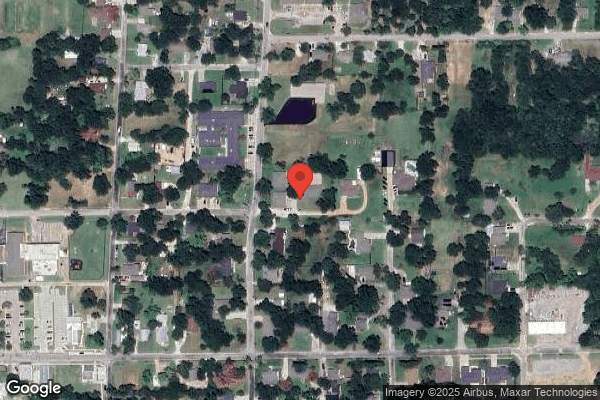

208 N PRAIRIE ST, PILOT POINT, TX 76258 (940) 686-5507
Government - Hospital district 63 Beds AVIR HEALTH GROUP Data: November 2025
Trust Grade
63/100
#314 of 1168 in TX
Last Inspection: June 2025

Inspected within the last 6 months. Data reflects current conditions.

Overview

Pilot Point Care Center has received a Trust Grade of C+, indicating it is slightly above average but not without its issues. It ranks #314 out of 1,168 facilities in Texas, placing it in the top half, and #4 out of 18 facilities in Denton County, meaning there are only three local options that are better. Unfortunately, the facility's performance is worsening, with reported issues increasing from 2 in 2024 to 7 in 2025. Staffing is a significant concern here, with a low rating of 1 out of 5 stars and a high turnover rate of 77%, which is above the Texas average of 50%. While there is adequate RN coverage, averaging more than many facilities, the center has faced some serious privacy concerns. For instance, staff members were observed conducting medical procedures in public areas and leaving residents' sensitive information exposed. Additionally, the care plans for several residents were not timely reviewed, potentially putting their needs at risk. These weaknesses are balanced by an overall health inspection rating of 4 out of 5 stars and excellent quality measures, but families should weigh the benefits against the notable issues when considering this facility.

Trust Score
C+
63/100
In Texas
#314/1168
Top 26%
Safety Record
Low Risk
No red flags
Inspections
Getting Worse
2 → 7 violations
Staff Stability
⚠ Watch
77% turnover. Very high, 29 points above average. Constant new faces learning your loved one's needs.
Penalties
○ Average
$5,000 in fines. Higher than 56% of Texas facilities. Some compliance issues.
Skilled Nurses
⚠ Watch
Each resident gets only 23 minutes of Registered Nurse (RN) attention daily — below average for Texas. Fewer RN minutes means fewer trained eyes watching for problems.
Violations
⚠ Watch
13 deficiencies on record. Higher than average. Multiple issues found across inspections.
★★★★☆
4.0
Overall Rating
★☆☆☆☆
1.0
Staff Levels
★★★★★
5.0
Care Quality
★★★★☆
4.0
Inspection Score
Stable
2024: 2 issues
2025: 7 issues

The Good

  • 5-Star Quality Measures · Strong clinical quality outcomes
  • Full Sprinkler Coverage · Fire safety systems throughout facility
  • No fines on record

Facility shows strength in quality measures, fire safety.

The Bad

Staff Turnover: 77%

30pts above Texas avg (46%)

Frequent staff changes - ask about care continuity

Federal Fines: $5,000

Below median ($33,413)

Minor penalties assessed

Chain: AVIR HEALTH GROUP

Part of a multi-facility chain

Ask about local staffing decisions and management

Staff turnover is very high (77%)

29 points above Texas average of 48%

The Ugly 13 deficiencies on record

Jun 2025 7 deficiencies
CONCERN (D)

Potential for Harm - no one hurt, but risky conditions existed

Resident Rights (Tag F0550)

Could have caused harm · This affected 1 resident

**NOTE- TERMS IN BRACKETS HAVE BEEN EDITED TO PROTECT CONFIDENTIALITY** Based on observation, interview and record review, the facility failed to treat each resident with respect, dignity, and care in...

Read full inspector narrative →
**NOTE- TERMS IN BRACKETS HAVE BEEN EDITED TO PROTECT CONFIDENTIALITY** Based on observation, interview and record review, the facility failed to treat each resident with respect, dignity, and care in a manner and environment that promotes maintenance or enhancement of his or her quality of life for one (Resident #12) of eight residents reviewed for Dignity. The facility failed to treat Resident #12 with dignity and promote enhancement of his quality of life when the resident was not provided a privacy bag for his catheter bag (collects urine from the urinary bladder) on 06/03/2025. This failure could place residents at risk of not having their right to a dignified existence maintained and a decline in their quality of life. Findings included: Record review of Resident #12's Face Sheet, dated 06/03/2025, reflected a [AGE] year-old male admitted to the facility on [DATE]. The resident was diagnosed malignant (conditions that are dangerous to health) neoplasm (abnormal growth of tissue in the body) of the bladder. Record review of Resident #12's Comprehensive MDS (assessment used to determine functional capabilities and health needs) Assessment, dated 04/23/2025, reflected the resident had moderate impairment (resident may need additional support and monitoring) in cognition with a BIMS (screening tool used to assess cognitive status) score of 11. The Comprehensive MDS Assessment indicated the resident had an ostomy (surgical procedure that creates an opening to the body). Record review of Resident #12's Comprehensive Care Plan, dated 03/17/2025, reflected the resident had a urostomy (surgical procedure that creates an opening in the abdominal wall to bypass the urinary bladder) related to bladder CA and one of the interventions was to perform urostomy care. Record review of Resident #12's Physician Order, dated 10/16/2022, reflected Urostomy Care every shift. Observation and interview on 06/03/2025 at 9:23 AM revealed Resident #12 was in his bed, awake. It was observed that the resident had a catheter bag hanging on the side frame of the bed. The catheter bag did not have a privacy bag and could be seen from the hallway. The resident stated the catheter bag was for his urostomy and he had it since almost three years. He said, if he was not mistaken, his catheter bag did not have a privacy bag since the day prior. He said it would be better if no one would see his urine when the door was open. Observation on 06/03/2025 at 10:26 AM, Resident #12's catheter still does not have a privacy bag and still could be seen from the hallway. In an interview on 06/03/2025 at 10:44 AM, LVN A stated, by right, Resident #12's catheter bag should be inside a privacy bag to avoid embarrassment in case a visitor would come or would pass by. He said he did not notice that the catheter bag was exposed when he did his morning round. He said he would get a privacy and would put the resident's catheter bag inside. In an interview on 06/04/2025 at 6:18 AM, LVN C stated she did not notice that Resident #12's catheter bag was exposed when she did her last round the day prior. She said it should be inside a privacy bag to prevent the resident being humiliated because of his condition. She added that it did not matter if the resident was embarrassed or not, the catheter should be inside a privacy bag. She said it was also her responsibility to put the catheter bag inside the privacy bag. In an interview on 06/05/2025 at 6:19 AM, the ADON stated a catheter bag must have a privacy bag to avoid incidents that could lead to embarrassment. The purpose of the privacy bag was to provide dignity for residents with urinary catheters. The ADON said they have catheter bags that had a leaf on them, and a privacy bag was not needed. But for the kind of catheter bag that Resident #12 was using, it should be inside a privacy bag to prevent exposure of its content. The ADON said the expectation was for the staff to make sure the catheter bags had privacy bags when the residents were inside their rooms or outside their rooms. She said she would continually remind the staff the importance of providing dignity and would coordinate with the DON for an in-service about dignity. In an interview on 06/05/2025 at 7:13 AM, the Administrator stated a catheter bag should be inside a privacy bag to prevent any dignity issue. She said all the staff were responsible in providing dignity to all residents. She said staff must do their due diligence in ensuring the residents had a dignified existence while in the facility. The Administrator said he would coordinate with the DON to monitor that the catheter bags were not exposed. In an interview on 06/05/2025 at 8:09 AM, the DON stated catheter bags should be inside a privacy bag to maintain the resident's dignity. She said the expectation was for all the staff to ensure that the residents were provided dignity, not just providing a privacy bag but also treating them with respect. She said she start an in-service pertaining to providing dignity. Record review of the facility's policy, Dignity 2001 MED-PASS, Inc. revised February 2021 revealed Quality of Life - Dignity & Privacy Operational Policy and Procedure Manual for Long-Term Care revised August 2009 revealed Policy Statement: Each resident shall be cared for in a manner that promotes and enhances his or sense of well-being . self-esteem .Policy Interpretation and Implementation . 1. Residents are treated with dignity . at all times . 12. Demeaning practices and standards of care that compromise dignity are prohibited . a. Helping the resident to keep urinary catheter bags covered
CONCERN (D)

Potential for Harm - no one hurt, but risky conditions existed

Pharmacy Services (Tag F0755)

Could have caused harm · This affected 1 resident

**NOTE- TERMS IN BRACKETS HAVE BEEN EDITED TO PROTECT CONFIDENTIALITY** Based on observations, interviews, and record review, the facility failed to ensure that the residents were provided medications...

Read full inspector narrative →
**NOTE- TERMS IN BRACKETS HAVE BEEN EDITED TO PROTECT CONFIDENTIALITY** Based on observations, interviews, and record review, the facility failed to ensure that the residents were provided medications and/or biologicals and pharmaceutical services to meet their needs for one (Resident #25) of eight residents reviewed for Pharmaceutical Services. The facility failed to ensure that Resident #25's medications were not left inside the resident's room and that the resident had a physician order for TUMS (antacid used for heartburn and indigestion). These failures could place the residents at risk of not receiving medications as ordered by the physician. Findings included: Review of Resident #25's Face Sheet, dated 06/03/2025, reflected a [AGE] year-old male admitted on [DATE]. The resident was diagnosed with gastro-esophageal reflux disease (stomach acid repeatedly flows back into the tube connecting your mouth and stomach) and schizoaffective disorder (a mental condition characterized by abnormal though processes and unstable mood). Review of Resident #25's Quarterly MDS Assessment, dated 05/12/2025, reflected resident had moderate impairment in cognition with a BIMS score of 11. The Quarterly MDS Assessment indicated Resident #25 had gastro-esophageal reflux disease and schizoaffective disorder. Review of Resident #25's Comprehensive Care Plan, dated 04/29/2024, reflected the resident had schizoaffective disorder and one of the interventions were to administer medications and monitor for any side effects. The Comprehensive Care Plan did not indicate that the resident could self-administer his medications. Review of Resident #25's Assessment on 06/03/2025 reflected no assessment for self-administration of medications, no clear instructions for self-administrations, and no assessment that the resident was competent to manage his own medications. Review of Resident #25's Physician Order on 06/03/2025 reflected the resident did not have any order for TUMS. Observation and interview on 06/03/2025 at 9:40 AM revealed Resident #25 was in his bed, awake. It was observed that a small plastic cup with two pills inside was on top of the resident's right side-table. According to the resident, his night nurse left it with him, and the pills were for his heartburn. He said he would take them in a little bit. In an interview with LVN A on 06/03/2025 at 10:44 AM, LVN A stated he did not give the Resident #25 anything for heartburn and he did not notice the small cup with pills when he gave the resident his morning medications. He said from the size of the medications, it looks like they were TUMS. He checked the resident's physician order and said the resident did not have an order for TUMS. He said if the resident was taking the medication, there should be an order for it because an order was needed for everything done for the residents. He said the pills should not be left with the resident because the resident might not take them, throw them, or choke while taking them and no one would know. He said he would check if the pills were still inside the resident's room. In an interview on 06/04/2025 6:18 AM, LVN C said that she works from 10 PM to 6 AM the day before. She said the ADON asked her if she gave Resident #25 the pills and she said she did not. She said the only medications that she gave for the resident were his routine medications. She said medications should not be left with the residents to ensure that the resident took them and that if the resident was taking TUMS, there should be an order for it. In an interview on 06/05/2025 at 6:19 AM, the ADON stated medications should not be left with the residents and staff should stay with the resident until the resident was done taking the medications. She said the resident might not take them or someone else might, like another resident or a visitor. She said she asked the night nurse and the night nurse said she did not give Resident #25 anything for heartburn. She said she would coordinate with the DON to do an in-service about not leaving any medications with the residents. In an interview on 06/05/2025 at 7:13 AM, the Administrator stated staff should not leave medications unattended because of the risk of the resident not taking them or the pills not taken on time. She said another risk would be the resident might choke and nobody was there to assist the resident. She said she would coordinate with the DON about the matter and the expectation was no medications would be left with the resident unless the resident had a self-medication assessment. In an interview on 06/05/2025 at 8:09 AM, the DON stated staff should never leave the medications at the bedside for the resident to take later. She said the staff should ensure that the residents took their medications before leaving the room. She said many could go wrong like a resident could hide the pills and take them altogether or the resident might not take them at all. She said the expectation was no medication left inside the room and she would do an in-service pertaining to not leaving the medications with a resident. She also said that she already put the order for TUMS on the Resident #25's profile because every medication administered should have an order. she said she would also do an in-service about physician orders. Record review of the facility's policy, Administering Medications 2001 MED-PASS, Inc. revised April 2019 revealed Policy heading: Medications are administered in a safe and timely manner, and as prescribed . Policy Interpretation and Implementation . 1. Only persons licensed or permitted by this state to prepare, administer, and document the administration of medications may do so . 4. Medications are administered in accordance with prescriber orders . Record review of the facility's policy, Physician Orders 2001 MED-PASS, Inc. (undated) revealed Purpose: The purpose of this procedure is to establish uniform guidelines in the receiving and recording of physician orders to ensure the resident receives the necessary care and services . Supervision by a Physician . 2. Physicians' orders must be signed electronically or in wet ink and dated.
CONCERN (D)

Potential for Harm - no one hurt, but risky conditions existed

Deficiency F0761 (Tag F0761)

Could have caused harm · This affected 1 resident

Based on observations, interviews, and record review, the facility failed to ensure that drugs and biologicals were stored properly in locked compartments for one cart (nurse's cart) of three carts re...

Read full inspector narrative →
Based on observations, interviews, and record review, the facility failed to ensure that drugs and biologicals were stored properly in locked compartments for one cart (nurse's cart) of three carts reviewed for Storage of Drugs and Biologicals. The facility failed to ensure that LVN A locked his nurse's cart on 06/04/2025. This failure could place the residents at risk of accessing/opening the cart causing accidental overdose or misuse of medications and not receiving the full benefit of the medication. Findings included: Observation on 06/04/2025 at 1:10 PM revealed a cart was parked in front of the nurses' station. The cart was not locked because the centralized, metal, round lock, located on the upper right corner of the cart, was protruding and the metal lock needed to be pushed to lock the drawers of the cart. The cart was facing the hallway, and the drawers could easily be opened. The drawers of the cart contained various over-the-counter medications, blister packs of medications, and insulins. Several staff and residents were passing by the unlocked cart. LVN A arrived and locked the cart. In an interview on 06/05/2025 at 6:19 AM, the ADON stated the carts should never be left unlocked to prevent unauthorized individuals from gaining access to it. She said residents might be able to open it and take some medications and ingest them or hide them. She said, aside from the residents, staff or visitors could open it and get some medications from it. She said the expectation was for the staff to lock the carts before leaving them. She said she would coordinate with the DON to do an in-service pertaining to locking the cart when left unattended. In an interview on 06/05/2025 at 7:13 AM, the Administrator stated the carts should always be locked so residents, other staff, and visitors could not open them and have access to the medications. She said it could result in accidental ingestion and overdose. she said the expectation was no carts were left unlocked. She said she would coordinate with DON to do an in-service about locking the carts. In an interview on 06/05/2025 at 8:09 AM, the DON stated carts should not be left unlocked, and the drawers facing the hallways. Unauthorized individuals should not be able to open it and gain access to the drawers. She said resident might open it, took some medications, hide it, and took them later. She said the resident might be allergic to the medication or could choke on them. She said even though the staff was called because of an incident, it should be automatic for them to lack the carts before attending to the incident. She said she would do an in-service about the importance of locking the carts. In an interview on 06/05/2025 at 8:36 AM, LVN A stated he was not aware that he left his cart unlocked because he was in a hurry due to an incident. He said it was not an excuse because it should be automatic for him to lock the cart. He said the cart should be locked every time it was left unattended because anybody, residents, staff, and visitors, could open it and could get anything from the cart. He said residents could open it and accidentally ingest medications that they were allergic to or choke on some medication. He said he would be mindful next time to always lock the cart every time he would leave his cart. Record review of facility policy Administering Medications 2001 MED-PASS, lnc. revised April 2019 revealed Policy heading: Medications are administered in a safe and timely manner, and as prescribed . Policy Interpretation and Implementation . 19. During administration of medications, the medication cart is kept closed and locked when out of sight of the medication nurse or aide. It may be kept in the doorway of the resident's room, with open drawers facing inward and all other sides closed . and all outward sides must be inaccessible to residents or others passing by.
CONCERN (D)

Potential for Harm - no one hurt, but risky conditions existed

Infection Control (Tag F0880)

Could have caused harm · This affected 1 resident

**NOTE- TERMS IN BRACKETS HAVE BEEN EDITED TO PROTECT CONFIDENTIALITY** Based observation, interview, and record review the facility failed to establish and maintain an infection prevention and contro...

Read full inspector narrative →
**NOTE- TERMS IN BRACKETS HAVE BEEN EDITED TO PROTECT CONFIDENTIALITY** Based observation, interview, and record review the facility failed to establish and maintain an infection prevention and control program designed to provide a safe, sanitary, and comfortable environment and to help prevent the development and transmission of communicable diseases and infections for two (Resident #5 and Resident #21) of eight residents reviewed for Infection Control. 1. The facility failed to ensure CNA D would not place Resident #5's catheter bag (collects urine from the urinary bladder) on the floor while transferring the resident on 06/04/2025. 2. The facility failed to ensure CNA D performed hand hygiene while providing incontinent care to Resident #21 and would not put the gloves that she would use for incontinent care inside her pocket on 06/04/2025. These failures could place residents at risk of cross-contamination and development of infections. Findings included: 1. Review of Resident #5's Face Sheet, dated 06/04/2025, reflected the resident was a [AGE] year-old female admitted on the facility on 03/26/2018. The resident was diagnosed with neuromuscular dysfunction of bladder (the muscles and nerves that control the bladder do not work properly due to illness). Review of Resident #5's Comprehensive MDS Assessment, dated 04/15/2025, reflected the resident had a moderate impairment in cognition with a BIMS score of 12. The Comprehensive MDS Assessment indicated the resident had an indwelling catheter (device that drains urine from the urinary bladder). Review of Resident #5's Comprehensive Care Plan, dated 01/12/2025, reflected the resident had an indwelling catheter and one of the interventions was indwelling catheter care every shift. Record review of Resident #5's Physician Order, dated 02/08/2025, reflected Foley cath (catheter) care q shift and PRN. Observation on 06/04/2025 at 7:51 AM revealed CNA D was about to transfer Resident #5 from wheelchair to bed because the resident said she wanted to go back to her bed. It was observed that the resident had a catheter bag hanging at the side of the wheelchair. Before transferring the resident, CNA D placed the catheter bag on the floor and then transferred the resident using the stand and pivot technique. CNA D laid down the resident, pulled the blanket up, and then hung the catheter bag on the railing at the side of the bed. The catheter bag had a privacy bag but when it was on the floor, the catheter bag was outside the privacy bag. In an interview on 06/04/2025 at 8:18 AM, CNA D stated she transferred Resident #5 to her bed because the resident wanted to take a nap. She said she should not have placed the catheter bag on the floor because the floor was dirty and whatever was on the floor would transfer to the bag and could possibly travel towards the resident's bladder. She said she was just trying to hurry up and was not aware of outcome of her actions. She said she would be mindful next time she transfer the resident to hang the catheter first before the transfer. 2. Record review of Resident #21's Face Sheet, dated 06/04/2025, reflected an [AGE] year-old female admitted to the facility on [DATE]. The resident was diagnosed with muscle weakness. Record review of Resident #21's Comprehensive MDS Assessment, dated 03/31/2025, reflected the resident had a moderate impairment in cognition with a BIMS score of 11. The Comprehensive MDS Assessment indicated the resident was always incontinent for bladder and bowel. Record review of Resident #21's Quarterly Care Plan, dated 01/29/2025, reflected the resident had bowel and bladder incontinence and one of the interventions was to provide pericare (cleaning the private parts of an individual) after each incontinent episode. Observation on 06/04/2025 at 1:45 PM revealed CNA D and CNA E were about to provide incontinent care to Resident #21. Both CNAs sanitized their hands and put on a pair of gloves. CNA E went to right side of the resident while CNA D went to left side. CNA D placed a brief on the resident's side table, pulled the resident's hospital gown up, unfastened the brief, and pushed it between the resident's thighs. She pulled some wipes and cleaned the resident's perineal area (area between the thighs) using the front to back technique. She did it five times. After cleaning the perineal area, she instructed the resident to roll towards the right side. Both CNA's assisted the resident to turn. CNA D started to clean the resident's bottom. After cleaning the resident's bottom, she pulled the soiled brief and threw it on the trash can. After throwing the soiled brief, she pulled a pair of gloves from her pocket, and put them on. She did not sanitize her hands before putting on a new pair of gloves that she pulled from her pocket. She took the brief from the side table, placed it under the resident, and fixed it. Both CNAs assisted the resident to roll back and fastened the brief on both sides. After fixing the brief, both CNAs washed their hands. In an interview on 06/04/2025 at 1:59 PM, CNA D stated hand hygiene was important to prevent cross contamination and to prevent infection. She said she did hand hygiene before and after Resident #21's incontinent care and did change her gloves after cleaning the resident's bottom. She said when she changed her gloves, she did not sanitize her hands before putting on a new pair of gloves. She said she should have taken the box of gloves at bedside instead of placing some into her pocket to make sure that the gloves that she would be using were clean because her pocket might be dirty. She said she would be mindful the next time she does incontinent care to do hand hygiene in between changing of gloves and not to put the gloves inside her pocket. In an interview on 06/05/2025 at 6:19 AM, the ADON stated the catheter bag should not be placed on the floor because the floor was dirty. She said the staff should have hung it first before transferring the resident instead of placing it on the floor. She said she would check Resident #21's catheter if it needed to be changed. She said the catheter should be off the floor to prevent cross contamination and possible infection. She said staff must sanitize their hands before putting on a new pair of gloves and not put their gloves on their pockets for the same reason. She said she would coordinate with the DON to do an in-service about not placing the catheter on the floor, hand hygiene, and infection control. In an interview on 06/05/2025 at 7:13 AM, the Administrator stated catheter should be off the floor, hands should be sanitized in between changing of gloves, and gloves should not be placed inside the pockets to prevent spread of germs and development of infection. She said the staff should always make sure that they were aware that their actions could cause harm to the residents. She said she would coordinate with the DON to do an in-service about infection control. In an interview on 06/05/2025 at 8:09 AM, the DON stated hand hygiene was the most effective way to prevent cross contamination and spread of infection and included in hand hygiene was sanitizing the hands before putting on a pair of gloves. She said gloves should not be placed on the staff's pockets because there was no assurance that their pockets were clean. She said, basically, the gloves from the pockets were deemed dirty. She said catheter bags should not be placed on the floor because the floor was dirty. She said not sanitizing the hands before donning a pair of gloves, putting gloves on the pocket, and putting the catheter bag on the floor could cause probable infections. she said the expectation was for the staff to be mindful with what they were doing to protect the residents from infection. She said she would do an in-service pertaining to infection control focusing on hand hygiene, no gloves on the pockets, and not placing the catheter bag on the floor. she said she was responsible in training the staff pertaining to infection control. Record review of the facility's policy, Catheter Care, Urinary 2001 MED-PASS, Inc. updated July 2024 revealed Purpose: The purpose of this procedure is to prevent catheter-associated urinary tract infections . Infection Control . 2. Maintain clean technique when handling or manipulating the catheter, tubing, or drainage bag . b. Be sure the catheter tubing and drainage bag are kept off the floor. Record review of the facility's policy, Perineal Care 2001 MED-PASS, Inc. (undated) revealed Purpose: The purpose of this procedure is to provide cleanliness . to prevent infections . Steps in the Procedure . 4. Discard soiled gloves, sanitize hands. Re-glove prior to touching clean linens/adult brief. Record review of the facility's policy, Handwashing-Hand Hygiene Policy and Procedures 2001 MED-PASS, Inc. (undated) revealed Policy Statement: This facility considers hand hygiene the primary means to prevent the spread of healthcare -associated infections . Policy Interpretation and Implementation . Indications for Hand Hygiene . c. after contact with blood, body fluids, or contaminated surfaces, d. after touching a resident, e. after touching the resident's environment, f. before moving from work on a soiled body site to a clean body site on the same resident, g. immediately after glove removal.
CONCERN (E)

Potential for Harm - no one hurt, but risky conditions existed

Deficiency F0583 (Tag F0583)

Could have caused harm · This affected multiple residents

**NOTE- TERMS IN BRACKETS HAVE BEEN EDITED TO PROTECT CONFIDENTIALITY** Based on observations, interviews, and record review, the facility failed to ensure personal privacy was provided for treatment ...

Read full inspector narrative →
**NOTE- TERMS IN BRACKETS HAVE BEEN EDITED TO PROTECT CONFIDENTIALITY** Based on observations, interviews, and record review, the facility failed to ensure personal privacy was provided for treatment and confidential records for seven (Resident #3, Resident #17, Resident #27, Resident #29, Resident #43, Resident #54, and Resident #100) of sixteen residents reviewed for Privacy and Confidentiality. 1. The facility failed to ensure LVN B would not check Resident #17's blood sugar and administer her insulin in the hallway on 06/04/2025. 2. The facility failed to ensure LVN A secured Residents #3, #27, #29, #43, #54, and #100's medical information when he left his cart unattended on 06/04/2025. These failures could place the residents at risk of not having their personal privacy maintained during medical treatment and their medical information exposed to unauthorized individuals. Findings included: 1. Record review of Resident #17's Face Sheet, dated 06/04/2025, reflected an [AGE] year-old female admitted to the facility on [DATE]. The resident was diagnosed with diabetes mellitus (high blood sugar). Record review of Resident #17's Comprehensive MDS Assessment, dated 04/21/2025, reflected the resident had a severe impairment (required significant assistance and support in daily life) in cognition with a BIMS score of 00. The Quarterly MDS Assessment indicated the resident had diabetes mellitus and was receiving insulin in the last seven day. Record review of Resident #17's Care Plan, dated 05/20/2025, reflected the resident had diabetes mellitus and the interventions were to administer medication and check the blood sugar as ordered. Record review of Resident #17's Physician Order, dated 02/13/2025, reflected Insulin Regular Human Injection Solution Pen-injector 100 UNIT/ML (Insulin Regular (Human)) Inject subcutaneously (administer under the skin) with meals related to TYPE 2 DIABETES MELLITUS WITHOUT COMPLICATIONS. Observation and interview on 06/04/2025 at 6:31 AM, LVN B stated he was going to check Resident #17's blood sugar and would administer her insulin afterwards. He prepared his alcohol wipes, a push button lancet, test strip, and a glucometer. He inserted the test strip into the glucometer and then approached the resident, bringing with him the things he prepared. Resident #17 was in her wheelchair in the hallway. He pricked the residents left pointing finger, scooped the blood with the test strip, and said the blood sugar was 179. He said he would be giving the resident 2 units of insulin as per sliding scale. He then prepared the insulin and went back to the resident who was still in the hallway. He pulled the resident's shirt up, exposed the resident's abdomen and injected the insulin on the left lower quadrant of the resident's abdomen. Observation on 06/04/2025 at 6:37 AM revealed the ADON was coming out of her office and saw LVN B administering insulin to Resident #17. She told LVN B that he should have taken the resident back to her room to administer the insulin or went inside the ADON's office, which was approximately six steps away from where the resident was, to do the treatment. In an interview on 06/04/2025 at 6:42 AM, LVN B stated he should have done the treatment inside the Resident #17 room to provide privacy. He said every treatment should be done inside resident's room or somewhere where others would not see the treatment being done for the resident. He said he would not do it again. 2. Record review of Resident #3's Face Sheet, dated 06/04/2025, reflected a [AGE] year-old male admitted to the facility on [DATE]. The resident was diagnosed with urinary incontinence (loss of bladder control). Record review of Resident #3's Progress Notes, dated 06/02/2025, reflected Res refused x 2 on final round resident allowed CNA to change linens clothes and brief. Record review of Resident #27's Face Sheet, dated 06/04/2025, reflected a [AGE] year-old male admitted to the facility on [DATE]. The resident was diagnosed with diabetes mellitus. Record review of Resident #27's Blood Sugar, dated 06/04/2025 at 3:37 AM, reflected the value of the resident's blood sugar was 271.0 mg/dL. Record review of Resident #29's Face Sheet, dated 06/04/2025, reflected a [AGE] year-old male admitted to the facility on [DATE]. The resident was diagnosed with diabetes mellitus and schizoaffective disorder (a mood disorder). Record review of Resident #43's Face Sheet, dated 06/04/2025, reflected a [AGE] year-old female admitted to the facility on [DATE]. The resident was diagnosed with abnormalities of gait and mobility. Record review of Resident #43's Progress Notes, 05/27/2025, reflected partial report from hospital. Patient will be admitted for fracture (a break in the continuity of the bones) of left humerus (long bone of the upper arm). Record review of Resident #54's Face Sheet, dated 06/04/2025, reflected a [AGE] year-old male admitted to the facility on [DATE]. The resident was diagnosed with pain. Record review of Resident #54's Physician Order, dated 05/08/2025, reflected Norco Oral Tablet 5-325 MG (Hydrocodone-Acetaminophen) *Controlled Drug* Give 1 tablet by mouth three times a day for pain. Record review of Resident #100's Face Sheet, dated 06/04/2025, reflected a [AGE] year-old female admitted to the facility on [DATE]. The resident was diagnosed with chronic obstructive pulmonary disease and neuromuscular dysfunction of the bladder (the normal bladder function is disrupted due to nerve damage). Observation on 06/04/2025 at 7:29 AM revealed a piece of paper was on top of nurse's cart parked in the hallway. The piece of paper indicated that Resident #3 was checked and changed, Resident #27 had diabetes mellitus 1 and with a blood sugar of 271, Resident #29 had diabetes mellitus 2 and was exhibiting restlessness, Resident #43 was on Medicare and had a fracture to the left humerus, Resident #54 refused Norco, and Resident #100 was on oxygen and had a catheter. It was observed that nobody was attending the cart, and the cart was facing the hallway. Several staff and residents were passing by the cart. In an interview on 06/04/2025 at 7:35 AM, LVN A stated he should have made sure that the shift report form was not facing up when he left the cart to administer medication. He said on the shift report form was medical information about the residents and should be confidential. LVN A stated he should have flipped the paper when he left the cart or placed it under his laptop because the information could be exposed and be seen by unauthorized individuals. LVN A said he would be mindful that no information about the residents would be left on top of the cart. In an interview on 06/05/2025 at 6:19 AM, the ADON stated all the care and treatments done for the residents should be completed in the privacy of their rooms. She said she saw LVN B administered the insulin in the hallway and corrected the staff right there and then because it was not proper to administer the insulin in the hallway. She also said that personal and medical information about a resident should be confidential and protected. She said the staff should have secured the paper before leaving the cart unattended. She said the expectations was for the staff be mindful and perform the treatment inside the room and that any information about the residents were not left on top of the cart for everyone to see. She said she would coordinate with the DON too do an in-service pertaining to privacy and confidentiality. In an interview on 06/05/2025 at 7:13 AM, the Administrator stated the staff must make sure that the residents were provided privacy when providing care or treatment to prevent embarrassment and no information was left on top of the cart unsecured. She said the expectation was for the staff to do all the treatment provided inside the room and that no paper with the residents' medical information left on top of the cart. She said she would coordinate with the DON to do an in-service about providing privacy and confidentiality. In an interview on 06/05/2025 at 8:09 AM, the DON stated providing treatment in the hallway was unacceptable. She said being late was not an excuse to check the blood sugar and administer insulin in the hallway. She said he should have ushered the resident to her room or went to the office which is near to where the resident was. She said the residents should be provided privacy at all times. She said the shift report should not had been left unattended with all the medical information about some residents were written. She said it was a HIPPA violation. She said the expectation were that the residents were provided privacy, and that the medical information of the residents were secured. She said she would do an in-service about privacy during and confidentiality of the residents' medical information. Record review of the facility's policy, Dignity 2001 MED-PASS, Inc. revised February 2021 revealed Policy Statement: Each resident shall be cared for in a manner that promotes . self-esteem . Policy Interpretation and Implementation . 10. Staff protect confidential clinical information . 11. Staff promote, maintain, and protect resident privacy, including bodily privacy during assistance with personal care and during treatment procedures. Record review of the facility's policy, Resident Rights 2001 MED-PASS, Inc. revised February 2021 revealed Policy Statement: Employees shall treat all residents with kindness, respect, and dignity . Policy Interpretation and Implementation . t. privacy and confidentiality. Record review of the facility's policy, Confidentiality of Information and Personal Privacy 2001 MED - PASS, Inc. revised October 2017 revealed Policy Statement: Our facility will protect and safeguard resident confidentiality and personal privacy . Policy Interpretation and Implementation . 1. The facility will safeguard the personal privacy and confidentiality of all resident personal and medical records . 2. The facility will strive to protect the resident's privacy regarding his or her . b. medical treatment.
CONCERN (E)

Potential for Harm - no one hurt, but risky conditions existed

Deficiency F0657 (Tag F0657)

Could have caused harm · This affected multiple residents

**NOTE- TERMS IN BRACKETS HAVE BEEN EDITED TO PROTECT CONFIDENTIALITY** Based on interviews and record reviews, the facility failed to ensure the timeliness of each resident's person-centered, compreh...

Read full inspector narrative →
**NOTE- TERMS IN BRACKETS HAVE BEEN EDITED TO PROTECT CONFIDENTIALITY** Based on interviews and record reviews, the facility failed to ensure the timeliness of each resident's person-centered, comprehensive care plan, and to ensure that the comprehensive care plan is reviewed and revised by an interdisciplinary team for five (Residents #3 #5, #21, #29, and #50) of twelve residents reviewed for Care Plans Revision. The facility failed to complete a quarterly care plan for Residents #3, #5, #21, #29, and #50. This failure could place the residents at risk of care and needs not being met. Findings included: Resident #3 Record review of Resident #3's Face Sheet, dated 06/04/2025, reflected a [AGE] year-old male admitted to the facility on [DATE]. Record review of Resident #3's Comprehensive Care Plan on 06/04/2025 reflected the last quarterly care plan completed for the resident was on 09/06/2024. Record review of Resident #3's Comprehensive MDS Assessment on 06/04/2025 reflected the last MDS was done on 05/14/2025. Resident #5 Record review of Resident #5's Face Sheet, dated 06/04/2025, reflected a [AGE] year-old female admitted to the facility on [DATE]. Record review of Resident #5's Comprehensive Care Plan on 06/04/2025 reflected the last quarterly care plan completed for the resident was on 01/12/2025. Record review of Resident #5's Comprehensive MDS Assessment on 06/04/2025 reflected the last MDS was done on 04/15/2025. Resident #21 Record review of Resident #21's Face Sheet, dated 06/04/2025, reflected an [AGE] year-old female admitted to the facility on [DATE]. Record review of Resident #21's Comprehensive Care Plan on 06/04/2025 reflected the last quarterly care plan completed for the resident was on 01/29/2025. Record review of Resident #21's Comprehensive MDS Assessment on 06/04/2025 reflected the last MDS was done on 03/31/2025. Resident #29 Record review of Resident #29's Face Sheet, dated 06/04/2025, reflected a [AGE] year-old male admitted to the facility on [DATE]. Record review of Resident #29's Comprehensive Care Plan on 06/04/2025 reflected the last quarterly care plan completed for the resident was on 01/22/2025. Record review of Resident #29's Comprehensive MDS Assessment on 06/04/2025 reflected the last MDS was done on 03/26/2025. Resident #50 Record review of Resident #50's Face Sheet, dated 06/04/2025, reflected a [AGE] year-old male admitted to the facility on [DATE]. Record review of Resident #50's Comprehensive Care Plan on 06/04/2025 reflected the last quarterly care plan completed for the resident was on 12/27/2024. Record review of Resident #50's Comprehensive MDS Assessment on 06/04/2025 reflected the last MDS was done on 05/23/2025. Observation and interview on 06/05/2025 at 7:13 AM, the Administrator stated all the residents should be care planned accordingly and timely to make sure all the current care needed by the residents were provided. She said without the care plan, the staff would not know and understand what kind of care to provide. The Administrator checked on Resident #21's care plan and saw that the last care plan done was dated 01/29/2025. She said the DON was the one doing the care plan and she would reach out to her to let her know about the issue. She said the expectation was for all the residents were care planned accordingly and that the care plans were updated quarterly and when needed. She also said she would coordinate with the DON to make sure the care plans were current. Observation and interview on 06/05/2025 at 8:09 AM, the DON stated she was responsible for doing the care plan. She said every resident needed a thorough care plan to ensure the residents received the care proper to their needs. She said the care plan should be in place so the staff providing care would be on the same page. She added, without the care plan, there could be confusion with the care of the residents. She said the care plan should be done quarterly to monitor if there were new interventions or to assess if the goals were not being met. She said the care plan could also be updated if there was a change in condition. She said if the care plan was not updated, as if they were not doing their due diligence in terms of assessing the residents. She turned on her laptop and logged in. She went to Resident #21's profile and saw the date of the last care plan. She did the same for Resident #3, #5, #29, and #50. She said it was an oversight on her side because she was the one responsible in making the care plans. She said she would audit the care plans of the residents and plan to finish the audit in the coming week. In an interview on 06/05/2025 at 10:42 AM, the MDS Coordinator stated the care plans were done upon admission and quarterly afterwards. She said the care plans were also updated if there was a change in condition. She said all the care plans should be reflected on the residents' profile so the staff could have access on them. She said after every care conference, the care plan should be placed on the residents' profile. She said she was doing the MDS and the DON was the one doing the care plans. Record review of the facility's policy, Care Plans, Comprehensive Person-Centered 2001 MED - PASS revised March 2022 revealed Policy Statement: A comprehensive, person-centered care plan that includes measurable objectives . to meet the resident's . needs is developed and implemented for each resident . Policy Interpretation and Implementation . 12. The interdisciplinary team reviews and updates the care plan . d. at least quarterly, in conjunction with the required quarterly MDS assessment.
CONCERN (E)

Potential for Harm - no one hurt, but risky conditions existed

Food Safety (Tag F0812)

Could have caused harm · This affected multiple residents

Based on observation, interviews, and record reviews the facility failed to ensure food was stored, prepared, distributed, and served in accordance with professional standards for food service safety ...

Read full inspector narrative →
Based on observation, interviews, and record reviews the facility failed to ensure food was stored, prepared, distributed, and served in accordance with professional standards for food service safety for the facility's only kitchen, reviewed for food storage, labeling, dating, and kitchen sanitation. The facility failed to ensure food being served to residents was covered. This failure could place residents at risk for cross contamination and other air-borne illness. Findings included: Observation on 06/05/25 at 12:30 PM of three test trays presented to the Health & Human Services investigators, reflected: Observation of the lunch test tray containing the regular diet, included the dish of food was covered with a cloche (a dome shaped cover used in food service to keep food warm); however, the desert dish containing a slice of cake with frosting was uncovered. Observation of the lunch test tray containing the mechanical soft diet, included the dish of food was covered with a cloche; however, the desert dish containing a slice of cake with frosting was uncovered. Observation on 06/05/25 at 12:02 PM of an opened meal tray cart on the South Hall, reflected: Observation of the trays in the cart contained the dishes of food were covered with cloches and the drinks were covered with saran wrap; however, the desert dishes containing slices of cake with frosting, were uncovered. The cart remained open for approximately two minutes, as C.N.A. D passed trays to residents in their rooms. In an interview on 06/05/25 at 12:18 AM with the Dietary Manager, she stated they cover the foods before sending the trays out, to prevent cross contamination. She stated the deserts were not covered because they didn't have to be, because they were going straight to the cart from the kitchen, so they were not being exposed to possible cross contamination. She stated staff are supposed to keep the carts closed after pulling each tray, to prevent cross contamination. In an interview on 06/05/25 at 12:27 PM with the Administrator and DON, revealed the Administrator stated food is supposed to be covered to prevent anything in the air from getting to the food. The DON agreed with the Administrator's statement. In an interview on 06/05/25 at 1:00 PM with C.N.A. F, she stated food has to be covered to keep the temperature of the food warm and to protect the food from germs and flies. She stated staff are to close the carts after pulling each tray to keep the food warm and to reduce chances of anything getting to the food. In an interview on 06/05/25 at 1:18 PM with C.N.A. D, she stated the dishes and drinks are covered in the kitchen and are either immediately delivered to the residents in the dining room or placed immediately on the carts. She stated staff are supposed to keep the cart door closed because it keeps food warm and prevents cross contamination. In an interview on 06/05/25 at 2:30 PM with Dietary Aide G, she stated all food should be covered before leaving the kitchen and while not being closed in the kitchen. She stated it is important to cover the food, to protect it from whatever is in the air. Record Review of the facility's policy on Food Preparation and Service dated November 2022, revealed 4. 'Food Distribution' means the processes involved in getting food to the resident .When meals are assembled in the kitchen and then delivered to residents' rooms or dining areas to be distributed, covering foods is appropriate, either individually or in a mobile food cart.
May 2024 2 deficiencies
CONCERN (D) 📢 Someone Reported This

A family member, employee, or ombudsman was alarmed enough to file a formal complaint

Potential for Harm - no one hurt, but risky conditions existed

Respiratory Care (Tag F0695)

Could have caused harm · This affected 1 resident

**NOTE- TERMS IN BRACKETS HAVE BEEN EDITED TO PROTECT CONFIDENTIALITY** Based on observations, interviews, and record review, the facility failed to ensure that residents, who needed respiratory care,...

Read full inspector narrative →
**NOTE- TERMS IN BRACKETS HAVE BEEN EDITED TO PROTECT CONFIDENTIALITY** Based on observations, interviews, and record review, the facility failed to ensure that residents, who needed respiratory care, was provided such care consistent with professional standards of practice, the comprehensive person-centered care plan, and the residents' goals and preferences for two (Resident #5 and Resident #9) of two residents reviewed for respiratory care. The facility failed to ensure Resident #5's nasal cannula was changed weekly as per order. The facility failed to ensure Resident #9's nebulizer was changed weekly as per order. These failures could place the residents at risk for respiratory infection and not having their respiratory needs met. Findings included: Resident #5 Review of Resident #5's Face Sheet dated 05/02/2024 reflected that resident was a [AGE] year-old female admitted on [DATE]. Relevant diagnoses included chronic obstructive pulmonary disease (COPD (a chronic inflammatory lung disease that causes obstructed airflow from the lungs) and dyspnea (a lung disease that damages the air sacs in the lung causing shortness of breath). Review of Resident #5's Quarterly MDS assessment dated [DATE] reflected resident had a moderate impairment in cognition with a BIMS score of 09. The Comprehensive MDS Assessment also indicated Resident #5's primary medical condition was chronic obstructive pulmonary disease. Review of Resident 5's Comprehensive Care Plan dated 04/05/2024 reflected resident experienced wheezing and coughing and interventions were oxygen at 2 to 5 liters per minute and change oxygen tubing every week. Review of Resident 5's Physician Order on dated 08/25/2022 reflected O2 via nasal cannula. May titrate between 2-5 LPM as needed every shift for shortness of breath and to keep PAO2 > 90%. as needed related to DYSPNEA, UNSPECIFIED. Every shift as needed. Review of Resident 5's Physician Order on dated 08/25/2022 reflected Change oxygen and nebulizer tubing q week on Sunday. Observation and interview with Resident #5 on 04/30/2024 at 10:09 AM, revealed Resident #5 was on her bed awake. Resident #5 was on oxygen at 3 liters per minute via nasal cannula. The nasal cannula was connected to an oxygen concentrator. Resident #5 said she was on oxygen because she had respiratory issues. She said she was not aware if the nurses were changing her nasal cannula. Resident #9 Review of Resident #9's Face Sheet dated 05/02/2024 reflected that resident was a [AGE] year-old female admitted on [DATE]. Relevant diagnoses included chronic obstructive pulmonary disease and acute respiratory failure with hypoxia (insufficient amount of oxygen in the body). Review of Resident #9's Quarterly MDS assessment dated [DATE] reflected that Resident #9 was cognitively intact with a BIMS score of 14. The Quarterly MDS also indicated that the resident had COPD and respiratory failure. Review of Resident #9's Comprehensive Care Plan dated 02/09/2024 reflected resident was at risk of respiratory infection/distress, hypoxia, SOB, and cough related to diagnosis of COPD and one of the interventions was to administer oxygen as ordered. Review of Resident #9's Physician Order dated 06/03/2022 reflected, O2 via nasal cannula every shift PRN. May titrate between 2-5 LPM for shortness of breath and to keep pulse oximetry > 90%. as needed for SOB and to maintain pulse oximetry > 90% every shift as needed. Review of Resident #9's Physician Order dated 06/03/2022 reflected, Change oxygen concentrator humidification bottle weekly or more frequently if needed. Every night shift every Sun. Observation on 04/30/2024 at 10:59 AM, revealed Resident #9 was on her recliner sleeping. It was noted that Resident #9 had an oxygen concentrator behind her recliner. The concentrator had a humidifier with water in it. The humidifier bottle was dated 02/24/24. In an interview with Resident #9 on 04/30/2024 at 1:43 PM, Resident #9 stated only used her oxygen when she needed it. She said she was not sure when was the last time she had it on. Observation and interview with the ADON on 04/30/2024 at 02:05 PM, the ADON confirmed that Resident #9's humidifier bottle was dated 02/24/24. She also acknowledged the humidifier had water in it. The ADON said the humidifier bottle was supposed to be changed weekly. The ADON disconnected the humidifier as well as the nasal cannula connected to it and said she would change everything. The ADON then went to Resident #5's room and checked if the tubing of the nasal cannula was dated. The ADON found the date at the end of the tube connected to the oxygen concentrator. She said Resident #5's nasal cannula was dated 04/12/2024. She said she would also change the nasal cannula for Resident #5. She said the purpose of changing the humidifier and nasal cannula was to prevent infection and not to compromise the resident's breathing pattern. She said the expectation was for the staff to change the humidifier weekly and to put a date on it. In an interview with RN A on 05/01/2024 at 11:44 AM, RN A stated the humidifiers and nasal cannulas should be changed every week to prevent infection and worsening of. She said if the humidifier and the nasal cannula were not changed as ordered, the respiratory system of the resident would be compromised more. She said the order for both was to change them every Sunday. In an interview with the Administrator on 05/02/24 at 07:52 AM, the Administrator stated she was made aware by the ADON regarding the humidifier and the nasal cannula not being changed. She said as per order, the humidifier and the nasal cannula should be changed every week. She said if the resident was not always using the oxygen, the staff should still change the humidifier weekly and not leave with standing water for more than two months. The Administrator continued that there would be a possibility that microorganism and algae could grow and could compromise the lungs of the residents. She said the expectation was for the staff to change the humidifier and the nasal cannula weekly. She said on top of checking if the nasal cannula and the breathing masks were bagged, they would also include checking if they were changed accordingly by checking the date. She concluded that they already did an in-services about changing the tubing and humidifier. In an interview with the DON on 05/02/24 at 08:25 AM, the DON stated the humidifier and the nasal cannula should be changed weekly because bacterial growth could occur that could eventually cause contamination and infection. She added the order specified to change them Sunday night. She added that all the staff were equally responsible in checking if the humidifier and the nasal cannula were changed. She said the expectation was for the staff to change them weekly. She said they already did an in-service about changing the humidifier and nasal cannula on a weekly basis. She concluded that they would also check every day, especially on Mondays, if the nasal cannula and the humidifier were changed and dated. Record review of facility's policy, Oxygen Administration implemented 03/2022 revealed Policy: Oxygen is administered to residents who need it, consistent with professional standards of practice . Policy Explanation and Compliance Guidelines: . Other infection control measures include: . b. Change oxygen tubing and mask/cannula . c. Change humidifier bottle .
CONCERN (D) 📢 Someone Reported This

A family member, employee, or ombudsman was alarmed enough to file a formal complaint

Potential for Harm - no one hurt, but risky conditions existed

Infection Control (Tag F0880)

Could have caused harm · This affected 1 resident

**NOTE- TERMS IN BRACKETS HAVE BEEN EDITED TO PROTECT CONFIDENTIALITY** Based observation, interview, and record review, the facility failed to maintain an Infection Prevention and Control Program des...

Read full inspector narrative →
**NOTE- TERMS IN BRACKETS HAVE BEEN EDITED TO PROTECT CONFIDENTIALITY** Based observation, interview, and record review, the facility failed to maintain an Infection Prevention and Control Program designed to provide a safe, sanitary, and comfortable environment and to help prevent the development and transmission of communicable diseases and infections for 2 (Resident #4 and Resident #38) of 6 residents observed for infection control. 1. The facility failed to ensure that LVN B changed his gloves and performed hand hygiene while providing colostomy care to Resident #4. 2. The facility failed to ensure CNA C and CNA D sanitized the mechanical lift either before or after use with Resident #38 These failures could place the residents at risk of cross-contamination and the development of infection. Findings included: Resident #4: Review of Resident #4's recent change of condition/re-admission Minimum Data Set (MDS) assessment, dated 04/11/2024, revealed she was a [AGE] year-old female re-admitted to the facility on [DATE]. She was assessed as severely cognitively impaired via the Brief Interview of Mental Status (BIMS) score of 06. Resident #4 was assessed as dependent upon staff on self-care, toileting, and needed substantial/maximal assistance for showering/bathing. She was incontinent of bladder and had an ostomy for her bowel elimination. Her active diagnoses included cancer, coronary artery disease (blood vessels to the heart are narrowed), heart failure (progressive heart disease that affects the pumping action of the heart muscle), diabetes (group of diseases that affects how the body uses blood sugar), respiratory failure (lung condition resulting in lack of oxygen and too much carbon dioxide in the body), and dementia (group of symptoms that affects memory, thinking, and social abilities), Review of Resident #4's Comprehensive Care Plan, dated 04/04/2024, revealed Resident #4 had an Activities of Daily Living (ADL) self-care deficit related to dementia and required extensive assistance with all or most ADLs. Resident #4 required the use of a colostomy and was at risk for infection and excoriation with interventions that included to change wafer/colostomy bag as ordered, and colostomy care per day and as needed. Additionally, the facility had identified Resident #4 as having a Multi-Drug resistant organism (MDRO) related to colostomy and that staff must use Enhanced Barrier Precautions (EBP) by the use of gown and gloves during high-contact resident care activities that could possibly result in transfer of MDROs to hands and clothing of staff. Review of Resident #4's physician orders revealed: Change colostomy bag . and as needed with a start date of 02/08/2024. Colostomy care every shift and as needed with a start date of 02/08/2024. EPB: Staff must use gown and gloves during high-contact resident care activities that could possibly result in transfer of MDROs to hands and clothing of staff . with a start date of 04/17/2024. In observation on 04/30/2024 at 10:08 AM, LVN B provided colostomy care to Resident #4. LVN P entered room, performed hand hygiene, and donned a gown and pair of clean gloves. LVN P removed Resident #4's current soiled colostomy bag, and cleaned around the stoma site and applied a cream to the skin around the stoma site. LVN P then removed his gloves and donned a new pair of clean gloves. LVN P then applied a new colostomy bag to Resident #4's abdomen. LVN P failed to perform hand hygiene between glove changes and going from a dirty to a clean area. LVN P then doffed his gown and gloves, performed hand hygiene in Resident #4's sink, and exited the room. In interview with LVN P on 04/30/2024 at 10:24 AM, he stated he removed his gloves and donned new gloves after removing Resident #4's colostomy bag and cleaning her stoma site. He stated he did not perform hand hygiene but did not state why. He stated it was important to perform hand hygiene between glove changes and when moving from a contaminated to clean area to avoid any infection to spread. In interview with the DON on 05/02/2024 at 10:33 AM, she stated her expectations would be for staff to perform hand hygiene between glove changes because it was basic infection control . In interview with the Administrator on 05/02/2024 at 10:48 AM, she stated her expectations would be for staff to perform hand hygiene between glove changes for infection control purposes. In interview with the Administrator and DON on 05/02/2024 at 12:00 PM, they revised their earlier statements by stating that Resident #4's colostomy bag change was a clean procedure and not a sterile procedure and they did not expect LVN P to change gloves nor perform hand hygiene after Resident #4's colostomy bag was removed and prior to the new bag being applied. DON stated the facility's skills checkoff, Validation Checklist Ostomy Care, did not state to perform a glove change and/or hand hygiene at this time in the procedure. Review of facility skills check off document, Validation Checklist Ostomy Care, dated 2023, revealed no evidence that staff should complete glove changes and/or hand hygiene between removal and cleaning of the stoma and stoma bag and the application of the new bag. The document stated: 6. Perform hand hygiene and don appropriate personal protective equipment. 7. Empty pouch. 8. Remove pouch. 9. Clean skin around stoma . Steps 10-16 state to clean around the stoma, to measure and size the stoma appropriately, and to apply the new bag to resident's stoma site. 17. Discard items appropriately. Remove gloves and wash hands. Review of facility reference material, How to Change Your Ostomy Pouch, dated 02/13/2018 revealed no specific directive to change gloves and/or perform hand hygiene going from cleaning the stoma and then the application of the new colostomy bag. Resident #38 Review of Resident #38's admission MDS, dated [DATE], revealed she was a [AGE] year-old female admitted to the facility on [DATE]. She was assessed as severely cognitively impaired via BIMS score of 06. Resident #38 was assessed as needing some help with self-care, and dependent upon staff for toileting and showering/bathing. She was incontinent of bowel and bladder. Her active diagnoses included diabetes (group of diseases that affects how the body uses blood sugar) and cerebrovascular accident (CVA) (medical term for stroke, where blood flow is blocked.) Review of Resident #38's Comprehensive Care Plan, dated 04/10/2024, revealed Resident #38 had impaired physical mobility related to CVA effects, right side. Resident #38 prefers to be . transferred with hoyer lift . Additionally, the facility identified Resident #38 needing EBP, and stated Staff must use gown and gloves during high-contact resident care activities that could possibly result in transfer of MDRO's to hands and clothing of staff. Review of Resident #38's physician orders revealed: EPB: Staff must use gown and gloves during high-contact resident care activities that could possibly result in transfer of MDROs to hands and clothing of staff . with a start date of 04/17/2024. In an observation of CNA C and CNA D on 04/30/2024 between 10:29 AM and 10:37 AM, they transferred Resident #38 from bed to her wheelchair using a mechanical lift LVN C obtained the mechanical lift from the hallway and entered Resident #38's room. CNA C and CNA D then performed hand hygiene, donned appropriate personal protective equipment for EPB precautions, and safely performed the transfer of Resident #38. On 04/30/2024 at 10:36 AM, CNA D exited the resident's room with the mechanical lift and plugged in the mechanical lift's electrical cord into the wall located in the hallway between rooms [ROOM NUMBERS]. Both CNA C and CNA D were observed exiting the hallway to other areas of the facility at 04/30/2024 at 10:37 AM. CNA C failed to sanitize the mechanical lift prior to resident use. CNA D failed to sanitize the mechanical lift after resident use. In interview with CNA C on 04/30/2024 at 10:41 AM, she stated she did not sanitize the mechanical lift prior to use with Resident #38 because she wasn't thinking about it. She stated it was important to sanitize shared use equipment for infection control purposes . In interview with CNA D on 04/30/2024 at 10:49 AM, she stated she did not sanitize the mechanical lift after use with Resident #38 because she forgot and was not thinking about it. She stated it was important to sanitize shared use equipment to prevent the spread of germs . In interview with ADON on 05/02/2024 at 10:25 AM, stated she expected any shared use equipment to be sanitized either before and/or after use with residents. She stated the mechanical lift should have been sanitized by CNA C prior to use with Resident #38, and CNA D should have sanitized the equipment after use with Resident #38. She stated this was important for infection control purposes as it prevented the spread of bacteria. In interview with the DON on 05/02/2024 at 10:33 AM, she stated shared use equipment should be sanitized between resident use to prevent the spread of disease. Record review of facility policy, Infection Prevention and Control, dated 2023, revealed 10. Equipment Protocol: a. All reusable items and equipment requiring special cleaning, disinfection, or sterilization shall be cleaned in accordance with our current procedures governing the cleaning and sterilization of soiled or contaminated equipment. Review of facility policy Cleaning and Disinfection of Resident-Care Equipment, dated 2023 revealed Resident-care equipment can be a source of indirect transmission of pathogens. Reusable resident-care equipment will be cleaned and disinfected in accordance with current CDC recommendations in order to break the chain of infection . 3. Staff shall follow established infection control principles for cleaning and disinfecting reusable, non-critical equipment . b. Each user is responsible for routine cleaning and disinfection of multi-resident items after each use, particularly before use for another resident.
Mar 2023 3 deficiencies
CONCERN (D)

Potential for Harm - no one hurt, but risky conditions existed

Comprehensive Care Plan (Tag F0656)

Could have caused harm · This affected 1 resident

**NOTE- TERMS IN BRACKETS HAVE BEEN EDITED TO PROTECT CONFIDENTIALITY** Based on observation, interview, and record review, the facility failed to implement a comprehensive person-centered care plan f...

Read full inspector narrative →
**NOTE- TERMS IN BRACKETS HAVE BEEN EDITED TO PROTECT CONFIDENTIALITY** Based on observation, interview, and record review, the facility failed to implement a comprehensive person-centered care plan for each resident, consistent with the resident rights that included measurable objectives and timeframes to meet the resident's medical, nursing, and mental and psychosocial needs that were identified in the comprehensive assessment for one (Resident #205) of 5 residents reviewed for care plans. The facility failed to provide Resident #205 with a diabetic care plan. This failure could place residents at risk for not receiving care based on their care plans. Findings included: 1. Review of Resident #205's MDS assessment, dated 02/15/23, reflected she was an [AGE] year-old female admitted to the facility on [DATE]. Her cognitive status was moderately impaired. Her diagnoses included diabetes . Review of Resident #205's Order Summary Report for March 2023 reflected: 1. Regular Diet 2. Lantus Subcutaneous Solution100 UNIT/ML (Insulin Glargine) Inject 10 units at bedtime. 3. Novolin R Injection Solution100 UNIT/ML (Insulin Regular) Inject as per sliding scale 4. Tradjenta tablet 5 mg daily. 5. Metformin 500 mg two times a day. 6. Registered Dietitian to evaluate and treat. Review of Nutrition/Dietary Note for Resident #205, dated 03/07/23 at 11:04 AM, reflected: Dietician Nutrition Note: Met with resident to discuss healthy eating for diabetes. Diet education provided; resident reported she does not want to eat any carbs. Discussed importance of carbohydrates and how to incorporate carbohydrates in diet for glucose control. Will continue to monitor education needs. Review of Resident #205's Current Comprehensive Care Plans revealed no care plan for diabetes or diet until Surveyor intervention. An observation and interview on 03/08/23 at 12:26 PM with Resident #25 revealed she was in her room, awake, tired, and oriented. She said she had concerns about nutrition because she was diabetic, and the facility did not serve her a diabetic diet. The resident had her lunch tray in front of her. It contained apple turnovers, a yeast roll, and cottage cheese with canned peaches. She said the only thing she could eat was the cottage cheese. An interview with Resident #205 on 03/10/23 at 10:56 AM revealed she was upset. She said her blood sugar was 237 and she was required to take insulin. She said she did not eat what the kitchen served unless it did not contain carbohydrates. She said she only ate scrambled eggs and bacon for breakfast. She said the Dietician spoke to her and said she had to eat. She said she told them she needed a diabetic diet. She said she always received cookies and cake with icing that she should not eat. An interview with Resident #205 on 03/10/23 at 12:41 PM revealed she was happy with her lunch of nachos without the chips. She said staff would offer her alternative meals when she did not want to eat what was served, but they were always full of carbohydrates. She said the alternatives offered were, cottage cheese with canned fruit, loaded with sugar, or a grilled cheese with tomato soup, also full of sugar. An interview on 03/10/23 at 12:48 PM with MDS Nurse revealed Resident #205 did not have a care plan for diabetes. She said the DON was supposed to do the initial care plan. The MDS Nurse said she was responsible for care plans. She said she did not think the resident's health would be affected due to a lack of care plan . An interview on 03/10/23 at 1:36 PM with the Dietician revealed Resident #205 was on a regular diet and the facility did not offer a diabetic diet. The Dietician said the meals served were well-balanced and usually contained 3-4 carbohydrate servings. She said the resident had requested a no carbohydrate diet. She said she did not change the resident's diet order because the facility only offered a regular, liberalized diet. An interview on 03/10/23 at 1:16 PM with the DON for Resident #205 revealed she put in a care plan for diabetes after Surveyor intervention. She said the MDS Nurse was responsible for care plans and she did not know why one was not entered. She said she did not think there was a risk to the resident if she did not have the care plan . Review of the Facility Policy, Care Plans dated 2022, reflected: It is the policy of this facility to develop and implement a comprehensive person-centered care plan for each resident .
CONCERN (D)

Potential for Harm - no one hurt, but risky conditions existed

Deficiency F0806 (Tag F0806)

Could have caused harm · This affected 1 resident

**NOTE- TERMS IN BRACKETS HAVE BEEN EDITED TO PROTECT CONFIDENTIALITY** Based on observation, interview, and record review, the facility failed to provide food that accommodated resident allergies, in...

Read full inspector narrative →
**NOTE- TERMS IN BRACKETS HAVE BEEN EDITED TO PROTECT CONFIDENTIALITY** Based on observation, interview, and record review, the facility failed to provide food that accommodated resident allergies, intolerances, and preferences for one (Resident #205) of 5 residents reviewed for food preferences. The facility failed to provide Resident #205 with her preferred diet to address her diabetes. This failure could place residents at risk for malnutrition and poor quality of life. Findings included: 1. Review of Resident #205's MDS assessment, dated 02/15/23, reflected she was an [AGE] year-old female admitted to the facility on [DATE]. Her cognitive status was moderately impaired. Her diagnoses included diabetes. Review of Resident #205's Order Summary Report for March 2023 reflected: 1. Regular Diet 2. Lantus Subcutaneous Solution100 UNIT/Milliliter (Insulin Glargine) Inject 10 units at bedtime. 3. Novolin R Injection Solution100 UNIT/Milliliter (Insulin Regular) Inject as per sliding scale 4. Tradjenta tablet 5 mg daily. 5. Metformin 500 mg two times a day. 6. Registered Dietitian to evaluate and treat. Review of Resident #205's lab work on admit, dated 11/11/22, reflected: HGB A1C (lab that shows average blood sugar level over the last 2-3 months) 8.0 High (normal range 4.5-5.7) Review of Resident #205's lab work after being in the facility, dated 02/07/23 reflected: HGB A1C 12.2 Very High (normal range 4.5-5.7) Review of Resident #205's Nurse Note, dated 03/02/23 at 2:12 PM, reflected: LVN B Resident with increased anxiety. Resident verbally c/o anxiety and body language appears anxious. Resident states I can't live like this, the blood sugars and insulin. Attempt to give reassurance resident inconsolable. Resident husband at bedside. Resident refused to eat lunch d/t sugars. New order for Klonopin 0.5mg BID routine. Xanax 0.25mg x 1 now. Resident then states good maybe it will let me sleep through the rest of my life. Review of Resident #205's Nurse Note, dated 03/03/23 at 2:09 PM, reflected: LVN C . Remains shakey. States she is not eating for only a few days to bring blood sugar down. Explained need to eat but resident refuses. Review of Physician Progress Note for Resident #205 by FNP, dated 03/03/23 reflected: She is also concerned about her blood sugar--explained about cortisol release and stress. She is not optimized on oral medications yet, as she had medications discontinued in hospital. She is now fixated on her blood sugars and is refusing blood sugar sticks and insulin. Instead, she states she will not eat. Informed resident that this would weaken her and she would lose all progress she had made in physical therapy and would be too weak to go home but she is still refusing to eat and states she has an extreme needle phobia. She is taking Lantus and Tradjenta. 4. Noncompliance Resident noncompliant with care and refuses to eat or allow blood sugar sticks. Encourage resident to comply so that we can manage glucose levels. Review of Nutrition/Dietary Note for Resident #205, dated 03/07/23 at 11:04 AM, reflected: Dietician Nutrition Note: Met with resident to discuss healthy eating for diabetes. Diet education provided; resident reported she does not want to eat any carbs. Discussed importance of carbohydrates and how to incorporate carbohydrates in diet for glucose control. Will continue to monitor education needs. Review of Resident #205's Current Comprehensive Care Plans revealed no care plan for diabetes or diet until Surveyor intervention. An observation and interview on 03/08/23 at 12:26 PM with Resident #25 revealed she was in her room, awake, tired, and oriented. She said she had concerns about nutrition because she was diabetic, and the facility did not serve her a diabetic diet. The resident had her lunch tray in front of her. It contained apple turnovers, a yeast roll, and cottage cheese with canned peaches. She said the only thing she could eat was the cottage cheese. An interview with Resident #205 on 03/10/23 at 10:56 AM revealed she was upset. She said her blood sugar was 237 and she was required to take insulin. She said she did not eat what the kitchen served unless it did not contain carbohydrates. She said she only ate scrambled eggs and bacon for breakfast. She said the Dietician spoke to her and said she had to eat. She said she told them she needed a diabetic diet. She said she always received cookies and cake with icing that she should not eat. An interview with Resident #205 on 03/10/23 at 12:41 PM revealed she was happy with her lunch of nachos without the chips. She said staff would offer her alternative meals when she did not want to eat what was served, but they were always full of carbohydrates. She said the alternatives offered were, cottage cheese with canned fruit, loaded with sugar, or a grilled cheese with tomato soup, also full of sugar. An interview with the LVN B on 03/10/23 at 2:11 PM regarding the nurse note she wrote for Resident #205 on 03/02/23 at 2:12 PM revealed the resident was very anxious and did not want to eat lunch. LVN B said she could not remember what was served to the resident, but the resident told her she was not going to eat for a couple of days to bring her blood sugar down. She said the family would bring in food, but she did not know what was in the containers. An interview on 03/10/23 at 2:16 PM with LVN C regarding her nurse note for Resident #205 on 03/03/23 at 2:09 PM revealed the resident was afraid to eat. LVN C said she explained to the resident that she needed to eat. LVN C said the resident would be offered what was served and she did not eat it. LVN C said the resident did not request anything different to eat. And interview on 03/10/23 at 12:51 PM with the FNP revealed on admit the resident's HGBA1C was lower than after being in the facility because the resident took steroids. (Resident was not currently on steroids.) She said when the resident admitted her diabetes was controlled with diet and metformin. She said the increased HGBA1C occurred because the resident had taken steroids and was non-compliant with her diet. She said the resident would eat food brought in by the resident's spouse. The FNP said she was having to use insulin to control the resident's blood sugars and that the resident had stopped eating. She said the resident was needle-phobic. She said she did not know why the resident was not on a diabetic diet even though the resident requested one, but that the Dietician spoke with the resident. An interview on 03/10/23 at 1:36 PM with the Dietician revealed Resident #205 was on a regular diet and the facility did not offer a diabetic diet. The Dietician said the meals served were well-balanced and usually contained 3-4 carbohydrate servings. She said the resident had requested a no carbohydrate diet. She said she did not change the resident's diet order because the facility only offered a regular, liberalized diet. An interview with the DON on 03/10/23 at 11:05 AM for Resident #205 revealed to address her diabetes the resident was followed by the FNP, had sliding scale insulin, and diet management. The DON said the resident's diet was a regular diet and that her family would bring food and she had alternate meals available to her. She said the facility did not offer a diabetic diet or a low concentrated sweets diet. She said the only diet served in the facility was a liberated, regular diet. An interview on 03/10/23 at 11:19 AM with the Administrator for Resident #205 revealed the FNP was seeing the resident and mentioned the resident was not eating. The Administrator said the Dietician spoke to the resident and that the facility offered a liberalized diet, which were good, balanced diets. The Administrator said the facility did not have a diabetic or a low concentrated sweets diet, but the resident could get a sugar substitute, sweet and low. The Administrator said every resident had the same liberated, regular diet. Review of the Facility Policy, Liberalized Diets dated 2022, reflected: It is the policy of this facility to incorporate individualized, liberated diets for residents in accordance with professional standards of practice, the comprehensive person-centered care plan, and the residents' specific goals, needs, and preferences . 2. Diet consideration is determined with the resident and in accordance with their informed choices, goals and preferences, rather than exclusively by diagnosis.
CONCERN (D)

Potential for Harm - no one hurt, but risky conditions existed

Infection Control (Tag F0880)

Could have caused harm · This affected 1 resident

**NOTE- TERMS IN BRACKETS HAVE BEEN EDITED TO PROTECT CONFIDENTIALITY** Based on observation, interview and record review, the facility failed to maintain an infection prevention and control program d...

Read full inspector narrative →
**NOTE- TERMS IN BRACKETS HAVE BEEN EDITED TO PROTECT CONFIDENTIALITY** Based on observation, interview and record review, the facility failed to maintain an infection prevention and control program designated to provide a safe, sanitary, and comfortable environment and to help prevent the development and transmission of communicable disease and infection for two (Residents #8, #11) of five residents reviewed for infection control. LVN A failed to disinfect the blood pressure cuff in between blood pressure checks for Resident #8 and Resident #11. This failure could place residents at-risk of cross contamination which could result in infections or illness. Findings included: 1. Review of Resident #8's Face Sheet, not dated, reflected she was a [AGE] year-old-female with a diagnosis of hypotension (low blood pressure). Review of Resident #8's Physician Orders dated March 2023, reflected she took Midodrine (treats low blood pressure) 10 milligrams three times a day. 2. Review of Resident #11's Face Sheet, not dated, reflected he was a [AGE] year-old male with a diagnosis of hypertension (high blood pressure). Review of Resident #11's Physician Orders dated March 2023, reflected he took Coreg (blood pressure medication) 3.125 milligrams two times a day. An observation of medication administration with LVN A on 03/09/23 at 8:40 AM revealed he was wearing a wrist blood pressure cuff on his left wrist. LVN A removed the blood pressure cuff from his wrist, he did not sanitize the blood pressure cuff, and placed it on Resident #8's right wrist. He took the resident's blood pressure, removed the blood pressure cuff from Resident #8 and placed it back on his left wrist. LVN A sanitized his hands but did not sanitize the blood pressure cuff. LVN A then went to Resident #11's room, removed the blood pressure cuff from his wrist, he did not sanitize the blood pressure cuff, and placed it on Resident #11's right wrist. He took the resident's blood pressure, removed the blood pressure cuff from Resident #11 and placed it back on his left wrist. An interview on 03/09/23 at 9:00 AM with LVN A revealed staff did not need to sanitize the blood pressure cuff between residents. He said he had not received training to clean the blood pressure cuff. He did say failure to sanitize the blood pressure cuff between uses could spread germs. An interview on 03/09/23 at 11:57 AM with LVN B revealed it was not necessary to sanitize the blood pressure between resident uses. An interview on 03/09/23 at 11:05 AM with the DON revealed it was not necessary for staff to sanitize the blood pressure cuff between uses. She said if a resident was on contact precautions, then they would use a disposable blood pressure cuff. She said she had not read anything that said failure to sanitize a blood pressure cuff could cause infection. An interview on 03/09/23 2:20 PM with the Administrator revealed she provided the facility policy which reflected that blood pressure cuffs were supposed to be sanitized between uses. Review of website: https://www.cdc.gov/infectioncontrol/guidelines/disinfection/healthcare-equipment.html on 03/09/23 reflected: Disinfection of Healthcare Equipment Guideline for Disinfection and Sterilization in Healthcare Facilities (2008) Surface Disinfection Medical equipment surfaces (e.g., blood pressure cuffs, stethoscopes, hemodialysis machines, and X-ray machines) can become contaminated with infectious agents and contribute to the spread of health-care-associated infections . For this reason, noncritical medical equipment surfaces should be disinfected with an EPA-registered low- or intermediate-level disinfectant. Review of website: https://www.cdc.gov/infectioncontrol/guidelines/disinfection/recommendations.html#rec5g on 03/09/23 reflected: Recommendations for Disinfection and Sterilization in Healthcare Facilities Guideline for Disinfection and Sterilization in Healthcare Facilities (2008) Disinfect noncritical medical devices (e.g., blood pressure cuff) with an EPA-registered hospital disinfectant using the label's safety precautions and use directions . Ensure that, at a minimum, noncritical patient-care devices are disinfected when visibly soiled and on a regular basis (such as after use on each patient . Record review of the facility policy and procedure , Cleaning and Disinfection of Resident-Care Equipment, dated March 2023, reflected: Reusable multiple-resident items are items that may be used multiple times for multiple residents. Examples include .blood pressure cuffs . d. Multiple-resident use equipment shall be clean and disinfected after each use .
Nov 2022 1 deficiency
CONCERN (E) 📢 Someone Reported This

A family member, employee, or ombudsman was alarmed enough to file a formal complaint

Potential for Harm - no one hurt, but risky conditions existed

Comprehensive Care Plan (Tag F0656)

Could have caused harm · This affected multiple residents

**NOTE- TERMS IN BRACKETS HAVE BEEN EDITED TO PROTECT CONFIDENTIALITY** Based on observation, interview, and record review, the facility failed to develop and implement a comprehensive person-centered...

Read full inspector narrative →
**NOTE- TERMS IN BRACKETS HAVE BEEN EDITED TO PROTECT CONFIDENTIALITY** Based on observation, interview, and record review, the facility failed to develop and implement a comprehensive person-centered care plan for each resident that included measurable objectives and timeframes to meet a resident medical, nursing, mental, and psychosocial needs for 2 (Resident #1, Resident #2) of 5 residents reviewed for care plans. The facility failed to develop a care plan with measurable objectives and timeframes to address Resident #1's bladder and bowel needs, nicotine dependence, ADL dependence, and advanced directives. The facility failed to develop a care plan with measurable objectives and timeframes to address Resident #2's active diagnoses, wound care, ADL dependence, mobility status, and advance directive. These failures could place residents at risk of receiving inadequate interventions not individualized to their care needs. Findings included: Review of Resident #1's face sheet dated 11/10/22, revealed he was a [AGE] year-old male who was admitted to the facility on [DATE]. His diagnoses included: Disease of Central Nervous System, Nicotine Dependence, Major Depressive Disorder, Hypertension (high blood pressure), and colostomy status. Code Status: Full Code. Review of Resident #1's Smoking assessment dated [DATE], revealed he was an active smoker who required supervision while smoking. Review of Resident #1's MDS dated [DATE], revealed the following: -Active diagnoses: cancer, hypertension, arthritis, and depression. -Bladder and bowel status: Ostomy. -Functional Status: Supervision (Locomotion on unit, Eating), Limited assistance (Bed Mobility, Locomotion off unit), and extensive assistive (Transfer, Dressing, Toilet Use, Personal Hygiene) -Mobility Devices: Wheelchair Review of Resident #1's Care Plan dated 11/10/22, revealed no care areas, focus, or interventions listed for active diagnoses, functional status, smoking, ostomy care or advance directive. Review of Resident #1's Order Summary Report dated 11/10/22, revealed the following: - Colostomy care q shift and PRN, date started 09/07/22 and was provided day, evening, and night. - Full Code Status, dated 09/06/22, verbal order. Review of Resident #2's face sheet dated 11/10/22, revealed he was a [AGE] year-old male who was admitted to the facility on [DATE]. His diagnoses included: Type II Diabetes, Schizoaffective Disorder, Bipolar, Hyperlipidemia (high cholesterol), Dementia, Open Wound of Abdominal Wall. Code Status: Full Code. Review of Resident #2's MDS dated [DATE], revealed the following: -Active diagnoses: hypertension, Diabetes Mellitus, Non-Alzheimer's Dementia, Anxiety Disorder, Bipolar disorder. -Bladder and bowel status: Ostomy. -Functional Status: Supervision (Locomotion on unit, Eating, Bed Mobility, Locomotion off unit, Transfer, Dressing, Toilet Use, Personal Hygiene). -Mobility Devices: Wheelchair, [NAME] -Skin Conditions: Surgical wound, surgical wound care, application of nonsurgical dressing Review of Resident #2's Care Plan dated 11/10/22, revealed no care areas, focus, or interventions listed for active diagnoses, wound care, functional status, or advance directive. Review of Resident #2's Order Summary Report dated 11/10/22, revealed the following: -Full Code Status, dated 10/20/22, verbal order. -Abdominal wound: Cleanse with NS, pat dry, apply skin prep around wound, apply collagen, cover with dry dressing daily and PRN soiled or dislodged. Every day shift for wound care. -HumuLIN R Solution (insulin), inject as per sliding scale subcutaneously before meals and at bedtime, prescriber written, dated 10/20/22. Observation of Resident #2 on 11/10/22 at 10:25 AM revealed he had a bandage on his abdomen dated 11/10/22, he stated he was being provided wound care daily by the facility. Interview with the DON and the MDS LVN on 11/10/22 at 1:43 pm revealed the MDS LVN had been employed at the facility for about 2 years. The MDS LVN stated she was responsible for all comprehensive care plans; however, the DON assisted her a needed. MDS LVN stated she was familiar with Resident #1 and #2; however, if there were behaviors, she would rely on the DON to inform her of the specifics. MDS LVN stated she was not aware their care plans were not completed. MDS LVN stated, if a care plan was not completed, it was because she must have forgot to finish it. The DON stated she had been employed at the facility for about 1 year. The DON stated she was not responsible for completing comprehensive care plans but might complete the initial the baseline care plan if needed. The DON stated she assisted the MDS LVN as needed. The DON stated the facility rarely had care plan meetings to discuss specific resident focus areas. The DON stated care plans were updated as needed but the baseline care plan should be completed by the MDS LVN in 14 days. The DON stated if a care plan was not updated or accurate, staff would not know how to care for the resident. She stated it could cause a safety issue to a resident as the care plan would not address a resident's specific needs. The DON stated she was familiar with Resident #1 and Resident #2 and did not know why the care plan was not updated with their preferences and diagnoses. The MDS LVN was asked what the risk was to not update a care plan with individual needs. The MDS LVN stated, it was the same as what the DON said. Interview with the Administrator on 11/10/22 at 2:09 PM revealed she did not complete care plans because it was the responsibility of the MDS LVN. The Administrator stated she would attend a care plan meeting if there was a specific concern but not as a rule. The Administrator stated every day in the morning meeting her staff (DON, ADON and MDS LVN) go over the 24-hour report and discussed recent incidents, diagnoses, behaviors, and concerns. The Administrator stated when items were discussed in this meeting, it was her expectation, the care plans were updated to reflect the information. The Administrator stated although she was ultimately responsible for the entire facility, she did not follow behind the DON or MDS LVN to ensure the care plans were updated, she trusted the care plans were updated accurately and timely. The Administrator stated if the care plans were not updated the residents were at risk to not receive individualized, specific care. Review of facility policy titled; Comprehensive Care Plans, undated revealed: It is the policy of this facility to develop and implement a comprehensive person-centered care plan for each resident, consistent with resident rights, that includes measurable objective and timeframes to meet a resident's medical, nursing, and mental and psychosocial needs that are identified in the resident's comprehensive assessment . 1. The care planning process will include an assessment of the resident's strengths and needs, and will incorporate the resident's personal and cultural preferences in developing goals of care. Services provided or arranged by the facility, as outlined by the comprehensive care plan, shall be culturally-competent and trauma-informed. 2. The comprehensive care plan will be developed within 7 days after the completion of the comprehensive MDS assessment. All Care Assessment Areas (CAAs) triggered by the MDS will be considered in developing the plan of care. Other factors identified by the interdisciplinary team, or in accordance with the resident's preferences, will be also be addressed in the plan of care. 3. The comprehensive care plan will describe, at a minimum, the following: a. The services that are to be furnished to attain or maintain the resident's highest practicable physical, mental, and psychosocial well-being. b. Any services that would otherwise be furnished, but are not provided due to the resident's exercise of his or her right to refuse treatment. c. d. The resident's goals for admission, desired outcomes, and preference for future discharge .
Understanding Severity Codes (click to expand)
Life-Threatening (Immediate Jeopardy)
J - Isolated K - Pattern L - Widespread
Actual Harm
G - Isolated H - Pattern I - Widespread
Potential for Harm
D - Isolated E - Pattern F - Widespread
No Harm (Minor)
A - Isolated B - Pattern C - Widespread

Questions to Ask on Your Visit

  • "Why is there high staff turnover? How do you retain staff?"
  • "Can I speak with families of current residents?"
  • "What's your RN coverage like on weekends and overnight?"

Our Honest Assessment

Strengths
  • • $5,000 in fines. Lower than most Texas facilities. Relatively clean record.
Concerns
  • • 13 deficiencies on record. Higher than average. Multiple issues found across inspections.
  • • 77% turnover. Very high, 29 points above average. Constant new faces learning your loved one's needs.
Bottom line: Mixed indicators with Trust Score of 63/100. Visit in person and ask pointed questions.

About This Facility

What is Pilot Point's CMS Rating?

CMS assigns PILOT POINT CARE CENTER an overall rating of 4 out of 5 stars, which is considered above average nationally. Within Texas, this rating places the facility higher than 99% of the state's 100 nursing homes. This rating reflects solid performance across the metrics CMS uses to evaluate nursing home quality.

How is Pilot Point Staffed?

CMS rates PILOT POINT CARE CENTER's staffing level at 1 out of 5 stars, which is much below average compared to other nursing homes. Staff turnover is 77%, which is 30 percentage points above the Texas average of 46%. High turnover can affect care consistency as new staff learn residents' individual needs.

What Have Inspectors Found at Pilot Point?

State health inspectors documented 13 deficiencies at PILOT POINT CARE CENTER during 2022 to 2025. These included: 13 with potential for harm.

Who Owns and Operates Pilot Point?

PILOT POINT CARE CENTER is owned by a government entity. Government-operated facilities are typically run by state, county, or municipal agencies. The facility is operated by AVIR HEALTH GROUP, a chain that manages multiple nursing homes. With 63 certified beds and approximately 57 residents (about 90% occupancy), it is a smaller facility located in PILOT POINT, Texas.

How Does Pilot Point Compare to Other Texas Nursing Homes?

Compared to the 100 nursing homes in Texas, PILOT POINT CARE CENTER's overall rating (4 stars) is above the state average of 2.8, staff turnover (77%) is significantly higher than the state average of 46%, and health inspection rating (4 stars) is above the national benchmark.

What Should Families Ask When Visiting Pilot Point?

Based on this facility's data, families visiting should ask: "How do you ensure continuity of care given staff turnover, and what is your staff retention strategy?" "Can you walk me through typical staffing levels on day, evening, and night shifts?" "Can I visit during a mealtime to observe dining assistance and food quality?" "How do you handle medical emergencies, and what is your hospital transfer rate?" These questions are particularly relevant given the facility's high staff turnover rate and the below-average staffing rating.

Is Pilot Point Safe?

Based on CMS inspection data, PILOT POINT CARE CENTER has a clean safety record: no substantiated abuse findings (meaning no confirmed cases of resident harm), no Immediate Jeopardy citations (the most serious violation level indicating risk of serious injury or death), and is not on the Special Focus Facility watch list (a federal program monitoring the lowest-performing 1% of nursing homes). The facility has a 4-star overall rating and ranks #1 of 100 nursing homes in Texas. While no facility is perfect, families should still ask about staff-to-resident ratios and recent inspection results during their visit.

Do Nurses at Pilot Point Stick Around?

Staff turnover at PILOT POINT CARE CENTER is high. At 77%, the facility is 30 percentage points above the Texas average of 46%. High turnover means new staff may not know residents' individual needs, medications, or preferences. It can also be disorienting for residents, especially those with dementia who rely on familiar faces. Families should ask: What is causing the turnover? What retention programs are in place? How do you ensure care continuity during staff transitions?

Was Pilot Point Ever Fined?

PILOT POINT CARE CENTER has been fined $5,000 across 1 penalty action. This is below the Texas average of $33,129. While any fine indicates a compliance issue, fines under $50,000 are relatively common and typically reflect isolated problems that were subsequently corrected. Families should ask what specific issues led to these fines and confirm they've been resolved.

Is Pilot Point on Any Federal Watch List?

PILOT POINT CARE CENTER is not on any federal watch list. The most significant is the Special Focus Facility (SFF) program, which identifies the bottom 1% of nursing homes nationally based on persistent, serious quality problems. Not being on this list means the facility has avoided the pattern of deficiencies that triggers enhanced federal oversight. This is a positive indicator, though families should still review the facility's inspection history directly.