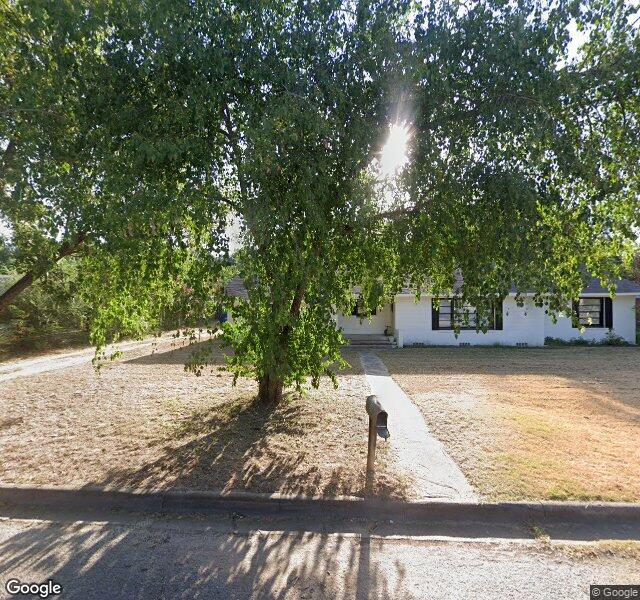
AVIR AT PITTSBURG

123 PECAN GROVE, PITTSBURG, TX 75686 (903) 856-3633
For profit - Limited Liability company 102 Beds AVIR HEALTH GROUP Data: November 2025 8 Immediate Jeopardy citations
Trust Grade
0/100
#402 of 1168 in TX
Last Inspection: November 2024

Within standard 12-15 month inspection cycle. Federal law requires annual inspections.

Overview

Avir at Pittsburg has a Trust Grade of F, indicating significant concerns about the care provided, which is the lowest rating possible. It ranks #1 out of 1 facility in Camp County, but its position at #402 out of 1,168 in Texas suggests it falls in the top half overall. The facility is on an improving trend, reducing serious issues from 6 in 2024 to 3 in 2025, but it still faces critical problems. Staffing has an average rating of 3 out of 5, with a turnover rate of 54%, which is about the state average, but this could impact consistency of care. Unfortunately, the facility has incurred a troubling $137,734 in fines, higher than 87% of Texas facilities, indicating repeated compliance issues. In terms of specific incidents, there have been critical failures related to resident supervision, where multiple residents were at risk of elopement due to unsecured exits. Additionally, there was a serious incident of physical abuse that was not reported promptly, potentially putting residents at further risk. Despite these weaknesses, the facility does have some strengths, such as a 5-star rating in quality measures, suggesting that when care is delivered, it can be effective. However, families should weigh these serious concerns against the facility’s strengths when considering Avir at Pittsburg for their loved ones.

Trust Score
F
0/100
In Texas
#402/1168
Top 34%
Safety Record
High Risk
Review needed
Inspections
Getting Better
6 → 3 violations
Staff Stability
⚠ Watch
54% turnover. Above average. Higher turnover means staff may not know residents' routines.
Penalties
✓ Good
$137,734 in fines. Lower than most Texas facilities. Relatively clean record.
Skilled Nurses
⚠ Watch
Each resident gets only 12 minutes of Registered Nurse (RN) attention daily — below average for Texas. Fewer RN minutes means fewer trained eyes watching for problems.
Violations
⚠ Watch
38 deficiencies on record. Higher than average. Multiple issues found across inspections.
★★★☆☆
3.0
Overall Rating
★★★☆☆
3.0
Staff Levels
★★★★★
5.0
Care Quality
★★☆☆☆
2.0
Inspection Score
Stable
2024: 6 issues
2025: 3 issues

The Good

  • 5-Star Quality Measures · Strong clinical quality outcomes
  • Full Sprinkler Coverage · Fire safety systems throughout facility
  • No fines on record

Facility shows strength in quality measures, fire safety.

The Bad

3-Star Overall Rating

Near Texas average (2.8)

Meets federal standards, typical of most facilities

Staff Turnover: 54%

Near Texas avg (46%)

Higher turnover may affect care consistency

Federal Fines: $137,734

Well above median ($33,413)

Significant penalties indicating serious issues

Chain: AVIR HEALTH GROUP

Part of a multi-facility chain

Ask about local staffing decisions and management

The Ugly 38 deficiencies on record

8 life-threatening
Jul 2025 3 deficiencies 3 IJ
CRITICAL (J) 📢 Someone Reported This

A family member, employee, or ombudsman was alarmed enough to file a formal complaint

Immediate Jeopardy (IJ) - the most serious Medicare violation

Free from Abuse/Neglect (Tag F0600)

Someone could have died · This affected 1 resident

**NOTE- TERMS IN BRACKETS HAVE BEEN EDITED TO PROTECT CONFIDENTIALITY** Based on interview and record review, the facility failed to ensure the resident had the right to be free from abuse for 1 of 8 ...

Read full inspector narrative →
**NOTE- TERMS IN BRACKETS HAVE BEEN EDITED TO PROTECT CONFIDENTIALITY** Based on interview and record review, the facility failed to ensure the resident had the right to be free from abuse for 1 of 8 (Resident #1) residents reviewed for abuse. 1.The facility failed to prevent MA A from physically abusing Resident #1 on 5/23/25 witnessed by Resident #2's family member. 2. The facility failed to protect other residents in the building from potential abuse when on 05/23/2025 the facility did not suspend MA A for 1 month after the incident leading to MA A's termination on 06/27/2025. The noncompliance was identified as PNC. The IJ began on 5/23/25 and ended on 6/30/25. The facility had corrected the noncompliance before the survey began. This failure could place residents at risk for physical and verbal abuse, psychosocial harm, and decreased quality of life. Findings included: 1. Record review of the face sheet dated 7/1/25 indicated Resident #1 was a [AGE] year-old male, admitted to the facility on [DATE] with diagnoses including dementia, psychosis, restlessness and agitation, and anxiety disorder. Record review of the MDS dated [DATE] indicated Resident # 1 sometimes understood others and was sometimes understood by others. The MDS indicated Resident #1 had a BIMS of 00 and was severely cognitively impaired. The MDS indicated during the 7-day look back period, Resident #1 did not have any physical or verbal behaviors towards others. Record review of the care plan last updated 3/12/25 indicated Resident #1 had a diagnosis of anxiety and exhibited signs and symptoms of anxiety/behaviors of pacing and aggression. Record review of the PIR dated 6/23/25 indicated Resident #2's (another resident residing in the secured unit) family member reported to the DON that they witnessed MA A punch Resident #1 in the chest after Resident #1 kicked MA A on 5/23/25. The PIR indicated Resident #2's family member reported the incident to the former ADON on 5/27/25. The PIR indicated Resident #2's family member said the former ADON told them he had removed MA A from the secured unit, and that MA A would no longer be assigned to cover the secured unit. The PIR indicated Resident #2's family member said the reason they were disclosing this information now was because MA A had been assigned to an overnight shift on the unit on 6/20/25. The PIR indicated a skin assessment was performed on 6/23/25 on Resident #1, MA A was suspended and later terminated, safe surveys were completed, notifications were made to the NP and Resident #1's family, staff were in-serviced regarding abuse/neglect, mandatory notifications, and behavior management and de-escalation, and the former ADON was given a one-to-one in-service regarding abuse/neglect and mandatory notifications. During an interview on 7/1/25 at 11:28 a.m. the former ADON said he remembered on 5/23/25 he walked on to the secured unit and heard staff talking about something (He was not sure what was being discussed). He said he gathered it had something to do with MA A. The former ADON said he left the secured unit, and no one reported anything to him while he was on the unit. The former ADON said about 30 minutes later MA A was walking past his office and he asked her to come in and talk to him. The former ADON said he asked MA A what was going on. The former ADON said MA A told him she almost lost it on Resident #1 after he (Resident #1) kicked her, but she did not lose it and that the former ADON should be proud of her. The former ADON said MA A said Resident #2's family member had witnessed the incident. The former ADON said later (date not given) Resident #2's family member told him she had seen Resident #1 trip MA A. The former ADON said Resident #2's family member said it could have been bad and they did not know what would have happened if they had not witnessed the incident. The former ADON said Resident #2's family member had told him they did not feel MA A should be working on the secured unit. The former ADON said he changed MA A's work assignment and took her off the secured unit. The former ADON said he informed Resident #2's family member of who the abuse coordinator was, and they said they did not want to report anything. The former ADON said he did not report the incident to the Administrator due to nothing being specifically reported to him regarding abuse. The former ADON said he resigned from his ADON position, but had chose to remain at the facility as a charge nurse. During an interview on 7/1/25 at 11:38 a.m. MA A said on 5/23/25 she was walking around a table to sit down when Resident #1 tripped/kicked her, and she fell into the table. MA A said she pushed Resident #1 in the shoulder and told him no we don't do that. MA A said staff should never lay hands on a resident because it was considered abuse. MA A said she had just reacted that day and did not think anything of it because it was more of a push than a hit. During an interview on 7/1/25 at 1:05 p.m. Resident #2's family member said they witnessed the incident between MA A and Resident #1. Resident #2's family member said MA A was walking past Resident #1 when he kicked her in the butt. Resident #2's family member said MA A stumbled and almost fell. Resident #2's family member said when MA A regained her balance, she doubled up her fist and hit Resident #1 in the chest. Resident #2's family member said they reported the incident to the former ADON 4 days later and they did not know what came of it. Resident #2's family member said they had recently reported the incident to the Administrator because MA A was working on the secured unit again and they were afraid of what might happen if MA A was on the unit at night by herself with no witness. During an interview on 7/3/25 at 2:25 p.m. the Administrator said she expected staff to act professional and not hit the residents. The Administrator said all residents had the right to be safe from abuse. Record review of the facility's Abuse, Neglect, Exploitation, and Misappropriation Prevention Program policy last revised April 2021 indicated Residents have the right to be free from abuse, neglect, misappropriation of resident property and exploitation. This includes but is not limited to freedom from corporal punishment, involuntary seclusion, verbal, mental, sexual or physical abuse, and physical or chemical restraint not required to treat the residents' symptoms. The resident abuse, neglect and exploitation prevention program consists of a facility-wide commitment and resource allocation to support the following objectives: 1. Protect residents from abuse, neglect, exploitation or misappropriation of property by anyone including but not necessarily limited to: a. facility staff.5. Establish and maintain a culture of compassion and caring for all residents and particularly those with behavioral, cognitive, or emotional problems.10. Protect residents from any further harm during investigations. The Administrator was notified on 7/1/25 at 4:45 p.m. that a Past Non-Compliance Immediate Jeopardy situation was identified due to the above failure. The Administrator was provided the Immediate Jeopardy template on 7/1/25 at 4:52 p.m. The facility had corrected the noncompliance prior to surveyor entrance by the following: Suspending and Terminating MA A In-servicing staff regarding abuse and neglect, mandatory notifications, and behavior management and de-escalation. The surveyor confirmed the facility had corrected the non-compliance prior to survey starting by: Suspending and Terminating MA A In-servicing staff regarding abuse and neglect, mandatory notifications, and behavior management and de-escalation.The surveyor confirmed the facility had corrected the non-compliance prior to survey starting by: Record review of Record of Employee Counseling dated 6/27/25 indicated on 6/23/25 an allegation of abuse was made against MA A. The Record of Employee Counseling indicated MA A was immediately suspended on 6/23/25 pending investigation. The Record of Employee Counseling indicated the outcome of the investigation was that MA A, by her own statement, did place her hands on Resident #1's chest and push him. The Record of Employee Counseling indicated MA A was terminated on 6/27/25. Record review of Record of Employee Counseling dated 6/26/25 indicated the former ADON received written counseling regarding failing to notify the Administrator, abuse coordinator, of an allegation of abuse. The Record of Employee Counseling indicated the former ADON would immediately report any knowledge of allegations of abuse/neglect to the Administrator. Record review of in-services dated 6/23/25 indicated all staff were in-serviced regarding abuse and neglect and immediate notifications required to be made to the Administrator and DON Record review of in-services dated 6/30/25 indicated all staff were in-serviced regarding dementia, aggressive behaviors, and de-escalation of a situation.Staff interviewed (CNA B, LVN C, LVN D, CNA E, CNA F, CNA G, LVN H, Housekeeper J, CNA K, and the Director of Housekeeping) on 7/1/25 between 2:00 p.m. and 2:20 p.m. were able to name all types of abuse, what to do in the event of witnessed or reported abuse, and who the Abuse Coordinator was.Record review of the Skin assessment dated [DATE] indicated Resident #1 did not have any skin issuesRecord review of the Safe 'Surveys conduct on 6/23/25 indicated residents interviewed did not have any concerns or complaints, felt staff treated them with dignity and respect, felt safe and comfortable at the facility, had not witnessed or heard anyone be mistreated, and was not afraid of any resident or visitor.Observations made between 7/1/25 and 7/3/25 indicated staff treated resident with dignity and respect.Residents interviewed (Resident #3, Resident #4, Resident #5, Resident #6, and Resident #7) on 7/1/25 and 7/2/25 between 9:20 a.m. and 3:15 p.m. said they were treated well at the facility, were not scared of anyone in the facility, and no one in the facility had ever abused them physically or verbally. The noncompliance was identified as PNC. The IJ began on 05/23/2025 and ended on 06/23/2025. The facility had corrected the noncompliance before the survey began.
CRITICAL (J) 📢 Someone Reported This

A family member, employee, or ombudsman was alarmed enough to file a formal complaint

Immediate Jeopardy (IJ) - the most serious Medicare violation

Report Alleged Abuse (Tag F0609)

Someone could have died · This affected 1 resident

**NOTE- TERMS IN BRACKETS HAVE BEEN EDITED TO PROTECT CONFIDENTIALITY** Based on interview and record review the facility failed to ensure that all alleged violations involving abuse, neglect, exploit...

Read full inspector narrative →
**NOTE- TERMS IN BRACKETS HAVE BEEN EDITED TO PROTECT CONFIDENTIALITY** Based on interview and record review the facility failed to ensure that all alleged violations involving abuse, neglect, exploitation or mistreatment, including injuries of unknown source and misappropriation of resident property, are reported immediately, but , but not later than 2 hours after forming the suspicion, if the events that cause the suspicion result in serious bodily injury, or not later than 24 hours if the events that cause the suspicion do not result in serious bodily injury for 1 of 8 (Resident #1) residents reviewed for abuse and neglect. The facility failed to ensure an allegation of abuse on 05/23/2025 was reported within 2 hours to the abuse coordinator on 5/27/25 when Resident #2's family member reported the abuse of Resident #1 to the former ADON. This failure to report resulted in MA A continuing to work with residents and being assigned to Resident #1's unit again on 06/20/2025. MA A continued to work until the family member reported the incident to the Administrator on 06/23/2025. The facility failed to report the allegation of abuse within 24 hours on 05/23/2025 when MA hit Resident #1. The facility failed to suspend MA A for 1 month after the incident. The noncompliance was identified as PNC. The IJ began on 5/23/25 and ended on 6/30/25. The facility had corrected the noncompliance before the survey began. This failure could place residents at risk of injuries, abuse, and/or neglect. Findings included: Record review of the face sheet dated 7/1/25 indicated Resident #1 was a [AGE] year-old male, admitted to the facility on [DATE] with diagnoses including dementia, psychosis, restlessness and agitation, and anxiety disorder. Record review of the MDS dated [DATE] indicated Resident # 1 sometimes understood others and was sometimes understood by others. The MDS indicated Resident #1 had a BIMS of 00 and was severely cognitively impaired. The MDS indicated during the 7-day look back period Resident #1 did not have any physical or verbal behaviors towards others. Record review of the care plan last updated 3/12/25 indicated Resident #1 had a diagnosis of anxiety and exhibited signs and symptoms 0f anxiety/behaviors of pacing and aggression. Record review in TULIP on 7/1/25 indicated the incident of alleged abuse by MA A to Resident #1 that occurred on 5/23/25 was not reported to the state agency until 6/23/25. Record review of the PIR dated 6/23/25 indicated Resident #2’s family member reported to the DON that they witnessed MA A punch Resident #1 in the chest after Resident #1 kicked MA on 5/23/25. The PIR indicated Resident #2’s family member reported the incident to the former ADON on 5/27/25. The PIR indicated Resident #2’s family member said the former ADON told them he had removed MA A from the secured unit, and that MA A would no longer be assigned to cover the secured unit. The PIR indicated Resident #2’s family member said the reason they were disclosing this information now was because MA A had been assigned to an overnight shift on the unit on 6/20/25. The PIR indicated a skin assessment was performed on Resident #1, MA A was suspended and later terminated, safe surveys were completed, notifications were made to the NP and Resident #1’s family, staff were in-serviced regarding abuse/neglect, mandatory notifications, and behavior management and de-escalation, and the former ADON was given a one-to-one in-service regarding abuse/neglect and mandatory notifications. During an interview on 7/1/25 at 11:28 a.m. the former ADON said he remember on 5/23/25 he walked on to the secured unit and heard staff talking about something (He was not sure what was being discussed). He said he gathered it had something to do with MA A. The former ADON said he left the secured unit, and no one reported anything to him while he was on the unit. The former ADON said about 30 minutes later MA A was walking past his office and he asked her to come in and talk to him. The former ADON said he asked MA A what was going on. The former ADON said MA A told him she almost lost it on Resident #1 after he (Resident #1) kicked her, but she did not lose it and that the former ADON should be proud of her. The former ADON said MA A said Resident #2’s family member had witnessed the incident. The former ADON said later (date not given) Resident #2’s family member told him she had seen Resident #1 trip MA A. The former ADON said Resident #2’s family member said it could have been bad and they did not know what would have happened if they had not witnessed the incident. The former ADON said Resident #2’s family member had told him they did not feel MA A should be working on the secured unit. The former ADON said he changed MA A’s work assignment and took her off the secured unit. The former ADON said he informed Resident #2’s family member of who the abuse coordinator was, and they said they did not want to report anything. The former ADON said he did not report the incident to the Administrator due to nothing being specifically reported to him regarding abuse. The former ADON said he resigned from his ADON position but had chosen to remain at the facility as a charge nurse. l During an interview on 7/1/25 at 1:05 p.m. Resident #2’s family member said they witnessed the incident between MA A and Resident #1. Resident #2’s family member said MA A was walking past Resident #1 when he kicked her in the butt. Resident #2’s family member said MA A stumbled and almost fell. Resident #2’s family member said when MA A regained her balance, she doubled up her fist and hit Resident #1 in the chest. Resident #2’s family member said they reported the incident to the former ADON 4 days later and they did not know what came of it. Resident #2’s family member said they had recently reported the incident to the Administrator because MA A was working on the secured unit again and they were afraid of what might happen if MA A was on the unit at night by herself with no witness. During an interview on 7/3/25 at 2:25 p.m. the Administrator said she expected staff to act professional and not hit the residents. The Administrator said all residents had the right to be safe from abuse. The Administrator said she reported the incident of alleged abuse on 5/23/25 as soon as she found out about the incident on 6/23/25. The Administrator said she expected staff to immediately report any incidents of alleged or suspected abuse to her immediately. The Administrator said the importance of reporting abuse to the state agency in a timely manner was to aide in preventing further abuse and to protect the residents from abuse. Record review of the facility’s Abuse, Neglect, Exploitation or Misappropriation-Reporting and Investigating policy last revised September 2022 indicated, “All reports of resident abuse (including injuries of unknown origin), neglect, exploitation, or theft/misappropriation of resident property are reported to local, state, and federal agencies (as required by current regulations) and thoroughly investigated by facility management….Reporting Allegations to the Administrator and Authorities: 1. If resident abuse, neglect exploitation, misappropriation of resident property or injury of unknown source is suspected, the suspicion must be reported immediately to the administrator and to other officials according to state law and HHSC reporting guidelines…3. “Immediately” is defined as: a. withing two hours of an allegation involving abuse or result in serious bodily injury; or b. within 24 hours of an allegation that does not involve abuse or result in bodily injury…12. Any employee who has been accused of resident abuse is placed on leave with no resident contact until the investigation is complete…” The Administrator was notified on 7/1/25 at 4:45 p.m. that a Past Non-Compliance Immediate Jeopardy situation was identified due to the above failure. The Administrator was provided the Immediate Jeopardy template on 7/1/25 at 4:52 p.m. The facility had corrected the noncompliance prior to surveyor entrance by the following: • Suspending and Terminating MA A• In-servicing staff regarding abuse and neglect, mandatory notifications, and behavior management and de-escalation. The surveyor confirmed the facility had corrected the non-compliance prior to survey starting by: • Record review of Record of Employee Counseling dated 6/27/25 indicated on 6/23/25 an allegation of abuse was made against MA A. The Record of Employee Counseling indicated MA A was immediately suspended on 6/23/25 pending investigation. The Record of Employee Counseling indicated the outcome of the investigation was that MA A, by her own statement, did place her hands on Resident #1’s chest and push him. The Record of Employee Counseling indicated MA A was terminated on 6/27/25.• Record review of Record of Employee Counseling dated 6/26/25 indicated the former ADON received written counseling regarding failing to notify the Administrator, abuse coordinator, of an allegation of abuse. The Record of Employee Counseling indicated the former ADON would immediately report any knowledge of allegations of abuse/neglect to the Administrator .• Record review of in-services dated 6/23/25 indicated all staff were in-serviced regarding abuse and neglect and immediate notifications required to be made to the Administrator and DON• Record review of in-services dated 6/30/25 indicated all staff were in-serviced regarding dementia, aggressive behaviors, and de-escalation of a situation.Staff interviewed (CNA B, LVN C, LVN D, CNA E, CNA F, CNA G, LVN H, Housekeeper J, CNA K, and the Director of Housekeeping) on 7/1/25 between 2:00 p.m. and 2:20 p.m. were able to name all types of abuse, what to do in the event of witnessed or reported abuse, and who the Abuse Coordinator was. Record review of the Skin assessment dated [DATE] indicated Resident #1 did not have any skin issues Record review of the Safe 'Surveys conduct on 6/23/25 indicated residents interviewed did not have any concerns or complaints, felt staff treated them with dignity and respect, felt safe and comfortable at the facility, had not witnessed or heard anyone be mistreated, and was not afraid of any resident or visitor. Observations made between 7/1/25 and 7/3/25 indicated staff treated resident with dignity and respect. Residents interviewed (Resident #3, Resident #4, Resident #5, Resident #6, and Resident #7) on 7/1/25 and 7/2/25 between 9:20 a.m. and 3:15 p.m. said they were treated well at the facility, were not scared of anyone in the facility, and no one in the facility had ever abused them physically or verbally. The noncompliance was identified as PNC. The IJ began on 05/23/2025 and ended on 06/23/2025. The facility had corrected the noncompliance before the survey began.
CRITICAL (J) 📢 Someone Reported This

A family member, employee, or ombudsman was alarmed enough to file a formal complaint

Immediate Jeopardy (IJ) - the most serious Medicare violation

Investigate Abuse (Tag F0610)

Someone could have died · This affected 1 resident

**NOTE- TERMS IN BRACKETS HAVE BEEN EDITED TO PROTECT CONFIDENTIALITY** Based on interview and record review, in response to allegations of abuse, neglect, exploitation, or mistreatment, the facility ...

Read full inspector narrative →
**NOTE- TERMS IN BRACKETS HAVE BEEN EDITED TO PROTECT CONFIDENTIALITY** Based on interview and record review, in response to allegations of abuse, neglect, exploitation, or mistreatment, the facility failed to prevent further potential abuse, neglect, exploitation, or mistreatment while the investigation is in progress from 1 of 11 staff members (MA A) and 1 of 8 residents (Resident #1) reviewed for abuse.The facility failed to protect residents from potential abuse when MA A was not suspended after an allegation of physical abuse was reported to the former ADON on 05/27/25. This failure to report resulted in MA A continuing to work with residents and being assigned to Resident #1's unit again on 06/20/2025. MA A continued to work until the family member reported the incident to the Administrator on 06/23/2025. The noncompliance was identified as PNC. The IJ began on 5/27/25 and ended on 6/30/25. The facility had corrected the noncompliance before the survey began.This failure could place residents at risk for further abuse from a staff member. Findings included: Record review of the face sheet dated 7/1/25 indicated Resident #1 was a [AGE] year-old male, admitted to the facility on [DATE] with diagnoses including dementia, psychosis, restlessness and agitation, and anxiety disorder. Record review of the MDS dated [DATE] indicated Resident # 1 sometimes understood others and was sometimes understood by others. The MDS indicated Resident #1 had a BIMS of 00 and was severely cognitively impaired. The MDS indicated during the 7-day look back period Resident #1 did not have any physical or verbal behaviors towards others. Record review of the care plan last updated 3/12/25 indicated Resident #1 had a diagnosis of anxiety and exhibited signs and symptoms 0f anxiety/behaviors of pacing and aggression. Record review of the PIR dated 6/23/25 indicated Resident #2’s family member reported to the DON that they witnessed MA A punch Resident #1 in the chest after Resident #1 kicked MA on 5/23/25. The PIR indicated Resident #2’s family member reported the incident to the former ADON on 5/27/25. The PIR indicated Resident #2’s family member said the former ADON told them he had removed MA A from the secured unit, and that MA A would no longer be assigned to cover the secured unit. The PIR indicated Resident #2’s family member said the reason they were disclosing this information now was because MA A had been assigned to an overnight shift on the unit on 6/20/25. The PIR indicated a skin assessment was performed on Resident #1, MA A was suspended and later terminated, safe surveys were completed, notifications were made to the NP and Resident #1’s family, staff were in-serviced regarding abuse/neglect, mandatory notifications, and behavior management and de-escalation, and the former ADON was given a one-to-one in-service regarding abuse/neglect and mandatory notifications. Record review of MA A’s daily timecard dated 5/23/25 through 6/23/25 indicated MA A worked on the following days:5/23/25-8.07 hours5/24/25-8.43 hours5/26/25-7.82 hours5/27/25-8.15 hours5/28/25-8.03 hours5/29/24-7.87 hours5/30/25-7.48 hours5/31/25-8.32 hours6/2/25-8.00 hours6/3/25-5.82 hours6/4/25-7.87 hours6/5/25-7.98 hours6/6/25-8.05 hours6/9/25-8.07 hours6/10/25-13.20 hours6/11/25-0.43 hours6/12/25-8.13 hours6/13/25-8.32 hours6/16/25-7.10 hours6/17/25-7.13 hours6/18/25-8.00 hours6/19/25-7.97 hours6/20/25-14.70 hours6/23/25-2.85 hoursThe daily timecard did not indicate where in the facility MA A had worked on these days. During an interview on 7/1/25 at 11:28 a.m. the former ADON said on 5/23/25 he walked on to the secured unit and heard staff talking about something. He said he gathered it had something to do with MA A. The former ADON said he left the secured unit and no one reported anything to him while he was on the unit. The former ADON said about 30 minutes later MA A was walking past his office and he asked her to come in and talk to him. The former ADON said he asked MA A what was going on. The former ADON said MA A told him she almost lost it on Resident #1 after he kicked her but she did not and that the former ADON should be proud of her. The former ADON said MA A said Resident #2’s family member had witnessed the incident. The former ADON said later (date not given) Resident #2’s family member told him she had seen Resident #1 trip MA A. The former ADON said Resident #2’s family member said it could have been bad and they did not know what would have happened if they had not witnessed the incident. The former ADON said Resident #2’s family member had told him they did not feel MA A should be working on the secured unit. The former ADON said he changed MA A’s work assignment and took her off the secured unit. The former ADON said informed Resident #2’s family member of who the abuse coordinator was and they said they did not want to report anything. The former ADON said he did not report the incident to the Administrator due to nothing being specifically reported to him regarding abuse. During an interview on 7/1/25 at 1:05 p.m. Resident #2’s family member said they witnessed the incident between MA A and Resident #1. Resident #2’s family member said MA A was walking past Resident #1 when he kicked her in the butt. Resident #2’s family member said MA A stumbled and almost fell. Resident #2’s family member said when MA A regained her balance, she doubled up her fist and hit Resident #1 in the chest. Resident #2’s family member said they reported the incident to the former ADON 4 days later and they did not know what came of it. Resident #2’s family member said they had recently reported the incident to the Administrator because MA A was working on the secured unit again and they were afraid of what might happen if MA A was on the unit at night by herself with no witness. During an interview on 7/3/25 at 2:25 p.m. the Administrator said she expected staff to act professional and not hit the residents. The Administrator said all residents had the right to be safe from abuse. The Administrator said she reported the incident of alleged abuse on 5/23/25 as soon as she found out about the incident on 6/23/25. The Administrator said she expected staff to immediately report any incidents of alleged or suspected abuse to her immediately The Administrator said the former ADON should have reported the alleged abuse to her immediately and that MA A should have been suspended on 5/27/25. The Administrator said the importance of reporting abuse to the state agency in a timely manner was to aide in preventing further abuse and to protect the residents from abuse. Record review of the facility’s Abuse, Neglect, Exploitation, and Misappropriation Prevention Program policy last revised April 2021 indicated “Residents have the right to be free from abuse, neglect, misappropriation of resident property and exploitation. This includes but is not limited to freedom from corporal punishment, involuntary seclusion, verbal, mental, sexual or physical abuse, and physical or chemical restraint not required to treat the residents’ symptoms. The resident abuse, neglect and exploitation prevention program consists of a facility-wide commitment and resource allocation to support the following objectives: 1. Protect residents from abuse, neglect, exploitation or misappropriation of property by anyone including but not necessarily limited to: a. facility staff…5. Establish and maintain a culture of compassion and caring for all residents and particularly those with behavioral, cognitive, or emotional problems…10. Protect residents from any further harm during investigations…” Record review of the facility’s Abuse, Neglect, Exploitation or Misappropriation-Reporting and Investigating policy last revised September 2022 indicated, “All reports of resident abuse (including injuries of unknown origin), neglect, exploitation, or theft/misappropriation of resident property are reported to local, state, and federal agencies (as required by current regulations) and thoroughly investigated by facility management….Reporting Allegations to the Administrator and Authorities: 1. If resident abuse, neglect exploitation, misappropriation of resident property or injury of unknown source is suspected, the suspicion must be reported immediately to the administrator and to other officials according to state law and HHSC reporting guidelines…3. “Immediately” is defined as: a. withing two hours of an allegation involving abuse or result in serious bodily injury; or b. within 24 hours of an allegation that does no involve abuse or result in bodily injury…12. Any employee who has been accused of resident abuse is placed on leave with no resident contact until the investigation is complete…”Record review of the Long-Term Care Regulatory Provider Letter issued 7/10/19 indicated, “…The facility becomes aware of, or receives, an allegation of suspected abuse, neglect, exploitation, or another reportable incident….Report the incident within 24 hours of within 2 hours depending on the incident. Complete an internal investigation of the incident, Take appropriate corrective action. Report the investigation findings within 5 working days from the initial report to HHSC on form 3613-A. Maintain evidence demonstrating results of all incidents for no less than three years after the reported allegation.” The Administrator was notified on 7/1/25 at 4:45 p.m. that a Past Non-Compliance Immediate Jeopardy situation was identified due to the above failure. The Administrator was provided the Immediate Jeopardy template on 7/1/25 at 4:52 p.m. The facility had corrected the noncompliance prior to surveyor entrance by the following: • Suspending and Terminating MA A• In-servicing staff regarding abuse and neglect, mandatory notifications, and behavior management and de-escalation. The surveyor confirmed the facility had corrected the non-compliance prior to survey starting by: • Record review of Record of Employee Counseling dated 6/27/25 indicated on 6/23/25 an allegation of abuse was made against MA A. The Record of Employee Counseling indicated MA A was immediately suspended on 6/23/25 pending investigation. The Record of Employee Counseling indicated the outcome of the investigation was that MA A, by her own statement, did place her hands on Resident #1’s chest and push him. The Record of Employee Counseling indicated MA A was terminated on 6/27/25.• Record review of Record of Employee Counseling dated 6/26/25 indicated the former ADON received written counseling regarding failing to notify the Administrator, abuse coordinator, of an allegation of abuse. The Record of Employee Counseling indicated the former ADON would immediately report any knowledge of allegations of abuse/neglect to the Administrator .• Record review of in-services dated 6/23/25 indicated all staff were in-serviced regarding abuse and neglect and immediate notifications required to be made to the Administrator and DON• Record review of in-services dated 6/30/25 indicated all staff were in-serviced regarding dementia, aggressive behaviors, and de-escalation of a situation.Staff interviewed (CNA B, LVN C, LVN D, CNA E, CNA F, CNA G, LVN H, Housekeeper J, CNA K, and the Director of Housekeeping) on 7/1/25 between 2:00 p.m. and 2:20 p.m. were able to name all types of abuse, what to do in the event of witnessed or reported abuse, and who the Abuse Coordinator was. Record review of the Skin assessment dated [DATE] indicated Resident #1 did not have any skin issues Record review of the Safe 'Surveys conduct on 6/23/25 indicated residents interviewed did not have any concerns or complaints, felt staff treated them with dignity and respect, felt safe and comfortable at the facility, had not witnessed or heard anyone be mistreated, and was not afraid of any resident or visitor. Observations made between 7/1/25 and 7/3/25 indicated staff treated resident with dignity and respect. Residents interviewed (Resident #3, Resident #4, Resident #5, Resident #6, and Resident #7) on 7/1/25 and 7/2/25 between 9:20 a.m. and 3:15 p.m. said they were treated well at the facility, were not scared of anyone in the facility, and no one in the facility had ever abused them physically or verbally. The noncompliance was identified as PNC. The IJ began on 05/23/2025 and ended on 06/30/2025. The facility had corrected the noncompliance before the survey began.
Nov 2024 6 deficiencies
CONCERN (D)

Potential for Harm - no one hurt, but risky conditions existed

Deficiency F0645 (Tag F0645)

Could have caused harm · This affected 1 resident

**NOTE- TERMS IN BRACKETS HAVE BEEN EDITED TO PROTECT CONFIDENTIALITY** Based on interview and record review, the facility failed to ensure the Pre-admission Screening and Resident Review (PASRR) Leve...

Read full inspector narrative →
**NOTE- TERMS IN BRACKETS HAVE BEEN EDITED TO PROTECT CONFIDENTIALITY** Based on interview and record review, the facility failed to ensure the Pre-admission Screening and Resident Review (PASRR) Level I assessment accurately reflected the resident's status for 1 of 6 residents (Resident #32) reviewed for PASRR Level I screenings. The facility failed to ensure the accuracy of the PASRR Level 1 screening for Resident #32. The PASRR Level 1 screening did not indicate a diagnosis of mental illness, although the diagnoses (major depressive disorder and bipolar disorder) were present upon Resident #32's re-admission date on 04/20/23. This failure could place residents who had a mental illness at risk of not receiving a needed assessment (PASRR Evaluation), individualized care, or specialized services to meet their needs. Findings included: Record review of Resident #32's face sheet, dated 11/18/24, indicated he was a [AGE] year-old male, admitted to the facility on [DATE], and readmitted most recently on 04/20/23. His diagnoses included major depressive disorder(a mood disorder that causes a persistent feeling of sadness and loss of interest) and bipolar disorder(a mental illness that causes unusual shifts in a person's mood, energy, activity levels, and concentration). Record review of Resident #32's annual MDS assessment, dated 09/10/24, indicated he had a BIMS score of 14, which indicated intact cognition. The MDS further indicated he received an antipsychotic medication and an antidepressant medication during the assessment window. Record review of Resident #32's PASRR Level 1 Screening, dated 11/02/22, indicated that in Section C, Mental Illness was marked as no, which indicated Resident #32 did not have a mental illness. During an interview on 11/19/24 at 11:30 AM, the MDS Coordinator said she only found one PL1 form that was completed for Resident #32. She said it was incorrect and Resident #32 had the diagnoses of major depressive disorder and bipolar disorder at admission and the PL1 form should have indicated yes for mental illness. During an interview on 11/20/24 at 08:37 AM, the MDS Coordinator said that she completed a 1012 form and a new PL1 form related to Resident #32's mental illness diagnoses. She said Resident #32 should have had a positive PL1 on admit to the facility. She said it was unlikely he would qualify for PASRR services because he had not had any psych hospitalizations or contact with the police. During an interview on 11/20/24 at 12:47 PM, the Administrator said Resident #32 should have had a positive PASRR Level 1 form. She said it was possible that he could have received PASRR Services this entire time he had been in the facility. She said no one was responsible for checking over the PASRR forms after the MDS coordinator. Record review of the facility's undated policy, PASRR Services, stated: .In Texas, nursing facilities are required to adhere to the Preadmission Screening and Resident Review (PASRR) process, a federally mandated program designed to ensure that individuals with mental illness (MI), intellectual disability (ID), or developmental disability (DD) are appropriately placed and receive necessary services. Procedure: 1. PL1 Screening Form Completion: *Before admitting any individual, the referring entity must complete the PASRR Level I (PL1) Screening Form to identify potential MI, ID, or DD. The nursing facility should coordinate with the referring entity to ensure this form is completed. 2. admission Protocols: *If the PL1 indicates no suspicion of MI, ID, or DD, the nursing facility can admit the individual through the routine admission process. *If the PL1 indicates a suspicion of MI, ID, or DD, the facility must ensure that a PASRR Evaluation (PE) is completed before admission, unless the admission qualifies as an expedited admission or an exempted hospital discharge .
CONCERN (D)

Potential for Harm - no one hurt, but risky conditions existed

Incontinence Care (Tag F0690)

Could have caused harm · This affected 1 resident

**NOTE- TERMS IN BRACKETS HAVE BEEN EDITED TO PROTECT CONFIDENTIALITY** Based on observation, interview, and record review the facility failed to ensure a resident who was incontinent of bladder recei...

Read full inspector narrative →
**NOTE- TERMS IN BRACKETS HAVE BEEN EDITED TO PROTECT CONFIDENTIALITY** Based on observation, interview, and record review the facility failed to ensure a resident who was incontinent of bladder received appropriate treatment and services to prevent urinary tract infections for 1 of 1 residents (Resident #33) reviewed for appropriate treatment and services to prevent urinary tract infections (an infection in any part of the urinary system, the kidneys, bladder, or urethra (is a hollow tube that lets urine leave your body). The facility failed to ensure Resident #33's indwelling catheter (drains urine from your bladder into a bag outside your body) had a catheter securement device to anchor the catheter to his leg on 11/19/24. These failures could place residents at risk for urinary tract infections. Findings included: Record review of the undated face sheet indicated Resident #33 was a [AGE] year-old male that admitted [DATE] and readmitted [DATE]. Resident #33 had diagnoses that included: Obstructive and reflux uropathy (a blockage in the urinary tract that prevents urine from draining causing it to back up into the kidneys), hypertension (the force of blood against the artery walls is too high), and dementia (impairment of at least 2 brain functions, such as memory loss and judgment.) Record review of the significant change MDS dated [DATE] indicated Resident #33 had a BIMS score of 0, indicating severe cognitive impairment. The MDS indicated he required substantial/maximal assistance with toileting hygiene and partial to moderate assistance to roll left and right in bed. He had an indwelling catheter. Record review of the undated care plan indicated Resident #33 had dementia with behavioral disturbances. The care plan indicated he had a diagnosis of a bladder disorder for difficulty starting, stopping urinary flow, urinary retention, and UTI. Resident #33 had an indwelling catheter and was at risk for UTI, complications. The care plan indicated to provide catheter care per facility policy and PRN. Record review of Resident #33's physician's orders dated 6/5/24 indicated: Foley catheter strap in place every shift. Record review of Resident #33's MAR for October 2024 indicated: Foley catheter strap in place every shift. The MAR was initialed for every day of October 2024. Record review of Resident #33's MAR for November 2024 indicated: Foley catheter strap in place every shift. The MAR was initialed November 1-19, 2024. LVN B had initialed for the foley catheter strap for the day shift and evening shift on 11/19/24. During an observation and interview on 11/19/24 at 2:03 PM, CNA A provided catheter care for Resident #33. LVN B assisted with catheter care. Resident #33 did not have his foley catheter tubing anchored or secured to his leg. LVN B said she had not checked today to see if the foley had been anchored. She said it was important for the catheter to be anchored to his leg to prevent UTI's and so that it did not pull on his penis. She said the catheter tubing secured to his leg prevented friction to his penis. LVN B anchored the catheter to Resident #33's leg after catheter care. During an interview on 11/20/24 at 10:20 AM, CNA C said if a resident had a catheter they should have an anchor on their leg to prevent the catheter from tugging or pulling or coming out. She said the nurse was responsible for making sure the catheter securement device was in place. She said if a resident had a catheter and did not have it secured, she would tell the nurse. During an interview on 11/20/24 at 10:30 AM, LVN D said the nurses were responsible for making sure residents with a catheter had it secured. She said regarding Resident #33, it was especially important for him because he had pulled his catheter out in the past. She said the catheter securement helped to prevent tugging, UTI's, and backflow of urine (into the bladder.) She said she usually checked his catheter and placement once per shift. She said if a CNA noticed a resident with a catheter did not have it secured, the CNA should tell the nurse immediately. During an interview on 11/20/24 at 10:57 AM, the ADON said the nurses were responsible for making sure the catheter was secured and the nurse had to check off on the MAR that it was done. She said the catheter securement was for protection because it prevented UTI's, protected the flow of urine by gravity, and prevented pulling. During an interview on 11/20/24 at 12:33 PM, the DON said the nurse was responsible for making sure any catheter was secured. She said the LVN B should have checked to make sure the catheter was secured, and especially with Resident #33 because he would pull the catheter out. She said catheter securement should be checked periodically throughout the shift because of Resident #33 removing it from his leg. She said any nurse for him should check placement of the catheter securement device when they get start their shift. The DON said it was important for the catheter to be secured to prevent infection, dislodgement, and harm to the resident from pulling and/or tugging. She said the catheter tubing could get tangled on something, or the resident could pull on it. She said this was the only catheter she had in the building. She said she was in the process of doing an in-service for all nurses to check for placement at the start of their shift. During an interview on 11/20/24 at 12:41 PM, the ADM said it was the responsibility of the charge nurse or nurse to make sure a catheter was secured to a resident's leg. She said it was important because it would help it to stay in place and help prevent tugging and discomfort. She said the catheter being secured could help prevent Resident #33 from pulling it out. She said the risk of not having the catheter secured was injury, discomfort and maybe a UTI. She said she did not know if nurses had to sign off on the MAR regarding checking for the catheter securement. Record review of A Catheter Care, Urinary Policy dated 7/1/2020 provided by the DON indicated: Purpose The purpose of this procedure is to prevent catheter-associated urinary tract infections . Changing Catheters .2.Ensure that the catheter remains secured with a leg strap to reduce friction and movement at the insertion site. (Note: Catheter tubing should be strapped to the resident's inner thigh.) .
CONCERN (D)

Potential for Harm - no one hurt, but risky conditions existed

Deficiency F0761 (Tag F0761)

Could have caused harm · This affected 1 resident

**NOTE- TERMS IN BRACKETS HAVE BEEN EDITED TO PROTECT CONFIDENTIALITY** Based on observations, interviews, and record review, the facility failed to provide separately locked, permanently affixed comp...

Read full inspector narrative →
**NOTE- TERMS IN BRACKETS HAVE BEEN EDITED TO PROTECT CONFIDENTIALITY** Based on observations, interviews, and record review, the facility failed to provide separately locked, permanently affixed compartments for storage of controlled drugs in 1 of 1 medication rooms reviewed for storage of medication (Front Medication Room). The facility failed to ensure Resident #1's lorazepam medication (controlled anti-anxiety medication) was locked behind 2 separate locks. The medication room was locked but the medication refrigerator and the lockbox inside the medication refrigerator were both unlocked. This failure could place residents who take narcotics that required refrigeration at risk of misappropriation of drugs. Findings included: Record review of Resident #1's face sheet, dated 11/20/24, indicated she was a [AGE] year-old female, admitted to the facility on [DATE]. Record review of Resident #1's physician's orders, dated 11/20/24, indicated this order: *Lorazepam - Schedule IV concentrate; 2mg/mL; 0.5-1mL oral as needed. The start date was 10/02/24. During an observation and interview on 11/19/24 at 01:25PM, RN E unlocked and opened the front medication room door. She then opened the unlocked medication refrigerator. This surveyor then reached inside the refrigerator and opened a lockbox in the refrigerator. The lockbox was not locked. Inside the lock box was Resident #1's lorazepam concentrate medication. The DON was also present during this observation, and she said the lorazepam medication should have been locked in the lock box. During an interview on 11/20/24 at 12:30 PM, the ADON said she expected the controlled medications be behind two separate locks. She said the risk was that someone could take the medication. She said there a risk of a possible drug diversion. During an interview on 11/20/24 at 12:43 PM, the DON said her expectation was for the controlled medications to have two separate locks. She said the risk was that there could have been a possible drug diversion. During an interview on 11/20/24 at 12:47 PM, the Administrator said she expected the controlled medications to have at least 2 separate locks. She said the risk was a possible drug diversion. Record review of the facility's policy, Controlled medication storage, dated 11/13/18, stated: .Medications included in the Drug Enforcement Administration (DEA) classification as controlled substances are subject to special handling, storage, disposal and recordkeeping in the facility in accordance with federal, state and other applicable laws and regulations. Procedures a. The director of nursing and the consultant pharmacist maintain the facility's compliance with federal and state laws and regulations in the handling of controlled medications. Only authorized licensed/and or certified nursing and pharmacy personnel have access to controlled medications. b. Medications listed in Schedules II, III, IV, and V are stored under double lock in a locked cabinet or safe designated for that purpose, separate from all other medications. Alternatively, in a unit dose system, Schedule III, IV, and V medications may be kept with other medications in the cart or in a separate locked drawer on the cart. The access key to controlled medications in not the same key giving access to other medications. The medication nurse on duty maintains possession of the key to controlled medication storage areas. Back-up keys to all medication storage areas, including those for controlled medications, are kept by the director of nursing .
CONCERN (E)

Potential for Harm - no one hurt, but risky conditions existed

Deficiency F0576 (Tag F0576)

Could have caused harm · This affected multiple residents

Based on interview, and record review, the facility failed to ensure residents received mail delivered to the facility for 5 of 5 confidential residents reviewed for right to communication. The facili...

Read full inspector narrative →
Based on interview, and record review, the facility failed to ensure residents received mail delivered to the facility for 5 of 5 confidential residents reviewed for right to communication. The facility failed to ensure residents received their mail within 24 hours of delivery by the postal service. This failure could place residents at risk of potentially being denied their right and to receive and open mail in a timely manner and a diminished quality of life. Findings included: During a confidential group interview on 11/19/24 at 10:08 AM, 5 of 5 residents interviewed said mail was not being distributed on Saturdays. All 5 residents said they had not gotten mail on Saturdays in a long time. One of 5 residents interviewed said, The business office lady was not here on Saturday's so we do not get mail on weekends. During an interview on 11/19/24 at 10:47 AM, the BOM said residents got mail Monday through Friday. She said it was delivered in a lockbox outside the facility and she was the only one with a key to the lockbox. She said no one had a key on the weekends to get the mail so it could be delivered to the residents. She said she was hired in May of 2023 and the prior administrator gave her the key to the mailbox in June or July 2023. She said since that time (June or July of 2023) no resident had received mail on Saturdays because she did not work on weekends. She said residents were supposed to receive mail on Saturdays, but the prior administrator knew they did not. She said she did not know if the (current) new administrator or new DON knew residents were not getting mail on Saturdays. During an interview on 11/20/24 at 10:57 AM, the ADON said it was important for residents to get their mail on weekends because it was their right. She said not getting their mail could cause them to miss news and information important to them, or cause residents' distress and worry. During an interview on 11/20/24 at 12:33 PM, the DON said all residents should get mail Monday through Saturday. She said it was their right to receive mail or something they ordered timely. She said if they were waiting on an important document, they should be able to receive it timely. The DON said not receiving mail timely was a violation of resident's rights. She said she did not know residents were not receiving mail on Saturday, but the problem was fixed now. From now on, the facility will designate the weekend RN supervisor who will have a key to the mailbox so she will be able to get and deliver the mail to the residents on weekends. She said the weekend RN supervisor will also check the front door for packages. The DON said she would be the back-up person for the weekend RN supervisor. If the weekend RN supervisor could not deliver the mail, then she would. During an interview on 11/20/24 at 12:41 PM, the ADM said all residents should receive mail on weekdays and weekends because it was their right to receive their mail in a timely manner. She said she did not know residents were not getting mail on Saturday. She said she took responsibility for not checking on that. She said the BOM, was responsible for getting residents mail and delivering it, but she did not realize no one was delivering mail on Saturday's. The ADM said the risk of residents not getting mail in a timely manner was not hearing from their family, or they may have business type mail they needed. She said there was a risk of worry or distress if residents' were waiting on something to come in the mail. Record review of a Mail Distribution Policy dated 12/2020, provided by the DON indicated: Policy: To ensure that each patient's/resident/s personal mail (incoming and outgoing) is handled in a private and confidential manner. It is the facility's policy to: 1.Distribute all incoming mail to the addressed patient/resident unopened and within the same day on which it was d delivered to the Activity Department. If the patient/resident is incapable of receiving/managing his/her/personal mail, his/her mail should be promptly distributed to the patient's/resident's qualified legal representative. 2.Develop a system of delivering mailing patient's/resident's personal mail, involving the Activity Department and the person who receives the mail (i.e., the Receptionist, charge nurse, business office), and including provisions whereby the Activity Department is either informed that mail has arrived or is physically given the mail. Procedures: 1.The Activity Staff or Designee: A. Deliver personal mail to the patient's/resident's room within 24 hours of receipt .
CONCERN (E)

Potential for Harm - no one hurt, but risky conditions existed

Deficiency F0727 (Tag F0727)

Could have caused harm · This affected multiple residents

Based on interview and record review, the facility failed to use the services of a registered nurse for at least 8 consecutive hours a day, 7 days a week for 1 of 1 facility reviewed for RN coverage. ...

Read full inspector narrative →
Based on interview and record review, the facility failed to use the services of a registered nurse for at least 8 consecutive hours a day, 7 days a week for 1 of 1 facility reviewed for RN coverage. The facility failed to provide RN coverage for 8 consecutive hours daily on 04/07/24, 04/14/24, 04/20/24, 04/21/24, 06/01/24, 06/02/24, 06/29/24, and 06/30/24. This failure had the potential to place residents at risk by leaving staff without supervisory coverage for RN specific nursing activities and for coordination of events such as emergency care and disasters. Findings included: Record review of the facility's time sheets for 04/01/24 through 06/30/24 for RN coverage indicated that RN E worked the following days for the specified amount of time: 04/07/24 7.73 hours 04/14/24 7.65 hours 04/20/24 7.67 hours 4/21/24 7.60 hours 06/01/24 7.67 hours 06/02/24 7.37 hours 06/29/24 7.30 hours 06/30/24 7.65 hours The time sheets did not indicate any other RN working the identified days. During an interview on 11/20/24 at 09:29AM, the VP of operations said she was not aware of another RN working on the identified days when RN E worked less than 8 hours. During an interview on 11/20/24 at 12:30 PM, the ADON said she expected the RNs to stay on the clock for 8 hours. She said the RN clocked out for lunch and worked less than 8 hours. She said this was miscommunication of how long the RNs should be on the clock. During an interview on 11/20/24 at 12:43 PM, the DON said she expected the RN supervisor to be at the facility for 8 hours on the clock. She said from now on the nurse will be expected to work the consecutive 8 hours. She said if the nurse had to leave, she expected the nurse to contact her and she would come up to the facility and relieve her. During an interview on 11/20/24 at 12:47 PM, the Administrator said she expected the facility to have RN coverage for 8 hours a day for 7 days a week. Record review of the facility's undated policy, Nurse Staffing Requirements, stated: .The requirements for long-term care facilities require that nursing facilities provide 24-hour licensed nursing, provide a Registered Nurse (RN) for eight (8) consecutive hours a day, seven (7) days a week, and that there be a RN designated as Director of Nursing on a full-time basis.
CONCERN (E)

Potential for Harm - no one hurt, but risky conditions existed

Food Safety (Tag F0812)

Could have caused harm · This affected multiple residents

Based on observation, interviews and record review, the facility failed to store, prepare, distribute, and serve food in accordance with professional standards for food service safety for 1 of 1 kitch...

Read full inspector narrative →
Based on observation, interviews and record review, the facility failed to store, prepare, distribute, and serve food in accordance with professional standards for food service safety for 1 of 1 kitchen reviewed for kitchen sanitation in that: 1. Expired food, milk, and beef flavoring, was not disposed of. 2. Frozen chicken was not labeled or dated. 3. Chicken, turkey, and ham was being thawed without being submerged under water or without water running. These failures could place residents who received meals from the kitchen at risk for food borne illness. The findings were: During an observation on 11/18/24 at 8:52 a.m., it was observed that a large bowl of chicken meat was being thawed in the kitchen sink without being submerged under water or running water running over the top. It was observed that cultured buttermilk with an expiration date of 11/4/24 was still in the milk refrigerator. It was observed that beef flavoring was out on a prep table with an expiration date of 2/15/24. It was observed that tortillas and chicken was not labeled or dated. The chicken meat was in two, gallon sized plastic bags, with no date or label, and copious amounts of ice buildup inside the bag on the chicken meat. During an observation on 11/19/24 at 11:29 a.m., it was observed that two packages of turkey and one package of ham were observed thawing partially submerged underwater with no water running continuously. During an interview on 11/20/24 at 11:05 a.m., the Dietary Manager said that meat should not be thawed in a sink without being fully submerged and water running continuously to agitate the water. She said that food should be labeled and dated. She said that expired foods should be thrown away. She said that residents could be placed at risk for foodborne illness if these regulations were not followed . During an interview on 11/20/24 at 12:28 p.m., the Director of Nurses said that she expects that all kitchen staff follow facility policy and state regulations. She said she expects that if staff were to thaw meat it would be submerged underwater with water continuously running. She said that all expired items should be thrown out. She said that all food items should be labeled and date. She said that residents could be placed at risk for foodborne illness from eating food that was not properly prepared or stored. During an interview on 11/20/24 at 12:40 p.m., the Administrator said that she expects that her kitchen staff follow regulations and facility policy. She said all expired foods should be thrown away. She said all foods should be labeled and dated. She said that meats should be thawed properly and per regulations. She said that residents could be placed at risk of foodborne illness if they eat food that was not handled properly. Review of the facility document revised June 1, 2019, Food Storage provided by the Dietary Manager revealed: To ensure that all food served by the facility is of good quality and safe for consumption, all food will be stored according to the state, federal and US Food Codes and HACCP guidelines Keep fresh meat, poultry, seafood, dairy products and most fresh fruit and vegetables in the refrigerator at an internal temperature of 41°F or less Once frozen food has been thawed, it must be maintained at 41°F or less prior to cooking.
Oct 2023 11 deficiencies
CONCERN (D)

Potential for Harm - no one hurt, but risky conditions existed

Safe Environment (Tag F0584)

Could have caused harm · This affected 1 resident

Based on observation, interview, and record review, the facility failed to provide a safe, functional, sanitary, and comfortable environment for 1 of 15 resident (Resident #1) and 1 of 3 halls (Hall 1...

Read full inspector narrative →
Based on observation, interview, and record review, the facility failed to provide a safe, functional, sanitary, and comfortable environment for 1 of 15 resident (Resident #1) and 1 of 3 halls (Hall 100) reviewed for environment. The facility failed to ensure Resident #1 did not have a loose privacy curtain railing from the ceiling, missing plaster from the corner of the wall, and no corner covering. The facility failed to ensure Hall 100 drainage cap was not loose and flush with the floor. These failures placed resident at risk for diminished quality of life, harm, injury, and falls. Findings included: During an observation on 10/08/23 at 10:47 a.m., on Hall 100, near the end of the hall, a metal circle was floor. The metal circle was not flushed with floor and moved when stepped on. During an observation on 10/08/23 at 10:48 a.m., in Resident #1's room, on the corner edges near the door, a moderate size chunk of plaster was missing. The corner edge near the door had glue residue and the other corners in Resident #1's had a cover piece around them. During an observation and interview on 10/10/23 at 9:50 a.m., Resident #1 was sitting in her room waiting on staff to provide incontinence care. On Resident #1's ceiling, was 6 small rods with screws holding a pole that held the privacy curtain. One of the screws was loose from the ceiling. Resident #1 said she did not know how long it had been loose, but she was afraid it was going to fall on her one of these days. She said she did not like how her wall looked with the chunk plaster missing. During an observation and interview on 10/10/23 at 10:26 a.m., CNA B and CNA C provided care to Resident #1. CNA C pulled the privacy curtain which caused the privacy curtain rod to rock and hit the wall. CNA B said she had been employed at the facility since 2021. CNA C said she had worked at the facility for a year. CNA B and CNA C said they had not noticed Resident #1's curtain rod being loose or heard it hitting the wall when pulled. They said the privacy curtains had been suspended from the ceiling since they had been employed. They said maintenance fixed building issue. They said they placed maintenance issue in a book at the nurse's station or told him verbally. CNA B said the corner cover had fell off the wall a while ago and she thought they were waiting on pieces to fix it. CNA B said the corner cover covered up the missing plaster on the wall before it fell off. They said the loose screw on the privacy curtain could fall and injury the resident. During an interview and observation on 10/10/23 at 2:30 p.m., the maintenance man was in Resident #1's empty room with a ladder. The maintenance man said he had only been employed at the facility for 90 days. He said Resident #1 did have a loose screw on her privacy curtain, but he did not think it would have fallen. The maintenance man asked for the ADM to be included in the interview and went to get him. The maintenance man said he had established a schedule to fix privacy curtain rails. The ADM said the maintenance man had started the schedule about 4 weeks ago. The maintenance man said he wanted to fix the privacy curtain rails but he had to make sure the rooms were empty, or the resident was out of the room. The ADM today was the first-time hearing about Resident #1's loose railing. The ADM said he did not know when Resident #1's corner covering fell off because he just started in August 2023. The ADM said the nurses and CNAs should let maintenance know about issues then the issues were prioritized. The ADM said he assumed staff knew about putting maintenance issues in the book, but he had not done an in-service since he started. The ADM said he had mentioned putting work orders in the maintenance book at meetings though. The ADM said the maintenance man was working on more important issues in the building. The ADM and maintenance man walked down the 100 Hall to the drainage cover on the floor. The metal drainage cover was more lifted and looser than on 10/08/23. The maintenance man lifted the cover and a 5-7 drainage pipe hole was seen. The maintenance man said he knew the covers needed to be replaced with newer ones. The ADM said the loose drainage cover was a safety issue. The curtain repair schedule was requested from the maintenance man and ADM. The Maintenance man returned with a facility map labeled Curtain Repair. The maintenance man showed the map with X and COMP or COMPLETE written. The Maintenance man said he had just completed some rooms and marked off 101, 109, and 406. During an interview on 10/11/23 at 11:16 a.m., LVN H said if she noticed a loose screw in a privacy curtain, she would notify the maintenance man immediately. She said she had not noticed Resident #1's loose privacy curtain or loose drain cover on the 100-hall. She said those issues risked residents falling or curtain falling on the resident which could hurt a resident. She said maintenance issue were placed in the book or verbally told to the maintenance man. During an interview on 10/11/23 at 12:11 p.m., the DON said if an issue was identified then the maintenance man needed to be notified. She said the facility had a maintenance logbook to put work orders in. She said she started in April 2023, and hoped staff had been in-serviced on placing issues in the maintenance book. She said staff should be instructed upon hire the maintenance reporting process. She said if staff did not know how to report any issue, they should tell administration about the it to get it fixed. She said the loose drain cover on the floor was a trip hazard. She said the loose railing could fall on a resident leading to an injury. She said the maintenance was responsible for the maintenance of the building, but everyone was responsible for the safety of the building. Record review of the maintenance book with dates from 08/29/23-10/10/23 did not indicate a work order for Resident #1's privacy curtain or missing corner cover nor loose drainage cover on Hall 100 floor. Record review of the undated curtain repair schedule indicated Rooms 101, 109, 202, 204, 206, 406, 407, 409, Bath on 500 hall had been completed. Record review of an undated facility's General Safety Policy indicated .all employees will maintain a safe environment and report any issue immediately .employees will report all unsafe or potentially hazardous acts or conditions to the supervisor immediately . Record review of an undated facility's Preventive Maintenance policy indicated .provide a safe environment for residents, families, visitors, and staff .it is the job of all staff to identify areas of concern regarding the maintenance of the building .
CONCERN (D) 📢 Someone Reported This

A family member, employee, or ombudsman was alarmed enough to file a formal complaint

Potential for Harm - no one hurt, but risky conditions existed

Free from Abuse/Neglect (Tag F0600)

Could have caused harm · This affected 1 resident

**NOTE- TERMS IN BRACKETS HAVE BEEN EDITED TO PROTECT CONFIDENTIALITY** Based on observation, interview, and record review, the facility failed to ensure the right to be free from abuse was provided f...

Read full inspector narrative →
**NOTE- TERMS IN BRACKETS HAVE BEEN EDITED TO PROTECT CONFIDENTIALITY** Based on observation, interview, and record review, the facility failed to ensure the right to be free from abuse was provided for 1 of 15 reviewed for abuse. (Resident #15) The facility failed to ensure Resident #15 was free from abuse when CNA K grabbed her by the wrist on 09/12/23. This failure could place residents at risk for abuse. Findings included: Record review of a face sheet dated 10/08/23 revealed Resident #15 was [AGE] years old, and was admitted on [DATE] with diagnoses including dementia, difficulty in walking and a history of breast cancer. Record review of consolidated physician's orders for Resident #15 dated 10/11/23 indicated an open order with a start date of 02/11/22 for Aspirin, delayed release, 81 milligrams to be administered daily. Record review of the MDS dated [DATE] revealed Resident #15 was understood and usually understood others. The MDS revealed a BIMS score of 10, indicating moderate cognitive impairment. The MDS indicated Resident #15 required limited assistance with ADLs. The MDS did not indicated Resident #15 had any behaviors. Record review of a care plan dated 10/05/23 revealed Resident #15 had behavior symptoms including when upset scratches self. The care plan indicated the resident had a history of resisting/refusing care at times. The care plan indicated the resident could become verbally/physically aggressive towards staff during care. I refuse to go to bed and be changed at times. I hit, kick, scream, and bite at times. The care plan indicated Resident #15 was prescribed Aspirin and the resident was at risk for increased bleeding and bruising. Record review of a progress note dated 09/12/23 at 10:58 a.m. indicated, Resident brought to ADMIN (administrator) office per therapist and stated she was grabbed by a CNA by bilateral wrist during care this morning. Bilateral bruising noted to wrist along with old skin tear to right wrist and old bruise to right forearm from lab draw. CNA removed immediately. Skin assessment completed per RN, (ADON). RP .notified as well as (physician). Resident does not appear to be in any distress. Currently in therapy exercising with therapist. Will continue to monitor. This note was entered by a corporate nurse. Record review of Intake #452058, with a priority date of 09/20/23 indicated a self-report was made by the facility on 09/12/23 concerning the incident where CNA K grabbed the wrist of Resident #15. Record review of a Skin assessment dated [DATE] at 7:52 p.m. indicated Resident #15 did not have any skin issues. Record review of a Skin assessment dated [DATE] at 10:40 a.m. indicated Resident #15 bruising and a skin tear measuring 1.5 centimeters in length and 0.1 centimeters in width to right lower arm. The skin assessment indicated the skin tear had a scant amount of bloody drainage. The skin assessment indicated bruising to left lower arm. Notes in the skin assessment indicated, old skin tear to right wrist and old bruise to right forearm from lab draw. The Skin assessment dated was signed by ADON F. Record review of an agency staffing Provider Management electronic record dated 10/09/23 indicated CNA K was a Do Not Return to the facility. Record review of a Pain Assessment in Advanced Dementia Scale dated 09/12/23 at 10:42 a.m. indicated Resident #15 was experiencing no pain. This assessment was signed by ADON F. Record review of an incident report dated 09/12/23 at 11:19 a.m. indicated, Resident #15 noted with bruising to bilateral wrist. Resident stated CNA grabbed her wrist this morning during care. Interventions were CNA removed immediately, skin assessment, pain assessment, notified family and MD, safe surveys complete, in-service on abuse and neglect, combative residents, monitor for further issues . Record review of a statement made by Resident #15 dated 09/12/23 and was signed by the Administrator indicated, .that the nurse put her finger in her face. She went to push the CNA's hand away from her face when the CNA grabbed her wrist in an overhand fashion and squeezed her wrists . The statement indicated Resident #15 .did not want to tell us but told the PTA (physical therapist assistant) who then informed administration. Record review of a statement dated 09/12/23 and was signed by CNA K indicated, I went in to get (Resident #15) up. She was wet with pee. She had a shirt and a pull up on that was wet. I raised her arms to take her shirt off. She started screaming that she already took a shower last night and she wanted to keep the wet shirt on that had pee on it. She clawed me on right arm, and I said please put your hand down there was a bruise already on her arm. This happened about 6:30 - 6:40 this morning .(Resident #15) said I scratched her or something . Record review of statement dated 09/12/23 at 10:40 a.m. and was signed by ADON F indicated, I .was asked to do a skin assessment & pain assessment on resident due to abuse allegations by an agency CNA. Bruises noted to bilateral lower arms (wrists) along with old bruising and an old skin tear. Resident denies pain at this time. Record review of an undated statement and was signed by PTA L indicated, .Resident brought herself down to therapy .Resident had obvious bruising, swelling on both wrists and a skin tear on the right wrist. Resident stated, nurse beat me up this morning. She explained that she forcefully grabbed her by both wrists because she said something the nurse didn't like. The incident was immediately reported to administrator/abuse coordinator. Record review of an Investigative Summary dated 09/15/23 and was provided by the DON indicated, On September 12th, 2023, at approximately 10:30 AM, (Resident #15 was in therapy with (PTA L) when (PTA L) observed bruising to (Resident #15) wrists. When asked what happened (Resident #15) stated that an aide had grabbed her and was rough with her this morning .I interviewed (CNA K) .she stated that (Resident #15) became combative with her during early morning care - leaving scratches on her arm .This author does not observe scratches on (CNA K's) arm. CNA K further explains that she never grabbed the resident but did move/swipe (Resident #15's) hands away from herself in an attempt to stop (Resident #15) from digging her nails into her skin. CNA K reports she did observe bruising to (Resident #15's) right arm prior to the incident with the scratching. I was the staff member that notified (Resident #15's emergency contact) . (Emergency Contact) was very understanding and appreciated the call .She verbalizes in plain language that she knows how (Resident #15) could be. (Emergency Contact) asked me, Do you think (Resident #15) could have done this to herself to get a staff member fire?. I responded there is no way to know unless (Resident #15) admitted to it .The fact remains that (Resident #15) does have bruising/redness to her bilateral wrist. She is consistent in her report that the nurse aide (sometimes she states nurse) grabbed her early in the morning. (CNA K) will no longer be utilized in this building. Agency was notified of the incident and ongoing investigation. Record review of Provider Investigation Report dated 09/18/23 revealed on 09/12/23 there was an allegation of abuse to Resident #15 by CNA K where CNA K grabbed Resident #15's wrists and left bruises. The report indicated an assessment was completed on 09/12/23 at 10:40 a.m. by ADON F bruises were noted to bilateral lower arms and an old skin tear. The report indicated the resident had no pain. The report indicated psychosocial services were offered to the resident but Resident #15 had refused. The report revealed the finding of the allegations of abuse on 09/12/23 were confirmed. During an interview on 10/09/23 at 7:42 a.m., the DON said she assessed Resident #15 after the allegation of abuse was made by the resident. She said there was bruising to her wrist but that the bruising was older. She said the older bruise was caused by the resident receiving intravenous therapy. She said besides the older bruising, there was redness to the inside of the resident's wrists. She said the aide denied grabbing the resident wrists. She said the aide was removed that day and was made a do not return. She said the family had voiced big concerns that the aide had not grabbed the resident's wrists. She said the family said the resident had made similar allegations in the past that were not true. During an observation and interview on 10/09/23 at 8:56 a.m., Resident #15 said she did remember the incident back in September. She said she did not even remember what was said between herself and the aide. She said the aide kept sticking her finger in her face. She said she reached up to push the aides hand out of her face. She said the aide grabbed her by her wrists. She said the left wrist was worse than the right. She said her right wrist was bruised from a shot of some sort. She said she told the girl down in therapy and the girl report it to a man. There was no bruising present to the resident's wrists or arms. During an interview on 10/09/23 at 11:00 a.m., PTA L said she did not see the incident or what happened. She said Resident #15 had wheeled herself down to therapy. She said she noticed the bruises to Resident #15's wrists first thing. She said the bruises appeared to be new bruises and were purple. She said she asked Resident #15 what happened, and she said, I got beat up this morning. She said she had provided therapy to Resident #15 the day before and the bruises were not there. She said she would have noticed the bruises. She said she had a good rapport with the resident. She said she did believe the resident was telling the truth about the incident. During an interview on 10/09/23 at 1:36 p.m., a family member (emergency contact) said the facility called them and notified them of the incident on 9/12/2023. The family member said Resident #15 told them the aide was wanting to give her a shower. The family member said Resident #15 said the aide kept putting her finger in her face. The family member said Resident #15 said she reached up to push the aides finger out of her face and the aide grabbed her by the wrist, twisting and pinching. The family member said they came to the facility that afternoon. The family member said both wrists were swollen and were very bruised. The family member said, something for sure happened. She said the resident's wrists were very purplish blue the family member said they had last seen the resident on 9/8/2023 and other family had seen her on 9/9/2023 and the bruising was not present. Oh, you could tell those were fresh bruises. The family member said Resident #15 had made one prior allegation of abuse, but it was a long time ago. During an interview on 10/09/23 at 2:55 p.m., CNA K said the morning of the incident, staff had started getting residents up out of bed. She said Resident #15's pants were wet, and she had some kind of spit up on her shirt. She said she was able to change the resident's wet pants. She said she tried to pull off the resident's shirt and when she did the resident started screaming and hollering. She said the resident scratched her arms. She said, I had scratches all over. She said the resident already had a visible bruise on her. She said she never grabbed the resident by the wrist. She said she did push her hands down and told her to stop. During an interview on 10/11/23 at 8:53 a.m., Medication Aide M said she administered medications to Resident #15 on the morning of 9/12/23. She said Resident #15 told her the aide came in the room and tried to get her up and she did not want to get up. She said Resident #15 told her that the aide grabbed her by the wrist and crossed her arms. She said she there was dark purple bruising to both wrists. She said the bruises appeared to be new and were not older bruises. She said she could not remember which one, but one of the wrists was worse than the other. During an interview on 10/11/23 at 9:20 a.m., ADON F said she was told Resident #15 went to therapy and told the physical therapist assistant that the aide twisted her wrist. ADON F said she was working on the floor part of that day because the charge nurse had left. The ADON said she did complete a skin assessment on Resident #15. She said some of the bruises to Resident 15's wrists did look old, but some of them did look fresh. She said the resident was calm but did keep saying I can't believe she did that. She said Resident #15 could get mad and fuss at you. When Resident #15 did not want to do something, she could be very adamant about not doing it. She said it was reported the aide did have scratches on her arm, but she did not witness them. She said the aide was removed from the building pretty quick. She said the aide was agency aide. During an interview on 10/11/23 at 9:31 a.m., the DON said Resident #15 went to therapy the morning of 9/12/2023. The DON said Resident #15 had been in therapy with PTA L. The resident report to PTA L that there was an interaction between herself and an aide. She said PTA L took Resident #15 immediately to the Administrator's office. The DON said she had a conversation with Resident #15. She said the resident could not give her the name of the aide. She said the staff discreetly wheeled her through the back unit so she could identify who the aide was. The DON said Resident #15 indicated it was CNA K. The DON said she called CNA K to her office. CNA K told her that Resident #15 had been hitting at her and had scratched her arms. She said the aide was immediately removed from the facility. She said safe surveys were completed on Resident #15's hall. During an interview on 10/11/23 on 9:53 a.m., the Administrator said he was informed on 9/12/2023 that Resident #15 had bruises on her wrist. He said he had the PTA L write a statement. He said he talked to Resident #15 with another staff member present. He said she did have an older bruise from where she had had an intravenous therapy. He said she did have bruising to the other wrist. He said the bruises did not look like handprints but was suspicious. He said the Resident said she did not know what she had said to the aide, but the aide grabbed her by the arms while she was pushing the aide away. He said the Resident could not tell him exactly when the incident happened. He said she was wheeled down the hallway and was able to identify the aide. He said the CNA K said she went in to change the resident because she was wet. She said the resident dug her nails into her hand and she had pushed Resident #15 away. He said the aide was immediately removed from the schedule. He said he got a statement from other nurses and a head-to-toe assessment was completed. He said the resident was offered counseling services and she denied all services. He said he did not refer the aide because he wanted to wait until the incident was investigated by the state. He said he wanted to see if the state would substantiate the allegations. He said he had assured the resident that the aide would not be back in the facility. Review of a facility Abuse Prevention Program policy dated April 8, 2021 indicated, .The objective of the Abuse policy is to comply with the seven-step approach to abuse, neglect, and exploitation detection and prevention .It is the policy of this facility to prevent abuse by providing residents, families, and staff information and education on how, when, and to whom to report concerns, incidents, and grievances without fear of reprisal .
CONCERN (D) 📢 Someone Reported This

A family member, employee, or ombudsman was alarmed enough to file a formal complaint

Potential for Harm - no one hurt, but risky conditions existed

Report Alleged Abuse (Tag F0609)

Could have caused harm · This affected 1 resident

**NOTE- TERMS IN BRACKETS HAVE BEEN EDITED TO PROTECT CONFIDENTIALITY** Based on observation, interview, and record review, the facility failed to ensure that all alleged violations involving abuse, n...

Read full inspector narrative →
**NOTE- TERMS IN BRACKETS HAVE BEEN EDITED TO PROTECT CONFIDENTIALITY** Based on observation, interview, and record review, the facility failed to ensure that all alleged violations involving abuse, neglect, or mistreatment, including a missing resident are reported immediately or not later than 24 hours for 1 of 15 residents reviewed for abuse and neglect. (Resident #27) The facility failed to report that Resident #27 had been missing within 24 hours of the resident being missing the morning of 10/07/23. This failure could place residents at risk for abuse and neglect. Findings included: Record review of a face sheet dated 10/08/23 revealed Resident #27 was [AGE] years old and was admitted on [DATE] with diagnoses including Alzheimer's disease (A progressive disease that destroys memory and other important mental functions), muscle wasting, and diabetes. Record review of an MDS dated [DATE] indicated Resident #27 was understood and usually understood others. The MDS indicated a BIMS of 00 which indicated severe cognitive impairment. The MDS indicated Resident #27 required limited assistance with ADLs. The resident was not coded for behaviors on the MDS. Record review of a care plan last revised on 10/07/23 indicated Resident #27 had a potential for elopement. There were interventions to assess resident for use of the Wanderguard system, keep reasonable recent photograph of resident at nurses' station, make resident a nametag with resident name and facility address and ensure resident has it on when restless, and redirect if resident attempts to elope. Record review of a progress notes dated 10/06/23 - 10/08/23 did not indicate Resident #27 had been missing. There was a progress note dated 10/07/23 at 8:23 a.m. that indicated, Head to toe assessment complete. No new changes noted. Record review of a social media post made by the local police department on 10/07/23 indicated, We want to thank .along with our patrol officers for all coming out this morning to help locate a elderly female that was missing. She was found just before 8:00 am safe and sound. Record review of an incident report dated 10/10/23 was provided after surveyor intervention on10/10/23. The incident report indicated the event happened 10/07/23. The incident report indicated the description of the incident was missing person. The incident report indicated, received .notification at 6:05 AM t he staff in building had not been able to (Resident #27). On call LVN advised building staff to call police by this time. On call nurse was notified at 0530 am regarding situation. The rest of team leadership was notified at 6:07 AM. Building staff were notified to make a round around the perimeter of the building and another round within. Upon arrival, administrator directed search plan. At approximately 7:45 AM resident was found by CNA in another resident's room asleep. Head to toe assessment completed without findings. Mood and emotional distress assessed without findings. Elopement risk immediately assessed and documented as well. Wanderguard placed to ankle and profile placed in Wanderguard book. Record review of an Elopement Risk assessment dated [DATE] indicated an elopement risk score of 10 which indicated the Resident #27 was not at risk for elopement. Record review of an Elopement Risk assessment dated [DATE] at 8:07 a.m. indicated Resident #27 had displayed behavior that might indicate an attempt to leave .indicating an elopement might be forthcoming. The elopement risk score was 60 which indicated Resident #27 was at risk of elopement. Record review of a statement dated 10/07/23 at 8:45 a.m. by the Administrator indicated, I .was notified at 0606 on the morning of Saturday, Oct. 7, 2023, by the DON .that (Resident #27) was unable to be located. I was informed that the on-call nurse had went ahead and called 911. I had DON .ensure that all staff present, begin an indoor search of the facility. I arrived at the building at 0645 and was informed that staff had done one sweep of the building and not located (Resident #27). Police, Fire, EMS services had begun a cordon of the outer perimeter and begun a search for (Resident #27) on the exterior. Once inside and after further review of the initial search, we put together two-person teams to begin going back through rooms and doing a more in-depth search with pulling back covers, and more in-depth searching behind and under beds and furniture. Around 0745, (Resident #27), was found after pulling back the sheets curled up against the wall in the bed of (Resident #2). Both residents were fully dressed, facing opposite directions and both were fine and well. Police and other agencies, (Resident #27's) family, Medical Director, and all interested parties were notified that (Resident #27) was found safe in the building. Record review of a Complaint/Incident card from the local Sheriff's Office indicated the call was received on 10/07/23 at 5:39 a.m. from LVN. The card indicated, Complainant advises she is a nurse at (the facility) and one of their residents has gone missing. The resident is (Resident #27) 08/23/1945 78 YO WF white hair black glasses last seen wearing a yellow shirt and khaki pants. The card indicated the fire department was on the scene at 6:32 a.m. and clear of the scene at 8:13 a.m. The card indicated the resident was located. During an interview on 10/08/23 at 2:30 p.m., the Administrator said Resident #27 was not missing overnight and did not actually elope. He said he received the call on 10/7/23 at 6:06 a.m. that she was missing. He said the resident was found by 8:00 a.m. He said they found her sleeping in the bed of Resident #2. He said the police were about to issue a Silver Alert when the resident was found. During an interview on 10/08/23 at 2:25 p.m., the DON said staff had looked in the facility but did not see her when they did the search. She said Resident #2 woke up and found Resident #27 in his bed and hit the call light. The DON said both residents were fully dressed. He said the police were about to issue a Silver Alert when the resident was found. During an interview on 10/08/23 at 2:48 p.m., Resident #2 said he did wake up Saturday morning and Resident #27 was in his bed. He said he did not know how long she had been there or how she had gotten in his bed. He said when he woke up, staff had already found her in the bed and knew she was there. During an interview on 10/08/23 at 2:56 p.m., CNA O said the aide in the back went to make her rounds and found Resident #27 missing from her room. She said the CNA in the back was CNA P and she had stated to her that she had seen Resident #27 walk into her room earlier. She said she thought the police were called at approximately 5:30 a.m. She said Resident #2 had been on his call light off and on and had asked for a breathing treatment. She said when she walked into the room and turned the call light off she saw Resident #27 sleeping in his bed. She said she asked him why he did not tell them that she was in his bed, and he told her, Because you didn't ask. He said both residents had on clothes. She said LVN N was the nurse on duty. During an interview on 10/09/23 at 12:30 p.m., LVN N said she was the nurse on duty on the 10:00 p.m. to 6:00 a.m. shift on 10/6/23 - 10/07/23. She said when she came on duty Resident #27 was walking around in the dining room. She said she saw Resident #27 going into her room around 1:00 a.m. - 2:00 a.m. the morning of 10/7/23. She said on their next rounds at approximately 2:50 a.m. - 3:15 a.m. they realized she was missing from her bed. She said staff looked for her but was unable to find her. She said she called the on-call phone. She said the person she spoke to was a staff nurse. She was unable to give her name. She said this nurse advised them to do a full sweep of the facility. She said they did this but were unable to locate the resident. She said she even looked outside the building. She said then the rooms were checked again. She said the on-call nurse advised her to call the police. She said this was around 4:00 a.m. The on-call nurse told her she was calling the DON. She said the resident did not have a wanderguard on because she was not considered an elopement risk. She said the DON was at the facility around 6:00 a.m. and they continued to look for the resident. She said the police came and began a search for the resident. She said she was with the aide when the resident was found in Resident #2's bed. She said staff had been in and out of his room all night. She said he had used the call light several times. She said she had been in his room and did not notice Resident #27 in Resident #2's bed. She said she was with the aide when the resident was found. She said she was fully dressed and was sleeping in the bed. During an interview and observation on 10/10/23 at 10:14 a.m., LVN Q said she was the nurse on call the weekend of 10/6/23. She said she was the first staff member called by the LVN N at 5:23 a.m. LVN Q checked the time on her phone. She said she personally notified the DON at 5:27 a.m. She said LVN N did not give her a time that the resident was first noticed missing. She said at 5:29 a.m. she spoke with LVN N and advised her to do a complete sweep of the building and to call the police. She said at 5:30 a.m. she was on her way to the facility and called the DON and ADON. She said when she got to the facility the DON and ADON were at the facility. She said she was not sure what time the resident was found because the day shift did not come to work, and she was having to take report and work the floor. During an interview on 10/10/23 at 10:38 a.m., CNA P said she was Resident #27's CNA the during the night of 10/06/23 -10/07/23. CNA P said she had last seen the resident roaming on her hall and going into her room at approximately 1:00 a.m. She was not sure of the exact time. She said she was making last rounds at approximately 3:30 a.m. to 4:00 a.m. and found the resident was not in her room. She said herself and the LVN N began checking in other rooms and checked all of the doors. She said she did not know what time the DON or the police were called. She said she was not present at the facility at the time Resident #27 was found. She said she had been told she could go home. During an interview on 10/11/23 at 9:20 a.m., ADON F said learned of Resident #27 missing on Saturday, 10/7/2023, from the DON. She said she was off that weekend. She said she got to the facility at approximately 7:00 a.m. She said she searched the parameter and helped search rooms. She said that Resident #27 was found in Resident #2's bed. She said they were about to start another search when the resident was found. She said the resident was not harmed. She said the resident was sleeping and did not want to get out of the bed. She said she was convinced by staff to go back to her room. During an interview on 10/11/23 at 9:31 a.m., the DON said on Saturday, October 7, 2023, she woke up around 6:00 a.m. She said she checked her phone. She said the On-Call nurse, LVN Q, had been trying to get in touch with her. She said it was reported to her that Resident #27 was missing, and she had advised the LVN N to call the police. She said LVN Q was already on her way to the facility. The DON said she came to the facility. She said the police were already set up and searching for the resident. She said she and another staff member began searching for the resident. She said she did consider the resident to have been missing. She said the building had been searched twice. She said she understood that the incident did not have to be reported if the resident had been missing for less than 2 hours. During an interview 10/11/23 9:53 a.m., the Administrator said he was called on 10/7/2023 at 6:06 a.m. He said he was told by the DON that staff could not locate Resident #27 in her room. He said an initial sweep of the interior area and external area of the building had been done. He said LVN Q was the on-call nurse and had already told the charge nurse to call 911. He was not informed the resident was last seen at approximately 1:00 a.m. He said he was going to continue the investigation concerning the resident missing and time frames. He said he did not report the incident to the state because their policy indicated the resident had to be missing over 2 hours, to be reportable. He said not reporting incidents could be a safety concern for Resident #27 and Resident #2. He said she may have needed medical treatment, or she could have been anywhere. Review of an Abuse Prevention Program policy date April 8, 2021, indicated, .It is the policy of the facility to respond to all abuse, neglect, misappropriation of property of residents, and mistreatment of residents immediately. Care and attention will be given utmost priority to the resident involved in the incident. It is also the policy of the facility to report all reportable incidents as identified by State and Federal guidelines .
CONCERN (D)

Potential for Harm - no one hurt, but risky conditions existed

Assessment Accuracy (Tag F0641)

Could have caused harm · This affected 1 resident

**NOTE- TERMS IN BRACKETS HAVE BEEN EDITED TO PROTECT CONFIDENTIALITY** Based on interview and record review, the facility failed to ensure assessments accurately reflected the status for 1 of 15 resi...

Read full inspector narrative →
**NOTE- TERMS IN BRACKETS HAVE BEEN EDITED TO PROTECT CONFIDENTIALITY** Based on interview and record review, the facility failed to ensure assessments accurately reflected the status for 1 of 15 residents reviewed for assessments. (Resident #37) The facility failed to ensure to code Resident #37's diagnosis of Depression (is a mood disorder that causes a persistent feeling of sadness and loss of interest), Anxiety (persistent and excessive worry that interferes with daily activities), and colostomy (is an operation that creates an opening for the colon, or large intestine, through the abdomen) on his MDS. This failure could place residents at risk of not having individual needs met. Findings included: Record review of Resident #37's face sheet dated 10/09/23 indicated Resident #37 was a [AGE] year-old male and admitted on [DATE] with diagnoses including depression (a mental health disorder characterized by persistently depressed mood or loss of interest in activities, causing significant impairment in daily life) and insomnia (is a sleep disorder in which you have trouble falling and/or staying asleep). Record review of Resident #37's quarterly MDS assessment dated [DATE] indicated Resident #37 was understood and understood others. The MDS indicated Resident #37 had a BIMS score of 15 which indicated intact cognition. The MDS indicated Resident #37 required supervision for bed mobility, transfer, dressing, eating, and bathing, and limited assistance for toilet use and personal hygiene. The MDS indicated Resident #37 received antianxiety within the 7-days assessment period. The MDS did not indicate a diagnosis of anxiety disorder, depression, or ostomy (colostomy) appliances. Record review of Resident #37's care plan dated 05/30/23 indicated Resident #37 received antianxiety medication Buspar (is an antianxiety agent prescribed for the treatment of anxiety) for treatment of anxiety. Intervention included monitor resident's mood and response to medication. Record review of Resident #37's care plan dated 05/30/23 indicated Resident #37 had a colostomy and is at risk for infection, impaired skin integrity, decreased self-image, altered mood states, weight loss, reaction to product, and decreased socialization. Intervention included monitor skin around stoma (is a surgical connection between an internal organ and the skin on the outside of your body) for bleeding, irritation, etc. Notify MD of any changes of condition. Record review of Resident #37's care plan dated 09/15/23 indicated Resident #37 had diagnosis of depression and at risk for increased depression and side effects to medications, takes Zoloft (is an antidepressant medication that works in the brain). Intervention included provide medications as ordered. Record review of Resident #37's diagnostic assessment dated [DATE] indicated .primary diagnosis of generalized anxiety disorder and other recurrent depressive disorder (also known as depression) .treatment plan will address .adjustment, anger, anxiety, depression . Record review of Resident #37's physician order dated 06/29/23 indicated .colostomy care, once a day every 4 days . During an interview on 10/11/23 at 11:30 a.m., the MDS coordinator said she had become the coordinator April 2023. The corporate MDS coordinator was present for the interview. The MDS coordinator said she got her information for the MDS assessment from observations and incontinence evaluation for bowel/bladder status. She said she got resident's diagnoses from the face sheet, history and physical, and progress notes. The corporate MDS coordinator said information was also gathered from physician notes 60 days old. She said information and diagnoses was also gathered from hospital records and when doctor visited. The corporate MDS coordinator said Resident #37's bowel continence was coded a 9 which indicated resident had an ostomy or did not have a bowel movement for the entire 7 days. The corporate MDS coordinator said the bowel continence and the ostomy appliance should both be coded. The corporate MDS coordinator said Resident #37's anxiety diagnosis was only mentioned in the diagnostic assessment but not by the facility physician. The MDS coordinator said she did not get the psychiatric evaluation paperwork so did not see the diagnosis. The corporate MDS coordinator said it was not just the MDS coordinator job to add diagnoses. The corporate MDS said any clinical staff can add a new diagnosis. The MDS coordinator said the MDS should be correct to give accurate picture of the resident. She said the MDS was for billing and reimbursement. She said the information on the MDS also went on the care plan. The corporate MDS coordinator said they looked at new admission assessments and progress notes. The corporate MDS coordinator said they did daily audits and the corporate RN reviewed MDSs before submission and signed the form. During an interview on 10/11/23 at 12:11 p.m., the DON said the MDS coordinator was responsible for the accuracy of MDSs. She said Resident #37's depression and anxiety diagnosis and colostomy should be coded on his MDS. She said the MDS showed the care the facility provided. She said the MDS accuracy was important for payer source and provided the state information on the residents. She said the regional consultant oversaw and audited the MDSs to ensure accuracy. During an interview on 10/11/23 at 12:46 p.m., the ADM said the MDS coordinator was responsible for MDSs. He expected the MDSs to be done on schedule. He said he expected MDSs to capture everything, and information entered correctly. He said the MDS was important because it showed different ailments being taken care of properly. He said whatever team member of the IDT inputted the information on the MDS, was responsible for the accuracy and the corporate MDS coordinator. He said inaccurate MDSs could show different areas not being assessed, not receiving correct therapy or evaluation. Record review of an undated facility's MDS assessment Compliance Policy policy indicated .must ensure that its' resident receive care and services based upon an accurate MDS assessment .an accurate assessment also ensures that .Medicare and Medicaid claims are for medically necessary services the comply with Medicare and Medicaid billing requirements .the RN (s) responsible for MDS completion will review and monitor supporting documentation for accuracy prior to each MDS completion .
CONCERN (D)

Potential for Harm - no one hurt, but risky conditions existed

Deficiency F0655 (Tag F0655)

Could have caused harm · This affected 1 resident

**NOTE- TERMS IN BRACKETS HAVE BEEN EDITED TO PROTECT CONFIDENTIALITY** Based on interviews and record review, the facility failed to develop and implement a baseline care plan for each resident that ...

Read full inspector narrative →
**NOTE- TERMS IN BRACKETS HAVE BEEN EDITED TO PROTECT CONFIDENTIALITY** Based on interviews and record review, the facility failed to develop and implement a baseline care plan for each resident that included the instructions needed to provide effective and person-centered care for 1 of 4 residents reviewed for baseline care plans. (Resident #37) The facility failed to address Resident #37's stage IV pressure ulcers, colostomy, and indwelling catheter on his baseline care plan. This failure could place residents at risk of not receiving care and services to meet their needs. Findings included: Record review of Resident #37's face sheet dated 10/09/23 indicated Resident #37 was a [AGE] year-old male and admitted on [DATE] with diagnoses including Pressure ulcer of right buttock, stage 4 (Primary; There is full-thickness skin loss extending through the fascia (is a sheath of stringy connective tissue that surrounds every part of your body) with considerable tissue loss) and pressure ulcer of sacral region (is a shield-shaped bony structure that is located at the base of the lumbar vertebrae and that is connected to the pelvis), stage 4. Record review of Resident #37's quarterly MDS assessment dated [DATE] indicated Resident #37 was understood and understood others. The MDS indicated Resident #37 had a BIMS score of 15 which indicated intact cognition. The MDS indicated Resident #37 required supervision for bed mobility, transfer, dressing, eating, and bathing, and limited assistance for toilet use and personal hygiene. The MDS indicated Resident #37 had an indwelling catheter. The MDS did not indicate an ostomy (colostomy) appliance. The MDS indicated Resident #37 had unhealed pressure ulcers/injuries. Record review of Resident #37's hospital records dated 05/13/23-05/18/23 indicated . [Resident #37] had Stage 4 pressure ulcer of right buttocks .pressure injury of sacral region, stage 4 .chronic indwelling catheter related to non-healing peri wound .patients reports that he got colostomy (to divert feces) .patient has a colostomy but unable to keep colostomy bag in place . Record review of Resident #37's physician order report dated 09/01/23-09/30/23 indicated check patency of Foley catheter every shift with a start date of 05/17/23. Record review of Resident #37's baseline care plan dated 05/22/23 did not address stage 4 sacral and right buttock pressure ulcer, colostomy, or indwelling catheter. During an interview on 10/11/23 at 11:30 a.m., the MDS coordinator said she had become the coordinator April 2023. The corporate MDS coordinator was present for the interview. The MDS coordinator said she was responsible for baseline care plans. The MDS coordinator said the facility had a baseline care template and she created problems also based answers from the residents. The corporate MDS coordinator said other care plan problems had to be added to address other area not on the template. The corporate MDS coordinator said Resident #37's Foley catheter, pressure ulcers, and colostomy should be on the baseline care plan. The MDS coordinator said the template addressed code status, PASRR, GDR, and diet. She said the baseline care plan was for initial and short-term goals. She said care plans were so everyone knew how to care for the resident. She said not having an individualized baseline care plan affected the resident quality of care. During an interview on 10/11/23 at 12:11 p.m., the DON said the MDS coordinator was responsible for baseline care plans. She said the baseline care plan should address diagnoses, resident's needs, and conditions. She said she expected Resident #37's pressure ulcer, Foley, and colostomy to be on his baseline care plan. She said the baseline care plan was a resident's direct plan of care, individualized needs, and what needed to be addressed from the physician orders. She said not having an individualized baseline care plan may cause staff not to know how to care for the resident or know if their needs were being addressed. She said corporate does audits of baseline care plan and Resident #37's issues should have been caught. During an interview on 10/11/23 at 12:46 p.m., the ADM said the baseline care should be completed by the IDT team and done in a timely fashion. Record review of a facility's Baseline Plan of Care dated 04/19/21 indicated .a baseline plan of care to meet the resident's immediate needs shall be developed for each resident .to assure that the resident's immediate care needs are met and maintained .the interdisciplinary team will review the .orders (dietary needs, medications, routine treatment) .and implement a baseline care plan .the baseline care plan must include the instructions needed to provide effective and person-centered care of the resident that meet professional standards of quality care and the minimum healthcare information necessary to properly care for each resident immediately upon admission, which would address resident-specific health and safety concerns to prevent decline or injury .
CONCERN (D)

Potential for Harm - no one hurt, but risky conditions existed

Deficiency F0804 (Tag F0804)

Could have caused harm · This affected 1 resident

Based on observation, interview, and record review, the facility failed to provide food prepared that conserved nutritive value, flavor, and appearance for 5 of 5 pureed diets, reviewed for nutritive ...

Read full inspector narrative →
Based on observation, interview, and record review, the facility failed to provide food prepared that conserved nutritive value, flavor, and appearance for 5 of 5 pureed diets, reviewed for nutritive value, in that: Cook A did not follow the recipe for the pureed (is cooked food, usually vegetables, fruits, or legumes, that has been ground, pressed, blended, or sieved to the consistency of a creamy paste or liquid) chicken served on 10/09/23. This failure could place residents at risk of weight loss, altered nutritional status, and diminished quality of life. Findings included: Record review of the facility's Pureed Roasted Chicken with Broth recipe dated 2023 indicated .Day 9 lunch .4 servings .base, chicken ¾ tsp .water ¾ cup .roasted chicken, deboned 3/4lb . Record review of the facility's nutritive value of Day 9 Lunch indicated .calories 949 .Protein 46 .Carb 95 .Fat 43 . During an observation and interview on 10/09/23 at 11:29 a.m., [NAME] A prepared puree entrée for the lunch meal. [NAME] A removed the meat and skin from the bone of approximately 8 pieces of baked chicken. [NAME] A placed the deboned chicken in the food processor then looked at the recipe book. [NAME] A said she needed ¾ lbs. for 4 servings. [NAME] A took the meat out of the food processor then placed it in two bowels. [NAME] A went across the kitchen and got a scale from on top of a refrigerator. The digital scale was wrapped in clear wrapping. [NAME] A unwrapped the scale, plugged it in, then zero it out with an empty bowel. [NAME] A placed some meat on the scale then started pressing button to get the correct metric system. [NAME] A said she did not know what 3/4lbs was or how to use the scale. [NAME] A called over the DM to help with the scale. The DM said she did not know how to work the digital scale. [NAME] A placed meat on the scale and continued to push button. [NAME] A said I am going to be honest. I do not weigh the meat for purees. [NAME] A then placed an unmeasured amount of meat in the food processor. [NAME] A then put some water in measuring pitcher then chicken soup base. [NAME] A poured the solution into the food processor. [NAME] A looked at the recipe then said, I do not think I put enough water. [NAME] A then poured some more water in the measuring pitcher with some more chicken soup base. [NAME] A turned the food processor on then looked inside and said it was too thin from probably adding too much water. [NAME] A then placed some thicken it powder (agent designed to rapidly thicken liquids and food, for patients with dysphagia or swallowing difficulties) in the mixture. During an interview on 10/11/23 at 10:29 a.m., the DM said it was important to follow recipes for pureeing for correct portion control and nutritional status. She said she ensured the cooks followed recipes by monitoring them and having the recipes readily available to follow. She said the cooks should be measuring and weighing food according to the recipes. She said the cooks needed different scales because it was hard to use the digital scales. She said when recipes were not followed then food lost calories and not the right consistency. She said she printed off a report to let the cooks know how many servings was needed for each meal. She said she monitored the cooks to ensure their competency doing purees. She said she needed to monitor [NAME] A more to ensure she was competent in following recipes and purees. During an interview on 10/11/23 at 12:11 p.m., the DON said she expected the dietary staff to follow policy and procedure related to following recipes. She said not following puree recipes cause swallowing safety issues and compromised food nutrition value. She said this placed resident at risk of aspiration and weight loss or gain. She said it was important to follow puree recipes to make sure resident got accurate calories. She said resident could choke, have nutrition deficiency, and weight loss. She said the DM was responsible to make sure the cooks followed puree recipes. She said she had not been checked off or had competency skill checks of preparing purees by the DM or Dietician. She said she learned how to puree from a training course prior to hire. During an interview on 10/11/23 at 12:46 p.m., the ADM said she expected the kitchen staff to follow food handler guidelines. He said not following puree recipes could cause resident to choke with swallowing issues, affected palatability and nutritive value of the food. He said resident could have weight loss, mineral and vitamin deficiency, not get enough fat, protein, and calories which could affect wound healing. He said the DM should ensure cooks followed recipes, every meal was nutritive and palatable for the residents. Record review of an undated facility's Food Preparation and Service policy indicated .food will be prepared and served using methods that are safe and sanitary and that will conserve nutrient value and enhance flavor . Record review of an undated facility's Pureed Food Preparation policy indicated .follow these guidelines regarding pureed food preparation .use pureed recipes .
CONCERN (E)

Potential for Harm - no one hurt, but risky conditions existed

Deficiency F0552 (Tag F0552)

Could have caused harm · This affected multiple residents

**NOTE- TERMS IN BRACKETS HAVE BEEN EDITED TO PROTECT CONFIDENTIALITY** Based on interviews and record reviews the facility failed to ensure the residents had the right to be informed of the risks, an...

Read full inspector narrative →
**NOTE- TERMS IN BRACKETS HAVE BEEN EDITED TO PROTECT CONFIDENTIALITY** Based on interviews and record reviews the facility failed to ensure the residents had the right to be informed of the risks, and participate in, his or her treatment which included the right to be informed in advance, by the physician or other practitioner or professional, of the risks and benefits of proposed care, of treatment and treatment alternatives or treatment options and to choose the alternative or option he or she preferred, for 3 of 15 residents ( Resident #12, Resident #37, Resident #40) reviewed for resident rights . 1.The facility failed to completely fill out the psychotropic consent for Resident #12's Zyprexa (is an antipsychotic that can treat schizophrenia and bipolar disorder (is a mental illness that causes unusual shifts in a person's mood, energy, activity levels, and concentration)) to give informed consent. 2.The facility failed to get a follow up handwritten signature after telephone consent was received for Resident #12. 3.The facility failed to completely fill out the psychotropic consent for Resident #40's Seroquel (is an atypical antipsychotic that's used to improve mood, thoughts, and behaviors for people with schizophrenia and bipolar disorder) to give informed consent. 4.The facility failed to obtain a signed informed consent based on information of the benefits, risks, and options available from Resident #40's responsible party/representative prior to administering Seroquel 100mg. 5. The facility failed to have the responsible party/representative sign psychotropic consents for Resident #12, Resident #37, and Resident #40. 6. The facility failed to ensure two nurses signed the psychotropic consents when a telephone consent was obtained for Resident #12 and Resident #40. 7. The facility failed to establish Resident #40's contact for informed consent for Depakote (is a medication known as an anticonvulsant that is used to treat the manic symptoms of bipolar disorder) and Seroquel. These failures could place residents at risk of receiving medications without their prior knowledge or consent, or that of their responsible party. Findings included: 1. Record review of Resident #12's face sheet dated 10/09/23 indicated Resident #12 was a [AGE] year-old female and admitted on [DATE] with diagnoses including Schizoaffective disorder (is a chronic mental health condition characterized primarily by symptoms of schizophrenia (is a serious mental illness that affects how a person thinks, feels, and behaves), such as hallucinations (involve sensing things such as visions, sounds, or smells that seem real but are not) or delusions (A belief or altered reality that is persistently held despite evidence or agreement to the contrary), and symptoms of a mood disorder, such as mania (is a period of extreme high energy or mood) and depression (the feelings of sadness are constant)) and Alzheimer's disease (a progressive disease that destroys memory and other important mental functions). The face sheet indicated Resident #12's resident representative and responsible party was Family Member A. The face sheet indicated Resident #12's emergency contact was Family Member B. Record review of Resident #12's quarterly MDS assessment dated [DATE] indicated Resident #12 was sometimes understood and sometimes had the ability to understood others. The MDS indicated Resident #12 was unable to complete the BIMS assessment due to being rarely/never understood. The MDS indicated Resident #12 had short-and-long term memory loss with severely impaired cognitive skills for daily decision making. The MDS indicated Resident #12 required supervision for eating, limited assistance for bed mobility and transfer, extensive assistance for dressing, toilet use, and personal hygiene, and total dependence for bathing. The MDS indicated Resident #12 received antipsychotic within the 7-day review period. The MDS indicated Resident #12 received antipsychotic on a routine basis only and a gradual dose reduction (attempts for antipsychotics (unless clinically contraindicated) and tapering of other medications, when clinically) was attempted on 05/14/23. Record review of Resident #12's baseline care plan dated 11/17/22 indicated Resident #12 was a new admission to skilled nursing facility for long term care. Intervention included nursing staff will educate resident and/or responsible agent related to antipsychotic medications ordered. Consent will be obtained as indicated with possible adverse reaction/side effects reviewed. Record review of Resident #12's care plan dated 04/10/23 indicated Resident #12 was at risk for adverse consequence related to receiving antipsychotic medication Zyprexa (Olanzapine) for treatment of Schizophrenia. Intervention included assess/record effectiveness of drug treatment. Record review of Resident #12's care plan dated 04/10/23 indicated Resident #12 had impaired decision making related to Alzheimer's Dementia (is a general term for loss of memory, language, problem-solving and other thinking abilities that are severe enough to interfere with daily life). Intervention included respect resident's rights to make decision (s). Record review of Resident #12's Physician Order Report dated 03/01/23-03/31/23 indicated Olanzapine (Zyprexa) 10 mg ½ tablet oral, give ½ tab by mouth twice a day, DX: Schizoaffective disorder, start date 11/17/22 and end date 05/19/23. Record review of Resident #12's Physician Order Report dated 06/01/23-06/30/23 indicated Olanzapine (Zyprexa) 5mg 1 tablet oral, give 1 tablet by mouth daily, DX: Schizoaffective disorder, start date 05/19/23 and no end date. Record review of Resident #12's MAR dated 05/01/23-05/31/23 indicated Olanzapine (Zyprexa) 10 mg ½ tablet oral, give ½ tab by mouth twice a day, DX: Schizoaffective disorder, start date 11/17/22 and end date 05/19/23. Record review of Resident #12's MAR dated 05/01/23-05/31/23 indicated Olanzapine (Zyprexa) 5mg 1 tablet oral, give 1 tablet by mouth daily, DX: Schizoaffective disorder, start date 05/19/23 and no end date. Record review of Resident #12's consent for use of Psychotropic medication dated 05/19/23 at 3:13 p.m., created and completed by ADON G, indicated .Include date, medication, dose, diagnosis for use, and drug category .Olanzapine .telephone consent given by Family Member B 05/19/23 . The consent did not include date, dose, diagnosis for use, or drug category. The telephone consent was given by the emergency contact not the responsible party/representative. The consent did not have a follow up handwritten consent by the responsible party/representative. Record review of Resident #12's consent for use of Psychotropic medication dated 05/19/23 at 3:13 p.m., created and completed by ADON G, indicated .Include date, medication, dose, diagnosis for use, and drug category .Olanzapine .telephone consent given by Family Member B 05/19/23 . Progress note . decrease Olanzapine 5mg twice a day to once a day .left message with ER contact Family Member B . The consent did not include date, dose, diagnosis for use, or drug category. The telephone consent was given by the emergency contact not the responsible party/representative. The consent was not signed by two nurse due to telephone consent being obtained. 2. Record review of Resident #37's face sheet dated 10/09/23 indicated Resident #37 was a [AGE] year-old male and admitted on [DATE] with diagnoses including depression (a mental health disorder characterized by persistently depressed mood or loss of interest in activities, causing significant impairment in daily life) and insomnia (is a sleep disorder in which you have trouble falling and/or staying asleep). The face sheet indicated Resident #37 was not responsible for self. The face sheet indicated Family Member C was the ER contact, but no responsible party/representative was indicated. Record review of Resident #37's quarterly MDS assessment dated [DATE] indicated Resident #37 was understood and understood others. The MDS indicated Resident #37 had a BIMS score of 15 which indicated intact cognition. The MDS indicated Resident #37 required supervision for bed mobility, transfer, dressing, eating, and bathing, and limited assistance for toilet use and personal hygiene. The MDS indicated Resident #37 received antianxiety within the 7-days assessment period. Record review of Resident #37's care plan dated 05/30/23 indicated Resident #37 received antianxiety medication Buspar for treatment of anxiety. Intervention included monitor resident's mood and response to medication. Record review of Resident #37's care plan dated 05/30/23 indicated Resident #37 had memory/recall problem related to confusion and forgetfulness. Intervention included ensure resident's area are free of hazards. Record review of Resident #37's care plan dated 09/15/23 indicated Resident #37 had diagnosis of depression and at risk for increased depression and side effects to medications, takes Zoloft. Intervention included provide medications as ordered. Record review of Resident #37's Physician Order Report dated 10/01/23 indicated Buspirone (Buspar) 10 mg, 1 tablet, oral, TID, DX: Generalized anxiety disorder, start date 08/07/23 and no end date. Record review of Resident #37's Physician Order Report dated 10/01/23 indicated Sertraline (Zoloft) 25 mg, 1 tablet, oral, once a day, DX: Depression, start date 09/15/23 and no end date. Record review of Resident #37's MAR dated 08/01/23-08/31/23 indicated Buspirone (Buspar) 10 mg, 1 tablet, oral, TID, DX: Generalized anxiety disorder, start date 08/07/23 and no end date. The MAR indicated Buspirone 5 mg, 2 tablets, oral, BID, DX: Insomnia, start date 06/28/23 and end date 08/03/23. The MAR indicated Buspirone 5 mg, 2 tablets, oral, TID, DX: Insomnia, start date 08/03/23 and end date 08/07/23. Record review of Resident #37's consent for use of Psychotropic medication dated 08/03/23 at 11:27 a.m., created and completed by LVN F, indicated .Buspar 10mg TID, 08/03/23, antidepressant, depression .signed by LVN F and LVN E . The consent did not have a resident/family signature. Record review of Resident #37's consent for use of Psychotropic medication dated 09/14/23 at 4:04 p.m., created and completed by LVN J, indicated .consent for Sertraline (Zoloft) .Sertraline . The consent indicated Resident #37 signed on the Facility Representative Signature and no date to indicate when the consent was signed. 3. Record review of Resident #40's face sheet dated 10/09/23 indicated Resident #40 was [AGE] year-old male and admitted on [DATE] and 09/07/23 with diagnoses including dementia (a group of thinking and social symptoms that interferes with daily functioning) without behavioral disturbance, psychotic disturbance, mood disturbance, and anxiety (is a feeling of fear, dread, and uneasiness), and unspecified psychosis (is when people lose some contact with reality). The face sheet indicated Resident #40 was not responsible for self. The face sheet indicated Friend D was the ER contact. Record review of Resident #40's quarterly MDS assessment dated [DATE] indicated Resident #40 was understood and understood others. The MDS indicated Resident #40 had a BIMS score of 00 which indicated severely impaired cognition and required limited assistance for bed mobility, transfer, eating, dressing, and extensive assistance for toilet use, personal hygiene, and total dependence bathing. The MDS indicated Resident #40 received antipsychotic within the 7-days assessment period and received on a routine basis. Record review of Resident #40's baseline care plan dated 07/20/22 indicated Resident #40 was a new admission to skilled nursing facility for long term care. Intervention included nursing staff will educate resident and/or responsible agent related to antipsychotic medications ordered. Consent will be obtained as indicated with possible adverse reaction/side effects reviewed. Record review of Resident #40's care plan dated 06/13/23 indicated Resident #40 was at risk for adverse consequence related to receiving antipsychotic medication Seroquel for treatment of psychosis. Intervention included monitor resident's behavior and response to medication. Record review of Resident #40's care plan dated 07/19/23 indicated Resident #40 had impaired decision making related to dementia. Intervention included support and reassured in new situations. Record review of Resident #40's Physician Order Report dated 02/01/23-02/28/23 indicated Quetiapine (Seroquel) 50 mg, 1 tablet, oral, at bedtime, DX: unspecified psychosis, start date of 01/11/23 and end date of 04/17/23. Record review of Resident #40's Physician Order Report dated 06/01/23-06/30/23 indicated Quetiapine (Seroquel) 50 mg, 1 tablet, oral, at bedtime, DX: unspecified psychosis, start date of 04/17/23 and end date of 07/19/23. Record review of Resident #40's Physician Order Report dated 08/01/23-08/31/23 indicated Seroquel (Quetiapine) 100 mg, 1 tablet, oral, at bedtime, DX: unspecified psychosis, start date of 07/19/23 and no end date. Record review of Resident #40's MAR dated 06/01/23-06/30/23 indicated Quetiapine (Seroquel) 50 mg, 1 tablet, oral, at bedtime, DX: unspecified psychosis, start date of 04/17/23 and end date of 07/19/23. Record review of Resident #40's MAR dated 08/01/23-08/31/23 indicated Seroquel (Quetiapine) 100 mg, 1 tablet, oral, at bedtime, DX: unspecified psychosis, start date of 07/19/23 and no end date. Record review of Resident #40's Physician Order Report dated 05/01/23-05/31/23 indicated Depakote Sprinkles 125 mg, 2 capsules (250 mg), oral, BID, DX: dementia, start date of 05/23/23 and end date of 06/28/23. Record review of Resident #40's Physician Order Report dated 06/01/23-06/30/23 indicated Depakote Sprinkles 125 mg, 3 tablets (375 mg), oral, BID, DX: dementia, start date of 06/28/23 and no end date. Record review of Resident #40's MAR dated 05/01/23-05/31/23 indicated Depakote Sprinkles 125 mg, 2 capsules (250 mg), oral, BID, DX: dementia, start date of 05/23/23 and end date of 06/28/23. Record review of Resident #40's MAR dated 06/01/23-06/30/23 indicated Depakote Sprinkles 125 mg, 3 tablets (375 mg), oral, BID, DX: dementia, start date of 06/28/23 and no end date. Record review of Resident #40's consent for use of Psychotropic medication dated 01/11/23 at 1:36 p.m., started and completed by the MDS Coordinator indicated .1/11/23 .Quetiapine (Seroquel) 50 mg . The consent did not have a signature by Resident #40 or telephone consent from Friend D. The consent had two nurses' signature but with no date to indicate when it was signed. Record review of the facility's computerized charting system on 10/10/23 reflected it did not address consent for Seroquel (Quetiapine) 100 mg for Resident #40 started on 07/19/23. Record review of Resident #40's consent for use of Psychotropic medication dated 05/24/23 at 5:45 p.m., started and completed by LVN F, indicated .increase in Depakote .5/23/23 .Depakote Sprinkles .250 mg .BID .Dementia .Antipsychotic . The consent did not have a signature by Resident #40 or telephone consent from Friend D. The consent was only signed by LVN F. Record review of Resident #40's consent for use of Psychotropic medication dated 05/24/23 at 5:38 p.m. but completed on 06/28/23 by LVN F, indicated .increase in Depakote .06/28/23 .Depakote Sprinkles .375 mg .BID .Dementia .Antipsychotic . The consent did not have a signature by Resident #40 or telephone consent from Friend D. The consent was signed by LVN E and LVN F. On 10/11/23, the DON was notified of missing consents for Resident #40's Seroquel started on 07/19/23. No consent was provided prior to exit. During an interview on 10/10/23 at 11:25 a.m., RN D said medication consents needed to be completed to make sure family knew all the information. She said the nurses were responsible to get consents for medications. She said new consent had to be done for dosage changes. She said two nurses had to sign the consent, when telephone consent was given. She said two nurse signatures verified the family had been updated on side effects and risk factors and consent was given. She said she thought only the responsible party could sign consents. On 10/10/23 at 2:27 p.m., attempted to contact LVN F by phone. Voicemail left with no call back prior to exit. During an interview on 10/10/23 at 2:59 p.m., the ADON G said the ADONs and LVNs were responsible to get consents for psychoactive medications. She said consent should be obtained as soon as possible. She said the previous DON told staff they only had to put the medication on the consents not the dosage, frequency, indicated for use or drug category. She said the Pharmacy consultation told them to fill out the dose in 2021 on the consents. She said all information needed to be filled out on the consent in case any of the information changed and the right information was told to the family or resident. She said two nurses signed for telephone consent. She said when telephone consent was obtained, the resident/family signature section should have who the telephone consent was given by. She said the RP had to give consent for the ER contact to give consent for medications. She said the RP should be contacted first to give consent. She said new consent had to be done with any new medication order. She said a new consent indicated the resident or RP was aware of the change and gave an informed consent. She said Resident #40 did not have family and Friend D, who he worked used to work, became his ER contact. She said she did not know who Resident #40's responsible party was since he was found on streets. She said she thought he going to be a ward of the State, but the process did not get started. She said Resident #12 family did visit and could have signed consents that were telephone consent. She said a medication was not supposed to be given without consent unless it was a medical emergency. During an interview on 10/11/23 at 10:57 a.m., LVN E said LVNs were responsible to notify the family or resident of the new medication order, get a signature from the doctor and resident. He said consents were to educate the resident on side effects and what the medication was for. He said when telephone consent was done, 2 nurses had to sign the consent. He said 2 nurses signatures said the information on the consent form was verified and correct. He said for a telephone consent, who the telephone consent was given by should be documented on the form. He said all areas on the consents needed to be filled out. He said if the resident had a RP, then the ER contact should not give consent for medications. He said all psychotropic medication required a consent. He said a new consent had to be done for medication, frequency, and dosage changes. He said the nurse who accepted the new order was responsible for getting a consent. He said consent forms needed to be filled out correctly to avoid mistakes, resident or RP and staff aware of what medication is being taken. He said documentation was important. He said if there was no RP listed, he would have to ask the DON for clarification on who could sign the consents. On 10/11/23 at 12:00 p.m., attempted to contact Resident #12's responsible party/representative by phone. A return phone call was not received prior to exit. During an interview on 10/11/23 at 12:11 p.m., the DON said she started at the facility April of the year. She said the charge nurses were responsible to get psychotropic medication consents. She said the consents should be obtained when the medication order is received. She said telephone consent had to be signed by two nurse and who they got telephone consent from should be documented. She said consents needed to be signed before medications were given. She said she did not know if telephone consent had to eventually signed by the RP in person. She said in the care plan meetings the DON, ADONs, and MDS coordinator looked at all obtained consents. She said if they found a problem with a consent, they had a red book with logged corrections a nurse needed to complete. She said the corrections had to be fixed by the next shift the nurse worked and then rescanned into the resident's chart. She said it was important for the resident or RP to make an informed consent by knowing the benefits, risk, and purpose of the medication. She said when informed consent was not given then the resident losses autonomy and choice. During an interview on 10/11/23 at 12:46 p.m., the ADM said he had been at the facility since August 2023. He said the DON should make sure the LVNs obtained consents for medications before they were given. He said he expected the consent to be filled out correctly and the DON should be making sure they were. He said he did not know the facility's process to establish a responsible party. He said it was important for the facility to know who a resident's responsible party was to know the resident's needs were being addressed. He said clinical advisors should be involved if the resident was unable to give consent. On 10/11/23 at 1:15 p.m., surveyor asked the DON and Regional Nurse to view the red book for consent log corrections. The red book was not provided prior to exit. Record review of a facility's Antipsychotic Medication Use policy dated 06/20 indicated .residents will only receive antipsychotic medication to treat specific conditions for which they are indicated and effective . The facility's policy did not address consent forms for antipsychotic medication use. Record review of a facility Resident Rights policy revised date of 06/20 revealed .federal and state laws guarantee certain basic rights to all residents of this facility .these rights include the resident's right to .be informed of, and participate in, his or her care planning and treatment .
CONCERN (E)

Potential for Harm - no one hurt, but risky conditions existed

Deficiency F0727 (Tag F0727)

Could have caused harm · This affected multiple residents

Based on interview, and record review, the facility failed to use the services of a registered nurse for at least 8 consecutive hours a day, 7 days a week for 1 of 1 facility reviewed for RN coverage....

Read full inspector narrative →
Based on interview, and record review, the facility failed to use the services of a registered nurse for at least 8 consecutive hours a day, 7 days a week for 1 of 1 facility reviewed for RN coverage. The facility failed to provide RN coverage for 8 consecutive hours daily on 04/01/2023,04/02/2023,04/09/2023, and 04/10/2023. The deficient practice had the potential to affect residents in the facility by leaving staff without supervisory coverage for RN specific nursing activities and for coordination of events such as an emergency care and disasters. Findings include: Record review of a nursing staff information sheets dated 04/01/2023, 04/02/2023, 04/09/2023, and 04/10/2023 indicated that the facility did not have an RN in the facility that worked 8 consecutive hours. During an interview on 10/11/2023 at 10:50 a.m., the DON said the facility had a hard time getting RN coverage prior to her arrival at the end of April of 2023. The DON said not having RN coverage left the facility with no supervisory nurse on those days. During an interview on 10/11/2023 at 11:00 a.m., the Administrator said he was unaware the facility had no RN coverage in April. The Administrator said he was not employed by the facility until August 2023 and no issues with RN coverage had occurred since he began. The Administrator said he was aware having an RN was a requirement. Review of an undated policy titled Nurse Requirements in Nursing Facilities revealed The requirements for long-term care facilities require that nursing facilities provide 24-hour licensed nursing, provide a Registered Nurse (RN) for eight (8) consecutive hours a day, seven (7) days a week, and that there be a RN designated as Director of Nursing on a full-time basis. Record review of Appropriate Nurse Staffing Levels for U.S. Nursing Homes (10/10/2023), www.ncbi.nlm.nih.gov/pmc/srticles/PMC7328494 was assessed on 10/11/2023 indicated US nursing homes are required to have sufficient nursing staff with the appropriate competencies to assure resident safety and attain or maintain the highest practicable level of physical, mental, and psychosocial well-being of each resident .nursing homes must take into account the resident acuity to assure they have adequate staff levels to meet the needs of residents .the impact of registered nurses (RN) is particularly positive .higher RN staff levels are associated with better resident quality in terms of fewer pressure ulcers; lower restraint use; decreased infection; lower pain; improved activities of daily living independence; less weight loss; dehydration .higher nurse staffing levels in nursing homes and reduced emergency room use and rehospitalization .
CONCERN (E)

Potential for Harm - no one hurt, but risky conditions existed

Deficiency F0745 (Tag F0745)

Could have caused harm · This affected multiple residents

Based on interview and record review, the facility failed to employ or contract a qualified social worker for a facility of 120 beds or less for 1 of 1 facility in that: The facility failed to ensure...

Read full inspector narrative →
Based on interview and record review, the facility failed to employ or contract a qualified social worker for a facility of 120 beds or less for 1 of 1 facility in that: The facility failed to ensure an employed or contracted social worker visited the facility as needed. This failure could place all residents at risk for not receiving necessary social services. The findings included: Record review of the employee roster dated 10/08/2023 revealed there was no social worker on staff at the facility. Record review of the facility grievance log for the past 6 months revealed no grievances for April 2023, May 2023, June 2023, and July of 2023. During an interview on 10/09/2023 at 11:00 a.m., the Administrator said the responsibilities of the social worker had fallen all the department head staff. He said he was responsible for the grievance process since he started in August because it was not being done properly prior to him taking over. The Administrator said the MDS nurse was responsible for discharge planning, and all department heads made referrals to psychological services, podiatrist, eye doctors, and dentists. During an interview on 10/09/2023 at 12:05 p.m., the DON stated, we don't have a social worker and have not had once since I started at the end of April. During a resident council meeting attended by 8 anonymous residents on 10/09/2023 at 1:00 p.m., two anonymous residents (AR1 and AR2) voiced concerns about not having a social worker and wanting to discharge from the facility. AR1 said they asked about discharging to the community and were told by the charge nurses they had to find a place that would accept them with the amount of social security they received each month but were offered no other help to discharge. AR 2 said they wanted to discharge to an assisted living facility, and she mentioned it each time the facility had a quarterly care plan meeting, and no staff member assisted them with discharge planning. During an interview on 10/11/2023 at 1:46 p.m., the Administrator stated, the facility was running an ad to hire a social worker and had been running it for the last several months. The Administrator said the residents who wanted to file grievances knew to come to him with their grievances now, but discharge planning needed to be assigned to someone that had time to follow up with the residents. He said the resident had a right to discharge from the facility and live in the community if they were able. Record review of a facility policy dated 12/2022 titled Discharge Planning and Notification revealed, Social Services staff, as members of the Interdisciplinary Team, will participate in the development of a discharge plan for patients/residents with a potential for discharge to a private residence, another nursing facility or to another type of residential facility. This policy applies to both voluntary and involuntary transfers/discharges.
CONCERN (E)

Potential for Harm - no one hurt, but risky conditions existed

Antibiotic Stewardship (Tag F0881)

Could have caused harm · This affected multiple residents

**NOTE- TERMS IN BRACKETS HAVE BEEN EDITED TO PROTECT CONFIDENTIALITY** Based on observation, interview and record review, the facility failed to maintain an antibiotic stewardship program that includ...

Read full inspector narrative →
**NOTE- TERMS IN BRACKETS HAVE BEEN EDITED TO PROTECT CONFIDENTIALITY** Based on observation, interview and record review, the facility failed to maintain an antibiotic stewardship program that included a system to monitor antibiotic use, for 3 (Resident #37, Resident #1, and Resident #25) of 7 residents reviewed for antibiotic use. 1.Resident #37 was treated with antibiotics per resident requests with no diagnostic testing. 2.Resident #1 was treated with antibiotics from a contaminated urine sample returned by the lab. 3.Resident #25 was treated with antibiotics for a urinary tract infection. Resident #25 had a urinalysis with no UTI indicated. These failures could place residents receiving antibiotics at risk for unnecessary antibiotic use, inappropriate antibiotic use, and increased antibiotic-resistant infections. Findings included: 1.Record review of Resident #37's electronic face sheet dated 10/11/2023 revealed he was a [AGE] year-old-male, admitted to the facility on [DATE] with diagnoses of anemia (a condition that develops when your blood produces a lower-than-normal amount of healthy red blood cells), diabetes mellitus (a metabolic disease, involving inappropriately elevated blood glucose levels), and COPD (a group of diseases that cause airflow blockage and breathing-related problems). Record review of Resident #37's most recent quarterly MDS assessment dated [DATE] indicated a BIMS score of 15, which indicated no cognitive impairment. Resident #37 was understood and understood others. Resident #37 required limited assistance of one staff member for toileting and had a foley catheter. Record review of Resident #37's care plan dated 08/19/2023 revealed Resident #37 was taking an antibiotic for an UTI. The intervention revealed to monitor labs and culture of urinalysis for Resident #37. Record review of a progress note from 08/19/2023 at 8:04 p.m. revealed; RN R wrote, Resident reported left flank pain that has gotten worse over the last 3 days. Resident has foley catheter with heavy sediment that requires irrigation. Resident with history of recurrent UTIs. Afebrile. Alert and oriented x 3. Stated he had done well in the past with Bactrim DS. Notified FNP of findings and new order obtained for Bactrim BS 1 tab by mouth twice daily for 5 days. Resident responsible party notified of new order. Initial dose administered by the nurse. Tolerating without adverse effects. Record review of Resident #37's MAR dated August 2023 revealed Resident #37 received Bactrim DS one tablet twice daily beginning on 08/19/2023 and ending on 08/23/2023. Record review of EHR noted no urinalysis was ordered in August 2023 for Resident #37. 2. Record review of Resident #1's electronic face sheet dated 10/11/2023 revealed that she was an [AGE] year-old female admitted to the facility on [DATE] with diagnoses of cerebral aneurysm (an abnormal focal dilation of an artery in the brain that results from a weakening of the inner muscular layer (the intima) of a blood vessel wall), dementia (impaired ability to remember, think, or make decisions that interferes with doing everyday activities), and heart failure (condition that develops when your heart doesn't pump enough blood for your body's need). Record review of Resident #1's most recent quarterly MDS assessment dated [DATE] indicated a BIMS of 08, which indicated moderate cognitive impairment. Resident #1 was understood and understood others. Resident #1 required dependent assistance of 2 staff members for toileting. Resident #1 was frequently incontinent of bowel and bladder. Record review of Resident #1's care plan dated 08/02/2023 revealed Resident #1 was taking an antibiotic for an UTI. The intervention revealed to monitor labs and culture of urinalysis for Resident #1. Record review of a urinalysis dated 09/27/2023 for Resident #1 indicated the sample was contaminated and suggested it be redrawn. Record review of the MAR for Resident #1 dated October 2023 revealed Keflex 500mg three times a day for 5 days was started on 10/2/2023 and ended 10/07/2023. During a telephone interview with FNP S on 10/10/2023 at 12:20 p.m., FNP S said she recalled the urine sample for Resident #1 being contaminated and she expected the facility nurses to redraw the urine if the sample was contaminated. FNP S stated she always expected a urinalysis with a culture, or she would not order antibiotics. FNP S stated the facility must have gotten the order for Keflex from another provider because she would not have ordered antibiotics for a UTI without a culture and not for a contaminated specimen at all. FNP S stated it was important to prescribe antibiotics appropriate to the bacteria to cut down antibiotic resistant strains of bacteria. 3.Record review of Resident #25's electronic face sheet dated 10/11/2023 revealed that he was an [AGE] year-old male, admitted to the facility on [DATE] with diagnoses of UTI (common infections that happen when bacteria, often from the skin or rectum, enter the urethra, and infect the urinary tract), BPH ( type of prostate enlargement ), and dementia (impaired ability to remember, think, or make decisions that interferes with doing everyday activities). Record review of Resident #25's most recent quarterly MDS assessment dated [DATE] indicated a BIMS score of 99, which indicated severe cognitive impairment. Resident #25 was usually understood and sometimes understood others. Resident #25 required extensive assistance of one staff member for toileting. Resident #25 was frequently incontinent of bowel and bladder. Record review of Resident #25's care plan dated 08/02/2023 titled Urinary Incontinence, revealed incontinent care would be provided after each incontinent episode. No care plans were noted related to urinary tract infections. Record review of Resident #25's MAR for July 2023 indicated an order for Amoxicillin 875mg twice daily for 5 days. Resident #25 received Amoxicillin 875mg twice daily beginning 07/06/2023 and ending 07/11/2023. Record review of Resident #25's 72 hours antibiotic timeout form dated 07/06/2023 indicated a urinalysis was completed with no culture. Record review of Resident #25's urinalysis dated 07/06/2023 indicated no culture necessary. During an interview on 10/10/2023 at 2:20 p.m., ADON T said she was the facility Infection Control Preventionist (ICP). The ADON said the facility encourages the physicians and nurse practitioners to use antibiotic stewardship. ADON T said she sends 72-hour antibiotic timeouts to the physicians to ask if they would like to stop the antibiotics they prescribe before cultures are back and some are receptive, but others are not. ADON T said it was important to attempt antibiotic stewardship to avoid super bugs and clear the actual infections the residents had. ADON T said not using appropriate antibiotics could lead to antibiotic resistance, sepsis and even death from infections. During an interview on 10/10/2023 at 3:40pm, the DON said that it was important to ensure the antibiotics on a urine culture and sensitivity report have been tested and if the antibiotic prescribed was not listed on the sensitivity report, clarification needed to be made to the physician not only to notify him of the results but also to ensure that the physician does not want to alter treatment. The DON said that the outcome of not obtaining a culture could delay the infection from improving, have the resident on inappropriate antibiotics and potentially the infection could worsen. In an interview on10/10/2023 at 4:12pm, the Administrator said that each department in the facility has a manager and that the operation and oversight was done through a morning stand up meeting every day with all the department heads and issues that developed from the previous day were discussed as well as any ongoing issues. The Administrator said the ADON T was responsible for the Antibiotic Stewardship Program, which included monitoring residents that were receiving antibiotic therapy and ensuring the cultures were ordered and the physicians were notified of the results. Record review of the facility's policy entitled Antimicrobial Stewardship, dated 2019, revealed the following: .Policy: Treatment with antibiotics is only appropriate when the practitioner determines, on the basis of an assessment, that the most likely cause of the patient's symptoms is a bacterial infection. Antibiotics will be used only for as long as needed to treat infections, minimize the risk of relapse, or control active risk to others. Antibiotics are generally not used to treat colonization and will be avoided when treating viral illnesses such as colds, influenza, and viral gastroenteritis .9. When a culture and sensitivity (C&S) is ordered, it should be performed before the initiation of an antibiotic/anti-infective. Facility staff should perform the following actions: a. Treat results of C&S as a high priority, b. Communicate C&S results to the physician/prescriber as soon as available to determine if current antibiotic/anti-infective therapy should be continued, modified, or discontinued. C. Changes in antibiotic/anti-infective orders should be communicated to the pharmacy as soon as recorded in the resident's medical records. D. Changes to antibiotic/anti-infective orders based on C&S will be reviewed by the facility infection control specialist or a pharmacist .
CONCERN (F)

Potential for Harm - no one hurt, but risky conditions existed

Food Safety (Tag F0812)

Could have caused harm · This affected most or all residents

Based on observation, interview, and record review, the facility failed to store, prepare, distribute, and serve food in accordance with professional standards for food service safety in the facility'...

Read full inspector narrative →
Based on observation, interview, and record review, the facility failed to store, prepare, distribute, and serve food in accordance with professional standards for food service safety in the facility's only kitchen reviewed for food safety requirements. The facility failed to ensure plaster on the ceiling in the kitchen was not peeling and loose piece hanging down over prep tables. The facility failed to ensure [NAME] A did not prepare pureed items near a trash can barrel with the lid partially open. These failures could place residents at risk of foodborne illness, food contamination, and ingestion of harmful material. Findings included: During an observation on 10/09/23 at 11:29 a.m., the ceiling in the kitchen had peeling popcorn plaster. The peeling popcorn plaster was cracked, and pieces were hanging over 2 prep tables. [NAME] A prepared pureed entrees for the lunch menu. [NAME] A brought some cooked noodles from the steam table to counter where the food processor was located. Next to the food processor, a trash can barrel with a partially opened lid was near it. [NAME] A stood by the trash barrel and prepared the pureed noodles, green beans, and chicken in the food processor. During an interview on 10/11/23 at 10:29 a.m., the DM said the ceiling in the kitchen did have peeling plaster. She said peeling plaster caused a problem with food and dishes. She said the plaster could fall in food and dishes. She said the plaster falling in food or on dishes could cause foodborne illnesses and ingestion germs which could make resident sick. She said the peeling plaster on the ceiling was cited every year during surveys. She said the facility was being renovated but the kitchen had not been worked on in a while. She said the trash can barrel being near the food processor during purees was not good practice. She said it created a potential danger zone. She said it had the potential to transfer germs and cause sickness. During an interview on 10/11/23 at 12:11 p.m., the DON said she had started at the facility April 2023. She said she did not know about the peeling plaster in the kitchen. She said the peeling plaster was a concern for the safety of the resident's food. During an interview on 10/11/23 at 12:46 p.m. the ADM said he had started at the facility August 2023. He said the peeling plaster on the ceiling was not safe, but it had been addressed. He said the kitchen needed to be updated but there was not enough time to block it off to fix it correctly. He said the peeling ceiling in the kitchen had been happening for a while, but he did not know for how long because he just started. During an interview on 10/11/23 at 1:05 p.m., [NAME] A said it was a good practice to do purees near a trash can barrel. She said because it was nasty. She said it was a potential sanitation hazard. She said she knew about safe sanitation practices from training. Record review of an undated facility's Food Preparation and Service policy indicated .food will be prepared and served using methods that are safe and sanitary .
Aug 2023 2 deficiencies 1 IJ (1 affecting multiple)
CRITICAL (K) 📢 Someone Reported This

A family member, employee, or ombudsman was alarmed enough to file a formal complaint

Immediate Jeopardy (IJ) - the most serious Medicare violation

Accident Prevention (Tag F0689)

Someone could have died · This affected multiple residents

**NOTE- TERMS IN BRACKETS HAVE BEEN EDITED TO PROTECT CONFIDENTIALITY** Based on observation, interview, and record review, the facility failed to ensure each resident received adequate supervision to...

Read full inspector narrative →
**NOTE- TERMS IN BRACKETS HAVE BEEN EDITED TO PROTECT CONFIDENTIALITY** Based on observation, interview, and record review, the facility failed to ensure each resident received adequate supervision to prevent accidents for seven of seven residents (Resident #1, #3, #4, #5, #6, #7, and #8) reviewed for accidents and hazards in that: 1. The facility failed to ensure the gate in the courtyard was locked and the alarm was functioning after Resident #1 eloped. 2. The facility failed to follow their policy and monitor the alarms daily. 3. The facility failed to secure the side door on Hall 500 and there was no alarm on it. Resident #3, #4, #5, #6, #7, and #8 were in the facility at this time and were at risk of elopement. 4. The facility failed to monitor and supervise residents in the courtyard who were an elopement risk. These failures resulted in the identification of an Immediate Jeopardy (IJ) on 08/23/23 at 03:52 PM. While the IJ was removed on 08/24/23 at 11:10 AM, the facility remained out of compliance at a scope of pattern and a severity level of potential for more than minimal harm that is not immediate jeopardy due to the facility's need to evaluate the effectiveness of the corrective systems. This deficient practice could place the residents at risk for serious harm, serious injury, or death. Findings included: 1. Record review of Resident #1's face sheet, dated 08/22/23, indicated she was an [AGE] year-old female, admitted on [DATE]. Her diagnoses included dementia (a term used to describe a group of symptoms affecting memory, thinking and social abilities), diabetes mellitus type 2 (a long-term medical condition in which your body doesn't use insulin properly, resulting in unusual blood sugar levels), heart failure (a condition that occurs when the heart muscle doesn't pump blood as well as it should), and repeated falls. Record review of Resident #1's annual MDS assessment, dated 07/13/23, indicated she had a BIMS score of 04, which indicated severe cognitive impairment. The MDS indicated she exhibited behaviors of wandering at least 1-3 of 7 days of the assessment. Resident #1 required limited assistance with bed mobility, transfers, walking in room and the corridor, locomotion on and off unit, and eating. She required extensive assistance with dressing, toileting, and personal hygiene. She normally used a wheelchair as a mobility device. She required insulin injections and diuretic medications 7 of 7 days of the assessment. She used a wander/elopement alarm daily. Record review of Resident #1's physician's orders, dated 08/22/23, indicated she had this order: *May have Wanderguard bracelet. Verify placement each shift. Special instructions: left lower leg. Every Shift. The start date was 09/15/22. Record review of Resident #1's care plan, last edited 08/07/23, indicated a problem of resident is at risk for wandering around facility with/without purpose. Interventions included: *observe resident when out of room for wandering in/out of other rooms, wandering to unauthorized areas and provide redirection when needed. *wanderguard to ankle for safety *If wandering increases and places resident at risk for injury, or leaving facility, notify MD, RP, ADMIN, DON and assess, discuss possible need for secure unit/proper placement. *Maintenance to check all alarm functions Further record review of Resident #1's care plan, edited on 07/24/23, indicated a problem of potential for elopement resident verbalizing she needs to get out of building. She often believes she needs to leave to her her children to/from school. Interventions included: *Assess resident for use of wanderguard system, Wanderguard placed to left ankle. *Attempt to make resident feel secure/safe within facility *Re-direct if resident attempts to elope Record review of Resident #1's elopement risk assessment, completed on 07/11/23, indicated Resident #1 was at risk for elopement. The assessment indicated Resident #1 had a history of wandering. Record review of Resident #1's provider investigation report for her elopement incident indicated she told the staff after her elopement I am trying to get out of here to leave. Further review indicated Resident #1 was located at 1830 (6:30 pm) on 08/06/23, 15 minutes after RN A last saw her inside the building. 2. Record review of Resident #3's facesheet, dated 08/22/23, indicated she was an [AGE] year-old female, admitted to the facility on [DATE]. Her diagnoses included acute respiratory disease (a serious lung condition that causes low blood oxygen), delusional disorders (a type of mental health condition in which a person can't tell what's real from what's imagined), dementia (the loss of cognitive functioning - thinking, remembering, and reasoning - to such an extent that it interferes with a person's daily life and activities), and Alzheimer's disease (a progressive disease beginning with mild memory loss and possibly leading to loss of the ability to carry on a conversation and respond to the environment). Record review of Resident #3's annual MDS assessment, dated 05/18/23, indicated she had a BIMS score of 06, which indicated severe cognitive impairment. The MDS indicated she exhibited behaviors of wandering at least 4-6 of 7 days of the assessment. The MDS indicated her wandering put her at significant risk of getting to a potentially dangerous place. She required supervision assistance with bed mobility, transfers, walking in room and the corridor, and locomotion on and off unit. She required limited assistance with dressing, toileting, and personal hygiene. She did not use a mobility device such as a walker or wheelchair. She used a wander/elopement alarm daily. Record review of Resident #3's physician's orders, dated 08/23/23, indicated she had this order: *May have Wanderguard bracelet. Verify placement each shift. Special instructions: left lower leg. Every Shift. The start date was 05/09/23. Record review of resident #3's care plan, last edited on 08/18/23, indicated a problem of resident is at risk for wandering and elopement with/without purpose. Interventions included: *place in wandering book at each nurse's station, as well as in wanderguard bracelet for resident's own safety. *if resident is noted attempting to wander away from facility, attempt to redirect back to facility. Offer distraction for example food, activity, call family, and if they become agitated and continue to wander, seek assistance and continue to observe for safety until resident is back in building. * If wandering increases and places resident at risk for injury, or leaving facility, notify MD, RP, ADMIN, DON and assess, discuss possible need for secure unit/proper placement. Record review of resident #3's elopement risk assessment, dated 08/14/23, indicated Resident #3 was at risk for elopement. She exhibit behaviors of making statements she was leaving, and displayed behavior(s) that may indicate an attempt to leave. 3. Record review of Resident #4's face sheet, dated 08/23/23, indicated he was a [AGE] year-old male, admitted on [DATE]. His diagnoses included dementia (the loss of cognitive functioning - thinking, remembering, and reasoning - to such an extent that it interferes with a person's daily life and activities), and anxiety (persistent and excessive worry that interferes with daily activities). Record review of Resident #4's quarterly MDS assessment, dated 08/07/23, indicated he had a BIMS score of 0, which indicated severe cognitive impairment. The MDS indicated he exhibited behaviors of wandering at least 1-3 of 7 days of the assessment. Resident #4 required limited assistance with bed mobility, transfers, walking in room and corridor, locomotion on and off unit, dressing and eating. He required extensive assistance with toileting and personal hygiene. He did not use a mobility device such as a walker or wheelchair. He required antipsychotic and diuretic medications 7 out of 7 days of the assessment. He used a wander/elopement alarm daily. Record review of Resident #4's physician's orders, dated 08/23/23, indicated he had this order: *May have wanderguard bracelet to right ankle, verify placement every shift. The start date was 02/01/23. Record review of Resident #4's care plan, last edited on 08/02/23, indicated a problem of potential for elopement, attempted to open door. Interventions included: *continue wanderguard to ankle *assess resident for use of wanderguard system, wanderguard placed to left ankle *Re-direct if resident attempts to elope Record review of Resident #4's elopement risk assessment, dated 08/05/23, indicated he was at risk for elopement. He exhibited behaviors of history of wandering into unsafe areas, making statements he was leaving, and displaying behaviors that may indicate an attempt to leave. 4. Record review of Resident #5's face sheet, dated 08/23/23, indicated she was a [AGE] year-old female, admitted on [DATE]. Her diagnoses included insomnia (common sleep disorder that can make it hard to fall asleep, hard to stay asleep, or cause you to wake up too early and not be able to get back to sleep), schizoaffective disorder (a mental illness that can affect your thoughts, mood, and behavior), and Alzheimer's disease with late onset (a progressive disease beginning with mild memory loss and possibly leading to loss of the ability to carry on a conversation and respond to the environment). Record review of Resident #5's quarterly MDS, dated [DATE], indicated she did not have a BIMS score assessment because she was rarely/never understood. She exhibited behaviors of wandering at least 1-3 of 7 days of the assessment. She required supervision assistance with walking in room and corridor, locomotion on and off unit, and eating. She required limited assistance with bed mobility and transfers. She required extensive assistance with dressing, toileting, and personal hygiene. She did not use a mobility device such as a walker or wheelchair. The MDS indicated she did not use a wander/elopement alarm. Record review of Resident #5's physician's orders, dated 08/23/23, indicated she had this order: *May have wanderguard bracelet to right ankle, verify placement every shift. The start date was 11/18/22. Record review of Resident #5's care plan, edited on 06/13/23, indicated she had a problem of potential for elopement. Interventions included: *Attempt to make resident fell secure/safe within facility *Encourage resident to verbalize feelings *re-direct if resident attempts to elope *Wanderguard system placed to right ankle Record review of Resident #5's elopement risk assessment, completed on 07/14/23, indicated she was at risk for elopement. She displayed behaviors that may indicate an attempt to leave. 5. Record review of Resident #6's face sheet, dated 08/24/23, indicated she was an [AGE] year-old female, admitted to the facility on [DATE]. Her diagnoses included Alzheimer's disease (a progressive disease beginning with mild memory loss and possibly leading to loss of the ability to carry on a conversation and respond to the environment), psychotic disorder with delusions (a disorder in which people who have it cannot tell what is real from what is imagined), anxiety disorder (persistent and excessive worry that interferes with daily activities), insomnia (common sleep disorder that can make it hard to fall asleep, hard to stay asleep, or cause you to wake up too early and not be able to get back to sleep), and bipolar disorder (a mental health condition that causes extreme mood swings that include emotional highs and lows). Her assigned room was on the 500 hall. Record review of Resident #6's annual MDS assessment, dated 07/11/23, indicated she had a BIMS score of 15, which indicated intact cognition. She exhibited behaviors of wandering at least 1-3 of 7 days of the assessment. She required limited assistance with all activities of daily living. She normally used a walker as a mobility device. The MDS indicated she did not use a wander/elopement alarm. Record review of Resident #6's physician's orders, dated 08/24/23, indicated she had this order: *Wanderguard bracelet. Check placement every shift. Special instructions: Rolling walker. The start date was 08/24/22. Record review of Resident #6's care plan, edited 07/17/23, indicated a problem of [Resident #6] is at risk for wandering around facility with/without purpose. Looking for her dog. Has history of leaving prior facility. Packs her belongings and makes statements about going to Tennessee. Wanderguard placed to rolling walker due to resident not keeping bracelet on wrist. Interventions included: *Observe resident when out of room for wandering in/out of other rooms, wandering to unauthorized areas and provide redirection as needed. *Wanderguard to bottom of walker for safety. Takes walker with her about facility. If wandering increases and resident is placed at risk for injury, or leaving facility, notify MD, RP, Admin, DON and assess, discuss possible need for secure unit/proper placement. *If resident is noted attempting to wander away from facility, attempt to redirect back to facility. Record review of Resident #6's elopement risk assessment, dated 07/31/23, indicated she was at risk for elopement. She exhibited behaviors of history of wandering. 6. Record review of Resident #7's face sheet, dated 08/23/23, indicated she was a [AGE] year-old female, admitted to the facility on [DATE]. Her diagnoses included dementia (the loss of cognitive functioning - thinking, remembering, and reasoning - to such an extent that it interferes with a person's daily life and activities), and major depressive disorder (a mood disorder that causes a persistent feeling of sadness and loss of interest). Record review of Resident #7's significant change in status MDS assessment, dated 08/09/23, indicated she had a BIMS score of 0, which indicated severe cognitive impairment. The assessment indicated she exhibited behaviors of wandering daily. She required supervision assistance with walking in her room, locomotion on and off unit, and eating. She required limited assistance with bed mobility, transfers, walking in corridor, dressing, toileting, and personal hygiene. She normally used a walker as a mobility device. She received an anticoagulant medication 7 of 7 days of the assessment. She used a wander/elopement alarm daily. Record review of Resident #7's physician's orders, dated 08/23/23, indicated she had this order: *May have wanderguard bracelet. Verify placement every shift to L ankle. The start date was 04/26/23. Record review of Resident #7's care plan, edited 08/11/23, indicated she had a problem of Resident #7 is at risk for wandering around the facility with/without purpose, and requires use of a wanderguard. The interventions included: *Observe resident when out of room for wandering in/out of other rooms, wandering to unauthorized areas, and provide redirection as needed. *Wander guard for safety *If resident is noted attempting to wander away from facility, attempt to redirect back to facility. Further record review of Resident #7's care plan, edited 08/11/23, indicated a problem of potential for elopement. Interventions included: *Assess resident for use of wanderguard system. Wander guard bracelet on the left ankle. *Attempt to make resident feel secure/safe within facility. *re-direct if resident attempts to elope Record review of Resident #7's elopement risk assessment, dated 08/07/23, indicated she was at risk for elopement. She exhibited behaviors of making statements that she was leaving. 7. Record review of Resident #8's face sheet, dated 08/24/23, indicated she was an [AGE] year-old female, admitted to the facility 02/03/20. Her diagnoses included cerebral infarction (a pathologic process that results in an area of necrotic tissue in the brain, typically caused by disrupted blood supply to the brain), dementia (the loss of cognitive functioning - thinking, remembering, and reasoning - to such an extent that it interferes with a person's daily life and activities), chronic obstructive pulmonary disease (a group of diseases that cause airflow blockage and breathing-related problems), and heatstroke (a condition caused by your body overheating, usually as a result of prolonged exposure to or physical exertion in high temperatures). Her assigned room was on the 500 hall. Record review of Resident #8's quarterly MDS assessment, dated 08/08/23, indicated she had a BIMS score of 0, which indicated severe cognitive impairment. The MDS indicated she exhibited behaviors of wandering 1-3 of 7 days of the assessment. She required limited assistance with locomotion off unit and eating. She required extensive assistance with bed mobility, transfers, locomotion on unit, dressing, toileting, and personal hygiene. She normally used a wheelchair as a mobility device. She used a wander/elopement alarm daily. Record review of Resident #8's physician orders, dated 08/24/23, indicated she had this order: *Wanderguard to left ankle. Verify placement every shift. The start date was 07/15/22. Record review of Resident #8's care plan, edited 08/10/23, indicated she had a problem of potential for elopement. Interventions included: *Attempt to make resident feel secure/safe within facility *Offer diversional activities such as snacks, fluids, or bingo during wandering episodes. *Re-direct if resident attempts to elope *wanderguard system applied to left ankle Record review of Resident #8's elopement risk assessment, dated 08/04/23, indicated she was at risk for elopement. She exhibited behaviors of history of wandering. During an interview on 08/23/23 at 12:08PM, RN A said she was the front station charge nurse on the day Resident #1 eloped. She said she was not assigned to Resident #1. She said a resident at the front door signaled to her that Resident #1 was outside in the parking lot propelling herself in her wheelchair. She said she went outside and was able to redirect Resident #1 back inside. She said she assessed her and she did not see any negative findings. She said she notified the DON of the elopement and put Resident #1 on 15 minute checks. She placed a CNA 1 to 1 with her for 45 minutes. She said she notified the MD and family. She said Resident #1 did not have other events after this for the rest of her shift. Before the elopement she had seen the resident moving around all over the building about 15 minutes before the elopement. She said after this she checked all the exterior door locks and alarms. She said the gate in the courtyard was open and the alarm was not making any noise. She said she closed and secured the gate. During an interview on 08/23/23 at 12:45PM, the Administrator said the gate was not locked before the elopement. He said it was latched the same way it was then. There was a latch in the ground and a latch across the gate. He said they did it this way to allow egress in case of a fire. During an interview on 08/23/23 at 12:50PM, RN A said when she was checking the gate in the smoking area on the day of Resident #1's elopement the gate in the smoking area was open and the alarm was broken and nonfunctional. She said she did not notify the Administrator or DON that the alarm was broken. She said she did not assign someone to the gate even though she knew the alarm was nonfunctional. She did not say why she did not notify administration or assign someone to the gate when asked by this surveyor. During an observation on 08/23/23 at 12:52PM, the Director of Clinical Services said they do not check on residents in the courtyard anymore. She said they used to check on them every hour as part of an old plan of corrections, but the QAPI team had decided it was no longer needed sometime before August 2023. During an interview on 08/23/23 at 12:55PM, the [NAME] President of Operations said he checked the courtyard gate and the alarm on 08/07/23. He said at that time the alarm was functional. He said the gate had two latches, one in the ground and one across the center of the gate. He said there was no lock on the gate. During an interview on 08/23/23 at 1:20PM, the DON said the gate and exterior doors were supposed to be locked. She said the maintenance man checked the gate and that the exterior doors were locked once a week. She said no one else checked the doors or gate more often than that. She said that the charge nurses were responsible for checking on any residents in the courtyard. She said there was no set frequency that they should check the courtyard for residents. She said they only had a wander guard alarm on the front door and the back door. She said there was no wanderguard on the other emergency exits at the end of the halls, or the courtyard gate. During an observation on 08/23/23 at 1:35PM, the gate to the smoker's courtyard was closed and latched. There were two latches on the gate. There was a lower latch that attached to the right side of the gate into the ground. There was another latch that attached the two sides of the gate that was a slide bolt style of latch. The gate was not locked. There was an alarm attached to the gate that sounded inside the courtyard door in the dining room of the facility. There was no wanderguard alarm. During an observation on 08/23/23 at 1:39PM, an exterior door on the 500 hall that was accessible to residents was unlocked and not alarmed. This surveyor was able to open the door and walk outside to the side of the building. There was no gate or fence outside. During an interview on 08/23/23 at 2:18PM, the Administrator said he had taken over the gate and door lock checks because the maintenance person was busy with the renovations in the facility. He said he checked the emergency exits and the courtyard gate every week on Monday. He said he checked that 500 hall side door every week on Monday as part of his gate and door lock checks. During an observation on 08/23/23 at 4:25PM, an extra wanderguard was brought near the front door. The wanderguard alarm did not sound when the wanderguard was brought near it. The front door alarm only sounded when the door was pushed on. The door was locked and required a code to exit. During an interview on 08/23/23 at 4:30PM, the Director of Clinical Services said the front door was locked because the wanderguard alarm was not functioning. She said someone was working on it today and was unable to fix it. During an interview on 08/24/23 at 8:20AM, the Director of Clinical Services said the front door wanderguard was not working on 08/23/23 because they had an outside company come in to upgrade it. She said it was not as loud as they would like so they decided to upgrade it. They had to take the board with them on 08/23/23 to make some repairs. She said they should be back on 08/24/24 to put the board back in and it should be fully repaired. She said in the meantime the door was locked and the residents cannot get out of it. During an interview on 08/24/23 at 11:26 AM, ADON B said the potential for the unlocked 500 hall side door being open was that a resident could walk out if they were not supervised. She said there was a risk of serious injury, serious harm, or death if they got out and were not found. During an interview on 08/24/23 at 11:31AM, ADON B said the potential for the unlocked 500 hall side door being open was that a resident could have eloped, and they could have gotten hurt. She said there was a potential for serious harm or serious injury. During an interview on 08/24/23 at 11:36AM, the DON said on 08/06/23 a resident notified RN A that Resident #1 was outside propelling herself in the parking lot. RN A redirected her inside and an assessment was performed. Resident #1 did not have any negative effects from being outside. Resident #1 had no complaints. RN A had no negative findings on assessment. RN A did a perimeter check on the building and increased supervision for Resident #1. She said the potential harm to a resident related to the 500 hall side door being open was death, especially with the heat. She said there was a driveway around the facility and residents could have been run over. She said a resident could fall or get lost. She said there was potential for serious harm, or serious injury. She said if RN A noticed the alarm was broken on the courtyard gate she would have expected her to notify the DON. She said she expected the nurse to assign someone to remain at the door to ensure a resident did not leave out of it while the alarm was broken. During an interview on 08/24/23 at 11:54AM, the Administrator said if a resident got out of the 500 hall side door there was potential for sunburn, heat stroke, heat exhaustion, falls, or death. He said there was potential for serious harm or serious injury. He said he expected the nurse to notify the administration if the alarm was broken. He expected her to assign someone to watch the gate if the alarm was broken. Record review of the facility's Door Weekly Testing sheet indicated the hall doors and the Smoker's courtyard gate was checked on 8/21/23. Record review of the facility's policy, signal device (wanderguard) and door alarm monitoring, dated February 2020, stated: Policy: At times, the facility admits and retains residents that are confused and have the tendency to wander about the facility. If the facility is equipped with a secured unit, these residents will normally be secured on this unit. However, some facilities do not have secured units and it becomes very important to identify residents who walk or wheel themselves unrestricted and become a threat to leave the facility unattended due to their confusion. The facility must ensure the resident's safety while utilizing the least restrictive means available. To meet this need the facility will obtain information during pre-admission or admission conferences with the resident and family regarding any history of wandering or the potential for wandering. All instances of wandering or attempted elopement will be recorded in the medical record. A plan of care will be developed and implemented with specific approaches and goals for the wanderer. The resident's name, picture, and physical description are placed in the wander book located at the nurses' station. All staff are responsible for knowing whose name is in on the list and be able to recognize the resident and be able to intervene as necessary. Every new employee will be informed of the wandering policy at orientation. A monitoring device will placed on the resident according to the manufacturer's directions. Practice Guidelines: 1. Signal device testing: The signaling device (Wanderguard) will be tested daily . .2. Door Testing: Each monitored door should be inspected once each week by the Maintenance Supervisor and recorded on the test form. In most facilities, the monitored doors will sound several times per day. This in itself provides daily testing. a. A daily inspection should be made of the monitor to ensure that the indicator light is on and that the electrical connections are secure. Any door alarms that are not routinely operated at least once per shift should be activated at least once a day as a test . Record review of the facility's policy, safety and supervision of residents, dated June 2020, stated: .Our facility strives to make the environment as free from accident hazards as possible. Resident safety and supervision and assistance to prevent accidents are facility-wide priorities . .Facility-Oriented approach to safety 1. Our facility-oriented approach to safety addresses risks for groups of residents. 2. Safety risks and environmental hazards are identified on an ongoing basis through a combination of employee training, employee monitoring, and reporting processes; QAPI review of safety and incident/accident reports; and a facility-wide commitment to safety at all levels of the organization . .Systems approach to safety 1. The facility-oriented and resident-oriented approaches to safety are used together to implement a systems approach to safety, which considers the hazards identified in the environment and individual resident risk factors, the adjusts interventions accordingly. 2. Resident supervision is a core component is a core component of the systems approach to safety. The type and frequency of resident supervision is determined by the individual resident's addressed needs and identified hazards in the environment. 3. The type and frequency of resident supervision may vary among residents and over time for the same resident. For example, resident supervision may need to be increased when there are temporary hazards in the environment (such as construction) or if there is change in the resident's condition . The Administrator was notified of an IJ on 08/23/23 at 3:52PM and was given a copy of the IJ template and a Plan of Removal (POR) was requested. The Plan of Removal was accepted on 08/24/23 at 9:15 AM and included the following: Plan of Removal Issues: 1. The facility failed to: * The facility failed to ensure the gate in the courtyard was locked and the alarm was functioning. * The facility failed to follow their policy and monitor the alarms daily. * The facility failed to secure and lock the side door on Hall 500 and there was no alarm on it. Two residents who are at risk of elopement reside on Hall 500. * The facility failed to monitor and supervise residents in the courtyard who were an elopement risk. Plan of Removal 1. Immediate actions * The gate and the alarm in the courtyard were checked and functioned on 8/23/2023 at 4pm by the administrator. * All the alarms were checked to ensure proper functionality on 8/23/2023 at 4pm by the administrator. * The side door on Hall 500 was secured with an alarm on 8/23/2023 at 4pm by the administrator. * Policy was revised for Wander Guard daily checks and exit doors weekly. * Residents at risk for elopement will be monitored every hour to ensure not in courtyard unsupervised starting 8/23/2023 at 6pm. Staff will check functionality of the alarm on the gate every shift for three days, every day for 3 days, and return to weekly checks by the Administrator on 8/23/23. 2. Education (provided by DON, RNC, ADON) * The Administrator and Maintenance Director were in-serviced on monitoring door alarms and the Wander Guard system on 8/23/2023. The Wander Guard system is monitored daily, and the exit doors are monitored weekly by the Maintenance Director. This is documented on separate daily and weekly check-off systems and sheets. * All nurses were educated on monitoring and supervising residents in the courtyard who are an elopement risk every hour on 8/23/2023. All Nurses will be in-serviced prior to next working shift. 3. Medical Director - The Medical Director has been notified of the Immediate Jeopardy at 4pm. 4. QAPI Committee Review - An interim QAPI committee meeting was completed on 8/23/2023. 5. Plan of removal date: 8/23/2023 The surveyor verification of the Plan of Removal from 08/24/23 was as follows: During an observation on 08/24/23 at 9:27AM, this surveyor opened the gate in the smoker's courtyard and heard the alarm sound in the dining room. The administrator silenced the
CONCERN (D) 📢 Someone Reported This

A family member, employee, or ombudsman was alarmed enough to file a formal complaint

Potential for Harm - no one hurt, but risky conditions existed

Comprehensive Care Plan (Tag F0656)

Could have caused harm · This affected 1 resident

**NOTE- TERMS IN BRACKETS HAVE BEEN EDITED TO PROTECT CONFIDENTIALITY** Based on interview, and record review, the facility failed to develop and implement a comprehensive person-centered care plan to...

Read full inspector narrative →
**NOTE- TERMS IN BRACKETS HAVE BEEN EDITED TO PROTECT CONFIDENTIALITY** Based on interview, and record review, the facility failed to develop and implement a comprehensive person-centered care plan to meet each resident's medical, nursing, mental and psychosocial needs for 1 of 10 residents reviewed for care plans. (Resident #2) The facility failed to implement a comprehensive person-centered care plan including physician ordered treatments for sacral pressure ulcers for Resident #2. These failures could place residents at risk of not having individual needs met, a decreased quality of life, and cause residents not to receive needed services Findings include: 1. Record review of a face sheet dated 08/24/2023 revealed Resident #2 was [AGE] years old male and was admitted on [DATE] with diagnoses including Type 2 diabetes mellitus (problem in the way the body regulates and uses sugar as a fuel), pressure ulcer of the sacrum unstageable (refers to an ulcer that has full thickness tissue loss but is either covered by extensive necrotic tissue or by an eschar), and paraplegia ( the loss of muscle function in the lower half of the body, including both legs). Record review of the most recent MDS dated [DATE] indicated Resident #2 was understood and understood others. The MDS indicated a BIMS score of 09 showing that Resident #2's cognition was moderately impaired. Record review shows the MDS indicated Resident #2 was admitted with (1) stage 3 pressure ulcer and (1) stage 4 pressure ulcer. Record review of Resident #2's care plan updated 08/22/2023 by the DON indicated, Category: Pressure Ulcer/Injury stated: Resident #2 had a stage 4 pressure ulcer of the lower sacrum and stage 3 to sacrum. Approach updated 08/22/2023 was to cleanse sacrum with normal saline, pat dry, paint wound bed with betadine and then apply venelex (a combination medicine used to treat skin wounds, bed sores, diabetic skin ulcers, and other skin conditions resulting from decreased blood flow or skin grafts) before applying collagen powder, calcium alginate with silver, and covering the wound with composite dressing every other day. Record review of MD orders for Resident #2 dated 08/01/2023 indicated: Wound Care to sacrum wound and lower sacrum wound, paint wound bed with betadine swabs, then apply alginate calcium with collagen powder. Cover with composite dressing w/ border. May apply pad with paper tape only as needed to ensure entire wound area is covered. Record review of wound care nurse practitioner's notes for Resident #2 dated 08/08/2023 indicated: Surgical excisional debridement was performed. Treatment plan for Stage 4 sacral pressure ulcer and Stage 3 pressure ulcer: discontinue alginate calcium, add venelex, continue collagen powder and betadine, cover with composite dressing with waterproof border. Change daily and as needed for soilage. During an interview on 08/22/2023 at 1:12 p.m., LVN F said venelex was an ointment used for wounds and it would be ordered as a prescription and come from the pharmacy. During an interview on 08/22/2023 at 1:30 p.m., the DON said the process for changing the wound care orders was that the wound doctor or nurse practitioner wrote the wound note for the visit, then she (the DON) printed out the visit note and brought it to the nurse. The DON said the nurse was then supposed to put in the orders as the wound care provider ordered. The DON said she checked that the orders were input each weekday. She said she expected the orders to be put in the EMR the same day wound care was here. The DON said she, the ADON, or the MDS nurse updated the care plans with new orders. During an interview on 08/22/2023 at 1:57 p.m., LVN D said she took care of the back station on 08/08/2023. She said she discussed the venelex for Resident #2 with the NP G. LVN D said she normally transcribed the orders based on the wound care note. LVN D said she had to leave early that day and she may have not been the nurse that received the wound care printout from the DON. During an interview on 08/22/2023 at 2:20p.m., LVN E said that he did not remember getting any wound notes with orders on 8/8/2023. LVN E said it was likely the previous shift nurse that was responsible for transcribing the notes. During an interview on 08/24/2023 at 9:48 a.m., NP G said he saw Resident #2 on 08/08/2023 and ordered the venelex as an attempt to improve the healing of his Stage3 and Stage 4 sacral wounds. NP G said he expected the facility and nurses to make wound care order changes when he orders them. NP G said he was unaware the wound care orders were not transcribed or implemented. During an interview on 08/24/23 at 11:26 a.m., ADON B said she does not deal with wound care orders. The DON takes care of that. ADON B said she expected the nurse to put orders in the EMR ordered by a provider. During an interview on 08/24/23 at 11:31 a.m., ADON C said she expected the nurses to follow any wound care provider orders and enter them into the EMR. ADON C said she did not print out the wound care notes that day. ADON C said sometimes the DON asked her to do it, but she did not that day. During an interview on 08/24/23 at 11:36 a.m., the DON said she printed out the wound notes and gave them to LVN D. The DON said she expected the nurse to put the orders in the EMR as the provider ordered. She expected the nurse that rounded with the wound care provider to input the orders into the EMR as ordered. The DON said if an LVN left early and was unable to transcribe the new orders she should have communicated with the oncoming nurse. The potential for wound decline is present if the order is not changed. During an interview on 08/24/23 at 11:54 a.m., the Administrator said he expected the nurses to put in and follow orders as ordered by the provider. The Administrator said not following orders left the resident with the possibility of additional wounds or deterioration of the wounds up to death. Review of a facility policy titled Care Plans dated 11/2020 revealed the resident care plan was used to plan and assign care for all disciplines. The resident care plan must be kept current at all times.
Jan 2023 3 deficiencies 3 IJ
CRITICAL (J) 📢 Someone Reported This

A family member, employee, or ombudsman was alarmed enough to file a formal complaint

Immediate Jeopardy (IJ) - the most serious Medicare violation

Notification of Changes (Tag F0580)

Someone could have died · This affected 1 resident

**NOTE- TERMS IN BRACKETS HAVE BEEN EDITED TO PROTECT CONFIDENTIALITY** Based on interview and record review the facility failed to consult with the resident's physician when there was a significant c...

Read full inspector narrative →
**NOTE- TERMS IN BRACKETS HAVE BEEN EDITED TO PROTECT CONFIDENTIALITY** Based on interview and record review the facility failed to consult with the resident's physician when there was a significant change in the resident's physical and mental status that is, a deterioration in health, mental, or psychosocial status in either life-threatening conditions or clinical complications) 1 of 3 (Resident #1) residents reviewed for notification of change. The facility did not notify the physician of Resident #1's decreased fluid intake, decreased urine output, increased confusion, or urinary analysis not being obtained which resulted in Resident #1 being admitted to the hospital with diagnoses of acute metabolic encephalopathy (a problem in the brain that encompasses delirium and the acute confusional state with causes including dehydration, malnutrition, and metabolic imbalances), dehydration, fluid depletion, and acute kidney injury (a condition in which kidneys suddenly cannot filter waste from the blood with causes including severe dehydration, low blood volume after bleeding, and excessive vomiting or diarrhea). This failure resulted in an identification of an Immediate Jeopardy (IJ) at 11:00 a.m. on 1/19/23. While the IJ was removed on 1/20/23, the facility remained out of compliance at actual harm that is not immediate jeopardy with a scope identified as isolated due to the facility's need to complete in-service training and evaluate the effectiveness of the corrective systems. This failure could place residents at risk for not receiving care and services to meet resident needs. Findings include: 1. Record review of the consolidated physician orders dated 1/20/23 indicated Resident #1 was a [AGE] year-old female, re-admitted to the facility on [DATE] with diagnoses including diabetes, cognitive communication disorder, urinary tract infection, hypokalemia, and paranoid schizophrenia. The physician orders indicated Resident #1 had an order to document fluid intake every shift starting 5/31/21 and was discontinued on 1/19/23. The physician orders indicated Resident #1 had an order to document urine output every shift starting 5/31/21 and was discontinued on 1/19/23. Record review of the comprehensive MDS dated [DATE] indicated Resident #1 usually understood others and usually made herself understood. The MDS indicated Resident #1 had a BIMS score of 13 and was cognitively intact. The MDS indicated Resident #1 did not reject evaluation or care. The MDS indicated Resident #1 required supervision with bed mobility, transfers, dressing, eating, toileting, and personal hygiene. The MDS indicated Resident #1 was occasionally incontinent. Record review of the care plan revised on 12/27/22 indicated Resident #1 had a potential fluid deficit related to diuretic use with intervention including obtain and monitor lab/diagnostic work as ordered, observe and document intake and output as per facility policy, monitor/document/report to the physician signs and symptoms of fluid deficits including but not limited to: decreased or no urine output, cracked lips, new onset of confusion, and fatigue/weakness. Record review of a dietician progress note dated 1/17/22 indicated Resident #1's estimated daily fluid needs were 2682 milliliters. The dietician progress note indicated Resident #1 had good intake. Record review of Resident #1's intake and output record indicated her average fluid intake for 12/31/22 through 1/06/23 was 487 milliliters and her averaged urine output was 216 milliners. The intake and output record indicated her average fluid intake for 1/07/23 through 1/13/23 was 297 milliliters and her average urine output was 1 milliliter. Record review of the nursing progress note dated 1/05/23 at 3:03 p.m. indicated Resident #1 received a new order for a UA. Record review of the nursing progress note dated 1/06/23 at 3:03 p.m. indicated Resident #1 was hard to arouse. The progress note indicated Resident #1 required spoon feeding by the nurse and only drank a small amount of water. Record review of the nursing progress note dated 1/09/23 at 1:13 p.m. indicated Resident #1 refused breakfast and lunch. The nursing progress note indicated Resident #1 drank 8 ounces of water. The nursing progress note indicated Resident #1 voided a small amount of urine. The nursing progress note indicated mouth care was performed on Resident #1. Record review of the nursing progress note dated 1/09/23 at 6:55 p.m. indicated Resident #1 refused her supper tray and consumed 4 ounces of water per nurse. The nursing progress note indicated Resident #1 had an incontinent episode and peri-care was performed. Record review of the nursing progress note dated 1/10/23 at 6:33 a.m. indicated Resident #1 did not void on the 10:00 p.m.- 6:00 a.m. shift. The nursing progress note indicated the nurse got Resident #1 to drink 8 ounces of water. Record review of the nursing progress note date 1/10/23 at 9:38 a.m. indicated Resident #1 refused breakfast. Record review of the nursing progress note dated 1/10/23 at 12:38 p.m. indicated Resident #1 refused lunch. The nursing progress note indicated Resident #1 would not open her eyes to verbal stimuli. The nursing progress noted indicated Resident #1 was assessed by the Medical Director. The nursing progress noted indicated Resident #1 received an order to transfer her to the emergency department for evaluation and treatment. Record review of the nursing progress noted dated 1/10/23 at 12:50 p.m. indicated Resident #1 was transferred to the emergency department via ambulance. Record review of Resident #1's hospital records dated 1/10/23 indicated she was admitted to the hospital with diagnoses of acute metabolic encephalopathy (a problem in the brain that encompasses delirium and the acute confusional state with causes including dehydration, malnutrition, and metabolic imbalances), dehydration, fluid depletion, and acute kidney injury (a condition in which kidneys suddenly cannot filter waste from the blood with causes including severe dehydration, low blood volume after bleeding, and excessive vomiting or diarrhea). The hospital records indicated Resident #1's sodium level was elevated with a level of 155 milliequivalents/liter (normal sodium level is 135-145 milliequivalents/Liter). The hospital records indicated Resident #1 was suffering from urinary retention and altered mental status upon arrival at the hospital. The hospital records indicated the nursing home staff noted Resident #1 had altered level of consciousness since 1/03/23 and progressively getting worse. The hospital records indicated the nursing home staff noted Resident #1 was not eating, drinking, or urinating. During an interview on 1/18/23 at 12:40 p.m. CNA B said signs and symptoms of dehydration included dry mouth and lethargy. CNA B said Resident #1 had a dry mouth, decreased urine output, and was lethargic. CNA B said she reported Resident #1's dry mouth, decreased urine output, and lethargy to the charge nurse. CNA B said she noticed Resident #1's change in condition on 1/09/23. During an interview on 1/18/23 at 12:53 p.m. LVN C said when a lab order was received for a UA a lab requisition should be completed and nurses should obtain the UA. LVN C said if a resident refused a UA the nurse should document the refusal in the electronic medical records. LVN C said signs and symptoms of dehydration included headache, dizziness, poor skin turgor, decreased urine output, dark urine, and confusion. During an interview on 1/18/23 at 12:58 p.m. LVN D said signs and symptoms of dehydration included lethargy, swollen tongue, not communicating, and decreased urination. LVN D said Resident #1 had signs and symptoms of dehydration including swollen tongue, not waking up, and not voiding. LVN D said she was aware Resident #1 had an order for a UA. LVN D said the UA was not obtained. LVN D said the UA was not obtained because Resident #1 was incontinent. LVN D said an in and out catheter was not attempted on Resident #1. During an interview on 1/18/23 at 1:06 p.m. The Medical Director said when he assessed Resident #1 on 1/10/23 while making rounds she looked very dehydrated. The [NAME] Director said he gave the order for Resident #1 to be sent to the emergency department on 1/10/23. The Medical Director said he was not aware whether the facility had notified him or his nurse practitioner of Resident #1's change in condition prior to him making rounds on 1/10/23. During an interview on 1/18/23 at 1:29 p.m. CNA A said she had reported Resident #1's change in condition to the charge nurse on 1/09/23. During an interview on 1/18/23 at 1:32 p.m. LVN D said she notified the physician on 1/10/23 of Resident #1's signs and symptoms of dehydration while he was in the facility making rounds. LVN D said she did not notify the physician or nurse practitioner that the UA was not obtained on Resident #1. During an interview on 1/18/23 at 1:43 p.m. the Nurse Practitioner said she was vaguely familiar with Resident #1. The Nurse Practitioner said she was aware of the order for the UA on Resident #1. The Nurse Practitioner said the order for the UA was wrote by the Psychiatric Nurse Practitioner. The Nurse Practitioner said she had been notified by an evening nurse the facility was unable to obtain the UA on Resident #1. The Nurse Practitioner said she recommended the facility perform an in and out catheterization on Resident #1 to obtain the UA. The Nurse Practitioner said she was not informed the in and out catheter had not been performed. The Nurse Practitioner said she expected to be informed if the in and out catheter was unsuccessful or unable to be performed. The Nurse Practitioner said she had not been notified of Resident #1's dehydration or change in condition. During an interview on 1/19/23 at 8:17 a.m. the Psychiatric Nurse Practitioner said she had ordered the UA on Resident #1 on 1/05/23. The Psychiatric Nurse Practitioner said she had ordered the UA on Resident #1 due to the nursing facility reporting increased hallucinations and an increase in incontinent episodes for 2-3 days. The Psychiatric Nurse Practitioner said she was not notified of the UA not being obtained on Resident #1. During an interview on 1/19/23 at 8:27 a.m. CNA B said she first noticed the change in condition with Resident #1 on 1/09/23. During an interview on 1/19/23 at 8:31 a.m. CNA A said Resident #1 had tried to drink 4-6 ounces of water by assistance from the nurse. CNA A said Resident #1 would not arouse to eat on 1/09/23. CNA A said on 1/05/23 or 1/06/23 Resident #1 required assistance with eating and drinking. CNA A said Resident #1 did not usually require assistance with eating and drinking. CNA A said Resident #1 usually drank lots of fluids, fed herself, and carried a pitcher of water at all times. CNA A said on 1/05/23 or 1/06/23 Resident #1 was not getting up or carrying around her water pitcher. CNA A said she reported the changes in Resident #1 to the charge nurse. During an interview on 1/19/23 at 8:40 a.m. LVN D said on 1/09/23 she noticed Resident #1 was not eating or drinking. LVN D said on 1/09/23 Resident #1 drank some water in the morning but would not arouse for food or fluid the rest of the day. LVN D said Resident #1 had been incontinent of bladder on 1/09/23 which was outside of her baseline. LVN D said she did not report to the physician Resident #1's decrease in food intake, decrease in fluid intake, increased need for assistance, or incontinence on 1/09/23 when she noticed the change in condition. Record review of the facility's undated Notification to Physician, Family, and others policy indicated, The facility will remain compliant with reporting guidelines as outlined by state and federal regulations. The facility will inform the resident; consult with the resident's physician; and notify, consistent with his or her authority, the resident representative and document in the residents' medical record where applicable, when there is: .A significant change in the resident's physical, mental, or psychosocial status .Notifications of non-life threatening issues will be considered timely if made within the context of the respective staff members regularly scheduled shift and as early as practicable. The closes time to the event is considered ideal. Notifications of serious injury or the potential for serious injury, life threatening events or the potential for life threatening events and any significant health issue must be made immediately . The Administrator was notified on 1/19/23 at 11:36 a.m. that an Immediate Jeopardy situation was identified due to the above failure. The Administrator was provided the Immediate Jeopardy template on 1/19/23 at 11:36 a.m. The facility's Plan of Removal was accepted on 1/19/23 at 4:33 p.m. and included: All residents with active physician orders Intake and Output monitoring were discontinued on 01/19/2023. Education (provided by DON or ADON) All nurses were in-serviced on Appropriately Notifying the Physician of changes in condition in a timely manner on 01/19/2023. This in-service includes competency checks by pre-test post-test. Each nurse will be in-serviced prior to returning to shift. This will be completed by 01/19/2023. Nursing will not return to shift without the in-service and pre-test post-test. All nurses were in-serviced on Policy and Procedure for obtaining a UA on 01/19/2023 which includes entering the UA as a one-time order. This in-service will be completed by 01/19/2023. Nurse administration in-serviced to assign fluid consumption and voiding by CNA as monitoring tasks unless I/O monitoring ordered by physician on 01/19/2023. All nurses were in-serviced on appropriately monitoring I&Os to include monitoring residents who are at risk for dehydration to ensure they are being assessed appropriately and not dehydrated 01/19/2023. This in-service will be completed by 01/19/2023. Nursing will not return to shift without the in-service. All nurses were in-serviced on Notifying the Physician if a UA is not obtained on 01/19/2023. Nursing will not return to shift without the in-service. On 1/20/23 the surveyor confirmed the facility implemented their plan of removal sufficiently to remove the Immediate Jeopardy (IJ) by: Record review of a randomly selected sample of residents indicated all residents reviewed who had an order for intake and output monitoring had that order discontinued on 1/19/23 Interviews of nursing staff (2-nurses on the 6:00 a.m.-2:00 p.m. shift; 1 nurse on the 7:00 a.m.- 3:00 p.m. shift, 2 nurses on the 8:00 a.m.- 5:00 p.m. shift, 2-nurses on the 2:00 p.m.- 10:00 p.m. shift; 1 nurse on the 10:00 p.m.- 6:00 a.m. shift) were performed. During these interviews' staff were able to correctly identify when to notify the physician of a resident's change in condition or unable to obtain labs; the appropriate procedure for obtaining a UA on a resident, and how to appropriately monitor resident's fluid intake and output who are at risk for dehydration. On 1/20/23 at 9:45 a.m., the Administrator was informed the IJ was removed; however, the facility remained out of compliance at actual harm with a scope identified as isolated due to the facility's need to complete in-service training and evaluate the effectiveness of the corrective systems.
CRITICAL (J) 📢 Someone Reported This

A family member, employee, or ombudsman was alarmed enough to file a formal complaint

Immediate Jeopardy (IJ) - the most serious Medicare violation

Deficiency F0692 (Tag F0692)

Someone could have died · This affected 1 resident

**NOTE- TERMS IN BRACKETS HAVE BEEN EDITED TO PROTECT CONFIDENTIALITY** Based on interview and record review the facility failed to maintain acceptable parameters of hydration status for 1 of 3 (Resid...

Read full inspector narrative →
**NOTE- TERMS IN BRACKETS HAVE BEEN EDITED TO PROTECT CONFIDENTIALITY** Based on interview and record review the facility failed to maintain acceptable parameters of hydration status for 1 of 3 (Resident #1) residents reviewed for nutrition and hydration The facility did not ensure Resident #1 was monitored for fluid intake per orders which resulted in her admission to the hospital with a diagnosis of severe dehydration. The facility did not ensure Resident #1 was monitored for urine output per orders which resulted in her admission to the hospital with a diagnosis of severe dehydration. This failure resulted in an identification of an Immediate Jeopardy (IJ) at 11:00 a.m. on 1/19/23. While the IJ was removed on 1/20/23, the facility remained out of compliance at actual harm that is not immediate jeopardy with a scope identified as isolated due to the facility's need to complete in-service training and evaluate the effectiveness of the corrective systems. These failures could place residents at risk of harm or death related to abnormal electrolyte balances, dehydration, and kidney failure. Findings include: 1. Record review of the consolidated physician orders dated 1/20/23 indicated Resident #1 was a [AGE] year-old female, re-admitted to the facility on [DATE] with diagnoses including diabetes, cognitive communication disorder, urinary tract infection, hypokalemia, and paranoid schizophrenia. The physician orders indicated Resident #1 had an order to document fluid intake every shift starting 5/31/21 and was discontinued on 1/19/23. The physician orders indicated Resident #1 had an order to document urine output every shift starting 5/31/21 and was discontinued on 1/19/23. The medical records indicated Resident #1 had an order to obtain a urinary analysis (UA) on 1/05/23. The physician orders indicated Resident #1 had an order for furosemide (a diuretic used to treat fluid build-up that increases urination) 40mg daily starting 9/13/21. Record review of the comprehensive MDS dated [DATE] indicated Resident #1 usually understood others and usually made herself understood. The MDS indicated Resident #13 had a BIMS score of 13 and was cognitively intact. The MDS indicated Resident #1 did not reject evaluation or care. The MDS indicated Resident #1 required supervision with bed mobility, transfers, dressing, eating, toileting, and personal hygiene. The MDS indicated Resident #1 was occasionally incontinent. Record review of the care plan revised on 12/27/22 indicated Resident #1 had a potential fluid deficit related to diuretic use with intervention including obtain and monitor lab/diagnostic work as ordered, observe and document intake and output as per facility policy, monitor/document/report to the physician signs and symptoms of fluid deficits including but not limited to: decreased or no urine output, cracked lips, new onset of confusion, and fatigue/weakness. Record review of a dietician progress note dated 1/17/22 indicated Resident #1's estimated daily fluid needs were 2682 milliliters. The dietician progress note indicated Resident #1 had good intake. Record review of Resident #1's intake and output record for 1/01/23 through 1/09/23 indicated her fluid intake had only been documented on the following dates and shifts: 1/02/23 at 1:01 a.m. 1/02/23 at 6:37 p.m. 1/03/23 at 1:15 am 1/04/23 at 1:27 a.m. 1/05/23 at 1:16 a.m. 1/06/23 at 1:19 a.m. 1/06/23 at 8:15 p.m. 1/07/23 at 7:05 p.m. 1/08/23 at 12:40 a.m. 1/08/23 at 10:09 a.m. 1/08/23 at 11:57 p.m. Record review of Resident #1's intake and output record for 1/01/23 through 1/09/23 indicated her urine output had only been documented on the following dates and shifts: 1/02/23 at 1:01 a.m. 1/02/23 at 6:44 p.m. 1/03/23 at 1:15 a.m. 1/04/23 at 1:27 a.m. 1/05/23 at 1:16 a.m. 1/06/23 at 1:19 a.m. 1/06/23 at 8:15 p.m. 1/07/23 at 7:02 p.m. 1/08/23 at 12:40 a.m. 1/08/23 at 10:09 a.m. 1/08/23 at 11:57 p.m. Record review of Resident #1's intake and output record indicated her average fluid intake for 12/31/22 through 1/06/23 was 487 milliliters and her averaged urine output was 216 milliners. The intake and output record indicated her average fluid intake for 1/07/23 through 1/13/23 was 297 milliliters and her average urine output was 1 milliliter. Record review of Resident #1's medication administration record (MAR) indicated she had not missed any doses of her furosemide 40 mg from 1/01/23 through 1/09/23. The MAR indicated Resident #1 did not receive her furosemide 40 mg on 1/10/23 due to her condition. Record review of the nursing progress note dated 1/05/23 at 3:03 p.m. indicated Resident #1 required spoon feeding by the nurse and only drank a small amount of water. Record review of the nursing progress note dated 1/09/23 at 1:13 p.m. indicated Resident #1 refused breakfast and lunch. The nursing progress note indicated Resident #1 drank 8 ounces of water. The nursing progress note indicated Resident #1 voided a small amount of urine. The nursing progress note indicated mouth care was performed on Resident #1. Record review of the nursing progress note dated 1/09/23 at 6:55 p.m. indicated Resident #1 refused her supper tray and consumed 4 ounces of water per nurse. Record review of the nursing progress note dated 1/10/23 at 6:33 a.m. indicated Resident #1 did not void on the 10:00 p.m.- 6:00 a.m. shift. The nursing progress note indicated the nurse got Resident #1 to drink 8 ounces of water. Record review of the nursing progress note date 1/10/23 at 9:38 a.m. indicated Resident #1 refused breakfast. Record review of the nursing progress note dated 1/10/23 at 12:38 a.m. indicated Resident #1 refused lunch. The nursing progress note indicated Resident #1 would not open her eyes to verbal stimuli. The nursing progress noted indicated Resident #1 was assessed by the Medical Director. The nursing progress noted indicated Resident #1 received an order to transfer her to the emergency department for evaluation and treatment. Record review of the nursing progress noted dated 1/10/23 at 12:50 p.m. indicated Resident #1 was transferred to the emergency department via ambulance. Record review of Resident #1's hospital records dated 1/10/23 indicated she was admitted to the hospital with diagnoses of acute metabolic encephalopathy (a problem in the brain that encompasses delirium and the acute confusional state with causes including dehydration, malnutrition, and metabolic imbalances), dehydration, fluid depletion, and acute kidney injury (a condition in which kidneys suddenly cannot filter waste from the blood with causes including severe dehydration, low blood volume after bleeding, and excessive vomiting or diarrhea). The hospital records indicated Resident #1's sodium level was elevated with a level of 155 milliequivalents/liter (normal sodium level is 135-145 milliequivalents/Liter). The hospital records indicated Resident #1 was suffering from urinary retention and altered mental status upon arrival at the hospital. The hospital records indicated the nursing home staff noted Resident #1 had altered level of consciousness since 1/03/23 and progressively getting worse. The hospital records indicated the nursing home staff noted Resident #1 was not eating, drinking, or urinating. During an interview on 1/18/23 at 12:44 p.m. CNA A said residents were monitored once every 8 hours for fluid intake and urine output. CNA A said Resident #1 was encouraged to drink often. CNA A said fluid intake was documented by estimating the size of the cups of fluid residents consumed. CNA A said urine output was estimated by how many wet briefs were changed during a shift or by asking continent residents how much they had urinated during a shift. CNA A said Resident #1 would not drink for 2 days. CNA A said signs and symptoms of dehydration included little to no urine output, chapped lips, tough skin, and lethargy. CNA A said Resident #1 had chapped lips. CNA A said Resident #1 always had chapped lips due to being a mouth breather. CNA A said she did not know why Resident #1's fluid intake or urine output had not been documented routinely. CNA A said fluid intake and urine output did not get documented when the CNAs ran out of time during their shift. During an interview on 1/18/23 at 12:40 p.m. CNA B said fluid intake and urine output should be documented every shift. CNA B said fluid intake was estimated and documented by the size of the cup of fluid the residents consumed. CNA B said urine output was estimated and documented by how many times a resident required a wet brief change or by measuring foley catheter contents. CNA B said if fluid intake or urine output was not documented it was due to the CNAs not charting. CNA B said signs and symptoms of dehydration included dry mouth and lethargy. CNA B said Resident #1 had a dry mouth, decreased urine output, and was lethargic. CNA B said she reported Resident #1's dry mouth, decreased urine output, and lethargy to the charge nurse. CNA B said she noticed Resident #1's change in condition on 1/09/23. During an interview on 1/18/23 at 12:53 p.m. LVN C said fluid intake and urine output was documented every shift by the CNAs. LVN C said if a resident had a foley catheter it was the nurse's responsibility to document urine output. LVN C said documenting fluid intake and urine output was listed in the electronic medical records under orders and was a physician's order. LVN C said she was unaware why fluid intake or urine output would not be documented. LVN C fluid intake and urine output should always be documented every shift. LVN C said the importance of documenting fluid intake and urine output was to monitor resident hydration status and could indicate a resident had a urinary tract infection. LVN C said signs and symptoms of dehydration included headache, dizziness, poor skin turgor, decreased urine output, dark urine, and confusion. During an interview on 1/18/23 at 12:58 p.m. LVN D said fluid intake and urine output should be monitored daily. LVN D said it was the nurse's and CNA's responsibility to document fluid intake and urine output every shift. LVN D said documenting fluid intake and urine output every shift was listed under the orders in the electronic medical records and was a physician's order. LVN D said the importance if documenting fluid intake and urine output was to monitor for dehydration. LVN D said signs and symptoms of dehydration included lethargy, swollen tongue, not communicating, and decreased urination. LVN D said Resident #1 had signs and symptoms of dehydration including swollen tongue, not waking up, and not voiding. During an interview on 1/18/23 at 1:06 p.m. the Medical Director said he would not have ordered fluid intake and urine output to be monitored in a nursing home. The Medical Director said if there was a physician order for fluid intake and urine output to be monitored he expected the nursing facility to follow the physician order. The Medical Director said when he assessed Resident #1 on 1/10/23 while making rounds she looked very dehydrated. The [NAME] Director said he gave the order for Resident #1 to be sent to the emergency department on 1/10/23. During an interview on 1/18/23 at 1:29 p.m. CNA A said she had reported Resident #1's change in condition to the charge nurse on 1/09/23. During an interview on 1/18/23 at 1:32 p.m. LVN D said she notified the physician on 1/10/23 of Resident #1's signs and symptoms of dehydration while he was in the facility making rounds. During an interview on 1/18/23 at 1:43 p.m. the Nurse Practitioner said she was vaguely familiar with Resident #1. The Nurse Practitioner said she had not been notified of Resident #1's dehydration or change in condition. During an interview on 1/19/23 at 8:17 a.m. the Psychiatric Nurse Practitioner said she had ordered the UA on Resident #1 on 1/05/23. The Psychiatric Nurse Practitioner said she had ordered the UA on Resident #1 due to the nursing facility reporting increased hallucinations and an increase in incontinent episodes for 2-3 days. The Psychiatric Nurse Practitioner said she was not notified of the UA not being obtained on Resident #1. During an interview on 1/19/23 at 8:27 a.m. CNA B said she first noticed the change in condition with Resident #1 on 1/09/23. During an interview on 1/19/23 at 8:31 a.m. CNA A said Resident #1 had tried to drink 4-6 ounces of water by assistance from the nurse. CNA A said Resident #1 would not arouse to eat on 1/09/21. CNA A said on 1/05/23 or 1/06/23 Resident #1 required assistance with eating and drinking. CNA A said Resident #1 did not usually require assistance with eating and drinking. CNA A said Resident #1 usually drank lots of fluids, fed herself, and carried a pitcher of water at all times. CNA A said on 1/05/23 or 1/06/23 Resident #1 was not getting up or carrying around her water pitcher. CNA A said she reported the changes in Resident #1 to the charge nurse. During an interview on 1/19/23 at 8:40 a.m. LVN D said on 1/09/23 she noticed Resident #1 was not eating or drinking. LVN D said on 1/09/23 Resident #1 drank some water in the morning but would not arouse for food or fluid the rest of the day. LVN D said Resident #1 had been incontinent on bladder on 1/09/23 which was outside of her baseline. LVN D said she did not report to the physician Resident #1's decrease in food intake, decrease in fluid intake, increased need for assistance, or incontinence on 1/09/23 when she noticed the change in condition. During an interview on 1/19/23 at 9:04 a.m. the Dietary Manager said the Dietician came to the facility monthly. During an interview on 1/19/23 at 9:54 a.m. the Dietary Manager said there had not been a dietician assessment on Resident #1 since 2022. The Dietary Manager said Resident #1 had not had an assessment from the Dietician because she had not had any triggers such as significant weight loss. During an interview on 1/19/23 at 10:55 a.m. the Dietician said she had been working at the facility since September 2022. The Dietician said she had not performed and assessment on Resident #1 since she began working at the facility. The Dietician said she had not performed an assessment on Resident #1 because she had not had any triggers from a nutritional standpoint. Record review of the facility's Intake, Measuring and Recording policy dated 6/2020 indicated, The purpose of this procedure is too accurately determining the amount of liquid a resident consumes in a 24-hour period. Verify that there is a physician's order for this procedure and/or that the procedure is being performed per facility policy .Record the fluid intake as soon as possible after the resident has consumed fluids. At the end of your shift total the amounts of all liquids the resident consumed. Record all fluid intake on the intake and output record . Record review of the facility's Output, Measuring and Recording policy dated 6/2020 indicated, The purpose of this procedure is to accurately determine the amount of urine that a resident excretes in a 24-hour period. Verify there is a physician's order for this procedure and/or that the procedure is being performed per facility policy . Record review of the facility's undated Diets, Nutrition, and Hydration policy indicated, .The dietary manager, with assistance from the Dietician, will calculate daily fluid requirements for all residents with risk factors indicating a concern with fluid intake .Increased fluid needs may occur if the resident is suffering from one of the following: 1. Fever, 2. Dehydration, 3. Pressure Sores, 4. Burns, 5. Infections, 6. Urinary Tract Infection, 7. Hot Weather, 8. Vomiting, and 9. Diarrhea . The administrator was notified on 1/19/23 at 11:36 a.m. that an Immediate Jeopardy situation was identified due to the above failure. The administrator was provided the Immediate Jeopardy template on 1/19/23 at 11:36 a.m. The facility's Plan of Removal was accepted on 1/19/23 at 4:33 p.m. and included: All residents with active physician orders Intake and Output monitoring were discontinued on 01/19/2023. Education (provided by DON or ADON) All nurses were in-serviced on Appropriately Notifying the Physician of changes in condition in a timely manner on 01/19/2023. This in-service includes competency checks by pre-test post-test. Each nurse will be in-serviced prior to returning to shift. This will be completed by 01/19/2023. Nursing will not return to shift without the in-service and pre-test post-test. All nurses were in-serviced on Policy and Procedure for obtaining a UA on 01/19/2023 which includes entering the UA as a one-time order. This in-service will be completed by 01/19/2023. Nurse administration in-serviced to assign fluid consumption and voiding by CNA as monitoring tasks unless I/O monitoring ordered by physician on 01/19/2023. All nurses were in-serviced on appropriately monitoring I&Os to include monitoring residents who are at risk for dehydration to ensure they are being assessed appropriately and not dehydrated 01/19/2023. This in-service will be completed by 01/19/2023. Nursing will not return to shift without the in-service. All nurses were in-serviced on Notifying the Physician if a UA is not obtained on 01/19/2023. Nursing will not return to shift without the in-service. On 1/20/23 the surveyor confirmed the facility implemented their plan of removal sufficiently to remove the Immediate Jeopardy (IJ) by: Record review of a randomly selected sample of residents indicated all residents reviewed who had an order for intake and output monitoring had that order discontinued on 1/19/23 Interviews of nursing staff (2-nurses on the 6:00 a.m.-2:00 p.m. shift; 1 nurse on the 7:00 a.m.- 3:00 p.m. shift, 2 nurses on the 8:00 a.m.- 5:00 p.m. shift, 2-nurses on the 2:00 p.m.- 10:00 p.m. shift; 1 nurse on the 10:00 p.m.- 6:00 a.m. shift) were performed. During these interviews' staff were able to correctly identify when to notify the physician of a resident's change in condition or unable to obtain labs; the appropriate procedure for obtaining a UA on a resident, and how to appropriately monitor resident's fluid intake and output who are at risk for dehydration. On 1/20/23 at 9:45 a.m., the Administrator was informed the IJ was removed; however, the facility remained out of compliance at actual harm with a scope identified as isolated due to the facility's need to complete in-service training and evaluate the effectiveness of the corrective systems.
CRITICAL (J) 📢 Someone Reported This

A family member, employee, or ombudsman was alarmed enough to file a formal complaint

Immediate Jeopardy (IJ) - the most serious Medicare violation

Laboratory Services (Tag F0770)

Someone could have died · This affected 1 resident

**NOTE- TERMS IN BRACKETS HAVE BEEN EDITED TO PROTECT CONFIDENTIALITY** Based on interview and record review the facility failed to ensure laboratory services were obtained to meet the needs for 1 of ...

Read full inspector narrative →
**NOTE- TERMS IN BRACKETS HAVE BEEN EDITED TO PROTECT CONFIDENTIALITY** Based on interview and record review the facility failed to ensure laboratory services were obtained to meet the needs for 1 of 3 (Resident #1) residents reviewed for laboratory services. The facility did not ensure Resident #1 had a urinary analysis performed per orders which resulted in Resident #1 being admitted to the hospital with diagnoses of acute metabolic encephalopathy (a problem in the brain that encompasses delirium and the acute confusional state with causes including dehydration, malnutrition, and metabolic imbalances), dehydration, fluid depletion, and acute kidney injury (a condition in which kidneys suddenly cannot filter waste from the blood with causes including severe dehydration, low blood volume after bleeding, and excessive vomiting or diarrhea). This failure resulted in an identification of an Immediate Jeopardy (IJ) at 11:00 a.m. on 1/19/23. While the IJ was removed on 1/20/23, the facility remained out of compliance at actual harm that is not immediate jeopardy with a scope identified as isolated due to the facility's need to complete in-service training and evaluate the effectiveness of the corrective systems. This failure could place the residents at risk of not receiving lab services as ordered and suffering from an undetected infection. Findings include: 1. Record review of the consolidated physician orders dated 1/20/23 indicated Resident #1 was a [AGE] year-old female, re-admitted to the facility on [DATE] with diagnoses including diabetes, cognitive communication disorder, urinary tract infection, hypokalemia, and paranoid schizophrenia. The physician orders indicated Resident #1 had an order to document fluid intake every shift starting 5/31/21 and was discontinued on 1/19/23. The physician orders indicated Resident #1 had an order to document urine output every shift starting 5/31/21 and was discontinued on 1/19/23. The medical records indicated Resident #1 had an order to obtain a urinary analysis (UA) on 1/05/23. Record review of the comprehensive MDS dated [DATE] indicated Resident #1 usually understood others and usually made herself understood. The MDS indicated Resident #13 had a BIMS score of 13 and was cognitively intact. The MDS indicated Resident #1 did not reject evaluation or care. The MDS indicated Resident #1 required supervision with bed mobility, transfers, dressing, eating, toileting, and personal hygiene. The MDS indicated Resident #1 was occasionally incontinent. Record review of the care plan revised on 12/27/22 indicated Resident #1 had a potential fluid deficit related to diuretic use with intervention including obtain and monitor lab/diagnostic work as ordered, observe and document intake and output as per facility policy, monitor/document/report to the physician signs and symptoms of fluid deficits including but not limited to: decreased or no urine output, cracked lips, new onset of confusion, and fatigue/weakness. Record review of the nursing progress note dated 1/05/23 at 3:03 p.m. indicated Resident #1 received a new order for a UA. During an interview on 1/18/23 at 12:53 p.m. LVN C said when a lab order was received for a UA a lab requisition should be completed and nurses should obtain the UA. LVN C said if a resident refused a UA the nurse should document the refusal in the electronic medical records. During an interview on 1/18/23 at 12:58 p.m. LVN D said when a lab order for a UA was received it should be entered into the electronic medical records, a lab requisition should be completed and put into the lab book, and the nurses should collect the UA. LVN D said if a resident refused a lab it should be documented in the electronic medical records. LVN D said she was aware Resident #1 had an order for a UA. LVN D said the UA was not obtained. LVN D said the UA was not obtained because Resident #1 was incontinent. LVN D said an in and out catheter was not attempted on Resident #1. During an interview on 1/18/23 at 1:32 p.m. LVN D said she did not notify the physician or nurse practitioner that the UA was not obtained on Resident #1. During an interview on 1/18/23 at 1:43 p.m. the Nurse Practitioner said she was vaguely familiar with Resident #1. The Nurse Practitioner said she was aware of the order for the UA on Resident #1. The Nurse Practitioner said the order for the UA was wrote by the Psychiatric Nurse Practitioner. The Nurse Practitioner said she had been notified by an evening nurse the facility was unable to obtain the UA on Resident #1. The Nurse Practitioner said she recommended the facility perform an in and out catheterization on Resident #1 to obtain the UA. The Nurse Practitioner said she was not informed the in and out catheter had not been performed. The Nurse Practitioner said she expected to be informed if the in and out catheter was unsuccessful or unable to be performed. During an interview on 1/19/23 at 8:17 a.m. the Psychiatric Nurse Practitioner said she had ordered the UA on Resident #1 on 1/05/23. The Psychiatric Nurse Practitioner said she had ordered the UA on Resident #1 due to the nursing facility reporting increased hallucinations and an increase in incontinent episodes for 2-3 days. The Psychiatric Nurse Practitioner said she was not notified of the UA not being obtained on Resident #1. Record review of the facility's Lab and Diagnostic Test Results-Clinical Protocol dated 6/2020 indicated, The physician will identify and order diagnostic and lab testing based on diagnostic and monitoring needs. The staff will process the test requisition and arrange for tests . The Administrator was notified on 1/19/23 at 11:36 a.m. that an Immediate Jeopardy situation was identified due to the above failure. The Administrator was provided the Immediate Jeopardy template on 1/19/23 at 11:36 a.m. The facility's Plan of Removal was accepted on 1/19/23 at 4:33 p.m. and included: All residents with active physician orders Intake and Output monitoring were discontinued on 01/19/2023. Education (provided by DON or ADON) All nurses were in-serviced on Appropriately Notifying the Physician of changes in condition in a timely manner on 01/19/2023. This in-service includes competency checks by pre-test post-test. Each nurse will be in-serviced prior to returning to shift. This will be completed by 01/19/2023. Nursing will not return to shift without the in-service and pre-test post-test. All nurses were in-serviced on Policy and Procedure for obtaining a UA on 01/19/2023 which includes entering the UA as a one-time order. This in-service will be completed by 01/19/2023. Nurse administration in-serviced to assign fluid consumption and voiding by CNA as monitoring tasks unless I/O monitoring ordered by physician on 01/19/2023. All nurses were in-serviced on appropriately monitoring I&Os to include monitoring residents who are at risk for dehydration to ensure they are being assessed appropriately and not dehydrated 01/19/2023. This in-service will be completed by 01/19/2023. Nursing will not return to shift without the in-service. All nurses were in-serviced on Notifying the Physician if a UA is not obtained on 01/19/2023. Nursing will not return to shift without the in-service. On 1/20/23 the surveyor confirmed the facility implemented their plan of removal sufficiently to remove the Immediate Jeopardy (IJ) by: Record review of a randomly selected sample of residents indicated all residents reviewed who had an order for intake and output monitoring had that order discontinued on 1/19/23 Interviews of nursing staff (2-nurses on the 6:00 a.m.-2:00 p.m. shift; 1 nurse on the 7:00 a.m.- 3:00 p.m. shift, 2 nurses on the 8:00 a.m.- 5:00 p.m. shift, 2-nurses on the 2:00 p.m.- 10:00 p.m. shift; 1 nurse on the 10:00 p.m.- 6:00 a.m. shift) were performed. During these interviews' staff were able to correctly identify when to notify the physician of a resident's change in condition or unable to obtain labs; the appropriate procedure for obtaining a UA on a resident, and how to appropriately monitor resident's fluid intake and output who are at risk for dehydration. On 1/20/23 at 9:45 a.m., the Administrator was informed the IJ was removed; however, the facility remained out of compliance at actual harm with a scope identified as isolated due to the facility's need to complete in-service training and evaluate the effectiveness of the corrective systems.
Aug 2022 13 deficiencies 1 IJ
CRITICAL (J)

Immediate Jeopardy (IJ) - the most serious Medicare violation

Respiratory Care (Tag F0695)

Someone could have died · This affected 1 resident

**NOTE- TERMS IN BRACKETS HAVE BEEN EDITED TO PROTECT CONFIDENTIALITY** Based on observation, interview, and record review the facility failed to ensure that a resident who needs respiratory care cons...

Read full inspector narrative →
**NOTE- TERMS IN BRACKETS HAVE BEEN EDITED TO PROTECT CONFIDENTIALITY** Based on observation, interview, and record review the facility failed to ensure that a resident who needs respiratory care consistent with professional standards of practice for 1 of 14 (Resident # 5) reviewed for respiratory care. The facility did not ensure Resident #5 had replacement laryngectomy supplies (laryngectomy replacement tube) in the facility or at the bedside and a bag valve mask (handheld device used to provide rescue breaths during cardiac pulmonary resuscitation) at the bedside. This failure resulted in an identification of an Immediate Jeopardy (IJ) at 2:27 p.m. on [DATE]. While the IJ was removed on [DATE], the facility remained out of compliance at a severity level of potential for more than minimal harm that is not immediate jeopardy with a scope identified as isolated due to the facility's need to complete in-service training and evaluate the effectiveness of the corrective systems. These failures could place residents at risk of respiratory infection, respiratory distress and respiratory failure. Findings included: 1.Record review of an undated face sheet indicated Resident #5 was an [AGE] year-old male, admitted to the facility on [DATE] with the diagnoses including malignant neoplasm of the laryngeal cartilage (cancer of the voice box), absence of larynx (no voice box), Chronic obstructive lung disease (group of lung diseases that block airflow), and malignant neoplasm of glottis (cancer of the true vocal cords). Record review of the consolidated physician orders dated [DATE] indicated Resident #5 had orders to suction each shift, laryngectomy tube care every morning, and cleanse stoma area with normal saline and pat dry each shift. Record review of the MDS dated [DATE] indicated Resident #5 usually understands and was usually understood. Resident #5's BIMS score was an 11 indicating moderate cognitive impairment. Resident #5 requires extensive assistance of one staff for bed mobility, dressing, toilet use, and personal hygiene. Resident #5 requires extensive assistance of two staff for transfers and total assistance of one staff with bathing. The MDS section other Major Surgery was marked involving the endocrine organs, neck, lymph nodes or thymus. Section O of the MDS indicated Resident #5 required suctioning over the last 14 days. Record review of the care plan dated [DATE] indicated Resident #5 had a laryngectomy and had a laryngectomy tube with a goal of no symptoms of infection around the stoma (airway opening) or any signs of respiratory distress. The care plan interventions for Resident #5 included clean or replace neck straps if the old one was dirty, nursing would monitor and assess the skin around the stoma for redness, drainage and signs of warmth, clean the stoma with normal saline pat dry and re-insert, clean laryngectomy tube with water and mild soap, monitor oxygen saturation, monitor for symptoms of infection around the stoma, nursing to ensure a suction machine, supply of suction catheters, exam and sterile gloves, and flush solution, must be available at bedside at all times. During an observation and interview on initial tour on [DATE] at 10:45 a.m., Resident #5 was sitting in his wheelchair in his room. There was a suction machine sitting at bedside. There were no visible replacement tubes or oxygen available in the room . During an interview with LVN H she indicated there were no replacement tubes in the facility. LVN H indicated there was no oxygen nor a bag valve mask (mask with a bag used for rescue breathing) at bedside. LVN H indicated Resident #5's family had an extra replacement laryngectomy tube at home, but he had the replacement tube in use now. LVN H indicated the facility did not have the replacement tubes because of the expense she was told. LVN H indicated in an emergency she would have to call 911. On [DATE] at 11:30 a.m., a call and a message was placed to the Nurse Practitioner at his office with no return phone call received regarding Resident #5's laryngectomy tube and care needed. During a telephone interview on [DATE] at 11:35 a.m., the physician indicated Resident #5 was at risk to lose his airway due to a mucus plug. The physician indicated he expected Resident #5's airway to be maintained via the larygectomy tube using an AMBU bag until EMS could arrive. The physician indicated the facility did not have the training to sustain Resident #5's airway by using another airway sustaining device such as an endotracheal tube (a tube placed directly in the tracheal). During an interview on [DATE] at 11:40 a.m., the Administrator indicated the facility had no replacement tubes or emergency supplies but had suction at bedside. The Administrator indicated if anything went wrong with Resident #5, they would call EMS. During an interview on [DATE] at 11:42 a.m., the Regional Nurse, indicated it was not procedural to have a bag valve mask at bedside for Resident #5 . During an interview on [DATE] at 11:45 a.m., the DON indicated the laryngeal tube was to keep Resident #5's airway open. The DON indicated she was unsure why the facility had not purchased any replacement laryngeal tubes. During an interview on [DATE] at 11:50 a.m., the ADON indicated hopefully the extra laryngeal tube will arrive tomorrow [DATE]. The ADON indicated she believed the Administrator found a laryngeal tube in Dallas. During an interview on [DATE] at 12:50 p.m., LVN H indicated the NP wanted a tracheostomy kit at bedside and oxygen with humidification for Resident #5. Record review of a nursing note dated [DATE] indicated the NP ordered oxygen at 2-4 liters via nasal cannula if oxygen was below 90%, a concentrator at bedside along with bag mask, tracheostomy kit, and suction for Resident #5. Record review of in-services conducted in 2022 indicated there were no in-services provided to the staff related to Resident #5's laryngeal tube. The facility did conduct an in-service regarding respiratory training on [DATE] but the material did not reveal any in-service material on laryngectomy tubes or laryngectomy care. During an interview on [DATE] at 1:39 p.m., LVN H indicated if she activated EMS for Resident #5 it would take EMS 5-10 minutes to arrive and it would take 5 more minutes to get the local hospital. LVN H indicated if she had to administer rescue breathing (breaths supplied by a mask and bag) for Resident #5, she would apply the mask to his mouth and provide ventilation until EMS could get him out of the facility. During an interview on [DATE] at 1:44 p.m., the DON indicated the EMS response time would be 3 minutes and then another 3 minutes to the local emergency room. The DON indicated she would use the mask valve for respirations on the stoma site itself. The DON indicated the excess air would come out of Resident #5's mouth. The DON indicated the respiratory training in on [DATE] did not include laryngectomy training and the training was only verbal. The DON indicated no computer-based training or use of a manikin. During an interview on [DATE] at 1:47 p.m., LVN C indicated for rescue breathing for Resident #5 he would close his stoma off and perform regular cardiopulmonary resuscitation. LVN C indicated the laryngeal tube does not affect his breathing. LVN C indicated he had not cared for a laryngeal tube before now. The administrator was notified of [DATE] at 2:27 p.m. that an Immediate Jeopardy situation was identified due to the above failure. The administrator was provided the Immediate Jeopardy template and a Plan of Removal was requested. During an interview on [DATE] at 8:45 a.m., the Administrator indicated the laryngeal replacement tube arrived last night and was in the resident's room. The facility's Plan of Removal was accepted on [DATE] at 10:29 a.m. and included: Summary: The facility failed to have the appropriate emergency supplies at bedside: a replacement laryngectomy tube, and an artificial manual breathing unit (Ambu) bag for 1 of 1 resident with a laryngeal tube. The facility failed to train staff and ensure staff competency for laryngectomy tube care. Issues: *The facility failed to have the appropriate supplies at bedside : a replacement laryngeal tube and an artificial manual breathing unit (Ambu) bag. *The facility failed to train staff and ensure staff competency for laryngectomy tube care. Immediate Actions: 1.The resident's physician and responsible party were notified by the Director on Nursing on [DATE]. All nurses were trained on appropriate laryngectomy tube care by the Director of Clinical Services on [DATE]. Ambu bag was placed at Resident #5's bedside on [DATE] An extra laryngectomy tube was obtained and placed at bedside at 9:30 p.m. on [DATE]. Plan was put in place until extra laryngectomy tube arrived as follows: *If tube comes out, clean and replace the tube. *If tube was unable to be replaced call 911. *While waiting on EMS (emergency medical services) to arrive: support the airway by monitoring secretions, suctioning as needed and monitoring oxygen saturations and completing a lung assessment. Provide supplemental oxygen with humidification as needed. 2.Education (provided by DON or ADON) *All nurses were in-serviced on appropriate laryngectomy tube care on [DATE]. This in-service includes competency checks by return demonstration. Each nurse will be in-serviced prior to return to shift. This will be completed by [DATE]. Nursing will not return to shift without the in-service and return demonstration. *All nurses were in-serviced on emergency procedures related to Cardiopulmonary Resuscitation of a person with a laryngectomy tube on [DATE] which includes appropriate placement of the Ambu (mask valve bag ventilation) over the laryngectomy to create a good seal. This in-service will be completed by [DATE]. *All nurses were in-serviced on items that need to be kept at bedside for a resident with a laryngectomy tube beginning [DATE] which includes Ambu bag and replacement laryngectomy tube. This in-service will be completed by [DATE]. Nursing will not return to shift without the in-service. *All nurses were in-serviced on what to do if laryngectomy tube was unable to be replaced on [DATE]. This in-service included: if tube comes out, clean and replace the tube. Additionally, if tube was unable to be replaced Call 911. Then, while waiting on EMS to arrive: Support the airway by monitoring secretions, suctioning as needed and monitoring oxygen saturation and completing a lung assessment, and supplemental oxygen with humidification as needed. This in-service will be completed by [DATE]. Nursing will not return to shift without the in-services. 3. The Medical Director had been notified of the Immediate Jeopardy. 4. An interim QAPI committee meeting was completed on [DATE]. During an observation on [DATE] at 8:25 a.m., Resident #5 was lying in his bed. The emergency care supplies and equipment including a tracheostomy kit, suction, Ambu bag, extra laryngeal tube, and oxygen. The suction machine and Ambu bag were sitting on a bedside table at the head of Resident #5's bed. The oxygen concentrator was stored in the room and the extra laryngeal tube was pinned under the overbed light at the head of Resident #5's bed. On [DATE] the surveyor confirmed the facility implemented their plan of removal sufficiently to the Immediate Jeopardy (IJ) by: Interviews of the nursing staff (ADON; DON; 2 nurses on the 6:00 a.m.-2:00 p.m.; 3 agency nurses working various remove shifts; 1 nurse working 2:00 p.m. -10:00; and 2 nurses on the 10:00 p.m. -6:00 a.m.) were performed. During these interviews nurses stated correctly how to support Resident #5's airway until EMS arrived, and what items were needed at bedside to support Resident #5's airway. On [DATE] at 3:11 p.m., the Administrator was informed the IJ was removed: however, the facility remained out of compliance at a severity level of potential for more than minimal harm that is not immediate jeopardy with a scope identified as isolated due to the facility's need to complete in-service training and evaluate the effectiveness of the corrective systems. Laryngectomy | Tracheostomy Education, accessed on [DATE] A total laryngectomy is typically performed when the disease cannot be managed with more conservative measures. In a total laryngectomy the entire larynx is removed (including the vocal folds, hyoid bone, epiglottis, thyroid and cricoid cartilage and a few tracheal cartilage rings). The airway is separated from the nose, mouth and esophagus. The trachea is brought forward below the level of the larynx and is sutured to the base of the neck just above the sternal notch, creating a permanent opening in the neck called a stoma. Therefore, the individual does not breathe through the upper airway. Instead, breathing occurs through the stoma. Breathing, speech, and swallowing are significantly changed after the procedure. Since the stoma is the only passageway for breathing, it is important to maintain the airway and suction the trachea through the stoma as needed, using a sterile technique. It is also important to clean the stoma, as crusting of secretions may develop that can block or occlude the stoma. It is important to teach the patient, family and/or caregivers how to care for the stoma properly, and what to do in case of an emergency. A laryngectomy is a procedure which alters the anatomy of the upper airway and results in breathing that occurs only through the stoma. The entire larynx is removed during a total laryngectomy. In tracheostomy, the upper airway is still intact. There is potential upper airway in patients with tracheostomy. Record review of an undated Laryngectomy Tube Care policy indicated the purpose of this procedure was to guide laryngectomy care. General Guidelines included: laryngectomy tubes should be changed as ordered and as needed, laryngectomy care should be provided as often as needed, at least once daily, a suction machine, supply of suction catheters, exam and sterile gloves, and flush solution must be available at the bedside at all times. rescue-breathing.pdf (d1a743corqz1mw.cloudfront.net) accessed on [DATE] Laryngectomees and other neck breathers are at great risk of getting inadequate acute care when they experience breathing difficulties or need cardiopulmonary resuscitation. It is essential that medical personnel learn to identify neck breathers and differentiate partial neck breathers from total neck breathers. Respiratory problems unique to neck breathers are mucus plugs, and foreign body aspiration. Although partial neck breathers inhale and exhale mainly through their stoma they still have a connection between their lungs, and their nose, and mouth. In contrast there is no such connection in total neck breathers. Both partial and total neck breathers should be ventilated through their tracheostomy site. However, the mouth needs to be closed and the nose sealed in partial neck breathers to prevent air escape. An infant or toddler bag valve mask should be used in ventilating through the stoma. Laryngectomees and other neck breathers are at great risk of getting inadequate acute care when they experience breathing difficulties or need cardiopulmonary resuscitation (CPR)1. Many of emergency department (ED) and emergency response services (EMS) personnel do not recognize a patient who is a neck breather, do not know how to administer oxygen to them in the proper way, and may erroneously give mouth-to-mouth breathing when mouth-to-stoma breathing is indicated. This can lead to devastating consequences because it can deprive sick people from the oxygen, they need to survive2. Prepare for Rescue Breathing The steps in rescuing a neck breather are to first determine their unresponsiveness; then activate the emergency medical services; position the person raising their shoulders; expose the neck and remove anything covering the stoma (filter, cloth) that may prevent access to the airway; secure the airway by checking the neck for a stoma, remove anything that blocks the airways such as the filter or HME if present; and clear any mucous from the stoma. It is not necessary to remove the stoma's housing unless it blocks the airway. In emergency situations, laryngectomy tubes and stoma buttons may be removed carefully if they are blocking the airway. The voice prosthesis should not be removed unless it is blocking the airway. The voice prosthesis generally does not interfere with breathing or suctioning. If the prosthesis is dislodged it should be removed and replaced with a catheter to prevent aspiration and fistula closure. If present the tracheal tube may need to be suctioned after insertion of 2-5 cc of sterile saline or removed (outer & inner) to clear any plugs. The stoma should be wiped and suctioned. The next step is to listen for breathing sounds over the stoma. The chest may fail to rise because the tracheostomy tube is blocked. If a tracheostomy tube is used for resuscitation, it should be shorter than the regular one so that it can fit the length of the trachea. Care should be used in inserting the tube so that it does not dislodge the voice prosthesis (see Figure 9). This may require the use of a tube with a smaller diameter Ventilation in neck breathers: The actual rescue breathing for neck breathers is generally similar to the one performed on normal individual with one major exception. In neck breathers ventilation and oxygen administration is done through the stoma (mouth to stoma, Figure 9 - left) or using a mask (infant/toddler or adult turned through 900, Figure 9 - right). It is useless to try mouth-to-mouth ventilation. The website https://pubmed.ncbi.nlm.nih.gov/20520261/ accessed on [DATE] stated .respiratory infections can result from the use of medical devices and respiratory supplies. These devices can contribute to the home care or hospice patient developing a respiratory infection by serving as a reservoir and supporting the growth of microorganisms and by directly infecting patients when this equipment becomes contaminated .Oxygen Therapy: Concentrator. The external filter on the concentrator should be washed with soap and water, air dried, and replaced on the oxygen concentrator minimally on a weekly basis .
CONCERN (D)

Potential for Harm - no one hurt, but risky conditions existed

Report Alleged Abuse (Tag F0609)

Could have caused harm · This affected 1 resident

**NOTE- TERMS IN BRACKETS HAVE BEEN EDITED TO PROTECT CONFIDENTIALITY** Based on observations, interviews, and record review, the facility failed to ensure that all alleged violations involving abuse,...

Read full inspector narrative →
**NOTE- TERMS IN BRACKETS HAVE BEEN EDITED TO PROTECT CONFIDENTIALITY** Based on observations, interviews, and record review, the facility failed to ensure that all alleged violations involving abuse, neglect, exploitation or mistreatment, including injuries of unknown source and misappropriation of resident property, are reported immediately, but no later than 2 hours after the allegation is made or not later than 24 hours if the events that cause the allegation do not involve abuse and do not result in serious bodily injury, to the administrator of the facility and to other officials in accordance with state law through established procedures for 1 of 16 residents (Resident #32) reviewed for abuse. The facility did not thoroughly investigate or report to the state survey agency when Resident #32 reported allegations of abuse of being slapped by a staff member. This failure could place the residents at risk for further potential abuse due to unreported and uninvestigated allegations of abuse, and neglect. Findings included: Record review of facility policy, Pittsburg Nursing Center Prevention and Reporting Suspected Resident Abuse and Neglect revealed The Administrator and Director of Nursing (DON) are responsible for investigation and reporting. Investigation of all alleged violations will be done under the direction of DON and/or Administrator. This may utilize the Complaint form, Initial Investigation for Possible Abuse Violations form, or other written documentation Record review of consolidated physician orders and face sheet dated 7/25/2022 through 8/25/2022 indicated Resident #32 was [AGE] years old, admitted on [DATE] with diagnoses of Alzheimer's disease, unspecified psychotic disorder with delusions due to unknown physiological condition, a progressive neurodegenerative condition, other specified depressive episodes, anxiety disorder, and cognitive communication deficit. Record review of the most recent comprehensive MDS dated [DATE] indicated Resident #32 understands and was understood by others. The assessment indicated her BIMS score (a score indicating cognition) was 10 indicating cognitive impact. The assessment indicated she did have physical or verbal behaviors directed at others. The assessment indicated Resident #32 required partial/moderate assistance from staff with oral hygiene, toileting hygiene, shower/bathe self, and lower body dressing. The assessment indicated that Resident #32 required setup or clean-up assistance from staff with eating, upper body dressing, and putting on/taking off footwear. The assessment further indicated that Resident #32 required supervision or touching assistance from staff with sit to stand, chair/bed-to-chair transfer, and walker ten feet. The assessment indicated that Resident #32 was independent in roll left and right, sit to lying, and lying to sitting on side of bed. -se Record review of a care plan dated 8/18/2022 indicated Resident #32 had Cognitive loss/Dementia has s had a diagnosis of Unspecified Dementia with behavioral disturbances, Alzheimer's disease, Resident has long and short-term memory deficits, inattention and disorganized thinking that fluctuates. Resident can make needs known and had difficulty finding words/completing sentences. The goal for this focus is to continue to participate with activities of daily living, being clean, and appropriately dressed daily through next review. The approach for this focus is for resident to utilize call light, disregard in appropriate responses and comments, if resident is behaviors are affecting other residents, remove from common area and place in calmer setting. Do not isolate but provide music, TV or other appropriate activities. Staff will observe change in mental status or increased behaviors and report to physician. Care plans focus of psychosocial well-being indicated that resident has a new diagnosis of Bipolar, a manic depression, per psychiatric assessment completed on 4/27/21. PASSAR evaluation, completed upon entry, determined that resident does not meet criteria for services and returned from Solutions with diagnosis of Alzheimer's disease with behaviors, agitation, and paranoid/delusions. The goal indicated that needs will be met through next review date. The approach for this focus to assess reports of behaviors, asses for pain, and change in mental status. Explain reason/need for medication/care and risk due to refusal. Explain why behaviors are inappropriate and implement appropriate interventions as per the physician. If resident becomes aggressive, combative, or refuse care, provide safety, offer alternative times for care, back away, seek assistance as needed and notify nurse of behaviors and refusal. Record review of an incident and accidents log revealed no such incident was either reported or logged. The incidents and accidents log were reviewed for period of January 2022 through present date. The log was being reviewed to see if an incident related to this tag had been reported. Record review of in-service related to Abuse and Neglect, Employee Burnout, Confidentiality, Dignity, Privacy, and Advanced Directive, dated January 2022, revealed .the definitions of abuse, types of abuse, examples of verbal mental abuse, physical abuse, sexual abuse, and neglect. This document also listed definition and examples of involuntary seclusion and misappropriation of property. The document reveals reporting of abuse must be reported immediately. The facility only has 2 hours to report to the state Record review of statements completed by administrator and the DON and copy of the progress/nursing note from staff regarding what was reported to abuse coordinator. During interview and observation with resident on 8/22/2022 at 9:44 a.m., Resident #32 said that she is just fine. She said that a staff member (does not know her name) has been put in jail for slapping her. She said that the staff member was in her room at the time and that staff from corporate could see it in [NAME]. She said that corporate fired her. She said that she is unsure why she hit her, but the idea that maybe she didn't like her. She said that other staff treat her well. She said that she has no complaints regarding other staff. Resident was observed with no visible marks or bruises on either side of her face. During an interview on 8/25/2022 at 12:21 p.m., the ADON indicated she was unaware of Resident #32 accusing a staff member of slapping her in the face. She said that Resident #32 is often confused, agitated, but she stays to herself most of the time. She said that she expresses she wants to go home but that is not possible for her. She said that she is aware of the process of reporting abuse or neglect. She said that the abuse coordinator is the Administrator and that she knows the number to contact state to make a report if she deemed it was necessary. During an interview on 8/25/2022 at 12:54 p.m., the DON indicated she was aware of Resident #32 accused someone of hitting her in the face. She said that Resident #32 has some days when she obsessed with a dog and her family son refusing to bring the dog to the facility. She said that Resident #32 wants to go home. She said that a charge nurse, LVN H, informed her about the accusation made my Resident #32. She said that the resident has told her that she has seen her mother and father in her TV and accused staff of sleeping with her son. She said that she recently accused a female staff of coming into her room and slapping her twice. The resident told the DON that the owner was present and that he filmed the entire incident. She said that she observed no marks or bruises on the resident's face. She said that the owner has not been present in the building since middle of July 2022. She said that the abuse coordinator is the administrator. She said the incident was not reported by her because she knows the resident to have Dementia with delusions and she does not believe anything occurred. She said that there was no staff member actually named by the resident and the charge nurse that initially told of her the accusation does not work over the weekends. She said that she is aware of the abuse policy, and she told the abuse coordinator, the Administrator, who conducted her own investigation, she assumed. She said that potential risks to residents for not following the abuse policy would be that any one of them could potentially be abused by staff. During an interview on 8/25/2022 at 1:55 p.m., the Administrator said that she was informed of the accusation made by Resident #32 from both a charge nurse, LVN H, and the DON. The Administrator indicated she was the abuse coordinator and was responsible for reporting abuse. She said that she knows the process of reporting incidents of abuse and/or neglect. She said this incident was not reporting reported because she knows this did not happened and that she knows Resident #32. She said that it was not a valid accusation as she could not give a staff name and talked about the owner being present. She said that owner has not been int the building in over a month. She said that the DON interviewed the resident and that she did as well. She said that when she spoke with the resident, the resident told her that the nurse out there at the desk, slapped her over the weekend. She said that that particular staff does not work on weekends. She said the resident further accused the same staff of hanging out with her family member son at a nudist colony. She said the resident was observed by her and the DON during their interviews and there were no visible bruising or redness of any kind to any portion of her face. She said that the resident also told her that the owner came from [NAME] and videotaped the incident. She said that she did not report this because of the resident's diagnosis and the inconsistencies of the report. She said that the abuse policy does not indicate to not report if a resident has a diagnosis with delusional affects. She said that she just did not feel that this was reportable because it did not happen. She said that she has in-service with staff regularly to ensure they are familiar with the abuse policy. She said the risk of not reporting an allegation of abuse or neglect would place the residents in potential harm of being mistreated. During interview with CNA/Med Aide on 8/25/2022 at 11:12 AM, she said that she overheard Resident #32 telling the story to another resident. She said she did not ask her about the incident but that she informed the charge nurse of what she heard. She said that she did not get details and that the resident did not tell her anything about it. She said that she knows who the abuse coordinator is and that she told her about the accusations as well. She said that she knows how to file a report with the state herself is if something were to happen to any resident, she would first remove them from the situation and then make notification to everyone that is required to know. She said she would immediately intervene if she heard a staff speaking in an inappropriate manner and report them. During an interview with charge nurse, LVN H, on 8/25/2022 at 2:20 p.m., LVN H said that she was aware of the incident regarding Resident #32. She said that when she came in on one Monday morning, 8/15/2022, and during her rounds, Resident #32 said to her aren't you the bitch that slapped me. LVN said she told the resident that it was not her and that she did not and would not hit her. She said that she attempted to explain that she had just came back to work and that she does not work on the weekends. She said she asked the resident to elaborate, and the resident told her nigger get out of her, it was you. She said she could not redirect this behavior from the resident, and she notified the DON and the administrator. She said that she knows the abuse coordinator and she reported the incident to her. She said that she did not and would not hit a resident as she would not want to lose her license. She said that if she suspected abuse and it appears that nothing has changed, she would contact the ombudsman or make a report with state herself. She said that the resident told her that the staff member had already been arrested and was in jail. During interview with LVN on 8/25/2022 at 11:30 AM, she said that she is agency staff and is not present in the facility daily. She said has been back and forth the for about 8 months. She said that she has not had an in-service training related to abuse since being at the facility. She said that she does know that the abuse coordinator is the Administrator. She said that if she witnesses any inappropriate actions or conversation between staff and resident or resident and resident she would intervene and ensure the resident is safe. She said she would notify the DON and administration. She said that she knows how to makes report on her own to the state line if she deemed it necessary.
CONCERN (D)

Potential for Harm - no one hurt, but risky conditions existed

Comprehensive Care Plan (Tag F0656)

Could have caused harm · This affected 1 resident

**NOTE- TERMS IN BRACKETS HAVE BEEN EDITED TO PROTECT CONFIDENTIALITY** Based on observation, interview and record review, the facility failed to develop and implement a comprehensive person-centered ...

Read full inspector narrative →
**NOTE- TERMS IN BRACKETS HAVE BEEN EDITED TO PROTECT CONFIDENTIALITY** Based on observation, interview and record review, the facility failed to develop and implement a comprehensive person-centered care plan to meet each resident's medical, nursing, mental and psychosocial needs for 1 of 14 residents reviewed for care plans. (Resident #142) The facility failed to develop a comprehensive person-centered care plan for skin ulcers for Resident #142. This failure could place residents at risk of not having individual needs met, a decreased quality of life, and delayed wound healing. Findings include: Record review of Resident #142's undated face sheet indicated that resident was an [AGE] year-old female who admitted to the facility on [DATE] with the diagnoses pleural effusion (fluid between the lungs and chest), dementia, neuropathy (damage to nerves that impair sensation or movement), heart failure, and atrial fibrillation (rapid heart rate that causes poor blood flow). Record review of Resident #142's physician orders dated 07/25/2022-08/25/2022 indicated that resident had an order for: 1. Skin prep to bilateral feet every shift to prevent skin breakdown dated 08/11/2022 2. R distal, medial foot, right second toe, right third toe, left first toe, left second toe, left distal lateral foot, left fifth toe, left lateral ankle: Clean with normal saline and gauze, pat dry with gauze, apply hydrogel to each affected area, and apply ABD cover and wrap with kerlix roll once a day dated 08/23/2022. Record review of Resident #142's MDS dated [DATE] indicated that resident rarely/never able to make herself understood and rarely/never able to understand others related to moderately impaired cognition. Resident #142 was unable to complete a BIMS assessment. MDS also indicated that Resident #142 required extensive assist from 2 persons for bed mobility and transfers, and total assist dressing, toileting, and bathing. MDS also indicated Resident #142 had applications of dressings to feet (with or without topical medications). Section M of Resident #142's MDS assessment reflected that she had no skin issues or ulcers. Record review of Resident #142's care plan created 08/18/2022 indicated that Resident #142 was at risk for pressure ulcers related to impaired mobility with a goal for resident's skin to remain intact. and Resident #142 was experiencing selfcare deficit related to dementia with interventions for staff was to assist with dressing, AM and PM care as needed, and grooming needs. There was no care plan for noted dark colored areas to Resident #142's bilateral feet wounds. Record review of Resident #142's progress note dated 08/08/2022 at 17:45(5:45 PM) indicated that LVN A charted Skin w/d (warm and dry) to touch on upper extremities, cooler to touch on lower extremities dues to diabetic neuropathy with notable diabetic ulcers. Resident also has a stage 2 pressure ulcer (wound that is open through the second layer of skin) on coccyx and left buttock that is noted on admission observation skin assessment. Record review of Resident #142's admission observation dated 08/08/2022 at 17:45(5:45PM) completed by LVN A indicated that Resident #142 had a stage 2 pressure ulcer to her coccyx measuring 0.9 centimeters X 0.2 centimeters, a diabetic ulcer to her left second toe measuring 0.5 centimeters X 0.5 centimeters, and a stage 2 pressure ulcer to her left buttock measuring 0.1 centimeters X 0.1 centimeters. During an observation on 08/22/2022 at 9:45 AM Resident #142 was sitting on the side of her bed with her bare feet and noted black wounds to bilateral feet. With the way the resident was sitting, the right second, area medial to right first toe, left first toe, and left second toe were visible with no dressing in place. During an observation on 08/23/2022 at 10:15 AM with LVN C and NP D Resident #142 was being assessed by NP D for the first time. Resident had dark colored wounds to R distal, medial foot, right second toe, right third toe, left first toe, left second toe, left distal lateral foot, left fifth toe, and left lateral ankle. During an interview on 08/23/2022 at 10:43 AM with NP D he said that he was notified of Resident #142's wound to bilateral feet today and was in the facility for her initial assessment. During an interview on 08/23/2022 at 10:30 AM with LVN C he said that Resident had areas to bilateral feet upon admit and there was a treatment in place for skin prep to bilateral feet with no covering dressings. He said the facility was waiting on the NP D to come in for assessment and changes to orders. During an interview on 08/23/2022 at 1:10PM the DON said that nurses are expected to complete a full skin assessment when residents admit and document assessment. The DON said Resident #142 had blisters to bilateral feet upon admission and the order was to apply skin prep to bilateral feet areas. During an interview on 08/23/2022 at 2:00 PM with LVN A, she said that upon admission Resident #142 had 3-4 diabetic ulcers noted to both of her feet. LVN A said she normally does extensive documentation. She said the areas were not open and the order was placed for skin prep to bilateral feet. During an interview on 08/25/2022 at 12:58PM the DON said Resident #142 admitted on [DATE] and on 08/09/2022 she was notified that resident had a pencil sized open area to her left buttocks and blisters to her bilateral feet. The DON said she performed an undocumented assessment on Resident #142 on 08/09/2022 and received the order for skin prep to bilateral feet. The DON said each area to the feet should have had a separate order but if she was doing the treatment, she would apply skip prep all of the wounds of both feet. The DON said the areas should have been care planned because without a care plan, other nurses would not know what to do or how to treat the resident wounds. She said the corporate MDS nurse has been responsible for completing care plans. During an interview on 08/25/2022 at 1:48PM the Administrator said she expected nursing to have care plans in place for all residents. The MDS Corporate nurse was responsible for inputting care plans because they did not have a MDS nurse at that time. She said without the care plan staff could miss what is going on with the residents. Record review of the Care Planning-Interdisciplinary Team policy dated April 19,2021 indicated Policy: The facility's Care Planning Interdisciplinary Team is responsible for the development of individualized comprehensive care plan for each resident. Procedure: 1. A comprehensive care plan for each resident is developed within 7 days of completion of the resident assessment (MDS). 2. The care plan is based on the resident's comprehensive assessment.
CONCERN (D)

Potential for Harm - no one hurt, but risky conditions existed

Quality of Care (Tag F0684)

Could have caused harm · This affected 1 resident

**NOTE- TERMS IN BRACKETS HAVE BEEN EDITED TO PROTECT CONFIDENTIALITY** Based on interview, observation, and record review, the facility failed to ensure the residents receive treatment and care in ac...

Read full inspector narrative →
**NOTE- TERMS IN BRACKETS HAVE BEEN EDITED TO PROTECT CONFIDENTIALITY** Based on interview, observation, and record review, the facility failed to ensure the residents receive treatment and care in accordance with professional standards of practice, the comprehensive person-centered care plan, and the residents' choices for 1 resident (Resident #142) of 14 residents reviewed for quality of care. The facility failed to notify the physician and obtain treatment orders when skin issues were identified on Resident #142's bilateral feet upon admission. These failures could place residents at risk of receiving inadequate care. Findings included: Record review of Resident #142's undated face sheet indicated that resident was an 86year old female who admitted to the facility on [DATE] with the diagnoses pleural effusion (fluid between the lungs and chest), dementia, neuropathy neuropathy (damage to nerves that impair sensation or movement), heart failure, and atrial fibrillation (rapid heart rate that causes poor blood flow). Record review of Resident #142's MDS dated [DATE] indicated that resident rarely/never able to make herself understood and rarely/never able to understand others related to moderately impaired cognition. Resident #142 was unable to complete a BIMS assessment. MDS also indicated that Resident #142 required extensive assist from 2 persons for bed mobility and transfers, and total assist dressing, toileting, and bathing. MDS also indicated Resident #142 had applications of dressings to feet (with or without topical medications). Section M of Resident #142's MDS assessment reflected that she had no skin issues or ulcers. Record review of Resident #142's care plan created 08/18/2022 indicated that Resident #142 was at risk for pressure ulcers related to impaired mobility with a goal for resident's skin to remain intact. and Resident #142 was experiencing selfcare deficit related to dementia with interventions for staff was to assist with dressing, AM and PM care as needed, and grooming needs. There was no care plan for noted dark colored areas to Resident #142's bilateral feet wounds. Record review of Resident #142's progress note date 08/08/2022 at 17:45(5:45 PM) indicated that LVN A charted Skin w/d (warm and dry) to touch on upper extremities, cooler to touch on lower extremities dues to diabetic neuropathy with notable diabetic ulcers. Resident also has a stage 2 on coccyx and left buttock that is noted on admission observation skin assessment. Record review of Resident #142's admission observation dated 08/08/2022 at 17:45(5:45PM) completed by LVN A indicated that Resident #142 had a stage 2 pressure ulcer to her coccyx measuring 0.9 centimeters X 0.2 centimeters, a diabetic ulcer to her left second toe measuring 0.5 centimeters X 0.5 centimeters, and a stage 2 pressure ulcer to her left buttock measuring 0.1 centimeters X 0.1 centimeters. Record review of Resident #142's physician orders dated 07/25/2022-08/25/2022 indicated that resident had an order for: 1. Skin prep to bilateral feet every shift to prevent skin breakdown dated 08/11/2022 2. R distal, medial foot, right second toe, right third toe, left first toe, left second toe, left distal lateral foot, left fifth toe, left lateral ankle: Clean with normal saline and gauze, pat dry with gauze, apply hydrogel to each affected area, and apply ABD cover and wrap with kerlix roll once a day dated 08/23/2022. 3. There was no order noted for coccyx or left buttock. Record review of a Resident #142's Initial wound evaluation and management summary dated 08/23/2022, signed by NP D, indicated a skin tear wound of right distal, medial foot full thickness that measured 2cmX3cmX0.1cm with moderate serous exudate (drainage), 10%necrotic tissue (dead black tissue), 10%slough (dead yellow skin sliding off), and 80% granulation. Record review of a Resident #142's Initial wound evaluation and management summary dated 08/23/2022, signed by NP D, indicated a skin tear wound of right, second toe partial thickness that measured 0.9cmX1.5cmXunmeasureable depth Record review of a Resident #142's Initial wound evaluation and management summary dated 08/23/2022, signed by NP D, indicated a skin tear wound of right, third toe partial thickness that measured 1cmX1cmXunmeasureable depth Record review of a Resident #142's Initial wound evaluation and management summary dated 08/23/2022, signed by NP D, indicated a skin tear wound of left, first toe partial thickness that measured 0.5cmX1cmXunmeasureable depth Record review of a Resident #142's Initial wound evaluation and management summary dated 08/23/2022, signed by NP D, indicated a skin tear wound to left, second toe partial thickness that measured 0.8cmX1Xunmeasureable depth Record review of a Resident #142's Initial wound evaluation and management summary dated 08/23/2022, signed by NP D, indicated a skin tear wound to left, distal, lateral foot partial thickness that measured 0.6cmX0.6cmXunmeasureable depth Record review of a Resident #142's Initial wound evaluation and management summary dated 08/23/2022, signed by NP D, indicated a skin tear of the left, fifth toe partial thickness that measured 0.5cmX0.5cmunmeasureble depth Record review of a Resident #142's Initial wound evaluation and management summary dated 08/23/2022, signed by NP D, indicated a skin tear wound of the left, lateral ankle partial thickness that measured 0.5cmX0.5cmunmeasureble depth During an interview on 08/23/2022 at 10:30 AM with LVN C he said that Resident had areas to bilateral feet upon admit and there was a treatment in place for skin prep (a liquid forming dressing) to bilateral feet. He said the facility was waiting on the NP D to come in for assessment and changes to orders. During an interview on 08/23/2022 at 10:43 AM with NP D said the facility had just notified him by phone of the wounds to Resident #142's bilateral feet and the need for assessment on 08/23/2022. During an interview on 08/23/2022 at 1:10PM the DON said that nurses are expected to complete a full skin assessment when residents admit, document assessment, and notify the Facility MD of any abnormal findings. The DON said Resident #142 had blisters to bilateral feet upon admission and the order was to apply skin prep to bilateral feet areas. During an interview on 08/23/2022 at 2:00 PM with LVN A, she said that upon admission Resident #142 had 3-4 diabetic ulcers noted to both of her feet. LVN A said she normally does extensive documentation. She said the areas were not open and the order was placed for skin prep to bilateral feet. During a telephone interview on 08/23/2022 at 2:25 PM the Facility MD, which was Resident #142's physician, said that the facility staff normally called him about issues when they came about, but Resident #142 did not have any areas to her bilateral feet that he was aware of. He said he was in the facility on 08/22/2022 and no one in the facility notified him about anything for Resident #142. He said he would be planning on visiting Resident #142 for an assessment. During an interview on 08/24/22 at 12:01 PM with CNA F she said that she had been working in the facility since 2019. CNA F said when Resident #142 admitted to the facility there were blisters to both of her feet. She said the nurses were placing skin prep on them but no dressings. CNA F said the areas to Resident #142's feet were not open when she came. She said that she knew when working with any resident, if anything new is noticed she was supposed to call the nurses to the room to look at the areas found. During an interview and observation on 08/24/22 at 2:31 PM with the Facility MD he said was here to assess Resident #142. LVN E removed the dressings for the MD to look at Resident #142's feet. The Facility MD assessed Resident #142 head to toe and said that Resident #142 has no pulses (meaning decreased circulation and causes wounds not to heal) to her bilateral feet and will need to be referred to a vascular doctor and the wounds that exist to bilateral feet are not skin tears, they are vascular ulcers. During an interview on 08/25/2022 at 12:58PM the DON said that she was responsible for ensuring assessments and follow up was completed for new admissions. The DON said she looked at completeness of the assessments but did not read them to the entirety. The DON said Resident #142 admitted on [DATE] and on 08/09/2022 she was notified that resident had a pencil sized open area to her left buttocks and blisters to her bilateral feet. The DON said she assessed Resident #142 and received the order for skin prep to bilateral feet. The DON said she knew that each area to Resident #142's feet should have had a separate order but if she was doing the treatment, she would have placed skin prep on all areas of both feet. She said the Facility MD should have been called, the family, and information placed on the 24-hour report sheet. The DON said the areas should have been care planned because without a care plan, other nurses would not know what to do or how to treat resident wounds. During an interview on 08/25/2022 at 1:48PM the Administrator said she expected nursing to have care plans in place for all residents. She said when the skin areas were noted, the charge nurse should have notified the DON and ADON, called the MD for treatment orders, and called the family. She said when skin issues were found they should have been reported on the 24-hour report log to notify other staff. The Administrator said that without care plans in place the staff could miss care for residents. Record review of the undated policy for Wound Care indicated: Purpose The purpose of this procedure is to provide guidelines for the care of wounds to promote healing. Preparation 1. Verify that there is a physician's order in place for this procedure. 2. Review the reident's care plan to assess for any special needs of the resident . Reporting 1. Notify the supervisor if the resident refuses the wound care. 2. Report other information in accordance with facilty policy and professional standards of practice.
CONCERN (D)

Potential for Harm - no one hurt, but risky conditions existed

Deficiency F0700 (Tag F0700)

Could have caused harm · This affected 1 resident

**NOTE- TERMS IN BRACKETS HAVE BEEN EDITED TO PROTECT CONFIDENTIALITY** Based on observations, interviews and record review, the facility failed attempt to use appropriate alternatives prior to instal...

Read full inspector narrative →
**NOTE- TERMS IN BRACKETS HAVE BEEN EDITED TO PROTECT CONFIDENTIALITY** Based on observations, interviews and record review, the facility failed attempt to use appropriate alternatives prior to installing a side or bed rail. The facility failed to assess the resident for risk of entrapment from bed rails prior to installation, failed to review the risks and benefits of bed rails with the resident or resident representative and obtain informed consent prior to installation and failed to ensure that the bed's dimensions were appropriate for the resident's size and weight, in accordance with State law through established procedures for 1 of 16 resident (Resident # 3) reviewed for bedrails. The facility failed to assess the Resident #3 for risk of entrapment from bed rails prior to installation. This failure could place the residents at risk for entrapment, injury, or harm. Findings included: During interview and observation with Resident #3 on 8/22/2022 at 10:38 a.m., she said that she feels okay but that her foot is hurting. She had a bandage on her right foot, and she also had a bandage on her left leg. She said that she has delayed polio syndrome and is a diabetic, so she has some ulcers on her foot. She said that her leg was scratched being transferred from the wheelchair one day. She said that when she pulls her call light they come as often as they can. She said they seem to be short staffed sometimes as nursing staff are always busy and on the go. She said that she does not feel restricted by bed rails as they are low, and they help her to position herself. She said that she came with the bed from home and that the Administrator spoke with her family member upon entry regarding the use, but she is not sure about the details. She said that staff aid her in transfer from her bed to wheelchair, so she is not restricted by the bedrails in any way. During an interview on 8/25/2022 at 12:21 p.m., the ADON indicated she was unaware a resident needed to have an assessment to use the side rails on their bed. She said that she has been the ADON for 6 years and that she has never completed an assessment for bed rails. She said that some of the residents came from home with their bed. She said that she cannot recall in every completing an assessment for any resident with side rails. She said an assessment for this would have needed to be done during admission or whenever it is ordered by the physician. She said that they are required to obtain orders and add to care plan if this changes, but she hasn't ever completed an assessment. She said that she was not aware that consent had to be given for the use of bedrails. She said they are the risk of harm to residents is that they could become injured, entrapped, and restrained. During an interview on 8/25/2022 at 12:54 p.m., the DON indicated she was aware of Resident #3 having side rails on her bed. She said that they are being used to aid her in positioning herself in bed. She said she has only been the DON for about two months. She said that she was not aware that an assessment had to be completed on side rails since they are not full rails. She said that she is aware that some residents have bed rails. She said that she obtained consent from Resident #3's family member and she completed the assessment. She said that she will have an in-service training for all other nursing staff. She said that assessments will now be completed during admission if the resident has a bed that he or she would like to bring into the facility or when a change occurs. She said that any nursing staff on duty can perform the assessment as she will provide in-service training on this soon to all staff. The DON did not give a specific date or time for this training. She said staff already ensure that the care plan is updated to reflect the orders for side rails. She said that the risk was injury, entrapment, or restrained without knowing how to utilize the bed. During an interview on 8/25/2022 at 1:55 p.m., the Administrator said that some residents have half rail assist bars on their beds and she was not aware that those required an assessment since they are not fully restrictive. She said that she will require that an assessment be completed during admission if resident brings a bed from home. She said that they already obtain orders and care plan the rails. She said that she and the DON discussed completing in-service on side rails assessment, this week. She said that if the bed had full bed rails, it was the expectation that an assessment be completed but one has not been done to her knowledge. She said that she has not given the ADON or DON a timeframe to ensure that the full facility is trained to complete an assessment regarding bedrails. She said that she is aware that Resident #3 uses her side rails for mobility and repositioning in bed. She said that the resident does not feel safe in bed without the rails even with the fall matt. She said that the assessment when would ensure that the resident is aware of how to use them, enable the facility to staff to know their use for the resident, and the consent associated with the assessment will ensure that responsible party understands the risk. She said that the risk for not having completed and assessment prior to now is that the resident could have been entrapped or injured without staff knowledge. Record review of consolidated physician orders and face sheet dated 7/25/2022 through 8/25/2022 indicated Resident #3 was [AGE] years old, admitted on [DATE] with diagnosed with Encephalopathy (unspecified) as primary diagnosis, R55 syncope and collapse, facture of unspecified part of the neck of right femur, subsequent encounter of closed facture with routine healing. Other diagnoses are post-polio syndrome, other lack of coordination left upper arm, and other abnormalities of gait and mobility. Record review of the most recent comprehensive MDS dated [DATE] indicated Resident #3 understands and was understood by others. The assessment indicated her BIMS score (a score indicating cognition) was 14 indicating cognitive intact. The assessment indicated his functional status supervision needed for locomotion on unit, locomotion off unit, and eating. The assessment indicated that he required excessive assistance with bed mobility, transfer, personal hygiene, toilet use, and dressing. The assessment indicated that these tasks did not occur to be evaluated; walk in room and walk in corridor. Orders indicated that on 1/18/2020, with no end date, enabler bars to both sides of bed to assist with bed mobility and turning and repositioning. Record review of an acute care plan dated 6/22/2022 indicated Resident #3 uses enabler bar on both side of her bed to assist with bed mobility, turning, and repositioning in bed. The goal for this focus is that resident will have no injuries from enabler bar through next review date. The intervention for focus is to apply enabler bars as ordered, if residents hit arm or head on bars notify nurse, monitor ability to use enabler bar safety, monitor portion of upper extremities and head while assisting with bed mobility and notify physician if any changes. Record review of facility policy on Proper Use of Side Rails dated 6/2020 .an assessment will be made to determine if the resident's symptoms, risk to entrapment, and reason for using side rails. When used for mobility or transfer, an assessment will be included a review of the resident's bed mobility, ability to change positions, transfer to and from bed to chair, and to stand and toilet. Risk of entrapment from the use of side rails, and that the bed's dimensions are appropriate for the resident's size and weight. The use of side rails as an assistive device will be addressed in the resident's care plan, and consent for using restrictive devices will be obtained from the resident's or legal representative per facility protocol . Record review of Side rail assessment and consent dated 8/24/22 and signed by representative on 8/25/22 revealed the reason for side rails is for bed mobility, Only top half rails on both sides are to be used .
CONCERN (D)

Potential for Harm - no one hurt, but risky conditions existed

Deficiency F0712 (Tag F0712)

Could have caused harm · This affected 1 resident

**NOTE- TERMS IN BRACKETS HAVE BEEN EDITED TO PROTECT CONFIDENTIALITY** Based on interview and record review, the facility failed to ensure residents were seen by the physician for the initial visit f...

Read full inspector narrative →
**NOTE- TERMS IN BRACKETS HAVE BEEN EDITED TO PROTECT CONFIDENTIALITY** Based on interview and record review, the facility failed to ensure residents were seen by the physician for the initial visit for 1 of 14 residents (Resident #'s 5) reviewed for physician visit The facility did not ensure Resident #'s 5 received an initial comprehensive assessment by their physician. This deficient practice could place newly admitted residents at risk of not having their physician visit initially and could lead to a decline in health status or untreated conditions. The findings included: Record review of Resident #5's undated face sheet indicated he was an [AGE] year-old male admitted to the facility on [DATE] with a primary payor source as Medicare Part A. Resident #5's diagnoses included cancer of the larynx (voice box), absence of the larynx (voice box), muscle wasting, abnormal weight loss, difficulty swallowing, and high blood pressure. Record review of the admission MDS indicated Resident #5's MDS assessment was also a 5-day Medicare Part A assessment. The MDS indicated Resident #5 was usually understood and understands. Resident #5's BIMS score was an 11 indicating moderate impairment of his cognition. Resident #5 required extensive assistance of one staff for bed mobility, dressing, toilet use, and personal hygiene. He required extensive assistance with transfers by two staff members and total assistance of one staff with bathing. The MDS indicated his primary medical condition was considered medically complex condition with the diagnoses of the malignant neoplasm of the laryngeal cartilage (cancer of the voice box). The MDS indicated Resident #5 received speech therapy, occupational therapy, and physical therapy. Record review of a soap (subjective, objective, assessment, and plan) note dated 7/26/2022 indicated Resident #5 was seen by the NP and the NP electronically signed the note. The encounter note indicated Resident #5 was seen for a new patient evaluation to establish care with physician present during rounds. The encounter note indicated Resident #5's primary payor source was Medicare. The note in the section of plan does not address his laryngectomy. During an interview on 8/24/2022 at 12:02 p.m., the NP indicated he was unaware the physician had to complete the initial evaluation and note for the Part A Medicare residents. He indicated he had been told differently. During an interview on 8/24/2022 at 12:32 p.m., the physician indicated he was unaware he had to complete the initial evaluation assessment and document the assessment. During an interview on 8/25/2022 at 12:45 p.m., the ADON indicated the NP and the physician make rounds together. She indicated she was aware of all the initial encounter notes were completed by the NP. The ADON indicated there was no monitoring system of the performed physician visits . The ADON indicated she was unaware the physician had to complete the assessment and note per the regulations. During an interview on 8/25/2022 at 1:16 p.m., the DON indicated she was unaware of the physician not completing his initial evaluation notes. The DON indicated a risk could be the two practitioners may not agree on the findings. The DON indicated she had never known a NP to complete a history and physical or initial evaluation. During an interview on 8/25/2022 the Administrator indicated she was not aware the physician initial evaluation notes indicate the NP completes the initial assessment and signs the assessment. The Administrator indicated she was responsible and indicated there was no monitoring system in place. Record review of a Physician Services policy dated 5/2017 indicated the policy statement was the medical care of each resident was under the supervision of a licensed physician . 3. The physician will perform pertinent, timely medical assessments; prescribe an appropriate medical regimen; provide adequate, timely information about the resident's condition and medical needs; visit the resident at appropriate intervals; and ensure adequate alternative coverage.
CONCERN (D)

Potential for Harm - no one hurt, but risky conditions existed

Deficiency F0727 (Tag F0727)

Could have caused harm · This affected 1 resident

Based on interview, and record review, the facility failed to use the services of a registered nurse for at least 8 consecutive hours a day, 7 days a week for 1 of 1 facility reviewed for RN coverage....

Read full inspector narrative →
Based on interview, and record review, the facility failed to use the services of a registered nurse for at least 8 consecutive hours a day, 7 days a week for 1 of 1 facility reviewed for RN coverage. The facility failed to provide RN coverage for 8 consecutive hours daily on 6-26-22, 8-6-22,8-7-22, 8-13-22, 8-14-22 and 8-21-22. This deficient practice had the potential to affect residents in the facility by leaving staff without supervisory coverage for RN-specific nursing activities and for coordination of events such as emergency care and disasters. Findings include: Record review of the facility's last 3 months (June, July and August) of time sheets for RN coverage revealed that the facility did not have an RN in the facility on 6-26-22, 8-6-22,8-7-22, 8-13-22, 8-14-22 and 8-21-22. During an interview on 8/25/22 at 12:45 p.m., the ADON indicated they had only one RN on an as needed basis but were actively trying to hire a RN. The ADON also indicated the previous weekend RN had changed to an as needed basis and had not worked for over a month. They ADON indicated that they could request for agency but had not. The ADON stated the DON was transitioning into her new role and had been aware of the staffing issues. During an interview on 8/25/22 at 1:16 p.m., the DON indicated there was currently an ad on Indeed (job posting site) for a weekend RN but she had not had a chance to review the applicants . The DON indicated there was no other RN but me. The DON also indicated agency staff could be used for the eight hours of RN coverage. During an interview on 8/25/22 at 2:07 p.m., the Administrator indicated the facility was actively trying to find an RN. The Administrator indicated since the death of the previous DON, and the resignation of the weekend RN it had been hard to cover weekend RN position. The Administrator indicated the use agency was an option. The Administrator also indicated that the current DON was always available for calls when not in the facility. The Administrator indicated there was no risk the DON was available at all times for oversight. Record review of an undated nurse staffing requirements policy indicated the requirement for long-term care facilities provide 24-hour licensed nursing, provide a Registered Nurse (RN) for eight (8) consecutive hours a day, seven (7) days a week, and a RN designated as Director of Nursing on a full-time basis.
CONCERN (D)

Potential for Harm - no one hurt, but risky conditions existed

Unnecessary Medications (Tag F0759)

Could have caused harm · This affected 1 resident

**NOTE- TERMS IN BRACKETS HAVE BEEN EDITED TO PROTECT CONFIDENTIALITY** Based on observation, interview, and record review, the facility failed to ensure that its medication error rates were not 5 per...

Read full inspector narrative →
**NOTE- TERMS IN BRACKETS HAVE BEEN EDITED TO PROTECT CONFIDENTIALITY** Based on observation, interview, and record review, the facility failed to ensure that its medication error rates were not 5 percent or greater. There were 3 errors out of 46 opportunities, resulting in a 6.52 percent medication error rate involving 2 out of 8 residents reviewed for medication errors. (Resident #'s 31 and 39) MA L failed to hold the administration of Coreg 3.125 milligrams one tablet twice daily with the parameters of hold for systolic blood pressure less than 110 for Resident #31. Resident #31's blood pressure was 108/61. MA L failed to administer 2 spironolactone 100 milligrams to equal 200 mg for Resident #39. MA L failed to hold the administration of Midodrine 10 milligrams when Resident #39's blood pressure was 124/84 with a holding parameter of hold for systolic blood pressure greater than 120 and diastolic blood pressure greater than 80. This failure could place residents at risk of not receiving the therapeutic outcomes and possible negative outcomes. Findings included: 1. Record review of an undated face sheet indicated Resident #31 was [AGE] year-old female admitted on [DATE] and readmitted on [DATE] with the diagnoses of dementia, high blood pressure, and stroke. Record review of a Significant Change MDS dated [DATE] indicated Resident #31 was understood and understands. Resident #31's BIMs score was 11 moderate cognitive impairment. The MDS indicated Resident #31 required extensive assistance with bed mobility, locomotion, and personal hygiene. She required total assistance with dressing, toilet use and bathing. The MDS under Section I Active Diagnoses high blood pressure was marked. Record review of Resident #31's comprehensive care plan does not address high blood pressure. Record review of a physician's order dated 4/01/2019 indicated Resident #31 had ordered Coreg 3/125 milligrams one tablet twice daily with meals for high blood pressure. The order had parameters to hold if systolic blood pressure was less than 110. During an observation on 8/24/2022 at 9:30 a.m., MA L obtained Resident #31's blood pressure. The blood pressure results were 108/61 with a heart rate of 73. Resident #31 was administered Coreg 3.125 milligrams one tablet by mouth by MA L. The Coreg was administered after the breakfast meal. 2. Record review of an undated face sheet indicated Resident #39 was a [AGE] year-old female admitted on [DATE] with the diagnoses of alcoholic liver disease (liver failure related to alcohol use), anxiety, and anemia. Record review of a Significant Change MDS dated [DATE] indicated Resident #39 was understood and understands. The MDS indicated Resident #39 had a BIMs score of 10 indicating moderate cognitive impairment. The MDS indicated Resident #39 required set up help only for bed mobility, transfers, walking, locomotion, dressing, eating, toilet use. Resident #39 required the assistance of one staff for personal hygiene and bathing. The MDS under the Section N0410 Medications Received indicated Resident #39 received diuretics over the last 7 days. Record review of a comprehensive care plan dated 4/19/2022 indicated Resident #39 had a diagnosis of low blood pressure and takes Midodrine. Check blood pressure as ordered and notify the medical doctor of abnormal results was the intervention and hold the medication per parameters given by the medical doctor. The comprehensive care plan included Resident #39 had a potential fluid deficit related to the use of diuretics including spironolactone for alcoholic liver disease with the intervention of monitor vital signs as ordered or per protocol and notify the medical doctor with abnormal findings. Record review of the consolidated physician's orders dated 7/25/2022 -8/25/2022 indicated Resident #39 had an order for midodrine 10 milligrams one tablet by mouth daily with parameters of systolic blood pressure greater than 120 or diastolic blood pressure greater than 80. Resident #39 had an order for spironolactone 100 mg two by mouth daily. During an observation on 8/23/2022 at 11:27 a.m., MA L assessed the blood pressure of Resident #39 the results were 124/84 and a heart rate of 99. MA L administered Midodrine 10 milligram one by mouth and Spironolactone 100 mg one tablet by mouth. During an interview on 8/24/2022 at 11:45 p.m., MA L indicated she was in a hurry because the medications were becoming late administrations. MA L indicated by administering the medications outside the parameters and by the inaccurate dosing she could have hurt the resident. During an interview on 8/25/2022 at 12:45 p.m., the ADON indicated with blood pressure medications administered outside of the parameters could cause the blood pressure to drop lower. The ADON was not sure how the Midodrine worked but indicated the outcome would not be good. The ADON indicated with the diuretic dosage error the resident could experience fluid overload. During an interview on 8/25/2022 at 1:16 p.m., the DON indicated administration of the Coreg outside the parameters could cause the blood pressure to drop and the resident could experience the need for resuscitation. The DON indicated administering Midodrine outside the parameters could cause a residents blood pressure to go too high causing cardiac issues. The DON indicated administration of spironolactone inaccurately could cause a resident to experience fluid overload. The DON indicated the pharmacist does medication passes with the nurses and medication aides to monitor compliance with medication pass but since becoming the DON she had not seen this completed. During an interview on 8/25/2022 at 2:07 p.m., the Administrator indicated she expected the medications to be administered according to the physician's orders. The Administrator indicated the DON was responsible for ensuring skills check offs were completed for the medication aides and nurses. Record review of an Administering Medications policy dated 5/2022 indicated medications shall be administered in a safe and timely manner and as prescribed. 8. The individual administering the medication must check the label three ties to verify the right resident, right medication, right dosage, right time, and right method of administration before giving the medication.
CONCERN (D)

Potential for Harm - no one hurt, but risky conditions existed

Deficiency F0761 (Tag F0761)

Could have caused harm · This affected 1 resident

**NOTE- TERMS IN BRACKETS HAVE BEEN EDITED TO PROTECT CONFIDENTIALITY** Based on observations, interviews, and record review, the facility failed to ensure drugs and biologicals used in the facility w...

Read full inspector narrative →
**NOTE- TERMS IN BRACKETS HAVE BEEN EDITED TO PROTECT CONFIDENTIALITY** Based on observations, interviews, and record review, the facility failed to ensure drugs and biologicals used in the facility were labeled in accordance with currently accepted professional principles, included the appropriate accessory and cautionary instructions, the expiration date when applicable and stored all drugs and biologicals in locked compartments for 3 (Resident #19, #29, #35) of 14 residents reviewed for medication storage. The facility did not ensure Resident #35's Preparation H hemorrhoid suppository was not kept at bedside. The facility did not ensure Resident #19's Admelog Solostar insulin was dated when opened. The facility did not ensure Resident #29's Basaglar Kwikpen insulin was dated when opened. This failure could place residents at risk of not receiving the therapeutic benefit of medications, adverse reactions to medications, or harm by ingestion. 1.Record review of Resident #35's undated face sheet indicated that resident was a [AGE] year old female who admitted to the facility of [DATE] with diagnoses osteoarthritis (disease that causes wearing down of cartilage between bones), diabetes with hyperglycemia (high blood sugar), schizoaffective disorder (mental disorder), and high blood pressure. Record review of Resident #35's Physician order report dated from [DATE]-[DATE] indicated that resident had an order for: 1. May use generic equivalents unless otherwise stated 2. Preparation H (phenyleleph-min oil-petrolatum) (OTC) ointment; 0.25mg-14-74.9%; amt; application; rectal for [dx unspecified hemorrhoids] as needed Record review of Resident #35's MDS dated [DATE] indicated that resident had a BIMS score of 12 which indicated resident has some mild cognitive impairment. MDS also indicated that Resident #35 required supervision from 1 person with bed mobility, transfers, toileting, and total assist from one person with bathing. Record review of Resident #35's care plan edited [DATE] indicated that resident had a problem of cognitive loss with a goal for resident to continue participating in activities of daily living . and an approach to include provide medications as ordered . During an observation on [DATE] at 12:44 PM Resident #35 was in her room sitting in her wheelchair and had a hemorrhoid suppository in a silver wrap with expiration date of 05/2023 sitting on her bedside dresser. During an observation on [DATE] at 8:47 AM Resident #35 continued to have a hemorrhoid suppository on her bedside dresser. During an observation and interview on [DATE] at 2:08 PM CNA G was said she made up Resident #35's bed and cleaned her room, but she did not see the suppository sitting on the bedside dresser. She said she knows residents should not have medications in the rooms and if she had seen it, she would have taken it to the nurse to notify. During an interview on [DATE] at 2:20 PM LVN E said she was not aware of any resident who was allowed to have medication at the bedside. She said she would get medication and discard it. She said all medications should be locked in the medication room or the carts. LVN E said this failure could place Resident #35 or other resident at risk of ingesting medication. 2. Record review of an undated face sheet indicated Resident #19 was a [AGE] year-old female admitted on [DATE] and readmitted on [DATE] with the diagnoses of diabetes, anemia, chronic pain, and malnutrition. Record review of an Annual MDS dated [DATE] indicated Resident #19 understands and was understood. The MDS indicated Resident #19's BIMS score was a 14 indicating cognitively intact. Resident #19 required supervision with her ADLs. Under Section N0350 of the MDS the facility coded the use of insulin injections 7 days of the last 7 days. Record review of a comprehensive care plan dated [DATE] indicated Resident #19 had diabetes and was at risk for adverse reactions to Admelog with the interventions of monitoring for signs of high and low sugar levels. Record review of the consolidated physician orders indicated on [DATE] Resident #19 was ordered Admelog Solostar U-100 insulin 10 units before meals and hold for blood sugars less than 120. During an observation and interview on [DATE] at 9:40 a.m., Resident #19 had Admelog insulin on the medication cart opened and undated. LVN H indicated the nurse who opens the medication should date the medication when opened. LVN H indicated the insulin could be less effective due to being expired after open for 30 days. 3. Record review of an updated face sheet indicated Resident #29 was a [AGE] year-old female admitted on [DATE] and readmitted on [DATE] with the diagnoses of morbid obesity and diabetes. Record review of an Annual MDS dated [DATE] indicated Resident #29 understands and was understood. Resident #29's BIMs score was 12 indicating mild impairment. The MDS indicated Resident #29 required extensive assistance with bed mobility, personal hygiene, and dressing. He required total assistance with transfers, toileting, and bathing. The MDS under the Section N0350 the facility coded 7 days of the last 7 days he received insulin injections. Record review of the consolidated physician orders dated [DATE] indicated Resident #29 had an order for Basaglar Kwikpen U-100 Insulin administer 60 units every morning. Record review of a comprehensive care plan dated [DATE] indicated Resident #29 had diabetes with the interventions to monitor for high and low blood sugar levels. During an observation and interview of [DATE] at 9:54 a.m., Resident #29's Basaglar insulin was opened and undated on the medication cart. LVN C indicated the nurse was responsible for ensuring the insulin was dated when opened. LVN C indicated the insulin was good after being opened 21 or 27 days. LVN C indicated he did not have an excuse why the insulin was not dated. LVN C indicated negative outcomes could happen from not dating opened insulin. During an interview on [DATE] at 12:45 p.m., the ADON indicated insulin should be dated when opened. She indicated the insulin could be on the cart too long and could have negative side effects or not work properly. During an interview on [DATE] at 1:16 p.m., the DON indicated insulin should be dated when opened. The insulin should be discarded in 28 days from the date opened. The DON indicated the insulin loses its effectiveness and could not lower the blood sugar as desired. The DON indicated she was responsible for monitoring the insulins. During an interview on [DATE] at 2:07 p.m., the Administrator indicated she expected the insulin to be dated when opened. The Administrator indicated the insulin was not good after a certain amount of time and could adversely affect the resident. The Administrator indicated the administrative nurses were responsible for monitoring. Record review of an Administering Medications policy dated 5/2022 indicated medications shall be administered in a safe and timely manner, and as prescribed.9. The expiration/beyond use date on the medication label must be checked prior to administering. When opening a multi-dose container, the date opened shall be recorded on the container. Record review of the Storage of Medications policy dated 5/2020 indicated Policy Statement The facility shall store drugs and biologicals in a safe, secure, and orderly manner Policy Interpretation and Implementation 1. Drugs and biologicals shall be stored in the packaging, containers, or other dispensing systems they are received .2. The nursing staff shall be responsible for maintaining medication storage and preparation areas in a clean, safe, sanitary manner .10. Only persons authorized to prepare and administer medications shall have access to the medication room, including keys. Admelog: Uses, Side Effects, Warnings - Drugs.com accessed on [DATE] Storing opened (in use) Admelog: Store the vial in a refrigerator until the expiration date on the pen or vial, or at room temperature and use within 28 days. Store the SoloStar injection pen (without a needle attached) at room temperature and use within 28 days. https://uspl.lilly.com/basaglar/basaglar accessed on [DATE] In-use Pen Store the Pen you are currently using at room temperature [up to 86°F (30°C)] and away from heat and light. Throw away the Pen you are using after 28 days, even if it still has insulin left in it. During an interview on [DATE] at 12:20 PM the ADON said that all residents in the facility should be given medications by a nurse or medication aid. She said no medications should be kept in resident's rooms but be kept locked in carts or med room. The ADON said medications being left at bedside could allow any resident to pick it up and take them. During an interview on [DATE] at 1:01 PM with the DON, she said that residents should have all medications kept in nursing carts and med room. The DON said this failure could put residents at risk for ingestion by any resident or cause the medications to be improperly used. During an interview on [DATE] at 1:55 PM The Administrator said that no resident's medications should be stored in rooms. She said all medications should be locked in a cart or the medication room. The administrator said this failure could place the residents at risk of getting the wrong medication, and that everyone is responsible for making sure no medications are in rooms.
CONCERN (D)

Potential for Harm - no one hurt, but risky conditions existed

Food Safety (Tag F0812)

Could have caused harm · This affected 1 resident

Based on observation, interview, and record review the facility failed to store, prepare, distribute, and serve food in accordance with professional standards for food safety in the facility's only ki...

Read full inspector narrative →
Based on observation, interview, and record review the facility failed to store, prepare, distribute, and serve food in accordance with professional standards for food safety in the facility's only kitchen. The facility failed to discard meatballs with a tomato sauce dated 8/15/2022. The facility failed to date opened canned diced tomatoes stored in the refrigerator. The facility failed to ensure the kitchen ceiling was clean and free from a brown colored material blowing from the air conditioning vent. This failure could place the residents at risk for food borne illnesses. Findings included: During initial tour of the facility's kitchen conducted on 8/22/2022 at between 8:59 a.m. -9:16 a.m. revealed: *Stored in a refrigerator a plastic storage container of meatballs with tomato sauce was dated 8/15/2022 *Stored in a refrigerator was an undated stainless-steel pan of canned diced tomatoes *The ceiling behind the cooking stove and the clean dish rack had brown colored material resembling lint was blowing from the air conditioning vent During an interview on 8/22/2022 at 9:13 a.m., the DM indicated the foods should be discarded after 2-3 days of storage. The DM indicated all foods opened and stored must be dated before going in the refrigerator. The DM indicated she was responsible for ensuring food was discarded and dated to prevent potentially hazardous foods from getting served to the residents. The DM indicated the ceiling dust was too high for her to reach. The DM indicated she could not climb on a latter and clean the ceiling. The DM indicated the Maintenance person was aware of the dirty ceiling. During an interview on 8/25/2022 at 1:16 p.m., the DON indicated she would be worried dust material could fall into the food and the improperly stored foods could cause gastric issues and possibly food poison. The DON indicated she relied on the DM ensured food safety. During an interview on 8/25/2022 at 2:07 p.m., the Administrator indicated she expected the foods in the refrigerators to be labeled and dated. The Administrator indicated the 8/15/2022 was the use by date on the meatballs with tomato sauce. The Administrator indicated the DM was responsible to ensure food safety to prevent potentially causing the residents to become sick. Record review of an undated Storage of Food in Refrigeration indicated 4. All containers must be labeled with the contents and date food item was placed in storage. 5. Previously cooked foods can be held in refrigeration of 41 degrees Fahrenheit or lower for up to 7 days and then must be discarded. Record review of an undated Dietary Cleaning policy indicated did not address cleaning of the air conditioning vent or the ceiling of the kitchen . 2. Surfaces must be cleaned with sanitizing agent/solutions. Chlorine, iodine, or quaternary ammonium compounds were approved sanitizing agents.
CONCERN (D)

Potential for Harm - no one hurt, but risky conditions existed

Deficiency F0838 (Tag F0838)

Could have caused harm · This affected 1 resident

**NOTE- TERMS IN BRACKETS HAVE BEEN EDITED TO PROTECT CONFIDENTIALITY** Based on record review and interview, the facility failed to ensure the facility assessment was reviewed and updated as necessar...

Read full inspector narrative →
**NOTE- TERMS IN BRACKETS HAVE BEEN EDITED TO PROTECT CONFIDENTIALITY** Based on record review and interview, the facility failed to ensure the facility assessment was reviewed and updated as necessary, in that: The facility did not update their facility assessment when they admitted Resident #5 with a history of laryngeal cancer who had a laryngectomy (surgical removal of the larynx (voice box), affecting processes like breathing, swallowing, and speaking. This deficient practice could affect the resident by not having the necessary resources to ensure appropriate care is provided. Findings included: Record review of the facility assessment revealed it was dated as 1/10/2022. The Section 1.3 Diseases/Conditions, physical and cognitive disabilities did not reveal the disease of laryngeal cancer. The Section 1.4 Decision regarding caring for the residents with condition not listed above indicated the facility may accept persons that have diagnoses or conditions that they were not more familiar with and had not previously supported. If the facility had the opportunity to admit a person with a new diagnosis, they would thoroughly review the medical condition and in-service all staff on aspects and care of the condition or symptom, if we had the resources. Under the section of Special Treatments and Conditions Respiratory did not indicate a laryngectomy. In the Section 3.8 Resources the facility did not indicate they had laryngectomy tubes available. Record review of an undated face sheet indicated Resident #5 was an [AGE] year-old male, admitted to the facility on [DATE] with the diagnoses including malignant neoplasm of the laryngeal cartilage (cancer of the voice box), absence of larynx (no voice box), Chronic obstructive lung disease (group of lung diseases that block airflow), and malignant neoplasm of glottis (cancer of the true vocal cords). Record review of the consolidated physician orders dated 6/28/22 indicated Resident #5 had orders to suction each shift, laryngectomy tube care every morning, and cleanse stoma area with normal saline and pat dry each shift. Record review of the MDS dated [DATE] indicated Resident #5 usually understands and was usually understood. Resident #5's BIMS score was an 11 indicating moderate cognitive impairment. Resident #5 requires extensive assistance of one staff for bed mobility, dressing, toilet use, and personal hygiene. Resident #5 requires extensive assistance of two staff for transfers and total assistance of one staff with bathing. The MDS section other Major Surgery was marked involving the endocrine organs, neck, lymph nodes or thymus. Section O of the MDS indicated Resident #5 required suctioning over the last 14 days. Record review of the care plan dated 8/22/22 indicated Resident #5 had a laryngectomy and had a laryngectomy tube with a goal of no symptoms of infection around the stoma (airway opening) or any signs of respiratory distress. The care plan interventions for Resident #5 included clean or replace neck straps if the old one was dirty, nursing would monitor and assess the skin around the stoma for redness, drainage and signs of warmth, clean the stoma with normal saline pat dry and re-insert, clean laryngectomy tube with water and mild soap, monitor oxygen saturation, monitor for symptoms of infection around the stoma, nursing to ensure a suction machine, supply of suction catheters, exam and sterile gloves, and flush solution, must be available at bedside at all times. During an interview on 8/25/2022 at 12:45 p.m., the ADON indicated she was unfamiliar with the facility assessment. After surveyor explained the facility assessment, she indicated a laryngectomy should be on the assessment tool. The ADON indicated the Administrator was responsible for the facility assessment tool. During an interview on 8/25/2022 at 1:16 p.m., the DON indicated she was unaware of the facility assessment use or who was responsible for completing the assessment. The DON indicated she has been the DON for only 2 months. She indicated the previous DON accepted Resident #5 for admission to the facility. The DON indicating she as a floor nurse had expressed the need for education to the previous DON concerning the need for education regarding Resident #5's laryngectomy care. During an interview on 8/25/2022 at 2:07 p.m., the Administrator indicated she was unaware of needing to update the facility assessment as needed to reflect changes in the care and services the facility provides. The Administrator indicated the facility assessment would have no impact on the residents of the facility . The Administrator indicated she was responsible for the facility assessment. Record review of an undated Facility Assessment policy indicated the nursing facility would conduct, document, and annually review a facility-wide assessment, which includes their resident population and the resources the facility needs to care for their residents. The purpose of the assessment was to determine what resources were necessary to care for residents competently during both day-to-day operations and emergencies. Use of this assessment to make decision about direct care staff needs, as well as capabilities to provide services to the resident in the facility. Using a competency-based approach focuses on ensuring that each resident is provided care that allows the resident to maintain or attain their highest practicable physical, mental, and psychosocial well-being.
CONCERN (E)

Potential for Harm - no one hurt, but risky conditions existed

Deficiency F0655 (Tag F0655)

Could have caused harm · This affected multiple residents

**NOTE- TERMS IN BRACKETS HAVE BEEN EDITED TO PROTECT CONFIDENTIALITY** Based on observations, record review and interview the facility failed to develop the baseline care plan within 48 hours of admi...

Read full inspector narrative →
**NOTE- TERMS IN BRACKETS HAVE BEEN EDITED TO PROTECT CONFIDENTIALITY** Based on observations, record review and interview the facility failed to develop the baseline care plan within 48 hours of admission for 4 of 14 residents (Resident #'s 5, 91, 92 and 191) reviewed for baseline care plans. Resident #'s 5, 91, 92 and 191 did not have a base line care plan completed within 48 hours of admission. This failure could affect residents by not addressing their physical, mental, and psychosocial needs for each resident to attain or maintain their highest practicable physical, mental, and psychosocial outcome. Findings included: 1.Record review of a face sheet undated face sheet indicated Resident #5 was an [AGE] year-old male who admitted on [DATE] and readmitted on [DATE] with diagnoses including cancer of the laryngeal cartilage (cancer of the voice box), cancer of the glottis (cancer of the vocal cords), absence of the larynx (absence of a voice box), high blood pressure, and dementia. Record review of the base line care plan indicated it was dated on 1/23/2021 on the prior admission. Record review of the care plan did not indicate a baseline care plan for the admission of 6/27/2022. The comprehensive care plan was dated 8/22/2022 for the problem areas of Full code, gastrostomy tube, memory and recall problem, high blood pressure, diabetes, and laryngectomy (removal of the larynx). Resident #5 was discharged home for 3 months then readmitted on [DATE]. 2.Record review of an undated face sheet indicated Resident #91 was a [AGE] year-old female who admitted on [DATE] with dementia, muscle wasting, depression, glaucoma, high blood pressure, and constipation. Record review of the baseline care plan indicated a created date of 8/23/2022. The comprehensive care plan was dated 8/22/2022 and included the problem areas of activities, a new nursing home, social isolation, glaucoma with a fall risk, self-care deficit, dehydration, depression, full code status, and malnutrition with weight changes. 3. Record review of an undated face sheet indicated Resident #92 was a [AGE] year-old male admitted on [DATE] with the diagnoses of stroke, left sided weakness, diabetes, anxiety, chronic kidney disease, and was a smoker. Record review of the base line care plan indicated the care plan was created on 8/23/2022. The comprehensive care plan indicated only the problem area of history of weight changes and malnutrition was created within the 48-hour time frame of a baseline care plan. During an interview on 8/24/2022 at 1:30 p.m., LVN H indicated she had been employed by the facility for two years and she indicated she was unsure where to find the baseline care plan, or who was responsible for creating the care plan. 4. During interview and observation with Resident #191 on 8/22/2022 at 10:16 a.m., he was resting in bed. He said that he felt fine but wanted to rest for now. During interview and observation with Resident #191 on 8/23/2022 at 10:57 a.m., he was asleep in bed. There were two fall matts were present during observation at his bedside. During interview and observation with Resident #191 on 8/24/2022 at 1:37 p.m., he said that he has only been at the facility for about a month maybe. He said that he has no concerns to share because he is still new here and does not know staff or residents by name. He said that when he pulls his call light it is answered by staff in a good amount of time. He said that he does not know what a care plan is and, but that staff do talk to him about what he needs. Record review of consolidated physician orders and face sheet dated 7/25/2022 through 8/25/2022 indicated Resident #191 was [AGE] years old, admitted on [DATE] with diagnosed with other fracture of left lower leg, subsequent encounter for closed fracture with routine healing (primary diagnosis for admission) bacterial infection, muscle wasting and atrophy, muscle weakness and mobility, and cognitive communication deficit. Record review of the most recent comprehensive MDS dated [DATE] indicated Resident #191 understands and was understood by others. The assessment indicated her BIMS score (a score indicating cognition) was 10 indicating cognitive impact. The assessment indicated his functional status supervision needed for locomotion on unit and eating. The assessment indicated that he required limited assistance with personal hygiene, toilet use, dressing, transfer and bed mobility. The assessment indicated that a full evaluation cannot be made as the tasks have only been completed once or twice in walk in room, walk in corridor, and locomotion off unit. Record review of an acute care plan dated 8/17/2022 indicated Resident #191 had activities of daily living functional/rehabilitation focus as the resident uses a wheelchair due to non-weight baring on left ankle fracture. The goal for this focus is the resident will have no injuries from use of chair through next review. The approach for this focus is to monitor changes and report physician, ensure cushion is in chair seat for use, assist resident with mobility as needed. During an interview on 8/25/2022 at 12:45 p.m., the ADON indicated the MDS nurse has always completed the baseline care plan. The ADON indicated the facility does not have a MDS person at present time. The ADON indicated she believed the corporate MDS nurse was completing the baseline care plans. During an interview on 8/25/2022 at 1:16 p.m., the DON indicated she was unaware of the base line care plan requiring 48 hours for completion. The DON indicated the base line care plan provides care needs for the resident. The DON indicated the resident could get hurt if the staff were unsure of the needs of the resident . The DON indicated she believed the corporate MDS nurse was completing the baseline care plans. During an interview on 8/25/2022 at 2:07 p.m., the Administrator indicated the MDS coordinator resigned her position. The Administrator indicated the previous MDS coordinator would make us aware of the need for the baseline care plan and the previous DON would complete the care plan. The Administrator indicated the previous DON passed away recently. The Administrator indicated the care plan tells the staff how to care for the resident and the resident could be injured if the staff were unsure of the care needed. Record review of a Baseline Plan of Care policy and procedure dated April 19, 2021, indicated a baseline plan of care to meet the resident's immediate needs shall be developed for each resident within forty-eight hours of admission. 2. (g) The baseline care plan must include the instructions needed to provided effective and person-centered care of the resident that meet profession standards of quality of care and the minimum healthcare information necessary to properly care for each resident immediately upon their admission, which would address resident -specific health and safety concerns to prevent decline or injury, such as elopement or fall risk, and would identify needs for supervision, behavioral interventions, and assistance with activities of daily living, as necessary.
CONCERN (E)

Potential for Harm - no one hurt, but risky conditions existed

Infection Control (Tag F0880)

Could have caused harm · This affected multiple residents

**NOTE- TERMS IN BRACKETS HAVE BEEN EDITED TO PROTECT CONFIDENTIALITY** Based on observation, interview, and record review the facility failed to ensure an infection prevention and control program des...

Read full inspector narrative →
**NOTE- TERMS IN BRACKETS HAVE BEEN EDITED TO PROTECT CONFIDENTIALITY** Based on observation, interview, and record review the facility failed to ensure an infection prevention and control program designed to provide a safe and sanitary environment and to help prevent the development and transmission of communicable diseases and infections for 2 of 14 residents (Resident #4 and Resident #142) reviewed for infection control. LVN H failed to change gloves, wash hands, or sanitize before, during and after providing wound care to Resident #4's stage four wound to sacrum. LVN C failed to perform hand hygiene or change gloves before, during, and after providing wound care to Resident #142. These failures could place residents at risk for being exposed to health complications and infectious diseases. Findings included: Record review of the undated Infection Control policy indicated Handwashing 12.05 Purpose: Hand washing will be regarded by this facility as the single most important means of preventing the spread of infections. Procedure: 1. All personnel will follow the facility's established handwashing procedures to prevent the spread of infections. 2. Hands should be washed 20 (20) seconds under the following conditions: a. When coming on duty .c. before performing invasive procedures .e. before handling clean or soiled dressings, gauze pads, etc. f. after handling used dressings, contaminated equipment, etc. l. whenever in doubt. M. upon completion of duty. 1.Record review of Resident #142's undated face sheet indicated that resident was an [AGE] year-old female who admitted to the facility on [DATE] with the diagnoses pleural effusion (fluid between the lungs and chest), dementia, neuropathy, heart failure, and atrial fibrillation (rapid heart rate that causes poor blood flow). Record review of Resident #142's MDS dated [DATE] indicated that resident rarely/never able to make herself understood and rarely/never able to understand others related to moderately impaired cognition. Resident #142 was unable to complete a BIMS assessment. MDS also indicated that Resident #142 required extensive assist from 2 persons for bed mobility and transfers, and total assist dressing, toileting, and bathing. MDS also indicated Resident #142 had applications of dressings to feet (with or without topical medications). Record review of Resident #142's care plan created 08/18/2022 indicated that Resident #142 was at risk for pressure ulcers related to impaired mobility and Resident #142 was experiencing selfcare deficit related to dementia with interventions for staff was to assist with dressing, AM and PM care as needed, and grooming needs. There was no care plan for noted dark colored wounds to Resident #142's bilateral feet. During an observation on 08/22/2022 at 10:15 AM, LVN C exited Resident #142's room with gloves on, sorted through the supplies in the bottom drawer of the nurse's cart to find supplies. LVN C walked up the hallway to speak to the DON about some supplies with gloves on. He then checked a treatment cart located at the nurse's station and removed gloves. LVN C returned to Resident #142's room and put gloves on his hand with no handwashing nor sanitizing performed. LVN C assisted NP D with transferring Resident #142 from her wheelchair to the bed. LVN C removed gloves and retrieved wax paper and supplies from the nursing cart and placed them on the bedside table. LVN C left the room. During an observation on 08/22/2022 at 10:35 AM, LVN C entered Resident # 142's room and placed cotton tipped swabs on the bedside table, then he put gloves on without handwashing or sanitizing hands. LVN C rolled Resident #142 to her right side for NP D to assess buttocks. When completed, LVN C removed his gloves and went into the bathroom to wash his hands. During an observation on 08/22/2022 at 10:44 AM, LVN C put on gloves and setup bedside table with wax paper covering the table. He then opened 4X4 gauze and placed on the wax paper, placed hydrogel (wound dressing liquid) into 2 medicine cups for use, a container of normal saline opened for use, kerlix wraps, and cotton tipped applicators all placed on wax paper. LVN C then closed Resident #142's door. LVN C removed gloves and put clean gloves on with no hand sanitizing nor handwashing performed. LVN C cleaned the wound to Resident #142's left first toe, left second toe, left distal lateral foot, left fifth toe, and left lateral ankle with clean normal saline soaked gauze. LVN C did not change gloves. LVN C then applied hydrogel with a clean cotton tipped applicator each to left first toe, left second toe, left distal lateral foot, left fifth toe, and left lateral ankle. He then covered areas with clean gauze and removed his gloves. LVN C labeled the tape for the kerlix wrapped dressings. LVN C put on new gloves and wrapped left foot with the kerlix and taped. During an observation on 08/22/2022 at 10:54 AM LVN C changed his gloves with no handwashing or sanitizing performed and cleaned Resident #142's R distal, medial foot, right second toe, and right third toe with normal saline soaked gauze. He then applied hydrogel with a cotton tipped applicator to Resident #142's R distal, medial foot, right second toe, and right third toe with the same gloves on. LVN C covered each area with clean gauze, wrapped with kerlix and then removed his gloves. LVN C labeled his tape and placed on kerlix. He then removed put new gloves on to gather all of the trash and placed in a red bag and tied the red bag. LVN C removed his gloves and discarded bag and did not wash hands or use hand sanitizer. LVN C used hand sanitizer from the cart in the hallway after exiting resident's room. During an interview on 08/22/2022 at 11:05 AM LVN C said he knew he performed the wound care in a horrible way. He said he did not sanitize his hands between clean and dirty and did not wash his hands as he knew he should have because Resident #142's wheelchair was in front of the doorway to the bathroom. He said his failure to wash his hands of sanitize could cause infection and no bug control (control of infections). 2. Record review of Resident #4's face sheet, revealed a [AGE] year-old female who was admitted on [DATE] and then readmitted to the facility on [DATE]. She had diagnosis of chronic obstructive pulmonary disease with acute exacerbation (lung disease that block air flow and makes it difficult to breathe), dementia (memory loss), heart failure, pressure ulcer of sacral region. Record review of Resident #4's quarterly MDS dated [DATE], indicated Resident #4 was usually understood and usually understands. BIMS (Brief Interview for Mental Status) score was a 08 indicating moderately impaired cognition. The MDS indicated the resident required extensive assistance of two person for personal hygiene, toilet use, bed mobility, dressing and locomotion on unit. The MDS also indicated resident was at risk for developing pressure ulcers and had one stage four pressure ulcer present on admission. Record review of Resident #4's consolidated physician orders, revealed an order dated 5/10/22 indicating cleanse sacrum wound with normal saline, pat dry, apply collagen powder, calcium alginate with silver, and cover with hydrocolloid dressing three times weekly Record review of Resident #4's comprehensive care plan dated 3/19/22 indicated Resident #4 had a stage four wound to the sacrum and was at risk for infections, pain and or discomfort. The goal of the care plan indicated the wound would show signs of healing or heal without complications. The care plan interventions included wound care physician to evaluate weekly, fortified meals, wound care per physician orders, health shakes twice a day, low air loss mattress, reposition every two hours and as needed. During an observation and interview dated 8/23/22 at 9:13 AM LVN H provided wound care to Resident #4. LVN H applied gloves and failed to perform hand hygiene prior to putting on gloves. LVN H then proceeded to take off dressing to sacrum. LVN H failed to remove gloves and perform hand hygiene after removing the dirty dressing. LVN H then cleansed wound with normal saline and gauze. She then applied collagen powder to wound bed using wooden applicator. LVN H opened calcium alginate package and applied calcium alginate dressing to wound bed. LVN H then opened Duoderm dressing and applied dressing to wound, without any glove changes or hand hygiene. LVN H then took pen out of scrub pocket and dated dressing. LVN H removed gloves and she reapplied new gloves without performing hand hygiene. LVN H trash and supplies from the room and then removed her gloves. She failed to perform hand hygiene after completion of wound care. During an interview with LVN H she stated she did not know she needed to wash her hands in front of surveyor. LVN H indicated an infection could occur from not washing, sanitizing hands, or changing gloves when providing wound care. Record review of employee licensed nurse skills check off for wound treatment administration revealed LVN H was checked off on 3/29/22 with the skill being met. During an interview on 8/25/22 at 10:06 AM with LVN H, she indicated wound check offs were completed with the DON and the corporate nurse by demonstration. During an interview on 08/25/2022 at 12:18 PM the ADON said she expected the charge nurses to perform wound care the correct way. ADON said nurses are checked off for competency by the DON. She said they should change gloves and wash hands between clean and dirty. The ADON said if they do not it could cause infection issues. During an interview on 08/25/2022 at 12:52 PM the DON said that nurses are checked off for competency including wound care upon hire and annually or as needed. She said the ADON is responsible upon hire to check off and the DON is responsible for the annual check offs for competency. The DON said she would expect a nurse to wash hands before putting gloves on and changing gloves. She said gloves should be changed if soiled or after dirty dressing removed, then clean gloves should be put on. The DON said if the nurses are not hand washing or sanitizing there could be a risk of more bacteria being introduced to the wound bed. Record review of the licensed nurse wound treatment administration skills review completed by The DON indicated that LVN C was checked off on 07/11/2022 but does not show if skills were met or unmet.
Understanding Severity Codes (click to expand)
Life-Threatening (Immediate Jeopardy)
J - Isolated K - Pattern L - Widespread
Actual Harm
G - Isolated H - Pattern I - Widespread
Potential for Harm
D - Isolated E - Pattern F - Widespread
No Harm (Minor)
A - Isolated B - Pattern C - Widespread

Questions to Ask on Your Visit

  • "What changes have you made since the serious inspection findings?"
  • "What safeguards are in place to prevent abuse and neglect?"
  • "Can I speak with families of current residents?"
  • "What's your RN coverage like on weekends and overnight?"

Our Honest Assessment

Strengths
  • • Licensed and certified facility. Meets minimum state requirements.
Concerns
  • • Multiple safety concerns identified: Federal abuse finding, 8 life-threatening violation(s), $137,734 in fines, Payment denial on record. Review inspection reports carefully.
  • • 38 deficiencies on record, including 8 critical (life-threatening) violations. These warrant careful review before choosing this facility.
  • • $137,734 in fines. Extremely high, among the most fined facilities in Texas. Major compliance failures.
  • • Grade F (0/100). Below average facility with significant concerns.
Bottom line: This facility has a substantiated abuse finding. Extreme caution advised. Explore alternatives.

About This Facility

What is Avir At Pittsburg's CMS Rating?

CMS assigns AVIR AT PITTSBURG an overall rating of 3 out of 5 stars, which is considered average nationally. Within Texas, this rating places the facility higher than 99% of the state's 100 nursing homes. This mid-range rating indicates the facility meets federal standards but may have areas for improvement.

How is Avir At Pittsburg Staffed?

CMS rates AVIR AT PITTSBURG's staffing level at 3 out of 5 stars, which is average compared to other nursing homes. Staff turnover is 54%, compared to the Texas average of 46%.

What Have Inspectors Found at Avir At Pittsburg?

State health inspectors documented 38 deficiencies at AVIR AT PITTSBURG during 2022 to 2025. These included: 8 Immediate Jeopardy (the most serious level, indicating potential for serious harm or death) and 30 with potential for harm. Immediate Jeopardy findings are rare and represent the most serious regulatory concerns. They require immediate corrective action.

Who Owns and Operates Avir At Pittsburg?

AVIR AT PITTSBURG is owned by a for-profit company. For-profit facilities operate as businesses with obligations to shareholders or private owners. The facility is operated by AVIR HEALTH GROUP, a chain that manages multiple nursing homes. With 102 certified beds and approximately 44 residents (about 43% occupancy), it is a mid-sized facility located in PITTSBURG, Texas.

How Does Avir At Pittsburg Compare to Other Texas Nursing Homes?

Compared to the 100 nursing homes in Texas, AVIR AT PITTSBURG's overall rating (3 stars) is above the state average of 2.8, staff turnover (54%) is near the state average of 46%, and health inspection rating (2 stars) is below the national benchmark.

What Should Families Ask When Visiting Avir At Pittsburg?

Based on this facility's data, families visiting should ask: "What changes have been made since the serious inspection findings, and how are you preventing similar issues?" "What safeguards and monitoring systems are in place to protect residents from abuse or neglect?" "Can I visit during a mealtime to observe dining assistance and food quality?" "How do you handle medical emergencies, and what is your hospital transfer rate?" These questions are particularly relevant given the facility's Immediate Jeopardy citations and the substantiated abuse finding on record.

Is Avir At Pittsburg Safe?

Based on CMS inspection data, AVIR AT PITTSBURG has documented safety concerns. The facility has 1 substantiated abuse finding (meaning confirmed case of resident harm by staff or other residents). Inspectors have issued 8 Immediate Jeopardy citations (the most serious violation level indicating risk of serious injury or death). The facility has a 3-star overall rating and ranks #1 of 100 nursing homes in Texas. Families considering this facility should ask detailed questions about what corrective actions have been taken since these incidents.

Do Nurses at Avir At Pittsburg Stick Around?

AVIR AT PITTSBURG has a staff turnover rate of 54%, which is 8 percentage points above the Texas average of 46%. Moderate turnover is common in nursing homes, but families should still ask about staff tenure and how the facility maintains care continuity when employees leave.

Was Avir At Pittsburg Ever Fined?

AVIR AT PITTSBURG has been fined $137,734 across 3 penalty actions. This is 4.0x the Texas average of $34,456. Fines at this level are uncommon and typically indicate a pattern of serious deficiencies, repeated violations, or failure to correct problems promptly. CMS reserves penalties of this magnitude for facilities that pose significant, documented risk to resident health or safety. Families should request specific documentation of what issues led to these fines and what systemic changes have been implemented.

Is Avir At Pittsburg on Any Federal Watch List?

AVIR AT PITTSBURG is not on any federal watch list. The most significant is the Special Focus Facility (SFF) program, which identifies the bottom 1% of nursing homes nationally based on persistent, serious quality problems. Not being on this list means the facility has avoided the pattern of deficiencies that triggers enhanced federal oversight. This is a positive indicator, though families should still review the facility's inspection history directly.