PLAINVIEW HEALTHCARE CENTER

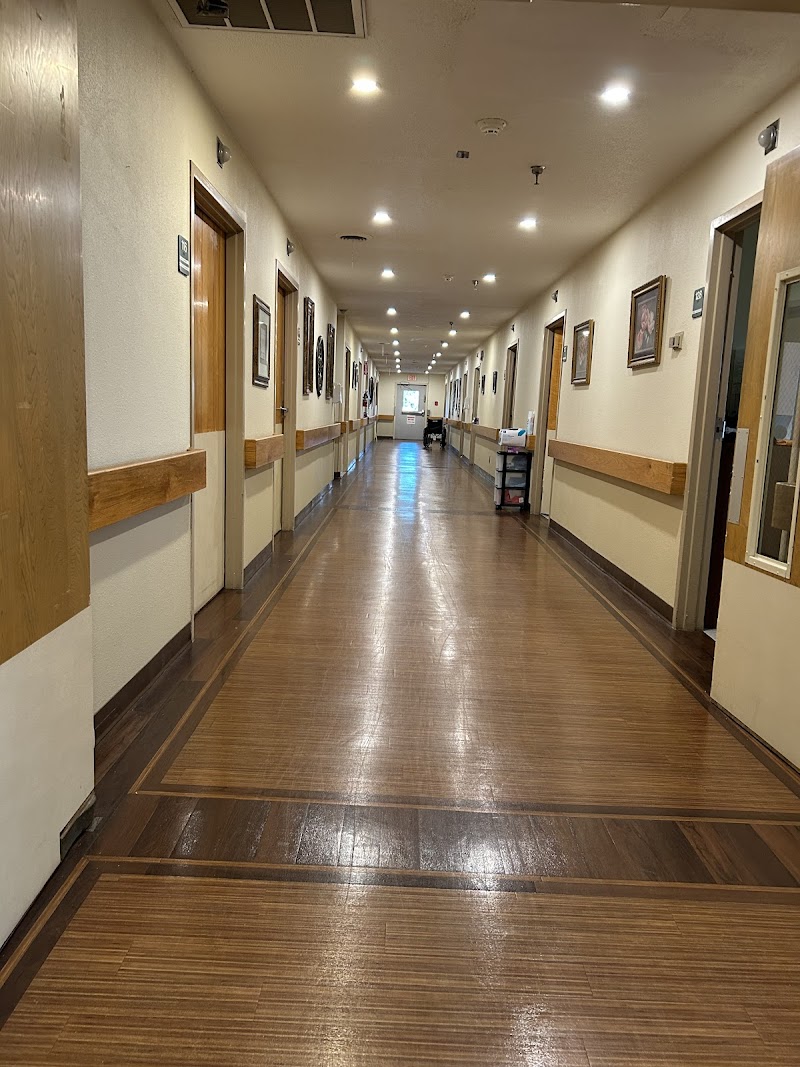
2510 W 24TH ST, PLAINVIEW, TX 79072 (806) 296-5584
Government - Hospital district 93 Beds Independent Data: November 2025 1 Immediate Jeopardy citation
Trust Grade
36/100
#805 of 1168 in TX
Last Inspection: May 2025

Inspected within the last 6 months. Data reflects current conditions.

Overview

Plainview Healthcare Center has received a Trust Grade of F, indicating significant concerns regarding the quality of care and overall management. It ranks #805 out of 1168 facilities in Texas, placing it in the bottom half of nursing homes statewide, and #2 out of 2 in Hale County, meaning only one other local option is available. While the facility is showing some improvement, with a reduction in issues from 15 to 7 over the past year, it still faces serious challenges. Staffing is average with a turnover rate of 43%, which is better than the state average, but there is less RN coverage than 90% of Texas facilities, raising concerns about adequate nursing oversight. Specific incidents include failures to properly assess and treat residents' surgical wounds, and issues with food sanitation practices, suggesting a need for significant improvements in care standards.

Trust Score
F
36/100
In Texas
#805/1168
Bottom 32%
Safety Record
High Risk
Review needed
Inspections
Getting Better
15 → 7 violations
Staff Stability
○ Average
43% turnover. Near Texas's 48% average. Typical for the industry.
Penalties
✓ Good
$19,190 in fines. Lower than most Texas facilities. Relatively clean record.
Skilled Nurses
⚠ Watch
Each resident gets only 11 minutes of Registered Nurse (RN) attention daily — below average for Texas. Fewer RN minutes means fewer trained eyes watching for problems.
Violations
⚠ Watch
28 deficiencies on record. Higher than average. Multiple issues found across inspections.
★★☆☆☆
2.0
Overall Rating
★★★☆☆
3.0
Staff Levels
★★☆☆☆
2.0
Care Quality
★★☆☆☆
2.0
Inspection Score
Stable
2024: 15 issues
2025: 7 issues

The Good

  • Full Sprinkler Coverage · Fire safety systems throughout facility
  • No fines on record
  • Staff turnover below average (43%)

    5 points below Texas average of 48%

Facility shows strength in fire safety.

The Bad

2-Star Overall Rating

Below Texas average (2.8)

Below average - review inspection findings carefully

Staff Turnover: 43%

Near Texas avg (46%)

Typical for the industry

Federal Fines: $19,190

Below median ($33,413)

Minor penalties assessed

The Ugly 28 deficiencies on record

1 life-threatening
Sept 2025 1 deficiency
CONCERN (F) 📢 Someone Reported This

A family member, employee, or ombudsman was alarmed enough to file a formal complaint

Potential for Harm - no one hurt, but risky conditions existed

Deficiency F0837 (Tag F0837)

Could have caused harm · This affected most or all residents

Based on interview and record review the facility failed to ensure the governing body of the facility had appointed an administrator, who is licensed by the state, to be responsible for the management...

Read full inspector narrative →
Based on interview and record review the facility failed to ensure the governing body of the facility had appointed an administrator, who is licensed by the state, to be responsible for the management of the facility and report to the governing body. The facility had not had an administrator since 07/16/2025. This deficient practice could place residents at risk of decreased quality of life and quality of care due to a lack of staff oversight and monitoring of care. The findings included: During an interview on 09/04/2025 at 9:32 AM, an entrance conference was conducted with the BOM who stated she was the AIT and acting as ADM for the facility. She stated that the former ADM had been terminated. During an interview on 09/04/2025 at 2:04 PM, the DON stated that the facility did not have a full-time administrator. She stated that she was not exactly sure when the last administrator was terminated, but she thought around the 20th of July. The DON stated the AIT took the administrator role, but she was not licensed and still in training. During a follow-up interview on 09/04/2025 at 3:32 PM, the AIT said the previous Administrator was terminated on 7/16/2025. She stated the facility currently did not have an administrator. The AIT stated she had not gotten a formal offer for the administrator position but that she will submit her hours in 9 days to the licensing department and then she can apply to take the test. During an interview on 09/04/2025 at 3:40 PM, the MP Dir stated she had worked at the facility for 11 years. She stated that that they do not have a full-time administrator at this time, but the AIT is acting in that role and that the former ADM was fired but not sure when his last day was. The MP Dir stated they are actively looking for an Administrator. Record review of former Administrators employee record titled Profiles dated 09/04/2025 which showed he was hired on 02/01/2018 with a termination date of 07/16/2025. Record review of a facility policy titled Administrator with revised date of April 2007 revealed the following, in part. A licensed Administrator is responsible for the day-to-day functions of the facility.1. The governing board of this facility has appointed an Administrator who is duly licensed in accordance with current federal and state requirementsi. Maintaining his/her license on a current status as required by law, and maintaining a copy of such license or registration on premises.
May 2025 6 deficiencies
CONCERN (D)

Potential for Harm - no one hurt, but risky conditions existed

Assessment Accuracy (Tag F0641)

Could have caused harm · This affected 1 resident

**NOTE- TERMS IN BRACKETS HAVE BEEN EDITED TO PROTECT CONFIDENTIALITY** Based on observations, interviews and record review, the facility failed to ensure an assessment accurately reflected a resident...

Read full inspector narrative →
**NOTE- TERMS IN BRACKETS HAVE BEEN EDITED TO PROTECT CONFIDENTIALITY** Based on observations, interviews and record review, the facility failed to ensure an assessment accurately reflected a resident's status for 1 of 12 residents (Resident #43) reviewed for accuracy of MDS assessments. -The facility did not correctly identify oxygen therapy for Resident #43 on her MDS assessment. This failure to ensure accurate assessments could affect all the residents by placing them at risk for inaccurate and incomplete MDS assessment, which could result in the residents not receiving correct care and services. Finding included: Record review of Resident #43's face sheet, dated 05/02/2025, revealed Resident #43 was a [AGE] year-old female resident admitted to the facility on [DATE] with diagnoses to include type 2 diabetes mellitus without complications (a condition where blood sugar levels are persistently high due to either the body's inability to use insulin effectively (insulin resistance) or the pancreas doesn't produce enough insulin, or both), pulmonary hypertension (a condition characterized by high blood pressure in the arteries of the lungs), dorsopathy (any disease or condition of the spine and related structures, often causing back pain), and essential hypertension (a condition in which the force of blood against the walls of the arteries is consistently elevated above normal levels). Photo of Resident #43 on face sheet revealed resident with NC on in the photo. Record review of Resident #43's active medication orders, dated 05/02/202, revealed that Resident #43 had an oxygen order that stated: May use oxygen @ 2 L per NC to maintain sats @ =/> 90% and/or SOB. every shift for SOB. Verbal Active 09/17/2024 09/17/2024 Record review of Resident #43's MAR's (medication administration record), dated 02/01/2025-02/28/2025, revealed that Resident #43 received oxygen every day for the month of February. MAR for the month of March, dated 03/01/2025-03/31/2025 revealed that Resident #43 received oxygen every day of the month. MAR for the month of April, dated 04/01/2025-04/30/2025 revealed that Resident #43 received oxygen every day of the month. Record review of Resident #43's last quarterly MDS, dated [DATE], revealed Resident #43 was not receiving oxygen therapy. The ARD date for the MDS was 02/17/2025. The MDS did reveal Resident #43 had a BIMS score of 09, which indicated Resident #43 did have moderate cognitive impairment. Resident #43 required total assistance with putting on/taking off footwear, maximal assistance was required for lower and upper body dressing, showering/bathing, and toileting hygiene. Moderate assistance was required for Resident #43 with oral and personal hygiene, and setup assistance was required for eating. During an observation on 04/30/25 at 11:38 AM Resident #43 had a NC on and oxygen concentrator was delivering oxygen on 4L/min. to Resident #43. During an observation on 05/01/25 at 01:32 PM revealed Resident #43's oxygen concentrator set at 4L/min and Resident #43 had a NC on and receiving oxygen at the time of the observation. During an observation and interview on 05/02/25 at 09:56 AM revealed Resident #43's oxygen concentrator set at 4L/min and running, but Resident #43 couldn't find her NC to put it on. Resident #43 stated she wore her oxygen all of the time, and the machine was so loud. During a record review of Resident #43's oxygen saturation log, saturation level's had not been checked since 02/11/2025. During an interview on 05/01/25 at 10:50 AM MDS nurse stated she did not put the resident would need oxygen therapy due to the resident does not need oxygen from the documentation that she needed to perform the assessment. During an interview on 05/02/25 at 01:28 PM MDS nurse stated she did not assess the resident directly she looked at the documentation she received from the floor nurses. MDS nurse stated the accuracy of her assessment was only done by reviewing the documentation she was provided. MDS nurse stated the floor nurses were supposed document accurately, and the MDS nurse stated she was unaware if the documentation was accurate or not. MDS nurse stated the DON and the Regional MDS Coordinator were responsible for checking her work. MDS Nurse stated to check the accuracy of the information she was provided she just checked orders. MDS nurse stated the negative outcome for not having an accurate assessment would be We won't get reimbursement. During an interview on 05/02/2025 at 1:32 PM DON stated the negative outcome for not performing an accurate assessment would be you don't really know what the care the resident will need, and I do sign off on them, but I should be looking at them more closely because I don't really read them. the Regional MDS should be looking at them too. Record review of the facility provided policy titled, Electronic Transmission of the MDS, revised November 2019, revealed the following: 1. All staff members responsible for completion of the MDS receive training on the assessment, data entry, and transmission processes, in accordance with the MDS RAI Instruction Manual, before being permitted to use the MDS information system. A copy of the MDS Rai Instruction Manual is maintained by resident assessment coordinator. Record review of the Long Term Care Facility Resident Assessment Instrument 3.0 User's Manual Version 1.18.11, dated October 2023 revealed the following: Section O - Special Treatments, Procedures, and Programs Respiratory Treatments: C1. Oxygen Therapy a. On Admission b. While a Resident c. At Discharge Coding Instructions for Column b. While a Resident Check all treatments, procedures, and programs that the resident received or performed after admission/entry or reentry to the facility and within the last 14 days.
CONCERN (D)

Potential for Harm - no one hurt, but risky conditions existed

Comprehensive Care Plan (Tag F0656)

Could have caused harm · This affected 1 resident

**NOTE- TERMS IN BRACKETS HAVE BEEN EDITED TO PROTECT CONFIDENTIALITY** Based on observations, interviews, and record review the facility failed to develop and implement a comprehensive person-centere...

Read full inspector narrative →
**NOTE- TERMS IN BRACKETS HAVE BEEN EDITED TO PROTECT CONFIDENTIALITY** Based on observations, interviews, and record review the facility failed to develop and implement a comprehensive person-centered care plan for each resident, consistent with resident rights that included measurable objectives and timeframes to meet a resident's medical, nursing, and mental and psychosocial needs that were identified in the comprehensive assessment and described the services that were to be furnished to attain or maintain the resident's highest t practicable physical, mental, and psychosocial well-being for 1 (Resident #37) of 16 residents reviewed for care plans. The facility failed to develop a comprehensive person-centered care plan that accurately addressed Resident #37's oxygen therapy. This failure could place residents at risk of not receiving desired and necessary care and treatment. Findings included: Record review of Resident #37's admission record dated 05/02/2025 revealed an [AGE] year-old male admitted to the facility on [DATE] with diagnoses that included unspecified diastolic congestive heart failure, acute respiratory failure with hypoxia, and hypokalemia (low potassium). Record review of Resident #37's quarterly MDS completed on 04/03/2025 revealed a BIMS score of 12 out of 15 indicating moderate cognition impairment. Section J Shortness of Breath (dyspnea) revealed no shortness of breath during exertion, sitting at rest, or lying flat. Record review of Resident #37's care plan latest revision on 04/22/2025 had a focus for Resident #37's congestive heart failure with interventions for oxygen settings: oxygen via NC/ 2-3 L continuous. Record review of Resident #37's active physician orders dated 02/22/2024 revealed the following: May use oxygen at 2 L per NC to maintain sats at or above 90 and/or SOB as needed. During an observation on 04/30/2025 at 10:08 AM, Resident #37 was in his room sitting in his recliner, the oxygen tank was located near his bed. Resident #37 was not utilizing oxygen therapy. During an observation on 04/30/2025 at 12:00 PM Resident #37 was in the dining room for lunch, he was sitting at a table alone, he was not utilizing oxygen therapy. During an observation on 05/02/2025 at 8:02 AM, Resident #37 was in the dining room for breakfast, he was sitting at a table alone, he was not utilizing oxygen therapy. During an observation and interview on 05/02/2025 at 10:23 AM, Resident #37 was in his room sitting in his recliner, he was utilizing oxygen therapy at 2LPM Resident #37 stated he did not utilize oxygen all the time, he mostly used it in his room., He stated he never used it out in the dining room. Resident #37 stated he was unsure what his orders were related to his oxygen. During an interview on 05/02/2025 at 10:38 AM, the DON stated she was responsible for ensuring care plans were done correctly and updating them as needed. The DON stated oxygen therapy should be in the care plan and it's interventions . During an interview on 05/02/2025 at 10:50 AM, the BD stated every morning during staff meetings, the staff discuss resident care and care plans. The BD stated the DON was responsible for ensuring care plans were accurate and reflected doctor orders. The BD stated if the care plan did not reflect the doctor's orders, then the resident would not get the care he or she needed. During an interview on 05/02/2025at 11:00 AM, LVN K stated the DON was responsible to ensure the care plans were accurate and that the care plan should match what the doctor ordered. LVN K stated if a doctor ordered prn oxygen, then it should reflect prn in the care plan. The negative outcome for not having an accurate care plan would be a resident would not get the services they needed. During an interview on 05/02/2025 at 11:11 AM, the MDS Coordinator stated Resident #37 did not utilize oxygen continuously and said if the care plan stated his oxygen therapy was continuous then the care plan was inaccurate. The MDS Coordinator stated she and the DON were responsible for updating residents care plans and the care plan should reflect what the physician ordered. The MDS Coordinator stated there would be no negative outcome for having an inaccurate care plan. Record review of the facility policy titled 'Care Plan, Comprehensive Person-Centered ' no date: The comprehensive, person-centered care plan: Describes the services that are to be furnished to attain or maintain the resident's highest practicable physical, mental, and psychosocial wellbeing. Reflects currently recognized standards of practice for problem areas and conditions. Care plan interventions are chosen only after data gathering, proper sequencing of events, careful consideration of the relationship between the resident's problem areas and their causes and relevant clinical decision making.
CONCERN (D)

Potential for Harm - no one hurt, but risky conditions existed

Respiratory Care (Tag F0695)

Could have caused harm · This affected 1 resident

**NOTE- TERMS IN BRACKETS HAVE BEEN EDITED TO PROTECT CONFIDENTIALITY** Based on observations, interviews, and record review, the facility failed to ensure that residents who need respiratory care wer...

Read full inspector narrative →
**NOTE- TERMS IN BRACKETS HAVE BEEN EDITED TO PROTECT CONFIDENTIALITY** Based on observations, interviews, and record review, the facility failed to ensure that residents who need respiratory care were provided such care consistent with professional standards of practice for 1 (Resident #43) of 12 residents reviewed for respiratory care. The facility failed to administer oxygen at the correct dose for Resident #43. This failure could affect all residents on oxygen therapy by placing them at risk for respiratory compromise and associated complications such as shortness of breath, confusion, respiratory failure, and exacerbation of their condition. Findings included: Record review of Resident #43's face sheet, dated 05/02/2025, revealed Resident #43 was a [AGE] year-old female resident admitted to the facility on [DATE] with diagnoses to include type 2 diabetes mellitus without complications (a condition where blood sugar levels are persistently high due to either the body's inability to use insulin effectively (insulin resistance) or the pancreas doesn't produce enough insulin, or both), pulmonary hypertension (a condition characterized by high blood pressure in the arteries of the lungs), dorsopathy (any disease or condition of the spine and related structures, often causing back pain), and essential hypertension (a condition in which the force of blood against the walls of the arteries is consistently elevated above normal levels). Photo of Resident #43 on face sheet revealed the resident with NC on in the photo. Record review of Resident #43's last quarterly MDS, dated [DATE], revealed that Resident #43 was not receiving oxygen therapy. The ARD date for MDS was 02/17/2025. The MDS did reveal that Resident #43 had a BIMS score of 09, which indicated Resident #43 did have moderate cognitive impairment. Resident #43 required total assistance with putting on/taking off footwear, maximal assistance was required for lower and upper body dressing, showering/bathing, and toileting hygiene. Moderate assistance was required for Resident #43 with oral and personal hygiene, and setup assistance was required for eating. Record review of Resident #43's active medication orders, dated 05/02/202, revealed Resident #43 had an oxygen order that stated: May use oxygen @ 2 L per NC to maintain sats @ =/> 90% and/or SOB. every shift for SOB Verbal Active 09/17/2024 09/17/2024 Record review of Resident #43's care plan, dated 03/26/2025, revealed the following: Focus o [Resident #43 name] has a terminal prognosis r/t respiratory failure -[Hospice name] hospice -continuous O2 via NC Date Initiated: 10/09/2024 Revision on: 04/10/2025 Goals o [Resident #43 name]'s comfort will be maintained through the review date. Date Initiated: 10/09/2024 Revision on: 03/26/2025 Target Date: 03/30/2025 o [Resident #43 name]'s dignity and autonomy will be maintained at highest level through the review date. Date Initiated: 10/09/2024 Revision on: 03/26/2025 Target Date: 03/30/2025 During an observation on 04/30/25 at 11:38 AM Resident #43 had a NC on and oxygen concentrator was delivering oxygen on 4L/min. to Resident #43. During an observation on 05/01/25 at 01:32 PM revealed Resident #43's oxygen concentrator set at 4L/min and Resident #43 had NC on and receiving oxygen at time of observation. During an observation and interview on 05/02/25 at 09:56 AM revealed Resident #43's oxygen concentrator set at 4L/min and running, but Resident #43 couldn't find her NC to put it on. Resident #43 stated she wore her oxygen all of the time, and that the machine was so loud. During a record review of Resident #43's oxygen saturation log, saturation level's had not been checked since 02/11/2025. During an interview on 05/02/25 at 10:04 AM LVN K stated a negative outcome for not following physician orders, the resident wouldn't get the medication that they need. During an interview on 05/02/25 at 01:32 PM DON stated a negative outcome for not following physician orders would be that the resident would not get the correct dose of medication and it could have a negative outcome for the resident. Record review of the facility provided policy titled, Oxygen Administration, revised October 2010, revealed the following: Purpose The purpose of this procedure is to provide guidelines for safe oxygen administration. Preparation 1. Verify that there is a physician's order for this procedure. Review the physician's orders for facility protocol for oxygen administration. Record review of facility provided policy titled, Administrating Medications, revised April 2019, revealed the following: .4. Medications are administered in accordance with prescriber orders, including any required time frame.
CONCERN (E)

Potential for Harm - no one hurt, but risky conditions existed

Deficiency F0761 (Tag F0761)

Could have caused harm · This affected multiple residents

Based on observations, interviews, and record review, the facility failed to ensure drugs and biologicals were stored in locked compartments and labeled in accordance with currently accepted professio...

Read full inspector narrative →
Based on observations, interviews, and record review, the facility failed to ensure drugs and biologicals were stored in locked compartments and labeled in accordance with currently accepted professional principles and include the appropriate accessory and cautionary instructions, and the expiration date when applicable on 3 of 3 medication carts (NE Hall, NW Hall, and South side Hall) and 1 of 12 residents (Resident #15) reviewed for medication storage. -Medication cart for NW Hall revealed Fluticasone Propionate nasal spray 50mcg with no open date on the bottle or resident identifying information. -Breo Ellipta had a date of 06/11/2025, with no resident identifying information. -Medication cart for NE Hall had a pill in a medication cup in the top draw of the medication cart. -Medication cart for NE hall had 1 unidentified pill loose in the bottom of the medication cart drawers. -Medication cart for NE hall had 1 loose Protonix pill in the bottom of the medication cart drawers. -Medication cart for NE hall had Fluticasone Propionate nasal spray 50mcg, for Resident # 15, bottle did not have an open date on it. -Medication cart for South side had Fluticasone Nasal spray 50mcg with no name and no open date on the bottle. -Medication cart for South side had 2 loose pills in the bottom of the medication cart drawers. The facility's failures could place residents receiving medication at risk for drug diversion, lack of drug efficacy, and adverse reactions. Findings included: During an observation and interview on 04/30/25 at 10:15 AM the medication cart for NW hall revealed Fluticasone propionate 50mcg nasal spray for Resident #8 had a date on the box of 04/23. LVN A was unsure if that was the open date or date of expiration. Fluticasone Propionate nasal spray 50mcg had no open date on the bottle or any resident information. Breo Ellipta had a date of 06/11/2025, no resident information on the medication. LVN A was unsure if this was an open date or an expiration date. LVN A stated a negative outcome for having expired medications was that the meds would be effective due to not knowing if the medication was still good or not. During an observation and interview on 04/30/25 at 10:37 AM the medication cart for NE Hall revealed a loose pill in a medication cup in the top drawer of the medication cart. LVN B stated it was a probiotic for Resident # 1. LVN B stated she pulled the probiotic out early and the medication was to be given to Resident #1 at 8am, but the resident refused it. 2 unidentified pills were found loose in in the bottom of the medication cart drawers. One pill was an Oval yellowish/cream in color pill that was identified as a Protonix. Fluticasone Propionate nasal spray 50mcg, for Resident # 15 nasal spray bottle did not have an open date on it. LVN B stated a negative outcome for having medications without expiration dates could lead to a medication not being effective. LVN B stated the negative outcome for having loose pills was staff would not know what they (the pills) would be. During an observation on 04/30/25 at 01:50 PM the medication cart for the South side revealed Fluticasone Nasal spray 50mcg with no name and no open date on the bottle of nasal spray. 2 loose pills were found in the bottom of the medication cart drawers 1 was identified as Lisinopril and the 2nd pill was identified as omeprazole by LVN E. During an interview on 04/30/25 at 02:01 PM LVN E stated the negative outcome for having loose pills in the medication cart was it could lead to the resident being short on medication at the end of the month. LVN E stated the negative outcome for not having the open date on medications that required them, would be the medication could be expired and not as effective for the resident. During an interview on 05/02/2025 at 01:32 PM DON stated the negative outcome for having loose pills in the medication carts would be that the staff don't know what the medications are. DON stated having expired medications in the cart would be the medication was not as effective as it should be. DON stated the negative outcome for not writing the open date on a medication that needs one was that the medication could be expired and then not effective and not having the name on the medication we don't know who the medication belongs to. Record review of the facility provided policy titled, Administering Medications, Revised April 2019, revealed the following: .12. The expiration/beyond use date on the medication label is checked prior to administering. When opening a multi-dose container, the date opened is recorded on the container. No other policy provided by the facility.
CONCERN (E)

Potential for Harm - no one hurt, but risky conditions existed

Infection Control (Tag F0880)

Could have caused harm · This affected multiple residents

Based on observations, interviews, and record review, the facility failed to establish and maintain an infection prevention and control program designed to provide a safe, sanitary, and comfortable en...

Read full inspector narrative →
Based on observations, interviews, and record review, the facility failed to establish and maintain an infection prevention and control program designed to provide a safe, sanitary, and comfortable environment and to help prevent the development and transmission of communicable diseases and infections for 6 of 12 residents (Resident #15, #24, #26, #27, #31, and Resident #36) reviewed for infection control. The facility failed to ensure that facility staff performed hand hygiene appropriately during medication preparation, medication administration and incontinent care. This failure could place the residents at an increased risk for potentially exposing them to viral infections, secondary infections, tissue breakdown, communicable diseases and feelings of isolation related to poor hygiene. Findings included: During an observation on 04/30/25 at 11:00 AM Resident #27 was being assisted to the restroom by CNA F who did not don any PPE. Resident #27 was on EBP due to having a wound. During an interview on 04/30/25 at 11:08 AM CNA F, stated he didn't know if Resident # 27 was on EBP precautions. CNA F went to the door of the residents room and turned to the state investigator and stated yep, he sure is. CNA F stated a negative outcome was the possibility of spreading infection to other residents. During an observation on 04/30/25 at 12:23 PM CNA C was assisting 2 unidentified residents with eating and used her right hand for both residents without performing hand hygiene in between residents. During an observation on 04/30/25 at 02:14 PM CNA C stated a negative outcome for not washing hands when assisting residents to eat was that it could lead to cross contamination. During an observation on 05/01/25 at 06:31 AM LVN B administered medication to Resident #15 who was on EBP and did not don PPE to perform a glucose check or to administer insulin to Resident #15. LVN B did not perform hand hygiene before administering insulin and did not perform a glove change after preparing medication and then entering the resident's room. During an observation on 05/01/25 at 06:34 AM LVN B administered insulin to Resident #24, LVN B did not clean glucometer before performing the glucose check and did not perform hand hygiene before donning gloves to perform the glucose check. LVN B used the same gloves she prepared medications with and administered insulin to Resident #24 without performing HH or a glove change. During an interview on 05/01/25 at 06:45 AM LVN B stated the negative outcome for not performing HH and not donning PPE for a resident on EBP was it could lead to the passing of bacteria on to another resident. During an observation on 05/01/25 at 06:48 AM LVN A who was preparing medicated eye gtts for Resident #31, did not perform HH before donning gloves to administer eye gtts. LVN A did not perform HH after removing gloves. During an observation on 05/01/25 at 06:56 AM LVN A donned gloves at her medication cart which was located midway down the NE hall and walked to the end of the hallway were Resident #36's room was, Resident #36's roommate was on contact precautions for ending stages of shingles. LVN A left room with the gloves on that she checked Resident #36's blood sugar with and walked down the hall with dirty gloves on and touched her medication cart. LVN A removed gloves and did not perform HH. During an observation on 05/01/25 at 07:07 AM LVN A did not perform HH and did not don gloves to administer insulin to Resident #23 and did not perform HH after the administration of medication. During an observation on 05/01/25 at 07:18 AM LVN A did not perform HH before donning gloves for insulin injection of Resident #35. During an interview on 05/01/25 at 07:28 AM LVN A stated by not performing HH or donning/doffing gloves at the appropriate times could lead to cross contamination and the spread of germs. During an observation on 05/01/25 at 12:27 PM CNA D was assisting the wound doctor and LVN M with incontinent care and wound care for Resident #26. CNA D walked into the room and did not don PPE since Resident #26 was on EBP for a wound and Foley catheter. CNA D did not wash hands before donning gloves and took over the incontinent care for LVN M who was washing hands and donning new gloves so she could start wound care for Resident #26. CNA D did not perform HH after performing care and doffed and donned new gloves with no HH performed in between glove change. Before wound care was started she donned a gown. At the end of assisting LVN M with wound care CNA D did not perform HH. During an interview on 05/01/25 at 12:51 PM CNA D stated the negative outcome would be that other residents could get an infection. During an interview on 05/02/25 at 01:32 PM DON stated a negative outcome for not performing HH could lead to the transmission of microbes to everywhere and everyone. DON stated the negative outcome for not donning gloves to perform an injection could lead to a potential a stick and it isn't safe. DON stated a negative outcome for not donning PPE for residents on EBP was the potential to transmit bacteria via clothing. Record review of facility provided policy titled, Administering Medications, revised April 2019, revealed the following: .25. Staff follows established facility infection control procedures (e.g., handwashing, antiseptic technique, gloves, isolation precautions, etc.) for the administration of medications, as applicable. Record review of the facility provided policy titled, Insulin Administration, revised September 2014, revealed the following: .Steps in the procedure (Insulin Injections via Syringe) 1. Wash Hands . 21. Wash hands. Record review of facility provided policy titled, Handwashing/Hand Hygiene, revised August 2019, revealed the following: Policy Statement This facility considers hand hygiene the primary means to prevent the spread of infections. Policy Interpretation and Implementation 1. All personnel shall be trained and regularly in-serviced on the importance of hand hygiene in preventing the transmission of healthcare-associated infections. 2. All personnel shall follow the handwashing/hand hygiene procedures to help prevent the spread of infections to other personnel, resident, and visitors. .7. .c. Before preparing or handling medications. .e. Before and after handling an invasive device (e.g., urinary catheters, .) . .H. before moving from a contaminated body site to a clean body site during resident care; . .m. after removing gloves; n. Before and after entering isolation precautions settings; o. Before and after eating or handling food; p. Before and after assisting a resident with meals; . .8. Hand hygiene is the final step after removing and disposing of person protective equipment. 9. The use of gloves does not replace hand washing/hand hygiene. Integration of glove use along with routine hand hygiene is recognized as the best practice for preventing healthcare-associated infections.
CONCERN (F)

Potential for Harm - no one hurt, but risky conditions existed

Food Safety (Tag F0812)

Could have caused harm · This affected most or all residents

Based on observation, interview, and record review, the facility failed to store, prepare, and serve food under sanitary conditions in 1 of 1 kitchens when they failed to: A. Ensure kitchen staff use...

Read full inspector narrative →
Based on observation, interview, and record review, the facility failed to store, prepare, and serve food under sanitary conditions in 1 of 1 kitchens when they failed to: A. Ensure kitchen staff used proper hand washing and sanitation procedures when handling food. This failure could cause decreased meal satisfaction and decreased meal consumption due to using unsanitary practices in the facility's only kitchen and could affect all residents in the facility that receive meals from the facility kitchen. Findings included: Observation of the kitchen food prep activities on 4/30/25 from 11:15 a.m. to 12:35 p.m. revealed the following: In an observation and interview on 4/30/25 at 11:40 a.m., [NAME] I was observed in the kitchen with gloved hands, chopping meat for lunch using a spoon to chop the meat. [NAME] I pushed meat off the bowl of the spoon with her gloved hands. [NAME] I did not wash her hands. [NAME] I took off her gloves and applied new gloves from her pocket. [NAME] I began touching the meat with her gloved hand, picked up the meat and put the chopped meat in the metal container. [NAME] I was asked if she realized she had not washed her hands and had touched other surfaces then touched the meat with her gloved hands. [NAME] I just smiled and said she did not speak English. The DM was present and stated to [NAME] I in Spanish, she needed to wash hands and change gloves between tasks. The DM stated she expected [NAME] I to wash her hands, and change her gloves between tasks before putting on new gloves. In an observation and interview on 4/30/25 at 11:50 am [NAME] J was observed carrying a tray of glasses to the serving counter with gloved hands. [NAME] J set the tray on the counter and began turning the glasses right side up. [NAME] J picked up a glass with one gloved hand and grabbed a handful of ice with his other gloved hand. [NAME] J filled the glass with ice. [NAME] J then put the glass down and picked up another glass. [NAME] J then filled another glass of ice using his gloved hand and set the glass down. [NAME] J touched other kitchen surfaces in the kitchen then filled another glass with ice using his gloved hand. [NAME] J did not wash his hands or change his gloves. [NAME] J was asked if he realized he had touched the ice after touching other kitchen surfaces. [NAME] J stated No, I did not. [NAME] J refused to speak to this writer the rest of the observation. In an observation and interview on 4/30/25 at 11: 55 am, [NAME] I was observed with gloved hands to touch food trays, picked up the serving utensils, put the serving utensils down on the counter, removed the lids off the food on the tray line, picked up the serving utensils and placed them into the food items, picked up tray tickets and put them down, picked up a plate, put the plate down, picked up tray tickets again and then picked up a plate. [NAME] I began plating the food. [NAME] I picked up a roll with her gloved hands and placed it on the plate. [NAME] I picked up another plate, plated the food and picked up another roll with her gloved hand and placed the roll on the plate. [NAME] I was asked if she realized she had touched various surfaces in the kitchen and then used her hand to pick up the roll. [NAME] I smiled and said No English and continued to plate the food. [NAME] I did not change her gloves. The DM was present and spoke to [NAME] I. [NAME] I used tongs to place the roll on the plates for the next few plated meals. In an observation and interview on 4/30/25 at 12:20 pm, [NAME] I was observed from the kitchen/ dining room window picking up utensils, plates, touching the serving cart and then plating food. [NAME] I was seen picking up a roll with her gloved hands and placing the roll on the plate. [NAME] I then picked up another plate, plated the food and placed a roll on the next plate. [NAME] I did not change her gloves or wash her hands. In an interview on 5/1/25 at 10:00 am, the DM was asked about handwashing. The DM stated They shouldn't be touching the food. FSS further stated, Tongs should be used to serve rolls. The DM stated the staff were just nervous. She stated both [NAME] I and [NAME] J came to her and stated they were nervous and just forgot to wash and change gloves. The DM stated she was trained by the Dietician for her job duties. The DM stated she trained the staff on handwashing and glove use and had just in serviced the staff that week. The DM stated the consequences of not washing hands and changing gloves was cross contamination. Record Review of the facility's policies titled Indications for Glove Use with a date of 2009, documented: ' Food service employees may not contact exposed ready to eat food or food that will be cooked with their bare hands and shall use suitable utensils . Change gloves when an unsensitized surface is touched. Change gloves when beginning a different task . Record Review of the facility's policies titled Safe Food Preparation with a date of 2009, documented: ' Prepare foods in a sanitary manner with minimal handling Hands do not touch areas of utensils, dishware or silverware where the food or mouth is placed. Avoid touching foods with bare hands. Use tongs instead. Record Review of the facility's policies titled Safe Food Handling with a date of 2009, documented: ' Follow all local, State and Federal regulations when handling food. Food is served with clean sanitized utensils.
Sept 2024 3 deficiencies 1 IJ (1 affecting multiple)
CRITICAL (K) 📢 Someone Reported This

A family member, employee, or ombudsman was alarmed enough to file a formal complaint

Immediate Jeopardy (IJ) - the most serious Medicare violation

Quality of Care (Tag F0684)

Someone could have died · This affected multiple residents

**NOTE- TERMS IN BRACKETS HAVE BEEN EDITED TO PROTECT CONFIDENTIALITY** Based on observation, interviews, and record review, it was determined the facility failed to ensure that residents received tre...

Read full inspector narrative →
**NOTE- TERMS IN BRACKETS HAVE BEEN EDITED TO PROTECT CONFIDENTIALITY** Based on observation, interviews, and record review, it was determined the facility failed to ensure that residents received treatment and care in accordance with the professional standards of practice and comprehensive person-centered care plan for 2 of 5 residents (Residents #1 and #2) reviewed for Quality of Care. The facility failed to ensure Resident #1's surgical wound was assessed, and wound care orders were received from the hospital upon admission to the facility. Resident #1 had a post-surgery check up on 9/3/24, 18 days after admission and the bulky wound dressing from the surgery was still covering the wound and was dried to his leg but the incision was not infected. The facility failed to ensure Resident #2's surgical wound was assessed, and wound care orders were received from the hospital upon admission to the facility. Resident #2 had a post-surgery check up on 9/3/24, 13 days after admission and the bulky wound dressing from the surgery was still covering the wound and was soaking wet. No infection was present at this time, but the surrounding tissue was excoriated. An Immediate Jeopardy (IJ) was identified on 9/18/24 at 4:15 p.m. While the IJ was removed on 9/20/24 at 2:15 p.m., the facility remained out of compliance at a scope of Isolated with the potential for harm because the facility's need to implement and monitor the effectiveness of its corrective systems. These failures could place residents at risk for a delay in treatment or diagnosis, a decline in the resident's condition, the need for hospitalization or death. Findings include: Resident #1 Record review of Resident #1's clinical record revealed he admitted to the facility on [DATE], was [AGE] years of age with the following diagnoses: orthopedic aftercare of fracture of right femur (broken thigh bone), history of falling, muscle weakness, unsteadiness on feet, malignant neoplasm of prostate (a disease that occurs when malignant cells form in the prostate gland), anemia (a condition in which the blood doesn't have enough healthy red blood cells and hemoglobin, a protein found in red blood cells, to carry oxygen all through the body), hyperlipidemia (too high fat levels in the blood), Idiopathic Peripheral Autonomic Neuropathy (a condition that causes damage to the peripheral nerves without a known cause with symptoms that often affect the feet), hypertension (high blood pressure), Atherosclerotic heart disease of native coronary artery (a common heart condition that occurs when plaque builds up in the coronary arteries) and angina pectoris (chest pain) Record review of a Medicare 5-day MDS resident assessment, dated 8/22/24, documented Resident #1 scored 14 of 15 on a mini-mental exam for cognitive awareness and was interviewable, had a surgical wound with no dressing changes. Record review of Physician Orders, dated 8/16/24, revealed there were no wound care orders for Resident #1. Record review of nurses notes, dated 8/16/24 through 9/4/24, during Resident #1's stay at the nursing home, did not document any wound assessments. Record review of an admission Data Collection form, dated 8/16/24, did not document any skin issues for Resident #1. Record review of a Head to Toe Skin Checks form, dated 8/19/24, documented Resident #1 had existing bruises to right forearm, multiple small scabs to right shin and had a dressing to right hip. Record review of a Head to Toe Skin Checks form, dated 8/26/24, documented Resident #1 had existing bruises to right forearm, multiple small scabs to right shin - no dressing to right hip documented on this skin check. Resident #2 Record review of Resident #2's clinical record revealed she admitted to the facility on [DATE], was [AGE] years of age with the following diagnoses: intertrochanteric fracture of left femur (a type of fracture that occurs in the upper part of the thigh bone between the greater and lesser trochanters - most common hip fracture in the elderly), hyperlipidemia (too high fat levels in the blood), essential tremor (a nervous system disorder that causes rhythmic shaking), hypertension (high blood pressure), muscle weakness, chronic kidney disease - stage 3 (a midpoint on the CKD spectrum, where kidneys have mild to moderate damage and are less able to filter waste from the blood), abnormal gait and mobility (abnormal walking pattern) and lack of coordination. Record review of a Medicare 5-day MDS resident assessment, dated 8/27/24, documented Resident #2 scored 12 of 15 on a mini-metal exam for cognitive awareness and was interviewable, had surgical wound with dressing orders. Record review of Physician Orders for Wound Care for Resident #2: Do not remove Dermabond tape on incision: okay to shower. Record review of nurses notes, from 8/21/24 to 9/3/24, did not document any wound assessments. During an interview on 9/10/24 at 4:25 p.m., a confidential complainant #1 stated both Resident #1 and #2 had orders, when they admitted , to remove the bulky dressing which covered the Dermabond, after three days and leave the Dermabond on the surgical wounds so the site could be assessed. (Dermabond is a skin closure like superglue for the skin). The confidential complainant #1 stated on their post-surgical visits, the bulky dressings were present - Resident #1's bulky dressing was dried up and Resident #2's bulky dressing was soaking wet and her skin around the surgical incision was excoriated. The confidential complainant #1 stated the bulky dressings on Residents #1 and #2 were not removed and staff at the nursing home were giving Resident #2 a shower with the bulky dressing still intact. The confidential complainant #1 stated Resident #1 has his bulky dressing on for 18 days and Resident #2 had the bulky dressing on for 13 days. The confidential complainant #1 stated the surgical incision was covered by the Dermabond and the wounds were not infected but the physician orders were not followed. During an interview on 9/11/24 at 9:25 a.m., the MDS Coordinator A stated they do not have a wound care nurse, each nurse does dressing changes for the residents in their care. MDS Coordinator A stated on the weekends, they have an RN who oversees all the dressing changes and care issues. During an interview on 9/11/24 at 9:45 a.m., LVN A stated he does his own dressing changes, and he did not have any surgical dressing changes at this time. During an interview on 9/11/24 at 10:20 a.m., LVN B stated she does wound care on the residents on her hallway. LVN B stated she did not have any surgical wounds on her side of the building at this time. During an interview on 9/11/24 at 11:45 a.m., the DON stated she had never had any complaints about wound care. The DON stated she remembered Resident #1 had a seven-day dressing on and that was left until the resident went back to the surgeon. The DON stated when Resident #1's dressing was taken off at the doctor, the wound was irritated around the wound from the tape. The DON stated they did not have any wound care orders for Resident #1. The DON stated sometimes a resident comes with wound care orders and sometimes they don't. The DON stated if a resident with a surgical wound was admitted to the facility, she would expect the nurse to call the doctor and get orders for wound care. The DON stated Resident #2 had hip surgery also and was admitted with wound care orders, but the order was just to not remove the Dermabond. The DON stated the nurse on duty does the admission assessment and would document any skin issues. The DON stated LVN A was the nurse that did Resident #2's initial assessment and he would know more about the wound care orders. During a follow-up interview on 9/11/24 at 12:15 p.m., LVN A stated Resident #2 had a dressing on her hip when she admitted but there were no orders to take the dressing off. LVN A stated the doctor usually does not take anything (dressings) off until after the first visit back to the doctor. LVN A stated when a resident admits with a wound, the nurse needs to call the doctor for orders because PT does the wound care at the hospital. LVN A stated they typically do not take off any surgical wound dressings until the resident has seen the surgeon. LVN A stated he should have called the physician and double checked the wound care orders for Resident #2. During a confidential interview #2 on 9/11/24 at 1:50 p.m., it was said the Resident #2's physician was very upset because when Resident #2 went for her initial checkup after surgery, the dressing on the wound was sopping wet and had never been taken off. The confidential interview #2 stated staff were giving Resident #2 a shower and never covered the dressing up. The confidential interview #2 stated the Nurse Practitioner said Resident #2 had a severe case of diaper rash on her hip but Resident #2's wound was not infected, and Resident #2 was very fortunate the wound was not infected. The confidential interview #2 stated staff never removed the covering over the surgical incision like they should have. During a telephone interview on 9/11/24 at 2:30 p.m., Resident #1 stated the dressing on his leg was never changed during his stay at the facility. Resident #1 stated the Nurse Practitioner told him that the outer dressing should have been removed after three days and that was not done. Resident #1 stated his hip wound was not infected and everything was fine, but it could have been worse, at his age (95), it could have been very bad. During an interview on 9/12/24 at 11:30 a.m., the Administrator stated staff should have called for wound care orders for Residents #1 and #2 when they were admitted if they did not have orders with them. The Administrator stated staff did not call to get wound care orders for either resident, but they should have. An observation on 9/12/24 at 12:00 p.m., of Resident #2's surgical incision on her hip revealed the incision was across her lower left buttock, was healing and was pink around the edges. The pink color went around the edges of the incision site for about 3 to 4 inches. During a follow-up interview on 9/17/24 at 9:05 a.m., the confidential complainant #1 was informed that the facility did not receive wound care orders when Resident #1 and #2 admitted to the facility. The confidential complainant #1 stated the orders were written and given to the van driver who picked up the residents at the hospital. The confidential complainant #1 stated if a resident admitted with no orders for wound care, it would be nursing 101 for the nurse on duty to call the physician or nurse practitioner for wound care orders at that time. During an interview on 9/18/24 at 10:55 a.m., RN C stated she works every weekend and does wound care for residents with orders. RN C stated Resident #1 and Resident #2 did not have any wound care or dressing changes ordered so there was no wound care completed for those two residents. RN C stated she did check both resident's dressings to make sure they were clean, but she never removed any dressings because there were no orders for removing a dressing or changing a dressing. RN C stated she felt she was the only nurse in the facility that looked at any wounds because the DON doesn't do it. RN C checked PCC for any documentation or assessments in the computer and there was not any documentation for Resident #1 or Resident #1. RN C stated she was thinking about leaving the facility due to the lack of leadership. Record review of a policy titled, admission Assessment and Follow up: Role of the Nurse revealed the following: Purpose: The purpose of this procedure is to gather information about the resident's physical, emotional, cognitive, and psychosocial condition upon admission for the purposes of managing the resident, initiating the care plan, and completing required assessment instruments, including the MDS. 8. Conduct a physical assessment, including the following systems: j. skin: 1. All wounds or surgical incisions should be looked at and documented. Nurse must ensure that there are any wound care orders, and if not, then MD or physician that completed the surgery must be contacted for any wound care orders day of admission and documentation should be charted on who was contacted and the orders given. 12. Contact the Attending Physician to communicate and review the findings of the initial assessment and any other pertinent information and obtain admission orders that are based on these findings. The facility was notified an Immediate Jeopardy was identified on 9/18/24 at 4:15 p.m. and the Immediate Jeopardy templates were provided to the Facility's Administrator and a Plan of Removal was requested. The following Plan of Removal was submitted on 9/19/24 at 3:10 p.m. and accepted on 9/19/24 at 3:20 p.m. Plan of Removal for F 684 A. This deficient practice will be corrected. Chart reviews have been completed for all residents that have wounds to ensure that they have orders. Dressing changes and assessments have been documented in the resident's clinical record. Wound care has been completed and wound care orders for the residents were followed per the physician orders. Nursing staff has been re-educated and in-serviced on ensuring residents have wound orders for surgical wounds on admission, assessment, and documentation of wound/skin in PCC every shift, informing the physician of any changes as needed. B. This deficient practice has the potential to affect all residents. C. IDT/Nursing staff has been re-educated and in-serviced on ensuring residents have wound orders for surgical wounds on admission, assessment, and documentation of wound/skin in PCC every shift, informing physician of any changes as needed. D. DON/Designee will monitor assessment of skin documentation and assist in physician notification of any changes and to ensure orders are obtained for any wounds. Administrator will have oversight. QAPI committee will monitor monthly until compliance is assured. Will be done by 9/19/24. On 9/20/24 at 8:00 a.m., the surveyor confirmed the Plan of Removal was sufficiently implemented by: 1. During the interviews that occurred on 9/20/24 starting at 10:20 a.m. and ending at 2:00 p.m., nursing staff were able to describe what steps to follow when a resident was admitted with a wound dressing and no orders. On admission to the facility, every resident's skin will be assessed from head to toe for any kind of skin issues or surgical incisions. If a resident was admitted to the facility with any kind of a wound and had no orders for care and dressing changes (if needed), the physician or nurse practitioner would be contacted to obtain orders. Wound care orders would be placed on the TAR and immediately implemented. Documentation should be charted in the clinical record who was contacted for orders and the orders given. The wounds would be assessed every shift for any changes of the wound and the physician or nurse practitioner would be informed of changes. 2. Interviews conducted with nursing staff working at the facility on 9/20/24: Administrator, DON, LVN A. RN C, LVN D, LVN E, MDS Coordinator B. Telephone interviews with staff on 9/20/24: MDS Coordinator A and LVN F, G, H, I J, and K. All staff were interviewed on all shifts. (NOTE: During a follow-up interview on 9/20/24 at 2:00 p.m., the DON stated LVN B was let go earlier this week and RN C just gave her resignation so as of today, she was the only RN left working in the facility. The DON stated the facility has 7 full times nurses, 3 PRN nurses and agency staff were always in the facility. The DON stated they advertise for nurses all the time, but no one wants to work. 3. Record review of the in-service sheets reflected all nursing staff had been trained on the facility's Daily Documentation Guidelines - when a resident is skilled, please document on the topics as listed below every shift, and Wound Assessment and Documentation. An Immediate Jeopardy (IJ) was identified on 9/18/24 at 4:15 p.m. While the IJ was removed on 9/20/24 at 2:15 p.m., the facility remained out of compliance at a scope of Isolated with the potential for harm because the facility's need to implement and monitor the effectiveness of its corrective systems.
CONCERN (D) 📢 Someone Reported This

A family member, employee, or ombudsman was alarmed enough to file a formal complaint

Potential for Harm - no one hurt, but risky conditions existed

Deficiency F0655 (Tag F0655)

Could have caused harm · This affected 1 resident

**NOTE- TERMS IN BRACKETS HAVE BEEN EDITED TO PROTECT CONFIDENTIALITY** Based on interview and record review, the facility failed to develop and implement a baseline care plan for each resident that i...

Read full inspector narrative →
**NOTE- TERMS IN BRACKETS HAVE BEEN EDITED TO PROTECT CONFIDENTIALITY** Based on interview and record review, the facility failed to develop and implement a baseline care plan for each resident that includes the instructions needed to provide effective person-centered care of the resident that meet professional standards of quality care for one of 5 residents (Resident #1) reviewed for baseline care plans. The facility failed to develop a baseline care plan for Resident #1 that included assessment and dressing changes for a surgical wound. This failure could place residents at risk of receiving care that is substandard, unable to meet their needs, or inadequate to prevent complications such as a serious wound infection, wound deterioration, sepsis, or death. Findings include: Record review of Resident #1's clinical record revealed he admitted to the facility on [DATE], was [AGE] years of age with the following diagnoses: orthopedic aftercare of fracture of right femur (broken thigh bone), history of falling, muscle weakness, unsteadiness on feet, malignant neoplasm of prostate (a disease that occurs when malignant cells form in the prostate gland), anemia (a condition in which the blood doesn't have enough healthy red blood cells and hemoglobin, a protein found in red blood cells, to carry oxygen all through the body), hyperlipidemia (too high fat levels in the blood), Idiopathic Peripheral Autonomic Neuropathy (a condition that causes damage to the peripheral nerves without a known cause with symptoms that often affect the feet), hypertension (high blood pressure), Atherosclerotic heart disease of native coronary artery (a common heart condition that occurs when plaque builds up in the coronary arteries) and angina pectoris (chest pain) Record review of a Medicare 5-day MDS resident assessment, dated 8/22/24, documented the resident scored 14 of 15 on a mini-mental exam for cognitive awareness which indicated the resident was interviewable, had a surgical wound with no dressing changes. Record review of Physician Orders, dated 8/16/24, revealed there were no wound care orders for Resident #1. Record review of nurses notes, dated 8/16/24 through 9/4/24, during Resident #1's stay at the nursing home, did not document any wound assessments. Record review of an admission Data Collection form, dated 8/16/24, did not document any skin issues for Resident #1. Record review of a Head to Toe Skin Checks form, dated 8/19/24, documented Resident #1 had existing bruises to right forearm, multiple small scabs to right shin and had a dressing to right hip. Record review of a Head to Toe Skin Checks from, dated 8/26/24, documented Resident #1 had existing bruises to right forearm, multiple small scabs to right shin - no dressing to right hip documented on this skin check. Record review of Resident #1's baseline care plan, dated 8/18/24, revealed the document did not contain any information about the resident's primary reason for receiving skilled services, which was after care for hip surgery - dressing changes, assessing the wound for any changes and documenting in the clinical record what was found. During an interview on 9/18/24 at 1:20 p.m., the DON stated the baseline care plan should include wound care orders and assessments of those wounds but Resident #1 did not have them in the baseline care plan. During a confidential interview #1 on 9/10/24 at 4:25 p.m., it was stated Resident #1 had orders, when he admitted , to remove the bulky dressing which covered the Dermabond, after three days and leave the Dermabond on the surgical wounds so the site could be assessed. (Dermabond is a skin closure like superglue for the skin). The confidential interview #1 stated on his post-surgical visit, the bulky dressings were present - Resident #1's bulky dressing was dried up and stuck to his buttocks. The confidential interview #1 stated the bulky dressing on Residents #1 was not removed. The confidential interview #1 stated Resident #1 has his bulky dressing on for 18 days. The confidential interview #1 stated the surgical incision was covered by the Dermabond and the wounds were not infected but the physician orders were not followed and the possibility of Resident #1's surgical incision getting infected was elevated. During a telephone interview on 9/11/24 at 2:30 p.m., Resident #1 stated the dressing on his leg was never changed during his stay at the facility. Resident #1 stated the Nurse Practitioner told him that the outer dressing should have been removed after three days and that was not done. Resident #1 stated his hip wound was not infected and everything was fine, but it could have been worse, at his age (95), it could have been very bad. Record review of the policy titled, Care Plans -Baseline, revised 3/2022, revealed the following: A baseline plan of care to meet the resident's immediate health and safety needs is developed for reach resident within forty-eight (48) hours of admission. Policy Interpretation and Implementation 1. The baseline care plan includes instructions needed to provide effective, person-centered care of the resident that meet professional standards of quality care and must include the minimum healthcare information necessary to properly care for the resident including, but not limited to the following: a. Initial goals based on admission orders and discussion with the resident /representative. b. Physician orders. c. Dietary orders. d. Therapy services. e. Social Services; and f. PASARR recommendation, if applicable.
CONCERN (D) 📢 Someone Reported This

A family member, employee, or ombudsman was alarmed enough to file a formal complaint

Potential for Harm - no one hurt, but risky conditions existed

Comprehensive Care Plan (Tag F0656)

Could have caused harm · This affected 1 resident

**NOTE- TERMS IN BRACKETS HAVE BEEN EDITED TO PROTECT CONFIDENTIALITY** Based on observation, interview and record review, the facility failed to develop and implement a comprehensive care plan for ea...

Read full inspector narrative →
**NOTE- TERMS IN BRACKETS HAVE BEEN EDITED TO PROTECT CONFIDENTIALITY** Based on observation, interview and record review, the facility failed to develop and implement a comprehensive care plan for each resident that includes measurable objectives and timeframes to meet a resident's medical, nursing, and mental and psychosocial needs that are identified in the comprehensive assessment and describes the services that are to be furnished to obtain or maintain the resident's highest practicable physical, metal, and psychosocial well-being for 1 of 5 residents (Resident #2) whose comprehensive care plans were reviewed. The facility failed to develop a comprehensive care plan for Resident #2 that included dressing changes, assessing the wound for any changes and documenting in the clinical record what was found. This failure could place residents at risk of receiving care that is substandard, unable to meet their needs, or inadequate to prevent complications such as a serious wound infection, wound deterioration, sepsis, or death. Findings include: Record review of Resident #2's clinical record revealed she admitted to the facility on [DATE], was [AGE] years of age with the following diagnoses: intertrochanteric fracture of left femur (a type of fracture that occurs in the upper part of the thigh bone between the greater and lesser trochanters - most common hip fracture in the elderly), hyperlipidemia (too high fat levels in the blood), essential tremor (a nervous system disorder that causes rhythmic shaking), hypertension (high blood pressure), muscle weakness, chronic kidney disease - stage 3 (a midpoint on the CKD spectrum, where kidneys have mild to moderate damage and are less able to filter waste from the blood), abnormal gait and mobility (abnormal walking pattern) and lack of coordination. Record review of a Medicare 5-day MDS resident assessment, dated 8/27/24, documented Resident #2 scored 12 of 15 on a mini-metal exam for cognitive awareness and was interviewable, had surgical wound with dressing orders. Record review of Physician Orders for Resident #2 indicated Wound Care: Do not remove Dermabond tape on incision: okay to shower. Record review of nurses' notes, from 8/21/24 to 9/3/24, did not document any wound care or assessments for Resident #2. Record review of Resident #2's comprehensive care plan, dated 9/11/24, revealed the document did not contain any information about the resident's primary reason for receiving skilled services, which was after care for hip surgery - dressing changes, assessing the wound for any changes and documenting in the clinical record what was found. During an interview on 9/18/24 at 1:20 p.m., the DON stated the comprehensive care plan should include wound care orders and assessments of those wounds but Resident #2 did not have them in the comprehensive care plan. During a confidential interview #1 on 9/10/24 at 4:25 p.m., it was said Resident #2 had orders, when she admitted , to remove the bulky dressing which covered the Dermabond, after three days and leave the Dermabond on the surgical wounds so the site could be assessed. (Dermabond is a skin closure like superglue for the skin). The confidential interview #1 stated on her post-surgical visit, the bulky dressing was present - Resident #2's bulky dressing was soaking wet and her skin around the surgical incision was excoriated like a bad diaper rash. The confidential interview #1 stated the bulky dressing on Residents #2 was not removed and staff at the nursing home were giving Resident #2 a shower with the bulky dressing still intact. The confidential interview #1 stated Resident #2 had the bulky dressing on for 13 days. The confidential interview #1 stated the surgical incision was covered by the Dermabond and the wounds were not infected but the physician orders were not followed and the possibility of Resident #2's surgical incision getting infected was elevated. During a confidential interview #2 on 9/11/24 at 1:50 p.m., it was said the Resident #2's physician was very upset because when Resident #2 went for her initial checkup after surgery, the dressing on the wound was sopping wet and had never been taken off. The confidential interview #2 stated staff were giving Resident #2 a shower and never covered the dressing up. The confidential interview #2 stated the Nurse Practitioner said Resident #2 had a severe case of diaper rash on her hip but Resident #2's wound was not infected, and Resident #2 was very fortunate the wound was not infected. The confidential interview #2 stated staff never removed the covering over the surgical incision like they should have. Record review of a policy titled, Care Plans, Comprehensive Person-Centered, revised 3/2022, revealed the following: A comprehensive, person-centered care plan that includes measurable objectives and timetables to meet the resident's physical, psychosocial and functional needs is developed and implemented for each resident. Policy Interpretation and Implementation 7. The comprehensive, person-centered care plan: a. includes measurable objectives and timeframes. b. describes the services that are to be furnished to attain or maintain the resident's highest practicable physical, mental, and psychosocial well-being. c. Includes the resident's stated goals upon admission and desired outcomes. d. builds on the resident's strength; and e. reflects currently recognized standards of practice for problem areas and conditions.
May 2024 3 deficiencies
CONCERN (D) 📢 Someone Reported This

A family member, employee, or ombudsman was alarmed enough to file a formal complaint

Potential for Harm - no one hurt, but risky conditions existed

Pharmacy Services (Tag F0755)

Could have caused harm · This affected 1 resident

**NOTE- TERMS IN BRACKETS HAVE BEEN EDITED TO PROTECT CONFIDENTIALITY** Based on record review and interview the facility failed to provide pharmaceutical services (including procedures that assure th...

Read full inspector narrative →
**NOTE- TERMS IN BRACKETS HAVE BEEN EDITED TO PROTECT CONFIDENTIALITY** Based on record review and interview the facility failed to provide pharmaceutical services (including procedures that assure the accurate acquiring, receiving, dispensing, and administering of all drugs and biologicals to meet the eneds of each resident for 1 (Resident #1) of 5 residents reviewed for pharmaceutical services. The facility failed to transcribe Resident #1's order for Amitriptyline (an antidepressant medication) accurately. The dose was entered into the EHR as 100 mg per day rather than the ordered 25 mg per day. This failure could place residents at risk of receiving incorrect doses of medication resulting in overmedication. Findings Included: Record review of Resident #1's admission record dated 05/08/24 revealed a [AGE] year-old male admitted for a short term to the facility on [DATE] with diagnoses that included, but were not limited to, aftercare following joint replacement surgery, atrial fibrillation (an irregular, often rapid heart rate that commonly causes poor blood flow), fracture of base of neck of right femur (break in the neck of the big bone of the right leg near where the ball goes into the hip socket), volume depletion (abnormally low extracellular fluid in the body due to decrease in salt and water or decrease in blood volume), hypo-osmolality (decrease in the levels of electrolytes, chemicals, and other fluids in the blood) and hyponatremia (sodium levels in the blood are extremely low can cause nausea, headache, fatigue, or confusion), type 2 diabetes mellitus (insufficient production of insulin, causing high blood sugar), and heart failure (heart muscle fails to pump blood as it should). Resident #1 was discharged from the facility to a hospital on [DATE]. Record review of Resident #1's MDS front sheet in the EHR revealed his admission MDS was in progress. Record review of Resident #1's in progress admission MDS revealed Section C had been completed and Resident #1 had a BIMS of 11 which indicated moderately impaired cognition. Record review of Resident #1's baseline care plan completed by DON on 05/03/24 revealed he was able to communicate easily with staff. Resident #1's goals were to remain safe and get stronger to return to the community. Resident #1 needed one-person physical assist across his ADL's except for eating where he only needed set up assistance. Resident #1 was cognitively alert and intact. Resident #1 was receiving psychotropic medication. His medication list was provided to him and reconciled by him. Record Review of Resident #1's Order Summary Report dated 05/08/24 revealed an order for Amitriptyline Tablet 100 MG each day at bedtime for depression. Record review of Resident #1's Progress Notes revealed the following: A note dated 05/05/24 at 04:02 PM written by DON which read, Md was going through dc (discontinued) medication list and caught that amitriptylline [sic] was put in at 100 mg qhs instead of 25 mg. The note was labelled LATE ENTRY. A note dated 05/01/24 at 01:03 PM written by LVN for Amitriptyline Tablet 100 MG by mouth at bedtime for depression Severity: Moderate. Record review of Resident #1's Medication Administration Record dated 05/08/24 revealed he received 100 mg of Amitriptyline at bedtime on 05/01/24, 05/02/24, and 05/03/24. Record review of Resident #1's hospital records from his stay 04/27/24 to 05/01/24 revealed he was taking Amitriptyline 25 mg per day at home prior to his admission to the hospital. During an interview on 05/08/24 at 01:21 PM MD stated after he discovered Resident #1 had been taking four times the prescribed dose of Amitriptyline during his stay in the facility he spoke to the admitting nurse, LVN. MD stated LVN said he (LVN) made a mistake when he was entering the order into the EHR. During an interview on 05/08/24 at 02:03 PM DON stated the charge nurse on duty was responsible for entering orders into the EHR when a resident was admitted . She stated the next shift charge nurse was supposed to review the orders to ensure they were correct. She stated she had noticed that was not happening so recently she had a meeting with her nurses and told them after the second shift reviews the orders, they need to give her a report so she can review them a second time and ensure they are correct. She stated the charge nurse admitting Resident #1 was LVN. She stated a possible negative outcome of receiving four times the prescribed amount of Amitriptyline was adverse side effects; increased sedation. During an interview on 05/08/24 at 03:30 PM RRN was asked for a policy addressing accuracy of medical records. During an interview on 05/08/24 at 03:40 PM RRN stated the facility did not have a policy that addressed accuracy of medical records. Attempts were made on 05/08/24 at 02:11 and 02:14 as well as 05/09/24 at 09:45 AM and 09:46 AM to reach LVN for interview. All attempts were unsuccessful. Record review of facility policy titled admission Assessment and Follow Up: Role of the Nurse and dated September 2012 revealed the following: . 7. Conduct an admission assessment (history and physical), including: . d. Current medications and treatments. Reconcile the list of medications from the medication history, admitting orders, the previous MAR (if available), and the discharge summary from the previous institution, according to established procedures. Record review of facility policy titled Administering Medications and dated April 2019 revealed the following: . Medications are administered . as prescribed. 4. Medications are administered in accordance with prescriber orders, . Record review of facility policy titled Medication and Treatment Orders and dated July 2016 revealed the following: . Orders for medications and treatments will be consistent with principles of safe and effective order writing.
CONCERN (D) 📢 Someone Reported This

A family member, employee, or ombudsman was alarmed enough to file a formal complaint

Potential for Harm - no one hurt, but risky conditions existed

Deficiency F0760 (Tag F0760)

Could have caused harm · This affected 1 resident

**NOTE- TERMS IN BRACKETS HAVE BEEN EDITED TO PROTECT CONFIDENTIALITY** Based on observation, interview, and record review the facility failed to ensure residents were free from significant medication...

Read full inspector narrative →
**NOTE- TERMS IN BRACKETS HAVE BEEN EDITED TO PROTECT CONFIDENTIALITY** Based on observation, interview, and record review the facility failed to ensure residents were free from significant medication errors for 1 (Resident #1) of 5 residents reviewed for medication errors. The facility failed to follow physician's orders in that Resident #1 was given 100 mg of Amitriptyline (an antidepressant medication) rather than the 25 mg the physician ordered. This failure could place residents at risk for oversedation such as dizziness, drowsiness and fatigue. Findings Included: Record review of Resident #1's admission record dated 05/08/24 revealed a [AGE] year-old male admitted for a short term to the facility on [DATE] with diagnoses that included, but were not limited to, aftercare following joint replacement surgery, atrial fibrillation (an irregular, often rapid heart rate that commonly causes poor blood flow), fracture of base of neck of right femur (break in the neck of the big bone of the right leg near where the ball goes into the hip socket), volume depletion (abnormally low extracellular fluid in the body due to decrease in salt and water or decrease in blood volume), hypo-osmolality (decrease in the levels of electrolytes, chemicals, and other fluids in the blood) and hyponatremia (sodium levels in the blood are extremely low can cause nausea, headache, fatigue, or confusion), type 2 diabetes mellitus (insufficient production of insulin, causing high blood sugar), and heart failure (heart muscle fails to pump blood as it should). Resident #1 was discharged from the facility to a hospital on [DATE]. Record review of Resident #1's MDS front sheet in the EHR revealed his admission MDS was in progress. Record review of Resident #1's admission MDS which was in progress revealed Section C had been completed and Resident #1 had a BIMS of 11 which indicated moderately impaired cognition. Record review of Resident #1's baseline care plan completed by DON on 05/03/24 revealed he was able to communicate easily with staff. Resident #1's goals were to remain safe and get stronger to return to the community. Resident #1 needed one-person physical assist across his ADL's except for eating where he only needed set up assistance. Resident #1 was cognitively alert and intact. Resident #1 was receiving psychotropic medication. His medication list was provided to him and reconciled by him. Record Review of Resident #1's Order Summary Report dated 05/08/24 revealed an order for Amitriptyline Tablet 100 MG each day at bedtime for depression. Record review of Resident #1's Progress Notes revealed the following: A note dated 05/05/24 at 04:02 PM written by DON which read, Md was going through dc (discontinued) medication list and caught that amitriptylline [sic] was put in at 100 mg qhs instead of 25 mg. The note was labelled LATE ENTRY. A note dated 05/01/24 at 01:03 PM written by LVN for Amitriptyline Tablet 100 MG by mouth at bedtime for depression Severity: Moderate. Record review of Resident #1's Medication Administration Record dated 05/08/24 revealed he received 100 mg of Amitriptyline at bedtime on 05/01/24, 05/02/24, and 05/03/24. Record review of Resident #1's discharge record revealed he was discharged due to being unresponsive on 05/04/24 at 12:16 PM. Record review of Resident #1's hospital records from his stay 04/27/24 to 05/01/24 revealed he was taking Amitriptyline 25 mg per day at home prior to his admission to the hospital. The records further revealed he had an elevation in his white blood cells which indicated an infection of some kind on the two days before he was released to the facility (04/30/24 and 05/01/24). Record review of Resident #1's hospital records from his stay 05/04/24 to 05/08/24 revealed he was admitted to the hospital with elevated white blood cell count, diagnosis of a UTI (urinary tract infection), and elevated his troponin levels (an indicator in blood that can indicate a cardiac event). During an interview on 05/07/24 at 03:00 PM Resident #1's FM A stated Resident #1 was living on his own and in his right mind prior to his hip surgery. She stated he was the treasurer for his local club. FM stated Resident #1 had a history of becoming dehydrated and she, FM B, and FM C could recognize the signs. She stated when she and FM C visited Resident #1 on 05/03/24 he was showing the signs which included being sleepy and confused. During an observation and interview on 05/07/24 at 04:56 PM Resident #1 was sitting in a chair next to his bed in the local hospital with a bedside table in front of him. FM B was standing in front of Resident #1 who was eating his dinner from the bedside table. He appeared to be feeding himself easily and was observed drinking from his cup with no assistance. Resident #1 stated he did not remember much about his stay in the facility. He stated he remembered being admitted on [DATE] and put in a wheelchair. When asked if he had a history of getting dehydrated, he said he did but not of passing out from dehydration. FM B stated when he left Resident #1 in the facility on 05/01/24 Resident #1 was doing well and thinking clearly. He stated Resident #1 was living in an assisted living facility prior to his hip surgery and subsequent admission to the facility. He stated Resident #1 had never had issues with confusion prior to his admission to the facility. During an interview on 05/08/24 at 08:31 AM HRN stated Resident #1 was admitted to the hospital's ICU floor under her care on 05/04/24. She said at the time he was admitted he was slurring his speech, could not maintain O2 saturation without supplemental O2 at 2 lpm, was pale in color, had very low blood pressure, and very little urine output. She said he would attempt to say a word on occasion and his speech was incomprehensible. HRN stated she did not work on 05/05/24 and when she returned to work on 05/06/24 Resident #1 was completely different. She stated, Oh my goodness! It was a 360 turn. HRN said Resident #1 no longer needed supplemental O2, his blood pressure was better, his urine output was normal, his color was normal, and he was joking and have full conversations with staff. During an observation and interview on 05/08/24 at 08:36 AM Resident #1 was in his bed in the hospital on his back with HOB raised to sitting position and a tray table over the bed in front of him holding his breakfast. Resident #1 was feeding himself breakfast. FM B was seated next to the bed and FM C was standing in front of Resident #1. FM C stated when he was visiting Resident #1 in the facility on 05/03/24 Resident #1 was very confused and did not know where he was. He stated once Resident #1 drank some fluids he came around. FM C described Resident #1's condition when he was admitted to ICU on 05/04/24 as scary. During an interview on 05/08/24 at 10:57 AM FM A stated Resident #1 was not taking antidepressant medication prior to his stay in the facility, to her knowledge. She stated, I don't remember him taking antidepressants, he has never been depressed. During an interview on 05/08/24 at 01:21 PM MD stated Resident #1 taking four times the prescribed dose of Amitriptyline the three nights he was in the facility might have affected him going to the hospital. MD also stated due to the sudden nature of Resident #1's decline in condition it could also have been a cardiac event. He stated Amitriptyline was an antidepressant and had sedating qualities and could make you tired. He stated he spoke to LVN when he discovered the medication order had been entered incorrectly in the EHR. MD stated LVN told him he (LVN) made a mistake when he was entering the order into the EHR. During an interview on 05/08/24 at 02:03 PM DON stated the charge nurse on duty was responsible for entering orders into the EHR when a resident was admitted . She stated the next shift charge nurse was supposed to review the orders to ensure they were correct. She stated she had noticed that was not happening so recently she had a meeting with her nurses and told them after the second shift reviews the orders, they needed to give her a report so she could review them a second time and ensure they were correct. She stated the charge nurse admitting Resident #1 was LVN. She stated a possible negative outcome of receiving four times the prescribed amount of Amitriptyline was adverse side effects; increased sedation. During an interview on 05/21/24 at 10:22 AM LVN stated he made a mistake when he was entering Resident #1's order for Amitriptyline into the EHR. He stated on the morning of 05/01/24 Resident #1 was assessed and his blood pressure and oxygen saturation were within normal limits. He sated Resident #1 was alert and oriented at the time of the assessment. LVN stated Resident #1 ate 100% of his breakfast that morning and a CNA took him back to his room where he was talking with another resident. LVN stated there was a pretty sudden change in Resident #1's condition because when his family came to visit, they thought he was asleep and asked LVN to lay him down in his bed. LVN stated when he entered Resident #1's room to help lay him down Resident #1 was not responsive and LVN called the ambulance at that time. Record review of facility policy titled admission Assessment and Follow Up: Role of the Nurse and dated September 2012 revealed the following: . 7. Conduct an admission assessment (history and physical), including: . d. Current medications and treatments. Reconcile the list of medications from the medication history, admitting orders, the previous MAR (if available), and the discharge summary from the previous institution, according to established procedures. Record review of facility policy titled Administering Medications and dated April 2019 revealed the following: . Medications are administered . as prescribed. 4. Medications are administered in accordance with prescriber orders, . Record review of facility policy titled Medication and Treatment Orders and dated July 2016 revealed the following: . Orders for medications and treatments will be consistent with principles of safe and effective order writing.
CONCERN (D) 📢 Someone Reported This

A family member, employee, or ombudsman was alarmed enough to file a formal complaint

Potential for Harm - no one hurt, but risky conditions existed

Infection Control (Tag F0880)

Could have caused harm · This affected 1 resident

Based on observation, interview, and record review, the facility failed to maintain an infection prevention and control program designed to provide a safe, sanitary, and comfortable environment to hel...

Read full inspector narrative →
Based on observation, interview, and record review, the facility failed to maintain an infection prevention and control program designed to provide a safe, sanitary, and comfortable environment to help prevent the development and transmission of communication diseases and infections for 1 (Resident #2) of 5 Residents in that: - The facility failed to ensure CNA performed hand hygiene during foley catheter care for Resident #2. -The facility failed to ensure CNA and HA donned PPE before entering Resident #2's room who was on EBP's. (Enhanced Barrier Precautions). -The facility failed to provide staff with adequate PPE. These failures had the potential to affect residents in the facility by placing them at risk of contracting, spreading, and/or exposing them to bacterial or viral infections that could lead to the spread of communicable diseases. Findings included: During an observation on 05/08/2024 at 10:03am revealed foley catheter care for Resident #2. Care was provided by CNA and HA. CNA and HA performed HH at the beginning of care. CNA started to clean Resident #2's penis, the foley was secured by CNA so that no pulling took place. The meatus of penis was cleaned, and foreskin was retracked with no discomfort for resident. Once shaft of penis was cleaned the foley catheter was cleaned starting at the meatus and down towards the bag of the catheter. This action was done 3 times with clean wipes every time. CNA did not remove gloves or perform HH before placing a brief back on the resident or pulling up his short. CNA then pulled blankets back up on top of resident with the same gloves that she performed foley catheter care with. Resident #2 was left in a comfortable position and HH was performed by HA and CNA before leaving the room. During an interview on 05/08/2024 at 10:11am with CNA when asked about HH, CNA stated, Oh, my goodness, I didn't did I? CNA stated that the negative outcome of not performing HH and a glove change would lead to an increased risk for an infection for the resident. Record review revealed an in-service for Enhanced Barrier Precautions (EBP), CNA had not had this training. Training was dated 04/16/2024. HA had signed the in-service. During an interview on 05/08/2024 at 1:04pm DON stated that the EBP protocol was supposed to go into effect on 04/16/2024. DON stated that if the staff member hadn't signed the document then the staff had not read the policy. DON stated that a negative outcome for not performing HH or glove changes in between dirty and clean aspects of incontinent care could lead to the spread of infection. During an interview on 05/08/2024 at 1:24pm HA was asked if she knew what the in-service was for, she stated that it was for residents that have foley catheters that we are supposed to wear gowns and gloves when care was performed for them. CNA was asked why PPE was not worn during catheter care for Resident #2. CNA stated she just forgot. CNA stated that a negative outcome for not wearing PPE for this type of care was the increased risk for infection. During an interview on 05/08/2024 at 1:31pm CNA was asked about the in-service for EBP. When the CNA was asked what the document was she stated, it looks like the schedule. CNA was asked to look at the document. CNA stated, I don't know what that is. CNA stated, I didn't know anything about having to wear PPE until after catheter care was performed for [Resident #2]. CNA was asked what a negative outcome would be for not having PPE during this type of care, she stated it could make them sick. During an interview on 05/08/2024 at 1:55pm DON was asked why there was not any PPE available outside of Resident #2's room for catheter care. DON stated that the staff that is responsible for ordering PPE has told her that there is an issue with supply for PPE items. DON was asked what a negative outcome would be for not having the appropriate PPE for individuals with precautionary measures in place. DON stated, increased risk for the spread of infections. During an interview on 05/08/2024 at 2:00pm RRN was not aware that there was a shortage or issue getting PPE supplies. RRN was asked what a negative outcome with no having the appropriate PPE and not performing HH and glove changes during foley care. RRN stated there was a potential risk for an increased risk for infection. During an interview on 05/08/2024 at 2:21pm RN stated that the facility was very limited on gowns however there were some in the facility. RN stated that a negative outcome for not having the appropriate PPE was that staff could not follow protocol. Record review of facility provided policy titled Handwashing/Hand Hygiene revealed the following: .7. Use an alcohol-based hand rub containing at least 62% alcohol; or, alternatively, soap (antimicrobial or non-antimicrobial) and water for the following situations: . .e. Before and after handling an invasive device (e.g., urinary catheters, IV access sites); . .h. Before moving from a contaminated body site to a clean body site during resident care; . Record review of facility provided policy titled, Catheter Care, Urinary, revised August 2022, revealed the following: .18. Discard disposable items into designated containers. Remove gloves and discard into designated container. Wash and dry your hands thoroughly. Record review of CMS from the Quality, safety, and oversight group, dated 03/20/2024, revealed the following: EBP recommendations now include use of EBP for residents with chronic wounds or indwelling medical devices during high-contact residents care activities regardless of their multidrug-resistant organism status. The approach recommended gown and glove use for residents during specific high-contact resident care activities .EBP are indicated for residents with any of the following: .Wounds and/or indwelling medical devices even if the resident is not known to be infected or colonized with a MDRO .
Mar 2024 9 deficiencies
CONCERN (D)

Potential for Harm - no one hurt, but risky conditions existed

Resident Rights (Tag F0550)

Could have caused harm · This affected 1 resident

**NOTE- TERMS IN BRACKETS HAVE BEEN EDITED TO PROTECT CONFIDENTIALITY** Based on observation, interview, and record review, the facility failed to treat each resident with respect and dignity and care...

Read full inspector narrative →
**NOTE- TERMS IN BRACKETS HAVE BEEN EDITED TO PROTECT CONFIDENTIALITY** Based on observation, interview, and record review, the facility failed to treat each resident with respect and dignity and care in a manner and in an environment that promotes maintenance or enhancement of his or her quality of life for 2 (Resident #26 and Resident #48) of 20 residents reviewed for privacy. Resident #26's catheter bag was left without a cover in full view of anyone who entered resident's room. Resident #48's catheter bag was left without a cover in full view of other residents during mealtimes. This failure could place residents at risk of a lack of dignified existence, lowered self-esteem, or a decreased quality of life. Findings include: Resident #26 Record review of Resident #26's clinical record revealed a [AGE] year-old male resident admitted to the facility on [DATE] with diagnoses to include hemiplegia (complete paralysis on one side) and hemiparesis (weakness on one side) following a cerebral infarction (stroke), and other neuromuscular dysfunction of bladder. Record review of Resident #26's MDS assessment, dated 02/19/2024, revealed that Resident #26 had a BIMS of 07 and was assessed for an indwelling catheter to due to active diagnosis of neurogenic bladder (lack of bladder control secondary to stroke). Record review of Resident #26's physician orders revealed an order dated 01/17/2023 with the following: Suprapubic catheter: Change catheter and drainage bag every month with 18FR 2 -way latex with 10mL, may change PRN as well, as needed for Suprapubic catheter. Observation on 03/19/24 at 10:06 AM, revealed Resident #26 was able to answer yes and no questions by nodding and shaking his head. Resident #26's catheter bag was not in a privacy bag hanging on the side of Resident #26's bed. Observation on 03/20/24 at 10:10 AM revealed Resident #26 was lying on his back on bed with HOB slightly raised under a sheet. His eyes are closed. His catheter bag was hanging from his bed and was not in a privacy bag. Observation on 03/20/24 at 11:31 AM revealed Resident #26 receiving care from LVN A. Resident #26 was asked if it bothered him that his foley catheter bag was not covered. Resident #26 shook his head yes to confirm it does in fact bother him that the catheter bag is not covered. Interview on 03/20/24 at 11:34 AM LVN A stated that Resident #26 will shake his head yes or no for any question asked. LVN A was asked what a negative outcome would be for Resident #26's catheter bag not being covered, LVN A stated that it could lead to infection, no mention of privacy or dignity was mentioned in interview. Resident #48 Record review of Resident #48's clinical record revealed an [AGE] year-old male resident admitted to facility on 11/09/2022, with a diagnosis to include malignant neoplasm of prostate, acute embolism (blood clot in lung) and thrombosis of unspecified deep veins of lower extremity, bilateral (blood clots in both legs), acute kidney failure, unspecified, congestive heart failure. Record review of Resident #48's MDS assessment, dated 01/04/2024, revealed that Resident #48 had a BIMs of 12 and was assessed for an indwelling catheter. Record review of Resident #26's physician ordered revealed an order dated 03/03/2024 with the following: 16 fr foley catheter with 10 ml due to urinary retention. Change monthly with bag and prn for blockage or leaks every night shift starting on the 2nd and ending on the 2nd every month for urinary retention. Observation on 03/19/24 at 10:41 AM revealed Resident #48 was sitting in his recliner fully dressed ready for the day. Resident #48's foley catheter was hanging on resident's wheelchair next to resident's recliner. Catheter bag was not in a privacy bag. Interview on 03/19/24 at 10:42 AM Resident #48 was asked if it bothered him that his foley catheter bag was no in a privacy bag, Resident #48 stated It does bother me, but I am use to it. Observation on 03/20/24 at 11:53 AM of Resident #48 was in the dining room with foley catheter bag hanging from the bottom of his wheelchair with no privacy bag. Interview 03/20/24 at 3:11pm with DON revealed that foley catheter policy revealed no mention of a privacy bag for drainage bag.
CONCERN (D)

Potential for Harm - no one hurt, but risky conditions existed

Deficiency F0578 (Tag F0578)

Could have caused harm · This affected 1 resident

**NOTE- TERMS IN BRACKETS HAVE BEEN EDITED TO PROTECT CONFIDENTIALITY** Based on observation, interview, and record review the facility failed to provide residents with the right to request, refuse, a...

Read full inspector narrative →
**NOTE- TERMS IN BRACKETS HAVE BEEN EDITED TO PROTECT CONFIDENTIALITY** Based on observation, interview, and record review the facility failed to provide residents with the right to request, refuse, and/or discontinue treatment, to participate in or refuse to participate in experimental research, and to formulate an advance directive for 2 (Resident #17 and Resident #4) of 20 residents reviewed for advance directives. Resident #17 had a DNR undated by the physician. Resident #4 had a DNR lacking the physician's printed name. These failures could place residents at risk of having their end of life wishes dishonored and having CPR performed against their wishes. Findings Included: 1. Record review of Resident #17's admission record dated [DATE] revealed an [AGE] year-old resident admitted to the facility on [DATE] with diagnoses that included, but were not limited to, heart failure, major depressive disorder (a mental disorder characterized by persistent low mood, low self-esteem, and loss of interest or pleasure in normally enjoyable activities), age related cognitive decline, chronic obstructive pulmonary disease (inflammation of lung tissue due to non-infectious causes, which results in cough without mucus or phlegm, shortness of breath, and fatigue), and type 1 diabetes (an autoimmune disease that originates when cells that make insulin are destroyed by the immune system). The advance directive section of the admission record noted Resident #17 as DNR. Record review of Resident #17's quarterly MDS completed on [DATE] revealed a BIMS of 12 which indicated moderately impaired cognition. Record review of Resident #17's care plan completed on [DATE] revealed Resident #17 requested a code status of DNR. The focus area was initiated on [DATE]. One of the interventions listed was, Make sure code status is signed by appropriate parties and in the medical record. Record review of Resident #17's active orders dated [DATE] revealed an order for DNR with an order date of [DATE]. Record review of Resident #17's Standard Out-Of-Hospital Do-Not-Resuscitate Order revealed Resident #17 signed the document on [DATE] as did two witnesses. The physician signed the document, printed his name, and added his license number but did not date the document or sign the document at the bottom of the page in section three which read, ALL PERSONS WHO SIGNED MUST SIGN HERE .This document has been properly completed. 2. Record review of Resident #4's admission record dated [DATE] revealed a [AGE] year-old female originally admitted to the facility on [DATE] with a most recent admission date of [DATE]. The admission record indicated she had diagnoses that included, but were not limited to, Alzheimer's (a progressive disease that destroys memory and other important mental functions), major depressive disorder (a mental disorder characterized by persistent low mood, low self-esteem, and loss of interest or pleasure in normally enjoyable activities), and repeated falls. The advance directive section of the admission record indicated Resident #4 was DNR. Record review of Resident #4's quarterly MDS completed on [DATE] revealed a BIMS of 11 which indicated moderately impaired cognition. Record review of Resident #4's care plan completed on [DATE] revealed Resident #4 requested a code status of DNR. The focus area was initiated on [DATE] One of the interventions listed was, Make sure code status is signed by appropriate parties and in the medical record. Record review of Resident #4's active orders dated [DATE] revealed an order for DNR with an order date of [DATE]. Record review of Out-Of-Hospital Do-Not-Resuscitate (OOH-DNR) Order revealed resident #4 signed it on [DATE]. The physician's signature is illegible and is dated [DATE]. The physician did not print their name under the signature on the line provided. During an interview on [DATE] at 03:38 PM LVN B looked at Resident #17's DNR and stated she would honor it if she saw it in his chart. When asked what date the DNR became valid she noticed the physician had not dated the DNR and said she would not honor it because it was not valid without a date from a physician. During an interview on [DATE] at 03:40 PM DON looked at Resident #17's DNR and noted the physician did not date it. She stated there was always a negative outcome if a DNR was incompletely filled out. During an interview on [DATE] at 03:41 PM LVN B stated a possible negative outcome of a DNR being improperly filled out was if the facility followed the DNR the family could challenge them legally. During an observation and interview on [DATE] at 10:11 AM Resident #17 was sitting in his recliner with his eyes closed. He opened his eyes on hearing a knock at the door and when asked if he wanted to be DNR he nodded his head while saying, Mmmmhmmm. During an interview on [DATE] at 03:47 PM RN stated a DNR that is not filled out completely should not be followed as it is not valid. During an interview on [DATE] at 07:23 AM LVN A stated there was a negative outcome to residents if a DNR was not filled out completely. She said, Yes, because that is their wish, we are supposed to do what they want. She said a resident might end up suffering if their DNR was not followed due to being invalid. During an interview on [DATE] at 07:47 AM DON said a possible negative outcome of having a DNR that is incorrectly filled out was, It is not valid so family can come back and say they never signed it. Record review of facility policy titled Advance Directives and dated [DATE] revealed the following: . Advance directives will be respected in accordance with state law and facility policy. Record review of Out-Of-Hospital Do-Not-Resuscitate (OOH-DNR) Order Texas Department of State Health Services Instructions for Issuing An OOH-DNR Order revealed the following: . The original or a copy of a fully and properly completed OOH-DNR Order . shall be honored by responding health care professionals.
CONCERN (D)

Potential for Harm - no one hurt, but risky conditions existed

Deficiency F0637 (Tag F0637)

Could have caused harm · This affected 1 resident

**NOTE- TERMS IN BRACKETS HAVE BEEN EDITED TO PROTECT CONFIDENTIALITY** Based on interview and record review the facility failed to complete a significant change in status assessment within 14 days af...

Read full inspector narrative →
**NOTE- TERMS IN BRACKETS HAVE BEEN EDITED TO PROTECT CONFIDENTIALITY** Based on interview and record review the facility failed to complete a significant change in status assessment within 14 days after the facility determined or should have determined that a resident has a significant change in the resident physical or mental condition for 1 (Resident #14) of 20 residents reviewed for comprehensive resident assessments. The facility failed to complete a significant change of condition assessment when Resident #14 was discharged from hospice. This failure placed residents at risk for not receiving an accurate assessment and could result in lack of care. Findings include: Record review of Resident #14's clinical records face sheet printed 3-19-2024 revealed he was a [AGE] year-old male resident admitted to the facility on [DATE] with diagnoses to include unspecified dementia (a group of thinking and social symptoms that interferes with daily functioning), major depressive disorder (a mental health disorder characterized by persistently depressed mood or loss of interest in activities, causing significant impairment in daily life), hypertension(a condition in which the force of the blood against the artery walls is too high), muscle weakness, and repeated falls. Record review of Resident #14's Significant change in status assessment MDS completed 9-9-2023 revealed he had a BIMS of 6 indicating he was severely cognitively impaired, and he had a functionality of requiring one to two-person assistance with most of his activities. Under Section O Special Treatments, Procedures, and Programs-K. Hospice Care-Resident #14 was marked for Hospice Care while a resident. Record review of Resident #14's MDS [NAME] revealed the following MDS's completed: Quarterly dated 3-9-2024. Quarterly dated 12-8-2023. Significant Change-dated 9-9-2023. (No noted Significant Change MDS completed for the discharge of hospice) Record review of Resident #14's Active Orders as of 3-20-2024 revealed the following order: Admit to hospice. Start Date: 9-9-2023, no discharge date provided. Record review of Resident #14's care plan with admit date of 6-24-2023, last updated 1-16-2024, printed 3-20-2024 revealed no care plans for hospice. During an interview on 3-20-2024 at 03:19 PM the DON verified that Resident #14 was not currently on Hospice. The DON reviewed Resident #14's chart and noted that Resident #14 was admitted to hospice on 9-9-2023 and was discharged from hospice on 11-6-2023 because Resident #14 no longer had a qualifying diagnosis. The DON did verify that Resident #14 currently had orders in his chart to be on hospice and reported that she would get those orders dc'd immediately. During an interview on 3-21-2024 at 08:38 AM the MDS Coordinator verified that Resident #14 was put on Hospice on 9-9-2023 and a significant change of condition MDS was completed to update Resident #14's condition. The MDS Coordinator reported that she was checking Resident #14's record because she was not aware that Resident #14 had been taken off hospice and at this time, she has not been able to determine when Resident #14 was discharged from hospice. The MDS Coordinator reported that Resident #14 did have a change of payor source on 11-7-2023 and she suspected that was when Resident #14 was discharged from hospice. The MDS Coordinator reported that she was going to complete a significant change of condition MDS today to update Resident #14's condition. The MDS Coordinator reported that a significant change of condition should have been completed when Resident #14 was discharge from hospice. The MDS Coordinator reported that if a significant change of condition was not completed when a resident is discharged from hospice that it would most likely not affect the residents care, but it could affect the care plan process which could affect a resident's care. The MDS Coordinator reported that they use the RAI manual to complete the MDS process. Record review of the Long-Term Care Facility Resident Assessment Instrument 3.0 User's Manual Version 1.18.11 October 2023 revealed the following: 03. Significant Change in Status Assessment (SCSA)- An SCSA is required to be performed when a resident is receiving hospice services and then decides to discontinue those services (known as revoking of hospice care). The ARD must be within 14 days from one of the following: 1) the effective date of the hospice election revocation (which can be the same or later than the date of the hospice election revocation statement, but not earlier than); 2) the expiration date of the certification of terminal illness; or 3) the date of the physician's or medical director's order stating the resident is no longer terminally ill.
CONCERN (D)

Potential for Harm - no one hurt, but risky conditions existed

Deficiency F0645 (Tag F0645)

Could have caused harm · This affected 1 resident

**NOTE- TERMS IN BRACKETS HAVE BEEN EDITED TO PROTECT CONFIDENTIALITY** Based on observations, interviews, and record reviews the facility failed to perform preadmission screening for individuals with...

Read full inspector narrative →
**NOTE- TERMS IN BRACKETS HAVE BEEN EDITED TO PROTECT CONFIDENTIALITY** Based on observations, interviews, and record reviews the facility failed to perform preadmission screening for individuals with a mental disorder and individuals with intellectual disability prior to admission for 3 (Resident #17, Resident #37, and Resident #44) of 20 residents reviewed for preadmission screenings. 1. Resident #17 had a PASRR performed 36 days after he was admitted to the facility. 2. Resident #37 had a PASRR performed 12 days after he was admitted to the facility. 3. Resident #44 had a PASRR with no assessment date in her EHR. These failures could place residents at risk of receiving inadequate care that could lead to deterioration in their health condition. Findings Included: 1. Record review of Resident #17's admission record dated 03/19/24 revealed an [AGE] year-old resident admitted to the facility on [DATE] with diagnoses that included, but were not limited to, heart failure, major depressive disorder (a mental disorder characterized by persistent low mood, low self-esteem, and loss of interest or pleasure in normally enjoyable activities), age related cognitive decline, chronic obstructive pulmonary disease (inflammation of lung tissue due to non-infectious causes, which results in cough without mucus or phlegm, shortness of breath, and fatigue), and type 1 diabetes (an autoimmune disease that originates when cells that make insulin are destroyed by the immune system). Record review of Resident #17's quarterly MDS completed on 02/13/24 revealed a BIMS of 12 which indicated moderately impaired cognition. Section D of the MDS did not indicate any issues with mood. Section E of the MDS did not indicate any issues with behaviors. Section I of the MDS indicated Resident #17 had a diagnosis of depression. Record review of Resident #17's care plan completed on 03/10/24 revealed Resident #17 had depression but was not taking medication to treat the depression. The intervention listed was for staff to monitor Resident #17 for s/s of depression. Record review of Resident #17's PASRR revealed a date of screening of 05/26/23. 2. Record review of Resident #37's admission record dated 03/20/24 revealed an [AGE] year-old male admitted to the facility on [DATE] with diagnoses that included, but were not limited to, Alzheimer's (a progressive disease that destroys memory and other important mental functions), chronic obstructive pulmonary disease (inflammation of lung tissue due to non-infectious causes, which results in cough without mucus or phlegm, shortness of breath, and fatigue), and abnormal weight loss. Record review of Resident #37's quarterly MDS completed 01/04/24 revealed a BIMS of 9 which indicated moderate cognitive impairment. Section D of the MDS indicated no issues with mood. Section E indicated Resident #37 rejected care on 1-3 of the 7 days of the look-back period. Section I of the MDS indicated no diagnosis of a mood or psychiatric disorder. Record review of Resident #37's care plan completed on 03/10/24 revealed no mention of a mood or psychiatric disorder. It did mention Resident #37 took an antianxiety medication related to the disease process of Alzheimer's. Record review of Resident #37's PASRR revealed a date of screening of 11/01/23. 3. Record review of Resident #44's admission record dated 03/20/24 revealed a [AGE] year-old female originally admitted to the facility on [DATE] with more recent admit date s of 11/09/23 and 12/11/23. The admission record indicated diagnoses that included, but were not limited to, legal blindness, heart disease, and ovarian cancer. Record review of Resident #44's significant change MDS completed on 01/09/24 revealed a BIMS of 11 which indicated moderately impaired cognition. Section D of the MDS indicated Resident #44 felt lonely and isolated sometimes. Section E of the MDS revealed no issues with behavior. Section I of the MDS indicated a diagnosis of anxiety disorder. Record review of Resident #44's care plan completed on 02/16/24 revealed she used antidepressant medication related to depression and anti-anxiety medication related to anxiety disorder. Record review of Resident #44's PASRR revealed a blank line next to the date of screening. The PASRR further revealed Resident #44's date of last physical examination was 05/23/23. During an interview on 03/20/24 at 11:13 AM DON turned over the facility's PASRR policy and stated the facility had a PIP in place for PASRR because they did have someone who did not have one done timely. During an interview on 03/20/24 at 03:18 PM MDS LVN stated she was responsible for completing PASRRs for each resident. She stated if a PASRR is not completed at or prior to admission the facility might not be able to take care of their disability. When asked why Residents #17 and #37 had PASRRs completed after they were admitted she stated she did not know. During an interview on 03/21/24 at 07:23 AM LVN A stated she had been an LVN for 35 years. She stated a possible negative outcome of a resident not having a PASSR prior to admission was, We don't have all the information on the residents, and we need that. It is very important for their care. During an interview on 03/21/24 at 07:47 AM DON stated a PASRR needed to be done before a resident was admitted to the facility so the facility could be certain they could meet the needs of the resident. Record review of facility policy titled, Preadmission Screening and Resident Review (PASRR) Process revealed the following: . PASRR is a federally-mandated program that requires all states to pre-screen all people, regardless of payor source or age, seeking admission to a Medicaid certified nursing facility (NF). The PASRR process for Texas is as follows: An initial PASRR Level 1 Screening (PL1) of every person applying for NF placement to identify people suspected of having ID, DD, or MI. Record review of facility PIP regarding PASRR dated 03/20/24 revealed a start date of 08/22/23 and a target end date of 02/17/24. The problem as stated on the PIP was PL1 [PASRR Level 1 Screening] are not getting put in timely manner. Supportive data on the PIP was, On some admits PL1 are not getting put in immediately. The root cause analysis on the PIP stated, PL1 not being sent from the hospital or being done if admitting from home. The PIP aim to have 100% PL1 competion [sic] rate was listed as delinquent as were the interventions of home admission and hospital completion. MDS LVN was listed as the owner of both interventions. The last page of the PIP indicated the PIP was closed with Achieved Desired Results listed as the reason for closure and all admissions continue to have pl1 before admission listed as the follow up plan.
CONCERN (D)

Potential for Harm - no one hurt, but risky conditions existed

Comprehensive Care Plan (Tag F0656)

Could have caused harm · This affected 1 resident

**NOTE- TERMS IN BRACKETS HAVE BEEN EDITED TO PROTECT CONFIDENTIALITY** Based on observation, interview and record review, the facility failed to implement a comprehensive care plan for each resident ...

Read full inspector narrative →
**NOTE- TERMS IN BRACKETS HAVE BEEN EDITED TO PROTECT CONFIDENTIALITY** Based on observation, interview and record review, the facility failed to implement a comprehensive care plan for each resident that includes measurable objectives and timeframes to meet a resident's medical, nursing, and mental and psychosocial needs that are identified in the comprehensive assessment and describes the services that are to be furnished to attain or maintain the resident's highest practicable physical, mental, and psychosocial well-being for 2 (Resident #36 and #38) of 20 residents reviewed for comprehensive care plans. -The facility failed to include care plans for hospice for Resident #36. -The facility failed to include care plans for dialysis for Resident #38. This failure could place resident at risk of not receiving care and services to meet their needs. Finding include: Resident #36 Record review of Resident #36's clinical record revealed an [AGE] year-old female resident admitted to the facility originally on 2-23-2023 and readmitted on [DATE] with diagnoses to include unspecified dementia (a group of thinking and social symptoms that interferes with daily functioning), acute kidney failure disease of the kidneys leading to kidney failure), atrial fibrillation (an irregular, often rapid heart rate that commonly causes poor blood flow, major depression (a mental health disorder characterized by persistently depressed mood or loss of interest in activities, causing significant impairment in daily life), diabetes (a chronic condition that affects the way the body processes blood sugar (glucose), hypertension (a condition in which the force of the blood against the artery walls is too high), fracture of the lumbar, and metabolic encephalopathy (a chemical imbalance in the blood that causes problems in the brain). Record review of Resident #36's clinical record revealed a quarterly MDS completed 2-9-2024 with a BIMS of 5 indicating she was significantly cognitively impaired, and she had a functionality of being dependent on staff for all her activities. Section O-Special Treatments, Procedures, and Programs: K1 Hospice Care-Resident #36 was marked for having hospice care while a resident. Record review of Resident #36's Order Summary Report' with active orders as of 3-21-2024 revealed an order for Hospice to eval and treat Order Date: 12-28-2023. Record review of Resident #36's clinical record revealed a care plan with an admission date of 6-06-2023 and a last review date of 3-20-2024 with no care plan for hospice. During an observation and interview on 03-19-2024 at 02:29 PM Resident #36 was noted in bed under her covers. Resident #36 appeared in good condition but did appear confused throughout the interview. Resident #36 did report that her care had been good, her hospice care had been good, and she had no concerns. During an interview on 03-21-2024 at 08:42 AM, the DON verified that she was responsible for completing all care plans once the MDS's were completed. The DON reviewed Resident #36's chart and verified that Resident #36 did not have a care plan for hospice. Resident #38 Record review of Resident #38's clinical record revealed a [AGE] year-old female admitted to the facility originally on 10-11-2023 and readmitted on [DATE] with diagnoses to include fibromyalgia (a long-term condition that involves widespread body pain and tiredness), end stage renal failure(a medical condition in which persons kidneys cease functioning on a permanent basis leading to the need for regular course of long-term dialysis or kidney transplant), Sjogren syndrome(an immune system illness that mainly causes dry eyes and dry mouth), diabetes(a chronic condition that affects the way the body processes blood sugar (glucose), major depression(a mental health disorder characterized by persistently depressed mood or loss of interest in activities, causing significant impairment in daily life), hypertension (a condition in which the force of the blood against the artery walls is too high), and anemia with chronic blood loss (a condition in which the blood doesn't have enough healthy red blood cells and hemoglobin, a protein found in red blood cells, to carry oxygen all throughout the body). Record review of Resident #38's clinical record revealed a quarterly MDS completed 12-29-2023 with a BIMS of 12 indicating she was moderately cognitively impaired, and she had a functionality of requiring substantial/maximal assistance with all activities. Section O-Special Treatments, Procedures, and Programs J1-Dialysis: Resident #38 was listed as having dialysis while a resident. Record review of Resident #38's Order Summary Report' with active orders as of 3-20-2024 revealed the following orders: -LCS diet Mechanical Soft texture, Regular/Thin Consistency-Active 11-20-2023 Sevelamer Carbonate Oral Packet 0.8 GM (Sevelamer Carbonate) Give 1.6 gram by mouth three times a day related to END STAGE RENAL DISEASE-Active 12-05-2023. Record review of Resident #38's clinical record revealed a care plan with most recent admission date of 1-18-2024 (noted care plans with initiation date of 11-25-2023) and a last review date of 3-19-2024 with no care plan for dialysis. Record review of Resident #38's progress notes revealed a progress note on 11-29-2023 with the following: - Took patient to dialysis this morning and patient was picked by 2:50 pm from dialysis this afternoon. During an observation on 03-19-2024 at 10:11 AM Resident #38 was in her room sleeping and awoke to knocking. Resident #38 did not respond to questions, but she did appear alert. Resident #38 did appear in good condition. During an interview on 03-20-2024 at 03:14 PM the DON verified that she was responsible for completing the care plans for the residents. The DON reported that she was aware that Resident #38 was on dialysis and that she should have a care plan for the dialysis therapy. The DON reviewed Resident #38's care plan and determined that there was no care plan for dialysis and stated, I am going to add that care plan right now. It should have already been there. The DON reported that if all details of a resident's conditions and needs are not addressed in a resident's care plan then staff will not know how to address that residents need and therefore the resident care and condition could be affected. Record review of facility provided policy titled Care Plans, Comprehensive Person-Centered, revised March 2022, revealed the following: Policy Statement: A Comprehensive, person-centered care plan that includes measurable objectives and timetables to meet the residents physical, psychosocial, and functional needs is developed and implemented for each resident. Policy Interpretation and Implementation: 3. The care plan interventions are derived from a thorough analysis of the information gathered as part of the comprehensive assessment. 7. The comprehensive, person-centered care plan: b. described the services that are to be furnished to attain or maintain the residents highest practicable physical, mental, and psychosocial well-being .
CONCERN (D)

Potential for Harm - no one hurt, but risky conditions existed

Infection Control (Tag F0880)

Could have caused harm · This affected 1 resident

Based on observation, interview, and record review, the facility failed to maintain an infection prevention and control program designed to provide a safe, sanitary and comfortable environment and to ...

Read full inspector narrative →
Based on observation, interview, and record review, the facility failed to maintain an infection prevention and control program designed to provide a safe, sanitary and comfortable environment and to help prevent the development and transmission of communicable diseases and infections. -LVN failed to don gloves before administering an injectable medication to resident. - Facility failed to keep foley catheter bag off of the floor. These deficient practices have the potential to affect all residents in the facility by exposing them to care that could lead to the spread of viral infections, secondary infections, communicable diseases. Findings include: Observation on 03/20/24 at 11:18 AM revealed foley catheter bag hanging from anonymous residents' bed, bottom of the catheter bag was touching the floor, there was no privacy bag on this catheter bag. Observation on 03/20/24 at 12:03 PM revealed LVN A administering insulin to a resident with no gloves on. HH was performed but donning gloves did not take place. Interview on 03/21/24 at 7:26 AM with LVN A was asked what a negative outcome is for not using gloves while administering an injectable medication. LVN A stated that it could lead to a finger stick and infection. Interview on 03/21/24 at 07:47 AM with DON stated that a negative outcome for not using gloves during an administration of an injectable medication it is not following universal precautions and have a higher chance of sticking oneself. Record review of facility provided policy titled Subcutaneous Injections dated revised March 2011 revealed the following: Steps in the Procedure 1. Perform hand antisepsis. 2. Put on gloves . . 17. Remove gloves and discard in designated container. Perform hand antisepsis. Record review of facility provided policy titled Handwashing/Hand Hygiene, dated revised August 2019 revealed the following: 8. Hand hygiene is the final step after removing and disposing of personal protective equipment. 9. The use of gloves does not replace hand washing/hand hygiene. Integration of glove use along with routine hand hygiene is recognized as the best practice for preventing healthcare-associated infections. 10. Single-use disposable gloves should be used: a. Before aseptic procedures; b. when in contact with a resident, or the equipment on environment of a resident, who is on precautions. Record review of facility provided policy titled Catheter Care, Urinary, dated revised September 2014 revealed no mention of providing a foley catheter bag to keep foley catheter bag off of the floor to prevent infection.
CONCERN (E)

Potential for Harm - no one hurt, but risky conditions existed

Deficiency F0700 (Tag F0700)

Could have caused harm · This affected multiple residents

**NOTE- TERMS IN BRACKETS HAVE BEEN EDITED TO PROTECT CONFIDENTIALITY** Based on observation, interview, and record review the facility failed to attempt to use appropriate alternatives prior to insta...

Read full inspector narrative →
**NOTE- TERMS IN BRACKETS HAVE BEEN EDITED TO PROTECT CONFIDENTIALITY** Based on observation, interview, and record review the facility failed to attempt to use appropriate alternatives prior to installing a side or bed rail and failed to review the risks and benefits of bed rails with the resident or resident representative and obtain informed consent prior to installation and failed to ensure maintenance of bedrails for 4 (Resident #6, Resident #17, Resident #33, and Resident #53) of 20 residents reviewed for bedrails. Residents #6 and #33 had bedrails that were loose. Resident #17 had no consent for bedrails in his EHR or his paper chart. Residents #33 and #53 had bedrails the day they were admitted to the facility. These failures could place residents at risk of injury and/or entrapment. Findings Included: 1. Record review of Resident #6's admission record dated 03/19/24 revealed a [AGE] year-old female originally admitted to the facility on [DATE] with diagnoses that included, but were not limited to, metabolic encephalopathy (problems in the brain from chemicals in the blood), acute kidney failure (sudden episode of kidney failure that happens in hours or days), acute pyelonephritis (sudden, severe inflammation of kidney due to bacterial infection), breast cancer, and complete traumatic amputation of left lower leg. Record review of Resident #6's quarterly MDS completed on 02/26/24 revealed a BIMS of 13 which indicated intact cognition. Section GG of the MDS indicated Resident #6 had a wheelchair and a lower extremity limb prosthesis. The section further indicated she required substantial/maximal assistance with transfers and moving from sitting to standing or from chair to bed. Resident #6 required partial to moderate assistance with putting on and taking off footwear and required supervision or touching assistance for toileting hygiene and walking. Across her other ADLs she was independent or needed only setup/clean up assistance. Section I revealed Resident #6's primary medical condition and primary reason for admission to the facility was amputation. Section J indicated Resident #6 had had falls since her admission to the facility. Section N indicated she was taking opioid medication. Section P of the MDS did not list bedrails as a restraint. Record review of Resident #6's care plan completed on 01/10/24 revealed she had an ADL performance deficit due to amputation and impaired balance. One of the interventions listed for this focus area was to use bedrails for safety and bed mobility. The care plan indicated Resident #6 had high blood pressure and should therefore be monitored for seizure activity. The care plan noted Resident #6 was a high risk for falls due to a history of falls as well as amputation of her left leg below the knee due to diagnosis of diabetes combined with a fall at home and subsequent foot infection. Record review of Resident #6's active orders dated 03/21/24 revealed an order for bedrails with an order date of 08/14/23. Record review of Resident #6's Consent for Use of Side Rails revealed it was signed by Resident #6 on 06/22/23 and indicated she wanted bedrails for positioning and mobility. Record review of Resident #6's Bed Rail Safety Review dated 03/07/24 revealed neither Resident #6 nor her representative expressed a desire for assistive devices to aid in bed mobility. It also revealed no alternatives to bed rails had been attempted because the bedrails promoted mobility and transfers. During an observation and interview on 03/19/24 at 10:14 AM Resident #6 was sitting in her room in her w/c. She was noted to have bilateral, football-shaped, metal bedrails in the upright position along the top sides of her bed. Resident #6 stated, I hated those bedrails because they move so much. I wish I had the more stable kind like my roommate has. I have not asked that they replace them, but I have asked that they tighten them which they do but they just keep loosening. 2. Record review of Resident #17's admission record dated 03/19/24 revealed an [AGE] year-old resident originally admitted to the facility on [DATE] with a recent admission date of 04/20/23. The admission record revealed Resident #17 had diagnoses that included, but were not limited to, heart failure, major depressive disorder (a mental disorder characterized by persistent low mood, low self-esteem, and loss of interest or pleasure in normally enjoyable activities), age related cognitive decline, chronic obstructive pulmonary disease (inflammation of lung tissue due to non-infectious causes, which results in cough without mucus or phlegm, shortness of breath, and fatigue), and type 1 diabetes (an autoimmune disease that originates when cells that make insulin are destroyed by the immune system). Record review of Resident #17's quarterly MDS completed on 02/13/24 revealed a BIMS of 12 which indicated moderately impaired cognition. Section GG of the MDS revealed Resident #17 required partial/moderate assistance to substantial/maximal assistance across all ADLs except for eating and oral hygiene where he only required setup and clean up assistance. Section N of the MDS indicated Resident #17 was receiving opioid medication. Section P of the MDS did not indicate bedrails were being used as restraints. Record review of Resident #17's care plan completed on 03/10/24 revealed Resident #17 needed help with ADLs due to weakness associated with his diagnoses. One of the interventions listed noted side rails were used for bed mobility. This intervention was initiated on 05/10/23. The care plan indicated Resident #17 had high blood pressure and needed to be monitored for seizure activity. The care plan noted Resident #17 was a high risk for falls due to weakness and a history of falls at home. According to the care plan Resident #17 had impaired visual function. Record review of Resident #17's active orders dated 03/20/24 revealed an order for bedrails with an order date of 08/26/20. Record review of Resident #17's EHR under the assessments tab revealed a Bed Rail Safety Review dated 02/23/24. Record review of Resident #17's EHR revealed no consent for bedrails. Record review of Resident #17's paper chart revealed no consent for bedrails. During an interview and observation on 03/19/24 at 10:13 AM Resident #17 was sitting in his recliner next to his bed. He stated he had been in the facility for 10 months. He appeared to have a hard time hearing and/or did not want to answer any other questions in that when questions were asked, he would lean forward cupping his hand around his ear and would not answer. His bed had bilateral bedrails in the upright position on the top sides of the bed. During an observation on 03/20/24 at 10:11 AM Resident #17 was seated in his recliner. His bed had bilateral bedrails on the top sides of the bed in the upright position. During an observation on 03/21/24 at 07:26 AM Resident #17 was asleep on his back on his bed under a blanket. Bilateral bedrails were in the upright position on the top sides of his bed. 3. Record review of Resident #33's admission record dated 03/20/24 revealed a sixty-one-year-old male admitted to the facility on [DATE] with diagnoses that included, but were not limited to, unspecified dementia (a group of thinking and social symptoms that interferes with daily functioning), alcohol dependence with withdrawal, and personal history of traumatic brain injury (a head injury that causes damage to the brain by external force; can cause long term complications or death). Record review of Resident #33's quarterly MDS completed on 01/22/24 revealed a BIMS of 11 which indicated moderately impaired cognition. Section GG of the MDS indicated Resident #33 needed partial/moderate assistance in showering/bathing, and supervision in upper body dressing. Across the rest of his ADLs he was independent or just needed setup and clean up assistance. Section I of the MDS indicated Resident #33's primary medical condition and reason for admission was Other Neurological Conditions. Section P of the MDS did not list bedrails as restraints. Record review of Resident #33's care plan completed on 03/18/24 revealed he had an ADL performance deficit due to his diagnosis of dementia and history of traumatic brain injury. One of the interventions listed to address this deficit was Resident #33 used bedrails to maximize independence with turning and repositioning in bed. This intervention was initiated on 12/02/23. The care plan further revealed Resident #33 was taking an anticonvulsant medication. Record review of Resident #33's active orders dated 03/20/24 revealed an order for bedrails with an order date and start date of 12/01/24. Resident #33 had an order for an anticonvulsant medication to be given three times a day for seizures with a start date of 12/01/23. Record review of Resident #33's Consent For Use of Side Rails revealed the form was signed by Resident #33 on 12/01/23. Record review of Resident #33's Bed Rail Safety Review revealed it was signed on 12/01/23. It indicated that alternatives to bed rails had been attempted and the alternative was adjustable height low bed. During an observation and interview on 03/19/24 at 10:56 AM Resident #33 was seated on his made bed with his back resting against the headboard and his legs stretched out in front of him. His bed had bilateral, football-shaped, metal bedrails in the upright position on the top sides of the bed. He stated he did not know what the bed rails were for. He grabbed the one on his left side and it wiggled back and forth turning almost 180 degrees end to end. During an observation on 03/20/24 at 10:07 AM Resident #33 was seated on his made bed with his back against the headboard of the bed and his legs stretched out in front of him. His bed had bilateral, football-shaped metal bedrails in the upright position. Resident #33 demonstrated that the bedrail on his left was still loose and could turn 180 degrees. During an interview and observation on 03/20/24 at 03:24 PM MT looked at Resident #33's loose bedrail. He knelt down and looked at the base of the bedrail and said it could be made tighter, but he would have to drill another hole and put in a nut and bolt to keep it from twisting. During an observation on 03/21/24 at 07:29 AM Resident #33 was seated on his made bed with his back resting against the headboard of the bed and his legs stretched out in front of him. His bed had bilateral, football-shaped, metal bedrails in the upright position on the top sides of the bed. 4. Record review of Resident #53's admission record revealed a [AGE] year-old female admitted to the facility on [DATE] with diagnoses that included but were not limited to metabolic encephalopathy (problems in the brain from chemicals in the blood), cirrhosis of liver (impaired liver function caused by the formation of scar tissue), acute kidney failure (sudden episode of kidney failure that happens in hours or days), type 2 diabetes (insufficient production of insulin, causing high blood sugar), and repeated falls. Record review of Resident #53's quarterly MDS completed on 01/22/24 revealed a BIMS of 12 which indicated moderately impaired cognition. Section GG of the MDS revealed Resident #53 was independent across all ADLs except for eating where she required setup and clean up assistance and showering/bathing where she required supervision or touching assistance. Section N of the MDS indicated Resident #53 was taking opioid medication. Section P of the MDS did not list bedrails as restraints for Resident #53. Record review of Resident #53's care plan completed 01/17/24 revealed Resident #53 had limited physical mobility and would use a walker and bedrails to help her with mobility. She also had high blood pressure and was to be monitored for seizure activity related to said. Record review of Resident #53's active orders dated 03/20/24 revealed an order for bedrails with an order date of 10/07/24. Record review of Resident #53's Consent for Use of Side Rails revealed side rails were recommended at all times when resident was in bed for bed mobility and positioning. The consent was signed as given by telephone by Resident #53's family member. Record review of Resident #53's Bed Rail Safety Review dated 10/03/24 noted alternatives to bedrails had been attempted. The alternatives attempted were listed as Adjustable height low bed and Toileting Program. During an observation and interview on 03/19/24 at 10:48 AM Resident #53 was lying on her back in bed. She had bilateral bedrails in the upright position on the top sides of her bed. She stated she used the bedrails to get up out of bed. During an observation on 03/20/24 at 10:09 AM Resident #53 was lying in bed on her left side under a blanket with HOB raised slightly. Bilateral bedrails in upright position on the top sides of the bed. During an interview and observation on 03/20/24 at 02:55 PM MS and MT stated they do not routinely maintain bedrails. They said if nursing staff or residents tell them the bedrails are loose, they will check on them and if a new resident needs bedrails installed, they will do that. MT gestured toward one of the metal football shaped bedrails and stated, Those kind, the residents use them a lot and they don't stay, they break off and get loose. During an interview on 03/21/24 at 07:23 AM LVN A stated nurses fill out bedrail consents and assessments when residents are admitted . She said family usually want bedrails. She said a possible negative outcome of giving a resident bedrails before trying alternative options was, Sometimes they don't want them. I make sure to ask the resident. She stated loose bedrails could lead to residents being injured due to falls. She stated she had seen residents with broken bones due to loose bedrails in her 35 years of being an LVN. During an interview on 03/21/24 at 07:47 AM DON stated maintenance staff took care of bedrail maintenance. She said, So, if we see one is loose we notify them immediately and they fix it immediately. She said charge nurses are responsible for filling out bedrail consents. She said they do it but I follow up on that. DON said a possible negative outcome of a resident having a bedrail that was loose was, Patient can fall out or it can hit the patient and cause an injury. She could not think of a negative outcome of installing bedrails before trying alternative options. She said, most of the time when residents had bedrails it was because they choose them for their comfort. During an interview on 03/21/24 at 08:00 AM MT stated he did not have manufacturer's instructions regarding bedrails. Record review of facility policy titled Bed Safety and dated December 2007 revealed the following: . 2. To try to prevent deaths/injuries from the beds and related equipment (including the frame, mattress, side rails, headboard, footboard, and bed accessories), the facility shall promote the following approaches: a. Inspection by maintenance staff of all beds and related equipment as part of our regular bed safety program to identify risks and problems including potential entrapment risks; . c. Ensure that when bed system components are worn and need to be replaced, components meet manufacturer specifications; d. Ensure that bed side rails are properly installed using the manufacturer's instructions . 5. If side rails are used, there shall be an interdisciplinary assessment of the resident, consultation with the attending physician, and input from the resident and/or legal representative. 6. The staff shall obtain consent for the use of side rails from the resident or the resident's legal representative prior to their use. 7. The appropriate review and consent as specified above, side rails may be used at the resident's request . 8. Side rails may be used if assessment and consultation with the attending physician has determined that they are needed to help manage a medical symptom or condition, or to help the resident reposition or move in bed and transfer, and no other reasonable alternatives can be identified.
CONCERN (F)

Potential for Harm - no one hurt, but risky conditions existed

Deficiency F0727 (Tag F0727)

Could have caused harm · This affected most or all residents

Based on interview, and record review, the facility failed to use the services of a registered nurse for at least 8 consecutive hours a day, 7 days a week for one of one facility reviewed for nursing ...

Read full inspector narrative →
Based on interview, and record review, the facility failed to use the services of a registered nurse for at least 8 consecutive hours a day, 7 days a week for one of one facility reviewed for nursing services The facility did not have an RN in the facility on 01/27/2024, 01/28/2024, 02/10/2024, 02/11/2024, 03/16/2024, and 03/17/2024. This failure placed residents at risk of not having supervisory coverage for RN specific nursing activities. Findings include: Record review of the facility's last 90 days of time sheets for RN coverage revealed that there was no RN coverage on 01/27/2024, 01/28/2024, 02/10/2024, 02/11/2024, 03/16/2024, and 03/17/2024. Interview on 03/20/24 at 2:27 PM with DON stated that she did not have that many days with no coverage. DON stated that agency did not cover that many days either. Interview on 03/20/24 at 2:32 pm with Regional DON said after she reviewed the last 90 days of time sheets for RN coverage, There was no coverage on 01/27/24, 01/28/24, 02/10/24, 02/11/24, there was no mention by Regional DON if there was RN coverage on 03/16/24, and 03/17/24 during interview. Unable to interview ADM, due to him not being available. Record review of policy titled CMA Manual System, dated 12/13/2013 revealed the following: 7014.1.1-Waiver of 7-day Registered Nurse (RN) Requirement for Skilled Nursing Facilities (Rev.97, Issued, 12-13-13, effective: 12-13-13, Implementation: 12-13-13) The requirements for long-term care facilities require that a skilled nursing facility provide 24-hour licensed nursing services, and RN for 8 consecutive hours a day, 7 days a week (more than 40 hours a week), and that there be an RN designated as Director of Nursing on a full time basis. The regional office, acting on behalf of the secretary, may waive the requirement in the following circumstances; The facility is located in a rural area and the supply of skilled nursing facility services is not sufficient to meet area needs; The facility has one full-time registered nurse regularly on duty 40 hours a week. This may be the same individual or part-time individuals. This nurse may or may not be the Director of Nursing and may perform some Director of Nursing and some clinical duties if the facility so desires; and either; The facility has residents whose physicians have indicated, through admission notes or physicians' orders, that the resident do not need RN or physician care for 48 hour period; or A physician or RN will spend the necessary time a t the facility to provide the care that residents need during the days that an RN is not on duty. This requirement refers to clinical care of the residents who need skilled nursing services.
CONCERN (F)

Potential for Harm - no one hurt, but risky conditions existed

Food Safety (Tag F0812)

Could have caused harm · This affected most or all residents

Based on observation, interview, and record review the facility failed to store, prepare, distribute and serve food in accordance with professional standards for food service safety for 1 of 1 kitchen...

Read full inspector narrative →
Based on observation, interview, and record review the facility failed to store, prepare, distribute and serve food in accordance with professional standards for food service safety for 1 of 1 kitchen reviewed for food service safety. The facility failed to ensure stored food was properly labelled and dated. The facility failed to ensure dented cans were placed in the specified area to be returned. The facility failed to discard expired food. The facility failed to discard leftover food by use by date on the label. The facility failed to store food at least 6 inches off the floor. These failures could place residents at risk of food borne illness. Findings included: An observation on 03/19/24 at 09:21 AM of the refrigerator revealed the following: 8 single serve apple juice cups covered with original packaging foil lids sitting on a tray with an illegible label stuck to the tray. The label appeared to have become wet and the open and use by dates were black smudges. 5 single serve cartons of strawberry and chocolate shakes were in a box with no label or date. Bologna slices in the open original packaging were inside a resealable bag that was open to air. The resealable bag was labelled as opened 03/12 use by 03/19. A white, opaque, cylindrical tub with a lid labelled corn opened 3/12 use by 03/19 was sitting on a shelf approximately half full. A resealable bag of what appeared to be corn tortillas with no label or date was sitting on a shelf. 2 cardboard flats of 8 plastic boxes (with holes in the plastic) of strawberries were sitting stacked on one another. Two of the plastic boxes in the top flat and two of the plastic boxes in the bottom flat contained strawberries covered with a greyish white fluffy substance. A box of individual cranberry juice cocktails was open with no label or date. An observation on 03/19/24 at 09:31 AM of the freezer revealed an open box of bags of frozen broccoli on the floor. An observation on 03/19/24 at 09:32 AM a shelf outside the pantry was noted to contain dented cans and a sign directing dented cans to be placed on the shelf. An observation on 03/19/24 at 09:33 AM of the pantry revealed the following: A bag of instant refried beans labelled use by 02/17/24 A 66.5 ounce can of tuna with a dent near the bottom seal of the can A plastic gallon jug of soy sauce 3/4 full had no open date and was marked by the manufacturer refrigerate after opening for quality. The bottle had a yellow stamp near the top of the jug that read Best by January 18, 2024. A plastic gallon jug of teriaki sauce ½ full had an open date of 10/14/22 and was marked by the manufacturer as Refrigerate after opening. The jug had a yellow stamp near the top that read, Best by 2/27/23. A plastic gallon jug of soy sauce 1/8th full had an illegible open date and was marked by the manufacturer refrigerate after opening for quality. The jug had a yellow stamp near the top that read, Best by January 18, 2024. The sides of the jug were crusted with dry brown matter. A white, round, plastic tub with a red plastic lid was observed with no label. The tub was 1/3 full of a dry powdery substance and had a sticker indicating it was opened on 03/05/24. An observation on 03/20/24 at 08:12 AM of the refrigerator revealed the following: The white, opaque, plastic, cylindrical tub of corn labelled opened 3/12 use by 3/19 was still on a shelf in the refrigerator. The open, resealable bag of bologna slices in their original, open packaging labelled opened on 03/12 use by 03/19 was still on a shelf in the refrigerator. The two cardboard flats of 8 plastic boxes (with holes in the plastic) of strawberries were sitting stacked on one another in the refrigerator. Two of the plastic boxes in the top flat and two of the plastic boxes in the bottom flat contained strawberries covered with a greyish white fluffy substance. During an interview on 03/20/24 at 02:41 PM DS stated she had worked for the facility as DS for 5 or 6 years. She stated having expired food in the pantry and food past the use by date in the refrigerator could lead to residents getting sick. She stated the food could be contaminated and kitchen staff would not know how old it was. She stated her staff have been trained to date food when it comes into the kitchen in a box and if it comes out of the box to be sure it is dated. She stated the cooks are responsible for dating leftover food and she and the cooks are responsible for dating food as it comes into the kitchen. The DS stated she has trained her staff on labelling and dating food and on placing dented cans on the shelf outside the pantry to be returned. During an interview on 03/20/24 at 03:45 PM [NAME] stated she had worked for the facility for 9 years. She said all the cooks were responsible for labelling and dating food. She said if expired food was not thrown out residents would get sick. [NAME] stated if food was not labelled and dated correctly or dented cans were not removed from the pantry bacteria could grown and residents could get food poisoning. Record review of facility policy titled Safe Food Handling and dated 5/1/2015 revealed the following: . 5 Refrigerated Time/Temperature Control for Safety (TCS) leftover foods are properly covered, labeled and dated and marked with a use by date. TCS leftovers are discarded after 3 days unless otherwise indicated. 3. All foods removed from the original packaging are stored in a closed container or tightly wrapped package and labeled with the common name of the item and the date it was opened. Record review of facility policy titled Food Safety in Receiving and Storage and dated 10/2009 revealed the following: . 2. Store food in its original packaging as long as the packaging is clean, dry, and intact. 3. Place food that is repackaged in a leak-proof, non-absorbent, sanitary container with a tight fitting lid. Label both the container and its lid with common name of the contents and date with the date it was transferred to the new container. 1. Store foods at least 6 off the floor . 2. Tightly seal opened packages to prevent contamination or place food in covered containers. 4. Clean exterior surfaces of food containers . of visible soil before opening . 12. Refrigerated, ready to eat PHF [potentially hazardous food] are properly covered, labeled, dated with a use-by date . 13. In the case of commercially processed food, the date marked by the facility may not exceed a manufacturer's use by date. Record review of an in-service on food storage and handling safety revealed a date of 12/13/23. It was taught by DS and Cook's name is on the attendance list.
Oct 2023 2 deficiencies
CONCERN (D) 📢 Someone Reported This

A family member, employee, or ombudsman was alarmed enough to file a formal complaint

Potential for Harm - no one hurt, but risky conditions existed

Transfer Notice (Tag F0623)

Could have caused harm · This affected 1 resident

**NOTE- TERMS IN BRACKETS HAVE BEEN EDITED TO PROTECT CONFIDENTIALITY** Based on interview and record review, the facility failed to notify the resident's representative of the transfer or discharge f...

Read full inspector narrative →
**NOTE- TERMS IN BRACKETS HAVE BEEN EDITED TO PROTECT CONFIDENTIALITY** Based on interview and record review, the facility failed to notify the resident's representative of the transfer or discharge for 1 (Resident #1) of 5 residents reviewed for transfers/discharges. The facility failed to notify Resident #1's representative of the resident's discharge to the hospital. This failure could affect residents at the facility by placing them at risk of being transferred/discharged and not having access to available advocacy services, discharge/transfer options, and appeal processes. Findings include: Record review of Resident #1's face sheet dated 10-7-2023 revealed a [AGE] year-old male resident admitted to the facility originally on 7-16-2023 and readmitted on [DATE] with diagnoses to include acute respiratory failure (occurs when the respiratory system is unable to either adequately absorb oxygen or excrete carbon dioxide), schizoaffective disorder (a mental health condition including schizophrenia and mood disorder symptoms), hypertension (a condition in which the force of the blood against the artery walls is too high), neuromuscular dysfunction of the bladder (when the nerves and muscle of the bladder do not function together adequately), dysphagia (difficulty or discomfort in swallowing), pain, central cord syndrome (the most common form of an incomplete spinal cord injury), and fusion of the spin, cervical region. Section-Miscellaneous Information-Date of Discharge-09-28-2023. discharged to: Acute Care Hospital. (Resident continues to reside in this facility at the time of this investigation). Record review of Resident #1's last MDS assessment reflected a quarterly MDS completed 8-10-2023 listing him with a BIMS of 12 indicating he was moderately cognitively impaired and that he had a functionality of requiring one to two-person assistance with all his activities. Record review of Resident #1's care plan dated of 8-4-2023 noted no care plan for discharge. Record review of Resident #1's face sheet dated 10-7-2023 revealed the following: Section: Miscellaneous Information- Date of discharge: [DATE] Acute Care Hospital. -There was no documentation in the progress notes of his discharge and reason, no noted discharge summary, no noted notification of the resident or resident representative of Resident #1's discharge or reason for discharge. During an interview on 10-6-2023 at 4:56 PM Family Member A (Resident #1's POA (Power of Attorney) )verified that she suspected that the facility was going to discharge Resident #1 but that no staff member had contacted her or given her any reason why Resident #1 was going to be discharged . During an interview on 10-7-2023 at 09:49 AM Dr B reported that he and the facility felt that Resident #1 needs to be somewhere that Resident #1 can be treated more aggressively for his condition and that this facility cannot provide for his care safely and within family wishes. Dr B reported that he was not aware if the facility had contacted Family Member A concerning Resident #1's discharge since Resident #1 had been admitted to the hospital. During an interview on 10-7-2023 at 12:27 PM the DON reported that they notified Family Member A the day Resident #1 was transferred to the hospital that Resident #1 was being transferred and discharged but due to the difficulty of the situation with the family member the RN on duty that day gave her notice and quit and that she herself (the DON) was on vacation and she was aware that there was no documentation in Resident #1's chart of any notification to the resident or family of the discharge notice or discharge reason. During an interview on 10-7-2023 at 12:51 PM the DON reported that if a resident or family was not notified of their discharge or reason for discharge when they are discharged or to be discharged this can result in impeding the transition of the resident's care which can affect the resident care and their condition. Record review of the facility provided policy titled, Transfer or Discharge Notice revised March 2021, revealed the following: Policy Statement: Resident and/or representatives are notified in writing, and in a language and format they understand, at least thirty days prior to transfer or discharge. 4. Under the following circumstances, the notice is given as soon as it is practicable but before the transfer or discharge: d. An immediate transfer of discharge is required by the resident's urgent medical needs .
CONCERN (D) 📢 Someone Reported This

A family member, employee, or ombudsman was alarmed enough to file a formal complaint

Potential for Harm - no one hurt, but risky conditions existed

Quality of Care (Tag F0684)

Could have caused harm · This affected 1 resident

**NOTE- TERMS IN BRACKETS HAVE BEEN EDITED TO PROTECT CONFIDENTIALITY** Based on observation, interview, and record review, the facility failed to ensure a resident received treatment and care in acco...

Read full inspector narrative →
**NOTE- TERMS IN BRACKETS HAVE BEEN EDITED TO PROTECT CONFIDENTIALITY** Based on observation, interview, and record review, the facility failed to ensure a resident received treatment and care in accordance with professional standards of practice for 1 (Resident #2) of 5 residents reviewed for physician orders. The facility failed to follow physician orders for completing wound care for Resident #2. The deficient practice could affect residents receiving needed care to maintain optimum health and placing them at risk for injury and/or deterioration in their condition. Findings include: Record review of the clinical record for Resident #2 revealed a [AGE] year-old-male resident admitted to the facility on [DATE] with diagnoses to include multiple sclerosis (a disease in which the immune system eats away a the protective covering of nerves), sciatica (pain radiating along the sciatic nerve, which runs down one or both legs from the lower back), fall, pain, hypertension (a condition in which the force of the blood against the artery walls is too high), and diabetes (a chronic condition that affects the way the body processes blood sugar (glucose) Record review of Resident #2's clinical record revealed he has not been in the facility long enough for a complete MDS assessment. Record review of Order Summary Report with Active Orders as of: 10-7-2023: revealed an order reading as follows: To right calf: cleanse area with wound cleanser. Pat dry with 4x4 gauze. Apply TAO to site. Apply xeroform to area. Cover with dry dressing. Wrap with Coban wrap. -order date of 10-5-2023. During an observation on 10-7-2023 at 11:01 AM wound care was performed by staff member LVN C on Resident #2 as follows: The old dressing was removed by LVN C. LVN C then cleaned the wound, covered the wound with xeroform, covered the wound with a dry dressing, and then wrapped the wound with Coban. LVN C did not apply any TAO to the wound site. LVN C then gathered his supplies and exited Resident #2's room. During an interview on 10-7-2023 at 11:20 AM LVN C verified that he forgot to put the TAO on Resident #2 wound site, that he thought it was a part of the xeroform dressing but upon inspection of the dressing noted that it did not contain TAO. LVN C verified that he did not follow the resident's order and that as a result the resident could develop an infection. LVN C reported that he would need to redo Resident #2's dressing to apply the TOA to the wound site. During an interview on 10-7-2023 at 11:23 AM the DON reported that resident orders, especially physician orders, should be followed and if they are not followed then the facility and staff will not know if a treatment is working. Review of facility policy titled Medication and Treatment Orders Revised July 2016, revealed the following: Policy Statement-Orders for medications and treatment will be consistent with principles of safe and effective order writing. Policy Interpretation and Implementation- -there is no information specific for order implementation for treatments.
Jan 2023 4 deficiencies
CONCERN (D)

Potential for Harm - no one hurt, but risky conditions existed

MDS Data Transmission (Tag F0640)

Could have caused harm · This affected 1 resident

**NOTE- TERMS IN BRACKETS HAVE BEEN EDITED TO PROTECT CONFIDENTIALITY** Based on interview and record review the facility failed to ensure an encoded, accurate, and complete MDS quarterly assessment w...

Read full inspector narrative →
**NOTE- TERMS IN BRACKETS HAVE BEEN EDITED TO PROTECT CONFIDENTIALITY** Based on interview and record review the facility failed to ensure an encoded, accurate, and complete MDS quarterly assessment was electronically transmitted to the CMS System within 14 days of assessment for 1 of 1 resident reviewed for MDS assessments. (Resident #26) The facility did not ensure the Quarterly MDS assessment was transmitted as required for Resident #26. This failure could place the residents at risk for MDS assessments not being transmitted and not receiving care and services as needed. Findings included: Resident #26 Record review of admission record for Resident #26 dated 01/27/23 revealed a [AGE] year-old male admitted to the facility on [DATE] with diagnosis to include stroke, hypertension (high blood pressure), atrial fibrillation (irregular heartbeat), diabetes (high blood sugar), and heart disease. Record review of the quarterly MDS for Resident #26 dated 12/12/22 revealed Signature of RN completed on 12/14/22. Record review of the CMS Submission Report dated 01/20/23 revealed Resident #26's MDS assessment dated [DATE] was transmitted on 01/20/23. During an interview on 01/27/23 at 12:30 PM, the MDS Coordinator stated she and the other MDS nurse was responsible for transmitting completed MDS assessments to CMS. She stated the quarterly MDS assessments should be transmitted 14 days after completion. She stated the quarterly MDS assessment for Resident #26 was submitted late and verified the quarterly MDS was submitted on 01/20/23. The MDS Coordinator stated it was submitted late because she held it to make some additional modification and she got busy and missed getting it transmitted. She stated the negative outcome for late submissions could be missing care plans and since the MDS assessment is payment driven it could change the reimbursement. During an interview on 01/27/23 at 01:00 PM the DON stated the MDS nurses are responsible for transmitting completed MDS assessments and she is responsible for signing the RN portion. She stated the negative outcome for late submissions could be wrong payment reimbursement and resident's assessment being wrong. During an interview on 01/27/23 at 01:45 PM the Admin stated the MDS Nurses were responsible for transmitting MDS assessments timely. He stated the negative outcome could reflect negative quality measures and wrong payment. Record review of policy titled MDS Completion and Submission Timeframes revised date July 2017 provided by the facility revealed: Policy Statement: Our facility will conduct and submit resident assessments in accordance with current federal and state submission timeframes. Policy Interpretation and Implementation: 1. The assessment coordinator or designee is responsible for ensuring that residents assessments are submitted to CMS' QIES Assessment Submission and Processing (ASAP) system in accordance with current federal and state guidelines. 2. Timeframes for completion and submission of assessments is based on the current requirements published in the Resident Assessment Instrument Manual. Record review of the CMS's RAI Version 3.0 Manual CH: 5 Submission and correction of the MDS Assessments dated October 2019 provided by the facility revealed: Transmitting Data: Assessment Transmission: Comprehensive assessments must be transmitted electronically within 14 days of the Care Plan Completion Date. All other MDS assessments must be submitted within 14 days of the MDS Completion Date.
CONCERN (D)

Potential for Harm - no one hurt, but risky conditions existed

Comprehensive Care Plan (Tag F0656)

Could have caused harm · This affected 1 resident

**NOTE- TERMS IN BRACKETS HAVE BEEN EDITED TO PROTECT CONFIDENTIALITY** Based on record review and interview, the facility failed to develop and implement a comprehensive person-centered care plan for...

Read full inspector narrative →
**NOTE- TERMS IN BRACKETS HAVE BEEN EDITED TO PROTECT CONFIDENTIALITY** Based on record review and interview, the facility failed to develop and implement a comprehensive person-centered care plan for each resident that included measurable objectives and timetables to meet residents' highest practicable physical, mental, and psychosocial needs for 2 of 18 residents (Residents #25 and #44) reviewed for care plans. Resident #25 did not have a care plan for cognitive loss, communication, falls and pressure ulcer risk. Resident #44 did not have a care plan for activities. These failures could place residents at risk of not receiving the care required to attain or maintain their highest practicable physical, mental, and psychosocial outcome. Findings included: Resident #25 Record review of Resident #25's admission record dated 01/25/23 revealed an [AGE] year-old-female was admitted to the facility on [DATE] and readmitted on [DATE] with diagnoses to include diabetes (high blood sugar), hypertension (high blood pressure), hyperlipidemia (high lipids), and hypothyroidism (low thyroid hormone level). Record review of Resident #25's Annual (Comprehensive) Minimum Data Set (MDS), dated [DATE], revealed: Section C Brief Interview for Mental Status score revealed a score of 00, which indicated the resident's cognition was severely impaired. Section V titled Care Area Assessment (CAA) Summary revealed cognitive loss/dementia, communication, falls and pressure ulcer triggered to be care planned. Section B titled Hearing revealed resident had minimal difficulty hearing in some environments (when person speaks softly, or setting is noisy) . Section G titled Functional Status revealed resident #25 requires extensive 2 person assist with bed mobility, transfer and dressing. Resident #25 requires extensive 1 person assist with eating and total dependence with personal hygiene. Section J titled Health Conditions revealed resident #25 has not had any falls since admission. Section M titled Skin Conditions revealed Resident #25 was at risk for developing pressure ulcers. Record review of Resident #25's care plan, dated 08/27/22, revealed no care plans for cognitive loss/dementia, communication, falls or pressure ulcer risk. Resident #44 Record review of Resident #44's admission record dated 01/25/23 revealed an [AGE] year-old-female was admitted to the facility on [DATE] with diagnoses to include Alzheimer's dementia, hypothyroidism (low thyroid hormone level), hyperlipidemia (high lipid level), hypertension (high blood pressure), and atrial fibrillation (irregular heart beat). Record review of Resident #44's Annual (Comprehensive) Minimum Data Set (MDS), dated [DATE], revealed: Section C Brief Interview for Mental Status score revealed a score of 00, which indicated the resident's cognition was severely impaired. Section V titled Care Area Assessment (CAA) Summary revealed activities triggered to be care planned. Section F titled Preferences for Customary Routine and Activities revealed Resident #44 favorite activities were very important. Record review of Resident #44's care plan, dated 10/05/22, revealed no care plans for activities. Interviewed MDS Nurse on 01/27/23 at 10:35 AM, the MDS nurse stated the MDS nurses and the DON are responsible for care planning triggered care areas on the MDS. The MDS nurse reviewed Resident #25 and stated she did not see a care plan for cognitive loss/dementia, communication, fall risk or pressure ulcer risk. She stated cognitive loss/dementia triggered due to resident's BIMS of 00; communication triggered because resident is hard of hearing; falls triggered because resident is unsteady and has poor balance; and pressure ulcer triggered because resident is at risk. She reviewed Resident #44's care plan and stated she did not see a care plan for activities. She stated activities triggered because resident does not like to come out of her room and has little interest or pleasure in doing things. The MDS nurse stated missed care areas were triggered for Residents #25 and #44 in section V of the MDS and should have been care planned. The MDS nurse stated care plans are developed using the admission baseline care, diagnosis, medications and MDS section V triggered care areas. She states there is no reason the triggered care areas should not be care planned. She stated they were just missed. She stated all staff use the care plan and the care plan is so all staff will know how to give the best quality care they can to each resident. She stated missing care areas could cause harm to the resident if the resident receives the wrong care. She states she has been trained on how to develop a care plan. Interviewed the DON on 01/27/23 at 10:50 AM, she stated the DON and MDS nurses are responsible for care planning triggered care areas. She states she starts the development of care plans on admission using the baseline care plan. The DON reviewed the care plans for Resident #25 and #44 and stated the triggered care areas were not care planned. She stated the care plan is developed using the triggered care areas, diagnosis, medication and any specific concern the resident has. She stated all care areas should be care planned. She stated all staff use the care plan to know how to care for each resident. She stated if the care plan is missing triggered care areas the resident won't be receiving the care they should be receiving. She stated she does not know why the triggered care areas were not care planned. She stated there is currently no system in place to follow up on care plans. She stated she expects all triggered care areas to be care planned. She stated, if it's a problem on the MDS it should be on the care plan. She stated she has been trained on developing a care plan. Interviewed the Admin on 01/27/23 at 11:10 AM, he stated the DON and MDS nurses are responsible for care plans. He stated all triggered care areas should be care planned if it applies to the resident. He stated the care plan is used by all staff. He stated the care plan should include all triggered care areas along with resident and family concerns. He stated if the care plan is incomplete, the resident could receive the wrong care . Record review of the facility policy titled Care Plans, Comprehensive Person-Centered with revision date 03/2022, revealed: Policy Statement A comprehensive, person-centered care plan that includes measurable objectives and timetables to meet the resident's physical, psychosocial and functional needs is developed and implemented for each resident. Policy Interpretation and Implementation 1. the Interdisciplinary Team (IDT), in conjunction with resident and his/her family or legal representative, develops and implements a comprehensive, person-centered care plan for each resident. 3. The care plan interventions are derived from a thorough analysis of the information gathered as part of the comprehensive assessment. 7. The comprehensive, person-centered care plan: e. reflects currently recognized standards of practice for problem areas and conditions.
CONCERN (E)

Potential for Harm - no one hurt, but risky conditions existed

Incontinence Care (Tag F0690)

Could have caused harm · This affected multiple residents

**NOTE- TERMS IN BRACKETS HAVE BEEN EDITED TO PROTECT CONFIDENTIALITY** Based on observation, interview, and record review the facility failed to ensure that a resident who was incontinent of bladder ...

Read full inspector narrative →
**NOTE- TERMS IN BRACKETS HAVE BEEN EDITED TO PROTECT CONFIDENTIALITY** Based on observation, interview, and record review the facility failed to ensure that a resident who was incontinent of bladder received appropriate treatment and services to prevent urinary tract infections for two (Resident #13 and #39) of 18 residents reviewed for catheter care. The facility failed to ensure Resident #13 and #39 had a physician's order for foley catheter care. This failure could place residents who had an indwelling urinary catheter at risk for infection. Findings included: Resident #13: Review of Resident #13's electronic face sheet dated 01/21/2023 revealed he was a [AGE] year-old male originally admitted on [DATE] and re-admitted on [DATE] with diagnoses including acute kidney failure with tubular necrosis (damage to cells in the kidneys), acute pyelonephritis (kidney infection), chronic kidney disease, and sepsis (systemic infection and inflammation) among others. Review of MDS assessment, dated 11/25/2022, revealed Resident #13 had a BIMS score of 12 which indicated he was moderately cognitively impaired. The MDS reflected Resident #13 required extensive assistance with dressing, personal hygiene, and toilet use. The MDS reflected that Resident #13 had an indwelling catheter. Review of Resident #13's care plan, dated 11/09/2022, revealed Resident #13 had foley catheter with interventions which read Change catheter and bag monthly. 16 french 10 ml . The resident has 16 french 10 ml indwelling catheter. Position catheter bag and tubing below the level of the bladder and away from entrance room door Check tubing for kinks each shift. Monitor and document intake and output as per facility policy. Monitor for signs and symptoms of discomfort on urination and frequency. Monitor/document for pain/discomfort due to catheter. Additionally, a focus area was included in the care plan which read Resident #13 has frequent Urinary Tract Infections related to his diagnosis of BPH (enlarged prostate) requiring him to have an ongoing catheter placement which is changed monthly with interventions in place that included Check at least every 2 hours for incontinence. Wash, rinse and dry soiled areas. Encourage adequate fluid intake. Give antibiotic therapy as ordered. Monitor/document for side effects and effectiveness. Give antipyretics, analgesics and antispasmodics as ordered/PRN. Monitor/document/report to MD PRN for signs and symptoms of UTI: Frequency, Urgency, Malaise, foul smelling urine, dysuria, Fever, nausea and vomiting, flank pain, Supra-pubic pain, Hematuria, Cloudy urine, Altered mental status, Loss of appetite, Behavioral changes. Obtain and monitor lab/ diagnostic work as ordered. Report results to MD and follow up as indicated. The resident requires prompting with hand washing after being toileted and before and after meals. Review of Resident #13's electronic physician's orders for January 2023 revealed that Resident #13 did not have orders for foley catheter care other than monthly catheter changes and had completed an antibiotic prescribed for a UTI. Record review conducted of Resident #13's treatment administration record for January of 2023 revealed there was no documentation related to foley catheter cleaning or care provided. During observation and interview conducted on 01/25/23 at 1:00 PM, Resident #13 said he had a UTI (urinary tract infection) and was taking an antibiotic. He said he has had a catheter for a while. Urine was observed to be clear. He said he gets his urinary catheter changed out monthly. He said he also sees a urologist. Record review of medical diagnoses for Resident #13 conducted on 01/26/23 at 10:41 AM revealed he had a UTI which was documented as resolved on 11/3/2022. During an interview conducted on 01/26/23 at 10:57 AM, Resident #13 said staff do not clean around the insertion site of his urinary catheter. He said staff empty the bag but do not clean the catheter itself. Resident #39: Review of Resident #39's electronic face sheet dated 01/27/2023 revealed he was a [AGE] year-old male originally admitted on [DATE] and re-admitted on [DATE] with diagnoses including chronic kidney disease (damaged kidneys), type 2 diabetes mellitus (issues with creating insulin in the pancreas or resistance to insulin), and peripheral vascular disease (blood vessel circulation disorder) among others. Review of MDS assessment, dated 01/15/2023, revealed Resident #39 had a BIMS score of 08 which indicated he was moderately cognitively impaired. The MDS reflected Resident #39 required extensive assistance with dressing, personal hygiene, and toilet use. The MDS reflected that Resident #39 had an indwelling catheter. Review of Resident #39's care plan, dated 11/09/2022, revealed a focus area which read Resident #39 has a #16 foley Catheter connected to bedside drainage r/t previous treatment for prostate abscess. Catheter change monthly until removal. Resident has BPH with interventions in place that read Change catheter every month on the 25th of every month. 16fr 10ml coude catheter, resident has 16 french 10 ml indwelling catheter. Position catheter bag and tubing below the level of the bladder and away from entrance room door, Check tubing for kinks each shift, Monitor and document intake and output as per facility policy, Monitor for signs and symptoms of discomfort on urination and frequency, Monitor/document for pain/discomfort due to catheter, Monitor/record/report to MD for signs and symptoms of UTI: pain, burning, blood tinged urine, cloudiness, no output, deepening of urine color, increased pulse, increased temperature, Urinary frequency, foul smelling urine, fever, chills, altered mental status, change in behavior, change in eating patterns. Review of Resident #'39's electronic physician's orders for January 2023 revealed that Resident #39 did not have orders for foley catheter care other than monthly catheter changes. Record review conducted of Resident #39's treatment administration record for January of 2023 revealed there was no documentation related to foley catheter cleaning or care provided. During an interview conducted on 01/25/23 at 3:18 PM, Resident #39 said staff empty the collection bag and clean the lower half of the catheter but do not clean the insertion site of the urinary catheter. During an interview conducted on 01/26/23 at 10:50 AM, LVN D said catheter care should be done daily and includes cleaning the catheter insertion site. Observation made of LVN D looking in the computer showed that she was unable to find any documentation of catheter care provided or orders for catheter care for Resident #13 or Resident #39. During an interview conducted on 01/26/23 at 11:38 AM, the DON said that catheter care should be done every shift and there should be orders for catheter care. She was not able to answer where staff would be able to document catheter care provided. During interview and record review conducted on 01/26/23 at 1:24 PM, DON the DON said she added orders for urinary catheter care for Resident #39 and added foley catheter care as a task in the computer for CNAs to complete and document. She noted that orders had still not been added for Resident #13. She asked the surveyor to check under the task tab in the electronic medical record system for Resident #13 and said it should be there referring to an added task for catheter care. While looking with her she noted that neither this nor orders for catheter care were present. During interview and record review conducted on 01/26/2023 at 1:43 PM, the DON said that an order for foley catheter care had been entered for Resident #13 and that it should also be under the task tab for CNAs to document under. Review of the physician orders for Resident #13 reflected the newly added order but the surveyor was unable to see the added area under the task tab. During an interview conducted on 01/26/23 at 3:58 PM, the Primary Care Physician for Resident #39 said he expects catheter care to be provided each shift. He asked if the surveyor had spoken to the DON about what should be done for catheter care as far as the frequency and specific care. He was informed that the surveyor had spoken with the DON and was told what the DON listed as expectations to which he replied he would agree with her. He was notified that orders had not been in place for catheter care each shift and acknowledged this but did not comment on whether they should have been in place. During an interview conducted on 01/27/23 at 10:11 AM, the DON said the risks posed to residents with urinary catheters if orders were not in place for catheter care is infection. During an interview conducted on 01/27/23 at 10:14 AM, the administrator said the facility needs to have a physician order for catheter care. He said he would expect there to be documentation of care provided and the risk to resident would be infection if orders were not in place and care wass not being provided. During an interview conducted on 01/27/23 at 1:39 PM, CNA A said she had worked at the facility for a year and two months and had been a CNA at the facility since July of 2022. She said she empties the foley bags. She said that CNAs and LVNs were responsible for catheter care but said she had never done any catheter care that involved cleaning the insertion site, just emptied bags. She said she thinks catheters need to be cleaned every shift. She said it should be documented in the plan of care on the computer. She said the LVNs are responsible for ensuring the catheter care gets done. She said the risk to the resident with a urinary catheter is infection such as a UTI if cleaning is not done. She said she saw a CNA doing catheter care yesterday and observed her cleaning the catheter insertion site on the penis and cleaning under the genitals and the length of the catheter tubing itself. During an interview conducted on 01/27/23 at 1:46 PM, LVN A, charge nurse for Northwest Hall, said she had worked with the facility for 8 years. She said catheter care should be done at least each shift and with incontinence care. She said the CNAs and LVNs are responsible for doing catheter care. She said she would expect an order to be in place for catheter care. She said the care provided should be documented in the treatment administration record. She said the CNAs also have a place to document care provided under the task tab. She said nursing staff should be doing it once a shift and aids do it with incontinence care. She said the documentation of care provided is how care is verified as having been done. She said risks of not having orders in place or having care provided are infections like a UTI. She said Resident #39 had MRSA (Methicillin-resistant Staphylococcus aureus) recently detected in his urine and was treated with antibiotics. She said Resident #39 just completed an antibiotic prescription yesterday for a UTI that was diagnosed on [DATE]. During an interview conducted on 01/27/23 at 2:15 PM, LVN C, charge nurse for the Northeast Hall, said she had worked at the facility for about two years. She said catheter care should be done every shift and as needed. She said usually the CNAs provide the care but that nurses are responsible for doing it as well if they have to. She said the nurses are ultimately responsible for verifying that care is provided. She said staff should have a place to document that care is provided. She said she thinks there should be orders for catheter care. She said the potential risk for a resident with a urinary catheter is infection if orders are not in place and regular catheter care is not being done. She said she is aware of at least one resident on the northeast hall that has had a urinary tract infection. She said that LVNs can document in the treatment administration record that catheter care was done. She said if an LVN did not provide the catheter care themselves, they should verify with the CNA it was done before initialing the order in the treatment administration record. Review of the facility's policy Catheter Care, Urinary dated September 2014, reflected: The purpose of this procedure is to prevent catheter-associated urinary tract infections. Documentation: The following information should be recorded in the resident's medical record: 1. The date and time that catheter care was given. 2. The name and title of the individual(s) giving the catheter care. 3. All assessment data obtained when giving catheter care .9. The signature and title of the person recording the data.
CONCERN (E)

Potential for Harm - no one hurt, but risky conditions existed

Infection Control (Tag F0880)

Could have caused harm · This affected multiple residents

**NOTE- TERMS IN BRACKETS HAVE BEEN EDITED TO PROTECT CONFIDENTIALITY** Based on interview, observation and record review, the facility failed to establish and maintain an Infection Prevention and Con...

Read full inspector narrative →
**NOTE- TERMS IN BRACKETS HAVE BEEN EDITED TO PROTECT CONFIDENTIALITY** Based on interview, observation and record review, the facility failed to establish and maintain an Infection Prevention and Control Program designed to provide a safe, sanitary and comfortable environment and to help prevent the development and transmission of communicable diseases and infections for 2 of 3 residents (Resident #39 and #48) reviewed for infection control. The facility staff turned off water faucet with the same paper towel that was used to dry hands instead of using a separate clean paper towel causing possible transference of germs. The facility staff failed to provide proper cleaning technique for non-pressure wound care. The facility staff failed to wash hands prior to gathering supplies for non-pressure wound care. The facility staff failed to wash hands after taking off dirty bandage. The facility staff failed to wash hands after stopping wound care to grab his watch out of the restroom and proceeded with non-pressure wound care. These failures could place residents at risk for spread of infection and cross contamination. Findings include: Resident #39: Record review of admission record for Resident #39 revealed a [AGE] year-old male admitted to the facility on [DATE] and readmitted on [DATE] with diagnosis to include Type 2 diabetes, high blood pressure, chronic kidney disease (stage 4), osteomyelitis (bone infection), congestive heart failure, pleural effusion (buildup of fluid between the tissues that line the lungs and the chest), acute cystitis with hematuria (inflammation of the bladder with blood present), chronic obstructive pulmonary disease (a group of lung diseases that block airflow), Coronavirus disease 2019, pneumonitis (inflammation of lung tissue), cellulitis of right toe (bacterial skin infection). Record review of Physician Orders dated 01/26/2023 revealed verbal order of thoracic region (upper right back). Cleanse with wound cleanser/normal saline, pat dry with 4 x 4. Apply Santyl to wound bed, cover with foam dressing. Change Monday, Wednesday, Friday, and PM everyday shift for wound care. Confirmed by LVN B. Record review of MDS dated [DATE] revealed Resident #39 showed a BIMS score of 8 meaning that Resident #39 is moderately cognitively impaired. Record review of Care Plan dated 06/04/2022 revealed: Focus: Resident #39 has potential for pressure ulcer development r/t increased ADL needs. Goals: Resident #39 will have intact skin, free of redness, blisters or discoloration by/through review date. Interventions: Follow facility policies/protocols for the prevention/treatment of skin breakdown. Monitor nutritional status. Serve diet as ordered, monitor intake and record. Monitor/document/report PRN any changes in skin status: appearance, color, wound healing, s/sx of infection, wound size (length X width X depth), stage. Resident #48: Record review of admission record for Resident #48 revealed a [AGE] year-old female admitted to the facility on [DATE] and readmitted on [DATE] with diagnosis to include urinary tract infection, , coronavirus disease 2019, cellulitis (bacterial skin infection), chronic kidney disease, sciatica (pain radiating along the sciatic nerve which runs down one or both legs from the lower back), fracture of lower end of right femur (thigh) bone, secondary malignant neoplasm of bone (cancer that has started in another part of the body and has spread to the bone), malignant neoplasm of unspecified site of left female breast (cancer of left female breast), malignant neoplasm of unspecified site of right female breasts (cancer of right female breast). Record review of Physician Orders for Resident #48 dated 01/25/2023 revealed verbal order of wound care to the right top foot, Clean with normal saline using 4 x 4 gauze, and pat dry. Apply Opti foam and secure, every day and night shift four wound. Record review of MDS dated [DATE] revealed Resident #48 showed a BIMS score of 15 meaning that Resident #48 is cognitively intact. Interventions: Avoid scratching and keep hands and body parts from excessive moisture. Keep fingernails short. Encourage good nutrition and hydration in order to promote healthier skin. Follow facility protocols for treatment of injury. Keep skin clean and dry. Use lotion on dry skin. Do not apply on or near the surgical sites. Monitor for side effects of the antibiotics and over-the-counter pain medications: gastric distress, rash, or allergic reactions which could exacerbate skin injury. The buttock wound is to be cleansed with normal saline or wound cleanser, patted dry with gauze 4x4, and covered with a foam dressing q 72 hrs. or more often if needed. The right upper back area wound is to be cleansed with wound cleanser or normal saline, patted dry with gauze 4x4, then Santyl topical ointment applied to the wound bed and covered with foam dressing daily and prn. Observations made of LVN A providing wound care for Resident #39 on 1/27/2022 at 11:17 pm. LVN A washed her hands prior to gathering supplies and wound care but failed to wash her hands long enough LVN A had washed her hands approximately 7 seconds to 9 seconds on three different occasions during the wound care procedure. LVN A had washed her hands prior to gathering supplies for 3 seconds. LVN A proceeded in digging through the treatment cart to check for supplies. LVN A went to the supply closet to grab more supplies needed for the procedure then she went to the laundry room to get a towel to put her supplies on. LVN A proceeded on going into Resident #39 room and informed of the care that would be provided. LVN A grabbed a couple of alcohol wipes and cleaned the bedside table and then laid the towel on the bedside table to place the supplies on. LVN A proceeded to wash her hands for 7 seconds without scrubbing her hands or rubbing them together. LVN A grabbed a clean paper towel to dry her hands and then with her hands, turned off the water faucet. LVN A placed supplies that included of 4 x4 gauze pads, Opti foam 4 x 4, TAO (Neomycin/Polymyxin B/ Bacitracin ointment), Band-Aid, wound cleanser, several pairs of gloves and placed them on the towel on the bedside table. LVN A raised Resident #39s bed and then she put clean gloves on. LVN A removed an old bandage that was dated on 1/26/2023. LVN A removed dirty gloves and then washed her hands with no soap, only water for 6 seconds. LVN A then turned off the water with her bare hands and then grabbed a clean dry paper towel to dry her hands. LVN A used wound cleanser to dampen the 4 x 4 gauze pad and then wiped Resident #39 wound in a circular motion four times with the same gauze pad. LVN A removed the dirty gloves and disposed of the dirty gloves. LVN A did not wash hands or use hand sanitizer and placed on a new pair of clean gloves. LVN A put on TAO cream on Resident #39's wound and covered the wound with the 4 x 4 Opti Foam bandage and then initialed the bandage. LVN A removed her gloves and disposed of them in the trash. LVN A washed her hands for 3 seconds and then she turned off the water faucet with her bare hands. LVN A used a clean dry paper towel and dried her hands and disposed of the paper towel in the trash. LVN A proceeded in prepping supplies for Resident #39's second wound on the right pinky toe. LVN A initialed the band aide and then she put on clean gloves. LVN A used wound cleanser to dampen a 4 x 4 gauze and then she used the dampened gauze pad to cleanse in between the pinky toe, cleaning it in a circular motion six times. LVN A used a clean dry 4 x 4 gauze dry in between the pinky toe in a circular motion four times. LVN A removed the dirty gloves and placed on a pair of clean gloves. LVN A put TAO on the band aide and placed the band aide in between the pinky toe. LVN A removed the dirty gloves and disposed of them in the trash. LVN A washed her hands for 8 seconds and then turned off the water faucet with her bare hands. LVN A then grabbed a clean dry paper towel and dried her hands. LVN A placed on clean gloves and reapplied Resident #39's socks and then she removed her gloves and disposed of them in the trash. LVN A lowered Resident #39's bed. LVN A used two alcohol wipes to wipe down the bedside table and disposed of the alcohol wipes. LVN A gathered the trash and disposed of the trash in the designated trash bin. LVN A washed her hands for 4 seconds and then she turned off the water faucet with her bare hands. LVN A grabbed a clean dry towel and dried her hands and disposed of the paper towel. Interview with LVN A on 1/27/2023 at 11:42 am. LVN A stated that she did realize that she did not perform proper hand washing techniques. LVN A stated that she had been trained in infection control practices and handwashing. LVN A stated that her training consists of in-services and is approximately every three months. LVN A stated that she had not had any skills checks completed at this facility. LVN A stated that it is the responsibility of the DON to make sure these trainings are completed. LVN A stated that she had not done any type of skills checks for wound care and that she just goes by the orders. LVN A stated that the negative potential outcome for not washing hands properly or providing the correct wound care techniques could result in cross contamination and spread of infection. LVN A stated that incorrect wound care technique could result in making the wound worse. Observations made of LVN B providing wound care for Resident #39 on 1/27/2023 at 1:05 pm. LVN B began preparing for the wound care procedure and failed to wash his hands or put on gloves prior to gathering wound care supplies. LVN B gathered the following supplies: Santyl, wound cleanser, 4 x 4 gauze, 4 x 4.25 hydra foam, hypa fix tape, and scissors LVN B placed the gathered wound care supplies on Resident #48s bedside table, on top of the wax paper. LVN B informed Resident #48 that he would be providing wound care. LVN B proceeded into Resident #48s restroom to wash his hands. LVN B removed his watch and turned on the water. LVN B placed soap in his hands and proceeded to wash hands for 10 seconds and then rinse his hands. LVN B grabbed a clean dry paper towel to dry his hands. LVN B put on clean pair of gloves. LVN B opened a clear plastic trash bag and placed on Resident #48s bed to dispose of his trash. LVN B turned Resident #39 on his right side and removed old bandage dated (1/27/2023) and placed in the designated clear trash bag. Observed LVN B using the wound cleanser and 4 x 4 gauze to clean non-pressure wound by blotting the wound back and forth three times. LVN B used a clean, dry 4 x 4 gauze pad to pat dry the wound. LVN B removed the dirty gloves and placed them in the designated trash bag. LVN B put on a new pair of clean gloves and put Santyl gel on his finger and rubbed it on the wound. LVN B removed the dirty gloves and placed them in the designated trash bag. LVN B placed on a new pair of clean gloves without washing his hands or using hand sanitizer. LVN B opened the package of hypafix tape and foam pad and placed it on the bedside table. LVN B could hear his watch ringing in the bathroom. LVN B went to the bathroom without removing his gloves, grabbed his watch and put it back on and then proceeded with wound care. LVN B did not remove his gloves, put on a new pair of gloves, or wash his hands or use hand sanitizer. LVN B initialed the hypafix tape and placed on top of foam pad and placed the foam pad on Resident #39s wound. LVN B did not wash his hands after the procedure. LVN B gathered the remaining trash and placed it in the designated trash bag and took trash to the designated trash bin. Interview with LVN B on 1/27/2023 at 1:28 pm. LVN B stated that he does realize that he messed up on some things but was just nervous. LVN B stated that he does agree with the deficiencies found in the observations of not providing proper infection control practices. LVN B stated that he has had training in infection control practices and hand washing. LVN B stated that the form of training that he has had is skills checks. LVN B stated that he has not had any recent skills checks and the last skills check that he had is before the new DON. LVN B stated that it is the responsibility of the DON to make sure that training is completed. LVN B stated that the potential negative outcome for Resident #39 for not washing hands is spread of infection and could make wound worse or cause wound to get infected. Interview with the DON on 1/27/2023 at 1:40 pm. the DON stated that she does agree with the deficiencies found in the observations of LVN B failing to provide proper infection control practices during wound care. DON stated that she expects staff to properly wash their hands, slow down and to think about what they are doing so that they can provide proper care to the resident. The DON stated that the staff have had training, but it has not been recent training because she is having to clean up the mess left by the previous DON. The DON stated that she will do an in-service to go over the non-pressure wound care procedures and hand washing. The DON stated that she will complete the in-services before the end of the day. The DON stated that the negative potential outcome for the residents by not properly washing hands or providing correct non-pressure wound care could result in the spread of infection. Record Review of facility provided policy labeled, Wound Care, date revised October 2010 revealed: Purpose: The purpose of this procedure is to provide guidelines for the care of wounds to promote healing. Steps in Procedure: 2. Wash and dry your hands thoroughly. 5. Pull glove over dressing and discard into appropriate receptacle. Wash and dry your hands thoroughly. 7. Use no touch technique. Use sterile tongue blades and applicators to remove ointments and creams from their containers. 13. Dress wound. Pick up sponge with paper and apply directly to area. [NAME] tape with initials, time, and date and apply to dressing. Be certain all clean items are on clean field. 15. Discard disposable items into the designated container. Discard all soiled laundry, linen, towels, and washcloths into the soiled laundry container. Remove disposable gloves and discard into designated container. Wash and dry your hands thoroughly. 18. Use clean field saturated with alcohol to wipe overbed table. 22. Wash and dry your hands thoroughly. Record Review of facility provided policy labeled, Handwashing/Hand Hygiene, date revised August 2019, revealed: Policy Statement: This facility considers hand hygiene the primary means to prevent the spread of infection. Policy Interpretation and Implementation: 1. All personnel shall be trained and regularly in-serviced on the importance of hand hygiene in preventing the transmission of healthcare associated infections. 2. All personnel shall follow the handwashing/ hand hygiene procedures to help prevent the spread of infections to other personnel, residents, and visitors. 3. Hand hygiene products and supplies (sinks, soap, towels, alcohol-based hand rub, etc.) shall be readily accessible and convenient for staff user to encourage compliance with hand hygiene policies. 7. Use an alcohol-based hand rub containing at least 62% alcohol, or, alternatively, soap (antimicrobial or non-antimicrobial) and water for the following situations: b. Before and after direct contact with residents. c. Before preparing or handling medications. g. Before handling clean or soiled dressings, gauze pads, etc. h. Before moving from a contaminated body site to a clean body site during resident care. i. After contact with a resident's intact skin. k. After handling used dressings, contaminated equipment, etc. l. After contact with objects (e.g. medical equipment) in the immediate vicinity of the resident. m. After removing gloves. Procedure: Equipment and Supplies: 1, The following equipment and supplies are necessary for hand hygiene: a. Alcohol-based hand rub containing at least 62% alcohol. b. Running water c. Soap (liquid or bar, anti-microbial or non-microbial). d. Paper towels e. Trash can f. Lotion g. Non-sterile gloves Washing Hands: 1. Wet hands first with water, then apply an amount of product recommended by the manufacturer to hands. 2. Rub hands together vigorously for at least 15 seconds, covering all surfaces of the hands and fingers. 3. Rinse hands with water and dry thoroughly with a disposable towel. 4. Use towel to turn off faucet. 5. Avoid using hot water, because repeated exposure to hot water may increase the risk of dermatitis. Using Alcohol-Based Rubs: 1. Apply generous amount of product to palm of hand and rub hands together. 2. Cover all surfaces of hands and fingers until hands are dry. 3. Follow manufacturer's directions for volume of product to use. Applying and Removing Gloves: 1. Perform hand hygiene before applying non-sterile gloves. 2. When applying, remove one glove from the dispensing box at a time, touching only the top of the cuff. 3. When removing gloves, pinch the glove at the wrist and peel away from the hand, turning the glove inside out. 4. Hold the removed glove in the gloved hand and remove the other glove by rolling it down the hand and folding it into the first glove. 5. Perform hand hygiene. Record Review of facility provided policy labeled, Infection Prevention Program Overview, dated 10/30/2017 revealed: Purpose: To develop and maintain a comprehensive Infection Prevention Program. Policy: A comprehensive Infection Prevention Program is required in order to prevent infections, prevent the transmission of infections, and appropriately manage infections within the facility. It is the policy of this facility to follow infection prevention practices as outlined in this manual. I. Goals: The goals of the Infection Prevention Program are to: A. Decrease the risk of infection to residents and personnel. B. Monitor for occurrences of infection and implement appropriate control measures. C. Identify and correct problems relating to infection prevention practices. D. Maintain compliance with state and federal regulations relating to infection prevention. The Infection Prevention Program is comprehensive in that it addresses detection, prevention, and control of infections among residents and personnel. The scope of services depends on the resident population, function, and specialized needs of the healthcare facility. II. Scope of the Infection Prevention Program: The major activities of the program are: A. Surveillance infections with implementation of control measures and prevention of infections. 2. Prevention of spread of infections is accomplished by use of standard precautions and other barriers, appropriate treatment and follow-up, and employee work restrictions for illness. 3. Staff and resident education focuses on risk of infections and practices to decrease risk. Policies, procedures and aseptic practices are followed by personnel in performing procedures and in disinfection of equipment. III. Divisions and Responsibilities for Infection Prevention Activities. A. Infection Preventionist: Responsibilities is delegated to the Infection Preventionist (IP) to carry out the daily functions of the infection preventionist program. The IP may be the Director of Nursing or designee. The functions of the IP are described in the IP job description. The IP has knowledge, competence, and interest in infection prevention. C. Compliance with infection prevention practices 1. Compliance is monitored and documented by: a. staff evaluation b. observation of practices Record Review of facility provided policy by Texas Health and Human Services, labeled Infection Prevention and Control Measures for Common Infections in LTC Facilities, dated 10/07/2022 version 1.0 revealed: Hand Hygiene: Hand hygiene refers to cleaning your hands by using hand washing techniques (washing hands with soap and water), antiseptic hand wash, antiseptic hand rub (i.e. alcohol-based hand sanitizer, ABHR, including foam or gel) or surgical antisepsis. CDC Recommendations for Hand Hygiene: Prior to direct contact with residents. Before donning sterile gloves for procedures. After contact with a resident's skin. After contact with blood or bodily fluids. After removing gloves. Standard Precautions Standard precautions are used for all resident care. They're based on a risk assessment and make use of common-sense practices and personal protective equipment that protect staff from infection and prevent the spread of infection among residents and staff. Standard Precautions Include: Practicing hand hygiene Record Review of facility provided skills check for LVN A, labeled, Dressing: Simple Application Of,dated 08/23/2022 revealed: 2. Explains procedures to resident 3. Provides for privacy 4. Washes hands 5. Applies Personal Protective Equipment (PPE) as necessary. 6. Positions resident comfortably 7. Instructs resident not to touch wound or supplies. 8. Assembles equipment 9. Applies disposable gloves 10. Removes old dressing 11. Inspects wound, notes any odors 12. Discards of dressing and gloves appropriately 13. Washes hands 14. Opens supplies using clean technique 15. Prepares dressing 16. Puts on gloves 17. Cleanses wound as ordered 18. Measures if indicated 19. Discards disposable supplies and gloves appropriately 20. Washes hands and dons' clean gloves. 21. Use dry gauze to pat wound bed from center outwards 22. Applies dressing and secures as ordered 23. Removes gloves and other PPE's 24. Disposes soiled equipment properly 25. Assists resident comfortable position 26. Wash hands 27. Document appropriately. (Dates and initials). Record Review of facility provided Competency check for LVN A, labeled, Hand Hygiene Competency Validation, dated 10/05/2022 revealed: Hand Hygiene with Soap & Water: 1. Checks that sink areas are supplied with soap and paper towels. 2. Turns on faucet and regulates water temperature. 3. Wets hands and applies enough soap to cover all surfaces of hands. 4. Vigorously rubs hands for at least 15 seconds including palms, back of hands, between fingers, and wrists. 5. Rinses thoroughly keeping fingertips pointed down. 6. Dries hands and wrists thoroughly with paper towels 7. Discards paper towel in wastebasket 8. Uses paper towel to turn off faucet to prevent contamination to clean hands. Hand Hygiene with ABHR: 9. Applies enough product to adequately cover all surfaces of hands. 10. Rubs hands including palms, back of hands, between fingers until all surfaces dry.
Understanding Severity Codes (click to expand)
Life-Threatening (Immediate Jeopardy)
J - Isolated K - Pattern L - Widespread
Actual Harm
G - Isolated H - Pattern I - Widespread
Potential for Harm
D - Isolated E - Pattern F - Widespread
No Harm (Minor)
A - Isolated B - Pattern C - Widespread

Questions to Ask on Your Visit

  • "What changes have you made since the serious inspection findings?"
  • "Can I speak with families of current residents?"
  • "What's your RN coverage like on weekends and overnight?"

Our Honest Assessment

Strengths
  • • 43% turnover. Below Texas's 48% average. Good staff retention means consistent care.
Concerns
  • • Multiple safety concerns identified: 1 life-threatening violation(s). Review inspection reports carefully.
  • • 28 deficiencies on record, including 1 critical (life-threatening) violation. These warrant careful review before choosing this facility.
  • • $19,190 in fines. Above average for Texas. Some compliance problems on record.
  • • Grade F (36/100). Below average facility with significant concerns.
Bottom line: Trust Score of 36/100 indicates significant concerns. Thoroughly evaluate alternatives.

About This Facility

What is Plainview Healthcare Center's CMS Rating?

CMS assigns PLAINVIEW HEALTHCARE CENTER an overall rating of 2 out of 5 stars, which is considered below average nationally. Within Texas, this rating places the facility higher than 0% of the state's 100 nursing homes. A rating at this level reflects concerns identified through health inspections, staffing assessments, or quality measures that families should carefully consider.
How is Plainview Healthcare Center Staffed?

CMS rates PLAINVIEW HEALTHCARE CENTER's staffing level at 3 out of 5 stars, which is average compared to other nursing homes. Staff turnover is 43%, compared to the Texas average of 46%. This relatively stable workforce can support continuity of care.

What Have Inspectors Found at Plainview Healthcare Center?

State health inspectors documented 28 deficiencies at PLAINVIEW HEALTHCARE CENTER during 2023 to 2025. These included: 1 Immediate Jeopardy (the most serious level, indicating potential for serious harm or death) and 27 with potential for harm. Immediate Jeopardy findings are rare and represent the most serious regulatory concerns. They require immediate corrective action.
Who Owns and Operates Plainview Healthcare Center?

PLAINVIEW HEALTHCARE CENTER is owned by a government entity. Government-operated facilities are typically run by state, county, or municipal agencies. The facility operates independently rather than as part of a larger chain. With 93 certified beds and approximately 46 residents (about 49% occupancy), it is a smaller facility located in PLAINVIEW, Texas.
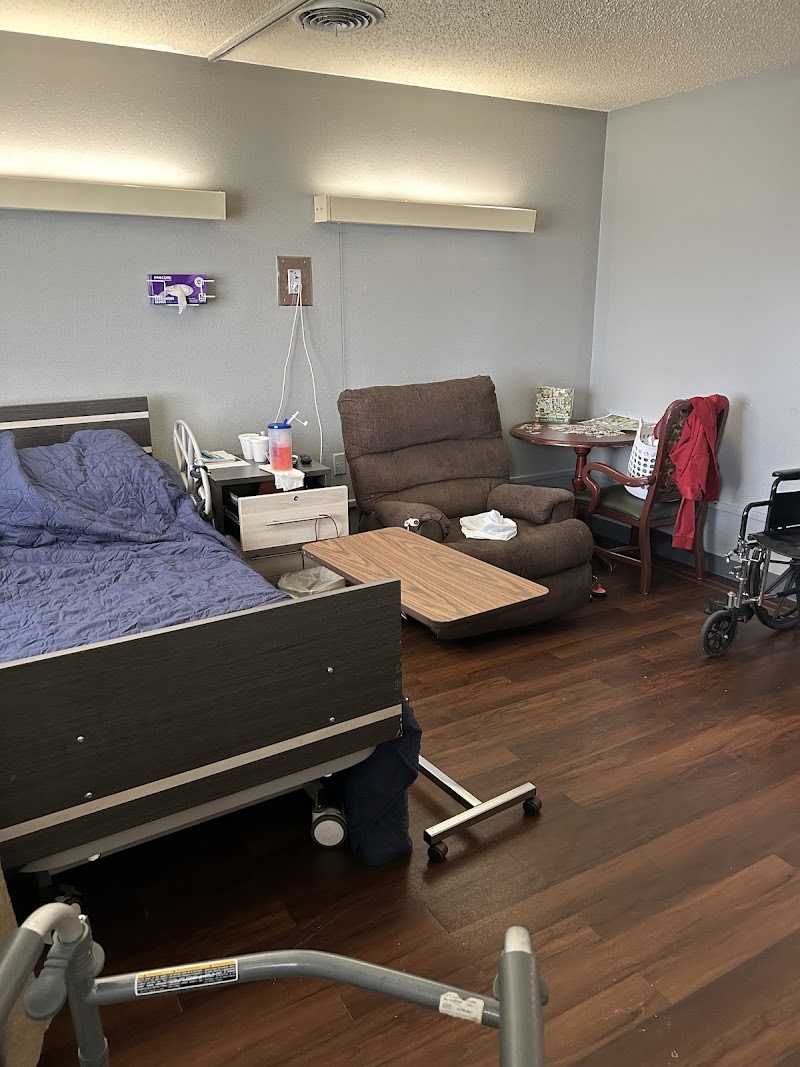
How Does Plainview Healthcare Center Compare to Other Texas Nursing Homes?

Compared to the 100 nursing homes in Texas, PLAINVIEW HEALTHCARE CENTER's overall rating (2 stars) is below the state average of 2.8, staff turnover (43%) is near the state average of 46%, and health inspection rating (2 stars) is below the national benchmark.

What Should Families Ask When Visiting Plainview Healthcare Center?

Based on this facility's data, families visiting should ask: "What changes have been made since the serious inspection findings, and how are you preventing similar issues?" "Can I visit during a mealtime to observe dining assistance and food quality?" "How do you handle medical emergencies, and what is your hospital transfer rate?" "Can I speak with family members of current residents about their experience?" These questions are particularly relevant given the facility's Immediate Jeopardy citations.

Is Plainview Healthcare Center Safe?

Based on CMS inspection data, PLAINVIEW HEALTHCARE CENTER has documented safety concerns. Inspectors have issued 1 Immediate Jeopardy citation (the most serious violation level indicating risk of serious injury or death). The facility has a 2-star overall rating and ranks #100 of 100 nursing homes in Texas. Families considering this facility should ask detailed questions about what corrective actions have been taken since these incidents.

Do Nurses at Plainview Healthcare Center Stick Around?

PLAINVIEW HEALTHCARE CENTER has a staff turnover rate of 43%, which is about average for Texas nursing homes (state average: 46%). Moderate turnover is common in nursing homes, but families should still ask about staff tenure and how the facility maintains care continuity when employees leave.

Was Plainview Healthcare Center Ever Fined?

PLAINVIEW HEALTHCARE CENTER has been fined $19,190 across 1 penalty action. This is below the Texas average of $33,271. While any fine indicates a compliance issue, fines under $50,000 are relatively common and typically reflect isolated problems that were subsequently corrected. Families should ask what specific issues led to these fines and confirm they've been resolved.

Is Plainview Healthcare Center on Any Federal Watch List?

PLAINVIEW HEALTHCARE CENTER is not on any federal watch list. The most significant is the Special Focus Facility (SFF) program, which identifies the bottom 1% of nursing homes nationally based on persistent, serious quality problems. Not being on this list means the facility has avoided the pattern of deficiencies that triggers enhanced federal oversight. This is a positive indicator, though families should still review the facility's inspection history directly.