PRAIRIE HOUSE LIVING CENTER


1301 MESA DR, PLAINVIEW, TX 79072 (806) 293-4855
Government - Hospital district 121 Beds ADVANCED HEALTHCARE SOLUTIONS Data: November 2025
Trust Grade
85/100
#320 of 1168 in TX
Last Inspection: November 2024

Within standard 12-15 month inspection cycle. Federal law requires annual inspections.

Overview

Prairie House Living Center in Plainview, Texas has a Trust Grade of B+, which means it is recommended and performs above average compared to other facilities. It ranks #320 out of 1168 in Texas, placing it in the top half of nursing homes statewide, and #1 out of 2 in Hale County, indicating it is the best local option. The facility is on an improving trend, with the number of identified issues decreasing from five in 2023 to four in 2024. Staffing is a strength here, as evidenced by a 23% turnover rate, which is well below the Texas average of 50%, but the facility does have some concerns, such as expired food being found in both the kitchen and resident refrigerators, which could pose health risks. Additionally, there have been reports of residents not receiving timely resolutions to grievances, impacting their quality of life.

Trust Score
B+
85/100
In Texas
#320/1168
Top 27%
Safety Record
Low Risk
No red flags
Inspections
Getting Better
5 → 4 violations
Staff Stability
✓ Good
23% annual turnover. Excellent stability, 25 points below Texas's 48% average. Staff who stay learn residents' needs.
Penalties
✓ Good
No fines on record. Clean compliance history, better than most Texas facilities.
Skilled Nurses
⚠ Watch
Each resident gets only 18 minutes of Registered Nurse (RN) attention daily — below average for Texas. Fewer RN minutes means fewer trained eyes watching for problems.
Violations
○ Average
9 deficiencies on record. Average for a facility this size. Mostly minor or procedural issues.
★★★★☆
4.0
Overall Rating
★★★☆☆
3.0
Staff Levels
★★★★☆
4.0
Care Quality
★★★★☆
4.0
Inspection Score
Stable
2023: 5 issues
2024: 4 issues

The Good

  • 4-Star Quality Measures · Strong clinical quality outcomes
  • Low Staff Turnover (23%) · Staff stability means consistent care
  • Full Sprinkler Coverage · Fire safety systems throughout facility
  • No fines on record
  • Staff turnover is low (23%)

    25 points below Texas average of 48%

Facility shows strength in quality measures, staff retention, fire safety.

The Bad

Chain: ADVANCED HEALTHCARE SOLUTIONS

Part of a multi-facility chain

Ask about local staffing decisions and management

The Ugly 9 deficiencies on record

Nov 2024 4 deficiencies
CONCERN (D)

Potential for Harm - no one hurt, but risky conditions existed

Resident Rights (Tag F0550)

Could have caused harm · This affected 1 resident

**NOTE- TERMS IN BRACKETS HAVE BEEN EDITED TO PROTECT CONFIDENTIALITY** Based on observation, interview and record review the facility failed to ensure residents were treated with respect and dignity ...

Read full inspector narrative →
**NOTE- TERMS IN BRACKETS HAVE BEEN EDITED TO PROTECT CONFIDENTIALITY** Based on observation, interview and record review the facility failed to ensure residents were treated with respect and dignity and care for each resident in a manner and in an environment, that promoted maintenance or enhancement of his or her quality of life, recognizing each resident's individuality for 1 of 20 residents (Resident #45) reviewed for dignity issues. The facility failed to ensure Resident #45's catheter drainage bag was covered and urine in the bag was not visually exposed . This failure could place residents at risk of feeling uncomfortable and disrespected and could decrease residents' self-esteem and/or quality of life. Findings included: Record review of Resident #45's faced sheet, dated 11-13-2024, reflected an [AGE] year-old male who was admitted to the facility on [DATE]. Resident #45 had diagnoses which included, but not limited to, acute kidney failure, neuromuscular dysfunction of bladder, benign prostatic hyperplasia with lower urinary tract symptoms . Record review of Resident #45's Annual MDS dated [DATE] reflected the following: Section C: Resident #45 had a BIMS of 03 out of 15, which indicated he was severely cognitively impaired. Section H; Resident #45 had an indwelling catheter. Record review of Resident #45's physician orders, dated 8-13-2024 , reflected provide catheter care every shift. During an observation on 11-13-2024 at 2:49 PM, revealed catheter care was performed by CNA F on Resident #45, Resident #45's catheter bag had no protective cover and was hanging from the right side of his bed in view of the hallway with his door open. During an observation from the hallway outside of Resident #45's room on 11-13-2024 at 3:26 PM revealed Resident #45 lying in bed asleep. Resident #45's catheter bag was observed hanging from the right side of his bed with no protective cover, there was a small amount of amber liquid was noted in the bag . During an interview on 11-13-2024 at 3:15 PM, LVN D stated all catheter bags should be covered at all times. LVN D stated that a possible negative outcome for not having a bag covered would be a resident could be embarrassed if other residents saw their urine. During an interview on 11-13-2024 at 3:20 PM, CNA F stated all catheter bags should be covered at all times. CNA F stated a possible negative outcome for not having a bag covered would be a dignity issues if other people saw the uncovered bag. During an interview on 11-13-2024 at 3:58 PM, RN E stated he addressed this issue before with his staff and all staff were responsible for ensuring catheter bags were covered because it was a dignity issue. Record review of the facility's provided policy titled, Resident Rights, dated 02-20-2021, reflected the following: .The resident has a right to be treated with respect and dignity, .The facility will ensure that all staff members are educated on the rights of residents and the responsibility of the facility to properly care for its residents.
CONCERN (D)

Potential for Harm - no one hurt, but risky conditions existed

Comprehensive Care Plan (Tag F0656)

Could have caused harm · This affected 1 resident

**NOTE- TERMS IN BRACKETS HAVE BEEN EDITED TO PROTECT CONFIDENTIALITY** Based on observation, interview and record review, the facility failed to develop and implement a comprehensive person-centered ...

Read full inspector narrative →
**NOTE- TERMS IN BRACKETS HAVE BEEN EDITED TO PROTECT CONFIDENTIALITY** Based on observation, interview and record review, the facility failed to develop and implement a comprehensive person-centered care plan for each resident, consistent with the resident rights that included measurable objectives and timeframes to meet a resident's medical, nursing, and mental and psychosocial needs that were identified in the comprehensive assessment and described the services that were to be furnished to attain or maintained the resident's highest practicable physical, mental, and psychosocial well-being for 2 of 20 residents (Residents #69 and #12) reviewed for comprehensive care plans. 1. The facility failed to ensure Resident # 69's comprehensive care plan addressed the resident's need for a scoop mattress. 2. The facility failed to ensure Resident #12's comprehensive care plan addressed the resident's need for a fall mat. These failures could place residents at risk for not receiving the appropriate care and services needed to maintain optimal health. Finding included: 1. Record review of Resident #69's face sheet, dated 11/13/2024, reflected a [AGE] year-old male who was admitted to the facility on [DATE]. Resident #69 had diagnoses which included but not limited to lack of coordination, sequelae of other cerebrovascular disease(paralysis-partial), and seizures. Record review of Resident #69's quarterly MDS Assessment, dated 10/02/2024, reflected Resident #69 had a BIMS of 13 out 15, which indicated he was cognitively intact. Resident #69 required moderate assistance with lying to sitting on the side of the bed and chair to bed transfer. Record review of Resident #69's care plan, dated 10/08/2024, Resident #69 was a risk for falls due to gait/balance problems with interventions of the bed being in the low position and call light in reach, there was no documentation of using a scoop bed relating to Resident #69 risk of falling. No documentation throughout the care plan related to the utilization of a scoop mattress . Record review of Resident #69's Fall Risk Assessment, dated 10/13/2024, reflected Resident #69 was a moderate risk for falling due to decreased muscle coordination. During an observation on 11/12/2024 at 9:30 AM, Resident #69 was lying in his bed asleep, his bed was observed to be contoured with raised edges. During an observation on 11/13/2024 at 8:26 AM, Resident #69 was lying in his bed asleep, his bed was observed to be contoured with raised edges. During an interview/observation on 11/13/2024 at 2:23 PM revealed, Resident #69 was sitting in his motorized chair, Resident #69 had no concerns about his bed. Observation of the bed revealed it was contoured with raised edges . 2. Record review of Resident #12's face sheet, dated 11/13/2024, reflected an [AGE] year-old female who was admitted to the facility 10/01/2021. Resident #12 had diagnoses which included but not limited to unspecified fall, unspecified sequelae of cerebrovascular disease (paralysis-partial) and muscle weakness. Record review of Resident #12's quarterly MDS assessment, dated 10/30/2024, reflected Resident #12's BIMS was 02 out of 15, which indicated she had severe impaired cognition. Record review of Resident #12's care plan, dated 11/06/2024, reflected Resident #12 was at risk for falls related to cognitive impairment, gait/balance problems with interventions of bed being in the low position and call light in reach, no documentation of using a fall mat relating to Resident #12 risk of falling. There was no documentation throughout the care plan related to the utilization of the fall mat. Record review of Resident #12's Fall Risk Assessment, dated 10/08/2024 , reflected Resident #12 was a moderate risk for falling due to loss of balance . During an observation on 11/13/2024 at 10:00 AM, revealed Resident #12 was asleep in her bed, with a fall mat beside the bed. During an interview and observation on 11/13/2024 at 2:31 PM revealed, Resident #12 was in her bed, the fall mat was beside the bed. Resident #12 stated she felt safe with the fall mat near her bed. During an interview on 11/13/2024 at 3:25 PM, LVN G stated a possible negative outcome for not having accurate care plans would be the lack of care for residents. During an interview on 11/13/2024 at 3:45 PM with ADON B revealed the interventions for falls included scoop mattresses and fall mats should be in each resident's care plan. ADON B stated she was responsible for ensuring interventions were documented in the care plans. ADON B said a possible negative outcome for not having interventions in the care plan would be a lack of care of residents. During an interview on 11/14/2024 at 9:01 AM with the ADM, the ADM stated nurses were responsible for ensuring care plans were updated. The ADM stated a possible negative outcome for not having interventions in care plans would be the accuracy of care and care could be missed . Record review of the Care Plans and Care Area Assessments policy, dated 05/06/2024, reflected the following: Care Plan Updates: .The IDT will review the care plans Annually, quarterly, and as needed to ensure all goals and approaches are appropriate . .As acute problems or changes to intervention or goals are identified, an appropriate care plan will be developed or modified by a nursing staff member . Record review of Fall Management System, dated 01/03/2017, reflected the following: It is the policy of this facility that each resident will be assessed to determine his/her risk for fall and a; plan of care implemented based on the resident's assessed needs .
CONCERN (D)

Potential for Harm - no one hurt, but risky conditions existed

Respiratory Care (Tag F0695)

Could have caused harm · This affected 1 resident

**NOTE- TERMS IN BRACKETS HAVE BEEN EDITED TO PROTECT CONFIDENTIALITY** Based on observation, interview, and record review, the facility failed to ensure that a resident who needed respiratory care wa...

Read full inspector narrative →
**NOTE- TERMS IN BRACKETS HAVE BEEN EDITED TO PROTECT CONFIDENTIALITY** Based on observation, interview, and record review, the facility failed to ensure that a resident who needed respiratory care was provided such care consistent with professional standards of practice for 2 (Resident #66 and Resident #68) of 5 residents reviewed for respiratory care. 1. The facility failed to obtain orders for Resident #66's oxygen therapy. 2. The facility failed to ensure Resident #68's order for oxygen included the rate (lpm) at which she was to receive oxygen. These failures could affect all residents on oxygen therapy by placing them at risk for respiratory compromise and associated complications such as shortness of breath, confusion, respiratory failure, and exacerbation of their condition. Findings include: 1. Record review of Resident #66's face sheet printed 11/12/2024 revealed a [AGE] year-old female resident admitted to the facility originally on 9/27/2023 and readmitted on [DATE] with diagnoses to include acute respiratory failure (sudden failure of lungs to deliver oxygen to the body) with hypoxia (low level of oxygen in your body tissue), congestive heart failure (a chronic condition in which the heart dose not pump blood as well as it should), hypertension(a condition in which the force of the blood against the artery walls is too high), major depressive disorder(a mental health disorder characterized by persistently depressed mood or loss of interest in activities, causing significant impairment in daily life), and cognitive communication deficit(difficulty with thinking and how someone uses language). Record review of Resident #66's clinical record revealed her last MDS was a quarterly completed 11/1/2024 listing her with a BIMS of 15 indicating she was cognitively intact, and she had a functionality of requiring partial/moderate assistance with most of her activities of daily living. Section O-Special Treatments, Procedures, and Programs-Respiratory Programs: Oxygen Therapy-Resident #66 was marked as having oxygen While a Resident. Record review of Resident #66's Physician Orders with active orders for Schedule for [DATE] revealed no orders for oxygen therapy. Record review of Resident #66's clinical record revealed a care plan with the admission date of 10/30/2024, with the following care plan: Focus: o Oxygen: Resident uses oxygen therapy routinely or as needed and is at risk for ineffective gas exchange. Date Initiated: 09/27/2023. Revision on: 03/19/2024 Goal: o Resident will have no signs or symptoms of hypoxia through the next review dates. Date Initiated: 09/27/2023. Target Date: 01/22/2025 Intervention: o Administer oxygen therapy per physician's orders. Date Initiated: 09/27/2023. During an observation on 11/12/24 at 09:35 AM Resident #66 was in her bed sleeping with her oxygen on via nasal canula at 3.5L/min. During an observation and interview on 11/13/24 at 01:37 PM Resident #66 was in her room sitting in her chair with her family member present. Resident #66 was not wearing her oxygen but verified that she used oxygen and that she wore it only at night or when she was sleeping. During an interview on 11/14/24 at 08:20 AM LVN H (the nurse responsible for Resident #66 this shift) verified that Resident #66 was supposed to be on oxygen at night, that she (LVN H) had checked Resident #66's O2 sat this morning at 94% but that she did not verify if Resident #66 was wearing her Oxygen. LVN H reviewed Resident #66's chart and verified that Resident #66 did not have any orders for Oxygen therapy. LVN H then entered Resident #66's room and verified that Resident #66 was wearing Oxygen at 3.5L via a NC. LVN H reported that Resident #66 should have orders for her Oxygen therapy due to oxygen was considered a medication and reported that she would call the physician immediately and get an order. LVN H reported that administering the medication without an order should be a medication error and that it would be a treatment issue for the resident and that it could affect the resident's care. During an interview on 11/14/24 at 08:25 AM when questioned if Resident #66 had orders for her oxygen therapy the DON asked ADON B to check the residents electronic chart. ADON B checked the electronic chart and verified there were no orders for the oxygen therapy. ADON B then called the provider for orders. The DON reported that Resident #66 not having orders for her oxygen therapy was an issue and that it affected quality of care in that the resident would not be getting their medication therapy correctly which definitely could affect the resident negatively. 2. Record review of Resident #68's admission record dated 11/13/24 revealed a [AGE] year-old female admitted to the facility on [DATE] with diagnoses that included, but were not limited to, emphysema (a lung disease which results in shortness of breath), chronic obstructive pulmonary disease (inflammation of lung tissue due to non-infectious causes, which results in cough without mucus or phlegm, shortness of breath, and fatigue), and obstructive sleep apnea (a sleep disorder that causes repeated breathing interruptions during sleep). Record review of Resident #68's quarterly MDS completed on 11/05/24 revealed the following: Section C: Resident #68 had a BIMS of 15 which indicated intact cognition. Section O: Resident #68 was not coded as receiving oxygen therapy. Record review of Resident #68's care plan completed on 09/04/24 revealed oxygen therapy was to be provided as ordered by the physician related to Resident #68's diagnoses of emphysema, chronic obstructive pulmonary disease, and sleep apnea. Record review of Resident #68's active order summary dated 11/13/24 revealed the following orders related to O2: An order with order date of 10/21/24 to Change O2 tubing and humidifier bottle. every night shift every Sun [Sunday] Ensure that tubing is dated when changed. An order with order date of 10/21/24 to Inspect external O2 filter weekly (if present). Clean/change if needed. every night shift every Sun for O2 use. An order with order date of 10/21/24 to Monitor O2 saturation. Apply PRN O2 if SpO2 falls below 90%. Notify the physician if SpO2 falls below 85%. every shift. The active order summary revealed no mention of lpm. Record review of Resident #68's O2 sats from 10/21/24 and 11/12/24 revealed her oxygen was checked 47 times. Of those 47 times she was receiving O2 via NC 38 times. The other 9 times she was breathing room air. Of those 9 times Resident #68's O2 sats were 90% or lower 3 times. Record review of Resident #68's MAR for October and November 2024 revealed the same orders listed above regarding O2 and made no mention of lpm. During an observation on 11/13/24 at 08:22 AM Resident #68 was lying in her bed with her eyes closed receiving O2 via NC at 4.25 lpm. During an observation on 11/13/24 at 01:42 PM Resident #68 was lying in her bed on her left side receiving O2 via NC at 4.25 lpm. On 11/13/24 at 02:23 PM an unsuccessful attempt was made to contact/interview Resident #68's physician who wrote the order for her PRN O2. During an observation on 11/13/24 at 03:12 PM Resident #68 was lying in bed on her right side receiving O2 via NC at 4.25 lpm. During an interview on 11/13/24 at 03:28 PM PC stated an order for oxygen should contain a rate (lpm) because we have to know how fast to run it because it will be different for each resident. During an interview on 11/13/24 at 03:37 PM DON stated nurses were responsible for setting lpms on O2 concentrators for residents receiving oxygen. She stated nurses would know what lpm to set the O2 to by referring to physician's orders. DON was asked for a copy of the facility's standing orders for O2. She stated a resident's quality of care could be negatively impacted by receiving O2 without orders specifying the lpms. She stated a resident could become hypoxic. During an interview on 11/13/24 at 03:38 AM ADON A stated nurses were responsible for setting O2 levels on the O2 concentrators. She stated nurses would refer to physician's orders to find O2 levels. She stated a possible negative outcome of orders that did not specify the level for O2 was a resident might not receive enough O2 which could lead to lethargy or confusion. ADON A stated a possible negative outcome for a resident with COPD receiving oxygen without the level specified by the physician's order was the resident's CO2 levels could increase which would affect everything. During an observation and interview on 11/13/24 at 03:40 PM LVN D stated nurses were responsible for setting O2 levels on O2 concentrators. She stated she would look at the physician's order to determine how high to set the O2 level. LVN D attempted to look at the O2 order for Resident #68 to determine the level for Resident #68's O2. She spent approximately 2 minutes looking at her computer screen and then stated, You are right, I don't see them (lpms) here. She stated most residents start out on 2 lpm of O2 but the order still has to be in there. LVN D stated if she came across an order with no lpms she would start the O2 at 2 lpm and then find out from the physician. During an interview on 11/13/24 at 04:00 PM RN E stated nurses were responsible for setting O2 levels on O2 concentrators. He stated nurses would look at physician's orders to determine the level of lpms. He stated if a resident with COPD was receiving O2 without specified lpms from the physician, It could knock out their respiratory drive. You don't want to see (someone with COPD receiving O2 at rates of) more than a couple of liters. Record review of the facility provided policy titled Oxygen Administration dated 9/12/2014, revealed the following: Procedure: 1. Verify the Physicians Order. 6. Set flow rate Record review of the facility provided policy titled Medication-Treatment Administration and Documentation Guidelines dated 1/9/2014, revealed the following: Process: 2. Verify administration accuracy by checking the medication with the MAR three (3) times. 4. Administer the mediation according to the physician order. 12. Review each MAR and TAR after each medication and treatment administration is completed and prior to the end of the shift to validate documentation is completed and supports services provided according to physician orders. 14. Complete a Medication Error Report for medication administration discrepancies.
CONCERN (E)

Potential for Harm - no one hurt, but risky conditions existed

Safe Environment (Tag F0584)

Could have caused harm · This affected multiple residents

Based on observation, interview, and record review the facility failed to ensure residents had a right to ade a safe, clean, comfortable and homelike environment, which included but not limited to rec...

Read full inspector narrative →
Based on observation, interview, and record review the facility failed to ensure residents had a right to ade a safe, clean, comfortable and homelike environment, which included but not limited to receiving treatment and supports for daily living safety for 1 of 1 resident refrigerators reviewed for resident environment . 1. The facility failed to ensure expired and rotten food was removed from residents refrigerator, located by the main nurses station. 2. The facility failed to ensure residents personal refrigerators maintained sanitary conditions. 3. The facility failed to ensure foods in residents personal refrigerators were labeled and dated. These failures could place residents at risk of contracting foodborne illness and not having their personal food items stored in a sanitary manner. Findings Included: An observation on 11/13/24 at 2:00 pm of the resident refrigerator located in the hallway by the main nurse's station revealed the following in the freezer: A package of taquitos, open to air, no label or date, ice crystals on the taquitos. A package of opened chicken strips, open to air. 10 frozen breakfast meals with an expiration date of 9/1/24. 5 individual ice cream bars, not in original package, no label or date. 1 medium uncovered Sonic Styrofoam cup of a milkshake or ice cream type drink, had no label or date. An observation on 11/13/24 at 2:05 pm of the main refrigerator revealed the following: 2 plastic bags of salad, no label, with an expiration date of 11/1/24. The lettuce was limp and appeared to be slimy. 2 half sandwiches in a resealable plastic bag, no label or date. The bread was soggy, and the sandwich filling was unidentifiable and appeared moldy. Several, small, clear, plastic to go containers of what appears to be tartar sauce, and other condiments had no label or date. Condiments appeared to be dried and crusted inside the cups. During an interview on 11/13/24 at 02:10 pm, CNA C stated she did not know who was responsible for keeping the refrigerator in order. She stated she had never been told to clean out the refrigerator. She stated that was the resident refrigerator and staff were not supposed to put any personal foods in the refrigerator. She stated she did not know whether any of the food were staff food or not. During an interview on 11/13/24 at 02:30 pm, the DM stated the nursing staff were responsible for cleaning and maintenance of the resident snack refrigerator. She stated the residents and staff did not tell her or the kitchen staff when foods were brought into the facility, so she and the kitchen employees never knew what was in the refrigerator. She stated the refrigerator was for resident foods and staff were supposed to use the refrigerator. She stated all foods should be labeled and dated as well as secured. She stated all expired foods should be thrown out and the nursing staff was responsible for maintaining the refrigerator. She stated a possible negative outcome of the refrigerator containing rotting or expired food would be residents could be exposed to foodborne illnesses. She stated she was a contract worker for the facility and her supervisor, and the kitchen policies stated the nursing staff was responsible for maintenance of the resident refrigerator. During an interview on 11/13/24 at 02:35 pm, LVN D stated she did not know who was responsible for keeping the refrigerator in order. She stated she had never been told to clean out the refrigerator. She stated that was the resident refrigerator and staff were not supposed to use the refrigerator for personal food. During an interview on 11/13/24 at 3:30 pm, RN E stated he was not sure who was responsible for maintenance of the resident refrigerator and had never been told to maintain the refrigerator. He stated he had been told staff were not to put any personal food items in the refrigerator and did not know if there were staff personal food items in the refrigerator. He stated all foods in the refrigerator should be labeled and dated and expired foods should be thrown out. He stated the consequences of having expired foods and unlabeled, undated foods would be residents could be exposed to foodborne illnesses. During an interview on 11/13/24 at 3:42 pm, ADON B stated she was not sure who was responsible for maintenance of the resident refrigerator and thought it might be housekeeping or dietary services. She stated staff were not to put any personal food items in the refrigerator and did not know if there were staff personal food items in the refrigerator. She stated all foods in the refrigerator should be labeled and dated and expired foods should be thrown out. She stated the consequences of having expired foods and unlabeled, undated foods would be residents could be exposed to foodborne illnesses. Record review of the facility's policy titled Food From Outside Sources and dated 11/11/2016 revealed the following: The task of keeping personal foods stored in a safe and sanitary manner will be the responsibility of the facility staff. Sealed containers must be used. Foods brought in by families and visitors may not enter the food service department, may not be stored in the kitchen, and may not be served by food service personnel. Residents and guests will be encouraged to date restaurant and homemade items and to consume or discard within 7 days. Record review of facility's policy titled Frozen and Refrigerated Foods Storage dated 12/5/17 revealed the following: 7. Proper labeling of cooked food includes the date placed in the refrigerator and an expiration or use by date . The use by date is 7 days from when the product was opened unless there is a manufacturers use by date 11. All refrigerator and frozen items will be labeled and dated. 14. On a daily basis the Charge Nurse will check unit refrigerators that are used to store any resident foods and /or supplements: and check the temperature is 41 degrees or below, check to make sure all opened foods have use by dates and are properly covered, all items past use by date are discarded and refrigerators are clean.
Sept 2023 5 deficiencies
CONCERN (D)

Potential for Harm - no one hurt, but risky conditions existed

Deficiency F0583 (Tag F0583)

Could have caused harm · This affected 1 resident

**NOTE- TERMS IN BRACKETS HAVE BEEN EDITED TO PROTECT CONFIDENTIALITY** Based on observation, interview, and record review the facility failed to ensure residents have the right to personal privacy an...

Read full inspector narrative →
**NOTE- TERMS IN BRACKETS HAVE BEEN EDITED TO PROTECT CONFIDENTIALITY** Based on observation, interview, and record review the facility failed to ensure residents have the right to personal privacy and confidentiality of his or her personal and medical records for 3 (Resident #10, #64, and #67) of 9 residents reviewed for medication administration. Resident #10's personal and medical information was left exposed on the computer screen on top of the North Hall Medication cart in the resident hallway unattended while LVN A administered Resident #10's medications. Resident #64's personal and medical information was left exposed on the computer screen on top of the North Hall Medication cart in the resident hallway unattended while LVN A administered Resident #64's medications. Resident #67's personal and medical information was left exposed on the computer screen on top of the North Hall Medication cart in the resident hallway unattended while LVN A administered Resident #67's medications. This failure could place resident at risk for having their personal medication information exposed. Finding include: Resident #10: Record review of Resident #10's face sheet dated 09-20-2023 revealed he was a [AGE] year-old male resident admitted to the facility originally on 08-17-2015 and readmitted on [DATE] with diagnoses to include sepsis (a life-threatening complication of an infection), bipolar disorder(a disorder associated with episode of mood swings ranging from depressive lows to manic highs), peripheral vascular disease(a circulatory condition in which narrowed blood vessels recue blood flow to the limbs), generalized anxiety disorder(a mental health disorder characterized by feeling of worry, anxiety, or fear that are strong enough to interfere with one's daily activities), malnutrition(lack of proper nutrition), and dementia (a group of thinking and social symptoms that interferes with daily functioning). Record review of Resident #10's 07-07-2023 quarterly MDS assessment revealed he had a BIMS score of 14 indicating he was cognitively intact, and he had a functionality of independent with most of his activities of daily living with occasional assistance x 1 person. Resident #64: Record review of Resident #64's face sheet dated 09-20-2023 revealed she was a [AGE] year-old female resident admitted to the facility originally on 09-13-2022 and readmitted on [DATE] with diagnoses to include cerebral infarct(occurs as a result of disrupted blood flow to the brain due to problems with the blood vessels that supply it). , malignant neoplasm(a fast-growing cancer that can spreads to other areas), difficulty walking, history of fall, muscle weakness, obesity(a disorder involving excessive body fat that increase the risk of health problems), anxiety disorder(a mental health disorder characterized by feeling of worry, anxiety, or fear that are strong enough to interfere with one's daily activities, chronic obstructive pulmonary disease(a group of lung diseases that block airflow and make it difficult to breath), and osteoarthritis(a type of arthritis that occurs when flexible tissue at the ends of bones wears down). Record review of Resident #64's 08-08-2023 quarterly MDS revealed she had a BIMS of 14 indicating she was cognitively intact, and she has a functionality of independent with most of his activities of daily living with occasional assistance x 1 person. Resident #67: Record review of Resident #67's face sheet dated 09-20-2023 revealed he was a [AGE] year-old male resident admitted to the facility on [DATE] with diagnoses to include metabolic encephalopathy(a chemical imbalance in the blood that causes problems in the brain), malignant neoplasm of the frontal lobe(a fast-growing cancer of the brain that spreads to other areas of the brain and spine), difficulty walking, dysphagia (difficulty swallowing food or liquids arising from the throat or esophagus), morbid obesity(a disorder involving excessive body fat that increase the risk of health problems), epilepsy(a disorder in which nerve cell activity in the brain is disturbed, causing seizures), and cerebral infarction(occurs as a result of disrupted blood flow to the brain due to problems with the blood vessels that supply it). Record review of Resident #67's 07-21-2023 quarterly MDS revealed he had a BIMS of 11 indicating he was moderately cognitively impaired, and he had a functionality of independent with most of his activities of daily living with occasional assistance x 1 person. During an observation on 09-20-2023 at 08:28 AM LVN A was observed administering medication to Resident #10. LVN A left the North Hall Medication cart once to assist a resident in the hallway with a request for chewing tobacco, LVN A returned to the North Hall Medication cart, LVN A left the North Hall Medication cart to enter Resident #10's room to obtain Resident #10's vital signs, then returned to the North Hall Medication cart, LVN A obtained Resident #10's medications then LVN A entered Resident #10's room and administered Resident #10's medications. The three times LVN A left the North Hall Medication cart LVN A left the computer on top of the North Hall Medication cart open with Resident #10's personal information exposed to include Resident #10's code status, allergies, date of birth , gender, room number, age, and 4 different medications to include Imodium, ProAir, Clonidine, and Acetaminophen. This surveyor noted 4 residents and 5 staff that were in the hallway that could have accessed the information. During further medication administration this surveyor noted that LVN A left two more residents (Resident #64 and Resident #67's) information exposed in the hallway on the open computer screen while LVN A was in Resident #64 and Resident #67's room administering their medications. This occurred on 9-20-2023 from 08:28 AM to 08:44 AM. During an interview on 9-20-2023 at 08:52 AM LVN A verified that LVN A had left the three residents information exposed on LVN A computer screen and that LVN A should not have left the resident information exposed, that LVN A did not protect the resident's privacy. LVN A reported that someone could access the resident's information and they could steal the residents identity. During an interview on 09-21-2023 at 09:53 AM the DON and the RNC were present, the RNC reported that if HIPPA is violated then a resident's personal records can be compromised, and that residents' personal records should be protected. The DON reported that a staff member reported that another staff member was noted on 9-20-2023 leaving resident information exposed on a computer screen in a resident's hallway when they were away from the computer, that that employee was not present to protect the resident information, that resident information should not be left on a computer screen unattended, and that that staff member had been written up and reeducated. The DON reported that if resident information is not protected then confidentiality will not be maintained. The DON provided the LVN A's disciplinary memorandum, the in-service, and the facility policy. Record review revealed that LVN A did receive a disciplinary memorandum on 09-20-2023 with the following corrective actions: Employee will lock computer when she walks ways form it. Any resident identifier will be secured and not exposed. Resident rights and HIPAA will be followed at all times. Record review of the facility provided policy titled, Resident Rights reviewed 02-20-2021, revealed the following: 7. Privacy and Confidentiality. The resident has a right to personal privacy and confidentiality of his or her personal and medical records. b. The resident has the right to secure and confidential personal and medical records. -Policy was signed by LVN A 09-20-2023
CONCERN (D)

Potential for Harm - no one hurt, but risky conditions existed

Deficiency F0637 (Tag F0637)

Could have caused harm · This affected 1 resident

**NOTE- TERMS IN BRACKETS HAVE BEEN EDITED TO PROTECT CONFIDENTIALITY** Based on interview and record review the facility failed to ensure a comprehensive assessment after a significant change was com...

Read full inspector narrative →
**NOTE- TERMS IN BRACKETS HAVE BEEN EDITED TO PROTECT CONFIDENTIALITY** Based on interview and record review the facility failed to ensure a comprehensive assessment after a significant change was completed within 14 days after the facility determined or should have determined there had been a significant change in the resident's physical or mental condition for 1 of 18 (Resident #41) residents reviewed for comprehensive assessments. The facility failed to complete a MDS assessment on Resident #41 within 14 days after the resident was admitted into hospice, which triggered a significant change of condition. This failure could place residents at risk of not receiving quality care for a significant condition, quality of life, and access to services or care appropriate for the change of condition. Findings Include: Record review of Resident #4's face sheet, dated 9/19/23, revealed a [AGE] year-old male who was admitted to the facility on [DATE] and readmitted on [DATE]. Resident #41 had diagnoses which included Alzheimer's, Congestive Heart Failure, Dementia, muscle weakness, and lack of coordination. Record review of Resident #41's orders, dated 9/7/23, indicated the resident was admitted into hospice on 8/8/23 triggering a Significant Change of Condition. Record review of Resident #41's Significant Change of Condition MDS, dated [DATE], revealed an RN signature below item Z0500 on 8/26/23. The signature was located on a MDS assessment for Significant Change of Condition. An interview on 9/21/23 at 12:27 PM with MDS Coordinator revealed a MDS for Significant Change of Condition was completed within 14 days . MDS Coordinator stated that the time the resident was admitted to hospice on 8/8/23 to a completed MDS for significant change was not within the 14-day window. MDS Coordinator stated the MDS was not completed until 8/26/23. This date is 18 days after Resident #41 was admitted to hospice. MDS Coordinator stated a negative outcome would be patient care. Record review of the Resident Assessment Instrument manual, dated October 2019, page 2-24, bullet point number 2 on page, reflected the MDS completion date can be no later than 14 days from the ARD and no later than 14 days after the determination that the criteria for SCSA were met. No policy was obtained for protocol on facility documentation.
CONCERN (E)

Potential for Harm - no one hurt, but risky conditions existed

Grievances (Tag F0585)

Could have caused harm · This affected multiple residents

Based on observation, interview, and record review the facility failed to ensure each resident was treated with respect and dignity and care for each resident in a manner and in an environment that pr...

Read full inspector narrative →
Based on observation, interview, and record review the facility failed to ensure each resident was treated with respect and dignity and care for each resident in a manner and in an environment that promoted maintenance or enhancement of his or her quality of life, recognizing each resident's individuality for 7 of 10 anonymous residents reviewed for resident rights. The facility failed to promptly resolve grievances that were addressed in resident council meetings . This failure could place residents at risk of weight loss, as well as experiencing feelings of anger, frustration, and a decreased quality of life. Findings include: Observation on 9/19/2023 at 12:35 PM of anonymous resident in the middle of the dining room at a table by himself, had a trash can sitting beside him. Every few minutes he was observed coughing loudly and spitting into the trash can beside him . During the Resident Council meeting on 9/20/2023 at 9:00 AM five out of the 10 residents who were in attendance commented on how they were frustrated with the man in the dining room who continued to spit into a trash can. Residents stated they would not eat in the dining room because of his spitting ruined their appetite. In an observation on 9/20/23 at 02:20 PM revealed same anonymous resident sitting in the dining room at the middle table during an ice cream social, coughing and spitting into a trash can beside him . Interview with anonymous resident on 9/20/23 at 2:20pm who was exiting the dining room stated the dining room was loud and the man who coughed and spit was disgusting but the staff would not move him or do anything about it. During an interview on 09/20/23 at 11:12 AM the SW stated she was in the resident council meeting last week recording the minutes, and she was aware of the concerns about the man who spits in the trash can in the dining room. She stated that was the resident has the right to be in the dining room as well as the other residents. When asked what was being done about those grievances that were gathered in the resident council meeting, she stated they were given to the Administrator. In an interview with the ADM on 09/20/23 at 11:35 AM the ADM stated she was not aware of any complaints from residents not wanting to eat in the dining room due to the resident who spits. The ADM stated she had not thought about moving the resident away from the middle of the room so it didn't disturb the other residents. In an interview on 9/20/23 at 2:25 PM, LVN B stated he has been assisting in the dining room at breakfast, lunch, and dinner for about a year and was aware of the resident who sat in the middle of the room and spits. LVN B stated the spitting has been an issue with other residents for as long as he had been working in the dining room, and he heard a lot of complaints about the resident. He went on to state the resident used to spit on the floor, which was why there was a trash can there and the resident refused to eat in his room and that the resident doesn't have a physical ailment, just a habit of spitting. LVN B stated a possible negative outcome about the situation would be it could start fights and issues between the residents. Interview with an anonymous resident revealed she ate in the dining room daily and the man who spit in the trashcan was gross and she complained to staff about it. Record review of the resident council minutes revealed a complaint from the meeting minutes on 9/11/2023. The complaint stated, the man at the table that is in the middle of the dining room just keeps spitting. That is gross is he not able to move. The man that keeps spitting and the other guy that spits in a cup and just leaves it on the table, while I am eating . Record review of the facility policy and procedure titled Resident Rights, revised on 2/20/2021, revealed, . a) Voice grievances to the facility or other agency or entity that hears grievances without discrimination or reprisal. Such grievances include those with respect to care and treatment which has been furnished as well as that which has not been furnished; and the behavior of staff and of other residents; and other concerns regarding their LTC facility stay. b) The resident has the right to, and the facility must make prompt efforts by the facility to resolve grievances the resident may have.
CONCERN (E)

Potential for Harm - no one hurt, but risky conditions existed

Deficiency F0761 (Tag F0761)

Could have caused harm · This affected multiple residents

Based on observation, interview, and record review; the facility failed to ensure medications were stored in accordance with currently accepted professional principles for 1 (the medication room) of 3...

Read full inspector narrative →
Based on observation, interview, and record review; the facility failed to ensure medications were stored in accordance with currently accepted professional principles for 1 (the medication room) of 3 medication areas reviewed for medication storage. The facility stored 11 medications in the medication room refrigerator that was documented at or below freezing 6 times between 9-13-2023 and 9-22-2023. The facility's failure to ensure medications were stored in accordance with currently accepted professional principles could result in a resident receiving a medication that would be ineffective for their treatment resulting in exacerbation of the resident's condition and disease processes. Findings include: During an observation completed on 09-20-2023 at 08:57 AM of the facility's medication room with ADON B the following medications were noted in the refrigerator: 1-Forteo filled 9-16-2023: noted instructions printed on the medication box not to freeze. 4-Lantaprost filled 8-26-2023: manufacturer storage instructions to store unopened bottle under refrigeration at 36-46 degrees. Tymlos filled 9-11-2023: noted instruction printed on the medication box to store between 36-46 degrees 1-Lantus Solostar filled date of 9-4-2023: manufacturer storage instructions to store under refrigeration at 36-46 degrees. 3-Humalog filled dated of 3-10-2023, 7-4-2023, and 7-30-2023: manufacturer storage instructions to store under refrigeration at 36-46 degrees. 2-Toujeo filled date of 7-30-2023 and 9-4-2023: manufacturer storage instructions do not freeze new pens. Refrigerate pens until expiration dated. 3-Trulicity filled dated of 8-13-2023, 9-2-20203, and 9-7-2023: noted instructions printed on the medication to store between 36-46 degrees In the Nexis kit stored in the refrigerator was the following. 3-Lispro filled 7-18-2023, 8-22-2023, and 9-19-2023: manufacturer storage instructions to store under refrigeration at 36-46 degrees. 1-Aspart with no fill date: manufacturer storage instructions to store under refrigeration at 36-46 degrees. 2-Levemir filled 6-20-2023 and 8-22-2023: manufacturer storage instructions to store under refrigeration at 36-46 degrees. 1-Aspart with no fill date: manufacturer storage instructions to store under refrigeration at 36-46 degrees. 1-Basaglar filled date of 7-18-2023: manufacturer storage instructions to store under refrigeration at 36-46 degrees. -also noted was a sign posted on the refrigerator's door that read temperatures should be between 38-48 degrees. The Temperature Log posted on the upper refrigerator door that read as follows: Refrigerator Med Room: Month-September 2023 Daily Temp Log Refrigerator: Target range 40 degrees Days:13th-30 degrees 14th-30 degrees 15th-30 degrees 17th-32 degrees 18th-32 degrees 20th-32 degrees During an interview on 09-20-2023 at 08:14 AM ADON B reported that if medications were not stored correctly, they would not be effective, that it would affect the effectiveness of the medication. ADON B reported that it would affect a resident condition such as with a diabetic and their insulin not being effective, and their blood sugars could be raised or lowered if their medication had to be adjusted as a result of their blood sugars being affected. During an interview on 09-20-2023 at 11:48 AM the RNC and DON presented the facility policy and CDC guidelines that stated that medications should be stored between 36-46 degrees and reported that the printed information on the refrigerator was incorrect. The RNC reported that she felt the thermometer in the refrigerator was not reading correctly and that the facility was supposed to have a new thermometer but was awaiting approval from corporate to purchase one. RNC reported that she was going to just purchase one today without approval because she felt the refrigerator has been in the proper range and that none of the medications had been stored improperly. The DON reported that she had talked with the PC and that the PC had reported that the medications could be stored safely at lower temperatures and would send an email to verify this. The DON reported that she would print the email for this surveyor. During an interview on 09-21-2023 at 08:27 AM the PC reported that she had spoken to the Tymlos manufacturer and that they reported that Tymlos was safe to store as long as it did not go below 32 degrees no more than 7 days. The PC reported that any insulins exposed to freezing temperatures would need to be discarded. The PC reported that the insulins would not be as effective, and the residents would not receive therapeutic treatment. During an interview on 09-21-2023 at 09:59 AM the DON and RNC were present and the RNC reported that they had noticed that new staff had been documenting the lower temperatures on the refrigerator monitoring and suspected that the new staff may have been doing it incorrectly, that they have replaced the current thermometer with a digital thermometer so it would be easier to read. The RNC reported that they were going to replace all the insulin medications because they could not ensure that they did not freeze and become ineffective. The DON reported that if the medications are not stored correctly, the medications effectiveness will be compromised. The DON reported that all staff have been trained on how to properly store and check medications to include refrigerated medication as to the proper temperatures. The DON reported that the former DON and ADON were responsible for the training of staff. The DON reported that they delegated current training to be the responsibility of the current ADON who started a new training 9-20-2023. Record review of the facility provided printed manufacturer instructions provided by the PC for the medication Tymlos revealed the following: The materials provided may contain information outside of the product labeling approved by the US Food and Drug Administration (FDA). It should not be regarded as a recommendation by Radius of r the us of our product in any manner inconsistent with FDA-approved Prescribing information. Tymlos Storage and Handling: -Before first use, store Tymlos pens in the refrigerator between 36-46 degrees -Do not freeze the Tymlos pen or exposed it to heat. Tymlos allowable temperature excursions during storage and transport Between -4 to 26 degrees: 7 days-Okay for use. Record Review of the facility provided policy titled Storage of Medications effective 9-2018, revealed the following: Temperatures: c. Refrigerated: 36-46 degrees with a thermometer to allow temperature monitoring.
CONCERN (F)

Potential for Harm - no one hurt, but risky conditions existed

Food Safety (Tag F0812)

Could have caused harm · This affected most or all residents

Based on observation, interview, and record review, the facility failed to store, prepare, distribute, and serve food in accordance with the professional standards for food service safety for 1 of 1 k...

Read full inspector narrative →
Based on observation, interview, and record review, the facility failed to store, prepare, distribute, and serve food in accordance with the professional standards for food service safety for 1 of 1 kitchen reviewed for kitchen sanitation. The facility failed to ensure items in the freezer, pantry and refrigerator were properly stored, labeled, and dated. The facility failed to ensure items that were expired were disposed of and out of circulation. These failures could place residents at risk of food-borne illness. Findings include: Observation of the deep freeze on 9/19/23 at 9:24 AM revealed the following: 1. (1) bag of California vegetables had, no manufacturer use by date, sell by date, or best by date and no facility received date documented on the package. 2. (1) bag of stir fry vegetables, had no manufacturer use by date, sell by date, or best by date and no facility received date documented on the package. The vegetables in the bag had a thin layer of ice on them. Observation of the walk-in pantry on 9/19/23 at 9:34 AM revealed the following: 1. (1) bag of spaghetti opened to the air with no open date. The spaghetti was in a clear storage bin that was not sealed or labeled. 2. (1) bag of macaroni noodles with a hole in the packaging., Macaroni noodles had fallen out in a clear storage bin that was not labeled or sealed. 3. (1) small Ziplock bag with colorful sprinkles were half full and was not labeled or dated. Observation of the standup freezer on 9/19/23 at 9:43 AM revealed the following: 1. (1) 3-gallon container of open vanilla ice cream had no manufacturer use by date, sell by date, best by date, and no facility received or open date on the package. 2. (1) 3-gallon container of open strawberry ice cream with no manufacturer use by date, sell by date, best by date and no facility received or open date on the package. 3. (1) open box of frozen crab cakes were not sealed and was open to the air was not dated or labeled. Observation of the refrigerator on 9/19/2023 at 9:50 AM revealed the following: 1. (1) clear pitcher of red sauce had no identifying label. 2. (1) expired container of Dessert Sauce with a use by date of April 1, 2023. 3. (1) expired container of Dessert Sauce with a use by date of June 6, 2023. Observation and interview on 09/20/23 at 8:30 AM, revealed the RDS took the bag of California vegetables and looked the bag over in its entirety. The RDS stated she could not find the manufacturer's use by date, sell by date, or best by date or the facility received by date. In an interview on 9/20/23 at 9:29 AM, the DS stated the negative outcome for not having labeled items in the pantry, refrigerator or freezer could cause residents to get sick and die . In an interview on 9/20/2023 at 11:20 AM, the DA stated if she found an item in the kitchen that wasn't labeled properly or expired, she would throw the item away. DA stated that all staff are responsible for checking labels for expired/labeled foods. The DA stated a possible negative outcome for residents eating expired or unlabeled foods could cause the residents to get sick. Record review of the Frozen and Refrigerated Foods Storage Policy and Procedures, revision date, 12/5/2017, revealed the following: 1. Items stored in the refrigerator must be dated upon receipt, unless they contain a manufacturer use by, sell by, best by date, or a date delivered. 2. All refrigerated and frozen items in storage will contain a minimum label of common name and product and dated. 3. All items past use by date are discarded. 4. Packaged frozen items that are opened and not used in their entirety must be properly sealed, label and dated for continued storage. Record review of the Dry Food and Supplies Storage policy and Procedure, revision date 11/15/2027, revealed the following: 1. All opened products must be resealed effectively and properly labeled, dated, and rotated for use. 2. Use by, best by and sell by dates should routinely be checked to ensure that items which have expired are discarded appropriately.
Understanding Severity Codes (click to expand)
Life-Threatening (Immediate Jeopardy)
J - Isolated K - Pattern L - Widespread
Actual Harm
G - Isolated H - Pattern I - Widespread
Potential for Harm
D - Isolated E - Pattern F - Widespread
No Harm (Minor)
A - Isolated B - Pattern C - Widespread

Questions to Ask on Your Visit

  • "Can I speak with families of current residents?"
  • "What's your RN coverage like on weekends and overnight?"

Our Honest Assessment

Strengths
  • • Grade B+ (85/100). Above average facility, better than most options in Texas.
  • • No major safety red flags. No abuse findings, life-threatening violations, or SFF status.
  • • No fines on record. Clean compliance history, better than most Texas facilities.
  • • 23% annual turnover. Excellent stability, 25 points below Texas's 48% average. Staff who stay learn residents' needs.
Concerns
  • • No significant concerns identified. This facility shows no red flags across CMS ratings, staff turnover, or federal penalties.
Bottom line: Generally positive indicators. Standard due diligence and a personal visit recommended.

About This Facility

What is Prairie House Living Center's CMS Rating?

CMS assigns PRAIRIE HOUSE LIVING CENTER an overall rating of 4 out of 5 stars, which is considered above average nationally. Within Texas, this rating places the facility higher than 99% of the state's 100 nursing homes. This rating reflects solid performance across the metrics CMS uses to evaluate nursing home quality.
How is Prairie House Living Center Staffed?

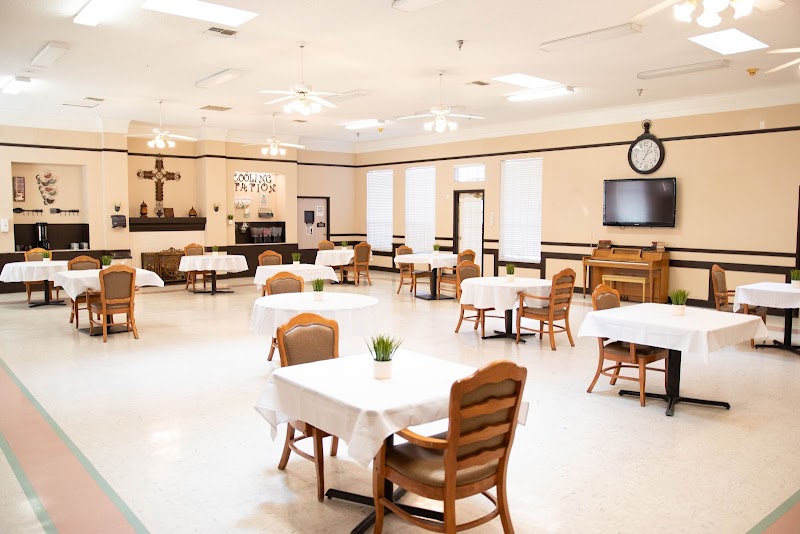
CMS rates PRAIRIE HOUSE LIVING CENTER's staffing level at 3 out of 5 stars, which is average compared to other nursing homes. Staff turnover is 23%, compared to the Texas average of 46%. This relatively stable workforce can support continuity of care.

What Have Inspectors Found at Prairie House Living Center?

State health inspectors documented 9 deficiencies at PRAIRIE HOUSE LIVING CENTER during 2023 to 2024. These included: 9 with potential for harm.

Who Owns and Operates Prairie House Living Center?

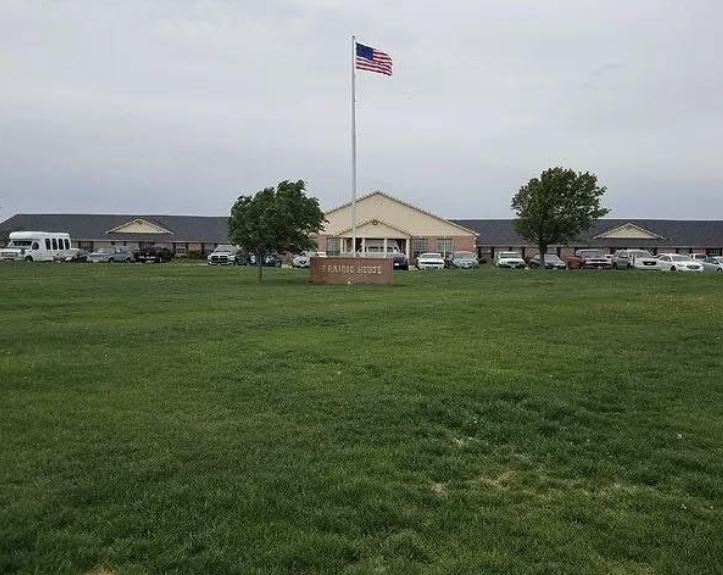
PRAIRIE HOUSE LIVING CENTER is owned by a government entity. Government-operated facilities are typically run by state, county, or municipal agencies. The facility is operated by ADVANCED HEALTHCARE SOLUTIONS, a chain that manages multiple nursing homes. With 121 certified beds and approximately 88 residents (about 73% occupancy), it is a mid-sized facility located in PLAINVIEW, Texas.
How Does Prairie House Living Center Compare to Other Texas Nursing Homes?

Compared to the 100 nursing homes in Texas, PRAIRIE HOUSE LIVING CENTER's overall rating (4 stars) is above the state average of 2.8, staff turnover (23%) is significantly lower than the state average of 46%, and health inspection rating (4 stars) is above the national benchmark.

What Should Families Ask When Visiting Prairie House Living Center?

Based on this facility's data, families visiting should ask: "Can I visit during a mealtime to observe dining assistance and food quality?" "How do you handle medical emergencies, and what is your hospital transfer rate?" "Can I speak with family members of current residents about their experience?"

Is Prairie House Living Center Safe?

Based on CMS inspection data, PRAIRIE HOUSE LIVING CENTER has a clean safety record: no substantiated abuse findings (meaning no confirmed cases of resident harm), no Immediate Jeopardy citations (the most serious violation level indicating risk of serious injury or death), and is not on the Special Focus Facility watch list (a federal program monitoring the lowest-performing 1% of nursing homes). The facility has a 4-star overall rating and ranks #1 of 100 nursing homes in Texas. While no facility is perfect, families should still ask about staff-to-resident ratios and recent inspection results during their visit.

Do Nurses at Prairie House Living Center Stick Around?

Staff at PRAIRIE HOUSE LIVING CENTER tend to stick around. With a turnover rate of 23%, the facility is 23 percentage points below the Texas average of 46%. Low turnover is a positive sign. It means caregivers have time to learn each resident's needs, medications, and personal preferences. Consistent staff also notice subtle changes in a resident's condition more quickly. Registered Nurse turnover is also low at 17%, meaning experienced RNs are available to handle complex medical needs.

Was Prairie House Living Center Ever Fined?

PRAIRIE HOUSE LIVING CENTER has no federal fines on record. CMS issues fines when nursing homes fail to meet care standards or don't correct problems found during inspections. The absence of fines suggests the facility has either maintained compliance or corrected any issues before penalties were assessed. This is a positive indicator, though families should still review recent inspection reports for the full picture.

Is Prairie House Living Center on Any Federal Watch List?

PRAIRIE HOUSE LIVING CENTER is not on any federal watch list. The most significant is the Special Focus Facility (SFF) program, which identifies the bottom 1% of nursing homes nationally based on persistent, serious quality problems. Not being on this list means the facility has avoided the pattern of deficiencies that triggers enhanced federal oversight. This is a positive indicator, though families should still review the facility's inspection history directly.