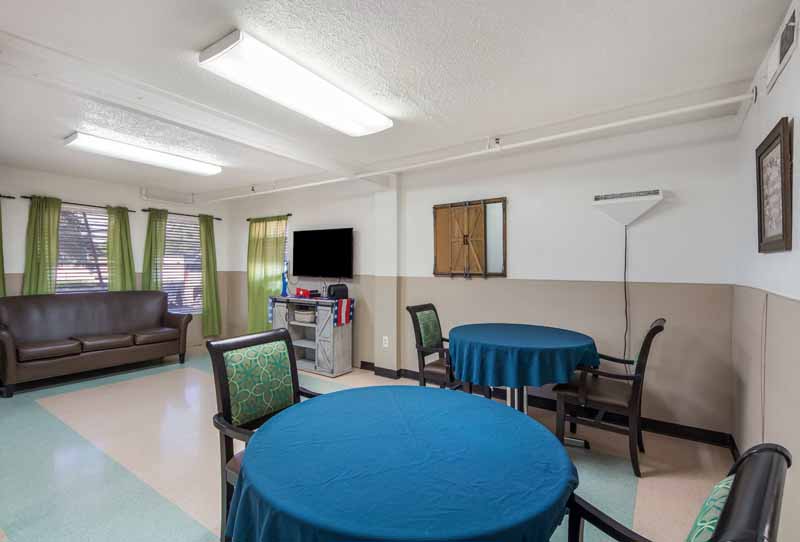
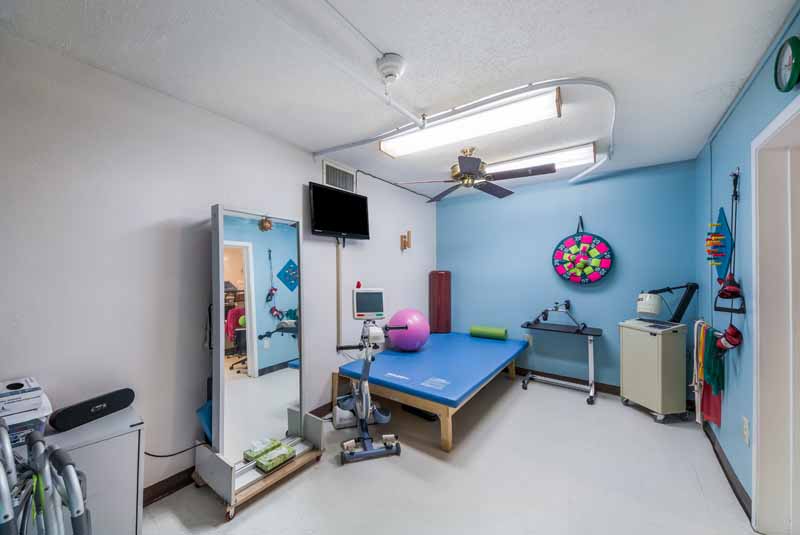
PLEASANTON NORTH NURSING AND REHABILITATION

404 GOODWIN ST, PLEASANTON, TX 78064 (830) 569-2138
For profit - Corporation 46 Beds EDURO HEALTHCARE Data: November 2025 5 Immediate Jeopardy citations
Trust Grade
0/100
#1072 of 1168 in TX
Last Inspection: July 2025

Inspected within the last 6 months. Data reflects current conditions.

Overview

Pleasanton North Nursing and Rehabilitation has received a Trust Grade of F, indicating significant concerns about the quality of care provided. The facility ranks #1072 out of 1168 nursing homes in Texas, placing it in the bottom half of facilities statewide, and it is last in its county, ranking #5 out of 5 in Atascosa County. While there is a trend of improvement in the number of issues reported, dropping from 24 in 2024 to 17 in 2025, the staffing situation is troubling with a turnover rate of 64%, which is higher than the Texas state average. Notably, the facility has incurred $272,389 in fines, indicating compliance issues more severe than 99% of Texas facilities, and the reported incidents include serious violations such as the improper restraint and verbal abuse of residents, raising significant concerns about resident safety and care quality. Although the facility has average RN coverage, the overall lack of proper care and the high number of deficiencies highlight the need for families to exercise caution when considering this nursing home.

Trust Score
F
0/100
In Texas
#1072/1168
Bottom 9%
Safety Record
High Risk
Review needed
Inspections
Getting Better
24 → 17 violations
Staff Stability
⚠ Watch
64% turnover. Above average. Higher turnover means staff may not know residents' routines.
Penalties
✓ Good
$272,389 in fines. Lower than most Texas facilities. Relatively clean record.
Skilled Nurses
⚠ Watch
Each resident gets only 24 minutes of Registered Nurse (RN) attention daily — below average for Texas. Fewer RN minutes means fewer trained eyes watching for problems.
Violations
⚠ Watch
45 deficiencies on record. Higher than average. Multiple issues found across inspections.
★☆☆☆☆
1.0
Overall Rating
★☆☆☆☆
1.0
Staff Levels
★★☆☆☆
2.0
Care Quality
★☆☆☆☆
1.0
Inspection Score
Stable
2024: 24 issues
2025: 17 issues

The Good

  • Full Sprinkler Coverage · Fire safety systems throughout facility
  • No fines on record

Facility shows strength in fire safety.

The Bad

1-Star Overall Rating

Below Texas average (2.8)

Significant quality concerns identified by CMS

Staff Turnover: 64%

18pts above Texas avg (46%)

Frequent staff changes - ask about care continuity

Federal Fines: $272,389

Well above median ($33,413)

Significant penalties indicating serious issues

Chain: EDURO HEALTHCARE

Part of a multi-facility chain

Ask about local staffing decisions and management

Staff turnover is elevated (64%)

16 points above Texas average of 48%

The Ugly 45 deficiencies on record

5 life-threatening
Jul 2025 7 deficiencies
CONCERN (D)

Potential for Harm - no one hurt, but risky conditions existed

Resident Rights (Tag F0550)

Could have caused harm · This affected 1 resident

**NOTE- TERMS IN BRACKETS HAVE BEEN EDITED TO PROTECT CONFIDENTIALITY** Based on observation, interview and record review, the facility failed to ensure the resident's right to be treated with respect...

Read full inspector narrative →
**NOTE- TERMS IN BRACKETS HAVE BEEN EDITED TO PROTECT CONFIDENTIALITY** Based on observation, interview and record review, the facility failed to ensure the resident's right to be treated with respect and dignity for 1 (Resident #14) of 8 residents reviewed, in that: Resident #14 was referred to as a feeder in the assisted dining room. This deficient practice could cause psychosocial harm due to feelings of embarrassment and loss of dignity. The findings were: Record review of Resident #14's face sheet, dated 07/16/2025, revealed the resident was admitted to the facility on [DATE] with diagnoses including: altered mental status, dysphagia oral phase (difficulty swallowing), and unspecified dementia (difficulty with memory). Record review of Resident #14's quarterly MDS assessment, dated 06/21/2025, revealed a BIMS score of 00 which indicated severe cognitive impairment. Further review revealed Resident #14 required assistance to complete activities of daily living, including eating. Record review of Resident #14's care plan, edited 06/09/2025, revealed, [Resident #14] is at risk for nutritional impairment [related to] receiving therapeutic diet . [Resident #14] requires a divided plate and queuing with meals. Further review revealed, Cognitive loss/ dementia or alteration in thought processes . Promote dignity. Converse with resident and ensure privacy while providing care. An observation on 7/15/25 at 11:26 AM revealed LVN B in the assisted dining room, verifying diets on trays before CNAs pass trays out. LVN B noted that Residents sitting in that table the assisted dining table as feeders. During an interview with LVN B on 7/15/25 at 11:50 AM, it was revealed she used a poor choice of words when she used the word Feeder and should of used assisted dining table. During an interview with the DON on 07/15/2025 at 1:14 p.m., the DON I stated it was unacceptable to refer to residents who require assistance with dining as feeders, and that she expected staff members not to do so. Record review of the facility policy, Quality of Life - Dignity, Revised August 2021, revealed, Each resident shall be cared for in a manner that promotes and enhances quality of life, dignity, respect and individuality. 1.Residents shall be treated with dignity and respect at all times. 2. Treated with dignity means the resident will be assisted in maintaining and enhancing his or her self-esteem and self-worth . 7. Staff shall speak respectfully to residents at all times, including addressing the resident by his or her name of choice and not labeling or referring to the resident by his or her room number, diagnosis, or care needs.
CONCERN (D)

Potential for Harm - no one hurt, but risky conditions existed

Deficiency F0558 (Tag F0558)

Could have caused harm · This affected 1 resident

**NOTE- TERMS IN BRACKETS HAVE BEEN EDITED TO PROTECT CONFIDENTIALITY** Based on Observations, Interviews, and Record review, the facility failed to ensure that residents had the right to reside and r...

Read full inspector narrative →
**NOTE- TERMS IN BRACKETS HAVE BEEN EDITED TO PROTECT CONFIDENTIALITY** Based on Observations, Interviews, and Record review, the facility failed to ensure that residents had the right to reside and receive services in the facility with reasonable accommodation of resident needs and preferences except when to do so would endanger the health or safety of the resident or other residents for 2 of 6 residents (Resident #12 & Resident # 31) reviewed for call light. The facility failed to ensure Resident #12 and # 31's call light was within reach. This failure could place residents at risk of not being able to call for assistance when needed. Findings include: 1.Record review of Resident # 12's face sheet dated 7/15/25 revealed a [AGE] year-old male admitted to the facility on [DATE]. Resident # 12 had a diagnosis that included: Hemiparesis on the left side (refers to weakness on the left side of the body), anxiety disorder (group of mental health conditions that cause fear, dread) and Muscle weakness (refers to a reduced ability of one or more muscles to generate force). Record review of Resident # 12's Quarterly MDS assessment dated [DATE] reflected a BIMS score of 9, which indicated moderate cognitive impairment. Review of Resident #12's Quarterly MDS assessment, dated 6/13/25, reflected under section G, G0300, option # 3, which stated that the patient was unsteady on their feet, and required assistance X 2 for ADL care. Record review of Resident # 12's Quarterly care plan, revised 8/1/2024, revealed a care plan with interventions ensure the call light is within reach. Observation and interview on 7/15/25 in Resident # 12's room at 10:30 AM revealed that the call light was found on the floor under the bed. Resident # 12 stated they did not know how the call light ended on the floor and did not know what he would do if he needed assistance today. Record review of Resident # 31's face sheet dated 7/15/25, revealed a [AGE] year-old female admitted to the facility on [DATE]. Resident # 31 had diagnoses that included: Parkinson's disease (is a progressive neurodegenerative disorder that primarily affects movement), bipolar disorder (is a mental illness that causes unusual shifts in mood, energy) and anxiety disorder (involve more than occasional worry or fear). 2.Record review of Resident # 31's Quarterly MDS dated [DATE] reflected a BIMS score of 9 which indicated moderate cognitive impairment. Review of Resident #31's Quarterly MDS assessment, dated 5/12/25, reflected under section G, G0300, option # 3, which stated that the patient was unsteady on their feet, and required assistance X 2 for ADL care. Record review of Resident # 31's Quarterly care plan, revised 7/1/2024, revealed a care plan with interventions ensure the call light is within reach. Observation and Interview on 7/15/25 in Resident #31's room at 10:33 AM revealed that the call light was found under the mattress. Resident # 31 stated she did not know where her call light was and would hope and pray that someone would come in and check in on her today. During an interview on 07/15/25 at 10:40 AM, CNA C stated that she was the assigned nursing assistant for Resident # 12 and Resident # 31. She mentioned that he did not know how Resident #12s and Residents # 31's call light ended up on the floor, but she picked it up and clipped it to Resident #12's and Residents # 31's bedspread. she also noted that if both Resident's lacked access to the call light, it could potentially lead to a fall if they needed assistance. During an interview with the DON on 7/15/25, at 1:00 PM, she emphasized the importance of ensuring that the call light is accessible to all residents. She stated that the lack of accessibility to a call light for any resident could lead to a potential negative outcome if assistance is needed. The DON also mentioned that charge nurses currently monitor this task during their daily morning rounds, and she oversees this process. Record review of facility policy Call Light/Accessibility and Timely Response, dated 2024, revealed Staff will ensure the call light is within reach of Resident and secured, as needed .
CONCERN (D)

Potential for Harm - no one hurt, but risky conditions existed

Assessment Accuracy (Tag F0641)

Could have caused harm · This affected 1 resident

**NOTE- TERMS IN BRACKETS HAVE BEEN EDITED TO PROTECT CONFIDENTIALITY** Based on interview and record review, the facility failed to maintain clinical records in accordance with accepted professional ...

Read full inspector narrative →
**NOTE- TERMS IN BRACKETS HAVE BEEN EDITED TO PROTECT CONFIDENTIALITY** Based on interview and record review, the facility failed to maintain clinical records in accordance with accepted professional standards and practices that were complete and accurately documented for 1 of 6 residents (Resident #5) reviewed for accuracy of records as evidenced by: The facility failed to ensure Resident #5's MDS assessment accurately recorded the number of days that insulin injections were received during the last 7 days prior to the assessment. This failure could place residents at risk of missing treatments or medications leading to a decline in health or overall well-being.Based on interview and record review, the facility failed to maintain clinical records in accordance with accepted professional standards and practices that were complete and accurately documented for 1 of 6 residents (Resident #5) reviewed for accuracy of records as evidenced by: The facility failed to ensure Resident #5's MDS assessment accurately recorded the number of days that insulin injections were received during the last 7 days prior to the assessment. This failure could place residents at risk of missing treatments or medications leading to a decline in health or overall well-being. The findings included: Record review of Resident #5's admission sheet, dated 5/25/25, showed a [AGE] year-old female resident with diagnoses including Type 2 Diabetes Mellitus, Chronic Obstructive Pulmonary Disease (COPD) (a progressive lung disease that makes it difficult to breathe), Hypertension (high blood pressure), Hypothyroidism (a condition where the thyroid gland doesn't produce enough thyroid hormone leading to a slowdown in metabolism and anxiety disorder. Review of Resident #5's quarterly MDS assessment, dated 6/27/25, documented the resident with a BIMS of 9, indicating moderate cognitive impairment and a diagnosis of Diabetes Mellitus in Section I - Active Diagnoses. Further review of the MDS assessment Section N - Medications N0350 Insulin noted an answer of 0 to the statement Insulin injections - record the number of days that insulin injections were received during the last 7 days or since admission/entry or reentry if less than 7 days. Review of Resident #5's most recent care plan, dated 5/28/25, documented the resident was monitored for complications related to Diabetes Mellitus with interventions including Document any beginning stages of breakdown, notify wound consultant/nurse and MD; Encourage ambulation if not contraindicated; Encourage good nutritional and oral fluid intake. Review of Resident #5's order summary included an order active as of 5/29/25 for NovoLog Flex Pen Subcutaneous Solution Pen-injector 100 UNIT/ML (Insulin Aspart) Inject as per sliding scale: if 0 - 150 = 0 Units Hold insulin; 151 - 200 = 2 units Administer subcutaneously; 201 - 250 = 4 units Administer subcutaneously; 251 - 300 = 6 units Administer subcutaneously; 301 - 350 = 8 units Administer subcutaneously; 351 - 400 = 10 units Administer subcutaneously; anything over 400 call MD., subcutaneously before meals and at bedtime related to TYPE 2 DIABETES MELLITUS WITH HYPERGLYCEMIA (E11.65). Review of Resident #5's June 2025 Medication Administration Record (MAR) documented the resident received insulin injections on 25 of 26 days preceding the date of the MDS assessment on 6/27/25. During an interview with the MDS Coordinator on 7/17/2025 at 12:34 PM, the MDS Coordinator stated she opens the MDS assessment, and lets the team know so each member can do their part. When everyone is finished, the MDS Coordinator stated she puts all the information in and closes the assessment and submits it. For insulin data, the MDS Coordinator stated she runs the administration report, looks at the time frame, sees if a resident was under the parameter or refused medication, and then enters the number of days the insulin was given into the system. When asked why it is important for the MDS assessment to contain accurate data, the MDS Coordinator stated it is important for the MDS to be accurate because it paints the picture of what the resident is receiving. Record review of the facility's policy titled Conducting an Accurate Resident Assessment, with a copyright date of 2025, noted Qualified staff who are knowledgeable about the resident will conduct an accurate assessment addressing each resident's status, needs, strengths, and areas of decline. The policy further noted The appropriate, qualified health professional will correctly document the resident's medical, functional, and psychosocial problems and identities resident strengths to maintain or improve medial status, functional abilities, and psychosocial status.
CONCERN (D)

Potential for Harm - no one hurt, but risky conditions existed

PASARR Coordination (Tag F0644)

Could have caused harm · This affected 1 resident

**NOTE- TERMS IN BRACKETS HAVE BEEN EDITED TO PROTECT CONFIDENTIALITY** Based on interview and record review, the facility failed to coordinate assessments with the Pre-admission Screening and Residen...

Read full inspector narrative →
**NOTE- TERMS IN BRACKETS HAVE BEEN EDITED TO PROTECT CONFIDENTIALITY** Based on interview and record review, the facility failed to coordinate assessments with the Pre-admission Screening and Resident Review (PASRR) program for residents with newly evident or possible severe mental illness for 2 of 4 residents (Resident #4 and Resident #15) reviewed for PASRR services. The facility failed to identify Resident #4 and Resident #15 as having diagnoses of mental illness including Major Depressive Disorder (MDD) on the PASRR Level I screening which would require a PASRR Level II assessment. This deficient practice could place residents at risk of a diminished quality of life related to not receiving or benefiting from specialized PASRR services.The findings included: 1.Record review of the face sheet for Resident #4, dated 7/15/25, revealed a [AGE] year-old male admitted to the facility on [DATE] with diagnoses that included: Major Depressive Disorder (MDD) (a serious mental health condition characterized by persistent feelings of sadness and loss of interest in activities) , Diabetes mellitus (is a group of metabolic disorders characterized by high blood sugar levels) and Left-sided hemiplegia (is a form of paralysis or severe weakness affecting the entire left side of the body). Record review of the quarterly MDS assessment for Resident #4, dated 2/3/2025, revealed a BIMS score 13, indicating intact cognition. Record review of the quarterly MDS assessment for Resident #4, dated 2/6/25, revealed section 1, Active diagnoses: Psychiatric Mood Disorder. Record review of Resident #4's physician's monthly orders dated July 15, 2025, revealed no medications for diagnoses of Major depressive disorder. Record review of Resident #4's PASRR Level 1 dated 8/2/24 revealed Section C was marked 0 under Mental Illness which indicated Resident #4 did not have any evidence or an indicator for Mental Illness. Interview with Resident #4 on 7/16/25 at 12:45 PM revealed he had had a diagnosis of some form of depressive disorder since he was a young man, and could not recall the diagnosis date, but recalled taking medication for it at times. 2. Review of Resident #15’s admission sheet with an admission date of 4/6/18 and a readmission date of 9/28/20 noted the resident had diagnoses including MDD (4/6/18), heart disease (4/6/18), anxiety disorder (12/12/18), Type 2 Diabetes Mellitus (9/28/20), Vascular Dementia (9/28/20), and Gastro Esophageal Reflux Disease (GERD) (10/29/21). Review of Resident #15’s quarterly MDS assessment, dated 6/2/25, noted the resident had a BIMS of 0, indicating severe cognitive impairment and required total dependence for mobility and self-care. Review of Resident #15’s order summary indicated the resident received monitoring for “depressive symptomology, cyclical and rapid mood shifts (tearfulness, sadness, hopelessness, loss of interest or pleasure, weight loss/gain, reduced/increased appetite, worthlessness, guilt, concentration and/or sleeping difficulties, thoughts of being better off dead, suicidal ideations, etc.” Review of Resident #15’s most recent care plan, dated 7/9/24, documented the resident had a diagnosis of depression with interventions including “out of room daily, encourage participation in activities, facilitate verbalization of fears/frustrations, medications as ordered.” Review of Resident #15’s PASRR Level I screening, dated 4/5/18, documented in section C0100. Mental Illness an answer of “0 (No)” to the question “Is there evidence or an indicator this is an individual that has a Mental Illness?” In section C0200. Intellectual Disability the PASRR Level I screening documented an answer of “0 (No)” to the question “Is there evidence or an indicator this is an individual that has an Intellectual Disability?” In section C0300. Developmental Disability the PASRR Level I screening documented an answer of “0 (No)” to the question “Is there evidence or indicators that this is an individual that has a Developmental Disability (Related Condition) other than an Intellectual Disability (e.g. Autism, Cerebral Palsy, Spina Bifida)?” During an interview with the MDS Coordinator on 07/16/25 at 10:50 AM, the MDS coordinator stated she was responsible for referring and screening all residents for re-evaluations of level I PASARR screening if they had a mental illness to the local health authority. She stated she was unaware Resident #4 and Resident #15 had a mental illness, as she had not had time to review all residents' active diagnoses. She further stated that not referring residents with a mental illness for a Level 2 evaluation could result in residents not benefiting from resources. During an interview with the DON on 7/16/25 at 3:34 PM it was revealed the MDS coordinator should have referred Resident #4 and Resident #15 to the local health authority for evaluation. The DON stated that she expected the MDS coordinator to follow facility policy regarding PASARR 2 screenings to ensure that all residents with mental health conditions receive all possible assistance. Review of the facility policy titled admission Criteria, with a copyright date of 2001, documented “All new admissions and readmissions are screened for mental disorders (MD), intellectual disabilities (ID) or related disorders (RD) per the Medicaid Pre-admission Screening and Resident Review (PASARR) process.” The policy further documents The facility conducts a Level I PASARR screen for all potential admissions, regardless of payer source, to determine if the individual meets the criteria for a MD, ID or RD.”
CONCERN (D)

Potential for Harm - no one hurt, but risky conditions existed

Accident Prevention (Tag F0689)

Could have caused harm · This affected 1 resident

**NOTE- TERMS IN BRACKETS HAVE BEEN EDITED TO PROTECT CONFIDENTIALITY** Based on observation, interview, and record review, the facility failed to provide an environment that was free from accident ha...

Read full inspector narrative →
**NOTE- TERMS IN BRACKETS HAVE BEEN EDITED TO PROTECT CONFIDENTIALITY** Based on observation, interview, and record review, the facility failed to provide an environment that was free from accident hazards and provide assistive devices to each president to prevent avoidable accidents 1 of 2 residents (Resident #12), reviewed for accidents and hazards: The facility failed to ensure Resident #12 had fall mats in place These failures could place residents at risk of harm or injury and contribute to avoidable accidents and a decline in health. The findings included: Record review of Resident # 12's face sheet dated 7/15/25 revealed a [AGE] year-old male admitted to the facility on [DATE]. Resident # 12 had a diagnosis that included: Hemiparesis on the left side (refers to weakness on the left side of the body), anxiety disorder (group of mental health conditions that cause fear, dread) and Muscle weakness (refers to a reduced ability of one or more muscles to generate force). Record review of Resident # 12's Quarterly MDS assessment dated [DATE] reflected a BIMS score of 9, which indicated moderate cognitive impairment. Review of Resident #12's Quarterly MDS assessment, dated 6/13/25, reflected under section G, G0300, option # 3, which stated that the patient was unsteady on their feet, and required assistance X 2. Record review of Resident # 12's care plan, 6/12/25 revealed interventions to use fall mats on floor when in bed. During an observation and interview on 7/15/25 at 10:15 a.m., Resident #12 was in bed with the fall mat located on the foot of bed not on floor. Resident # 12 stated the fall mat was to cushion his fall in case he ever fell from bed as he forgets at times he cannot walk. During an observation and interview on 7/15/25 at 10:40 a.m., CNA C stated the evening shift on 7/14/25 must have forgotten to place the fall mat when they placed Resident # 12 in bed. She was aware Resident # 12 was supposed to have fall mats in place when in bed but she had not had a chance to do proper rounds today and that by her not placing fall mat for Resident # 12, he risked possible injury if she would have fallen from bed.During an interview on 7/15/25 at 11:40 a.m., the DON stated, Resident #12 had a high BIMS score and was alert and oriented. However, it was her expectation that all staff use fall mats for all high risk fall Residents when in bed. She would reeducate all staff on the process as not using fall mats on high fall risk Residents could lead to an injury. Record review of the facility policy and procedure titled, Fall Prevention Program, 2024, revealed in part, .Policy: Provide additional interventions as directed by the resident's assessment, including but not limited to assistive devices.
CONCERN (D)

Potential for Harm - no one hurt, but risky conditions existed

Pharmacy Services (Tag F0755)

Could have caused harm · This affected 1 resident

**NOTE- TERMS IN BRACKETS HAVE BEEN EDITED TO PROTECT CONFIDENTIALITY** Based on interview and record review, the facility failed to ensure a system of record of the disposition of all controlled drug...

Read full inspector narrative →
**NOTE- TERMS IN BRACKETS HAVE BEEN EDITED TO PROTECT CONFIDENTIALITY** Based on interview and record review, the facility failed to ensure a system of record of the disposition of all controlled drugs to enable accurate reconciliation for 1 of 5 residents (Resident #31) reviewed for pharmacy services.The facility failed to ensure Resident #31's medication reconciliation log for the Schedule II medication (substances with a high potential for abuse, with use potentially leading to severe psychological or physical dependence) Norco 5/325 accurately reflected the number of doses administered.This failure could place residents at risk of not receiving their prescribed medications, experiencing untreated pain, and a decreased quality of life. The findings included:Record review of Resident #31's admission sheet dated 11/28/24 documented a [AGE] year-old female originally admitted to the facility on [DATE] with diagnoses that included chronic pain syndrome, anxiety disorder, hypertension (high blood pressure), recurrent depressive disorders, hyperlipidemia (high cholesterol), and pseudobulbar affect (a condition that is characterized by episodes of sudden uncontrollable and inappropriate laughing or crying.) Record review of Resident #31's most recent quarterly MDS assessment dated [DATE] documented the resident was moderately cognitively impaired for daily decision-making skills and had received scheduled and as needed pain medication regimen in the last five days.Record review of Resident #31's comprehensive care plan dated 5/28/25 documented the resident needs pain management and monitoring for chronic pain syndrome with goals of maintaining adequate level of comfort, not experiencing a decline in function related to pain, and achieving acceptable pain level goal daily.Record review of Resident #31's MAR (Medication Administration Record) for July 2025 included the following:-Norco Oral Tablet 5-325 MG (Hydrocodone-Acetaminophen) Give 1 tablet by mouth two times a day for chronic pain. Further review of the MAR noted the resident received the morning dose of pain medication administered by the Medication Aide on 7/17/25 at 7:35 AM with 16 doses remaining.Record review of the controlled medication reconciliation log for Resident #31's Norco 5/325 located on the medication aide cart, noted 17 doses available of Resident #31's Norco 5/325, however only 16 doses were observed in the blister pack of medication. During an interview with the Medication Aide on 7/17/25 at 7:35 AM, when asked why it was important to deduct a controlled medication on the reconciliation log immediately after administering a dose, the Medication Aide stated, if you don't sign a medication out right away, you could forget to do it later causing the count to be off. Record review of the facility policy titled Controlled Substance Administration & Accountability, with a copyright date of 2025, noted All controlled substances obtained from a non-automated medication cart or cabinet are recorded on the designated usage form. The policy further documented, In all cases, the dose noted on the usage form or entered into the automated dispensing system must match the dose recorded on the Medication Administration Record (MAR), Controlled Drug Record, or other facility specified form.Record review of the facility's policy titled Medication Administration with a copyright date of 2025, noted Policy Explanation and Compliance Guidelines: 21. If medication is a controlled substance, sign narcotic book.
CONCERN (D)

Potential for Harm - no one hurt, but risky conditions existed

Deficiency F0761 (Tag F0761)

Could have caused harm · This affected 1 resident

**NOTE- TERMS IN BRACKETS HAVE BEEN EDITED TO PROTECT CONFIDENTIALITY** Based on observation, interview, and record review, the facility failed to ensure all drugs and biologicals used in the facility...

Read full inspector narrative →
**NOTE- TERMS IN BRACKETS HAVE BEEN EDITED TO PROTECT CONFIDENTIALITY** Based on observation, interview, and record review, the facility failed to ensure all drugs and biologicals used in the facility were stored and labeled in accordance with currently accepted professional principles for one of two medication carts (nurse medication cart) and one of one medication rooms observed for drug storage and labeling, as evidenced by:1. The facility failed to ensure the medication room contained no unexpired supplies.2. The facility failed to ensure all insulin pens located inside the nurse medication cart were properly labeled with opened dates.These failures could place residents at risk of receiving inadequate treatments or false results. Based on observation, interview, and record review, the facility failed to ensure all drugs and biologicals used in the facility were stored and labeled in accordance with currently accepted professional principles for one of two medication carts (nurse medication cart) and one of one medication rooms observed for drug storage and labeling, as evidenced by:1. The facility failed to ensure the medication room contained no unexpired supplies.2. The facility failed to ensure all insulin pens located inside the nurse medication cart were properly labeled with opened dates.These failures could place residents at risk of receiving inadequate treatments or false results. The findings included: During an observation on [DATE] at 7:45 AM of the nurse medication cart with LVN A, it was discovered that one of five insulin pens did not have an opened date documented anywhere on the pen. During an interview with LVN A on [DATE] at 7:45 AM, when asked why it was important to make sure the insulin pens were dated, LVN A stated if insulin pens were not dated, it would not be known how long they had been in use, and the medication could be expired. During an observation of the medication room on [DATE] at 8:35 AM with the DON, it was discovered that one package of flu collection swabs (4/2025) and one package of specimen collection kits (2024) were expired. During an interview with the DON on [DATE] at 8:35 AM, when asked what could happen if expired supplies were used to obtain specimens for testing, the DON stated the supplies might not work properly or provide inaccurate results and the expectation is that staff using the medication room clean out expired supplies upon discovery.Review of the facility's policy titled Labeling of Medications and Biologicals with a copyright date of 2025, noted Labels for individual drug containers must include: h. The expiration date when applicable.Review of the facility's policy titled Medication Administration with a copyright date of 2025, noted Policy Explanation and Compliance Guidelines: 13. Identify expiration date. If expired, notify nurse manager.
Jun 2025 1 deficiency
CONCERN (E) 📢 Someone Reported This

A family member, employee, or ombudsman was alarmed enough to file a formal complaint

Potential for Harm - no one hurt, but risky conditions existed

Comprehensive Care Plan (Tag F0656)

Could have caused harm · This affected multiple residents

**NOTE- TERMS IN BRACKETS HAVE BEEN EDITED TO PROTECT CONFIDENTIALITY** Based on observation, interviews, and record reviews, the facility failed to develop and implement a comprehensive person-center...

Read full inspector narrative →
**NOTE- TERMS IN BRACKETS HAVE BEEN EDITED TO PROTECT CONFIDENTIALITY** Based on observation, interviews, and record reviews, the facility failed to develop and implement a comprehensive person-centered care plan for each resident that includes measurable objectives and timeframes to meet a resident's medical, nursing, and mental and psychosocial needs and describes the services that are to be furnished to attain or maintain the resident's highest practicable physical, mental, and psychosocial well-being for 1 of 4 residents (Resident #3) reviewed for care plan revision/timing. The facility failed to ensure Resident #3's care plan was revised in a timely manner to reflect falls on (4) occasions. This deficient practice could affect residents' care/services and may cause a delay in treatment and/or decline in health. Findings included: Record review of Resident #3's admission Record, dated 5/30/25, revealed Resident #3 was admitted to the facility on [DATE], with diagnoses which included, but were not limited to: Unsteadiness on Feet and Dementia (General term for memory loss, language, and problem-solving severe enough to interfere with daily living). Record review of Resident #3's quarterly MDS assessment, dated 5/14/25, revealed the resident had a BIMS score of 03, suggesting severely impaired cognition. Further review of the assessment revealed Resident #3 was independent when walking 10-50 feet and required supervision or touching assistance when walking 150 feet. The assessment also revealed Resident #3 had two falls since admission/entry or reentry or prior assessment. Record review of the facility's incident log, received 5/29/25, revealed Resident #3 had falls on 4/6/25, 4/17/25, 4/20/25, and 4/30/25. Record review of Resident #3's Progress Note (IDT Event Review), dated 4/8/25, revealed .New interventions suggested following current IDT review: Hipster (positioning device) in place will update care plan . Author: [DON] . Record review of Resident #3's Progress Note (IDT Event Review), dated 4/21/25, revealed .New interventions suggested following current IDT review: Assess for use appropriate footwear while ambulating and multi-modal cues for frequent rest breaks to reduce risk of further falls . Author: [DON] . Record review of Resident #3's Progress Note (IDT Event Review), dated 4/30/25, revealed .New interventions suggested following current IDT review: Recommendation to assess patient for proper footwear to accommodate foot size and width. RP was called by Activities Director to advise of updates and will provide recommendations for footwear options .[family member] will buy proper shoes for resident . Author: [DON] . Record review of Resident #3's Progress Note (Therapy), dated 4/30/25, revealed .Recommendation to assess patient for proper footwear to accommodate foot size and width. RP was called by Activities Director to advise of [sic] updates and will provide recommendations for footwear options. Author: [DOR] . Record review of Resident #3's Care Plan, initiated 5/20/25 and revised 5/28/25, revealed: [Resident #3] had an unwitnessed fall related to unsteady gait and improper shoes. Interventions initiated 5/28/25 included: Assess and encourage [Resident #3] on proper non-skid shoes. Assure that lighting is adequate. Call light within easy reach and answer timely. Encourage to use call light for staff assistance. Refer to physical/occupational therapy for strengthening exercises, gait training to increase mobility, need for adaptive equipment. Further review of the care plan revealed the document did not include resident falls on 4/6/25, 4/17/25, 4/20/25, and 4/30/25. During an interview on 5/30/25 at 3:09 pm, CNA A said interventions in place for Resident #3 to help reduce/prevent falls included her shoes (which she thought were special made for the resident), leaving the restroom door open so that she was able to find it at night to avoid accidents and falls, supervision while Resident #3 used the restroom and was out of bed, and asking every two hours if she needed to use the restroom. Observation on 5/30/25 at 3:33 pm revealed Resident #3 walking to the dining room independently. Resident #3 refused an interview with the state investigator. Resident #3 was observed wearing black sport shoes with white rubber soles, the resident was supervised by a staff who provided touch assistance to the resident's right shoulder. During an interview on 5/30/25 at 3:41 pm, the DOR said ultimately the administrator was responsible for ensuring care plans were updated. The DOR said RN B updated care plans, but she was not at the facility full time, so management assisted with updating the care plans. The DOR further stated the IDT met every morning and reviewed any changes including falls. The DOR said Resident #3 was at a high risk for falls r/t to safety awareness and did not know when she needed rest. The DOR further stated Resident #3 needed lots of cues to take rest breaks, adding this was being implemented. The DOR said the staff ensured Resident #3's environment was well lit and free of clutter. The DOR said the facility bought a device to measure Resident #3's feet to get accurate measurements for the family. The DOR further stated Resident #3 did receive new shoes from her family after the fall on 430/25 because she had wide feet and a deformity. The DOR said Resident #3 was constantly supervised to ensure she was wearing her shoes. The DOR said Resident #3 pulled off the hipster and so they were discontinued. The DOR said the care plans were updated as a team, the interventions were individualized, and RN B was responsible for updating the care plan along with herself (DOR) and the DON when RN B was not at the facility. The DOR further stated the care plans should be updated after the risk management meetings, which were held every morning. The DOR said it was important that care plans be updated to reflect the residents' performance at that time because their needs fluctuate and to provide instruction for staff on the needs of the resident. The DOR said if care plans were not updated the residents' may not receive the care they needed or can receive care that was no longer recommended by their provider or healthcare team. During the interview, the DOR updated Resident #3's care plan. Review of the care plan revised 5/30/25 revealed: .Family has provided new, appropriate width and sized shoe to reduce risk of falls .Encourage frequent rest breaks, including assisting patient to seated position, to reduce risk of falls . Further review of the care plan revealed the document did not include resident falls on 4/6/25, 4/17/25, 4/20/25, and 4/30/25. During an interview on 5/30/25 at 4:13 pm, RN B said staff, which included: the Administrator, DON, therapy department, and herself if she was at the facility, had meetings to discuss interventions that can help reduce or prevent falls. RN B further stated resident care plans were updated with any new interventions and staff were made aware of what the new interventions were. RN B said resident care plans were updated after every fall. RN B said any member of the IDT could update care plans and she was responsible for ensuring comprehensive care plans were accurate. RN B further stated there were no audits per se, but she audited care plans after the comprehensive assessments were completed. RN B said it was important that care plans were updated so everyone knew what interventions were in place for the residents' safety and wellbeing. RN B said she did know why Resident #3's care plan was not updated after the falls on 4/6/25, 4/17/25, 4/20/25, and 4/30/25. RN B further stated she was only at the facility two days a week (Tuesdays and Thursdays) and that was probably why Resident #3's care plan was not updated after the falls. During an interview on 5/30/25 at 4:34 pm, the Administrator said new interventions to help reduce/prevent falls were reviewed during the daily meetings. The Administrator further stated, most of the time, care plans were updated during the meeting and other times RN B updated them when she was at the facility. The Administrator said she expected care plans be updated within the week the fall happened. The Administrator further stated RN B pulled the interventions from the IDT meeting when she was at the facility to update the care plans. The Administrator said usually RN B was responsible for updating care plans, but any nurse could update them. The Administrator said most of time care plans were audited by the IDT after an incident occurred for accuracy. The Administrator further stated the DON was responsible for ensuring care plans were updated and accurate. The Administrator said it was important to update care plans in a timely manner for continuity of care and so that staff knew what the residents' needs were. During an interview on 6/4/25 at 9:32 am, the DON said resident care plans were supposed to be updated after every fall. The DON further stated falls were discussed during morning meeting and the care plans updated afterward. The DON said she notified RN B (MDS nurse) after the meetings so that she could update the care plans and when RN B was not at the facility, she updated the care plans herself. The DON said RN B was responsible for updating resident care plans and she (DON) was responsible for ensuring RN B updated care plans as needed. The DON said that herself, the ADON, and RN B audited care plans monthly for accuracy. The DON said it was important that care plans were updated for the residents' safety to ensure staff knew what interventions were in place for the residents and were implemented. The DON further stated, for example, if staff did not know Resident #3 needed special shoes and they were not worn she could have had additional falls. The DON said she did not review Resident #3's care plan to ensure the recommended interventions were added to the care plan. The DON further stated she was sure it was the facility's policy to update care plans after falls. Record review of facility's policy, titled Fall Prevention Program dated 2024, revealed: .9. When a resident experiences a fall, the facility will .e. Review the resident's care plan and update as indicated . Record review of facility's policy, titled Comprehensive Care Plans dated 2025, revealed: .It is the policy of this facility to develop and implement a comprehensive person-centered care plan for each resident, consistent with resident rights, that includes measurable objectives and timeframes to meet a resident's medical, nursing, and mental and psychosocial needs and ALL services that are identified in the resident's comprehensive assessment and meet professional standards of quality .5. The comprehensive care plan will be reviewed and revised by the interdisciplinary team after each comprehensive and quarterly MDS assessment .
Apr 2025 5 deficiencies
CONCERN (D) 📢 Someone Reported This

A family member, employee, or ombudsman was alarmed enough to file a formal complaint

Potential for Harm - no one hurt, but risky conditions existed

Report Alleged Abuse (Tag F0609)

Could have caused harm · This affected 1 resident

**NOTE- TERMS IN BRACKETS HAVE BEEN EDITED TO PROTECT CONFIDENTIALITY** Based on interviews and record reviews the facility failed to ensure all alleged violations involving abuse, neglect, exploitati...

Read full inspector narrative →
**NOTE- TERMS IN BRACKETS HAVE BEEN EDITED TO PROTECT CONFIDENTIALITY** Based on interviews and record reviews the facility failed to ensure all alleged violations involving abuse, neglect, exploitation, or mistreatment, including injuries of unknown sources are reported not later than 24 hours if the events that cause the allegation do not involve abuse and do not result in serious bodily injury to the administrator of the facility and to other officials, including to the State Survey Agency in accordance with State law through established procedures, for 1 of 3 Residents (Resident #1) reviewed for Abuse, in that: The facility did not report an allegation of Abuse to the State Survey Agency (HHSC) within 24 hours of Resident #1 falling off the bed. This deficient practice could affect any resident and could contribute to further neglect. The findings were: Review of Resident's # 1 face sheet dated 4/16/ 2025, revealed a [AGE] year-old male admitted to the facility on [DATE] with diagnoses that included: schizoaffective disorder ( mental disorder that changes how people think, feel and act, major depressive disorder ( mental state characterized by persistent loss of interest in activities), and Dementia (the loss of cognitive functioning, thinking, remembering, and reasoning). Record review of resident #1's quarterly MDS assessment dated [DATE] revealed a blank BIMS score, indicating the resident could not complete the interview. Record review of Resident # 1's care plan dated 4/17/24 revealed that the [resident's name] is at risk for falls; the goal is not to have a fall with injury. Record review of the facility incident report dated 2/4/25 for Resident # 1 revealed he fell from bed at 8:45 A.M unwitnessed . Record review of Texas Unified Licensure Information Portal (TULIP) on 4/18/25 at 11:41 A.M. revealed that no self-reported incidents regarding allegations of Abuse were reported for Resident # 1 on 2/4/25 . Interview with RN A on 4/16/25 at 9:55 A.M. revealed that she notified DON of the fall on 2/4/25, approximately 30 minutes after it occurred. RN A stated she did not note any injuries to the resident at the time of her assessment. Interview with the DON on 4/18/25 at 11:25 A.M revealed the administrator was responsible for reporting allegations of abuse to HHSC; however she stated her understanding was allegations of Abuse should be reported within 2 hours. Interview with the Administrator on 4/18/25, at 12:18 P.M. revealed she did not report the fall involving Resident #1, as there were no injuries. However, upon reviewing the abuse guidelines from HHSC, she acknowledged that she should have reported the fall within two hours of having knowledge that Resident # 1 required hospitalization. Record review of facility policy titled, Abuse, Neglect, and Exploitation, dated 2021, reflected, Reporting of all alleged violations to the Administrator, state agency, adult protective services, and to all other required agencies (e.g. law enforcement when applicable) within specified timeframes.
CONCERN (D) 📢 Someone Reported This

A family member, employee, or ombudsman was alarmed enough to file a formal complaint

Potential for Harm - no one hurt, but risky conditions existed

Transfer Requirements (Tag F0622)

Could have caused harm · This affected 1 resident

**NOTE- TERMS IN BRACKETS HAVE BEEN EDITED TO PROTECT CONFIDENTIALITY** Based on, interviews, and record reviews the facility failed to ensure each resident to remain in the facility, and not transfer...

Read full inspector narrative →
**NOTE- TERMS IN BRACKETS HAVE BEEN EDITED TO PROTECT CONFIDENTIALITY** Based on, interviews, and record reviews the facility failed to ensure each resident to remain in the facility, and not transfer or discharge the resident from the facility unless the transfer or discharge is necessary for the resident's welfare and the resident's needs cannot be met in the facility; the safety of individuals in the facility is endangered due to the clinical or behavioral status of the resident; and the health of individuals in the facility would otherwise be endangered for 1 of 3 (Resident #4) reviewed for discharge. Resident #4 was transferred to the hospital for a psychological evaluation on 3/25/2025 and was not allowed to return to the facility. The facility failed to document the bases of Resident #4's discharge. This could affect all residents and could result in residents not having the opportunity to appeal the discharge from the facility. The Finding were: Record review of Resident #4's admission record dated 4/15/2025 was documented he was admitted on [DATE] and re-admitted on [DATE] with diagnoses of Dementia, paranoid schizophrenia, major depressive disorder, legal blindness, and anxiety. The admission record was documented dated of discharge was 3/26/2025 at 7:19 PM (19:19) to acute hospital. Record review of Resident #4's consolidated orders revealed he had orders for observations for behaviors, schizophrenia monitor for characteristics of schizophrenia paranoid tendencies Olanzapine 5 mg, give 1 tablet by mouth two times a day for agitation, and Uzedy subcutaneous suspension prefilled syringe 200mg/0.56 ml (Risperidone) inject 200 mg subcutaneously one time a day every 2 months starting on the 12tj for 1 day for psychosis. Record review of Resident #4's discharge MDS dated [DATE] revealed his Cognition for daily decision making was moderately impaired and for Behavior symptoms was physical, verbal, and other behaviors directed toward others occurred 4-6 days and rejected care. Resident #3's return was not anticipated. Record review of Resident #4's care plan was documented he had impaired physical functioning related to deficit, cognition, impairment, and impaired vision, had a potential for mood problem or altercation in mood related to disease process. risk for behaviors related to demonstrate physically abusive behaviors towards staff and himself, at risk for violence, directed at self/others related to diagnosis of schizoaffective disorder, auditory hallucinations have been reported, has history of wanting to self-harm, and had disturbed sensory perception related to glaucoma, legally blind. offer verbal cuing and redirections as needed. Resident #4's care plan was documented as cancelled in front of each Focus/problem and all the care plans were resolved on 4/2/2025. Record review of Resident #4's progress notes, dated 3/26/2025 at 7:18 PM was documented Resident sent out 911 for aggressive behavior combative to staff breaking window in bedroom. Centric physicians notified orders to send to ER for eval/TX. Brother notified. Resident sent to hospital. Resident #4's progress note dated on 3/26/25 at 2:35 was documented resident #4 banging on walls, yelling for his probation officer. direct care staff assisting with redirecting resident, hollering, cursing, banging on walls. Record review of Resident #4's psychological note dated 1/17/25 was documented Record review of Resident #4's chart from 10/17/2024 to 3/26/2025 revealed no discharge summary report. Record review of Resident #4's psychological note dated 1/17/2025 was documented Pt seen today for psychiatric follow up evaluation for medication management. Also seen to follow up on recent psychotropic. medication adjustments. Pt seen today in bed. His privacy is maintained. His exam is limited secondary to his psychiatric and cognitive impairment. Denies depression or anxiety today. Continues to have labile moods. Has ongoing outbursts and agitation. His Ativan was recently switched to Clonazepam earlier this week by Dr. [NAME]. His PRN Ativan has not been effective per staff. He cannot be redirected with non pharmacological interventions per nurse. He reports eating and sleeping well. He has not been exhibiting any suicidal threats or gestures. Continues to have paranoia and delusions. His Latuda was recently changed to Zyprexa as staff report having better effect with medication when recently being used as PRN. No adverse effects reported at this time. Denies recent tobacco, and cannabis use reported. He has been refusing medication when upset. Pt encouraged to take medications as ordered today. Psychiatric follow up evaluation for medication management. Follow up on recent psychotropic medication adjustments Psychiatric diagnoses include Schizoaffective Disorder, GAD, Cognitive Impairment, Tobacco Dependence. In Remission, Hx of Substance Abuse. Pt seen for complex psychiatric issues that require continued monitoring, evaluation, medication review and treatment dx-Pt seen today for psychiatric follow up evaluation for medication management. Also seen to follow up on recent psychotropic medication adjustments. Pt seen today in bed. His privacy is maintained. His exam is limited secondary to his psychiatric and cognitive impairment. Denies depression or anxiety today. Continues to have labile moods. Has ongoing outbursts and agitation. His Ativan was recently switched to Clonazepam earlier this week by Dr. [NAME]. His PRN Ativan has not been effective per staff. He cannot be redirected with non-pharmacological interventions per nurse. He reports eating and sleeping well. He has not been exhibiting any suicidal threats or gestures. Continues to have paranoia and delusions. His Latuda was recently changed to Zyprexa as staff report having better effect with medication when recently being used as PRN. No adverse effects reported at this time. Denies recent tobacco, and cannabis use reported. He has been refusing medication when upset. Pt encouraged to take medications as ordered today. Record review of emergency department notes indicated the following: by complainant. * On1/20/2025 at 9 PM revealed spoke to ADM of facility who stated Resident #4 was not allowed back at the facility despite. patient being cleared medically and psychiatrically during stay. *On 1/31/2025 at 9:35 AM notified this nurse that the Resident #4 had been discharged out of the system and no longer lived at the facility. Record review of Resident #4's progress note dated 3/26/2025 at 7 :18 - PM Resident sent out 911 for aggressive behavior combative to staff breaking window in bedroom. [company]physicians notified orders to send to ER for eval/TX . [family] notified. Resident sent to hospital. Record review of email contact with complainant on 4/16/25 at 1:12 PM stated she spoke to the ADM prior to reporting to the STATE and she got absolutely no where. The Hospital complainant concerns where that Resident #4 was not allowed to come back to the facility after his evaluation discharge from the hospital. Interview on 4/16/2025 at 2 PM with the ADM stated Resident #4 was going to be sent back to facility after an evaluation, then he went to psych hospital. The ADM stated Resident #4 had been back to facility hmm2x , this last time the hospital sent him back right away without an evaluation. The ADM stated when he was at hospital- [company] found him group home. The ADM stated Resident #4 has not been back to facility, since first hospital visit. The ADM stated Resident#4 had behaviors that made other residents not safe. The ADM stated Resident #4 was not discharged . Interview on 4/17/2025 at 12:10 PM Resident #4's family stated he felt like Resident #4 was shipped off to psych hospital and was told by facility they would not take Resident #4 back. Family of Resident #4 stated the ADM let him know Resident was not allowed back to facility due to his behaviors. Family of Resident #4 stated the facility was aware of his behavior when he was admitted . Record review of policy dated 2025 Transfer and Discharge, was documented Policy: It is the policy of this facility to permit each resident to remain in the facility, and not transfer or discharge the resident from the facility, except in limited circumstances. This policy applies to all resident regardless of their payment source . 3. The facility's transfer/discharge notice will be provided to the resident and residents representative in a language and manner in which they can understand. The notice will include all of the following at the time it is provided., 10. Emergency Transfers to Acute Care . i. The resident will be permitted to return to the facility upon discharge from the acute care setting. j. not permitting a resident to return following hospitalization constitutes a discharge.
CONCERN (D) 📢 Someone Reported This

A family member, employee, or ombudsman was alarmed enough to file a formal complaint

Potential for Harm - no one hurt, but risky conditions existed

Comprehensive Care Plan (Tag F0656)

Could have caused harm · This affected 1 resident

**NOTE- TERMS IN BRACKETS HAVE BEEN EDITED TO PROTECT CONFIDENTIALITY** Based on observations, interviews, and record reviews the facility failed to a comprehensive person-centered care plan for each ...

Read full inspector narrative →
**NOTE- TERMS IN BRACKETS HAVE BEEN EDITED TO PROTECT CONFIDENTIALITY** Based on observations, interviews, and record reviews the facility failed to a comprehensive person-centered care plan for each resident, consistent with the resident rights and includes measurable objectives and timeframes to meet a resident's medical, nursing, and mental and psychosocial needs that are identified in the comprehensive assessment for 1 of 10 ( Resident #3) residents in that: Resident #3's care plan for his pacemaker was not complete with name, serial number and when he last seen the cardiac physician. This failure could affect residents by placing them at risk of not receiving necessary services and care. The Findings were: Record review of Resident #3's admission record dated 4/15/2025 indicated an admission date of 10/18/24 and readmission date of 3/25/2025. Resident #3 had a diagnosis of cardiac pacemaker. Record review of Resident #3's significant change MDS dated [DATE] revealed he had a BIMS score of 15/15 (cognitively intact) and had a cardiac pacemaker. Record review of Resident #3's consolidated physicians orders for April 2024 documented a diagnosis was a pacemaker. Further review reveled the cardiac pacemaker serial number and how to care for the device was not addressed. Record review of Resident #3's MAR for April 2025 did not address how to care for his cardiac pacemaker. Record review of Resident #3's care plan dated 3/7/2025, initiated on 11/13/2024 revealed he had a cardiac pacemaker, interventions were to avoid electro mechanical interference. The care plan did not include the name, serial number of the pacemaker. The care plan did not indicate a recent cardiac MD appointment to check the status of the cardiac pacemaker. The care plan did include what signs and symptoms to report to the MD immediately. No appointment for cardiac MD in Resident #4's chart. Observation and interview on 4/18/2025 at 1:05 PM Resident #3 laid in bed and stated he had a cardiac pacemaker., RN A stated Resident #3 did have a cardiac pacemaker. Interview on 4/18/25, at 12:18 P.M. with the ADM and DON had no reply when discussed Resident #3's pacemaker did not have information about Resident #4's pacemaker, such as serial # and etc. and his most recent cardiac appointment. They did not respond. Record review of policy on Comprehensive Care plans dated 2025 was documented: Policy: it is the policy of this facility to develop and implement a comprehensive person-centered care plan for which resident, consistent with resident rights, that includes measurables objectives and timeframe to meet a resident medical nursing, and mental psychosocial needs and all services that are identified i the resident comprehensive assessment and meet professional standards of quality . 3.The compressive care plan will describe, at a minimum, the following a. the services that are to be furnished to attain or maintain the resident highest practicable physical, mental and psychosocial well-being.
CONCERN (D) 📢 Someone Reported This

A family member, employee, or ombudsman was alarmed enough to file a formal complaint

Potential for Harm - no one hurt, but risky conditions existed

Quality of Care (Tag F0684)

Could have caused harm · This affected 1 resident

**NOTE- TERMS IN BRACKETS HAVE BEEN EDITED TO PROTECT CONFIDENTIALITY** Based on observations, interviews, and record reviews the facility failed to ensure residents received treatment and care based ...

Read full inspector narrative →
**NOTE- TERMS IN BRACKETS HAVE BEEN EDITED TO PROTECT CONFIDENTIALITY** Based on observations, interviews, and record reviews the facility failed to ensure residents received treatment and care based on the comprehensive assessment of a resident, the facility must ensure that residents receive treatment and care in accordance with professional standards of practice, the comprehensive person-centered care plan, and the residents' choices for 1 of 10 (Resident #3) resident in that: Resident #3's care plan for his pacemaker was not his last cardiac physician appointment. This failure could place residents at risk for not receiving appropriate care and treatment and/or a decline in their health. The Findings were: Record review of Resident #3's admission record dated 4/15/2025 with admission date of 10/18/24 and readmission date of 3/25/2025. Resident #3 had a diagnosis of cardiac pacemaker. Record review of Resident #3's consolidated physicians orders for April 2024 was documented in his diagnosis was a pacemaker, but not as an order for cardiac pacemaker serial # and how to care for the device. Record review of Resident #3's MAR for April 2025 revealed not care for his cardiac pacemaker. Record review of Resident #3's significant change MDS dated [DATE] revealed he had a BIMS score was 15/15 (cognitively intact) and had a cardiac pacemaker. Record review of Resident #3's care plan dated 3/7/2025 was documented, iniated on 11/13/2024 he had a cardiac pacemaker and did not include the name, serial number and etc, or if he had a recent cardiac MD appointment to check the status of the cardiac pacemaker. The care plan did include report signs and symptoms to MD immediately. Observation on 4/18/2025 at 1:05 PM with Resident #3 lying in bed, RN A confirmed he had a cardiac pacemaker. Interview on 4/18/2025 at 1:05 PM with RN A confirmed Resident #3 had a cardiac pacemaker. Interview on 4/18/2025 at 1:06 PM with Resident # 3 stated he had a cardiac pacemaker. Interview on 4/18/25, at 12:18 P.M. with the ADM and DON had no reply when discussed Resident #3's pacemaker with no cardiac appointment. Asked for a pacemaker policy. Record review of policy on Comprehensive Care pans dated 2025 was documented: Policy: it is the policy of this facility to develop and implement a comprehensive person-centered care plan for which resident, consistent with resident rights, that includes measurables objectives and timeframe to meet a resident medical nursing, and mental psychosocial needs and all services that are identified i the resident comprehensive assessment and meet professional standards of quality. 3.The compressive care plan will describe, at a minimum, the following a. the services that are to be furnished to attain or maintain the resident highest practicable physical, mental and psychosocial well-being.
CONCERN (D) 📢 Someone Reported This

A family member, employee, or ombudsman was alarmed enough to file a formal complaint

Potential for Harm - no one hurt, but risky conditions existed

Deficiency F0760 (Tag F0760)

Could have caused harm · This affected 1 resident

**NOTE- TERMS IN BRACKETS HAVE BEEN EDITED TO PROTECT CONFIDENTIALITY** Based on the interview and record review, the facility failed to ensure that 1 of 12 residents (Resident #2) reviewed for medica...

Read full inspector narrative →
**NOTE- TERMS IN BRACKETS HAVE BEEN EDITED TO PROTECT CONFIDENTIALITY** Based on the interview and record review, the facility failed to ensure that 1 of 12 residents (Resident #2) reviewed for medication errors was free of any significant medication errors. The facility failed to administer medication (Glargine, a drug to lower blood sugar) as prescribed for Resident #2. This deficient practice could place residents at risk of inadequate therapeutic outcomes, increased adverse side effects, and a decline in health. The findings included: Record review of admission face sheet, dated 4/16/2005, revealed Resident # 2 was a [AGE] year-old male admitted to the facility on [DATE] with diagnosis that included vascular dementia ( occurs when there is damage to regions in the brain, affecting memory ), Type two diabetes ( condition that happens because of a problem in the way the body regulates and uses sugar as a fuel), and major depressive disorder ( persistent feeling of sadness and loss of interest). Record review of the quarterly MDS assessment, dated 3/3/2025, revealed Resident # 2 had a BIMS score of 06, which indicated moderate to severe cognitive impairment. Record review of the care plan for Resident # 2, dated 7/26/22, revealed a problem area: Resident # 2 has hyperglycemia related to diabetes with anticipated approaches of: administer medications as ordered. Record review of physician orders for the month of April 2025 revealed that Resident # 2 had the following orders: *Insulin Glargine 100 Units / ML, Inject 15 units subcutaneously every morning. Record review of the medication Insulin administration record for Resident # 2 from 2/4/25 to 3/8/25 revealed missed insulin doses documented as (held per M.D orders) on: 2/4/25, 2/13/25, 2/18/25, and 3/8/25. Record review of Resident #2's physician's monthly orders for February 2025 and March 2025 did not reveal any orders to hold insulin per M.D orders. Interview on 4/16/2025 at 11:35 A.M., Resident # 2's family member stated that she had been informed by the Department of Veterans Affairs case manager that the nursing facility nurse held insulin glargine without an M.D. order, which could cause elevated spikes in blood sugar. Interview was attempted with the Department of Veterans Affairs case manager on 4/16/24 at 12:30 PM, and the case manager did not return the phone call. Interview with RN A on 4/17/25 at 8:30 A.M. revealed she held the Insulin Glargine for Resident # 2 on 2/4/25, 2/13/25, 2/18/25, and 3/8/25 without an M.D. order because she was concerned Resident # 2 would go hypoglycemic as he did not want to eat breakfast and she forgot to document her reasoning in progress notes. RN A stated she was now aware that Insulin Glargine was a long-acting insulin and not rapid, therefore there was no need to hold insulin. RN A noted by holding insulin Glargine without an M.D order, Resident # 2 risked unpredictable spikes in blood sugar. An interview with the DON on 4/18/25 at 9:45 A.M. revealed she expected licensed nurses to follow M.D. orders regarding insulin, as failure could cause unexpectedly elevated blood sugars. The DON stated licensed nurses were responsible for their own practice, but she would monitor all licensed nurses in the facility at random for compliance with M.D. orders. Record review of a facility licensed nurse job description, revised 05/2019, revealed that the job requires the ability to perform duties promptly and within prescribed sequences and schedules.
Apr 2025 4 deficiencies
CONCERN (D) 📢 Someone Reported This

A family member, employee, or ombudsman was alarmed enough to file a formal complaint

Potential for Harm - no one hurt, but risky conditions existed

Safe Environment (Tag F0584)

Could have caused harm · This affected 1 resident

**NOTE- TERMS IN BRACKETS HAVE BEEN EDITED TO PROTECT CONFIDENTIALITY** Based on observation, interviews, and record review the facility failed to provide a safe, functional, and comfortable environme...

Read full inspector narrative →
**NOTE- TERMS IN BRACKETS HAVE BEEN EDITED TO PROTECT CONFIDENTIALITY** Based on observation, interviews, and record review the facility failed to provide a safe, functional, and comfortable environment for residents for 1 of 5 residents (Resident #4) reviewed for environment. Resident #4's footrest on the electric bed was in an elevated position and reported to Maintenance on 03/29/2025. Resident #4's bed was not repaired until 04/03/2025. This deficient practice could place residents at risk of being uncomfortable and at risk of injury from equipment that was not functioning properly. The findings were: Record review of Resident #4's undated face sheet revealed Resident #4 was a [AGE] year old male who admitted to the facility on [DATE] with diagnoses that included atherosclerotic heart disease (a buildup of fat in the artery walls), peripheral vascular disease (a circulatory condition in which narrowed blood vessels reduce blood flow to the limbs), chronic venous hypertension with ulcer of left lower leg (high blood pressure in the legs), chronic kidney disease (gradual loss of kidney function), and hemiplegia (unable to move one side of the body). Record review of Resident #4's quarterly MDS assessment, dated 02/03/2025, revealed a BIMS score of 13, indicating no cognitive impairment. Section E - Behavioral Symptoms revealed Resident #4 displayed physical, verbal, and other behavioral symptoms toward others daily during the assessment period and was resistive to care 4-6 days. Section GG- Functional Abilities revealed Resident #4 was dependent on staff for all ADL's, transfers, bed mobility, and bathing. Section H- Bladder and Bowel revealed Resident #4 was incontinent of bowel and bladder function. Section M- Skin Conditions revealed Resident #4 had a venous ulcer present. Record review of Resident #4's comprehensive care plan revealed a care plan, date initiated 11/13/2024, that read [Resident #4] has impaired physical functioning r/t SPECIFY: (left side hemiplegia, weakness, impaired mobility and transfers. The care plan interventions revealed Resident #4 was dependent on staff for bed mobility. Record review of a facility document titled, Work Order #550, created on 03/29/2025 at 3:24 a.m. by CNA B revealed, [Resident #4] bed not working footrest not going down. The document revealed the work order was assigned to the Maintenance Director and revealed an updated status, set to completed on 04/04/2025 at 9:13 a.m. Record review of a facility document titled, Work Order #553, created on 04/01/2025 at 1:30 p.m. by the ADON revealed, remote to bed is not working. The room number listed was [Resident #4 room number]. The document revealed the work order was assigned to the Maintenance Director and revealed an updated status, set to completed on 04/04/2025 at 9:13 a.m. During an observation, on 04/02/2025 at 10:35 a.m., Resident #4 was observed lying in bed with the foot of the bed slightly elevated underneath Resident #4's lower legs and feet. During an interview with CNA B, on 04/03/2025 at 1:44 p.m., CNA B stated she had been trained to enter maintenance work orders into the electronic [company name] work order system. CNA B stated Resident #4 had complained about the foot of his bed being elevated and the bed remote not working last week while CNA B was working the night shift. CNA B stated she entered the concern into the maintenance electronic system and CNA B stated the bed was still broken last night and she was not sure why the bed had not been fixed yet. During an interview with Resident #4, on 04/03/2025 at 2:15 p.m., Resident #4 stated his bed was fixed on the morning on 04/03/2025. Resident #4 stated he was not hurt but the elevated footrest and stated it was just uncomfortable at times. Resident #4's foot of bed was observed in a flat position with no elevation. During an interview with CNA F, on 04/03/2025 at 2:20 p.m., CNA F stated Resident #4 had not complained about his bed being uncomfortable and had not mentioned his remote or bed not functioning properly to CNA F. During an interview with MA D, on 04/03/2025 at 2:23 p.m., MA D stated Resident #4 had not reported a concern with his bed not functioning properly and MA D stated she would have reported it to the Maintenance Director and entered it into the [company name] work order system. During an interview with the ADON, on 04/04/2025 at 11:29 a.m., the ADON stated she placed a work order in the maintenance system for Resident #4 on 04/01/2025 due to Resident #4 stating his bed remote was not working. The ADON stated she did not notice the foot of the bed being elevated and stated Resident #4 was agitated and just said it was not working. During an interview with the Maintenance Director, on 04/04/2025 at 11:45 a.m., the Maintenance Director stated all staff were trained to enter maintenance work orders for malfunctioning or broken equipment into the [company name] electronic work order system. The Maintenance Director stated once the work order was entered into the system, the Maintenance Director would receive a message on his work phone and on his computer notifying him of the maintenance request. The Maintenance Director stated Resident #4 was transferred from a hospice provided bed to the current bed on 03/27/2025 and the Maintenance Director stated he inspected the bed at that time and the remote and foot of the bed was operating correctly. The Maintenance Director stated the ADON notified him of Resident #4's bed not working properly on 04/01/2025 and stated he repaired the bed on 04/03/2025 around 1:15 p.m. The Maintenance Director stated the expectation was resident equipment would be fixed the same day as the work order was entered. The Maintenance Director looked through his phone during the interview and stated the first time he was notified of Resident #4's bed not working was 03/29/2025. The Maintenance Director stated the repair log revealed the work order was completed on 04/04/2025 at 9:13 a.m. because that was when he updated the work order. The Maintenance Director stated it was important to repair essential resident equipment so there are no further issues and so the patient is comfortable and does not have any pain or harm. During an interview with the facility Administrator, on 04/04/2025 at 12:58 p.m., the Administrator stated all staff members had access to [company name] maintenance work order system and once a maintenance request was entered, the Maintenance Director was responsible for prioritizing the importance of the request and updating the system when the work order had been completed. The Administrator stated the facility expectation was resident equipment would be repaired as soon as possible, I would say the same day. The Administrator stated a resident could be harmed or caused discomfort if malfunctioning resident equipment was not fixed timely. Record review of a facility policy titled, Maintenance Inspection (2005 The Compliance Store, LLC.), revealed 3. all opportunities will be corrected immediately by maintenance personnel.
CONCERN (D) 📢 Someone Reported This

A family member, employee, or ombudsman was alarmed enough to file a formal complaint

Potential for Harm - no one hurt, but risky conditions existed

Medical Records (Tag F0842)

Could have caused harm · This affected 1 resident

**NOTE- TERMS IN BRACKETS HAVE BEEN EDITED TO PROTECT CONFIDENTIALITY** Based on interviews and record review, the facility failed to maintain clinical records in accordance with accepted professional...

Read full inspector narrative →
**NOTE- TERMS IN BRACKETS HAVE BEEN EDITED TO PROTECT CONFIDENTIALITY** Based on interviews and record review, the facility failed to maintain clinical records in accordance with accepted professional standards and practices that were complete and accurately documented for 1 of 5 residents (Resident #4) reviewed for accuracy of medical records. Resident #4 had a physician's order and care plan for hospice services on his medical record after he was discharged from hospice services. This deficient practice could affect residents whose records were maintained by the facility and could place them at risk for errors in care and treatment. The findings were: Record review of Resident #4's undated face sheet revealed Resident #4 was a [AGE] year old male who admitted to the facility on [DATE] with diagnoses that included atherosclerotic heart disease (a buildup of fat in the artery walls), peripheral vascular disease (a circulatory condition in which narrowed blood vessels reduce blood flow to the limbs), chronic venous hypertension with ulcer of left lower leg (high blood pressure in the legs), chronic kidney disease (gradual loss of kidney function), and hemiplegia (unable to move one side of the body). Record review of Resident #4's quarterly MDS assessment, dated 02/03/2025, revealed a BIMS score of 13, indicating no cognitive impairment. Section E - Behavioral Symptoms revealed Resident #4 displayed physical, verbal, and other behavioral symptoms toward others daily during the assessment period and was resistive to care 4-6 days. Section GG- Functional Abilities revealed Resident #4 was dependent on staff for all ADL's, transfers, bed mobility, and bathing. Section H- Bladder and Bowel revealed Resident #4 was incontinent of bowel and bladder function. Section M- Skin Conditions revealed Resident #4 had a venous ulcer present. Record review of Resident #4's physician order summary, on 04/02/2025 at 12:20 p.m., revealed Resident #4 had an order that read, Call hospice 24/7 for falls, wounds, change in condition, dated 10/21/2024. Resident #4 had an order that read, Hospice MD to sign death certificate, Hospice RN to pronounce Hospice to contact PD, ME, FH at TDD, dated 10/21/2024. Resident #4 had an additional order that read, Resident was admitted to [Hospice company name] with a dx of atherosclerotic heart disease, dated 12/04/2024. Record review of Resident #4's comprehensive care plan revealed , Needs hospice care from [hospice company name] due to terminal diagnosis of Atherosclerotic heart disease, date initiated 10/18/2024 and revised 12/04/2024. Record review of a [Hospice Company Name] Document titled, Notice of Medicare Non-Coverage, listed Resident #4's name and read, The effective date of coverage of your current services will end: 03/25/2025. The document said, patient refused to sign on the signature of patient or representative line and was dated 03/21/2025. Record review of a Hospice visit note report by Hospice RN K, dated 03/21/2025, revealed RN K met with Resident #4 to discuss discharge planning from hospice and revealed, patient was not open to discussing any type of education. Patient asked me to leave his room. Record review of a facility document titled, SNF/NF to Hospital Transfer Form, dated 03/24/2025, revealed Resident #4 was transferred to the hospital due to a DVT (blood clot) in his left leg. Record review of a form titled, Texas Medicaid Hospice Program Individual Election/Cancellation/Update, Listed the form type as cancelled and dated 03/24/2025. During an interview with LVN A, on 04/02/2025 at 12:00 p.m., LVN A stated Resident #4 was on [Hospice company name] services and LVN A would obtain any new orders for care from the hospice company. During an interview with the DON, on 04/02/2025 at 12:11 p.m., the DON stated Resident #4 was discharged from hospice services for not following their plan of care. The DON stated [hospice company name] discharged Resident #4 last week from their services and Resident #4 had been on multiple hospice services in the past and would fire them. The DON stated in this insistence, [hospice company name] gave Resident #4 a 5-day discharge notice for refusing care and treatment and not following the plan of care. The DON stated Resident #4's clinical record, including the physician orders and care plan should have been updated to reflect Resident #4 was no longer on hospice services at the time he was discharged from services. The DON stated the Charge Nurses were responsible for updating the orders and the MDS Coordinator was responsible for updating the care plan. The DON stated the inaccuracy of a resident's medical record could cause the facility to give the wrong medications, treatments, or care. During an interview with Resident #4, on 04/03/2025 at 9:10 a.m., Resident #4 stated he was no longer on hospice because they kicked me out because I was calling other hospices and because I was calling 911 too much. When the state surveyor attempted to ask more questions, Resident #4 told the state surveyor to get out of the room and stop asking questions. During an interview with LVN E, on 04/03/2025 at 10:42 a.m., LVN E stated Resident #4 was no longer on hospice services and stated Resident #4 had made the comment to LVN E that he no longer wanted to be on hospice services. LVN E stated the facility staff provide basically the same care that hospice provides but stated it was important for the physician order and care plan in the clinical record to be accurate because he is no longer receiving the hospice services and we would need to get orders elsewhere for him. During an interview with CNA C, on 04/03/2025 at 12:39 p.m., CNA C stated Resident #4 was no longer on hospice services because Resident #4 was refusing all care and treatment from hospice and the facility staff were responsible for providing care. During an interview with CNA F, on 04/03/2025 at 1:00 p.m., CNA F stated Resident #4 was no longer on hospice services and CNA F stated Resident #4 refused care from hospice and facility staff. During an interview with the Hospice Director of Clinical Services, on 04/04/2025 at 9:30 a.m., the Director stated Resident #4 was issued a 5-day discharge notice on 3/21/2025 with an effective date of 03/25/2025. The Director stated Resident #4 was admitted to the hospital on [DATE], so Resident #4's hospice coverage was terminated on 03/24/2025 due to hospice not being able to follow Resident #4 in the hospital. During an interview with the MDS Coordinator, on 04/04/2025 at 10:52 a.m., the MDS Coordinator stated a resident's care plan should be updated at the time the resident experienced a change in medication, orders, behaviors, or diet. The MDS Coordinator stated she was only at the facility 2 days a week and was updated on resident changes in their plan of care through reviewing the 24-hour report and running an order listing report. The MDS Coordinator stated all nurse managers had access to update a resident care plan when the MDS Coordinator was not in the facility. The MDS coordinator stated Resident #4's clinical record should have been updated on the date he was discharged from hospice by updating the care plan and physician orders to reflect that Resident #4 was no longer receiving hospice services. During an interview with the facility Administrator, on 04/04/2025 at 12:58 p.m., the Administrator stated care plans and physician orders should be updated as the resident needs changed and stated all nursing staff was responsible for updating the clinical record. The Administrator stated the accuracy of the clinical record was important so we can make sure we are meeting the needs of the resident and so we know everything we need to know about them and stated an inaccurate clinical record could mean that a resident would not have their needs met or doctor's orders followed correctly. Record review of a facility policy titled, Maintenance of Electronic Clinical Records (Copyright 2024 The Compliance Store, LLC.), revealed under the section, Policy Explanation and compliance Guidelines, 1. A complete and accurate electronic clinical record will be maintained on each resident and kept accessible and systematically organized for appropriate personnel to deliver the appropriate level of care for each resident while maintaining the confidentiality of the residents' information.
CONCERN (D) 📢 Someone Reported This

A family member, employee, or ombudsman was alarmed enough to file a formal complaint

Potential for Harm - no one hurt, but risky conditions existed

Infection Control (Tag F0880)

Could have caused harm · This affected 1 resident

**NOTE- TERMS IN BRACKETS HAVE BEEN EDITED TO PROTECT CONFIDENTIALITY** Based on observations, interviews, and record review, the facility failed to maintain an infection prevention and control progra...

Read full inspector narrative →
**NOTE- TERMS IN BRACKETS HAVE BEEN EDITED TO PROTECT CONFIDENTIALITY** Based on observations, interviews, and record review, the facility failed to maintain an infection prevention and control program designed to provide a safe, sanitary, and comfortable environment and to help prevent the development and transmission of communicable diseases and infections for 1 of 5 residents (Resident #4) reviewed for infection control. Resident #4 had an order for enhanced barrier precautions related to a wound and did not have a sign on his door identifying a need for enhanced barrier precautions for Resident #4. This deficient practice could affect residents on enhanced barrier precautions and place them at risk for infection. The findings were: Record review of Resident #4's undated face sheet revealed Resident #4 was a [AGE] year old male who admitted to the facility on [DATE] with diagnoses that included atherosclerotic heart disease (a buildup of fat in the artery walls), peripheral vascular disease (a circulatory condition in which narrowed blood vessels reduce blood flow to the limbs), chronic venous hypertension with ulcer of left lower leg (high blood pressure in the legs), chronic kidney disease (gradual loss of kidney function), and hemiplegia (unable to move one side of the body). Record review of Resident #4's quarterly MDS assessment, dated 02/03/2025, revealed a BIMS score of 13, indicating no cognitive impairment. Section E - Behavioral Symptoms revealed Resident #4 displayed physical, verbal, and other behavioral symptoms toward others daily during the assessment period and was resistive to care 4-6 days. Section GG- Functional Abilities revealed Resident #4 was dependent on staff for all ADL's, transfers, bed mobility, and bathing. Section H- Bladder and Bowel revealed Resident #4 was incontinent of bowel and bladder function. Section M- Skin Conditions revealed Resident #4 had a venous ulcer present. Record review of Resident #4's physician order summary, 04/02/2025 at 12:20 p.m., revealed Resident #4 had an order that read, enhanced barrier precautions every shift: left calf venous stasis and chronic venous ulcer to left heel with a start date of 01/16/2025. Record review of Resident #4's comprehensive care plan revealed , [Resident #4] is on enhanced barrier precautions r/t chronic wound, date initiated 11/14/2024 and revised 01/11/2025. The care plan interventions included, Don gown and gloves during high contact personal care activities. During an observation, on 04/02/2025 at 9:00 a.m., Resident #4 was observed in a room without an orange enhanced barrier precaution sign on the door indicating staff were to wear PPE when providing direct care to Resident #4. During an observation, on 04/03/2025 at 2:26 p.m., Resident #4's room did not have an enhanced barrier precaution sign on the room door. During an interview with Resident #4, on 04/02/2025 at 10:35 a.m., Resident #4 stated he had wounds on his left leg. When the state surveyor attempted to ask if staff wore PPE when providing care, Resident #4 stated he was not sure, became agitated, and told the state surveyor to stop asking so many questions. During an interview with LVN A, on 04/02/2025 at 12:00 p.m., LVN A stated Resident #4 was on enhanced barrier precautions and staff wore gloves and gowns when providing treatments or care. LVN A stated residents on enhanced barrier precautions had signs on their door indicating they were on enhanced barrier precautions. During an interview with CNA C, on 04/03/2025 at 12:39 p.m., CNA C stated residents on enhanced barrier precautions had a sign on the outside of their door. CNA C stated the DON was responsible for placing the sign on the door and stated Resident #4 had a sign on his door and was on enhanced barrier precautions. CNA C stated it was important for residents on enhanced barrier precautions to have a sign indicating enhanced barrier precautions so staff know what the precautions are when we go change him and because of his wound, so it does not get infected. During an interview with CNA F, on 04/03/2025 at 1:00 p.m., CNA F stated residents on enhanced barrier precautions had an orange sign on their door that was placed on the door by the DON. CNA F stated Resident #4 had a sign on his door and stated when a resident had an orange sign on their door, CNA F would put on a gown, gloves, and a mask when providing care. CNA F stated it was important for residents on enhanced barrier precautions to have a sign identifying the need for precautions, so we know who is on it so we can help prevent them from getting infections. During an interview with CNA B, on 04/03/2025 at 1:44 p.m., CNA B said the residents on enhanced barrier precautions were identified by having a sign on their door that indicated the resident was on enhanced barrier precautions. CNA B stated Resident #4 was on enhanced barrier precautions and CNA B said she thought Resident #4 had a sign on his door. CNA B stated it was important to have the enhanced barrier precaution sign on the door so everyone that goes into that room knows what to do. CNA B stated staff should wear gloves and a gown when providing care to any resident on enhanced barrier precautions. During an interview with the DON, on 04/4/2025 at 12:30 p.m., the DON stated residents on enhanced barrier precautions were identified with a sign on the door that read enhanced barrier precautions and listed what equipment was needed to provide care. The DON stated any resident with a wound, foley catheter, feeding tube, or antibiotics should be on enhanced barrier precautions and stated there was not a designated person responsible for placing the sign on a resident door. The DON stated she was planning to add it to the manager room rounds so managers can validate the signs were on the residents' doors when making rounds daily. The DON stated Resident #4 was on enhanced barrier precautions due to his wound and the enhanced barrier precaution sign was placed on his door on the morning of 04/04/2025. The DON said the importance of having the enhanced barrier sign on the door of residents who required enhanced barrier precautions was for their protection, we don't want to bring anything like infections to the resident due to their open areas. During an interview with the facility Administrator, on 04/04/2025 at 12:58 p.m., the Administrator stated residents on enhanced barrier precautions were identified by having a sign placed on their door indicating the resident was on enhanced barrier precautions and listed PPE equipment required to provide care. The Administrator said residents with foley catheters, feed tubes, wounds, or any openings on their body were required to be on enhanced barrier precautions. The Administrator stated the DON or the ADON was responsible for placing the enhanced barrier precaution sign on the residents' doors. The Administrator stated Resident #4 was on enhance barrier precautions and a sign was placed on his door last night. The Administrator said the importance of identifying residents on enhanced barrier precautions was so the resident can be protected for infection and making sure we have a barrier of PPE between ourselves and the residents, so we don't transfer anything to them. During an observation, on 04/04/2025 at 9:01 a.m., Resident #4 had an orange sign outside of Resident #4's room door that had a stop sign on it and said, Enhanced Barrier Precautions and indicated providers and staff should wear gloves and a gown when providing high contact direct care activities like dressing, bathing, transferring, changing linens, providing hygiene or toileting/brief changes. The sign also included a gown and gloves must be worn for device care or use for central lines, urinary catheters, feeding tubes, tracheostomy, and any wound care with a skin opening that required a dressing. Record review of a facility in-service titled, Enhanced Barrier Precautions, dated 03/28/2025, revealed the in-service was presented by the Administrator and the DON and had 17 employee signatures. Record review of a facility policy titled, Enhanced Barrier Precautions 2001 MED-PASS, Inc., revealed a policy statement that read, Enhanced Barrier Precautions (EBP) refer to an infection control intervention designed to reduce transmission of multidrug-resistant organisms that employees targeted gown and glove use during high contact resident care activities. The section, Policy Interpretation and Implementation, read, .11. Signs are posted on the door or wall outside the resident room indicating the type of precautions and PPE required.
CONCERN (F) 📢 Someone Reported This

A family member, employee, or ombudsman was alarmed enough to file a formal complaint

Potential for Harm - no one hurt, but risky conditions existed

Food Safety (Tag F0812)

Could have caused harm · This affected most or all residents

Based on observations, interviews, and record review, the facility failed to store, prepare, distribute, and serve food in accordance with professional standards for food service safety for 1 of 1 kit...

Read full inspector narrative →
Based on observations, interviews, and record review, the facility failed to store, prepare, distribute, and serve food in accordance with professional standards for food service safety for 1 of 1 kitchen. Meat products were stored above other food items in the facility kitchen freezer. These deficient practices could place 34 residents who ate food from the kitchen at risk for foodborne illness. The findings were: During an observation of the facility kitchen, on 04/03/2025 at 9:45 a.m., the freezer was observed to have the following items, slabbed bacon 18/2 count box, 2-2 lb bags of diced turkey, 2-3 lb honey hams, 10 lb box of chicken, 50 portion box of beef fritters, 10 lb box of chicken sausage, stored above a box of 300 count bread rolls, a box of cookie dough, package of sweet potato fries, and a box of individual size pizzas. During an interview with the Dietary Manager, on 04/03/2025 at 10:00 a.m., the Dietary Manager stated she was responsible for storing the food in the freezer and ensuring the food was stored safely. The Dietary Manager stated meat should be stored below other food items to prevent the meat from dripping onto the other food items and stated, if the freezer breaks and starts to thaw, we would have blood all over the place and on the food it is not supposed to be on. The Dietary Manager stated she had provided education to her staff about storage, but stated she was the person who stored the food in the freezer incorrectly. The Dietary Manager stated she had a hard time lifting some of the boxes and felt like the freezer was too small. During an interview with the Dietician, on 04/03/2025 at 10:33 a.m., the Dietician stated she had not provided training to the staff specifically regarding food storage in the freezer but stated, there is an order for it and normally meat is stored on the bottom. The Dietician said it was important to store meat at the bottom because if it happens to thaw, you don't want the meat to drip and get onto the other food. The Dietician stated the Dietary Manager was responsible for ensuring the food was stored correctly. During an interview with the Administrator, on 04/04/2025 at 12:58 p.m., the Administrator stated meat should be stored at the lowest level of the freezer to prevent dripping on other products and it should be in a drip pan. The Administrator stated the facility had a policy and procedure for food storage and dietary staff received training on food storage on 04/03/2025. The Administrator stated improper food storage could cause the food to become contaminated and make the residents sick. Record review of a facility in-service titled Safe Storage of Foods, on 04/03/2025 at 11:30 a.m., presented by the Administrator had 3 employee names on the sign in list including the Dietary Manager. Record review of a facility policy titled Food Receiving and Storage revealed the policy statement Foods shall be received and stored in a manner that complies with safe food handling practices. Listed under the section, Policy Interpretation and Implementation, read .13. Uncooked and raw animal products and fish will be stored separately in drip-proof containers and below fruits, vegetables, and other ready-to-eat food.
Sept 2024 3 deficiencies
CONCERN (D) 📢 Someone Reported This

A family member, employee, or ombudsman was alarmed enough to file a formal complaint

Potential for Harm - no one hurt, but risky conditions existed

Medical Records (Tag F0842)

Could have caused harm · This affected 1 resident

**NOTE- TERMS IN BRACKETS HAVE BEEN EDITED TO PROTECT CONFIDENTIALITY** Based on interviews, and record review, the facility failed to ensure resident medical records were kept in accordance with acce...

Read full inspector narrative →
**NOTE- TERMS IN BRACKETS HAVE BEEN EDITED TO PROTECT CONFIDENTIALITY** Based on interviews, and record review, the facility failed to ensure resident medical records were kept in accordance with accepted professional standards and practices, the facility must maintain medical records on each resident that are complete and accurately documented for 1 of 5 residents (Resident #4) reviewed for clinical records. The facility failed to ensure Resident #4's neurological assessments were accurately documented in the resident's record following a fall on 8/30/24. This failure could place residents at risk for improper care due to inaccurate records. Findings included: Record review of Resident #4's admission Record, dated 9/16/24, revealed the resident was admitted to the facility on [DATE] with diagnoses that included: Alzheimer's Disease (disease affecting memory and other important mental functions) , Hemiplegia (paralysis of one side of the body) , Type 2 diabetes (condition in which the body has trouble controlling blood sugar and using it for energy) , Major Depressive Disorder (mental health disorder characterized by persistently depressed mood or loss of interest in activities), Hypertension (high blood pressure), and Anxiety (feeling of dread, fear, or uneasiness). Record review of Resident #4's quarterly MDS assessment, dated 7/11/24, revealed the Resident #4's cognitive skills for daily decision making were severely impaired. Record review of Resident #4's Care Plan, dated 9/3/24, revealed the fall on 8/30/24 was not documented. Record review of Resident #4's Progress Notes revealed: Effective Date: 08/30/2024 [2:30 am] . resident observed on floor mat laying on back. resident stated he fell. unable to give description. vitals within normal limits. skin assessment done. slight redness noted to left knee. no complaints of pain. neuros started. assisted resident back in bed.Author: [LVN B] Effective Date: 08/30/2024 [6:36 pm] . Unwitnessed fall 8/30 .Monitor/neuros x3 days, neuros WNL for resident .Author: [LVN A] Effective Date: 08/31/2024 [6:41 pm] . Unwitnessed fall 8/30 . Monitor/neuros x3 days, neuros WNL . Author: [LVN A] Effective Date: 09/01/2024 [2:16 am] . Unwitnessed fall . Neuros being performed .WNL for resident .Author: [RN C] Effective Date: 09/01/2024 [2:16 am] . Unwitnessed fall . Neuros being performed .WNL for resident .Author: [RN C] Effective Date: 09/01/2024 [4:26 pm] . Unwitnessed fall . Neuros being performed .neuros completed at 5pm .Author: [LVN A] Effective Date: 09/02/2024 [4:26 pm] . Unwitnessed fall on 8/30 at 0200 . monitoring and neuro checks .Author: [RN D] The facility was unable to locate Resident #4's Neurological Record for the 8/30/24 fall during the investigation. During an observation and interview on 9/13/24 at 5:00 pm, Resident #4 was lying in his bed, he was clean, groomed and there were no visible injuries noted. Resident #4's bed was in the lowest position and a floor mat was in place. Resident #4 said he had not had any falls recently and it had been about a month since he experienced a fall. During an interview on 9/16/24 at 1:39 pm, RN D said she completed a neurological assessment on 9/2/24 for Resident #4 and documented it on the Neurological Record. RN D further stated she documented on paper because she did not realize the facility had started documenting neurological assessments in the computer . During a telephone interview on 9/16/24 at 2:45 pm, LVN A said she remembered completing neuro checks on Resident #4 following the fall on 8/30/24 but did not remember what days. LVN A further stated there should have been 3 sheets of paper documenting the neuro checks . I put them under the DON's door so that they would not get lost. Attempted interview on 9/16/24 at 4:20 pm with LVN B was unsuccessful. During an interview on 9/16/24 at 3:23 pm, the DON said the facility protocol was to complete/document neurological assessments as listed on the Neurological Record, referring to Resident #4's assessment dated [DATE] . The DON had a folder with neurological assessment on her desk, the DON said some of the neurological records might have been in a box in the medical records office. Record review of Resident #4's Neurological Record, dated 9/3/24, revealed frequency of assessments were as follows: Every 30 min. x 4 Every 1-hour x 4 hours Every 4 hours x 24 hours Every 8 hours x for remaining 72 hours. During an interview on 9/16/24 at 5:09 pm, the DON said the IDT were responsible for ensuring neurological assessments were completed, especially her. The DON said it was important for neurological assessments to be completed to ensure the staff were aware if there was a deviation from the resident's neurological baseline. During an interview on 9/16/24 at 7:15 pm, the AIT said the DON was responsible for ensuring neurological assessments were completed. The AIT further stated it was important neurological assessments were completed for follow-up purposes and to ensure there were not neurological changes or damage following a fall. The AIT said staff may not be able to intervene as quickly if they were not aware of neurological changes, there could be a delay in care. Record review of facility's procedure, titled Neurological Assessment, revised October 2010, revealed: The purpose of this procedure is to provide guidelines for a neurological assessment: 1) upon physician order; 2) when following an unwitnessed fall; 3) subsequent to a fall with a suspected head injury; or 4) when indicated by resident condition .Documentation The following information should be recorded in the resident's medical record: 1. The date and time the procedure was performed. 2. The name and title of the individual(s) who performed the procedure. 4. All assessment data obtained during the procedure .
CONCERN (E) 📢 Someone Reported This

A family member, employee, or ombudsman was alarmed enough to file a formal complaint

Potential for Harm - no one hurt, but risky conditions existed

Comprehensive Care Plan (Tag F0656)

Could have caused harm · This affected multiple residents

**NOTE- TERMS IN BRACKETS HAVE BEEN EDITED TO PROTECT CONFIDENTIALITY** Based on observations, interviews, and record review the facility failed to ensure the comprehensive care plan was reviewed and ...

Read full inspector narrative →
**NOTE- TERMS IN BRACKETS HAVE BEEN EDITED TO PROTECT CONFIDENTIALITY** Based on observations, interviews, and record review the facility failed to ensure the comprehensive care plan was reviewed and revised by an interdisciplinary team after each assessment, including both the comprehensive and quarterly review assessments for 3 of 5 residents (Resident #2, Resident #3, and Resident #4) reviewed for care plans. 1. The facility failed to ensure Resident #2's care plan was revised to reflect a fall sustained on 7/19/24. 2. The facility failed to ensure Resident #3's care plan was revised to reflect falls sustained on 8/17/24 and 8/18/24. 3. The facility failed to ensure Resident #4's care plan was revised to reflect a fall sustained on 8/30/24. These failures could place residents at risk of current needs not being met. Findings included: 1. Record review of Resident #2's admission Record, dated 9/16/24, revealed the resident was admitted to the facility on [DATE] with diagnoses that included: Dementia (group of thinking and social symptoms that interferes with daily functioning), dysphagia (difficulty swallowing) , cognitive communication deficit (difficulty with thinking and language), aphasia (disorder that affects a person's ability to communicate), hypertension (high blood pressure), unsteadiness on feet, history of falling, and anxiety (feeling of dread, fear, or uneasiness). Record review of Resident #2's Care Plan, dated 6/11/24, revealed the following: [Resident #2] had an actual fall on 6/29. He was attempting to get up from the toilet by himself .Revision on:7/02/2024 . Record review of Resident #2's quarterly MDS assessment, dated 7/3/24, revealed the Resident #2 had a BIMS score of 00, suggesting severe cognitive impairment. Record review of Resident #2's Progress Notes revealed: Effective Date: 07/19/2024 [6:04 pm] Type: **Event Initial Note . Res found sitting on restroom floor with shoes on, attempting to toilet self without assistance .Author: [LVN A] Effective Date: 07/20/2024 [10:43 am] . Unwitnessed fall 7/19 .Author: [LVN A] Effective Date: 07/21/2024 [6:04 pm] . Unwitnessed fall 7/19 .Author: [LVN A] Effective Date: 07/22/2024 [10:47 am] . [Resident #2] to receive ST evaluation of swallow function, related to current diet modifications, as possible contributing factors to impaired safety and strength, increasing patient's risk of falls. Author: [DOR] . A progress note dated 7/25/24, revealed an IDT review Unwitnessed fall. Further review of this entry revealed Resident #2 received a referral to ST. During an observation and interview on 9/16/24 at 1:11 pm, Resident #2 was sitting in his wheelchair in the hallway and lead the state investigator into the dining room for the interview. Resident #2 was clean, groomed, and there were no visible injuries noted. Resident #2 said he had fallen two times but did not remember the dates, he added that it had been a while. During a telephone interview on 9/16/24 at 2:45 pm, LVN A said she remembered Resident #2 was in the bathroom on the floor when he was found on 7/19/24. LVN A further stated Resident #2 said he was attempting to use the toilet himself. LVN A said she did not know who was responsible for updating the care plans. LVN A further stated it was important for care plans to be current because there were interventions the nurses needed to implement. During an interview on 9/16/24 at 5:09 pm, the DON said Resident #2's care plan had not been updated after the fall on 7/19/24 and should have been updated following the fall. 2. Record review of Resident #3's admission Record, dated 9/16/24, revealed the resident was admitted to the facility on [DATE] with diagnoses that included: Dementia (group of thinking and social symptoms that interferes with daily functioning) , hypertension (high blood pressure), unsteadiness on feet, dysphagia (difficulty swallowing) , cognitive communication deficit (difficulty with thinking and language), repeated falls, and anxiety (feeling of dread, fear, or uneasiness). Record review of Resident #3's Care Plan revealed the following: [Resident] has had an actual fall on 6/17/2024 .Date Initiated: 05/28/2024. Revision on: 09/05/2024 . Record review of Resident #3's quarterly MDS assessment, dated 7/12/24, revealed Resident #3's had a BIMS score of 00, suggesting severe cognitive impairment. Record review of Resident #3's Progress Notes revealed: Effective Date: 08/17/2024 [5:27 pm] Type: **Event Initial Note . Unwitnessed fall with laceration/discoloration to back of head .Res sitting in front dining area attempting to stand up without assistance, lost balance and fell to floor and hit head .Author: [LVN A] Effective Date: 08/18/2024 [6:34 am] . Unwitnessed in front dining room . Upon assessment, noted resident to be on the floor on his right side with his right arm underneath him and legs stretched out in front of him. Noted wheelchair to be turned over onto its left side. Noted pool of blood from underneath right side of head .Resident was assessed for injury and noted 2cm laceration to above right eyebrow and raised, hard, nickel-sized knot to above right eye laceration. When resident asked what happened, resident is unable to give description due to disease process . Author: [RN C] Effective Date: 08/18/2024 [6:19 pm] . Unwitnessed fall .Author: [LVN A] Effective Date: 08/18/2024 [6:29 pm] . Unwitnessed fall in front dining room .Author: [LVN A] A progress note dated 8/19/24, revealed an IDT review Unwitnessed fall. Further review of this entry revealed no new interventions were suggested. A progress note dated 8/22/24, revealed an IDT review Unwitnessed fall. Further review of this entry revealed new intervention suggested was increased signage in resident's room to remind resident to call, don't fall. During a telephone interview on 9/16/24 at 4:17 pm, RN C said she did not know how Resident #3 fell on 8/18/24. RN C said she thought he might have tried to push himself back from the dining room table. RN further stated she ran into the dining room and found Resident #3 on the floor. During a telephone interview on 9/16/24 at 4:28 pm, LVN A said on 8/17/24 Resident #3 was in dining room and attempted to stand and walk but lost his balance. LVN A further stated Resident #3 was able to walk but was very unsteady. LVN A said Resident #3 fell on his bottom and then fell back and hit his head. During an interview on 9/16/24 at 5:09 pm, the DON said Resident #3's care plan had not been updated after the falls on 8/17/24 and 8/18/24. The DON further stated Resident #3's care plan should have been updated following the fall. The DON said the last fall documented Resident #3's care plan was 6/17/24. The DON further stated the interventions should have been evaluated and changed as needed. 3. Record review of Resident #4's admission Record, dated 9/16/24, revealed the resident was admitted to the facility on [DATE] with diagnoses that included: Alzheimer's Disease (disease affecting memory and other important mental functions) , hemiplegia (paralysis of one side of the body) , type 2 diabetes (condition in which the body has trouble controlling blood sugar and using it for energy) , major depressive disorder (mental health disorder characterized by persistently depressed mood or loss of interest in activities), hypertension (high blood pressure), and anxiety (feeling of dread, fear, or uneasiness). Record review of Resident #4's quarterly MDS assessment, dated 7/11/24, revealed Resident #4's cognitive skills for daily decision making were severely impaired. Record review of Resident #4's Care Plan, dated 9/3/24, revealed the following: Resident had an actual fall with no injury .Date Initiated: 09/03/2024 . Record review of Resident #4's Progress Notes revealed: Effective Date: 08/30/2024 [2:30 am] . resident observed on floor mat laying on back. resident stated he fell. unable to give description. vitals within normal limits. skin assessment done. slight redness noted to left knee. no complaints of pain. neuros started. assisted resident back in bed.Author: [LVN B] Effective Date: 08/30/2024 [6:36 pm] . Unwitnessed fall 8/30 .Author: [LVN A] Effective Date: 08/31/2024 [6:41 pm] . Unwitnessed fall 8/30 .Author: [LVN A] Effective Date: 09/03/2024 [10:24 am] . [Resident #4] is referred to PT related to fall on 08/30/24 .Author: [DOR] A progress note dated 9/3/24, revealed an IDT review unwitnessed fall. Further review of this entry revealed Resident #4 was not receiving therapy services and was referred to therapy. During an observation and interview on 9/13/24 at 5:00 pm, Resident #4 was lying in his bed, he was clean, groomed, and there were no visible injuries noted. Resident #4's bed was in the lowest position and a floor mat was in place. Resident #4 said he had not had any falls recently and it had been about a month since he experienced a fall. Attempted interview on 9/16/24 at 4:20 pm with LVN B was unsuccessful. During an interview on 9/16/24 at 5:09 pm, the DON said she started working at the facility on 7/22/24 or 7/23/24. The DON said Resident #4's care plan had not been updated after the fall on 8/30/24. The DON said the facility did not have a MDS nurse, so she was responsible for updating the care plans. The DON further stated it was important for the care plans to be current and accurate for resident safety and so appropriate patient care could be provided. The DON added, the care plan was a guide to provide care to residents and if they were not accurate the staff did not know what services the residents required. The DON said since she started working at the facility, she had not had the opportunity to do any care planning because she had to work on the floor. The DON said she completed a few audits of resident records but had not been consistent. During an interview on 9/16/24 at 7:15 pm, the AIT said the DON and the Administrator were responsible for ensuring care plans were updated. The AIT further stated the care plans were expected to be updated after falls. The AIT said it was important for care plans to be current, so residents received care specific to them and their needs, and all caregivers were aware of changes. The AIT further stated not updating care plans in a timely manner could result in a lack of care and lack of providers knowing how resident care should be provided. Record review of the facility's policy, titled Care Plans, Comprehensive Person-Center, revised March 2022, revealed: .11. Assessments of residents are ongoing and care plans are revised as information about the residents and the residents' conditions change. 12. The interdisciplinary team reviews and updates the care plan: a. when there has been a significant change in the resident's condition; b. when the desired outcome is not met .
CONCERN (E) 📢 Someone Reported This

A family member, employee, or ombudsman was alarmed enough to file a formal complaint

Potential for Harm - no one hurt, but risky conditions existed

Quality of Care (Tag F0684)

Could have caused harm · This affected multiple residents

**NOTE- TERMS IN BRACKETS HAVE BEEN EDITED TO PROTECT CONFIDENTIALITY** Based on observations, interviews, and record reviews the facility failed to ensure that residents received treatment and care i...

Read full inspector narrative →
**NOTE- TERMS IN BRACKETS HAVE BEEN EDITED TO PROTECT CONFIDENTIALITY** Based on observations, interviews, and record reviews the facility failed to ensure that residents received treatment and care in accordance with professional standards of practice, the comprehensive person-centered care plan, and the residents' choices for 1 of 5 residents (Resident #3) reviewed for quality of care. The facility failed to ensue that staff conducted (4 of 14 neuro checks done) neurological assessments for 72 hours per facility protocol after an unwitnessed fall with laceration to above right eye on 08/18/2024 for Resident #3. These failures could result with residents not receiving the necessary interventions in a timely manner, by not recognizing a change of condition that could result in a decline in health. Findings included: Record review of Resident #3's admission Record, dated 9/16/24, revealed the resident was admitted to the facility on [DATE] with diagnoses that included: Dementia (group of thinking and social symptoms that interferes with daily functioning) , hypertension (high blood pressure), unsteadiness on feet, dysphagia (difficulty swallowing) , cognitive communication deficit (difficulty with thinking and language), repeated falls, and anxiety (feeling of dread, fear, or uneasiness). Record review of Resident #3's Care Plan revealed the fall on 8/18/24 was not documented. Record review of Resident #3's quarterly MDS assessment, dated 7/12/24, revealed Resident #3's had a BIMS score of 00, suggesting severe cognitive impairment. Record review of Resident #3's Progress Notes revealed: Effective Date: 08/18/2024 [6:34 am] . Unwitnessed in front dining room . Time of event: [5:30 am] .Upon assessment, noted resident to be on the floor on his right side with his right arm underneath him and legs stretched out in front of him. Noted wheelchair to be turned over onto its left side. Noted pool of blood from underneath right side of head .Resident was assessed for injury and noted 2cm laceration to above right eyebrow and raised, hard, nickel-sized knot to above right eye laceration. When resident asked what happened, resident is unable to give description due to disease process . neuro checks are within normal limits for resident .Author: [RN C] Effective Date: 08/18/2024 [6:19 pm] . Unwitnessed fall .Full ROM to all extremities per res baseline .Ax1 .neuro checks x3 days .Author: [LVN A] Effective Date: 08/18/2024 [6:29 pm] . Unwitnessed fall in front dining room .neuros wnl .Author: [LVN A] Effective Date: 08/19/2024 [11:39 pm] . S/P fall day 2/3 .AROM/PROM present. Res continues with usual functional and cognitive routine .A&O to self .Observation/monitoring per facility protocol .Author: [RN E] During a telephone interview on 9/16/24 at 4:17 pm, RN C said she did not know how Resident #3 fell on 8/18/24. RN C said she thought he might have tried to push himself back from the dining room table. RN further stated she ran into the dining room and found Resident #3 on the floor. RN C said the facility protocol was to complete neurological assessments for 72 hours after an unwitnessed fall. RN C further stated as a charge she always completed neurological assessments when they were required, adding she completed them during her shift. RN C stated when neurological assessments were required, the information was passed along during shift report. RN C further stated she did not know why the assessments were not completed, adding once she passed the information to the following shift it was their responsibility to complete the assessments. RN C said the DON was responsible for ensuring neurological assessments were completed by the nurses. RN C said it was important to complete neurological assessments as needed to monitor for changes in condition as a possible result of falls, adding residents may develop brain bleed or something like that. During a telephone interview on 9/16/24 at 4:28 pm, LVN A said she did not know why the neurological assessments for Resident #3 were not completed. LVN A said the nurses made sure neuro checks were initiated and completed. LVN A further stated the DON was responsible for ensuring neuro checks were completed. LVN A said neurological assessments were important because changes could be noticed, and staff could intervene by ensuring the physician was called or the resident was sent to the hospital, if needed. LVN A said she did not know why the assessments were not completed, adding the facility used agency staff. LVN A further stated agency staff were told to complete neurological assessments as needed but did not know if they were completing them. Attempted interview on 9/16/24 at 2:47 pm with RN E was unsuccessful. During an interview on 9/16/24 at 3:23 pm, the DON said the facility protocol was to complete neurological assessments as listed on the Neurological Record. During an interview on 9/16/24 at 5:09 pm, the DON said the IDT was responsible for ensuring neurological assessments were completed, especially her. The DON said it was facility protocol to complete neurological assessments after all unwitnessed falls because it was unclear whether the resident hit their head or not. The DON said neurological assessments should have been completed after Resident #3's fall on 8/18/24. The DON said she was unable to find the Neurological Record for Resident #3 following the 8/18/24 fall. The DON further stated it was important for neurological assessments be completed to ensure the staff were aware if there was a deviation from the resident's neurological baseline. During an interview on 9/16/24 at 7:15 pm, the AIT said the DON was responsible for ensuring neurological assessments were completed. The AIT further stated it was important neurological assessments were completed for follow-up purposes and to ensure there were not neurological changes or damage following a fall. The AIT said staff may not be able to intervene as quickly if they were not aware of neurological changes, there could be a delay in care. Record review of the Neurological Record revealed frequency of assessments were as follows: Every 30 min. x 4 Every 1-hour x 4 hours Every 4 hours x 24 hours Every 8 hours x for remaining 72 hours. Record review of Resident # 3's electronic record revealed no nuerologial assesment aside from the 4 neurolgical assessments noted in Resident #3's progress note on 08/18/2024 @ 06:34 AM, 08/18/2024 @ 06:19 PM, 08/18/2024 @ 06:29 PM and 08/19/2024 @ 11:39 PM. Record review of facility's procedure, titled Neurological Assessment, revised October 2010, revealed: The purpose of this procedure is to provide guidelines for a neurological assessment: 1) upon physician order; 2) when following an unwitnessed fall; 3) subsequent to a fall with a suspected head injury; or 4) when indicated by resident condition .Steps in the Procedure . 3. Perform neurological checks with the frequency as ordered or per falls protocol .
Jun 2024 14 deficiencies 2 IJ
CRITICAL (J)

Immediate Jeopardy (IJ) - the most serious Medicare violation

Free from Abuse/Neglect (Tag F0600)

Someone could have died · This affected 1 resident

**NOTE- TERMS IN BRACKETS HAVE BEEN EDITED TO PROTECT CONFIDENTIALITY** Based on interview and record review, the facility failed to ensure residents had the right to be free from abuse, neglect, misa...

Read full inspector narrative →
**NOTE- TERMS IN BRACKETS HAVE BEEN EDITED TO PROTECT CONFIDENTIALITY** Based on interview and record review, the facility failed to ensure residents had the right to be free from abuse, neglect, misappropriation of resident property, and exploitation for 1 of 8 residents (Resident #11) reviewed for abuse. The facility failed to ensure CNA A was suspended pending an allegation of abuse or neglect when Resident #11 became combative with care. CNA A did not discontinue care or call for help when Resident #11 became combative. Resident #11 sustained skin tears to his hands, bruising to hands, skin tears to his forearms, and a left-hand fracture. On 6/5/24 at 7:15 p.m. an Immediate Jeopardy (IJ) was identified. While the IJ was removed on 6/7/24 at 09:15 PM, the facility remained out of compliance at a severity level of potential for more than minimal harm that was not immediate jeopardy and a scope of Isolated due to the facility continuing to monitor the implementation and effectiveness of their plan of removal. This failure could place residents at risk of continued victimization, abuse, humiliation, intimidation, fear, shame, agitation, and decreased quality of life. Findings included: Record Review of Resident #11's admission record revealed an [AGE] year-old male initially admitted [DATE] and readmitted on [DATE] with diagnoses to include neurogenerative disorder with Lewy bodies (It is characterized by the presence of Lewy bodies-abnormal protein deposits-in the brain. These deposits affect brain chemicals, leading to problems with thinking, movement, behavior, mood, and other bodily functions), dementia (loss of thinking, remembering, and reasoning skills) without behaviors, and atherosclerotic heart disease (Plaque build-up in the arteries). Record Review of Resident #11's care plan, last updated 4/4/24, stated [Resident #11] has behaviors which include taking the linens off of his bed. He will put them on the chair at the end of his bed and cover himself with items such as the pink pad or other items that are not linens. He also puts his call light on the floor or behind his bed. He can also become combative with care at times. He does not always understand what you are trying to do. [Resident #11] will have 2 people assist them at all times. The interventions included administer medications as doctor has ordered, attempt intervention before resident behavior begins by checking frequently, fall mat at bedside while in bed, make sure resident is not in pain or uncomfortable, [Resident #11] will have two CNAs assisting him at all time, and please tell residents what you are going to do before you begin. 5/2/24 [Resident #11] has potential to demonstrate physical behaviors related to dementia. [Resident #11] can be argumentative, become agitated/ combative with care at times. With interventions to analyze key times, places, circumstance, triggers, and what escalates behavior and document, Assess and anticipate resident needs: move, thirst, toileting needs, comfort level, body positioning, pain ETC., Provide physical and verbal cues to alleviate anxiety, give positive feedback, assist verbalization of source of agitation, assist to set goals for more pleasant behavior, encourage seeking out staff member when agitated, Modify environment: reduce noise, dim light, place familiar objects in room, monitor/document/ report to MD/ hospice/ VA of danger to self or others. 3/32/23 [Resident #11] has impaired cognitive function/ dementia or impaired thought process related to diagnosis of Lewy body dementia. With interventions to ask yes/ no questions in order to determine the residence needs, communication: use the resident preferred name, identify yourself at each interaction, face the revenant in speaking and make eye contact, reduce any distractions- turn off TV, radio, closed door ETC, the resident understands consistent, simple, directive sentences, Provide the resident with necessary cues-stop and return if agitated, cue, reorient and supervise as needed. Record Review of Resident #11's quarterly MDS assessment, dated 5/16/24, reflected Resident #11 had a severely impaired cognition for daily decision making. The MDS indicated Resident #11 did not exhibit rejection of care or physical or verbal behaviors towards others such as hitting or screaming. The MDS indicated the resident was always incontinent of bowel and bladder. The MDS indicated he was dependent for ADLS including oral hygiene, toileting hygiene, shower or bathe, dressing, and personal hygiene. The MDS indicated the resident needed substantial assistance (the helper does more than half the effort) to sit to lying, lying to sit, sit to stand, and did not attempt to walk due to medical condition or safety concerns. Record review of nursing progress notes, dated 3/28/24 through 4/4/24, for Resident #11's stated the following: - 3/28/24 at 10:38 p.m. patient not cooperating with aide during brief change, patient gave himself a skin tear to right lower forearm, top of left hand, left 4th finger cleaned with wound cleanser, and covered with [bandage]. Written by LVN B. - 3/29/24 at 9:45 a.m. Skin tear top of LT (left) hand, ST (skin tear) LT (left) 4th index finger, ST to RT (right) FA (forearm), bruising to Lt hand 1st finger and pinky-finger, swelling to Rt hand .Assessed areas, limited ROM to Rt hand, X-ray ordered to hand/wrist pending X-ray, Patients description of event: unable to verbalize . written by LVN C -3/30/24 at 1:58 p.m.X-Ray to rt. hand done on 3/29/24. Tx (treatment) to all skin issues as ordered. Xray results: No acute fx (fracture/break). Or dislocation seen. mild interphalangeal (finger joints) arthrosis (degenerative arthritis that causes the breakdown of the joints) shown by small degenerative spurring (growth) . written by LVN R - 3/31/24 at 3:57 p.m. Rt hand/wrist swelling, multiple skin tears RFA, top of L hand, Lt 4TH finger .applied steri-strips (Wound closure strips are porous surgical tape strips which can be used to close small wounds. They are applied across the laceration in a manner which pulls the skin on either side of the wound together.) to all skin tears - 4ss (steri-strips) to top Lt hand and 7ss to RT FA . written by LVN C. - 4/1/24 at 2:00 p.m. Late Entry . [Hospice]RN is here with [hospice company] and ordered an x-ray to [Resident #11]'s left hand. I heard her notify [Hospice doctor], [RP], and call in the x-ray. She noted swelling and bruising to [Resident #11]'s hand. Written by the DON. - 4/2/24 at 11:50 a.m. resident presents with discoloration to both upper bilateral extremities and scratched . written by LVN S. - 4/2/24 at 4:30 p.m. Late Entry .I overheard [hospice RN] on the phone with [Hospice Doctor] and then [Medical Director] and she stated that both physicians declined to get further diagnostics. She stated that {Hospice Doctor] told her that the treatment would be the same meaning the hand splint. Written by the DON - 4/2/24 at 7:07 p.m.FX to left hand . Hospice ordered splint stabilizer for left hand fx . written by LVN S - 4/2/24 at 11:06 p.m.left hand fx with splint; multiple skin tears left hand; right hand edema . written by LVN T. -4/3/24 at 9:13 a.m. selling and bruising to the left hand. THERE IS NO CONFIRMED FRACTURE . written by the DON. Record review of x-ray results, dated 4/2/24, stated .Impression: The bones are osteoporotic (a condition where bones become thin and lose their strength, resulting in increased fragility and a higher risk of fractures.). The distal (farthest away from the center) radial (a long bone that extends from the lateral (outside) side of the elbow to the thumb side of the wrist) diametaphyseal (specific region of a long bone or wrist area) irregularity is visualized, the focal (point of) tender (where it was hurting on the resident) correlation (was the same area) and follow up are recommended to exclude a fracture. The moderate wrist and hand osteoarthritis (disorder of the joints characterized by progressive deterioration of cartilage or of the entire joint) is visualized. Record review of the NP's notes, dated 4/3/24, stated Resident #11 was seen for follow up on change in condition to his left wrist for swelling and redness. The note stated .aggressive/combative with care last week, caused some skin tears to left-hand, left-hand X-ray ordered by Hospice for swelling . X-ray resulted- cannot rule out distal radius fracture (distal radius fracture versus chronic osteoarthritis), [Hospice Dr.] Ordered splint . swelling and redness noted to left wrist. The NP ordered 500 mg of cephalexin three times a day for 10 days for cellulitis (bacterial skin infection) to the left upper arm. The medical director reviewed the notes and agreed on 4/24/24. On 6/4/24 at 4:51 p.m. LVN B was attempted by phone an interview and did not answer. On 6/5/24 at 12:00 p.m. LVN T was attempted by phone for an interview and did not answer. On 6/6/24 at 2:00 p.m. The Administrator stated LVN S no longer worked for the facility and was a disgruntled employee. During an interview on 6/5/24 at 11:02 a.m. the DON stated she became aware of the incident the morning of 3/29/24 where Resident #11 became combative during care with CNA A. She stated CNA A was interviewed by phone on 4/3/24 at 4:11 p.m. and told her the resident was combative during care and beat her up, she continued with care because he was naked. CNA A noticed the skin tears after, and reported it the charge nurse or LVN B. The DON stated the other staff working did not witness the incident and the resident was non-interviewable. The DON stated they ordered an x-ray of his right hand on 3/29/24 because most of the swelling and injuries were to his right hand. The DON stated the resident had a history of being combative with care and staff was instructed to just stop care if a resident became combative. The DON stated CNA A did not stop care and finished changing him. The DON stated CNA A still worked at the facility. The DON stated it was treated more like an injury of unknown origin than abuse and neglect because the resident had a history of arthritis and she did not think the CNA A did anything to the resident. The DON stated on 4/2/24 they did an x-ray to his left hand due to new onset swelling and it showed a possible fracture, they reported it to the state on 4/2/24. During an interview on 6/5/24 at 3:59 p.m. CNA A described Resident #11's recent behavior with care as okay after the incident on 3/28/24. CNA A stated she continued to work with Resident #11 at the nursing facility after the incident but mostly worked on the woman's side now. CNA A stated she began working for the facility in March of 2024 and Resident #11 was really combative with care but since then was more familiar with her. CNA A stated on 3/28/24 she was providing incontinent care to Resident #11. CNA A stated this resident's bed was against the wall. CNA A stated she told Resident #11 what she was about to do for care and stated, I went to turn him and put on his brief he did not want to me to change him he kept getting out of the bed. CNA A stated Resident #11 was upset that she was providing peri care and she had to keep him in the bed. CNA A stated Resident #11 let her remove his pants but when she went to put on the clean brief it went on from there. CNA A stated Resident #11 got out of the bed, grabbed her scrub top, ripped her top, and pulled her hair. The CNA A stated she kept helping Resident #11 put his legs back in the bed. She stated, I would explain to him about putting his legs back in the bed. CNA A stated she never left or called for help because she usually could get them to calm down on her own. CNA A stated the resident had no injuries after the incident. CNA A stated she did not know how the resident had injuries to his hands or arms. CNA A stated she was not suspended pending an investigation. CNA A stated she did not know why she would be suspended because that would make it sound like she did something to the resident. CNA A stated she did not have specific training after this incident for handling combative residents. She stated she had recent training after another incident at the facility not related to this resident or her. She stated they also had annual training for abuse and neglect. CNA A stated she should have called for help to have a witness for the resident's safety and her safety. During an interview on 6/5/24 at 3:10 pm. the Administrator stated the DON reported this incident, but she was aware of it. She stated they concluded that because CNA A told them Resident #11 was combative during care, she concluded he hit his hand on the wall possibly causing a fracture. The Administrator stated she could not recall if she saw the resident's injuries but if she did it was nothing she would suspect was abuse or neglect. The Administrator stated they made a police report on 4/2/24 to rule out any potential abuse. The Administrator stated they did not feel there was any abuse and there had never been any other allegation made against CNA A so she continued to work for the facility. The Administrator stated staff should take a break if a resident was resistant to care and call for help. Record review of a police report, dated 4/2/24, stated on April 2nd 2024 I officer . was dispatched . for a information report. Upon arrival I made contact with [the DON] who's stated [Resident #11] was injured sometime in the last couple of days. The [DON] when stated on the 28th staff was dealing with [Resident #11] when he suffered multiple skin tears. The [DON] stated that on this said day X-rays were taken. Results showed that [Resident #11] had a possible fractured left hand. I attempted to speak with [Resident #11], due to [Resident #11's] diagnosis I wasn't able to get side of the story. I photographed [Resident #11]'s injuries which were later uploaded to the . evidence server. The [DON] could not confirm if an assault occurred. The [DON] stated she would conduct an interview over the next few days. due to the [DON] still having to investigate the incident report is for information purposes only pending follow up by the reporting party. Record review CNA A's employee records did not contain any disciplinary forms, suspension, misconduct, or coaching forms. Record review of a document titled in service-abuse, dated 4/2/24, did not contain CNA A or LVN B's signature. Record review of the facility's policy, titled Facility Responsibilities for Reporting Allegations, dated 9/22, stated The following addresses facility responsibilities for reporting allegations/occurrences involving staff-to-resident abuse; resident-to-resident altercations; injuries of unknown source; and misappropriation of resident property/exploitation. Reporting Staff-to-Resident Abuse All allegations/occurrences of all types of staff-to-resident abuse must be reported to the administrator who serves as the facility abuse coordinator and to other officials, including the State Survey Agency and adult protective services, where state law provides for jurisdiction in nursing homes [see § 483.12(c)]. This includes, but is not limited to: All allegations/occurrences of physical, sexual, mental, and verbal abuse, including deprivation of goods and services by staff, and involuntary seclusion perpetrated by staff (See F600 and F603 for examples of types of abuse); Staff taking or distributing demeaning or humiliating photographs or recordings of residents through social media or multimedia messaging; and All reports from residents of abuse perpetrated by staff; allegations must not be dismissed on the basis of a resident's cognitive impairment(s). Record review of the Texas HHSC Long-Term Care Regulatory Provider Letter, issues July 10,2019, reflected for an abuse incident the facility was to report immediately, but not later than two hours after the incident occurs or is suspected. An Immediate Jeopardy (IJ) was identified on 6/5/24 at 7:15 p.m. and presented to the Administrator, a plan of removal was requested. The following Plan of Removal submitted by the facility was accepted on 6/6/24 at 2:45 PM. PLAN OF REMOVAL FOR IMMEDIATE JEOPARDY To Whom it May Concern, Summary of details which leads to outcomes. On 6/5/2024 an investigation on a self-report was initiated at [Nursing Facility and address]. On 6/5/2024 at 7:15 pm, a surveyor provided an IJ Template notification that the Survey Agency has determined that the conditions at the center constitute immediate jeopardy to resident health. The Immediate Jeopardy findings were identified in the following areas: F600 Freedom from Abuse. The Facility neglected to put measures in place to prevent Resident #1 from abuse. IMMEDIATE CORRECTIVE ACTIONS FOR REMOVAL OF IMMEDIATE JEOPARDY: On June 5, 2024, at approximately 6:00pm the following actions were initiated upon facility identification of concern: Patient care plan was updated to show Resident #1 has potential to demonstrate physical behaviors related to dementia. Resident #1 can become combative/agitated with care at times. IDT team reviewed and updated patient #1 Care plan on 6/5/2024 to ensure patient had an appropriate focus, goal, and patient specific interventions specific to behaviors. On 6/5/24 100% audit all patients with current behaviors had care plan updated appropriately to ensure appropriate focus goal and interventions are in place. DON/designee completed psychosocial assessment on resident #1, on 6/5/2024, patient exhibited no signs or symptoms of psychosocial distress, nor any residual psychosocial or harm or distress was related to this. CNA A contract terminated on 6/5/2024. IDENTIFICATION OF OTHER AFFECTED: DON/Designee completed an audit of all residents on 6/5/202 through head-to-toe assessments and resident interviews conducted to validate all were free from signs and symptoms of abuse. No residents were identified to have any signs or symptoms of abuse at the completion of this audit. SYSTEMIC CHANGES AND/OR MEASURES: The Administrator/designee will provide education to all staff regarding identifying types of abuse by 6/6/2024. Administrator/Designee provided education to all staff on residents' right to be free from abuse and neglect by 6/6/2024. The Administrator/Designee will provide education to all staff regarding challenging behavior care and interventions for individuals experiencing dementia by 6/6/2024. All staff to include agency and contract staff, will be in-serviced upon assignment via phone and/or in person by the Director of Nursing/Designee before taking assignment in facility regarding resident with combative behaviors. On 6/5/2024, the Clinical Corporate Resource provided education to the Director of Nursing and Administrator regarding the expectation that any staff member involved in allegations of abuse will be suspended immediately pending the outcome of further investigation. Administrator/Designee will utilize a signed staff roster to track those who have received education and to determine those who still require it. Anyone not in attendance at education sessions, as evidenced by missing signatures on the staff roster sheet, due to vacation, sick leave, or casual work status will be educated upon their return, prior to their first shift worked. Ad hoc QAPl meeting held on 6/5/2024 905 PM with IDT team and MD to review findings for immediate jeopardy. TRACKING AND MONITORING: Administrator/Designee will conduct audits of all residents for 7 days, beginning 6/5/2024 to validate that they are free of signs and symptoms of abuse in collaboration with nursing through interviews and examination. Administrator/Designee will implement interventions and education immediately if any concerns are identified with monitoring. Administrator/Designee will conduct staff interviews to determine knowledge of and competence related to: Types of Abuse. Challenging behavior care and interventions for individuals experiencing dementia. Monitoring will occur every shift for 7 days, beginning 6/5/2024, to validate staff knowledge related to Abuse and dealing with residents with challenging behaviors. The Director of Nursing/Designee will track, on a printed staff roster, evaluation of staff interview outcomes and will document corrective actions taken if it is determined that knowledge deficits exist related to types of abuse, abuse/neglect reporting requirements and/or who the designated Abuse Coordinator is. Any trends or concerns will be addressed with the Quality Assurance Performance Committee and monitoring will continue until a lessor frequency is deemed appropriate. Results of audits will be presented by the Administrator or designee at the monthly QAPI meeting with the IDT and Medical Director on or before 6/19/2024 then monthly and as needed thereafter to identify trends and sustainability, If ongoing deficiencies or concerns are noted through these audits, resident interventions and staff education will be implemented immediately. The Administrator/designee will conduct monitoring of all cases of alleged/suspected/confirmed abuse to validate that proper, timely notifications have been made to resident representatives and providers through review of nursing documentation and that involved staff have been suspended timely pending further investigation. Any concerns identified will be corrected with prompt notifications, suspension and staff education/re-education as applicable. Monitoring will occur 7 days a week by Administrator/Designee Monitoring will not be discontinued until the facility completes three consecutive rounds of monthly monitoring that demonstrate sustained compliance as approved by the QAPI committee and medical director. Additional interventions, education and monitoring will be implemented, as needed, based on the recommendations of the QAPI committee for any negative trends identified to ensure sustainability. Administrator The POR verification was accepted on 6/7/24 at 4:15 p.m. as follows: Record review of an in service dated 6/6/24 revealed 42 of 43 staff signed the in-service. LVN T had not completed the inservice because she was returning to work that night and would complete it before her shift per the Administrator. Interview on 06/07/2024 at 9:30 a.m., the Activity Director stated she received an in-service yesterday evening delivered by the ADM related to different types of abuse, the protocol of who to report to, and example of potential abuse and neglect. The Activity Director stated examples included suspicious bruising and noticing aggressive residents the expected protocol when that occurs. The Activity director affirmed understanding of the content. Interview on 06/07/2024 at 9:33 a.m., LVN F stated she received an in-service by the DON in-person yesterday that described who the ANE coordinator was, what example of abuse include, and the expected protocol when noticing potential abuse and neglect. She stated she had received training related to this same content a week prior but was trained on it frequently. She confirmed she understood the training. Interview on 06/07/2024 at 9:39 a.m., PTA J stated he received an in-service by the ADON in-person yesterday regarding abuse, resident rights, and combative residents. He stated the in-service included types of abuse and what to observe for in potential abuse allegations. He stated suspicious bruising was described as a potential concern to inform the ANE coordinator. He stated they also described the expected protocol when providing services to a combative resident was to walk away and come back with help. PTA J stated he understood the in-service. Interview on 06/07/2024 at 9:41 a.m., LVN C stated she received an in-service on abuse and types of abuse from the DON in-person. LVN C stated the in-service included types of abuse, what to look for, and expected protocol when a combative resident requires care. LVN C stated suspicious bruising was a sign to look for and to notify the ADM about. LVN C stated she understood the in-service. Interview on 06/07/2024 at 9:46 a.m., CNA K stated she was an agency CNA who had not worked at the facility in several months but stated she did receive an in-service today. CNA K stated the in-service was provided to her by the DON and discussed protocols when working with residents with behaviors. CNA K stated she was described the expected protocol was to walk away and potentially attempt care again with another staff but first to ensure the resident was safe prior to leaving. CNA K stated she understood the training. Interview on 06/07/2024 at 10:01 a.m., NA L stated she started at the facility two weeks ago but was in-serviced this morning by the DON and ADM regarding abuse, combative residents, and protocols when attempting care with these residents. NA L stated the in-service included the expected protocol to walk away during a combative episode and ensure an additional staff member was present to bear witness in the instance the resident was hurt to confirm what occurred. Interview on 06/07/2024 at 10:24 a.m., CNA H stated she received an in-service today and also last Sunday regarding abuse and neglect, but also regarding protocols when providing care to aggressive or combative residents. CNA H stated the in-service described walking away from the resident and coming back later with another staff member to provide assistance. CNA H stated the in-service also discussed example of abuse and what the expected protocol was when noticing suspicious bruising. Interview on 06/07/2024 at 10:49 a.m., COTA M stated she received an in-service this morning regarding abuse and neglect, as well as expected protocol when providing care to a resident with combative behaviors. COTA M stated she felt confident on the training and stated she received a similar training last month as well. COTA M stated the in-service gave specific description on not attempting care when a resident was aggressive and to return with another staff such as her OT at the facility. COTA M stated she had provided care to aggressive residents as recently as today and stated her action was to inform the DOR and the charge nurse of the aggressive resident so it could be monitored. Interview on 6/7/24 at 12:23 p.m. LVN G stated she received the in service on 6/6/24. She stated they went over signs of abuse, resident right, and if a resident is having an issue with staff she would go into the room to help and report anything that happened to the Administrator. Interview on 06/07/2024 at 12:27 p.m., PTA N stated she received an in-service yesterday related to abuse and neglect, and protocols when providing care to aggressive or combative residents. PTA N stated the in-service included content on the types of abuse, what action to take when noticing potential signs of abuse and neglect, and what expected protocol was when a resident begins to respond physically. PTA N stated the described practice was to attempt to redirect the resident and to return at a later time with another staff member. Interview on 6/7/24 at 12:35 p.m. CNA O stated they received the Inservice on 6/7/24. They talked to her about abuse and neglect, resident rights, and who to report abuse and neglect to. Reports it to Admin. Give the resident space if they get combative and talk to them in a low voice. Interview with LVN P at 12:45 p.m. stated she received the in service on 6/7/24. She stated she only worked at the facility about once a week and was agency. She stated they went over the types of abuse and signs of abuse. She stated they also went over resident rights. She stated when they encounter a combative resident they will try to deescalate and if that does not work then they would take a break and get a second staff. She stated because she does not have an established rapport with all the residents, she will normally get a 2nd person at all times to help. Interview on 06/07/2024 at 12:57 p.m., LVN Q, stated she worked as an agency LVN at the facility for the last two nights during the 6PM - 6AM shift and stated yesterday at the end of her shift she received an in-service regarding abuse and neglect along with protocols while providing care to residents with behaviors. LVN Q stated she understood the content of the in-service and stated she felt it was a sufficient time to discuss the content, in addition to discussing examples of non-explicit resident abuse or neglect that would require reporting to the abuse and neglect coordinator. Interview on 6/7/24 at 1:22 p.m. CNA E stated they had one Inservice over abuse and neglect her last in service was a couple days ago. While giving care to a resident if they are refusing stop your care, make sure they are safe, notify your nurse, and have a second aide with you. She would report abuse and neglect to her nurse and the Admin. Interview on 6/7/24 at 1:06 p.m. the SW stated she completed the in-service on 6/5/24. She stated the admin was the abuse coordinator and report any concerns or incidents to her. If someone was combative, we make sure they are safe and we go get help from a charge nurse. Interview on 06/07/2024 at 1:17 PM, the ADON, the ADM completed an in-service with her on the types of abuse, what the expected protocols when providing care with combative residents, ensure safety, and then to go redirect and get someone else to assist in the care. She stated the general types of abuse but included examples of potential abuse like restraints and chemical restraints. Interview with the DON on 6/7/24 at 1:26 p.m. the in-service she received was over abuse and neglect, resident rights, challenging behaviors, reporting, and investigating. If she sees or suspect any abuse to report it to the Administrator and get more details on her risk management assessments. They covered training and in servicing staff. Also, in service on the provider letter for reportable, and not reportable. For example, if the injuries are bruises, if we were not there watching it, then it's reportable. We covered distraction techniques, offering snacks, if a resident is combative make sure you leave them in a safe position and let them be, report it to the charge nurse, and try to go back at another time. It depends on what the resident was doing if they go back alone and they are fine then that was ok, or they have a resident who will not eat but will for someone else, so try different people. She will make sure everyone was in serviced before they start their shifts, and we keep asking them what they do if someone was refusing care, she was documenting the interviews or in service with staff. If she has staff involved in an incident, she will immediately suspend them pending investigation. The DON stated they canceled CNA A's contract. Interview with the Administrator 6/7/24 1:59 p.m. she did receive the services they went over resident rights, abuse, and neglect, and caring for challenging residents with behaviors. Residents have the right to be free from abuse and neglect. This was the resident's home, and we need to treat this like this is their home. The types of abuse and listed examples like physical or chemical restraints. If they do not want, you in the room or are having behaviors you make sure they are safe and step away. The clinical nurse went over reporting with them if the resident cannot tell them what happened, and we did not see and if there was an injury, they should report it. If staff is involved in an incident they will suspend them, have a verbal suspension, and they have a suspension form they can use. They plan on using a form to document if someone gets suspended now. After an allegation they will do a 1 to 1 in-service with the staff member over what the al[TRUNCATED]
CRITICAL (J)

Immediate Jeopardy (IJ) - the most serious Medicare violation

Abuse Prevention Policies (Tag F0607)

Someone could have died · This affected 1 resident

**NOTE- TERMS IN BRACKETS HAVE BEEN EDITED TO PROTECT CONFIDENTIALITY** Based on record review and interview the facility failed to develop and implement written policies and procedures that prohibit ...

Read full inspector narrative →
**NOTE- TERMS IN BRACKETS HAVE BEEN EDITED TO PROTECT CONFIDENTIALITY** Based on record review and interview the facility failed to develop and implement written policies and procedures that prohibit and prevent abuse, neglect and exploitation for of 8 residents (Resident #1) reviewed for neglect and abuse, in that; The facility failed to implement its abuse policy and procedures when Resident #11 obtained skin tears, brusising to hands, skin tears to his forearms, and a left-hand fracture after peri-care with CNA A. On 6/5/24 at 7:15 p.m. an Immediate Jeopardy (IJ) was identified. While the IJ was removed prior to exit on 6/7/24, While the IJ was removed on 6/7/24 at 09:15 PM, the facility remained out of compliance at a severity level of potential for more than minimal harm that was not immediate jeopardy and a scope of Isolated due to the facility continuing to monitor the implementation and effectiveness of their plan of removal. This failure could place residents at risk of continued victimization, abuse, humiliation, intimidation, fear, shame, agitation, and decreased quality of life. Findings included: Record review of the facility's policy, titled Facility Responsibilities for Reporting Allegations, dated 9/22, stated The following addresses facility responsibilities for reporting allegations/occurrences involving staff-to-resident abuse; resident-to-resident altercations; injuries of unknown source; and misappropriation of resident property/exploitation. Reporting Staff-to-Resident Abuse All allegations/occurrences of all types of staff-to-resident abuse must be reported to the administrator who serves as the facility abuse coordinator and to other officials, including the State Survey Agency and adult protective services, where state law provides for jurisdiction in nursing homes [see § 483.12(c)]. This includes, but is not limited to: All allegations/occurrences of physical, sexual, mental, and verbal abuse, including deprivation of goods and services by staff, and involuntary seclusion perpetrated by staff (See F600 and F603 for examples of types of abuse); Staff taking or distributing demeaning or humiliating photographs or recordings of residents through social media or multimedia messaging; and All reports from residents of abuse perpetrated by staff; allegations must not be dismissed on the basis of a resident's cognitive impairment(s). Record Review of Resident #11's admission record revealed an [AGE] year-old male initially admitted [DATE] and readmitted on [DATE] with diagnoses to include neurogenerative disorder with Lewy bodies (It is characterized by the presence of Lewy bodies-abnormal protein deposits-in the brain. These deposits affect brain chemicals, leading to problems with thinking, movement, behavior, mood, and other bodily functions), dementia (loss of thinking, remembering, and reasoning skills) without behaviors, and atherosclerotic heart disease (Plaque build-up in the arteries). Record Review of Resident #11's care plan, last updated 4/4/24, stated [Resident #11] has behaviors which include taking the linens off of his bed. He will put them on the chair at the end of his bed and cover himself with items such as the pink pad or other items that are not linens. He also puts his call light on the floor or behind his bed. He can also become combative with care at times. He does not always understand what you are trying to do. [Resident #11] will have 2 people assist them at all times. The interventions included administer medications as doctor has ordered, attempt intervention before resident behavior begins by checking frequently, fall mat at bedside while in bed, make sure resident is not in pain or uncomfortable, [Resident #11] will have two CNAs assisting him at all time, and please tell residents what you are going to do before you begin. 5/2/24 [Resident #11] has potential to demonstrate physical behaviors related to dementia. [Resident #11] can be argumentative, become agitated/ combative with care at times. With interventions to analyze key times, places, circumstance, triggers, and what escalates behavior and document, Assess and anticipate resident needs: move, thirst, toileting needs, comfort level, body positioning, pain ETC., Provide physical and verbal cues to alleviate anxiety, give positive feedback, assist verbalization of source of agitation, assist to set goals for more pleasant behavior, encourage seeking out staff member when agitated, Modify environment: reduce noise, dim light, place familiar objects in room, monitor/document/ report to MD/ hospice/ VA of danger to self or others. 3/32/23 [Resident #11] has impaired cognitive function/ dementia or impaired thought process related to diagnosis of Lewy body dementia. With interventions to ask yes/ no questions in order to determine the residence needs, communication: use the resident preferred name, identify yourself at each interaction, face the revenant in speaking and make eye contact, reduce any distractions- turn off TV, radio, closed door ETC, the resident understands consistent, simple, directive sentences, Provide the resident with necessary cues-stop and return if agitated, cue, reorient and supervise as needed. Record Review of Resident #11's quarterly MDS assessment, dated 5/16/24, reflected Resident #11 had a severely impaired cognition for daily decision making. The MDS indicated Resident #11 did not exhibit rejection of care or physical or verbal behaviors towards others such as hitting or screaming. The MDS indicated the resident was always incontinent of bowel and bladder. The MDS indicated he was dependent for ADLS including oral hygiene, toileting hygiene, shower or bathe, dressing, and personal hygiene. The MDS indicated the resident needed substantial assistance (the helper does more than half the effort) to sit to lying, lying to sit, sit to stand, and did not attempt to walk due to medical condition or safety concerns. Record review of nursing progress notes, dated 3/28/24 through 4/4/24, for Resident #11's stated the following: - 3/28/24 at 10:38 p.m. patient not cooperating with aide during brief change, patient gave himself a skin tear to right lower forearm, top of left hand, left 4th finger cleaned with wound cleanser, and covered with [bandage]. Written by LVN B. - 3/29/24 at 9:45 a.m. Skin tear top of LT (left) hand, ST (skin tear) LT (left) 4th index finger, ST to RT (right) FA (forearm), bruising to Lt hand 1st finger and pinky-finger, swelling to Rt hand .Assessed areas, limited ROM to Rt hand, X-ray ordered to hand/wrist pending X-ray, Patients description of event: unable to verbalize . written by LVN C -3/30/24 at 1:58 p.m.X-Ray to rt. hand done on 3/29/24. Tx (treatment) to all skin issues as ordered. Xray results: No acute fx (fracture/break). Or dislocation seen. mild interphalangeal (finger joints) arthrosis (degenerative arthritis that causes the breakdown of the joints) shown by small degenerative spurring (growth) . written by LVN R - 3/31/24 at 3:57 p.m. Rt hand/wrist swelling, multiple skin tears RFA, top of L hand, Lt 4TH finger .applied steri-strips (Wound closure strips are porous surgical tape strips which can be used to close small wounds. They are applied across the laceration in a manner which pulls the skin on either side of the wound together.) to all skin tears - 4ss (steri-strips) to top Lt hand and 7ss to RT FA . written by LVN C. - 4/1/24 at 2:00 p.m. Late Entry . [Hospice]RN is here with [hospice company] and ordered an x-ray to [Resident #11]'s left hand. I heard her notify [Hospice doctor], [RP], and call in the x-ray. She noted swelling and bruising to [Resident #11]'s hand. Written by the DON. - 4/2/24 at 11:50 a.m. resident presents with discoloration to both upper bilateral extremities and scratched . written by LVN S. - 4/2/24 at 4:30 p.m. Late Entry .I overheard [hospice RN] on the phone with [Hospice Doctor] and then [Medical Director] and she stated that both physicians declined to get further diagnostics. She stated that {Hospice Doctor] told her that the treatment would be the same meaning the hand splint. Written by the DON - 4/2/24 at 7:07 p.m.FX to left hand . Hospice ordered splint stabilizer for left hand fx . written by LVN S - 4/2/24 at 11:06 p.m.left hand fx with splint; multiple skin tears left hand; right hand edema . written by LVN T. -4/3/24 at 9:13 a.m. selling and bruising to the left hand. THERE IS NO CONFIRMED FRACTURE . written by the DON. Record review of x-ray results, dated 4/2/24, stated .Impression: The bones are osteoporotic (a condition where bones become thin and lose their strength, resulting in increased fragility and a higher risk of fractures.). The distal (farthest away from the center) radial (a long bone that extends from the lateral (outside) side of the elbow to the thumb side of the wrist) diametaphyseal (specific region of a long bone or wrist area) irregularity is visualized, the focal (point of) tender (where it was hurting on the resident) correlation (was the same area) and follow up are recommended to exclude a fracture. The moderate wrist and hand osteoarthritis (disorder of the joints characterized by progressive deterioration of cartilage or of the entire joint) is visualized. Record review of the NP's notes, dated 4/3/24, stated Resident #11 was seen for follow up on change in condition to his left wrist for swelling and redness. The note stated .aggressive/combative with care last week, caused some skin tears to left-hand, left-hand X-ray ordered by Hospice for swelling . X-ray resulted- cannot rule out distal radius fracture (distal radius fracture versus chronic osteoarthritis), [Hospice Dr.] Ordered splint . swelling and redness noted to left wrist. The NP ordered 500 mg of cephalexin three times a day for 10 days for cellulitis (bacterial skin infection) to the left upper arm. The medical director reviewed the notes and agreed on 4/24/24. On 6/4/24 at 4:51 p.m. LVN B was attempted by phone an interview and did not answer. On 6/5/24 at 12:00 p.m. LVN T was attempted by phone for an interview and did not answer. On 6/6/24 at 2:00 p.m. The Administrator stated LVN S no longer worked for the facility and was a disgruntled employee. During an interview on 6/5/24 at 11:02 a.m. the DON stated she became aware of the incident the morning of 3/29/24 where Resident #11 became combative during care with CNA A. She stated CNA A was interviewed by phone on 4/3/24 at 4:11 p.m. and told her the resident was combative during care and beat her up, she continued with care because he was naked. CNA A noticed the skin tears after, and reported it the charge nurse or LVN B. The DON stated the other staff working did not witness the incident and the resident was non-interviewable. The DON stated they ordered an x-ray of his right hand on 3/29/24 because most of the swelling and injuries were to his right hand. The DON stated the resident had a history of being combative with care and staff was instructed to just stop care if a resident became combative. The DON stated CNA A did not stop care and finished changing him. The DON stated CNA A still worked at the facility. The DON stated it was treated more like an injury of unknown origin than abuse and neglect because the resident had a history of arthritis and she did not think the CNA A did anything to the resident. The DON stated on 4/2/24 they did an x-ray to his left hand due to new onset swelling and it showed a possible fracture, they reported it to the state on 4/2/24. During an interview on 6/5/24 at 3:59 p.m. CNA A described Resident #11's recent behavior with care as okay after the incident on 3/28/24. CNA A stated she continued to work with Resident #11 at the nursing facility after the incident but mostly worked on the woman's side now. CNA A stated she began working for the facility in March of 2024 and Resident #11 was really combative with care but since then was more familiar with her. CNA A stated on 3/28/24 she was providing incontinent care to Resident #11. CNA A stated this resident's bed was against the wall. CNA A stated she told Resident #11 what she was about to do for care and stated, I went to turn him and put on his brief he did not want to me to change him he kept getting out of the bed. CNA A stated Resident #11 was upset that she was providing peri care and she had to keep him in the bed. CNA A stated Resident #11 let her remove his pants but when she went to put on the clean brief it went on from there. CNA A stated Resident #11 got out of the bed, grabbed her scrub top, ripped her top, and pulled her hair. The CNA A stated she kept helping Resident #11 put his legs back in the bed. She stated, I would explain to him about putting his legs back in the bed. CNA A stated she never left or called for help because she usually could get them to calm down on her own. CNA A stated the resident had no injuries after the incident. CNA A stated she did not know how the resident had injuries to his hands or arms. CNA A stated she was not suspended pending an investigation. CNA A stated she did not know why she would be suspended because that would make it sound like she did something to the resident. CNA A stated she did not have specific training after this incident for handling combative residents. She stated she had recent training after another incident at the facility not related to this resident or her. She stated they also had annual training for abuse and neglect. CNA A stated she should have called for help to have a witness for the resident's safety and her safety. During an interview on 6/5/24 at 3:10 pm. the Administrator stated the DON reported this incident, but she was aware of it. She stated they concluded that because CNA A told them Resident #11 was combative during care, she concluded he hit his hand on the wall possibly causing a fracture. The Administrator stated she could not recall if she saw the resident's injuries but if she did it was nothing she would suspect was abuse or neglect. The Administrator stated they made a police report on 4/2/24 to rule out any potential abuse. The Administrator stated they did not feel there was any abuse and there had never been any other allegation made against CNA A so she continued to work for the facility. The Administrator stated staff should take a break if a resident was resistant to care and call for help. Record review of a police report, dated 4/2/24, stated on April 2nd 2024 I officer . was dispatched . for a information report. Upon arrival I made contact with [the DON] who's stated [Resident #11] was injured sometime in the last couple of days. The [DON] when stated on the 28th staff was dealing with [Resident #11] when he suffered multiple skin tears. The [DON] stated that on this said day X-rays were taken. Results showed that [Resident #11] had a possible fractured left hand. I attempted to speak with [Resident #11], due to [Resident #11's] diagnosis I wasn't able to get side of the story. I photographed [Resident #11]'s injuries which were later uploaded to the . evidence server. The [DON] could not confirm if an assault occurred. The [DON] stated she would conduct an interview over the next few days. due to the [DON] still having to investigate the incident report is for information purposes only pending follow up by the reporting party. Record review CNA A's employee records did not contain any disciplinary forms, suspension, misconduct, or coaching forms. Record review of a document titled in service-abuse, dated 4/2/24, did not contain CNA A or LVN B's signature. Record review of the Texas HHSC Long-Term Care Regulatory Provider Letter, issues July 10,2019, reflected for an abuse incident the facility was to report immediately, but not later than two hours after the incident occurs or is suspected. An Immediate Jeopardy (IJ) was identified on 6/5/24 at 7:15 p.m. and presented to the Administrator, a plan of removal was requested. The following Plan of Removal submitted by the facility was accepted on 6/6/24 at 2:45 PM. PLAN OF REMOVAL FOR IMMEDIATE JEOPARDY To Whom it May Concern, Summary of details which leads to outcomes. On 6/5/2024 an investigation on a self-report was initiated at [Nursing Facility and address]. On 6/5/2024 at 7:15 pm, a surveyor provided an IJ Template notification that the Survey Agency has determined that the conditions at the center constitute immediate jeopardy to resident health. The Immediate Jeopardy findings were identified in the following areas: F600 Freedom from Abuse. The Facility neglected to put measures in place to prevent Resident #1 from abuse. IMMEDIATE CORRECTIVE ACTIONS FOR REMOVAL OF IMMEDIATE JEOPARDY: On June 5, 2024, at approximately 6:00pm the following actions were initiated upon facility identification of concern: Patient care plan was updated to show Resident #1 has potential to demonstrate physical behaviors related to dementia. Resident #1 can become combative/agitated with care at times. IDT team reviewed and updated patient #1 Care plan on 6/5/2024 to ensure patient had an appropriate focus, goal, and patient specific interventions specific to behaviors. On 6/5/24 100% audit all patients with current behaviors had care plan updated appropriately to ensure appropriate focus goal and interventions are in place. DON/designee completed psychosocial assessment on resident #1, on 6/5/2024, patient exhibited no signs or symptoms of psychosocial distress, nor any residual psychosocial or harm or distress was related to this. CNA A contract terminated on 6/5/2024. IDENTIFICATION OF OTHER AFFECTED: DON/Designee completed an audit of all residents on 6/5/202 through head-to-toe assessments and resident interviews conducted to validate all were free from signs and symptoms of abuse. No residents were identified to have any signs or symptoms of abuse at the completion of this audit. SYSTEMIC CHANGES AND/OR MEASURES: The Administrator/designee will provide education to all staff regarding identifying types of abuse by 6/6/2024. Administrator/Designee provided education to all staff on residents' right to be free from abuse and neglect by 6/6/2024. The Administrator/Designee will provide education to all staff regarding challenging behavior care and interventions for individuals experiencing dementia by 6/6/2024. All staff to include agency and contract staff, will be in-serviced upon assignment via phone and/or in person by the Director of Nursing/Designee before taking assignment in facility regarding resident with combative behaviors. On 6/5/2024, the Clinical Corporate Resource provided education to the Director of Nursing and Administrator regarding the expectation that any staff member involved in allegations of abuse will be suspended immediately pending the outcome of further investigation. Administrator/Designee will utilize a signed staff roster to track those who have received education and to determine those who still require it. Anyone not in attendance at education sessions, as evidenced by missing signatures on the staff roster sheet, due to vacation, sick leave, or casual work status will be educated upon their return, prior to their first shift worked. Ad hoc QAPl meeting held on 6/5/2024 905 PM with IDT team and MD to review findings for immediate jeopardy. TRACKING AND MONITORING: Administrator/Designee will conduct audits of all residents for 7 days, beginning 6/5/2024 to validate that they are free of signs and symptoms of abuse in collaboration with nursing through interviews and examination. Administrator/Designee will implement interventions and education immediately if any concerns are identified with monitoring. Administrator/Designee will conduct staff interviews to determine knowledge of and competence related to: Types of Abuse. Challenging behavior care and interventions for individuals experiencing dementia. Monitoring will occur every shift for 7 days, beginning 6/5/2024, to validate staff knowledge related to Abuse and dealing with residents with challenging behaviors. The Director of Nursing/Designee will track, on a printed staff roster, evaluation of staff interview outcomes and will document corrective actions taken if it is determined that knowledge deficits exist related to types of abuse, abuse/neglect reporting requirements and/or who the designated Abuse Coordinator is. Any trends or concerns will be addressed with the Quality Assurance Performance Committee and monitoring will continue until a lessor frequency is deemed appropriate. Results of audits will be presented by the Administrator or designee at the monthly QAPI meeting with the IDT and Medical Director on or before 6/19/2024 then monthly and as needed thereafter to identify trends and sustainability, If ongoing deficiencies or concerns are noted through these audits, resident interventions and staff education will be implemented immediately. The Administrator/designee will conduct monitoring of all cases of alleged/suspected/confirmed abuse to validate that proper, timely notifications have been made to resident representatives and providers through review of nursing documentation and that involved staff have been suspended timely pending further investigation. Any concerns identified will be corrected with prompt notifications, suspension and staff education/re-education as applicable. Monitoring will occur 7 days a week by Administrator/Designee Monitoring will not be discontinued until the facility completes three consecutive rounds of monthly monitoring that demonstrate sustained compliance as approved by the QAPI committee and medical director. Additional interventions, education and monitoring will be implemented, as needed, based on the recommendations of the QAPI committee for any negative trends identified to ensure sustainability. Administrator The POR verification was accepted on 6/7/24 at 4:15 p.m. as follows: Record review of an in service dated 6/6/24 revealed 42 of 43 staff signed the in-service. LVN T had not completed the inservice because she was returning to work that night and would complete it before her shift per the Administrator. Interview on 06/07/2024 at 9:30 a.m., the Activity Director stated she received an in-service yesterday evening delivered by the ADM related to different types of abuse, the protocol of who to report to, and example of potential abuse and neglect. The Activity Director stated examples included suspicious bruising and noticing aggressive residents the expected protocol when that occurs. The Activity director affirmed understanding of the content. Interview on 06/07/2024 at 9:33 a.m., LVN F stated she received an in-service by the DON in-person yesterday that described who the ANE coordinator was, what example of abuse include, and the expected protocol when noticing potential abuse and neglect. She stated she had received training related to this same content a week prior but was trained on it frequently. She confirmed she understood the training. Interview on 06/07/2024 at 9:39 a.m., PTA J stated he received an in-service by the ADON in-person yesterday regarding abuse, resident rights, and combative residents. He stated the in-service included types of abuse and what to observe for in potential abuse allegations. He stated suspicious bruising was described as a potential concern to inform the ANE coordinator. He stated they also described the expected protocol when providing services to a combative resident was to walk away and come back with help. PTA J stated he understood the in-service. Interview on 06/07/2024 at 9:41 a.m., LVN C stated she received an in-service on abuse and types of abuse from the DON in-person. LVN C stated the in-service included types of abuse, what to look for, and expected protocol when a combative resident requires care. LVN C stated suspicious bruising was a sign to look for and to notify the ADM about. LVN C stated she understood the in-service. Interview on 06/07/2024 at 9:46 a.m., CNA K stated she was an agency CNA who had not worked at the facility in several months but stated she did receive an in-service today. CNA K stated the in-service was provided to her by the DON and discussed protocols when working with residents with behaviors. CNA K stated she was described the expected protocol was to walk away and potentially attempt care again with another staff but first to ensure the resident was safe prior to leaving. CNA K stated she understood the training. Interview on 06/07/2024 at 10:01 a.m., NA L stated she started at the facility two weeks ago but was in-serviced this morning by the DON and ADM regarding abuse, combative residents, and protocols when attempting care with these residents. NA L stated the in-service included the expected protocol to walk away during a combative episode and ensure an additional staff member was present to bear witness in the instance the resident was hurt to confirm what occurred. Interview on 06/07/2024 at 10:24 a.m., CNA H stated she received an in-service today and also last Sunday regarding abuse and neglect, but also regarding protocols when providing care to aggressive or combative residents. CNA H stated the in-service described walking away from the resident and coming back later with another staff member to provide assistance. CNA H stated the in-service also discussed example of abuse and what the expected protocol was when noticing suspicious bruising. Interview on 06/07/2024 at 10:49 a.m., COTA M stated she received an in-service this morning regarding abuse and neglect, as well as expected protocol when providing care to a resident with combative behaviors. COTA M stated she felt confident on the training and stated she received a similar training last month as well. COTA M stated the in-service gave specific description on not attempting care when a resident was aggressive and to return with another staff such as her OT at the facility. COTA M stated she had provided care to aggressive residents as recently as today and stated her action was to inform the DOR and the charge nurse of the aggressive resident so it could be monitored. Interview on 6/7/24 at 12:23 p.m. LVN G stated she received the in service on 6/6/24. She stated they went over signs of abuse, resident right, and if a resident is having an issue with staff she would go into the room to help and report anything that happened to the Administrator. Interview on 06/07/2024 at 12:27 p.m., PTA N stated she received an in-service yesterday related to abuse and neglect, and protocols when providing care to aggressive or combative residents. PTA N stated the in-service included content on the types of abuse, what action to take when noticing potential signs of abuse and neglect, and what expected protocol was when a resident begins to respond physically. PTA N stated the described practice was to attempt to redirect the resident and to return at a later time with another staff member. Interview on 6/7/24 at 12:35 p.m. CNA O stated they received the Inservice on 6/7/24. They talked to her about abuse and neglect, resident rights, and who to report abuse and neglect to. Reports it to Admin. Give the resident space if they get combative and talk to them in a low voice. Interview with LVN P at 12:45 p.m. stated she received the in service on 6/7/24. She stated she only worked at the facility about once a week and was agency. She stated they went over the types of abuse and signs of abuse. She stated they also went over resident rights. She stated when they encounter a combative resident they will try to deescalate and if that does not work then they would take a break and get a second staff. She stated because she does not have an established rapport with all the residents, she will normally get a 2nd person at all times to help. Interview on 06/07/2024 at 12:57 p.m., LVN Q, stated she worked as an agency LVN at the facility for the last two nights during the 6PM - 6AM shift and stated yesterday at the end of her shift she received an in-service regarding abuse and neglect along with protocols while providing care to residents with behaviors. LVN Q stated she understood the content of the in-service and stated she felt it was a sufficient time to discuss the content, in addition to discussing examples of non-explicit resident abuse or neglect that would require reporting to the abuse and neglect coordinator. Interview on 6/7/24 at 1:22 p.m. CNA E stated they had one Inservice over abuse and neglect her last in service was a couple days ago. While giving care to a resident if they are refusing stop your care, make sure they are safe, notify your nurse, and have a second aide with you. She would report abuse and neglect to her nurse and the Admin. Interview on 6/7/24 at 1:06 p.m. the SW stated she completed the in-service on 6/5/24. She stated the admin was the abuse coordinator and report any concerns or incidents to her. If someone was combative, we make sure they are safe and we go get help from a charge nurse. Interview on 06/07/2024 at 1:17 PM, the ADON, the ADM completed an in-service with her on the types of abuse, what the expected protocols when providing care with combative residents, ensure safety, and then to go redirect and get someone else to assist in the care. She stated the general types of abuse but included examples of potential abuse like restraints and chemical restraints. Interview with the DON on 6/7/24 at 1:26 p.m. the in-service she received was over abuse and neglect, resident rights, challenging behaviors, reporting, and investigating. If she sees or suspect any abuse to report it to the Administrator and get more details on her risk management assessments. They covered training and in servicing staff. Also, in service on the provider letter for reportable, and not reportable. For example, if the injuries are bruises, if we were not there watching it, then it's reportable. We covered distraction techniques, offering snacks, if a resident is combative make sure you leave them in a safe position and let them be, report it to the charge nurse, and try to go back at another time. It depends on what the resident was doing if they go back alone and they are fine then that was ok, or they have a resident who will not eat but will for someone else, so try different people. She will make sure everyone was in serviced before they start their shifts, and we keep asking them what they do if someone was refusing care, she was documenting the interviews or in service with staff. If she has staff involved in an incident, she will immediately suspend them pending investigation. The DON stated they canceled CNA A's contract. Interview with the Administrator 6/7/24 1:59 p.m. she did receive the services they went over resident rights, abuse, and neglect, and caring for challenging residents with behaviors. Residents have the right to be free from abuse and neglect. This was the resident's home, and we need to treat this like this is their home. The types of abuse and listed examples like physical or chemical restraints. If they do not want, you in the room or are having behaviors you make sure they are safe and step away. The clinical nurse went over reporting with them if the resident cannot tell them what happened, and we did not see and if there was an injury, they should report it. If staff is involved in an incident they will suspend them, have a verbal suspension, and they have a suspension form they can use. They plan on using a form to document if someone gets suspended now. After an allegation they will do a 1 to 1 in-service with the staff member over what the allegation was and training and document it with their signature. She will c[TRUNCATED]
CONCERN (D) 📢 Someone Reported This

A family member, employee, or ombudsman was alarmed enough to file a formal complaint

Potential for Harm - no one hurt, but risky conditions existed

Report Alleged Abuse (Tag F0609)

Could have caused harm · This affected 1 resident

**NOTE- TERMS IN BRACKETS HAVE BEEN EDITED TO PROTECT CONFIDENTIALITY** Based on observation, interview and record review the facility failed to ensure that all alleged violations involving abuse, neg...

Read full inspector narrative →
**NOTE- TERMS IN BRACKETS HAVE BEEN EDITED TO PROTECT CONFIDENTIALITY** Based on observation, interview and record review the facility failed to ensure that all alleged violations involving abuse, neglect, including injuries of unknown source were reported immediately, but not later than 2 hours after the allegation was made, if the events that caused result in serious bodily injury for 1 of 9 Residents (Resident #11) whose records were reviewed for abuse and neglect, in that; The facility failed to report to the state reporting agency (HHSC) in a timely manner possible neglect or abuse of Resident #11 when he sustained injuries after care from CNA A. This deficient practice could affect residents by contributing to further abuse and neglect. The findings were: Record Review of Resident #11's admission record revealed an [AGE] year-old male initially admitted [DATE] and readmitted on [DATE] with diagnoses to include neurogenerative disorder with Lewy bodies (It is characterized by the presence of Lewy bodies-abnormal protein deposits-in the brain. These deposits affect brain chemicals, leading to problems with thinking, movement, behavior, mood, and other bodily functions), dementia (loss of thinking, remembering, and reasoning skills) without behaviors, and atherosclerotic heart disease (Plaque build-up in the arteries). Record Review of Resident #11's care plan, last updated 4/4/24, stated [Resident #1] has behaviors which include taking the linens off of his bed. He will put them on the chair at the end of his bed and cover himself with items such as the pink pad or other items that are not linens. He also puts his call light on the floor or behind his bed. He can also become combative with care at times. He does not always understand what you are trying to do. [Resident #11] will have 2 people assist them at all times. The interventions included administer medications as doctor has ordered, attempt intervention before resident behavior begins by checking frequently, fall mat at bedside while in bed, make sure resident is not in pain or uncomfortable, [resident #11] will have two CNAs assisting him at all time, and please tell residents what you are going to do before you begin. 5/2/24 [Resident #11] has potential to demonstrate physical behaviors related to dementia. [Resident #11] can be argumentative, become agitated/ combative with care at times. With interventions to analyze key times, places, circumstance, triggers, and what escalates behavior and document, Assess and anticipate resident needs: move, thirst, toileting needs, comfort level, body positioning, pain ETC., Provide physical and verbal cues to alleviate anxiety, give positive feedback, assist verbalization of source of agitation, assist to set goals for more pleasant behavior, encourage seeking out staff member when agitated, Modify environment: reduce noise, dim light, place familiar objects in room, monitor/document/ report to MD/ hospice/ VA of danger to self or others. 3/32/23 [Resident #11] has impaired cognitive function/ dementia or impaired thought process related to diagnosis of Lewy body dementia. With interventions to ask yes/ no questions in order to determine the residence needs, communication: use the resident preferred name, identify yourself at each interaction, face the revenant in speaking and make eye contact, reduce any distractions- turn off TV, radio, closed door ETC, the resident understands consistent, simple, directive sentences, Provide the resident with necessary cues-stop and return if agitated, cue, reorient and supervise as needed. Record Review of Resident #11's quarterly MDS assessment, dated 5/16/24, reflected Resident #11 had a severely impaired cognition for daily decision making. Record review of nursing progress notes, dated 3/28/24 through 4/4/24, for Resident #11's stated the following: - 3/28/24 at 10:38 p.m. patient not cooperating with aide during brief change, patient gave himself a skin tear to right lower forearm, top of left hand, left 4th finger cleaned with wound cleanser, and covered with [bandage]. Written by LVN B. - 3/29/24 at 9:45 a.m. Skin tear top of LT (left) hand, ST (skin tear) LT (left) 4th index finger, ST to RT (right) FA (forearm), bruising to Lt hand 1st finger and pinky-finger, swelling to Rt hand .Assessed areas, limited ROM to Rt hand, X-ray ordered to hand/wrist pending X-ray, Patients description of event: unable to verbalize . written by LVN C -3/30/24 at 1:58 p.m.X-Ray to rt. hand done on 3/29/24. Tx (treatment) to all skin issues as ordered. Xray results: No acute fx (fracture/break). Or dislocation seen. mild interphalangeal (finger joints) arthrosis (degenerative arthritis that causes the breakdown of the joints) shown by small degenerative spurring (growth) . written by LVN R - 3/31/24 at 3:57 p.m. Rt hand/wrist swelling, multiple skin tears RFA, top of L hand, Lt 4TH finger .applied steri-strips (Wound closure strips are porous surgical tape strips which can be used to close small wounds. They are applied across the laceration in a manner which pulls the skin on either side of the wound together.) to all skin tears - 4ss (steri-strips) to top Lt hand and 7ss to RT FA . written by LVN C. - 4/1/24 at 2:00 p.m. Late Entry . [Hospice]RN is here with [hospice company] and ordered an x-ray to [Resident #11]'s left hand. I heard her notify [Hospice doctor], [RP], and call in the x-ray. She noted swelling and bruising to [Resident #11]'s hand. Written by the DON. - 4/2/24 at 11:50 a.m. resident presents with discoloration to both upper bilateral extremities and scratched . written by LVN S. - 4/2/24 at 4:30 p.m. Late Entry .I overheard [hospice RN] on the phone with [Hospice Doctor] and then [Medical Director] and she stated that both physicians declined to get further diagnostics. She stated that {Hospice Doctor] told her that the treatment would be the same meaning the hand splint. Written by the DON - 4/2/24 at 7:07 p.m.FX to left hand . Hospice ordered splint stabilizer for left hand fx . written by LVN S - 4/2/24 at 11:06 p.m.left hand fx with splint; multiple skin tears left hand; right hand edema . written by LVN T. -4/3/24 at 9:13 a.m. selling and bruising to the left hand. THERE IS NO CONFIRMED FRACTURE . written by the DON. Record review of x-ray results, dated 4/2/24, stated .Impression: The bones are osteoporotic (a condition where bones become thin and lose their strength, resulting in increased fragility and a higher risk of fractures.). The distal (farthest away from the center) radial (a long bone that extends from the lateral (outside) side of the elbow to the thumb side of the wrist) diametaphyseal (specific region of a long bone or wrist area) irregularity is visualized, the focal (point of) tender (where it was hurting on the resident) correlation (was the same area) and follow up are recommended to exclude a fracture. The moderate wrist and hand osteoarthritis (disorder of the joints characterized by progressive deterioration of cartilage or of the entire joint) is visualized. Record review of the NP's notes, dated 4/3/24, stated Resident 11 was seen for follow up on change in condition to his left wrist for swelling and redness. The note stated .aggressive/combative with care last week, caused some skin tears to left-hand, left-hand X-ray ordered by Hospice for swelling . X-ray resulted- cannot rule out distal radius fracture (distal radius fracture versus chronic osteoarthritis), [Hospice Dr.] Ordered splint . swelling and redness noted to left wrist. The NP ordered 500 mg of cephalexin three times a day for 10 days for cellulitis (bacterial skin infection) to the left upper arm. The medical director reviewed the notes and agreed on 4/24/24. During an interview on 6/5/24 at 11:02 a.m. the DON stated she became aware of the incident the morning of 3/29/24 where Resident #11 became combative during care with CNA A. She stated CNA A was interviewed by phone on 4/3/24 at 4:11 p.m. and told her the resident was combative during care and beat her up, she continued with care because he was naked. The CNA noticed the skin tears after, and reported it the charge nurse or LVN B on 3/28/24. The DON stated the other staff working did not witness the incident and the resident was non-interviewable. The DON stated it was treated more like an injury of unknown origin than abuse and neglect because the resident had a history of arthritis, and she did not think the CNA A did anything to the resident. The DON stated because she did not suspect abuse they did not report it right away. The DON stated on 4/2/24 they did an x-ray to his left hand due to new onset swelling and it showed a possible fracture. The DON stated because of the new finding of a possible fracture they reported it to the state on 4/2/24. During an interview on 6/5/24 at 3:59 p.m. CNA A described Resident #11's recent behavior with care as okay after the incident on 3/28/24. CNA A stated she continued to work with Resident #11 at the nursing facility but mostly work on woman's side now. CNA A stated she began working for the facility in March of 2024 and Resident #11 was really combative with care but since then was more familiar with her. The CNA stated on 3/28/24 she was providing incontinent care to Resident #11. CNA A stated this resident's bed was against the wall. CNA A stated she told Resident #11 what she was about to do for care and stated, I went to turn him and put on his brief he did not want to me to change him he kept getting out of the bed. CNA A stated Resident #11 was upset that she was providing peri care and she had to keep him in the bed. CNA A stated Resident #11 let her remove his pants but when she went to put on the clean brief it went on from there. CNA A stated Resident #11 got out of the bed, grabbed her scrub top, ripped her top, and pulled her hair. The CNA A stated she kept helping Resident #11 put his legs back in the bed. This surveyor asked how she put the resident's legs back in the bed and CNA A stated, I would explain to him about putting his legs back in the bed. CNA A stated she never left or called for help because she usually could get them to calm down on her own. CNA A stated the resident had no injuries after the incident. CNA A stated she did not know how the resident had injuries to his hands or arms. CNA A stated she was not suspended pending an investigation. CNA A stated she did not know why she would be suspended because that would make it sound like she did something to the resident. CNA A stated she did not have specific training after this incident for handling combative residents. She stated she had recent training after another incident at the facility not related to this resident or her. She stated they also had annual training for abuse and neglect. CNA A stated she should have called for help to have a witness for the resident's safety and her safety. During an interview on 6/5/24 at 3:10 pm. the Administrator stated the DON reported this incident to the state, but she was aware of it. During a follow up interview on 6/7/24 at 1:59 p.m. the Administrator stated in the future if a resident cannot tell them what happened, and they did not see what happened, and there was an injury, they should report it. Record review of the facility's policy, titled Facility Responsibilities for Reporting Allegations, dated 9/22, stated The following addresses facility responsibilities for reporting allegations/occurrences involving staff-to-resident abuse; resident-to-resident altercations; injuries of unknown source; and misappropriation of resident property/exploitation. Reporting Staff-to-Resident Abuse All allegations/occurrences of all types of staff-to-resident abuse must be reported to the administrator who serves as the facility abuse coordinator and to other officials, including the State Survey Agency and adult protective services, where state law provides for jurisdiction in nursing homes [see § 483.12(c)] . Reporting Suspicious Injuries of Unknown Source An injury should be classified as an injury of unknown source when ALL of the following criteria are met: The source of the injury was not observed by any person; and, The source of the injury could not be explained by the resident; and, The injury is suspicious because of:, The extent of the injury, or, The location of the injury (e.g., the injury is located in an area not generally vulnerable to trauma), or, The number of injuries observed at one particular point in time, or, The incidence of injuries over time Injuries of Unknown Source Required to Report, Unobserved/unexplained fractures, sprains or dislocations . Unobserved/unexplained lacerations with or without bleeding .NOTE: Any injury that is explained and appears to be a result of abuse must be reported. Record review of the Texas HHSC Long-Term Care Regulatory Provider Letter, issues July 10,2019, reflected for an abuse incident the facility was to report immediately, but not later than two hours after the incident occurs or is suspected.
CONCERN (D) 📢 Someone Reported This

A family member, employee, or ombudsman was alarmed enough to file a formal complaint

Potential for Harm - no one hurt, but risky conditions existed

Deficiency F0645 (Tag F0645)

Could have caused harm · This affected 1 resident

**NOTE- TERMS IN BRACKETS HAVE BEEN EDITED TO PROTECT CONFIDENTIALITY** Based on interview and record review, the facility failed to ensure individuals with mental health disorders were provided an ac...

Read full inspector narrative →
**NOTE- TERMS IN BRACKETS HAVE BEEN EDITED TO PROTECT CONFIDENTIALITY** Based on interview and record review, the facility failed to ensure individuals with mental health disorders were provided an accurate Preadmission Screening and Resident Review (PASARR) Screening for 1 of 8 residents reviewed for PASRR (Resident #29). The facility failed to ensure Residents #29 had an accurate PASARR Level 1 Screenings indicating diagnoses of mental illness and refer the residents to the state designated authority. This failure could place residents at risk of not receiving needed assessments (PASRR Evaluation), individualized care, and specialized services to meet their needs. Findings included: Record Review of Resident #29's admission record, dated 6/3/24, revealed a [AGE] year-old male admitted [DATE] with diagnoses to include anorexia, depression, PTSD, and insomnia. Record Review of Resident #29's care plan, last updated 3/26/24, stated he verbalized or demonstrates sadness at times and had depression, and would get nervous and anxious at times. Resident #29 had a diagnosis of PTSD. Resident #29 was risk for sleep pattern disturbance: Resident #29 has a diagnosis of Insomnia. Resident #29 was underweight as related to: Anorexia. Record Review of Resident #29's quarterly MDS assessment, dated 5/15/24, reflected Resident #29 cognition was intact for daily decision making and had PTSD, depression, and anorexia. Record review of Resident #29's a physician's order dated 6/3/24 indicated Resident #29 took mirtazapine for depression and anorexia, trazodone for insomnia, and melatonin for insomnia. During an interview on 6/3/24 at 12:02 p.m. the MDS nurse stated someone else completed the PASARR assessment for Resident #29, but she was responsible for them now. The MDS nurse stated she did not believe they needed to have another PASARR assessment, but she would contact her resource and see if they needed to be redone. During a follow up interview on 6/4/24 at 11:03 a.m. the MDS nurse stated Resident #29 was negative (did not qualify) for PASARR so they did not need to indicate yes for mental illness on the assessment. Record review of the facility's policy titled admission Criteria, dated 3/2019, stated .Policy Interpretation and Implementation . 9. All new admissions and readmissions are screened for mental disorders (MD), intellectual disabilities (ID) or related disorders (RD) per the Medicaid Pre-admission Screening and Resident Review (PASARR) process. a. The facility conducts a Level I PASARR screen for all potential admissions, regardless of payer source, to determine if the individual meets the criteria for a MD, ID or RD. b. If the level I screen indicates that the individual may meet the criteria for a MD, ID, or RD, he or she is referred to the state PASARR representative for the Level II (evaluation and determination) screening process. (1) The admitting nurse notifies the social services department when a resident is identified as having a possible (or evident) MD, ID or RD. (2) The social worker is responsible for making referrals to the appropriate state-designated authority. c. Upon completion of the Level II evaluation, the State PASARR representative determines if the individual has a physical or mental condition, what specialized or rehabilitative services he or she needs, and whether placement in the facility is appropriate. d. The State PASARR representative provides a copy of the report to the facility. e. The interdisciplinary team determines whether the facility is capable of meeting the needs and services of the potential resident that are outlined in the evaluation. f. Once a decision is made, the State PASARR representative, the potential resident and his or her representative are notified .
CONCERN (D)

Potential for Harm - no one hurt, but risky conditions existed

Quality of Care (Tag F0684)

Could have caused harm · This affected 1 resident

**NOTE- TERMS IN BRACKETS HAVE BEEN EDITED TO PROTECT CONFIDENTIALITY** Based on the comprehensive assessment of a resident, the facility must ensure that residents receive treatment and care in accor...

Read full inspector narrative →
**NOTE- TERMS IN BRACKETS HAVE BEEN EDITED TO PROTECT CONFIDENTIALITY** Based on the comprehensive assessment of a resident, the facility must ensure that residents receive treatment and care in accordance with professional standards of practice, the comprehensive person-centered care plan, and the residents' choices, for 2 of 2 residents (Resident #34 and Resident #11) 1. The facility failed to ensure LVN C followed facility policy while providing wound care to a resident by not dating and initialing the dressing. 2. The facility failed to ensure LVN C completed treatment orders for Resident #11. LVN C documented she completed wound care orders and did not complete them. These deficient practices could place residents at risk for injury, infection, and harm. The findings included: 1. During an observation on 6/4/24 at 3:39 p.m. LVN C provided wound care to Resident #34. LVN C covered the residents wounds on her feet with a wound dressing and covered the bandage with an ace wrap. LVN C did not date or initial the bandage when she was done. During an interview on 6/4/24 at 3:52 p.m. LVN C stated she did not date the wound dressing because she can not write on the ace wrap. LVN C stated she normally never dates the wound dressing, but she should so other staff know the last time it was changed. LVN C stated when she gives report at shift change, she would let them know she changed it. During an interview on 6/4/24 at 4:00 p.m. the DON stated LVN C should date bandages, so they are aware of when the bandage was changed last. The DON stated staff could add a label to wound dressing with their date and initials. 2. Record Review of Resident #11's admission record, dated 6/3/24, revealed a [AGE] year-old male initially admitted [DATE] and readmitted on [DATE] with diagnosis to include neurogenerative disorder with Lewy bodies (It is characterized by the presence of Lewy bodies-abnormal protein deposits-in the brain. These deposits affect brain chemicals, leading to problems with thinking, movement, behavior, mood, and other bodily functions), dementia (loss of thinking, remembering, and reasoning skills) without behaviors, and atherosclerotic heart disease (Plaque build-up in the arteries). Record Review of Resident #11's quarterly MDS assessment, dated 5/16/24, reflected Resident #11 had a severely impaired cognition for daily decision making. Record review of Resident #11's care plan, last updated 5/3/24, stated Resident #11 had potential for skin integrity due to resistance, combativeness, and had thin fragile skin. Intervention were bilateral arms please as resident allows to mitigate risk for skin concerns, environmental modifications to remove night stand, to prevent injury due to history of resisting care including striking out arms, notify appropriate health care provider, maintain clean, dry skin provides a barrier to infection, pattern skin dry instead of rubbing reduces risk of dermal trauma to fragile skin, not notify MD as needed, perform actions to prevent drying of the skin, encourage a fluid intake of 2500 ML per day unless contraindicated provide a mild soap for bathing apply moisturizing lotion and or emollient to skin Record review of Resident #11's physician orders dated, 6/3/24, revealed orders for: - Monitor scab to Lt 3rd finger every day shift for until healed/resolved, with a start date of 4/12/24, and not end date. - Monitor Scab to LT 4th finger every shift for until resolved/healed, with a start date of 4/11/24, and no end date. - Monitor Scab to RT FA every day shift for until healed/resolved, with a start date of 4/12/24, and no end date. - Monitor site q shift for s/s of infection and replace PRN excessive drainage or dislodgement. every shift for until healed/resolved, with a start date of 4/17/24, and no end date. - Monitor ST to Lt posterior forearm every shift for until healed/resolved, with a start date of 4/14/24, and no end date. - Monitor steri-strips to RT FA every shift for until healed/resolved notify MD of any changes or s/s of infection, with a start date of 5/24/24, and no end date. Record review of Resident #11's MAR/TAR, dated 6/4/24, revealed LVN C marked orders to monitor the left elbow/back of upper arm, the left 3rd finger, the right forearm, scab to the left 4th finger, skin tear to the left posterior forearm, and a bruise to the right forearm on the morning of 6/3/24 and 6/4/24. Record review of Resident #11's skin assessment dated [DATE], was document by LVN C and showed as in progress on 6/4/24. The assessment had no information about the resident's skin. During an interview on 6/4/24 at 5:08 p.m. LVN C stated she did not think Resident #11 had any bandages, wounds, or needed any wound treatments. During an observation and interview on 6/4/24 at 5:10 p.m. Resident #11 had a 2x2 bandage to his right wrist area. The bandage had a date of 6/1/24 and no initials. LVN C lifted the bandage slightly and stated there were 3 or 4 steri-strips under the bandage. LVN C stated she was not aware the resident had the bandage prior to then and was not sure who placed the bandage or strips on the resident. LVN C stated she did document on the MAR that she had monitored the resident's wounds but she had not actually monitored them she only marked it off in the electronic medical record. LVN C stated the skin assessment from 5/30/24 showed as in progress because she had not done it and did not want to document something she did not do. LVN C stated they were given till the end of their shift to document wound assessments, and she did not complete Resident #11's skin assessment and it was not done. LVN C stated she had marked the MAR for to monitor the residents skin conditions on 6/3/24 and 6/4/24 but had not looked at the resident. LVN C stated she was going to strike out the documentation she had documented on the morning of 6/4/24 and redo the documentation for 5:10 p.m. During an interview on 6/5/24 at 11:38 p.m. the DON stated LVN C and her did skin assessments on every resident in the building. The DON stated they removed Resident #11's steri-strips the night prior because they were dirty and not sticking, The DON stated if staff was not completing wound assessments or wound orders the wounds could become infected, they could need cleaning, and could miss signs and symptoms of an infection. The DON stated when stated did not complete skin assessments they would not what was happening with the resident's skin. The DON stated they had an action plan to perform skin audits where she would randomly pick residents and perform a skin assessment herself to see if it matched what staff documented. Record review of the facility's policy titled Wound Care, dated 10/2010, stated Purpose, the purpose of this procedure is to provide guidelines for the care of you to promote healing . steps in the procedure .13. Dress wound. Pick up sponge with paper and apply directly to area. [NAME] tape with initials, time, and date and apply to dressing .
CONCERN (D)

Potential for Harm - no one hurt, but risky conditions existed

Respiratory Care (Tag F0695)

Could have caused harm · This affected 1 resident

**NOTE- TERMS IN BRACKETS HAVE BEEN EDITED TO PROTECT CONFIDENTIALITY** Based on observation, interview, and record review, the facility failed to ensure that residents who needed respiratory care wer...

Read full inspector narrative →
**NOTE- TERMS IN BRACKETS HAVE BEEN EDITED TO PROTECT CONFIDENTIALITY** Based on observation, interview, and record review, the facility failed to ensure that residents who needed respiratory care were provided such care, consistent with professional standards of practice, for 1 of 3 residents (Resident #6) reviewed for oxygen therapy in that: Residents #6 oxygen tubing was dated as 4/15/24 and had not been changed weekly as ordered. These deficient practices could place residents who received oxygen therapy at risk for an increase in respiratory complications and or infections. The findings were: Record review of Resident # 6's face sheet dated 6/2/24 revealed an [AGE] year-old female admitted to the facility on [DATE] with the diagnosis that included Chronic systolic (congestive) heart failure (is also called heart failure with reduced ejection fraction and other seasonal allergic rhinitis. Record review of Resident # 6's Quarterly MDS dated [DATE] revealed her cognition was severely impaired for daily decision making and indicated she received oxygen therapy. Record review of Resident #6's care plan, last updated on 3/27/24, stated Alteration in Respiratory Status related to Congestive Heart Failure. [Resident #6] has an order for oxygen but sometimes she takes it off because she states she does not want it on. The interventions were administering oxygen as needed per Physician order, Monitor oxygen saturations on room air and/or oxygen, Monitor oxygen flow rate and response, diet as ordered, elevate HOB to alleviate shortness of breath, and observe for shortness of breath upon exertion. Record review of Resident #6's Physician monthly orders, dated 6/3/24, revealed: -an order start date of 11/21/23, for Oxygen at 2-5 Liters per minute via nasal cannula as needed for shortness of breath /hypoxia related to chronic systolic (congestive) heart failure, and no end date. -an order for Change Oxygen tubing weekly and PRN every night shift every Sunday for Supply management, with a start date of 11/21/23, and no end date. -An order for Change Oxygen tubing weekly and PRN every night shift every Saturday for PRN (as needed) oxygen use, with a start date of 12/4/23 and no end date. Record review of Resident #6's TAR, dated 6/6/24, for 4/1/24 through 4/30/24 showed the oxygen orders were checked off as completed on the 6th, 7th, 13th, 14th, 20th, 21st, and 27th. Record review of Resident #6's TAR, dated 6/6/24, for 5/1/24 through 5/31/24 showed the oxygen orders were checked off as completed on the 4th, 5th, 11th, 12th, 18th, 19th, 25th, and 26th. Observation on 6/2/24 at 3:59 a.m. Revealed Resident # 6's was wearing a nasal cannula to receive oxygen. The oxygen was set at 2 liters per a minute. The tubing on the oxygen tube was dated 4/15/24. During an interview on 6/2/24 at 4:12 p.m. the DON stated night shift was responsible for changing the oxygen tube weekly as ordered. The DON stated the resident never used the oxygen. The DON stated staff should be replacing the oxygen tubing as ordered to prevent complications. Record review of the facility's policy titled Oxygen Administration, dated 10/201, stated .3. Assemble the equipment and supplies as needed.
CONCERN (D)

Potential for Harm - no one hurt, but risky conditions existed

Pharmacy Services (Tag F0755)

Could have caused harm · This affected 1 resident

**NOTE- TERMS IN BRACKETS HAVE BEEN EDITED TO PROTECT CONFIDENTIALITY** Based on observation, interview and record review the facility failed to provide pharmaceutical services (including procedures t...

Read full inspector narrative →
**NOTE- TERMS IN BRACKETS HAVE BEEN EDITED TO PROTECT CONFIDENTIALITY** Based on observation, interview and record review the facility failed to provide pharmaceutical services (including procedures that assure the accurate acquiring, receiving, dispensing, and administering of all drugs and biological's) to meet the needs of each resident, for 1 of 10 residents (Resident #26) reviewed for medication administration, in that: The facility failed to ensure LVN C followed facility policy while administering insulin to a resident in a muscle instead of subcutaneous tissue (uses a short needle to inject a medication into the fatty tissue layer between your skin and muscle. Typically, medication delivered this way is absorbed by your body slowly) as ordered for Resident #26. These deficient practices could affect residents who received medication and place them at risk of an adverse reaction or a decline in health. Findings included: Record review of Resident #26's admission record, dated 6/4/24, revealed at [AGE] year-old male resident was admitted on [DATE] with diagnosis that included type 2 diabetes and chronic kidney disease. Record review of Resident #26's physician orders, dated 6/4/24, showed an order for insulin lispro injection 100 units per milliliter pen-injector, inject as per sliding scale . subcutaneously before meals and at bedtime related to TYPE 2 DIABETES MELLITUS WITH DIABETIC CHRONIC KIDNEY DISEASE, with a start date of 9/5/23, and no end date. During an observation on 6/4/24 at 11:24 a.m. LVN C administered insulin to Resident #26's right arm. LVN C cleaned the resident's deltoid area (the muscle forming the rounded contour of the human shoulder) with an alcohol swab. LVN C then injected 16 units of insulin into the resident's deltoid muscle at a 90-degree angle and not to the back of the arm where the subcutaneous tissue was. During an interview on 6/4/24 at 5:23 p.m. LVN C stated she did not inject the insulin to the fatty area of the back of Resident #26's arm. She stated normally she would just inject the insulin into the resident's abdomen area, but she asked him and he stated he wanted it in his arm. LVN C stated if she did not inject the insulin into the subcutaneous tissue, it could create a hard spot and not absorb properly. During an interview on 6/5/24 at 11:48 a.m. the DON stated injecting insulin into the deltoid muscle was wrong. The DON stated insulin should be injected subcutaneously not intramuscularly because it would talk longer to absorb into the muscle, could form a knot in the muscle, and would not be the accurate amount of insulin if it takes longer to absorb. Record review of the facility's policy titled Insulin Administration, 2018, stated Purpose to provide guidelines for the safe administration of insulin to residents with diabetes .Insulin Delivery the forms of insulin delivery include .3. Pens- containing insulin cartridges deliver insulin subcutaneously through a needle .Steps in the procedure .16. Select an injection site. a. Insulin maybe injected into subcutaneous tissue of the upper arm .18. Lightly grasp a fold of skin and insert the needle into the skin at a 90° angle. For very thin resident, insert at a 45° angle to avoid intramuscular injection .
CONCERN (D)

Potential for Harm - no one hurt, but risky conditions existed

Deficiency F0761 (Tag F0761)

Could have caused harm · This affected 1 resident

**NOTE- TERMS IN BRACKETS HAVE BEEN EDITED TO PROTECT CONFIDENTIALITY** Based on observation, interview, and record review the facility failed to assure that drugs and biologicals used in the facility...

Read full inspector narrative →
**NOTE- TERMS IN BRACKETS HAVE BEEN EDITED TO PROTECT CONFIDENTIALITY** Based on observation, interview, and record review the facility failed to assure that drugs and biologicals used in the facility were labeled in accordance with currently accepted professional principles, for 1 of 1 medication cart reviewed for labeling and storage, in that: The facility failed to ensure the medication cart was clean, free of unknown debris, loose pills, a dirty pill cutter, a sticky pill [NAME], and a bottle of medication without label with an expiration date. These deficient practices could affect residents prescribed medications in the facility and place them at risk for not receiving the correct medications. The findings were: During an observation on 6/4/24 at 2:19 p.m. revealed the facility's one medication cart had a loose pill in the bottom drawer of the cart, a loose pill in the top left drawer with shreds of paper, foil, other pieces of broken pills, an earring, and other unknown debris. There was a pill [NAME] with white powder on it and an unknown brown sticky substance. The pill cutter was covered in white powder. A bottle of polyethylene glycol was missing a part of the back label where the expiration date may have been listed. There was loose white powder in the top drawer where over the counter bottles were stored. The powder was on the outside of some of the bottles. During an interview on 6/4/24 at 2:24 p.m. LVN F stated the cart was dirty and should be cleaned. LVN F stated she was not aware of the loose pills and did not know who they were for or what the pills were. LVN F stated she never used the pill cutter or pill [NAME] but if someone did residue could get on the next pill. LVN F stated she had used the bottle of polyethylene glycol and should check for an expiration date on all medications before administering them. During an interview on 6/4/24 at 4:37 p.m. the DON stated no staff was assigned to clean the medication cart, but they should all keep the cart clean. The DON stated if staff finds loose pills, they should destroy it and do an incident report if they do not know whose pill it was. The DON stated they did not use the pill cutter or pill [NAME] so she would throw it away. The DON stated it was possible the bottle of polyethylene glycol was torn off because there was a plastic cover that covered the label and could tear off. The DON stated it should be removed from the cart and not used if they could not find an expiration date on the bottle. Record review of the Facility's policy titled Storage of Medications, dated 12/21, stated Policy Statement, the facility shall store all drugs and biologicals in a safe, secure, and orderly manner. 1. Drugs and biologicals shall be stored in the packaging, containers, or other dispensing systems in which they are received. Only the issuing pharmacy is authorized to transfer medications between containers. 2. The nursing staff shall be responsible for maintaining medication storage AND preparation areas in a clean, safe, and sanitary manner. 3. Drug containers that have missing, incomplete, improper, or incorrect labels shall be returned to the Pharmacy for proper labeling before storing .
CONCERN (D)

Potential for Harm - no one hurt, but risky conditions existed

Infection Control (Tag F0880)

Could have caused harm · This affected 1 resident

Based on observation, interview, and record review, the facility failed to maintain an infection prevention and control program designed to provide a safe, sanitary, and comfortable environment to hel...

Read full inspector narrative →
Based on observation, interview, and record review, the facility failed to maintain an infection prevention and control program designed to provide a safe, sanitary, and comfortable environment to help prevent the development and transmission of infections for 1 of 2 staff (LVN C) reviewed for infection control, in that: The facility failed to ensure LVN C washed her hands properly prior to wound care on a resident. These deficient practices could place residents at-risk for infections. The findings included: During an observation on 6/4/24 at 3:48 p.m. LVN C washed her hands in the residents restroom prior to wound care. LVN C turned on the water, washed her hand with soap, rinsed them, and then touched the paper towel dispenser with her bare hand to dispense a paper towel. During an interview on 6/4/24 at 3:59 p.m. LVN C stated she contaminated her hands after she washed them by touching the handle on the paper towel dispenser to get a paper towel. LVN C stated someone told her if she dispensed the paper towel prior to washing her hands she would not be able to use the paper towel to turn off the water without contaminating her hands. LVN C stated she would speak with the DON for clarification. LVN C stated it was an infection control risk if she contaminated her hands after washing them to perform wound care. During an interview on 6/4/24 at 4:45 p.m. the DON stated staff should dispense a paper towel prior to washing their hands, then wash their hands, tear off the paper towel, dry their hands, and then turn off the faucet with the paper towel. The DON stated if staff touched the paper towel dispenser after they washed their hands then they would have contaminated their hands. Record review of the facility's policy titled Handwashing/Hand Hygiene, dated 8/2019, stated Policy Statement This facility considers hand hygiene the primary means to prevent the spread of infections. Policy Interpretation and Implementation . Procedure Equipment and Supplies 1. The following equipment and supplies are necessary for hand hygiene: a. Alcohol-based hand rub containing at least 62% alcohol; b. Running water; C. Soap (liquid or bar, anti-microbial or non -antimicrobial), d. Paper towels; e. Trash can; f. Lotion; and g. Non-sterile gloves. Washing Hands Wet hands first with water, then apply an amount of product recommended by the manufacturer to hands. 2. Rub hands together vigorously for at least 15 seconds, covering all surfaces of the hands and fingers. 3. Rinse hands with water and dry thoroughly with a disposable towel. 4. Use towel to turn off the faucet .
CONCERN (D)

Potential for Harm - no one hurt, but risky conditions existed

Room Equipment (Tag F0908)

Could have caused harm · This affected 1 resident

**NOTE- TERMS IN BRACKETS HAVE BEEN EDITED TO PROTECT CONFIDENTIALITY** Based on observation, interview, and record review, the facility failed to maintain all mechanical, electrical, and patient care...

Read full inspector narrative →
**NOTE- TERMS IN BRACKETS HAVE BEEN EDITED TO PROTECT CONFIDENTIALITY** Based on observation, interview, and record review, the facility failed to maintain all mechanical, electrical, and patient care equipment in safe operating condition for 1 of 1 dishwasher and 1 of 1 vent hood observed for safely functioning equipment. -The chemical dishwasher was not operating at the manufacturer's minimum requirements for rinsing and sanitization. -The vent hood was not inspected and cleaned on the appropriate timeframe. This deficient practice could result in residents not having access to hygienically clean dishes creating a potential for foodborne illness and create a risk of fire exposure in the kitchen. The findings included: Observation and Interview on 06/03/2024 at 10:38 AM revealed a singular over-head kitchen vent hood which contained an inspection sticker that reflected the last service on 02/2024 and the next service on 05/2024. The DM stated the vent hood was inspected by a contracted vendor who was coordinated to visit by the MS. The DM stated she has not had a vent hood inspection since 02/2024 as the sticker described. Additionally revealed was the chemical dishwasher, after a singular complete cycle to have reached a maximum wash temperature of 112 degrees Fahrenheit and a maximum rinse temperature of 123 degrees Fahrenheit. The data plate was revealed to list both a minimum wash and rinse temperature of 120 degrees Fahrenheit, respectively. The DM stated she was not aware of the dishwasher not reaching a minimum of 120 degrees Fahrenheit wash temperature and stated she and her staff record the temperatures on the dishwasher temperature log and would have submit a maintenance request to the MS. Interview on 06/03/2024 at 11:08 AM, the MS stated he has not received work order requests from the DM related to the dishwasher. The MS stated he had not observed concerns with the chemical dishwasher and stated that a contracted vendor came to inspect the unit frequently and last visited in the last few months. The MS stated he had not viewed the chemical dishwasher to be operating below 120 Degrees Fahrenheit. The MS stated the vent hood was inspected every 3 months and the contracted vendor that came to inspect it came automatically without his request for visit. The MS stated he was not aware the contracted vendor had not visited in May of 2024 as per the indicated sticker on the vent hood. The MS stated he would investigate why they have not visited. Interview on 06/04/2024 at 2:42 PM, Vendor Technician X stated he was the contracted technician for this precise chemical dishwasher, the chemical dispensers in the three-compartment sink, and the chemicals in the laundry room. Technician X stated he had not received service requests from the facility related to the dishwasher and in his last visit in 03/2024 a concern related to the dishwasher reaching wash temperature had not been observed. Technician X stated the dishwasher only needed to reach 120 Degrees Fahrenheit on the rinse cycle to confirm sanitization and that the unit reaching 120 degrees Fahrenheit wash temperature was purely for the sake of removing food content and quality of life. Technician X stated the chemical dishwasher was operating as intended according to the manufacturer specifications. Interview on 06/04/2024 at 4:34 PM, the ADM stated she was not aware of the vent hood inspection not having been completed in May of 2024 or the dishwasher not reaching appropriate temperature. The ADM stated her expectation was that the MS contact the vent hood cleaning vendor on the appropriate basis to ensure the vent hood is clean or it could otherwise risk fire. The ADM stated her expectation for the dishwasher was to follow the manufacturers data plate and that otherwise residents could be exposed to non-sanitized dishes and be at risk for foodborne illness. Record review of the chemical dishwasher's owner's manual, titled ES SERIES DOOR TYPE, CHEMICAL SANITIZING, AND SINGLE AND DUAL RACK MACHINES . INSTALLATION & OPERATION MANUAL, dated 12/05/2007, reflected TEMPERATURES . WASH---[DEGREES FAHRENHEIT] (MINIMUM) 120 . RINSE---[DEGRESS FAHRENHEIT] (MINIMUM) 120 . WATER REQUIREMENTS . INLET TEMPERATURE (MINIMUM) 120 [DEGREE FAHRENHEIT] . INLET TEMPERATURE (RECOMMENDED) 120 [DEGREES FAHRENHEIT] . Some problems, however, may having nothing to do with the machine itself and no amount of preventative maintenance is going to help. A common problem has to do with temperatures being too low. Verify that the water temperatures coming to your dish machine match the requirements listed on the machine data plate. There could be a variety of reasons why your water temperature could be too low and you should discuss it with your [Dishwasher Manufacturer] representative to determine what can be done. By following the operating and cleaning instructions in this manual, you should get the most efficient results from your machine. As a reminder, here are some steps to take to ensure that you are using the machine the way it was designed to work: 1. Ensure that the water temperatures match those on the machine data plate . Record review of kitchen dishwasher temperature logs, dated June 2024, reflected both wash and rinse temperatures to be 120 Degrees Fahrenheit every day from 06/01/2024 through 06/03/2024. Record review of vent hood cleaning invoice dated 02/20/2024 reflected, Spraying and cleaning of vent hoods, ducts, filters, and exhaust fans; next service [DATE] Record review of undated, untitled manufacturer's guidance for the dishwasher reflected, The ADC conveyors are rated in both methods of sanitizing, and NSF lists these dish machines as dual sanitizers. This means the machine design can serve in both roles without modification. The final rinse manifold will accomplish the task of applying chemical sprays or high temperature sprays with the same water consumption rates and systems. The only difference is the type of chemical dispenser application (min. 50 ppm chlorine) or the boosted incoming hot water (min. 180-degree Fahrenheit) for final rinse. Record review of facility dishwashing policy, titled Dishwashing Machine Use, dated revised 03/2010, reflected if hot water temperatures or chemical sanitization concentrations do not meet requirements, cease use of dishwashing machine immediately until temperatures or PPM are adjusted.
CONCERN (E)

Potential for Harm - no one hurt, but risky conditions existed

Comprehensive Care Plan (Tag F0656)

Could have caused harm · This affected multiple residents

**NOTE- TERMS IN BRACKETS HAVE BEEN EDITED TO PROTECT CONFIDENTIALITY** Based on interview and record review, the facility failed to develop a comprehensive person-centered care plan for each resident...

Read full inspector narrative →
**NOTE- TERMS IN BRACKETS HAVE BEEN EDITED TO PROTECT CONFIDENTIALITY** Based on interview and record review, the facility failed to develop a comprehensive person-centered care plan for each resident that includes measurable objectives and time frames to meet a resident's medical, nursing, and mental needs that are identified in the comprehensive assessment, and services that are to be furnished to attain or maintain the resident's highest practicable physical, mental, and psychosocial well-being for 3 of 21 residents (Resident #23, Resident #27, and Resident #39) reviewed for care plans. The facility failed to ensure Resident #23's code status was reflected within the care plan. The facility failed to ensure Resident #27's code status was reflected within the care plan. The facility failed to ensure Resident #39's psychotropic used was reflected within the care plan. This deficient practice could place residents at risk for not receiving proper care and services due to inaccurate or incomplete care plan interventions. The findings included: Resident #23 Record review of Resident #23's quarterly MDS assessment, dated 05/17/2024, reflected a [AGE] year-old male admitted to the facility on [DATE] with a primary diagnosis of Unspecified dementia, unspecified severity, without behavioral disturbance, psychotic disturbance, mood disturbance, and anxiety, and was assessed to have severe cognitive impairment. Record review of Resident #23's physician's orders, dated 06/07/2024, reflected an active DNR order with an order date of 05/07/2024. Record review of Resident #23's care plan, dated 06/01/2024, reflected no indication of code status. Resident #27 Record review of Resident #27's quarterly MDS assessment, dated 05/08/2024, reflected a [AGE] year-old male admitted to the facility on [DATE] with a primary diagnosis of Parkinsonism, unspecified (a collection of movement symptoms associated with several conditions - including Parkinson's disease (PD), and was assessed to have moderate cognitive impairment. Record review of Resident #27's physician's orders, dated 06/07/2024, reflected an active full code order with an order date of 03/11/2024. Record review of Resident #27's care plan, dated 06/01/2024, reflected no indication of code status. Resident #39 Record review of Resident #39's discharge MDS assessment, dated 04/01/2024, reflected a [AGE] year-old female admitted to the facility on [DATE] with a primary diagnosis of Chronic obstructive pulmonary disease with (acute) exacerbation (A group of lung diseases that block airflow and make it difficult to breathe), and was assessed to have severe cognitive impairment. It additionally reflected Resident #39 was not taking antianxiety or antipsychotic medications during the look-back period. Record review of Resident #39's physician's orders, dated 06/05/2024, reflected active orders for: -Haldol (an antipsychotic medication used to treat certain types of mental disorders such as schizophrenia and Tourette Syndrome) 5mg/ml with direction to inject 2ml intramuscularly one time only for agitation and aggression for 1 Day, started on 03/07/2024 and ended on 03/08/2024. -Compound: ABH (Ativan, Benadryl, and Haldol) (A topical gel made from a combination of lorazepam (Ativan®), diphenhydramine (Benadryl®), and haloperidol (Haldol®) that is typically applied to the volar surface of the wrist.) 1mg/25mg/1mg gel with direction to apply to upper arms & back topically every 6 hours as needed for agitation and aggression apply topically, started on 03/07/2024 and ended on 03/14/2024 -Lorazepam (A sedative that can treat seizure disorders, such as epilepsy. It can also be used before surgery and medical procedures to relieve anxiety.) injection solution 2MG/ML with direction to inject .25mg intramuscularly every 12 hours as needed for severe agitation, started on 03/08/2024 with no end date noted. -Compound: ABH (Ativan, Benadryl, and Haldol) 1mg/25mg/1mg gel with direction to apply to upper arms & back topically every 6 hours as needed for agitation and aggression apply topically, started on 03/14/2024 and ended on 03/28/2024 -Compound: ABH (Ativan, Benadryl, and Haldol) 1mg/25mg/1mg gel with direction to apply to upper arms & back topically every 6 hours as needed for agitation and aggression apply topically, started on 03/29/2024 and ended on 04/12/2024 Record review of Resident #39's MAR, dated March 2024, reflected the Haldol 5MG/ML was administered on 03/07/2024 at 4:52 PM. It further reflected the ABH gel was administered on 03/08/2024 at 8:06 PM, 03/10/2024 at 9:39 AM and 3:55 PM, 03/11/2024 at 1:02 PM, 03/12/2024 at 7:59 AM, and 03/13/2024 at 6:03 AM, 03/14/2024 at 1:24 PM, 03/15/2024 at 1:00 PM, 03/17/2024 at 4:19 PM, 03/23/2024 at 5:34 AM and 8:15 PM, 03/24/2024 at 9:49 PM, 03/25/2024 at 3:49 AM and 03/29/2024 at 7:15 PM. Record review of Resident #39's care plan reflected no indication or any related information of: antipsychotic use, psychotropic use, injections, or monitoring for side effects and behaviors of psychotropic or antipsychotic use. Record review of the medication review regimen, dated 03/14/2024, reflected Resident #39's medication regimen was review by the contracted pharmacist who recommended to limit the ABH gel and IM Lorazepam orders to 14 days and to obtain consents for both the ABH and Lorazepam medications. Interview on 06/02/2024 at 3:10 PM, the DON stated she was not aware of Resident #23 or Resident #27 not having their code status reflected in their respective care plans. The DON stated it was her expectation that all resident's code status be reflected within their care plans to ensure planning and effective changes in the future are made, along with review by the IDT. The DON stated the responsibility for updating the care plans was held by the entirety of the IDT and no one in particular, but the final reviewer of the care plans was herself as the DON. The DON stated the risk associated with not reflecting the code status within the care plan was that the IDT might not be able to plan appropriately and review the code status at future care plan meetings. Telephone interview on 06/05/2024 at 10:28 AM, Resident #39's RP stated she recalled being invited to the care plan meetings occasionally but specifically recalled not being familiar with all of the medications that Resident #39 was receiving including the ABH cream or any injection medications. Resident #39's RP stated she did not review the care plan thoroughly herself but stated she generally did not feel the psychotropic medications were being observed and administered properly while Resident #39 was at the facility before being discharged . Interview on 06/05/2024 at 12:43 PM, the DON stated she was unaware of Resident #39's medications not having been reflected in the care plan and stated any high-risk medications including psychotropics were required to be reflected in the care plan to monitor for changes in behavior and protocol when administering the PRN doses. The DON stated the risk associated with not reflecting the psychotropic medications within the care plan could be the nursing staff might not be familiar with what appropriate signs and symptoms or behaviors to observe for after Resident #39 had received the medication.
CONCERN (E)

Potential for Harm - no one hurt, but risky conditions existed

Medication Errors (Tag F0758)

Could have caused harm · This affected multiple residents

**NOTE- TERMS IN BRACKETS HAVE BEEN EDITED TO PROTECT CONFIDENTIALITY** Based on interview, and record review, the facility failed to inform residents in advance of the risks and benefits of proposed ...

Read full inspector narrative →
**NOTE- TERMS IN BRACKETS HAVE BEEN EDITED TO PROTECT CONFIDENTIALITY** Based on interview, and record review, the facility failed to inform residents in advance of the risks and benefits of proposed care and treatment for 3 of 16 residents (Resident #12, Resident #14, and Resident #20) reviewed for resident rights, in that: 1. The facility failed to ensure Resident #12 had a documented psychiatric diagnosis for a psychotropic drug, Quetiapine, he was receiving daily. 2. The facility failed to ensure Resident #12 had orders for no longer than 14 days for lorazepam PRN (as needed). The orders were written for 90 days or no end date. 3. The facility failed to obtain an updated and signed consent for antipsychotic medication, Quetiapine fumarate that was administered to Resident #12. 4. The facility failed to ensure Resident #14 had a documented psychiatric diagnosis for a psychotropic drug, Mirtazapine (a medication primarily used to treat depression), he was receiving daily. 5. The facility failed to ensure Resident #20 had a documented psychiatric diagnosis for a psychotropic drug, Mirtazapine, he was receiving daily. The failure could affect residents who received psychoactive medications without informed consents, could place residents at risk of receiving unnecessary psychotropic medications, and placed them at risk of receiving treatments without informed consent. Findings include: Resident #12 1. Record Review of Resident #12's admission record, dated 6/6/24, revealed a [AGE] year-old male initially admitted on [DATE] with diagnosis to include senile degeneration of brain, dementia without behavioral disturbances, psychotic disturbances, mood disturbances, or anxiety, need for assistance with personal care, anxiety disorder, and depression. Further review of the admission record revealed there was no diagnoses of schizophrenia, bipolar disorder, or major depressive disorder was noted. Record Review of Resident #12's quarterly MDS assessment, dated 2/28/24, reflected Resident #12 had severely impaired cognition for daily decision making and took antipsychotic, anxiety, and antidepressant medication. Record Review of Resident #12's care plan, last updated 3/27/24, stated he had potential for drug related complications associated with psychotropic medication related to senile degeneration of brain. Resident #12 took quetiapine as indicated and has PRN Haldol. Interventions included monitor for side effects and report to physicians: antipsychotic medication-sedation, drowsiness, dry mouth, Constipation, blurred vision, EPS, weight gain, edema, postural hypotension, sweating, loss of appetite, urinary retention. Resident #12 got nervous and anxious at times related to anxiety disorder he took lorazepam as indicated with interventions to administer medications that help resident with anxiety and please avoid things that make resident more anxious. 2. Record review of Resident #12's a physician's order, dated 6/6/24, indicated the following: - Lorazepam Oral Concentrate 2 MG/ML (Lorazepam) Give 0.25 ml by mouth every 4 hours as needed for Agitation, with a start date of 5/24/24, and no end date. - Lorazepam Oral Concentrate 2 MG/ML (Lorazepam) Give 0.25 ml by mouth every 4 hours as needed for Agitation for 90 days, with a start date of 5/24/24, and an end date of 8/22/24. - Lorazepam Oral Tablet 0.5 MG (Lorazepam) Give 1 tablet by mouth three times a day for agitation for 14 Days, with a start date of 5/30/24, and an end date of 6/13/24. - Seroquel Oral Tablet (Quetiapine Fumarate) Give 125 mg by mouth at bedtime for increased hallucinations, with a start date of 5/24/24, and no end date. 3. Record review of Resident #12's medication consent forms indicated the following: -On 11/21/23 a state 3713 was signed by the DON and Hospice RN, and the RP for 100 mg of Quetiapine QHS. There was no doctor's/prescriber's signature. -On 11/21/23 a form titled Psychoactive Medication Consent, was signed by the RP, and an RN, for lorazepam 0.5 mg three time a day and Lorazepam intensol 2mg.ml 0.25-0.5 milliliters every 4 hours as needed for 6 months. -On 11/21/23 a form titled Psychoactive Medication Consent, was signed by the RP, and an RN, for lorazepam 0.5 mg three time a day and Lorazepam 0.5 mg 1-2 tabs every 4 hours as needed for 6 months. -On 5/23/24 a form titled Psychoactive Medication Consent, was signed by an LVN, another unknown staff, and the RP's name was written in on the verbal consent received line for lorazepam 0.5 mg tab PO Q4 PRN for 90 days. There was no doctor's/prescriber's signature. -On 5/24/24 a state 3713 form was signed by the DON and an LVN for 125 mg of Quetiapine. It did not have a doctor's/prescriber's signature on it and stated telephone consent for the Resident or Resident representative's signature. -On 05/24/24 a form titled Psychoactive Medication Consent, was signed by an LVN, and stated [RP] via telephone in the area for verbal consent for Quetiapine 125 mg PO QHS. There was no doctor's/prescriber's signature on the form. Resident #14 4. Record review of Resident #14's quarterly MDS assessment, dated 04/25/2024, reflected a [AGE] year-old male admitted on [DATE] with a primary diagnosis of heart failure, unspecified, and assessed to be have severe cognitive impairment. Record review of Resident #14's physician order summary, dated 06/04/2024, reflected an order for Mirtazapine, indicated as used for Appetite Stimulant, administered by mouth once daily, beginning 08/09/2022 with no end date. Record review of Resident #14's medication regimen review, dated 02/17/2024, reflected the contracted pharmacist reviewed Resident #14's medications and recommended a GDR of the Mirtazapine but was declined by Resident #14's physician on the basis for appetite stimulation, no change and resident continues to have poor appetite @ times. Leave dosage . Resident #20 5. Record review of Resident #20's significant change MDS assessment, dated 02/21/2024, reflected a [AGE] year-old female admitted on [DATE] with a primary diagnosis of unspecified dementia (a group of thinking and social symptoms that interfere with daily function) and was assessed to have sever cognitive impairment. Record review of Resident #20's physician order summary, dated 06/06/2024, reflected an order for Mirtazapine, indicated as used for Appetite Stimulant, administered by mouth once daily, beginning 05/13/2023 with no end date. Record review of Resident #20's medication regimen review, dated 05/23/2024, reflected the contracted pharmacist reviewed Resident #20's medications and recommended a GDR of the Mirtazapine but was declined by Resident #20's physician on the basis GDR is contraindicated as non-pharmacological interventions have been insufficient in treating mood symptoms and behaviors. Dose reduction can lead to potential deterioration of psychiatric condition. Interview on 06/03/2024 at 2:53 PM, the DON stated she was aware of Resident #14 and Resident #20's Mirtazapine orders being utilized for the purpose of appetite stimulant. The DON stated she had forgotten the requirement to have a specific diagnosis for psychotropic medications such as Mirtazapine. The DON stated neither Resident #14 or Resident #20 had diagnosis of loss of appetite, malnutrition, protein loss, or related diagnosis. The DON stated the risk associated with not indicating a precise diagnosis for psychotropics could be that medications be administered unnecessarily, and residents could receive extraneous medications. During an interview on 6/7/24 at 1:27 p.m. the DON stated she had known Resident #12 needed a psychiatric diagnosis to be on the quetiapine and already had a diagnosis of dementia. The DON stated the resident's family refused to pay for psychiatric services for him to see a psychiatrist for psychoactive medications. The DON stated they tried a GDR (gradual dose reduction) in March of 2024, and he failed. The DON stated he failed because the hospice nurse stated he pulled his wife's leg and tried to pull her out of bed. The DON also stated Hospice and the family did not want to take the resident off the medication. The DON stated they planned for him to see psych services and the psych NP would be coming the following week. The DON stated they never documented the family's refusals in the facility's medical records, but she did think Hospice had documented the refusals. The DON stated the family had finally agreed for him to see psych services because she spoke to them again about trying an alternative. The DON stated she was aware that lorazepam should only be written for 14 days, and it had been written longer for 14 days because the hospice doctor insisted on it. The DON stated she was responsible for the orders for the residents while at the facility. The DON stated she was not aware a physical signature was needed on the state consent forms and had written it was a verbal consent because the family was hard to get ahold of. The DON stated she never thought to mail them to form to sign. Record review of the facility's policy titled Psychotropic Medication Use, dated 7/2022, stated policy statement, residents will not receive medications that are not clinically indicated to treat a specific condition. Policy interpretation and implementation. 1. A psychotropic medication is any medication that affects brain activity associated with mental process and behavior. 2. Drugs in the following categories are considered psychotropic medications and are subject to prescribing, monitoring, and review requirements specified to psychotropic medications: a. Anti-psychotic, b. antidepressant, c. anti anxiety medications; and, d. hypnotics. 3. Residents, families and/or the representative are involved in the medication management process. Psychotropic medication management includes: a. indications for use; b. dose (including duplicate therapy); c. duration; d. adequate monitoring for efficacy and adverse consequences; and e. preventing, identifying and responding to adverse consequences 5. Use of psychotropic medications (other than antipsychotics) are not increased when efforts to decrease antipsychotic medications are being implemented . 8. Consideration of the use of any psychotropic medication is based on comprehensive review of the resident. This includes evaluation of the resident's signs and symptoms in order to identify underlying causes. Use of psychotropic medications may be considered appropriate in specific circumstances, as specified in FUSS. These include: a. acute or emergency situations; b. enduring conditions; and/or c. new admissions where the resident is already on a psychotropic medication . 10. Non-pharmacological approaches are used (unless contraindicated) to minimize the need for medications, permit the lowest possible dose, and allow for discontinuation of medications when possible. 11. Residents on psychotropic medications received gradual dose reductions (coupled with non-pharmacological interventions), unless clinically contraindicated, in an effort to discontinue these medications. 12. Psychotropic medications are not prescribed or given on a PRN basis unless that medication is necessary to treat a diagnosed specific condition that is documented in the clinical record. a. PRN orders for psychotropic medications are limited to 14 days. (1) For psychotropic medications that are NOT antipsychotics: If the prescriber or attending physician believes it is appropriate to extend the PRN order beyond 14 days, he or she will document the rationale for extending the use and include the duration for the PRN order (2) For psychotropic medications that ARE antipsychotics: PRN orders cannot be renewed unless the attending physician or prescriber evaluates the resident and documents the appropriateness of the medication .3. When determining whether to initiate, modify, or discontinue medication therapy, the IDT conducts an evaluation of the resident. The evaluation will attempt to clarity whether: a. other causes for symptoms (including symptoms that mimic a psychiatric disorder) have been ruled out b. signs and symptoms are clinically significant enough to warrant medication therapy: c. a particular medication is clinically indicated to manage the symptoms or condition: and d. the actual or intended benefit of the medication is understood by the resident/representative. 4. Residents (and/or representatives) have the right to decline treatment with psychotropic medications. a. The staff and physician will review with the resident/representative the risks related to not taking the medication as well as appropriate alternatives.
CONCERN (F)

Potential for Harm - no one hurt, but risky conditions existed

Food Safety (Tag F0812)

Could have caused harm · This affected most or all residents

Based on observation, interview, and record review, the facility failed to store, prepare, distribute, and serve food in accordance with professional standards for food service safely for 1 of 1 kitch...

Read full inspector narrative →
Based on observation, interview, and record review, the facility failed to store, prepare, distribute, and serve food in accordance with professional standards for food service safely for 1 of 1 kitchen reviewed for kitchen sanitation. 1. Failed to ensure food was not expired in dry storage. 2. Failed to ensure food was maintained at freezing temperatures in the freezer. 3. Failed to ensure that the icemaker was sufficiently cleaned. 4. Failed to ensure all food storage items were labeled and dated. 5. Failed to ensure dry grains storage bins remained closed when not in use. These deficient practices could place residents at risk for cross-contamination and foodborne illness. The findings included: Observation on 06/02/2024 at 10:15 AM revealed the following: 1 unit of Hershey's cocoa mix dated best by 2023. Freezer internal temperature gauge of 52 degrees with boxes of unfrozen, thawed food. 2 open bins containing rice and white flour in the dry storage area of the kitchen. Interview on 06/02/2024 at 10:28 AM, the DM stated she was not aware of the expired Hershey's cocoa mix and confirmed it was past the best by date. The DM stated her expectation for any past dated items to be disposed of as they pose a potential risk of food-borne illness and poor taste. The DM additionally stated the freezer unit had been inconsistently operating over the last several months and stated a service appointment had taken place approximately 2 weeks prior (~05/19/2024). The DM stated food had been intermittently freezing and not freezing and were told in the most recent service appointment that the freezer would operate appropriately based on whether the freezer was overfilled or not. The DM stated she has submitted multiple requests to maintenance, only verbally, to complete additional inspections of the reach in freezer unit but had been assured it was functional. The DM stated food had still been served from the freezer, but the food was below an acceptable temperature to maintain quality and safety. The DM stated that it was her expectations that dry grain bins be closed when not in use to prevent debris from falling in and contaminating the dry grains. Observation and interview on 06/03/2024 beginning at 10:38 AM revealed within the deep freezer was a single bag of circular bread dough without a label or a date. The DM stated she was aware of the bag of circular bread dough in the deep freezer and stated that they were biscuits, and they were placed in storage yesterday. The DM stated that it was her expectation that all food have a label and date. Observation and interview on 06/03/2024 at 11:01 AM revealed the ice maker to contain white powdery buildup around the perimeter of the unit's door hatch. Inside of the unit was revealed to have dark brown and black sludge on the inside of the unit adjacent to ice drop point. The DM stated she was not certain of what the dark brown and black substance inside of the unit was, but that it could be mold or rust. The DM stated the responsibility to inspect and clean the ice maker was held by the MS. The DM stated a mock inspection from a sister facility was held two months ago (April 2024) that included an inspection of the ice maker and did not hold concerns. Interview at 06/03/2024 at 11:08 AM, the MS stated he had been working as the MS at the facility for 10 years and stated his last inspection of the unit was on 06/02/2024. The MS stated he did not have this cleaning documented and stated he completed cleanings monthly but does not include cleaning inside the ice maker or any disassembly of the ice maker to clean the underside of the inside storage compartment at any point. The MS stated he had never been instructed to clean any more thoroughly than the outside of the unit or what his arm could reach inside the unit. The MS stated that the white powdery substance outside the unit's perimeter had been attempted to be cleaned prior but was unsuccessful due to the hard water content available to the facility. He stated the white powdery substance could be limescale buildup. The MS stated the potential risk associated with the buildup inside of the compartment would be contamination of the ice, and the ice causing resident sickness. Interview on 06/03/2024 at 4:26 PM, the ADM stated she was not aware of the expired cocoa mix, the freezer operating above freezing temperatures, the cleanliness of the ice maker, or unlabeled food in the kitchen. The ADM stated the reach-in freezer unit to still be non-operational since the last inspection from their contracted service vendor. The ADM stated it was her expectation that all food items that were past dated were to be disposed of, and that food items requiring freezing to be in a freezing temperatures. The ADM further stated the ice maker was expected to be cleaned thoroughly and all food items to be labeled and dated. Record review of email to MS, dated 06/03/2024, reflected a date of service visit on 10/02/2023 at 12:15 PM stated Work completed onsite: [MS] requesting service for reach in freezer temping high. On arrival found unit on and dropping temp. Checked operations on unit and it's operating as it should. Kitchen staff is using indoor thermometer to record temps but found it to be faulty as reach in freezer actually temping lower than what their thermometer reads. Verified digital thermometer on unit was good and let [MS] know it's best for then [them] to use that one. Did see freezer was overpacked to door could have been slightly open causing condensation in unit. No other issues found at this time. Unit left running according to manufactures specifications. Record review of policy titled, Food Receiving and Storage, dated revised October/2017 reflected: 1. Food Services, or other designated staff, will maintain clean food storage areas at all times . 8. All foods stored in the refrigerator or freezer will be covered, labeled and dated (use by date) . 11. The freezer must keep frozen foods frozen solid . Review of FDA Food Code 2022 Section 3-501.17 Ready to Eat/Temperature Control for Safety Food, Date Marking: (A) (A) Except when PACKAGING FOOD using a REDUCED OXYGEN PACKAGING method as specified under § 3-502.12, and except as specified in (E) and (F) of this section, refrigerated, READY-TO-EAT, TIME/TEMPERATURE CONTROL FOR SAFETY FOOD prepared and held in a FOOD ESTABLISHMENT for more than 24 hours shall be clearly marked to indicate the date or day by which the FOOD shall be consumed on the PREMISES, sold, or discarded when held at a temperature of 5ºC (41ºF) or less for a maximum of 7 days. The day of preparation shall be counted as Day 1.
MINOR (C)

Minor Issue - procedural, no safety impact

Deficiency F0912 (Tag F0912)

Minor procedural issue · This affected most or all residents

**NOTE- TERMS IN BRACKETS HAVE BEEN EDITED TO PROTECT CONFIDENTIALITY** Based on interview and record review, the facility failed to provide a minimum of 80 square feet per resident in 20 of 46 reside...

Read full inspector narrative →
**NOTE- TERMS IN BRACKETS HAVE BEEN EDITED TO PROTECT CONFIDENTIALITY** Based on interview and record review, the facility failed to provide a minimum of 80 square feet per resident in 20 of 46 resident rooms as required for (Rooms #1, #2, #3, #4, #5, #6, #7, #8, #11, #13, #15, #16, #17, #18, #19, #20, #21, #22, #23, and #25) reviewed for the 80 square feet per resident requirement. The facility failed to ensure all resident rooms met the minimum size requirements. This deficient practice could affect residents who may reside in these rooms and not allow sufficient room to carry out activities of daily living care, or have the room furnished as they would like and place them at risk for decreased quality of life. The findings included: Record review of HHSC Form-3740, dated 06/02/2024, reflected rooms #1-23 and #25 were indicated as Title 18/19 beds with a total facility occupancy of 46 beds. Record review of HHSC Form-3763, dated 06/05/2024, reflected rooms #1-23 and #25 as rooms that did not meet the justification criteria on the basis that they did not meet the 72 square feet per resident requirement Interview on 06/04/2024 at 4:34 PM, the ADM stated she had not herself reviewed the sizes of all of the rooms but had understood that all of the rooms were under an existing size waiver. Review of the facility daily census dated 06/02/2024 revealed the following rooms were dually occupied: - Rooms #1-4 - room [ROOM NUMBER] - room [ROOM NUMBER] - Rooms #10-14 - room [ROOM NUMBER] - room [ROOM NUMBER] - room [ROOM NUMBER]
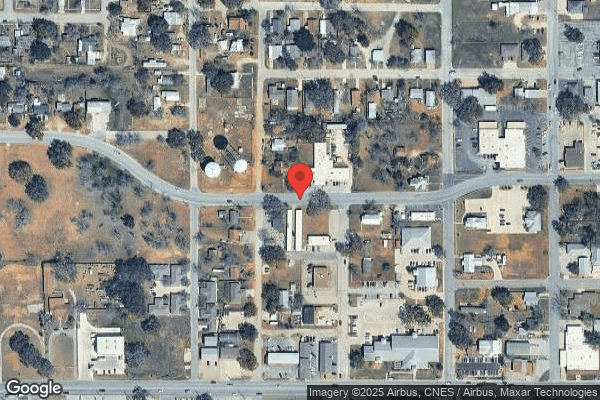
Apr 2024 7 deficiencies 3 IJ (3 affecting multiple)
CRITICAL (K) 📢 Someone Reported This

A family member, employee, or ombudsman was alarmed enough to file a formal complaint

Immediate Jeopardy (IJ) - the most serious Medicare violation

Free from Abuse/Neglect (Tag F0600)

Someone could have died · This affected multiple residents

**NOTE- TERMS IN BRACKETS HAVE BEEN EDITED TO PROTECT CONFIDENTIALITY** Based on observation, interview, and record review the facility failed to ensure residents had the right to be free from abuse, ...

Read full inspector narrative →
**NOTE- TERMS IN BRACKETS HAVE BEEN EDITED TO PROTECT CONFIDENTIALITY** Based on observation, interview, and record review the facility failed to ensure residents had the right to be free from abuse, neglect, and misappropriation of property for 2 of 8 residents (Residents #1 and Resident #5) reviewed for abuse, in that: 1. The facility failed to ensure Resident #1 was free from physical abuse when RN A and NA H restrained the resident using a gait belt wrapped around the resident's abdomen from 10/08/2023 to 3/01/2024 and secured to his wheelchair behind the resident to prevent the resident from standing, used furniture to prevent movement by Resident #1 in his wheelchair and emotional abuse from RN A. 2. The facility failed to ensure Resident's #1 and #5 were free from verbal abuse when RN A used derogatory language and profanity directed at the residents. These failures resulted in the identification of an Immediate Jeopardy (IJ) on 4/18/2024 at 5:27 p.m. The IJ template was provided to the facility on 4/18/2024 at 5:31 p.m. While the IJ was removed on 4/21/2024 the facility remained out of compliance at a level of potential harm with a scope identified as pattern until interventions were put in place to ensure staff members were in compliance with identifying and reporting abuse. These failures could place residents at risk of physical, mental and emotional decline, psychosocial harm and physical injury and could result in a decline in isolation and withdrawal and result in a decline in health. The findings included: 1. Record review of Form 3613 -A, Provider Investigative Report dated 3/08/2024 and signed by the Administrator revealed an allegation of abuse was confirmed. The report indicated on 3/01/2024 a CNA (unidentified) alleged RN A used a gait belt to keep a resident in the wheelchair and used profanity when she spoke to a resident. The report indicated Resident #1 was the victim. The report also indicated RN A told Resident #5 to shut the f%&$ up but Resident #5 was unable to recall foul language. Record review of a photocopy of text conversation (undated) between the DON and RN A revealed the DON sent a text to RN A that indicated she had been trying to reach RN A by phone to let her know she was suspended pending investigation because it was reported she used a gait belt to restrain Resident #1 and profanity when speaking to Resident #5. The DON indicated in the text she had to report it to state. RN A responded by asking if she should go to work on Monday and Tuesday. RN A stated, I did use a gait belt, but I don't recall using profanity with any resident .sorry about the belt but I was just trying to keep him from falling. The DON responded by telling RN A not to go to work Monday or Tuesday. This document was signed by the DON. Record review of a handwritten document dated 3/01/2024 and signed by the DON revealed agency CNA B called her (the DON) and told her RN A on the night shift was using a gait belt to restrain Resident #1 in his wheelchair at night. The document indicated CNA B could not give specific dates or times. Record review of a handwritten document dated 3/04/2024 and signed by the DON revealed CNA D stated she had witnessed RN A use a gait belt to restrain Resident #1 in his wheelchair. The document indicated CNA D could not remember exact dates and times and stated CNA D did not report it because she was scared of retaliation from RN A. Record review of a handwritten document dated 3/04/2024 and signed by the DON revealed CNA N stated she had witnessed RN A use a gait belt to restrain Resident #1 at night. She stated she did not report it because she was afraid of retaliation and could not remember exact dates and times. Record review of Resident #1's face sheet dated 4/15/2024 revealed an admission date of 1/21/2021 with readmission date of 4/15/2024 with diagnoses which included: dementia moderate with behavioral disturbance, unsteadiness on feet and generalized muscle weakness. Record review of Resident #1's significant change MDS assessment dated [DATE] revealed a BIMS score of could not be assessed because the resident was rarely or never understood. The assessment indicated Resident #1 required moderate assistance to go from sitting to standing, moderate assistance to walk and was totally dependent on staff for ADL care. The assessment indicated Resident #1 had two or more falls since admission to the facility and no restraints were being used. Record review of Resident #1's Care Plan for falls dated 9/28/2023 revealed a revision 2/21/2024 for an intervention which included that Resident #1 would be seated in the front dining room within eyesight when not in his bed. Also, on 2/21/2024 an intervention was added that read Resident #1 will have seat belt attached to wheelchair and must be locked when in wheelchair and seatbelt must be released every 2 hours, it was revised on 2/26/2024 and removed from the active care plan. Record review of Resident #1's Care Plan for elopement dated 8/11/2021 revealed the resident liked to wander and was disoriented to place, had impaired safety awareness and a cognitive impairment and had verbalized wanting to leave the facility with a history of wandering which included: distract Resident #1 by offering pleasant diversions, structured activities, food, conversation, television, book. Resident #1 prefers to socialize with peers in common area. Record review of the Resident #1's consents revealed there were no consents for physical restraints. Record review of Resident #1's physician orders history from admission to current revealed no orders for restraints. During an observation/interview on 4/15/2024 at 10:16 p.m. revealed there were no residents in the main common area or near the nurse's station. The facility lights were low, and the atmosphere was calm/quiet. CNA B was observed near the nurse's station in the hallway. CNA B stated Resident #1 had returned from the hospital today and had been confused and combative with staff which she described as normal behavior for the resident. CNA B stated Resident #1 kept wandering to different hallways saying he was going to beat someone up. She stated she approached him in a calm way, redirected him and just talked to him which was how she was trained to respond. She stated although he was confused, she eventually got him to bed. During an observation on 4/15/2024 at 10:19 p.m., Resident #1 was observed on a low bed, with fall mat in place. The resident was sleeping and had the covers pulled up over his head. During an observation on 4/15/2024 at 10:45 p.m., Resident #1 remained asleep in his bed. During an observation/interview on 4/16/2024 at 3:26 p.m., Resident #1 was observed seated in his wheelchair in the main front living/dining area nearest the nurse's station. Resident #1 moved almost constantly and kept scooting up toward the edge of his wheelchair where he was redirected calmly by staff . Resident #1 was alert and smiled when spoken to but did not respond when questions were asked. Resident #1 did not have any obvious injuries. During an observation on evening shift at 4/16/2024 at 8:22 p.m., Resident #1 was observed asleep in his bed with the covers over his head, low bed with fall mat in place. During an interview on 4/16/2024 at 10:04 a.m., the DON stated she was the facility ADON until 1/01/2024 when she became the DON. She stated Resident #1 had a fall history and had run out of new interventions to try. She stated after every fall she updated Resident #1's care plan. She stated the most effective intervention was to keep Resident #1 within eyesight. She stated on 4/04/2024 she put a goal for him to be up in his wheelchair out of his room when awake to prevent Resident #1 from ambulating unassisted. The DON stated there was no pattern of time for the falls because they happened on every shift. She stated the falls were not happening with one particular staff person. She stated she had terminated RN A on night shift for restraining Resident #1 in his wheelchair with a gait belt. The DON stated Resident #1 was more active on night shift. The DON stated she did have enough staff to care for him. She stated he was so unsteady on his feet that by the time the staff saw him stand up it was too late. The DON stated she did not know how often or how many days Resident #1 was restrained. The DON stated when she asked staff about it she could not get a good answer. The DON stated the staff said they did not report the restraint earlier because they were scared of retaliation. The DON stated the facility did discuss restraining Resident #1 because a family member brought it up. The family member wanted Resident #1 restrained. The DON stated she briefly added restraint to Resident #1's care plan, but he never had an order for restraint. She stated they presented it to their legal team, and it did not pass through. She stated legal said, absolutely not. The DON stated she never got as far as assessing Resident #1 to see if he could undo a seatbelt in the wheelchair because it never got that far. She stated RN A was not using a seatbelt she was using a gait belt as a restraint, and he could not undo it. The DON stated the facility did not have cameras in the facility. The DON stated RN A admitted to doing it but would not give a time frame, or an exact date. The DON stated RN A admitted to restraining Resident #1 2-3 times, but she was very vague. 2. Record review of Resident #5's face sheet dated 4/18/2024 revealed an admission date of 4/07/2021 with diagnoses which included: Alzheimer's disease, psychotic disorder with delusions due to known physiological condition and recurrent major depressive disorder. Record review of Resident #5's quarterly MDS assessment dated [DATE] revealed a BIMS score of 6 which indicated a severe cognitive impairment. Record review of Resident #5's annual MDS assessment dated [DATE] revealed a BIMS score was not assessed. Record review of Resident #5's Care Plan dated last revised on 3/27/2023 revealed Resident #5 sometimes had behaviors which included shouting with interventions which included: attempt interventions before behavior escalates, make sure resident not in pain or uncomfortable. Record review of Resident #5's psychosocial assessment dated [DATE] revealed Resident #5's memory recall included staff faces and names and that he was in a facility. The assessment indicated the resident understand his surroundings and had severely impaired decision-making skills and socially inappropriate behaviors with a note anxiety, yells, prefers to be alone in room The assessment revealed Resident denies that anyone has told him anything to upset him. During on observation on 4/15/2024 at 10:25 p.m., Resident #5 was observed sleeping in bed, low bed, fall mat in place. During an interview on 4/17/2024 at 3:17 p.m., the DON stated none of the residents in the facility were reliable for an interview due to dementia. She stated all residents in the facility had a diagnosis of dementia with memory issues. She stated some of the residents also had hallucinations/delusions and would not be able to give a reliable interview regarding restraint/abuse. The DON stated RN A worked night shift from 6 pm to 6 am. She stated she had two witnesses who worked from 6 pm to 10 pm who confirmed the allegations of abuse against RN A, CNA C and CNA D . The DON stated she initially suspended RN A when the allegation surfaces (date unknown) but right away she thought she was going to have to let RN A go. The DON stated since RN A admitted the allegation , they let her go. The DON stated there would have been a bigger investigation had she denied the allegations. The DON stated RN A told her she was the only person who restrained a resident, but she was really vague. The DON stated she asked RN A about the times and dates, but RN A did not know how long it had occurred. The DON stated she interviewed Resident #5 about the verbal abuse , and he said everyone was nice to him, but he could not remember, and he had no complaints from other residents. She stated she interviewed CNA E who worked for an agency, but she denied seeing abuse and the other regular staff member (unknown name) said she didn't see it either. The DON stated on 3/01/2024 when she received the allegations of abuse, she had approximately 31 staff. She stated she in-serviced 19 of those staff on abuse and neglect. The DON stated when she called the meeting for the in-service CNA F (night shift) had worked the whole week and she did her a favor by picking up extra shifts, so she excused CNA F from the in-service and the other person (CNA E) from night shift was an agency person. The DON stated agency staff had their own in-services through their agency. She stated if the agency staff are in the building when the meeting was called, they would attend. The DON stated she did not in-service night shift staff because she does not see the night shift people because they occur during the daytime . The DON stated as part of the abuse investigation she completed a skin assessment of Resident #1 and found no new skin conditions . During an observation/interview on 4/17/2024 at 3:30 p.m., Resident #5 was seated on his bed with his clothes thrown on the floor beside him. There were no visible injuries noted. Resident #5 stated he was fine. He stated he had lived at the facility for 74 years (which showed confusion) and was stated he did not know who any of the people were in the numerous personal photos posted near his bed on the wall. Resident #5 had a childlike demeanor. He was unable to answer detailed interview questions and did not have memory recall of answer questions about past events. During an interview on 4/17/2024 at 3:46 p.m., CNA B stated she worked for a staffing agency and first began working at the facility in August 2023. CNA B stated on 3/01/2024 (unknown time) she notified the DON via text that she needed to talk to her. CNA B stated CNA E notified the DON by talking to her and text that RN A was doing stuff to the residents on the same night. CNA B stated she did not talk to the DON about what was occurring until the next morning which was 3/01/2024 when the DON came to the facility. CNA B stated Resident #1 wandered and would go into rooms. She stated RN A did not want him to wander so he started to get aggressive. She stated he was pulling on the handrails and kicking. CNA B stated RN A told the CNA's to go get a gait belt and tie Resident #1 down. CNA B stated we (CNA B and CNA E) told her they were not going to do it. CNA B stated CNA E took RN A a gait belt and gave it to her (RN A) but CNA E did not use it. CNA B stated RN A stated fine, it was going to be on her anyways (meaning she was the one who would get in trouble), like RN A did not care and tied him down anyway. CNA B stated the DON asked her the dates and it was two shifts prior so it would have been on 2/28/2024 around med pass time which was approximately 8:00 p.m. CNA B stated she also told the DON it really bothered her that RN A wanted to restrain Resident #1. She stated she also let the DON know it was not the first time. CNA B stated she did not tell the DON because she forgot about it until now, but RN A would also get the big couch in the main living area and block the entrance to prevent Resident #1 from coming out of the room. CNA B stated she knew that was also a restraint. She stated Resident #1 knew he could not get out of the room, so he just sat there in his wheelchair. She stated RN A stated she wanted to keep him there because he was wandering and trying to get into rooms, and she did not want him to move while she was sitting down and the CNA's were down the halls working. CNA B stated one day, (date unknown) Resident #1 was having a good day and was in a good mood. He looked at RN A and stated, I love you and RN A looked right at him and stated, I hate you. CNA B stated it really broke her heart. She stated she told RN A wow and just walked off. CNA B stated Resident #1 did not say anything, but he knew. She stated she could see it in his eyes that he knew. CNA B stated one night (date unknown) Resident #5 could smell her dinner when she was warming it up and he yelled he wanted a cheeseburger. CNA B stated RN A yelled Shut the fuck up. CNA B stated Resident #5 was in his room and got quiet. CNA B stated after she reported it to the DON a lot of other staff started talking. These were not one day events. No one had wanted to report it. She stated CNA E and CNA K both had talked about the abuse, and both had information. CNA B stated she wrote a witness statement. She stated a lot of staff wrote witness statements to the DON. CNA B stated she had not spoken to the Administrator and did not even know who the Administrator was. She stated she was trained to report abuse which was what she did. CNA B stated after this event there was a training. She stated they were told to read and sign something, but she could not remember what it was about. During an interview on 4/17/2024 at 4:11 p.m., CNA D stated she was regular full-time staff at the facility. She stated she did not work with RN A often. CNA D stated RN A was loud, and she was rude, but she never saw abuse. CNA D stated the handwritten statement written by the DON was not accurate. CNA D stated when the DON called her and asked her about the gait belt on Resident #1, she told the DON, no. CNA D stated she thought the DON misunderstood her. CNA D stated RN A did ask her to put a gait belt on as a restraint on Resident #1, but she did not understand what the meant. CNA D stated she responded to RN A by telling her she was going to lay him down in bed. She stated she did lay him down and he stayed in bed. CNA D stated RN A told her to get the gait belt because Resident #1 was trying to walk. She stated this occurred before 9:30 p.m. because she did her last rounds at 9:30 p.m. and left by 10:00 p.m. She stated this occurs sometimes before Christmas. She stated she thought it was somewhere between October and November 2023. She stated it was hard to remember the dates. CNA D stated she did not think using a gait belt to restrain Resident #1 was abuse. She stated she did not understand. She stated it was not until the DON told her what was going on (unknown date) and there were other reports of abuse and the use of restraint by RN A that she told the DON what she knew about RN A. CNA D stated she never saw any other resident with a gait belt on or a restraint. She stated RN A was just rude and loud. She would tell the residents things like it's enough already. CNA D stated it was not the way she personally would talk to the residents, but it was not abusive. She stated she never heard RN A cuss at a resident. CNA D stated after the events they had a meeting where they talked about restraint, abuse, and neglect but she could not remember what was taught. She stated they had to watch some videos and take a quiz. She stated she was trained to report abuse immediately to the Administrator. During an interview on 4/17/2024 at 4:31 p.m., CNA E stated she worked with an agency and had worked at the facility regularly for 3-4 months, mostly on the weekends with RN A. CNA E stated RN A told her Resident #1 was problematic and aggressive. CNA E stated RN A told her the facility used a gait belt restrain on him because he was a fall risk and did not sit still. CNA E stated she asked RN A if there was a doctor's order for the restraint and she said no. CNA E stated once she learned there was no doctors order she no longer assisted. CNA E stated RN A stated it was okay to use it because she was going to take the fall for it (she was the one who would get in trouble). CNA E stated she took pictures and sent them to her agency and also told the DON about it. CNA E stated she did not want to work at the facility anymore because of it. CNA E stated it was just Resident #1 that she was witness to. She stated she did not have knowledge of any other residents. CNA E stated there were other aides who assisted in strapping Resident #1 down, including NA H . She stated she could not remember the names of the other aides. She stated Resident #1 would not cooperate with RN A. He would try to go from sitting to standing. She stated it was the way RN A spoke to Resident #1, he would regularly hit RN A and be aggressive with her. CNA E stated RN A would tie Resident #1 down by putting him either in his wheelchair or a regular chair and she would loop the gait belt around his abdomen and then loop the buckle in the back where he would not reach it or untie it. CNA E stated RN A would put the gait belt on pretty tight. CNA E stated LVN L, a morning nurse asked about the redness on Resident #1's abdomen and she told the nurse RN A straps Resident #1 down. She stated LVN L asked me additional information and then asked if she had informed the DON. CNA E stated LVN L said there were no orders for restraint. CNA E stated she told the DON the third time she saw it. She stated this started in January 2023. She stated she told the DON, RN A makes her do things she was not supposed to do. She stated she told the DON on the week of 2/23/2024-2/27/2024 but was not sure the exact day. She stated she also talked on the phone with the DON on 2/11/2024-2/12/2024 about it. She stated the DON was surprised and listened to her side of the story. She stated after she initially told the DON on 2/11/2024-2/12/2024, RN A called the DON and complained about her. CNA E stated she specifically told the DON she (RN A) strapped Resident #1 down with a gait belt word for word. CNA E stated the DON stated she would talk to RN A. CNA E stated RN A was not sent home and continued to work at the facility. She stated multiple other staff also reported it to the DON (unknown staff, unknown dates). CNA E stated RN A was verbally abusive to residents as well. She stated she was nasty and unkind to Resident #5. CNA E stated RN A would say shut up and fuck off to the residents. She stated or RN A would tell them they smell, or they were not loved. CNA E stated she told the DON she would never work with RN A again. CNA E stated She stated she was trained to report abuse to her agency. She stated her agency was a data base and she entered it into the data base but could not remember when this occurred, she stated she thought she reported it to her agency in January 2023. During an interview on 4/17/2024 at 5:11 p.m., CNA N stated on a Monday in February 2024 she stayed over from day shift to work until 10 p.m. with RN A and agency CNA E. She stated on that Monday, CNA E told her RN A was making the aides put Resident #1 in a chair with a gait belt. She stated they strapped him to the chair like a restraint and then was mean to the residents telling them to shut up and called them stupid. CNA N stated CNA E told her RN A and CNA E got into and she called the DON. CNA N stated on Tuesday, the next day she again stayed until 10 p.m. with RN A. She stated Resident #1 was in the front main living/dining room area trying to stand up. CNA N stated RN A was passing meds and could see Resident #1 from where she was standing. CNA N stated RN A yelled at her to grab Resident #1 and then get a gait belt and put it around him. CNA N stated she told RN A no. CNA N stated RN A yanked the gait belt out of her hand and stated she was doing it herself. CNA N stated she again told RN A no, and told her she would sit with Resident #1 so he would not need a restraint. CNA N stated RN A tried to put the gait belt around Resident #1, but she (CNA N) put her hand out and stopped RN A from wrapping it around him. CNA N demonstrated how RN A took the gait belt and reached around the front of the resident with the gait belt with intentions to strap it around his abdomen and secure it in the back. CNA N stated she believes if she had not been there to stop her RN A would have strapped Resident #1 down with the gait belt. CNA A stated RN A walked off. CNA N stated she asked CNA E and CNA G what had happened with RN A. She stated they told her RN A had asked them to put a gait belt restraint on Resident #1 and they did because RN A told them to. CNA N stated on Friday, RN A was still working at the facility, and said she guessed it was not a big deal and she was not in trouble because someone had told on her and she was still working. CNA N stated she let the DON and the Administrator know what RN A said about not getting in trouble. She stated that was on a Friday (date unknown). CNA N stated it then became a big deal and she has not seen RN A since. CNA N stated to her knowledge no other residents were not involved. CNA N stated RN A was not verbally the nicest, but more like she was inconvenienced by the residents rather than abusive towards them. CNA N stated she never heard name called. She stated RN A did use profanity but not directed towards the residents. CNA N stated the first time she told anyone about it was that Friday 3/01/2024. She stated CNA E was very upset about the way RN A was treating the residents. CNA N stated she told the DON and the Administrator together what she had witnessed. She stated she also told the DON and Administrator that RN A was walking around making fun of it, like it was a big joke that she had been doing it and was not getting in any trouble. She stated RN A was slamming drawers on the med carts around the residents. She stated she told all of this to management. CNA N stated Resident #1 did not seem up set because of his dementia but some of the staff was upset about it, including CNA E. She stated the residents do not understand because of their dementia. CNA N stated she had been trained to report abuse to the Administrator immediately. She stated she waited to report it because CNA E stated she had already reported it and at that point she had not seen it herself. She stated when RN A tried it, she was able to stop her. CNA N stated by Friday, 3/01/2024 she decided they needed to hear her side of the story. She stated she did not see any injuries to Resident #1. She stated management responded by saying there would be a state investigation. CNA N stated she was not asked to write a witness statement from facility management. She stated she would be willing to write out her version on a piece of paper in front of this surveyor for proof. During an interview on 4/17/2024 at 6:10 p.m., the ADON was presented as a witness by the DON. The ADON stated CNA D told her she did see RN A strap Resident #1 to a chair with a gait belt but because RN A was a registered nurse, she did not report it because Who are they going to believe a RN or a CNA? The ADON stated CNA D stated she actually witnessed it and told the ADON approximately one month ago. The ADON stated she was a charge nurse when this occurred and did not become the ADON until 3/01/2024. The ADON stated the first time she knew anything about the situation was when all the chatter started about it when the facility reported it to state (3/01/2024). She stated she hard NA H and CNA C talk about it, but this was after it was already reported. The ADON stated she never heard any residents complain and did not see any change in any resident behaviors. The ADON stated restraint was abuse. The ADON stated she heard RN A state things like go over there or leave that alone in a loud voice but never heard her cuss or call a resident a name. She stated she never heard RN A raise her voice at a resident, she just used a loud voice. The ADON stated she has come to assist night shift before when they needed help but did not know where that was. She stated it was to do extra work. She stated she was new to the job and was still training. The ADON stated there had never been a discussion between management staff about monitoring night shift. The ADON stated she was not responsible for training any of the staff. During an observation and interview on 4/17/2024 at 6:35 p.m., the Maintenance Director measured the opening of the main living area to be 93 inches and the couch in the main living area was 74 inches. When placed in the middle of the doorway there was a 4.5 inch opening on each side of the couch which was too small for wither a wheelchair or a person to be able to walk through. The Maintenance Director stated there used to be two couches in the main living area, but one was thrown away on an unknown date. During an interview on 4/17/2024 at 6:45 p.m. CNA F stated she was regular full-time staff at the facility and worked many extra shifts. CNA F stated she saw Resident #1 restrained by RN A with her own eyes. CNA F stated RN A stated it was for his own protection. CNA F stated RN A stated she knew it was wrong and she knew she was going to take the blame for it. CNA F stated she saw RN A get a gait belt out of the closet because she kept having to get Resident #1 to sit down. CNA F stated RN A stated she could not keep watching him, so she strapped him down for his own safety. CNA F stated RN A used the gait belt across Resident #1's stomach and buckled in behind the resident in the back. CNA F stated Resident #1 responded by just sitting there. She stated he fiddled with it but did not scream or holler and did not try to get out. CNA F stated Resident #1 normally tried to stand up and his was off balance. CNA F denied participating in strapping Resident #1 to the chair or seeing any other staff member doing it. She stated she did witness RN A applying the straps. CNA F stated CNA E got in a heated exchange of words with RN A about strapping Resident #1 down. CNA F stated she could not remember when this occurred. She stated she could not remember what months this occurs. She stated she saw it maybe 2-3 times. She stated she thought the first time she saw it was before Christmas, but she could not be sure. CNA F stated she never reported it because RN A stated she was going to take the blame for it. CNA F stated she knows restraint was a form of abuse. She stated she did not report the abuse because she relied on RN A's word that she was going to take the blame. CNA F stated she knows she should have reported it. CNA F denied knowledge of any other resident abuse. She denied knowledge of verbal/emotional abuse. CNA F stated RN A had a very hard deep voice, a very strong voice. She stated when RN A spoke at the nurses station, she could be heard all the way down at the end of the hall but it was not in a disrespectful way. CNA F stated RN A was a really good nurse. CNA F stated she did see RN move the couch and put in blocking the entrance/exit of the main living room to keep Resident #1 from getting out of the room. CNA F stated they normally work with one nurse and two aides at night. She stated they would all take turns watching the residents. She stated some of the residents do not sleep at night and there had been some chaotic nights. She stated on the chaotic nights they still made sure the residents needs were met. CNA F stated she did not complete the abuse training in-service after the incident and still had not completed it as of this interview. She stated she worked to help the DON out by working an extra shift and the DON gave her permission to be excluded from the abuse class. CNA F stated she had taken abuse training in the past and she had been trained to report restraint, abuse including physical, verbal and sexual abuse immediately to the Administrator. During an interview on 4/17/2024 at 7:10 p.m. LVN J stated there were two-night shift nurses. She was one of them and RN A was the other one. She stated they did not work on the same nights. LVN J stated she had no knowledge of the restraint of Resident #1 or any other resident. She stated she learned about it when RN A was fired. She stated she knows RN A worked a lot of hours and did not have full time aides and was given agency staff to work with. LVN J stated it was not RN A's fault. She stated RN A did they best she could. LVN J stated the facility was a restraint free facility. She stated they could not use restraints because it was a dignity issue, and the residents could hurt themselves if restrained. She stat[TRUNCATED]
CRITICAL (K) 📢 Someone Reported This

A family member, employee, or ombudsman was alarmed enough to file a formal complaint

Immediate Jeopardy (IJ) - the most serious Medicare violation

Deficiency F0604 (Tag F0604)

Someone could have died · This affected multiple residents

**NOTE- TERMS IN BRACKETS HAVE BEEN EDITED TO PROTECT CONFIDENTIALITY** Based on observation, interview and record review the facility failed to ensure that residents are free from physical or chemica...

Read full inspector narrative →
**NOTE- TERMS IN BRACKETS HAVE BEEN EDITED TO PROTECT CONFIDENTIALITY** Based on observation, interview and record review the facility failed to ensure that residents are free from physical or chemical restraints imposed for purpose of discipline or convenience and that are required to treat the resident's medical symptoms for 1 of 8 (Resident #1) residents reviewed for restraint, in that; The facility failed to ensure that Resident #1 was free from restraint when RN A and NA H tied Resident #1 to a wheelchair with a gait belt wrapped around his abdomen and secured behind the resident out of reach and by using furniture to block his movement while in the wheelchair on multiple occasions from 10/082023-03/01/2024. This failure resulted in the identification of an Immediate Jeopardy (IJ) on 4/18/2023 at 5:27 p.m. The IJ template was provided to the facility on 4/18/2024 at 5:31 p.m. While the IJ was removed on 4/21/2024 the facility remained out of compliance at a level of potential harm with a scope identified as pattern until interventions were put in place to ensure staff members were in compliance with identifying and reporting abuse. This failure could affect residents by placing them at risk of abuse, physical harm, pain, mental anguish, emotional distress, and serious harm. The findings included: 1. Record review of Form 3613-A, Provider Investigative Report dated 3/08/2024 and signed by the Administrator revealed an allegation of abuse was confirmed. The report indicated on 3/01/2024 a CNA alleged RN A used a gait belt to keep a resident in the wheelchair. The report indicated Resident #1 was the victim. Record review of a photocopy of text conversation between the DON and RN A (undated) revealed the DON sent a text to RN A that indicated she had been trying to reach RN A by phone to let her know she was suspended pending investigation because it was reported she used a gait belt to restrain Resident #1 . The DON indicated she had to report it to state. RN A responded by asking if she should go to work on Monday and Tuesday. RN A stated, I did use a gait belt .sorry about the belt but I was just trying to keep him from falling. The DON responded by telling RN A not to go to work Monday or Tuesday. This document was signed by the DON. Record review of a handwritten document dated 3/01/2024 and signed by the DON revealed agency CNA B called her (the DON) and told her RN A on the night shift was using a gait belt to restrain Resident #1 in his wheelchair at night. The document indicated CNA B could not give specific dates or times. Record review of a handwritten document dated 3/04/2024 and signed by the DON revealed CNA D stated she had witnessed RN A use a gait belt to restrain Resident #1 in his wheelchair. The document indicated CNA D could not remember exact dates and times and stated CNA did not report it because she was scared of retaliation from RN A. Record review of a handwritten document dated 3/04/2024 and signed by the DON revealed CNA N stated she had witnessed RN A use a gait belt to restrain Resident #1 at night. She stated she did not report it because she was afraid of retaliation and could not remember exact dates and times. Record review of Resident #1's face sheet dated 4/15/2024 revealed an admission date of 1/21/2021 with readmission date of 4/15/2024 with diagnoses which included: dementia moderate with behavioral disturbance, unsteadiness on feet and generalized muscle weakness. Record review of Resident #1's significant change MDS assessment dated [DATE] revealed a BIMS score of could not be assessed because the resident was rarely or never understood. The assessment indicated Resident #1 required moderate assistance to go from sitting to standing, moderate assistance to walk and was totally dependent on staff for ADL care. The assessment indicated Resident #1 had two or more falls since admission to the facility and no restraints were being used. Record review of Resident #1's Care Plan for falls dated 9/28/2023 revealed a revision 2/21/2024 for an intervention which included that Resident #1 would be seated in the front dining room within eyesight when not in his bed. Also, on 2/21/2024 an intervention was added that read Resident #1 will have seat belt attached to wheelchair and must be locked when in wheelchair and seatbelt must be released every 2 hours, it was revised on 2/26/2024 and removed from the active care plan. Record review of Resident #1's Care Plan for elopement dated 8/11/2021 revealed the resident liked to wander and was disoriented to place, had impaired safety awareness and a cognitive impairment and had verbalized wanting to leave the facility with a history of wandering which included: distract Resident #1 by offering pleasant diversions, structured activities, food, conversation, television, book. Resident #1 prefers to socialize with peers in common area. Record review of the Resident #1's consents revealed there were no consents for physical restraints. Record review of Resident #1's physician orders history from admission to current revealed no orders for restraints. During an observation/interview on 4/15/2024 at 10:16 p.m. revealed there were no residents in the main common area or near the nurse's station. The facility lights were low, and the atmosphere was calm/quiet. CNA B was observed near the nurse's station in the hallway. CNA B stated Resident #1 had returned from the hospital today and had been confused and combative with staff which she described as normal behavior for the resident. CNA B stated Resident #1 kept wandering to different hallways saying he was going to beat someone up. She stated she approached him in a calm way, redirected him and just talked to him which was how she was trained to respond. She stated although he was confused, she eventually got him to bed. During an observation on 4/15/2024 at 10:19 p.m., Resident #1 was observed on a low bed, with fall mat in place. The resident was sleeping and had the covers pulled up over his head. During an observation on 4/15/2024 at 10:45 p.m., Resident #1 remained asleep in his bed. During an observation/interview on 4/16/2024 at 3:26 p.m., Resident #1 was observed seated in his wheelchair in the main front living/dining area nearest the nurse's station. Resident #1 moved almost constantly and kept scooting up toward the edge of his wheelchair where he was redirected calmly by staff. Resident #1 was alert and smiled when spoken to but did not respond when questions were asked. Resident #1 did not have any obvious injuries. During an observation on evening shift at 4/16/2024 at 8:22 p.m., Resident #1 was observed asleep in his bed with the covers over his head, low bed with fall mat in place. During an interview on 4/16/2024 at 10:04 a.m., the DON stated she was the facility ADON until 1/01/2024 when she became the DON. She stated Resident #1 had a fall history and had run out of new interventions to try. She stated after every fall she updated Resident #1's care plan. She stated the most effective intervention was to keep Resident #1 within eyesight. She stated on 4/04/2024 she put a goal for him to be up in his wheelchair out of his room when awake to prevent Resident #1 from ambulating unassisted. The DON stated there was no pattern of time for the falls because they happened on every shift. She stated the falls were not happening with one particular staff person. She stated she had terminated RN A on night shift for restraining Resident #1 in his wheelchair with a gait belt. The DON stated Resident #1 was more active on night shift. The DON stated she did have enough staff to care for him. She stated he was so unsteady on his feet that by the time the staff saw him stand up it was too late. The DON stated she did not know how often or how many days Resident #1 was restrained. The DON stated when she asked staff about it, she could not get a good answer. The DON stated the staff said they did not report the restraint earlier because they were scared of retaliation. The DON stated the facility did discuss restraining Resident #1 because a family member brought it up. The family member wanted Resident #1 restrained. The DON stated she briefly added restraint to Resident #1's care plan, but he never had an order for restraint. She stated they presented it to their legal team, and it did not pass through. She stated legal said, absolutely not. The DON stated she never got as far as assessing Resident #1 to see if he could undo a seatbelt in the wheelchair because it never got that far. She stated RN A was not using a seatbelt she was using a gait belt as a restraint, and he could not undo it. The DON stated the facility did not have cameras in the facility. The DON stated RN A admitted to doing it but would not give a time frame, or an exact date. The DON stated RN A admitted to restraining Resident #1 2-3 times, but she was very vague. During an interview on 4/17/2024 at 3:17 p.m., the DON stated none of the residents in the facility were reliable for an interview due to dementia. She stated all residents in the facility had a diagnosis of dementia with memory issues. She stated some of the residents also had hallucinations/delusions and would not be able to give a reliable interview regarding restraint/abuse. The DON stated RN A worked night shift from 6 pm to 6 am. She stated she had two witnesses who worked from 6 pm to 10 pm who confirmed the allegations of abuse against RN A, CNA C and CNA D. The DON stated she initially suspended RN A when the allegation surfaces (date unknown) but right away she thought she was going to have to let RN A go. The DON stated since RN A admitted the allegation, they let her go. The DON stated there would have been a bigger investigation had she denied the allegations. The DON stated RN A told her she was the only person who restrained a resident, but she was really vague. The DON stated she asked RN A about the times and dates, but RN A did not know how long it had occurred. She stated she interviewed CNA E who worked for an agency, but she denied seeing abuse and the other regular staff member (unknown name) said she didn't see it either. The DON stated on 3/01/2024 when she received the allegations of abuse, she had approximately 31 staff. She stated she in-serviced 19 of those staff on abuse and neglect. The DON stated when she called the meeting for the in-service CNA F (night shift) had worked the whole week and she did her a favor by picking up extra shifts, so she excused CNA F from the in-service and the other person (CNA E) from night shift was an agency person. The DON stated agency staff had their own in-services through their agency. She stated if the agency staff are in the building when the meeting was called, they would attend. The DON stated she did not in-service night shift staff because she does not see the night shift people because they occur during the daytime. The DON stated as part of the abuse investigation she completed a skin assessment of Resident #1 and found no new skin conditions. During an interview on 4/17/2024 at 3:46 p.m., CNA B stated she worked for a staffing agency and first began working at the facility in August 2023. CNA B stated on 3/01/2024 (unknown time) she notified the DON via text that she needed to talk to her. CNA B stated CNA E notified the DON by talking to her and text that RN A was doing stuff to the residents on the same night. CNA B stated she did not talk to the DON about what was occurring until the next morning which was 3/01/2024 when the DON came to the facility. CNA B stated Resident #1 wandered and would go into rooms. She stated RN A did not want him to wander so he started to get aggressive. She stated he was pulling on the handrails and kicking. CNA B stated RN A told the CNAs to go get a gait belt and tie Resident #1 down. CNA B stated we (CNA B and CNA E) told her they were not going to do it. She stated CNA E took RN A a gait belt and gave it to her but CNA E did not use it. CNA B stated RN A stated fine, it was going to be on her anyways (meaning she was the one who would get in trouble), like she did not care and tied him down anyway. CNA B stated the DON asked her the dates and it was two shifts prior so it would have been on 2/28/2024 around med pass time which was approximately 8:00 p.m. CNA B stated she also told the DON; it really bothered her that RN A wanted to restrain Resident #1. She stated she also let the DON know it was not the first time. CNA B stated she did not tell the DON because she forgot about it until now, but RN A would also get the big couch in the main living area and block the entrance to prevent Resident #1 from coming out of the room. CNA B stated she knew that was also a restraint. She stated Resident #1 knew he could not get out of the room, so he just sat there in his wheelchair. She stated RN A stated she wanted to keep him there because he was wandering and trying to get into rooms, and she did not want him to move while she was sitting down and the CNAs were down the halls working. She stated, these were not one day events. No one had wanted to report it. She stated CNA E and CNA K both had talked about the abuse, and both had information. CNA B stated she wrote a witness statement. She stated a lot of staff wrote witness statements to the DON. CNA B stated she had not spoken to the Administrator and did not even know who the Administrator was. She stated she was trained to report abuse which is what she did. CNA B stated after this event there was a training. She stated they were told to read and sign something, but she could not remember what it was about. During an interview on 4/17/2024 at 4:11 p.m., CNA D stated she was regular full-time staff at the facility. She stated she did not work with RN A often. CNA D stated RN A was loud, and she was rude, but she never saw abuse. CNA D stated the handwritten statement written by the DON was not accurate. CNA D stated when the DON called her and asked her about the gait belt on Resident #1, she told the DON, no. CNA D stated she thought the DON misunderstood her. CNA D stated RN A did ask her to put a gait belt on as a restraint on Resident #1 but she did not understand what the meant. CNA D stated she responded to RN A by telling her she was going to lay him down in bed. She stated she did lay him down and he stayed in bed. CNA D stated RN A told her to get the gait belt because Resident #1 was trying to walk. She stated this occurred before 9:30 p.m. because she did her last rounds at 9:30 p.m. and left by 10:00 p.m. She stated this occurs sometimes before Christmas. She stated she thought it was somewhere between October and November 2023. She stated it was hard to remember the dates. CNA D stated she did not think using a gait belt to restrain Resident #1 was abuse. She stated she did not understand. She stated it was not until the DON told her what was going on (unknown date) and there were other reports of abuse and the use of restraint by RN A that she told the DON what she knew about RN A. CNA D stated she never saw any other resident with a gait belt on or a restraint. CNA D stated after the events they had a meeting where they talked about restraint, abuse, and neglect but she could not remember what was taught. She stated they had to watch some videos and take a quiz. She stated she was trained to report abuse immediately to the Administrator. During an interview on 4/17/2024 at 4:31 p.m., CNA E stated she worked with an agency and had worked at the facility regularly for 3-4 months, mostly on the weekends with RN A. CNA E stated RN A told her Resident #1 was problematic and aggressive. CNA E stated RN A told her the facility used a gait belt restrain on him because he was a fall risk and did not sit still. CNA E stated she asked RN A if there was a doctor's order for the restraint and she said no. CNA E stated once she learned there was no doctors order she no longer assisted. CNA E stated RN A stated it was okay to use it because she was going to take the fall for it (she was the one who would get in trouble). CNA E stated she took pictures and sent them to her agency and also told the DON about it. CNA E stated she did not want to work at the facility anymore because of it. CNA E stated it was just Resident #1 that she was witness to. She stated she did not have knowledge of any other residents. CNA E stated there were other aides who assisted in strapping Resident #1 down, including NA H. She stated she could not remember the names of the other aides. She stated Resident #1 would not cooperate with RN A. He would try to go from sitting to standing. She stated it was the way RN A spoke to Resident #1, he would regularly hit RN A and be aggressive with her. CNA E stated RN A would tie Resident #1 down by putting him either in his wheelchair or a regular chair and she would loop the gait belt around his abdomen and then loop the buckle in the back where he would not reach it or untie it. CNA E stated RN A would put the gait belt on pretty tight. CNA E stated LVN L, a morning nurse asked about the redness on Resident #1's abdomen, and she told the nurse RN A straps Resident #1 down. She stated LVN L asked me additional information and then asked if she had informed the DON. CNA E stated LVN L said there were no orders for restraint. CNA E stated she told the DON the third time she saw it. She stated this started in January 2023. She stated she told the DON; RN A made her do things she was not supposed to do. She stated she told the DON on the week of 2/23/2024-2/27/2024 but was not sure the exact day. She stated she also talked on the phone with the DON on 2/11/2024-2/12/2024 about it. She stated the DON was surprised and listened to her side of the story. She stated after she initially told the DON on 2/11/2024-2/12/2024, RN A called the DON and complained about her. CNA E stated she specifically told the DON She (RN A) strapped Resident #1 down with a gait belt word for word. CNA E stated the DON stated she would talk to RN A. CNA E stated RN A was not sent home and continued to work at the facility. She stated multiple other staff also reported it to the DON (unknown staff, unknown dates). CNA E stated She stated she was trained to report abuse to her agency. She stated her agency was a data base and she entered it into the data base but could not remember when this occurred, she stated she thought she reported it to her agency in January 2023. During an interview on 4/17/2024 at 5:11 p.m., CNA N stated on a Monday in February 2024 she stayed over from day shift to work until 10 p.m. with RN A and agency CNA E. She stated on that Monday, CNA E told her RN A was making the aides put Resident #1 in a chair with a gait belt. She stated they strapped him to the chair like a restraint. CNA N stated CNA E told her RN A and CNA E got into and she called the DON. CNA N stated on Tuesday, the next day she again stayed until 10 p.m. with RN A. She stated Resident #1 was in the front main living/dining room area trying to stand up. CNA N stated RN A was passing meds and could see Resident #1 from where she was standing. CNA N stated RN A yelled at her to grab Resident #1 and then get a gait belt and put it around him. CNA N stated she told RN A no. CNA N stated RN A yanked the gait belt out of her hand and stated she was doing it herself. CNA N stated she again told RN A no and told her she would sit with Resident #1 so he would not need a restraint. CNA N stated RN A tried to put the gait belt around Resident #1, but she (CNA N) put her hand out and stopped RN A from wrapping it around him. CNA N demonstrated how RN A took the gait belt and reached around the front of the resident with the gait belt with intentions to strap it around his abdomen and secure it in the back. CNA N stated she believes if she had not been there to stop her RN A would have strapped Resident #1 down with the gait belt. CNA A stated RN A walked off. CNA N stated she asked CNA E and CNA G what had happened with RN A. She stated they told her RN A had asked them to put a gait belt restraint on Resident #1 and they did because RN A told them to. CNA N stated on Friday, RN A was still working at the facility, and said she guessed it was not a big deal and she was not in trouble because someone had told on her and she was still working. CNA N stated she let the DON and the Administrator know what RN A said about not getting in trouble. She stated that was on a Friday (3/01/2024). CNA N stated it then became a big deal and she has not seen RN A since. CNA N stated to her knowledge no other residents were not involved. She stated CNA E was very upset about the way RN A was treating the residents. CNA N stated she told the DON and the Administrator together what she had witnessed. She stated she also told the DON and Administrator that RN A was walking around making fun of it, like it was a big joke that she had been doing it and was not getting in any trouble. She stated she told all of this to management. CNA N stated Resident #1 did not seem upset because of his dementia but some of the staff was upset about it, including CNA E. She stated the residents do not understand because of their dementia. CNA N stated she had been trained to report abuse to the Administrator immediately. She stated she waited to report it because CNA E stated she had already reported it and at that point she had not seen it herself. She stated when RN A tried it, she was able to stop her. CNA N stated by Friday, 3/01/2024 she decided they needed to hear her side of the story. She stated she did not see any injuries to Resident #1. She stated management responded by saying there would be a state investigation. CNA N stated she was not asked to write a witness statement from facility management. She stated she would be willing to write out her version on a piece of paper in front of this surveyor for proof. During an interview on 4/17/2024 at 6:10 p.m., the ADON was presented as a witness by the DON. The ADON stated CNA D told her she did see RN A strap Resident #1 to a chair with a gait belt but because RN A was a registered nurse, she did not report it because Who are they going to believe a RN or a CNA? The ADON stated CNA D stated she actually witnessed it and told the ADON approximately one month ago. The ADON stated she was a charge nurse when this occurred and did not become the ADON until 3/01/2024. The ADON stated the first time she knew anything about the situation was when all the chatter started about it when the facility reported it to state (3/01/2024). She stated she heard NA H and CNA C talk about it, but this was after it was already reported. The ADON stated she never heard any residents complain and did not see any change in any resident behaviors. The ADON stated restraint was abuse. The ADON stated she has come to assist night shift before when they needed help but did not know where that was. She stated it was to do extra work. She stated she was new to the job and was still training. The ADON stated there had never been a discussion between management staff about monitoring night shift. The ADON stated she was not responsible for training any of the staff. During an observation/interview on 4/17/2024 at 6:35 p.m., the Maintenance Director measured the opening of the main living area to be 93 inches and the couch in the main living area was 74 inches. When placed in the middle of the doorway there was a 4.5 inch opening on each side of the couch which was too small for wither a wheelchair or a person to be able to walk through. The Maintenance Director stated there used to be two couches in the main living area, but one was thrown away on an unknown date. During an interview on 4/17/2024 at 6:45 p.m. CNA F stated she was regular full-time staff at the facility and worked many extra shifts. CNA F stated she saw Resident #1 restrained by RN A with her own eyes. CNA F stated RN A stated it was for his own protection. CNA F stated RN A stated she knew it was wrong and she knew she was going to take the blame for it. CNA F stated she saw RN A get a gait belt out of the closet because she kept having to get Resident #1 to sit down. CNA F stated RN A stated she could not keep watching him, so she strapped him down for his own safety. CNA F stated RN A used the gait belt across Resident #1's stomach and buckled in behind the resident in the back. CNA F stated Resident #1 responded by just sitting there. She stated he fiddled with it but did not cream or holler and did not try to get out. CNA F stated Resident #1 normally tried to stand up and his was off balance. CNA F denied participating in strapping Resident #1 to the chair or seeing any other staff member doing it. She stated she did witness RN A applying the straps. CNA F stated CNA E got in a heated exchange of words with RN A about strapping Resident #1 down. CNA F stated she could not remember when this occurred. She stated she could not remember what months this occurs. She stated she saw it maybe 2-3 times. She stated she thought the first time she saw it was before Christmas, but she could not be sure. CNA F stated she never reported it because RN A stated she was going to take the blame for it. CNA F stated she knows restraint was a form of abuse. She stated she did not report the abuse because she relied on RN A's word that she was going to take the blame. CNA F stated she knows she should have reported it. CNA F denied knowledge of any other resident abuse. CNA F stated RN A was a really good nurse. CNA F stated she did see RN move the couch and put in blocking the entrance/exit of the main living room to keep Resident #1 from getting out of the room. CNA F stated they normally work with one nurse and two aides at night. She stated they would all take turns watching the residents. She stated some of the residents do not sleep at night and there had been some chaotic nights. She stated on the chaotic nights they still made sure the residents needs were met. CAN F stated she did not complete the abuse training in-service after the incident and still had not completed it as of this interview. She stated worked to help the DON out by working an extra shift and the DON gave her permission to be excluded from the abuse class. CNA F stated she had taken abuse training in the past and she had been trained to report restraint, abuse including physical, verbal and sexual abuse immediately to the Administrator. During an interview on 4/17/2024 at 7:10 p.m. LVN J stated there were two-night shift nurses. She was one of them and RN A was the other one. She stated they did not work on the same nights. LVN J stated she had no knowledge of the restraint of Resident #1 or any other resident. She stated she learned about it when RN A was fired. She stated she knows RN A worked a lot of hours and did not have full time aides and was given agency staff to work with. LVN J stated it was not RN A's fault. She stated RN A did they best she could. LVN J stated the facility was a restraint free facility. She stated they could not use restraints because it was a dignity issue, and the residents could hurt themselves if restrained. She stated she was trained to report abuse, including restraint to the Administrator immediately. During an interview on 4/17/2024 at 7:19 p.m., CNA K stated she worked for an agency. She stated she had worked with RN A. CNA K stated RN A was a little rude and did not move much. She stated RN A passed meds and then would just sit at the desk. CNA K stated RN A never asked her to put a restraint or use a gait belt on a resident. She stated she never saw one put on a resident but did hear RN A state she was going to have to put a gait belt on Resident #1 to keep him in his wheelchair so he would not fall. CNA K stated she tried to just keep to herself and not pay attention. She stated she really did not have any knowledge and for the most part RN A was alright with her. She stated she could not really remember working at the facility when asked if she had reported it. She replied I don't remember to all further questions about details and training and declined further interview. During an interview on 4/17/2024 at 7:24 p.m., CNA G stated she was full time staff at the facility. She stated the very first time she worked nights at the facility, a Saturday night (2/10/2024-2/11/2024), RN A asked NA H to put a gait belt around Resident #1. CNA G stated NA H physically put the gait belt around the resident clasping it in the back. CNA G stated she asked NA H what she was doing it and NA H stated she was restraining Resident #1. CNA G stated had asked RN A if there were doctor's order and she said no, it was just the way she did it so he would not have any falls. CNA G stated she told NA H she had to take it off Resident #1 because there were no doctor's orders and NA H said no. CNA G stated she knew it was against the law to restrain residents in the state of Texas. She stated CNA E and RN A got in an argument over it. CNA G stated it just did not sit right with her and felt like the DON would have told her if they were supposed to restrain Resident #1. CNA G stated CNA E said it had happened before and that she had reported it to her agency. CNA G stated RN A got really upset with her when she told her to take it off. CNA G stated she asked CNA E to help her take it off Resident #1. She stated RN A told her and CNA E if we touched Resident #1, we would get in trouble. CNA G stated CNA E and RN A got in a screaming match and a lot of abuse things were said by both parties. She stated both CNA E and RN A were calling the DON trying to resolve it. CNA G stated she told the DON about the gait belt. She stated she was not able to hear the DON's response. She stated while CNA E was talking to the DON on the phone RN A continued yelling at CNA E. CNA G stated she did hear CNA E tell the DON that RN A placed a gait belt around Resident #1 and that she told NA H to do it to. CNA G stated she heard CNA E tell the DON that she (CNA G) had taken it off. CNA G stated she does not know what was said after that point because CNA E had to go outside to continue the conversation because RN A was yelling. CNA G stated after this happened everything calmed down and she took Resident #1 to bed. CNA G stated when she came back to work on Sunday (date unknown) RN A tried to do it again. She stated RN A told NA H to do it and this time NA H refused. CNA G stated RN A said if ya'll are not going to do it then she was going to do it. CNA G stated she told RN A no and told her she was just going to lay Resident #1 down in bed. CNA G stated RN A stated if he stays in bed then that is perfect. CNA G stated she never witnessed RN A physically put the gait belt on Resident #1 but she did witness her tell NA H to do it. She stated those were the only two days she worked with RN A. She stated she told the DON she was not going to work with RN A anymore because of it and moved to working day shift. CNA G stated this occurred on Super Bowl weekend 2/11/2024. She stated she worked both 2/10/2024 and 2/11/2024. CNA G stated after CNA E reported the restraint to the DON, RN A stayed at the facility and worked the whole shift. She stated no one went home. She stated the DON never came to the facility that night. CNA G stated she was new to the facility at the time and did not have anyone's phone numbers to report it but she knew CNA E reported it. She stated CNA E showed her where she had reported it (to her agency) multiple times, 3 times in total on the portal. She stated after this occurred the facility eventually put phone numbers up to report abuse. CNA G stated RN A continued to work in at the facility until sometimes in March (date unknown). CNA G denied knowledge of abuse or restraint of any other resident. She stated it was just Resident #1. She stated Resident #1 looked really confused by the restraint and he was trying to fight it. She stated he did not know why he could not get up. She stated it was tied around him like a seat belt. She stated he was trying to get up and stand up which was causing the wheelchair to move forward with him. She stated it was almost making the wheelchair fall over while he was trying to stand up. CNA G stated it looked really weird. She stated RN A then[TRUNCATED]
CRITICAL (K) 📢 Someone Reported This

A family member, employee, or ombudsman was alarmed enough to file a formal complaint

Immediate Jeopardy (IJ) - the most serious Medicare violation

Abuse Prevention Policies (Tag F0607)

Someone could have died · This affected multiple residents

**NOTE- TERMS IN BRACKETS HAVE BEEN EDITED TO PROTECT CONFIDENTIALITY** Based on record review and interview the facility failed to develop and implement written policies and procedures that prohibit ...

Read full inspector narrative →
**NOTE- TERMS IN BRACKETS HAVE BEEN EDITED TO PROTECT CONFIDENTIALITY** Based on record review and interview the facility failed to develop and implement written policies and procedures that prohibit and prevent abuse, neglect and exploitation for 1 of 8 residents (Resident #1) reviewed for restraint and abuse, in that; The facility failed to develop and implement and abuse policy that clearly defines restraint as abuse and ensure staff had the knowledge of how and where to report allegations of restraint and abuse. This failure resulted in the identification of an Immediate Jeopardy (IJ) on 4/18/2023 at 5:27 p.m. The IJ template was provided to the facility on 4/18/2024 at 5:31 p.m. While the IJ was removed on 4/21/2024 the facility remained out of compliance at a level of potential harm with a scope identified as isolated until interventions were put in place to ensure staff members were in compliance with identifying and reporting abuse. This failure could place all residents at risk for potential abuse due to restraint due to unreported restraint and abuse and result in continued abuse, physical harm, psychosocial harm and a decline in health and potential for injury. The findings included: Record review of a facility policy titled Abuse and Neglect-Clinical Protocol dated 2022 revealed: 1. Abuse is defined at 483.5 as the willful infliction of injury, unreasonable confinement, intimidation, or punishment with resulting physical harm, pain or mental anguish. Abuse also includes the deprivation by an individual, including a caretaker, of goods or services that are necessary to attain or maintain physical, mental, or psychosocial well-being. Instances of abuse of all residents, irrespective of any mental or physical condition, cause physical harm, pain or mental anguish. It includes verbal abuse, sexual abuse, physical abuse, and mental abuse including abuse facilitated or enable through the use of technology. 2. The nurse will report findings to the physician. As needed, the physician will assess the resident/patient to verify or clarify such findings, especially if the cause or source of the problem is unclear. The policy did not identify or define restraint as a form of abuse. Record review of a facility policy titled Recognizing Signs and Symptoms of Abuse/Neglect undated revealed To aid in abuse prevention, all personnel are to report any signs and symptoms of abuse/neglect to their supervisor or to the Director of Nursing Services Immediately. This policy contradicts other evidence including an interview with the Administrator who identified herself as the abuse coordinator. Record review of Form 3613-A Provider Investigative Report dated 3/08/2024 and signed by the Administrator revealed an allegation of abuse was confirmed. The report indicated on 3/01/2024 a CNA alleged RN A used a gait belt to keep a resident in the wheelchair and used profanity when she spoke to a resident. The report indicated Resident #1 was the victim. Record review of Resident #1's face sheet dated 4/15/2024 revealed an admission date of 1/21/2021 with readmission date of 4/15/2024 with diagnoses which included: dementia moderate with behavioral disturbance, unsteadiness on feet and generalized muscle weakness. Record review of Resident #1's significant change MDS assessment dated [DATE] revealed a BIMS score of could not be assessed because the resident was rarely or never understood. The assessment indicated Resident #1 required moderate assistance to go from sitting to standing, moderate assistance to walk and was totally dependent on staff for ADL care. The assessment indicated Resident #1 had two or more falls since admission to the facility and no restraints were being used. Record review of Resident #1's Care Plan for falls dated 9/28/2023 revealed a revision 2/21/2024 for an intervention which included that Resident #1 would be seated in the front dining room within eyesight when not in his bed. Also, on 2/21/2024 an intervention was added that read Resident #1 will have seat belt attached to wheelchair and must be locked when in wheelchair and seatbelt must be released every 2 hours, it was revised on 2/26/2024 and removed from the active care plan. Record review of Resident #1's Care Plan for elopement dated 8/11/2021 revealed the resident liked to wander and was disoriented to place, had impaired safety awareness and a cognitive impairment, and had verbalized wanting to leave the facility with a history of wandering which included: distract Resident #1 by offering pleasant diversions, structured activities, food, conversation, television, book. Resident #1 prefers to socialize with peers in common area. Record review of the Resident #1's consents revealed there were no consents for physical restraints. Record review of Resident #1's physician orders history from admission to current revealed no orders for restraints. During an interview on 4/16/2024 at 10:04 a.m., the DON stated she had terminated RN A on night shift for restraining Resident #1 in his wheelchair with a gait belt. The DON stated Resident #1 was more active on night shift. She stated he was so unsteady on his feet that by the time the staff saw him stand up it was too late. The DON stated she did not know how often or how many days Resident #1 was restrained. The DON stated when she asked staff about it, she could not get a good answer. The DON stated the staff said they did not report the restraint earlier because they were scared of retaliation. The DON stated the facility did discuss restraining Resident #1 because a family member brought it up. The family member wanted Resident #1 restrained. The DON stated she briefly added restraint to Resident #1's care plan, but he never had an order for restraint. She stated they presented it to their legal team and it did not pass through. She stated legal said, absolutely not. The DON stated she never got as far as assessing Resident #1 to see if he could undo a seatbelt in the wheelchair because it never got that far. She stated RN A was not using a seatbelt she was using a gait belt as a restraint, and he could not undo it. The DON stated the facility did not have cameras in the facility. The DON stated RN A admitted to doing it but would not give a time frame, or an exact date. The DON stated RN A admitted to restraining Resident #1 two to three times, but she was very vague. During an interview on 4/17/2024 at 3:17 p.m., the DON stated RN A worked night shift from 6 pm to 6 am. She stated she had two witnesses who worked from 6 pm to 10 pm who confirmed the allegations of abuse against RN A were CNA C and CNA D. The DON stated she initially suspended RN A when the allegation surfaces (date unknown) but right away she thought she was going to have to let RN A go. The DON stated since RN A admitted the allegation, they let her go. The DON stated RN A told her she was the only person who restrained a resident, but she was really vague. The DON stated she asked RN A about the times and dates, but RN A did not know how long it had occurred. During an interview on 4/17/2024 at 3:46 p.m., CNA B stated on 3/01/2024 (unknown time) she notified the DON via text that she needed to talk to her. CNA B stated CNA E notified the DON by talking to her and text that RN A was doing stuff to the residents on the same night. CNA B stated she did not talk to the DON about what was occurring until the next morning which was 3/01/2024 when the DON came to the facility. CNA B stated Resident #1 wandered and would go into rooms. She stated RN A did not want him to wander so he started to get aggressive. She stated he was pulling on the handrails and kicking. CNA B stated RN A told the CNAs to go get a gait belt and tie Resident #1 down. CNA B stated we (CNA B and CNA E) told her they were not going to do it. She stated CNA E took RN A a gait belt and gave it to her, but CNA E did not use it. CNA B stated RN A stated fine, it was going to be on her anyways (meaning she was the one who would get in trouble), like she did not care and tied him down anyway. CNA B stated the DON asked her the dates and it was two shifts prior so it would have been on 2/28/2024 around med pass time which was approximately 8:00 p.m. CNA B stated she also told the DON; it really bothered her that RN A wanted to restrain Resident #1. She stated she also let the DON know it was not the first time. CNA B stated she did not tell the DON because she forgot about it until now, but RN A would also get the big couch in the main living area and block the entrance to prevent Resident #1 from coming out of the room. CNA B stated she knew that was also a restraint. She stated Resident #1 knew he could not get out of the room, so he just sat there in his wheelchair. She stated RN A stated she wanted to keep him there because he was wandering and trying to get into rooms, and she did not want him to move while she was sitting down, and the CNAs were down the halls working. CNA B stated she had not spoken to the Administrator and did not even know who the Administrator was. She stated she was trained to report abuse which is what she did (to the DON). During an interview on 4/17/2024 at 4:11 p.m., CNA D stated she did not think using a gait belt to restrain Resident #1 was abuse. She stated she did not understand. She stated RN A did ask her to put a gait belt on as a restraint on Resident #1 but she did not understand what the meant. CNA D stated she responded to RN A by telling her she was going to lay him down in bed. She stated she did lay him down and he stayed in bed. CNA D stated RN A told her to get the gait belt because Resident #1 was trying to walk. She stated this occurred before 9:30 p.m. because she did her last rounds at 9:30 p.m. and left by 10:00 p.m. She stated this occurs sometimes before Christmas. She stated she thought it was somewhere between October and November 2023. She stated it was hard to remember the dates She stated it was not until the DON told her what was going on (unknown date) and there were other reports of abuse and the use of restraint by RN A that she told the DON what she knew about RN A. CNA D stated she never saw any other resident with a gait belt on or a restraint. CNA D stated after the events they had a meeting where they talked about restraint, abuse, and neglect but she could not remember what was taught. She stated they had to watch some videos and take a quiz. She stated she was trained to report abuse immediately to the Administrator. During an interview on 4/17/2024 at 4:31 p.m., agency CNA E stated she was trained to report abuse to her agency. CNA E stated RN A told her Resident #1 was problematic and aggressive. CNA E stated RN A told her the facility used a gait belt restrain on him because he was a fall risk and did not sit still. CNA E stated she asked RN A if there was a doctor's order for the restraint and she said no. CNA E stated once she learned there was no doctors order she no longer assisted. CNA E stated RN A stated it was okay to use it because she was going to take the fall for it (she was the one who would get in trouble). CNA E stated she took pictures and sent them to her agency and also told the DON about it. CNA E stated she did not want to work at the facility anymore because of it. CNA E stated it was just Resident #1 that she was witness to. She stated she did not have knowledge of any other residents. CNA E stated there were other aides who assisted in strapping Resident #1 down, including NA H. She stated she could not remember the names of the other aides. She stated Resident #1 would not cooperate with RN A. He would try to go from sitting to standing. She stated it was the way RN A spoke to Resident #1, he would regularly hit RN A and be aggressive with her. CNA E stated RN A would tie Resident #1 down by putting him either in his wheelchair or a regular chair and she would loop the gait belt around his abdomen and then loop the buckle in the back where he would not reach it or untie it. CNA E stated RN A would put the gait belt on pretty tight. CNA E stated LVN L, a morning nurse asked about the redness on Resident #1's abdomen, and she told the nurse RN A straps Resident #1 down. She stated LVN L asked me additional information and then asked if she had informed the DON. CNA E stated LVN L said there were no orders for restraint. CNA E stated she told the DON the third time she saw it. She stated this started in January 2023. She stated she told the DON; RN A makes her do things she was not supposed to do. She stated she told the DON on the week of 2/23/2024-2/27/2024 but was not sure the exact day. She stated she also talked on the phone with the DON on 2/11/2024-2/12/2024 about it. She stated the DON was surprised and listened to her side of the story. She stated after she initially told the DON on 2/11/2024-2/12/2024, RN A called the DON and complained about her. CNA E stated she specifically told the DON she (RN A) strapped Resident #1 down with a gait belt word for word. CNA E stated the DON stated she would talk to RN A. CNA E stated RN A was not sent home and continued to work at the facility. She stated multiple other staff also reported it to the DON (unknown staff, unknown dates). She stated she thought she reported it to her agency in January 2023. During an interview on 4/17/2024 at 5:11 p.m., CNA N stated she reported the restraint of Resident #1 on Friday 3/01/2024 to the DON and Administrator together after having knowledge of it for several days. She stated on a Monday in February 2024 she stayed over from day shift to work until 10 p.m. with RN A and agency CNA E. She stated on that Monday, CNA E told her RN A was making the aides put Resident #1 in a chair with a gait belt. She stated they strapped him to the chair like a restraint and then was mean to the residents telling them to shut up and called them stupid. CNA N stated CNA E told her RN A and CNA E got into and she called the DON. CNA N stated on Tuesday, the next day she again stayed until 10 p.m. with RN A. She stated Resident #1 was in the front main living/dining room area trying to stand up. CNA N stated RN A was passing meds and could see Resident #1 from where she was standing. CNA N stated RN A yelled at her to grab Resident #1 and then get a gait belt and put it around him. CNA N stated she told RN A no. CNA N stated RN A yanked the gait belt out of her hand and stated she was doing it herself. CNA N stated she again told RN A no and told her she would sit with Resident #1 so he would not need a restraint. CNA N stated RN A tried to put the gait belt around Resident #1, but she (CNA N) put her hand out and stopped RN A from wrapping it around him. CNA N demonstrated how RN A took the gait belt and reached around the front of the resident with the gait belt with intentions to strap it around his abdomen and secure it in the back. CNA N stated she believes if she had not been there to stop her RN A would have strapped Resident #1 down with the gait belt. CNA A stated RN A walked off. CNA N stated she asked CNA E and CNA G what had happened with RN A. She stated they told her RN A had asked them to put a gait belt restraint on Resident #1 and they did because RN A told them to. CNA N stated on Friday, RN A was still working at the facility, and said she guessed it was not a big deal and she was not in trouble because someone had told on her and she was still working. CNA N stated she let the DON and the Administrator know what RN A said about not getting in trouble. She stated that was on a Friday (3/01/2024). CNA N stated it then became a big deal and she has not seen RN A since. CNA N stated to her knowledge no other residents were not involved. CNA N stated RN A was not verbally the nicest, but more like she was inconvenienced by the residents rather than abusive towards them. CNA N stated she never heard name called. She stated RN A did use profanity but not directed towards the residents. CNA N stated the first time she told anyone about it was that Friday 3/01/2024. She stated CNA E was very upset about the way RN A was treating the residents. CNA N stated she told the DON and the Administrator together what she had witnessed. She stated she also told the DON and Administrator that RN A was walking around making fun of it, like it was a big joke that she had been doing it and was not getting in any trouble. She stated RN A was slamming drawers on the med carts around the residents. She stated she told all of this to management. CNA N stated Resident #1 did not seem upset because of his dementia but some of the staff was upset about it, including CNA E. She stated the residents do not understand because of their dementia. CNA N stated she had been trained to report abuse to the Administrator immediately. She stated she waited to report it because CNA E stated she had already reported it and at that point she had not seen it herself. She stated when RN A tried it, she was able to stop her. CNA N stated by Friday, 3/01/2024 she decided they needed to hear her side of the story. She stated management responded by saying there would be a state investigation. During an interview on 4/17/2024 at 6:45 p.m. CNA F stated she had taken abuse training in the past and she had been trained to report restraint, abuse including physical, verbal, and sexual abuse immediately to the Administrator. CNA F stated she saw Resident #1 restrained by RN A with her own eyes. CNA F stated RN A stated it was for his own protection. CNA F stated RN A stated she knew it was wrong and she knew she was going to take the blame for it. CNA F stated she saw RN A get a gait belt out of the closet because she kept having to get Resident #1 to sit down. CNA F stated RN A stated she could not keep watching him, so she strapped him down for his own safety. CNA F stated RN A used the gait belt across Resident #1's stomach and buckled in behind the resident in the back. CNA F stated Resident #1 responded by just sitting there. She stated he fiddled with it but did not cream or holler and did not try to get out. CNA F stated Resident #1 normally tried to stand up and his was off balance. CNA F denied participating in strapping Resident #1 to the chair or seeing any other staff member doing it. She stated she did witness RN A applying the straps. CNA F stated CNA E got in a heated exchange of words with RN A about strapping Resident #1 down. CNA F stated she could not remember when this occurred. She stated she could not remember what months this occurs. She stated she saw it maybe 2-3 times. She stated she thought the first time she saw it was before Christmas, but she could not be sure. CNA F stated she never reported it because RN A stated she was going to take the blame for it. CNA F stated she knows restraint was a form of abuse. She stated she did not report the abuse because she relied on RN A's word that she was going to take the blame. CNA F stated she knows she should have reported it. CNA F stated she did see RN move the couch and put in blocking the entrance/exit of the main living room to keep Resident #1 from getting out of the room. CNA F stated she knows she should have reported it. During an interview on 4/17/2024 at 7:10 p.m. LVN J stated she was trained to report abuse, including restraint to the Administrator immediately. She stated was one of them and RN A was the other one. She stated they did not work on the same nights. LVN J stated she had no knowledge of the restraint of Resident #1 or any other resident. She stated she learned about it when RN A was fired. She stated she knows RN A worked a lot of hours and did not have full time aides and was given agency staff to work with. LVN J stated it was not RN A's fault. She stated RN A did they best she could. LVN J stated the facility was a restraint free facility. She stated they could not use restraints because it was a dignity issue, and the residents could hurt themselves if restrained. During an interview on 4/17/2024 at 7:19 p.m., CNA K stated RN A never asked her to put a restraint or use a gait belt on a resident. She stated she never saw one put on a resident but did hear RN A state she was going to have to put a gait belt on Resident #1 to keep him in his wheelchair so he would not fall. CNA K stated she tried to just keep to herself and not pay attention. She stated she could not really remember working at the facility when asked if she had reported it. She replied I don't remember to all further questions about details and training and declined further interview. During an interview on 4/17/2024 at 7:24 p.m., CNA G stated restraint was considered abuse and was supposed to be reported to the Administrator immediately. She stated the very first time she worked nights at the facility, a Saturday night (2/10/2024-2/11/2024), RN A asked NA H to put a gait belt around Resident #1. CNA G stated NA H physically put the gait belt around the resident clasping it in the back. CNA G stated she asked NA H what she was doing it and NA H stated she was restraining Resident #1. CNA G stated had asked RN A if there were doctor's order and she said no, it was just the way she did it so he would not have any falls. CNA G stated she told NA H she had to take it off Resident #1 because there were no doctor's orders and NA H said no. CNA G stated she knew it was against the law to restrain residents in the state of Texas. She stated CNA E and RN A got in an argument over it. CNA G stated it just did not sit right with her and felt like the DON would have told her if they were supposed to restrain Resident #1. CNA G stated CNA E said it had happened before and that she had reported it to her agency. CNA G stated RN A got really upset with her when she told her to take it off. CNA G stated she asked CNA E to help her take it off Resident #1. She stated RN A told her and CNA E if we touched Resident #1, we would get in trouble. CNA G stated CNA E and RN A got in a screaming match and a lot of abuse things were said by both parties. She stated both CNA E and RN A were calling the DON trying to resolve it. CNA G stated she told the DON about the gait belt. She stated she was not able to hear the DON's response. She stated while CNA E was talking to the DON on the phone RN A continued yelling at CNA E. CNA G stated she did hear CNA E tell the DON that RN A placed a gait belt around Resident #1 and that she told NA H to do it to. CNA G stated she heard CNA E tell the DON that she (CNA G) had taken it off. CNA G stated she does not know what was said after that point because CNA E had to go outside to continue the conversation because RN A was yelling. CNA G stated after this happened everything calmed down and she took Resident #1 to bed. CNA G stated when she came back to work on Sunday (date unknown) RN A tried to do it again. She stated RN A told NA H to do it and this time NA H refused. CNA G stated RN A said if ya'll are not going to do it then she was going to do it. CNA G stated she told RN A no and told her she was just going to lay Resident #1 down in bed. CNA G stated RN A stated if he stays in bed then that is perfect. CNA G stated she never witnessed RN A physically put the gait belt on Resident #1 but she did witness her tell NA H to do it. She stated those were the only two days she worked with RN A. She stated she told the DON she was not going to work with RN A anymore because of it and moved to working day shift. CNA G stated this occurred on Super Bowl weekend 2/11/2024. She stated she worked both 2/10/2024 and 2/11/2024. CNA G stated after CNA E reported the restraint to the DON, RN A stayed at the facility and worked the whole shift. She stated no one went home. She stated the DON never came to the facility that night. CNA G stated she was new to the facility at the time and did not have anyone's phone numbers to report it but she knew CNA E reported it. She stated CNA E showed her where she had reported it (to her agency) multiple times, 3 times in total on the portal. She stated after this occurred the facility eventually put phone numbers up to report abuse. CNA G stated RN A continued to work in at the facility until sometimes in March (date unknown). CNA G denied knowledge of abuse or restraint of any other resident. She stated it was just Resident #1. She stated Resident #1 looked really confused by the restraint and he was trying to fight it. She stated he did not know why he could not get up. She stated it was tied around him like a seat belt. She stated he was trying to get up and stand up which was causing the wheelchair to move forward with him. She stated it was almost making the wheelchair fall over while he was trying to stand up. CNA G stated it looked really weird. She stated RN A then placed Resident #1 in the corner of the main living room area with a table in front of him blocking his wheelchair with furniture so he could not move. She stated he still had the gait belt around his abdomen at the time. She stated the gait belt was on tight and she was not able to get her fingers under the belt. CNA G stated she could not tell if Resident #1 was in any pain. She stated he just looked frustrated and confused. She stated Resident #1 could not really express his feelings because of the dementia. She stated he was unable to talk. CNA G stated on one of the days she was unsure how long Resident #1 had been in the restraint. She stated he was already in it when she saw it around 8:00 p.m. She stated she heard RN A tell NA H to put it on his but she did not see it occur. She stated she just heard RN A yell at NA H. She stated the words she heard were get the gait belt and NA H went and did it. CNA G stated she had always been taught they could not prevent a resident from moving by placement of furniture because that in of itself was considered restraint. She stated she was also told that the facility does not use restraints except by doctor order and we could not use objects as restraint. CNA G stated it was important that the residents have the right to be free and they don't deserve to be restrained or abused. During an interview on 4/17/2024 at 7:51 p.m., agency CNA M stated she was trained to notify the DON for any problems at the facility. She stated she only worked one night at the facility with RN A. She stated she had problems with RN A and did have to call the DON for interventions. She stated she refused to return to work at the facility after that one night due to issues with RN A. CNA M stated she had no knowledge of restraint or abuse. During an interview on 4/17/2024 at 7:53 p.m., agency CNA P stated she was trained to report abuse to her agency and to the Administrator. She stated she was trained they were not supposed to restrain people and she would report as abuse. She stated she had no knowledge of abuse or neglect at the facility. During an interview on 4/17/2024 at 8:09 p.m., the DON stated she first learned issues involving abuse/restraint regarding on evening/night shift when CNA B called her on 3/01/2024. She stated after she talked to CNA B, she also spoke with CNA E. The DON stated she did not obtain a statement of what happened from CNA E because her and RN A had argued on the shift, and she knew they were not getting along. The DON stated she wanted to only consider facts. The DON stated the argument between RN A and CNA E occurred sometime in February. She estimated it to be 2/27/2024 or 2/28/2024. She stated it was shortly before CNA B told her about the gait belt. The DON stated she did not bring CNA E back to work for approximately two weeks because she thought she was the problem. The DON stated what was reported to her in February was that RN A was rude and disrespectful. There was nothing about a gait belt. The DON stated after she talked to CNA E on the phone in February, RN A called her and told her CNA E was lazy and did not want to work with her. The DON stated she asked what she meant by that, and RN A wanted CNA E to do vital signs, but CNA E was giving showers. The DON stated she told RN A that the nurse typically obtains vital signs, but RN A did not like that answer. The DON stated she did not come to the facility during that shift to assess the situation. She stated they both agreed to get along and she (DON) felt the situation was okay. The DON stated she also talked to other staff but could not remember who she talked to. She stated the other staff told her RN A was rude. DON stated both RN A and CNA E were shouting but both agreed they could finish the shift. She stated no one told her about a gait belt restraint and she did not know how it impacted the residents. The DON stated she did not believe she received any notification about restraint or abuse or the use of a gait belt on 2/11/2024. She stated night shift nurse should report abuse to her. She stated she was certain no one told her about a gait belt as a restraint. She stated the staff only told her about it when she specifically asked questions about it. The DON stated RN A told her the gait belt restraint was to keep Resident #1 from falling. The DON stated no one had told her anyone was using furniture to block Resident #1. She stated that would be violating the rights of the resident and they could be injured. She stated their resident population, due to dementia just do not understand. She stated the resident's do not even understand something you do not want them to do. The DON stated the charge nurse was responsible for ensuring the safety of residents, for ensuring they were free from abuse and restraint on night shift. The DON stated she was responsible for monitoring the charge nurses. She stated she monitored the charge nurses by having a ton of in-services. She stated she had periodically dropped in at night to deliver supplies, to start an IV or just to peek in a window. She stated both the charge nurses and her were responsible for monitoring agency staff. The DON stated the agency was responsible for ensuring their staff had their own training. The DON stated the facility ensured residents were safe and free from harm by constant in-services and weekly skin assessments and observations. The DON stated does and does not consider restraint abuse, depending on the circumstances. The DON stated for Resident #1 his own family member wanted him to have a seat belt on his wheelchair. She stated she does not think in this case it would be considered abuse because he would not even realize he had one on. The DON stated she knows they are not supposed to use a gait belt as a restraint, but it was a hard one to consider and she didn't know if she would consider it abuse. The DON stated a restraint for Resident #1 did not pass legal because they are a restraint free facility. The DON stated her only question was if RN A was at that point of needing to use a gait belt as a restraint, why did she not call and tell anyone. The DON stated she does consider furniture placement as abuse because it prevents movement. She stated Resident #1 had to have some way to burn his energy and if he cannot stand, he wants to move. She stated he used his feet to self-propel in the wheelchair around the facility. The DON stated their policy indicated the facility was restraint free. She stated they could not block their vision or impede residents from getting out of bed. She stated the abuse policy did indicate restraint was abuse to her knowledge. During an interview on 4/18/2024 at 9:16 a.m., the Medical Director (MD) stated he had not been made aware of abuse/restraints in the facility. He stated he thought restraints were wrong. The MD stated he typically communicated with the facility and heard about situations like this from a call from the DON, the Administrator, or the NP. He stated he would tell them he did not agree with the restraint, but that had not happened, no one had communicated with him. He stated he communicated with the DON when he came to the facility and during QAPI meetings to discuss incidents to try to make things better. The MD stated the last QAPI was a few weeks ago and restrains was not part of the discussion. During an interview on 4/18/2024 at 10:56 a.m., the Administrator stated she was the abuse coordinator. She stated she expected the staff to notify her regardless of time imme[TRUNCATED]
CONCERN (D) 📢 Someone Reported This

A family member, employee, or ombudsman was alarmed enough to file a formal complaint

Potential for Harm - no one hurt, but risky conditions existed

Notification of Changes (Tag F0580)

Could have caused harm · This affected 1 resident

**NOTE- TERMS IN BRACKETS HAVE BEEN EDITED TO PROTECT CONFIDENTIALITY** Based on observation, interview and record review the facility failed to immediately inform the resident's physician, and notify...

Read full inspector narrative →
**NOTE- TERMS IN BRACKETS HAVE BEEN EDITED TO PROTECT CONFIDENTIALITY** Based on observation, interview and record review the facility failed to immediately inform the resident's physician, and notify, consistent with his or her authority the resident representative when there was a change in condition status for 1 of 8 residents (Resident #1) reviewed for restraint and abuse, in that:. The facility failed to ensure Resident #1's physician and RP were notified when it was discovered on 3/01/2024 Resident #1 had been restrained by facility staff including RN A. This failure could place all residents at risk of a delay in medical treatment and could result in not receiving appropriate care and interventions. The findings included: Record review of Resident #1's face sheet dated 4/15/2024 revealed an admission date of 1/21/2021 with readmission date of 4/15/2024 with diagnoses which included: dementia moderate with behavioral disturbance, unsteadiness on feet and generalized muscle weakness. Record review of Resident #1's significant change MDS assessment dated [DATE] revealed a BIMS score could not be assessed because the resident was rarely or never understood. The assessment indicated Resident #1 required moderate assistance to go from sitting to standing, moderate assistance to walk and was totally dependent on staff for ADL care. The assessment indicated Resident #1 had two or more falls since admission to the facility and no restraints were being used. Record review of Resident #1's Care Plan for falls dated 9/28/2023 revealed a revision 2/21/2024 for an intervention which included that Resident #1 would be seated in the front dining room within eyesight when not in his bed. Also, on 2/21/2024 an intervention was added that reflected [Resident #1] will have seat belt attached to wheelchair and must be locked when in wheelchair and seatbelt must be released every 2 hours, it was revised on 2/26/2024 and removed from the active care plan. Record review of Resident #1's Care Plan for elopement dated 8/11/2021 revealed the resident liked to wander and was disoriented to place, had impaired safety awareness and a cognitive impairment and had verbalized wanting to leave the facility with a history of wandering which included: distract Resident #1 by offering pleasant diversions, structured activities, food, conversation, television, book. Resident #1 prefers to socialize with peers in common area. Record review of the Resident #1's medical record for consents revealed there were no consents for physical restraints. Record review of Resident #1's physician's orders history revealed there were no orders for restraints. Record review of Form 3613-A dated 3/08/2024 and signed by the Administrator revealed an allegation of abuse was confirmed. The report indicated on 3/01/2024 a CNA alleged RN A used a gait belt to keep a resident in the wheelchair and used profanity when she spoke to a resident. The report indicated Resident #1 was the victim . During an observation/interview on 4/16/2024 at 3:26 p.m., Resident #1 was observed seated in his wheelchair in the main front living/dining area nearest the nurse's station. Resident #1 moved almost constantly and kept scooting up toward the edge of his wheelchair where he was redirected calmly by staff. Resident #1 was alert and smiled when spoken to but did not respond when questions were asked. Resident #1 did not have any obvious injuries. During an interview on 4/16/2024 at 10:04 a.m., the DON stated Resident #1 had a fall history. The DON stated there was no pattern of time for the falls because they happened on every shift. She stated the falls were not happening with one particular staff person. She stated she had terminated RN A on night shift for restraining Resident #1 in his wheelchair with a gait belt on 3/01/2024. The DON stated she did not know how often or how many days Resident #1 was restrained. The DON stated RN A admitted to doing it but would not give a time frame, or an exact date . During an interview on 4/17/2024 at 8:09 p.m., the DON stated the charge nurses were responsible for reporting change of condition to the family and physicians. She stated there was no documentation of notification. She stated they also documented notifications in the incident/accident reports. She stated there was no incident/accident report regarding the restraint/abuse of Resident #1. She stated she did not remember if she notified the physician or not but could not find any documentation. The DON stated she did not notify the family because it was his idea to have the resident restrained. The DON stated she was not sure about the policy for reporting. She stated she knew that they have to report to physicians. During an interview on 9:02 a.m., the SW stated she first learned of the restraint and abuse to Resident #1 by the Administrator when she asked her to do an assessment of the resident (date unknown). She stated after completing the assessment she communicated to the Administrator. She stated she did not make any notifications and did not communicate the restraint or abuse to Resident #1's psychological services . She stated her only communication was with the Administrator. During an interview on 4/18/2024 at 9:16 a.m., the Medical Director (MD) stated he had not been made aware of abuse/restraints in the facility. He stated he thought restraints were wrong. The MD stated he typically communicated with the facility and heard about situations like that from a call from the DON, the Administrator or the NP. He stated he would tell them he did not agree with the restraint, but that had not happened, and no one had communicated with him. During an interview on 4/18/2024 at 9:27 a.m., the DON stated she did not notify psychological service providers for Resident #1 regarding the abuse and restraint. During an interview on 4/18/2024 at 9:35 a.m. the clinical psych counselor stated she had not been informed restraints had been used on Resident #1 and she absolutely would have wanted to know. She stated she was not able to advocate for the patient if she did not know. She stated Resident #1 was not able to advocate for himself because he was declining. She stated it was very important and her responsibility to make sure the residents were safe and their needs were addressed. During an interview on 4/18/2024 at 10:56 a.m., the Administrator stated she did not notify the Medical Director because it was another physician's patient. She stated she was not sure who made notifications. During an interview on 4/18/2024 at 11:58 a.m., the psych NP stated she comes to the facility one time a month to see residents. She stated the facility never consulted with her or notified her regarding restraint or abuse. She stated restraint was not an appropriate intervention and was not indicated for any situation. She stated she would have wanted to know so she could re-evaluate Resident #1 and make some changes if appropriate. During an interview on 4/18/2024 at 1:01 p.m., Resident #1's family member stated he had suggested to the facility they use something to keep Resident #1 from falling. He stated he was talking about a wheelchair seat belt or bed rails for his bed. He stated he had not been notified the resident had been restrained with a gait belt by a staff member. During an interview on 4/19/2024 at 12:08 p.m., the NP for Resident #1's physician stated Resident #1's dementia had continued to progress and he had declined quickly. She stated he was restless and had no safety awareness. She stated restraint was not an appropriate intervention and would just agitate the resident. She stated she had not been notified that he was restrained and would have wanted to know. She stated she had spoken to her supervising physician who also stated he had not had any notification about the subject from the facility. Attempted interview on 4/19/2024 at 12:10 p.m. with Resident #1's physician. No return call was received. A return text was received that stated he was out of town and what the NP had told (this surveyor) was accurate. During an interview on 4/21/2024 at 11:35 a.m., the NP for the Medical Director stated she had not been notified Resident #1 was restrained but absolutely wanted to know. So stated she would want to know so they could have done something to mitigate the need for restrains. She stated the MD had not indicated to her that there had never been a discussion with the facility about restraints. She stated she had no knowledge of any accusations or allegations of abuse to the residents. Record review of a facility policy, titled Change in a Resident's Condition or Status dated February 2021 revealed: Our facility promptly notifies the resident, his or her attending physician, and the resident representative of changes in the resident's medical/mental condition and/or status.
CONCERN (D) 📢 Someone Reported This

A family member, employee, or ombudsman was alarmed enough to file a formal complaint

Potential for Harm - no one hurt, but risky conditions existed

ADL Care (Tag F0677)

Could have caused harm · This affected 1 resident

**NOTE- TERMS IN BRACKETS HAVE BEEN EDITED TO PROTECT CONFIDENTIALITY** Based on observation, interviews and record reviews, the facility failed to ensure residents who were unable to carry out activi...

Read full inspector narrative →
**NOTE- TERMS IN BRACKETS HAVE BEEN EDITED TO PROTECT CONFIDENTIALITY** Based on observation, interviews and record reviews, the facility failed to ensure residents who were unable to carry out activities of daily living received necessary services to maintain good personal hygiene for 1 of 4 residents (Resident #3) reviewed for ADL care, in that; The facility failed to ensure Resident #3 was provided incontinent care when he pressed the call light and requested assistance from NA H. This failure could place residents who were dependent on staff for ADL care at risk for loss of dignity, risk for infections and a decreased quality of life. The findings included: Record review of Resident #3's face sheet dated 4/15/2024 revealed an admission date of 6/02/2023 with diagnoses which included: progressive supranuclear ophthalmoplegia [Steele-[NAME]-[NAME] disease} (a rare disease that gradually destroys nerve cells in the parts of the brain that control eye movements, breathing, and muscle coordination) depression, and aphasia (the loss of ability to use and comprehend language). Record review of Resident #3's quarterly MDS assessment dated [DATE] revealed a BIMS score of 14 which indicated the resident was cognitively intact. Resident #3's functional abilities included: moderate assistance with transfers and was always incontinent of bowel and frequently incontinent of urine. Record review of Resident #3's Care Plan dated 6/15/2023 revealed the resident had a physical functioning deficit with interventions which included: call bell within reach. Record review of Resident #3's Care Plan dated 8/09/2023 revealed the resident had an alteration in elimination related to bowel and bladder incontinence with interventions which included: call bell within {reach} and reminders to use call bell as needed. Record review of Form 3613-A Provider Investigative Report dated 11/06/2023 revealed on 10/30/2024 a family member NA H neglected Resident #3 because he was not changed one time. The facility documented a skin assessment was completed and no injuries were noted. NA H was suspended pending investigation and notifications were made. A 1:1 in-service was provided to NA H. Record review of a video (undated ) provided by a family member revealed a staff member (identified as NA H) turn off Resident #3's call light and stated, I am leaving but I will let them know. Resident #3 could be heard responding ok. There was no other information in the video of what occurred before or after this interaction. During an observation/interview on 4/11/2024 at 4:29 p.m., Resident #3 stated he used his call light when he needed assistance from staff and demonstrated how he used the call light which was pinned to his recliner in which he was sitting. When Resident #3 pressed his call light a staff member immediately responded to check on the resident. Resident #3 stated he required the assistance of two staff members for care and then changed his answer to one staff member. He stated staff responded when he pressed his call light, and he had no concerns. Resident #3 was difficult to understand and his response to questions were inconsistent. He declined further interview and stated no to further questions. During an interview on 4/17/2024 at 11:40 a.m. Resident #3's family members stated the family had cameras in the resident's room and could see when Resident #3 pushed the call light and when no one responded. The family members stated NA H had a history of telling the next shift Resident #3 needed to be changed instead of changing him. The family members stated Resident #3 was upset one day and told them by talking to the camera that he did not get changed by NA H when requested. They stated they reviewed the video camera footage and saw NA H turn off Resident #3's call light when he requested to be changed (date unknown). The family members stated they were very upset and sent the video footage to the Abuse Coordinator (name unknown). The family members stated the facility staff talked to them and took their complaint very seriously. The family stated they told the facility they did not want NA H to care for Resident #3 any longer and the facility had honored that request . During an interview on 4/17/2024 at 12:25 p.m., the DON stated in October 2023 when the incident occurred, she was the ADON. The DON stated as she recalled NA H answered Resident #3's call light and Resident #3 stated he needed to be changed. The DON stated NA H told the resident she would be right back but did not come right back. The DON stated a family member called the former DON and reported the incident. The DON stated she could not remember if she participated in the investigation at the time. The DON stated the investigation revealed the finding was true. She stated NA H was suspended during the investigation and received disciplinary action. The DON stated NA H's excuse for not providing care was she got sidetracked or got busy. The DON stated they had not received any complaints either before or after this incident about NA H. During an interview on 4/17/2024 at 12:31p.m., the former DON stated Resident #3's family was very good about communicating questions and concerns and had a camera in the resident's room. She stated the family communicated with her via text concerns for a missing incontinent episode. She stated she could not remember exactly what was said or the complaint. She stated she could not recall the date. The former DON stated she sent NA H home so she could investigate. She stated she could not remember the outcome of the investigation just that the family did not want NA H to take care of the resident any longer. The former DON stated the issue was resolved. She stated a skin assessment was completed with no changes in the skin. She stated she re-educated staff on abuse/neglect. The former DON stated staff should honor their word. They should go back and change the resident even if they had to stay an extra 30 minutes after their shift or they should communicate to another staff member to complete the task. She stated the staff was not perfect, but they were expected to honor their word. During an interview on 4/17/2024 at 12:55 p.m., NA H stated on 10/30/2023 at approximately 6:10 p.m., she saw Resident #3's call light on. She stated her shift ended at 6:00 p.m. and she was coming back from retrieving her lunch bag to leave but was still clocked in for work. She stated she was exhausted and ready to leave for the day. NA H stated she entered Resident #3's room and the resident stated he needed to be changed. NA H stated she told Resident #3 she was leaving for the day, and she would tell the ladies up front (other staff). NA H stated when she left the room another resident's call light came on across the hallway. She stated she assisted the other resident. NA H stated she honestly forgot to mention Resident #3 needed to be changed when she went up front. She stated the next day a family member saw the encounter on a camera and told the DON. She stated the DON told her she messed up and had her leave for the day. NA H stated she felt bad because it was an honest mistake and then later learned the family did not want her taking care of Resident #3 anymore. NA H stated she did not complete any training that she could remember after the incident . During an interview on 4/17/2024 at 1:09 p.m., the DON stated she had misspoken, and they were not able to find any written disciplinary action for NA H. the DON stated her expectations of staff would be that when a resident requested incontinent care, even at the end of a shift, the staff should have gathered the supplies and should have changed the resident. The DON stated I will be right back was acceptable if they did not have the supplies on them at the time and you are going to gather supplies. She stated it was not acceptable to tell someone to pass it along. The DON stated the facility had not conducted any staff training on resident rights or call light response in response to the incident. Record review of computer-based training provided to NA H on 11/03/2024 post incident revealed the following training completed: Neglect, Abuse, Mental Health: Caring for the Older Adult in LTC. A copy of the facility abuse/neglect policy was documented as given to NA H on 11/03/2023. Record review of an in-service training to facility staff on 10/31/2024 titled Abuse/Neglect was provided by the former DON. The in-service training was signed by 13 of approximately 35 staff members which included NA H. Record review of a facility policy titled Activities of Daily Living (ADL's), Supporting dated March 2018 revealed: Residents who are unable to carry out activities of daily living independently will receive the services necessary to maintain good nutrition, grooming and personal and oral hygiene. 2. Appropriate care and services will be provided for residents who are unable to carry out ADL's independently, with the consent of the resident and in accordance with the plan of care, including appropriate support and assistance with: c. elimination (toileting).
CONCERN (D) 📢 Someone Reported This

A family member, employee, or ombudsman was alarmed enough to file a formal complaint

Potential for Harm - no one hurt, but risky conditions existed

Deficiency F0728 (Tag F0728)

Could have caused harm · This affected 1 resident

Based on observation, interview and record review the facility failed to ensure 1 of 1 Nurses' Aides (NA H) were not working in the facility longer than four months without having completed a competen...

Read full inspector narrative →
Based on observation, interview and record review the facility failed to ensure 1 of 1 Nurses' Aides (NA H) were not working in the facility longer than four months without having completed a competency evaluation program. The facility failed to ensure NA H was certified within four months of hire as full-time staff. This deficient practice place residents at risk for receiving care from an individual whose skill level was unproven. The findings included: Record review of the facility staff roster (undated) provided upon entrance revealed NA H was listed as a Nursing Assistant with a hire date of 10/11/2022. Record review of employee personnel files revealed NA H had a completed and notarized LTCR Form 3767 dated 6/01/2023 which indicated the DON (former ADON) was the instructor and had provided training from 11/01/2022 through 12/31/2022 to NA H. The personnel file indicated NA H was still listed as non-certified. During an observation/interview on 4/15/2024 at 10:15 p.m., NA H was observed working in the facility during evening/night shift providing resident care. NA H stated the facility had 3 hallways. She stated she was working a split assignment in which she had one hallway and half of another hallway, and another CNA had half the split hallway and the 3rd hallway as the assignment. During an interview on 4/17/2024 at 12:55 p.m. NA H stated she had worked at the facility for two years full time as a nurse aide and was not certified. She stated she had enrolled in the class to take her certification but failed the written test. She stated she did not remember the date. She stated she did not have the intention to retake the exam at this time because she did not have the money and could not afford the class. She stated she did not know when the deadline for completing the class was and referred questioning to the DON stating the DON had the information. During an interview on 4/17/2024 at 1:09 p.m., the DON stated NA H had failed the certification test for clinical skills in bed making. The DON stated NA H had to reschedule to re-take the exam. The DON stated she did not know when NA H completed the training. She stated there was a deadline for re-taking the exam which had passed. The DON stated the facility paid for the first exam but if the staff failed, they were responsible to pay for the retake. During an interview on 4/18/2024 at 12:51 p.m., the DON stated NA H was the only nurse aide working in the facility. She stated NA H took the certification class in 2022 and failed the clinical skills portion of the test. The DON stated she did not have the documentation for the failure. She stated she was not aware of any time restrictions for non-certified nurse aides working in the facility and was not aware of any regulatory requirements that require a nurse aide to become certified . Record review of a facility policy titled Nurse Aide Qualifications and Training Requirements dated August 2022 revealed: Nurse aides must undergo a state-approved training program. 5. The facility will not employ any individual as a nurse aide for more than four (4) months full-time, temporary, per diem or otherwise, unless: 1. That individual has completed a training program and competency evaluation program, or a competency evaluation program approved by the state. 7. Nursing assistants failing to successfully complete the required training program within the first four (4) months of their date of employment may be terminated from employment or may be reassigned to non-nursing related services.
CONCERN (E) 📢 Someone Reported This

A family member, employee, or ombudsman was alarmed enough to file a formal complaint

Potential for Harm - no one hurt, but risky conditions existed

Deficiency F0761 (Tag F0761)

Could have caused harm · This affected multiple residents

**NOTE- TERMS IN BRACKETS HAVE BEEN EDITED TO PROTECT CONFIDENTIALITY** Based on observation, interview, and record review, the facility failed to ensure all drugs and biologicals were stored properly...

Read full inspector narrative →
**NOTE- TERMS IN BRACKETS HAVE BEEN EDITED TO PROTECT CONFIDENTIALITY** Based on observation, interview, and record review, the facility failed to ensure all drugs and biologicals were stored properly in the cart for 1 (Licensed Nurse Medication Cart) of 2 medication carts, in that: The facility failed to ensure controlled medications for Resident's #1, #5, #8, and #19 were kept in their original packaging, appropriately labeled and secured with two locks when LVN J pre-dispersed DEA controlled substances which included: 1. One dosage of clonazepam for Resident #1 2. One dosage of Lyrica and one dosage Ativan for Resident #5 3. One dosage of Lyrica for Resident #8 4. Two dosages of liquid morphine for Resident #19. This failure could place residents at risk of not receiving prescribed medications as ordered and drug diversions. The findings included: 1. Record review of Resident #1's face sheet dated 4/15/2024 revealed an admission date of 1/21/2021 with readmission date of 4/15/2024 with diagnoses which included: dementia moderate with behavioral disturbance, unsteadiness on feet and generalized muscle weakness. Record review of Resident #1's significant change MDS assessment dated [DATE] revealed a BIMS score of could not be assessed because the resident was rarely or never understood. Record review of Resident #1's physician orders revealed an order for clonazepam (benzodiazepine prescription drug and DEA schedule IV-controlled substance list, a medication that has a calming effect on the brain and nerves and used to treat seizures, anxiety and to promote sleep) 1 mg, give 1 tablet two times a day which was scheduled for 8:00 pm on evening/night shift, related to dementia with a start date of 1/14/2024. 2. Record review of Resident #5's face sheet dated 4/18/2024 revealed an admission date of 4/07/2021 with diagnoses which included: Alzheimer's disease, psychotic disorder with delusions and generalized anxiety disorder. Record review of Resident #5's quarterly MDS assessment dated [DATE] revealed a BIMS of 6 which indicated a severe cognitive impairment. Record review of Resident #5's physician orders for April 2024 revealed an order for Ativan 0.5 mg (benzodiazepine which is a scheduled IV controlled substance by DEA and used to treat anxiety) give 1 tablet by mouth every 8 hours related to anxiety disorder with a schedule time of administration on evening/night shift of 12:00 am (midnight) with a start date of 7/14/2022 and Pregabalin (Lyrica) 75 mg, give 1 tablet by mouth two times a day for nerve pain, with a schedule time of administration on evening/night shift of 8:00 p.m. (a schedule V controlled substance defined by DEA used to treat pain), with a start date of 4/07/2021. 3. Record review of Resident #8's face sheet dated 4/15/2024 revealed an admission date of 7/11/2016 with readmission date of 10/14/2020 with diagnoses which included: dementia of unspecified severity without behavioral disturbance, psychotic disturbance, mood disturbance or anxiety, recurrent depressive disorders, and heart failure. Record review of Resident #8's annual MDS assessment dated [DATE] revealed a BIMS score that could not be determined due to low cognitive function. Record review of Resident #8's physician orders for April 2024 revealed an order for Lyrica 75 mg capsule (a schedule V controlled substance defined by DEA used to treat pain), give one capsule by mouth at bedtime for pain. 4. Record review of Resident #19's face sheet dated 4/22/2024 revealed an admission date of 3/09/2021 with diagnoses which included: Parkinsonism, Alzheimer's disease and pseudobulbar disorder (a nervous system disorder that causes inappropriate involuntary laughing and crying). Record review of Resident #19's quarterly MDS dated [DATE] revealed the BIMS score was not obtained. Record review of Resident #19's physician orders for April 2024 revealed an order for morphine sulfate concentrate oral solution (a schedule II narcotic by DEA used to treat pain) 20 mg/ml, give 0.5 ml sublingually (under the tongue) every 6 hours for chronic pain for 4 weeks with a start dated of 4/14/2024. During an observation/interview on 4/17/2024 at 8:35 p.m., LNV J was observed writing the name of multiple residents on clear medication cups and lining them up on the top of her medication cart. LVN J then dispensed different medications into the cups and began placing them in the top left drawer of her medication cart. During an observation/interview on 4/17/2024 at 8:42 p.m., of LVN J's medication cart with LVN J revealed 3 medication cups labeled with the names of Resident #19 which contained a small amount of blue liquid. LVN J stated the liquid was liquid morphine intended for Resident #19. There was also a medication cup with the name of Resident #5 that contained one white and red capsule and one small white pill in the drawer. LVN J identified the capsule as Lyrica and the pill as Ativan. There was a 3rd medication cup in the top left drawer with the name of Resident #1 which contained one greenish pill labeled with 833 which LVN J identified as clonazepam. (Upon review it was discovered the label a green round pill 833 was identified as 1 mg clonazepam). An observation of the top of the medication cart where LVN J was in the process of dispensing pills into the cups revealed an additional cup with a small amount of blue liquid which LVN J identified as liquid morphine for Resident #19. LVN J stated Resident #19 received two separate dosages of morphine during her shift. She stated she pre-dispensed both doses. The observation also revealed a medication cup with Resident #8's name and had a small blue and white capsule imprinted with the 75 PGBN which LVN J identified as Lyrica (upon review 75 PGBN was identified as 75 mg pregabalin, same as Lyrica). LVN J stated she pre-dispensed the medication before she intended to administer the medication so she could watch the residents while the CNA staff made their rounds. She stated she pulled the medications now but did not intend to administer the medications until later in the shift. LVN J stated that was the method that she had always used while working in the facility. She stated, you need to understand this is the best way to keep the residents safe. She stated she guaranteed she never mixed up the medications or gave the wrong medication to the wrong resident. LVN J stated she was trained to dispense medication as she went. She stated it was important to dispense narcotics/medications to ensure the right medication to the right patient, and stated she did that even though they were pre-dispensed . During an interview on 4/17/2024 at 8:49 p.m., the DON stated she was not aware that any staff were pre-dispensing narcotics into medication cups and it was not the facility's policy to dispense any medication before it was administered. The DON stated the medications could spill out of the medication cups and get mixed up. During an interview on 4/24/2024 at 11:06 a.m., the DON stated she had not been notified of any concerns from residents or staff in regards to administration of any controlled substance. The DON stated all narcotics/controlled substances should be secured behind two locks. She stated when they were in their original containers, they were locked in a separate locked compartment of the medication cart and the medication cart itself was locked. The DON stated when they were in a regular draw (such as top left drawer) the medications were not secured behind two locks. The DON stated as stated the risk was also the medications could tip over and spill and then the nurse would have a drawer full of pills. Record review of the Practitioner's Manual: An Informational Outline of the Controlled Substances Act revised 2023 at https://www.deadiversion.usdoj.gov/GDP/(DEA-DC-071)(EO-DEA226)_Practitioner's_Manual_(final).pdf as reviewed on 4/26/2023 revealed: Section II: Schedules of Controlled Substances: Drugs and other substances that are considered controlled substances under the CSA are divided into five schedules. A controlled substance is placed in its respective schedule based on whether it has a currently accepted medical use in treatment in the United States and its relative abuse potential and likelihood of causing dependence when abused. Scheduled II substances have a high potential for abuse. Scheduled IV substances may lead to limited physical dependance or psychological dependance. Scheduled V substances may lead to limited physical dependence or psychological dependence. Record review of a facility policy, titled Administering Medication dated 2021 revealed: 2. The Director of Nursing Services will supervise and direct all nursing personnel who administer medications and/or have related functions. 3. Medications must be administered in accordance with the orders, including any required time frame. This policy did not indicate how medications (or controlled substances) were to be dispensed and administered. Record review of a facility policy, titled Controlled Substances dated 2018 revealed: The facility shall comply with all laws, regulations, and other requirements related to handling, storage, disposal and documentation of schedule II and other controlled substances. 5. Controlled substances must be stored in the medication room in a locked container, separate from containers for any non-controlled medications. This container must remain locked at all times, except when it is accessed to obtain medications for residents. This policy did not indicate how controlled substances should be kept secured on the medication cart or how they should be dispensed.
Apr 2023 4 deficiencies
CONCERN (D)

Potential for Harm - no one hurt, but risky conditions existed

Comprehensive Care Plan (Tag F0656)

Could have caused harm · This affected 1 resident

**NOTE- TERMS IN BRACKETS HAVE BEEN EDITED TO PROTECT CONFIDENTIALITY** Based on interview and record review, the facility failed to develop and implement a comprehensive person-centered care plan for...

Read full inspector narrative →
**NOTE- TERMS IN BRACKETS HAVE BEEN EDITED TO PROTECT CONFIDENTIALITY** Based on interview and record review, the facility failed to develop and implement a comprehensive person-centered care plan for each resident that included measurable objectives and timeframes to meet a resident's medical, nursing, mental and psychosocial needs for 1 of 5 residents (Resident #22) reviewed for care plans in that: Resident #22's comprehensive person-centered care plan did not reflect their bowel or bladder incontinence. This failure could place residents at risk of receiving inadequate interventions not individualized to their care needs. The findings included: Record review of Resident #22's face sheet, dated 4/17/23, reflected a [AGE] year-old male originally admitted on [DATE] with a primary diagnosis of peripheral vascular disease, unspecified (A circulatory condition in which narrowed blood vessels reduce blood flow to the limbs.) Record review of Resident #22's most recent quarterly MDS assessment, dated 4/8/23 revealed the resident was severely cognitively impaired for daily decision-making skills and was identified to be frequently incontinent of the bladder and always incontinent of the bowel. Record review of Resident #22's comprehensive person-centered care plan, revision date 11/17/22 reflected no indication of continence or proficiency in toileting or interventions for continence. Attempted interview on 4/18/23 at 1:58 PM with Resident #22 without comprehensible language. Interview on 4/19/23 at 10:15 AM, the ADON stated the DON and herself oversaw revising and updating the nursing sections of the comprehensive care plans. The ADON stated continence was a dedicated area of the comprehensive care plans and Resident #22 was referenced in the interventions of 'fall prevention' and did not have its own dedicated area for Resident #22. The ADON stated Resident #22 had sporadic continence and his care plan did not have a dedicated description of continence because it was missed by herself and the DON in creating the care plan. Interview on 4/20/23 at 10:21 AM the DON stated the nursing portion of the comprehensive care plans were developed by herself and the ADON. The DON stated bowel and bladder continence was an area that was apart of the nursing portion of the care plan and was normally added but was likely missed during Resident #22's care plan development. The DON stated Resident #22 had sporadic continence and was not able to verbalize when he had continence needs. Record review of the facility policy and procedure titled, Comprehensive Person-Centered Care Planning, dated Qtr 3, 2018, revealed in part, .It is the policy of this facility that the interdisciplinary team (IDT) shall develop a comprehensive person-centered care plan for each resident that includes measurable objectives and timeframes to meet a resident's medical, nursing, mental and psychosocial needs that are identified in the comprehensive assessment .5. The resident's comprehensive plan of care will be reviewed and/or revised by the IDT after each assessment and as needed. Interventions put in place are to (be) followed as the plan of care for the resident. These interventions may be adjusted or resolved as needed to facilitate resident needs .
CONCERN (D)

Potential for Harm - no one hurt, but risky conditions existed

Infection Control (Tag F0880)

Could have caused harm · This affected 1 resident

Based on observation, interview, and record review, the facility failed to maintain an infection prevention and control program designed to provide a safe, sanitary, and comfortable environment to hel...

Read full inspector narrative →
Based on observation, interview, and record review, the facility failed to maintain an infection prevention and control program designed to provide a safe, sanitary, and comfortable environment to help prevent the development and transmission of infections for 1 of 2 residents (Residents #1) and 1 of 4 staff (LVN A) reviewed for infection control, in that: 1. LVN A used her barehand to turn off the sink faucet after washing her hands prior to wound care for Resident #1 and again after wound care. These deficient practices could place residents who receive wound care at-risk for infections. The findings included: During an observation on 04/17/23 at 2:18 p.m. LVN A prepared wound care supplies to treat Resident #1's stage III pressure ulcer wound (bedsores or wound that affects the top two layers of skin, as well as fatty tissue) on her back. LVN A went to wash her hands in the Residents bathroom. LVN A turned on the water, wet her hands, dispensed soap, and lathered her hands. LVN A then rinsed her hands off, turned the sink off with her barehand, grabbed paper towels, dried hers, and discarded the paper towels in the trash receptacle. LVN A then began wound care on Resident #1's stage III pressure ulcer wound on her back area. After wound care LVN A again washed her hands and touched the sink faucet handle with her barehand to turn off the water. During an interview on 04/17/23 at 10:44 a.m. LVN A stated handwashing should be done in the order of turning on the faucet, wash your hands for 20 seconds with soap, make sure to get under the nails, dry your hands from top to the bottom, and use a paper towel to turn off water. LVN A stated she forgot to use a paper towel to turn off the water and touched the sink with her hand instead. LVN A stated the sink hand was contaminated and she contaminated her hands when she touched it. During an interview on 04/19/23 at 8:36 a.m. the DON stated LVN A messed up when she did not turn off the water with a paper towel. The DON stated they do train staff on hand washing to make sure they do not lose this skill. The DON stated staff should turn on the water, sing happy birthday, lather and clean in between finger and under nails, rinse hands, dry hands with a paper towel, and use a separate paper towel to turn off the faucet. Record Review of the Facility's Policy titled Handwashing/Hand Hygiene, dated 2018, stated Policy statement: this facility considers hand hygiene the primary means to prevent the spread of infection. policy interpretation and implementation: 1. all personnel shall be trained and regularly in serviced on the importance of hand hygiene and preventing the transmission of healthcare associated infections. 2. all personnel shall follow hand washing/hand hygiene procedures to help prevent the spread of infections to other personnel, residents, and visitors .7. use an alcohol-based hand rub containing at least 62% alcohol; or, alternatively, soap, (antimicrobial or non-antimicrobial) and water for the following situation: .b. before and after direct contact with residents; . Procedure: .Washing Hands: 1. vigorously lather hands with soap and rub them together, creating friction to all surfaces, for a minimum of 20 seconds (or longer) under a moderate stream of running water, at a comfortable temperature. Hot water is unnecessarily rough on him.2. rinse hands thoroughly under running water. Hold hands lower than wrist. Do not touch fingertips to inside of sink. 3. Dry hands thoroughly with a paper towel and then turn off faucets with a clean, dry paper towel .
CONCERN (E)

Potential for Harm - no one hurt, but risky conditions existed

Pharmacy Services (Tag F0755)

Could have caused harm · This affected multiple residents

**NOTE- TERMS IN BRACKETS HAVE BEEN EDITED TO PROTECT CONFIDENTIALITY** Based on observation, interview, and record review the facility failed to provide pharmaceutical services (including procedures ...

Read full inspector narrative →
**NOTE- TERMS IN BRACKETS HAVE BEEN EDITED TO PROTECT CONFIDENTIALITY** Based on observation, interview, and record review the facility failed to provide pharmaceutical services (including procedures that assure the accurate acquiring, receiving, dispensing, and administering of all drugs and biologicals) to meet the needs of each resident, for 2 of 4 Residents (Resident #14 and Resident #35) and 1 of 2 staff (LVN A) reviewed for medication administration in that: 1. Resident #14's liquid lorazepam (A medication used to decreased anxiety) narcotic log was inaccurate. The bottle of liquid lorazepam was stored in the medication storage room and did not have a pharmacy label on the bottle. 2. LVN A administered regular insulin to Resident #35 without priming the insulin pen (removing air bubbles from the needle) prior to administering. These deficient practices could affect residents who received medication and place them at risk of not receiving the appropriate amount of medication and could result in an adverse reaction or a decline in health. The findings were: 1. Record review of Resident #14's face sheet, dated 04/19/23 revealed a [AGE] year-old male admitted on [DATE] with diagnoses that included dementia and psychosis. Record review of Resident #14's most recent quarterly MDS assessment, dated 3/20/23 revealed the resident was severely cognitively impaired for daily decision-making skills. Record review of Resident #14's comprehensive care plan, revision date 03/23/23 revealed the resident receives anti-anxiety medication because he has an anxiety disorder. He is on hospice, and he takes lorazepam as needed. Record review of Resident #14's Physician Order Summary, dated 4/19/23 revealed the following: - Lorazepam oral concentrate 2mg/mL give 0.5 mL by mouth every 4 hours as needed for anxiety related to dementia with a start date of 02/21/23 and an end date of 08/21/23. Record review of Resident #14's MAR for April 2023 revealed lorazepam was last administered on 04/06/23 at 6:30 p.m. Record review of a document labeled Medication Record, no date, revealed the liquid lorazepam for Resident #14 was last administered 0.25mL on 04/06/23 and the bottle contained 28.5mL after administration. During an observation on 04/19/23 at 8:30 a.m., A bottle of liquid lorazepam was stored in the medication storage room inside a refrigerator locked in a lock box. The bottle of lorazepam was inside a box with a pharmacy label. The bottle of liquid lorazepam did not contain a pharmacy label indicating which resident or the dosage instructions on the bottle. The bottle of liquid lorazepam contained 24mL. During an interview on 04/19/23 at 8:30 a.m. the DON stated the narcotic log medication record was required to match the amount of medication in the bottle. The DON stated the log was meant to prevent drug diversion and could be used as a 2nd check that the medication administration record and log match. The DON stated the liquid lorazepam may have leaked out of the bottle because it was stored on its side. The DON stated nursing staff should have alerted the DON or ADON if the amount of medication did not match the log. The DON stated if they received a medication from the pharmacy with the incorrect amount, they should refuse to receive the medication and contact the pharmacy. The DON stated the bottle of liquid lorazepam should also contain a label. The DON stated they are getting rid of the bottle because it leaked, and it did not contain a label. The DON stated from then on, the DON and ADON would be double checking the logs and counts. The DON stated staff should have caught the count was off and brought it to her attention. 2. Record review of Resident #35's face sheet, dated 04/20/23, revealed an [AGE] year-old male admitted on [DATE] with diagnoses that included chronic kidney disease and type 2 diabetes. Record review of Resident #35's comprehensive care plan, revision date 09/26/22 revealed the resident has Alteration in Kidney Function related to a diagnosis of chronic kidney disease stage 4 with intervention to Administer medications as ordered collaborating with Physician and/or pharmacist for optimal medication dose times Date Initiated: 09/26/2022. Record review of Resident #35's Order Summary, dated 4/19/23 revealed the following: -Regular Insulin Human Solution Flex Pen injector 100 unit/mL inject per sliding scale with a start date of 01/17/2023 and no end date. During an observation on 04/19/23 at 10:23 a.m. LVN A checked Resident #35's blood glucose and determined he needed 8 units of regular insulin human. LVN A set up the insulin to be injected at the nurse cart in the hallway outside the resident's room. LVN A cleaned the insulin pen port with an alcohol swab, placed a needle on the pen with the cover to the needle intact. LVN A then set the dial to 8 units, went into the resident's room, removed the cover to the needle, and administered the insulin to Resident #35 without priming the insulin pen. During an interview on 04/19/23 at 10:25 a.m. LVN A stated she normally does a 1 unit prime but did not this time because she could see the insulin dripping out of the needle just before administering the injection to the Resident in his room. LVN A stated the purpose of priming the insulin was to make sure the insulin was in the needle, and you were giving the correct units to the resident. During an interview on 04/19/23 at 1:42 p.m. the DON stated staff should be priming the insulin pens, check dates, and clean the PEN prior to administering insulin. The DON stated during training they verbally go over how to administer insulin pens and she was not sure how it was specified on the checkoff list for training. Record review of document titled Inservice Report Drug Count at Shift Change, dated 08/26/22, revealed every nurse has to account narcotics with the oncoming shift, no exceptions. if there is a discrepancy no one leaves and you must call the ADON or DON. LVN A's signature was not on this in service document. Record review of document titled In Service Narcotic Medication storage and Drug Count, dated 04/19/23, stated all nurses [NAME] perform narcotic drug count at the beginning and end of each shift. If at anytime the count appears off, immediately notify DON, and document count scene. Staff are not to leave the facility until count has been resolved and accounted for. Any nurse who does not accurately document will be written up. If a liquid narcotic box or bottle appears to be damaged or leaking, immediately notify [NAME] so the medication bottle can be checked, problem can be identified and documented. Ensure bottles have not been tampered with and are appropriately labeled. Due to the storage laying then sideways leaking is possible. If a bottle is delivered and the count does not match, do not open, document amount received and immediately notify Don/ADON. DON and ADON will perform a daily count to verify accuracy and monitor for compliance. Record review of the Facility's policy titled Insulin Administration, dated 2018, stated Purpose: to provide guidelines for the safe administration of insulin to residents with diabetes. Preparation . Insulin Delivery: .3. Pens containing insulin cartridges deliver insulin subcutaneously through a needle . steps in the procedure (insulin injections via syringe) 1. Wash hands .14. inspect the syringe for air bubbles. Gently tap on the upright syringe to remove air. The facility's policy does not address steps for priming an insulin pen. Record review of the Facility's policy titled Storage of Medications, dated 2018, stated Policy Statement, the facility shall store all drugs and biologicals in a safe, secure, and orderly manner. 1. Drugs and biologicals shall be stored in the packaging, containers, or other dispensing systems in which they are received. Only the issuing pharmacy is authorized to transfer medications between containers. 2. The Nursing staff shall be responsible for maintaining medication storage and preparation areas in a clean, safe, and sanitary manner. 3. drug containers that have a missing, incomplete, improper, or incorrect label shall be returned to the pharmacy for proper labeling before storing . Record review of the Facility's policy titled Controlled Substance, dated 2018, stated Policy Statement, The facility shall comply with all laws, regulations, and other requirements related to handling, storage, disposal, and documentation of schedule II and other controlled substances. Policy interpretation and implementation, .3. Controlled substances must be counted upon delivery. The nurses receive the medication, along with the person delivering the medication, must count the controlled substances together. Both individuals must sign the designated controlled substance log. 4. If The count is correct, an individual resident-controlled substance record must be made for each resident who will receive a controlled substance. Do not enter more than one prescription per page. This record must contain .9. Nursing Staff must count controlled medications at the end of each shift. The nurse coming on duty and the nurse going off duty must make the count together. They must document and report any discrepancies to the director of nursing services. 10. The director of nursing services shall investigate any discrepancies in narcotics reconciliation to determine the cause and identify any responsibility parties and shall give the administrator a written report of such findings. 11. The director of nursing services shall consult with the provider pharmacy and the administrator to determine whether any further legal action is indicated .
MINOR (B)

Minor Issue - procedural, no safety impact

Deficiency F0848 (Tag F0848)

Minor procedural issue · This affected multiple residents

**NOTE- TERMS IN BRACKETS HAVE BEEN EDITED TO PROTECT CONFIDENTIALITY** Based on interview and record review the facility failed to ensure that the facility's Binding Arbitration Agreement provided fo...

Read full inspector narrative →
**NOTE- TERMS IN BRACKETS HAVE BEEN EDITED TO PROTECT CONFIDENTIALITY** Based on interview and record review the facility failed to ensure that the facility's Binding Arbitration Agreement provided for the selection of a venue that is convenient to both parties for three of three residents (Residents #1, #14, & #22) reviewed for facility compliance with requirements for binding arbitration agreements. The facility failed to ensure that it's Arbitration Agreement provided for the selection of a neutral arbitrator agreed upon by both parties for Residents #1, #14, and #22. These failures put residents and their representatives at risk of being uninformed about their rights regarding binding arbitration and less able to defend their rights related to disputes, controversy or claims arising out of or related to the services to be performed by the nursing facility. The findings included: During the entrance conference on 4/17/23 at 10:13 AM with the ADON, a blank copy of the facility's admission packet and of the facility's binding arbitration agreement were requested and these were received by the survey team on 4/17/23 by 5:00 PM. Record review of Resident #1's Face Sheet dated 4/17/23 reflected a [AGE] year-old female with an admission date of 3/9/21 and a primary diagnosis of senile degeneration of brain, not elsewhere classified (A decrease in cognitive abilities or mental decline.) Record review of Resident #14's Face Sheet dated 4/17/23 reflected a [AGE] year-old male with an admission date of 3/31/21 and a primary diagnosis of chronic obstructive pulmonary disease, unspecified. Record review of Resident #22's face sheet, dated 4/17/23, reflected a [AGE] year-old male originally admitted on [DATE] with a primary diagnosis of peripheral vascular disease, unspecified (A circulatory condition in which narrowed blood vessels reduce blood flow to the limbs.). Record review of Resident #1's Arbitration Agreement dated 3/9/21 did not provide for the selection of a neutral arbitrator agreed upon by both parties. Record review of Resident #14's Arbitration Agreement dated 3/31/21 did not provide for the selection of a neutral arbitrator agreed upon by both parties. Record review of Resident #22's Arbitration Agreement dated 2/5/22 did not provide for the selection of a neutral arbitrator agreed upon by both parties. Attempted interview on 4/18/23 at 1:58 PM with Resident #22 without comprehensible language. Interview on 4/18/23 at 1:49 PM, the Business Office Manager stated she no longer completed the admissions process with prospective residents or their families since the facility had changed ownership in August of 2022. She stated the new Director of Business Development completed the admission and will discuss arbitration with them during the admissions process. Phone interview on 4/18/23 at 3:55 PM, the Director of Business Development stated she had been in her position since September of 2022. She said that she was still getting familiar with the contents of the admission packet and did not receive any training specific to the Arbitration Agreement. She said that she met with patients and/or family members to sign admission packet documents which included the Arbitration Agreement. She said that during her meetings with patients and/or family members to sign the contents of the admission packet she read the Arbitration Agreement along with the resident and/or family member. She said that she had never had to into depth to explain the Arbitration Agreement during her meetings with patients and/or family members to sign the contents of the admission packet and stated additional questions about the arbitration agreement are deferred to the Administrator or to the phone number in the arbitration agreement with directs to the legal team at the managing company of the facility. Interviews on 4/19/23 at 2:36 PM, the Administrator said that the Arbitration Agreement contained in the admission packet provided to the survey team on 02/07/2023 was the Arbitration Agreement currently used by the facility, and that to his knowledge it was the document that had been in use since the facility changed ownership in August of 2022. The Administrator stated he received the arbitration agreement from corporate to provide during admissions and potential changes would need to be submitted to his corporate structure and reviewed by legal. The Administrator stated he could not identify within the agreement an explicit designation of a neutral arbitrator selected during a potential arbitration process. The Administrator stated the facility did not have a policy for arbitration agreements or admissions as the admissions packet was their policy.
Understanding Severity Codes (click to expand)
Life-Threatening (Immediate Jeopardy)
J - Isolated K - Pattern L - Widespread
Actual Harm
G - Isolated H - Pattern I - Widespread
Potential for Harm
D - Isolated E - Pattern F - Widespread
No Harm (Minor)
A - Isolated B - Pattern C - Widespread

Questions to Ask on Your Visit

  • "What changes have you made since the serious inspection findings?"
  • "Why is there high staff turnover? How do you retain staff?"
  • "Can I speak with families of current residents?"
  • "What's your RN coverage like on weekends and overnight?"

Our Honest Assessment

Strengths
  • • Licensed and certified facility. Meets minimum state requirements.
Concerns
  • • Multiple safety concerns identified: 5 life-threatening violation(s), $272,389 in fines, Payment denial on record. Review inspection reports carefully.
  • • 45 deficiencies on record, including 5 critical (life-threatening) violations. These warrant careful review before choosing this facility.
  • • $272,389 in fines. Extremely high, among the most fined facilities in Texas. Major compliance failures.
  • • Grade F (0/100). Below average facility with significant concerns.
Bottom line: This facility has 5 Immediate Jeopardy findings. Serious concerns require careful evaluation.

About This Facility

What is Pleasanton North Nursing And Rehabilitation's CMS Rating?

CMS assigns PLEASANTON NORTH NURSING AND REHABILITATION an overall rating of 1 out of 5 stars, which is considered much below average nationally. Within Texas, this rating places the facility higher than 0% of the state's 100 nursing homes. A rating at this level reflects concerns identified through health inspections, staffing assessments, or quality measures that families should carefully consider.

How is Pleasanton North Nursing And Rehabilitation Staffed?

CMS rates PLEASANTON NORTH NURSING AND REHABILITATION's staffing level at 1 out of 5 stars, which is much below average compared to other nursing homes. Staff turnover is 64%, which is 18 percentage points above the Texas average of 46%. High turnover can affect care consistency as new staff learn residents' individual needs.

What Have Inspectors Found at Pleasanton North Nursing And Rehabilitation?

State health inspectors documented 45 deficiencies at PLEASANTON NORTH NURSING AND REHABILITATION during 2023 to 2025. These included: 5 Immediate Jeopardy (the most serious level, indicating potential for serious harm or death), 38 with potential for harm, and 2 minor or isolated issues. Immediate Jeopardy findings are rare and represent the most serious regulatory concerns. They require immediate corrective action.

Who Owns and Operates Pleasanton North Nursing And Rehabilitation?

PLEASANTON NORTH NURSING AND REHABILITATION is owned by a for-profit company. For-profit facilities operate as businesses with obligations to shareholders or private owners. The facility is operated by EDURO HEALTHCARE, a chain that manages multiple nursing homes. With 46 certified beds and approximately 33 residents (about 72% occupancy), it is a smaller facility located in PLEASANTON, Texas.

How Does Pleasanton North Nursing And Rehabilitation Compare to Other Texas Nursing Homes?

Compared to the 100 nursing homes in Texas, PLEASANTON NORTH NURSING AND REHABILITATION's overall rating (1 stars) is below the state average of 2.8, staff turnover (64%) is significantly higher than the state average of 46%, and health inspection rating (1 stars) is much below the national benchmark.

What Should Families Ask When Visiting Pleasanton North Nursing And Rehabilitation?

Based on this facility's data, families visiting should ask: "What changes have been made since the serious inspection findings, and how are you preventing similar issues?" "How do you ensure continuity of care given staff turnover, and what is your staff retention strategy?" "Can you walk me through typical staffing levels on day, evening, and night shifts?" "Can I visit during a mealtime to observe dining assistance and food quality?" These questions are particularly relevant given the facility's Immediate Jeopardy citations, the facility's high staff turnover rate, and the below-average staffing rating.

Is Pleasanton North Nursing And Rehabilitation Safe?

Based on CMS inspection data, PLEASANTON NORTH NURSING AND REHABILITATION has documented safety concerns. Inspectors have issued 5 Immediate Jeopardy citations (the most serious violation level indicating risk of serious injury or death). The facility has a 1-star overall rating and ranks #100 of 100 nursing homes in Texas. Families considering this facility should ask detailed questions about what corrective actions have been taken since these incidents.

Do Nurses at Pleasanton North Nursing And Rehabilitation Stick Around?

Staff turnover at PLEASANTON NORTH NURSING AND REHABILITATION is high. At 64%, the facility is 18 percentage points above the Texas average of 46%. High turnover means new staff may not know residents' individual needs, medications, or preferences. It can also be disorienting for residents, especially those with dementia who rely on familiar faces. Families should ask: What is causing the turnover? What retention programs are in place? How do you ensure care continuity during staff transitions?

Was Pleasanton North Nursing And Rehabilitation Ever Fined?

PLEASANTON NORTH NURSING AND REHABILITATION has been fined $272,389 across 2 penalty actions. This is 7.6x the Texas average of $35,803. Fines at this level are uncommon and typically indicate a pattern of serious deficiencies, repeated violations, or failure to correct problems promptly. CMS reserves penalties of this magnitude for facilities that pose significant, documented risk to resident health or safety. Families should request specific documentation of what issues led to these fines and what systemic changes have been implemented.

Is Pleasanton North Nursing And Rehabilitation on Any Federal Watch List?

PLEASANTON NORTH NURSING AND REHABILITATION is not on any federal watch list. The most significant is the Special Focus Facility (SFF) program, which identifies the bottom 1% of nursing homes nationally based on persistent, serious quality problems. Not being on this list means the facility has avoided the pattern of deficiencies that triggers enhanced federal oversight. This is a positive indicator, though families should still review the facility's inspection history directly.