The Heights of Atascosa
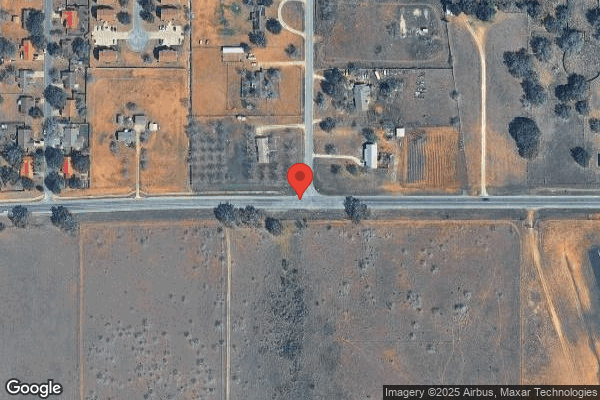
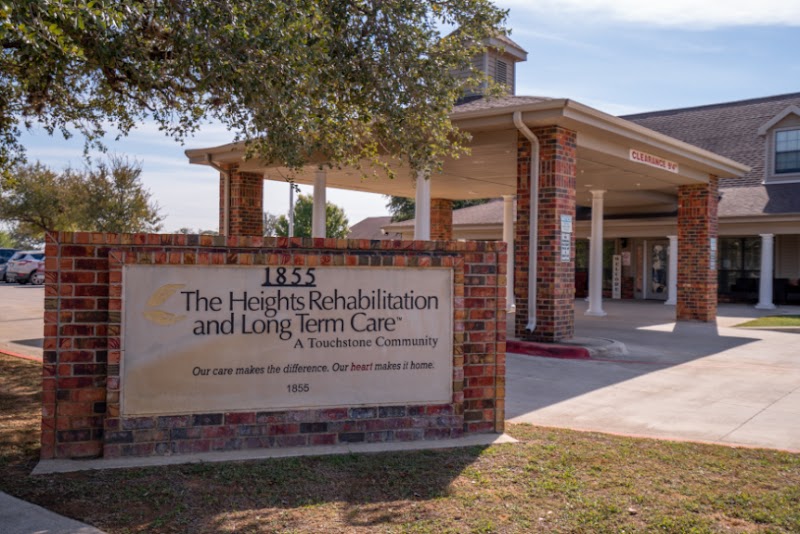
1855 W GOODWIN, PLEASANTON, TX 78064 (830) 281-8202
For profit - Corporation 100 Beds TOUCHSTONE COMMUNITIES Data: November 2025
Trust Grade
83/100
#162 of 1168 in TX
Last Inspection: May 2025

Inspected within the last 6 months. Data reflects current conditions.

Overview

The Heights of Atascosa has a Trust Grade of B+, indicating it is above average and recommended for families considering care options. It ranks #1 out of 5 nursing homes in Atascosa County and is in the top half at #162 of 1168 facilities in Texas. However, the facility is currently facing a worsening trend, with issues increasing from 3 in 2024 to 6 in 2025. Staffing is a mixed bag; while the overall rating is 2 out of 5 stars, indicating below average performance, the turnover rate of 42% is slightly better than the Texas average of 50%. In terms of fines, the $9,750 incurred is average for the state, but there are concerning incidents noted, such as incorrect medication assessments for several residents, which could lead to inadequate care. Additionally, there were issues with food safety and improper storage practices that could risk residents' health. Finally, some residents were found to have call lights out of reach, which could jeopardize their safety and independence. While there are strengths in overall ratings and a good county ranking, families should be aware of these significant weaknesses.
Trust Score
B+
83/100
In Texas
#162/1168
Top 13%
Safety Record
Low Risk
No red flags
Inspections
Getting Worse
3 → 6 violations
Staff Stability
○ Average
42% turnover. Near Texas's 48% average. Typical for the industry.
Penalties
○ Average
$9,750 in fines. Higher than 75% of Texas facilities. Some compliance issues.
Skilled Nurses
⚠ Watch
Each resident gets only 19 minutes of Registered Nurse (RN) attention daily — below average for Texas. Fewer RN minutes means fewer trained eyes watching for problems.
Violations
⚠ Watch
16 deficiencies on record. Higher than average. Multiple issues found across inspections.
★★★★★
5.0
Overall Rating
★★☆☆☆
2.0
Staff Levels
★★★★☆
4.0
Care Quality
★★★★★
5.0
Inspection Score
Stable
2024: 3 issues
2025: 6 issues

The Good

  • 4-Star Quality Measures · Strong clinical quality outcomes
  • Full Sprinkler Coverage · Fire safety systems throughout facility
  • No fines on record
  • Staff turnover below average (42%)

    6 points below Texas average of 48%

Facility shows strength in quality measures, fire safety.

The Bad

Staff Turnover: 42%

Near Texas avg (46%)

Typical for the industry

Federal Fines: $9,750

Below median ($33,413)

Minor penalties assessed

Chain: TOUCHSTONE COMMUNITIES

Part of a multi-facility chain

Ask about local staffing decisions and management

The Ugly 16 deficiencies on record

May 2025 6 deficiencies
CONCERN (D)

Potential for Harm - no one hurt, but risky conditions existed

Deficiency F0558 (Tag F0558)

Could have caused harm · This affected 1 resident

**NOTE- TERMS IN BRACKETS HAVE BEEN EDITED TO PROTECT CONFIDENTIALITY** Based on observations, interviews, and record reviews, the facility failed to ensure that residents had the right to reside and ...

Read full inspector narrative →
**NOTE- TERMS IN BRACKETS HAVE BEEN EDITED TO PROTECT CONFIDENTIALITY** Based on observations, interviews, and record reviews, the facility failed to ensure that residents had the right to reside and receive services in the facility with reasonable accommodation of resident needs and preferences except when to do so would endanger the health or safety of the resident or other residents for 2 of 8 residents (Resident # 25, Resident #75) reviewed for call lights. 1. Resident #25's call light was not in reach. 2. Resident #75's call light was not in reach. This failure could place residents at risk of achieving independent functioning, dignity, and wellbeing. The findings included: Record review of Resident #25's face sheet dated 5/16/2025 revealed a [AGE] year-old male admitted to the facility on [DATE] initially with diagnoses that included: hemiplegia following a stroke, atrophy (muscle wasting away), vascular dementia. Record review of Resident #25's Annual MDS dated [DATE] revealed he had a BIMS score of 8, indicative of moderate cognitive deficit. Record review of Resident #25's Care Plan dated 4/23/2025 revealed pain due to a history of fractures, falls related to balance problems. Record review of Resident #75's face sheet dated 5/16/2025 revealed a [AGE] year-old male admitted to the facility on [DATE] with diagnoses that included: stroke, epilepsy, type 2 diabetes, and above the knee amputation of the left leg. Record review of Resident #75's Quarterly MDS dated [DATE] revealed he had a BIMS score of 14, indicative of cognition intact. Record review of Resident #75's Care Plan dated 3/21/2025 revealed risk for falls due to attempting to void standing in front of the toilet, pain or discomfort due to amputation and other diagnoses. Observation on 5/13/2025 at 10:01 AM Resident #25 was sitting in his bed with the head of his bed at a 90-degree angle. Resident #25's call light was dangling on the left side of his bed, wedged between the bed rail and the mattress. Interview on 5/13/2025 at 10:01 AM Resident #25 said when he used the call light they answered quickly. He said it was on his side of the bed (left side). Observation on 5/13/2025 at 10:23 AM Resident #75 was sitting up in his bed. Resident #75's call light was on the floor at the head of the bed near the wall. Interview on 5/13/2025 at 10:23 AM Resident #75 said staff did not play when it came to answering the call light. He said the call light was around somewhere but did not know where. Interview on 5/13/2025 at 10:30 AM RN E said it was important for the call lights to be in reach for the residents' safety. She said the call lights needed to always be in reach for the residents. Interview on 5/13/2025 at 2:12 PM LVN D said she was not aware of the call lights for Resident #25 and Resident #75 were out of reach. She said it was important for the residents to have the call lights in reach because it could be an emergency or need help and the call light was the way to notify staff. She said the call light needed to be accessible to the residents. LVN D said staff that go in the room should make sure the call light was accessible to the residents before they left the room. Interview on 5/16/2025 at 1:22 PM the DON said the call should always be within reach for the residents because they could have a fall or a medical emergency and would not be able to call for help. The DON said all staff that interact with the residents were responsible to make sure the call lights were in reach for the residents. Record review of facility policy titled Routine Resident Care dated 1/2024 stated, 9. Call lights should be placed within easy reach of the resident.
CONCERN (D)

Potential for Harm - no one hurt, but risky conditions existed

Deficiency F0583 (Tag F0583)

Could have caused harm · This affected 1 resident

**NOTE- TERMS IN BRACKETS HAVE BEEN EDITED TO PROTECT CONFIDENTIALITY** Based on observations, interview, and record review, the facility failed to ensure the resident has a right to personal privacy ...

Read full inspector narrative →
**NOTE- TERMS IN BRACKETS HAVE BEEN EDITED TO PROTECT CONFIDENTIALITY** Based on observations, interview, and record review, the facility failed to ensure the resident has a right to personal privacy for 1 (Resident #47) of 18 residents reviewed the privacy. Resident #47 did not have privacy in the resident's room because the resident's room was seen from outside due to the broken blinds of window. This failure could place residents at risk of violation of right to personal privacy. The findings were: Record review of Resident #47's face sheet, dated 05/16/2025, revealed the resident was [AGE] years old female, originally admitted on [DATE], and re-admitted to the facility on [DATE] with the diagnosis of cerebral infarction (area of brain tissue that dies due to cessation of blood flow), type 2 diabetes mellitus (the body has trouble controlling blood sugars and using it for energy), muscle weakness, hypertension (high blood pressures), and chronic kidney disease (kidneys not waste and excess fluid from the body). Record review of Resident #47's quarterly MDS, dated [DATE], revealed the resident's BIMS score was 14 out of 15, which indicated the resident's cognitive was intact and required setup or clean up assistance (helper sets up or clean up; resident completes activity) to all activities of daily living, such as eating, sit to stand, chair to bed transfer, and toilet transfer. Record review of Resident #47's comprehensive care plan, dated 01/28/2025, revealed the resident had occasional incontinence related to disease process and for intervention, check and change on rounds and as needed and incontinent care assistance every shift and as needed. Observation on 05/13/2025 at 4:03 p.m. revealed Resident #47 was on the bed and watching on TV. There was a window at bedside, and the window had a blind, but the blind was broken so that it could not cover the window. Further observation revealed the surveyor and resident could see some people from outside were walking around the facility though the window. Interview on 05/13/2025 at 4:04 p.m. Resident #47 stated the resident could not cover the window with the blind because it was broken, so when the resident changed her clothes in her room by herself, the resident worried about her privacy because people could see the resident through the window. Further interview with Resident #47 stated the resident did not know when the blind was broken, and the resident thought she reported her broken blind to the facility. Interview on 05/15/2025 at 2:35 p.m. with CNA-A stated Resident #47's window blind was broken, so it could not cover the window. Further interview with CNA-A said Resident #47 could change her clothes in her room by herself, and the resident might have privacy issue because any person could see her from outside through the window, and CNA-A did not know the resident's window blind was broken because the resident did not say it. However, sometimes CNAs helped Resident #47's incontinent care, and CNAs usually covered window with blinds to protect residents' privacy. Interview on 05/15/2025 at 2:38 p.m. with LVN-B said Resident #47 might have privacy issues because the resident's blind was not working correctly, so it could not cover the window. Somebody from outside might see inside through the window. All staff had responsibility to protect residents' privacy while they were providing care. Interview on 05/16/2025 at 11:17 a.m. with the DON stated Resident #47's broken blind might affect the resident's privacy because somebody from outside could see the resident through the window. Resident #47 did not report to the facility regarding her broken blind, but it was all staff's responsibility to protect residents' privacy while they were providing care. Record review of the facility policy, titled Rights of Nursing Home Residents, 2003, revealed Right to privacy and confidentiality - Private and unrestricted communication with any person of their choice, and during treatment and care of one's personal needs.
CONCERN (D)

Potential for Harm - no one hurt, but risky conditions existed

Safe Environment (Tag F0584)

Could have caused harm · This affected 1 resident

**NOTE- TERMS IN BRACKETS HAVE BEEN EDITED TO PROTECT CONFIDENTIALITY** Based on observations, interviews, and record review, the facility failed to provide a safe, functional, sanitary, and comfortab...

Read full inspector narrative →
**NOTE- TERMS IN BRACKETS HAVE BEEN EDITED TO PROTECT CONFIDENTIALITY** Based on observations, interviews, and record review, the facility failed to provide a safe, functional, sanitary, and comfortable environment for residents, staff, and the public for 1 (Resident #47) out of 18 residents reviewed for environmental concerns. Resident #47's window blind was broken, and it could not cover the window fully. This failure could place residents at risk of a diminished quality of life due to exposure to an environment that is unpleasant, unsanitary, and unsafe. The findings were: Record review of Resident #47's face sheet, dated 05/16/2025, revealed the resident was [AGE] years old female, originally admitted on [DATE], and re-admitted to the facility on [DATE] with the diagnosis of cerebral infarction (area of brain tissue that dies due to cessation of blood flow), type 2 diabetes mellitus (the body has trouble controlling blood sugars and using it for energy), muscle weakness, hypertension (high blood pressures), and chronic kidney disease (kidneys not waste and excess fluid from the body). Record review of Resident #47's quarterly MDS, dated [DATE], revealed the resident's BIMS score was 14 out of 15, which indicated the resident's cognition was intact and required setup or clean up assistance (helper sets up or clean up; resident completes activity) to all activities of daily living, such as eating, sit to stand, chair to bed transfer, and toilet transfer. Record review of Resident #47's comprehensive care plan, dated 01/28/2025, revealed the resident had occasional incontinence related to disease process and for intervention, check and change on rounds and as needed and incontinent care assistance every shift and as needed. Observation on 05/13/2025 at 4:03 p.m. revealed Resident #47 was on the bed and watching on TV. There was a window at bedside, and the window had a blind, but the blind was broken so that it could not cover the window. Further observation revealed the surveyor and resident could see some people from outside were walking around the facility though the window. Interview on 05/13/2025 at 4:04 p.m. Resident #47 stated the resident could not cover the window with the blind because it was broken, so when the resident changed her clothes in her room by herself, the resident worried about her privacy because people could see the resident through the window. Further interview with Resident #47 stated the resident did not know when the blind was broken, and the resident thought she reported her broken blind to the facility. Interview on 05/15/2025 at 2:35 p.m. with CNA-A stated Resident #47's window blind was broken, so it could not cover the window. Further interview with CNA-A said Resident #47 could change her clothes in her room by herself, and the resident might have privacy issue because any person could see her from outside through the window, and CNA-A did not know the resident's window blind was broken because the resident did not say it. However, sometimes CNAs helped Resident #47's incontinent care, and CNAs usually covered window with blinds to protect residents' privacy. Interview on 05/15/2025 at 2:38 p.m. with LVN-B said Resident #47 might have privacy issues because the resident's blind was not working correctly, so it could not cover the window. Somebody from outside might see inside through the window. All staff had responsibility to protect residents' privacy while they were providing care. Interview on 05/16/2025 at 11:17 a.m. with the DON stated Resident #47's broken blind might affect the resident's privacy because somebody from outside could see the resident through the window. Resident #47 did not report to the facility regarding her broken blind, but it was all staff's responsibility to protect residents' privacy while they were providing care. Record review of the facility policy, titled Rights of Nursing Home Residents, 2003, revealed Right to privacy and confidentiality - Private and unrestricted communication with any person of their choice, and during treatment and care of one's personal needs.
CONCERN (D)

Potential for Harm - no one hurt, but risky conditions existed

Comprehensive Care Plan (Tag F0656)

Could have caused harm · This affected 1 resident

**NOTE- TERMS IN BRACKETS HAVE BEEN EDITED TO PROTECT CONFIDENTIALITY** Based on observations, interviews, and record reviews, the facility failed to implement a person-centered care plan for 2 of 8 (...

Read full inspector narrative →
**NOTE- TERMS IN BRACKETS HAVE BEEN EDITED TO PROTECT CONFIDENTIALITY** Based on observations, interviews, and record reviews, the facility failed to implement a person-centered care plan for 2 of 8 (Resident #25, Resident #75) reviewed for care plans. The facility failed to follow care planned interventions for Resident#25 and Resident #75 on 5/13/2025 when their call lights were not placed in reach. This failure could place the resident at risk of not receiving person-centered care that is needed for communicating with staff to ensure the residents' needs are met. Findings included: Record review of Resident #25's face sheet dated 5/16/2025 revealed a [AGE] year-old male admitted to the facility on [DATE] initially with diagnoses that included: hemiplegia following a stroke, atrophy (muscle wasting away), vascular dementia. Record review of Resident #25's Annual MDS dated [DATE] revealed he had a BIMS score of 8, indicative of moderate cognitive deficit. Record review of Resident #25's Care Plan dated 4/23/2025 revealed pain due to a history of fractures, falls related to balance problems. Intervention for falls was for his call light to be in reach. Record review of Resident #75's face sheet dated 5/16/2025 revealed a [AGE] year-old male admitted to the facility on [DATE] with diagnoses that included: stroke, epilepsy, type 2 diabetes, and above the knee amputation of the left leg. Record review of Resident #75's Quarterly MDS dated [DATE] revealed he had a BIMS score of 14, indicative of cognition intact. Record review of Resident #75's Care Plan dated 3/21/2025 revealed risk for falls due to attempting to void standing in front of the toilet, pain or discomfort due to amputation and other diagnoses. Intervention for falls was for his call light to be in reach. Observation on 5/13/2025 at 10:01 AM Resident #25 was sitting in his bed with the head of his bed at a 90-degree angle. Resident #25's call light was dangling on the left side of his bed, wedged between the bed rail and the mattress. Interview on 5/13/2025 at 10:01 AM Resident #25 said when he used the call light they answered quickly. He said it was on his side of the bed (left side). Observation on 5/13/2025 at 10:23 AM Resident #75 was sitting up in his bed. Resident #75's call light was on the floor at the head of the bed near the wall. Interview on 5/13/2025 at 10:23 AM Resident #75 said staff did not play when it came to answering the call light. He said the call light was around somewhere but did not know where. Interview on 5/13/2025 at 10:30 AM RN E said it was important for the call lights to be in reach for the residents' safety. She said the call lights needed to always be in reach for the residents. Interview on 5/13/2025 at 2:12 PM LVN D said she was not aware of the call lights for Resident #25 and Resident #75. She said it was important for the residents to have the call lights in reach because it could be an emergency or need help and the call light was the way to notify staff. She said the call light needed to be accessible to the residents. LVN D said the Care Plan should be followed because it indicated the care needed for each resident. Interview on 5/16/2025 at 1:22 PM the DON said the Care Plan should be followed for patient centered care. The DON said the call should always be within reach for the residents because they could have a fall or a medical emergency and would not be able to call for help. Record review of facility's policy titled Care Plans dated 1/2023 stated in part, The care plan in conjunction with the plan of care is developed and recommended to attain or maintain the resident's highest practicable physical, mental, and psychosocial wellbeing. and The care plan should be utilized in conjunction with the entire medical record. The care plan should serve as a guide that identifies risks, direct care needs .
CONCERN (D)

Potential for Harm - no one hurt, but risky conditions existed

Food Safety (Tag F0812)

Could have caused harm · This affected 1 resident

Based on observations, interviews, and record reviews, the facility failed to store, prepare, distribute, and serve food in accordance with professional standards for food safety for 1 of 1 kitchen ob...

Read full inspector narrative →
Based on observations, interviews, and record reviews, the facility failed to store, prepare, distribute, and serve food in accordance with professional standards for food safety for 1 of 1 kitchen observed. 1. The deep fryer was not clean from previous day usage. 2. The deep fryer was still uncleaned after 2 meals were served for the day. This failure could place residents who received meals and or snacks from the kitchen at risk for food borne illness. The findings included: Observation on 05/13/25 at 09:30 AM the kitchen had a deep fryer that sat next to the stove, that had 2 frying baskets with crumbs and food in the weaves of the baskets. There was a pan underneath the baskets that covered the opening of the fryer, it also had crumbs and grease on the pan. There was grease and crumbs on the outside of the deep fryer as well. Interview on 5/13/2025 at 9:32 AM the DM said the fryer was used yesterday evening. Observation on 5/13/2025 at 11:35 AM revealed the deep fryer still had the baskets and the pan were still not cleaned. Observation and interview on 5/13/2025 at 2:40 PM revealed the deep fryer and the baskets still had not been cleaned. The DM said the deep fryer was used yesterday to fry shrimp and it should have been cleaned after it was used, and it should be cleaned after each use. The DM said it was all staffs' responsibility to ensure the cleanliness of the kitchen. The DM said when cooks use an appliance, they should make sure the appliance and everything used with it were cleaned. She said they had daily cleaning, weekly and monthly deep cleaning schedules. Interview on 5/16/2025 at 12:28 PM the RD said dirty utilities or appliances for cooking could run the risk of contamination for the residents or food borne illness. The RD said items in the kitchen should be cleaned daily and the fryer should have been cleaned on the day it was used. Interview on 5/16/2025 at 12;33 PM the DM said the items that were used in the kitchen needed to be cleaned to prevent cross contamination and food borne illness. Record review of the facility policy titled General Kitchen Sanitation dated 2018 stated: The facility recognizes that food borne illness has the potential to harm elderly and frail residents. All Nutrition and Food service employees will maintain clean, sanitary kitchen facilities in accordance with the state and US Food Codes in order to minimize the risk of infection and food borne illness. Section 4 stated, in part: Clean and sanitize all multi-use utensils and food-contact surfaces of equipment used in preparation.
CONCERN (D)

Potential for Harm - no one hurt, but risky conditions existed

Medical Records (Tag F0842)

Could have caused harm · This affected 1 resident

**NOTE- TERMS IN BRACKETS HAVE BEEN EDITED TO PROTECT CONFIDENTIALITY** Based on observation, interviews, and record reviews, the facility failed to maintain medical records that were complete and acc...

Read full inspector narrative →
**NOTE- TERMS IN BRACKETS HAVE BEEN EDITED TO PROTECT CONFIDENTIALITY** Based on observation, interviews, and record reviews, the facility failed to maintain medical records that were complete and accurately documented in accordance with accepted professional standards and practices for 1 (Resident #46) out of 18 residents reviewed for medical records. Facility nurses did not document their initials when they changed Resident #46's oxygen tubing and nasal cannular on the resident's medication administration record. This failure placed residents at risk for missed treatment regarding changing oxygen tubing and nasal cannular as ordered which could result in decline in healing and well-being. Findings included: Record review of Resident #46's face sheet, dated 05/16/2025, revealed the resident was [AGE] years old male and admitted to the facility on [DATE] with diagnosis of osteomyelitis of vertebra (spinal infection), discitis (infection at disc space), heart failure (heart not pumping enough blood to the body), hypertension (high blood pressure), muscle weakness, urinary tract infection (bladder infection), and cirrhosis of liver (chronic liver damage from a variety of causes leading to scarring and liver failure). Record review of Resident #46's admission MDS, dated [DATE], revealed the resident's BIMS was 13 out of 15, which indicated the resident's cognitive was intact, required substantial/maxima; assistance (helper does more than half the effort) to most activities of daily living such as sit to stand, chair to bed, and toilet transfer, and receiving oxygen therapy on Section O (Special Treatments and Programs). Record review of Resident #46's comprehensive care plan, dated 05/14/2025, revealed Oxygen therapy related to heart failure. For intervention - Monitor for signs and symptoms of respiratory distress and report to medical doctor as needed. Record review of Resident #46's physician order, dated 04/24/25, revealed the resident had the orders of continuous oxygen 2 liter per minute via nasal cannular for heart failure and change oxygen tubing every week - every night shift every Sunday. Record review of Resident #46's treatment administration record from 05/01/2025 to 05/31/2025 revealed changing oxygen tubing every Sunday night was scheduled to 05/04/2025 (Sunday) and 05/11/2025 (Sunday), but the dates (5/4/25 and 5/11/25) were left blank. Observation on 05/15/2025 at 4:23 p.m. revealed Resident #46 was sleeping on the bed in his room. The resident had oxygen 2 liter per minute via nasal cannular, and the oxygen tubing and nasal cannular had label for change, and the label indicated they were changed on 05/11/2025. Interview on 05/15/2025 at 4:27 p.m. with ADON stated night nurses changed Resident #46's oxygen tubing and nasal cannular on 05/04/2025 and 05/11/2025, but they did not document on the resident's treatment administration record. Night nurses should have documented on Resident #46's treatment administration record after changing the resident's oxygen tubing and nasal cannular to keep accurate medical record and communicate with other nurses with the documentation. Interview on 05/16/2025 at 11:17 a.m. with DON stated the facility did not have specific policy regarding documenting oxygen tubing and/or nasal cannular after changing them. However, based on reasonable nursing practice, nurses should have documented on Resident #46's treatment administration record after changing the resident's oxygen tubing and nasal cannular to keep accurate medical record and communicate with other nurses with the documentation.
Mar 2024 3 deficiencies
CONCERN (D)

Potential for Harm - no one hurt, but risky conditions existed

Deficiency F0583 (Tag F0583)

Could have caused harm · This affected 1 resident

Based on observation, interview, and record review, the facility failed to ensure residents have a right to personal privacy for 1 of 6 resident (Resident #42) reviewed for privacy, in that: LVN A did...

Read full inspector narrative →
Based on observation, interview, and record review, the facility failed to ensure residents have a right to personal privacy for 1 of 6 resident (Resident #42) reviewed for privacy, in that: LVN A did not completely close Resident #42's privacy curtain while providing colostomy (an opening for the colon through the abdomen) care for the resident. This deficient practice could place residents at-risk of loss of dignity due to lack of privacy. The findings include: Record review of Resident #42's face sheet, dated 03/21/2024, revealed an admission date of 05/02/2019 and, a readmission date of 07/10/2021, with diagnoses which included: Hemiplegia (Paralysis of one side of the body), Dysphasia (language disorder), Congestive heart failure (impairment of the heart's blood pumping function), Alzheimer's disease (brain disorder that slowly destroys memory and thinking skills), Hyperlipidemia(Elevated level of any or all lipids(fat) in the blood), Mood disorder (any of a group of conditions of mental and behavioral disorder causing a disturbance in the person's mood), Colostomy (an opening for the colon through the abdomen) status. Record review of Resident #42's Significant change status MDS assessment, dated 02/05/2024, revealed the resident had a BIMS score of 12, indicating he was mildly impaired. Resident #42 had a ostomy and, was always incontinent of bladder. Observation on 03/21/24 at 09:41 a.m. revealed LVN A provided colostomy care for Resident #42, exposing the end of the resident's bed which could be seen from the door if someone had entered the room during care. Further observation revealed the curtain was either too short to cover the end of the bed or a curtain was missing at the end of the bed. During the care laundry staff knocked at the door and started to enter the room before being stopped by LVN A. During an interview with LVN A on 03/21/2024 at 10:00 a.m., LVN A confirmed the privacy curtain was not closed while they provided care for Resident #42 but it should have been. They confirmed the privacy curtain was too short to cover the end of the bed. During an interview with the ADON on 03/21/2024 at 10:10 a.m., the ADON confirmed privacy must be provided during nursing care and Resident #42's privacy curtains should have been closed completely. He revealed laundry services were in charge to change the curtain once a week and the curtain had been changed on Monday 3/18/2024. The ADON confirmed the resident would have been provided care, to include incontinent care, and therefore would have been been exposed without a full privacy curtain multiple times since Monday. During an interview with the DON on 03/22/2024 at 11:30 a.m., the DON confirmed privacy must be provided during nursing care and Resident #42's privacy curtains should have been closed completely. She revealed the staff could write a note directly in the electronic records when they noticed something was wrong in a resident's room. She confirmed the privacy curtain missing in the resident's room should have been reported by staff. Review of the facility's policy titled Statement of Resident Rights, dated January 2023, revealed, Personal privacy includes accommodations, medical treatment [ .] personal care, visits and meetings of family and resident groups, but this does not require the facility to provide a private room for each resident .
CONCERN (D)

Potential for Harm - no one hurt, but risky conditions existed

Assessment Accuracy (Tag F0641)

Could have caused harm · This affected 1 resident

**NOTE- TERMS IN BRACKETS HAVE BEEN EDITED TO PROTECT CONFIDENTIALITY** Based on interview and record review, the facility failed to ensure the assessment accurately reflected the resident's status fo...

Read full inspector narrative →
**NOTE- TERMS IN BRACKETS HAVE BEEN EDITED TO PROTECT CONFIDENTIALITY** Based on interview and record review, the facility failed to ensure the assessment accurately reflected the resident's status for 1 of 18 residents (Resident #64) whose assessments were reviewed, in that: Resident #64's admission MDS assessment incorrectly documented the resident as not receiving hospice services. This failure could place residents at-risk for inadequate care due to inaccurate assessments. The findings were: 1. Record review of Resident #64's physician orders, dated 03/21/2024, revealed an admission date of 02/27/2024, with diagnoses that included: Type 2 diabetes mellitus(high level of sugar in the blood), Depression (Mental state of low mood and aversion to activity), Alzheimer's disease (brain disorder that slowly destroys memory and thinking skills), Dementia (decline in cognitive abilities), Hyperlipidemia (Elevated level of any or all lipids(fat) in the blood). Further review of the physician orders revealed an order for Admit to [ .[ Hospice. No weights, no labs, Hospice nurse to pronounce [ .] with a start date of 2/27/2024. Record review of Resident #64's admission MDS, dated [DATE], revealed the assessment indicated Resident #64 was not receiving hospice services. During an interview with the MDS Coordinator B on 03/22/24 at 11:15 a.m., the MDS Coordinator confirmed she had completed the MDS. The MDS Coordinator confirmed Resident #64's admission MDS was coded as the resident having not received hospice services. The MDS Coordinator confirmed that Resident's 64 had orders for Hospice services. The MDS Coordinator revealed the RAI was used as reference for the MDS and she had access electronically to the RAI on her computer. During an interview with the DON on 03/22/2024 at 11:30 a.m., the DON confirmed Resident #64 was on hospice services and should have been coded for hospice services in the admission MDS assessment. The DON revealed the inaccuracy of the MDS assessment could negatively impact the care received Record review of, Long-Term Care Facility Resident Assessment Instrument 3.0 User's Manual, Version 1.18.11, October 2023, revealed, O0110K1, Hospice care. Code residents identified as being in a hospice program for terminally ill persons where an array of services is provided for the palliation and management of terminal illness and related conditions. The hospice must be licensed by the state as a hospice provider and/or certified under the Medicare program as a hospice provider.
CONCERN (D)

Potential for Harm - no one hurt, but risky conditions existed

Infection Control (Tag F0880)

Could have caused harm · This affected 1 resident

Based on observation, interview, and record review, the facility failed to establish and maintain an infection prevention and control program designed to provide a safe, sanitary and comfortable envir...

Read full inspector narrative →
Based on observation, interview, and record review, the facility failed to establish and maintain an infection prevention and control program designed to provide a safe, sanitary and comfortable environment and to help prevent the development and transmission of communicable diseases and infection for 1 of 6 residents (Resident #18) reviewed for infection control, in that: CNA D failed to wash or sanitize her hands or change her gloves after touching the privacy curtain and the bed remote before starting incontinent care. This deficient practice could place residents at-risk for infection due to improper care practices. The findings included: Record review of Resident #18's face sheet, dated 03/21/2024, revealed an admission date of 02/11/2022 and, a readmission date of 03/22/2022 with diagnoses which included: Type 2 diabetes mellitus (high level of sugar in the blood), Atrial fibrillation (abnormal heart rhythm), Schizophrenia (mental disorder characterized by reoccurring episodes of psychosis), Metabolic encephalopathy (Brain function is disturbed due to different diseases or toxins in the body), Alzheimer's disease (brain disorder that slowly destroys memory and thinking skills), Hypertension (high blood pressure). Record review of Resident #18's Annual MDS assessment, dated 02/15/2024, revealed Resident #18 had a BIMS score of 9, indicating moderate cognitive impairment and, was always incontinent of bowel and bladder. Record review of Resident #18's care plan, dated 03/06/2024, revealed a problem of My skin is fragile and I am at risk for skin injury--new or worsening skin condition. chronic incontinent dermatitis to peri area, daily cream applied., with an intervention of Keep clean & dry and apply skin barrier cream as indicated. Observation on 03/21/24 at 10:10 a.m. revealed while providing incontinent care for Resident #18, CNA D washed her hands and put on gloves. CNA D touched the resident's privacy curtain and bed remote with her gloved hands, then without changing gloves or sanitizing her hands started assisting CNA C in providing care for the resident. CNA D touched the wet wipes, the resident skin and helped fasten the clean brief. During an interview on 03/21/2024 at 10:19 a.m. with CNA D, she confirmed the environment around the resident was considered dirty and she should have changed her gloves and sanitized her hands prior to providing care. She confirmed she received infection control training within the year. During an interview with the DON on 03/22/24 at 11:30 a.m., she confirmed the environment around the resident was considered dirty and the staff should change their gloves and wash. Staff should sanitize their hands after touching anything in the environment, before touching the resident and at the start of care. She confirmed the staff were in-serviced in infection control and incontinent care and skills were checked annually. She revealed the RN Supervisor would spot check the staff's skills over the weekends. Record review of the annual skills check for CNA D revealed CNA D passed competency for infection control on 10/18/2023. Record review of the facility policy, titled Hand washing/Hand hygiene, dated 01/2023, revealed Use an alcohol-based hand rub [ .] for situations such as: [ .] After handling used dressing, contaminated equipment, etc
May 2023 1 deficiency
CONCERN (D) 📢 Someone Reported This

A family member, employee, or ombudsman was alarmed enough to file a formal complaint

Potential for Harm - no one hurt, but risky conditions existed

Deficiency F0761 (Tag F0761)

Could have caused harm · This affected 1 resident

Based on observation, interview and record review the facility failed to in accordance with State and Federal laws, store all drugs and biologicals in locked compartments under proper temperature cont...

Read full inspector narrative →
Based on observation, interview and record review the facility failed to in accordance with State and Federal laws, store all drugs and biologicals in locked compartments under proper temperature controls, and permitted only authorized personnel to have access to the keys for 1 of 4 medication storage carts (200 hall medication storage cart) reviewed for medication storage. The facility failed to ensure residents medications were secured in the 200-hall medication storage cart. This failure could place residents at risk for harm by misappropriation of property and/or drug diversion. The findings include: During an observation on 05/25/2023 at 09:23 AM, revealed the 200-hall medication cart stationed on the left side of the hall with the drawers facing resident rooms on the right side of the hall, was unlocked and unattended for an undetermined amount of time. No residents were observed wandering the hall. During an observation on 05/25/2023 at 09:26 AM revealed LVN B and CMA A inside Resident #1's room attending to the resident. LVN B and CMA A were out of the line-of-sight for the 200-hall medication cart. During an interview on 05/25/2023 at 09:29 AM, CMA A stated she had left her cart unattended and unlocked. She stated she always locked her med cart except for today . CMA stated she was trained to always lock the medication cart when it was not attended. CMA A stated LVN B was her charge nurse and immediate supervisor. During an interview on 05/25/2023 at 09:32 AM, LVN B stated she was CMA A's supervisor. LVN B stated the medication cart should always be locked when unattended. LVN B stated the failure could place residents at risk for harm by misuse of their medications. During an interview on 05/25/2023 at 09:45 AM the DON stated all medication carts should be locked when left unattended and unsupervised. The DON stated CMA A was experienced and trained to always lock the medication cart when she left it. The DON stated the cart left unlocked placed residents at risk for misappropriation of medication property and could place residents at risk for medications received by others not as intended.
Feb 2023 6 deficiencies
CONCERN (D)

Potential for Harm - no one hurt, but risky conditions existed

Deficiency F0578 (Tag F0578)

Could have caused harm · This affected 1 resident

**NOTE- TERMS IN BRACKETS HAVE BEEN EDITED TO PROTECT CONFIDENTIALITY** Based on interview and record review, the facility failed to ensure Residents have the right to formulate an advance directive f...

Read full inspector narrative →
**NOTE- TERMS IN BRACKETS HAVE BEEN EDITED TO PROTECT CONFIDENTIALITY** Based on interview and record review, the facility failed to ensure Residents have the right to formulate an advance directive for 1 of 18 resident (Resident #46) reviewed for advanced directive in that: The facility failed to have the physician's license number recorded on the Out of Hospital Do Not Resuscitate (OOHDNR) order, which made the advanced directive invalid. This failure could affect any resident in the facility who had an OOHDNR in their chart and place them at risk of having cardiopulmonary resuscitation (CPR) performed against their wishes. Findings: Record review of Resident #46's face sheet dated [DATE] revealed an admission on [DATE] with diagnosis which include: Alzheimer's disease; Unspecified dementia, unspecified severity, without behavioral disturbance, mood disturbance and anxiety; and muscle weakness. Record review of Resident #46's Quarterly MDS review assessment revealed a BIMS of 15, which revealed the resident is cognitively intact. Record review of Resident #46's Care Plan, dated [DATE] revealed code status of DNR (no CPR). Record review of Resident #46's active Physician Order Summary Report revealed an active order for DNR as of [DATE]. Record review of Resident #46's OOH-DNR, dated [DATE], revealed the physician's medical license number was missing from the form. During an interview with the SW on [DATE] at 4:40 p.m., while reviewing Resident #46's OOH-DNR, the SW stated the physician's license number should be on there and it is not. SW the said she does review the facility OOH-DNR's usually and if EMS came to provide services to the Resident #46 and looked at the current OOH-DNR they might not accept it because it does not have the physician's license number on it. She further stated, it would be a rights violation because he would be considered full code and EMS would take measure to keep him alive when the DNR shows that is not what he wanted. During an interview with the Administrator on [DATE] at 4:47 p.m., the Administrator said Resident #46's OOH-DNR should have the physician's license number on it, in the designated place or it is not complete and valid. She explained the Residents should receive the care they want. Record review of the Texas Health and Human Services webpage titled, Out of Hospital Do Not Resuscitate Program, updated 12/2020, accessed [DATE] revealed, Out-of-Hospital Do-Not-Resuscitate Form section D requires the patient's attending physician to sign and date the form, print or type his/her name and give his/her license number. Upon exit the Administrator provided a blank copy of an OOH- DNR in lieu of policy.
CONCERN (D)

Potential for Harm - no one hurt, but risky conditions existed

Deficiency F0583 (Tag F0583)

Could have caused harm · This affected 1 resident

**NOTE- TERMS IN BRACKETS HAVE BEEN EDITED TO PROTECT CONFIDENTIALITY** Based on observation, interview, and record review, the facility failed to ensure residents have a right to personal privacy for...

Read full inspector narrative →
**NOTE- TERMS IN BRACKETS HAVE BEEN EDITED TO PROTECT CONFIDENTIALITY** Based on observation, interview, and record review, the facility failed to ensure residents have a right to personal privacy for 1 of 6 resident (Resident #1) reviewed for privacy, in that: LVN E did not completely close Resident #1's privacy curtain and window curtain while providing wound care for the resident. This deficient practice could place residents at-risk of loss of dignity due to lack of privacy. The findings include: Record review of Resident #1's face sheet, dated 02/09/2023, revealed an admission date of 07/06/2020, and a readmission date of 01/23/2023, with diagnoses which included: Congestive heart failure(condition in which the heart doesn't pump blood as efficiently as it should), Type 2 diabetes mellitus (blood glucose, also called blood sugar, is too high.), Chronic obstructive pulmonary disease(a chronic inflammatory lung disease that causes obstructed airflow from the lungs), Cirrhosis of liver(late stage of scarring (fibrosis) of the liver caused by many forms of liver diseases and conditions), Chronic kidney disease (gradual loss of kidney function), Dementia (loss of cognitive functioning - thinking, remembering, and reasoning), Pain, Alzheimer's disease(brain disorder that causes problems with memory, thinking and behavior) Record review of Resident #1's Quarterly MDS, dated [DATE], revealed the resident had a BIMS score of 6, indicating severe impairment. Resident #1 required extensive assistance and was always incontinent of bowel and bladder and was coded for having 3 stage 3 pressure ulcers. Observation on 02/09/23 at 09:45 a.m. revealed LVN E provided wound care for Resident #1, LVN E did not pull the curtains completely around Resident #1's bed and did not close the window curtain completely to offer privacy to the resident during care. Resident #1's wounds were on the sacrum and coccyx area. During an interview with LVN E on 02/09/2023 at 10:02 a.m., LVN E confirmed the staff was supposed to provide complete privacy during care and close completely the privacy curtain and window curtain. She confirmed the end of bed was uncovered and confirmed the window curtain was partially opened. She stated the window curtain was broken and needed to be replaced. She confirmed receiving training about privacy during care. During an interview with the DON on 02/10/2023 at 1:20 p.m., the DON confirmed the curtains and window curtain should have been closed during care to provide privacy. The DON confirmed the staff received training on resident rights. The facility did annual skill checklists with the staff. The RN weekend supervisor did audits every weekend on different staff to check their knowledge and skills. Review of the facility's policy titled Standards for clinical procedures, dated 01/2022, revealed, Prior to the initiation of any clinical procedure: [ .] g. Pull the privacy curtain between the residents, even if the roommate is not present. Close the window blinds.
CONCERN (D)

Potential for Harm - no one hurt, but risky conditions existed

Deficiency F0801 (Tag F0801)

Could have caused harm · This affected 1 resident

Based on observation, interview, and record review, the facility failed to employ sufficient staff with the appropriate competencies and skills sets to carry out the functions of the food and nutritio...

Read full inspector narrative →
Based on observation, interview, and record review, the facility failed to employ sufficient staff with the appropriate competencies and skills sets to carry out the functions of the food and nutrition service, taking into consideration resident assessments, individual plans of care and the number, acuity and diagnosis of the facility's resident population in accordance with the facility assessment requirement, for 1 of 1 kitchen staff (Dietary Manager) reviewed for qualifications, in that: The Dietary Manager did not have the appropriate license, certification, or qualifications to function as the food service supervisor. This failure could place all residents who consume food prepared from the kitchen at increased risk of food borne illness and not receiving adequate nutrition. Findings include: During an interview on 02/09/2023 at 11:15 a.m., the DM revealed she does not have the certification required for her current position. She explained she was enrolled in a certification program currently but has not yet finished. The DM said she would finish at the earliest in December 2023. During an interview on 02/09/2023 at 2:10 p.m., the Administrator explained the facility did not have a Certified Dietary Manager employed at this time and further stated the staff currently identified by kitchen staff as the current Dietary Manager was not certified. The Administrator said she thought there was a waiver for facilities in rural areas allowing more time for the Dietary Manager to obtain her certification as the DM is currently in school. During an interview on 02/10/23 at 9:51 a.m., the Dietician explained she spends approximately 24 hours a month working with the facility staff. Record review of employee files and licensure revealed the Dietary Manager was hired 2/06/2017 as an employee with the facility. Further review of the Dietary Manager's employee file revealed there was no dietary manager certification. Record review of the USDA Food Code 2017 indicated the following: Based on the risks inherent to the Food Operation, during inspections and upon request the Person in Charge shall demonstrate to the Regulatory Authority knowledge of food borne disease prevention application of the Hazard Analysis of foodborne disease prevention, application of the Hazard Analysis and Critical Control Point principles, and the requirements of this Code. The Person in Charge shall demonstrate this knowledge by: (A) Complying with this Code by having no violations of priority items during the current inspection; (B) Being a certified food protection manager who has shown proficiency of required information through passing a test that is part of an accredited program; Record review of documentation titled F tag Help - F801 Qualified Dietary Staff dated 02/10//22 revealed the following documentation, . Staffing. If a qualified dietitian or other clinically qualified nutrition professional is not employed full-time, the facility must designate a person to serve as the Director of food and nutrition services who is a a. Certified dietary manager, or b. Certified food service manager; or c. Has similar national certification for food service management and safety from a national certifying body; or d. Has an associates or higher degree in food service management or in hospitality, if the course study includes food service or restaurant management, from an accredited institution of higher learning; and III. In states that have establish standards for food service managers or dietary managers, meets state requirements for food service managers or dietary managers.
CONCERN (D)

Potential for Harm - no one hurt, but risky conditions existed

Infection Control (Tag F0880)

Could have caused harm · This affected 1 resident

**NOTE- TERMS IN BRACKETS HAVE BEEN EDITED TO PROTECT CONFIDENTIALITY** Based on observation, interview, and record review, the facility failed to maintain an Infection prevention and control program ...

Read full inspector narrative →
**NOTE- TERMS IN BRACKETS HAVE BEEN EDITED TO PROTECT CONFIDENTIALITY** Based on observation, interview, and record review, the facility failed to maintain an Infection prevention and control program designed to provide a safe, sanitary and comfortable environment and to help prevent the development and transmission of communicable disease and infection for 1 of 6 residents (Resident #52) reviewed for infection control, in that: CNA F did not wash or sanitize her hands or change her gloves during incontinent care for Resident #52 These deficient practices could place residents at-risk for infection due to improper care practices. The findings include: Record review of Resident #52's face sheet, dated 02/09/2023, revealed an admission date of 11/09/2022, with diagnoses which included: Hypertension (High blood pressure) , Pain, Type 2 diabetes mellitus(blood glucose, also called blood sugar, is too high), Hyperlipidemia( too much lipids (fat) in the blood), Intellectual disability(generalized neuro developmental disorder characterized by significantly impaired intellectual and adaptive functioning) Record review of Resident #52's Quarterly MDS, dated [DATE], revealed the resident was non verbal, had memory problems and severe cognitive impairment. Resident #52 required extensive assistance and, was always incontinent of bladder and bowel. Observation on 02/09/2023 at 10:45 a.m. revealed during incontinent care, after cleaning Resident #52's buttocks , CNA F did not change her pair of gloves and did not sanitize her hands. CNA F, then, applied a clean brief to the resident and fastened it. During an interview with CNA F on 02/09/2023 at 10:59 a.m., the CNA F verbally confirmed not changing her gloves or washing or sanitizing her hands. She confirmed receiving infection control in service multiple times in the last year. She forgot to change her gloves and wash her hands. During an interview with the DON on 02/10/2023 at 1:20 p.m., the DON verbally confirmed the staff needed to change their gloves and sanitize their hands to prevent cross contamination. The staff was trained multiple times a year on infection control and they did return demonstration with skill checks. The RN weekend supervisor did audits every weekend on different staff members to check their knowledge and skills. Review of CNA F's CNA/caregiver competency checklist, dated 08/26/2022 revealed CNA F received proficiency for perineal care and infection control. Review of the facility's policy, titled Handwashing/hand hygiene , dated 08/2015, revealed Use an alcohol-based rub [ .] for the following situation [ .] h. before moving from a contaminated body site to a clean body site during resident care; [ .] j. after contact with blood or bodily fluids
CONCERN (E)

Potential for Harm - no one hurt, but risky conditions existed

Assessment Accuracy (Tag F0641)

Could have caused harm · This affected multiple residents

**NOTE- TERMS IN BRACKETS HAVE BEEN EDITED TO PROTECT CONFIDENTIALITY** Based on interview and record review, the facility failed to ensure MDS assessments accurately reflected the residents' medicati...

Read full inspector narrative →
**NOTE- TERMS IN BRACKETS HAVE BEEN EDITED TO PROTECT CONFIDENTIALITY** Based on interview and record review, the facility failed to ensure MDS assessments accurately reflected the residents' medications ordered for 3 of 8 residents (Resident #35, #37, #62) whose records were reviewed for accuracy, in that Resident #35's Quarterly MDS misidentified a medication as an anticoagulant instead of an anti-clotting agent; Resident #37's Annual MDS misidentified a medication as an anticoagulant instead of an anti-clotting agent; Resident #62's Quarterly MDS misidentified a medication as an anticoagulant instead of an anti-clotting agent; This deficient practice could affect residents who required an MDS assessment and could result in an inaccurate reflection of their care needs. The findings were: Record review of Resident #35's admission Record dated 02/09/23 revealed an [AGE] year-old female admitted to facility on 08/10/22. Resident #35's diagnoses included Type 2 diabetes mellitus with hyperglycemia (a chronic disease characterized by high levels of sugar in the blood), unspecified sequelae of cerebral infarction (unspecified residual effects of a stroke) and chronic kidney disease, Stage 3. Record review of Resident #35's Physician's Orders dated 02/09/23 revealed an order for Plavix Tablet 75 mg (Clopidogrel Bisulfate) to be given one time a day. Record review of Resident #35's Quarterly MDS dated [DATE] Section N0410 Medications Received revealed item E. Anticoagulant was marked as having been given for the last 7 days. The instructions for this section read, Indicate the number of DAYS the resident received the following medications by pharmacological classification, not how it is used, during the last 7 days or since admission/entry or reentry if less than 7 days. Record review of Resident #37's admission Record dated 02/09/23 revealed a [AGE] year-old female admitted to facility on 04/01/21. Resident #37's diagnoses included Type 2 diabetes mellitus with unspecified complications (a chronic disease characterized by high levels of sugar in the blood), hemiplegia and hemiparesis following cerebral infarction affecting right dominant side (muscle weakness or paralysis following a stroke) and dysphagia following cerebral infarction (swallowing difficulties after a stroke). Record review of Resident #37's Physician's Orders dated 02/09/23 revealed an order for Clopidogrel Bisulfate Tablet 75 mg with instructions to give 1 tablet by mouth one time a day for blood clot prevention related to cerebral infarction due to unspecified occlusion or stenosis of other precerebral arteries. Record review of Resident #37's Annual MDS dated [DATE] Section N0410 Medications Received revealed item E. Anticoagulant was marked as having been given for the last 7 days. The instructions for this section read, Indicate the number of DAYS the resident received the following medications by pharmacological classification, not how it is used, during the last 7 days or since admission/entry or reentry if less than 7 days. Record review of Resident #62's admission Record dated 02/09/23 revealed an [AGE] year-old male admitted to facility on 10/06/21. Resident #62's diagnoses included Type 2 diabetes mellitus without complications (a chronic disease characterized by high levels of sugar in the blood), peripheral vascular disease (a slow and progressive circulation disorder and narrowing, blockage, or spasms in a blood vessel), and atherosclerotic heart disease of native coronary artery without angina pectoris (buildup of plaque inside the artery walls and a reduction of oxygen-rich blood supply to the heart muscle). Record review of Resident #62's Physician's Orders dated 02/09/23 revealed an order for Clopidogrel Bisulfate Tablet 75 mg with instructions to give 1 tablet by mouth one time a day for blood clot prevention/post angiogram. Record review of Resident #62's Quarterly MDS dated [DATE] Section N0410 Medications Received revealed item E. Anticoagulant was marked as having been given for the last 7 days. The instructions for this section read, Indicate the number of DAYS the resident received the following medications by pharmacological classification, not how it is used, during the last 7 days or since admission/entry or reentry if less than 7 days. On 02/09/23 at 12:22 p.m., an interview with MDS Coordinators RN H and LVN I, revealed they would research the coding on the identified residents medications. During an interview with the Regional MDS Coordinator, RN J, on 02/09/22 at 1:00, RN J stated she agreed the MDS forms had been incorrectly coded and MDS Coordinators RN H and LVN I had been inserviced on the medication issue identified. The Regional MDS Coordinator, RN J, said the MDS was coded that the residents received an anticoagulant the past 7 days and they did not. It should have been a 0. Review of instructions for MDS 3.0 RAI Manual v1.17 - Section N state: N0410E, Anticoagulant (e.g., warfarin, heparin, or low- molecular weight heparin): Record the number of days an anticoagulant medication was received by the resident at any time during the 7-day look-back period (or since admission/entry or reentry if less than 7 days). Do not code antiplatelet medications such as aspirin/extended release, dipyridamole, or clopidogrel here.
CONCERN (E)

Potential for Harm - no one hurt, but risky conditions existed

Food Safety (Tag F0812)

Could have caused harm · This affected multiple residents

Based on observation, interview and record review the facility failed to store, prepare, distribute and serve food in accordance with professional standards for food service safety in 1 of 1 kitchen a...

Read full inspector narrative →
Based on observation, interview and record review the facility failed to store, prepare, distribute and serve food in accordance with professional standards for food service safety in 1 of 1 kitchen and 2 of 3 standard size refrigerators reviewed for sanitation and storage, in that: 1. The facility failed to properly store food in the walk-in dry food storage area. 2. The facility failed to properly store food in the large commercial style refrigerator. 3. The facility failed to properly store drinks/food in 1 of 2 standard size refrigerators observed on the hallways accessible to staff and Residents. These deficient practices could place residents who eat food from the kitchen at-risk of foodborne illness. Findings include: Observation on 02/07/2023 at 9:50 a.m. of the dry food storage area, with the [NAME] at 9:50 a.m. revealed a 5- pound container of peanut butter partially used with no open date. Observation on 02/09/2023 at 10:55 a.m. of the commercial style refrigerator, with the Dietary Manager revealed a plastic storage bag sealed containing another opened plastic manufacturer bag that contained 6 boiled eggs dated 1/26 on the outside of the plastic storage bag with black writing. Observation on 2/07/2023 at 12:16 p.m. of CNA D serving Resident #41 cranberry juice from an unlabeled pitcher, (there was not item name on the pitcher), after telling him there was no more apple juice. Observation on 02/07/2023 at 12:20 p.m., 4 unlabeled half gallon pitchers in the standard size refrigerator on hall 100. Observation on 02/07/2022 at 12:25 p.m. 4 unlabeled half gallon pitchers in the standard size refrigerator on hall 300 labeled with item name and date on each pitcher. During an interview on 02/07/2023 at 9:50 a.m. with the cook, she stated the peanut butter container should be labeled with the date it is received and the date it is opened according to the rules. Since the peanut butter was not labeled with the date it was opened and some was used out of the container then we don't know if it is fresh and we always want the residents to get fresh food. During an interview on 02/07/2023 at 12:21 p.m. CNA D said, I thought the pitcher was orange juices there is no label with the name on it so I couldn't tell. I told the resident there was no more apple juice they look the same. She said the pitchers just have dates on them and no names when the orange juice settles at the bottom it can be hard to tell and then pulled the cranberry and tea pitchers to the front of the others and said they can look alike as well. CNA D said it is important to serve the residents what they want. During an interview with the DM on 02/09/2023 at 2:00 p.m. the DM said the food items and drink items like the pitchers are supposed to be labeled with the name and date by dietary and or nursing if needed. The DM said the peanut butter according to policy should have been labeled with an open date and was not. She said they have a new staff member that might have forgotten. She said all food items should be labeled according to facility policy. During an interview on 02/10/2023 at 2:18 p.m. the DON said any food items or drinks should be labeled with the name and date by dietary and if needed nursing, we take a team approach. During an interview on 02/10/2023 at 9:21 a.m. with Resident #41, he said he does not drink tea or orange juice so his only choices are cranberry and apple. Resident #41 said, if they don't have what I want there is nothing I can do. Record review of the facility's policy titled, Food Storage, dated 2018, revealed, 1. Refrigerators: (d) Date, label and tightly seal all refrigerated food using clean, nonabsorbent, covered containers that are approved for food storage.
Understanding Severity Codes (click to expand)
Life-Threatening (Immediate Jeopardy)
J - Isolated K - Pattern L - Widespread
Actual Harm
G - Isolated H - Pattern I - Widespread
Potential for Harm
D - Isolated E - Pattern F - Widespread
No Harm (Minor)
A - Isolated B - Pattern C - Widespread

Questions to Ask on Your Visit

  • "Can I speak with families of current residents?"
  • "What's your RN coverage like on weekends and overnight?"

Our Honest Assessment

Strengths
  • • Grade B+ (83/100). Above average facility, better than most options in Texas.
  • • No major safety red flags. No abuse findings, life-threatening violations, or SFF status.
  • • 42% turnover. Below Texas's 48% average. Good staff retention means consistent care.
Concerns
  • • 16 deficiencies on record. Higher than average. Multiple issues found across inspections.
Bottom line: Generally positive indicators. Standard due diligence and a personal visit recommended.

About This Facility

What is The Heights Of Atascosa's CMS Rating?

CMS assigns The Heights of Atascosa an overall rating of 5 out of 5 stars, which is considered much above average nationally. Within Texas, this rating places the facility higher than 99% of the state's 100 nursing homes. This rating reflects solid performance across the metrics CMS uses to evaluate nursing home quality.
How is The Heights Of Atascosa Staffed?

CMS rates The Heights of Atascosa's staffing level at 2 out of 5 stars, which is below average compared to other nursing homes. Staff turnover is 42%, compared to the Texas average of 46%. This relatively stable workforce can support continuity of care.

What Have Inspectors Found at The Heights Of Atascosa?

State health inspectors documented 16 deficiencies at The Heights of Atascosa during 2023 to 2025. These included: 16 with potential for harm.

Who Owns and Operates The Heights Of Atascosa?

The Heights of Atascosa is owned by a for-profit company. For-profit facilities operate as businesses with obligations to shareholders or private owners. The facility is operated by TOUCHSTONE COMMUNITIES, a chain that manages multiple nursing homes. With 100 certified beds and approximately 85 residents (about 85% occupancy), it is a mid-sized facility located in PLEASANTON, Texas.

How Does The Heights Of Atascosa Compare to Other Texas Nursing Homes?

Compared to the 100 nursing homes in Texas, The Heights of Atascosa's overall rating (5 stars) is above the state average of 2.8, staff turnover (42%) is near the state average of 46%, and health inspection rating (5 stars) is much above the national benchmark.

What Should Families Ask When Visiting The Heights Of Atascosa?

Based on this facility's data, families visiting should ask: "Can you walk me through typical staffing levels on day, evening, and night shifts?" "Can I visit during a mealtime to observe dining assistance and food quality?" "How do you handle medical emergencies, and what is your hospital transfer rate?" "Can I speak with family members of current residents about their experience?" These questions are particularly relevant given the below-average staffing rating.

Is The Heights Of Atascosa Safe?

Based on CMS inspection data, The Heights of Atascosa has a clean safety record: no substantiated abuse findings (meaning no confirmed cases of resident harm), no Immediate Jeopardy citations (the most serious violation level indicating risk of serious injury or death), and is not on the Special Focus Facility watch list (a federal program monitoring the lowest-performing 1% of nursing homes). The facility has a 5-star overall rating and ranks #1 of 100 nursing homes in Texas. While no facility is perfect, families should still ask about staff-to-resident ratios and recent inspection results during their visit.

Do Nurses at The Heights Of Atascosa Stick Around?

The Heights of Atascosa has a staff turnover rate of 42%, which is about average for Texas nursing homes (state average: 46%). Moderate turnover is common in nursing homes, but families should still ask about staff tenure and how the facility maintains care continuity when employees leave.

Was The Heights Of Atascosa Ever Fined?

The Heights of Atascosa has been fined $9,750 across 1 penalty action. This is below the Texas average of $33,176. While any fine indicates a compliance issue, fines under $50,000 are relatively common and typically reflect isolated problems that were subsequently corrected. Families should ask what specific issues led to these fines and confirm they've been resolved.

Is The Heights Of Atascosa on Any Federal Watch List?

The Heights of Atascosa is not on any federal watch list. The most significant is the Special Focus Facility (SFF) program, which identifies the bottom 1% of nursing homes nationally based on persistent, serious quality problems. Not being on this list means the facility has avoided the pattern of deficiencies that triggers enhanced federal oversight. This is a positive indicator, though families should still review the facility's inspection history directly.