PORT LAVACA NURSING AND REHABILITATION CENTER
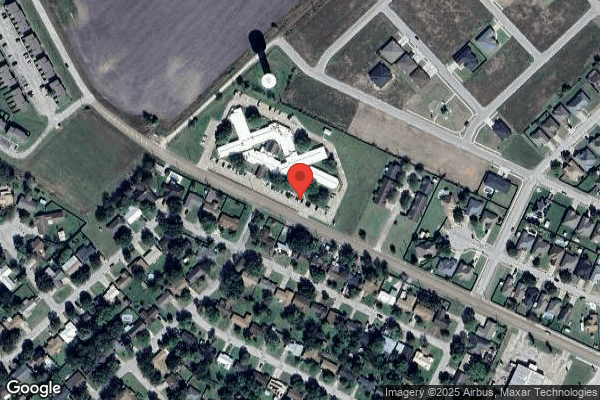

524 VILLAGE RD, PORT LAVACA, TX 77979 (361) 552-3741
Non profit - Corporation 148 Beds WELLSENTIAL HEALTH Data: November 2025
Trust Grade
85/100
#114 of 1168 in TX
Last Inspection: April 2025

Within standard 12-15 month inspection cycle. Federal law requires annual inspections.

Overview

Port Lavaca Nursing and Rehabilitation Center has a Trust Grade of B+, indicating it is above average and recommended for families considering care options. It ranks #114 out of 1168 facilities in Texas, placing it in the top half, and #1 out of 2 in Calhoun County, meaning it is the best option locally. However, the facility is experiencing a worsening trend, with issues increasing from 7 in 2024 to 9 in 2025. While the staffing rating is low at 2 out of 5 stars and turnover is 46%, which is slightly better than the Texas average, the center has no fines on record, suggesting good compliance. Unfortunately, there have been concerns regarding food safety, including improper storage and cleanliness issues in the kitchen that could risk foodborne illness, as well as failures to implement comprehensive care plans for several residents, which could lead to inadequate personalized care. Overall, while there are strengths in its ranking and compliance history, the facility needs to address its staffing and care planning issues for improved resident safety and well-being.

Trust Score
B+
85/100
In Texas
#114/1168
Top 9%
Safety Record
Low Risk
No red flags
Inspections
Getting Worse
7 → 9 violations
Staff Stability
⚠ Watch
46% turnover. Above average. Higher turnover means staff may not know residents' routines.
Penalties
✓ Good
No fines on record. Clean compliance history, better than most Texas facilities.
Skilled Nurses
⚠ Watch
Each resident gets only 23 minutes of Registered Nurse (RN) attention daily — below average for Texas. Fewer RN minutes means fewer trained eyes watching for problems.
Violations
⚠ Watch
20 deficiencies on record. Higher than average. Multiple issues found across inspections.
★★★★★
5.0
Overall Rating
★★☆☆☆
2.0
Staff Levels
★★★★★
5.0
Care Quality
★★★★☆
4.0
Inspection Score
Stable
2024: 7 issues
2025: 9 issues

The Good

  • 5-Star Quality Measures · Strong clinical quality outcomes
  • Full Sprinkler Coverage · Fire safety systems throughout facility
  • No fines on record

Facility shows strength in quality measures, fire safety.

The Bad

Staff Turnover: 46%

Near Texas avg (46%)

Higher turnover may affect care consistency

Chain: WELLSENTIAL HEALTH

Part of a multi-facility chain

Ask about local staffing decisions and management

The Ugly 20 deficiencies on record

Apr 2025 9 deficiencies
CONCERN (D) 📢 Someone Reported This

A family member, employee, or ombudsman was alarmed enough to file a formal complaint

Potential for Harm - no one hurt, but risky conditions existed

Deficiency F0578 (Tag F0578)

Could have caused harm · This affected 1 resident

**NOTE- TERMS IN BRACKETS HAVE BEEN EDITED TO PROTECT CONFIDENTIALITY** Based on interview and record review, the facility failed to ensure residents' right to formulate an advance directive for 1 of ...

Read full inspector narrative →
**NOTE- TERMS IN BRACKETS HAVE BEEN EDITED TO PROTECT CONFIDENTIALITY** Based on interview and record review, the facility failed to ensure residents' right to formulate an advance directive for 1 of 27 residents (Resident #188) reviewed for advanced directives, in that: The facility failed to ensure Resident #188's Out of Hospital Do Not Resuscitate (OOH-DNR) dated [DATE] was signed by a physician, which made the document invalid. This failure could place residents at risk of having their end of life wishes dishonored, and of having CPR performed against their wishes. The findings included: Record review of Resident #188's face sheet, dated [DATE] revealed a [AGE] year-old female admitted to the facility on [DATE] with diagnoses that included a wedge compression fracture of T11-T12 vertebrae, essential hypertension (high blood pressure), and chronic obstructive pulmonary disease (a common lung disease that makes it difficult to breathe. The Advance Directive was identified as DNR (Do Not Resuscitate). Record review of Resident #188's comprehensive care plan, updated [DATE] revealed the focus area indicating the resident was a DNR, date initiated: [DATE]. The goal was the facility will comply with resident/family wishes. Date initiated: [DATE]. Interventions were to ensure a signed DNR was in the resident's medical record. If resident has a cardiac arrest, do not call 911 or initiate CPR. Notify MD/RP and follow instructions after notification. Record review of Resident #188's Order Summary Report, dated [DATE], revealed the following: DNR (Do Not Resuscitate), Communication Method: Verbal, Order status: Active, Order Date: [DATE], no end date. Record review of Resident #188's OOH-DNR revealed it was signed by the resident and two witnesses on [DATE]. Under the section, Physician's Statement the physician's name was printed but there was no signature. In the section, All persons who have signed above must sign below, acknowledging that this document has been properly completed the resident's signature and those of the two witnesses were present; the attending physician's signature line was blank. During an interview on [DATE] at 11:14 AM, MDS LVN F, the OOH-DNR form was out for the physician's signature, it was valid without a physician's signature, but she would need to read the back of the form. During an interview on [DATE] at 11:20 AM, the facility's SW stated the facility knew the resident's desire was DNR, but EMS may choose not to follow that if the form was not signed. The facility always uploaded DNR forms into resident's electronic health records pending physicians' signatures. During an interview on [DATE] at 11:40 AM, the CNC RN stated the physician gave a telephone order for DNR and the facility would honor the resident's desire for DNR even if the OOH-DNR form had not yet been signed by the physician. Record review of Out of Hospital Do-Not-Resuscitate (OOH-DNR) Order form revealed, Instructions for Issuing an OOH-DNR Order .In addition, the OOH-DNR Order must be signed and dated by two competent adult witnesses .making an OOH-DNR Order by nonwritten to the attending physician, who must sign in Section D and also the physician's statement section. Record review of Texas Department of State Health Services Frequently Asked Questions for DNR, undated, revealed, Can a physician's assistant or nurse practitioner sign the physician's statement? No. Only the attending physician can sign in this section. Why does everyone have to sign twice? All persons who have signed the DNR form must sign at the bottom of the page to acknowledge that the document has been properly completed. What happens if the form is not filled out correctly or EMS has doubts about any of the information? Health professionals can refuse to honor a DNR if they think: The form is not signed twice by all who need to sign it or is filled out incorrectly. Filling out the Out-of-Hospital Do-Not-Resuscitate Form: Physician's Statement: The patient's attending physician must sign and date the form, print or type his/her name and give his/her license number. Signatures: The statute requires that everyone who signed the form MUST sign the form again in the bottom section to acknowledge that the form has been completed. https://www.dshs.texas.gov/sites/default/files/emstraumasystems/FAQsforDNR.pdf
CONCERN (D) 📢 Someone Reported This

A family member, employee, or ombudsman was alarmed enough to file a formal complaint

Potential for Harm - no one hurt, but risky conditions existed

Deficiency F0583 (Tag F0583)

Could have caused harm · This affected 1 resident

Based on interview, record review, and observation, the facility failed to ensure residents have a right to personal privacy for 1 of 6 resident (Resident #84) reviewed for privacy, in that: CNA A and...

Read full inspector narrative →
Based on interview, record review, and observation, the facility failed to ensure residents have a right to personal privacy for 1 of 6 resident (Resident #84) reviewed for privacy, in that: CNA A and CNA B did not close Resident #84's privacy curtain while providing incontinent care on 4/17/25. This deficient practice could place residents at-risk of loss of dignity due to lack of privacy. The findings included: Record review of Resident #84's face sheet, dated 04/17/2025, revealed an admission date of 03/07/2025 and, a readmission date of 04/16/2025, with diagnoses which included: Hypertension (High blood pressure), Asthma (Condition making breathing difficult), Dysphagia (Difficulty swallowing) and Heart failure (The heart muscle doesn't pump blood as well as it should). Record review of Resident #84's Significant change MDS assessment, dated 03/21/2025, revealed the resident had a BIMS score of 11, indicating he was moderately impaired. Resident #84 was occasionally incontinent of bladder and always incontinent of bowel. Record review of Resident #84's care plan, dated 03/11/2025, revealed a problem of has bladder incontinence and does not always recognize the need to toilet.,, with a goal of The resident will remain free from skin breakdown due to incontinence and brief use through the review date. Observation on 04/17/2025 at 2:26 p.m. revealed CNA A and CNA B did not completely close the privacy curtain while they provided incontinent care for Resident #84, exposing the resident's genital area during care. The resident's end of the bed was completely uncovered and the resident's roommate was in the room at the time of care. During an interview with CNA A and CNA B on 04/17/2025 at 2:34 p.m., CNA A and CNA B confirmed the privacy curtain was not completely closed while they provided care for Resident #84 but it should have been. They confirmed they received resident rights training within the year. During an interview with the DON on 04/18/2025 at 12:52 p.m., the DON confirmed privacy must be provided during nursing care and Resident #84's privacy curtain should have been closed completely. She confirmed the staff had received training on resident rights within the year and the training was provided by the ADON and herself. They also checked the staff skills annually and as needed. Review of the facility's policy titled Statement of Resident Rights, undated, revealed, You have a right to: privacy, including privacy during visits and telephone calls.
CONCERN (D) 📢 Someone Reported This

A family member, employee, or ombudsman was alarmed enough to file a formal complaint

Potential for Harm - no one hurt, but risky conditions existed

Assessment Accuracy (Tag F0641)

Could have caused harm · This affected 1 resident

**NOTE- TERMS IN BRACKETS HAVE BEEN EDITED TO PROTECT CONFIDENTIALITY** Based on interview and record review, the facility failed to ensure the resident assessment accurately reflected the resident's ...

Read full inspector narrative →
**NOTE- TERMS IN BRACKETS HAVE BEEN EDITED TO PROTECT CONFIDENTIALITY** Based on interview and record review, the facility failed to ensure the resident assessment accurately reflected the resident's status for 1 of 10 residents (Resident #39) whose assessments were reviewed. Resident #39's significant change MDS assessment incorrectly documented the resident as not using tobacco. This failure could place residents at-risk for inadequate care due to inaccurate assessments. The findings included: 1. Record review of Resident #39's face sheet, dated 04/17/2025, revealed an admission date of 02/14/2025 and, a readmission date of 03/14/2025 with diagnoses that included: Hepatic encephalopathy (brain dysfunction caused by liver dysfunction), Schizophrenia (mental disorder characterized by abnormal thought processes and an unstable mood), Type 2 diabetes mellitus (high level of sugar in the blood), Hyperlipidemia (Elevated level of any or all lipids(fat) in the blood) and Bipolar disorder (Mental disorder characterized by periods of depression and periods of abnormally elevated mood). Record review of Resident #39's Smoking safety screen, dated 02/26/2025, revealed Resident is an unsafe smoker. Record review of Resident #39's Significant change MDS, dated [DATE], revealed the assessment indicated Resident #39 did not use tobacco. During an interview with MDS nurse C on 04/17/2025 at 2:45 p.m., the MDS nurse verbally confirmed she had completed the MDS. MDS nurse C confirmed Resident #39's Significant change MDS was coded as the resident not using tobacco when Resident #39 was a smoker. MDS nurse C revealed she did not know why she had not coded the resident as a smoker. The MDS nurse revealed the RAI was used as reference for the MDS and she had access electronically to the RAI on her computer. Record review of, Long-Term Care Facility Resident Assessment Instrument 3.0 User's Manual,Version 1.19.1, October 2024, revealed, J1300: Current Tobacco Use (cont.)3. [ .] Coding Instructions Code 0, no: if there are no indications that the resident used any form of tobacco. Code 1, yes: if the resident or any other source indicates that the resident used tobacco in some form during the look-back period.
CONCERN (D) 📢 Someone Reported This

A family member, employee, or ombudsman was alarmed enough to file a formal complaint

Potential for Harm - no one hurt, but risky conditions existed

Deficiency F0655 (Tag F0655)

Could have caused harm · This affected 1 resident

Based on interview and record review, the facility failed to create a baseline care plan within forty-eight hours of admission for 1 (Resident #240) of 1 residents reviewed for baseline care plans, in...

Read full inspector narrative →
Based on interview and record review, the facility failed to create a baseline care plan within forty-eight hours of admission for 1 (Resident #240) of 1 residents reviewed for baseline care plans, in that: Resident #240 admitted to the facility on the evening of 04/14/2025, and her baseline care plan was not in place as of the afternoon of 04/17/2025. This deficient practice could result in newly admitted residents having their needs unmet. The findings included: Record review of Resident #240's clinical record as of 04/17/2025 revealed the resident was admitted to the facility in the evening of 04/14/2025 and a baseline care plan was not present in the record. During an interview with the DON on 04/17/2025 at 12:12 p.m., the DON confirmed Resident #240's baseline care plan had not been initiated and should have been. The DON stated the admitting nurse was generally responsible for initiating the baseline care plan with the ADONs or the DON responsible for checking and completing the document. The DON stated the process was interrupted because the survey began on 04/18/2025. The DON stated her expectation was that baseline care plans be initiated and completed in a timely manner so that the newly admitted resident's needs could be fully addressed.
CONCERN (D) 📢 Someone Reported This

A family member, employee, or ombudsman was alarmed enough to file a formal complaint

Potential for Harm - no one hurt, but risky conditions existed

Deficiency F0761 (Tag F0761)

Could have caused harm · This affected 1 resident

**NOTE- TERMS IN BRACKETS HAVE BEEN EDITED TO PROTECT CONFIDENTIALITY** Based on observation, interview, and record review, the facility failed to ensure all drugs and biological were stored in locked...

Read full inspector narrative →
**NOTE- TERMS IN BRACKETS HAVE BEEN EDITED TO PROTECT CONFIDENTIALITY** Based on observation, interview, and record review, the facility failed to ensure all drugs and biological were stored in locked compartments for 1 of 6 medication carts (Hall 600 Medication Cart) reviewed for storage. During medications administration, RN D left Hall 2600 Medication cart unlocked on 1 occasion (04/17/2025). This deficient practice could place residents at risk of misappropriation of medications or harm due to accidental ingestion of unprescribed medications. The findings included: Observation on 04/17/2025 at 8:21 a.m. revealed RN D was administering medications to residents. RN D was seen entering room [ROOM NUMBER]. The medication cart was left unlocked and out of sight of RN D who was behind the privacy curtain. Inside the unlocked cart were blister packs, bottles, and vials of medications for the residents. During an interview with RN D on 04/17/2025 at 8:24 a.m., RN D confirmed the medication cart was left unlocked while she was administering medications in the resident's room. RN D confirmed she knew she had to keep the cart locked and had forgotten. During an interview with the DON on 04/18/2025 at 12:52 p.m., the DON confirmed the medication cart should have been kept locked. The DON confirmed the nursing staff received training about drug diversion including keeping their cart locked at all times when not in use to prevent drug diversion. The DON revealed one possible outcome of drug diversion was the resident's missing doses of medications. Record review of the facility's policy titled, Medication carts and supplies for Administering Meds, dated 10/01/2019, revealed The medication cart is locked at all times when not in use.
CONCERN (D) 📢 Someone Reported This

A family member, employee, or ombudsman was alarmed enough to file a formal complaint

Potential for Harm - no one hurt, but risky conditions existed

Menu Adequacy (Tag F0803)

Could have caused harm · This affected 1 resident

Based on observations, interviews, and record review, the facility failed to follow menus for 2 of 2 resident meals reviewed for menus in that: The facility failed to follow the menu for residents on ...

Read full inspector narrative →
Based on observations, interviews, and record review, the facility failed to follow menus for 2 of 2 resident meals reviewed for menus in that: The facility failed to follow the menu for residents on regular and modified diets for the lunch meals on 04/15/2025 and 04/16/2025 This failure could place residents who consume food prepared by the facility kitchen at risk of not having their nutritional needs met and/or weight loss. The findings included: Record review of the weekly menu provided by the facility revealed the lunch meal scheduled for Tuesday, 04/15/2025, Day #23 of the 5-week menu cycle, was peppered pork loin, tricolor spiral pasta, herbed green beans, wheat roll and seasonal fresh fruit. The menu scheduled for Wednesday, 4/16/2025, Day #24 of the menu cycle, was baked fish in lemon butter, baked potato wedges, creamed peas, wheat roll, and strawberries with whipped topping. There was no sign posted indicating any deviations from the daily or weekly menus. Record review of the Menu Substitution Approval Form provided by the facility revealed the following entry only for the lunch meals on 04/15 - 04/16/2025: 4/16 Meal: Lunch, Item on Menu: Mushrooms, Substitution: Sauteed onion & bell peppers, Reason for Substitution: Residents dislike mushrooms. The entry was initialed by the DTR. Observation on 04/15/2025 at 12:10 PM of the lunch meal served to residents in the dining room revealed they were served the lunch meal scheduled for the Monday of that week, Day #22 of the menu cycle, which was Mexican meatballs En Salsa, rice, sauteed mushrooms, wheat bread, and chilled blushing pears. Observation on 04/16/2025 at 12:30 PM of the lunch meal served to residents in the dining room revealed they were served the meal scheduled for the previous day, per the weekly menu (pork loin with pasta, green beans, and seasonal fresh fruit). During an interview on 04/16/2025 at 12:03 PM, the consultant RD stated she discussed how to substitute items and meals with the DM, and the changes would have to be posted properly in the dining room so residents would know what they should be served. During an interview on 04/16/2025 at 12:30 PM, the administrator stated she was not aware the facility was not serving meals as posted on the weekly menu. She was also not aware changes needed to be logged on a menu substitution approval form and approved by either the RD or DTR. During an interview on 04/16/2025 at 1:30 PM, the DTR stated she did not know why the menus had been shifted down one day for both days, but it was important to follow the menu as posted so residents knew what to expect. During an interview on 04/17/2025 at 10:40 AM, the DM stated she usually followed the menu and having the lunch meal scheduled for Monday, 04/14/2025 served on Tuesday, 04/15/2025 and the lunch meal scheduled for Tuesday, 04/15/2025 on Wednesday, 04/16/2025, was a mistake. She was unsure how the error occurred but believed it had to do with wanting to serve fish on Friday. She knew she had to log any menu changes on the Menu Substitution Approval Form and she failed to do so for the changes in meals served the week of 04/14/2025. It was her responsibility to ensure meals were served according to the menu posted and signed by the consultant RD or changes documented properly on the form and also in the dining room so residents could be apprised of the changes. Record review of the facility policy, Menu Substitutions, policy number 01.007, revised 06/01/2019, revealed: Policy: The facility believes that a well-balanced menu, planned in advance and served as posted, is important to the well-being of its residents. The menus will be served as planned except for emergency situations when a food item is unavailable. Procedure: 1. The menu will be served as written unless an emergency situation arises. 5. The consultant RD/DTR will review the Menu Substitution Approval form with the dietitian on each visit to determine trends in substitutions and accuracy of substitutions so that the appropriate training can be provided if needed. 6. The dietitian will initial off the Menu Substitution Form after review.
CONCERN (D) 📢 Someone Reported This

A family member, employee, or ombudsman was alarmed enough to file a formal complaint

Potential for Harm - no one hurt, but risky conditions existed

Medical Records (Tag F0842)

Could have caused harm · This affected 1 resident

**NOTE- TERMS IN BRACKETS HAVE BEEN EDITED TO PROTECT CONFIDENTIALITY** Based on interview and record review, the facility failed to maintain medical records that were accurate and complete for 1 (Res...

Read full inspector narrative →
**NOTE- TERMS IN BRACKETS HAVE BEEN EDITED TO PROTECT CONFIDENTIALITY** Based on interview and record review, the facility failed to maintain medical records that were accurate and complete for 1 (Resident #240) of 25 residents reviewed for accuracy and completeness of records in that: Resident #240's facesheet did not include a list of diagnoses. This deficient practice could result in unmet resident needs due to missing information. The findings were: Record review of Resident #240's facesheet, dated 04/17/2025, revealed the resident was admitted to the facility on [DATE]. Further review revealed no diagnoses were listed on the resident's facesheet. During an interview with the DON on 04/18/2025 at 12:50 p.m., The DON stated the admitting nurse was generally responsible for entering diagnoses into the record with the ADONs or the DON responsible for checking and completing the document. The DON stated the process was interrupted because the survey began on 04/18/2025. The DON stated her expectation was that resident records be complete and accurate and updated in timely manner so that the newly admitted resident's needs could be fully addressed.
CONCERN (D) 📢 Someone Reported This

A family member, employee, or ombudsman was alarmed enough to file a formal complaint

Potential for Harm - no one hurt, but risky conditions existed

Safe Environment (Tag F0921)

Could have caused harm · This affected 1 resident

Based on observation, interview, and record review, the facility failed to provide a safe, functional, sanitary, and comfortable environment for residents, staff, and the public, for 1 (500 Hall) of 7...

Read full inspector narrative →
Based on observation, interview, and record review, the facility failed to provide a safe, functional, sanitary, and comfortable environment for residents, staff, and the public, for 1 (500 Hall) of 7 hallways reviewed for environment, in that: The storage room on 500 Hall was not secured and contained potentially unsafe items. This deficient practice could result in residents coming into contact with potentially unsafe items. The findings were: Observation on 04/15/2025 at 11:50 a.m. revealed the storage room on 500 Hall was unlocked. Further observation revealed the storage room contained items for use during resident showers including body soap, shampoo, and disposable razors. The soap and shampoo containers were labeled, eye irritant. During an interview with the Housekeeping Supervisor on 04/15/2025 at 11:51 a.m., the Housekeeping Supervisor confirmed the storage room on 500 Hall was unlocked, contained items labeled eye irritant, and should have been secured. During an interview with the DON on 04/18/2025 at 12:50 p.m., the DON stated her expectation was for storage rooms to remain locked when not in use to protect residents from coming into contact with potentially unsafe items. During an interview with the Administrator on 04/18/2025 at 1:30 p.m., the Administrator stated the facility did not have a policy regarding physical environment.
CONCERN (E) 📢 Someone Reported This

A family member, employee, or ombudsman was alarmed enough to file a formal complaint

Potential for Harm - no one hurt, but risky conditions existed

Food Safety (Tag F0812)

Could have caused harm · This affected multiple residents

Based on observation, interview, and record review, the facility failed to store, prepare, distribute, and serve food in accordance with professional standards for food service safety for 1 of 1 kitch...

Read full inspector narrative →
Based on observation, interview, and record review, the facility failed to store, prepare, distribute, and serve food in accordance with professional standards for food service safety for 1 of 1 kitchen. 1. The facility failed to store plastic cups and bowls to allow for air-drying in the dish room. 2. The facility failed to ensure the tabletop can opener blade and base were free of grime and debris. 3. The facility failed to discard a bag of salad mix dated 03/24/2025 containing brown and rotted leaves in the reach-in cooler. 4. The facility failed to ensure an opened bag of grits in the dry storage room was properly sealed. These failures could place residents at risk for food borne illness. The findings included: 1. Observation on 04/15/2025 at 10:41 AM revealed two plastic trays each with approximately 18 overturned plastic drinking cups and four trays each with approximately 12 overturned plastic bowls on the clean side of the dish machine. The plastic trays were damp with moisture and there were no air-drying nets separating the cups and bowls from the trays to allow for air circulation. During an interview on 04/15/2025 at 11:00 AM, the DM stated the wet, plastic cups and bowls should not have been placed face-down on a wet trays without an air-drying net separating them from the trays to prevent the potential accumulation of bacteria which could lead to food borne illness. Staff working in the dish room were trained on how to store clean but damp dishware. They were trained upon hire and periodically throughout there year. The facility used to have an ample supply of air-drying nets and she did not know what happened to them. 2. Observation on 04/15/2025 at 10:42 AM in the kitchen revealed the tabletop can opener was covered with sticky grime that was black and brown in color. The grime covered the blade portion of the can opener, the adjustable bar, and also surrounded the base that was affixed to the table with screws. During an interview on 04/15/2025 at 11:05 AM, the DM stated that the can opener blade, bar, and base were covered in sticky grime and should not have been. The DM stated the cooks were responsible for ensuring the can opener and area surrounding the base remained clean and free of debris, and that failing to do so could result in contamination of food from bacteria lingering on the blade and potential foodborne illness. 3. Observation on 04/15/2025 at 10:48 AM in the reach-in cooler revealed 5-lb. bag of salad mix with a handwritten date of 03/24/2025. The bag was sealed and approximately 15% of the salad leaves had turned brown or were rotten. During an interview on 04/15/2025 at 11:10 AM, the DM stated the salad mix should have been discarded. All dietary staff were responsible for properly labeling and dating food items stored in the cooler and discarding items past their use-by dates. 4. Observation on 04/15/2025 at 10:57 AM in the dry storage room revealed a plastic case containing five 5-lb. bags of quick-cook grits on a rack. The case had been torn open and there was a small pile of loose grits inside the plastic case in front of the bag on the right approximately 4 high that had likely been left from a bag of grits removed from the case. During an interview 04/15/2025 at 11:12 AM, the DM stated the spilled grits should have been cleaned up by dietary staff. All kitchen staff stored food in the dry storage room, and failing to ensure food was properly sealed and the dry storage room was free from debris could result in deterioration in food quality and potential contamination from pests. Record review of facility policy 04.006 Mechanical Cleaning and Sanitizing of Utensils and Portable approved 10/01/2018 revealed, Policy: The facility will follow the cleaning and sanitizing requirements of the state and US Food Codes for mechanical cleaning in order to ensure that all utensils and equipment are thoroughly cleaned and sanitized to minimize the risk of food hazards. 9. Air dry all equipment and utensils after sanitizing. Handle cleaned and sanitized equipment and utensils and all single-serve articles in a way that protects them from contamination. Record review of the Food Code, U.S. Public Health Service, U.S. FDA, 2022, U.S. Department of H&HS, revealed: 4-901.11 Equipment and Utensils, Air-Drying Required. Items must be allowed to drain and to air-dry before being stacked or stored. Stacking wet items such as pans prevents them from drying and may allow an environment where microorganisms can begin to grow. Cloth drying of equipment and utensils is prohibited to prevent the possible transfer of microorganisms to equipment or utensils. Record review of facility policy 04.009 Can Opener approved 10/01/2018 revealed, Policy: The facility will maintain can openers free of food particles and dirt to minimize the risk of food hazards. Can openers be cleaned after each use. 1. Hand held or table top. a. Remove can opener shank from base. b. Wash shank in sink with warm water and detergent or in the dishwasher. c. Give close attention to the blade and moving parts. d. Rinse in clean, hot water. e. Sanitize with approved sanitizer. Follow manufacturer's instructions for immersion times. f. Air dry. g. Wash base of can opener with clean cloth soaked in warm water and detergent, removing all food particles and dirt. h. Rinse with clean cloth soaked in clear hot water. Record review of the Food Code, U.S. Public Health Service, U.S. FDA, 2022, U.S. Department of H&HS, revealed 4-601.11 Equipment, Food-Contact Surfaces, Nonfood-Contact Surfaces, and Utensils. (A) EQUIPMENT FOOD-CONTACT SURFACES and UTENSILS shall be clean to sight and touch. (B) The FOOD-CONTACT SURFACES of cooking EQUIPMENT and pans shall be kept free of encrusted grease deposits and other soil accumulations. (C) Non-FOOD-CONTACT SURFACES of EQUIPMENT shall be kept free of an accumulation of dust, dirt, FOOD residue, and other debris. Record review of the Food Code, U.S. Public Health Service, U.S. FDA, 2022, U.S. Department of H&HS, revealed, 3-501.17 Ready-to-Eat/Time Temperature Control for Safety Food, Date Marking. (B) Except as specified in (E) - (G) of this section, refrigerated, ready-to-eat, time/temperature control for safety food prepared and packaged by a food processing plant shall be clearly marked, at the time the original container is opened in a food establishment and if the food is held for more than 24 hours, to indicate the date or day by which the food shall be consumed on the premises, sold, or discarded, based on the temperature and time combinations specified in (A) of this section and: (1) The day the original container is opened in the food establishment shall be counted as Day 1; and (2) The day or date marked by the food establishment may not exceed a manufacturer's use-by date if the manufacturer determined the use-by date based on food safety. Review of the Food Code, U.S. Public Health Service, U.S. FDA, 2022, U.S. Department of H&HS, revealed, O. Retail Food Protection Program Information Manual: Recommendations to Food Establishments for Serving or Selling Cut Leafy Greens. Following 24 multi-state outbreaks between 1998 and 2008, cut leafy greens was added to the definition of time/temperature for safety food requiring time-temperature control for safety (TCS). The term used in the definition includes a variety of cut lettuces and leafy greens. Record review of facility policy 03.003 Food Storage revised 06/01/2019 reveled, Policy: To ensure that all food served by the facility is of good quality and safe for consumption, all food will be stored according to the state, federal and US Food Codes and HACCP guidelines. 1. Dry storage rooms. d. To ensure freshness, store opened and bulk items in tightly covered containers. Record review of the Food Code, U.S. Public Health Service, U.S. FDA, 2022, U.S. Department of H&HS, revealed: 3-305.11, Food Storage, (A) Food shall be protected from contamination by storing the food: (1) in a clean, dry location; (2) Where it is not exposed to splash, dust, or other contamination.
Apr 2024 2 deficiencies
CONCERN (D) 📢 Someone Reported This

A family member, employee, or ombudsman was alarmed enough to file a formal complaint

Potential for Harm - no one hurt, but risky conditions existed

Notification of Changes (Tag F0580)

Could have caused harm · This affected 1 resident

**NOTE- TERMS IN BRACKETS HAVE BEEN EDITED TO PROTECT CONFIDENTIALITY** Based on observation, interview, and record review the facility failed to immediately inform the resident,consult with the resid...

Read full inspector narrative →
**NOTE- TERMS IN BRACKETS HAVE BEEN EDITED TO PROTECT CONFIDENTIALITY** Based on observation, interview, and record review the facility failed to immediately inform the resident,consult with the resident's physician and notify, consistent with his or her authority, the resident representative when there a significant change in the resident's physical, mental, or psychosocial status for 2 of 4 residents (Residents #1 and #2) reviewed for notification of change of condition, in that: The facility failed to ensure the MD was notified of a missed dialysis appointment when Resident #1 and Resident #2 missed scheduled dialysis appointments on 3/30/24 due to transportation being late. This failure could place residents at risk for not having their change of condition addressed appropriately by their attending physician which could cause serious harm. Findings include: 1. Record review of Resident #1's electronic medical record, dated 4/2/2024, reflected a [AGE] year old male with an original admission date of 04/30/2022 with readmission on [DATE] with diagnoses including: end stage renal disease(kidney failure)with dependence of renal dialysis, difficulty in walking, hypertensive heart, and Diabetes Mellitus type 2. Record review of Resident #1's MDS Assessment, dated 2/2/2024, reflected he had rejected dialysis care at times within the assessment period and received had dialysis treatments while a resident. Further review revealed the resident's cognitive status was documented in section C for BIMS score of 13 indicating cognitive stability. Record review of Resident #1's Care Plan reflected initiated date of 5/3/2022 and revision on 2/26/24 with focus of renal failure r/t end stage disease, resident is dependent on hemo-dialysis. Interventions included: encourage resident to go to dialysis if he refuses. Record review of Resident #1's order Summary dated 3/6/2024 reflected the following entry: Dialysis days are Tuesday, Thursday, and Saturdays at 5:00 am. Record review of Resident #1's Progress notes from 3/29/2024 to 4/2/2024 at 11:49 am revealed no entries to reflect MD notification of Resident #1 not going to dialysis on scheduled day. no documentation reflecting Resident #1 missed dialysis appointment due to transportation being late. Record review of facility's 24-hour nursing report revealed no documentation of Resident #1 missing dialysis on 3/30/2024. Record review of Resident #1's Dialysis Binder revealed Dialysis Communication Form for 3/30/2024 was blank. During an observation and interview on 4/2/2024 at 12:45 p.m. at Resident #1 was observed to be in his room lying in bed. He was easily aroused and alert. He stated he received dialysis on Tuesday, Thursday and Saturdays. He stated on Saturday March the 30th he did not go to dialysis due to the transport van driver oversleeping. He further stated he and another resident meet at the front of the building for the driver to pick them up for dialysis at 4:30 am. He said the driver had not shown up by 6:00 am so he told the facility he wasn't going to dialysis. He said the facility nurse was trying to get another driver but he refused to go, because it was to late. He further revealed he received dialysis on 4/2/2024 and did not have any ill effects from not getting dialysis on Saturday March the 30th. 2. Record review of Resident #2's electronic medical record, dated 4/2/2024, reflected a [AGE] year old male with an original admission date of 10/5/2021 with diagnoses including: end stage renal disease(kidney failure),Diabetes Mellitus Type 1, and hypertensive heart disease. Dependence on renal dialysis. Record review of Resident #2's MDS assessment dated [DATE] reflected he had not rejected any care within the assessment period and received dialysis treatments while a resident. His cognitive status was documented in section C for BIMS score of 14 indicating cognitively stable. Record review of Resident #2's Care Plan reflected an initiated date of 3/1/2024 Focus: Resident has potential to be verbally aggressive(cusses) and is irritable (short responses, isolates) to staff related to ineffective coping skill when there is a change in his routine. Interventions: the resident triggers for verbal aggression happen when there is a change in routine as evidenced by late bus schedule, dialysis wait time. Attempt to de-escalate by reassuring resident of time of event happening. Record review of Resident #2's order Summary dated 3/8/24 reflected the following entry: Dialysis days are Monday, Wednesday, and Friday at 5:00 a.m Days may vary based on holidays and dialysis center schedule. Changed to Tuesday, Thursday, and Saturday. Record review of Resident #2's Progress notes 3/30/2024 7:53 am revealed a Late entry: due to delay in transportation, resident refused to go to dialysis today. Resident highly encouraged and educated on the importance of going however continues to refuse. No documentation of physician being notified. Record review of facility's 24-hour nursing report revealed no documentation of Resident #2 missing dialysis on 3/30/2024. Record review of Resident #2's Dialysis Binder revealed Dialysis Communication Form blank. During an observation and interview on 4/2/2024 12:53 p.m. Resident #2's was observed to be in his room sitting on bed. Alert and oriented. During interview Resident #2 stated he did not go to dialysis on Saturday March the 30th because the van driver had overslept. Resident #2 stated, I got tired of waiting for almost 2 hours to go and told them I wasn't going. He said he did not feel sick from missing the Saturday treatment and he did go today (4/2/2024). During an interview with facility Van Driver on 4/2/2024 at 1:27 p.m. she stated she had overslept on 3/30/2024. She stated she received a text from facility ADON about 5:30 am asking her if she was coming to transport the 2 residents to dialysis. She further revealed she text back but did not speak with ADON that she had overslept. She stated she did not confirm if residents had a ride or if she still need to come in. During interview Van Driver stated she should have called to see if someone was taking the residents to dialysis. She further revealed it was her scheduled day to come in and take residents to dialysis and have them to the dialysis center by 5:00 am. During an interview with facility DON on 4/2/2024 at 1:10 p.m. revealed Resident #1 and Resident #2 should have been transported to dialysis on 3/30/2024 at the scheduled 4:30 am time and when they did not go their physicians should have been notified to determine if a new treatment plan should be done. She stated dialysis is very important for residents' health. She further revealed she was notified by the ADON who manager on call was, that she was coming in to take the residents to dialysis, but the residents had decided they were not going due to the time being late. During an interview with Administrator on 4/2/2024 at 1:20 p.m. he stated he would have come in to take the residents to dialysis if the staff would have let him know in time. During an interview with facility ADON on 4/2/2024 at 1:56 p.m. revealed she was the manager on call on 3/30/2024. She stated she was notified about 5:30 am that 2 residents had not been picked up at 4:30 am for dialysis. She further revealed she called the van driver but there was no answer, and she sent a text. She stated she received a phone text from the van driver about 5:30 am that she had overslept. ADON said she was going to the facility to take the residents and was called by the day shift nurse to not come because both residents said they were not going because it was too late. On 4/2/24 at 5:00 p.m. and 4/3/24 at 8:20 am. telephone interviews were unsuccessful for LVN C. During a telephone interview on 4/3/24 at 8:27 am Physician A for #1 stated he was not notified until a later date of 4/2/2024 that Resident #1 had refused to go to dialysis due to not having the scheduled van driver be on time. He stated residents should have dialysis and if they do not other interventions may have to occur. During a telephone interview on 4/3/2024 at 9:00 am Physician B for Resident #2 stated he was not notified until a later date of 4/2/2024, Resident #2 had refused to go to dialysis due to not having the scheduled van driver be on time. During an interview on 4/3/2024 at 10:00 am the Administrator and DON stated there was no policy related to dialysis services and transportation. Record review of the facility's policy provided by DON, titled Notification of Changes with an implemented date of 10/24/22, reflected in section Compliance Guidelines: Circumstances requiring notification include: 3. Circumstances that require a need to alter treatment. The facility must still contact the resident's physician.
CONCERN (D) 📢 Someone Reported This

A family member, employee, or ombudsman was alarmed enough to file a formal complaint

Potential for Harm - no one hurt, but risky conditions existed

Medical Records (Tag F0842)

Could have caused harm · This affected 1 resident

**NOTE- TERMS IN BRACKETS HAVE BEEN EDITED TO PROTECT CONFIDENTIALITY** Based on interview and record review, the facility failed to maintain in accordance with accepted professional standards and pra...

Read full inspector narrative →
**NOTE- TERMS IN BRACKETS HAVE BEEN EDITED TO PROTECT CONFIDENTIALITY** Based on interview and record review, the facility failed to maintain in accordance with accepted professional standards and practices medical records on each resident that were complete and accurately documented for 2 of 4 residents (Residents #1 and #2) reviewed for accuracy of medical records. in that: The facility failed to ensure Electronic Medical Records documented of Residents #1 and #2 not receiving transportation to dialysis treatment on 3/30/2024. This deficient practice could place Residents at risk for errors in care and treatment. The findings were: 1. Record review of Resident #1's electronic medical record, dated 4/2/2024, reflected a [AGE] year old male with an original admission date of 04/30/2022 with readmission on [DATE] with diagnoses including: end stage renal disease(kidney failure)with dependence of renal dialysis, difficulty in walking, hypertensive heart, and Diabetes Mellitus type 2. Record review of Resident #1's MDS Assessment, dated 2/2/2024, reflected he had rejected dialysis care at times within the assessment period and received had dialysis treatments while a resident. His cognitive status was documented in section C for BIMS score of 13 indicating cognitive stability. Record review of Resident #1's Care Plan reflected an initiated date of 5/3/2022 and revision on 2/26/24 with focus of renal failure r/t end stage disease, resident is dependent on hemo-dialysis. Interventions included: encourage resident to go to dialysis if he refuses. Record review of Resident #1's order Summary dated 3/6/2024 reflected the following entry: Dialysis days are Tuesday, Thursday, and Saturdays at 5:00 am. Record review of Resident #1's Progress notes from 3/29/2024 to 4/2/2024 at 11:49 am reflected no entries to reflect MD notification of Resident #1 not going to dialysis on scheduled day. no documentation reflecting Resident #1 missed dialysis appointment due to transportation being late. Record review of facility's 24-hour nursing report reflected no documentation of Resident #1 missing dialysis on 3/30/2024. Record review of Resident #1's Dialysis Binder reflected Dialysis Communication Form for 3/30/2024 was blank. 2. Record review of Resident #2's electronic medical record, dated 4/2/2024, reflected a [AGE] year old male with an original admission date of 10/5/2021 with diagnoses including: end stage renal disease(kidney failure),Diabetes Mellitus Type 1, and hypertensive heart disease. Dependence on renal dialysis. Record review of Resident #2's MDS Assessment, dated 1/22/24, reflected the resident had not rejected any care within the assessment period and received dialysis treatments while a resident. His cognitive status was documented in section C for BIMS score of 14 indicating cognitively stable. Record review of Resident #2's Care Plan reflected an initiated date of 3/1/2024 Focus: Resident has potential to be verbally aggressive(cusses) and is irritable (short responses, isolates) to staff related to ineffective coping skill when there is a change in his routine. Interventions: the resident triggers for verbal aggression happen when there is a change in routine as evidenced by late bus schedule, dialysis wait time. Attempt to de-escalate by reassuring resident of time of event happening. Record review of Resident #2's Order Summary, dated 3/8/24, reflected the following entry: Dialysis days are Monday, Wednesday, and Friday at 5:00 a.m Days may vary based on holidays and dialysis center schedule. Changed to Tuesday, Thursday, and Saturday. Record review of Resident #2's Progress notes 3/30/2024 7:53 a.m. reflected a Late entry: due to delay in transportation, resident refused to go to dialysis today. Resident highly encouraged and educated on the importance of going however continues to refuse. No documentation of physician being notified. Record review of facility's 24-hour nursing report reflected no documentation of Resident #2 missing dialysis on 3/30/2024. Record review of Resident #2's Dialysis Binder revealed Dialysis Communication Form blank. During an interview with facility DON on 4/2/2024 at 1:10 p.m. revealed nursing staff should document in the resident's electronic medical record when a resident did not attend dialysis and notification of physician. This is to ensure communication between medical professionals. During an interview with facility ADON on 4/2/2024 at 1:56 p.m. revealed she was the manager on call on 3/30/2024. She further revealed nursing staff should document in the resident's electronic medical record when a resident does not attend dialysis and also notification of physician.
Mar 2024 5 deficiencies
CONCERN (D) 📢 Someone Reported This

A family member, employee, or ombudsman was alarmed enough to file a formal complaint

Potential for Harm - no one hurt, but risky conditions existed

Comprehensive Care Plan (Tag F0656)

Could have caused harm · This affected 1 resident

Based on interviews and record reviews the facility failed to develop and implement a comprehensive person-centered care plan for each resident, that included measurable objectives and timeframes to m...

Read full inspector narrative →
Based on interviews and record reviews the facility failed to develop and implement a comprehensive person-centered care plan for each resident, that included measurable objectives and timeframes to meet a resident's medical, nursing, and mental and psychosocial needs that are identified in the comprehensive assessment for 1 of 28 residents (Residents #47) reviewed for care plans. 1. The facility failed to care plan Resident #47's diabetes insulin administration. This failure could have placed residents at risk of not having their needs met. The findings were: 1. Record review of Resident #47's face sheet, dated 3/6/24, revealed an admission date of 01/17/24 with diagnosis that included: cerebral infarction unspecified (a condition in which not enough blood supply was reaching the brain), type 2 diabetes (a condition in which the body's blood sugar was not controlled), and anxiety disorder unspecified (a condition in which the person's fears were disruptive). Record review of Resident's #47's admission MDS assessment, dated 1/30/24, revealed a BIMS score of 9 which indicated moderately impaired cognition; the MDS also noted Resident #47's diabetic condition and use of insulin. Record review of Resident #47's Physician Orders for March 2024 revealed an order for Novolog Injection Solution 100 ml insulin with a start date of 1/18/24. Record review of Resident #47's Quarterly care plan dated 3/6/24 revealed that the Resident's insulin medication administration was not documented in the care plan. During an interview with LVN-MDS-A on 3/6/24 at 10:20 a.m., she stated that insulin treatment for Resident # 47 should have been on the care plan so that the medications the resident was taking was documented. During an interview with the DON on 3/6/24 at 10:35 a.m., she stated that Resident 47's insulin administration should have been documented on the care plan so that the resident's medication treatments were documented. Record review of the facility's policy titled, Comprehensive Care Plans, dated 10/24/22, revealed, The facility will develop and implement a comprehensive person-centered care plan for each resident, consistent with the residents rights that includes measurable objectives and time frames to meet a residence medical, nursing, mental, and psychosocial needs that are identified in the comprehensive assessment . when developing the comprehensive care plan, facility staff will, at a minimum, use the minimum data set to assess the residents clinical condition, cognitive and functional status, and use of services
CONCERN (D) 📢 Someone Reported This

A family member, employee, or ombudsman was alarmed enough to file a formal complaint

Potential for Harm - no one hurt, but risky conditions existed

Incontinence Care (Tag F0690)

Could have caused harm · This affected 1 resident

**NOTE- TERMS IN BRACKETS HAVE BEEN EDITED TO PROTECT CONFIDENTIALITY** Based on observation, interview, and record review, the facility failed to ensure a resident who was incontinent of bladder rece...

Read full inspector narrative →
**NOTE- TERMS IN BRACKETS HAVE BEEN EDITED TO PROTECT CONFIDENTIALITY** Based on observation, interview, and record review, the facility failed to ensure a resident who was incontinent of bladder received appropriate treatment and services to prevent urinary tract infections for 1 of 6 resident (Resident #50) reviewed for incontinent care, in that: While providing incontinent care for Resident #50, CNA B did not clean between Resident #50's buttocks'' cheeks. This deficient practice could place residents at-risk for infection and skin break down due to improper care practices. The findings were: Record review of Resident #50's face sheet, dated 03/08/2024, revealed an admission date of 11/17/2023, with diagnoses which included: Dementia(decline in cognitive abilities), Major depressive disorder(mental disorder characterized by at least two weeks of pervasive low mood, low self-esteem, and loss of interest or pleasure), Anxiety (A group of mental illnesses that cause constant fear and worry), Hypertension (High blood pressure) and, Obstructive and reflux uropathy(Hindrance of normal urine flow). Record review of Resident #50's Quarterly MDS assessment, dated 02/20/2024, revealed Resident #50 has a BIMS score of 5, which indicated severe cognitive impairment. Resident #50 was indicated to always be incontinent of bowel and had an indwelling catheter. Record review of Resident #50's Optional State assessment dated [DATE] revealed Resident #50 required extensive assistance to total care with his activity of daily living. Review of Resident #50's care plan, dated 11/20/2023, revealed a problem of Has bowel incontinence R/T (related to) to inability to always recognize need for toileting D/T (due to) cognitive decline., with intervention of Provide pericare after each incontinent episode Observation on 03/07/24 01:07 p.m. revealed, while providing incontinent care for Resident #50, CNA B cleaned the surface of the buttocks but did not clean the anal area or the intergluteal cleft (between buttocks). During an interview on 03/07/2024 at 1:20 p.m. CNA B revealed she thought she had cleaned between Resident #50's buttocks' cheeks but confirmed she did not. She confirmed she should have cleaned the anal area. She confirmed receiving training for infection control and incontinent care within the last year. During an interview with the DON on 03/08/2024 at 09:20 a.m., the DON confirmed that during incontinent care the anal area of the buttocks needed to be cleaned. The facility was doing annual infection control, incontinent care training and annual skills checks. Review of annual skills check for CNA B revealed CNA B passed competency for Perineal care/incontinent care on 12/05/2023. Review of facility policy, titled Perineal care, dated 10/24/2022, revealed Cleanse buttocks and anus, front to back [ .] scrotum to anus in males.
CONCERN (D) 📢 Someone Reported This

A family member, employee, or ombudsman was alarmed enough to file a formal complaint

Potential for Harm - no one hurt, but risky conditions existed

Deficiency F0726 (Tag F0726)

Could have caused harm · This affected 1 resident

**NOTE- TERMS IN BRACKETS HAVE BEEN EDITED TO PROTECT CONFIDENTIALITY** Based on observations, interviews and record reviews the facility failed to ensure that nurse aides were able to demonstrate com...

Read full inspector narrative →
**NOTE- TERMS IN BRACKETS HAVE BEEN EDITED TO PROTECT CONFIDENTIALITY** Based on observations, interviews and record reviews the facility failed to ensure that nurse aides were able to demonstrate competency in skills and techniques to provide nursing and related services for 1 of 6 residents (Resident #50 ) by 1 of 4 certified staff (CNA B) reviewed for competent staff, in that: While providing incontinent care for Resident #50, CNA B did not clean between Resident #50'sc intergluteal cleft (between buttocks).and did not use the proper technique to sanitize her hands between change of gloves. These failures could place residents at risk for not receiving nursing services by adequately trained and certified aides and could result in a decline in health and infection. The findings included: Record review of Resident #3's face sheet, dated 01/16/2024, revealed an admission date of 05/04/2021, and a readmission date of 12/03/2023, with diagnoses which included: Hemiplegia (Paralysis of one side of the body),Dementia (decline in cognitive abilities), Anxiety (A group of mental illnesses that cause constant fear and worry), Macular degeneration (medical condition which may result in blurred or no vision in the center of the visual field), Type 2 diabetes mellitus (high level of sugar in the blood), Hyperlipidemia (Elevated level of any or all lipids(fat) in the blood), chronic kidney disease(gradual loss of kidney function). Record review of Resident #50's face sheet, dated 03/08/2024, revealed an admission date of 11/17/2023, with diagnoses which included: Dementia(decline in cognitive abilities), Major depressive disorder(mental disorder characterized by at least two weeks of pervasive low mood, low self-esteem, and loss of interest or pleasure), Anxiety (A group of mental illnesses that cause constant fear and worry), Hypertension (High blood pressure) and, Obstructive and reflux uropathy(Hindrance of normal urine flow). Record review of Resident #50's Quarterly MDS assessment, dated 02/20/2024, revealed Resident #50 has a BIMS score of 5, which indicated severe cognitive impairment. Resident #50 was indicated to always be incontinent of bowel and had an indwelling catheter. Record review of Resident #50's Optional State assessment dated [DATE] revealed Resident #50 required extensive assistance to total care with his activity of daily living. Review of Resident #50's care plan, dated 11/20/2023, revealed a problem of Has bowel incontinence R/T (related to) to inability to always recognize need for toileting D/T (due to) cognitive decline., with intervention of Provide pericare after each incontinent episode Observation on 03/07/24 at 01:07 p.m. revealed, while providing incontinent care for Resident #50, CNA B cleaned the surface of the buttocks but did not clean the anal area or the intergluteal cleft (between buttocks). CNA B did not use the correct technique to use hand sanitizer between change of gloves and only sanitized the palms of her hands. During an interview on 03/07/2024 at 1:20 p.m. CNA B revealed she thought she had cleaned between Resident #50's buttocks' cheeks but confirmed she did not. She confirmed she should have cleaned the anal area. CNA B revealed she did not remember not sanitizing both of her entire hands and only her palms but confirmed the correct technique was to rub her whole hands including between the fingers and her wrist. She confirmed receiving training for infection control and incontinent care within the last year. During an interview with the DON on 03/08/2024 at 09:20 a.m., the DON confirmed that during incontinent care the anal area of the buttocks needed to be cleaned. the DON confirmed that the correct technique to use hand sanitizer was to sanitize the whole hand, including between the fingers. The facility was doing annual infection control, incontinent care training and annual skills checks. Review of annual skills check for CNA B revealed CNA B passed competency for Perineal care/incontinent care and infection control on 12/05/2023. Review of facility policy, titled Perineal care, dated 06/2020, revealed pull back the foreskin on uncircumcised male and clean under it. Review of facility policy, titled Hand hygiene, dated 10/24/2022, revealed rub hands together, covering all surfaces of hands and fingers until hands feel dry.
CONCERN (D) 📢 Someone Reported This

A family member, employee, or ombudsman was alarmed enough to file a formal complaint

Potential for Harm - no one hurt, but risky conditions existed

Infection Control (Tag F0880)

Could have caused harm · This affected 1 resident

**NOTE- TERMS IN BRACKETS HAVE BEEN EDITED TO PROTECT CONFIDENTIALITY** Based on observations, interviews, and record reviews, the facility failed to maintain an Infection prevention and control progr...

Read full inspector narrative →
**NOTE- TERMS IN BRACKETS HAVE BEEN EDITED TO PROTECT CONFIDENTIALITY** Based on observations, interviews, and record reviews, the facility failed to maintain an Infection prevention and control program designed to provide a safe, sanitary and comfortable environment and to help prevent the development and transmission of communicable disease and infection for 1 of 6 residents (Resident #50) reviewed for infection control, in that: CNA B did not use the proper technique to sanitize her hands while providing incontinent care for Resident #50. These deficient practices could place residents at-risk for infection due to improper care practices. The findings included: Record review of Resident #50's face sheet, dated 03/08/2024, revealed an admission date of 11/17/2023, with diagnoses which included: Dementia(decline in cognitive abilities), Major depressive disorder(mental disorder characterized by at least two weeks of pervasive low mood, low self-esteem, and loss of interest or pleasure), Anxiety (A group of mental illnesses that cause constant fear and worry), Hypertension (High blood pressure) and, Obstructive and reflux uropathy(Hindrance of normal urine flow). Record review of Resident #50's Quarterly MDS assessment, dated 02/20/2024, revealed Resident #50 had a BIMS score of 5, which indicated severe cognitive impairment. Resident #50 was indicated to always be incontinent of bowel and had an indwelling catheter. Record review of Resident #50's Optional State assessment dated [DATE] revealed Resident #50 required extensive assistance to total care with his activity of daily living. Review of Resident #50's care plan, dated 11/20/2023, revealed a problem of Has bowel incontinence R/T (related to) to inability to always recognize need for toileting D/T (due to) cognitive decline., with intervention of Provide pericare after each incontinent episode Observation on 03/07/24 01:07 p.m. revealed, while providing incontinent care for Resident #50, CNA B did not use the correct technique to use hand sanitizer between change of gloves and only sanitize the palms of both her hands. During an interview on 03/07/2024 at 1:20 p.m. CNA B revealed she did not remember not sanitizing both of her entire hands and only her palms but confirmed the correct technique was to sanitize both of her entire hands including between the fingers and her wrist. She confirmed receiving training for infection control and incontinent care within the last year. During an interview with the DON on 03/08/2024 at 09:20 a.m., the DON confirmed that the correct technique to use sanitizer was to sanitize the whole hand, including between the fingers. The facility was doing annual infection control and incontinent care training and annual skills checks. Review of annual skills check for CNA B revealed CNA B passed competency for Infection control on 12/05/2023. Review of facility policy, titled Hand hygiene, dated 10/24/2022, revealed rub hands together, covering all surfaces of hands and fingers until hands feel dry.
CONCERN (E) 📢 Someone Reported This

A family member, employee, or ombudsman was alarmed enough to file a formal complaint

Potential for Harm - no one hurt, but risky conditions existed

Food Safety (Tag F0812)

Could have caused harm · This affected multiple residents

Based on observations, interviews, and record review, the facility failed to store, prepare, distribute, and serve food in accordance with professional standards for food service safety for 1 of 1 kit...

Read full inspector narrative →
Based on observations, interviews, and record review, the facility failed to store, prepare, distribute, and serve food in accordance with professional standards for food service safety for 1 of 1 kitchen. 1. Dietary Aide D was not properly wearing a hair restraint. 2. A food item in the kitchen storage area was not properly dated and labeled. 3. A refrigerator shelve was broken 4. The floor in the dish machine room had broken floor tiles. 5. The vent inside the dish machine was dirty with grease. 6. The ceiling vent across from the dish machine had mold around the edges of the vent. 7. The wall above the dish machine tray line had mold on the wall surface. 8. The bilateral floor moulding leading into the kitchen storage area was missing. 9. The ceiling vent in the office of the Food Service Director was dirty. These deficient practices could place residents who received meals and snacks from the kitchen at risk for food borne illness from improper infection control, from a lack of food label date monitoring, from a lack of equipment maintenance, and improper sanitation in the kitchen area. The findings included: Observation on 03/05/2024 from 9:30 a.m. to 10:10 a.m. during the kitchen tour revealed the following: a. Dietary Aide D was working in the kitchen wearing a hair restraint that did not fully cover the back of her head with visible exposed hair. b. There were 4 one gallon containers of ice cream in the refrigerator that were not dated. c. There was a refrigerator shelve drawer which measured approximately 4x2 foot holding ice cream that was unsecured inside the refrigerator. d. There were 4 pieces of broken floor tile which each measured 4x4 inches that were broken. e. The vent inside the dish machine which measured 1.5x1 foot had grease residue on the vent. f. The ceiling vent which measured 1.5x1 foot across from the dish machine had mold on the ceiling surface around the vent. g. The wall measuring 6x2 feet directly above the dish machine tray line had mold residue on the wall surface. h. The bilateral floor moulding which measured 4x8 inches on each side of the entrance to the kitchen storage area was missing. i. The ceiling vent which measured 1x6 inches located in the office of the Food Service Director had dirt particles on the vent. During an interview with the Dietary Aide D, during the kitchen tour, on 03/05/24 at 9:35 a.m. Dietary Aide D stated that she understood the hair restraint had to totally cover her hair from falling onto the kitchen floor surface. During an interview with the [NAME] E on 03/05/24 at 9:00 a.m., [NAME] E stated that he did not know why the four 1 gallon containers of ice cream were not dated or how long they were in the refrigerator. [NAME] E stated he was unsure how long the refrigerator shelf holding the ice cream was broken. During an interview with the Food Service Director and the Administrator on 3/05/24 from 11:30-11:55 a.m., the Food Service Director stated that not wearing the hair restraint potentially would allow hair to fall onto the kitchen floor. She stated that the ice cream containers should have been dated to show the expiration date. The Food Service Director stated that the broken refrigerator shelve unit was to be repaired by the Maintenance Director. She stated that any dirt or mold on the ceiling vents and on the wall would impact the kitchen's sanitation. The Administrator stated that the floor tiles, floor moulding, vents, and the wall beside the dish machine would all be repaired by a planned remodel of the kitchen. Record review of the facility's policy # 04.001 titled, Employee Sanitation, dated 10/1/18, revealed, Hair nets or other effective hair restraints must be worn to keep hair from food and food-contact surfaces. Record review of the facility's policy # 03.003, titled Food Storage, dated 10/1/18, revealed, All containers must be labeled and dated. Record review of the facility's policy # 04.008 titled, Cabinets, Drawers, and Shelving dated 10/1/18, revealed, The facility will maintain cabinets, drawers, and shelving to minimize the risk of food hazards. Record review of the facility's policy # 04.013 titled Floors, Tables, and Chairs dated 10/1/18, revealed, The facility will maintain floors, tables, and chairs in a clean and sanitary condition to minimize the risk of food hazards. Record review of the Food Code, U.S. Public Health Service, U.S. FDA, 2017, U.S. Department of H&HS, revealed 4-601.11 Equipment, Food-Contact Surfaces, Non-food-Contact Surfaces, and Utensils. (A) EQUIPMENT FOOD-CONTACT SURFACES and UTENSILS shall be clean to sight and touch. (B) The FOOD-CONTACT SURFACES of cooking EQUIPMENT and pans shall be kept free of encrusted grease deposits and other soil accumulations. (C) Non-FOOD-CONTACT SURFACES of EQUIPMENT shall be kept free of an accumulation of dust, dirt, FOOD residue, and other debris.
Feb 2023 4 deficiencies
CONCERN (D) 📢 Someone Reported This

A family member, employee, or ombudsman was alarmed enough to file a formal complaint

Potential for Harm - no one hurt, but risky conditions existed

Assessment Accuracy (Tag F0641)

Could have caused harm · This affected 1 resident

**NOTE- TERMS IN BRACKETS HAVE BEEN EDITED TO PROTECT CONFIDENTIALITY** Based on observation, interview and record review the facility failed to ensure resident assessments accurately reflected the re...

Read full inspector narrative →
**NOTE- TERMS IN BRACKETS HAVE BEEN EDITED TO PROTECT CONFIDENTIALITY** Based on observation, interview and record review the facility failed to ensure resident assessments accurately reflected the resident's status for 1 of 6 residents (Resident #40) whose MDS assessments were reviewed. Resident #40's Quarterly MDS, dated [DATE], was coded as not receiving PRN oxygen medication when the resident had received and had a physician order to receive. This deficient practice could affect residents who had been assessed, and could contribute to inadequate care. The findings were: During an observation on 02/07/2023 at 10:42 a.m. of Resident #40 in her room sitting on the side of her bed wearing oxygen. Record review of Resident #40's face sheet, dated 02/08/2023, revealed the resident was admitted to the facility on [DATE] with diagnoses which included chronic obstructive pulmonary disease (lung disease that causes obstructed airflow from the lungs), interstitial emphysema (when air gets trapped in the tissue outside of tiny air sacs in the lungs), shortness of breath and dependence of supplemental oxygen. Record review of Resident #40's Quarterly MDS, dated [DATE], documented the resident had not received in the last fourteen days PRN oxygen. Record review of Resident #40's physician order summary dated 02/08/2023 revealed order date 05/06/2022 with the start date having been 05/06/2022 for oxygen at 2 LPM via (nasal cannula) as needed for hypoxia. Record review of Resident #40's nurse note dated 01/25/2023 New order received for Levaquin 500MG for 7days for right lower lobe pneumonia .Resident in bed at this time resting quietly, O2 remains on at 2LPM O2 SAT 96-97% . Record review of Resident #40's O2 SATs Summary dated 02/09/2023 revealed values on 02/02/2023, 01/27,2023, and 01/25/2023 with method of oxygen via nasal cannula. Record review of Resident #40's Care Plan, initiated 05/06/2022, revised on 09/07/2022 and a target date of 05/17/2023 revealed a focus being Resident 40 [resident name] has oxygen therapy r/t Dx COPD and Asthma. and intervention being Administer oxygen as ordered. During an interview and observation on 02/10/2023 at 3:15 p.m. the MDS B stated it only took one occasion in the last 14 days from the look back date to count oxygen use on the MDS. She further reported when the MDS was completed a care management specialist (MDS A or MDS B) would look at the skilled MAR and the nurses notes for dates of usage, however they did not review the vitals section of the EMR. The MDS B reviewed Resident #40's skilled MAR and nurses notes stated oxygen use should have been coded due to documentation on 01/25/2023, however the resident's skilled MAR did not show the method resident was receiving oxygen via nasal cannula or room air. The MDS B stated it was the responsibility of the care management specialists (MDS A or MDS B) to complete the MDS. During an interview and observation on 02/10/2023 at 3:36 p.m. the MDS A stated when completing a MDS she would only need one documentation to count oxygen use on the MDS. She further stated she reviewed the skilled MAR, and the nurses notes for oxygen having been placed on the resident. The MDS A reviewed Resident #40's EMR and found a nurse had documented oxygen use 01/25/2023. The MDS A further stated she should have coded for oxygen use on the quarterly MDS. The MDS A stated she did not review vitals for oxygen use when she completed the MDS. During an interview on 02/10/2023 at 3:49 p.m. the DON stated the care management specialists (MDS A & MDS B) were responsible for the completion of the MDS. The DON further stated her signing of the MDS only confirmed the completion of the MDS not the accuracy. During an interview on 02/10/2023 at 4:30 p.m. the DON stated the facility followed the RAI Manual and did not have a policy regarding the MDS. Review of the RAI Manual for CMS's RAI Version 3.0 Manual CH 3: MDS Items [O] date October 2019 Section O Special Treatments, Procedures and Programs Intent: The intent of the items in this section is to identify any special treatments, procedures, and programs that the resident received during the specified time periods .Planning for Care: Reevaluation of special treatments and procedures the resident received or performed or programs that the resident was involved in during the 14-day look-back period is important to ensure the continued appropriateness of the treatments, procedures, or programs .O0100C, Oxygen therapy Code continuous or intermittent oxygen administered via mask, cannula, etc., delivered to a resident to relieve hypoxia in this item .this item may be coded if the resident places or removes his/her own oxygen mask, cannula.
CONCERN (D) 📢 Someone Reported This

A family member, employee, or ombudsman was alarmed enough to file a formal complaint

Potential for Harm - no one hurt, but risky conditions existed

Accident Prevention (Tag F0689)

Could have caused harm · This affected 1 resident

**NOTE- TERMS IN BRACKETS HAVE BEEN EDITED TO PROTECT CONFIDENTIALITY** Based on observation, interview, and record review, the facility failed to ensure that the resident environment remained as free...

Read full inspector narrative →
**NOTE- TERMS IN BRACKETS HAVE BEEN EDITED TO PROTECT CONFIDENTIALITY** Based on observation, interview, and record review, the facility failed to ensure that the resident environment remained as free of accident hazards as was possible and that each resident received adequate supervision to prevent accidents for 2 of 24 residents (Residents #3 and #52) reviewed for accidents/supervision, in that: 1. Resident #3 had a lighter in her bedside table. 2. Resident #52 was smoking outside of the designated smoking area. This failure could place residents at risk for smoking-related injuries. The findings were: 1. Record review of Resident #3's face sheet, dated 02/08/2023, revealed the resident was admitted to the facility on [DATE], with diagnoses that included: dementia (group of symptoms affecting memory, thinking and social abilities severely enough to interfere with your daily life), muscle wasting and atrophy (loss of muscle tissue), lack of coordination and borderline intellectual functioning (general mental ability that includes reasoning, planning and problem solving). Record review of Resident #3's Quarterly MDS, dated [DATE], revealed the resident had a BIMS score of 09, which indicated moderate cognitive impairment. Further review revealed the resident's level of assistance with ADLs of walking on and off the unit at a supervised level and personal care and dressing at extensive assistance. Record review of Resident #3's Care Plan, revised on 08/25/2022, revealed a focus area [Resident #3] is a smoker. [Resident #3] does not require safety devices. [Resident #3] has behavioral problem r/t emotional outbursts and cursing at staff when smoke breaks are not started at exact time of scheduled smoke time. Interventions included, Staff will provide a designated smoking area [Resident #3]. Staff will store [Resident#3's] smoking supplies. Further review of Resident #3's Care Plan, revised on 01/26/2023, revealed a focus area [Resident #3] is at risk for improper coping r/t Dx Depression. Target Behavior: crying, loss of appetite, not coming out for smoke breaks. Triggers: feeling like she is in trouble, delusions, disease process. Interventions include, Encourage [Resident #3] to participate in activities, talk to social services. [Resident #3] enjoys going outside to smoke. Staff will allow [Resident #3] to have her supervised smoke breaks. Encourage family involvement. Review of a Smoking/Tobacco Acknowledgement document dated 11/17/2020 and signed by Resident #3 revealed All tobacco products will be kept by the facility staff. The facility will designate a specific outdoor location and time for smoking. Smoking will be permitted only in the designated area. All residents will be allowed to smoke, with supervision, in the designated areas and times. Review of Resident #3's Smoking Safety Screen dated 10/11/2022 and completed by the SW, revealed D. 2. Resident/RP understands that all tobacco will be kept by facility staff. 2a. Resident/RP understand that all use of tobacco products will be supervised by facility staff. Observation on 02/07/2023 at 11:17 a.m. revealed Resident #3 lying in bed. The resident voiced concern that staff do not provide residents their 6:30 a.m. smoking break. Resident states they are told this happens when there is not enough staff. Resident #3 added but I found someone to give me a few (cigarettes) and I have a lighter to keep in case they don't show up. Resident #3 added that she was not the only one, just the only one being honest, and that she kept them hidden so no one else can find them. Observation on 02/09/2023 at 6:32 a.m. revealed Resident #3 and LW F walking out of resident's room and Resident #3 holding a lighter in her left hand. Resident #3 was asked if she would show LW F and surveyor what was in her hand and Resident #3 stated, busted and showed staff and surveyor the lighter. LW F was asked if she knew Resident #3 had the lighter and she stated she did not know when or how Resident #3 obtained the lighter. Observation on 02/09/2023 at 6:35 a.m. revealed Resident #3 in the designated smoking area being supervised by LW G and LW F. LW G provided Resident #3 with a cigarette and then Resident #3 lit the cigarette with the lighter she brought out from her room. No cigarette burns or holes were observed in Resident #3's clothes. LW F was asked how staff determine if residents are safe to light their own cigarettes or need smoking aprons. LW G stated the smoking box would have a note from nursing staff with special instructions for the resident. When asked about residents storing lighters and cigarettes in their rooms LW F stated, we encourage them not to keep anything in their room but sometimes family and friends brings them in and don't tell us. In an observation and interview with the Administrator on 02/09/23 at 06:38 a.m., in the designated smoking area, the Administrator was asked if residents are allowed to store smoking materials and cigarettes in their rooms. The Administrator stated that they attempt to control it as best possible however residents do have family and friends bring items in and never report it to the staff. Resident #3 stated, There aren't any more of these (holding up the cigarette she was smoking) in my room. The Administrator explained to Resident #3 that her lighter would have to be stored in the box at the nurse's station and LW G informed him it had been taken after Resident #3 lit her cigarette. In an interview with LW G on 02/09/2023 at 06:46 a.m., LW G was asked if she previously knew the Resident #3 had smoking items in her room. LW G stated she did not but revealed the laundry dept had only started supervising smoking breaks approximately one week ago because it was difficult for nursing staff to supervise that time due to change of shift. In an interview with the SW on 02/09/2023 at 02:24 p.m., the SW, revealed smoking safety screens are completed on admission and quarterly. The SW added that any specific needs or requirements related to resident smoking are then included on the care plan. The SW also stated We try to keep all smoking items in the lock box at the nurse's station but if they refuse to turn them in, we can't search their rooms. It makes it very difficult when family and friends bring items in and don't let us know. 2. Record review of Resident #52's face sheet, dated 02/10/2023, revealed the resident had an initial admission date of 02/20/2018 with a re-admission on [DATE], with diagnoses that included: chronic obstructive pulmonary disease (A group of lung diseases that block airflow and make it difficult to breathe), age-related nuclear bilateral cataracts (condition affecting the eye that causes clouding of the lens, gradual progression of vision problems, eventually may result in vision loss), muscle wasting and atrophy (loss of muscle tissue) and lack of coordination. Record review of Resident #52's Quarterly MDS, dated [DATE], revealed the resident had a BIMS score of 15, which indicated no cognitive impairment. Further review revealed the resident primarily utilized a wheelchair for mobility and required supervision for all ADLs. Record review of Resident #52's Care Plan, revised on 07/07/2022, revealed a focus area [Resident #52] is a smoker. Does not require safety devices. Goal: [Resident #52] will practice safe smoking. [Resident #52] will smoke during smoking hours. Interventions included, Staff will provide a designated smoking area for [Resident #52]. Review of a Smoking/Tobacco Acknowledgement document dated 11/17/2020 and signed by Resident #52 revealed All tobacco products will be kept by the facility staff. The facility will designate a specific outdoor location and time for smoking. Smoking will be permitted only in the designated area. All residents will be allowed to smoke, with supervision, in the designated areas and times. Review of Resident #52's Smoking Safety Screen dated 12/02/2022 and completed by RN H, revealed D. 2. Resident/RP understands that all tobacco will be kept by facility staff. 2a. Resident/RP understand that all use of tobacco products will be supervised by facility staff. In an observation and interview on 02/10/2023 at 9:14 a.m. revealed Resident #52 smoking unsupervised at the end of 600 hall outside of the building in a non-designated smoking area for residents. Resident #52 leaned back in his wheelchair and extinguished cigarette before wheeling towards this surveyor. When asked if he was smoking in a designated area, and about the risk of smoking alone Resident #52 revealed his friend had just met him out there to bring him a cigarette. He then added, I'm not like others here. I can do for myself. No cigarette burns or holes were observed in Resident #52's clothes. Resident #52 was then asked if he had a lighter and he stated no, we don't have anything, you took care of that yesterday, and then revealed that his friend had lit the cigarette, holding up the half-extinguished cigarette he had been smoking, before leaving. Resident #52 was asked what he planned to do with the half cigarette left from earlier and Resident #52 stated he was taking it to the designated smoke break that had just started. In an observation on 02/10/2023 at 9:54 a.m. revealed the facility's AA was sitting in the courtyard/designated smoking area supervising Residents #3 and #52 and two other residents as they smoked. In an interview with the AA on 02/10/2023 at 10:11 a.m. the AA revealed each of the daily smoke breaks are supervised by different departments of the facility. She added the Activity department supervises the 9:30 a.m. smoke break each day. The AA was asked if Resident #52 arrived at this morning's smoke break with a half-smoked cigarette and she replied that he did and informed her a friend brought it to him outside. The AA added she does not think Resident #52 has cigarettes in his room because he usually borrows from other residents at smoke breaks. In an interview with the Administrator on 02/10/2023 at 11:27 a.m. the Administrator revealed there has been some confusion on which residents need supervision regarding care plans and smoking screens however all residents must smoke in the designated area. The administrator stated it has now been confirmed some residents have been non-compliant with the smoking policy by not turning in smoking paraphernalia to staff when families bring in items. He stated the residents sign an agreement upon admission and staff are continually educating residents on the importance of smoking items being kept in the smoking box. The administrator revealed a need to address with all residents, staff, as well as families once again. In an interview with the DON on 02/10/2023 at 3:58 p.m. the DON stated it is a difficult line because of resident rights. We ask them to turn items in, but we can't search their rooms. Review of a list of residents who smoke, undated, provided by the facility on 02/07/2023, revealed (11) residents in the facility smoked cigarettes. Record review of the facility's Resident admission Agreement, Resident Rights revised 7/14/2020, revealed, pages 29-30, Prohibited Items: no smoking or tobacco products, or matches, lighters, or other smoking paraphernalia. Alcohol & Tobacco: Smoking is permitted in designated areas. Record review of the facility's policy titled, Resident Smoking, implemented 10/24/22, revealed, Policy: It is the policy of this facility to provide a safe and healthy environment for residents, visitors, and employees, including safety as related to smoking. Safety protections apply to smoking and non-smoking residents. Policy Explanation and Compliance Guidelines: 1. Smoking is prohibited in all areas except the designated smoking area. 8. Any resident who is deemed safe to smoke, with or without supervision, will be allowed to smoke in designated smoking areas (weather permitting), at designated times, and in accordance with his/her care plan. 13. Smoking materials of residents requiring supervision with smoking will be maintained by nursing staff.
CONCERN (E) 📢 Someone Reported This

A family member, employee, or ombudsman was alarmed enough to file a formal complaint

Potential for Harm - no one hurt, but risky conditions existed

Comprehensive Care Plan (Tag F0656)

Could have caused harm · This affected multiple residents

**NOTE- TERMS IN BRACKETS HAVE BEEN EDITED TO PROTECT CONFIDENTIALITY** Based on observations, interviews, and record review the facility failed to develop and implement a comprehensive person-centere...

Read full inspector narrative →
**NOTE- TERMS IN BRACKETS HAVE BEEN EDITED TO PROTECT CONFIDENTIALITY** Based on observations, interviews, and record review the facility failed to develop and implement a comprehensive person-centered care plan for 3 of 18 residents (Residents #63, #42, and #11) reviewed for comprehensive person-centered care plans in that: 1. Resident #63's oxygen therapy was not addressed in the resident's comprehensive person-centered care plan. 2. Resident #42's comprehensive person-centered care plan did not reflect the resident had a pressure sore to the sacrum. 3. Resident #11's comprehensive person-centered care plan indicated the resident still had an indwelling urinary catheter when the resident no longer had one. These deficient practices could affect residents who receive individualized care base on their comprehensive person-centered care plans and could result in the improper delivery of care. The findings were: 1. Review of Resident #63's electronic face sheet dated 02/07/2023 revealed he was admitted to the facility on [DATE] with diagnoses of heart failure (the heart is not strong enough to pump blood properly), chronic kidney disease (gradual loss of kidney function), anemia (lack of enough healthy red blood cells to carry adequate oxygen to the body's tissues) and chronic obstructive pulmonary disease (chronic inflammatory lung disease that causes obstructed airflow from the lungs). Review of Resident #63's Quarterly MDS assessment with an ARD of 12/26/2022 revealed he received oxygen therapy while in the facility. Further review revealed he scored a 15/15 on his BIMS which indicated he was cognitively intact. Review of Resident #63's comprehensive person-centered care plan dated 12/27/2022 revealed Focus .has history of CHF and COPD. Resident #63's comprehensive person-centered care plan did not address his use of oxygen. Review of Resident #63's Active Orders as of: 02/07/2023 revealed Oxygen at 3 L/min via nasal canula every shift for hypoxia (below-normal level of oxygen in the blood) with a start date of 12/22/2023. Review of Resident #63's SAR from 02/01/2023 - 02/28/2023 revealed he was initialed off each shift to have Oxygen at 3 L/min via nasal cannula. Observation on 02/07/2023 at 9:30 a.m. revealed Resident #63 had oxygen infusing via nasal cannula at 3 L/min. Observation on 02/08/2023 at 12:00 p.m. revealed Resident #63 had oxygen infusing via nasal cannula at 3 L/min. Interview on 02/08/2023 at 1:00 p.m. with Resident #63 revealed he used oxygen continuously. Interview on 02/10/2023 at 3:56 p.m. with the DON revealed that the facility had 20 days to do the comprehensive plan of care and did not know how Resident #63's oxygen therapy was missed. She stated it was important to have what the resident needed for care in the plan or it could result in him having difficulty breathing or the wrong rate given. Interview on 2/10/2023 at 4:23 p.m. with MDS A revealed that Resident #63's comprehensive person-centered care plan should have reflected he was on oxygen therapy while in the facility and she could not explain how it was missed. 2. Review of Resident #42's electronic face sheet dated 02/09/2023 revealed he was admitted to the facility on [DATE] with diagnoses of sepsis (infection of the blood stream), pneumonia (an infection that inflames the air sacs in one or both lungs) gastrointestinal hemorrhage (symptom of disorder in the digestive tract) and cellulitis of other sites (a common, potentially serious bacterial skin infection). Review of Resident #42's admission MDS assessment dated [DATE] revealed he had a Stage II pressure sore (Partial thickness loss of dermis presenting as a shallow open ulcer with a red, pink wound bed, without slough). He scored 14/15 on his BIMS which indicated he was cognitively intact. Review of Resident #42's comprehensive person-centered care plan dated 02/02/2023 revealed Focus .SKIN INTEGRITY . is at risk for impaired skin integrity. Review of Resident #42's NURSING - Initial Baseline/Advanced Care Plan - V 2 dated 01/31/2023 revealed Resident #42 did not have a pressure ulcer. Review of Resident #42's NURSING - Weekly Pressure Ulcer Evaluation - V 2 dated 02/01/2023 revealed Resident #42 had a pressure ulcer to his sacrum 1.5 centimeters long, .5 centimeters wide and 02 centimeters deep and it was noted to not be a new wound. Review of Resident #42's Active Orders as of: 02/09/2023 revealed Stage 2 sacrum-clean with wound cleaner, pat dry, apply triad paste and leave open to air until resolved one time a day with a start date of 02/02/2023. Review of Resident #42's TAR dated 02/01/2023 - 02/28/2023 revealed Stage 2 sacrum-clean with wound cleaner, pat dry, apply triad paste, leave open to air until resolved one time a day. Resident #42's treatments were initialed off daily and started on 02/02/2023. Observations of Resident #42 on 02/09/2023 at 1:50 p.m. getting ready for a wound care treatment to his stage II pressure sore on his sacrum revealed he needed pain medication prior to his treatment. Interview with Resident #42 on 02/09/2023 at 2:00 p.m. revealed he had skin breakdown on his bottom, and he had it when he was admitted . Interview on 02/10/2023 at 3:56 p.m. with the DON revealed that the facility had 20 days to do the comprehensive plan of care and did not know why Resident #42's stage II pressure sore to his sacrum was not in his baseline care plan because he had it when he was admitted . She stated it was important to know what type of care the resident required when they were admitted providing what is needed. Interview on 2/10/2023 at 4:23 p.m. with MDS A revealed that Resident #42's care plan needed to reflect any skin breakdown because the resident required a treatment and specialized care. 3. Review of Resident #11's electronic face sheet dated 02/10/2023 revealed she was admitted to the facility on [DATE] with diagnoses of urinary tract infection (infection in any part of the urinary system), unspecified dementia (a group of symptoms affecting memory, thinking and social abilities) and cognitive communication deficit (difficulty with thinking and how someone uses language). Review of Resident #11's Significant Change MDS assessment dated [DATE] revealed she scored a 0/0 on her BIMS which indicated she was severely cognitively impaired. Further review revealed she has an indwelling urinary catheter. Review of Resident #11's comprehensive person-centered care plan dated 01/03/2023 revealed has indwelling catheter r/t having urinary retention. Review of Resident #11's Active Orders As of: 01/012023 revealed Foley catheter: Change 16F with 30ml bulb as needed for patency, dislodgement and leaking. Review of Resident #11's SAR dated 01/01/2023 - 1/31/2023 revealed Discontinue Foley catheter due to void with-in 8 hours from removal .start date 01/11/2023. Observation on 02/07/2023 of Resident #11 revealed she was lying on her bed sleeping and no indwelling urinary catheter tubing or drainage bag was present. Observation on 02/09/2023 at 2:30 p.m. of Resident #11 on a shower chair revealed she had no indwelling urinary catheter. Interview on 02/10/2023 at 3:56 p.m. with the DON revealed Resident #11's comprehensive person-centered care plan should have been revised after her indwelling urinary catheter was removed. She stated it was important to have what the resident needed for care in the plan or it could result in missed care. Interview on 2/10/2023 at 4:23 p.m. with MDS A revealed that Resident #11's comprehensive person-centered care plan should not have the indwelling urinary catheter on it because she had it taken out on 01/11/2023 and she felt like knowing the resident's urinary status was an important part of her care. Review of the facility policy titled Care Plan Revisions Upon Status Change date implemented 10/24/22 revealed the comprehensive care plan will be reviewed, and revised as necessary, when a resident experiences a status change .the care plan will be modified with the new or modified interventions. Review of the facility policy titled Comprehensive Care Plans date implemented 10/24/22 revealed It is the policy of this facility to develop and implement a comprehensive person-centered plan for each resident, consistent with resident rights, that includes measurable objectives and timeframes to meet a resident's medical, nursing, and mental and psychosocial needs that are identified in the resident's comprehensive assessment.
CONCERN (E) 📢 Someone Reported This

A family member, employee, or ombudsman was alarmed enough to file a formal complaint

Potential for Harm - no one hurt, but risky conditions existed

Food Safety (Tag F0812)

Could have caused harm · This affected multiple residents

Based on observation, interview, and record review, the facility failed to store, prepare, distribute, and serve food in accordance with professional standards for food service safety for 1 of 1 kitch...

Read full inspector narrative →
Based on observation, interview, and record review, the facility failed to store, prepare, distribute, and serve food in accordance with professional standards for food service safety for 1 of 1 kitchen, in that: The facility failed to ensure all foods in the kitchen were labeled and dated. 1. in the food pantry there was a small plastic container of oatmeal not labeled or dated. 2. in the main refrigerator in the kitchen there was a medium size plastic container with approximately 15 eggs and a tray with two ham and cheese sandwiches that were not labeled or dated. These failures could place residents who received meals and/or snacks from the kitchen at risk for food borne illness. The findings were: 1. An observation and interview with the Food Service Supervisor on 02/07/2023 at 10:30 a.m., revealed a small, sealed plastic container of dry oatmeal on the shelf in the food pantry. The FSS confirmed the oatmeal was not labeled or dated and should have been following breakfast. The FSS revealed each morning after breakfast the cook scoops out enough oatmeal for the next morning and puts it into the small container to prep for breakfast the following morning. The FSS asked [NAME] C why the oatmeal had been put away in the food pantry and not labeled and dated. [NAME] C stated she had gotten busy and put it away and forgot to place a new label on the container. 2. An observation and interview with [NAME] C on 02/07/2023 at 10:38 a.m. revealed a plastic container inside the large reach in refrigerator with approximately 15 eggs that was not covered, labeled, or dated. [NAME] C stated it was her responsibility to have labeled and dated the eggs when she placed them in the container after breakfast. [NAME] C added that she had been told state was here and got nervous trying to clean up and forgot to date the items. Further observation of the refrigerator revealed (2) individually wrapped ham and cheese sandwiches and (2) individually wrapped slices of cheese. There were no labels indicating what each item was or when they were made. When asked when the sandwiches were made [NAME] C stated, I think this morning. In an interview with the FSS on 02/07/2023 at 10:50 a.m. the FSS asked two of the dietary aides if they had made the sandwiches and their response was no. The FSS started to throw away the food but then asked Dietary Aide D if she made the sandwiches. DA D revealed she had made the sandwiches that morning. When asked if she had been trained to label and date food items the dietary aide stated she had been trained but rushed this morning and forgot. Dietary Aide D was asked what the harm would be of not labeling and dating food items and DA D revealed expired foods could be served to residents and make them sick. In an interview with the FSS and [NAME] E on 02/07/2023 at 11:03 am, [NAME] E stated, I have been here almost 20 years and the cooks do a good job in here, they know to label and date and do it on a regular basis. But they get so scared when hear state is in the building. Record review of the facility's policy titled, Food Storage, revised 5/10/18, revealed Policy: all food will be stored according to the state and federal food codes. Guidelines: 1. Dry storage rooms: d. to ensure freshness, opened and bulk items are stored in tightly covered containers. All containers are labeled and dated. 2. Refrigerators: e. all refrigerated foods are dated, labeled and tightly sealed, including leftovers, using clean, nonabsorbent, covered containers that are approved for food storage.
Understanding Severity Codes (click to expand)
Life-Threatening (Immediate Jeopardy)
J - Isolated K - Pattern L - Widespread
Actual Harm
G - Isolated H - Pattern I - Widespread
Potential for Harm
D - Isolated E - Pattern F - Widespread
No Harm (Minor)
A - Isolated B - Pattern C - Widespread

Questions to Ask on Your Visit

  • "Can I speak with families of current residents?"
  • "What's your RN coverage like on weekends and overnight?"

Our Honest Assessment

Strengths
  • • Grade B+ (85/100). Above average facility, better than most options in Texas.
  • • No major safety red flags. No abuse findings, life-threatening violations, or SFF status.
  • • No fines on record. Clean compliance history, better than most Texas facilities.
Concerns
  • • 20 deficiencies on record. Higher than average. Multiple issues found across inspections.
Bottom line: Generally positive indicators. Standard due diligence and a personal visit recommended.

About This Facility

What is Port Lavaca's CMS Rating?

CMS assigns PORT LAVACA NURSING AND REHABILITATION CENTER an overall rating of 5 out of 5 stars, which is considered much above average nationally. Within Texas, this rating places the facility higher than 99% of the state's 100 nursing homes. This rating reflects solid performance across the metrics CMS uses to evaluate nursing home quality.

How is Port Lavaca Staffed?

CMS rates PORT LAVACA NURSING AND REHABILITATION CENTER's staffing level at 2 out of 5 stars, which is below average compared to other nursing homes. Staff turnover is 46%, compared to the Texas average of 46%.

What Have Inspectors Found at Port Lavaca?

State health inspectors documented 20 deficiencies at PORT LAVACA NURSING AND REHABILITATION CENTER during 2023 to 2025. These included: 20 with potential for harm.

Who Owns and Operates Port Lavaca?

PORT LAVACA NURSING AND REHABILITATION CENTER is owned by a non-profit organization. Non-profit facilities reinvest revenue into operations rather than distributing to shareholders. The facility is operated by WELLSENTIAL HEALTH, a chain that manages multiple nursing homes. With 148 certified beds and approximately 85 residents (about 57% occupancy), it is a mid-sized facility located in PORT LAVACA, Texas.
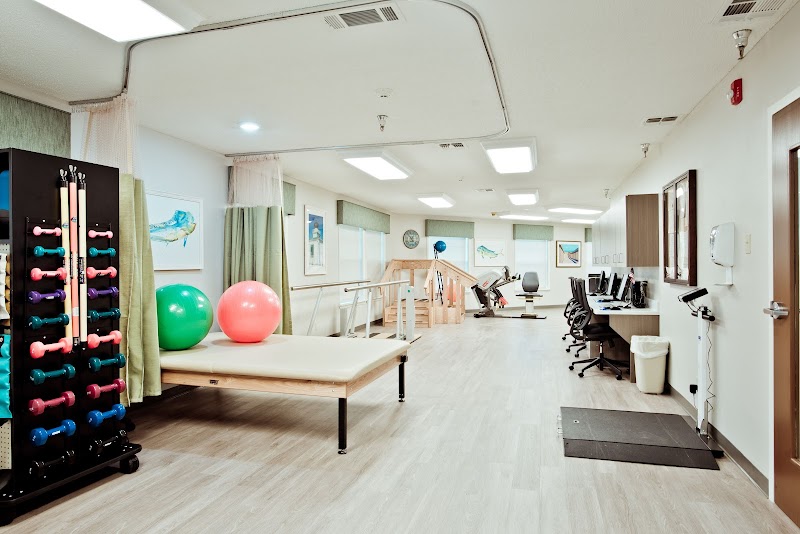
How Does Port Lavaca Compare to Other Texas Nursing Homes?

Compared to the 100 nursing homes in Texas, PORT LAVACA NURSING AND REHABILITATION CENTER's overall rating (5 stars) is above the state average of 2.8, staff turnover (46%) is near the state average of 46%, and health inspection rating (4 stars) is above the national benchmark.

What Should Families Ask When Visiting Port Lavaca?

Based on this facility's data, families visiting should ask: "Can you walk me through typical staffing levels on day, evening, and night shifts?" "Can I visit during a mealtime to observe dining assistance and food quality?" "How do you handle medical emergencies, and what is your hospital transfer rate?" "Can I speak with family members of current residents about their experience?" These questions are particularly relevant given the below-average staffing rating.

Is Port Lavaca Safe?

Based on CMS inspection data, PORT LAVACA NURSING AND REHABILITATION CENTER has a clean safety record: no substantiated abuse findings (meaning no confirmed cases of resident harm), no Immediate Jeopardy citations (the most serious violation level indicating risk of serious injury or death), and is not on the Special Focus Facility watch list (a federal program monitoring the lowest-performing 1% of nursing homes). The facility has a 5-star overall rating and ranks #1 of 100 nursing homes in Texas. While no facility is perfect, families should still ask about staff-to-resident ratios and recent inspection results during their visit.

Do Nurses at Port Lavaca Stick Around?

PORT LAVACA NURSING AND REHABILITATION CENTER has a staff turnover rate of 46%, which is about average for Texas nursing homes (state average: 46%). Moderate turnover is common in nursing homes, but families should still ask about staff tenure and how the facility maintains care continuity when employees leave.

Was Port Lavaca Ever Fined?

PORT LAVACA NURSING AND REHABILITATION CENTER has no federal fines on record. CMS issues fines when nursing homes fail to meet care standards or don't correct problems found during inspections. The absence of fines suggests the facility has either maintained compliance or corrected any issues before penalties were assessed. This is a positive indicator, though families should still review recent inspection reports for the full picture.

Is Port Lavaca on Any Federal Watch List?

PORT LAVACA NURSING AND REHABILITATION CENTER is not on any federal watch list. The most significant is the Special Focus Facility (SFF) program, which identifies the bottom 1% of nursing homes nationally based on persistent, serious quality problems. Not being on this list means the facility has avoided the pattern of deficiencies that triggers enhanced federal oversight. This is a positive indicator, though families should still review the facility's inspection history directly.