POST NURSING & REHAB CENTER
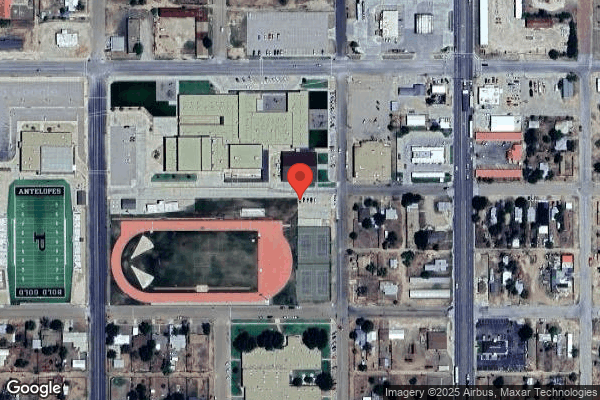
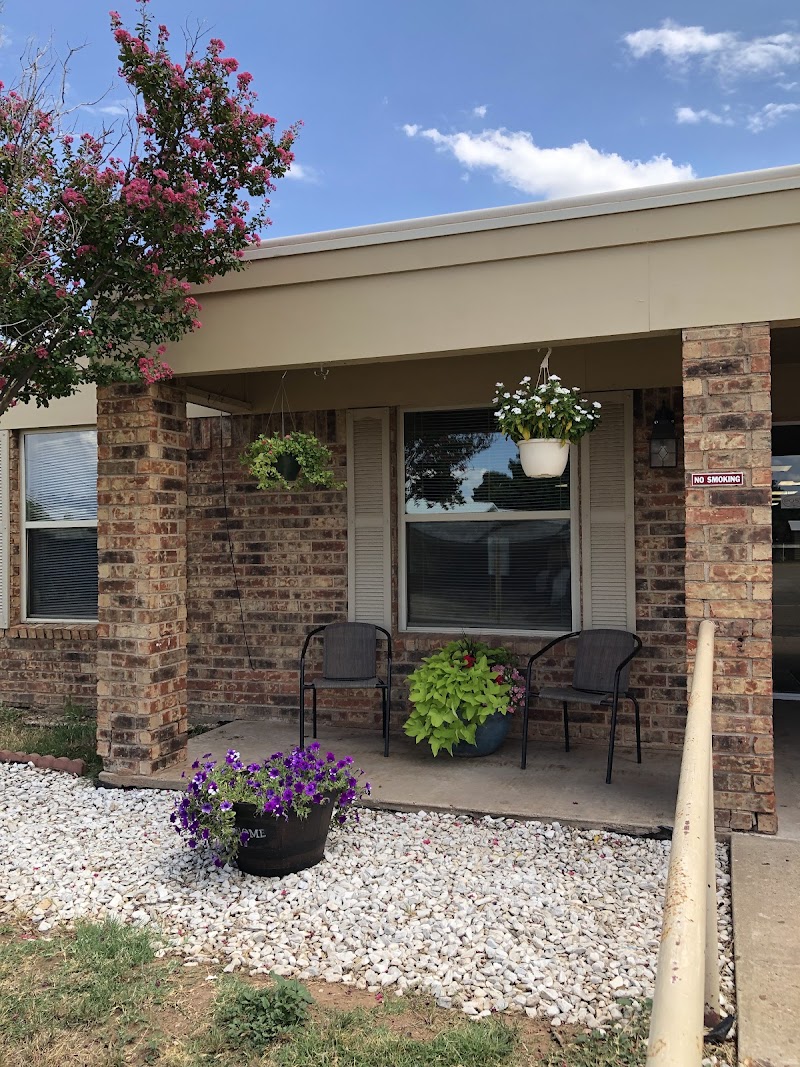
605 W 7TH ST, POST, TX 79356 (806) 495-2848
Government - Hospital district 75 Beds Independent Data: November 2025
Trust Grade
80/100
#318 of 1168 in TX
Last Inspection: September 2024

Within standard 12-15 month inspection cycle. Federal law requires annual inspections.

Overview

Post Nursing & Rehab Center in Post, Texas, has received a Trust Grade of B+, indicating it is above average and recommended for families considering care options. It ranks #318 out of 1168 facilities in Texas, placing it in the top half, and is the only option in Garza County. However, the facility's trend is worsening, as the number of reported issues increased from 3 in 2023 to 4 in 2024. Staffing is relatively stable with a turnover rate of 32%, which is below the Texas average of 50%, but the overall staffing rating is average at 3 out of 5 stars. Fortunately, there have been no fines recorded, which is a positive sign for compliance. However, there are several concerns noted in recent inspections. For example, residents were not informed about their rights regarding grievances, which could lead to unresolved issues affecting their quality of life. Additionally, there were lapses in infection control practices, such as staff failing to sanitize hands between residents, which could increase the risk of infections. While the facility has strengths, these issues highlight the need for improvement in communication and infection prevention protocols.

Trust Score
B+
80/100
In Texas
#318/1168
Top 27%
Safety Record
Low Risk
No red flags
Inspections
Getting Worse
3 → 4 violations
Staff Stability
○ Average
32% turnover. Near Texas's 48% average. Typical for the industry.
Penalties
✓ Good
No fines on record. Clean compliance history, better than most Texas facilities.
Skilled Nurses
⚠ Watch
Each resident gets only 29 minutes of Registered Nurse (RN) attention daily — below average for Texas. Fewer RN minutes means fewer trained eyes watching for problems.
Violations
○ Average
8 deficiencies on record. Average for a facility this size. Mostly minor or procedural issues.
★★★★☆
4.0
Overall Rating
★★★☆☆
3.0
Staff Levels
★★★☆☆
3.0
Care Quality
★★★★☆
4.0
Inspection Score
Stable
2023: 3 issues
2024: 4 issues

The Good

  • Full Sprinkler Coverage · Fire safety systems throughout facility
  • No fines on record
  • Staff turnover below average (32%)

    16 points below Texas average of 48%

Facility shows strength in fire safety.

The Bad

Staff Turnover: 32%

14pts below Texas avg (46%)

Typical for the industry

The Ugly 8 deficiencies on record

Sept 2024 3 deficiencies
CONCERN (D) 📢 Someone Reported This

A family member, employee, or ombudsman was alarmed enough to file a formal complaint

Potential for Harm - no one hurt, but risky conditions existed

Comprehensive Care Plan (Tag F0656)

Could have caused harm · This affected 1 resident

**NOTE- TERMS IN BRACKETS HAVE BEEN EDITED TO PROTECT CONFIDENTIALITY** Based on record review and interview, the facility failed to develop a comprehensive care plan to meet the highest practicable p...

Read full inspector narrative →
**NOTE- TERMS IN BRACKETS HAVE BEEN EDITED TO PROTECT CONFIDENTIALITY** Based on record review and interview, the facility failed to develop a comprehensive care plan to meet the highest practicable physical, mental, psychosocial well-being for 1 of 14 residents (Residents #34) reviewed for care plans as follows: Resident #34 did not have a care plan for PASRR positive or PASRR services. These failures could place residents at risk of not receiving the care required to meet their individualized needs. Findings include: Record review of Resident #34's face sheet, dated 09/19/24, revealed a [AGE] year-old-female was admitted to the facility on [DATE] with diagnoses to include schizoaffective disorder (mental health condition that is marked by a mix of schizophrenia symptoms, such as hallucinations and delusions, and mood disorder symptoms, such as depression and mania), bipolar disorder (a mental illness that causes extreme mood swings, affecting a person's energy, activity levels, and concentration), major depressive disorder (mental health condition that causes a persistently low or depressed mood and loss of interest in activities), anxiety (feeling of fear and worry), and hypertension (high blood pressure). Record review of Resident #34's Comprehensive Minimum Data Set, dated [DATE], revealed Resident #34 had a BIMS score of 15 which indicated Resident #34's cognition was intact. Section A reflected PASRR screening with serious mental illness. Record review of Resident #34's care plan, dated 08/01/24, revealed no care plan for PASRR or PASRR services. During an interview on 09/19/24 at 10:00 AM with Resident #34, she stated she did receive mental health services and had a case worker. During an interview on 09/20/24 at 11:03 AM with the LVN A, she stated a care plan was a tool used to try to find solutions to resident problems. She stated it contained things like a resident's fall risk, what types of behaviors a resident had and how a resident should be positioned. She stated, I don't look at care plans that often, but I do one on one resident care and most information I need to care for a resident was given to me during morning team meetings. She stated the DON was responsible for updating the care plans. During an interview on 09/20/24 at 11:57 AM with the DON, she stated she was responsible for resident care plans. She stated Resident #34 was PASRR positive and does receive services. She stated Resident #34's PASRR positive and services should have been care planned. She stated PASRR positive, and services were not on the comprehensive care plan but was on the 48-hour baseline care plan. She stated if a resident was PASRR positive it must be care planned. She stated it may have gotten missed due to resident being a new admit. She stated it was included in the 48-hour baseline but did not pull over to the comprehensive care plan and she was not sure why. She stated the care plan was used to explain each resident's individual plan of care. She stated nurses, cna's, nursing administration and social worker use the care plan. She stated the care plan was part of the electronic health record and was available to all staff. She stated the potential negative outcome could be the resident's plan of care cannot be properly carried out. She stated her expectations were for all the information that was needed to care for the resident should be included in the care plan. She stated she had been trained on how to do care plans. She stated the initial care plane was done then periodic audits were conducted by administration staff in order to assure accuracy of the care plan. During an interview on 09/20/24 at 12:51 PM with the admin, she stated Resident #34 was PASRR positive and was receiving services. She stated there was no reason PASRR should not be care planned. She stated the care plan was used to make sure we have patient centered care that was appropriate for the resident. She stated the potential negative outcome could be failing to meet all the residents care needs. She stated the facility does have a system were administration staff audit the care plans. She stated her expectations were for the care plan to be accurate, so the residents achieve proper care and assure nothing was missed. Record review of the provided facility's policy titled Care Plans, Comprehensive Person-Centered, revised [DATE], reflected: Policy Statement - A comprehensive, person-centered care plan that includes measurable objectives and timetables to meet the resident's physical, psychosocial and functional needs is developed and implemented for each resident. Policy Interpretation and Implementation . 2. The care plan interventions are derived from a thorough analysis of the information gathered as part of the comprehensive assessment . 8. The comprehensive, person-centered care plan will: . b. Describe the services that are to be furnished to attain or maintain the resident's highest practical physical mental and psychosocial well-being. c. Describe services that would otherwise be provided for the above but are not provided due to the resident exercising his or her rights including the right to refuse treatment. d. Describe any specialized services to be provided as a result of PASARR recommendations . 12. The comprehensive, person-centered care plan is developed within seven (7) days of the completion of the required comprehensive assessment (MDS) .
CONCERN (E) 📢 Someone Reported This

A family member, employee, or ombudsman was alarmed enough to file a formal complaint

Potential for Harm - no one hurt, but risky conditions existed

Infection Control (Tag F0880)

Could have caused harm · This affected multiple residents

Based on observation, interview and record review the facility failed to maintain an infection prevention and control program designed to provide a safe, sanitary and comfortable environment and to he...

Read full inspector narrative →
Based on observation, interview and record review the facility failed to maintain an infection prevention and control program designed to provide a safe, sanitary and comfortable environment and to help prevent the development and transmission of communicable diseases and infections for 5 of 13 residents (Residents #10, #12, #14, #19, #23) and 1 of 5 staff (MA A) reviewed for infection control. 1. MA A failed to properly clean multi-use medical devices between each resident during medication administration for Resident #10, #12 and #23. 2. MA A failed to sanitize hands between residents during medication administration for Resident #10, #14, #19 and #23. These failures could place residents at risk for spread of infection and cross contamination. Findings included: 1. During a medication pass observation on 09/18/24 at 04:53 PM, MA A took an arm blood pressure device to the room of Resident #10 and took his blood pressure on the left upper arm. She then took the arm blood pressure device and placed it on top of the medication cart. MA A did not sanitize the arm blood pressure device before or after use. During a medication pass observation on 09/18/24 at 05:10 PM, MA A picked up the arm blood pressure device from the top of the medication cart and took it to Resident #12, who was seated in the dining room, and took his blood pressure on the left upper arm. She then took the arm blood pressure device and placed it on top of medication cart. MA A did not sanitize the wrist blood pressure device before or after use. During a medication pass observation on 09/18/24 at 05:11 PM, MA A picked up a wrist blood pressure device from the top of medication cart and took it to Resident #23, who was seated in the dining room, and took her blood pressure on the right wrist. She then took the wrist blood pressure device and placed in on top of the medication cart. MA A did not sanitize the wrist blood pressure device before or after use. 2. During a medication pass observation on 09/18/24 at 04:55 PM, MA A took the blood pressure of Resident #10 on the left upper arm. MA A did not sanitize her hands after taking Resident #10's blood pressure. MA A prepared a PRN medication for Resident #19 and administered the medication. MA A then returned to Resident #10's room and administered his medications. MA A did not sanitize her hands before or after medication administration. During an observation of medication pass on 09/18/24 at 05:11 PM, MA A took the blood pressure of Resident #23 on the right wrist. MA A did not sanitize her hands after taking Resident #23's blood pressure. MA A then prepared and administered medications for Resident #14. MA A did not sanitize her hands before or after medication administration. During an observation of medication pass on 09/18/24 at 05:19 PM, MA A prepared and administered medications to Resident #12, who was seated in the dining room. MA A did not sanitize her hands before or after medication administration. During an observation of medication pass on 09/18/24 at 05:24 PM, MA A prepared and administered medications to Resident #23, who was seated in the dining room. MA A did not sanitize her hands before or after medication administration. During an interview on 09/19/24 at 04:12 PM with MA A, she stated she did not sanitize her hands between each resident during medication pass. MA A stated she did not sanitize the wrist blood pressure device or the arm blood pressure device before or after use on each resident. She stated she was nervous while being observed and forgot to sanitize her hands and the blood pressure devices. MA A stated she should have sanitized her hands and the blood pressure devices between each resident during medication administration. MA A stated she had been trained on proper hand hygiene and proper sanitation of multi-use medical devices through in-services conducted by nursing administration approximately monthly. MA A stated a potential negative outcome for failure to properly sanitize her hands and multi-use medical devices was the spread of germs. During an interview on 09/20/24 at 11:21 AM with the ADM, she stated the DON was responsible for assuring staff were trained on proper hand hygiene and proper sanitizing of multi-use medical devices. She stated hand hygiene should be performed before and after each resident during medication administration. She stated multi-use medical devices should be sanitized after use on each resident. The ADM stated her expectation of staff for proper hand hygiene and sanitizing of multi-use medical devices was that it was done correctly because it was the most important thing. The ADM stated a potential negative outcome for failure to properly sanitize hands and multi-use medical devices was that germs could be passed from resident to resident. During an interview on 09/20/24 at 11:25 AM with the DON, she stated hand hygiene should be performed prior to handling medications and after administering medications. She stated multi-use medical devices should be sanitized after each use and between every resident. The DON stated staff were trained on proper hand hygiene and sanitizing multi-use medical devices through quarterly in-services and yearly skills checks conducted by nursing administration. She stated her expectation of staff for proper hand hygiene and sanitizing of multi-use medical devices was to always follow policy. The DON stated a potential negative outcome for failure to properly sanitize hands and multi-use medical equipment was the spread of infection. Record review of facility-provided staff education records titled Hand Hygiene and Alcohol-Based Hand Rub, dated 07/19/24, revealed MA A performed and met the skills check. Record review of facility-provided in-service training titled Infection Control Report dated 06/21/24, was signed by MA A and eleven other staff members. Record review of facility-provided in-service training titled Infection Control-How to Handwash, dated 02/22/24, was signed by MA A and seventeen other staff members. Record review of the facility-supplied policy titled, Handwashing/Hand Hygiene, revised August 2019, revealed: Policy Statement This facility considers hand hygiene the primary means to prevent the spread of infections. Policy Interpretation and Implementation 1. All personnel shall be trained and regularly in-serviced on the importance of hand hygiene in preventing the transmission of healthcare-associated infections. 2. All personnel shall follow the handwashing/hand hygiene procedures to help prevent the spread of infections to other personnel, residents, and visitors. 6. Use an alcohol-based hand rub containing at least 62% alcohol; or, alternatively, soap (antimicrobial or non-antimicrobial) and water for the following situations: b. Before and after direct contact with residents; c. Before preparing or handling medications; 1. After contact with a resident's intact skin; Record review of the facility-supplied policy titled, Administering Medications, revised 2010, revealed: Purpose The purpose of this procedure is to provide guidelines for the safe administration of oral medications. Steps in the Procedure 1. Wash your hands. 21. Remain with the resident until all medications have been taken. 23. Perform hand antisepsis.
CONCERN (F) 📢 Someone Reported This

A family member, employee, or ombudsman was alarmed enough to file a formal complaint

Potential for Harm - no one hurt, but risky conditions existed

Grievances (Tag F0585)

Could have caused harm · This affected most or all residents

**NOTE- TERMS IN BRACKETS HAVE BEEN EDITED TO PROTECT CONFIDENTIALITY** Based on observation, interview, and record review, the facility failed to provide information to resident's and their represent...

Read full inspector narrative →
**NOTE- TERMS IN BRACKETS HAVE BEEN EDITED TO PROTECT CONFIDENTIALITY** Based on observation, interview, and record review, the facility failed to provide information to resident's and their representatives on their rights related to filing grievances or concerns for 12 of 12 confidential residents. The facility failed to ensure 12 of 12 confidential residents were provided, through postings in prominent locations, the Grievance Procedure, were provided access to the Grievance form, were provided information who the facility grievance official was, their contact information, how to file an anonymous grievance, and their right to obtain a written decision related to their grievance. This failure could place the residents at risk of unresolved grievances and decreased quality of life. Findings include: Interviews and Record Review during Resident Council on, 9/19/2024 at 1:00pm, attendees 12 of 12 confidential residents, stated they did not know the grievance process, they did not know where to obtain or submit a grievance form, they did know they could file a Grievance anonymously, the Grievance procedure had never been discussed in Resident Council, and they had not observed a posting of the Grievance procedure in prominent locations. Residents attending the group meeting did not know how to file a grievance. Residents did not know where to acquire a grievance form, who to turn the form into, and what happens once a grievance was filed. The Residents did not know they had the right to receive a written decision once their grievance was resolved. 12 Residents attended the meeting, the 12 Residents in attendance had all been Residents of the facility for 6 plus months. Record Review of the facility Grievance policy on 9/20/2024 at 12:05pm; according to the facilities' Grievance policy a copy of the Grievance/complaint procedure should be posted on the resident bulletin board. Observed prominent postings on 9/20/2024 at 12:30pm; the facility did not include instructions regarding the Grievance procedure with any of the prominent postings. Grievance forms were not available to Residents and there was no access to submit a Grievance anonymously. Interview with the ADM on 9/20/2024 at 1:18pm; the ADM stated she was the Grievance Officer for the facility. The ADM stated the Grievance form was kept in her office. The ADM stated the Residents do not have access to the Grievance form. The ADM stated she completes all Grievances. The Grievances were completed when a Resident comes to her with a complaint, complaints were shared in Resident Council, and when staff report complaints to her. The ADM stated the Grievance Procedure was not posted for Residents. The ADM stated the Residents cannot file a Grievance anonymously due to the Residents not having access to the Grievance form and having no means of submitting a Grievance form anonymously. The ADM stated she was responsible for assigning a Grievance to a staff member to address, she stated her expectation is Grievances be resolved in 24 hours. The ADM stated Residents who voice a complaint were interviewed by the staff member assigned to resolve the Grievance; she stated this was the first step in resolving the Grievance. These interviews were documented on the Grievance form. The ADM stated the resolution to the Grievance were documented on the Grievance form. The ADM stated the resolution was not presented to the complainant in writing as her policy directs. The ADM stated the resolution was discussed with the complainant one on one. The ADM stated she monitors the Grievance process for success by following up with the staff member assigned to resolve the Grievance, the ADM stated she will also meet with the complainant to ensure they were satisfied with the resolution. The ADM stated she was responsible for ensuring staff were trained on the Grievance process. The ADM stated she was not aware the Grievance procedure was not being discussed in Resident Council. Grievance Policy Record Review of the Grievance Policy last updated in 2017. Policy Statement: Residents and their representatives have the right to file grievances, either orally or in writing, to the facility staff or to the agency designated to hear grievances. The Administrator and staff will make prompt efforts to resolve grievances to the satisfaction of the resident and/or their representative. has the right to voice grievances to the facility or other agency or entity that hears grievances without discrimination or reprisal and without fear of discrimination or reprisal. Such grievances include those with respect to care and treatment which has been furnished as well as that which has not been furnished, the behavior of staff and of other residents; and other concerns regarding their LTC facility stay. The resident has the right to and the facility must make prompt efforts by the facility to resolve grievances the resident may have. Policy Interpretation and Implementation: 1. Any resident, family member, or representative may file a grievance or complaint. 2. Residents, family, and representatives have the right to voice or file grievances without discrimination or reprisal in any form, and without fear of discrimination or reprisal. 3. All grievances from resident or family concerning issues of residents' care in the facility will be considered. Actions will be responded to in writing. 4. Upon admission residents are provided with written information on how to file a grievance. 5. Grievances may be submitted orally or in writing and may be filed anonymously. 6. The contact information for the individual with whom a grievance may be filed is provided to the resident or representative upon admission. 7. The ADM has delegated the responsibility of grievance investigation to the grievance officer who is [NAME]. 8. The grievance officer will review and investigate the allegations and submit the written report of such findings to the ADM with five working days of receiving the grievance. 9. The grievance officer will coordinate actions with the appropriate state and federal agencies depending on the nature of the allegations. 10. The ADM and staff will take immediate action to prevent further potential violations of resident rights while the alleged violation is being investigated. 11. The ADM will review the findings with grievance officer to determine what corrective actions need to be taken. 12. The resident or person filing the grievance on behalf of the resident, will be informed (verbally or in writing) of the findings of the investigation and actions will be taken to correct any identified problems. A written summary of the investigation will be provided to the resident and a copy will be filed in the business office. 13. If the grievance is filed anonymously the grievance officer will inform the resident that a grievance has been anonymously filed on his or her behalf and the steps that will be taken to investigate the grievance and report the findings. 14. The results of all grievances files investigated and reported will be maintained on file for a minimum of three years from the issuance of the grievance decision. 15. This policy will be provided to the resident or the resident's representative upon request.
Mar 2024 1 deficiency
CONCERN (D) 📢 Someone Reported This

A family member, employee, or ombudsman was alarmed enough to file a formal complaint

Potential for Harm - no one hurt, but risky conditions existed

Deficiency F0625 (Tag F0625)

Could have caused harm · This affected 1 resident

**NOTE- TERMS IN BRACKETS HAVE BEEN EDITED TO PROTECT CONFIDENTIALITY** Based on interview and record review the facility failed to ensure, before a resident was transferred to a hospital or the resid...

Read full inspector narrative →
**NOTE- TERMS IN BRACKETS HAVE BEEN EDITED TO PROTECT CONFIDENTIALITY** Based on interview and record review the facility failed to ensure, before a resident was transferred to a hospital or the resident went on therapeutic leave, provided written information to the resident or the resident representative that specified the duration of the bed-hold policy, if any, during which the resident was permitted to return and resume residence in the nursing facility for 2 of 6 residents (Resident #1 and Resident #2) reviewed for notice of bed hold up on transfers. The facility failed to provide Resident #1, and Resident #2 or their resident representatives with a written bed-hold policy when the residents were transferred out to the hospital or were on therapeutic leave. This failure could place residents at risk for of being improperly discharged and placed in unsafe conditions. The findings were: 1. Record review of Resident #'1s face sheet, dated 03/22/24, reflected a [AGE] year-old female with an admission date of 02/08/24. Resident #1 had diagnoses which included: Alzheimer's (dementia/ memory loss) and psychotic disorder (symptoms that affect the mind) with hallucinations. Record review of Resident #1's comprehensive MDS assessment, dated 02/21/24, reflected Resident #1 BIMS was a 06, which indicated her cognitive state was severely impaired. Record review of Resident #1's care plan, dated 02/12/24 , reflected Resident #1 had an ADL self-care performance deficit due to confusion, disease process (lupus [Autoimmune disease], osteoporosis (bone disease), psychotic disorder, cognitive loss, pain and muscle weakness. Record review of Resident #1's Clinical Census report, dated 03/22/24, reflected she was transferred to a local hospital on [DATE] and on 02/23/24. The report was signed and confirmed by the DON. Record review of Resident #1 progress notes, dated from 02/06/24-03/22/24, reflected the following: LVN A documented on 02/06/24 at 11:46 AM, Resident #1 fell and 911 was called. LVN A documented on 02/26/24 at 12:07 AM, Resident #1 left with the local ambulance company and transported to the local hospital. Record review of Resident #1's admission packet did not reflect a bed hold policy was given upon admission. During an interview on 03/22/24 at 9:46 AM, Resident #1's Family Member stated Resident #1 had fallen twice since she was at the facility. He said he didn't have the specific dates but believed the first fall happened around 02/07/24 around lunchtime. He said the second fall happened on 02/21/24 around lunchtime. He said he became displeased when Resident #1 fell the second time. He said because of the second fall, he wanted her to complete therapy somewhere else but was not opposed to Resident #1 returning to the facility at the time of the fall. He said he intended for the resident to return to the facility after therapy and only to take a few items from the nursing facility. He wanted things she would need immediately, such as shampoos, soaps and a few personal items while she completed therapy at another facility. He said he picked a place of therapy closer to him so he could visit the resident more, possibly during his lunch break. He said when he explained this to the ADM and the staff at the facility, he was made to feel like Resident #1 was just a number. He said the ADM told him she needed the bed in case another resident needed it. He said he knew he saw in the past where other family members who were related to him had a room held for them. He said he was never given a written notice or anything concerning the bed hold policy . During an interview on 03/22/24 at 12:08 PM, the ADM stated Resident #1 went to the hospital each time she fell in the facility. She said when the second fall occurred, she had a conversation with the Family member that included Resident #1's therapy could be provided at the facility. She said they did not have a bed hold policy and the Family member discharged Resident #1 from the facility/hospital himself . She said they anticipated her returning to the facility each time Resident #1 went to the hospital. She said the Family member expressed he felt like Resident #1 was just a number, but she did not know why because all the staff loved and cared for Resident #1. She stated all of the resident's items were packed up and sent because the Family member requested all of the items, and if Resident #1 was discharged , all of her items needed to go with her. During an interview on 03/22/24 at 1:11 PM, Resident #1 said she remembered falling and went to the hospital but didn't know anything about the bed hold policy. 2. Record review of Resident #2's face sheet, dated 03/22/24, reflected a [AGE] year-old female with an admission date of 01/31/24. Resident #2 had diagnoses which included: lack of coordination and cognitive communication deficit. Record review of the EMR, under the MDS tab, reflected the following: On 12/01/23 a MDS was completed under the description of discharge return anticipated. On 12/18/23 a MDS was completed under the description of discharge return anticipated. On 01/02/24 a MDS was completed under the description of discharge return anticipated. On 01/27/24 a MDS was completed under the description of discharge return anticipated. Record review of Resident #2's Comprehensive MDS assessment, dated 12/30/23, reflected Resident #2 BIMs was a 07, which indicated her cognitive state was severely impaired. Record review of Resident #2's care plan, dated 02/2/24, reflected Resident #2 had an ADL self-care performance deficit due to confusion, hemiplegia (paralysis of one side) and impaired balance. Record review of Resident #2's Clinical Census report, dated 03/22/24, reflected she was transferred to a local hospital on [DATE], 12/01/23, 12/18/23, 01/02/24 and 01/27/24. The report was signed and confirmed by the DON. Record review of Resident #2 progress notes reflected the following on the specified dates: LVN A documented on 12/01/23 at 10:54 AM, Resident #2 requested to go to the hospital, she was very weak and hallucinating. The ambulance was called and she left the faciity on a gurney. LVN B documented on 12/18/23 at 2:27 PM the local ambulance was notified for transport and change in condition. LVN B documented on 1/02/24 at 2:03 PM, received a call from dialysis center stating they are sending resident out due to doctor's orders for tremors and increase. LVN A documented on 01/27/24 at 06:41 PM, the dialysis center called and left message which stated Resident #2 was sent to hospital. Record review of Resident #2 physician order's, dated 04/26/24, reflected the following: Send to the emergency room to evaluate and treat hardware displacement with fracture to the left knee. Record review of Resident #2's admission packet reflected it included bed hold Information and Practice guidelines/ Bed Hold policy signed by Resident #2 as of 02/17/23. During an interview on 03/22/24 at 1:48 PM, Resident #2 stated she had never received written notice about the facility's bed hold policy. She said she had never worried about it because she knew her bed would always be available but no one had ever told her this. During an interview on 03/22/24 at 2:24 PM AM, the DON stated she did not give a written notice of when residents went to the hospital. She stated she did not personally give Resident #1 or Resident #2 a notice when they transferred to the hospital. She said for each resident, she did anticipate each resident returning to the facility. She said she was unaware giving a written notice at the time of transfer was a requirement. She said she was actively reading her policy on this date . She said the potential negative outcome to the resident could be their room could be given to another resident or the resident's property could be lost or moved. She said she was unaware the notice had not been given. She said their facility did not have a system for issuing written notices for bed holds. She said she was unsure, but she believed the bed hold may be in the admission packet . She said she had not received any training regarding issuing a written notice. She said she expected they as the facility staff should communicate with families about the facility's bed hold policy. She said she didn't think they had an actual policy with specifics. She said she remembered there were some families who were confused with the bed hold policy in the past, so they did away with it . She said this was why she believed they never had an issue with it before. She said as a general rule, if they knew the resident was coming back, they did not give the residents bed up. She said she believed most facilities had to get rid of the resident items within 24-48 hours, but if they knew the resident was returning, they kept it as long as possible. She said regarding Resident #1, the family member was up in the air about whether or not Resident #1 was coming back. She said written notices were not given because this was something they had never practiced before with anyone. During an interview on 03/22/24 at 2:38 PM AM, the ADM stated their facility was not the ones that always sent residents to the hospital, for example, regarding Resident #2 the dialysis center would send her out. She said upon admission, the residents were told about the bed hold policy. She stated the residents, which included the family members, should have received the bed hold policy upon admission. She said it was her facility policy expectation they gave out the written notice of the bed hold twice. She said they gave it out upon admission and if the policy changed. She said nothing had changed regarding the policy. She said she knew the policy was not changed because she pulled it off the company website. She said she believed the policy had not changed in the last 2 years. She said the policy may have been changed in 2019. No indication was provided in tracking changes if the policy did not have a date. She said regarding Residents #1 and #2, they always anticipated both residents would return to the facility. She said she was aware of the regulation, but her written policy stated every resident was made aware upon admission into the facility. She said they had the residents sign and keep a copy of the bed hold policy. She said she did not see a potential negative outcome for residents because they explained there was no charge. She said whoever completed the admission was responsible for explaining the bed hold policy. She said she had not received any formal training. The ADM stated she did not have anything to support her system of providing the old bed policy only upon admission. During an interview on 03/22/24 at 3:05 PM, the Activity Director stated she had multiple roles in the facility. She said she did human resources work on top of her CNA and transportation duties. She stated Resident #2 received the bed hold policy upon admission. She said she never issued a written notice to Resident #1 or Resident #2 before their hospital transfer. The Activity Director said she was not sure who was responsible for issuing the bed hold notices. She said she was unaware of a system for issuing the written notice of the bed hold. She said she was not trained to issue the written notice before transfers. She said she did not personally issue any written notices and did not know why it was not completed. She stated they anticipated Resident #1 coming back to the facility. She stated they anticipated Resident #2 coming back to the facility. She stated she was aware of the regulation that written notice must be given before transfer. She said she did not know the potential negative outcome of not giving residents notice of the facility bed hold policy. She said she was unaware of who was responsible. She said she was unaware of a system to monitor the written bed holds for residents and their representatives. She said she was unaware of a system for residents who was in emergent situations. She said she was trained to issue the written bed holds prior to transfers but only went over them at admission. She said she had just read and signed them and was unaware of any changes. Record review of the facility's, undated, bed-hold and information and practice guidelines reflected the following: The facility's leadership will provide a written bed hold notice at the time of transfer of a resident for hospitalization or therapeutic leave. The facility's leadership will readmit a resident according to applicable state and federal guidelines if the residents hospitalization exceed the bed hold policy. Practice guidelines: 2 written notices are provided to resident or legal representative regarding the bed hold policy in the event of hospitalization or therapeutic leave. The first notice is given at admission and re-issued in the event that the policy was to change. The second notice is provided at the time of transfer for hospitalization or therapeutic leave and specifies the duration of the bed hold period. In the event of an emergency transfer the family or representative are provided written notice within 24 hours of the transfer, which can include sending a notice with other documents accompanying the resident. Record review of the facility's, undated, policy titled, Bed Hold Policy and Initiation reflected, after placement in the nursing facility, it sometimes becomes necessary for the resident to go out of the facility for brief periods of hospitalization or home visits. It is the policy of this facility to hold beds and readmit residents as follows: Private pay residents can go and come from the facility as often and for as many days as desired. Medicaid residents: When admitted to the hospital for a period excess of 24 hours, the resident's applied income will be used as authorized by the resident and/or his/her responsible party has the right to reserve their bed. Medicaid/Medicare/ Insurance reimbursed resident is admitted to the hospital in excess of 24 hours, the resident's applied income will be used, as authorized by the resident and/or her/his/ responsible party to reserve his/her bed. Medicare insurance does not pay to hold a resident's bed when the resident is admitted to the hospital. A bed will be reserved for the resident as long as the bed hold charges are paid when he/she is out of the facility. Bed hold charges may be discontinued at any time if the resident and or responsible party notifies the business office and removes all personal belongings within 24 hours and all claim to the resident's bed is released.
Aug 2023 3 deficiencies
CONCERN (D)

Potential for Harm - no one hurt, but risky conditions existed

Deficiency F0552 (Tag F0552)

Could have caused harm · This affected 1 resident

**NOTE- TERMS IN BRACKETS HAVE BEEN EDITED TO PROTECT CONFIDENTIALITY** Based on interviews and record reviews the facility failed to ensure the residents had the right to be informed of the risks, an...

Read full inspector narrative →
**NOTE- TERMS IN BRACKETS HAVE BEEN EDITED TO PROTECT CONFIDENTIALITY** Based on interviews and record reviews the facility failed to ensure the residents had the right to be informed of the risks, and participate in, his or her treatment which included the right to be informed in advance, by the physician or other practitioner or professional, of the risks and benefits of proposed care, of treatment and treatment alternatives or treatment options and to choose the alternative or option he or she preferred, for 2 of 14 residents ( Resident #11 and #19) reviewed for resident rights . The facility failed to obtain a signed informed consent based on information of the benefits, risks, and options available from for Residents #11 and #19 prior to administering melatonin (sleep aide). These failures could place residents at risk of receiving medications without their prior knowledge or consent, or that of their responsible party or being aware of the risk of the medications prescribed. Findings included: Resident #11 Record review of Resident #11's face sheet, dated 08/15/23, revealed a [AGE] year-old-male was admitted to the facility on [DATE] with diagnoses to include paraplegia (paralysis in the legs), hypertension (high blood pressure), insomnia (sleep disorder) and anxiety (feel constant fear and worry, difficulty concentrating). Record review of Resident #11's order summary report dated 08/15/23 revealed the following orders: Melatonin 5mg at bedtime related to insomnia dated 12/08/22. Record review of comprehensive MDS assessment dated [DATE] revealed Resident #11 was usually understood (misses some part/intent of message but comprehends most conversation). The MDS revealed Resident #11 had a BIMS of 06 which indicated the resident's cognition was severely impaired. Record review of a care plan for Resident #11 dated 04/26/23 revealed a focus for use of sleep aid related to insomnia, with an intervention to administer Melatonin. Record review of Resident #11's medication administration record undated for the month of August 2023 revealed resident received Melatonin 5 mg orally at bedtime August 1st through August 17th. Record review of Resident #11 electronic medical record revealed no consent for melatonin. During an interview on 08/17/23 at 11:40 AM, the DON stated Resident #11 did not have a consent for melatonin. Resident #19 Record review of Resident #19's face sheet, dated 08/15/23, revealed a [AGE] year-old-male was admitted to the facility on [DATE] with diagnoses to include paraplegia (paralysis in the legs), schizoaffective disorder (mental disease), major depressive disorder (mental health condition that causes a persistently low or depressed mood and a loss of interest in activities), and insomnia (sleep disorder). Record review of Resident #19's order summary report dated 08/15/23 revealed the following orders: Melatonin 10mg at bedtime related to insomnia dated 07/17/23. Record review of comprehensive MDS assessment dated [DATE] revealed Resident #19 was understood (clear comprehension). The MDS revealed Resident #19 had a BIMS of 09 which indicated the resident's cognition was moderately impaired. Record review of a care plan for Resident #19 dated 08/10/23 revealed a focus for use of sleep aid related to insomnia, with an intervention to administer Melatonin. Record review of Resident #19's medication administration record undated for the month of August 2023 revealed resident received Melatonin 10 mg orally at bedtime August 1st through August 17th. Record review of Resident #19 electronic medical record revealed no consent for melatonin. During an interview on 08/17/23 at 11:40 AM, the DON stated Resident #19 did not have a consent for melatonin. During an interview on 08/17/23 11:40 AM with the DON, she stated that melatonin was used for sleep at night. She stated she was responsible for obtaining psychotropic medication consents. She stated medication consents where to be obtained when medication was ordered. She verified there was no consents for melatonin in the EMR for Resident #11 and #19. She stated she was not aware melatonin needed a consent but that it was used for sleep. She stated the potential negative outcome could be family members not made aware of side effects it could cause and if family is not aware medication could be administered without consent. She stated that she has had training on obtaining psychotropic consents. During an interview on 08/17/23 11:52 AM with the ADM, she stated the DON was responsible for obtaining medication consents. She stated consents should be obtained at the time of the medication order. She stated she does not know why the consents were not obtained. She stated melatonin was given to residents having trouble falling asleep or request by the doctor. She stated the potential negative outcome could be it might mix with other medications, not being aware sleeping was a behavior or sleeping too much. Record review of the facility's policy titled Informed Consent, undated revealed: 1. The facility will protect and promote the resident's right to informed consent regarding all medications, treatments, and care and right to refuse medications, treatments, and care . 4. The Unit Nurse will: a. Inform The resident and designated family member of any new or changed order for medication, treatment, or care when the order is received .
CONCERN (E)

Potential for Harm - no one hurt, but risky conditions existed

Deficiency F0578 (Tag F0578)

Could have caused harm · This affected multiple residents

**NOTE- TERMS IN BRACKETS HAVE BEEN EDITED TO PROTECT CONFIDENTIALITY** Based on interview and record review, the facility failed to ensure all residents had the right to formulate an advance directiv...

Read full inspector narrative →
**NOTE- TERMS IN BRACKETS HAVE BEEN EDITED TO PROTECT CONFIDENTIALITY** Based on interview and record review, the facility failed to ensure all residents had the right to formulate an advance directive for 4 of 14 residents (Residents #12, #15, #16, and #30) reviewed for advanced directives, in that: Residents #12, #15, #16 and #30 was listed as a DNR (Do Not Resuscitate) but had an Out-of-Hospital Do Not Resuscitate (OOH-DNR) forms that were incorrectly filled out or missing required information. These failures could place residents at risk for not having their end of life wishes honored and incomplete records. Findings included: Resident #12 Record review of Resident #12's face sheet, dated 08/16/23, revealed an [AGE] year-old-female was admitted to the facility on [DATE] with diagnoses to include hypertension (high blood pressure), anxiety (feeling of fear and worry), major depressive disorder (mental health condition that causes a persistently low or depressed mood and loss of interest in activities) and insomnia (sleep disorder). The face sheet also revealed under the advance directive section - DNR-Do Not Resuscitate. Record review of Resident #12's physician order summary dated 08/16/23 revealed the following order: DNR-Do Not Resuscitate dated 06/20/23. Record review of Resident #12's care plan, dated 07/03/23, revealed care plan for DNR. Record review of Resident #12's Out of Hospital Do Not Resuscitate form dated 06/19/23 revealed under the declaration of the adult person no selection of male or female. Resident #15 Record review of Resident #15's face sheet, dated 08/16/23, revealed an [AGE] year-old-female was admitted to the facility on [DATE] with diagnoses to include Alzheimer's disease (cognitive loss), muscle weakness, major depressive disorder (mental health condition that causes a persistently low or depressed mood and loss of interest in activities), and anxiety (felling of fear and worry). The face sheet also revealed under the advance directive section - DNR-Do Not Resuscitate. Record review of Resident #15's physician order summary dated 08/16/23 revealed the following order: DNR dated 02/14/22. Record review of Resident #15's care plan, dated 07/20/23, revealed care plan for DNR. Record review of Resident #15's Out of Hospital Do Not Resuscitate form dated 02/14/22 revealed no witness 2 signature. Resident #16 Record review of Resident #16's face sheet, dated 08/16/23, revealed an [AGE] year-old-female was admitted to the facility on [DATE] with diagnoses to include dementia (cognitive loss), hypertension (high blood pressure), major depressive disorder (mental health condition that causes a persistently low or depressed mood and loss of interest in activities), and anxiety (felling of fear and worry). The face sheet also revealed under the advance directive section - DNR-Do Not Resuscitate. Record review of Resident #16's physician order summary dated 08/16/23 revealed the following order: DNR dated 11/20/22. Record review of Resident #16's care plan, dated 07/27/23, revealed care plan for DNR. Record review of Resident #16's Out of Hospital Do Not Resuscitate form dated 11/29/22 revealed under the declaration by a qualified relative section no selection of qualified relative. Resident #30 Record review of Resident #30's face sheet, dated 08/15/23, revealed an [AGE] year-old-male was admitted to the facility on [DATE] with diagnoses to include major depressive disorder (mental health condition that causes a persistently low or depressed mood and loss of interest in activities), hypertension (high blood pressure) and hemiplegia and hemiparesis (mild or partial loss of strength to one side of the body). The face sheet also revealed under the advance directive section - DNR-Do Not Resuscitate. Record review of Resident #30's physician order summary dated 08/15/23 revealed the following order: DNR-Do Not Resuscitate dated 10/03/22. Record review of Resident #30's care plan, dated 07/27/23, revealed care plan for DNR. Record review of Resident #30's Out of Hospital Do Not Resuscitate form dated 03/24/22 revealed missing guardian/agent/proxy/relative signature. During an interview on 08/17/23 11:40 AM with the DON, she stated OOH DNR was not valid if it's not filled out correctly. She stated the social worker was usually the one who obtained the OOH DNR and then she reviews them. She verified missing information on OOH DNR for Resident #12, #15, #16 and #30. She stated there was no system for monitoring OOH DNR for accuracy. She stated, she will just review them as they are signed. She stated the reason the DNR's were not complete was human error. She stated the potential negative outcome could be somebody sent out to emergency room without a valid OOH DNR and could be worked as a full code. She stated she had been trained on how to complete OOH DNR and her expectations were for them to be filled out completely and right. During an interview on 08/17/23 11:57 AM with the ADM, she stated the OOH DNR was not valid if not filled out correctly. She stated nursing was responsible for making sure the OOH DNR was completed accurately. She stated they do not have a system in place to monitor OOH DNR for accuracy. She stated the DON reviews them once they are completed. She verified missing information on OOH DNR for Resident #12, #15, #16 and #30. She stated she does not know why they information is missing. She stated the potential negative outcome could be not doing the request of our residents. She stated her expectations were that the OOH DNR was done correctly to make sure they are valid. Record Review of the Instructions for Issuing An OOH-DNR Order (Revised July 1, 2009) revealed the following: INSTRUCTIONS FOR ISSUING AN OOH-DNR ORDER PURPOSE Section A - If an adult person is competent and at least [AGE] years of age, he/she will sign and date the Order in Section A. Section B - If an adult person is incompetent or otherwise mentally or physically incapable of communication and has either a legal guardian, agent in a medical power of attorney, or proxy in a directive to physicians, the guardian, agent, or proxy may execute the OOH-DNR Order by signing and dating it in Section B. In addition, the OOH-DNR Order must be signed and dated by two competent adult witnesses, who have witnessed either the competent adult person making his/her signature in section A, or authorized declarant making his/her signature in either sections B, C, or E, and if applicable, have witnessed a competent adult person making an OOH-DNR Order by nonwritten communication to the attending physician, who must sign in Section D and also the physician's statement section. Optionally, a competent adult person or authorized declarant may sign the OOH-DNR Order in the presence of a notary public. However, a notary cannot acknowledge witnessing the issuance of an OOH-DNR in a nonwritten manner, which must be observed and only can be acknowledged by two qualified witnesses. Witness or notary signatures are not required when two physicians execute the OOH-DNR Order in section F. The original or a copy of a fully and properly completed OOH-DNR Order or the presence of an OOH-DNR device on a person is sufficient evidence of the existence of the original OOH-DNR Order and either one shall be honored by responding health care professionals. Record review of the facility's policy titled Advance Directives, undated revealed no information regarding the OOH DNR.
CONCERN (E)

Potential for Harm - no one hurt, but risky conditions existed

Deficiency F0679 (Tag F0679)

Could have caused harm · This affected multiple residents

**NOTE- TERMS IN BRACKETS HAVE BEEN EDITED TO PROTECT CONFIDENTIALITY** Based on observation, interview and record review, the facility failed to provide an ongoing program to support residents in the...

Read full inspector narrative →
**NOTE- TERMS IN BRACKETS HAVE BEEN EDITED TO PROTECT CONFIDENTIALITY** Based on observation, interview and record review, the facility failed to provide an ongoing program to support residents in their choice of activities, facility-sponsored group, designed to meet the interest of and support the physical, mental, and psychosocial well-being of 3 of 14 residents (Residents #4, #12 and #24) reviewed for activities. The facility: 1. Failed to engage in activities at scheduled times. 2. Failed to offer engaging activity replacement for scheduled activities that were cancelled or not completed. This failure could affect Residents of the facility by not addressing their physical, mental, and psychosocial needs for each to attain or maintain their highest practicable physical, mental, and psychosocial outcome. The findings include: Observation of the dining room and the commons area (television room) on 8/15/23 beginning at 3:15pm, revealed the scheduled activity at 3:00pm was Wahoo, there were 3 residents sitting in the commons area and three residents sitting in the dining area, the AD was not present. The residents in the commons area informed surveyor they were waiting for Wahoo to start. The residents in the dining room also stated they were waiting for Wahoo to start; all 6 residents informed surveyor they had not seen the AD. Continued observation of the dining room and commons area at 3:23pm revealed the residents in the dining room left; the three residents in the common area remained in the commons area and stated they assumed the activity was not going to happen, they had not seen the AD. Observation of the dining room and the commons area (television room) on 8/16/23 at 1:10pm, revealed the scheduled activity was Papacures, there were two male residents in the dining room who informed this surveyor they were waiting for the activity. The residents informed the surveyor they had not seen the AD. Continued observation of the dining room at 1:25pm revealed the same three male residents waiting for the activity; the residents informed this surveyor they had not seen the AD and nothing was set up for the activity. Observation of the dining room on 8/16/23 at 2:03pm, revealed the scheduled activity was painting, there was nothing set up for the activity and no residents were in the dining room. Continued observation of the dining room at 2:10pm revealed Resident #24 was in the dining room, Resident #24 stated she was looking for the Painting activity scheduled for 2:00pm. Resident #24 stated she guessed the activity was not going to happen. Surveyor informed Resident #24 she would attempt to find the AD and find out if the activity was going to happen. 8/16/2023 at 2:17pm ADM asked Surveyor if she was looking for something; Surveyor stated she and Resident #24 were looking for the scheduled painting activity. The ADM had Surveyor walked with her down the hall to an office with 5 staff members in the office. The ADM asked the AD if she was going to have the Painting activity, AD stated, No, I am going to stay in here. The ADM looked at Surveyor and shrugged her shoulders, then ADM walked the in the office with the 5 staff members. Observation of the dining room and the commons area on 8/17/23 at 10:10am revealed there were 3 residents in the dining room and 3 residents in the commons area; the AD was not in the area. Surveyor asked Resident #4 and Resident #24 if the 10:00am scheduled activity of walking around the block was going to happened as scheduled; both residents informed Surveyor they were waiting for the walk; however, they had not seen the AD since the 9:00am activity ended. Continued observation of the dining room and commons area at 10:25am revealed the same 3 residents in the dining room and the same 3 residents in the commons areas. Residents #4 and #24 both told Surveyor the activity did not happen as scheduled and the residents had not seen the AD. Resident #4 Record review of Resident #4's electronic face sheet revealed a [AGE] year-old female most recently admitted to the facility on [DATE]. The face sheet listed under Diagnoses Information, anxiety disorder, major depressive disorder, panic disorder, and bipolar disorder. Record review of Resident #4's Quarterly MDS dated [DATE], revealed under Section C Cognitive Patterns, the MDS revealed a BIMS of 15 indicating the resident was cognitively intact. Record review of Resident #4's most recent care plan, undated, revealed a focus area including activities; the care plan stated Resident #4 enjoys participating in activities, at times Resident may enjoy observing activities, the AD will encourage and remind Resident to attend scheduled activities, and the AD will praise the Resident for attending activities of her choice. Interview with Resident #4 on 8/17/2023 revealed activities often did not occur as scheduled; there are no alternative activities offered, there was often no activity offered at the scheduled time, and the AD was not present in the dining room or the commons area during the scheduled activity time. Resident #4 stated she had been told the AD was pulled away from activities to perform other duties. Resident #4 stated the AD cannot perform the scheduled activities because she was asked to perform many other duties. Resident #4 stated she attempted to attend the Wahoo activity at 3:00pm on 8/15/23, but the activity did not occur. Resident #4 stated she attempted to attend the Painting activity on 8/16/23 at 2:00pm, that activity did not occur. Resident #4 stated she waited in the commons area for the walk around the block activity at 10:00am on 8/17/23, the activity did not occur. Resident #4 stated it makes her feel forgotten and not important when activities did not happen as scheduled. Resident #4 stated she needed to interact with other residents to help with her depression and when the activities did not occur, she missed the interaction with her peers. Resident #24: Record review of Resident #24's electronic face sheet revealed an [AGE] year-old female most recently admitted to the facility on [DATE]. The face sheet listed under Diagnosis Information a diagnosis of Age-related Cognitive Decline, Cognitive Communication Deficit, and Muscle Weakness. Record review of Resident #24's Quarterly MDS dated [DATE], revealed under Section C Cognitive Patterns, the MDS revealed a BIMS of 7 indicating the resident was slightly cognitively impaired. Record review of Resident #24's most recent care plan, undated, revealed a focus area with problem onset date of 07/30/21 which read in part that Resident #24 was prescribed antidepressant medication for a history of depression. In addition, Resident #24 was also prescribed anti-anxiety medication for a history of anxiety, this area of concern had an onset date of 11/15/2022. Surveyor interviewed Resident #24 on 8/17/2023 at 2:33pm, Resident #24 stated she had noticed more often activities did not occur as scheduled on the activities calendar and the AD was not present during the scheduled activities. Resident #24 stated she was unsure why the AD was not around, and she was not hosting scheduled activities. Resident #24 stated she felt disappointed when the activities did not occur as scheduled. Resident #24 stated she looked forward to the scheduled activities, especially any art activity, Resident #24 felt down when the painting activity did not occur today as she had been looking forward to it all day. Resident #24 stated the art activities helped with her muscle loss in her hands and she felt the activities help her to be motivated to get out of her room. Resident #12: Record review of Resident #12's electronic face sheet dated 8/17/23 revealed an [AGE] year-old female most recently admitted to the facility on [DATE]. The face sheet listed under diagnosis indicated diagnoses of MDD, Anxiety Disorder, and Age-related Cognitive Decline. Record review of Resident #12's Quarterly MDS dated [DATE], revealed under section C Cognitive Patterns, the MDS revealed a BIMS of 15 indicating the resident was cognitively intact. Record review of Resident #12's most recent care plan, undated, revealed a focus area involving activities; Resident #12 will be invited and encouraged to attend activities, especially activities involving exercise and being outdoors. Resident #12 will be provided with an activities calendar, and she will be informed of any changes to the activities. Surveyor interviewed Resident #12 on 8/17/23 at 10:45am, Resident #12 stated she attended the 9:00am Sittercise activity and then remained in the commons area to attend the Walk Around the Block activity. Resident #12 stated the AD held the 9:00am activity; however, she never returned to the commons area to host the Walk Around the Block Activity. Resident #12 stated she looked forward to the activities involving exercise, especially activities that involved going outside. Resident #12 stated she had noticed several activities had not been held as scheduled over the past two weeks. Resident #12 stated there were no alternative activities offered when the scheduled activity did not occur. Resident #12 stated she felt disappointed when activities on the schedule did not occur as planned. Resident #12 stated she planned her day based on attending the activity she enjoyed; therefore, it was a let down when the scheduled activity did not occur. Interview on 8/17/2023 at 12:35pm with the ADM, ADM stated her expectation was for the AD to follow the scheduled activities calendar when there are no circumstances that interfered with the activity. The ADM stated her Human Resources staff quit last week, so she had pulled the AD from performing activities. The ADM stated she needed the AD to perform other duties. The ADM said no other staff have been assigned to hold the activity when the AD was taken away from her normal duties. The ADM stated she expected her AD to go to the rooms to personally invite Residents to the scheduled activity if no residents showed up to the activity. The ADM stated she expected the AD to change the activity if there was no interested in the scheduled activity. The ADM stated there was no potential negative outcome to the residents if the scheduled activity was cancelled. The ADM stated the Residents can entertain themselves with the access they have to books, art supplies, and magazines. Interview on 8/17/2023 at 1:15PM, AD said she has been employed at the facility for 25 years, the AD stated she had been pulled by her ADM several times in order to perform alternate duties, especially Human Resources duties. The AD stated she did not announce or leave announcements for the Residents when an activity was cancelled. The AD stated she did not ask other staff to cover the activity for her when she could not attend the activity. The AD stated she walked around and invited residents to activities when there was no resident in attendance for an activity. The AD stated she will change a scheduled activity if there was no interest in the scheduled activity. The AD was asked why the calendar was not followed on 8/15/23 at 3:00pm, 8/16/23 at 1pm and 2pm, and 8/17/23 at 10:00am; the AD stated she assisted with other duties as requested by the ADM. The AD stated she added activities to the calendar that are requested by Residents. The AD stated she thinks Residents feel disappointed when activities did not happen as scheduled. The AD stated the potential negative outcome for residents when activities did not occur as planned was a loss in quality of like and the Residents will be bored which can potentially increase behaviors. Record Review indicated the AD completed an online training and was a licensed AD. Record Review of facility activity calendar policy dated 2020 reflected the following: Both large and small group activities are part of the activity program. The calendar will state all activities available for the entire month, which may also include scheduled in-room activities. The activity calendar will be displayed in high-visibility ad high traffic areas. Activities will be scheduled 7 days a week including holidays. The AD will be properly trained and be licensed to perform activity duties. Individual activities and room visit policy program will be provided for those residents whose situation or condition prevents participation in other types of activities, and for those residents who did not wish to attend group activities.
Jul 2022 1 deficiency
CONCERN (F)

Potential for Harm - no one hurt, but risky conditions existed

Room Equipment (Tag F0908)

Could have caused harm · This affected most or all residents

Based on observation, interview, and record review the facility failed to maintain all mechanical, electrical, and patient care equipment in safe operating condition for one of one kitchen in that: A....

Read full inspector narrative →
Based on observation, interview, and record review the facility failed to maintain all mechanical, electrical, and patient care equipment in safe operating condition for one of one kitchen in that: A. One of two kitchen oven doors (right side) did not completely close and was being propped closed with a kitchen towel. B. One of two kitchen ovens (left side) were not working. These failures had the potential to place residents at risk of oven foods being under-cooked which could result in food-borne illnesses. The findings included: During an observation on 07/05/22 at 09:00 AM in the kitchen, the gas Vulcan Oven had one of two oven doors (right side) that did not close completely, and a white dish towel was wedged in the left side of the door with part of the towel in the heated portion of the oven. The oven was set at 425 degrees and was cooking turkey. During an interview with the Dietary Manager (DM) on 07/05/22 at 9:00 AM, she stated the left side of the Vulcan Oven had recently gone out. She said it had been out for about a couple of weeks. She said because the left side had stopped working, she and her staff started using the right side. She stated that the right side's door does not shut properly and that she had to put the towel in the door so that it can secure and hold the heat. She reported this door had been broken for at least three years. She stated that previous administrators told her they could no longer find the door for the oven. She stated that they are using the towel to shut the door only because the left side of the door is not working. She did not state that anyone instructed them to do this. During an interview with Kitchen Staff A on 07/06/22 at 8:27 AM, revealed that she has worked at the facility on and off for ten to 11 years. She stated the left side of the Vulcan Oven had been out two or three months. She said she preferred to use the Vulcan Oven's left side because she felt it cooks better. She stated if she wanted to use the left side, she laid on her back, crawled as far as he could, and pressed a red button under the oven (to release the gas). She stated that she has another staff to assist her by lighting the oven, but this does not always work. She said you must know the oven well enough to turn the knob so the fire would not go out. When asked if she were concerned about fire and her safety, she stated that if the oven were to catch on fire, she would have difficulty moving because she has a bad back and hip. She said she has no concern about the towel catching on fire because she ensures that she does not have any of the towel in the oven when she places the towel. She stated that the right side of the door had been an ongoing issue on and off for the entire time that she had been at the facility. She said that when she started at the facility in 1987, the same Vulcan Oven had been at the facility. She stated that she has not personally told anyone about the oven having issues but that the previous administration was aware the oven not always properly working. She stated that the kitchen staff had to cook food longer because the oven was not working properly. During an interview with the DM on 07/07/22 at 08:28 AM, she stated that on the first day when the towel was observed in the oven, the oven was set at 425 and was cooking turkey. She stated that an adverse outcome could be the potential for fire, but she does not believe this was an issue because she checks her food at least every 30 minutes, but if a person does not check the oven, a fire could start. She stated she was not concerned with undercooked food because she cooks longer and at a higher temperature than it does not happen. She said residents could have had to wait longer for their food because it takes longer to cook. She stated she had been trained to report maintenance issues. She stated the maintenance director was responsible for repairing broken equipment in the kitchen, and the kitchen staff were responsible for cleaning. She said they at one time had a log but that she had not seen this in a while. She stated that since there was no log, she would have told the staff in the office. She said she knew the thermo coupler (sensor to measure temperature) needed to be replaced based on experience. She stated that this oven part had to be replaced a couple of times. She stated that the local plumbing company came out and relit the left side but never addressed the thermal coupler. She said she had not notified the interim administrator but had notified the previous administrator of the issue with the left side. She stated that she had not told anyone about the right-side door not working properly because this has been an issue for a while. She said she had asked previous administrators about replacing the stove but was told they would repair the oven by purchasing parts. During an interview with the Human Resource Worker on 07/07/22 at 08:45 AM revealed that she was not aware that the kitchen staff was using a towel to prop the Vulcan Oven door closed. She stated that she knew the oven needed a part but was notified of this from the DM. She said the DM contacted the local plumbing company. She said she was unsure if the local plumbing company diagnosed the problem with the oven or if the DM called the local plumbing company and asked for the parts. She stated that she knew the local plumbing company had come out and that a part was needed. However, she said she was unsure if the local plumbing company diagnosed the problem or if the DM told the local plumbing what was needed. She stated the previous administrator was aware of the issue but not sure if the interim was aware that the Vulcan Oven needed to be repaired. During an interview with the Maintenance Director on 07/07/22 at 09:06 AM, he stated he had been the maintenance director since January 2022. He said he was never notified of the issues with the Vulcan Oven outside the stovetop, which he addressed. He said maintenance requests were by the written maintenance log, or he would be notified by phone if it were an emergency. He reported that the one sheet of maintenance request was the only maintenance record he has seen at the facility. He said no request for the oven was on that sheet. He stated he was unaware that the staff were using a towel to prop the oven closed. He stated that putting a towel in the oven door could risk the towel catching fire. He said outside of his prior knowledge of being a maintenance director, he has not had any additional training on the facility's policies and procedures related to maintenance at the facility. He stated the one sheet of maintenance requests located in the binder at the nursing station was the only maintenance log he has seen and reviewed. He reported no additional maintenance logs in the facility to his knowledge. During an interview with the Director of Nurses (DON) on 07/07/22 at 9:33 AM revealed that she was not aware that the oven in the dining area needed repair. She stated that the maintenance director was responsible for the repairs in the facility, including the kitchen. In addition, she reported that she was unaware that the kitchen staff were placing a towel in the oven to keep it closed. She stated that by staff doing this, there is a risk of the towel catching on fire. She said she had been the DON since 06/13/22. She stated that since the Interim Administrator was on vacation, she was in charge. During an interview with the [NAME] President on 07/07/22 at 10:33 AM, he stated that he was unaware that the kitchen oven needed to be repaired. He said he had not been notified. He stated that he thought a repair to the oven had occurred a year and a half ago. He reported the maintenance director was responsible for all repairs. He stated he believes that the process at the facility was for the repairs to be kept on a log, and the administrator was responsible for reviewing them. When asked about the potential negative outcome of the oven not working, he questioned where the conversation was going and asked if he could call the surveyor back. He returned the call on the same day at 10:31 AM. He stated without him being in the facility, he could not say anything about the repair of the oven and what the negative outcome would be for the left side not working and the use of the towel to keep the door closed on the right side. During an interview with the Plumbing Secretary on 07/07/22 at 10:20 AM, she reported that on 06/22/22, they received a call from the facility and stated the oven was not working. She said that when the technician went out, the technician did not diagnose the oven, but the staff told the technician what was needed. She stated that the technician took the staff's word and ordered the requested part (thermal couplings) and that they had not come in. She said the local plumbing company had not received any other calls concerning the oven within the past year. Record review of the local plumbing invoice dated 06/22/22 revealed a plumbing call was made because the oven turns off. No specification of which side was being addressed. The invoice indicated thermal couplings need to be replaced. Record review of the Maintenance Work Log (undated) revealed entries from 03/07/22-07/06/22 and there were no entries related to the kitchen ovens. Record review of policy on Maintenance Service (Revised December 2009): Policy Statement Maintenance service shall be provided to all areas of the building, grounds, and equipment. Policy Interpretation and Implementation 1. The maintenance department is responsible for maintaining the buildings, grounds, and equipment in a safe and operable manner at all times. 2. Functions of maintenance personnel include, but are not limited to: (a) Maintaining the building in compliance with current federal, state, and local laws, regulations, and guidelines. (b) Maintaining the building in good repair and free from hazards. (i) Providing routinely scheduled maintenance service to all areas. 3. The maintenance director is responsible for developing and maintaining a schedule of maintenance service to assure that the buildings, grounds, and equipment are maintained in a safe and operable manner.
Understanding Severity Codes (click to expand)
Life-Threatening (Immediate Jeopardy)
J - Isolated K - Pattern L - Widespread
Actual Harm
G - Isolated H - Pattern I - Widespread
Potential for Harm
D - Isolated E - Pattern F - Widespread
No Harm (Minor)
A - Isolated B - Pattern C - Widespread

Questions to Ask on Your Visit

  • "Can I speak with families of current residents?"
  • "What's your RN coverage like on weekends and overnight?"

Our Honest Assessment

Strengths
  • • Grade B+ (80/100). Above average facility, better than most options in Texas.
  • • No major safety red flags. No abuse findings, life-threatening violations, or SFF status.
  • • No fines on record. Clean compliance history, better than most Texas facilities.
  • • 32% turnover. Below Texas's 48% average. Good staff retention means consistent care.
Concerns
  • • No significant concerns identified. This facility shows no red flags across CMS ratings, staff turnover, or federal penalties.
Bottom line: Generally positive indicators. Standard due diligence and a personal visit recommended.

About This Facility

What is Post Nursing & Rehab Center's CMS Rating?

CMS assigns POST NURSING & REHAB CENTER an overall rating of 4 out of 5 stars, which is considered above average nationally. Within Texas, this rating places the facility higher than 99% of the state's 100 nursing homes. This rating reflects solid performance across the metrics CMS uses to evaluate nursing home quality.
How is Post Nursing & Rehab Center Staffed?

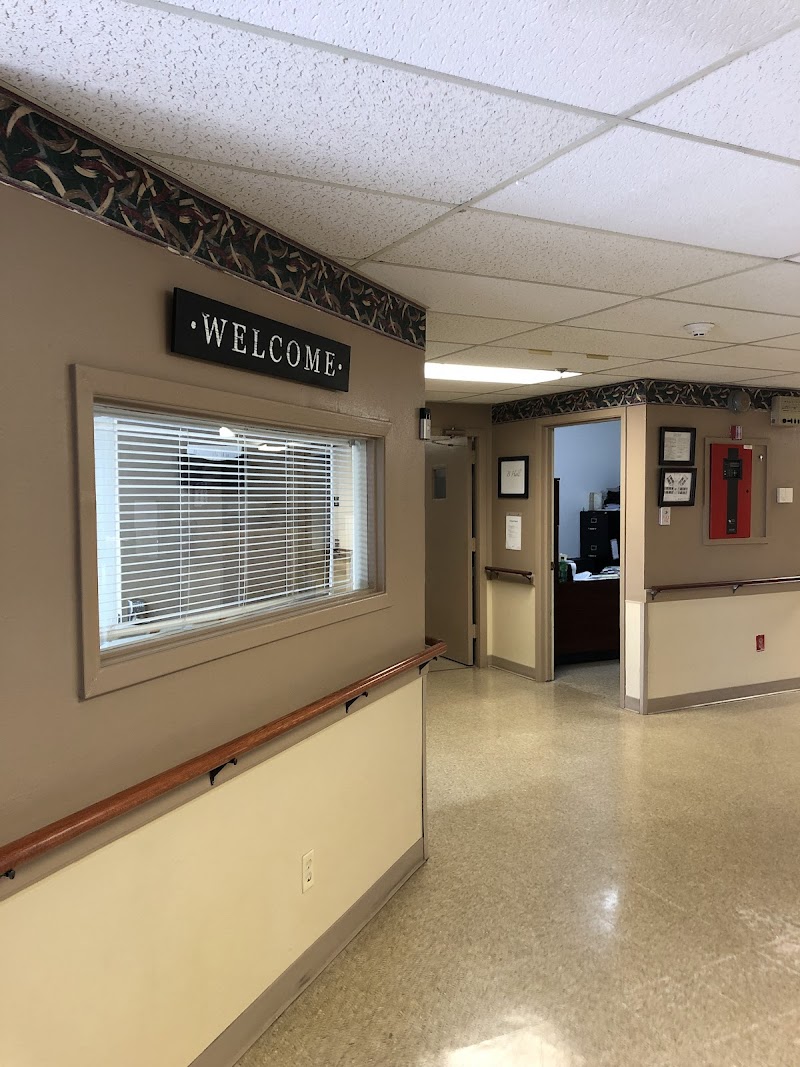
CMS rates POST NURSING & REHAB CENTER's staffing level at 3 out of 5 stars, which is average compared to other nursing homes. Staff turnover is 32%, compared to the Texas average of 46%. This relatively stable workforce can support continuity of care.

What Have Inspectors Found at Post Nursing & Rehab Center?

State health inspectors documented 8 deficiencies at POST NURSING & REHAB CENTER during 2022 to 2024. These included: 8 with potential for harm.
Who Owns and Operates Post Nursing & Rehab Center?

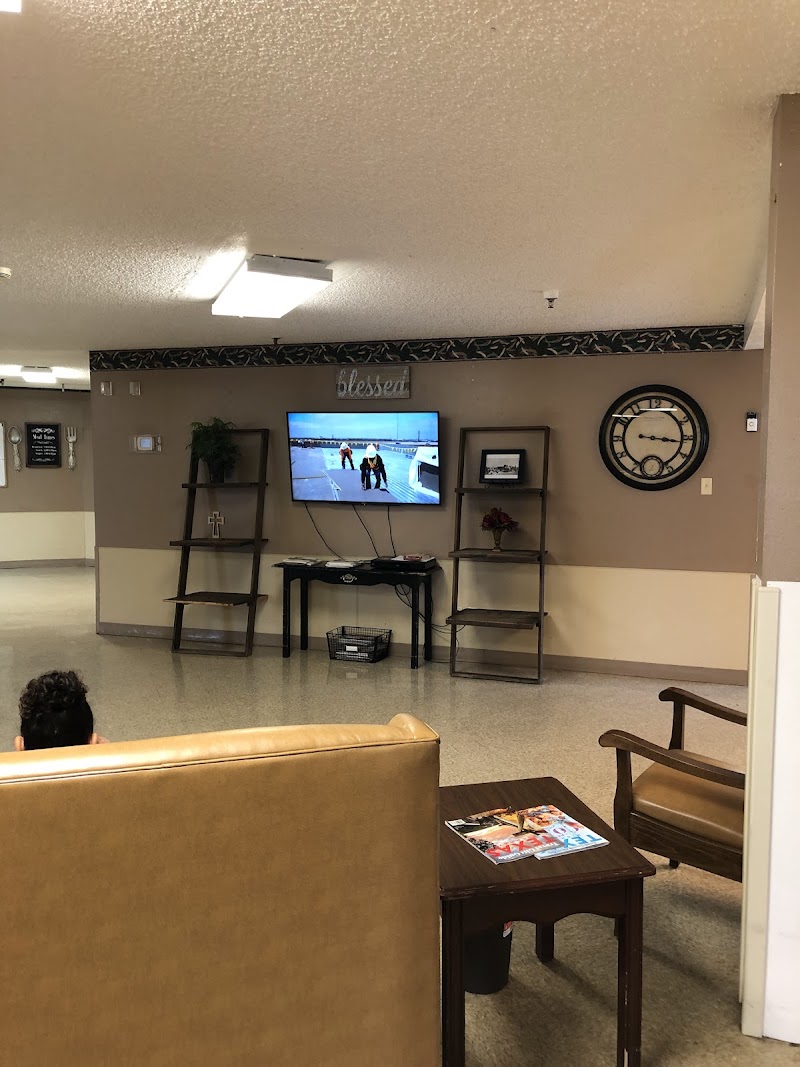
POST NURSING & REHAB CENTER is owned by a government entity. Government-operated facilities are typically run by state, county, or municipal agencies. The facility operates independently rather than as part of a larger chain. With 75 certified beds and approximately 31 residents (about 41% occupancy), it is a smaller facility located in POST, Texas.
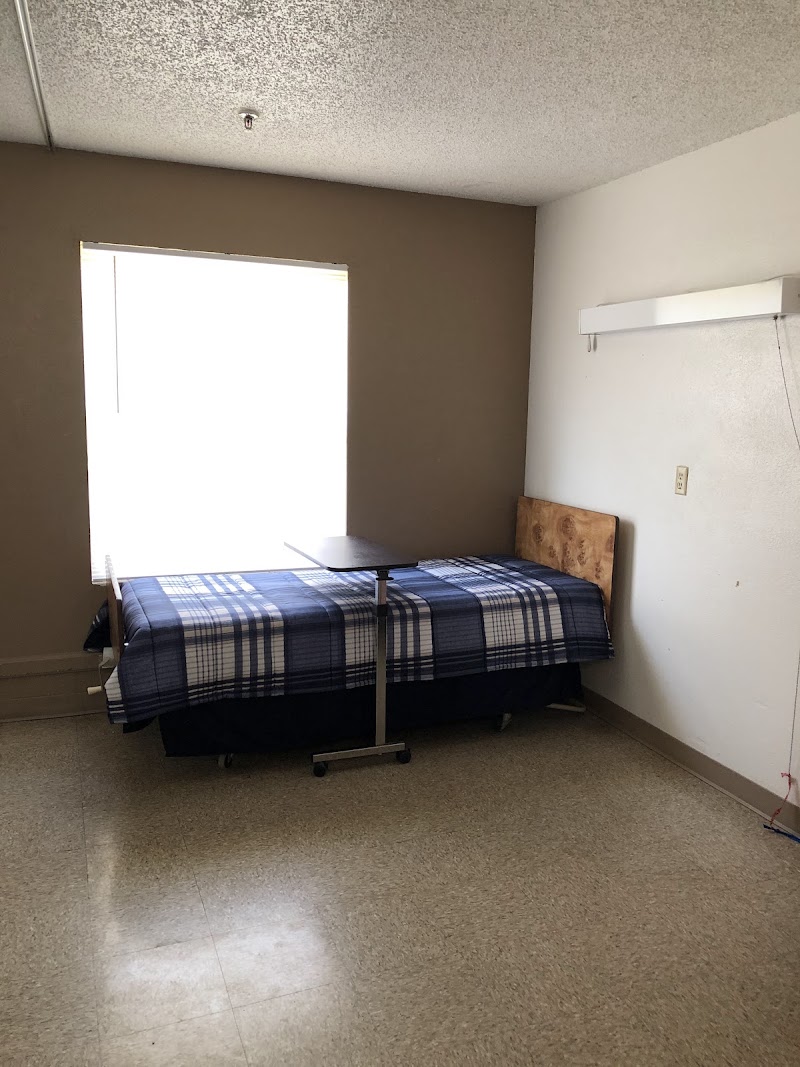
How Does Post Nursing & Rehab Center Compare to Other Texas Nursing Homes?

Compared to the 100 nursing homes in Texas, POST NURSING & REHAB CENTER's overall rating (4 stars) is above the state average of 2.8, staff turnover (32%) is significantly lower than the state average of 46%, and health inspection rating (4 stars) is above the national benchmark.

What Should Families Ask When Visiting Post Nursing & Rehab Center?

Based on this facility's data, families visiting should ask: "Can I visit during a mealtime to observe dining assistance and food quality?" "How do you handle medical emergencies, and what is your hospital transfer rate?" "Can I speak with family members of current residents about their experience?"

Is Post Nursing & Rehab Center Safe?

Based on CMS inspection data, POST NURSING & REHAB CENTER has a clean safety record: no substantiated abuse findings (meaning no confirmed cases of resident harm), no Immediate Jeopardy citations (the most serious violation level indicating risk of serious injury or death), and is not on the Special Focus Facility watch list (a federal program monitoring the lowest-performing 1% of nursing homes). The facility has a 4-star overall rating and ranks #1 of 100 nursing homes in Texas. While no facility is perfect, families should still ask about staff-to-resident ratios and recent inspection results during their visit.

Do Nurses at Post Nursing & Rehab Center Stick Around?

POST NURSING & REHAB CENTER has a staff turnover rate of 32%, which is about average for Texas nursing homes (state average: 46%). Moderate turnover is common in nursing homes, but families should still ask about staff tenure and how the facility maintains care continuity when employees leave.

Was Post Nursing & Rehab Center Ever Fined?

POST NURSING & REHAB CENTER has no federal fines on record. CMS issues fines when nursing homes fail to meet care standards or don't correct problems found during inspections. The absence of fines suggests the facility has either maintained compliance or corrected any issues before penalties were assessed. This is a positive indicator, though families should still review recent inspection reports for the full picture.

Is Post Nursing & Rehab Center on Any Federal Watch List?

POST NURSING & REHAB CENTER is not on any federal watch list. The most significant is the Special Focus Facility (SFF) program, which identifies the bottom 1% of nursing homes nationally based on persistent, serious quality problems. Not being on this list means the facility has avoided the pattern of deficiencies that triggers enhanced federal oversight. This is a positive indicator, though families should still review the facility's inspection history directly.