WINDSOR NURSING AND REHABILITATION CENTER OF RAYMO
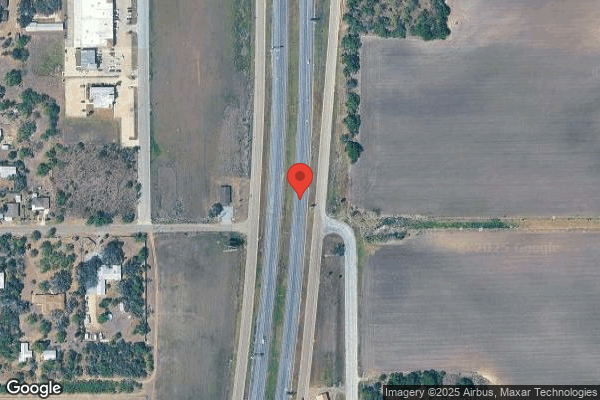

1700 S EXPRESSWAY 77, RAYMONDVILLE, TX 78580 (956) 689-2126
Non profit - Corporation 120 Beds WELLSENTIAL HEALTH Data: November 2025
Trust Grade
70/100
#380 of 1168 in TX
Last Inspection: December 2024

Within standard 12-15 month inspection cycle. Federal law requires annual inspections.

Overview

Windsor Nursing and Rehabilitation Center of Raymondville has a Trust Grade of B, indicating it is a good choice among nursing homes. It ranks #380 out of 1,168 facilities in Texas, placing it in the top half, and it is the only option in Willacy County. The facility's trend is improving, with issues decreasing from 13 in 2024 to just 1 in 2025, which is a positive sign. However, staffing is a concern, as it received a low rating of 1 out of 5 stars, with a turnover rate of 37%, which is better than the Texas average but still raises questions about consistency in care. Additionally, recent inspections revealed serious concerns regarding infection control practices, including a failure to maintain proper hand hygiene and a lack of adequate personal protective equipment, which could potentially put residents at risk for infections. Families should weigh these strengths and weaknesses carefully while making their decision.

Trust Score
B
70/100
In Texas
#380/1168
Top 32%
Safety Record
Low Risk
No red flags
Inspections
Getting Better
13 → 1 violations
Staff Stability
○ Average
37% turnover. Near Texas's 48% average. Typical for the industry.
Penalties
✓ Good
No fines on record. Clean compliance history, better than most Texas facilities.
Skilled Nurses
⚠ Watch
Each resident gets only 21 minutes of Registered Nurse (RN) attention daily — below average for Texas. Fewer RN minutes means fewer trained eyes watching for problems.
Violations
⚠ Watch
25 deficiencies on record. Higher than average. Multiple issues found across inspections.
★★★★☆
4.0
Overall Rating
★☆☆☆☆
1.0
Staff Levels
★★★★★
5.0
Care Quality
★★★★☆
4.0
Inspection Score
Stable
2024: 13 issues
2025: 1 issues

The Good

  • 5-Star Quality Measures · Strong clinical quality outcomes
  • Full Sprinkler Coverage · Fire safety systems throughout facility
  • No fines on record
  • Staff turnover below average (37%)

    11 points below Texas average of 48%

Facility shows strength in quality measures, fire safety.

The Bad

Staff Turnover: 37%

Near Texas avg (46%)

Typical for the industry

Chain: WELLSENTIAL HEALTH

Part of a multi-facility chain

Ask about local staffing decisions and management

The Ugly 25 deficiencies on record

Aug 2025 1 deficiency
CONCERN (D) 📢 Someone Reported This

A family member, employee, or ombudsman was alarmed enough to file a formal complaint

Potential for Harm - no one hurt, but risky conditions existed

Report Alleged Abuse (Tag F0609)

Could have caused harm · This affected 1 resident

**NOTE- TERMS IN BRACKETS HAVE BEEN EDITED TO PROTECT CONFIDENTIALITY** Based on interviews and record reviews, the facility failed to ensure all alleged violations involving abuse, neglect, exploitat...

Read full inspector narrative →
**NOTE- TERMS IN BRACKETS HAVE BEEN EDITED TO PROTECT CONFIDENTIALITY** Based on interviews and record reviews, the facility failed to ensure all alleged violations involving abuse, neglect, exploitation or mistreatment, including injuries of unknown source and misappropriation of resident property, are reported immediately, but not later than 2 hours after the allegation is made, if the events that cause the allegation involve abuse or result in serious bodily injury, or not later than 24 hours if the events that cause the allegation do not involve abuse and do not result in serious bodily injury, to the administrator of the facility and to other officials (which included to the State Survey Agency) in accordance with State law through established procedures for 1 of 4 residents (Resident #1) reviewed for reporting alleged allegation of abuse. CNA A failed to report an allegation of abuse to the Administrator involving Resident #1 being tucked into bed with a blanket tucked behind her shoulders sometime in March of 2025. This failure could place residents at risk for undetected abuse and neglect, and a decline in feelings of safety and well-being. The findings included: 1. Record review of Resident #1's face sheet, dated 08/22/25, revealed the resident was a [AGE] year-old female who was initially admitted to the facility on [DATE] with diagnoses that included: Alzheimer's disease (progressive brain disorder that gradually destroys memory and thinking skills) unspecified dementia (a group of thinking an social symptoms that interferes with daily functioning), unspecified severity, without behavioral disturbance, psychotic disturbance, mood disturbance and anxiety and need for assistance with personal care (ADLs) Record review of Resident #1's annual MDS assessment, dated 06/05/25, revealed Resident #1 had a BIMS score of 00, indicating her cognition was severely impaired. Resident #1's MDS reflected she had unclear speech, was rarely/never understood, and rarely/never understood others. Resident #1's MDS reflected she required supervision or touching assistance to roll left or right in bed, to go from lying to sitting on the side of the bed, to sit to stand and to complete chair/bed to chair transfers. Record review of Resident #1's care plan with an initiation date of 11/21/19 reflected a problems of [Resident #1] has an ADL self -care performance deficit r/t Alzheimer's, impaired balance. Requires a lot of encouragement and guidance to complete a task. With an initiation date of 08/03/23 and intervention of, BED MOBILITY: The resident requires assistance by 1 staff to monitor for safety in bed as necessary. and TRANSFER: The resident requires assistance by 1 staff to move between surfaces necessary. with an initiation date of 08/03/23. During an attempted interview with Resident #1 on 08/06/25 at 2:35pm, she would not respond to any introduction or question. Record review of Resident #1's medical chart from March to May did not reveal any verbiage related to the allegation of Resident #1 being tucked in except for a note written by the DON on 06/18/25 when the facility received a compliance call that mentioned the incident with Resident #1. The note written by the DON stated, A head to toe assessment was performed with no open areas noted. Resident was noted to have red scratch marked to right buttock and right upper thigh with no broken skin. During n interview with CNA A on 08/08/25 at 3:31pm, he said he was no longer employed at the facility as of July, 2025. CNA A stated that sometime in March of 2025 around 3:00am or 4:00am, he was completing his rounds and noticed that Resident #1 was asleep and had 3 or 4 blankets in use and was restrained with some type of blanket. CNA A initially stated it was a blanket with a knot and then stated it was not a knot, but two ends of the blanket were tied, and the blanket was on top of Resident #1's shoulders with the corners crossed in back of her on her back but not in a knot just crossed. CNA A stated the blanket was tucked behind her shoulder blades. CNA A stated, at the time he found Resident #1, he removed the blanket. CNA A stated he did not know who placed the blanket like that and did not know if there was anyone else working with Resident #1 at that time. CNA A stated he never showed a photo of Resident #1 and never had a photo of Resident #1. CNA A stated he had completed 2 prior rounds on her during his shift and had checked her brief each time and did not see a blanket tucked behind her shoulder blades during those rounds. CNA A stated Resident #1 would not have been able to remove the blanket and stated his initial thought was that Resident #1 looked restrained. CNA A stated he considered restraints as a form of abuse. CNA A stated after he removed the blanket from Resident #1, he reported it to LVN B as a safety precaution. CNA A stated he did not report to the Administrator because he did not have her number. CNA A stated he had previously been trained over immediately reporting allegations of abuse to the abuse coordinator who was the Administrator but could not recall who provided him with that training or when. CNA A stated the facility policy stated he needed to report allegations like this one to the administrator immediately, and stated he felt he did not follow the facility policy. CNA A stated not reporting allegations of abuse or restraints to the Administrator could negatively impact residents mentally and could be considered neglect. Record review of a written statement dated 08/08/25 by the DON revealed, This statement is regarding a concern voiced in March. The resident in question was assessed by a licensed nurse who based on their professional experience, voiced that after his thorough assessment, the resident did not have any indication of abuse or neglect as defined by THHS. According to the Licensed Nurse, the resident was not in any immediate danger, her safety was in no way at risk, and the resident was noted to freely move all extremities along with being noted to get out of bed without any form of resistance or signs of distress. During an interview with LVN B on 08/11/25 at 12:43pm, he stated he didn't remember when, but thought maybe in April or May 2025 at around 5:00am in the morning, he was called over by CNA A and LVN C and was shown an undated photo without timestamp that CNA A had of Resident #1. LVN B stated Resident #1 appeared to be tucked in but was not tied. LVN B stated with the way Resident #1 was tucked in she would have been able to break out of and remove. LVN B stated CNA A did not say anything about Resident #1 being restrained or tucked in, and stated he told CNA for them to go look at Resident #1. LVN B stated he went back to see Resident #1 and found her sitting in bed with a smile with blankets at her feet. LVN B stated Resident #1 did not have any markings or signs of abuse or anything. LVN B stated he did not know if CNA A had removed the blankets from Resident #1 prior to him seeing her. LVN B stated Resident #1 had problems with mobility and would have been able to get the blanket off of her without any problems and stated when he saw the photo of Resident #1, she was smiling and had the blanket up to her chest and it was tied or wrapped it was lightly pushed in on the sides. LVN B stated he did not see any abuse or neglect, did not see anything wrong with Resident #1. LVN B stated he had nothing to report, and he did not document anything because there was nothing to document. LVN B stated he had called the DON about an hour after he was shown the photo of Resident #1, and stated she did not call him back until a little later but was not sure what time. LVN B stated at that time, he let the DON know that he was shown an undated, photo without a timestamp of Resident #1, but when he went to check her, he found her with her blankets at her feet and stated she was smiling and was unable to tell him what happened. LVN B stated he didn't think he needed to tell the Administrator because there was nothing there, he did not know when the photo was taken, and he did not see anything or suspect any abuse or neglect . LVN B stated he thought telling the DON was good. LVN B stated he had been trained over abuse and reporting requirements on their annual trainings and monthly trainings, and stated if he suspected or witnessed abuse, he had to report to the abuse coordinator, who was the Administrator, immediately. LVN B stated the Administration was responsible for reporting any allegation of abuse to HHSC and they only had 2 hours to report. LVN B stated he did not consider tucking in a resident as abuse, but if they were wrapped like a burrito, then yes, he would. LVN B stated the facility policy stated they had to report allegation of abuse to their abuse coordinator, and he did not suspect abuse from the photo he saw of Resident #1. LVN B stated he followed the facility's policy and felt like he did what needed to be done at that time. LVN B stated not reporting allegation of abuse to the Administrator, and not reporting to HHSC within the appropriate time frame, could negatively impact the residents because whatever type of abuse could be happening, could also be happening to other residents. During an interview with the DON on 08/11/25 at 3:08pm, she stated the Administrator was the abuse coordinator and responsible for reporting allegation of abuse to HHSC. The DON stated the Administrator provided monthly in-services to staff over abuse which included examples of abuse and what was considered abuse. The DON stated staff were educated on reporting to the Administrator, herself, and the ADON, if they suspected or witnessed any abuse. The DON stated, sometime in March, LVN B had gotten word from CNA A that Resident #1 was tucked in bed, but according to his assessment, she was freely able to move around and get out of bed and he did see anything impeding her from getting out of bed. The DON stated LVN B stated Resident #1 was not scared or afraid, and had no signs that would warn him that something had occurred. The DON stated she was not made aware until a couple days later, when LVN B called her at 7:00am or 8:00am a couple days after to notify her of what he had been told by CNA A. She stated she told LVN B to notify staff of doing things how they should be done with residents, and they completed an In-service with whatever staff was available at that time. The DON stated they did not document or do any investigation at that time, but did complete an in-service. The DON stated they did not do an investigation, because based on LVN B's clinical judgment ,Resident #1 was fine, and LVN B stated there was nothing to report because Resident #1 was free to move around and was safe with no signs or symptoms of abuse. The DON stated if a resident was tucked in tightly to where they could not move or get themselves out, then it would be considered restraints, and restraints would be consider abuse. The DON stated after LVN B reported to her, she called the Administrator who had also just been made aware, and after they spoke about it, there was nothing to report because LVN B said there were no signs or symptoms of abuse that was noted. The DON stated CNA A and LVN B should have reported these allegations to the Administrator at the time they occurred. The DON stated they had a 2-hour time frame to report to HHSC, but did not report anything until they received a compliance call in June 2025 that mentioned the incident. The DON stated the facility's policy stated they had to make a report to the state within 2 hours if they were told of any abuse. The DON stated herself and staff followed the facility's policy and they went by the information they received from the nurses, what they saw, and the findings on their assessments. The DON stated not reporting allegations of abuse to the Administrator, or HHSC within 2 hours, could negatively impact residents with harm if there was actual abuse. The DON stated, in this case, there was nothing. During an interview with the Administrator on 08/11/25 at 4:37pm, she stated she was not aware of the exact date or time that CNA A notified LVN B of Resident #1 being tucked in, but stated CNA A asked LVN B if he could go look at Resident #1 and see how she was tucked in. The Administrator stated LVN B went to assess Resident #1, did not see any signs or symptoms of abuse or anything, and as per his clinical judgement, felt it was nothing to be concerned about. The Administrator stated the DON notified her, she did not remember at what date or time she was notified ,but it was later that same morning. The Administrator stated they did not do anything else in response and did not report it because based on the information provided to them from LVN B, Resident was stable, there was nothing to report, and had not been reported as abuse. The Administrator stated CNA A could have reported to her, but he felt safe with LVN B so he reported to him, the Administrator stated LVN B did not report to her and could have so that she could have been aware as to what was going on. The Administrator stated If LVN B had found something then he should have reported to it to her. The Administrator stated she was the abuse coordinator and was responsible for reporting any allegation of abuse to HHSC. The Administrator stated herself and staff had been trained over reporting abuse at least monthly, and staff should report to her as soon as possible because she only had 2 hours to report. The Administrator stated she considered restraints as abuse, but with being tucked in, it depended. The Administrator stated their facility's policy stated if staff saw, suspected, or even if they were not sure of it, they had to report any abuse to her. She stated, in this situation, she felt her and the staff followed that policy. The Administrator stated they monitored facility incidents to ensure they identified reportables and their appropriate time frame by reviewing documentation, rounding, and providing in-services to staff on what should be reported. The Administrator stated not reporting allegations of abuse to the Administrator and HHSC within a 2-hour time frame could negatively impact the residents because they would not be investigating or following protocols, and if they were not aware, then they were not doing interventions. Record review of the facility's in-service dated 02/13/25 that was provided by the Administrator covered abuse and neglect, and the 3 R's (recognize, remove, report) revealed CNA A, LVN B and the DON had received the training. Record review of the facility's policy with an implemented date of 07/11/25 and titled, Abuse, Neglect and Exploitation included a section titled, V. Investigation of Alleged Abuse, Neglect, and Exploitation that included verbiage stating, An immediate investigation is warranted when suspicion of abuse, neglect or exploitation, or reports of abuse, neglect or exploitation occur. VII. Reporting/Response.1.Reporting of all alleged violation to the Administrator, state agency, adult protective services and to all other required agencies (e.g., law enforcement when applicable) within specified timeframes: a. Immediately, but not later than 2 hour after the allegation is made, if the events that cause the allegation involve abuse or result in serious bodily injury, or b. Not later than 24 hours if the events that cause the allegation do not involve abuse and do not result in serious bodily injury.
Dec 2024 6 deficiencies
CONCERN (D)

Potential for Harm - no one hurt, but risky conditions existed

Resident Rights (Tag F0550)

Could have caused harm · This affected 1 resident

**NOTE- TERMS IN BRACKETS HAVE BEEN EDITED TO PROTECT CONFIDENTIALITY** Based on observation, interview and record review the facility failed to treat each resident with respect and dignity and care f...

Read full inspector narrative →
**NOTE- TERMS IN BRACKETS HAVE BEEN EDITED TO PROTECT CONFIDENTIALITY** Based on observation, interview and record review the facility failed to treat each resident with respect and dignity and care for each resident in a manner and in an environment that promotes enhancement of his or her quality of life, recognizing each resident's individuality for 2 of 7 Residents (Resident #5 and Resident #12) who were observed for ADL care. 1. CNA D stood while feeding Resident #5 her lunch meal on 12/2/24. 2. CNA D stood while feeding Resident #12 her lunch meal on 12/2/24. These deficient practices could affect dependent residents and contribute to feelings of shame or feeling uncomfortable and could place residents at risk of embarrassment, lack of privacy, and loss of dignity. The findings were: Review of Resident #5's face sheet, dated 12/3/24, revealed she was initially admitted to the facility on [DATE] with diagnosis including Alzheimer's Disease (A progressive disease that destroys memory and other important mental functions), Chronic Obstructive Pulmonary Disease (A group of lung diseases that block airflow and make it difficult to breathe), Chronic Kidney Disease (a condition where the kidneys are damaged and can't filter blood properly, which can lead to a buildup of waste and fluid in the body), Need for assistance with personal care, all dated 8/11/2021. Review of Resident #5's quarterly MDS assessment, dated 11/13/24, revealed her BIMS was 3 meaning she was unable to complete the Brief Interview for Mental Status. Further review revealed she had a diagnosis of Alzheimer's Disease and required assistance with eating. Review of Resident #5's Care Plan, initiated on 11/12/23, revealed she had an ADL self-care performance deficit r/t General Weakness, Decreased Mobility, ALZHEIMER's, and the resident requires assistance by 1 staff to eat. Observation on 12/2/24 at 12:30PM to 1:00 PM revealed CNA D standing while feeding Resident #5. Resident #5 was eating all of her food while periodically looking up at CNA D. 2. Review of Resident #12's face sheet, dated 12/3/24, revealed she was admitted to the facility on [DATE] with diagnoses including Dementia (a general term for a range of neurological conditions that cause a decline in mental ability and interfere with daily life) and Cerebral infraction (a general term for a range of neurological conditions that cause a decline in mental ability and interfere with daily life). Review of Resident #12's quarterly MDS assessment, dated 09/7/24, revealed her BIMS was 2 meaning she was unable to complete the Brief Interview for Mental Status. Review of Resident #12's Care Plan, initiated on 12/29/2017, revealed she had has an ADL self-care performance deficit r/t Activity Intolerance, Dementia, Limited Mobility and the resident requires assistance by 1 staff to eat. Observation on 12/2/24 at 12:30PM to 1:00 PM revealed CNA D standing while feeding Resident #12. Resident #12 was eating all of her food while periodically looking up at CNA D. Interview on 12/2/24 at 1:00 PM with CNA D revealed that he knew that he had to be sitting down, and he said that today his back was hurting and that was why he was standing up while feeding the residents. He said that he had training but was not able to recall when the training took place. Interview on 12/2/24 at 4:10PM with ADON said that feeding the residents standing up is not respectful to the residents. He said that by sitting down while feeding residents shows dignity and respect to the residents. Interview on 12/4/24 at 12:00 PM with the DON revealed staff should be sitting down while feeding residents because it shows respect and to prevent violating the resident's dignity. DON said that managers on duty are responsible to make sure staff is sitting down when feeding the residents. Review of a facility policy, Promoting/Maintaining Resident Dignity During Mealtimes, implemented on 1/13/23 read: It is the practice of this facility to treat each resident with respect and dignity and care for each resident in a manner and in an environment that maintains or enhances his or her quality of life, recognizing each resident's individuality and protect the rights of each resident. All staff will be seated, if possible, while feeding a resident.
CONCERN (D)

Potential for Harm - no one hurt, but risky conditions existed

Safe Environment (Tag F0584)

Could have caused harm · This affected 1 resident

**NOTE- TERMS IN BRACKETS HAVE BEEN EDITED TO PROTECT CONFIDENTIALITY** Based on observation, interview, and record review, the facility failed to provide a safe, functional, sanitary, and comfortable...

Read full inspector narrative →
**NOTE- TERMS IN BRACKETS HAVE BEEN EDITED TO PROTECT CONFIDENTIALITY** Based on observation, interview, and record review, the facility failed to provide a safe, functional, sanitary, and comfortable environment for 2 of 8 residents (Resident #157 and Resident #27), staff, and the public in that: The facility failed to ensure bathroom sinks hot water temperatures were below 110 degrees Fahrenheit in occupied room for Resident #157 and Resident #27. This failure could affect residents by placing them at risk for diminished quality of life and at risk for burn injuries. Findings Included: Record review of Resident #157's , electronic face sheet dated 12/04/2024 revealed the resident was a [AGE] year-old female admitted to the facility on [DATE]. Her diagnoses included Unspecified Dementia, Mixed Receptive Expressive Language Disorder (problems with speaking), Muscle wasting and Atrophy (loss of muscle tissue), Hyperlipidemia (high cholesterol), and Polyosteoarthritis (arthritis that affects five or more joints at the same time). Record review of Resident #157's comprehensive MDS assessment, dated 11/20/2024 revealed a BIMS score of 05, indicating Resident #157 was severely cognitive impaired. Minimal assistance for mobility. Record review of Resident #157's care plan revised dated 11/29/24 revealed she had Dementia. Intervention included the resident was able to ambulate with supervision. Record review of Resident #27's, electronic face sheet dated 12/04/2024 revealed the resident was an [AGE] year-old female admitted to the facility on [DATE], with original admission date 04/14/2021. Her diagnoses included Alzheimer's Disease, Type 2 Diabetes Mellitus, Muscle wasting and Atrophy (loss of muscle tissue), Anxiety Disorder, Bipolar Disorder, and schizoaffective disorder, and Dysphasia (communication disorder). Record review of Resident #27's comprehensive MDS assessment, dated 11/14/2024 revealed a BIMS score of 00, indicating Resident #27 was severely cognitive impaired. Supervision for mobility. Record review of Resident #27's care plan revised dated 08/07/24 revealed she had Alzheimer's and ambulates in hallway most of the day. Observation on 12/02/24 at 4:15pm with the Maintenance Director and using the maintenance director's digital thermometer revealed the bathroom sink hot water temperature on 12/02/24 at 4:15 PM were: room [ROOM NUMBER]- bathroom sink was 114 degrees Fahrenheit for Resident #157 and Resident #27. In an interview on 12/02/24 at 4:20pm the Maintenance Director at time of observation stated he did rounds every day in the morning. The Maintenance Director stated he checks at least one room in each hall every day and the last time he checked them was this morning (12/02/24) but he checked the rooms furthest in the hall. The Maintenance Director stated that he documented the temperature readings in the logbook. The Maintenance Director stated the temperature should be between 100-110 degrees Fahrenheit. He stated that he moved the water heater temperature this morning to make sure the temperature was good. The Maintenance Director stated the negative outcome of the water temperature being too hot in the resident's restroom was that the residents can burn themselves. In an interview on 12/04/24 at 11:40a.m. with the Administrator, stated that she was not sure on what the procedure was for how often the maintenance director checks water temperatures. She stated that it might be done daily but maybe one room from each hall. She stated they have a system in place called TELS (a platform designed to help maintenance teams' efficiency). The administrator stated she usually gets an alert if something was not completed on time. She stated the hot water temperature should be at 110 degrees Fahrenheit. She stated if the hot water was too hot then it can be dangerous for the residents when they wash their hands and/or their face. Record Review of the Logbook documentation dated 12/02/24 revealed room [ROOM NUMBER] was 119 degrees F. Further review of Logbook for month of November revealed minimal variation of temperature between 106 to 108 degrees F. Review of facility's incident and accidents logs dated 10/2024, 11/2024, and 12/2024 did not reveal any injuries to residents due to hot water. Review of the facility's Grievance logs dated 10/2024, 11/2024, and 12/2024 did not reveal any complaints of water temperature being too hot. Review of the facility's Instructions Direct Supply TELS provided the following information: 1. Ensure patient room water temperatures are between 100 degrees and 110 degrees Fahrenheit. Record results in the water temperature log. 2. Adjust water heater setting as required. 3. Retest as necessary
CONCERN (D)

Potential for Harm - no one hurt, but risky conditions existed

Deficiency F0655 (Tag F0655)

Could have caused harm · This affected 1 resident

**NOTE- TERMS IN BRACKETS HAVE BEEN EDITED TO PROTECT CONFIDENTIALITY** Based on interviews and record review, the facility failed to develop a baseline care plan within 48 hours of a resident's admis...

Read full inspector narrative →
**NOTE- TERMS IN BRACKETS HAVE BEEN EDITED TO PROTECT CONFIDENTIALITY** Based on interviews and record review, the facility failed to develop a baseline care plan within 48 hours of a resident's admission that included the instructions needed to provide effective and person-centered care plan and provide a summary of their baseline care plan to residents for 1 (Resident #161) of 8 residents reviewed for care plan completion. The facility failed to complete a baseline care plan that addressed enhanced barrier precautions for Resident #161 within the required 48-hour timeframe of admission. This deficient practice could place newly admitted residents at risk of not being provided with the necessary care and having personalized plans developed to address their specific needs. Findings included: Record review of Resident #161's face sheet dated 12/02/2024 revealed the resident was an [AGE] year-old male admitted on [DATE] with the following diagnoses: Urinary tract infection- ESBL(bacteria resistant to most antibiotics), Metabolic Encephalopathy (a disorder that affects brain function), Type 2 Diabetes Mellitus, Transient Cerebral Ischemic Attack (mini stroke), Chronic Kidney Disease, Stage 4, and Cystitis (infection in the urinary bladder). Record review of Resident #161's BIMS dated 11/30/2024 revealed he scored of 08, which indicated he had moderately cognitive impairment. Record review of Resident #161's medical record on 12/02/2024 revealed no evidence of the completion of a baseline care plan for enhanced barrier precautions. In an interview on 12/04/2024 at 11:09 a.m. with the ADON, stated there should be a baseline care plan in place for the enhanced barrier precautions. He stated the care plan was in place because it was the picture of what the nurses are doing for the resident. It was what the nurses follow to adequately care for their residents. He stated that he can add to the care plan, but the DON was the one who completes the baseline care plan. ADON stated that Resident #161 was admitted over a holiday weekend and maybe that was why it got overlooked. In an interview on 12/4/24 at 11:20 a.m. with the DON stated that she was responsible for completing the baseline care plan for the enhanced barrier precautions as well as the admitting nurses. She stated when they do the baseline care plan, it was a quick assessment, and they did not look at the ESBL and E. coli information. The DON stated that Resident #161 was admitted over the weekend, and it got overlooked. She stated that it was important to have the enhanced barrier precaution care planned because that was how they know how they will work with the resident. The care plan was what they follow for what care they are providing for the resident. Record review of facility policy titled, Baseline Care Plan date reviewed/revised 10/05/2023, revealed Policy: The facility will level and implement a baseline care plan for each resident that includes the instructions needed to provide effective and person-centered care of the resident that meet professional standards of quality care. Policy Explanation and Compliance Guidelines: a. Be developed within 48 hours of a resident's admission.
CONCERN (D)

Potential for Harm - no one hurt, but risky conditions existed

Deficiency F0761 (Tag F0761)

Could have caused harm · This affected 1 resident

**NOTE- TERMS IN BRACKETS HAVE BEEN EDITED TO PROTECT CONFIDENTIALITY** Based on observation, interview and record review, the facility failed to store all drugs and biologicals in a locked compartmen...

Read full inspector narrative →
**NOTE- TERMS IN BRACKETS HAVE BEEN EDITED TO PROTECT CONFIDENTIALITY** Based on observation, interview and record review, the facility failed to store all drugs and biologicals in a locked compartment under proper temperature controls and permit only authorized personnel to have access to the keys for one (Resident #53) of seven residents reviewed for medications. Resident #53 had an unidentified medicated cream in a small plastic cup sitting on his nightstand. This failure could put residents at risk of unauthorized use of medication and accidental ingestions/use of an unprescribed medication. The findings were: Record review of Resident #53's admission Record dated 12/02/24 revealed Resident #53 was admitted to the facility on [DATE] with diagnoses of acute kidney failure with medullary necrosis (a severe condition where the kidneys suddenly lose their ability to filter waste products from the blood, specifically caused by damage and cell death in the inner part of the kidney), essential (primary) hypertension (high blood pressure that has no identifiable cause), other specified malignant neoplasm of skin (the most common type of skin cancer, usually developing in areas exposed to the sun). Record review of Resident #53's physician's orders dated 12/02/24 revealed orders for Betadine External Solution 5% (Povidone-Iodine), apply to right heel topically one time a day for arterial ulcer to right heel. Cleanse with NS, pat dry, apply betadine, cover with dry dressing, and wrap with kerlix. Venelex External Ointment (Balsam Peru Castor Oil) Apply to sacrum topically four times a day for redness to sacrum. Record review of Resident #53's physician's orders did not reveal orders for zinc oxide. Record review of Resident #53's admission MDS dated [DATE] revealed Resident #53 able to understand others, was understood by others, and was cognitively intact. Record review of Resident #53's care plan initiated on 10/03/24 and revised on 10/04/24 revealed Resident #53 has risk for impaired skin integrity related to impaired mobility with interventions to administer medications as ordered to address medical diagnosis/conditions, monitor for effectiveness and adverse effects, conduct skin inspections/examinations weekly and as needed, document findings, and educate and reinforce on risk factors associated with resident and/or family's choice to not adhere to IDT recommendations per the plan of care. Observation on 12/02/24 at 10:21 a.m. revealed Resident #53 in bed, in a semi-sitting position. Surveyor observed a small plastic cup with white cream and a wooden stick sticking up from the center of the cup on resident's nightstand. In an interview on 12/02/24 at 10:21 AM Resident #53 said he had spots, and they used the cream to treat them. Resident #53 said he could not recall the nurse that placed the cream on the nightstand. In an interview on 12/02/24 at 11:22 a.m., LVN A said she did not do the wound treatment for Resident #53 . LVN A said she did not do the wound treatment because they have a wound treatment nurse. LVN A said she did not leave the cream in the room and did not know who might have left the cream in the resident's room. In an interview on 12/02/24 at 11:33 a.m., LVN B said she was the wound treatment nurse, but she did not leave the cream in the room for Resident #53. LVN B said Resident #53 does have wounds on his back and he has a wound on his heel, but he does not use the barrier cream zinc oxide. The resident uses Venelex, and it was not white. LVN B said she has not provided the wound care to Resident #53 today yet. In an interview on 12/02/24 at 04:11 p.m., the ADON said they do not use the zinc oxide in the nurse's carts, it was only kept in the treatment cart. The ADON said it could have been the weekend treatment nurse that left the zinc oxide in Resident #53's room. The ADON said he did not think any of the staff were going to confess to leaving the cup with the zinc oxide in the resident's room. The zinc was not used frequently it was only used for wounds. The key was kept at the nurse's station so that it could be used by other nurses. The ADON said there were no adverse effects if a resident uses it on their skin. The nurse would hand the zinc oxide to the CNA and the responsibility was the floor nurses to make sure the CNA did not leave the zinc oxide in the resident's room. Resident #53 did not have an order for the zinc oxide. Resident #53 was alert but did have some forgetfulness. Resident #53 was alert and oriented times two. The ADON said they do not have residents that wander, the residents that wander were in the memory unit. There were residents with dementia in the other halls, but they do not wander or go into other residents' rooms. In an interview on 12/04/24 at 08:11 a.m., the DON said only the nurses had access to the zinc oxide. The nurses were supposed to apply the zinc oxide to the resident and not the CNAs. The nurses should not give the zinc oxide to the CNAs to apply to the resident's skin because it was a medication, and the CNAs should not administer medications. The DON said the zinc oxide was only used for residents with wounds. Resident #53 did have a wound to his heel, but he did not have orders for the zinc oxide. Resident #53 had orders for the Venelex. The DON said the nurses should not be applying zinc oxide to Resident #53 because zinc oxide was a medication and there should be orders for the nurse to apply it onto the resident. The DON said she questioned the nurses for that hall and the wound care nurse, but they all said they had not used the zinc oxide. The DON said they do not have residents that wander into other residents' room. The facility has a memory unit. The DON said the only side effect to using the zinc oxide without an order would be dry skin. In an interview on 12/04/24 at 02:00 p.m., the ADON and DON revealed the wound care nurse had done Resident #53's wound care and did not see any zinc oxide on Resident #53 skin. Record review of the facility's Medication Administration policy dated 10/24/22 revealed: Policy: Medications are administered by licensed nurses, or other staff who are legally authorized to do so in this state, as ordered by the physician and in accordance with professional standards of practice, in a manner to prevent contamination or infection. 11. Compare medication source (bubble pack, vial, etc.) with MAR to verify resident name, medication name, form, dose, route, and time. 14. Administer medication as ordered in accordance with manufacturer specifications. 15. Observe resident consumption of medication. Record review of facility's Bedside Medication Storage dated 10/01/19 revealed: 6. All nurses and aides are required to report to the charge nurse on duty any medications found at the bedside not authorized for bedside storage and to give unauthorized medications to the charge nurse for return to the family or responsible party.
CONCERN (D) 📢 Someone Reported This

A family member, employee, or ombudsman was alarmed enough to file a formal complaint

Potential for Harm - no one hurt, but risky conditions existed

Food Safety (Tag F0812)

Could have caused harm · This affected 1 resident

**NOTE- TERMS IN BRACKETS HAVE BEEN EDITED TO PROTECT CONFIDENTIALITY** Based on observation, interview, and record review the facility failed to store, prepare, distribute, and serve food in accordan...

Read full inspector narrative →
**NOTE- TERMS IN BRACKETS HAVE BEEN EDITED TO PROTECT CONFIDENTIALITY** Based on observation, interview, and record review the facility failed to store, prepare, distribute, and serve food in accordance with professional standard or food service safety for 1 of 1 kitchen reviewed for food service safety in that: The facility failed to ensure all food items were labeled and dated in the refrigerators and in the dry storage. This failure could place residents at risk of foodborne illnesses. The findings included: An observation and interview during the initial tour of the facility's #2 refrigerator on 12/02/24 at 8:53 a.m. revealed on opened one gallon container of Dijon honey mustard salad dressing with the dates of 04/23 and 05/17 on the lid. The Dietary Manager said they do not use the Dijon dressing that often. An observation of the facility's #1 refrigerator on 12/02/24 at 8:54 a.m. revealed a 17 oz container of Siracha hot chili sauce without a date. An observation of the facility's dry storage on 12/02/24 at 8:56 a.m. revealed six loaves of bread that were not dated. In an interview on 12/02/24 at 8:56 a.m. the Dietary Manager said all the staff were responsible for receiving food items form vendors and have been trained to label and date all foods items in the refrigerator, freezer, or dry storage. In an interview on 12/03/24 at 11:40 a.m., the Consultant Dietician said he sent in in-services monthly for the Dietary Manager to conduct with the staff. The Consultant Dietician said he also did monthly sanitation reviews where he observed different areas such as hand hygiene, safe food handling and temperature control. The Consultant Dietician said all staff knew to date and label all food items when received and stocked. It is important to date and label all food items to prevent food expiration or spoilage or food contamination and prevent the residents from getting sick. In an interview on 12/03/24 at 12:56 p.m., Dietary Aide H said all staff were responsible for receiving and stocking food items. Once they received the items they had to date and label all merchandise. Dietary Aide H said they had an in-service two months ago on that. Dietary Aide H said it is important to date items so they can know if the food is still good to use. Dietary H said they did not want the residents to get sick from food they provided. In an interview on 12/03/24 at 1:09 p.m., Dietary Aide I said everyone is responsible for storing food and other items. Dietary Aide I said they [NAME] to write the date before storing the food in the refrigerator, freezer, or pantry. In an interview on 12/04/24 at 4:15 p.m., the Administrator said the Dietary Manager oversees the kitchen staff and the staff have trainings and should be following policies. Record review of facility's policy titled Policy: Food Storage date revised: June 1, 2019, stated: Policy: To ensure that all food served by the facility is of good quality and safe for consumption, all food will be stored according to the state, federal and US Food Codes and HACCP guidelines. 1. Dry Storage g. Use the first-in, first-out (FIFO) rotation method. Date packages and place new items behind existing supplies, so that the older items are use first. 2. Refrigerators d. Date, label and tightly seal all refrigerated foods using clean, nonabsorbent covered containers that are approved for food storage.
CONCERN (E)

Potential for Harm - no one hurt, but risky conditions existed

Infection Control (Tag F0880)

Could have caused harm · This affected multiple residents

**NOTE- TERMS IN BRACKETS HAVE BEEN EDITED TO PROTECT CONFIDENTIALITY** Based observation, interview, and record review, the facility failed to maintain an Infection Prevention and Control Program des...

Read full inspector narrative →
**NOTE- TERMS IN BRACKETS HAVE BEEN EDITED TO PROTECT CONFIDENTIALITY** Based observation, interview, and record review, the facility failed to maintain an Infection Prevention and Control Program designed to provide a safe, sanitary, and comfortable environment and to help prevent the development and transmission of communicable diseases and infections for 4 (Resident #161, Resident #33, Resident #53, and Resident #15) of 8 residents observed for infection control. 1. The facility failed to post the enhanced barrier precaution sign and no PPE gowns noted in the room or nearby Resident #161's room. 2. During Gtube medication administration for Resident #33, RN K did not sanitize hand after touching the privacy curtain. Then while wearing gloves, he touched the bed remote and with the same pair of gloves, he proceeded to touch the residents Gtube. 3. CNA F failed to wash her hands or use hand sanitizer between glove changes during wound care for Resident #53. 4. The facility failed to change gloves and perform hand hygiene when moving from a clean to a dirty area during wound care for Resident #15. 5. The facility failed to ensure Resident #33 was identified for and had implemented Enhanced Barrier Precautions. These deficient practices could place residents at-risk for healthcare associated cross contamination and the spread of infection due to improper care practices. Findings included: 1. Record review of Resident #161's face sheet dated 12/02/2024 revealed the resident was an [AGE] year-old male admitted on [DATE] with the following diagnoses: Urinary tract infection- ESBL(bacteria resistant to most antibiotics), Metabolic Encephalopathy (a disorder that affects brain function), Type 2 Diabetes Mellitus, Transient Cerebral Ischemic Attack (mini stroke), Chronic Kidney Disease, Stage 4, and Cystitis (infection in the urinary bladder). Record review of Resident #161's BIMS dated 11/30/2024 revealed he scored of 08, which indicated he had moderately cognitive impairment. Record review of Resident #161's comprehensive care plan, dated 12/02/2024, reflected Resident #161 was on antibiotic therapy (Meropenum) r/t ESBL UTI. Interventions: Monitor/document/report as needed signs and symptoms of secondary infection r/t antibiotic therapy . Observation on 12/02/24 at 10:22 a.m. Resident #161 sitting in a wheelchair in his room with IV lock on right forearm. There were no EBP signs or any indication that the resident was on EBP. No PPE gowns noted in the room or nearby. In an interview on 12/02/24 at 2:45 p.m. with LVN J stated that the person responsible for posting the EBP sign outside of Resident #161 room was the admitting nurse. If the admission was done at night, then the ADON puts it up, but the floor nurse can put it up as well. She stated she has no idea what Resident #161 was being treated for nor half of the residents she was assigned to because they are all new residents to her. LVN J stated she has not had a chance to look at Resident #161 because he was in physical therapy. She stated that it was important to have the EBP signage to keep infection from spreading. LVN J stated in service for infection control was done about 2-3 months ago. In an interview on 12/02/24 at 3:00 p.m. with the ADON, stated that the nurses and him were responsible for putting up the EBP sign on the outside of the resident rooms if they know the resident needs it. He stated that he rounds when he comes in and makes sure the EBP signs are there. The ADON stated that they had a lot of admits last week. He stated that he was not sure why the nurse did not catch that the EBP sign was not posted. He stated they have infection control trainings via online through health stream. In an interview on 12/02/24 at 3:10 p.m. with the DON, stated that when new admissions come in then the floor nurses are responsible for putting up the EBP sign if needed but the infection preventionist should follow up as well as the treatment nurse. She stated they are all responsible for posting the EBP sign. The DON stated that it was important for the EBP sign to be posted for the staff to be made aware of any type of precaution regarding the infection that a resident has. She stated she was not sure when the most recent in service for infection control was done. 2. Record review of Resident #33's face sheet dated 12/04/2024 revealed the resident was a [AGE] year-old female admitted on [DATE], initial admitting date of 10/12/24 with the following diagnosis: Gastrostomy (which was a surgical opening in the stomach that can be used for nutritional support or to decompress the stomach), Cerebral Infarction (stroke), Type 2 Diabetes Mellitus, Muscle wasting and Atrophy (loss of muscle tissue), Dysphagia (difficulty swallowing), Psoriasis (chronic skin disease). Record review of Resident #33's quarterly MDS dated [DATE] revealed BIMS score of 00, which indicated he had severely cognitive impairment and his nutritional approaches via feeding tube. Record review of Resident #33's Comprehensive Care Plan, dated 12/03/2024, revealed Resident #33 requires tube feeding r/t Dysphagia. Interventions: Monitor/document as need any signs and symptoms of .infection at tube site. Record review of Resident #33's physician order summary dated 12/04/2024 revealed Resident #33 Enteral Feed Order every shift flush feeding tube with 10mls of water before and after medication administration. Observation on 12/03/24 at 11:36 a.m. RN K touched privacy curtain, then donned gloves without sanitizing hands. He then touched the bed remote to adjust the height of the bed to working level, and with the same pair of gloves he proceeded to touch the residents Gtube prior to medication administration. In an interview on 12/03/24 at 11:55 a.m. with RN K, stated he did well during the Gtube medication administration. RN K stated he was to sanitize hands in between glove changes. He stated that they are to wash their hands before anything they do prior to patient care. RN K stated he did not think he needed to change his gloves after touching bed remote. He stated that they are to sanitize hands in between glove changes because hands can be contaminated from sweat. He stated that he was supposed to sanitize hands after touching privacy curtain prior to putting on gloves. RN stated sanitizing hands was important to prevent transmission of bacteria. In service for infection control was done maybe like 2 weeks ago. He stated in services for infection control are done often. In an interview on 12/03/24 at 12:01 p.m. LVN C, was present with RN K when doing the Gtube medication administration for Resident #33. She stated that they are to sanitize hands all the time before patient care, after patient care and in between glove changes. She stated this was important, so they do not pass infection and germs to other residents, to prevent infection. In service for infection control training was done online on the computer, maybe 2 weeks ago. In an interview on 12/03/24 at 12:05 p.m. with the ADON, stated staff was trained to sanitized hands in between glove changes and if they touch a resident's surrounding surfaces to where they break barrier. If they touched any surface that was not the resident, then they cannot touch the resident again with the same pair of gloves. Staff was to sanitize hands prior to putting a new pair of gloves. This was important to make sure not to pass any infection or introduce any pathogens to other residents with EBP. In an interview on 12/03/24 at 12:09 p.m. with the DON, stated staff was trained to sanitized hands right before working with a resident, before administrating medication, or if they touch any surface like the bed. They are to remove their gloves and either sanitize or wash their hands. If they touch a surface prior to touching the resident, they must re-sanitize. The DON stated that this was important, so they do not introduce any microbes or bacteria to the residents. 3. Record review of admission Record, dated 12/4/2024, reflected Resident #53was a [AGE] year-old male, originally admitted [DATE]. Diagnosis include Acute Kidney Failure with medullary necrosis (a severe condition where the kidneys suddenly lose function due to damage specifically to the inner part of the kidney, called the medulla, resulting in cell death (necrosis) in that region, often leading to significant complications like decreased urine output and fluid buildup in the body), Orthostatic Hypotension (a condition where a person experiences a sudden drop in blood pressure when standing up from a sitting or lying position, often causing dizziness or lightheadedness due to reduced blood flow to the brain), and need assistance with personal care. Record review of the quarterly MDS assessment dated [DATE], reflected Resident #53 did not have a BIMS assessment conducted. Record review of the Care Plan reflected Resident #95 was at risk for impaired skin integrity related to Impaired mobility Date Initiated: 10/03/2024. During an observation on 12/3/24 at 10:30 AM, of incontinent care performed on Resident # 53 CNA F and CNA G prepared all supplies, while performing incontinent care CNA F failed to wash her hands or use hand sanitizer between glove changes during wound care for Resident #53, no handwashing or hand sanitized used throughout the incontinent care. During an interview on 12/3/24 at 11:20AM CNA F said that she knew she was supposed to wash her hands or use hand sanitizer in between gloves change but she said she was nervous and forgot. CNA F said that the last inservice on infection control was done last week. CNA F said that was very important to wash hands or use hand sanitizer because failed to do that would put resident at risk for getting an infection. During an interview on 12/3/24 at 11:30AM CNA G said she was supposed to use hand sanitizer between change of gloves and failing to do that the resident would be at risk for infection or urinary tract infection. CNA G said that the last in-service on infection control was done a week ago. During an interview on 12/3/24 at 11:45 AM ADON said that handwashing or hand sanitizer should be used in between every glove changes or when gloves comes visible contaminated. ADON said that by doing handwashing would prevent any infection. ADON said that he tried to do an in-service on infection control at least every month. ADON said that staff skilled check off were done twice per year. During an interview on 12/4/24 at 12:00PM DON said that was important to practice handwashing to prevent spreading any germs from resident to resident because that would put the residents at risk for infection. 4. Record review of Resident #15's Face sheet, dated 12/3/2024, revealed Resident #15 was a 57 -year-old male, with an admission date of 8/24/2024. Diagnoses included Type 2 diabetes (adult-onset diabetes), Cerebral infraction (a general term for a range of neurological conditions that cause a decline in mental ability and interfere with daily life), Gastrostomy status (was the presence of a gastrostomy, which was a surgical opening in the stomach that can be used for nutritional support or to decompress the stomach). Record review of Resident #15's Quarterly MDS assessment, dated 8/26/2024, revealed Resident #15's BIMS score was 2 meaning he was unable to complete the Brief Interview for Mental Status. Record review of Resident #15's care plan initiated 5/24/23 revealed Resident's#15 has a stage III pressure ulcer to his Sacrum area r/t Immobility and contractures. The resident's #15 Pressure ulcer will show signs of healing and remain free from infection by/through review date. Record review of physician's orders revealed Resident #15 had has a stage III pressure ulcer to his Sacrum area r/t Immobility and contractures. Orders were Medi honey Wound &Burn Dressing External Paste (Wound Dressings) Apply to sacrum topically one time a day for stage III sacral wound Cleanse with NS, pat dry with dry gauze, apply medihoney and cover with foam bordered dressing. During observation on 12/3/2024 at 9:10AM of wound care, the Wound Care Nurse cleanse the wound with Normal Saline and failed to maintain infection control prevention by using contaminated gloves when going from dirty to clean area. In an interview on 12/03/2024 at 9:55AM Wound Care Nurse stated she forgot to perform hand hygiene and changing gloves between cleaning and pat dry wound. The Wound Care Nurse stated not washing hands and changing gloves at the appropriate intervals could put residents at risk of getting their wounds infected or slow the healing process. The Wound Care Nurse stated she was nervous and did not realize she had skipped a step. The WCN could not state when the last in-service on performing hand hygiene was. In an interview on 12/4/2024 at 12:00PM the DON stated all staff are expected to wash hands for at least 20 seconds or greater to maintain infection control measures and stop the spread of germs. The DON stated not performing hand hygiene and wearing gloves as recommended could cause the resident's wounds to get infected. The DON stated she was going to conduct a one-on-one training with the Wound Care Nurse and in-service all staff on hand washing and changing gloves. DON stated the nurses are to follow Wound Care procedure with regards to infection control. 5. Record review of Resident #33's face sheet dated 12/04/2024 revealed the resident was a [AGE] year-old female admitted on [DATE], initial admitting date of 10/12/24 with the following diagnosis: Gastrostomy (which is a surgical opening in the stomach that can be used for nutritional support or to decompress the stomach), Cerebral Infarction (stroke), Type 2 Diabetes Mellitus, Muscle wasting and Atrophy (loss of muscle tissue), Dysphagia (difficulty swallowing), Psoriasis (chronic skin disease). Review of Resident #33's Care Plan revealed: Revised on 11/15/24 Focus: The resident requires tube feeding r/t DYSPHAGIA, ORAL PHASE Goal: The resident will maintain adequate nutritional and hydration status aeb weight stable, no s/sx of malnutrition or dehydration through review date. Interventions included the resident needs the HOB elevated 45 degrees during and thirty minutes after tube feed. Check for tube placement and gastric residual volume and record. Hold feed if greater than 100 cc aspirate. (There was nothing about Enhanced Barrier Precautions either as its own focus or as an intervention for the gastrostomy status). Review of Resident #2's Order Summary Report, dated 12/4/24, revealed active enteral feedings (Glucerna 1.5 bolus feeding via peg tube. 1 carton per feeding at 0500,1100,1700,2300. There were no orders about enhanced barrier precautions. Observation on 12/2/24 at 3:37 PM revealed Resident #33 in bed facing up. There was nothing posted at the door or at Resident #33's bedside notifying anyone of Resident #33's Enhanced Barrier Precaution status. LVN B entered the room without PPE and gave resident #33 her scheduled feeding bolus. Interview o 12/2/24 at 3:45PM LVN B said that she was not aware that she needed to use PPE with resident that had a G-Tube. LVN B said that she thought she was supposed to use EBP only if she got close to the resident. Interview on 12/2/24 at 3:50 PM the ADON said he was the ICP. The ADON stated for EBP, there was PPE on the linen carts. The ADON said staff were supposed to wear them for chronic wounds, catheter, ostomy care. The ADON stated the staff knew and had been in-serviced the gowns were on the linen carts. ADON said the last in-service on EBP was in November 2024. The ADON it was important to use PPE to prevent introduce any infection to the body through the open wounds or the ostomy. Interview on 12/4/24 at 11:55AM LVN C said that it was important to use the EBP to protect residents from whatever microorganisms that she could carry and to protect other residents. LVN C said residents could be at risk of infection. In an interview on 12/2/24 at 12:26 AM, DON stated EBP was staff needed to wear gown and gloves for individuals with a urinal, feeding tube, or wounds. DON said that it was important to use PPE to prevent introducing any kind of infection to residents, DON said that by not using EBP could put residents at higher risk for infection. Record review of RN K, Hand Hygiene Competency Assessment was completed on 12/03/24, revealed he performed and passed the hand washing procedure in accordance with the facility's standard of practice. Record Review of the facility's Infection Prevention and Control Program dated 05/13/23 revealed Policy: This facility has established and maintains an infection prevention and control program designed to provide a safe, sanitary, and comfortable environment and to help prevent the development and transmission of communicable diseases and infections as per accepted national standards and guidelines. Policy Explanation and Compliance Guidelines: 2. All staff are responsible for following all policies and procedures related to the program. Record review of the facility's Enhanced Barrier Precautions Policy dated 04/05/24 revealed Policy: It is the policy of this facility to implement enhanced barrier precautions for the prevention of transmission of multidrug-resistant organisms. Definitions: Enhanced barrier precautions (EBP) refers to an infection control intervention designed to reduce transmission of multidrug-resistant organisms that employs targeted gown and gloves use during high contact resident care activities. Policy Explanation and Compliance Guidelines: 2. Initiation of Enhanced Barrier Precautions: i.Indwelling medical devices even if the resident is not known to be infected or colonized with a MDRO. 3. Implementation of Enhanced Barrier Precautions: a. Make gowns and gloves available immediately near or outside of the resident's room.
Nov 2024 2 deficiencies
CONCERN (D) 📢 Someone Reported This

A family member, employee, or ombudsman was alarmed enough to file a formal complaint

Potential for Harm - no one hurt, but risky conditions existed

Report Alleged Abuse (Tag F0609)

Could have caused harm · This affected 1 resident

**NOTE- TERMS IN BRACKETS HAVE BEEN EDITED TO PROTECT CONFIDENTIALITY** Based on interview and record review, the facility failed to ensure that all alleged violations involving neglect, were reported...

Read full inspector narrative →
**NOTE- TERMS IN BRACKETS HAVE BEEN EDITED TO PROTECT CONFIDENTIALITY** Based on interview and record review, the facility failed to ensure that all alleged violations involving neglect, were reported immediately to the State Survey Agency, not later than 24 hours if the events that cause the allegation do not involve abuse and do not result in serious bodily injury, for 1 of 3 residents (Resident #2) reviewed for abuse/neglect. The facility failed to report Resident #2's unwitnessed fall with injury on 01/04/24, where Resident #2 sustained a 4 cm laceration to the back of her head that would not stop bleeding and sent out to the hospital. State Survey Agency was not notified of the fall with injury within 2 hours. The incident occurred on 01/04/24 at 7:30 a.m. and was not reported. This failure could place all residents at increased risk for potential abuse to unreported allegations of abuse and neglect. The findings included: Record review of Resident #2's admission Record dated 11/07/24, revealed a [AGE] year-old female, admitted to the facility on [DATE]. Her diagnoses included: : Alzheimer's Disease (a progressive disease that destroys memory and other important mental functions), type 2 Diabetes Mellitus with diabetic neuropathy (a type of nerve damage that can occur with diabetes that most often affects the legs and feet), chronic obstructive pulmonary disease (a common lung disease that makes it difficult to breathe), heart disease, Bipolar Disorder (a disorder associated with episodes of mood swings ranging from depressive lows to manic highs), primary osteoarthritis, left hand (type of arthritis that occurs when flexible tissue at the tends of bones wears down), cerebral infarction due to thrombosis of left vertebral artery (stroke due to blood clot). Record review of TULIP (Texas Unified Licensure Information Portal) on 11/07/24, did not show any notifications for Resident #2 on or around 01/04/24. Record review of Resident #2's Quarterly MDS assessment dated [DATE] revealed a BIMS score of 01, indicating severe impaired cognition. Record review of Resident #2's Care Plan dated 09/25/24, revealed no mention of the fall on 01/04/24 with focus, goals, and interventions/tasks. Record review of Resident #2's progress notes written on 01/04/24 at 12:00 am DOCTOR - MD/Ext Notes: Note Text: Contacted by on-call NP regarding resident who sustained unwitnessed fall, and sustained a laceration to the back of the head 4 cm x 1 cm. Reported no LOC, dizziness, or drowsiness. Contacted residents nurse, the patient is on ASA daily, is still bleeding, and due to wound length, requested send out to ED for wound repair. Record review of Incident/Accident Report dated 01/01/24 - 01/31/24 unwitnessed falls for Resident #2, revealed a fall on 01/04/24 at 07:30 am. Record review of Resident #2's 12/25/23 Fall Risk Assessment 11 High Record review of Resident #2's 01/04/24 Fall Risk Assessment 13 High Record review of Resident #2's 01/16/24 Fall Risk Assessment 13 High In an interview on 11/14/24 at 03:35 pm, CNA D stated if she would see a resident was on the floor or had seen them fall, she would call the nurse. CNA D stated she would not move the resident or leave the resident. CNA D stated she would leave when the nurse said she could go which was after the nurse assessed and she told the CNA the resident could be moved to their bed or a chair. CNA D stated if a resident had a broken hip, she would check more often to see if they needed anything so they would not hurt themselves trying to do by themselves. CNA D stated she would take slower time during care to prevent reinjury. In an interview on 11/15/24 at 12:18 pm, MA C stated she had been working at the facility for three years. MA C stated she had worked with Resident #2. MA C stated Resident #2 was difficult to work with. MA C stated Resident #2 knows how to get off her wheelchair and she does it all the time. MA C stated they know the level of care the resident needed because it was on the [NAME]. MA C stated they would also exchange information when they rounded at the beginning and end of shift. In an interview on 11/15/24 12:46 pm, CNA E stated she had been a CNA E for 25 years. CNA E stated she has worked at this facility for 11 years. CNA E stated if a resident could not do anything for themselves, she had to do everything for them. She said the ones who could speak, could tell her what they needed, but the others who could not speak, you just had to know what needed done. CNA E stated the [NAME] was valuable information for how to take care of residents. CNA E stated if a resident had fallen on the floor, she will go over to the resident and send her partner to get the nurse. She said she stays with the resident and does not move the resident. The nurse is the one who assesses and tells her when she can move the resident to their bed or wheelchair. CNA E stated she had worked with Resident #2 when she was back in the unit. CNA E stated Resident #2 was always hyper in the locked unit. CNA E stated she worked with Resident #2 after they moved her out of the unit with the broken hip. CNA E stated Resident #2 had Alzheimer's and forgets she cannot walk. She said Resident #2 was always trying to walk and she was really good at sliding out of the wheelchair. In an interview on 11/15/24 at 01:13 pm, PT F stated she saw Resident #2 on one day and during the evaluation, she was ok, and during her evaluation the next time, she noticed swelling and discomfort to Resident #2's right hip. She said she could not move it without Resident #2 yelling. PT F stated she notified the nurse. PT F stated the day before or even before that, she had not noticed it. PT F stated before that day when she noticed the edema and pain, Resident #2 had not guarded or complained about right hip pain. In an interview on 11/15/24 at 01:25 pm, LVN A stated she has worked at the facility for a year and a half. LVN A worked in the memory unit. LVN A stated Resident #2 was a frequent faller. LVN A stated she could not remember Resident #2's fall back on 01/04/24. In an interview on 11/15/24 at 01:50 pm, RN H stated he did not remember the fall with Resident #2. RN H stated Resident #2 thought of him as one of her favorite people. RN H stated Resident #2 has sundowners (sundowners dementia is a set of behaviors that can occur in people with dementia in the late afternoon or early evening) really bad and could act out. In an interview on 11/15/24 at 02:10 pm, LVN B stated she had been working at the facility for almost 12 years. LVN B stated Resident #2 was challenging. She said Resident #2 was a handful, highly anxious, physically aggressive, verbally aggressive, cannot be still, screamed a lot, and had repetitive behaviors that were distracting. LVN B stated administration, DON, many were aware of Resident #2's behaviors. LVN B stated Resident #2 was very able to get out of her wheelchair. LVN B stated she had not been working when Resident #2 fell on [DATE], or when she broke her hip. In an interview on 11/15/24 at 02:48 pm, ADON G stated he had worked at the facility for three years, with just passing the one-year anniversary of his being an ADON. ADON G stated the nurses reported all changes in condition to him. ADON E stated all falls were reported to either him or the DON. ADON G stated the administrator was the one who reported to State. ADON G stated when a fall was reported to him, if on the weekends, they have VPN access and could do the report to State from home. ADON G stated if he were to receive a text on the weekend, he would also notify administration. ADON G stated the nurses were the ones who updated care plan. On Monday after a weekend fall, they review during their meeting. ADON G stated if a resident had many falls, they put interventions in place. ADON G stated if a resident falls and was sent out to the hospital with injury, it should be reported to State within two hours. ADON G stated the fall Resident #2 had in January 2024 where she had been bleeding from her head, should have been reported within two hours. ADON G stated if they do not report allegations of abuse or neglect in the correct timeframe, it was the resident who suffered. ADON G stated he believed it was better to over report than under report. In an interview on 11/15/24 at 03:10 pm, Administrator stated the timeframe for reporting allegations of abuse and neglect was 2 hours. Administrator stated she believed the incident with Resident #2, on 01/04/24, where she fell, hit her head, was bleeding profusely, and was sent out to the hospital, should have been reported within the two hour timeframe. Administrator stated if they did not report allegations of abuse or neglect, it could cause damage or harm to the residents. Review of facility's Abuse, Neglect, Exploitation policy, not dated, revealed: VII. Reporting/Response A. The facility will have written procedures that include: 1. Reporting of all alleged violations to the Administrator, state agency, adult protective services and to all other required agencies (e.g., law enforcement when applicable) within specified timeframes: a. Immediately, but not later than 2 hours after the allegation is made, if the events that cause the allegation involve abuse or result in serious bodily injury, or b. Not later than 24 hours if the events that cause the allegation do not involve abuse and do not result in serious bodily injury.
CONCERN (D) 📢 Someone Reported This

A family member, employee, or ombudsman was alarmed enough to file a formal complaint

Potential for Harm - no one hurt, but risky conditions existed

Deficiency F0625 (Tag F0625)

Could have caused harm · This affected 1 resident

**NOTE- TERMS IN BRACKETS HAVE BEEN EDITED TO PROTECT CONFIDENTIALITY** Based on interview and record review, the facility failed to provide the resident and/or resident representative written notice ...

Read full inspector narrative →
**NOTE- TERMS IN BRACKETS HAVE BEEN EDITED TO PROTECT CONFIDENTIALITY** Based on interview and record review, the facility failed to provide the resident and/or resident representative written notice which specified the duration of the bed-hold policy at the time of transfer of a resident for hospitalization for 1 of 3 residents (Resident #1) reviewed for transfers, in that: The facility did not ensure Resident #1's RP was provided with a written bed-hold policy on 11-06-2023 when Resident #1 was transferred to the hospital. This failure could place residents at risk of being improperly discharged and placed in unsafe conditions. The findings included: Record review of Resident #1's face sheet dated 11/12/2024 reflected Resident #1 was a [AGE] year-old female who was admitted to the facility on [DATE] and readmitted on [DATE]. Resident #1's diagnoses included Alzheimer's disease (progressive disease that destroys memory and other important mental functions), seizers (uncontrolled jerking, loss of consciousness, blank stares, or other symptoms caused by abnormal electrical activity in the brain), hyperlipidemia (High levels of blood lipids (fats and waxes such as cholesterol), and hypertension (high blood pressure). Record review of Resident #1's quarterly MDS assessment, dated 09/04/204 reflected a BIMS score of 04 which indicated her cognition was severely impaired. Record review of facility Bed Hold Agreement dated 11/07/2023 reflected it did not include any information such as the duration of bed hold, or the daily rate beyond the allowable days that the state plan would cover. The Bed Hold Agreement only included Resident #1's name and Resident #1's responsible party's name. Resident #1's RP signature was not on form titled Bed Hold Agreement, instead Verbal Authorization given by: over the phone Family Member was noted. The word no was written over the Resident and Family Member/Legal Representative lines. Facility BOM signed the document tiled Bed Hold Agreement. Record review of Resident #1's Progress Notes authored by LVN A dated 11/06/2023 reflected: Resident found laying on floor supine with legs in flexed position and left hand behind head, crying and moaning reporting pain .Resident was log rolled to left side and red drainage was noted to back of head in center of purple discoloration. Back of head inspected. Swelling noted induration of 6.5cm x 5.5cm with purple discoloration measuring 1.5cm x 1.0cm in center draining serosanguinous drainage coming from an open area. Posterior torso and buttocks noted no acute visible injuries, but resident nodded when asked if she was hurt to areas as nurse palpated . 10:24 Received orders to sent out to ER via EMS . In an interview on 11/14/2024 at 11:50 p.m., LVN A said Resident #1 sustained a fall on 11/06/2024 and received orders from her NP to be transferred out to the emergency room. She said Resident #1 was admitted to the hospital. LVN A said when a resident was transferred to the hospital the charge nurse would call the RP and provide information via phone. LVN A said The BOM was responsible for initiating the bed hold agreement. A phone interview on 11/15/2024 at 12:09 p.m., The BOM said when a resident was transferred to the hospital and admitted , she would contact their RP to see if they were interested in a bed hold request. She said if their RP requested a bed hold, she would obtain verbal consent and file the form in her office. The BOM said she did not know she had to obtain the resident's or RP's signature, she said she had only been obtaining verbal consent. The BOM said each morning, she would check the Admission/Discharge To/From Report to determine which residents required a bed hold agreement. The BOM said there were no negative outcome for not having the resident or their RP sign the bed hold agreement form because the facility had plenty of room available. A phone interview on 11/15/2024 at 12:45 p.m., Resident #1's RP said she remembered a facility's nurse called her on 11/06/2023 to let her know Resident #1 had fallen and was being transferred out to the hospital. Resident #1's RP said the facility did not provide her with any written document regarding their bed hold policy nor was it explained to her. An interview on 11/15/2024 at 3:06 p.m., The DON said the bed hold agreement forms were completed by the BOM. The DON said there were no negative outcome to Resident #1 not having a signed bed hold agreement form for when she was sent to the hospital on [DATE] because the facility had plenty of rooms available. Record review of the facility's Bed Hold Notice Upon Transfer policy dated October 24, 2022, reflected: Policy: At the time of transfer for hospitalization or therapeutic leave, the facility will provide to the resident and/or the resident representative written notice which specifies the duration of the bed-hold policy and addresses information explaining the return of the resident to the next available bed . Bed Hold Notice Upon Transfer: 2. In the event of an emergency transfer of a resident, the facility will provide within 24 hours written notice of the facility's bed-hold policies, as stipulated in the State's plan. 5. The facility will keep a signed and dated copy of the bed-hold notice information given to the resident and/or resident representative in the resident's file .
Oct 2024 1 deficiency
CONCERN (D) 📢 Someone Reported This

A family member, employee, or ombudsman was alarmed enough to file a formal complaint

Potential for Harm - no one hurt, but risky conditions existed

Report Alleged Abuse (Tag F0609)

Could have caused harm · This affected 1 resident

**NOTE- TERMS IN BRACKETS HAVE BEEN EDITED TO PROTECT CONFIDENTIALITY** Based on interview and record review, the facility failed to ensure that all alleged violations involving neglect, were reported...

Read full inspector narrative →
**NOTE- TERMS IN BRACKETS HAVE BEEN EDITED TO PROTECT CONFIDENTIALITY** Based on interview and record review, the facility failed to ensure that all alleged violations involving neglect, were reported immediately to the State Survey Agency, not later than 24 hours if the events that cause the allegation do not involve abuse and do not result in serious bodily injury, for 1 of 3 residents (Resident #1) reviewed for abuse/neglect. The facility failed to report Resident #1's unwitnessed fall with injury where Resident #1 sustained a 6 cm laceration to the left side of her eyebrow which required 12 stitches to close to State Survey Agency within 24 hours. The incident occurred on 05/10/2024 at 5:34 p.m. The facility emailed the report on 05/13/2024. This failure could place all residents at increased risk for potential abuse to unreported allegations of abuse and neglect. The findings included: Record review of Resident #1's admission Record dated 10/10/24, revealed a [AGE] year-old female, admitted to the facility on [DATE]. Her diagnoses included: Dementia (a general term for a group of diseases that cause a loss of cognitive functioning, such as thinking, remembering, and reasoning, to the point that it interferes with daily life), and type 2 diabetes mellitus, repeated falls, and unsteadiness on feet. Record review of Resident #1's Medicare 5-Day MDS assessment dated [DATE] revealed a BIMS score of 01, indicating severe impaired cognition. Record review of Resident #1's Care Plan dated 11/19/21, revealed: FOCUS: o CANCELLED: The resident has had an actual fall Date Initiated: 06/07/2024 Revision on: 06/25/2024 Cancelled Date: 06/25/2024 GOAL: o RESOLVED: The resident will resume usual activities without further incident through the review date. Date Initiated: 01/17/2023 Revision on: 08/14/2023 Target Date: 07/02/2024 Resolved Date: 08/14/2023 o CANCELLED: The resident's head injury will resolve without complication by review date. Date Initiated: 04/03/2024 Revision on: 06/25/2024 Target Date: 07/02/2024 Cancelled Date: 06/25/2024 INTERVENTIONS/TASKS: o CANCELLED: 3/27/24 resident returned: pt/ot/st and discontinue aspirin Date Initiated: 04/03/2024 Revision on: 06/25/2024 Cancelled Date: 06/25/2024 06/25/2024 o CANCELLED: 3/28/24 Siderails as enabler Date Initiated: 04/03/2024 Revision on: 06/25/2024 Cancelled Date: 06/25/2024 06/25/2024 o CANCELLED: 4/22/24 Resident continues on Restorative Services Date Initiated: 05/17/2024 Revision on: 06/25/2024 Cancelled Date: 06/25/2024 06/25/2024 o RESOLVED: 4/28/23 neuros, physical therapy, and foam to foot board of bed. Date Initiated: 04/28/2023 Revision on: 08/14/2023 Resolved Date: 08/14/2023 08/14/2023 o CANCELLED: 4/6/24 Continues on PT/OT services Date Initiated: 05/17/2024 Revision on: 06/25/2024 Cancelled Date: 06/25/2024 06/25/2024 o CANCELLED: 5/17/24 Order for ENT due to history of falls. Date Initiated: 05/17/2024 Revision on: 06/25/2024 Cancelled Date: 06/25/2024 06/25/2024 o RESOLVED: Check range of motion (Specify #) times daily. Date Initiated: 01/17/2023 Revision on: 08/14/2023 Resolved Date: 08/14/2023 LN RN 08/14/2023 o RESOLVED: Continue interventions on the at-risk plan. Date Initiated: 01/17/2023 LN RN 08/14/2023 Revision on: 08/14/2023 Resolved Date: 08/14/2023 o CANCELLED: helmet at all times as tolerated Date Initiated: 04/03/2024 Revision on: 06/25/2024 Cancelled Date: 06/25/2024 DEN 06/25/2024 o CANCELLED: Monitor/document /report PRN x 72h to MD for s/sx: Pain, bruises, Change in mental status, New onset: confusion, sleepiness, inability to maintain posture, agitation. Date Initiated: 04/03/2024 Revision on: 06/25/2024 Cancelled Date: 06/25/2024 LN RN 06/25/2024 o CANCELLED: Neuro-checks as needed. monitor head injury for any changes in condition. Date Initiated: 04/03/2024 Revision on: 06/25/2024 Cancelled Date: 06/25/2024 LN RN 06/25/2024 o CANCELLED: PT/OT to evaluate and treat due to multiple falls Date Initiated: 06/09/2024 Revision on: 06/25/2024 Cancelled Date: 06/25/2024 LN 06/25/2024 o CANCELLED: remove floor mats Date Initiated: 06/09/2024 Revision on: 06/25/2024 Cancelled Date: 06/25/2024 CNA LN 06/25/2024 o CANCELLED: send to hospital for evaluation and treatment Date Initiated: 04/03/2024 Revision on: 06/25/2024 Cancelled Date: 06/25/2024 06/25/2024 o CANCELLED: Vital signs as needed and ordered. Take BP lying/sitting/standing x1 in first 24hr. Date Initiated: 04/03/2024 Revision on: 06/25/2024 Cancelled Date: 06/25/2024 CNA LN RN 06/25/2024 FOCUS: o CANCELLED: is at risk for falls and at risk for bumping into things. r/t TRAUMATIC HEMORRHAGE OF CEREBRUM, ANXIETY DISORDER, DEMENTIA, FRONTOTEMPORAL NEUROCOGNITIVE DISORDER, TRANSIENT CEREBRAL ISCHEMIC ATTACK Confusion, TYPE 2 DIABETES MELLITUS, CHRONIC KIDNEY DISEASE, DISORDER OF BONE DENSITY/STRUCTURE, HYPERTENSION, MALIGNANT NEOPLASM OF BREAST, Unaware of safety needs, Wandering. Date Initiated: 04/03/2024 Revision on: 06/25/2024 Cancelled Date: 06/25/2024 GOALS: o CANCELLED: The resident will not sustain serious injury through the review date. Date Initiated: 04/03/2024 Revision on: 06/25/2024 Target Date: 07/02/2024 Cancelled Date: 06/25/2024 o CANCELLED: The resident will be free of falls through the review date. Date Initiated: 04/03/2024 Revision on: 06/25/2024 Target Date: 07/02/2024 Cancelled Date: 06/25/2024 INTERVENTIONS/TASKS: o CANCELLED: 9/19/23 place a bell in the room and the bathroom Date Initiated: 04/03/2024 Revision on: 06/25/2024 Cancelled Date: 06/25/2024 06/25/2024 o CANCELLED: Anticipate and Meet The resident's needs. Date Initiated: 04/03/2024 Revision on: 06/25/2024 Cancelled Date: 06/25/2024 CNA LN RN 06/25/2024 o CANCELLED: Be sure The resident's call light is within reach and encourage the resident to use it for assistance as needed. The resident needs prompt response to all requests for assistance. Date Initiated: 04/03/2024 Revision on: 06/25/2024 Cancelled Date: 06/25/2024 CNA LN RN 06/25/2024 o CANCELLED: Educate the resident/family/caregivers about safety reminders and what to do if a fall occurs. Date Initiated: 04/03/2024 Revision on: 06/25/2024 Cancelled Date: 06/25/2024 LN RN 06/25/2024 o CANCELLED: Ensure that The resident is wearing appropriate footwear when ambulating or mobilizing in w/c. Date Initiated: 04/03/2024 Revision on: 06/25/2024 Cancelled Date: 06/25/2024 ACTA CNA LN RN 06/25/2024 o CANCELLED: Follow facility fall protocol. Date Initiated: 04/03/2024 Revision on: 06/25/2024 Cancelled Date: 06/25/2024 ACTA CNA LN RN 06/25/2024 o CANCELLED: Frequent checks to ensure safety. Date Initiated: 04/03/2024 Revision on: 06/25/2024 Cancelled Date: 06/25/2024 06/25/2024 o CANCELLED: Frequent monitoring. Try to keep her in dining/living area. Date Initiated: 04/03/2024 06/25/2024 Revision on: 06/25/2024 Cancelled Date: 06/25/2024 o CANCELLED: Has foam to footboard of bed Date Initiated: 04/03/2024 Revision on: 06/25/2024 Cancelled Date: 06/25/2024 06/25/2024 o CANCELLED: Pt evaluate and treat as ordered or PRN. Date Initiated: 04/03/2024 Revision on: 06/25/2024 Cancelled Date: 06/25/2024 LN RN THR 06/25/2024 o CANCELLED: Review information on past falls and attempt to determine cause of falls. Record possible root causes. Alter remove any potential causes if possible. Educate resident/family/caregivers/IDT as to causes. Date Initiated: 04/03/2024 Revision on: 06/25/2024 Cancelled Date: 06/25/2024 LN RN 06/25/2024 o CANCELLED: The resident needs a safe environment with even floors free from spills and/or clutter; adequate, glare-free light; a working and reachable call light, the bed in low position at night; Side Rails as ordered, handrails on walls, personal items within reach Date Initiated: 04/03/2024 Revision on: 06/25/2024 Cancelled Date: 06/25/2024 CNA LN RN 06/25/2024 . Record review of Resident #1's progress notes written on 05/10/24 05:34 PM by RN A revealed Late Entry: Note Text: pt (Resident #1) noted to be laying on floor on back, laceration noted to left side forehead and skin tear present to left cheek. no LOC noted . Hips midline centered with no deficits noted, leg length equal, pt able to perform ROM denies pain/ discomfort pt noted wearing non-slip socks at time of fall. blanket bundled next to pt, when asked pt states I was folding my blanket. NP made aware. pt sent to (hospital) for eval and tx. Record review of Resident #1's progress notes written on 05/11/24 at 12:58 AM LVN B revealed Note Text: Resident arrived via stretcher accompanied by 2 EMS personnel. Alert and oriented to self. Was taken to room and assisted to bed. Made comfortable. Educated resident on use of call light and return demonstration. Bed to lowest position and call light within reach. Record review of Resident #1's progress notes written on 05/11/24 at 02:25 AM by LVN revealed Late Entry: Note Text: The measurements for resident's stitches to left side of forehead measured (6cm X 0.1cm). Record review of Resident #1's progress notes written on 05/11/24 at 05:36 PM Nurse Note written by RN A: Late Entry: Note Text: resident in dining room area watching television, laceration to forehead clean and dry. sutures intact with no drainage noted pt denies pain / discomfort. Record review of Resident #1's on 04/22/24 Fall Risk Evaluation revealed 17.0 high risk for falls. Record review of Resident #1's on 05/10/24 Fall Risk Evaluation revealed 10.0 high risk for falls. Record review of Resident #1's on 05/10/24 Fall Risk Evaluation revealed 12.0 high risk for falls. Record review of Resident #1's on 06/07/24 Fall Risk Evaluation revealed 16.0 high risk for falls. Record review of Resident #1's on 06/08/24 Fall Risk Evaluation revealed 15.0 high risk for falls. Record review of Resident #1's 05/16/24 Weekly Skin Evaluation, revealed, laceration to left side of forehead measures 5cm x 0.1cm w/ 12 noted stitches in place. In an interview on 04/30/24 at 04:11 PM, the DON stated allegations of abuse or neglect, injuries of unknown origin, certain resident-to resident altercations, misappropriation of property, and elopement were reportable. The DON stated the Administrator always took the lead and reported to State. The DON stated she was notified of all falls (witnessed and unwitnessed). The DON stated she would go over all falls or incidences with the Administrator and he would decide whether it was reportable or not. In an interview on 10/11/24 at 03:51 PM, ADON C stated Resident #1 was his family member. He stated he was not in the unit when she fell 05/10/24. ADON C stated a BIMS of 01 was not enough for Resident #1 to tell how she fell. He said she was severely cognitively impaired with a BIMS of 01. In an interview on 10/11/24 at 05:20 PM, LVN D stated she worked there for a year and four months. LVN D stated she worked back in the secure unit. LVN D stated she worked with Resident #1 when she fell around shift change in May 2024. LVN D stated she was the one who sent Resident #1 out to the hospital. LVN D stated the wound on the left side of Resident #1's head was deep and bleeding. LVN D stated she was not the nurse who assessed Resident #1. Attempted a telephone interview on 10/11/24 at 06:16 PM with CNA F. No answer. Voicemail left. Attempted telephone interview on 10/11/24 at 06:20 PM with RN A. Wrong number. Unable to leave voicemail. An attempted telephone interview on 10/11/24 06:22 PM with LVN H. No answer. Voicemail left. In an interview on 10/11/24 at 06:24 PM, the DON stated she started working at the facility late July 2024. The DON stated she was notified of all falls. The DON stated if a resident has a BIMS of 01, they would not be able to explain what happened or why. The DON stated when she was notified of falls or any incident, she tried to get information. The DON stated she immediately started her investigation. The DON stated the Administrator was the one who reported to State. The DON stated both she and the Administrator were notified on any allegations of abuse or neglect. The DON stated she read about the incident with Resident #1's unwitnessed fall. In an interview on 10/11/24 at 06:38 PM, the Administrator stated she had worked at the facility since August, 1, 2024. The Administrator stated she was notified of all allegations of abuse and neglect and all falls. The Administrator stated when she was notified, she would get with the consultants and file a report. The Administrator stated her DON made sure all protocol was adhered to and followed. Review of facility's Abuse, Neglect, Exploitation policy, not dated, revealed: VII. Reporting/Response A. The facility will have written procedures that include: 1. Reporting of all alleged violations to the Administrator, state agency, adult protective services and to all other required agencies (e.g., law enforcement when applicable) within specified timeframes: a. Immediately, but not later than 2 hours after the allegation is made, if the events that cause the allegation involve abuse or result in serious bodily injury, or b. Not later than 24 hours if the events that cause the allegation do not involve abuse and do not result in serious bodily injury.
Aug 2024 1 deficiency
CONCERN (D) 📢 Someone Reported This

A family member, employee, or ombudsman was alarmed enough to file a formal complaint

Potential for Harm - no one hurt, but risky conditions existed

Report Alleged Abuse (Tag F0609)

Could have caused harm · This affected 1 resident

**NOTE- TERMS IN BRACKETS HAVE BEEN EDITED TO PROTECT CONFIDENTIALITY** Based on observations, interviews, and record review, the facility failed to ensure that all alleged violations involving abuse,...

Read full inspector narrative →
**NOTE- TERMS IN BRACKETS HAVE BEEN EDITED TO PROTECT CONFIDENTIALITY** Based on observations, interviews, and record review, the facility failed to ensure that all alleged violations involving abuse, neglect, or mistreatment, were reported immediately to the State Survey Agency, within two hours if the events that cause the allegation involve abuse or result in serious bodily injury, or not later than 24 hours if the events that cause the allegation do not involve abuse and do not result in serious bodily injury, for 1 (Resident #1 ) of 5 residents reviewed for abuse/neglect. The facility failed to report allegations of resident neglect for Resident #1 to the State Survey Agency within the allotted time frame of 2 hours on 08/07/24 when Resident #1 had a fall at around 5AM and sustained a serious bodily injury (laceration to her head), which required 22 sutures/staples. This failure could place all residents at increased risk for potential neglect due to unreported allegations of abuse and neglect. The findings included: Record review of Resident #1 's file dated 08/19/24 reflected [AGE] year-old female with original admission date of 04/14/21 and last admission date of 08/13/24. Her diagnosis included: laceration without foreign body of other part of head, type 2 diabetes, Alzheimer's disease, anxiety disorder, bipolar disorder (mental illness with mood swings), osteoporosis (weak bones), hypertension, insomnia, and vitamin deficiency. Record review of Resident #1's MDS assessment dated [DATE] reflected a BIMS score of 00 (severe cognitive impairment). Resident #1 required supervision or touching assistance (helper provides verbal cues and/or touching/steadying and/or contact guard assistance as resident completes activity, assistance may be provided throughout the activity or intermittently) for sit to lying, lying to sitting on side of bed, sit to stand, chair/bed to chair transfer, walk 10 feet, walk 50 feet with two turns, and walk 150 feet. Record review of Resident #1's Care Plan dated 08/19/24 reflected [Resident #1] was at risk for falls/injury, but she preferred to get on her knees on the floor and clean the floor or pick up things from the floor without help due to her dementia. She cannot recall that she is at risk for injury. Date initiated: 09/23/21. Interventions included: [Resident #1] did not want any staff help and knew the risks and preferred to get on her knees and clean floor/pick up things even if it leads to harm, injury, or even death. Date initiated: 09/23/21. Make rounds and frequent supervision throughout the day. Date initiated: 09/23/21. Attempt to maintain her busy with preferred activity and have staff members monitoring and supervising resident. Date initiated: 02/15/22. Bed against the wall. Date initiated: 05/01/23. [Resident #1] unable to use the call light. Interventions included: Monitor and round frequently. Date initiated: 12/22/21. [Resident #1] had an ADL self-care performance deficit related to dementia, Alzheimer's, and impaired balance. Interventions included: Reapply head helmet and explain why she needs it. Date initiated: 03/24/24. May wear head helmet as tolerated. Date initiated: 03/27/24. [Resident #1] had the tendency to remove her helmet in which she requires redirection for helmet placement. Date initiated: 08/15/24. [Resident #1] had an actual fall. Interventions included: May use helmet as she tolerates for safety. Date initiated: 01/08/24. Ensure resident is using her head helmet. Date initiated: 03/27/24. Therapy to evaluate and treat for strengthening. Date initiated: 05/28/24. Psych to review medications and adjust as needed. Date initiated: 06/05/24. Continue to use nonskid socks and ensure she is using them properly. Date initiated: 07/19/24. Sent to hospital. Date initiated: 08/07/24. [Resident #1] was at high risk for falls related to confusion, gait/balance problems, and unaware of safety needs. Interventions included: anticipate and meet the resident's needs. Date initiated: 03/30/23. Ensure hallways are clutter free since she wanders most of the day. Date initiated: 08/16/23. Ensure that the resident is wearing helmet if she allows it and appropriate footwear. Date initiated: 03/30/23 and revised on 08/15/24. Record review of progress notes for Resident #1 reflected - On 08/07/24 at 5:20 AM, documented by LVN A: LVN A was called to Resident #1's room by CNA G and stated when CNA G entered Resident #1's room to render care, he noted Resident #1 sitting on the floor, holding her face and there was blood on the floor where she was sitting. When LVN A entered the room, Resident #1 was sitting on the floor facing her roommate's bed and there was blood on the floor. LVN A assessed Resident #1 to find exactly where the blood was coming from. There were 2 large open areas to the top of Resident #1's head and 1 smaller open area more towards the right side of her head. Pressure was applied to the areas. 911 was activated, and LVN A continued to render first aid until EMS arrive. RP was notified and made aware of Resident #1's condition. Resident #1 was transported via EMS to the emergency room. ADON was made aware of Resident #1's condition. NP was also notified. On 08/07/24 at 1:45 PM, documented by LVN B: Resident #1 was admitted to hospital for observation. Diagnosis: head laceration. On 08/08/24 at 1:11 PM, documented by ADON: ADON spoke with RP. RP stated Resident #1 was doing well and that he was looking forward to Resident #1 leaving hospital and for her to return to the facility. ADON received a call from FM 1. FM 1 stated she was also eager for Resident #1 to return to the facility. On 08/12/24 at 10:00 AM, documented by DON: Telephone call placed to the hospital. DON spoke with hospital RN for follow up on hospitalization. Hospital RN stated Resident #1 was diagnosed with a UTI and was currently on IV antibiotics. Resident #1 continued on a 1:1. On 08/13/24 at 4:49 PM, documented by LVN C: Resident #1 returned from hospital stay and was transferred by FM 1 in his personal vehicle. LVN C received report from hospital RN. Resident #1 was alert and ambulated in the secure unit. Resident #1 was in the dining area with other residents for dinner. No signs of pain or discomfort were noted. On 08/14/24 at 1:33 PM, documented by DON: Rounded to Resident #1's room for follow up after readmission. Resident #1 noted with helmet on and ambulated in room. Assisted Resident #1 with reapplying nonskid socks. Resident #1 independently ambulated out of the room and down the hallway. Record review of the skin evaluation dated 08/07/24 at 5:20 AM reflected Resident #1 had a laceration to the top of the scalp and 2 lacerations to the right side of her head. Documented by: LVN A. Record review of hospital records dated 08/08/24 reflected Resident #1's CT scan from the hospital on [DATE] at 6:26 AM. Impression: 1. No acute intracranial bleed was seen. 2. Atrophy with white matter changes. History included notes stated sudden onset of a fall hitting her scalp having a scalp laceration and hemorrhage that required stitches and during the emergency room visit she was acting confused, disoriented, agitative, and aggressive. Ativan was given after discussion with family that her normal meds include Ativan and has a history of depression and psychosis. Resident baseline is mite nonverbal but will laugh at jokes. 1. Assessment Plan-Acute metabolic encephalopathy caused by UTI in a resident with dementia. If UTI was confirmed, start antibiotics accordingly. Record review of the initial nursing evaluation (for readmission) dated 08/13/24 at 4:48 PM reflected admitting diagnosis: post fall, head injury, UTI. Continued care for Resident #1. Injuries/body marks noted: top of scalp - laceration to crown of head, has 7 staples to left half of laceration and 9 stitches to right half of laceration. Area dry, no drainage, redness, heat or swelling noted. 7cm x 0.1cm; top of scalp - laceration to top right of head with 6 staples present. Area dry, no drainage noted, no redness or swelling. 2.5cm x 0.1cm; other - left arm discoloration: 7.5cm x 4.5cm and right arm discoloration: 7.5cm x 1cm. Record review of the Provider Investigation Report dated 08/14/24 reflected incident was on 08/07/24 at 2:00 PM, and incident reported to HHSC on 08/07/24 at 2:30 PM. Incident description: On 08/07/24, Resident #1 sustained an unwitnessed fall in her room. Resident #1 was found sitting on the floor by CNA G, CNA G notified LVN A. LVN A performed head to toe assessment and noticed blood on her head. Resident #1 was unable to describe what happened. Resident #1 scored a 0 on BIMS. LVN A called NP and gave orders to transfer to ER for further evaluation. RP notified. Incident reported to state. Investigation initiated. Staff interviews initiated. Resident #1 received staples/sutures on the head. Staff re-educated on Abuse/Neglect policies and Fall Prevention in-service initiated. On 08/12/24, the DON called the hospital and was informed Resident #1 was diagnosed with a UTI and was currently on IV antibiotics. On 08/13/24, Resident #1 was readmitted to the facility. No systemic issues identified. After an internal investigation, the facility concluded that the allegation of neglect was unfounded. The unwitnessed fall with injury was accidental and unavoidable due to Resident #1's underlying medical condition. Record review of the state reporting system completed on 08/19/24 at 12:00 PM reflected the incident and injury for Resident #1 on 08/07/24 at around 5 AM was not reported to the State Survey Agency within 2 hours. Interview and observation of Resident #1 on 08/08/24 at 11:40 AM at the hospital revealed Resident #1 did not respond to questions. Resident #1 had a head laceration which was wrapped with bandages. According to hospital staff, Resident #1 had psychosis and was at high risk for falls, so the hospital staff did not unwrap the head laceration to avoid Resident #1 becoming agitated. An interview with RP on 08/08/24 at 11:45 AM revealed RP had no concerns with the care provided to Resident #1 at the facility. RP wanted Resident #1 to return to the facility. RP verified he was notified of the incident and had been updated of all changes or incidents prior as well. Interview and observation of Resident #1 on 08/19/24 at 2:20 PM revealed Resident #1 was in the common area of the secured unit and got her nails polished. Resident #1 was asked basic questions such as her name or how she was doing. Resident #1 did not respond to questions. Resident#1 appeared with good personal hygiene. Resident #1 wore a soft-shell helmet. Sutures/staples were observed under the helmet as the helmet had slits on the top where the sutures/staples were visible. Resident #1's hair was growing back. Resident #1 was not in distress. Resident #1 was engaged with activities such as dancing with staff and staff rounded on Resident #1 frequently. An interview with HA B on 08/19/24 at 3:15 PM revealed he worked on 08/06/24-08/07/24 from 10 PM-6 AM. HA B said at around 5 AM, he and CNA G were going to do their last round. HA B said CNA G walked into Resident #1's room and found Resident #1 sitting on the floor. HA B said CNA G told HA B to stay with Resident #1 while CNA G called the nurse. HA B said he stayed in the hallway by the door and ensured Resident #1 was okay. HA B said he recalled Resident#1's hair looked dark and wet, but he did not see if she had blood, cuts, or injuries. HA B said the light was on above Resident #1's bed but the room was still somewhat dim. HA B said CNA G and LVN A arrived quickly to the room. HA B said LVN A checked Resident #1, and CNA G stayed to help. HA B said he continued with his job duties and assisted other residents. HA B said during their rounds throughout that night, Resident #1 had been asleep in bed and was doing well. HA B said Resident #1 was not on any special supervision and they rounded on her appropriately throughout the shift. HA B said he was informed that Resident #1 was sent to the hospital, but he was not sure why. HA B said he was in-serviced on abuse/neglect and knew to report to the administrator. An interview with CNA G on 08/19/24 at 3:35 PM revealed he worked on 08/06/24-08/07/24 from 10 PM-6 AM. CNA G said at around 5:15 AM, he walked into Resident #1's room to start the last round because he always started in Resident #1's room. CNA G said he saw Resident #1 sitting on the floor, near her roommate's bed, facing her roommate's bed. CNA G said Resident #1 was not wearing the helmet but was wearing the nonskid socks. CNA G said he saw blood coming out from Resident #1's head but he did not know exactly from where because he did not see clearly with her hair. CNA G said it happened fast and his first reaction was to call the nurse. CNA G said he told HA B to stay with Resident #1 to ensure she was okay and so he could call the nurse. CNA G said he called LVN A who was about to walk into the unit. CNA G said LVN A went to the room and assessed Resident #1. CNA G said LVN A applied pressured to Resident #1's head to try to get the bleeding to stop. CNA G said LVN A also called 911. CNA G said EMS arrived in about 10 minutes and in the meantime, LVN A continued to apply pressure and continued to redirect Resident #1 to stay still because she tried to get up. CNA G said EMS arrived and transported Resident #1 to the hospital. CNA G said before he found Resident #1 on the floor, they had seen her and rounded on her at around 4-4:30 AM. CNA G said she was asleep at that time and was okay. CNA G said Resident #1 was not wearing her helmet when she was asleep, but Resident #1 sometimes took the helmet off to sleep. CNA G said they would redirect Resident #1 to wear the helmet if she was out of bed, but she was able to take it off. CNA G said when he found her on the floor, Resident #1 was not wearing the helmet. CNA G said Resident #1 was not on any special supervision and they rounded on her appropriately throughout the shift. CNA G said he was in-serviced on abuse/neglect and knew to report to the administrator. An interview with LVN A on 08/19/24 at 3:55 PM revealed she worked on 08/06/24-08/07/24 from 10 PM-6 AM. LVN A said at around 5:15 AM, CNA G called her to go to Resident #1's room and CNA G said that there was a lot of blood. LVN A said she hurried to Resident #1's room with CNA G where she saw Resident #1 sitting on the floor and there was blood on her head and on the floor. LVN A said she believed it was fresh blood like it had just happened within 5 or 10 minutes from CNA G finding her. LVN A said there was so much blood, and she could not figure out where it was coming from. LVN A said she applied pressure to the top of her head because she figured that was where it was coming from. LVN A said the bleeding finally slowed down and she was able to see on the crown of her head, Resident #1 had a big gash. LVN A said Resident #1 was known to like to clean so she thought maybe she hit her head on the bed while she was cleaning, but she was not there to witness what happened. LVN A said the gash was maybe a few inches wide, but she did not know for sure since Resident #1's hair was in the way. LVN A said she finally got the top part to stop bleeding by holding pressure, but once she got it to stop dripping on the top, there was blood coming from the right side. LVN A said she found another spot on the side that was bleeding, so she believed she had 2 cuts. LVN A said since the first aid they were providing was not stopping the bleeding, she had decided to activate 911. LVN A said it took 18 minutes for EMS to arrive. LVN A said she stayed in the room with Resident #1 the entire time and redirected her to not get up. LVN A said she sat on the floor with Resident #1 and leaned her head on her to calm her down. LVN A said she could not get a blood pressure reading because Resident #1 kept moving but her other vital signs were normal. LVN A said she thought Resident #1 did not even realize she was hurt and she did not act like she was in pain. LVN A said Resident #1 was not in distress. LVN A said it was around the time that Resident #1 got her morning medications which helped her not be anxious, but that morning she had not received the medications yet since the incident happened. LVN A said she could see the gash where the blood was coming from, it was big, and there was a lot of tissue under there. LVN A said EMS finally arrived and transported Resident #1 to the hospital. LVN A said she called the hospital to get an update before she left that morning at around 6-6:30 AM. LVN A said she was told by the hospital staff that there was no update, not sure if they were going to keep her or send her back to the facility. LVN A said the next day was her last day working at the facility. LVN A said during report the next day, 08/07/24 at 10 PM, she found out Resident #1 was kept at the hospital and that she ended up getting 22 sutures/staples. LVN A said she followed the protocol for the fall/incident. LVN A said she was in-serviced on abuse/neglect and knew to report to the administrator as she was the abuse coordinator. An interview with the ADON on 08/19/24 at 4:00 PM revealed the ADON said on 08/07/24, LVN A called him at around 5 AM to inform him that Resident #1 was sent to the hospital via EMS. The ADON said when LVN A called him, they were in the process of transferring Resident #1 out. The ADON said 911 had been activated and LVN A had already called the RP/NP, so he ensured that process was done. The ADON said he went to the facility and spoke to the staff. The ADON said CNA G explained that he was doing his final round and found Resident #1 sitting on the floor with a laceration to the head. The ADON said HA B was with CNA G, so HA B stayed with Resident #1 while CNA G called the nurse to assess Resident #1 which was the proper protocol. The ADON said he was not sure if the staff had rounded on Resident #1 recently or how she was doing during the shift, but staff could not leave the secured unit alone at any time. The ADON said even during the night shift, he had 2 staff working the unit, and 1 staff had to always be in the unit. The ADON said because of the population in the unit, they tried to keep the doors open, and rounded on the residents more frequently, to prevent falls or incidents. The ADON said Resident #1 had a helmet that she wore as tolerated. The ADON said Resident #1 kept the helmet on during the day, but especially at night, she fidgeted with it. The ADON said he worked last night in the unit, and she wore it fine, but it depends on the nights. The ADON said Resident #1 was not on any special supervision, but the staff rounded on her every 2 hours and more, constant rounding in the unit especially. The ADON said since Resident #1 returned from the hospital, he instructed the staff to round more often, at least every hour. The ADON said they also in-serviced the staff on fall precautions and abuse/neglect. The ADON said another intervention they implemented for Resident #1 was for therapy to evaluate and treat. The ADON said Resident #1 did not use the call light as she did not understand but they already knew that and that was already care planned as well. The ADON said Resident #1 was sent to the hospital because of the lacerations to her head and because the staff could not get the bleeding to stop. The ADON said originally, the staff thought Resident #1 had 2 cuts but from the hospital records, she only had 1. The ADON said the staff are in-serviced at least once a month or as needed. The ADON said the staff know what to report, what was abuse/neglect, and who was the abuse coordinator. The ADON said the abuse coordinator was the administrator. The ADON said the staff would inform the administrator of any incidents or concerns and the administrator would decide what was reportable to the state or not. An interview with the DON on 08/19/24 at 5:00 PM revealed staff notified the ADON about the incident regarding Resident #1 on 08/07/24 at around 5 AM. The DON said she spoke to the staff that worked and asked what happened. The DON said LVN A told her she walked towards the unit when CNA G rushed towards the door to let LVN A know that Resident #1 sustained a fall, and she had blood to her head. The DON said the staff rushed to Resident #1's room and saw Resident #1 sitting in front of the roommate's bed, facing the roommate. The DON said LVN A applied pressure and tried to clean the blood, and the staff activated 911. The DON said Resident #1 was not easily redirectable as she had her morning medications yet. The DON said it was not time for her medications yet as it was still early in the morning. The DON said CNA G and HA B had conducted their rounds appropriately during the overnight shift and noted Resident #1 asleep without issue. The DON said the staff last rounded on her around 4:30 AM, and Resident #1 was asleep. The DON said based on the information she gathered, the staff followed the protocol and there were no concerns of neglect. The DON said EMS arrived, picked Resident #1 up and took her to the hospital. The DON said she called the hospital to see if they had done any diagnostics because they were going to have to report it. The DON said she kind of figured it would have to be reported because of the injury. The DON said Resident #1 had a cut on her head so she called the hospital to check if Resident #1 got staples because chances were, the incident would have to be reported to the state. The DON said the hospital did not have an update yet. The DON said the administrator was also notified about the incident, but she did not recall at what time. The DON said the helmet was already implemented before the incident, but depending on her days, on her mood, some days she wore the helmet more than others. The DON said the staff knew to redirect her or tried to get her to wear it as much as she tolerated. The DON said there were no concerns as far as staff following the protocol and procedure for the incident. The DON said the staff were in-serviced for this incident and the topics were abuse/neglect and falls. The DON said the administrator was the abuse coordinator and the administrator decided what to report to the state or when to report. The DON said the head was a highly vascular part of the body and any small cut could have caused a lot of bleeding. The DON said not all cuts required sutures or staples. The DON said in Resident #1's case, she required staples/sutures for the laceration to be closed. The DON said because of the staples/sutures Resident #1 sustained, it was considered a major injury. The DON said Resident #1 did not have a subdural bleed or other injury. The DON said Resident #1 was also diagnosed with a UTI at the hospital and the UTI could have caused her to be more anxious than usual. The DON said they had decided to wait to verify what treatment Resident #1 received for the laceration. The DON said they had called the hospital to ask for updates. The DON said the ER nurse had said they were still waiting to see if they were going to put Resident #1 staples or sutures because Resident #1 was not letting the hospital staff do much as Resident #1 did not cooperate. The DON said it took more time than they expected to get verification on the treatment provided. The DON said the way the ER nurse said was that she's (Resident #1) still here in the ER, going to need staples or sutures, still trying to work with her as she is not easily redirectable. The DON said that was around 10 AM when she called the hospital. The DON said they had to wait a little longer to see what was going to happen. The DON said the RP called the facility to inform them that Resident #1 had gotten staples and that the hospital was going to keep Resident #1 for observation. The DON said that was around 2 PM and that was when the administrator was informed so she reported it to the state. The DON said she called the next day so the hospital medical records department could fax any diagnostics, to see what the results were. The DON said initially, medical records told her she had to wait until Resident #1 was discharged but she explained the situation and then the hospital agreed to send the records. The DON said the results for the CT scan were negative for bleeds or other head/brain injury. The DON said was kept at the hospital for 2-3 days and returned on 08/13/24. The DON said the RP had to transport Resident #1 in his vehicle because Resident #1 did not cooperate to be transported via EMS. The DON said when Resident #1 returned, they implemented rehab services and reviewed/revised her care plan/interventions. The DON said the importance of reporting to the state would be to rule out abuse or neglect for the residents, and to ensure the ongoing monitoring of the residents was done by the state. The DON said the incident was considered an unwitnessed fall, and Resident #1 and her roommate could not say what happened. The DON said she believed not self-reporting within required timeframes, would not place Resident #1 or the residents at risk of injury/harm as the staff followed the protocols, provided medical attention, called EMS, sent her to the hospital, and followed up. The DON said if they had all the information and there was a major injury, then they would have reported within 2 hours. The DON said it was considered a major injury because of the staples but hospital took a long time to provide information. The DON said she did not remember the exact time that one of them, herself, or administrator, found out Resident #1 in fact got staples. The DON said as soon as they found out that Resident #1 got staples, they reported it. The DON said they did not know about the diagnostics yet, so they decided to report it when they were informed about the staples being placed. An interview with the ADM on 08/19/24 at 5:35 PM revealed she was the abuse coordinator and would ensure reportable incidents were reported to the state survey agency within required timeframes. The ADM said the required timeframes were 2 hours after they found out about the incident or 24 hours if it was not an emergency. The ADM said on 08/07/24, Resident #1 fell and was sent out to the hospital. The ADM said they had called the hospital for updates and the hospital had not updated them yet as far as treatment or results. The ADM said at around 2 PM, she found out that the hospital was going to place sutures/staples and admitted Resident #1 for observation. The ADM said as soon as the facility heard from the hospital at 2 PM, she treated that as the start of the 2-hour window, but it was reported about 20-30 minutes after that. The ADM said before that update at 2 PM, nobody knew Resident #1 was going to need staples/sutures. The ADM said they knew Resident #1 had a laceration, but they did not know how deep the cut was so that was why Resident #1 was sent to the hospital for further evaluation. The ADM said if Resident #1 had not needed staples, but the hospital would have still admitted her for observation, then she would have still reported that. The ADM said an injury that required staples/sutures was a serious injury. The ADM said she had asked the regional consultant who instructed her to wait on the report to see what the hospital ended up doing or if there were any findings, so they waited to report until they received confirmation of the treatment (staples/sutures). The ADM said self-reporting was important because if there was an injury of unknown source or they did not know what happened, then they would need to investigate. The ADM said even if it was not a self-report, they would have investigated. The ADM said the incident was an unwitnessed fall and they completed their investigation with no concerns of abuse/neglect. The ADM said the risk of injury/harm to the residents if incidents were not self-reported timely would be that they might not investigate in time and ensure a similar incident did not happen to another resident. Record review of the Abuse, Neglect, and Exploitation Policy (implemented 08/15/22) Reporting/Response: The facility will have written procedures that include: 1. Reporting of all alleged violation to the Administrator, state agency, adult protective services and to all other required agencies (e.g. law enforcement when applicable) within specified timeframes: a. Immediately, but no later than 2 hours after the allegation is made, if the events that cause the allegation involve abuse or result in serious bodily injury, or b. Not later than 24 hours if the events that cause the allegation do not involve abuse and do not result in serious bodily injury.
Aug 2024 2 deficiencies
CONCERN (D) 📢 Someone Reported This

A family member, employee, or ombudsman was alarmed enough to file a formal complaint

Potential for Harm - no one hurt, but risky conditions existed

Deficiency F0635 (Tag F0635)

Could have caused harm · This affected 1 resident

**NOTE- TERMS IN BRACKETS HAVE BEEN EDITED TO PROTECT CONFIDENTIALITY** Based on observation, interviews and record review the facility failed to have physician orders for the residents immediate care...

Read full inspector narrative →
**NOTE- TERMS IN BRACKETS HAVE BEEN EDITED TO PROTECT CONFIDENTIALITY** Based on observation, interviews and record review the facility failed to have physician orders for the residents immediate care at time of admission for 1 of 4 residents (Resident #3) reviewed for physician admission orders. The facility failed to have physician orders in place for care/treatment/monitoring of Resident #3's colostomy. This deficient practice could place residents with a colostomy at risk in delay in treatment/care. The findings were: Record review of Resident #3's face sheet, dated 08/05/24, revealed a [AGE] year old male with an initial admission date of 10/13/2023 with diagnoses which included: encounter for surgical aftercare following surgery of the digestive system (organs that are important for digesting food and liquids), acquired absence of other specified parts of digestive tract (made up of organs that food/liquid travel through when they are swallowed, digested, absorbed and leave the body as feces), colostomy (surgery to create an opening for the colon through the belly) status, hemiplegia (paralysis of one side of body) and hemiparesis (one sided muscle weakness) following unspecified cerebrovascular disease (group of conditions that affect blood flow and the blood vessels in the brain) affecting left non-dominant side. Record review of Resident #3's optional state assessment minimum data set assessment (MDS), dated [DATE], revealed Resident #3 had a BIMS score of 10, indicating a moderate cognitive impairment. The MDS assessment reflected Resident #3 was total dependent with 1 person physical assist for toilet use (manages ostomy). Record review of Resident #3's care plan with an initiated date of 06/14/18 revealed a problem of, [Resident #3] was re-admitted back to the facility with alteration in gastro-intestinal status r/t (related to) colostomy with an initiated date of 7/24/24. Resident #3's care plan had a goal of, The resident will remain free from discomfort, complications or s/sx (signs and symptoms) related to gastro-intestinal alterations through review date. with an initiated date of 7/24/24 and an intervention to Perform treatment/change in colostomy bag as ordered. Monitor/document BMs (bowel movements) with an initiated date of 7/30/24. Record review of Resident #3's hospital progress notes dated 07/22/24 revealed Resident #3 had an open sigmoid colectomy with end colostomy on 7/14/24. Record review of Resident #3's hospital discharge documents dated 07/24/24 included a section titled, Medication Instructions and did not include any verbiage regarding colostomy care/treatment or monitoring. Resident #3's hospital discharge documents did include a general education on colostomy care in Spanish and when translated stated the following: Summary o Routinely measure the stoma opening and record the size. Be alert to changes. o Empty the bag before sleeping, before physical activity or sexual intercourse, and always when it has been filled one third or up to half of its capacity. Do not let the bag become more than half full of feces or gas. o Replace the bag every 3 or 4 days or as often as directed by your doctor. Record review of Resident #3's initial nursing evaluation completed by LVN A and dated 07/24/24 revealed Resident #3 had a left side colostomy site located on the front left iliac crest. Record review of Resident #3's physician's orders dated 07/01/24 through 08/05/24, revealed no physician's orders for colostomy care/treatment/monitoring. Record review of Resident #3's July 2024 progress notes dated 7/24/24 to 07/31/24 revealed no documentation of colostomy care/treatment/monitoring provided. Record review of Resident #3's progress notes dated 07/24/24 at 21:55 (9:55pm) written by RN B stated [MD E] was made aware of medication orders from hospital. as per [MD E], continue medications as listed on [medical chart software]. During an observation and interview with the DON on 08/06/24 at 12:10 p.m. she confirmed Resident #3 had a colostomy in place. Observation of Resident #3 revealed a colostomy bag on his left lower abdomen that appeared intact with no redness noted, colostomy site and bag were clean and was not full, puffed or leaking any fecal matter or bodily fluids. During an interview with RN B on 08/05/24 at 9:43pm he stated he was not the admitting nurse and stated the admitting nurse was LVN A. RN B stated they helped each other out as far as admissions coming in and stated that was why his note was in Resident #3's chart. RN B stated LVN A did the full admission and stated to look at the initial nursing evaluation to see that it was completed by LVN A. During an interview on 08/06/24 at 11:55 a.m., Resident #3 stated he had a bag on his stomach that was being checked and cleaned in the morning and during the day by staff. Resident #3 stated the bag on his stomach was changed once a day and had not leaked. During a telephone interview on 08/06/24 at 1:38pm with LVN A he stated he was the admitting nurse when Resident #3 returned to the facility on 7/24/24 and stated Resident #3 was admitted with a colostomy in place which was new for him. LVN A stated the nurse was responsible for getting an order and confirming the order with the MD and inputting the order. LVN A stated he notified the MD about Resident #3's colostomy and information he received from hospital but was unable to recall what the MD had said. LVN A stated he and the team working with him that day had split up the orders and stated he would do the assessments and someone else would input orders, however he did not recall who was assisting him with inputting orders and stated he did not recall inputting any orders for colostomy care/treatment/monitoring and had not put them in because he thought someone else had already put them in. LVN A stated orders for Resident #3's colostomy care/treatment/monitoring should have been input. LVN A stated 7/24/24 was the only day he worked with Resident #3 and was unable to detail how often Resident #3 received colostomy care/treatment/monitoring. LVN A stated he was unsure how staff would know how often to complete colostomy care/treatment/monitoring or change out Resident #3's colostomy bag without orders in his chart and stated it would be completed if saturated, dirty or if fecal matter was present. LVN A stated orders needed to be in place prior to providing a resident with care/treatment/services. LVN A was unsure if he followed the facility policy regarding needing physician orders in place to provide care/treatment/services to residents and was unsure what the facility policy stated. LVN A stated he had previously had hands on training with assistance from the nursing leadership and other nurses over inputting orders when residents were admitted to the facility. LVN A stated to ensure physician's orders had been appropriately documented the RNs, ADON and DON would go in and see what was on the order list. LVN A stated providing colostomy care/treatment/monitoring without physician's orders appropriately documented could negatively impact the resident because they might not get the most appropriate care. During an interview with the DON on 08/06/24 at 3:00pm. The DON stated she began working at the facility on 07/29/24 and was not present when Resident #3 was readmitted to the facility on [DATE]. The DON stated Resident #3 returned to the facility on 7/24/24 with a colostomy that was new to him. The DON had recently been hired and stated from what she learned the staff had been splitting their admissions by one nurse inputting the medication and the floor nurse doing the assessment and including any extra information such as wounds/colostomy. The DON stated at the end of the night LVN A was responsible for doing the assessment and inputting the colostomy order. The DON confirmed there were not any colostomy care/treatment/monitoring orders in place and had not been put in place until 08/06/24 when she reviewed the record after Surveyor F notified her. The DON stated the orders for colostomy care/treatment/monitoring should have been input and needed to be in place prior to providing a resident with care/treatment services related to a colostomy. The DON stated she did not know why they were not inputted and stated she thought it was due to oversight from the nurse. The DON stated Resident #3's colostomy was being monitored, checked, cleaned and cared for with bag changes and could tell because when it was a new bag it looked clean and stated the bag was being emptied every time he ate because it would get full of air. The DON stated Resident #3 was receiving colostomy care at least every shift and stated the bag was being changed weekly and as needed if it came undone. The DON stated that although there weren't orders in Resident #3's chart the nurses on the floor were veteran nurses and knew when to change and how to follow through with the colostomy. She stated every time Resident #3 got a brief change, they would check the colostomy and would make sure his bag was secure and checked for leaks when he was bathed. The DON stated LVN A and nursing staff in general were oriented upon hire over inputting orders. The DON stated they did not have a general or specific policy for inputting physician orders for colostomy care/treatment/monitoring. The DON stated the ADON and DON would complete an audit to ensure that orders were in place and would try to review the orders as soon as a patient came in and if they arrived at night then they would review orders and pending orders the next day. The DON stated Resident #3 had been receiving his colostomy care but stated providing colostomy care/treatment/monitoring without physician's orders appropriately documented could negatively impact the resident because they could miss their colostomy care. Record review of LVN A's annual check off revealed he had been checked off for inputting order information in software on 04/09/24 by the previous director of nursing, DON D. During an interview with the DON on 08/06/24 at 4:58pm she stated they did not have a general or specific policy for physician's orders needed to provide care/treatment/services.
CONCERN (D) 📢 Someone Reported This

A family member, employee, or ombudsman was alarmed enough to file a formal complaint

Potential for Harm - no one hurt, but risky conditions existed

Medical Records (Tag F0842)

Could have caused harm · This affected 1 resident

**NOTE- TERMS IN BRACKETS HAVE BEEN EDITED TO PROTECT CONFIDENTIALITY** Based on observation, interview and record review, the facility failed to maintain clinical records in accordance with accepted ...

Read full inspector narrative →
**NOTE- TERMS IN BRACKETS HAVE BEEN EDITED TO PROTECT CONFIDENTIALITY** Based on observation, interview and record review, the facility failed to maintain clinical records in accordance with accepted professional standards and practices that are complete and accurately documented for 1 of 4 Residents (Resident #3) reviewed for medical records accuracy, in that: Resident #3's skin assessment documentation was incomplete. Staff did not document Resident #3's surgical incision. This deficient practice could affect residents whose records are maintained by the facility and could place them at risk for errors in care, and treatment. The findings included: Record review of Resident #3's face sheet, dated 08/05/24, revealed a [AGE] year old male with an initial admission date of 10/13/2023 with diagnoses which included: encounter for surgical aftercare following surgery of the digestive system (organs that are important for digesting food and liquids), acquired absence of other specified parts of digestive tract (made up of organs that food/liquid travel through when they are swallowed, digested, absorbed and leave the body as feces), colostomy (surgery to create an opening for the colon through the belly) status, hemiplegia (paralysis of one side of body) and hemiparesis (one sided muscle weakness) following unspecified cerebrovascular disease (group of conditions that affect blood flow and the blood vessels in the brain) affecting left non-dominant side. Record review of Resident #3's optional state assessment minimum data set assessment (MDS), dated [DATE], revealed Resident #3 had a BIMS score of 10, indicating a moderate cognitive impairment. The MDS assessment reflected Resident #3 was total dependent with 1 person physical assist for toilet use (manages ostomy). Record review of Resident #3's care plan with an initiated date of 06/14/18 revealed a problem of, [Resident #3] was admitted with an abdominal incision. r/t (related to) Recent surgery. with an initiated date of 7/30/24. Resident #3's care plan had a goal of, The resident's surgical incision will be healed by review date. with an initiated date of 7/24/24 and an intervention to Monitor/document location, size and treatment of skin tear. Report abnormalities, failure to heal, s/sx of infection, maceration etc. to MD with an initiation date of 7/30/24. Record review of Resident #3's hospital progress note dated 07/22/24 revealed Resident #3 underwent an Ex-lap (exploratory laparotomy) and had midline closed with staples on 7/14/24. Record review of Resident #3's initial nursing evaluation completed by LVN A and dated 07/24/24 revealed Resident #3 had 21 staples down middle of his abdomen from top to bottom measuring 27CM long. During an observation on 08/06/24 at 12:10pm. Revealed Resident #3 was noted with a long, clean intact piece of gauze over midline of his abdomen from below his chest to lower his abdomen. During a record review and interview with LVN C, she reviewed Resident #3's weekly wound progress dated 7/26/24 and Resident #3's weekly skin evaluations dated 7/26/24 and 08/01/24 that were completed by LVN C and confirmed she did not include documentation of Resident #3's surgical incision and stated surgical incisions should be documented. During an interview with LVN C on 08/06/24 at 3:53pm she stated she was responsible for completing Resident #3's skin assessments on 7/26/24 and 08/01/24. LVN C stated when Resident #3 returned to the facility on 7/24/24 he did have a new surgical incision to his abdomen. LVN C stated she had written down documentation about the surgical incision to Resident #3's abdomen in her journal but did not document it on his skin assessment and stated she did know why she didn't document it and stated she had just missed it. LVN C stated it was important to complete an accurate skin assessment because that was something they monitored, and changes could be noted at any moment such as showing signs of an infection from one day to the next. LVN C stated the facility policy regarding what should be included in a skin assessment/evaluation stated everything that had to do with skin such as skin tears, bruises, and surgical incisions had to be documented. LVN C stated she did not follow the facility policy in this situation. LVN C stated she had been trained at a sister facility with another wound care nurse on 07/01/24 and 07/02/24 and stated she had some in services over documenting complete and accurate skin assessment but could not recall when. LVN C stated she did not know if anyone did or did not monitor and reviewed her skin assessments for accuracy and completion. LVN C stated not documenting accurate and complete skin assessment could negatively impact residents because if no one was monitoring the wounds they could all of a sudden develop an infection and end up in the hospital or worse and die. During an interview with the DON on 08/06/24 at 3:00pm the DON stated LVN C was the treatment nurse and was responsible for completing skin assessments. The DON reviewed Resident #3's skin assessments from 07/26/24 and 08/01/24 that were completed by LVN C and confirmed there was no documentation regarding Resident #3's surgical incision to his abdomen. The DON stated she did not know why the documentation was missed and stated it should be included because a skin assessment should notate anything abnormal. The DON stated it was important to complete an accurate skin assessment so you could see the progress of any wounds. The DON stated she was not previously working at this facility and was unable to say if LVN C had been trained over completing accurate skin assessments, however she did state they had already in serviced LVN C as of 08/06/24. The DON stated monitoring and overseeing the skin assessments for completion and accuracy would fall with the ADON and DON and stated she would be coordinating a specific day of the week to review skin. The DON stated not completing accurate and complete documentation could negatively impact the resident because if staff did not document they could forget what they saw and then won't be able to see what the skin looked like previously. Record review of the facility policy titled, Documentation in Medical Record with an implementation date of 10/24/22 included a section titled, Policy Explanation and Compliance Guideline, that included the following verbiage, 2. Principles of documentation include, but are not limited to: .b. Documentation shall be accurate, relevant and complete, containing sufficient details about the residents care and/or responses to care. Record review of LVN C certifications revealed a certification of completion for, Online Skin, Wound and Ostomy Certification Course completed from 10/05/21-10/07/21.
Jun 2024 1 deficiency
CONCERN (D) 📢 Someone Reported This

A family member, employee, or ombudsman was alarmed enough to file a formal complaint

Potential for Harm - no one hurt, but risky conditions existed

Medical Records (Tag F0842)

Could have caused harm · This affected 1 resident

**NOTE- TERMS IN BRACKETS HAVE BEEN EDITED TO PROTECT CONFIDENTIALITY** Based on interview and record review, the facility failed to maintain clinical records in accordance with accepted professional ...

Read full inspector narrative →
**NOTE- TERMS IN BRACKETS HAVE BEEN EDITED TO PROTECT CONFIDENTIALITY** Based on interview and record review, the facility failed to maintain clinical records in accordance with accepted professional standards and practices that are complete and accurately documented for 1 of 3 Residents (Resident #2) reviewed for medical records accuracy, in that: Resident #2's April and May 2024 Treatment Administration Records documentation was incomplete. Staff did not document or sign off on the administration of physician ordered wound care. This deficient practice could affect residents whose records are maintained by the facility and could place them at risk for errors in care, and treatment. The findings included: 1. Record review of Resident #2's face sheet, dated 06/13/24, revealed the resident was a [AGE] year-old female who was admitted to the facility on [DATE] with diagnoses that included: pressure ulcer of sacral region, stage 4 (sores that extend below the subcutaneous fat into deep tissue, including muscle, tendons and ligaments), Alzheimer's disease, unspecified (progressive disease that destroys memory and other important mental functions), chronic kidney disease, unspecified (longstanding disease of the kidneys leading to renal failure), chronic diastolic (congestive) heart failure (when heart cant pump blood well enough to give your body normal supply and your left ventricle becomes stiffer than normal). Record review of Resident #2's state optional Minimum Data Set assessment, dated 04/05/24, revealed Resident #2 had a BIMS score of 03, indicating she was severely cognitively impaired. Record review of Resident #2's care plan, retrieved on 06/13/24 revealed Resident #2 had a focus of, [Resident #2] [has] a stage IV to sacrum r/t immobility with an initiation date of 01/05/24 and an intervention of Administer treatments as ordered and monitor for effectiveness. and Administer medications as ordered. Monitor/document for side effects and effectiveness. Both with an initiation date of 04/25/23. Record review of Resident #2's physician's orders, retrieved on 06/13/24, revealed orders for 1. SilvaSorb External Gel (Silver) with directions to apply to sacrum topically every shift for wound care. Cleanse with NS, pat dry, apply silvasorb to wound bed, then pack with calcium alginate and cover with bordered dry dressing per NP wound care specialist. with a start date of 03/23/24 and end date of 04/22/24 2. SilvaSorb External Gel (Silver) with directions to apply to sacrum topically every shift for wound care. Cleanse with NS, pat dry, apply silvasorb to wound bed, then pack with calcium alginate and cover with bordered dry dressing per NP wound care specialist. with a start date of 04/22/24 and end date of 05/10/24 Record review of Resident #2's Treatment Administration Record for April and May 2024 revealed 3 unsigned sections on 04/04/24, 04/25/24 and 05/06/24 for the following physician orders: 1. SilvaSorb External Gel (Silver) with directions to apply to sacrum topically every shift for wound care. Cleanse with NS, pat dry, apply silvasorb to wound bed, then pack with calcium alginate and cover with bordered dry dressing per NP wound care specialist, with a start date of 03/23/24 and end date of 04/22/24. 2. SilvaSorb External Gel (Silver) with directions to apply to sacrum topically every shift for wound care. Cleanse with NS, pat dry, apply silvasorb to wound bed, then pack with calcium alginate and cover with bordered dry dressing per NP wound care specialist, with a start date of 04/22/24 and end date of 05/10/24. During a telephone interview with LVN A on 06/13/24 at 4:35pm she stated she worked with Resident #2 on 04/04/24 and 04/25/24 and stated she was responsible for signing her TAR on those days. She stated a blank on the TAR signified it was not done. LVN A stated she completed Resident #2's wound care on 04/04/23 and 04/25/24 and stated it should have been documented on the TAR and she did not know what to respond as to why she did not. LVN A stated treatment provided should be documented because it could look like it was not done. LVN A stated she had recently been trained over documentation of treatment provided by her DON and ADON. LVN A stated the facility policy stated if it was not documented it was not done and to document treatment provided. LVN A stated in this specific situation she had not followed the facility policy. LVN A was unable to answer how the resident charts were monitored to ensure accurate documentation and stated that would be a DON question because they monitored it. LVN A stated not completing documentation for treatment provided could negatively impact a resident because it showed that its not being done and if its actually was not being done then it could harm a resident. During a telephone interview with RN B on 06/13/24 at 5:15pm he stated he worked with Resident #2 on 05/06/24 and stated he was responsible for signing her TAR on 05/06/24. RN B stated a blank on the TAR signified that he had not checked it off. RN B stated he had done Resident #2's wound care on 05/06/24 and could not answer why it was not documented. RN B stated he should have documented on the TAR because it would show it was completed. RN B stated he was trained over documentation of treatment provided within the last 3 months by the DON and the ADON. RN B stated the facility policy stated to document anything that was completed. RN B stated the DON would review the resident charts to ensure accurate documentation was completed but did not know how often or when. RN B stated not completing documentation of treatment provided could negatively impact a resident because it might be duplicated if someone else were to do it. During an interview and record review with the DON on 06/13/24 at 6:54pm she stated LVN A worked on 04/04/24 and 04/25/24 with Resident #2 and RN B worked with Resident #2 on 05/06/24. The DON stated LVN A and RN B were responsible for signing off on the TAR on the days they worked on 04/04/24, 04/25/24 and 05/06/24. The DON reviewed Resident #2's April and May TAR and confirmed blanks for Resident #2's physician ordered wound care on 04/04/24, 04/25/24 and 05/06/24. The DON stated a blank on the TAR meant it was not completed or was forgotten to be signed. The DON stated the TAR should have been documented. The DON stated treatment provided should be documented because it showed it was done. The DON stated LVN A and RN B told her they had completed the physician ordered wound care on the days they worked but did not document because they got carried away or forgot to press save. The DON stated LVN A and RN B had been trained and completed their annual skills competency over documentation of treatment provided. The DON stated the facility policy for treatment provided was to document to make sure its updated. The DON stated LVN A and RN B had not followed the facility's policy in this situation. The DON stated to ensure accurate documentation she used their online medical records software that would flag any documentation that was not completed and stated they had started to review the resident charts in the morning for any missed documented. The DON stated they were not doing this back in April or May (2024). The DON stated she could not say that not completing documentation of treatment provided would be detrimental because she did not know if it would have such impact. Record review of facility in-service dated 11/07/23 revealed the training covered documentation and was presented by the DON to staff, which included LVN A and RN B Record review of staff competency skills for RN B revealed a section titled, medication administration that included a sub section titled, documentation of administration that was evaluated on 01/08/24 and signed off by the DON. Record review of staff competency skills for LVN A revealed a section titled, medication administration that included a sub section titled, documentation of administration that was evaluated on 02/12/24 and signed off by the DON. Record review of facility policy titled, Documentation in Medical Record with an implementation date of 10/24/22 included verbiage that reflected, 2. Documentation shall be completed at the time of service, but no later than the shift in which the assessment, observation, or care service occurred and f. Sign each entry with name and credentials of the person making the entry.
Sept 2023 6 deficiencies
CONCERN (D) 📢 Someone Reported This

A family member, employee, or ombudsman was alarmed enough to file a formal complaint

Potential for Harm - no one hurt, but risky conditions existed

Abuse Prevention Policies (Tag F0607)

Could have caused harm · This affected 1 resident

**NOTE- TERMS IN BRACKETS HAVE BEEN EDITED TO PROTECT CONFIDENTIALITY** Based on interview and record review, the facility failed to implement written policies and procedures to investigate any such a...

Read full inspector narrative →
**NOTE- TERMS IN BRACKETS HAVE BEEN EDITED TO PROTECT CONFIDENTIALITY** Based on interview and record review, the facility failed to implement written policies and procedures to investigate any such allegations, for 1 of 3 residents (R #1) reviewed for incidents/accidents. The facility failed to follow the incidents/accidents policy for an incident on 07/30/23 for R #1. This failure could place residents at risk of further incidents. The findings included: Record review of the Policy: Incidents and Accidents Policy (date implemented: 08/15/22) Compliance Guidelines: 2. Licensed staff will utilize PCC Risk Management to report incidents/accidents and assist with completion of any investigative information to identify root causes. 12. Documentation should include the date, time, nature of the incident, location, initial findings, immediate interventions, notifications, and orders obtained or follow-up interventions. Record review of R #1's file reflected an [AGE] year-old female, with an original admission date of 10/11/19. Her diagnoses included: Dementia, Osteoarthritis, muscle wasting and atrophy, Congestive Heart failure, Chronic Kidney Disease, Hypertension, Bipolar Disorder, Anxiety Disorder, and Brief Psychotic Disorder . Record review of R #1's SBAR Change of condition communication form dated 07/30/23 at 1:24 PM reflected nurse was notified by RP that resident has discoloration to left forearm. Upon assessing the resident two discoloration marks were noted to left forearm. Documented by LVN H. Record review of R #1's skin evaluation dated 07/30/23 at 9:31 PM reflected discoloration to left forearm. Documented by: LVN H. Record review of R #1's progress notes reflected: On 07/30/23 at 2:32 PM, written by LVN H. As per 6-2 SN discoloration to left forearm, residents family wants an investigation to be made in place. On 08/02/23 at 11:12 AM, written by DON. Spoke with RP and discussed resident's skin. Understood resident can get combative at time while providing care. In an interview with LVN H on 09/20/23 at 3:04 PM. LVN H said if there was an injury of unknown origin brought to her attention, LVN H would begin an investigation or tell the DON and follow chain of command. LVN H said the purpose for investigating is so that the facility can do what they can to avoid that situation again. LVN H said she does not recall dealing with R #1 having bruising to R #1's arm. LVN H said if LVN H was told that R #1 had bruising to her arm, LVN H would have notified the DON. LVN H said she must have notified the DON and documented regarding the injury. LVN H said when there is an injury reported, nursing investigates and then notifies the DON. LVN H said the DON takes it from there. LVN H said she does not recall seeing the bruises on R #1. LVN H said if LVN H assessed R #1, it would be documented in the nurse's notes. LVN H said she must have called the doctor and notified the RP, which would also be in the notes. In an interview with DON on 09/20/23 at 3:25 PM. DON said if there is an injury of unknown origin, some of the residents can say what happened. DON said if the resident cannot say what happened, then DON completes an investigation. DON said the nurse completes a skin assessment, the family is notified, the doctor is notified, and orders are obtained depending on what it is. DON said depending on what she discovers, she will inform the Administrator of any concerns that need to be reported to the state. DON said R #1 had 2 bruises to R #1's left forearm at the end of July. DON said she spoke to staff that worked with R #1 and questioned them to see how R #1 may have obtained the bruises. DON said she spoke to CNA A who indicated CNA A assisted R #1. DON said R #1 can be combative at times when R #1 is being assisted. DON said CNA A told her that R #1 was going to strike CNA A during a brief change, so CNA A put her hand up to protect herself from getting hit, and CNA A moved R #1's arm away. DON said it was not in an abusive manner but rather to protect herself. DON said she spoke to R #1's daughters on 08/02/23 and advised them that R #1 could become combative, and how she likely got the bruising. DON said R #1 does refuse assistance and she will grab and kick staff sometimes. DON said R #1 had labs done which showed R #1 had a UTI. DON said a UTI could cause R #1 to be confused, withdrawn, and have behavior changes. DON said she only spoke to CNA A because she explained what happened and DON identified the root cause. DON said she would provide a copy of the investigation documentation (risk assessment). In an interview with Administrator on 09/20/23 at 3:45 PM. Administrator said injuries of unknown origin would be a reportable event if the team cannot explain what happened. Administrator said an unknown injury would be investigated as an incident. Administrator said the DON gathers the facts, talks to staff, and does an internal investigation of the incident. Administrator said he waits for the DON to see if there is something truly of unknown origin and if it is something that needs to be reported. Administrator said he does not recall being told about an injury of unknown origin for R #1. Administrator said if the DON did not bring it to his attention, then there were no concerns with R #1 regarding bruising. Administrator said perhaps it was ascertained how it occurred. Administrator said maybe staff saw or explained how it happened or the resident was able to say how it happened. Administrator said if the facility cannot explain how it happened, then it would be reportable. Administrator said the purpose of reporting would be to prevent further incidents to that resident or other residents. Administrator said the purpose of investigating incidents is to protect the resident and take corrective actions, as needed. In an interview with DON on 09/21/2023 11:00 AM. DON said the nurse notified the family and the doctor about the change of condition which would be the bruising to R #1's arm. DON said DON completed her investigation by interviewing CNA A. DON said there was no concerns of abuse or neglect. DON said the nurse did assess R #1 and filled out a skin evaluation and completed the SBAR. DON said DON did not do the risk assessment in the system so she cannot provide that report. DON said DON did document in the resident's chart how she spoke to R #1's daughters after, but she did not document her investigation because that would normally be documented in the risk assessment. DON said DON forgot to complete the risk assessment. DON said that is part of the policy regarding incidents or unwitnessed injuries. DON said if the policy is not followed, then the facility cannot rule out harm or prevent future incidents for residents.
CONCERN (D)

Potential for Harm - no one hurt, but risky conditions existed

Comprehensive Care Plan (Tag F0656)

Could have caused harm · This affected 1 resident

**NOTE- TERMS IN BRACKETS HAVE BEEN EDITED TO PROTECT CONFIDENTIALITY** 2.Record review of facility face sheet dated [DATE], indicated Resident #44 was a [AGE] year-old female admitted to the facility...

Read full inspector narrative →
**NOTE- TERMS IN BRACKETS HAVE BEEN EDITED TO PROTECT CONFIDENTIALITY** 2.Record review of facility face sheet dated [DATE], indicated Resident #44 was a [AGE] year-old female admitted to the facility on [DATE] with diagnoses of Left side Hemiplegia (paralysis of the left side of the body), Dementia, Cerebral Infarction (stroke), unspecified convulsions. Record review of Comprehensive Care Plan dated [DATE], indicated Resident #44 had Left side Hemiparesis affecting left non dominant side, gait/balance problems, limited ROM and required ¼ side rails to bed. On [DATE] the care plan was updated to include the need for ¼ side rails for resident to be free of falls. Record review of Minimum Data Set, dated [DATE], indicated Resident #44 had a BIMS score of 02 out of 15, indicating severe cognitive impairment. Resident #44 is a one person assist. Record review of physician order for Resident#44 dated [DATE], indicated order for quarter bilateral side rails to bed. During an observation on [DATE] at 1:50 PM Resident #44 was on her left unattended on her left side with the bed high and there were no side rails in place. The bed was high at working level while CNA E stepped away to wash her hands in the bathroom. An interview on [DATE] with CNA E at 1:56 PM. stated she does peri care on her own with Resident#44. She stated she normally does not have assistance when she does peri care. Most of the time she changes residents on her own. CNA E stated negative outcome of leaving resident unattended on her side with bed high and no side rails, was that the resident could fall. She was not aware of resident needing side rails. During an observation on [DATE] at 3:50 PM, no side rails on Residents #44 bed. Resident was sitting in wheelchair. An interview on [DATE] with CNA F at 4:00 PM, stated Resident#44 bed does not have side rails. An interview on [DATE] at 4:02 PM with MDS /LVN C, stated that care plans are linked to [NAME]. [NAME] is a desktop file system that gives a brief overview of each resident and is updated every shift. She stated all CNAs have access to the [NAME]. She pulled up Residents#44 information on her laptop and stated Resident#44 has a doctor's order for ¼ side rail dated [DATE]. MDS LVN C, stated DON monitors that care plans are implemented. An interview on [DATE] at 4:04 PM with MDS/LVN D, stated that care plans are linked to [NAME]. She stated all CNAs have access to the [NAME]. MDS LVN D pulled up Residents#44 information on her laptop and stated Resident#44 has a doctor's order for ¼ side rail dated [DATE]. MDS LVN D, stated DON monitors that care plans are implemented. An interview on [DATE] with DON at 4:10 PM, stated that care plans are updated and completed by following doctors' orders. We proceeded to walked to Residents#44 room, resident was not in the room at this time. DON observed residents' bed and confirmed that Resident#44 bed had no side rails. DON was then informed that Resident has an order for ¼ side rails, and ¼ side bed rails were care planned. DON stated that CNAs have access to [NAME] and this is where residents care planned information is located for quick reference. Stated resident was moved from 200 hall and she remembers resident having side rails in that room. DON cannot remember when resident was moved to 100 hall. She stated CNAs are expected to follow [NAME]. DON stated again, residents' bed does not have any side rails. Record review of Care Plan Policy implemented dated on [DATE], revealed the following: It is this facility is to develop and implement a comprehensive person-centered care plan for each resident, consistent with resident rights, that includes measurable objectives and timeframes to meet a residents medical, nursing, mental and psychosocial needs that are identified in the resident's comprehensive assessment. Policy Explanation and Compliance Guidelines: #3 (a) The services that are to be furnished to attain or maintain the residents highest practicable physical, mental, and psychosocial well-being. #6 . Alternative interventions will be documented, as well. Based on observation, interview and record review, the facility failed to develop the resident's comprehensive care plan for two (Resident #40, Resident #44) of 14 residents reviewed for care plans that describe the services to be provided to attain the resident's highest practicable physical, mental, and psychological well-being in that: 1. The facility failed to develop a care plan to address Resident #40's choice of Do not Resuscitate code status. 2. The facility failed to implement a comprehensive person-centered care plan for Resident #44 addressing ¼ side rails to bed. This failure could affect the 18 residents in the facility who chose to formulate advance directives of OOH-DNR at risk of having CPR performed against their wishes and could place resident in the facility at risk for decrease level of function with ADLs, falls and not having personalized plans developed to address their needs. The findings included: 1.Record review of Resident #40's Face Sheet dated [DATE] indicated Resident #40 was an [AGE] year-old female admitted to the facility on [DATE] and readmitted on [DATE] with diagnosis of dementia (progressive or persistent loss of intellectual functioning), hypertensive heart disease with heart failure (condition that can occur when high blood pressure is unmanaged), chronic kidney disease (kidneys do not work to filter waste and extra fluid out of the blood). Record review of Resident#40's Significant Change of Condition MDS assessment dated [DATE] revealed Resident #40 had a BIMS of 02 which indicated Resident #40 had severe cognitive impairment. Record review of Resident #40's [DATE] Physician's Orders revealed an order dated [DATE] for DNR. Record review of Resident #40's electronic medical record revealed an OOH-DNR form dated [DATE] Record review of Resident #40's Care plan dated [DATE] did not reveal a care plan for advance directive of DNR. Observation on [DATE] at 8:55 AM revealed Resident #40 was in bed on her back, head resting on the pillow. Resident #40 had her knees flexed and crossed. Resident was asleep and breathing through her mouth. In an interview on [DATE] at 11:44 AM LVN A said when a resident comes from the hospital, the hospital would send the orders and it would have the code status or the admission Coordinator would ask the family what code status the resident should be. The nurse would ask the resident's physician to give the order for the code status and the nurse will input the order into the computer and if the resident was DNR then the nurse would input the code status in the computer. In an interview on [DATE] at 01:36 PM RN J said the code status was on the electronic medication administration record. The code status was also on the face sheet in the binder in case the power went out. The RN said if the binder had DNR and the computer had full code they would look for the latest date. RN said Resident #40 had a code status of DNR. In an interview on [DATE] at 2:31 PM The DON said the SW and the MDS Case Managers were responsible for initiating the care plan for the code status. The DON said Resident #40 came in as full code on admission and then the family decided to change the code status after Resident #40 had a change in condition. The care plan for full code was discontinued and the care plan should have been initiated then on [DATE], but it was not. The DON said the negative outcome of not developing a care plan for the correct code status depended on the wishes of the resident or family. If the facility staff perform CPR and the resident was DNR then the Resident was brought back against her or the family's wishes. If the staff do not perform CPR and she was full code, then the resident would die. In an interview on [DATE] at 5:38 PM MDS/LVN C said they look at the orders from the hospital when a resident was admitted to the facility. The RN would initiate the baseline care plan. The MDS Case Managers would follow the physician's orders and the baseline care plan to determine the code status for the resident. MDS/LVN C said they got training through computer training regarding the code status. The MDS/LVN said Resident #40 came in on the second of the month and the order for DNR came in later. MDS/LVN C was not sure exactly what happened and why she did not care plan the DNR code status. Review of the facility's Comprehensive Care Plans policy dated [DATE], revealed It is the policy of the facility to develop and implement a comprehensive person-centered care plan for each resident, consistent with resident rights, that includes measurable objectives and timeframes to meet a resident's medical, nursing, and mental and psychosocial needs that are identified in the resident's comprehensive assessment. 3. The comprehensive care plan will be reviewed and revised by the interdisciplinary team after each comprehensive and quarterly MDS assessment.
CONCERN (D) 📢 Someone Reported This

A family member, employee, or ombudsman was alarmed enough to file a formal complaint

Potential for Harm - no one hurt, but risky conditions existed

Deficiency F0657 (Tag F0657)

Could have caused harm · This affected 1 resident

**NOTE- TERMS IN BRACKETS HAVE BEEN EDITED TO PROTECT CONFIDENTIALITY** Based on observations, interviews, and record reviews, the facility failed to ensure the care plan was reviewed and revised by t...

Read full inspector narrative →
**NOTE- TERMS IN BRACKETS HAVE BEEN EDITED TO PROTECT CONFIDENTIALITY** Based on observations, interviews, and record reviews, the facility failed to ensure the care plan was reviewed and revised by the interdisciplinary team after each assessment, including both the comprehensive and quarterly review assessments for 1 of 14 residents ( Resident #58), reviewed for comprehensive care plans in that: Advanced directive code status was not updated for Resident #58 care plan. These deficient practices could affect residents with comprehensive care plans and could result in missed or delayed continuity of care. The findings included: Record review of Resident # 58's face sheet dated [DATE] revealed resident was admitted on [DATE] with diagnosis that included osteoarthritis, right knee, history of falling, type 2 diabetes mellitus, chronic kidney disease, hypertension, dementia, psychotic disturbance, atrial fibrillation, moderate protein-calorie malnutrition, transient ischemic attack (TIA), cognitive communication deficit. Record review of Resident #58's MDS dated [DATE] revealed a BIMS score of 08 which indicated moderate cognitive impairment for daily decision-making skills. Record review of Resident #58's comprehensive care plan revealed she was a full code, date initiated [DATE]. Record review of Resident #58's face sheet, dated [DATE] revealed she was a DNR. Record review of Resident # 58's physician's order dated [DATE] revealed resident was a DNR. Record review of Resident #58's OOHDNR (Out of Hospital Do Not Resuscitate) form dated [DATE] (dated by resident only) revealed resident's signature, two witness's signatures and 1 physician's signature with no date. Observation on [DATE] @ 9:57a.m., Resident #58 was observed outside in the patio socializing with residents. She was wearing personal clothing and well groomed. Interview on [DATE] at 2:31 p.m., The DON said The Social Worker was responsible to assist resident and/or POA (power of attorney) in completing OOHDN form if they wish to be a DNR. She said after form was completed/dated by resident or POA and witnesses The Social Worker will place form in a designated area by the nurse's station for the corresponding physician to sign. Once the physician signs and dates the form, it wasis given to the Medical Records LVN to be uploaded to resident's record. She said it was the responsibility of the Medical Records LVN to ensure OOHDNR form is completed correctly before uploading. DON said if the Medical Records LVN finds any discrepancies, she will return form to The Social Worker for him to correct. The DON said OOHDNR form requires the physician to sign in two different places for the form to be considered complete. She said if the OOHDNR form does not have the physician's signature in the two required places then the form may be considered invalid. The DON said the only place licensed nursing staff are trained to check for a resident's code status is was on PCC's face sheet and physician's order. The DON said licensed nursing staff are not trained to use the code binder which is in the nurse's station or OOHDNR form which can be found on PCC under miscellaneous to check code status. She said she should have removed the binder from the nurse's station but forgot it was there. She said the binder contained outdated face sheets and is in the process of being phased out. She said in case of a power outage, the facility has a designated printer in which staff can use to obtain information found in PCC. She said PCC information is updated every 4 hours. She said printer is plugged into a red outlet and will be powered by the facility's generator in case of a power outage. The DON said Resident #58 and Resident #20 must have changed their code status after being admitted that is why the OOHDNR form had a more recent date. DON said if the resident's face sheet, comprehensive care plan, physician's orders do not coincide with each other the resident and/or their family may be caused unnecessary distress if they receive CPR, and they are a DNR or are DNR and CPR was performed. Interview on [DATE] at 11:45 a.m., LVN A said when a resident was coding, she will immediately check PCC under their face sheet for their code status. She said she has never had a resident code during her shift but has been trained on how to proceed in those situations. She said making sure what the resident's code status is important and if the resident's or family members wishes are not honored I would be in a lot of trouble. LVN A said she knows there was a binder in the nurse's station (not sure what information it contains) but said the only place she would check wasis on PCC. Interviews (via telephone and in person) on [DATE] between 4:00 p.m. and 6:00 p.m., the survey team interviewed 11 licensed nursing staff, all revealed the only place they would check for a resident's code status was on PCC (face sheet and under orders). Interview on [DATE] at 11:30 a.m., The Administrator said The Social Worker and The Medical Records LVN work together to ensure the OOHDNR forms are completed correctly and ensure resident's or family wishes are correctly entered in PCC. Interview on [DATE] at 4:00 p.m., Case Management Specialist LVN said she was not sure why Resident #58's care plan had her as a full code when it should have been updated to reflect her DNR status. She said it must have been a miscommunication between her and Medical Records LVN.
CONCERN (D)

Potential for Harm - no one hurt, but risky conditions existed

Pharmacy Services (Tag F0755)

Could have caused harm · This affected 1 resident

Based on observation, interview, and record review; the facility failed to provide pharmaceutical services that included the accurate acquiring and receiving of all drugs and biologicals to meet the n...

Read full inspector narrative →
Based on observation, interview, and record review; the facility failed to provide pharmaceutical services that included the accurate acquiring and receiving of all drugs and biologicals to meet the needs of each resident noted in 3 of 6 medication carts (Medication cart A) reviewed. Medication cart A contained 1 prescription medication card containing Hydralazine 10mg for Resident #15 that was expired 08/31/2023. The deficient practice could result in a resident receiving a medication that would be ineffective for their treatment resulting in exacerbation of the resident's condition and disease processes. Findings include: During medication pass observation on 09/19/2023 at 03:11PM MA A, was not going to administer Hydralazine 10mg to Resident#15 due to blood pressure reading being out of parameters. Noted Hydralazine 10mg medication card had an expiration date of 8/31/2023. MA G proceeded to take it and show it to RN J who stated that it was probably a pharmacy error. RN J then notified DON and she instructed him to call pharmacy. MA G stated the last time it was administered was on Sunday. She stated she does not work on the weekends, only Monday thru Friday. There were two pills missing out of the medication card. MA G stated she checks her medication cart daily. She's not sure how often the pharmacist comes and checks medication carts. Stated the negative outcome is that the resident would probably have an upset stomach. Record Review of Medication Administration Record for Resident #15, indicated that Hydralazine 10mg was administered in the morning on 9/19/23 and the day before, 9/18/23. An interview on 09/21/2023 at 8:50 AM with MA H, stated she has been working at this facility for 9 years, shift 6am-2pm. Stated she gets medications to include medication cards from the medication rooms. She stated she checks expiration dates in her medication cart to include over the counter medications, once a month. She also cleans cart once a day but deep cleans it once a week. Over the counter medications are kept for 3 months then discarded. Stated she takes the expired medications to the medication room where they have a box. Stated LVN B, checks expirations on carts and in medication storage. States she had in service on keeping carts clean and organized about 1.5 months ago. An interview on 09/21/2023 at 8:58 AM with LVN B Medical Records, stated she has been working at the facility for 10 years. Stated she checks medication carts every now and then but not on a regular basis. She stated Pharmacy Consultant is the pharmacist who comes and checks once a month. An interview on 09/21/2023 at 9:50 AM via phone with Pharmacy Consultant, others present in the call were DON and Administrator. Pharmacy Consultant stated she comes once a month to spot check one medication cart out of three and medication room. Facility only has one medication room. She does not do a thorough check. Stated she was here on 9/19/23 in the afternoon and checked MA medication cart A. An interview on 09/21/2023 at 10:05 AM with DON, also present in the interview was the Administrator. DON stated the pharmacy driver delivers medications. Medications are then put in the medication storage room. When sorting medications in the medication storage room, drug and name are the only thing that was checked. Once medication was put into medication cart, that was when drug, name and expiration dates get checked. Record review of the facility provided policy titled Storage of Medications revised July 2015, revealed the following: Policy General Guidelines: #3. No discontinued, outdated, or deteriorated medications are available for use in this facility. All such medications are destroyed.
CONCERN (D)

Potential for Harm - no one hurt, but risky conditions existed

Infection Control (Tag F0880)

Could have caused harm · This affected 1 resident

**NOTE- TERMS IN BRACKETS HAVE BEEN EDITED TO PROTECT CONFIDENTIALITY** Based on observations, interviews and record reviews, the facility failed to maintain an infection prevention and control progra...

Read full inspector narrative →
**NOTE- TERMS IN BRACKETS HAVE BEEN EDITED TO PROTECT CONFIDENTIALITY** Based on observations, interviews and record reviews, the facility failed to maintain an infection prevention and control program designed to provide a safe, sanitary, and comfortable environment and to help prevent the development and transmission of communicable diseases and infections for 1 of 2 (CNA) observation for infection control. The facility failed to ensure CNA E performed proper peri-care (incontinent care) for Resident #14. This deficient practice could place resident in the facility at risk for infections due to improper incontinent care. Findings included: Observation on 09/19/2023 at 1:28 PM, CNA E performed incontinent care for Resident #14, did not clean the buttocks/anal area. An interview on 09/19/2023 with CNA E at 1:56 PM, stated she has not done catheter care in a while. Surveyor asked why she did not clean buttocks/anal area. She said she completely forgot because she was probably concentrating on doing catheter care correctly. Stated she normally does clean the buttocks/anal area. She stated the negative outcome could be that resident can have skin breakdown from bacteria and a lot of different things can come from not cleaning properly. Especially since resident does not get up. An interview on 09/21/2023 at 4:00 PM with DON, stated that all CNAs have access to [NAME], point of care. [NAME] is a desktop file system that gives a brief overview of each resident and is updated every shift. DON stated annual skill check offs are done around February or April. She stated she does spot checks as needed. She goes around and observes peri care, g tubes (gastrostomy tube is a tube inserted through the belly that brings nutrition directly to the stomach), wound care, and transfers. DON stated if she sees something incorrectly done, she will follow up and request return demonstration. DON also can do a one-to-one training, if needed. [NAME] stated when doing peri care, they are to ALWAYS included the buttocks/anal area. She has not had any issues or complaints against CNA E. An interview on 09/21/2023 at 4:05 PM with Regional Nurse Consultant stated, DON monitors and provides oversight by having IDT meetings in the morning, daily. Nurses come during this meeting and if any questions arise or revisions are needed, then they talk to DON and other head personnel. Regional Nurse Consultant stated the negative outcome depends on the situation. He stated they would do retraining and spot checks. If it continues, then staff would be dismissed. Record review of the policy titled Perineal Care dated implemented 10/24/2022 revealed the following: It is the practice of this facility to provide perineal care to all incontinent residents during routine bath or a needed in order to promote cleanliness and comfort, prevent infection to the extent possible, and prevent and assess for skin breakdown. Definition: Perineal care refers to the care of the external and the anal area. Policy Explanation and Compliance Guidelines: #12. (k) Clean and dry the bottom of the scrotum and the anal area.
CONCERN (E)

Potential for Harm - no one hurt, but risky conditions existed

Deficiency F0578 (Tag F0578)

Could have caused harm · This affected multiple residents

**NOTE- TERMS IN BRACKETS HAVE BEEN EDITED TO PROTECT CONFIDENTIALITY** Based on interview and record review, the facility failed to ensure residents have the right to request, refuse, and or disconti...

Read full inspector narrative →
**NOTE- TERMS IN BRACKETS HAVE BEEN EDITED TO PROTECT CONFIDENTIALITY** Based on interview and record review, the facility failed to ensure residents have the right to request, refuse, and or discontinue treatment, to particpate or in experimental research, and to formulate an advance directive for 4 (Resident #37, Resident #40, Resident #20, Resident #58) of 14 residents whose records were reviewed for Out-of-Hospital Do-Not-Resuscitate Order forms in that: 1. The facility did not ensure Resident #40's OOH-DNR form was completed fully and correctly. 2. The facility did not ensure Resident #37's OOH-DNR form was completed fully and correctly. 3. Resident #20 had missing information on the front of their OOHDNR ((Out of Hospital Do Not Resuscitate) form. 4. Resident #58 had missing information on the front of their OOHDNR (Out of Hospital Do Not Resuscitate) form. These failures could affect the 18 residents in the facility with OOHDNR orders at risk of CPR performed against their wishes. The findings included: 1.Record review of Resident #37's Face Sheet dated [DATE] indicated Resident #37 was an [AGE] year-old female admitted to the facility on [DATE] and readmitted on [DATE] with diagnosis of Parkinson's Disease ( a progressive disorder that affects the nervous system and the parts of the body controlled by the nerves)., Type 2 Diabetes Mellitus (Type 2 diabetes is a condition that affects how your body uses glucose, the main source of energy for your cells)., and Cerebral Ischemia (a stroke caused by low blood flow to the brain, depriving it of oxygen and nutrients). Record Review of Resident #37's Quarterly MDS assessment dated [DATE] indicated Resident #37 has a BIMS of 08 which indicated Resident #37 had moderate cognitive impairment. Record review of Resident #37's [DATE] Physician's Orders revealed an active order dated [DATE] for code status of DNR. Record review of Resident #37's OOH-DNR form dated [DATE] revealed the physician signed on section E - Declaration on behalf of the minor person. The second physician's signature was on the section F - Directive by two physicians on behalf of the adult person who was incompetent or unable to communicate. The bottom section that indicated all who signed above must sign below did not have a physician's signature. 2.Record review of Resident #40's Face Sheet dated [DATE] indicated Resident #40 was an [AGE] year-old female admitted to the facility on [DATE] and readmitted on [DATE] with diagnosis of dementia (progressive or persistent loss of intellectual functioning), hypertensive heart disease with heart failure (condition that can occur when high blood pressure is unmanaged), chronic kidney disease (kidneys do not work to filter waste and extra fluid out of the blood). Record review of Resident#40's Significant Change of Condition MDS assessment dated [DATE] revealed Resident #40 had a BIMS of 02 which indicated Resident #40 had severe cognitive impairment. Record review of Resident #40's [DATE] Physician's Orders revealed an active order dated [DATE] for code status of DNR. Record review of Resident #40's OOH-DNR form dated [DATE] revealed the section for Physician's Statement was missing the date the form was signed and the physician's signature. The bottom section that indicated all who signed above must sign below did not have the physician's signature. In an interview on [DATE] at 11:44 AM LVN A said when a resident came from the hospital, the hospital would send the orders and it would have the code status or the admission Coordinator would ask the family what code status the resident should be. The nurse would ask the resident's physician for the order for the code status and the nurse would input the order into the computer and if the resident was DNR then the nurse would input the code status in the computer. In an interview on [DATE] at 01:36 PM RN J said the code status was on the electronic medication administration record. The code status was also on the face sheet in the binder in case the power goes out. The RN said if the binder had a DNR code status and the computer had full code they would look for the latest date. RN said Resident #40 had a code status of DNR. Interview on [DATE] at 2:31 p.m., The DON said The Social Worker was responsible to assist resident and/or POA (power of attorney) in completing OOH-DN form if they wish to be a DNR. She said after form was completed/dated by resident or POA and witnesses the Social Worker would place the form in a designated area by the nurse's station for the corresponding physician to sign. Once the physician signed and dated the form, it was given to the Medical Records LVN to be uploaded to the resident's record. The DON said it was the responsibility of the Medical Records LVN to ensure the OOH-DNR form is completed correctly before uploading it. The DON said if the Medical Records LVN finds any discrepancies, she will return the form to The Social Worker for him to correct. The DON said OOH-DNR form requires the physician to sign in two different places for the form to be considered complete. She said if the OOH-DNR form does not have the physician's signature in the two required places then the form may be considered invalid. The DON said the only place licensed nursing staff are trained to check for a resident's code status was on PCC's face sheet and physician's order. The DON said licensed nursing staff are not trained to use the code binder which was in the nurse's station or OOH-DNR form which can be found on PCC under miscellaneous to check code status. She said she should have removed the binder from the nurse's station but forgot it was there. She said the binder contained outdated face sheets and was in the process of being phased out. The DON said the negative outcome depends on the wishes of the resident or family. If facility staff performs CPR and the resident was DNR then the Resident was brought back against her wishes or if staff do not perform CPR and she was full code, then the resident dies. In an interview on [DATE] at 2:43 Medical Records LVN B said she just glances at the DNR forms before she scans and uploads to the forms. LVN B said she looks to make sure the physician signs the form on the third section. LVN B said she did not know that the physician needed to sign below also. If it was missing a signature, she will take it back to the SW and have him fix it. LVN B said she did have training ten years ago, but she only thought the form needed one signature from the physician. The Medical Records LVN B said the DON told her the nurses will look in PCC to check a resident's code status. In an interview on [DATE] at 10:32 AM the SW said he assists the resident or the responsible party to complete the form. The SW said he ensured the resident, or the responsible party to sign the form and he would get two witnesses to sign the form. The SW said he did not always get the completed form to review. Once the doctor gets the form and signs it, the Medical Records Clerk will take the form and scan it and upload it to PCC. The SW said if something was not signed correctly then he would redo the form and have the witnesses sign the form again. However, he would not get the physician to sign the form; that was the responsibility of the Medical Records Clerk. SW said he did audits of the DNR forms at times. The last audit he conducted was done six months ago. SW said they get the orders for DNR when there is a change in condition, the family wants to change code status or the resident states they want to be DNR. Review of the facility's Advance Directives Policy dated 07/2015 revealed: An Advance Directive is a document that sets forth the resident's decision regarding medical treatment prior to the moment when such a decision is necessary. The term Advance Directive normally, but not always, refers to end-of-life decisions. The law also provides for certain requirements for each type of decision-making listed above. It is important that Advance Directives and surrogate decision-making documents be executed and implemented properly in order to provide legal protection for the caregivers. However, any wishes the resident has put into writing, whether or not properly executed, should be helpful to those who should make decisions for a resident who is no longer able to do so
May 2023 1 deficiency
CONCERN (D) 📢 Someone Reported This

A family member, employee, or ombudsman was alarmed enough to file a formal complaint

Potential for Harm - no one hurt, but risky conditions existed

Accident Prevention (Tag F0689)

Could have caused harm · This affected 1 resident

**NOTE- TERMS IN BRACKETS HAVE BEEN EDITED TO PROTECT CONFIDENTIALITY** Based on interview and record review, the facility failed to ensure that each resident received adequate supervision for one Res...

Read full inspector narrative →
**NOTE- TERMS IN BRACKETS HAVE BEEN EDITED TO PROTECT CONFIDENTIALITY** Based on interview and record review, the facility failed to ensure that each resident received adequate supervision for one Resident (Resident #4) of three Residents reviewed for supervision. The facility failed to ensure Resident #4 received two-person assist when providing incontinent care. This failure could place residents at risk for accidents and injury. The findings were: Record review of Resident #4's face sheet dated 5/7/23 revealed an [AGE] year-old female with an admission date of 5/27/22 and diagnoses which included: Alzheimer's disease with early onset (a progressive disease that destroys memory and other mental functions), Muscle wasting and atrophy (thinning of muscle mass), not elsewhere classified, Need for assistance with personal care, other frontotemporal neurocognitive disorder (damage to neurons in the frontal and temporal lobes of the brain), Paranoid schizophrenia (delusions and hallucinations). Record review of Resident #4's Quarterly MDS assessment dated [DATE] revealed she had a BIM Score of 2 which indicated severe cognitive impairment. Resident requires extensive assistance / two person physical assistance in toilet use. Record review of Resident #4's care plan with a review date of 5/1/23 revealed problem of ADL self-care performance deficit r/t Dementia, I need assistance for all my adl care needs. Interventions were: Toilet use: the resident is incontinent of bladder and bowel and requires total assist. Toilet Use: The resident requires (moderate assistance by (2) staff for toileting. Record Review of Incidents by Incident Type dated 5/7/23 revealed Resident #4 experienced an un-witnessed fall on 5/5/23. Resident #4 was not in facility at the time of investigation. Record Review of the X-Ray Radiology Interpretation dated 5/5/23 revealed no evidence of skull fracture present. Record review of the nursing progress note dated 5/5/23 at 5:50 pm revealed LVN F was notified by CNA B that resident was found laying on the side of the bed on the floor. Resident was found with a laceration to left side of head. No redness noted to hip, legs, or arms and resident denied any pain when asked that day after the fall. In an interview with LVN F on 5/7/23 at 3:11 pm he said CNA B was providing incontinent care on Resident #4 when he called him and said Resident #4 had fallen off the bed. LVN F said he assessed her for injuries and pain. She called the physician to inform of the fall. Resident #4 denied pain and had steri-strips placed on the laceration. LVN F said he believed Resident #4 was a one person transfer and assist with ADL's. He said CNA B was the only person providing care for Resident #4 at the time of incident. In an interview on 5/7/23 at 4:05 pm CNA B said he was changing, providing incontinent care for Resident #4. He said he walked towards the doorway of Resident #4's room to call LVN F so he could provide wound care and turned to see Resident #4 overreaching with her hand and fell off the bed. He said he was the only person in the room providing care at the time. CNA B said that he provided care for her by himself with no assistance because he's a pretty big guy and was able to do it on his own. He said he does not look at the care plan to see how much help Resident #4 needed because he has been working at the facility for 2 years and knew how to help Resident #4 and she has never had a fall in the time he's worked with her. CNA B said that if a resident was not helped properly with providing incontinent care, falls like the one she experienced with him would happen. He also said he was in serviced on falls after the incident. In an interview on 5/7/23 at 5:19 pm the ADON said that she was investigating the fall that happened on 5/5/23. She said CNA's had access to a system, [NAME] where each resident had instruction/information on transfers and bed mobility. ADON replied there is a potential for injury to resident if instructions are not followed on resident's care. In an interview on 5/7/23 at 5:49 pm Administrator said they were investigating the incident on the fall. CNA B was providing care to Resident #4 when she had the fall. He said he had only gotten statements from staff and was still investigating. Administrator said he could not tell surveyor specifically as to what could happen if resident care instructions were not followed because each situation is different, he wouldn't be able to render an opinion. Especially when it's the clinical aspect. He said he could not answer. Unable to interview DON, as she was not present at the time of investigation or time of incident. Facility Policy for Accidents was reviewed, however, it stated the process and definitions of reporting incidents and accidents.
Apr 2023 1 deficiency
CONCERN (E) 📢 Someone Reported This

A family member, employee, or ombudsman was alarmed enough to file a formal complaint

Potential for Harm - no one hurt, but risky conditions existed

Deficiency F0886 (Tag F0886)

Could have caused harm · This affected multiple residents

Based on interview and record review the facility failed to document that testing was completed and the results of each staff test for 3 of 4 outbreaks reviewed for COVID-19 testing. The facility did...

Read full inspector narrative →
Based on interview and record review the facility failed to document that testing was completed and the results of each staff test for 3 of 4 outbreaks reviewed for COVID-19 testing. The facility did not maintain complete and accurate documentation of staff COVID-19 testing when outbreak testing was initiated after a positive COVID-19 case was identified at the facility on 08/31/22, 12/14/22, and 03/06/23. This deficient practice could place residents at-risk for exposure to the COVID-19 virus which could result in serious illness or hospitalization. The findings included: Record review of TULIP (HHSC online incident reporting application) on 03/31/23 at 10:00 a.m., revealed the facility made a self-reported for a new COVID-19 case on 09/01/22 with initial positive result identified on 08/31/22. Record review of TULIP (HHSC online incident reporting application) on 03/31/23 at 10:10 a.m., revealed the facility made a self-reported for a new COVID-19 case on 12/15/22 with initial positive result identified on 12/14/22. Record review of TULIP (HHSC online incident reporting application) on 03/31/23 at 10:30 a.m., revealed the facility made a self-reported for a new COVID-19 case on 03/06/23 with initial positive result identified on 03/06/23. The facility was unable to produce staff testing logs for the facility's COVID-19 outbreak first reported to HHSC on 09/01/22. The facility was unable to produce staff testing logs for the facility's COVID-19 outbreak first reported to HHSC on 12/15/22. Record review on 04/04/23 at 4:00pm revealed incomplete March 2023 and April 2023 staff testing logs for the facility's COVID-19 outbreak first reported on 03/06/23 with initial positive result identified on 03/06/23. Testing logs did not document results for all staff and only identified those who were positive. During an interview with the DON on 04/04/23 at 4:45pm she stated she was the infection preventionist and responsible for maintaining complete and accurate COVID-19 testing records for both staff and residents. The DON stated information regarding individuals name, their test results, date of test, lot number and expiration date of test should be included on testing documentation. The DON stated for outbreaks reported to HHSC on 09/01/22 and 12/15/22 the facility cleared 14 days without any positive COVID-19 cases. The DON was asked to provide COVID-19 testing logs from facility reported outbreaks reported on 09/01/22 and 12/15/22. The DON stated she did not have access to testing logs from September 2022 and was still looking for December 2022 logs. The DON was unable produce any testing documentation by time of exit on 04/04/23 at 7:35pm. The DON stated she did not have testing logs for these outbreaks because she had not compiled them. The DON stated COVID-19 testing should be documented and logged for all staff and stated she could not verify if testing of staff had been documented and logged. The DON was asked for COVID-19 testing logs for most recent reported outbreak to HHSC from 03/06/23. The DON stated mass testing of both residents and staff was still being completed. The DON provided testing logs from 03/06/23 that included staff name, and date they were tested. Testing logs beginning on 03/06/23 did not include test results for all staff tested. Testing logs starting 03/06/23 only identified staff who were positive but did not have results for staff who had tested negative. The DON stated, test results are there for positive ones, when asked if all staff should have a result documented she stated, yes, it should have a result on there. The DON stated she had received CDC training over documentation and maintenance of COVID-19 testing logs. The DON stated she monitored all testing was documented and logs were maintained appropriately by going through a staff list and resident census and confirming with staff members if they have tested and asking for results to initiate if they are positive or negative. The DON stated not documenting and maintaining testing logs can negatively impact the residents because there could be a potential outbreak. The DON stated they did not have a policy regarding testing or testing documentation. The facility was unable to produce completed testing logs for 3 of 4 outbreaks at time of exit on 04/04/23 at 7:35pm
Jul 2022 3 deficiencies
CONCERN (D)

Potential for Harm - no one hurt, but risky conditions existed

PASARR Coordination (Tag F0644)

Could have caused harm · This affected 1 resident

**NOTE- TERMS IN BRACKETS HAVE BEEN EDITED TO PROTECT CONFIDENTIALITY** Based on observation, interviews, and record review, the facility failed to coordinate assessments with the pre-admission screen...

Read full inspector narrative →
**NOTE- TERMS IN BRACKETS HAVE BEEN EDITED TO PROTECT CONFIDENTIALITY** Based on observation, interviews, and record review, the facility failed to coordinate assessments with the pre-admission screening and resident review program (PASRR) to the maximum extent practicable to avoid duplicative testing and effort for 1 (Resident #34) of 24 residents reviewed for PASRR: The facility did not correctly identify Resident #34 on the PASRR Level One Screening Form as having mental illness and did not submit a request to correct their negative screening. This failure could affect residents with a diagnosis of mental illness and could result in these residents not receiving needed PASRR services. The findings included: Record review of Resident #34's Physician's Orders revealed a [AGE] year-old male was admitted to facility on 05/09/22 with diagnoses of Cirrhosis of liver (late-stage liver disease in which healthy liver tissue is replaced with scar tissue), Type 2 Diabetes Mellitus (chronic condition that affect the way the body processes blood sugar), Anxiety Disorder, Schizophrenia (chronic brain disorder that affect a person's ability to think, feel and behave clearly). Record review of Resident 34's admission MDS assessment dated [DATE] reflected the following: -Section A1500: Is the resident considered by the state level II PASRR process to have serious mental illness and/or intellectual disability? -The response was No. -is sometimes understood, -sometimes understands others, - was not able to complete the BIMS, -is totally dependent on staff for bed mobility and toileting, -requires extensive assistance of one person for dressing, eating, personal hygiene, and, -had diagnoses of Anxiety Disorder and Schizophrenia. Record review of Resident #34's PASRR Level I assessment, dated 05/18/22, indicated Resident #34 was negative for mental illness, intellectual disability, and developmental disability. On 07/05/22 at 12:10 PM, Surveyor observed Resident #34 in a low bed with HOB raised 35 degrees, and his mattress on the floor. There was a customized high-back wheelchair at the end of the bed. Resident #34 had his eyes closed and had a family member sitting by his bedside. In an interview on 07/06/22 at 9:00 AM, Resident #34 said he had been at the facility about 8 weeks. Resident #34 said he did not know what medications he was taking, what care he was receiving or how long he would be at the facility. Resident #34 said he was not able to walk and wanted to get physical therapy so he could walk again. Resident #34 said he was not getting therapy and would like to ask someone about getting the therapy. In an interview on 07/07/22 at 02:25 PM, MDS/LVN I said Resident #34 came from another facility and his PASRR was negative for mental illness and IDD/DD. MDS/LVN I said Resident #34 did not have a diagnosis of mental illness. MDS/ LVN I checked the PCC in the computer and found that he did have a diagnosis of Schizophrenia. MDS/LVN I said Resident #34 did not have any behaviors. MDS/LVN I said she would call the local mental health authority and ask if Resident #34 had services with them and if he did then they will revise the PASRR Level I so Resident #34 can receive the needed services. In an interview on 07/07/22 03:58 PM, MDS/LVN J said Resident #34 came from another facility. MDS/LVN J said they look at the diagnoses and will have care plan meeting after 72 hours with the responsible party. They had a meeting with the family, and they gave a copy of the care plan and a list of medications to them. The MDS nurses will also do observations and if they notice anything new, they will revise the care plan. The MDS will then do interventions for the changes. MDS/LVN J said the PASRR negative can be reviewed at the next assessment such as a quarterly assessment and if they need to, they will reassess the resident and revise the PASRR Level I. MDS/LVN J said if Resident #34 requires services they will address it then. . In an interview on 07/08/22 at 10:20 AM, the DON said the MDS case manager will review the PASRR when they have a new admission and then the department heads will discuss the PASRR in the morning meeting. The DON said if there was a question about the PASRR assessment, the MDS case manager would call the state-designated mental health or ID authority to conduct the PASRR evaluation. In an interview on 07/08/22 at 11:45 AM, the Administrator said they did not have anyone to review the PASRR Level I's accuracy. The administrator said they took if for granted that the assessments were accurate but going forward, he will assign someone to review the assessments for accuracy.
CONCERN (D)

Potential for Harm - no one hurt, but risky conditions existed

Deficiency F0761 (Tag F0761)

Could have caused harm · This affected 1 resident

**NOTE- TERMS IN BRACKETS HAVE BEEN EDITED TO PROTECT CONFIDENTIALITY** Based on observation, interview and record review, the facility failed to store all drugs and biologicals in locked compartments...

Read full inspector narrative →
**NOTE- TERMS IN BRACKETS HAVE BEEN EDITED TO PROTECT CONFIDENTIALITY** Based on observation, interview and record review, the facility failed to store all drugs and biologicals in locked compartments under proper temperature control, and permit only authorized personnel to have access to keys for the facility's one medication disposal cabinet, observed during survey medication storage task, in the medication storage room observed in that: The facility's medication disposal cabinet was found unlocked, not lockable, and unable to latch closed. This deficient practice could result in missing or misuse of drugs by unauthorized personnel. The findings were: Observation on 07/06/22 at 04:12 p.m., revealed the medication disposal cabinet in the medication storage room was found by the surveyor unlocked and unable to be latched closed. Per the inventory sheet in the cabinet, 126 medications, some in bags and some loose, were in the cabinet awaiting disposal. In an interview and observation on 07/06/22 at 04:12 p.m. of the medication storage room with LVN C. LVN C, was trying to unlock the medication disposal cabinet for surveyor to check, when she found it unlocked and the cabinet would not close and latch. LVN C stated, That's not good. Let me tell [NAME] to fix it again. The cabinet (medication disposal) is always supposed to be locked and this won't even latch let alone lock. LVN B, who was standing in the doorway, stated, Oh wow. That is not good, then LVN B walked away to notify DON. The medication disposal cabinet was not locked, could not lock, and could not latch closed. In an interview 07/06/22 at 04:24 p.m., when DON was notified of the medication disposal cabinet not being locked, unable to lock or unable to latch closed. DON stated she would have [NAME] fix it immediately. DON stated, Sheesh, the easiest thing and it didn't go right (regarding the citation. DON stated the disposal cabinet was always supposed to be locked and everyone knew that. On 7/06/22 at 04:30 p.m., Maintenance Supervisor H was observed going into the medication storage room with a power drill as surveyor was exiting building. In an interview 07/07/22 at 03:11 p.m., LVN C stated, The medication disposal cabinet is supposed to be locked at all times. Yesterday was my first day back from my two days off and it was locked when I worked last. Yesterday I was very surprised that it was not locked. It isn't good for the cabinet to be unlocked. The main door is locked so only certain people can get in the door. There is a risk of drug diversion or if the main door isn't shut properly, a resident could go in and take something they don't know what it is. In an interview on 07/07/22 at 03:28 p.m., LVN G stated, If cabinet were not locked, I'd get my supervisor and let her know. If the (medication disposal) cabinet and (or) door were not locked, that would not be good. Medications could be taken by anyone if the room were not being watched. I personally, make sure the (medication storage room) door is locked at all times when I have to come in here. I have worked here for about 10 months and never had to put any medications in the cabinet for disposal. In an interview 07/07/22 at 03:49 p.m., the DON stated the medication disposal cabinet is supposed to be locked at all times. The medication can disappear if left unlocked. Medication can be diverted. Record review of inventory sheets for the medications in the unlocked medication disposal cabinet revealed 126 different medications including gabapentin 300mg capsules, metoprolol 50mg tablets, carbidopa-levo 10mg - 100mg tablets, Escitalopram 10mg tablets, clonidine HCl 0.1mg tablets, Metformin HCl F/C 500mg tablets, Trazodone HCl 50mg tablets, Insulin Aspart pen 100unit/1mL insulin pens, Lantus Solostar 100unit/1mL insulin pens, Novolog Flexipen 100/mL insulin pens, ipratropium/sol albuterol, mirtazapine 15mg tablets, Prednisone 20mg tablets, Diphenhydramine HcCl 50mg/1mL solution, levetiracetam 100mg/1mL solution, among the medications in the unlocked medication disposal cabinet. Review of the facility policy and procedure titled Omnicare, a CVS Health company dated April 2022, revealed: Procedure 1.Facility staff should destroy and dispose of medications in accordance with Facility policy and Applicable Law, and applicable environmental regulations 4.Facility should place all discontinued or out-dated medications in a designated, secure location which is solely for discontinued medications or marked to identify the medications are discontinued and subject to destruction. 11.2 An authorized Facility staff member should place medication containers in a container or box. Facility staff member should then seal the box with strong tape and label the box as MEDICATION FOR DESTRUCTION. The container or box should be secured in a locked cabinet or room until it is disposed or picked up by a licensed waste disposal company.
CONCERN (D)

Potential for Harm - no one hurt, but risky conditions existed

Food Safety (Tag F0812)

Could have caused harm · This affected 1 resident

Based on observation, interview and record review, the facility failed to store, prepare and distribute food in accordance with professional standards for food service safety for 1 of 1 kitchen review...

Read full inspector narrative →
Based on observation, interview and record review, the facility failed to store, prepare and distribute food in accordance with professional standards for food service safety for 1 of 1 kitchen reviewed for kitchen sanitation. The facility failed to ensure sanitary practices were maintained in the kitchen as dishes, glasses and coffee cups were piled up, more than a single layer, in the same rack then passed through the dish washing machine. This failure could place residents who ate from the kitchen at risk for cross-contamination and food-borne illness. Findings included: In an observation on 07/05/22 at 10:38 a.m., inside the ware washing area, Aide A open clean door of the dish wash machine to take out a rack that had a pile of dishes, plastic cups, and coffee cups. It was observed that the rack had more than a single layer of dishes, plastic cups and coffee cups. It was observed that there were two plastic cups that were filled with water and what appeared to be white foam. Aide proceeded to remove dishes from the rack and placed them with clean dishes, Aide A proceeded to place coffee cups from the rack with other clean coffee cups. In an interview on 07/05/22 at 10:40 a.m., Aide A said that she was trained not load dish racks with different types of utensils or to pile them up. She said she forgot not to do it. She said there could be a risk for contamination. In an interview on 07/05/22 at 10:42 a.m., the Dietary Manager said she had trained her staff not to mix different types of food utensils or to pile them up due to the possibility of dishes not been cleaned properly. In an interview on 07/06/22 at 10:50 a.m., Dietary Manager said dishes could not be stacked in several piles. She also could not mix in the same rack, plates, and cups. She said trained staff verbally and then with return demonstration on how to use the dish machine and how to place similar dishes. In an interview on 07/07/22 at 09:59 a.m., Administrator said kitchen staff were contracted. However, he went inside the kitchen, at least once or twice a week, to observe how staff worked and followed procedures to keep a sanitary kitchen. He said if one of his observations indicated that staff had not followed procedure, he would talk to the Dietary Manager about his observation. He said the Dietary Manager then would in-service the kitchen staff. In an interview on 07/07/22 at 0:09 a.m., DON said she did rounds inside the kitchen at least once a month. She said would document findings and would relate concerns to the Dietary Manager and she would expect the concerns to be addressed by her. She said not having dishes properly sanitized could lead to the spread of infection. In an interview on 07/07/22 at 01:06 p.m., District Food Manager said once a month she would monitor the facility and spend time in each station, including the ware washing area. She said would observe if staff followed the proper procedure to clean dishes, including loading dished in the rack. She said the procedure was to have only one pile of similar dishes per rack. She said having different types of dishes in the same rack could prevent from dishes to be cleaned properly. She said dishes were not supposed to be piled up for the same reason and it could be a risk for spreading an infection. Record review of Facility's policy on Ware washing dated 09/2017 revealed: - All dishware, service ware, and utensils will be cleaned and sanitized after each use - The dining services staff will be knowledgeable in the proper technique for processing dirty dishware through the dish machine, and proper handling of sanitized dishware. Record review of Facility's Warewashing procedures for- ES2000/4000 dated 2009 revealed: - [Washing; picture No 6: Load rack to capacity. Fill with similar dishes and glasses.
Understanding Severity Codes (click to expand)
Life-Threatening (Immediate Jeopardy)
J - Isolated K - Pattern L - Widespread
Actual Harm
G - Isolated H - Pattern I - Widespread
Potential for Harm
D - Isolated E - Pattern F - Widespread
No Harm (Minor)
A - Isolated B - Pattern C - Widespread

Questions to Ask on Your Visit

  • "Can I speak with families of current residents?"
  • "What's your RN coverage like on weekends and overnight?"

Our Honest Assessment

Strengths
  • • No major safety red flags. No abuse findings, life-threatening violations, or SFF status.
  • • No fines on record. Clean compliance history, better than most Texas facilities.
  • • 37% turnover. Below Texas's 48% average. Good staff retention means consistent care.
Concerns
  • • 25 deficiencies on record. Higher than average. Multiple issues found across inspections.
Bottom line: Mixed indicators with Trust Score of 70/100. Visit in person and ask pointed questions.

About This Facility

What is Windsor Of Raymo's CMS Rating?

CMS assigns WINDSOR NURSING AND REHABILITATION CENTER OF RAYMO an overall rating of 4 out of 5 stars, which is considered above average nationally. Within Texas, this rating places the facility higher than 99% of the state's 100 nursing homes. This rating reflects solid performance across the metrics CMS uses to evaluate nursing home quality.
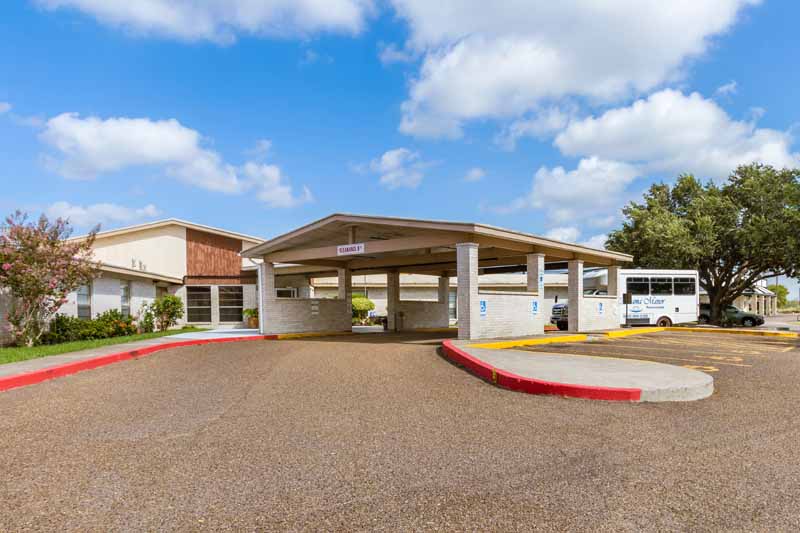
How is Windsor Of Raymo Staffed?

CMS rates WINDSOR NURSING AND REHABILITATION CENTER OF RAYMO's staffing level at 1 out of 5 stars, which is much below average compared to other nursing homes. Staff turnover is 37%, compared to the Texas average of 46%. This relatively stable workforce can support continuity of care. RN turnover specifically is 67%, which is notably high. RNs provide skilled clinical oversight, so turnover in this role can affect medical care quality.

What Have Inspectors Found at Windsor Of Raymo?

State health inspectors documented 25 deficiencies at WINDSOR NURSING AND REHABILITATION CENTER OF RAYMO during 2022 to 2025. These included: 25 with potential for harm.
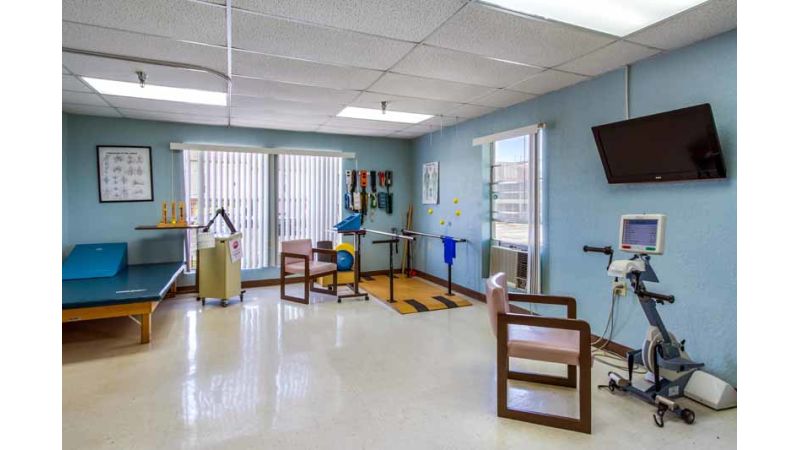
Who Owns and Operates Windsor Of Raymo?

WINDSOR NURSING AND REHABILITATION CENTER OF RAYMO is owned by a non-profit organization. Non-profit facilities reinvest revenue into operations rather than distributing to shareholders. The facility is operated by WELLSENTIAL HEALTH, a chain that manages multiple nursing homes. With 120 certified beds and approximately 59 residents (about 49% occupancy), it is a mid-sized facility located in RAYMONDVILLE, Texas.
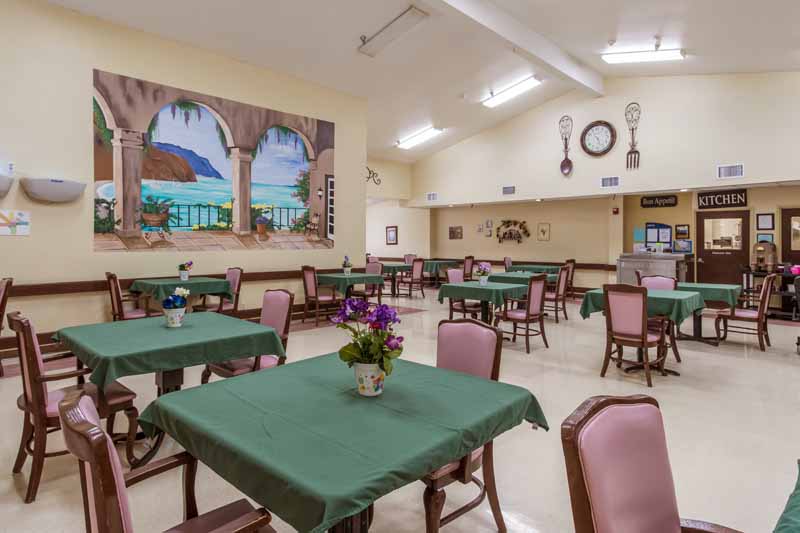
How Does Windsor Of Raymo Compare to Other Texas Nursing Homes?

Compared to the 100 nursing homes in Texas, WINDSOR NURSING AND REHABILITATION CENTER OF RAYMO's overall rating (4 stars) is above the state average of 2.8, staff turnover (37%) is near the state average of 46%, and health inspection rating (4 stars) is above the national benchmark.

What Should Families Ask When Visiting Windsor Of Raymo?

Based on this facility's data, families visiting should ask: "Can you walk me through typical staffing levels on day, evening, and night shifts?" "Can I visit during a mealtime to observe dining assistance and food quality?" "How do you handle medical emergencies, and what is your hospital transfer rate?" "Can I speak with family members of current residents about their experience?" These questions are particularly relevant given the below-average staffing rating.

Is Windsor Of Raymo Safe?

Based on CMS inspection data, WINDSOR NURSING AND REHABILITATION CENTER OF RAYMO has a clean safety record: no substantiated abuse findings (meaning no confirmed cases of resident harm), no Immediate Jeopardy citations (the most serious violation level indicating risk of serious injury or death), and is not on the Special Focus Facility watch list (a federal program monitoring the lowest-performing 1% of nursing homes). The facility has a 4-star overall rating and ranks #1 of 100 nursing homes in Texas. While no facility is perfect, families should still ask about staff-to-resident ratios and recent inspection results during their visit.

Do Nurses at Windsor Of Raymo Stick Around?

WINDSOR NURSING AND REHABILITATION CENTER OF RAYMO has a staff turnover rate of 37%, which is about average for Texas nursing homes (state average: 46%). Moderate turnover is common in nursing homes, but families should still ask about staff tenure and how the facility maintains care continuity when employees leave.

Was Windsor Of Raymo Ever Fined?

WINDSOR NURSING AND REHABILITATION CENTER OF RAYMO has no federal fines on record. CMS issues fines when nursing homes fail to meet care standards or don't correct problems found during inspections. The absence of fines suggests the facility has either maintained compliance or corrected any issues before penalties were assessed. This is a positive indicator, though families should still review recent inspection reports for the full picture.

Is Windsor Of Raymo on Any Federal Watch List?

WINDSOR NURSING AND REHABILITATION CENTER OF RAYMO is not on any federal watch list. The most significant is the Special Focus Facility (SFF) program, which identifies the bottom 1% of nursing homes nationally based on persistent, serious quality problems. Not being on this list means the facility has avoided the pattern of deficiencies that triggers enhanced federal oversight. This is a positive indicator, though families should still review the facility's inspection history directly.