STARR COUNTY NURSING AND TRANSITIONAL CARE

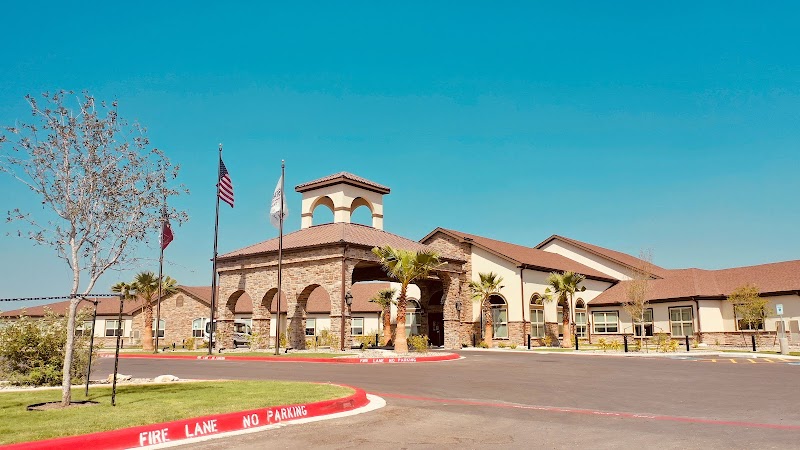
5260 BRAND ST, RIO GRANDE CITY, TX 78582 (888) 707-8277
Non profit - Corporation 120 Beds WELLSENTIAL HEALTH Data: November 2025
Trust Grade
70/100
#344 of 1168 in TX
Last Inspection: October 2024

Within standard 12-15 month inspection cycle. Federal law requires annual inspections.

Overview

Starr County Nursing and Transitional Care has a Trust Grade of B, indicating it is a good choice but may have some areas for improvement. It ranks #344 out of 1,168 nursing homes in Texas, placing it in the top half, and is the best option among the two facilities in Starr County. Unfortunately, the facility is trending downward, with the number of issues found increasing from 4 in 2023 to 15 in 2024. Staffing is a weakness, with a low rating of 1 out of 5 stars and a turnover rate of 53%, which is around the state average. On a positive note, there have been no fines reported, which is reassuring. However, specific incidents of concern include a failure to accurately document a resident's pain levels, which could lead to inadequate care, and not ensuring that a resident's call light was within reach, potentially jeopardizing their ability to get help when needed. Overall, while there are strengths in certain areas, the increasing number of issues and staffing concerns warrant careful consideration.

Trust Score
B
70/100
In Texas
#344/1168
Top 29%
Safety Record
Low Risk
No red flags
Inspections
Getting Worse
4 → 15 violations
Staff Stability
⚠ Watch
53% turnover. Above average. Higher turnover means staff may not know residents' routines.
Penalties
✓ Good
No fines on record. Clean compliance history, better than most Texas facilities.
Skilled Nurses
⚠ Watch
Each resident gets only 22 minutes of Registered Nurse (RN) attention daily — below average for Texas. Fewer RN minutes means fewer trained eyes watching for problems.
Violations
⚠ Watch
23 deficiencies on record. Higher than average. Multiple issues found across inspections.
★★★★☆
4.0
Overall Rating
★☆☆☆☆
1.0
Staff Levels
★★★★★
5.0
Care Quality
★★★★☆
4.0
Inspection Score
Stable
2023: 4 issues
2024: 15 issues

The Good

  • 5-Star Quality Measures · Strong clinical quality outcomes
  • Full Sprinkler Coverage · Fire safety systems throughout facility
  • No fines on record

Facility shows strength in quality measures, fire safety.

The Bad

Staff Turnover: 53%

Near Texas avg (46%)

Higher turnover may affect care consistency

Chain: WELLSENTIAL HEALTH

Part of a multi-facility chain

Ask about local staffing decisions and management

The Ugly 23 deficiencies on record

Oct 2024 6 deficiencies
CONCERN (D)

Potential for Harm - no one hurt, but risky conditions existed

Deficiency F0558 (Tag F0558)

Could have caused harm · This affected 1 resident

**NOTE- TERMS IN BRACKETS HAVE BEEN EDITED TO PROTECT CONFIDENTIALITY** Based on observations, interview and record review, the facility failed to ensure residents had the right to reside and receive ...

Read full inspector narrative →
**NOTE- TERMS IN BRACKETS HAVE BEEN EDITED TO PROTECT CONFIDENTIALITY** Based on observations, interview and record review, the facility failed to ensure residents had the right to reside and receive services in the facility with reasonable accommodation of resident needs and preference for one (Resident #9) of three residents reviewed for call lights. The facility failed to ensure Resident #9 had the call light within reach while in bed in his room. This failure could place residents at risk of being unable to obtain assistance or help when needed and in the event of an emergency. Findings were: Record review of Resident #9's admission record dated 02/13/24 reflected an [AGE] year-old female with diagnoses of Unspecified Dementia (decline in thinking, learning and reasoning), Unspecified Severity without Behavioral Disturbance, Psychotic Disturbance, Mood Disturbance and Anxiety, Heart failure unspecified, Muscle Wasting And Atrophy Unspecified Site, Anxiety (persistent and uncontrollable feelings of fear that disrupt daily living), Need for assistance with personal care, Unspecified convulsions (type of unknown seizures). Record review of Resident #9's Annual MDS dated [DATE] reflected a BIMS score of 0 indicating severe cognitive impairment. Section GG - Functional Abilities and Goals indicated Resident requires substantial /maximal assistance with upper and lower body dressing, sitting to lying on bed, rolling left and right side on bed, and toileting hygiene. Observation on 10/14/24 at 11:25 a.m., revealed Resident #9's call light device was in top of the bedside table, Resident #9 was not able to reach it. During an interview on 10/14/24 at 11:38 AM, CNA B observed Resident #9's call light device was in top of the bedside table, Resident #9 was not able to reach it. CNA B said Resident #9 was supposed to have her call light near her so she can call for help should she need to. CNA B said she usually used her call light on and off. CNA B said she checks all residents to make sure their call lights are within reach, and they are not in need of any other assistance. She said she does this at the beginning when she first begins working and throughout her shift. CNA B said a negative outcome of not having the call light within reach was that a resident could fall and the resident could not be able to call for help. During an interview on 10/14/24 at 12:00 PM, CNA C said that Resident #9 used the call light. CNA C said that Resident #9 was able to grab the call light but sometimes had difficulty pressing the call light button. CNA C said that she went to the residents room frequently, every 2 hours to check if resident needed anything. CNA C stated that a negative outcome was that Resident #9 could fall and not able to call for assistance. During an interview on 10/14/24 at 12:45 PM, LVN A said that Resident #9 did not use the call light, her cognitive status was bad. LVN A said that was important to have the call light within reach so the resident could call me, and it could take longer to check what the resident needed. LVN A said that a negative outcome was that a resident could get skin irritations, pressure ulcers and even falling. During an interview on 10/15/24 at 11:55 AM, LVN J said that Resident #9 used her call light when she needs something. She said she always makes sure she has it within reach and reminds her to use it. LVN E said that if a resident cannot reach the call light, then they cannot get help, they may have a fall and be at risk of getting hurt. During an interview on 10/15/24 at 12:00 PM, ADON D said that if call lights are not within reach, Resident #9 could have fallen when trying to get the call light. Record review of facility's policy titled Call Lights: Accessibility and Timely Response date implemented: 10/13/22 states. Policy: The purpose of this policy is to assure the facility is adequately equipped with a call light at each residents' bedside, toilet, and bathing facility to allow residents to call for assistance. Policy Explanation and Compliance Guidelines: 1. All staff will be educated on proper use of the resident call system, including how the system works and ensuring resident access to the call light. 2. All residents will be educated on how to call for help by using the resident call system. 5. Staff will ensure the call light is within reach of resident and secured. As needed.
CONCERN (D)

Potential for Harm - no one hurt, but risky conditions existed

Deficiency F0645 (Tag F0645)

Could have caused harm · This affected 1 resident

**NOTE- TERMS IN BRACKETS HAVE BEEN EDITED TO PROTECT CONFIDENTIALITY** Based on record review and interview the facility failed to perform preadmission screening for individuals with a mental disorde...

Read full inspector narrative →
**NOTE- TERMS IN BRACKETS HAVE BEEN EDITED TO PROTECT CONFIDENTIALITY** Based on record review and interview the facility failed to perform preadmission screening for individuals with a mental disorder and individuals with intellectual disability prior to admission for 1 of 3 residents (Resident #67) reviewed for preadmission screening. The facility failed to perform a PASRR for Resident #67 after she was admitted on [DATE] with readmission on [DATE]. This failure could place residents at risk of receiving inadequate care. Findings included: Record review of Resident #67's admission record revealed an [AGE] year-old female with an original admission date on 10/20/23 and a readmission on [DATE]. Diagnoses included Bipolar Disorder Unspecified (a mental health condition characterized by extreme shifts in mood, energy, and activity levels), Unspecified Dementia unspecified severity without behavioral disturbance, psychotic disturbance, mood disturbance and anxiety (a mental disorder that causes a person to lose the ability to think, remember, learn, make decisions, and solve problems, but without behavioral disturbances) Record review of Resident #67's care plan dated 10/23/23 revealed pg. 5 identified a problem dated 11/6/23 of behavior problem with diagnosis of bipolar disorder, with a goal that the resident will have fewer episodes, with interventions: Administer medications as ordered. Monitor/document for side effects and effectiveness. Date Initiated on 11/06/2023. Anticipate and meet the resident's needs. Date initiated on 11/6/23. Record review of Resident #67's L1 dated 10/20/23 was negative for Mental Illness or Intellectual or Developmental Disability. In an interview with MDS LVN L on 10/15/24 at 2:45 PM, she stated she did not know how she missed Resident #67's PASRR L1 that was negative on 10/20/23 and she should have sent a 1012 form used for further evaluation of mental illness. She said she overlooked the PASRR L1. She said a level 2 should be done with those diagnoses, regardless of a diagnosis of dementia. MDS LVN L said she did not have or send a 1012 for Resident #67. She stated, Because the Resident was not evaluated, resident had not received the proper care. In an interview with ADON I on 10/16/24 at 10:50 AM, she stated that if all residents with Mental Illness or intellectual or developmental disability needed to be screened when admitted . She said a form was supposed to be filled out for the evaluation for the diagnosis of bipolar disease. ADON I stated that Resident #67 was not getting the services that was appropriate for her diagnosis. During an interview on 10/16/24 at 11:00 AM, the DON stated that if a PASRR positive was received then a form was filled out for evaluation for residents to get approved for services. During an interview with the ADMIN on 10/16/24 at 11:10 AM, stated that she was not familiar with the process of the PASRR, but she thought that failing to do this process could affect the services provided to the residents. Reference: CFR §483.20(k)(2), and the resident remains in the facility longer than 30 days, the facility must screen the individual using the State's Level I screening process and refer any resident who has or may have MD, ID or a related condition to the appropriate state-designated authority for Level II PASARR evaluation and determination.
CONCERN (D)

Potential for Harm - no one hurt, but risky conditions existed

Tube Feeding (Tag F0693)

Could have caused harm · This affected 1 resident

**NOTE- TERMS IN BRACKETS HAVE BEEN EDITED TO PROTECT CONFIDENTIALITY** Based on observation, interview, and record review the facility failed to ensure a resident, who was fed by enteral means, recei...

Read full inspector narrative →
**NOTE- TERMS IN BRACKETS HAVE BEEN EDITED TO PROTECT CONFIDENTIALITY** Based on observation, interview, and record review the facility failed to ensure a resident, who was fed by enteral means, received the appropriate treatment and services to restore, if possible, oral eating skills and to prevent complications of enteral feeding including but not limited to aspiration pneumonia, diarrhea, vomiting, dehydration, metabolic abnormalities, and nasal-pharyngeal ulcers for 1 of 6 residents (Resident #21) reviewed for enteral feeding. The facility failed to ensure Resident #21's head of bed was maintained at 30 degrees elevated while receiving continuous feeding. The failure could place residents at risk of aspiration (when food or liquid goes into the lungs or airway). Findings included: Record review of Resident #21's face sheet dated 10/14/24 revealed an [AGE] year-old female who was admitted to the facility on [DATE] with diagnoses of Alzheimer's disease (a brain disorder that gradually destroys memory and thinking skills, and eventually the ability to perform everyday tasks), Dysphagia Unspecified (difficulty swallowing), Gastrostomy complication unspecified (wound infection, Cerebrovascular Disease (a group of conditions that affect blood flow and the blood vessels in the brain). Record review of Resident #21's quarterly MDS assessment dated [DATE] revealed he was severely cognitive impaired (a condition where a person has trouble with memory, learning, concentration, and decision-making to the point that it limits their ability to function socially or occupationally), had enteral feeding while a Resident (intake of food via the gastrointestinal tract). Record review of Resident #21's care plan dated 03/2/21 revealed a focus area for requires tube feeding related to Dysphagia (difficulty swallowing) with a goal of will remain free of side effects or complications related to tube feeding through review date and interventions that included Elevate HOB (head of bed) i.e. 30-45 degrees during and i.e. 30-40 minutes after tube feeding is stopped. During an observation on 10/14/24 at 11:45AM, revealed Resident #21 was in bed with the continuous enteral feeding running at 40 milliliters per hour. Resident #21's bed was elevated at approximately 30 degrees while Resident #21's head and torso were not elevated at 30 degrees, and she was lying flat on her back. No signs of distress were noted. During an interview on 10/14/24 at 11:48 AM, revealed LVN A was called into Resident #21's room. LVN A called for help to reposition resident, LVN A stated his head of bed was elevated at 30 degrees but Resident #21 was not as she was lying on her back. LVN A stated CNAs and nurses were responsible of ensuring residents who received continuous enteral feeding like Resident #21 were repositioned with the head of bed elevated at least 30 degrees. LVN A stated CNAs and nurses conducted rounds at least every 2 hours to ensure proper positioning for residents on continuous enteral feeding. LVN A stated failure to position Resident #21 head of bed at 30 degrees placed her at risk of aspiration (occurs when contents such as food, drink, saliva, or vomit enters the lungs). During an interview on 10/16/24 at 08:00 AM, LVN J stated that residents with enteral feedings had to be with the head elevated at 30 degrees. LVN J stated that if head of bed was not elevated the residents with enteral feedings are at risk of aspiration pneumonia. During an interview on 10/16/24 at 10:00 AM. the DON stated all CNAs and nurses were responsible for ensuring residents who received continuous feedings were positioned with the head of bed elevated at least 30 degrees. The DON stated the charge nurses were responsible for ensuring proper position during their continuous rounds. The DON stated risk included aspiration pneumonia and lung congestion. Record review of Tube (enteral) Feeding General Information policy on Lippincott Manual of Nursing 11th edition reflected in part Suggested protocol for enteral tube feeding orders: elevated head of bed 30-45 degrees at all times during continuous feedings.
CONCERN (D)

Potential for Harm - no one hurt, but risky conditions existed

Respiratory Care (Tag F0695)

Could have caused harm · This affected 1 resident

**NOTE- TERMS IN BRACKETS HAVE BEEN EDITED TO PROTECT CONFIDENTIALITY** Based on observation, interview and record review, the facility failed to ensure that residents who needed respiratory care were...

Read full inspector narrative →
**NOTE- TERMS IN BRACKETS HAVE BEEN EDITED TO PROTECT CONFIDENTIALITY** Based on observation, interview and record review, the facility failed to ensure that residents who needed respiratory care were provided such care consistent with professional standards of practice, the comprehensive person-centered care plan, and the resident's goals and preferences for 1 of 5 (Resident #301) residents reviewed for respiratory care. The facility failed to ensure Resident #301's oxygen was administered at the correct setting of 2 liters per minute on 10/14/24 at 11:57 a.m. This failure places residents who receive respiratory care at an increased risk of developing respiratory complications and a decreased quality of care. The findings included: Record review of Resident #301's face sheet dated 10/14/2024 reflected a [AGE] year-old male with an admission date of 10/13/2024. Pertinent diagnoses included Chronic Obstructive Pulmonary Disease (chronic inflammatory lung disease that makes it difficult to breathe), Congestive Heart Failure (heart doesn't pump enough blood for your body's needs), Type 2 Diabetes, and Hypokalemia (lower than normal potassium level in the bloodstream). Record review of Resident #301's comprehensive care plan dated 10/14/2024 revealed Resident #301 has oxygen therapy related to Chronic Obstructive Pulmonary Disease with interventions to provide reassurance and allay anxiety; Have an agreed-on method for the resident to call for assistance. Stay with the resident during episodes of respiratory distress, and change residents position every 2 hours to facilitate lung secretion movement and drainage. Record review of Resident #301's physician's order summary revealed oxygen at 2LPM via Nasal cannula every shift continuously for hypoxia related to COPD, order start date 10/14/2024. During an observation of Resident #301 on 10/14/2024 at 11:57 a.m., his oxygen concentrator setting was set at 1.5 LPM via nasal cannula. Observed Resident #301 in bed, asleep. No signs of respiratory distress noted. In an interview on 10/14/2024 at 12:04 p.m. with LVN H stated, she was the nurse for Resident #301. She stated her shift started at 6 a.m. LVN H verified that the O2 setting was set at 1.5 LPM. She stated it was supposed to be at 2 LPM. She stated the O2 setting was to be checked at every shift. LVN H stated that she has not checked it for today. That she normally checks it before lunch or at the end of her shift, depends how her day was going. LVN H stated that the negative outcome of keeping Resident #301 at a lower oxygen rate than ordered would be that his oxygen level can go down and it can affect his brain or organs. She stated they had a respiratory care in-service/training about 2-3 months ago. In an interview on 10/14/2024 at 12:13 p.m. with Resident #301 stated, he was doing well. He denied any chest pain, shortness of breath or headache. He had no concerns with his oxygen. In an interview on 10/14/2024 at 12:50 p.m. with ADON I stated, she was the ADON for 300 & 400 halls. ADON I stated the nurse was responsible for checking the O2 settings once every shift and throughout their shift. She stated the managers also check in the morning and in the afternoon before they leave. ADON I stated the admissions coordinator had checked it this morning and it was at 2 LPM. She stated she checked the O2 settings at around 7:30 a.m. and did a second round when the surveyors got here. ADON I stated Resident #301 can get hypoxic (low levels of oxygen in the body) if he continued at a low O2 setting than prescribed since Resident #301 had COPD. She stated they had respiratory care in-service/training not too long ago, maybe around July 2024, they do it yearly. In an interview on 10/14/2024 at 4:28 p.m. the DON stated the nurse was responsible for checking the O2 settings every shift. She stated the ADON and herself also check it, as needed. The DON stated the if Resident #301 was not getting the full oxygen as prescribed it can cause a decrease in his oxygen saturation. She stated that respiratory care in service/training was done around July 2024, it was done yearly and as needed. Record review of the Respiratory Skills Checklist dated 06/25/24 revealed the LVN H was checked off on Respiratory Skill: Oxygen Administration, Tracheal Suctioning and Tracheostomy Trained and Returned Demonstration Performed/Passed on 6/25/24. Record review of the copy the facility provided of the Lippincott Nursing Procedures 11th edition 2016 for Administering Oxygen Therapy revealed: Nursing Assessment and Intervention 3. Administer oxygen in the appropriate concentration and device. 5. Increase or decrease the inspired oxygen concentration, as appropriate. c. Determine oxygen prescription . and . follow these flow rates.
CONCERN (D)

Potential for Harm - no one hurt, but risky conditions existed

Pharmacy Services (Tag F0755)

Could have caused harm · This affected 1 resident

Based on interviews, and record review, the facility failed to provide pharmaceutical services (including procedures that assure the accurate acquiring, receiving, dispensing, and administering of all...

Read full inspector narrative →
Based on interviews, and record review, the facility failed to provide pharmaceutical services (including procedures that assure the accurate acquiring, receiving, dispensing, and administering of all drugs and biologicals) to meet the needs of each resident for 2 of 4 residents (Residents #26 and #304), reviewed for pharmaceutical services. The facility failed to ensure: LVN M performed a safety check and compare physician orders against single dose bister pack prior to administering Resident #26's medication. LVN N perform a safety check and compare physician orders against single dose bister pack prior to administering Resident #304's medication . These deficient practices placed residents at risk for not receiving the therapeutic effects of their prescribed medications. The findings included: 1. A record review of Resident #26's admission record, dated 10/16/2024 revealed an admission date of 12/7/22 with diagnoses which included type 2 diabetes (a chronic condition that affects how your body regulates blood sugar (glucose) levels), unspecified dementia (a clinical syndrome that describes dementia without a specific diagnosis), muscle wasting and atrophy (the loss of skeletal muscle mass ). A record review of Resident #26's physician's orders dated 10/16/2024 revealed an order for Nuedexta oral capsule 20-10 milligrams, one capsule to be administered via Gastrostomy tube one time per day. A record review of Resident #26's care plan dated 12/07/22 revealed, Resident #26 a behavior problem. Resident #26 will at times will have fits of crying with no apparent trigger to cause the crying. With interventions which included, Administer medications as ordered. Monitor/document for side effects and effectiveness. Date Initiated: 06/19/2023. During an observation and interview on 10/16/2024 at 08:10 AM, LVN M prepared Resident #26's medications, she removed * capsules from the single-dose blister pack containing Nuedexta 20 milligram capsules. The blister pack indicated to give one capsule via Gastrostomy tube every 12 hours. LVN M was noted to not perform a safety check to the order prior to pouring the medication. LVN M said she was unaware the dose had changed and stated when a physician order changes a change of directions sticker should have been placed in the single-dose blister pack . During an interview on 10/16/24 at 10:35 AM, LVN A stated that nurses and med aids needed to do a safety check of the physician orders against the single-dose blister pack. LVN A stated that when physician orders change, a change of directions sticker should have been placed on the blister pack or discard that blister pack because this could cause a medication error . During an interview on 10/16/24 at 10:45 AM, the DON stated that the nurse should have placed a change of direction sticker to prevent a medication error or give the wrong dose to the resident . 2. A record review of Resident #304's admission record, dated 10/16/24 revealed an admission date of 9/30/24 with diagnoses which include type 2 diabetes (a chronic condition that affects how your body regulates blood sugar (glucose) levels), overactive bladder (a condition characterized by involuntary bladder contractions that cause a sudden, intense urge to urinate, often with little or no warning), morbid obesity (a condition characterized by an excessive amount of body fat that significantly increases the risk of serious health problems), Hypertension (a chronic condition where the force of blood against the artery walls is persistently elevated ). A record review of Resident #304's physician's orders dated 10/16/2024 revealed the physician prescribed Resident #304 was prescribed Losartan Potassium oral tablet 50 milligrams administer 1 tablet by mouth one time per day. A record review of Resident #304's care plan dated 09/30/2024 revealed, Resident #304 has hypertension HTN, see MAR for medication orders. With interventions which included, Give anti-hypertensive medications as ordered. Monitor for side effects such orthostatic hypotension and increased heart rate (Tachycardia) and effectiveness. Date Initiated: 10/01/2024 During an observation and interview on 10/16/2024 at 09:25 AM, LVN N prepared Resident #304's medication. LVN N poured * pills from a single-dose blister pack that indicated Losartan 50 milligrams give one tablet via gastrostomy tube every 12 hours. LVN N poured the medication without first performing a safety check. LVN N stated she was unaware of the order had changed and stated when a physician order changes a change of directions sticker should have been placed on the single-dose blister pack. During an interview on 10/16/24 at 10:35 AM, LVN A stated that nurses and med aids needed to do a safety check the physician orders against the single-dose blister pack. LVN A stated that when physician orders change, a change of directions sticker should have been placed on the blister pack or discard that blister pack because this could cause a medication error. During an interview on 10/16/24 at 10:45 AM, the DON stated that the nurse should have placed a change of direction sticker to prevent a medication error or give the wrong dose to the resident. A record review of the policy named Medication Administration date implemented on 10/24/22 revealed: Compare medication source (blister pack, vial, etc.) with MAR to verify resident name, medication name, form, dose, route, and time.
CONCERN (D)

Potential for Harm - no one hurt, but risky conditions existed

Infection Control (Tag F0880)

Could have caused harm · This affected 1 resident

**NOTE- TERMS IN BRACKETS HAVE BEEN EDITED TO PROTECT CONFIDENTIALITY** Based on observation, record review, and interview, the facility failed to establish and maintain an infection prevention and co...

Read full inspector narrative →
**NOTE- TERMS IN BRACKETS HAVE BEEN EDITED TO PROTECT CONFIDENTIALITY** Based on observation, record review, and interview, the facility failed to establish and maintain an infection prevention and control program, designed to provide a safe, sanitary, and comfortable environment and to help prevent the development and transmission of communicable diseases and infections, for four (R#48, R#52, R#26 and R#53) of 24 residents that were reviewed for infection control and transmission-based precautions policies and practices, in that: 1. The facility failed to ensure Resident #48's indwelling catheter drainage bag was not touching the floor when placed behind his wheelchair. 2. The facility failed to ensure LVN M performed hand hygiene for at least 20 seconds before medication administration for Resident #52. 3. LVN M failed to properly clean a multi-use medical device between each resident during medication administration for Resident #26 and Resident #53. These failures could place residents that require assistance with personal care at risk for healthcare associated cross-contamination and infections. The findings were: 1. Record review of Resident #48's admission Record dated 10/16/24 revealed Resident #48 was a [AGE] year-old male admitted to the facility on [DATE] with diagnoses of unspecified dementia, unspecified severity, without behavioral disturbance, psychotic disturbance, mood disturbance, and anxiety (a group of symptoms affecting memory, thinking and social skills), obstructive and reflux uropathy (is when your urine can't flow through your ureter, bladder, or urethra due to some type of obstruction), age-related physical debility, muscle weakness, unsteadiness on feet, and muscle wasting and atrophy. Record review of Resident #48's quarterly MDS assessment dated [DATE] revealed: -was sometimes able to make himself understood (ability is limited to making concrete requests) -was sometimes able to understand others (responds adequately to simple, direct communication), - resident required maximum assistance for his ADLs, - did not have indwelling catheter, external catheter, ostomy or intermittent catheterization. Record review of Resident #48's comprehensive care plan initiated on 10/07/24 revealed Resident #48 had 16 Fr with 30ml bulb foley catheter r/t Obstructive Uropathy, with intervention to monitor for s/sx of discomfort on urination and frequency, monitor/document for pain/discomfort due to catheter and monitor/record/report to MD for s/sx UTI: pain, burning, blood tinged urine, cloudiness, no output, deepening of urine color, increased pulse, increased temp, urinary frequency, foul smelling urine, fever, chills, altered mental status, change in behavior, change in eating patterns. Record review of Resident #48's physician's order summary dated 10/05/24 revealed monitor for privacy bag placement every shift related to obstructive and reflux uropathy, unspecified. Monitor that collection bag is off the floor and hung below bladder level every shift related to obstructive and reflux uropathy, unspecified. During an observation on 10/16/24 at 9:16 a.m. in the 200 hall, Resident #48 was self-propelling himself up the hall. Surveyor heard a swishing noise and looked down at the back of Resident #48's wheelchair. Resident #48 had the indwelling catheter drainage bag in a black privacy bag. The privacy bag was hung so low on the back of his wheelchair that it was dragging on the floor. Surveyor asked Resident #48 his name and Resident #48 did not respond and just looked at Surveyor and began rocking his wheelchair back and forth. In an interview on 10/16/24 at 9:17 a.m. ADON/LVN D said she was the ADON for the 200 hall. ADON/LVN said it was fine if the privacy bag was dragging on the floor because the catheter bag was in the privacy bag. The ADON/LVN D then bent down and took off the privacy bag, shortened the straps and then rehung the bag so that it was not touching the floor, stood up and then walked away. In an interview on 10/16/24 at 9:23 a.m. CNA E said the foley privacy bag should not be dragging on the floor. CNA E said the reason the foley bag should not be dragging on the floor was because of contamination to the foley. CNA E said they got in-services often on infection control and preventing contamination frequently. CNA E said they had an in-service on foley care last month. In an interview on 10/16/24 at 9:41 a.m. N.A. F said she did transfer Resident #48 to the wheelchair. The N.A. said she put the foley bag on the wheelchair. The N.A. said she did know the bag was not supposed to be dragging on the floor but did not know the reason why it was not supposed to be dragging on the floor. The Nurse Aide said she was still in training. In an interview on 10/16/24 at 4:09 p.m. the DON said the foley privacy bag can touch the floor, but it cannot drag. The CNAs are responsible to place the foley in the privacy bag and to place it on the W/C. The DON said the CNAs get instruction on how to hang the foley bag. The purpose of privacy bag is to give the resident privacy and to protect the foley bag from touching the floor. The foley bag can't touch the floor due to infection control. In an interview on 10/17/24 at 1:50 P.M. LVN G said a foley must not touch the floor. The foley touching the floor would be infection control. Record review of the copy the facility provided of the Lippincott Nursing Procedures 8th edition for Indwelling Urinary Catheter Care and Removal revealed: Implementation Inspect the catheter system for disconnections and leakage, because a sterile, continuously closed system is required to reduce the risk of CAUTI. Don't place the drainage bag on the floor, to reduce the risk of contamination and subsequent CAUTI. 2. Record review of Resident #52's Face Sheet dated 10/15/24 reflected an [AGE] year-old female with an original admission date of 3/13/24. Her diagnoses included unspecified dementia (decline in cognitive abilities that affects a person's ability to perform everyday activities), Diabetes Mellitus (high levels of glucose in the blood). During an observation of medication administration for Resident #52 on 10/15/24 at 7:30AM, LVN M washed her hands for 16 seconds prior to beginning medication administration and 16 seconds after medication administration was completed. During an interview on 10/16/25 at 08:00AM, CNA K stated that handwashing should be done for at least 20 seconds. CNA K stated that was important to properly wash the hands to prevent contaminate the next Resident. During an interview on 10/16/24 at 09:00AM, LVN M stated handwashing should be done for at least 20 seconds to prevent the spread of germs and infections. LVN A stated by not washing hands for 20 seconds or greater, it could lead to Resident #52's wound becoming infected. LVN M stated staff were in-serviced frequently on hand hygiene and infection control but could not remember when the last in-service was. During an interview on 10/16/24 at 10:20AM, LVN J stated handwashing should be done for at least 20 seconds to prevent the spread of infection. LVN J stated a negative outcome could be a cross contamination from one resident to another resident. During an interview on 10/16/24 at 10:35 AM, LVN A stated that handwashing should be done for at least 20 seconds with soap and water. LVN A stated if handwashing was not done correctly there was a risk of cross contamination. In an interview on 10/16/24 at 11:00AM, the DON stated handwashing should be at least 20 seconds or greater when lathering hands. The DON stated by not washing hands for 20 seconds are greater could increase the chances of spreading germs. The DON stated that a good handwashing needed to be done to prevent contamination from one Resident to another one. Record review of facility's Hand Hygiene policy revised on October 14, 2022, reflected: All staff will perform proper hand hygiene procedures to prevent the spread of infection to other personnel, residents, and visitors. This applies to all staff working in all locations within the facility. Hand Hygiene technique when using soap and water: a. Wet hand with water. Avoid using hot water to prevent drying of skin. b. Apply to hands the amount soap recommended by the manufacturer. c. Rub hands together vigorously for at least 20 seconds, covering all surfaces of the hands and fingers. d. Rinse hands with water. e. Dry thoroughly with a single-use towel. f. Use clean towel to turn off the faucet 3. During a medication administration observation on 10/15/24 at 07:35 AM, LVN M picked up the wrist blood pressure device from the top of the medication cart and took it to the room of Resident #53 and took her blood pressure on the left wrist. She then took the wrist blood pressure device and placed it on top of the medication cart. LVN M did not sanitize the wrist blood pressure device before or after use and then went and used the blood pressure device with Resident #26. During an interview on 10/16/24 at 10:35 AM, LVN A stated she should have disinfected the blood pressure device before and after each use. LVN A stated that the staff used Micro Kill Bleach and that should let it sit for three minutes. She stated a potential negative outcome for failure to sanitize multi-use devices between residents would be the transfer of diseases and infection. During an interview on 10/16/24 at 10:45 AM, LVN J stated that multiple use blood pressure devices should be disinfected before and after each use in between residents. LVN J stated that failure to disinfect the blood pressure device was that all residents are at risk for cross contamination. During an interview on 10/16/24 at 11:11 AM, the DON stated a potential negative outcome for failure to sanitize multi-use devices between residents would be increased risk of infection to residents. Record review of the facility-provided policy titled Infection Prevention and control Program, date implemented 5/13/23, revealed: Equipment protocol: All reusable items and equipment requiring special cleaning, disinfection, or sterilization shall be cleaned in accordance with our current procedures governing the cleaning and sterilization of soiled or contaminated equipment.
Sept 2024 2 deficiencies
CONCERN (D) 📢 Someone Reported This

A family member, employee, or ombudsman was alarmed enough to file a formal complaint

Potential for Harm - no one hurt, but risky conditions existed

Abuse Prevention Policies (Tag F0607)

Could have caused harm · This affected 1 resident

**NOTE- TERMS IN BRACKETS HAVE BEEN EDITED TO PROTECT CONFIDENTIALITY** Based on interview and record review, the facility failed to implement its written policies and procedures to prohibit and preve...

Read full inspector narrative →
**NOTE- TERMS IN BRACKETS HAVE BEEN EDITED TO PROTECT CONFIDENTIALITY** Based on interview and record review, the facility failed to implement its written policies and procedures to prohibit and prevent abuse, neglect, and exploitation of residents and misappropriation of resident property, for 2 of 5 residents (Resident#4 and Resident #5) reviewed for abuse and neglect, in that: Facility staff member, LVN A did not implement facility abuse policy related to reporting abuse to the Administrator when Resident #4 and Resident #5 got into an altercation on 05/21/24. This failure could place residents at risk of abuse and neglect. The findings included: Record review of Resident #4's face sheet, dated 09/26/24, reflected the resident was a [AGE] year-old male who was initially admitted to the facility on [DATE] with diagnoses that included: Alzheimer disease (progressive disease that destroys memory and other important mental functions) with late onset, flaccid hemiplegia (one side of the body is completely and permanently paralyzed) affecting right dominant side, dysphagia oropharyngeal phase (difficulty swallowing). Record review of Resident #4's state optional minimum data set assessment (MDS), dated [DATE], reflected Resident #4 was rarely/never understood and did not have a BIMS conducted. Record review of Resident #4's care plan with an initiated date of 07/11/23 reflected 5/21/24 - [Resident #4] was pulled off from bed by resident A [SIC]. As per resident A, he felt confused while looking for his bed and pulled resident on bed B off of bed. with an initiated date of 07/21/23 and a revision date of 08/12/24. Record review of resident #4's nursing note written by LVN A with an effective date of 05/21/24 at 2:19am stated, CNA notified SN (staff nurse) that both residents in room were in a physical altercation. Sn went to room to assess. [Resident #5] was sitting on his right side of his bed. Bed at mid position with wheels locked, call light within reach. [Resident #4] was on the right side to his bed on the floor facing down with [Resident #5's] cane under him. Bed at lowest position with call light within reach. Resident is nonverbal, when asked if he hit [Resident #5] resident shook his head side to side. When asked if [Resident #5] hit him, resident nodded his head up and down. When asked if [Resident #5] dragged him off of bed, resident nodded head up and down. head to toe assessment down [SIC] while resident was lying on floor. No visible injuries noted. With assistance by CNAs, readjusted resident to sitting position on floor, head to toe assessment done, noted redness to left forearm, redness to right flank, and redness to right side of face. With assistanceof cnas, transferres [SIC] resident back on to bed. Head to toe assessment done again, redness to left forearm noted, redness to right flank, and redness to right side of face noted at the time. Resident denies pain and shows no nonverbal cues of pain. Resident is smiling back at sn. Bed at lowest position with call light within reach. Pending to notify RP and PCP. Record review of Resident #4's weekly skin evaluation dated 05/21/24 reflected, redness to left knee, left hand and right hand. Record review of Resident #5's face sheet, dated 09/26/24, reflected the resident was a [AGE] year-old male who was initially admitted to the facility on [DATE] with diagnoses that included: Blindness (lack of vision) right eye category 3 (visual acuity of worse than 3/60 and better than 1/60), blindness (lack of vision) left eye category 3 (visual acuity of worse than 3/60 and better than 1/60), paranoid schizophrenia (paranoia that feeds into delusions and hallucinations), bipolar disorder (extreme shifts in mood), current episode mixed, severe, with psychotic features, schizoid personality disorder (avoiding social activities and interacting with others) Record review of Resident #5's state optional minimum data set assessment (MDS), dated [DATE], reflected Resident #5 had a BIMS score of 06 indicating he had severe cognitive impairment. Record review of Resident #5's care plan with an initiated date of 08/11/22 reflected 5/21/24 - [Resident #5] stated he felt confused while looking for his bed and pulled resident on bed B off of the bed. with an initiated date of 06/19/23 and a revision date of 05/23/24. Record Review of Resident #5's nursing notes dated 05/21/24 stated, Sn was walking out of storage when cna notified sn that both residents in room were in a physical altercation. Sn went to room to assess. [Resident #5] was sitting on his right side of his bed. Bed at mid position with wheels locked, call light within reach. [Resident #4] was on the right side to his bed on the floor facing down with [Resident #5's] cane under him. Bed at position with call light within reach. Resident stated he was lost and confused looking for his bed, stated he got to his bed someone hit him. Resident stated he hit person back with his cane and dragged him from bed. When asked if resident also fell to the floor, resident stated yes, denies any pain, no loss of consciousness [SIC], stated he hit his right temporal. Resident fell when he pulled [resident #4] from bed. Resident stated he got himself up and sat down to the right of his bed. Head to toe assessment done, redness to right temporal noted. No other injuries noted, denies pain or discomfort at the time. Good range of motion noted to BUE and BLE. Able to verbilize [SIC] needs at the time. Offered pain medication, denied at the time. Reoiented [SIC] and reeducated resident on the importance on not being violent and or physical. [Resident #5] denied hitting resident first after being reeducated. Pending to notify RP and PCP. Record review of Resident #5's weekly skin evaluation dated 05/21/24 reflected, redness to left temporal at the time. During an interview with Resident #5 on 09/24/24 at 11:10 am he stated he did not recall an incident specifically with Resident #4 or any resident. During an interview with Resident #4 on 09/24/24 at 11:42am he was unable to clearly answer questions due to limited gestures used for communication. During an interview with CNA B on 09/25/24 at 1:24pm she stated there was one night that she responded to a scream from a resident who had told her he heard Resident #5 scream and went to go check along with CNA B. CNA B stated everyone went to go assess the situation and saw Resident #5 angry and was stating that Resident #4 was in his bed, however CNA B stated at that time Resident #4 was actually in his correct bed and Resident #5 was confused. CNA B stated they had spoken to Resident #5, and he had told them the whole situation. CNA B stated they believed Resident #5 tried to push Resident #4 off the bed. CNA B stated LVN A went to assess the residents for any injuries. CNA B stated she was not sure who LVN A notified of the altercation. During an interview with LVN A on 09/25/24 at 3:36pm who stated she stated she could not recall the exact date but stated she was notified by an aide that there had been a fight with Resident #4 and Resident #5 and Resident #4 was on the floor. LVN A stated when she entered the room Resident #4 was on the floor and Resident #5 was sitting on his bed. LVN A stated Resident #4 was found to have some redness to his face, arm and somewhere on his abdomen and Resident #5 had some redness to his face. LVN A stated she completed her risk management/incident report documents for both residents and had completely forgotten to make the appropriate notifications. LVN A stated she went home and later that morning received a call from the facility after they had reviewed the risk management documents in the morning and asked her what happened. LVN A stated she had to return to the facility that morning and complete the report and notify the police and appropriate parties. LVN A stated the facility did write her up due not making the appropriate notifications. During a follow up interview with LVN A on 09/25/24 at 4:48pm who stated the abuse coordinator was responsible for training staff over abuse and the reporting process however she was unable to recall who the abuse coordinator was. LVN A stated incidents of abuse should be reported to the DON, the resident's family and the doctor. LVN A stated she considered the altercation between Resident #4 and Resident #5 as abuse and stated it should have been reported to the DON, Administrator and MD/NP. LVN A stated she had not reported it because she lost track of time and had forgotten. LVN A stated it was important to report abuse because of the change in condition to the residents and safety. LVN A stated she had been trained over the facility abuse policy both at orientation and after the altercation with Resident #4 and Resident #5 and stated it said to report immediately. LVN A stated she did not follow the facility abuse policy. LVN A stated she monitored residents to ensure they were free from abuse and neglect by completing her observations of the residents and how they get along with others and their interactions with aides and the care the aides were providing. LVN A stated not reporting incidents of abuse could negatively impact the residents because if it is not reported then no interventions would be put place, and residents can decline emotionally and physically if in an environment of abuse and neglect. During an interview with the Administrator on 09/25/24 at 5:10pm who stated staff had been trained over abuse and the reporting process by her on a regular basis. The administrator stated she was the abuse coordinator and stated staff should report incidents of abuse to her. The Administrator stated there was a resident to resident altercation with Resident #4 and #5 when Resident #5 was confused and believed he was getting into his own bed when it was Resident #4's bed. When this occurred Resident #4 became combative defending himself and he and Resident #5 got into an altercation when then Resident #5 pulled Resident #4 out of the bed and onto the floor. The Administrator stated both residents were assessed by LVN A with slight redness to left knee, left and right hand for Resident #4 and slight redness to the temporal area for Resident #5, the Administrator stated neither resident voiced pain at time of assessment. The Administrator stated LVN A completed the appropriate risk management/incident report documentation but failed to make the appropriate notifications. The Administrator stated she got report during their morning meeting on 05/21/24 at around 9:00am that an incident occurred around 2am that morning. The Administrator stated she made a self-report on 05/21/24 at 9:30am after becoming aware of incident. The Administrator stated LVN A should have reported the altercation between Resident #4 and #5 to herself and the DON. The Administrator stated she did not know why LVN A did not report the incident and stated although she was a new employee she had been trained over reporting upon orientation. The Administrator stated due to Resident #4 and Resident #5's BIMS score and confusion she did not consider the altercation between Residents #4 and #5 abuse and stated Resident #5 stated he did not mean to hurt anyone and had thought someone was in his bed and when he felt someone fight back, he became defensive. The Administrator stated it was important to report abuse to the appropriate parties to prevent abuse and ensure patient safety. The Administrator stated the facility policy was similar to the regulations in place and stated all allegations should be reported to administrator and state agencies immediately and no later than 2 hours after if it's from abuse and no later than 24 hours if the incident did not involve abuse. The Administrator stated LVN A did not follow the facility policy. The Administrator stated she monitored residents to ensure they were free from abuse by ensuring direct care staff, leadership team and the physicians completed their rounds and reported any changes. The Administrator stated residents were also educated on how to report by her and through their resident council meetings. The Administrator stated not reporting incidents of abuse could negatively impact the resident because it puts them at risk if it was not reported. During an interview with the DON on 09/25/24 at 6:45pm who stated she had started to work at the facility on 07/01/24 and was not working at the facility at time of the incident between Resident #4 and Resident #5 in May 2024. Record review of facility in-services reflected LVN A had been trained over reporting incidents on 05/06/24. Record review of a document titled, EMPLOYEE COUNSELING REPORT reflected on 05/21/24 LVN A received counseling over her failure to report an incident in a timely manner. Record review of facility policy titled Abuse, Neglect and Exploitation with an implementation date of 08/15/22 included a section titled, Reporting/Response that included the following verbiage: A. The facility will have written procedures that include: 1. Reporting of all alleged violations to the Administrator, state agency, adult protective services and to all other required agencies (e.g., law enforcement when applicable) within specified timeframes: a. Immediately, but not later than 2 hours after the allegation is made, if the events that cause the allegation involve abuse or result in serious bodily injury, or b. Not later than 24 hours if the events that cause the allegation do not involve abuse and do not result in serious bodily injury.
CONCERN (D) 📢 Someone Reported This

A family member, employee, or ombudsman was alarmed enough to file a formal complaint

Potential for Harm - no one hurt, but risky conditions existed

Report Alleged Abuse (Tag F0609)

Could have caused harm · This affected 1 resident

**NOTE- TERMS IN BRACKETS HAVE BEEN EDITED TO PROTECT CONFIDENTIALITY** Based on interviews and record reviews the facility failed to ensure all alleged violations involving abuse, neglect, exploitati...

Read full inspector narrative →
**NOTE- TERMS IN BRACKETS HAVE BEEN EDITED TO PROTECT CONFIDENTIALITY** Based on interviews and record reviews the facility failed to ensure all alleged violations involving abuse, neglect, exploitation or mistreatment, including injuries of unknown source and misappropriation of resident property, are reported immediately, but not later than 2 hours after the allegation is made, if the events that cause the allegation involve abuse or result in serious bodily injury, or not later than 24 hours if the events that cause the allegation do not involve abuse and do not result in serious bodily injury, to the administrator of the facility and to other officials (which included to the State Survey Agency) in accordance with State law through established procedures for 2 of 5 residents (Resident #4 and Resident #5) reviewed for reporting alleged allegation of abuse. Facility staff member, LVN A did not report to the Administrator within 2 hours when Resident #4 and Resident #5 got into an altercation. This failure could place residents at risk for undetected abuse, neglect and/or decline in feelings of safety and well-being. The findings included: Record review of Resident #4's face sheet, dated 09/26/24, reflected the resident was a [AGE] year-old male who was initially admitted to the facility on [DATE] with diagnoses that included: Alzheimer disease (progressive disease that destroys memory and other important mental functions) with late onset, flaccid hemiplegia (one side of the body is completely and permanently paralyzed) affecting right dominant side, dysphagia oropharyngeal phase (difficulty swallowing). Record review of Resident #4's state optional minimum data set assessment (MDS), dated [DATE], reflected Resident #4 was rarely/never understood and did not have a BIMS conducted. Record review of Resident #4's care plan with an initiated date of 07/11/23 reflected 5/21/24 - [Resident #4] was pulled off from bed by resident A [SIC]. As per resident A, he felt confused while looking for his bed and pulled resident on bed B off of bed. with an initiated date of 07/21/23 and a revision date of 08/12/24. Record review of resident #4's nursing note written by LVN A with an effective date of 05/21/24 at 2:19am stated, CNA notified SN (staff nurse) that both residents in room were in a physical altercation. Sn went to room to assess. [Resident #5] was sitting on his right side of his bed. Bed at mid position with wheels locked, call light within reach. [Resident #4] was on the right side to his bed on the floor facing down with [Resident #5's] cane under him. Bed at lowest position with call light within reach. Resident is nonverbal, when asked if he hit [Resident #5] resident shook his head side to side. When asked if [resident #5] hit him, resident nodded his head up and down. When asked if [Resident #5] dragged him off of bed, resident nodded head up and down. head to toe assessment down [SIC] while resident was lying on floor. No visible injuries noted. With assistance by CNAs, readjusted resident to sitting position on floor, head to toe assessment done, noted redness to left forearm, redness to right flank, and redness to right side of face. With assistanceof cnas, transferres [SIC] resident back on to bed. Head to toe assessment done again, redness to left forearm noted, redness to right flank, and redness to right side of face noted at the time. Resident denies pain and shows no nonverbal cues of pain. Resident is smiling back at sn. Bed at lowest position with call light within reach. Pending to notify RP and PCP. Record review of Resident #4's weekly skin evaluation dated 05/21/24 reflected, redness to left knee, left hand and right hand. Record review of Resident #5's face sheet, dated 09/26/24, reflected the resident was a [AGE] year-old male who was initially admitted to the facility on [DATE] with diagnoses that included: Blindness (lack of vision) right eye category 3 (visual acuity of worse than 3/60 and better than 1/60), blindness (lack of vision) left eye category 3 (visual acuity of worse than 3/60 and better than 1/60), paranoid schizophrenia (paranoia that feeds into delusions and hallucinations), bipolar disorder (extreme shifts in mood), current episode mixed, severe, with psychotic features, schizoid personality disorder (avoiding social activities and interacting with others) Record review of Resident #5's state optional minimum data set assessment (MDS), dated [DATE], reflected Resident #5 had a BIMS score of 06 indicating he had severe cognitive impairment. Record review of Resident #5's care plan with an initiated date of 08/11/22 reflected 5/21/24 - [Resident #5] stated he felt confused while looking for his bed and pulled resident on bed B off of the bed. with an initiated date of 06/19/23 and a revision date of 05/23/24. Record Review of Resident #5's nursing notes dated 05/21/24 stated, Sn was walking out of storage when cna notified sn that both residents in room were in a physical altercation. Sn went to room to assess. [Resident #5] was sitting on his right side of his bed. Bed at mid position with wheels locked, call light within reach. [Resident #4] was on the right side to his bed on the floor facing down with [Resident #5's] cane under him. Bed at position with call light within reach. Resident stated he was lost and confused looking for his bed, stated he got to his bed someone hit him. Resident stated he hit person back with his cane and dragged him from bed. When asked if resident also fell to the floor, resident stated yes, denies any pain, no loss of consciousness [SIC], stated he hit his right temporal. Resident fell when he pulled [Resident #4] from bed. Resident stated he got himself up and sat down to the right of his bed. Head to toe assessment done, redness to right temporal noted. No other injuries noted, denies pain or discomfort at the time. Good range of motion noted to BUE and BLE. Able to verbilize [SIC] needs at the time. Offered pain medication, denied at the time. Reoiented [SIC] and reeducated resident on the importance on not being violent and or physical. [Resident #5] denied hitting resident first after being reeducated. Pending to notify RP and PCP. Record review of Resident #5's weekly skin evaluation dated 05/21/24 reflected, redness to left temporal at the time. Record Review of TULIP (HHSC online incident reporting application) on 09/24/24 at 11:00 AM revealed a self-report received by the facility on 05/21/24 at 9:58AM regarding the altercation with Resident #4 and Resident #5, more than 2 hours after the altercation occurred. During an interview with Resident #5 on 09/24/24 at 11:10 am he stated he did not recall an incident specifically with Resident #4 or any resident. During an interview with Resident #4 on 09/24/24 at 11:42am he was unable to clearly answer questions due to limited gestures used for communication. During an interview with CNA B on 09/25/24 at 1:24pm she stated there was one night that she responded to a scream from a resident who had told her he heard Resident #5 scream and went to go check along with CNA B. CNA B stated everyone went to go assess the situation and saw Resident #5 angry and was stating that Resident #4 was in his bed, however CNA B stated at that time Resident #4 was actually in his correct bed and Resident #5 was confused. CNA B stated they had spoken to Resident #5, and he had told them the whole situation. CNA B stated they believed Resident #5 tried to push Resident #4 off the bed. CNA B stated LVN A went to assess the residents for any injuries. CNA B stated she was not sure who LVN A notified of the altercation. During an interview with LVN A on 09/25/24 at 3:36pm who stated she stated she could not recall the exact date but stated she was notified by an aide that there had been a fight with Resident #4 and Resident #5 and Resident #4 was on the floor. LVN A stated when she entered the room Resident #4 was on the floor and Resident #5 was sitting on his bed. LVN A stated Resident #4 was found to have some redness to his face, arm and somewhere on his abdomen and Resident #5 had some redness to his face. LVN A stated she completed her risk management/incident report documents for both residents and had completely forgotten to make the appropriate notifications. LVN A stated she went home and later that morning received a call from the facility after they had reviewed the risk management documents in the morning and asked her what happened. LVN A stated she had to return to the facility that morning and complete the report and notify the police and appropriate parties. LVN A stated the facility did write her up due not making the appropriate notifications. During a follow up interview with LVN A on 09/25/24 at 4:48pm who stated the abuse coordinator was responsible for training staff over abuse and the reporting process however she was unable to recall who the abuse coordinator was. LVN A stated incidents of abuse should be reported to the DON, the resident's family and the doctor. LVN A stated she considered the altercation between Resident #4 and Resident #5 as abuse and stated it should have been reported to the DON, Administrator and MD/NP. LVN A stated she had not reported it because she lost track of time and had forgotten. LVN A stated it was important to report abuse because of the change in condition to the residents and safety. LVN A stated she had been trained over the facility abuse policy both at orientation and after the altercation with Resident #4 and Resident #5 and stated it said to report immediately. LVN A stated she did not follow the facility abuse policy. LVN A stated she monitored residents to ensure they were free from abuse and neglect by completing her observations of the residents and how they get along with others and their interactions with aides and the care the aides were providing. LVN A stated not reporting incidents of abuse could negatively impact the residents because if it is not reported then no interventions would be put place, and residents can decline emotionally and physically if in an environment of abuse and neglect. During an interview with the Administrator on 09/25/24 at 5:10pm who stated staff had been trained over abuse and the reporting process by her on a regular basis. The administrator stated she was the abuse coordinator and stated staff should report incidents of abuse to her. The Administrator stated there was a resident to resident altercation with Resident #4 and #5 when Resident #5 was confused and believed he was getting into his own bed when it was Resident #4's bed. When this occurred Resident #4 became combative defending himself and he and Resident #5 got into an altercation when then Resident #5 pulled Resident #4 out of the bed and onto the floor. The Administrator stated both residents were assessed by LVN A with slight redness to left knee, left and right hand for Resident #4 and slight redness to the temporal area for Resident #5, the Administrator stated neither resident voiced pain at time of assessment. The Administrator stated LVN A completed the appropriate risk management/incident report documentation but failed to make the appropriate notifications. The Administrator stated she got report during their morning meeting on 05/21/24 at around 9:00am that an incident occurred around 2am that morning. The Administrator stated she made a self-report on 05/21/24 at 9:30am after becoming aware of incident. The Administrator stated LVN A should have reported the altercation between Resident #4 and #5 to herself and the DON. The Administrator stated she did not know why LVN A did not report the incident and stated although she was a new employee she had been trained over reporting upon orientation. The Administrator stated due to Resident #4 and Resident #5's BIMS score and confusion she did not consider the altercation between Residents #4 and #5 abuse and stated Resident #5 stated he did not mean to hurt anyone and had thought someone was in his bed and when he felt someone fight back, he became defensive. The Administrator stated it was important to report abuse to the appropriate parties to prevent abuse and ensure patient safety. The Administrator stated the facility policy was similar to the regulations in place and stated all allegations should be reported to administrator and state agencies immediately and no later than 2 hours after if it's from abuse and no later than 24 hours if the incident did not involve abuse. The Administrator stated LVN A did not follow the facility policy. The Administrator stated she monitored residents to ensure they were free from abuse by ensuring direct care staff, leadership team and the physicians completed their rounds and reported any changes. The Administrator stated residents were also educated on how to report by her and through their resident council meetings. The Administrator stated not reporting incidents of abuse could negatively impact the resident because it puts them at risk if it was not reported. During an interview with the DON on 09/25/24 at 6:45pm who stated she had started to work at the facility on 07/01/24 and was not working at the facility at time of the incident between Resident #4 and Resident #5 in May 2024. Record review of facility in-services reflected LVN A had been trained over reporting incidents on 05/06/24. Record review of a document titled, EMPLOYEE COUNSELING REPORT reflected on 05/21/24 LVN A received counseling over her failure to report an incident in a timely manner. Record review of facility policy titled Abuse, Neglect and Exploitation with an implementation date of 08/15/22 included a section titled, Reporting/Response that included the following verbiage: A. The facility will have written procedures that include: 1. Reporting of all alleged violations to the Administrator, state agency, adult protective services and to all other required agencies (e.g., law enforcement when applicable) within specified timeframes: a. Immediately, but not later than 2 hours after the allegation is made, if the events that cause the allegation involve abuse or result in serious bodily injury, or b. Not later than 24 hours if the events that cause the allegation do not involve abuse and do not result in serious bodily injury.
Jul 2024 3 deficiencies
CONCERN (D) 📢 Someone Reported This

A family member, employee, or ombudsman was alarmed enough to file a formal complaint

Potential for Harm - no one hurt, but risky conditions existed

Deficiency F0558 (Tag F0558)

Could have caused harm · This affected 1 resident

**NOTE- TERMS IN BRACKETS HAVE BEEN EDITED TO PROTECT CONFIDENTIALITY** Based on observations, interview and record review, the facility failed to ensure residents had the right to reside and receive ...

Read full inspector narrative →
**NOTE- TERMS IN BRACKETS HAVE BEEN EDITED TO PROTECT CONFIDENTIALITY** Based on observations, interview and record review, the facility failed to ensure residents had the right to reside and receive services in the facility with reasonable accommodation of resident needs and preference for one (Resident #2) of four residents reviewed for call light. The facility failed to ensure Resident #2's call light was within reach. This failure could place residents at risk of being unable to obtain assistance when needed and help in the event of an emergency. Findings were: Record review of Resident #2's face sheet dated 07/18/2024 reflected an [AGE] year-old male with an admission date of 08/12/2022. Resident #2's relevant diagnoses included cerebral infarction (occurs because of disrupted blood flow to the brain due to problems with the blood vessels that supply it), unsteadiness on feet, need for assistance with personal care, and lack of coordination. Record review of Resident #2's quarterly MDS dated [DATE] reflected a BIMS score of 04, which indicated Resident #2's cognition was severely impaired. Record review of Resident #2's quarterly comprehensive care plan dated 04/29/24 reflected: Problem: the resident was at risk for falls related to weakness and debility. Interventions: be sure the resident's call light is within reach and encourage the resident to use it for assistance as needed. The resident needs prompt response to all request for assistance. Date initiated: 08/12/2022. An observation on 07/17/24 at 2:45 p.m., Resident #2 was lying awake in bed, his bed was set to the lowest position. Resident #2's call light was not within reach or sight. An interview on 07/17/24 at 2:48 p.m., Resident #2 said he did not know where his call light was. He said whenever he needed assistance, he would call out for help or would wheel himself to the front of his door to get the staff's attention. Resident #2 said would rarely use the call light. An interview and observation on 07/17/24 at 2:56 p.m., CNA A said Resident #2 was able to use the call light, but he preferred calling out for help. Surveyor observed CNA A looking for Resident #2's call light and she found it inside his dresser drawer next to his bed. She said she was not sure why it was there but that it should have been within Resident #2's reach. CNA A said she would round resident's rooms every two hours or as needed. She said one of the things she checked when doing her rounds was to make sure resident's bed was set to the lowest position and their call light was within reach. CNA A said a negative outcome for Resident #2 not having his call light within reach could be not receiving the assistance he needed in case he fell. She said she had been in-serviced on making sure the resident's call light were always within reach when she was first hired and monthly after that. An interview on 07/17/24 at 3:10 p.m., CNA B said she had been assigned to Resident #2's room on 07/17/2024. She said her shift on 07/17/2024 was 6 a.m. to 6 p.m. CNA B said she had already rounded Resident #2's room between 3 to 4 times since her shift began. CNA B said Resident #2 had been showered in the morning and while he was being showered, she changed his linen. CNA B said she remembered placing Resident #2's call light inside his dresser drawer next to his bed and must have forgotten to take it out and place on his bed when she was done. CNA B said she had not noticed Resident #2's call light was not within reach the 3 other times she had gone into his room. She said Resident #2 rarely used his call light, she said he preferred calling out for help. CNA B said she had not told her charge nurse that Resident #2 did not like to use his call light. She said a negative outcome for Resident #2 not having his call light within reach could an injury. She said she had been in-serviced on making sure the resident's call light were always within reach when she was first hired and monthly after that. An interview on 07/17/24 at 3:19 p.m., LVN C said she was Resident #2's charge nurse on 07/17/24. LVN C said she and CNA's rounded each resident every 2 hours or as needed. LVN C said she had already made several rounds to resident #2's room that day and had not noticed his call light was not within reach. LVN C said Resident #2 rarely used his call light. She said when he needed something, he would yell out or wheeled himself to the door to motion a staff member. She said she had not told the DON that Resident #2 did not like to use the call light. LVN C said a negative outcome for Resident #2 not having his call light within reach could be him not receiving the care he needed. An interview and observation on 07/17/24 at 3:25 p.m., ADON/LVN D said Resident #2 was able to use the call light but preferred yelling out when he needed something. Surveyor observed ADON-LVN D ask Resident #2 to press his call light to verify that he was able to use it. Resident #2 was observed pressing the call light and saying he knew to press it when he needed assistance. ADON-LVN D said a negative outcome to Resident #2 not having his call light within reach would be staff would not know resident needed help at that moment. She said all staff are in-serviced on making sure resident's call lights are within reach when they are first hired and monthly after that. An interview on 07/18/2024 at 4:00 p.m. the Administrator said the ADON's had audited all residents on 07/17/2024 to make sure their call lights was within reach. She was not able to say what negative outcome could be if a resident did not have their call light within reach. Record review of the facility's Call Lights: Accessibility and Timely Response policy dated 10/13/2022 reflected: Policy: The purpose of this policy is ot assure the facility is adequately equipped with a call light at teach resident's bedside, toilet, and bathing facility to allow residents to call for assistance. Call lights will directly relay to a staff member or centralized location to ensure appropriate response. Policy Explanation and Compliance Guidelines: 1. All staff will be educated on the proper use of the resident call system, including how the system works and ensuring resident access to the call light 5. Staff will ensure the call light is within reach of resident and secured, as needed.
CONCERN (D) 📢 Someone Reported This

A family member, employee, or ombudsman was alarmed enough to file a formal complaint

Potential for Harm - no one hurt, but risky conditions existed

Assessment Accuracy (Tag F0641)

Could have caused harm · This affected 1 resident

**NOTE- TERMS IN BRACKETS HAVE BEEN EDITED TO PROTECT CONFIDENTIALITY** Based on interview, and record review the facility failed to ensure the assessment accurately reflected the resident's status fo...

Read full inspector narrative →
**NOTE- TERMS IN BRACKETS HAVE BEEN EDITED TO PROTECT CONFIDENTIALITY** Based on interview, and record review the facility failed to ensure the assessment accurately reflected the resident's status for 1 (Resident #1) of 3 residents reviewed for accuracy of assessments. The facility failed to ensure Resident #1 was coded in the MDS for a fall on 2/16/24. This failure could place residents at risk of receiving care and services to meet their needs. The findings included: Record review of Resident #1's face sheet dated 07/18/24 reflected Resident #1 was admitted on [DATE] and was [AGE] years old. Resident #1 had diagnoses of subsequent encounter of fracture of shaft of humerus to right arm, muscle weakness, age-related osteoporosis, dementia, and mood disorder. Record review of Resident #1's comprehensive care plan reflected: Resident #1 had an actual fall r/t muscle wasting/atrophy, lack of coordination, and difficulty walking. 2/15/2024 1:30 pm witnessed fall, no injury. Date Initiated: 01/27/2024. Revision on: 03/10/2024 Interventions included: o 2/16/2024: Orthopedic Consult Record review of Resident #1's Discharge MDS dated [DATE] revealed: Short-term memory problem modified independence with some difficulty in new situations only. Required substantial/maximal assistance for self-care except eating and oral hygiene supervision/touching assistance, and upper body dressing partial/moderate assistance. Required substantial/maximal assistance for mobility. No falls since Admission/Entry or Reentry or Prior MDS Assessment. Record review of Resident #1's progress notes dated 2/15/2024 at 10:47 a.m., written by LVN D indicated SN was made aware by therapist that resident was on floor in dining room. SN went to assess resident and was laying supine on floor. Resident able to move all extremities with no pain or distress voiced. SN assessed head and noted no redness. As per staff, they didn't hear the fall but when they look resident was already on the floor. SN notified NP no new orders given. Neuro checks initiated. SN notified RP, but no answer. Resident unable to give description. Record review of a progress note for Resident #1 dated 2/15/2024 at 12:28 p.m., written by LVN E indicated Resident noted abnormal movements. Resident trying to get off wheelchair. Noted with uncoordinated movement. NP made aware. Neuro checks in place. New orders for Hydroxyzine 25mg q12hrs x 14day. SN will pass on report. Orders carried out. Record review of the facility's incident log not dated revealed that on 2/15/24, Resident #1 had a witnessed fall on. No other information is noted on the facility log. During an interview on 7/17/24 at 4:34 p.m., MDS-RN - Care Management Specialist said she had worked at the facility for four months. She said that a fall with a fracture should be captured on the following MDS, in this Resident's case, the Discharge MDS. She said that it had not been captured by MDS. During an interview on 7/17/24 at 5:00 p.m., ADON-LVN D said the fall should have been captured on the MDS by the MDS department. She said that the care plan and MDS are an interdisciplinary team effort. She said that if the MDS and care plan are not updated, staff would not know that the care plan is current with the resident needs. Record review of CMS's RAI Version 3.0 Manual dated 10/2023, , reflected section: J1800: Any falls since admission/entry or reentry or Prior to Assessment. Coding instructions: Code 1, yes if the resident has fallen since the last assessment. Continue to number of falls since admission/entry or reentry or prior to assessment. J1900: Any falls since admission/entry or reentry or Prior to Assessment. Coding instructions: Code 1, yes if the resident had one non-injurious fall since admission/entry or reentry or prior assessment.
CONCERN (D) 📢 Someone Reported This

A family member, employee, or ombudsman was alarmed enough to file a formal complaint

Potential for Harm - no one hurt, but risky conditions existed

Comprehensive Care Plan (Tag F0656)

Could have caused harm · This affected 1 resident

**NOTE- TERMS IN BRACKETS HAVE BEEN EDITED TO PROTECT CONFIDENTIALITY** Based on interview and record review, the facility failed to develop and implement a comprehensive person-centered care plan for...

Read full inspector narrative →
**NOTE- TERMS IN BRACKETS HAVE BEEN EDITED TO PROTECT CONFIDENTIALITY** Based on interview and record review, the facility failed to develop and implement a comprehensive person-centered care plan for each resident, consistent with the resident rights, that includes measurable objectives and timeframes to meet a resident's medical, nursing, and mental and psychosocial needs that are identified in the comprehensive assessment for 2 of 7 residents (Resident #1 and Resident #3) reviewed for care plans, in that: 1. The facility failed to ensure Resident #1's care plan revised on 03/10/2024 reflected an injury for a witnessed fall on 02/15/2024. 2. The facility failed to ensure Resident #3's quarterly care plan dated 03/28/2024 reflected an un-witnessed fall he had on 02/29/2024. This deficient practice could place residents in the facility at risk of not being provided with the necessary care or services and not having personalized plans developed to address their specific needs. The Findings included: 1. Record review of Resident #1's face sheet dated 07/18/24 reflected Resident #1 was admitted on [DATE] and was [AGE] years old. Resident #1 had diagnoses of subsequent encounter of fracture of shaft of humerus to right arm, muscle weakness, age-related osteoporosis, dementia, and mood disorder. Record review of Resident #1's Discharge MDS dated [DATE] reflected the resident: Short-term memory problem modified independence with some difficulty in new situations only. Required substantial/maximal assistance for self-care except eating and oral hygiene supervision/touching assistance, and upper body dressing partial/moderate assistance. Required substantial/maximal assistance for mobility. BIMS score of 1 which indicated Resident #1's cognition was severely impaired. Record review of Resident #1's comprehensive care plan reflected: Resident #1 had an actual fall r/t muscle wasting/atrophy, lack of coordination, and difficulty walking. 2/15/2024 1:30 witnessed fall, no injury. Date Initiated: 01/27/2024. Revision on: 03/10/2024 Interventions included: o 2/16/2024: Orthopedic Consult On 7/17/24 at 4:34 pm interviewed MDS-RN - Care Management Specialist. She said that a fall with injury should be updated on the care plan by the ADON or DON. On 7/17/24 at 5:00 pm interviewed ADON-LVN D. She said that the fall on 2/15/24 initially was care planned without injury. She said that on 2/16/24, they received results of x-rays, and the injury should have been updated on the care plan. She looked up the resident's care plan and said the injury was not updated on care plan. She said that it should have been updated to fall with injury. She said that if the MDS and care plan are not updated, staff would not know that the care plan is current with the resident needs. 2. Record review of Resident #3's face sheet dated 07/17/2024 reflected an [AGE] year-old male with an admission date of 05/20/2024 and an original admission date of 02/11/2024. Resident #3 was discharged on 07/06/2024. Resident #3's relevant diagnoses included cerebral infarction (occurs because of disrupted blood flow to the brain due to problems with the blood vessels that supply it), Parkinson's Disease (a disorder of the central nervous system that affects movement), dementia (a group of thinking and social symptoms that interfere with daily functioning), diabetes (too much sugar in the blood), and lack of coordination. Record review of Resident #3's quarterly assessment dated [DATE] reflected no BIMS score which indicated Resident #3's cognition was severely impaired. Record review of Resident #3's quarterly care plan dated 03/28/2024 reflected [Resident #3] had an actual fall r/t muscle wasting/atrophy, lack of coordination, and difficulty walking on 04/01/2024 un-witnessed fall, with no injury and 04/10/2024 un-witnessed fall, laceration to posterior head. The un-witnessed fall he had on 02/29/2024 was not care planned. An interview on 07/17/2024 at 3:31 p.m., MDS-RN said she was new to her position and would rather have surveyor interview one of the facility's ADON's. An interview and observation on 07/17/2024 at 5:00 p.m., ADON-LVN D was observed checking Resident #3's electronic record and said after she reviewed his care plan that she was not sure if the un-witnessed fall Resident #3 had on 02/29/2024 had been care planned. She said the fall Resident #3 sustained on 02/29/2024 should have been care planned. ADON-LVN said she was going to check with MDS if it had been care planned. An interview on 07/17/2024 at 5:32 p.m., ADON-RD D said the un-witnessed fall Resident #3 had on 02/29/2024 had not been care planned. She was not able to say if Resident #3 had any negative outcome for the fall not being care planned because he had already been discharged . Record review of facility's Care Plan Revisions Upon Status Change policy dated 10/24/22 reflected: Policy: The purpose of this procedure is to provide a consistent process for reviewing and revising the care plan for those residents experiencing a status change. Policy Explanation and Compliance Guidelines: 1. The comprehensive care plan will be reviewed, and revised as necessary, when a resident experiences a status change. 2. Procedure for reviewing and revising the care plan when a resident experiences a status change . f. Care plans will be modified as needed by the MDS Coordinator or other designated staff member.
Jun 2024 2 deficiencies
CONCERN (D) 📢 Someone Reported This

A family member, employee, or ombudsman was alarmed enough to file a formal complaint

Potential for Harm - no one hurt, but risky conditions existed

Report Alleged Abuse (Tag F0609)

Could have caused harm · This affected 1 resident

**NOTE- TERMS IN BRACKETS HAVE BEEN EDITED TO PROTECT CONFIDENTIALITY** Based on observation, interview and record review, the facility failed to ensure that all alleged violations involving abuse, ne...

Read full inspector narrative →
**NOTE- TERMS IN BRACKETS HAVE BEEN EDITED TO PROTECT CONFIDENTIALITY** Based on observation, interview and record review, the facility failed to ensure that all alleged violations involving abuse, neglect, or mistreatment, were reported immediately to the State Survey Agency, within two hours if the events that cause the allegation involve abuse or result in serious bodily injury, or not later than 24 hours if the events that cause the allegation do not involve abuse and do not result in serious bodily injury, for 1 (R #1) of 5 residents reviewed for abuse/neglect. The facility failed to report allegations of resident abuse for R #1 to the State Survey Agency within the allotted time frame of 2 hours. This failure could place all residents at increased risk for potential abuse due to unreported allegations of abuse and neglect. The findings included: Record review of R #1 's file dated 06/07/24 reflected [AGE] year-old female with original admission date of 10/04/22 and last admission date of 05/02/24. Her diagnosis included: epilepsy (seizures/convulsions), type 2 diabetes, aphasia, muscle weakness, dysphagia, bipolar disorder (mood disorder), severe intellectual disabilities, obesity, depression, anxiety disorder, and lack of expected normal physiological development in childhood. Record review of R #1's MDS assessment dated [DATE] reflected BIMS score of 2 (severely cognitively impaired). R #1 required substantial/maximal assistance (helper does more than half the effort) for eating, oral hygiene, toileting hygiene, and dressing. R #1 was also dependent (helper does all the effort) for showering and personal hygiene. Record review of R #1's Care Plan dated 06/07/24 reflected R #1 had an ADL self-care performance deficit related to surgical incision to sacrum and seizure disorder. Interventions included: R #1 required a total assist of 1-2 staff for bathing/showering, dressing, eating, personal hygiene, toilet use, and transfer. Date initiated: 05/08/24. R #1 had a tendency to remove her clothes when in her room/bed. Resident has sexually inappropriate behaviors, will make sexually explicit comments/requests to staff and may at times touch self. Interventions included: discuss the behavior, intervene as necessary to protect the rights and safety of others, praise improvement, provide with privacy if behavior is obvious, and psych services as ordered. Date initiated: 06/07/24. R #1 was at risk for impairment to skin integrity related to incision to sacrum. Interventions: administer medications/supplement as ordered to address medical diagnosis, monitor for skin changes, medications/treatments for wound healing, and wound vac. Date initiated: 05/06/24. Record review of progress notes for R #1 reflected - On 05/13/24 at 3:21 PM, documented by SW. On 05/13/24, SW was contacted regarding inappropriate interactions between R #1 and RP. SW contacted supervisor for further instructions. Will contact APS regarding update on case status. Will be having a meeting with RP, SW, and administration. Will be documenting as updated. On 05/14/24 at 1:56 PM, documented by SW. Was contacted by DM that R #2 witnessed inappropriate interactions between R #1 and RP. R #1 and RP will have to be supervised during visitations at all times. Will follow up with APS on case status. Record review of complaint/grievance follow-up report dated 05/17/24 reflected on 05/17/24, DM voiced that he did not like the interaction between R #1 and RP. Re-educated RP on appropriate behavior with R #1. APS informed. Staff interviews attached. RP voiced understanding. Interviews on 05/17/24: Around 1:30 PM, DM voiced that he had an issue with RP. DM stated he observed RP kissing R #1 on the cheek as RP was leaving. DM stated RP grabbed R #1 by the top of her head and chin and R #1 said no. DM voiced SW was involved and addressed it directly with RP. ADM and AIT interviewed R #1 regarding the incident with RP. R #1 seemed to be in good spirits. R #1 voiced RP kissed her on the cheek. R #1 was asked if she was treated well by RP, and R #1 nodded her head. ADM asked if R #1 was in any pain or discomfort and R #1 voiced no. R #1 did not voice any concerns about RP at this time. ADM and AIT interviewed RP regarding the incident with R #1. RP stated he was visiting R #1 as he had not seen her in over two days. RP stated he missed R #1 and only hugged and kissed her on the cheek as any family member would do. RP continued to say that he loved R #1 dearly and that she was his only company. RP was insistent on discharging R #1 on day 28 as he believed the state would discontinue all of R #1's community benefits. ADM explained discharge process to RP. Complaint/grievance resolved on 05/17/24. In an interview with APS on 06/07/24 at 11:05 AM., APS said she received an intake on 05/14/24 for R #1 with an allegation of sexual abuse from RP. APS said the allegation was that RP was being inappropriate with R #1 but there was no report of actual sexual contact or kissing on the mouth. APS said she visited R #1 on 05/17/24 and she tried to interview R #1, however, R #1 was not able to provide information regarding allegations. APS said she also spoke to R #2 who informed APS that RP exhibited inappropriate behaviors towards R #1 such as placing his hands in between her thighs. APS was unsure if R #2 had informed the facility about such behaviors. APS spoke to DM who informed APS that earlier on 05/17/24, DM had witnessed RP forcibly kiss R #1 on the mouth. DM said that DM intervened, told RP to stop, and asked RP to leave. APS was unsure if supervised visits had already been implemented or when they were started. APS spoke to SW who informed APS that an unknown staff had reported that RP asked staff to get R #1 undressed in front of RP. SW had spoken to RP about inappropriate interactions. APS referred the intake to LE, but the investigator informed APS that LE would not investigate further as it was the facility's responsibility to keep R #1 safe. APS said because the alleged incidents happened in the nursing home, APS would not investigate further. Observation of R #1 on 06/07/24 at 12:20 PM., R #1 did not respond to relevant questions. R #1 appeared with good personal hygiene. R #1 was not injured or in distress. R #1 was sitting up in her wheelchair, watching television. R #1 had the touch call light within reach. Record review of grievances, R #1's electronic medical chart, and the state reporting system completed on 06/07/24 at 12:35 PM reflected the incidents or concerns for R #1 and RP's interactions were not reported to the State Survey Agency. In an interview with CNA A on 06/07/24 at 1:15 PM., CNA A said R #1 and her RP were supervised during visits in the front lobby because there was some weird behavior of touching or kissing, but she did not know the details. CNA A said she did not witness this but was informed of the supervised visits. CNA A said she did believe RP was too hands on with R #1, like always hugging and kissing R #1 on the cheek, but never anything she felt she needed to report. CNA A said she was in-serviced on abuse and neglect and would report those kind of concerns to the ADM. In an interview with CNA D on 06/07/24 at 2:10 PM., CNA D said R #1 and her RP had supervised visits because there was an issue with RP kissing R #1 on the mouth. CNA D said she was not sure of the details as to what happened or who saw this, and she did not witness this herself. CNA D said it might've been CNA F that saw it. CNA D said R #1's previous roommate, did not recall her name, had also mentioned that she was uncomfortable with the way RP was with R #1, but the roommate did not say exactly what made her feel uncomfortable or say she saw something actually happen. CNA D said the facility was keeping R #1 safe and this had been reported to APS. CNA D said she was in-serviced on abuse and neglect and would report those type of concerns to the ADM right away. In an interview with the SW on 06/07/24 at 2:40 PM., the SW said on 05/13/24, CNA F informed that RP asked CNA F to take off R #1's clothes in front of him and that RP had his hand on R #1's thigh while in her room. The SW said he explained to RP that those things were not appropriate and RP understood. The SW said he followed up with APS to check on the status of previous cases or history. The SW said on 05/14/24, he was informed that R #2 was uncomfortable with RP and R #1's interactions but R #2 did not voice any specific incident or contact. The SW said on 05/14/24, he contacted APS and filed a report for R #1's safety. The SW said on 05/14/24, supervised visits were initiated, and RP visited R #1 in the dining, activities, or other common areas where staff kept an eye on him. The SW said on 05/17/24, he was informed by DM that RP had kissed R #1 on the cheek, very close to her mouth, and it was inappropriate. The SW said he spoke to RP who cried and said that he loved R #1 and he only showed his affection towards her. The SW said after this incident, supervised visits were changed to where RP only visited R #1 in the lobby area and was closely monitored by a staff. The SW said there was one staff assigned to monitor and supervise R #1 and RP during visits at all times. The SW said there was no in-service completed for the staff but all staff were made aware of the supervised visits as it was communicated from managers to nurses, to CNAs, and to other staff. The SW said all the staff were aware of the supervision and were vigilant in keeping R #1 safe . The SW said there were no other incidents after this. The SW said it would be up to the abuse coordinator to report to the state survey agency. In an interview with LVN A on 06/07/24 at 3:25 PM., LVN A said she worked with R #1 and was aware that R #1 had supervised visits with RP because there were allegations of sexual abuse with the RP. LVN A said she was unsure of the dates, but she was immediately informed about the supervised visits and that RP could not go to R #1's room. LVN A said RP and R #1 were supervised in the lobby area by a facility staff. LVN A said she was in-serviced on abuse and neglect and would report those concerns to the abuse coordinator, which was the ADM, right away. LVN A said R #1 was not injured as a result of the allegations regarding the RP. LVN A said the abuse coordinator would report incidents to the state survey agency, if needed. In an interview with RP on 06/07/24 at 4:45 PM. RP did not answer attempts. In an interview with R #2 on 06/07/24 at 5:00 PM. R #2 did not answer attempts. In an interview with CNA F on 06/12/24 at 1:00 PM. CNA F said she worked with R #1 last month (May). CNA F said she did not remember the date, but there was one day, around midday, she was going to shower R #1 because it was her scheduled shower day. CNA F said she asked R #1 if she wanted to shower, and R #1 said yes. CNA F said RP was in the room and asked CNA F if she could take off R #1's gown in front of RP. CNA F said she explained to RP that she could not do that as CNA F needed to provide privacy to R #1 and would undress her in the bathroom. CNA F said then RP kissed R #1 on the cheek but very close to her mouth, and R #1 appeared as if she was uncomfortable or did not like what was going on. CNA F said RP also put his hand on R #1's thigh and it appeared R #1 did not want RP to touch her. CNA F said she reported that to the abuse coordinator, the ADM, and she also told SW. ADM and SW followed up with CNA F and R #1. CNA F said a few days after that, supervised visits were implemented. In an interview with the DM on 06/12/24 at 1:40 PM., the DM said on 05/17/24, he saw RP was inappropriate with R #1 as he held the top of her head and bottom of her chin and kissed her. The DM said RP kissed her on the mouth, R #1 turned red, pushed RP for him to not kiss her, and R #1 said no. The DM said he intervened, told RP to stop, that it was inappropriate. The DM said he took RP to the SW's office and RP cried, saying that he loved R #1 very much. The DM said ADM assessed R #1 and R #1 was fine. The DM said RP definitely kissed R #1 on the mouth. The DM said it happened in the hallway by the nurse's station and the nurse, LVN B saw it. The DM said this was the first time anyone saw RP actually physically do something inappropriate to R #1. The DM said the protocol was for him to intervene immediately and report it to the ADM, which was what he did. The DM said ADM informed him they could not do anything else since R #1 did not voice abuse. The DM said since then RP had been supervised during visits with R #1 in the lobby. In an interview with LVN B on 06/12/24 at 2:15 PM., LVN B said she worked last month with R #1 and worked with her recently, this week. LVN B said she was aware that R #1 had supervised visits with RP because RP had been inappropriate with R #1. LVN B said there was an incident where RP kind of grabbed R #1 by the two cheeks and went in to kiss her on the cheek, and R #1 said no. LVN B said this happened right by the entrance of the 300 hall by the nurse's station, and LVN B was sitting in the nurse's station. LVN B said she did not see RP trying to kiss R #1 on the mouth. LVN B said she did not recall the date of this incident but DM saw it as well. LVN B said R #1 was not injured from that incident. LVN B said R #1 was saying no like she did not want RP to kiss her, but she only saw RP kissing R #1 on the cheek. LVN B said there was no other incident after that because RP continued with supervised visits. LVN B said on this day, RP was already under supervised visitations, but he was still able to visit with her in the dining or activities. LVN B said after this, RP could only visit in the lobby. In an interview with the ADON on 06/12/24 at 2:50 PM., the ADON said she was aware of the situation with R #1 and RP. The ADON said she was unsure of when the supervised visits started but they were begun because RP was inappropriate. The ADON said they tried to let RP go to the dining room and other common areas where the staff could keep an eye on him, but then RP tried to sneak R #1 to her room, so the staff redirected him and moved R #1 away. The ADON said RP also tried to kiss R #1 on the cheek, as he grabbed her face, squeezed her face, moved it to the side, and kissed her on the cheek while R #1 said no, no, no. The ADON said that was reported to APS. The ADON said RP only tried to kiss R #1's cheek, not mouth, from what she was told. The ADON said she worked with R #1 at a previous facility and ADON knew that R #1 had a history with RP having supervised visits for some reason but did not know the details so they just monitored. The ADON said R #1 had said she wanted to stay at the facility and RP was upset about that. The ADON said RP was not R #1's POA and R #1 did not have a POA, so it was R #1's decision to stay at the facility or not. The ADON said she was unsure of the date of when RP tried to kiss R #1 on the cheek but RP had also spilled coffee on R #1. The ADON said when RP tried to kiss R #1, RP had coffee in a cup which spilled on R #1 but it was probably not hot, because the nurse assessed R #1 and she did not have any injuries or pain. The ADON said R #1 did not show any emotional distress. The ADON said the facility called APS because RP was inappropriate in the way he tried to kiss her. In an interview with the DON on 06/12/24 at 3:15 PM., the DON said she had worked at the facility for only about a month, but R #1 already had supervised visits when she started working. The DON said she was not a part of reporting to APS, but APS was called because there were witnesses that said RP tried to kiss R #1 on the cheek or on the lips, not sure which one. The DON said the police came to the facility and the investigator said they could not put anybody in jail for a kiss. The DON said she believed APS called the police. The DON said R #1 was not injured from the alleged incidents and did not exhibit emotional distress. The DON said the facility provided adequate care and addressed R #1's needs as needs arose. The DON said she oversaw the clinical aspect, and the ADM was the abuse coordinator who was more familiar with the situation. In an interview with the AIT on 06/12/24 at 3:35 PM., the AIT said DM informed her and the ADM that RP tried to kiss R #1 on the cheek. The AIT said they talked to DM and followed up with R #1. The AIT said they asked R #1 questions and there was nothing bad voiced regarding RP. The AIT said she asked R #1 how she was feeling, was she in distress, or needed anything. The AIT said they asked R #1 if she was okay with RP and with RP visiting R #1, and she said yes. The AIT said they talked to R #1 because she was able to be interviewed to an extent. The AIT said she also asked R #1 if RP kissed her on the mouth or the cheek, and R #1 said cheek. The AIT said the facility implemented supervised visits as a precaution, but she was unsure of when the supervised visits were officially implemented. The AIT said the facility was aware of APS history which was the reason why they called APS. The AIT said nobody ever mentioned an allegation of abuse or sexual abuse. In an interview with R #1 on 06/12/24 at 4:20 PM., R #1 said she was doing fine. R #1 said she came back from the doctor. R #1 said the doctor told her to get better. R #1 said she did not have any problems. R #1 said she liked for RP to visit. R #1 said she did not have problems with RP. R #1 was asked other questions regarding RP, but R #1 began mumbling words or would not respond. R #1 answered yes, no, or simple words. R #1 appeared confused at times. Observation of R #1 on 06/12/24 at 4:30 PM., R #1 appeared with good personal hygiene. R #1 was not injured or in distress. R #1 was laying down in bed wearing a gown. R #1 had the touch call light within reach. Record review of R #1's order summary dated 06/12/24 reflected counseling services were ordered on 06/11/24. Record review of R #1's admission paperwork reviewed on 06/12/24 dated 05/02/24 reflected no information or notes regarding RP having inappropriate behaviors towards R #1 or a history of APS. In an interview with the ADM on 06/12/24 at 4:40 PM., the ADM said she was the abuse coordinator and would ensure reportable incidents were reported to the state survey agency within required timeframes. The ADM said there was nothing that had happened with R #1 that would be considered reportable to the state survey agency. The ADM said on 05/13/24, CNA F informed her that RP had asked CNA F to take off R #1's clothes in front of him, but the staff did not follow his request. The ADM said on 05/14/24 there was another concern brought up by R #2. The ADM said R #2 brought up that RP and R #2's interactions made her feel uncomfortable, but she did not say that she saw something actually happen. The ADM said she was aware that R #1 had history with APS as she knew R #1 from a previous facility. The ADM said she did not know the details of the other APS cases, but the cases had always been closed so she figured the facility could follow up with APS and check for any updates. The ADM said the supervised visits were implemented and RP was allowed to visit with R #1 in common areas like the dining room. The ADM said on 05/17/24, DM was very upset and reported that he saw RP tried to kiss R #1. The ADM said first DM said he saw RP tried to kiss R #1 on the cheek, then he said on the mouth, then he said the cheek. The ADM said she spoke to LVN B that had been present at the nurse's station, right by where it happened, and LVN B said RP only kissed R #1 on the cheek. The ADM said she reported it to APS as a precaution for R #1's safety. The ADM said she did not report to the state survey agency because there was nothing to report, no allegation. The ADM said R #1 was not injured from the alleged incident and had no negative outcome. The ADM said she did not believe R #1 would be at risk of injury or harm by the facility not reporting to the state survey agency. Record review of the Abuse, Neglect, and Exploitation Policy (implemented 08/15/22) Reporting/Response: The facility will have written procedures that include: 1. Reporting of all alleged violation to the Administrator, state agency, adult protective services and to all other required agencies (e.g. law enforcement when applicable) within specified timeframes: a. Immediately, but no later than 2 hours after the allegation is made, if the events that cause the allegation involve abuse or result in serious bodily injury, or b. Not later than 24 hours if the events that cause the allegation do not involve abuse and do not result in serious bodily injury.
CONCERN (D) 📢 Someone Reported This

A family member, employee, or ombudsman was alarmed enough to file a formal complaint

Potential for Harm - no one hurt, but risky conditions existed

Comprehensive Care Plan (Tag F0656)

Could have caused harm · This affected 1 resident

**NOTE- TERMS IN BRACKETS HAVE BEEN EDITED TO PROTECT CONFIDENTIALITY** Based on interview and record review, the facility failed to develop and implement a comprehensive person-centered care plan for...

Read full inspector narrative →
**NOTE- TERMS IN BRACKETS HAVE BEEN EDITED TO PROTECT CONFIDENTIALITY** Based on interview and record review, the facility failed to develop and implement a comprehensive person-centered care plan for each resident that included measurable objectives and time frames to meet a resident's medical, nursing, and mental and psychosocial needs, for 1 (R #1) of 5 residents reviewed for care plans, in that: The facility failed to ensure R #1's care plan was revised to reflect the supervised visits with RP. This failure could place residents at risk of current needs not being met. The findings included: Record review of R #1 's file dated 06/07/24 reflected [AGE] year-old female with original admission date of 10/04/22 and last admission date of 05/02/24. Her diagnosis included: epilepsy (seizures/convulsions), type 2 diabetes, aphasia, muscle weakness, dysphagia, bipolar disorder (mood disorder), severe intellectual disabilities, obesity, depression, anxiety disorder, and lack of expected normal physiological development in childhood. Record review of R #1's MDS assessment dated [DATE] reflected BIMS score of 2 (severely cognitively impaired). R #1 required substantial/maximal assistance (helper does more than half the effort) for eating, oral hygiene, toileting hygiene, and dressing. R #1 was also dependent (helper does all the effort) for showering and personal hygiene. Record review of R #1's Care Plan dated 06/07/24 reflected R #1 had an ADL self-care performance deficit related to surgical incision to sacrum and seizure disorder. Interventions included: R #1 required a total assist of 1-2 staff for bathing/showering, dressing, eating, personal hygiene, toilet use, and transfer. Date initiated: 05/08/24. R #1 had a tendency to remove her clothes when in her room/bed. Resident has sexually inappropriate behaviors, will make sexually explicit comments/requests to staff and may at times touch self. Interventions included: discuss the behavior, intervene as necessary to protect the rights and safety of others, praise improvement, provide with privacy if behavior is obvious, and psych services as ordered. Date initiated: 06/07/24. R #1 was at risk for impairment to skin integrity related to incision to sacrum. Interventions: administer medications/supplement as ordered to address medical diagnosis, monitor for skin changes, medications/treatments for wound healing, and wound vac. Date initiated: 05/06/24. Record review of R #1's Care Plans reviewed on 06/07/24 and 06/12/24 reflected that the facility did not address the supervised visits with RP in the plan of care. Record review of progress notes for R #1 reflected - On 05/13/24 at 3:21 PM, documented by SW. On 05/13/24, SW was contacted regarding inappropriate interactions between R #1 and RP. SW contacted supervisor for further instructions. Will contact APS regarding update on case status. Will be having a meeting with RP, SW, and administration. Will be documenting as updated. On 05/14/24 at 1:56 PM, documented by SW. Was contacted by DM that R #2 witnessed inappropriate interactions between R #1 and RP. R #1 and RP will have to be supervised during visitations at all times. Will follow up with APS on case status. Record review of complaint/grievance follow-up report dated 05/17/24 reflected on 05/17/24, DM voiced that he did not like the interaction between R #1 and RP. Re-educated RP on appropriate behavior with R #1. APS informed. Staff interviews attached. RP voiced understanding. Interviews on 05/17/24: Around 1:30 PM, DM voiced that he had an issue with RP. DM stated he observed RP kissing R #1 on the cheek as RP was leaving. DM stated RP grabbed R #1 by the top of her head and chin and R #1 said no. DM voiced SW was involved and addressed it directly with RP. ADM and AIT interviewed R #1 regarding the incident with RP. R #1 seemed to be in good spirits. R #1 voiced RP kissed her on the cheek. R #1 was asked if she was treated well by RP, and R #1 nodded her head. ADM asked if R #1 was in any pain or discomfort and R #1 voiced no. R #1 did not voice any concerns about RP at this time. ADM and AIT interviewed RP regarding the incident with R #1. RP stated he was visiting R #1 as he had not seen her in over two days. RP stated he missed R #1 and only hugged and kissed her on the cheek as any family member would do. RP continued to say that he loved R #1 dearly and that she was his only company. RP was insistent on discharging R #1 on day 28 as he believed the state would discontinue all of R #1's community benefits. ADM explained discharge process to RP. Complaint/grievance resolved on 05/17/24. In an interview with APS on 06/07/24 at 11:05 AM., APS said she received an intake on 05/14/24 for R #1 with an allegation of sexual abuse from RP. APS said the allegation was that RP was being inappropriate with R #1 but there was no report of actual sexual contact or kissing on the mouth. APS said she visited R #1 on 05/17/24 and she tried to interview R #1, however, R #1 was not able to provide information regarding allegations. APS said she also spoke to R #2 who informed APS that RP exhibited inappropriate behaviors towards R #1 such as placing his hands in between her thighs. APS was unsure if R #2 had informed the facility about such behaviors. APS spoke to DM who informed APS that earlier on 05/17/24, DM had witnessed RP forcibly kiss R #1 on the mouth. DM said that DM intervened, told RP to stop, and asked RP to leave. APS was unsure if supervised visits had already been implemented or when they were started. APS spoke to SW who informed APS that an unknown staff had reported that RP asked staff to get R #1 undressed in front of RP. SW had spoken to RP about inappropriate interactions. APS referred the intake to LE, but the investigator informed APS that LE would not investigate further as it was the facility's responsibility to keep R #1 safe. APS said because the alleged incidents happened in the nursing home, APS would not investigate further. Observation of R #1 on 06/07/24 at 12:20 PM., R #1 did not respond to relevant questions. R #1 appeared with good personal hygiene. R #1 was not injured or in distress. R #1 was sitting up in her wheelchair, watching television. R #1 had the touch call light within reach. In an interview with the SW on 06/07/24 at 2:40 PM., the SW said on 05/13/24, CNA F informed that RP asked CNA F to take off R #1's clothes in front of him and that RP had his hand on R #1's thigh while in her room. The SW said he explained to RP that those things were not appropriate and RP understood. The SW said he followed up with APS to check on the status of previous cases or history. The SW said on 05/14/24, he was informed that R #2 was uncomfortable with RP and R #1's interactions but R #2 did not voice any specific incident or contact. The SW said on 05/14/24, he contacted APS and filed a report for R #1's safety. The SW said on 05/14/24, supervised visits were initiated, and RP visited R #1 in the dining, activities, or other common areas where staff kept an eye on him. The SW said the supervised visits were not added to R #1's care plan and there was no documentation for the things reported on 05/13/24 and 05/14/24 other than the progress notes he entered in R #1's file. The SW said the staff were all made aware of the supervised visits by communication between departments. The SW said on 05/17/24, he was informed by DM that RP had kissed R #1 on the cheek, very close to her mouth, and it was inappropriate. The SW said he spoke to RP who cried and said that he loved R #1 and he only showed his affection towards her. The SW said after this incident, supervised visits were changed to where RP only visited R #1 in the lobby area and was closely monitored by a staff. The SW said there was one staff assigned to monitor and supervise R #1 and RP during visits at all times. The SW said there was no in-service completed for the staff but all staff were made aware of the supervised visits as it was communicated from managers to nurses, to CNAs, and to other staff. The SW said all the staff were aware of the supervision and were vigilant in keeping R #1 safe. The SW said there were no other incidents after this. In an interview with the ADON on 06/12/24 at 2:50 PM., the ADON said she was aware of the situation with R #1 and RP. The ADON said she was unsure of when the supervised visits started but they were begun because RP was inappropriate. The ADON said they tried to let RP go to the dining room and other common areas where the staff could keep an eye on him, but then RP tried to sneak R #1 to her room, so the staff redirected him and moved R #1 away. The ADON said the staff were not in-serviced for the supervised visits but the staff were all aware as they were informed by their department managers. The ADON said the facility had a care plan meeting with RP and then RP called and had forgotten about what was discussed in the meeting so she was unsure of how capable RP would be to care for R #1 at home. The ADON said the supervised visits were not part of R #1's care plan. The ADON said RP also tried to kiss R #1 on the cheek, as he grabbed her face, squeezed her face, moved it to the side, and kissed her on the cheek while R #1 said no, no, no. The ADON said after that incident, the supervised visits were only in the lobby area where an assigned staff monitored R #1 and RP at all times. The ADON said that was reported to APS. The ADON said RP only tried to kiss R #1's cheek, not mouth, from what she was told. The ADON said she worked with R #1 at a previous facility and ADON knew that R #1 had a history with RP having supervised visits for some reason but did not know the details so they just monitored. The ADON said R #1 had said she wanted to stay at the facility and RP was upset about that. The ADON said RP was not R #1's POA and R #1 did not have a POA, so it was R #1's decision to stay at the facility or not. The ADON said she was unsure of the date of when RP tried to kiss R #1 on the cheek but at that same time RP had also spilled coffee on R #1. The ADON said when RP tried to kiss R #1, RP had coffee in a cup which spilled on R #1 but it was probably not hot, because the nurse assessed R #1 and she did not have any injuries or pain. The ADON said R #1 did not show any emotional distress. The ADON said the facility called APS because RP was inappropriate in the way he tried to kiss her. In an interview with R #1 on 06/12/24 at 4:20 PM., R #1 said she was doing fine. R #1 said she came back from the doctor. R #1 said the doctor told her to get better. R #1 said she did not have any problems. R #1 said she liked for RP to visit. R #1 said she did not have problems with RP. R #1 was asked other questions regarding RP, but R #1 began mumbling words or would not respond. R #1 answered yes, no, or simple words. R #1 appeared confused at times. Observation of R #1 on 06/12/24 at 4:30 PM., R #1 appeared with good personal hygiene. R #1 was not injured or in distress. R #1 was laying down in bed wearing a gown. R #1 had the touch call light within reach.
Apr 2024 2 deficiencies
CONCERN (D) 📢 Someone Reported This

A family member, employee, or ombudsman was alarmed enough to file a formal complaint

Potential for Harm - no one hurt, but risky conditions existed

Assessment Accuracy (Tag F0641)

Could have caused harm · This affected 1 resident

**NOTE- TERMS IN BRACKETS HAVE BEEN EDITED TO PROTECT CONFIDENTIALITY** Based on observation, interview, and record review the facility failed to ensure the assessment accurately reflected the residen...

Read full inspector narrative →
**NOTE- TERMS IN BRACKETS HAVE BEEN EDITED TO PROTECT CONFIDENTIALITY** Based on observation, interview, and record review the facility failed to ensure the assessment accurately reflected the resident's status for 1 (Resident #2) of 3 residents reviewed for accuracy of assessments. The facility failed to ensure Resident #2 was coded severely visually impaired on his MDS assessment. This failure could place residents at risk of improper or incorrect care and services necessary for their physical, mental, and psychosocial well-being. The findings included: Record review of Resident #2's face sheet dated 04/01/2024 with an admission date of 08/03/2022 reflected he was a [AGE] year-old male with diagnoses of blindness right eye category 3, blindness left eye category 3, (blindness-presenting visual acuity worse than 3/60 and better than 1/60), unspecified vision loss, and reduced mobility. Record review of Resident #2's quarterly MDS dated [DATE] reflected his BIMS score of 13 which indicated he was cognitive intact. Resident #2 vision impairment was coded as a 1 which indicated he was impaired= sees large print, but not regular print in newspapers/books. Record review of Resident #2's quarterly comprehensive care plan reflected: Problem- Resident #2 has impaired vision function, Interventions- Identify/record factors affecting visual function including physiological, environmental, and choices. An observation on 03/28/2024 at 4:12 p.m., revealed Resident #2 was lying in bed, he had his eyes closed but was awake, he was dressed in his own personal clothing, and was well groomed. His bed was set to the lowest position and call light was within reach. Resident #2's room had a home-like environment. An interview on 03/28/2024 at 4:15 p.m., Resident #2 said he had lost his vision due to glaucoma several years ago. He said he relied on his white cane to get around. He said he would yell out for staff when he needed assistance because he could not see where the call light was. Resident #2 said staff made sure his belongings were kept in the same place and close to him to make it easier for him to find his belongings. An interview on 04/03/2024 at 11:11 a.m., the SW said Resident #2 was considered legally blind. The SW said she had observed Resident #2 being able to grab his utensils during mealtimes and said she never observed him eating with his hands on several occasions. The SW said she had not coded Resident #2 correctly on his MDS assessment. She said she had coded Resident #2 a 1 and he should have been coded a 4 which indicated he was severely visually impaired. The SW said there were no negative affects to Resident #2 for being coded a 1 since he was getting the assistance he needed with his ADL's. An interview on 04/03/2024 at 2:00 p.m., the MDS LVN said Resident #2 had been coded a 1 on his MDS assessment. She said she did not know Resident #2 was not able to see anything. The MDS LVN said Resident #2 could be negatively affected by not having the correct vision code if there was a new staff (CNA, LVN, RN) as they would not know how to appropriately care for him. An interview on 04/03/2024 at 2:30 p.m., the DON said Resident #2 was coded a 081 on his MDS assessment under vision. He said Resident #2 was considered legally blind and should have been coded a 4 which indicated his vision was severely impaired. The DON said the negative outcome for Resident #2 not being coded correctly could mean he would not get the proper care he needed, and his dignity could be affected. He gave an example, if a staff member read his MDS assessment and saw Resident #2 could read large print he could be offered something to read causing him to be humiliated. An interview on 04/03/2024 at 2:40 p.m., the Administrator referred the state surveyor to facility's corporate DON when requesting policy. An interview on 04/03/2024 at 3:00 p.m., the corporate DON said the facility did not have a policy regarding the MDS. He said they followed the CMS RAI when completing MDS assessments. Record review of CMS's RAI Version 3.0 Manual dated 10/2023 reflected: B-1000: Vision Ability to see adequate light (with glasses or other visual appliances): 0. Adequate- sees fine detail, such as regular print in newspapers/books 1. Impaired-sees large print, but not regular print ni newspapers/books 2. Moderately impaired- limited vision; not able to see newspaper headlines but can identify objects 3. Highly impaired- object identification in question, but eyes appear to follow objects 4. Severely Impaired- no vision or sees only light, colors or shapes; eyes do not appear to follow objects
CONCERN (D) 📢 Someone Reported This

A family member, employee, or ombudsman was alarmed enough to file a formal complaint

Potential for Harm - no one hurt, but risky conditions existed

Deficiency F0657 (Tag F0657)

Could have caused harm · This affected 1 resident

**NOTE- TERMS IN BRACKETS HAVE BEEN EDITED TO PROTECT CONFIDENTIALITY** Based on observation, interview, and record review the facility failed to review and revise the person-centered comprehensive ca...

Read full inspector narrative →
**NOTE- TERMS IN BRACKETS HAVE BEEN EDITED TO PROTECT CONFIDENTIALITY** Based on observation, interview, and record review the facility failed to review and revise the person-centered comprehensive care plan to reflect the resident's current status, for 2 (Resident #1 and Resident #2) of 3 residents reviewed for care plans. The facility failed to ensure: Resident #1's and Resident #2's care plan reflected their behavior of not using the call light when they needed assistance. Resident #2's ADL's were addressed on his care plan. This failure could place residents for their medical, physical, and psychosocial needs not being met. The findings included: 1. Record review of Resident #1's face sheet dated 03/28/2024 with an admission date of 03/01/2024 and an initial admission date of 01/27/24 reflected she was an [AGE] year-old female with diagnoses of type 2 diabetes, fall on same level, chronic kidney disease, lack of coordination, need for assistance with personal care, and chronic kidney disease. Record review of Resident #1's quarterly MDS assessment dated [DATE] reflected a BIMS score of 03 which indicated Resident #1 was cognitively severely impaired. Record review of Resident #1's quarterly care plan reflected she was at risk for falls related to disease process. Resident #1's interventions were to keep call light within reach and encourage her to use it for assistance as needed, the resident needs prompt response to all request for assistance. An observation on 03/28/2024 at 2:32 p.m., Resident #1 was observed lying in her bed, she was dressed in her own clothing, and well groomed. Her bed was set to the lowest position, fall mats were on both sides in place, the call light within reach, and the room had a home-like environment. An interview on 03/28/2024 at 2:35 p.m., Resident #1 said the times she had fallen was because she tried getting up on her own. Resident #1 said she did not like using the call light because she felt she could still do things on her own. Resident #1 said the nursing staff checked on her regularly and reminded her to use the call light when she needed assistance. Resident #1 said whenever she did not need assistance, she yelled out for help. 2. Record review of Resident #2's face sheet dated 04/01/2024 with an admission date of 08/03/2022 reflected he was a [AGE] year-old male with diagnoses of blindness right eye category 3, blindness left eye category 3, (blindness-presenting visual acuity worse than 3/60 and better than 1/60), unspecified vision loss, and reduced mobility. Record review of Resident #2's quarterly MDS dated [DATE] reflected a BIMS score was 13 which indicated he was cognitive intact. Resident #2's vision impairment was coded as a 1 which indicated he was impaired= sees large print, but not regular print in newspapers/books. Resident #2's functional abilities and goals reflected for eating he required set up and clean up assistance, oral and toileting hygiene he required supervision or touching assistance, for shower/bathe self he required substantial/maximal assistance and for dressing he required partial/moderate assistance. Record review of Resident #2's quarterly care plan reflected he had a moderate risk for falls. The interventions were to anticipate and meet the resident's needs, be sure the resident's call light is within reach and encourage the resident to use it for assistance as needed. An observation on 03/28/2024 at 4:12 p.m., revealed Resident #2 was lying in bed, he had his eyes closed but was awake, he was dressed in his own personal clothing, and was well groomed. His bed was set to the lowest position and the call light was within reach. Resident #2's room had a home-like environment. An interview on 03/28/2024 at 4:15 p.m., Resident #2 said he was blind and could not see anything due to being diagnosed with glaucoma and said he relied on his white cane to get around. He said he would yell out for staff when he needed assistance because he could not see where the call light was. Resident #2 said staff made sure his belongings were kept in the same place and close to him. An interview on 03/28/2024 at 4:30 p.m., LVN E said Resident #1 did not use the call light because she felt she was still able to do things on her own. LVN E said Resident #1 was a fall risk and needed constant supervision. She said Resident #2 did not use the call light but was able to walk to the doorway to call out for help when he needed assistance. LVN E said she had not informed her ADON or DON that Resident #1 and Resident #2 did not like to use the call light. An interview on 04/01/2024 at 12:43 p.m., CNA A said Resident #1 was non-compliant to using the call light. She said Resident #1 had tried to get up on her own several times which resulted in her falling. CNA A said Resident #1 would be kept busy throughout the day to avoid her trying to get up on her own. CNA A said Resident #2 did see very well. CNA A said Resident #2 would call out for help when he needed assistance. CNA A said she had not informed her charge nurse that Resident #1 or Resident #2 did not use the call light. A phone interview on 04/01/2024 at 1:00 p.m., CNA B said Resident #1 would not use the call light and was a fall risk. CNA B said Resident #1 required extra supervision due to her being non-compliant when it came to using the call light and her trying to get up from bed or wheelchair without assistance. CNA B said Resident #2 was visually impaired and used his cane to guide him. He said Resident #2 yelled out for help when he needed assistance. He said he had not notified his charge nurse that Resident #1 and/or Resident #2 did not use the call light. An interview on 04/01/2024 at 1:43 p.m., LVN C said Resident #1 was non-compliant when it came to using the call light and was a fall risk. She said Resident #1 would not call out for assistance. She said she had not notified the ADON or DON that Resident #1 and/or Resident #2 did not use the call light. An interview on 04/01/2024 at 1:50 p.m., LVN D said Resident #1 did not use the call light. LVN D said Resident #1 was a fall risk and needed to be supervised throughout the day because she would try to get up on her own. LVN D said Resident #2 was visually impaired but knew how to get to the bathroom, doorway, and his bed without assistance. LVN D said when Resident #2 needed assistance, he would yell out for help. She said she had not notified the ADON or DON that Resident #1 and/or Resident #2 did not use the call light. An interview on 04/03/2024 at 10:24 a.m., CNA F said Resident #1 was non-compliant when it came to using the call light. CNA F said Resident #1 was a fall risk and needed to be kept busy throughout the day so she wouldn't get up on her own. CNA A said when Resident #2 needed assistance he would yell out for help because he could not see where the call light was. CNA F said she had not notified her charge nurse Resident #1 and/or Resident #2 did not use their call lights. An interview on 04/03/2024 at 10:35 a.m., CNA G said Resident #1 did not use the call light. She said Resident #1 would be kept busy throughout the day to avoid her from trying to get up and falling. CNA G said Resident #2 would yell out CNA when he needed assistance. CNA G said she had not notified her charge nurse Resident #1 and/or Resident #2 did not use their call lights. An interview on 04/03/2024 at 2:00 p.m., the MDS-RN said she had not been informed by the nursing staff, ADON's, or the DON that Resident #1 was non-compliant in using her call light. She said that would be something that needed to have been care planned because it would place Resident #1 at risk of not getting the attention she needed and was at risk of falling. The MDS-RN said she had not been informed Resident #2's could not and/or would not use his call light. She said Resident #2's could be negatively affected if staff were not near his room when he would yell out for help and ran the risk of not getting the attention he needed. The MDS-RN said Resident #2' care plan should have included ADL's. She said it must have been deleted when it was being updated but was not sure when they were deleted. She said if ADL's were not included in the care plan, staff would not know how to properly care for him. An interview on 04/03/2024 at 2:30 p.m., the DON said he had not been informed by his nursing staff that Resident #1 and Resident #2 did not/could not use their call light. The DON said Resident #1 and Resident #2 could be negatively affected if staff were not near their rooms when they needed help. The DON said if Resident #2's care plan did not include his ADL's, staff would not know how to care properly care for him. Record review of facility's policy on Care Plan Revisions Upon Status Change dated 10/24/2022 reflected: Policy: The purpose of this procedure is to provide a consistent process for reviewing and revising the care plan for those residents experiencing a status change. Policy Explanation and Compliance Guidelines: 1. The comprehensive care plan will be reviewed, and revised as necessary,, when a resident experiences a status change. 2. Procedure for reviewing and revising the care plan when a resident experiences a status change. a. Upon identification of a change in status, the nurse will notify the MDS Coordinator, the physician, and the resident representative, if applicable. b. The MDS Coordinator and the Interdisciplinary Team will discuss the resident condition and collaborate on intervention options. d. The care plan will be updated with the new or modified interventions.
Jul 2023 3 deficiencies
CONCERN (D)

Potential for Harm - no one hurt, but risky conditions existed

Resident Rights (Tag F0550)

Could have caused harm · This affected 1 resident

**NOTE- TERMS IN BRACKETS HAVE BEEN EDITED TO PROTECT CONFIDENTIALITY** Based on observation, interview, and record review, the facility failed to ensure residents were treated with respect and dignit...

Read full inspector narrative →
**NOTE- TERMS IN BRACKETS HAVE BEEN EDITED TO PROTECT CONFIDENTIALITY** Based on observation, interview, and record review, the facility failed to ensure residents were treated with respect and dignity and care for each resident in a manner and in an environment, that promotes maintenance or enhancement of his or her quality of life, for one Resident (Resident #120) of eight residents reviewed for dignity issues. The facility failed to place the urinary catheter drainage bag in a privacy bag, leaving the urine in the bag visually exposed. This failure could place residents at risk of feeling uncomfortable and disrespected and could decrease residents' self-esteem and/or quality of life. Findings included: Record review of Resident # 120's physician orders, dated 7/21/23 indicated Resident #120 was an [AGE] year-old male, was admitted to the facility on [DATE]. Resident #120's diagnosis included hyperlipidemia (abnormally elevated levels of any or all lipids or lipoproteins in the blood), extended spectrum beta lactamase resistance (enzymes produced by bacteria that provide multi-resistance to beta-lactam antibiotics) and urinary tract infection. Physician orders indicated an order to check catheter every shift for placement and may use leg strap to secure catheter in place, order date, 07/13/23. Record review of Resident #120's care plans, initiated on 07/13/23 indicated Resident #120 had a catheter. Interventions included to monitor for s/sx of discomfort on urination and frequency. Observation on 07/18/23 at 2:16 pm revealed Resident #120 in his room, in bed. Resident #120's urinary catheter drainage bag was half full and was clipped to his bedrail, without a privacy bag and touching the floor. Resident #120 said he was not aware that his urinary catheter drainage bag was not covered with a privacy bag. Resident #120 said I do not want anyone to see my urine, because it is embarrassing. Interview on 07/18/23 at 2:18 pm with CNA A said Resident #120's urinary catheter bag should be placed in a privacy bag and should not be touching the floor. CNA A said Resident #120 might be embarrassed that everyone who came into the room to assist him or visit him would see his urine. CNA A said the urinary catheter bag also needed to be in a privacy bag in case it touched the floor as it was because it could get bacteria and cause infections for the resident. CNA A said the CNAs were responsible to make sure the urinary catheter bag was in a privacy bag and off the floor. Interview on 07/18/23 at 2:57 pm with LVN B revealed the urinary catheter drainage bag should have been placed inside a privacy bag and not touching the floor. The bag should not be on the floor because it could cause contamination or infections. The resident's dignity is not respected if the urinary bag was not in privacy bag where no one can see his urine. Interview on 07/21/23 at 9:22 am with the DON revealed the urinary bag should not touch the floor due to contamination and the urinary bag should be covered with the privacy bag to protect the resident's privacy. Interview on 07/21/23 at 9:32 am with CNA G revealed staff was trained that all urinary drainage bags should be placed inside a privacy bag for dignity and the urinary bag should not be touching the floor to prevent contamination. Record review of facility policy titled Promoting/Maintaining Resident Dignity dated 1/13/23 indicated the policy It is the practice of this facility to protect and promote resident rights and treat each resident with respect and dignity as well as care for each resident in a manner and in an environment
CONCERN (D)

Potential for Harm - no one hurt, but risky conditions existed

Infection Control (Tag F0880)

Could have caused harm · This affected 1 resident

**NOTE- TERMS IN BRACKETS HAVE BEEN EDITED TO PROTECT CONFIDENTIALITY** Based on observation, interview, and record review, the facility failed to maintain an infection prevention and control program ...

Read full inspector narrative →
**NOTE- TERMS IN BRACKETS HAVE BEEN EDITED TO PROTECT CONFIDENTIALITY** Based on observation, interview, and record review, the facility failed to maintain an infection prevention and control program designed to provide a safe, sanitary and comfortable environment and to prevent the development and transmission of communicable disease and infections for 1 of 2 Residents (Resident #24) observed for infection control procedures, in that: Hospitality Aide B failed to donn Personal Protective Equipment (PPE) while in a Resident #24's room who was in contact isolation. This failure could place the residents on isolation precautions at risk for cross contamination and infection. Findings were: Record review of Resident #24's admission Record dated 7/21/23 revealed a [AGE] year-old female with diagnoses of Other acute osteomyelitis (sudden, serious infection of the bone) right ankle and foot, Non-pressure chronic ulcer of skin of other site with unspecified severity. In an observation on 7/18/223 at 10:35 am it was observed signage at entrance of Resident #24's room stating Contact Precautions Everyone Must: Providers and staff must also: Put on gloves before room entry. Discard gloves before room exit. Put on gown before room entry. Discard gown before room exit. In an observation on 7/19/23 at 3:55 pm, Hospitality Aide B was observed to be inside Resident #24's room not wearing Personal Protective Equipment (PPE). Outside, on door of Resident #24 was signage of contact isolation precautions and PPE was inside a container by the entrance of her room. Interview on 7/19/23 at 4:00 pm Hospitality Aide B said she forgot to donn (put on PPE) before going inside Resident #24's room. She said she has been given training for wearing PPE when entering a resident's room who is in isolation. Interview on 7/21/23 at 1:03 pm, the DON said they conduct staff trainings on donning, doffing (remove item of clothing) and handwashing for infection control every month. They do check offs randomly in different departments as well. The DON also said that if staff or visitors do not observe precautions, they can potentially get infected by resident's who are on isolation precautions. The DON stated that Resident #24 was on contact isolation due to Extended Spectrum Beta Lactamase (ESBL, germs that cannot be killed by many antibiotics) to the wound on the left foot. She stated that staff are supposed be donning PPE prior to entering Resident #24's room. Record review of Facility's Infection Control Manual Updated September 2019 stateds; Isolation - Categories of Transmission-based Precautions .Transmission-Based Precautions shall be used for residents who are documented or suspected to have communicable diseases or infections that can be transmitted to others.
CONCERN (E)

Potential for Harm - no one hurt, but risky conditions existed

Medical Records (Tag F0842)

Could have caused harm · This affected multiple residents

**NOTE- TERMS IN BRACKETS HAVE BEEN EDITED TO PROTECT CONFIDENTIALITY** Based on observation, interview, and record review, the facility failed to maintain clinical records on each resident that were ...

Read full inspector narrative →
**NOTE- TERMS IN BRACKETS HAVE BEEN EDITED TO PROTECT CONFIDENTIALITY** Based on observation, interview, and record review, the facility failed to maintain clinical records on each resident that were complete and accurate, for one Resident (R#114), of four residents reviewed for clinical records, in that; The facility did not document physician orders that indicated to document the level of pain every shift with a scale of 0-10. This failure could place residents at risk for not receiving proper care and treatments. The findings were: Record review of Resident #114's Order Summary report dated 07/21/2023 indicated Resident #141 was a [AGE] year-old male who was admitted to facility on 07/11/2023 with diagnoses that included: Hypertension, Major Depressive Disorder, Alzheimer's Disease, Dementia, and Pain. Physician orders revealed; Assess and document pain level 0-10 every shift, date started 07/12/2023. Record review of Resident #114's Medication Administration Record dated 07/21/23 revealed. -Assess and document pain level 0-10 every shift, star date 07/21/23: 07/12/23 revealed that the entry was checked with a check mark instead of 0-10 scale. 07/13/23 revealed that the entry was checked with a check mark instead of 0-10 scale. 07/14/23 revealed that the entry was checked with a check mark instead of 0-10 scale. 07/15/23 revealed that the entry was checked with a check mark instead of 0-10 scale. 07/16/23 revealed that the entry was checked with a check mark instead of 0-10 scale. 07/17/23 revealed that the entry was checked with a check mark instead of 0-10 scale. 07/18/23 revealed that the entry was checked with a check mark instead of 0-10 scale. 07/19/23 revealed that the entry was checked with a check mark instead of 0-10 scale. 07/20/23 revealed that the entry was checked with a check mark instead of 0-10 scale. 07/21/23 revealed that the entry was checked with a check mark instead of 0-10 scale. Record review of Resident #114's admission Pain evaluation dated 07/12/23 revealed; Has the resident complained of pain in the last 5 days? Yes If yes, were interventions effective;Yes Record review of Resident #114's pain evaluation full assessment dated [DATE] revealed; Has the resident complained of pain in the last 5 days? No In an interview on 07/21/23 at 10:12 a.m., DON said after reviewing Resident #114's MARS in their computer system that staff did not enter the pain level in Resident #114's MARS was because the nurse that did the admission on [DATE] forgot to click a button in the MARS that would have allowed the nurses to add a scale number, instead of a check mark. She said even though there was no 0-10 scale number in the MARS the nurses were still checking for pain every shift. She said the Resident #114 had not received pain medication since admission. On 07/21/23 at 10: 18 a.m., surveyor attempted to interview Resident #114, however he was not interviewable. Observation of Resident #114 revealed there was no signs of a grimaced face. In an interview on 07/21/23 at 10:22 a.m., LVN C said any nursing staff was able to do an admission assessment which included creating the MARS. She said the nurse that did the admission assessment for Resident #114 did not click in a tab to allow nurses to be able to add a scale number. She said they were still checking Resident #114 for pain, however not adding the scale numbers. She said was aware of the check mark instead of adding the 0-10 scale. LVN C said she did not change the MARS or communicated with anyone about not being able to add the scale numbers. In an interview on 07/21/23 at 10:32 a.m., LVN D said according to the physician's order nurses were supposed to add a 0-10 scale under the MARS, however the MARS was not allowing them to add the scale only a check mark. LVN said she did not communicate anyone about it. She said the Resident #114 was still assessed for pain in every shift. Record review of facility's policy on Documentation in Medical Records dated 10/24/22 revealed: Policy: Each resident's medical record shall contain an accurate representation of the actual experience of the resident and include enough information to provide a picture of the resident's progress through complete, accurate, and timely documentation.
Mar 2023 1 deficiency
CONCERN (D) 📢 Someone Reported This

A family member, employee, or ombudsman was alarmed enough to file a formal complaint

Potential for Harm - no one hurt, but risky conditions existed

Report Alleged Abuse (Tag F0609)

Could have caused harm · This affected 1 resident

**NOTE- TERMS IN BRACKETS HAVE BEEN EDITED TO PROTECT CONFIDENTIALITY** Based on interview and record review, the facility failed to ensure all alleged violations involving abuse, neglect, exploitatio...

Read full inspector narrative →
**NOTE- TERMS IN BRACKETS HAVE BEEN EDITED TO PROTECT CONFIDENTIALITY** Based on interview and record review, the facility failed to ensure all alleged violations involving abuse, neglect, exploitation or mistreatment, including injuries of unknown source and misappropriation of resident property were reported immediately, but not later than 2 hours after the allegation was made, if the alleged violation involved abuse or resulted in serious bodily injury, to the administrator of the facility and to other officials (which included to the State Survey Agency) in accordance with State law through established procedures for 1 of 5 residents (Resident #1) reviewed for reporting injuries of unknown origin. The facility did not report, within 2 hours, when Resident #1 was found on the floor with swelling to left side of face. Resident #1 was sent to the hospital, where a CT scan revealed a subarachnoid hemorrhage. This failure could place residents at risk for undetected abuse, neglect and/or decline in feelings of safety and well-being. The findings include: Record review of Resident #1's face sheet, dated 03/09/23, revealed an [AGE] year-old male with an admission date of 03/01/2023 with diagnoses which included: multiple fractures (breaks) of ribs, left side, subsequent encounter for fracture with routine healing, essential (primary) hypertension (abnormally high blood pressure), type 2 diabetes mellitus ( a chronic condition that affects the way the body processes blood sugar) with hyperglycemia (high blood sugar), unspecified dementia (a group of thinking and social symptoms that interferes with daily functioning) , unspecified severity, without behavioral disturbance psychotic disturbance, mood disturbance, and anxiety, dysphagia, oropharyngeal phase (swallowing problems occurring in the mouth and/or throat), hyperlipidemia (high level of fat particles in the blood). Record review of Resident #1's admission MDS assessment dated [DATE] revealed a BIMS score of 03 which indicated Resident #1 had severe cognitive impairment. Resident #1's MDS assessment also revealed he required supervision for bed mobility and transfers and limited assistance required for locomotion on and off unit. Record review of Residents #1's care plan, with an initiated date of 03/03/23, revealed Resident #1 was at risk for falls related to cognitive deficit and history of falls. Resident #1 had Interventions that included, Anticipate and meet the resident's needs, ensure that the resident Is wearing appropriate footwear when ambulating or mobilizing in w/c (wheelchair), be sure the residents call light is within reach and encourage the resident to use it for assistance as needed. The resident needs prompt response to all requests for assistance. Record review of Resident #1's fall risk evaluation, dated 03/06/23 and 03/01/23 revealed a score of 15, categorizing Resident #1 as high risk. Record review of Resident #1's skin assessment dated [DATE] at 20:50 (8:50PM) revealed Resident #1 had a swollen left eye. Record review of Resident #1's pain evaluation dated 03/06/23 at 20:50 (8:50PM) revealed Resident #1 was unconscious. Record review of Resident #1's nursing note documented by LVN A dated 03/06/23 at 20:50 (8:50PM) revealed Resident #1 was found in his room in prone (lying with stomach and chest downward and back side up) position with face on left side and unconscious. LVN A's documentation on nursing note stated Resident #1's left eye swollen as well as part of left side of head. 911 was called. Record review of Resident #1's CT of the brain without contrast documented from the hospital signed on 03/07/23 at 12:49am revealed impressions of a mild acute subarachnoid hemorrhage (bleeding in the space that surrounds the brain) in the left frontal region. Record review of Resident #1's nursing note documented by LVN A dated 03/07/23 at 1:45AM revealed LVN A called the hospital and was notified Resident #1 would be admitted to the intensive care unit with a diagnosis of subarachnoid hemorrhage in the left frontal region. Record Review of TULIP (HHSC online incident reporting application) on 03/08/23 at 4:00 p.m., revealed the facility made a self-reported incident involving Resident #1's falling off his bed with noted swelling to the left eye and swelling to left side of head on 03/07/23 at 10:28AM. Facility reported incident 8 hours and 45 minutes after being made aware by hospital of Resident #1's diagnoses of subarachnoid hemorrhage on 03/07/23 at 1:45AM and not within the appropriate 2-hour time frame. During an interview on 03/08/23 at 5:30PM, the Administrator stated she was the abuse coordinator. When asked who was responsible for reporting allegations/incidents of abuse, neglect, exploitation, and injuries of unknown source the Administrator stated she did it most of the time but anyone can report. The Administrator stated staff were required to complete training over abuse, neglect, exploitation, and reporting yearly. The Administrator stated she along with her ADON would provide in services along with use of an online program called Relias. The Administrator stated she did not know if Resident #1 was cognitively impaired. The Administrator stated the incident with Resident #1 happened on 03/06/23 at 8:50pm. The Administrator stated she understood that Resident #1 fell off the bed. The Administrator stated she did not know there was any initial injury until the next morning when she was made aware by ADON D during her morning meeting at 9:30AM. The Administrator stated she did not know how the incident with Resident #1 being on the floor happened. The Administrator stated she was not present and did not witness how Resident #1 got to the floor. The Administrator stated she did not know if Resident #1 was able to verbalize what happened. The Administrator stated Resident #1 was sent out to hospital and stated hospital findings should be on nursing notes. The Administrator stated she was made aware of these findings on 03/07/23 at 9:30AM. The Administrator stated the appropriate time frame to report allegations/incidents of abuse, neglect, exploitation or injury of unknown source was 2 hours. The Administrator stated she reported within those 2 hours as of when she knew. When asked why it was not reported when the facility was first made aware of hospital findings the Administrator stated she would need to talk to her DON about it. The Administrator stated, obviously we need more training, that would be the only way we could make sure when asked how she monitored incidents and their associated reports were completed and submitted to state agencies in the appropriate time frame. The Administrator also stated she doesn't leave the monitoring or submission of reports to anybody else. She stated she completes the provider investigation report to make sure it is gets done. The Administrator stated, Well just in the sense of not protecting them, and that's what were here for. When asked how not appropriately reporting allegations/incidents of ANE or injury of unknown origin that result in serious bodily injury could negatively affect the residents. When asked what the facilities policy was regarding reporting allegations of abuse, neglect and exploitation or injury of unknown origin which resulted in bodily injury, the Administrator stated, within 2 hours with serious bodily injury During an Interview with CNA B on 03/08/23 at 2:50pm, CNA B stated she was not the initial CNA who responded to Resident #1. Stated CNA E was the initial CNA who responded. During an interview with CNA E on 03/08/23 at 3:04 pm, she stated on 03/06/23 she was going in and out of Resident #1's room assisting his roommate. CNA E stated Resident #1 was asleep each time she entered the room. CNA E stated Resident #1's roommate was pressing the call light to request something and when she walked into the room she saw Resident #1 on the floor and stated she called a CNA and a nurse. CNA E stated she did not witness how Resident #1 got to the floor. CNA E stated LVN A came to assess Resident #1. CNA E stated they turned Resident #1 and stated she saw Resident #1 had injured to his face and noted his eye was really swollen and part of his forehead. CNA E stated there with purple discoloration to Resident #'1's eye and forehead. CNA E stated Resident #1 was not conscious and not able to verbalize. CNA E stated, we called 911 and sent Resident #1 to the hospital. CNA E stated she was not aware of hospital findings. During an interview on 03/08/23 at 6:01pm, LVN A stated the Administrator was the abuse coordinator and was responsible of reporting allegations/incidents of abuse, neglect, exploitation and injury of unknown source. LVN A stated he had been trained over neglect prevention, identification and reporting requirements. LVN A stated he was notified on 03/06/23 around 7 or 8:50pm by CNA B that Resident #1 was on the floor. LVN A stated Resident #1 was found in prone position and breathing. LVN A stated when log rolling Resident #1 he noticed Resident #1 had a very swollen left side of face with blood coming from his nose or eye. LVN A stated incident involving Resident #1 was unwitnessed and resident at the time was not able to verbalize what happened . LVN A stated Resident #1 was cognitively impaired. LVN A stated Resident #1 was assessed by him and sent out to hospital. LVN A stated he contacted the hospital at around 1:00AM on 03/07/23 and was made aware that Resident #1 was being admitted to the intensive care unit with a subarachnoid hemorrhage. LVN A stated after the call with the hospital, he notified the DON and ADON C at around 1:00AM. LVN A was unable to find a text or phone call log detailing the exact time and date of notification. LVN A stated the appropriate time frame to report allegations/incident of abuse, neglect, exploitation or injury of unknown source was right away. LVN A stated he did not report to state agencies and stated, I usually go to my Administrator or DON first., LVN A stated he was trained to tell them and then let them do their part as well. LVN A stated, the faster we report it, the faster things can be resolved for the resident and any future incidents or to prevent any future incidents. when asked how not appropriately reporting allegations of ANE or injury of unknown origin that result in serious bodily injury could negatively affect the residents. When asked what the facilities policy was regarding reporting allegations/incidents of abuse, neglect and exploitation or injury of unknown origin which resulted in serious bodily injury, LVN A stated, within 2 hours and right away to supervisors. During an interview on 03/09/23 at 11:40AM, the DON stated the Administrator was the abuse coordinator and was also responsible for reporting any allegations/incidents of abuse, neglect, exploitation, and injuries of unknown origin which resulted in serious bodily injuries. The DON stated staff were trained a minimum of yearly, but we do it more often over abuse, neglect, exploitation, injury of unknown origin and reporting. The DON stated she was first notified on 03/06/23 at around 8 or 8:30PM of incident with Resident #1 and stated incident had happened about an hour before that. The DON stated by 8 or 8:30PM Resident #1 was already at the hospital. The DON stated she was made aware Resident #1 had some swelling to his face. The DON stated as far as she knows no one witnessed Resident #1 fall but was found by a nurse's aide while doing rounds. The DON stated LVN A assessed resident and stated Resident #1 did not verbalize what happened. When asked why Resident #1 was on the floor, the DON stated she believed it was a hyperglycemic reaction. The DON stated Resident #1 was sent to the hospital and had imaging completed there that identified a subarachnoid hemorrhage. The DON stated LVN A only called her when Resident #1 was initially sent out to hospital and did not receive any call or text at any other time from LVN A. The DON stated she was made aware of subarachnoid hemorrhage the next morning on 03/07/23 at 8:30AM. The DON stated she found out the reporting time frames for allegations/incident of abuse, neglect, exploitation and injuries of unknown origin that result in serious bodily injury was 2 hours. The DON stated the incident was not reported within the 2-hour time frame. The DON stated the incident was not reported within 2 hours because she was not thinking someone punched Resident #1 or threw him on the ground. The DON stated she uses a corporate profile to put in all reports they have and used a time frame of the reportables they needed to do that the director of clinicals looks at, as well as daily morning meetings to monitor incidents and their associated reports were completed and submitted to the state agencies within the appropriate time frame. The DON stated, if not reporting appropriately or reporting is missed it would affect the care, wellbeing and psychosocial wellbeing of the other residents. When asked what the facilities policy was regarding reporting allegations/incidents of abuse, neglect and exploitation or injury of unknown origin which resulted in bodily injury, the DON stated, same as HHS does. Record review of the facility policy titled Abuse, Neglect, and Exploitation with an implementation date of 08/05/22 stated under section VII. Reporting/Response reads, A. The facility will have written procedures that include: 1. Reporting of all alleged violations to the Administrator, state agency, adult protective services and to all other required agencies. (E.g., law enforcement when applicable) within specified time frames: a. Immediately, but not later than 2 hours after the allegation is made, if the events that cause the allegation involve abuse or result in serious bodily injury, or b. Not later than 24 hours if the events that cause the allegation do not involve abuse and do not result in serious bodily injury.
May 2022 4 deficiencies
CONCERN (D)

Potential for Harm - no one hurt, but risky conditions existed

Tube Feeding (Tag F0693)

Could have caused harm · This affected 1 resident

**NOTE- TERMS IN BRACKETS HAVE BEEN EDITED TO PROTECT CONFIDENTIALITY** Based on observation, interview, and record review, the facility failed to ensure that a resident who is fed by enteral means re...

Read full inspector narrative →
**NOTE- TERMS IN BRACKETS HAVE BEEN EDITED TO PROTECT CONFIDENTIALITY** Based on observation, interview, and record review, the facility failed to ensure that a resident who is fed by enteral means receives the appropriate treatment and services to prevent complications of enteral feeding, for one resident (Resident #32) of six residents reviewed with feeding tubes. LVN A administered two of seven Resident #32's medications via Resident #32's feeding tube (gastric -g-tube) without flushing the feeding tube between medications, contradicting the facility's policy and procedure. This failure could place residents with feeding tubes at risk for feeding drug interactions, tube clogging, and malfunction. Findings included: Record review of Resident #32's admission Record dated 05/20/221 reflected a [AGE] year-old male admitted [DATE] with the following diagnosis: Parkinson's disease (a chronic and progressive movement disorder that initially causes tremor in one hand, stiffness or slowing of movement), gastrostomy status (surgical opening in the stomach), and type 2 diabetes mellitus (a condition results from insufficient production of insulin, causing high blood sugar) with diabetic nephropathy (kidney disease). Record review of Resident #32's care plan, revealed: Date initiated: 04/22/22, and revised on 04/23/22, Resident #32 requires tube feeding, Interventions included: every shift flush feeding tube with 30ml of water before and after medication administration. Care plan did not include directions for water flushes between medications. Record review of Resident #32's admission Medicare 5 day, dated 04/27/22, revealed: -had unclear speech -was rarely/never understood -rarely/never understands Record review of Resident #32's May 2022 Order Summary Report reflected, Enteral Feed Order- every shift flush feeding tube with 30 ml water before and after medication administration. Resident #32's orders did not include directions for water flushes between medications. Observation of medication pass on 05/18/22 at 9:22 AM revealed LVN A gathered Resident #32's scheduled medications, a total of seven, that consisted of: Ascorbic Acid 500mg one tablet, Carbidopa-Levodopa 25mg one tablet, Carvedilol 25mg one tablet, Docusate Sodium 100mg one tablet, Gabapentin 100mg one capsule, Hydralazine 50mg one tablet, and Zinc one tablet. LVN A crushed each tablet separately to a powdered form, opened up the Gabapentin capsule, placed each medication in a separate medication cup, and added 5ml of water to each medication. After LVN A checked Resident #32's tube placement, she flushed the g-tube with 30 ml of water then administered each medication, one by one. LVN A administered the Docusate sodium, followed by the Carbidopa- Levodopa without flushing the gastric tube with water after administering each medication. In an interview with LVN A on 05/18/22 at 10:15 AM, she said she did not separately flush Resident #32's gastric tube between each medication administration because she added the 5ml of flushed water into each medication cup. LVN A said she did not want to add too much water. In an interview with LVN A on 05/18/22 at 2:42 PM, she said the medications could get stuck if they were not flushed after each medication In an interview with the DON on 05/18/22 at 3:28 PM, she said the medications were to be dissolved/diluted in 5-10ml of water, prior to administering each medication. The DON said each medication should be flushed with 10ml of water, after each medication was given. The DON said the medications could get stuck in the gastric tube, if they were not flushed. The DON said each nurse was trained upon hire, and annually, regarding administering medications via peg tube. The DON said nurses were taught to flush after each medication, and there was also a book kept at the nurses station for reference, in case needed. Record review of RN/LVN Orientation Skills Checklist for LVN A, revealed she was checked off on Medication Administration, including enteral meds on 01/28/22. Record review of the facility's Medication Administration, Enteral Tube Medication Administration, dated and revised on 10/01/19 revealed: Pour dissolved/dilute medication in syringe and unclamp tubing, allowing medication to flow by gravity. Flush with 5-10ml warm water between each medication. If administering more than one medication, flush with 5ml of water, or prescribed amount, between each medication, or per physician's orders.
CONCERN (D)

Potential for Harm - no one hurt, but risky conditions existed

Respiratory Care (Tag F0695)

Could have caused harm · This affected 1 resident

**NOTE- TERMS IN BRACKETS HAVE BEEN EDITED TO PROTECT CONFIDENTIALITY** Based on observation, interview and record review the facility failed to ensure residents who need respiratory care are provided...

Read full inspector narrative →
**NOTE- TERMS IN BRACKETS HAVE BEEN EDITED TO PROTECT CONFIDENTIALITY** Based on observation, interview and record review the facility failed to ensure residents who need respiratory care are provided and consistent with professional standards of practice and the resident's care plan for 1 (Resident #21) of 1 resident reviewed for oxygen use, in that, Resident #21 received oxygen at 3 Liters Per Minute via nasal canula instead of 2 LPM as per physician's order. This deficient practice could place residents receiving respiratory care and services at risk of respiratory complications. The findings included: Record review of Resident #21's admission Record dated 05/18/22 revealed Resident #21 was a [AGE] year-old female admitted to the facility on [DATE] with diagnoses of Osteomyelitis (infection of a bone), Sepsis (a life-threatening complication of an infection), Peripheral Vascular Disease (a circulatory condition in which narrowed blood vessels reduce blood flow to the limbs), Unspecified Dementia (memory loss), and Essential (Primary) Hypertension (high blood pressure). Record review of Resident #21's Significant Change in Status MDS Assessment, dated 04/11/22, revealed: -had no speech; -was rarely/never able to make herself understood by others; -was rarely/never able to understand others; -had severely impaired cognitive skills for Daily Decision Making; -required extensive assistance of two persons for activities of daily living and; -was on oxygen therapy. Record review of Resident #21's care plan, dated 05/02/22, revealed: Resident #21 has oxygen therapy. The interventions reflected: Change resident's position every 2 hours to facilitate lung secretion movement and drainage. Oxygen settings: Oxygen at 2 LPM via nasal cannula every shift for hypoxia date initiated 05/02/22. Record review of Resident #21's Physician's Orders for May 2022 revealed: Oxygen at 2LPM via Nasal Cannula every shift for hypoxia (low oxygen in the tissues).; start date was on 04/05/22. Observation on 05/17/22 at 10:11 a.m. revealed Resident #21 was lying in bed with the head of bed raised at 30 degrees, coughing. Resident #21 was receiving oxygen via nasal cannula connected to an oxygen concentrator set at 3 LPM. On 05/17/22 at approximately 11:19 a.m. LVN A and the surveyor went into Resident #21's room and LVN A observed and acknowledged Resident #21's oxygen was set at 3 LPM. LVN A said she was not sure what the oxygen setting was supposed to be on but would check the physician's orders on her computer. On 05/17/22 at 11:21 a.m. LVN A said she had checked the orders in the computer and the physician's orders reflected 2 LPM for Resident #21's oxygen. LVN A said she checked the setting in the morning, and it was at 2 LPM. LVN A said she was responsible for checking the oxygen concentrator settings. LVN A said she did not know why the setting was at 3 LPM. In an interview on 05/17/22 at 3:27 p.m. the DON said the nurses had to check the oxygen concentrators every shift for placement setting. The DON said it was important to have the right O2 setting to maintain their oxygen saturation. The DON said she did not know the orders for Resident #21, but she would check the physician's orders. The DON said she checked the orders in the computer and the orders were for 2 LPM, but the resident was on hospice. Hospice residents' O2 saturation fluctuates at times and need the oxygen set at 3, 4, or 5 sometimes. The DON said she would call the doctor and see if he would change the orders. In an interview on 05/17/22 at 4:00 PM the DON said she called the doctor, and he did not want to change the orders. The DON said the doctor said they could move the O2 up or down as necessary, but to leave the order for O2 at 2 LPM. The DON said she would make an addendum to say if a resident's oxygen saturation rates were below 90 to start at 2 LPM and if resident was still de-sating to increase the setting up to 5 LPM. Record review of Resident #21's revised Physician's Orders dated 05/18/22 revealed: Oxygen at 2LPM via Nasal Cannula every shift for hypoxia. IF O2 SAT ,90% START O2 AT 2LPM VIA NC AND IF PT CONTINUES DESATING (oxygen levels dropping) MAY INCREASE UP TO 5LPM VIA NC. Observation on 05/18/22 at 10:18 a.m. revealed Resident #21 was in bed, on her back, with her feet off-loaded. The oxygen concentrator was set at 2 LPM. In an interview on 05/18/22 at 4:00 p.m. the DON said the facility did not have a policy on oxygen administration.
CONCERN (D)

Potential for Harm - no one hurt, but risky conditions existed

Unnecessary Medications (Tag F0759)

Could have caused harm · This affected 1 resident

**NOTE- TERMS IN BRACKETS HAVE BEEN EDITED TO PROTECT CONFIDENTIALITY** Based on observation, interview, and record review, the facility failed to ensure its medication error rate was not five percent...

Read full inspector narrative →
**NOTE- TERMS IN BRACKETS HAVE BEEN EDITED TO PROTECT CONFIDENTIALITY** Based on observation, interview, and record review, the facility failed to ensure its medication error rate was not five percent, or greater The facility had a medication error rate of 8%, based on 2 errors out of 25 opportunities, which involved one resident (Resident #32) of three residents observed during medication administration. LVN A administered two of seven of Resident #32's medications via feeding tube (gastrostomy:g-tube) without flushing the feeding tube between medications, contradicting the facility's policy and procedure. This failure could place residents with feeding tubes at risk for feeding drug interactions, tube clogging, and malfunction. The findings were: Record review of Resident #32's admission Record dated 05/20/221 reflected a [AGE] year-old male admitted [DATE] with the following diagnosis: Parkinson's disease (a chronic and progressive movement disorder that initially causes tremor in one hand, stiffness or slowing of movement), gastrostomy status (surgical opening in the stomach), and type 2 diabetes mellitus (a condition results from insufficient production of insulin, causing high blood sugar) with diabetic nephropathy (kidney disease). Record review of Resident #32's care plan, revealed: Date initiated: 04/22/22, and revised on 04/23/22, Resident #32 requires tube feeding, Interventions included: every shift flush feeding tube with 30ml of water before and after medication administration. Care plan did not include directions for water flushes between medications. Record review of Resident #32's admission Medicare 5 day, dated 04/27/22, revealed: -had unclear speech -was rarely/never understood -rarely/never understands Record review of Resident #32's May 2022 Order Summary Report reflected, Enteral Feed Order- every shift flush feeding tube with 30 ml water before and after medication administration. Resident #32's orders did not include directions for water flushes between medications. Observation of medication pass on 05/18/22 at 9:22 AM revealed LVN A gathered Resident #32's scheduled medications, a total of seven, that consisted of: Ascorbic Acid 500mg one tablet, Carbidopa-Levodopa 25mg one tablet, Carvedilol 25mg one tablet, Docusate Sodium 100mg one tablet, Gabapentin 100mg one capsule, Hydralazine 50mg one tablet, and Zinc one tablet. LVN A crushed each tablet separately to a powdered form, opened up the Gabapentin capsule, placed each medication in a separate medication cup, and added 5ml of water to each medication. After LVN A checked Resident #32's tube placement, she flushed the g-tube with 30 ml of water then administered each medication, one by one. LVN A administered the Docusate sodium, followed by the Carbidopa- Levodopa without flushing the gastric tube with water after administering each medication. In an interview with LVN A on 05/18/22 at 10:15 AM, she said she did not separately flush Resident 32's gastric tube between each medication administration because she added the 5ml of flush water into each medication cup. LVN A said she did not want to add too much water. In an interview with LVN A on 05/18/22 at 2:42 PM, she said the medications could get stuck if they are not flushed, after each medication. LVN A said she did not dissolve the medication, prior to administering each one, with a spoon, because the medication would still sit at the bottom of the medication cup. In an interview with the Director of Nurses (DON) on 05/18/22 at 3:28 PM, she verbalized the that the medications are to be dissolved/diluted in 5-10ml of water, prior to administering each medication. DON said each medication should be flushed with 10ml of water, after each medication. DON said the medications can get stuck in the gastric tube, if they are not flushed. DON said that each nurse is trained upon hire, and annually. DON said nurses are taught to flush after each medications, and there is also a book kept at the nurses station for reference, in case needed. Record review of RN/LVN Orientation Skills Checklist for LVN A, revealed she was checked off on Medication Administration, including enteral meds on 01/28/22. Record review of the facility's Medication Administration, Enteral Tube Medication Administration, dated and revised on 10/01/19 revealed: Pour dissolved/dilute medication in syringe and unclamp tubing, allowing medication to flow by gravity. Flush with 5-10ml warm water between each medication. If administering more than one medication, flush with 5ml of water, or prescribed amount, between each medication, or per physician's orders.
CONCERN (D)

Potential for Harm - no one hurt, but risky conditions existed

Infection Control (Tag F0880)

Could have caused harm · This affected 1 resident

**NOTE- TERMS IN BRACKETS HAVE BEEN EDITED TO PROTECT CONFIDENTIALITY** Based on observation, interview, and record review, the facility failed to establish and maintain an infection prevention and co...

Read full inspector narrative →
**NOTE- TERMS IN BRACKETS HAVE BEEN EDITED TO PROTECT CONFIDENTIALITY** Based on observation, interview, and record review, the facility failed to establish and maintain an infection prevention and control program designed to provide a safe, sanitary, and comfortable environment and to help prevent the development and transmission of communicable diseases and infections for two (Resident #15 and Resident #44) of six residents reviewed for infection control. 1. RN D recapped an insulin syringe after redrawing insulin for Resident #44(medication that helps with blood sugar). 2. CNA B sanitized her gloves then continued to provide incontinent care to Resident #15. These failures could place residents at risk for cross contamination and infections The findings were: 1.Record review of Resident #44's admission Record, dated 05/20/22, revealed Resident #44 was an [AGE] year-old male, who was admitted to the facility on [DATE], with the following diagnosis: Type 2 diabetes mellitus without complications (body either doesn't produce enough insulin, or it resists insulin), and essential hypertension (high blood pressure). Record review of Resident #44's Order Summary Report, dated 05/20/22 revealed an order for Humulin R Solution, inject as per sliding scale. Observation and interview during medication pass on 05/18/22 at 3:50 PM revealed RN D cleaned the top of the insulin bottle with an alcohol swap. RN D proceeded to inject 6 units of air and withdrew 6 units of insulin. RN D recapped the insulin syringe and walked into the resident's room. RN D administered the insulin, with donned gloves. RN D said she was able to recap the insulin syringe, as long as it had not been administered but once administered they could no longer recap it. In an interview on 05/19/22 at 9:40 a.m. with the DON, regarding insulin administration, said the process was to check the expiration date of the insulin, clean the top of the insulin bottle with an alcohol swab, and go by the parameters or ordered. The DON said they withdraw the insulin, and never recap any needle, regardless if the medication had been given or not. The DON said they could poke themselves, and the needle was not sterile. Record review of RN/LVN Orientation Skills Checklist for RN D revealed she was checked off on medication administration, including subcutaneous injections on 04/07/22. Record review of facility policy, titled Medication Administration, Injectable Administration, dated and revised on 10/01/19 revealed: Clean stopper with alcohol pad and allow to air dry (Except on pen devises and pre-filled syringes). With the bevel of the needle pointing up, inject a volume of air equal to the volume of the dose into the dial and withdraw the medication create air lock. Do no recap needles. Except on pen devices and pre-filled syringes). 2. Record review of Resident's #15's admission Record, dated 05/20/22, documented a [AGE] year-old male admitted to the facility on [DATE], with the following diagnosis: Dementia (group of symptoms affecting memory, thinking and social abilities severely enough to interfere with you daily life) without behavioral disturbance, hypertension (high blood pressure), and muscle weakness. Record review of Resident #15's Quarterly MDS, dated [DATE], revealed Resident #15: -had a BIMS of 13 (little to no impairment); -required extensive assistance by one staff for transfers, dressing, toilet use, and personal hygiene; and -was always incontinent to bowel and bladder. Record review of Resident #15's care plan revealed: date initiated 12/16/21, and revised on 12/17/21, Resident #15 has an ADL self-care performance deficit, interventions included: The resident requires assistance X1 staff for toilet use as needed. Observation of incontinent care on 05/19/22 at 10:49 a.m. revealed CNA B and CNA C providing incontinent care to Resident #15. CNA B grabbed a wipe with her gloved hand, cleaned the head of the penis in a circular motion, grabbed the trash can with her gloved hand, and threw away the wipe. CNA B proceeded to sanitize her gloved hands and proceeded to provide incontinent care to Resident #15. At this time CNA B was interviewed and she stated she was told in another facility, when gloves were not visibly dirty, they could use hand sanitizer, but if they were visibly soiled, then they had to remove their gloves, and wash their hands. CNA B did not answer the question when asked if she had any initial training when she was first hired and did not answer if this practice was acceptable in the facility. In an interview on 05/19/22 at 1:35 p.m. the DON said staff shouldn't sanitize gloves, it could mess up the gloves, then cause cross contamination. The DON said the staff were checked off on incontinent care, upon hire, and annually. The DON said the facility had a mannequin that the staff were checked off on for incontinent care. Record review of CNA Orientation Skills Checklist for CNA B revealed she was checked off on infection control, including handwashing/gloves, general guidelines, and incontinent care on male and female on 02/01/22. Record review of the facility policy, titled Handwashing-Hand Hygiene, updated on June 2019, revealed: This facility considers hand hygiene the primary means to prevent the spread of infections. Use an alcohol-based hand rub containing at least 62% alcohol; or, alternatively, soap and water for the following situations: Before donning sterile gloves. After handling used dressings, contaminated equipment, etc.; After contact with objects (e.g., medical equipment) in the immediate vicinity of the resident. The use of gloves does not replace hand washing/hand hygiene. Integration of glove use along with routine hand hygiene is recognized as the best practice for preventing healthcare-associated infections. Record review of facility Incontinent Care Proficiency Checklist, revealed: Wash hands ANY TIME you are unsure if you touched something dirty
Understanding Severity Codes (click to expand)
Life-Threatening (Immediate Jeopardy)
J - Isolated K - Pattern L - Widespread
Actual Harm
G - Isolated H - Pattern I - Widespread
Potential for Harm
D - Isolated E - Pattern F - Widespread
No Harm (Minor)
A - Isolated B - Pattern C - Widespread

Questions to Ask on Your Visit

  • "Can I speak with families of current residents?"
  • "What's your RN coverage like on weekends and overnight?"

Our Honest Assessment

Strengths
  • • No major safety red flags. No abuse findings, life-threatening violations, or SFF status.
  • • No fines on record. Clean compliance history, better than most Texas facilities.
Concerns
  • • 23 deficiencies on record. Higher than average. Multiple issues found across inspections.
Bottom line: Mixed indicators with Trust Score of 70/100. Visit in person and ask pointed questions.

About This Facility

What is Starr County Nursing And Transitional Care's CMS Rating?

CMS assigns STARR COUNTY NURSING AND TRANSITIONAL CARE an overall rating of 4 out of 5 stars, which is considered above average nationally. Within Texas, this rating places the facility higher than 99% of the state's 100 nursing homes. This rating reflects solid performance across the metrics CMS uses to evaluate nursing home quality.

How is Starr County Nursing And Transitional Care Staffed?

CMS rates STARR COUNTY NURSING AND TRANSITIONAL CARE's staffing level at 1 out of 5 stars, which is much below average compared to other nursing homes. Staff turnover is 53%, compared to the Texas average of 46%. RN turnover specifically is 64%, which is notably high. RNs provide skilled clinical oversight, so turnover in this role can affect medical care quality.

What Have Inspectors Found at Starr County Nursing And Transitional Care?

State health inspectors documented 23 deficiencies at STARR COUNTY NURSING AND TRANSITIONAL CARE during 2022 to 2024. These included: 23 with potential for harm.
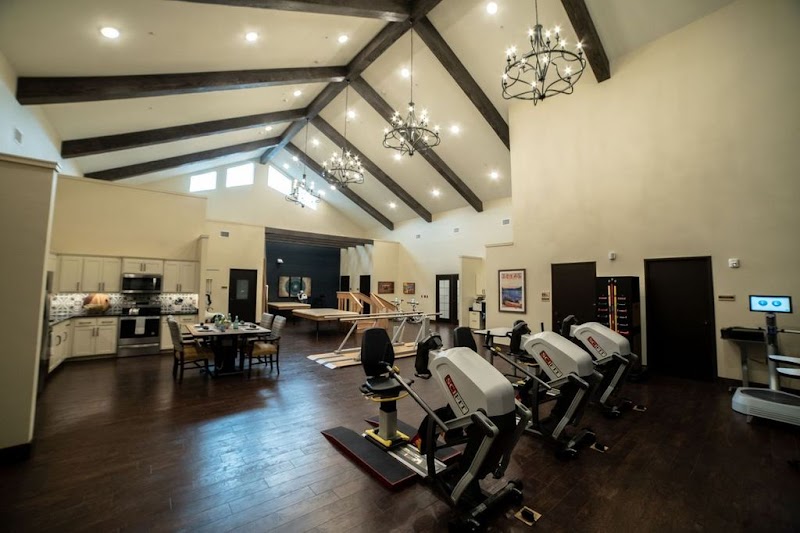
Who Owns and Operates Starr County Nursing And Transitional Care?

STARR COUNTY NURSING AND TRANSITIONAL CARE is owned by a non-profit organization. Non-profit facilities reinvest revenue into operations rather than distributing to shareholders. The facility is operated by WELLSENTIAL HEALTH, a chain that manages multiple nursing homes. With 120 certified beds and approximately 99 residents (about 82% occupancy), it is a mid-sized facility located in RIO GRANDE CITY, Texas.
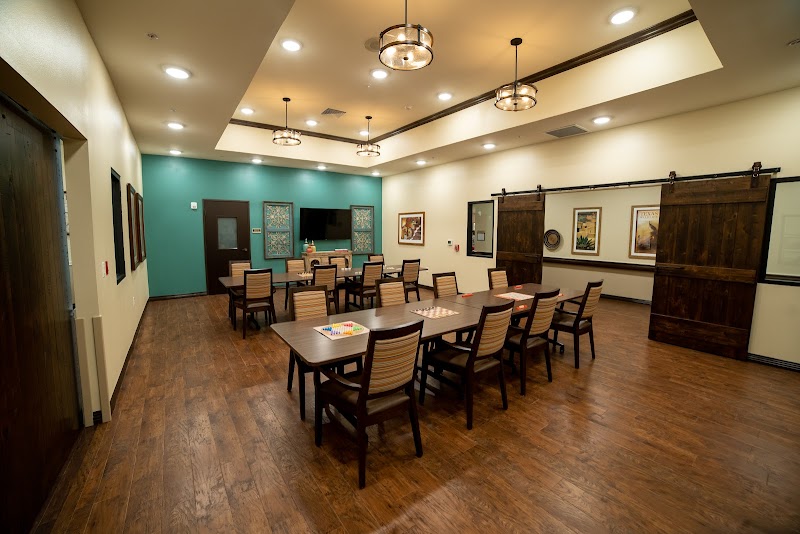
How Does Starr County Nursing And Transitional Care Compare to Other Texas Nursing Homes?

Compared to the 100 nursing homes in Texas, STARR COUNTY NURSING AND TRANSITIONAL CARE's overall rating (4 stars) is above the state average of 2.8, staff turnover (53%) is near the state average of 46%, and health inspection rating (4 stars) is above the national benchmark.

What Should Families Ask When Visiting Starr County Nursing And Transitional Care?

Based on this facility's data, families visiting should ask: "Can you walk me through typical staffing levels on day, evening, and night shifts?" "Can I visit during a mealtime to observe dining assistance and food quality?" "How do you handle medical emergencies, and what is your hospital transfer rate?" "Can I speak with family members of current residents about their experience?" These questions are particularly relevant given the below-average staffing rating.

Is Starr County Nursing And Transitional Care Safe?

Based on CMS inspection data, STARR COUNTY NURSING AND TRANSITIONAL CARE has a clean safety record: no substantiated abuse findings (meaning no confirmed cases of resident harm), no Immediate Jeopardy citations (the most serious violation level indicating risk of serious injury or death), and is not on the Special Focus Facility watch list (a federal program monitoring the lowest-performing 1% of nursing homes). The facility has a 4-star overall rating and ranks #1 of 100 nursing homes in Texas. While no facility is perfect, families should still ask about staff-to-resident ratios and recent inspection results during their visit.

Do Nurses at Starr County Nursing And Transitional Care Stick Around?

STARR COUNTY NURSING AND TRANSITIONAL CARE has a staff turnover rate of 53%, which is 7 percentage points above the Texas average of 46%. Moderate turnover is common in nursing homes, but families should still ask about staff tenure and how the facility maintains care continuity when employees leave.

Was Starr County Nursing And Transitional Care Ever Fined?

STARR COUNTY NURSING AND TRANSITIONAL CARE has no federal fines on record. CMS issues fines when nursing homes fail to meet care standards or don't correct problems found during inspections. The absence of fines suggests the facility has either maintained compliance or corrected any issues before penalties were assessed. This is a positive indicator, though families should still review recent inspection reports for the full picture.

Is Starr County Nursing And Transitional Care on Any Federal Watch List?

STARR COUNTY NURSING AND TRANSITIONAL CARE is not on any federal watch list. The most significant is the Special Focus Facility (SFF) program, which identifies the bottom 1% of nursing homes nationally based on persistent, serious quality problems. Not being on this list means the facility has avoided the pattern of deficiencies that triggers enhanced federal oversight. This is a positive indicator, though families should still review the facility's inspection history directly.