GULF POINTE PLAZA

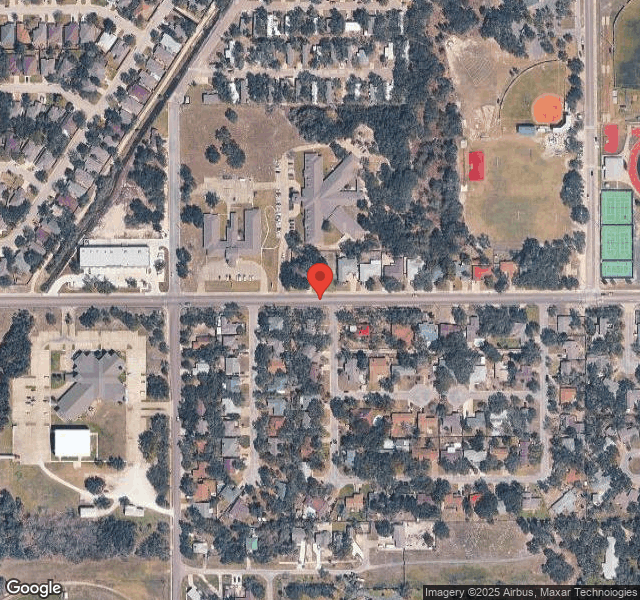
1008 ENTERPRISE BLVD, ROCKPORT, TX 78382 (361) 727-1800
For profit - Corporation 120 Beds HMG HEALTHCARE Data: November 2025
Trust Grade
90/100
#60 of 1168 in TX
Last Inspection: December 2024

Within standard 12-15 month inspection cycle. Federal law requires annual inspections.

Overview

Gulf Pointe Plaza in Rockport, Texas, has received a Trust Grade of A, indicating it is excellent and highly recommended. Ranking #60 out of 1,168 facilities in Texas places it in the top half, and it is the best option out of two nursing homes in Aransas County. However, the facility is showing a worsening trend with reported issues increasing from 2 in 2023 to 4 in 2024. Staffing is a concern, rated at 2 out of 5 stars, though the turnover rate of 33% is better than the Texas average. Notably, there have been some specific incidents, including a failure to prevent Legionella in the water system, which poses infection risks, and a lack of attention to advance directives for residents, which could jeopardize their care preferences. While the home has strong overall and health inspection ratings, these issues highlight areas for improvement.

Trust Score
A
90/100
In Texas
#60/1168
Top 5%
Safety Record
Low Risk
No red flags
Inspections
Getting Worse
2 → 4 violations
Staff Stability
○ Average
33% turnover. Near Texas's 48% average. Typical for the industry.
Penalties
✓ Good
No fines on record. Clean compliance history, better than most Texas facilities.
Skilled Nurses
⚠ Watch
Each resident gets only 19 minutes of Registered Nurse (RN) attention daily — below average for Texas. Fewer RN minutes means fewer trained eyes watching for problems.
Violations
○ Average
6 deficiencies on record. Average for a facility this size. Mostly minor or procedural issues.
★★★★★
5.0
Overall Rating
★★☆☆☆
2.0
Staff Levels
★★★★★
5.0
Care Quality
★★★★★
5.0
Inspection Score
Stable
2023: 2 issues
2024: 4 issues

The Good

  • 5-Star Quality Measures · Strong clinical quality outcomes
  • Full Sprinkler Coverage · Fire safety systems throughout facility
  • No fines on record
  • Staff turnover below average (33%)

    15 points below Texas average of 48%

Facility shows strength in quality measures, fire safety.

The Bad

Staff Turnover: 33%

13pts below Texas avg (46%)

Typical for the industry

Chain: HMG HEALTHCARE

Part of a multi-facility chain

Ask about local staffing decisions and management

The Ugly 6 deficiencies on record

Dec 2024 4 deficiencies
CONCERN (D)

Potential for Harm - no one hurt, but risky conditions existed

Deficiency F0578 (Tag F0578)

Could have caused harm · This affected 1 resident

**NOTE- TERMS IN BRACKETS HAVE BEEN EDITED TO PROTECT CONFIDENTIALITY** Based on interview and record review, the facility failed to ensure residents had the right to formulate an advance directive fo...

Read full inspector narrative →
**NOTE- TERMS IN BRACKETS HAVE BEEN EDITED TO PROTECT CONFIDENTIALITY** Based on interview and record review, the facility failed to ensure residents had the right to formulate an advance directive for 1 of 8 residents (Resident #47) reviewed for advanced directives. The facility failed to revise orders for Resident #47's code status from full code to DNR after his return from the hospital to correctly reflect the resident's wishes. The resident had a signed DNR form from 2019, but also had an active order for full code. This deficient practice could affect residents who require care and monitoring and place them at risk of not receiving the care and services to meet their needs. The findings included: Record Review of Resident #47's face sheet dated [DATE] revealed a [AGE] year-old male with an initial admission date of [DATE] and a current admission date of [DATE]. Pertinent diagnosis included Vascular Dementia (general term describing problems with reasoning, planning, judgment, memory and other thought processes caused by brain damage from impaired blood flow to your brain). Record review of Resident #47's Comprehensive MDS assessment section C, cognitive patterns, dated [DATE] revealed a BIMS score of 11 (moderate impairment). Record review of Resident #47's care plan revealed the problem [Resident #47] has a code status of: OOH-DNR initiated on [DATE]. Interventions listed to treat the problem were as follows: - A copy of the OOH-DNR will be kept in the Resident medical chart readily available for all to see initiated on [DATE]. - In the event that the Resident arrests no efforts to resuscitate will be provided in accordance with the Resident wishes initiated on [DATE]. - Staff will honor and respect Resident wish to be a DNR status initiated on [DATE]. Record review of Resident #47's order summary dated [DATE] revealed an active order titled CPR - Full Code initiated on [DATE] by RN E. Further record review showed a discontinued order titled DNR'' placed on [DATE] and discontinued on [DATE]. Record review of the form titled OUT-OF-HOPSITAL DO-NOT-RESUSCITATE (OOH-DNR) ORDER revealed the form was completed and signed by Resident #47, two witnesses, and his physician on [DATE]. During an interview with Resident #47 on [DATE] at 9:46 AM, Resident #47 stated he wanted the facility to do everything they could do to save him in the case his heart stopped beating. Resident #47 stated he wanted the staff to perform CPR on him if he needed it. During an interview with CNA B on [DATE] at 9:26 AM, CNA B stated CNA's were not trained to do CPR in the facility. CNA B stated if she saw a resident that needed CPR, she would yell for a nurse immediately. CNA B stated Resident #47's room was in the 100 hall. CNA B stated almost every resident in the 100 hall was a DNR. CNA B stated in the instance they were not sure if a resident was a DNR or not, the nurses would find out the answer in the computer system or in the binder at the nurse's station. During an interview with LVN A on [DATE] at 10:00 AM, LVN A stated she was the current nurse for the 100 hall. LVN A stated she was trained to do CPR. LVN A stated most of the residents on the 100 hall was a DNR. LVN A stated she would always double check the records before performing CPR on a resident. LVN A stated there was a binder at the nurse's station that contained whether a resident was a DNR or full code. LVN A stated RN E worked in medical records and updated the binder when it was necessary. LVN A stated Resident #47 was a DNR. During an observation on [DATE] at 10:09 AM, LVN A showed this surveyor the advanced directives binder located at the nurses station. LVN A turned to the page containing Resident #47's signed DNR from [DATE]. During an interview with the DON on [DATE] at 10:12 AM, the DON stated if a resident were able to tell us if they wanted to be a full code or DNR then we would listen. The DON stated if residents were not able to make that choice, then the RP, doctor, and family would get together to make the best decision for the resident. The DON stated it could be difficult interpreting whether a resident could make the decision on their own if they wanted to be a full code or DNR. The DON stated she thought Resident #47 was cognitively aware enough to decide on his own if he wanted to be a full code or DNR. The DON stated she expected nurses to double check the advance directives book or the resident's chart before they administered CPR to the resident. The DON stated Resident #47 was a DNR. The DON stated when a resident was discharged to the hospital all active orders were discontinued. The DON stated Resident #47's DNR order was discontinued on [DATE]. The DON stated when they came back, all their new orders were put in, including a code status. The DON stated Resident #47's chart currently showed he was a full code. The DON stated Resident #47 was recently hospitalized on [DATE] from a fall he had in the shower. The DON stated the resident was in the hospital for a few weeks and returned to the facility on [DATE]. The DON stated if the code status was not correct then a nurse could start CPR on someone who was a DNR or not start CPR on someone who was a full code. During an interview with RN E on [DATE] at 10:25 AM, RN E stated when a resident came back from the hospital, the receiving nurse would put new orders into the resident's chart. RN E stated if the resident had a DNR before they went to the hospital, then when they came back they would maintain the same DNR status. RN E stated Resident #47 was a DNR. RN E stated she did not remember putting the Full Code order in the chart of Resident #47 on [DATE]. RN E stated she thought Resident #47 was cognitively aware enough to make the decision on whether he wanted to be a full code or DNR. RN E stated if a nurse looked in a resident's chart and saw that they were a full code, they might perform CPR on Resident #47 despite them having a signed DNR. During an interview with the ADON on [DATE] at 1:31 PM, the ADON stated on discharge, all orders for the discharged resident were discontinued. The ADON stated the admitting nurse would put orders into the system once the resident returned from the hospital. The ADON stated the hospital paperwork usually did not contain the resident's code status. The ADON stated the admitting nurse could verify the resident's code status by asking the resident or the resident's RP. The ADON stated he spoke to Resident #47 at approximately 11:00 AM on [DATE] about his code status, and the resident stated he wanted to be a full code. The ADON stated he explained the difference between full code and DNR to the resident and the resident acknowledged comprehension of the difference. The ADON stated they had a morning meeting with nurse managers every weekday to go over new orders from the previous day. The ADON stated if the resident's code status was not consistent across all platforms, they could perform CPR on a resident with a DNR or vice versa. Record review of the facility policy titled Advance Directives revised [DATE], revealed the following: 7. Information about whether or not the resident has executed an advance directive shall be displayed prominently in the medical record. 10. The plan of care for each resident will be consistent with his or her documented treatment preferences and/or advance directive.
CONCERN (D)

Potential for Harm - no one hurt, but risky conditions existed

Comprehensive Care Plan (Tag F0656)

Could have caused harm · This affected 1 resident

**NOTE- TERMS IN BRACKETS HAVE BEEN EDITED TO PROTECT CONFIDENTIALITY** Based on observation, interview and record review, the facility failed to develop a comprehensive care plan for each resident th...

Read full inspector narrative →
**NOTE- TERMS IN BRACKETS HAVE BEEN EDITED TO PROTECT CONFIDENTIALITY** Based on observation, interview and record review, the facility failed to develop a comprehensive care plan for each resident that includes measurable objectives and timeframes to meet a resident's medical, nursing, mental, and psychosocial needs, as well as describes the services that are to be furnished to attain or maintain the resident's highest practicable physical, mental, and psychosocial well-being for 1 of 5 residents (Resident #7) reviewed for care plans in that: The Facility failed to ensure that Resident #7's care plan was revised, updated and individualized with interventions and goals to address Resident #7's urinary incontinence. This deficient practice could place residents in the facility at risk of not being provided with the necessary care or services and not having personalized or individualized plans developed to address specific needs or concerns. Findings included: Record review face sheet, on 12/18/2024 at 3:17 PM, revealed Resident #7 was a [AGE] year-old-female with an original admission date of 8/16/24, and a current admission date of 9/02/24. Record review of medical diagnoses revealed Resident #7 had Essential Primary Hypertension with onset of 8/28/2024. Record review of care plan initiated 9/03/24 revealed Resident #7 was on diuretic therapy related to hypertension, and goals include having moist mucous membranes and adequate urine output. There are no individualized or personalized focuses, goals or interventions related to urinary incontinence included in Resident #7's care plan, such as, need for frequent brief checks and changes, need for frequent clothing checks or changes, need for a toileting or bowel and bladder program. Record review of physician's orders revealed order for Furosemide 20 mg started 9/03/2024 and Tamsulosin 0.4 mg started 9/03/2024. Record review of progress note dated 12/12/24 revealed Resident #7 had constant complaints of urinary incontinence and bowel movements. Observation on 12/17/24 at 1:01 PM revealed a slight smell of urine and Resident #7 consistently looking at and feeling of her clothes to see if they were damp with urine. In an interview with Resident #7, on 7/17/24 at 1:00 PM, she stated she used to use a walker but spends all her time in a wheelchair now because her legs have gotten weaker, and she has had some falls. She stated due to being in the wheelchair, the falls, and the weakness in her legs, she needs more assistance than she used to. She stated she can no longer get herself up and to the bathroom, and this is why she wears briefs, but because of the water pill, she stated she stayed wet constantly, and it takes staff too long to answer call lights sometimes. She felt like she cannot go anywhere, including physical therapy because she was constantly soaked in urine. In an interview with LVN - A, on 12/18/2024 at 1:18 PM, she stated she is not sure why Resident #7's frequent urination and constant wetness is not care planned, but they will adjust the care plan to reflect individualized and personalized focuses, goals and outcomes. She stated she was not sure why the other approaches to this resident's issues with constant urination are not approached in the care plan, such as a toileting program, increased changing of the brief, monitoring for wetness of clothes, changing prior to activities. She stated resident has complained many times about her frequent urination and being wet frequently. She stated the MDS nurse typically updates the care plan, but she was out, but the ADON or any of the nurses can typically update the care plan, and she will discuss individualizing and personalizing this care plan. In an interview with the ADON, on 12/18/24 at 1:30 PM, he stated he was not sure why Resident #7's care plan was not individualized, or why there are not any personal goals for this resident for her increased and frequent incontinence. He stated the MDS nurse, the DON, Medical Records, and the nurse managers typically update the care plans, and they should have updated and personalized in this care plan, and they will work on getting it fixed. In an interview with the DON, on 12/19/24 at 7:50 AM, she stated Resident #7 had never previously complained about being soaked in urine or feeling like she has urine all over her until this week, so that was when she (the DON) addressed it. In an interview with CNA - B, on 12/19/24 at 9:06 AM, she stated Resident #7 has complained about frequent urination and bowel movements a lot, but she had never heard her complain about not wanting to leave room due to urination, but she always stated she wanted or needed to return back to her room quickly due to urination and needing to be changed. Record review of the facility's Care Plan Policy revised December 2016 revealed the Interdisciplinary Team is responsible for the development of an individualized comprehensive care plan for each resident.
CONCERN (D)

Potential for Harm - no one hurt, but risky conditions existed

Accident Prevention (Tag F0689)

Could have caused harm · This affected 1 resident

Based on observation, interview, and record review, the facility failed to ensure that the resident environment remained free of accident hazards as is possible for 1 of 1 central supply room reviewed...

Read full inspector narrative →
Based on observation, interview, and record review, the facility failed to ensure that the resident environment remained free of accident hazards as is possible for 1 of 1 central supply room reviewed for the environment. The facility failed to maintain and assure the central supply room was locked at all times. This failure could place residents at risk of living in an unsafe environment. The findings include: Observation of the central supply room door on 12/17/24 at 8:25 AM revealed the door was unlocked and easily opened. There was a key to the lock hanging on the wall just outside of the door. There was a sign on the door that read, Staff Only Do Not Enter. In the room were 12 closed boxes and one open box of disposable razors. There were 6 boxes of loose nail clippers, and 1 large box full of multiple individual bottles of liquid soap. The items were in cubby type shelves located from the floor to approximately waist high. Observation of the central supply room door on 12/18/24 at 9:18 AM revealed the door was unlocked and easily opened. There was one can of spray lubricant, the same boxes of nail clippers, and the same large box full of multiple individual bottles of liquid soap on the same shelves. In an interview with CNA F on 12/18/24 at 09:20 AM, she said the central supply room should be locked at all times and did not know why it was not. She demonstrated the locking mechanism on the door was difficult to engage and said she would put in a maintenance order for it. She would not say how long the locking mechanism was not working. She said she did not know if the spray lubricant was supposed to be in the central supply room. She said if a resident handled it, they could be harmed by the spray; it could get in their eyes and on their hands. She said she did not see anything else that might be harmful. In an interview with the DON on 12/18/24 at 4:13 PM, she said the central supply room should be locked at all times. She said there was a key on the wall just outside the door. She said there was also a sign on the door for only staff to enter. She said maintenance put a new self-locking handle on the door today. She said there were harmful items such as razors, liquid soap, and spray lubricant in the central supply room. She said the spray lubricant was definitely not supposed to be in there. She said the residents could not have razors or disposable razors of their own because they could harm themselves or others. She said the open box of disposable razors was removed yesterday because the door lock was difficult to manage. She said she had to use the key to unlock the central supply room weekly for ordering purposes and she was unaware it had not been locked. She said herself, the ADM and the MS were responsible for the safety of the central supply room. She said all staff were responsible for keeping the central supply room locked at all times. In an interview with the MS on 12/18/24 at 4:30 PM, he said the central supply room should be locked at all times. He said he replaced the lock today. He said he utilized the central supply room around 3 times a week and he always locked the door. He said he had tried to get the staff to keep it locked by telling them whenever he found it unlocked, which was frequently. He said the residents would push the door open if they saw someone in there and ask for things such as tissues or lotion, etc. He said mostly the liquids like lotion, and disposable razors and just about anything in the central supply room could be harmful to the residents. He said the (loaded) shelves could fall on them if a resident tried to balance themselves with it or tried to reach for something. He said he used the lubricating spray last week and he forgot he put it on the shelf in the central supply room. He said he mostly used the lubricating spray on resident's wheelchairs in his office when they were not using them, like during a nap. He said the central supply room now had a self-locking door handle. He said he would bring it up (the new door handle and locking the central supply room) in the next (daily) morning meeting where all managers attended. He said himself, the ADM and the DON were responsible for the safety of the central supply room. He said all staff were responsible for keeping the central supply room locked at all times. In an interview with CNA B on 12/19/24 at 9:05 AM, she said she had worked at the facility for eleven or twelve years. She said the central supply room door was not locked all the time-it depended on who was working. She said she had never seen a resident in there or attempt to go in there. She said the door should be locked all the time. She said there were harmful materials in there such as bath soap, shaving cream, nail clippers, disposable razors, and for infection control.She said the door was locked when she got here at 6:30 am today. She said she was happy it was locked. In an interview with the ADM on 12/19/24 at 9:26 AM, he said the central supply room should be locked at all times. He said the central supply room had lock on it, but it was difficult to manage, so it was replaced yesterday to one that automatically locked. He said residents should not be in there taking things at will. He said he did not go in there often-mostly to make sure boxes were not stacked too high. He said the door had been locked when he went in there in August. He said he did not know if there were any items that could harm residents in the central supply room. He said the MS and the DON were responsible for the safety of the central supply room, but he was ultimately responsible. He said all staff were responsible for keeping the central supply room locked at all times. Policies for storage of resident items and hazardous materials was requested. Record review of the facility policy revised November 2009, titled Receipt and Storage of Supplies and Equipment: 6. All supplies and equipment must be stored in accordance with the manufacturer's recommendations. 7. Hazardous/toxic materials must be properly stored and labeled in accordance with current regulations. 8. It shall be the purchasing agent's responsibility to assure that proper storage procedures are maintained. Record review of the facility policy revised December 2009, titled Storage Areas, Maintenance: Policy Statement-Maintenance storage areas shall be maintained in a clean and safe manner.
CONCERN (D)

Potential for Harm - no one hurt, but risky conditions existed

Deficiency F0761 (Tag F0761)

Could have caused harm · This affected 1 resident

Based on observation and interview, the facility failed to ensure all drugs and biologicals were stored in locked compartments and labeled in accordance with currently accepted professional principles...

Read full inspector narrative →
Based on observation and interview, the facility failed to ensure all drugs and biologicals were stored in locked compartments and labeled in accordance with currently accepted professional principles reviewed for medications stored in 1 of 7 medication carts (Overflow cart) reviewed for storage. The facility failed to keep the overflow cart locked when not in use. This failure could place residents in the facility at risk of drug diversion or misuse of medications leading to harm. Findings included: During an observation at 7:15 AM on 12/17/24, this surveyor pulled the top drawer of the overflow medication cart and it opened. The overflow medication cart was unlocked with no employee nearby. During an interview with CMA C at 7:16 AM on 12/17/24, CMA C stated she was not aware the medication cart was unlocked until she saw the drawer open. CMA C stated she arrived at the facility this morning at around 5:45 AM. CMA C stated the cart that was left unlocked was the overflow cart where they store extra medications for residents. CMA C stated she had not used the overflow cart yet since she arrived that morning. CMA C stated she did not know who left the medication cart unlocked. CMA C stated the medication carts should not be left unlocked when unattended. CMA C stated somebody could open the unlocked medication cart and use medication, possibly leading to adverse reactions. During an interview with RN E at 7:20 AM on 12/17/24, RN E stated she arrived this morning at 7:16 AM. RN E stated she did not know who left the medication cart unlocked. RN E stated medication carts should be locked whenever they were not in use. RN E stated anybody could open the unlocked medication cart to access other resident's medications. During an interview with LVN D at 12:41 PM on 12/19/24, LVN D stated she administered PRN medications and scheduled medications to residents. LVN D stated medication carts were supposed to be locked when not in use. LVN D stated if she saw an unlocked cart not in use, she would lock it. LVN D stated she would notify whoever's cart it was and the DON that the medication cart was left unlocked. LVN D stated any resident would be able to go into an unlocked medication cart and take medicine that was not theirs. During an interview with the DON on 1:57 PM on 12/19/24, the DON stated medication carts should be locked and the screen should be on lock mode when not in use. The DON stated if she saw an unlocked cart not in use, she would lock it and figure out whose cart it was. The DON stated she had been working at the facility for approximately 5 years. The DON stated she had seen medication carts unlocked when not in use about once per year since she had been working at the facility. The DON stated someone could have accessed medications from an unlocked cart who should not have access to those medications. Record review of the facility policy titled Security of Medication Cart revised April 2007, revealed the following: 5. When the medication cart is not being used, it must be locked and parked at the nurses' station or inside the medication room.
Sept 2023 2 deficiencies
CONCERN (D) 📢 Someone Reported This

A family member, employee, or ombudsman was alarmed enough to file a formal complaint

Potential for Harm - no one hurt, but risky conditions existed

Deficiency F0761 (Tag F0761)

Could have caused harm · This affected 1 resident

Based on observation, interview, and record review, the facility failed to store all drugs and biologicals in locked compartments on 1 of 5 medication carts reviewed for storage of drugs. Nurses' Med...

Read full inspector narrative →
Based on observation, interview, and record review, the facility failed to store all drugs and biologicals in locked compartments on 1 of 5 medication carts reviewed for storage of drugs. Nurses' Medication Cart was left unattended, unlocked and medication cart keys left in medication cart lock by nurse's station area. This deficient practice could affect residents who have medications on the Nurses' Medication Cart and could result in lost medications, drug diversion, or harm due to accidental ingestion of unprescribed medications. Findings included: Observation on 09/25/23 at 1:45 PM revealed a medication cart was left unlocked, unattended and medication cart keys left in medication cart lock by nurse's station. There was one resident about 5 to 10 feet away from cart and one nurse located at the nurses station out of view of the unlocked medication cart. This surveyor opened the top drawer recognizing the cart being unlocked. Multiple medications in bulk bottles and blister packs were easily assessable for removable. The DON walked by approximately 5 to 10 minutes later and was made aware of the situation and paged RN A over the intercom to come to the nurse's station. When RN A came out of resident's room, he took ownership of the medication cart and acknowledged it being unlocked and unattended. Interview on 9/25/2023 at 3:20 PM with DON stated, medication carts should be locked at all times and RN A must have gotten distracted from locking it. DON stated it was important to keep medication cart locked at all times due to anyone being able to open it and get medications not prescribed to them. DON stated that the keys to medication carts should always be with the nurse responsible for that medication cart and in-servicing on unlocked medication carts would began immediately. Interview on 09/27/2023 at 2:00 PM., with RN A stated it was a rare circumstance to leave medication cart unlocked with keys left in it. RN A stated he was called to change a resident and was in a hurry. RN A stated it was important to not leave the keys on the medication cart because of the different types of medication including narcotics it stores and could be a safety issue. RN A stated if the keys are left on the medication cart a myriad of things could happen for example, a resident, visitor, or staff member can gain access to the meds in the cart. Record review of the Facility's Medication Carts and Supplies for Administering Medication policy and procedure states; #1. The Medication cart is locked at all times when not in use. #2. Do not leave the medication cart unlocked or unattended in the resident care areas.
CONCERN (E) 📢 Someone Reported This

A family member, employee, or ombudsman was alarmed enough to file a formal complaint

Potential for Harm - no one hurt, but risky conditions existed

Infection Control (Tag F0880)

Could have caused harm · This affected multiple residents

Based on interview, and record review, the facility failed to maintain an infection and prevention control program that included, at a minimum, a system for preventing and controlling Legionella throu...

Read full inspector narrative →
Based on interview, and record review, the facility failed to maintain an infection and prevention control program that included, at a minimum, a system for preventing and controlling Legionella through a program that identifies areas in the water system where Legionella can grow and spread for the facility reviewed for infection control. The facility failed to have a system in place for preventing and controlling Legionella through a program that identifies areas in the water system where Legionella can grow and spread. This deficient practice place the facility residents at risk for airborne infections. The findings included: An interview on 09/27/23 at 10:28 AM with the Maintenance Director revealed he did not know what Legionnaire's was. He stated he had been working at this facility for three and a half years. The Maintenance Director stated the facility water is on city water and that he visually inspects water. The Maintenance Director stated to his knowledge, there was no system to monitor effectiveness of control measures. He stated that he had no training upon hire. He was also unaware of the facility policy, Legionella Water Management Program. An interview on 09/27/23 at 10:45 AM with Infectious Preventionist DON revealed there have not been any cases of residents with Legionellosis. An interview on 9/27/23 at 1:20 PM with the Administrator, stated there was no system in place to measure testing protocols or to intervene when control limits were not met. He stated that he was waiting on corporate to set up meeting to find out what they will be implementing regarding Legionella. Administrator was aware that the Maintenance Director was not knowledgeable about the disease Legionella. He did not have a map indicating where Legionella and other opportunistic waterborne pathogens can grow and spread. A record review of the facility's Legionella Water Management Program Policy Interpretation and Implementation revised 09/2022 indicated the water management program included the following elements: 5. b. A detailed description and diagram of the water system in the facility, including the following: 1. Receiving 2. Cold water distribution 3. Heating 4. Hot water distribution 5. Waste 5. c. The identification of areas in the water system that could encourage the growth and spread of Legionella or other waterborne bacteria, including the following: storage tanks, water heaters, filters, aerators, showerheads and hoses, misters, atomizers, air washers and humidifiers, hot tubs, fountains, and medical devices such as CPAP machines, hydrotherapy equipment etc. 5. d. The identification of situations that can lead to Legionella growth, such as: 1. Construction 2. Water main breaks 3. Changes in municipal water quality 4. The presence of biofilm, scale, or sediments 5. Water temperature fluctuations 6. Water pressure changes 7. Water stagnation 8. Inadequate disinfection 5. e. Specific measures used to control the introduction and/or spread of legionella (e.g., temperature, disinfectants) f. The control limits or parameters that are acceptable and that are monitored g. A diagram of where the control measures are in place h. A system to monitor control limits and the effectiveness of control measures i. A plan for when control limits are not met or not effective j. Documentation of the program
Understanding Severity Codes (click to expand)
Life-Threatening (Immediate Jeopardy)
J - Isolated K - Pattern L - Widespread
Actual Harm
G - Isolated H - Pattern I - Widespread
Potential for Harm
D - Isolated E - Pattern F - Widespread
No Harm (Minor)
A - Isolated B - Pattern C - Widespread

Questions to Ask on Your Visit

  • "Can I speak with families of current residents?"
  • "What's your RN coverage like on weekends and overnight?"

Our Honest Assessment

Strengths
  • • Grade A (90/100). Above average facility, better than most options in Texas.
  • • No major safety red flags. No abuse findings, life-threatening violations, or SFF status.
  • • No fines on record. Clean compliance history, better than most Texas facilities.
  • • 33% turnover. Below Texas's 48% average. Good staff retention means consistent care.
Concerns
  • • No significant concerns identified. This facility shows no red flags across CMS ratings, staff turnover, or federal penalties.
Bottom line: Generally positive indicators. Standard due diligence and a personal visit recommended.

About This Facility

What is Gulf Pointe Plaza's CMS Rating?

CMS assigns GULF POINTE PLAZA an overall rating of 5 out of 5 stars, which is considered much above average nationally. Within Texas, this rating places the facility higher than 99% of the state's 100 nursing homes. This rating reflects solid performance across the metrics CMS uses to evaluate nursing home quality.

How is Gulf Pointe Plaza Staffed?

CMS rates GULF POINTE PLAZA's staffing level at 2 out of 5 stars, which is below average compared to other nursing homes. Staff turnover is 33%, compared to the Texas average of 46%. This relatively stable workforce can support continuity of care.

What Have Inspectors Found at Gulf Pointe Plaza?

State health inspectors documented 6 deficiencies at GULF POINTE PLAZA during 2023 to 2024. These included: 6 with potential for harm.

Who Owns and Operates Gulf Pointe Plaza?

GULF POINTE PLAZA is owned by a for-profit company. For-profit facilities operate as businesses with obligations to shareholders or private owners. The facility is operated by HMG HEALTHCARE, a chain that manages multiple nursing homes. With 120 certified beds and approximately 76 residents (about 63% occupancy), it is a mid-sized facility located in ROCKPORT, Texas.

How Does Gulf Pointe Plaza Compare to Other Texas Nursing Homes?

Compared to the 100 nursing homes in Texas, GULF POINTE PLAZA's overall rating (5 stars) is above the state average of 2.8, staff turnover (33%) is significantly lower than the state average of 46%, and health inspection rating (5 stars) is much above the national benchmark.

What Should Families Ask When Visiting Gulf Pointe Plaza?

Based on this facility's data, families visiting should ask: "Can you walk me through typical staffing levels on day, evening, and night shifts?" "Can I visit during a mealtime to observe dining assistance and food quality?" "How do you handle medical emergencies, and what is your hospital transfer rate?" "Can I speak with family members of current residents about their experience?" These questions are particularly relevant given the below-average staffing rating.

Is Gulf Pointe Plaza Safe?

Based on CMS inspection data, GULF POINTE PLAZA has a clean safety record: no substantiated abuse findings (meaning no confirmed cases of resident harm), no Immediate Jeopardy citations (the most serious violation level indicating risk of serious injury or death), and is not on the Special Focus Facility watch list (a federal program monitoring the lowest-performing 1% of nursing homes). The facility has a 5-star overall rating and ranks #1 of 100 nursing homes in Texas. While no facility is perfect, families should still ask about staff-to-resident ratios and recent inspection results during their visit.

Do Nurses at Gulf Pointe Plaza Stick Around?

GULF POINTE PLAZA has a staff turnover rate of 33%, which is about average for Texas nursing homes (state average: 46%). Moderate turnover is common in nursing homes, but families should still ask about staff tenure and how the facility maintains care continuity when employees leave.

Was Gulf Pointe Plaza Ever Fined?

GULF POINTE PLAZA has no federal fines on record. CMS issues fines when nursing homes fail to meet care standards or don't correct problems found during inspections. The absence of fines suggests the facility has either maintained compliance or corrected any issues before penalties were assessed. This is a positive indicator, though families should still review recent inspection reports for the full picture.

Is Gulf Pointe Plaza on Any Federal Watch List?

GULF POINTE PLAZA is not on any federal watch list. The most significant is the Special Focus Facility (SFF) program, which identifies the bottom 1% of nursing homes nationally based on persistent, serious quality problems. Not being on this list means the facility has avoided the pattern of deficiencies that triggers enhanced federal oversight. This is a positive indicator, though families should still review the facility's inspection history directly.