CHEROKEE TRAILS NURSING HOME
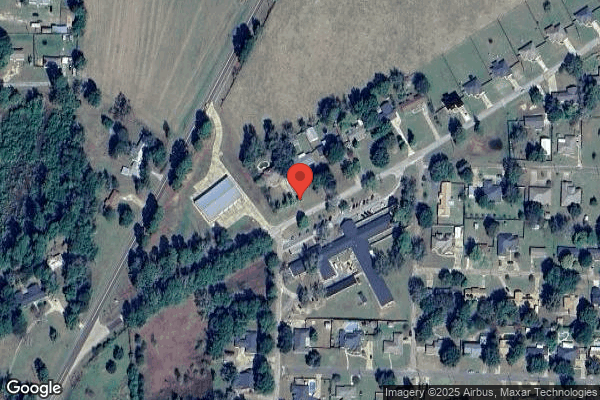
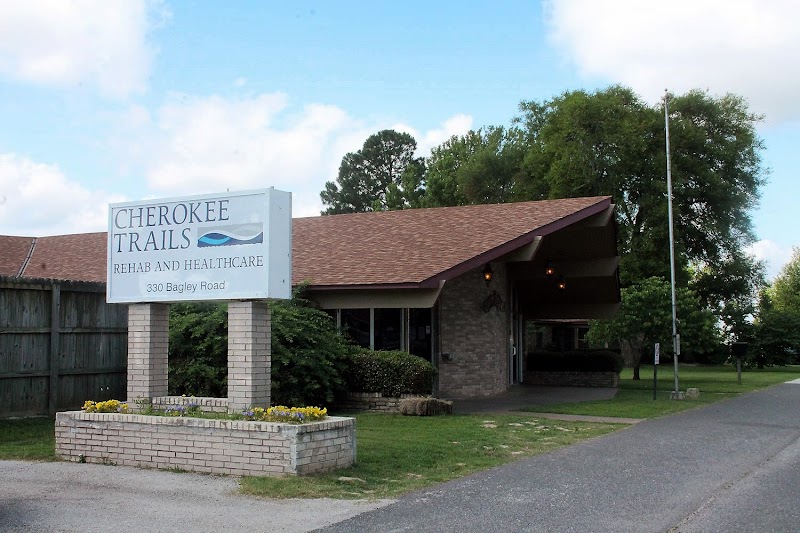
330 E BAGLEY RD, RUSK, TX 75785 (903) 683-5438
Government - Hospital district 140 Beds ADVANCED HEALTHCARE SOLUTIONS Data: November 2025 6 Immediate Jeopardy citations
Trust Grade
0/100
#670 of 1168 in TX
Last Inspection: March 2025

Within standard 12-15 month inspection cycle. Federal law requires annual inspections.

Overview

Cherokee Trails Nursing Home has received a Trust Grade of F, indicating significant concerns about the facility's overall quality and care. They rank #670 out of 1168 nursing homes in Texas, placing them in the bottom half of the state, and #4 out of 6 in Cherokee County, suggesting limited better options nearby. While the facility is trending towards improvement, with a decrease in issues from 21 in 2024 to 9 in 2025, they still face serious challenges. Staffing is a significant weakness, with only 1 out of 5 stars and a troubling turnover rate of 73%, well above the state average. Additionally, there have been critical incidents, including failure to maintain a safe temperature for residents and malfunctioning call lights, which could hinder residents' ability to seek assistance. On a positive note, they do have more RN coverage than 81% of Texas facilities, which can help catch potential issues. However, the concerning fines of $85,329 and multiple critical deficiencies highlight the need for families to carefully consider this facility for their loved ones.

Trust Score
F
0/100
In Texas
#670/1168
Bottom 43%
Safety Record
High Risk
Review needed
Inspections
Getting Better
21 → 9 violations
Staff Stability
⚠ Watch
73% turnover. Very high, 25 points above average. Constant new faces learning your loved one's needs.
Penalties
○ Average
$85,329 in fines. Higher than 52% of Texas facilities. Some compliance issues.
Skilled Nurses
⚠ Watch
Each resident gets only 28 minutes of Registered Nurse (RN) attention daily — below average for Texas. Fewer RN minutes means fewer trained eyes watching for problems.
Violations
⚠ Watch
39 deficiencies on record. Higher than average. Multiple issues found across inspections.
★★☆☆☆
2.0
Overall Rating
★☆☆☆☆
1.0
Staff Levels
★★★★★
5.0
Care Quality
★☆☆☆☆
1.0
Inspection Score
Stable
2024: 21 issues
2025: 9 issues

The Good

  • 5-Star Quality Measures · Strong clinical quality outcomes
  • Full Sprinkler Coverage · Fire safety systems throughout facility
  • No fines on record

Facility shows strength in quality measures, fire safety.

The Bad

2-Star Overall Rating

Below Texas average (2.8)

Below average - review inspection findings carefully

Staff Turnover: 73%

27pts above Texas avg (46%)

Frequent staff changes - ask about care continuity

Federal Fines: $85,329

Well above median ($33,413)

Moderate penalties - review what triggered them

Chain: ADVANCED HEALTHCARE SOLUTIONS

Part of a multi-facility chain

Ask about local staffing decisions and management

Staff turnover is very high (73%)

25 points above Texas average of 48%

The Ugly 39 deficiencies on record

6 life-threatening
Mar 2025 9 deficiencies
CONCERN (D)

Potential for Harm - no one hurt, but risky conditions existed

Infection Control (Tag F0880)

Could have caused harm · This affected 1 resident

**NOTE- TERMS IN BRACKETS HAVE BEEN EDITED TO PROTECT CONFIDENTIALITY** Based on observations, interviews, and record review the facility failed to establish and maintain an infection prevention and c...

Read full inspector narrative →
**NOTE- TERMS IN BRACKETS HAVE BEEN EDITED TO PROTECT CONFIDENTIALITY** Based on observations, interviews, and record review the facility failed to establish and maintain an infection prevention and control program designed to provide a safe, sanitary, and comfortable environment and to help prevent the development and transmission of communicable diseases and infections for 1 of 4 residents (Resident #153) and 1 of 5 staff (MDS Coordinator) reviewed for infection control. The MDS Coordinator failed to wear appropriate PPE for enhanced barrier precautions when providing care to Resident #153 on 3/18/2025. This failure could place residents at risk of exposure to infectious diseases due to improper infection control practices. Findings included: Record review of an admission Record dated 3/18/2025 for Resident #153 indicated he admitted to the facility on [DATE] and was [AGE] years old with diagnoses of osteomyelitis of left ankle and foot (bone infection), dementia, hypertension, acquired absence of left foot and right leg below knee (surgical removal). Record review of active physician orders for Resident #153 dated 3/18/2025 did not indicate an order for enhanced barrier precautions. Record review of an Admission/5 Day MDS for Resident #153 dated 3/17/2025 indicated it was not complete and in progress. Record review of a care plan for Resident #153 dated 3/12/2025 indicated he had a pressure ulcer and was at risk for infection. Interventions included to provide wound care per physician's order. Monitor and document for signs and symptoms of infection. Record review of a list of residents on enhanced barrier precautions undated indicated Resident #153 was listed with the reason for a wound. During an observation on 3/18/2025 at 09:34 AM in the room of Resident #153, RN C was present to perform wound care. There was a sign on his door for EBP. RN C sanitized her hands and donned (put on) a gown and gloves. The MDS Coordinator was present to assist, and she sanitized her hands and put on gloves, but not a gown and sat on the floor in the resident's room. Resident #153 was sitting up in a wheelchair and the MDS Coordinator lifted Resident #153's left leg and RN C performed wound care following physician orders and infection control with proper glove changes and sanitized her hands. After wound care was completed, RN C removed her gloves and placed them in the trash and sanitized her hands. The MDS Coordinator removed her gloves and placed them in the trash and sanitized her hands. During an interview on 3/18/2025 at 2:50 PM, the MDS Coordinator said residents who were on EBP, staff should wear a gown and gloves when care was provided and that included residents who had wounds. She said during the care provided to Resident #153, she should have worn a gown and only had on gloves. She said she did not think about him being on EBP and did not notice the sign on his door or the container of ppe that was outside of his door. She said she should not have been sitting on the floor while assisting him. She said there could be a risk of passing germs to other residents if staff did not wear gown and gloves when care was provided. During a joint interview on 3/19/2025 at 10:37 AM, the ADON and DON said they were both responsible for training staff on infection control. The ADON said she trained staff monthly on infection control and about every 2-3 months on EBP that included all staff. She said a resident who had wounds would be on EBP and Resident #153 was. She said when staff provided care to him, they should wear a gown and gloves at minimum. She said she was not aware the MDS Coordinator did not wear proper ppe when assisting with wound care on yesterday 3/18/2025 and she should have worn a gown and not have been sitting on the floor. She said residents could be at risk for infections and planned to inservice the MDS Coordinator and provide training with her. She said she had a training a few months ago on EBP with all staff. Record review of a facility inservice training on EBP dated 3/18/2025 indicated the MDS Coordinator received the training as indicated by her signature. Record review of a facility inservice training on EBP dated 1/31/2025 indicated the MDS Coordinator received the training as indicated by her signature. During an interview on 3/19/2025 at 10:45 AM, the interim Administrator said she had been at the facility for a couple of months. She said the ADON and DON were responsible for training staff on infection control in the facility. She said when care was provided to residents who were on EBP, staff should wear a gown and gloves. She said residents on EBP included residents with wounds. She said there could be a risk of cross contamination and infections if staff did not wear the proper ppe when care was provided. Record review of a facility policy titled Infection Prevention and Control Program revised 11/6/2024 indicated, .This facility has established and maintains an infection prevention and control program designed to provide a safe, sanitary, and comfortable environment and to help prevent the development and transmission of communicable disease and infection as per accepted national standards and guidelines. 6. Enhanced Barrier Precautions: EBP are used in conjunction with standard precautions and expand the use of PPE to donning of gown and gloves during high contact resident care activities that provide opportunities for transfer of MDROs to staff hands and clothing. EBP are indicated for residents with any of the following: b. Wounds; During high-contact resident care activities: wound care: any skin opening requiring a dressing. Gloves and gowns prior to the high-contact care activity .
CONCERN (D)

Potential for Harm - no one hurt, but risky conditions existed

Deficiency F0940 (Tag F0940)

Could have caused harm · This affected 1 resident

**NOTE- TERMS IN BRACKETS HAVE BEEN EDITED TO PROTECT CONFIDENTIALITY** Based on interview and record review, the facility failed to develop, implement, and maintain an effective training program for ...

Read full inspector narrative →
**NOTE- TERMS IN BRACKETS HAVE BEEN EDITED TO PROTECT CONFIDENTIALITY** Based on interview and record review, the facility failed to develop, implement, and maintain an effective training program for 3 of 14 employees (AD, DOR, and CNA B) reviewed for training. The facility failed to ensure the AD, DOR, and CNA B were trained on HIV annually. This failure could place residents at risk of not receiving care to attain or maintain their highest practicable physical, mental, and psychosocial well-being due to lack of staff training. Findings include: Record review of the personnel file for the AD indicated she was hired at the facility on 9/29/2023 and did not have annual training on HIV. Training was last completed on 2/19/2024. Record review of the personnel file for the DOR indicated she was hired at the facility on 6/1/2023 and did not have annual training on HIV. Training was last completed on 2/19/2024. Record review of the personnel file for CNA B indicated she was hired at the facility on 5/23/2023 and did not have annual training on HIV. Training was last completed on 5/23/2023. During an interview on 3/19/2025 at 9:22 AM, HR said she had been employed at the facility for a year. She said she was responsible for ensuring staff received the required trainings on hire. She said she was not sure who was responsible for ensuring staff received annual trainings. She said she used a guide that staff were given during orientation that included all the required trainings. During a follow up interview on 3/19/2025 at 10:33 AM, HR said if staff did not receive the required trainings on hire and annually thereafter, residents could be at risk of getting hurt and staff not receiving proper communication. During an interview on 3/19/2025 at 10:45 AM, the interim Administrator said the required trainings were the responsibility of HR. She said she was not aware that some of the employees did not have their annual trainings. She said the facility recently changed to a different online training program and they did not recognize that all the trainings were not being done. She said they updated the training profiles of all staff to include the missing trainings. She said there could be a risk of staff not receiving the proper training and residents not receiving proper care. Record review of a facility assessment dated [DATE] indicated, .Our facility's training program includes an orientation process and ongoing training for all new and existing staff including managers, nursing and other direct care staff, individuals providing services under contractual arrangement, and volunteers consistent with their expected roles. The content at a minimum includes infection control and dementia management . Record review of a facility policy titled Training Requirements dated 11/29/2023 indicated, .It is the policy of this facility to develop, implement, and maintain an effective training program for all new hire and existing staff, individuals providing services under a contractual arrangement, and volunteers, consistent with their expected roles. 5. Training requirements should be met prior to staff and volunteers independently providing services to residents, annually and as necessary based on the facility assessment. 6. Training content includes, at a minimum: h. HIV; i. Dementia management and care of the cognitively impaired .
CONCERN (D)

Potential for Harm - no one hurt, but risky conditions existed

Deficiency F0943 (Tag F0943)

Could have caused harm · This affected 1 resident

**NOTE- TERMS IN BRACKETS HAVE BEEN EDITED TO PROTECT CONFIDENTIALITY** Based on interview and record review, the facility failed to develop, implement, and maintain an effective training program for ...

Read full inspector narrative →
**NOTE- TERMS IN BRACKETS HAVE BEEN EDITED TO PROTECT CONFIDENTIALITY** Based on interview and record review, the facility failed to develop, implement, and maintain an effective training program for 1 of 14 employees (DM) reviewed for training. The facility failed to ensure the DM was trained on dementia training annually. This failure could place residents at risk of not receiving care to attain or maintain their highest practicable physical, mental, and psychosocial well-being due to lack of staff training. Findings include: Record review of the personnel file for the DM indicated she was hired at the facility on 2/15/2024 and did not have annual training on dementia. Training was last completed on 2/16/2024. During an interview on 3/19/2025 at 9:22 AM, HR said she had been employed at the facility for a year. She said she was responsible for ensuring staff received the required trainings on hire. She said she was not sure who was responsible for ensuring staff received annual trainings. She said she used a guide that staff were given during orientation that included all the required trainings. During a follow up interview on 3/19/2025 at 10:33 AM, HR said if staff did not receive the required trainings on hire and annually thereafter, residents could be at risk of getting hurt and staff not receiving proper communication. During an interview on 3/19/2025 at 10:45 AM, the interim Administrator said the required trainings were the responsibility of HR. She said she was not aware that some of the employees did not have their annual trainings. She said the facility recently changed to a different online training program and they did not recognize that all the trainings were not being done. She said they updated the training profiles of all staff to include the missing trainings. She said there could be a risk of staff not receiving the proper training and residents not receiving proper care. Record review of a facility assessment dated [DATE] indicated, .Our facility's training program includes an orientation process and ongoing training for all new and existing staff including managers, nursing and other direct care staff, individuals providing services under contractual arrangement, and volunteers consistent with their expected roles. The content at a minimum includes infection control and dementia management . Record review of a facility policy titled Training Requirements dated 11/29/2023 indicated, .It is the policy of this facility to develop, implement, and maintain an effective training program for all new hire and existing staff, individuals providing services under a contractual arrangement, and volunteers, consistent with their expected roles. 5. Training requirements should be met prior to staff and volunteers independently providing services to residents, annually and as necessary based on the facility assessment. 6. Training content includes, at a minimum: h. HIV; i. Dementia management and care of the cognitively impaired .
CONCERN (E)

Potential for Harm - no one hurt, but risky conditions existed

Safe Environment (Tag F0584)

Could have caused harm · This affected multiple residents

**NOTE- TERMS IN BRACKETS HAVE BEEN EDITED TO PROTECT CONFIDENTIALITY** Based on observation, interview, and record review, the facility failed to provide a safe, clean, and sanitary environment 3 of ...

Read full inspector narrative →
**NOTE- TERMS IN BRACKETS HAVE BEEN EDITED TO PROTECT CONFIDENTIALITY** Based on observation, interview, and record review, the facility failed to provide a safe, clean, and sanitary environment 3 of 12 residents (Residents #6, #9, and #19) reviewed for resident rights. The facility failed to provide Resident #6 a safe, clean, and sanitary environment on 3/17/2025 when the mattress on his bed was torn and his toilet seat was broken. The facility failed to provide Resident #9 a safe, clean, and sanitary environment on 3/17/25 when a foul sour odor was observed in her room. The facility failed to provide Resident #19 a safe, clean, and sanitary environment on 3/17/25 when his toilet had no toilet seat. These failures could place residents and visitors at risk for exposure to an unclean, unsanitary environment, risk of falls and other injuries due to an unsafe environment. Findings include: 1. Record review of a facility face sheet dated 3/19/25 revealed Resident #6 was a [AGE] year-old male that admitted to the facility in 9/10/2012 with a diagnosis of atherosclerotic heart disease (blockage of arteries in the heart). Record review of a facility annual MDS assessment dated [DATE] revealed Resident #6 had a BIMS score of 5 indicating severe cognitive impairment and was independent with activities of daily living. Record review of a comprehensive care plan dated 7/18/2024 revealed Resident #6 had the potential for falls related to cognitive impairment, antihypertensive drug use, incontinence, unaware of safety needs, vision and hearing problems with goal to not sustain a fall related injury by utilizing fall precautions and was at risk for infections with goal to not experience signs and symptoms of infection. During an observation and interview on 3/17/25 at 9:13 AM Resident # 6 had a broken toilet seat and the mattress was ripped at the head exposing the foam. He said he had not noticed his seat being broken and bed torn. He said he had not had any complications from the broken items. During an interview on 3/17/25 at 10:15 am CNA D said that when things were broken in the past, she would notify the maintenance director and put it in the maintenance logbook, but things would not get fixed. She said that maintenance director was no longer at the facility, and they had a new one and she would let him know about the things that needed to be fixed. She said that a broken toilet seat could cause injury and a torn mattress could not be properly cleaned and could cause injury or infections. 2. Record review of a facility face sheet dated 3/18/25 for Resident #9 indicated that she was a [AGE] year-old female admitted to the facility on [DATE] and subsequently readmitted on [DATE] with diagnoses including emphysema (lung disease causing trouble breathing) and type 2 diabetes. Record review of a Quarterly MDS assessment dated [DATE] for Resident #9 indicated that she had a BIMS score of 14 which indicated she was cognitively intact. Assessment indicated no behaviors or rejection of care. During an observation and interview on 3/17/25 at 9:24 am Resident #9 was observed sitting in a wheelchair in her room. There was a very foul sour smell observed in her room. Resident did not speak much and only said everything was OK and she had no complaints. During an observation and interview on 3/17/25 at 2:45 pm Resident #9's room was still observed to have a sour smell. HR was in the hallway, and she was asked to come smell the room. She smelled the linens and the resident's shoes but could not find the smell. She found an avocado in a plastic produce bag inside of a plastic grocery store bag hidden under some other personal items that was covered in a green powdery substance that appeared to be mold. During an interview on 3/18/25 at 9:05 am CNA E said Resident #9 would not really let staff clean the room like it needed to be done and there was no telling what was in there. During an interview on 3/18/25 at 9:50 am Housekeeping Supervisor said housekeeping staff were responsible for cleaning resident rooms daily and said if there was a lingering odor observed that staff would try to find the cause, but some residents would hide things. He said if a resident gave the staff problems related to cleaning the rooms, then staff were to go to nursing staff to help intervene. He said Resident #9 liked to hide things. He said there was some old food found in her room yesterday (3/17/25) and if she had eaten it, she could have gotten sick. He said the foul odor could cause residents, staff, and visitors to feel uncomfortable. 3. Record review of a facility face sheet dated 3/19/25 for Resident #19 indicated that he was a [AGE] year-old man admitted to the facility on [DATE] and subsequently readmitted on [DATE] with diagnosis including vascular dementia. Record review of a Quarterly MDS dated [DATE] for Resident #19 indicated he had a BIMS score of 6, which indicated severely impaired cognition. He was always incontinent of bowel and bladder and required partial to moderate assistance with toilet transfers. Record review of a comprehensive care plan dated 6/30/21 for Resident #19 indicated that he had an ADL self-care performance deficit and required extensive assist of one to two persons with toilet use. During an observation and interview on 3/17/25 at 9:40 am Resident #19's toilet was observed with no toilet seat. During an interview on 3/17/25 at 1:56 pm the Maintenance Director said he had only been at the facility a few days and had not had a chance to review the logs and would be getting with the staff to discuss restarting the logbook. He said he could not speak on what occurred before him but would fix the broken toilet seat and exchange the mattress right away. During an interview on 3/18/25 at 3:00 pm the Administrator said that in the past the maintenance director was not completing task and he was no longer employed as of last week. She said they hired a new maintenance director and will make environmental rounds and retrain staff on using the logbook so things can be fixed. She said she would oversee the ambassadors for each hall to ensure all areas are clean and functional. She said when areas and items were broken or in disrepair it could cause injuries or infections. Record review of maintenance logbook revealed no request in the book for 2024 or 2025. Record review of a facility policy titled Resident Room Cleaning, undated, read: .Daily cleaning of resident rooms helps to provide a sanitary environment, prevent odors, and prolong the useful life of furniture, equipment, paint, and floor finish . Record review of a facility Resident Rights document dated 2/23/2016 indicated, .8. Safe environment. The resident has a right to a safe, clean, comfortable, and homelike environment, including but not limited to receiving treatment and supports for daily living safely .
CONCERN (E)

Potential for Harm - no one hurt, but risky conditions existed

Accident Prevention (Tag F0689)

Could have caused harm · This affected multiple residents

**NOTE- TERMS IN BRACKETS HAVE BEEN EDITED TO PROTECT CONFIDENTIALITY** Based on observations, interviews, and record review, the facility failed to ensure the residents' environment remained as free ...

Read full inspector narrative →
**NOTE- TERMS IN BRACKETS HAVE BEEN EDITED TO PROTECT CONFIDENTIALITY** Based on observations, interviews, and record review, the facility failed to ensure the residents' environment remained as free of accident hazards as possible for 3 of 12 residents (Residents #18, #28, and #45) reviewed for accidents/hazards. The facility failed to remove worn and damaged mechanical lift slings from service from 03/17/2025 through 03/19/2025. This failure could place residents at risk of a loss of quality of life due to injuries. Findings included: 1. Record review of a facility face sheet dated 3/18/25 for Resident #18 indicated that she was a [AGE] year-old female admitted to the facility 8/7/23 with diagnoses including essential hypertension (uncontrolled blood pressure) and chronic peripheral venous insufficiency (poor circulation to the extremities). Record review of a Quarterly MDS assessment dated [DATE] for Resident #18 indicated that she had a BIMS score of 13, which indicated she was cognitively intact. She was dependent for all transfers and most ADLs. Record review of a comprehensive care plan dated 8/18/23 for Resident #18 indicated she had ad ADL Self-Care Performance Deficit and required a Hoyer lift for all transfers.2. 2.Record review of a face sheet for Resident #28 dated 03/18/2025 indicated he admitted to the facility 03/24/2019 and was [AGE] years old with diagnoses of Alzheimer's disease, cerebral infarction (stroke), and blindness. Record review of a Quarterly MDS Assessment for Resident #28 dated 01/10/2025 indicated he had severe impairment in thinking with a BIMS score of 3. He was dependent on 2 staff from chair/bed to chair transfers. Record review of a care plan for Resident #28 revised on 01/21/2025 indicated he had an ADL self-care performance deficit related to impaired balance that included interventions for transfers and he required 2 staff for transfers. During an observation on 03/18/2025 at 12:00 pm Resident #28 was sitting in his wheelchair with mechanical lift sling underneath him, the straps were faded light in color. 3. Record review of a facility face sheet dated 3/19/25 for Resident #45 indicated that she was a [AGE] year-old female admitted to the facility on [DATE] and was subsequently readmitted on [DATE] with diagnoses of hepatic encephalopathy and morbid obesity. Record review of a Quarterly MDS assessment dated [DATE] for Resident #45 indicated that she had a BIMS score of 14 which indicated she was cognitively intact. She was dependent for all transfers. Record review of a comprehensive care plan dated 9/5/23 for Resident #45 indicated she had an ADL self-care performance deficit and required a Hoyer lift for transfers. During an observation and interview on 3/18/25 at 8:54 am Resident #18 was observed in her room sitting up in a motorized wheelchair with a mechanical lift sling underneath her. The strap colors were faded, and all were almost white in color. CNA B was in room with the resident and said they had just gotten her up with the lift to get her ready to leave for an appointment. She said she would check the slings to make sure they were not too thin before using them to transfer a resident. She said the CNAs do not really use the strap colors, they just call them strap 1, strap 2, etc. CNA B said she had been employed here about 10 years. When asked what the risks to residents could be if a worn sling was used, she replied I think it could be dangerous, they might snap and break. During an observation and interview on 3/18/2025 at 10:30 am, three mechanical lift lift slings were hanging to air dry in the clean area of the laundry room. All three Hoyer slings were faded and light in color. One sling, the straps were unraveling and had threads pulling away. The Laundry Aide said she had been employed at the facility off and on, for over 13 years and she bleaches the Hoyer slings if they have been soiled. She said she received training to air dry the lift slings; she hung them to dry. She said she was not aware that the bleach could fade and damage the slings making them unsafe for use. She said she inspected the slings for loose strings, rips, and tears before hanging them for drying. She said she took the damaged slings to the ADON and DON if they needed to be removed from service when she had concerns about holes or [NAME]. She said if a sling that was unsafe was used for residents, it could tear causing the resident to fall and get hurt. During an observation and interview on 3/18/25 at 1:45 pm CNAs D and E were observed to transfer Resident #45 using a mechanical lift sling that was faded in color and had no label. CNA D said she checks for any rips or tears on slings before using them to ensure safety. She said she did not think there was anything wrong with the colors of the loops on this sling. CNA E said she agreed with CNA D. During an interview on 3/18/2025 at 10:45 AM, the Laundry/Housekeeping Supervisor said the ADON was responsible for reordering new lift slings to replace them as needed. He said if staff found a lift sling that was ripped or torn, they would take to her and then she would give them a new one. He said the slings were washed by themselves and if a sling that was unsafe was used for residents, it could tear causing the resident to fall and get hurt. During an interview on 3/18/2025 at 1:31 PM, the ADON said the lift slings should be checked about every 6 months and checked every time they were washed. She said she was not aware of the manufacturer's guidelines for the lift slings that the slings should not in be use if they had been bleached and were faded. She said they planned to conduct an audit and the facility had ordered new slings for the facility. She said there could be risk for injury if the faded and [NAME] slings were being used. During an interview on 3/18/2025 at 3:10 PM, the Administrator said staff knew to report any torn or ripped mechanical lift slings and to throw them away. She said it was the responsibility of the DON or ADON to make sure they were not using worn or damaged lift slings. She said she was not aware that the laundry aide was bleaching the slings. She said the faded slings could not be in use and there would be a potential risk for falls or injuries. Record review of a facility policy titled Resident Rights, revised 02/20/2021 indicated: .8. Safe environment. The resident has a right to a safe, clean, comfortable and homelike environment, including but not limited to receiving treatment and supports for daily living safely . Record review of the manufacturer instruction for Medline full body slings undated indicated, .Full body slings are made of durable materials and are ideal for patient transferring and toileting activities. Always inspect slings prior to each use. Signs of color fading, bleached areas, indicate improper laundering which is unsafe and could result in injury. Any slings with signs of wear or improper laundering should be immediately removed from use . Record review of the manufacturer instructions for Proactive full body slings accessed https://proactivemedical.com/products/lifts-slings/patient-slings/full-body-sling/ accessed 03/18/2025 indicated, .Proactive medical products . Guideline for Identifying Deteriorated Slings Accelerated Deterioration from Bleach, High Temperature Wash or Drying Slings, especially loop straps that have been damaged from being laundered in unsuitable conditions (bleach, high heat wash or dry) may appear to be in good condition but the actual tensile strength of the material may be compromised and pose a safety risk and should not be used for lifting a patient or resident. This Guide is intended to help staff and caregivers better identify slings that have been exposed to above laundry conditions and subsequent loss of tensile strength. We encourage any sling identified with the following characteristics to be removed from service immediately as a preventive measure. Proactive Medical slings have been designed and tested for laundry wash conditions of 170F degrees and air dry or dry at low temperature. The slings should never be bleached. Commercial washer and dryers are not recommended. Care instructions on the sling label should always be followed. Laundry equipment should be properly maintained and repaired when necessary. Completely Faded / Missing / Illegible Tag while the main body of the sling fabric is still intact and in relatively good condition. Colors are not faded or show very little fading .
CONCERN (E)

Potential for Harm - no one hurt, but risky conditions existed

Deficiency F0941 (Tag F0941)

Could have caused harm · This affected multiple residents

**NOTE- TERMS IN BRACKETS HAVE BEEN EDITED TO PROTECT CONFIDENTIALITY** Based on interview and record review, the facility failed to provide effective communications mandatory training for 4 of 14 emp...

Read full inspector narrative →
**NOTE- TERMS IN BRACKETS HAVE BEEN EDITED TO PROTECT CONFIDENTIALITY** Based on interview and record review, the facility failed to provide effective communications mandatory training for 4 of 14 employees (ADON, AD, CNA A and CNA F) reviewed for training, in that: The facility failed to ensure effective communication training was provided to the ADON, AD, CNA A and CNA F annually. This failure could place residents at risk of miscommunication and social isolation due to lack of staff training. Findings include: Record review of the personnel file for the ADON indicated she was hired at the facility on 4/16/2020 and did not have annual training on effective communication. Training was last completed on 2/19/2024. Record review of the personnel file for the AD indicated she was hired at the facility on 9/29/2023 and did not have annual training on effective communication. Training was last completed on 2/19/2024. Record review of the personnel file for CNA A indicated she was hired at the facility on 9/3/2020 and did not have annual training on effective communication. Training was last completed on 2/23/2024. Record review of the personnel file for CNA F indicated she was hired at the facility on 2/8/2024 and did not have annual training on effective communication. Training was last completed on 2/9/2024. During an interview on 3/19/2025 at 9:22 AM, HR said she had been employed at the facility for a year. She said she was responsible for ensuring staff received the required trainings on hire. She said she was not sure who was responsible for ensuring staff received annual trainings. She said she used a guide that staff were given during orientation that included all the required trainings. During a follow up interview on 3/19/2025 at 10:33 AM, HR said if staff did not receive the required trainings on hire and annually thereafter, residents could be at risk of getting hurt and staff not receiving proper communication. During an interview on 3/19/2025 at 10:45 AM, the interim Administrator said the required trainings were the responsibility of HR. She said she was not aware that some of the employees did not have their annual trainings. She said the facility recently changed to a different online training program and they did not recognize that all the trainings were not being done. She said they updated the training profiles of all staff to include the missing trainings. She said there could be a risk of staff not receiving the proper training and residents not receiving proper care. Record review of a facility assessment dated [DATE] indicated, .Our facility's training program includes an orientation process and ongoing training for all new and existing staff including managers, nursing and other direct care staff, individuals providing services under contractual arrangement, and volunteers consistent with their expected roles. The content at a minimum includes Effective communication . Record review of a facility policy titled Training Requirements dated 11/29/2023 indicated, .It is the policy of this facility to develop, implement, and maintain an effective training program for all new hire and existing staff, individuals providing services under a contractual arrangement, and volunteers, consistent with their expected roles. 5. Training requirements should be met prior to staff and volunteers independently providing services to residents, annually and as necessary based on the facility assessment. 6. Training content includes, at a minimum: a. Effective communication for direct care staff .
CONCERN (E)

Potential for Harm - no one hurt, but risky conditions existed

Deficiency F0946 (Tag F0946)

Could have caused harm · This affected multiple residents

**NOTE- TERMS IN BRACKETS HAVE BEEN EDITED TO PROTECT CONFIDENTIALITY** Based on interview and record review, the facility failed to provide the required compliance and ethics training for 3 of 14 emp...

Read full inspector narrative →
**NOTE- TERMS IN BRACKETS HAVE BEEN EDITED TO PROTECT CONFIDENTIALITY** Based on interview and record review, the facility failed to provide the required compliance and ethics training for 3 of 14 employees (CNA A, CNA B and CNA F) reviewed for training in that: The facility failed to ensure annual compliance and ethics training was provided to CNA A, CNA B, and CNA F. This failure could affect residents and place them at risk of poor care or victimization due to lack of staff training. Findings included: Record review of the personnel file for CNA A indicated she was hired on 9/3/2020 and had not completed annual training on compliance and ethics. Training was last completed on 2/23/2024. Record review of the personnel file for CNA B indicated she was hired on 5/23/2023 and had not completed annual training on compliance and ethics. Training was last completed on 5/23/2023. Record review of the personnel file for CNA F indicated she was hired on 2/8/2024 and had not completed annual training on compliance and ethics. Training was last completed on 2/9/2024. During an interview on 3/19/2025 at 9:22 AM, HR said she had been employed at the facility for a year. She said she was responsible for ensuring staff received the required trainings on hire. She said she was not sure who was responsible for ensuring staff received annual trainings. She said she used a guide that staff were given during orientation that included all the required trainings. During a follow up interview on 3/19/2025 at 10:33 AM, HR said if staff did not receive the required trainings on hire and annually thereafter, residents could be at risk of getting hurt and staff not receiving proper communication. During an interview on 3/19/2025 at 10:45 AM, the interim Administrator said the required trainings were the responsibility of HR. She said she was not aware that some of the employees did not have their annual trainings. She said the facility recently changed to a different online training program and they did not recognize that all the trainings were not being done. She said they updated the training profiles of all staff to include the missing trainings. She said there could be a risk of staff not receiving the proper training and residents not receiving proper care. Record review of a facility assessment dated [DATE] indicated, .Our facility's training program includes an orientation process and ongoing training for all new and existing staff including managers, nursing and other direct care staff, individuals providing services under contractual arrangement, and volunteers consistent with their expected roles. The content at a minimum includes compliance and ethics . Record review of a facility policy titled Training Requirements dated 11/29/2023 indicated, .It is the policy of this facility to develop, implement, and maintain an effective training program for all new hire and existing staff, individuals providing services under a contractual arrangement, and volunteers, consistent with their expected roles. 5. Training requirements should be met prior to staff and volunteers independently providing services to residents, annually and as necessary based on the facility assessment. 6. Training content includes, at a minimum: e. Written standards, policies, and procedures for the facility's compliance and ethics program .
CONCERN (E)

Potential for Harm - no one hurt, but risky conditions existed

Deficiency F0949 (Tag F0949)

Could have caused harm · This affected multiple residents

**NOTE- TERMS IN BRACKETS HAVE BEEN EDITED TO PROTECT CONFIDENTIALITY** Based on interview and record review, the facility failed to provide mandatory effective behavioral health training for 3 of 14 ...

Read full inspector narrative →
**NOTE- TERMS IN BRACKETS HAVE BEEN EDITED TO PROTECT CONFIDENTIALITY** Based on interview and record review, the facility failed to provide mandatory effective behavioral health training for 3 of 14 employees (CNA A, CNA B and CNA F) reviewed for training, in that: The facility failed to ensure annual effective behavioral health training was provided to CNA A, CNA B and CNA F. This failure could place residents with behaviors at risk of not receiving care to attain or maintain their highest practicable physical, mental, and psychosocial well-being due to lack of staff training. Findings included: Record review of the personnel file for CNA A indicated she was hired on 9/3/2020 and had not completed annual training on behavioral health. Training was last completed on 2/23/2024. Record review of the personnel file for CNA B indicated she was hired on 5/23/2023 and had not completed annual training on behavioral health. Training was last completed on 5/23/2023. Record review of the personnel file for CNA F indicated she was hired on 2/8/2024 and had not completed annual training on behavioral health. Training was last completed on 2/9/2024. During an interview on 3/19/2025 at 9:22 AM, HR said she had been employed at the facility for a year. She said she was responsible for ensuring staff received the required trainings on hire. She said she was not sure who was responsible for ensuring staff received annual trainings. She said she used a guide that staff were given during orientation that included all the required trainings. During a follow up interview on 3/19/2025 at 10:33 AM, HR said if staff did not receive the required trainings on hire and annually thereafter, residents could be at risk of getting hurt and staff not receiving proper communication. During an interview on 3/19/2025 at 10:45 AM, the interim Administrator said the required trainings were the responsibility of HR. She said she was not aware that some of the employees did not have their annual trainings. She said the facility recently changed to a different online training program and they did not recognize that all the trainings were not being done. She said they updated the training profiles of all staff to include the missing trainings. She said there could be a risk of staff not receiving the proper training and residents not receiving proper care. Record review of a facility assessment dated [DATE] indicated, .Our facility's training program includes an orientation process and ongoing training for all new and existing staff including managers, nursing and other direct care staff, individuals providing services under contractual arrangement, and volunteers consistent with their expected roles. The content at a minimum includes caring for residents who are cognitively impaired . Record review of a facility policy titled Training Requirements dated 11/29/2023 indicated, .It is the policy of this facility to develop, implement, and maintain an effective training program for all new hire and existing staff, individuals providing services under a contractual arrangement, and volunteers, consistent with their expected roles. 5. Training requirements should be met prior to staff and volunteers independently providing services to residents, annually and as necessary based on the facility assessment. 6. Training content includes, at a minimum: f. Behavioral health including informed trauma care .
MINOR (C)

Minor Issue - procedural, no safety impact

Staffing Information (Tag F0732)

Minor procedural issue · This affected most or all residents

Based on observation and interview, the facility failed to ensure nurse staffing data was posted daily and readily accessible to residents and visitors with all required information for 2 of 2 days re...

Read full inspector narrative →
Based on observation and interview, the facility failed to ensure nurse staffing data was posted daily and readily accessible to residents and visitors with all required information for 2 of 2 days reviewed (3/17/2025 and 3/18/2025) for nurse staffing posting. The facility failed to post the daily staffing information in a prominent place on 3/17/2025 and 3/18/2025. This failure could place residents, families, and visitors at risk of not being informed of the census and number of staff working each day to provide care on all shifts. Findings included: During an observation on 3/17/2025 at 10:58 AM, the daily staff posting was not in or around the front entrance. The daily staff posting was dated 3/17/2025 and on a wall by the SW office that was not clearly visible to see. During an observation 3/18/25 at 2:35 PM, the daily staff posting was dated 3/18/2025 and on a wall by the SW office that was clearly visible to see. During an interview on 3/19/2025 at 10:33 AM, HR said she was responsible for putting up the daily staff posting. She said the staff posting was put up so people would know about the current staff in the facility. She said she had always put the posting on the wall and if someone entered the facility, they would not be able to see it. She said she did not know the posting had to be visible for all to see when they entered the facility. She said she would move it. During an interview on 3/19/2025 at 10:45 AM, the interim Administrator said she had been at the facility for a couple of months. She said HR was responsible for putting up the daily staff posting. She said it was placed on the wall. She said she was not aware the staff posting had to be in a place that was visible for all to see who entered the facility including residents. She said the facility did not have a policy for the daily staff posting.
Sept 2024 2 deficiencies 1 IJ
CRITICAL (J) 📢 Someone Reported This

A family member, employee, or ombudsman was alarmed enough to file a formal complaint

Immediate Jeopardy (IJ) - the most serious Medicare violation

Accident Prevention (Tag F0689)

Someone could have died · This affected 1 resident

**NOTE- TERMS IN BRACKETS HAVE BEEN EDITED TO PROTECT CONFIDENTIALITY** Based on observation, interview, and record review the facility failed to ensure each resident received adequate supervision and...

Read full inspector narrative →
**NOTE- TERMS IN BRACKETS HAVE BEEN EDITED TO PROTECT CONFIDENTIALITY** Based on observation, interview, and record review the facility failed to ensure each resident received adequate supervision and assistance devices to prevent accidents for 1 of 2 residents reviewed for accident (Resident #1). The facility failed to put interventions in place to prevent Resident #1 from sliding out of the wheelchair during transport on 2/19/24 and ensure that she was secured by the shoulder and lap belt harness, resulting in Resident #1 sliding out of her wheelchair during transport. The facility failed to ensure the transport staff were aware of how to properly position the shoulder and lap belt harness to ensure Resident #1 did not have forward bodily movement in the event of the driver had to quickly stop the van. An Immediate Jeopardy (IJ) situation was identified on 9/24/24 at 4:00p.m. The IJ template was provided to the facility on 9/24/24 at 4:00 p.m. While the IJ was removed on 9/25/24 at 4:30 p.m., the facility remained out of compliance at a scope of isolated and a severity level of no actual harm with potential for more than minimal harm that is not immediate jeopardy due to the facility's need to evaluate the effectiveness of the corrective systems. Failure to properly secure residents on the van placed all residents at risk of falls which could lead to injury or death. Findings included: Record review of Resident #1's face sheet dated 9/23/24 indicated she was a [AGE] year-old female admitted to the facility on [DATE]. Some of her diagnoses were cerebrovascular disease (conditions that affect blood flow to the brain), essential hypertension (high blood pressure), chronic kidney disease stage 4 (kidneys do not filter wastes from the blood). Record review of Resident #1's admission MDS assessment dated [DATE] indicated severe cognitive impairment with a BIMS score of 00. Review of Resident #1's functional abilities and goals indicated she was supervision or touching assistance for sit to stand and partial to moderate assistance for chair and bed transfers. The resident was partial to moderate assistance for walking. Record review of Resident #1's care plan dated 9/20/22 indicated a Resident #1 was a fall risk with an onset of 9/20/22. The intervention was to observe resident when ambulating for unsteady gait, dizziness, decreased balance, weakness and provide assistance as needed. Resident #1 had a diagnosis of chronic kidney disease. The intervention was to follow up with nephrologist (kidney doctor) as ordered and indicated. Resident #1 had end stage kidney disease and received dialysis. The intervention was to encourage resident to attend scheduled dialysis appointments. Resident #1 had an ADL self-care deficit. The interventions with transfers were supervision to limited assistance with transfers, encourage and remind to ask for assistance and provide assistance as needed. Record review of Resident #1' s incident report dated 2/19/24 at 11:38 a.m. indicated the incident location: out of facility during transport. The description of the incident reflected: Received call from facility van driver that while enroute back to the facility another vehicle pulled out in front of the facility van causing the van driver to hit brakes hard which lead to resident sliding out of wheelchair. Van driver pulled into near by parking lot and called EMS to come and assist and assess the resident. Prior to EMS arriving the resident had gotten herself up and sat in the passenger seat of facility van when EMS arrived the resident denied hitting her head, denied EMS the ability to assess resident also refused vital signs and to go to the ER for further evaluation from EMS. The mental status of Resident #1 was oriented to person, place and time. She had impaired memory, gait balance and was confused. The incident report was electronically signed by LVN C on 2/19/24 at 11:38 a.m. Record review of Resident #1's nursing note dated 2/19/24 indicated it was electronically signed by LVN C on 2/19/24 at 11:38 a.m. The note indicated the nurse was informed by Van Driver D that while enroute back to the facility another vehicle pulled out in front of the facility van causing Van Driver D to hit the brakes hard which led to Resident #1 sliding out of her wheelchair. Van Driver D pulled into a nearby parking lot and called EMS to come assist and assess the resident. Prior to EMS arriving the resident had gotten herself up and sat in the passenger seat of facility van. When EMS arrived the resident denied hitting her head, denied EMS the ability to assess her, refused vital signs and refused to go to the ER for further evaluation from EMS, NP notified and called RP no answer left message to return call to facility. Record review of Resident #1's nursing note dated 2/21/24 at 4:10 p.m. indicated Resident #1 had delayed bruising to her forehead. Record review of Resident #1's medication administration record dated February 2024 indicated Resident #1 had a pain level of 6 (which indicated moderately strong pain) on 2/19/24 and received Tramadol 50mg at 10:54 p.m. Record review of Van Driver D's employee file indicated a hire date of 2/24/23. The file reflected a a competency check-off Orientation Checklist Community Driver-Van-Bus for driving the van, dated 12/4/23 and 2/19/24, and signed by the Administrator and Maintenance Director F as the trainer. The [State name] Depart of Public Safety driver eligibility check revealed Van Driver A was eligible. Record review of Van Driver A's employee file indicated a hire date of 4/29/19. The [State name] Depart of Public Safety driver eligibility check revealed Van Driver A was eligible. The Orientation Checklist Community Driver-Van-Bus dated 8/23/24 indicated a check mark under the trainer's initials with no date listed and signed by the Administrator and Van Driver A. The personnel file did not indicate a job description. Record review of Van Driver B's employee file indicated a hire date of 12/29/21. The [State name] Depart of Public Safety driver eligibility check revealed Van Driver A was eligible. The Orientation Checklist Community Driver-Van-Bus dated 8/23/24 indicated Van Driver A's initials under trainer's initials with no date listed and signed by the Administrator and Van Driver B. The personnel file did not indicate a job description. During an interview on 9/23/24 at 10:56 a.m. Resident #1 said she was facing forward in the van and Van Driver D forgot to strap down her chair in the van and had to break hard causing her to fall out of her chair. She said Van Driver D did put her seat belt on but just didn't strap down her chair so when she hit the brakes her chair moved forward causing her to fall out of the wheelchair. She said she was not hurt, got up and sat on the seat. She said Van Driver D pulled over and was scared she was going to get in trouble and wanted to take her to the hospital, but she was not hurt and didn't want to go. She said she didn't think Van Driver D worked at the facility any longer and said she had not been on any other transports with her . During an attempted a phone interview with Van Driver D on 9/23/24 at 2:49 p.m. a voicemail was left with no return call by the time of surveyor exit. During an observation and interview on 9/24/24 at 10:08 a.m. Van Driver A said he had been the primary van driver for 4 months but had worked at the facility for 6 years. He said he had been trained by the previous van driver before Van Driver D. He said he had not been trained by a maintenance director or anyone from corporate. He said he had only taken papers to the rental van company to be signed and was not trained on the van. Observed a demonstration of loading a resident wheelchair into the van and securing the wheelchair with four straps, one at each corner of the wheelchair. Van Driver A did strap the four corners of the wheelchair appropriately, so the wheelchair was secure and did not move. Van Driver A then latched a seatbelt over the wheelchair and it did not appear to have been done correctly. Surveyor asked Van Driver D to sit down in the wheelchair that was facing forward towards the windshield and attach the seatbelt as if he was a resident. Van Driver A placed the shoulder strap across the chest area and latched it to the lap belt that was attached to the front track of the van. The surveyor was able to reach over and slide the belt off the driver's lap and the driver was not secured in the wheelchair. Van Driver D said he had always strapped the seatbelt that way and did see how it would not hold a resident in the wheelchair if an incident were to occur. During an observation and interview on 9/24/24 at 11:25 a.m. Maintenance Director G said he had worked at the facility for about 1 and ½ months. He said since he had worked at the facility he had not been trained on the van and therefore did not drive the van or do any training with the van drivers. He said he knew there was a vehicle check system in their computer program, but he had not been put in the computer system therefore the vehicle checks had not been done. He said he had a notebook that he kept notes on of anything that he did with the van but did not have any notes of any problems regarding the resident securement system. He said he had worked for the company in the past at a different facility and had knowledge of how a resident should have been properly secured in the van. Observation of a demonstration of how he would secure a resident in the van revealed he moved the lap belt from the front floor track to the back floor track. He said by having the lap belt attached to the front floor track it would not stop a resident's front forward motion. During a telephone interview on 9/24/24 at 11:40 a.m. Maintenance Director H said if a new maintenance director was hired at one of the facility's, then a maintenance director from another facility would come to the facility and train the new maintenance director; then going forward that maintenance director would be responsible for training the van drivers. He said to his knowledge no one had trained Maintenance Director G and he would make sure that Maintenance Director G got trained on the weekly maintenance logs, passenger securement and the transportation policy. During a telephone interview on 9/24/24 at 12:05 p.m. the Rental Van Owner said that he received a call from the facility sometime in February of 2024 asking for him to train the van drivers at the facility. He said the 1st time he scheduled the training no one ever showed up for the training and the 2nd time he walked around the van with an unknown female driver and oriented her to the van. He said to properly secure a resident in the van that was facing forward toward the windshield the lap belt should be secured to the back floor track of the van. He said if the lap belt was secured in the front floor track of the van it would not secure the resident in the chair and the resident would slide out of the chair. During an interview on 9/24/24 at 2:10 p.m. Van Driver B said she had worked as the facility's human resources manager for about 4 months. She said she only transported residents in the van when Van Driver D was not available. She said in the last year she had maybe done 12 transports of an average of about 1 per month. She said she had been trained on the van by Maintenance Director F. She said when she had transported residents in the van the lap belt had usually been attached to the front floor track. She said she did not usually move the lap belt when she transported residents. She said she had not had any incidents while on transport with any residents. Van Driver B said on her Orientation Checklist Community Driver-Van-Bus dated 8/23/24 it was Van Driver A's initials that completed her checklist. During an interview on 9/25/24 at 2:27 p.m. the Administrator said she was not aware that staff were not securing residents in the van properly. She said Van Driver A had been trained by Maintenance Director F . She said if residents were not secured properly in the van and an incident occurred the resident could be significantly injured. Record review of Q'Straint QRT-1 Series user instructions undated indicated: .B. Secure Passenger: 1. A. On the aisle side, attach belt with female buckle to rear tie-down pin connector; ensuring buckle rests on passenger's hip. B. on the window-side, attach belt with male tongue to rear tie-down pin connector and insert into female buckle . 3. Ensure belts are adjusted as firmly as possible, but consistent with user comfort. Warning: 1. Lap and shoulder belt should not be held away from passenger's body by wheelchair components or parts such as the wheelchair's wheels, armrests, panels or frame . 3. Occupant belts should always bear upon the bony structure of passenger's body and be worn low across the front of the pelvis, with the junction between lap and shoulder belts located near passenger's hip . Record review of the facility' policy titled Transportation Policy and Procedure for Center-Based Vehicle dated 11/16/23 with a revision date of 6/27/24 indicated: For our Residents to maintain the highest practical physical, mental, and psychological wellbeing it is the policy of ___(nursing center) to utilize the Facility vehicle for Residents who, because of medical or special needs, require transportation. Maintain a current log notebook to include: Vehicle Maintenance Log, which will include but is not limited to, all recommended routine maintenance as per the vehicle's operating manual, weekly full interior and exterior cleaning and any required non-routine maintenance. Driver Orientation: The authorized driver of the Center's vehicle must be completely oriented as to the transportation policy and procedure as well as successful completion of competency training on all facets of van usage before being permitted by the Center's executive director to drive the Center's vehicle and before being provided with keys to the vehicle. Standard orientation will also need to occur with appropriate verification in personal record. This was determined to be an Immediate Jeopardy (IJ) on 9/24/24 at 4:00 p.m. The facility Administrator, and DON were notified. The Administrator was provided with the IJ template on 9/25/24 at 4:00 p.m. and a plan of removal was requested. The facility's plan of removal was accepted on 9/25/24/24 at 2:32 p.m. and included: 1. Immediate Action Taken A. Resident #1 remains in the facility on 9/24/24. B. The facility's van immediately stopped all van transport on 9/24/2024 at 4:00 pm. C. The Administrator or designee completed the following with the two facilities designated van drivers: In-service education on the Transportation Policy which provides direction on duties of driver, driving of the van, how to operate the wheelchair lift and the wheelchair securement system, use of seat and shoulder harness, and how to transport more than 1 wheelchair. This was completed on 9/24/2024 at 7:00 pm. In-service education on Q'Straint QRT-1 Series User Instructions which provides direction on wheelchair securement, passenger securement and passenger release. This was completed on 9/25/24 at 12:00 pm. In-service education provided to van driver by administrator/designee on weekly maintenance log which includes checking operable seatbelt straps, W/C/ tie down, shoulder strap, floor W/C tie down straps that van driver will complete and provide to administrator/designee weekly. This was completed on 9/24/2024 at 7:00 pm. Sister facility maintenance director completed a skills validation check list on van driver to acknowledge skills competence on how to operate the wheelchair lift and the wheelchair securement system, seatbelts including shoulder harness. The van driver completed a return demonstration. This will be completed on 9/25/2024 at 2:00 pm. The Maintenance Director completed training with sister facility maintenance director on wheelchair securement, passenger securement and passenger release. A skills validation check list was completed on maintenance director to acknowledge skills competence on how to operate the wheelchair lift and the wheelchair securement system, seatbelts including shoulder harness. This will be completed on 9/25/2024 at 2:00 pm. The Maintenance Director completed In-service education on Q'Straint QRT-1 Series User Instructions which provides direction on wheelchair securement, passenger securement and passenger release. This was completed on 9/25/24 at 12:00 pm. The Administrator and/or designee reviewed with van driver, a new signed job description. This was completed on 9/24/2024 at 7:00 pm. 2. Identification of Residents Affected or Likely to be Affected: A. No other residents identified, all scheduled van transports for the remainder of the week will be transported by an outside vendor. This will allow the facility time for training all van drivers, complete skills competencies and return demonstration, with all van drivers. 3.Actions to Prevent Occurrence/Recurrence: A. As of 9/24/2024, any staff member hired for van transports will be provided the following by the facility maintenance supervisor. In-service education on the Transportation Policy which provides direction on duties of driver, driving of the van, how to operate the wheelchair lift and the wheelchair securement system, use of seat and shoulder harness, and how to transport more than 1 wheelchair prior to driving the van. In-service education on Q'Straint QRT-1 Series User Instructions which provides direction on wheelchair securement, passenger securement and passenger release. In-service education on weekly maintenance log which includes checking Operable seatbelt straps, W/C/ tie down, shoulder strap, floor W/C tie down straps that van driver will complete and provides to administrator/designee weekly. Completed a skills validation check list on van driver to acknowledge skills competence on how to operate the wheelchair lift and the wheelchair securement system, seatbelts including shoulder harness, and will complete a return demonstration. Have van driver sign job description duties. B. The weekly maintenance log will be reviewed in the morning meeting by the Administrator or designee. On 9/24/2024 the facility's Administrator notified the Medical Director regarding the Immediate Jeopardy the facility received related to Accidents/Hazards/Supervision and reviewed plan to sustain compliance Date Facility Asserts Likelihood for Serious Harm No Longer Exists: September 25, 2024 On 9/25/24 the Surveyor confirmed the facility implemented their plan of removal sufficiently to remove the IJ by: Record review of in-service attendance record with topics Transportation Policy and Weekly Maintenance Vehicle Log dated 9/24/24 indicated Van Driver A, Van Driver B and Maintenance Director G had been educated on duties of driver, driving of the van, how to operate the wheelchair lift and the wheelchair securement system, use of seat and shoulder harness, and how to transport more than 1 wheelchair. Record review of in-service attendance record with topics Orientation securing wheelchair for transport Q'Straint QRT-1 Series dated 9/25/24 at 1:30 p.m. indicated Van Driver A, Van Driver B and Maintenance Director G had been educated on wheelchair securement, passenger securement and passenger release. Record review of in-service attendance record with topics Transportation Policy and Weekly Maintenance Vehicle Log dated 9/24/24 indicated Van Driver A, Van Driver B and Maintenance Director G had been educated on weekly maintenance log which included checking operable seatbelt straps, W/C/ tie down, shoulder strap, floor W/C tie down straps that van driver would complete and provide to administrator/designee weekly. Record review of the Orientation Checklist Community Driver-Van-Bus skills validation check list for Van Driver A and Van Driver B to acknowledge skills competence on how to operate the wheelchair lift and the wheelchair securement system, seatbelts including shoulder harness. Van Driver A and Van Driver B completed a return demonstration. The education was provided to Van Driver A and Van Driver B on 9/25/2024 at 2:00 pm by Maintenance Director H. Record review of in-service attendance record with topics Transportation Policy and Weekly Maintenance Vehicle Log dated 9/24/24 indicated Maintenance Director G had been educated on wheelchair securement, passenger securement and passenger release. A skills validation check list was completed with Maintenance Director G to acknowledge skills competence on how to operate the wheelchair lift and the wheelchair securement system, seatbelts including the shoulder harness. The skills validation was completed on 9/25/2024 at 2:00 pm by Maintenance Director H. Record review of in-service attendance record with topics Orientation securing wheelchair for transport Q'Straint QRT-1 Series dated 9/25/24 indicated Maintenance Director G had been educated on Q'Straint QRT-1 Series User Instructions which provided direction on wheelchair securement, passenger securement and passenger release. Record review of a job description titled: Van Driver dated 9/24/24 signed by Van Driver A, Van Driver B, and Maintenance Director G. Revealed Van Driver A, Van Driver B, and Maintenance Director G were educated on the expectations of transportation. Record review of an Ad Hoc QAPI meeting that was held on 9/24/24 at 5:30 p.m. with the facility's Medical Director, Administrator, DON, and ADON revealed discussion the facility's failed system for adequate training of the facility van drivers and reviewed a plan to sustain compliance. During an interview on 9/25/24 at 3:16 p.m. Maintenance Director G said he was educated on how to properly secure a resident on the van. He said he had received education on the Q'Straint QRT-1 series securement system. He said he had received education on the weekly maintenance log which included checking operable seatbelt straps, wheelchair tie down, shoulder straps, and floor wheelchair tie down straps. He said he had received a job description and was able to verbalize knew what the expectations were for van driving. During an interview on 9/25/24 at 3:36 p.m. Van Driver A said he was educated on how to properly secure a resident on the van. He said he had received education on the Q'Straint QRT-1 series securement system. He said he had received education on the weekly maintenance log which included checking operable seatbelt straps, wheelchair tie down, shoulder straps, and floor wheelchair tie down straps. He said he had received a job description and was able to verbalize knew what the expectations were for van driving. During an interview on 9/25/24 at 3:36 p.m. Van Driver B said she was educated on how to properly secure a resident on the van. He said she had received education on the Q'Straint QRT-1 series securement system. She said she had received education on the weekly maintenance log which included checking operable seatbelt straps, wheelchair tie down, shoulder straps, and floor wheelchair tie down straps. She said she had received a job description and was able to verbalize knew what the expectations were for van driving. During an observation on 9/25/24 at 3:48 p.m. Van Driver A, Van Driver B, and Maintenance Director G were able to demonstrate properly how to secure a resident on the facility van for transport. The Administrator was informed the Immediate Jeopardy was removed on 9/25/24 at 4:30 p.m. The facility remained out of compliance at a scope of isolated and a severity level of no actual harm with potential for more than minimal harm due to the facility's need to evaluate the effectiveness of the corrective systems that were put into place.
CONCERN (E) 📢 Someone Reported This

A family member, employee, or ombudsman was alarmed enough to file a formal complaint

Potential for Harm - no one hurt, but risky conditions existed

Deficiency F0839 (Tag F0839)

Could have caused harm · This affected multiple residents

Based on interviews and record review the facility failed to ensure professional staff were licensed, certified, or registered in accordance with applicable State laws for 2 of 5 staff (CNA I and CNA ...

Read full inspector narrative →
Based on interviews and record review the facility failed to ensure professional staff were licensed, certified, or registered in accordance with applicable State laws for 2 of 5 staff (CNA I and CNA J) reviewed for staff qualifications. The facility failed to ensure CNA I was appropriately certified to practice and provide CNA care in the State of Texas. The facility failed to ensure CNA J was appropriately certified to practice and provide CNA care in the State of Texas. This failure could place residents at risk of not receiving care and services from staff who were properly trained. The findings included: Record review of the computer program CNA certification verification portal TULIP (Texas unified licensure information portal) revealed CNA I's certification was initially issued on 1/7/1999 and expired on 12/18/2022. Record review of the computer program CNA certification verification portal TULIP revealed CNA J's certification in initially issued on 1/2/1996 and expired on 11/16/2023. During an interview on 9/25/2024 at 12:39 PM with CNA I, he said he had last worked at the facility on 9/21/2024. CNA I said he worked at the facility full time for about the last 6 years. CNA I said he believed he had until 10/31/24 to get his certification renewed. CNA I said he had his girlfriend try to log in to the credentialing system to get his certification renewed but there was a problem with his name being wrong in the system. CNA I said he learned the license was expired when the facility staff informed him a few months ago. CNA I said he had not received any information from the state that his certification was current. CNA I said he was instructed by the facility to check the state's website to renew his certification but was not able to get logged into the system. CNA I was informed by the Administrator that per the state's certification verification website, his certification had been expired since 12/18/2022. CNA I said the Administrator was trying to help him get his certification renewed. He said if he could not get his certification renewed, he was planning on asking the Housekeeping Supervisor if he could go to work in housekeeping. During an attempted phone interview on 9/25/24 at 1:22 p.m. CNA J did not answer the phone and did not return call by the time of surveyor exit on 9/25/24 at 5:15 p.m. During an interview on 9/25/2024 at 2:27 p.m. the Administrator said based on the language of the state's CNA license extension, CNA I's certification would not have been valid. The Administrator said she had tried to help CNA I get logged into the computer system but there was something wrong with the way he initially signed up for the portal and she could not get him signed in. Record review of staffing schedules dated 9/9/24-9/23/24 indicated CNA I worked 8 shifts as a CNA during that time period. Record review of staffing schedules dated 9/9/24-9/23/24 indicated CNA J worked 13 shifts as a CNA during that time period. Record Review of the facility's undated Certified Nurse Aide (C.N.A.) job description for CNA's revealed the facility's CNA's essential job duties and responsibilities: Assists residents with activities of daily living including bathing, dressing, grooming, toileting, changing of bed linens, and positioning in and out of bed, chair, etc. Assists with resident recreation programs. Prepares residents for meals and snacks, assists residents in eating where needed and records food intake . Qualifications: Must be a Certified Nursing Aide in good standing with the State or must within four (4) months of employment have completed state required training and a competency evaluation program .
Feb 2024 19 deficiencies
CONCERN (D) 📢 Someone Reported This

A family member, employee, or ombudsman was alarmed enough to file a formal complaint

Potential for Harm - no one hurt, but risky conditions existed

Safe Environment (Tag F0584)

Could have caused harm · This affected 1 resident

**NOTE- TERMS IN BRACKETS HAVE BEEN EDITED TO PROTECT CONFIDENTIALITY** Based on observations, interviews, and record reviews the facility failed to provide a safe, clean, comfortable, and homelike en...

Read full inspector narrative →
**NOTE- TERMS IN BRACKETS HAVE BEEN EDITED TO PROTECT CONFIDENTIALITY** Based on observations, interviews, and record reviews the facility failed to provide a safe, clean, comfortable, and homelike environment, which included clean bed and bath linens that are in good condition for 1 of 6 residents (Resident #33) reviewed for homelike environment. The facility failed to provide clean linens for Resident #33's shower. This failure could place residents at risk of poor hygiene and decreased sense of self-worth. Findings include: Record review of a face sheet dated 2/6/24 for Resident #33 indicated that he was a [AGE] year-old male who admitted to the facility on [DATE] with diagnosis of type 2 diabetes mellitus (uncontrolled blood sugar). Record review of a Quarterly MDS assessment dated [DATE] for Resident #33 indicated that he had a BIMS score of 9 indicating that he had moderately impaired cognition. During an interview on 2/6/24 at 8:02 a.m., Resident #33 stated that he was upset that he could not get a shower yesterday 2/5/24 because they did not have any towels. He said that running short on linens was a common problem, but that yesterday was the first time he was told he could not take a shower because they did not have any clean towels. During an interview on 2/6/24 at 8:23 a.m., MA H said that she thought that something was wrong with the washing machine yesterday and that Resident #33 did not get a shower because there were no clean towels. She said she heard that they were having to go wash them somewhere else while they wait on a part. During an observation and interview on 2/6/24 at 2:30 p.m., the laundry room was observed to have 2 washers, and the water heater was in a closet next to the washing machines. The Housekeeping supervisor said that there was nothing wrong with the machines currently, but the water heater is broken, and they were having to wash the linens in cold water and chemicals here to help rinse them out and then take them to a laundromat to be able to wash them in hot enough water. He said that as far as he knew, they have not run out of towels or washcloths to be able to bathe or shower residents. He said that he had been placing extra orders for more linens to compensate for how long it was taking for the linens to be cleaned right now. During an interview on 02/07/24 at 08:59 a.m., the Administrator said that they had been having intermittent issues with the water heater and they were working on trying to figure out a solution; but then they had the ice storm and issues from that. She said that she was uncomfortable with the water temperatures in the laundry room and was concerned and that's why she had them taking them to the laundromat, but there should never be a time when there are no linens here for resident baths and showers. Requested policies related to water temps and laundry sanitation policies. She said that she signed for linen orders for housekeeping supervisor every month. During an interview on 02/07/24 at 09:29 AM, Resident # 33 said that missing his bath made him feel dirty and gross and really irked him because he only got one on Mondays, Wednesdays, and Fridays. He said since he had not had one since Friday and then had to wait an extra day to get a shower, it made him feel dirty. During an observation on 2/7/24 at 9:35 a.m., the linen cart at the end of the 100 hall had no towels or washcloths, only gowns, briefs, and gloves. During an observation on 2/7/24 at 9:40 a.m., the linen closet for the 100 & 200 halls had no towels or washcloths, only blankets, gowns, and flat and fitted bed sheets. During an interview on 2/7/24 at 10:00 a.m., CNA F said that they often run out of towels and washcloths and if there are none on the other halls to use, then they must wait to give residents baths or showers. She said that she does let her charge nurse know when they have to wait for showers. During an interview on 2/7/24 at 10:10 a.m., the HSK supervisor said that the water heater in the laundry had been broken for maybe a month or two, or since sometime in December. He said that administration was aware, and he said that he thought they had ordered a part and it had not come in. He said that he did not order the part, that would have been done by the administrator. He said that he was responsible for ensuring that the facility had enough linens on the halls and sometimes the halls must borrow from other halls. He said that the laundry aides were having to wash linens at the facility in cold water and detergents to wash them out somewhat before taking them to the laundromat, then bring them back to the facility to dry them and get them back out to the halls. He also said that the laundromat was only open during certain hours, and they were really having a hard time getting the linens back and forth to the laundromat because they must wait for the administrator to be here so they can get the money to do the laundry. Sometimes they use the facility van and sometimes they use their personal vehicles. He said that they did follow infection control procedures and all laundry was appropriately bagged and handled during transportation. He said that he was hoping the facility was planning to buy a new water heater for the laundry. He said the water heater in the laundry was only for the laundry facilities, and it did not supply anything else other than laundry. He said if residents did not have clean linens to bathe or shower, it could make them feel bad, or it could possibly lead to infection if the residents had poor hygiene. During an interview on 2/7/24 at 10:51 a.m., Maintenance Director said that the water heater was completely broken. He said that he did not have documentation of routine maintenance checks for the water heater in the laundry facilities. He said that they had tried ordering a part to repair it, but it was going to be 2 - 3 weeks before it would be in and now they are thinking of replacing it and he was waiting on a bid from a couple of plumbers but did not have them yet, hopefully he will get them this afternoon. During an interview on 2/7/24 at 11:03 a.m., the Administrator said that during the first part of January, the maintenance director and housekeeping supervisor had notified her that the water in the laundry was not hot enough and that temperatures were not where they needed to be to properly wash the linens. She said that she started having them wash linens offsite due to the issue. She said that a local plumbing company had told them that since the water heater was older, it would need a part to fix it, but the part would take 2-3 weeks to come in. She said that they are now requesting bids to replace the water heater and have also talked to another local plumbing company. She said that they currently have no residents on any type of isolation precautions. She said that risks to residents include improper sanitation, illness, skin breakdown and dignity issues if they are unable to take a shower or bathe. During an interview on 2/7/24 at 11:56 a.m., laundry aide said that she had just gotten back from the laundromat and now would have to dry the linens before taking them out to the halls in the facility. She said that she had left the facility around 10:30 am this morning, and she had spent a little over an hour washing them out here before taking them to laundromat. She said that she would estimate that it was taking them approximately 3 ½ - 4 hours to do a load of linens. She said that they are having trouble keeping up with the laundry right now because of how long it was taking to get the laundry done. She said that right now they did not have any residents on isolation precautions. During an interview on 2/7/24 at 12:00 pm HSK supervisor said that the water heater was not on right now because it was not working, and the washing machines are just used to wash linens with cold water before taking them out to the laundromat. He said that there was no one currently on isolation precautions. Record review of a text message conversation on January 8, 2024 between Maintenance Director and local plumbing company indicated that facility had already discussed getting a bid for a new water heater for the laundry facilities. Record review of a facility policy titled Laundry Standards May 2003 read .The facility will provide a quality laundry operation. The program will address itself to upgrading the professionalism of laundry personnel and the prevention of the spread of disease and infection through proper and effective laundry procedures . and .E. Distribution - schedule for the finished product to ensure a timely return of all items within a prescribed period of time . Record review of a facility policy titled Resident Rights dated 2/23/16 and revised on 2/20/21 read .8. Safe environment. The resident has a right to a safe, clean, comfortable, and homelike environment, including but not limited to receiving treatment and supports for daily living safely .
CONCERN (D) 📢 Someone Reported This

A family member, employee, or ombudsman was alarmed enough to file a formal complaint

Potential for Harm - no one hurt, but risky conditions existed

Respiratory Care (Tag F0695)

Could have caused harm · This affected 1 resident

**NOTE- TERMS IN BRACKETS HAVE BEEN EDITED TO PROTECT CONFIDENTIALITY** Based on observation, interview and record review the facility failed to ensure that residents who need respiratory care are pro...

Read full inspector narrative →
**NOTE- TERMS IN BRACKETS HAVE BEEN EDITED TO PROTECT CONFIDENTIALITY** Based on observation, interview and record review the facility failed to ensure that residents who need respiratory care are provided such care, consistent with professional standards of practice for 2 of 9 residents (Residents #9 and #15) reviewed for oxygen usage. The facility failed to ensure Resident #9's oxygen tubing was changed weekly. The facility failed to ensure Resident #15's oxygen concentrator filter was clean and free of dust, oxygen tubing was changed weekly, and humidifier bottle was connected to the oxygen concentrator. These deficient practices could place residents at risk of breathing in dust and allergens, decreased effectiveness of oxygen concentrators and respiratory infections. Findings include: 1. Record review of a facility face sheet dated 2/6/24 for Resident #9 indicated that she was a [AGE] year-old female who admitted to the facility on [DATE] with diagnosis of acute and chronic respiratory failure with hypoxia (a condition where you don't have enough oxygen in the tissues in your body). Record review of a Quarterly MDS assessment dated [DATE] for Resident #9 indicated that she had a BIMS score of 00 indicating that she had severe cognitive impairment. Section O indicated that resident had received oxygen therapy in the last 14 days while a resident of the facility. Record review of a physician order report dated 2/6/24 for Resident #9 indicated to change O2 tubing weekly when O2 in use every night shift, every Sunday, with a start date of 7/12/20 and continuous O2 @ 2L/min via N/C every shift with a start date of 1/9/24. Record review of a comprehensive care plan for Resident #9 revised on 4/19/23 indicated that she required oxygen therapy continuously via nasal cannula with an intervention to provide oxygen as ordered. During an observation on 2/5/24 at 12:00 p.m., Resident #9 was observed in the dining room using oxygen via nasal cannula and a portable tank. The nasal cannula tubing was dated 1/21/24. During an interview on 2/6/24 at 1:50 p.m., LVN G said that she only worked at the facility 2 to 3 times per month and charge nurses were responsible to change the oxygen tubing every Sunday. She said that residents could be at risk for infections such as pneumonia if tubing was not changed. 2. Record review of a facility face sheet indicated Resident #15 was a [AGE] year-old male and readmitted to the facility on [DATE] with the diagnosis of COPD (chronic obstructive pulmonary disease). Record review of a comprehensive care plan dated 11/16/2023 indicated Resident #15 used oxygen routinely for COPD and to administer oxygen per physician orders. Record review of a significant change MDS assessment dated [DATE] indicated Resident #15 required oxygen therapy. Record review of a physician order dated 11/20/2023 indicated Resident #15 had an order for oxygen at 2 liters per nasal cannula. There was no order for changing the oxygen tubing, humidifier water use and cleaning the filters. During an observation and interview on 02/05/24 at 9:39 AM, Resident # 15 was ambulating in the hallway with portable oxygen tank and nasal cannula tubing was dated 01/28/24. Oxygen concentrator in room and humidifier bottle was not connected to the concentrator and there was not a connector on the concentrator to attach the humidifier bottle to the concentrator. The filter on one side of the concentrator was clean but there was no filter on the other side and area had dust buildup in the holes. During an observation and interview on 02/06/24 at 7:55 AM, Resident # 15 was dressed and ambulating in the hall with portable oxygen tank. Oxygen tubing dated 01/28/2024. Resident #15 stated the nurse usually changed all his oxygen tubing weekly but not sure why the tubing on his portable tank was not changed. He stated his concentrator was not working right and was not setup for the water. He said his nose gets dry and bleeds at times because he used oxygen all the time. He said the nurse brought the bottle of water to his room but had not been putting it on the concentrator because there was no connector. Oxygen concentrator in the room had a prefilled humidifier bottle unopened and no connector present to connect bottle to the concentrator. The internal filter was inspected and observed with large amounts of black residue. Resident #15 stated he had not had anyone change the internal filter before that he could remember. During an interview on 02/06/24 at 8:00 AM, LVN E stated she worked at the facility for 1 year as needed through an agency staffing company. She stated that all oxygen tubing was changed weekly as well as the filters being cleaned weekly by the nurse. She stated she was not sure about the internal filter and had not been told she needed to change those and if not changed could lead to infections or affect oxygen delivery. She stated that the oxygen tubing should be connected to a humidifier bottle to prevent the residents from getting a dry nose and was not aware Resident #15's concentrator did not have a connector and the humidifier bottle was not being used. During an interview on 02/06/24 at 8:05 AM, the regional nurse stated she was the acting DON since January 2024. She stated that the nurses were responsible for changing out the oxygen supplies weekly, and prn and supplies should be dated when changed. She stated each concentrator should have a humidifier bottle attached as well. She stated she was not sure on who was responsible for the internal filters and there was no system in place for replacing the internal filters on the oxygen concentrators. She stated if the oxygen tubing was not changed weekly, humidifier bottles not attached to the concentrator and the filters not cleaned and changed it could cause infections, oxygen delivery issues and adversely affect the resident. During an interview on 02/06/24 at 9:47 AM, the Maintenance Director stated that the facility owns their own oxygen concentrators but also rents them when needed. He stated Resident #15's concentrator was the facilities. He stated he was not aware of need to replace an internal filter and thought the nursing department handled everything related to the concentrators. He stated he would meet with the regional nurse to discuss a new plan for the concentrators. He stated if filters were not changed it could lead to infections or oxygen delivery issues. During an interview on 02/07/24 at 1:50 PM, the Administrator stated the nurses were responsible for oxygen therapy and the DON and ADON were responsible for overseeing that oxygen therapy was correct. She stated all oxygen supplies and tubing should be changed and cleaned weekly but did not have a process for the internal filters. She stated she expected the nurses to follow the policy to prevent respiratory issues with the residents. Record review of a facility policy dated 9/12/2014 titled Oxygen Administration indicated, .humidification; screw bottle to adapter and attach to flow meter, attach cannula tubing to humidifier port, change disposable parts once a week and label with date, clean filter weekly .
CONCERN (D) 📢 Someone Reported This

A family member, employee, or ombudsman was alarmed enough to file a formal complaint

Potential for Harm - no one hurt, but risky conditions existed

Deficiency F0805 (Tag F0805)

Could have caused harm · This affected 1 resident

**NOTE- TERMS IN BRACKETS HAVE BEEN EDITED TO PROTECT CONFIDENTIALITY** Based on observation, interview, and record review, the facility failed to ensure each resident received and the facility provid...

Read full inspector narrative →
**NOTE- TERMS IN BRACKETS HAVE BEEN EDITED TO PROTECT CONFIDENTIALITY** Based on observation, interview, and record review, the facility failed to ensure each resident received and the facility provided food prepared in a form designed to meet individual needs for 2 of 3 (Residents #50 and #28) residents reviewed for puree diets. The facility failed to prepare the pureed diet to the consistency required for Resident #50 and Resident #28. This failure could place residents who received pureed meat and vegetables at risk of not having nutritional needs met by consuming foods that could cause choking and decreased meal intakes. Findings included: Observations of the noon meal on 2/5/24 and 2/6/24 at 00:00, the pureed meats and vegetables were not pureed to a smooth pudding like consistency and were too thick. Record review of face sheet dated 2/07/24 for Resident #50 indicated she admitted to the facility on [DATE] and was a [AGE] year-old female with Dx. of dementia unspecified (decline in cognitive abilities), protein calorie malnutrition and nausea with vomiting. Record review of quarterly MDS dated [DATE] indicated Resident #50 had severe cognitive impairment. Section GG indicated dependent for ADL's including feeding. Record Review of a physician's order summary indicated an order for pureed diet thin liquids consistency dated 9/18/23. Record Review of face sheet dated 2/07/24 for Resident #28 indicated she admitted to the facility on [DATE] and was [AGE] year-old female with Dx. of dysphagia (difficulty swallowing), Dementia (decline in cognitive abilities), protein calorie malnutrition, and nausea with vomiting. Record review of a quarterly MDS dated [DATE] indicated Resident #50 had severe cognitive impairment. Section GG indicated dependent for ADL's including feeding . Record review of a physician's order summary dated 2/06/24 indicated an order for pureed diet thin liquids consistency dated 9/18/23. During an observation of dining on 2/05/24 at 12:15 p.m., Resident #50 and Resident #28 were served pureed diets, as indicated on diet marker on meal trays. Pureed Mexican Lasagna and pureed corn with beans observed to have a course thick texture with chunks, not pudding consistency. On 02/06/24/4/23 at 8:00 a.m., the surveyor requested to sample the puréed foods being served for lunch. During an observation and interview on 02/06/24 p.m. at 10:30 a.m., the Dietary Aide said she had worked at the facility for about 3 months and received training from the DM on how to puree foods. She said she was told the consistency should be like pudding and a spoon should stand up in it. The dietary aide said she did not puree the foods yesterday. The Dietary Aide completed the puree of baked onion chicken and placed in a container, the chicken contained visible chunks not smooth in texture and the spinach pasta had visible strings and bits of bacon not pudding like texture. The lunch puree was placed in the oven to reheat. During an observation and interview on 02/06/24 at 11:50 a.m., the puree tray was provided by the dietary manager. The tray was sampled by the survey team and dietary manager. The test tray of spinach pasta had strings of spinach and chunks of bacon not pudding consistency. The onion chicken breast was coarse in texture not smooth like pudding consistency. The DM said the texture did not meet requirements. The DM said she would correct the texture and plate the meals for the three residents being served pureed meals. The DM said she would provide additional training to her staff. During an interview on 02/07/24 at 2:00 p.m., the Administrator said she expected the puree food to be of appropriate consistency. She said not pureeing to pudding consistency could cause the resident to choke. Review of Dining Service Menu Guide-Health Technologies, Inc. dated 2020, page 9 .Process hot or cold items until they are homogenous in texture. Add measured amounts of hot liquid or cooked foods and cold liquid for cold foods (if required) and process until there is a smooth, pudding-like, or smooth mashed potato consistency.
CONCERN (D) 📢 Someone Reported This

A family member, employee, or ombudsman was alarmed enough to file a formal complaint

Potential for Harm - no one hurt, but risky conditions existed

Deficiency F0808 (Tag F0808)

Could have caused harm · This affected 1 resident

**NOTE- TERMS IN BRACKETS HAVE BEEN EDITED TO PROTECT CONFIDENTIALITY** Based on observation, interview and record review, the facility failed to ensure food was prepared in a form designed to meet in...

Read full inspector narrative →
**NOTE- TERMS IN BRACKETS HAVE BEEN EDITED TO PROTECT CONFIDENTIALITY** Based on observation, interview and record review, the facility failed to ensure food was prepared in a form designed to meet individual needs and as prescribed by the physician for 1 of 6 residents (Resident #24) reviewed for therapeutic diets. The facility failed to serve 4oz of yogurt with lunch meal as prescribed by physician to Resident #24. This failure could place residents who received food from the kitchen at risk for decreased meal satisfaction, potential weight loss due to poor meal intake, not having their nutritional needs met, and a decline in health status. Findings include: Record review of a face sheet dated 2/6/24 for Resident #24 indicated that she was a [AGE] year-old female admitted to the facility on [DATE] with diagnoses of chronic peripheral venous insufficiency (when your leg veins don't allow blood to flow back up to your heart) and chronic kidney disease (occurs when a disease or condition impairs kidney function, causing kidney damage to worsen over several months or years). Record review of a Quarterly MDS assessment dated [DATE] for Resident #24 indicated that she had a BIMS score of 15 indicating that she had no cognitive impairment. Record review of a physician order report dated 2/6/23 for Resident #24 indicated that she had the following physician order: 4oz of yogurt with lunch meal dated 8/26/23. During an observation and interview on 2/5/24 at 9:58 a.m., Resident #24 was observed lying in bed and she said that she was supposed to be getting yogurt with her meals but had not been getting it. She said that it was on her meal tray paper to get yogurt with each meal. During an observation and interview on 2/5/24 at 00:00, Resident #24 was observed in bed with her lunch, which consisted of 2 grilled sandwiches, a bag of chips and a piece of cake. Meal tray ticket was observed and indicated yogurt with each meal, no yogurt was with the meal. She said she needs it to help her digestion. During an interview on 2/6/24 at 3:00 p.m., [NAME] said that they were out of yogurt. He said that if there was something needed for a resident meal that they did not have, they could go pick it up at a local store if they needed to. During an interview on 2/6/24 at 3:05 p.m., the Dietary Manager said that Resident #24 hoards the yogurt and had a bunch in her refrigerator in her room. She said that she had not been worrying about sending it out because the resident always has some. During an observation on 2/6/24 at 3:16 p.m., Resident #24's personal refrigerator was observed to have no yogurt inside. During an interview on 2/6/24 at 3:40 p.m., the Dietary Manager said that she had now gotten yogurt for Resident #24 and would ensure that she had it on her trays with her meals. Record review of a facility policy titled Supplement and Snack Distribution dated 1/8/2011 read .There will be adequate supplements or snacks for those residents who require a supplement or wish to have a snack . and .supplements will be provided to all residents who have an order for a supplement .
CONCERN (D) 📢 Someone Reported This

A family member, employee, or ombudsman was alarmed enough to file a formal complaint

Potential for Harm - no one hurt, but risky conditions existed

Deficiency F0813 (Tag F0813)

Could have caused harm · This affected 1 resident

**NOTE- TERMS IN BRACKETS HAVE BEEN EDITED TO PROTECT CONFIDENTIALITY** Based on observation, interview, and record review, the facility failed to maintain and ensure safe and sanitary storage of resi...

Read full inspector narrative →
**NOTE- TERMS IN BRACKETS HAVE BEEN EDITED TO PROTECT CONFIDENTIALITY** Based on observation, interview, and record review, the facility failed to maintain and ensure safe and sanitary storage of residents' food items, per facility policy, for 1 of 4 resident's (Resident #2) personal refrigerators reviewed for food and nutrition services. The facility failed to ensure the refrigerator for Resident #2 did not contain a cup of peach yogurt dated 1/18/24. This failure could place residents at risk for food borne illnesses. Findings include: Record review of a facility policy with a revised date of 8/28/2023 titled Resident Refrigerators indicated, .This facility does not provide a refrigerator in a resident's room. However, it is the policy of this facility to ensure safe and sanitary use of any resident-owned refrigerators. 3. Staff shall inspect the refrigerator weekly, clean as needed, and discard any foods that are out of compliance . Record review of an admission Record dated 2/6/2024 for Resident # 2 indicated she admitted to the facility on [DATE] and was 69 years with diagnoses of atherosclerotic heart disease (buildup of plaque in the blood vessels), ataxia (poor muscle control that causes clumsy movements), hypertension and osteoporosis (brittle bones). Record review of a care plan dated 12/27/2023 for Resident #2 indicated she required a mechanical diet with nectar thickened liquids and she required assistance with meals. Record review of a Quarterly MDS Assessment for Resident #2 dated 11/20/2023 indicated she had severe impairment in thinking with a BIMS score of 6 and w (as dependent with activities of daily living. During an observation and interview on 2/5/2024 at 9:57 AM, in the room of Resident #2 who was up in a specialized wheelchair, alert to person and place was dressed, said she had been at the facility for a long time. A personal refrigerator was in the room that had a cup of peach yogurt dated 1/18/24. During an observation on 2/6/2024 at 9:11 AM, f Resident #2 was not in the room still had a cup of peach yogurt dated 1/18/24 in her personal refrigerator. During an interview on 2/6/2024 at 9:12 AM, HSK C said she had been employed at the facility for a year and was assigned hall three hundred where Resident #2 resided. She said each day housekeeping was responsible for checking the personal refrigerators for temperatures and expired foods. She said some residents would not allow staff to remove items from the refrigerators. She said she checked the refrigerators on hall three hundred yesterday 2/5/2024 and again this morning. She said she was not aware Resident # 2 had foods that were expired. She said she would go back and check her refrigerator and throw the foods away. She said residents could get sick if they ate foods that were expired. She said Resident #2 does not refuse to allow staff to check her refrigerator. During an interview on 2/6/2024 at 9:20 AM, the HSK Supervisor said housekeeping were responsible for checking the personal refrigerators daily for temperatures and expired foods. He said residents could get sick if they ate foods that were expired. During an interview on 2/7/2024 at 9:48 AM, the Regional Nurses said residents have the right to put foods in the refrigerators and facility staff were to check the temperatures. She said staff would ask the residents about items in the refrigerators and hopefully the residents would allow staff to dispose of items that were expired. She said residents could get sick if they ate foods that were expired. She said going forward, staff would review the items in the refrigerators to make sure they were in date and if the residents allowed them to. During an interview on 2/7/2024 at 10:11 AM, the Administrator said the housekeeping staff were responsible for checking the personal refrigerators daily for temperatures and expired foods. She said residents could get sick form eating expired foods. She said going forward she would have the housekeeping staff to provide documentation to her with temperatures and expired foods daily.
CONCERN (E) 📢 Someone Reported This

A family member, employee, or ombudsman was alarmed enough to file a formal complaint

Potential for Harm - no one hurt, but risky conditions existed

Infection Control (Tag F0880)

Could have caused harm · This affected multiple residents

**NOTE- TERMS IN BRACKETS HAVE BEEN EDITED TO PROTECT CONFIDENTIALITY** Based on observations, interviews, and record reviews, the facility failed to establish and maintain an infection prevention and...

Read full inspector narrative →
**NOTE- TERMS IN BRACKETS HAVE BEEN EDITED TO PROTECT CONFIDENTIALITY** Based on observations, interviews, and record reviews, the facility failed to establish and maintain an infection prevention and control program designed to provide a safe, sanitary, and comfortable environment and to help prevent the development and transmission of communicable diseases and infections for 2 of 5 residents (Resident #5 and #14) and 3 of 6 staff (MA H, wound care doctor, and Treatment nurse) reviewed for infection control. MA H failed to properly clean reusable equipment in between each resident during medication administration on 02/06/2024. The wound care doctor failed to properly bag soiled wound bandages removed from Resident #5 on 02/05/2024. The Treatment nurse failed to perform proper hand hygiene while providing wound care to Resident #14 on 2/6/2024. These failures could place residents at risk of exposure to communicable diseases and infections. Findings include: 1. During medication pass observation on 2/6/24 between 7:47 a.m. and 8:02 a.m., MA H was observed to not sanitize the reusable blood pressure cuff between Resident #42 and Resident #33. She was observed checking the blood pressure of Resident #42, then preparing and administering his medication. She then checked the blood pressure of Resident #33 without sanitizing the cuff. During an interview on 2/6/24 at 8:49 a.m., MA H said that the nurse had already sanitized the cuff before she got it this morning. She said that she did not know to sanitize it between residents and that she had never been told that. She said that she could see that it could be an infection control issue. 2. Record review of a facility face sheet indicated Resident #5 was a [AGE] year-old male that admitted to the facility on [DATE] with diagnosis of cerebrovascular disease. Record review of comprehensive care plan dated 11/08/2023 indicated Resident #5 had a lymphademic (swelling caused by fluid) wound to right calf, was at risk for infection and to provide wound care as ordered. Record review of a quarterly MDS assessment dated [DATE] indicated Resident #5 had open lesions. Record review of a physician order dated 01/29/2024 for Resident #5 indicated to cleanse right calf with wound cleanser, pat dry, apply hydrofera blue foam dressing and wrap with super absorbent gelling fiber bandage and cover with kerlix daily. During an observation on 02/05/24 at 2:20 PM, soiled bandages were on the floor with treatment nurse present providing care to Resident #5. During an interview on 02/05/24 at 2:24 PM, the treatment nurse stated the wound doctor had removed the soiled bandages and placed them on the floor before she could properly bag the soiled bandages. She stated she knew the proper disposal of soiled wound supplies, but the doctor doesn't always follow the proper steps. She stated if soiled bandages were not disposed of properly it could cause spread of infection. During an interview on 02/05/24 at 2:27 PM, the wound care doctor stated he placed the soiled bandages on the floor when he removed the bandage from Resident #5's leg because he forgot the trash bag and was in a hurry. He stated he was aware of the risk, and it could cause spread of infection if soiled bandages were not disposed of properly. During an interview on 02/07/24 at 10:55 AM, the ADON stated she had been the infection prevention nurse for 2 years and was responsible for training all staff on infection control measures. She stated the wound care doctor should have known how to properly dispose of soiled wound care supplies and by not doing so could lead to infections. During an interview on 02/07/24 at 10:59 AM, the regional nurse stated that all staff in the building were responsible for following infection control measures including the physicians that make rounds. She stated she expected everyone to follow infection control measures. She stated there was no policy for infection control related to wound care but followed the wound care checklist. 3. Record review of an admission Record dated 2/6/2024 for Resident #14 indicated he admitted to the facility on [DATE] and was [AGE] years old with diagnosis of dementia (memory loss), non-pressure chronic ulcer of other part of left foot (wound on other part of the foot), bipolar disorder (extreme mood swings) and PVD (narrowed blood vessels in the legs that causes poor circulation). Record review of active physician orders dated 2/6/2024 for Resident #14 indicated to cleanse stage 3 (wound has gone through all layers of skin into the fat tissue) to the left ankle with wound cleanser, pat dry, apply collagen sheet and cover with a silicone dressing for 23 days everyday shift for wound care. Record review of a Quarterly MDS for Resident #14 dated 1/9/2024 indicated he had severe impairment in thinking with a BIMS score of 00. He had a pressure ulcer/injury with one or more unhealed pressure ulcers/injuries with one stage 3 pressure ulcers that was present upon admission/entry or reentry. Record review of a care plan revised on 12/14/2023 for Resident #14 indicated he had a pressure ulcer and was at risk for infection with interventions to provide wound care per physician's order. During an observation on 2/6/2024 at 9:30 AM, the Treatment Nurse was in the room of Resident #14 to provide wound care to his left and right ankles. The Treatment Nurse placed wound care supplies on waxed paper in the room on an over bed table. She placed gloves on both hands without washing or sanitizing them, removed the dressing from Resident #14's left ankle and placed it in the trash along with her gloves. She placed gloves on both hands without washing or sanitizing them and sprayed wound cleanser to Resident #14's left ankle and cleaned with a gauze and placed in the trash along with her gloves. She placed gloves on her hands, applied collagen to the wound bed and a foam dressing. She removed her gloves and placed them in the trash. She exited the room to get more gloves and reentered the room and went into the restroom and washed her hands. She applied gloves and sprayed skin prep to both of Resident #14's heels and placed his heel protectors back on. She removed her gloves and placed them in the trash. During an interview on 2/6/2024 at 9:30 AM, the Treatment Nurse said she had been employed at the facility for 3 years. She said she had only been the treatment nurse in the facility for about 3 months. She said during the wound care provided to Resident #14, she should have changed her gloves and washed her hands before applying the collagen and washed her hands between glove changes. She said she had been trained by a treatment nurse from a sister facility but had not been checked off by anyone in the facility with a competency evaluation. She said if staff did not wash or sanitize their hands between glove changes, residents could be at risk for infections. During an interview on 2/07/2024 a 9:52 AM, the Regional Nurse said hand washing should be done before care was provided, during care from dirty to clean, after care, between glove changes, and anytime gloves were changed staff should be washing or sanitizing their hands. She said the ADON did the trainings on hire with the nurses on infection control. She said the Treatment Nurse has had a competency evaluation but was not able to say what date that occurred. She said going forward she would conduct an inservice with staff and had an inservice with the Treatment Nurse on yesterday 2/6/2024 on hand washing with wound care treatments. She said residents could be at risk of infections. During an interview on 2/07/2024 at 10:06 AM, the Administrator said the ADON was the IP in the facility and was responsible for completing check offs with staff and with wound care on infection control. She said she was aware of the incident with the Treatment Nurse on yesterday 2/6/2024. She said going forward they would complete an inservice with the Treatment Nurse with a return demonstration and follow-up training to make sure she was washing her hands appropriately. She said residents could be at risk for infections. Record review of a wound care validation checklist dated 11/2/2023 indicated the Treatment nurse performed satisfactory with wound care and hand hygiene by the DON. Record review of a wound care validation checklist dated 2/6/2024 indicated the Treatment nurse performed satisfactory with wound care and hand hygiene by the DON. Record review of a facility policy dated 2/13/2020 indicated, .The purpose for this policy is to reduce and prevent the spread of infection by the use of evidence-based techniques established infection control policies and procedures. 4. Hand Hygiene Protocol: a. Staff shall use hand hygiene when coming on duty, between patient contacts, after handling contaminated objects, after PPE removal, and before going off duty. c. For routine patient care, staff shall wash their hands with soap and water or a waterless alcohol agent before and after patient contact . Record review of facility document titled Validation Checklist Wound Care indicated, .13. follow infection control protocol (dispose of soiled items in appropriate receptacle) . A facility policy for checking blood pressures with reusable cuffs was requested multiple times, but never provided by the facility.
CONCERN (E) 📢 Someone Reported This

A family member, employee, or ombudsman was alarmed enough to file a formal complaint

Potential for Harm - no one hurt, but risky conditions existed

Smoking Policies (Tag F0926)

Could have caused harm · This affected multiple residents

Based on observation, interview, and record review, the facility failed to follow established policy regarding smoking areas, and smoking safety for 2 of 3 smoking areas reviewed. The facility failed...

Read full inspector narrative →
Based on observation, interview, and record review, the facility failed to follow established policy regarding smoking areas, and smoking safety for 2 of 3 smoking areas reviewed. The facility failed to keep trash out of the red metal trash cans designated for cigarette butts in the smoking area and failed to implement their smoking safety policy. This failure could place residents who smoke at risk of physical harm and lead to an unsafe smoking environment. The Findings Included: During an observation on 2/5/2024 at 11:07 AM, 5 residents were outside of the dining room smoking with staff present and a red smoking can had cigarette butts and multiple empty cigarette boxes that was about ¾ full. There was a fire blanket and fire extinguisher present. During an observation and interview on 2/6/2024 at 9:20 AM, the HSK Supervisor said housekeeping was responsible for emptying the red smoking cans and should be checking them daily. The red smoking cans outside of the secured unit and outside of the dining room had trash inside that included plastic wrapping from cigarette boxes and cigarette boxes. He said the red cans should not have any trash inside, only ashes and butts. He said if the cans had paper in them and a butt was still lit, then the paper inside could catch fire. During an interview on 2/7/2024 at 10:08 AM, the Administrator said maintenance and housekeeping were responsible for checking the red smoking cans and should look at them daily. She said only ashes and cigarette butts were supposed to be in the red smoking cans. She said there was a risk for fires and going forward they would be checking the cans twice daily. Record review of a facility policy with a revision date of 7/14/2023 indicated, .It is the policy of this facility to provide a safe and healthy environment for residents, visitors, and employees as related to smoking. 3. Safety measures for the designated smoking area will include, but not limited to: c. Accessible metal container(s) with self-closing covers into which ashtrays can be emptied .
CONCERN (E) 📢 Someone Reported This

A family member, employee, or ombudsman was alarmed enough to file a formal complaint

Potential for Harm - no one hurt, but risky conditions existed

Deficiency F0940 (Tag F0940)

Could have caused harm · This affected multiple residents

Based on interview and record review, the facility failed to develop, implement, and maintain an effective training program for 10 of 15 employees (ADON, Treatment Nurse, LVN J, SW, Dietary Manager, C...

Read full inspector narrative →
Based on interview and record review, the facility failed to develop, implement, and maintain an effective training program for 10 of 15 employees (ADON, Treatment Nurse, LVN J, SW, Dietary Manager, CNA A, CNA B, CNA K, MA L, and CNA M) new and existing staff reviewed for training. The facility failed to ensure ADON, SW, DM was trained on HIV, dementia, restraint reduction and completed 2-hour quarterly trainings annually. The facility failed to ensure the Treatment nurse was trained on HIV, restraint reduction and completed 2-hour quarterly trainings annually. The facility failed to ensure LVN J was trained on HIV, restraint reduction, fall prevention, and completed 2-hour quarterly trainings annually. The facility failed to ensure CNA A and CNA B was trained on HIV on hire. The facility failed to ensure CNA K was trained on HIV, and restraint reduction annually. The facility failed to ensure MA L was trained on HIV, restraint reduction, and dementia annually. The facility failed to ensure CNA M was trained on HIV, dementia, and restraint reduction on hire. This failure could place residents at risk of not receiving care to attain or maintain their highest practicable physical, mental, and psychosocial well-being due to lack of staff training. Findings include: Record review of the personnel file for the ADON indicated she hired at the facility on 4/16/2020 and did not have annual training on HIV, dementia, restraint reduction and had not completed the 2-hour quarterly trainings. Record review of the personnel file for the Treatment Nurse indicated she hired at the facility on 4/22/2022 and did not have annual training on HIV, restraint reduction and had not completed the 2-hour quarterly trainings. Record review of the personnel file for LVN J indicated she was hired at the facility on 7/1/2021 and did not have annual training on HIV, restraint reduction, fall prevention, and had not completed the 2-hour quarterly trainings. Record review of the personnel file for the SW indicated she was hired at the facility on 11/2/2021 and did not have annual training on HIV, restraint reduction, dementia and had not completed the 2-hour quarterly trainings. Record review of the personnel file for the Dietary Manager indicated she was hired at the facility on 12/16/2015 and did not have annual training on HIV, restraint reduction, dementia and had not completed the 2-hour quarterly trainings. Record review of the personnel file for CNA A indicated she was hired at the facility on 5/23/2023 and did not receive training on HIV. Record review of the personnel file for CNA B indicated he was hired at the facility on 8/24/2023 and did not received training on HIV. Record review of the personnel file for CNA K indicated she was hired at the facility on 10/20/2021 and did not have annual training on HIV, and restraint reduction. Record review of the personnel file for MA L indicated she was hired at the facility on 7/1/2012 and did not have annual training on HIV, restraint reduction, and dementia. Record review of the personnel file for CNA M indicated she was hired at the facility on 11/6/2023 and did not have training on HIV, dementia, and restraint reduction. During an interview on 2/7/2024 at 9:24 AM, HR said she was responsible for completing the orientation and other paperwork. She said she was not aware of the required trainings for employees on hire and annually until the Surveyor requested the trainings for selected employees. She said going forward she would complete a checklist for the required trainings. She said staff could be at risk of lack of information and residents could be at risk of harm for a multitude of things if staff did not receive the training they needed. During an interview on 2/7/2024 at 9:32 AM, the Administrator said prior to the change of ownership the staff were watching videos on trainings and have continued to watch them that included abuse/neglect, blood borne pathogens, misuse of resident property, resident rights, dementia, and fall prevention. She said she was ultimately responsible for ensuring the staff received the required trainings during orientation prior to employment and annually. She said if staff were not receiving the training, they would not know how to care for residents, and it may have a negative impact on their care. She said there was a system in place and a check list for the trainings. Record review of a facility policy dated 11/29/2022 indicated, .It is the policy of this facility to develop, implement, and maintain an effective training program for all new and existing staff, individuals providing services under a contractual arrangement, and volunteers, consistent with their expected roles. 5. Training requirements should be met prior to staff and volunteers independently providing services to residents, annually, and as necessary based on the facility assessment. 6. Training contents includes, at a minimum: g. Restraints, h. HIV, i. Dementia management and care of the cognitively impaired .
CONCERN (E) 📢 Someone Reported This

A family member, employee, or ombudsman was alarmed enough to file a formal complaint

Potential for Harm - no one hurt, but risky conditions existed

Deficiency F0941 (Tag F0941)

Could have caused harm · This affected multiple residents

Based on interview and record review, the facility failed to provide effective communications mandatory training for 5 of 15 employees (ADON, Treatment Nurse, SW, CNA K and MA L) reviewed for training...

Read full inspector narrative →
Based on interview and record review, the facility failed to provide effective communications mandatory training for 5 of 15 employees (ADON, Treatment Nurse, SW, CNA K and MA L) reviewed for training, in that: The facility failed to ensure effective communication training was provided to the ADON, Treatment Nurse, SW, CNA K and MA L annually. This failure could place residents at risk of miscommunication and social isolation due to lack of staff training. Findings include: Record review of the personnel file for the ADON indicated she hired at the facility on 4/16/2020 and did not have annual training on effective communication. Record review of the personnel file for the Treatment Nurse indicated she hired at the facility on 4/22/2022 and did not have annual training on effective communication. Record review of the personnel file for the SW indicated she was hired at the facility on 11/2/2021 and did not have annual training on effective communication. Record review of the personnel file for the Dietary Manager indicated she was hired at the facility on 12/16/2015 and did not have annual training on HIV, restraint reduction, dementia and had not completed the 2-hour quarterly trainings. Record review of the personnel file for CNA K indicated she was hired at the facility on 10/20/2021 and did not have annual training on effective communication. Record review of the personnel file for MA L indicated she was hired at the facility on 7/1/2012 and did not have annual training on effective communication. During an interview on 2/7/2024 at 9:24 AM, HR said she was responsible for completing the orientation and other paperwork. She said she was not aware of the required trainings for employees on hire and annually until the Surveyor requested the trainings for selected employees. She said going forward she would complete a checklist for the required trainings. She said staff could be at risk of lack of information and residents could be at risk of harm for a multitude of things if staff did not receive the training they needed. During an interview on 2/7/2024 at 9:32 AM, the Administrator said prior to the change of ownership the staff were watching videos on trainings and have continued to watch them that included abuse/neglect, blood borne pathogens, misuse of resident property, resident rights, dementia, and fall prevention. She said she was ultimately responsible for ensuring the staff received the required trainings during orientation prior to employment and annually. She said if staff were not receiving the training, they would not know how to care for residents, and it may have a negative impact on their care. She said there was a system in place and a check list for the trainings. Record review of a facility policy dated 11/29/2022 indicated, .It is the policy of this facility to develop, implement, and maintain an effective training program for all new and existing staff, individuals providing services under a contractual arrangement, and volunteers, consistent with their expected roles. 5. Training requirements should be met prior to staff and volunteers independently providing services to residents, annually, and as necessary based on the facility assessment. 6. Training contents includes, at a minimum: a. Effective communication for direct care staff .
CONCERN (E) 📢 Someone Reported This

A family member, employee, or ombudsman was alarmed enough to file a formal complaint

Potential for Harm - no one hurt, but risky conditions existed

Deficiency F0942 (Tag F0942)

Could have caused harm · This affected multiple residents

Based on interview and record review, the facility failed to provide the required education on the rights of the resident and the responsibilities of a facility to properly care for its residents for ...

Read full inspector narrative →
Based on interview and record review, the facility failed to provide the required education on the rights of the resident and the responsibilities of a facility to properly care for its residents for 4 of 15 employees (ADON, LVN J, SW, and Dietary Manager) reviewed for training in that: The facility failed to ensure required training was provided on the rights of the resident and responsibilities of a facility to properly care for its residents was conducted annually to the ADON, LVN J, SW, and Dietary Manager. This failure could affect residents and place them at risk of being uninformed due to lack of staff training. Findings include: Record review of the personnel file for the ADON indicated she hired on 4/16/2020 and had not completed training on infection control within the previous 12 months. Record review of the personnel file for LVN J indicated she hired on 7/1/2021 and had not completed training on infection control within the previous 12 months. Record review of the personnel file for the SW indicated she hired on 11/1/2021 and had not completed training on infection control within the previous 12 months. Record review of the personnel file for the Dietary Manager indicated she hired on 12/16/2015 and had not completed training on infection control within the previous 12 months. During an interview on 2/7/2024 at 9:24 AM, HR said she was responsible for completing the orientation and other paperwork. She said she was not aware of the required trainings for employees on hire and annually until the Surveyor requested the trainings for selected employees. She said going forward she would complete a checklist for the required trainings. She said staff could be at risk of lack of information and residents could be at risk of harm for a multitude of things if staff did not receive the training they needed. During an interview on 2/7/2024 at 9:32 AM, the Administrator said prior to the change of ownership the staff were watching videos on trainings and have continued to watch them that included abuse/neglect, blood borne pathogens, misuse of resident property, resident rights, dementia, and fall prevention. She said she was ultimately responsible for ensuring the staff received the required trainings during orientation prior to employment and annually. She said if staff were not receiving the training, they would not know how to care for residents, and it may have a negative impact on their care. She said there was a system in place and a check list for the trainings. Record review of a facility policy dated 11/29/2022 indicated, .It is the policy of this facility to develop, implement, and maintain an effective training program for all new and existing staff, individuals providing services under a contractual arrangement, and volunteers, consistent with their expected roles. 5. Training requirements should be met prior to staff and volunteers independently providing services to residents, annually, and as necessary based on the facility assessment. 6. Training contents includes, at a minimum: b. Resident rights and facility responsibilities for caring of residents .
CONCERN (E) 📢 Someone Reported This

A family member, employee, or ombudsman was alarmed enough to file a formal complaint

Potential for Harm - no one hurt, but risky conditions existed

Deficiency F0943 (Tag F0943)

Could have caused harm · This affected multiple residents

Based on interview and record review, the facility failed to provide the required annual or new hire Abuse training including all activities that constitute abuse, neglect, exploitation, and misapprop...

Read full inspector narrative →
Based on interview and record review, the facility failed to provide the required annual or new hire Abuse training including all activities that constitute abuse, neglect, exploitation, and misappropriation of resident property, procedures for reporting incidents of abuse, neglect, exploitation, or the misappropriation of resident property, and resident abuse prevention for 4 of 15 employees (LVN J, LVN N, SW, and MA L) reviewed for training. The facility failed to ensure abuse training was provided to LVN J, LVN N, SW, and MA L. This failure could affect residents and place them at risk abuse due to lack of staff training. Findings include: Record review of the personnel file for LVN J indicated she was hired at the facility on 7/1/2021 and did not have annual training on abuse. Record review of the personnel file for LVN N indicated she was hired at the facility on 7/18/2023 and did not have training on abuse on hire. Record review of the personnel file for the SW indicated she was hired at the facility on 11/2/2021 and did not have annual training on abuse. Record review of the personnel file for MA L indicated she was hired at the facility on 7/1/2012 and did not have annual training on abuse. During an interview on 2/7/2024 at 9:24 AM, HR said she was responsible for completing the orientation and other paperwork. She said she was not aware of the required trainings for employees on hire and annually until the Surveyor requested the trainings for selected employees. She said going forward she would complete a checklist for the required trainings. She said staff could be at risk of lack of information and residents could be at risk of harm for a multitude of things if staff did not receive the training they needed. During an interview on 2/7/2024 at 9:32 AM, the Administrator said prior to the change of ownership the staff were watching videos on trainings and have continued to watch them that included abuse/neglect, blood borne pathogens, misuse of resident property, resident rights, dementia, and fall prevention. She said she was ultimately responsible for ensuring the staff received the required trainings during orientation prior to employment and annually. She said if staff were not receiving the training, they would not know how to care for residents, and it may have a negative impact on their care. She said there was a system in place and a check list for the trainings. Record review of a facility policy dated 11/29/2022 indicated, .It is the policy of this facility to develop, implement, and maintain an effective training program for all new and existing staff, individuals providing services under a contractual arrangement, and volunteers, consistent with their expected roles. 5. Training requirements should be met prior to staff and volunteers independently providing services to residents, annually, and as necessary based on the facility assessment. 6. Training contents includes, at a minimum: j. Abuse, neglect, and exploitation prevention .
CONCERN (E) 📢 Someone Reported This

A family member, employee, or ombudsman was alarmed enough to file a formal complaint

Potential for Harm - no one hurt, but risky conditions existed

Deficiency F0944 (Tag F0944)

Could have caused harm · This affected multiple residents

Based on interviews and record reviews, the facility failed to ensure Quality Assurance and Performance Improvement (QAPI) training that outlines and informs staff of the elements and goals of the fac...

Read full inspector narrative →
Based on interviews and record reviews, the facility failed to ensure Quality Assurance and Performance Improvement (QAPI) training that outlines and informs staff of the elements and goals of the facility's QAPI program for 8 of 15 employees (DON, ADON, Treatment Nurse, LVN J, SW, Dietary Manager, CNA K, and MA L) reviewed for training, in that: The facility failed to ensure that quality assurance and performance improvement training was provided to the DON, ADON, Treatment Nurse, LVN J, SW, Dietary Manager, CNA K, and MA L This failure could place staff and residents at risk for not being aware of facility programs, implementation, and monitoring. Findings: Record review of the personnel file for the DON indicated she hired on 5/11/2015 and did not have training on QAPI. Record review of the personnel file for the ADON indicated she hired at the facility on 4/16/2020 and did not have training on effective QAPI. Record review of the personnel file for the Treatment Nurse indicated she hired at the facility on 4/22/2022 and did not have training on QAPI. Record review of the personnel file for LVN J indicated she was hired at the facility on 7/1/2021 and did not have training on QAPI. Record review of the personnel file for the SW indicated she was hired at the facility on 11/2/2021 and did not have training on QAPI. Record review of the personnel file for CNA K indicated she was hired at the facility on 10/20/2021 and did not have training on QAPI. Record review of the personnel file for MA L indicated she was hired at the facility on 7/1/2012 and did not have training on QAPI. During an interview on 2/7/2024 at 9:24 AM, HR said she was responsible for completing the orientation and other paperwork. She said she was not aware of the required trainings for employees on hire and annually until the Surveyor requested the trainings for selected employees. She said going forward she would complete a checklist for the required trainings. She said staff could be at risk of lack of information and residents could be at risk of harm for a multitude of things if staff did not receive the training they needed. During an interview on 2/7/2024 at 9:32 AM, the Administrator said prior to the change of ownership the staff were watching videos on trainings and have continued to watch them that included abuse/neglect, blood borne pathogens, misuse of resident property, resident rights, dementia, and fall prevention. She said she was ultimately responsible for ensuring the staff received the required trainings during orientation prior to employment and annually. She said if staff were not receiving the training, they would not know how to care for residents, and it may have a negative impact on their care. She said there was a system in place and a check list for the trainings. Record review of a facility policy dated 11/29/2022 indicated, .It is the policy of this facility to develop, implement, and maintain an effective training program for all new and existing staff, individuals providing services under a contractual arrangement, and volunteers, consistent with their expected roles. 5. Training requirements should be met prior to staff and volunteers independently providing services to residents, annually, and as necessary based on the facility assessment. 6. Training contents includes, at a minimum: c. Elements and goals of the facility's QAPI program .
CONCERN (E) 📢 Someone Reported This

A family member, employee, or ombudsman was alarmed enough to file a formal complaint

Potential for Harm - no one hurt, but risky conditions existed

Deficiency F0945 (Tag F0945)

Could have caused harm · This affected multiple residents

Based on interview and record review, the facility failed to provide the mandatory training on standards, policies, and procedures for an infection prevention and control program for 8 of 16 staff (DO...

Read full inspector narrative →
Based on interview and record review, the facility failed to provide the mandatory training on standards, policies, and procedures for an infection prevention and control program for 8 of 16 staff (DON, ADON, Treatment Nurse, LVN J, SW, Dietary Manager, CNA K, and MA L) reviewed for training, in that: The facility failed to ensure infection prevention and control training was provided to the DON, ADON, Treatment Nurse, LVN J, SW, Dietary Manager, CNA K, and MA L. This failure could place residents at risk of illness due to lack of staff training. The findings were: Record review of the personnel file for the DON indicated she hired on 5/11/2015 and had not completed training on infection control within the previous 12 months. Record review of the personnel file for the ADON indicated she hired on 4/16/2020 and had not completed training on infection control within the previous 12 months. Record review of the personnel file for the Treatment Nurse indicated she hired on 4/22/2022 and had not completed training on infection control within the previous 12 months. Record review of the personnel file for LVN J indicated she hired on 7/1/2021 and had not completed training on infection control within the previous 12 months. Record review of the personnel file for the SW indicated she hired on 11/1/2021 and had not completed training on infection control within the previous 12 months. Record review of the personnel file for the Dietary Manager indicated she hired on 12/16/2015 and had not completed training on infection control within the previous 12 months. Record review of the personnel file for CNA K indicated she hired on 10/20/2021 and had not completed training on infection control within the previous 12 months. Record review of the personnel file for MA L indicated she hired on 7/1/2013 and had not completed training on infection control within the previous 12 months. During an interview on 2/7/2024 at 9:24 AM, HR said she was responsible for completing the orientation and other paperwork. She said she was not aware of the required trainings for employees on hire and annually until the Surveyor requested the trainings for selected employees. She said going forward she would complete a checklist for the required trainings. She said staff could be at risk of lack of information and residents could be at risk of harm for a multitude of things if staff did not receive the training they needed. During an interview on 2/7/2024 at 9:32 AM, the Administrator said prior to the change of ownership the staff were watching videos on trainings and have continued to watch them that included abuse/neglect, blood borne pathogens, misuse of resident property, resident rights, dementia, and fall prevention. She said she was ultimately responsible for ensuring the staff received the required trainings during orientation prior to employment and annually. She said if staff were not receiving the training, they would not know how to care for residents, and it may have a negative impact on their care. She said there was a system in place and a check list for the trainings. Record review of a facility policy dated 11/29/2022 indicated, .It is the policy of this facility to develop, implement, and maintain an effective training program for all new and existing staff, individuals providing services under a contractual arrangement, and volunteers, consistent with their expected roles. 5. Training requirements should be met prior to staff and volunteers independently providing services to residents, annually, and as necessary based on the facility assessment. 6. Training contents includes, at a minimum: d. Written standards, policies, and procedures for the facility's infection prevention and control program .
CONCERN (E) 📢 Someone Reported This

A family member, employee, or ombudsman was alarmed enough to file a formal complaint

Potential for Harm - no one hurt, but risky conditions existed

Deficiency F0946 (Tag F0946)

Could have caused harm · This affected multiple residents

Based on interview and record review, the facility failed to provide the required compliance and ethics training for 8 of 15 employees (DON, ADON, Treatment Nurse, LVN J, SW, Dietary Manager, CNA K, a...

Read full inspector narrative →
Based on interview and record review, the facility failed to provide the required compliance and ethics training for 8 of 15 employees (DON, ADON, Treatment Nurse, LVN J, SW, Dietary Manager, CNA K, and MA L) reviewed for training in that: The facility failed to ensure compliance and ethics training was provided to the DON, ADON, Treatment Nurse, LVN J, SW, Dietary Manager, CNA K, and MA L. This failure could affect residents and place them at risk of poor care or victimization due to lack of staff training. Findings included: Record review of the personnel file for the DON indicated she hired on 5/11/2015 and had not completed training on compliance and ethics. Record review of the personnel file for the ADON indicated she hired on 4/16/2020 and had not completed training on compliance and ethics. Record review of the personnel file for the Treatment Nurse indicated she hired on 4/22/2022 and had not completed training on compliance and ethics. Record review of the personnel file for LVN J indicated she hired on 7/1/2021 and had not completed training on compliance and ethics. Record review of the personnel file for the SW indicated she hired on 11/1/2021 and had not completed training on compliance and ethics. Record review of the personnel file for the Dietary Manager indicated she hired on 12/16/2015 and had not completed training on compliance and ethics. Record review of the personnel file for CNA K indicated she hired on 10/20/2021 and had not completed training on compliance and ethics. Record review of the personnel file for MA L indicated she hired on 7/1/2013 and had not completed training on compliance and ethics. During an interview on 2/7/2024 at 9:24 AM, HR said she was responsible for completing the orientation and other paperwork. She said she was not aware of the required trainings for employees on hire and annually until the Surveyor requested the trainings for selected employees. She said going forward she would complete a checklist for the required trainings. She said staff could be at risk of lack of information and residents could be at risk of harm for a multitude of things if staff did not receive the training they needed. During an interview on 2/7/2024 at 9:32 AM, the Administrator said prior to the change of ownership the staff were watching videos on trainings and have continued to watch them that included abuse/neglect, blood borne pathogens, misuse of resident property, resident rights, dementia, and fall prevention. She said she was ultimately responsible for ensuring the staff received the required trainings during orientation prior to employment and annually. She said if staff were not receiving the training, they would not know how to care for residents, and it may have a negative impact on their care. She said there was a system in place and a check list for the trainings. Record review of a facility policy dated 11/29/2022 indicated, .It is the policy of this facility to develop, implement, and maintain an effective training program for all new and existing staff, individuals providing services under a contractual arrangement, and volunteers, consistent with their expected roles. 5. Training requirements should be met prior to staff and volunteers independently providing services to residents, annually, and as necessary based on the facility assessment. 6. Training contents includes, at a minimum: e. Written standards, policies, and procedures for the facility's compliance and ethics program .
CONCERN (E) 📢 Someone Reported This

A family member, employee, or ombudsman was alarmed enough to file a formal complaint

Potential for Harm - no one hurt, but risky conditions existed

Deficiency F0947 (Tag F0947)

Could have caused harm · This affected multiple residents

**NOTE- TERMS IN BRACKETS HAVE BEEN EDITED TO PROTECT CONFIDENTIALITY** Based on interview and record review, the facility failed to maintain record of the required annual in-service records and requi...

Read full inspector narrative →
**NOTE- TERMS IN BRACKETS HAVE BEEN EDITED TO PROTECT CONFIDENTIALITY** Based on interview and record review, the facility failed to maintain record of the required annual in-service records and required in-service trainings for nurse aides were sufficient for the continuing competencies of nurse aides but must be no less than 12 hours per year and included abuse, neglect training for 2 of 5 staff, (CNA K and MA L) records reviewed for staff training. The facility failed to provide CNA K and MA L 12 hours of training per year. This failure could place residents at risk of being cared for by untrained staff. The findings included: Record review of the personnel file for CNA K indicated she hired at the facility on 10/20/2021 and it did not include evidence for 12 hours of training each year since date of hire. Record review of the personnel file for MA L indicated she hired at the facility on 7/1/2013 and it did not include evidence for 12 hours of training each year since date of hire. During an interview on 2/7/2024 at 9:24 AM, HR said she was responsible for completing the orientation and other paperwork. She said she was not aware of the required trainings for employees on hire and annually until the Surveyor requested the trainings for selected employees. She said going forward she would complete a checklist for the required trainings. She said staff could be at risk of lack of information and residents could be at risk of harm for a multitude of things if staff did not receive the training they needed. During an interview on 2/7/2024 at 9:32 AM, the Administrator said prior to the change of ownership the staff were watching videos on trainings and have continued to watch them that included abuse/neglect, blood borne pathogens, misuse of resident property, resident rights, dementia, and fall prevention. She said she was ultimately responsible for ensuring the staff received the required trainings during orientation prior to employment and annually. She said if staff were not receiving the training, they would not know how to care for residents, and it may have a negative impact on their care. She said there was a system in place and a check list for the trainings. Record review of the facility assessment dated [DATE] indicated, .Required in-service training for nurse aides that must be sufficient to ensure the continuing competence of nurse aides but must be no less than 12 hours per year. Include dementia management and resident abuse training. Action to be taken/already this year for training competencies included routine staff training will continue . Record review of a facility policy dated 11/29/2022 indicated, .It is the policy of this facility to develop, implement, and maintain an effective training program for all new and existing staff, individuals providing services under a contractual arrangement, and volunteers, consistent with their expected roles. 5. Training requirements should be met prior to staff and volunteers independently providing services to residents, annually, and as necessary based on the facility assessment .
CONCERN (E) 📢 Someone Reported This

A family member, employee, or ombudsman was alarmed enough to file a formal complaint

Potential for Harm - no one hurt, but risky conditions existed

Deficiency F0949 (Tag F0949)

Could have caused harm · This affected multiple residents

Based on interview and record review, the facility failed to provide mandatory effective behavioral health training for 8 of 15 employees (DON, ADON, Treatment Nurse, LVN J, SW, Dietary Manager, CNA K...

Read full inspector narrative →
Based on interview and record review, the facility failed to provide mandatory effective behavioral health training for 8 of 15 employees (DON, ADON, Treatment Nurse, LVN J, SW, Dietary Manager, CNA K, and MA L) reviewed for training, in that: The facility failed to ensure effective behavioral health training was provided to the DON, ADON, Treatment Nurse, LVN J, SW, Dietary Manager, CNA K and MA L. This failure could place residents with behaviors at risk of not receiving care to attain or maintain their highest practicable physical, mental, and psychosocial well-being due to lack of staff training. Findings included: Record review of the personnel file for the DON indicated she hired on 5/11/2015 and had not completed training on behavioral health. Record review of the personnel file for the ADON indicated she hired on 4/16/2020 and had not completed training on behavioral health. Record review of the personnel file for the Treatment Nurse indicated she hired on 4/22/2022 and had not completed training on behavioral health. Record review of the personnel file for LVN J indicated she hired on 7/1/2021 and had not completed training on behavioral health. Record review of the personnel file for the SW indicated she hired on 11/1/2021 and had not completed training on behavioral health. Record review of the personnel file for the Dietary Manager indicated she hired on 12/16/2015 and had not completed training on behavioral health. Record review of the personnel file for CNA K indicated she hired on 10/20/2021 and had not completed training on behavioral health. Record review of the personnel file for MA L indicated she hired on 7/1/2013 and had not completed training on behavioral health. During an interview on 2/7/2024 at 9:24 AM, HR said she was responsible for completing the orientation and other paperwork. She said she was not aware of the required trainings for employees on hire and annually until the Surveyor requested the trainings for selected employees. She said going forward she would complete a checklist for the required trainings. She said staff could be at risk of lack of information and residents could be at risk of harm for a multitude of things if staff did not receive the training they needed. During an interview on 2/7/2024 at 9:32 AM, the Administrator said prior to the change of ownership the staff were watching videos on trainings and have continued to watch them that included abuse/neglect, blood borne pathogens, misuse of resident property, resident rights, dementia, and fall prevention. She said she was ultimately responsible for ensuring the staff received the required trainings during orientation prior to employment and annually. She said if staff were not receiving the training, they would not know how to care for residents, and it may have a negative impact on their care. She said there was a system in place and a check list for the trainings. Record review of a facility policy dated 11/29/2022 indicated, .It is the policy of this facility to develop, implement, and maintain an effective training program for all new and existing staff, individuals providing services under a contractual arrangement, and volunteers, consistent with their expected roles. 5. Training requirements should be met prior to staff and volunteers independently providing services to residents, annually, and as necessary based on the facility assessment. 6. Training contents includes, at a minimum: f. Behavioral health including informed trauma care .
CONCERN (F) 📢 Someone Reported This

A family member, employee, or ombudsman was alarmed enough to file a formal complaint

Potential for Harm - no one hurt, but risky conditions existed

Food Safety (Tag F0812)

Could have caused harm · This affected most or all residents

Based on observation, interview, and record review, the facility failed to ensure food was stored, prepared, and distributed under sanitary conditions in 1 of 1 kitchen reviewed for kitchen sanitation...

Read full inspector narrative →
Based on observation, interview, and record review, the facility failed to ensure food was stored, prepared, and distributed under sanitary conditions in 1 of 1 kitchen reviewed for kitchen sanitation in that: The facility failed to label and date items in the dry storage and freezer. The facility failed to ensure the dish machine reached recommended minimal water temperature of 120 degrees Fahrenheit, (F) during the final rinse cycle. This failure could place the residents at risk of foodborne illnesses. Findings included: During an observation and interview 02/05/24 beginning at 9:20 a.m., initial kitchen tour with the Dietary Manager the following was observed: Dry storage: -Unlabeled dry cereal in bins x 3 no opened dates (Frosted Flakes, Cheerios, and Raisin Bran). 2- plastic packages of open, unsealed, unlabeled cereal in plastic packages. Unlabeled sugar and flour stored in bins with no use by date. Freezer: - - pancakes, burritos and chicken breasts with no labels, no dates when opened or expired dates. The Dietary Manager said she had worked at the facility for 10 years. She said that all food items stored in the dry storage area and freezer should be secured in airtight packages and labeled with use by date or date opened. She said foods stored incorrectly could be contaminated by pests or cause illness due to spoilage. During an observation and interview on 2/05/24 at 9:30 a.m., the Dish aide was standing at the dish machine, he said he had worked at the facility for two weeks. He said he was trained to test the machine by the Dietary Manager. Upon request the Dish Aide tested the dish machine, and it tested at 100 parts-per-million, (PPM), of hypochlorite (chlorine), and the water temperature read 80 degrees Fahrenheit, (F). The Dish Aide ran the machine two times to try to get the water temperature up to required 120 degrees Fahrenheit, (F). On the third time the machine reached 82 degrees Fahrenheit, (F). the Dish Aide said the dish machine usually reaches 100 to 110 degrees Fahrenheit, (F). The Dish Aide said that is the temp they told him it needs to reach. Dish Aide said he had not reported the problem to maintenance. During an observation and interview on 2/5/24 at 9:40 a.m., the Dietary Manager said they had been having problems with the machine temping after they do morning meal and wash dishes. She ran machine again, and the water temperature read 82 degrees Fahrenheit, (F). She said disposable dishware would be used until the problem was corrected. She said the dish machine not sanitizing the dishes could make the residents sick. During an interview on 02/05/24 at 11:30 a.m., the Maintenance Director said the Dietary Manager notified him this morning there was an issue with the dish machine not temping after this surveyor entered the kitchen and discovered a problem. He said that there is some play in the thermostat for the hot water in the kitchen and he adjusted it. They will recheck before they wash dishes after lunch . He said not sanitizing the dishes could make the residents sick. During an observation and interview on 02/05/24 at 12:30 p.m., the Dish Aide ran the dish machine and hit 82. Stated they will continue to use disposable dishware as directed by the Dietary Manager until the problem is resolved . During an observation and interview on 02/06/24 at 8:00 a.m., the Dish Aide ran the dish machine the temperature reached 122 degrees Fahrenheit, (F). During an observation and interview on 02/06/34 at 10:45 a.m., the Dietary Manager and Dietary Aide A checked the dish machine while washing the Robo coupe with the low temp machine, machine only reached 114 degrees Fahrenheit, (F). during three attempts on the temperature dial. The Robo coupe was then washed in the three-compartment sink. The machine was checked with a digital thermometer and only reached 114 degrees Fahrenheit, (F). The Dietary Manager said she would contact the representative for the dish machine for service and continue to use disposable dishware. During an interview on 02/07/24 at 2:00 p.m., the Administrator said the Dietary Manager would be responsible for in servicing the staff, and she expected the staff to test the dish machine before use as required. She said if the dish machine was not working, disposable dishware would be used, and she needs them to call out the service technician to test the machine. She said the dishes not being sanitized could make the residents sick. Record review of Infection control surveillance logs for January 2024 and February 2024 had no indication of gastro-illness or outbreak related to sanitation in the kitchen. Requested a policy for dish machine use and none provided to survey team. Review of Food and Nutrition Services Policy and procedure Manual review date 7/22/22, procedures . 9. Items stored in the refrigerator must be dated upon receipt, unless they contain manufacturers use by date, sell by or a date delivered. 10. Packaged frozen items that are opened and not used in their entirety must be properly sealed, labeled for continued storage. This includes individual bags of frozen vegetables removed from the original storage box, unless they have a common name of product and dated as noted above.
CONCERN (F) 📢 Someone Reported This

A family member, employee, or ombudsman was alarmed enough to file a formal complaint

Potential for Harm - no one hurt, but risky conditions existed

Staffing Data (Tag F0851)

Could have caused harm · This affected most or all residents

Based on interview and record review, the facility failed to electronically submit to CMS (Centers for Medicare & Medicaid Services) complete and accurate direct care staffing information, including i...

Read full inspector narrative →
Based on interview and record review, the facility failed to electronically submit to CMS (Centers for Medicare & Medicaid Services) complete and accurate direct care staffing information, including information for agency and contract staff, based on payroll and other verifiable and auditable data in a uniform format according to specifications established by CMS for 1 of 4 quarters (Fiscal year 2023 for the fourth quarter July 1, 2023 to September 30, 2023) reviewed for administration. The facility failed to submit data for the fourth quarter of the fiscal year from July 1, 2023, to September 30, 2023, to CMS This failure could place residents at risk for personal needs not being identified and met. Findings include: Record review of the facility's Civil Rights form (3761) dated 2/5/2024 provided by the Administrator indicated a total of 49 residents and 70 staff that included: 3-Registered Nurses 8-Licensed Vocational Nurses 19-Direct Care Staff 10-Dietary Staff 11-Housekeeping and Laundry 19-All others Record review of the CMS PBJ (payroll-based journal) Staffing Data Report dated 2/1/2024 for the FY Quarter 4 2023 (July 1-September 30) indicated the facility failed to submit data for the quarter. During an interview on 2/5/2024 at 2:46 PM, HR said she had been employed since August 1, 2023, at the facility. She said she was not responsible for submitting information to PBJ but would gather the payroll numbers and send them to corporate. She said corporate would send the information to be submitted to CMS. During an interview on 2/5/2024 at 2:49 PM, the Regional Director of Operations said corporate was responsible for the submission of PBJ information and was not aware that the fourth quarter of 2023 was not submitted to PBJ. He said the facility only completed the daily payroll numbers and corporate staff pulled the data and that was submitted to CMS for PBJ. During a phone conversation on 2/5/2024 at 3:22 PM, the Director of Finance said he worked for a third-party vendor that submitted the information of PBJ. He said they received the information out of the facility's payroll system and then submitted the information to CMS. He said they send the information back to the facility for verification to make sure information was correct before it was submitted to CMS. He said he had some facilities that had an error with submissions recently but was not sure if the facility was one of them or not. He said he was not aware if it was submitted and not sure if it was late and if it was past the time and did not go back to submit it for the fourth quarter. During an interview on 2/7/2024 at 10:01 AM, the Administrator and Regional Director of Operations said they submitted the RN hours to the Regional Director of Operations and everything thing else the third-party vendors had access to the facility payroll system. They both said going forward they would make sure the third-party vendors sent a copy of the submissions for approval prior to the deadline and they do not see any risk to the residents. Record review of a facility policy dated 4/10/2022 titled Nursing Services and Sufficient Staff indicated, .It is the policy of this facility to provide sufficient staff with appropriate competencies and skill sets to assure resident safety and attain or maintain the highest practicable physical, mental and psychosocial well-being of each resident. 7. The facility is responsible for submitting timely and accurate staffing data through the CMS Payroll-Based Journal (PBJ) system .
CONCERN (F) 📢 Someone Reported This

A family member, employee, or ombudsman was alarmed enough to file a formal complaint

Potential for Harm - no one hurt, but risky conditions existed

Deficiency F0925 (Tag F0925)

Could have caused harm · This affected most or all residents

**NOTE- TERMS IN BRACKETS HAVE BEEN EDITED TO PROTECT CONFIDENTIALITY** Based on observation, interview and record review the facility failed to maintain an effective pest control program so that the ...

Read full inspector narrative →
**NOTE- TERMS IN BRACKETS HAVE BEEN EDITED TO PROTECT CONFIDENTIALITY** Based on observation, interview and record review the facility failed to maintain an effective pest control program so that the facility was free of pests for 1 of 12 (room [ROOM NUMBER]) rooms reviewed for pest control. The facility failed to ensure room [ROOM NUMBER] did not contain live roaches. This failure could place residents at risk of a diminished quality of life due to an unsafe environment. Findings include: During an observation on 02/05/24 at 9:34 AM, room [ROOM NUMBER] had a small refrigerator in the room. Inside the refrigerator was two dead roaches and one live roach. The refrigerator was unplugged and empty. During an interview on 02/05/24 at 9:35 AM, HSK D stated housekeeping staff cleaned the refrigerators weekly. He stated the refrigerator in 411 had not been working, had been unplugged and they had not been checking it. He stated the facility maintenance director was over the pest control program. He stated there had been roaches in the facility but had not seen any recently. He stated he did not know the risk to the residents if there was pest present. During an interview on 02/04/24 at 10:30 AM, the Maintenance Director stated he had been in the position since August 2023. He stated he was not aware of any roach issues on 400 hall particularly room [ROOM NUMBER] but he would have pest control make an additional visit to assess. He stated the pest control company came monthly and the facility had issues with roaches on and off since his starting as maintenance director. He stated the pest control company changed their treatment plan in October and December for increased issues with roaches. He stated he did not know the risk of having roaches other than it being unsanitary. During an interview on 02/07/24 at 1:42 PM, the administrator stated she had been at the facility one year. She stated the maintenance director was responsible for the pest control program. She stated the pest control company came monthly and as needed for issues. She stated she was not aware of the roach issues in the facility. She stated it pest were not controlled or eradicated it could cause disease. She stated she expected the facility to have an effective program and to contain or eliminate all pest. Record review of pest control monthly visit summary reports dated from July 2023 to February 2024 indicated facility has had issues with roaches at monthly visits and different areas had been treated. Record review of a facility policy dated 1/20/2020 titled Pest Control Program indicated, .it is the policy of this facility to maintain an effective pest control program that eradicates and contains common household pest and rodents .
Jul 2023 5 deficiencies 5 IJ (2 affecting multiple)
CRITICAL (J) 📢 Someone Reported This

A family member, employee, or ombudsman was alarmed enough to file a formal complaint

Immediate Jeopardy (IJ) - the most serious Medicare violation

Free from Abuse/Neglect (Tag F0600)

Someone could have died · This affected 1 resident

**NOTE- TERMS IN BRACKETS HAVE BEEN EDITED TO PROTECT CONFIDENTIALITY** Based on interview, and record review the facility failed to ensure residents the right to be free from abuse and neglect for 1 ...

Read full inspector narrative →
**NOTE- TERMS IN BRACKETS HAVE BEEN EDITED TO PROTECT CONFIDENTIALITY** Based on interview, and record review the facility failed to ensure residents the right to be free from abuse and neglect for 1 (Resident #2) of 10 residents reviewed for abuse and neglect. On 03/25/2023 at 04:39 PM, LVN P grabbed Resident #2 by the face and shoved her back on the couch, then pulled her to a standing position by the arm and turned her around and shoved her in the back pushing her away from LVN P. On 03/25/2023 CNA Q witnessed abuse by LVN P on 03/25/20223 and did not report Abuse and Neglect to the Abuse Coordinator until the day after the incident on 03/26/2023. This failure could place all residents in the facility at risk for severe negative psychosocial outcomes which could prevent them from achieving their highest practicable physical, mental, and psychosocial well-being. On 07/25/2023 at 6:10 PM, an Immediate Jeopardy (IJ) was identified. While the IJ was removed on 07/27/2023 at 2:50 PM, the facility remained out of compliance at a severity level of actual harm and a scope of isolated due to the facility continuing to monitor the implementation and effectiveness of their Plan of Removal. Findings included: Record review of Resident #2's electronic face sheet revealed a [AGE] year-old female admitted to the facility on [DATE]. Her diagnoses included Dementia (problem in the brain affecting memory), Psychotic disorder (loss of contact with reality), anxiety (feeling of fear, and uneasiness). Record review of Resident #2's quarterly MDS assessment dated [DATE] revealed a BIMS score of 99, which indicated resident was unable to complete the interview. She required limited to extensive assistance of 1 staff for ADL care. Record review of Resident #2's electronic care plan dated 09/27/2019 revealed she had a history of Depression and received an anti-depressant medication. Interventions were to Approach in calm manner, introduce self and explain procedure/care to be provided, provide validation of feeling by restating concerns/feelings, encourage to focus on positive. Observation of a video taken on 03/25/2023 by the facility cameras revealed LVN P was feeding another resident in the secured unit when she walked over to the couch bent down, grabbed Resident #2's face and pushed her back on the couch. LVN P then picked up Resident #2's hand and pulled Resident #2 into a standing position and turned her and pushed Resident #2 in the back forcing her to walk away from LVN P. LVN P then walked back over to the table and resumed feeding the other resident. The facility DON identified the staff member observed in the video. During an interview on 07/24/2023 at 2:00 p.m. the DON Said CNA Q went to the administrator and reported that LVN P was being mean to the secured unit residents. She said the Administrator pulled the camera, and it showed LVN P shake her finger in her face and then reach up and grab Resident #2 by the face and push her back against the couch. She said LVN P said she did not want Resident #2 to fall and tried to scoot her back in her chair. She said it happened on Sunday 03/26/2023 and CNA Q didn't report the incident until Monday 03/27/2023 morning. During an interview on 07/26/2023 at 01:31 PM CNA Q said she was passing out lunch trays on 3/25/2023. Said she pulled Resident #2's tray off the cart and put it on the table and told Resident #2 to come to the table. Said she went back to the cart to finish delivering trays to the table and Resident #2 sat up and started laughing, then LVN P turned around and grabbed Resident #2 by the face and said something to her then grabbed Resident #2 by the arm stood her up and pushed her towards the table. CNA Q said she went and told the med aide. The med aide then told LVN P what she had said, and LVN P came up to CNA Q in an aggressive manner and said just to let you know, I don't abuse my residents and I don't appreciate you talking about me in that tone. CNA Q said she did not report it to the administrator until the next day because she did not have phone numbers saved in her phone and due to her being from out of state, they had a different reporting system where she was from. CNA Q said at her old facility they just filled out a paper and turned it in. CNA Q said it happened on the weekend and there was not much staff to ask what she should do. She said she did not know anyone else's name so she did not ask any other staff what she should do. She said she does not remember being trained on how she was supposed to report abuse that she can remember. CNA Q said the next day she texted the DON and asked what she should do and was advised to talk with the Administrator. She said she texted the Administrator on 03/26/2023 and asked for her to call her and after reporting what happened, the Administrator came to the facility and had her write out a statement of what happened. After that she said later the Administrator told her she had gotten it on camera so she has fired the nurse and would be contacting the state. Record review of LVN P's Notice of Employee Separation dated 03/27/2023 revealed she was involuntarily terminated due to resident abuse. Record review of the facility's Inservice meeting dated 03/26/2023 revealed staff were trained on abuse and neglect, exploitation, what is abuse and neglect and who to report abuse and neglect to. The in-service was conducted by the Administrator, and DON. In an attempted interview on 07/25/2023 at 11:23 a.m. LVN P did not answer the phone call. This Surveyor left a voicemail and provided the state cell number. Record Review of 13 safe surveys dated 07/26/2023 conducted by the facility social worker did not reveal any additional concerns. In an interview on 07/27/23 at 11:50 a.m. the Administrator said she conducted a swift and thorough investigation immediately. She notified the police. LVN P was immediately terminated. Abuse and neglect in-services were given to staff, and they were educated on reporting abuse and neglect. She said no other residents were abused by LVN P. Record review of the facility's Abuse policy dated 02/01/2021 read in part, .Residents must not be subjected to abuse by anyone, including but not limited to, facility staff, other residents, consultants or volunteers, staff of other agencies serving the resident, family members or legal guardians, friends, or other individuals. B. Each covered, individual shall report immediately, but not later than 2 hours after forming the suspicion, if the events that cause the suspicion result in serious bodily injury, or not later than 24 hours if the events that cause the suspicion do not result in serious bodily injury. C. All alleged violations involving abuse, neglect, exploitation or mistreatment, including injuries of unknown source and misappropriation of resident property, are reported immediately, but not later than 2 hours after the allegation is made. The DON was informed on 07/25/2023 at 6:10 pm that an Immediate Jeopardy (IJ) existed on 07/25/2023, and a copy of the IJ Template was provided. The following Plan of Removal was accepted on 07/26/23 at 02:56 PM: Immediate Action: On 3/27/2023 DON/Designee immediately suspended staff member pending outcome of investigation (and was subsequently terminated) On 3/26/2023 DON/Designee reported incident to the local police department. On 3/26/2023 Administrator reported Incident to Health and Human Services Department. On 3/26/2023 and 3/27/2023 DON/Designee obtained witness statements from witnesses involved in the incident. On 3/26/2023 Administrator reviewed video surveillance of incident on facility camera. On 3/27/2023 DON/Designee started education on the facilities Abuse and Neglect Compliance Policy to all staff (which included: Signage of what and when to report abuse, Reporting Abuse guidelines, Resident Rights policy) On 7/26/2023 at 1:30 pm the Regional Nurse Consultant will provide 1:1 education to the facility's CNA Q who failed to notify the Administrator/DON immediately of the witnessed abuse on 3/25/2023. On 7/26/2023 at 1:00 pm the Regional Nurse Consultant provided 1:1 education to the Administrator and DON on the facility's abuse policy which included: o Definition of Abuse/Neglect, Explanation and compliance guidelines, Components of Abuse prohibition, Prevention of abuse/neglect, Identification of abuse neglect, investigating abuse/neglect, Resident protection, reporting timely abuse and neglect and QAPI. On 7/26/2023 the Business Office Manager completed 100% audit of all employee's personal files to validate that all required staff had required backgrounds checks completed on hire. This will be completed by 6:00 pm on 7/26/2023. Identification of Residents Affected or Likely to be Affected: On 3/27/2023 Social Services/Designee completed alert resident interview to validate that all resident felt safe. On 3/27/2023 Administrator reviewed video surveillance cameras to validate that no other residents were affected by the actions of this staff member. On 7/26/2023 Social Worker/Designee completed interviews with alert resident to validate all residents feel safe. This will be completed by 6:00 pm on 7/26/2023. The DON verbalized that she did not assess residents in the secure unit on 3/26/2023 to validated that no resident had any signs or symptoms of physical or emotional distress. DON was provided 1:1 education by the Regional Nurse Consultant on 7/26/2023 on identifying like residents when an abuse incident occurs. Actions to Prevent Occurrence/Recurrence: On 3/27/2023 DON/Designee started education with all staff on the facilities Abuse and Neglect Compliance Policy (which included: Signage of what and when to report abuse, and reporting abuse to the abuse coordinator, Reporting Abuse guidelines, Resident Rights policy) On 7/26/2023 the DON/Designee started education with staff on the facility's abuse policy which included: o Definition of Abuse/Neglect, Explanation and compliance guidelines, Components of Abuse prohibition, Prevention of abuse/neglect, Identification of abuse neglect, investigating abuse/neglect, Resident protection, reporting timely abuse and neglect, and reporting abuse to the abuse coordinator, and QAPI This was completed on 7/26/2023 at 12:00 pm, and no staff will be allowed to work after this date and time until they receive this education. Monitoring: Social Services/Designee will complete weekly alert resident interviews x 4 weeks to validate that all residents feel safe and free from abuse. The DON/designee will validate with daily rounds that cognitively impaired residents are free from signs of abuse. On 7/25/2023 at 7:30 pm the DON notified the facility's medical director regarding the Immediate Jeopardy the facility received related to abuse and neglect. On 7/26/2023 at 1:30 pm the facility will conduct an Ad Hoc QAPI meeting to discuss the cite related to abuse, and on plan to sustain compliance. On 07/27/2023 the surveyors confirmed the facility implemented their plan of removal sufficiently to remove the Immediate Jeopardy (IJ) by: Record review of provider investigation report confirmed LVN P was terminated on 03/27/2023. The local police department, Texas Board of Nursing and Health and Human services was notified of the incident. Witness statements and video surveillance of incident reviewed. Record review of 1:1 education provided to CNA Q dated 07/26/2023 regarding abuse/neglect, and to notify administrator immediately of witnessed or suspected abuse. Record review of 1:1 education provided to the Administrator and DON on 07/26/2023 regarding abuse/neglect policy including: 1. Definition of abuse/neglect. 2. Explanation and compliance guidelines. 3. Components of abuse prohibition. 4. Prevention of abuse and neglect. 5. Identification of abuse and neglect. 6. Investigating abuse and neglect. 7. Resident protection. 8. Reporting timely abuse and neglect and QAPI. Record review of required staff background checks completed on 07/26/2023. Record review of 26 resident interviews to validate all residents feel safe completed by the social worker on 07/26/2023. Record review of 1:1 education provided to the DON by the Regional Consultant regarding identifying like residents when an abuse incident occurs completed on 07/26/2023. Record review of all staff in-service dated 07/26/2023, titled: Abuse and Neglect Policy with Post Test with 33 staff signatures. Record review of Ad Hoc QAPI completed on 07/26/2023 at 01:30 PM. The meeting was to discuss the cite related to abuse, and on a plan to sustain compliance. During staff interviews on 07/27/2023 from 10:00 a.m. to 2:50 p.m. the following clinical staff were interviewed (MA C, CNA D, CNA E, CNA F, CNA G, CNA H, CNA I, LVN J, CNA K, CNA L, CNA M, LVN N, and Housekeeper) During these interviews LVN's, CNAs and MAs said they had been in-serviced over the abuse/neglect policy. All staff interviewed were able to verbalize types of abuse and notifying the Administrator immediately of witnessed of suspected abuse. On 07/25/2023 at 6:10 PM, an Immediate Jeopardy (IJ) was identified. While the IJ was removed on 07/27/2023 at 2:50 PM, the facility remained out of compliance at a severity level of actual harm and a scope of isolated due to the facility continuing to monitor the implementation and effectiveness of their Plan of Removal.
CRITICAL (J) 📢 Someone Reported This

A family member, employee, or ombudsman was alarmed enough to file a formal complaint

Immediate Jeopardy (IJ) - the most serious Medicare violation

Abuse Prevention Policies (Tag F0607)

Someone could have died · This affected 1 resident

**NOTE- TERMS IN BRACKETS HAVE BEEN EDITED TO PROTECT CONFIDENTIALITY** Based on interviews and record review, the facility failed to implement written policies and procedures to prohibit and prevent ...

Read full inspector narrative →
**NOTE- TERMS IN BRACKETS HAVE BEEN EDITED TO PROTECT CONFIDENTIALITY** Based on interviews and record review, the facility failed to implement written policies and procedures to prohibit and prevent abuse, neglect, and misappropriation for 1 of 10 residents (Resident #2) reviewed for develop and implement abuse policies. The facility failed to implement their policies and procedures related to reporting allegations of allegations of abuse when CNA Q failed to report abuse, she witnessed on 03/25/2023 until 03/26/2023 to the abuse coordinator. This failure could place residents at risk of abuse which could lead to further abuse and neglect of other residents. On 07/25/2023 at 6:10 PM, an Immediate Jeopardy (IJ) was identified. While the IJ was removed on 07/27/2023 at 2:50 PM, the facility remained out of compliance at a severity level of actual harm and a scope of isolated due to the facility continuing to monitor the implementation and effectiveness of their Plan of Removal. Findings include: Record review of Resident #2's electronic face sheet revealed a [AGE] year-old male admitted to the facility on [DATE]. Her diagnoses included Dementia (problem in the brain affecting memory), Psychotic disorder (loss of contact with reality), anxiety (feeling of fear, and uneasiness). Record review of Resident #2's quarterly MDS assessment dated [DATE] revealed a BIMS score of 99, which indicated resident was unable to complete the interview. She required limited to extensive assistance of 1 staff for ADL care. Record review of Resident #2's care plan revealed she had a history of Depression and receive an anti-depressant medication. Interventions were to Approach in calm manner, introduce self and explain procedure/care to be provided, provide validation of feeling by restating concerns/feelings, encourage to focus on positive. Observation of a video taken on 03/25/2023 by the facility camera's revealed LVN P was feeding another resident in the secured unit when she walked over to the couch bent down, grabbed Resident #2's face and pushed her back on the couch. LVN P then picked up Resident #2's hand and pulled Resident #2 into a standing position and turned her and pushed Resident #2 in the back forcing her to walk away from LVN P. LVN P then walked back over to the table and resumed feeding the other resident. During an interview on 07/24/2023 at 2:00 p.m. the DON Said CNA Q went to the administrator and reported that LVN P was being mean to the secured unit residents. She said the Administrator pulled the camera, and it showed LVN P shake her finger in her face and then reach up and grab Resident #2 by the face and push her back against the couch. She said LVN P said she didn't want Resident #2 to fall and tried to scoot her back in her chair. She said it happened on Sunday and CNA Q didn't report the incident until Monday morning. During an interview on 07/26/2023 at 01:31 PM CNA Q said she was passing out lunch trays on 3/25/2023. Said she pulled Resident #2's tray off the cart and put it on the table and told Resident #2 to come to the table. Said she went back to the cart to finish delivering trays to the table and Resident #2 sat up and started laughing, then LVN P turned around and grabbed Resident #2 by the face and said something to her then grabbed Resident #2 by the arm stood her up and pushed her towards the table. CNA Q said she went and told the med aid. The med aide then told LVN P what she had said, and LVN P came up to CNA Q in an aggressive manner and said just to let you know, I don't abuse my residents and I don't appreciate you talking about me in that tone. CNA Q said she didn't report it to the administrator until the next day because she did not have phone numbers saved in her phone and due to her being from out of state, they had a different reporting system where she was from. CNA Q said at her old facility they just filled out a paper and turned it in. CNA Q said it happened on the weekend and there was not much staff to ask what she should do. She said she didn't know anyone else's name so she did not ask any other staff what she should do. She said she does not remember being trained on how she was supposed to report abuse that she can remember. CNA Q said the next day she texted the DON and asked what she should do and was advised to talk with the Administrator. She said she texted the Administrator on 03/26/2023 and asked for her to call her and after reporting what happened, the Administrator came to the facility and had her write out a statement of what happened. After that she said later the Administrator told her she had gotten it on camera so she has fired the nurse and would be contacting state. Record review of LVN P's Notice of Employee Separation dated 03/27/2023 revealed she was involuntarily terminated due to resident abuse. Record review of the facility's Inservice meeting dated 03/26/2023 revealed staff were trained on abuse and neglect, exploitation, what is abuse and neglect and who to report abuse and neglect to. The in-service was conducted by the Administrator, and DON. In an attempted interview on 07/25/2023 at 11:23 a.m. LVN P did not answer the phone call. This Surveyor left a voicemail and provided the state cell number. Record Review of 13 safe surveys conducted by the facility social worker did not reveal any additional concerns. In an interview on 07/27/23 at 11:50 a.m. the Administrator said she conducted a swift and thorough investigation immediately. She notified the police. LVN P was immediately terminated. Abuse and neglect in-services were given to staff, and they were educated on reporting abuse and neglect. She said no other residents were abused by LVN P. Record review of the facility's Abuse policy dated 02/01/20221 read in part, .Residents must not be subjected to abuse by anyone, including but not limited to, facility staff, other residents, consultants or volunteers, staff of other agencies serving the resident, family members or legal guardians, friends, or other individuals. B. Each covered, individual shall report immediately, but not later than 2 hours after forming the suspicion, if the events that cause the suspicion result in serious bodily injury, or not later than 24 hours if the events that cause the suspicion do not result in serious bodily injury. C. All alleged violations involving abuse, neglect, exploitation or mistreatment, including injuries of unknown source and misappropriation of resident property, are reported immediately, but not later than 2 hours after the allegation is made. The DON was informed on 07/25/2023 at 6:10 pm that an Immediate Jeopardy (IJ) existed on 07/25/2023, and a copy of the IJ Template was provided.
CRITICAL (J) 📢 Someone Reported This

A family member, employee, or ombudsman was alarmed enough to file a formal complaint

Immediate Jeopardy (IJ) - the most serious Medicare violation

Accident Prevention (Tag F0689)

Someone could have died · This affected 1 resident

**NOTE- TERMS IN BRACKETS HAVE BEEN EDITED TO PROTECT CONFIDENTIALITY** Based on observation, interview, and record review the facility failed to ensure the resident environment remains as free of acc...

Read full inspector narrative →
**NOTE- TERMS IN BRACKETS HAVE BEEN EDITED TO PROTECT CONFIDENTIALITY** Based on observation, interview, and record review the facility failed to ensure the resident environment remains as free of accident hazards as is possible; and Each resident receives adequate supervision and assistance devices to prevent accidents for 1 of 10 (Resident #4) residents reviewed for supervision. The facility failed to respond to door alarm that resulted in Resident #4 elopement on 06/14/2023. Resident #4, who had dementia and a history of previous attempts of elopement, left the facility through an alarmed door on 06/14/2023 at 04:30 AM while wearing a wander guard. The resident wandered 0.3 miles in a wheelchair down the street and was intercepted by a passerby who returned Resident #4 to the facility. An IJ was identified on 07/25/2023. The IJ template was provided to the facility on [DATE] at 06:10 PM. While the IJ was removed on 07/27/2023 the facility remained out of compliance at a scope of isolated and a severity level of potential for more than minimal harm due to the need for the facility to monitor its corrective action for effectiveness. This failure could place residents at risk of not being properly supervised which could result in injury or death. Findings included: Record review of Resident #4's facilities electronic face sheet revealed a [AGE] year-old male admitted to the facility on [DATE]. Diagnosis include dementia with history of psychotic disturbance (problem with thinking and delusions), epilepsy (seizures), paranoid schizophrenia (delusions and hallucinations). Record review of Resident #4's quarterly MDS assessment dated [DATE] revealed a BIMS score of 07, indicating he had severe cognitive impairment. He required supervision to limited assistance with one person assist for dressing, toilet use and personal hygiene, and required supervision with locomotion. Record review of Resident #4's care plan dated 02/21/2022 (day created) revealed Resident #4 is an elopement risk/wanderer as evidenced by Impaired safety awareness and leaving facility grounds with interventions that included wander guard to wrist or ankle for safety, distract resident from wandering by offering pleasant diversions, structured activities, food, conversation, television, books. Record review of Resident #4's quarterly elopement risk assessment dated [DATE] revealed he was at risk to elope and should be placed on the elopement risk protocol. A care plan for elopement is indicated. Record review of nursing progress note dated 02/23/2023 at 11:38 AM revealed Resident #4 found outside in parking lot on property per staff, was redirected and educated on facility set parameters while outside. Resident #4 stated understanding and denies attempted elopement. NP aware, wander guard to right ankle. Will continue to monitor. Written by LVN R. Record review of nursing progress note dated 06/14/2023 at 06:14 AM revealed Resident #4 did exit his room moments later alarm sounded. After staff searched for resident in rooms, on the front porch, behind and the facility. Resident was spotted by a motorist who then notified staff. DON notified and received orders to place resident on secured hall. Written by LVN S. Record review of Resident #4's incident report dated 06/21/2023 revealed incident description: Summary reveals that resident left facility via front door. Wander guard alarms sounded alerting staff who immediately went to door and began facility search. Resident found outside near facility grounds. Facility confirmed that door alarm activated and alerted to potential elopement when wander guard device was near door. All other doors assessed to assure that alarm activated when wander guard device was near. Investigation is confirmed that resident left building unwitnessed. Facility immediately notified 911, the resident's family, facility personnel and MD. Due to elopement, the resident was relocated to the secured unit. Resident interviewed and reported was going to get cigarettes. Doors alarmed alerting staff to potential elopement. There are no other residents with wander guard. Facility assessed the door and it noted to sound when alarm comes in contact with it as it should. Assessments completed on all other residents to ensure of any elopement potential identified. During an observation and interview on 07/24/2023 at 09:45 AM, Resident #4 was observed lying in bed in his room inside of the secured unit. When asked about the elopement on 06/14/2023, Resident #4 said he remembered the incident then said, I did what I did and I don't want to talk about it. During an interview on 07/24/2023 at 1:38 PM, LVN A said she has worked at the facility through agency for about 1 year. She said she works all over the building and is not always assigned to the secured unit. She said she had not seen Resident #4 attempt to get out of the secured unit. During an interview on 07/24/2023 at 1:48 PM CNA B said she had worked at the facility for about 2 months and had not seen Resident #4 attempt to get out of the secured unit. During an Interview on 07/24/23 at 2:00 PM the DON said she was notified by LVN S that Resident #4 had eloped on 06/14/2023 at around 04:30 AM. She said he had a wander guard on the right ankle. She said he ran out of cigarettes that night and was going to the store to get some. She said the wander guard starts alarming and locks the door if a resident gets within 3 feet of a door, however the resident was somehow able to push through the door. She said LVN S and passerby caught him and brought him back to the facility. She said he made it to the 2nd stop sign before the highway. She said they called 911 and there were no injuries at the time and resident refused treatment. She said there was a previous 1st elopement on the day his family member took him to a family reunion then the next day he went outside on 02/23/2023. She said her administrator told her it did not have to be reported if the resident did not leave the property. She said she feels like the CNA caused the first elopement with Resident #4 because she was arguing with him and said staff was with him at the time. The DON said when Resident #4 was brought back he was assessed by LVN S and placed in the secure unit on 06/14/2023. The DON said LVN S reported no injuries were noted during his assessment. The DON said an elopement risk assessment was completed at that time. The DON said she started in-service on Head Count Guidelines and Elopement. Observation on 07/24/2023 at 5:54 PM surveyor took wander guard and pushed all hallway exit doors (100 hall, 200 hall, 300 hall, 400 hall) and 2 entrance doors, they were all locked. No concerns. Record review of the facilities Missing Residents policy dated 10/24/2022 revealed This facility ensures that residents who exhibit wandering behavior and/or are at risk for elopement receive adequate supervision to prevent accidents and receive care in accordance with their person-centered plan of care addressing the unique factors contributing to wandering or elopement risk. 4: monitoring and managing residents at risk for elopement or unsafe wandering: A- residents will be assessed for risk of elopement and unsafe wandering upon admission and throughout their stay by the interdisciplinary care plan team. The DON was informed on 07/25/2023 at 6:10 pm that an Immediate Jeopardy (IJ) existed on 07/25/2023, and a copy of the IJ Template was provided. The following Plan of Removal was accepted on 07/26/23 at 02:56 PM: 1. Immediate Action: On 6/14/2023 resident # 4 was placed on the secure unit to prevent further attempts for elopement and to keep resident safe. Family and physician were notified. On 6/14/2023 a new elopement assessment was completed for resident # 4 by DON/designee. On 6/14/2023 an assessment of resident # 4 was completed by DON/designee with no signs of distress or injury. On 7/26/2023 all doors were checked by Maintenance Director/Designee to validate that all are secure and functional with either a wander guard system or a mag-lock system 2. Identification of Residents Affected or Likely to be Affected: On 6/14/2023 a head count was completed by DON/designee to validate that all other residents were in the facility and accounted for. On 6/16/2023 an elopement assessment was completed on all 44 other residents in the facility by DON/Designee. No other residents in the general population were identified as elopement risk per the elopement assessment. On 7/26/2023 at 9:30 am DON/Designee identified only 1 resident who had a Wander guard on in the facility. This resident was evaluated by the DON to determine Elopement risk. Based on elopement risk assessment, this resident was moved to the secure unit with notification to physician and family. No other residents in the facility are wearing a wander guard bracelet. 3. Actions to Prevent Occurrence/Recurrence: On 6/14/2023 DON/Designee educated staff on Safety Training (that included Missing resident guidelines and head count guidelines) This education provides information on: (1) missing resident guidelines what do if a resident is missing, (2) how to conduct a head count to ensure no other residents have left the facility, (3) article on Nursing home abuse, center's missing patient guideline regarding investigation and root cause analysis. On 7/26/2023 DON/Designee began education with staff on Elopement/Wandering/Missing resident Policy which entails: (1) definitions, (2) Explanation and compliance guidance, (3) Process for locating a missing resident, (4) procedure post elopement. Head Count Clinical Practice Guidelines which entail: (1) process for conducting a head count when a resident is missing, (2) explanation and compliance guidance. This will be completed at 12:00 pm on 7/26/2023, and no staff will be allowed to work after this date and time until they have completed this education. On 7/26/2023 at 2:00 pm DON/Designee will conduct a missing resident drill on the Am shift to validate staff's knowledge on response to an elopement. On 7/26/2023 DON/Designee will conduct a missing resident drill at the beginning of the evening and the night shift before staff start work, to validate staff's knowledge on response to an elopement. Beginning on 7/26/2023, any new or readmit resident will have an elopement assessment completed upon admission to determine the resident's risk for elopement. Any resident with a risk of elopement will be evaluated for placement on the secure unit with order from physician and family notification. The DON/designee will be responsible for this evaluate for placement on the secure unit based on the elopement risk assessment. As of 7/26/2023 the center will not use the Wander guard bracelets in the center. 4. On 7/25/2023 the DON/Designee notified the facility's Medical Director of the Immediate Jeopardy that facility was cited for at 7:30 pm. On 7/26/2023 the facility will conduct an Ad Hoc QAPI meeting to discuss the Immediate Jeopardy related to Accidents/Hazards and on sustaining compliance. On 07/27/2023 the surveyors confirmed the facility implemented their plan of removal sufficiently to remove the Immediate Jeopardy (IJ) by: During an observation on 07/26/2023 at 10:40 AM all doors were checked by surveyor to validate that all are secure and functional with either a wander guard system or a mag-lock system. During an observation on 07/26/2023 at 10:45 AM surveyor confirmed all residents with a wander guard system were moved to the secured unit. No other residents in the facility were wearing a wander guard bracelet. During an observation on 07/26/2023 at 02:20 PM, surveyor elopement drill completed. Record Review of in-services dated 07/26/2023 titled Missing Person/Elopement Risk Policy with 31 employee signatures. Record review of Ad Hoc QAPI dated 07/26/2023, (2) provide adequate supervision to prevent Resident #4's elopement after previous attempts at elopement. During staff interviews on 07/27/2023 from 10:00 a.m. to 2:50 p.m. the following clinical staff were interviewed (MA C, CNA D, CNA E, CNA F, CNA G, CNA H, CNA I, LVN J, CNA K, CNA L, CNA M, LVN N, and Housekeeper) During these interviews LVN's, CNAs and MAs said they had been in-serviced over the missing person, elopement risk, and head count policies. All staff interviewed were able to verbalize procedures for any missing residents and notifying the Administrator immediately of any missing residents. On 07/25/2023 at 6:10 PM, an Immediate Jeopardy (IJ) was identified. While the IJ was removed on 07/27/2023 at 2:50 PM, the facility remained out of compliance at a severity level of potential for more than minimal harm and a scope of isolated due to the facility continuing to monitor the implementation and effectiveness of their Plan of Removal.
CRITICAL (K) 📢 Someone Reported This

A family member, employee, or ombudsman was alarmed enough to file a formal complaint

Immediate Jeopardy (IJ) - the most serious Medicare violation

Safe Environment (Tag F0584)

Someone could have died · This affected multiple residents

**NOTE- TERMS IN BRACKETS HAVE BEEN EDITED TO PROTECT CONFIDENTIALITY** Based on observation, interview, and record review, the facility failed to maintain a temperature range of 71°F to 81°F ...

Read full inspector narrative →
**NOTE- TERMS IN BRACKETS HAVE BEEN EDITED TO PROTECT CONFIDENTIALITY** Based on observation, interview, and record review, the facility failed to maintain a temperature range of 71°F to 81°F for 10 of 10 residents (Resident #'s 2, 4, 7, 8, 9, 10, 11, 12, 13, and 14) reviewed for exposure to high temperatures in the facility. The facility air conditioning system had not been working adequately for at least 4 days. The temperature of a common area (dining room) used by the residents was above 81°F. The temperature of a common area of the secured unit (dining area/TV room) used by the residents was above 81°F. The temperature of a common area (lobby/TV room) used by the residents was above 81°F. An Immediate Jeopardy (IJ) was identified on 07/24/2023. The IJ template was provided to the facility on [DATE] at 6:10 PM While the IJ was removed on 07/27/2023, the facility remained out of compliance at a severity level of no actual harm with a potential for more than minimal harm and a scope of pattern due to the facility still monitoring the effectiveness of their Plan of Removal. This failure placed all residents at risk for dehydration and hyperthermia (elevated body temperature that could result in stroke or death). Findings Included: Observation on 07/24/2023 at 11:40 a.m. revealed uncomfortable temperatures while walking through the main dining room, lobby, and secured unit. Upon approaching the secured unit section of the skilled nursing facility, the temperature in the hallway was noticeably warmer. On the secured unit there was a water-cooled fan at the beginning of the hallway and a water-cooled fan at the end of the hallway. The thermostat on the wall read 83°F in the middle of the secured unit hallway. During an interview on 07/24/2023 at 11:42 a.m. LVN A said the air conditioning system on the secured unit had been broken for three to four weeks. She said she had not reported to the Maintenance Man that the air conditioning was broken. She said they were not doing anything differently in assessing residents or providing additional hydration due to the air conditioner being broken. She said she works at the facility through agency and had been coming to the facility for about a year. During an interview on 07/24/2023 at 11:44 a.m. CNA B said the air conditioning system had been broken on the secured unit for two to three weeks. She said she had not reported to the Maintenance Man that the air conditioner was broken. She said they were not doing anything differently in assessing residents or providing additional hydration due to the air conditioner being broken. She said she has worked full time at the facility for about 2 months. During an interview 07/24/2023 at 01:50 p.m., the Maintenance Man said it was reported to him that morning (07/24/2023) that the air conditioning system was not working on the secured unit. He said he was working on the air conditioning and should have it up and running again as soon as he could. In an interview 07/24/2023 at 02:00 p.m. with the DON, she said the air conditioning problem on the secured unit was reported to the Maintenance Man and Administrator on Friday 07/21/2023 at 08:33 p.m. She said no residents had been relocated to an area where the air conditioning was functioning. The DON said she would get the facility's emergency plan to the surveyor as soon as someone got it to her. The DON said she did not know how long the air conditioning system had been down in the main dining room or the lobby but that it had been a while, as in more than a month. Record review of text messages provided by the DON revealed on 07/21/2023 at 08:33 PM the Maintenance Man and Administrator were notified the air conditioning system was not working on the secured unit and the temperature was 87 degrees. Observation on 07/24/2023 at 05:00 p.m. revealed a water-cooled fan at the beginning of the secured unit hallway and at the end of the secured unit hallway. The thermostat on the wall read 85°F. The following room temperatures were taken with a Performance Tool W89721 laser infrared temperature gun: Secured unit front of hallway-76.8°F room [ROOM NUMBER]-74.2°F room [ROOM NUMBER]-78.1°F Secured unit middle of the hallway- 83°F room [ROOM NUMBER]-83.9°F room [ROOM NUMBER]-83.5°F room [ROOM NUMBER]-85°F Secured unit end of hallway- 84°F During an interview on 07/24/2023 at 05:10 p.m. the Maintenance Man said he was having a hard time finding a repair man that would come to the facility due to not having the funds to pay for the service call and previous unpaid bills. During an interview on 07/24/2023 at 06:10 p.m. the DON said she could put wander guards on all residents and put one staff member to each room and move all residents off the secured unit to the end of 100-hall. Observation on 07/24/2023 at 06:45 p.m. revealed residents were being transferred to the end of 100-hall where the air conditioning was functioning by facility direct care staff. Observation and interview on 07/25/2023 at 08:30 a.m., the Maintenance Man A revealed he had contacted a repair man and he should be at the facility at 9:30 a.m. The thermostat on the wall read 83°F. During the coolest part of the day (morning) the following temperatures were obtained by the surveyor using a Performance Tool W89721 laser infrared temperature gun: Secured unit front of hallway-74.5°F room [ROOM NUMBER]-72.3°F room [ROOM NUMBER]-74.3°F Secured unit middle of the hallway- 78.8°F room [ROOM NUMBER]-80°F room [ROOM NUMBER]-79.4°F room [ROOM NUMBER]-79.7°F Secured unit end of hallway- 81°F During an observation and interview on 07/25/2023 at 8:45 a.m. revealed additional water-cooled fans were brought to the facility by a sister facility Maintenance Man B. Maintenance Man B said he had contacted an air conditioning repair man who should be at the facility by 10:00 a.m. During an Observation on 07/25/2023 at 6:00 p.m. the following temperatures were obtained by the surveyor using a Performance Tool W89721 laser infrared temperature gun: Secured unit front of hallway-79.6°F room [ROOM NUMBER]-81.5°F room [ROOM NUMBER]-82.3°F Secured unit middle of the hallway- 82.8°F room [ROOM NUMBER]-85.2°F room [ROOM NUMBER]-86.3°F room [ROOM NUMBER]-85.8°F Secured unit end of hallway- 86.8°F Lobby- 83°F Middle of main dining room- 84.6°F During an interview 07/26/2023 at 8:05 a.m. The Maintenance Man A said the air conditioning system on the secured unit had been repaired and staff were going to move the residents back to the secured unit. During an observation on 07/26/2023 at 08:10 a.m. revealed residents were being transferred back to the secured unit by facility direct care staff from the end of 100-hall. The following temperatures were obtained by the surveyor using a Performance Tool W89721 laser infrared temperature gun: Secured unit front of hallway-71.2°F room [ROOM NUMBER]-65.7°F room [ROOM NUMBER]-69.7°F Secured unit middle of the hallway- 71.7°F room [ROOM NUMBER]-69.7°F room [ROOM NUMBER]-72.2°F room [ROOM NUMBER]-66.9°F Secured unit end of hallway- 72.1°F Lobby- 77.1°F Middle of main dining room- 78.2°F During an Observation on 07/26/2023 at 1:00 p.m. the following temperatures were obtained by the surveyor using a Performance Tool W89721 laser infrared temperature gun: Secured unit front of hallway-74.4°F room [ROOM NUMBER]-68.2°F room [ROOM NUMBER]-73.5°F Secured unit middle of the hallway- 76.6°F room [ROOM NUMBER]-73.3°F room [ROOM NUMBER]-74.3°F room [ROOM NUMBER]-71.1°F Secured unit end of hallway- 75.3°F Lobby- 80.6°F Middle of main dining room- 79.9°F During an interview 07/26/2023 at 1:15 p.m. The Maintenance Man said the air conditioning system in the lobby and in the main dining room went down within an hour that morning. He said the repair man should be back at the facility that afternoon between 2:00-3:00 p.m. He said the air should be blowing 69°F- 70°F at the air vent. During an Observation on 07/26/2023 at 2:20 p.m. the following temperatures were obtained by the surveyor at the vent using a Performance Tool W89721 laser infrared temperature gun: Lobby: Vent #1-77.7°F Vent #2-77.5°F Vent #3-75.5°F Vent #4-76.1°F Main Dining Room: Vent #1-78.6°F Vent #2-77.8°F Vent #3-74.8°F Vent #4-73.7°F Vent #5-73.3°F Vent #6-74.5°F Vent #7-74.3°F Vent #8-74.5°F During an interview on 07/26/2023 at 3:00 p.m. The BOM said the air conditioning system in the kitchen, lobby and dining room has been down since before the beginning of summer. She said she thinks it was somewhere around April 2023 when the air conditioning system went out. She said she called a friend of hers that owns a repair service on 7/25/23 and told them the situation and was able to have the air conditioning repair man come out that day. She said since the CHOW on 06/01/2023 she is no longer handling the accounts payable, so she does not know why they have not had a repair man come out at this time. She said before 06/01/2023 she did not have a problem with getting the funds to pay a repair man. She said she would have a check ready for the repair man by the time the repair man had finished the job that day. During an Observation on 07/26/2023 at 04:30 p.m. multiple residents observed being served the dinner meal in the main dining room. Residents in the main dining room do not appear to be in distress. the following temperatures were obtained by the surveyor using a Performance Tool W89721 laser infrared temperature gun: Main Dining Room- 86.3°F Lobby- 80.1°F During an interview 07/26/2023 at 05:00 p.m. The Maintenance Man said the air conditioning system in the Lobby and Main Dining room are working properly. He said the air is blowing 69°F- 70°F at the air vent and that is how the temperature was supposed to be measured. He said he did not know what he was expected to do since it is over a hundred degrees outside, and the air conditioner was functioning properly. During an observation and interview on 07/27/2023 at 09:20 a.m. the Sister Facility Maintenance Man said he was not happy with the Maintenance Man. He said he had told the Maintenance Man to clean the coils on the condenser of the outside air conditioning unit and the Maintenance Man had not done so. He said the correct temperature the air should have been blowing at the air vents was 50°F- 60°F for the room temperature to be comfortable. The Sister Facility Maintenance Man said the AC units worked better if they were serviced twice a year. He said he could not determine if the facility air conditioning units had been serviced in a while. He said those things probably contributed to the air conditioning system failure. Record review of the facility maintenance logs revealed the air conditioning being broken had not been reported using the maintenance log. Record review of the local area weather dated 07/27/2023 located at: <https://weather.com/weather/monthly/l/80702542c8a914a6b950390ce10301ca35c038784e8ba155d80cd24e459fb2f0> read in part the high temperatures from 07/24/2023 to 07/27/2023 in [NAME], Texas ranged from 98 °F to 99 °F, with the average high temperature being 99 °F. Record Review of the Extreme Weather-Heat or Cold policy of the facilities emergency preparedness manual section 5-8 provided on 07/27/2023 revealed: The priority of this facility to minimize the stress our residents could experience from extreme temperatures related to weather events. To mitigate this risk, we rigorously maintain our systems of heating, ventilation and air conditioning and generator. In the event of a disruption to these systems during extreme weather we will initiate the following actions: 1. Activate the facility's extreme weather heat P&P and appoint a facility incident commander if warranted. 2. Assess residents for signs of distress and/or discomfort. 4. Consider re-locating residents to a cooler part of the facility. 7. Provide cool washcloths and cooling fans for air circulation. 8. Encourage residents to drink fluids to maintain hydration. 10. Notify the HHSC to report an unusual occurrence and activation of facility's EOP. The facility DON was notified that an immediate jeaopardy IJ had been identified on 07/24/2023 at 06:10 PM and the IJ template was provided. The facility's plan of removal was accepted on 07/27/2023 at 08:18 AM and included: Immediate action taken: On 7/24/2023 the 10 residents on the Secure Unit were move to other beds throughout the facility at 6:15 pm. All windows were checked by maintenance director, and all were locked. On 7/25/2023 facility will increase staff back to 7 staff members on this unit from 3:00 pm until wireless audible window alarms can be placed on windows on this unit. On 7/24/2023 there were 7 staff members (6 nurse assistants and 1 licensed nurse) assigned to the unit that housed these 10 residents. On 07/25/2023 there would be 2 staff members that would be assigned to door monitor for both doors that leave the unit. These 2 staff will sit inside the unit monitoring the closed door that exits out into the facility, and the end door that exits out of the facility 24 hours a day ensuring that no residents leave the unit, until residents can be moved back to the secure unit. These 2 monitors will have no other duties but monitor the door and ensure the safety of the residents. During break periods, these 2 monitors will be relieved by staff from other areas of the building. Each monitor will document times of duties/responsibilities for each shift covered. This went into effect 7/25/2023 at 6:30 pm. On 7/25/2023 there will be 1 licensed nurse, and 2 nurse assistants assigned to provide direct care to the 10 residents on this unit. This went into effect 7/25/2023 at 6:30 pm. On 7/24/2023 the DON/Designee completed an assessment on the 10 residents on the secure unit for signs/symptoms of dehydration, heat exhaustion and heat stroke. The physician will be notified if any resident has any symptoms of dehydration, heat exhaustion, or heat stroke. This was completed 7/24/2023. On 7/24/2023 An air conditioner company was notified of the need for air conditioning repair in the facility. On 7/25/2023 Regional Nurse consultant provided 1:1 education to the facility/maintenance director related to scheduling repairs when any system malfunctions. On 7/25/2023 the air conditioner company is in the center working on the air conditioner units that are not working. The air conditioner in the kitchen has been repaired. The air conditioner for the lobby and the secured unit will be repaired by 5:00 pm 7/25/2023. The air conditioner for the lobby and for the secure unit has been repaired, operating, and working. 2. Identification of Residents Affected or Likely to be Affected: Maintenance Director/Designee completed rounds on 7/24/2023 to validate that all other air conditioners were operational. On 7/25/2023, air conditioner in the kitchen has been repaired. The air conditioner for the lobby and the secured unit will be repaired by 5:00 pm 7/25/2023. The air conditioner for the lobby and for the secure unit has been repaired, operating, and working. On 7/26/2023 the air conditioner unit in the Dining room went down about an hour ago. The Maintenance Director will place two refrigerated window units in the Dining Room today 7/26/2023 to ensure that the temperature in the Dining Rooms remains at 80 degrees or cooler until the Air Conditioner Unit can be repaired. The lobby air conditioner is operational. On 7/26/2023 the air conditioner in the lobby is not maintaining temperatures at a comfortable level. All residents were removed from the lobby area at this time, and the center will place Evaporated units in the lobby areas to maintain the temperature at or below 80 degrees. Laundry Supervisor will be taking temperatures in the lobby and Dining area this evening and tonight to validate temperature is at 80 or below. Resident will be encouraged to not sit in these areas and will be removed from lobby and Dining Rooms if temperature is not maintained. 3. Actions to Prevent Occurrence/Recurrence: On 7/24/2023 the Regional Nurse Consultant provided education to the Director of Nurses, and the Maintenance Director on the center's Extreme Weather Policy including assessing resident for any signs/symptoms of distress or discomfort, re-locating resident to a cooler part of the facility if temperature go above 81 degrees, providing cool cloths and fan for circulation, encourage hydration and notification to the Regional Nurse Consultant or Regional Director of Operations if applicable. This was completed at 8:00 pm 7/24/2023. On 7/25/2023 hydration rounds were increased for all residents in the center to 4 times a day (not including meal times) On 7/24/2023 the Regional Director of Operations will provide education to the Administrator via Telephone on the center's Extreme Weather Policy including assessing resident for any signs/symptoms of distress or discomfort, to re-locating resident to a cooler part of the facility if temperature go above 81 degrees, providing cool cloths and fan for circulation, encourage hydration and notification to the Regional Nurse Consultant or Regional Director of Operations if applicable. The education also covered reportable events (loss of HVAC system in an emergency and need to report). This was completed at 8:00pm on 7/24/2023. On 7/24/2023 the DON/designee will provide education to all staff currently in the center on Extreme Weather Policy including assessing resident for any signs/symptoms of distress or discomfort, re-locating resident to a cooler part of the facility if temperature go above 81 degrees, providing cool cloths and fan for circulation, encourage hydration and notification to the Regional Nurse Consultant or Regional Director of Operations if applicable. This was completed at 8:00 pm 7/24/2023. No staff will be allowed to work until they have completed this education. On 7/25/2023 hydration rounds were increased for all residents in the center to 4 times a day (not including mealtimes) On 7/24/2023 the DON/designee will provide education to all staff currently in the center on Abuse and Neglect Policy as a refresher of what could constitute abuse. This was completed at 8:00 pm 7/24/2023. No staff will be allowed to work until they have completed this education. On 7/25/2023 the DON/designee will provide education to all staff currently in the center on signs and symptoms of heat exhaustion to observes for and report to include a. Heavy sweating b. Cold/tiredness c. Cool/clammy skin d. Fast weak pulse, dizziness e. Nausea/vomiting f. Headache This will be completed on 7/25/2023 by 2:00 pm, and no staff will be allowed to work until they have completed this education. 4. Monitoring: The Administrator/Designee will monitor temperatures on all hallways and common areas throughout the center and record twice daily for 30 days The DON notified the center's Medical Director of the Immediate Jeopardy on 7/24/2023 at 8:00 pm. An Ad Hoc QAPI meeting will be conducted to review the issues resulting in an Immediate Jeopardy and plan of sustaining compliance. On 07/27/2023 the surveyors confirmed the facility implemented their plan of removal sufficiently to remove the Immediate Jeopardy (IJ) by: The arrival of the air conditioning repair man at the facility was observed by the surveyors on 07/25/2023 at approximately 05:30 p.m. The system was up, and running and resident rooms were spot checked for cool air coming out of the vents and falling temperatures were verified by surveyors before exiting the building on 07/25/23 at approximately 06:15 p.m. During Observations on 07/27/2023 from 10:15 a.m. to 2:50 p.m., surveyors continued to monitor temperatures in the facility. Initially, elevated temperatures were obtained in the facility secured unit of 72.3-86.8 degrees. After the air conditioning was repaired the temperature ranged 69.7- 76.2. All resident occupied areas and rooms checked were found to be between 69-75 degrees Fahrenheit. In-service sign in sheets dated 07/24/2023 and 07/25/2023 over signs and symptoms of dehydration and signs and symptoms of heat exhaustion were reviewed. The In-service sign in sheet for the Administrator, DON and Maintenance Man in-service over Emergency preparedness was reviewed. The Maintenance rounds sheets reviewed to ensure all other air conditioning systems were operational. The Ad Hoc QAPI meeting held 07/26/2023 addressing the air conditioning system. Record review revealed the DON/Designee completed an assessment on the 10 residents on the secure unit for signs/symptoms of dehydration, heat exhaustion and heat stroke. The physician will be notified if any resident has any symptoms of dehydration, heat exhaustion, or heat stroke. During staff interviews on 07/27/2023 from 10:00 a.m. to 2:50 p.m. the following clinical staff were interviewed (MA C, CNA D, CNA E, CNA F, CNA G, CNA H, CNA I, LVN J, CNA K, CNA L, CNA M, LVN N, and Housekeeper) During these interviews LVN's, CNAs and MAs said they had been in-serviced over signs and symptoms of dehydration (feeling thirsty, Lightheaded, tiredness, dry mouth, dark colored or strong smelling urine, decreased urination) signs and symptoms of heat exhaustion elevated body temperature, hot, red, dry or damp skin, headache, dizziness, nausea, confusion, heavy sweating, cold pale or clammy skin, elevated heart rate, muscle cramps), abuse and neglect. The nurses said if they observed, or it was reported to them that any residents had s/s of heat exhaustion or dehydration they would immediately notify the physician and DON. During an interview on 7/27/23 at 2:30 p.m., the Administrator correctly listed s/s of heat exhaustion and dehydration (elevated body temperature, hot, red, dry or damp skin, headache, dizziness, nausea, confusion, heavy sweating, cold pale or clammy skin, elevated heart rate, muscle cramps/ feeling thirsty, Lightheaded, tiredness, dry mouth, dark colored or strong-smelling urine, decreased urination). She said she will monitor temperatures on all hallways and common areas throughout the center and record twice daily for 30 days ensure temperatures are maintained. The Administrator said he had been given 1 on 1 In-service over emergency preparedness/ procedures, the center's Extreme Weather Policy and immediate reporting by the Regional Director of Operations. Record Review on 07/27/2023 reveal the facility was monitoring the temperatures on all common hallways twice daily. On 07/24/2023 at 6:10 PM, an Immediate Jeopardy (IJ) was identified. While the IJ was removed on 07/27/2023 at 2:50 PM, the facility remained out of compliance at a severity level of no actual harm with a potential for more than minimal harm and a scope of Pattern due to the facility continuing to monitor the implementation and effectiveness of their Plan of Removal.
CRITICAL (K) 📢 Someone Reported This

A family member, employee, or ombudsman was alarmed enough to file a formal complaint

Immediate Jeopardy (IJ) - the most serious Medicare violation

Deficiency F0919 (Tag F0919)

Someone could have died · This affected multiple residents

**NOTE- TERMS IN BRACKETS HAVE BEEN EDITED TO PROTECT CONFIDENTIALITY** Based on observation, interview and record review, the facility failed to be adequately equipped to allow resident to call for a...

Read full inspector narrative →
**NOTE- TERMS IN BRACKETS HAVE BEEN EDITED TO PROTECT CONFIDENTIALITY** Based on observation, interview and record review, the facility failed to be adequately equipped to allow resident to call for assistance for 2 of 10 residents (Residents #5 and Resident #6) reviewed for accommodation of needs. The facility failed to be adequately equipped to allow residents to call for staff assistance when needing help due to call light malfunction. The facility failed to ensure Residents #5 and #6 had a working call light. The facility failed to ensure all residents on the secured unit had a working call light. An Immediate Jeopardy (IJ) was identified on [DATE]. While the IJ was removed on [DATE], the facility remained out of compliance at a severity level of no actual harm with a potential for more than minimal harm and a scope of pattern due to the facility still monitoring the effectiveness of their Plan of Removal. This failure could place the residents at risk of injury and not being able to obtain assistance or care as needed. Findings included: 1.Record review of Resident #5's electronic Face Sheet, dated [DATE], revealed an [AGE] year-old male admitted to the facility on [DATE]. Resident #5 had diagnosis which included the following: Atherosclerotic heart disease (a buildup of fats in the artery walls), venous insufficiency (veins have problems moving blood back to the heart), Hyperlipidemia (high cholesterol). Record review of Resident #5's Quarterly MDS assessment, dated [DATE], revealed a BIMS score of 10, which indicated Resident #5's cognition was moderately impaired. The MDS revealed Resident #5 required limited assistance of one person assistance for the following ADLs: transferring, toilet use, and personal hygiene. Further review of the MDS revealed Resident #1 was occasionally incontinent of urine, and continent of bowel and needed assistance for toileting hygiene. Record review of Resident #5's care plan, last revised on [DATE], revealed Resident #5 was at risk for falling due to unsteady gait, decreased balance, medications, and poor safety awareness. The interventions included Call light in reach in room and answered promptly. Encourage and remind him to use call light to ask for assistance. Record review of incident report dated [DATE] revealed Resident #5 had a fall resulting in a laceration requiring staples to laceration while taking a shower. Record review of progress note dated [DATE] at 04:53 PM revealed Resident #5 returned from emergency room with 5 staples in the back of his head. Clear CT scan but complaints of head pain. DON notified. 2.Record review of Resident #6's electronic face sheet dated [DATE], revealed a [AGE] year-old female admitted to the facility on [DATE]. Resident #6 had diagnosis which included the following: end stage renal disease (kidney failure), metabolic encephalopathy (problem in the brain), dialysis dependent (removes extra fluid and waste from the blood), type 2 diabetes (affects the way the body processes blood sugar), legal blindness (unable to see). Record review of Resident #6's Quarterly MDS assessment, dated [DATE], revealed a BIMS score of 15, which indicated Resident #6's cognition was intact. The MDS revealed Resident #6 required limited assistance of one person assistance for the following ADLs: transferring, locomotion, bed mobility and personal hygiene. Resident #6 required extensive assistance of one person for walking, dressing and toilet use. Further review of the MDS revealed Resident #6 was occasionally incontinent of urine, and frequently incontinent of bowel and needed assistance for toileting hygiene. Record review of Resident #6's care plan, last revised on [DATE], revealed Resident #6 has the potential for falls. The interventions included place the resident's call light is within reach and encourage the resident to use it for assistance as needed. During an interview and observation on [DATE] at 09:20 AM, Resident #5 said he has not had a call light for 2-3 weeks. He said he had a call light, and it broke 2-3 weeks ago, and the facility was supposed to order him a new one. He said he had not heard why it was taking so long to get a new one. When asked how he calls for help, he said he sticks his head out of his door and yells down the hallway. Resident #5 said he had fallen in the shower and sustained a laceration to the back of his head that had required staples. Resident #5's bathroom observed with no call light in place. During an interview on [DATE] at 10:00 AM, LVN O said that not all residents have a call light. She said Resident #5 and Resident #6 do not have a call light on 100 hall. She said that it was caught on camera that staff was unplugging the call light system and putting it in a drawer so that no one's call light was working. She said they had a meeting with the administrator and was told that anyone caught unplugging the call light system would be immediately terminated. She said it has gotten a lot better ever since. She said Resident #5 did have a call light, but it had broken a few weeks ago and had not yet been replaced. She said Resident #6 had not had a call light since admission. She said the main call light box sits at the nurse's station and it could be unplugged, and no one's call light will work. She said you can turn the volume up or down on the main call light box. She said she thought the facility had ordered the call light system online. She said some residents have a button that hangs on a lanyard and each resident is assigned a number. She said when the number lights up on the main box staff has to look at the key taped at the nurses' station to determine which resident was using the call light. She said once it is determined which resident has pushed the call button then staff just has to know what room that resident is in. She said the light on the outside of the room does not light up. During an interview and observation on [DATE] at 10:15 AM, Resident #6 stated she has never had a call light since the day she admitted to the facility. She said if she needs something she asks her roommate to push her call light. She said she does not know why she does not have a call light. Observation of Resident #6's bathroom revealed there was not a call light in place. During an interview [DATE] at 02:00 PM, the DON said she had stopped working for the facility for about 6 months and had returned to working for the facility in October of 2021. She said that when she returned in 2021 the current call light system was in place. She said she was told it was approximately 30 thousand dollars to fix the call light system so as a work around the owners had ordered the current call light system online. She said that it became her duty to issue out a call light button when there was a new admission. She said Resident #5 has had about 3 call lights, but no one reported to her that he currently did not have one. She said she was not sure why Resident #6 had been missed and not issued a call light when she admitted to the facility on [DATE]. She said had she been aware that those 2 residents did not have a call button she would have issued them one because she has 5 extra call buttons in her desk drawer. She said it was the maintenance man's responsibility to mount the call lights in the bathroom when residents admitted to the facility. She said she was aware that the residents on the secured unit did not have call buttons at this time, because they had initially been issued one but that most of them had been lost or thrown away or possibly stuck in drawers due to the resident's cognition. The DON said LVN T and CNA U had been given a notice of disciplinary action on [DATE] and [DATE] due to unplugging the main call light box at the nurse's station. She said after LVN T and CNA U were disciplined for unplugging the main call light box, the facility implemented the End of Shift Round Sheet. During interviews on [DATE] between 01:30 PM to 02:30 PM the following staff members were asked about the End of Shift Round Sheet: 1. CNA V said she did not know what the end of shift round sheet was. 2. CNA B said she had never used the end of shift round sheet and does all her documentation online in their chart. 3. CNA X said she knew what an end of shift round sheet is, she said it is completed at the end of the shift and turned in to the nurse. 4. LVN A said she knew what an end of shift round sheet is but had never used one at this facility. 5. CNA Y said she did not know what the end of shift round sheet was. 6. CNA Z said she knew what an end of shift round sheet is but had never used one at this facility. 7. LVN O said yes, she knew what an end of shift round sheet was but said they had not used them in a while. During an observation on [DATE] at 05:30pm with the DON all resident bathrooms on 100 and 200 halls were observed for call lights with 4 observed and 0 working at that time. Resident #5 and Resident #6's bathroom did not have call lights. Record review of disciplinary action dated [DATE] for CNA U revealed make sure call light stays on top of desk. Record review of disciplinary action dated [DATE] for LVN T revealed this staff removed call light from desk and placed it into drawer this is unacceptable. This staff will return on [DATE] on a 90-day probationary period, any write ups during this time will result in her termination from the facility. Record review of End of Shift Round Sheets form revealed the following information should be filled out at the end of the shift: 1. Date 2. Staff name completing the sheet (off going and on coming). 3. Charge nurse signatures (off going and on coming). 4. Please make sure all-round sheets are placed at the front of the focus binders to be checked the next day in the morning focus meeting by DON/ADON. 5. DON/ADON signatures. A record review of the facility's policy titled Call light Response, dated [DATE], revealed The purpose of this policy is to assure the facility is adequately equipped with a call light at each residents' bedside, toilet, and bathing facility to allow residents to call for assistance. Call lights will directly relay to a staff member or centralized location to ensure appropriate response. 5. With each interaction in the resident's room or bathroom, staff will ensure the call light is within reach of resident and secured, as needed. 6. Staff will report problems with a call light or the call system immediately to the supervisor and/or maintenance director and will provide immediate or alternative solutions until the problem can be remedied. (Examples include: replace call light, provide a bell or whistle, increase frequency of rounding, etc.). The DON was informed on [DATE] at 6:10 pm that an Immediate Jeopardy (IJ) existed on [DATE], and a copy of the IJ Template was provided. The following Plan of Removal was accepted on [DATE] at 04:59 PM: 1. Immediate Action Taken: Resident # 5 was given a new call button. Resident # 6 was given a Med. Alert call button. DON/Designee completed rounds for all residents on [DATE] at 7:00 pm and validated that there were 7 residents who did not have a call light system. These residents were given bells to use as audible alarms and instructions on their use on [DATE]. DON/Designee completed rounds for all residents on [DATE] at 7:00 pm and validated that there were 23 residents that do not have a visual call light system (16 of these do have a Med. Alert call system). Staff will check all Med. Alert devices every shift to ensure they are working, batteries are working, and that alarm can be heard with the door closed, and there is no signal interruption when doors are closed and that they are not broken or misplaced. This will be documented, and the documentation will be retained in the DON office. A staff member on each shift will be responsible to complete the rounds on each shift to check the Med. Alert devices and document on the Med. Alert monitoring tool. The DON or designee will be responsible to collect and review the Med. Alert monitoring tool daily. On [DATE] at 7:00 pm Staff will start every 1-hour visual check of the 23 residents that do not have a visual call light system with documentation. This will remain in effect until the call light system can be repaired. This documentation will be retained in the DON office. A staff member on each shift will be responsible to complete the rounds on each shift to check residents that do not have a visual call light and document on Every 1-hour monitoring tool. The DON or designee will be responsible to collect and review Every 1-hour monitoring tool daily. On [DATE] The Regional Director of Operations will contact a Call Light Systems Company to come onsite to provide a bid for repair. The center has contacted a company to come to the facility to provide a bid to repair the call light system on [DATE]. 2. Identification of Residents Affected or Likely to be Affected: DON/Designee completed rounds for all residents on [DATE] at 7:00 pm to validate that no resident needed emergency assistance. On [DATE] going forward, all new or readmit resident will have a call light system upon admission. This will be validated daily on rounds by DON or designee. 3. Actions to Prevent Occurrence/Recurrence: On [DATE] DON/Designee started education on Resident call light Policy for all staff. This education was completed on [DATE] at 10:00 pm, and no staff will be allowed to work until this education has been completed. On [DATE] DON/Designee started education on Monitoring tool that will be used every 1 hour to monitor residents without a visual call light. This education was completed on [DATE] at 10:00 pm, and no staff will be allowed to work until this education has been completed. This documentation will be retained in the DON office. Staff will check all Med. Alert devices every shift to ensure they are working, batteries are working, and that alarm can be heard with the door closed, and there is no signal interruption when doors are closed and that they are not broken or misplaced. This will be documented, and the documentation will be retained in the DON office 4. Monitoring On [DATE] at 7:00 pm the facility staff will use the Resident Monitoring tool to round on residents with no visual function call system every 1 hour until the call system can be repaired. 5. On [DATE] at 7:30 pm the DON notified the Medical Director of the Immediate Jeopardy the facility received on [DATE]. On [DATE] at 1:00 pm the facility will conduct an Ad Hoc QAPI meeting to discuss the Resident call light system and plan for sustaining compliance. On [DATE] the surveyors confirmed the facility implemented their plan of removal sufficiently to remove the Immediate Jeopardy (IJ) by: During an observation on [DATE] at 11:30 AM on 100 hall and the secured unit all residents had a call button or were given bells to use as audible alarms and had been given instructions on their use. During an observation on [DATE] at 11:45 AM staff were using the med alert monitoring tool and the Q 1-hour rounds on non-visual working call lights monitoring tool. Record review of an email dated [DATE] at 01:56 PM revealed the Regional Director of Operations had contacted a call light systems company to onsite to provide a bid for repair on [DATE]. During staff interviews on [DATE] from 10:00 a.m. to 2:50 p.m. the following clinical staff were interviewed (MA C, CNA D, CNA E, CNA F, CNA G, CNA H, CNA I, LVN J, CNA K, CNA L, CNA M, LVN N, and Housekeeper) During these interviews LVN's, CNAs and MAs said they had been in-serviced over the Q 1 hour rounds on non-visual working call lights and the med alert monitoring tool. All staff interviewed were able to verbalize procedures for any non-working call lights and notifying the Administrator immediately of any call light related issues. On [DATE] at 6:10 PM, an Immediate Jeopardy (IJ) was identified. While the IJ was removed on [DATE] at 2:50 PM, the facility remained out of compliance at a severity level of potential for more than minimal harm and a scope of pattern due to the facility continuing to monitor the implementation and effectiveness of their Plan of Removal.
Dec 2022 4 deficiencies
CONCERN (D)

Potential for Harm - no one hurt, but risky conditions existed

Medication Errors (Tag F0758)

Could have caused harm · This affected 1 resident

**NOTE- TERMS IN BRACKETS HAVE BEEN EDITED TO PROTECT CONFIDENTIALITY** Based on interview and record review the facility failed to ensure residents who use psychotropic drugs received gradual dose re...

Read full inspector narrative →
**NOTE- TERMS IN BRACKETS HAVE BEEN EDITED TO PROTECT CONFIDENTIALITY** Based on interview and record review the facility failed to ensure residents who use psychotropic drugs received gradual dose reductions, and behavioral interventions, unless clinically contraindicated, in an effort to discontinue these drugs for 1 of 13 residents (Resident #8) reviewed for unnecessary medications. *The facility failed to monitor Resident #8 for behaviors for the antipsychotic medication Abilify (an antipsychotic medication used to treat certain mental/mood disorders) and Seroquel (an antipsychotic medication that works by changing the chemicals in the brain). This failure could place residents at risk for adverse consequences of psychotropic medications. Findings included: Record review of Resident #8's face sheet indicated Resident #8 was readmitted to the facility on [DATE] and, was a 66- years- old female with diagnoses which included schizoaffective disorder (a mental health condition including schizophrenia and mood disorder) and bipolar disorder (a disorder associated with episodes of mood swings ranging from depressive lows to manic highs). Record review of Resident #8's quarterly MDS assessment, dated 10/11/22, indicated Resident #8 had moderate cognition impairment with diagnoses which included bipolar disorder and schizoaffective disorder and received an antipsychotic medication 7 of 7 days during the look back period. Record review of a care plan, with a review date of 10/17/22, indicated Resident #8 received psychotropic medication of Abilify and Seroquel with interventions which included monitor and record occurrence of target behavior symptoms which included resistance to care, agitation and paranoid delusions . Record review of the Physician orders, dated December 2022, indicated Resident #8, was prescribed Abilify 1 mg at bedtime for schizoaffective disorder with a start dated of 10/05/2021 and Seroquel 300 mg at bedtime for schizoaffective disorder with a start date of 04/11/2022. Record Review of the MAR, dated December 2022, indicated Resident #8 received Abilify 1 mg every day at bedtime from 12/01/22 to 12/06/22 at 8:00 p.m. and Seroquel 300 mg every day at bedtime from 12/01/22 to 12/06/22 at 8:00 p.m., with no monitoring for behaviors for an antipsychotic medication noted. Record review of the electronic medical record for Resident #8 contained no documentation of monitoring for behaviors for Abilify or Seroquel from 12/1/22-12/7/22. During an interview on 12/07/22 at 12:23 p.m., RN A said she cared for Resident #8. RN A said the nurses were responsible for psychotropic medication monitoring for side effects, behaviors and documentation. She said the DON and ADON were responsible to double check that psychotropic medications were monitored. RN A said she monitored psychotropic medication for behaviors, and she was not sure why the behavior monitoring was not showing in Resident #8's EMR (electronic medical record). She said she received education on monitoring medications a couple of months ago. RN A said the risk was improper dosage of the psychotropic medication when behaviors were not monitored. During an interview on 12/07/22 at 12:37 p.m., the DON said her expectation was all residents who received psychotropic medications were monitored for side effects and behaviors. The DON said Resident #8's Abilify and Seroquel were not monitored for behaviors and should be monitored. She said it was just missed. The DON said the charge nurses were responsible for the monitoring and documentation of behaviors for psychotropic medications. The DON said she and the ADON were responsible for clarifying orders for accuracy and making sure all medications that required monitoring were monitored. The DON said the risk of not monitoring behaviors when receiving psychotropic medications included improper dosage of the psychotropic medication, medication adjustments not made, falls and weight loss. She said the staff had recently received education on medication monitoring. During an interview on 12/07/22 at 01:45 p.m., the ADON said monitoring of psychotropic medication was a team effort starting with the charge nurses with herself and the DON responsible for follow up by reviewing the orders. The ADON said Resident #8's missed behavior monitoring was overlooked. She said the behavior documentation previously was on paper forms and when the change to EMR occurred it just fell through the cracks. She said the nurses were educated on monitoring and documentation of psychotropic medication within the last 6 months. The ADON said psychotropic medications not monitored for behaviors posed a risk of improper psychotropic medication dosage, either missed needed dosage increase due to behaviors or a missed needed GDR (Gradual dosage reduction). During an interview on 12/07/22 at 3:00 p.m., the Administrator said his expectation was for staff to monitor psychotropic medication according to protocol with all documentation completed as required. He said the administrative staff all sat in on meetings with the pharmacy consultant and Resident #8's behavior monitoring was overlooked. He said the risk of a psychotropic medication not monitored for behaviors could risk a missed needed increased dosage if not effective or missed decreased dosage as needed. Record review of the facility's, undated, policy titled, Antipsychotics indicated: . It is the policy of this facility to appropriately utilize and monitor the use of antipsychotics throughout the tenure of a residents stay. 6. Side-effect monitoring in place 7. Behavior monitoring in place . b. Follow-up as indicated (special focus on Gradual Dose Reduction- GDR).
CONCERN (D)

Potential for Harm - no one hurt, but risky conditions existed

Deficiency F0761 (Tag F0761)

Could have caused harm · This affected 1 resident

Based on observation, interview and record review the facility failed to, in accordance with State and Federal laws, ensure all drugs and biologicals were stored in locked compartments under proper te...

Read full inspector narrative →
Based on observation, interview and record review the facility failed to, in accordance with State and Federal laws, ensure all drugs and biologicals were stored in locked compartments under proper temperature controls, and permitted only authorized personnel to have access to the keys for 1 of 2 nurse medication carts (Hall 400 nurse medication cart) reviewed for drug storage. The facility failed to ensure nurse medication cart on Hall 400 was locked and supervised. This failure could place residents at risk for possible drug diversion. The findings include: During observation and interview on 12/05/22 at 9:07 a.m. to 9:09 a.m. revealed an unlocked medication cart for Hall 400 that was left unsupervised and parked in the unlocked open area nurses' station that was also the activity/dining room area. The drawers of the medication cart were not facing the wall and anyone who walked by in the nurses' station could have opened them. No staff members were in the direct line of sight to medication cart, LVN B was approximately 25 to 30 feet away from the cart with her back turned towards the medication cart and was administering medications to a male resident. There was a CNA staff member in the nurse's station area playing cards and puzzle pieces with two unidentified female residents who sat in their wheelchair. At 9:09 a.m. the state surveyor notified LVN B, who was in charge of the cart, LVN B turned around and came to the cart and said she was sorry for leaving the cart open and she was the person responsible for administering medications on the 400 hall and used the cart. LVN B stated with her back turned to the cart, the cart was out of her line of site. LVN B said she was approximately 25 to 30 feet away from the cart administering another resident's medications and forgot to lock the cart before she stepped away from it. LVN B said the cart should not be unlocked and unattended because anyone walking by could get into the medications and risk medication theft or diversion. LVN B said she had been in-serviced this year to keep the medication cart locked at all times. During observation and interview on 12/05/22 at 9:07 a.m. to 9:09 a.m., inside the medication cart Drawer #1 revealed: Accu-check strips and glucometers, OTC (Over the counter) aspirin, vitamins, minerals and eye drops. Drawer #2: Locked compartment with controlled substance, and multiple resident's individual medication bubble-blister packets. During an interview on 12/07/22 at 1:30 p.m., the DON said she expected the nurses to follow the facility values, policy and procedure when it came to med pass and drug safety. She said the medication carts should be locked if staff walked away from it or turned their back to it. The DON stated she was responsible for making sure the nurses locked the carts because of risk for misappropriation of property. The DON said she made random rounds daily and checked to make sure nurses were locking their medication carts. She said she had in-serviced nursing staff to keep the medication cart locked at all times. She stated nurses were trained during orientation, annually and as the needed, on medication administration and securing meds. Record review of the facility's, undated, policy and procedure titled, Securing Medication and Treatment Carts indicated the following: Procedure: It is expected that medication carts and treatment carts are to remain locked at all times when not in use by the assigned personnel
CONCERN (D)

Potential for Harm - no one hurt, but risky conditions existed

Room Equipment (Tag F0908)

Could have caused harm · This affected 1 resident

Based on observation and interview, the facility failed to maintain all mechanical, and electrical, and patient care equipment in safe operating condition for 1 of 1 kitchentwo of six burners reviewed...

Read full inspector narrative →
Based on observation and interview, the facility failed to maintain all mechanical, and electrical, and patient care equipment in safe operating condition for 1 of 1 kitchentwo of six burners reviewed in the kitchen for safe operating equipment. The facility failed to ensure two of the six burners on the gas stove in the kitchen lit when turned on. This failure could place residents at risk of breathing in gas fumes and food borne illness. Findings included: During an observation on 12/5/22 at 8:45 a.m., the Assistant Dietary Manager turned on the stove burners and 2 of the 6 burners (right and left side back burners) did not lite with turning the burner on. During an interview on 12/05/22 at 12:35 p.m., the Assistant Dietary Manager said if the burners did not light with the pilot light, it could allow gas to escape or if another burner was lit it could cause a puff of gas fumes to light and could cause problems with safety. During an interview on 12/6/22 at 03:57 p.m., the Dietary Manager said the stove should work properly and if not tell maintenance. She said the burners were working properly on 12/02/22. During an interview on 12/7/22 at 9:38 a.m., the Assistant Maintenance Staff said that he was told about the stove not lighting with the pilot light after the state surveyors entered the facility, and he lit the pilots.
CONCERN (E)

Potential for Harm - no one hurt, but risky conditions existed

Accident Prevention (Tag F0689)

Could have caused harm · This affected multiple residents

**NOTE- TERMS IN BRACKETS HAVE BEEN EDITED TO PROTECT CONFIDENTIALITY** Based on observation, interview and record review, the facility failed to provide a safe, functional, sanitary and comfortable e...

Read full inspector narrative →
**NOTE- TERMS IN BRACKETS HAVE BEEN EDITED TO PROTECT CONFIDENTIALITY** Based on observation, interview and record review, the facility failed to provide a safe, functional, sanitary and comfortable environment for residents and staff on 1 of 4 halls (300 hall) reviewed for a safe and comfortable environment. The facility failed to ensure water temperatures on 1 of 4 halls were not above acceptable ranges. (Hall 300) This failure could place the residents at risk of exposure to uncomfortable or unsafe water temperatures. Findings included: During observations on 12/5/22 the following water temperatures were noted in resident hand sinks: Hall 300: -*at 10:22 a.m., the hand sink in room [ROOM NUMBER] hot water felt uncomfortable hot to the touch; and -*at 10:24 a.m., the hand sink in room [ROOM NUMBER] hot water felt uncomfortable hot to the touch. During an observation and interview on 12/5/22 at 10:26 a.m., the Maintenance Supervisor checked the water temperature in the hand sink in room [ROOM NUMBER] and the thermometer indicated the temperature was 114 degrees F. During an interview on 12/5/22 at 10:28 a.m., the Maintenance Supervisor said the water was too hot and said it could be a safety issue if the water got any hotter . He said he was to the keep the hot water in resident's bathrooms at 110 degrees F. or below and checked daily. During an interview on 12/5/22 at 10:35 a.m., the Administrator checked the water temperature at the hand sink in the bathroom of room [ROOM NUMBER] and said the water was 114 degrees and must be adjusted . During an interview on 12/6/22 at 10:00 a.m., the Administrator said they followed a computerized maintence record keeping system for their policy on the water temperatures and provided a copy. Record review of the water temperature log, dated 12/5/22, indicated Water was checked in room [ROOM NUMBER] : 86.1 degrees, room [ROOM NUMBER] : 89.2 degrees, room [ROOM NUMBER]: 97.2 degrees and room [ROOM NUMBER] :97.1 degrees . Record review of the facility's, undated, Tels Masters Policy indicated . Accidents-Water Temperatures . The facility must ensure that the resident environment remains free of accidents as is possible . 1. Ensure patient room water are between . Texas . 100 to 110 [degrees].
Understanding Severity Codes (click to expand)
Life-Threatening (Immediate Jeopardy)
J - Isolated K - Pattern L - Widespread
Actual Harm
G - Isolated H - Pattern I - Widespread
Potential for Harm
D - Isolated E - Pattern F - Widespread
No Harm (Minor)
A - Isolated B - Pattern C - Widespread

Questions to Ask on Your Visit

  • "What changes have you made since the serious inspection findings?"
  • "Why is there high staff turnover? How do you retain staff?"
  • "Can I speak with families of current residents?"
  • "What's your RN coverage like on weekends and overnight?"

Our Honest Assessment

Strengths
  • • Licensed and certified facility. Meets minimum state requirements.
Concerns
  • • Multiple safety concerns identified: 6 life-threatening violation(s), $85,329 in fines. Review inspection reports carefully.
  • • 39 deficiencies on record, including 6 critical (life-threatening) violations. These warrant careful review before choosing this facility.
  • • $85,329 in fines. Extremely high, among the most fined facilities in Texas. Major compliance failures.
  • • Grade F (0/100). Below average facility with significant concerns.
Bottom line: This facility has 6 Immediate Jeopardy findings. Serious concerns require careful evaluation.

About This Facility

What is Cherokee Trails's CMS Rating?

CMS assigns CHEROKEE TRAILS NURSING HOME an overall rating of 2 out of 5 stars, which is considered below average nationally. Within Texas, this rating places the facility higher than 0% of the state's 100 nursing homes. A rating at this level reflects concerns identified through health inspections, staffing assessments, or quality measures that families should carefully consider.

How is Cherokee Trails Staffed?

CMS rates CHEROKEE TRAILS NURSING HOME's staffing level at 1 out of 5 stars, which is much below average compared to other nursing homes. Staff turnover is 73%, which is 27 percentage points above the Texas average of 46%. High turnover can affect care consistency as new staff learn residents' individual needs.

What Have Inspectors Found at Cherokee Trails?

State health inspectors documented 39 deficiencies at CHEROKEE TRAILS NURSING HOME during 2022 to 2025. These included: 6 Immediate Jeopardy (the most serious level, indicating potential for serious harm or death), 32 with potential for harm, and 1 minor or isolated issues. Immediate Jeopardy findings are rare and represent the most serious regulatory concerns. They require immediate corrective action.

Who Owns and Operates Cherokee Trails?

CHEROKEE TRAILS NURSING HOME is owned by a government entity. Government-operated facilities are typically run by state, county, or municipal agencies. The facility is operated by ADVANCED HEALTHCARE SOLUTIONS, a chain that manages multiple nursing homes. With 140 certified beds and approximately 51 residents (about 36% occupancy), it is a mid-sized facility located in RUSK, Texas.

How Does Cherokee Trails Compare to Other Texas Nursing Homes?

Compared to the 100 nursing homes in Texas, CHEROKEE TRAILS NURSING HOME's overall rating (2 stars) is below the state average of 2.8, staff turnover (73%) is significantly higher than the state average of 46%, and health inspection rating (1 stars) is much below the national benchmark.

What Should Families Ask When Visiting Cherokee Trails?

Based on this facility's data, families visiting should ask: "What changes have been made since the serious inspection findings, and how are you preventing similar issues?" "How do you ensure continuity of care given staff turnover, and what is your staff retention strategy?" "Can you walk me through typical staffing levels on day, evening, and night shifts?" "Can I visit during a mealtime to observe dining assistance and food quality?" These questions are particularly relevant given the facility's Immediate Jeopardy citations, the facility's high staff turnover rate, and the below-average staffing rating.

Is Cherokee Trails Safe?

Based on CMS inspection data, CHEROKEE TRAILS NURSING HOME has documented safety concerns. Inspectors have issued 6 Immediate Jeopardy citations (the most serious violation level indicating risk of serious injury or death). The facility has a 2-star overall rating and ranks #100 of 100 nursing homes in Texas. Families considering this facility should ask detailed questions about what corrective actions have been taken since these incidents.

Do Nurses at Cherokee Trails Stick Around?

Staff turnover at CHEROKEE TRAILS NURSING HOME is high. At 73%, the facility is 27 percentage points above the Texas average of 46%. High turnover means new staff may not know residents' individual needs, medications, or preferences. It can also be disorienting for residents, especially those with dementia who rely on familiar faces. Families should ask: What is causing the turnover? What retention programs are in place? How do you ensure care continuity during staff transitions?

Was Cherokee Trails Ever Fined?

CHEROKEE TRAILS NURSING HOME has been fined $85,329 across 2 penalty actions. This is above the Texas average of $33,932. Fines in this range indicate compliance issues significant enough for CMS to impose meaningful financial consequences. Common causes include delayed correction of deficiencies, repeat violations, or care failures affecting resident safety. Families should ask facility leadership what changes have been made since these penalties.

Is Cherokee Trails on Any Federal Watch List?

CHEROKEE TRAILS NURSING HOME is not on any federal watch list. The most significant is the Special Focus Facility (SFF) program, which identifies the bottom 1% of nursing homes nationally based on persistent, serious quality problems. Not being on this list means the facility has avoided the pattern of deficiencies that triggers enhanced federal oversight. This is a positive indicator, though families should still review the facility's inspection history directly.