ARBOR TERRACE HEALTHCARE CENTER
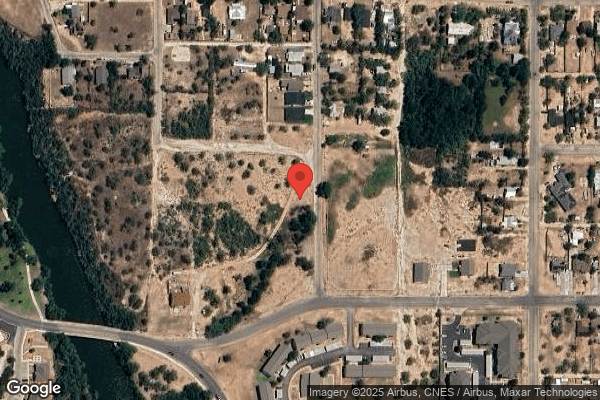

609 RIO CONCHO DR, SAN ANGELO, TX 76903 (325) 653-1266
For profit - Corporation 126 Beds SLP OPERATIONS Data: November 2025 3 Immediate Jeopardy citations
Trust Grade
0/100
#913 of 1168 in TX
Last Inspection: February 2025

Within standard 12-15 month inspection cycle. Federal law requires annual inspections.

Overview

Families considering Arbor Terrace Healthcare Center in San Angelo, Texas should be cautious, as the facility has received a Trust Grade of F, indicating significant concerns about its operations. It ranks #913 out of 1168 facilities in Texas, placing it in the bottom half, and #6 out of 7 in Tom Green County, meaning only one local option is worse. The facility is showing a trend of improvement, with issues decreasing from 15 to 12 over the past year. However, staffing is a major concern with a low rating of 1 out of 5 stars and a high turnover rate of 70%, significantly above the state average. Additionally, the center has accrued $121,840 in fines, which is higher than 82% of Texas facilities, raising red flags about compliance issues. On the positive side, the quality measures rating is 4 out of 5 stars, indicating some good outcomes. However, there have been serious incidents reported, such as a resident being hospitalized due to critical medication errors and another resident not receiving CPR when unresponsive, which could have been life-threatening. These findings underscore the need for potential residents and their families to weigh both the strengths and weaknesses of this facility carefully.

Trust Score
F
0/100
In Texas
#913/1168
Bottom 22%
Safety Record
High Risk
Review needed
Inspections
Getting Better
15 → 12 violations
Staff Stability
⚠ Watch
70% turnover. Very high, 22 points above average. Constant new faces learning your loved one's needs.
Penalties
○ Average
$121,840 in fines. Higher than 58% of Texas facilities. Some compliance issues.
Skilled Nurses
⚠ Watch
Each resident gets only 17 minutes of Registered Nurse (RN) attention daily — below average for Texas. Fewer RN minutes means fewer trained eyes watching for problems.
Violations
⚠ Watch
39 deficiencies on record. Higher than average. Multiple issues found across inspections.
★☆☆☆☆
1.0
Overall Rating
★☆☆☆☆
1.0
Staff Levels
★★★★☆
4.0
Care Quality
★★☆☆☆
2.0
Inspection Score
Stable
2024: 15 issues
2025: 12 issues

The Good

  • 4-Star Quality Measures · Strong clinical quality outcomes
  • Full Sprinkler Coverage · Fire safety systems throughout facility
  • No fines on record

Facility shows strength in quality measures, fire safety.

The Bad

1-Star Overall Rating

Below Texas average (2.8)

Significant quality concerns identified by CMS

Staff Turnover: 70%

24pts above Texas avg (46%)

Frequent staff changes - ask about care continuity

Federal Fines: $121,840

Well above median ($33,413)

Significant penalties indicating serious issues

Chain: SLP OPERATIONS

Part of a multi-facility chain

Ask about local staffing decisions and management

Staff turnover is very high (70%)

22 points above Texas average of 48%

The Ugly 39 deficiencies on record

3 life-threatening
May 2025 2 deficiencies
CONCERN (D) 📢 Someone Reported This

A family member, employee, or ombudsman was alarmed enough to file a formal complaint

Potential for Harm - no one hurt, but risky conditions existed

Deficiency F0561 (Tag F0561)

Could have caused harm · This affected 1 resident

**NOTE- TERMS IN BRACKETS HAVE BEEN EDITED TO PROTECT CONFIDENTIALITY** Based on observation, interview and record review, the facility to ensure that the residents had the right to self determination...

Read full inspector narrative →
**NOTE- TERMS IN BRACKETS HAVE BEEN EDITED TO PROTECT CONFIDENTIALITY** Based on observation, interview and record review, the facility to ensure that the residents had the right to self determination and that the facility promoted and facilitated resident self-determination for 1 (Resident #33) of 7 resident who were reviewed for resident rights. - The facility failed to ensure Resident #33's right to make choices about aspects of his life that were significant to the resident by failing to honor Resident #33's request to be sent to the hospital for evaluation on 05/02/2025 at approximately 3 pm. This failure could place residents at risk for being denied the opportunity to exercise his or her autonomy regarding things that were important in their life and decrease their quality of life. Findings included: Record review of Resident #33's face sheet dated 05/22/2025 revealed the resident was a [AGE] year-old female admitted to the facility 04/11/2019. The resident had diagnosis that included Acute recurrent sinusitis (inflammation of mucous membranes), Shortness of breath, Hemiplegia (one sided paralysis), and hemiparesis (one sided muscle weakness). Record review of Resident #33's Minimum Data Set, dated [DATE] revealed BIMS of 12, suggesting intact cognition. During an interview with CNA A on 05/22/25 at 12:49 pm, CNA A stated that on a day in early May 2025, unable to give exact date, she remembers Resident #33 using her call light and informed CNA A that she wanted to go to the hospital because she was not feeling well. CNA A stated that she informed LVN B after leaving the resident's room. CNA A stated about 2 hours later the resident used her call light again and informed CNA A that the nurse had not been in her room. CNA A stated she then went back to LVN B who informed CNA A that she would assess the resident. An unknown amount of time passed, and the resident used the call light again and CNA A went in and the resident had informed CNA A that the nurse had not been in the room and that she still wanted to go to the hospital. CNA A stated she went to LVN B again to inform her the resident was wanting to be sent to the hospital. CNA A stated that LVN B informed her that she had taken the residents vitals but would go back in to speak with her. CNA A stated that she thought LVN B had assessed and addressed Resident #33's concerns. CNA A stated that the resident did not go to the hospital during her shift but when CNA A returned the next day, she was informed that Resident #33 had gone to the ER. CNA A did not know that the Resident #33 had to call her Significant Other (SO) to take her to the hospital. Record review of Resident #33's progress notes and vital sign log revealed there was no notes regarding the Resident #33's request to go to the hospital, nor vital signs documented on 05/02/2025. During an interview on 05/22/2025 at 1:20 pm the DON stated that she was unaware that the resident had not being sent out to the hospital after requesting to be sent out. The DON stated she knew Resident #33 had gone to the hospital with her SO but did not know she had requested the staff to send her out first. The DON stated if there is a resident that was stating they are not feeling well she would expect her nurses to evaluate the resident, obtain vital signs, and contact the doctor to attempt to treat in house if non-emergent. The DON stated that if a resident is was refusing to be treated in house or insisting to be sent out, the staff are expected to contact emergency services to send them out. The DON stated the emergency services in town have denied nonemergent transfers in the past so they would have to have the van driver transport resident to the emergency room. During an interview with LVN B on 05/22/25 at 2:51 pm, LVN B stated she did not remember being informed of any resident wanting to go to the hospital. LVN B stated that she (LVN B) does not have a good memory. LVN B stated that if a resident was not feeling well, she would assess the resident and obtain vital signs. LVN B stated that if the resident was not stable, she would call 911 but if they were stable, she would call the doctor for treatment orders. LVN B stated that if a resident was wanting to be sent out regardless of the doctors' orders, she would just call for transport to the emergency room. During an interview with Resident #33 on 05/22/2025 at 3:20 pm, when Resident #33 stated that on 05/02/2025 she was not feeling well and wanted to go to the emergency room. Resident #33 stated she informed CNA A about this on multiple occasions that day and that CNA A was informing the resident that she was telling the nurse on shift. Resident #33 stated that no one other than CNA A had returned to check on her during this time. Resident #33 stated that she first asked to go to the hospital around 3 pm and finally called her SO to take her around 8 pm that night. Resident #33 stated she signed out and informed staff she was going to the hospital. Resident #33 stated that she was not admitted to the hospital but was diagnosed with a urinary tract infection and acute inflammation of the air passages. The resident stated that she was prescribed antibiotics for the urinary tract infection. Resident #33 stated that she has never had a situation prior where a nurse did not evaluate her after informing staff that she was not feeling well. Record review of facility policy titled Requesting, Refusing and/or Discontinuing Care or Treatment dated revised February 2021, revealed in part, 4. The resident/representative has the right to request treatment or care that the resident wishes. However, this facility is not obligated to provide medical treatment, or medical services deemed medically unnecessary or inappropriate.
CONCERN (D) 📢 Someone Reported This

A family member, employee, or ombudsman was alarmed enough to file a formal complaint

Potential for Harm - no one hurt, but risky conditions existed

Quality of Care (Tag F0684)

Could have caused harm · This affected 1 resident

**NOTE- TERMS IN BRACKETS HAVE BEEN EDITED TO PROTECT CONFIDENTIALITY** Based on interviews and record reviews the facility failed to ensure that residents received treatments and care in accordance w...

Read full inspector narrative →
**NOTE- TERMS IN BRACKETS HAVE BEEN EDITED TO PROTECT CONFIDENTIALITY** Based on interviews and record reviews the facility failed to ensure that residents received treatments and care in accordance with professional standards of practice and the residents' choices for 1 of 7 residents (Resident #33) reviewed for quality of care. - The facility failed to ensure Resident #33 received treatment immediately after she requested to be sent to the hospital for evaluation on 05/02/2025 at approximately 3 pm. This failure could place residents at risk for a delay in treatment or diagnosis, a decline in the resident's condition, harm and/or the need for hospitalization and prolonged treatment. Findings included: Record review of Resident #33's face sheet dated 05/22/2025 revealed the resident was a [AGE] year-old female admitted to the facility 04/11/2019. The resident had diagnosis that included Acute recurrent sinusitis (inflammation of mucous membranes), Shortness of breath, Hemiplegia (one sided paralysis), and hemiparesis (one sided muscle weakness). Record review of Resident #33's Minimum Data Set, dated [DATE] revealed BIMS of 12, suggesting intact cognition. During an interview with CNA A on 05/22/25 at 12:49 pm, CNA A stated that on a day in early May 2025, unable to give exact date, she remembers Resident #33 using her call light and informed CNA A that she wanted to go to the hospital because she was not feeling well. CNA A stated that she informed LVN B after leaving the resident's room. CNA A stated about 2 hours later the resident used her call light again and informed CNA A that the nurse had not been in her room. CNA A stated she then went back to LVN B who informed CNA A that she would assess the resident. An unknown amount of time passed, and the resident used the call light again and CNA A went in and the resident had informed CNA A that the nurse had not been in the room and that she still wanted to go to the hospital. CNA A stated she went to LVN B again to inform her the resident was wanting to be sent to the hospital. CNA A stated that LVN B informed her that she had taken the residents vitals but would go back in to speak with her. CNA A stated that she thought LVN B had assessed and addressed Resident #33's concerns. CNA A stated that the resident did not go to the hospital during her shift but when CNA A returned the next day, she was informed that Resident #33 had gone to the ER. CNA A did not know that the Resident #33 had to call her Significant Other (SO) to take her to the hospital. Record review of Resident #33's progress notes and vital sign log revealed there was no notes regarding the Resident #33's request to go to the hospital, nor vital signs documented on 05/02/2025. During an interview on 05/22/2025 at 1:20 pm the DON stated that she was unaware that the resident had not being sent out to the hospital after requesting to be sent out. The DON stated she knew Resident #33 had gone to the hospital with her SO but did not know she had requested the staff to send her out first. The DON stated if there is a resident that was stating they are not feeling well she would expect her nurses to evaluate the resident, obtain vital signs, and contact the doctor to attempt to treat in house if non-emergent. The DON stated that if a resident is was refusing to be treated in house or insisting to be sent out, the staff are expected to contact emergency services to send them out. The DON stated the emergency services in town have denied nonemergent transfers in the past so they would have to have the van driver transport resident to the emergency room. During an interview with LVN B on 05/22/25 at 2:51 pm, LVN B stated she did not remember being informed of any resident wanting to go to the hospital. LVN B stated that she (LVN B) does not have a good memory. LVN B stated that if a resident was not feeling well, she would assess the resident and obtain vital signs. LVN B stated that if the resident was not stable, she would call 911 but if they were stable, she would call the doctor for treatment orders. LVN B stated that if a resident was wanting to be sent out regardless of the doctors' orders, she would just call for transport to the emergency room. During an interview with Resident #33 on 05/22/2025 at 3:20 pm, when Resident #33 stated that on 05/02/2025 she was not feeling well and wanted to go to the emergency room. Resident #33 stated she informed CNA A about this on multiple occasions that day and that CNA A was informing the resident that she was telling the nurse on shift. Resident #33 stated that no one other than CNA A had returned to check on her during this time. Resident #33 stated that she first asked to go to the hospital around 3 pm and finally called her SO to take her around 8 pm that night. Resident #33 stated she signed out and informed staff she was going to the hospital. Resident #33 stated that she was not admitted to the hospital but was diagnosed with a urinary tract infection and acute inflammation of the air passages. The resident stated that she was prescribed antibiotics for the urinary tract infection. Resident #33 stated that she has never had a situation prior where a nurse did not evaluate her after informing staff that she was not feeling well. Record review of facility policy titled Requesting, Refusing and/or Discontinuing Care or Treatment dated revised February 2021, revealed in part, 4. The resident/representative has the right to request treatment or care that the resident wishes. However, this facility is not obligated to provide medical treatment, or medical services deemed medically unnecessary or inappropriate.
Feb 2025 10 deficiencies
CONCERN (D) 📢 Someone Reported This

A family member, employee, or ombudsman was alarmed enough to file a formal complaint

Potential for Harm - no one hurt, but risky conditions existed

Deficiency F0558 (Tag F0558)

Could have caused harm · This affected 1 resident

**NOTE- TERMS IN BRACKETS HAVE BEEN EDITED TO PROTECT CONFIDENTIALITY** Based on observations, interviews, and record review the facility failed to provide reasonable accommodation of resident needs a...

Read full inspector narrative →
**NOTE- TERMS IN BRACKETS HAVE BEEN EDITED TO PROTECT CONFIDENTIALITY** Based on observations, interviews, and record review the facility failed to provide reasonable accommodation of resident needs and preferences for 1 of 5 residents (Resident #2) reviewed for reasonable accommodations, in that: CNA A and CNA B failed to put Resident #2's call light within reach after performing a transfer. This deficient practice could place residents at risk of not having their needs/preferences met to not being able to use call lights for assistance in to achieve independent functioning, dignity, and well-being. Findings included: Review of Resident #2's Face Sheet dated 2-5-25 revealed he was a [AGE] year-old male admitted to the facility on [DATE] with diagnoses which included stiffness of the right and left knee, abnormal posture, and arthritis. Review of Resident #2's Quarterly MDS assessment dated [DATE] revealed: He had long and short-term memory impairment with severely impaired cognitive skills for daily decision making. He had lower extremity impairment on both sides and used a wheelchair. He was dependent for chair to bed transfers. Review of Resident #2's Care Plan updated 1/14/25 revealed: Falls/Safety risk: resident had a fall out of his wheelchair no injuries noted. Long Term Goal Target Date: Resident will remain free of injuries related to falls and will remain in a safe environment. Approaches included: Keep call light in reach. Review of Resident #2's Care Plan updated 1/14/25 revealed: Resident had multiple problems that affects his ability to walk. He has history of and the potential to fall and at risk for injury related to weakness and depression and mental disorder. The long-term goal was Resident will have no injuries related to fall over the next 90 days. Identified interventions included: Make sure his call light is within his reach and respond quickly. Review of Resident #2's Care Plan updated 1/14/25 revealed: Resident is unable to stand for transfers. The identified the goal was Resident may use a mechanical lift for all transfers and will not have falls related to transfers. Approaches included: resident may use mechanical lift for all transfers. Observation on 02/05/25 at 1:18 PM revealed CNA A and CNA B transferred Resident #2 from his wheelchair to the bed. The aides positioned Resident#2 in bed washed their hands and left the room. The call light remained on the floor behind the nightstand. Interview on 02/05/25 at 03:53 PM the DON stated she expected staff to put a resident's call light within reach once care was completed. Observation on 02/05/25 at 04:21 PM with the DON revealed CNA A and CNA B completed a transfer for Resident #2. Resident #2's call light was draped on the night nightstand but still out of reach of the resident if he was in bed. Review of the facility's policy and procedure on Call Lights dated March 2021 revealed: The purpose of this procedure is to ensure timely responses to the resident's requests and needs. When the resident is in bed or confined to a chair be sure the call light is within easy reach of the resident.
CONCERN (D)

Potential for Harm - no one hurt, but risky conditions existed

Notification of Changes (Tag F0580)

Could have caused harm · This affected 1 resident

**NOTE- TERMS IN BRACKETS HAVE BEEN EDITED TO PROTECT CONFIDENTIALITY** Based on interview and record review, the facility failed to immediately consult Resident #1's physician for a decision to disch...

Read full inspector narrative →
**NOTE- TERMS IN BRACKETS HAVE BEEN EDITED TO PROTECT CONFIDENTIALITY** Based on interview and record review, the facility failed to immediately consult Resident #1's physician for a decision to discharge the resident after a change in condition for one (Resident #1) of three residents reviewed for notification of changes. The facility failed to immediately notify Resident #1's physician regarding an incident with the resident's change of behavior resulting in Resident #1 being discharged from facility. This failure could place residents at risk of not having their physician informed of medical diagnoses not getting treated and a decreased quality of life. Findings included: Review of Resident #1's undated face sheet reflected a [AGE] year-old male who was admitted to the facility on [DATE] with diagnoses including sequelae cerebral infarction (pneumonia), diabetes mellitus with circulatory complications (sustained high blood sugar levels), Hemiplegia and hemiparesis (weakness to right dominant side), anxiety disorder due to known physiological condition, type 2 diabetes, acquired absence of left and right leg below the knee. Review of Resident #1's quarterly MDS assessment, dated 11/9/24, reflected a BIMS score of 15, indicating Resident #1 is cognitively intact. Section E-rejects care, GG- manual and motorized wheelchair, impaired on lower extremity both side, H-always incontinent, I-stroke, diabetes, and anxiety. Review of Resident #1's quarterly care plan, dated 11/15/24, behavioral symptoms, exhibits verbally abusive behaviors towards staff. Last reviewed/revised: dated 11/25/24 created by DON J (former DON), category: Physical aggression towards staff causing injury. Record review of incident on 11/25/24 at 9:15pm, Resident #1 physically assaulted CNA. CNA was sent to emergency room and diagnosed with chest wall contusion. Resident #1 was given an immediate discharge notice and was transferred to another nursing facility on 11/26/24 at 3:00pm. Resident #1's primary Physician was not notified of incident on 11/16/24 of Resident#1's change in aggression from verbal to physical aggression. During an interview on 2/4/25 at 2:30pm, the Administrator stated that on 11/25/24 at 9:30pm she was notified by DON J of an incident involving Resident #1. The Administrator stated it was decided by her and DON J that Resident #1 needed to be immediately discharged . The Administrator stated that this was the first time that Resident #1 had physically assaulted staff that she knew of. The Administrator stated that it was Care Planned that Resident #1 was verbally aggressive. The Administrator stated that DON J made a necessary notification and plans for discharge. During an interview on 2/5/25 at 3:10pm, DON J stated that on 11/25/24 at 9:15pm Resident #1 physically assaulted a CNA causing injury. It was decided by her and the Administrator that Resident #1 will be immediately discharged as soon as possible. A nursing facility was found the next morning on 11/26/24 and agreed to take Resident #1 that day. DON J stated that she notified Resident #1, resident's spouse , and resident's Primary Physician that Resident #1 is being discharged . DON J stated she did not notify resident's Primary Physician of the incident on 11/25/24 until the next day on 11/26/24 at 12:05pm. DON J stated she did not think that she needed to notify the Primary Physician on 11/25/24 because the resident was not harmed only staff. DON J stated that Resident #1 had a history of verbal aggressiveness towards staff, yelling, cussing, and threatening but this was the first time resident physically assaulted staff. DON J did agree that becoming physically aggressive could be considered a change in behavior. DON J stated that she did revise Resident #1's Care Plan on 11/25/24 to include physical aggression. During an interview on 2/6/25 at 2:00pm, Resident #1's Primary Physician stated that he was not notified of the incident on 11/25/24 until the next day, 11/26/24. The Primary Physician stated he would expect to be notified if a resident has a change in behavior or condition. Facility Resident's Condition or Status policy, Our facility promptly notifies the resident, his or her attending physician, heath care provider and the resident representative of changes in the resident's medial/mental condition and/or status (e.g., changes in level of care, billing/payments, residents' rights, etc.). Policy Interpretation and Implementation 1. Notifying resident's attending physician, A. accident or incident involving the resident, D. significant change in the resident's physical/emotional/mental condition, G. need to transfer the resident to a hospital/treatment center.
CONCERN (D)

Potential for Harm - no one hurt, but risky conditions existed

Deficiency F0583 (Tag F0583)

Could have caused harm · This affected 1 resident

Based on observations, interviews, and record review the facility failed to protect the confidentiality of personal and medical records for 2 (LVN C and CMA D) of 5 staff reviewed for confidentiality ...

Read full inspector narrative →
Based on observations, interviews, and record review the facility failed to protect the confidentiality of personal and medical records for 2 (LVN C and CMA D) of 5 staff reviewed for confidentiality of records. 1. The facility failed to ensure LVN C locked her laptop before she left the treatment cart unattended exposing residents personal and medical records. 2. The facility failed to ensure CMA D locked her laptop while she was in a resident's room administering medication exposing a resident's medication record. These deficient practices could place residents at-risk of loss of dignity due to lack of privacy. The findings included: Observation and interview of a treatment cart on 02/06/25 beginning at 11:30 a.m., revealed the computer on the treatment cart was unlocked and unattended displaying residents' personal and medical records. The computer was unattended for 5 minutes, approximately 25 feet away from the nurse's station and not in a clear line of sight from the nurse's station. Walking to the nurse's station, the surveyor asked which staff member was assigned to the cart. LVN C, standing at the nurse's station, stated the cart belonged to her. Observation of a medication cart in A Hall, on 02/06/25 beginning at 12:38 p.m., revealed the computer on the medication cart was unlocked and unattended which displayed a resident's medication record. The computer was unattended with the computer facing the hall. After 2-3 minutes, CMA D came out of a resident's room. The surveyor asked CMA D if the cart belonged to her. CMA D stated the cart belonged to her. In an interview on 02/06/25 at 11:30 a.m., LVN C stated she knew it (the computer) should be locked and she did not mean to leave it open. LVN C stated she never left it open. LVN C stated that leaving the computer unlocked could give unauthorized people access to private information. In an interview on 02/06/25 at 12:38 p.m., CMA D stated leaving the computer unlocked was not an acceptable practice. CMA D stated This was the first time ever. In an interview on 02/06/25 at 4:47 p.m., the DON stated the staff knew better than to leave their computers unlocked and unattended. The DON stated computers should be locked when unattended. The DON stated she and the ADON's perform random rounds to check for compliance. Record review of the facility's policy entitled Electronic Medical Records, revised in June of 2019, read in part: The facility will make reasonable efforts to limit the use or disclosure of protected health information to only the minimum necessary to accomplish the intended purpose of the use or disclosure.
CONCERN (D)

Potential for Harm - no one hurt, but risky conditions existed

Transfer Requirements (Tag F0622)

Could have caused harm · This affected 1 resident

**NOTE- TERMS IN BRACKETS HAVE BEEN EDITED TO PROTECT CONFIDENTIALITY** Based on interview and record review, the facility failed to provide documentation for transfer or discharge by resident's physi...

Read full inspector narrative →
**NOTE- TERMS IN BRACKETS HAVE BEEN EDITED TO PROTECT CONFIDENTIALITY** Based on interview and record review, the facility failed to provide documentation for transfer or discharge by resident's physician for 1 (Resident #1) reviewed for discharge requirements. The facility failed to provide reason for discharge by resident's physician which must include specific resident needs the facility could not meet, the facility's efforts to meet those needs and the specific services the receiving facility will provide to meet the needs of the resident which cannot be met at current facility. This failure placed residents at risk of not having the needed records when transferring care and services. Findings included: Review of Resident #1's undated face sheet reflected a [AGE] year-old male who was admitted to the facility on [DATE] with diagnoses including sequelae cerebral infarction (pneumonia), diabetes mellitus with circulatory complications (sustained high blood sugar levels), Hemiplegia and hemiparesis (weakness to right dominant side), anxiety disorder due to known physiological condition, type 2 diabetes, acquired absence of left and right leg below the knee. Review of Resident #1's quarterly MDS assessment, dated 11/9/24, reflected a BIMS score of 15, indicating Resident #1 is cognitively intact. Section E-rejects care, GG- manual and motorized wheelchair, impaired on lower extremity both side, H-always incontinent, I-stroke, diabetes, and anxiety. Review of Resident #1's quarterly care plan, dated 11/15/24, behavioral symptoms, exhibits verbally abusive behaviors towards staff. Last reviewed/revised: dated 11/25/24 created by DON J (former DON), category: Physical aggression towards staff causing injury. Record review of incident on 11/25/24 at 9:15pm, revealed Resident #1 physically assaulted CNA. CNA was sent to emergency room and diagnosed with chest wall contusion. Resident #1 was given an immediate discharge notice and was transferred to another nursing facility on 11/26/24 at 3:00pm. Record review of Resident #1's Physician orders dated 11/26/24 at 12:14pm, stated 'Discharge resident to (other nursing facility). Continue current orders and medications as ordered.' During an interview on 2/6/25 at 2:00pm, Resident #1's Primary Physician stated that he was not notified of the incident on 11/25/24 until the next day 11/26/24. Primary Physician stated he agreed with discharge from the facility for resident's behavior towards staff and in his general order description stated discharge resident. During an interview on 2/4/25 at 2:30pm, Administrator stated that on 11/25/24 at 9:30pm she was notified by DON J of incident involving Resident #1. The Administrator stated it was decided by her and DON J that Resident #1 needed to be immediately discharged . The Administrator stated that DON J made all necessary notification and plans for discharge. During an interview on 2/5/25 at 3:10pm, DON J stated she received a general order from Resident #1's Primary Physician stating to discharge resident. SLP Operations, Transfer and Discharges policy, dated July 2024. Section 12, Emergency Transfer/Discharges,
CONCERN (D) 📢 Someone Reported This

A family member, employee, or ombudsman was alarmed enough to file a formal complaint

Potential for Harm - no one hurt, but risky conditions existed

Accident Prevention (Tag F0689)

Could have caused harm · This affected 1 resident

**NOTE- TERMS IN BRACKETS HAVE BEEN EDITED TO PROTECT CONFIDENTIALITY** Based on observation, interview and record review, the facility failed to ensure each resident received adequate supervision and...

Read full inspector narrative →
**NOTE- TERMS IN BRACKETS HAVE BEEN EDITED TO PROTECT CONFIDENTIALITY** Based on observation, interview and record review, the facility failed to ensure each resident received adequate supervision and assistance devices to prevent accidents for 2 of 2 resident (Resident #2 and #63) reviewed for accidents, hazards, supervision. The facility failed to safely transfer Resident #2 with a mechanical lift transfer by not locking his wheelchair. The facility failed to safely complete a two-person gait belt transfer with Resident #63 by not locking his wheelchair. These failures could place residents at risk for injuries due to not receiving the appropriate level of supervision. Findings included: Review of Resident #2's Face Sheet dated 2-5-25 revealed he was a [AGE] year-old male admitted to the facility on [DATE] with diagnoses which included stiffness of the right and left knee, abnormal posture, and arthritis. Review of Resident #2's Quarterly MDS assessment dated [DATE] revealed: He had long and short term memory impairment with severely impaired cognitive skills for daily decision making. He had lower extremity impairment on both sides and used a wheelchair. He was dependent for chair to bed transfers. Review of Resident #2's Care Plan updated [DATE] revealed: Falls/Safety risk: resident had a fall out of his wheelchair no injuries noted. Long Term Goal Target Date: Resident will remain free of injuries related to falls and will remain in a safe environment. Approaches included: Keep call light in reach. Review of Resident #2's Care Plan updated [DATE] revealed: Resident had multiple problems that affects his ability to walk. He has history of and the potential to fall and at risk for injury related to weakness and depression and mental disorder. The long-term goal was Resident will have no injuries related to fall over the next 90 days. Identified interventions included: Make sure his call light is within his reach and respond quickly. Review of Resident #2's Care Plan updated [DATE] revealed: Resident is unable to stand for transfers. The identified the goal was Resident may use a mechanical lift for all transfers and will not have falls related to transfers. Approaches included: resident may use mechanical lift for all transfers. Observation on [DATE] at 1:18 PM revealed CNA B positioned the mechanical lift around Resident #2's chair while CNA A steadied the wheelchair and Resident #2. CNA A steadied Resident #2 as CNA B lifted the chair and the chair moved as Resident #2 came out of it. Once Resident #2 was clear of the wheelchair, CNA A hooked her foot around the wheelchair and pulled it out the way of the lift. CNA A and CNA B then completed the transfer. Interview on [DATE] at 01:35 PM CNA A stated she thought the transfer with Resident #2 went good. CNA A stated she did the transfer as she was trained to do and there was not anything she would do differently. Interview on [DATE] at 01:43 PM CNA B said she thought the transfer with Resident #2 went ok. CNA B said she did not think there was anything she would do differently in the transfer. Interview on [DATE] at 03:53 PM the DON stated her expectation for a mechanical lift was for there to be two people to use it at all times, make sure the sling was positioned under the resident correctly, make sure the wheelchair is positioned the shortest distance from the bed because it was less stress on the resident, one aide holds the resident's arms. The DON explained she expected one aide to stand behind the resident and control the sling while the other aide operated the lift. The DON stated the wheelchair should absolutely be locked. The DON said the last training on transfers the facility did was approximately 6 - 8 weeks ago and it was a joint in-service between therapy and nursing. The DON said the Regional Nurse recently updated the competencies and the facility did them as people hired on. The DON said the agency staff had their own competency check off list at the nurse's station and transfers were on it. Interview on [DATE] at 04:31 PM the Administrator joined the conversation with DON regarding transfers and stated the ADON needed to start an in-service right away on mechanical lifts. Interview and observation with the DON on [DATE] at 04:21 PM revealed CNA A and CNA B completing a mechanical lift transfer with Resident #2. While explaining to the DON the wheelchair was unlocked while the transfer was completed, CNA B stated Did I not lock it the last time? Sorry. Review of in-services provided by the facility revealed the last in-service on mechanical lift transfers was completed on [DATE]. Review of Resident #63's Face Sheet, dated [DATE], revealed he was a [AGE] year-old male admitted to the facility on [DATE] with diagnoses that included stroke with paralysis on the non-dominant side. Review of Resident #63's Quarterly MDS, dated [DATE], revealed: He had long and short-term memory impairment. He had modified independence with daily decision-making skills. He needed substantial assistance for chair to bed transfer. He used a wheelchair. Review of Resident #63's Care Plan, dated [DATE], revealed: Problem: ADL Function/Rehab potential. Goal: Resident will achieve maximum functional mobility. Approaches included: Ambulation/Transfers amount of assist: Total. Observation on [DATE] at 1:30 p.m. revealed CNA A and CNA B prepared to do a transfer with Resident #63. CNA B put a gait belt on Resident #63. The aides decided they wanted the wheelchair closer to the bed, unlocked the wheelchair, inched the wheelchair closer to the bed. CNA B locked the inside wheel, but CNA A did not lock the outside wheel. The aides completed the transfer from the wheelchair to the bed with the wheelchair unlocked. Interview on [DATE] at 1:35 p.m. CNA A stated she thought the transfer went ok; they took Resident #63's foot pedals off, put the gait belt on, Resident #63 did really well standing, the aides assisted with the pivot and put him to bed. CNA A said there was not anything she would do differently with the transfer. Interview on [DATE] at 1:43 p.m. CNA B stated she insisted on doing the transfer with Resident #63 with two people all the time. CNA B said Resident #63 would not agree to a transfer until there were two people available. CNA B stated she remembered the aide took the foot pedals off Resident #63's wheelchair, moved the wheelchair closer to the bed, put on the gait belt, she (CNA B) got one side while CNA A got on the other side; they (the aides) grabbed the gait belt got under his arms, helped him pivot and helped him sit on the bed. CNA B said there was not anything different she would do with the transfer because she always did a two-person transfer gait belt transfer with him. Interview on [DATE] at 3:53 p.m. the DON stated her expectation for a two-person gait belt transfer was both wheels of the wheelchair be locked. Review of the Clinical Skills Checklist and Competency Evaluation for Transfers from Bed to Wheelchair using Transfer Belt, dated February 2019, revealed: Before assisting to stand, locks wheels on wheelchair. Review of the facility's policy and procedure on Safe Lifting and Movement of Residents, revised [DATE], revealed: In order to protect the safety and well-being of staff and residents, and to promote quality of care, the facility uses appropriate techniques and devices to lift and move residents.
CONCERN (D) 📢 Someone Reported This

A family member, employee, or ombudsman was alarmed enough to file a formal complaint

Potential for Harm - no one hurt, but risky conditions existed

Respiratory Care (Tag F0695)

Could have caused harm · This affected 1 resident

**NOTE- TERMS IN BRACKETS HAVE BEEN EDITED TO PROTECT CONFIDENTIALITY** Based on observations, interviews, and record review the facility failed to ensure a resident who needed respiratory care was pr...

Read full inspector narrative →
**NOTE- TERMS IN BRACKETS HAVE BEEN EDITED TO PROTECT CONFIDENTIALITY** Based on observations, interviews, and record review the facility failed to ensure a resident who needed respiratory care was provided such care, consistent with professional standards of practice, the comprehensive person-centered care plan and the residents' goals and preferences for 1 of 3 residents (Resident #28) reviewed for respiratory care. The facility failed to ensure staff remained with Resident #28 while he received his nebulizer treatment. This failure could place residents at risk for respiratory distress. Findings included: Review of Resident #28's Face Sheet dated 2/6/25 revealed he was a [AGE] year-old male admitted to the facility on [DATE] with diagnosis which included pulmonary edema (swelling of the lungs) and Chronic Obstructive Pulmonary Disease (chronic disease affecting the lungs and heart making it difficult to breathe) Review of Resident #28's Quarterly MDS Assessment, dated 1/24/25, revealed: He had a mental status score of 14 of 15 (indicating he was cognitively intact) Review of Resident #28's Continuity of Care Document, dated 2/6/25 revealed he had orders for ipratropium - albuterol 0.5mg - 3 mg solution for nebulization one vial, inhalation four times a day for wheezing and shortness of breath diagnosis of Chronic Obstructive Pulmonary Disease beginning 12/29/24. There was no care plan for the breathing treatments. Observation on 2/4/25 at 2:39 p.m. revealed Resident #28 out of his room. There was a breathing treatment mask on the bed in operation. Review of Resident #28's nurse's notes and Medication Administration Record for the date and time revealed no documentation about Resident #28 refusing the breathing treatment or walking away from it. Interview on 2/6/25 at 1:31 p.m. DON stated if the resident refused a breathing treatment three times in a row the facility notified the doctor. The DON said breathing treatments were administered dependent on the mental status of the resident. The DON explained the nurse would stay with the resident if the resident was actively delusional. The DON said Resident #28's cognition went back and forth. The DON stated Resident #28 did smoke but was not a regular smoker. The DON said if Resident #28 walked away from the breathing treatment in the middle of the breathing treatment it was considered a refusal. The DON stated Resident #28 walking away from breathing treatments was not care planned and the expectation was that nurses would sit with him if there was still medication in the small volume nebulizer. Review of the facility's policy and procedure on Medication Administration, revised December 2019, revealed: Medications are administered as prescribed in accordance with good nursing principles and practices and only by persons legally authorized to do so. Resident may actively refuse medications. Medication refusal must be reported to the prescriber after (XX) number of doses are refused and there must be documentation of prescriber notification of such.
CONCERN (D)

Potential for Harm - no one hurt, but risky conditions existed

Pharmacy Services (Tag F0755)

Could have caused harm · This affected 1 resident

Based on observation, interview, and record review the facility failed to provide pharmaceutical services, including procedures that ensure the accurate administering of all drugs to meet the needs of...

Read full inspector narrative →
Based on observation, interview, and record review the facility failed to provide pharmaceutical services, including procedures that ensure the accurate administering of all drugs to meet the needs of the residents and failed to ensure medications were disposed of when expired for 2 of 3 nurses carts inspected for medication storage. The facility failed to ensure the medication cart 1 did not contain expired docusate sodium and loratadine. The facility failed to ensure the medication cart 2 did not contain expired loratadine. These failures could place residents at risk of receiving medications that were expired and not produce the desired effect. Findings included: During an observation and interview on 02/06/25 at 11:10 a.m., in the medication cart assigned to LVN E, 1 bottle of docusate sodium 100 mg was found with an expiration date of 01/25 and 1 bottle of loratadine 10 mg was found with an expiration date of 01/25. Surveyor asked LVN E what staff is responsible for checking carts for expired medications. LVN E stated that the nurses and medication aides try to check monthly for expired meds. During an observation and interview on 02/06/25 at 12:49 p.m., in the medication cart assigned to CMA F, 1 bottle of loratadine 10 mg was found with an expiration date of 01/25. Surveyor asked CMA F what staff is responsible for checking carts for expired medications. CMA F stated LVN's and CMA's try to check every few months for expired meds. During an interview on 02/06/25 at 4:47 p.m ., the DON stated all staff assigned to a cart should check for expired medications. The DON stated the contracted pharmacist performs cart inspections monthly and the DON and ADON's perform random cart checks. Record review of the facility's Storage of Medications policy dated 11/20 indicated in part: .Discontinued, outdated, or deteriorated drugs or biologicals are returned to the dispensing pharmacy or destroyed.
CONCERN (D)

Potential for Harm - no one hurt, but risky conditions existed

Deficiency F0849 (Tag F0849)

Could have caused harm · This affected 1 resident

**NOTE- TERMS IN BRACKETS HAVE BEEN EDITED TO PROTECT CONFIDENTIALITY** Based on interviews and record review the facility failed to notify hospice of emergency transfer of 1 (Resident #1) of 1 reside...

Read full inspector narrative →
**NOTE- TERMS IN BRACKETS HAVE BEEN EDITED TO PROTECT CONFIDENTIALITY** Based on interviews and record review the facility failed to notify hospice of emergency transfer of 1 (Resident #1) of 1 resident reviewed for discharge. The facility failed to immediately notify resident's hospice provider of discharge to another facility. This failure placed residents at risk of not receiving necessary care and services. Findings included: Review of Resident #1's undated face sheet reflected a [AGE] year-old male who was admitted to the facility on [DATE] with diagnoses including sequelae cerebral infarction (pneumonia), diabetes mellitus with circulatory, complications (sustained high blood sugar levels), Hemiplegia and hemiparesis (weakness to right dominant side), anxiety disorder due to known, physiological condition, type 2 diabetes, acquired absence of left and right leg below the knee. Review of Resident #1's quarterly MDS assessment, dated 11/9/24, reflected a BIMS score of 15, indicating Resident #1 is cognitively intact. Section E-rejects care, GG- manual and motorized wheelchair, impaired on lower extremity both side, H-always incontinent, I-stroke, diabetes, and anxiety. Review of Resident #1's quarterly care plan, dated 11/15/24, behavioral symptoms, exhibits verbally abusive behaviors towards staff, hospice services. During an interview on 2/6/25 at 10:05am, Hospice RN stated she was notified by DON J that resident had been immediately discharged from facility only after resident had left facility. Hospice RN stated she needed to know about discharge before resident left facility so they can help set-up or coordinate care with the new hospice or facility that resident was going too before resident left facility and make sure resident had at least two weeks supply of medications just to ensure the receiving facility has time to gather needed medications. Hospice RN stated that without this coordination with current facility and receiving facility resident's care could be compromised. During an interview on 2/4/25 at 2:30pm, Administrator stated that on 11/25/24 at 9:30pm she was notified by DON J of incident involving Resident #1. The Administrator stated it was decided by her and DON J that Resident #1 needed to be immediately discharged . The Administrator stated that DON J made all necessary notification and plans for discharge. During an interview on 2/5/25 at 3:10pm, DON J stated that she was responsible for making all notifications to providers of resident's discharge. DON J stated that she had forgot to contact Resident #1's hospice provider before the resident left facility. DON J stated she did contact Hospice RN, but it was after resident was already enroute to receiving facility. Nursing Facility Hospice Services Agreement dated March 20, 2024. Section 3.6 Notifications. The Nursing Facility must immediately notify Hospice in the event of any of the following: C). There is a need to transfer the Resident Patient from the Nursing facility, and the Hospice makes arrangements for, and remains responsible for, any necessary continuous care or patient care related to the terminal illness and related conditions.
CONCERN (E)

Potential for Harm - no one hurt, but risky conditions existed

Deficiency F0761 (Tag F0761)

Could have caused harm · This affected multiple residents

Based on observation, interview, and record review the facility failed to ensure that medications were secure and inaccessible to unauthorized staff and residents for 2 of 3 medication carts reviewed ...

Read full inspector narrative →
Based on observation, interview, and record review the facility failed to ensure that medications were secure and inaccessible to unauthorized staff and residents for 2 of 3 medication carts reviewed for labeling/storage of drugs and biologicals. The facility failed to ensure that medication carts 1 and 2 were not left unlocked and unsupervised. These failures could cause access, loss, diversion, or accidental ingestion of medications. Findings included: During observation on 02/04/25 at 5:13 p.m. an unlocked and unsupervised medication cart (cart 1) was found on F Hall. There was no staff in the line of sight of the cart at the time of this observation. There were two residents observed in sight of the medication cart. During an interview on 02/06/25 at 4:47 p.m., the DON stated that it was her expectation that medication and treatment carts would be locked when not in use. During an observation on 02/06/25 at 8:35 p.m. an unlocked and unsupervised medication cart (cart 2) was noted at the nurses' station. There were no staff in line of sight of the cart at the time of this observation. There were no residents or visitors observed within sight of the medication cart. Record review of the facility's Storage of Medications policy dated 11/20 indicated in part .Discontinued, outdated, or deteriorated drugs or biologicals are returned to the dispensing pharmacy or destroyed. Compartments (including, but not limited to, drawers, cabinets, rooms, refrigerators, carts, and boxes) containing drugs and biologicals are locked when not in use. Unlocked medication carts are not left unattended.
CONCERN (E)

Potential for Harm - no one hurt, but risky conditions existed

Infection Control (Tag F0880)

Could have caused harm · This affected multiple residents

**NOTE- TERMS IN BRACKETS HAVE BEEN EDITED TO PROTECT CONFIDENTIALITY** Based on observations, interviews, and record review, the facility failed to maintain an infection prevention and control progra...

Read full inspector narrative →
**NOTE- TERMS IN BRACKETS HAVE BEEN EDITED TO PROTECT CONFIDENTIALITY** Based on observations, interviews, and record review, the facility failed to maintain an infection prevention and control program designed to provide a safe, sanitary, and comfortable environment to help prevent the development and transmission of communicable diseases and infections for 4 (Residents #30, #64, #63 and #331) of 4 residents reviewed for infection control practices. 1. The facility failed to ensure LVN C used appropriate PPE during dressing changes for Residents #30, #64 and #331 who were on Enhanced Barrier Precautions (EBP). 2. The facility failed to ensure CNA G changed her gloves after they became contaminated during incontinent care for Resident #63. 3. The facility failed to ensure LVN C used appropriate infection control principles while performing dressing changes for Resident #331. These failures could place residents at risk for cross contamination and the spread of infection. Finding included: Resident #30 In an observation on 02/06/2025 at 12:30 PM LVN C performed a dressing change on Resident #30's suprapubic catheter (a tube that drains urine from the bladder through a small incision in the abdomen). LVN C did not wear a gown during the dressing change. Review of Resident #30's face sheet dated 02/06/2025 indicated she was admitted to the facility on [DATE] with diagnoses of the presence of urogenital implants-suprapubic catheter, neuromuscular dysfunction of the bladder, and encounter for other orthopedic aftercare (care post-orthopedic surgeries). She was [AGE] years of age. Review of Resident #30's care plan revised 01/22/2025 indicated in part: Focus - Enhanced Barrier Precautions (EBP): Resident #30 requires EBP due to having a wound and catheter. Goal: The resident will have no symptoms of multi-drug resistant organisms (MDRO). Interventions: Staff will wear PPE during high-contact activities such as dressing, bathing/showering, transferring, providing hygiene, changing linens, incontinent care, wound care of any type requiring a dressing, device care or use (central line, urinary catheter, feeding tube, trach care, ostomy care, etc.). Review of Resident #30's Quarterly MDS dated [DATE] indicated in part: the BIMS score is 15, indicating Resident #30 is cognitively intact. She had an indwelling catheter and was always continent of bowel. Review of Resident #30's Order Summary Report dated 8/22/24 revealed the following orders: - Clean Suprapubic site with wound cleanser, pat dry, apply T-drainage dressing - every day and as needed (Order Date: 01/13/2025) - Enhanced Barrier Precautions due to the following: Increased risk of MDRO acquisition due to having an indwelling medical device and a wound (Order Date: 01/16/2025) Resident #63 In an observation on 02/05/2025 at 6:33 PM CNA G performed incontinent care for Resident #63. After washing and drying her hands, CNA G donned gloves and proceeded to perform personal care to Resident #63. CNA G used her right hand to wipe and her left hand to hold and move Resident #63's genitals. Not changing gloves, CNA G rolled Resident #63 onto his right side and used her right hand to wipe and her left hand to hold Resident #63's buttocks apart. Not changing gloves, CNA G removed the dirty brief, placed a clean brief on Resident #63, and rearranged his clothing and bedding. CNA G then removed her gloves. Review of Resident #63's face sheet dated 02/06/2025 indicated he was admitted to the facility on [DATE] with diagnoses of cerebrovascular disease (disease impacting the brain's blood vessels and blood supply), hemiplegia (one-sided muscle paralysis or weakness) affecting the left side, and deafness. He was [AGE] years of age. Review of Resident #63's care plan revised 01/28/2025 indicated in part: Focus - ADL's: Resident is incontinent of bowel/bladder related to stroke. Goal: The resident will achieve maximum functional ability. Interventions: Toileting assistance. Review of Resident #63's Quarterly MDS dated [DATE] indicated in part: BIMS not available related to Resident #63 is rarely understood. Bladder and bowel: Always incontinent. Resident #64 During observation on 02/06/25 at 9:30 a.m., LVN C performed a dressing change on Resident #64's cancerous lesion to his middle back without wearing a gown as required for EBP. The EBP sign was visible on Resident #64's door indicating the need for PPE and a PPE station was noted outside of the resident's room. Review of Resident #64's face sheet revealed he was a [AGE] year-old male admitted to the facility on [DATE] with diagnoses which included malignant melanoma (cancer) of the skin and obstructive and reflux uropathy (urine is unable to drain through the urinary tract). Review of Resident #64's Quarterly MDS dated [DATE] revealed a BIMS score of 6 indicating severe cognitive impairment, he had an indwelling catheter, and he had open lesion(s) other than ulcers, rashes, cuts (e.g., cancer lesion). Review of Resident #64's care plan, revised on 01/14/25, revealed the following: Problem: I require enhanced barrier precautions due to the following: I am at increased risk of a MDRO acquisition due to having a wound and an indwelling catheter. Goal: I will have no signs/symptoms of a MDRO. Approach: A sign will be posted on my door that says 'contact nurse before entering'; Discard PPE inside my room in the appropriate receptacle prior to leaving my room; PPE will be available (including gowns/gloves/face shield or goggles) right outside my room, in the shower room; Staff will wear PPE during high-contact activities such as dressing, bathing/showering, transferring, providing hygiene, changing linens, incontinent care, wound care of any type requiring a dressing, device care or use (central line, urinary catheter, feeding tube, trach care, ostomy care, etc.) Review of Resident #64's active physician orders on 02/06/25 revealed the following: Enhanced barrier precautions due to increased risk of MDRO acquisition due to having a wound - Start Date: 01/16/25 Resident #331 In an observation on 02/06/2025 at 1:40 PM LVN C performed wound care on Resident #331's elbows. There was EBP signage outside Resident 331's door. LVN C did not wear a gown during the dressing changes. LVN C washed her hands, donned gloves, removed the dressing on the right elbow, and removed her gloves. LVN C donned clean gloves without hand washing or using hand sanitizer and proceeded to clean the wound. LVN C used the same surface area of a 4 X 4 gauze to wipe half of the wound 4 times. LVN C repeated the same process on the other half of the wound. After LVN C applied the dressing to the right elbow, she removed her gloves and donned another pair of gloves without hand washing or using hand sanitizer, removed the dressing on Resident #331's right elbow, and removed her gloves. LVN C donned clean gloves without hand washing or using hand sanitizer and proceeded to clean the wound. LVN C used the same surface area of a 4 X 4 gauze to wipe half of the wound 3 times. LVN C repeated the same process on the other half of the wound. After cleaning the second half of the wound, LVN C used the same 4 X 4 to wipe a different wound that is 2-3 inches away. LVN C stated this is a new wound. LVN C applied a dressing to this new wound. Review of Resident #331's face sheet dated 02/06/2025 indicated he was admitted to the facility on [DATE] with diagnoses of Parkinson's disease (a disorder of the central nervous system, often including tremors), atherosclerotic heart disease (build-up of fats, cholesterol, and other substances in and on artery walls), chronic obstructive pulmonary disease (COPD-a group of lung diseases that causes persistent airflow limitation and breathing problems), and pulmonary fibrosis (a lung disease that causes scarring in the lungs, making it difficult to breathe). he was [AGE] years of age. Review of Resident 331's Care Plan revealed the Care Plan was in the process of completion. Review of Resident #331's Order Summary Report dated 02/06/2025 revealed the following orders: - Wound Treatment Order-Clean left upper elbow with normal saline/wound cleanser, apply triple antibiotic ointment, cover with bordered dressing - every day until resolved (Order Date: 02/05/2025) - Wound Treatment Order-Clean right elbow with normal saline/wound cleanser, apply triple antibiotic ointment, cover with bordered dressing - every day until resolved (Order Date: 02/05/2025) Review of Resident #331's MDS assessments revealed the admission MDS was in the process of completion. In an interview on 02/06/2025 at 4:13 PM, LVN C was asked to list the steps to follow when providing wound care and she stated wash hands, put gloves on, remove old dressing, take gloves off and wash or sanitize hands, put new gloves on, clean wound, take gloves off and wash or sanitize hands, put new gloves on then apply clean dressing. When asked how many times a wound should be wiped with the same surface area of a gauze pad, LVN C stated, once. When asked what happened when she wiped a wound repeatedly or wiped different wounds with the same gauze, LVN C stated, Cross-contamination. When asked if she considered cleaning a wound and placing the new dressing with the same gloves on, clean-clean, clean-dirty, dirty-clean, or dirty-dirty, LVN C stated, dirty-clean and I should have changed gloves. When asked about EBP, LVN C asked, What is EBP? When told EBP stood for Enhanced Barrier Precautions LVN C stated the facility did not use the abbreviation and she was aware of the facility policy. When asked if gowns should be worn during direct resident care if on EBP, LVN C said she thought it was only for chronic wounds. LVN C stated she had not had any training on EBP. In an interview on 02/06/2025 at 04:47 PM the DON/Infection Preventionist stated staff have been trained on EBP, the last in-service was conducted on 06/26/2024. The DON stated staff were expected to know which residents are on EBP and to follow the policy. Regarding the wound/dressing changes, DON stated all nurses should have been trained in school on preventing cross-contamination and follow the facility's policies. She staff had been trained on infection prevention and should follow their training. The DON said the staff are expected to change gloves when appropriate to prevent cross contamination and the spread of infection. In an interview on 02/06/2025 at 7:00 PM CNA G was asked to list the steps to follow when performing incontinent care and she stated wash hands, put gloves on, clean resident front first and back second, change gloves if poopy, wash hands if gloves were poopy, put new gloves on, remove soiled brief, place clean brief on resident, and then collect trash. When asked if her gloves were clean or dirty after using her left gloved hand to hold Resident #63's genitals and right gloved hand to wipe the genital area, CNA G stated the gloves would be dirty and she should have changed them. CNA G stated it would be cross contamination to perform tasks without changing soiled gloves. Review of facility policy titled Enhanced Barrier Precautions, revised 04/01/2024, reflected, in part: .PPE for enhanced barrier precautions is only necessary when performing high-contact care activities. High-contact resident care activities include: .Wound care: any skin opening requiring a dressing .Device care or use: central lines, urinary catheters, feeding tubes, tracheostomy/ventilator tubes. Review of facility policy titled Dressings, Dry/Clean, revised 04/2020, reflected in part Preparation .Review the resident's care plan, current orders, and diagnoses to determine if there are special resident needs. Steps in the Procedure .Perform hand hygiene, put on clean gloves, loosen tape and remove soiled dressing, pull gloves over dressing and discard, perform hand hygiene, put on clean gloves, cleanse the wound with ordered cleanser (if using gauze, use clean gauze for each cleansing stroke), change gloves (perform hand hygiene), apply clean dressing, remove gloves, perform hand hygiene, reposition the bed covers, make the resident comfortable.
Nov 2024 2 deficiencies
CONCERN (D) 📢 Someone Reported This

A family member, employee, or ombudsman was alarmed enough to file a formal complaint

Potential for Harm - no one hurt, but risky conditions existed

Deficiency F0655 (Tag F0655)

Could have caused harm · This affected 1 resident

Based on interviews and records reviews, the facility failed to develop and implement a baseline care plan for each resident that included the instructions needed to provide effective and person-cente...

Read full inspector narrative →
Based on interviews and records reviews, the facility failed to develop and implement a baseline care plan for each resident that included the instructions needed to provide effective and person-centered care of the resident that meet professional standards of quality care within 48 hours of a resident's admission for 1 (Resident #2) of 3 residents reviewed for baseline care plans. The facility failed to ensure Resident #2 had a baseline care plan developed within 48-hours after admission with goals, services, and interventions. This failure could place newly admitted residents at risk of not receiving the care and services needed to promote good health and continuity of services. The findings included: Record review of Resident #2's Face sheet, dated 11/20/2024, revealed Resident #2 was a 62 -year-old male, with an admission date of 11/08/2024. Diagnoses included Myopathy (disease of muscle tissue), Insomnia (inability to sleep peacefully), hypertension (high blood pressure), esophageal varices with bleeding (cancer arising from the esophagus), alcoholic liver disease, Type 2 diabetes (adult-onset diabetes). Record review of Resident #2's admission MDS assessment, dated 11/14/2024, revealed Resident #2's BIMS score was N/A, Section A of MDS was only section completed at time of investigation on 11/20/24. Record review of Resident #2's clinical records revealed there was no Baseline Care Plan or Comprehensive Care Plan in the facility's electronic health record system. During an interview on 11/20/2024 at 2:50 p.m., the DON said the DON, weekend RN on duty should have completed the baseline care plan. DON stated it was her expectation that a baseline Care Plan be completed within 48 hours of resident's admission so staff can care for resident's needs. During an interview on 11/20/2024 at 3:00 p.m., the Administrator said her expectation was for baseline care plans to be completed upon admission with the first 48 hours. The Administrator said the development of a Baseline Care Plan was the responsibility of the nursing staff and should be monitored by the DON. The Administrator said the negative outcome of not having a Baseline Care Plan would be improper care. Record review of the facility's policy, Care Plans - Baseline, dated 07/2024, revealed a baseline plan of care to meet the resident's immediate needs shall be developed for each resident within forty-eight (48) hours of admission. The DON, RN Weekend Supervisor or a registered nurse on duty will complete the baseline care plan. The interdisciplinary Team will review the healthcare practitioner's orders and implement a baseline care plan to meet the resident's immediate needs.
CONCERN (D) 📢 Someone Reported This

A family member, employee, or ombudsman was alarmed enough to file a formal complaint

Potential for Harm - no one hurt, but risky conditions existed

Infection Control (Tag F0880)

Could have caused harm · This affected 1 resident

Based on observation, interview, and record review, the facility failed to maintain an infection prevention and control program, including hand hygiene, designed to provide a safe, sanitary, and comfo...

Read full inspector narrative →
Based on observation, interview, and record review, the facility failed to maintain an infection prevention and control program, including hand hygiene, designed to provide a safe, sanitary, and comfortable environment, and to help prevent the development and transmission of communicable diseases and infections, for one resident (Resident #2) of one resident observed for infection control practices in that: The facility failed to ensure the WCN performed adequate hand hygiene by scrubbing hands with soap for at least 20 seconds or greater before and after performing wound care on Resident # 2. This failure could place residents that require wound care at risk for healthcare associated cross-contamination and infections. The findings included: Record review of Resident #2's Face sheet, dated 11/20/2024, revealed Resident #2 was a 62 -year-old male, with an admission date of 11/08/2024. Diagnoses included Myopathy (disease of muscle tissue), Insomnia (inability to sleep peacefully), hypertension (high blood pressure), esophageal varices with bleeding (cancer arising from the esophagus), alcoholic liver disease, Type 2 diabetes (adult-onset diabetes). Record review of Resident #2's Quarterly MDS assessment, dated 11/14/2024, revealed Resident #2's BIMS score was N/A, Section A of MDS was only section completed at time of investigation on 11/20/24. Record review of Resident #2's clinical records revealed there was no Baseline Care Plan or Comprehensive Care Plan in the facility's electronic health record system. Record review of physician's orders revealed Resident #2 had wound on calf on right leg. Orders were clean wound with wound cleaner, pat dry, apply calcium alginate, apply dressing, 3 times per week. During observation on 11/20/2024 at 1:52pm of wound care, the WCN applied calcium alginate, new dressing applied, did not use a no-touch technique, WCN did not use tongues while applying clean wound, use just gloves. WCN did not perform hand hygiene or don clean gloves before applying wound medication and clean dressing. In an interview on 11/20/2024 at 2:05pm WCN stated she forgot to perform hand hygiene between cleaning and applying new dressing. The WCN stated not washing hands and changing gloves at the appropriate intervals could put residents at risk of getting their wounds infected or slow the healing process. The WCN stated she was nervous and did not realize she had skipped a step. The WCN could not state when the last in-service on performing hand hygiene was. In an interview on 11/20/2024 at 2:50pm the DON stated all staff are expected to wash hands for at least 20 seconds or greater to maintain infection control measures and stop the spread of germs. The DON stated not performing hand hygiene and wearing gloves as recommended could cause the resident's wounds to get infected. The DON stated she was going to conduct a one-on-one training with the WCN and in-service all staff on hand washing and changing gloves. DON stated the nurses are to follow Wound Care procedure with regards to infection control. Record review of the facility's Wound Care program dated 6/2024 stated: Steps in procedure: 2. Perform hand hygiene, 4. Put on clean gloves, remove dressing, 5. remove gloves, perform hand hygiene, 6. Put clean gloves on, 7. Use no-touch technique, use sterile tongue blades and applicators to remove ointments and creams from containers.
Aug 2024 1 deficiency 1 IJ (1 affecting multiple)
CRITICAL (K) 📢 Someone Reported This

A family member, employee, or ombudsman was alarmed enough to file a formal complaint

Immediate Jeopardy (IJ) - the most serious Medicare violation

Deficiency F0760 (Tag F0760)

Someone could have died · This affected multiple residents

**NOTE- TERMS IN BRACKETS HAVE BEEN EDITED TO PROTECT CONFIDENTIALITY** Based on interview and record review the facility failed to ensure residents were free from of any significant medication errors...

Read full inspector narrative →
**NOTE- TERMS IN BRACKETS HAVE BEEN EDITED TO PROTECT CONFIDENTIALITY** Based on interview and record review the facility failed to ensure residents were free from of any significant medication errors for 1 of 11 residents (Resident #1) reviewed for medication regimen. The facility did not administer physician ordered medications to Resident #1 that included handheld nebulizer breathing treatments, inhalers, nasal sprays, and tablets for diagnosed respiratory diseases. This resulted in the need for Resident #1 to be transferred to ED on 08/04/2024 at 8:55 PM and admitted to hospital with diagnosis of acute exacerbation of chronic obstructive pulmonary disease (lung disease causing breathing problems) and symptoms of shortness of breath. An Immediate Jeopardy was identified on 08/09/2024. The Immediate Jeopardy Template was provided to the Administrator on 08/09/2024 at 3:40 PM. While the Immediate Jeopardy was removed on 08/10/2024 at 5:41 PM, the facility remained out of compliance at a scope of pattern and severity level of potential for more than minimal harm due to the facility's need to evaluate the effectiveness of the corrective actions. This failure placed residents at risk of significant medication errors and a decline in health status, serious injury, and/or death. The findings included: Record review of Resident #1's admission Record, dated 08/08/24, revealed a [AGE] year-old female who was admitted to the facility on [DATE] at 03:38 PM. The resident's diagnoses included chronic obstructive pulmonary disease (lung disease causing breathing problems), anxiety disorder (feelings of worry), essential hypertension (high blood pressure), hypothyroidism (thyroid disorder), type 2 diabetes mellitus (elevated blood sugar), long term (current) use of anticoagulants (use of blood thinner), unspecified asthma (breathing disorder caused by airway restriction), gastro-esophageal reflux disease (stomach digestive disease), pain (discomfort), localized edema (swelling in a specific area), allergic rhinitis (allergic response causing sneezing) and hereditary and idiopathic neuropathy (weakness, numbness, pain from nerve damage). Record review of Resident #1's Medication Administration Record, dated 08/08/2024, revealed in part: Brezti HFA 160-9-4.8ncg 2 puffs inhalation twice a day Dx: COPD, inhaled medication to open airways and decrease breathing difficulties (2 of 2 missed doses) Budesonide 0.5mg/2ml 1 vial twice a day Dx: COPD, (an inhaled medication to open airways and decrease breathing difficulties) (2 of 2 missed doses) Fluticasone 50mcg 1 spray nasal twice a day Dx: Allergic Rhinitis, (a nose spray for nasal allergies). (3 of 3 missed doses) Ipratropium-Albuterol 0.5mg-3mg/3ml 1 vial via HHN twice a day Dx: COPD, (an inhaled medication to open airways and decrease breathing difficulties) (3 of 3 missed doses) montelukast tablet. 10mg. 1 at bedtime Dx: Asthma, (a tablet to decrease allergy symptoms) (2 of 2 missed doses) Losartan 25mg 2 tablets once a day Dx: COPD, HTN, (a tablet to maintain blood pressure and decrease airway difficulties) (1 of 1 missed doses) Prednisone 10mg once a day (AM) Dx: COPD (1 of 1 missed doses) Albuterol Sulfate HFA Inhaler PRN wheezing/SOB (a breathing inhaler medication to decrease airway difficulties) (was not administered) Record review of Resident #1's Nursing Progress Note, dated 08/03/2024 through 08/04/24, revealed: 08/03/2024 at 09:23 PM, LVN A documented resident's arrival to facility on 08/03/2024 at 5:00 PM, admitted from acute care hospital with diagnosis of peripheral vascular disease and transported via facility van. LVN A also documented admission orders entered into matrix care and medication orders sent to pharmacy at 5:00 PM. 08/04/2024 at 03:49 AM, LVN F documented Resident has heart rate of 122, anxiety, problems breathing. (Physician) notified and he ordered one time order of Clonazepam1mg for resident. Administered at this time. Will continue to monitor. 08/04/2024 at 05:46 AM, RN G documented Repeat vitals,BP131/89,SPO2 98,resp26,pulse 92,Temp 97.8. On oxygen 4L/min at this time. pt still having dyspnea. Will continue to monitor. 08/04/2024 at 09:39 PM, LVN B documented transfer resident to Hospital ER. Primary reason for transfer: shortness of breath, anxiety and husband wanted resident transferred. Resident condition upon transfer alert and oriented with oxygen applied at 3liters per minute. Resident left facility at 08/04/2024 at 9:00 PM. Resident did not have medications in facility d/t not received from pharmacy resident admitted after 1600(4:00PM) on 08/03/2024. Record review of Resident #1's hospital medical record ED Provider note, dated 8/4/24 at 2137 (9:37PM), revealed the following [in part]: Chief complaint of shortness of breath. Vital signs: T-98.5, HR 123, R 23, BP 159/104, SpO2 100%. Physical Exam Comments: Abuse. Chronically Ill. On a non-rebreather mask. Diminished in lung bases. Scattered rales. Blood Gas (lab to detect oxygen, acidity, and carbon dioxide in the blood), Venous - Collected 8/4/24 @ 9:30 PM with the following results: Ph Venous - 7.32 (Normal 7.35-7.45), PCO2 Venous 72.0 (Normal 80-100), HCO3 Venous 37.3 (Normal 22-26),CO2- 34 (Normal 23-30). Hospital admitting diagnosis: Acute Exacerbation of Chronic Obstructive Pulmonary Disease. In an interview on 08/08/24 at 10:49 AM with Resident #1's Physician, he stated he was at the facility in Resident #1's room at the time of Resident #1's transfer initiation to the ER. He said the resident complained of difficulty breathing and wanted to be transferred to the ER. He stated, I am sure that the lack of medication could have contributed to exacerbation of COPD. He further said the staff at the nursing home usually notified him if the medications were unavailable so he could Give a new order if needed, he continued to say that the clinical staff was in contact with him regarding Resident #1. In an interview on 08/08/24 at 1:18 PM, LVN A, who was the admitting nurse for Resident #1, stated When I went in to assess (Resident #1), she was fine and not short of breath unless she walked to the restroom. She did have an inhaler that her husband brought from home that she used, but I have no idea what it was, (resident's husband) put it back in his pocket. I think it was blue. I suppose it would be me and (other nurse) that should order medication, I only work a few days, so I am not sure. When I received the order, me and the other nurse put the orders in and as far as I know that is what triggers the pharmacy to deliver the medication. I don't give scheduled medications only controlled medications. I knew (Resident #1) didn't have anything upon arrival for meds, I think they have a thing in the med room that they can pull from. All of the orders were put in, I thought they would be delivered at 12 am. In an interview on 8/08/24 at 1:32 PM, LVN B stated Sometimes admission orders are faxed in advance from the hospital, and sometimes they are sent with the resident in a packet when they arrive at the facility. We cannot enter any orders into the computer until the resident is in the building. We cannot enter orders until the resident is entered in the census to open a chart. When the orders are entered into the chart, they automatically are sent to the pharmacy. As long as orders are entered in the computer before 6:30 PM, they should be delivered that same night, but they're not delivered. The orders aren't received immediately by the pharmacy. If the meds aren't delivered, then the nurse gets them from the emergency box, (EMDS). The medication aide administers new residents' meds, except insulin, breathing treatments of any kind (inhalers, nebulizer treatments, supplemental oxygen), PRN narcotics. Med aides can give routinely scheduled narcotics, just not PRNs. Medication aides reorder routine meds when they get low. There is a column on the right-hand side of each medication on the eMAR that says resupply and the medication aide just clicks on it to reorder. The licensed nurses reorder narcotics because the pharmacy has to be called. LVN B stated she called the doctor to ask if medications have refills or if a prescription could be written to send to the pharmacy. LVN B stated she worked for an agency not the facility, has worked in facility for about 2 weeks averaging 4 days per week and doesn't work weekends. LVN B stated the agency nurse was assigned whatever hall was open, including the Medicare Hall, Hall A. She admitted a resident to the Medicare Hall A, entered meds in the computer, and completed the admission nursing assessment, a standardized form. During the week, the ADONs and the DON would help with the admission process and would sometimes enter the medication orders. In an interview on 08/08/24 at 1:51 PM, ADON H stated the Charge Nurse was responsible for ordering medications and if they could not get the medication after calling the pharmacy, they should have notified administrative staff to give direction on what to do. ADON H stated the failure of Resident #1 not getting her medication could have occurred because of a lack of knowledge maybe. ADON H said the risk of the failure for Resident #1 not receiving her medications was an Exacerbation of her Chronic Diseases. In an interview on 08/08/24 at 2:02 PM, ADON I stated the medication aide should have notified the nurse that Resident #1's medication had not been delivered in the medication cart and the Nurse did not follow through to make sure Resident #1 got her medication. ADON I said she did not realize Resident #1 had not received any of her medications for 08/03/24 or 08/04/24 until the morning of 08/08/24. ADON I said the Charge Nurse and the medication aide lacked initiative to get the medication which caused the failure. She said if it were her, I would have pulled everything possibly from the (EMDS) and then contacted the pharmacy to have the rest delivered from backup. ADON I said that did not occur because, PRN nurses, either didn't know the process or just didn't follow it. ADON I stated it was the responsibility of the med aide, nurse, nurse on call, DON ADM to order medications for a new admission. ADON I stated the failure could include death for a resident. In an interview on 08/08/24 at 3:50 PM the DON, stated training began on 08/05/24 with the anticipated DON, start date of 08/12/24. The DON further stated Resident #1 did not receive any of her medications for 08/03/24 or 08/04/24, but the facility did not realize Resident #1 did not receive any of her medications until after the State Surveyors began the investigation and the facility began a Chart Audit after 6ish Wednesday (6:00PM 08/07/24). The DON said (Resident #1) should have received her medications and the on-call nurse, DON, MD should have been immediately notified if the medications were not available. The DON stated the failure occurred because, lack of communication, agency LVN, and admission process. The DON stated the ADON and the LVN had access to the EMDS, and (facility) were working on getting all facility employed nurses' access to the system. The DON stated nurses were responsible for providing residents with nebulizers, inhalers and nasal sprays. In an interview on 8/08/24 at 4:10 PM, MA D stated the licensed nurses give the initial dose of medications. If a resident is new to the facility, then all their medications are considered initial doses, and the Med Aide doesn't do it. MA D stated I did not give Resident #1 any medications. Medication Aide D said The nurses put the orders in the computer for the pharmacy and the licensed nurses give the initial doses and all the PRN medications. The nurses can get meds from (EMDS) (EMDS), but the med aides cannot. I did not see LVN A give Resident#1 any medications and I don't know if she (LVN A) gave the resident any medications. MA D stated the resident did not have any medications in the med cart because she didn't come with any. MA D also stated Medication Aides do not do any kind of respiratory care or breathing treatments - no inhalers or nebulizer treatments. The med aides can get the oxygen cylinder, but the nurse sets the liters and applies the oxygen. In an interview on 08/08/24 at 4:27 PM the Clinical Resource Nurse stated the medications were ordered, but the pharmacy should have been called to ensure the orders were filled, the medication should have been obtained from (EMDS) and what isn't obtained from (EMDS) the pharmacy should have been called, the physician should have been called, or you could call the family to see if they have home medications, we could have gotten medication from hospital, we could have notified DON. The Clinical Resource Nurse said the nurse didn't administer Resident #1's medications from the EMDS because, I am not sure why she didn't give them, but there were many opportunities for her to seek the assistance to obtain the medication. The Clinical Resource Nurse stated the failure could have occurred because of a lack of education, further stating the nurses were responsible for initial doses of medications, nebulizers or breathing treatments and inhalers. The Clinical Resource Nurse said the failure could have caused the rehospitalization of Resident #1. In an interview on 8/8/24 at 4:44 PM, the Administrator stated, the facility failure was that they did not check the (EMDS) and did not notify nursing management that they were missing all of those medications, as well as the charge nurse. The Administrator stated I know I got a call Sunday about an uber and picking up medication how to pay an uber, I said no the pharmacy orders thru a local pharmacy they take care of it, at that time I called ADON I, at that time I was aware of the clonazepam only. Otherwise, I didn't know of anything else until yesterday . I was not aware of other medications not given until yesterday evening. Record review of the facility's policies/procedures for Medication Orders revealed [in part]: Non-controlled Medication Orders, 12/12 Procedures - Elements of the Medication Orders 4. The prescriber shall be contacted by nursing for direction when delivery of a medication will be delayed or the medication is not available. Documentation of the Medication Order: a. New orders b. Written transfer orders (sent with a resident from a hospital or other health care facility): Implement a transfer order without further validation if it is signed and dated by the resident's current attending physician, unless the order is unclear or incomplete or the date signed is different from the date of admission. 4. Scheduling new medications orders on the Medication Administration Record (MAR)/Treatment Administration Record (TAR): a. Non-emergency medication orders: The first dose of medication is scheduled to be given after the next regularly scheduled pharmacy deliver to the nursing home. b. Emergency/STAT medication orders when medication is available in the emergency kit: From the emergency kit, remove the appropriate number of doses to be administered prior to the regularly scheduled pharmacy delivery. Thereafter, does are scheduled according to nursing care center policy on medication administration. c. Emergency/STAT medication order when medication is not available in the emergency kit: An emergency STAT order is placed with the provider pharmacy and the medication is scheduled to be given as soon as received. Subsequent doses are timed according to nursing care center policy on medication administration schedule. This was determined to be an Immediate Jeopardy on 08/09/2024. The Administrator was provided the Immediate Jeopardy Template on 08/09/2024 at 3:49 PM and a Plan of Removal was requested. The following Plan of Removal submitted by the facility was accepted on 08/10/2024 at 10:17 AM: 1. Immediate Actions Taken for Those Residents Identified: Action: Resident #1 was sent to the hospital on 8/4/2024. Person(s) Responsible: Charge Nurse/The Physician/The Facility Completion Date: 8/4/2024 2. How the Facility Identified Other Possibly Effected Residents: Action: Facility wide MAR to cart audit to ensure medications on the MAR are available on the medication carts, including recent admissions/readmissions. This has been completed on 8/9/2024 with no other discrepancies noted. Person(s) Responsible: Regional Nurse, Director of Nursing, Assistant Director of Nurses and/or Designee Completion Date: 8/9/2024 3. Measures Put into Place/System Changes to remove the immediacy, and what date these actions occurred: Action: Director of Clinical Operations and Clinical Resource Nurse educated Director of Nursing and Assistant Director of Nurses regarding the facility's emergency medication dispenser and ordering medications from the pharmacy. Charge Nurses were educated by the Clinical Resource Nurse, Director of Nursing, and/or Assistant Director of Nurses over the facility's emergency medication dispenser, ordering medications from the pharmacy. Charge Nurses and Certified Medication Aides were educated over their responsibilities in administering medications and initial doses and notifying the physician with any medications that are unavailable through the emergency medication dispenser and/or would be delayed in receiving and following MD orders. If the medication is not available in the Emergency (EMDS) the nurse will notify the Pharmacy On Call that the medication is not available in the Emergency (EMDS) and determine if the provider pharmacy will be filling the medication order or they will be sending the order to a local 24-hour pharmacy for fill and arranging delivery or pick up. The nurse will determine an approximate time of delivery and document this is the progress notes. Charge Nurses/Certified Medication Aides will be educated prior to working their next shift. New and temporary Charge Nurses/Certified Medication Aides will be educated prior to working their first/next shift. Person(s) Responsible: Director of Clinical Operations, Clinical Resource Nurse, Director of Nurses, Assistant Director of Nurses, and/or Designee Completion Date: 8/9/2024 4. How the Corrective Actions Will be Monitored, by whom and for how long: Action: Review all admissions/readmissions to ensure medications are available during clinical meetings, daily. Charge nurses will communicate with the Director of Nursing, Assistant Director of Nursing, and/or Administrator and Doctor if medications are not available immediately from the emergency medication dispenser for the next administration time for all admissions/readmissions regardless of day or time and/or pharmacy is unable to deliver the medications timely/on the next run, immediately through the above education. Person(s) Responsible: Director of Nursing, Assistant Director of Nursing, Charge Nurses, and/or Designee Completion Date: 8/9/2024 Action: Medication unavailable report to be ran and reviewed during clinical meetings, Monday-Friday, staff will know to communicate unavailable medications with the Director of Nursing, Assistant Director of Nursing, and/or Administrator and notification of the MD through the above education if there is a noted issue with medications being unavailable. Any issues noted with medication unavailable/failure to communicate will result in 1:1 education with the Charge Nurse or Certified Medication Aide responsible. Director of Nursing, Assistant Director of Nursing, Charge Nurses, and/or Designee Completion Date: 8/9/2024 Action: Notify the MD/Ad hoc QAPI regarding the deficient practice and the facility's plan to avoid future noncompliance. Person(s) Responsible: Administrator/Director of Nursing Completion Date: 8/9/2024 Monitoring and Verification of the facility's Plan of Removal began 08/10/2024 at 10:19 AM as follows: In an observation on 08/10/2024 at 1:39 PM, 3 medication carts were inspected and 3 of 3 new admission residents medications were available on the cart and were administered as ordered. In an interview on 08/10/2024 at 11:09 AM, LVN N stated Upon admission orders are brought to facility, put in computer, pharmacy is called, then pull medications from EMDS. The CMA should inform the nurse if there are no medications on the cart to be given to the resident, then the nurse would have gone thru the EMDS, called the pharmacy and then administered. If the CMA does not communicate to the nurse the nurse would not know. LVN N further stated, if an issue with a medication, LVN N immediately calls the pharmacy to get the medication. LVN N stated I received training regarding responsibilities of Charge nurse, I have been here three years, we (nursing staff) got another training yesterday (8/9/24) that was provided by DON. Yesterday we reviewed the EMDS, physician orders, notifying physician regarding medications that are unavailable and get a suitable substitute, nurses providing initial doses. DON reviewed this with me one on one and I felt comfortable asking questions. In an interview on 08/10/2024 at 01:21 PM, MA D stated she was in-serviced by ADON I, face to face on Medication Administration, which included if a new admission comes in the initial dose is to be given by the charge nurse and that the nurses set up all of the oxygen stuff as well. MA D further stated If there is a resident on my cart I tell the nurse they do not have medication and to remind them to pull from EMDS. In an interview on 08/10/2024 at 1:39 PM, MA E stated in-service training provided in the past day regarding medication administration, new admission medication, to notify nurses if missing medications, that only nurses initial dose,the EMDS that nurses could retrieve medications from. MA E stated she received one on one training from the DON and was able to ask questions. MA E further stated if there was a medication ordered, MA E immediately told the nurse it was not available. In an interview on 08/10/2024 at 1:52 PM, LVN K stated an in-service by the DON and the ADON one on one with each regarding EMDS use of and what was available, admissions, medication ordering and physician notification. LVN K stated nurses were responsible for the initial dose. LVN K further stated Medications for new admissions, I would order from pharmacy and use EMDS if I need so that no doses are missed and if it's a resident that is already here I would check to make sure overflow and pull from STAT EMDS box to avoid missing a dose. In an interview on 08/10/2024 at 2:13 PM, MA M stated an in-service was given by ADON I, one on one regarding initial doses, and notification to nurse if medication needed was not available. In an interview on 08/10/2024 at 2:17 PM, LVN L stated an in-service completed by ADON I, one on one, regarding EMDS demonstration, initial dosing, HHN, new admission responsibility of orders and medications, procedure if medications were not available in the EMDS, notify pharmacy, physician and clinical staff. In an interview with Clinical Resource Nurse on 08/10/24 at 4:02 PM revealed Resident #1 was transferred to the hospital on [DATE] from the facility. The CRN stated she did the chart audits on 08/09/24 and any medications that were low were ordered from the pharmacy and/or restock was completed. The CRN explained in-services completed with staff consisted of ordering medications for admissions and readmissions, accessing and use of EMDS with demonstration, and ordering routine medications for all residents in the facility's new and current, reviewed notification of doctor, DON, ADON and ADM if any medications were unable to be obtained, always including weekends and after hours. The information provided to the licensed nursing staff specified if a medication could not be found in the medication cart it could be found in the EMDS. Charge nurses employed by facility may access the EMDS. Agency staff should ask for assistance obtaining medication needed from the EMDS which included tablet, capsule, liquids, HHN and injectables. A copy of the EMDS manufacturer Quick Reference Guide was reviewed with the nurses and gave specific step-by-step instructions on how to operate the medication dispensing machine with pictures of power-point slides. A printed list of the Active Inventory of medications in the EMDS for the facility. The staff did return demonstration of use of the medication dispense machine. She said, facility DON or designee will run a report Monday thru Friday mornings of medications not given. The DON would then bring the report to morning meeting to discuss with the team. The DON or designee would initiate an investigation, speak with the nurse or CMA who was responsible, find out why the medication wasn't administered, educate them, and follow the discipline policy as needed. In an interview on 08/10/24 at 4:37 PM, the DON stated the DON and both ADON's in-serviced all facility charge nurses regarding log in access to EMDS with demonstration regarding how to use system, initial dosing must be completed by license staff only, admission and re-admission medication process, ordering and dispensing, the CMA scope of practice. The DON explained in further detail the DON and the ADON educated clinical staff regarding upon admission that all resident medications should be reviewed for verification that medications were available for supply, the DON or ADON must be notified if not able to supply for next steps such as notifying the discharge provider for alternate or to send with supply, initial doses were only to be given by licensed nursing staff, the CMA expectation was not to administer initial doses and they were to notify the charge nurse of any medications not available to them. The DON further explained above information was given one on one to each facility nurse and facility CMA. The DON also stated the DON was responsible for education regarding the in-services and education given to clinical staff, she, with the help of the ADONs and the Clinical Resource Nurse completed trainings. The DON stated the process to address all new referrals and new medication orders in the morning meetings, as well as the DON or the on call clinical designee would call in on weekends to verify. The DON stated, medication unavailable report will be reviewed daily Monday thru Friday in morning meeting. If anything is flagged, DON will review, investigate, and determine why medication was missed or not given and then take corrective action as appropriate. She said The process to address all new referrals and new medication orders in the morning meetings, as well as DON or the on call clinical designee will call in on weekends to verify. In an interview on 08/10/2024 at 5:00 PM with the DON, she said they had a QAPI meeting and attendance with the medical director via phone. The Medical director was called by the ADM. Interview also revealed that Medical Director was notified by the DON regarding medications not administered to Resident #1 on 08/08/24 at 10:53AM. In an interview with ADM 08/10/2024 at 5:02PM regarding physician notification of Medical Director regarding IJ and SQC, ADM stated that medical was notified by ADM via phone on 08/09/24 at 5:11PM. Record review of Resident #1 hospital record dated 08/04/24 at 9:42 PM, revealed Resident #1 arrival to the emergency department with symptoms of shortness of breath at 9:15 PM on 08/04/2024. In an interview on 08/10/24 at 10:21am, with Resident #1's family, she said Resident #1 discharged from the hospital on [DATE] to a different nursing facility and was feeling much better. Record review of Chart Audit, dated 08/09/24, revealed All Medication Carts were audited and completed as signed by CRN and dated 08/09/24. Record Review of In-services dated, 08/08/24 & 08/09/24, included the following: Initial Dosing-8/9/24Certified Medication Aide (CMA) are not to administer the initial dose of any medication. This includes newly admitted residents and residents who have orders for any new medication. Initial dosing medication is not within the scope of practice of a CMA. This inservice had facility staff signatures and facility staff names and phone numbers indicating nurses and medication aides were inserviced on the information. New Admit Readmit Med Process Med Dispense Machine-Nurse Administrative Staff-8/9/24. 1. New admission Medication 2. Med Dispense 3. Nebulizer Med Administration dated 8/9/24-Admission/readmission Medication Process- Always including nights and afterhours-1. Enter orders for residents hospital discharge medication list. 2.Contact the pharmacy to confirm medication time of arrival 3. Enter pharmacy communication information in a nurse's note. Include name of person that was spoken to at pharmacy. 4.Check the medication dispensing machine for available medications. 5. At this time notify doctor, director of nursing, assistant director of nursing, or administrator of any medication that is unavailable, to obtain a substitute medication or in order to DC the medication until it is available from the pharmacy. And alternate pharmacy may be considered (local pharmacy) 6. Communication with director of marketing, to request discharge medication for medication that is unavailable prior to discharge. 7. In the morning meeting review referral documentation. communicate with the director of marketing to request discharge medication for medication that is unavailable prior to discharge. Consider holding admission if it is foreseen that we will be unable to attain medication including after hours or on weekends. 8. The morning following admission the DON or designee will verify the medications were obtained. - Nursing staff signatures reflected they reviewed and acknowledged the information. Accessing medication from med dispense located in the med room at the nurses station medication that cannot be found in the medication cart can be found in the Med dispense. Charge nurses employed by (facility) may access the Med dispense machine agency staff should ask for assistance obtaining medication needed from the medication dispense machine including tablet, capsules, liquids, HHN, injectables. Nursing staff signatures reflected they reviewed and acknowledged the information. 1 ·The Director of Nursing/designee will review referrals preadmission specifically those that may be admitting after hours/weekends and request potential discharge date and time and discharge orders if these are available.2· The Director of Nursing/designee will determine what medications are needed and specifically note if any medications will not be available in the facility's emergency medication dispenser (review the referral prior to admission, communicate with the discharging entity on potential discharge date (s), proactively request discharge orders from the discharging entity).3. If the Director of Nurses/designee identifies medications that are not in the Emergency medication dispenser and if this medication will be needed prior to the next Pharmacy delivery the Director of Nurse/designee will request the discharging entity to provide medications until the facility can obtain the medications. If the discharging entity is unable to supply the medication{s) the facility will notify the physician and determine further actions or delay the admission until the medication can be obtained.- Nursing staff signatures reflected, they reviewed and acknowledged the information. Medication unavailable report to be ran and reviewed during clinical meetings, Monday-Friday, staff will know to communicate unavailable medications with the Director of Nursing, Assistant Director of Nursing, and/or Administrator and notification of the MD through the above education if there is a noted issue with medications being unavailable. Nursing staff signatures reflected, they review[TRUNCATED]
Mar 2024 7 deficiencies 1 IJ (1 affecting multiple)
CRITICAL (K) 📢 Someone Reported This

A family member, employee, or ombudsman was alarmed enough to file a formal complaint

Immediate Jeopardy (IJ) - the most serious Medicare violation

Accident Prevention (Tag F0689)

Someone could have died · This affected multiple residents

**NOTE- TERMS IN BRACKETS HAVE BEEN EDITED TO PROTECT CONFIDENTIALITY** Based on observations, interview, and record review the facility failed to ensure the environment remained free of accidents haz...

Read full inspector narrative →
**NOTE- TERMS IN BRACKETS HAVE BEEN EDITED TO PROTECT CONFIDENTIALITY** Based on observations, interview, and record review the facility failed to ensure the environment remained free of accidents hazards and provided adequate supervision to prevent accidents for 5 of 9 (Resident #1, #8, #9, #10 and #11) residents reviewed. 1. The facility failed to ensure Resident #1, #8, #9, and #10 were provided direct supervision of staff when smoking. Residents #1, #8, #9, and #10 were allowed to sign out and go outside to smoke in an undesignated smoking area unsupervised in an area with flammable objects of dry grass and dry wood. Residents #1 and #8 were observed to cross the street in front of the facility to the picnic table at the park and smoke in their wheelchairs unsupervised near a creek with an 8-foot drop off. 2. The facility failed to ensure Resident #1 was safe when smoking with no supervision as evidence by a burn on his clothing, fanny pack and blanket. 3. The facility failed to ensure Residents #1,#8, #9, and #10 complied with the facility's smoking policy that required all smoking paraphernalia to be checked in and out by the nursing staff and stored in a secure location upon return from pass. 4. The facility failed to follow their Nursing Guideline: Out on Pass/Leave Procedure Policy, dated 03/2024, by failing to abide by: - ensure smoking actions were implemented in Residents #1 and #8's Care Plan per policy to correctly identify the residents' smoking safety needs. - obtain physician orders prior to Residents #1, #8, #9, and #10 physically signing out of the facility on pass to smoke. - ensure proper documentation on the Out of Pass Release of Responsibility Form for Resident #1, #8, and #10 was completed accurately and entirely, to include what time the residents left the building, and what time the residents planned to return. - ensure Resident #1, #8, #9, and #10 were assessed by a nurse prior to signing out and leaving the facility and upon return to the facility from pass. 5. The facility failed to ensure a smoking assessment was conducted for Resident #9's to determine his smoking risk when admitted on [DATE]. 6. The facility failed to ensure Resident #11's cigarettes were not stored on his person and kept in a secure area during other times than scheduled, supervised smoking breaks. An IJ was identified on 03/28/2024. The IJ template was provided to the facility on [DATE] at 1:15 p.m. While the IJ was removed on 03/29/2024, the facility remained out of compliance at a scope of pattern with the potential for more than minimal harm due to the facility's need to evaluate the effectiveness of the corrective systems. These failures could place residents at risk of harm, severe injury, and possible death to residents who require supervision while smoking. Findings included: Resident #1 Record review on 03/07/2024 at 11:30 a.m. of Resident #1's Face Sheet, dated 03/07/2024, revealed a [AGE] year-old male who was admitted to the facility on [DATE], with diagnoses of Unspecified sequelae (consequence of a previous disease) of cerebral infarction (damage to tissues in the brain due to loss of oxygen to the area), Hemiplegia (paralysis on one side of the body) and hemiparesis (one-sided muscle weakness) following cerebral infarction affecting right dominant side, Type II Diabetes (condition that happens because of a problem in the way the body regulates and uses sugar as a fuel) Mellitus (the response to insulin was diminished and defined as insulin resistance), and surgical amputation of both legs below the knees. Record review on 03/07/2024 at 11:31 a.m. of Resident #1's Doctor's Orders, dated 01/24/2024, revealed Resident #1 had a general order of Nasal Cannula (prn for comfort): o2@ (2-4) L/Min, Every shift - PRN Shift, Shift1, Shift2, Shift3. Record review on 03/07/2024 at 11:32 a.m. of Resident #1's Doctor's Orders, dated 03/07/2024, revealed Resident #1 did not have physician orders that identified Resident #1 was able to leave the facility, to include the reason, medical or social, and the circumstances (i.e. alone or with family/friends). Record review on 03/07/2024 at 11:33 a.m. of Resident #1's Quarterly MDS Assessment, dated 01/26/2024, Section C- Cognitive Response Patterns revealed a BIMS score of 14, which identified an intact cognitive response. Section GG0115 - Functional Limitation in Range of Motion revealed Resident #1 had impairment on both sides of his lower extremity and Section GG0120 revealed Resident #1 ambulated by use of a wheelchair. Review of Section E - Behavior, E0800 revealed Resident #1 had no behaviors or refusals of care. Record review on 03/07/2024 at 11:34 a.m. of Resident #1's Smoking Risk Assessment, dated 09/29/2023, revealed Resident #1 scored high and was deemed an unsafe smoker. The assessment revealed Resident #1 was assessed as a chain smoker, severe problem with smoking in unauthorized area, severe problem with careless with smoking materials, such as drops cigarette on floor or burns fingertips, severe problem smoking used cigarettes butts from ash trays, severe problem giving cigarettes to others, and severe problem with begging or stealing cigarettes. The assessment recommended Resident #1 continue current plan of care and follow facility policy. Record review on 03/07/2024 at 11:36 a.m. of Resident #1's SLP Smoking Risk Assessment, dated 02/13/2024, revealed a paper copy of an Observation Detail List Report with the identifying information marked out with a black marker. Under the Section - Smoking, Assessment - Observation Information, Resident #1's name was hand-written in. Review revealed the questions on the assessment were blank and the form was unsigned and not dated. The summary and rating of Resident #1's smoking ability was blank and undetermined. Record review on 03/07/2024 at 11:38 a.m. of Resident #1's Care Plan, dated 12/18/2023, revealed Resident #1 had a Problem/Category area of - Smoking: I am a smoker. I am not always compliant with the smoking policies. I have been found smoking outside of the designated smoking area and I have been known for not returning all of my smoking materials. Review revealed Resident #1's goal was to comply with smoking policies and would smoke in designated area(s) at scheduled times through the next review period. Record review on 03/07/2024 at 11:39 a.m. of Resident #1's Progress Note, dated 2/08/2024 at 8:07 a.m., revealed Resident #1 was observed smoking outside in the smoking area even though he was reminded not to go. Resident #1 said to the staff, stay out of my business and I am not a f__cking child. Resident #1 remained outside and refused to extinguish his cigarette. Record review on 03/07/2024 at 11:40 a.m. of Resident #1's Progress Note, dated 2/10/2024 at 12:35 a.m., revealed Resident #1 was observed going outside with another male resident who pushed Resident #1 in his wheelchair to the smoking area even though he was reminded not to go but he went anyway and smoked. During an observation on 03/07/2024 at 8:30 a.m., Resident #1 was observed outside sitting in his wheelchair and smoking on the east side of the facility unsupervised in an undesignated smoking area. Observed the area where Resident #1 was smoking was located by a side street that intersected with the road that ran in front of the facility. Resident #1 was observed as he smoked by a telephone phone surrounded by yellow, dried weeds approximately two (2) feet in height and a grey wooden pallet, or a flat wooden platform on which goods are stored so that they can be lifted and moved using a forklift truck, was observed lying flat on top of the weeds. During an interview on 03/07/2024 at 9:32 a.m., LVN L said he had observed Resident #1 exit the facility through the front entrance and go to the east side of the facility and smoke unsupervised on multiple occasions. LVN L said he did not know which residents who smoked were assessed as safe or unsafe. LVN L said he had observed Resident #1 across the street at the park at the picnic table smoking on several occasions. LVN L said Resident #1 was independent and he assumed Resident #1 could smoke as long as he was off the property. On 03/27/2024 @8:33 a.m., Resident #1 was observed with a small hole in his fanny packet he wore around his waist, approximately ¼ inch in diameter, singed and melted around the edges. Observed two small black spots on the blanket Resident #1 had draped over his lap. Resident #1 said he was sitting outside smoking a week prior and the wind blew his blanket up and knock his cigarette out of his hand. Resident #8 Record review on 03/07/2024 at 6:45 p.m. of Resident #8's Face Sheet, dated 03/07/2024, revealed a [AGE] year-old female who was admitted to the facility on [DATE], with diagnoses of Atherosclerotic (thickening or hardening of the arteries) heart disease of native coronary artery with unspecified angina pectoris (occurs when arteries that carry blood to your heart become narrowed and blocked because of thickening or hardening of the arteries or a blood clot); Alcohol dependence; History of methamphetamine dependence, Chronic obstructive pulmonary disease, and Acquired absence of other specified parts of digestive tract-Partial colectomy (surgeon removes the diseased portion of the colon and a small portion of surrounding of heathy tissue). Record review on 03/07/2024 at 6:46 p.m. of Resident #8's Doctor's Orders, dated 09/23/2023, revealed Resident #8 had a general order of Oxygen 2-4 L/Minute PRN As Needed, PRN1, PRN2, PRN3. Record review on 03/07/2024 at 6:47 p.m. of Resident #8's Doctor's Orders, dated 03/07/2024, revealed Resident #8 did not have physician orders that identified Resident #8 was able to leave the facility, to include the reason, medical or social, and the circumstances (i.e. alone or with family/friends). Record review on 03/07/2024 at 6:48 p.m. of Resident #8's MDS Quarterly Assessment, dated 02/22/2024, Section C- Cognitive Response Patterns revealed a BIMS score of 12, which indicates moderate impairment. Section - GG0120 - Mobility Devices, revealed Resident #8 ambulated with the use of a wheelchair. Review of Section E - Behavior, E0800 revealed Resident #1 had no behaviors or refusals of care. Record review on 03/07/2024 at 6:49 p.m. of Resident #8's SLP Smoking Risk Assessment, dated 02/13/2024, revealed a paper copy of an Observation Detail List Report with the identifying information marked out with a black marker. Under the Section - Smoking Assessment - Observation Information, Resident #8's name was hand-written in. Under the Section - Observation Detail List Report - the question, Is the resident physically capable of smoking? was blank as well as Section - Evaluation, Smoking Risk, Referral, and Plan of Care. Review revealed the assessment was not signed or dated and was incomplete. The summary and rating of Resident #8's smoking ability was blank and undetermined. Record review on 03/07/2024 at 6:51 p.m. of Resident #8's Smoking Risk Assessment, dated 09/28/2023, revealed Resident #8 had a score that identified her as Potentially Unsafe Smoker and deemed Resident #8 with the need for care plan intervention. The assessment revealed Resident #8 was assessed as a chain smoker, minimum problem with smoking in unauthorized area, moderate problem with careless with smoking materials, such as drops cigarette on floor or burns fingertips, moderate giving cigarettes to others, and moderate problem with begging or stealing cigarettes. The assessment recommended Resident #8continue current plan of care and follow facility policy. Record review on 03/07/2024 at 6:54 p.m. of Resident #8's Care Plan, dated 01/08/2024, revealed Resident #8 had a Problem area of - Res is a smoker; Review revealed Resident #8's goal was to maintain safety while smoking, which included nursing staff to assist and assure Resident #8 removed oxygen before smoking and reviewed/discussed the facility's smoking policy with Resident #8 quarterly. Resident #9 Record review on 03/08/2024 at 9:25 a.m. of Resident #9's Face Sheet, dated 03/08/2024, revealed a [AGE] year-old male who was admitted to the facility on [DATE], with diagnoses of Other psychoactive (affecting the mind) substance abuse with substance-induced persisting dementia (loss of cognitive functioning - thinking, remembering, and reasoning- to such an extent that it interferes with a person's daily life and activities), Type II Diabetes (condition that happens because of a problem in the way the body regulates and uses sugar as a fuel) Mellitus (the response to insulin was diminished and defined as insulin resistance) with hyperglycemia (high blood glucose), Osteomyelitis (infection in the bone) of vertebra (spine), thoracic region (middle of spine), and Paraplegia, incomplete (the injury has not completely severed the spinal cord and some degree of sensation and movement control would be present). Record review on 03/08/2024 at 9:26 a.m. of Resident #9's Doctor's Orders, dated 03/08/2024, revealed Resident #9 did not have physician orders that identified Resident #9 was able to leave the facility, to include the reason, medical or social, and the circumstances (i.e. alone or with family/friends). Record review on 03/08/2024 at 9:27 a.m. of Resident #9's Other Payment MDS Assessment, dated 12/06/2023, Section C- Cognitive Response Patterns revealed a BIMS score of 14, which identified an intact cognitive response. Section G revealed Resident #9 required extensive assistance with two or more persons with toileting and transferring to his wheelchair. Review of Section E - Behavior, E0800 revealed Resident #9 had no behaviors of rejection of care to meet his goals for health and well-being. Record review on 03/08/2024 at 9:30 a.m. of Resident #9's clinical record progress notes, dated 09/18/2023 through 02/13/2024 revealed Resident #9 did not have a Smoking Risk Assessment. Record review on 03/08/2024 at 9:33 a.m. of Resident #9's SLP Smoking Risk Assessment, dated 02/13/2024, revealed a paper copy of an Observation Detail List Report with the identifying information marked out with a black marker. Under the Section - Smoking Assessment - Observation Information, Resident #9's name was hand-written in. Under the Section - Observation Detail List Report - the question, Is the resident physically capable of smoking? was blank as well as Section - Evaluation, Smoking Risk, Referral, and Plan of Care. Review revealed the assessment was not signed or dated and was incomplete. The summary and rating of Resident #9's smoking ability was blank and undetermined. Resident #10 Record review on 03/08/2024 at 10:20 a.m. of Resident #10's Face Sheet, dated 03/08/2024, revealed a [AGE] year-old male who was admitted to the facility on [DATE], with diagnoses of Osteomyelitis (serious infection of the bone) of vertebra (spine), thoracic (middle section of your spine) region, End stage renal (kidney) disease, Unspecified dementia (loss of cognitive functioning - thinking, remembering, and reasoning - to an extent that it interferes with a person's daily life and activities) , Type II Diabetes (condition that happens because of a problem in the way the body regulates and uses sugar as a fuel) Mellitus (the response to insulin was diminished and defined as insulin resistance), Dependence on renal dialysis (treatment for people whose kidneys are failing), and Chronic kidney disease, Stage 5 (last stage). Record review on 03/07/2024 at 10:22 a.m. of Resident #10's Doctor's Orders, dated 02/16/2023, revealed Resident #10 had a general order of Nasal Cannula (PRN): O2@ 2L/Min, As Needed, PRN 1, PRN 2, PRN 3. Record review on 03/08/2024 at 10:24 a.m. of Resident #10's Doctor's Orders, dated 03/08/2024, revealed Resident #10 did not have physician orders that identified Resident #10 was able to leave the facility, to include the reason, medical or social, and the circumstances (i.e. alone or with family/friends). Record review on 03/08/2024 at 10:25 a.m. of Resident #10's Quarterly MDS Assessment, dated 12/10/2023, Section C- Cognitive Response Patterns revealed a BIMS score of 08, which identified moderate impairment. Section I - Active Diagnoses revealed in I8000 Resident #10 had the diagnosis of Dependence on renal dialysis. Section O - Special Treatments revealed in Section O0110 J1, Resident #10 received the treatment of Dialysis upon admission and while a resident. Section E - Behavior, E0800 revealed Resident #10 had no behaviors of rejection of care. Record review on 03/08/2024 at 10:28 a.m. of Resident 10's Smoking Assessment, dated 12/20/2023, was incomplete as the questions were not answered and the assessment was not dated and signed. Review of the Resident #10's Smoking Assessment, dated 10/06/2023, revealed Resident #10 had a minimal problem of understanding the facility policy and a minimal problem of general behavior and interpersonal interaction. Resident #10's score was a 5, which in the middle of the range of the safe smoker category. Review revealed Plan of Care section recommended to continue current care plan. Record review of Resident 10's Care Plan dated 02/02/2024, revealed the plan did not include a goal or interventions to address smoking. Resident #11 Record review on 03/14/2024 at 5:50 p.m. of Resident #11's Face Sheet, dated 03/14/2024, revealed a [AGE] year-old male who was admitted to the facility on [DATE] , with diagnoses of Cerebral infarction, unspecified (stroke or not enough blood was getting through certain blood vessels in your brain and the tissue had not received enough blood causing damage); Bipolar disorder (a mental illness that causes unusual shifts in a person's mood, energy, activity levels, and concentration), Gout (happens when urate, a substance in your body, builds up and forms needle-shaped crystals in your joints), Morbid obesity (have a high body mass index and experience negative health effects due to excessive body weight), and Hypertension (when the pressure in your blood vessels is too high). Record review on 03/14/2024 at 5:53 p.m. of Resident #11's MDS Optional State Assessment, dated 12/06/2023, Section C- Cognitive Response Patterns revealed a BIMs score 15, which identified an intact cognitive response. Review of Section E - Behavior, E0800 revealed Resident #11 had no behaviors or refusals of care. Record review on 03/14/2024 at 5:55 p.m. of Resident #11's Smoking Risk Assessment, dated 09/29/2023, revealed Resident #11 had a score that identified him as Potentially Unsafe Smoker and deemed Resident #11 had the need for care plan intervention. The assessment revealed Resident #11 was assessed as a chain smoker, severe problem with providing smoking material to other residents, severe problems with begging and stealing smoking materials from other residents, and severe problem with behavior and interpersonal interaction. The assessment revealed Resident #11 continue current plan of care and follow facility policy. Record review on 03/14/2024 at 5:58 p.m. Resident #11's Care Plan, dated 03/11/2024, revealed a Problem Area included in Resident #11's Care Plan in the category of smoking, which was started 09/18/2023. The Care Plan revealed under the Category: Smoking: I am a smoker, and I am not always compliant with smoking policies. I have been found smoking in areas that are not designated smoking areas and I do not always comply with returning smoking materials. Review revealed the goal was to comply with smoking policies through the next review period. During an interview on 03/06/2024 at 6:45 p.m., Resident #1 said he could not go more than 30 minutes without smoking a cigarette. Resident #1 said the facility's smoking policy was unfair and he did not agree with the policy that he could not smoke without being supervised. Resident #1 said he signed himself out at the nurses' station, signed his name on the sign book and smoked on the east side of the building. Resident #1 said the staff that was at the nurses' station at the time he signed out would hand him a bag that contained his cigarettes and lighter and he went outside without staff to smoke. During an interview on 03/06/2024 at 7:31 p.m., Administrator F said the nursing home followed facility policy and provided supervision to the residents who were assessed as unsafe smokers. Administrator F said if a resident had a high BIMS score and was assessed as a safe smoker, the resident could sign-out on pass at the nurses' station and smoke outside unsupervised. Administrator F said the facility did not have policy that covered when residents signed out on pass to specifically smoke. During an observation on 03/07/2024 at 11:45 a.m., observed the smoking schedule posted on the door that exited out into the designated smoking area revealed smoking breaks were scheduled for 6:30 a.m., 8:30 a.m., 11:00 a.m., 1:00 p.m., 4:00 p.m., and 7:00 p.m., and were 15 minutes in length or two (2) cigarettes each time. Observed the facility's designated smoking area was located outside a door accessible from the dining room. Observed the door had opened into a secure gated area that contained a table, chairs, ashtrays, and smoking vests that hung on the wall. During an interview on 03/07/2024 at 12:05 p.m., ADON B said the facility had one designated smoking area and the designated smoking space was the area located off the dining room through a non-exit door into the secure fenced area. ADON B said the residents did not smoke outside the facility and there was not a designated smoking area on the East side of the building on the outside of the fenced in location. ADON B said the residents were provided cigarettes during designated smoking times from the staff who provided supervision and when the break was over, the residents returned the cigarettes and lighters to the staff to be secured in a plastic tote that was stored under the nurses' station. ADON B said residents who were assessed as safe smokers signed out on pass and requested cigarettes from the nurses who would get them from the plastic storage box located under the desk area in the nurses' station. ADON B said the nurse would give the resident what the resident had in the box even if it was 2 cigarettes or a pack of cigarettes. During an observation on 03/07/2024 at 12:47 p.m., observed a clear plastic storage tote under the nurses' station that was not locked or secure. Observed the storage tote was under the desk area at the front of nurses' station where the sign out book was located. Observed ADON B open the tote and remove a small tackle box that contained a vape device with three (3) bottles labeled nicotine. Observed approximately 30 large zip lock bags with residents' name written on the side that contained lighters and cigarettes or cigarette packs. During an interview on 03/07/2024 at 12:50 p.m., ADON B said the employee of the facility or person who let the resident in the door was responsible to ensure he/she returned his/her plastic bag including the lighter. ADON B said the reason Resident #1 could sign out and smoke was because Resident #1 had a high BIMS Score and was his own responsible party. During an observation on 03/07/2024 at 12:53 p.m., observed Resident #8 at the front desk, sign out on the facility sign out book, and take her cigarette and lighter from the staff behind the counter. Observed Resident #8 exit the facility and ambulate by use of her wheelchair to the east side of the facility and light her cigarette and smoke unsupervised by the telephone phone and side street. During an interview on 03/07/2024 at 1:15 p.m., DON D said the residents had a right to sign out if they had a high BIMS score and a safe smoking assessment. DON D said once a resident signed out, the facility could not stop them from smoking on the east side of the building unsupervised. DON D said the east side of the building was not a designated smoking area and was not set up to meet the facility's policy as a designated smoking area During an interview on 03/07/2024 at 1:30 p.m., Resident #8 said she knew the facility had a designated smoking area by the dining room and designated smoking break times, but she would rather sign herself out on pass and smoke. Resident #8 said she could not wait for each facility break time to smoke because she needed to smoke more often. During an interview on 03/07/2024 at 1:37 p.m., Resident #9 said he would sign himself out on pass and smoke outside the facility. Resident #9 said he did not need supervision and could push himself outside to the side of the facility because he needed to smoke several cigarettes at a time during his smoke break. During an interview on 03/07/2024 at 1:41 p.m., Hospitality Aide E said the residents that were able to independently sign out would sign out on pass and she would give them their cigarettes and lighters that were stored in a zip lock bag inside the plastic tote container. Hospitality Aide E said the residents would go outside to the east side of the building by the telephone pole and side road curb and smoke. Hospitality Aide E said the residents had to have a high BIMS score and be assessed as a safe smoker. Hospitality Aide E said she did not have a list of which residents were safe smokers and were able to sign out on pass independently. Hospitality Aide E said she had not read the smoking policy or out on pass/leave policy. During an observation on 03/07/2024 beginning at 1:48 p.m., observed Resident #1 and Resident #8 sign out on pass, receive their cigarettes from staff at nurses' station, exit the facility, and go outside to the east side of the building to smoke unsupervised in an undesignated smoking area. Observed Resident #1 was in an electric wheelchair and Resident #8 was in a manual. After smoking, observed both cross the parking lot and observed Resident #1 as he rode his chair on the side of the road next to the sidewalk and Resident #8 as she went up on the sidewalk and enter the handicap low curb. Resident #1 and Resident #8 were observed crossing the road to the sidewalk on the other side of the road at the park. Observed Resident #8 take several minutes to maneuver her wheelchair down the sidewalk as there was a sharp slope down to the picnic table. Observed Resident #9 with his family member sitting at the picnic table ahead of Resident #1 and Resident #8. Resident #9's family member was observed walking up the hill and pushed Resident #8 down to the picnic table. Observed the picnic table was approximately 30 yards from the river that had an 8 foot drop off to the water below. During a group interview on 03/07/2024 at 1:59 a.m., at the picnic table at the park across from the facility, Resident #9's family member said Residents #1, #8, and #9 came to the park just about every day. Resident #1 said prior to the first of February, Residents #1, #8, and #9 smoked whenever they wanted to in the designated facility smoking area. Resident #1 said he was assessed by the fact that if he could get out the door, he did not need supervision. Resident #9 said he had never been assessed for smoking. Resident #1 said prior to the first of February, the group could smoke whenever they wanted to in the facility's designated smoking area unsupervised. Resident #9 said he came to park when his family member could push him over because Resident #9 said he was not strong enough to push himself in his wheelchair by himself all the way across the street, down the hill, and to the picnic tables. Resident #9 said he would sign himself out on pass and smoke on the side of the facility when his family member was not at the facility. Resident #1 said prior to first of February, he kept his cigarettes and lighter with him in his room. Resident #8 said she kept her cigarettes and lighter in her room as well and no one asked Resident #8 to turn her lighter in when Resident #8 came in from pass. Resident #8 said she could not go two (2) or three (3) hours without smoking a cigarette and Resident #8 said the smoking policy should only apply to residents who were unsafe smokers. During an interview on 03/07/2024 at 3:27 p.m., Administrator F said residents were deemed able to sign out of the facility and smoke based on a high BIMs score and if a smoking assessment revealed the resident was a safe smoker. Administrator F said the east side of the building was not a designated smoking area, but the residents smoked in the space when signed out on pass from the facility. During an interview on 03/07/2024 at 4:06 p.m., Social Worker I said she attempted to complete a smoking assessment with Resident #1 on 02/13/20/24. Social Worker I said Resident #1 told her he did not smoke so she did not complete the assessment. Social Worker I said she had not assessed or attempted to assess Resident #9 after learning he was a smoker. During an observation on 03/08/2024 at 8:55 a.m., observed Resident #1 and Resident #10 outside smoking on the east side of the facility unsupervised in an undesignated smoking area. Observed Resident #1 and #10 ambulated by wheelchairs and sat next to a side street by a telephone pole. During an observation on 03/13/2024 at 8:29 a.m., Resident #1 was observed outside sitting in his wheelchair and smoking on the east side of the facility unsupervised in an undesignated smoking area. Observed Resident #1 sitting by a telephone pole and dry grass next to the pole. No ashtrays present. During an observation on 03/13/2024 at 9:15 a.m., observed Resident #11 walk by the nurses' station with the assistance of a rolling walker with a cigarette tucked behind his left ear. During an interview and observation on 03/13/2024 at 9:52 a.m., Resident #11 said he was a smoker and smoked outside in the designated smoking area. Resident #11 said he would rather not answer the question of where he kept his cigarettes or where he was supposed to keep his smoking supplies. Observed a cigarette behind his left ear. During an interview on 03/13/2024 at 10:10 a.m., Administrator F said all resident smoking materials had to be kept stored in a central place and none was allowed in the residents' rooms or on their person. Administrator F said she was not sure why Resident #11 had cigarettes in his room, but she went down and talked to Resident #11, and he gave her three (3) cigarettes he had in his room. Observed Administrator F with three (3) cigarettes in her hand. During an interview and observation on 03/13/2024 at 2:15 p.m., observed Resident #1 and Resident #9 outside sitting in their wheelchairs and smoking on the east side of the facility unsupervised in an undesignated smoking area. During an interview on 03/15/2024 at 12:57 p.m., Administrator F said the facility smoking policy was necessary and should be enforced for the residents' safety. Administrator F said she realized changes to the process were needed in the smoking assessments and how they were completed did not meet her expectations. During an interview on 03/25/2024 at 8:02 a.m., DON D said the residents who were smokers and who checked out on pass to smoke at the side of the building were violating the facility smoking policy. DON D said the residents were at risk smoking near the building if the cigarette was not extinguished properly. DON D said the residents who smoke had be in-serviced and educated on 03/14/2024 on the dos and don'ts of the smoking policy and had been informed that the only designated area for smoking was the facility patio. During an observation on 03/25/2024 at 10:42 p.m., revealed Resident #1 smoking outside unsupervised approximately 10 feet from a parked car. Resident #1 turned his wheelchair with his back facing the building near the exit of Hall A and was observed with a lit cigarette in his hand. Observed Residents #8 and #9 come out of the facility and join Resident #1 to form a circle and smoke. On 03/27/2024 @8:33 a.m., Resident #1 was [TRUNCATED]
CONCERN (D) 📢 Someone Reported This

A family member, employee, or ombudsman was alarmed enough to file a formal complaint

Potential for Harm - no one hurt, but risky conditions existed

Deficiency F0637 (Tag F0637)

Could have caused harm · This affected 1 resident

**NOTE- TERMS IN BRACKETS HAVE BEEN EDITED TO PROTECT CONFIDENTIALITY** Based on interview and record review, the facility failed to complete a significant change of condition assessment within 14 day...

Read full inspector narrative →
**NOTE- TERMS IN BRACKETS HAVE BEEN EDITED TO PROTECT CONFIDENTIALITY** Based on interview and record review, the facility failed to complete a significant change of condition assessment within 14 days of determining or should have determined that there had been a significant change in a resident physical or mental condition for 1 (Resident #1) of 9 residents reviewed for significant change in condition. The facility failed to recognize and complete a comprehensive significant change MDS assessment after Resident #1 began refusing medication, wound care, and showering. This failure placed residents at risk of not developing interventions to meet their needs for care assistance and services and possible deterioration in their condition. Findings included: Record review of Resident #1's Face Sheet, dated 03/07/2024, revealed a [AGE] year-old male who was admitted to the facility on [DATE], with diagnoses of Unspecified sequelae (consequence of a previous disease) of cerebral infarction (damage to tissues in the brain due to loss of oxygen to the area), Hemiplegia (paralysis on one side of the body) and hemiparesis (one-sided muscle weakness) following cerebral infarction affecting right dominant side, Type II Diabetes (condition that happens because of a problem in the way the body regulates and uses sugar as a fuel) Mellitus (the response to insulin diminishes and is defined as insulin resistance), and surgical amputation of both legs below the knees. Record review of Resident #1's Quarterly MDS Assessment, dated 01/26/2024, Section C- Cognitive Response Patterns revealed a BIMs score of 14, which identified an intact cognitive response. Review of Section E - Behavior, E0800 revealed Resident #1 had not exhibited rejection of care during the time the assessment was completed. Record review of Resident #1's Care Plan, dated 12/18/2023, revealed Resident #1 had a Problem/Category area of - Pressure Sores/Skin Care and a goal to prevent/heal pressure sores and skin breakdown. Review revealed Resident #1 had a Problem/Category area of - ADL Function/Rehab Potential and a goal to achieve maximum functional mobility with the approach of bathing with extensive 2+ plus staff. Review revealed the Care Plan did not reflect Resident #1 had a pattern of refusal of care. There was no goal or interventions to address refusal of care. Record review of Resident #1's progress notes revealed no significant change MDS was completeted. 01/27/2024 at 10:14 a.m., revealed Resident #1 refused to stay in prone position (on his stomach) in bed to be assisted with wound care on left leg and right buttocks. 01/29/2024 at 1:44 p.m., revealed LVN C tried several times to complete Resident #1's wound care and Resident #1 kept saying later not right now and also refused to have hospice aides to assist him with a bath; stated he had to go outside and smoke as that was the only time could breathe right. 02/27/2024 at 6:06 a.m., revealed Resident #1 refused his medication and refused assistance from nurse to change his wound care bandage. 03/03/2024 at 6:12 a.m., revealed Resident #1 refused wound care to buttock and stump despite multiple attempts and encouragement. 03/05/2024 at 4:41 a.m., revealed Resident #1 refused to have his wound dressing changed on the shift. 03/07/2024 at 1:51 a.m., revealed Resident #1 refused to have his wound dressing changed on the shift. 03/10/2024 at 3:34 a.m., revealed Resident #1 refused to have his wound dressing changed on the shift even with multiple encouragement. Record review of Resident #1's MAR for February 2024, revealed Resident #1 refused to take blood glucose level during the hours of 6:00 a.m. and 8:30 a.m. on 2/01/2024, 02/02/2024, 02/04/2024, 02/05/2024, 02/06/2024, 02/27/2024. Review revealed Resident #1 refused to take medication, Novolin 70/30 U-100 Insulin suspension; 100 unit/ML, during the hours 11:00 a.m. and 12:30 p.m., on 02/03/2024, 02/05/2024, 02/06/2024, 02/09/2024, 02/10/2024, 02/11/2024, 02/13/2024, 02/14/2024, 02/15/2024, 02/17/2024, and 02/23/2024. During the hours of 6:00 p.m. and 10:00 p.m., Resident #1 was documented as refused on 02/08/2024, 02/09/2024, 02/10/2024, 02/11/2024, 02/13/2024, 02/14/2024, and 02/23/2024. Record review of Resident #1's MAR for March 2024, revealed Resident #1 refused to take blood glucose level during the hours of 6:00 a.m. and 8:30 a.m. on 03/05/2024 and Novolin 70/30 U-100 Insulin suspension; 100 unit/ML, during the hours 11:00 a.m. and 12:30 p.m., on 03/05/2024. During an interview on 03/06/2024 at 6:45 p.m., Resident #1 said he did not like changing his bandaging on his legs because he did not have time. Resident #1 said the nurses took too long to take him out of and put him back into his wheelchair and he needed to smoke. Resident #1 said if he was not in his electric wheelchair, he would not be able to go outside. Resident #1 said he did not like to shower for the same reason and the hospice gals knew he wanted to take a bed bathe. Resident #1 said he had to lay down to get a bed bathe and if the bathe took too long, he would not be able to smoke when he needed to. Resident #1 said he could not go more than 30 minutes without a cigarette. Resident #1 said he told the nurses his concerns. Resident #1 said he refused to take his medication sometimes. Resident #1 said the nurse would come by his room when he was outside and on his way to smoke and he did not have time to stop and take his medication. During an interview on 03/07/2024 at 10:33 a.m., LVN A said Resident #1 was non-complaint with showering and wound care often and most of the time he would not allow the assigned nurse to change his bandage on his left leg. LVN A described often as more than 50% of the time. LVN A said Resident #1 refused to take his medication more often and would become verbally aggressive when prompted. During an interview on 03/07/2024 at 12:05 p.m., ADON B said Resident #1 had a history of refusing to shower and wound carer. ADON B said multiple staff would prompt him and if he did not let the nurses change his bandage on one shift, the next shift would attempt to complete the task. ADON B said he agreed that the information should be in his care plan because Resident #1 had been refusing showers and wound care for several months and interventions were needed so all nursing staff would know how to handle the situation. During an interview on 03/08/2024 at 2:15 p.m., Hospice CNA G said Resident #1 was very non-compliant with showering. Hospice CNA G said Resident #1 would refuse to shower or have a bed bathe at least two (2) or three (3) times a week even though she prompted him several times during the time Hospice CNA G was in the facility. Hospice CNA G said Resident #1's shower schedule was Monday, Wednesday, and Friday in the afternoon because Resident #1 requested the days and time. Hospice CNA G said she and another hospice aide would ask Resident #1 if he wanted to take a shower and Resident #1 would tell them to come back. Hospice CNA G said she would wait about 30 minutes and ask again and most of the time he would refuse. During an interview on 03/13/2024 at 9:18 a.m., Clinical Case Manager H said she was responsible for completing the MDS assessment. Clinical Case Manager H said when she considered a change of condition, she would look at progress notes, observations or clinical assessments, or any additional assessments. Clinical Case Manager H said she followed the guidelines of the timeframe referenced in the state rule. Clinical Case Manager H said during the nurses' meeting, they would discuss documentation and observation to determine if a change in condition assessment was needed. Clinical Case Manager H said Resident #1's behaviors of refusal were not discussed. Clinical Case Manager H said when Resident #1 refused to shower, it was not a refusal but a personal choice. Clinical Case Manager H said if the refusal was not documented in the records then she would not be aware of the behavior. Clinical Case Manager H said if Resident #1 refused wound care, the refusal would need to be documented in the record. Clinical Case Manager H said they would monitor Resident #1's behaviors for two weeks but by the time the two weeks were up, his wound would be healed. Clinical Case Manager H said she agreed that interventions were needed to address Resident #1's non-compliance. During an interview on 03/14/2024 at 9:04 a.m., Hospice LVN M said Resident #1 was non-complaint with his showers when the hospice CNAs went to the facility to assist Resident #1 with the task. Hospice LVN M said the hospice staff would change his time from the morning to the evening at Resident #1's request and Resident #1 would still refuse at least once or twice a week. Hospice LVN M said Resident #1 would refuse to let the facility nursing staff change his bandage on his left amputated site and facility nursing staff would have to ask him several times. Hospice LVN M said at times, the hospice aides would provide Resident #1 a bed bath, but he was non-complaint with most of the time due to the need to smoke. Record review of facility policy, SLP Operations Care Plan/Delegation of Responsibilities, not dated, revealed the Comprehensive Care Plan was completed by multiple members of the IDT. The Clinical Case Manager was responsible for CAAs, Comprehensive, and Quarterly Reviews. Regarding unwanted or unacceptable behaviors: it is the responsibility of ALL staff to identify and report to the DON/designee new behaviors or changes from the resident's baseline and what, if any, interventions have been employed so these may be added to the care plan and communicated to the resident's direct care staff.
CONCERN (D) 📢 Someone Reported This

A family member, employee, or ombudsman was alarmed enough to file a formal complaint

Potential for Harm - no one hurt, but risky conditions existed

Comprehensive Care Plan (Tag F0656)

Could have caused harm · This affected 1 resident

**NOTE- TERMS IN BRACKETS HAVE BEEN EDITED TO PROTECT CONFIDENTIALITY** Based on observation, interview, and record review, the facility failed to develop and implement a comprehensive person-centered...

Read full inspector narrative →
**NOTE- TERMS IN BRACKETS HAVE BEEN EDITED TO PROTECT CONFIDENTIALITY** Based on observation, interview, and record review, the facility failed to develop and implement a comprehensive person-centered care plan for each resident that included measurable objectives and timeframes to meet a resident's medical, nursing, mental, and psychosocial needs for 2 (Resident #1 and Resident #10) of 12 resident reviewed for care plans in that: 1. For Resident #1, the comprehensive care plan did not reflect the resident refused wound care and showers. 2. For Resident #10, the comprehensive care plan did not reflect the resident was on dialysis. These failures could result in residents at risk of receiving inadequate interventions not individualized to their care needs. Findings included: Record review of Resident #1's Face Sheet, dated 03/07/2024, revealed a [AGE] year-old male who was admitted to the facility on [DATE], with diagnoses of Unspecified sequelae (consequence of a previous disease) of cerebral infarction (damage to tissues in the brain due to loss of oxygen to the area), Hemiplegia (paralysis on one side of the body) and hemiparesis (one-sided muscle weakness) following cerebral infarction affecting right dominant side, Type II Diabetes (condition that happens because of a problem in the way the body regulates and uses sugar as a fuel) Mellitus (the response to insulin was diminished and defined as insulin resistance), and surgical amputation of both legs below the knees. Record review of Resident #1's Quarterly MDS Assessment, dated 01/26/2024, Section C- Cognitive Response Patterns revealed a BIMS score of 14, which identified an intact cognitive response. Review of Section E - Behavior, E0800 revealed Resident #1 had not exhibited rejection of care during the time the assessment was completed. Record review of Resident #1's Care Plan, dated 12/18/2023, revealed Resident #1 had a Problem/Category area of - Pressure Sores/Skin Care and a goal to prevent/heal pressure sores and skin breakdown. Review revealed Resident #1 had a Problem/Category area of - ADL Function/Rehab Potential and a goal to achieve maximum functional mobility with the approach of bathing with extensive 2+ plus staff. Review revealed the Care Plan did not reflect Resident #1 had a pattern of refusal of care. There was no goal or interventions to address refusal of care. Record review of Resident #10's Face Sheet, 03/08/2024, revealed a [AGE] year-old male who was admitted to the facility on [DATE], with diagnoses of Osteomyelitis (serious infection of the bone) of vertebra (spine), thoracic (middle section of your spine) region, End stage renal (kidney) disease, Unspecified dementia (loss of cognitive functioning - thinking, remembering, and reasoning - to an extent that it interferes with a person's daily life and activities) , Type II Diabetes (condition that happens because of a problem in the way the body regulates and uses sugar as a fuel) Mellitus (the response to insulin was diminished and defined as insulin resistance), Dependence on renal dialysis (treatment for people whose kidneys are failing), and Chronic kidney disease, Stage 5 (last stage). Record review of Resident #10's Quarterly MDS Assessment, dated 12/10/2023, Section C- Cognitive Response Patterns revealed a BIMs score of 08, which identified moderate impairment. Section I - Active Diagnoses revealed in I8000 Resident #10 had the diagnosis of Dependence on renal dialysis. Section O - Special Treatments revealed in Section O0110 J1, Resident #10 received the treatment of Dialysis upon admission and while a resident. Record review of Resident #10's Care Plan, daed 02/02/2024, revealed the plan did not include was on dialysis and attended three days a week. During an interview on 03/06/2024 at 6:45 p.m., Resident #1 said he did not like the nurses to change his bandage on his left leg because he did not have time. Resident #1 said the nurses took too long to take him out of and put him back into his wheelchair and he needed to smoke. Resident #1 said he did not like to shower for the same reason and the hospice gals knew he wanted to take a bed bath. Resident #1 said he had to lay down to get a bed bathe and if the bathe took too long, he would not be able to smoke when he needed to. During an interview on 03/07/2024 at 10:33 a.m., LVN A said Resident #1 refused to let the nurse assigned to his hall complete his wound care. LVN A said she and other nurses would ask Resident #1 several times, but Resident #1 was non-complaint with wound care often and most of the time he would not let the assigned nurse change his bandage. During an interview on 03/08/2024 at 2:15 p.m., Hospice CNA G said she had assisted Resident #1 since he began working with her agency 01/01/2024 and she assisted with showering. Hospice CNA G said Resident #1 was very non-compliant with showering and was often verbally aggressive. Hospice CNA G said Resident #1 would refuse to shower or have a bed bathe most of time. Hospice CNA G said the provider had attempted to work with Resident #1 and changed his shower time to the afternoons from mornings upon Resident #1's request, but Resident #1 would still refuse. Hospice CNA G said she and another the other hospice aide would ask Resident #1 if he wanted to take shower and Resident #1 would tell them to come back. Hospice CNA G said she would wait about 30 minutes and ask again and most of the time he would refuse. Hospice CNA G said Resident #1 told her he did not want to get out of his wheelchair because he wanted to smoke. Hospice CNA G said at the times, Resident #1 would take a shower, Resident #1 would demand to go smoke and refuse wound care with facility nursing staff. During an interview on 03/14/2024 at 9:04 a.m., Hospice LVN M said Resident #1 was non-complaint with his showers when the hospice CNAs went to the facility to assist Resident #1 with the task. Hospice LVN M said Resident #1 would be verbally aggressive and wanted to shower on his time. Hospice LVN M said the hospice staff would change his time from the morning to the evening and Resident #1 would still refuse. Hospice LVN M said Resident #1 would refuse to let the facility nursing staff change his bandage on his left amputated site and facility nursing staff would have to ask him several times. During an interview on 03/13/2024 at 9:18 a.m., Clinical Case Manager H said if Resident #1 refused wound care, the refusal would need to be documented in the record and a change in condition could be considered. Clinical Case Manager H said Resident #1's care plan should have been updated to include interventions to assist the nursing staff to meet Resident #1's needs. During an interview on 03/08/2024 at 9:00 a.m., Resident #10 said he had problems with his kidneys that made him feel bad some days. Resident #10 said he went to the clinic a few days a week and had dialysis treatment. During an interview on 03/14/2024 at 12:20 p.m., Clinical Case Manager H said she was responsible for the care area assessment. Clinical Case Manager H said dialysis should be in Resident #10's Care Plan. Clinical Case Manager H said based on the current MDS coded for yes for urinary incontinence and indwelling catheter, dialysis would have been a triggered area. Clinical Case Manager H said Resident #10's MDS Section H - frequency of incontinence and Section GG - coded maximum assistance for toilet hygiene were coded correctly to trigger the correct area and she was not sure why dialysis did not make it into Resident #10's Care Plan. Clinical Case Manager H said the IDT process between nursing and herself was to make sure dialysis was in the care plan. Clinical Case Manager H said Resident #10's diagnosis of End stage renal disease was a part of him, and dialysis was the service and goal. During an interview on 03/15/2024 at 12:28 p.m., DON D said Resident #1's refusal of showers and wound care should be addressed in his Care Plan document. DON D said the information not in his plan could cause lack of communication between staff. DON D said Resident #10's dialysis service should be in the care plan. Not being in the care plan would cause a lack of communication. Administrator F said the area of Resident #1 refusal to do wound care and assistance with showers should had been reflected in his care plan. Administrator F said Resident #10's dialysis service should had been in his care plan and addressed with a goal and approaches. Administrator F said both were identified the area of concern that needed to be care planned. Administrator F said dialysis was an approach to Resident #10's diagnosis of End stage renal failure. Administrator F said the information not in the care plans would limit the nursing staff's knowledge of residents' services and prevent follow up or no services delivered entirely. Record review of the facility policy, Comprehensive Care Plan, dated 01/26/2024, revealed the comprehensive care plan include measurable objective and timeframes to meet the resident's needs as identified in the resident's comprehensive assessment. The objectives would be utilized to monitor the resident's progress. Alternative interventions would be documented as needed. The facility would attempt to alternate methods for refusal of treatment and services and document such attempts in the clinical record as the care plan will be reviewed and revised by the IDT at least quarterly or more often as needed.
CONCERN (D) 📢 Someone Reported This

A family member, employee, or ombudsman was alarmed enough to file a formal complaint

Potential for Harm - no one hurt, but risky conditions existed

Pharmacy Services (Tag F0755)

Could have caused harm · This affected 1 resident

**NOTE- TERMS IN BRACKETS HAVE BEEN EDITED TO PROTECT CONFIDENTIALITY** Based on interview and record reviewed the facility failed to provide pharmaceutical services including procedures that assure t...

Read full inspector narrative →
**NOTE- TERMS IN BRACKETS HAVE BEEN EDITED TO PROTECT CONFIDENTIALITY** Based on interview and record reviewed the facility failed to provide pharmaceutical services including procedures that assure the accurate acquiring and administering of all medications to meet the needs of each resident for 1 of 4 residents (Resident #1) reviewed for pharmacy services as the facility failed to ensure Resident #1 received ordered glucose readings and insulin when Resident #1 signed out on pass to exit the facility to smoke. The failure placed residents at risk of not receiving the daily therapeutic dosage of medication prescribed by the physician. Findings included: Record review of Resident #1's Face Sheet, dated 03/07/2024, revealed a [AGE] year-old male who was admitted to the facility on [DATE], with diagnoses of Unspecified sequelae (consequence of a previous disease) of cerebral infarction (damage to tissues in the brain due to loss of oxygen to the area), Hemiplegia (paralysis on one side of the body) and hemiparesis (one-sided muscle weakness) following cerebral infarction affecting right dominant side, Type II Diabetes (condition that happens because of a problem in the way the body regulates and uses sugar as a fuel) Mellitus (the response to insulin diminishes and is defined as insulin resistance), and surgical amputation of both legs below the knees. Record review of Resident #1's Quarterly MDS Assessment, dated 01/26/2024, Section C- Cognitive Response Patterns revealed a BIMs score of 14, which identified an intact cognitive response. Review of Section E - Behavior, E0800 revealed Resident #1 had not exhibited rejection of care during the time the assessment was completed. Record review of Resident #1's Care Plan, dated 12/18/2023, revealed Resident #1 had a Problem/Category area of - Smoking: I am a smoker. I am not always compliant with the smoking policies. I have been found smoking outside of the designated smoking area and I have been known for not returning all of my smoking materials. Review revealed Resident #1's goal was to comply with smoking policies and would smoke in designated area(s) at scheduled times through the next review period. Record review of the care plan revealed there was no information documented that resident #1 signed himself out on pass to smoke multiple times a day. Record review of Resident #1's MAR for February 2024, revealed Resident #1 was unavailable to take blood glucose level during the hours of 6:00 a.m. and 8:30 a.m. on 2/04/2024 because he was signed out of the facility. Review revealed Resident #1 was unavailable to take blood glucose level during the hours of 11:00 a.m. and 12:30 p.m. on 02/08/2024 and 02/12/2024, during the hours of 4:00 p.m. and 5:30 p.m. on 02/11/2024 and 02/28/2024, and during the hours of 6:00 p.m. and 10:00 p.m. on 02/01/2024, 02/02/2024, 02/03/2024, 02/04/2024, and 02/05/2024 because he was unavailable. Review revealed Resident #1 did not receive Novolin 70/30 U-100 Insulin suspension; 100 unit/ML, during the hours 11:00 a.m. and 12:30 p.m., on 02/04/2024, 02/075/2024, and 02/12/2024 because he was signed out on pass. Record review of MAR revealed physician was notified. Record review of Resident #1's MAR for March 2024, revealed Resident #1 was not available to have his blood glucose level taken during the hours of 6:00 a.m. and 8:30 a.m. on 03/06/2024, 03/07/2024, 03/10/2024, 03/12/2024 and 03/15/2024 and Novolin 70/30 U-100 Insulin suspension; 100 unit/ML, during the hours 11:00 a.m. and 12:30 p.m., on 03/12/2024 due to being unavailable. Record review of MAR revealed physician was notified. During an interview on 03/25/2024 at 1:26 p.m., ADON B said the residents who sign out on pass to exit the facility and smoke have not requested to sign out their medications. ADON B said he was unaware of policy that addressed medication when a resident signed out on pass specifically to smoke. ADON B said if a resident missed a dosage of medication due to be out on pass, the physician should be notified. ADON B said the fact that Resident #1 missed his insulin and measuring of glucose was unacceptable and could cause Resident #1 to have elevated blood sugar. During an interview on 03/26/2024 at 3:50 p.m., Resident #1 said he did not take his medication with him when he signed out on pass to smoke. Resident #1 said when he signed out, he did not know how long he would be gone so he did not write down a time that Resident #1 would return. Resident #1 said the nurses had not told him he should take his medication and Resident #1 said he had not asked. During an interview on 03/27/2024 at 9:32 a.m., LVN L said he had observed Resident #1 exit the facility through the front entrance and go to the east side of the facility and smoke unsupervised on numerous occasions. LVN L said Resident #1 signed himself out on pass and LVN L was unsure how long Resident #1 would be away from the facility. LVN L said he did not know if Resident #1 took his medication with him or not. LVN L said he was unaware if the residents who signed out on pass to smoke signed out their medications. LVN L said he was unaware of the policy that covered residents who signed out on pass to smoke regarding medication and had never been in-serviced or trained. During an interview on 03/27/2024 at 2:06 p.m., LVN C said she had observed Resident #1 sign out on pass and go outside to the East side of the building to smoke on numerous occasions. LVN C said she had been assigned to administered medication to Resident #1 on several occasions in February 2024 and if he was not in the building and signed out on pass, LVN C said she would document on the MAR that Resident #1 was unavailable. LVN C said she was unaware of the policy that covered residents who signed out on pass to smoke regarding medication and had never been in-serviced or trained. During an interview on 03/28/2024 at 3:22 p.m., DON D said when a resident went out on pass for days, the resident took his/her medication with them. DON D said the residents who went out on pass to smoke and returned within a short time period and missed their medication did not take their medication with them. DON D said the facility had no process to address missed medications for the residents who went on pass to smoke. DON D said the residents do not ask to take their medication with them when they sign out on pass to smoke. DON D said when the resident comes back and missed the dose, the nurse should contact the doctor. DON D said the risk could be elevated glucose for Resident #1. DON D said she was responsible for ensuring the nurses administered meds and followed procedure. Record review of Resident #1's MAR, dated 02/08/2024, 11:00 a.m. and 12:30 p.m., revealed LVN C did not take Resident #1's glucose level due Resident Unavailable. Record review of facility policy, Administering Medication, dated 04/2019, revealed the policy did not address actions to take if a resident was out on pass. Record review of the facility's policy, Out on Pass/Leave Procedures Policy, dated 01/24/2018, revealed medications that the resident will need while OOP will be recorded on the medication release form and released by the nurse to the resident.
CONCERN (E) 📢 Someone Reported This

A family member, employee, or ombudsman was alarmed enough to file a formal complaint

Potential for Harm - no one hurt, but risky conditions existed

Resident Rights (Tag F0550)

Could have caused harm · This affected multiple residents

**NOTE- TERMS IN BRACKETS HAVE BEEN EDITED TO PROTECT CONFIDENTIALITY** Based on observation, interview, and record review the facility failed to ensure the resident had a right to be treated with res...

Read full inspector narrative →
**NOTE- TERMS IN BRACKETS HAVE BEEN EDITED TO PROTECT CONFIDENTIALITY** Based on observation, interview, and record review the facility failed to ensure the resident had a right to be treated with respect and dignity for 2 of 4 (Resident #16, Resident #20) residents reviewed for resident's rights. The facility failed to ensure Resident #16 and #20 had privacy covers for their urinary catheter bags. This failure could place residents at risk of low self-esteem resulting in a diminished quality of life. Findings included: Record review of the MDS dated [DATE] revealed Resident #16 was a [AGE] year-old male admitted [DATE], with a BIMS score of 13 indicating intact cognitive impairment. Medical Diagnoses include Dementia (cognitive decline), Cirrhosis (impaired liver function). Record review of Residents #16 Care Plan dated 12/5/23, Category Indwelling Catheter, stated, observe my indwelling catheter, provide catheter care Q shift, and change my catheter, drainage bag and privacy bag Q month and PRN. Observation and interview on 3/21/24 at 10:10 a.m., revealed Resident #16 sitting up reading, the urinary catheter bag was placed on the left side, down by the foot of the bed, no privacy cover and urinary catheter bag can be seen from hallway. Resident #16 stated he would like the catheter bag to have a privacy cover and stated he did not recall catheter bag ever being covered. Record review of MDS dated [DATE] revealed Resident #20 was [AGE] year-old male, admitted [DATE], with BIMS 00 (severely cognitively impaired). Medical diagnoses include Paroxysmal atrial fibrillation (irregular heartbeat that stops and starts suddenly), Dementia (cognitive decline). Record review of Resident #20 Care Plan dated 02/13/24, Category Indwelling Catheter did not address privacy cover for catheter. Observation on 03/21/24 at 11:15am, Resident #20 lying in bed sleeping, observed catheter bag positioned left side at foot of bed, catheter bag did not have a privacy cover and could be seen from hallway. Resident #20 was not interview able. In an interview with the DON on 03/22/24 at 10:18 a.m., the DON D stated she expected that all catheter collection bags on beds and wheelchairs be covered by a privacy pouch. The DON stated the failure of not placing catheter collection bags in privacy pouches could compromise a residents' dignity. Record review of facility policy for catheter care. The Compliance Store, Indwelling Catheter Use and Removal, dated 2022. Policy did not address catheter privacy bags. Record review of the facility Resident Rights Guidelines for All Nursing Procedures dated 10/2010, revealed, Purpose - To provide general guidelines for resident rights while caring for the residents. Prior to having direct care responsibilities for residents, staff must have appropriate in-service training on resident rights, including: Resident dignity and respect.
CONCERN (E) 📢 Someone Reported This

A family member, employee, or ombudsman was alarmed enough to file a formal complaint

Potential for Harm - no one hurt, but risky conditions existed

Safe Environment (Tag F0584)

Could have caused harm · This affected multiple residents

**NOTE- TERMS IN BRACKETS HAVE BEEN EDITED TO PROTECT CONFIDENTIALITY** Based on observation, interview, and record review the facility failed to maintain a safe, clean, and homelike environment for 1...

Read full inspector narrative →
**NOTE- TERMS IN BRACKETS HAVE BEEN EDITED TO PROTECT CONFIDENTIALITY** Based on observation, interview, and record review the facility failed to maintain a safe, clean, and homelike environment for 1 of 4 resident rooms (Resident #1's room) reviewed for environment. 1. The facility failed to ensure Resident #1's room was cleaned of vomit that was on the wall, blinds, bedrails, floors, and mattress. 2. For Resident #3, the facility failed to ensure the room was free of smeared feces on the window blinds, oxygen machine, and wall. This failure could place residents at risk for a diminished clean and homelike environment. Findings included: Record review of Resident #1's Face Sheet, dated 03/07/2024, revealed a [AGE] year-old male who was admitted to the facility on [DATE], with diagnoses of Unspecified sequelae (consequence of a previous disease) of cerebral infarction (damage to tissues in the brain due to loss of oxygen to the area), Hemiplegia (paralysis on one side of the body) and hemiparesis (one-sided muscle weakness) following cerebral infarction affecting right dominant side, Type II Diabetes (condition that happens because of a problem in the way the body regulates and uses sugar as a fuel). Record review of Resident #1's MDS dated [DATE], revealed, a cognitively intact BIMS (tool used to screen and identify the cognitive condition of residents upon admission into a long-term care facility) score of 14, to be able to recall information and make daily decisions. Resident #1 was able to eat independently. Resident #1 has no swallowing issues noted. Record review of Resident #1's care plan dated 10/08/22, revealed, a nutritional status diet. It does not indicate that Resident #1, does not eat bacon because it no longer agrees with his stomach. Resident #1 has no restrictions on nutritional approaches (what type of texture the food will be). Record review of Resident #3's Face Sheet, dated 03/14/2024, revealed a [AGE] year-old female who was admitted to the facility 01/16/2024, with diagnoses of Displaced bimalleolar fracture (type of ankle fracture that involves both the distal [point of attachment] ends of the fibula [outer, smaller bone of the lower leg] and tibia [inner, larger bone of the lower legs] bones) of left lower leg, subsequent encounter (after treatment) for open fracture I or II with routine healing (Admission), Encounter for other orthopedic aftercare (critical phase that follows orthopedic surgeries or treatment), Schizophrenia (mental disorder that involves delusions, hallucinations, unusual physical behavior, and disorganized thinking and speech), Epilepsy (disorder of the brain characterized by repeated seizures), Moderate intellectual disabilities (observable developmental delays, which may be accompanied by physical impairments), and Cognitive communication deficit (difficulty with thinking and how someone uses language that may occur after a stroke, brain injury, or other neurological damage). Record review of Resident #3's admission MDS Assessment, dated 01/22/2024, Section C- Cognitive Response Patterns revealed a BIMS score of 08, which indicated a moderate impairment. Section H - Bladder and Bowel under H0100 revealed Resident #3 had an Ostomy appliance (attached to the skin around the stoma to collect bodily waste). During an interview on 03/06/2024 at 6:45 p.m., Resident #1 said he had been ill several months ago and threw up his dinner on the side of his bed that was against the wall. Resident #1 said he told the aide and the aide responded that cleaning the vomit up was not her job. Resident #1 could not remember the name of the employee he talked to. Resident #1 could not remember when he vomited but said it had been a few months. Resident #1 was said he did not care who cleaned it up, Resident #1 said having the vomit under his bed was nasty. During an observation on 03/06/2024 at 6:52 p.m., when Resident #1's bed was pulled away from the wall, observed a dark brown stain that was dry and streaked down the surface of the wall approximately the height of the bed that covered the cove base and went onto the floor. The stain was approximately three (3) feet in height and one and half (1 ½ ) feet wide on the wall. Observed a large round stain on the floor approximately two (2) feet in diameter that contained black pieces of an unknown substance that caked on the floor. Observed an area where the vinyl floor had broken and exposed the material underneath that was covered in the dry, black substance. Observed the vinyl floor was wrinkled and showed water damage. During an observation on 03/12/2024 at 11:22 a.m., while interviewing Resident #3 in her room, observed a dark brown smudge, approximately three (3) inches in length on a slate of the window blind and three (3) smaller smudges near the large one. Observed a smaller dark brown smudge on the slate underneath. Observed Resident #3's bed was pushed up against the wall and window and the slates with the brown stain were approximately 6 inches above Resident #3's sheets. Observed a small dark brown smudge on the wall next to Resident #3's headboard and nightstand, approximately ½ inch in size. Observed a brown circle smudge on right front side of Resident #3's oxygen machine that was also brown in color and a smudge on the top left side of the machine brown in color. During an interview on 03/12/2024 at 11:25 a.m., Resident #3 said the substance on the window blind was poop. During an interview on 03/14/2024 at 10:47 a.m., Housekeeper Supervisor J entered Resident #3's room and looked at the dark brown smear on the blinds and the dark brown stain on the wall and said both looked like poop. Housekeeper Supervisor J said the substance on the oxygen machine looked like coffee and feces. Housekeeper Supervisor J said the housekeepers would not clean a medical device but should have notified the nursing staff. Housekeeper Supervisor J said this was an infection control issue and bad practice. Housekeeper Supervisor J at times the housekeepers would get busy and would miss cleaning up. Housekeeper Supervisor J said the housekeepers were supposed to clean behind the residents' beds daily. Housekeeper Supervisor J said not cleaning up the vomit behind Resident #1's and the dark brown residue on Resident #3's blinds and wall could cause a negative outcome. Housekeeper Supervisor J said the resident or his/her room could have gotten sick from the germs. Housekeeper Supervisor J said the house keepers need to monitor the walls and under the bed closer. During an observation on 03/14/2024 at 11:05 a.m., entered the Room of Resident #3 and observed the same stains observed on 03/12/2024 at 11:22 a.m. Review of photo evidence, dated 02/06/2024, sent in by complainant with complaint intake that fecal matter was suspected to be located on the oxygen machine in Resident #3's room was compared to the actual oxygen machine and photo evidence by investigator taken on 03/12/2024 and 03/14/2024. During an interview on 03/14/2024 at 11:36 a.m., Administrator F said the housekeeping department was responsible for cleaning residents' rooms. Administrator F said feces on any item in a resident's room would be a concern and would be an infection control issue and a big deal. During an interview on 03/14/2024 at 11:40 a.m., ADON B said the nursing staff would be responsible for wiping down the oxygen machine every time the tubing was changed. ADON B said tubing was changed once a week. ADON B said feces on the oxygen machine was unsanitary and could cause illness to the residents. During an interview on 03/14/2024 at 11:45 a.m., Human Resource Staff K said she was the Housekeeping Supervisor until 03/04/2024. Human Resource Staff K said she remembered Resident #1 threw up and told her but could not remember when. Human Resource Staff K said she told Resident #1 she would get an aide to clean up the vomit and then she would sanitize the area. Human Resource Staff K said she failed to follow up to ensure the aide cleaned up the vomit. Human Resource Staff K said she did not know the vomit was cleaned up or not. Human Resource Staff K said if the staff failed to clean up vomit, the room would smell, be unsanitary, smell bad, and could make the resident, his roommate, or anyone who entered the room sick. During an interview on 03/15/2024 at 12:57 p.m., Administrator F said the environmental issues and uncleaned areas of the Resident #1 and Resident #3's room did not meet her expectations. Administrator F said she had identified specific training needs and areas that needed to be changed. Administrator F said she had already identified where employee changes needed to be made. Administrator F said the unclean environment and failure put the residents at risk for illness and unsanitary living conditions. Observation and interview on 03/27/24 at 8:43 AM, Resident #1 stated sometime last week on Wednesday (03/13/24) or Thursday (03/14/24) he threw up on the right side of the bed. Resident #1's bed was moved revealing vomit on the window blinds, bottom side of the wall, the floor, on linen on the floor, bed rails, and mattress. Resident #1 stated he had eaten bacon that morning because he was hungry. Resident #1 stated normally he would eat sausage for breakfast, but the staff bought him bacon. Resident #1 stated he could not remember who the staff was that delivered his breakfast. Resident #1 stated he did not usually eat bacon because since his body became sick. Resident #1 said at times, he was unable to keep bacon down. Resident #1 stated the bacon was not greasy, the temperature was good, and tasted good. Resident #1 stated he had told the CNA and nurse but could not remember who he reported he had thrown up to. Resident #1 stated he was told by the nursing staff that they were not responsible for cleaning it up. Resident #1 stated the CNA, nor the nurse came to clean it up and has been there ever since. Observation and interview on 03/27/24 at 8:50 AM, with Administrator F, Resident #1, and DON D. Administrator F observed the wall, blinds, floor, bed rails and inquired if Resident #1 had reported to nursing staff that he vomited. Resident #1 stated he had told a CNA and a nurse last week on either Wednesday or Thursday and was told by them that they do not clean up the vomit. Administrator F stated nursing staff should have cleaned it up. The DON D was observed picking up the linen and wipes that had vomit on them and placed them into the clear plastic bag. A foul odor was observed as the linen and wipes were being moved. The odor was perforating out into the hallway. DON D stated the nursing staff should have cleaned up the vomit. DON D stated it was expected for the nursing staff to clean up any bio fluids from the residents and then housekeeping comes in and sanitizes everything. Record review of the facility Resident Rights Guidelines for All Nursing Procedures policy dated 10/2010, revealed, To provide general guidelines for resident rights while caring for the resident. Prior to having direct care responsibilities for residents, staff must have appropriate in-services training on resident rights, including: Resident dignity and respect. Resident notification of rights, service, and health/medical condition Record review of the facility's introduction policy dated 03/03/23, revealed, Environmental Services - A standard, systematic approach to environmental services was the key to the success of the Environmental Services Department. The performance of Senior Living Properties and its subsidiaries was based upon our ability to teach and implement the methods outlined in this manual. Areas positively impacted by having standardized environmental services methods include: Quality of Service - Quality service can only be delivered and maintained through use of proper environmental services methods, which are outlined herein. Infection Control - Standardized infection control procedures are used in thoroughly cleaning and disinfecting the facilities we serve. Record review of the facility's policy, Environmental Services, dated 03/03/2023, revealed residents' room were cleaned daily with the goal of infection control. The instructions in the policy stated to wipe and disinfect all flat surfaces, wipe, clean, and disinfect all vertical surfaces, dust mop all trash, debris, and dust on floor, and damp mop floor with germicide solution. Every room must be deep cleaned at least monthly including moving furniture and removing any food items and turning over to nursing.
CONCERN (E) 📢 Someone Reported This

A family member, employee, or ombudsman was alarmed enough to file a formal complaint

Potential for Harm - no one hurt, but risky conditions existed

Respiratory Care (Tag F0695)

Could have caused harm · This affected multiple residents

**NOTE- TERMS IN BRACKETS HAVE BEEN EDITED TO PROTECT CONFIDENTIALITY** Based on observation, interview, and record review the facility failed to ensure that a resident who needs respiratory care, is ...

Read full inspector narrative →
**NOTE- TERMS IN BRACKETS HAVE BEEN EDITED TO PROTECT CONFIDENTIALITY** Based on observation, interview, and record review the facility failed to ensure that a resident who needs respiratory care, is provided such care, consistent with professional standards of practice, the comprehensive person-centered care plan, the residents goals, and preferences for 3 of 4 residents (Resident #14, Resident #17, Resident #3) reviewed for respiratory care. 1. The facility failed to ensure Resident #14 and #17's nebulizer tubing was kept in bag while not in use. 2. The facility failed to ensure Resident #3's room was free of smeared feces on the oxygen machine These failures could place residents at risk for respiratory infections. The findings include: Record review of Resident #14's MDS admission assessment dated [DATE], revealed Resident #14 was admitted to the facility on 09/29/22, with a BIMS score of 99 (severely cognitively impaired). Medical diagnoses Hemiplegia & hemiparesis (severe form of paralysis), Cerebral infraction (stroke). Resident is non interview able. Record review of Resident #14's prescription order start date 10/14/22, Resident #14 was to receive, ipratropium-albuterol solution for nebulization; 0.5 mg-3 mg (2.5 mg base)/3 mL; amt: 1; inhalation every 4 hours-PRN. Record review of Resident #14's Care Plan dated 3/11/24, revealed terminal care and on hospice. In an observation on 3/21/24 at 9:00am, Resident #14 was lying in bed sleeping, the nebulizer was sitting on the nightstand on the right-side of the bed, the nebulizer tube was hanging down touching the floor, and the cup was not in a plastic bag for storage when not in use. Record review of Resident #17 MDS dated [DATE] revealed 68-yer-old female admitted on [DATE] with BIMS of 13 (cognitively intact). Medical diagnosis include schizoaffective disorder (abnormal thought process). Record review of Resident #17's prescription order start date 01/16/24, Resident #17 was to receive, ipratropium-albuterol solution for nebulization; 0.5 mg-3 mg (2.5 mg base)/3 mL; amt: 1; inhalation every 4 hours-PRN. In an observation and interview dated 3/21/24 at 10:45am, Resident #17 was seated in a wheelchair watching tv, observed nebulizer on nightstand not bagged. Resident #17 stated she used the nebulizer last night; Resident #17 does not recall that nebulizer has ever been in a bag between uses. In an interview with the DON on 03/22/24 at 10:20 a.m., DON D stated she expected the nebulizer cup and tubing be changed once per week, dated, and stored in baggie when not in use. DON D stated the failure to store the nebulizer cup and tubing properly could result in infection. DON D provided facility policy and procedure. Record review of the policy titled Respiratory Therapy- Prevention of Infection, 2001 MED-PASS, Inc. (Revised November 2011) Indicated: Section: Infection Control Consideration Related to Medication Nebulizer/Continuous Aerosol: Step 7. Store the circuit in plastic bag, marked with date and resident's name, between uses. Resident #3 Record review of Resident #3's Face Sheet, dated 03/14/2024, revealed a [AGE] year-old female who was admitted to the facility 01/16/2024, with diagnoses of Displaced bimalleolar fracture (type of ankle fracture that involves both the distal [point of attachment] ends of the fibula [outer, smaller bone of the lower leg] and tibia [inner, larger bone of the lower legs] bones) of left lower leg, subsequent encounter (after treatment) for open fracture I or II with routine healing (Admission), Encounter for other orthopedic aftercare (critical phase that follows orthopedic surgeries or treatment), Schizophrenia (mental disorder that involves delusions, hallucinations, unusual physical behavior, and disorganized thinking and speech), Epilepsy (disorder of the brain characterized by repeated seizures), Moderate intellectual disabilities (observable developmental delays, which may be accompanied by physical impairments), and Cognitive communication deficit (difficulty with thinking and how someone uses language that may occur after a stroke, brain injury, or other neurological damage). Record review of Resident #3's admission MDS Assessment, dated 01/22/2024, Section C- Cognitive Response Patterns revealed a BIMS score of 08, which indicated a moderate impairment. Section H - Bladder and Bowel under H0100 revealed Resident #3 had an Ostomy appliance (attached to the skin around the stoma to collect bodily waste). During an observation on 03/12/2024 at 11:22 a.m., while interviewing Resident #3 in her room, observed a dark brown smudge, approximately three (3) inches in length on a slate of the window blind and three (3) smaller smudges near the large one. Observed a smaller dark brown smudge on the slate underneath. Observed Resident #3's bed was pushed up against the wall and window and the slates with the brown stain were approximately 6 inches above Resident #3's sheets. Observed a small dark brown smudge on the wall next to Resident #3's headboard and nightstand, approximately ½ inch in size. Observed a brown circle smudge on right front side of Resident #3's oxygen machine that was also brown in color and a smudge on the top left side of the machine brown in color. During an interview on 03/12/2024 at 11:25 a.m., Resident #3 said the substance on the window blind was poop. During an interview on 03/14/2024 at 10:47 a.m., Housekeeper Supervisor J entered Resident #3s room and looked at the dark brown smear on the blinds and the dark brown stain on the wall and said both looked like poop. Housekeeper Supervisor J said the substance on the oxygen machine looked like coffee and feces. Housekeeper Supervisor J said the housekeepers would not clean a medical device but should have notified the nursing staff. Housekeeper Supervisor J said this was an infection control issue and bad practice. Housekeeper Supervisor J at times the housekeepers would get busy and would miss cleaning up. Housekeeper Supervisor J said the housekeepers were supposed to clean behind the residents' beds daily. Housekeeper Supervisor J said not cleaning up the vomit behind Resident #1's and the dark brown residue on Resident #3's blinds and wall could cause a negative outcome. Housekeeper Supervisor J said the resident or his/her room could have gotten sick from the germs. Housekeeper Supervisor J said the house keepers need to monitor the walls and under the bed closer. During an observation on 03/14/2024 at 11:05 a.m., entered the Room of Resident #3 and observed the same stains observed on 03/12/2024 at 11:22 a.m. Review of photo evidence, dated 02/06/2024, sent in by complainant with complaint intake that fecal matter was suspected to be located on the oxygen machine in Resident #3's room was compared to the actual oxygen machine and photo evidence by investigator taken on 03/12/2024 and 03/14/2024. During an interview on 03/14/2024 at 11:36 a.m., Administrator F said the housekeeping department was responsible for cleaning residents' rooms. Administrator F said feces on any item in a resident's room would be a concern and would be an infection control issue and a big deal. During an interview on 03/14/2024 at 11:40 a.m., ADON B said the nursing staff would be responsible for wiping down the oxygen machine every time the tubing was changed. ADON B said tubing was changed once a week. ADON B said feces on the oxygen machine was unsanitary and could cause illness to the residents. During an interview on 03/14/2024 at 11:45 a.m., Human Resource Staff K said she was the Housekeeping Supervisor until 03/04/2024. Human Resource Staff K said she remembered Resident #1 threw up and told her but could not remember when. Human Resource Staff K said she told Resident #1 she would get an aide to clean up the vomit and then she would sanitize the area. Human Resource Staff K said she failed to follow up to ensure the aide cleaned up the vomit. Human Resource Staff K said she did not know the vomit was cleaned up or not. Human Resource Staff K said if the staff failed to clean up vomit, the room would smell, be unsanitary, smell bad, and could make the resident, his roommate, or anyone who entered the room sick. During an interview on 03/15/2024 at 12:57 p.m., Administrator F said the environmental issues and uncleaned areas of the Resident #1 and Resident #3's room did not meet her expectations. Administrator F said she had identified specific training needs and areas that needed to be changed. Administrator F said she had already identified where employee changes needed to be made. Administrator F said the unclean environment and failure put the residents at risk for illness and unsanitary living conditions. Record review of the facility Resident Rights Guidelines for All Nursing Procedures policy dated 10/2010, revealed, To provide general guidelines for resident rights while caring for the resident. Prior to having direct care responsibilities for residents, staff must have appropriate in-services training on resident rights, including: Resident dignity and respect. Resident notification of rights, service, and health/medical condition Record review of the facility Introduction to Senior Living Properties, LLC policy dated 03/03/23, revealed, Environmental Services - A standard, systematic approach to environmental services was the key to the success of the Environmental Services Department. The performance of Senior Living Properties and its subsidiaries was based upon our ability to teach and implement the methods outlined in this manual. Areas positively impacted by having standardized environmental services methods include: Quality of Service - Quality service can only be delivered and maintained through use of proper environmental services methods, which are outlined herein. Infection Control - Standardized infection control procedures are used in thoroughly cleaning and disinfecting the facilities we serve. Record review of the facility's policy, Environmental Services, dated 03/03/2023, revealed residents' room were cleaned daily with the goal of infection control. The instructions in the policy stated to wipe and disinfect all flat surfaces, wipe, clean, and disinfect all vertical surfaces, dust mop all trash, debris, and dust on floor, and damp mop floor with germicide solution. Every room must be deep cleaned at least monthly including moving furniture and removing any food items and turning over to nursing.
Feb 2024 1 deficiency
CONCERN (D) 📢 Someone Reported This

A family member, employee, or ombudsman was alarmed enough to file a formal complaint

Potential for Harm - no one hurt, but risky conditions existed

Notification of Changes (Tag F0580)

Could have caused harm · This affected 1 resident

**NOTE- TERMS IN BRACKETS HAVE BEEN EDITED TO PROTECT CONFIDENTIALITY** Based on observation, interview and record review, the facility failed to notify the Resident's representative/legal guardian re...

Read full inspector narrative →
**NOTE- TERMS IN BRACKETS HAVE BEEN EDITED TO PROTECT CONFIDENTIALITY** Based on observation, interview and record review, the facility failed to notify the Resident's representative/legal guardian requiring intervention by legal guardian for one (Resident #5) of three residents reviewed for resident representative notification. The facility failed to immediately notify Resident #5's Legal Guardian regarding Resident #5 expiring at facility. The failure of the facility not notifying Resident #5's Legal Guardian of the incident led to a delay in arrangement for Resident #5's remains. Findings included: Record review of a Face sheet dated [DATE] reflected Resident #5 was a [AGE] year-old Female who was admitted to the facility on [DATE] with diagnoses of Metabolic encephalopathy (disease of the brain), Senile degeneration of brain (loss of intellectual ability), constipation, dementia (cognitive decline), aphasia (inability to speak), muscle wasting (loss of skeletal muscle mass), severe protein-calorie malnutrition. Resident #5 expired at the facility on [DATE]. Resident #5's contact list revealed Call Order #1 was the Legal Guardian. Record review of Resident #5's undated MDS section C assessment reflected Resident #5 with a BIMS score of 00. During an interview on [DATE] at 9:00 am the Administrator stated that the facility failed to contact the Legal Guardian when Resident #5 expired. The Administrator stated that Resident #5's family members were contacted , but nurse failed to contact the Legal Guardian who is listed in Resident #5's contact list as #1 to contact. Administrator stated this was an accident on part of the nurse. The Administrator stated an in-service for all staff was conducted on [DATE] on contacting Legal Guardians. The Administrator stated not contacting the Legal Guardian could cause delay in arrangements for Resident #5's final services. During an interview on [DATE] at 9:40 am the Legal Guardian stated he found out that Resident #5 had expired when the funeral home contacted him on [DATE] to ask what they needed to do with Resident #5's remains. The Legal Guardian stated this was 6 days after the resident expired. The Legal Guardian stated that the facility had contacted him on concerns, Care Plans, and financial needs in the past, but he did not understand how they could neglect to contact him when Resident #5 expired. Record review of the document titled Guardianship Guidelines: GUARDIANSHIP GUIDELINES not dated. Guardianship staff is available 24 hours a day, 7 days a week. During business hours the office administrator will page the Case Manager. The answering service will give you prompts on how to leave a message for the Case Manager or to speak directly to the Case Manager on-call GENERAL GUARDIANSHIP INFORMATION o The Guardian must sign all documentation requiring the client's signature. o A guardian is the court appointed substitute decision maker. The Guardian is responsible for making all decisions set out in the Order Appointing Guardian. o In the event, a client is missing it is not necessary to wait 24 hours to file a Missing Person Report with the police since the client has been deemed legally incapacitated. EMERGENCIES 1) Follow your own facility emergency procedures (i.e. call 911) 2) Call - and speak directly to the Case Manager on call. 3) If a client is transferred to the hospital ER, you must provide hospital personnel with the Letter of Guardianship/Court Order and the contact information. Also, inform personnel that guardian must be contacted for all decisions/consents for treatment. WHEN TO CALL AND SPEAK DIRECTLY TO THE ON CALL CASE MANAGER o Elopement/Client missing. + Client is transitioning or has passed away. + Hospital transfer + Falls resulting in injury. + Police involvement + Change of health and/or mental status + Emergency evacuation (Always call the guardianship provider immediately in the event of an emergency.) WHEN TO CALL AND LEAVE A MESSAGE FOR THE ON CALL CASE MANAGER + Falls or incidents that do not result in an injury. + Medication changes INSTANCES REQUIRING GUARDIAN'S APPROVAL o Outings from the facility with family or friends + Change of Doctors oo Purchases beyond ordinary day-to-day needs + Insurance changes GUARDIAN MUST CONSENT TO ALL MEDICAL TREATMENT
Jan 2024 4 deficiencies
CONCERN (E)

Potential for Harm - no one hurt, but risky conditions existed

Safe Environment (Tag F0584)

Could have caused harm · This affected multiple residents

**NOTE- TERMS IN BRACKETS HAVE BEEN EDITED TO PROTECT CONFIDENTIALITY** Based on observation, interviews and record review the facility failed to provide a homelike environment and comfortable and saf...

Read full inspector narrative →
**NOTE- TERMS IN BRACKETS HAVE BEEN EDITED TO PROTECT CONFIDENTIALITY** Based on observation, interviews and record review the facility failed to provide a homelike environment and comfortable and safe temperature levels withing a range of 71 degrees to 81 degrees Fahrenheit for 2 of 10 rooms (F7 and F10) reviewed for environment. In Resident #54's room F7 the ambient temperature was 69.0 degrees Fahrenheit In Residents #32's room F10 the ambient temperature was 68.5 degrees Fahrenheit This failure could place residents at risk of an uncomfortable environment and diminish their quality of life. Findings included: Record review of Resident #54's face sheet dated 01/03/2024 indicated he was admitted to the facility on [DATE] with diagnoses of stiffness of left hand, pain and muscle weakness. He was [AGE] years of age. Record review of Resident #54's MDS dated [DATE] indicated in part: BIMS summary score was 13 indicating he was cognitively intact. During an observation and interview on 01/02/24 at 10:52 AM Resident #54 said his room was cold and that he had reported it to the Maintenance Supervisor before but did not recall when that was. Resident #54 said the Maintenance Supervisor told him that they could only set the thermostat up to 72 degrees Fahrenheit. The resident was seen wearing 3 shirts and a jacket. Resident #54 said he had to wear all that clothes so that he could keep warm in his room. The resident showed the surveyor a couple of new men's underalls he had purchased to wear so he could be comfortable in his room. His room ambient temperature was taken by the surveyor and it was 69.0 degrees Fahrenheit. Record review of Resident #32's face sheet dated 01/03/2024 indicated she was admitted to the facility on [DATE] with diagnoses of stiffness of left shoulder, pain and muscle weakness. She was [AGE] years of age. Record review of Resident #32's MDS dated [DATE] indicated in part: BIMS summary score was 15 indicating she was cognitively intact. During an observation and interview on 01/02/24 at 11:08 AM Resident #32 said she was cold in her room. The ambient temperature was taken by surveyor and it was 68.5 degrees Fahrenheit. Resident #32 said there was also gap in the window which let the cold air in. Resident #32 said she had told the Maintenance Supervisor about her room being cold and he would say that he would check on it but would not come back and let her know what was done. During an interview on 01/04/24 at 12:12 PM The Maintenance Supervisor said he had been working at the facility for one year. The Maintenance Supervisor said he would check the ambient temperature as needed but would not document it. He said the accepted temperature for the summertime was about 80 degrees Fahrenheit but was not sure what the low temperature allowed was for wintertime. The Maintenance Supervisor said some residents would complain at times that their rooms were cold and he would adjust the thermostat that was located in the hallway. The Maintenance Supervisor said he was not aware of 2 resident rooms being cold and one of the rooms having a draft in their window. The Maintenance Supervisor was made aware of the rooms temperatures being at 69 and 68 degrees Fahrenheit. He said he would check on the rooms and repair the draft on the window. During an interview on 01/04/24 at 01:22 PM the Administrator said she had been the new Administrator at the facility for a few weeks now. The Administrator said the Maintenance Supervisor kept up with the ambient temperatures as far as she knew. The Administrator was made aware of the 2 resident rooms with low ambient temperatures. The Administrator said she would get with the Maintenance Supervisor and do a temperature log and bring this issue to their QAPI (Quality Assurance and Performance Improvement) meeting to get it resolved. The Administrator said they would also check the 2 rooms and repair the window draft. Record review of the facility's policy dated February 2021 and titled Homelike environment indicated in part: Residents are provided with a safe, clean, comfortable and home like environment and encouraged to use their personal belongings to the extent possible. Comfortable and safe temperatures (71 degrees F-81 degrees F).
CONCERN (E)

Potential for Harm - no one hurt, but risky conditions existed

Deficiency F0727 (Tag F0727)

Could have caused harm · This affected multiple residents

Based on record review and interview the facility failed to provide the services of a registered nurse for at least 8 consecutive hours a day, 7 days a week in that: The facility had no Registered Nur...

Read full inspector narrative →
Based on record review and interview the facility failed to provide the services of a registered nurse for at least 8 consecutive hours a day, 7 days a week in that: The facility had no Registered Nurse coverage on 08/06/2023, 08/12/2023, 09/10/2023 and 09/17/ 2023. This failure could affect residents and put them at risk of improper care. The findings were: Record Review of the facility's time sheets revealed there was no Registered Nurse coverage on 08/06/2023, 08/12/2023, 09/10/2023 and 09/17/ 2023. During an interview on 01/04/2023 at 2:24 PM with the Director of Nurses confirmed there was no proof of RN coverage for 08/06/2023, 08/12/2023, 09/10/2023 and 09/17/ 2023.
CONCERN (E)

Potential for Harm - no one hurt, but risky conditions existed

Deficiency F0760 (Tag F0760)

Could have caused harm · This affected multiple residents

**NOTE- TERMS IN BRACKETS HAVE BEEN EDITED TO PROTECT CONFIDENTIALITY** Based on interview and record review, the facility failed to ensure residents were free of significan medication errors for 1 of...

Read full inspector narrative →
**NOTE- TERMS IN BRACKETS HAVE BEEN EDITED TO PROTECT CONFIDENTIALITY** Based on interview and record review, the facility failed to ensure residents were free of significan medication errors for 1 of 10 residents (Residents #33) reviewed for pharmacy services and medication administration in that: The facility failed to administer medications as prescribed for Residents #33. This failure placed residents at risk of inadequate therapeutic outcomes, increased negative side effects, and a decline in health. The findings included: Record review of Resident #33's face sheet indicated a [AGE] year-old male who admitted to the facility on [DATE] with the diagnoses which included essential hypertension (persistently raised blood pressure), chronic venous hypertension (abnormal capillaries in leg tissue that cause fluid to leak into leg tissue), acute diastolic heart failure (left ventricle muscle becomes stiff), acute respiratory failure (disease that affects breathing). Record review of Resident #33's physician's orders, dated 11/16/23, indicated he was prescribed: Propranolol 20mg, give 1 tab by mouth, three times a daily. Hold if Systolic Blood Pressure is less than 110, Diastolic Blood Pressure is less than 60, or pulse is less than 60. Spironolactone 50mg tab by mouth daily. Hold if systolic blood pressure is less than 110. Record review of Resident #33's Quarterly MDS, dated [DATE], indicated Resident BIMS score was 15 which indicated he was cognitively intact. Record review of the MAR for Resident #33 from 11/16/2023 to 01/04/2024, reflected the following medications were administered outside of parameters: Propranolol 20mg, give 1 tab by mouth, three times a daily. Hold if Systolic Blood Pressure is less than110, Diastolic Blood Pressure is less than 60, or pulse is less than 60. *01/02/2024 0900: [SBP/DBP: 105/60 and HR: 67] *01/02/2024 1240: [SBP/DBP: 105/67 and HR: 68] Spironolactone 50mg tab by mouth daily. Hold if systolic blood pressure is less than 110. *11/27/2023 0730: [SBP/DBP: 108/66 and HR: 66] *01/02/2024 0730: [SBP/DBP: 105/60 and HR: 67] During interview on 01/02/2024 at 12:40PM, MA C confirmed that she administered Spironolactone 50mg tab by mouth to Resident #33 in the morning. MA C verified that order stated: Hold if systolic blood pressure is less than 110. MA C stated she was in a hurry and failed to double check the order. MA C stated that she was aware that she should hold medications per orders as it could cause residents blood pressure to drop. During an interview on 01/03/24 at 10:30 AM the DON stated that all orders should be followed as written. The DON stated that if order stated, hold propranolol if Systolic Blood Pressure is less than110, Diastolic Blood Pressure is less than 60, or pulse is less than 60, the propranolol should not have been given as it could have dropped the residents blood pressure to low levels. The DON stated that all staff would be re-educated on following orders. The DON stated that the physician was contacted and those medications were discontinued. During interview on 01/03/24 at 01:55 PM Charge nurse LVN B stated that when medication aides were administering medications, they should check for parameters prior to medication administration and notify the charge nurse of any vitals outside of normal limits and follow the orders to hold medication. During an interview on 01/04/24 at 10:00AM the ADON stated that all orders should be followed as written. If order stated to hold propranolol, then the propranolol should not have been given as it could have dropped the residents blood pressure to low levels. The ADON stated that they would ensure medication aides were re-educated on reviewing orders. Record review of the facility's policy titled, Administering Medications, revised April 2019 indicated in part: Medications are administered in accordance with prescriber's orders, including any required time frame. The individual administering the medication must check the label THREE (3) times to verify the right resident, right medication, right dosage, right time, and right method (route) of administration before giving the medication.
CONCERN (F)

Potential for Harm - no one hurt, but risky conditions existed

Food Safety (Tag F0812)

Could have caused harm · This affected most or all residents

Based on observation, interview and record review, the facility failed to store, prepare, distribute and serve food in accordance with professional standards for food service safety in the facility's ...

Read full inspector narrative →
Based on observation, interview and record review, the facility failed to store, prepare, distribute and serve food in accordance with professional standards for food service safety in the facility's only kitchen, reviewed for kitchen sanitation. The facility failed to: Ensure the handheld multi juice dispenser spigot was cleaned; Ensure the ice machine filter was free from lint and dirt build-up; Ensure proper hand washing to prevent re-contamination. these failures could place residents who receive food prepared in the facility kitchen at increased risk of exposure to food-borne illnesses. Findings included: During an observation and interview on 01/02/24 at 10:05 AM during the initial tour of the kitchen the DM was asked to undo the spout from juice dispenser spigot. On the inside of spigot was some slime dark deposit in it. The DM said it should have been cleaned but it had not been and that they would usually clean it at least every other day. The ice machine was inspected and the filter had lint build up in. The DM said they usually cleaned it every 2 weeks and would have it cleaned right now. The DM said she had just come back from vacation today and perhaps the reason the spigot and filter had not been done. During an observation on 01/03/24 at 11:46 AM, DA A entered the kitchen and went to wash her hands. The aide washed her hands for approximately 7 seconds, turned off the faucet with her bare hands and then dried them. Dietary Aide A then took a cup of sherbet from the refrigerator and gave it to another dietary aide to place on a resident meal tray to be served. During an interview on 01/03/24 at 11:48 AM DA A said she had been in the restroom prior to arriving in the kitchen. DA A said when she washed her hands, she was supposed to wash them for at least 30 seconds and then turn the faucet off with a paper towel. DA A was made aware that surveyor had witnessed her wash her hands after she had entered the kitchen. DA A said she should have taken more time to wash her hands and then used a paper towel to turn the faucet off. DA A said if she did not wash her hands correctly it could lead to contamination and germs getting spread. During an interview on 01/04/24 at 12:54 PM the DM said staff are expected to wash their hands for at 20 seconds, rinse, dry their hands with the paper towels and then shut the faucet off with the paper towel. The DM said she felt the failure occurred because the aide got nervous and did not do it correctly. The DM said if the ice machine filter and the juice spigot was not cleaned properly and if staff did not wash their hands correctly that could lead to cross contamination and the spread germs. During an interview on 01/04/24 01:12 PM the Administrator said she had been the new Administrator at the facility for a few weeks now. The Administrator said her expectations was for staff to keep the kitchen clean and sanitary. The Administrator said the kitchen staff received training on hand washing and cleaning the kitchen. The Administrator said the DM was responsible for monitoring kitchen staff. The Administrator said they would be doing more training. Record review of the facility's policy titled Nutrition and food services policies and procedures manual dated 2018 indicated in part: Hand washing steps - wet hands and exposed arms with hot water at least 100 degrees Fahrenheit, apply soap, scrub hands exposed arms and fingernails for a minimum of 20 seconds being sure to apply a vigorous friction, rinse hands and exposed arms thoroughly under hot running water, dry hands and arms with a paper towel, turn of the faucet with the paper towel to avoid contaminating hands and discard towel. General kitchen sanitation: The facility recognizes that food-borne illness has the potential to harm elderly and frail residents. All nutrition and food service employees will maintain clean, sanitary kitchen facilities in accordance with the state and US food codes in order to minimize the risk of infection and food borne illness. Clean and sanitize all food preparation areas, food-contact surfaces, dining facilities and equipment. Clean non-food contact surfaces of equipment at intervals as necessary to keep them free of dust, dirt and food particles and otherwise in a clean and sanitary condition. Ice machines: The facility will maintain the ice machine, scoop and storage container in a sanitary manner to minimize the risk of food hazards. The ice machine will be cleaned once per month or more often than needed. The scoop and storage container will be cleaned once each day.
Dec 2023 1 deficiency 1 IJ
CRITICAL (J) 📢 Someone Reported This

A family member, employee, or ombudsman was alarmed enough to file a formal complaint

Immediate Jeopardy (IJ) - the most serious Medicare violation

Deficiency F0678 (Tag F0678)

Someone could have died · This affected 1 resident

**NOTE- TERMS IN BRACKETS HAVE BEEN EDITED TO PROTECT CONFIDENTIALITY** Based on interviews, and record reviews the facility failed to provide basic life support, including CPR to a resident requiring...

Read full inspector narrative →
**NOTE- TERMS IN BRACKETS HAVE BEEN EDITED TO PROTECT CONFIDENTIALITY** Based on interviews, and record reviews the facility failed to provide basic life support, including CPR to a resident requiring such emergency care and subject to related physician orders and the resident's advance directives for 1 (Resident #1) of 9 residents reviewed for CPR, in that; The facility failed to ensure Resident #1 received life saving measures including CPR (Cardiopulmonary Resuscitation) when she was found unresponsive on [DATE]. The non-compliance was identified as past non-compliance. The IJ began on [DATE] and ended on [DATE]. The facility had corrected the noncompliance before survey began. This failure could place residents at risk of not receiving life saving measures including CPR and could lead to death. The findings included: Record review of Resident #1's face sheet dated [DATE] revealed an admission date of [DATE] with diagnoses which included: unspecified dementia, psychotic disturbance, multiple rib fractures, unspecified side, chronic pain syndrome, weakness, chronic kidney disease, stage 3b, and congestive heart failure. Record review of Resident #1's physician orders revealed an order for Code status: Full Code dated [DATE] placed into the electronic medical record and signed by facility Medical Director. Record review of Resident #1's care plan dated [DATE] revealed The Resident and/or Responsible Party will communicate their wishes regarding Advanced Directives/Advance Care Planning and facility staff will honor their stated preferences with interventions which included: Full Code. Record review of Resident #1's progress note dated [DATE] written by LVN A revealed: Resident #1 was climbing out of bed, pulling off O2 tubing, restless and anxious. LVN A documented administration of Ativan and Lortab at 06:30 a.m. LVN A documented at 0730 a.m., Resident #1 was found deceased . Record review of Resident #1's progress note dated [DATE] at 9:15 a.m., revealed: RN C documented end of life care for Resident #1 provided by hospice and staff. Attempts were made to contact family but no answer. During an interview on [DATE] at 8:00 a.m., the Interim Administrator stated he had only been working at the facility since [DATE] (3 days). During an interview on [DATE] at 9:40 a.m., CNA A stated she was working on the day Resident #1 expired. CNA A stated when she was completing her rounds around 6:00 a.m. Resident #1 was lying peacefully then a little bit later, she noticed Resident #1's feet were off of the bed, and she was touching her face. CNA A asked Resident #1 if she was hurting and she nodded her head, so she went to get the nurse. CNA A reports the night nurse (RN A) stated Resident #1 slept well during the night. CNA A reports she went back to the room later and gave Resident #1 her breakfast and a drink of water. CNA A returned a little later and changed Resident #1's top as her back was sweaty. CNA A reports that she was documenting in Point of Care when she heard the nurse say Resident #1 expired. During an interview on [DATE] at 11:07 a.m., CMA A stated she was working on halls D, C and ½ of B the day Resident #1 expired. CMA A stated, LVN A went to see Resident #1 upon notification and that she was her patient in the past. CMA A stated CNA B informed both she and LVN A she was unresponsive around 7:30 a.m. CMA A was able to identify the process for checking a resident's code status by looking in the Kiosk and the crash cart list. During an interview on [DATE] at 11:30 a.m., CNA B stated she was working with Resident #1 on [DATE] and went into her room and saw her leaning on the right side of her pillow looking up toward the light. CNA B stated she did not see Resident #1's chest move with breathing, and she did not respond to CNA B. CNA B was unable to report an approximate time of her observation. CNA B stated she immediately reported this to LVN A. CNA B was able to state to surveyor how to find a resident's code status by looking in the Kiosk. CNA B stated the nurses and the DON will tell you who has a DNR versus who is a full code. During a phone interview on [DATE] at 12:12 p.m., LVN A stated she was working with Resident #1 on [DATE]. LVN A stated she thought because Resident #1 was on Hospice, she had an Out of Hospice Do Not Resuscitate Order. LVN A stated when she reported for duty on [DATE] at 06:00 a.m., the report she received from RN A was Resident #1 was calm and slept well. LVN A stated about 15 minutes later CNA A reported Resident #1 was restless and taking off her oxygen. LVN A stated she administered Ativan and Lortab for pain at 06:30 a.m. as ordered and a little later (7:25 a.m.), administered Morphine Sulfate sublingual as ordered because her assessment reflected, she was still hurting. LVN A reported she notified Hospice (unsure of time) because Resident #1 was not doing good and getting worse. LVN A reported going back into Resident #1's room after being informed by CNA B that she was unresponsive. LVN A reported she went into Resident #1's room observed she had expired around 07:30 a.m. prior to Hospice arrival. LVN A stated she did not take any vital signs or document any assessment including ones prior to finding the resident unresponsive. LVN A stated she was in a hurry. LVN A stated she was not trained on Hospice protocols. LVN A stated when the Hospice nurse came to the facility after 08:00 a.m., she told me Resident #1 was a full code. A review of LVN A's CPR certification revealed she had Basic Life Provider Certification in accordance with the cirriculum of the American Heart Association and did not expire until [DATE]. During an interview on [DATE] at 12:56 a.m., ADON stated she worked the 2 p.m. to 10 p.m. shift on the day Resident #1 expired. The ADON stated she was aware Resident #1 had an order for a full code even though she was receiving services from a local hospice. The ADON stated the residents code status is on the MAR and also posted on the dashboard. The ADON stated you can confirm a resident's code status by checking the dashboard which is uploaded by the DON. During an interview on [DATE] at 1:29 p.m., the DON stated on [DATE], the Regional Nurse Consultant called her and said Resident #1 had passed (expired). The DON started working at the facility [DATE]. The DON stated she was not aware of Resident #1's code status prior to her passing but she knows now. The DON stated she arrived at the facility on [DATE] after notification and began training on facility policy and procedures including a mock CPR drill. The DON stated she would be responsible for notifying staff of code status including who has a DNR. She stated a resident's code status is placed on the 24-hour report, crash cart list and by each nurse's station. She stated she uploads the information into the electronic health record (Matrix) and staff have easy access to Matrix. During an interview on [DATE] at 2:26 p.m., LVN B stated she received a call from the triage nurse who reported Resident #1 expired on [DATE] at 7:20 a.m. LVN B stated she arrived at the facility at 8:08 a.m. and asked LVN A if she initiated CPR as Resident #1 was a full code. LVN A informed LVN B she did not realize Resident #1 was a full code. LVN B notified the Hospice Medical Director at 8:09 a.m. Resident #1 was pronounced expired at 8:11 a.m. by the Hospice Medical Director. At the direction of the Regional Nurse Consultant, LVN B reported she called a local funeral home to pick up Resident #1 at 8:16 a.m. Resident #1 was taken by funeral home at approximately 9:13 a.m. During an interview on [DATE] at 4:08 p.m., the Lead [NAME] President of Operations (who acquired facility [DATE]) stated there is a code status present for each resident in Matrix (electronic health record) and also present on a list attached to the Crash Cart. She said she was notified on [DATE] along with the Clinical Resource Nurse regarding Resident #1 expiring without CPR and having a full code status. She stated the facility corrective actions on [DATE] included LVN A was placed on administrative leave pending investigation, a mock CPR drill conducted on [DATE], training on Abuse, Neglect, Exploitation, Emergency Management Code Procedure, a DNR audit reviewing the physician orders for DNR/Full code status to ensure it was set up correctly in Matrix, Crash Cart notebook with resident names who have a DNR versus those who are full codes, and audit of orders to care plans to face sheets for code status and lastly an ad hoc QAPI meeting including the Medical Director with regards to the deficient practice. During an interview on [DATE] at 5:16 p.m., RN A stated Resident #1 slept well the night of [DATE]. RN A stated one of the aides asked them to check on Resident #1 while they were conducting shift counts as she was hurting and needing pain medication. RN A stated LVN A went to check on Resident #1. RN A stated that she knew Resident #1 was a full code before hospice but not after until she received the training. RN A stated she knew to look on the MAR and in the record for code status. RN A could confirm the process of a resident's code status during an emergency. RN A stated there was also a code status list on the crash cart. During an interview on [DATE] at 9:40 a.m., RN B stated she admitted Resident #1 to a local hospice on [DATE], with a diagnosis of heart failure and chronic kidney disease. RN B stated Resident #1 did not have any family involvement. RN B stated when residents get placed on services, they are asked if they would like a DNR and Resident #1 chose to remain a full code. RN B stated when nurses go in for routine visits, residents are asked if they would like to remain a full code status. This continued to be Resident #1's choice and was documented with each hospice visit. During an interview on [DATE] at 10:20 a.m., the Medical Director for a local hospice stated he did receive a call from a staff member about Resident #1 expiring. He stated he was aware Resident #1 was a full code and the facility should have called 911. During an interview on [DATE] at 11:54 a.m., the facility Medical Director stated he had been notified of the incident involving Resident #1. He stated he attended the ad hoc QA meeting held by the facility addressing this issue. Others in attendance included the DON, ADON, and Regional Nurse Consultant. The Medical Director stated he recommends starting CPR and calling 911 on residents who are designated as a full code. During an interview on [DATE] at 1:26 p.m., the Regional Nurse Consultant stated the facility requires 2 or more staff to be certified in CPR per shift. On [DATE] there were over 4 CPR certified staff including 3 licensed staff. During interviews on [DATE] from 8:46 a.m. to 5:45 p.m. of licensed staff including 2 RN's and 2 LVN's (DON, RN A, ADON, LVN C) verified they had received in-service training in cardiopulmonary resuscitation, location of DNR and code status, and abuse/neglect. Record review of an Ad Hoc QAPI Code Status document dated [DATE] revealed: Problem Area Identified: Emergency procedures for Cardiopulmonary resuscitation. CPR Baseline: The facility audited for all Code status of current residents. Allowable deviation: There will not be an allowable deviation. Changes Implemented to reach Baseline: Lack of education, training, and leadership. In-services are being completed to obtain a baseline. Impact of change: Successful implementation of changes noted above. Baseline attained on (Date): [DATE] Implementation change did not reach baseline. Continue change for 30 more days to allow additional time for staff to comply with new system. New changes or modifications will be implemented and tested for 30 days to bring measured activity to baseline. Subcommittee will report to QAPI every month regarding movement toward baseline. Record review and observation of Code Status lists by all 3 nurses station computers and at the crash cart revealed all lists were current and reflecting accurate advance directives (Full Code versus Do Not Resuscitate) associated with each resident name. Record review and observation on [DATE], of an in-service training, titled Emergency Procedure-CPR dated [DATE] with attached Emergency Procedures Cardiopulmonary Resuscitation policy revealed 16 licensed staff had signed the training document. Record review of an in-service training, titled Code Blue/Medical Emergency Practice Drill dated [DATE] with attached Code Blue/Medical Emergency Practice Drill checklist revealed 4 licensed staff had participated in the mock drill on A Hall and at the Nurses' Station. Record review of an in-service training, titled Emergency Management Code Procedure dated [DATE] with attached Emergency Management Codes and Procedures policy revealed 16 licensed staff had signed the training document. Record review of an in-service training, titled Abuse Neglect and Exploitation dated [DATE] with attachment Abuse Neglect and Exploitation policy revealed 16 licensed staff had received training and signed the training document. Record review of a facility policy titled Emergency Procedure-Cardiopulmonary Resuscitation revised [DATE] revealed: 6. If an individual (resident, visitor, or staff member) is found unresponsive and not breathing normally, a licensed staff member who is certified in CPR/BLS shall initiate CPR unless: a. It is known that a Do Not Resuscitate (DNR) order that specifically prohibits CPR and/or external defibrillation exists for that individual; or b. There are obvious signs of irreversible death (e.g., rigor mortis). 7. If the resident's DNR status is unclear, CPR will be initiated until it is determined that there is a DNR or physician's order not to administer CPR. Record review of a facility policy titled Patient Advanced Directives (undated) revealed: The facility will be compliant with the Patient Self-Determination Act (PSDA). We will encourage all patients to make choices and decisions about types and extent of medical care they want to accept, or refuse should they become unable to make decisions due to illness. Staff responsible for patients' care should be made familiar with the contents and requirements of a patients' advance directive. The provision of this information on advance directives, and any provider-patient discussion concerning advance directives, also should be documented in the medical record. The Administrator was notified of the IT on [DATE] at 4:12 pm. The IT Template was provided at that time. Record review of Plan of Removal provided by Regional Nurse Consultant revealed: 1. Immediate Action: LVN was suspended pending investigation. MD and RP of Resident #6858-01 notified. Person Responsible: Director Of Nursing Date: [DATE] @ or by 12 noon 2. Identification Action: All residents received an order, to care plan, to face sheet audit of their Code Status. No discrepancies noted. Person Responsible: Director of Nursing, Assistant Director of Nursing, and/or Designee Date: [DATE] @ or by 6 p.m. 3. Identification Action: Audited the DNR Book (Do Not Resuscitate) to ensure it is current with the upmost updated status of our resident population. (Crash Cart and Nurses Station) Person Responsible: Director Of Nursing, Assistant Director of Nursing, and/or Designee Date: [DATE] @ or by 6 p.m. 4. Preventative Action: Audited employee CPR cards to ensure an adequate number of certified employees each shift Person Responsible: Human Resources, Director Of Nursing, and/or Designee Date: [DATE] @ or by 6 p.m. 5. Preventative Action: Education provided to nursing staff related to Code Status, Initiating CPR for Full-Codes, and Location of the DNRs/Code Statuses. Person Responsible: Human Resources, Director Of Nursing, and/or Designee Date: [DATE] @ or by 6 p.m. 6. Systematic Change Action: New admission and residents with a change in code status will be reviewed in daily meeting/clinical meeting to ensure the chart reflects the appropriate code status. Person Responsible: Director Of Nursing, and/or Assistant Director of Nursing Date: [DATE] @ or by 10 a.m. 7. QA Action: Ad hoc AQPI performed with Medical Director reviewing the deficient practice/template and the plan to correct. Person Responsible: Administrator Date: [DATE] 10:00 a.m. On [DATE] at 4:12 p.m. the Administrator, DON, and Regional Nurse Consultant were informed of the IJ. The non-compliance was identified as past non-compliance. The IJ began on [DATE] and ended on [DATE]. The facility had corrected the noncompliance before survey began.
Sept 2023 1 deficiency
CONCERN (D) 📢 Someone Reported This

A family member, employee, or ombudsman was alarmed enough to file a formal complaint

Potential for Harm - no one hurt, but risky conditions existed

Deficiency F0761 (Tag F0761)

Could have caused harm · This affected 1 resident

**NOTE- TERMS IN BRACKETS HAVE BEEN EDITED TO PROTECT CONFIDENTIALITY** Based on interviews and record reviews, the facility failed to store narcotics in double locked compartments to ensure only auth...

Read full inspector narrative →
**NOTE- TERMS IN BRACKETS HAVE BEEN EDITED TO PROTECT CONFIDENTIALITY** Based on interviews and record reviews, the facility failed to store narcotics in double locked compartments to ensure only authorized personnel to have access to the medication for 1 of 15 residents reviewed. The facility failed to ensure controlled substances received from pharmacy were secured at all times and to permit only authorized personnel access to the medication (Hydrocodone-Acetaminophen 7/5-325mg - an opioid used to treat moderate to severe pain) were diverted from the medication room. This failure could place residents at risk of not receiving their medications timely, missing a dose of a medication and other personal items being diverted. The Findings included: An undated face sheet indicted Resident #1 was a [AGE] year-old female admitted [DATE] with diagnoses including hemiplegia and hemiparesis following cerebral infraction affecting right dominant side (paralysis and weakness affecting one side), adjustment disorder with mixed disturbance of emotions and conduct-clarified, constipation, pneumonia, unspecified organism, nasal congestion, abnormal posture, pain, and retention of urine. The face sheet indicated Resident #1's responsible party (RP) was her sister. A physician ordered signed 2/14/23 dated 2/14/23 indicated Resident #1 was ordered Norco 7.5-325mg every four hours for pain. The MDS dated [DATE] indicated Resident #1 required extensive assistance with most ADLs. There were no indications Resident #1 demonstrated inappropriate behaviors or rejected care. The MDS indicated Resident #1 had diagnoses of cerebrovascular accident, hemiplegia, and aphagia. A care plan dated 09/29/22 indicated Resident #1 had pain and nursing was to administer pain medications as ordered by the physician. A pharmacy shipping manifest dated 09/01/23 at 23:23:57 a.m. indicated 180 Hydrocodone-Acetaminophen 7.5-325mg tablets were delivered for Resident #1 and signed in by RN A. Record review of the Provider Investigation Report documented a medication called Hydrocodone-Acetaminophen 7.5-325mg 180 total doses was missing for one resident. It documented the medication was received from PharMerica and checked in by RN A on 9/1/23 at 11:23 p.m. RN A placed the medication in the medication room unsecured. On 9/2/23 the DON was notified by the 2-10 LVN the residents Hydrocodone-Acetaminophen was missing. Upon investigation, the DON discovered the medication was sent by the pharmacy as ordered by the PCP on 9/1/23. The DON then checked the medication carts, medication room and checked the narcotics and the medication was not found. The medication was reordered to ensure the resident would not miss a dose. The facility notified police, began an internal investigation, and received witness statements from all three nurses who were working when the medication came up missing and no identified perpetrators have been identified. A handwritten statement by RN A dated 9/2/23 at 00:58 a.m. indicated she worked until 2:00 a.m. for a nurse that did not show. A med delivery came about 0000. It was quite a lot of meds and the pharmacy lady moved fast and had meds separated. I reviewed and counted them all and signed for them. I took the meds into the med room and put them on the counter. I realized there were three cards of Lortab and thought to myself as soon as I get all the meds into the med room, I will get the narcs out and put them in the cart. I forgot to do that; it was very hectic at the time. I did not even think about it until LVN A came to me about 8:00 p.m. tonight (9/2/23) and asked me if I knew anything about three cards of Lortab that the C hall nurse could not find. I called the DON and notified the doctor. A handwritten statement dated 9/2/23 by LVN A indicated she became aware possible narcotics missing after all med carts were checked for Norco 7.5/325mg for Resident #1. Due to having called the pharmacy to check if they were sent per PCP request. During an interview on 9/28/23 at 4:00 p.m., the DON stated they receive deliveries from PharmMerica around 11:00 p.m. to 12:00 a.m. The DON stated the nurse who received the Hydrocodone-Acetaminophen did not follow our process which contributed to the lost narcotics. The DON stated our process was to get a witness to verify the count received of the Hydrocodone-Acetaminophen from the pharmacy, place the narcotic counts on the narcotic count sheet and place the medication in the locked box in the locked medication cart. During an interview on 9/29/23 at 11:51 a.m., the DON stated there are three verifications for controlled drugs. Verification 1 is the delivery manifest including the Controlled Drug Record to verify what is delivered. Verification 2 is when the nurse signs for the controlled drugs after receipt of the medication and places the medication in the cart validating what was delivered is accurate. Verification 3 is during shift change and counts verify accuracy of counts. The DON stated she expects her nurses to double lock controlled medications upon receipt from the pharmacy. The DON stated RN A only completed verification 1. During an interview on 9/29/23 at 2:11 p.m., the Administrator stated narcotics have a two-person check to ensure the count is accurate upon receipt and the narcotics are then locked up in the medication cart. The Administrator stated had the facility system been followed, this medication would not have come up missing. An Abuse Prevention Program policy revised January 9, 2023, noted 2. Our residents have the right to be free from abuse, neglect, misappropriation of resident property and exploitation. A Controlled Substances policy revised April 2019 noted the following, 3. Controlled substances are stored in the medication room in a locked container, separate from containers for any non-controlled medications. 4. Access to controlled medication remains locked at all times and access is recorded. 8. Controlled substances are reconciled upon receipt, administration, disposition, and at the end of each shift. Upon Receipt: a. The nurse receiving the medication and the individual delivering the medication verify the name, dose and quantity of each controlled substance being delivered. b. Both individuals sign the controlled substance record or receipt. At the End of Each Shift: a. Controlled medications are counted at the end of each shift. The nurse coming on duty and the nurse going off duty determine the count together. b. Any discrepancies in the controlled substance count are documented and reported to the Director of Nurses immediately. c. The Director of Nursing Services investigates all discrepancies in controlled medication reconciliation to determine the cause and identify any responsible parties and reports the findings to the Administrator. d. The Director of Nursing consults with the provider pharmacy and the Administrator to determine whether further legal action is indicated. 14. Policies and procedures for monitoring controlled medications to prevent loss, diversion or accidental exposure are periodically reviewed and updated by the Director of Nursing Services and Consultant Pharmacist.
Jul 2023 2 deficiencies
CONCERN (D) 📢 Someone Reported This

A family member, employee, or ombudsman was alarmed enough to file a formal complaint

Potential for Harm - no one hurt, but risky conditions existed

Transfer Requirements (Tag F0622)

Could have caused harm · This affected 1 resident

**NOTE- TERMS IN BRACKETS HAVE BEEN EDITED TO PROTECT CONFIDENTIALITY** Based on interview and record review, the facility failed to ensure residents were permitted to remain in the facility, and not ...

Read full inspector narrative →
**NOTE- TERMS IN BRACKETS HAVE BEEN EDITED TO PROTECT CONFIDENTIALITY** Based on interview and record review, the facility failed to ensure residents were permitted to remain in the facility, and not transfer or discharge the resident from the facility unless the transfer or discharge was necessary for the resident's welfare and the resident's needs could not be met in the facility and the facility failed to ensure a resident was not transferred or discharged while the appeal was pending for one of five residents (Residents #1) reviewed for transfer and discharge requirements. The facility failed to readmit Resident #1 from the hospital where he was transferred for evaluation and treatment. The facility did not give Resident #1 or the representative a discharge notice when he was refused readmission from the hospital. The facility did not permit Resident #1 to remain in the facility and failed to initiate a 30-day discharge based upon the facility's ability to meet the resident's needs and welfare. This failure could place the residents at risk of involuntary transfers and could place the residents at risk of being discharged and not having access to available advocacy services, discharge/transfer options and appeal process Findings include: Record review of Resident #1's electronic health record revealed a [AGE] year-old male with an admission date of 4/25/2023, Diagnoses included: Other encephalopathy(Primary) (Altered brain function), End stage renal disease (Kidney disease), Other symptoms and signs involving cognitive functions and awareness, Pain, unspecified, Weakness, Unspecified injury of head, subsequent encounter, Dependence on renal dialysis, Deficiency of other specified B group vitamins, Vitamin D deficiency, unspecified, Hyperlipidemia (high lipids), unspecified, Essential (primary) hypertension (High blood pressure), Acute respiratory distress syndrome (fluid in lungs), Other encephalopathy (altered brain function). Record Review of Resident #1's undated face sheet revealed the resident discharged to the hospital on 6/21/23 8:09 AM. Discharge reason: Evaluation and Treatment. Record review of Resident #1's progress note, dated 6/20/23, revealed the DON spoke to RP of Resident #1 while staff and the policeman spoke with the Resident. There was no other documentation on what was discussed. Record review of progress note, dated 6/23/2023, revealed the Ombudsman asked if the facility was taking Resident #1 back (re-admitting). The Administrator informed the Ombudsman that the facility was not able to meet the Residents needs at this time. Interview on 7/9/23 at 9:47 am with the RP revealed the RP's understanding was Resident #1 was upset and said someone took his clothes and Resident #1 was being threatening. The Facility transported the resident to the hospital and Resident #1 was sent back to the facility on 6/20/23. He was sent back to the hospital because he was aggressive and would become physically aggressive on 6/21/23 and when the hospital discharged Resident #1 back again on 6/21/23, the facility refused to take him back. The RP stated that was not the understanding at the time (that the facility would not take Resident #1 back) because the facility thought he would get sent to a behavioral health center. One of the nurse's told the RP the behaviors the Resident displayed and they were worried about the safety of the residents, staff, and himself. The RP did not expect the hospital to discharge the resident and the facility not to take him back. The facility did not tell the RP they were not taking the Resident back until the hospital was discharging him on 6/21/23. There was no written notice provided. The Ombudsman contacted the RP when provided contact information from the local hospital about discharge concerns. This was not provided by the facility. The RP spoke to the Ombudsman and filled out a form to appeal on 6/28/23. The facility boxed up the Resident's belongings and sent them to the hospital. The RP stated they were unable to care for Resident #1 and the Resident has nowhere else to go. Interview on 7/10/23 at 1:04 pm with the Ombudsman revealed the hospital contacted the Ombudsman about the discharge and gave the Ombudsman the RP's contact information and that is how they connected. The Facility did not provide notice of rights. The Ombudsman assisted the RP with filing expedited appeal and was waiting to hear back. Interview on 7/9/23 at 12:55 pm with DON revealed the facility was working on getting Resident #1 to another facility closer to home prior to the incident. The DON stated that the facility informed the RP of not taking the Resident back the first time the Resident was sent to hospital on 6/20/23 by phone because the facility was looking into getting the Resident into Behavioral Health Center and the ER was the first step to that because the facility could not meet his needs due to noncompliance and because of the Resident's behaviors, which endangered the health and safety of the residents and staff. The DON revealed the RP was on board until the hospital wanted to send him back. DON revealed the facility did not provide notice in writing to the RP because the facility had called her. The local hospital wanted to order anti-psychotic medications, but the facility could not provide if the resident did not have a psychological diagnosis. The DON stated the services the facility was unable to be meet were unable to give him medications or take his blood pressure because he was noncompliant. The DON revealed the behaviors were: he threw things and threatened physical harm to the administrator and staff. The Resident used a flyswatter to hit the trays of other resident's splashing food all over the residents. The Residents became very scared and vocalized concerns. The Resident was cussing, repetitive vocalizations, verbally aggressive, throwing objects, and puffing up his body at staff threatening them. Resident #1 was noncompliant with interventions and medications. The DON stated the referral from the Resident's previous facility did reveal he had aggressive behaviors and the resident was noncompliant but that was from 8/2022. The DON had called the previous facility/hospital to see if he still exhibited those behaviors and was told no. The DON stated the facility would not have accepted him. The DON stated the psychological evaluation from the hospital came back and stated the resident was fine and to send him back to the facility. Record review of Resident #1's electronic health record revealed the care plan dated 6/22/23 included non-compliance and aggression symptoms. The care plan revealed the following: Delirium- The resident exhibits repetitive verbalization and word salad with the problem start date of 4/25/23 (date of admission); Behavioral Symptoms- The resident is experiencing delusions related to closed head injury with a problem start date of 6/7/23; Behavioral Symptoms- Ineffective therapeutic regimen management, the resident's non-compliance with medications with a problem start date of 5/17/23; Behavioral Symptoms - The resident will have fewer episodes of anger and aggression with a problem start date of 4/25/23. Interview on 7/9/2023 at 4:55 pm with the Administrator revealed no written notice was provided to the RP because the Administrator stated it was an emergent situation. The RP was called to inform her the Resident was being transferred to the hospital. The Administrator felt due to his behaviors at the hospital since the facility did not take the resident back, the Administrator believed the facility saw the progression of behaviors and prevented other residents from getting hurt. The Hospital used chemical restraints and had a one-on-one sitter, and those were needs the facility could not provide. The Administrator further revealed the hospital was still providing updates and the facility assisted in Medicaid pending so the Administrator felt they haven't closed the file on him. The facility was still working for him and receiving updates. Interview on 7/7/2023 at 10:47 am with the Hospital SW revealed, according to notes, the resident was admitted on [DATE] and sent back to the facility. The resident was admitted on [DATE] and was not physically aggressive when the facility sent him to the hospital either time. The Hospital attempted to send him back to the facility the same day (6/21/23). The Resident had a couple of episodes where he got physical since he's been at the hospital, but the hospital had not given any emergency medications in a couple of weeks. The Hospital SW further revealed the Resident had a stroke history with impulsivity and just needed redirection. The Facility refused to take him back and said they could not meet the resident's needs. Record review of Resident #1's electronic health record lacked written documentation of discharge notification to the resident representative or the Ombudsman. There was no documentation that Resident Rights were provided to the RP. Record review of referral from the previous facility dated 4/11/2023, faxed paperwork revealed on page 7 of 59 that on 11/13/22 - Consult for Psychological services reason: explosive and aggressive behavioral problem- not yet assigned. 1/19/23 consult ethics service - Reason: chronic encephalopathy, agitation, refusing dialysis. Page 42/59, undated, revealed baseline since admission has been 8 and 10 without significant change. Patient had been amenable to inpatient and outpatient. Page 50/59, undated, revealed Patient has been amenable to inpatient and outpatient. Page 53/59, undated, revealed given decline in functionality status worry about vascular dementia and sequela. Record review of physician order dated 6/21/23 revealed emergency detention order to have resident sent to ER for evaluation and treatment of aggressive behaviors signed by physician on 6/23/23. Record review of the letter dated 7/3/23, from Resident #1's physician revealed Resident #1 had been non-compliant with his medical treatment since he was admitted on [DATE] and had been verbally abusive and demonstrated physically aggressive mannerisms. The resident was at high risk of self-harm, including suicide, and continued to be a danger to others each day. For the resident to receive adequate care, the resident requires an environment that is able to provide a high level of security and supervision. Record review of Resident #1's undated electronic health record revealed no documentation of change in the Resident's condition while at the facility. No documentation of how the facility could not meet Resident #1's needs. Record review of the facility's Transfer or Discharge, Emergency policy dated December 2016 revealed 4. Should it become necessary to make an emergency transfer or discharge to a hospital or other related institution, our center will implement the following procedures: .b. Notify the resident and the resident's representative(s) of the transfer or discharge and the reasons for the move in writing and in a language and manner they understand. The facility must send a copy of the notice to a representative of the State Long-Term Care Ombudsman; .
CONCERN (D) 📢 Someone Reported This

A family member, employee, or ombudsman was alarmed enough to file a formal complaint

Potential for Harm - no one hurt, but risky conditions existed

Transfer Notice (Tag F0623)

Could have caused harm · This affected 1 resident

**NOTE- TERMS IN BRACKETS HAVE BEEN EDITED TO PROTECT CONFIDENTIALITY** Based on interview and record review, the facility failed to notify the resident and the resident's representative of the transf...

Read full inspector narrative →
**NOTE- TERMS IN BRACKETS HAVE BEEN EDITED TO PROTECT CONFIDENTIALITY** Based on interview and record review, the facility failed to notify the resident and the resident's representative of the transfer and discharge and the reasons for the move in writing and in a language and manner they understand for one of five residents reviewed for transfer and discharge requirements (Resident #1). The facility failed to send a copy of the written notice of Resident #1's discharge to a representative of the Office of the State Long-Term Care Ombudsman. This failure could place the residents at risk of involuntary transfers. Finding include: Record review of Resident #1's electronic health record revealed a [AGE] year-old male with an admission date of 4/25/2023, Diagnoses included: Other encephalopathy(Primary) (Altered brain function), End stage renal disease (Kidney disease), Other symptoms and signs involving cognitive functions and awareness, Pain, unspecified, Weakness, Unspecified injury of head, subsequent encounter, Dependence on renal dialysis, Deficiency of other specified B group vitamins, Vitamin D deficiency, unspecified, Hyperlipidemia (high lipids), unspecified, Essential (primary) hypertension (High blood pressure), Acute respiratory distress syndrome (fluid in lungs), Other encephalopathy (altered brain function). Record Review of Resident #1's undated face sheet revealed the resident discharged to the hospital on 6/21/23 8:09 AM. Discharge reason: Evaluation and Treatment. Record review of Resident #1's progress note, dated 6/20/23, revealed the DON spoke to RP of Resident #1 while staff and the policeman spoke with the Resident. There was no other documentation on what was discussed. Record review of progress note, dated 6/23/2023, revealed the Ombudsman asked if the facility was taking Resident #1 back. The Administrator informed the Ombudsman that the facility was not able to meet the Residents needs at this time. Interview on 7/9/23 at 9:47 am with the RP revealed the RP's understanding was Resident #1 was upset and said someone took his clothes and Resident #1 was being threatening. The Facility transported the resident to the hospital and Resident #1 was sent back to the facility on 6/20/23. He was sent back to the hospital because he was aggressive and would become physically aggressive on 6/21/23 and when the hospital discharged Resident #1 back again, the facility refused to take him back. The RP stated that was not the understanding at the time (that the facility would not take Resident #1 back) because the facility thought he would get sent to a behavioral health center. One of the nurse's told the RP the behaviors the Resident displayed and they were worried about the safety of the residents, staff, and himself. The RP did not expect the hospital to discharge the resident and the facility not to take him back. The facility did not tell the RP they were not taking the Resident back until the hospital was discharging him on 6/21/23. There was no notice provided. The Ombudsman contacted the RP when provided contact information from the local hospital about discharge concerns. The RP spoke to the Ombudsman and filled out a form to appeal on 6/28/23. The facility boxed up the Resident's belongings and sent them to the hospital. The RP stated they were unable to care for Resident #1 and the Resident has nowhere else to go. Interview on 7/10/23 at 1:04 pm with the Ombudsman revealed the hospital contacted the Ombudsman about the discharge and gave the Ombudsman the RP's contact information and that is how they connected. The Facility did not provide notice of rights. The Ombudsman assisted the RP with filing expedited appeal and was waiting to hear back. Interview on 7/9/23 at 12:55 pm with DON revealed the facility was working on getting Resident #1 to another facility closer to home prior to the incident. The DON stated that the facility informed the RP of not taking the Resident back the first time the Resident was sent to hospital on 6/20/23 by phone because the facility was looking into getting the Resident into Behavioral Health Center and the ER was the first step to that because the facility could not meet his needs due to noncompliance and because of the Resident's behaviors, which endangered the health and safety of the residents and staff. The DON revealed the RP was on board until the hospital wanted to send him back. DON revealed the facility did not provide notice in writing to the RP because the facility had called her. The local hospital wanted to order anti-psychotic medications, but the facility could not provide if the resident did not have a psychological diagnosis. The DON stated the services the facility was unable to be meet were unable to give him medications or take his blood pressure because he was noncompliant. The DON revealed the behaviors were: he threw things and threatened physical harm to the administrator and staff. The Resident used a flyswatter to hit the trays of other resident's splashing food all over the residents. The Residents became very scared and vocalized concerns. The Resident was cussing, repetitive vocalizations, verbally aggressive, throwing objects, and puffing up his body at staff threatening them. Resident #1 was noncompliant with interventions and medications. The DON stated the referral from the Resident's previous facility did reveal he had aggressive behaviors and the resident was noncompliant but that was from 8/2022. The DON had called the previous facility/hospital to see if he still exhibited those behaviors and was told no. The DON stated the facility would not have accepted him. The DON stated the psychological evaluation from the hospital came back and stated the resident was fine and to send him back to the facility. Record review of Resident #1's electronic health record revealed the care plan dated 6/22/23 included: Delirium- The resident exhibits repetitive verbalization and word salad with the problem start date of 4/25/23 (date of admission); Behavioral Symptoms- The resident is experiencing delusions related to closed head injury with a problem start date of 6/7/23; Behavioral Symptoms- Ineffective therapeutic regimen management, the resident's non-compliance with medications with a problem start date of 5/17/23; Behavioral Symptoms - The resident will have fewer episodes of anger and aggression with a problem start date of 4/25/23. Interview on 7/9/2023 at 4:55 pm with the Administrator revealed no written notice was provided to the RP because the Administrator stated it was an emergent situation. The RP was called to inform her the Resident was being transferred to the hospital. The Administrator felt due to his behaviors at the hospital since the facility did not take the resident back, the Administrator believed the facility saw the progression of behaviors and prevented other residents from getting hurt. The Hospital used chemical restraints and had a one-on-one sitter, and those were needs the facility could not provide. The Administrator further revealed the hospital was still providing updates and the facility assisted in Medicaid pending so the Administrator felt they haven't closed the file on him. The facility was still working for him and receiving updates. Interview on 7/7/2023 at 10:47 am with the Hospital SW revealed, according to notes, the resident was admitted on [DATE] and sent back to the facility. The resident was admitted on [DATE] and was not physically aggressive when the facility sent him to the hospital either time. The Hospital attempted to send him back to the facility the same day (6/21/23). The Resident had a couple of episodes where he got physical since he's been at the hospital, but the hospital had not given any emergency medications in a couple of weeks. The Hospital SW further revealed the Resident had a stroke history with impulsivity and just needed redirection. The Facility refused to take him back and said they could not meet the resident's needs. Record review of Resident #1's electronic health record lacked written documentation of discharge notification to the resident representative or the Ombudsman. There was no documentation that Resident Rights were provided to the RP. Record review of Resident #1's undated electronic health record revealed no documentation of change in the Resident's condition while at the facility. Record review of the facility's Transfer or Discharge, Emergency policy dated December 2016 revealed 4. Should it become necessary to make an emergency transfer or discharge to a hospital or other related institution, our center will implement the following procedures: .b. Notify the resident and the resident's representative(s) of the transfer or discharge and the reasons for the move in writing and in a language and manner they understand. The facility must send a copy of the notice to a representative of the State Long-Term Care Ombudsman; .
Oct 2022 8 deficiencies
CONCERN (D)

Potential for Harm - no one hurt, but risky conditions existed

Comprehensive Care Plan (Tag F0656)

Could have caused harm · This affected 1 resident

**NOTE- TERMS IN BRACKETS HAVE BEEN EDITED TO PROTECT CONFIDENTIALITY** Based on interviews and record reviews, the facility failed to develop a comprehensive person-centered care plan based on assess...

Read full inspector narrative →
**NOTE- TERMS IN BRACKETS HAVE BEEN EDITED TO PROTECT CONFIDENTIALITY** Based on interviews and record reviews, the facility failed to develop a comprehensive person-centered care plan based on assessed needs to attain or maintain the resident's highest practicable physical, mental, and psychosocial well-being for 2 (Resident #34 and Resident #74) of 18 residents reviewed for comprehensive person-centered care plans. 1. The facility failed to develop a comprehensive person-centered care plan based on the assessed needs to address chronic kidney disease, liver cirrhosis, and dialysis for Resident #34. 2. The facility failed to develop a comprehensive person-centered care plan based on assessed needs to address wound care, infection, or intravenous antibiotic therapy for Resident #74. These failures could affect the residents by placing them at risk for not receiving care and services to meet their needs. Findings included: Record review of Resident #34's electronic face sheet accessed 10/25/2022 revealed resident was a [AGE] year-old male who was admitted to the facility on [DATE] with diagnosis to include diabetic long-term kidney disease, cirrhosis of the liver, heart disease, and high blood pressure. Review of Resident's #34's electronic care plan initiated 05/26/2022 revealed no evidence of a focus, objective, or interventions related to diabetic long-term kidney disease, cirrhosis of the liver, or dialysis. Record review of Resident #34's admission MDS assessment dated [DATE] revealed: a BIMS score of 12 indicating moderate cognitive impairment and active diagnoses of Cirrhosis, Renal Insufficiency, Renal Failure, or End-Stage Renal Disease. Record review of Resident #34's electronic physicians orders accessed 10/25/2022 revealed: Hemodialysis performed Monday-Friday at available time. Record review of Resident #74's electronic face sheet accessed 10/25/2022 revealed resident was a [AGE] year-old male who was admitted to the facility on [DATE] with diagnosis to include end stage kidney disease, dialysis, open wound to right foot, diabetes, and infection to the lower leg. Review of Resident's #74's electronic care plan initiated 10/01/2019 revealed no evidence of a focus, objective, or interventions related to wound care, infection, or intravenous antibiotic therapy. Record review of Resident #74's Quarterly MDS assessment dated [DATE] revealed: a BIMS score of 15 indicating no cognitive impairment and active diagnoses of Renal Insufficiency, Renal Failure, or End-Stage Renal Disease. Resident #74 had a diabetic foot ulcer that was being treated. Record review of Resident #74's electronic physicians orders accessed 10/25/2022 revealed: Vancomycin (antibiotic) 500mg intravenous once a day on Monday, Wednesday, and Friday for infection to right foot. Further review of physician's orders revealed: Wound Treatment (Wound Vac): Wound Location (Right foot). During an interview on 10/26/2022 at 7:30 PM, the DON stated she was responsible for updating care plans. She stated care plans should be updated with every new diagnosis or condition. She stated she was unsure why the failure occurred. The DON stated not updating care plans could result in residents not receiving adequate care. Record review of facility policy titled Care Plans, Comprehensive Person-Centered revised December 2020 revealed: Policy Statement: a comprehensive person-centered care plan that includes measurable objectives and timetables to meet their resident's physical, psychosocial, and functional needs is developed and implemented for each resident. The services provided or arranged by the facility, as outlined by the comprehensive care plan, are provided by qualified persons, are culturally competent and trauma informed. Policy interpretation and input mentation: 1. The interdisciplinary team, in conjunction with the resident and his or her family or legal representative, developed and implemented a comprehensive person-centered care plan for each resident. 9. Areas of concern that are identified during the resident assessment will be evaluated before interventions are added to the careful .13. Assessments of residents are ongoing and care plans are revised as information about the residents and the residents Commission changed. 14. The interdisciplinary team must review, update the residence diagnosis within the clinical software system: a. When your diagnosis is resolved; b. When the diagnosis is established; and c. Reviewed at least quarterly in conjunction with the required MSDS assessment schedule. 15. The interdisciplinary team must review and update the care plan: a. When there has been a significant change in the residence position; b. When the dust desired outcome is not met .
CONCERN (D)

Potential for Harm - no one hurt, but risky conditions existed

Safe Environment (Tag F0921)

Could have caused harm · This affected 1 resident

Based on observation, interview, and record review, the facility failed to provide a safe, functional, and comfortable environment for 2 of 16 rooms (#B2 and #C11) reviewed for safe environment. The f...

Read full inspector narrative →
Based on observation, interview, and record review, the facility failed to provide a safe, functional, and comfortable environment for 2 of 16 rooms (#B2 and #C11) reviewed for safe environment. The facility failed to ensure the safety of RM #B2 and RM #C11. These failures could place residents and staff at risk of unsafe environment. Findings include: Observations on 10/25/2022 between 10:00 AM and 11:30 AM revealed: Room #B2 revealed a power strip hanging from the outlet behind the head of resident's bed. The following items were plugged into the power stirp: Pulse Oximeter, Suction machine, O2 Concentrator, breathing treatment machine, humidifier, and air mattress pump for resident's bed. A second power strip hanging from outlet in wall behind TV had the following items plugged into power strip: television, floor lamp, 2 fans, radio, and cable box. Room #C11 revealed a metal conduit with an electric box on the end laying on the floor, under the head of the resident's head of bed. During an interview on 10/26/22 at 5:17 PM with ADMN, she stated there should not have been power strips in residents' room, because it was not safe and could cause a fire. The ADMN stated the metal conduit with outlet should not be laying on floor and they needed to have an electrician come and fix it. The ADMN stated these failures could have caused harm . The ADMN did not give a reason to what led to failure, she stated staff made rounds and seem to find something different that needed fixing, and it was hard to stay caught up. During an interview on 10/26/22 at 05:20 PM, the MS stated the outlet in room #C11 was an ongoing issue, and he reattached to wall several times. The MS stated he requested to have it removed and was told that the outlet was needed. The MS stated policy stated that residents were not allowed to have power strips in their rooms. The MS stated the affect on residents could have been that the breaker would be blown, and resident would not have the life sustaining sources they need. The MS stated what led to failures was staff not following protocols. The MS stated it was his responsibility to monitor the facility but he was only allowed to work 30 hours per week. So he was not able to fix everything that needed to be fixed. Record review of facility policy titled, Resident Room Restricted Items/Guideline Acknowledgement dated 02/22/022 revealed Accident hazards are defined as Physical features int eh Nursing Center Environment that can endanger a resident's safety . SLP does not allow the following items in Resident Rooms . Power strips.
CONCERN (E)

Potential for Harm - no one hurt, but risky conditions existed

Deficiency F0578 (Tag F0578)

Could have caused harm · This affected multiple residents

**NOTE- TERMS IN BRACKETS HAVE BEEN EDITED TO PROTECT CONFIDENTIALITY** Based on interviews and record review, the facility failed to ensure resident rights to refuse treatment for 1 of 3 residents (R...

Read full inspector narrative →
**NOTE- TERMS IN BRACKETS HAVE BEEN EDITED TO PROTECT CONFIDENTIALITY** Based on interviews and record review, the facility failed to ensure resident rights to refuse treatment for 1 of 3 residents (Resident #34) and resident right to formulate an advance directive for 2 of 7 residents (Resident #35, Resident #36). The facility failed to: a. Obtain consent from Resident #34 for COVID-19 testing and COVID-19 vaccine. b. Ensure that an Advanced Directive consent, Out of Hospital Do Not Resuscitate (OOH-DNR) order, was signed by Resident #25, Resident #66, or their resident representative. These failures could place residents at risk of receiving treatments that go against their personal preferences and does not allow them to make an informed decision about their care. Finding included: A. Record review of Resident #34's electronic face sheet accessed [DATE] revealed resident was a [AGE] year-old male who was admitted to the facility on [DATE] with diagnoses that included diabetic Chronic Kidney Disease, Cirrhosis of the liver, Congestive Heart Disease, and high blood pressure. Record review of Resident #34's admission MDS assessment dated [DATE] revealed: -Section C: Cognitive Patterns: BIMS score of 12 indicating moderate cognitive impairment. -Section I: Active Diagnoses: Cirrhosis, Renal Insufficiency, Renal Failure, or End-Stage Renal Disease. Record review of document titled Resident #34's Vaccine Administration Record/Informed Consent for Vaccination dated [DATE] revealed: Section A-2: I certify that I am: (a) the patient and at least [AGE] years of age: (b) the legal guardian of the patient; or (c) a person authorized to consent on behalf of the patient where the patient is not otherwise competent or unable to consent for themselves furthermore, I hereby give my consent to the licensed healthcare professional administering the vaccine, as applicable, to administer the vaccine. This document was signed by the DON and not by the resident or family member. Record review of Resident #34's resident record revealed COVID-19 vaccine consent obtained, administered in house, on [DATE] at 2:59 PM dose 1, route intramuscular, in right deltoid, by DON, and education provided on [DATE] by DON. Further review of the electronic medical record revealed COVID-19 test, administered [DATE] at 10:00 AM, in house, site nasal, result [DATE] at 10:15 AM, result negative. During an interview on [DATE] at 3:51 PM, Resident #34 stated on Friday [DATE], the DON and Dialysis RN forced him to be COVID tested. He stated he refused, and the DON told him he had to test. He stated this upset him. Resident #34 stated he was not vaccinated for COVID because he refused. During an interview on [DATE] at 4:30 PM, the DON stated residents had the right to refuse COVID testing and when they did, she documented it. She stated no resident had refused the COVID testing in several months. The DON stated she performed all the COVID test for all residents. She stated on Friday [DATE], she did go into dialysis to perform COVID test on residents in dialysis. The DON stated no one in dialysis refused testing. She stated dialysis is contracted and their staff did not assist residents with transfers, or any direct care. The DON stated to receive a COVID vaccination the resident must have signed a consent. During an interview on [DATE] at 5:44 PM, Resident #34 stated he received an injection but did not know that it was a COVID vaccination. He stated he was told that since he had been out of the facility, he had to have an injection. He stated that his family member had not been given any authority to make any decisions for him or his care. Resident #34 stated he had not been in contact with his family members for over 20 years and that there was no way that the facility had contacted his family member. During a follow-up interview on [DATE] at 8:47 AM, Resident #34 stated he was receiving dialysis treatment when staff came into dialysis room to perform COVID swab. He stated he was so upset after the swab that the dialysis staff stopped his treatment. Resident #34 stated he had not reported the incident to anyone in the facility. He stated he made his own decisions, and no one had the right to make any decisions for him. He stated he was not aware that he had received the COVID vaccine when he returned to the facility after being out of town. Resident #34 stated he was educated on the COVID vaccine when he was admitted to the facility and refused to take it because of the possible side effects. During an interview on [DATE] at 5:38 PM, the Administrator was not able to provide an explanation on why Resident #34, a cognitively intact resident, was not asked if he wanted the COVID vaccine or why Resident #34's family member was called for consent. During an interview on [DATE] at 5:50 PM, the DON stated she called everybody's emergency contact when she was doing the paperwork for the COVID vaccines because it was easier. The DON stated when she called Resident #34's emergency contact, the family member told the DON she had no problem with him getting the COVID vaccine, it was up to him. The DON did not have an explanation as to why the resident was not asked. She stated she did not see any issue if the emergency contacts for each resident were ok with the resident receiving the vaccine. Record review or facility document titled admission Agreement revised [DATE] revealed: .F. Right to refuse treatment: The resident has the right to refuse treatment and to revoke consent for treatment pursuant to applicable state law. Resident also has the right to be informed of medical consequences of such refusal or revocation of consent, and to be informed of alternative treatments available . Resident has the right to make determinations regarding the care and treatment he or she does or does not want . Record review or facility policy titled Vaccination of Resident revised [DATE] revealed: Policy Statement: All residents will be offered vaccines that aid in preventing infectious diseases unless the vaccine is medically contraindicated, or the resident has already been vaccinated. Policy Interpretation and Implementation: .3. All new residents shall be assessed for current vaccination status upon admission. 4. The resident or the resident's legal representative may refuse vaccines for any reasons. 5. If vaccines are refused, refusal shall be documented in the residents medical record . B. Review of Resident #35's face sheet dated [DATE] revealed a [AGE] year-old-female who was initially admitted to the facility on [DATE] and readmitted on [DATE], with a code status of DNR and the following diagnosis: acute respiratory failure with hypoxia, Pneumonia, Anxiety, Hypokalemia(low levels of potassium), Epilepsy (recurrent seizures); Cerebral Infraction(stroke); Hemiplegia and Hemiparesis(Paralysis and weakness of one entire side of body); Type 2 Diabetes; Chronic respiratory failure; Tracheostomy status(surgical opening in throat); and Gastrostomy status(surgical opening in intestine) . Review of Resident #35's MDS dated [DATE] revealed Section C- Cognitive Patterns a BIMS score of 3 (severe cognitive impairment). Review of Resident #35's electronic physician orders dated revealed Code Status: Do Not Resuscitate (DNR) Start date [DATE]. Review of Resident #35's OOH-DNR dated [DATE] revealed no evidence of a signature from either Resident # 35 or Resident #35's authorized representative or qualified relative. Review of Resident #66's face sheet dated [DATE] revealed [AGE] year-old male, who was initially admitted to the facility on [DATE] with the following diagnoses: Acute respiratory failure with Hypoxia; Upper Respiratory Infection; Hypertension (high blood pressure); Cerebral Infraction(stroke); Interstitial Pulmonary Disease; Schizophrenia and Anxiety. Review of Resident #66's MDS dated [DATE] revealed Section C- Cognitive Patterns a BIMS score of 3 (Severe Cognitive Impairment). Review of Resident #66's electronic physician orders dated [DATE] revealed Code Status: Do Not Resuscitate (DNR) Start date [DATE]. Review of Resident #66's OOH-DNR dated [DATE] revealed no evidence of a signature from either Resident # 66 or Resident #66's authorized representative or qualified relative. During an Interview on [DATE] at 03:15 PM the SW stated she was responsible for ensuring OOH-DNR were completed for residents. The SW stated a valid DNR must have all portions of the DNR completed. The SW stated that if the resident or their family member did not sign the 00H-DNR it was not a valid OOH-DNR. The SW stated whoever admitted residents was responsible for checking the OOH-DNR before placing in the electronic chart. The SW stated what led to the failure of Resident #35 and Resident #66's DNR not being completed, was she assumed that staff verified before they were placed in residents' chart and she did not review them. The SW stated these failures could have affected resident's end of life wishes not being respected. During an Interview on [DATE] at 4:29 PM with Resident #35's family member , they stated they had not signed a DNR prior to coming to nursing home. Resident #35's family member stated since being at nursing home they have talked about wanting Resident #35 having a DNR status but had not signed a OOH-DNR. Record review of facility titled, Advance Care Planning Education dated [DATE] revealed What is and Out-of-Hospital Do Not Resuscitate Order (OOHDNR)? This form is for use when you are not in the hospital. It lets you tell health care workers, including Emergency Medical Services (EMS) workers, NOT to do some things if you stop breathing or your heart stops. If you don't have one of these forms filled out, EMS workers will ALWAYS give you CPR or advanced life support even if your advance care planning forms say not to. You should complete this form as well as the Directive to Physicians and Family or Surrogates and the Medial Power of Attorney form if you don't want CPR. Record review of facility's policy titled [management company] Code Status, Advanced Directives System dated [DATE] revealed: To ensure that every resident in the facility has an advanced directive and code status that meets their wishes. To ensure each resident's Advanced Directive and code status is honored and initiated . To ensure the facility complies with all state and federal regulations regarding advanced directives . DNR status must complete Texas Out of Hospital DNR per Texas guidelines Record review of website titled Out of Hospital Do No Resuscitate Program located https://www.dshs.texas.gov/emstraumasystems/dnr.shtm accessed on [DATE] revealed: An OOH DNR Order form must be properly executed in accordance with the instructions on the opposite side to be considered a valid form by emergency medical services personnel. PURPOSE: The Out-of-Hospital Do-Not-Resuscitate (OOH-DNR) Order on reverse side complies with Health and Safety Code (HSC), Chapter 166 for use by qualified persons or their authorized representatives to direct health care professionals to forgo resuscitation attempts and to permit the person to have a natural death with peace and dignity. This Order does NOT affect the provision of other emergency care, including comfort care. APPLICABILITY: This OOH-DNR Order applies to health care professionals in out-of-hospital settings, including physicians' offices, hospital clinics and emergency departments. IMPLEMENTATION: A competent adult person, at least [AGE] years of age, or the person's authorized representative or qualified relative may execute or issue an OOH-DNR Order. The person's attending physician will document existence of the Order in the person's permanent medical record . The OOH-DNR Order may be executed as follows: Section A - If an adult person is competent and at least [AGE] years of age, he/she will sign and date the Order in Section A. Section B - If an adult person is incompetent or otherwise mentally or physically incapable of communication and has either a legal guardian, agent in a medical power of attorney, or proxy in a directive to physicians, the guardian, agent, or proxy may execute the OOH-DNR Order by signing and dating it in Section B. Section C - If the adult person is incompetent or otherwise mentally or physically incapable of communication and does not have a guardian, agent, or proxy, then a qualified relative may execute the OOH-DNR Order by signing and dating it in Section C. Section D - If the person is incompetent and his/her attending physician has seen evidence of the person's previously issued proper directive to physicians or observed the person competently issue an OOH-DNR Order in a nonwritten manner, the physician may execute the Order on behalf of the person by signing and dating it in Section D. Section E - If the person is a minor (less than [AGE] years of age), who has been diagnosed by a physician as suffering from a terminal or irreversible condition, then the minor's parents, legal guardian, or managing conservator may execute the OOH-DNR Order by signing and dating it in Section E. Section F - If an adult person is incompetent or otherwise mentally or physically incapable of communication and does not have a guardian, agent, proxy, or available qualified relative to act on his/her behalf, then the attending physician may execute the OOH-DNR Order by signing and dating it in Section F with concurrence of a second physician (signing it in Section F) who is not involved in the treatment of the person or who is a representative of the ethics or medical committee of the health care facility in which the person is a patient.
CONCERN (E)

Potential for Harm - no one hurt, but risky conditions existed

Deficiency F0761 (Tag F0761)

Could have caused harm · This affected multiple residents

Based on observation, interview and record review, the facility failed to store all drugs and biologicals in locked compartments and to permit only authorized personnel to have access to 1 (Hall A & B...

Read full inspector narrative →
Based on observation, interview and record review, the facility failed to store all drugs and biologicals in locked compartments and to permit only authorized personnel to have access to 1 (Hall A & B medication cart) of 4 medication carts reviewed for security. The facility failed to ensure Hall A & B's medication cart, with prescription medications and biologicals, was locked, secured, and attended. This failure could place residents at risk of harm or decline in health due to lack of potency of medications/biologicals, misappropriation of medications, or drug diversion. The findings included: Observation on 10/24/22 at 5:00 PM revealed Hall A & B's medication cart, located at the nurse's station was left unattended, unlocked, and not within line of sight of LVN G, the nurse responsible for the medication cart. No residents were seen within the vicinity of the medication cart at the time of the observation. One drawer and the narcotic lock box were open. During an interview on 10/24/22 at 5:01 PM, the ADON stated LVN G, who assigned to the cart, had just left for a meeting and left the medication cart keys with RN F. During an interview on 10/24/22 at 5:03 PM, RN F stated she had just received the keys and had not noticed the open drawers. Observation on 10/24/22 at 5:04 PM, the ADON and RN F completed a count of the narcotic inventory witnessed by the DON. No medications were identified as missing. Observation on 10/24/22 at 6:00 PM of Halls A & B's medication cart revealed non-narcotic inventory of the cart as follows: 4 bottles of Nitroglycerine 0.4 mg tablets, one bottle of Prednisolone AC 1% eye drops, 60 Compazine 10 mg tablets, 56 Coreg 6.25 mg tablets, 23 Seroquel 50 mg tablets, 30 Amlodipine 10 mg tablets, 2 bottles of Geritussin, one bottle of levetiracetam 100 mg/mL, 2 bottles of Lactulose 10 gm/15 mL, 9 dronabinol 5 mg capsules, 44 Lomotil 2.5/0.025 mg tablets, 2 BreoEllipta inhalers, one Proair inhaler, one Combivent inhaler, 3 albuterol inhalers, one Symbicort 160/4.5 inhaler, one bottle of Gerilanta, and one bottle of Milk of Magnesia were not secured in a locked drawer. Observation on 10/24/22 at 6:04 PM of Halls A & B's medication cart revealed narcotic inventory of the cart that were not under double lock system as follows: 136.5 milliliters of morphine sulfate, 240 Tramadol 50 mg tablets, 72 lorazepam 1 mg tablets, 55 hydrocodone/acetaminophen 7.5/325 mg tablets, 74 Norco 7.5/325 tablets, 112 Norco 5/325 mg tablets, and 145 Tylenol #4 tablets During an interview on 10/26/22 at 04:00 PM, the RN H stated she did not know the cause of failing to lock the medication cart. She stated it was probably a lack of education. RN H explained the effect on the residents could be overdose if a resident took a medication not prescribed to them. She stated the facility did annual training and skills check offs for all nursing staff. RN H stated the DON was responsible for conducting the annual training and skills check offs but did not know where documentation was located. RN H stated her expectations were that the staff were educated on how to properly do their jobs, including securing the medication carts. RN H stated LVN G had been suspended with possible termination. During an interview on 10/26/22 at 04:18 PM, the Administrator stated the failure to lock the medication cart may have occurred due to a lack of training. The Administrator explained new hire training consisted of 3 days with nurse management on the floor and with experienced nurses on different shifts. The Administrator stated the failure was a safety issue for the residents because several residents receive benefits to pay for their medications. She continued by stating a dementia resident, a drug seeker, or an employee or vendor could have taken medications, which would have to be replaced, so that no resident missed a dose or suffered from inadequate management of their symptoms. The Administrator stated it should have been common sense to lock the medication cart every time the nurse stepped away from it. Review of facility's policy titled Medication Storage, revised November 2020, revealed in item 6. Compartments (including, but not limited to, drawers, cabinets, rooms, refrigerators, carts, and boxes) containing drugs and biologicals are locked when not in use. Unlocked medication carts are not left unattended.
CONCERN (E)

Potential for Harm - no one hurt, but risky conditions existed

Infection Control (Tag F0880)

Could have caused harm · This affected multiple residents

Based on observation, interview and record review, the facility failed to establish and maintain an infection prevention and control program designed to provide a safe, sanitary, and comfortable envir...

Read full inspector narrative →
Based on observation, interview and record review, the facility failed to establish and maintain an infection prevention and control program designed to provide a safe, sanitary, and comfortable environment and to help prevent the development and transmission of communicable diseases and infections reviewed for 7 of 7 staff (CNA K, CNA L, LVN G, LVN M, CNA N, the DON, and the ADON ) reviewed for infection control. 1. The facility failed to ensure proper hand hygiene was performed by CNA K and CNA L when passing out meal trays, by LVN M when performing wound care for Resident #62, by LVN G when performing IV access care for Resident #74, and when going from COVID warm rooms to COVID hot rooms by the ADON and CNA N. 2. The facility failed to ensure intravenous (IV) access was clamped and had a sealed adaptor to prevent infection for Resident #74. 3. The facility failed to ensure infection prevention techniques were used by LVN M when performing wound carefor Resident #62. 4. The facility failed to ensure proper peri-care and urinary catheter care was performed by the DON and CNA L by not cleaning the peri-are or urinary catheter for Resident #77. 5. The facility failed to ensure that new PPE was doffed and downed by the ADON and CNA N when going from COVID warm rooms to COVID hot rooms. These failures could place residents at risk of development and transmission of communicable diseases and infections. During an observation on 10/24/22 at 12:16 PM, CNA K entered room B9 without performimg hand hygiene, delivered a meal tray to bed A, came out into hall, picked up another meal tray without performing hand hygiene, and delivered the meal tray to bed B. CNA K then picked up another meal tray without preforming hand hygiene, entered room B4 and delivered the meal tray to bed A. She then came out of the room without performing hand hygiene, picked up another meal tray, delivered the meal tray to bed B, and exited the room. CNA K did not perform hand hygiene. During an observation on 10/24/2022 at 12:24 PM, CNA L entered room C9 without performing hand hygiene and delivered a meal tray. She left the room without performing hand hygiene and picked up another meal tray. CNA L then entered room C10 without performing hand hygiene and delivered a meal tray. Without performing hand hygiene CNA L picked up another meal tray, entered room C11, and delivered a meal tray. CNA L exited the room without performing hand hygiene. During an interview on 10/24/2022 at 12:30 PM, CNA L stated she was supposed to perform hand hygiene in-between going from room to room. She stated she had not performed hand hygiene because she got in a hurry and forgot to use sanitizer. CNA L stated not using proper hand hygiene could cause the spread of infection. During an observation on 10/24/2022 at 12:34 PM, CNA K entered room D12 without performing hand hygiene, handed the resident a container of jalapenos, touched residents' tray and other items, exited the room, and then grabbed another tray without performing hand hygiene. During an interview on 10/24/2022 at 12:40 PM, CNA K stated she was supposed to perform hand hygiene in between meal trays but did not because she usually had sanitizer in her pocket but did not today. During an interview on 10/24/2022 at 12:45 PM, the DON stated all staff should have washed their hands prior to any resident care and should have sanitized in between residents. She stated after 3 sanitations, hands should be washed again. She stated hands should be sanitized between each tray during meal pass. During an interview and observation on 10/24/2022 at 1:15 PM, Resident #74's IV access was unclamped and did not have a sealed port attached on the end. Resident #74 stated it was always like that. He stated it had been that way since Friday night (10/21/2022). During an interview on 10/24/2022 at 1:30 PM, the DON stated the facility had 2 residents receiving intravenous (IV) therapy. She stated all staff nurses were IV certified. She stated that when administering IV medications the nurse should clean the sealed adaptor on the IV access, flush the IV access with saline, then apply the alcohol cap to the IV access. She stated the IV access should always have the sealed adaptor and an alcohol cap in place. She stated the IV access should always be clamped when not in use. The DON stated dressing changes to the IV access were done weekly and as needed and the sealed adaptor was changed weekly and as needed. She stated clamping the IV access prevented back flow and infection. She stated the importance of always having a sealed adaptor and an alcohol cap was to prevent infection. The DON stated leaving an IV access without a sealed adaptor, alcohol cap, or unclamped could lead to major infection such as sepsis, MRSA, or infection to injection site which all could lead to death. During an observation on 10/24/2022 at 1:50 PM, Resident #74 was outside smoking with IV access unclamped, no sealed adaptor, and no alcohol cap. He stated no one had come to look or address the situation. During an interview on 10/24/2022 at 4:00 PM, LVN G stated when administering IV medication, she would clean the sealed adaptor with alcohol, flush the IV access with saline, then connect the medication tubbing. She stated when the medication was completed, she would disconnect the tubbing, flush the IV access with saline, clamp the IV access, and apply an alcohol cap to the sealed adaptor. She stated she sometimes wore gloves but not always. She stated the IV access should always be clamped when not in use and a sealed adaptor and alcohol cap should always be in place. She stated not doing things correctly could lead to infection or air embolism. During an observation on 10/24/2022 at 4:30 PM, Resident #74 returned to the facility after going to wound care. Residents #74 IV access was unclamped, had no sealed adaptor, and no alcohol cap on the end. During an interview on 10/24/22 at 4:40 PM, DON stated IV access looked fine. Upon further observation she stated the IV access was unclamped and did not have a sealed adaptor in place. She stated she would notify the nurse. During an observation on 10/24/22 at 5:21 PM, LVN G entered the room of Resident #74 with no hand washing or sanitation. She donned gloves and touched the IV access dressing where it had come loose and pushed it back down. LVN G wiped the end of the IV access, which still had no sealed adaptor with an alcohol swab. She connected a syringe and flushed with 5 cc of saline. She disconnected the syringe and did not clamp the access. LVN G opened a new sealed adaptor from a package and connected the adaptor to the access. She flushed the IV access with 10cc of saline and disconnected the syringe. LVN G then clamped the access and placed an alcohol cap on the sealed adaptor. She removed gloves and returned to her medication cart without washing or sanitizing her hands. During an interview on 10/24/22 a5 5:30 PM, LVN G stated she should have washed her hands prior to flushing the IV access. She stated She should have clamped the IV access prior to removing the syringe because this could have lead to infection or blood backflow. She statd the failure occured because she was nervous. During an observation on 10/25/22 at 10:30 AM, LVN M performed wound care for Resident #62. Observed LVN M enter resident room and moved some things on the bed. LVN M went to the treatment cart to gather supplies with no hand hygiene performed. LVN M placed gloves and a bottle of wound cleanser in her pocket. She placed a sheet of wax paper on top of the treatment cart. She placed gauze on the wax paper which she removed with her bare hands from a package. LVN M placed a packaged dressing on the wax paper, that she removed from the treatment cart. She carried the wax paper with supplies on it and placed it on a bedside table, which had a sticky substance on it. LVN M removed the gloves and the wound cleanser from her pocket and placed them on the wax paper. She donned gloves, removed the dressing from Resident #62's lower leg, and kept the dressing in her hand. LVN M touched the resident's leg and her wound with the right hand holding the dirty dressing and ask the resident if it hurt. She sprayed wound cleanser on the gauze and picked up the gauze with her left hand while still holding the dirty dressing in her right hand. LVN M wiped the wound with the gauze using her left hand. She placed the gauze in her right hand and removed her gloves rolling the gauze and the dressing inside of her glove then disposed in trash can. LVN M donned new gloves without hand sanitation. She opened the new dressing package and laid the dressing on the wax paper. She grabbed a marker out of her pocket and wrote on the dressing. She placed the marker back in her pocket. LVN M applied the new dressing to the wound. She removed her gloves on placed them in the trash can. She pushed the trash down with her bare hand in the trash can and then removed the trash bag and tied it up. She then placed the trash bag on the bedside table and helped the resident reposition. LVN M took the trash bag to the treatment cart and then began typing on the computer. She walked off and stated that she had done it perfect. During an interview on 10/25/22 at 10:45 PM, LVN M stated she had done everything correctly. She stated she had been a nurse for years and she knew how to perform wound care. She stated the importance of proper wound care technigue was to prevent infection. Observation on 10/25/22 at 10:55 AM, DON and CNA L performed incontinent care for Resident #77. CNA L and DON gathered supplies in the hallway, placed them in a plastic bag, and carried them into the resident's room. DON and CNA L washed hands donned gloves and placed the clean supplies on the resident's bed. CNA unfastened the brief and pushed it in between the residents' legs. No front peri-care or catheter care was performed. DON and CNA L turned the resident on her side. CNA L wiped residents' buttocks in an upward motion discarding each wipe in the trash bag on the bed. CNA L removed gloves, washed her hands, and applied new gloves. CNA L applied cream to her hands and applied to residents' buttocks. CNA L then placed on new brief. DON and CNA L repositioned the resident. CNA L and DON removed gloves and washed hands. During 10/25/22 11:47 AM, the DON stated the incontinent care was performed correctly. She stated the catheter was cleaned from behind when CNA L wiped the buttocks. She stated when it was cleaned, it did not have to be cleaned from the front. She stated improper incontinent care could lead to urinary tract infections and skin breakdown. During an observation on 10/25/22 at 2:35 PM, the ADON donned all PPE prior to entering the COVID unit. Resident #23 was positive for COVID and was pacing up and down the hall. ADON walked with Resident #23 and touched resident while attempting to guide her back to her room. ADON and the resident walked from warm unit to hot unit multiple times. ADON then entered room F2, who was a resident who did not have COVID, walked out of the room, and touched Resident #23 again. The ADON went into room F7 which was a warm room all with the same PPE and no sanitation. During an interview on 10/25/22 at 2:50 PM, the ADON stated she did not have to change PPE from resident to resident because they were all on the COVID unit. She stated she did not see the problem with being in contact with the positive resident then going into the non-positive room because she did not touch the COVID negative resident. During an interview on 10/25/22 at 3:00 PM, the DON stated everyone must don full PPE before entering the COVID unit. She stated there was a warm unit and a hot unit. She stated one resident on the unit refused to move but was negative for COVID. She stated one new admission was on the warm unit and 2 positive COVID were on the hot unit. She stated there was a room on each side for donning and doffing in between the warm and the hot unit. She stated all staff must doff and down in between the units and when leaving and before entering another resident's room. She stated staff worked the hot and warm unit also worked on hall E. She stated they doffed before leaving the unit and exit out of building at end of hall and then re-entered the building and sanitized before going to other units. She stated the facility did not use dedicated staff due to only 4 residents COVID unit. She stated she did have the resources to have dedicated staff for a COVID unit if it were needed. During an observation on 10/25/22 at 6:15 PM, CNA N walked into each room on the COVID unit with no changing of PPE or hand hygiene. She walked in-between the warm and the hot unit with no changing of PPE or hand hygiene. There was no distinction noticed between warm and hot rooms. New residents that were supposed to be in the warm unit were in rooms next to residents that were supposed to be on the hot unit. During an interview on 10/25/2022 at 6:30 PM, CNA N was unable to state any of the resident names or which residents were positive or negative for COVID. She stated she had not received any training on warm and hot unit and did not know the difference. She stated she was just told to work that unit. She stated she was also working Hall E as well which was not a COVID unit. During an interview on 10/26/2022 at 10:30 AM, the Administrator stated the DON was the facility's Infection Preventionist. During an interview on 10/26/2022 at 7:30 PM, the DON stated she was the facility Infection Control Preventionist. Record review of facility policy titled Hand Washing/Hand Hygiene revised August 2019 revealed: Policy Statement: This facility considers hand hygiene the primary needs to prevent the spread of infection. Policy Interpretation and Implementation: .7. Use of alcohol-based hand rubbing containing at least 62% alcohol: or, alternatively, soap and water for the following situations: a. Before or after coming on duty; b. Before or after direct contact with residents; c. Before preparing or handling medications; d. Before performing any nonsurgical invasive procedures; e. Before and after handling all invasive devices (e.g. urinary catheters, IV access sites); f. Before donning sterile gloves; g. before handling cleaned or soiled dressings, gauze pads, etc.; h. Before moving from contaminated body site to a clean body site during resident care; i. After contact with resident's intact skin; j. after contact with bloody or bodily fluid; k. after handling used dressings, contaminated equipment, etc.; l. After contact with objects in the immediate vicinity of resident; m. after removing gloves; n. before and after entering isolation precaution settings; o. before or after eating or handling food; p. before or after assisting a resident with meals and; q. after personal use of the toilet were conducting your personal hygiene. 8. Hand hygiene is the final step after removing and disposing of personal protective equipment. 9. The use of gloves does not replace hand washing hand hygiene. Integration of glove use along with routine hand hygiene is recognized as the best practice for preventing healthcare associated infections. Record review of facility policy titled COVID-19 Response for Nursing Facilities dated 07/20/21 revealed: 1. Purpose: The purpose of this document is to provide nursing facilities with response guidance in the event of a positive COVID-19 case associated with the facility 6. To Do's for Nursing Facilities: Nursing facilities should use separate staffing teams for COVID-19 positive residents to the best of their ability and designate separate facilities or units within a nursing facility to separate residents into three separate categoried: Those who are COVID-19 negative, those who are COVID-19 positive, and those with unknown COVID-19 status.
CONCERN (E)

Potential for Harm - no one hurt, but risky conditions existed

Deficiency F0886 (Tag F0886)

Could have caused harm · This affected multiple residents

**NOTE- TERMS IN BRACKETS HAVE BEEN EDITED TO PROTECT CONFIDENTIALITY** Based on interviews and record reviews, the facility failed to test staff for COVID-19 on the designated facility test date 10/2...

Read full inspector narrative →
**NOTE- TERMS IN BRACKETS HAVE BEEN EDITED TO PROTECT CONFIDENTIALITY** Based on interviews and record reviews, the facility failed to test staff for COVID-19 on the designated facility test date 10/24/2022 and prior to for 6 of 6 staff members (LVN A, CMA B, LVN C, LVN D, LVN E and RN F) reviewed for infection control. The facility failed to ensure LVN A, CMA B, LVN C, LVN D, LVN E and RN F were tested for COVID-19 prior to working their scheduled shift. This failure could place residents and staff at risk for contracting COVID-19. The findings include: The facility failed to test all staff 2 times a week. Review of facility's documentation dated 10/26/2022 revealed the following: - LVN A was last tested for COVID-19 on 10/21/2022, - CMA B was last tested for COVID-19 on 10/18/2022, -For LVN C, there was no documentation provided for last test done, -LVN D was last tested for COVID-19 on 10/21/2022, -For LVN E, there was no documentation provided for last test done, -For RN F, there was no documentation provided for last test done. Review of facility's timecards revealed the following: LVN A worked 10/25/2022. CMA B worked 10/25/2022 and 10/26/2022, LVN C worked 10/24/2022 and 10/25/2022, LVN D worked 10/25/2022, 10/26/2022 LVN E worked 10/24/2022, 10/25/2022, 10/26/2022, RNF worked 10/24/2022, 10/25/2022, 10/26/2022. In an interview with the DON on 10/26/2022 at 10:05 AM, the DON stated she monitored staff COVID testing. She stated CMA B was not tested on Monday October 24th because she was out of town. She stated CMA B should have been tested on [DATE] prior to working. She stated she did not know why this was not done, other than CMA B was not at the facility at the time. She stated as of that day (10/26/2022) CMA B had not been tested that week. She stated her expectations was for all staff to be tested two times a week prior to working their shift. Review of the facility's COVID-19 Outbreak Policy (Checklist) updated 6/13/2022 In the event of a resident or staff member tests positive for Covid-19. You will follow and initial the steps below: . Test all residents and staff who have not tested positive in the last 90 days. Staff and residents who test negative and are symptomatic may need a confirmatory PCR. Outbreak testing will be twice weekly for residents and staff who have not tested positive in the previous 90 days. (Recommend Monday and Thursday) Document staff testing in Easy Reporting No staff or visitor will self-screen on admission .
CONCERN (F)

Potential for Harm - no one hurt, but risky conditions existed

Food Safety (Tag F0812)

Could have caused harm · This affected most or all residents

**NOTE- TERMS IN BRACKETS HAVE BEEN EDITED TO PROTECT CONFIDENTIALITY** Based on observation, interviews and record review, the facility failed to store, prepare, distribute, and serve food in accorda...

Read full inspector narrative →
**NOTE- TERMS IN BRACKETS HAVE BEEN EDITED TO PROTECT CONFIDENTIALITY** Based on observation, interviews and record review, the facility failed to store, prepare, distribute, and serve food in accordance with professional standards for food service safety for 1 of 1 kitchen reviewed in that: The facility's kitchen staff failed to wear hair net during meal preparations. The facility's kitchen staff failed to store food properly. The facility's kitchen staff failed to control the temperature of food while dispensing food portions for individual residents. The facility's kitchen staff failed to make sure food was stored in sealed containers. These failures placed residents at risk for food borne illness and cross-contamination. Findings included: During observation on 10/24/2022 at 10:57 AM, freezer #1 revealed: 1 blue trash bag with a knot for a seal, contained frozen corn, not labeled and had no open, or use by date. 1 clear sealed bag labeled breaded vegetables, contained frozen okra, not dated. 1 clear bag of frozen hot dog buns with bread tie, not labeled or dated. 1 open box with an unsealed, clear bag of frozen biscuits, had no open date. 1 clear plastic bag with not labeled and had no open or use by date. During observation 10/24/2022 at 11:12 AM, freezer #2 revealed: 1 opened box of individually wrapped pizzas, not dated. 2 frozen pork ribs or loins, in original sealed clear packaging, not labeled or dated. 3 rolls of frozen hamburger meat, in original sealed clear packaging, not dated or labeled. 1 box of meat pies with no exp date, or open date. Written on outside of box Thurs supper. In an interview on 10/24/2022 at 11:20 AM with DM, she stated the meat pies had been there since 08/03/2022, when the box was delivered. She continued to sate, the residents did not like them but she is keeping them for a back up meal or for emergencies. During observation on 10/24/2022 at 11:39 AM, Refrigerator #1 revealed: 2 containers of vegetable base had no open date. 1 30-1 lb (8 remaining) opened box of butter, had no open date. 4 unsealed plastic wrapped sliced sandwich cheese, not labeled, or dated. 1 bottle of BBQ sauce, no open date 1 opened box containing 9 heads of cabbage, no open date. 1 clear plastic container labeled fried chicken fritters, had no use by date. Red liquid substance in covered, clear plastic container, had no label, or use by date. Lunchmeat in covered clear container, had no use by date. Yellow liquid substance in covered, clear plastic container, labeled soup, had no open or use by date. 1 large stainless-steel bowl containing liquid and what appeared to be fruit, had no label or use by date. 2 unopened bags of coleslaw had no label or use by date. 1 opened box of whip cream topping had no open date. 1 individual bag of flour tortillas, not labeled and had no use by date. 4 individual bags of flour tortillas with pkg date of 9/25/2022, not labeled, and had no open or use by date. 1 milk crate containing multiple 4 oz. cartons of vanilla ready care shakes, were leaking from second shelf in refrigerator #1 onto an open box of unwrapped and unsealed, bacon. 1 open box of unwrapped and unsealed bacon with no open date or use by date. During observation 10/24/22 at 12:45 PM AM, the dry food storage room revealed: 1 opened box of dry gelatin with no open date. 1 opened box of [NAME] sauce mix with no open date. 1 opened box of peppered gravy with no open date. 1 opened box of roasted turkey gravy with no open date. 1 opened box of mashed potatoes pouches with no open date. 1 opened box of cheese sauce mix with no open date. 2 bags of fruit swirls cereal not dated. 1 unopened 33.6 oz carton of seasoned hashbrown potatoes expiration date 04/05/2022. 1 sealed bag of refried beans dehydrated smooth, not dated. 3 sealed bags of Sliced Au Gratin potatoes not dated. 4-50 oz. cans of chicken noodle soup not dated. 10-50 oz. cans of tomatoes not dated. 1 unopened can of unknown content, not labeled or dated. 1-8lb 1 oz. can of grape jelly, not dated. 1 unopened bag of Frenches fried onions expiration date 11/25/21. 2 unopened bags of cheesecake mix not dated. 2 unopened bags of cherry cake mix, not dated. 4 unopened bags of buttermilk pancake mix not dated. 1 unopened bag of Oreo cookie pieces not dated. 3 unopened 33.8 fl. Oz. bottles of Club Soda with the expiration dated 03/23/2021. 1 unopened bottle of lemon juice with expiration dated 06/15/2022. 3-6 lbs. 12 oz. cans of applesauce not dated. 3-6 lbs. 9 oz. cans of fruit salad not dated. 5-6 lbs. 10 oz. cans of diced peaches not dated. 9-6 lbs. 9 oz. cans of yellow cling sliced peaches not dated. 2-6 lbs. 6 oz. cans of collard greens not dated. 6-6 lbs. 10 oz. cans of corn not dated. During observation and interview on 10/25/2022 at 9:01AM, there were no temperature log for breakfast. The Dietary [NAME] stated she did take the breakfast temperatures and did not write them in the logbook as they were in her head. The DM stated, the temperatures are always taken and recorded in the temp binder, and stated, they must had forgotten and were too busy this day. The Administrator stated the breakfast temperatures should have been documented into the logbook with every meal and there is no physical proof of the dietary staff temping food if they do not document. During observation on 10/25/2022 at 11:37 AM, the ham on the serving line revealed a temperature of 180 degrees. The ham was then placed on the test tray, covered and placed into open cart, transported from the kitchen to Hall C, at 12:08. During observation and interview on 10/25/2022 at 12:29 PM, the last tray on the cart was the covered test tray, revealed the ham temped at 99 degrees with facility thermometer . The Administrator stated she would like the temperature to be higher, but it simply cooled off from the serving line to the test tray location. During observation and interview 10/25/2022 at 3:30 PM, DA-I is preparing desert bowls of jello with no hairnet and uncontained hair while in kitchen prep area. This DA-I refused to answer any questions. During an interview on 10/25/2022 at 3:40, the Administrator stated her expectations was for a hairnet to be worn when preparing food in the prep area of the kitchen. The failure could lead to residents food being contaminated. During an interview on 10/26/2022 at 4:50 PM, the Administrator stated the open box of noodles was not acceptable and that all products should have been dated, labeled and a use by date if needed. She also stated all products should be dated with the In date when taken out of the original boxes for rotation purposes. She continued to state, there had been no trainings since she had been at the facility. The failures occurred with lack of communication from upper management to lower management and staff. The expectation were that the staff perform in ways that are healthy for residents and if done right, everyone is happy. Record review of facility policies, Nutrition and Food Service Policies & Procedures Manual For Long-term Care, Compiled by Nutritious Lifestyles, Inc., dated 2018: Policy # 03.003 Policy Statement is as follows: To ensure that all food served by the facility is of good quality and [NAME] for consumption, all food will be held and served according to the state and US Food Codes and HACCP guidelines. Dry Storage rooms 1-d. To ensure freshness, store opened in bulk items in tightly covered containers. All containers must be labeled and dated. 1-f. Where possible, leave items in the original cartoons placed with the date visible. Refrigerators 2-d. Date, label and tightly seal all refrigerated food using clean, nonabsorbent, covered containers that are approved for food storage. Freezers 3-e. Store frozen foods in moisture proof wrap for containers that are labeled and dated. Policy #03.004 Policy Statement is as follows: To ensure that all food served by the facility is of good quality and [NAME] for consumption, all food will be held and served according to the state and US Food Codes and HACCP guidelines. Procedure: 4.d. Cook raw animal products such as eggs, fish, lamb, pork or beef, except roast beef, and foods containing these raw ingredients during internal temperature of 145 degrees F or above for at least 15 seconds Policy #03.005 Policy Statement is as follows: To ensure that all food served by the facility is of good quality and [NAME] for consumption, all food will be held and served according to the state and US Food Codes and HACCP guidelines. Procedure: 1. Serve all hot foods at a temperature of 135 degrees Fahrenheit or greater and all cold food at 41 degrees Fahrenheit or less. Adjust the temperature to account for the time the food will be held prior to service on the steam table and on the tray carts. 7. Take and record temperature of all hot foods and cold foods at the beginning, middle and end with trade service. Policy # 04.001 Policy Statement is as follows: Nutrition & Foodservice employees of the facility will capture good sanitation practices in accordance with the state and US Food Codes in order to minimize the risk of infection and foodborne illness. Procedure: 3-b. Hairnet, headbands, caps, beard coverings or other effective hair restraint must be warned to keep hair from food and food-contact surfaces.
MINOR (C)

Minor Issue - procedural, no safety impact

Garbage Disposal (Tag F0814)

Minor procedural issue · This affected most or all residents

Based on observation, interview, and record review, the facility failed to dispose of garbage and refuse properly for 2 of 2 dumpsters reviewed for garbage disposal. 1. The facility failed to ensure ...

Read full inspector narrative →
Based on observation, interview, and record review, the facility failed to dispose of garbage and refuse properly for 2 of 2 dumpsters reviewed for garbage disposal. 1. The facility failed to ensure the dumpster lids and doors were secured. 2. The facility failed to ensure trash was properly placed inside the dumpster. 3. The facility failed to depose 1 large bag of trash left openly in front of back entrance door. 4. The back side of the facility building was littered with trash. 5. The facility failed to maintain the garbage in a manner to prevent the harborage and feeding of pest and flies. These failures could place residents at risk for infection and a decreased quality of life due to an exterior environment which could attract flying pests, rodents, and animals. Findings include: Observation on 10/25/2022 at 8:18 AM revealed the dumpster lid was open, trash was scattered around the dumpster and beyond. Approximately 25 feet of the buildings backside was littered with trash including papers, cigarette butts, dead insects, boxes, plastic ware, plates, soda cans, used gloves and dirty briefs. A short distance from the dumpster about 12 feet was the back entrance to the facility. On the ground behind one dumpster there was 1 bag of trash leaking liquids with disposal adult briefs, wipes, and fecal contents with foul odorous smell. There were ants and flies hovering around the trash bags and the dumpsters. During an interview with the DM on 10/26/2202 at 4:30 PM, she stated the MM was responsible for ensuring, during and at the end of each day, the trash was picked up, placed, and disposed of properly in the dumpsters, but the DA's as well as hall aids were also responsible. She continued to state the trash bag on the ground were of dirty briefs, gloves and feces and should not be placed outside of the dumpster on the ground. During an interview with the HK on 10/26/2202 at 4:44 PM she stated DA's were responsible for the kitchen garbage and the Hall aids were responsible for Resident halls garbage then ensuring the lid was closed and secure. At the end of the day, the MM was over ensuring there was no garbage on the ground and the lid was closed. During an interview with the Administrator on 10/26/2202 at 5:05 PM she stated she was aware the facility has had trash issues in the past months and had instructed the MM to check the dumpster every day and frequently to ensure the trash was properly disposed of. She also stated MM was responsible to maintain the trash area. The Administrator did not feel there was a failure as she stated it would be okay for her to live with those conditions, but the expectations would be for there to be no trash outside or around the dumpsters. During an interview with the MM, on 10/26/2022 at 5:30 PM he stated he was aware the facility had a trash problem. He stated it is his job to be checking the dumpsters and trash area every morning and the facility had him doing other things with maintaining the facility, there was no time to check the disposal area at the end of the day. Record review of the Food Code, U.S. Public Health Services, U.S. FDA, 2017, U.S. Department of H&HS, 5-501.110 Storing Refuse, Recyclables, and Returnable, revealed Refuse, recyclables, and returnable shall be stored in receptacles or waste handling units so that they are inaccessible to insects and rodents. Record review of the facility's policy', Garbage and Refuse Disposal revised October 2017 reflected, Food-related garbage and refuse are disposed of I accordance with current state laws Policy interpretation and implementation: -All food waste shall be kept in containers -All garbage and refuse containers are provided with tight-fitting lids or covers and must be kept covered when stored or not in continuous use . -Storage areas will be kept clean at all times and shall not constitute a nuisance. -Outside dumpsters provided by garbage pickup services will be kept closed and free of surrounding litter.
Understanding Severity Codes (click to expand)
Life-Threatening (Immediate Jeopardy)
J - Isolated K - Pattern L - Widespread
Actual Harm
G - Isolated H - Pattern I - Widespread
Potential for Harm
D - Isolated E - Pattern F - Widespread
No Harm (Minor)
A - Isolated B - Pattern C - Widespread

Questions to Ask on Your Visit

  • "What changes have you made since the serious inspection findings?"
  • "Why is there high staff turnover? How do you retain staff?"
  • "Can I speak with families of current residents?"
  • "What's your RN coverage like on weekends and overnight?"

Our Honest Assessment

Strengths
  • • Licensed and certified facility. Meets minimum state requirements.
Concerns
  • • Multiple safety concerns identified: 3 life-threatening violation(s), $121,840 in fines. Review inspection reports carefully.
  • • 39 deficiencies on record, including 3 critical (life-threatening) violations. These warrant careful review before choosing this facility.
  • • $121,840 in fines. Extremely high, among the most fined facilities in Texas. Major compliance failures.
  • • Grade F (0/100). Below average facility with significant concerns.
Bottom line: This facility has 3 Immediate Jeopardy findings. Serious concerns require careful evaluation.

About This Facility

What is Arbor Terrace Healthcare Center's CMS Rating?

CMS assigns ARBOR TERRACE HEALTHCARE CENTER an overall rating of 1 out of 5 stars, which is considered much below average nationally. Within Texas, this rating places the facility higher than 0% of the state's 100 nursing homes. A rating at this level reflects concerns identified through health inspections, staffing assessments, or quality measures that families should carefully consider.
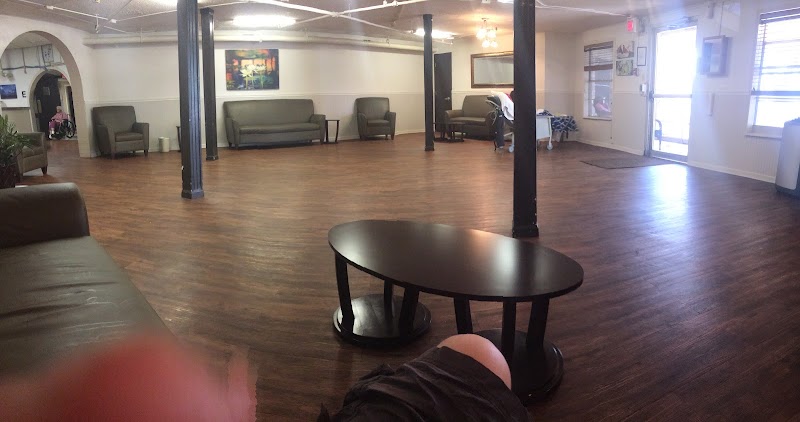
How is Arbor Terrace Healthcare Center Staffed?

CMS rates ARBOR TERRACE HEALTHCARE CENTER's staffing level at 1 out of 5 stars, which is much below average compared to other nursing homes. Staff turnover is 70%, which is 24 percentage points above the Texas average of 46%. High turnover can affect care consistency as new staff learn residents' individual needs. RN turnover specifically is 90%, which is notably high. RNs provide skilled clinical oversight, so turnover in this role can affect medical care quality.

What Have Inspectors Found at Arbor Terrace Healthcare Center?

State health inspectors documented 39 deficiencies at ARBOR TERRACE HEALTHCARE CENTER during 2022 to 2025. These included: 3 Immediate Jeopardy (the most serious level, indicating potential for serious harm or death), 35 with potential for harm, and 1 minor or isolated issues. Immediate Jeopardy findings are rare and represent the most serious regulatory concerns. They require immediate corrective action.

Who Owns and Operates Arbor Terrace Healthcare Center?

ARBOR TERRACE HEALTHCARE CENTER is owned by a for-profit company. For-profit facilities operate as businesses with obligations to shareholders or private owners. The facility is operated by SLP OPERATIONS, a chain that manages multiple nursing homes. With 126 certified beds and approximately 77 residents (about 61% occupancy), it is a mid-sized facility located in SAN ANGELO, Texas.

How Does Arbor Terrace Healthcare Center Compare to Other Texas Nursing Homes?

Compared to the 100 nursing homes in Texas, ARBOR TERRACE HEALTHCARE CENTER's overall rating (1 stars) is below the state average of 2.8, staff turnover (70%) is significantly higher than the state average of 46%, and health inspection rating (2 stars) is below the national benchmark.

What Should Families Ask When Visiting Arbor Terrace Healthcare Center?

Based on this facility's data, families visiting should ask: "What changes have been made since the serious inspection findings, and how are you preventing similar issues?" "How do you ensure continuity of care given staff turnover, and what is your staff retention strategy?" "Can you walk me through typical staffing levels on day, evening, and night shifts?" "Can I visit during a mealtime to observe dining assistance and food quality?" These questions are particularly relevant given the facility's Immediate Jeopardy citations, the facility's high staff turnover rate, and the below-average staffing rating.

Is Arbor Terrace Healthcare Center Safe?

Based on CMS inspection data, ARBOR TERRACE HEALTHCARE CENTER has documented safety concerns. Inspectors have issued 3 Immediate Jeopardy citations (the most serious violation level indicating risk of serious injury or death). The facility has a 1-star overall rating and ranks #100 of 100 nursing homes in Texas. Families considering this facility should ask detailed questions about what corrective actions have been taken since these incidents.

Do Nurses at Arbor Terrace Healthcare Center Stick Around?

Staff turnover at ARBOR TERRACE HEALTHCARE CENTER is high. At 70%, the facility is 24 percentage points above the Texas average of 46%. Registered Nurse turnover is particularly concerning at 90%. RNs handle complex medical decisions and coordinate care — frequent RN changes can directly impact care quality. High turnover means new staff may not know residents' individual needs, medications, or preferences. It can also be disorienting for residents, especially those with dementia who rely on familiar faces. Families should ask: What is causing the turnover? What retention programs are in place? How do you ensure care continuity during staff transitions?

Was Arbor Terrace Healthcare Center Ever Fined?

ARBOR TERRACE HEALTHCARE CENTER has been fined $121,840 across 3 penalty actions. This is 3.6x the Texas average of $34,297. Fines at this level are uncommon and typically indicate a pattern of serious deficiencies, repeated violations, or failure to correct problems promptly. CMS reserves penalties of this magnitude for facilities that pose significant, documented risk to resident health or safety. Families should request specific documentation of what issues led to these fines and what systemic changes have been implemented.

Is Arbor Terrace Healthcare Center on Any Federal Watch List?

ARBOR TERRACE HEALTHCARE CENTER is not on any federal watch list. The most significant is the Special Focus Facility (SFF) program, which identifies the bottom 1% of nursing homes nationally based on persistent, serious quality problems. Not being on this list means the facility has avoided the pattern of deficiencies that triggers enhanced federal oversight. This is a positive indicator, though families should still review the facility's inspection history directly.