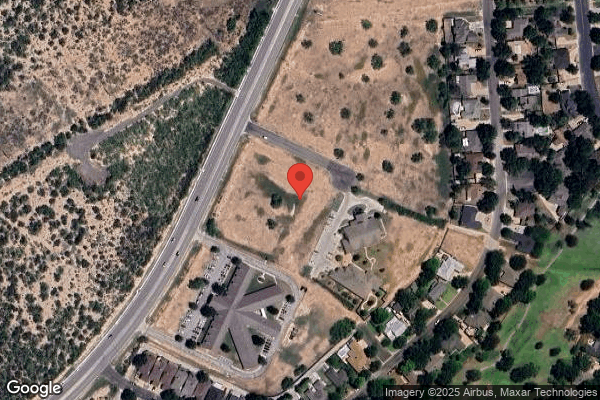
AVIR AT SAN ANGELO

5455 KNICKERBOCKER RD, SAN ANGELO, TX 76904 (325) 944-1660
For profit - Individual 125 Beds AVIR HEALTH GROUP Data: November 2025 5 Immediate Jeopardy citations
Trust Grade
0/100
#923 of 1168 in TX
Last Inspection: March 2025

Within standard 12-15 month inspection cycle. Federal law requires annual inspections.

Overview

Avir at San Angelo has received a Trust Grade of F, indicating significant concerns about the facility's care. It ranks #923 out of 1168 nursing homes in Texas, placing it in the bottom half of the state's facilities and last in Tom Green County. Unfortunately, the trend is worsening, with issues increasing from 3 in 2024 to 5 in 2025. While staffing turnover is commendably low at 0%, which is well below the state average, the facility has alarming fines totaling $271,366, higher than 94% of Texas facilities, suggesting repeated compliance problems. Critical incidents reported include a failure to maintain a safe environment, leading to dangerously high water temperatures and instances of abuse, where residents sustained serious injuries without proper reporting or immediate action by staff. Overall, while there are some strengths in staffing stability, the facility's serious issues and poor ratings raise significant concerns for families considering care for their loved ones.

Trust Score
F
0/100
In Texas
#923/1168
Bottom 21%
Safety Record
High Risk
Review needed
Inspections
Getting Worse
3 → 5 violations
Staff Stability
○ Average
Turnover data not reported for this facility.
Penalties
○ Average
$271,366 in fines. Higher than 69% of Texas facilities. Some compliance issues.
Skilled Nurses
○ Average
Each resident gets 33 minutes of Registered Nurse (RN) attention daily — about average for Texas. RNs are the most trained staff who monitor for health changes.
Violations
⚠ Watch
37 deficiencies on record. Higher than average. Multiple issues found across inspections.
★☆☆☆☆
1.0
Overall Rating
★★☆☆☆
2.0
Staff Levels
★★☆☆☆
2.0
Care Quality
★☆☆☆☆
1.0
Inspection Score
Stable
2024: 3 issues
2025: 5 issues

The Good

  • Full Sprinkler Coverage · Fire safety systems throughout facility
  • No fines on record

Facility shows strength in fire safety.

The Bad

1-Star Overall Rating

Below Texas average (2.8)

Significant quality concerns identified by CMS

Federal Fines: $271,366

Well above median ($33,413)

Significant penalties indicating serious issues

Chain: AVIR HEALTH GROUP

Part of a multi-facility chain

Ask about local staffing decisions and management

The Ugly 37 deficiencies on record

5 life-threatening 4 actual harm
Jun 2025 1 deficiency
CONCERN (D) 📢 Someone Reported This

A family member, employee, or ombudsman was alarmed enough to file a formal complaint

Potential for Harm - no one hurt, but risky conditions existed

Accident Prevention (Tag F0689)

Could have caused harm · This affected 1 resident

**NOTE- TERMS IN BRACKETS HAVE BEEN EDITED TO PROTECT CONFIDENTIALITY** Based on observation, interview, and record review the facility failed to ensure that the resident environment remains as free o...

Read full inspector narrative →
**NOTE- TERMS IN BRACKETS HAVE BEEN EDITED TO PROTECT CONFIDENTIALITY** Based on observation, interview, and record review the facility failed to ensure that the resident environment remains as free of accident hazards as is possible; and each resident receives adequate supervision and assistance devices to prevent accidents for 2 of 5 residents (Resident #2 and Resident # 3) reviewed for accident and hazards: The facility failed to implement care planned anti-slip strips on the floor in front of Resident # 2's recliner. The facility failed to implement care planned [NAME] sheet (anti-slip device) in Resident #3's wheelchair. This failure could place residents at risk of a diminished quality of life leading to a variety of emotional and physical problems/issues because of accident hazards. Findings included: Review of Resident #2's admission Record, dated 2/3/25, revealed she was an [AGE] year-old female admitted to the facility with diagnoses including dementia, diabetes (a disorder where the body does not use blood sugar properly), and history of falls. Review of Resident #2's Quarterly MDS, dated [DATE], revealed: She had a mental status score of 14 of 15 (indicating she was cognitively intact) She used a wheelchair. She needed supervision or steadying assistance with transfers. She had two or more falls since the previous assessment with no injury. Review of Resident #2's Care Plan, revised on 3/22/23 revealed she had falls related to poor balance and poor communication/comprehension, impaired mobility, depression, anxiety, weakness, and incontinence. The identified goal was she would resume her usual activities without further incident through the review date. Identified interventions included anti-skid strips to floor in front of recliner initiated 7/14/23 and place anti-skid strips in front of dresser/shelfing revised on 4/11/25. Review of Resident #2's Fall Risk Evaluation, dated 6/9/25, revealed she was at risk for falls. Observation and interview on 6/14/25 at 1:21 p.m. of Resident #2's room revealed no anti-skid strips in the room. Resident #2 had a large gash across half of her forehead with stitches. Resident #2 stated the fall happened because she was going through her papers at night and got upset and fell out of her wheelchair. Resident #2 stated she worked herself up. Interview on 6/14/25 at 3:57 p.m. Resident #2's physician stated he did not think the facility could have prevented Resident #2's fall because she was too independent physically and did not like to ask for help. The physician stated he was notified of her 6/9/25 fall. Interview and observation on 6/14/25 at 5:50 p.m. the DON stated Resident #2 should have anti-slip strips. The DON went to Resident #2's room and said she did not have strips in front of her recliner, and she would tell Maintainence to get it done. The DON said the facility was not following their care plan for Resident #2. Interview on 6/14/25 at 6:11 p.m. the DON stated a lot of Resident #2's falls were from her wheelchair. The DON said Resident #2 needed stand-by assistance with transfers and needed help putting her blankets on her when she was in her recliner to go to bed. The DON stated to protect Resident #2 from injury they determined to put in the anti-slip strips, which should have been in place, they had the doctor review her medications and monitored Resident #2's blood pressure closely. The DON stated she had previously in-serviced staff about checking on Resident #2 frequently and making sure her call light was in place. The DON said the nurses were supposed to lay eyes on all high-risk residents. Review of Resident #3's admission Record, dated 6/14/25, revealed he was a [AGE] year-old male admitted to the facility on [DATE] with diagnoses including dementia, history of falls, and unspecified convulsions. Review of Resident #3's Quarterly MDS, dated [DATE], revealed: He had a mental status score of 0 of 15 (indicating he was severely cognitively impaired). He had physical behaviors directed towards others (hitting, kicking, grabbing) four to six times a week. He used a wheelchair. He was dependent on staff for transfers. He had one fall with no injury since the previous assessment. Review of Resident #3's Care Plan, revised 4/11/25, revealed Resident had an actual fall, poor balance, unsteady gait, change in environment. The goal was the resident would resume activities without further incident through the review date. Identified interventions included [NAME] sheet in wheelchair to help aid in positioning. Review of Resident #3's Fall Risk assessment dated [DATE] revealed he scored a 13 and was at risk for falls. Interview and observation on 6/14/25 at 8:03 p.m. the DON checked Resident #3's wheelchair for a [NAME] sheet and stated there was not one on his wheelchair. The DON stated if it was on the care plan it should be on the wheelchair. Interview on 6/14/25 at 6:11 p.m. the DON stated ultimately, she was responsible for making sure all the interventions were in place and for monitoring it was done. The DON said once there was a fall the whole team talked about the fall in the morning meeting and devised a plan and updated the care plan. Review of the facility's policy on Falls - Clinical Protocol, revised 4/2025, revealed: Treatment/Management Based on the preceding assessment, the staff and physician/physician extender will identify pertinent interventions to try to prevent falls and to address the risks of clinically significant consequences of falling. If underlying causes cannot be readily identified or corrected, staff will try various relevant interventions based on assessment of the nature or category of falling, until falling reduces or stops or until a reason is identified for its continuation (for example, if the individual continues to try to get up and walk without waiting for assistance). Monitoring/Follow-Up The staff and physician/physician extender will monitor and document the individual's response to interventions intended to reduce falling or the consequences of falling. If interventions have been successful in fall prevention, the staff will continue with current approaches and will discuss periodically with the physician whether these measures are still needed. If the individual continues to fall, the staff and physician/physician extender will reevaluate the situation and reconsider possible reasons for the resident's falling (instead of, or in addition to those that have already been identified) and also reconsider the current interventions. As needed, and after an appropriately thorough review, the physician/ physician extender will document any uncorrectable risk factors and underlying causes.
Mar 2025 4 deficiencies 2 Harm
SERIOUS (H)

Actual Harm - a resident was hurt due to facility failures

Deficiency F0685 (Tag F0685)

A resident was harmed · This affected multiple residents

**NOTE- TERMS IN BRACKETS HAVE BEEN EDITED TO PROTECT CONFIDENTIALITY** Based on observation, interview and record review, the facility failed to assist the residents in making appointments to ensure ...

Read full inspector narrative →
**NOTE- TERMS IN BRACKETS HAVE BEEN EDITED TO PROTECT CONFIDENTIALITY** Based on observation, interview and record review, the facility failed to assist the residents in making appointments to ensure residents receive proper treatment and assistive devices to maintain hearing abilities for one of two residents (Resident #45) reviewed for hearing devices. The facility failed to make an appointment for an audiologist for Resident #45 after the Responsible Party requested one on 8/20/24. This failure could place residents at risk of decreased communication ability, quality of life, and/or social isolation. The findings included: Review of Resident #45's admission Record, dated 2/29/25, revealed she was a [AGE] year-old female admitted to the facility on [DATE] with diagnosis including hearing loss. Review of Resident #45's Quarterly MDS Assessment, dated 11/29/24, revealed: She had a BIMS score of 5 of 15 (indicating severe cognitive impairment); She had minimal difficulty hearing (Difficulty in some environments e.g. when person speaks softly or setting is noisy); and She wore hearing aids. Review of Resident #45's Care Plan, dated 6/13/24, revealed she had a communication problem related to hearing deficit. The identified goal was the resident will be able to make basic needs known on a daily basis through the review date. Interventions included: Repeat as necessary; Request clarification from resident to ensure understanding; face when speaking; make eye contact; use alternative communication tools as needed. Refer to audiology for hearing consult as ordered. Review of Resident #45's Order Summary Report, dated 2/19/25, revealed an order dated 5/24/24 for audiological care as needed. Review of the Social Services Note, dated 8/20/24, revealed Resident #45's Responsible Party asked if the Social Worker could set Resident #45 up with an appointment with and audiologist for hearing aids. Interview and observation with Resident #45 on 2/18/25 at 10:13 AM revealed Resident #45 in her room reading a book, there was no television or radio on. Resident #45 stated surveyor would have to speak up because she could not hear anything. Even with speaking up Resident #45 had difficulty understanding surveyor. Surveyor wrote interview on notebook paper and Resident #45 answered verbally. Resident #45 stated staff frequently came into her room and did whatever they were going to do without taking the time to explain what they were doing. Resident #45 said the staff never tried communicating with her through a notebook or a dry erase board. Observation of the room revealed no dry erase and no notebooks near where Resident #45 sat. Resident #45 stated staff don't care to tell me anything, they just come and do what they're going to do. Resident #45 said she felt like a hindrance because no one would explain to her what was going on. Resident #45 stated, that's just harmful to treat someone that way and ignore you. Resident #45 stated she felt her happiness no longer mattered because no one took the time to talk to her. Resident #45 started crying and said the conversation with surveyor would make her feel better for a month. Resident #45 stated she felt like she was not treated like a human and was not important to anyone in the building. Interview on 2/19/25 at 6:25 PM CNA G stated she was aware of Resident #45's needs. CNA G described Resident #45 as very hard of hearing. CNA G said speaking very loudly generally worked for communicating with Resident #45 but the staff had to repeat things a couple of times but it would eventually communicate what was needed. CNA G said she never asked which was Resident #45's good ear or bad ear. CNA G said she had nothing to add about Resident #45's hearing ability. Interview on 2/19/25 at 6:44 PM LVN H stated he worked with Resident #45. LVN H said Resident #45 was hard of hearing. LVN H said Resident #45's right ear was her bad ear. LVN H said to communicate with Resident #45 he would get closer and enunciate and speak louder to her. LVN H said the facility never tried any communication tools with her, but they did use one with a different resident. LVN H said he did not know what kind of hearing loss Resident #45 had. LVN H stated Resident #45 was alert and oriented to person, place and time and had nothing else to add about her abilities. Interview on 2/20/25 at 9:19 AM CNA I stated he almost always worked on Resident #45's hall so he was familiar with Resident #45. CNA said was extremely hard of hearing. CNA I stated to manage Resident #45's hearing they would normally speak louder and get right next to her so Resident #45 could read his lips. CNA I said Resident #45's good side was the left side. CNA I stated he used writing to communicate with a different resident but not with Resident #45. He stated he did not know if would be easier for them (CNA I and Resident #45) because it did not take long to communicate basic stuff. CNA I said he had nothing to add about Resident #45's hearing ability. Interview on 2/20/25 at 9:32 a.m. LVN J said he worked with Resident #45. LVN J said Resident #45 was hard of hearing but he was able to communicate with her. LVN J stated he never had to use communication tools with Resident #45 because if he got at eye level with her, she did not have a problem understanding. LVN J said he had nothing to add about Resident #45's hearing ability. Interview on 2/20/25 at 9:57 AM the Social Worker stated Resident #45 stayed in her room, her cognition was moderately impaired. The Social Worker stated she assessed Resident #45's cognition by completing the MDS Brief Mental Status interview. The Social Worker stated on 8/24/24 Resident #45's Responsible Party wanted the hearing appointment. The Social Worker stated she just hadn't reached out to the audiologist and then she just kind of forgot about it. The Social Worker said to communicate with Resident #45 a person had to get close to Resident #45 on her right side. The Social Worker said she had not tried any other communication tools with Resident #45 because Resident #45 had no problems answering questions once Resident #45 heard what the communicator was trying to communicate. The Social Worker stated she did not know if other communication tools would make communicating with Resident #45 easier because Resident #45's hearing was not assessed. The Social Worker said she usually found out if a resident had changes in hearing if the nurses on the floor told her. Interview on 2/20/25 at 12:03 PM the DON stated her expectation for staff when communicating with the hard of hearing was to get at eye level, speak in a clear voice, and ask one question at a time. The DON stated if the information was complex she would try to break the information down. The DON said Resident #45 would ask her (the DON) for clarification if she (Resident #45) did not understand. The DON was informed of the results of the investigation, and said she did not know if anyone had asked Resident #45 about her hearing and she did not know if Resident #45 was assessed for hearing aids. The Corporate RN, who was with the DON, said the MDS Nurse was required to assess when there was an MDS Assessment due. The Corporate RN stated the Social Worker should have acted quicker. Interview on 2/20/25 at 1:04 p.m. the MDS Coordinator state Resident #45's hearing aides were on Resident #45's nightstand table, were dirty and the batteries needed to be replaced. The MDS Coordinator stated Resident #45 stated the hearing aides were cleaned in the hospital. The MDS Coordinator stated Resident #45's Responsible Party wanted Resident #45 assessed for something stronger. Interview on 2/20/25 at 2:50 p.m. Resident #45's Responsible Party stated the facility supposedly got Resident #45 an appointment later in the month for an audiologist. Resident #45's Responsible Party stated they wanted the audiologist appointment to lessen Resident #45's depression so hopefully Resident #45 would leave her room and join activities more. Interview on 2/20/25 at 6:00 PM The Activity Director and Human Resources Director both said they probably would not leave their room or attend activities if they could not hear what was going on. Observation on 2/20/25 at 6:34 p.m. the Activity Director and Corporate RN, asked Resident #45 if new hearing aids would make a difference in Resident #45 attending activities. Resident #45 looked at surveyor and said, oh no, it's too late for me now. Resident #45 said she missed her old living arrangements where she could have one-on-one conversations with other old ladies. Review of the facility's undated Policy on Social Services revealed: The facility provides medically related social services. The social service program is designed to assist each resident to attain or maintain the highest practicable physical, mental, and psychosocial well-being. This includes assisting residents in maintaining or improving their abilities to manage their everyday physical, mental, and psychosocial needs. Review of the facility's undated Policy on Accommodation of Needs and Services Provided in the facility revealed: The facility provides residents with services in the facility with reasonable accommodation of individual needs and preferences. If the need arises, the resident will be assisted with arrangements to receive the services outside of the facility.
SERIOUS (H)

Actual Harm - a resident was hurt due to facility failures

Deficiency F0745 (Tag F0745)

A resident was harmed · This affected multiple residents

**NOTE- TERMS IN BRACKETS HAVE BEEN EDITED TO PROTECT CONFIDENTIALITY** Based on observation, interview and record review, the facility failed to assist the residents in making appointments to ensure ...

Read full inspector narrative →
**NOTE- TERMS IN BRACKETS HAVE BEEN EDITED TO PROTECT CONFIDENTIALITY** Based on observation, interview and record review, the facility failed to assist the residents in making appointments to ensure residents receive proper treatment and assistive devices to maintain hearing abilities for one of two residents (Resident #45) reviewed for hearing devices. The facility failed to make an appointment for an audiologist for Resident #45 after the Responsible Party requested one on 8/20/24. This failure could place residents at risk of decreased communication ability, quality of life, and/or social isolation. The findings included: Review of Resident #45's admission Record, dated 2/29/25, revealed she was a [AGE] year-old female admitted to the facility on [DATE] with diagnosis including hearing loss. Review of Resident #45's Quarterly MDS Assessment, dated 11/29/24, revealed: She had a BIMS score of 5 of 15 (indicating severe cognitive impairment); She had minimal difficulty hearing (Difficulty in some environments e.g. when person speaks softly or setting is noisy); and She wore hearing aids. Review of Resident #45's Care Plan, dated 6/13/24, revealed she had a communication problem related to hearing deficit. The identified goal was the resident will be able to make basic needs known on a daily basis through the review date. Interventions included: Repeat as necessary; Request clarification from resident to ensure understanding; face when speaking; make eye contact; use alternative communication tools as needed. Refer to audiology for hearing consult as ordered. Review of Resident #45's Order Summary Report, dated 2/19/25, revealed an order dated 5/24/24 for audiological care as needed. Review of the Social Services Note, dated 8/20/24, revealed Resident #45's Responsible Party asked if the Social Worker could set Resident #45 up with an appointment with and audiologist for hearing aids. Interview and observation with Resident #45 on 2/18/25 at 10:13 AM revealed Resident #45 in her room reading a book, there was no television or radio on. Resident #45 stated surveyor would have to speak up because she could not hear anything. Even with speaking up Resident #45 had difficulty understanding surveyor. Surveyor wrote interview on notebook paper and Resident #45 answered verbally. Resident #45 stated staff frequently came into her room and did whatever they were going to do without taking the time to explain what they were doing. Resident #45 said the staff never tried communicating with her through a notebook or a dry erase board. Observation of the room revealed no dry erase and no notebooks near where Resident #45 sat. Resident #45 stated staff don't care to tell me anything, they just come and do what they're going to do. Resident #45 said she felt like a hindrance because no one would explain to her what was going on. Resident #45 stated, that's just harmful to treat someone that way and ignore you. Resident #45 stated she felt her happiness no longer mattered because no one took the time to talk to her. Resident #45 started crying and said the conversation with surveyor would make her feel better for a month. Resident #45 stated she felt like she was not treated like a human and was not important to anyone in the building. Interview on 2/20/25 at 9:57 AM the Social Worker stated Resident #45 stayed in her room, her cognition was moderately impaired. The Social Worker stated she assessed Resident #45's cognition by completing the MDS Brief Mental Status interview. The Social Worker stated on 8/24/24 Resident #45's Responsible Party wanted the hearing appointment. The Social Worker stated she just hadn't reached out to the audiologist and then she just kind of forgot about it. The Social Worker said to communicate with Resident #45 a person had to get close to Resident #45 on her right side. The Social Worker said she had not tried any other communication tools with Resident #45 because Resident #45 had no problems answering questions once Resident #45 heard what the communicator was trying to communicate. The Social Worker stated she did not know if other communication tools would make communicating with Resident #45 easier because Resident #45's hearing was not assessed. The Social Worker said she usually found out if a resident had changes in hearing if the nurses on the floor told her. Interview on 2/20/25 at 2:50 p.m. Resident #45's Responsible Party stated the facility supposedly got Resident #45 an appointment later in the month for an audiologist. Resident #45's Responsible Party stated they wanted the audiologist appointment to lessen Resident #45's depression so hopefully Resident #45 would leave her room and join activities more. Review of the facility's undated Policy on Social Services revealed: The facility provides medically related social services. The social service program is designed to assist each resident to attain or maintain the highest practicable physical, mental, and psychosocial well-being. This includes assisting residents in maintaining or improving their abilities to manage their everyday physical, mental, and psychosocial needs. Review of the facility's undated Policy on Accommodation of Needs and Services Provided in the facility revealed: The facility provides residents with services in the facility with reasonable accommodation of individual needs and preferences. If the need arises, the resident will be assisted with arrangements to receive the services outside of the facility.
CONCERN (E)

Potential for Harm - no one hurt, but risky conditions existed

Infection Control (Tag F0880)

Could have caused harm · This affected multiple residents

**NOTE- TERMS IN BRACKETS HAVE BEEN EDITED TO PROTECT CONFIDENTIALITY** Based on observation, interview, and record review, the facility failed to maintain an infection prevention and control program ...

Read full inspector narrative →
**NOTE- TERMS IN BRACKETS HAVE BEEN EDITED TO PROTECT CONFIDENTIALITY** Based on observation, interview, and record review, the facility failed to maintain an infection prevention and control program designed to provide a safe, sanitary, and comfortable environment to help prevent the development and transmission of communicable diseases and infections for 3 (Residents #14 and #28 and #288) of 4 residents reviewed for infection control in that: CNA F failed to wash her hands and change her gloves after they became contaminated during incontinent care while assisting Resident #14. CNA D used double gloves when she performed incontinent care for Resident #28. RN K failed to wash her hands and change her gloves after they became contaminated during wound care performed on Resident #288. These failures could place resident's risk for cross contamination and the spread of infection. Finding include: RESIDENT 14 Record review of Resident #14's admission record dated 02/20/25 indicated he was admitted to the facility on [DATE] with diagnoses of dementia. He was [AGE] years of age. Record review of Resident #14's care plan dated 11/17/24 indicated in part: Problem: The resident has bowel/bladder incontinence related to dementia, limited mobility. Goal: The resident will not have any complications r/t bowel incontinence. Interventions: Incontinent: Check every two hours and as required for incontinence. Wash, rinse and dry perineum. Change clothing PRN after incontinence episodes. Record review of Resident #14's MDS dated [DATE] indicated in part: BIMS = 04 indicating resident had severe impairment. Urinary continence and bowel continence = Always incontinent. During an observation on 02/18/25 at 02:40 PM CNA A and CNA F transferred Resident #14 from his wheelchair to his bed with the use of a mechanical lift. Resident #14 was in a wheelchair and sitting on top of the lift sling. Both CNAs sanitized their hands and put on some gloves then connected the sling to the machine. After they transferred the resident to the bed they undid the resident's pants and brief. Resident #14 was noted to be wet with urine as it had leaked onto his pants. CNA A took some wet wipes and wiped the resident's penis and scrotum area and then changed her gloves. Both CNAs then turned Resident #14 on his right side and CNA F took some wet wipes and wiped the resident's rectal area. While CNA F wiped Resident #14's rectal area and her gloved hand come in contact with the resident's buttocks and rectal area. While wearing the same gloves she used to wipe the resident's rectal area, CNA F took a new brief and fastened it to the resident and also assisted with changing Resident #14's pants and putting a clean pair of pants on. During an interview on 02/18/25 at 02:55 PM CNA F said she should have changed her gloves and sanitized her hands before she applied the new brief and assisted Resident #14 with his pants. CNA F said there was a possibility of cross contamination and could lead to the spread of infections if her gloves were not changed. RESIDENT 28 Record review of Resident #28's admission record dated 02/20/25 indicated he was admitted to the facility on [DATE] with diagnoses of high blood pressure and type 2 diabetes. He was [AGE] years of age. Record review of Resident #28's care plan dated 01/12/25 indicated in part: Problem: The resident has (specify urge, stress, functional, mixed) bladder incontinence related to Impaired mobility. Goal: The resident will remain free from skin breakdown due to incontinence and brief use. Interventions: Brief use: The resident uses disposable briefs. Change frequently and prn. Incontinent: Check Frequently and as required for incontinence. Wash, rinse and dry perineum. Change clothing PRN after incontinence episodes. Record review of Resident #28's MDS dated [DATE] indicated in part: BIMS = 15 indicating resident was cognitively intact. Urinary continence and bowel continence = Always incontinent. During an observation on 02/19/25 at 10:55 AM CNA C and CNA D performed incontinent care for Resident #28. Both CNA's entered the room and put on some PPE due to the resident being on EBP precautions. CNA D was seen putting 2 pair of gloves on. The aides assisted Resident #28 to his bed then removed his shorts and brief. The brief was noted to be wet with urine. CNA D wiped the resident's penis and in between his legs with some wet wipes. Both CNAs then turned the resident on his right side then CNA D took some wipes and wiped the resident's rectal area. Resident #28 had a bowel movement so CNA D wiped the resident's rectal area several times and some of the feces got on the CNA's gloves. CNA D then took the first pair of gloves off and placed a new pair of gloves over the second pair. CNA D then took some barrier cream and applied it to the resident's groin area. CNA D then removed the first pair of gloves and while wearing the second pair she and the other CNA fastened a new brief on the resident, put his shorts on then they removed their gloves. During an interview on 02/19/25 at 05:07 PM CNA D said she was not sure if they were allowed to double glove during resident care. CNA D said she had learned to double glove while she worked at a previous facility. CNA D said if it was not considered safe to use double gloves during resident care then that could lead to cross contamination and the spread of infections. During an interview on 02/20/25 at 03:00 PM the DON said staff were expected to change their gloves when going from dirty to clean or if they came in contact with any bodily fluids. The DON said double gloving was not acceptable as that could lead to cross contamination. The DON said double gloving or not changing their gloves at the appropriate time could lead to the spread of infections and it was not good practice. The DON said the failure probably occurred because of a lack of training. The DON said they would be conducting training on the proper use of glove use and when to change them. RESIDENT #288 Review of Resident #288's admission Record, dated 2/19/25, revealed she was a [AGE] year-old female admitted to the facility on [DATE] with diagnosis including heart failure and chronic pain. Review of Resident #288's clinical records revealed the MDS had not been completed yet. Review of Resident #288's Care Plan, Initiated 2/10/25, revealed: Resident is on Enhanced Barrier Precautions related to increased risk of Multi-Drug Resistant Organisms acquisition - resident has a wound Deep Tissue Injury to sacrum, left heel, right great toe, right posterior leg. Venous ulcer to right dorsal foot. Goal: reduce transmission of multi drug-resistant organisms and will have no complications through review date. Interventions included: Ensure the staff have access to alcohol-based hand rub. Resident #288's Order Summary Report, dated 2/19/25, revealed orders dated 2/10/25 for Left Heel Deep Tissue Injury Cleanse with Wound Cleanser, apply Triple Antibiotic Ointment and cover with foam dressing, changed twice weekly and as needed one time a day every Tuesday and Friday for wound care. Observation on 2/19/25 at 3:53 PM revealed RN K slid a bordered bandage into her pocket on her pants. RN K stated she was just doing a little pressure wound on Resident #288. RN K put on a gown, put on gloves and entered the room. RN K had a stack of 4cm x 4cm gauze, 2 packet of triple antibiotic ointment and wound cleanser spray already set up on the bedside table with no barrier The wound care supplies were set up at the end of Resident # 288's bedside table, unevenly mixed with Resident #288's water. There was no barrier and no disinfecting wipes seen. RN K removed the old dressing. RN K described Resident #288's stage I pressure wound as probably 1 mm with ½ cm by 1 cm oval wound bed. With the same gloves, RN K took some gauze from the stack of 4 cm x cm gauze, sprayed it with the wound cleanser spray and cleanser spray; she wiped the wound and placed the dirty gauze onto Resident #288's bed. With the same contaminated gloves, RN K took another stack of 4cm x cm gauze, sprayed it with gauze, cleaned the wound and threw it in the resident's trash can. With the same dirty gloves RN K placed some triple antibiotic ointment onto her finger, smeared it onto Resident # 288's wound. Then with the same dirty gloves RN K pulled the bordered dressing out of her pocket and placed it onto Resident #288's heel. With the same contaminated gloves, RN K placed a sock over Resident # 288's heel, pulled off the sock from the other foot, did an edema check, changed the sock and then changed her gloves. RN K hooked the bottle of wound cleanser on her pants without sanitizing them. Interview on 2/19/25 5:01 p.m. RN K stated this was her 1st year of nursing. She stated the wound care could have gone better. RN K said she forgot to set up the bag at the end of the bed for the used wound care supplies and she did not wash her hands because Resident #288 was on Enhanced Barrier Precautions. RN K stated personally she did not like the border dressing used on Resident #288's foot because she had to fold it to make it fit. RN K said she liked to wash her hands at the end of the wound care but felt taking out the trash at the end defeated the purpose RN K said if she put the dirty gauze on the bed she contaminated the bed. RN K stated she was taught to avoid cross contamination as much as possible in nursing school and if cross contamination did happen to disinfect the area as much as possible. RN K stated in the real world it would not be any different. RN K stated she did clean the bedside table with a Sani-cloth wipe prior to setting up wound care supplies, but admitted she put the bandage in her pocket. RN K said there was no barrier between the bedside table and the wound care supplies. RN K said her gloves were dirty through the wound care and she probably should have applied the triple antibiotic ointment with an applicator. RN K said the only training she received when hired was the nurse she shadowed but the Assistant Director of Nursing was very good about answering any questions she had about wound care, but it was more about order clarification. Interview on 2/20/25 at 12:29 p.m. the DON with the Corporate RN present stated her expectation for wound care was the nurse to gather her supplies, put the supplies on wax paper, and have extra gloves. The DON stated she expected the staff to wash their hands, place a trash bag at the foot of the bed, put on gloves, take off the old dressing, take off the old dressing, using alcohol gel, put on clean gloves, clean the wound inner wound to outer wound, change those gloves using alcohol in between, put on the clean dressing, take off the gloves, place excess material into the trash, make sure the resident was comfortable, place a clean glove on, dispose of the trash, and wash hands. Record review of the facility's policy titled Infection prevention program policy and dated 08/21/2024 indicated in part: Purpose: To describe the structure , function and processes in place to prevent healthcare associated infections in patients, visitors and staff and to establish policy, guidelines and responsibilities for [name] Nursing and rehab infection prevention program. Policy: The goal of the infection prevention program and its activities is to improve clinical outcomes and have a multidisciplinary approach within a coordinated and structured program. The infection prevention program (IPP) is established to: Provide a mechanism for the surveillance, prevention and control of infection and to ensure the facility compliance with the requirements of the centers for Medicaid and Medicare. Department of Health and local, state and federal agencies as they relate to infection prevention. Review and provide recommendations in the matters concerning isolation, sanitation and asepsis policies and procedures. Develop, review, revise and approve infection prevention standards and policies and infection prevention procedures. Record review of the facility's policy titled Glove use dated 2012 indicated in part: Purpose: to provide guidelines for the use of gloves for resident and employee protection. When gloves are indicated, disposable single-use gloves (preferably latex free) should be worn. Used gloves should be discarded into the nearest waste receptacle inside the room. Perform hand hygiene after removing gloves. Disposable (single-use) gloves must be replaced as soon as practical when contaminated, torn, punctured, they exhibit signs of deterioration or when their ability to function as a barrier is compromised. When to use gloves - gloves should be used- when touching excretions, secretions, blood, body fluids, mucous membranes or no-intact skin; when the employee's hands have any cuts, scrapes, wounds, chapped skin, dermatitis. Etc, when it is likely that hands will come in contact with blood, body fluids or other potentially infectious material.
CONCERN (F)

Potential for Harm - no one hurt, but risky conditions existed

Room Equipment (Tag F0908)

Could have caused harm · This affected most or all residents

Based on observation and interview the facility failed to maintain all mechanical, electrical, and patient care equipment in safe operating condition for 1 of 1 kitchen reviewed for physical environme...

Read full inspector narrative →
Based on observation and interview the facility failed to maintain all mechanical, electrical, and patient care equipment in safe operating condition for 1 of 1 kitchen reviewed for physical environment. The facility failed to ensure one of six stove top burners ignited automatically. This failure could place residents at risk of foodborne illnesses and potential for injury to residents and staff. Findings included: During an observation and interview on 02/18/25 at 10:02 AM, the stove in the kitchen was inspected. One of the six burners was noted to not turn on when the knob was turned to the on position by [NAME] E. [NAME] E said the burner had not worked for a while and was not sure what was wrong with it or if it was clogged. The DM attempted to try and light it up manually, but it would not light up. During the time the DM turned the knob you could hear and smell the gas coming out of the pilot, but it would not light the burner. The burner appeared to have a buildup of grease on some sort of gunk on it. The DM said they would try to wash the burner to see if it unclogged it. The DM said he had not reported to the Maintenance department that the burner was not working. During an observation and interview on 02/20/25 at 01:15 PM, the stove top was inspected again with the DM and the burner was still noted to have the built up of grease and gunk on it. The burner knob was tuned on and the burner did not light up. There was a sound of gas passing through to the burner but it would not light up. The DM again said he would try to remove the burner and clean it or call the service repair person. The DM said he had been working at the facility for about 2 years and the burner had been non-functional since then. During an interview on 02/20/25 at 01:22 PM, the Administrator was made aware of the burner in the stove top not working. The Administrator said he had been at the facility for the last 2 months and was not aware of the burner not working. The Administrator said he would look into it and look for a policy regarding essential equipment. During an interview on 02/20/25 at 02:28 PM, the DM said they had washed the burner and that it was working a little better but that the service person was still coming later to completely repair the rest of the parts. The DM stated outcome of the other burner was not working, was a possibility of an explosion or someone getting hurt.
Oct 2024 3 deficiencies
CONCERN (D) 📢 Someone Reported This

A family member, employee, or ombudsman was alarmed enough to file a formal complaint

Potential for Harm - no one hurt, but risky conditions existed

Deficiency F0559 (Tag F0559)

Could have caused harm · This affected 1 resident

**NOTE- TERMS IN BRACKETS HAVE BEEN EDITED TO PROTECT CONFIDENTIALITY** Based on Observation, interview and record review the facility failed to ensure the resident the right to receive written notice...

Read full inspector narrative →
**NOTE- TERMS IN BRACKETS HAVE BEEN EDITED TO PROTECT CONFIDENTIALITY** Based on Observation, interview and record review the facility failed to ensure the resident the right to receive written notice, including the reason for the change, before the resident's room or roommate in the facility is changed for 1 0f 4 residents (Resident #1) reviewed for resident rights. Transfer and the reason for the transfer before the roommate was changed. Based on interview and record review the facility failed to ensure residents legal guardian had the right to be informed in advance, by the physician or other practitioner or professional, of the risks and benefits of proposed care, of treatment and treatment alternatives or treatment options and to choose the alternative or option he or she preferred for 1 of 1 resident (Resident #60) reviewed for resident rights. The facility failed to ensure the Social Worker told Resident #1's representative the reason for his room change following an incident with his roommate on 9/17/24. This failure could place resident's roommate at risk for not being aware of the reason for the change in rooms. Findings included: Record review of Resident #1's Face Sheet (admission Record) dated 10/03/24 indicated a [AGE] year-old male admitted to the facility on [DATE]. Resident #1's medical history included muscle wasting, dementia, schizoaffective disorder (a mental health condition that includes schizophrenia symptoms, such as hallucinations and delusions, and mood disorder symptoms such as depression and mania), anxiety disorder, and major depressive disorder (depressed mood all or most of the time). Record review of Resident #1's Quarterly MDS assessment dated [DATE] indicated Resident #1 could usually be understood and could usually understand others. The MDS indicated the resident had a BIMS score of 00 which indicated severe cognitive impairment. The assessment indicated Resident #1 displayed physical behaviors directed toward others and did not reject care. The assessment also indicated Resident #1 was dependent on one to two people for moving to and from lying position, turning side to side, and body positioning. Resident #1 was dependent on one to two people for toileting and bathing and was always incontinent of urine and bowel. Record review of Social Worker progress notes indicated the following: -9/17/24 at 5:03 PM Social Worker documented Resident #1's guardian was notified of resident room move. He will be in -9/20/24 the Social Worker documented Resident #1 moved to another room due to current roommate sprinkling him with water due to him making a sucking noise. CNA A reported to the DON and administrator. All parties notified; resident moved to another room. Record review of the provider 5-day investigation report dated 9/18/24 revealed the incident occurred on 9/18/24. Record review of Nursing Progress notes indicated the following: -10/3/24 at 11:40 AM documented notified the guardian of Resident #1 and apologized. The nurse spoke with the guardian to explain what the initial reason for the move of the resident was. Resident #1's roommate stated to a CNA A he throws water on Resident # 1's face to train him like a dog. In an observation on 10/1/24 at 11:00 AM revealed Resident #1 was Sitting in the hallway in his wheelchair with his head bent forward. He did not respond to the surveyor. He did not seem shy away from staff or the surveyor. During an interview with Resident #1's Guardian on 10/3/24 at 9:06 AM she stated she had not been notified of the incident of alleged abuse as the reason for the room change for Resident #1. The Guardian stated she was notified by the Social Worker on 9/17/24, that they wanted to try Resident #1 in another room but was not given the specifics as to why. The Guardian was aware that several facilities are moving patients for a variety of reasons and advised that the guardian did not feel the move would work out but that they could try it and see how it went. The guardian was not told this was due to the presentroommate bullying Resident #1. During an interview with the Social Worker on 10/3/24 at 9:30 AM she said she was informed by the DON that she should call the guardian of Resident # 1 to get permission for a room change, but the DON did not say why they were doing the room change until later in the afternoon. She stated she did not notify the Guardian of the alleged incident between Resident # 1 and his roommate. She stated she would have told the Guardian if she had been informed of the situation. She stated a negative outcome for the resident would be that he would remain in that situation if the Guardian did not give permission for the move. During an interview with the DON on 10/03/24 at 10:00 AM she said the guardian should be notified per facility policy for changes of condition, or a change in the president's plan of care. She stated she thought the Social Worker had notified the guardian of the situation because she thought she was aware of the reason for the move. She stated she should have monitored to ensure that the guardian was informed of the reason for the move. Review of Texas Human Resources Code Section 102.003 Sec. 102.003. RIGHTS OF THE ELDERLY. (a) An elderly individual has all the rights, benefits, responsibilities, and privileges granted by the constitution and laws of this state and the United States, except where lawfully restricted. The elderly individual has the right to be free of interference, coercion, discrimination, and reprisal in exercising these civil rights. (b) An elderly individual has the right to be treated with dignity and respect for the personal integrity of the individual, without regard to race, religion, national origin, sex, age, disability, marital status, or source of payment. This means that the elderly individual: (1) has the right to make the individual's own choices regarding the individual's personal affairs, care, benefits, and services. (2) has the right to be free from abuse, neglect, and exploitation; and (3) if protective measures are required, has the right to designate a guardian or representative to ensure the right to quality stewardship of the individual's affairs. Review of the policy titled Notification of changes, not dated, stated the following in part: The facility will immediately inform the resident and consult with the resident's physician, if appropriate, when changes occur. If known, the facility shall also notify the resident's physician if appropriate and the legal guardian or an interested family member. Notification of change shall include an accident involving the resident A significant change in the resident's mental or psychosocial status such as a deterioration in health mental or psychosocial status, a decision to transfer or discharge a resident, or a change in roommate assignment
CONCERN (D) 📢 Someone Reported This

A family member, employee, or ombudsman was alarmed enough to file a formal complaint

Potential for Harm - no one hurt, but risky conditions existed

Free from Abuse/Neglect (Tag F0600)

Could have caused harm · This affected 1 resident

**NOTE- TERMS IN BRACKETS HAVE BEEN EDITED TO PROTECT CONFIDENTIALITY** Based on interview, and record review the facility failed to ensure Residents were free from abuse a 1 of 6 residents (Resident ...

Read full inspector narrative →
**NOTE- TERMS IN BRACKETS HAVE BEEN EDITED TO PROTECT CONFIDENTIALITY** Based on interview, and record review the facility failed to ensure Residents were free from abuse a 1 of 6 residents (Resident #1) reviewed for abuse. 1. The facility to protect Resident #1 from Resident #2 pouring water on Resident #1 when he annoyed him. The deficient practices could affect any resident and contribute to further abuse or neglect. Findings included: Record review of Resident #1's Face Sheet (admission Record) dated 10/03/24 indicated a [AGE] year-old male admitted to the facility on [DATE]. Resident #1's medical history included muscle wasting, dementia, schizoaffective disorder (a mental health condition that includes schizophrenia symptoms, such as hallucinations and delusions, and mood disorder symptoms such as depression and mania), anxiety disorder, and major depressive disorder (depressed mood all or most of the time). Record review of Resident #1's Quarterly MDS assessment dated [DATE] indicated Resident #1 could usually be understood and could usually understand others. The MDS indicated the resident had a BIMS score of 00 which indicated severe cognitive impairment. The assessment indicated Resident #1 displayed physical behaviors directed toward others and did not reject care. The assessment also indicated Resident #1 was dependent on one to two people for moving to and from lying position, turning side to side, and body positioning. Resident #1 was dependent on one to two people for toileting and bathing and was always incontinent of urine and bowel. Record review of the facility reported investigation worksheet and the provider 5-day investigation report dated 9/18/24 revealed the incident occurred on 9/17/24 and that Resident #1 was moved to another room on another hall. The incident was reported by CNA A. Record review of Resident 2's Face Sheet (admission Record) dated 10/02/24 indicated a [AGE] year-old male admitted to the facility on [DATE]. Resident #2's medical history included dementia with agitation depression and mania, anxiety disorder, diabetes (condition causing increased levels of glucose in the blood which can affect multiple body systems) and high blood pressure. Record review of Resident #2's Quarterly MDS assessment dated [DATE] indicated Resident #2 could be understood and could understand others. The MDS indicated the resident had a BIMS score of 15 which indicated he was cognitively intact. The assessment indicated Resident #2 displayed no behaviors directed toward others and did not reject care. The assessment also indicated Resident #2 used a wheelchair and required maximum assistance to walk ten feet. Resident #2 was independent moving to and from lying position, turning side to side, and body positioning. Resident #2 required minimal or touch assistance of one person for toileting and bathing and was always incontinent of bowel and had a urinary catheter. Record review of Social Worker progress notes indicated the following: -9/20/24 the Social Worker documented Resident #1 moved to another room due to current roommate Resident #2 sprinkling him with water due to him making a sucking noise. CNA A reported to the DON and administrator. All parties notified; resident moved to another room. Observation on 10/1/24 at 11:00 AM revealed Resident #1 was Sitting in the hallway in his wheelchair with his headbent forward. He did not respond to the surveyor. In an interview with CNA A on 9/26/24 at 1:50 PM he stated he reported to the LVN C that Resident #2 told him he sprinkled water in the face of Resident #1 to train him like a dog immediately after it was told to him by Resident #2. In an interview with CNA B on 9/26/24 at 1:40 PM and on 10/1/24 at 3:00 PM, she stated she suspected Resident #2 had poured water on Resident #1 multiple times and she stated she reported her concerns when Administrator called her to investigate the incident. She stated she has never seen him treat anyone else in an abusive manner. CNA B stated she told LVN C about it when she found Resident #1 wet one time. She stated she could not remember when that was and could not give a date or how many times. In an interview with LVN C at 3:00 PM he stated he had not been told of an allegation of abuse to Resident #1 by CNA B. He stated CNA A told him, and he reported it to the administrator who is also the abuse coordinator. In an interview with the Administrator on 10/01/24 3:45 PM. The administrator stated CNA B did not report to him she witnessed abuse or had suspicions of abuse toward Resident #1 by his roommate. He stated his expectation was that suspicion of abuse or allegations of abuse be reported to him immediately. He stated she had been reprimanded and terminated for not reporting immediately. He stated that Resident #2 had been issued a 30-day discharge notice earlier in the month and after talking with CNA B regarding her allegations of abuse Resident #2 was discharged today (10/1/24) with medications and home health and APS was notified. He stated an Inservice had been started on immediate reporting of allegations of suspected abuse or neglect. He stated it was his responsibility to monitor and ensure the facility is doing all that is within control to prevent occurrences of abuse and neglect. Review of the facility's policy Abuse and Neglect Policy and Procedure, not dated stated in part: The Administrator and designee is responsible for maintaining all facility policies that prohibit abuse and neglect to include the following: training of employees, investigation of allegations , and prevention of occurrences.
CONCERN (D) 📢 Someone Reported This

A family member, employee, or ombudsman was alarmed enough to file a formal complaint

Potential for Harm - no one hurt, but risky conditions existed

Abuse Prevention Policies (Tag F0607)

Could have caused harm · This affected 1 resident

**NOTE- TERMS IN BRACKETS HAVE BEEN EDITED TO PROTECT CONFIDENTIALITY** Based on observation, interview, and record review the facility failed to ensure all alleged violations involving abuse are repo...

Read full inspector narrative →
**NOTE- TERMS IN BRACKETS HAVE BEEN EDITED TO PROTECT CONFIDENTIALITY** Based on observation, interview, and record review the facility failed to ensure all alleged violations involving abuse are reported immediately to the Administrator of the facility for 1 of 6 residents (Resident #1) reviewed for abuse. 1. CNA B failed to immediately report her suspicions of abuse when she found Resident #1 Wet . The deficient practices could affect any resident and contribute to further abuse or neglect. Findings included: Record review of Resident #1's Face Sheet (admission Record) dated 10/03/24 indicated a [AGE] year-old male admitted to the facility on [DATE]. Resident #1's medical history included muscle wasting, dementia, schizoaffective disorder (a mental health condition that includes schizophrenia symptoms, such as hallucinations and delusions, and mood disorder symptoms such as depression and mania), anxiety disorder, and major depressive disorder (depressed mood all or most of the time). Record review of Resident #1's Quarterly MDS assessment dated [DATE] indicated Resident #1 could usually be understood and could usually understand others. The MDS indicated the resident had a BIMS score of 00 which indicated severe cognitive impairment. The assessment indicated Resident #1 displayed physical behaviors directed toward others and did not reject care. The assessment also indicated Resident #1 was dependent on one to two people for moving to and from lying position, turning side to side, and body positioning. Resident #1 was dependent on one to two people for toileting and bathing and was always incontinent of urine and bowel. Record review of the facility reported investigation worksheet and the provider 5-day investigation report dated 9/18/24 revealed the incident occurred on 9/17/24 and that Resident #1 was moved to another room on another hall. The incident was reported by CNA A. Record review of Resident 2's Face Sheet (admission Record) dated 10/02/24 indicated a [AGE] year-old male admitted to the facility on [DATE]. Resident #2's medical history included dementia with agitation depression and mania, anxiety disorder, diabetes (condition causing increased levels of glucose in the blood which can affect multiple body systems) and high blood pressure. Record review of Resident #2's Quarterly MDS assessment dated [DATE] indicated Resident #2 could be understood and could understand others. The MDS indicated the resident had a BIMS score of 15 which indicated he was cognitively intact. The assessment indicated Resident #2 displayed no behaviors directed toward others and did not reject care. The assessment also indicated Resident #2 used a wheelchair and required maximum assistance to walk ten feet. Resident #2 was independent moving to and from lying position, turning side to side, and body positioning. Resident #2 required minimal or touch assistance of one person for toileting and bathing and was always incontinent of bowel and had a urinary catheter. Record review of Social Worker progress notes indicated the following: -9/20/24 the Social Worker documented Resident #1 moved to another room due to current roommate Resident #2 sprinkling him with water due to him making a sucking noise. CNA A reported to the DON and administrator. All parties notified; resident moved to another room. Observation on 10/1/24 at 11:00 AM revealed Resident #1 was Sitting in the hallway in his wheelchair with his headbent forward. He didnot respond to the In an interview with CNA A on 9/26/24 at 1:50 PM he stated he reported to the LVN C that Resident #2 told him he sprinkled water in the face of Resident #1 to train him like a dog immediately after it was told to him by Resident #2. In an interview with CNA B on 9/26/24 at 1:40 PM and on 10/1/24 at 3:00 PM, she stated she suspected Resident #2 had poured water on Resident #1 multiple times and she stated she reported her concerns when Administrator called her to investigate the incident. She stated she has never seen him treat anyone else in an abusive manner. CNA B stated she told LVN C about it when she found Resident #1 wet one time. She stated she could not remember when that was and could not give a date or how many times. In an interview with LVN C at 3:00 PM he stated he had not been told of an allegation of abuse to Resident #1 by CNA B. He stated CNA A told him, and he reported it to the administrator who is also the abuse coordinator. In an interview with the Administrator on 10/01/24 3:45 PM. The administrator stated CNA B did not report to him she witnessed abuse or had suspicions of abuse toward Resident #1 by his roommate. He stated his expectation was that suspicion of abuse or allegations of abuse be reported to him immediately. He stated she had been reprimanded and terminated for not reporting immediately. He stated that Resident #2 had been issued a 30-day discharge notice earlier in the month and after talking with CNA B regarding her allegations of abuse Resident #2 was discharged today (10/1/24) with medications and home health and APS was notified. He stated an Inservice had been started on immediate reporting of allegations of suspected abuse or neglect. He stated it was his responsibility to monitor and ensure the facility is doing all that is within control to prevent occurrences of abuse and neglect. Review of the facility's policy Abuse and Neglect Policy and Procedure, not dated stated in part: The Administrator and designee is responsible for maintaining all facility policies that prohibit abuse and neglect to include the following: training of employees, investigation of allegations , and prevention of occurrences.
Dec 2023 13 deficiencies 1 IJ (1 affecting multiple)
CRITICAL (K) 📢 Someone Reported This

A family member, employee, or ombudsman was alarmed enough to file a formal complaint

Immediate Jeopardy (IJ) - the most serious Medicare violation

Accident Prevention (Tag F0689)

Someone could have died · This affected multiple residents

**NOTE- TERMS IN BRACKETS HAVE BEEN EDITED TO PROTECT CONFIDENTIALITY** Based on observations, interview, and record review, the facility failed to maintain an environment that was free from accidents...

Read full inspector narrative →
**NOTE- TERMS IN BRACKETS HAVE BEEN EDITED TO PROTECT CONFIDENTIALITY** Based on observations, interview, and record review, the facility failed to maintain an environment that was free from accidents and hazards for 31 (All resident on 100 Hall) of which 5 of 31 (Resident #81,82, 20, 40, and 77) had cognitive decline that could still access their sinks, of 90 residents. -Temperature readings for the public restroom on the 100 hall were 128 degrees Fahrenheit. -The temperature reading in the restroom to Resident room [ROOM NUMBER] on the 100 hall was 128 degrees Fahrenheit. -5 residents on the 100 hall had cognitive decline and could access their sinks. An Immediate Jeopardy to residents' health or safety was identified on 12/21/23. The Immediate Jeopardy template was provided to Administrator on 12/21/23 at 7:23PM. While the Immediate Jeopardy was removed on 12/22/23 at 7:38PM, the facility remained out of compliance at a severity level of no actual harm with potential for more than minimal harm and a severity level of a pattern as the facility began lowering water heater temperature for 100 hall, testing water temperatures in resident rooms on the 100 hall and in-servicing staff. These failures placed residents at risk of potential 3rd degree burns. Findings include: In an observation on 12/21 2023 at 12:30 PM, water in the sink of 100 hall public restroom was extremely hot. In an observation and interview on 12/21/2023 at 12:46 PM, the Maintenance Director was observed checking water temperature in 100 hall public restroom. He used 2 plastic cups, one inside of another, and at 1 minute the temperature was observed to be 128 degrees Fahrenheit . The Maintenance Director went to room [ROOM NUMBER] and used 2 plastic cups, one inside of another, and within 1 minute the restroom sink water was observed at a temperature of 128 degrees Fahrenheit. The Maintenance Director said, that's too hot. The Maintenance Director said that water temperature would affect all Resident's on hall 100. He said this water temperature could burn the residents. In an interview on 12/21/2023 at 12:51 PM, the Maintenance Director said they cranked up the hot water on hall 100 due to fluctuation in temperature outside and request from staff for cold showers down hall 100. The Maintenance Director said his thermometer for checking water temperatures was one year old. In an interview on 12/21/2023 at 1:40 PM with both the Maintenance Director and the Maintenance Assistant. The Maintenance Director said he spoke with the Maintenance Assistant and said he had changed the water temperature on 12/18/2023 at approximately 10AM and did not notify the Maintenance Director. The Maintenance Assistant said he did not know the staff's name, but she had requested him to turn water temperatures up on hall 100. The Maintenance Assistant said that travel Staff notified him at approximately 8 AM on 12/18/2023. The Maintenance Assistant said he never notified the Maintenance Director that he had increased the water temperatures by 15 degrees to 130 degrees Fahrenheit. The Maintenance Assistant said he did not check water temperatures before or after changing water temperature. Resident #81 Record review of Resident #81's Quarterly MDS, dated [DATE] revealed an [AGE] year-old male, admitted to the facility on [DATE]. Resident #81 had an active diagnosis of dementia . He had a BIMS score of 8 (moderately impaired). During an observation on 12/19/23 at 3:20pm, Resident #81, who resided on 100 hall, was propelling himself down the hallway in his wheelchair. Resident #82 Record review of Resident #82's Quarterly MDS, dated [DATE] revealed a [AGE] year-old female, admitted to the facility on [DATE]. Resident #82 had an active diagnosis of dementia. She had a BIMS score of 3 (severe impairment). During an observation on 12/19/23 at 3:22pm, Resident #82, who resided on 100 hall, was ambulating herself down the hallway in her wheelchair. Resident #20 Record review of Resident #20's Quarterly MDS, dated [DATE] revealed a [AGE] year-old female, admitted to the facility on [DATE]. Resident #20 had an active diagnosis of dementia. She had a BIMS score of 2 (severe impairment). During an observation on 12/19/23 at 12:46pm, Resident #20, who resided on 100 hall, was sitting in her wheelchair in her room. Resident #40 Record review of Resident #40's Quarterly MDS, dated [DATE] revealed an [AGE] year-old female, admitted to the facility on [DATE]. Resident #40 had an active diagnosis of dementia. She had a BIMS score of 5 (severe impairment). During an observation on 12/19/23 at 3:52pm, revealed Resident #40, who resided on 100 hall, was laying in bed asleep with a Wander Gard on her right foot. Resident #77 Record review of Resident #77's Quarterly MDS, dated [DATE] revealed a [AGE] year-old female, admitted to the facility on [DATE]. Resident #77 had an active diagnosis of dementia. She had a BIMS score of 5 (severe impairment). During an observation on 12/19/23 at 11:00 am, Resident #77, who resided on 100 hall, was sitting up in a chair in her room, stating she had just received a bath. In an observation and interview on 12/21/23 at 1:47 PM, the Maintenance Director checked hot water heater for hall 100 that was inside a locked closet inside the locked medication room. The hot water heater was a dial temperature in which Maintenance Supervisor said he reduced temperature immediately after checking water temperatures earlier. He said the water temperature was 130 degrees Fahrenheit. He said he checked for 1 to 2 minutes regularly when checking temperatures. He said he, starts at beginning of hall and works way to end of halls. The Maintenance Director said he checks random rooms and point of care areas on halls and different rooms each week. He said he knew which rooms to check and said, I just remember from week to week. In an observation and interview on 12/21/23 at 1:48 PM with Charge Nurse F said she does not have a key to the hot water heater closet in the medication room. In an interview on 12/21/2023 at 02:16 PM the Maintenance Director said his expectations were that staff wrote requests in maintenance logbook and water temperature checks would be performed before and after temperature change. He said he had no knowledge of the Temperature change. In an interview with DON on 12/22/2023 at 2:45 PM she said, Only Maintenance has keys to hot water heater closets. Record review of the facility's Maintenance Log from 09/01/23 through 12/21/23 revealed there were no issues noted to hot water, nor that Maintenance had addressed any issues regarding hot water. Record review of facility policy Test Water Temperatures, undated, revealed the following [in part]: It is suggested that you review or watch the TELS Masters Training video that accompanies the task. Test water temperatures . Let the hot water run from 3 to 5 mins. . Insert the stem into the stream of running water, so that the sensor is fully immersed. . As the temperature of the water is taken, hold your hand under the running water at about the same time to assess how the water feels on your skin. 1. Ensure patient room water temperatures are between 105 degrees F. and 115 degrees F. (or as specified by state requirements) . Texas 100 degrees F to 110 degrees F. 5. Common area bathrooms, public bathrooms and any other areas having sinks should be checked and recorded as well. This was determined to be an Immediate Jeopardy on 12/21/23 at 7:23PM. Administrator was notified. Administrator was provided the Immediate Jeopardy template on 12/21/23 at 7:23PM. The following Plan of Removal submitted by the facility was accepted on 12/22/23 at 11:38AM. Timeline: 12/21/23 at 12pm, the Maintenance Director lowered the temperature on the hot water heater. At approximately 3pm, the Maintenance Director checked all the water temperatures from 100 hall and they were all logged at safe range of 110 degrees. At approximately 4pm, the Maintenance Director checked water temperatures in resident rooms in the facility. At 7:38PM, the Maintenance Director checked room [ROOM NUMBER] water temperature and it was within safe range, logged at approximately 110 degrees under running water for 3 minutes. 1. Immediate Response: Water temperatures have been checked on 100 hall and rooms logged a safe water temperature range (see attached log). 31 of 90 residents on hall 100 are not at risk. Skin Assessments completed on all residents on hall 100 with no negative findings. AdHoc meeting with Administrator and DON to review issue and community's response plan implemented. 2. Risk Response: Resident/Residents on hallway 100 that received a shower or used thing sink for hand hygiene may potentially be affected by the alleged deficient practice. o Skin audit (sweep) was conducted by the administrative nurses (DON/ADONS/WCN) on current residents with no significant findings identified. Initial skin audit commenced on the evening of 12/21/23 once the concern was identified prior to the immediacy being implement@ 746PM. o Conducted 100% skin sweep of all active residents on hallway 100. There were no adverse effects identified. See above Date Completed: Initial skin sweeps on: 12/21/23 o ADMINISTRATOR and MAINTENANCE DIRECTOR received re-education on the importance ensuring that temperatures of hot water must be maintained less than 110 degrees and that if water temperatures are adjusted that they must be rechecked before and after doing so. ? Maintenance director were re- educated on running water for 3 minutes prior to any temperature check that is completed as per policy. ? Maintenance director was re-educated on holding the thermometer into the stream of running water so that the sensor is fully immersed and allowing the thermometer to register the correct temperature. o Date Completed: 12/21/23 at 8:30pm. o All management staff received education on the expectation hot water temperatures and that they are to be maintained below 110 degrees and if believed to be too hot to notify the Administrator or maintenance director immediately. Date Commenced: 12/21/23 1. ADMINISTRATOR AND MAINTENANCE DIRECTOR received education prior to exiting the facility. 2. All Management staff received education on the staff received education on the hot water temperatures and that they are to be maintained within safe rage 110-115 degrees and report immediately to Administrator and Maintenance Supervisor while preventing use of hot water until temperatures can be checked for safe temperatures. 3. Reviewing the temperatures and temperature logs to identify elevation or deviation from below 110 during the daily clinical meeting held 5 times weekly as well as random checks on weekends to ensure the temperatures are maintained at the appropriate temperature. 4. IDT will review the system & will update appropriate interventions to address the prevention of hot temperature injury. 5. ADMINISTRATOR and or Designee will conduct weekly rounds to ensure that temperature logs, monitoring logs and QA are being conducted on this system. Date commenced:12/21/23 Date completed: 4. Monitoring Response: The administrator or Designee will make daily temperature checks 5 days per week and then random temperature checks on the weekend to ensure the hot water temperatures are below the 110 degree to validate the compliance. Findings will be reported to the ADMIN and reviewed with the QAPI committee for the next 2-3 months to determine compliance or to identify further education and oversight is needed. Monitoring of the facility's Plan of Removal through observations, interviews, and record reviews from 12/21/2023 at 6:00pm to 12/21/2023 at 7:00pm revealed: In an interview on 12/22/23 at 6:00pm, the Administrator and Maintenance Director said the plumber came at 11:30am on 12/22/23 and looked at all 4 hot water heaters. They were ordering digital regulators that were tamper proof and maintain a continuous temperature. Checked a sample of rooms, 2 on each hallway, and all were within limits with a range of 100-105 degrees. The sample of rooms would be rotated each day and documented. The Administrator said he and only the Maintenance Director had access to hot water heaters. They were the only 2 that can test the water daily. The procedure was for the water to run for 3 minutes and hold the digital thermometer under running water. This will be done daily for 4 weeks, testing different rooms daily, and logging results. In-services started yesterday and were on-going until all staff have been in-serviced. Staff will not be able to pick up their paycheck until they were in-serviced to assure all staff are in-serviced. Record review of Water Temperature Log for 12/22/23 revealed all temperatures on the 100 hall within 100 degrees F to 104.6 degrees F. Record review of In-services started on 12/21/23 revealed: -Hot Water Heater Adjustments and Water Temps are on-going. -Safe Water Temps and Testing by the Administrator and Maintenance Director completed on 12/21/23. Record review of Skin Sweep for Hallway 100 dated 12/21/23 did not reveal any concerns relating to burns from hot water. Record review of AdHoc QAPI meeting completed on 12/21/23 with all required members in attendance. The meeting addressed the facility's POR needs. In interviews on 12/22/23 at 6:00 pm of sample staff from both shifts were completed with 2 RNs, 6 LVNs, 4 CNAs, 1 CMA, Housekeeping Supervisor, Human Resource Director, Medical Records, Dietary Manager and Social Worker. They all stated they had been in-serviced. They all said if the water was too hot, they would notify immediately either the Maintenance Director, Administrator, or the DON. They would also document it in the Maintenance Log that was at the nurse's station. They would protect the residents from being burned by hot water. After the POR and Monitoring, Administrator was informed the Immediate Jeopardy was removed on 12/22/23 at 7:38PM, the facility remained out of compliance at a severity level of no actual harm with potential for more than minimal harm and a severity level of a pattern due to the facility's need to evaluate the effectiveness of the corrective systems that were put in place.
CONCERN (D)

Potential for Harm - no one hurt, but risky conditions existed

PASARR Coordination (Tag F0644)

Could have caused harm · This affected 1 resident

**NOTE- TERMS IN BRACKETS HAVE BEEN EDITED TO PROTECT CONFIDENTIALITY** Based on interview and record review, the facility failed to coordinate the assessment of one (Resident #72) of two residents wi...

Read full inspector narrative →
**NOTE- TERMS IN BRACKETS HAVE BEEN EDITED TO PROTECT CONFIDENTIALITY** Based on interview and record review, the facility failed to coordinate the assessment of one (Resident #72) of two residents with the pre-admission screening and resident review (PASRR) program. The facility did not identify Resident #72 as having a newly evident mental illness with a primary diagnosis of dementia after she acquired a new diagnosis that would require a new PASRR Level 1 (PL1) form or PASSR 1012 form be completed. This failure could affect residents with psychiatric diagnoses who may not be evaluated for PASRR services and place them at risk of not receiving services for care and treatment. The findings were: Review of Resident #72's Face Sheet and Orders dated 12/20/23 revealed she a was a [AGE] year-old female who was initially admitted to the facility on [DATE] and readmitted on [DATE]. Resident #72's diagnoses included: dementia (thought process that interferes with daily function) which was added on 04/2/21, delusional disorder (altered reality), psychotic mood disorder with hallucinations (mental condition that causes you to lose touch with reality, main symptoms are delusions and hallucinations), major depressive disorder recurrent and severe (severe altered mood), and post-traumatic stress disorder ( mental condition triggered by a terrifying event, causing flashbacks, nightmares and severe anxiety). All added to her diagnoses on 08/31/22. Review of Resident #72's's Physician Orders dated 12/20/23 revealed an order for Sertraline 50 mg by mouth daily for major depressive disorder. Review of Resident #72's Quarterly MDS dated [DATE] revealed Resident #72 had a moderate cognitive impairment with a BIMS score of 12 (moderately impaired). No mood or behavior concerns were indicated. Section N revealed the resident was currently taking the following high-risk medications: antipsychotics, an antidepressant, and antiplatelet. Review of Resident #72's PASRR Level One Screening Forms was dated 03/19/21, (before the resident's initial admission into the facility) was completed by the transferring entity and revealed Resident #72 had no diagnosis of mental illness, intellectual disability, or developmental disability. Review of Resident #72's electronic medical record revealed there was not a second PL1 form, or a 1012 form (dementia/Alzheimer's) completed. In an interview on 12/22/23 at 10:30 AM, the MDS coordinator stated she was responsible for the PASSR's in the facility. She stated that Resident #72 should have had a new PL1 form completed when she was diagnosed with the psychotic mood disorder, and major depressive disorder. She stated she will check with her consultant and have her help to see what she can find out regarding a facility policy on PASRR. She stated she was still learning. She stated that she has been there since 11/23 as the MDS coordinator. She stated the diagnoses for #72's Mental illness were added after the original PL1 was done. She stated another PASRR should be completed. She stated a negative outcome for the resident of not having another PL1 completed would be that the resident may not receive needed care and services if he was eligible under PASRR services. Record review of the facility policy PASRR Policies and Procedures, not dated, revealed the following [in part]: The facility follow THHS Regulatory Regulations, Texas Health and Human Services Commission, and the Texas Administrative Code or screening residents and making referrals to the local authority.
CONCERN (D)

Potential for Harm - no one hurt, but risky conditions existed

Comprehensive Care Plan (Tag F0656)

Could have caused harm · This affected 1 resident

**NOTE- TERMS IN BRACKETS HAVE BEEN EDITED TO PROTECT CONFIDENTIALITY** Based on observation, interview and record review the facility failed to develop and implement a comprehensive person-centered c...

Read full inspector narrative →
**NOTE- TERMS IN BRACKETS HAVE BEEN EDITED TO PROTECT CONFIDENTIALITY** Based on observation, interview and record review the facility failed to develop and implement a comprehensive person-centered care plan for each resident, consistent with the resident rights, which included measurable objectives and timeframes to meet a resident's medical, nursing, and mental and psychosocial needs that were identified in the comprehensive assessment and described the services that were to be furnished to attain or maintain the resident's highest practicable physical, mental, and psychosocial well-being for 1 of 8 residents (Resident #45) reviewed for comprehensive care plans. The facility failed to develop a comprehensive person-centered care plan for Resident #45 after the resident was admitted with an order for oxygen. This failure could place residents at risk of not receiving care that is thoughtful, planned, and relevant to their condition(s) which could lead to complications in resident health and quality of life and care. The findings include: Record review of Resident #45's face sheet, dated 12/22/2023, revealed a [AGE] year-old female with an initial admission date of 03/16/2023 and the latest return date of 11/03/2023. The resident had diagnoses which included chronic obstructive pulmonary disease (COPD - a type of progressive lung disease characterized by long-term respiratory symptoms and airflow limitation) and acute and chronic respiratory failure with hypoxia (lungs cannot provide enough oxygen to the blood and the organs). During an interview and observation on 12/19/23 at 10:48 AM during initial rounds, Resident #45 was lying in bed receiving oxygen therapy. She said she has COPD and required oxygen continuously. Record review of Resident #45's Care plan, last reviewed 10/15/2023, revealed no documentation of resident receiving oxygen therapy. Record review of Resident #45 Order Summary Report revealed an order for oxygen at 2 liters per minute continuous with a start date of 03/16/2023. Record review of Resident #45's Medication Administration Record for the month of December 2023, revealed the resident received oxygen continuously. Record review of Resident #45's Quarterly MDS, dated [DATE], revealed the resident had a BIMS score of 15 (cognitively intact) and in Section O - Oxygen therapy was coded as not in use. In an interview on 12/22/23 at 3:10 PM, the MDS Coordinator said she was responsible for resident care plans. She said Resident #45 should have had a care plan for oxygen under the problem for COPD. She said, it was just missed. She said a potential negative outcome would be a resident might not receive the right treatment if it was not listed in the care plan. In an interview on 12/22/23 at 3:22 PM, the DON said Resident #45's oxygen therapy should have been addressed in the resident's care plan. A potential negative outcome would be the resident would not receive needed care. Record review of the facility policy Updating Care Plans, not dated, revealed the following [in part]: 1. Care plans are modified between care plan conferences when appropriate to meet the resident's current needs, problems and goals. 3. The Care Plan will be updated and/or revised for the following reasons: a. Significant change in the resident's condition. b. A change in planned interventions. c. Goals are obtained, and new goals established to meet current resident needs and/or goals. d. New diagnosis, new medications, abnormal labs or new behaviors, etc.
CONCERN (E)

Potential for Harm - no one hurt, but risky conditions existed

Resident Rights (Tag F0550)

Could have caused harm · This affected multiple residents

Based on observation, interview and record review, the facility failed to promote care in a manner that maintained and enhanced each resident's right to a dignified existence dignity and respect for 2...

Read full inspector narrative →
Based on observation, interview and record review, the facility failed to promote care in a manner that maintained and enhanced each resident's right to a dignified existence dignity and respect for 2 (Resident #'s 54 and 75) of 22 residents reviewed for dignity. The facility failed to ensure Resident #54 was properly dressed and, in his wheelchair, when assisted to and from the shower room to take a shower. The facility failed to ensure that resident #75 was provided privacy when her finger stick blood sugar was taken in the dining room before her lunch. These failures placed residents at risk of not being provided care and services in a respectful and dignified manner that could result in a loss of the resident's self-esteem and quality of life. Findings included: Review of Resident #54's face sheet dated 12/19/23, revealed he was an 84- year-old male admitted to the facility on 05//06/21. Review of Resident #54's quarterly MDS assessment, dated 11/10/23, revealed he had clear speech, was understood by others, and was able to understand others. Resident #54's cognition was moderately impaired. The section GG of the assessment reflected Resident #54 was dependent and performed none of the activity for personal hygiene, bathing, and dressing . He was able to perform the activity of oral care with set up assistance. Observation on 11/19/23 at 9:53 AM, Resident #54 was pushed out of the shower room and down a hallway approximately 80 feet long seated in a shower chair by nurse's aide I with a sheet draped over him. He had no clothing on his body and was covered only by a sheet draped around his shoulders. The sheet was not tucked around and under him and his bare skin was visible on the sides of the chair revealing that he was not wearing his clothes. Resident #54 was awake and alert and had a small BM in the hallway. In an interview with Nurse's Aide J on 11/19/23 at 10:00 AM, she stated she always transported Resident #54 back and forth to the shower room wrapped in a sheet. She stated it was easier to dress him in his room and then transfer him back to his wheelchair or to the bed. On 12/20/23 at 2:30 PM, in an interview with Resident #54's responsible party, she said that she did not know that the resident was transported to and from the shower in no clothing with a sheet draped which did not completely cover his body. She stated it was not very dignified and she felt it was demeaning to Resident #54. She stated she believed that the staff should treat residents like they would want their family treated and she did not think this was appropriate. In an interview on 12/19/23 at 10:30 AM, LVN H stated she had not thought about #54transferring in the shower chair back and forth down the hall to his room partially clothed, but she could see that it could be considered a dignity issue. In an interview on 12/20/23 at 2:00 PM with the DON, stated it was her expectation that residents should be fully clothed when in the hallways and not transported in a shower chair. She stated this would be a dignity issue and it should not happen. She stated she was not aware that it was occurring, and her expectation was that a resident be transported in their wheelchair fully clothed to provide privacy. She stated charge nurses should monitor these activities. Review of Resident #75's quarterly MDS assessment, dated 09/10/23, revealed she had clear speech, was understood by others, and was able to understand others. Resident #75 was cognitively intact. Her diagnoses included: dementia (loss of memory and cognition), hypertension (high blood pressure), and congestive heart failure (a chronic condition in which the heart does not pump blood as well as it should). In an observation on 12/19/23 at 11:50 AM RN I took Resident #75's blood sugar at the table. This Resident sat at a table by herself. On 12/21/23 at 11:45 AM in an interview with Resident #75, she stated she preferred to have her fingerstick done in privacy, rather than in the dining room. She said, I would rather have them do it in my room. In an interview on 12/21/23 at 7:25 AM Resident #75 stated, this AM they checked her blood sugar and gave insulin in the dining room again. On 12/21/23 at 07:30 AM in an interview with the DON and the RN Regional consultant present they both stated it was their expectation that procedures such as insulin administration and obtaining blood sugars should be done in privacy. Record review of the policy titled Rights of the Elderly Human Resources Code, Chapter 102 not dated, which stated in part: An elderly individual is entitled to privacy while attending to personal needs and a private place for receiving visitors or other individuals. This right applies to medical treatment, written communications, telephone conversations, meeting with family, etc.
CONCERN (E)

Potential for Harm - no one hurt, but risky conditions existed

Deficiency F0582 (Tag F0582)

Could have caused harm · This affected multiple residents

**NOTE- TERMS IN BRACKETS HAVE BEEN EDITED TO PROTECT CONFIDENTIALITY** Based on interview and record review the facility failed to provide both a Skilled Nursing Facility Advance Beneficiary Notice o...

Read full inspector narrative →
**NOTE- TERMS IN BRACKETS HAVE BEEN EDITED TO PROTECT CONFIDENTIALITY** Based on interview and record review the facility failed to provide both a Skilled Nursing Facility Advance Beneficiary Notice of Non-coverage (Form CMS-10055) and a Notice of Medicare Non-coverage (Form CMS-10123 general notice) for 2 of 3 residents (Residents #3 and #83) reviewed for Medicare Beneficiary Protection Notification when discharged from Medicare Part A Services with benefit days remaining. 1. The facility failed to ensure Resident #3's representative was given a NOMNC (Form CMS-10123 general notice) and a SNF ABN (Form CMS-10055) when he was discharged from skilled services. 2. The facility failed to ensure Resident #83's representatiive was given a NOMNC form and a SNF ABN form when she was discharged from skilled services. These failures could place residents and their representatives at risk of not being fully informed about services covered by Medicare. The findings included: 1. Resident #3 Review of Resident #3's admission Record, dated 12/22/23, revealed a [AGE] year-old male who was originally admitted to the facility on [DATE]. The resident's diagnoses included: dementia; type 2 diabetes mellitus (insufficient production of insulin causing high blood sugar); chronic obstructive pulmonary disease (lung disorder); hypothyroidism (thyroid disorder); hypertension (high blood pressure); gastro-esophageal reflux disease (stomach acid backs up into the esophagus); major depressive disorder; hemiplegia and hemiparesis affecting right side following cerebral infarction (right sided weakness after having a stroke); hyperlipidemia (high cholesterol); hypokalemia (low potassium); peripheral vascular disease (abnormal narrowing of the arteries outside of the heart); and intellectual disabilities. Review of Resident #3's electronic health record census report revealed his most recent hospitalization had been from 7/17/23 to 7/20/23. Review of the Beneficiary Protection Notification Review worksheet for Resident #3 revealed he had received Medicare Part A Services from 7/20/23 through 9/05/23. The resident remained in the facility. The form documented the facility/provider initiated the discharge from Medicare Part A services when benefit days were not exhausted. The form documented Unable to locate - See plan of correction in the sections for SNF ABN (CMS-10055) and NOMNC (CMS 10123). 2. Resident #83 Review of Resident #83's admission Record, dated 12/22/23, revealed a [AGE] year-old female who was initially admitted to the facility on [DATE]. The form documented the resident was hospitalized on [DATE] and was re-admitted to the facility on [DATE]. The resident's diagnoses included: dementia; history of falling; fracture of left lower leg; anxiety disorder; malignant neoplasm of left female breast (breast cancer); hypothyroidism (thyroid disorder); heart disease; hypertension (high blood pressure); gastro-esophageal reflux disease (stomach acid backs up into the esophagus); and chronic kidney disease (kidney failure).A Review of the Beneficiary Protection Notification Review worksheet for Resident #83 revealed she had received Medicare Part A Services from 8/21/23 through 10/17/23. The resident remained in the facility. The form documented the facility/provider initiated the discharge from Medicare Part A services when benefit days were not exhausted. The form documented Unable to locate - See plan of correction in the sections for SNF ABN (CMS-10055) and NOMNC (CMS 10123). In an interview on 12/20/23 at 2:30 PM, the Social Worker stated she was responsible for sending notification to residents or their representatives when Medicare A benefits were going to end. In an interview on 12/20/23 at 2:47 PM, the Social Worker stated the only form she had used when notifying residents or their representatives when skilled benefit days would end was the NOMNC. She had not used the SNF ABN form. In an interview on 12/21/23 at 12:18 PM, the Social Worker returned the completed SNF Beneficiary Protection Notification Review forms for Resident #3 and Resident #83. She stated she did not have the copies of the notification forms that had been used, signed, and provided to the residents' representatives. The Social Worker stated she reviewed the NOMNC (CMS-10123) with the resident or their representative and had it signed. She then gave the form to the MDS Coordinator to scan into the electronic health record and place the copy in a notebook binder. The Social Worker stated she only used the NOMNC form (CMS-10123) and had not used the SNF ABN form (CMS-10055). She stated the prior MDS Coordinator had been responsible for scanning the forms into the residents' electronic health records and keeping a copy in a binder notebook. The prior MDS Coordinator had left employment during the end of October 2023, and it was discovered she had not scanned the forms into the electronic health records and a binder notebook with copies of the forms was not found. She stated the facility staff had developed a Plan of Correction to address the problem.
CONCERN (E)

Potential for Harm - no one hurt, but risky conditions existed

Deficiency F0655 (Tag F0655)

Could have caused harm · This affected multiple residents

**NOTE- TERMS IN BRACKETS HAVE BEEN EDITED TO PROTECT CONFIDENTIALITY** Based on interview and record review, the facility failed to ensure a summary of the baseline care plan was provided to the resi...

Read full inspector narrative →
**NOTE- TERMS IN BRACKETS HAVE BEEN EDITED TO PROTECT CONFIDENTIALITY** Based on interview and record review, the facility failed to ensure a summary of the baseline care plan was provided to the resident and their representative for 2 of 7 residents (Resident #s 89 and 349) reviewed for baseline care plans following admission into the facility for skilled nursing care services, in that: 1. Resident #89's had baseline care plans dated 11/17/23 and 11/27/23, and a summary had not been provided to her or her representative. 2. Resident #349's baseline care plan was dated 12/14/23 and a summary had not been provided to him. This failure placed the residents at risk for not receiving information regarding the care and services to be provided to meet their needs and to promote their physical and mental health and well-being within their new living environment. The findings included: 1. Resident #89 Review of Resident #89's admission Record, dated 12/22/23, revealed an [AGE] year-old female initially admitted to the facility on [DATE]. The form documented the resident was hospitalized on [DATE] and was re-admitted to the facility on [DATE]. The resident's diagnoses included: fractured left shoulder; malignant neoplasm of anal canal (rectal cancer); hypothyroidism (thyroid disorder); hyperlipidemia (high cholesterol); dementia; depression; hypertension (high blood pressure); chronic kidney disease (kidney failure); and gastro-esophageal reflux disease (stomach acid backs up into the esophagus). Review of Resident #89's electronic health record revealed baseline care plan forms dated 11/17 /23 and 11/27/23. The forms did not document the name of the person who completed the form, the resident's name, or the resident's representative's name in the area for signatures. Review of Resident #89's admission MDS Assessment, dated 11/29/23, revealed a BIMS score of 2 out of 15 (severe cognitive impairment). In an interview on 12/19/23 at 11:47 AM, Resident #89's family member stated he had not had the resident's baseline care plan reviewed with him and he had not been provided with a copy of it. The family member stated he had not attended a meeting to discuss the resident's care. 2. Resident #349 Review of Resident #349's admission Record, dated 12/22/23, revealed a [AGE] year-old male initially admitted to the facility on [DATE]. The resident's diagnoses included: osteomyelitis left ankle and foot (bone infection); cellulitis left lower limb (bacterial infection of the skin); type 2 diabetes mellitus (insufficient production of insulin causing high blood sugar); hyperlipidemia (high cholesterol); hypokalemia (low potassium level in the blood); major depressive disorder, recurrent; and hypertension (high blood pressure). Review of Resident #349's electronic health record revealed a baseline care plan form dated 12/14 /23. The form documented it had been completed by ADON BB. The form did not document the resident's name or the resident's representative's name in the area for signatures. In an interview on 12/20/23 at 11:57 AM, Resident #349 stated he had not had his care discussed with him since had been here [admitted to the facility]. In an interview on 12/22/23 at 3:25 PM, the DON stated the admitting nurses completed the baseline care plans for new admissions and should provide a copy to the resident or the resident's representative. In an interview on 12/22/23 at 3:41 PM, RN I stated she did admit residents as the charge nurse for the rehabilitation hall. She stated she did not complete baseline care plans. She stated, They don't make us do that. RN I stated the MDS nurse did them, and if a resident was admitted during the weekend on Saturday or Sunday, the MDS nurse did them on Monday. RN I stated she thought the staff had 72 hours to complete a baseline care plan. In an interview on 12/22/23 at 6:56 PM, the DON stated the charge nurses were supposed to have completing the baseline care plans during the past. She stated she was going to take over completing the baseline care plans. The DON stated the ADONs had been doing chart audits for the completion of baseline care plans and had been completing the ones that had not been done. In an interview on 12/22/23 at 8:44 PM, the ADONs stated they did not do baseline care plans unless needed. ADON BB stated the admitting nurse did the baseline care plan. She stated the MDS nurse did not do the baseline care plan. ADON BB stated the nurse completing the baseline care plan was supposed to print a copy of the baseline care plan and give it to the resident or representative. ADON BB stated she did the baseline care plan for Resident #349. She stated she did not print a copy of the baseline care plan and did not give a copy to Resident #349. Review of the facility's Baseline Care Plan Policy, not dated, documented [in part]: Policy: It is the policy of the facility to develop a baseline care plan within 48 hours of admission. Along with the baseline care plan is a summary of care plan that is provided to the resident and representative in a language that can be understood. Procedure: 1. Upon admission, the facility will begin the process of developing a baseline care plan and this care plan will be completed within 48 hours of admission. 2. Information for the baseline care plan will be based upon admission orders, information from the transferring provider and discussion with the resident representative if applicable and the resident so chooses.
CONCERN (E) 📢 Someone Reported This

A family member, employee, or ombudsman was alarmed enough to file a formal complaint

Potential for Harm - no one hurt, but risky conditions existed

ADL Care (Tag F0677)

Could have caused harm · This affected multiple residents

**NOTE- TERMS IN BRACKETS HAVE BEEN EDITED TO PROTECT CONFIDENTIALITY** Based on observation, interview, and record review, the facility failed to ensure that residents who were unable to conduct acti...

Read full inspector narrative →
**NOTE- TERMS IN BRACKETS HAVE BEEN EDITED TO PROTECT CONFIDENTIALITY** Based on observation, interview, and record review, the facility failed to ensure that residents who were unable to conduct activities of daily living received the necessary services to maintain good personal hygiene for 3 of 26 residents (Resident's #3, #34, #54), reviewed for activities of daily living. -The facility failed to provide nail care for Resident #3. -The facility failed to provide oral care for Resident #3, #34 and #54. These failures could place residents who were dependent on staff for ADL care at risk for loss of dignity, risk for infections, skin breakdown, dental pain and cavities, and a decreased quality of life. Findings included: Resident #3 Record review of Resident #3's MDS r evealed he was a [AGE] year old male admitted to the facility on [DATE] with the following diagnoses: Diabetes (high level of sugar in the blood), Alzheimer's Disease (a progressive disease that destroys memory and other important mental functions), hemiplegia (muscle weakness or partial paralysis on one side of the body), Pulmonary Disease (a group of diseases that cause air-flow blockage and breathing - related problem). He had a BIMS score of 11 which indicated moderate cognitive impairment. In an interview and observation on 12/20/23 at 11:16 AM Resident #3 stated his teeth need brushing. He stated they do not assist him to brush his teeth or cut his fingernails. His fingernails on both hands were about 1/4 inch long and he stated he would like them clipped and filed. His teeth had food and tarter in his lower teeth. He stated he has asked the nurses to help brush his teeth, trim his nails, and bath him, but they say they don't have the time to do it. He stated, They don't have enough help and have a had a large turnover. In an interview on 12/19/23 at 2:38 PM, LVN G stated she was the 100 hall charge nurses. She stated residents should have their fingernails cut, shave, etc. on shower days. She stated staff should assist residents to perform oral care if needed every shift. She stated Nurses cut diabetic resident's nails and monitored to see that CNA's provided assistance with ADL's and other personal care. During an observation on 12/20/23 at 11:35 AM, LVN G entered Resident #3's room to perform a fingerstick and noticed the resident's fingernails were long and dirty. She asked him if he wanted them cut and he replied he did. LVN G cut Resident #3's fingernails. Resident #34 Review of Resident #34's Face Sheet, dated 12/22/23, revealed a [AGE] year-old male, admitted to the facility on [DATE]. His diagnoses included: quadriplegia (paralysis of all four limbs), absence of left leg above knee and polyneuropathy (damage to multiple peripheral nerves). Review of the Annual MDS for Resident #34 dated 11/10/23 reflected a BIMS score of 15 (cognitively intact). Resident #34 was assessed as dependent with toilet use and personal hygiene. Record review of Resident #34's Care Plan, last revised on 08/01/23, revealed the intervention Personal/Oral Care: The resident is totally dependent on 1-2 staff for personal hygiene and oral care. Record review of the ADL's sheets for Resident #34 failed to document oral care. In an interview and observation on 12/21/23 at 11:46 AM, Resident #34 said staff does not brush his teeth every day. He said if he wants his teeth brushed, he must ask for it to be done. He did not state how many days out of the week his teeth were brushed. Resident #54 Review of Resident #54's face sheet dated 12/19/23, revealed he was an [AGE] year-old male admitted to the facility on [DATE]. Record review of Resident #54's quarterly MDS assessment, dated 11/10/23, revealed he had clear speech, was understood by others, and was able to understand others. Resident #54's cognition was moderately impaired. The assessment reflected Resident #54 was dependent and performed none of the activity for personal hygiene, bathing, and dressing, it stated he was able to perform the activity of oral care with set up assistance. Record review of the ADL's sheets for Resident #54 failed to document oral care. In an interview on 12/20/23 at 03:09 PM Resident #54's family member stated no one brushes his teeth. She stated she has asked in care plan meetings that staff brush his teeth, and it still does not get done. She stated she told a staff member Unknown Staff O in the care plan meeting. She stated she did not know what position she holds; she just knows her name was Unknown Staff O. In an interview on 12/21/23 at 2:30 PM, the DON stated the CNAs should assist residents with oral care each shift. She stated the charge nurses should monitor to see that it is done. She stated failure to do so could result in dental problems. A policy for ADL's was requested but not provided.
CONCERN (E) 📢 Someone Reported This

A family member, employee, or ombudsman was alarmed enough to file a formal complaint

Potential for Harm - no one hurt, but risky conditions existed

Respiratory Care (Tag F0695)

Could have caused harm · This affected multiple residents

**NOTE- TERMS IN BRACKETS HAVE BEEN EDITED TO PROTECT CONFIDENTIALITY** Based on observation, interview, and record review the facility failed to ensure that a resident who needs respiratory care, is ...

Read full inspector narrative →
**NOTE- TERMS IN BRACKETS HAVE BEEN EDITED TO PROTECT CONFIDENTIALITY** Based on observation, interview, and record review the facility failed to ensure that a resident who needs respiratory care, is provided such care, consistent with professional standards of practice, the comprehensive person-centered care plan, the residents' goals, and preferences for 2 of 4 residents (Resident #3 and Resident #88) reviewed for respiratory care. A. Resident #3's and #88's nebulizer mask and tubing were not kept in a plastic bag when not in use. B. Resident #3's oxygen cannula and tubing were not kept in a plastic bag when not in use. This failure could place residents requiring oxygen at risk for respiratory infections due to the potential for microorganisms infiltrating their oxygen, nebulizer equipment and supplies causing a decline in physical health. The findings Included: Resident #3 Record review of Resident#3's MDS revealed he was a [AGE] year old male admitted to the facility on [DATE] with the following diagnosis of Pulmonary Disease (a group of diseases that cause air-flow blockage and breathing - related problem). He had a BIMS score of 11 which indicated moderate cognitive impairment. Review of Resident #3's care Plan dated 09/08/2021 revealed the following problem: Resident has a history of altered respiratory status/difficulty breathing with chronic obstructive pulmonary disease and asthma, history of hospitalization for acute respiratory failure with low blood oxygen. Dated revised on: 09/08/2021. o Administer medication/inhalers as ordered. Monitor for effectiveness and side effects. o Monitor for respiratory distress and report to as needed: Increased Respirations; Decreased Pulse oximetry; Increased heart rate (Tachycardia); Restlessness; Diaphoresis; Headaches; Lethargy; Confusion; Hemoptysis; Cough; Pleuritic pain; Accessory muscle usage; Skin color changes to blue/grey. In an observation on 12/19/2023 at 9:36 AM, during initial rounds, Resident #3's nebulizer mask was laying on his bedside table open to air and not bagged. In an interview and observation on 12/20/2023 at 10:00 AM, Resident #3's oxygen tubing and nasal cannula was laying on the floor in his room. The resident said he was supposed to wear the oxygen all the time but removed it because he thought they were going to come and take him for a bath. He stated he took off the tubing himself. His nebulizer mask and tubing were laying on his bedside table to open air and not bagged. Resident #88 Record review of Resident #88's face sheet, dated 12/22/2023, revealed resident was a [AGE] year-old male, admitted to the facility on [DATE]. Diagnoses included chronic obstructive pulmonary disease (COPD - a type of progressive lung disease characterized by long-term respiratory symptoms and airflow limitation) and acute and chronic respiratory failure with hypoxia (lungs cannot provide enough oxygen to the blood and the organs). Record review of Resident #88's admission MDS, dated [DATE] revealed the resident had BIMS score of 13 (cognitively intact) and Section P revealed he received oxygen therapy. In an observation on 12/19/23 at 12:49 PM, during initial rounds, Resident #88 was sitting in his room eating. His nebulizer mask and tubing were laying out on his nightstand and not bagged. In an observation on 12/19/23 at 3:24 PM, Resident #88 was asleep in bed. His nebulizer mask and tubing were laying out on his nightstand and not bagged. In an interview and observation on 12/20/23 at 9:04 AM, Resident #88 said he has COPD and gets breathing treatment 4 times a day. His nebulizer mask and tubing were laying out on his nightstand to open air and not bagged. Record review of Resident #88's Order Summary Report revealed the resident has an order for Ipratropium Bromide Inhalation Solution 0.02%, 2.5 ml, inhale orally four times a day for chronic obstructive pulmonary disease with a start date of 12/08/2023. Record review of Resident #88's Care Plan, dated 12/19/2023 revealed the following: Problem - The resident has asthma related to COPD. Intervention - Give nebulizer treatments and oxygen therapy as ordered. In an interview on 12/22/2023 at 3:28 PM, the DON said nebulizer masks and oxygen tubing should be stored in a zip lock bag at bedside when not in use. Potential negative outcomes would be the mask and tubing could get dirty and possible infection control concerns. Record Review of the facility's policy Nebulizer Treatment, not dated, revealed the following [in part]: Procedures: 12. Storage of apparatus in plastic bag is to prevent possible contamination.
CONCERN (E)

Potential for Harm - no one hurt, but risky conditions existed

Deficiency F0761 (Tag F0761)

Could have caused harm · This affected multiple residents

**NOTE- TERMS IN BRACKETS HAVE BEEN EDITED TO PROTECT CONFIDENTIALITY** Based on observation, interview and record review the facility failed to ensure that drugs and biologicals used in the facility ...

Read full inspector narrative →
**NOTE- TERMS IN BRACKETS HAVE BEEN EDITED TO PROTECT CONFIDENTIALITY** Based on observation, interview and record review the facility failed to ensure that drugs and biologicals used in the facility were secured and stored in accordance with currently accepted professional principles for 1 of 4 med carts reviewed. -The 300-hall medication cart was left unlocked. -CMA E left Resident #32's medication in a pill cup on her bedside table unattended. This failure could place residents who receive medications in the facility and place them at risk of receiving incorrect medications or ineffective therapeutic doses or drug diversion. The findings include: 1.Record review of Resident #32's face sheet revealed an [AGE] year-old female with an admission date of 10/20/2023. Diagnoses including dementia (a decline in cognitive abilities that impacts a person's ability to perform everyday activities), type 2 diabetes (high blood sugar), schizophrenia (a severe brain disorder that affects how people perceive and interact with reality, often causing hallucinations, delusions, and social withdrawal), and hypertensive chronic kidney disease (is a long-standing kidney condition that develops over time due to persistent or uncontrolled high blood pressure). Record review of Resident #32's Quarterly Assessment, MDS, dated [DATE], revealed the resident had a BIMS score of 12 (moderately impaired). Record review of Resident #32's Physician Order Summary, dated 12/22/2023, revealed the resident received the following oral medications: Amlodipine Besylate 5mg 1 time a day, Aspirin 81mg 1 time a day, Buspirone 10mg 4 times a day, Calcium Carbonate wafer 500mg as needed, Cholecalciferol capsule 125mg 1 time a day, Cranberry capsule 425mg 2 times a day, Furosemide 40mg 1 time a day, Gabapentin 600mg 3 times a day, Levothyroxine 25mg, Loperamide 2mg as needed, Potassium Chloride 20meq 1 time a day, Reglan 10mg as needed, Senna Plus 8.6-50mg as needed, Tylenol with Codeine #3 300-30mg every 4 hours as needed, Xarelto 10mg 1 time a day, and Zofran 4mg every 8 hours as needed. In an observation and interview during initial rounds on 12/19/2023 at 9:45 AM, Resident #32 was sitting up in bed in her room with her medications in a pill cup on her bedside table. The resident said that was her medications and she had not taken them yet. She said the CMA leaves her medications with her all the time. In an observation and interview during initial rounds on 12/19/2023 at 9:47 AM, CMA E was observed outside of Resident #32's room at her medication cart getting putting another resident's medication in a pill cup. CMA E was asked how she assures Resident #32 takes all of her medications since it was left at her bedside, she said, I watch her and then locked her medication cart and left the area and went into another resident's room, leaving Resident #32 unattended with medications at bedside. At that time, Charge Nurse F came into the room and said she would stay with the resident until she took her medications, since she was left unattended. In an interview on 12/19/2023 at 12:04 PM, Charge Nurse F stated, all residents have to be observed taking all of the medications, that is a rule. That was why I came into Resident #23's room. She said potential negative outcomes could be the resident did not take all their medications, they might drop one on the floor or another resident could take them. In an interview on 12/21/2023 at 8:27 AM, the DON said medication aides and nurses are required to stay with residents until they have taken all their medications. If a resident does not want to take the medication, they should not leave them with the resident. The DON said potential negative outcomes could be the resident did not get their medications or gets a partial dose, the nurse did not know what the resident has taken, the resident could spill the medications on the floor, or another resident could take them. 2.In an observation and interview on 12/21/2023 at 07:30 AM the 300 hall nurses' medication cart was left unlocked. LVN G was in a resident room and the unlocked cart was left in front of the closed door of the resident's room. The nurse consultant came down the hallway and immediately locked the cart. She stated it was her expectation that medication carts be kept locked at all times. She stated this was a failure on the Nurses part to keep the med cart secured. She stated it could result in a drug diversion or a resident getting the wrong medication. LVN G came out of the room and stated it was her first time at the facility, and she was an agency nurse. She stated she did not realize she had left the cart unlocked. She stated this could result in a drug diversion. She stated she was oriented to the facility this morning by the ADON. In an interview on 12/21/2023 at 9:30 AM with the DON she stated she expected her nurses to keep the med room door locked and the medication cart locked at all times when not in use. She stated failure to do so could result in a drug diversion. Record review of the facility policy Medication, Administration of Drug, not dated, revealed the following [in part]: Procedure: 13. Be sure resident has swallowed all medications. The facility provided a policy titled Storage of Medications, not dated which stated in part: Medications and biologicals are stored safely, securely, and properly. The medication supply is to be accessible to only licensed nursing personnel or staff members authorized to administer medications. Medication rooms and carts are to be kept locked.
CONCERN (E)

Potential for Harm - no one hurt, but risky conditions existed

Food Safety (Tag F0812)

Could have caused harm · This affected multiple residents

Based on observation, interview, and record review, the facility failed to store, prepare, distribute and serve food in accordance with professional standards for food service safety in 1 of 1 kitchen...

Read full inspector narrative →
Based on observation, interview, and record review, the facility failed to store, prepare, distribute and serve food in accordance with professional standards for food service safety in 1 of 1 kitchen, in that: 1. Opened food items were not placed in sealed containers and were not fully dated. 2. Floors and walls throughout the dietary department were soiled with food, grease, dust. 3. Shelf units were soiled with spilled spices, food, and had rusting surfaces. 4. The microwave oven and electric mixer were soiled with splattered food. 5. The low temperature dish machine did not have water temperatures and sanitizer levels consistently documented. 6. Cooking utensils and pans were stored with their sanitized surfaces exposed to contaminants in the air. 7. Ceiling air duct vent covers were soiled with dust build-up. This failure could place residents at risk for foodborne illness, compromised nutritional health status, and being served food items that may not be fresh, taste stale, or be contaminated. The findings included: Observations and interview during the initial tour of the facility kitchen on 12/19/23, starting at 9:00 AM, revealed the following: - The staff locker room had a white towel soiled with a dark colored substance on the floor beneath a shelf with paper products and supplies, and an N95 mask was on the floor in corner. - The non-perishable food storage room had a plastic bulk storage container with a dust soiled lid; the container held flour. - The wall behind the beverage refrigerator and ice machine was soiled with dust build-up. - The spice shelf soiled with spilled spices; spice containers were not dated when opened or only dated with the month and day and did not include the year (10 ounce container with parsley flakes was dated 11/28, an open 57 ounce carton of potato pearls (instant mashed potatoes) was dated 12/8 and not resealed, an open package of peppered gravy mix was in a plastic bag that was not sealed closed and was not dated). - The exterior surface of the electric mixer stand was soiled with white power/dust and dried food splatters. - The interior surface of the microwave oven was soiled with splattered food; door handle was greasy. - The walk-in refrigerator contained an open package with raw hot dogs in a plastic storage bag that was not sealed closed and was open to the air, the bag was not labeled and not dated; egg salad was in a container dated 12/14; mixed vegetables (cauliflower and broccoli) were in a container dated 12/12. - The door to the walk-in freezer unit did not close completely in the door frame; the walk-in freezer was accessed from inside the walk-in refrigerator. - Metal shelves throughout the kitchen had rusting surfaces. - The floor tiles were soiled with grease and food crumbs near food preparation counter. In an interview and record review on 12/19/23 at 9:30 AM, Dishwasher K stated she checked the low temperature dish machine water temperatures and chlorine sanitizer level before starting to wash the dishes. Review of the daily dish machine temperature log revealed the water temperatures and sanitizer levels for the breakfast, lunch, and dinner meals for 12/19/23 (current day) had been documented and initialed by Dishwasher K. She stated she had not documented yet today and had documented on wrong date line. Observation on 12/21/23 at 11:20 AM, during the puree diet food preparation, revealed [NAME] L removed the cap from a one-gallon jug container of milk to add to food in the food processor. She dropped the cap on the floor, picked it up, rinsed it under running water from the faucet in the food preparation sink, and replaced the cap on the jug container of milk. Observations on 12/21/23 at 11:25 AM of kitchen food preparation area revealed mesh shelf liner had been placed to cover the rusted metal surface of the shelf beneath the steam table and meal tray line counter; ceiling air duct vent covers were soiled with dust build-up; cooking utensils, pans, and a colander were hanging from hooks on a metal frame suspended from the ceiling with the sanitized surfaces exposed to potential contaminants in the air; the floor tile grout was soiled with a dark colored build-up and dried pieces of food and small pieces of paper. During an observation, interview and record review on 12/21/23 at 11:40 AM, [NAME] M was washing dishes. He stated he did not check the low temperature dish machine water temperatures and sanitizer level. [NAME] M stated it was only his second day back in the dish room and he had never checked the dish machine water temperatures and sanitizer before. [NAME] L entered the dish room and explained what [NAME] M needed to do. Review of the daily low temperature dish machine log revealed no water temperatures or sanitizer levels had been documented since 12/19/23. In an interview on 12/21/23 at 12:00 PM, the Dietary Manager stated there were cleaning schedule forms that the dietary staff used for guidance. She stated the staff did not document on the forms when cleaning tasks were completed. Review of the facility's Dietary Services Policy, not dated, revealed the following [in part]: Dietary staff: Cleaning and work schedules will be available to ensure that all equipment and work areas of the kitchen are being cleaned and maintained on a regular basis. The Food and Drug Administration Food Code 2022 specified [in part]: Chapter 3 Food 3-202.15 Package Integrity. FOOD packages shall be in good condition and protect the integrity of the contents so that the FOOD is not exposed to ADULTERATION or potential contaminants. Chapter 4 Equipment, Utensils, and Linens 4-903.11 Equipment, Utensils, Linens, and Single-Service and Single-Use Articles. (A) Except as specified in (D) of this section, cleaned EQUIPMENT and UTENSILS, laundered LINENS, and SINGLE-SERVICE and SINGLE-USE ARTICLES shall be stored: (1) In a clean, dry location; (2) Where they are not exposed to splash, dust, or other contamination; and (3) At least 15 cm (6 inches) above the floor. (B) Clean EQUIPMENT and UTENSILS shall be stored as specified under (A) of this section and shall be stored: (1) In a self-draining position that allows air drying; and (2) Covered or inverted.
CONCERN (E)

Potential for Harm - no one hurt, but risky conditions existed

Infection Control (Tag F0880)

Could have caused harm · This affected multiple residents

**NOTE- TERMS IN BRACKETS HAVE BEEN EDITED TO PROTECT CONFIDENTIALITY** Based on observation, interview, and record review, the facility failed to maintain an infection prevention and control program ...

Read full inspector narrative →
**NOTE- TERMS IN BRACKETS HAVE BEEN EDITED TO PROTECT CONFIDENTIALITY** Based on observation, interview, and record review, the facility failed to maintain an infection prevention and control program designed to provide a safe, sanitary, and comfortable environment to help prevent the development and transmission of communicable diseases and infections for 2 of 2 residents (Resident #'s 3 and 183) reviewed for infection control practices, in that: -LVN G failed to disinfect her glucometer between residents when doing fingerstick blood sugars. -LVN G failed to perform hand hygiene after glove changes and between residents when doing fingerstick blood sugars. These failures could place residents at risk for the spread of infection. The findings included: Resident #3: Record review of resident# 3's Quarterly MDS dated revealed he was a [AGE] year old male admitted to the facility on [DATE] with the following diagnosis of Diabetes (high level of sugar in the blood), He had a BIMS score of 11 which indicated moderate cognitive impairment. Resident #79: Record review of resident #79 's admission MDS dated [DATE] revealed she was an [AGE] year-old female admitted to the facility on [DATE] with the following diagnoses: Diabetes (elevated level of sugar in the blood), and high blood pressure. In an observation on 12/20/23 at 11:29 AM LVN H supplies into Resident #79's room in after placing it in small red box when she took it out of the medication cart. She did not clean glucometer or wash hands before entering the room. She applied gloves and did the fingerstick after the procedure she removed her gloves, left the room, went to the med cart, and documented Resident #79's blood sugar. She then went directly to Resident #3's Room to perform his fingerstick. She did not clean glucometer before she entered Resident #3's room and did not perform hand hygiene between residents. She used the same uncleaned glucometer to perform a fingerstick on Resident #3. She noticed Resident #3's fingernails were long and had brown dirt underneath them and she asked him if he wanted them cut. She placed the glucometer on the resident's bedside table without a barrier. She placed it back into the red basket after picking it up from his bedside table without disinfecting it and applied new gloves. She did not perform hand hygiene hand and proceeded to cut his fingernails. She then removed her gloves and left the room without performing hand hygiene. In an interview on 12/20/23 at 12:00 noon LVN H stated she should have disinfected the glucometer between resident with a germicidal cleaner and washed her hands. She stated her failure to do so could cause infection. She stated the failure occurred because it made her nervous for someone to watch her perform a procedure. In an interview on 12/20/23 at 1:00 PM an interview with the DON revealed she expected glucometers to be disinfected with the purple top germicidal cleaner that was on the medication cart. She stated the glucometer should be disinfected between use on each resident. She stated hands should be washed or hand hygiene performed after glove changes and before and after resident contact. Review of the facilities undated policy titled Hand Hygiene stated in part: It is the policy of the facility to perform hand hygiene in accordance with national standards from the Centers for Disease control and Prevention. The centers for Medicare and Medicaid services state operations manual indicates that hand hygiene should be performed when coming on duty, before and after performing any invasive procedure (e.g., fingerstick blood sugar) After caring for a resident including after removing gloves.
CONCERN (F) 📢 Someone Reported This

A family member, employee, or ombudsman was alarmed enough to file a formal complaint

Potential for Harm - no one hurt, but risky conditions existed

Deficiency F0730 (Tag F0730)

Could have caused harm · This affected most or all residents

Based on interview and record review the facility failed to review the work of each Certified Nurse Assistant (CNA) at least once every 12 months, for 4 (CNA A, CNA B, CNA C and CNA D) of 4 CNAs revie...

Read full inspector narrative →
Based on interview and record review the facility failed to review the work of each Certified Nurse Assistant (CNA) at least once every 12 months, for 4 (CNA A, CNA B, CNA C and CNA D) of 4 CNAs reviewed for annual competency evaluations (there were only 4 CNAs that had worked at the facility longer than a year). This deficient practice could affect 90 residents and place them at risk of not receiving consistent, appropriate interventions necessary to meet the residents' needs. Findings include: Record Review of Personnel Files revealed the following: - Employee record for CNA A revealed a hire date of 04/02/2021, with no evidence of a competency evaluation in the past 12 months. There was no record of a previous competency evaluation. - Employee record for CNA B revealed a hire date of 04/01/2019, with no evidence of a competency evaluation in the past 12 months. The last competency evaluation was completed on 04/25/2022. - Employee record for CNA C revealed a hire date of 04/01/2019, with no evidence of a competency evaluation in the past 12 months. The last competency evaluation was completed on 04/25/2022. - Employee record for CNA D revealed a hire date of 08/10/2019, with no evidence of a competency evaluation in the past 12 months. There was no record of a previous competency evaluation. In an interview conducted on 12/22/2023 at 5:07 PM, the Human Resource Director stated there was no documentation for the 4 CNAs annual proficiency exams completed at least once every 12 months. In an interview conducted on 12/22/2023 at 5:17 PM, the Regional RN Consultant said the DON has not been at the facility very long and was currently in training. There was no documentation for the 4 CNAs annual proficiency exams being completed at least once every 12 months. Potential negative outcomes would be the DON would not be aware where the nurses would need further education and to see if shortcuts were being taken in providing patient care. Record review of the facility policy titled Nursing Services, undated, revealed the following in part: Policy: 7. The facility will ensure that nurse aids are able to demonstrate competency in skills and techniques necessary to care for residents' needs, as identified through resident assessments, and described in the plan of care.
CONCERN (F)

Potential for Harm - no one hurt, but risky conditions existed

Antibiotic Stewardship (Tag F0881)

Could have caused harm · This affected most or all residents

Based on interviews and record reviews, the facility failed to develop and implement an infection prevention and control program to include antibiotic use protocols and a system to monitor antibiotic ...

Read full inspector narrative →
Based on interviews and record reviews, the facility failed to develop and implement an infection prevention and control program to include antibiotic use protocols and a system to monitor antibiotic use for 1 of 1 facility reviewed for antibiotic stewardship. The facility failed to utilize an antibiotic tracking log for the months of September 2023 through December 2023. This failure could place residents at risk for inappropriate antibiotic use. The findings include: In a record review of facility's antibiotic tracking log , the last month the tracking and trending on antibiotic usage was completed in August of 2023. The tracking logs for September 2023, October 2023, November2023, and December 2023 were not completed. In an interview on 12/21/23 at 11:59 AM, the DON provided a Policy for Infection Control and said the facility used the Policy and Procedure but it does not meet the standards of tracking and antibiotic stewardship. She said she was new in the DON position and has not received training for infection prevention and tracking. In an interview on 12/21/23 at 5:15 PM with the Regional RN Consultant and DON, The DON stated the potential outcome of not having an antibiotic stewardship program was not getting rid of infections. The Regional RN Consultant replied, not protecting residents from unnecessary usage of antibiotics. In a Record Review of Facility's policy INFECTION CONTROL POLICY CFR 483.65, undated, revealed the following [in part]: The facility has established and maintains an infection control program designed to provide safe, sanitary, and comfortable environment. Infections are investigated, controlled, and prevented through implementation of the infection control program. A record is maintained of incidents and corrective actions related to infections.
Sept 2023 2 deficiencies 1 Harm
SERIOUS (H) 📢 Someone Reported This

A family member, employee, or ombudsman was alarmed enough to file a formal complaint

Actual Harm - a resident was hurt due to facility failures

Deficiency F0760 (Tag F0760)

A resident was harmed · This affected multiple residents

**NOTE- TERMS IN BRACKETS HAVE BEEN EDITED TO PROTECT CONFIDENTIALITY** Based on interview and record review the facility failed to ensure residents were free of any significant medication errors for ...

Read full inspector narrative →
**NOTE- TERMS IN BRACKETS HAVE BEEN EDITED TO PROTECT CONFIDENTIALITY** Based on interview and record review the facility failed to ensure residents were free of any significant medication errors for 1 of 4 residents (Resident #1) reviewed for significant medication errors. The facility failed to ensure Resident #1 received the correct prescribed seizure medication Carbamazepine, which resulted in the resident having a seizure and was transferred to the hospital. Resident #1 missed 6 doses of the medication from 08/11/23 through 08/13/23. This failure resulted in actual harm to Resident #1 on 08/14/23. The noncompliance was determined to be past noncompliance (PNC). The noncompliance began on 08/11/23 and ended on 08/14/23. The facility had implemented the actions that corrected the noncompliance before the surveyor's entrance to the facility on [DATE]. This failure could place residents at risk of complications from deterioration in health, and hospitalizations. Findings include: Record review of Resident #1's face sheet revealed he was a [AGE] year-old male, who was admitted to the facility on [DATE] with diagnoses of epilepsy (seizures), tremors, femur (thigh) fracture, esophagitis (esophagus inflammation), sick sinus syndrome (sinus dysfunction) and presence of cardiac pacemaker. Record review of Resident #1's 5-day Minimum Data Set, dated [DATE], reflected Section C BIMS was a 1, which indicated she did have cognitive impairment. Section G indicated R#1 required extensive assistance with most activities of daily living and two-person physical assist for bed mobility and transfer. Record review of Resident #1's discharge orders from the hospital dated 08/11/23 reflected, Carbamazepine XR (Tegretol XR) 200 mg 12 hr. tablet-take 5 tablets (1000 mg total) by mouth 2 (two) times a day with meals. Do not crush, chew, or split. Record review of Resident #1's, August 2023 MAR) indicated an order of Carbamazepine ER oral tablet extended release 12-hour 200 mg-Give 5 tablets by mouth two times a day related to epilepsy. The MAR revealed 6 different staff members signed that the medication was not available. These include nurses and medication aides. There was no documentation indicating that pharmacy, doctor, or administration of the facility were notified. Record review of Resident #1's progress notes dated 08/14/2023 at 11:03 AM completed by RN A reflected, I was called to the room by CNA on 300 hall. On entering it was apparent that this patient was having seizures. His face muscle was twitching, his eyes were rolled up and he did respond to my voice calling his name. His [family member] was at his bedside, very emotional. I obtained his V/S (vital signs)-146/68 [blood pressure] P-81, 02 sat of 95% on RA (room air). I stayed with patient and sent word with CNA to have the nurses at the desk call 911 for a patient having seizure. The [family member] apparently was on the phone with 911 operator. She handed me her phone to answer questions that were being asked of regarding his condition. I gave this information including the above V/S. Within a couple minutes the Ems arrived, and they then took V/S again and they were almost identical to those that I had just gotten. [Resident #1] was coming around as they loaded him on the stretcher and whisked him away. Record review of the hospital history and physical dated 08/11/23 for Resident #1 reflected, Seizure 15 minutes. Patient did not get his anticonvulsant medication at nursing home. HPI (history of present illness): Resident is a [AGE] year-old Hispanic male with seizure disorder, developmental delay. Recent fracture of right hip status post a bipolar hip replacement is readmitted to the hospital after he had a 15 minutes seizure at the facility. According to the [family member] the patient was not given his anticonvulsive medications because it ran out, subsequently patient has known seizure disorder. All seizure lasting 15 minutes he presented to hospital ER by PH Z and restarted on his oral medications. [Family member] does not want him to go back to the facility. During interview with the PHY on 09/11/23 at 10:18 a.m., he said he was the primary doctor for Resident #1. He explained Resident #1 had a complex medication regimen. PHY said he completed the history and physical on the resident after transfer to the hospital for seizures on 08/14/23. He stated there was no harm done to Resident #1. He believed the facility tried to get the medication on a weekend. Further interview on 09/13/23 at 10:48 a.m. with the PHY, revealed he was not informed that the facility did not have the seizure medication of Carbamazepine to give Resident #1. The PHY explained Resident #1 had a complex medication regimen and not taking the medicine for 3 days may have caused the seizure or not. He was getting another seizure medication of Phenobarbital 64.8 mg tablet three and one-half (3.5) by mouth once a day at bedtime. Even with the medication the resident had breakthrough seizures sometimes. The PHY stated in some cases pharmacies ran out of ordered meds. The lesson to learn here was the facility should have contacted the family member to get the meds. He said Resident #1 was fine. Review of Resident #1's laboratory values dated 08/08/23 through 08/11/23 (pre and post admission to the facility) for CBC, CMP and UA revealed no concerns. During interview on 09/06/23 at 4:03p.m. with RN A revealed she was present when Resident #1 had a grand mal seizure (unconsciousness and chronic muscle contractions) on 08/14/23 (day Resident #1 was transferred to the hospital). RN A explained she arrived on Monday morning and Resident #1 was a new resident on her hall, admitted on Friday of previous week. At about 8:30 a.m. on 08/14/23, an aide informed her Resident #1 was having a seizure. She immediately ran to the room and observed resident having grand mal seizure. Resident #1's responsible party was at his bedside. The seizure was very intense which made the RP very emotional and hysterical. The RP noted the Resident #1 had small seizures periodically, but he had not had grand mal seizures in over 8 years. RN A stated the RP believed the seizure occurred because Resident #1 did not get his seizure medication of Carbamazepine since admission date of 08/11/23 till 08/14/23 (incident date). RN A said she informed one of the nurses to call 911 but noticed the RP had already called and was on the phone with EMS. The EMS requested to talk to her and she provided the needed information to EMS. Resident #1 was transferred to the hospital for evaluation and treatment. Meanwhile, RN A checked the MAR and found out the Resident #1 did not get his seizure medication of Carbamazepine as ordered that morning. RN A asked MA D who was supposed to give medication and why Resident #1 did not receive the scheduled medication. CMA D said the medication was not available. RN A asked CMA D why she did not tell her or the ADON or DON. CMA D stated she forgot to inform them. RN A explained she was shocked that staff members did not contact the pharmacy, doctor, and administration starting on 08/11/23 (admission) till 08/14/23 (incident date). RN A stated it was the facility policy for the CMA or the nurses to call the pharmacy to inquire why a medication was not available. RN A noted what happened was avoidable and should not have happened. She stated it appeared the staffs involved did not take responsibility to call and find out why the medication was not available. RN A mentioned that the pharmacy received the medication on 08/11/23 and claimed to have called the facility and no one answered. The pharmacy did not call the facility again until 08/13/23 (2 days after initial contact) and talked to LVN E. RN A said there was no record LVN E informed anyone. In an interview with LVN E on 09/07/23 at 2:56p.m., he said he did not remember receiving a call from the pharmacy. He said If he did the information was passed down to the nurse on that hall. He was working on hall 200 and not hall 300 where Resident #1 was residing. LVN E was asked who he passed the information onto and he said he did not remember. In an interview on 09/08/23 at 1:06p.m. with CMA D, she said she has employed in the facility about 3 years. On 08/14/23 she looked at the MAR and saw an order for seizure medication for Resident #1. She looked but could not find the medication. She wrote on the MAR that the medication was not available. CMA D said she did not talk to RN A who was the charge nurse on duty. CMA D explained the facility policy was to notify the nurse, ADON or DON. She said she forgot to notify the nurse or follow the facility policy and took responsibility for what happened. She said she should have done everything to ensure Resident #1 received such significant medication including calling the RP to see if she had it. She was asked if she talked to any staff member that worked on the weekend regarding the medication not being available. CMA D said she had not. She said LVN F worked on the weekend. Review of the MAR for Resident #1 dated August 2023 revealed LVN F signed that ordered seizure medication of Carbamazepine on 08/13/23 was not available. During interview with LVN F on 09/07/23 at 4:06 p.m , he said he worked on 08/13/23 as confirmed by the electronic sign-in sheet. LVN F stated he signed the medication was not available because it was not in stock. He said he did not remember the exact incident. LVN F explained the facility policy was to contact the pharmacy or the ADON to inform them that the medication was not available. LVN F did not remember calling the pharmacy or the ADON. LVN F said his phone did not show any correspondence about the medication. Review of the MAR for Resident #1 dated August 2023 revealed LVN G signed that ordered seizure medication of carbamazepine on 08/11/23 through 08/14/23 was not available. Attempted interviews with LVN G on 09/07/23 at 9:00 a.m., 09/07/23 at 2: 00 p.m., 09/09/23 at 4: 01 p.m. and 09/13/23 at 1:00 p.m. but did not receive a response. During interview on 09/06/23 at 10:12a.m. with DON, she said she was not notified that Resident #1 did not have her seizure medication until 08/14/23 when the Resident #1 was having the seizures. The DON explained it was the facility policy for the staff members (nurses and medication aides) to call the pharmacy to find out why a medication was not available. She said the staff involved did not follow the facility policy. Furthermore, she noted the pharmacy did not contact the facility again after the initial attempt till 2 days later. The DON said she talked to pharmacy to avoid a repeat of what happened. Review of E-Rx new prescription from the pharmacy dated 09/12/23 for the medication Carbamazepine reflected, over max dose (1600 mg) calls for 2000 mg per day. No answer on 08/11/23 at 4:00p.m. On 08/13/23 at 3:08a.m. LVN E will have dayshift clarify with the Doctor During interview on 09/07/23 at 3:14 p.m. with PM Z, she said she was the pharmacist for the facility. PM Z said she was familiar with the medication for Resident #1. She explained the pharmacy received an order for Carbamazepine oral tablet extended release-give 5 tablets by mouth two times a day. On 08/11/23, she contacted the nursing station because she wanted to clarify the dosage which was more than the normal recommended max dose, and no one answered. PM Z said she did not contact the facility again until 08/13/23 at 3:08a.m. She talked to LVN E. She stated LVN E inform her he would inform Resident #1's charge nurse. PM Z did not hear from the facility. PM Z was asked why it took 2 days to contact the facility after the initial call. She said the pharmacy shouldn't have taken that long to request information from the facility regarding the seizure medication. Review of the facility policy undated 01/09/2014, titled Medication ordering and receiving from Pharmacy reflected: Policy: Medication and related products are received from dispensing pharmacy on a timely basis. The facility maintains accurate records of medication and receipt. Procedures: Ordering medication from the dispensing pharmacy . 1) New medications, except for emergency or stat medications, are as follows: a) If needed before next regular delivery, phone the medication order to the pharmacy immediately upon receipt. Inform pharmacy of the need for prompt delivery and request delivery within (4) hours. b) Timely delivery of new orders is required so that medication administration is not delayed. The emergency kit is used when the resident needs medications prior to pharmacy delivery. The facility completed the following corrective actions to address the non-compliance after incident occurred but prior to the surveyor entering. Review of in-services 08/14/23 and 08/23/23 revealed the charge nurses from 2 shifts (6:00a.m. to 6:00p.m. and 6:00p.m. to 6:00a.m. were in-serviced related to medication administration, transcribing physician's orders, rights of medication, reviewing the MAR prior to administering medication, reviewing orders and clarifying with the physician if needed, medication ordering and contacting the pharmacy immediately. Interview with 5 charge nurses and the DON (RN A, LVN E, LVN F, LVN M, LVN N) on the 2 shifts from 09/12/23 at 2: 00p.m. to 09/13/23 at 4: 00p.m. revealed all staff members reported being recently in-serviced on medication ordering, medication administration, notifying the physician, reviewing new orders and ensuring residents were receiving the required and ordered medications. They were able to explain in-services related to notifying the pharmacy immediately if the medication was not available and communicating to the physician or the resident's representative. Review of record revealed there were 3 residents taking seizure medication of Keppra (Residents #4, #5 and #6) from 09/11/23 at 11: 00a.m to 09/13/23 at 3:25p.m. They said they were receiving Keppra and have been receiving their medication without any problem. The residents explained they had not had a seizure and received their medication on time as ordered. During interview with the DON on 09/07/23 at 10:00a.m., she revealed all residents on high-risk medications including seizure meds were reviewed without concerns. She conducted in-services and reeducated nurses on the need to contact the pharmacy and the physician to clarify orders. The DON told the nurses to contact her anytime if there was a problem with any medication issues. She stated she performed cart audits to match medication with administration. The DON explained she designated an ADON to review medication orders (particularly new admission) daily and discuss during the daily meetings with the administration.
CONCERN (D) 📢 Someone Reported This

A family member, employee, or ombudsman was alarmed enough to file a formal complaint

Potential for Harm - no one hurt, but risky conditions existed

Infection Control (Tag F0880)

Could have caused harm · This affected 1 resident

**NOTE- TERMS IN BRACKETS HAVE BEEN EDITED TO PROTECT CONFIDENTIALITY** Based on observation, interview, and record review, the facility failed to maintain an infection prevention and control program ...

Read full inspector narrative →
**NOTE- TERMS IN BRACKETS HAVE BEEN EDITED TO PROTECT CONFIDENTIALITY** Based on observation, interview, and record review, the facility failed to maintain an infection prevention and control program designed to provide a safe, sanitary, and comfortable environment to help prevent the development and transmission of communicable disease and infections for one (Resident #2) of two residents reviewed for infection control practices. CNA H failed to perform proper hand hygiene and glove changes while providing incontinence care to Resident #2. This failure could place residents at risk for the spread of infection. Findings included: Review of Resident #2's face sheet dated 09/12/22, revealed an 81- year- old female admitted to the facility on [DATE] with diagnoses including overactive bladder, epilepsy, and dementia. Review of Resident #2's MDS assessment dated [DATE] revealed Resident #2 required limited assistance with most activities of daily living and one-person physical assistance with bed mobility and transfer. Resident #1 was always incontinent of bladder and frequently of bowel. Review of Resident #2's Care Plan dated 02/01/23 revealed Resident #2 had frequent bladder incontinence related to overactive bladder. Observation of incontinence care for Resident #2 on 09/7/23 at 4:34p.m. revealed CNA H did not wash her hands prior to donning gloves. CNA H removed Resident #2's brief that was soiled with urine and fecal matter which was sipping through Resident #2's clothing. CNA H wiped the resident from front to back. CNA H did not change her gloves but continued to clean Resident #2 with soiled gloves. CNA H's gloves were visibly soiled with urine and fecal matter. CNA H did not wash her hands, change gloves or perform hand hygiene before retrieving Resident #2's clean brief and placing it underneath the resident and fastening it. CNA H again, did not wash her hands before exiting Resident #2's room. In an interview on 09/7/23 at 4:38p.m. with CNA H, she revealed she should have washed her hands before starting care and changed her gloves during care. CNA A also revealed she should have changed her gloves before retrieving a clean brief and placing it underneath Resident #2. CNA H stated she had been at the facility since September 2023 and received infection control training during orientation. CNA H said the resident could acquire an infection when she did not follow good infection control practices including washing hands before commencing care. During an interview with the DON on 09/13/23 at 1:07p.m., he revealed he was aware of some of the concerns raised about infection control. He stated he expected the aides to wash their hands before and after giving care to a resident and change their gloves at appropriate times. Review of the facility's hand washing policy, undated, reflected the following: Purpose: To decrease the risk of transmission of infection by appropriate hand hygiene Policy: Hand washing is required before and after a procedure that involves direct or indirect contact with a resident, after contact with wastes or contaminated materials, before handling any food or food receptacle, or at any time hands are soiled. Procedure: When hands are visibly dirty or contaminated with proteinaceous material, are visibly soiled with blood or other body fluids, and in case of a resident with spore-forming organisms (e.g., C. difficile). Perform hand hygiene with either a non-antimicrobial soap and water or an antimicrobial soap and water.
Jul 2023 4 deficiencies 3 IJ (3 affecting multiple)
CRITICAL (K) 📢 Someone Reported This

A family member, employee, or ombudsman was alarmed enough to file a formal complaint

Immediate Jeopardy (IJ) - the most serious Medicare violation

Free from Abuse/Neglect (Tag F0600)

Someone could have died · This affected multiple residents

**NOTE- TERMS IN BRACKETS HAVE BEEN EDITED TO PROTECT CONFIDENTIALITY** Based on interviews and record review the facility failed to ensure residents had the right to be free from abuse for 2 of 4 res...

Read full inspector narrative →
**NOTE- TERMS IN BRACKETS HAVE BEEN EDITED TO PROTECT CONFIDENTIALITY** Based on interviews and record review the facility failed to ensure residents had the right to be free from abuse for 2 of 4 residents (Resident #1, Resident #2) reviewed for abuse. 1) The facility failed to ensure a safe environment free from abuse for Resident #1. On 07/22/23 at 11:15p.m, CNA A was observed by LVN B cleaning Resident #1's bleeding ear lobe and denied not knowing what happened. Resident #1 was transferred to the hospital and found to have multiple injuries including left ear laceration, left shoulder abrasion, hematoma on the right and left abdomen, hematoma on the left leg, skin tear on the left forearm and bruise on the foreskin of his penis. According to LVNB she saw Resident #1 less than24 hours back and he did not have these fresh new injuries. 2) The Facility failed to ensure a safe environment free from abuse for Resident #2. CNA A was observed on 07/19/23 at 7:06 to 7:18p.m on the video camera physically abusive and aggressive with Resident #2 while trying to provide incontinent care. An IJ was identified on 07/27/23 at 4:05p.m. The IJ template was provided to the facility on [DATE] at 4:05 p.m. While the IJ was removed on 07/28/23 at 4:25p.m, the facility remained out of compliance at a scope of pattern and a severity level of actual harm because all staff had not been trained on effectiveness of the Plan of Removal These failures place residents at risk of physical harm, emotional distress, mental anguish, and death from possible abuse. Findings included: Review of Resident #1's face sheet dated 07/24/23 reflected the resident was a [AGE] year-old male admitted to the facility on [DATE]. His diagnoses included vascular dementia (impaired blood flow to brain) acute and respiratory failure, chronic obstructive pulmonary disease (breathlessness and cough), personal history of covid-19, bipolar disorder (mental disorder), benign prostatic hyperplasia (enlarged prostate), insomnia (sleep disorder), schizophrenia (mental disorder), osteoarthritis (degenerative joint disease), dysarthria and anarthria (impaired speech) and major depressive disorder (loss of interest). Review of the significant change MDS assessment dated [DATE] for Resident #1 revealed he had a brief interview for mental status score of 1 indicating cognitive severe impairment. Resident has minimum difficulty hearing with unclear speech. He usually understood but with impaired vision. Resident #1 has physical behaviors directed towards others e.g., hitting, kicking, pushing, scratching, and grabbing. Resident #1 had contributing active diagnoses of dementia and schizophrenia. The MDS reflected for skin condition: Resident #1 had only 1 documented pressure ulcers (stage2) or wound on admission. Furthermore, the MDS indicated Resident #1 required extensive assistance with most ADLs and transfer. He was frequently incontinent of bowel and bladder. Review of Resident #1's Care Plan dated 06/28/22 reflected Resident #1 has a behavior problem as evidenced by resisting (activity of daily living) ADL assistance. He hits and curses at staff during ADLs. Goal: The resident will have fewer episodes of resisting ADL assistance and will cooperate with staff. Interventions includes: 1) Explain all procedures to resident before starting and allow the resident (10 minutes) to adjust to changes 2) Minimize potential for the resident's disruptive behaviors by offering task which divert attention 3) Monitor behavior episodes and attempt to determine underlying cause. Consider location, time of day, persons involved, and situations. Document behavior and potential causes 4) If reasonably, discuss the resident's behavior. Explain/reinforce why behavior is inappropriate and/or unacceptable to the resident. Review of the Braden Scale (predictor of pressure sore risk) dated 06/02/23 revealed Resident #1 had a score of 14 which indicated moderate risk for pressure ulcers. Review of the nurse's notes dated 07/23/23 (the day Resident#1 went to hospital), documented by LVN A reflected, Resident observed to be sitting on left side in upright position, both feet on the floor, alert and oriented to person. Resident presents in brief. Moderately sized lacerations to lower left earlobe, estimated 4cm in length, bleeding, small scratch anterior to lower, left earlobe: two small lacerations present to left anterior shoulder; moderately sized skin tear to left forearm, and a large bruise/swelling assessed to resident's lower extremity. Vitals assessed as follows: T97.6, BP 165/80, 02 97%, P 60 and R 24. As per protocol ADON/DON, Administrator, Resident's family member hospice provider notified of incident. (CNAA) asked to complete a witness statement for incident report. Once witness statement completed, floor CNA was asked to go home for remainder of shift. Review of the hospital admission for Resident #1 dated 07/23/23 reflected, Pt came in via EMS w/c/o laceration on left ear, chin, left shoulder and skin tear to left arm. Altered mental status: Given is confused and not able to provide any information, this information is obtained from emergency department provider as well as from medical records. Patient is a resident at local nursing home and he was found confused and with multiple injuries. Given his status patient is sent to the emergency department for further evaluation. Patient is noted to have multiple superficial bruises over the left ER left forearm, left shoulder and left lower extremity and imaging study showed multiple rib fractures as well as lumbar spine fracture. Patient is also noted to be significantly acidotic (acid condition); he was started on BIPAP and initiated treatment with nebulization and received dose of steroid. After this he is being admitted for further management Further review of the Resident #1's hospital medical records dated 07/23/23 reflected, Pt. was brought to ED via EMS with c/o AMS and potential physical abuse. Is non-verbal. Responsive to pain w/laceration on left ear, skin tear on the left forearm, bruises and lacerations on the left shoulder, bruises and abrasion on the left leg, bruise on the foreskin of the penis and hematoma (localized bleeding) on the right and left upper abdominal area. Observation of Resident #1 on 07/24/23 at 2:52p.m in the hospital revealed Resident #1 was lying with IV tubes connected to him. Resident #1 could speak but was unable to articulate clear thoughts. His nurse RNT did a head-to-toe assessment as this surveyor observed. Resident #1's injuries include a bruised penis, left shoulder lacerations, left ear lobe lacerations, a hematoma to left leg and left abdomen, and multiple rib fractures (per RN T). Resident #1 appeared tired and confused. In an interview with RNT on 07/24/23 at 3:06p.m., he said he is the charge nurse taking care of Resident #1 in the hospital. RNT explained Resident #1 was brought to the Emergency department for treatment of suspected physical abuse in the nursing home where he was residing. Resident #1 sustained multiple lacerations and abrasions consistent with physical abuse. He said paramedics informed them the nursing home refused to give details of what happened to the Resident#1. During interview with LVNA on 07/25/23 at 10:54a.m, she said she was the nurse that transferred Resident #1 to the hospital for evaluation and treatment. She stated on 07/23/23 about 11:00p.m, Resident #1 was found with fresh new bruises, lacerations, and abrasion after changing shift with LVNB. The wounds included left ear lacerations, left shoulder abrasions/lacerations, lacerations on the right and left abdomen, lacerations on the leg, skin tear on the left forearm, and extensive bruising on the foreskin of his penis. LVNA explained the wounds were new on the resident having taking care of him on Friday 07/22/23 a day before the incident. She also said LVNB informed her she saw CNA A cleaning the bleeding earlobe of Resident #1. LVNB asked CNAA what happened and CNAA responded I didn't know. LVNB said she notified the physician and received orders to send resident to the hospital to rule out internal injuries. LVNA explained LVNB on 07/18/23 informed her that she was afraid because CNAA threatened to kidnap, rape, put her in the trunk and throw her in the river. She was shocked and immediately went to HR E. LVNA and HR E walked to the ADM's office and informed him of threat from CNAA. LVNA said she did not hear from ADM or aware of any investigation. The ADM didn't talk to her about the issues and CNAA was still reporting to work as if nothing happened. There was no investigation, suspension, or disciplinary actions. LVNA noted she was very concerned when LVNB informed her CNAA pulled a knife on her in the breakroom few days after the rape threat. She noted LVNB was visibly terrified and said she did understand why ADM had not acted on her complaint regarding CNAA. During interview with LVNB on 07/25/23 at 1:47p.m, she said she was familiar and responsible for Resident #1 and Resident #2 during the night shift. On 07/23/23 at about 11:00p.m she walked into Resident#1's room and observed CNA A wiping blood from laceration on Resident #1's earlobe. She asked what happened and CNAA said I don't know. LVNB assessed Resident #1 and found multiple injuries that was no present a day before. She explained Resident #1 looked like he was on a WWF fight. LVNB immediately notified ADON C, ADON D and DON via text which stated, Hey I need to know what to do for (Resident #1) he's dinged up like he's been in a fight. Do I call ADM or EMS?. She said ADON C called her back and instructed to transfer Resident #1 to the hospital for further evaluation and treatment. During an Interview with ADONC on 07/27/23 at 10:58a.m, she said she was one of the ADONs in the facility. On 07/23/23 at 1:31a.m, LVNB texted her informing Resident #1 was found with multiple injuries including bruises, laceration and abrasions which were fresh and new. LVNB mentioned she saw CNAA cleaning Resident #1's bleeding earlobe in his room. She asked CNAA what happened to the Resident #1?. CNAA repeatedly said he did not know. ADONC told LVNB to transfer Resident #1 to the hospital for further evaluation and treatment. ADONC explained she immediately called ADM on 07/23/23 at 1:39 p.m. and informed him of the reported incident. ADM informed her to call hospice nurse and not call EMS. She stated she had already informed LVNB to transfer Resident #1 to the hospital for evaluation and treatment because of the seriousness of the injury after LVNB texted to her. In an interview with Hos Q on 07/26/23 at 8:27a.m, she said she was the Hospice nurse from the agency. On 07/23/23 at about 2:00a.m, she was called by the facility to come and assess Resident #1 because he was found with multiple injuries. She arrived and saw residents with numerous wounds including laceration and abrasions to left leg, left arm, left ear, bruise to foreskin of his penis and swollen left shin. She said Resident #1 appears to be in pain and was given Tramadol because he was grimacing. Hos Q noted the injuries was new and fresh but the resident could not say how he got the injuries. After assessing Resident #1 she called the doctor and received an order for x-ray to see the extent of his injuries. She treated the wounds and left the facility. 2. Review of Resident #2's face sheet dated 07/25/23 reflected the resident was a [AGE] year-old male admitted to the facility on [DATE]. The diagnoses included senile degeneration of the brain, dementia (impaired blood flow to brain), Aphasia (Communication disorder), dysphagia (language disorder), contractures (chronic loss of joint motion), heart failure, seizures), osteoarthritis (degenerative joint disease), and pulmonary embolism (blood clot in the lungs).and depressive disorder (loss of interest). Review of the MDS assessment dated [DATE] for Resident #2 revealed an incomplete brief interview for mental status. Resident has minimum difficulty hearing with unclear speech. He rarely/never understands but with adequate vision. Resident #2 has no documented behavioral issues. Review of nurse's notes dated 07/23/23 reflected, After 10: 00a.m RP resident's family member notified this nurse of watching a man (CNA A) being rough with Resident #2, this nurse told SS and (ADM) notified. Awaiting further instructions at this time Review of hospital admission for Resident #2 dated 07/23/23 reflected, Pt arrived to ED via EMS from facility and was sent by primary care dr. for concerns of internal injuries and to be evaluated for such. Per charge nurse RN, pt. is second individual to arrive today for injuries from the same facility. APS case has been filled for other individual and instructed to file for Pt as well. Pt is at baseline GCS of 14 per EMS. Pt. denies any complaints at this time, pt. is assessed for bruising/injuries, no apparent injuries upon visual assessment. Review of the facility schedule date 07/23/23 revealed CNA A was the only aide assigned to Hall 100 where Resident #1 and Resident #2 were located. Review of three separate video recording of Resident #2 reflected the following: INCIDENT 1 Recording occurred on 07/19/23 from 7:06p.m-7:18pm. The video revealed shows CNA A being physically abusive towards Resident #2, pulling Resident #2 by the arms to flip him over and pulling him by the wrist to not allow Resident#2 to brace himself holding on to the side rails of the bed. Resident #2 tried to fight back but CNAA was relentless in his rough actions towards Resident #2. CNAA grabbed Resident #2 by wrist and pinned him to continue to change him. CNAA aggressively pulled Resident #2's shirt off. INCIDENT 2 Recording occurred on 07/21/23 from 11:44p.m to 11: 48p.m The video revealed CNA A being physically abusive towards Resident #2, pulling him forcefully by the knees to flip the resident unto side and remove his brief. CNAA aggressively pulled the resident by the wrist and pinned wrist and arm under the rail of the bed to continue to change the resident. CNA A removed Resident #2 brief but did not clean resident before putting on new brief. INCIDENT 3 Recording occurred on 07/22/23 from 7:56p.m to 8:05p.m. The video revealed CNA A being physically abusive towards Resident#2, pulling the resident by his knees forcefully flipping him over, grabbing the resident by the wrist to pin him down and flipping him back by forcefully ripping sheets out from under Resident # 2. Approximately at 7:59p.m LVNB entered the room. LVN B stated to CNAA You are being too rough with him in which CNAA replied, I will show you rough. Review of Police report #20230009126 dated 07/23/223 reflected the following: OFFENSE SUMMARY: **************** Injury to Child, Elderly, or Disabled, Serious Bodily Injury CNA A while employed as a CNA at facility Nursing and Rehab and assigned to care for Resident #1, CNA A, intentionally, knowingly, or recklessly caused Resident #1 to have multiple abrasions, severe bruising around the groin, broken ribs on his left side and slipped disc in his spine. Injury to Child, Elderly, or Disabled, Bodily injury CNA A while employed as a CNA at facility Nursing and Rehab and assigned to care for Resident #2, intentionally, knowingly, or recklessly caused Resident #2 to be evaluated for internal injuries from the forceful nature that CNA A treated him with on video. In an attempted interview with CNA A on 07/25/23 at 4:49p.m, he confirmed he was working on hall 100 on 07/23/23 (day of incident). CNA A said he took care of Residents #1 and #2 in the nursing. He was asked if he had a chance to talk to ADM, he said he had not. CNA A ended the call. Several attempts by surveyor to call CNAA back was met with voice message saying the phone was out of services. During interview with Administrator (ADM) on 07/26/23 at 9:54a.m, he confirmed the following: 1) Received video recording from RP showing CNAA physically harming Resident #2 2) LVNB and LVNA notified him of rape threat by CNAA 3) ADON C, LVNA, LVNB notified him of physical abuse of Resident #1 and Resident #2 by CNAA 4) Aware Resident #1 sustain multiple injuries. 5) Did not talk to CNA A about the rape issue or the incidents of physical abuse of Resident #1 and Resident #2 6) Denied not reporting on time. Surveyor tried without success to get some questions answered or timeline on the information during the investigation from ADM. He was reluctant, unwilling, and refused to answer specific question. Review of the facility's undated policy/procedure on abuse/neglect ` reflected: Intent: The facility will develop and operationalized policies and procedure for screening and training employees, protection of residents and for the prevention, identification, investigation, and reporting of abuse, neglect, mistreatment, and misappropriation of property: to include the use f physical or chemical restraint. The purpose is to assure that facility is doing all is within its control to prevent occurrences. Procedure: Prevention: 1) Provide residents, families and staff information on how and to whom they may report concerns, incidents and grievances without the fear of retribution: and provide feedback regarding the concerns that have been expressed. 2) Identify, correct and intervene in situations in which abuse, neglect and/or misappropriation of resident property is more likely to occur. This was determined to be an Immediate Jeopardy (IJ) on 7/27/23 at 4:05 pm. The Administrator and DON were notified. The San [NAME] Nursing and Rehab was provided with the IJ template on 7/27/23 at 4:05 PM. The following Plan of Removal was accepted on 7/28/23 at 4:25 PM and included: Please accept the following Plan of Removal of Immediate Jeopardy-Failure to ensure residents are free from abuse/neglect/exploitation. The facility failed to ensure the residents are free from abuse and neglect. 1. The facility's policies and procedures on abuse and neglect is the following: Ensure the resident is safe and report the event to the abuse coordinator immediately. The Abuse coordinator will conduct a brief investigation and report abuse or neglect to HHSC within two hours. 2. On 7/23/23 at 2:22 AM the employee in question was suspended immediately pending investigation and terminated on 7/23/23 at 8:03 PM after discovering evidence of him committing abuse to a resident. 3. All current staff were in-serviced on abuse and neglect and reporting abuse or neglect policy and procedures on 7/23/23. For those on vacation and cannot be reached, they will not return to work without receiving this in-service. 4. LVN B completed abuse and neglect in-service on 7/23/23. DON will provide 1:1 In-service, written disciplinary actions, and LVN proficiency checkoff prior to LVN B working the floor again. 5. Administrator and Designee received 1:1 in-service from Owner/Operator to cover reporting timeframes. 6. The Administrator/Designee is responsible for ensuring that all assigned in-service for abuse and neglect are completed by all staff members. Completion will be reviewed at monthly QAPI meetings. 7. DON/Designee will re-educate the charge nurses on their ability to suspend any employee who is suspected of committing abuse or neglect to a resident or employee will be suspended immediately and escorted out of the building and off the premises pending investigation. This will be completed on 7/28/23. 8. DON/Designee reviewed hall assignments to verify where the CNA and LVN were assigned to and conducted a head-to-toe assessment on all residents they cared for on 7/22/23 and 7/23/23. 9. Complete a resident safe survey on all current residents to ensure they feel safe and free from abuse or neglect by 7/28/23. 10. On 7/27/23, safe surveys were conducted on hall 100 and halls 200,300,400 were completed on 7/28/23. Starting 7/31/23, DON/SW will conduct 10 random safe surveys a week for 3 weeks for the residents to ensure that they continue to feel safe and well taken care of. Findings will be discussed at weekly Committee Meetings and at monthly QAPI Meetings. 11. The residents 1 and 2 who suffered the alleged abuse care plan was not updated or changed due to them discharging and the family placing them in another facility. 12. All possibly affected residents have had care plans updated to reflect potential risk for alteration in mood state and psychosocial well-being related to the alleged incident of abuse in their environment. 13. Prior reportable incidents were reported within the guidelines set forth by HHSC and the Administrator monitored the completion of the investigation. 14. Any staff member suspected of committing abuse/neglect will be suspended immediately and or terminated depending on the outcome of the investigation. 15. Staff who fail to report suspected abuse will be educated on the significance of reporting time and disciplined accordingly. 16. The Administrator/Designee is responsible for ensuring that all assigned in-service for abuse and neglect are completed by all staff members. 17. The Administrator/Designee will monitor all reportable incidents and all reportable incidents will be reported to the Corporate Compliance Officer immediately. All reportable will be discussed weekly at our Committee Meeting. 18. Starting 7/28/23 DON/Designee will conduct 10 random quizzes week for 3 weeks for staff to ensure they are retaining the education on abuse and neglect and reporting procedures. Results will be reviewed during the monthly QAPI meetings, and any incorrect answers will be corrected immediately on the spot. Progress will also be monitored during weekly Committee Meetings. 19. The Medical Director is both resident's physician and he is the one who gave the orders to send them to the emergency room for evaluations. 20. On 7/27/23, Administrator conducted an ad-hoc QAPI meeting to discuss the IJ and assign responsibilities. 21. All adverse findings will be discussed at the QAPI meeting and necessary changes will be made at this time. 22. Residents not on 100 hall who may have been provided care by CNA or LVN were given the safe surveys and will be included in the random safe surveys. 23. All residents on 100 halls will be monitored for 72hrs post discovery of the incidents to ensure there is no retaliation or emotional distress. DON will monitor this compliance. 24. Medical Director was alerted of the IJ on 7/27/23 and Administrator personally spoke with him on 7/28/23 to provide more detail. During an interview on 7/28/23 at 3:25 PM Resident #6 stated that an employee came in this morning around 9:15 and did ask her questions about abuse/neglect, if employees are nice to her, etc. She stated she had good things to say for all questions, and it felt nice to have those questions asked to her because they should be asked by staff occasionally. During an interview on 7/28/23 at 3:35 PM Resident #7 stated that a nurse, can't remember who did come in this morning and speak with her and ask her questions on abuse/neglect. She stated it was nice to have that asked to her because that really showed her that they care and want to change things. During an interview on 7/28/23 at 3:45 PM Resident #8 stated that a nurse came in this morning and did ask him about abuse neglect, he has never had any issues here before. He stated it was nice to hear the facility ask these questions. He stated he likes the facility very much and has no issues with any employee or resident. During an interview on 7/28/23 at 3:55 PM Resident #9 stated she did have a nurse come through this morning to check in on her. She stated the nurse asked questions such as has any employee been rude, disrespectful, neglectful etc to you. She stated she said no. She stated she has never really had an issue with any nurse or another resident. She stated that the facility overall seems very good to her. Record review of QAPI meeting notes/in-service regarding IJ conducted on 7/27/23 at 9:30 AM confirmed by AD. She stated that they did have a sit-down meeting to discuss all the IJ templates and a plan of actions, this included abuse neglect in-services, safe surveys, quizzes, monitoring residents, and background checks. Record review of CNAA Corrective action form dated 7/23/23 employee was terminated due to abuse, signed by administrator, and dated as verbal over the phone on 7/23/23 at 8:00 pm. Record review of in-service dated 7/23/23 for all nursing staff, topic abuse and neglect, signed by all staff and stated that no staff could work until complete. Conducted by DON. In-service covered abuse and neglect. Contents of training were: The abuse preventions coordinator is the administrator and I the administrator cannot be reached; the backup contract is the DON. Their names and phone numbers are posted on the board on 200 hall. If you see or suspect abuse or neglect happing, the first response is to stop it and protect the resident. You must then immediately report to the abuse preventionist. The types of abuse include physical, verbal, emotional, sexual, involuntary seclusion, misappropriation of funds, and neglect or abandonment. Please respond to residents needs in an appropriate time manner. Be respectful and talk to residents politely. Remember customer service is a priority. Record review of in-service dated 7/27/23 for all nursing staff, topic abuse and neglect, signed by all staff and stated that no staff could work until complete. Conducted by Administrator and DON. Contents included the fact that abuse or neglect must be reported to the abuse coordinator immediately. They should not wait for someone else to report it. It is their responsibility to protect the residents of this facility. If they are unsure about weather, it was a case of abuse or neglect-report it anyways! Protect your residents! It is your job as the abuse coordinator to start the investigation ASAP-and report to state within 2 hours. Make sure staff is aware that they must contact you directly and immediately. Make sure your number is posted with postings, in the breakroom, at the nurse's station, in therapy, in the kitchen-everywhere. If at any time they cannot reach you, they should be instructed to call the DON. Make yourself heard. During an interview on 7/28/23 at 4:15 PM DON stated multiple Care quizzes have been given to multiple employees who attended both in-services. She stated that she has been reviewing the quizzes and all employees have no missed one question. She stated the Medical Director was contacted on 7/27/23 regarding the incidents that occurred and the IJ being called in the facility. She stated that LVNB completed abuse and neglect in-service on 7/23/23. DON will provide 1:1 In-service, written disciplinary actions, and LVNB proficiency checkoff prior to LVNB working the floor again. DON stated in-service has been completed at 7/23/23 and a write up documentation. LVNB came in 7/27/23 to go over proficiencies. She stated that on 7/27/23 she and the administrator received 1:1 in-service from [NAME], Owner/Operator to cover reporting timeframes. Record review of a completed resident safety survey dated 7/28/23 on all current residents to ensure they feel safe and free from abuse or neglect by 7/28/23. safe surveys were conducted on hall 100 and halls 200, 300, 400 were completed on 7/28/23. Starting 7/31/23, DON/SW will conduct 10 random safe surveys a week for 3 weeks for the residents to ensure that they continue to feel safe and well taken care of. Findings will be discussed at weekly Committee Meetings and at monthly QAPI Meetings. Document included questions such as, have you ever had or felt neglect/abused by any employee or other resident. Record review of Care Quiz revealed all staff that had attended both in-services on 7/28/23 were provided a Care Quiz to complete. Care quiz completed by LVNJ; all answers answered correctly. No issues. Care quiz was created with questions that were from both in-services. Observation three sampled residents (Resident #3, #4 and #5) revealed no signs of pain or abuse. They appear to be carrying their activities of daily living with incident. They said they felt safe and denied abuse staff or other residents. Interviews regarding abuse and neglect training and reporting on 07/28/23 at 3:25p.m through 5: 00p.m revealed no concerns with staff knowledge. Staffs interviewed were representative of various facility shifts. They were able to provide knowledge and participation of training regarding abuse/neglect in-services and training. The following staffs were interviewed on 07/28/23: LVN A, LVNB, ADON C, ADON D, HRE, CNA F, CNA G, CNA H, LVN I, LVN J, LVNK, CNA L, CNA M, Social Worker, and CNA N. They were knowledgeable of types of abuse/neglect and should report any abuse allegations to charge nurse of resident immediately and to the ADM. They all knew Administrator was the Abuse prevention coordinator with DON as the backup if not able to reach ADM. They knew how to get hold of ADM and DON if not in the facility at time. Interview with LVNB (100 hall) on 07/28/23 at 4:30 PM revealed she was in-serviced on 07/25/23 and 07/28/23 on abuse/neglect and reporting. She was asked what she would have done differently looking back at the incident with Resident #1 and Resident#2, and she stated she would follow protocol and nursing judgement and reported the incident immediately. She stated she was terrified on what CNAA could have done to her for reporting her observation. On 07/28/23 at 4:25p.m, the Administrator was notified the IJ was removed. While the IJ was removed on 7/28/23, the facility remained out of compliance at a severity level of actual harm with the potential for more than minimal harm that is not immediate jeopardy, and a scope of pattern because the facility had not had the opportunity to monitor the effectiveness of the Plan of Removal.
CRITICAL (K) 📢 Someone Reported This

A family member, employee, or ombudsman was alarmed enough to file a formal complaint

Immediate Jeopardy (IJ) - the most serious Medicare violation

Report Alleged Abuse (Tag F0609)

Someone could have died · This affected multiple residents

**NOTE- TERMS IN BRACKETS HAVE BEEN EDITED TO PROTECT CONFIDENTIALITY** Based on observation, interview and record review, the facility failed to ensure that all alleged violations involving abuse, ne...

Read full inspector narrative →
**NOTE- TERMS IN BRACKETS HAVE BEEN EDITED TO PROTECT CONFIDENTIALITY** Based on observation, interview and record review, the facility failed to ensure that all alleged violations involving abuse, neglect, exploitation, or mistreatment, including injuries of unknown source, are reported immediately, but no later than 2 hours after the allegation is made, if the events that cause the allegation involve abuse or result in serious bodily injury, for 2 of 4 residents (Resident #1 and #2) reviewed for neglect. 1) LVN B failed to report physical abuse of Resident #1 after witnessing CNA A 's rough actions with the resident during incontinent. Resident #1 was transferred to the hospital with diagnosis of left ear lacerations, left shoulder abrasion and laceration, a hematoma (localized bleeding) on the right and left abdomen, hematoma (localized bleeding) on the left leg, skin tear on the left forearm and a bruise on the foreskin of his penis. 2) The ADM failed to report serious and multiple injuries on Resident #1 to Police or State Agency. ADON C notified the ADM on 07/23/23 at 1:39a.m. The ADM did not report the incident until 11:28p.m which was more than 9 hours later. 3) The ADM failed to report to the Police, State agency physical abuse of Resident #2 after he was made aware of the incident. LVN A notified the ADM on 07/23/23 at 1:00a.m. The ADM did not report the incident until 12:03 more than 10 hours later. This failure resulted in an identification of an Immediate Jeopardy (IJ) situation on 07/27/23 at 4:05p.m. While the IJ was removed on 07/28/23 at 4:25p.m, the facility remained out of compliance at a severity level of actual harm, and a scope identified as pattern due to the facility's need to complete in-service training and evaluate the effectiveness of the corrective actions. These failures could place all the residents, who resided in the facility, at risk for abuse and mental anguish. Findings included: Review of Resident #1's face sheet dated 07/24/23 reflected the resident was a [AGE] year-old male admitted to the facility on [DATE]. The diagnoses included vascular dementia (impaired blood flow to brain) acute and respiratory failure, chronic obstructive pulmonary disease (breathlessness and cough), personal history of covid-19, bipolar disorder (mental disorder), benign prostatic hyperplasia (enlarged prostate), and insomnia (sleep disorder), schizophrenia (mental disorder), osteoarthritis (degenerative joint disease), dysarthria and anarthria (impaired speech) and major depressive disorder (loss of interest). Review of the MDS assessment dated [DATE] for Resident #1 revealed he has a brief interview for mental status (BIMS) score of 1 indicating cognitive severe impairment. Resident has minimum difficulty hearing with unclear speech. He usually understands but with impaired vision. Resident #1 required extensive assistance with most ADLs and transfer. He was frequently incontinent of bowel and bladder. Review of Resident #1's Care Plan dated 06/28/22 reflected Resident #1 has a communication problem related vascular dementia and schizophrenia. His speech is unclear and very soft spoken. The goal will be able to make basic needs known on daily basis through review. Interventions includes the following: 1) Allow adequate time to respond. Repeat as necessary. Do not rush. Request clarification from resident to ensure understanding. Face when speaking. Make eye contact. Turn off TV/radio to reduce environmental noise. Ask yes/no questions if appropriate. Use simple, brief, consistent words/cues. Use alternative communication tools as needed. 2) Monitor/document for physical/nonverbal indicators of discomfort and distress and follow up as needed. 3) Encourage resident to continue stating thoughts even if resident is having difficulty. Focus on words or phrase that make sense or responds to the feeling resident is trying to express. Record review of the hospital records for Resident #1 dated 07/23/23 reflected, Pt. was brought to ED via EMS w/c/o (with complain) AMS (altered mental status) and potential physical abuse. Is non-verbal. Responsive to pain. W/(with) lacerations on left ear, skin tear on the left forearm, bruises and lacerations on the left shoulder, bruises and abrasions on the left leg, bruises on the foreskin of the penis and hematoma on the right and left upper abdominal area Per EMS, staff member(s) from the patient's nursing home refused to provide details regarding the patient's condition. They did state the patient did not fall, and internal injuries had to be ruled out. Of note, two other patients from the same nursing home were also brought to the same ED today, at least one to rule out internal injury as well. Review of nurse's notes dated 07/22/23 documented by LVN A reflected, upon entering the resident's room, the resident presented laying in a supine position with eyes open, alert, and oriented to person. Resident #1 was looking up at floor CNA, CNA A, who was clearing off the resident's ear with a wipe. The resident's ear was noticeable bleeding from moderately sized cut on lower left earlobe. This nurse asked the floor CNA, what happened? CNA A responded, I don't know. During an interview with LVNB on 07/25/23 at 1:47p.m, she said she was working on hall 100 where Resident #1 and Resident #2 were residing. On 07/18/23, she was working with CNA A who threatened her. She explained CNA A told her, he was going to kidnap her, put chloroform on her face, take her to secluded place, rape, dismember her, put her in a car trunk and throw her in the River. LVN B stated she was scared to death because of the tone and his look when he was talking. She immediately informed LVN A who was changing shift with her. LVN B said LVNA was just as scared and notified the ADM immediately. She explained the ADM did not take any action. He did not talk to her or LVNA after the report. The ADM did not investigate, suspend, or terminate CNA A employment. CNA A was still on schedule working with her. A few days after his threat, LVNB said CNAA pulled a knife in the break room on her. She screamed but nobody heard her. She was convinced CNA A was going to hurt or kill her and her 2 kids. She was terrified and looking over her shoulders with sleepiness nights looking to see if CNA A would come to attack knowing he knew where she lives. On 07/23/23 at about 11:00p.m, she walked into Resident #1's room and saw CNA A cleaning the resident's bleeding earlobe. She asked him what happened. CNAA responded I don't know. LVNB stated Resident #1 looked like he was in WWF fight. She said Resident #1's wounds were new and fresh because she took care of him less than 24 hours earlier. She was horrified and terrified of CNA A and did not immediately report the incident. She told LVNA what she saw. LVNB notified the ADON C who instructed her to transfer the resident to the hospital. LVNB explained ADM was notified. The ADM informed them not to send Resident #1 to the hospital but to call Hospice nurse to do an assessment. LVNB said she took the advice of ADON C and transferred Resident #1 to hospital for evaluation and treatment because Resident #1's wound was serious. She noted CNA A was asked to write a statement and sent home. LVNB stated CNA A continued to say he didn't know what happened. She believed CNA A did something to the resident because he was the only aide assigned to that hall. Meanwhile, she went to the police to report the threat on her life by CNA A since ADM was not doing anything. The police wanted to come to the facility that night to watch the videos but the ADM told them wait till the morning because it was too late at night for him. During interview with ADON C on 07/27/23 at 10:58a.m. she said she notified the ADM on 07/23/23 at 1:39 a.m. that Resident #1 was found with serious injury. ADON C explained the ADM wanted her to notify hospice agency and not send Resident #1 to the hospital. She exercised nursing judgement and instructed LVNB to transfer Resident#1 to the hospital because of his serious injury including a bleeding earlobe. She noted the picture of the earlobe was sent to her by LVNB. In another interview with LVNB on 07/27/23 at 10:05a.m she stated on 07/22/23 at 11: 15p.m LVNB entered Resident #1's room. LVN B saw CNA A cleaning Resident #1's bleeding earlobe. LVNB stated when asked multiple times to CNA A what happened. CNA A would only reply, I don't know. LVNB stated CNA A was the only aide assigned to that hall all night and the wounds look fresh. LVNB asked Resident #1 what happened, Resident #1 made a motion with hands, like he got into a fight. LVN B asked Resident #1 who he got in a fight with, he pointed to CNA A In an Interview with HR E on 07/26/23 at 9:30a.m, she said she was the Human Services Director and has been employed in the facility for 8 months. On 07/18/23, she was notified by LVNA that CNA A threaten to rape and throw LVNB in the river. HR E explained she went with LVNA to ADM office to talk to him about the incident. She said she was not aware if ADM talked to LVNB or CNA A. Surveyor asked the facility protocol when an employee threaten another.HR E stated she informed ADM and did not talk to LVNB or CNA A. She went on to say she did not know if ADM investigated or reported the incident. Review of Resident #2's face sheet dated 07/25/23 reflected the resident was a [AGE] year-old male admitted to the facility on [DATE]. The diagnoses included senile degeneration of the brain, dementia (impaired blood flow to brain), Aphasia (Communication disorder), dysphagia (language disorder), contractures (chronic loss of joint motion), heart failure, seizures), osteoarthritis (degenerative joint disease), and pulmonary embolism (blood clot in the lungs).and depressive disorder (loss of interest). Review of the MDS assessment dated [DATE] for Resident #2 revealed an incomplete brief interview for mental status (BIMS). Resident has minimum difficulty hearing with unclear speech. He rarely/never understands but with adequate vision. Resident #1 has no documented behavioral issues. In an interview with the RP on 07/25/23 at 11:05a.m, she said she was the family member to Resident #2. She explained she had videos where a staff member was physically abusing her Resident #2. She said she wanted to send me a statement to include I my report to ensure all areas of Resident #2's experienced was covered. Surveyor said it was ok. The following was her statement: My name is RP, (Resident #2) is a resident at (facility) nursing & rehab nursing home. On July 23rd I watched the video from the camera that I have currently in his room at the facility. The camera showed that a CNA A that works there is being rough with Resident #2 assaulting him while he's changing him and changing his sheets being very mean to him also fighting with the nurse that was in there. Her name was (LVN B). She's an RN. She tells him he needs to he's going to get fired. He said they won't get fired. He holds Resident #2 down putting pressure on his arms as well as while he's changing him, he throws him around back-and-forth on the bed. Resident #2 hit his head on the rail of the bed twice Resident #2 is resisting as he's doing this .but he doesn't speak much he is mostly nonverbal. After I see this video, I call the nursing facility and speak to the nurse LVN B and ask her to check Resident #2 out and assess him to make sure that he didn't have any sores. She finds bruises on him on his forearms and his wrists as well as spot on his arm that was bleeding, they sent him to the ER to be fully checked out once he gets to the hospital, they call me and say that they can keep him until we find another place for him to go. I do not want him going back to facility Nursing in Rehab because this is the second time that he's been assaulted by a CNA in the three years that he's been there. The nurse tells me the ADM phone number and I give him a call. His name is ADM. He answers the phone and he's mad that I have his personal number and rude to me on the phone and downplayed the situation as if it wasn't that big of a deal said that he already complained to the state And tells me I guess you can call the cops if you want. I called the police they come to my house and they watched the video and then another cop comes and then they watch the video and other cop comes so they seem to think it was serious what the guy was doing to my Resident #2. They have an open investigation against this guy and I learned that another family had the exact experience as well with their family member at the nursing home. I'm not sure of their names but there's another family that had their family member go to the hospital too. Last night I began looking at the tape from the last couple weeks at the nursing home of the nights that this guy CNA A worked, and there's more videos.he has done us to Resident #2 several times several different occasions several different nights. In another video that I found he wedges Resident #2 's whole arm in between the mattress and the rail of the bed and puts his knee on it so that Resident #2 can't get it out and proceeds to keep changing Resident #2 pamper. Resident #2 is fighting him and resisting at the same time, he also is antagonizing him verbally as he's doing all this ripping the sheets off at one point, he puts the sheets over Resident #2 's face. Resident #2 seems so scared and confused in the video. You can see Resident #2 's hand shaking he's so scared. I have turned in the rest of the videos into the police and hopefully they complete their investigation soon. I had emailed the local Ombudsman here in San [NAME] and he just called me this morning and told me to write this all out in an email and send it to y'all. This nursing home needs to be investigated. I wonder what type of screening they do before they hire people especially CNA 's. This is the second time that this is happened in three years that my Resident #2 has been there, and it is uncalled for and inappropriate on all levels. The videos might be too long for me to email to you as an attachment but I will send a few screenshots of some of the videos. Please feel free to contact me if you have any questions Resident 32 is currently at the hospital staying there until I figure out what nursing home, I'm going to have to switch him to, this is very unfortunate that I have to move him because of what another person caused. He has dementia & is disabled and it's very hard for him to adjust when you move him. The guy ADM is a fill in ADM from when old ADM quit .he doesn't do a whole lot. There are multiple videos I submitted to the police for evidence this is just a few. Record review of the Police report #2023009117 dated 07/23/23 by OFFZ reflected, I, Officer [NAME], D65 was dispatched to hospital for an assault. Upon arriving, I located the charge nurse, RN R, who had called dispatch. RN R stated that she had received three patients from (facility) Nursing and Rehab today. Two patients Resident #1 and Resident #2 who had come in with minimal information as to cause of injuries being told to Paramedics to relay to the ER for further medical care. RN R stated that Resident #! had a broken back and broken ribs discovered from x-rays in addition to other injuries. RN R stated that Resident #1 was admitted due to the extent of injuries. RN R did not have much information about Resident #2 other than the (Facility} Nursing and Rehab had sent him to get checked out for internal injuries due to Resident #2 having a feed tube in his side. I was also provided information for Resident #3 that RN R believed to be related to the incidents with Resident #1 and Resident #2. I gathered RN R's information and the which medics transported Resident #1, Resident #2 and Resident #3. I then called Sgt. PO S with what I had gathered so far to get advise on how to proceed. I then went to Station 2 to speak with Medic 2 Crew. Medic 2 paramedics stated that staff mentioned incidents but did not go into detail. The Paramedics stated that they did not believe that Resident #3 was involved in the incidents. As she had been to the ER the prior night for a broken arm and was not discharged till later in the morning from what they had told as she had overdosed on her medication. I then went to Station 7 to speak with Medic 7 crew who transported both Resident #1 and Resident #2 nursing facility to the hospital. When I arrived and talked with the paramedics one stated that while he was trying to gather information on how the injuries had occurred for Resident #1 that staff did not want to say due to legal reasons telling him to label it as internal injuries. The paramedic then stated that for Resident #1 when they arrived the staff was not open to discussing how Resident #1 was injured as they would typically tell the paramedics if the residents had been combative or had fought another resident but that this was the case this time. After speaking with the crew of Medic 7 I called PO S again to inform him of what the paramedics had told me before heading to facility Nursing and Rehab at the address. After arriving, I spoke with staff who gave me the phone numbers for the DON Staff also stated that Resident #3 was not related to the incidents as she was in a separate hall. I then went out to my vehicle to call (DON) as she was not present the facility. DON stated that she was aware of two incidents that had occurred in the early hours of 07/24/2023 but did not have a lot of the details as she had been notified by the ADM. I gathered her information while she informed me that one of the family members had video of one incident that occurred. DON directed me to talk ADM as he had was going to investigate the incidents. I then went back inside the nursing facility and got the phone number for ADM before returning to my vehicle to call ADM. ADM stated that he had been notified by staff somewhere between 0200 to 0245 in which a CNA A was placed on suspension pending termination from employment. I gathered the information that ADM had on file for CNA A. I then asked ADM what their policy or procedure was for incidents like this and why did they not call the Police or other agency in regard to the incidents to this point. ADM stated that it was up to staff to contact authorities. I finished speaking with ADM when a priority called drop close by in which I cleared from the call to return to service . I then went inside were Officer PO U was talking to LVNB about threats that CNA A had made to her, Case 20230009126. i then went back outside and began to type my report watching in case CNA A decided to return to the facility as LVN B was afraid of retaliation from CNA A. Once Det. PO V arrived, I assisted him by telling him details that I had been told before he began to interview staff that was present in the facility at the time of the incidents. A staff member showed us Resident #1's and Resident #2's rooms which I took photos of starting from the hall working my way inside to where their beds are located. I then attempted to located Resident #1 dirty linens from that night but they had already been washed and did not have any visible stains remaining on his shirt or sheets. I then attempted to locate disposable wipes that LVN B had seen CNA A use to clean up blood from Resident #1 in the dumpster but was unsuccessful. I then waited near Det. PO V and Det. PO X till they had interviewed all the staff present. I then cleared from the call and returned to service. I later uploaded photos taken to [NAME] Database at a later time. In an attempted interview with CNA A on 07/25/23 at 4:49p.m, he confirmed he was working on hall 100. CNA A said he took care of Residents #1 and #2 on hall 100. He was asked if he had a chance to talk to ADM, he said he had not. CNA A hanged up the phone. Several attempts to reconnect with CNA A came with voice message that the phone was out of service. During interview with Administrator (ADM) on 07/26/23 at 9:54a.m, he confirmed the following: 1) Received video recording from RP showing CNA A physically harming Resident #2 2) LVNB and LVNA notified him of rape threat by CNA A 3) ADON C, LVNA, LVNB notified him of physical abuse of Resident #1 and Resident #2 by CNA A 4) Aware Resident #1 sustain multiple injuries. 5) Did not talk to CNA A about the rape issue or the incidents of physical abuse of Resident #1 and Resident #2 6) Denied not reporting on time. Surveyor tried without success to get some questions answered or timeline on the information during the investigation from ADM. He was reluctant, unwilling, and refused to answer specific question. Review of intake investigation worksheet dated 07/23/23 referencing Resident #1 incident was received and created at 11:28a.m about 9 hours after the Incident was reported to ADM. Review of the facility's policy/procedure on abuse/neglect undated reflected: Intent: The facility will develop and operationalized policies and procedure for screening and training employees, protection of residents and for the prevention, identification, investigation, and reporting of abuse, neglect, mistreatment, and misappropriation of property: to include the use f physical or chemical restraint. The purpose is to assure that facility is doing all is within its control to prevent occurrences. Procedure: Reporting/Response: 1) Report all alleged violations and all substantiated incidents to the state agency and to all other agencies as required, and take all necessary corrective actions depending on the result of the investigation 2) Report to State nurse aide registry or licensing authorities any knowledge I has of any actions by a court of law which would indicate an employee is unfit foe service . This was determined to be an Immediate Jeopardy (IJ) on 7/27/23 at 4:05 pm. The Administrator and DON were notified and were provided with the IJ template on 7/27/23 at 4:05 PM. The following Plan of Removal was accepted on 7/28/23 at 4:25 PM and included: Please accept the following Plan of Removal of Immediate Jeopardy-Failure to ensure residents are free from abuse/neglect/exploitation. The facility failed to ensure the residents are free from abuse and neglect. 1. The facility's policies and procedures on abuse and neglect is the following: Ensure the resident is safe and report the event to the abuse coordinator immediately. The Abuse coordinator will conduct a brief investigation and report abuse or neglect to HHSC within two hours. 2. On 7/23/23 at 0222 the employee in question was suspended immediately pending investigation and terminated on 7/23/23 at 8:03 after discovering evidence of him committing abuse to a resident. 3. All current staff were in-serviced on abuse and neglect and reporting abuse or neglect policy and procedures on 7/23/23. For those on vacation and cannot be reached, they will not return to work without receiving this in-service. 4. LVN B completed abuse and neglect in-service on 7-23-23. DON will provide 1:1 In-service, written disciplinary actions, and LVN proficiency checkoff prior to LVN B working the floor again. 5. Administrator and Designee received 1:1 in-service from [name], Owner/Operator to cover reporting timeframes. 6. The Administrator/Designee is responsible for ensuring that all assigned in-service for abuse and neglect are completed by all staff members. Completion will be reviewed at monthly QAPI meetings. 7. DON/Designee will re-educate the charge nurses on their ability to suspend any employee who is suspected of committing abuse or neglect to a resident or employee will be suspended immediately and escorted out of the building and off the premises pending investigation. This will be completed on 7/28/23. 8. DON/Designee reviewed hall assignments to verify where the CNA and LVN were assigned to and conducted a head-to-toe assessment on all residents they cared for on 7/22/23 and 7/23/23. 9. Complete a resident safe survey on all current residents to ensure they feel safe and free from abuse or neglect by 7/28/23. 10. On 7/27/23, safe surveys were conducted on hall 100 and halls 200,300,400 were completed on 7/28/23. Starting 7/31/23, DON/SW will conduct 10 random safe surveys a week for 3 weeks for the residents to ensure that they continue to feel safe and well taken care of. Findings will be discussed at weekly Committee Meetings and at monthly QAPI Meetings. 11. The residents 1 and 2 who suffered the alleged abuse care plan was not updated or changed due to them discharging and the family placing them in another facility. 12. All possibly affected residents have had care plans updated to reflect potential risk for alteration in mood state and psychosocial well-being related to the alleged incident of abuse in their environment. 13. Prior reportable incidents were reported within the guidelines set forth by HHSC and the Administrator monitored the completion of the investigation. 14. Any staff member suspected of committing abuse/neglect will be suspended immediately and or terminated depending on the outcome of the investigation. 15. Staff who fail to report suspected abuse will be educated on the significance of reporting time and disciplined accordingly. 16. The Administrator/Designee is responsible for ensuring that all assigned in-service for abuse and neglect are completed by all staff members. 17. The Administrator/Designee will monitor all reportable incidents and all reportable incidents will be reported to the Corporate Compliance Officer immediately. All reportable will be discussed weekly at our Committee Meeting. 18. Starting 7/28/23 DON/Designee will conduct 10 random quizzes week for 3 weeks for staff to ensure they are retaining the education on abuse and neglect and reporting procedures. Results will be reviewed during the monthly QAPI meetings, and any incorrect answers will be corrected immediately on the spot. Progress will also be monitored during weekly Committee Meetings. 19. The Medical Director is both resident's physician and he is the one who gave the orders to send them to the emergency room for evaluations. 20. On 7/27/23, Administrator conducted an ad-hoc QAPI meeting to discuss the IJ and assign responsibilities. 21. All adverse findings will be discussed at the QAPI meeting and necessary changes will be made at this time. 22. Residents not on 100 hall who may have been provided care by CNA or LVN were given the safe surveys and will be included in the random safe surveys. 23. All residents on 100 halls will be monitored for 72hrs post discovery of the incidents to ensure there is no retaliation or emotional distress. DON will monitor this compliance. 24. Medical Director was alerted of the IJ on 7/27/23 and Administrator personally spoke with him on 7/28/23 to provide more detail. Monitoring of the facility's Plan of Removal through observation, interview and record from 07/28/23 at 2: 52p.m to 07/28/23 at 5: 15p.m revealed no concerns. During an interview on 7/28/23 at 3:25 PM Resident #6 stated that an employee came in this morning around 9:15 and did ask her questions about abuse/neglect, if employees are nice to her, etc. She stated she had good things to say for all questions, and it felt nice to have those questions asked to her because they should be asked by staff occasionally. During an interview on 7/28/23 at 3:35 PM Resident #7 stated that a nurse, can't remember who did come in this morning and speak with her and ask her questions on abuse/neglect. She stated it was nice to have that asked to her because that really showed her that they care and want to change things. During an interview on 7/28/23 at 3:45 PM Resident #8 stated that a nurse came in this morning and did ask him about abuse neglect, he has never had any issues here before. He stated it was nice to hear the facility ask these questions. He stated he likes the facility very much and has no issues with any employee or resident. During an interview on 7/28/23 at 3:55 PM Resident #9 stated she did have a nurse come through this morning to check in on her. She stated the nurse asked questions such as has any employee been rude, disrespectful, neglectful etc to you. She stated she said no. She stated she has never really had an issue with any nurse or another resident. She stated that the facility overall seems very good to her. Record review of QAPI meeting notes/in-service regarding IJ conducted on 7/27/23 at 9:30 AM confirmed by AD. She stated that they did have a sit-down meeting to discuss all the IJ templates and a plan of actions, this included abuse neglect in-services, safe surveys, quizzes, monitoring residents, and background checks. Record review of CNA A Corrective action form dated 7/23/23 employee was terminated due to abuse, signed by administrator, and dated as verbal over the phone on 7/23/23 at 8:00 pm. Record review of in-service dated 7/23/23 for all nursing staff, topic abuse and neglect, signed by all staff and stated that no staff could work until complete. Conducted by DON. In-service covered abuse and neglect. Contents of training were: The abuse preventions coordinator is the administrator and I the administrator cannot be reached; the backup contract is the DON. Their names and phone numbers are posted on the board on 200 hall. If you see or suspect abuse or neglect happing, the first response is to stop it and protect the resident. You must then immediately report to the abuse preventionist. The types of abuse include physical, verbal, emotional, sexual, involuntary seclusion, misappropriation of funds, and neglect or abandonment. Please respond to residents needs in an appropriate time manner. Be respectful and talk to residents politely. Remember customer service is a priority. Record review of in-service dated 7/27/23 for all nursing staff, topic abuse and neglect, signed by all staff and stated that no staff could work until complete. Conducted by Administrator and DON. Contents included the fact that abuse or neglect must be reported to the abuse coordinator immediately. They should not wait for someone else to report it. It is their responsibility to protect the residents of this facility. If they are unsure about weather, it was a case of abuse or neglect-report it anyways! Protect your residents! It is your job as the abuse coordinator to start the investigation ASAP-and report to state within 2 hours. Make sure staff is aware that they must contact you directly and immediately. Make sure your number is posted with postings, in the breakroom, at the nurse's station, in therapy, in the kitchen-everywhere. If at any time they cannot reach you, they should be instructed to call the DON. Make yourself heard. During an interview on 7/28/23 at 4:15 PM DON stated multiple Care quizzes have been given to multiple employees who attended both in-services. She stated that she has been reviewing the quizzes and all employees have no missed one question. She stated the Medical Director was contacted on 7/27/23 regarding the incidents that occurred and the IJ being called in the facility. She stated that LVNB completed abuse and neglect in-service on 7/23/23. DON will provide 1:1 In-service, written disciplinary actions, and LVNB proficiency checkoff prior to LVN B working the floor again. DON stated in-service has been completed at 7/23/23 and a write up documentation. LVNB came in 7/27/23 to go over proficiencies. She stated that on 7/27/23 she and the administrator received 1:1 in-service from Owner/Operator to cover reporting timeframes. Record review of a completed resident safety survey dated 7/28/23 on all current residents to ensure they feel safe and free from abuse or neglect by 7/28/23. safe surveys were conducted on hall 100 and halls 200, 300, 400 were completed on 7/28/23. Starting 7/31/23, DON/SW will conduct 10 random safe surveys a week for 3 weeks for the residents to ensure that they continue to feel safe and well taken care of. Findings will be discussed at weekly Committee Meetings and at monthly QAPI Meetings. Document included questions such as, have you ever had or felt neglect/abused by any employee or other resident. Record review of Care Quiz revealed all staff that had attended both in-services on 7/28/23 were provided a Care Quiz[TRUNCATED]
CRITICAL (K) 📢 Someone Reported This

A family member, employee, or ombudsman was alarmed enough to file a formal complaint

Immediate Jeopardy (IJ) - the most serious Medicare violation

Investigate Abuse (Tag F0610)

Someone could have died · This affected multiple residents

**NOTE- TERMS IN BRACKETS HAVE BEEN EDITED TO PROTECT CONFIDENTIALITY** Based on observations, interview and record review revealed the facility failed to, in response to allegations of abuse, thoroug...

Read full inspector narrative →
**NOTE- TERMS IN BRACKETS HAVE BEEN EDITED TO PROTECT CONFIDENTIALITY** Based on observations, interview and record review revealed the facility failed to, in response to allegations of abuse, thoroughly investigate the alleged abuse for one (Residents #1) of 4 residents reviewed for resident abuse. 1) The facility failed to thoroughly investigate an incident of physical abuse of Resident #1 when LVN B observed rough action by CNA A while providing incontinent care to o Resident #1. 2) The facility failed to thoroughly investigate an incident of physical abuse of Resident #2 by CNA A. On 07/23/23 at 10:00a.m, ADM was informed by LVNB and RP of video recording of physical abuse of Resident #2. There was no call to police, State agency, no safe surveys/assessment/interviews with residents/staffs until IJ was called. 3) The facility failed to thorough investigate an incident of abuse of Resident #1 by CNA A. On 07/23/23 at 1:39a.m, ADM was informed by ADON C of Resident #1 injuries. CNA was not suspended until 2:22a.m and not terminated until 8:00p.m. The ADM did not call police and did not want Resident #1 sent out to the hospital, but wanted the hospice nurse called instead. The other residents were not assessed or interviewed. This was determined to be an Immediate Jeopardy (IJ) on 7/27/23 at 2:30pm. The Administrator and DON were notified and were provided with the IJ template on 7/27/23 at 2:30 PM. On 07/28/23 at 4:25p.m, the Administrator was notified the IJ was removed. While the IJ was removed on 7/28/23, the facility remained out of compliance at a severity level of actual harm with the potential for more than minimal harm that is not immediate jeopardy, and a scope of pattern because the facility had not had the opportunity to monitor the effectiveness of the Plan of Removal. The failures could place residents involved in abuse incidents at risk of continued abuse, further injury, pain, and physical and emotional distress. Findings included: Review of Resident #1's face sheet dated 07/24/23 reflected the resident was a [AGE] year-old male admitted to the facility on [DATE]. The diagnoses included personal history of covid-19, bipolar disorder (mental disorder), benign prostatic hyperplasia (enlarged prostate), and insomnia (sleep disorder), schizophrenia (mental disorder), osteoarthritis (degenerative joint disease), dysarthria and anarthria (impaired speech) and major depressive disorder (loss of interest), vascular dementia (impaired blood flow to brain) acute and respiratory failure, chronic obstructive pulmonary disease (breathlessness and cough) and depressive disorder (loss of interest). Review of Resident #1's Significant MDS assessment dated [DATE] reflected Resident #1 had a BIMS of 1 indicating severe cognitive impairment. Resident #1 required extensive assistance with most ADLs except personal hygiene. Resident #1 was frequently incontinent of bowel and bladder. Review of Resident #1's undated comprehensive care plan reflected Resident #1's ADL self- care performance deficit related to confusion, dementia, severe cognitive impairment, physical mobility, muscle wasting and atrophy, unawareness of needs. He uses wheelchair for mobility on and off the unit. Interventions included to encourage the resident to participate to the fullest extent possible with each interaction. Review of hospital records for Resident #1 dated 07/23/23 reflected, This nurse spoke with (facility), they stated that patient is brought in due to PHY's request due to potential abuse allegations, and the need to check for internal bleeding. They stated that patient prior to is a X2 assist to his wheelchair, but can freely move himself in the wheelchair, can feed himself (mechanical soft diet) and take his medications. Pt. uses 3 liters of oxygen via NC. Pt. has multiple wounds in various stages of healing, however, new ones per nursing home nurse include left shin, left chest, left ear, and left forearm. According to them, pt. did not fall or have any signs of being combative. Hospice provider is following as patient is a patient of them for heart failure. Pt. is known to be aphasic at times. Here pt. presents non-verbal, contracture, and with bipap present. Family member, pt. MPOA notified of patient being in hospital. Family member states pt. does not have any family in town, and her last visit with him was about a month ago. Care resuming. Review of Police report #20230009126 reflected, Officer [NAME], D65 was dispatched to hospital for an assault. Upon arriving, I located the charge nurse, (RN R), who had called dispatch. RN R stated that she had received three patients from facility Nursing and Rehab today. Two patients (Resident #1 and Resident #2) who had come in with minimal information as to cause of injuries being told to Paramedics to relay to the ER for further medical care . After speaking with the crew of Medic 7 I called Sgt. PO S again to inform him of what the paramedics had told me before heading to facility at facility address. After arriving, I spoke with staff who gave me the phone numbers for the DON. Staff also stated that RN R was not related to the incidents as she was in a separate hall. I then went out to my vehicle to call (DON) she was not present the facility. (DON) stated that she was aware of two incidents that had occurred in the early hours of 07/24/2023 but did not have a lot of the details as she had been notified by the ADM. I gathered her information while she informed me that one of the family members had video of one incident that occurred. DON directed me to talk ADM as he had was going to investigate the incidents. I then went back inside the nursing facility and got the phone number for ADM before returning to my vehicle to call ADM. (ADM) stated that he had been notified by staff somewhere between 0200 to 0245 in which a CNA, CNA A was placed on suspension pending termination from employment. I gathered the information that ADM had on file for CNA A. I then asked ADM what their policy or procedure for incidents like this was and why did they not call the Police or other agency in regards to the incidents to this point. ADM stated that it was up to staff to contact authorities. I finished speaking with ADM when a priority called drop close by in which I cleared from the call to return to service. During interview with LVNA on 07/25/23 at 10:54a.m, she said she received video recording from RP showing physical abuse of Resident #2 by CNA A. She immediately notified ADM. She explained ADM did not tell her to call police or notified them himself. She felt there was no urgency on ADM's part to investigate or notify police considering the seriousness of the abuse and what the video recording showed. LVNA noted ADM had the same altitude of indifference when she reported to him that CNA A threaten to rape LVNB and throw her in the river. He did not investigate or suspend or terminate CNA A employment. LVNA said CNA A continued to work which led to physical abuse of Resident #1 and Resident #2 about 1 week later. In an attempted interview with CNA A on 07/25/23 at 4:49p.m, he confirmed he was working on hall 100. CNA A said he took care of Residents #1 and #2 in the nursing. He was asked if he had a chance to talk to ADM, he said he had not. CNA A hanged up the phone. Several attempts to reconnect came with voice message that the phone was out of services. During interview with LVNB on 07/26/23 at 10:45a.m, she said she was working with CNA A on 07/18/23 when he threatens to rape her and throw in [NAME] River. She informed LVNA. She stated she and LVNA reported the incident to ADM. She believes if ADM has investigated the incident, CNA A could not have physically abuse Resident #1 on 07/22/23 and 07/22/23 about 1 week latter. On 07/22/23 at about 11:15p.m, she entered Resident #1's room. She saw CNA A cleaning Resident #1 earlobe because it was bleeding. LVNB stated that when asked multiple times to CNA A what happened, CNA A would only reply, I don't know. LVNB stated CNA A was the only CNA on that hallway all night and the wounds were fresh. LVNB asked Resident #1 what happened, Resident #1 made a motion with his hands, like he got into a fight. LVNB asked Resident #1 who he got in a fight with, and Resident #1 pointed at CNA A. LVNB explained on 07/23/23, Resident #1 was found with left ear lacerations, left shoulder abrasion and laceration, a hematoma on the right and left abdomen, hematoma on the left leg, skin tear on the left forearm and a bruise on the foreskin of his penis. LVNB said ADM was the abuse coordinator and should have investigated, suspended, or terminated CNA A employment to prevent his subsequent actions on Resident #1. During interview with Administrator (ADM) on 07/26/23 at 9:54a.m, he confirmed the following: 1) ADON C, LVNA, LVNB notified him of physical abuse of Resident #1 and Resident #2 by CNA A 2) Aware Resident #1 sustain multiple injuries. 3) Denied not reporting on time. Surveyor tried without success to get some questions answered or timeline on the information during the investigation from ADM. He was reluctant, unwilling, and refused to answer specific question. In an Interview with HR E on 07/26/23 at 9:30a.m, she said she was the Human Services Director and has been employed in the facility for 8 months. On 07/18/23, she was notified by LVNA that CNA A threaten to rape and throw LVNB in the river. HR E explained she went with LVNA to ADM office to talk to him about the incident. She said she was not aware if ADM talked to LVNB or CNA A. Surveyor asked the facility protocol when an employee threaten another.HR E stated she informed ADM and did not talk to LVNB or CNA A. She went on to say she did not know if ADM investigated or reported the incident. During interview with DON on 07/26/23 at 9:06a.m, she said she was informed by LVNA that CNA A threaten to rape LVNB and throw her to the river. She explained the ADM was informed by LVNA and HR E about the incident before she was aware of the incident. The DON stated she assumed the ADM was investigating the incident. She said she was aware that ADM did not talk to CNA A about the rape incident. The DON stated the facility protocol was to investigate and talk to the parties involved. Remove the staff if necessary and in-serviced is conducted. She said the ADM should have called CNA A and talk to him and write a report and call Police when it was brought to his attention. Review of Resident #2's face sheet dated 07/25/23 reflected the resident was a [AGE] year-old male admitted to the facility on [DATE]. The diagnoses included senile degeneration of the brain, dementia (impaired blood flow to brain), Aphasia (Communication disorder), dysphagia (language disorder), contractures (chronic loss of joint motion), heart failure, seizures), osteoarthritis (degenerative joint disease), and pulmonary embolism (blood clot in the lungs).and depressive disorder (loss of interest). Review of the MDS assessment dated [DATE] for Resident #2 revealed an incomplete brief interview for mental status (BIMS). Resident has minimum difficulty hearing with unclear speech. He rarely/never understands but with adequate vision. Resident #1 has no documented behavioral issues. In an interview with the RP on 07/25/23 at 11:05a.m, she said she was the Responsible party for Resident #2. RP explained on 07/23/23, she watched video recording in the facility of CAN A physically abusing her Resident #2 over several days (on 07/19/23 from 7: 06p.m-7: 18p.m, on 07/21/23 from 11: 44p.m-11: 48p.m, on 07/22/23 from 7: 56p.m to 8:05p.m.). RP stated, the video recording revealed CNA A physically abusing Resident #2 multiple times while providing incontinent care. She immediately notified LVNB and ADM. RP explained ADM was rude and answered how she got his number and seems unconcerned with the welfare of Resident #2. The ADM did not call Police or investigate her legitimate concerns about Resident #2 condition. RP said she reported the incident of Resident #2 abuse to the police. The RP noted Resident #2 was found with bruises by LVNB and transferred to the hospital for check of internal injuries. Review of the facility's policy/procedure on abuse/neglect undated reflected: Intent: The facility will develop and operationalized policies and procedure for screening and training employees, protection of residents and for the prevention, identification, investigation, and reporting of abuse, neglect, mistreatment, and misappropriation of property: to include the use f physical or chemical restraint. The purpose is to assure that facility is doing all is within its control to prevent occurrences. Investigation: Investigate different types of incidents; and identify the staff member responsible for the initial reporting, investigation of alleged violations and reporting of results to the proper authorities. An Immediate Jeopardy (IJ) was identified on 07/28/23 at 4:25 p.m. While the IJ was removed on 07/28/23, the facility remained out of compliance at the severity level of actual harm that is not immediate jeopardy and at a scope of pattern because the facility was still monitoring the Plan of Removal. This was determined to be an Immediate Jeopardy (IJ) on 7/27/23 at 2:30pm. The Administrator and DON were notified and were provided with the IJ template on 7/27/23 at 2:30 PM. The following Plan of Removal was accepted on 7/28/23 at 3:05 PM and included: Please accept the following Plan of Removal of Immediate Jeopardy-Failure to ensure residents are free from abuse/neglect/exploitation. The facility failed to ensure the residents are free from abuse and neglect. 1. The facility's policies and procedures on abuse and neglect is the following: Ensure the resident is safe and report the event to the abuse coordinator immediately. The Abuse coordinator will conduct a brief investigation and report abuse or neglect to HHSC within two hours. 2. On 7/23/23 at 0222 the employee in question was suspended immediately pending investigation and terminated on 7/23/23 at 2003 after discovering evidence of him committing abuse to a resident. 3. All current staff were in-serviced on abuse and neglect and reporting abuse or neglect policy and procedures on 7/23/23. For those on vacation and cannot be reached, they will not return to work without receiving this in-service. 4. LVN B completed abuse and neglect in-service on 7-23-23. DON will provide 1:1 In-service, written disciplinary actions, and LVN proficiency checkoff prior to LVN B working the floor again. 5. Administrator and Designee received 1:1 in-service from [name], Owner/Operator to cover reporting timeframes. 6. The Administrator/Designee is responsible for ensuring that all assigned in-service for abuse and neglect are completed by all staff members. Completion will be reviewed at monthly QAPI meetings. 7. DON/Designee will re-educate the charge nurses on their ability to suspend any employee who is suspected of committing abuse or neglect to a resident or employee will be suspended immediately and escorted out of the building and off the premises pending investigation. This will be completed on 7/28/23. 8. DON/Designee reviewed hall assignments to verify where the CNA and LVN were assigned to and conducted a head-to-toe assessment on all residents they cared for on 7/22/23 and 7/23/23. 9. Complete a resident safe survey on all current residents to ensure they feel safe and free from abuse or neglect by 7/28/23. 10. On 7/27/23, safe surveys were conducted on hall 100 and halls 200,300,400 were completed on 7/28/23. Starting 7/31/23, DON/SW will conduct 10 random safe surveys a week for 3 weeks for the residents to ensure that they continue to feel safe and well taken care of. Findings will be discussed at weekly Committee Meetings and at monthly QAPI Meetings. 11. The residents 1 and 2 who suffered the alleged abuse care plan was not updated or changed due to them discharging and the family placing them in another facility. 12. All possibly affected residents have had care plans updated to reflect potential risk for alteration in mood state and psychosocial well-being related to the alleged incident of abuse in their environment. 13. Prior reportable incidents were reported within the guidelines set forth by HHSC and the Administrator monitored the completion of the investigation. 14. Any staff member suspected of committing abuse/neglect will be suspended immediately and or terminated depending on the outcome of the investigation. 15. Staff who fail to report suspected abuse will be educated on the significance of reporting time and disciplined accordingly. 16. The Administrator/Designee is responsible for ensuring that all assigned in-service for abuse and neglect are completed by all staff members. 17. The Administrator/Designee will monitor all reportable incidents and all reportable incidents will be reported to the Corporate Compliance Officer immediately. All reportable will be discussed weekly at our Committee Meeting. 18. Starting 7/28/23 DON/Designee will conduct 10 random quizzes week for 3 weeks for staff to ensure they are retaining the education on abuse and neglect and reporting procedures. Results will be reviewed during the monthly QAPI meetings, and any incorrect answers will be corrected immediately on the spot. Progress will also be monitored during weekly Committee Meetings. 19. The Medical Director is both resident's physician and he is the one who gave the orders to send them to the emergency room for evaluations. 20. On 7/27/23, Administrator conducted an ad-hoc QAPI meeting to discuss the IJ and assign responsibilities. 21. All adverse findings will be discussed at the QAPI meeting and necessary changes will be made at this time. 22. Residents not on 100 hall who may have been provided care by CNA or LVN were given the safe surveys and will be included in the random safe surveys. 23. All residents on 100 halls will be monitored for 72hrs post discovery of the incidents to ensure there is no retaliation or emotional distress. DON will monitor this compliance. 24. Medical Director was alerted of the IJ on 7/27/23 and Administrator personally spoke with him on 7/28/23 to provide more detail. Monitoring of the facility's Plan of Removal through observation, interview and record from 07/28/23 at 2:52p.m to 07/28/23 at 5:15p.m revealed no concerns. During an interview on 7/28/23 at 3:25 PM Resident #6 stated that an employee came in this morning around 9:15 and did ask her questions about abuse/neglect, if employees are nice to her, etc. She stated she had good things to say for all questions, and it felt nice to have those questions asked to her because they should be asked by staff occasionally. During an interview on 7/28/23 at 3:35 PM Resident #7 stated that a nurse, can't remember who did come in this morning and speak with her and ask her questions on abuse/neglect. She stated it was nice to have that asked to her because that really showed her that they care and want to change things. During an interview on 7/28/23 at 3:45 PM Resident #8 stated that a nurse came in this morning and did ask him about abuse neglect, he has never had any issues here before. He stated it was nice to hear the facility ask these questions. He stated he likes the facility very much and has no issues with any employee or resident. During an interview on 7/28/23 at 3:55 PM Resident #9 stated she did have a nurse come through this morning to check in on her. She stated the nurse asked questions such as has any employee been rude, disrespectful, neglectful etc to you. She stated she said no. She stated she has never really had an issue with any nurse or another resident. She stated that the facility overall seems very good to her. Record review of QAPI meeting notes/in-service regarding IJ conducted on 7/27/23 at 9:30 AM confirmed by AD. She stated that they did have a sit-down meeting to discuss all the IJ templates and a plan of actions, this included abuse neglect in-services, safe surveys, quizzes, monitoring residents, and background checks. Record review of CNAA Corrective action form dated 7/23/23 employee was terminated due to abuse, signed by administrator, and dated as verbal over the phone on 7/23/23 at 8:00 pm. Record review of in-service dated 7/23/23 for all nursing staff, topic abuse and neglect, signed by all staff and stated that no staff could work until complete. Conducted by DON. In-service covered abuse and neglect. Contents of training were: The abuse preventions coordinator is the administrator and I the administrator cannot be reached; the backup contract is the DON. Their names and phone numbers are posted on the board on 200 hall. If you see or suspect abuse or neglect happing, the first response is to stop it and protect the resident. You must then immediately report to the abuse preventionist. The types of abuse include physical, verbal, emotional, sexual, involuntary seclusion, misappropriation of funds, and neglect or abandonment. Please respond to residents needs in an appropriate time manner. Be respectful and talk to residents politely. Remember customer service is a priority. Record review of in-service dated 7/27/23 for all nursing staff, topic abuse and neglect, signed by all staff and stated that no staff could work until complete. Conducted by Administrator and DON. Contents included the fact that abuse or neglect must be reported to the abuse coordinator immediately. They should not wait for someone else to report it. It is their responsibility to protect the residents of this facility. If they are unsure about weather, it was a case of abuse or neglect-report it anyways! Protect your residents! It is your job as the abuse coordinator to start the investigation ASAP-and report to state within 2 hours. Make sure staff is aware that they must contact you directly and immediately. Make sure your number is posted with postings, in the breakroom, at the nurse's station, in therapy, in the kitchen-everywhere. If at any time they cannot reach you, they should be instructed to call the DON. Make yourself heard. During an interview on 7/28/23 at 4:15 PM DON stated multiple Care quizzes have been given to multiple employees who attended both in-services. She stated that she has been reviewing the quizzes and all employees have no missed one question. She stated the Medical Director was contacted on 7/27/23 regarding the incidents that occurred and the IJ being called in the facility. She stated that LVNB completed abuse and neglect in-service on 7/23/23. DON will provide 1:1 In-service, written disciplinary actions, and LVNB proficiency checkoff prior to LVNB working the floor again. DON stated in-service has been completed at 7/23/23 and a write up documentation. LVNB came in 7/27/23 to go over proficiencies. She stated that on 7/27/23 she and the administrator received 1:1 in-service from Owner/Operator to cover reporting timeframes. Record review of a completed resident safety survey dated 7/28/23 on all current residents to ensure they feel safe and free from abuse or neglect by 7/28/23. safe surveys were conducted on hall 100 and halls 200, 300, 400 were completed on 7/28/23. Starting 7/31/23, DON/SW will conduct 10 random safe surveys a week for 3 weeks for the residents to ensure that they continue to feel safe and well taken care of. Findings will be discussed at weekly Committee Meetings and at monthly QAPI Meetings. Document included questions such as, have you ever had or felt neglect/abused by any employee or other resident. Record review of Care Quiz revealed all staff that had attended both in-services on 7/28/23 were provided a Care Quiz to complete. Care quiz completed by LVNJ; all answers answered correctly. No issues. Care quiz was created with questions that were from both in-services. Observation three sampled residents (Resident #3, #4 and #5) revealed no signs of pain or abuse. They appear to be carrying their activities of daily living with incident. They said they felt safe and denied abuse staff or other residents. Interviews regarding abuse and neglect training and reporting on 07/28/23 at 3:25p.m through 5: 00p.m revealed no concerns with staff knowledge. Staffs interviewed were representative of various facility shifts. They were able to provide knowledge and participation of training regarding abuse/neglect in-services and training. The following staffs were interviewed on 07/28/23: LVN A, LVNB, ADON C, ADON D, HRE, CNA F, CNA G, CNA H, LVN I, LVN J, LVNK, CNA L, CNA M, Social Worker, and CNA N. They were knowledgeable of types of abuse/neglect and should report any abuse allegations to charge nurse of resident immediately and to the ADM. They all knew Administrator was the Abuse prevention coordinator with DON as the backup if not able to reach ADM. They knew how to get hold of ADM and DON if not in the facility at time. Interview with LVNB (100 hall) on 07/28/23 at 4:30 PM revealed she was in-serviced on 07/25/23 and 07/28/23 on abuse/neglect and reporting. She was asked what she would have done differently looking back at the incident with Resident #1 and Resident#2, and she stated she would follow protocol and nursing judgement and reported the incident immediately. She stated she was terrified on what CNAA could have done to her for reporting her observation. On 07/28/23 at 4:25p.m, the Administrator was notified the IJ was removed. While the IJ was removed on 7/28/23, the facility remained out of compliance at a severity level of actual harm with the potential for more than minimal harm that is not immediate jeopardy, and a scope of pattern because the facility had not had the opportunity to monitor the effectiveness of the Plan of Removal.
CONCERN (D) 📢 Someone Reported This

A family member, employee, or ombudsman was alarmed enough to file a formal complaint

Potential for Harm - no one hurt, but risky conditions existed

Deficiency F0583 (Tag F0583)

Could have caused harm · This affected 1 resident

**NOTE- TERMS IN BRACKETS HAVE BEEN EDITED TO PROTECT CONFIDENTIALITY** Based on observation, interview, and record review, the facility failed to ensure the right to personal privacy for 1 of 4 sampl...

Read full inspector narrative →
**NOTE- TERMS IN BRACKETS HAVE BEEN EDITED TO PROTECT CONFIDENTIALITY** Based on observation, interview, and record review, the facility failed to ensure the right to personal privacy for 1 of 4 sampled residents (Resident #2). The facility failed to ensure Resident #2's dignity by closing personal curtain and/or door during personal care. The deficient practice had the potential to allow residents to be treated in undignified manner. Findings include: Record review of Resident #2's Face Sheet, dated 7/28/2023, revealed a [AGE] year-old male who was admitted to the facility on [DATE]. Resident #2 had diagnoses which included Senile degeneration of the brain, dementia, anxiety, Gastro-esophageal reflux, seizures, and contracture (a condition of shortening and hardening of muscles, tendons, or other tissue, often leading to deformity and rigidity of joints.). Record review of Resident #2's Quarterly MDS, dated [DATE], revealed a BIMS score of 99 which indicated he could not finish the interview. Indicating Resident #2 cognitive status as nonverbal. Review of video recording of incident #1 that occurred on 7/19/23 from 7:06 PM to 7:18 PM revealed CNAA being physically abusive towards Resident #2, pulling Resident #2 by the arms to flip Resident #2 over and pulling Resident #2 by the wrist to not allow Resident #2 to brace himself holding on to side rails of bed. Resident #2 tried to fight back. CNAA grabbed Resident #2 by the wrist and pinned the resident to continue to change Resident #2. CNAA aggressively pulled Resident #2's shirt off. Privacy curtain was never pulled shut during entire video leaving Resident #2 exposed. Review of video recording of incident #2 that occurred on 7/21/23 from 11:44 PM to 11:48 PM revealed CNAA being physically abusive towards Resident #2, pulling Resident #2 forcefully by the knees to flip the resident onto his side and removing the resident's brief. CNA A aggressively pulled the resident by the wrist and pinned his wrist and arm under the side rail of the bed to continue to change the resident. CNAA did not clean the resident before putting on a new brief. Privacy curtain was never pulled shut during entire video leaving Resident #2 exposed. Review of video recording of incident #3 that occurred on 7/22/23 from 7:56 PM to 8:05 PM revealed CNA A being physically abusive towards Resident #2, pulling Resident #2 by his knees, forcefully flipping him over, grabbing Resident #2 by the wrist to pin him and flipping Resident #2 back over by forcefully ripping the sheets out from under Resident #2. At approximately 7:59 PM LVN B entered the room, stated to CNA A You are being too rough with him in which CNA A replied, I'll show you rough. Privacy curtain was never pulled shut during entire video leaving Resident #2 exposed. During a phone interview at 2:05 p.m. with RP she stated that she was the one that took the videos of Resident #2's room due to concerns of care being received by the resident. She stated that she could confirm that the employee in video was CNA A. She stated that she could confirm that in every video Resident #2 was being changed and left naked lying on the bed with no curtains pulled for his dignity/privacy. She stated she has never seen the curtain pulled every time she has gone to visit. During an interview on 7/27/23 at 3:05 PM Resident #5 (roommate of Resident #2) stated that he can't give exact dates but there had been a few times that an employee had come in and been rough with Resident #2. He stated the resident is dirty and needs to be changed but the employee would tell the resident I will change you whether you like it or not. CNAA stated this to Resident #2 that past Sunday night 7/23/23. He stated that he heard a lot of noises, and the roommate began to cry. He stated that every time the CNAA would come into his room to change his roommate, the CNAA never closed the curtains. During an interview on 7/28/23 at 3:15 PM LVN B stated that she can confirm that she has saw all three videos involving CNAA and Resident #2. She stated that in all 3 videos the privacy curtain was left open by the CNAA who left Resident #2 nude on the bed with no privacy. She stated that not once during all three videos did the privacy curtain get pulled shut. She stated her expectation is that all privacy curtains are to be pulled shut every time any resident could have any sort of privacy issue. She stated that is not what happened in any of the videos. Record review of facility's Resident Rights policy dated 4/2008 revealed: Dignity and Respect, you have the right to: live in safe, decent, and clean conditions, be free from abuse, neglect, and exploitation, be treated with dignity, courtesy, consideration, and respect.
May 2023 2 deficiencies 1 Harm
SERIOUS (G) 📢 Someone Reported This

A family member, employee, or ombudsman was alarmed enough to file a formal complaint

Actual Harm - a resident was hurt due to facility failures

Pressure Ulcer Prevention (Tag F0686)

A resident was harmed · This affected 1 resident

**NOTE- TERMS IN BRACKETS HAVE BEEN EDITED TO PROTECT CONFIDENTIALITY** Based on observation, interview, and record review the facility failed to ensure necessary treatment and services consistent wit...

Read full inspector narrative →
**NOTE- TERMS IN BRACKETS HAVE BEEN EDITED TO PROTECT CONFIDENTIALITY** Based on observation, interview, and record review the facility failed to ensure necessary treatment and services consistent with professional standards of practice to promote healing of a pressure injury was provided based on the comprehensive assessment for 4 of 4 residents reviewed for pressure injury. (Resident's #1, #2, #3, and #4) The facility failed to implement interventions to prevent pressure wounds for 4 Residents. Resident #1 acquired 3 wounds, wound #1 was to the left gluteal stage 3, Wound #2 was to the sacrum, stage 2, and wound #3 was to the right gluteal stage 2. Resident #2 acquired a stage 2 wound to the right gluteal. Resident #3 acquired a stage 2 wound to the right gluteal. Resident #4 acquired a stage 2 wound to the sacrum. The facility failed to turn and reposition Resident #4 daily. This failure could place residents at risk for developing pressure injuries and worsening pressure injuries. Findings included: Record review of Resident #1's electronic face sheet, dated 4/27/2023 revealed he was a [AGE] year-old male, admitted to the facility on [DATE] with diagnoses to include Spinal Stenosis (happens when the spaces in the spine narrow and create pressure on the spinal cord and nerve roots) Muscle weakness, and Constipation. Record review of Resident #1's most recent Quarterly MDS dated [DATE] revealed BIMS of 10, which indicated no cognitive impairment. Record review of Resident #1's care plan revised on 2/23/23 regarding ADL care indicated Resident #1 required total assistance of two staff for transfers and extensive physical assistance of two staff for repositioning. The care plan does not notate refusal of repositioning. Record review of Resident #1's care plan initiated 4/27/23 regarding impaired skin integrity indicated Encourage and assist with frequent positioning to prevent pressure to injuries. Record review of the Weekly Non-pressure log dated 4/10/23 indicated that Resident #1 had shearing to the right gluteal. Record review of the Weekly Skin assessment dated [DATE] indicated that Resident #1 has current skin issues with ongoing treatment, no new areas of breakdown noted. Completed by LVN-C (wound care nurse). Record review of the Weekly Skin assessment dated [DATE] indicated that Resident #1 has current skin issues with ongoing treatment, no new areas of breakdown noted. Completed by LVN-C. Record review of the weekly skin assessment dated [DATE] revealed that Resident #1 had no new skin issues. Completed by LVN-C. Record review of WCP-A wound care notes dated 4/25/23 indicated: Resident #1 had 3 wounds, wound #1 (new) was to the left gluteal stage 3, Wound #2 (new) was to the left back stage 2, and Wound #3 (new) was to the right gluteal stage 2. Record review of the Weekly Skin assessment dated [DATE] indicated that Resident #1 has 3 NEW areas of breakdown, Stage 2 to left back, Stage 3 to left buttock, and Stage 2 to right buttock. Completed by LVN-C Record review of the shower log dated 4/18/23 revealed for Resident #1 bed bath was given with pressure sore notated for sacral area. Record review of the progress notes for March, April, and May 2023 did not contain documentation of Resident #1 refusing care. Orders: Cleanse stage II to left back with wc or ns, pat dry, apply collagen ag and cover with silicone foam one time a day and as needed (order date 4/26/23, start date 4/26/23) Cleanse stage III to left glut with wc or ns, pat dry, apply collagen ag and cover with silicone foam one time a day and as needed (order date 4/26/23, start date 4/26/23) Cleanse stage II to right glut with wc or ns, pat dry, apply collagen ag and cover with silicone foam one time a day and as needed (order date 4/26/23, start date 4/26/23) LAL mattress every shift for multiple pressure injuries (order date 4/26/23, start date 4/26/23) Pressure reducing mattress to bed (order date 9/18/20) Wound Consult by Advantage Surgical and Wound Care as needed (order date 12/15/22) Vitamin C 500 MG (Ascorbic Acid) give 1 tablet by mouth one time a day for wound healing (order date 12/08/22, start date 12/09/22) Measurements from facility notes in cm: L glut 2.5x2x0.1 R glut 3.5x0.5x0.1 Lower back 0.7x0.5x0.1 During an observation on 4/28/23 at 10:47 a.m. Resident #1 was lying on his left side. During an observation on 4/28/23 at 12:19 p.m. Resident #1 was lying on his left side. During an observation on 4/28/23 at 1:46 p.m. Resident #1 was lying on his left side. During an interview on 5/5/2023 at 2:05 PM, LVN-C (Wound care nurse) stated that Resident #1 was a difficult case. She stated that he moved a lot in his bed and does not like to stay in the same position for long at all. She stated that he would refuse repositioning but that was not the biggest issue. She stated that he will reposition himself back to his one side right after being repositioned from the other side to help wound healing. She stated that all 3 of Resident #1's wounds happened very fast. She stated he had some shearing to the back sides of his buttocks upper legs that she had been working on. She stated that the wounds were pretty much healed. She stated that the weekly skin assessment on 4/19/23 and the resident was pretty much healed. She stated on 4/24/23 CNA-D called her to Resident #1's room and the wounds were much worse than they were on 4/19/23. She stated Resident #1 did not just have shearing he had open wounds. She stated she called the wound care physician immediately and staged the wounds over the phone with her based on her observations. She stated she looked at the shower log for that past weekend and the skin evaluation form dated 4/22/23 did not indicate any shearing, redness, or sores to the left or right buttock. During an interview on 5/5/2023 at 11:45 AM FM-L stated based on everything she believes Resident # 1 was not repositioned as much as he should have been. She stated that there were a couple of days when staffing seemed a little short to get to him to do repositioning. She stated he only really likes to lay on one side. She stated so there has been times where the staff had repositioned him and within about 30 mins, he would wiggle himself back to his other side. She stated he would also remove the pillow between his legs that they put there; it takes some time, but he would ultimately remove the pillow. She stated she has never heard facility staff offer education on him repositioning himself or the importance of why not to do it. Resident #2 Record review of Resident #2's electronic face sheet, dated 5/3/2023 revealed she was an [AGE] year-old female, admitted to the facility on [DATE] with diagnoses to include Type 2 Diabetes, Difficulty in Walking, and Constipation. Record review of Resident #2's most recent MDS dated [DATE] revealed BIMS of 12, which indicated no cognitive impairment. Record review of Resident #2's care plan revised on 4/17/21 regarding ADL care indicated Resident #2 required assistance of one staff for transfers and extensive physical assistance of one staff for repositioning. The care plan did not notate refusal of repositioning. Record review of Resident #2's care plan revised on 4/17/21 regarding limited physical mobility related to weakness indicated Monitor/document/report PRN any signs or symptoms of immobility: contractures forming or worsening, thrombus formation, skin-breakdown . Record review of Resident #2's care plan revised 4/17/21 regarding impaired circulation indicated to follow facility policies/protocols for prevention of skin breakdown (initiated date 10/26/21) Record review of the progress notes for March, April, and May 2023 did not contain documentation of Resident #2 refusing care. During an interview on 5/1/2023 at 12:00 PM, Resident #2 stated she used to have two wounds on the bottom part of her buttocks on both sides. She stated that one side had fully healed and the other was almost done healing. She stated she really was not sure how or why she got the wounds. She stated the only thing she figures was both wounds from sitting 24/7. She stated she doesn't like a bed and doesn't want one, so she sleeps in her recliner. She stated when she wakes up, she goes directly to her wheelchair. She stated that she was told that she has those wounds on her legs because she sits way too much. She stated she only started getting the wounds when her PT ran out and she sits all the time. She stated no nurses or CNA's come by to ask her if she needed help to reposition or just stand for a little bit. She stated she would if she was asked to or got a little help to do so. She stated the staff seems very rushed or busy to help her though. She stated that the changes by the facility after the wounds were discovered was a cushion for her wheelchair, which she uses all the time. Orders: Resident #2 Cleanse stage II to right glut with wc or ns, pat dry, apply zinc oxide every shift and as needed after incontinent episode or showers (order date 04/05/23, start date 04/05/23) Pressure reducing cushion to wheelchair (order date 03/11/20) Pressure reducing mattress to bed (order date 3/11/20) ROHO cushion to WC every shift for ppx (order date 08/17/22, start date 8/17/22) Wound Consult by Advantage Surgical and Wound Care as needed (order date 8/9/22) Measurements from facility notes in cm: R glut 1x1x0.1 During an observation on 5/3/2023 at 10:36 AM, Resident #2 was sitting in same position in her wheelchair, pressure fully on butt and both upper thighs. During an observation on 5/3/2023 at 12:28 PM, Resident #2 was sitting in same position in her wheelchair, pressure fully on butt and both upper thighs. During an observation on 5/3/2023 at 2:37 PM, Resident #2 was l sitting in same position in her wheelchair, pressure fully on butt and both upper thighs. Resident #3 Record review of Resident #3's electronic face sheet, dated 5/3/2023 revealed he was a [AGE] year-old male, admitted to the facility on [DATE] with diagnoses to include Type 2 Diabetes, Dementia, and Dysphagia (medical term for swallowing difficulties). Record review of Resident #3's most recent Quarterly MDS dated [DATE] revealed BIMS of 13, which indicated no cognitive impairment. Record review of Resident #3's care plan revised on 12/11/19 regarding ADL care indicated Resident #3 required assistance of two staff for transfers. It does not notate refusal of repositioning. Record review of Resident #3's care plan revised 9/8/21 regarding at risk for skin integrity impairment indicated Follow facility policies/protocols for skin/wound prevention/treatment. Record review of Resident #3's care plan revised 3/8/23 regarding impaired skin integrity indicated Encourage/assist frequent re-positioning avoiding pressure to injury sites. (initiated 12/20/18) Record review of the progress notes for March, April, and May 2023 did not contain documentation of Resident #3 refusing care. During an interview on 5/3/2023 at 12:15 PM, Resident #3 stated that he can't really reposition in his chair on his own. He stated that the couple times he had tried he has fallen out of the chair. He stated he has requested for help to reposition in his chair, but he was either told they would get to him shortly or they never come back to him. He stated he does feel the wound should have been prevented if he didn't sit in his chair all day long and got a little help from the staff. Orders: Resident #3 A+D to bilateral lower legs and buttocks Q shift and PRN incontinent care every shift for dry skin red buttocks (order date 12/21/21, start date 12/22/21) Cleanse stage II to sacrum with wc or ns, pat dry, apply collagen and cover with silicone with foam as needed if comes off or becomes soiled (order date 4/18/23, start date 4/18/23) Cleanse stage II to sacrum with wc or ns, pat dry, apply collagen and cover with silicone with foam one time a day (order date 4/18/23, start date 4/19/23) Low air mattress to help prevent further skin breakdown (order date 7/9/22) Pressure reducing cushion to wheelchair (order date 12/21/21) Wound consult by Advantage Surgical and Wound Care as needed (order date 8/9/22) Measurements from facility notes in cm: Sacrum 0.2x0.2x0.1 During an observation on 5/5/2023 at 10:14 AM Resident #3 was sitting in the same position in his wheelchair, pressure fully on butt and both upper thighs. During an observation on 5/5/2023 at 11:48 AM Resident #3 was sitting in the same position in his wheelchair, pressure fully on butt and both upper thighs. During an observation on 5/5/2023 at 1:03 PM Resident #3 was sitting in the same position in his wheelchair, pressure fully on butt and both upper thighs. Resident #4 Record review of Resident #4's electronic face sheet, dated 5/3/2023 revealed he was an [AGE] year-old male, admitted to the facility on [DATE] with diagnoses to include Type 2 Diabetes, Pulmonary Disease, and Osteoarthritis. Record review of Resident #4's most recent Quarterly MDS dated [DATE] revealed BIMS of 15, which indicated no cognitive impairment. Record review of Resident #4's care plan initiated on 4/17/20 regarding ADL care indicated Resident #4 required assistance of one to two staff for transfers (revised 7/25/20) and extensive physical assistance of one staff for repositioning. Record review of Resident #4's undated care plan regarding ADL care indicated Resident #4 does not notate refusal of repositioning. Record review of Resident #4's care plan initiated on 4/17/20 regarding limited physical mobility related to weakness indicated to monitor/document/report PRN any signs and symptoms of immobility: contractures forming or worsening, thrombus formation, skin-breakdown. Record review of Resident #4's care plan initiated on 9/23/22 regarding potential for further alteration in skin integrity impairment indicated to Check resident for incontinence frequently and provide peri care as needed. Keep skin clean and dry, Record review of the progress notes for March, April, and May 2023 did not contain documentation of Resident #4 refusing care. During an interview on 4/28/2023 at 11:45 AM Resident #4 stated he stayed in his wheelchair pretty much all the time. He stated he probably got his wounds from sitting on his butt all day. He stated he wouldn't mind if staff were to help him get up a little each day or work with him in his chair to reposition. He stated staff does not come and ask him if he wants to be repositioned. Orders: Resident #4 Cleanse stage II to right glut with wc or ns, pat dry, apply collagen sheet and hydrocolloid drsg one time a day every other day and PRN if comes off or becomes soiled (order date 4/12/23, start date 4/13/23) Pressure reducing cushion to wheelchair every shift (order date 12/24/19, start date 12/24/19) Wound Consult by Advantage Surgical and Wound Care as needed (order date 9/13/23) Multivitamins-Minerals Tablet give 1 tablet by mouth one time a day for wound care (order date 11/09/21, start date 11/09/21) Vitamin C Tablet 500 MG (Ascorbic Acid) Give 1 tablet by mouth one time a day for wound healing (order date 03/01/23, start date 03/02/23) Measurements from facility notes in cm: R glut 0.4x0.6x0.2 During an observation on 5/12/2023 at 11:14 AM Resident #4 was sitting in the same position in his wheelchair, pressure fully on butt and both upper thighs. During an observation on 5/12/2023 at 12:48 PM Resident #4 was sitting in the same position in his wheelchair, pressure fully on butt and both upper thighs. During an observation on 5/12/2023 at 2:03 PM Resident #4 was sitting in the same position in his wheelchair, pressure fully on butt and both upper thighs. During an interview on 4/27/2023 at 10:45 AM, the DON stated that some of the residents do refuse to be turned or repositioned. She stated that any time this occurs, the nurse/aid was to notate refusal in progress notes of the nursing system. She stated Resident #1 has been known to refuse being repositioned as well as Resident #4. She stated she was not exactly sure how residents were getting wounds. She stated that the wound care nurse (LVN-C) was outstanding and did a great job. She stated the facility has more of a preventative care to wounds issue then a restorative care issue. She stated that once the wounds are discovered they are healed. She stated that Resident #1 was also known to reposition himself after being repositioned. She stated he does not like to lay on his right side. During an interview on 4/27/2023 at 12:25 AM NP-B stated that she has been monitoring all residents and Resident #1 has been one on her radar. She stated that Resident #2, Resident #3, and Resident #4's wounds could have been prevented through repositioning. She stated those residents need to move more and not be in their wheelchairs all day. She stated she doesn't really offer to reposition the residents in wheelchairs because she feels they should be able to reposition themselves. She stated that the expectation is that all residents are to be repositioned every two hours. During an interview on 4/27/2023 at 5:30 PM LVN-C stated as far as the wounds go, she believes that Residents #2, #3, and #4 were all completely preventable. She stated that the residents can be put on all the supplements in the world but if the staff don't reposition them or turn them, help them get up, whatever, it won't make a difference. She stated that when she is around it looks like the staff is doing their jobs but she is technically in a management position so she knows that might make them act busy around her. She stated that as the wound care nurse she has done education with staff about turning/repositioning residents and in-services on skin, but she is not sure what the DON and Administrator have done. She stated the expectation is residents are to be repositioned every two hours. She stated she doesn't really do a lot of reposition rounding because she works on the wounds in the facility pretty much all day long. During an interview on 4/28/2023 at 6:10 AM CNA-D stated that there are a few residents she works very hard to keep cleaned, repositioned and no skin break down. She stated but when the other aid works or staff call in and there is not enough, residents are laying on their backs instead of repositioned, soaked from head to toe in urine and form wounds. She stated the expectation is to reposition residents every 2 hours. She stated this really doesn't always happen. She stated that she may just get to busy to be able to get to all of the residents. She stated she knows she needs to get to every resident because it can cause wounds but sometimes is just not possible. During a phone interview on 5/5/2023 at 10:30 PM WCP-A stated that the Residents #1-4 wounds could have been prevented. She stated that even though Resident #1's wounds came on rapidly, they also could have been prevented. She stated Residents #2-4 need to be moved out of their wheelchairs to really help from getting the wounds on their buttocks and back of thighs. She stated that on multiple occasions, when she was at the facility to do wound care rounds, she had to wait for a good while before anyone could be tracked down to come help her move a resident or help her with a resident in general. She stated this could explain some of the facility acquired wounds within the facility. stated that all wounds were a case-by-case basis. She stated Residents #2, #3, and #4 wounds could have been prevented by repositioning or getting the residents up and moving them. She stated in the care of Resident #1, 4/25/23 was the first time she had ever seen the resident. She stated that LVN-C did call her on the 4/24/23 to discuss the new wounds found on Resident #1, the wounds described over the phone to her by LVN-C were two stage 2 wounds and one stage 3 wound. She stated that on 4/25/23 when she went to the facility to assess the resident, she did confirm that the resident had 2 stage two wounds and one stage three. During an interview on 5/16/23 at 3:15 PM, DPT-G stated that Residents #1-4 were on PT. She stated Resident #2 was on PT but it ended on 4/14/23. She stated that all residents do need assistance. She stated that Resident #3 can maybe wiggle but he needed assistance to adjust and reposition. She stated that Resident #2 was roughly the same probably could wiggle or reposition but really should have assistance to do so. She stated that Resident #1 was a full assist to move and reposition. She stated that Resident #4 would need assistance to move or reposition in his wheelchair. She stated that the wounds were all associated to the lack of movement in general. During an interview on 5/16/23 at 2:55 PM, the DON stated that she was not exactly sure where the wounds were coming from. She stated that there does seem to be an issue in the preventative care vs the restorative care. She stated that the facility's restorative care was perfect, but the prevention of the wounds seems to be an issue. She stated she was not sure if it really comes down to staffing or employees not doing tasks. She stated that when she was at the facility staff seemed very busy and things were getting done, but the residents were still getting wounds. She stated that Residents #2, #3, #4 were all in their wheelchairs pretty much all day long. She stated that she was not sure if staff were assisting them with repositioning or not. She stated that all residents whose care plans state repositioning were to be repositioned every two hours. She stated that this even includes residents who were in their wheelchairs all day long. During an interview on 5/5/23 at 2:20 PM, the ADMIN stated that he feels the wounds within the facility were more related to newer staff that complete everything they were supposed to do but maybe don't do it as well as they should be doing it or as thoroughly. He stated he was not sure if they were rushing through their task. He stated repositioning concerns would be a nursing staff issue and the DON would handle this issue. Record review of the facility's Un-dated Wound Prevention Program Policy: The purpose of this program is to assist the facility in the care, services and documentation related to the occurrence, treatment, and prevention of pressure as well as, non-pressure related wounds. 4. All residents will have the following nursing care procedures implemented: b. Activity- i. As tolerated by the resident encourage ambulation and out of bed activity c. Pressure Relief- ii. As tolerated by the resident encourage mobility iii. As needed position and reposition the resident with pillows and other supportive devices,
CONCERN (E) 📢 Someone Reported This

A family member, employee, or ombudsman was alarmed enough to file a formal complaint

Potential for Harm - no one hurt, but risky conditions existed

Deficiency F0711 (Tag F0711)

Could have caused harm · This affected multiple residents

**NOTE- TERMS IN BRACKETS HAVE BEEN EDITED TO PROTECT CONFIDENTIALITY** Based on interview and record review, the facility failed to ensure the physician reviewed Review the resident's total program o...

Read full inspector narrative →
**NOTE- TERMS IN BRACKETS HAVE BEEN EDITED TO PROTECT CONFIDENTIALITY** Based on interview and record review, the facility failed to ensure the physician reviewed Review the resident's total program of care, including medications and treatments to write, sign, and date progress notes at each visit for three (Resident #6, Resident #7, and Resident #8) of 60 residents reviewed for physician services. The facility failed to ensure Residents #6, #7 and #8 was documented to be seen by facility's attending physician at least once within the first 30 days of admission. The failure could place residents at an increased risk of not receiving appropriate and adequate medical care. Findings included: Review of Resident #6's quarterly MDS assessment dated [DATE] reflected he was a [AGE] year-old male who admitted to the facility on [DATE]. Resident #6's active diagnoses included sclerosis, hyperlipidemia, hypoxemia, and injury of nerve root of cervical spine. Review of Resident #6's Face Sheet dated 5/16/23 reflected his attending physician was PHY-I. There was no documentation found in the clinical record of a physical done in the first 30 days for Resident #6 Review of Resident #7's quarterly MDS assessment dated [DATE] reflected she was an [AGE] year-old female who admitted to the facility on [DATE]. Resident #7's active diagnoses included Dementia, hyperlipidemia, and epilepsy Review of Resident #7's Face Sheet dated 4/27/2023 reflected his attending physician was PHY-I. There was no documentation found in the clinical record of a physical done in the first 30 days for Resident #7 Review of Resident #8's quarterly MDS assessment dated [DATE] reflected she was a [AGE] year-old female who admitted to the facility on [DATE]. Resident #8's active diagnoses included type 2 diabetes, hypokalemia, UTI, and anxiety disorder. Review of Resident #8's Face Sheet dated 4/28/2023 reflected his attending physician was PHY-I. There was no documentation found in the clinical record of a physical done in the first 30 days for Resident #8 During a phone interview on 5/16/23 at 4:15 PM, PHY-I stated that he had gone and seen Resident #6 at the facility but does not have the exact date. He stated that he does not document these visits because he did not want to charge the resident for a visit. He stated he usually goes into the facility after hours when no one was there. He stated that he knew better and should have all documentation available and given to the facility and had a running record of all visits. He stated he will change that immediately and start documenting all visit and getting all documentation to the facility. He stated that he understood he is to visit every new resident to the facility within the first 30 days of being admitted to the facility. During a phone interview on 5/16/23 at 3:15 PM, NP-B stated that she believes PHY-I does come to the facility and see's each resident. She stated she was not sure when he does come and sees the residents. She stated that she has no documentation of his visits. She stated she would have to reach out to him if she ever needed any documentation. She stated that as far as she knows the residents were being seen by PHY-I but she has no records to show that he has. She stated that PHY-I does not upload or give any documentation but knows he visits with them because they discuss the residents together over the phone weekly. During an interview on 5/16/23 at 2:55 PM, the DON stated PHY-I does come to the facility and see's the residents. She stated she does not know when he comes in and she does not know where he documents any of his visits. She stated that NP-B would have all that information. She stated that if the facility ever needed anything NP-B would have it. She stated the NP for PHY-I should have all documentation of his visits and how often he comes to the facility. She stated the NP-B is great about uploading all her visits to the residents, but she never see's PHY-I upload any documents about his visits to the facility. Facility's policy for physician visits/documentation was requested on 5/16/23 at 12:25 PM from the DON. No document was provided by time of exit on 5/16/23 at 5:15 PM. During an interview on 5/16/2023 at 4:45 PM, the DON stated she could not find a policy related to physician visits.
Apr 2023 1 deficiency 1 IJ
CRITICAL (J) 📢 Someone Reported This

A family member, employee, or ombudsman was alarmed enough to file a formal complaint

Immediate Jeopardy (IJ) - the most serious Medicare violation

Respiratory Care (Tag F0695)

Someone could have died · This affected 1 resident

**NOTE- TERMS IN BRACKETS HAVE BEEN EDITED TO PROTECT CONFIDENTIALITY** Based on observation, interview, and record review the facility failed to ensure that a resident who needed respiratory care, wh...

Read full inspector narrative →
**NOTE- TERMS IN BRACKETS HAVE BEEN EDITED TO PROTECT CONFIDENTIALITY** Based on observation, interview, and record review the facility failed to ensure that a resident who needed respiratory care, which included tracheostomy care and tracheal suctioning, was provided such care consistent with professional standards of practice, the comprehensive person-centered care plan, and the residents' goals and preferences for 1 of 1 resident (Resident #1) reviewed for respiratory and tracheostomy care. On [DATE], the facility failed to ensure that suction supplies were readily available at Resident #1's bedside and on the crash cart when she required suctioning and experienced sudden decreased oxygen saturation. Due to the rapid deterioration in her condition, she was transferred to the emergency room by ambulance where she later died with diagnoses of a collapsed right lung and cardiac arrest. An Immediate Jeopardy (IJ) was identified on [DATE] at 3:19 PM. While the IJ was removed on [DATE] at 6:40 PM, the facility remained out of compliance at a scope of isolated with a severity of actual harm that is not immediate jeopardy due to the facility's need to evaluate the effectiveness of the corrective systems. These failures could affect residents with a tracheostomy by placing them at risk of a delay in receiving life-saving treatment which could result in serious injury including death. The findings included: Review of Resident #1's admission Record dated [DATE] revealed she was a [AGE] year-old female originally admitted to the facility on [DATE] and re-admitted on [DATE] with diagnoses which included dysphagia (difficulty swallowing), and tracheostomy (an opening surgically created through the neck into the trachea (windpipe) to allow direct access to the breathing tube and is commonly done in an operating room under general anesthesia) status. Review of Resident #1's Five-day MDS Assessment, dated [DATE] revealed: She did not speak but was able to understand and make herself understood. Her mental status exam scored a 15 of 15 (indicating she was cognitively intact). She needed limited assistance for ADLs including eating. Review of Resident #1's Care Plan, initiated [DATE] revealed: Issue: Resident is at risk for aspiration due to presences of tracheal stoma and neck trauma related to esophageal cancer. Goals: Resident will maintain patent airway and risk for aspirations will decrease as a result of ongoing assessments. Interventions included: Auscultate bowel sounds to evaluate bowel motility; Keep suction setup at bedside at all times; Maintain upright position 30-45 minutes after meals; Notify MD immediately of noted decrease in cough and/or gag reflex or difficulty swallowing. Resident #1's Initial Care Plan, dated [DATE] revealed she had a cuffless Tracheostomy at 6 mm. Review of Resident #1's Order Summary Report, dated [DATE], revealed: Order dated [DATE] Trach care every shift and as needed. Order dated [DATE] Suction trach every shift and as needed. Order dated [DATE] oxygen at 2 liters per minute as needed. Order dated [DATE] albuterol sulfate via nebulizer (breathing treatment) every 4 hours as needed. Review of Resident #1's Nurse's Notes , revealed the following: Nurse's Notes [DATE] at 4:56 p.m. LVN J wrote: Received this [AGE] year-old female to facility. Resident was awake, alert, with even and non-labored respirations to room air. Resident has Tracheostomy, no Tracheal Tube in place. Stoma (opening) is bruised, with no drainage noted. Lung sounds are diminished. Has order for antibiotic for five days for bronchitis. Alert, oriented, no speech understands what is being said to her, writes down answer to questions answered. Nurse's Note dated [DATE] at 11:35 p.m. LVN L wrote : Nurse attempted to install current Tracheostomy tube in resident's stoma. Resident #1 refused due to size of tube. Resident #1 said that the tracheostomy tube we have is way too big. She said that her doctor ordered her size and that will arrive tomorrow. Nurse's Note dated [DATE] at 4:24 a.m. LVN L wrote: Resident knocking on her bedside table to get nurse's attention. Upon entering her room, writer noted Resident #1 showing signs of shortness of breath. Nurse asked her if she wanted to go to the hospital and she nodded her head yes. Nurse contacted EMS and attempted to call her family. Resident sent to emergency room via ambulance. Nurse's Note dated [DATE] at 2:40 p.m. LVN M wrote: Resident arrived at the facility via facility van, alert and oriented and no complications at this time. Oxygen saturation at 96%. Nurses Note dated [DATE] at 3:43p.m. DON wrote: went to welcome and assess new resident with charge nurse. Resident was alert and oriented. Resident was sitting in a 60-degree angle without her trach mask on. Oxygen saturation at 94% on room air. Resident educated on keeping her trach mask on with oxygen on and to not pick at her stoma on her neck. Resident wrote on a piece of paper I know and smiled. Nurse's Note dated [DATE] at 11:12 a.m. DON wrote: Resident noted lying in bed with head of bed at 45-degree angle. Trach mask was not on resident. It was noted to be hanging on the side rail. New Tubing placed and educated resident on keeping the trach mask on. Resident smiled and mouthed I know. Nurse's Note dated [DATE] at 8:11 a.m. DON wrote: Resident noted lying in bed with head of bed less than 30 degrees and trach mask on bed rail. Educated resident to keep head of bed more than 30 degrees and to wear the trach mask. Resident mouthed I know and sat up slowly to side of bed. Nurse's Note [DATE] at 11:18 a.m. DON wrote: Resident noted lying in bed without trach mask on. Oxygen 94% on room air. Doctor notified of noncompliance of mask with resident. Continuous oxygen changed to oxygen as needed. Resident notified and smiled and mouthed I know. She wrote on paper that she really did not use it at home either. Resident educated on pressing the call light button for assistance if she feels short of breath or in any distress. Resident mouthed I will. Nurse's Note dated [DATE] at 1:45 p.m. LVN D wrote: CNA notified nurse of resident having difficulty breathing. Upon entering room, Resident #1's oxygen mask was not on. It was hanging on the bed and head of bed was less than 30 degrees. Patient education had been implemented of the importance of keeping oxygen in place and keeping head of bed above 90-degree angle. This nurse placed oxygen mask back over trachea and raised head of bed and assessed oxygen level which read at 75% upon assessment, resident was noted in distress. Nurse asked resident if she could breathe at all and she used a hand gesture motioning so/so. Called for assistance, oxygen dropped to 35% with oxygen in place, (nurse) left room to grab crash cart. Ambulance called. Oxygen was dropping but pulse still present reading at 77 and pulse was palpable. Attempted to suction with little success. EMT arrived, assessed resident, and took over care, used ambu-bag. Resident aspirated and EMT placed her on stretcher to transfer her to ER for evaluation. Review of Resident #1's hospital records revealed the following: Resident #1 was admitted [DATE] and discharged [DATE]. HPI: Chief Complaint Patient Presents with: Cardiac Arrest; Respiratory Distress Patient is a [AGE] year-old with past medical history listed below who presents to the emergency department via EMS in cardiac arrest (her heart stopped beating). Upon arrival to the emergency department, patient did not have her tracheostomy device in place. The patient was being bag-valve-masked (mask placed over a patient's mouth to forcibly push air into the lungs when they are unable to breathe on their own) orally upon arrival. CPR was in progress via [NAME] device (machine that did CPR compressions). ACLS (Advanced Cardiac Life Support interventions including CPR, medications and defibrillating or shocking a patient to restart their heart) was then taken over by me. PEA (pulseless electrical activity - condition in which the patient's pulse could not be felt but the cardiac monitor continued to register some electrical activity) on the monitor during first pulse check. Patient was subsequently intubated (breathing tube inserted into the windpipe) through her tracheostomy stoma with a ETT (endotracheal tube or breathing tube) over a [NAME] (device used to help guide the insertion of a breathing tube). Patient had ROSC (return of spontaneous circulation - the restart of a sustained heart rhythm after cardiac arrest) after two rounds of ACLS. Patient went into asystole approximately 10 minutes later and ACLS was initiated. Patient had return of spontaneous circulation after two rounds. CT angiogram (an imaging test that looks at the arteries that supply blood to the heart) of the chest performed on [DATE] showed moderate right pneumothorax (collapsed lung) and mild pneumomediastinum (air in the space between the lungs and around the heart). Troponin I (protein found in the muscles of the heart not normally found in the blood, when the heart is damaged, troponin is sent into the blood stream) was 177.3 pg/ml (normal range is between 0 and 0.04 pg/ml) indicating a heart attack. Assessment: 67 y.o. female .recently in hospital for pneumonia then sent after skilled nursing facility p/w cardiac arrest with prolonged code (medical emergency in which a patient requires resuscitation) and anoxic (without oxygen) brain injury. Problem List: Right Pneumothorax POA: Yes Plan: Cardiac Arrest: With possible anoxic injury, patient was a DNR by her request prior to the event. Given her multiple medical comorbidities (two or more diseases or medical conditions) and declined health and her DNR family wanted to move forward in withdrawing care. Patient to be placed on palliative (form of medical care focused on relieving symptoms without dealing with the cause of the condition) orders and extubated (breathing tube removed). Patient was extubated by day RT at an unknown time. Call placed to hospitalist (doctor employed by the hospital) on [DATE] at 2:16 AM for notification of patient expiration (death). At the time of death Resident #1's diagnosis was right pneumothorax and cardiac arrest. Interview on [DATE] at 5:04 p.m. LVN D confirmed she was Resident #1's nurse on the day shift of [DATE]. LVN D described Resident #1 as noncompliant with her oxygen and would frequently lower the head of her bed; she said Resident #1 was non-verbal but could communicate with notes or mouthing the words. LVN D reported Resident #1 was supposed to be on continuous oxygen. LVN D stated CNA C came to her (LVN D) around 1:30 p.m. and reported Resident #1 could not breathe and needed to be suctioned. LVN D said she went to check on Resident #1. LVN D stated the last time she worked with Resident #1 there was suctioning equipment available in her nightstand drawer. LVN D said she checked the drawer, where the suction catheters were usually stored, and the suction catheter was not there. LVN D reported she sat Resident #1 up, put her oxygen on her and hoped it would help but it did not. LVN D stated she checked the drawers, the closets and there was no suction catheter available. LVN D said she called 911 at 1:45 p.m. on her personal phone while she checked the supply closet for suction catheters, then she went to the nurse's station to print Resident #1's face sheet and physician orders. LVN D recalled she returned down the hallway with the crash cart (cart all facilities have for emergency supplies if someone who is a full code needed emergency services). LVN D stated that she was unable to locate a suction catheter on the crash cart after she got to Resident #1's room with the cart. LVN D stated she called her chain of command but no one on answered. She said all the other clinical staff were also looking for the suction catheters. LVN D said while she was doing this, she tried to call everyone she could think of, but no one answered until finally ADON G answered the phone. LVN D stated by the time ADON G answered Resident #1 was not breathing and turning blue. LVN D stated the other nurses found a tube to suction Resident #1 with. LVN D said the tube was thick. LVN D stated LVN E found whatever tubing was used to suction Resident #1 on the crash cart and she was not sure what it was. During the interview on [DATE] at 5:04 p.m. , LVN D said after Resident #1 was taken by EMS, she sat down at the nurses' station and found the bag of suctioning supplies, but it was not labeled and not put up. LVN D stated the only thing that was significant about [DATE] was the facility was short of nurses and ADON F was on call but would not answer the phone, but the night nurse from the previous evening stayed until noon to help cover the additional hall. She said the weekend RN had called in sick to work that day. LVN D said she never worked with a resident with a Tracheostomy before Resident #1 was admitted to the facility. LVN D said she was not comfortable with the situation but did not say that at the beginning of the shift. She said the other nurses were as new as she was. LVN D said she worked with Resident #1 two days prior and there were plenty of supplies (suction catheters). She said this was her first resident code as a nurse. During the interview on [DATE] at 5:04 p.m., LVN D said the facility had a respiratory therapist come in [DATE] to give an in-service, but that was it. LVN D said she asked the DON for a refresher after Resident #1 was admitted , but all the DON did was give her the handout from the presentation. LVN D stated she messaged ADON G about it and ADON G walked her through it on [DATE]. LVN D said she did not know what she would do differently since no one was answering the phone and she did not know what to do. She said she had not been in those situations before and all she knew was to call her bosses. She said she wished she was more aware of her surroundings to know the supplies were at the nurse's station. LVN D stated she wished she insisted on getting the additional training. At that time, LVN D said the night nurse suctioned Resident #1 the night before but did not communicate the facility was running low on supplies. LVN D said this was her first job as an LVN and her orientation at the facility was three days of training. She recalled the first day she watched the RN do everything; the second day the RN watched her do everything she could do; and the third day she was just watched. LVN D confirmed she was oriented to where the supplies were. She said she thought the nurse who signed for the suctioning equipment got busy and forgot about it . LVN D said she did not know who was responsible for putting up equipment, she assumed whichever nurse signed for it. LVN D stated she was informed of changes of condition on the residents by the 24-hour report or could get on the facility's documentation program. Interview on [DATE] at 5:54 p.m. LVN E confirmed she worked on the day shift on [DATE] . She stated she was working on the 200-hall when she heard LVN D needed help suctioning Resident #1. LVN E said she overheard the staff say they could not find a suctioning catheter and she (LVN E) went to check the storage room. LVN E stated she found aides in there also looking for the suctioning catheters. LVN E stated she knew what the catheter equipment looked like, so she checked and there were not any in the storage room, Resident #1's closet, Resident #1's drawer, or in the equipment bag over Resident #1's head. LVN E stated she tried to tell the aides what the suctioning equipment looked like. LVN E stated she sat Resident #1 up a little higher to see if that would help her breathe a little bit. LVN E disclosed that no one found the suctioning equipment, but she could not remember who said to use a different type of tubing. LVN E described the tubing as having a cover to keep it sterile, but it was not the suctioning catheter. LVN E said the nurse (LVN D) started suctioning Resident #1 and it was working and then the EMTs arrived. LVN E said she remembered Resident #1 oxygen saturations dropped to 30%. LVN E said Resident's #1's oxygen dopped really quick and Resident #1 turned purple as time went on. LVN E said Resident #1 was not coherent or responsive. LVN E said she could not remember anything else because it was traumatizing to watch someone go from walking to essentially suffocating. During the interview on [DATE] at 5:54 p.m., LVN E stated she knew that there was correct suctioning equipment in the building, but no one had communicated with the nurses on duty as to where it was. She stated the correct suctioning catheter looked skinny or thin and was covered by plastic to keep it sterile and had numbers on it. She stated in the packaging it was approximately 6 inches by three inches and when taken out of the bag it was long. LVN E explained there was a thumb hole on the tubing and a wider part that attached to the machine. LVN E stated she was comfortable taking care of residents with tracheostomies because she did so in her previous job. LVN E said the suction catheters were supposed to be stored in the storage room with the rest of the suctioning supplies, but it was at the nurse's station, and no one told them. LVN E stated she thought it should be at the Resident's bed side and not just a catheter. She stated I thought we were supposed to have the catheter on the crash cart at all times for emergencies and I found it weird that it wasn't available. LVN E stated she did not receive any in-services on taking care of tracheostomy residents before Resident #1 was admitted to the facility. She said she did not know where the facility policy was about taking care of residents with tracheostomies. LVN E said there's probably a book somewhere but she was not made aware of where it was. She said she did not know what was expected of her, but she did her best to provide the care she could. During the same interview, LVN E said the only other thing unusual about [DATE] was they were short staffed, so all the nurses had to take an additional ten residents each. She said they called all the management, and no one would come in because they were all out of town. LVN E said the DON came in after 4 p.m. after everything happened. During the interview with LVN E on [DATE] at 5:54 p.m., LVN E stated the only way to know about changes of conditions in residents was to check the 24-hour report book. She said the nurse on the off-going shift was supposed to have written down any new change and it was in the computer. LVN E said she felt it was effective for the most part. Interview on [DATE] at 9:12 a.m. LVN D stated she used what LVN E told her to use to suction out Resident #1. She said she did not know what kind of tubing was used but it was some kind of catheter. LVN D shared it was on the crash cart and was a clear tube. Interview on [DATE] at 9:15 a.m. LVN E said she was not sure what kind of tubing was used to suction Resident #1 because she never got the name of it. She stated the staff had to cut something off the top and it looked like it could go on a breathing treatment or something like that. LVN E said she could not recall whose idea it was to cut off the tip because everything was just so chaotic. LVN E stated she believed the tubing was found in Resident #1's room but it was not the correct suctioning catheter Resident #1 needed. LVN E repeated she did not remember, but it had the protective thing covering the tubing, so it did not fit the suctioning machine. LVN E stated the tubing did not fit on the suctioning machine and the staff had hold it with their hands to create the suction needed. LVN E said when the staff held the tubing on, it did create suction. Interview on [DATE] at 3:01 p.m. CNA A confirmed she worked the day shift on [DATE] . She said she came in from outside around 1:30 PM and the housekeeper said everyone was on Hall 4 and the nurse was worried. CNA A stated she went to Resident #1's room. CNA A said the nurse called 911 and started looking for something small and got something and got the crash cart. CNA A said she heard that Resident #1 needed to be suctioned and she (CNA A) and LVN D went to find the right suctioning piece. CNA A stated common sense says the suctioning piece should have been there; the night nurse told the day shift she suctioned Resident #1. CNA stated we (the staff) tried to find a suction piece and could not. CNA A stated that she looked in both supply rooms and in the closet in Resident #1's room for the suction catheter. CNA A stated LVN D brought the crash cart to Resident #1's room when Resident #1's saturation started dropping. She stated the ambulance had already been called and she went to the door to wait on them. CNA A reported when the EMTs arrived at the facility she let them in and told them they needed to hurry. CNA A shared she sat with LVN D after and the LVN was pissed off because the suctioning equipment should have been in the room and LVN D later found it at the nurse's station. CNA A said the suctioning supplies were not labeled and it just looked like a bag of basic medical supplies CNA A stated she thought the suctioning supplies came in on [DATE]. CNA A stated it was a high adrenaline situation so something things were not as clear as others. CNA A stated she did not see the nurses suction Resident #1 during the incident and she was not able to describe the tubing that was used. Interview on [DATE] at 3:57 p.m. CNA B confirmed she worked the day shift on [DATE] and she was one of the aides assigned to Resident #1's hall. CNA B stated Resident #1 had been in the facility for a week. CNA B said Resident #1 was capable of using the call light and since Resident #1's roommate was a high fall-risk, the aides checked the room often. CNA B revealed Resident #1 was independent with ADLs. CNA B stated on [DATE] around 1:30 p.m. Resident #1 activated her call light and CNA B and CNA C went into Resident #1's room. CNA B said CNA C asked Resident #1 what she needed, and Resident #1 pointed at her throat indicating she wanted her trach suctioned. CNA B stated Resident #1 seemed fine. CNA B said she informed LVN D and LVN D came to the room. CNA B said LVN D put the pulse oximeter on Resident #1's finger and tried to get the suction machine ready. CNA B said the suctioning machine and equipment was on the bedside table but the suction catheter was not. CNA B stated LVN D checked the nightstand drawer and the closet, but the suction catheter was not there. CNA B reported she (CNA B) and LVN D noticed Resident #1's oxygen saturations dropping on the pulse oximeter so LVN D called the ambulance and went out of the room to look for the suction catheter. She said as soon as Resident #1's oxygen saturation dropped to 45%, she (CNA B) started hollering she needed a nurse because she did not know if Resident #1 would run out of oxygen. CNA B said the lowest Resident #1's oxygen saturations got was 30%. CNA B said LVN D asked the other nurses for help. CNA B reported she stayed in the room with Resident #1 and was holding the pulse oximeter on her finger to keep track of her oxygen levels and was holding the oxygen mask to Resident #1's tracheostomy hole so it would help her breathe but the oxygen saturations kept dropping. CNA B said while LVN D called report into the EMT, she believed the other nurses continued to look for the equipment . CNA B said LVN D called everyone and finally got ahold of someone. CNA B said LVN D returned with the crash cart and was told to use a catheter tube as a suction, and they cut it to make it work. CNA B stated then the EMTs arrived, and the staff stepped back. CNA B said she did not know why the suction catheter was not available - if the nurse blanked or what . CNA B said as an aide she monitored for build up for fluid; she said the aides had received some training on tracheotomy care but did not remember when. CNA B clarified that LVN D called 911 as soon as something went wrong. CNA B said the nurses were able to find the piece for suctioning the mouth (yankauer) but could not find what Resident #1 needed and on call told them to use a catheter and it worked. Interview on [DATE] at 4:23 p.m. CNA C confirmed she worked the day shift on [DATE] on Resident #1's hallway. CNA C stated Resident #1 ate in her room and after the meal she was fine, and her color was good. CNA C remembered after lunch trays were picked up Resident #1 activated the call light and tapped her chest communicating that she needed to be suctioned. CNA C said she asked Resident #1 if she needed to be suctioned and Resident #1 nodded 'yes'. CNA C reported at that time, Resident #1 looked normal and was not in distress . CNA C said she told the nurse (LVN D). CNA C said LVN D went into the room and checked the oxygen saturation, and she believed it was at 87%. CNA C said she sat next to Resident #1 and rubbed her back to comfort her and Resident #1's oxygen saturation went down to 77%. CNA C said every time she looked at the oximeter, Resident #1's oxygen saturations went down. CNA C stated LVN D checked the drawer, and the suction end was not in there, she said she (CNA C) went and checked the supply room but did not find anything. CNA C reported she told the 'other nurses present' that LVN D needed help while she was looking for the hose. CNA C said LVN D got the crash cart, and she (CNA C) still could not find the piece she needed. CNA C said LVN D said she found something that worked a little bit about the time the EMTs showed up. CNA C stated she did not know why the equipment was not in the room. CNA C shared she never worked with anyone with a tracheostomy and the staff were reluctant to work with her. Interview on [DATE] at 10:22 a.m. the NP stated she was informed on [DATE] by the DON that Resident #1 started getting hypoxic with her oxygen saturations dropping, the nurse called EMS, and the resident passed in the ER. The NP answered the expectation for tracheostomy care was the DON called in an RT to come do an in-service with the staff. The NP said she was responsible for Resident #1's care. The NP stated she saw Resident #1 the week prior to [DATE] and Resident #1 was alert and calm. The NP stated Resident #1 communicated with a board and was stable, stubborn, and noncompliant with care by constantly sticking her (Resident #1's) finger in the ostomy (hole in Resident #1's throat). The NP said she did not know if there was a specific protocol for tracheostomy care. She stated the expectation for supplies was it was supposed to be at bedside. The NP explained Resident #1's tracheostomy equipment looked different than what the facility normally saw. The NP said Resident #1 only used her breathing treatments and humidified air. The NP stated Resident #1 refused to wear a tracheotomy cuff. The NP stated the facility asked her (the NP) to double check Resident #1's equipment because it was different than what was usually used. The NP stated there should be suctioning cannula always at bedside and she thought Resident #1 did her own suctioning. The NP said she never saw Resident #1 do her own suctioning. The NP said it was hard to say if the missing suctioning cannula contributed to Resident #1's death because Resident #1 had a recent respiratory infection. She said there was nothing else to her knowledge that staff could have used to safely suction Resident #1 . The NP said she did not know if the proper suctioning materials would be expected to be on the crash cart or not, she thought for a minute and said not really because it was not something the facility dealt with. The NP said Resident #1 being hypoxic would have happened regardless and there was no way to tell if suctioning would have prevented the hypoxic episode. Interview on [DATE] at 10:53 a.m. the DON confirmed she was aware of Resident #1 and her care. The DON said Resident #1 asked her (the DON) if she could do her own suctioning and the DON told Resident #1 that the nurses had to do it. The DON said the nurses performed suctioning for Resident #1 and they provided breathing treatments. The DON said Resident #1 would not wear an inner cannula and was non-complaint with her oxygen use because Resident #1 did not wear it all the time at home . The DON said the facility felt they were able to meet Resident #1's care needs. The DON stated ADON F was on-call and there was an RN scheduled to be in the building, so she went out of town. She stated on [DATE] when the facility was short staffed, the nurses called ADON F who could not come into work. The DON said the nurses called all the other nurses they knew to come in and help; she said the nurses called multiple people and no one was available to cover. The DON stated she started calling people mid-morning of [DATE]. The DON said during the day shift, the facility liked to run four nurses plus two medication aides to assist with medications. The DON said she was unable to find coverage, so she started driving to the facility, but she was a few hours away. The DON said the RN had not come in yet. The DON said there was a rotation for the on-call nurse, for the nurse managers and the expectation was if someone called in sick the on-call nurse was to cover the spot. She said her expectation was if the facility called the on-call nurse, that the on-call nurse was to get into the building. During the interview with the DON on [DATE] at 10:53 a.m., she said she was on the phone with ADON G when LVN D called. The DON checked her phone records and said it was 1:43 p.m. on [DATE] when LVN D called. The DON stated she asked ADON G what was wrong and ADON G told her she was not sure; the DON asked ADON G if the ambulance was called, and she (ADON G) said yes. The DON reported LVN D was frantic and hung up on them (the DON and ADON G). The DON stated LVN D mentioned that there was no suctioning equipment available; the DON told LVN D that it was in the drawer. The DON said they (ADON G and the DON) after everything calmed down and LVN D told them she (LVN D) was unable to find anything. The DON said her expectation for tracheostomy care was the nurses checked the drawer for tubing and to replace what they used. The DON informed surveyor there was no one staff specifically designated to check and re-fill the suctioning catheters. The DON said that practice did not work very well on [DATE] because LVN D was unable to find anything. The DON guessed that the night staff did not replace the catheters used. The DON said the drawer was full on [DATE] and there were at least five suctioning kits available. The DON said the catheters were supposed to be used once and thrown away. The DON said the Administrator ordered the right catheters from someone local to make sure the facility had some available and there were ten kits delivered on [DATE] or [DATE]. The DON stated she was not sure where they went after they were delivered. The DON said the staffing coordinator was responsible for ordering equipment but not putting it up because we all help each other. The DON said there was a list of equipment that was supposed to be in the supply room, and it needed to be checked at least once a week. During the interview with the DON on [DATE] at 10:53 a.m. she said typically a yankauer catheter was available to suctioning on the crash cart. (A yankauer catheter is a hard, inflexible tube used to suction fluids from the mouth). The DON said the staff did not use a yaunker catheter. The DON said she was still trying to figure out what the staff used to suctioning Resident #1. The DON said the crash cart was checked for suctioning equipment once weekly by one of the ADONs and the night staff completed a nightly audit. At that time, the DON said training given to the staff about tracheostomy care was a Respiratory Therapist came in [DATE]. T[TRUNCATED]
Nov 2022 1 deficiency
CONCERN (E) 📢 Someone Reported This

A family member, employee, or ombudsman was alarmed enough to file a formal complaint

Potential for Harm - no one hurt, but risky conditions existed

Deficiency F0725 (Tag F0725)

Could have caused harm · This affected multiple residents

**NOTE- TERMS IN BRACKETS HAVE BEEN EDITED TO PROTECT CONFIDENTIALITY** Based on observation, interview, and record review, the facility failed to have sufficient nursing staff to provide nursing care...

Read full inspector narrative →
**NOTE- TERMS IN BRACKETS HAVE BEEN EDITED TO PROTECT CONFIDENTIALITY** Based on observation, interview, and record review, the facility failed to have sufficient nursing staff to provide nursing care to attain or maintain the highest practicable physical, mental, and psychosocial well-being of each resident for 10 of 26 (Residents #1, #2, #3, #4, #5, #6, #7 #8, #9, #10, #11, #12, and #15) reviewed for sufficient nursing staff. The facility failed to ensure there was sufficient staffing to: Ensure that Resident's #1-12 and #15 were getting scheduled showers, changed and general hygiene. These failures placed residents at risk for not receiving care and services to meet their needs. The findings included: Record review of Resident #1's electronic face sheet, dated 10/17/2022 revealed she was an [AGE] year-old female, admitted to the facility on [DATE] with diagnoses to include Hypothyroidism (thyroid gland doesn't make enough thyroid hormones to meet your body's needs), Muscle weakness, and Leg Pain. Record review of Resident #1's most recent Quarterly Minimum Data Set (MDS) dated [DATE] revealed Brief Interview of Mental Status (BIMS) of 15, which indicated no cognitive impairment. During an interview on 11/16/2022 at 12:55 PM Resident #1 stated that one of the number one issues she has and that is brought up in resident council is shower schedule/missed showers and staffing. She stated that multiple residents stated that they feel staff are very rushed, sometimes rough with them when they are in their rooms. She stated she misses at least one shower a week. Record review of Resident #2's electronic face sheet, dated 10/17/2022 revealed she was a [AGE] year-old female, admitted to the facility on [DATE] with diagnoses to include Hypothyroidism (thyroid gland doesn't make enough thyroid hormones to meet your body's needs), Hypertension, and heart disease. Record review of Resident #2's most recent Quarterly Minimum Data Set (MDS) dated [DATE] revealed Brief Interview of Mental Status (BIMS) of 13, which indicated no cognitive impairment. During an interview on 11/15/2022 at 3:45 PM Resident #2 and family, Resident #2 stated that she felt the facility could really use more staffing. She stated it is not really any shift: nights, weekends, or days. She stated they just need more help. She stated the CNAs are always rushing and do everything with some form of hurry in their mood or attitude. She stated I go to the bathroom and get to my chair by myself at this point because it takes too long to get help anyways. She stated she knew she was not supposed to do that but sometimes she just can't wait an hour to go to the restroom. She stated that on a regular basis she misses a shower once a week. Record review of Resident #3's electronic face sheet, dated 10/17/2022 revealed she was a [AGE] year-old female, admitted to the facility on [DATE] with diagnoses to include Hypothyroidism (thyroid gland doesn't make enough thyroid hormones to meet your body's needs), type 2 diabetes mellitus and muscle weakness. Record review of Resident #3's most recent Quarterly Minimum Data Set (MDS) dated [DATE] revealed Brief Interview of Mental Status (BIMS) of 15, which indicated no cognitive impairment. During an interview on 11/15/2022 at 1:25 PM Resident #3 stated that she had not gotten a shower since Saturday 11/12/2022 until today 11/15/2022. She stated that because of her health condition she needs showers every day or she starts to get wounds and skin conditions. She stated that she believed due to staffing she was unable to get her showers in a timely manner. She stated she had started to get a small blister to upper left buttocks. Record review of Resident #3's Care Plan revision dated 6/15/2022 indicated Bathing/showering: check nail length and trim and clean on bath days and as necessary. The resident requires assistance by 1 staff with showering 3x/week and as necessary, Monday, Wednesday, Friday. The resident requires assistance by 1 staff showering 3x/week and as necessary Tuesday, Thursday, Saturday. Record Review of Resident #3's shower log dated no shower from 10/21/2022 to 10/26/2022 (5 days), no shower given 10/26/2022 to 10/31/2022 (5 days), and no shower given 11/10/2022 to 11/15/2022 (5 days). Record review of Resident #4's electronic face sheet, dated 10/17/2022 revealed he was a [AGE] year-old male, admitted to the facility on [DATE] with diagnoses to include muscle wasting (is the decrease in size and wasting of muscle tissue.), type 2 diabetes mellitus and muscle weakness. Record review of Resident #4's most recent Quarterly Minimum Data Set (MDS) dated [DATE] revealed Brief Interview of Mental Status (BIMS) of 12, which indicated no cognitive impairment. During an interview on 11/16/2022 at 10:25 AM Resident #4 stated he did put in a grievance recently on a nurse. He stated the nurse was very rushed and mumbled under her breath a lot. He stated this facility severely needs more staffing. He stated he did not get his shower yesterday, 10/12/2022. He stated he has no idea what the status of the grievance is. He stated that grievances do not really mean or do anything in regard to getting change. Record review of facility Grievance QA log for the month of October 2022 showed 4 complaints related to showering/CNA treatment and call lights, dated 10/12/2022, 10/19/2022, 10/24/2022, and 10/28/2022. Status on each complaint showed completed by speaking to resident. Record Review of Resident #4's shower log dated 11/15/2022 no shower given 11/10/2022 to 11/15/2022 (5 days). Record review of Resident #5's electronic face sheet, dated 10/17/2022 revealed he was a [AGE] year-old male, admitted to the facility on [DATE] with diagnoses to include cerebral infarction (disrupted blood flow to the brain due to problems with the blood vessels that supply it), expressive language disorder (a condition in which a person has lower than normal ability in vocabulary, saying complex sentences, and remembering words, and chronic pain. Record review of Resident #5's most recent Quarterly Minimum Data Set (MDS) dated [DATE] revealed Brief Interview of Mental Status (BIMS) of 99, which indicated cognitive impairment status could not be completed. During an interview on 11/16/2022 at 9:30 AM Resident #5 stated he has not gotten his shower since last Thursday 11/8/2022. He stated he was supposed to get his showers Tuesday, Thursday and Saturday. He stated that he put in a grievance on showering and CNA's care seems very rushed and not very good. He stated that he put in a grievance about these issues on 11/5/2022, he stated no one in the facility came and talked to him, he does not know if anyone even knows or cares. He stated he is not sure if anything came about with these but hopes the facility can get some more staffing. Record review of facility Grievance QA log for the month of November 2022 showed 2 complaints related to showering/CNA treatment, dated 11/3/2022 and 11/5/2022. Resident #5 was listed as complainant/grievance. Grievance status states completed 11/6/2022. Record Review of Resident #5's shower log dated 11/10/2022 showed not applicable, and 11/15/2022 showed not applicable. Documented by CNA-C. During an interview on 11/16/2022 at 9:45 AM DON-H stated that all bathing was tracked in point click care under the task menu. She stated that a paper log was completed and then entered the system daily. She stated if the shower log shows not applicable then the facility could not complete the residents shower for that day. Record review of Resident #6's electronic face sheet, dated 10/17/2022 revealed he was an [AGE] year-old male, admitted to the facility on [DATE] with diagnoses to include hypertension, type 2 diabetes mellitus and dementia. Record review of Resident #6's most recent Quarterly Minimum Data Set (MDS) dated [DATE] revealed Brief Interview of Mental Status (BIMS) of 8, which indicated moderate cognitive impairment. During an observation and interview on 11/15/2022 at 3:15 PM Resident #6 was laying in his bed with sheets pulled over his head, resident sheets were soaked with urine and the smell of urine. When asked how long the resident had been sitting there wet, he said he had been wet for about 2 hours. He stated this happens a couple times a week. Record review of Resident #7's electronic face sheet, dated 10/17/2022 revealed she was an [AGE] year-old female, admitted to the facility on [DATE] with diagnoses to include type 1 diabetes mellitus, muscle weakness, and anemia. Record review of Resident #7's most recent Quarterly Minimum Data Set (MDS) dated [DATE] revealed Brief Interview of Mental Status (BIMS) of 6, which indicated severe cognitive impairment. During an interview on 11/15/2022 at 10:05 AM Resident #7 family stated the facility is very short staffed. She stated that when she uses the call light for Resident #7 it can range from 45 minutes to 3 hours, with her in the room. She stated the staff just seem very rushed every time they even come in the room. She stated she was really concerned in the general care being provided. She stated she understands Resident #7 was on hospice care, but it feels like the facility does not care at all and has put all responsibility on the hospice company who only sees Resident #7 once a week. During an observation on 11/17/2022 at 10:45 AM Resident #7 had very long finger and toenails with dirt under the nails. Resident #7 was not dressed for the day. Resident #7 stated she did not want to be put into a hospital gown, but no one would help her change into regular clothes. Record review of Resident #8's electronic face sheet, dated 10/17/2022 revealed she was a [AGE] year-old female, admitted to the facility on [DATE] with diagnoses to include chronic obstructive pulmonary disease, muscle weakness, and anemia. Record review of Resident #8's most recent Quarterly Minimum Data Set (MDS) dated [DATE] revealed Brief Interview of Mental Status (BIMS) of 13, which indicated no cognitive impairment. Observation on 11/15/2022 between 10:35 AM to 12:30 PM Resident #8 was soaked in urine and had a foul smell. No changing of resident was done until staff noticed while passing out lunch. During an interview on 11/15/2022 at 12:45 PM Resident #8 stated that she is left wet in her bed 2 to 3 times a week. She stated that staff do come by when she has her call light on, they check on her and state they will be right back, but do not return for a while. She stated the staff seems very rushed all of the time. Record review of Resident #9's electronic face sheet, dated 10/17/2022 revealed he was a [AGE] year-old male, admitted to the facility on [DATE] with diagnoses to include dementia, mixed receptive-expressive language disorder (a communication disorder in which both the receptive and expressive areas of communication may be affected in any degree, from mild to severe.), and seizures. Record review of Resident #9's most recent Quarterly Minimum Data Set (MDS) dated [DATE] revealed Brief Interview of Mental Status (BIMS) of 99, which indicated cognitive impairment status could not be completed. Observation on 11/15/2022 between 10:25 AM to 12:15 PM Resident #9 was wet and smelled of urine. No changing occurred during this time frame of Resident #9. Interview was attempted on 11/15/2022 at 12:30 PM, Resident #9 did not respond to any questions. Record review of Resident #10's electronic face sheet, dated 10/17/2022 revealed she was an [AGE] year-old female, admitted to the facility on [DATE] with diagnoses to include dementia, hypertension, and depressive disorder. Record review of Resident #10's most recent Quarterly Minimum Data Set (MDS) dated [DATE] revealed Brief Interview of Mental Status (BIMS) of 12, which indicated no cognitive impairment. During an interview on 11/15/2022 at 12:15 PM Resident #10 stated there had been times where she had been wet for 30 minutes to 3 hours. She stated this was not related to weekend or night staffing, this can happen in the middle of the day or on a weekday. She stated she was not sure if this was related to facility having a shortage of staff or what. Record review of Resident 11's electronic face sheet, dated 10/17/2022 revealed she was a [AGE] year-old female, admitted to the facility on [DATE] with diagnoses to include anxiety disorder, fibromyalgia (a chronic (long-lasting) disorder that causes pain and tenderness throughout the body, as well as fatigue and trouble sleeping), and muscle weakness. Record review of Resident #11's most recent Quarterly Minimum Data Set (MDS) dated [DATE] revealed Brief Interview of Mental Status (BIMS) of 8, which indicated mild cognitive impairment. During an observation and interview on 11/15/2022 at 3:25 PM Resident #11 stated she needed to be changed. She stated this happens often where she must wait 30 minutes to a couple hour hours daily to be changed. She stated last week, 11/10/22, she waited for 3 hours to be changed. She stated she was understanding because she knew the facility was understaffed. Record review of Resident #12's electronic face sheet, dated 10/17/2022 revealed he was an [AGE] year-old male, admitted to the facility on [DATE] with diagnoses to include muscle wasting (the decrease in size and wasting of muscle tissue), type 2 diabetes mellitus and anxiety disorder. Record review of Resident #12's most recent Quarterly Minimum Data Set (MDS) dated [DATE] revealed Brief Interview of Mental Status (BIMS) of 5, which indicated severe cognitive impairment. Record review of Resident #15's electronic face sheet, dated 10/17/2022 revealed she was a [AGE] year-old female, admitted to the facility on [DATE] with diagnoses to include hypotension, type 2 diabetes mellitus and anemia. Record review of Resident #15's most recent Quarterly Minimum Data Set (MDS) dated [DATE] revealed Brief Interview of Mental Status (BIMS) of 7, which indicated slight cognitive impairment. During an interview on 11/15/2022 at 11:45 AM RN-A stated the aide care in the facility seems to be lacking. She stated that residents have complained to her they are not getting showers or changed in a timely manner, she stated this had been an issue for about 6 months. She stated she has brought these issues to the DON, ADON, CNAs, and nurses, but they basically tell her what she wants to hear but nothing really changes. She stated it feels like some of the basic duties that should be done by the staff, especially CNA's is not done. She stated that this does seem to be related to staffing. During an interview on 11/15/2022 at 1:55 PM CNA-B stated that this facility severely needs more help. She stated that very often in the facility they have one nurse and 3 aides at most. She stated that Resident #3 was supposed to get showers every day or she gets skin breakdown, sores, irritation, and blisters. She stated everyone knows this, but it's often that Resident #3 does not get her showers like she is supposed to. She stated that she works overtime at least once or twice week. She stated she is worried about the residents in the facility. She stated that if they had a full staff, then each hallway would get one RN/LVN and 2 aides. She stated but most of the time we do not have that. She stated because we don't have the aides then showering is not done daily for all residents. She stated it really sucks but what can she do. During an interview on 11/15/2022 at 2:30 PM CNA-C stated she is part time/prn. She stated that in general it would be a lot better in this facility if they had more CNA's and nurses. She stated that she does know that not all residents get their showers every day or as scheduled like they are supposed to because there are not enough aids to do the work. She stated that the only time she can remember when all residents got their showers on schedule for entire week was when the facility was fully staffed but can't remember the last time that happened. She said she tries her best to do everything she can while she is in the facility but can't do it all. She stated she does work overtime at least once a week if not more. She stated she really does not like to work overtime but sometimes she must because another employee will call in sick or can't make it and she must work more because the facility doesn't have more back up staffing. During an interview on 11/15/2022 at 4:25 PM AD-D stated the most common complaints from resident council where the food was cold, showering not being done, staff seem rushed and call lights. She stated that the resident council has stated that the staff seem very rushed. She stated after she gets the minuets from resident council, she organizes them into the category for the department heads and emails each one of them. She stated after she emails each department head it was out of her hands. She stated once she contacts the department heads, she doesn't fallow or reach out of any update on the solution. During an interview on 11/16/2022 at 2:05 PM DON-H stated call light times, showering, rounding, could be better in general. She stated staffing she feels it is a significant issue. She stated they tried to call agency, but the agency has no one available on a regular basis. She stated on average she would say instead of the 8 CNA's minimum they need, they run only 5 CNAs on average. She stated that her fear or issue is, if not enough staff, residents are not getting their showers, they are staying wet for longer than they should, and they are not getting turned as often as they should be. She stated that this can lead to skin tears or wounds or other issues. She stated that she absolutely believes that showers and turning of residents have been missed due to lack of staffing, she stated if she really could, she would have 10 CNA's and 2 shower aids for the facility. She stated that she does receive the emails from the AD-D and has been trying for a while to increase staff. She stated that she discusses the concerns with the ADMIN-I who replies, he is working on it. During an interview on 11/17/2022 at 10:15 AM NP-J stated that the facility is in desperate need of more staffing. She stated she works in this facility almost every day and one of the biggest issues she can see is residents not getting showered. She stated it's a complaint she hears from them almost daily. During an interview on 11/17/2022 at 11:55 AM ADMIN-I stated that the staffing feels pretty good. He stated he has seen the resident council minutes and the grievance logs and has been working on them with each department head. He stated he did not agree that staffing is an issue. He stated he has not personally gone and talked to any resident regarding grievances, this is on the nursing staff to do so. He stated that with a lack of staffing the residents could not get the proper care they need which could result in harm or injury to residents. He stated he guesses that quality of care could be at risk without proper staffing. During an interview on 11/17/2022 at 12:25 PM LVN-K stated that if he was missing just one co-worker for his hallway for that day, he knew that showers would be missed. He stated it's just too much work for so few of people and the residents are the ones that miss out on what they need. He stated its either work very fast and possibly miss something or work slow and know a resident was going to be missed. He stated that he does work overtime to help because the facility cannot find someone else to work. He stated this happens maybe once or twice a week. Record review of Facility assessment dated [DATE]: Staffing section incomplete. Record review of Facility's policy/procedure not dated for nursing services-staffing: 1. The facility will have sufficient nursing staff with the appropriate competencies and skills sets to provide nursing and related services to assure resident safety and attain or maintain the highest practicable physical, mental, and psychosocial well-being of each resident, as determined by resident assessments and individual plans of care.
Oct 2022 6 deficiencies
CONCERN (D)

Potential for Harm - no one hurt, but risky conditions existed

Assessment Accuracy (Tag F0641)

Could have caused harm · This affected 1 resident

**NOTE- TERMS IN BRACKETS HAVE BEEN EDITED TO PROTECT CONFIDENTIALITY** Based on observations, interviews, and record reviews, the facility failed to assure that each resident received an accurate ass...

Read full inspector narrative →
**NOTE- TERMS IN BRACKETS HAVE BEEN EDITED TO PROTECT CONFIDENTIALITY** Based on observations, interviews, and record reviews, the facility failed to assure that each resident received an accurate assessment, reflective of the resident's status at the time of the assessment, for 1 of 5 (Resident #39), residents reviewed for MDS accuracy. Facility failed to include accurate diagnosis of above knee amputation for Resident #39 on MDS. Facility failed to include use of wander guard alarm on MDS for Resident #39. This failure placed residents at risk of not receiving an accurate assessment, reflective of the resident's status at the time of the assessment. Findings included: Record review of Resident #39 electronic Face Sheet dated 10/19/22 revealed a [AGE] year-old male with an admission date of 03/22/22 with a diagnosis list that included PTSD, MDD, Insomnia, Psychotic disorder with hallucinations and delusions, Anxiety, Disorientation, T2DM, Age related cognitive decline, HTN, PVD, Acquired absence of other toe(s), unspecified side, Acquired absence of unspecified leg below knee. Record review of Resident #39 OT Evaluation prior to admission dated 03/02/22 revealed a medical history list that included Status/Post Right lower extremity Above knee amputation and Left foot trans metatarsal amputation. Record review of Resident #39 Admitting Nursing assessment dated [DATE] included admitted from private home with a reason of admission and chief complaint of Right Above knee amputation. A normal gait. No right or left leg limitations. No noted skin issues. Record review of Resident #39 Elopement Risk assessment dated [DATE] revealed a Score of 11 meaning at risk. With no attempts to leave facility. IDT team determines that wander guard is not indicated at this time. Record review of Resident #39 Progress Notes from 03/22/22 through 10/20/22 revealed a note on 05/30/22 of Pt has been awake and attempting to elope from the facility via the front door and has been brought back 3 times already. No other documented elopement episodes throughout progress notes. Record review of Resident #39 admission MDS dated [DATE] revealed: Entered from community. A BIMS of 10 meaning moderate cognitive decline. No wandering exhibited in previous 7 days. 1-person physical assistance for ADL care needs. No impairment in functional limitation in range of motion for lower extremity to include hip, knee, ankle, foot. An active health condition list that included Acquired absence of other toe(s), unspecified side and Acquired absence of unspecified leg below knee. Wander/elopement alarm not used. Record review of Resident #39 Care Plan initiated 04/05/22 revealed: Problem- The resident is an elopement risk/wanderer, he has a wander guard on his left wrist. Goal- The resident will not leave facility unattended through the review date. The resident's safety will be maintained through the review date. Interventions- Distract resident from wandering by offering pleasant diversions, structured activities, food, conversation, television, book. Resident prefers: Identify pattern of wandering: Is wandering purposeful, aimless, or escapist? Is resident looking for something? Does it indicate the need for more exercise? Intervene as appropriate. Provide structured activities: toileting, walking inside and outside, reorientation strategies including signs, pictures and memory boxes. Problem-The resident has an amputation of Left above knee r/t Diabetes. Goal- acceptable level of comfort and have well-controlled phantom pain through the review date. Interventions- Change position frequently. Alternate periods of rest with activity out of bed in order to respiratory complications, prevent dependent edema, flexion deformity and skin pressure areas. Encourage compliance with treatment regimen. Give analgesics as ordered by physician. Monitor/document for side effects and effectiveness. Monitor nutritional status. Encourage adequate protein consumption to promote wound healing. Dietary consult if needed. Monitor/document any s/sx of depression, any changes in social behavior, withdrawal from social activities, ability to cope with loss. Monitor need for and arrange mental health consult and/or support group. Monitor/document pain management. Document frequency, duration, intensity of pain, phantom pain. Report to physician if medications are not effective. PT and O T to evaluate and treat as ordered. Record review of Resident #39 Quarterly MDS dated [DATE] revealed: Entered from community. No wandering exhibited in previous 7 days. Limited 1-person physical assistance for ADL care needs. Functional limitation in range of motion for lower extremity to include hip, knee, ankle, foot coded as impairment on 1 side only. An active health condition list that included Acquired absence of other toe(s), unspecified side and Acquired absence of unspecified leg below knee. Wander/elopement alarm not used. Record review of Resident #39 Physician Order dated 5/21/22 revealed Wander guard due to elopement risk. Record review of Resident #39 Elopement Risk assessment dated [DATE] revealed Score of 11 meaning at risk. With no attempts to leave facility. IDT team determines that wander guard is not indicated at this time. Record review of Resident #39 Quarterly amended MDS dated [DATE] revealed entered from an acute hospital setting. A BIMS of 10 meaning moderate cognitive decline. No wandering exhibited in previous 7 days. Limited 1-person physical assistance for transfers, dressing, and toilet use. Independence in bed mobility and eating. Impairment on 1 side only for lower extremity. An active health condition list that included Acquired absence of other toe(s), unspecified side and Acquired absence of unspecified leg below knee. Wander/elopement alarm used daily. Reason for amended MDS due to a data entry error. Record review of Resident #39 5-day Medicare stay MDS dated [DATE] revealed entered from an acute hospital setting. A BIMS score of 10 meaning moderate cognitive decline. No wandering exhibited in previous 7 days. Functional limitation in range of motion for lower extremity to include hip, knee, ankle, foot coded as impairment on 1 side only. No physical restraint used. Record review of Resident #39 Physician Order dated 09/20/22 revealed Wander guard - visual placement check q shift - left wrist. Wander guard - functional check q day - left wrist. Record review of Resident #39 Elopement Risk assessment dated [DATE] revealed Score of 11 meaning at risk. With no attempts to leave facility. IDT team determines that wander guard is not indicated at this time. During an observation and interview on 10/17/22 at 11:30AM with Resident #39, he was a Right Above knee amputated male. He said he did not have any toes on his left foot and both amputations happened a long time before he entered the facility. He said he was a diabetic and that was the reason for his amputations. He had a wander guard on his left wrist but said that the wander guard was a cardiac monitor to check his heart. During an observation and interview on 10/19/22 at 08:30AM with Resident #39, he was wearing shorts and sitting in his wheelchair. He had an obvious right sided above the knee amputation. He had on his left shoe and said he had no toes on his left foot. He said the shoe was built up for his missing toes. He had a wander guard on his left wrist that he said was a cardiac monitor. He said he lost his left toes and right leg above the knee because of his diabetes, and they were missing before he entered the facility. He said he did not go near any of the exit door and did not try to escape at any time while being a resident of the facility. During an interview on 10/19/22 at 10:25AM with CNA-C, she said Resident #39 had an amputation above the knee on his right leg and had no toes on his left foot. She said he had a block in his left shoe for the missing toes. She said the amputations were before he became a resident of the facility. CNA-C said Resident #39 had a wander guard on his left wrist that had been there as long as he had been a resident. She said that if a resident did not have the accurate information such as left versus right and above versus below knee amputation, it would cause her to think she was taking care of the wrong person. During an interview on 10/19/22 at 10:30AM with LVN-C she said Resident #39 was admitted to the facility with an above the knee right leg amputation and left leg all toes amputation. She said he had the wander guard placed on his left wrist the day he admitted to the facility. LVN-C said the admitting nursing assessment used a diagnosis list provided in admission paperwork and their admission assessment. She said she did not know how there was a change from above to below knee amputation for his diagnosis list. She said the nurses that worked directly with the residents did not begin, check for accuracy, or change discrepancies in resident care plans or MDS's, only the MDS nurse and social worker did the care plans and the MDS nurse did the MDS's. LVN-C said that when a resident had a wander guard on, the elopement assessment should indicate that a wander guard was needed at that time. During an interview on 10/19/22 at 11:20AM with MDS-D, she said Resident #39 had a Right Above the knee amputation. She said she did MDS's for residents that were Medicare skilled residents and Resident #39 was a long-term care resident, not Medicare skilled. She said that the long-term care resident MDS's were completed by MDS personnel offsite from the facility. She said she did all the resident care plans, but she did not check them nor the MDS's for accuracy. MDS-D said that right versus left and above versus below knee would need to be accurate, however it did not change the care provided to the resident. During an interview on 10/19/22 at 11:30AM with MDS-E, she said she did a lot of the MDS's for residents that were long term care. She said she came to the facility at least 1 time per month. MDS-E said Resident #39 had a Right leg amputation but could not remember if it were above or below the knee. She said the active diagnosis list would come from admission paperwork. She said that because MDS-D was routinely in the facility, she was overall responsible for all the MDS's, and any part of the MDS that required eyes on resident were completed by MDS-D, otherwise the offsite MDS person would use the accessed resident medical record to complete them. During an interview on 10/19/22 at 1:15PM with the DON, she said Resident #39 had an amputation on his right leg, thought it was below the knee, but it could have been above the knee. She also said that all his toes on his left foot had been amputated. DON said the diagnosis list would have come from preadmission paperwork and admitting nurse assessments. She did not know how resident had inaccurate information on his diagnosis list, MDS or care plan. She said she did not monitor any of that information for accuracy nor did she change anything to reflect accuracy. During an interview on 10/19/22 at 2:00PM, DON said the facility did not have a policy for accuracy of the MDS, that they only used the RAI manual. Record review of CMS's RAI Version 3.0 Manual dated October 2019 revealed: Chapter 3 Section I, The disease conditions in this section require a physician-documented diagnosis (or by a nurse practitioner, physician assistant, or clinical nurse specialist if allowable under state licensure laws) in the last 60 days. Medical record sources for physician diagnoses include progress notes, the most recent history and physical, transfer documents, discharge summaries, diagnosis/ problem list, and other resources as available. If a diagnosis/problem list is used, only diagnoses confirmed by the physician should be entered. Although open communication regarding diagnostic information between the physician and other members of the interdisciplinary team is important, it is also essential that diagnoses communicated verbally be documented in the medical record by the physician to ensure follow-up. Diagnostic information, including past history obtained from family members and close contacts, must also be documented in the medical record by the physician to ensure validity and follow-up. 2. Determine whether diagnoses are active: Once a diagnosis is identified, it must be determined if the diagnosis is active. Active diagnoses are diagnoses that have a direct relationship to the resident's current functional, cognitive, or mood or behavior status, medical treatments, nursing monitoring, or risk of death during the 7-day look-back period.
CONCERN (D)

Potential for Harm - no one hurt, but risky conditions existed

Deficiency F0655 (Tag F0655)

Could have caused harm · This affected 1 resident

**NOTE- TERMS IN BRACKETS HAVE BEEN EDITED TO PROTECT CONFIDENTIALITY** Based on interview and record review, the facility failed to develop a Baseline Care Plan within 48 hours of a resident's admiss...

Read full inspector narrative →
**NOTE- TERMS IN BRACKETS HAVE BEEN EDITED TO PROTECT CONFIDENTIALITY** Based on interview and record review, the facility failed to develop a Baseline Care Plan within 48 hours of a resident's admission for 1 of 1(Resident #138) residents reviewed for baseline care plan completion. The facility failed to complete Resident #138, Baseline Care Plan within the required 48-hour timeframe. This failure could place residents who were newly admitted at risk for not receiving necessary care and services or having important care needs identified. Findings included: Review of Resident # 138's face sheet in the EMR revealed [AGE] year-old female admitted on [DATE] with diagnosis of Osteoporosis, Chronic Obstructive Pulmonary Disease, Anemia, Peripheral Vascular Disease, Acute Kidney Failure, Low Back Pain. Review of Resident # 138's EMR revealed 48-hour Baseline Care Plan was not completed. Review of Resident #138's MDS dated [DATE] revealed Section C: Cognitive Patterns. C0500 09 BIMS 09 score (Moderate impairment). Section G Functional Status: ADL assistance Bed Mobility, Transfers, Toilet Use 2 person assist. Interview on 10/19/22 1:00 PM DON stated the baseline care plan is initiated by the charge nurse that admits the resident within 24 hours of admission. DON stated if an LVN admits a resident an RN reviews the assessment and baseline care plan for accuracy. DON stated not having a baseline care plan could affect how and what care was provided for the residents. DON stated the ADON is supposed to make sure all admission assessments and baseline care plans were completed. DON stated she had not been monitoring that the baseline in completed Review of facility's policy and procedure titled Baseline Care Plan (not dated) . Every resident will have an Interdisciplinary Care Plan, with the interim Interdisciplinary Care Pan initiated within 24 hours of admission. The care plan will identify priority problems and needs to be addressed by the interdisciplinary team, will reflect the resident's strengths, limitations, and goals. The care plan will be complete, current, realistic, time specific and appropriate to the individual needs for each resident. It will be consistent with the medical plan of care . The resident and/or family member will be involved in the care planning. The care plan will contain information about the physical, emotional/psychological, psychosocial, spiritual, educations and environmental needs as appropriate Include the minimum healthcare information necessary to properly care for a resident including, but not limited to: Initial goals based on admission orders, Physician orders, Dietary orders, Therapy Services, Social Services, PASARR recommendation, if applicable
CONCERN (E)

Potential for Harm - no one hurt, but risky conditions existed

Comprehensive Care Plan (Tag F0656)

Could have caused harm · This affected multiple residents

**NOTE- TERMS IN BRACKETS HAVE BEEN EDITED TO PROTECT CONFIDENTIALITY** Based on observation, interview and record review the facility failed to develop and implement a comprehensive, person-centered ...

Read full inspector narrative →
**NOTE- TERMS IN BRACKETS HAVE BEEN EDITED TO PROTECT CONFIDENTIALITY** Based on observation, interview and record review the facility failed to develop and implement a comprehensive, person-centered care plan for each resident that included measurable objectives and time frames to meet, attain, and/or maintain the resident's highest practicable physical, mental, and psychosocial well-being for 4 of 7 residents (Residents # 26, 48, 56, 78) reviewed for care plans in that: 1. Resident #26 did not have a care plan for oxygen use, CPAP (continuous positive airway pressure), Wander guard, constipation, BPH (benign prostatic hyperplasia - enlarged prostate), insomnia, hypokalemia (low potassium), and hyperlipidemia (high cholesterol). 2. Resident #48 did not have a care plan for Wander guard. 3. Resident #56 did not have a care plan for pleasure feedings. 4. Resident #78 did not have a care plan for dementia, hypotension (low blood pressure), mild cognitive impairment, anemia, Type II Diabetes Meletus, Bipolar, [NAME] anxiety. This failure could affect residents by placing them at risk of not receiving individualized care and services to meet their needs. The findings included the following: 1. Review of Resident #26's admission Record dated 10/19/2022, revealed he was a [AGE] year-old male initially admitted to the facility on [DATE] with a recent readmission date of 10/04/2022. He was admitted to the facility with diagnoses which included acute and chronic respiratory failure with hypoxia (decreased oxygen), chronic obstructive pulmonary disease, hypertension (high blood pressure), heart failure, hyperlipidemia (high cholesterol), hypokalemia (low potassium), vascular dementia (dementia caused by impaired blood supply to the brain), schizophrenia, bipolar disorder, major depressive disorder, insomnia, constipation, benign prostatic hyperplasia (enlargement of the prostate that can cause difficulty urinating). Review of Resident #26's Care Plan dated 07/18/2022 revealed no care plan for oxygen use, CPAP, Wander guard, constipation, BPH (enlarged prostate), insomnia, hypokalemia (low potassium), and hyperlipidemia (high cholesterol) . Review of Resident #26's unfinalized Baseline Care Plan dated 10/04/2022 did not address CPAP use. Review of Resident #26's Significant Change MDS assessment dated [DATE] revealed he had a BIMS score of 03 of 15, indicating severe mental impairment, no signs/symptoms of delirium, no documented behaviors, he required extensive assistance for all ADLs but was able to eat with only supervision/setup, he used a wheelchair for locomotion, he was always incontinent of bowel and bladder, he was at risk for developing pressure ulcers, he was given antipsychotic medication 6 of 7 days, antianxiety medication 1 of 7 days, antidepressant medication 6 of 7 days, diuretic medication 7 of 7 days, and had special treatment of oxygen. There was no Significant Change MDS Assessment completed after Resident #26's recent readmission to the facility on [DATE]. Review of Resident #26's unfinalized Baseline Care Plan dated 10/04/2022 did not address CPAP use. Review of Resident #26's Elopement Risk assessment dated [DATE] indicated he was At Risk with a score of 19. Review of Resident #26's Order Summary Report dated 10/19/2022 revealed the following: - CPAP to be worn QHS; settings: IPAP:15 EPAP:8 at bedtime for sleep apnea. - O2 at 3L/Min via NC PRN to maintain O2 sats >92% every shift. - O2 at 2L/Min via NC CONTINUOUS at HS every night. - Wander guard change device 1x only on 7/31/23 for elopement risk. - Wander guard functional check Q Day placed on right ankle. - Wander guard visual placement check Q shift placed on right ankle. - Tamsulosin HCL 0.4mg Give 2 capsule by mouth at bedtime related to benign prostatic hyperplasia. - Atorvastatin Calcium 10mg give 1 tablet by mouth at bedtime related to hyperlipidemia. - Magnesium Oxide Tablet 200mg give 2 tablets by mouth one time a day for constipation. - Melatonin Tablet 3mg give 3 tablets by mouth at bedtime for insomnia. - Potassium Chloride ER Tablet Extended Release 20 MEQ give 20 mEq by mouth one time a day related to hypokalemia. - Sennosides 8.6mg give 2 tablets by mouth at bedtime for constipation. - Trazodone HCL Tablet 100mg give 100mg by mouth at bedtime related to insomnia. 2. Review of Resident #48's face sheet dated 10/19/2022 indicated she was a [AGE] year-old female who was initially admitted on [DATE] with most recent admission date of 03/23/2022 with the following diagnoses: Dementia, Depression, Anxiety, high blood pressure, high cholesterol, repeated falls and diabetic. Review of Resident #48's most recent Care Plan revealed no evidence that Resident #48 was wearing a Wander guard . Review of Resident #48's most recent MDS dated [DATE] revealed: Section C- Cognitive Patterns BIMS score of 5 (severe cognitive impairment); Section E -- Behaviors: resident had not exhibited wandering behavior; Section G- Functional Status: resident was in wheelchair; Section P-Restraints: Wander/elopement alarm was not used. Review of Resident #48's physician orders dated 10/19/2022 revealed: Wander guard- Visual Placement check every shift (include location of devise) right ankle every shift elopement risk start date of 10/07/2022 Review of Resident #48's MAR dated October 2022 revealed: nurse verification that Resident #48 was wearing a Wander guard on 10/7/2022, 10/08/2022, 10/9/2022, 10/10/2022. 10/11/2022, 10/12/2022, 10/13/2022, 10/14/2022, 10/15/2022, 10/16/2022, 10/17/2022, and 10/18/2022. Review of Resident #48's most recent Care Plan revealed no evidence that Resident #48 was wearing a Wanderguard. 3. Review of Resident #56's face sheet dated 10/18/2022 indicated she was an [AGE] year-old female who was admitted on [DATE] with the following diagnosis: Hyperlipidemia (High cholesterol), Hypertension (High blood pressure), Atrial Fibrillation (abnormal heart rhythm), Cerebral Infraction (stroke), Dysphagia (difficulty swallowing), Peripheral Vascular Disease (Narrowing of blood vessels) Emphysema (damaged and enlarged lungs) and Gastrostomy (feeding tube). Review of Resident #56's most recent care plan reviewed on 10/19/2022 revealed no evidence that Resident received pleasure feedings with diet of pureed texture . Review of Resident #56's most recent MDS dated [DATE] revealed: Section C- Cognitive Patterns: BIMS score of 0 (severe cognitive impairment); Section G-Functional Status: Resident was total dependence for eating; Section K: Resident received nutrition over 50% of total calories and fluid intake via feeding tube. Review of Resident #56's physician orders dated 08/11/2022 revealed: Order start date of 08/11/2022 Regular Diet: Pureed texture, Regular consistency, for May have pleasure feedings, with thin liquids. Continue Peg feedings as scheduled. Review of Resident #56's most recent care plan reviewed on 10/19/2022 revealed no evidence that Resident received pleasure feedings with diet of pureed texture. 4. Review of face sheet for Resident #78 revealed [AGE] year-old female readmitted on [DATE] with diagnosis of UTI, Dementia, Hypotension, Mild Cognitive Impairment, Anemia, Type II Diabetes Meletus, Bipolar, Anxiety, CHF. Review of Care Plan dated 08/25/2022 for Resident #78 revealed areas addressed are Full Code Status, Activities, ADL Self Care and CHF . Review MDS dated [DATE] for Resident #78 revealed Section C Cognitive Patterns: C5055 BIMS Summary score 11(Moderate Impairment). Section G Functional Status: Resident #78 requires assistance of 2 staff for transfers and 1 staff for toileting, eating, dressing. Review of Care Plan dated 08/25/2022 for Resident #78 revealed areas addressed are Full Code Status, Activities, ADL Self Care and CHF. Observation on 10/17/2022 at 3:40 PM revealed Resident #48 wearing a wander guard on her right ankle. During Iinterview on 10/19/22 at 10:14 AM The DON stated Resident #48's wander guard should have been care planned. The DON did not have a reason to why it was not care planned. The DON stated that Resident #56's care plan should have included her pleasure feedings and the diet type. The DON stated not having Resident #56's diet type care planned could affect resident by staff providing the wrong texture of food that could cause Resident #56 to aspirate. In an interview on 10/19/22 at 12:06 PM MDS A stated that she did not complete the assessments or care plans for the long-term residents. MDS AShe stated she was responsible for the skilled residents' assessments and care plans only. MDS A She stated she was shocked that Resident #26's care plan was missing so much information and she was not aware that his base line plan of care had not been finalized. MDS A reiterated that she was only responsible for the skilled residents in the facility and that the offsite nurses were responsible for assessments and care plans for the long term care residents. In an interview on 10/19/22 at 12:38PM the DON stated a Care Plan should have: Code status, diet, falls, ADLs, diagnoses, medications (by class not by specific medication), behaviors. The facility's current care plans were not done well. They were done by corporate nurses that were not onsite employees. Baseline care plans were normally started by the charge nurse doing the admission. DON was unsure if the baseline care plan had to be initiated by RN or if it just had to be checked off by RN. DONShe stated an RN should review baseline care plans within 24 hours of initiation. DON stated Care Plan meetings were held with Social Worker, MDS, Therapy, Activity Director, family, and resident. The corporate nurses responsible for creating care plans for the facility were not involved with the care plan meetings. DON stated she attended the care plan meetings when asked but could not recall the last time. DONShe stated that an RN should always be present at the care plan meetings but typically there was not one. DON stated no one had been auditing care plans to assure sure they were accurate and there was no system in place at that time to insure accuracy. Review of undated facility policy titled Care Plans revealed, in part: Purpose: To identify resident real and potential needs. To set achievable short and long term goals. To document interdisciplinary interventions to achieve stated goals. To evaluate, review, and revise goals and approaches. Procedure: MDS/Care Plan nurse and Care Plan Team members will utilize the RAP Summary to identify triggered problems, real and potential. Care plan problems will be stated as resident specific. Each problem will be followed by goals. Goals will be specific, measurable, and time limited. Short-term goals will be reviewed in 90 days, long-term goals in 180 days at a minimum. Approaches/Interventions will state specific items the interdisciplinary team will do to assist the resident in meeting goals and ensure care needs are met. Care plans will be updated to reflect changes in resident needs. Care plan goals and approaches will be reviewed and revised at least every 90 days. New admissions will have a comprehensive care plan in place by day 21. A new care plan will be written annually.
CONCERN (E)

Potential for Harm - no one hurt, but risky conditions existed

Food Safety (Tag F0812)

Could have caused harm · This affected multiple residents

Based on observations, interviews, and record reviews the facility failed to properly store, prepare, distribute, and serve food in accordance with professional standards for food service safety for 1...

Read full inspector narrative →
Based on observations, interviews, and record reviews the facility failed to properly store, prepare, distribute, and serve food in accordance with professional standards for food service safety for 1 of 1 kitchen reviewed. The facility failed to ensure foods were sealed and/or labeled properly in refrigerators and dry storage. The facility failed to ensure foods were disposed of when exceeded the use by date. These failures could place residents that eat out of the kitchen at risk for food borne illnesses. Findings included: Observation on 10/17/2022 between 11:40 AM to 12:50 AM of kitchen revealed: Refrigerator 1. An open plastic bag with a seal that was not sealed contained chopped tomatoes dated 10/13/2022. 2. An open plastic bag with a seal that was not sealed contained leaf lettuce dated with an open date of 10/9/2022. 3. An open plastic bag with a seal that was not sealed contained chopped lettuce dated with and open date of 10/13/2022. 4. A plastic bag that contained chopped onion not labeled with a food description or an open date or receive date. 5. A plastic container that contained hard boiled eggs not labeled with an open date or receive date. 6. A plastic container containing orange gelatin dated with an open date of 9/28/2022. 7. A plastic container containing apple sauce that was not sealed, exposing food to air, dated with an open date of 10/11/20022. 8. A plastic container contained caramel that was dated with an open date of 9/12/2022. 9. A plastic container contained meatballs that were not sealed, exposing food to air. 10. A plastic container contained orange gelatin dated with an open date of 9/21/2022. 11. A plastic bag with a zipper contained ham dated with an open date of 10/9/2022. Pantry 1. A plastic bin contained flour, out of original packaging, with lid removed exposing flour to air, dated 4/8/22 with no use by date. 2. A plastic bin contained bread crumbs , out of original packaging, dated with an open date of 8/23/22 with no use by date. 3. A dented can of great northern beans on shelf with other non-dented can goods. During an interview on 1/17/2022 at 12:10 PM DM stated items were to be labeled with the date the item is received and when items are opened. DM stated food items should be disposed of 7 days after opened. DM stated the flour bin should be closed and not open to air. DM stated when food items are removed from original package it should have a use by date written on container. DM stated the dented cans should have been removed from pantry and placed in her office to dispose of them. DM stated the failures could affect residents by food losing its quality. The DM stated what led to failures in kitchen is dietary staff not being compliant with policy. During an interview on 10/19/22 at 10:14 AM the DON stated her expectation was kitchen staff should follow policy if items were opened, they need to have date when opened, food items should be sealed and items should be discarded within policy timeline. The DON stated these failures could have affected residents decrease in food quality, loss of flavor or food poisoning. The [NAME] stated the DM is responsible for monitoring the kitchen. The DON stated lack of communication and/or education was what led to failures in kitchen. Record review of CMS form 672 dated 10/17/2022 revealed that 2 of 91 residents did not eat out of the kitchen. Record review of facility policy titled Food Storage, without a date, revealed: refrigerator must be date marked with either the delivery date, corporation date or delete the commercial packages open. Right to eat food must be date marked with preparation date for the commercial package was open . Food older than seven days must be discarded. A used by date is the last date recommended for the use of the product while at peak quality. The date has been determined by the manufacturer of the product. Dry goods and canned products must be date marked with the date the commercial product was received. Product must be used by the used by date.
CONCERN (E)

Potential for Harm - no one hurt, but risky conditions existed

Medical Records (Tag F0842)

Could have caused harm · This affected multiple residents

**NOTE- TERMS IN BRACKETS HAVE BEEN EDITED TO PROTECT CONFIDENTIALITY** Based on observations, interviews, and record reviews, the facility failed to maintain medical records on each resident that wer...

Read full inspector narrative →
**NOTE- TERMS IN BRACKETS HAVE BEEN EDITED TO PROTECT CONFIDENTIALITY** Based on observations, interviews, and record reviews, the facility failed to maintain medical records on each resident that were accurately documented for 2 of 7 (Resident #39, #48) residents reviewed for accurate records. Facility failed to include an accurate diagnosis of Above Knee Amputation in Face Sheet for Resident #39. Facility did not include accurate diagnosis of Above Knee Amputation on MDS for Resident #39. Facility did not include accurate diagnosis of Right Above Knee Amputation on Care Plan for Resident #39. Facility failed to complete Elopement Risk Assessments accurately for Resident #39. Facility failed to complete Elopement Risk Assessments accurately for Resident #48. These failures placed residents at risk of an accurate representation of the actual experiences of the resident and include enough information to provide a picture of the resident's progress, including his/her response to treatments and/or services, and changes in his/her condition, plan of care goals, objectives and/or interventions. Findings included: Resident #39 Record review of Resident #39 electronic Face Sheet dated 10/19/22 revealed a [AGE] year-old male with an admission date of 03/22/22 with a diagnosis list that included PTSD, MDD, Insomnia, Psychotic disorder with hallucinations and delusions, Anxiety, Disorientation, T2DM, Age related cognitive decline, HTN, PVD, Acquired absence of other toe(s), unspecified side, Acquired absence of unspecified leg below knee. Record review of Resident #39 OT Evaluation prior to admission dated 03/02/22 revealed a medical history list that included Status/Post Right lower extremity Above knee amputation and Left foot trans metatarsal amputation. Record review of Resident #39 Admitting Nursing assessment dated [DATE] included admitted from private home with a reason of admission and chief complaint of Right Above knee amputation. A normal gait. No right or left leg limitations. No noted skin issues. Record review of Resident #39 Elopement Risk assessment dated [DATE] revealed a Score of 11 meaning at risk. With no attempts to leave facility. IDT team determines that wander guard is not indicated at this time. Record review of Resident #39 Progress Notes from 03/22/22 through 10/20/22 revealed a note on 05/30/22 of Pt has been awake and attempting to elope from the facility via the front door and has been brought back 3 times already. Progress notes revealed no other documented elopement episodes. Record review of Resident #39 admission MDS dated [DATE] revealed: Entered from community. A BIMS of 10 meaning moderate cognitive decline. No wandering exhibited in previous 7 days. 1-person physical assistance for ADL care needs. No impairment in functional limitation in range of motion for lower extremity to include hip, knee, ankle, foot. An active health condition list that included Acquired absence of other toe(s), unspecified side and Acquired absence of unspecified leg below knee. Wander/elopement alarm not used. Record review of Resident #39 Care Plan initiated 04/05/22 revealed: Problem- The resident is an elopement risk/wanderer, he has a wander guard on his left wrist. Goal- The resident will not leave facility unattended through the review date. The resident's safety will be maintained through the review date. Interventions- Distract resident from wandering by offering pleasant diversions, structured activities, food, conversation, television, book. Resident prefers: Identify pattern of wandering: Is wandering purposeful, aimless, or escapist? Is resident looking for something? Does it indicate the need for more exercise? Intervene as appropriate. Provide structured activities: toileting, walking inside and outside, reorientation strategies including signs, pictures and memory boxes. Problem-The resident has an amputation of Left above knee r/t Diabetes. Goal- acceptable level of comfort and have well-controlled phantom pain through the review date. Interventions- Change position frequently. Alternate periods of rest with activity out of bed in order to respiratory complications, prevent dependent edema, flexion deformity and skin pressure areas. Encourage compliance with treatment regimen. Give analgesics as ordered by physician. Monitor/document for side effects and effectiveness. Monitor nutritional status. Encourage adequate protein consumption to promote wound healing. Dietary consult if needed. Monitor/document any s/sx of depression, any changes in social behavior, withdrawal from social activities, ability to cope with loss. Monitor need for and arrange mental health consult and/or support group. Monitor/document pain management. Document frequency, duration, intensity of pain, phantom pain. Report to physician if medications are not effective. PT and O T to evaluate and treat as ordered. Record review of Resident #39 Quarterly MDS dated [DATE] revealed: Entered from community. No wandering exhibited in previous 7 days. Limited 1-person physical assistance for ADL care needs. Functional limitation in range of motion for lower extremity to include hip, knee, ankle, foot coded as impairment on 1 side only. An active health condition list that included Acquired absence of other toe(s), unspecified side and Acquired absence of unspecified leg below knee. Wander/elopement alarm not used. Record review of Resident #39 Physician Order dated 5/21/22 revealed Wander guard due to elopement risk. Record review of Resident #39 Elopement Risk assessment dated [DATE] revealed Score of 11 meaning at risk. With no attempts to leave facility. IDT team determines that wander guard is not indicated at this time. Record review of Resident #39 Quarterly amended MDS dated [DATE] revealed entered from an acute hospital setting. A BIMS of 10 meaning moderate cognitive decline. No wandering exhibited in previous 7 days. Limited 1-person physical assistance for transfers, dressing, and toilet use. Independence in bed mobility and eating. Impairment on 1 side only for lower extremity. An active health condition list that included Acquired absence of other toe(s), unspecified side and Acquired absence of unspecified leg below knee. Wander/elopement alarm used daily. Reason for amended MDS due to a data entry error. Record review of Resident #39 5-day Medicare stay MDS dated [DATE] revealed entered from an acute hospital setting. A BIMS score of 10 meaning moderate cognitive decline. No wandering exhibited in previous 7 days. Functional limitation in range of motion for lower extremity to include hip, knee, ankle, foot coded as impairment on 1 side only. No physical restraint used. Record review of Resident #39 Physician Order dated 09/20/22 revealed Wander guard - visual placement check q shift - left wrist. Wander guard - functional check q day - left wrist. Record review of Resident #39 Elopement Risk assessment dated [DATE] revealed Score of 11 meaning at risk. With no attempts to leave facility. IDT team determines that wander guard is not indicated at this time. During an observation and interview on 10/17/22 at 11:30AM with Resident #39, he was a Right Above knee amputated male. He said he did not have any toes on his left foot and both amputations happened a long time before he entered the facility. He said he was a diabetic and that was the reason for his amputations. He had a wander guard on his left wrist but said that the wander guard was a cardiac monitor to check his heart. During an observation and interview on 10/19/22 at 08:30AM with Resident #39, he was wearing shorts and sitting in his wheelchair. He had an obvious right sided above the knee amputation. He had on his left shoe and said he had no toes on his left foot. He said the shoe was built up for his missing toes. He had a wander guard on his left wrist that he said was a cardiac monitor. He said he lost his left toes and right leg above the knee because of his diabetes, and they were missing before he entered the facility. He said he did not go near any of the exit door and did not try to escape at any time while being a resident of the facility. During an interview on 10/19/22 at 10:25AM with CNA-C, she said Resident #39 had an amputation above the knee on his right leg and had no toes on his left foot. She said he had a block in his left shoe for the missing toes. She said the amputations were before he became a resident of the facility. CNA-C said Resident #39 had a wander guard on his left wrist that had been there as long as he had been a resident. She said that if a resident did not have the accurate information such as left versus right and above versus below knee amputation, it would cause her to think she was taking care of the wrong person. During an interview on 10/19/22 at 10:30AM with LVN-C she said Resident #39 was admitted to the facility with an above the knee right leg amputation and left leg all toes amputation. She said he had the wander guard placed on his left wrist the day he admitted to the facility. LVN-C said the admitting nursing assessment used a diagnosis list provided in admission paperwork and their admission assessment. She said she did not know how there was a change from above to below knee amputation in his diagnosis list. She said the nurses that worked directly with the residents did not begin, check for accuracy, or change discrepancies in resident care plans or MDS's, only the MDS nurse and social worker did the care plans and the MDS nurse did the MDS's. LVN-C said that when a resident had a wander guard on, the elopement assessment should indicate that a wander guard was needed at that time. During an interview on 10/19/22 at 11:20AM with MDS-D, she said Resident #39 had a Right Above the knee amputation. She said she did MDS's for residents that were Medicare skilled residents and Resident #39 was a long-term care resident, not Medicare skilled. She said that the long-term care resident MDS's were completed by MDS personnel offsite from the facility. She said she did all the resident care plans, but she did not check them nor the MDS's for accuracy. MDS-D said that right versus left and above versus below knee would need to be accurate, however it did not change the care provided to the resident. During an interview on 10/19/22 at 11:30AM with MDS-E, she said she did a lot of the MDS's for residents that were long term care. She said she came to the facility at least 1 time per month. MDS-E said Resident #39 had a Right leg amputation but could not remember if it were above or below the knee. She said the active diagnosis list would come from admission paperwork. She said that because MDS-D was routinely in the facility, she was overall responsible for all the MDS's, and any part of the MDS that required eyes on resident were completed by MDS-D, otherwise the offsite MDS person would use the accessed resident medical record to complete them. During an interview on 10/19/22 at 1:15PM with the DON, she said Resident #39 had an amputation on his right leg, thought it was below the knee, but it could have been above the knee. She also said that all his toes on his left foot had been amputated. DON said the diagnosis list would have come from preadmission paperwork and admitting nurse assessments. She did not know how resident had inaccurate information on his diagnosis list, MDS or care plan. She said she did not monitor any of that information for accuracy nor did she change anything to reflect accuracy. During an interview on 10/19/22 at 2:00PM, DON said the facility did not have a policy for accuracy of the MDS, that they only used the RAI manual. Resident #48 Review of Resident #48's face sheet dated 10/19/2022 indicated she was a [AGE] year-old female who was initially admitted on [DATE] with most recent admission date of 03/23/2022 with the following diagnoses: Dementia, Depression, Anxiety, high blood pressure, high cholesterol, repeated falls and diabetic. Review of Resident #48's most recent Care Plan revealed no evidence that Resident #48 was wearing a Wander guard. Review of Resident #48's Elopement Risk Assessment date 11/25/2021 revealed continues with wonder guard Review of Resident #48's Elopement Risk Assessment date 06/23/2022 revealed A wander guard appropriate at this time- initiate wander guard interventions. Review of Resident #48's most recent MDS dated [DATE] revealed: Section C- Cognitive Patterns BIMS score of 5 (severe cognitive impairment); Section E- Behavior's resident had not exhibited wandering behavior; Section G- Functional Status resident was in wheelchair; Section P-Restraints Wander/elopement alarm was not used. Review of Resident #48's Elopement Risk Assessment date 09/23/2022 revealed IDT team has determined Wander guard not indicated at this time-resident is not actively exit seeking. Review of Resident #48's physician orders dated 10/19/2022 revealed: Start date 08/04/2021 and Discontinued date 10/01/2021. Wanderguard Check placement every shift- Right wrist; Wander Guard-Visual Placement check every shift (include location of devise) right ankle every shift elopement risk start date of 10/07/2022 Review of Resident #48's progress notes dated 10/19/2022 revealed evidence of exit seeking behaviors or placement of Wander guard in October 2022. Review of Resident #48's MAR dated October 2022 revealed: nurse verification that Resident #48 was wearing wander guard on 10/7/2022, 10/08/2022, 10/9/2022, 10/10/2022. 10/11/2022, 10/12/2022, 10/13/2022, 10/14/2022, 10/15/2022, 10/16/2022, 10/17/2022, and 10/18/2022. Observation on 10/17/2022 at 3:40 PM revealed Resident #48 wearing a wander guard on her right ankle. During an interview on 10/19/22 at 10:14 AM The DON stated Resident #48's wander guard should have been care planned. The DON did not have a reason to why it was not care planned. The DON stated that Elopement Assessment should be completed when there has been a change requiring the use of Wander guard. During interview on 10/19/2022 at 10:50 AM LVN B stated Resident #48 attempted to open the front door. LVN B stated the incident should have been documented and did not know why she did not document the incident. LVN B stated a new Elopement Risk Assessment should have been completed and that she just forgot to complete one. Record review of CMS's RAI Version 3.0 Manual dated October 2019 revealed: Chapter 3 Section I, The disease conditions in this section require a physician-documented diagnosis (or by a nurse practitioner, physician assistant, or clinical nurse specialist if allowable under state licensure laws) in the last 60 days. Medical record sources for physician diagnoses include progress notes, the most recent history and physical, transfer documents, discharge summaries, diagnosis/ problem list, and other resources as available. If a diagnosis/problem list is used, only diagnoses confirmed by the physician should be entered. Although open communication regarding diagnostic information between the physician and other members of the interdisciplinary team is important, it is also essential that diagnoses communicated verbally be documented in the medical record by the physician to ensure follow-up. Diagnostic information, including past history obtained from family members and close contacts, must also be documented in the medical record by the physician to ensure validity and follow-up. 2. Determine whether diagnoses are active: Once a diagnosis is identified, it must be determined if the diagnosis is active. Active diagnoses are diagnoses that have a direct relationship to the resident's current functional, cognitive, or mood or behavior status, medical treatments, nursing monitoring, or risk of death during the 7-day look-back period.
CONCERN (E)

Potential for Harm - no one hurt, but risky conditions existed

Infection Control (Tag F0880)

Could have caused harm · This affected multiple residents

**NOTE- TERMS IN BRACKETS HAVE BEEN EDITED TO PROTECT CONFIDENTIALITY** Based on observation, interview, and record review, the facility failed to maintain an infection control program to provide a s...

Read full inspector narrative →
**NOTE- TERMS IN BRACKETS HAVE BEEN EDITED TO PROTECT CONFIDENTIALITY** Based on observation, interview, and record review, the facility failed to maintain an infection control program to provide a safe, comfortable, and sanitary environment to help prevent the development and transmission of disease for 1 of 1 (Resident # 138) resident reviewed for droplet precautions. The facility failed to ensure staff were wearing N-95 masks properly. The facility failed to follow Infection Control policies for Oxygen tubing for 1 of 1 (Resident # 26) resident reviewed. The facility failed to ensure the residents were not exposed to droplet transmission infections by not wearing N-95 masks properly and ensuring oxygen tubing is kept clean. This failure could place residents at risk of development and transmission of droplet transmission infections. The findings include: Review of Resident #26's admission Record dated 10/19/2022 revealed he was a [AGE] year-old male initially admitted to the facility on [DATE] with a recent readmission date of 10/04/2022. He was admitted to the facility with diagnoses which included acute and chronic respiratory failure with hypoxia (decreased oxygen), chronic obstructive pulmonary disease, hypertension (high blood pressure), heart failure, hyperlipidemia (high cholesterol), hypokalemia (low potassium), vascular dementia (dementia caused by impaired blood supply to the brain), schizophrenia, bipolar disorder, major depressive disorder, insomnia, constipation, benign prostatic hyperplasia (enlargement of the prostate that can cause difficulty urinating). Review of Resident #26's Significant Change MDS assessment dated [DATE] revealed he had a BIMS score of 3 of 15, indicating severe mental impairment, no signs/symptoms of delirium, no documented behaviors, he required extensive assistance for all ADLs but was able to eat with only supervision/setup, he used a wheelchair for locomotion, he was always incontinent of bowel and bladder, he was at risk for developing pressure ulcers, he was given antipsychotic medication 6 of 7 days, antianxiety medication 1 of 7 days, antidepressant medication 6 of 7 days, diuretic medication 7 of 7 days, and had special treatment of oxygen. During observation and interview on 10/17/22 beginning at 1:05 PM revealed Resident #26 was wheeling himself through the facility in his wheelchair. Resident #26 turned in front of the nurse's station and started down the hall towards his room. It was then noted that Resident #26 's oxygen tubing was dragging on the ground behind him. CNA G was walking towards Resident #26 and noticed he was not wearing his nasal canula or his mask. CNA G asked Resident #26 to wear his mask as she picked the oxygen tubing up off the ground. CNA G and said, let's put this back on you and placed the nasal canula in Resident #26's nose. CNA G then placed a KN95 mask on the resident and told him he could continue down the hall. CNA G did not use hand sanitizer or don gloves at any point during her interaction with Resident #26. Observation on 10/18/2022 at 09:18 AM revealed LVN A entered room [ROOM NUMBER] where resident was on droplet precautions for positive COVID-19 wearing N-95 mask over KN-95 mask. Observation on 10/18/2022 at 09:25 AM observed CNA A donning PPE prior to entering room [ROOM NUMBER] where resident was on droplet precautions for positive COVID-19 wearing N-95 mask over KN-95 mask. Interview on 10/18/22 at 09:20 AM LVN A stated when she entered room [ROOM NUMBER], she put N-95 over KN-95. She stated she wore the N-95 mask over KN-95 mask for better protection. Interview on 10/18/2022 at 09:30 AM CNA A stated that she wore N-95 mask over KN-95 mask for double protection. Interview on 10/19/2022 at 09:25 AM DON stated that staff should not be wearing N-95 over KN-95 when entering COVID positive room. She stated she was not aware the nurse or the CNA were doing that. She stated when N-95 is not worn properly and did not make a seal then the staff wearing the N-95 is not protected. She stated she does not expect her staff to double mask and never with the N-95 over a KN-95. She stated she would expect the staff to wear N-95 when taking care of a COVID positive resident. She stated she and her ADONs are responsible for monitoring the proper use of mask and PPE. She stated this failure could cause a staff member or resident to be exposed or contract COVID-19. Interview on 10/19/22 at 10:09 AM CNA G she stated she had been a CNA since 1993 and was planning to go to med aid school in January and then to LVN school. CNA G stated she started working at the facility in February 2021. CNA G stated Resident #26 was on her hall, usually he had his nasal canula on, she saw him wheeling down the hall with the tubing trailing behind him . CNA G stated she wasn't sure if she should just put it back on him, clean it and put it back on him, or leave it off and go find a nurse and let them know he had it off. CNA G stated oxygen is considered a medication, so she was not allowed to administer it. CNA G stated he could have gotten any kind of infection from bacteria that was on the tubing from being dragged on the floor and she didn't think of that because her main concern at the time was to make sure he was able to breathe. CNA G stated she should have taken the tubing off, turned the tank off and told a nurse that he needed a new oxygen set up. CNA G stated that at the time of the incident Resident #26 did not appear to be in any distress or having any difficulty breathing. Interview on 10/19/22 at 1:29 PM DON stated if she had seen Resident #26's oxygen tubing dragging on the ground, she would have gotten new tubing and replaced the whole oxygen set up for him. DON stated she preferred nurses to place oxygen on residents. CNAs were allowed to check oxygen saturation but not administer oxygen. Resident #26 would take his O2 off a lot DON CNA G had been a CNA for a very long time and DON stated she absolutely did not understand why she would have placed oxygen tubing on a resident after it had been on the floor. Review of facility's policy titled Transmission Based Precautions not dated revealed Droplet Plus/Modified Droplet-Used to prevent the spread of infections by droplets Masks-N-95 masks must be used when entering the patient rooms. Remove mask before exiting the room. Discard masks immediately when moist or contaminated with blood or body fluids. Review of undated facility policy titled Oxygen, Administration of revealed, in part, Procedure: .Wash hands .Insert nasal canula. Check frequently to see that the resident is receiving oxygen and the mask is in proper position . The tubing should be kept off the floor. The oxygen equipment should be cleaned regularly.
Understanding Severity Codes (click to expand)
Life-Threatening (Immediate Jeopardy)
J - Isolated K - Pattern L - Widespread
Actual Harm
G - Isolated H - Pattern I - Widespread
Potential for Harm
D - Isolated E - Pattern F - Widespread
No Harm (Minor)
A - Isolated B - Pattern C - Widespread

Questions to Ask on Your Visit

  • "What changes have you made since the serious inspection findings?"
  • "Can I speak with families of current residents?"
  • "What's your RN coverage like on weekends and overnight?"

Our Honest Assessment

Strengths
  • • Licensed and certified facility. Meets minimum state requirements.
Concerns
  • • Multiple safety concerns identified: 5 life-threatening violation(s), 4 harm violation(s), $271,366 in fines. Review inspection reports carefully.
  • • 37 deficiencies on record, including 5 critical (life-threatening) violations. These warrant careful review before choosing this facility.
  • • $271,366 in fines. Extremely high, among the most fined facilities in Texas. Major compliance failures.
  • • Grade F (0/100). Below average facility with significant concerns.
Bottom line: This facility has 5 Immediate Jeopardy findings. Serious concerns require careful evaluation.

About This Facility

What is Avir At San Angelo's CMS Rating?

CMS assigns AVIR AT SAN ANGELO an overall rating of 1 out of 5 stars, which is considered much below average nationally. Within Texas, this rating places the facility higher than 0% of the state's 100 nursing homes. A rating at this level reflects concerns identified through health inspections, staffing assessments, or quality measures that families should carefully consider.

How is Avir At San Angelo Staffed?

CMS rates AVIR AT SAN ANGELO's staffing level at 2 out of 5 stars, which is below average compared to other nursing homes.

What Have Inspectors Found at Avir At San Angelo?

State health inspectors documented 37 deficiencies at AVIR AT SAN ANGELO during 2022 to 2025. These included: 5 Immediate Jeopardy (the most serious level, indicating potential for serious harm or death), 4 that caused actual resident harm, and 28 with potential for harm. Immediate Jeopardy findings are rare and represent the most serious regulatory concerns. They require immediate corrective action.

Who Owns and Operates Avir At San Angelo?

AVIR AT SAN ANGELO is owned by a for-profit company. For-profit facilities operate as businesses with obligations to shareholders or private owners. The facility is operated by AVIR HEALTH GROUP, a chain that manages multiple nursing homes. With 125 certified beds and approximately 78 residents (about 62% occupancy), it is a mid-sized facility located in SAN ANGELO, Texas.

How Does Avir At San Angelo Compare to Other Texas Nursing Homes?

Compared to the 100 nursing homes in Texas, AVIR AT SAN ANGELO's overall rating (1 stars) is below the state average of 2.8 and health inspection rating (1 stars) is much below the national benchmark.

What Should Families Ask When Visiting Avir At San Angelo?

Based on this facility's data, families visiting should ask: "What changes have been made since the serious inspection findings, and how are you preventing similar issues?" "Can you walk me through typical staffing levels on day, evening, and night shifts?" "Can I visit during a mealtime to observe dining assistance and food quality?" "How do you handle medical emergencies, and what is your hospital transfer rate?" These questions are particularly relevant given the facility's Immediate Jeopardy citations and the below-average staffing rating.

Is Avir At San Angelo Safe?

Based on CMS inspection data, AVIR AT SAN ANGELO has documented safety concerns. Inspectors have issued 5 Immediate Jeopardy citations (the most serious violation level indicating risk of serious injury or death). The facility has a 1-star overall rating and ranks #100 of 100 nursing homes in Texas. Families considering this facility should ask detailed questions about what corrective actions have been taken since these incidents.

Do Nurses at Avir At San Angelo Stick Around?

AVIR AT SAN ANGELO has not reported staff turnover data to CMS. Staff turnover matters because consistent caregivers learn residents' individual needs, medications, and preferences. When staff frequently change, this institutional knowledge is lost. Families should ask the facility directly about their staff retention rates and average employee tenure.

Was Avir At San Angelo Ever Fined?

AVIR AT SAN ANGELO has been fined $271,366 across 6 penalty actions. This is 7.6x the Texas average of $35,793. Fines at this level are uncommon and typically indicate a pattern of serious deficiencies, repeated violations, or failure to correct problems promptly. CMS reserves penalties of this magnitude for facilities that pose significant, documented risk to resident health or safety. Families should request specific documentation of what issues led to these fines and what systemic changes have been implemented.

Is Avir At San Angelo on Any Federal Watch List?

AVIR AT SAN ANGELO is not on any federal watch list. The most significant is the Special Focus Facility (SFF) program, which identifies the bottom 1% of nursing homes nationally based on persistent, serious quality problems. Not being on this list means the facility has avoided the pattern of deficiencies that triggers enhanced federal oversight. This is a positive indicator, though families should still review the facility's inspection history directly.