COLONIAL PINES HEALTHCARE CENTER
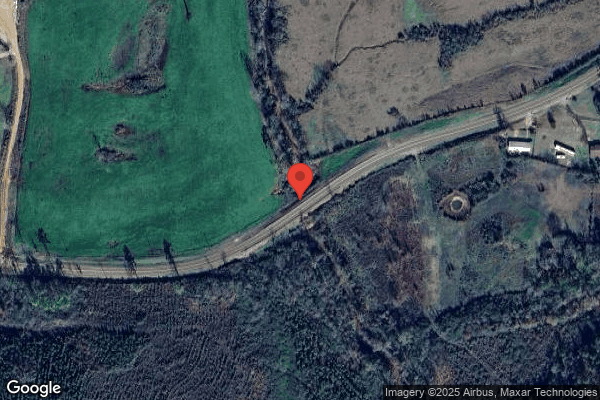

1203 FM 1277, SAN AUGUSTINE, TX 75972 (936) 275-3412
For profit - Limited Liability company 107 Beds STONEGATE SENIOR LIVING Data: November 2025 1 Immediate Jeopardy citation
Trust Grade
46/100
#440 of 1168 in TX
Last Inspection: October 2024

Within standard 12-15 month inspection cycle. Federal law requires annual inspections.

Overview

Colonial Pines Healthcare Center has a Trust Grade of D, indicating below-average conditions with some concerning issues. It ranks #2 out of 3 in San Augustine County, which means there is only one other local option that is better. Unfortunately, the facility is trending worse, with incidents increasing from 11 in 2023 to 12 in 2024. Staffing is a weakness here, with a rating of 2 out of 5 stars and 43% turnover, which is below the state average, suggesting that many staff members may not stay long. There are significant concerns regarding RN coverage, as it is lower than 89% of Texas facilities, which can impact the quality of care. Specific incidents include a critical failure to supervise residents properly during transfers, leading to serious injuries, such as fractures. Additionally, there are ongoing issues with pest control, as flies were found in resident areas, and food safety violations were noted, including a lack of soap at handwashing sinks, posing a risk for foodborne illnesses. While the facility has some strengths, such as being in the top half of state rankings, these weaknesses raise significant concerns for families considering this nursing home for their loved ones.

Trust Score
D
46/100
In Texas
#440/1168
Top 37%
Safety Record
High Risk
Review needed
Inspections
Getting Worse
11 → 12 violations
Staff Stability
○ Average
43% turnover. Near Texas's 48% average. Typical for the industry.
Penalties
✓ Good
$12,649 in fines. Lower than most Texas facilities. Relatively clean record.
Skilled Nurses
⚠ Watch
Each resident gets only 11 minutes of Registered Nurse (RN) attention daily — below average for Texas. Fewer RN minutes means fewer trained eyes watching for problems.
Violations
⚠ Watch
26 deficiencies on record. Higher than average. Multiple issues found across inspections.
★★★☆☆
3.0
Overall Rating
★★☆☆☆
2.0
Staff Levels
★★★★☆
4.0
Care Quality
★★★☆☆
3.0
Inspection Score
Stable
2023: 11 issues
2024: 12 issues

The Good

  • 4-Star Quality Measures · Strong clinical quality outcomes
  • Full Sprinkler Coverage · Fire safety systems throughout facility
  • No fines on record
  • Staff turnover below average (43%)

    5 points below Texas average of 48%

Facility shows strength in quality measures, fire safety.

The Bad

3-Star Overall Rating

Near Texas average (2.8)

Meets federal standards, typical of most facilities

Staff Turnover: 43%

Near Texas avg (46%)

Typical for the industry

Federal Fines: $12,649

Below median ($33,413)

Minor penalties assessed

Chain: STONEGATE SENIOR LIVING

Part of a multi-facility chain

Ask about local staffing decisions and management

The Ugly 26 deficiencies on record

1 life-threatening
Oct 2024 8 deficiencies
CONCERN (D)

Potential for Harm - no one hurt, but risky conditions existed

Deficiency F0802 (Tag F0802)

Could have caused harm · This affected 1 resident

Based on interviews, and record reviews, the facility failed provide sufficient support personnel to carry out the functions of the food and nutrition service safely and effectively for 1 out of 8 die...

Read full inspector narrative →
Based on interviews, and record reviews, the facility failed provide sufficient support personnel to carry out the functions of the food and nutrition service safely and effectively for 1 out of 8 dietary staff. The facility did not ensure Dietary Aide H had a current food handler permit. This failure could place residents who consumed food prepared from the kitchen at-risk of foodborne illness or nutritional deficiencies. Findings included : During an observation of the kitchen on 10/27/24 at 9:30 a.m. revealed Dietary Aide H was working in the kitchen as a dietary aide. Review of the food handler's certificates of completion provided by the facility on 10/28/2024, revealed Dietary Aide H did not have a food handler's certificate. An attempted telephone interview on 10/28/2024 at 2:25 p.m. with Dietary Aide H was unsuccessful. During an interview on 10/29/2024 at 9:42 a.m., the Dietary Manager said she was responsible for ensuring staff completed their food handler certification training upon hire and every 2 years. The Dietary Manager said she was unsure why Dietary Aide H had not completed her food handler certification training. The Dietary Manager said Dietary Aide H had been working at the facility for 2-3 months without her food handler's certification, but Dietary Aide H was no longer working at the facility and 10/27/24 was her last day of work. The Dietary Manager said she had not asked Dietary Aide H to get her food handlers certification. The Dietary Manager stated the failure could potentially put residents at risk for food borne illness and cross contamination. During an in interview on 10/29/24 at 9:58 a.m. the Dietician said she had worked for the facility since April of 2024. She said she usually came to the facility every 2 weeks. She said when she came to the facility, she would review all the kitchen systems which included checking for the staffs food handler's certificates. She said she last checked for the food handler's certifications about 2 months ago and Dietary Aide H was working at the facility at that time so she must has missed it that Dietary Aide H did not have her food handler's certification. She said Dietary Aide H had already given notice that she would no longer be working at the facility but said the facility was short on staff on 10/27/24 so the Dietary Manager had asked Dietary Aide H to come in to work. She said by Dietary Aide H working without having her food handler's certification she could possibly handle food inappropriately which could cause residents to become sick by food borne illness. During an interview on 10/29/2024 at 10:40 a.m., the Administrator said he expected the Dietary Manager to ensure the dietary staff had their food handler certificates within 30 days of hire. The Administrator said the importance of obtaining the food handler certificate training was to teach staff to follow proper procedures and prevent infection control issues. The Administrator said the facility did not have a specific policy for obtaining food handler's certification and they followed the Texas Administrative Code. Record review of the Texas Administrative Code chapter 228 subchapter (b) (d) indicated: All food employees, except for the certified food protection manager, shall successfully complete an accredited food handler training course, within 30 days of employment.
CONCERN (D)

Potential for Harm - no one hurt, but risky conditions existed

Food Safety (Tag F0812)

Could have caused harm · This affected 1 resident

Based on observations, interviews, and record review the facility failed to store, prepare, distribute, and serve food in accordance with professional standards for food service safety in 1 of 1 kitch...

Read full inspector narrative →
Based on observations, interviews, and record review the facility failed to store, prepare, distribute, and serve food in accordance with professional standards for food service safety in 1 of 1 kitchen reviewed for food safety requirements and kitchen sanitation. The facility failed to ensure all foods stored in the refrigerator were not kept past their expiration dates. These failures could place residents at risk of foodborne illness and food contamination. Findings included: During an observation of the cooler/refrigerator on 10/27/2024 at 9:30am, the following items were observed: (2) 32-ounce containers of vanilla Greek yogurt with the expiration date on 10/22/24. During an interview on 10/29/24 at 9:05 a.m. [NAME] E said it was everyone's responsibility to check for expired foods in the fridge. He said they threw away expired foods. He said the Dietary Manager check ed for expired foods in the separate storage area. He said he had checked the refrigerator Thursday 10/24/24 for expired food and did not see the expired food. He said he did not have time to look at every expiration date on every product because he basically had 6 meals a day to cook. He said the residents could get sick from consuming expired foods such as diarrhea or upset stomach. During an interview on 10/29/24 at 9:21 a.m. Dietary Aide G said she had worked at the facility since August 27th 2024. She said it was everyone's responsibility to check for expired foods in the refrigerator. She said she did it to help out, but she is not sure whose job it was to check for the expired foods. She said residents could get sick by consuming expired foods. During an interview on 10/29/24 at 9:42 a.m. the Dietary Manager said she had worked at the facility for about 1 1/2 years. She said it was everyone's responsibility to check for expired foods. She said on Fridays she checked for expired foods when she gets her food truck. She said if the residents consumed expired foods, they could get sick. During an interview on 10/29/24 at 9:58 a.m. the Dietician said she had been coming to the facility since April of 2024. She said staff should be checking for expired foods daily. She said the Dietary Manager was supposed to do a daily checklist and checking for expired foods was on the list to be done daily. She said food borne illness was a potential risk to the resident for consuming expired foods. During an interview on 10/29/24 at 10:40 a.m. the Administrator said all foods should be used or disposed of by the use by date. He said food borne illness was a potential risk to the resident for consuming expired foods. Record review of undated Daily Quick check of Kitchen/Foodservice Operations checklist indicated: .Refrigerators . No expired foods . Record review of facility policy titled Food Storage dated August 1, 2018, indicated: Sufficient storage facilities are provided to keep foods safe. Wholesome, and appetizing. Food is stored, prepared, and transported at an appropriate temperature and by methods designed to prevent contamination. 2. Refrigerator: .All foods are covered, labeled and dated.
CONCERN (D)

Potential for Harm - no one hurt, but risky conditions existed

Room Equipment (Tag F0908)

Could have caused harm · This affected 1 resident

Based on observation, interview, and record review the facility failed to maintain all essential equipment in safe operating condition, for 1 of 1 stove in the kitchen reviewed for food service in tha...

Read full inspector narrative →
Based on observation, interview, and record review the facility failed to maintain all essential equipment in safe operating condition, for 1 of 1 stove in the kitchen reviewed for food service in that: The facility did not ensure the gas stove was in working order. One of six gas stove burners (right back) did not light automatically, when the knob was turned, and all 6 burners had carbon buildup. This failure could place residents who eat out of the kitchen at risk for injury and under cooked food. Findings include: During an observation on 10/27/24 at 9:30 a.m., revealed the gas stove had six burners and one burner located in the right back had excess carbon buildup. The right back burner would not light automatically. During an interview on 10/27/24 09:30 a.m. [NAME] F said that the burner would not light last week. She said the Maintenance Director fixed the oven about 1-2 months ago and the burner had been working up until last week. During an interview on 10/29/24 at 8:25 a.m., the Maintenance Director said he had worked at the facility for 6-7 years. He said no one had notified him that the burner on the stove was not working until Sunday 10/27/24. He said he cleaned the burner on Sunday 10/27/24 and the burner started lighting. He said sometimes when the kitchen staff were cooking, they dropped grease on the burners, and they would get clogged up and not light. He said sometimes he had to use a drill bit and clean the burner holes due to the buildup of grease. He said if the stove burner was not lighting appropriately the kitchen could fill up with gas. During an interview on 10/29/24 at 9:05 a.m. [NAME] E said he had worked at the facility for about 10 months. He said he worked on Friday 10/25/24 and did not use the right back burner. He said sometimes the burners wouldn't light and he would use a lighter to light the burners. He said the last time he used the right back burner was sometime last week and it was working. He said he clean ed the stove grates every day at the end of his shift. He said the Maintenance Director cleaned the actual burner and said it was last month when that was done during mock survey. He said the burners had buildup on them then. During an interview on 10/29/24 at 9:42 a.m. the Dietary Manager said she had worked at the facility for about 1 1/2 years. Said she was not aware of the back stove burner not lighting until Sunday 10/27/24 upon surveyor entry. She said she would report any stove issues to the Maintenance Director. She said on Sunday 10/27/24 the Maintenance Director came to look at the stove after she reported to him the right back burner was not working. She said the stove burners had never had any issues not working prior to Sunday 10/27/24. She said if the stove was not working properly, they could smell gas and it could make employees and residents sick. During an interview on 10/29/24 at 9:58 a.m. the Dietician said she had been coming to the facility since April of 2024. Said she comes into the facility every 2 weeks. She said she reviewed all the systems, equipment, pantry's, food prep areas looking for broken equipment, and cleanliness. She said she was at the facility last week and checked the stove because the stove was an issue during mock survey. She said she observed the Maintenance Director cleaning the stove due to excessive build up on the burners. She said she did observe the burners at that time and they all lit. During an interview on 10/29/24 at 10:40 a.m. the Administrator said all equipment should be maintained by the Maintenance Director. He said the potential hazard for the stove not working properly was it could lead to fire. Record review of facility policy titled Maintenance Schedules undated indicated: Preventive maintenance schedules shall be developed and implemented to assure that the building and equipment are maintained in a safe and operable manner. 1. The Maintenance Director is responsible for developing and maintaining a schedule of maintenance service to assure that the buildings, grounds, and equipment are maintained in a safe and operable manner.
CONCERN (D)

Potential for Harm - no one hurt, but risky conditions existed

Smoking Policies (Tag F0926)

Could have caused harm · This affected 1 resident

Based on observations, interviews, and record review, the facility failed to follow established policy regarding smoking areas, and smoking safety for the 1 of 1 facility . The facility failed to ens...

Read full inspector narrative →
Based on observations, interviews, and record review, the facility failed to follow established policy regarding smoking areas, and smoking safety for the 1 of 1 facility . The facility failed to ensure the staff were smoking in the designated smoking area and disposing of smoking materials properly on 10/27/24. This failure could place residents who smoke at risk of physical harm and lead to an unsafe smoking environment. Findings: During an observation on 10/27/24 at 9:40 AM revealed cigarette butts were observed in a plastic cup on the ground outside the exit door located on 400 hall and there were four cigarette butts sitting on the outside keypad next to the door. During an interview on 10/27/24 at 9:42 AM LVN C said there were no residents that smoked on the 400 hall and the cigarette butts belonged to the staff. She said there was a smoking area out back and the area outside the exit door was not a designated area to smoke. She said if smoking occurred in undesignated areas there could be risk of fires. During an interview on 10/27/24 at 9:44 AM CNA D said she worked on 400 hall and the cigarette butts were hers. She said the designated area was out back, but she could not leave and thought it was ok for her to smoke in that area. She said she would pick up her cigarette butts and throw them away at the end of her shift. She said by not smoking in the designated area and properly disposing of her cigarette butts it could cause a fire. During an interview on 10/28/24 at 8:42 AM the Administrator said the only designated smoking area was located outside the main dining room and he was not aware staff were smoking outside 400 hall. He said the smoking policy was directed to the residents smoking but he expected all staff to following the smoking rules and only smoke in the designated area per the staff handbook. He said that smoking in undesignated areas could be a fire risk. Record review of an undated facility floor plan indicated designated smoking area outside the main dining room. Record review of a facility team member handbook titled Smoking indicated, .Team members may smoke on their rest breaks and meal periods in designated smoking areas outside the facility. Team members must discard smoking materials in appropriate receptacles and not on the ground .
CONCERN (E)

Potential for Harm - no one hurt, but risky conditions existed

Deficiency F0761 (Tag F0761)

Could have caused harm · This affected multiple residents

Based on observation, interview, and record review, the facility failed to store all drugs and biologicals in locked compartments under proper temperature controls for 1 of 1 medication storage refrig...

Read full inspector narrative →
Based on observation, interview, and record review, the facility failed to store all drugs and biologicals in locked compartments under proper temperature controls for 1 of 1 medication storage refrigerators reviewed for temperature controls and storage. The facility failed to log and monitor medication refrigerator temperatures for AM and PM as required per facility policy (24-hour periods of time) on 10/02/24 and 10/03/24 for medication storage. The facility failed to log and monitor temperatures twice daily, as required per facility policy, for the month of October 2024 (10/08/24, 10/21/24 and 10/22/24 were the only days logged for the required notations of twice daily medication refrigerator temperature checks for vaccine storage). This failure could place residents at risk of harm by not maintaining proper controlled temperatures for medications, vaccines, and biologicals. Findings included: During an observation and interview on 10/28/24 at 10:28 AM revealed a log was posted on the medication refrigerator that contained vials of flu vaccine, 2 vials of tuberculin skin testing (TST) and 20 unopened insulin pens. The log was not filled out twice daily and had omissions for 24-hour periods of time. The ADON said not monitoring the vaccine and medication refrigerator could result in ineffective medication and vaccine efficiency. The ADON said an in-service would start immediately for correct procedure for recording temperatures for the medication refrigerator and recording per policy. Record review of a temperature log for the month of October 2024 for the only medication refrigerator for the facility indicated: No temperature logged for AM or PM on 10/02/24 and 10/03/24. 10/08/24, 10/21/24 and 10/22/24 were the only days logged for the required notations of twice daily medication refrigerator temperature checks for vaccine storage. During an interview 10/29/24 10:08 AM the DON said not monitoring the medication refrigerator could cause the medication refrigerator to be out of range resulting in loss of vaccine efficiency. The DON said in-services for nursing staff would start immediately and the log would be monitored for compliance. During an interview 10/29/24 10:09 AM the Administrator said not monitoring the medication refrigerator could cause the medication refrigerator to be out of range resulting in loss of vaccine efficiency. The Administrator said that the DON and ADON were responsible for ensuring the medication storage was monitored for compliance. Record review of a facility policy: dated 01/2024 Medication- Storage of Medication POLICY: Medications and biologicals are stored properly, following manufacturers or provider pharmacy recommendations, to keep their integrity and to support safe, effective drug administration. The medication supply shall be accessible only to licensed nursing personnel, pharmacy personnel, or staff members lawfully authorized to administer medications. PROCEDURES: . 10. Medications requiring storage at room temperature are kept at temperatures ranging from 15°Celcius (59°F) to 25°Celcius (77°Fahrenheit). Controlled room temperature is defined as 20°Celcius (68°F) to 25°C (77°Fahrenheit). Excursions between 15°Celcius (59°F) to 30°Celcius (86°F) are allowed, with transient spikes to 40°Celcius (104°F) as long as they don't exceed 24 hours. 11. Medications requiring refrigeration or temperatures between 2°Celcius (36°Fahrenheit) and 8°Celcius (46°F) are kept in a refrigerator with a thermometer to allow temperature monitoring. Medications requiring storage in a cool place may be refrigerated unless otherwise directed on the label as cool temperatures are those between 8°Celcius (46°F) and 15°Celcius (59°Farenheit). A temperature log or tracking mechanism is maintained to verify that temperature has remained within accepted limits. The temperature of any refrigerator that stores vaccines should be monitored and recorded twice daily. If using a temperature monitoring device (TMD; digital data logger recommended) that records min/ max temps (I.e., the highest and lowest temps recorded in a specific time period), document current and min/max once each workday preferably in the morning. If using TMD that does not record min/max temps, document current temps twice, at beginning and end of each workday. If no vaccines are stored in the refrigerator, document temperature checks at least once daily.
CONCERN (E)

Potential for Harm - no one hurt, but risky conditions existed

Deficiency F0805 (Tag F0805)

Could have caused harm · This affected multiple residents

**NOTE- TERMS IN BRACKETS HAVE BEEN EDITED TO PROTECT CONFIDENTIALITY** Based on observation, interview, and record review, the facility failed to ensure each resident received and the facility provid...

Read full inspector narrative →
**NOTE- TERMS IN BRACKETS HAVE BEEN EDITED TO PROTECT CONFIDENTIALITY** Based on observation, interview, and record review, the facility failed to ensure each resident received and the facility provided food prepared in a form designed to meet individual needs for 3 of 3 (Residents #4, Resident #13, and Resident #22) residents reviewed for puree diets. The facility failed to prepare the pureed diet to the consistency required for Resident #4, Resident #13 and Resident #22. This failure could place residents who received pureed meat and vegetables at risk of not having nutritional needs met by consuming foods that could cause choking and decreased meal intakes. Findings included: Record review of face sheet dated 10/29/24 for Resident #4 indicated she admitted to the facility on [DATE] and was a [AGE] year-old female with diagnoses of cerebral infarction (disrupted blood flow to the brain), dementia unspecified (decline in cognitive abilities), dysphagia (difficulty swallowing). Record review of quarterly MDS dated [DATE] indicated Resident #4 had severe cognitive impairment with a BIMS of 7. Section GG indicated supervision or touching assistance with eating. Record review of a physician's order summary for Resident #4 indicated an order for pureed diet level 4 and thin liquids dated 10/14/24. Record Review of face sheet dated 10/29/24 for Resident #13 indicated she admitted to the facility on [DATE] and was [AGE] year-old female with diagnoses of dysphagia (difficulty swallowing), metabolic encephalopathy (problem in the brain). Record review of a quarterly MDS dated [DATE] indicated Resident #13 was not assessed for cognition. Section GG indicated Resident #13 required supervision or touching assistance for eating. Record review of a physician's order summary dated 10/29/24 indicated an order for pureed diet level 4 and thin liquids dated 7/11/24. Record review of face sheet dated 10/29/24 for Resident #22 indicated she admitted to the facility on [DATE] and was [AGE] year-old female with diagnoses of vascular dementia (blood flow to the brain is interrupted, damaging brain cells and impairing thinking, memory, and behavior), and vitamin D deficiency. Record review of a quarterly MDS dated [DATE] indicated Resident #13 was not assessed for cognition. Section GG indicated Resident #22 required substantial/maximal assistance for eating. Record review of a physician's order summary dated 10/29/24 indicated an order for pureed diet level 4 and thin liquids dated 6/23/23. During an observation on 10/28/24 10:30 AM revealed [NAME] E began to prepare the puree foods. The cook was not able to get the puree meatloaf to a smooth texture in the food processor. [NAME] E was observed adding slices of white bread and hot water from a drink pitcher to thin the puree. [NAME] E said it was as smooth as he was going to be able to get it. The puree meatloaf was a chili like texture and not smooth. When pureeing the English peas [NAME] E was not able to get a smooth consistency. The cook was observed adding sliced white bread to the peas and hot water from a drink pitcher to thin the puree peas. [NAME] E said that it was the same texture that he normally served. The Dietary Manager went and got the Administrator to observe the surveyor's concern and the Administrator directed the cook not to serve the puree meatloaf or peas at that time. The Administrator said he was going to consult with the Dietician and come up with backup plan to serve the purees for lunch. [NAME] E said he was told by a dietician to add bread and hot water to all puree foods because it enhanced the flavor of the food. During an observation on 10/28/24 at 11:30 AM the Dietary Manager was observed pureeing boneless pork ribs in the food processor, she was using milk to thin the mixture. She said she had spoken with the Dietician and said she was instructed wrong about adding bread and hot water to the puree mixtures. SLP J and SLP K were present for the making of the puree boneless pork ribs and green beans and agreed the mixture was safe for resident consumption. During an interview on 10/29/24 at 10:30 a.m. [NAME] E said the Dietician before the current Dietician told him to add bread to the puree foods because it added flavor and texture to the foods, and that a chef had taught her that. He said he always used hot water to thin out the purees because the Dietician saw him thinning the mixture with milk and told them they did not have to use milk, they could use water. He said it was the same dietician that told them to use bread. During an interview on 10/29/24 09:42 AM the Dietary Manager said she had worked at the facility for about 1 1/2 years. She said the previous Dietician told her the correct way to puree foods was to add white bread and hot water; she said before that she was using milk or broth and was not adding bread. She said on 10/28/24 when she told her current Dietician they were adding bread and hot water to the puree foods she was told that was not the correct way. She said the residents could choke if the texture was not correct. The Dietary Manager said she had worked at other facilities and did not think the texture was as smooth as purees she had made at other facilities. During an interview on 10/29/24 at 9:58 a.m. the Dietician said she had been the dietician since April of 2024. She said she came to the facility every 2 weeks. The Dietician said she had not watched the pureeing process but had checked the food consistency and it was appropriate. She said she had always found pureed foods to be adequate during her visits. The Dietician said she was not aware they were using bread and hot water to mix puree foods. She said per the recipes they indicated to use broth or milk, gravy, sauces, or butter to mix puree foods. She said the Dietary Manager had been told by the previous Dietician to use bread and hot water and that was not correct, and she had not watched the puree process, so she had missed that. The Dietician said by not following the proper way to puree foods it could cause the resident to aspirate (accidental breathing in food into the lungs). She said by adding water to the puree food it was not adding any flavor or calories and by adding bread it would skew portion sizes. She said the residents would receive insufficient protein, vitamins and minerals and could possibly cause weight loss but was more concerned with missing the micronutrients. During an interview on 10/29/24 at 10:40 a.m. the Administrator said pureed foods should be nutritional and palatable and a smooth consistency. He said water should never be used to thin puree foods. He said if the pureed foods were not prepared correctly the resident would not get the full nutritional value of the food. Record review of the undated recipe for Seasoned Peas indicated: Dysphagia/Puree: place portions needed from regular prepared recipe into a food processor. Process to a fine texture. For every 5 portions needed, add 3 TBSP thickener and ¼ C hot liquid (cooking liquid, water, or broth); process until smooth. With a rubber spatula, scrape down sides of the bowl; reprocess 30 seconds. Press the pureed vegetables through a cone shaped sieve (a chinois Strainer) with a pestal or a spoon to remove any hulls. Reheat to 165*F and serve with a #12 scoop. Record review of the undated recipe for Meatloaf/Ketchup Sauce indicated: Dysphagia/Puree: place portions needed from regular prepared recipe into a food processor. Process to a fine texture. For every 5 portions needed, prepare a slurry with 1 TBSP thickener and ½ cup hot liquid; mix well with a wire whip. Add ½ of the slurry to the meat; process for 1 minute. If too dry, add more slurry until meat is pudding consistency. With a rubber spatula, scrape down sides of the bowl; reprocess 30 seconds. Reheat to 165*F and serve with a #8 scoop. Record review of the undated recipe for Green Beans indicated: 1. Remove portions needed from regular prepared recipe; drain and reserve liquid. 2. Place drained portions into a food processor; process to a fine texture. 3. Add thickener and liquid. Process until smooth. With a rubber spatula scrape down the sides of the bowl; reprocess 30 seconds. 4. Reheat to 165*F and serve. Record review of the undated recipe for BBQ Pork Rib indicated: place portions needed into a food processor. Process to a fine texture. For every 5 portions needed, prepare a slurry with 4 TBSP thickener and 3/4 cup hot water; mix well with a wire whip. Add ½ of the slurry to the meat. process for 1 minute. If too dry, add more slurry until pudding consistency is achieved. Reheat to 165*F and serve with a #8 scoop. Record review of the facility's policy titled Use of Recipes dated August 1, 2018, indicated: 3. Nutrition Services employees are expected to use and follow the recipes provided.
CONCERN (E)

Potential for Harm - no one hurt, but risky conditions existed

Safe Environment (Tag F0921)

Could have caused harm · This affected multiple residents

**NOTE- TERMS IN BRACKETS HAVE BEEN EDITED TO PROTECT CONFIDENTIALITY** Based on observations, interviews, and record review, the facility failed to provide a safe, functional, sanitary, and comfortab...

Read full inspector narrative →
**NOTE- TERMS IN BRACKETS HAVE BEEN EDITED TO PROTECT CONFIDENTIALITY** Based on observations, interviews, and record review, the facility failed to provide a safe, functional, sanitary, and comfortable environment for 1 of 2 dining rooms (400 hall Dining Room), 1 of 4 halls (400 hall) and 1 of 6 (Resident #33) residents reviewed for environment. The facility failed to ensure that the 400-hall dining room and floors and walls were clean and maintained in good repair on 10/27/24. The facility failed to ensure the 400 hall walls and floors were maintained in good repair on 10/27/24. The facility failed to ensure Resident #33's box fan was free of dust and debris on 10/27/24. These failures could affect residents and the staff by placing them at risk for diminished quality of life and injury due to lack of a sanitary and well-kept environment. Findings: 1.During an observation on 10/27/24 at 9:09 am revealed the dining room floors located on hall 400 were dirty with a sticky substance and dark colored grime. There was a dark, black, thick buildup around the edges of all the walls. The base boards located in the dining room were torn, black and brown stained , and pulled away from the wall. There were chips in the paint throughout the dining room and the edges of the wall s throughout the dining room were torn exposing the sheetrock. There were dried discolored substances on the walls near the sink areas as well as under the sinks. During an observation on 10/27/24 at 9:12 am revealed there was black tape material on the floor at the exit door on hall 400 that was torn and raised from the floor. The wall going into the shower room hallway had breaks in the sheetrock. During an interview on 10/27/24 at 9:49 am the Floor Tech said he and the housekeeping staff were responsible for the floors in the facility. He said he had not had a chance to deep clean the dining room in several months but tried to do it monthly and as needed. He said as far as the tape at the exit door on 400 hall the Maintenance Director was responsible for changing it, but he cleaned around it the best he could. He said the residents could fall on the torn tape at the door and the floors not being clean could cause infections. During an interview on 10/28/24 at 9:43 am the Housekeeper B said she had been in housekeeping for a year, and she swept and mopped the dining room on 400 hall every day. She said she was not sure who did the deep cleaning to remove the buildup on the floors and walls, but it probably should be housekeeping. She said the floors in the halls were the responsibility of the Floor Tech and the damaged items were to be fixed by maintenance. She said if the area was not kept clean and in good repair it could cause resident injury or sickness. During an interview on 10/28/24 at 12:13 pm the Maintenance Director said he had been at the facility 6 years and was responsible for all maintenance in the facility. He said he was aware of the damaged areas on 400 hall and was in the process of starting repairs. He said the tape at the exit door had been there for many years and he had not noticed how worn and torn it was. He said damaged areas could cause resident injury. During an interview on 10/29/24 at 10:29 am the Administrator said that the housekeeping staff and Floor Tech were responsible for ensuring the floors and walls were clean and the Maintenance Director was responsible for all repairs in the facility. He said he was aware of the damaged areas on 400 hall and was in the process of getting to the repairs but was not aware of the uncleanliness of the dining room. He said if the environment was not maintained it could affect the residents safety and psychosocial wellbeing. He said he expected the facility to have a safe and clean environment for all residents. 2. Record review of a face sheet dated 10/28/2024 for Resident #33 indicated she admitted to the facility on [DATE] and was a [AGE] year-old female with diagnoses of chronic obstructive pulmonary disease (inability to maintain adequate oxygen exchange in the blood), vitamin deficiency, lack of coordination, and anxiety disorder (excessive worry about everyday issues and situation). Record review of a Quarterly MDS Assessment for Resident #33 dated 9/30/2024 indicated she had severe impairment in thinking with a BIMS score of 4. She required oxygen 7 days per week continuously and respiratory therapy 7 times per week for at least 15 minutes. Record review of a care plan dated 9/25/2024 for Resident #33 indicated she had an altered breathing pattern problem related to COPD and interventions included to provide oxygen per nasal cannula continuously. During an observation and interview on 10/28/24 at 10:10 am revealed a box fan was running and sitting on the floor blowing toward Resident #33. The protective grill (fan cage) had dark brown dust and lint build up, area 15 inches by 20 inches with lint and brown matter dangling in the air current. Resident #33 said that she had the fan on to help her breathe since she had difficulty and used oxygen constantly. Resident #33 said the fan heled her feel better when she had increased symptoms from her COPD. Resident #33 said she had not noticed the fan was so dirty and had never observed anyone cleaning it. During an interview on 10/28/24 at 2:23 am Housekeeper B said she did not know who was responsible for cleaning fans in resident rooms. She said she had cleaned one before but not the one in Resident #33's room. She said she did not know who the housekeeping supervisor was or who her direct report was. She said not keeping equipment clean for resident use could cause the resident harm by spreading germs, dust and give them a feeling of not being in a clean place to live. During an interview on 10/28/24 at 2:31 am the DON said that it was housekeeping's responsibility to clean any equipment used for the residents. She said that she would get the fan cleaned right away. She said she would notify the Administrator since there was no housekeeping supervisor and start an in-service with the housekeeping staff. She said the risk to the resident could be blowing particles of lint and dust and cause exacerbation of symptoms of COPD for Resident #33. During an interview on 10/29/24 at 08:45 am the Maintenance Director said the housekeeping department would be responsible for cleaning of the fans and other equipment used for the residents. He said not cleaning the fan was unsanitary and could cause the resident risk of breathing lint and particles. During an interview on 10/29/24 at 11:13 am the Administrator said the housekeeping department would be responsible for cleaning of the fans and other equipment used for the residents. He said not cleaning the fan was unsanitary. Record review of an undated facility policy titled Maintenance Services indicated, .I. The maintenance department is responsible for maintaining the buildings, grounds, and equipment in a safe and operable manner at all times. 2. The following functions are performed by maintenance, but are not limited to: b. Maintaining the building in good repair and free from hazards .
CONCERN (F)

Potential for Harm - no one hurt, but risky conditions existed

Deficiency F0925 (Tag F0925)

Could have caused harm · This affected most or all residents

**NOTE- TERMS IN BRACKETS HAVE BEEN EDITED TO PROTECT CONFIDENTIALITY** Based on observation, interview, and record review the facility failed to maintain an effective pest control program to ensure t...

Read full inspector narrative →
**NOTE- TERMS IN BRACKETS HAVE BEEN EDITED TO PROTECT CONFIDENTIALITY** Based on observation, interview, and record review the facility failed to maintain an effective pest control program to ensure the facility was free of pests for 2 of 4 hallways, (hallway 200 and 400), 2 resident rooms (Resident #33 and Resident #15 rooms) and two of two dining areas (main and locked unit dining areas) reviewed for pest control. The facility failed to ensure hallways, resident rooms and dining rooms were free of flies. This failure could place residents at risk of a diminished quality of life due to an unsanitary environment. Findings include: Record review of a face sheet dated 10/28/2024 for Resident #33 indicated she admitted to the facility on [DATE] and was a [AGE] year-old female with diagnoses of chronic obstructive pulmonary disease (inability to maintain adequate oxygen exchange in the blood), vitamin deficiency, lack of coordination, and anxiety disorder (excessive worry about everyday issues and situation). Record review of a Quarterly MDS Assessment for Resident #33 dated 9/30/2024 indicated she had severe impairment in thinking with a BIMS score of 4. During an observation and interview on 10/27/24 at 10:30 AM revealed Resident #33 had several flies in her room crawling on her bed and table. Resident #33 said the flies come and go; she really doesn't pay them any attention because they were always here. Record review of a face sheet dated 10/28/2024 for Resident #15 indicated she admitted to the facility on [DATE] and was an [AGE] year-old female with diagnoses of hypertension and chronic pain. Record review of a Quarterly MDS Assessment for Resident #15 dated 10/02/2024 indicated she was cognitively intact with a BIMS score of 13. During an observation and interview on 10/27/24 at 10:45 AM revealed 2-3 flies were flying inside Resident #15's room, and a fly swatter was on the bedside table. Resident #15 said that flies were a problem at the facility because of a pasture behind the facility just had chicken litter applied and that created lots of them. During an observation on 10/27/24 at 11:08 AM revealed flies down hallway 200 crawling on doorways and on a Hoyer lift sitting out in the hallway. There were no operating blowers at doorways at the facility entrance or at the exits on 200 and 400 hallways. During an observation on 10/27/24 at 11:50 AM revealed Resident #15 arrived at the dining room with a fly swatter on her rolling walker. During an observation on 10/27/24 at 12:10 PM of the lunch meal in the dining room, revealed 1-2 flies crawling on 4 of 7 tables. Flies were crawling on the front right table onto Resident #15's plate and over the vegetables. Resident #15 swatted a fly away with her hand then continued to eat. During an interview on 10/27/24 at 2:15 PM Resident #15 said the flies were a nuisance and she kept a swatter with her during meals and at her bedside. During an observation and interview on 10/28/24 at 4:11 PM revealed a blower on the kitchen door was turned off. The DM said the blower worked but she wasn't sure how to turn it on and went to ask the Maintenance Director . The DM returned to the kitchen and turned the blower on, and the blower started working. The DM said typically the blower was on and they did not have any problem with flies in the kitchen. During an observation on 10/28/24 at 12:11 PM flies in the Locked Unit Dining room revealed flies crawling on the table and down the hallway crawling on doorways During an observation on 10/28/24 at 12:11 PM revealed there were flies present in the 400-hall dining room and the 400- hall hallway. The flies were on resident food. During an interview on 10/28/24 at 12:15 PM CNA A said the flies were better than they were but still present in the facility. She said they swatted them daily, but they kept coming back. She said the flies in the facility could affect sanitation. During an interview on 11/29/24 at 10:30 AM the Maintenance Director said the pest control company came monthly to treat for pests in general. He said the facility had issues with flies since the summer. He said they were bad in July 2024 but were better. He said the pasture behind the facility had chicken litter spread (raw fertilizer) recently and that increased the number. He stated he did not know the risk of having flies other than it being unsanitary. The Maintenance Director said he did not know why the blower located at the kitchen doorway was turned off. He said the blower being turned off could cause flies to enter the facility. The Maintenance Director said no one had logged a request for interventions for the flies and no one had told him that flies were an increased problem in the facility. He said if he knew it was a problem, he could have asked for additional interventions from pest control service to control the flies. During an interview on 11/29/24 at 11:00 AM the Administrator said pest control comes to the facility bi-monthly. The Administrator said they had provided residents fly swats to help with fly control. The Administrator said that keeping the blower on at the kitchen door would help keep flies out of the facility. He said the risk to the residents was unsanitary conditions when flies were in the building, risk of flies carrying infection and not a homelike environment. Record review of pest control bi- monthly visit summary reports dated from July 2024 to September 2024 indicated the facility had no specific treatment for flies at bi- monthly visits. Record review of a facility policy undated titled Pest Control indicated, Our facility shall maintain an effective pest control program . this facility maintains an ongoing pest control program to ensure that the building is kept free of insects and rodents . Maintenance services assist, when appropriate and necessary, in providing pest control services .
Oct 2024 2 deficiencies
CONCERN (D) 📢 Someone Reported This

A family member, employee, or ombudsman was alarmed enough to file a formal complaint

Potential for Harm - no one hurt, but risky conditions existed

Resident Rights (Tag F0550)

Could have caused harm · This affected 1 resident

**NOTE- TERMS IN BRACKETS HAVE BEEN EDITED TO PROTECT CONFIDENTIALITY** Based on observation, interview, and record review the facility failed to ensure each resident was treated with respect, dignity...

Read full inspector narrative →
**NOTE- TERMS IN BRACKETS HAVE BEEN EDITED TO PROTECT CONFIDENTIALITY** Based on observation, interview, and record review the facility failed to ensure each resident was treated with respect, dignity, and care for 1 of 2 Residents (Resident # 3) observed for care in that: The facility failed to ensure Resident #3's urinary drainage bag had a privacy cover on 10/22/2024. This failure could affect residents in the facility who received care and could result in residents not being treated with dignity and respect. Findings included: Record review of a Face Sheet for Resident #3 dated 10/22/2024 indicated he admitted to the facility on [DATE] and was [AGE] years old with diagnoses of intellectual disabilities (a condition that limits intelligence and disrupts the ability to live independently), anemia (low red blood cells that affect oxygen delivery to the body), and retention of urine (bladder not able to empty urine). Record review of a care plan for Resident #3 dated 9/18/2024 indicated he was at risk for problems with elimination related to retention of urine. He had a urinary catheter with interventions for care/changing of urinary catheter as ordered. Record review of an Annual MDS assessment for Resident #3 dated 9/3/2024 indicated his speech was unclear and he was usually able to understand others. He required substantial/maximal assistance (helper does more than half the effort) with toileting hygiene. He had an indwelling catheter. Record review of active physician orders for Resident #3 indicated an order dated 6/28/2024 for foley catheter 16 Fr to continuous gravity drainage and catheter care, privacy bag checked, and placement of leg strap verified q shift. During an observation on 10/22/2024 at 9:36 AM, Resident #3 was in his room in bed, snoring, with a sheet pulled over his head. His bed was in a low position. His urinary catheter drainage bag was noted in the bed with a small amount of pink, tinged urine, resting by his feet without a privacy cover. During an observation on 10/22/2024 at 10:50 AM, Resident #3 was propelling himself in a wheelchair using his feet down the hallway toward the nurse station. Foley catheter drainage bag noted hanging underneath his wheelchair without a privacy cover. During an observation on 10/22/2024 at 11:47 AM, Resident #3 was propelling himself in a wheelchair by the nurse station with his Best Friend walking behind him headed to the activity room. The urine drainage bag was noted hanging underneath his wheelchair without a privacy cover. The ADON was standing up by the nurse station and instructed staff to take Resident #3 to his room so they could put a leg bag on him. During an interview on 10/22/2024 at 2:31 PM, LVN A said she had been employed at the facility since April 2024 and was assigned to the hall where Resident #3 resided. She said he was nonverbal and had a foley catheter. She said the nurses were responsible for ensuring the foley catheters were positioned properly. She said she was not aware the drainage bag was on the bed earlier that morning. She said he had gone to the ER that morning because he had ripped out his catheter and had to get it replaced. She said when he arrived back to the facility, she assisted EMS put him back to bed and did not see where they had positioned the drainage bag. She said she did not notice the drainage bag did not have a privacy cover until after he had been out and about in the facility. She said when the residents leave out of their rooms, they should have a cover on the bag. She said not having a cover over the drainage bag, could make them feel bad and be a dignity issue. During a joint interview on 10/22/2024 at 3:25 PM, the ADON said she had been employed at the facility for 2 years. The DON said she had been employed at the facility for 12 years but in her current position since 7/25/2024. Both said nursing staff were responsible for the privacy covers on the foley drainage bags when the residents were out of their rooms and the bags should be positioned below the bladder. Both said staff noticed Resident #3 did not have a privacy cover when he was out and about in the facility but did place a leg bag on him. Both said residents could be at risk for UTI's and it could be a dignity issue. During an interview on 10/23/2024 at 9:24 AM, the Administrator said foley catheters were the responsibility of the charge nurses. He said the facility had drainage bags with covers built in but when he came back from the ER that morning with a new foley catheter from the ER, the charge nurse did not ensure the bag had a cover. He said the drainage bags should not be placed in the bed; they should be positioned below the bladder. He said they started an in-service with staff to make sure they positioned the drainage bags properly. He said there could be a risk for urine to back into the bladder, infections, and urinary retention. Record review of a urinary catheter infection prevention policy revised August 2018 indicated, .Indwelling or intermitted urinary catheterization will be used for those residents whose medical condition requires intervention for urinary elimination. III. Catheter Maintenance and Care: K. Gravity Drainage Bag: 8. Gravity drainage bags are positioned below the level of the patient's bladder .
CONCERN (D) 📢 Someone Reported This

A family member, employee, or ombudsman was alarmed enough to file a formal complaint

Potential for Harm - no one hurt, but risky conditions existed

Incontinence Care (Tag F0690)

Could have caused harm · This affected 1 resident

**NOTE- TERMS IN BRACKETS HAVE BEEN EDITED TO PROTECT CONFIDENTIALITY** Based on observation, interview, and record review the facility failed to ensure a resident who was incontinent of bladder recei...

Read full inspector narrative →
**NOTE- TERMS IN BRACKETS HAVE BEEN EDITED TO PROTECT CONFIDENTIALITY** Based on observation, interview, and record review the facility failed to ensure a resident who was incontinent of bladder received appropriate treatment and services to prevent urinary tract infections and to restore continence to the extent possible for 1 of 2 Resident's (Resident #3) reviewed for catheter and incontinence care. 1. The facility failed to ensure LVN A maintained the urine catheter drainage bag below Resident #3's bladder on 10/22/2024. These failures could place residents at risk for not receiving care appropriate to address their incontinence and could increase the risk of urinary tract infections. Findings included: Record review of a Face Sheet for Resident #3 dated 10/22/2024 indicated he admitted to the facility on [DATE] and was [AGE] years old with diagnoses of intellectual disabilities (a condition that limits intelligence and disrupts the ability to live independently), anemia (low red blood cells that affect oxygen delivery to the body), and retention of urine (bladder not able to empty urine). Record review of a care plan for Resident #3 dated 9/18/2024 indicated he was at risk for problems with elimination related to retention of urine. He had a urinary catheter with interventions for care/changing of urinary catheter as ordered. Record review of an Annual MDS assessment for Resident #3 dated 9/3/2024 indicated his speech was unclear and he was usually able to understand others. He required substantial/maximal assistance (helper does more than half the effort) with toileting hygiene. He had an indwelling catheter. Record review of active physician orders for Resident #3 indicated an order dated 6/28/2024 for foley catheter 16 Fr to continuous gravity drainage and catheter care, privacy bag checked, and placement of leg strap verified q shift. During an observation on 10/22/2024 at 9:36 AM, Resident #3 was in his room in bed, snoring, with a sheet pulled over his head. His bed was in a low position. His urinary catheter drainage bag was noted in the bed with a small amount of pink, tinged urine, resting by his feet without a privacy cover. During an observation on 10/22/2024 at 10:50 AM, Resident #3 was propelling himself in a wheelchair using his feet down the hallway toward the nurse station. Foley catheter drainage bag noted hanging underneath his wheelchair without a privacy cover. During an observation on 10/22/2024 at 11:47 AM, Resident #3 was propelling himself in a wheelchair by the nurse station with his Best Friend walking behind him headed to the activity room. The urine drainage bag was noted hanging underneath his wheelchair without a privacy cover. The ADON was standing up by the nurse station and instructed staff to take Resident #3 to his room so they could put a leg bag on him. During an interview on 10/22/2024 at 2:31 PM, LVN A said she had been employed at the facility since April 2024 and was assigned to the hall where Resident #3 resided. She said he was nonverbal and had a foley catheter. She said the nurses were responsible for ensuring the foley catheters were positioned properly. She said she was not aware the drainage bag was on the bed earlier that morning. She said he had gone to the ER that morning because he had ripped out his catheter and had to get it replaced. She said when he arrived back to the facility, she assisted EMS put him back to bed and did not see where they had positioned the drainage bag. She said she did not notice the drainage bag did not have a privacy cover until after he had been out and about in the facility. She said when the residents leave out of their rooms, they should have a cover on the bag. She said not having a cover over the drainage bag, could make them feel bad and be a dignity issue. During a joint interview on 10/22/2024 at 3:25 PM, the ADON said she had been employed at the facility for 2 years. The DON said she had been employed at the facility for 12 years but in her current position since 7/25/2024. Both said nursing staff were responsible for the privacy covers on the foley drainage bags when the residents were out of their rooms and the bags should be positioned below the bladder. Both said staff noticed Resident #3 did not have a privacy cover when he was out and about in the facility but did place a leg bag on him. Both said residents could be at risk for UTI's and it could be a dignity issue. During an interview on 10/23/2024 at 9:24 AM, the Administrator said foley catheters were the responsibility of the charge nurses. He said the facility had drainage bags with covers built in but when he came back from the ER that morning with a new foley catheter from the ER, the charge nurse did not ensure the bag had a cover. He said the drainage bags should not be placed in the bed; they should be positioned below the bladder. He said they started an in-service with staff to make sure they positioned the drainage bags properly. He said there could be a risk for urine to back into the bladder, infections, and urinary retention. Record review of a urinary catheter infection prevention policy revised August 2018 indicated, .Indwelling or intermitted urinary catheterization will be used for those residents whose medical condition requires intervention for urinary elimination. III. Catheter Maintenance and Care: K. Gravity Drainage Bag: 8. Gravity drainage bags are positioned below the level of the patient's bladder .
Apr 2024 2 deficiencies
CONCERN (D) 📢 Someone Reported This

A family member, employee, or ombudsman was alarmed enough to file a formal complaint

Potential for Harm - no one hurt, but risky conditions existed

Free from Abuse/Neglect (Tag F0600)

Could have caused harm · This affected 1 resident

**NOTE- TERMS IN BRACKETS HAVE BEEN EDITED TO PROTECT CONFIDENTIALITY** Based on observations, interviews, and record reviews, the facility failed to ensure residents were free from verbal abuse for o...

Read full inspector narrative →
**NOTE- TERMS IN BRACKETS HAVE BEEN EDITED TO PROTECT CONFIDENTIALITY** Based on observations, interviews, and record reviews, the facility failed to ensure residents were free from verbal abuse for one of twelve residents (Resident #1) reviewed for abuse. 1. The facility failed to prevent verbal abuse for Resident #1 witnessed by CNA A and CNA B to have been told to shut up and you are the one who shit on yourself by CNA C on 03/26/2024 at approximately 1:00 p.m. during incontinence care. The noncompliance was identified as PNC that began on 03/26/2024 and ended on 04/02/2024. The facility had corrected the noncompliance before the survey began. This failure could place residents at risk for psychosocial harm and further abuse. Findings included: Review of a face sheet for Resident #1, dated 04/24/2024, revealed he was an [AGE] year-old male admitted to the facility on [DATE] and had diagnoses including: type 2 diabetes mellitus with hyperglycemia (high blood pressure), non-ketotic hyperglycinemia (metabolic accumulation of large amounts of glycine in blood, urine, and cerebrospinal fluid, acute kidney failure, Chronic kidney disease, stage 3, seizures, Essential (primary) hypertension high blood pressure), Personal history of transient ischemic attack (stroke), and cerebral infarction without residual deficits, Chronic obstructive pulmonary disease (lung disease). Review of Resident #1's Quarterly MDS, dated [DATE], revealed he had a Brief Interview for Mental Status (BIMS) score of 09, indicating moderate cognitive impairment. Resident #1's behavior and functional status revealed he had no physical or verbal behavioral symptoms or decrease in mood or social isolation, had impairment to both upper and lower extremities, and required substantial/maximal assistance with toileting hygiene. Review of Resident #1's care plan, revised 04/01/2024, revealed he had an anti-anxiety and antidepressant goal in place for resident to be free of any discomfort or adverse side effects within the next 90 days initiated on 3/26/2024 to include the following interventions: monitor behaviors every shift, offer non-pharmacological interventions, and administer medication as ordered, Monitor closely for worsening of depression and/or suicidal behavior or thinking, especially during initiation of therapy and during any changes in dosage, and monitor for interaction/adverse side effects of anxiety, nervousness, insomnia, somnolence, weight gain, anorexia, or increased appetite. Review of incident statement, dated 03/26/2024, signed by Administrator, revealed the following: Reported to me that resident was placed in the bed for incontinent care. When resident was turned by aide [CNA C], the resident hollered out, ouch you hurt me. The aide [CNA C] was overheard by [CNA A] and [CNA B] to say, shut up. You're the one that shit yourself. [CNA A] left the room and reported the incident initially to [LVN D]. [LVN D] brought [CNA C] into my office to discuss allegations. [CNA B] was in turn brought into my office and questioned about the allegations. The incident was in turn reported to the administrator. [CNA C] was questioned regarding the allegations. Review of witness statement, dated 03/26/2024, signed by CNA A, revealed the following: I walked into [Resident #1's] room looking for the other aides. They were in the middle of a bed change, and they were pulling him up in the bed and he said ouch you're hurting me and [CNA C] said shut up you're the one that shit all over yourself. Review of witness statement, dated 03/26/2024, signed by CNA B, revealed the following: I was changing [Resident #1] and he had a huge blowout [bowel movement]. I turned him to pull the brief and noticed he had bowel going up his back and needed new sheets so [CNA C] went [and] got some sheets. She came back and when we were turning him to change sheet and briefs [CNA C] turned [Resident #1] and he said ow because his hip hurt and [CNA C] told him 'Shut up, I don't know why you are complaining you are the one that shit all over his self.' Review of witness statement, dated 03/26/2024, signed by CNA C, revealed the following: CNA walked into room to help other CNA with resident put back into the bed due to needing to be changed. When changing patient, noticed he had poop all the way up his back when lifting [patient] up to change him to get the poop off his back and to take his shirt off. He was complaining of him hurting this CNA said hush we are trying to not get poop on your face and continued to get the poop off resident. Review of witness statement, dated 03/26/2024, signed by LVN D and ADON, revealed the following: [Resident #1]. While I was in resident's room for incontinent care, I asked resident if a CNA talked ugly to him earlier in the day. Resident stated 'yes, she did but I didn't tell the other lady because I didn't want to get her in trouble. People need their jobs.' I told resident no one is allowed to curse at them or talk rudely to them. Resident's roommate stated 'Miss [LVN D] come here.' I approached roommate's bed and he stated, 'I heard it, but I didn't tell because he didn't [Resident #1], and we [Resident #1 and Resident #2] don't want to get anyone in trouble.' Review of notice of warning, dated 03/26/2024, signed by CNA C and ADM revealed CNA C received warning for allegation of verbal abuse of a resident. Review of interview statement by CNA A, dated 03/27/2024, signed by the ADON, revealed the following: I walked into [Resident #1's] room looking for the other aides. They were in the middle of a bed change and they [CNA B and CNA C] we're pulling him up in bed. [Resident #1] stated 'Ouch, you're hurting me. At this time, [CNA C] said 'shut up, you're the one that shit all over yourself.' [Resident #1] said 'I know I did and it stinks'. At this time I stated I'm leaving on that note. I went directly to [LVN D] and reported what was said. [LVN D] then sent me to the ADON/DON office where I reported what I had heard. Review of interview statement by CNA B, dated 03/27/2024, signed by the ADON, revealed the following: I was changing [Resident #1] brief. One that involved a large BM (bowel movement). I turned him to pull the brief and noticed he had feces going up his back and needed new sheets. So [CNA C] went and grabbed sheets. During care of changing his sheeets and brief, [CNA C] turned [Resident #1] at this time he said 'ow' because his hip hurt. [CNA C] told him to 'shut up, I don't know why you are complaining, you are the one that shit all over yourself.' At this time, the peri care was completed. I proceeded to peri care on another resident. When this task was completed, [LVN D] approached me and asked me to speak with [DON]. I give my statement to what I had heard [CNA C] say to [Resident #1] at this time. Review of provider investigation report, a resident interview titled Safe Survey, dated 03/27/2024 and signed by the Social Worker, revealed Resident #1 and his roomate had no concerns or complaints and felt comfortable talking to staff about them if he had them. Additional safe surveys on neighboring residents revealed no concerns. Review of social note, dated 03/28/2024 at 10:40 a.m., signed by the Social Worker, revealed the following: There were witness statements saying an aide, that was helping them change a resident, had made a {vulgar} comment towards the resident. Resident was hollering/moaning due to pain, of being moved around, and the aide told the resident to 'shut up, you are the one who shit yourself.' When I asked the resident did he hear her say that, he said he heard her say something, but could not make it out to what she had said. Resident had also admitted to another nurse, that he in fact did hear her, he just did not want to get her in trouble. Review of witness statement, dated 03/29/2024, signed by LVN D, revealed the following: I entered [Resident #1]'s room to clarify if he heard exactly what [CNA C] said to him on 3/26/2024. Resident stated 'Is she in trouble? I don't want to get anyone in trouble.' I told resident we need to know if he heard what she said since he previously told me she was ugly to him. Resident stated 'she said shut the fuck up.' I thanked resident for speaking with me and left room. Review of grievance summary, dated 03/29/2024, signed by the Social Worker, revealed the following concern and conclusion: .Resident was hollering while getting changed, when an aide was helping assist him said 'Shut up, you are the one who shit yourself' .Resident was said he did hear her say something, but does not know exactly what she said. He has not had any mood or behavioral changes. A safe survey (resident interview regarding safety) was conducted and it was found, he was comfortable and safe here. He didn't feel like any harm in his way. The end result of the matter was that, the aide was terminated. RP, [family] was notified about the abuse allegations. Review of personnel record for CNA C, revealed a hire date of 03/05/2024 and received training on abuse with completed post test on 03/05/2024. Review of provider investigation report, dated 04/02/2024, signed by the ADM, revealed the incident ocurred 03/26/2024 at 1:00 p.m. and included the following: Investigation Summary . On 3/26/24 [CNA C] was providing incontinent care to [Resident #1], a resident. Two other staff members were present in the room: [CNA B and CNA A]. While assisting the resident he verbally complained of pain. At that time [CNA C] allegedly stated 'shut up, you are the one who shit all over yourself. This statement was heard by the two staff members that were in the room with [CNA C]. Administrator, DON, Physician, Responsible Party, Corporate Office, and HHSC notified. Alleged perpetrator suspended pending investigation. Staff inserviced regarding abuse/neglect, resident rights, safe transfers. Other residents interviewed in an attempt to discover if similar incidents had ocurred and not been reported. No other incidents or allegations were identified. Resident was interviewed/couseled by the social worker. Resident initially denied hearing what [CNA C] said to him. Administrator spoke to resident and made the same statement, that he had not heard what [CNA C] had said. Resident also told the administrator that he did not wish to get any staff members in trouble. Resident was later interviewed by [LVN D]. During that conversation the resident stated that he had heard [CNA C] tell him to 'shut the fuck up,' but he had not been honest about it because he did not wish to get anyone in trouble. Based on the evidence provided this investigator confirms the incident. Evidence suggests [CNA C] made the statements alleged. Investigation Findings: Confirmed Provider Action Taken Post-Investigation: [Facility] continues to make the safety and well being of its residents top priority. [CNA C]'s employment at [facility] has been terminated and she is not eligible for rehire. [Resident #1] continues to display no lasting effects as a result of the incident and no further incidents have been reported as o the writing of this report. Review of Resident Mood Interview for Resident #1, dated 04/09/02024 at 12:08 p.m., signed by the Social Worker, revealed no symptoms present. Review of in-services between March 2024 through April 2024 and employee roster, revealed training was provided to staff on abuse for the following dates: 03/21/2024, 03/26/2024, 03/27/2024, and 04/23/2024. During an interview with the ADM and DON on 04/24/2024 at 11:00 a.m., the ADM said that he was the abuse coordinator and was aware of the self reported incident of verbal abuse related to Resident #1. The ADM said there were multiple staff members in the room providing incontinent care and one of those aides was CNA C. The ADM said during that time, they were turning Resident #1 and he voiced that CNA C was hurting him and she told him to shut up, you are the one who shit yourself and that statement was corroborated by other staff in the room. The ADM said we immediately suspended her pending the investigation and terminated her with no eligibility for rehire. The ADM said the other aides in the room were CNA B and CNA A. The ADM said CNA A and CNA B were not at the facility that day due to CNA A no longer employed by the facility and CNA B works the night shift. The ADM said Resident #1 was doing good and has had no psychosocial harm apparent from the incident. The ADM and DON said they were ensuring residents were free from abuse by reporting, conducting safe surveys, increased monitoring, and in-services with staff. The ADM and DON said it was important to protect residents from verbal abuse to prevent psychocial harm. During an observation and interview on 04/24/2024 at 11:42 a.m., CNA E was walking with a resident down the hall and interaction appeared pleasant. CNA E said that she had worked at the facility for 13 years and had received training on abuse recently from in-services and that verbal abuse would be anything from talking down to a resident or cussing. She said she did not suspect any current abuse but was aware of CNA C being let go because of a verbal abuse incident. CNA E said she has had no additional concerns since CNA C was terminated and that she was not working when the incident occurred. CNA E said if she ever witnessed staff cursing at a resident she would immediately report to the ADM, the abuse coordinator. CNA E said it was important to prevent verbal abuse of residents because it could cause psychosocial harm. CNA E said she had never had to report abuse and that she felt residents were safe at the facility. During an interview on 04/24/2024 at 12:09 a.m., the ADON said she had been employed at the facility for 16 months. She said she had received and provided training on abuse and was aware of an abuse allegation and had recently reported alleged abuse on herself from a resident on the secure unit that said she had scratched her during her assessment on 4/23/2024 at around 8:15 a.m The ADON said she reported herself immediately to the ADM, the abuse coordinator, and was suspended until 12:30 p.m. the same day. The ADON said she was out that day when Resident #1 had his incident with the aides and that she has a good relationship with Resident #1 and he will ask for her personally over any issues. The ADON said she asked Resident #1 about the incident with CNA C and he was reluctant to provide any information, but informed him on his safety. The ADON said Resident #1 never told her what CNA C said to him and the DON called her that day with him on the phone so he would feel comortable talking to the ADON since they have a good relationship. The ADON said Resident #2 was his roommate and she asked if he had heard anything and he said no. The ADON said Resident #1 was doing good and has exhibited no signs of psychosocial harm from the incident. The ADON said staff had received training on abuse via in-services and that they did a skills fair recently addressing abuse in March 2024 consisting of a two day event with hands on scenarios and they get the residents involved. The ADON said she felt the incident with CNA C was isolated and that the facility handled the situation appropriately with her termination and felt residents were safe at the facility. The ADON said it was important for residents to remain free from verbal abuse to prevent psychosocial harm. During an interview on 04/24/2024 at 2:08 p.m., LVN F said she had no concerns with staff talking to residents inappropriately and if she did she would report to the ADM. LVN F said she had not worked with CNA C and that if she witnessed staff being verbally abusive to residents she would intervene and make sure both parties are safe before reporting to the ADM. LVN F said she did not suspect any verbal abuse that would consist of talking inappropriately to resident like cursing and that she aware of the incident with CNA C and Resident #1 but did not witness the incident. LVN F said she felt the facility handled that situation appropriately and CNA C was terminated. LVN F said it was important to prevent and protect residents from verbal abuse because it could cause them to become more depressed, socially withdrawn, and could cause psychosocial harm. During an interview on 04/24/2024 at 2:36 p.m. by phone, CNA G said she was PRN. CNA G said she had received training on abuse and verbal abuse would be yelling at a patient, being irate and disrespectful. CNA G said it was important to prevent verbal abuse of residents because it could cause psychosocial harm, that she did not suspect abuse at this facility, and that if she did she would report it to the ADM immediately. During an interview on 04/24/24 at 2:48 PM via phone, CNA C said she and CNA B went to get Resident #1 cleaned up. CNA C said they got him in the bed with the hoyer and he freaks out sometimes because he has arthirits in his back. CNA C said CNA A was coming in the room and when CNA B rolled him over she said it [feces] is up your back we are going to have to take your shirt off and when we sat him up. CNA C said she told Resident #1 to hush, stop, look at me, when we pull it over the top of your head, if you jerk back like that you are going to get poop on your face. CNA C said Resident #1 undesrstood what we were doing and they got him cleaned up and that was it. CNA C said she did not tell him to shut up because she does not talk like that. CNA C said she told him to hush and to look at me. CNA C said she probably did say shit but never told him to shut the fuck up and that the charge nurse said CNA A told her six different stories. CNA C said one story was she said shut up and then it was shut the fuck up and I wanted to ask them questions because if it that was serious why didn't the other aides stop me at the time because the resident's safety was first and they just stood there. CNA C said the facility did not provide training on abuse, but they had in-services on paper at the front and told you to sign them. CNA C said she honestly did not have time to read them when she had 22 residents to take care and was not going to remember what that paper said. CNA C said verbal abuse would be considered belittling and cursing at residents and that it could affect resdidents mentally if they have depression and make them withdrawal. CNA C said she did not curse near any other residents and could not remember if his roommate was in the room at the time of the incident. During an interview on 04/24/2024 at 3:23 p.m., the ADM said verbal abuse was confirmed with Resident #1 and that the resident was truthfully reluctant to provide information that he had overheard what the aide said because he did not wish to get anyone in trouble. The ADM said that Resident #1 was doing fine and has had no negative psychosocial outcomes and that it was important to protect residents from verbal abuse to prevent resident from becoming with more withdrawn and the resident experieincing verbal abuse could experience psychosocial harm. The ADM said to ensure residents are safe from abuse he has provided training, reported to HHSC, and appropriate entities listed in policy, safe surveys were conducted, the incident was QAPI'd (Quality Assurance and Performance Improvement), and alleged perpetrator was terminated. The ADM said there was no concern with her background or licensure check. The ADM said that he did feel this incident caused reason for referral of CNA C. The ADM said that the Social Worker was at the facility and had assessed Reisdent #1's mood and behavior following the incident. During an interview on 04/24/2024 at 3:29 p.m., the Social Worker said she had been employed since October of 2023 and did not suspect abuse. The Social Worker said she had safe surveys to ensure residents are safe and that it was important for residents to be free from verbal abuse to prevent psychocial harm. The Social Worker said Resident #1 was doing good and has not had any complaints with him as far as his care provided. The Social Worker siad there was an incident with CNA C changing him and he never admitted it to me that he heard her say something and could not make out what she said. The Social Worker said Resident #1 has had no mood changes and has been more active in activities. During an observation on 04/24/2024 at 3:45 p.m., Resident #1 was lying in bed with his head covered. He did not respond to greeting or questions and exhibited no signs of distress. There was no other resident in his room. During an interview on 04/25/2024 at 11:17 a.m., Resident #1's RP said they were notified of the verbal abuse incident on 3/26/2024 and that the resident had socially improved since the incident and was attending more activities than previously. RP said they had no concerns and that they felt the CNA that told the resident to 'shut up' should not have been fired because the resident can be very difficult and rude to nursing staff and that they believe she should be rehired. RP said they had no concerns with the care and services provided by the facility or staff related to abuse. RP said it has been over a month since she had visited the resident because she was diagnosed with cancer and also because of his rude behavior when RP did visit. Review of facility policy, titled Abuse, Neglect, and Exploitation and Misappropriation of Resident Property, effective June 23, 2017, revealed the following: Purpose The purpose of this policy is to ensure that all healthcare facilities comply with federal and state regulations regarding (i) protecting facility patients and residents from abuse, neglect, exploitation and misappropriation of resident property . Policy 1.Resident Rights. Each resident has the right to be free from abuse, neglect, exploitation, misappropriation of resident's property, corporal punishment, and involuntary seclusion. Residents must not be subjected to abuse, neglect, exploitation, misappropriation of resident's property by anyone, including, but not limited to, facility staff, other residents, consultants, volunteers, staff of other agencies serving the resident, family members, legal guardians, resident representative, friends, or other individuals. 2 Facility Duty to Protect Resident Rights. The facility must prohibit and prevent abuse, neglect, and exploitation of residents and misappropriation of resident property. This includes but is not limited to freedom from corporal punishment, involuntary seclusion and any physical or chemical restraint not required to treat the resident's symptoms . 5. Training. The facility will conduct staff member training regarding abuse, neglect, and exploitation and the misappropnat1on of resident property, to include prevention, intervention, detection, reporting and employee rights. During each new staff member's orientation and annually thereafter, the facility at a minimum provide training on the following topics: a. Activities that constitute abuse, neglect, exploitation, and misappropriation of resident property b. Procedures for reporting incidents of abuse, neglect, exploitation, or the misappropriation of resident property c. Dementia management and resident abuse prevention. Additional training may be provided in new employee orientation and thereafter in on-going training sessions on the following topics: a. Activities and behaviors that constitute abuse, neglect, and exploitation . d. Working with residents with dementia or cognitive impairment. e. Techniques for management of difficult residents. f. Identification of factors that contribute to, or escalate, hostile behavior. g. Assessment of staff responses to aggressive or hostile behavior h. Identification of employee and resident coping behaviors, and how to reinforce positive and adaptive behaviors. i. How to report any incidence of suspected abuse, who the abuse coordinator is, and how investigations are conducted at the facility. j. How to file a complaint with the state survey agency against any facility that retaliates against an employee who makes a report. k. Appropriate interventions that are implemented to deal with aggressive and/or catastrophic reactions of residents. l. How to recognize signs of burnout, frustration and stress that may lead to abuse. m. Behavioral interventions that can be used for inappropriate resident behaviors . To provide protection to the resident during an investigation, the Facility should apply the following procedures: a. protect residents by removing immediate threats and potential harm; b. if the alleged perpetrator is a staff member, the staff member will be suspended from employment and not allowed in the facility, pending the outcome of the investigation, and the Regional Human Resources Consultant will be notified of the suspension; c. the Abuse Coordinator or designee will be assigned throughout the investigation to follow-up with the person and/or persons involved with the concern, incident, or grievance. If allegations of abuse, neglect, exploitation, or misappropriation involve the Administrator's conduct, then the Regional Director of Operations will be assigned to coordinate the investigation; d. the Abuse Coordinator or designee will conduct relevant interviews to determine if any form of retaliation has occurred . Definitions: Abuse: The willful infliction of injury, unreasonable confinement, intimidation, or punishment with resulting physical harm, pain, or mental anguish. (42 CFR §488.301). This also includes the deprivation by an individual (including a caretaker), of goods or services that are necessary to attain or maintain physical, mental, and psychosocial wellbeing. This presumes that instances of abuse of all residents, even those in a coma, cause physical harm, or pain or mental anguish . Abuse Coordinator: Licensed Facility Administrator. Adverse event: An adverse event is an untoward, undesirable, and usually unanticipated event that causes death or serious injury. Verbal abuse: The use of oral, written, or gestured language that willfully includes disparaging and derogatory terms to residents or their families, or within their hearing distance, regardless of their age, inability to comprehend, or disability. Examples of verbal abuse include, but are not limited to threats of harm; saying things to frighten a resident, such as telling a resident that he/she will never be able to see his/her family again . The surveyor confirmed PNC had been implemented sufficiently to remove the deficiency by: - Facility implementation of monitoring resident for psychosocial harm. - Facility notification of abuse incident to responsible parties, MD, police, Ombudsman, and HHSC. - Completion of mood assessment on resident/victim. - Completion of in-services on abuse. - Completion of safe surveys on residents. - Suspension of involved staff pending outcome. - Completion of warning notices for involved staff. - Termination of confirmed perpetrator. The noncompliance was identified as PNC. The facility had corrected the noncompliance before the survey began.
CONCERN (D) 📢 Someone Reported This

A family member, employee, or ombudsman was alarmed enough to file a formal complaint

Potential for Harm - no one hurt, but risky conditions existed

Abuse Prevention Policies (Tag F0607)

Could have caused harm · This affected 1 resident

**NOTE- TERMS IN BRACKETS HAVE BEEN EDITED TO PROTECT CONFIDENTIALITY** Based on observations, interviews, and record reviews, the facility failed to implement policies and procedures that prohibit an...

Read full inspector narrative →
**NOTE- TERMS IN BRACKETS HAVE BEEN EDITED TO PROTECT CONFIDENTIALITY** Based on observations, interviews, and record reviews, the facility failed to implement policies and procedures that prohibit and prevent abuse, neglect, and exploitation of resident to ensure residents were free from verbal abuse for one of twelve residents (Resident #1) reviewed for abuse. 1. The facility failed to prevent verbal abuse for Resident #1 witnessed by CNA A and CNA B to have been told to shut up and you are the one who shit on yourself by CNA C on 03/26/2024 at approximately 1:00 p.m. during incontinence care. The noncompliance was identified as PNC that began on 03/26/2024 and ended on 04/02/2024. The facility had corrected the noncompliance before the survey began. This failure could place residents at risk for psychosocial harm and further abuse. Findings included: Review of a face sheet for Resident #1, dated 04/24/2024, revealed he was an [AGE] year-old male admitted to the facility on [DATE] and had diagnoses including: type 2 diabetes mellitus with hyperglycemia (high blood pressure), non-ketotic hyperglycinemia (metabolic accumulation of large amounts of glycine in blood, urine, and cerebrospinal fluid, acute kidney failure, Chronic kidney disease, stage 3, seizures, Essential (primary) hypertension high blood pressure), Personal history of transient ischemic attack (stroke), and cerebral infarction without residual deficits, Chronic obstructive pulmonary disease (lung disease). Review of Resident #1's Quarterly MDS, dated [DATE], revealed he had a Brief Interview for Mental Status (BIMS) score of 09, indicating moderate cognitive impairment. Resident #1's behavior and functional status revealed he had no physical or verbal behavioral symptoms or decrease in mood or social isolation, had impairment to both upper and lower extremities, and required substantial/maximal assistance with toileting hygiene. Review of Resident #1's care plan, revised 04/01/2024, revealed he had an anti-anxiety and antidepressant goal in place for resident to be free of any discomfort or adverse side effects within the next 90 days initiated on 3/26/2024 to include the following interventions: monitor behaviors every shift, offer non-pharmacological interventions, and administer medication as ordered, Monitor closely for worsening of depression and/or suicidal behavior or thinking, especially during initiation of therapy and during any changes in dosage, and monitor for interaction/adverse side effects of anxiety, nervousness, insomnia, somnolence, weight gain, anorexia, or increased appetite. Review of incident statement, dated 03/26/2024, signed by Administrator, revealed the following: Reported to me that resident was placed in the bed for incontinent care. When resident was turned by aide [CNA C], the resident hollered out, ouch you hurt me. The aide [CNA C] was overheard by [CNA A] and [CNA B] to say, shut up. You're the one that shit yourself. [CNA A] left the room and reported the incident initially to [LVN D]. [LVN D] brought [CNA C] into my office to discuss allegations. [CNA B] was in turn brought into my office and questioned about the allegations. The incident was in turn reported to the administrator. [CNA C] was questioned regarding the allegations. Review of witness statement, dated 03/26/2024, signed by CNA A, revealed the following: I walked into [Resident #1's] room looking for the other aides. They were in the middle of a bed change, and they were pulling him up in the bed and he said ouch you're hurting me and [CNA C] said shut up you're the one that shit all over yourself. Review of witness statement, dated 03/26/2024, signed by CNA B, revealed the following: I was changing [Resident #1] and he had a huge blowout [bowel movement]. I turned him to pull the brief and noticed he had bowel going up his back and needed new sheets so [CNA C] went [and] got some sheets. She came back and when we were turning him to change sheet and briefs [CNA C] turned [Resident #1] and he said ow because his hip hurt and [CNA C] told him 'Shut up, I don't know why you are complaining you are the one that shit all over his self.' Review of witness statement, dated 03/26/2024, signed by CNA C, revealed the following: CNA walked into room to help other CNA with resident put back into the bed due to needing to be changed. When changing patient, noticed he had poop all the way up his back when lifting [patient] up to change him to get the poop off his back and to take his shirt off. He was complaining of him hurting this CNA said hush we are trying to not get poop on your face and continued to get the poop off resident. Review of witness statement, dated 03/26/2024, signed by LVN D and ADON, revealed the following: [Resident #1]. While I was in resident's room for incontinent care, I asked resident if a CNA talked ugly to him earlier in the day. Resident stated 'yes, she did but I didn't tell the other lady because I didn't want to get her in trouble. People need their jobs.' I told resident no one is allowed to curse at them or talk rudely to them. Resident's roommate stated 'Miss [LVN D] come here.' I approached roommate's bed and he stated, 'I heard it, but I didn't tell because he didn't [Resident #1], and we [Resident #1 and Resident #2] don't want to get anyone in trouble.' Review of notice of warning, dated 03/26/2024, signed by CNA C and ADM revealed CNA C received warning for allegation of verbal abuse of a resident. Review of interview statement by CNA A, dated 03/27/2024, signed by the ADON, revealed the following: I walked into [Resident #1's] room looking for the other aides. They were in the middle of a bed change and they [CNA B and CNA C] we're pulling him up in bed. [Resident #1] stated 'Ouch, you're hurting me. At this time, [CNA C] said 'shut up, you're the one that shit all over yourself.' [Resident #1] said 'I know I did and it stinks'. At this time I stated I'm leaving on that note. I went directly to [LVN D] and reported what was said. [LVN D] then sent me to the ADON/DON office where I reported what I had heard. Review of interview statement by CNA B, dated 03/27/2024, signed by the ADON, revealed the following: I was changing [Resident #1] brief. One that involved a large BM (bowel movement). I turned him to pull the brief and noticed he had feces going up his back and needed new sheets. So [CNA C] went and grabbed sheets. During care of changing his sheeets and brief, [CNA C] turned [Resident #1] at this time he said 'ow' because his hip hurt. [CNA C] told him to 'shut up, I don't know why you are complaining, you are the one that shit all over yourself.' At this time, the peri care was completed. I proceeded to peri care on another resident. When this task was completed, [LVN D] approached me and asked me to speak with [DON]. I give my statement to what I had heard [CNA C] say to [Resident #1] at this time. Review of provider investigation report, a resident inerview titled Safe Survey, dated 03/27/2024 and signed by the Social Worker, revealed Resident #1 and his roomate had no concerns or complaints and felt comfortable talking to staff about them if he had them. Additional safe surveys on neighboring residents revealed no concerns. Review of social note, dated 03/28/2024 at 10:40 a.m., signed by the Social Worker, revealed the following: There were witness statements saying an aide, that was helping them change a resident, had made a {vulgar} comment towards the resident. Resident was hollering/moaning due to pain, of being moved around, and the aide told the resident to 'shut up, you are the one who shit yourself.' When I asked the resident did he hear her say that, he said he heard her say something, but could not make it out to what she had said. Resident had also admitted to another nurse, that he in fact did hear her, he just did not want to get her in trouble. Review of witness statement, dated 03/29/2024, signed by LVN D, revealed the following: I entered [Resident #1]'s room to clarify if he heard exactly what [CNA C] said to him on 3/26/2024. Resident stated 'Is she in trouble? I don't want to get anyone in trouble.' I told resident we need to know if he heard what she said since he previously told me she was ugly to him. Resident stated 'she said shut the fuck up.' I thanked resident for speaking with me and left room. Review of grievance summary, dated 03/29/2024, signed by the Social Worker, revealed the following concern and conclusion: .Resident was hollering while getting changed, when an aide was helping assist him said 'Shut up, you are the one who shit yourself' .Resident was said he did hear her say something, but does not know exactly what she said. He has not had any mood or behavioral changes. A safe survey (resident interview regarding safety) was conducted and it was found, he was comfortable and safe here. He didn't feel like any harm in his way. The end result of the matter was that, the aide was terminated. RP, [family] was notified about the abuse allegations. Review of personnel record for CNA C, revealed a hire date of 03/05/2024 and received training on abuse with completed post test on 03/05/2024. Review of provider investigation report, dated 04/02/2024, signed by the ADM, revealed the incident ocurred 03/26/2024 at 1:00 p.m. and included the following: Investigation Summary . On 3/26/24 [CNA C] was providing incontinent care to [Resident #1], a resident. Two other staff members were present in the room: [CNA B and CNA A]. While assisting the resident he verbally complained of pain. At that time [CNA C] allegedly stated 'shut up, you are the one who shit all over yourself. This statement was heard by the two staff members that were in the room with [CNA C]. Administrator, DON, Physician, Responsible Party, Corporate Office, and HHSC notified. Alleged perpetrator suspended pending investigation. Staff inserviced regarding abuse/neglect, resident rights, safe transfers. Other residents interviewed in an attempt to discover if similar incidents had ocurred and not been reported. No other incidents or allegations were identified. Resident was interviewed/couseled by the social worker. Resident initially denied hearing what [CNA C] said to him. Administrator spoke to resident and made the same statement, that he had not heard what [CNA C] had said. Resident also told the administrator that he did not wish to get any staff members in trouble. Resident was later interviewed by [LVN D]. During that conversation the resident stated that he had heard [CNA C] tell him to 'shut the fuck up,' but he had not been honest about it because he did not wish to get anyone in trouble. Based on the evidence provided this investigator confirms the incident. Evidence suggests [CNA C] made the statements alleged. Investigation Findings: Confirmed Provider Action Taken Post-Investigation: [Facility] continues to make the safety and well being of its residents top priority. [CNA C]'s employment at [facility] has been terminated and she is not eligible for rehire. [Resident #1] continues to display no lasting effects as a result of the incident and no further incidents have been reported as o the writing of this report. Review of Resident Mood Interview for Resident #1, dated 04/09/02024 at 12:08 p.m., signed by the Social Worker, revealed no symptoms present. Review of in-services between March 2024 through April 2024 and employee roster, revealed training was provided to staff on abuse for the following dates: 03/21/2024, 03/26/2024, 03/27/2024, and 04/23/2024. During an interview with the ADM and DON on 04/24/2024 at 11:00 a.m., the ADM said that he was the abuse coordinator and was aware of the self reported incident of verbal abuse related to Resident #1. The ADM said there were multiple staff members in the room providing incontinent care and one of those aides was CNA C. The ADM said during that time, they were turning Resident #1 and he voiced that CNA C was hurting him and she told him to shut up, you are the one who shit yourself and that statement was corroborated by other staff in the room. The ADM said we immediately suspended her pending the investigation and terminated her with no eligibility for rehire. The ADM said the other aides in the room were CNA B and CNA A. The ADM said CNA A and CNA B were not at the facility that day due to CNA A no longer employed by the facility and CNA B works the night shift. The ADM said Resident #1 was doing good and has had no psychocial harm apparent from the incident. The ADM and DON said they were ensuring residents were free from abuse by reporting, conducting safe surveys, increased monitoring, and in-services with staff. The ADM and DON said it was important to protect residents from verbal abuse to prevent psychosocial harm. During an observation and interview on 04/24/2024 at 11:42 a.m., CNA E was walking with a resident down the hall and interaction appeared pleasant. CNA E said that she had worked at the facility for 13 years and had received training on abuse recently from in-services and that verbal abuse would be anything from talking down to a resident or cussing. She said she did not suspect any current abuse but was aware of CNA C being let go because of a verbal abuse incident. CNA E said she has had no additional concerns since CNA C was terminated and that she was not working when the incident occurred. CNA E said if she ever witnessed staff cursing at a resident she would immediately report to the ADM, the abuse coordinator. CNA E said it was important to prevent verbal abuse of residents because it could cause psychosocial harm. CNA E said she had never had to report abuse and that she felt residents were safe at the facility. During an interview on 04/24/2024 at 12:09 a.m., the ADON said she had been employed at the facility for 16 months. She said she had received and provided training on abuse and was aware of an abuse allegation and had recently reported alleged abuse on herself from a resident on the secure unit that said she had scratched her during her assessment on 4/23/2024 at around 8:15 a.m The ADON said she reported herself immediately to the ADM, the abuse coordinator, and was suspended until 12:30 p.m. the same day. The ADON said she was out that day when Resident #1 had his incident with the aides and that she has a good relationship with Resident #1 and he will ask for her personally over any issues. The ADON said she asked Resident #1 about the incident with CNA C and he was reluctant to provide any information, but informed him on his safety. The ADON said Resident #1 never told her what CNA C said to him and the DON called her that day with him on the phone so he would feel comortable talking to the ADON since they have a good relationship. The ADON said Resident #2 was his roommate and she asked if he had heard anything and he said no. The ADON said Resident #1 was doing good and has exhibited no signs of psychosocial harm from the incident. The ADON said staff had received training on abuse via in-services and that they did a skills fair recently addressing abuse in March 2024 consisting of a two day event with hands on scenarios and they get the residents involved. The ADON said she felt the incident with CNA C was isolated and that the facility handled the situation appropriately with her termination and felt residents were safe at the facility. The ADON said it was important for residents to remain free from verbal abuse to prevent psychosocial harm. During an interview on 04/24/2024 at 2:08 p.m., LVN F said she had no concerns with staff talking to residents inappropriately and if she did she would report to the ADM. LVN F said she had not worked with CNA C and that if she witnessed staff being verbally abusive to residents she would intervene and make sure both parties are safe before reporting to the ADM. LVN F said she did not suspect any verbal abuse that would consist of talking inappropriately to resident like cursing and that she aware of the incident with CNA C and Resident #1 but did not witness the incident. LVN F said she felt the facility handled that situation appropriately and CNA C was terminated. LVN F said it was important to prevent and protect residents from verbal abuse because it could cause them to become more depressed, socially withdrawn, and could cause psychosocial harm. During an interview on 04/24/2024 at 2:36 p.m. by phone, CNA G said she was PRN. CNA G said she had received training on abuse and verbal abuse would be yelling at a patient, being irate and disrespectful. CNA G said it was important to prevent verbal abuse of residents because it could cause psychosocial harm, that she did not suspect abuse at this facility, and that if she did she would report it to the ADM immediately. During an interview on 04/24/24 at 2:48 PM via phone, CNA C said she and CNA B went to get Resident #1 cleaned up. CNA C said they got him in the bed with the hoyer and he freaks out sometimes because he has arthirits in his back. CNA C said CNA A was coming in the room and when CNA B rolled him over she said it [feces] is up your back we are going to have to take your shirt off and when we sat him up. CNA C said she told Resident #1 to hush, stop, look at me, when we pull it over the top of your head, if you jerk back like that you are going to get poop on your face. CNA C said Resident #1 undesrstood what we were doing and they got him cleaned up and that was it. CNA C said she did not tell him to shut up because she does not talk like that. CNA C said she told him to hush and to look at me. CNA C said she probably did say shit but never told him to shut the fuck up and that the charge nurse said CNA A told her six different stories. CNA C said one story was she said shut up and then it was shut the fuck up and I wanted to ask them questions because if it that was serious why didn't the other aides stop me at the time because the resident's safety was first and they just stood there. CNA C said the facility did not provide training on abuse, but they had in-services on paper at the front and told you to sign them. CNA C said she honestly did not have time to read them when she had 22 residents to take care and was not going to remember what that paper said. CNA C said verbal abuse would be considered belittling and cursing at residents and that it could affect resdidents mentally if they have depression and make them withdrawal. CNA C said she did not curse near any other residents and could not remember if his roommate was in the room at the time of the incident. During an interview on 04/24/2024 at 3:23 p.m., the ADM said verbal abuse was confirmed with Resident #1 and that the resident was truthfully reluctant to provide information that he had overheard what the aide said because he did not wish to get anyone in trouble. The ADM said that Resident #1 was doing fine and has had no negative psychosocial outcomes and that it was important to protect residents from verbal abuse to prevent resident from becoming with more withdrawn and the resident experieincing verbal abuse could experience psychosocial harm. The ADM said to ensure residents are safe from abuse he has provided training, reported to HHSC, and appropriate entities listed in policy, safe surveys were conducted, the incident was QAPI'd (Quality Assurance and Performance Improvement), and alleged perpetrator was terminated. The ADM said there was no concern with her background or licensure check. The ADM said that he did feel this incident caused reason for referral of CNA C. The ADM said that the Social Worker was at the facility and had assessed Reisdent #1's mood and behavior following the incident. During an interview on 04/24/2024 at 3:29 p.m., the Social Worker said she had been employed since October of 2023 and did not suspect abuse. The Social Worker said she had safe surveys to ensure residents are safe and that it was important for residents to be free from verbal abuse to prevent psychocial harm. The Social Worker said Resident #1 was doing good and has not had any complaints with him as far as his care provided. The Social Worker siad there was an incident with CNA C changing him and he never admitted it to me that he heard her say something and could not make out what she said. The Social Worker said Resident #1 has had no mood changes and has been more active in activities. During an observation on 04/24/2024 at 3:45 p.m., Resident #1 was lying in bed with his head covered. He did not respond to greeting or questions and exhibited no signs of distress. There was no other resident in his room. During an interview on 04/25/2024 at 11:17 a.m., Resident #1's RP said they were notified of the verbal abuse incident on 3/26/2024 and that the resident had socially improved since the incident and was attending more activities than previously. RP said they had no concerns and that they felt the CNA that told the resident to 'shut up' should not have been fired because the resident can be very difficult and rude to nursing staff and that they believe she should be rehired. RP said they had no concerns with the care and services provided by the facility or staff related to abuse. RP said it has been over a month since she had visited the resident because she was diagnosed with cancer and also because of his rude behavior when RP did visit. Review of facility policy, titled Abuse, Neglect, and Exploitation and Misappropriation of Resident Property, effective June 23, 2017, revealed the following: Purpose The purpose of this policy is to ensure that all healthcare facilities comply with federal and state regulations regarding (i) protecting facility patients and residents from abuse, neglect, exploitation and misappropriation of resident property . Policy 1.Resident Rights. Each resident has the right to be free from abuse, neglect, exploitation, misappropriation of resident's property, corporal punishment, and involuntary seclusion. Residents must not be subjected to abuse, neglect, exploitation, misappropriation of resident's property by anyone, including, but not limited to, facility staff, other residents, consultants, volunteers, staff of other agencies serving the resident, family members, legal guardians, resident representative, friends, or other individuals. 2 Facility Duty to Protect Resident Rights. The facility must prohibit and prevent abuse, neglect, and exploitation of residents and misappropriation of resident property. This includes but is not limited to freedom from corporal punishment, involuntary seclusion and any physical or chemical restraint not required to treat the resident's symptoms . 5. Training. The facility will conduct staff member training regarding abuse, neglect, and exploitation and the misappropnat1on of resident property, to include prevention, intervention, detection, reporting and employee rights. During each new staff member's orientation and annually thereafter, the facility at a minimum provide training on the following topics: a. Activities that constitute abuse, neglect, exploitation, and misappropriation of resident property b. Procedures for reporting incidents of abuse, neglect, exploitation, or the misappropriation of resident property c. Dementia management and resident abuse prevention. Additional training may be provided in new employee orientation and thereafter in on-going training sessions on the following topics: a. Activities and behaviors that constitute abuse, neglect, and exploitation . d. Working with residents with dementia or cognitive impairment. e. Techniques for management of difficult residents. f. Identification of factors that contribute to, or escalate, hostile behavior. g. Assessment of staff responses to aggressive or hostile behavior h. Identification of employee and resident coping behaviors, and how to reinforce positive and adaptive behaviors. i. How to report any incidence of suspected abuse, who the abuse coordinator is, and how investigations are conducted at the facility. j. How to file a complaint with the state survey agency against any facility that retaliates against an employee who makes a report. k. Appropriate interventions that are implemented to deal with aggressive and/or catastrophic reactions of residents. l. How to recognize signs of burnout, frustration and stress that may lead to abuse. m. Behavioral interventions that can be used for inappropriate resident behaviors . To provide protection to the resident during an investigation, the Facility should apply the following procedures: a. protect residents by removing immediate threats and potential harm; b. if the alleged perpetrator is a staff member, the staff member will be suspended from employment and not allowed in the facility, pending the outcome of the investigation, and the Regional Human Resources Consultant will be notified of the suspension; c. the Abuse Coordinator or designee will be assigned throughout the investigation to follow-up with the person and/or persons involved with the concern, incident, or grievance. If allegations of abuse, neglect, exploitation, or misappropriation involve the Administrator's conduct, then the Regional Director of Operations will be assigned to coordinate the investigation; d. the Abuse Coordinator or designee will conduct relevant interviews to determine if any form of retaliation has occurred . Definitions: Abuse: The willful infliction of injury, unreasonable confinement, intimidation, or punishment with resulting physical harm, pain, or mental anguish. (42 CFR §488.301). This also includes the deprivation by an individual (including a caretaker), of goods or services that are necessary to attain or maintain physical, mental, and psychosocial wellbeing. This presumes that instances of abuse of all residents, even those in a coma, cause physical harm, or pain or mental anguish . Abuse Coordinator: Licensed Facility Administrator. Adverse event: An adverse event is an untoward, undesirable, and usually unanticipated event that causes death or serious injury. Verbal abuse: The use of oral, written, or gestured language that willfully includes disparaging and derogatory terms to residents or their families, or within their hearing distance, regardless of their age, inability to comprehend, or disability. Examples of verbal abuse include, but are not limited to threats of harm; saying things to frighten a resident, such as telling a resident that he/she will never be able to see his/her family again . The surveyor confirmed PNC had been implemented sufficiently to remove the deficiency by: - Facility implementation of monitoring resident for psychosocial harm. - Facility notification of abuse incident to responsible parties, MD, police, Ombudsman, and HHSC. - Completion of mood assessment on resident/victim. - Completion of in-services on abuse. - Completion of safe surveys on residents. - Suspension of involved staff pending outcome. - Completion of warning notices for involved staff. - Termination of confirmed perpetrator. The noncompliance was identified as PNC. The facility had corrected the noncompliance before the survey began.
Sept 2023 10 deficiencies
CONCERN (D)

Potential for Harm - no one hurt, but risky conditions existed

Resident Rights (Tag F0550)

Could have caused harm · This affected 1 resident

**NOTE- TERMS IN BRACKETS HAVE BEEN EDITED TO PROTECT CONFIDENTIALITY** Based on observations, interviews, and record reviews the facility failed to treat residents with respect and dignity and care f...

Read full inspector narrative →
**NOTE- TERMS IN BRACKETS HAVE BEEN EDITED TO PROTECT CONFIDENTIALITY** Based on observations, interviews, and record reviews the facility failed to treat residents with respect and dignity and care for them in a manner and in an environment that promoted maintenance or enhancement of their quality of life for 1 of 16 residents (Resident #6) reviewed for resident rights. The facility failed to treat Resident #6 with respect and dignity when she had to ask staff where her food was three times while the other residents seated with her in the dining room were already eating. This failure could place residents at risk for decreased quality of life, decreased self-esteem and increase anxiety. Findings: Record review of facility face sheet dated 09/06/2023 indicated Resident #6 was a [AGE] year-old female admitted to the facility on [DATE] with diagnosis of cerebral infarction (stroke). Record review of quarterly MDS dated [DATE] revealed a BIMS of 12 indicating moderate cognitive impairment and required supervision and setup with eating. During an observation on 09/05/23 at 12:33 pm revealed two residents were seated at the table with Resident #6 for the noon meal. The other two residents were served their meal while Resident #6 was not. Resident #6 asked facility staff three times where her food was. After the third time asking, CNA L got Resident #6's food from the kitchen. During an interview on 9/5/23 at 12:45 pm Resident #6 stated she wanted to eat and everyone else had their food but her. She stated she did not know why her food was not served with the other residents. During an interview on 9/5/23 at 12:52 pm CNA L stated that she had worked at the facility for several years and was responsible on her shift to pass meals to the residents. She stated that prior to each meal the meal tray cards were reviewed and put in order for the dietary staff to know who was present in the dining room and who was sitting with who. She stated the cards were given to the cook and the cook then prepared the plates for them to pass out. She stated she did not realize Resident #6 was not served until she heard her talking about wanting her food. She stated by not serving each resident at the table at the same time could be humiliating and make them upset if they are not getting to eat like the others. During an interview on 9/5/23 at 3:51 pm the cook stated that she organized the tray cards most days or the CNA's would if she was unable to. She stated the CNA's put them in order today and she was not aware Resident #6 had not gotten her tray when the others at the table were served until a CNA told her. She stated it was not right for a resident to sit and watch someone else eat and ask for their food. She stated she would make sure from now on that the meal cards were in order to ensure a resident does not have to be humiliated. During an interview on 09/07/23 at 09:02 am LVN K stated the nurse was responsible for checking the resident orders against the meal tray card and that the correct diet was given as well as monitoring the dining room. She stated each table should be served together so the residents do not think they were not getting fed. She stated if she observed a resident has not been served, she would notify the kitchen and get their food. She stated if a resident were not served with other residents at the table, it could cause them anxiety or embarrassment. During an interview on 09/07/23 at 09:18 am the DON stated she was responsible for ensuring nursing staff knew how to maintain resident dignity. She stated staff have been trained on dignity and resident rights on hire, annually and as needed. She stated the CNA's were responsible for ensuring each resident at each table were served at the same time. She stated if a resident were not served their meal with the other residents, they could feel secluded and left out. She stated she expected for all staff to maintain resident's rights and dignity and would improve on communication with the nursing and dietary staff when delivering meals. During an interview on 09/07/23 at10:08 am the administrator stated a manager on duty was typically assigned to the dining room to prevent this mistake from happening and he provided training to staff on providing dignified care to each resident. He stated he expected all residents to be treated with respect and dignity in order to prevent a resident psychosocial wellbeing being affected. Record review of facility policy titled Resident Rights dated August 14, 2022, indicated, the staff will abide by and protect resident rights in accordance with state and federal guidelines . Record review of facility policy titled Meal Service and Distribution dated August 1, 2018, indicated, dining your way is an enhanced mealtime experience for all residents, emphasizing choice, dignity and customer service .
CONCERN (D)

Potential for Harm - no one hurt, but risky conditions existed

Notification of Changes (Tag F0580)

Could have caused harm · This affected 1 resident

**NOTE- TERMS IN BRACKETS HAVE BEEN EDITED TO PROTECT CONFIDENTIALITY** Based on interview and record review, the facility failed to immediately inform the resident's physician when there was a signif...

Read full inspector narrative →
**NOTE- TERMS IN BRACKETS HAVE BEEN EDITED TO PROTECT CONFIDENTIALITY** Based on interview and record review, the facility failed to immediately inform the resident's physician when there was a significant change in resident's physical, mental, or psychosocial status for 1 of 5 residents (Resident #43) reviewed for notification of changes in that: The facility did not notify Resident #43's physician (Physician M) for a significant change in weekly weight indicating a gain of 5-pound gain or greater as ordered (weight gain of 59.1 pounds.) This deficient practice could place residents at risk of not having their physician notified of changes resulting in a delay in continuity of care. The findings were: Record review of Resident #43's face sheet, dated 09/06/23, revealed Resident #43 admitted to the facility on [DATE] with diagnoses of chronic obstructive pulmonary disease (chronic lung disease), coronary artery disease (blockage of the coronary arteries), anxiety (feeling anxious) and hypertension (high blood pressure). Further record review of this document revealed Resident #43 did not have a responsible party or a guardian. Further record review of this document revealed Resident #43's primary physician was Physician M. Record review of Resident #43's entry MDS, dated [DATE], revealed Resident #43 had a BIMS score of 15, signifying he was cognitively intact. Record review of this same document, revealed the following item: - Section G, Item G0110. Activities of Daily Living (ADL) Assistance. Review of this item revealed Resident #1 required one-person physical assist with the following activities of daily living: bed mobility, transfer, dressing, eating, toilet use, and personal hygiene. Record review of Resident #43's orders dated 9/06/23, indicated: weekly weights every Wednesday on Day Shift- weight weekly, notify MD if weight gain or loss of 7 lbs. Weight Check- notify MD if weight varies 7lbs in one week * MD Call Dx: Chronic obstructive pulmonary disease with (acute) exacerbation. Record Review of the weights tab in the electronic medical record indicated: 08/02/23 weight 315.8 08/07/23 weight 315.8 08/09/23 weight 315.8 08/18/23 weight 316.5 08/23/23 weight none 08/30/23 weight 375.6 Gain of 59.1 pounds 09/06/23 weight 376.4 Record review of Resident #43's care plan, dated 09/06/23, revealed the following Focus area initiated on 8/2/23: Edema- Daily weights as ordered Notify MD of weight over 2 pounds in one day. Record review of Resident #43's Nurses Notes, dated 08/02/23 thru 9/06/23 revealed no documentation indicating Physician M, was notified of any weight gain as ordered Record review of Resident #1's Progress Notes from 08/02/23 to 09/06/23, revealed no progress note which indicated Physician M was notified of Resident #43 weight gain. During an interview on 09/06/23 at 4:00 PM with the ADON, DON and Regional Nurse verified there was no documentation in the medical records of notification of the 59.1-pound weight gain on 8/30/23. The DON stated that she weighed him on 08/30/23 in his wheelchair and reduced the total of the wheelchair. The DON said Resident #43 was weighed again 09/06/23 with the Hoyer lift scale Maximum capacity of 450 pounds and she completed an assessment of Resident #43 for signs of fluid overload. The ADON stated that the weights from 08/03/23 until 8/30/23 were inaccurate and put the residents at risk for fluid overload if accurate weights and reporting of ordered perimeters were not reported to MD. The DON said not getting and reporting weight gains as ordered put residents at risk for-fluid overload. She said the staff had recorded a stated weight from the resident and did not weigh him. The ADON said Resident #43 had a history of refusing his weekly weights, diuretics and other interventions. The DON said Resident #42 had a physician order to be weighed weekly and to report a gain of greater than 5 pounds. The DON said there was no documentation in the medical record that the MD had been notified of Resident #43 refusals to be weighed. The DON said she had witnessed Resident #43's refusal of weight on admission but failed to document the refusal. During an interview on 09/07/23 10:16 AM DON said that she had started in-service of all nursing staff to notify MD of resident changes and to follow orders for weekly weight and reporting requirements as ordered by MD. The DON said the resident had refused a weight on admission and had continued to refuse, the weekly weight had been recorded as the resident stated because there was no other actual weight until 08/30/23 when she and LVN J weighed him. She did not report the weight to the MD on 08/30/23 due to the electronic system was down and she had no access to the last weeks weight to compare. The DON said there was no weight book or other means of access to weights other than the electronic record. During an interview on 09/07/23 at 10:30 AM with LVN J said he was employed at the facility as an LVN since 01/23. LVN J said there was no designated staff member that weighed the residents. He said he had assisted the DON obtain weights for Resident #43 in his wheelchair on 8/30/23 and 09/06/23 using the Hoyer scales. LVN J said the weights were accurate as recorded in the medical record for those dates. During an interview on 09/07/23 at 11/15 a.m. the Administrator stated he did not know if Physician M was notified regarding Resident #1's weight gain. The Administrator stated, I expect nursing staff to always notify the physician of change in condition including orders to be notified of weight gains. Record Review of Policy for Change of Condition dated 02/23 indicated .1. Changes in Condition are determined by current and past medical conditions, medical orders, patient safety factors and/or by assessments utilizing defined parameters .3. Sign and Symptoms .A Marked Change.
CONCERN (D)

Potential for Harm - no one hurt, but risky conditions existed

Comprehensive Care Plan (Tag F0656)

Could have caused harm · This affected 1 resident

**NOTE- TERMS IN BRACKETS HAVE BEEN EDITED TO PROTECT CONFIDENTIALITY** Based on observation, interview, and record review the facility failed to develop and implement comprehensive person-centered ca...

Read full inspector narrative →
**NOTE- TERMS IN BRACKETS HAVE BEEN EDITED TO PROTECT CONFIDENTIALITY** Based on observation, interview, and record review the facility failed to develop and implement comprehensive person-centered care plan that includes measurable objectives and time frames to meet a resident medical and nursing needs to be furnished to attain or maintain the residents highest practicable physical, mental, and psychosocial well-being for 1 of 8 residents (Resident #259) reviewed for care plans in that: The facility failed to implement a comprehensive person-centered care plan for Resident #259 addressing oxygen use. This deficient practice could place residents in the facility at risk of not receiving the necessary care or services and having personalized plans developed to address their needs. Findings: Record review of facility face sheet dated 9/06/2023 indicated Resident #259 was an [AGE] year-old female admitted to the facility on [DATE] with diagnoses of atrial flutter (irregular heartbeat), and chronic obstructive pulmonary disease (COPD) (impaired lung function). Record review of facility admission data report dated 08/20/2023 indicated Resident #259 was receiving continuous oxygen. Record review of admission MDS dated [DATE] indicated Resident #259 had a BIMS of 15 indicating intact cognition and required oxygen prior to admission and while a resident at the facility. Record review of comprehensive care plan dated 8/27/2023 indicated Resident #259 had COPD and required oxygen at home but did not indicate oxygen use at the facility. On 09/06/2023 the care plan was updated to include the need for continuous oxygen at 3 liters per nasal cannula. Record review of physician order dated 09/06/2023 indicated order for oxygen continuous at 3 liters per nasal cannula. During an observation on 09/05/23 at 11:38 am Resident # 259 was sitting up in her recliner. She had in place oxygen at 1.5 liters per nasal cannula. During an interview on 09/05/2023 at 11:40 am Resident # 259 stated she has required oxygen since her hospitalization and wears it all the time. During an observation on 09/06/23 at 1:30 pm Resident # 259 was sitting in her recliner with oxygen in place set at 1.5 liters per nasal cannula. During an observation on 09/06/2023 at 3:02 pm Resident # 259 was ambulating in the hallway behind a wheelchair and had oxygen on per portable oxygen tank at 1.5 liters per nasal cannula. During an interview on 09/06/23 at 01:55 pm LVN J stated he had worked at the facility for 9 months. He stated when a resident admitted to the facility, the nurse was responsible for entering all orders into the medical record including oxygen orders. He stated he was the admitting nurse for Resident #259 and had included the oxygen on his admission note but forgot to add the order. He stated Resident #259 was discharged from the hospital with oxygen and should have had an order for oxygen if they were using it and the care plan should also reflect that oxygen was ordered. He stated he did not complete the care plan and the RN was responsible for the care plan. He stated if the resident's orders and care plan were not accurate it could affect the resident's health. During an interview on 09/06/23 at 01:59 pm LVN K stated she had worked at the facility for 1 1/2 years and the admitting nurse was responsible for ensuring all orders were entered in the medical record. She stated if a resident was receiving oxygen there should be an order for the oxygen and oxygen use should be on the care plan. She stated the RN was responsible for updating the care plans. She stated if the resident's orders or care plan were not accurate it could affect healthcare delivery or cause a delay in care. During an interview on 09/06/23 at 2:09 pm the MDS coordinator stated when a resident admitted to the facility, the nurse completed the admission data assessment and entered orders into the electronic health record. She stated from the admission data and orders the baseline care plan was generated and then she would manually adjust the interventions and goals for the comprehensive care plan. She stated Resident # 259 should have an order for oxygen and had been on oxygen since she was admitted . She stated she completed Resident # 259's admission MDS and completed oxygen section based on the nurses notes and observations and did not recognize there was not an order and the care plan had not been added for oxygen therapy. She stated she would correct the error to ensure accurate resident care. During an interview on 09/07/23 at 9:28 am the DON stated when a resident was admitted the nurse entered the orders and then the orders were reviewed in the morning meeting to ensure accuracy. She stated she missed that Resident #259 did not have an order for oxygen and her care plan did not reflect oxygen use. She stated when a resident used oxygen there should be an order for the oxygen and the care plan should reflect the need for oxygen as well. She stated care plan accuracy was the responsibility of the MDS coordinator and herself. She stated the comprehensive care plan should reflect all services the resident received. She stated if a resident's orders were not accurate care delivery could be affected and if the care plan was not accurate could cause potential for error. She stated she expected all nurses to accurately input all orders and for the care plan to reflect the resident's needs. During an interview on 09/07/23 at 10:05 am the administrator stated his role was to participate in the weekly meetings with nursing staff to discuss the new admissions. He stated the order entry and care plan accuracy was the responsibility of nursing administration. He stated the risk of not having accurate orders and care plan could cause potential care not being provided and individual care plan not being followed. Record review of facility policy titled Care Plan Process dated February 12, 2020, indicated, .coordinate an appropriate care plan for the resident's needs and wishes based on assessment. The care plan identifies the date, problem, and goals .
CONCERN (D)

Potential for Harm - no one hurt, but risky conditions existed

Deficiency F0657 (Tag F0657)

Could have caused harm · This affected 1 resident

**NOTE- TERMS IN BRACKETS HAVE BEEN EDITED TO PROTECT CONFIDENTIALITY** Based on interview and record review, the facility failed to review and revise the person-centered care plan to reflect the curr...

Read full inspector narrative →
**NOTE- TERMS IN BRACKETS HAVE BEEN EDITED TO PROTECT CONFIDENTIALITY** Based on interview and record review, the facility failed to review and revise the person-centered care plan to reflect the current condition for 1 of 5 residents (Resident #43) reviewed for care plans. The facility failed to ensure Resident #43's care plan was revised to reflected current orders for monitoring weekly weights and reporting greater than 5-pound weight gain. This failure could place residents at risk of not receiving appropriate care to meet their current needs. Findings include: Record review of a face sheet for Resident #43 dated 6/20/23 indicated that he was a [AGE] year-old male admitted to the facility on [DATE] with diagnoses including chronic obstructive pulmonary disease (a chronic inflammatory lung disease that causes obstructed airflow from the lungs), depression, and hypertension. Record review of a quarterly MDS assessment dated [DATE] for Resident #43 indicated that he had a BIMS score of 15, indicating that he was cognitively intact. Record review of comprehensive care plan revision date 8/13/2023 indicated Resident #43 was taking a diuretic. The care plan was not revised to include the weekly order for weights and to report a weight gain of greater than 5 pounds to MD. Record review of physician order dated 09/06/2023 indicated order for oxygen continuous at 3 liters per nasal cannula. In an interview on 09/06/23 at 02:09 PM the MDS coordinator stated when a resident admits the resident admission data was completed by the admitting nurse and orders were entered into the system. From the admission data and orders the care plan was initially generated and then she manually adjusts the interventions and goals for the comprehensive care plan. She stated Resident #43 had an order for weekly weights on each Wednesday with reporting of gain of 5 pounds since he was admitted . She stated she completed Resident #43's admission MDS and failed to catch that the system had generated an intervention to weigh the resident daily and report a two-pound weight gain that had continued. The MDS Nurse stated she did not revise the care plan. She said she would correct it right away since the order had changed again on 09/06/23 for weekly weights and reporting a 7-pound gain in one week to ensure accurate resident care. In an interview on 09/07/23 at 09:28 AM the DON stated when a resident is admitted the nurse enters the orders and then the orders are reviewed in the morning meeting to ensure accuracy. When a resident has an order for weekly weights with reporting perimeters, the order should be reflected in the care plan. The care plan accuracy is responsibility of MDS nurse and DON. The MDS Nurse said the care plan starts on admission with the initial orders and assessments. The comprehensive care plan should reflect all services to the resident. If a resident's orders are not accurate care delivery could be affected and if the care plan is not accurate could cause potential for error. Expectation going forward is to in-service nurses on following the plan of care. In an interview on 09/07/23 at 10:05 AM the Administrator stated his role is to participate in weekly meetings with nursing staff. The order and care plan accuracy are the responsibility of the nursing administration. The Risk to resident could be potential care not being provided and individual care plan not being followed. Review of facility policy titled Care Plan Process dated 2018 with revision date of March 2023 indicated .The comprehensive, person-centered care plan will: .based on the physician's orders and nursing evaluation.
CONCERN (D)

Potential for Harm - no one hurt, but risky conditions existed

Respiratory Care (Tag F0695)

Could have caused harm · This affected 1 resident

**NOTE- TERMS IN BRACKETS HAVE BEEN EDITED TO PROTECT CONFIDENTIALITY** Based on observation, interview, and record review the facility failed to ensure that a resident who needs respiratory care is p...

Read full inspector narrative →
**NOTE- TERMS IN BRACKETS HAVE BEEN EDITED TO PROTECT CONFIDENTIALITY** Based on observation, interview, and record review the facility failed to ensure that a resident who needs respiratory care is provided such care consistent with professional standards of practice, the person-centered care plan, and residents' goals and preferences for 1 of 8 residents (Resident #259) reviewed for respiratory care. The facility failed to ensure Resident #259 had an order for oxygen therapy and the correct liter flow was administered to the resident. This failure could place residents requiring O2 therapy at risk of hypoxia and not receiving prescribed care and services. Findings: Record review of facility face sheet dated 9/06/2023 indicated Resident #259 was an [AGE] year-old female admitted to the facility on [DATE] with diagnosis of atrial flutter (irregular heartbeat), and chronic obstructive pulmonary disease (COPD) (impaired lung function). Record review of facility admission data report dated 08/20/2023 indicated Resident #259 was receiving continuous oxygen. Record review of admission MDS dated [DATE] indicated Resident #259 had a BIMS of 15 indicating intact cognition and required oxygen prior to admission and while a resident at the facility. Record review of comprehensive care plan dated 8/27/2023 indicated Resident #259 had COPD and required oxygen at home but did not indicate oxygen use at the facility. On 09/06/2023 the care plan was updated to include need for continuous oxygen at 3 liters per nasal cannula. Record review physician order dated 9/06/2023 indicated Resident #259 required oxygen continuous at 3 liters per nasal cannula. During an observation on 09/05/23 at 11:38 am Resident # 259 was sitting up in her recliner. She had in place oxygen set at 1.5 liters per nasal cannula. During an interview on 09/05/2023 at 11:40 am Resident # 259 stated she has required oxygen since her hospitalization and wears it all the time. During an observation on 09/06/23 at 1:30 pm Resident # 259 was sitting in her recliner with oxygen in place set at 1.5 liters per nasal cannula. During an observation on 09/06/2023 at 3:02 pm revealed Resident # 259 was ambulating in the hallway behind a wheelchair and had oxygen on per portable oxygen tank at 1.5 liters per nasal cannula. During an interview on 09/06/23 at 01:55 pm LVN J stated he had worked at the facility for 9 months. He stated when a resident admits to the facility, the nurse was responsible for entering all orders into the medical record including oxygen orders. He stated he was the admitting nurse for Resident #259 and had included the oxygen on his admission note but forgot to add the order. He stated a resident should have an order for oxygen if they were using it and the nurse should ensure the resident was receiving the correct flow of oxygen. He stated if the resident's orders and oxygen administration were not accurate it could affect the resident's health. During an interview on 09/06/23 at 01:59 pm LVN K stated she had worked at the facility for 1 1/2 years and the admitting nurse was responsible for ensuring all orders were entered in the medical record. She stated if a resident was receiving oxygen there should be an order for the oxygen and the nurse should check to make sure the resident was receiving the correct liter of oxygen per the order. She stated if the resident's orders were not accurate, and the resident was not receiving the correct liter of oxygen it could affect healthcare delivery. During an interview on 09/06/23 at 2:09 pm the MDS coordinator stated when a resident admitted to the facility, the nurse completed the admission data assessment and entered orders into the electronic health record. She stated Resident # 259 should have an order for oxygen and had been on oxygen since she was admitted from the hospital. During an interview on 09/07/23 at 9:28 am the DON stated when a resident was admitted the nurse entered the orders and then the orders were reviewed in the morning meeting to ensure accuracy. She stated she missed that Resident #259 did not have an order for oxygen. She stated when a resident used oxygen there should be an order for the oxygen. She stated if a resident's orders were not accurate care delivery could be affected. She stated she expected all nurses to accurately input all orders and ensure the resident was receiving the correct order. During an interview on 09/07/23 at 10:05 am the administrator stated his role was to participate in the weekly meetings with nursing staff to discuss the new admissions. He stated the order entry was the responsibility of nursing administration. He stated the risk of not having accurate orders could cause potential care not being provided. Record review of facility policy titled Applying an Oxygen Delivery Device dated January 12, 2020, indicated, .validate physician orders, verify setting on the oxygen source and the prescribed flow rate . Record review of facility policy titled Physician Orders-Electronic dated January 12, 2020, indicated, .the licensed nurse will receive and transcribe the physician's orders according to practice guidelines, provide treatments as ordered by the physician, and clarifies and reconciles all orders that may lead to an administration error .
CONCERN (D)

Potential for Harm - no one hurt, but risky conditions existed

Deficiency F0761 (Tag F0761)

Could have caused harm · This affected 1 resident

Based on observation, interview, and record review, the facility failed to provide pharmaceutical services, including procedures that assures the accurate acquiring, receiving, dispensing, and adminis...

Read full inspector narrative →
Based on observation, interview, and record review, the facility failed to provide pharmaceutical services, including procedures that assures the accurate acquiring, receiving, dispensing, and administering of medications for 1 of 1 medication storage room reviewed for pharmacy services. The facility failed to properly date Tubersol Purified Protein Derivative (Mantoux Tuberculosis skin testing solution) in the medication storage refrigerator with an open date. The facility failed to remove 2 vials of Flucelvax from the medication storage room refrigerator that had expired on 06/30/2023. The facility failed to monitor and log the temperatures of the medication storage refrigerator twice daily as indicated by policy. These failures could place residents who receive medications at risk of not receiving the intended therapeutic benefit of the medications. Findings included: During an observation on 09/06/23 at 7:30 AM with LVN J the medication room refrigerator had 1 opened vial of Tubersol Purified Protein Derivative prescription date filled 6/23 with no open date and instructions to dispose of 30 days after opening and 2 vials of Flucelvax (influenza vaccine) with expiration date of June 30, 2023. During an observation and record review on 09/06/23 at 7:40 AM of medication refrigerator log posted on the medication room refrigerator for September 2023 indicated, instructions to check medication refrigerator and freezer at least twice each day and log temperatures for the refrigerator and freezer twice daily. Log indicated no temperature recorded for freezer AM 09/01/23, 09/02/23, 9/03/23 and only PM recorded 09/04/23 and 09/05/23. Log indicated no temperature recorded for refrigerator 09/01/23 PM, 09/02/23 AM none for 09/03/23, none for 09/04/23 and 09/05/23 PM. During an interview on 09/06/2023 at 7:45 am LVN J stated that Tuberculosis skin test and Influenza vaccines were usually by the given by the administrative nurses and it was each nurses responsibility to check the expiration date on all medicine before it was given. He stated multi-use vials were to be dated and they were usually only good for 30 days. He stated he had received training on multi use vials use by dates. He stated the risk could be ineffective medication. He stated the temperature of the refrigerator and freezer should be logged twice a day and recorded. During an interview on 09/06/2023 at 10:55 am the DON stated the nurses were responsible for monitoring the medication refrigerator, removing expired medications, and dating all multiuse vials when opened. She stated she had started in servicing on expired medications and logging the temperature of the refrigerator. She stated it was her responsibility to provide oversight, she had just cleaned out the refrigerator in the medication room but missed the 2 vials of flu vaccine and the Tubersol. She stated the risk could be ineffective medication. During an interview on 09/07/2023 at 11:15 am the administrator stated the DON and ADON were responsible for medication storage and removing expired medications for destruction. He stated he was not sure how long multiuse vials were good for but if a resident were to receive expired medications it could not work or make them sick. Record review of a manufacturers insert for Tubersol indicated expiration dates indicated, Tubersol beyond use date, 30 days after opening. Record Review of policy for medication storage dated 2007 PharMerica Corp Indicated, . 11. Medications requiring refrigeration or temperatures between 36 degrees and 46 degrees with a thermometer to allow temperature monitoring. A temperature log or tracking mechanism is maintained to verify that the temperature has remained within accepted limits. 14. Outdated, contaminated, discontinued, or deteriorated medications and those in containers that are cracked, soiled or without secure closures are immediately removed from stock, disposed of according to procedures for medication disposal and reordered from the pharmacy, if a current order exists, .
CONCERN (D)

Potential for Harm - no one hurt, but risky conditions existed

Infection Control (Tag F0880)

Could have caused harm · This affected 1 resident

**NOTE- TERMS IN BRACKETS HAVE BEEN EDITED TO PROTECT CONFIDENTIALITY** Based on observation, interview, and record review the facility failed to maintain infection control prevention and practices fo...

Read full inspector narrative →
**NOTE- TERMS IN BRACKETS HAVE BEEN EDITED TO PROTECT CONFIDENTIALITY** Based on observation, interview, and record review the facility failed to maintain infection control prevention and practices for medication administration of eye drops by 1 of 4 staff reviewed for infection control. (MA F) * The facility failed to ensure MA F washed her hands, gloved, and followed policy for administration of eye drops. This failure could place residents at risk of bacterial and viral infections or other diseases from pathogens contracted through contamination of mucosa. Findings included: Record Review of an order summary dated 09/06/23 for Resident #1 indicated she was [AGE] years old admitted [DATE] and with a BIMS score of 15 indicating he was cognitively intact. Resident had a current order for Artificial Tears 1 %-0.2 %-0.2 % eye drops for diagnosis of dry eyes- 1 drops instill in both eyes 2 times per day Wait 5 min between of additional eye drops. During an observation and interview on 09/06/23 at 08:30 AM MA F stated that she worked as a MA for many years. She gathered a tissue and artificial tears for Resident #1 from the medication cart, locked the cart. MA F did not sanitize, wash her hands or glove upon entering the room. MA F asked Resident #1 to tilt her head back for administration and handed Resident #1 the tissue and proceeded to administer eye drops. MA F stated she should have washed her hands before administering the artificial tears and that not doing so could cause infection. When asked if it was policy to also put on gloves, she said she did not know. During an interview on 09/06/23 at 11:50 a.m., the DON said staff were to follow facility policy for administration of eye drops and not doing so put the resident at risk for infection. She stated she would be in servicing staff on hand hygiene and the policy on administration of eye drops. The DON said the staff were monitored for compliance during the annual skills competency. During an interview on 09/07/2023 at 11:15 am the administrator stated the DON and ADON were responsible for training staff on medication administration and infection control. He stated not following infection control guidelines could cause infection. Record Review of a facility policy Titled Medication Administration Eye drops dated 2007 7.11 Eye drops policy indicated .to administer ophthalmic solution into eye in a safe manner . 3. Perform hand hygiene. 4. Shake the eye drops container, if needed. 5. Remove the cap, taking care to avoid touching the dropper tip, place cap on a clean, dry surface (such as a tissue or gauze). 8. With a gloved finger, gently pull-down lower eyelid to form a pouch, while instructing resident to look up. Place other hand against resident's forehead and steady .instill prescribed number of drops into the pouch near the outer corner of the eye. 16. Remove and dispose of gloves. Discard any barrier for applying or storing the medication and supplies. Wash hands thoroughly with antimicrobial soap and water or facility approved hand sanitizer.
CONCERN (E)

Potential for Harm - no one hurt, but risky conditions existed

Deficiency F0946 (Tag F0946)

Could have caused harm · This affected multiple residents

Based on interview and record review, the facility failed to provide the required compliance and ethics training for 11 of 14 employees (Administrator, DON, ADON, DM, AD, LVN A, Rehab Director, CNA D,...

Read full inspector narrative →
Based on interview and record review, the facility failed to provide the required compliance and ethics training for 11 of 14 employees (Administrator, DON, ADON, DM, AD, LVN A, Rehab Director, CNA D, CNA E, CNA G, AND CNA H) reviewed for training requirements, in that: The facility failed to ensure compliance and ethics training was provided to the Administrator, DON, ADON, DM, AD, LVN A, Rehab Director, CNA D, CNA E, CNA G, AND CNA H. This failure could affect residents and place them at risk of poor care or victimization due to lack of staff training. Findings: Record review of personnel file indicated: the Administrator was hired 2/08/2023, the DON was hired 02/06/2023, the ADON was hired on 11/07/2022, DM was hired 6/02/2023, AD was hired 04/01/2010, LVN A was hired 9/14/2022, Rehab Director was hired 12/01/2001, CNA D was hired 8/15/2019, CNA E was hired 5/30/2023, CNA G was 12/19/2022, AND CNA H was hired on 3/22/2022. Record review of training report indicated the Compliance and Ethics required training was not completed on hire for the Administrator, DON, ADON, DM, LVN A, CNA E, and CNA G and annually for the AD, Rehab Director, CNA D and CNA H. During an interview on 09/07/23 at 9:47 am the HR stated she started in February 2023 and staff trainings were completed by her or the ADON/DON during orientation for new hires and annually thereafter. She stated the assignments for training were done at corporate and she checked to see the staff were completing the assigned trainings through the online training system but was not aware of all the required trainings that needed to be assigned. She stated the corporate HR consultant trained her on hire regarding training. She stated the online training system had Compliance and Ethics training entered for 4/28/2022 however there was no report that all staff had completed the training. She stated the risk of improper training could affect the staff knowledge on what needs to be done for resident care. During an interview on 09/07/23 at 10:01 am the administrator stated he was responsible for ensuring that all staff receive the mandatory trainings. He stated he was not aware of the new mandatory trainings for Compliance and Ethics. He stated the corporate office sent the new regulations to the facility administrators, but he had not received the information. He stated the risk of not receiving mandated trainings could have a potential for staff not following guidelines for care. He stated his expectation going forward was that all required trainings were provided to staff as regulated. During an interview on 09/07/23 at 10:36 am the corporate director of clinical education stated the Compliance Ethics training were assigned to all staff last year in April 2022. She stated the facility was responsible for ensuring the staff were completing the training on hire and annually. Stated she ran a monthly compliance report and sent the report to the administrator and DON. She stated she was under the impression the facility was monitoring the assignments and ensuring the staff completed the trainings. Record review of computer-based training assignment report dated 9/7/2023 indicated Compliance and Ethics training was assigned to all facility staff on 04/28/2022. Record review of facility policy Titled Staff Development dated 06/2013 indicated, .staff development will be provided through ongoing education opportunities including in servicing, training .
CONCERN (F)

Potential for Harm - no one hurt, but risky conditions existed

Food Safety (Tag F0812)

Could have caused harm · This affected most or all residents

Based on observation, interview, and record review the facility failed to store, prepare, distribute, and serve food in accordance with professional standards for food service safety for 1 of 1 kitche...

Read full inspector narrative →
Based on observation, interview, and record review the facility failed to store, prepare, distribute, and serve food in accordance with professional standards for food service safety for 1 of 1 kitchen in that: The facility failed to ensure opened items in the dry storage were labeled and dated correctly. The facility failed to ensure all food items were discarded by the expiration date. The facility failed to ensure there was soap at the handwashing sink. This deficient practice could place residents who ate food from the kitchen at risk for foodborne illness. Findings include: During an observation and interview on 9/5/23 beginning at 10:48 am it was observed that there was no soap at the handwashing sink. The DM said that she was not responsible for the soap, that it had been out about a day and that staff were washing hands in the dish sink using the hose that has hot water and soap mixed together. The ish sink observed with dirty dishes in it, there was a hose on the left side that had a button to push and hot water mixed with soap would come out of the hose while the button was pushed. The end of the hose was submerged in dirty dishwater. A large open bag of powdered sugar was observed on top of the milk cooler in the dry storage room. There was no open date, bag was open to air, not sealed in any type of container. A bag of Oreo medium cookie pieces was observed open on the dry storage rack with no open date, and not in a sealed container with an expiration date of June 8, 2023, noted. A large white box observed in dry storage area with a large clear plastic non-sealable bag containing a white, powdery substance was observed open to air, not closed or in a sealable container. Box was labeled food thickener and had an open date of 6/2/23. During an observation on 9/5/23 at 3:51 pm soap was now observed by the handwashing sink. The bag of powdered sugar remained open and on top of the milk cooler. Oreo cookie pieces were still open and on the dry storage rack, not sealed or labeled. Food thickener was still open on the storage rack. During an observation and interview with the [NAME] on 9/6/23 at 8:55 am, the sugar was observed still open and on the milk cooler. She said that it should not have been left out like that, but that it should be in some kind of sealed container with a label and date. She said that she had been trained by administration to label and date foods and keep opened foods in a sealable container. During an observation and interview on 9/6/23 at 9:00 am the DM said that she had been here almost 3 months and that residents eating expired or contaminated foods could be at risk for diarrhea, illness, or vomiting. Oreos still observed on shelf. Food thickener still observed open to air. During an interview with the DM on 9/7/23 at 9:00 am, she said that foods were checked for expired foods daily and was unsure how the Oreo's were missed. She removed the Oreo's immediately to discard. She said that any open foods should always be put in something that can be sealed once opened and dated with an open and a use by date. She said that the food thickener had just been opened this morning, but that she would get it taken care of. She said that there is a risk of illness to residents if they consume contaminated foods. During an interview with the Adm on 9/7/23 at 9:30 am he said that by staff not properly washing hands, or by residents consuming expired or contaminated foods, residents could get sick. He said that he expected the kitchen staff to properly label and store foods going forward and to let housekeeping know when the soap was out so they could get it replaced and properly wash their hands. He said he would be holding in-services with kitchen staff to reinforce trainings. During an interview on 9/7/23 at 9:40 am the RD said that the food thickener should be sealed to prevent contamination by pests. She said that the dietary manager was new and still learning all of her responsibilities. She said she would ensure that she received the training she needed to feel comfortable in her job. She said that residents could experience nausea, vomiting, and other illnesses if exposed to expired or contaminated foods or if the kitchen staff were not properly washing their hands. During an interview on 9/7/23 at 9:45 am HSK said that they never go into the kitchen to check the soap, but that they rely on kitchen staff to tell them if it needed to be replaced. Record review of facility policy titled Handwashing - Nutrition Services dated 8/1/18 stated .Hand washing facilities are readily accessible and equipped with paper towels and soap . Record review of facility policy titled Food Storage - Nutrition Services dated 8/1/18 stated .Air-tight containers or bags are used for all opened packages of food. All containers are accurately labeled with the item and date opened .
CONCERN (F)

Potential for Harm - no one hurt, but risky conditions existed

Deficiency F0944 (Tag F0944)

Could have caused harm · This affected most or all residents

Based on interviews and record reviews, the facility failed to ensure Quality Assurance and Performance Improvement (QAPI) training that outlines and informs staff of the elements and goals of the fac...

Read full inspector narrative →
Based on interviews and record reviews, the facility failed to ensure Quality Assurance and Performance Improvement (QAPI) training that outlines and informs staff of the elements and goals of the facility's QAPI program for 14 of 14 employees (Administrator, DON, ADON, DM, AD, LVN A, LVN B, LVN C, Rehab Director, CNA D, CNA E, MA F, CNA G, AND CNA H) reviewed for training, in that: The facility failed to ensure that quality assurance and performance improvement training was provided to the Administrator, DON, ADON, DM, AD, LVN A, LVN B, LVN C, Rehab Director, CNA D, CNA E, MA F, CNA G, and CNA H. This failure could place staff and residents at risk for not being aware of facility programs, implementation and monitoring. Findings: Record review of personnel files indicated: the Administrator was hired 2/08/2023, the DON was hired 02/06/2023, the ADON was hired on 11/07/2022, DM was hired 6/02/2023, AD was hired 04/01/2010, LVN A was hired 9/14/2022, LVN B was hired on 5/30/2023, LVN C was hired 3/11/2019, Rehab Director was hired 12/01/2001, CNA D was hired 8/15/2019, CNA E was hired 5/30/2023, MA F was 6/08/2022, CNA G was 12/19/2022, AND CNA H was hired on 3/22/2022. Record review of training report indicated the QAPI required training had not been completed on hire for the Administrator, DON, ADON, DM, LVN A, LVN B, CNA E, and CNA G and annually for AD, LVN C, Rehab Director, CNA D, MA F, and CNA H. During an interview on 09/07/23 at 9:47 am the HR stated she started in February 2023 and staff trainings were completed by her or the ADON/DON during orientation for new hires and annually thereafter. She stated the assignments for training were done at corporate and she checked to see that staff were completing the assigned trainings but was not aware of all the required trainings that needed to be assigned. She stated the corporate HR consultant trained her on hire regarding training. She stated she thought QAPI training had been completed by all staff in October 2022 but could not find the training in the online training system. She stated the risk of improper training could affect the staff knowledge on what needs to be done for resident care. During an interview on 09/07/23 at 10:01 am the administrator stated he was responsible for ensuring that all staff receive the mandatory trainings. He stated he was not aware of the new mandatory trainings for QAPI. He stated the corporate office sent the new regulations to the facility administrators, but he had not received the information. He stated the risk of not receiving mandated trainings could have a potential for staff not following guidelines for care. He stated his expectation going forward was that all required trainings were provided to staff as regulated. During an interview on 09/07/23 at 10:36 am the corporate director of clinical education stated the QAPI was assigned to all staff but the system did not reflect the assignment and had reassigned the training effective 09/06/2023. She stated the facility was responsible for ensuring the staff were completing the training on hire and annually. Stated she ran a monthly compliance report and sent the report to the administrator and DON. She stated she was under the impression the facility was monitoring the assignments and ensuring the staff completed the trainings. Record review of computer-based training assignment report dated 9/7/2023 indicated QAPI was assigned to all staff on 09/06/2023. Record review of facility policy Titled Staff Development dated 06/2013 indicated, .staff development will be provided through ongoing education opportunities including in servicing, training .
Jun 2023 1 deficiency 1 IJ
CRITICAL (J) 📢 Someone Reported This

A family member, employee, or ombudsman was alarmed enough to file a formal complaint

Immediate Jeopardy (IJ) - the most serious Medicare violation

Accident Prevention (Tag F0689)

Someone could have died · This affected 1 resident

**NOTE- TERMS IN BRACKETS HAVE BEEN EDITED TO PROTECT CONFIDENTIALITY** Based on observation, interview and record review the facility failed to ensure the residents environment remained free from acc...

Read full inspector narrative →
**NOTE- TERMS IN BRACKETS HAVE BEEN EDITED TO PROTECT CONFIDENTIALITY** Based on observation, interview and record review the facility failed to ensure the residents environment remained free from accident hazards as was possible and each resident received adequate supervision and assistance devices to prevent accidents for 2 of 5 residents (Resident #1 and Resident #2) reviewed for accidents, hazards, and supervision. 1.The facility failed to adequately supervise Resident #1 when being transferred. Resident #1 sustained a fracture of the distal femur (broken bone above the knee) when the Hoyer Lift Sling broke while being transferred with a Hoyer lift device on 1/31/2023. 2. The facility failed to adequately supervise Resident #2 while in a shower chair on 2/28/23. Resident #2 sustained a fracture of the distal third tibial and fibular shaft fracture with comminution and slight displacement. An Immediate Jeopardy was identified on 06/02/23 at 4:03 p.m. While the Immediate Jeopardy was removed on 06/03/23 at 2:00 p.m., the facility remained out of compliance at a scope of isolated with actual harm, due to the facility's need evaluate and monitor the effectiveness of corrective systems. These failures could place residents at risk of falls, fractures, and other accidents . Findings include: 1.Record review of Resident #1's face sheet, dated 5/15/2023, reflected an [AGE] year-old female who was admitted to the facility on [DATE] and readmitted [DATE]. Resident #1 had diagnoses which included: Unspecified fracture (broken bone) of the lower end of right femur, subsequent encounter for closed fracture with routine healing, tachycardia (rapid heart rate), pain right knee, chronic kidney disease stage 4, acute kidney failure (kidneys fail to filter), and osteoarthritis (bone degenerating). Record review of Resident #1's admission MDS, dated [DATE], revealed a Brief Interview for Mental Status of 3, which indicated severe cognitive impairment. The MDS further revealed the resident's functional status was a 4 for transfers which indicated total dependence and a 3 for support in transfers which indicated she required two or more person assist. Record review of Resident #1's Nurses Notes, by LVN D, dated 01/31/23, read, 8:00 a.m. called to room by [LVN C] nurse observes resident on floor, leaning back against recliner, nurse observes Hoyer lift in room, staff state CNAs x 2 were transporting resident from shower chair to recliner with nurse in room, one strap on Hoyer pad broke, resident slide out of lift pad, resident's right leg bumped Hoyer lift and head fell on recliner. Orders per Medical Doctor (MD) for Mobile X ray of lower extremities and pelvis.1:30 p.m. - x-ray findings - Right Lower Extremity - fracture to distal femur, notified MD, states to send resident to hospital, Emergency Medical Service (EMS) contacted. 1:55 p.m. EMS arrives at facility, resident transported out of facility via stretcher to emergency room (ER). 4:30 p.m. - received report from ER, states XRAY confirmed fracture to right femur. ER MD recommends resident follow up with orthopedist. Resident is discharged from hospital at this time, returning to nursing facility. Record review of Resident #1's Nurses Notes, by LVN E, dated 01/31/2023, read, 12:45 p.m. EMS arrived at facility, resident transferred to stretcher for transport to Hospital for surgical consult of fracture right distal femur. Record review of a witness statement, dated 1/31/2023 and signed by CNA A, reflected, Me, another CNA and nurse used proper procedure to lift resident from bed to chair and the lift pad strap snapped. Got more help after. Record review of a witness statement, dated 1/31/2023 and signed by CNA B, reflected, Upon transferring [Resident #1] from her bed to her recliner, the color-coded hooks tore apart. Resident began slipping out of the lift pad. My co-worker [CNA A] caught her upper body to keep resident from hitting her head on the recliner. I continued to lower the lift pad to the floor. The treatment nurse was in the room and witnessed the entire ordeal. We immediately called for help and [Resident #1] was assessed by the charge nurse. Record review of a witness statement, dated 1/31/2023 and signed by LVN C, reflected, I was in the room to provide wound care to resident. After I completed care [CNA A] and [CNA B] hooked the lift pad to the lift. They began lifting the resident to move her from the bed to the recliner. I began walking away and was about to leave the room when the leg strap on the lift pad broke. The resident's legs slide down onto the floor and the resident slide down onto the floor as the CNA's tried to catch her. I immediately called for assistance and began an assessment of the resident. The resident denied pain during the entire process, we notified the ADON and the DON immediately. Record review of Resident #1's Nurses Notes by Charge Nurse E, dated 02/06/2023, reflected, Returned to facility via EMS, post open reduction with internal fixation of right distal femur (surgery to repair broken bone above knee). Record review of Resident #1's care plan, with revision date 2/23/23, revealed Impaired physical mobility with an intervention/approach .resident unable to be transferred with Hoyer lift due to location of fracture, surgical repair of right femur fracture 2/3/23 During an observation and interview on 5/15/23 at 10:30 a.m., the Administrator provided the Hoyer lift pad used to transfer Resident #1 on 1/31/23. The blue lift pad was faded, the green straps were faded to a turquoise color, the red straps were faded to a pink color. The lower right strap that was originally black in color was cream colored with the last loop and second loop broken into with frays. The Administrator said it was the pad used during the transfer of Resident #1 and it was defective , most likely due to contact with bleach. During an interview on 05/15/2023 at 11:59 a.m. with CNA A, she stated she had been working at the facility since February 2022. CNA A said she received training on Hoyer lift safety and was checked off on the procedure on 2/01/2023. She stated it was policy to use 2 people for the Hoyer lift, to check Hoyer pad straps for signs of wear before use, but she forgot them on 1/31/23 before lifting Resident #1 . She said she observed Resident #1 bumping her knee against the Hoyer lift leg as she slid onto the floor. During an interview on 05/16/2023 at 2:35 p.m., CNA B stated she had been employed at the facility for 20 years. She said she received training on Hoyer lift safety and was checked off on the procedure on 2/01/2023. CNA B said using a Hoyer was always a 2 person assist, the straps were to be inspected before they were connected to the lift for signs of wear, but she forgot check the Hoyer pad straps for signs of wear before lifting Resident #1 on 1/31/2023 . She said she observed the resident bumping her knee against the Hoyer lift leg as she slid to the floor. During an interview on 05/18/2023 at 2:37 p.m., LVN C stated she had been employed at this facility a little over 4 years. LVN C said she received training on Hoyer lift safety and was checked off on the procedure on 2/01/2023. She said using a Hoyer lift would always be at least a 2 person assist, the Hoyer pad straps should always be inspected before use. She said she was not actively participating in the transfer when the incident occurred but observed the resident sliding to the floor and the resident bumping her right leg on the Hoyer lift leg. During an interview on 05/16/2023 at 12:03 p.m., CNA F stated she had been working at the facility for 2 years. She stated she would always use 2 people when making transfers with a Hoyer lift and inspect the straps on the Hoyer sling before use as that was the facility policy , and safer. She said she received training on 1/31/2023 after the incident with Resident #1. During an interview on 05/16/2023 at 12:30 p.m., CNA G said she worked at the facility for 9 years. She stated it was the facility's policy to always inspect the Hoyer sling before attaching it to the lift. CNA G stated she would not transfer anyone without help and would make sure the sling straps were not worn or discolored .CNA G said she received training after the incident on 1/31/23 and would remove any sling from service if it had signs of wear. During an interview on 05/16/2023 at 2:30 p.m., CNA K stated she worked at the facility for over 25 years. She stated a Hoyer transfer was always a 2 person assist, staff should always check the sling straps for discoloration, signs of wear including seams and stitching. CNA K said all staff were checked off on Hoyer lift safety including signs of wear to the slings and straps after the incident with Resident #1 and she received training after the incident on 1/31/23. CNA K said the Hoyer sling used to transfer resident #1 had been damaged since it was cream colored. During an interview on 05/17/2023 at 9:30 a.m., the ADON said she worked at the facility for 6 months. The ADON said she went to the room to assist CNA A, CNA B and LVN C immediately after the incident. The ADON said there was one on one training with CNA A and CNA B on 1/31/2023. She said all nurses and aides were in-serviced on 1/31/2023 and 2/1/2023 on Hoyer lift transfers and inspection of sling straps for signs of deterioration. The ADON stated the facility policy was to use 2 people when using the Hoyer lift to transfer residents and to inspect the straps prior to placement on the hooks of the lift. The ADON said a Quality Assurance meeting was held the day of the incident and a plan was immediately put in action. During an interview on 05/16/2023 at 1:00 p.m., the Administrator stated regarding the incident with Resident #1, he remembered it was reported to him as he arrived at the facility that morning. The Administrator said the MD and family were notified, and orders were obtained. The Medical Director was informed, and a Quality Assurance Performance Improvement meeting was conducted on 1/31/23. A Quality Assurance Action Plan was developed, all slings were examined, new slings were ordered and labeled. Slings were monitored weekly for four weeks then monthly. The Administrator stated proficiencies were done with all aides due to this incident. The Administrator stated CNA A and CNA B were given a one-on-one in-service. He said there were risks of harm to residents by using a Hoyer sling that had any signs of deterioration, such as falls, lacerations, and a second person was needed to assist with movements of resident. The Administrator said all nursing staff were trained on proper use of the Hoyer lift including inspection of the slings before each use. The Administrator stated all laundry staff were retrained on the proper policy and procedures regarding laundry care (washing and air drying) of the Hoyer lift slings . Record review of the facility's in-service log reflected in-services were conducted on 1/31/2023 to 2/05/23 with competency checkoff for all nursing staff regarding proper use of the Hoyer lift and inspecting equipment prior to use. Record review of the Quality Assurance and Performance Improvement meeting minutes on 2/14/2023 and supporting documentation revealed that individual checkoffs for RN's, LVN's and CNAs were completed in January and February of 2023 for using the Hoyer lift and inspecting the sling straps prior to use. New Hoyer slings were labeled and put into use. Monthly checklist inspection of Hoyer slings had been logged each month by the ADON. Laundry staff received in-service on proper methods of washing and air-drying of Hoyer slings and when to take slings out of rotation (When slings show signs of wear, such color fading of fabric or stitch fading). During interviews and observations with 5 CNAs (CNA A, CNA B, CNA F, CNA G, CNA K and 3 LVNs ( LVN C, LVN D and LVN E) on the morning and evening shift on 5/16/23, all employees indicated they would always use at least 2 persons when transferring a resident using the Hoyer lift and inspect the Sling straps before use. Demonstration of correct transfer using Hoyer lift with sling check observed on 5/16/23 during a shower with Resident #2 and two CNAs . During interviews with Laundry Supervisor and Laundry Staff on 5/16/23, both employees indicated they would wash the slings according to manufacturer's suggestions (using no bleach and air dry) and had received inservice on signs of wear, signs of improper laundering and when to remove slings from service. A record review of the facility's policy Mechanical Lift, revised January 2020, reflected, .Residents will be assisted with their activities of daily living, utilizing lifts according to manufacturer's guidelines A record review of Full Body Slings- Medline, Instructions for use www.medline.com 2022 reflected .Always inspect slings prior to each use. Signs of rips, tears, or frays indicate sling wear which is unsafe and could result in injury. Signs of color fading, bleached areas, or permanent wrinkles on the straps indicate improper laundering which is unsafe and could result in injury. Any slings with signs of wear or improper laundering should be immediately removed from use 2. Record review of Resident #2's face sheet, dated 5/17/23, reflected a [AGE] year-old female who was admitted to the facility on 7/16/. Resident #2 had diagnoses which included: brain cancer, lung cancer, unspecified dementia (confusion), history of falling, osteopenia (brittle bones), chronic pain (pain non acute), distal third tibial and fibular shaft fracture (broken lower leg bone) with comminution and slight displacement (bone no longer joined together). Record review of Resident #2's Quarterly MDS, dated [DATE], revealed a Brief Interview for Mental Status of 6, which indicated severe cognitive impairment. The MDS further indicated the resident's functional status for bathing was a 4 which indicated total dependence and a 2 for support in bathing which indicated she was one person assist. Record review of Resident #2's care plan, dated 4/02/23, indicated the resident was high risk for falls Limited joint mobility caused resident to have a higher risk of falling, with an intervention/approach .Hoyer with 2 persons assist She had a self-care deficit need for assistance with personal care with interventions with extensive total assistance and provide assistance with self-care as needed. Record review of Resident #2's emergency room records indicated she visited the emergency room on 2/28/23 with a diagnosis of fracture of the distal third tibial and fibular shaft fracture with comminution and slight displacement. Record review of Resident #2's nurse note dated 02/28/23 at 5:17 p.m., LVN E wrote, 02/28/2023 called to room by CNA, Resident #2 fell while in shower chair in shower. Resident lying on right side with no complaints at this time, examined resident and large knot on front of head and indention in forehead on left side. Resident complained of head pain, Medical Doctor notified of incident and new order received to send to emergency room for evaluation. [3:10 p.m.] Emergency medical services called to facility [3:13 ] Responsible party notified called and requested [hospital name] hospital. [3:20 ]: Emergency Medical Services arrived at facility and resident transferred via stretcher. Record review of Resident's #2's nurse note dated 02/28/2023 at 7:00 p.m., and signed by LVN H, she wrote, received call from [hospital name] Hospital that resident is ready to return to facility. Ortho consult with [Doctor's name] to be follow up in the morning. Diagnosis: Left distal third tibial and fibular shaft fracture with comminution and slight displacement. Splint brace to Left leg. Record review of a witness statement, dated 02/28/23 and signed by ADON, reflected, CNA A said while showering resident, CNA reached to grab a towel to dry off the resident. At this time the resident grabbed the assist bars in the shower and tried to pull herself up and resident fell out of the shower chair. CNA A notified charge nurse immediately .This nurse notified by [LVN H], nurse on A Hall, and when entered room nurse [LVN E], was in resident's room. Observed resident laying on her right side, noted to have a knot on her left forehead. MD notified and ordered to send resident to Emergency Room. Record review of a facility in-service, dated 2/28/2023, indicated education was provided: 1. All items within reach during showers when provided resident care, ensure all items are within reach to prevent leaving resident. During an observation on 5/15/23 at 9:15 AM, Resident #2 was lying in bed awake alert to person only. Resident #2 was asked questions but would not respond. Attempted phone interview with Resident #2's family member on 5/15/2023 at 3:00 PM, left a message with no return phone call. During an interview on 05/15/23 at 2:37 p.m., CNA A said she had been employed at the facility for 1 year but had been a caregiver since 2019. She said on 02/28/23 she rolled Resident #2 into the shower in the shower chair. She said when she had completed the shower, she squatted down beside the shower chair with one hand on the arm of the chair to spread a towel on the floor to keep from slipping. CNA A said she turned away to grab a towel on the toilet, no more than two feet away from Resident #2. She said at that moment Resident #2 reached for the grab bar to pull herself up and fell out of the chair onto her knees on the floor. CNA A said she saw her falling and dove for the resident to try and keep her from hitting her head. She said she immediately called for her charge nurse to come and help. She said Resident #2 required 1 person for transfers and bathing. During an interview on 5/16/23 at 9:27 a.m., the ADON said CNA A turned away from Resident #2 to get a towel and that was when she fell. She said when the resident fell, she was grabbing the hand bar while CNA A turned to get a towel. The ADON said they in-serviced staff on keeping supplies within reach and safety of the resident. During an interview on 05/16/23 at 11:15 a.m., MA F said when she got through passing her medications, she tried to help the nurse aides on the floor. She said they had cut the aides because of their census. She said Resident #2 leaned forward a lot, and she would pull at things. She said Resident #2 really couldn't use her left side, but she could hold a cup in her right hand. MA F said she almost fell out of her wheelchair in the dining room last Friday (5/12/23). She said Resident #2 pushed herself back from the table and then she leaned forward and almost fell out of the chair. She said the lady cleaning the tables caught her . During an interview on 05/16/23 at 2:07p.m., CNA G said she worked at the facility since 2016. She said she always got another CNA to help her shower Resident #2 because she leaned. CNA G said she got another CNA because once she got wet with soap on her hands, it was hard to reposition the resident when she started leaning, to keep her from falling . CNA G said she had not reported the need for increased assistance to the MDS Coordinator but intended to do so. During an interview on 05/16/23 at 3:56 p.m., the Administrator said he thought CNA A left Resident #2 alone was the problem (stepping 2 feet away). The Administrator said CNA A was not suspended and had no prior disciplinary action besides frequently calling in. The Administrator said they did talk about falls every morning in the morning meeting, and they reviewed all falls during the monthly QAPI, meeting. The Administrator was unable to produce any Performance Improvement documentation involving the resident's fall. A record review of the facility's policy Fall Management, dated January 12, 2020, indicated, . The facility will identify each resident who is at risk for falls and will plan care and implement interventions to manage falls. The community will manage falls by providing an environment that is free from potential hazards. This was determined to be an Immediate Jeopardy (IJ) on 06/02/2023 at 4:03 p.m. The Administrator was notified. The Administrator was provided with the IJ template 06/02/2023 at 4:03p.m. The following Plan of Removal was submitted by the facility was accepted on 6/03/2023 at 9:31 a.m. and included the following: On 01/31/2023 [Resident #1] was being transferred from bed to recliner with Hoyer lift by two CNA's. The strap broke on the right lower side and the resident slid to the floor hitting her knee on the leg of the lift causing a fracture. [Resident #1] required surgery on 02/3/23 for fracture of right femur and returned to the facility on [DATE]. Resident was transferred to acute care . 03/25/23 for complications related to preexisting arterial circulation of the right lower leg and did not return to facility. In-services and training provided by DON and ADON to all nursing staff. New nursing staff receive competency upon hire and annually thereafter. 1. Resident abuse and neglect on 1/31/23, 2/28/23 2. Hoyer Lift use, 1/31/23 3. Safe transfers, 1/31/23 4. Hoyer slings 1/31/23 5. Hoyer lift expectations. 1/31/23 6. Laundry- Lift Pads- Washing and drying -removing from service-1/31/23 provided by Housekeeping Supervisor to all Laundry Staff. All new laundry staff are trained upon hire and annually thereafter. 7. Hoyer Lift Skills and procedure for all nursing staff were completed 2/1/23 to 2/5/23 by administrative Nursing. All lift slings were removed from service and replaced with new slings by 2/2/23. Weekly monitoring of slings x 4 weeks then monthly completed by DON or designee. Verification of monitoring logs indicated all new slings in good condition and no old slings found in facility. The Medical Director was immediately notified and actively participated to develop improvement plan concerning Hoyer slings and training of staff. The plan was reviewed in Monthly QA Meeting with the Medical Director on 2/14/23 and monthly thereafter. On 2/28/2023 [Resident #2] leaned forward, reaching for the handrail and fell out of a shower chair when [CNA A] reached for a towel approximately 2 feet away. Resident #2 was diagnosed with a tibia and fibula fracture. Her leg was placed in a splint, and she returned to the facility. The leg was later placed in a cast. 18 nursing staff were in serviced by the ADON to ensure that all required items were in reach while showering a resident to prevent stepping away from the resident while being showered on 2/28/23. This in-service was repeated on 6/2/23 with nursing staff currently on shift. All nursing staff will be in serviced by 2 PM on 6/3/23. Any staff member that is not able to complete the in-service by this time will be removed from the schedule and not allowed to work until it is completed. [Resident #2] was care planned to require 2-person assistance on 5/16/23 by the MDS coordinator. All other residents were reassessed for level of assistance needed and care plan accuracy beginning 5/16/23 and completed by 5/18/23 by the MDS Coordinator and Regional Nurse Consultant. All nursing staff will be reeducated regarding ADL documentation accuracy and reporting changes via Point of Care (the documentation system used by the nurse aides) documentation by 6/3/23. DON or Designee will observe 2 showers per week for 4 weeks and periodically thereafter. Results will be reported to QA committee beginning 6/3/23 for 2 months. DON or Designee will observe 2 showers per week for 4 weeks and periodically thereafter. Results will be reported to QA committee beginning 6/3/23 for 2 months. Observations, Interviews, and record reviews were conducted 6/03/2023 from 12:30 p.m. through 2:00 p.m. and included (Administrator, ADON, 2 Laundry staff, 5 CNAs and 4 LVNs on the morning and evening shift) to ensure these interventions had been completed. Nursing staff were able to appropriately indicate they would always use at least 2 persons when transferring a resident using the Hoyer lift and inspect the sling straps before use. Laundry staff were able to appropriately indicate proper laundry methods for Hoyer slings and signs of deterioration. Nursing Staff were able to identify residents' care plans, the [NAME] system and how to find level of resident care. Staff provided appropriate resident supervision and redirection. There were no observed concerns. Nursing Staff were able to discuss the required level of staff assistance for ADLs, documentation accuracy and reporting changes via Point of Care. Staff were able to demonstrate the use of the [NAME] system for resident care needs. A facility record audit from 5/16/2023 to 5/18/2023 by the MDS Nurse and Regional Nurse Consultant for all residents in current census indicated: each resident was reviewed for assistance to complete ADL tasks needed and the total number of staff members required. Nursing staff were in-serviced on 06/02/23 and 06/03/23 by the ADON to ensure that all required items were in reach while showering a resident to prevent stepping away from the resident while being showered. Nursing staff were in serviced by phone if not present at the facility and those who were unavailable and not in-serviced were on a list to receive training prior to their next scheduled shift. The care plan showed that Resident #2 was changed to a 2-person assist on 5/16/2023 by the MDS coordinator. Monitoring of the POR included the following: On 6/03/2023, the surveyor confirmed the facility implemented their plan of removal sufficiently to remove the Immediate Jeopardy by: The facility completed an audit 5-16-23 to 5-18-23 of Care plans and [NAME]'s for level of assistance needed. Interviews with CNAs for all residents in current census to make updates to their POC. Each resident was reviewed for assistance required and the number of staff members required to complete ADL Tasks. CNAs Educated to continue to notify charge nurses of any changes with level of care needed with the charge nurses/MDS nurse so POCs can be updated to reflect the correct amount of assistance needed. This in-service was completed by [NAME] RN, MDS Nurse. (There was a total of 4 residents that required a two person Hoyer Lift which indicates two persons for Bathing and Mobility) The staff in- serviced included: 38 Nursing Staff members,16 licensed vocational nurses, 2 registered nurses, 20 CNA's certified Nurse Aides. The ADON, Regional Nurse Consultant, MDS Coordinator and Administrator were interviewed. LVN's and CNAs were interviewed from different shifts, on training and understanding to ensure compliance. All staff were able to verbalize understanding of in-service training regarding 1. Ensure POC is accurate with care/assistance needed. 2. Update Charge Nurse with any assistance needed outside of current plan, so the Plan of Care can be updated to provide correct documentation. 3. Shower Safety to include: a. All items are within reach during showers. b. When providing care for the resident ensure all items are within reach to prevent resident from being Observations, Interviews, and record reviews were conducted 6/03/2023 from 12:30 p.m. through 2:00 p.m. and included (Administrator, ADON, 2 Laundry staff, 5 CNAs and 4 LVNs on the morning and evening shift) to ensure these interventions had been completed. During an interview on 6/03/2023 with Laundry Supervisor and one laundry staff member were able to appropriately indicate proper laundry methods for Hoyer slings and signs of deterioration. During an interview on 6/03/2023 with LVN K, LVN L, LVN M, and ADON, Nursing Staff on day and evening shifts were able to identify residents' care plans, the [NAME] system and how to find the level of resident care. Staff provided appropriate resident supervision and redirection. There were no observed concerns. During an observation and interview on 6/3/2023 with, MDS Co-Ordinator, ADON CNA N, CNA O, CNA P, CNA Q and CNA R on day and evening shifts were able to demonstrate the use of the [NAME] system for resident care needs and were able to discuss the required level of staff assistance for ADLs, documentation accuracy and reporting changes via Point of Care. A record review on 6/3/2023 of a facility record audit from 5/16/2023 to 5/18/2023 and by the MDS Nurse and Regional Nurse Consultant (RNC-T), for all residents in the current census indicated: each resident was reviewed for assistance to complete ADL tasks needed and the total number of staff members required . The facility completed an audit 5-16-23 to 5-18-23 of Care plans and [NAME]'s for level of assistance needed. Each resident was reviewed for assistance required and the number of staff members required to complete ADL Tasks. Interviews were conducted by the MDS Nurse with 5 CNAs for all residents in current census to make updates to their POC. 2- RNs, 16 LVNs and 20 CNAs were educated to continue to notify charge nurses of any changes with level of care needed with the charge nurses/MDS nurse so POCs can be updated to reflect the correct amount of assistance needed. This in-service was completed by the MDS Co-Ordinator. (There were 4 residents that required a two person Hoyer Lift which indicates two persons for Bathing and Mobility) A record review on 6/3/2023 of in-services on 06/02/23 and 06/03/23 for 38 Nursing Staff members by the ADON to ensure all required items were in reach while showering a resident to prevent stepping away from the resident while being showered. Nursing staff were in serviced by phone if not present at the facility. A record review on 6/3/2023 of the care plan showed Resident #2 was changed to a 2-person assist on 5/16/2023 by the MDS coordinator. During an interview on 6/3/23 at 12:20 p.m. to 1:15 p.m. with Nursing staff LVN K, LVN L, LVN M, ADON CNA N, CNA O, CNA P, CNA Q and CNA R were able to verbalize understanding of in-service training regarding: 1.Ensure POC is accurate with care/assistance needed. 2.Update Charge Nurse with any assistance needed outside of current plan, so the Plan of Care can be updated to provide correct documentation. 3.Shower Safety to include: a. All items are within reach during showers. b. When providing care for the resident ensure all items are within reach to prevent resident from being regarding level and care, needed assistance during ADL's, Shower safety and Abuse/ Neglect. During an observation and interview on 6/3/23 at 1:25 p.m. CNA P and CNA Q transferred Resident #3 using two person Hoyer lift to the shower chair (Hoyer sling appeared new in condition) and showered the resident. Resident #3 had no complaints with his level of care and said he felt safe with the staff. CNA's verbalized understanding to always check Hoyer Lift slings for signs of wear which included discoloration or loose stitching. CNA P and CNA Q were able to demonstrate and verbalize the need to obtain supplies before beginning a shower and keep all items in reach during showers. Staff were able to verbalize/ demonstrate knowledge of procedure. The Administrator was informed the Immediate Jeopardy was removed on 06/03/23 at 2:00 p.m. The facility remained out of compliance at a severity level of actual harm and a scope identified as isolated due to the facility's need to evaluate the effectiveness of the corrective systems that were put into place.
Jul 2022 3 deficiencies
CONCERN (D)

Potential for Harm - no one hurt, but risky conditions existed

ADL Care (Tag F0677)

Could have caused harm · This affected 1 resident

**NOTE- TERMS IN BRACKETS HAVE BEEN EDITED TO PROTECT CONFIDENTIALITY** Based on observation, interview, and record review the facility failed to ensure a resident who was unable to carry out activiti...

Read full inspector narrative →
**NOTE- TERMS IN BRACKETS HAVE BEEN EDITED TO PROTECT CONFIDENTIALITY** Based on observation, interview, and record review the facility failed to ensure a resident who was unable to carry out activities of daily living received the necessary services to maintain personal hygiene for 1 of 3 residents reviewed for ADL care. (Resident #14) The facility failed to ensure Resident #14 received timely incontinent care. This failure could place residents at risk of embarrassment, discomfort, and skin breakdown. Findings included: Record review of a Face Sheet for Resident #14 dated 7/25/2022 indicated he admitted to the facility on [DATE] and was [AGE] years old with diagnoses of multiple sclerosis (nerve damage), anxiety (feeling of worry or being nervous), gout (painful arthritis caused by crystals that develop on the joints), hypertension (high blood pressure), and morbid obesity (overweight). Record review of a Quarterly MDS Assessment for Resident #14 dated 7/5/2022 indicated a BIMS score of 15 which revealed he didn't have any impairment with thinking. He required total dependence of bed mobility and dressing and extensive assistance with toilet use and personal hygiene. He was frequently incontinent of urine and always incontinent of bowel. Record review of a Care Plan for Resident #14 dated 7/13/2022 indicated a care area/problem of impaired physical mobility related to multiple sclerosis with an intervention he requires extensive-total assistance. He was at risk for problems with elimination (bowel/bladder) with an intervention to check resident every two hours and assist with toileting as needed and provide peri-care after each incontinent episode. He was at risk for skin breakdown with interventions to change incontinent pad ASAP after voiding or bowel movement. During and observation and interview on 7/25/2022 at 10:00 AM, Resident #14 was lying in bed awake on a bariatric mattress. He was alert and oriented to person, place, time, and situation. He said the CNA's do not come in often to check to see if he was wet during the day. He said staff had not been in his room that morning to see if he was wet since the night before and he needed to be changed. He said the last time he received incontinent care was on 7/24/2022 at about 8 pm-9 pm. He said he had limited range of motion in his right arm. He said the only time he gets out of bed was for doctor appointments. He has as a trapeze bar above the head of his bed to help with turning and repositioning. During an observation on 7/25/2022 at 10:37 AM in Resident #14's room, RA A and CNA B were providing incontinent care. RA A washed her hands in the room and placed gloves on her hands. CNA B came into the room to assist and washed her hands in the resident's room and placed gloves on her hands. RA A placed an under pad and brief under the resident's buttocks and rolled him to his left side. The previous under pad had a large brown ring that covered majority of the pad and the fitted sheet was soaked in urine underneath the resident's back. The resident had a strong urine smell that filled the room once he was rolled onto his side. After the care was complete, CNA B applied lotion to the resident's back and placed the fitted sheet on the bed. Resident #14 was rolled back on his back and a brief applied and covers pulled up to cover him. 7/25/2022 11:09 AM During an interview on 7/25/2022 at 11:09 AM, CNA B said she had been employed at the facility for over 20 years. When asked if she would have done anything differently with the incontinent care provided to Resident #1, she said she would have done everything differently. She said she normally worked the 6 am-2 pm shift but only worked part time. She said normally Resident #14 would call and let the staff know that he needed to be changed. She said she never noticed his under pad with brown rings. She said he gets his baths on Tuesday, Thursday, and Saturday. She said she has never seen him like he was today and the condition he was left in. She said she was not sure why he didn't call. She said the brown ring had to have been there for a long time. When asked if she notified the charge nurse or administration if she finds someone like the condition Resident #14 was found in, she said she normally wouldn't notify anyone. She repeatedly kept saying she couldn't believe he didn't notify them. When asked how often the CNAs were supposed to check on the residents, she said they checked every 2 hours. She said they usually would go into the resident's room and ask if they needed anything even if they were able to voice that they needed to be changed. She said she took him his breakfast tray that morning sometime after 7 am and he didn't have a strong urine odor and she didn't ask him if he needed to be changed while in the room with him. She said this was her second time to go into his room since her shift started at 6 am. 07/26/22 09:38 AM During an interview on 7/26/2022 at 9:38 AM, the Administrator when asked about Resident #14 said he was an interesting case. He said he was spoiled by his family prior to coming into the facility. He said he played on their sympathies and would manipulate to try and create situations that weren't necessarily true. He said Resident #14 had his personal cell phone number, a cell phone he owns, a call light and a landline telephone in his room. He said it was his understanding that one of the aides told him that she went into his room [ROOM NUMBER] times and he never talked to the aide, but he didn't specify what date or time. He said Resident #14 calls his family and tells them things and then they would call and chew the facility out. He said if Resident #14 knew his wife was coming to visit the Resident #14 would manipulate the situation, if he could get the upper hand, then he would. He said that Resident #14 could call him anytime of the day. He said the CNAs were supposed to check on the residents every 2 hours, but for Resident #14 it was a little different. He said it was not a 2-hour thing with Resident #14 because at times the CNAs would go in when he called and sometimes, he would request them to wait especially if he was sleeping. He said the staff were dependent on Resident #14 telling them what he needed. He said Resident #14 would let them know when he needed to be cleaned. He said in his opinion was that Resident #14 called and lets them know his needs and communicated very clearly when he wanted something. He said the standard was to check the residents every 2 hours. He said Resident #14 was the type of person that would create that situation. He said he has known him not to do things. He said, I don't have an excuse for the way he was found on yesterday. During an interview on 7/26/2022 at 10:24 AM, the ADON said she had been employed at the facility since May 2022. She said Resident #14 would normally call for everything he needed but would use his phone more to call instead of using his call light. She said he would call to let them know when he was wet or had a bowel movement. She said the CNAs should be peeping in on the residents at least every 2 hours and to make sure the resident didn't need anything like water or if they were wet or soiled. She said they should also check to see if a resident needed to be turned and repositioned. She said the nurse aides did notify her on 7/25/2022 about how Resident #14 was found during incontinent care. She said they told her that it was not a normal thing for him to be found in that condition. She said the nurse aides needed to ask even if Resident #14 was able to express his needs and concerns about incontinent care. She said Resident #14 would usually say that he didn't need anything at times. She said she would start an in-service with the staff about offering and trying to encourage the staff to check to make sure the residents needed to be changed. She said residents could be at risk for skin breakdown, and discomfort if left soiled or wet for long periods to time. She said her expectations going forward would be to constantly make sure residents were checked every 2 hours. Record review of a facility policy titled Perineal Care with a revised date of February 12, 2020 indicated, .2. Staff will perform perineal/incontinent care with each bath and after each incontinent episode .
CONCERN (D)

Potential for Harm - no one hurt, but risky conditions existed

Infection Control (Tag F0880)

Could have caused harm · This affected 1 resident

**NOTE- TERMS IN BRACKETS HAVE BEEN EDITED TO PROTECT CONFIDENTIALITY** Based on observation, interview, and record review, the facility failed to maintain an infection prevention and control program ...

Read full inspector narrative →
**NOTE- TERMS IN BRACKETS HAVE BEEN EDITED TO PROTECT CONFIDENTIALITY** Based on observation, interview, and record review, the facility failed to maintain an infection prevention and control program designed to provide a safe, sanitary, and comfortable environment and to help prevent the development and transmission of communicable diseases and infections for 1 of 3 residents reviewed for infection control. (Resident #14) CNA B did not wash or sanitize her hands when changing gloves while performing incontinent care for Resident #14. This failure could place residents at risk of exposure to communicable diseases and infections. Findings included: Record review of a Face Sheet for Resident #14 dated 7/25/2022 indicated he admitted to the facility on [DATE] and was [AGE] years old with diagnoses of multiple sclerosis (nerve damage), anxiety (feeling of worry or being nervous), gout (painful arthritis caused by crystals that develop on the joints), hypertension (high blood pressure), and morbid obesity (overweight). Record review of a Quarterly MDS Assessment for Resident #14 dated 7/5/2022 indicated a BIMS score of 15 which revealed he didn't have any impairment with thinking. He required total dependence of bed mobility and dressing and extensive assistance with toilet use and personal hygiene. He was frequently incontinent of urine and always incontinent of bowel. Record review of a Care Plan for Resident #14 dated 7/13/2022 indicated a care area/problem of impaired physical mobility related to multiple sclerosis with an intervention he requires extensive-total assistance. He was at risk for problems with elimination (bowel/bladder) with an intervention to check resident every two hours and assist with toileting as needed and provide peri-care after each incontinent episode. He was at risk for skin breakdown with interventions to change incontinent pad ASAP after voiding or bowel movement. During an observation on 7/25/2022 at 10:37 AM in Resident #14's room, RA A and CNA B were providing incontinent care. Resident #14 had a large bowel movement noted in the brief coming up his back. RA A took another washcloth and wet it in the soapy water and cleaned resident's rectal area. RA A removed her gloves and placed them in the trash after cleaning resident's rectal area and placed clean gloves on her hands without washing or sanitizing her hands and placed a fitted sheet on the bed. During an interview on 7/26/2022 at 10:24 AM, the ADON said She said her expectations going forward would be prevent a break in infection control, and washing hands before and after resident care, and to constantly make sure residents were checked every 2 hours. Record review of a facility policy titled Hand Hygiene for Staff and Residents with a reviewed date of January 2022 indicated, .Hand hygiene is the most important component for preventing the spread of infection. Maintaining clean hands is important for residents/visitors as well as staff. 1. Hand Hygiene is done after: H. removal of medical/surgical or utility gloves. 2. D. Antimicrobial-impregnated wipes (i.e., towelettes) may be considered as an alternate to washing hands with non-antimicrobial soap and water .
CONCERN (E)

Potential for Harm - no one hurt, but risky conditions existed

Deficiency F0576 (Tag F0576)

Could have caused harm · This affected multiple residents

Based on interview and record review, the facility failed to ensure the residents received mail for 7 of 7 residents reviewed for rights to forms of communication. (Resident #'s 49, 15, 16, 7, 20, 1, ...

Read full inspector narrative →
Based on interview and record review, the facility failed to ensure the residents received mail for 7 of 7 residents reviewed for rights to forms of communication. (Resident #'s 49, 15, 16, 7, 20, 1, and 60). The facility did not implement a system for delivering mail on Saturdays. Residents in a group meeting said mail was delivered to the facility on Saturdays but they didn't receive it until the following Monday. This failure could place the residents at risk of not receiving communications in a timely manner and a diminished quality of life. Findings included: During a group interview on 7/26/2022 at 1:00 PM, Resident's #49, #15, #16, #7, #20, #1, and #60 indicated the facility did get mail delivered on Saturdays. All said the Activity Director was the person who would check the mail on Monday-Fridays and would hand deliver their mail to them. They said mail was delivered to the facility on Saturdays, but they would not get mail until the following Monday. During an interview on 7/26/2022 at 1:20 PM, the Activity Director said she was responsible for delivering mail to the residents Monday-Friday. She said mail was delivered to the facility on Saturdays, but it stayed in the box outside until on Mondays when the BOM checked the mailbox and then would give her the mail to hand out to the residents. She said there was no one dedicated to check the mailbox on Saturdays. During an interview on 7/26/2022 at 1:22 PM, the BOM said that she was the person responsible for getting the mail out of the mailbox Monday-Friday and would go through and sort the mail. She said if the mail was for a resident, she would give it to the Activity Director who would hand deliver it to the residents. She said mail was delivered to the facility on Saturdays, but no one checked the box except her. She said she guessed the facility would need to come up with a plan to have someone check the box on Saturdays and deliver the mail to the residents. During an interview on 7/26/2022 at 3:43 PM, the Administrator said the residents were only getting their mail Monday-Friday when the BOM checked the mailbox. When asked if the city received mail on Saturdays, he said it did and was delivered to the facility. He said the facility would make sure the Assistant Activity Director would check the mail on Saturdays and pass it out to the residents. He said he was not aware that mail being delivered to the residents on Saturdays was a federal regulation. He said the residents were at risk of not receiving their mail in a timely manner. He said the facility does not have a policy for mail delivery for the residents.
Understanding Severity Codes (click to expand)
Life-Threatening (Immediate Jeopardy)
J - Isolated K - Pattern L - Widespread
Actual Harm
G - Isolated H - Pattern I - Widespread
Potential for Harm
D - Isolated E - Pattern F - Widespread
No Harm (Minor)
A - Isolated B - Pattern C - Widespread

Questions to Ask on Your Visit

  • "What changes have you made since the serious inspection findings?"
  • "Can I speak with families of current residents?"
  • "What's your RN coverage like on weekends and overnight?"

Our Honest Assessment

Strengths
  • • 43% turnover. Below Texas's 48% average. Good staff retention means consistent care.
Concerns
  • • Multiple safety concerns identified: 1 life-threatening violation(s). Review inspection reports carefully.
  • • 26 deficiencies on record, including 1 critical (life-threatening) violation. These warrant careful review before choosing this facility.
  • • $12,649 in fines. Above average for Texas. Some compliance problems on record.
  • • Grade D (46/100). Below average facility with significant concerns.
Bottom line: Trust Score of 46/100 indicates significant concerns. Thoroughly evaluate alternatives.

About This Facility

What is Colonial Pines Healthcare Center's CMS Rating?

CMS assigns COLONIAL PINES HEALTHCARE CENTER an overall rating of 3 out of 5 stars, which is considered average nationally. Within Texas, this rating places the facility higher than 99% of the state's 100 nursing homes. This mid-range rating indicates the facility meets federal standards but may have areas for improvement.

How is Colonial Pines Healthcare Center Staffed?

CMS rates COLONIAL PINES HEALTHCARE CENTER's staffing level at 2 out of 5 stars, which is below average compared to other nursing homes. Staff turnover is 43%, compared to the Texas average of 46%. This relatively stable workforce can support continuity of care.

What Have Inspectors Found at Colonial Pines Healthcare Center?

State health inspectors documented 26 deficiencies at COLONIAL PINES HEALTHCARE CENTER during 2022 to 2024. These included: 1 Immediate Jeopardy (the most serious level, indicating potential for serious harm or death) and 25 with potential for harm. Immediate Jeopardy findings are rare and represent the most serious regulatory concerns. They require immediate corrective action.

Who Owns and Operates Colonial Pines Healthcare Center?

COLONIAL PINES HEALTHCARE CENTER is owned by a for-profit company. For-profit facilities operate as businesses with obligations to shareholders or private owners. The facility is operated by STONEGATE SENIOR LIVING, a chain that manages multiple nursing homes. With 107 certified beds and approximately 51 residents (about 48% occupancy), it is a mid-sized facility located in SAN AUGUSTINE, Texas.

How Does Colonial Pines Healthcare Center Compare to Other Texas Nursing Homes?

Compared to the 100 nursing homes in Texas, COLONIAL PINES HEALTHCARE CENTER's overall rating (3 stars) is above the state average of 2.8, staff turnover (43%) is near the state average of 46%, and health inspection rating (3 stars) is at the national benchmark.

What Should Families Ask When Visiting Colonial Pines Healthcare Center?

Based on this facility's data, families visiting should ask: "What changes have been made since the serious inspection findings, and how are you preventing similar issues?" "Can you walk me through typical staffing levels on day, evening, and night shifts?" "Can I visit during a mealtime to observe dining assistance and food quality?" "How do you handle medical emergencies, and what is your hospital transfer rate?" These questions are particularly relevant given the facility's Immediate Jeopardy citations and the below-average staffing rating.

Is Colonial Pines Healthcare Center Safe?

Based on CMS inspection data, COLONIAL PINES HEALTHCARE CENTER has documented safety concerns. Inspectors have issued 1 Immediate Jeopardy citation (the most serious violation level indicating risk of serious injury or death). The facility has a 3-star overall rating and ranks #1 of 100 nursing homes in Texas. Families considering this facility should ask detailed questions about what corrective actions have been taken since these incidents.

Do Nurses at Colonial Pines Healthcare Center Stick Around?

COLONIAL PINES HEALTHCARE CENTER has a staff turnover rate of 43%, which is about average for Texas nursing homes (state average: 46%). Moderate turnover is common in nursing homes, but families should still ask about staff tenure and how the facility maintains care continuity when employees leave.

Was Colonial Pines Healthcare Center Ever Fined?

COLONIAL PINES HEALTHCARE CENTER has been fined $12,649 across 1 penalty action. This is below the Texas average of $33,205. While any fine indicates a compliance issue, fines under $50,000 are relatively common and typically reflect isolated problems that were subsequently corrected. Families should ask what specific issues led to these fines and confirm they've been resolved.

Is Colonial Pines Healthcare Center on Any Federal Watch List?

COLONIAL PINES HEALTHCARE CENTER is not on any federal watch list. The most significant is the Special Focus Facility (SFF) program, which identifies the bottom 1% of nursing homes nationally based on persistent, serious quality problems. Not being on this list means the facility has avoided the pattern of deficiencies that triggers enhanced federal oversight. This is a positive indicator, though families should still review the facility's inspection history directly.