La Paloma Nursing Center
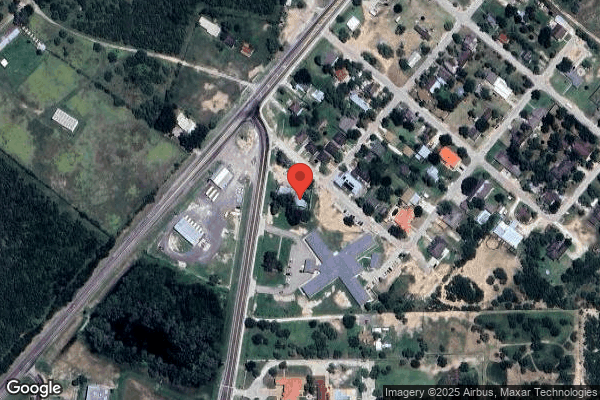
138 S FM 1329, San Diego, TX 78384 (361) 279-8291
Government - Hospital district 90 Beds WELLSENTIAL HEALTH Data: November 2025
Trust Grade
90/100
#89 of 1168 in TX
Last Inspection: February 2025

Within standard 12-15 month inspection cycle. Federal law requires annual inspections.

Overview

La Paloma Nursing Center in San Diego, Texas has received a Trust Grade of A, indicating excellent quality and high recommendations. It ranks #89 out of 1,168 facilities in Texas, placing it in the top half, and is the only nursing home in Duval County. The facility is improving, with the number of issues decreasing from four in 2023 to one in 2025. However, staffing is a concern with a rating of 2 out of 5 stars and a 42% turnover rate, which is below the Texas average. On a positive note, La Paloma has no fines on record and offers average RN coverage, which is important for resident care. Specific incidents such as dirty utensils in the kitchen, inadequate emergency water supply for residents, and uncovered clean linens in the laundry raise concerns about food safety and infection control. While there are strengths in quality measures and health inspections, these weaknesses highlight areas needing attention for the safety and well-being of residents.

Trust Score
A
90/100
In Texas
#89/1168
Top 7%
Safety Record
Low Risk
No red flags
Inspections
Getting Better
4 → 1 violations
Staff Stability
○ Average
42% turnover. Near Texas's 48% average. Typical for the industry.
Penalties
✓ Good
No fines on record. Clean compliance history, better than most Texas facilities.
Skilled Nurses
⚠ Watch
Each resident gets only 21 minutes of Registered Nurse (RN) attention daily — below average for Texas. Fewer RN minutes means fewer trained eyes watching for problems.
Violations
○ Average
8 deficiencies on record. Average for a facility this size. Mostly minor or procedural issues.
★★★★★
5.0
Overall Rating
★★☆☆☆
2.0
Staff Levels
★★★★★
5.0
Care Quality
★★★★★
5.0
Inspection Score
Stable
2023: 4 issues
2025: 1 issues

The Good

  • 5-Star Quality Measures · Strong clinical quality outcomes
  • Full Sprinkler Coverage · Fire safety systems throughout facility
  • No fines on record
  • Staff turnover below average (42%)

    6 points below Texas average of 48%

Facility shows strength in quality measures, fire safety.

The Bad

Staff Turnover: 42%

Near Texas avg (46%)

Typical for the industry

Chain: WELLSENTIAL HEALTH

Part of a multi-facility chain

Ask about local staffing decisions and management

The Ugly 8 deficiencies on record

Feb 2025 1 deficiency
CONCERN (D)

Potential for Harm - no one hurt, but risky conditions existed

Medical Records (Tag F0842)

Could have caused harm · This affected 1 resident

**NOTE- TERMS IN BRACKETS HAVE BEEN EDITED TO PROTECT CONFIDENTIALITY** Based on interviews and record review, the facility failed to maintain clinical records on each resident that were complete and ...

Read full inspector narrative →
**NOTE- TERMS IN BRACKETS HAVE BEEN EDITED TO PROTECT CONFIDENTIALITY** Based on interviews and record review, the facility failed to maintain clinical records on each resident that were complete and accurately documented in accordance with accepted professional standards and practices for 1 (Resident #17) of 6 residents reviewed for accuracy and completeness of clinical records. The facility failed to accurately document the correct duration of time for Resident #17's order for enteral nutrition. The order stated the hours were 6:00 AM to 10:00 PM, when the correct duration was 10:00 PM to 6:00 AM. This failure could result in residents' records not accurately reflecting the administration of enteral nutrition and could result in further error including weight gain/loss. The findings included: Record review of Resident #17's face sheet dated 02/10/25 revealed a [AGE] year-old female with an original admission date of 12/19/21 and a current admission date of 04/05/23. Pertinent diagnoses included Alzheimer's Disease and gastrostomy status (surgical procedure that creates an opening in the abdomen and inserts a tube directly into the stomach). Record review of Resident #17's Quarterly MDS Assessment section C, cognitive patterns, dated 12/23/24 revealed a BIMS score of 10 (moderate impairment). Record review of Resident #17's order summary revealed an active order dated 01/17/25 for every night shift [enteral nutrition] at (65ccs per hour) via G-tube stationary pump. RUN Time: (6am to 10pm) Provides: 624 kcal, 29 g pro and 419 mL water, (1020CC total with flush). Record review of Resident #17's comprehensive care plan dated 02/10/25 revealed the problem [Resident #17] requires tube feeding r/t Swallowing problem, Weight loss initiated on 09/24/24. Interventions listed for the problem included: - As per MD orders for feeding tube initiated on 03/31/23. - Enteral Feed AS per MD orders initiated on 03/31/23. In an interview with Resident #17 on 02/10/25 at 11:12 AM, Resident #17 stated she received nutrition from the feeding tube at night while she slept. Resident #17 stated she was not sure about the specific hours that it was on. In an interview with LVN A on 02/11/25 at 2:23 PM, LVN A stated Resident #17 had a G-tube. LVN A stated Resident #17 received nutrition during the night but was not sure about the specific hours. LVN A stated if she was not sure what time the resident received nutrition, she would check the MAR and orders. LVN A stated Resident #17 ate food during the day. LVN A stated if there was a discrepancy in the order she would talk to the DON and call the dietician to confirm what the correct timing was for the order. LVN A stated the order for enteral nutrition showed the duration 6:00 AM to 10:00 PM but she thought it was supposed to be 10:00 PM to 6:00 AM. LVN A stated the audit review on the order showed the dietician, the DON and the MD all saw the order and approved it. LVN A stated an incorrect order like this could result in the resident gaining a lot of weight and the facility would not know why it was happening. In an interview with the ADON on 02/11/25 at 2:42 PM, the ADON stated she ran a report every day showing all new orders from the previous day and reviewed them. The ADON stated she reviewed them for indication, parameters of whether to give the medication or not, and duration. The ADON stated Resident #17 had a G-tube. The ADON stated Resident #17 received nutrition at night through the tube. The ADON stated Resident #17 received breakfast, lunch, and dinner every day as well. The ADON stated if she did not know what hours the G-tube was supposed to run, she would look it up in the MAR or plan of care to see what the correct hours were. The ADON stated the order currently stated the run time was from 6:00 AM to 10:00 PM. The ADON stated the correct time was 10:00 PM to 6:00 AM. The ADON stated this was an order she would have reviewed. The ADON stated if she saw an incorrect order, she would call the person who put in the order to confirm what the order should be. The ADON stated with the order written the way it was the resident could inadvertently receive extra nutrition. In an interview with the DON on 02/11/25 at 2:55 PM, the DON stated the charge nurses reviewed new medication orders. The DON stated she reviewed all new dietician orders. The DON stated when she reviewed orders she looked to see if there were any changes or new recommendations in the orders. The DON stated Resident #17 ate breakfast, lunch, dinner and snacks and received enteral nutrition only at night. The DON stated if she was not sure of the hours of the enteral nutrition, she looked it up in the orders. The DON stated the order in the computer stated the enteral nutrition was from 6:00 AM to 10:00 PM. The DON stated the correct time was 10:00 PM to 6:00 AM. The DON stated when an order for enteral nutrition was not put in correctly the resident was at risk of being overfed or underfed. Record review revealed the facility policy titled Medication Reconciliation implemented 04/10/23 stated the following: 5. Daily Processes: b. Verify medication labels match physician orders and consider rights of medication administration each time a medication is given. c. Obtain and transcribe any new orders in accordance with facility procedures. Obtain clarification as needed. e. Verify medications received match the medication orders. 6. Monthly Processes: c. Verify orders printed on new monthly physician order forms and medication administration records match current medication orders.
Nov 2023 2 deficiencies
CONCERN (D)

Potential for Harm - no one hurt, but risky conditions existed

Pharmacy Services (Tag F0755)

Could have caused harm · This affected 1 resident

**NOTE- TERMS IN BRACKETS HAVE BEEN EDITED TO PROTECT CONFIDENTIALITY** Based on observations, interviews, and record reviews the facility failed to provide pharmaceutical services (including procedur...

Read full inspector narrative →
**NOTE- TERMS IN BRACKETS HAVE BEEN EDITED TO PROTECT CONFIDENTIALITY** Based on observations, interviews, and record reviews the facility failed to provide pharmaceutical services (including procedures that assure the accurate acquiring, receiving, dispensing, and administering of all drugs and biologicals) to meet the needs of each resident, for 1 of 7 residents (Resident # 9) reviewed for pharmacy services, in that; Resident # 9 was administered Memantine (used to treat memory loss/Dementia) at a dose not prescribed. This failure could place residents at risk for not receiving the therapeutic effects of the medications prescribed. The findings included: A record review of Resident # 9's admission record revealed an [AGE] year-old female admitted on [DATE] with diagnoses that included Alzheimer's disease. A record review of Resident # 9's quarterly MDS assessment dated [DATE] revealed Resident # 9 was assessed with a BIMS score of 05 out of 15 which indicated severe cognitive impairment. During an observation of medication administration on 11/16/2023 at 7:15 AM, Medication Aide B Administered Resident # 9 Memantine 10 mgs. A record review of Resident # 9's physician orders summary dated 11/16/2023 revealed Resident # 9 was to receive memantine. 1 tablet, 5 mg, given by mouth two times a day. During an interview with Medication Aide B on 11/16/2023 at 10:30 AM she said the order was for 5 mg, but her pharmacy card had a 10 mg dose. She said she gave the wrong dose of medication. She said she did not check the dose and would notify the physician. During an interview with the DON on 11/16/2023 at 10:40 AM she said the medication cart had a card for 10 mg and a card for 5 mg. She said the medication order had been revised and the old card was not removed from the cart and instead was rubber banded to the new dose. She said she would notify the physician. During an interview with the ADON and the DON on 11/17/2023 at 10:15 AM they said Resident #9 had a GDR for memantine ordered on 10/25/23 for a dose reduction from 10 mg to 5 mg. It was a gradual dose recommendation made by pharmacy. On 11/16/2023 the medication error was discovered. The ADON said the old medication was supposed to be taken out as soon as possible, and it was possible for the medication to be taken out before 11/16/2023. The new medication arrived on 10/25/2023. The ADON said the old medication should have been removed when they received the order, before they got the new medication, and that did not happen. The old medications were left in the medication cart. The ADON said the order was taken by her. The ADON said usually it would be the charge nurses that take the old medications out, but she could have. The ADON said that most of the time the medication aid will verify the medications to ensure it is the right one during routine med passes. There were two medication passes a day for more than three weeks that were wrong. The ADON said the facility failed to remove the discontinued medication and failed to verify the dose of the medication. The ADON said many things could happen to a resident with the wrong medications. The ADON said the breakdown was no one took the old medication out for three weeks. The ADON said the order was probably not communicated. The ADON said the medication aides are supposed to put discontinued medications in a locked cabinet they have access to, and that was not done. The ADON said discontinued medications show up as discontinued on the MAR. The ADON said nurses also communicate medication changes during shift change, and nurses have a 24-hour report as well. A record review of the 24-hour report from 10/25/2023 correctly indicated a change in medication dose for Resident #9's memantine from 10 mg to 5 mg that was written by the ADON. During an interview with the ADON on 11/17/2023 at 10:30 AM she said that discontinued medications are supposed to be taken from the medication cart and left in the med room under two locks and collected at least once a month for destruction. During an interview with the Corporate Nurse on 11/17/2023 at 10:15 AM she said the Pharmacist did a cart check on 11/14/2023. She said the Pharmacist looked to see if there were any expired medications, and they pull them out as well. She said the pharmacy missed it as well, but she does not look at every cart. She said the Pharmacist picks a cart at random and submits what cart she looked at on her report. A record review of the Monthly Consultant Pharmacist Report compiled on 11/14/2023 indicated an expired medication was found in a medication cart. The pharmacist indicated both medication carts were inspected. Record review of facility medication administration policy and procedures dated 10/24/22 indicates mediations are administered by licensed nurses, or other staff who are legally authorized to so in this state, as ordered by a physician and in accordance with professional standards of practice. Staff are required to review MAR to identify medication to be administered. Staff are required to compare medication source (bubble pack, vial, etc.) with MAR to verify resident name, medication name, form, dose, route and time.
CONCERN (E)

Potential for Harm - no one hurt, but risky conditions existed

Infection Control (Tag F0880)

Could have caused harm · This affected multiple residents

Based on observation, interview and record review the facility failed to establish and maintain an Infection Prevention and Control Program designed to help prevent the standard and transmission-based...

Read full inspector narrative →
Based on observation, interview and record review the facility failed to establish and maintain an Infection Prevention and Control Program designed to help prevent the standard and transmission-based precautions to be followed to prevent the spread of infections or diseases for 2 of 4 units reviewed for laundry services. -Laundry Aide A left the laundry bin with clean linens uncovered on units 100 and 200. These failures could affect residents and staff and place them at risk for healthcare associated cross contamination, infections, and COVID-19 (coronavirus). The findings included: Observation on 11/14/23 at 01:50 PM Laundry Aide A delivered clean linens to the 100 care unit. The bin was left uncovered when Laundry Aide A went into a resident's room to deliver clean linen. An unknown resident was observed to grab a pair of socks from the uncovered laundry bin. The surveyor notified Laundry Aide A and the socks were retrieved. Interview on 11/16/23 at 02:39 PM the Administrator stated the Housekeeping Supervisor is out for personal reasons and this surveyor would have no way of contacting her at the moment. Administrator stated she does not know the laundry process. Observation on 11/16/23 at 04:21 PM revealed Laundry Aide A delivered clean linen on the 200 care unit, the laundry bin was left uncovered. A the same time, the ADON observed clean linen being delivered to the 200 care unit hall residents in an uncovered laundry bin by Laundry Aide A. ADON/Infection Control Prevention stated she was going to look at the policy and get back with this surveyor to see what the policy stated about how clean linen should be delivered in care units. During an interview on 11/16/23 at 04:28 PM the ADON/Infection Control Prevention stated the Infection Control Policy was reviewed and laundry bins should have been covered as to prevent cross contamination. The ADON stated in-service will immediately be conducted and the facility would ensure laundry bins are covered at all times while clean linen is being distributed in care units. During an interview on 11/17/23 at 04:25 PM with Laundry Aide A stated she brought the laundry bin full of clean linen covered from outside but once inside, Laundry Aide A stored the laundry bin cover in a utility room when she passed out the clean linen to residents. Laundry Aide A stated she kept the laundry bin uncovered as it was easier to pass out the clean linen. Laundry Aide A stated the laundry bin should be covered at all times while in care unit areas, so residents are not tempted to grab clothing out of the bin and to prevent cross contamination. Laundry Aide A stated she did not know when the last time she in-services on infection control and the procedures of passing out clean linen in care unit areas. Record review of Infection Prevention and Control Program dated 5/13/2023 stated: 12. Linens: a. Laundry and direct care staff shall handle, store, process, and transport linens to prevent spread of infection. c. Clean linen shall be delivered to resident care units on covered linen carts with covers down. d. Linen shall be stored on all resident care units on covered carts, shelves, in bins, drawers, or linen closet
Oct 2023 1 deficiency
CONCERN (F) 📢 Someone Reported This

A family member, employee, or ombudsman was alarmed enough to file a formal complaint

Potential for Harm - no one hurt, but risky conditions existed

Food Safety (Tag F0812)

Could have caused harm · This affected most or all residents

Based on observation, interview, and record review, the facility failed to store, prepare, distribute, and serve food in accordance with professional standards for food service safety for 1 of 1 kitch...

Read full inspector narrative →
Based on observation, interview, and record review, the facility failed to store, prepare, distribute, and serve food in accordance with professional standards for food service safety for 1 of 1 kitchen reviewed for sanitation: 1. The facility failed to ensure utensils were clean. 2. The facility failed to keep accurate temperature and chemical logs for the dishwasher. 3. The facility failed to dispose of expired foods. These failures could place residents at risk of foodborne illnesses. Findings include: Observation of the kitchen and interview with the DM on 10/03/23 beginning at 11:30 a.m. revealed a DA pouring coffee into cups on 2 trays. One tray was done, the other cups on the other tray had a removable white residue in them. The DM removed the residue with his thumb. He stated they probably needed to adjust the bleach during the wash cycle. The DM stated the residents could get sick if they served beverages in dirty cups. The DM stated he assumed the white residue was bleach. The DM stated he would not want to drink from one of those cups. The refrigerators had a large, expired container of tomato sauce (identified by the DM) with a prep date of 09/25/23 and a use-by date of 09/29/23. There was a large, expired container of ketchup (identified by the DM) with a prep date of 09/26/23 and a use-by date of 10/01/23. There was a large, expired container of coleslaw (identified by the DM) with a prep date of 09/28/23 and a use-by date of 10/01/23. A record review of the dishwasher temperature logs dated from December 2022 to the present day revealed the same numbers in all columns, on all days and shifts. Observation of the DM on 10/03/23 at 11:47 a.m. when he took a chemical strip sample of the dishwasher and the result was 50 ppm. Interview with the DA on 10/03/23 at 11:35 a.m. stated she did not think the empty cups were clean and she was responsible for checking the cups before she poured beverages into them. An interview with the DM on 10/03/23 at 11:40 a.m. revealed his head cook was responsible for checking the dates on foods in the refrigerators every morning when she checked the refrigerator temperatures. The DM stated another cook took care of the refrigerators when his head cook was not there. The DM stated food had to be discarded or used before the use-by date because it was no longer safe to be consumed after the use-by date and could make the residents sick because bacteria could be growing by then. An interview with the HC on 10/03/23 at 11:45 a.m. revealed she had been off work for a couple of days. When asked if she had been here yesterday, she stated yes and shrugged her shoulders as to why she did not dispose of the expired foods in the refrigerator. Interview with the DM on 10/03/23 at 11:47 a.m. stated the logs did not look right, and that the numbers written for the temperatures and chemicals should have some variation; they should go up or down. The DM stated the dietary aids were responsible for entering accurate numbers in the logs. The DM stated the cooks were responsible for the aids, and he was responsible for the cooks and everyone else. The DM stated he had not looked at the logs since he started here 5-6 months ago because he assumed the staff were taking care of it. The DM stated the point of having temperature and chemical logs was to make sure everything was clean, the temperature was right (to get dishes clean), and the chlorine was right to disinfect and sanitize the dishes. The DM stated he would not be having this problem (residue in the dishes) if the logs were right. The DM stated it was important to have accurate logs, so they could follow trends and take care of problems before the problem. The DM stated he should have been looking at the logs. A request for in-services and training for temperatures and chemical logging for the dishwasher were requested. A record review of the dietary staff time sheets revealed the COOK worked 09/26/23-09/29/23 and recorded the refrigerator logs but did not dispose of the expired foods in the refrigerator. The HC worked on 10/02/23 and 10/03/23 and recorded refrigerator temperatures but did not dispose of the expired foods in the refrigerator. The COOK was unavailable for interview throughout this investigation. Record review of the dishwasher temperature logs dated from December 2022 to the present day revealed the same numbers in all columns, on all days and shifts. The morning wash temperatures and the final rinse temperatures were all documented to be 120F. All sanitizer documentation was 100 ppm. The exception was June 2023, three-compartment sink, where the water temperature was consistently 200F and the sanitizer was consistently 120 ppm. The three-compartment sink was checked twice daily instead of three times daily. There was missing documentation for the three-compartment sink for June 1-4, 15-18, 23-25, and 29 for the third service. There were no other logs provided for the three-compartment sink. There were no logs at all provided for the months of January, February, March, April, May, July, and October 2023. Record review of the facility policy titled, Food Receiving and Storage rev. 01/13 documented 7. All foods stored in the refrigerator or freezer will be covered, labeled, and dated (use by date). Record review of the facility policy titled, Mechanical Cleaning and Sanitizing of Utensils and Portable Equipment dated 10/01/18 documented: 7. a. The temperature of the wash water must be at least 120 degrees Fahrenheit. 7. f. A test kit or other device that accurately measures the parts per million concentrations of the solution must be available and used. A sample Dish Machine Temperature and Sanitizing Log follows this Policy. Record review of the Dish Machine Washing and Sanitizing sample documented: *Wash-120 degrees Fahrenheit *Final Rinse 50 ppm (parts per million) chlorine on dish surface in final rinse . References: FDA Food Code .refrigerated, ready-to-eat, time/temperature controlled for safety food prepared and held in a food establishment for more than 24 hours shall be clearly marked to indicate the date or day by which the food shall be consumed on the premises, sold, or discarded when held at a temperature of 41 degrees Fahrenheit for a maximum of 7 days. The day of preparation shall be counted as day 1. TAC 228.111 (p) Warewashing equipment (three-compartment-sink) determining chemical sanitizer concentration: concentration of the sanitizing solution shall be accurately determined by using a test kit or other device. Figure: 25 TAC 228.111(n)(1) Sanitizer Concentration range: 25-49 ppm, when the minimum temperature is 120 degrees Fahrenheit
May 2023 1 deficiency
CONCERN (D) 📢 Someone Reported This

A family member, employee, or ombudsman was alarmed enough to file a formal complaint

Potential for Harm - no one hurt, but risky conditions existed

Accident Prevention (Tag F0689)

Could have caused harm · This affected 1 resident

**NOTE- TERMS IN BRACKETS HAVE BEEN EDITED TO PROTECT CONFIDENTIALITY** Based on observation, interview and record review, the facility failed to ensure that resident received adequate assistance with...

Read full inspector narrative →
**NOTE- TERMS IN BRACKETS HAVE BEEN EDITED TO PROTECT CONFIDENTIALITY** Based on observation, interview and record review, the facility failed to ensure that resident received adequate assistance with the use of an assistance device for one resident (R#1) of one resident reviewed for accidents and supervision. CNA A and CNA B failed to properly transfer R#1 using a gait belt from bed to wheelchair. The failure placed residents, who required assistance with gait belt transfers at risk for accidents, falls and injuries. Findings included: Review of R#1's quarterly MDS assessment dated [DATE] reflected (R#1) was an [AGE] year-old female who admitted to the facility on [DATE] with a readmission date of 6/26/2022. R#1's active diagnoses included Alzheimer's disease (type of brain disorder that causes problem with memory, thinking), dementia (a group of symptoms that affects memory, thinking and interferes with daily life), heart failure (a progressive heart disease that affects pumping action of the heart muscles), muscle wasting and atrophy (wasting away of muscles), difficulty in walking, muscle weakness, unsteadiness on feet, pain in right knee, hypertension (high blood pressure), cardiomegaly (enlarged heart), and acute kidney failure. Rt#1 had a BIMS score of 09, which indicated moderate cognitive impairment. Resident #1 required substantial/maximal assistance with sit to stand ability. Helper does more than half the effort. Review of Resident #1's care plan, revision on 3/1/2023 reflected R#1 was at high risk for falls related to Alzheimer's and dementia. The goal was to minimize risks and injuries. R#1 has ADL self-care performance deficit related to dementia. Interventions for transfers states R#1 requires total assistance with transfers. Observation on 5/18/2023 at 3:23pm of bed to wheelchair (w/c) transfer of R#1, revealed, CNA A lifted bed to appropriate height. CNA A and CNA B placed gait belt around R#1's waist while R#1 was in bed. First attempt to place gait belt by CNA A and CNA B revealed, gait belt placed twisted around R#1's waist and was unable to be secured. Second attempt, gait belt straightened out by both CNA A and CNA B, but gait belt was backwards, and CNA A was unable to secure gait belt properly. A third attempt was made by both CNA A and CNA B. Gait belt was correctly placed around R#1. CNA B struggled to secure/tighten gait belt and could not fasten gait belt securely around R#1's waist. Gait belt was greater than two fingers width of space and was noticeably loose around R#1. Transfer continued and gait belt remained loose fitting and not secure. R#1 was lifted off bed by both CNA A and CNA. During transfer, gait belt slid all the way up to R#1'a under arms pulling up R#1's shirt exposing her bare back. Both CNAs had to place their arm under R#1's underarms to transfer resident to wheelchair. Interview with CNA A on 5/18/2023 at 3:32pm. CNA A stated, R#1 uses gait belt for transfers and gait belt should be used on every transfer for residents who require assistance with transfers. Gait belt should be placed on the resident securely with no more than two fingers with when checking for secure placement. Gait belt was loose on resident and was greater than two fingers width. If gait belt was not secure, resident was at risk for getting a skin tear, injury or fall. CNA A did not remember when last in person gait belt training was conducted. Interview with CNA B on 5/18/2023 at 4:28pm revealed, gait belts are used every time a resident is transferred. CNA B stated last in-service on transfers/gait belts, was this past Monday or Tuesday but could not remember. CNA B stated the gait belt was greater than two fingers width apart when transferring R#1 and this improper use of the gait belt can cause a skin tear or injury to a resident. CNA B was hired on 4/16/23 at the facility and stated she was nervous during the transfer. Interview with DON, ADON on 5/15/23 at 4:00pm. In-service on gait belts was conducted on 4/21/23 and was in-person training. CNA A and CNA B both attended the gait belt training/in-service. DON and ADON stated they started in-servicing on gait belts as soon as possible. Review of the facility's policy titled; Activities of Daily Living (ADLs) dated 10/24/2022. The facility will, based on the resident's comprehensive assessment and consistent with the resident's needs and choices, ensure a resident's abilities in ADLs do not deteriorate unless deterioration is unavoidable. Care services will be provided for the following activities of daily living: 2. Transfer and ambulation Review of the facility's transfer procedures and steps (not dated) states: -Review the patient's medical record for cognitive status and wight-bearing or medical precautions that may influence transfer safety -Assess the patient's needs and abilities when making decisions -Gather and prepare the necessary equipment and supplies -Perform hand hygiene -Use proper body mechanics during transfer -Place wheelchair next to the bed, with the wheelchair parallel to or angled slightly to the bed on same side as the patient's univolved or stronger lower extremity -Lock brakes on the wheelchair and the bed -Remove the wheelchair footrests -Ensure the bed is in the lowest position parallel to the floor -Help the patient put on nonskid shoes or slippers -Secure the gait belt around the patient's waist, if necessary.
Aug 2022 3 deficiencies
CONCERN (D)

Potential for Harm - no one hurt, but risky conditions existed

Infection Control (Tag F0880)

Could have caused harm · This affected 1 resident

Based on observation, interview, and record review, the facility failed to maintain an infection prevention and control program, including hand hygiene, designed to provide a safe, sanitary and comfor...

Read full inspector narrative →
Based on observation, interview, and record review, the facility failed to maintain an infection prevention and control program, including hand hygiene, designed to provide a safe, sanitary and comfortable environment, and to help prevent the development and transmission of communicable diseases and infections, for one Resident (#35) of five residents reviewed for infection control practices during personal care: Certified Nurse Aide (CNA) A did not perform hand hygiene between glove changes while providing Resident #35 with incontinent care. This failure could place residents that require assistance with personal care at risk for healthcare associated cross-contamination and infections. The findings included: Observation of R #35 on 08/18/22 at 10:12 AM revealed she was escorted from the dining area to her room by CNA A and CNA B. CNA A pulled clean gloves from the box of gloves located on the wall rack, left of the bedroom door. There was a hand sanitizer dispenser affixed to the wall just below the rack of gloves. CNA A then used her gloved hands to remove the gait belt from her wait and put it around Resident #35's waist. CNA A assisted Resident #35 to bed. CNA A removed her gloves, threw them in the trash and grabbed clean gloves and put them on, without performing any hand hygiene. CNA A removed Resident #35's clothing and brief then cleaned Resident #35's vaginal area and her indwelling urinary catheter tubing with cleansing wipes. CNA A removed her gloves and put on clean gloves, without performing hand hygiene and continued to put on a clean brief and clothing on Resident #35. In an interview with CNA A on 08/18/22 at 10:30 AM she stated she changed her gloves twice while providing Resident #35 incontinent care because The gloves were contaminated. When asked, what was the next step to do after contaminated gloves were removed or changed, CNA A paused then said Wash my hands. When asked if she recalled performing hand hygiene between glove changes, CNA A said No. When asked why, CNA A said I got nervous, I guess. CNA A said it was important to perform hand hygiene to prevent infection. CNA A said her last hand hygiene training was approximately one month ago. In an interview with CNA B on 08/18/22 at 10:36 AM revealed she said CNA B did not wash her hands before putting on clean gloves. CNA B said she did not want to interrupt the process by telling CNA A to wash her hands because You were there. CNA B said she was trained to wash her hands between gloves changes to prevent cross-contamination and infection. CNA B said her last hand hygiene training was approximately one month ago. Interview with the Director of Nurses (DON) and Assistant Director of Nurses (ADON) on 08/18/22 at 12:01 PM revealed the ADON said she just observed and evaluated CNA A's hand hygiene and personal care competency March 2022, Which she met competency. The DON said She was nervous because you were watching her. The DON said CNA A should have performed hand hygiene between glove changes. Record review of CNA A's Skills Checklist: Hand Hygiene dated 03/03/22 revealed she met criteria for hand hygiene procedure. CNA A had a Certificate of Completion for incontinent care dated 10/04/21. Record review of the facility's Hand Hygiene policy and procedure dated January 2022 documented .A. Indications for Hand Washing using soap and water include: 1. When hands are visibly dirty or are visibly soiled with blood or other body fluids. 2. Before eating and after using the restroom B. Indications for Hand Hygiene using alcohol-based hand sanitizer include: 1. Before having direct contact with residents . 3. After contact with a resident's intact skin . 4. When hands are not visibly soiled after contact with body fluids or excretions, mucous membranes, non-intact skin, and wound dressings . 7. Before donning gloves. 8. After removing gloves.
CONCERN (E)

Potential for Harm - no one hurt, but risky conditions existed

Food Safety (Tag F0812)

Could have caused harm · This affected multiple residents

Based on observation, interview, and record review, the facility failed to store, prepare, distribute, and serve food by professional standards for food service safety for 1 of 1 kitchens and 1 of 1 n...

Read full inspector narrative →
Based on observation, interview, and record review, the facility failed to store, prepare, distribute, and serve food by professional standards for food service safety for 1 of 1 kitchens and 1 of 1 nutrition room. There were personal food items in the kitchen refrigerator and dry storage areas, contaminated and/or broken equipment, the dishwasher temperature was below requirements, the kitchen handwashing sink temperature was above requirements, and there was expired and unlabeled food in the nutrition room. These failures could place residents at serious risk for complications from food contamination. Findings were: During the initial tour on 8/16/22 beginning at 10:25 a.m., observation of the kitchen and an interview with DS revealed a personal container of a white liquid substance labeled with the initials of the DC. There was a large drinking vessel with a name on it in indelible marker, on a high shelf, in the very back of the dry food storage area. The DS said the container in the refrigerator was not supposed to be there, nor was the container in the dry storage area. She said personal items could be stored in her office or elsewhere, but not in the food storage or food prep areas because of infection control issues that could arise with outside food and/or drink. There was a heavily dented colander hanging in the prep area that the DS wasn't sure if it was being used but could not explain why else it would be there. Three spatulas had severely melted plastic handles, creating deep crevasses and very sharp edges; one of the spatulas had a severely bent and crevassed tip. There was a 10-inch chef knife with chunks missing from the blade and about an inch missing from the tip; it was broken off. The DS removed them from the drawer the utensils were in, in the prep area and said, These should not even be here. She said the utensils were not safe to handle and that they could harbor bacteria. The low-temperature dishwasher water temperature reflected 100 degrees F when observed on 8/16/22 at 10:25 a.m. and 10:55 a.m. Low temperature dishwashers have a minimum water temperature of 120 degrees F for chemical sanitation, per manufacturer's instructions. The DM said it would get to temperature. After 4 attempts and fifteen minutes, the washer remained at 100 degrees F. The DS said she did not know how long the washer was like that and said they were supposed to be getting a new one but did not know when. The DM confirmed the DS's statement. The DA said the correct running temperature of the dishwasher was supposed to be 120 degrees F. Shesaid she did not know what she was supposed to do if it was not running at temperature. She could not say why the water temperature was important for sanitizing dishes. The DS told her she should tell someone. During an interview with the DC on 8/16/22 at 10:30 a.m. revealed the personal item in the container wuth the white substance in the kitchen refrigerator belonged to her and she removed it promptly. She said it was not supposed to be in there and offered no explanation as to why it was and was unaware of the potential of cross contamination from outside personal sources being stored with meal prep items. Observation and interview on 8/18/22 at 11:00 a.m. of the nutrition room, accompanied by Licensed Vocational Nurse (LVN) A revealed the following: a container of an unidentifiable liquid substance with Resident #34's initials and dated 8/16/22, but the container was not labeled, an unlabeled chocolate bar and an unlabeled 8oz bottle of flavored water, a total of 16, 33.8oz bottles of expired tube feeding formulas: 1 with an expiration date of 07/01/22, 6 with expiration dates of 07/01/22, and 8 with expiration dates of 05/01/22, 10 packets of nutritional powder with expiration dates of 08/01/22, and 1 33.8oz bottle of tube feeding formula on the shelf, unrefrigerated, unlabeled, opened, and coagulated. LVN A said she thought the kitchen was responsible for the contents in the refrigerator but was not sure. She said she did not know who was responsible for items on the shelves of the nutrition room but thought it might be the nurses. During an observation and interview on 08/18/22 at 1:57 p.m. of the dishwasher temperature accompanied by the DS, DM, and MS revealed the water temperature was 100 degrees F. Observation further revealed the temperature of the water at the handwashing sink in the kitchen was 138 degrees F. The MS said he would look into it. The DM could not explain why the dishwasher temperature log differed from what had been revealed in the last two days. A record review of the dishwasher temperature log for August 2022 revealed 120 degrees F for every check. During an observation of the food prep area on 8/18/22 at 2:00 p.m. accompanied by the DS, revealed the same damaged utensils as described above had been replaced into the same drawer they had been removed from previously. The DS immediately removed them again without explanation. During an interview with the MS on 08/18/22 at 2:32 p.m. regarding the handwashing sink at 138 degrees F revealed: he only went by what the dietary papers say. The MS was informed a water temperature of 138 degrees F could possibly scald the skin in under 5 seconds. He shook his head slowly from side to side and could not produce any policies regarding safe water temperatures.
CONCERN (F)

Potential for Harm - no one hurt, but risky conditions existed

Deficiency F0922 (Tag F0922)

Could have caused harm · This affected most or all residents

Based on observation, interview, and record review, the facility failed to ensure that enough water was available in case of a loss of water supply and did not have written procedures defining sources...

Read full inspector narrative →
Based on observation, interview, and record review, the facility failed to ensure that enough water was available in case of a loss of water supply and did not have written procedures defining sources of water, and was unaware of the method for estimating the volume of water required for 1 of 1 facility. There were only 16, 5-gallon jugs of water on hand for a census of 54 residents and employees. This failure could place residents at serious risk for complications from dehydration and sanitation. Findings were: During an observation of the emergency water supply accompanied by the MS on 8/16/22 at 10:58 a.m. revealed 16, 5-gallon jugs of water (80 gallons) for emergency use for a current census of 54. The MS said he was not sure of the exact amount that was to be on hand, and he would have to look it up. He said this was the only place they stored emergency water. Record review of the facility's emergency preparedness, operations 6: OP6 0508.00, Loss of Water Supply revised October 2021, reflected under Procedure; preparation; 1. Each center maintains a supply of drinking water based on specific requirements (see OPS 1511.00, state emergency water requirements.) .at minimum, the center has on hand two gallons of water per resident (2 gallons per resident x 54 residents=108 gallons needed per day) and per employee ( 2 gallons per employee x 57 employees = 114 gallons needed per day) per day for at least three days (108 gallons for residents + 114 gallons for employees =222 gallons x 3 days =666 gallons needed for residents and employees for 3 days) or more for patients who were on medications that required water or were at risk for dehydration. Record review of OP6 1511.00 Policy revised 6/2015, stated: keep at least a three-day (3) supply of water per person; each person will need a gallon each day. (54 residents + 57 employees = 111 x 3 days=333 gallons) Record review of the facility emergency water policy per bottled water company dated 1/1/2020 stated: recommended supply on hand for hurricane season (beginning June 1st): 2 gallons per resident per day, dietary: 40 gallons per day, sanitary: 40 gallons per day. (2 gallons per resident x 54 residents=108 gallons for residents + 40 gallons for dietary =148 gallons + 40 gallons for sanitary =188 total gallons per day, just for residents). Record review of the facility disaster planning policy from another vendor dated February 2022 reflected: this program is separated to make the task of planning your facility's response a little easier and to help [the vendor] serve our customers in the event of a natural disaster or a man-made disaster in order to accomplish this we need certain customer information to be available at our facility included are several forms that describe the 2022 disaster planning policy. It is essential that you review all of the information and complete the last 3 pages and scan or email on or before March 31, 2022 (so they will have the facility's disaster order on file). A record review of a letter from a hospice provider dated 8/17/2022 regarding backup supplies and water for the facility reflected they would serve as a backup for resources (provide supplies and water) for the facility. This letter was not in place at the time of entry on 8/16/22. This letter was not provided until after 4 p.m. on 8/18/22. A record review of a letter on the county emergency management letterhead dated 8/17/22 regarding drinking water and non-potable water reflected they had 2 pallets of drinking water reserved for the facility. This letter was not in place at the time of entry on 8/16/22. This letter was not provided until after 4 p.m. on 8/18/22. During an interview with the ADM on 8/18/22 at 4:02 p.m. revealed she was unaware of their facility policy OP6 0508.00 and asked where the definition was for the amount of water they should have on hand in the policy. The information was provided as outlined above and she said she would have to figure out how many residents she had who were on medications that required water and how many employees in order to tally the figure. She said emergency water was important in case something happened. She also said, the forecast isn't predicting any hurricanes at this time.
Understanding Severity Codes (click to expand)
Life-Threatening (Immediate Jeopardy)
J - Isolated K - Pattern L - Widespread
Actual Harm
G - Isolated H - Pattern I - Widespread
Potential for Harm
D - Isolated E - Pattern F - Widespread
No Harm (Minor)
A - Isolated B - Pattern C - Widespread

Questions to Ask on Your Visit

  • "Can I speak with families of current residents?"
  • "What's your RN coverage like on weekends and overnight?"

Our Honest Assessment

Strengths
  • • Grade A (90/100). Above average facility, better than most options in Texas.
  • • No major safety red flags. No abuse findings, life-threatening violations, or SFF status.
  • • No fines on record. Clean compliance history, better than most Texas facilities.
  • • 42% turnover. Below Texas's 48% average. Good staff retention means consistent care.
Concerns
  • • No significant concerns identified. This facility shows no red flags across CMS ratings, staff turnover, or federal penalties.
Bottom line: Generally positive indicators. Standard due diligence and a personal visit recommended.

About This Facility

What is La Paloma Nursing Center's CMS Rating?

CMS assigns La Paloma Nursing Center an overall rating of 5 out of 5 stars, which is considered much above average nationally. Within Texas, this rating places the facility higher than 99% of the state's 100 nursing homes. This rating reflects solid performance across the metrics CMS uses to evaluate nursing home quality.

How is La Paloma Nursing Center Staffed?

CMS rates La Paloma Nursing Center's staffing level at 2 out of 5 stars, which is below average compared to other nursing homes. Staff turnover is 42%, compared to the Texas average of 46%. This relatively stable workforce can support continuity of care.

What Have Inspectors Found at La Paloma Nursing Center?

State health inspectors documented 8 deficiencies at La Paloma Nursing Center during 2022 to 2025. These included: 8 with potential for harm.

Who Owns and Operates La Paloma Nursing Center?

La Paloma Nursing Center is owned by a government entity. Government-operated facilities are typically run by state, county, or municipal agencies. The facility is operated by WELLSENTIAL HEALTH, a chain that manages multiple nursing homes. With 90 certified beds and approximately 42 residents (about 47% occupancy), it is a smaller facility located in San Diego, Texas.

How Does La Paloma Nursing Center Compare to Other Texas Nursing Homes?

Compared to the 100 nursing homes in Texas, La Paloma Nursing Center's overall rating (5 stars) is above the state average of 2.8, staff turnover (42%) is near the state average of 46%, and health inspection rating (5 stars) is much above the national benchmark.

What Should Families Ask When Visiting La Paloma Nursing Center?

Based on this facility's data, families visiting should ask: "Can you walk me through typical staffing levels on day, evening, and night shifts?" "Can I visit during a mealtime to observe dining assistance and food quality?" "How do you handle medical emergencies, and what is your hospital transfer rate?" "Can I speak with family members of current residents about their experience?" These questions are particularly relevant given the below-average staffing rating.

Is La Paloma Nursing Center Safe?

Based on CMS inspection data, La Paloma Nursing Center has a clean safety record: no substantiated abuse findings (meaning no confirmed cases of resident harm), no Immediate Jeopardy citations (the most serious violation level indicating risk of serious injury or death), and is not on the Special Focus Facility watch list (a federal program monitoring the lowest-performing 1% of nursing homes). The facility has a 5-star overall rating and ranks #1 of 100 nursing homes in Texas. While no facility is perfect, families should still ask about staff-to-resident ratios and recent inspection results during their visit.

Do Nurses at La Paloma Nursing Center Stick Around?

La Paloma Nursing Center has a staff turnover rate of 42%, which is about average for Texas nursing homes (state average: 46%). Moderate turnover is common in nursing homes, but families should still ask about staff tenure and how the facility maintains care continuity when employees leave.

Was La Paloma Nursing Center Ever Fined?

La Paloma Nursing Center has no federal fines on record. CMS issues fines when nursing homes fail to meet care standards or don't correct problems found during inspections. The absence of fines suggests the facility has either maintained compliance or corrected any issues before penalties were assessed. This is a positive indicator, though families should still review recent inspection reports for the full picture.

Is La Paloma Nursing Center on Any Federal Watch List?

La Paloma Nursing Center is not on any federal watch list. The most significant is the Special Focus Facility (SFF) program, which identifies the bottom 1% of nursing homes nationally based on persistent, serious quality problems. Not being on this list means the facility has avoided the pattern of deficiencies that triggers enhanced federal oversight. This is a positive indicator, though families should still review the facility's inspection history directly.