SAN SABA NURSING & REHABILITATION
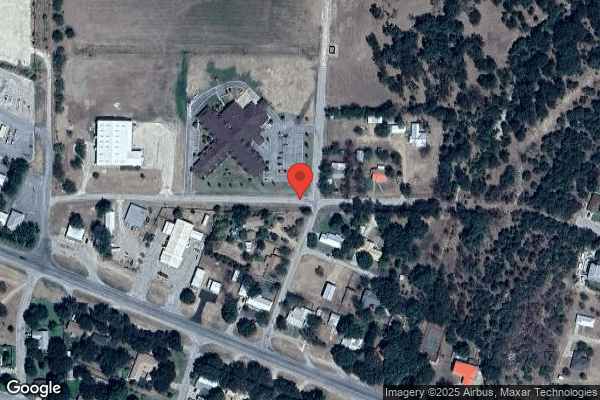
2400 WEST BROWN STREET, SAN SABA, TX 76877 (325) 387-8123
For profit - Corporation 72 Beds CREATIVE SOLUTIONS IN HEALTHCARE Data: November 2025
Trust Grade
90/100
#125 of 1168 in TX
Last Inspection: October 2024

Within standard 12-15 month inspection cycle. Federal law requires annual inspections.

Overview

San Saba Nursing & Rehabilitation has received a Trust Grade of A, which means it is considered excellent and highly recommended. It ranks #125 out of 1,168 facilities in Texas, placing it in the top half, and is the only option in San Saba County. However, the facility is experiencing a worsening trend, with issues increasing from 1 in 2023 to 2 in 2024. Staffing is a concern with a below-average rating of 2 out of 5 stars and a turnover rate of 41%, although this is still better than the Texas average of 50%. Notably, there have been no fines imposed, which is a positive sign, and the facility boasts more RN coverage than 81% of Texas facilities, enhancing the quality of care. However, recent inspections revealed specific concerns, such as failing to document that residents received education about immunizations, which could put them at risk for illnesses. Additionally, there were inaccuracies in resident assessments that could lead to inadequate care. Lastly, the facility did not complete a required comprehensive assessment for one resident on time, which is critical for ensuring appropriate care and treatment. Overall, while San Saba Nursing & Rehabilitation has many strengths, families should be aware of these weaknesses as they consider care options.

Trust Score
A
90/100
In Texas
#125/1168
Top 10%
Safety Record
Low Risk
No red flags
Inspections
Getting Worse
1 → 2 violations
Staff Stability
○ Average
41% turnover. Near Texas's 48% average. Typical for the industry.
Penalties
✓ Good
No fines on record. Clean compliance history, better than most Texas facilities.
Skilled Nurses
⚠ Watch
Each resident gets only 26 minutes of Registered Nurse (RN) attention daily — below average for Texas. Fewer RN minutes means fewer trained eyes watching for problems.
Violations
✓ Good
Only 4 deficiencies on record. Cleaner than most facilities. Minor issues only.
★★★★★
5.0
Overall Rating
★★☆☆☆
2.0
Staff Levels
★★★★★
5.0
Care Quality
★★★★★
5.0
Inspection Score
Stable
2023: 1 issues
2024: 2 issues

The Good

  • 5-Star Quality Measures · Strong clinical quality outcomes
  • Full Sprinkler Coverage · Fire safety systems throughout facility
  • No fines on record
  • Staff turnover below average (41%)

    7 points below Texas average of 48%

Facility shows strength in quality measures, fire safety.

The Bad

Staff Turnover: 41%

Near Texas avg (46%)

Typical for the industry

Chain: CREATIVE SOLUTIONS IN HEALTHCARE

Part of a multi-facility chain

Ask about local staffing decisions and management

The Ugly 4 deficiencies on record

Oct 2024 2 deficiencies
CONCERN (D)

Potential for Harm - no one hurt, but risky conditions existed

Comprehensive Assessments (Tag F0636)

Could have caused harm · This affected 1 resident

**NOTE- TERMS IN BRACKETS HAVE BEEN EDITED TO PROTECT CONFIDENTIALITY** Based on interview and record review, the facility failed to ensure a comprehensive, accurate, standardized reproducible assessm...

Read full inspector narrative →
**NOTE- TERMS IN BRACKETS HAVE BEEN EDITED TO PROTECT CONFIDENTIALITY** Based on interview and record review, the facility failed to ensure a comprehensive, accurate, standardized reproducible assessment of the functional capacity was conducted initially and periodically for one (Resident #300) of five residents reviewed for comprehensive assessments. The facility failed to ensure Resident #300's comprehensive admission MDS was conducted within 14 days of admission. The due date was on 10/01/2024 and it was not completed. This failure could place residents at risk of not having their care and treatment needs assessed to ensure necessary care and services were provided. Findings included: Review of Resident #300's face sheet dated 10/03/2024 reflected a [AGE] year-old female admitted to the facility on [DATE] with the following diagnoses Type 2 Diabetes Mellitus w/o complications, Constipation (unspecified), Hypothyroidism (unspecified), Hypo-osmolality & Hyponatremia, Hypokalemia, Essential (primary) Hypertension, Unspecified Atrial Fibrillation. Review of Resident #300's admission MDS assessment dated [DATE] reflected Resident #300 was assessed to have a BIMS score of 15 indicating cognition was intact. Interview on 10/03/24 at 10:18 AM with the Regional Reimbursement Nurse (RRN), stated that the MDS should have been completed on 10/01/2024 but as of today 10/03/2024 the MDS assessment was not completed. The RRN said the MDS should be completed within 14 days of admissions and (Resident #300's) MDS has not been completed per the 14-day rule. The RRN stated normally they're done the day after ARD but because the facility has not had a MDS coordinator since 09/19/2024 it has not been completed. The RRN stated she is responsible for making sure they were supposed to be completed during the new MDS hiring process. The RRN stated there would not be a consequence to the residents' care if it is not completed in time. Review of undated facility policy titled Policy for Resident Assessments revealed A comprehensive assessment will be completed within 14 days of admission and annually on each resident. The facility will utilize the Resident Assessment Instrument (RAI).
CONCERN (E)

Potential for Harm - no one hurt, but risky conditions existed

Deficiency F0883 (Tag F0883)

Could have caused harm · This affected multiple residents

**NOTE- TERMS IN BRACKETS HAVE BEEN EDITED TO PROTECT CONFIDENTIALITY** Based on interviews and record review, the facility failed to ensure resident's medical records included documentation that indi...

Read full inspector narrative →
**NOTE- TERMS IN BRACKETS HAVE BEEN EDITED TO PROTECT CONFIDENTIALITY** Based on interviews and record review, the facility failed to ensure resident's medical records included documentation that indicated the resident, or their responsible party, received education of the benefits, and potential side effects, of the influenza or pneumococcal immunization, receipt of the influenza or pneumococcal immunization, or residents did not receive the influenza or pneumococcal immunization due to medical contraindication, or refusal, for 3 (Resident #300, Resident #29, and Resident #37) of 5 residents reviewed for immunizations. The facility failed to document in Resident #300's, #29's and #37's medical records for having had received education, whether by self or with responsible party, of the benefits, and potential side effects, of the influenza immunization and receipt of the of the pneumococcal immunization or having had not received the pneumococcal immunization due to medical contraindication or refusal. This failure could place residents at risk of contracting a viral illness, influenza and pneumococcal, or being informed of the benefits/risk which could cause respiratory complications and potential adverse health outcomes. Findings include: Resident #300 Review of Resident #300's face sheet dated 10/03/2024 reflected a [AGE] year-old female admitted to the facility on [DATE] with the following diagnoses Type 2 Diabetes Mellitus w/o complications, Constipation (unspecified), Hypothyroidism (unspecified), Hypo-osmolality & Hyponatremia, Hypokalemia, Essential (primary) Hypertension, Unspecified Atrial Fibrillation. Review of Resident #300's admission MDS assessment dated [DATE] reflected Resident #300 was assessed to have a BIMS score of 15 indicating cognition was intact. Review of Resident #300's comprehensive care plan dated 09/18/2024 reflected no entries regarding immunization status. Review of Resident #300's immunization records in the EMR reflected no pneumococcal vaccine record. Further review of record reflected Resident #300 was offered the influenza and pneumococcal vaccine and declined. The immunization record does not list a date. Resident #29 Review of Resident #29's face sheet dated 10/03/2024 reflected an [AGE] year-old male admitted to the facility on [DATE] with an initial admission date of 08/27/20222 with the following diagnoses Unspecified dislocation of left hip (subsequent encounter), Fracture of unspecified part of neck of left femur, subsequent encounter for closed fracture with routine healing, Type 2 diabetes mellitus (w/moderate non-proliferative), Diabetic retinopathy w/macular edema, right eye. Review of Resident #29's quarterly MDS assessment dated [DATE] reflected Resident #29 was assessed to have a BIMS score of 8 indicating moderate cognitive impairment. Review of Resident #29's comprehensive care plan dated 05/06/2024 reflected no entries regarding immunization status. Review of Resident #29's immunization records in the EMR reflected no pneumococcal vaccine record. Further review of record reflected Resident #29 was offered the influenza and pneumococcal vaccine and declined. The immunization record does not list a date. Review of Resident #37's face sheet dated 10/03/2024 reflected a [AGE] year-old female admitted to the facility on [DATE] with the following diagnoses Malignant neoplasm of unspecified part of unspecified bronchus or lung, secondary malignant and neoplasm or brain, muscle weakness (generalized), constipation (unspecified), depression (unspecified), Gastro-esophageal reflux disease w/o esophagitis, overactive bladder, unspecified protein calorie nutrition, anemia (unspecified), compression of brain, cerebral anemia. Review of Resident #37's admission MDS assessment dated [DATE] reflected Resident #37 was assessed to have a BIMS score of 5 indicating severe cognitive impairment. Review of Resident #37's comprehensive care plan dated 08/20/2024 reflected no entries regarding immunization status. Review of Resident #37's immunization records in the EMR reflected no pneumococcal vaccine record. Further review of record reflected Resident #37 was offered the influenza and pneumococcal vaccine and declined. The immunization record does not list a date. In an interview with the ADON on 10/03/2024 at 10:58 a.m. the ADON stated that Resident #300 refused consents for the pneumococcal vaccine, but resident records reflect she did receive the education. There was not documentation or record showing Resident #300 refusals of the vaccines. Resident #300 refused the influenza vaccine, but the signature page had not been uploaded to the residents' records. The ADON stated Resident #29 record showed a refusal for the pneumococcal vaccines but there was no record documenting the refusal. The ADON stated it was a verbal decline. The ADON stated Resident #37 has a prepared form that will be provided to the resident offering the influenza vaccine. Resident can decline or accept influenza. The ADON stated Resident # 37 gave a verbal refusal for the pneumococcal vaccine and no education was provided to the resident. The ADON stated moving forward she would make sure residents immunization history was recorded for what vaccines were administered and make sure if residents or family's refuse vaccines that education was provided. In an interview with the DON on 10/03/2024 at 12:03 p.m., the DON said, I would expect that they (residents) would be provided informed consent and the discussion be documented and placed in PCC (electronic medical record). Review of the facility's Infection Control Policy dated 03/2024 reflected It is the policy of this company that all residents will be offered the influenza immunization annually October 1 through March 31, unless the immunization is contraindicated, or the resident has already been immunized during this time period. Residents or the resident's representative will have the opportunity to refuse the immunization. The following must occur prior to administering the immunization: Provide a Vaccine Information Statement (VIS) to the resident and/or resident representative that corresponds to the influenza vaccine being administered to the recipient. The VIS will outline education, benefits and potential risks of the immunization. The facility will maintain documentation of influenza vaccinations or refusals of the influenza immunization in the Point Click Care clinical record and will include: That the resident or resident's representative was provided education regarding the benefits and potential side effects of influenza immunization; and that the resident either received the influenza immunization or did not receive the influenza immunization due to medical contraindication or refusal. Pneumonia Vaccine: It is the policy of this company that all residents will be offered the pneumonia immunization unless the immunization is contraindicated, or the resident has already been immunized. The following must occur prior to administering the immunization: Provide a Vaccine Information Statement (VIS) to the resident and/or resident representative that corresponds to the pneumonia vaccine being administered to the recipient. The VIS will outline education, benefits, and potential risks of the immunization. The facility will maintain documentation of pneumonia vaccinations or refusals of the pneumonia immunization in the Point Click Care clinical record and will include: That the resident or resident's representative was provided education regarding the benefits and potential side effects of pneumococcal immunization; and that the resident either received the pneumonia immunization or did not receive the pneumonia immunization due to medical contraindication or refusal.
Aug 2023 1 deficiency
CONCERN (D)

Potential for Harm - no one hurt, but risky conditions existed

Quality of Care (Tag F0684)

Could have caused harm · This affected 1 resident

**NOTE- TERMS IN BRACKETS HAVE BEEN EDITED TO PROTECT CONFIDENTIALITY** Based on interview and record review, the facility failed to ensure that residents received treatment and care in accordance wit...

Read full inspector narrative →
**NOTE- TERMS IN BRACKETS HAVE BEEN EDITED TO PROTECT CONFIDENTIALITY** Based on interview and record review, the facility failed to ensure that residents received treatment and care in accordance with professional standards of practice, the comprehensive person-centered care plan, and the residents' choices for one of 16 residents (Resident #30) reviewed for quality of care. The facility failed to follow a physician order dated 07/11/23 to increase Resident #30's insulin from eight units to ten units. This failure could place residents at risk of uncontrolled blood sugar and kidney injury. Findings included: Review of the undated face sheet for Resident #30 reflected an [AGE] year-old female admitted to the facility on [DATE] with diagnoses of vascular dementia, type II diabetes mellitus, and long term (current) use of insulin. Review of the annual MDS for Resident #30 dated 07/10/23 reflected a BIMS score of 11, indicating moderate cognitive impairment. It also reflected Resident #30 received insulin injections for seven of the seven days captured by the assessment. Review of the care plan for Resident #30 with a target date of 10/10/23 reflected the following: The resident has Diabetes Mellitus. The resident will be free from any s/sx of hyperglycemia through the review date. The resident will have no complications related to diabetes through the review date. Diabetes medication as ordered by doctor. Monitor/document for side effects and effectiveness. Fasting Serum Blood Sugar as ordered by doctor. Review of active physician orders for Resident #30 dated 06/16/23 reflected the following order: Levemir FlexTouch Solution Pen-injector 100 UNIT/ML (Insulin Detemir) Inject 8 unit subcutaneously one time a day related to TYPE 2 DIABETES MELLITUS WITH HYPERGLYCEMIA Review of the July 2023 MAR for Resident #30 reflected her fasting blood sugars ranged from 147 to 353 with a reading of 214 prior to the administration of insulin on 07/31/23. It reflected she was administered eight units during the AM medication shift (precise times not available) from 07/11/23 to 07/31/23. Review of laboratory results of a blood specimen taken from Resident #30 on 07/05/23 reflected her A1C result (a test that measures the amount of hemoglobin {red blood cells} with attached glucose {sugar} and reflects a three-month average for blood sugar levels) was 8.9, which was marked high. The normal reference range was denoted as 4.0-5.6. Review of nursing progress notes dated 7/11/2023 at 10:03 AM and documented by LVN A reflected the following: New order per (MD) to increase Levemir to 10 units QAM due to elevated A1C level. RP notified. During an interview on 08/01/23 at 10:52 AM, the MD stated the order should have been entered when he made it, but he had no reason to think it had a profound effect on Resident #30 in the short term. He stated he had examined Resident #30 that morning, and she was fine. He stated the A1C was an average, and her blood sugars had been up and down. He stated the changes to insulin dosage were part of a long-term plan to treat her diabetes, not an urgent or emergent response. During an interview on 08/02/23 at 11:50 AM, LVN A stated she had no idea why the order for Resident #30's increase in insulin did not get entered. She stated she had a regular process she always used: she entered the order in the EMR first, called the resident's responsible party, wrote a nursing progress note, and then she put it in the 24-hour communication book. LVN A stated she could not tell why she failed to get the order into the EMR but took all the other steps, because it was a few weeks back. LVN A stated her process was her own and not specifically how any of her nurse managers instructed her to proceed. LVN A stated a potential negative impact on the resident was her sugars could have stayed too high and caused kidney problems. During an interview on 08/02/23 at 12:01 PM, the DON stated her process for training staff to enter orders accurately and in a timely manner started with new staff being provided a guidebook for the facility's EMR. She stated she did one on one training with nurses to ensure they knew how to enter orders into the system. The DON stated the facility was small, and they also supported each other with a lot of internal communication. The DON stated she had a monitoring process to ensure the orders were properly entered, but the facility was short an overnight nurse, and the assistant DON, who usually did the oversight for that issue, had been working the overnight shift. The DON stated when she did a root cause analysis of the failure to enter Resident #30's new orders, she determined the usual process had been fragmented, because the assistant DON was doing someone else's job. The DON stated the other issue she determined was that LVN A was distracted during the process, which could happen often at the nurse's station. The DON stated a potential negative impact would be related to blood sugars, which were running high, and there could be some damage to be done. During an interview on 08/02/23 at 12:51 PM, the ADM stated her expectation on new orders for residents being implemented was that the nurse immediately entered the data in the EMR so the MAR would be updated, and the order be followed. The ADM stated her expectation after that was that nurse management, who included the DON, assistant DON, and MDS nurse would reconcile all new orders entered into the EMR and ensure they were entered correctly. The ADM stated in the case of the order to increase Resident #30's insulin, she did not know why it did not happen. The ADM stated LVN A might have been on autopilot for some unknown reason. The ADM stated LVN A was usually very thorough. The ADM stated there were textbook outcomes that could occur if insulin was not increased as ordered, but everyone was different, so she could not say what the outcome could have been for Resident #30. Review of undated facility policy titled Medication Orders reflected the following: Medications are administered only upon the clear, complete, and signed order of a person lawfully authorized to prescribe. Verbal orders are received only by licensed nurses or pharmacists. Mail the appropriate copy of the telephone / verbal order form to the prescriber. Procedure: Documentation of the medication order 1. Each medication order is documented in the resident's medical record with the date, time, and signature of the person receiving the order. The order is recorded on the physician order sheet, or the telephone order sheets (if it is a verbal order) and the Medication Administration Record (MAR). 2. The following steps are initiated to complete documentation: $ Clarify the order $ Enter the orders on the medication order and receipt record $ Call (or fax) the medication order to the provider pharmacy $ Transcribe newly prescribed medications on the MAR or treatment record. When a new order changes the dosage of a previously prescribed medication, discontinue previous entry by writing ?DISCONTINUED on the MAR. Enter the new order on the MAR as a separate entry with arrows drawn to the start date. Specific Procedures for the four types of medication orders 1. NEW HANDWRITTEN ORDERS signed by the prescriber. The charge nurse on duty at the time the order is received, notes the order and enters it on the physician order sheet if not written there by the prescriber. If necessary, the order is clarified before the prescriber leaves the nursing station whenever possible.
Jun 2022 1 deficiency
CONCERN (E)

Potential for Harm - no one hurt, but risky conditions existed

Assessment Accuracy (Tag F0641)

Could have caused harm · This affected multiple residents

**NOTE- TERMS IN BRACKETS HAVE BEEN EDITED TO PROTECT CONFIDENTIALITY** Based on interview and record review, the facility failed to ensure resident assessments were accurately completed for four (Res...

Read full inspector narrative →
**NOTE- TERMS IN BRACKETS HAVE BEEN EDITED TO PROTECT CONFIDENTIALITY** Based on interview and record review, the facility failed to ensure resident assessments were accurately completed for four (Residents #1, #2, #3, and #4) of 12 residents reviewed for resident assessments. The MDS Case Manager failed to accurately code Section N (Medications) of the MDS assessment for medications received in a seven-day lookback period for Residents #1, #2, #3, and #4. This failure placed residents at risk of inadequate care due to inaccurate MDS assessments. Findings included: A record review of Resident #1's face sheet reflected a [AGE] year-old female admitted on [DATE] with diagnoses of dementia, major depressive disorder (depression), hypertension (high blood pressure), type 2 diabetes, malnutrition, hyperlipidemia (high cholesterol), dysphagia (difficulty swallowing), and hypothyroidism (underactive thyroid). A record review of Resident #1's care plan last revised on 6/07/2022 reflected she had a potential for uncontrolled pain related to disease process, muscle spasms, and chronic pain. Resident #1's intervention for pain reflected she was to receive analgesia (pain medication) as per orders. A record review of Resident #1's physician orders reflected an active order dated 3/18/2022 for Morphine concentrate (opioid medication) 5 mg/0.5 mL to be given by mouth every one hour as needed for pain. A record review of Resident #1's MAR dated March 2022 reflected she received Morphine concentrate 5 mg/0.5 mL on 3/22/2022. A record review of Section N (Medications) of Resident #1's MDS assessment dated [DATE] reflected she received opioid medication zero days during the seven-day lookback period from 3/17/2022-3/23/2022 . A review of Section C (Cognitive Patterns) of Resident #1's MDS assessment dated [DATE] reflected a BIMS score of 8. A record review of Resident #2's face sheet reflected a [AGE] year-old female admitted on [DATE] with diagnoses of Crohn's disease (chronic inflammation of digestive tract), malnutrition, major depressive disorder (depression), hypertension (high blood pressure), altered mental status (abnormal state of alertness or awareness), anxiety, anemia, hypothyroidism (underactive thyroid), hyperlipidemia (high cholesterol), atrial fibrillation (irregular heartbeat), arthritis (swelling and tenderness of joints), and dysphagia (difficulty swallowing). A record review of Resident #2's care plan last revised on 5/25/2022 reflected she was on pain medication therapy related to chronic pain syndrome, arthritis, kyphosis (hunchback), and intervertebral disc disorder with myelopathy lumbar region (nervous system disorder of the spine). Resident #2's intervention for pain reflected she was to be administered medication as ordered. A record review of Resident #2's physician orders reflected an active order dated 9/07/2021 for Norco tablet (opioid medication) 5-325 mg to be given by mouth two times a day for pain. A record review of Resident #2's MAR dated April 2022 reflected she received Norco tablet 5-325 mg twice a day from 4/07/2022-4/13/2022. A record review of Section N (Medications) of Resident #2's MDS assessment dated [DATE] reflected she received opioid medication zero days during the seven-day lookback period from 4/07/2022-4/13/2022 . A review of Section C (Cognitive Patterns) of Resident #2's MDS assessment dated [DATE] did not reflect a BIMS score. A record review of Resident #3's face sheet reflected a [AGE] year-old female admitted on [DATE] with diagnoses of type 2 diabetes, major depressive disorder (depression), chronic obstructive pulmonary disease (inflammatory lung disease), malnutrition, cirrhosis of liver (liver disease), chronic kidney disease, hyperlipidemia (high cholesterol), gastroesophageal reflux disease (acid reflux), osteoporosis (weak bones), and chronic pain syndrome. A record review of Resident #3's care plan last revised on 2/09/2022 reflected she had a potential for uncontrolled pain. Resident #2's intervention for pain reflected she was to be administered medications as per orders. A record review of Resident #3's physician orders reflected an active order dated 3/08/2022 for Acetaminophen-Codeine (opioid medication) tablet 300-30 mg to be given by mouth once a day for pain. A record review of Resident #3's MAR dated April 2022 reflected she received Acetaminophen-Codeine tablet 300-30 mg once a day from 4/10/2022-4/16/2022. A record review of Section N (Medications) of Resident #3's MDS assessment dated [DATE] reflected she received opioid medication zero days during the seven-day lookback period from 4/10/2022-4/16/2022 . A review of Section C (Cognitive Patterns) of Resident #3's MDS assessment dated [DATE] reflected a BIMS score of 12. A record review of Resident #4's face sheet reflected an [AGE] year-old female admitted on [DATE] with diagnoses of heart disease, chronic obstructive pulmonary disease (inflammatory lung disease), type 2 diabetes, dysphagia (difficulty swallowing), chronic kidney disease, major depressive disorder (depression), hypertension (high blood pressure), dilated cardiomyopathy (enlarged and weakened heart), malnutrition, hypothyroidism (underactive thyroid), hyperlipidemia (high cholesterol), urticaria (skin rash) and pruritus (skin irritation). A record review of Resident #4's care plan last revised on 5/20/2022 reflected she had potential/actual impairment to skin integrity related to allergies and fragile skin. Resident #4's intervention for skin impairment reflected she was to avoid scratching. A record review of Resident #4's physician orders reflected an active order dated 7/14/2021 for Hydroxyzine HCl (antianxiety medication) tablet 25 mg to be given by mouth every four hours as needed for itching. A record review of Resident #4's MAR dated March 2022 reflected she received Hydroxyzine HCl tablet 25 mg on 3/27/2022. A record review of Section N (Medications) of Resident #4's MDS assessment dated [DATE] reflected she received antianxiety medication zero days during the seven-day lookback period from 3/24/2022-3/30/2022 . A review of Section C (Cognitive Patterns) of Resident #4's MDS assessment dated [DATE] reflected a BIMS score of 8. During an interview on 6/07/2022 at 11:56 a.m., the MDS Case Manager stated she was responsible for completing the residents' MDS assessments. When asked what the process for completing assessments was, the MDS Case Manager stated she would go through the MAR, see which medications the resident had taken in the last seven days, and input that information in their MDS assessment. The MDS Case Manager stated the lookback period for completing MDS assessments was seven days. When asked what kind of medications she looked for in the MAR, the MDS Case Manager stated antianxiety and opioid medications. The MDS Case Manager stated the MDS Regional Coordinator monitored this process and ensured compliance. The MDS Case Manager stated the MDS Regional Coordinator would come in and check all the MDS Case Manager's MDS assessments. During an interview on 6/07/2022 at 1:20 p.m., the MDS Case Manager stated opioid medications should be coded in the MDS if the resident had taken that medication in the seven-day lookback period. The MDS Case Manager stated the MDS Regional Coordinator would come into the facility about once a month to oversee the process of completing MDS assessments-any issues in MDS assessments would be identified and corrected by the MDS Regional Coordinator. The MDS Case Manager stated when MDS assessments were completed, the DON would sign off on them. The MDS Case Manager stated she followed the RAI Manual for coding medications in MDS assessments . During an interview on 6/07/2022 at 1:45 p.m., the DON stated opioid medications should be documented in MDS assessments. The DON stated that MDS were used for financial reimbursement and if they were not accurately completed, it could affect reimbursement. The DON stated she signed off on all MDS assessments when they were complete. During an interview on 6/07/2022 at 1:58 p.m., the MDS Regional Coordinator stated he was required to visit the facility once a quarter and stated he was last in the facility on 5/03/2022. The MDS Regional Coordinator stated he would go through MDS assessments completed by the MDS Case Manager. The MDS Regional Coordinator stated opioid medications should be marked appropriately but they were not a reimbursable item. During an interview on 6/07/2022 at 2:00 p.m., the Administrator stated the facility did not have a specific policy regarding MDS assessments, but that the facility followed the RAI Manual . During an interview on 6/07/2022 at 2:04 p.m., the MDS Case Manager stated she was not sure whether Hydroxyzine was considered an antianxiety medication. A record review of CMS's Long-Term Care Facility Resident Assessment Instrument 3.0 User's Manual Version 1.17.1 dated October 2019 reflected the following: Steps for Assessment: Review the resident's medical record for documentation that any of these medications were received by the resident during the 7-day look-back period (or since admission/entry or reentry if less than 7 days). Coding Instructions: N0410A-H: Code medications according to the pharmacological classification, not how they are being used. N0410B, Antianxiety: Record the number of days an anxiolytic medication was received by the resident at any time during the 7-day look-back period (or since admission/entry or reentry if less than 7 days). N0410H, Opioid: Record the number of days an opioid medication was received by the resident at any time during the 7-day look-back period (or since admission/entry or reentry if less than 7 days). Coding Tips and Special Populations: Code medications in Item N0410 according to the medication's therapeutic category and/or pharmacological classification, not how it is used. Medications that have more than one therapeutic category and/or pharmacological classification should be coded in all categories/classifications assigned to the medication, regardless of how it is being used. Code a medication even if it was given only once during the look-back period.
Understanding Severity Codes (click to expand)
Life-Threatening (Immediate Jeopardy)
J - Isolated K - Pattern L - Widespread
Actual Harm
G - Isolated H - Pattern I - Widespread
Potential for Harm
D - Isolated E - Pattern F - Widespread
No Harm (Minor)
A - Isolated B - Pattern C - Widespread

Questions to Ask on Your Visit

  • "Can I speak with families of current residents?"
  • "What's your RN coverage like on weekends and overnight?"

Our Honest Assessment

Strengths
  • • Grade A (90/100). Above average facility, better than most options in Texas.
  • • No major safety red flags. No abuse findings, life-threatening violations, or SFF status.
  • • No fines on record. Clean compliance history, better than most Texas facilities.
  • • Only 4 deficiencies on record. Cleaner than most facilities. Minor issues only.
Concerns
  • • No significant concerns identified. This facility shows no red flags across CMS ratings, staff turnover, or federal penalties.
Bottom line: Generally positive indicators. Standard due diligence and a personal visit recommended.

About This Facility

What is San Saba Nursing & Rehabilitation's CMS Rating?

CMS assigns SAN SABA NURSING & REHABILITATION an overall rating of 5 out of 5 stars, which is considered much above average nationally. Within Texas, this rating places the facility higher than 99% of the state's 100 nursing homes. This rating reflects solid performance across the metrics CMS uses to evaluate nursing home quality.

How is San Saba Nursing & Rehabilitation Staffed?

CMS rates SAN SABA NURSING & REHABILITATION's staffing level at 2 out of 5 stars, which is below average compared to other nursing homes. Staff turnover is 41%, compared to the Texas average of 46%. This relatively stable workforce can support continuity of care.

What Have Inspectors Found at San Saba Nursing & Rehabilitation?

State health inspectors documented 4 deficiencies at SAN SABA NURSING & REHABILITATION during 2022 to 2024. These included: 4 with potential for harm.

Who Owns and Operates San Saba Nursing & Rehabilitation?

SAN SABA NURSING & REHABILITATION is owned by a for-profit company. For-profit facilities operate as businesses with obligations to shareholders or private owners. The facility is operated by CREATIVE SOLUTIONS IN HEALTHCARE, a chain that manages multiple nursing homes. With 72 certified beds and approximately 39 residents (about 54% occupancy), it is a smaller facility located in SAN SABA, Texas.

How Does San Saba Nursing & Rehabilitation Compare to Other Texas Nursing Homes?

Compared to the 100 nursing homes in Texas, SAN SABA NURSING & REHABILITATION's overall rating (5 stars) is above the state average of 2.8, staff turnover (41%) is near the state average of 46%, and health inspection rating (5 stars) is much above the national benchmark.

What Should Families Ask When Visiting San Saba Nursing & Rehabilitation?

Based on this facility's data, families visiting should ask: "Can you walk me through typical staffing levels on day, evening, and night shifts?" "Can I visit during a mealtime to observe dining assistance and food quality?" "How do you handle medical emergencies, and what is your hospital transfer rate?" "Can I speak with family members of current residents about their experience?" These questions are particularly relevant given the below-average staffing rating.

Is San Saba Nursing & Rehabilitation Safe?

Based on CMS inspection data, SAN SABA NURSING & REHABILITATION has a clean safety record: no substantiated abuse findings (meaning no confirmed cases of resident harm), no Immediate Jeopardy citations (the most serious violation level indicating risk of serious injury or death), and is not on the Special Focus Facility watch list (a federal program monitoring the lowest-performing 1% of nursing homes). The facility has a 5-star overall rating and ranks #1 of 100 nursing homes in Texas. While no facility is perfect, families should still ask about staff-to-resident ratios and recent inspection results during their visit.

Do Nurses at San Saba Nursing & Rehabilitation Stick Around?

SAN SABA NURSING & REHABILITATION has a staff turnover rate of 41%, which is about average for Texas nursing homes (state average: 46%). Moderate turnover is common in nursing homes, but families should still ask about staff tenure and how the facility maintains care continuity when employees leave.

Was San Saba Nursing & Rehabilitation Ever Fined?

SAN SABA NURSING & REHABILITATION has no federal fines on record. CMS issues fines when nursing homes fail to meet care standards or don't correct problems found during inspections. The absence of fines suggests the facility has either maintained compliance or corrected any issues before penalties were assessed. This is a positive indicator, though families should still review recent inspection reports for the full picture.

Is San Saba Nursing & Rehabilitation on Any Federal Watch List?

SAN SABA NURSING & REHABILITATION is not on any federal watch list. The most significant is the Special Focus Facility (SFF) program, which identifies the bottom 1% of nursing homes nationally based on persistent, serious quality problems. Not being on this list means the facility has avoided the pattern of deficiencies that triggers enhanced federal oversight. This is a positive indicator, though families should still review the facility's inspection history directly.