SEYMOUR REHABILITATION AND HEALTHCARE
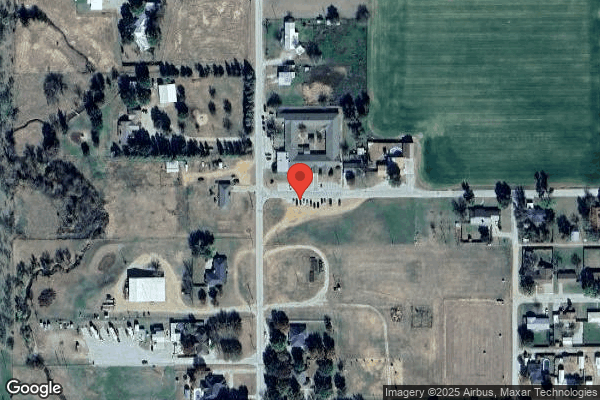
1110 WESTVIEW DR, SEYMOUR, TX 76380 (940) 889-3176
Government - Hospital district 90 Beds ADVANCED HEALTHCARE SOLUTIONS Data: November 2025
Trust Grade
85/100
#128 of 1168 in TX
Last Inspection: April 2025

Within standard 12-15 month inspection cycle. Federal law requires annual inspections.

Overview

Seymour Rehabilitation and Healthcare has a Trust Grade of B+, indicating it is above average and recommended. It ranks #128 out of 1168 facilities in Texas, placing it in the top half and #1 out of 1 in Baylor County, meaning there are no local competitors. The facility is currently improving, having reduced the number of issues from 7 in 2024 to 3 in 2025. Staffing is a concern, with a rating of 2 out of 5 stars and a turnover rate of 47%, which is slightly below the Texas average but still indicates some instability. Fortunately, the facility has not incurred any fines, which is a positive sign, and it has average RN coverage, ensuring some level of professional oversight. However, there are specific incidents of concern, such as failing to allow a resident to self-administer medications when appropriate, which could jeopardize their medication management. Additionally, some staff members did not have updated competency evaluations, potentially affecting the quality of care. Lastly, there was an issue with a resident receiving unnecessary medication without proper documentation or monitoring, which could lead to negative health outcomes. Overall, while there are strengths in the facility, families should be aware of these concerning areas when considering care options.

Trust Score
B+
85/100
In Texas
#128/1168
Top 10%
Safety Record
Low Risk
No red flags
Inspections
Getting Better
7 → 3 violations
Staff Stability
⚠ Watch
47% turnover. Above average. Higher turnover means staff may not know residents' routines.
Penalties
✓ Good
No fines on record. Clean compliance history, better than most Texas facilities.
Skilled Nurses
⚠ Watch
Each resident gets only 27 minutes of Registered Nurse (RN) attention daily — below average for Texas. Fewer RN minutes means fewer trained eyes watching for problems.
Violations
⚠ Watch
19 deficiencies on record. Higher than average. Multiple issues found across inspections.
★★★★★
5.0
Overall Rating
★★☆☆☆
2.0
Staff Levels
★★★☆☆
3.0
Care Quality
★★★★★
5.0
Inspection Score
Stable
2024: 7 issues
2025: 3 issues

The Good

  • Full Sprinkler Coverage · Fire safety systems throughout facility
  • No fines on record

Facility shows strength in fire safety.

The Bad

Staff Turnover: 47%

Near Texas avg (46%)

Higher turnover may affect care consistency

Chain: ADVANCED HEALTHCARE SOLUTIONS

Part of a multi-facility chain

Ask about local staffing decisions and management

The Ugly 19 deficiencies on record

May 2025 1 deficiency
CONCERN (D) 📢 Someone Reported This

A family member, employee, or ombudsman was alarmed enough to file a formal complaint

Potential for Harm - no one hurt, but risky conditions existed

ADL Care (Tag F0677)

Could have caused harm · This affected 1 resident

**NOTE- TERMS IN BRACKETS HAVE BEEN EDITED TO PROTECT CONFIDENTIALITY** Based on interview, and record review, the facility failed to ensure that residents who were unable to carry out activities of d...

Read full inspector narrative →
**NOTE- TERMS IN BRACKETS HAVE BEEN EDITED TO PROTECT CONFIDENTIALITY** Based on interview, and record review, the facility failed to ensure that residents who were unable to carry out activities of daily living received the necessary services to maintain good personal hygiene for 1 of 6 residents (Resident #6), reviewed for activities of daily living. The facility failed to provide timely incontinence care for Resident #6. These failures could place residents who were dependent on staff for ADL care at risk for loss of dignity, risk for infections, skin breakdown, and a decreased quality of life. Findings included: Resident #6 Review of Resident #6's Face Sheet, not dated, revealed a [AGE] year-old female, admitted to the facility on [DATE]. Her diagnoses included: Obesity, abdominal hernia (a condition where a portion of an organ or tissue protrudes through a weak spot in the abdominal wall, often appearing as a bulge or lump), attention to colostomy (describes care for a surgical incised stoma through the abdomen and into the bowel to allow stool to exit the body to a colostomy bag instead of the rectum). Review of the Quarterly Minimum Data Set (MDS) for Resident #6 dated 4/22/25 reflected a BIMS score of 15 which indicated the resident was cognitively intact. Resident #6 was assessed to be frequently incontinent of bladder and had a colostomy. She required extensive assist of 1 for personal hygiene. Record review of Resident #6's care plan revealed the following: Focus: Resident is incontinent of bladder at night only related to impaired mobility, and activity impairment Goal: Resident will be clean, dry and odor free. Interventions: briefs or incontinence products as needed for protection, Incontinent at night check frequently for wetness and soiling and change as needed. Focus: Resident has ADL self-care deficit related to impaired mobility related to functional limitations due to impaired mobility. Interventions: toileting - extensive assistance of one. Dated Initiated 5/3/25 and revised 5/16/25 In an interview on 5.15.25 at 1:30 PM, CNA B said she had concerns about the night shift aide that she relieved this morning. She stated Resident #6 was pulling her call light when she came on shift and that she was upset because she was soaked through to the mattress and was very wet. She stated she had told the nurse on duty about it, and she stated she said she would ask LVN A about it. She stated it has happened before and usually happens with this rotation of aides that she relieves (which was CNA D and CNA E). Stated she believes they neglect their duties because they are friends with the charge nurse, who was LVN A, and she would take up for them. In an interview on 5/15/25 at 1:45 PM CNA C stated she had concerns about the night shift aides that she relieved morning. She stated Resident #6 was pulling her call light when she came on shift on 5.15.25 and Resident #6 was upset because, she was soaked through to the mattress and was very wet when she went in to answer the light. She stated she believed this occurred because CNA E didn't like to do their job. She stated she had told the DON of her concerns. In an interview on 5/15/25 4:30 PM, the DON said it was her expectation for resident's to be changed when needed. She stated she was going to speak with the aides regarding the residents' concerns and. She stated she did not know why it happened. She stated she would look into it. In an interview with CNA D at 6:30 PM on 5.15.25 she said she did not check on Resident #6 that morning. She stated CNA E was supposed to check on her. She stated she and CNA E divided the incontinent residents up for last bed check on the morning of 5.15.25 that they make at about 5 am and CNA E did Resident #6. She stated she had never had concerns regarding her coworkers being neglectful. She stated not changing a resident could cause skin breakdown or infection. In an interview with CNA E at 6:45 PM on 5.15.25 she stated she did not check on Resident #6 that morning before she got off. She stated CNA D was supposed to check on her. She stated they divided the incontinent residents up and she checked on 11 residents but didn't check on Resident #6 . She stated she had never had concerns regarding her coworkers being neglectful. She stated they usually didn't check on Resident #6 unless she called, because Resident #6 had asked them not to wake her at night. In an interview with Resident #6 on 5.16.25 at 9:00 AM she stated that she called for assistance twice on 5.15.25 due to urinary incontinence and no one came until after 7: 00 AM. She stated she asked the nurse LVN A for someone to change her while LVN A was performing colostomy care. She stated LVN A told her she would get the Nurse. She stated nobody ever came and it was the day shift CNA's that changed her. She stated that she did not think that the girls did it on purpose to be neglectful. She stated she thinks they just overlooked her. Stated it has never happened before. She stated it made her feel uncomfortable physically, but it didn't hurt her emotionally. She stated she had been a nurse's aide herself and she knew how it was when you got busy. Sometimes people just forget what they are doing. She stated she did fall back asleep while she waited. She also stated she had never asked the aides not to check on her at night, which was when she needed them. During an interview on 5.16.25 at 9:30 AM the Administrator stated she would expect the nurse to change the resident if she had time or to ensure that an aide cared for the resident. She stated she believed the failure occurred because of the lack of monitoring on the nurses' part and the aides' lack of communication. She stated she had reported the alleged neglect to the state and had suspended the CNA's effective yesterday evening (5.15.25) until the completion of her investigation. She stated she had done an Inservice on abuse and neglect, and reporting and a one-on-one counseling with CNA B for not reporting to her immediately. Record Review of the facility policy Activities of Daily Living (ADLs) Guidelines revised 2.10.2020, revealed the following [in part] . Policy Statement Anticipated Outcome Residents will receive essential services for activities of daily living to maintain good nutrition, grooming, and personal and oral hygiene.' Residents participate in and receive the following person-centered care: Toileting/Continence: toileting or receiving assistance with toileting or receiving incontinence care.
Apr 2025 2 deficiencies
CONCERN (D)

Potential for Harm - no one hurt, but risky conditions existed

Food Safety (Tag F0812)

Could have caused harm · This affected 1 resident

Based on observation, interview and record review the facility failed to store, prepare, distribute, and serve food in accordance with professional standards for food service safety in one of one kitc...

Read full inspector narrative →
Based on observation, interview and record review the facility failed to store, prepare, distribute, and serve food in accordance with professional standards for food service safety in one of one kitchen reviewed for food and nutrition services. The facility failed to ensure the stainless-steel shelf units were not soiled with food particles and dried liquid. This failure could place residents at risk for foodborne illness and a decline in health status. The findings include: Observations on 04/06/2025 at 9:40 AM, during the initial tour of the facility kitchen, revealed the following: the floor behind the stove and stainless-steel shelf unit were soiled with food debris and dried liquid. Observations on 04/06/2025 at 9:50 AM revealed daily cleaning logs, dated April 2025, used for all the kitchen cleaning duties, revealed all cleaning duties for the morning had been completed and initialed by the kitchen staff who completed the cleaning task. In an interview on 04/07/2025 at 10:40 AM, the Dietary Manager stated her kitchen staff followed a daily cleaning schedule, but the dietary department was short staffed and she must have overlooked the cleaning of the stainless steel shelf unit and floor behind the stove. She said it's important that the kitchen stainless steel shelf unit, and the floor behind the stove be kept clean to prevent foodborne illness. In an interview on 04/07/2025 at 2:35 PM, the DON stated her expectation was for the dietary department to follow the dietary department cleaning policy. In an interview on 04/07/2025 at 2:40 PM, the Administrator stated his expectation was for the dietary department to follow their cleaning schedule per dietary department policy. Record review of the facility's policy titled Sanitation, dated October 2019, dated as revised 2008, revealed the following [in-part]: The food service area shall be maintained in a clean and sanitary manner. The Nutrition services staff maintains clean and sanitary kitchen facilities and equipment. Walls, floors, ceilings, equipment, and utensils are clean and/ or sanitized, and maintained in good working order . 12. For fixed equipment or utensils that do not fit in the dishwashing machine, washing shall consist of the following steps: a. Equipment will be disassembled as necessary to allow access of the detergent/solution to all parts. b. Removable components will be scraped to remove food particle accumulation and washed according to manual or dishwashing procedures throughout their work areas cleaning of the kitchen and dining areas. Food service staff will be trained to maintain cleanliness.
CONCERN (E)

Potential for Harm - no one hurt, but risky conditions existed

Deficiency F0554 (Tag F0554)

Could have caused harm · This affected multiple residents

**NOTE- TERMS IN BRACKETS HAVE BEEN EDITED TO PROTECT CONFIDENTIALITY** Based on observation, interview, and record review, the facility failed to ensure residents had the right to self-administer med...

Read full inspector narrative →
**NOTE- TERMS IN BRACKETS HAVE BEEN EDITED TO PROTECT CONFIDENTIALITY** Based on observation, interview, and record review, the facility failed to ensure residents had the right to self-administer medications if the interdisciplinary team determined that this practice was clinically appropriate for 1 of 5 resident (Resident #12) reviewed for medication self-administration. The facility did not assess Resident #12 for self-administration safety. This failure could place residents at risk for not receiving medication as ordered and ingesting an incorrect amount of medication. Findings include: Record review of Resident #12's admission MDS, dated [DATE], and revealed a [AGE] year-old female who was admitted to the facility on [DATE]. Resident #12 had diagnoses which included cancer, arthritis (joint inflammation), Alzheimer's disease (a disease that destroys memory and other mental functions), and rheumatoid arthritis (inflammatory disorder affecting joints). Her BIMS is 11. Scores between 0-7 indicate severe cognitive impairment, scores between 8 and 12 indicate moderate impairment, while scores above 13 indicate little to no impairment. Record review of Resident #12's Order Summary Report revealed an order for 10ml of Storm Wash (liquid oral medication used for sores in mouth and throat) for mouth before meals and at bedtime for throat cancer. Swish and swallow 10ml 5 minutes before meals and at bedtime. The start date for the medication was 03/29/2025 with no end date. Record review of Resident #12's Care Plan, dated 03/29/2025, did not indicate that self-administration of medications was care planned. In addition, the care plan did not address the medication. No documentation in the care plan was found regarding the medication. Record review of Resident #12's assessments and progress notes, dated from 03/28/2025 to 04/07/2025, did not reveal the resident had been instructed in the proper use of the bedside medication, which included demonstrating appropriate use of the medication, and documentation of this education in the medical record. Observations on 04/06/2025 at 9:30 AM revealed two unsecured prescription bottles of [NAME] Wash on Resident #12's nightstand. The label read, [NAME] Wash 1:1:1:1, swish and swallow 10 ml 5 minutes before meals and at bedtime. No medication measuring cups were noted in the room and no locked boxes or locked drawers were observed. In an interview on 04/15/2025 at 10:02 AM with the Pharmacy Technician revealed [NAME] Wash was a special compounded medication that consisted of Lidocaine (numbing agent) 2%, Nystatin (antifungal agent) 100,000 units/ml, anti-gas medication, and simple syrup. In an interview on 04/06/2025 at 9:30 AM with Resident #12, she reported she was allowed to keep the medication at her bedside because she took it several times a day. She did not measure the medication with a measuring cup. She took swigs before she ate. She continued to say she had not received any education on how to take the medication and stated, the instructions were on the bottle. It says to just drink it. In an interview on 04/06/2025 at 9:30 AM with LVN A, she reported Resident #12 had an order to keep the medication at her bedside. She stated, I've never seen her take it. When I give her medications, she can only sit up on her elbow to swallow her medication. I don't know if there was an assessment completed because I wasn't here when she was admitted . In an interview on 04/07/2025 at 9:22 AM with the DON, she stated Residents should be educated before self-administering medications. It appears she cannot do it herself. An adverse reaction could be diarrhea, maybe side effects. We will assess her now. The DON continued to state she did not know if the resident was assessed prior to allowing her to keep the medication at her bedside. In an interview on 04/07/2025 at 10:54 AM with the ADON, she stated they need to have a medication administration assessment. They need an order. We monitor and assess they are actually able to take the medication. The [NAME] Wash should at minimum be stored in the dresser so there is not easy access to other residents. Adverse reactions could include allergic reactions and decreased blood pressure if not stored or taken properly. In an interview on 04/07/2025 at 11:32 AM, with the Nurse Practitioner, she reported ideally residents should be following directions on the bottle and should have been assessed prior to ensure they were capable of taking the medication as prescribed. She felt harm from taking too much [NAME] Wash is minimal. Record review, on 04/07/2025, of the facilities policy titled Bedside Medication Storage, dated 09/2018, revealed in part: -Policy Bedside medication storage is permitted for residents who wish to self-administer medication, upon the written order of the prescriber and once self-administration skills have been assessed and deemed appropriate in the judgement of the facility's interdisciplinary resident assessment team (or equivalent). -Procedures 1. A written order for the bedside storage of medication is present in the resident's medical record. 2. Bedside storage of medication is indicated on the resident Medication Administration Record (MAR) and in the care plan for the appropriate medications. 3. For residents who self-administer medications, the following conditions are met for bedside storage to occur. a. The manner of storage prevents access by other residents. Lockable drawers or cabinets are required only if unlocked storage is deemed appropriate. Facility management should have copy of the key in addition to the resident. 4. The resident is instructed in the proper use of bedside medication, including what the medication is for, how it is to be used, how often it may be used, properly cleaning of inhalers where applicable, and proper storage of the medication. The resident should be able to repeat the instructions or demonstrate appropriate use of the medication, and the necessity of reporting each dose used to then nursing staff. The completion of this instruction is documented in the resident's medical record. Periodic review of these instructions with the resident is undertaken by the nursing staff and deemed necessary.
Feb 2024 7 deficiencies
CONCERN (D)

Potential for Harm - no one hurt, but risky conditions existed

Comprehensive Care Plan (Tag F0656)

Could have caused harm · This affected 1 resident

**NOTE- TERMS IN BRACKETS HAVE BEEN EDITED TO PROTECT CONFIDENTIALITY** Based on observation, interview, and record review the facility failed to develop and implement care plans for necessary treatme...

Read full inspector narrative →
**NOTE- TERMS IN BRACKETS HAVE BEEN EDITED TO PROTECT CONFIDENTIALITY** Based on observation, interview, and record review the facility failed to develop and implement care plans for necessary treatments and conditions for one of two residents (Resident #13) reviewed for Comprehensive Care Plans. The facility failed to develop Resident #13's care plan dated 12/04/2023 that addressed Resident 13's diagnosis of altered mental status and psychotic medication as ordered. This failure could place residents at risk of not receiving care that was thoughtful, planned, and relevant to their condition(s) which could lead to complications in resident health and quality of life and care. The findings included: Record review of Resident #13's face sheet, dated 02/28/24, revealed a [AGE] year-old female, admitted to the facility on [DATE] and was re-admitted to the facility on [DATE]. Resident #13 had a diagnosis of altered mental status (a symptom of a brain malfunction that affects behavior and awareness). Record review of Resident #13's Annual MDS, dated [DATE], revealed in Section I diagnoses included Psychotic Disorder. Section N showed 7 days of antipsychotic medications given. Record review of Resident 13's Order Summary Report, dated 02/28/24, revealed an order for Abilify 10- at bedtime for psychosis. Record review of Resident #13's care plan, dated as revised on 12/04/23, failed to address Resident #13's diagnosis of altered mental status and failed to address the antipsychotic medication (Abilify) in the comprehensive care plan. In an interview and record review, on 02/28/24 at 2:24 PM, the Regional Nurse Consultant and the Regional MDS Consultant reviewed Resident #13's care plan. They said there was not a care plan that addressed Resident 13's diagnosis of altered mental status and psychotic medication as ordered. In a follow-up interview, on 02/29/24 at 11:56 AM, The Regional Nurse Consultant said the Social Worker was responsible for care plans and she was only at the facility two days a week. She said Resident #13 should have had a care plan addressing the diagnosis of altered mental status and psychotic medication the resident was receiving, it was missed. She said a potential negative outcome would be the resident might not receive the services or care they need. Record review of the facility policy Comprehensive Care Plans, dated 02/10/21, revealed the following [in part]: Policy: It is the policy of this facility to develop and implement a comprehensive person-centered care plan for each resident, consistent with resident rights, that includes measurable objective and timeframes to meet a resident's medical, nursing, and mental and psychosocial needs that are identified in the resident's comprehensive assessment. Policy Explanation and Compliance Guidelines: 6. The comprehensive care plan will include measurable objectives and timeframes to meet the resident's needs as identified in the resident's comprehensive assessment. The objectives will be utilized to monitor the resident's progress. Alternative interventions will be documented, as needed.
CONCERN (D)

Potential for Harm - no one hurt, but risky conditions existed

Respiratory Care (Tag F0695)

Could have caused harm · This affected 1 resident

**NOTE- TERMS IN BRACKETS HAVE BEEN EDITED TO PROTECT CONFIDENTIALITY** Based on observation, interview, and record review the facility failed to ensure that a resident who needs respiratory care, was...

Read full inspector narrative →
**NOTE- TERMS IN BRACKETS HAVE BEEN EDITED TO PROTECT CONFIDENTIALITY** Based on observation, interview, and record review the facility failed to ensure that a resident who needs respiratory care, was provided such care, consistent with professional standards of practice, the comprehensive person-centered care plan, the residents' goals, and preferences for 1 of 2 Residents (Resident #20) reviewed for respiratory care. The facility failed to ensure Resident #20's nasal cannula and nebulizer were kept in a bag while not in use . These failures could place residents at risk for infections and transmission of communicable diseases. Findings included: Record review of Resident # 20's Face Sheet dated 02/29/2024 revealed an [AGE] year-old male, who was admitted to the facility on [DATE]. Diagnosis included pain, Hypertension (high blood pressure), Muscle wasting, Shortness of breath, Depression, Anxiety, chronic obstructive pulmonary disease (a lung disease that block airflow and make it difficult to breathe). Record review of Resident #20's MDS admission assessment dated [DATE] revealed a BIMS score of 12 (moderate cognitive impairment). Section I: Active diagnosis revealed chronic pulmonary disease. Section O: Respiratory Treatments was marked for Oxygen Therapy. Record review of Resident #20's Physician Orders dated 2/29/2024 revealed an order for Oxygen at 2 liters per minute via nasal cannula continuous to maintain oxygen above 90%. Change oxygen tubing weekly on Sunday. Change out nebulizer tubing weekly on Sunday. Change oxygen water when empty. Record review of Resident #20's admission Care Plan, 01/15/2024, revealed a care plan for Resident #20 has COPD (obstructive pulmonary disease) - Oxygen to keep oxygen saturation above 90%. The Care Plan failed to have an intervention regarding when oxygen tubing needed to be changed. In an observation and interview on 02/26/2024 at 2:00 PM during rounds, Resident #20 was lying in his bed receiving oxygen by ia nasal cannula at 2 liters per minute. His nebulizer was sitting on his nightstand uncovered. He was unable to answer any questions regarding whether his oxygen tubing had been changed. In an observation on 02/28/2024 at 10:07 AM Resident #20 was sitting on side of his bed. His nebulizer was uncovered and hanging over the nightstand in his room with the nebulizer about an inch from the floor. His oxygen tubing was hanging from the straw in his cup. In an interview on 02/28/2024 at 10:25 AM with the DON stated oxygen tubing was changed weekly based on the resident's orders, or as needed if they become contaminated or occluded. The DON stated oxygen tubing and the humidifier bottle should be changed per doctor's orders. If they were not dated, she stated she would discard them and replace them with a new nasal cannula. She stated resident 20's tubing and the nebulizer should have been stored in a plastic bag when not in use to prevent cross contamination and infection. In an interview on 02/28/2024 at 10:40 AM with the Administrator stated, the resident care is handled by the nursing department. Record review of the facility policy Respiratory Therapy -Prevention of Infection, dated 2001 revised November 2011, revealed the following [in part]: Purpose: The purpose of this procedure is to guide prevention of infection associated with respiratory therapy tasks and equipment, including ventilators, among residents and staff. Procedure: Product: Oxygen delivery devices (no-aerosol producing) Ex: venturi masks, nasal cannulas, oxygen supply tubing. Infection Control Considerations Related to Medication Nebulizers/Continuous Aerosol: 7. Store the circuit in plastic bag between uses. 9. Discard the administration set-up every seven (7) days as needed.
CONCERN (D)

Potential for Harm - no one hurt, but risky conditions existed

Medical Records (Tag F0842)

Could have caused harm · This affected 1 resident

**NOTE- TERMS IN BRACKETS HAVE BEEN EDITED TO PROTECT CONFIDENTIALITY** Based on interview, observation and record review the facility failed to, in accordance with accepted professional standards and...

Read full inspector narrative →
**NOTE- TERMS IN BRACKETS HAVE BEEN EDITED TO PROTECT CONFIDENTIALITY** Based on interview, observation and record review the facility failed to, in accordance with accepted professional standards and practices, maintain medical records on each resident that were complete and accurately documented for 1 of 2 residents (Resident #22) reviewed for accuracy of medical records. The facility failed to ensure Resident #22 medical record was complete and included physician orders for oxygen. This failure could place residents at risk of receiving inadequate care and services. Findings included: Record review of Resident #22's face sheet, dated 02/28/24, revealed a [AGE] year-old female who was admitted to the facility on [DATE] with the diagnosis of Chronic Obstruction Pulmonary Disease (chronic lung disease characterized by air flow limitation). In an observation and interview on 02/26/24 at 2:28 PM, Resident #22 was receiving oxygen by nasal cannula said that she has been on oxygen since she was admitted to the facility. Record review of Resident #22's Order Summary Report dated 02/28/24 failed to reflect an order for oxygen. In a record review and interview on 02/28/24 at 3:32 PM, the Regional Nurse Consultant reviewed Resident #22's physical orders and said there was no order for oxygen administration. In an interview on 02/29/24 at 10:15 AM, the ADON said the resident came to the facility on oxygen. It was the responsibly of the admitting floor nurse to assure that all physician orders had been entered and are correct. The floor nurse missed it. She said a potential negative outcome would be the resident would not be provided the care they actually needed. Record review of the facility policy Orders Management, Transcribing or Noting and Discontinuing Orders, dated 3/2014, revealed the following [in part]: Guideline: When a physical order is completed, it is necessary to transcribe or note the information received onto the appropriate forms to ensure care provision.
CONCERN (D) 📢 Someone Reported This

A family member, employee, or ombudsman was alarmed enough to file a formal complaint

Potential for Harm - no one hurt, but risky conditions existed

Infection Control (Tag F0880)

Could have caused harm · This affected 1 resident

**NOTE- TERMS IN BRACKETS HAVE BEEN EDITED TO PROTECT CONFIDENTIALITY** Based on observation, interview and record review the facility failed to maintain an infection control program designed to preve...

Read full inspector narrative →
**NOTE- TERMS IN BRACKETS HAVE BEEN EDITED TO PROTECT CONFIDENTIALITY** Based on observation, interview and record review the facility failed to maintain an infection control program designed to prevent the development and transmission of infections. This affected 1 (Resident #27) of 1 resident observed for incontinent care. The facility failed to ensure Resident #27 was provided incontinent care by staff who demonstrated correct infection control procedures on 2/29/2024. This failure could place residents at risk of the spread of infection. Findings included: Record review of Resident #27's Face Sheet dated, 2/29/24, indicated a [AGE] year-old male. He was admitted to the facility initially on 9/25/21 with diagnoses that included Chronic Obstructive Pulmonary Disease (COPD), anxiety disorder, and Essential Hypertension. Record review of Resident #27's admission MDS dated [DATE] indicated a BIMS of 12 or moderate cognitive impairment. Resident #27 required Extensive assist of one to two persons for ADLs and was always incontinent of bowel and bladder. Record review of Resident #27's Care Plan with a revision date of 2/21/24 indicated the following: Incontinent: check Resident #27 every 2 hours and as required for incontinence. Wash, rinse, and dry perineum. During an observation on 2/29/24 at 1:08 pm, CNA A provided incontinent care to Resident #27. The CNA washed her hands and donned gloves prior to starting care. CNA A then placed a trash bag in the resident's trash can, while placing the bag she touched the rim of the trash can and then began incontinent care without removing her gloves and washing her hands that had touched the trash can. CNA A unfastened Resident #27's brief and began incontinent care. CNA A then obtained a clean brief touching the inside of the brief where the brief would be in contact with the resident's perineum. She fastened the brief and assisted with replacing the resident's bed sheets and blanket. CNA A performed the entire incontinent care process on Resident #27 without washing or sanitizing her hands. During an interview with CNA A on 2/29/24 at 1:30 pm, she said that she did not wash or sanitize her hands in between changing gloves while performing incontinent care for Resident #27. She said that was how she usually performed incontinent care. She said gloves should be changed if they become soiled to prevent cross contamination. She was just so nervous with surveyor watching. During an interview with the DON on 2/29/24 at 2:00 pm, she said her expectations were that CNAs wash/sanitize their hands per policy when providing resident care. She further stated, not doing so would cause cross contamination. Record review of the facility's Handwashing/Hand Hygiene policy last revised September 2005 indicated the following: Policy Statement: This facility considers handwashing/hand hygiene as the primary means to prevent the spread of infection. 2. b. After contact with blood, body fluids, secretions, mucous membranes, or non-intact skin; c. handling items potentially contaminated with blood, body fluids, or secretions . 3. If hands are not visibly soiled, use an alcohol-based hand rub containing 60-90 % ethanol or isopropanol for all the following situations: g. After removing gloves Review of Hand Hygiene in Healthcare Settings from the Centers for Disease Control and Prevention (https://www.cdc.gov/handhygiene/providers/index.html) accessed 3/11/20 indicated the following: When to perform hand hygiene? -Before moving from work on a soiled body site to a clean body site on the same patient. -After touching a patient or the patient's immediate environment. -After contact with blood, body fluids or contaminated surfaces. - Immediately after glove removal. When and how to wear gloves -Wear gloves, according to Standard Precautions, when it can be reasonably anticipated that contact with blood or other potentially infectious materials, mucous membranes, non-intact skin, potentially contaminated skin or contaminated equipment could occur. - Gloves are not a substitute for hand hygiene. - Perform hand hygiene immediately after removing gloves. Change gloves and perform hand hygiene during patient care, if - moving from work on a soiled body site to a clean body site on the same patient or if another clinical indication for hand hygiene occurs.
CONCERN (E)

Potential for Harm - no one hurt, but risky conditions existed

Deficiency F0730 (Tag F0730)

Could have caused harm · This affected multiple residents

Based on interview and record review the facility failed to review the work of each Certified Nurse Assistant (CNA) at least once every 12 months, for 3 (CNA A, CNA B and CNA C) of 6 CNAs reviewed for...

Read full inspector narrative →
Based on interview and record review the facility failed to review the work of each Certified Nurse Assistant (CNA) at least once every 12 months, for 3 (CNA A, CNA B and CNA C) of 6 CNAs reviewed for annual competency evaluations. This deficient practice could affect residents and place them at risk of not receiving consistent, appropriate interventions necessary to meet the residents' needs. Findings included: Record Review of Personnel Files revealed the following: - Employee record for CNA A revealed a hire date of 08/02/2022, with no evidence of a competency evaluation in the past 12 months. - Employee record for CNA B revealed a hire date of 10/07/2022, with no evidence of a competency evaluation in the past 12 months. - Employee record for CNA C revealed a hire date of 01/10/2022, with no evidence of a competency evaluation in the past 12 months. In an interview on 02/29/24 at 11:39 AM, the Administrator stated the previous DON quit at the end of January of this year and boxed everything up. Documentation cannot be found confirming evidence of a competency evaluation had been completed. Potential negative outcomes would be the DON would not be aware where the nurses would need further education. Record review of the facility policy titled Nursing Services and Sufficient Staff, dated 4/10/2022, revealed the following in part: Policy: It is the policy of this facility to provide sufficient staff with appropriate competencies and skill set to assure resident safety and attain or maintain the highest practicable physical, mental and psychosocial well-being of each resident. Policy Explanation and Compliance Guidelines: 6. The facility must ensure that nurse aids are able to demonstrate competency in skills and techniques necessary to care for residents' needs, as identified through resident assessments, and described in the plan of care.
MINOR (B)

Minor Issue - procedural, no safety impact

Deficiency F0912 (Tag F0912)

Minor procedural issue · This affected multiple residents

**NOTE- TERMS IN BRACKETS HAVE BEEN EDITED TO PROTECT CONFIDENTIALITY** Based on observation, interview and record review, the facility failed to provide the required minimum of 80 square feet of room...

Read full inspector narrative →
**NOTE- TERMS IN BRACKETS HAVE BEEN EDITED TO PROTECT CONFIDENTIALITY** Based on observation, interview and record review, the facility failed to provide the required minimum of 80 square feet of room space per resident in 1 of 40 double occupancy resident rooms by failing to provide a minimum of 160 square feet in resident room # 13. This deficient practice could place residents who may occupy double occupancy resident rooms at risk of not having the personal living space to meet their needs. The findings included: In an interview on 02/26/2024 at 11:30 AM, during entrance conference, the administrator stated the facility had a room size waiver for resident room [ROOM NUMBER] and wished to continue the waiver. In an observation on 02/26/2024 at 11:45 AM, room [ROOM NUMBER] was measured at 156 square feet and did not meet the required minimum of 160 square feet for a double occupancy resident room. Review of the facility's Bed Classifications Form 3762, signed and dated 02/29/2024 by the facility's administrator, documented resident room [ROOM NUMBER] was licensed and certified as a double occupancy resident room.
MINOR (C)

Minor Issue - procedural, no safety impact

Deficiency F0582 (Tag F0582)

Minor procedural issue · This affected most or all residents

**NOTE- TERMS IN BRACKETS HAVE BEEN EDITED TO PROTECT CONFIDENTIALITY** Based on interview and record review the facility failed to provide both a Skilled Nursing Facility Advance Beneficiary Notice o...

Read full inspector narrative →
**NOTE- TERMS IN BRACKETS HAVE BEEN EDITED TO PROTECT CONFIDENTIALITY** Based on interview and record review the facility failed to provide both a Skilled Nursing Facility Advance Beneficiary Notice of Non-coverage (Form CMS-10055) and a Notice of Medicare Non-coverage (Form CMS-10123 general notice) for 2 of 3 residents (Resident #6 and Resident #7) reviewed for Medicare Beneficiary Protection Notification when discharged from Medicare Part A Services with benefit days remaining. The facility failed to ensure Resident #6, and Resident #7 were given a Skilled Nursing Facility Advance Beneficiary Notice of Non-coverage (Form CMS-10055) in addition to the Notice of Medicare Non-coverage (Form CMS-10123 general notice) when they were discharged from skilled services. These failures could place residents at risk of not being fully informed about services covered by Medicare. The findings included: Record review of Resident #6's Quarterly MDS, dated [DATE], revealed an [AGE] year-old female, admitted to the facility on [DATE]. The resident had a diagnosis of Alzheimer's Disease (A type of brain disorder that causes problems with memory, thinking and behavior). Review of the SNF Beneficiary Protection Notification Review (Form CMS-20052) completed for Resident #6 revealed the facility/provider initiated the discharge from Medicare Part A Services when benefit days were not exhausted. The last day of Part A service was 08/11/23. The form reflected a SNF ABN, Form CMS-10055, was provided and acknowledged by the beneficiary or the beneficiary representative. The form reflected a NOMNC, Form CMS-10123) was provided and acknowledged by the beneficiary or the beneficiary's representative. Record review of the NOMNC form (Form CMS-10123) revealed notification was made to Resident #6 on 08/09/23. A SNF ABN form (Form CMS-10055) was not completed as the facility used the Advance Beneficiary Notice of Noncoverage (Form CMS-R-131) instead. Record review of Resident #7's Quarterly MDS, dated [DATE], revealed a [AGE] year-old male, admitted to the facility on [DATE]. The resident had a diagnosis of dementia (A group of symptoms that affects memory, thinking and interferes with daily life). Review of the SNF Beneficiary Protection Notification Review (Form CMS-20052) completed for Resident #7 revealed the facility/provider initiated the discharge from Medicare Part A Services when benefit days were not exhausted. The last day of Part A service was 09/09/23. The form reflected a SNF ABN, Form CMS-10055, was provided and acknowledged by the beneficiary or the beneficiary representative. The form reflected a NOMNC, Form CMS-10123) was provided and acknowledged by the beneficiary or the beneficiary's representative. Record review of the NOMNC form (Form CMS-10123) revealed notification was made to Resident #7 on 09/07/23. A SNF ABN form (Form CMS-10055) was not completed as the facility used the Advance Beneficiary Notice of Noncoverage (Form CMS-R-131) instead. In an interview on 02/29/24 at 11:03 AM, the BOM and MDS Regional Consultant both stated they have been giving the resident's the wrong form. They stated the facility was giving the residents Form CMS-R-131 instead of the correct Form CMS-10055. Record review of the facility policy Resident Rights Under Federal Law, in the admission Agreement, not dated revealed the following [in part]: The Resident has the right to be fully informed in advanced about care and treatment and any changes in that care or treatment that may affect the Resident's well-being.
Nov 2023 1 deficiency
CONCERN (E) 📢 Someone Reported This

A family member, employee, or ombudsman was alarmed enough to file a formal complaint

Potential for Harm - no one hurt, but risky conditions existed

Deficiency F0757 (Tag F0757)

Could have caused harm · This affected multiple residents

**NOTE- TERMS IN BRACKETS HAVE BEEN EDITED TO PROTECT CONFIDENTIALITY** Based on interview and record review, the facility failed to ensure each resident's drug regimen was free of unnecessary drugs f...

Read full inspector narrative →
**NOTE- TERMS IN BRACKETS HAVE BEEN EDITED TO PROTECT CONFIDENTIALITY** Based on interview and record review, the facility failed to ensure each resident's drug regimen was free of unnecessary drugs for 1 of 1 residents (Resident # 1) whose medications were reviewed for unnecessary meds. Resident #1 (a male) received a female hormone replacement drug (Provera) for a diagnosis of inappropriate sexual behavior without documented clinical rationale for the benefit or adequate monitoring of behaviors. This failure could place residents at risk of undesirable side effects and cause a physical or psychosocial decline in health. Findings include: Record review of Resident #1's Annual MDS, dated [DATE], indicated a [AGE] year-old male, who was initially admitted to the facility on [DATE] with diagnoses which included: Dementia, personal history of malignant neoplasm of the prostate (a cancer in a man's prostate, a small walnut-sized gland that produces seminal fluid) psychotic disorder, anxiety, and mood disturbance. Record review of Resident #1s Annual MDS dated [DATE], revealed Resident #1 was able to make himself understood and he had the ability to understand with clear comprehension. Section C revealed Resident #23 had a BIMS score of 3, which indicated he had severe cognitive impairment. Section G revealed Resident #23 required extensive assistance and 1-person physical assist with activities of daily living except for transfer, and dressing, and personal hygiene which required extensive assistance of 2. Resident #1 required the use of a wheelchair for a mobility device. Section N revealed Resident #1 took an antidepressant daily in the last 7 days Section Q indicated Resident #1 participated in the assessment. Record review of Resident #1's care plan revealed the following problem: Behavioral: The resident has a history of pleasuring himself and will be allowed to maintain dignity. Date Initiated: 09/01/2023. Interventions included: The resident's dignity will be maintained and respected while he is pleasuring himself. The curtain will be pulled to ensure privacy. Close resident's door if able. The resident will be allowed to pleasure himself in his room with the curtain pulled. Ensure he is taken to his room in order to provide privacy and not disturb other residents. Record review of Resident #1's Physician order report dated 11/01/2023, revealed the following orders: Start Date 10/14/2023 End Date Ongoing, for Provera (medroxyprogesterone acetate) 10 mg; amt: 1 tablet by mouth one time a day every day for inappropriate sexual behavior, ordered and electronically signed by [Physician A]. Record review of Resident #1s clinical record revealed there was No behavior monitoring nor side effect monitoring logs were found. Review of Resident #1s MAR sheets revealed The Provera was documented as administered on the medication administration sheet from 10/14/23 to 11/03/23. Record review of a consent witnessed by the DON and the ADON on revealed the consent did not inform the family of side effects of the Provera. Review of information from the Federal Drug Administration (FDA revealed the following in part: Provera is a progesterone derivative used to treat abnormal uterine bleeding, prevent pregnancy, paraphilia (a condition typically involving extreme or dangerous sexual activities) .The recommended dose is 5-10 mg daily. It lowers testosterone levels and sexual drive. It has been used in younger patients including pedophiles and individuals with mental illness and sexually inappropriate behaviors. Record review of a progress note written by the DON on 10/09/23 at 12:45 PM revealed the Resident was informed of an order for conjugated estrogen by Physician A on 10/09/2023 which documented the family was notified of the new order and told the resident would have to be discharged if the hormone did not eradicate Resident 31's sexually in appropriate behaviors. An interview on 11/02/2023 at 11:30 AM, with Resident #1's family member revealed she had consented to the Provera for her relative because she was afraid, he was going to be forced to move from the facility if he continued to have inappropriate sexual behaviors with staff and other residents. She stated he needed to stay at the facility because it was close, and his family could visit him. She stated she felt as if it was taking the medication or get kicked out of the facility. She stated she had not been informed of the side effects of Provera by the facility. An interview with Resident #1 on 11/03/2023 at 3:00 PM revealed he had no recollection of sexually inappropriate behaviors with staff or other residents. In an interview on 11/03/2023 at 1:30 PM, the DON said they had received a verbal consent for Provera from Resident #1's Family Member. She said that was who they received all the consents for Resident #1 from. She said they did not get consents for any type of treatments, medications, or care planning from Resident #213, they only received consents from Family Member. She stated there was no documentation for side effect monitoring believed she did not have to even get a consent for this type of medication. In an interview on 1103/32/20232 at 10:00 AM, the DON said they had not tried any non-pharmacological interventions for Resident #1 other than one on one after the incidents. The DON said the intended action of Provera to male residents was it would lower the testosterone levels which would lower their sex drive. In an interview on 1103/0325/20231 at 4:24 PM, Physician A said he treated Resident #1 for health conditions and behaviors, which included sexual behaviors. He said he was aware of orders given by Resident #1's Neurologist for the Provera and it was not intended for long term use. He stated eventually the residents dementia would progress, and the Provera would not be needed as he became less mobile. Record review of the facility's policy that was provided on unnecessary meds was titled, Psychotropic Meds, documented [in-part]: Each resident's drug regimen must be free from unnecessary drugs. Each residents drug regimen will be monitored for dosage, duration of use, indications for use, and presence of adverse effects. Each resident will receive the lowest dose for the shortest period of time to improve the target symptoms being monitored.
Jan 2023 8 deficiencies
CONCERN (D)

Potential for Harm - no one hurt, but risky conditions existed

Assessment Accuracy (Tag F0641)

Could have caused harm · This affected 1 resident

**NOTE- TERMS IN BRACKETS HAVE BEEN EDITED TO PROTECT CONFIDENTIALITY** Based on interview and record review, the facility failed to ensure assessments accurately reflected the health status for 1 of ...

Read full inspector narrative →
**NOTE- TERMS IN BRACKETS HAVE BEEN EDITED TO PROTECT CONFIDENTIALITY** Based on interview and record review, the facility failed to ensure assessments accurately reflected the health status for 1 of 5 residents (Resident #17) reviewed for assessment accuracy. Resident #17 was incorrectly assessed as not having received dialysis treatments on her most recent Quarterly MDS assessment dated [DATE]. The facility's failure could place the residents at risk for compromised heath status and for not receiving the proper care and services required to meet their individually assessed needs. The findings included: Review of Resident #17's Resident Face Sheet, dated 1/12/23, revealed she was a [AGE] year-old female, admitted to the facility on [DATE], with the diagnoses including: type 2 diabetes (too much sugar in the blood), end stage renal disease (kidney failure), and hypertension (high blood pressure). Review of Resident #17's Quarterly MDS assessment, dated 10/21/2022 revealed the resident was assessed as not having received dialysis treatments before coming to the facility or while a resident at the facility. The MDS was signed by the MDS Coordinator and RN . Review of Resident #17's current physician's orders (dated 1/12/2023) revealed the following order: May have hemodialysis 3 times a week in kidney dialysis center. The order was initiated on 10/28/2021 In an interview on 01/10/2023 at 10:30 AM, resident #17 stated she went to dialysis three times a week. In an interview on 01/11/23 at 2:54 PM the MDS Coordinator said the most recent MDS for Resident #17, which was a Quarterly MDS dated [DATE], was not correct. She stated she completed the assessment and made a mistake, and the resident required dialysis treatments 3 times a week. She stated she reviews the resident's information in the medical record to accurately document the information in the MDS, and she is not sure why she made the error. Shealso stated the facility did not have a policy on assessments, she stated they use RAI (resident assessment instrument manual) as a guide to complete the MDS and that informationin the RAI is their policy. She stated inaccuracy of resident assessments could result in resident's not recieving the care they need.
CONCERN (D)

Potential for Harm - no one hurt, but risky conditions existed

Deficiency F0655 (Tag F0655)

Could have caused harm · This affected 1 resident

**NOTE- TERMS IN BRACKETS HAVE BEEN EDITED TO PROTECT CONFIDENTIALITY** Based on interview and record review, the facility failed to develop and implement a baseline care plan for each resident that i...

Read full inspector narrative →
**NOTE- TERMS IN BRACKETS HAVE BEEN EDITED TO PROTECT CONFIDENTIALITY** Based on interview and record review, the facility failed to develop and implement a baseline care plan for each resident that includes the instructions needed to provide effective and person- centered care of the residents that meets professional standards of quality of care within 48 hours of a resident's admission for one (Resident #5) of seven residents reviewed for baseline care plans, in that: The facility failed to ensure a baseline care plan that included Resident #5's C-Collar was developed and implemented within 48 hours of admission. This failure could place residents at risk of not having their individualized needs met in a timely manner and communicated to providers which could result in injury, a decline in physical, mental and/or psychosocial well-being. Findings included: Review of Resident #5's undated Face Sheet revealed he was an [AGE] year-old-male admitted on [DATE] with the following diagnoses of non-displaced fracture of seventh vertebra sequent encounter for fracture with routine healing, (Subsequent encounter is used for encounters after the patient has received active treatment of the injury and is receiving routine care for the injury during the healing or recovery phase) muscle weakness, frequent falls and unsteady on feet. Review of Resident #5's Initial MDS dated [DATE] revealed he had a BIMS of 5 indicating he had severe cognitive impairment. MDS section I (medical condition) revealed Resident #5 had fractures and multiple traumas. Review of physician initial orders on 12/20/2022 failed to address Resident #5's Cervical Collar he was wearing due to fracture of the seventh vertebra. Review of Baseline Care Plan dated 12/28/2022 failed to address how to support Resident #5's Cervical Collar during bathing hygiene. During resident observation of 01/10/2023 at 11:55 AM while Resident #5 was being showered CNA C came out of the shower room and asked surveyor which way does the Cervical Collar was supposed to go on Resident #5 because it was removed during his shower. The Charge Nurse was observed coming to the shower room assisting CNA C put back on his Cervical Collar. During an interview with Resident #5 on 01/11/2023 at 9:59 AM he said when he is showered no one holds or supports his head during the shower. He said they take off the collar and wash him and were not always too gentle, stating he was not happy about how he was showered but was not injured. During an interview on 01/11/2023 at 9:16 AM the Therapy Director said her expectations regarding removing Resident #5's C-Collar, she would expect a physician's order to allow the remove of the collar and if removed to have a second person hold Resident #5's neck in place. If Resident #5 had an order the staff would normally loosen each side of the collar and change the supporting pads or put a towel in place to dry the pads and keep Resident #5's neck dry. She said by not giving support with someone who has a cervical vertebra fracture could cause increased harm and prolong the healing process. During an interview on 01/11/23 at 03:22 PM the DON said aides should provide support when taking off the collar with a towel (as support-non-support could cause increased injury and prolong the healing process). DON said, Aides took off collar for the shower. Initial care plans for removing collar may not be there and I am the one to does the initial care plans. Review of Resident #5's care plan dated 01/11/2023 revealed no orders for C-collar removal. No initial care plan addressed how to shower resident or how to remove the Cervial Collar. in any portion of the care plan. Review of Resident #5's Care Plan dated 01/11/2023 revealed the following: Focus: Resident #5 requires use of a C-Collar due to fracture substained from a fall at home He is confused and forgetful and has removed his collar. He is at risk for pain and further injury. Goal: Staff will monitor Resident #5 for removal of Cervical Collar. Intervention: Monitor Resident #5 Cervical Collar on always
CONCERN (D)

Potential for Harm - no one hurt, but risky conditions existed

Deficiency F0657 (Tag F0657)

Could have caused harm · This affected 1 resident

**NOTE- TERMS IN BRACKETS HAVE BEEN EDITED TO PROTECT CONFIDENTIALITY** Based on observation, interview. and record review, the facility failed to ensure that the comprehensive care plan was reviewed ...

Read full inspector narrative →
**NOTE- TERMS IN BRACKETS HAVE BEEN EDITED TO PROTECT CONFIDENTIALITY** Based on observation, interview. and record review, the facility failed to ensure that the comprehensive care plan was reviewed and revised by the interdisciplinary team after each assessment for 2 of 3 residents (Resident #3 and Resident #22) for care plan revisions, in that: The facility failed to ensure Resident #3's and Resident #22's care plans were revised to indicate urinary catheter anchors were included to prevent trauma and urinary tract infections. This deficient practice caused tissue trauma, reoccurring urinary tract infections, and place residents at risk for inadequate care. The findings include: Review of Resident #3's undated Face Sheet revealed resident was a [AGE] year-old male admitted to the facility on [DATE]. The resident's diagnoses included dehydration (decline in body fluids), chronic obstructive pulmonary disease, (difficulty breathing) urinary retention,(inability to urinate on their own) and dysphasia (difficulty swallowing). Review of Resident #3's quarterly MDS dated [DATE] revealed the following: The resident required extensive assistance of one-to-two-person physical assistance and was always incontinent of bowel and has a Foley catheter for urinary incontinence. BIMS was recorded at 9 indicating Resident #3 was moderately cognitively impaired. Review of Resident #3's Care Plan updated 10/06/2022 revealed: Focus: Resident #3 has a catheter (a tube placed in the bladder via ureter) (the duct by which urine passes from the kidney to the bladder and is at risk for urinary tract infections and injury). Interventions: Monitor for and report to the physician any signs or symptoms of a urinary tract infection such as pelvic pain, burning with urination, blood-tinged urine cloudiness, no output and deepening of urine color. Monitor for pain and discomfort due to the presence of a urinary catheter. The Care Plan did not include a urinary anchor to protect and decrease incidence for urinary tract infections and penile trauma. During an observation of Resident #3's incontinence care by CNA D on 01/11/2023 at 3:20 PM revealed he had an indwelling catheter draining yellow urine and thick sediment in the catheter bag on the right side of his bed. The catheter tubing was not secured to Resident #3's leg with an anchor. When he was turned to his left side, the tubing moved frequently and was stretched during the incontinence care. The Surveyor had to stop catheter care due to traumatizing Resident #3's penis due to pulling and resident calling out in pain. CNA D cleaned Resident #3 buttock due to large bowel movement and returned Resident #3 to his back. After washing hands and changing gloves CNA D continued cleaning Resident #3's catheter. Red tinged secretions were noted on the catheter tube and was cleaned. Observation of Resident #3's penis while catheter care was being provided for revealed his penis was dividing from his meatus (The hole from the inside to the outside is called the urethral meatus). (The term 'meatus' refers to any opening from the inside to the outside.) to one third of his shaft (penal shaft, the connection of the meatus to the length of the penis to the pelvic region) with ragged (having an irregular or uneven surface, edge, or outline). Pink (a color with a light red tint) tissue (groups of cells that have a similar structure and act together to perform a specific function) was folded out due to the placement and trauma of the catheter tube. This could possibly be due to the pulling because of not have a catheter anchor (a urinary catheter securement device to keep a Foley Catheter (brand name of urinary catheter) securely in place During an attempt to interview Resident #3 on 01/11/2023 at 3:50 PM Resident #3 was not willing to be interviewed after catheter care. During an interview with CNA D, on 01/11/2023 at 3:40 PM., she said she was being careful because the catheter moves around when they clean him. CNA D was asked if she knew if Resident #3 was supposed to have an anchor for his catheter, she said she did not know or if he ever had one (anchor). CNA D was asked if she was aware if Resident #22 had an anchor in place, and she said no he did not have one. CNA D said she frequently does catheter care for Resident #3 and #22 and knew they never had anchors when she provided care. She said she has worked for the facility off and on for 4 years. During an interview with the DON on 01/11/2023 at 3:50 PM (at Resident #3's bedside) she said she did not use anchors because they would come off especially when Resident #3 was showered three times a week. The DON said, she was aware of the frequent urinary tract infections. DON said, she did not like using band type catheter anchors. Review of Resident #22's undated face sheet revealed he was a [AGE] year-old male admitted on [DATE] with a diagnosis of neurogenic bladder, chronic obstructive pulmonary disease, schizophrenia, fracture right leg and urinary tract infection. Review of Resident #22's MDS significant change dated 12/12/2022 revealed he required two-person assistance for transfer, dressing and hygiene. The BIMS was recorded at 10 indicating Resident #22 was moderately cognitively impaired. Review of Resident #22's Care Plan updated on 12/30/2022 revealed: Focus: Resident #22 had a Foley catheter and potential at risk for urinary tract infection related to nodular prostate with obstructive uropathy. Goal: Resident #22 will be free from catheter-related trauma through next review date (target 03/22/17). Intervention: Catheter care every shift. Report signs and symptoms of urinary tract infections. During an interview and observation with Resident #22 on 01/11/2023 at 3:00 PM Resident #22 he did not have an anchor holding his catheter. The Surveyor asked permission for the resident to move his covers to look for a catheter anchor. Resident #22 removed his covers, and a catheter anchor was not in place. During an observation and interview with CNA E on 01/12/2023 at 11:00 AM revealed Resident #22's covers were removed, and a catheter anchor was in place. CNA E was asked if she expected an anchor to be in place, she said she did not know if an anchor should be in-place. During observation of catheter care heavy sediment was collected at the drain of the urinary catheter tubing bend. During an interview on 01/12/2023 at 10:30 AM with Corporate Regional Nurse said physicians are always starting antibiotics for prophylactic for residents who have urinary catheters whether they have and infection or not. During an interview on 01/12/2023 at 10:35 AM DON said the facility did not have a Policy for Urinary Catheter Anchors. Review of Facility policy and procedure revised 02/10/2022 titled, Indwelling Foley Catheter Guidelines revealed the following: Anticipate Outcome: The facility shall identify and assess patients with indwelling catheter or at risk for catheterization, provide appropriate treatment and services to prevent urinary tract infection and to achieve or maintain as much normal bladder function as possible, and ensure that indwelling catheters are medically necessary. Review of facility's mapping on 01/11/2023 for infections revealed three residents on back hall (Zone 5) with urinary catheters had UTIs (urinary tract infections). Tracking, and Trending for December 2022 revealed Resident #3 had a UTI 12/04/2022 with the antibiotics Cipro 500 mg twice a day for seven days. Resident #22 had a UTI 12/20/2022 using antibiotic Rocephin IV for six days and Bactrim DS for five days. Review of website: https://hytape.com/catheter-securement/best-practices-for-securing-urinary-catheters/?v=920f83e594a1 Revealed: Why do we need best practices for securing urinary catheters? Nurses in some specialties (e.g., wound care nursing, urology, gynecological surgery, etc.) know very well the consequences of improper catheter securement. If Foley or other indwelling urinary catheters are not properly secured, the device can cause trauma to the bladder and urethra, bleeding, bladder spasms, and skin erosion around the urethral meatus.1 Indeed, the term CALUTS stands for catheter-associated lower urinary tract symptoms and includes increased frequency, increased urgency, burning and/or pain during urination, and suprapubic pain.2 On the other hand, catheter dislodgment is usually preventable through proper technique, and preventing dislodgment and catheter-related trauma decreases the need for catheter reinsertion and reduces the physical and psychological burden on indwelling catheter use. Review of the Lippincott Manual of Nursing Practice 9th Edition, page 783 revealed the following regarding securing a urinary catheter: General Considerations: .Secure the indwelling catheter to patient's thigh using tape, strap, adhesive anchor, or another securement device.
CONCERN (D)

Potential for Harm - no one hurt, but risky conditions existed

Incontinence Care (Tag F0690)

Could have caused harm · This affected 1 resident

**NOTE- TERMS IN BRACKETS HAVE BEEN EDITED TO PROTECT CONFIDENTIALITY** Based on observation, interview. and record review, the facility failed to ensure that the comprehensive care plan was reviewed ...

Read full inspector narrative →
**NOTE- TERMS IN BRACKETS HAVE BEEN EDITED TO PROTECT CONFIDENTIALITY** Based on observation, interview. and record review, the facility failed to ensure that the comprehensive care plan was reviewed and revised by the interdisciplinary team after each assessment for 2 of 3 residents (Resident #3 and Resident #22) for care plan revisions, in that: The facility failed to ensure Resident #3's and Resident #22's care plans were revised to indicate urinary catheter anchors were included to prevent trauma and urinary tract infections. This deficient practice caused tissue trauma, reoccurring urinary tract infections, and place residents at risk for inadequate care. The findings include: Review of Resident #3's undated Face Sheet revealed resident was a [AGE] year-old male admitted to the facility on [DATE]. The resident's diagnoses included dehydration (decline in body fluids), chronic obstructive pulmonary disease, (difficulty breathing) urinary retention,(inability to urinate on their own) and dysphasia (difficulty swallowing). Review of Resident #3's quarterly MDS dated [DATE] revealed the following: The resident required extensive assistance of one-to-two-person physical assistance and was always incontinent of bowel and has a Foley catheter for urinary incontinence. BIMS was recorded at 9 indicating Resident #3 was moderately cognitively impaired. Review of Resident #3's Care Plan updated 10/06/2022 revealed: Focus: Resident #3 has a catheter (a tube placed in the bladder via ureter) (the duct by which urine passes from the kidney to the bladder and is at risk for urinary tract infections and injury). Interventions: Monitor for and report to the physician any signs or symptoms of a urinary tract infection such as pelvic pain, burning with urination, blood-tinged urine cloudiness, no output and deepening of urine color. Monitor for pain and discomfort due to the presence of a urinary catheter. The Care Plan did not include a urinary anchor to protect and decrease incidence for urinary tract infections and penile trauma. During an observation of Resident #3's incontinence care by CNA D on 01/11/2023 at 3:20 PM revealed he had an indwelling catheter draining yellow urine and thick sediment in the catheter bag on the right side of his bed. The catheter tubing was not secured to Resident #3's leg with an anchor. When he was turned to his left side, the tubing moved frequently and was stretched during the incontinence care. The Surveyor had to stop catheter care due to traumatizing Resident #3's penis due to pulling and resident calling out in pain. CNA D cleaned Resident #3 buttock due to large bowel movement and returned Resident #3 to his back. After washing hands and changing gloves CNA D continued cleaning Resident #3's catheter. Red tinged secretions were noted on the catheter tube and was cleaned. Observation of Resident #3's penis while catheter care was being provided for revealed his penis was dividing from his meatus (The hole from the inside to the outside is called the urethral meatus). (The term 'meatus' refers to any opening from the inside to the outside.) one third of his shaft (penal shaft, the connection of the meatus to the length of the penis to the pelvic region) with ragged (having an irregular or uneven surface, edge, or outline). Pink (a color with a light red tint) tissue (groups of cells that have a similar structure and act together to perform a specific function) was folded out due to the placement and trauma of the catheter tube. This could possibly be due to the pulling because of not have a catheter anchor (a urinary catheter securement device to keep a Foley Catheter (brand name of urinary catheter) securely in place During an attempt to interview Resident #3 on 01/11/2023 at 3:50 PM Resident #3 was not willing to be interviewed after catheter care. During an interview with CNA D, on 01/11/2023 at 3:40 PM., she said she was being careful because the catheter moves around when they clean him. CNA D was asked if she knew if Resident #3 was supposed to have an anchor for his catheter, she said she did not know or if he ever had one (anchor). CNA D was asked if she was aware if Resident #22 had an anchor in place, and she said no he did not have one. CNA D said she frequently does catheter care for Resident #3 and #22 and knew they never had anchors when she provided care. CNA D said she frequently does catheter care for Resident #3 and #22 and knew they never had anchors when she provided care. She said she has worked for the facility off and on for 4 years. During an interview with the DON on 01/11/2023 at 3:50 PM (at Resident #3's bedside) she said she did not use anchors because they would come off especially when Resident #3 was showered three times a week. The DON said, she was aware of the frequent urinary tract infections. DON said, she did not like using band type catheter anchors. Review of Resident #22's undated face sheet revealed he was a [AGE] year-old male admitted on [DATE] with a diagnosis of neurogenic bladder, chronic obstructive pulmonary disease, schizophrenia, fracture right leg and urinary tract infection. Review of Resident #22's MDS significant change dated 12/12/2022 revealed he required two-person assistance for transfer, dressing and hygiene. The BIMS was recorded at 10 indicating Resident #22 was moderately cognitively impaired. Review of Resident #22's Care Plan updated on 12/30/2022 revealed: Focus: Resident #22 had a Foley catheter and potential at risk for urinary tract infection related to nodular prostate with obstructive uropathy. Goal: Resident #22 will be free from catheter-related trauma through next review date (target 03/22/17). Intervention: Catheter care every shift. Report signs and symptoms of urinary tract infections. During an interview and observation with Resident #22 on 01/11/2023 at 3:00 PM Resident #22 said, he did not have an anchor holding his catheter. Resident #22 gave Surveyor permission to move his covers to look for a catheter anchor. Resident #22 removed his covers, and a catheter anchor was not in place. During an observation and interview with CNA E on 01/12/2023 at 11:00 AM revealed Resident #22's covers were removed, and a catheter anchor was in place. CNA E was asked if she expected an anchor to be in place, she said she did not know if an anchor should be in-place. During observation of catheter care heavy sediment was collected at the drain of the urinary catheter tubing bend. During an interview on 01/12/2023 at 10:30 AM with Corporate Regional Nurse said physicians are always starting antibiotics for prophylactic for residents who have urinary catheters whether they have and infection or not. During an interview on 01/12/2023 at 10:35 AM DON said the facility did not have a Policy for Urinary Catheter Anchors. Review of Facility policy and procedure revised 02/10/2022 titled, Indwelling Foley Catheter Guidelines revealed the following: Anticipate Outcome: The facility shall identify and assess patients with indwelling catheter or at risk for catheterization, provide appropriate treatment and services to prevent urinary tract infection and to achieve or maintain as much normal bladder function as possible, and ensure that indwelling catheters are medically necessary. Review of facility's mapping on 01/11/2023 for infections revealed three residents on back hall (Zone 5) with urinary catheters had UTIs (urinary tract infections). Tracking, and Trending for December 2022 revealed Resident #3 had a UTI 12/04/2022 with the antibiotics Cipro 500 mg twice a day for seven days. Resident #22 had a UTI 12/20/2022 using antibiotic Rocephin IV for six days and Bactrim DS for five days. Review of website: https://hytape.com/catheter-securement/best-practices-for-securing-urinary-catheters/?v=920f83e594a1 Revealed: Why do we need best practices for securing urinary catheters? Nurses in some specialties (e.g., wound care nursing, urology, gynecological surgery, etc.) know very well the consequences of improper catheter securement. If Foley or other indwelling urinary catheters are not properly secured, the device can cause trauma to the bladder and urethra, bleeding, bladder spasms, and skin erosion around the urethral meatus.1 Indeed, the term CALUTS stands for catheter-associated lower urinary tract symptoms and includes increased frequency, increased urgency, burning and/or pain during urination, and suprapubic pain.2 On the other hand, catheter dislodgment is usually preventable through proper technique, and preventing dislodgment and catheter-related trauma decreases the need for catheter reinsertion and reduces the physical and psychological burden on indwelling catheter use. Review of the Lippincott Manual of Nursing Practice 9th Edition, page 783 revealed the following regarding securing a urinary catheter: General Considerations: .Secure the indwelling catheter to patient's thigh using tape, strap, adhesive anchor, or another securement device.
CONCERN (D)

Potential for Harm - no one hurt, but risky conditions existed

Deficiency F0808 (Tag F0808)

Could have caused harm · This affected 1 resident

**NOTE- TERMS IN BRACKETS HAVE BEEN EDITED TO PROTECT CONFIDENTIALITY** Based on observation, interview, and record review the facility failed to ensure 1of 1 resident (Resident #195) reviewed for the...

Read full inspector narrative →
**NOTE- TERMS IN BRACKETS HAVE BEEN EDITED TO PROTECT CONFIDENTIALITY** Based on observation, interview, and record review the facility failed to ensure 1of 1 resident (Resident #195) reviewed for therapeutic diets received the diet ordered per physician orders. The facility failed to provide Resident #195 a reduced concentrated sweets diet at lunch on 01/10/23 and 01/11/23. This failure placed residents receiving therapeutic diets at risk for nutritional deficits, undesired weight gain or loss and a decline in health. Findings included: Record review of the face sheet for Resident #195 dated 1/12/23 indicated the resident was an [AGE] year-old female readmitted to the facility on [DATE]. Diagnosis included diabetes ( a medical condition causing high blood sugar), Alzheimer's, and dysphagia (difficulty swallowing) . Review of the Quarterly MDS assessment, dated 12/19/2022 for Resident #195, indicated the resident had a Brief Interview for Mental Status score of 7 which indicated severe cognitive impairment. The MDS indicated the resident required supervision and assistance of 1 for eating,and she experienced coughing and choking while eating or taking medications. Record review of the Care Plan dated 12/28/22 for resident #195 revealed the following: At Risk for unstable blood sugars, intervention provide diet as ordered Mechanical soft diet Record review of Resident #195's physician orders, dated 01/12/2023 indicated the following: Reduced Concentrated Sweets diet, Mechanical Soft texture During an observation during the lunch meal on 01/10/2023 at 12:10 p.m. Resident #195 was served a regular sized cup of apple crisp. The DON was observed at the door of the dining room checking trays as they came out of the dining room. An interview with the DON on 1/10/23 12:21 PM revealed she did not know what size serving a resident on a reduced concentrated sweets diet should get for dessert. She stated she could ask the dietary manager when they had finished serving. Record review of the undated diet card placed in front of Resident #195's meal tray indicated mechanical soft and low concentrated sweets was listed next to diet. During an observation during the lunch meal on 01/11/2023 at 12:10 PM Resident #195 was served a regular sized cup of chocolate pudding . CNA P was sitting at the table to assist residents. Resident #195 did not respond when the surveyor attempted to interview her. In an interview on 01/11/23 at 12:10 PM with CNA P, CNA P stated she was not responsible for checking the diets. She stated the LVN's or the nurse on duty in the dining room (the DON) was responsible. She stated she did not know what size serving or what dessert resident #195 should receive on a low concentrated sweets diet. She stated the nurse and the people in the kitchen that serve the trays should know. Interview on 01/11/23 at 12:49 PM with the Dietary Manager, the Dietary Manager stated the dietary aide (who is also evening cook) is responsible for putting the desserts on the trays. She stated low concentrated sweets diet should have ½ of a regular serving, which would be 1/2 cup of dessert. She stated the dietary aide is responsible for checking the resident's diet slip and serving the correct serving size, the correct texture and also following any restrictions that are listed on the dietary slip. She stated the Nurse should check the resident's tray and the diet slip to ensure the correct texture and serving size goes to the resident. In an interview with the Regional Nurse and the Dietary Consultant ( Dietary Consultant by telephone) on 1/11/23 at 1:30 PM the Dietary Consultant confirmed that a reduced concentrated sweets diet for a diabetic resident was one half of a regular sized dessert cup serving. A full cup would be appropriate for a resident on a regular diet with no restrictions. The nurse consultant stated failure to serve the appropriate diet to resident #195 could result in an elevated blood sugar. In an interview on 01/11/23 03:08 PM the DON stated when checking resident's diets she checks for accuracy of type of meal served. She stated she also looks at the other items on the plate. She was asked if she could tell the difference in a reduced concentrated sweet dessert from a regular dessert, and she stated the reduced concentrated sweets diet would not be as full as a regular dessert. The DON stated she must have missed the full size serving of dessert that surveyor observed #195 receive on 01/10/23 and 01/11/23. Record review of the policy for Diets, Nutrition and Hydration dated revised March 2016 indicated the following: Each resident is provided with three meals daily and a nourishing bedtime snack. Each meal will be provided according to physician's orders Diets may be liberalized to allow more freedom in meal selection. Therapeutic diets and calorie restricted diets are provided for those who are not candidates for a liberalized diet
CONCERN (D)

Potential for Harm - no one hurt, but risky conditions existed

Food Safety (Tag F0812)

Could have caused harm · This affected 1 resident

Based on observation, interview, and record review, the facility failed to distribute food in accordance with professional standards for food service safety for residents who eat in the facility's onl...

Read full inspector narrative →
Based on observation, interview, and record review, the facility failed to distribute food in accordance with professional standards for food service safety for residents who eat in the facility's only dining room. The Dietary Aide failed to prevent potential cross contamination by accepting a resident's personal cup, (Resident #11) not sanatizing or gloving prior to accepting resident's cup, returning to the kitchen during meal service, and filling the cup with a drink without wearing gloves or sanatizing hands. These failures could place residents at-risk of cross contamination which could result in infections or illness. Findings included: During meal service on 01/10/2023 at 12:00 Noon Resident #11 was observed going to the kitchen door in his wheelchair and handing his personal cup to the Dietary Aide to fill with a drink. The Dietary Aide accepted the drink without gloves and returning to the kitchen, filled the cup, and returned the cup to Resident #11. Resident #11 returned to his place in the dining room. During an interview with the Dietary Manager on 01/11/2023 at 1:05 PM she said her expectation are kitchen staff should use gloves to accept anything from residents and should not bring them to the kitchen because it has the potential for cross contamination. During an interview with the Dietary Aide on 01/11/2023 at 1:15 PM said, she should have not accepted Resident #11's cup at the kitchen door entrance but should go to the back of the kitchen and brought the drink to the resident and filled his cup rather than causing potential cross contamination. Review of facility's policy and procedure dated 02/13/2020 titled, Infection Control Guidelines Hand Hygiene Protocol: a. Staff shall use hand hygiene when coming on duty between resident contact, after handling contaminated objects . b. Staff shall wash their hands with antiseptic preparation before performing c. patient/resident care.
CONCERN (E)

Potential for Harm - no one hurt, but risky conditions existed

Room Equipment (Tag F0908)

Could have caused harm · This affected multiple residents

Based on interviews and record review, the facility failed to maintain all mechanical, electrical, and patient care equipment in safe operating condition for 3 (Resident #22,#24 and #30) who require g...

Read full inspector narrative →
Based on interviews and record review, the facility failed to maintain all mechanical, electrical, and patient care equipment in safe operating condition for 3 (Resident #22,#24 and #30) who require glucometer checks for abnormal blood sugar on back hall (Zone 5). The glucometer used for checking resident blood sugars was not calibrated on 01/04/2023 and 01/05/2023 as recorded in the glucometer logbook. This failure could put residents at risk of inaccurate blood sugar levels potentially causing adverse reactions. The findings were: Review of facility glucometer log on 01/10/2023 at 12:05 AM revealed 2 days (01/04/2023 and 01/05/2023) calibration was not completed. During an interview on 01/11/2023 at 12:20 AM LVN A said she did not know why no one else calibrated the glucometer on 01/04/2023 or on 01/05/2023. She was not there on those days so apparently no one did the calibrations. She said she is aware the calibration for the glucometer needs to be accurate to ensure resident blood sugars are accurate. During observation on 01/12/2023 at 12:20 AM LVN A calibrated Assure® Platinum glucometer correctly calibrating the glucometer correctly. During an interview on 01/12/2023 at 10:35 AM the Corporate Regional Nurse said it is important to do the calibrations for glucometers but the need for calibration depends on the brand of the glucometer. She said some glucometers only require weekly calibration but depends on the brand of the glucometer and the manufacture recommendations. Her expectations were calibrations need to be done if it is recommended by the manufacture. Facility policy and procedure dated 03/28/2018 titled, Glucometer Use and Maintenance Fundamental Information Follow manufacture's instruction for calibration of glucometers. Review of the website https:// cdn.Boundtree.com on 01/12/2023 revealed the following: Assure® Platinum glucometer recommends: Your sensor needs to be calibrated at least 2 times a day (every 12 hours) or when you get a Calibrate now alert. Calibrating your sensor 2 or 3 times a day is a best practice and may help with sensor accuracy.
MINOR (B)

Minor Issue - procedural, no safety impact

Deficiency F0912 (Tag F0912)

Minor procedural issue · This affected multiple residents

**NOTE- TERMS IN BRACKETS HAVE BEEN EDITED TO PROTECT CONFIDENTIALITY** Based on observation, interview and record review, the facility failed to provide the required minimum of 80 square feet of room...

Read full inspector narrative →
**NOTE- TERMS IN BRACKETS HAVE BEEN EDITED TO PROTECT CONFIDENTIALITY** Based on observation, interview and record review, the facility failed to provide the required minimum of 80 square feet of room space per resident in 1 of 40 double occupancy resident rooms by failing to provide a minimum of 160 square feet in resident room # 13. This deficient practice could place residents who may occupy double occupancy resident rooms at risk of not having the personal living space to meet their needs. The findings included: In an interview on 01/10/2023 at 9:30 AM, during entrance conference, the administrator stated the facility had a room size waiver for resident room [ROOM NUMBER] and wished to continue the waiver. In an observation on 01/10/2023 at 11:30 AM, room [ROOM NUMBER] was measured at 156 square feet and did not meet the required minimum of 160 square feet for a double occupancy resident room. The facility's Bed Classifications Form 3740, signed and dated 01/10/2023 by the facility's administrator, documented resident room [ROOM NUMBER] was licensed and certified as a double occupancy resident room.
Understanding Severity Codes (click to expand)
Life-Threatening (Immediate Jeopardy)
J - Isolated K - Pattern L - Widespread
Actual Harm
G - Isolated H - Pattern I - Widespread
Potential for Harm
D - Isolated E - Pattern F - Widespread
No Harm (Minor)
A - Isolated B - Pattern C - Widespread

Questions to Ask on Your Visit

  • "Can I speak with families of current residents?"
  • "What's your RN coverage like on weekends and overnight?"

Our Honest Assessment

Strengths
  • • Grade B+ (85/100). Above average facility, better than most options in Texas.
  • • No major safety red flags. No abuse findings, life-threatening violations, or SFF status.
  • • No fines on record. Clean compliance history, better than most Texas facilities.
Concerns
  • • 19 deficiencies on record. Higher than average. Multiple issues found across inspections.
Bottom line: Generally positive indicators. Standard due diligence and a personal visit recommended.

About This Facility

What is Seymour Rehabilitation And Healthcare's CMS Rating?

CMS assigns SEYMOUR REHABILITATION AND HEALTHCARE an overall rating of 5 out of 5 stars, which is considered much above average nationally. Within Texas, this rating places the facility higher than 99% of the state's 100 nursing homes. This rating reflects solid performance across the metrics CMS uses to evaluate nursing home quality.
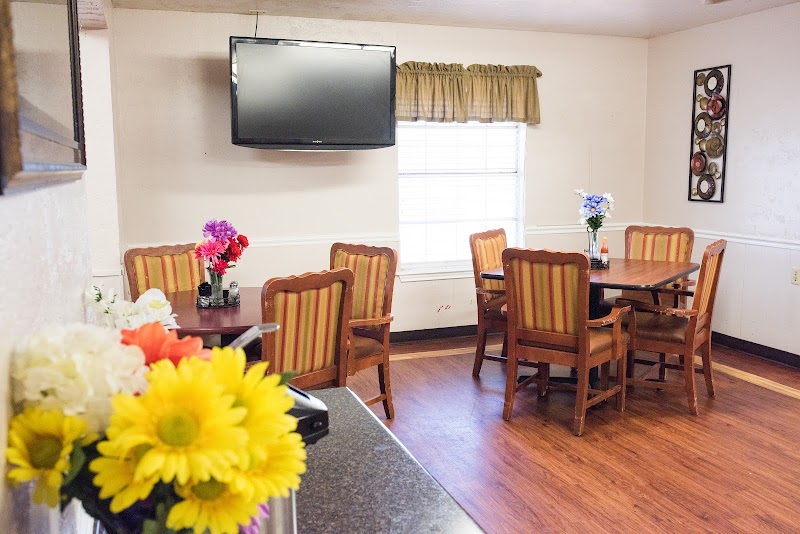
How is Seymour Rehabilitation And Healthcare Staffed?

CMS rates SEYMOUR REHABILITATION AND HEALTHCARE's staffing level at 2 out of 5 stars, which is below average compared to other nursing homes. Staff turnover is 47%, compared to the Texas average of 46%.

What Have Inspectors Found at Seymour Rehabilitation And Healthcare?

State health inspectors documented 19 deficiencies at SEYMOUR REHABILITATION AND HEALTHCARE during 2023 to 2025. These included: 16 with potential for harm and 3 minor or isolated issues.

Who Owns and Operates Seymour Rehabilitation And Healthcare?

SEYMOUR REHABILITATION AND HEALTHCARE is owned by a government entity. Government-operated facilities are typically run by state, county, or municipal agencies. The facility is operated by ADVANCED HEALTHCARE SOLUTIONS, a chain that manages multiple nursing homes. With 90 certified beds and approximately 50 residents (about 56% occupancy), it is a smaller facility located in SEYMOUR, Texas.

How Does Seymour Rehabilitation And Healthcare Compare to Other Texas Nursing Homes?

Compared to the 100 nursing homes in Texas, SEYMOUR REHABILITATION AND HEALTHCARE's overall rating (5 stars) is above the state average of 2.8, staff turnover (47%) is near the state average of 46%, and health inspection rating (5 stars) is much above the national benchmark.

What Should Families Ask When Visiting Seymour Rehabilitation And Healthcare?

Based on this facility's data, families visiting should ask: "Can you walk me through typical staffing levels on day, evening, and night shifts?" "Can I visit during a mealtime to observe dining assistance and food quality?" "How do you handle medical emergencies, and what is your hospital transfer rate?" "Can I speak with family members of current residents about their experience?" These questions are particularly relevant given the below-average staffing rating.

Is Seymour Rehabilitation And Healthcare Safe?

Based on CMS inspection data, SEYMOUR REHABILITATION AND HEALTHCARE has a clean safety record: no substantiated abuse findings (meaning no confirmed cases of resident harm), no Immediate Jeopardy citations (the most serious violation level indicating risk of serious injury or death), and is not on the Special Focus Facility watch list (a federal program monitoring the lowest-performing 1% of nursing homes). The facility has a 5-star overall rating and ranks #1 of 100 nursing homes in Texas. While no facility is perfect, families should still ask about staff-to-resident ratios and recent inspection results during their visit.

Do Nurses at Seymour Rehabilitation And Healthcare Stick Around?

SEYMOUR REHABILITATION AND HEALTHCARE has a staff turnover rate of 47%, which is about average for Texas nursing homes (state average: 46%). Moderate turnover is common in nursing homes, but families should still ask about staff tenure and how the facility maintains care continuity when employees leave.

Was Seymour Rehabilitation And Healthcare Ever Fined?

SEYMOUR REHABILITATION AND HEALTHCARE has no federal fines on record. CMS issues fines when nursing homes fail to meet care standards or don't correct problems found during inspections. The absence of fines suggests the facility has either maintained compliance or corrected any issues before penalties were assessed. This is a positive indicator, though families should still review recent inspection reports for the full picture.

Is Seymour Rehabilitation And Healthcare on Any Federal Watch List?

SEYMOUR REHABILITATION AND HEALTHCARE is not on any federal watch list. The most significant is the Special Focus Facility (SFF) program, which identifies the bottom 1% of nursing homes nationally based on persistent, serious quality problems. Not being on this list means the facility has avoided the pattern of deficiencies that triggers enhanced federal oversight. This is a positive indicator, though families should still review the facility's inspection history directly.