CEDAR HOLLOW REHABILITATION CENTER

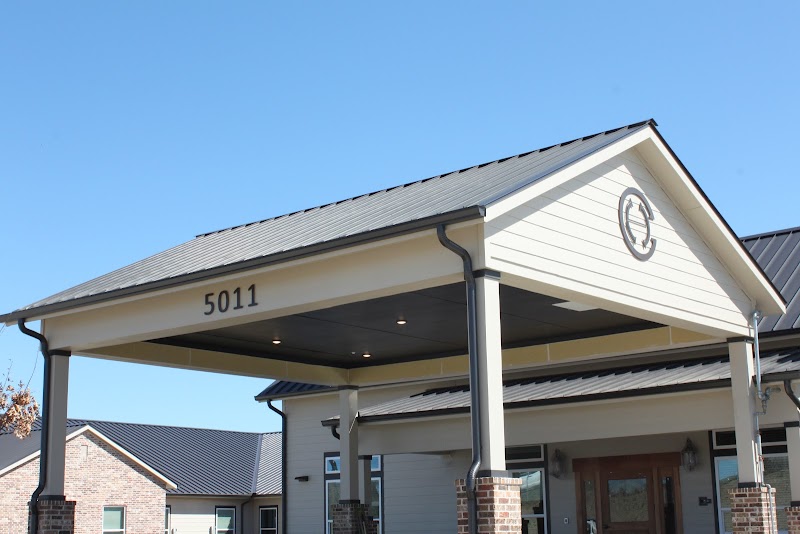
5011 NORTH US HWY 75, SHERMAN, TX 75090 (903) 771-2000
Government - Hospital district 142 Beds HAMILTON COUNTY HOSPITAL DISTRICT Data: November 2025 1 Immediate Jeopardy citation
Trust Grade
36/100
#435 of 1168 in TX
Last Inspection: March 2025

Within standard 12-15 month inspection cycle. Federal law requires annual inspections.

Overview

Cedar Hollow Rehabilitation Center has received a Trust Grade of F, indicating significant concerns about the facility's operations and care quality. With a state rank of #435 out of 1168 in Texas and a county rank of #3 out of 11 in Grayson County, it ranks in the top half of facilities overall, but the poor trust grade raises red flags. The facility's trend is worsening, increasing from 9 issues in 2024 to 10 in 2025, which is concerning for potential residents and their families. Staffing is a weakness with a rating of 2 out of 5 stars and a turnover rate of 70%, significantly higher than the Texas average of 50%, which suggests instability in caregiver relationships. In recent inspections, there were serious incidents, including a critical finding where a resident was severely harmed by a staff member, raising serious safety concerns. Additionally, the facility had issues with food safety, failing to maintain proper food storage and preparation standards, which could lead to foodborne illnesses. While there is average RN coverage, the high turnover and recent deficiencies highlight both strengths and weaknesses that families should carefully consider.

Trust Score
F
36/100
In Texas
#435/1168
Top 37%
Safety Record
High Risk
Review needed
Inspections
Getting Worse
9 → 10 violations
Staff Stability
⚠ Watch
70% turnover. Very high, 22 points above average. Constant new faces learning your loved one's needs.
Penalties
⚠ Watch
$16,772 in fines. Higher than 97% of Texas facilities. Major compliance failures.
Skilled Nurses
⚠ Watch
Each resident gets only 21 minutes of Registered Nurse (RN) attention daily — below average for Texas. Fewer RN minutes means fewer trained eyes watching for problems.
Violations
⚠ Watch
28 deficiencies on record. Higher than average. Multiple issues found across inspections.
★★★☆☆
3.0
Overall Rating
★★☆☆☆
2.0
Staff Levels
★★☆☆☆
2.0
Care Quality
★★★☆☆
3.0
Inspection Score
Stable
2024: 9 issues
2025: 10 issues

The Good

  • Full Sprinkler Coverage · Fire safety systems throughout facility
  • No fines on record

Facility shows strength in fire safety.

The Bad

3-Star Overall Rating

Near Texas average (2.8)

Meets federal standards, typical of most facilities

Staff Turnover: 70%

24pts above Texas avg (46%)

Frequent staff changes - ask about care continuity

Federal Fines: $16,772

Below median ($33,413)

Minor penalties assessed

Chain: HAMILTON COUNTY HOSPITAL DISTRICT

Part of a multi-facility chain

Ask about local staffing decisions and management

Staff turnover is very high (70%)

22 points above Texas average of 48%

The Ugly 28 deficiencies on record

1 life-threatening
Mar 2025 10 deficiencies
CONCERN (D) 📢 Someone Reported This

A family member, employee, or ombudsman was alarmed enough to file a formal complaint

Potential for Harm - no one hurt, but risky conditions existed

Notification of Changes (Tag F0580)

Could have caused harm · This affected 1 resident

**NOTE- TERMS IN BRACKETS HAVE BEEN EDITED TO PROTECT CONFIDENTIALITY** Based on observation, interview and record review, the facility failed to notify the resident representative and consult with th...

Read full inspector narrative →
**NOTE- TERMS IN BRACKETS HAVE BEEN EDITED TO PROTECT CONFIDENTIALITY** Based on observation, interview and record review, the facility failed to notify the resident representative and consult with the resident's physician, when there was an accident involving the resident which resulted in injury and had the potential for requiring physician intervention for one (Resident #15) of five residents. The facility failed to notify Resident #15's physician and resident representative of a bruise to her left hand and dime-sized wound on her right underarm This failure could place residents at risk of a delay in medical intervention and a decline in health. Findings included: Review of Resident #15's admission MDS Assessment, dated 1/2/25, reflected she was an [AGE] year-old female with an admission date of 9/11/24. Resident #15 was severely cognitively impaired, and her BIMS score was unable to be determined. She had impairments to lower extremities on both sides and required extensive one-person assistance with ADLs. Resident had an indwelling catheter and had the following active diagnoses: Anemia (a condition in which the blood doesn't have enough healthy red blood cells and hemoglobin), wound infection, Non-Alzheimer's Dementia and Paraplegia (paralysis that affects both legs). Review of Resident #15's care plan dated 9/11/24 reflected there is a risk for pressure ulcers and the interventions included: Assess/record/monitor wound healing weekly, assess and document status of wound and healing progress, inform me/family/caregivers of any new area of skin breakdown, obtain and monitor lab/diagnostic work as ordered, report results to MD and follow up as indicated and seen by Wound Care Doctor weekly. Review of Resident #15's order summary printed 3/6/25 reflected, . Weekly Skin Assessment needs to be completed. Weekly, every day shift every Tue for Weekly Skin Documentation . with a start date of 09/12/24. Review of Resident #15's February and March 2025 nurse's notes did not reflect any documentation about the oval 2 inch bruise to her right hand or the dime sized wound to right underarm or notification to the family or physician of it. Review of incident reports for December 2024 to March 2025 did not reflect any documentation about an incident that resulted in injury to Resident #15's right hand or right under arm before 3/4/25. There were no incident reports for Resident #15. Observation and interview of Resident #15 in her bedroom on 03/04/25 at 02:28 PM reflected resident had a purple oval bruise that was approximately two inches on her right hand by her pinky finger and a dime sized scabbed circular wound on her right underarm. Resident #15 stated she did not know what the bruise or mark was from. Observation of Resident #15 on 3/5/25 at 10:46am reflected that Resident #15 had a bruise to her right hand and the small circular scab to her right underarm. Interview of CNA V on 3/5/25 at 11:16am reflected that she provided care to Resident #15 every 2 hours. She stated that the cut on her under arm was from an incident in which her and another CNA were changing her, and her skin tore when they turned her. She was unable to provide the specific date of the incident but stated it was some time last year and the incident was documented. She stated that she believed the bruise on her hand was due to them drawing blood recently. Record review of incident logs for December 2024 through March 2025 did not indicate any incidents related to Resident #15. Interview with CNA M on 3/5/25 at 11:32am reflected that Resident #15 mark on her hand looked like a bruise but had been there a couple of weeks. She believed it may have been caused when they drew blood. Interview with CNA W on 3/5/25 at 12:08pm revealed that she was unaware of any other bruises or the mark on Resident #15's underarm. Interview and observation of Resident #15 and ADON I on 3/6/25 at 8:19am reflected that Resident #15 had a dressing on the wound on her right under arm. Treatment Nurse removed the dressing on the wound and stated she was not aware of that wound. The bandage had blood and the wound had clear pink fluid. The wound was circular and the size of a dime. She stated she would look into what happened and who put the dressing on the wound. ADON I asked Resident #15 what happened and Resident #15 was unable to say. Resident #15 had a the bruise on her right hand. ADON I stated she was unaware of the bruise on Resident #15's hand. Resident #15 was unable to state what happened or when she got the bruise. Interview with RN X on 3/6/25 at 8:41am revealed that she was unaware of a skin tear/wound on Resident #15's right upper arm or bruise to her right hand. She stated she had not put the dressing on it yesterday and didn't see it. She stated that the night shift must have put on the dressing, but she was not notified of it at shift change. She did not know of a bruise to her hand either. She stated now that she knew she would get the measurements and initiate the incident protocol. She would get with staff to find who found the wound and covered it. She would notify ADON, DON, doctor and responsible party of her wound. Interview with ADON E on 3/6/25 at 9:28am revealed that Resident #15 should have had a weekly skin assessment due to having skin integrity issues. The nurses were responsible for completing the weekly skin assessments. When a new wound was found they would call the doctor and notify the ADON I, since she was the Treatment Nurse. When a new wound was found there should be a risk management assessment for change in skin condition completed. The risk to the resident if a wound was not assessed properly was that the resident would not be able to get treatment and further deteriorate. Staff also needed to follow the care plan to ensure that skin-maintained integrity and interventions were done as ordered. Interview with RN Y (night nurse) on 3/6/25 at 1:19pm revealed she had worked Resident #15's hall on 3/5/25 on the night shift but was not assigned to her. She was training a new RN Z and Resident #15 was assigned to her. She was not informed of any wounds or bruises on Resident #15 during her shift and didn't know who had put the dressing on her wound. She stated she last worked with Resident #15 on Thursday or Friday of last week and did not recall seeing any bruises or new wounds. She stated that the new RN Z had not alerted her of any skin issues or new wounds on Resident #15. Attempted interview with RN Z on 3/6/25 at 1:34pm but there was no answer on her phone and a voicemail was left to call back. No call back received. Interview with DON on 3/6/25 at 12:02pm revealed that she had not been notified of Resident #15's wound or bruise on her right side. She stated that the expectation for when an injury or wound was found that the nurse notified the doctor and followed up with recommendations. The nurse would also notify her, the Administrator, and the responsible party for the resident. She stated once she was notified, she would have to do an investigation to rule out abuse or neglect and see what happened. She stated that she was unable to provide proof that the Resident's family or doctor had been notified of the bruise or abrasion since she had not been notified of it and it was the first time she heard of it. Interview with Executive Director on 3/6/25 at 1:46pm revealed that she had just been informed about the wound on Resident #15 in the last hour. She stated that she was not notified of the bruise or abrasion on 3/5/25 and therefore no one else had been notified. She stated that whoever had found the abrasion would have needed to do an incident report and triggering the different necessary tasks and time frames. The tasks would have included notification to doctor and responsible party and completed necessary assessments. She stated they would have needed to contact the physician to get an order to cover the wound. She stated in instances where possible injuries and abrasions are found an incident report must be completed and a list of other tasks to be completed to include notifications to relative, doctors, and assessments would have been triggered. At the time of the interview there had been no incident report completed or notifications to the doctor or the patient representative. Once the incident report was completed, she would investigate to determine the origin of the bruise and abrasion. Once they find the origin or are unable to find the origin she would follow the provider letter on reportable incidents. The risk to the resident of not having the appropriate notifications done is that there would have been a failure to put interventions in place timely. Interview with Resident #15's responsible party on 3/6/25 at 2:10 pm revealed that she had not been notified of Resident #15's new wound or bruise until a few minutes before the surveyor called. She stated that she was looking through the videos to see if she could see when Resident #15 got the bruise . She stated that she saw Resident #15 on Monday and didn't notice it, and she was looking at video footage from Monday evening to Tuesday morning . Review of facility's policy Change in a Resident's Condition or Status revised May 2017 reflected Our facility shall promptly notify the resident, his or her Attending Physician, and representative (sponsor) of changes in the resident's medical/mental condition and/or status . The nurse will notify the resident's Attending Physician or physician on call when there has been a(an): a. accident or incident involving the resident; b, discovery of injuries of an unknown source;,,,4. Unless otherwise instructed by the resident, a nurse will notify the resident's representative when: a. The resident is involved in any accident or incident that results in an injury including injuries of an unknown source; b. There is a significant change in the resident's physical, mental, or psychosocial status; . Review of facility's policy Pressure Ulcers/Skin Breakdown - Clinical Protocol reviewed December 2024 reflected under treatment/management 1. The physician will authorize pertinent orders related to wound treatments, including wound cleansing and debridement approaches, dressings (occlusive, absorptive, etc.), and application of topical agents if indicated for type of skin alteration. 2. The physician will help identify medical interventions related to wound management .
CONCERN (D) 📢 Someone Reported This

A family member, employee, or ombudsman was alarmed enough to file a formal complaint

Potential for Harm - no one hurt, but risky conditions existed

ADL Care (Tag F0677)

Could have caused harm · This affected 1 resident

**NOTE- TERMS IN BRACKETS HAVE BEEN EDITED TO PROTECT CONFIDENTIALITY** Based on observations, interviews, and record review the facility failed to provide the necessary services for residents who wer...

Read full inspector narrative →
**NOTE- TERMS IN BRACKETS HAVE BEEN EDITED TO PROTECT CONFIDENTIALITY** Based on observations, interviews, and record review the facility failed to provide the necessary services for residents who were unable to carry out activities of daily living (ADL) to maintain good grooming and personal hygiene for 2 (Resident #2, Resident #204) of 6 residents reviewed for ADLs. The facility failed to ensure Resident #2 had her fingernails cleaned and trimmed. The facility failed to ensure Resident #204 had showers as care planed three times a week, and as needed. This failure could place residents who were dependent on staff for ADL care at risk for loss of dignity, risk for infections, and a decreased quality of life. Findings included: 1.Record review of Resident #2's quarterly MDS assessment, dated 02/11/25, reflected an [AGE] year-old female who was initially admitted to the facility on [DATE], and readmitted on [DATE]. She had a BIMS score of 09/15, which indicated her cognition was moderately impaired. Resident #2 required substantial/maximum assist with ADLs. Resident #2 had diagnoses which included multiple sclerosis (a chronic, autoimmune disease that affects the central nervous system [brain and spinal cord]), dementia (loss of intellectual functioning, especially with impairment of memory and abstract thinking, and often with personality change, resulting from organic disease of the brain), and depression. Record review of Resident #2's care plan, with an onset date of 12/15/24, reflected focus. I have an ADL Self Care Performance Deficit r/t weakness, MS, arthritis. Goal. I will improve current level of function in ADLs through the review date. Intervention. Encourage me to participate to the fullest extent possible with each interaction . An observation on 03/04/25 at 10:37 AM, revealed Resident #2 was laying in her bed. The nails on both hands were approximately 0.3 centimeters in length extending from the tip of her fingers and dirty underneath the nails and around the nail beds. Resident #2 was unable to answer questions related to her fingernail's status. In an interview on 03/05/25 at 09:58 AM, with CNA A she said she was assigned to Resident #2. She stated that most ADLs such as hair trimming and nail clipping were completed during shower times. She revealed that since Resident #2 was not a Diabetic resident, CNAs were responsible for clipping and cleaning her nails. CNA A stated that fingernail clipping should be done weekly or as needed and the risk of not cleaning/ trimming fingernails could be increased risk of infection. 2.Review of Resident #204's Quarterly MDS assessment dated [DATE] reflected Resident #204 was a [AGE] year-old female with initial admission date to the facility on [DATE], and readmission on [DATE]. Her diagnoses included cerebrovascular accident (Occurs when blood flow to the brain is interrupted, leading to brain cell death and potential neurological damage.), hemiplegia (paralysis of one side of the body) or hemiparesis (weakness on one side of the body), She had a BIMS score of 12/15, which indicated her cognition was moderately impaired. Further review revealed Resident #204 was dependent on staff for shower/bath. Review of Resident #204's Comprehensive Care Plan, dated 02/27/25, reflected the following: focus. I have an ADL Self Care Performance Deficit r/t developmental social disorders, disease, and debility. Goal. I will maintain current level of function .Personal Hygiene through the review date. Interventions/Task BATHING: I am totally dependent on staff to provide a bath M, W, F and as necessary . Record review of Resident #204's document dated 03/06/2025 titled Task: Bath MWF 6pm-6am changed bed linen revealed Resident #204 received one shower in the lock back 14 days period on 03/06/25 at 02:49 PM , meaning she did not receive a shower on 02/28/25; 03/03/25 and 03/05/25. An observation on 03/04/25 at 11:01 AM, revealed Resident #204 was laying in her bed, wearing a black T-shirt with a V-neck opening. Her visible skin was oily and flaky. Resident #204 stated the last time she had a shower was a week ago during her stay in the hospital. In an interview on 03/06/25 at 06:41 AM, with RN B she said she was assigned to Resident #204 as charge nurse. She stated she did not know that Resident #204 did not receive a shower since she came back from the hospital on [DATE]. She stated residents were supposed to get showers three times a week, and as needed. She stated CNA s were responsible to give residents showers, clean, and trim their fingernails if the resident was not diabetic. RN B stated CNAs were supposed to let the charge nurse know if the resident refused a shower and the documentation of the shower task. RN B stated the charge nurses were responsible to make sure the CNAs were giving residents their showers timely and cleaning their fingernails. RN B stated the risk to residents was improper hygiene, and possible development of infection if there were any open wounds. In an interview with the DON on 03/06/25 at 09:44 AM, she said her expectation was that residents' showers, unless they ask for specific schedule, should be at least three time a week unless the resident refused. DON stated residents' fingernails should be cleaned and trimmed during the shower days, and as needed. DON stated it was the responsibility of CNAs to give residents shower on time weekly, and the charge nurses in the hall should follow up on residents' ADLs/proper hygiene daily. She stated the risk to residents was development of infection, and loss of dignity . Record review of the facility policy titled Care of Fingernails/Toenails revised December 2024 reflected: Purpose. The purposes of this procedure are to clean the nail bed, to keep nails trimmed, and to prevent infections .General Guidelines. 1.Nail care includes daily cleaning and regular trimming. Record review of the facility policy titled Shower/Tub Bath revised December 2024 reflected: Purpose. The purpose of this procedure is to promote cleanliness, provide comfort to the resident and to observe the condition of the resident's skin Documentation. the following information should be recorded on the resident's ADL record and/or in the resident's medical record: 1. The date and time the shower/tub bath was performed. 2. The name and title of the individual (s) who assisted the resident with the shower/tub bath.
CONCERN (D) 📢 Someone Reported This

A family member, employee, or ombudsman was alarmed enough to file a formal complaint

Potential for Harm - no one hurt, but risky conditions existed

Deficiency F0694 (Tag F0694)

Could have caused harm · This affected 1 resident

**NOTE- TERMS IN BRACKETS HAVE BEEN EDITED TO PROTECT CONFIDENTIALITY** Based on observations, interviews, and record review, the facility failed to ensure residents received parenteral fluids adminis...

Read full inspector narrative →
**NOTE- TERMS IN BRACKETS HAVE BEEN EDITED TO PROTECT CONFIDENTIALITY** Based on observations, interviews, and record review, the facility failed to ensure residents received parenteral fluids administered consistent with professional standards of practice and in accordance with physician orders for 1 of 2 residents (Resident #155) reviewed for peripheral intravenous care. The facility failed to ensure Residents #155's PICC line dressing was changed per the physician's order. This failure placed residents at risk of developing an infection. Findings included: Record review of Resident #155's Face sheet dated 03/06/25 reflected a [AGE] year-old-femle with an admission date of 02/21/25. Diagnosis included cellulitis (bacterial infection of the skin). Record review of Resident #155's admission MDS assessment dated [DATE] reflected a BIMS score of 15 indicating no cognitive impairment. The MDS further revealed Section O: Special Treatments, Procedures, and Programs the resident was receiving IV medications. Record review of Resident #155's Baseline care plan dated 02/21/25 reflected, Reason for admission: Resident had a hospital stay with sepsis, bilateral extremity cellulitis, fall with fracture right ankle- she is toe touching weight bearing as tolerated right leg. IV therapy .Initial goals based on admission orders: Resident would like to have skilled nursing with therapy to improve her overall status and return to prior living condition .Physician Orders: IV orders-MIDLINE Left upper arm . Record review of Resident #155's Physician order summary dated 03/04/25 reflected, Change PICC/Midline dressing using sterile techniques every 7 days and PRN, every day shift every 7 days. With an order date of 02/24/25 and a start date of 02/27/25. Record review of Resident #155's February 2025 MAR/TAR revealed the PICC line dressing was changed on 02/27/25 by ADON I. Review of Resident #155's March 2025 MAR/TAR revealed the PICC line dressing change was due again on 03/06/25. Observation on 03/04/25 at 11:20 a.m. with Resident # 155 revealed she had a PICC line in her left upper arm covered with a transparent dressing. The transparent dressing was dated 02/21/25. No redness, drainage or swelling were observed, and the resident denied any pain at the site of insertion. The Resident stated the PICC line was put in at the hospital right before they sent her to the facility on [DATE]. She stated nobody had changed the dressing since she had been there. She stated she thought she got her last doses of antibiotics yesterday. She stated she was on antibiotics for cellulitis. An observation was made 03/04/25 at 01:45 p.m. of Resident #155's PICC line with ADON I who verified the PICC line dressing was dated 02/21/25 and was past due to be changed. In an interview with ADON I on 03/04/25 at 1:46 p.m. revealed it was her initial on the MAR/TAR on 02/27/25 which indicated the dressing was changed on 02/27/25. ADON I stated she must have signed off on the wrong resident, stating she had not changed Resident #155's PICC line dressing on the 02/27/25. She stated she would make sure the dressing was changed today. She stated the risk of signing off the dressing had been completed, when it had not, put the resident at risk of infection due to the insertion site since the dressing did not get changed within the 7 days as ordered. Interview on 03/05/25 at 08:40 a.m. with ADON F revealed any resident who entered the facility with a PICC line needed to have orders in place for changing the dressing within 7 days or PRN if it became soiled or dislodged. She stated the admission nurse was responsible for putting in the orders, and then she checked behind them. She stated Resident # 155 admitted on Friday (02/21/25). She stated when she reviewed the orders on Monday (02/24/25), she saw the order for dressing changes had been left off, so she obtained the order that day and scheduled the dressing change for 02/27/25 which was 7 days from the initial application of the dressing. She stated the nurses were flushing the line each day before and after administration of medication and should be checking the condition of the dressing which would include looking at the date. She stated even if someone accidently signed it off in the record as completed, someone should have noticed it was past due to be changed. She stated the risk of not changing the dressing within the specified time frame was infection. Interview on 03/06/25 at 08:50 a.m. with the DON revealed her expectation was for nurses to be checking the PICC lines every shift, flush before and after medication and to change the dressing every 7 days and as needed if soiled. The DON stated the PICC line dressing should be dated. She stated the nurses were responsible for changing and dating the dressings. The DON stated it was the ADON and her responsibility to ensure PICC line dressings were being changed and dated. The DON stated the potential risk of not following physician orders was that it could lead to an infection. Record review of the facility policy Central Venous Catheter Dressing Changes dated December 2024, reflected, The purpose of this procedure is to prevent catheter-related infections that are associated with contaminated, loosened, soiled, or wet dressing Change transparent semi-permeable membrane dressing at least every 5-7 days and PRN (when wet, soiled, or not intact) The following information should be recorded in the resident's medical record .Date and time dressing was changed .
CONCERN (D)

Potential for Harm - no one hurt, but risky conditions existed

Pharmacy Services (Tag F0755)

Could have caused harm · This affected 1 resident

**NOTE- TERMS IN BRACKETS HAVE BEEN EDITED TO PROTECT CONFIDENTIALITY** Based on observation, interview, and record review the facility failed to provide pharmaceutical services, including procedures ...

Read full inspector narrative →
**NOTE- TERMS IN BRACKETS HAVE BEEN EDITED TO PROTECT CONFIDENTIALITY** Based on observation, interview, and record review the facility failed to provide pharmaceutical services, including procedures that assured the accurate acquiring, receiving, dispensing, administering of drugs and biologicals, to meet the needs of each resident for 1 of 4 medication carts (nurses cart hall 100) reviewed for pharmacy services. The facility failed to ensure the Nurses Cart Hall B did not have an expired Tramadol 50 mg HCL table card for Resident #8 This failure could place residents at risk of not having the medication available due to possible diminished effectiveness, and not receiving the therapeutic benefits of the medications. Findings Include: Observation and record review on [DATE] at 09:20 AM of nurses' cart Hall B, with LVN D revealed: - The medication card of Tramadol HCL 50 mg for Resident#8 with an expiration date of [DATE], and the log for the medication revealed the Resident#8 received the medication 5 time after the expiration date on [DATE], [DATE], [DATE], [DATE] and [DATE]. Interview on [DATE] at 09:57 AM, LVN D stated the count was done at shift change and the count was correct. She stated she did not know when the last time the Nurses' cart for Hall B audit was done. LVN D stated given medication to the residents after it was expired would be ineffective. Interview on [DATE] at 09:44 AM, the DON stated she expected if medication expiration date was passed the medication should be discarded. She stated nurses were responsible for checking the medication expiration date during the count on the change of shifts, and before administering medication to the resident. The DON stated the ADON, and the DON were supposed to check the carts weekly. The DON further stated the pharmacist do random checks monthly of the medication carts for monitoring. The DON stated all the medication had a specific days shelf life and if not thrown out before that time the medication could lose its effectiveness. The DON stated the ADON, and the DON were supposed to do random checks of the medication carts for monitoring. Record review on [DATE] of Resident #8's doctor orders revealed Tramadol 50 mg given 1 tablet by mouth every 6 hours as needed for moderate and severe pain. Order active date [DATE], and modified date [DATE]. Record review of the facility policy Storage of medication, dated [DATE], revealed .8. Outdated .medications .are immediately removed from inventory, disposed of according to procedures for medication disposal, and reordered from the pharmacy if a current order exists
CONCERN (E) 📢 Someone Reported This

A family member, employee, or ombudsman was alarmed enough to file a formal complaint

Potential for Harm - no one hurt, but risky conditions existed

Deficiency F0565 (Tag F0565)

Could have caused harm · This affected multiple residents

Based on interview and record review, the facility failed to act promptly upon the grievances of the resident group concerning issues of resident care and life in the facility and demonstrate their re...

Read full inspector narrative →
Based on interview and record review, the facility failed to act promptly upon the grievances of the resident group concerning issues of resident care and life in the facility and demonstrate their response and rationale for such response for 4 (11/19/2024, 12/10/2024, 01/07/2025, and 02/12/2025) of 4 Resident Council Meetings, in that: 1. Concerns voiced during the monthly Resident Council Meetings were not addressed following meetings held on 11/19/2024, 12/10/2024, 01/07/2025, and 02/12/2025. 2. The Resident Council members were not notified regarding facility action taken to address and resolve concerns voiced in prior Resident Council Meetings during the next monthly meetings held on 12/10/2024, 01/07/2025, and 02/12/2025. These failures placed the residents at risk for a decreased quality of life and a decreased feeling of well-being within their living environment. The findings included: Review of the Resident Council Meeting Minutes revealed the following: 11/19/2024- 8 residents attended, and the Activity Director was present. The documented open concerns included residents left in bed and missing activities, concerns regarding staffing, nails not being cut, and call light wait times. New business was regarding long wait times for call lights, medications, and agency aides not being responsive to resident. 12/10/2024- 6 residents attended, and the Activity Director was present. The documented open concerns were the same as the 11/19/2024 meeting. New business included: Administration- still not getting a solution about ongoing issues 01/07/2025- 7 residents attended with open business of the same concerns from the 11/19/24 meeting. New business included concerns with internet service, aides turning the call lights off and not coming back to assist residents and customer service concerns. 02/12/2025- 5 residents attended with open business of concerns regarding wait times for medications, staff wearing earbuds and customer service concerns. New business included missed medications on the weekends, aides talking on the phone in the resident bathrooms, and cold food. Review of the Grievance Log Reports from October 2024 to March 2025 for the Resident Council revealed a total of 11 grievance reports had been completed following Resident Council meetings. In a confidential group interview on 03/05/25 residents said the facility had not provided them a response regarding their concerns noted during resident council meetings and they wanted a written update regarding their previous concerns from each department that they had concerns in. In an interview on 03/06/25 at 3:56 PM with the Activity Director she said she is present for all resident council meetings, took notes for the residents, and turned in grievances into the appropriate department and gave a copy to the Administrator. She stated that the Resident Council President asked for a written action plan from each department, and she verbally informed the Administrator. She stated she was not aware if resident council received a response to their concerns. She stated that it was important for resident council to have a response to their concerns because it was their right to receive a response and know how the problem will be resolved. In an interview on 03/06/25 at 4:22 PM with the Administrator she said she was responsible for grievances, was aware of the Resident Council concerns, and stated she had addressed each grievance . She stated that the grievances were filed with the departments responsible; some of the concerns from resident council did not name a specific resident impacted so she noted what was done regarding the grievance on the grievance. She stated in-services with staff included call light response, CNA responsibilities including to not wear earbuds and providing incontinent care every 2 hours. She stated the facility reviewed staffing, increased staff and reduced using agency staffing. She stated that she only attended the Resident Council meetings when invited and had not spoken to the entire council about the concerns that were addressed and only spoke with the Resident Council President. She stated that communicating responses to the Resident Council was important because it was a resident rights issue, and residents have the right to be heard and treated with dignity. In an interview on 03/06/25 at 4:44 PM with the Resident Council President she stated Resident Council meetings were held monthly and the Activity Director wrote the meeting minutes. She stated that concerns were conveyed to the Administrator, and they had not been told of the outcome of their concerns. She stated that they could tell there were some improvements but there were still the same concerns. She stated that in the previous Resident Council meeting they asked for a written response from each department and had not heard a response yet. She stated that she understood that sometimes solutions took longer to fix but not getting a response was the biggest problem. Record review of the facility's grievance policy titled, Grievances/Complaints, Filing, dated revised December 2023, reflected .Residents and their representatives have the right to file grievances, either orally or in writing, to the facility staff or to the agency designated to hear grievances . The Administrator and staff will make prompt efforts to resolve grievances to the satisfaction of the resident and/or representative .All grievances, complaints or recommendations stemming from resident or family groups concerning is-sues of resident care in the facility will be considered. Actions on such issues will be responded to verbally, including a rationale for the response . The resident, or person filing the grievance and/or complaint on behalf of the resident, will be informed of the findings of the investigation and the actions that will be taken to correct any identified problems .
CONCERN (E) 📢 Someone Reported This

A family member, employee, or ombudsman was alarmed enough to file a formal complaint

Potential for Harm - no one hurt, but risky conditions existed

Comprehensive Care Plan (Tag F0656)

Could have caused harm · This affected multiple residents

**NOTE- TERMS IN BRACKETS HAVE BEEN EDITED TO PROTECT CONFIDENTIALITY** Based on observation, interview and record review the facility failed to develop and implement a comprehensive person-centered c...

Read full inspector narrative →
**NOTE- TERMS IN BRACKETS HAVE BEEN EDITED TO PROTECT CONFIDENTIALITY** Based on observation, interview and record review the facility failed to develop and implement a comprehensive person-centered care plan for each resident, consistent with the resident rights, that includes measurable objectives and timeframes to meet a resident's medical, nursing, and mental and psychosocial needs that are identified in the comprehensive assessment for 2 of 8 residents (Resident #21 and #64) reviewed, in that: 1. The facility failed to create and implement a care plan that reflected Resident #21 used chewing tobacco and kept it at bedside. 2. The facility failed to create and implement a care plan that reflected Resident #64's right-hand contracture and OT services. These failures place all residents at risk of not receiving care and services related to their identified needs to maintain or reach their highest practicable physical, mental, and psychosocial well-being. The findings included: 1. Record review of Resident #21's Comprehensive MDS dated [DATE] revealed he was a [AGE] year-old male admitted to the facility on [DATE], he had a BIMS score of 13 (intact cognition) and the diagnoses of paraplegia (leg paralysis), seizure disorder, and spina bifida (spinal cord defect). Review of Section J- Health Conditions revealed resident did not currently use tobacco. Record review of Resident #21's care plan, dated initiated 01/31/2025, did not reflect the resident use of tobacco. Observation and interview on 03/04/2025 at 10:09 AM of Resident #21 revealed he was seated in bed watching television with a small tin of Red Seal long cut tobacco (a loose cut smokeless tobacco also known as dip, chewing tobacco, or snuff) and he was spitting a dark brown substance into a diet coke bottle during the interview. He stated that he admitted to the facility with the chewing tobacco and a nurse tried to give him a hard time about it and then the Executive Director came and looked around and no one had talked to him about it since then. In an interview on 03/04/2025 at 12:12 PM with CNA EE she said she was aware Resident #21 used chewing tobacco and stated the DON and the Executive Director were aware. In an interview on 03/05/2025 at 5:20 PM with CNA FF she said she was aware Resident #21 used chewing tobacco and had informed the DON shortly after he first admitted to the facility. In an interview on 03/05/2025 at 6:25 PM with the DON she said she was aware Resident #21 had chewing tobacco. She stated it had been discussed during a meeting with the Executive Director and there was no policy against it so they let him keep it. She was not sure if the resident's use of tobacco was care planned. She stated it probably would not hurt to have it care planned. In an interview on 03/06/2025 at 4:44 PM with MDS Coordinator DD she said she was not aware of Resident #21's use of chewing tobacco. She stated it should be care planned to ensure that he is allowed to have it on his person or if it needed to be on the nurse's cart and to ensure he had been counseled to not give it to other residents. She stated it was important for care plans to be person centered and specific to the resident. In an interview on 03/06/2025 at 5:27 PM with the Executive Director she said she was aware Resident #21 had chewing tobacco, the facility was a non-smoking facility and it was not a tobacco that was smoked and was not a vape so there were no concerns. She stated that care plans need to be person centered and they did not think to care plan it at the time. She stated they were going to add it to his care plan. She stated that there was no policy for tobacco use. 2. Review of Resident #64's admission MDS Assessment, dated 12/24/24, reflected she was a [AGE] year-old female with an admission date of 6/28/24. Resident #64 was moderately cognitively impaired, and her BIMS score was 10. She had impairments on both sides to her upper and lower extremities. She was significantly dependent for most of her ADLs. Resident had the following active diagnoses: Alzheimer's' Disease, Rheumatoid Arthritis (chronic inflammatory disorder usually affecting small joints in the hands and feet), Pain in unspecified joint, Age related Osteoporosis (a condition in which bones become weak and brittle), and Age-related Physical debility. Review of Resident #64's Care Plan revised 7/25/24 revealed .I have (acute/chronic) pain r/t rheumatoid arthritis, sciatica, wedge comp fX T11-T12, osteoporosis Date Initiated: 07/10/2024 The Care Plan did not address issues related to resident's contracture in her right hand or OT services. Review of Resident #64's OT Evaluation and Plan of Treatment dated 6/6/24 reflected the following .RUE ROM=Impaired (impaired ROM of digits and wrist) . Review of Resident #64's OT Evaluation and Plan of Treatment dated 7/22/24 reflected the following .RUE ROM=WFL; LUE ROM=WFL . Observation of Resident #64 on 03/04/25 at 11:06 AM revealed possible contracture to her right hand. She was unable to open her pinky and ring finger when asked to. She had no splint or any other device on the right hand. Interview with CNA V on 3/5/25 at 11:21am revealed that she was unaware if Resident #64 had a contracture. Interview and observation with Director of Rehab on 3/5/25 at 2:45 pm revealed that OT had worked with Resident #64 on strengthening, activity tolerance, self-feeding, upper body dressing and oral hygiene. She stated there was no note of contracture at time of discharge. The only recommendation that she saw, was the continued use of build up utensils for all meals to assist with decrease in strength. Resident #64's Range of motion at time of discharge evaluation was within functional limits but does note that she had limited active range to bilateral hands. Director of Rehab observed Resident #64's hands and she stated the left hand looked good, and the right hand had contractions to two fingers (pinky and ring finger) and it was very tight. While Director of Rehab was assessing her hands, Resident #64 stated that her fingers had been that way for a long time. Director of Rehab asked Resident #64 if she would be okay with OT assessing her to see if they could do something with her fingers to help them open some and she stated they could try. Director of Rehab stated that Resident #64's contracture was due to a progression of her arthritis and had not seen anything in her records about the contracture. She reported that Therapy does not update Care Plans and that any updates are usually discussed in the treatment meetings. Interview with Rehab Therapy Assistant CC on 3/6/25 at 9:09am revealed that Resident #64's fingers on her right hand were contracted but that it hurt the resident to do anything with those two fingers. She stated while Resident #64 was in therapy they tried a warm press, but she couldn't tolerate it due to pain. She hadn't tried a splint because Resident #64 would not allow it. She stated therapy was concerned that working with those fingers would affect the other functional fingers. She stated that any recommendation in therapy would be provided to the nurses, and they would have to ensure that the recommendations were followed. Interview with MDS Coordinator DD on 3/6/25 at 4:44pm revealed the Care Plan is updated as needed after every morning meeting. Nurses have the ability to put some acute information in the Care Plans directly and some of the sections of the Care Plan were updated automatically when MDS was completed. Another individual that could update the Care Plans was the social worker. In regard to Resident #59 having had the air mattress as an intervention in her Care Plan and not using it due to her preference, that intervention should have been removed. Regarding Resident #64's contracture, it should have been listed in the Care Plan. She stated she would go in there and correct these two items. Review of Facility's policy, Care Plans, Comprehensive, dated reviewed December 2024, reflected .A Comprehensive, person-centered care plan that includes measurable objectives and timetables to meet the resident's physical, psychosocial and functional needs is developed and implemented for each resident .1. The Interdisciplinary Team (IDT) in conjunction with the resident and his/her family or legal representative, develops and implements a comprehensive, person-centered care plan for each resident 8. The comprehensive, person centered care plan will: .Describe the services that are to be furnished to attain or maintain the resident's highest practicable, physical, mental and psychosocial well-being; C. Describe services would otherwise be provided for the above, but are not provided due to the residents exercising his or her rights, including the right to refuse treatment .G. incorporate identified problem areas; .J. reflect the resident's expressed wishes regarding care and treatment goals .L. Identify the professional services that are responsible for each element of care M. Aid in preventing or reducing decline in the resident's functional status and/or functional levels N. enhance the optimal functioning of the resident by focusing on a rehabilitative program and O. reflect currently recognized standards of practice for problem areas and conditions .13. Assessment of residents are ongoing and care plans are revised as information about the residents and the residents' conditions change .
CONCERN (E) 📢 Someone Reported This

A family member, employee, or ombudsman was alarmed enough to file a formal complaint

Potential for Harm - no one hurt, but risky conditions existed

Incontinence Care (Tag F0690)

Could have caused harm · This affected multiple residents

**NOTE- TERMS IN BRACKETS HAVE BEEN EDITED TO PROTECT CONFIDENTIALITY** Based on observation, interview, and record review the facility failed to ensure a resident who was incontinent of bladder recei...

Read full inspector narrative →
**NOTE- TERMS IN BRACKETS HAVE BEEN EDITED TO PROTECT CONFIDENTIALITY** Based on observation, interview, and record review the facility failed to ensure a resident who was incontinent of bladder received appropriate treatment and services to prevent urinary tract infections for three of five residents (Resident #98, Resident #34, and Resident #79) reviewed for catheter and incontinence care. 1. The facility failed to ensure CNA G and CNA H provided Resident #98 timely and appropriate perineal care after an incontinent episode when they failed to check and change the resident from 06:00 a.m. to 10:25 a.m. and failed to change the surface of the peri-wipes with each stroke on 03/04/25. 2. The facility failed to ensure Resident #34, who was being treated for a urinary tract infection, was provided timely incontinence care during the 06:00 p.m. to 06:00 AM shift 03/03/25 to 03/04/25. 3. The facility failed to ensure CNA N and CNA O maintained the foley catheter drainage bag below Resident #79's bladder while they transferred the resident with a mechanical lift on 03/05/25. These failures could place residents at risk for not receiving appropriate care to address their incontinence and could increase the risk of urinary tract infections. Findings included: 1. Record review of Resident #98's admission MDS assessment, dated 02/07/25, reflected a [AGE] year-old male with an admission date of 02/01/25. He had a BIMS of 15, which indicated he was cognitively intact. Resident #98 required substantial/maximum assist with toileting hygiene. He was occasional incontinent of bladder and frequently incontinent of bowel. Resident #98 had diagnoses which included renal insufficiency (poor function of the kidneys), diabetes, cancer, cellulitis (bacterial infection of the skin). Record review of Resident #98's care plan with a revision date of 02/17/25 reflected, I have an ADL Self-Care performance deficit related to disease and debility .Interventions Toilet use: I require extensive assistance of 1 staff participation to use toilet . In an observation on 03/04/25 at 10:25 a.m. CNA H and CNA G entered Resident # 98's room and asked the resident if he needed changing and he said yes. Both staff put on gloves without performing hand hygiene. CNA H pulled out a packet of peri-wipes and a clean brief from the chest of drawers and uncovered the resident revealing he had brown rings noted on the bed pad. CNA H unfasted the resident's brief revealing it was saturated in urine. CNA H took a peri-wipe and wiped across the resident's pubic area and up and down his penis shaft with several wipes without changing the surface of the wipes. She pushed the saturated brief down toward the residents' buttocks and the staff rolled him onto his side. CNA H then removed the soiled brief and urine-soaked bed pad and threw them on the floor. CNA H then wiped the resident's buttocks front to back without changing the surface of the wipe and then with the same soiled gloves placed a clean brief under the resident. CNA G removed her gloves, left the room without performing hand hygiene and returned with a clean bed pad. CNA G put on clean gloves without performing hand hygiene. CNA H placed the clean bed pad under the resident and then applied barrier cream with the same soiled gloves and wiped the excess onto the clean brief. Both staff members rolled the resident back onto his back and refastened the brief. In an interview with Resident #98 on 03/04/25 at 10:32 a.m. he stated he was last changed yesterday evening but could not remember the time. In an interview on 03/04/25 at 11:45 a.m. with CNA H and CNA G both stated they were supposed to change gloves and perform hand hygiene when they go from dirty before going to clean. CNA H stated she knew she was supposed to change the surface of the wipes each time and was not supposed to throw dirty linen in the floor. She stated she was frustrated since they had found a few residents this morning with brown ringed bed linens. CNA H and CNA G both stated the risk of untimely incontinent care and failing to perform it correctly was urinary tract infections and skin issues. In a follow up interview with CNA H on 03/05/25 at 08:56 a.m. she stated Resident #98 was not her assigned Resident on 03/04/25, but stated she went with CNA G to assist her with turning him. She stated they start making their rounds as soon as they come on shift at 06:00 a.m. She stated there was really no excuse why they were getting in there as late as they were for his first check and change. In a follow up interview on 03/05/25 at 09:35 a.m. with CNA G she stated the reason she was so late getting into Resident #98's room on 03/04/25 was because she was doing a shower on another resident that therapy was wanting up and taken to therapy. She stated he used a urinal usually, but stated he told her he woke up and had been incontinent in his sleep. In an interview on 03/06/25 at 01:50 p.m. with CNA P she stated she worked the 6pm to 6 am shift on 03/03/25-03/04/25. She stated she did not have Resident #98. In an interview on 03/06/25 at 01:55 p.m. with CNA Q she stated she worked on 03/03/25 from 6 pm to 6 am on 03/04/25. She stated she had Resident #98. She stated he had not gone to bed until around 11 p.m. She stated she asked if he needed changing and he told her no. She stated he used a urinal. She stated she helped take his pants and socks off and his brief was dry. She stated she checked on him around 4 a.m. and asked if he needed changing and he told her no. She stated he would usually call them if he needed assistance. 2. Record review of Resident #34's admission MDS assessment, dated 02/11/25, reflected an [AGE] year-old female with an admission date of 02/04/25. She had a BIMS of 12, which indicated she was moderately cognitively impaired. Resident #34 required moderate to substantial/maximum assist with ADLs. She was frequently incontinent of bladder and bowel. Resident #34 had diagnoses which included urinary tract infection, cerebral vascular accident (stroke), Parkinson's disease (disorder of the central nervous system that affects movement) and overactive bladder. Record review of Resident #34's care plan dated 02/05/25 reflected, I have a urinary tract infection .Interventions .Check at least every 2 hours for incontinence. Wash, rinse and dry soiled areas In an interview on 03/04/25 at 11:45 a.m. with CNA H she stated Resident #34 was soaked through her brief and bed pad and it had already started to brown ring when she made her first rounds on her around 08:00 a.m. on 03/04/25. CNA H stated the risk of untimely incontinent care and failing to perform it correctly was urinary tract infections and skin issues. In an interview and observation on 03/04/25 at 02:22 p.m. with Resident # 34 and her family member, the family member was attempting to put the bucket under the potty chair. The family member stated they had to help Resident #34 to the potty chair to prevent her from having an accident. The family member stated it sometimes takes a while before anyone comes to help. The family member stated Resident #34 had a bad night last night. Resident #34 stated she could not get any help. She stated she had put on her call light, and no one came. She stated she called her family member and told them she was sitting in pee and needed to go to bed. The family member stated they called the facility at 7:20 p.m. last night (03/03/25) and asked them to please go and help Resident #34. The family member stated the person who answered the phone stated, yes her call light was on. Resident #34 stated they finally came and put her to bed. She stated she had been sitting in pee forever and was soaked. She stated they came in sometime in the middle of the night to change her but could not remember what time that was. She stated this morning (03/04/25) she was soaked from her head to her toe. She stated the CNAs got her cleaned up this morning. In observation and interview on 03/05/25 at 08:10 a.m. Resident # 34 was observed sitting up in bed finishing breakfast. She stated she had a little better night last night but stated she woke up around 3 am soaked in urine. She stated she called for help, and they did come in and change her. She stated no one had been in yet this morning to change her. She stated she was not sure if she was wet or not. In an observation 03/05/25 at 8:15 a.m. CNA L and CNA K entered Resident #34's room to provide incontinence care. Both staff washed their hands, put on gowns and gloves. CNA L unfastened Resident #34's brief revealing a very red area to her perineal area and down her groin. Resident #34 stated it did not hurt or burn. Resident #34 had thick white paste over the entire area. CNA L wiped numerous times to remove the cream, changing out the wipe with each stroke, but had to resort to soap and water to completely remove the paste. Resident's brief was wet but not saturated. ADON F was alerted to come and observe the resident's skin condition. ADON F stated she would reach out to the doctor. CNAs continued with peri care and rolled the resident onto her side. Residents' buttocks were not as red, and no skin breakdown was observed. Staff completed the incontinence care and applied a clean brief. In an interview on 03/05/25 at 08:55 a.m. with CNA H she stated she was assigned Resident # 34 on 03/04/25 on the 6 a.m. to 6 p.m. shift. She stated when she went to check her after breakfast her entire bed, the pad, the sheet everything was wet. She stated her peri area, down her groin and part of her butt were severely red. She stated she took the resident to the shower and pasted her up with zinc oxide. She stated she was not that red the day before. In an interview with CNAs K and L on 03/05/25 at 11:35 a.m. both stated this was their first shift back. Both stated they had not seen Resident #34 with that much redness before. Both stated they did not have any issues with finding residents saturated at shift change. In an interview on 03/06/25 at 01:50 p.m. with CNA P she stated she worked the 6pm to 6 am shift on 03/03/25-03/04/25. She stated she did not have Resident #34. She stated she was assigned to the hall that Resident #34 was on, but she was not allowed to go in her room. She stated the ADON told her last week do not go in her room. She stated she was not sure why the resident did not prefer her. In an interview on 03/06/25 at 01:55 p.m. with CNA Q she stated she worked on 03/03/25 from 6 pm to 6 am on 03/04/25. She stated she remembered being told that Resident # 34's family had called wanting her to be put to bed on the evening of 03/03/25. She stated it was not her hall, but then CNA P told her she could not go into Resident #34's room. She stated she went in and helped her get to bed. She stated she was very wet. She stated she did not know she was assigned to her that night until the call from the Resident's family member and the other aide told her she could not go in the room. She stated after that she went and checked her around 1:30 a.m. and she was soaked. She stated the next time she checked her was around 4:30 am and she was soaked again and had to have a complete bed change. She stated the residents who required incontinent care she tries to do as close to shift change since breakfast comes out about an hour after shift change. She stated she had only taken care of this resident a couple of time. She stated she does not recall if Resident #34 was red, since she does not turn the bright light on to change them during the night shift. In an interview with the DON on 03/06/25 at 02:50 p.m. she stated any resident who was incontinent of bowel and bladder needed to be checked for incontinence every 2 hours and changed as needed. She stated staff were to clean the peri area including penis and scrotum for male residents then move toward the buttocks and change the wipes with each stroke. She stated by not providing accurate incontinent care it placed residents at risk for urinary tract infections, skin breakdown and overall poor hygiene. 3. Record review of Resident #79's 5-day Medicare MDS assessment, dated 01/18/25, reflected an [AGE] year-old male with an admission date of 10/02/24. Resident #79 had a BIMS of 15 which indicated he was cognitively intact. He required moderate assistance for ADL care and had a foley catheter and colostomy (opening in the abdominal wall to divert fecal matter from the colon directly onto the skin) . Active diagnoses included diabetes, morbid obesity, and coronary artery diseases (damage in the heart's major blood vessels). Record review of Resident #79's Physician Order Summary, dated 03/06/25, reflected .Keep urinary drainage bag below the level of the bladder at all times . with a start date of 11/11/24. Record review of Resident #79's care plan, initiated on 11/14/24, reflected, I have indwelling foley catheter .Goal .I will show no s/sx of urinary infection through review date .Interventions .Position catheter bag and tubing below the level of bladder In an observation on 03/05/25 at 12:40 p.m. CNA N and CNA O entered Resident #79's room to transfer him from his wheelchair to the bed with a mechanical lift. CNA N unhooked the urinary drainage bag from the wheelchair and handed it to the resident to lay in his lap over his bladder. Staff lifted the resident from the wheelchair which tipped him backward causing the urine to back up in the tubing. Resident was lowered onto the bed and repositioned while the urinary drainage bag lay on top of his abdomen. CNA N then placed the drainage bag on the bed rail. In an interview with CNA N and CNA O on 03/05/25 at 12:50 p.m. they both stated they had been taught the urinary drainage bag was to be kept below the bladder. They both stated they were not sure how they were supposed to position the drainage bag during a mechanical lift. They stated the risk of having the urinary bag above the bladder was the back flow of urine which would lead to infection. In an interview with the DON on 03/06/25 at 08:50 a.m., she stated the staff were taught to keep the urinary drainage bag below the bladder to ensure proper drainage and prevent urine from backing up into the bladder and the risk of infection. She stated proper placement of the foley catheter bag during a mechanical lift transfer was not part of their current check off skills, and stated they needed to include this. He stated she and the ADONs did the competency checks on all the CNA staff a few months ago. Record Review of CNA O's Nurse Aide Proficiency skills check off dated 12/18/24 reflected she was competent in the care of indwelling catheters which included keeping the drainage below the bladder. Record Review of CNA N's Nurse Aide Proficiency skills check off dated 12/11/24 reflected she was competent in the care of indwelling catheters which included keeping the drainage below the bladder. Record review of the facility's policy titled, Perineal Care, dated December 2024, reflected, Purpose-The purpose of this procedure are to provide cleanliness and comfort to the resident, to prevent infections and skin irritation, and to observe the resident's skin condition .For male patient .Retract foreskin of the uncircumcised male .Wash and rinse urethral area using a circular motion .continue to wash the perineal area including the penis, scrotum and inner thighs. Do not reuse the same washcloth or water to clean the urethra .Thoroughly rinse perineal area in same order, using fresh water and clean washcloth .Wash and rinse the rectal area thoroughly, including the area under the scrotum, the anus, and the buttocks .Discard disposable items into designated containers .remove gloves .wash and dry hands . Record review of the facility's policy, Catheter Care, Urinary dated June 2018, reflected, The urinary drainage bag must be held or positioned lower than the bladder at all times to prevent the urine in the tubing and drainage bag from flowing back into the urinary bladder .
CONCERN (E) 📢 Someone Reported This

A family member, employee, or ombudsman was alarmed enough to file a formal complaint

Potential for Harm - no one hurt, but risky conditions existed

Deficiency F0761 (Tag F0761)

Could have caused harm · This affected multiple residents

**NOTE- TERMS IN BRACKETS HAVE BEEN EDITED TO PROTECT CONFIDENTIALITY** Based on observations, interviews, and record review the facility failed to ensure that all drugs and biologicals used in the fa...

Read full inspector narrative →
**NOTE- TERMS IN BRACKETS HAVE BEEN EDITED TO PROTECT CONFIDENTIALITY** Based on observations, interviews, and record review the facility failed to ensure that all drugs and biologicals used in the facility were labeled and stored in accordance with professional standards for 5 of 10 Residents (Resident #56, Resident #49, Resident # 98, Resident #155, and Resident #34) and 2 of 4 medication carts (nurses cart Hall A) reviewed for pharmacy services. 1. The facility failed to ensure the Nurses Cart Hall did not have unsecured medication containers for Resident#56, and Resident#49. 2. The facility failed to ensure Resident #155 and Resident #34's anti-fungal powder and were stored properly. 3. The facility failed to ensure Resident #34, and Resident #98's Systane eye drops (lubricating drops for dry eye) were stored properly. 4. The facility failed to ensure Resident #34 did not have her AM dose of tums left on the bedside table on 03/05/25. These failures could place residents at risk of medication misuse, not receiving physician ordered medications which could result in non-therapeutic treatments or injuries and ineffective treatment with the use of expired medications. Findings Included: 1. Observation and record review on 03/04/25 at 09:34 a.m. of nurses' cart Hall A, with RN C revealed: - the blister pack for Resident #56's hydrocodone acetaminophen 5-325 mg tablet (controlled medication used for pain) had 1 blister seal broken, the pill still inside the broken blister, and taped. - the blister pack for Resident #49's hydrocodone acetaminophen 10-325 mg tablet (controlled medication used for pain) had 1 blister seal broken, the pill still inside the broken blister, and taped. Interview on 03/04/25 at 09:57 a.m., RN C stated the count was done at shift change and the count was correct. She stated she did not check the blister packs during the count. She stated she was unaware when the blister pack seal was broken, and she was not aware of who might have damaged the blister pack. She stated the risk to the residents would be a potential for drug diversion. She stated the nurses were responsible to check the medication blister packs for broken seals during the count of narcotics during the change of the shift. She stated when a broken seal was observed, she would report it to the DON. Interview on 03/06/25 at 09:44 a.m., the DON stated she expected if a blister pack medication seal was broken the pill should be discarded. The DON stated it would not be acceptable to keep a pill in a blister pack that was opened. The DON stated the risk would be potential for drug diversion and infection control issue. She stated nurses were responsible for checking the medication blister packs for broken seals, and expiration date during the count on the change of shifts. The DON stated the ADONs, and the DON were supposed to check the carts weekly. The DON further stated the pharmacist did random checks monthly of the medication carts for monitoring. The DON stated the ADONs, and the DON were supposed to do random checks of the medication carts for monitoring. 2. Record review of Resident #155's face sheet dated 03/06/25 reflected a [AGE] year-old-female with an admission date of 02/21/25. Diagnosis included cellulitis (bacterial infection of the skin). Record review of a Physician order summary sheet dated 03/04/25 did not reflect an order for antifungal powder. An observation on 03/04/25 at 11:25 a.m. revealed CNA G and CNA H providing incontinence care to Resident #155. After completion of incontinence care, CNA H retrieved a bottle of antifungal powder from the Resident's bedside chest of drawers and applied antifungal powder to the resident's stomach flap and groin area. CNA H then returned the bottle of antifungal powder to the chest of drawers. 3. Record review of Resident #98's face sheet dated 03/06/25 reflected a [AGE] year-old male admitted to the facility on [DATE]. Diagnosis included cellulitis (bacterial infection of the skin) and chronic kidney disease. Record review of Resident #98's Physician order summary report dated 03/03/25 did not reflect an order for Systane eye drops. In an observation and interview on 03/04/25 at 10:15 a.m. with Resident #98 revealed a bottle Systane eye drops on his overbed table. Resident #98 stated he brought them with him to the facility and used them occasionally for his dry eyes. In an observation on 03/06/25 at 08:40 a.m. Resident # 98 still had Systane eye drops at bedside on top of a chest of drawers. 4. Record review of Resident #34's face sheet dated 03/06/25 reflected an [AGE] year-old female with an admission date of 02/04/25. Diagnosis included urinary tract infection. Record review of Resident #34's Physician orders summary sheet dated 03/06/25 reflected, Calcium Carbonate Oral Tablet 600 MG (Calcium Carbonate) Give 1 tablet by mouth in the morning .(TUMS). With a start date of 02/23/25. There were no orders for Systane eye drops or antifungal powder. In an observation and interview on 03/05/25 at 08:10 a.m. revealed Resident #34 sitting up in bed finishing breakfast. A bottle of Systane eye drops and a bottle of antifungal powder were observed on the bedside table. Resident #34 stated the eye drops were hers that she brought from home and the facility staff had brought in the powder. An observation on 03/05/25 at 8:15 a.m. revealed CNA K and CNA L entered Resident # 34's room to provide incontinence care. A white pill approximately the size of a dime and a bottle of Systane eye drops were observed on the Resident's bedside table. CNA L asked the resident if this was her Tums and Resident #34 stated yes, she had not taken it yet this morning. CNA L stated it looked wet, like the resident had put it in her mouth and took it out. CNA L told resident she was going to throw it away. Resident stated OK. CNA L continued to provide incontinence care and once completed, retrieved a bottle of antifungal cream from the resident chest of drawers, and applied it to the resident's buttocks and perineal area. In an interview with CNA H on 03/05/25 at 08:55 a.m. she stated they had access to the antifungal powder in a cabinet behind the nurse's station and they just get it when they need it. In an interview on 03/05/25 at 10:30 a.m. with the DON she stated antifungal powder was considered a medication and should not be at bedside. She stated the antifungal powder was used to treat a condition or as preventive but stated the CNAs did not have the knowledge to make the determination of when to use it. She stated that would be a nursing judgement. She stated they would do a sweep and pull all the antifungal and determine which residents required the antifungal powder. She stated it should be stored in the nursing supply room not the CNA supply rooms. In an interview on 03/05/25 at 11:35 a.m. with CNA K she stated anytime she had needed antifungal powder she would ask the nurse for it. She stated in the past when she had requested it from LVN S, he would tell her the resident had to have a need for it, that they just could not put on without a need. She stated she had seen several residents with antifungal powder in their rooms, but stated she did not use it. In an interview with CNA L on 03/05/25 at 11:32 a.m. she stated she was new to the facility. She stated she had always seen antifungal powder locked up with the nurse's cart in her previous employment and they would have to get it from the nurses. She stated she had seen antifungal powder in the resident's room here, so she assumed it was OK to use. In an interview with LVN R on 03/06/25 at 08:15 a.m. she stated Systane eye drops should not be in Resident # 34's room. She stated she did not have an order for eye drops and she was not aware she had eye drops in her room. She stated the resident's family brought the resident a lot of things from home. She stated she removed the eye drops and reached out to the doctor for an order. In an interview with MA BB on 03/06/25 at 08:25 a.m. she stated she was the assigned MA yesterday (03/05/25) and today (03/06/25) for Resident # 34. She stated she had taken the resident her morning meds on 03/05/25 and the resident had pulled the Tums out of the cup of pills and laid it on the bedside table. She stated the resident would frequently do that and she stated she would tell the resident she had to watch her take it, but the resident would insist on taking it later. She stated she usually threw it away and would come back later and give it to her if she wanted it, but stated she just left it on the table on 03/05/25. She stated she knew she was not to leave medications at the bedside. She stated she had not noticed the Systane eye drops in Resident #34 or Resident #98's rooms. She stated neither one of them had an order for eye drops. She stated eye drops were not supposed to be at bedside. In an interview on 03/06/25 at 08:45 a.m. with LVN S he stated antifungal powder was kept in the nursing supply closet he thought. He stated it should not be used unless there was a specific reason for it. He stated everywhere he had worked it was not kept at bedside and the CNAs would request it from the nurses. He stated the nurses needed to know if there was an issue that required the use of antifungal powder so they could assess the area and make sure the CNAs were using it properly. He stated Systane eye drops should not be in the resident's room. He stated he was not aware Resident # 98 had eye drops in his room. He stated the risk of having medications at bedside was another resident could wander in, take something that could hurt them, and or the resident may take a medication that could interact with medications the facility was giving the resident. In a follow up interview with the DON on 03/06/25 at 08:50 a.m. she stated going forward they were going to review all of their barrier products and determine which products the CNAs had access to. She stated they had swept the building and removed all the antifungal powders and were assessing which residents required the use of this of this medication. She stated the eye drops were not to be kept in the resident room. She stated any medication, over the counter or prescription had to have an order and record of administration. She stated this ensured accurate medication administration, review for interactions and to ensure the residents were provided what was ordered by the physician. Record review of the facility policy Storage of medication, dated December 2024, revealed The facility shall store all drugs and biologicals in a safe, secure, and orderly manner .The facility shall not use discontinued, outdated, or deteriorated drugs or biologicals. All such drugs shall be returned to the dispensing pharmacy or destroyed .Drugs for external use, as well as poisons, shall be clearly marked as such, and shall be stored separately from other medications Each resident's medications shall be assigned to an individual cubicle, drawer, or other holding are to prevent the possibility of mixing medications of several residents .
CONCERN (E) 📢 Someone Reported This

A family member, employee, or ombudsman was alarmed enough to file a formal complaint

Potential for Harm - no one hurt, but risky conditions existed

Food Safety (Tag F0812)

Could have caused harm · This affected multiple residents

Based on observations, interviews, and record review, the facility failed to store, prepare, and serve food in accordance with professional standards for food service safety for the facility's only ki...

Read full inspector narrative →
Based on observations, interviews, and record review, the facility failed to store, prepare, and serve food in accordance with professional standards for food service safety for the facility's only kitchen. 1. The facility failed to ensure food items in the facility refrigerator were dated or labeled. 2. The facility failed to ensure that food items in the refrigerator were not expired. 3. The facility failed to ensure that all canned goods in dry storage were not dented and separated from the other canned goods. These failures could affect residents who received their meals from the facility's only kitchen, by placing them at risk for food-borne illness if consumed and food contamination. Findings Included: Observation of refrigerator 1 and 2 and interview with Dietary Manager on 3/4/25 revealed: At 9:19am 3 trays of approximately 36, 8oz clear plastic cups with various brown, beige, and red liquids with no label of what they were, or date served. The Dietary Manager stated the beige liquids were nectar liquid, the brown were tea, and the red were juice. He stated they had just served them in preparation for lunch. At 9:21am a 5lb unopened block of sliced American and Swiss cheese with a received date of 6/4/24 and manufacture used by date of 10/29/24. The Dietary Manager confirmed that it was expired and stated he would throw it away. The risk to the resident if served expired food was that they could be given a compromised product and could affect the residents' health. Observation of dry storage and interview with the Dietary Manager on 3/4/25 revealed: At 9:32am an unopened 15oz can of [NAME] Taco Fiesta Black Beans, with a 1/3 of the can dented on the bottom seal. The Dietary Manager stated he would throw it away due to the dent. Interview with the Dietary Manager on 3/4/25 at 9:35 revealed when they received their shipments, they wrote a received date on the item and put them away. Once items were opened, they wrote a used by date. On condiments and seasonings, they wrote opened date and discard them on the manufacturers best by date. They discarded opened products based on the shelf life of the food and manufactures best buy dates. The dented cans would be removed from dry goods area, placed in his office for a refund request from the manufacture and discarded Interview with Dietary Aide U on 3/6/25 at 3:01pm revealed that dietary aides and cooks were responsible for labeling food in the refrigerators. Interview with [NAME] T on 3/6/25 at 3:03pm revealed that dietary aides were responsible for labeling liquids in refrigerators such as juices, milk, and tea when served. The cooks were responsible for labeling food in refrigerators, freezer, and dry goods area. When items were received, they wrote the date received and date opened on items, the 2nd was the discard date. The second date could also be the open date on items such as seasonings and condiments. The risk to the resident for not labeling items and dating them correctly could result in the resident getting sick from the food provided. Review of facility Policy and Procedure Manual Chapter 3: Food Production and Food Safety dated 2023 revealed .Procedure 12. Leftover food should be stored in covered containers or wrapped in carefully and securely and clearly labeled and dated before being refrigerated. Leftover food must be used within 7 days or discarded as per the 2022 Federal Food Code .13. Refrigerated food storage: .f. All foods should be covered, labeled, and dated and routinely monitored to assure that foods (including leftovers will be consumed by their use by dates, or frozen (where applicable) or discarded . Review of the Food and Drug Administration Food Code, dated 2022, reflected, .3-302.12 Food Storage Containers, Identified with Common Name of Food. Except for containers holding food that can be readily and unmistakably recognized such as dry pasta, working containers holding food, or food ingredients that are removed from their original packages for use in the food establishment, such as cooking oils, flour, herbs, potato flakes, salt, spices, and sugar shall be identified with the common name of the food 3-305.11 Food Storage.(B) .refrigerated, ready-to eat time/temperature control for safety food prepared and packaged by a food processing plant shall be clearly marked, at the time the original container is opened in a food establishment and if the food is held for more than 24 hours, to indicate the date or day by which the food shall be consumed on the premises, sold, or discarded, based on the temperature and time combinations specified in (A) of this section and: (1) The day the original container is opened in the food establishment shall be counted as Day 1; and (2) The day or date marked by the food establishment may not exceed a manufacturer's use-by date if the manufacturer determined the use-by date based on food safety Review of Food and Drug Administrative Food Code, dated 2022, reflected, .Chapter 3. Food Condition 3-101.11 Safe, Unadulterated, and Honestly Presented The regulatory community, industry, and consumers should exercise vigilance in controlling the conditions to which foods are subjected and be alert to signs of abuse. FDA considers food in hermetically sealed containers that are swelled or leaking to be adulterated and actionable under the Federal Food, Drug, and Cosmetic Act. Depending on the circumstances, rusted, and pitted or dented cans may also present a serious potential hazard.
CONCERN (E) 📢 Someone Reported This

A family member, employee, or ombudsman was alarmed enough to file a formal complaint

Potential for Harm - no one hurt, but risky conditions existed

Infection Control (Tag F0880)

Could have caused harm · This affected multiple residents

Based on observations, interviews, and record review, the facility failed to maintain an Infection Prevention and Control Program designed to provide a safe, sanitary, and comfortable environment and ...

Read full inspector narrative →
Based on observations, interviews, and record review, the facility failed to maintain an Infection Prevention and Control Program designed to provide a safe, sanitary, and comfortable environment and to help prevent the development and transmission of communicable diseases and infections for 5 of 12 Residents (Resident #98, Resident #155, Resident #49, Resident #79, and Resident #2) observed for infection control. 1. The facility failed to ensure CNA H and CNA G used the required PPE for Resident #98, who was on enhanced barrier precautions due to her venous access device, while providing incontinence care, failed to change gloves and perform hand hygiene during incontinence care and after, and failed to properly handle soiled linens. 2. The facility failed to ensure CNA H and CNA G change gloves and perform hand hygiene during incontinence care to Resident #155 on 03/04/25. 3. The facility failed to ensure CNA M changed her gloves and performed hand hygiene during incontinence care to Resident #49 on 03/05/25. 4. The facility failed to ensure LVN R performed hand hygiene while providing wound care to Resident #79 on 03/05/25. 5.The facility failed to ensure CNA A performed hand hygiene during incontinent care for Resident #2. 6. CNA A failed to perform hand hygiene between food tray delivery and feeding in the dining area on 03/04/25 during meal services and failed to prevent potential food contamination when she handled a resident's bread with bare hands. These failures could place the residents at risk of cross-contamination and development of infection. Findings included: 1. In an observation and interview on 03/04/25 at 10:15 a.m. Resident #98 had a sign posted outside of his door which indicated enhanced barrier precautions. In an interview with Resident #98, he stated he had been at the facility for about 3 weeks due to issues with his kidneys. He stated he had an access line in his upper right chest. Observed a dressing over a Central Venous line in his upper right chest. In an observation on 03/04/25 at 10:25 a.m. CNA H and CNA G entered Resident # 98's room and asked the resident if he needed changing and he said yes. Both staff put on gloves without performing hand hygiene and did not put on a gown. CNA H pulled out a packet of peri-wipes and a clean brief from the chest of drawers and uncovered the resident revealing he had brown rings noted on the bed pad. CNA H unfasted the resident's brief revealing it was saturated in urine. CNA H took a peri-wipe and wiped across the resident pubic area and up and down his penis shaft with several wipes without changing the surface of the wipes. She pushed the saturated brief down toward the residents' buttocks and the staff rolled him onto his side. CNA H then removed the soiled brief and urine-soaked bed pad and threw them on the floor. CNA H then wiped the residents buttock front to back without changing the surface of the wipe and then with same soiled gloves placed clean brief under the resident. CNA G removed her gloves, left room without performing hand hygiene and returned with a clean bed pad. CNA G put on clean gloves without performing hand hygiene. CNA H placed the clean bed pad under the resident and then applied barrier cream with the same soiled gloves and wiped the excess onto the clean brief. Both staff members rolled the resident back onto his back and refastened the brief. Both staff removed their gloves, gathered up the dirty linens and trash and left the room without performing hand hygiene. 2. In an observation on 03/04/25 at 11:25 a.m. CNA G and CNA H entered Resident #155's room. CNA H stated therapy wanted Resident #155 up and in therapy. Both staff gowned up, washed hands, and put on gloves. CNA H unfastened the resident's brief and wiped across pubic area, down each groin. Rolled resident to her side. CNA G wiped residents' buttocks downward, then changed and wiped from front to back. With the same soiled gloves, placed a clean brief under the resident and then applied barrier cream to her buttocks. While rolling resident back onto her back, the resident stated she was having a bowel movement. The staff rolled her back on her side revealing she had a watery stool. CNA H reached over the resident and wiped the resident from front to back, removed the soiled brief, and with same soiled gloves placed a clean brief under the resident. The staff rolled the resident back onto her back, and CNA H retrieved a bottle of antifungal powder from the bedside chest and applied powder to her stomach flap and groin area, still wearing soiled gloves. Both staff fastened the brief. CNA H then changed her gloves but did not perform hand hygiene. Both staff rolled the resident to place the mechanical sling under her and transferred her to her wheelchair. CNA H pushed the resident to the doorway, removed her gown and gloves, and then retrieved a pair of socks for the resident. CNA H put the resident socks on her and then washed her hands. CNA G finished making the bed, then removed her PPE, and gathered the soiled linen and trash, removed her PPE, and washed her hands. In an interview on 03/04/25 at 11:45 a.m. with CNA H and CNA G both stated they were supposed to change gloves and perform hand hygiene when they go from dirty before going to clean. CNA H stated she knew she was supposed to change the surface of the wipes each time and was not supposed to throw dirty linen on the floor. Both staff stated they looked at the signage on the door to determine what type of precaution to determine what PPE needed to be worn. They stated they just forgot to put the gown on in Resident #98's room. Both stated they had received infection control training on the enhanced barrier precautions and hand hygiene and stated the risk of not following the proper protocol was the spread of germs and infections. 3. In an observation on 03/05/25 at 11:45 a.m. during wound care observation with ADON I and CNA M, both staff entered Resident #49's room, put on gown, washed their hands, and put on gloves. ADON I rolled the resident on her side and opened the brief, revealing she had a large soft bowel movement that had oozed up under the wound dressing. ADON I stated they would have to clean her first. ADON I removed the old wound care dressing and wiped away most of the excess bowel movement. ADON I stated she was going to swap places and let CNA M complete the incontinence care. CNA M moved to the opposite of the bed and proceeded to wipe the resident's anal area and buttocks with several wipes, changing the wipes each time. CNA M then removed the soiled brief and placed a clean brief under the resident with soiled gloves. Then she and ADON I rolled the resident onto her back and CNA M wiped down the vagina vault with soiled gloves. CNA M then removed her gloves and re-gloved without performing hand hygiene. ADON I removed her gloves and washed her hands. CNA M entered residents closet to retrieve a clean draw sheet and placed it under the resident. ADON I the performed wound care with no issues of infection control. Both staff removed their PPE and washed their hands. In an interview with CNA M on 03/05/25 at 12:10 p.m. she stated she was supposed change her gloves and perform hand washing when going from dirty to clean. She stated she should have cleaned the resident's front and then rolled her back over to complete the care. She stated the risk was infection control and cross contamination. 4. During a wound care observation on 03/05/25 at 01:15 p.m. revealed LVN R entered Resident #79's room to provide wound care to his right and left shin, right foot, and left testicular groin. LVN R put on a gown, washed her hands, and put on gloves. On each wound LVN R changed her gloves after cleaning the wounds but did not perform hand hygiene before re-gloving. In an interview on 03/05/25 at 01:35 p.m. with LVN R she stated she was supposed to perform hand hygiene after every glove change. She stated the risk was cross contamination and spread of infection. 5. Observation on 03/05/25 at 9:58 a.m. revealed CNA A entered Resident#2's room to perform incontinence care. CNA A washed her hands, donned gloves. CNA A uncovered Resident#2 and unfastened the resident's brief. CNA A cleaned Resident#2's front area using one wipe per stroke, front to back. CNA A changed gloves without performing hand hygiene, turned Resident#2 to her right side. Resident#2 had a bowel movement. CNA A cleaned the resident's buttocks area using one wipe per stroke, front to back, folded the brief, rolled the under pad over the brief, and pushed both under the resident. CNA A changed gloves without performing hand hygiene, put barrier cream on the resident's buttocks area. CNA A changed gloves without performing hand hygiene. CNA A retrieved a clean pad and brief put them under the resident, and turned her on to her left side, removed the under pad with the dirty brief inside it. CNA A turned resident to her back and finished putting the brief on her. CNA A removed gloves and washed her hands. Interview on 03/05/2025 at 10:26 a.m. CNA A stated the hand sanitizer burns her skin, and she could not use it, but she kept her hands form touching anything. CNA A further stated it was hard to keep going to the bathroom to wash her hands every time she removed the gloves. CNA A declined to answer the question about the risk to the resident. CNA A stated she received training on infection control and resident care two months ago during her orientation. 6. Observation of CNA A in the dining area on 03/04/25 at 12:21 PM revealed 26 residents waiting for their food tray. CNA A assisted with passing trays out and setting up food for the residents. When the food cart arrived, CNA A carried a tray to a resident, took the dinner roll out of the plastic bag with her bare hands, and put it on the resident's plate. She then went back to the cart picked up another tray, took the dinner roll out of the plastic bag with her bare hands, and placed in on another resident's plate. She went back to the food cart a 3rd time, got a tray, took it to a resident, placed it on the table, took the dinner roll out of the plastic bag, and placed it on the resident's plate. CNA A then washed her hands and waited for more trays to be put on the cart. CNA A, touched her clothes, put her hands on her hips, pulled her pants up while waiting, and then got a food tray from the cart, took the bread out of the plastic bag with her hands, and placed it on the resident's plate. She went to the cart and grabbed another tray and placed it on the table in front of a resident. CNA A then went to a resident who already had a tray, moved the resident's tray to a different area on the table, moved the resident in his wheelchair where his food tray was at, sat next to him, and fed him his food. She continued to feed him until he was done and pushed him in his wheelchair back to his room. Interview with CNA A on 3/4/25 at 1:08pm revealed her task was to deliver food trays to the residents in the dining area and set their food up as needed. She acknowledged that that she had not washed or sanitized her hands after delivering every tray. She stated the hand sanitizer was irritating to her skin, so she preferred to wash her hands instead. She stated the requirement was, she should be washing or sanitizing her hands between every tray delivery. The risk to residents for not washing hands would be the possibility of cross contamination that could result in them getting sick. She indicated if you touched your clothes, surfaces, or body parts after washing or sanitizing then you should wash/sanitize again to avoid cross contamination. Interview with CNA V on 3/5/25 at 11:08am revealed CNAs should have washed their hands before they begun passing trays and hand wash or sanitize between each tray delivery to prevent the spread of germs. Interview with CNA M on 3/5/25 at 11:42am revealed CNAs should wash their hands before they started passing out trays and wash hands or sanitize after each tray was delivered to prevent the spread of germs. Interview with CNA W on 3/5/25 at 12:08pm revealed when passing food trays, she would wash her hands before touching the trays, take a tray to a resident, tell them what's on the tray, set the food up, if necessary, then hand sanitize before getting another tray for infection control. Interview on 03/06/25 at 07:35 AM ADON E, revealed she expected CNAs to change gloves and perform hand hygiene before putting on the clean gloves. She stated if CNA A could not use the alcohol-based hands sanitizer she would like her to wash her hands. She stated she just find out that CNA A was allergic to the hand sanitizer and asked her to use proper hand hygiene when taking care of the residents. The ADON E stated the risk to residents was infection control, and cross contamination. Interview on 03/06/2025 at 09:49 AM with the DON, revealed she expected staff to change gloves and wash their hands before care, when they went from dirty to clean, and after care was completed. She stated enhanced barrier precautions were noted on each resident who required extra PPE and expected the staff to always follow it. She stated the risk to residents was developing infection. Interview with ADON E on 3/6/25 at 9:51am revealed her expectation for hand hygiene for staff passing out trays was for them to hand wash or hand sanitize every 3rd tray, unless hands become soiled, or they touched a resident's belongings or their own belongings. Interview with the DON on 3/6/25 at 12:18pm revealed that staff should have used sanitizer on their hands between delivery of every tray. The risk of not sanitizing or washing hands between delivery of trays was cross contamination of the next tray. Record review of the facility's policy, Enhanced Barrier precautions, dated December 2024, reflected, Enhanced Barrier Precautions (EBP) refer to an infection control intervention designed to reduce transmission of multidrug resistance organisms that employs targeted gown and glove use during high contact resident care activities. EBP are used in conjunction with Standard Precautions and expand the use of PPE, to donning gown and glove use during high contact resident care activities that provide opportunities for transfer of MDROs to staff hand and clothing Enhanced Barrier Precautions include following practices .hand hygiene .gloves .Eye protection, face Shields .gowns . Record review of the Facility's policy Handwashing/Hand Hygiene revised August 2015 .Policy Interpretation and Implementation .7. Use an alcohol-based hand rub containing at least 62% alcohol; or, alternatively, soap (antimicrobial or non-antimicrobial) and water for the following situations .b. before and after direct contact with residents .g. Before handling clean or soiled dressing, gauze pad .H. Before moving from a contaminated body site to a clean body site during resident care .k. After handling used dressing. Contaminated equipment .l. after contact with objects (e.g., medical equipment) in the immediate vicinity of the resident .m. After removing gloves .o. before and after eating or handling food; p. before and after assisting a resident with meals .Hand hygiene is the final step after removing and disposing of personal protective equipment .The use of gloves does not replace hand washing/hand hygiene. Integration of glove use along with routine hand hygiene is recognized as the best practice for preventing healthcare-associated infections .
Dec 2024 2 deficiencies
CONCERN (D) 📢 Someone Reported This

A family member, employee, or ombudsman was alarmed enough to file a formal complaint

Potential for Harm - no one hurt, but risky conditions existed

Accident Prevention (Tag F0689)

Could have caused harm · This affected 1 resident

**NOTE- TERMS IN BRACKETS HAVE BEEN EDITED TO PROTECT CONFIDENTIALITY** Based on observation, interview, and record review the facility failed to ensure residents receive adequate supervision and assi...

Read full inspector narrative →
**NOTE- TERMS IN BRACKETS HAVE BEEN EDITED TO PROTECT CONFIDENTIALITY** Based on observation, interview, and record review the facility failed to ensure residents receive adequate supervision and assistance devices to prevent accidents for two of eight residents (Resident #1 and Resident # 2) reviewed for quality of care 1. The Facility failed to ensure CNA I used a gait belt when transferring Resident #1 from her wheelchair to the toilet on 12/10/24. 2. The Facility failed to ensure Hospice Aide D used a gait belt when standing Resident #2 up in the bathroom to provide incontinence care on 12/10/24. These failures could affect the residents by placing the residents at risk for discomfort, pain, falls, injuries, and skin tears. Findings included: 1. Record Review of Resident #1's quarterly MDS assessment, dated10/24/24 reflected an [AGE] year-old female admitted to the facility on [DATE]. Resident #1 was moderately cognitively impaired with a BIMs of 12. She had limited range of motion of both lower extremities, required substantial to maximum assistance with toileting hygiene and toilet transfers and was always incontinent of bladder and occasionally incontinent of bowel. Diagnoses included heart failure, cerebral vascular accident (stroke) and hemiplegia (weakness or paralysis of one side of the body). Review of Resident #1's care plan revised on 12/10/24 reflected, I am at risk for falls related to mobility issues, cognitive impairment .Goal- I will not sustain serious injury through the review date .Interventions .Anticipate and meet my needs .I need a safe environment .Focus .I have an ADL self-Care performance deficit related to CVA with left hemiparesis and balance deficit .Intervention .I require extensive assistance with one staff participation to use toilet . In an observation and interview on 12/10/24 at 10:30 a.m. Resident #1 was observed in her wheelchair sitting in the doorway of her room. She stated she was waiting for someone to come and assist her to the toilet. She stated she hated to be a bother, but stated she had to have some help. An observation on 12/10/24 at 10:35 a.m. revealed CNA I entered Resident #1 room, put on gloves, and pushed the resident's wheelchair into the bathroom. CNAI faced the resident toward the wall and instructed to reach for the grab bars and then assisted the resident into a standing position by pulling up on the back of her pants, with no gait belt in use. CNA I then moved the wheelchair away and pulled down the resident's pants, which were wet and removed her brief revealing she was saturated with urine and had a smear of bowel movement on her right upper buttocks. Resident stated she needed to sit down. CNA I guided her back toward the toilet and sat her on the toilet. Resident #1 was able to void. CNA I then removed her gloves, washed her hands, and gathered clean brief and clean pants for the resident. CNA I put on gloves and instructed the resident to hold to the grab bar and assisted her to stand and she provided peri care from front to back. Resident #1's skin was intact. CNA I then had the resident sit back down on the toilet while she placed brief and pants over her feet. CNA I then had the resident stand while she pulled up the brief and pants and then assisted her back to the wheelchair. In an interview with CNA I on 12/10/24 at 10:45 a.m. she stated she was not sure of Resident #1 was a fall risk, but stated they were supposed to use a gait belt anytime they assisted with a transfer. She stated a gait belt was used to help steady a resident and help prevent a fall. 2. Record Review of Resident #2's quarterly MDS assessment, dated10/26/24 reflected an [AGE] year-old female admitted to the facility on [DATE]. Resident #2 was assessed by the staff to be severely cognitively impaired and unable to participate in the interview for mental status. She had limited range of motion of both lower extremities, was dependent for toileting hygiene and required substantial to maximum assistance with toilet transfers. She was always incontinent of bladder and bowel. She had received hospice services. Diagnoses included Alzheimer disease. Review of Resident #2's care plan initiated on 01/30/24 reflected, I am at risk for falls related to Gait balance problems .Goal- I will not sustain serious injury through the review date .Interventions .Keep me in view of staff when up in wheelchair .Toilet use .I require extensive assistance of 1 staff participation to use toilet . In an observation on 12/10/24 at 1:35 p.m. Hospice CNA D pushed Resident #2 from the common living area to her room. Hospice CNA D put on gloves and pushed resident's wheelchair into the bathroom and face the wheelchair toward the grab bars on the wall. She assisted the resident to place her hands on the grab bar and with prompting and pulling up on the back of the resident's pants, assisted her to a standing position. Resident's pants were soaked through with urine. Hospice CNA D pulled down the resident's pants and removed the residents wet brief. The resident's knees started to buckle, and Hospice CNA wiped the urine off the wheelchair cushion and placed a towel over the cushion and guided the resident back into the chair. Hospice CNA continued to provide peri-care to the resident and had her stand again to clean her from front to back and put on clean brief and pants. In an interview with Hospice CNA D on 12/10/24 at 01:40 p.m., she stated Resident #2 could stand for short periods of time but could lose her balance. She stated she was supposed to use a gait belt and realized after she had stood her up, she had forgotten to put it on her. She stated a gait belt helped stabilize the resident if they started to fall. In an interview with ADON A on 12/10/24 at 03:30 a.m. she stated staff were to use gait belt for transfers. Stated she stated she had only been in this position for a few months, and she was not sure when the last gait belt training had been done, but stated she would get CNA I was in serviced today. In an interview with the DON on 12/10/24 at 04:26 p.m. she stated the provided gait belt/transfer skills check on CNA I today (12/10/24) and had reached out to the Hospice agency who stated CNA D had already informed them of what she had done. She stated the Hospice agency would be in servicing their staff. She stated she was unable to locate any previous training for gait belt training for CNA I. She said it was the expectation for staff to use a gait belt when providing transfers to residents to prevent the risk of injury to the resident and the staff. She stated they had placed gait belts in the resident's room who required transfer assistance. She stated they had begun in services on all the staff to ensure they were all trained and knew the expectation for the use of gait belts. In an interview with PT J on 12/11/24 at 09:25 a.m. he stated he had done some employee training with gait belts, but it was not something they did on a routine basis. He stated his expectation for safe transfers was any resident who needed contact assistance with a transfer would need a gait belt to assist with fall recovery and or prevent falls. Record review of CNA I's skills check list titled Pivot transfers One-person and Two-person, dated 12/10/24, reflected she had met acceptable performance in the task. Record review of the facility's policy, Safe lifting and Movement of Residents dated December 2023, reflected, In order to protect the safety and well-being of staff and residents, and to promote quality of care, this facility uses appropriate techniques and devices to lift and move residents .Staff responsible for direct resident care will be trained in the use of manual (gait/transfer belts, lateral boards) and mechanical lifting devices .
CONCERN (E) 📢 Someone Reported This

A family member, employee, or ombudsman was alarmed enough to file a formal complaint

Potential for Harm - no one hurt, but risky conditions existed

ADL Care (Tag F0677)

Could have caused harm · This affected multiple residents

**NOTE- TERMS IN BRACKETS HAVE BEEN EDITED TO PROTECT CONFIDENTIALITY** Based on observation, interview and record review, the facility failed to provide the necessary services to maintain good person...

Read full inspector narrative →
**NOTE- TERMS IN BRACKETS HAVE BEEN EDITED TO PROTECT CONFIDENTIALITY** Based on observation, interview and record review, the facility failed to provide the necessary services to maintain good personal hygiene to a resident who is unable to carry out activities of daily living for two of three residents (Resident #2 and Resident #3) reviewed for ADL care. 1. The facility failed to provide Resident #2, who required extensive assistance, with timely incontinence care on 12/10/24 from 9:00 a.m. to 01:30 p.m. 2. The facility failed to provide Resident #3, who required extensive assistance, with timely incontinence care on 12/10/24 from 9:35 a.m. to 01:45 p.m. This failure could place residents at risk of skin breakdown, urinary tract infections and loss of dignity. Findings included: 1. Record Review of Resident #2's quarterly MDS assessment, dated 10/26/24 reflected an [AGE] year-old female admitted to the facility on [DATE]. Resident #2 was assessed by the staff to be severely cognitively impaired and unable to participate in the interview for mental status. She had limited range of motion of both lower extremities, was dependent for toileting hygiene and required substantial to maximum assistance with toilet transfers. She was always incontinent of bladder and bowel. She had received hospice services. Diagnoses included Alzheimer disease. Review of Resident #2's care plan initiated on 01/17/24 reflected, I have incontinence related to Alzheimer's and immobility .Goal- I will remain free from skin breakdown due to incontinence and brief use through the review date .Interventions .Incontinent: check me as required for incontinence change clothing PRN after incontinence episodes .Toilet use .I require extensive assistance of 1 staff participation to use toilet . In an observation on 12/10/24 at 10:15 a.m. Resident #2 was observed in the common area next the nurse's station. In an observation on 12/10/24 at 11:45 a.m. Resident #2 was taken from the common area to the dining room without being checked for incontinence. In an interview with CNA B on 12/10/24 at 12:55 p.m. she stated Resident #2 was gotten up by the night shift and was up in her wheelchair when she comes on duty at 06:00 a.m. She stated hospice comes and takes care of her. She stated she thought she checked her at 9:00 a.m. but she did not change her. She stated she did not check her before she was taken to the dining room for lunch. She stated they were supposed to check all residents who were incontinent of urine every 2 hours but stated breakfast trays come out around 8:00a.m. and then lunch trays around 12:30 p.m. it was hard to get to everyone. In an observation on 12/10/24 at 01:00 p.m. Resident #2 was pushed back to the common area by her family member who had assisted her with her lunch. In an interview with CNA F on 12/10/24 at 01:10 p.m. she stated Resident #2's hospice aide always came after lunch. In an interview with ADON A on 12/10/24 at 01:15 p.m. she stated staff were check and change residents who were incontinent every 2 hours, regardless of if the resident received hospice care. She stated residents should be checked before taking them to the dining room for their meals. In an observation on 12/10/24 at 1:35 p.m. Hospice CNA D pushed Resident #2 from the common living area to her room. Hospice CNA D put on gloves and pushed resident's wheelchair into the bathroom and face the wheelchair toward the grab bars on the wall. She assisted the resident to place her hands on the grab bar and with prompting and pulling up on the back of the resident's pants, assisted her to a standing position. Resident's pants were soaked through with urine. Hospice CNA D pulled down the resident's pants and removed the residents wet brief. The resident's knees started to buckle, and Hospice CNA wiped the urine off the wheelchair cushion and placed a towel over the cushion and guided the resident back into the chair. Hospice CNA continued to provide peri-care to the resident and had her stand again to clean her from front to back and put on clean brief and pants. In an interview with Hospice CNA D on 12/10/24 at 01:40 p.m., she stated she usually came and provided care for Resident #2 after lunch. She stated she usually found her soaked in urine. She stated she had not told anyone about finding her soaked, she stated she just took care of her when she got to the facility. She stated going forward, she would let the staff know when she found her soaked. 2. Record Review of Resident #3's quarterly MDS assessment, dated 10/02/24 reflected an [AGE] year-old female admitted to the facility on [DATE]. Resident #3 was assessed by the staff to be severely cognitively impaired and unable to participate in the interview for mental status. She had limited range of motion of both lower extremities, was dependent for toileting hygiene and was dependent on transfers from chair to bed. She was always incontinent of bladder and bowel. She had received hospice services. Diagnoses included Alzheimer disease and end stage renal disease. Review of Resident #3's care plan revised on 08/05/24 reflected, I have (mixed)bladder incontinence .Goal- I will remain free from skin breakdown due to incontinence and brief use through the review date .Interventions .Incontinent: check me every 2 hours and as required for incontinence change clothing PRN after incontinence episodes . In an observation on 12/10/24 at 10:15 a.m. Resident #3 was observed in the common area next the nurse's station. In an observation on 12/10/24 at 11:45 a.m. Resident #3 was taken from the common area to the dining room without being checked for incontinence. In an observation on 12/10/24 at 12:55 p.m. Resident #3 was observed back in the common area by the nurse's station. In an interview with CNA B on 12/10/24 at 01:40 p.m. she stated they had gotten Resident #3 up around 07:00 a.m. and had provided care to her at that time. She stated she thought hospice came mid-morning. She stated she did not check Resident #3 for incontinence before she was taken to the dining room for lunch. She stated she was waiting on her partner, and they were about to lay her down and check her. In an observation on 12/10/24 at 01:45 p.m. CNA B and Agency CNA C were observed pushing Resident #3 to her room. CNA B retrieved the mechanical lift from the hallway. Both staff washed their hands and put on gloves. Resident was transferred from the wheelchair to the bed and was rolled from side to side to remove the lift sling. CNA B unfastened the resident's brief and cleaned from front to back and then rolled the resident onto her side with assistance from Agency CNA C. Resident had a moderate size bowel movement. Skin was slightly red, but no breakdown noted. CNA B finished with incontinence care, placed a clean brief on the resident and repositioned her in the bed. In a telephone interview on 12/10/24 at 02:16 p.m. with Hospice Aide E, she stated she and her co-worker arrived at the facility today (12/10/24) around 09:30 a.m. She stated they did not change Resident #3, stating the stripes on the brief did not indicate she was wet. She stated they did not smell anything that would indicate she had a bowel movement, but stated they did not get her out of the chair and check her bottom or peri-area. She stated they washed her face and wiped down her body while she was in the chair. She stated today was not her shower day. In an interview with the DON on 12/12/24 at 10:00 a.m. she stated incontinent residents were to be checked and changed every two hours. She stated failing to do this could cause skin breakdown and puts them at risk of urinary tract infections. She stated it should not matter if the resident was on hospice, it was the responsibility of their staff to ensure residents were checked and changed. She stated she expected the nurses to monitor the residents who were taken to the common area to make sure they were not left there for long periods of time without getting repositioned and checked for incontinence. She stated all resident needed to be checked before going to the dining room. Review of the facility's policy titled, Perineal Care, dated December 2023, reflected, The purpose of this procedure are to provide cleanliness and comfort to the resident, to prevent infections and skin irradiation, and to observe the resident's skin condition .
May 2024 1 deficiency 1 IJ
CRITICAL (J) 📢 Someone Reported This

A family member, employee, or ombudsman was alarmed enough to file a formal complaint

Immediate Jeopardy (IJ) - the most serious Medicare violation

Free from Abuse/Neglect (Tag F0600)

Someone could have died · This affected 1 resident

**NOTE- TERMS IN BRACKETS HAVE BEEN EDITED TO PROTECT CONFIDENTIALITY** Based on interviews and record review, the facility failed to ensure each resident had the right to be free from abuse for 1 (Re...

Read full inspector narrative →
**NOTE- TERMS IN BRACKETS HAVE BEEN EDITED TO PROTECT CONFIDENTIALITY** Based on interviews and record review, the facility failed to ensure each resident had the right to be free from abuse for 1 (Resident #1) of 5 residents reviewed for abuse. The facility failed to ensure a safe environment free from abuse for Resident #1 when CNA A entered his room and cut and stabbed him multiple times which caused him to sustained stab wounds to his right neck, left chest, and left arm on [DATE]. The noncompliance was identified as PNC. The IJ was from [DATE] to [DATE]. The facility had corrected the noncompliance before the survey began. This failure caused serious injury resulting in hospitalization and placed the resident at risk of death. Findings included: Review of Resident #1's undated face sheet reflected the resident was a [AGE] year-old male that was admitted to the facility on [DATE]. The diagnoses included unspecified nondisplaced fracture of second cervical vertebra (neck fracture); age-related osteoporosis without current pathological fracture (reduced bone mass); depression (mood disorder); unspecified sequelae of other cerebrovascular disease (affect blood flow and the blood vessels in the brain); polyneuropathy (nerve damage); dysphagia (difficulty swallowing); chronic obstructive pulmonary disease (lung disease); muscle wasting and atrophy (wasting or thinning of muscle mass); and malignant neoplasm of prostate (prostate cancer). Review of Resident #1's Quarterly MDS dated [DATE] revealed a BIMS score of 15 indicating he was cognitively intact. In Section E (Behavior) it stated that Resident #1 did not exhibit physical, nor verbal behavioral symptoms directed towards others. In Section GG (Functional Abilities and Goals) it stated Resident #1 required substantial/maximal assistance with his personal hygiene and toileting hygiene. Review of Resident #1's undated Care Plan, revealed Resident #1 was on anticoagulant therapy related to CAD (coronary artery disease). His goal was to be free from discomfort or adverse reactions related to anticoagulant use with interventions in place to monitor for bruising, significant or sudden changes in vital status and avoid activities that could result in injury. It also revealed Resident #1 is on oxygen therapy related to COPD (lung disease). His goal was to have no signs or symptoms of poor oxygen absorption with interventions in place to monitor for signs and symptoms of respiratory distress, increased heart rate and atelectasis (a collapse of the whole lung or an area of the lung). Further review revealed he was care planned for chest pain related to angina. His goal was to be pain free as evidenced by verbalization of comfort with interventions in place to encourage Resident #1 to avoid activities which increase the risk for chest pain. Review of Resident #1's Progress Notes on EHR revealed a progress note written by LVN A with an effective date of [DATE] at 07:52 am that revealed at approximately 4:45 am, this nurse entered Resident #1's room in response to a CNA questioning why another CNA had come back to work so early. Upon entering the room, I asked CNA A and she said she had just come in early to help I said thank you and walked back out of the room. The CNAs in the hall said that wasn't true and that she had a knife. I rushed back into the room, while CNA A ran out. I saw Resident #1 and he was bleeding profusely from his chest and the right side of his neck. I yelled for help and found a clean pillowcase and applied it to his neck. I ran back out Resident 1's door and yelled for help and to stop CNA A, to call 911 and get me more help, clean towels and to get other nurses. Myself and CNA C continued to apply pressure to Resident 1's wounds. The largest wound being across his throat on the right side to up around his ear to the right jaw. Resident #1's other wounds were a slashing type wound to his left forearm and a stabbing type wound to his left chest area with multiple wounds to his arms or hands. We continued to hold pressure until EMS arrived and Resident #1 was transported to the hospital. Record review of the hospital paperwork provider notes dated [DATE] with a hospital admission time of 07:09 am revealed Resident #1 was admitted for multiple stab wounds. A [AGE] year-old gentleman transferred as a trauma level 1 after sustaining stab wounds to his right neck, left chest and left arm at the skilled nursing facility. He is alert and awake with significant bleeding from his right neck. Pressure is being held to slow the hemorrhage. He states that he does take Plavix. All 12 systems negative other than mentioned above. The Assessment/Plan listed: Stab wound of neck (S11.91XA): Will proceed emergently to the operating room for a wound exploration washout and closure. Multiple stab sounds (T07.XXXA): Left chest wound does not appear to have penetrated the thorax as chest x-ray and ultrasound do not show any pneumothorax or pericardial effusion. During an interview on [DATE] at 4:40 pm with PD #1, she stated she cannot provide an update now as it was an ongoing investigation. PD #1 confirmed CNA A had been arrested and was in jail. During an interview on [DATE] at 04:49 pm with the MD, he stated he did not know CNA A. The MD stated Resident #1 got along with everyone and was lovable. The MD stated Resident #1 was 95yo and healthy for his age. The MD stated when Resident #1 first admitted to the facility in 2022, he had a fracture of the vertebrae. The MD said other than that, Resident #1 was doing well for his age. The MD stated he visited Resident #1 in the hospital, and he was doing great. During an interview on [DATE] at 5:00 pm with Resident #2 (Resident #1's roommate), he stated he was doing okay. Resident #2 stated the incident did not affect him as he was sleeping. Resident #2 stated he cannot understand how he slept through everything. Resident #2 stated when he woke up, the room was full of police and he asked, What did I do? Resident #2 stated he and Resident #1 were like brothers, and they loved each other. Resident #2 stated the Lord kept him asleep because he would have gotten up and jumped in and probably would have gotten hurt. During an interview on [DATE] at 05:05 pm with the MTD, he stated he changed all the door codes internally. The MTD stated whenever there was an incident, or a termination, they change the door codes. The MTD stated he goes to every keypad and wipe all the memory and a new randomly generated code was created. The MTD stated unfortunately there was no printout to provide. The MTD stated the system prompts you for each step, but it does not generate a record. The MTD stated you would have to videotape him going through the process of changing the codes. The MTD stated he was in-serviced on Abuse and Neglect and Emergency Preparedness on [DATE]. The MTD stated he was instructed you always report any concerns to the Abuse Coordinator. The MTD stated for the Emergency Preparedness in-service, they went over the different color codes and identifiable signs. The MTD stated he does not recall ever seeing CNA A. The MTD stated he believed the facility was taking the necessary precautions. The MTD stated the facility changed all the door codes, the facility was in the process of hiring off-duty law enforcement as security (right now they have staff volunteers) to man the front desk after hours, they have implemented only using the front entrance, they were reassuring families, residents and staff, and they were completing in-services with everyone. The MTD stated the facility was putting a new system in place for when visitors come after hours there was going to be a camera involved. The MTD stated the facility was also having someone certified by the State to come out and teach Emergency and Disaster training. The MTD stated he does not have to confirm if he was on the schedule, just staff. The MTD stated he believed the facility was doing everything in their power to comfort everyone and prevent abuse from happening again. The MTD stated he spoke with the Chaplain briefly, but he was doing okay. During an interview on [DATE] at 05:10 pm with the DON, she stated she was informed by LVN A that on [DATE] at approximately 11:45 PM, CNA A entered the facility and walked to the long-term care side, looked at the staffing book and then left the facility. The DON stated staff working initially believed when CNA A returned to the facility around 04:45 am, she had returned to clock out and was trying to steal time as she was not scheduled to work. The DON further stated CNA B saw CNA A enter the facility dressed in black scrubs and gave the impression she was there to help. The DON stated CNA C informed LVN A that CNA A was in the building and went into Resident #1's room. The DON stated LVN A said the first time she entered the room, CNA A said, patient care, so she exited the room. She stated CNA B went into the room to inform CNA A that she had already provided care and that was when she saw a knife and LVN A was alerted again. The DON stated as LVN A was going back into Resident #1's room, CNA A was hastily leaving out of the room and exited the facility. LVN A noticed Resident #1 bleeding and started first aide and called out for help. The DON stated 911 was called and alerted a suspicious person in the building and a resident had been stabbed. The DON stated staff provided CNA A's address to law enforcement and they located and arrested her later in the day. The DON stated they had video footage that they turned over to law enforcement showing CNA A entering and leaving the facility both times and entering and exiting the resident's room. The DON stated CNA A had been arrested and the facility had already completed (medical director was notified; wellness checks on all residents; changed all door codes to the facility; started in-services on Emergency Response and Abuse, Neglect and Exploitation; secured an Active Shooter Training for families, residents, and staff for [DATE]; implemented 24-hour around the clock management for the foreseeable future; in the process of getting off-duty cops to use after-hours as security for the foreseeable future for reassurance; had a Psychologist here today to meet with any family, residents, and staff; a Chaplain was here to speak with the roommate, residents, and staff; all families were notified of the incident via the Communication Blast; completed Safe Surveys with residents and had all management on the floor making rounds ensuring wellness; reviewed/modified current policies as applicable to ensure appropriate procedures are in place to prevent harm/potential harm; held an Ad Hoc QAPI meeting to discuss the incident and plan of correction moving forward). During an interview on [DATE] at 08:48 pm with FAM A, she stated Resident #1 lost a lot of blood and the doctor said they need to stabilize his blood pressure. FAM A stated CNA A sliced across Resident #1's neck from the right side and then sliced his chest. FAM A stated Resident #1 also had some defensive wounds on his left arm. FAM A stated LVN A probably saved Resident #1's life. FAM A stated LVN A walked into Resident #1's room as CNA A was exiting the room. FAM A stated she only allows Resident #1 to keep $5 on him to tip the hairdresser. FAM A stated Resident #1 does not keep anything of value in his room. FAM A stated she knows a lot of employees at the facility, and they were wonderful people. FAM A stated the staff loves Resident #1 and he loves them. FAM A stated she has never had any issues with the facility. FAM A stated Resident #1 admitted to the facility for rehabilitation in 2022, and they were so pleased with the facility, they transferred him to the long-term care side. FAM A stated Resident #1 was strong for someone that is about to turn 96-years-old, and he wants to return to the facility. During an interview on [DATE] at 11:15 am, Resident #3 stated she was okay. Resident #3 stated staff conducted a questionnaire about feeling safe. Resident #3 stated she does not need to speak with a counselor or a Priest. During an interview on [DATE] at 11:30 am, Resident #4 stated she felt safe at the facility and was not afraid of anyone. Resident #4 stated no one has threatened or harmed her. Resident #4 stated she answered some questions about feeling safe. Resident #4 stated she was satisfied with her care. During an interview on [DATE] at 11:45 am, Resident #5 stated she felt safe at the facility and was not afraid of anyone. Resident #5 stated no one has threatened or harmed her. Resident #5 stated she completed a questionnaire about safety. Resident #5 stated the staff take good care of her and she was satisfied here. During an interview on [DATE] at 12:00 pm, the [NAME] stated he was at the facility to encourage and support people through their workday. The Chaplain stated he has let everyone know they can call him privately to speak freely. The Chaplain stated he has been administering to the staff since 5:00 am. The Chaplain stated he hates to see tragedy and it was so sad. The Chaplain stated it was a blessing that a facility was so quick to invite them in to minister. The Chaplain stated for him, he does not push a faith-based answer to anyone, and he has been telling them there were 3 ways he can encourage them: listen for as long as they need, he can share if he has a similar life experience, or they can allow him to offer a faith-based approach. The Chaplain stated he believes it creates opportunity for processing and healing to know the facility was making space regardless of what they need or just his presence. During an interview on [DATE] at 12:20 pm, CNA B stated CNA A normally worked during her shift from 10:00 pm until 06:00 am. CNA B stated CNA A arrived at the facility the first time after their shift started around 11:45 pm. CNA B stated she told CNA A she was not on the schedule tonight, but jokingly said You can stay, and I will go home. CNA B stated she saw CNA A walk towards the exit and did not see her anymore. CNA B stated around 04:30 am she was completing her last round. CNA B stated she was in a different resident's room and CNA A poked her head in and asked her if she was okay. CNA B stated she thought to herself, I guess she did not leave. CNA B stated she proceeded to walk out of the room, and she saw CNA A enter Resident #1's room. CNA B stated she saw 2 other CNAs on the hall, and they asked her why CNA A was at the facility. CNA B stated they thought CNA A was trying to steal time and hiding in rooms until 6AM. CNA B stated she sent CNA D in the room, and CNA A said she was providing care. CNA B said she responded, I already changed him. CNA B stated she walked to Resident #1's room and as soon as she opened the door, she saw CNA A with a hunter's knife with a black blade (about the length of her forearm). CNA B stated CNA A said, Get back. CNA B stated as she was closing the door, she saw CNA A put the knife in a cover and place it inside of her scrubs. CNA B stated as soon as she closed the door, she told the other two CNAs, and one of the CNAs ran and told LVN A. CNA B stated LVN A went to enter the room and CNA A was coming out. LVN A asked CNA A for her name, and CNA A just kept walking and exited the building. LVN A went back into the room to check on the residents and she started screaming for help. CNA B stated when she first saw CNA A with the knife, CNA A was standing in front of the resident, so she did not see that she had harmed him. CNA B stated the police arrived and searched the entire facility and looked in all the rooms. CNA B stated she has not returned to work. CNA B stated she was informed they have changed the locks and the codes and when she returns to work, she will have to complete some in-services. CNA B stated she never thought anything negative about CNA A. CNA B stated CNA A was a bit stand-offish and did not talk a lot. CNA B stated when she and CNA A worked on the same hall, she would have to start a conversation with CNA A. CNA B stated CNA A never gave her a vibe as though she would hurt a resident. During an interview on [DATE] at 12:40 pm with LVN B, she stated the day of the incident, she was told a staff member entered the facility and attacked a resident. LVN B stated Resident #1 was stable, but critical. LVN B stated CNA A trained during one of her shifts when she was the Charge Nurse and everything appeared to be normal this day and she had no concerns for CNA A. LVN B stated since the incident, they have completed in-services on Emergency Preparedness and Abuse and Neglect. LVN B stated they went over what to do in the event of an active shooter or an emergency. LVN B stated they read the policy and addressed any questions. LVN B stated you do not engage with the perpetrator; you notify the police. LVN B stated they have had in-services on it in the past. LVN B stated she did not learn anything new, and it was more of a refresher. LVN B stated from the incident itself, she was more vigilant of the behavior of others. LVN B stated they also discussed what constitutes ANE and what to do if you witness it. LVN B said you must remove the resident from the area and ensure their safety. LVN B stated you must assess the resident and make proper notifications. LVN B said this was also a refresher due to being in the medical field for 19 years. LVN B stated the IADM checked on her to see how she was doing and if she had any questions. LVN B stated the DON checked in with all staff and informed them the Chaplain would be at the facility to speak with them if needed. LVN B stated both VPs walked throughout the facility checking on residents as well. LVN B stated they were now only allowed to enter and exit via the front doors and only Management were in possession of the door codes. LVN B stated she does not know if anything could have been done different. LVN B stated the AP was a staff member. LVN B stated LVN A took control of the situation and did what needed to be done. LVN B stated the Resident #1 could have died if it was not for LVN A's rapid response. During an interview on [DATE] at 12:55 pm with the SW, she stated they were using Angel Rounds to check in with residents to complete assessments and make any referrals. The SW said the Chaplain left cards to give to anyone in need. The SW stated if they had residents that were feeling overwhelmed or concerned, they will be referred to the PNP. The SW stated they were more aware of the incident and the effects it has on the residents so they can make appropriate referrals. The SW stated they will continue to assess residents and staff due to signs and symptoms may show up later and to be aware that they can develop stressors once the details settle in more. The SW stated Resident #1 was on her Angel Rounds list. The SW stated he was alert and very pleasant. The SW stated he was always out and about. The SW stated Resident #1 loved to do crafts and would pass key chain crosses that he made out to staff and other residents. The SW stated Resident #1 would even teach the other residents how to make things. The SW stated she had never seen Resident #1 have an outburst. The SW stated this incident was never going to make sense to a normal rational person. The SW stated she does not believe the why will ever be a sufficient answer. The SW stated the Resident could have died, and more than one resident or staff could have been hurt. During an interview on [DATE] at 1:10 pm with LVN C, he stated he does not recall ever working with CNA A. LVN C stated he was not informed a lot of details about the incident. LVN C said he just heard a CNA attacked a resident and the resident was sent out. LVN C stated on [DATE], he completed in-services on Abuse and Neglect and Emergency Preparedness. LVN C stated they always had the Emergency Color Codes attached to the back of their ID. LVN C stated the trainings were more of a refresher for him as he used to conduct all the in-servicing at his prior facility. LVN C stated the only difference was the color codes due to the colors not being universal. LVN C stated they discussed the definition of Abuse (physical, emotional, verbal, misappropriation, etc.). LVN C stated they discussed examples and answered questions. LVN C stated staff had to repeat back what they understood. LVN C stated they also discussed proper reporting. LVN C stated they then discussed to always refer to the card on the back of their IDs for any incidents. LVN C stated everything was a refresher for him. LVN C stated Resident #1 could have died. LVN C stated other residents or staff could have been injured. LVN C stated if CNA A had walked up to him, or if anyone that would have seen her in her uniform would not have questioned her. LVN C stated he was unsure of what could have been done different due to not knowing her intentions. During an interview on [DATE] at 1:50 pm with CNA E, she stated she was not working this day. CNA E said they were in-serviced on Abuse and Neglect and Emergency Preparedness on [DATE]. CNA E said they discussed the various types of abuse and how to handle each one. CNA E said if they see something they were to report it immediately to the Charge Nurse and the IADM. CNA E said it was information she already knew. CNA E stated they discussed the different color codes and their purpose. CNA E stated everything was a refresher. CNA E stated CNA A could have hit an artery and Resident #1 could have died. CNA E stated she does not understand why this happened. CNA E said she cannot comprehend it at all. During an interview on [DATE] at 2:30 pm with the IADM, she stated they had an unscheduled CNA that entered the facility with her door code. The IADM stated around 5AM on Thursday, 5/9, per the video footage CNA A walked down the hall and entered Resident 1's room. The IADM stated she believes CNA A encountered staff, but nothing confrontational. The IADM stated as CNA A entered Resident #1's room, she could be seen on video looking behind her to see if the hall was clear and then shut the door. The IADM stated CNA B opened the door and saw CNA A with a knife. The IADM stated CNA B went and alerted LVN A and as LVN A was entering Resident #1's room, CNA A exited past her and exited the facility. The IADM stated LVN A proceeded to enter the room and observed Resident #1 was bleeding. The IADM stated she received a call at 05:09 am stating Resident #1 had been stabbed by CNA A, he was being attended to and 911 had been called. The IADM stated they have ensured that all doors remain locked and changed all entrance and exit door codes. The IADM stated they were only entering and exiting through the front entrance. The IADM stated for now, only management staff will have the door codes. The IADM stated all employes will have to be logged in at the front desk and they will have to verify they were scheduled to work. The IADM stated they made psychiatric counseling available to all families, residents and staff. The IADM stated they have a contract with a Chaplain group to provide private counseling if needed and the Chaplain met with the Management Team this morning. The IADM stated they completed in-services on Emergency Codes and Preparedness, and Abuse and Neglect on [DATE]. The IADM stated both VPs, herself and the Corporate RN provided all the in-services to management and staff on [DATE]. The IADM stated she was in-serviced by VP B. The IADM stated they also completed Safety Surveys with all Long-Term residents. The IADM stated they have changed Angel Rounds to be conducted several times a day opposed to once a day to ensure the residents are okay. The IADM stated they completed well-checks on all residents to ensure no one else had been injured. The IADM stated they were securing off-duty police officers to work security detail. The IADM stated they were also having Active Shooting/Emergency Training on 5/24 for families, residents and staff. The IADM stated they have wrecked their brains and cannot think of anything that could have been done differently in this situation. The IADM stated they have Morning Meetings each day and if they see anything escalating, they address it. The IADM stated however, nothing was identified leading up to this incident. The IADM stated there were no concerns for CNA A, and she last worked two nights prior. The IADM stated no residents, family, nor staff ever complained about CNA A. The IADM stated the systems they had in place did not fail them. The IADM stated this was an isolated incident by one of their approved employees. The IADM stated they never had a system where they had only one entrance and had to confirm if they were on the schedule. The IADM stated the only thing they were lacking was the security officer. The IADM stated she believes CNA A entered the facility wanting to do harm and could have done more harm. The IADM stated they could not tell if Resident #1 was targeted or random. The IADM stated CNA A passed several rooms before entering this one. The IADM stated she visited Resident #1 at the hospital, and he asked if he did anything to piss CNA A off. The IADM stated she assured Resident #1 that he had not. The IADM stated Resident #1 said, She sure did beat me. The IADM said Resident #1 wanted to know if he can have his room back. During an interview on [DATE] at 02:55 pm with VP A, she stated they received the notification of the incident, staff called 911 and rendered first aid. VP A stated the police were still at the facility when she arrived at 7:45 AM on [DATE]. VP A stated they had already started Safe Surveys with the Residents to make sure they felt safe and comfortable. VP A stated they were able to have a psychologist and Chaplain Services to meet onsite with family, residents and staff to provide support. VP A stated the MD changed all the door codes. VP A stated for now, only the Department Heads had the door codes. VP A stated they notified the doctor and Resident #1's family. VP A stated the remaining families were notified via their Communication Blast. VP A stated during the Ad Hoc QAPI Meeting with the MD this morning, they looked over their policies and procedures, but did not identify any necessary changes. VP A stated on [DATE], they completed in-services on Abuse and Neglect and How to Respond to Emergencies and Traumatic Incidents. VP A stated she re-educated the DON on Abuse and Neglect and Emergency Response and they all in-serviced staff on the same information. VP A identified how things would look moving forward and were working on obtaining off-duty law enforcement to work as security officers after-hours. VP A stated she does not believe anything could have been done different unless they had a crystal ball to foresee the future. VP A stated she believes policy was followed to the best of the facility's ability. VP A stated Resident #1 could have expired. During an interview on [DATE] at 3:25 pm with VP B, she stated she was notified about the incident by the DON on [DATE] around 5:25 am. VP B stated she was told Resident #1 had been injured by CNA A and transported to the hospital. VP B stated CNA A had fled the facility and the police was present and starting an investigation. VP B said they have ensured all doors were secure and changed the codes. VP B said the front entrance was now always staffed and employees must confirm they were scheduled to work. VP B said they have a daytime receptionist, but now the front entrance will be staffed 24 hours. VP B said they completed a facility sweep to verify the wellness of the residents, completed Safe Surveys and began in-servicing on Abuse and Neglect and Facility Emergency Events (Active Shooter/Incidents). VP B said she has conducted in-services with staff and Administration. VP B stated the in-servicing was on-going and any employee that has not been in-serviced will be in-serviced at the start of their shift. During an interview on [DATE] at 3:40 pm with the PNP, she stated she went to the facility the next day on Friday, 5/10. The PNP stated on Thursday, 5/9 she was called by her employer and was asked to go out to the facility to check in on the staff and the residents to see where she could be of assistance and see if they needed help with anything. The PNP stated her primary reason for coming in on Friday was to assess the residents to see how they were doing emotionally. The PNP stated all the residents she spoke with on Friday were okay. The PNP stated a lot of the feedback she received was a lot of them were asleep and was not aware of the situation until the aftermath. The PNP stated she questioned the residents about how they felt about the situation, if they felt safe, assessed what they knew about the situation and made sure they had accurate information about the incident from what she had been told from staff. The PNP stated she informed the residents about the safety measures that she was informed the facility was currently implementing as well. The PNP stated she did not have any residents that communicated to her not wanting to be at the facility, nor any PTSD-type symptoms. The PNP stated some of the residents were just upset that it happened. The PNP stated Resident #1 was one of her patients. The PNP stated Resident #1 had never voiced any concerns about the facility, nor staff leading up to the incident. The PNP stated Resident #1 was a very well-known resident, and his family was very involved with his care at the facility. The PNP stated Resident #1 was diagnosed with depression and that was why she was seeing him. The PNP stated admission to a nursing home was an adjustment for a lot of the LTC residents. The PNP stated the Residents have gone their entire life living independently on their own to sharing a room with a roommate. The PNP stated Residents must navigate that relationship, being provided care by staff and being away from their families. The PNP restated the victim's family was very involved in his care and they were at the facility quite often. The PNP stated she did not assess any staff or families. The PNP stated the facility Psychologist came in the day of the incident to speak with staff and she also rounded on the residents. The PNP stated they were working with the facility to see how they can provide care for the staff too. The PNP stated some staff informed her that a Chaplain came out to visit with them and the residents too. The PNP stated she believes the facility was handling the situation appropriately. During an interview on [DATE] at 3:55 pm with CNA C, she stated on (Wednesday ([DATE]), CNA A showed up to the facility at 11:44 pm. CNA C stated she works on the skilled side and CNA A works on the long-term care side. CNA C stated you must enter the facility after hours on the skilled side where she works. CNA C stated CNA A walked past them on the skilled side and walked towards long-term care. CNA C stated CNA A was on the long-term care side for about 30 minutes and does not know what she did while down there. CNA C stated CNA A eventually walked back out of the building between 12:30 am and 01:00 am. CNA C stated she then went outside to get her lunch from her family member, and she saw CNA A sitting in her car parked under the awning. CNA C stated she assumed CNA A was on break since they work on different sides of the building. CNA C stated CNA A saw her, but she did not think CNA A was doing anything wrong. CNA C stated she then went back into the facility. CNA C stated later during her shift, she remembered she was in a Resident's room, and she told the Resident it was 4:54 am. CNA C stated when she walked out of the Resident's room, she saw CNA A walking back into the facility. CNA C stated she and CNA D said, CNA A must be stealing time. CNA C stated CNA A had been gone this entire time and came back to change a few people and clock out. CNA C stated her, and CNA D waited a few minutes after CNA A walked down the hall to long-term care, and they decided they would go and catch her. CNA C stated looking back at it, the incident must have occurred while they were waiting outside of the rooms. CNA C stated they never heard any noises. CNA C stated CNA B told them which room CNA A was in, so CNA D knocked on the door and started to walk in and
Feb 2024 6 deficiencies
CONCERN (D)

Potential for Harm - no one hurt, but risky conditions existed

ADL Care (Tag F0677)

Could have caused harm · This affected 1 resident

**NOTE- TERMS IN BRACKETS HAVE BEEN EDITED TO PROTECT CONFIDENTIALITY** Based on observation, interview, and record review the facility failed to provide the necessary services for residents who are u...

Read full inspector narrative →
**NOTE- TERMS IN BRACKETS HAVE BEEN EDITED TO PROTECT CONFIDENTIALITY** Based on observation, interview, and record review the facility failed to provide the necessary services for residents who are unable to carry out activities of daily living to maintain good grooming and personal hygiene for one (Resident #29) of eight residents reviewed for ADLs. The facility failed to ensure Resident #29 had her fingernails cleaned and trimmed. These failures could place residents who were dependent on staff for ADL care at risk for infections, and a decreased quality of life. Findings include: Record review of Resident #29's quarterly MDS assessment, dated 11/17/23, reflected an [AGE] year-old female with an admission date of 12/18/21. Resident #29 was unable to respond to the interview for mental status. Staff assessment listed her as moderately cognitively impaired. Resident #29 was dependent on staff for all ADLs. Resident #29 had active diagnoses which included heart failure, cerebral vascular accident (stroke) hemiplegia (partial paralysis on one side of the body) and aphasia (language disorder), and she received 51% or more of total calories through a feeding tube (a tube inserted through the abdomen that delivers nutrition directly to the stomach). Record review of Resident #29's care plan revised on 05/25/22 reflected, .[Resident #29] have an ADL Self Care performance deficit related to cerebral vascular accident with right sided hemiplegia (paralysis) .Interventions .[Resident #29 requires total assistance with personal hygiene care . Record review of Resident #29's Task List Report dated 02/01/24, reflected, Nail care .Monday Q shift (6-2 p.m.) .Position .Certified Nurse Aide . Observed Resident #29 lying in bed on 01/30/24 at 10:00 a.m. Residents right hand had hand roll in place and arm is elevated on pillow. Residents' nails were observed to be approximately ¼ inches in length. Resident appeared to understand questions but was unable to respond. In an interview with the ADON on 01/31/24 at 10:56 a.m. she stated nail care on all the residents was scheduled on Mondays on the 6 a.m.-2 p.m. shift and the CNAs were responsible unless the resident was diabetic, and then the nurses were responsible. She stated the nail care was listed on the task list for the CNAs in the Kiosk. In an interview with CNAs E and F on 01/31/24 at 11:15 a.m., CNA F stated nail care was to be done on the resident's shower day. CNA E stated she thought the Activities Director did the residents nails, or them if the resident needed it, but stated she was not sure who was responsible. CNA F stated nail care does show up on the task list for their assignment. An observation of Resident #29's nails was made with CNAs E and F on 01/31/24 at 11:40 a.m. and both stated the residents' nails were long and needed to be trimmed. CNA E stated having long nails and dirty nails put residents at risk of skin tears and infections, and stated with the resident's contracture to her hand she would be at risk of skin problems. Interview with the DON on 01/31/24 at 04:30 p.m. she stated it was the CNAs responsibility to make sure residents nails were trimmed and clean. She stated it assigned on the CNAs task list. She stated she would make sure the staff were aware of their responsibility. She stated failing to keep resident's nails trimmed and clean could cause skin scratches, risk of infections, and someone with contractures could cause skin breakdown. Record review of the facility's policy titled, Care of Fingernails/Toenails, dated December 2023, reflected, The purpose of this procedure are to clean the nail bed, to keep nails trimmed, and to prevent infections .Nail care includes daily cleaning and regular trimming .Proper nail care can aid in the prevention skin problems around the nail bed .Unless otherwise permitted, do not trim the nails of diabetic resident or residents with circulatory impairments .Trimmed and smooth nails prevent the resident from accidentally scratching or injuring his or her skin .Stop and report to the nurse supervisor if there is evidence of ingrown nails, infection, pain, or if nails are too hard or too thick to cut with ease .
CONCERN (D)

Potential for Harm - no one hurt, but risky conditions existed

Tube Feeding (Tag F0693)

Could have caused harm · This affected 1 resident

**NOTE- TERMS IN BRACKETS HAVE BEEN EDITED TO PROTECT CONFIDENTIALITY** Based on observation, interview and record review, the facility failed to provide treatment and services to prevent complication...

Read full inspector narrative →
**NOTE- TERMS IN BRACKETS HAVE BEEN EDITED TO PROTECT CONFIDENTIALITY** Based on observation, interview and record review, the facility failed to provide treatment and services to prevent complications of enteral feeding for two (Residents #29 and Resident #59) of two residents reviewed for feeding tubes. 1. The facility failed to ensure Resident #29's G-tube was flushed with 15-30 ml's water after medication administration and failed to flush between each medication with 15 ml's of water per facility policy. 2. The facility failed to have orders for Resident #29 and Resident #59 for the required amount of water flushes before and after medication administration and between each medication given via the G-tube. These failures could place residents at risk of medication incompatibility and tube obstruction. Findings include: 1. Record review of Resident #29's quarterly MDS assessment, dated 11/17/23, reflected an [AGE] year-old female with an admission date of 12/18/21. Resident #29 was unable to respond to the interview for mental status. Staff assessment listed her as moderately cognitively impaired. Resident #29 had active diagnoses which included heart failure, cerebral vascular accident (stroke) hemiplegia (partial paralysis on one side of the body) and aphasia (language disorder), and she received 51% or more of total calories through a feeding tube (a tube inserted through the abdomen that delivers nutrition directly to the stomach). Record review of Resident #29's Physician orders report dated 01/31/24 reflected, .Medications to be given via PEG tube with a start date of 07/30/23. There were no orders for water flushes prior to, between each medication and after administration of medication. Record review of Resident #29's care plan dated 07/10/23 reflected, .[Resident #29] require tube feeding related to dysphagia (difficulty swallowing) and inadequate oral intake .Interventions .[Resident #29] is dependent with tube feeding and water flushes. See MD orders for current feeding orders . Record review of Resident #29's Medication administration record for January 2024 did not indicate how much water to flush the g-tube with prior to, between each medication and after medication administration. An observation on 01/31/24 at 07:25 AM of G-Tube medication administration for Resident #29 revealed RN B prepared medication for Resident #29. RN B poured 2.5cc of Keppra 100mg/per ml (anti-seizure), 7 cc of ferrous sulfate Elixir 220 mg/5 ml (iron supplement), 1 tablet Reglan 10 mg (treats heart burn), MiraLAX 17 gm (laxative) 1 capful placed in cup with 8 oz. of water, 2 tablets Simethicone 80 mg (treats gas), 1 tablet Aspirin 81 mg (analgesic), 1 tablet Gabapentin 600 mg (anti-seizure), 1 tablet Lisinopril 20mg (treats high blood pressure), 1 tablet Metoprolol 25 mg (treats high blood pressure), 1 capsule Amoxicillin 500 mg (antibiotic), 1 tablet Xarelto 15mg (blood thinner), and 1 packet Potassium chloride 20 meq (mineral supplement) mixed in 8 oz of water . RN B opened the Amoxicillin capsule and placed it in a plastic cup and then crushed each tablet and placed each of them in separate cups and entered the resident's room. RN B then filled a plastic cup with water from the bathroom sink and poured approximately 20 ccs of water into each medication cup. She then retrieved a 60-cc piston syringe and placed the feeding pump on hold. She disconnected the feeding tube from the G-tube and placed the piston syringe into the G-tube connector and checked for residual and flushed the G-tube with 30 cc's of water. RN B then administered each medication by gravity. RN B did not flush with clear water between each medication or after the final medication administration. RN B then reconnected the feeding tube and turned the pump back on. RN B removed gloves and performed hand hygiene. In an interview with RN B on 01/31/24 at 08:20 AM stated she had reviewed with the DON prior to doing the medication pass and was told to dilute the medications with 20 cc of water and flush with 30 cc before and after and none in between. RN B pulled up the physician orders and reviewed and stated it did not indicate how much to dilute medications with or how much to flush with in between. She stated it was important to flush before and after to prevent the tube from clogging. She stated she assumed the 20 ccs to dilute the medications was sufficient. 2. Record review of Resident #59's quarterly MDS assessment, dated 01/04/24, reflected a [AGE] year-old female with an admission date of 04/21/21. Resident #59 was unable to respond to the interview for mental status and staff had not completed the mental assessment. Resident #59 had active diagnoses which included cerebral vascular accident (stroke) hemiplegia (partial paralysis on one side of the body) and aphasia (language disorder), and she received 51% or more of total calories through a feeding tube (a tube inserted through the abdomen that delivers nutrition directly to the stomach). Record review of Resident #59's Physician orders report dated 01/31/24 reflected, .Medications to be given via PEG tube with a start date of 10/10/23. There were no orders for water flushes prior to, between each medication and after administration of medication. Record review of Resident #59's care plan dated 11/28/23 reflected, .[Resident #59] currently have a PEG tube and receive all nutrition through tube .Interventions .[Resident #59] is dependent with tube feeding and water flushes. See MD orders for current feeding orders . Record review of Resident #59's Medication administration record for January 2024 did not indicate how much water to flush the g-tube with prior to, between each medication and after medication administration. In an interview the DON on 01/31/24 at 09:20 a.m. she stated she had instructed the staff to dilute G-tube medications with 20 cc of water and flush with 30 cc before and after. She stated she was the one who had told them not to flush with water in between, since they were using 20 cc to dilute the medication with. She stated they had batch orders the nurses clicked on when putting in G-Tube medication orders. She stated who ever put in the order was responsible for ensuring the orders for flushing before and after were on the orders as well as how much to dilute the medication with. She stated the batch orders would be the facility's routine orders unless the pharmacist or the physician requested something different. The DON then pulled up the batch orders and stated the batch orders were to dilute medications with 15 ml, flush with 15 ml between each medication and flush with 30 cc before and after medications. She stated she had instructed the staff incorrectly and stated she would re-educate everyone and get the orders up to date. She stated failing to flush between medications could potentially cause the g-tube to occlude. In an interview with the facility's Pharmacist consultant on 01/31/24 at 10:46 a.m. he stated it was important to flush with water between each medication mainly to clear the line and prevent medications from clogging the line. He reviewed the medications administered to Resident #29 and stated none would have a significant interaction with each other. He stated when he does medication pass observation with the staff, he always tells them to flush with at least 10 to 20 cc of water between each medication, before and after just to make sure the tube is clear of all medications to prevent the tube from obstructing. Record review of the facility's Policy titled, Administering Medications through an Enteral Tube, dated December- 2023, reflected, .Check gastric residual volume .When acceptable gastric residual volume have been verified, flush tubing with 15-30 ml warm or room temperature water (or prescribed amount) .Dilute the crushed or split medication with 15-30 ml warm or room temperature water ( or prescribed amount) .Administer medication by gravity flow .If administering more than one medication, flush with 15 ml (or prescribed amount) of warm or room temperature water between medications .When the last of the medication begins to drain from the tubing, flush the tubing 15 ml of warm or room temperature water (or prescribed amount) .
CONCERN (D)

Potential for Harm - no one hurt, but risky conditions existed

Respiratory Care (Tag F0695)

Could have caused harm · This affected 1 resident

**NOTE- TERMS IN BRACKETS HAVE BEEN EDITED TO PROTECT CONFIDENTIALITY** Based on observation, interview and record review the facility failed to ensure that a Resident who needs respiratory care was p...

Read full inspector narrative →
**NOTE- TERMS IN BRACKETS HAVE BEEN EDITED TO PROTECT CONFIDENTIALITY** Based on observation, interview and record review the facility failed to ensure that a Resident who needs respiratory care was provided such care, consistent with professional standards of practice for 2 of 4 Residents (#58 and #73) reviewed for respiratory care, in that: 1) Resident #58 did not have physician orders for changing and dating all oxygen tubing and equipment and the humidity bottle was not labeled or dated. 2) Resident #73's oxygen concentrator's humidifier bottle and oxygen tubing were not labeled or dated. Potential outcome statement goes here The findings were : 1. Review of Resident #58's face sheet dated 5/17/2023 reflected that Resident #58 was a [AGE] year-old female admitted on [DATE]. Relevant diagnoses include Chronic Obstructive pulmonary disease, Shortness of breath, cerebral infarction (A lack of adequate blood supply to brain cells), unspecified systolic (congestive) heart failure (a serious condition in which the heart doesn't pump blood as efficiently as it should). Review of Resident #58's Quarterly MDS assessment dated [DATE] reflected that Resident #58 was on oxygen therapy. Review of Resident #58's comprehensive care plan reflected that Resident #58 was on oxygen therapy for Chronic Obstructive Pulmonary disease/Asthma and to give oxygen treatments and nebulizer therapy as per orders. Review of Resident #58's Physician order dated 11/9/2023 revealed may use oxygen concentrator to assist with keeping oxygen saturation greater than 92%. Review of Resident #58's Physician order dated 8/31/2023 revealed oxygen saturation every shift. Observation on 1/30/24 at 10:40 AM revealed that Resident #58 was on Oxygen therapy. Observed there was no date or label on the humidity bottle and the bottle was empty . Observed that oxygen tubing was labeled and dated. Interview with Resident #58 revealed that she used bedside oxygen during nighttime , but she does not remember if staff had changed the oxygen tubing and humidity bottle. 2) Review of Resident #73's Quarterly MDS assessment dated [DATE] revealed that resident was a [AGE] year-old female admitted on [DATE]. Relevant diagnoses include polyneuropathy (the simultaneous malfunction of many peripheral nerves throughout the body), anemia (a condition that develops when your blood produces a lower amount of healthy red blood cells), hypertension (blood pressure higher than normal), Diabetes mellitus ( disease involving inappropriately elevated blood glucose levels), hyperlipidemia (elevated levels of lipids in the blood), and active diagnosis of Covid-19. The Quarterly MDS also revealed that Resident #73 was on oxygen therapy. Review of Resident #73's comprehensive care plan dated 1/23/24 revealed that Resident #73 has oxygen therapy related to ineffective gas exchange with interventions of Oxygen settings: Oxygen via nasal cannula at 2 Liters per minute continuously. Review of Resident #73's Physician order dated 10/8/2023 revealed that change and date all oxygen tubing and equipment each Sunday on night shift. Review of Resident #73's Physician order dated 11/20/2023 revealed that Oxygen at 2 Liters per minute via nasal cannula during hours of sleep to maintain oxygen stats greater than 92 percent. Observation on 1/30/24 at 12:35 PM revealed that Resident #73 was on oxygen therapy and the humidity bottle as well as oxygen tubing was not dated or labeled. Interview with Resident #73 on 1/20/24 at 12:38 PM revealed that she uses continuous oxygen, and she thought the bottle and tubing was changed on Sunday 1/28/24 but was not sure about it since she has been in COVID isolation for the past few days. Interview with CNA K on 1/30/2024 at 12:50 PM revealed that both tubing and bottle should be dated and was done by Nursing. CNAs usually were not responsible for changing the tubing. In an interview with LVN D on 1/30/24 at 1:00 PM revealed that she had started working in the facility a couple of days back. She stated that tubing was changed every Sunday by night shift Nursing staff and bottle needs to be changed as needed but at least every 7 days. She also stated that there should be physician orders to change and date tubing and humidifier bottle. She revealed that she could not find orders for changing and dating oxygen equipment on Resident #58's electronic medical record . She stated that if the tubing was not changed or dated , risk for infection increased and the date of change for the humidifier bottle and oxygen tubing remained unknown. In an interview with LVN I on 1/31/24 at 9:13 AM revealed that both the oxygen tubing and oxygen humidifier bottle should be changed every 7 days and dated each time. She also stated that night shift nursing staff were responsible for changing Oxygen supplies and dating them. She revealed if they were not dated risk for infection could increase. In an interview with RN L on 1/31/24 at 1:05 PM revealed that both the oxygen tubing and the humidifier bottle needs to be dated whenever new tubing or bottle was used. The risk of not dating the tubing or bottle was leaving the tubing longer and increased risk of infection. She also revealed that per facility policy nursing staff should change and date oxygen supplies on a weekly basis. In an interview with ADON on 1/31/24 at 2:53 PM revealed that Nursing staff should be changing the tubing and humidifier bottle on a weekly basis , and evening Shift was responsible for dating it. She also revealed they have been utilizing Agency Nursing staff for the evening shift. She also stated that if there was no label or date on either the humidity bottle or oxygen tubing, the nursing staff will replace the tubing immediately and date it. She also revealed that the risk of not dating the oxygen equipment will cause lapses in infection control. In an interview with DON on 1/31/24 at 3:30 PM revealed that it was a standard practice to date and change Nasal cannula and humidity bottles every Sunday and on an as needed basis. The change was usually done by the evening Nursing Staff. The risk for not changing or dating oxygen supplies can lead to infection lapses. She revealed that physician orders were important to treat Residents and failure to obtain orders can lead to risk of resident not getting the appropriate care. Her expectation was all physician orders be followed by all Nursing staff. Review of facility's policy dated December 2023 for oxygen administration stated that Verify that there is a physician's order for this procedure. Review the physician's order or facility protocol for oxygen administration.
CONCERN (D)

Potential for Harm - no one hurt, but risky conditions existed

Deficiency F0698 (Tag F0698)

Could have caused harm · This affected 1 resident

**NOTE- TERMS IN BRACKETS HAVE BEEN EDITED TO PROTECT CONFIDENTIALITY** Based on observations, interview and record review, the facility failed to ensure that residents who require dialysis receive su...

Read full inspector narrative →
**NOTE- TERMS IN BRACKETS HAVE BEEN EDITED TO PROTECT CONFIDENTIALITY** Based on observations, interview and record review, the facility failed to ensure that residents who require dialysis receive such services, consistent with professional standards of practice, for one (Resident #70) of one resident reviewed for dialysis. The facility failed to ensure Resident #70's dialysis communication sheets were completed to coordinate care with the dialysis center. This failure placed residents at risk of not receiving proper care and adequate coordination of care. Findings included: Review of Resident #70's admission MDS assessment dated [DATE] reflected Resident #70 was a [AGE] year-old female admitted to the facility on [DATE] with diagnoses of atrial fibrillation (abnormal heartbeat), hypertension, end stage renal disease, diabetes and respiratory failure. Resident #70 was independent with cognitive skills for daily decision making. Review of Resident #70's face sheet dated 02/01/24 reflected Resident #70 was dependent on renal dialysis. Review of Resident #70's comprehensive care plan initiated on 09/06/23 reflected Resident #70 needed hemo dialysis due to renal failure on MWF . Review of Resident #70's clinical record reflected the last dialysis communication sheet was on 12/29/23 for Resident #70. Interview on 01/30/24 at 12:38 PM with Resident # 70 revealed she went to dialysis on Mondays, Wednesdays and Fridays. She stated she had personal transportation to dialysis and facility did not provide documentation for her to take to dialysis. She stated when she was at facility before her hospitalization the facility nurse would ensure she had dialysis communication sheet to take with her to dialysis and she would return with the dialysis communication sheet completed by dialysis nurse so she could give it the facility nurse when she returned from dialysis. She stated dialysis center did not provide her any documentation to give nursing facility. Interview on 01/31/24 at 2:58 PM with LVN I revealed Resident #70 was at dialysis today. She stated Resident #70's family member coordinated dialysis. She stated the facility did not do pre-weights for Resident #70 on dialysis days. She stated when she did complete dialysis communication sheets she would put fasting blood sugar from before breakfast and the blood pressure and pulse from that morning based on Resident #70's physician order when giving her blood pressure medications. She stated she did assess Resident #70's dialysis shunt prior to dialysis. She stated Resident #70 usually left for dialysis about noon and would ensure Resident #70 got her lunch tray early before she left. She stated sometimes she did not complete the dialysis communication sheet for Resident #70. Telephone Interview on 01/31/24 at 3:23 PM with Clinical Coordinator from Dialysis A revealed Resident #70 was currently at dialysis center getting dialysis. She stated in the past Resident #70's dialysis communication sheet had been provided and Resident #70's last dialysis communication sheet was dated 01/3/24 located in her bag today. She stated Resident #70 was not provided pre dialysis communication sheet information so dialysis would know about resident's assessment prior to dialysis. She stated the facility did not provide medication information to dialysis center so they could know which medications resident was administered prior to dialysis. Follow up Interview on 01/31/24 at 3:40 PM with LVN I revealed she was the charge nurse for Resident #70 today. She stated she got busy and today she was unable to complete Resident #70's communication sheet for pre dialysis information which included assessment of dialysis site and vitals. Interview on 02/01/24 at 10:10 AM with Agency LVN N stated she did not work with residents on dialysis at the facility. She stated she was an agency nurse and was provided orientation by charge nurse who she took over about residents. She stated she would round with charge nurse to familiarize herself with residents. She stated she only worked at facility 2 times so far. She was not in-serviced about facility policy about dialysis and was unaware about dialysis communication sheets. Interview on 02/01/24 at 10:45 AM with DON revealed she expected charge nurse to complete pre dialysis part of the dialysis sheet and give it to Resident #70 to take with her to dialysis so dialysis center can be aware of resident's condition prior to dialysis. She stated she expected charge nurse to ask Resident #70 after she returns from dialysis for dialysis communication sheet that was filled out by dialysis center and assess Resident #70 including vitals and dialysis site . She stated when facility nurses were not completing the dialysis communication sheets it can put residents at risk of not ensuring resident was stable for dialysis. She stated when facility nurses are not reviewing Resident #70's dialysis communication sheets they were unaware of resident's condition from dialysis. She stated facility nurses were in-serviced about two months ago about completing dialysis communication sheets but the facility did not complete in-service sheets to provide which nurses were in-serviced. She stated she expected nurses to complete pre and post dialysis weights on Monday, Wednesday and Friday as ordered. She stated she expected Resident #70's vitals to be done right before dialysis so nurse would have a baseline and assess if resident was stable for dialysis. She stated the facility did not have a dialysis policy. She stated agency nurses were not specifically in-serviced on dialysis . She stated about 2 months ago nurses were inserviced by ADON about completing dialysis communication sheets and started using the dialysis communication sheets she had. DON stated she expected charge nurses to complete pre and post dialysis part of the dialysis communication sheet on Resident #70's dialysis days. Observation and Interview on 02/01/24 with 11:25 AM revealed Resident #70 was sitting in her wheelchair in therapy room. She stated she went to dialysis yesterday and the charge nurse in the evening when she returned from dialysis did not ask her for the dialysis communication sheet. Resident #70 stated she did not get a dialysis communication sheet yesterday from charge nurse to provide to dialysis center. She stated she did not have consistent charge nurse on the evening shifts and nurse did not ask her for dialysis communication sheets to review. She did not have any dialysis communication sheets with her. Interview on 02/01/24 at 12:22 PM Agency LVN M revealed she worked on evening shift when Resident #70 returned from dialysis on her hall. LVN M stated she would check Resident #70's vital signs when she returned from dialysis in the evening and would ensure Resident #70 was given her meal. She stated Resident #70 would usually return about 6:30 pm or right before 7 pm on her shift. She stated Resident #70 did not provide her any documentation from dialysis. She was not aware of dialysis communication sheets for dialysis residents and had not been in-serviced on completing dialysis sheet. She stated she had been working at facility for about two months. The facility did not have a policy on dialysis per DON. The facility did not submit a policy at the date and time of exit from the facility.
CONCERN (E) 📢 Someone Reported This

A family member, employee, or ombudsman was alarmed enough to file a formal complaint

Potential for Harm - no one hurt, but risky conditions existed

Infection Control (Tag F0880)

Could have caused harm · This affected multiple residents

**NOTE- TERMS IN BRACKETS HAVE BEEN EDITED TO PROTECT CONFIDENTIALITY** Based on observation, interview and record review the facility failed to maintain an infection prevention and control program de...

Read full inspector narrative →
**NOTE- TERMS IN BRACKETS HAVE BEEN EDITED TO PROTECT CONFIDENTIALITY** Based on observation, interview and record review the facility failed to maintain an infection prevention and control program designed to provide a safe, sanitary, and comfortable environment and to help prevent the development and transmission of communicable diseases and infections for five (Resident #70, Resident #80, Resident #09, Resident #65, and Resident #56) of nine residents reviewed for infection control. 1. LVN C failed to perform hand hygiene after providing an Insulin injection to Resident #70. 2. LVN D failed to prevent cross contamination of a bottle test strips used to obtain glucose levels when she carried the bottle into Resident #80's room and returned it to the top of the medication cart. 3. LVN D failed to prevent cross contamination when she opened the bottle of test strips previously carried into Resident #80's room and retrieved test strips to obtain the blood sugar readings for Resident # 9. 4. RN A failed to prevent cross contamination of a bottle test strips used to obtain glucose levels when she carried the bottle into Resident #65's room and returned it to the medication cart. RN A failed to perform hand hygiene after removal of her gloves after completion of obtaining a fingerstick blood sugar test on Resident #65. 5. RN A failed to prevent cross contamination of a bottle test strips used to obtain glucose levels when she carried the bottle into Resident #56's room and returned it to the medication cart. RN A failed to perform hand hygiene after removal of her gloves after completion of obtaining a fingerstick blood sugar test on Resident #56. Theses failures could place residents at risk for infection and cross contamination. Findings include: 1. Record review of Resident #70's face sheet, dated 02/01/24, reflected a [AGE] year-old female who was admitted to the facility on [DATE]. Resident #70 had a diagnosis which included type 2 diabetes mellitus. Observation during medication pass on 01/30/24 at 11:00 a.m. revealed LVN C at the medication cart preparing to obtain a fingerstick blood sugar test on Resident #70. LVN C entered the resident's room and obtained the blood sugar reading and determined the resident would require Insulin by sliding scale. LVN C performed hand hygiene, retrieved the resident's insulin pen from the medication cart and dialed in the required amount of insulin. LVN C performed hand hygiene and put on gloves and entered the resident's room and administered the insulin. LVN C returned to the medication cart, removed her gloves and without performing hand hygiene placed the insulin back in the medication cart. In an interview on 01/30/24 at 11:10 AM with LVN C, she stated she was supposed to perform hand hygiene anytime she removed her gloves. She stated failing to do this could spread infection. 2. Record review of Resident #80's face sheet, dated 02/01/24, reflected an [AGE] year-old male who was admitted to the facility on [DATE]. Resident #80 had a diagnosis which included type 2 diabetes mellitus. Record review of Resident #9's face sheet, dated 02/01/24, reflected an [AGE] year-old female who was admitted to the facility on [DATE]. Resident #9 had a diagnosis which included diabetes mellitus due to underlying condition. Observation during medication pass on 01/30/24 at 11:15 a.m. revealed LVN D preparing to obtain fingerstick blood sugar for Resident #80. LVN D pulled a glucometer, a bottle of test strips, a lancet and an alcohol wipe from the medication cart and entered the resident's room. LVN D placed the supplies on the resident's over the bed table without sanitizing the table or placing the supplies on a clean barrier. LVN D entered the resident's bathroom, washed her hands, and put on gloves and proceeded to obtain the blood sugar reading. LVN D gathered the glucometer, lancet and used alcohol wipe and disposed the lancet in the sharps container and carried the glucometer with her to the resident's bathroom and laid it on the sink, removed her gloves and washed hands. LVN D wrapped the glucometer in a paper towel, retrieved the bottle of test strips from the Resident's bedside table and returned to the medication cart. LVN D placed the glucometer and bottle of test strips on top of medication cart. LVD D then put on gloves and cleaned glucometer with a germicidal wipe but did not clean the bottle of test strips. LVN D then opened the medication cart and retrieved the Resident's insulin pen and dialed in the required amount of insulin per sliding scale. LVN D put on gloves and entered the Resident's room and administered the insulin. LVN D removed her gloves, performed hand hygiene, and returned the insulin to the medication cart. LVN D then moved her medication cart to the next residents with the bottle of test strips still on top of medication cart. Continuation of medication observation and interview with LVN D on 01/30/24 at 11:15 a.m. revealed her outside of Resident #9's room. A sign posted outside of Resident #9's room revealed she was in droplet isolation. LVN D stated Resident #9 was positive for COVID. LVN D performed hand hygiene and put on gloves. LVN D retrieved the glucometer, alcohol wipe, a lancet and then opened the unsanitized bottle of testing strips (which had been in Resident #80's room) and retrieved one test strip. LVN D placed the test strip in the glucometer and placed it on top of the medication cart and put on a N-95, gown and gloves and entered the resident's room to obtain the fingerstick blood sugar. LVN D then ungowned and gloved, sanitized hands, cleaned the glucometer with a germicidal wipe, but not the bottle of test strips or the top of her medication cart. LVN D placed the bottle of test strips back in the cart and pulled out the residents' insulin pen and dialed the amount of insulin required per sliding scale. LVN D put on full PPE and re-entered Resident #9's room and administered her insulin. LVN D ungowned and gloved and performed hand hygiene and returned the insulin pen back into the medication cart. In an interview with LVN D on 01/30/24 at 11:30 a.m. she stated she should not have carried the full bottle of test strips into Resident #80's room, stating it was multi resident use supplies and would be considered contaminated at that point. She stated she had no idea why she carried it in and stated she just got flustered. She stated she should have cleaned the top of her medication cart as well. She stated the risk of not properly sanitizing was spreading germs and cross contamination. 3. Record review of Resident #65's face sheet, dated 02/01/24, reflected a [AGE] year-old female who was admitted to the facility on [DATE]. Resident #65 had a diagnosis which included type 2 diabetes mellitus. Record review of Resident #56's face sheet, dated 02/01/24, reflected an [AGE] year-old female who was admitted to the facility on [DATE]. Resident #56 had a diagnosis which included type 2 diabetes mellitus. Observation during medication pass on 01/30/24 at 11:35 a.m. revealed RN A preparing to obtain fingerstick blood sugar for Resident #65. RN A pulled a glucometer, a bottle of test strips a lancet and an alcohol wipe from the medication cart and entered the resident's room. RN A placed the supplies on the residents over the bed table without sanitizing the table or placing the supplies on a clean barrier. RN A obtained the fingerstick blood sugar reading, gathered her supplies, and placed the used glucometer with test strip in the same hand with the bottle of test strips and returned to the medication cart and laid the dirty glucometer and bottle of test strips on top of the cart. RN A disposed of the lancet and test strip and removed her gloves and checked the computer for insulin dosage then performed hand hygiene. RN A then put on gloves and sanitized the glucometer with a germicidal wipe, but not the bottle of test strips. RN A stated the resident did not require insulin according to her sliding scale. RN A then proceeded down the hall to the next resident, who was not in her room. RN A proceeded down the hall to the dining room and located the resident. RN A then placed the bottle of unsanitized testing strips into the medication cart and took Resident # 56 back to her room to obtain her fingerstick blood sugar. Continuation of medication observation with RN A on 01/30/24 at 11:40 AM revealed her outside of Resident #56's room. RN A retrieved the bottle of test strips (which had been carried into Resident #65's room), glucometer, alcohol wipe and lancets and entered resident's room. RN A placed the bottle of testing strips and glucometer on the roommates over the bed table without sanitizing the table or placing a barrier down for the supplies. RN A obtained the fingerstick blood sugar, left the room and disposed of the test strip and lancet, leaving the bottle of test strips on the bedside table in the resident's room. RN A removed her gloves and without performing hand hygiene checked the computer to determine the required amount of insulin. RN A then performed hand hygiene, gloved, and cleaned the glucometer with a germicidal wipe. RN A removed her gloves and without performing hand hygiene, opened the medication cart and retrieved the resident's insulin pen and dialed the amount of insulin needed. RN A put on gloves and entered Resident #56's room and administered the insulin and retrieved bottle of test strips. RN A removed her gloves, performed hand hygiene, and placed the bottle of strips and the insulin pen back in the medications cart. In an interview with RN A on 01/30/24 at 11:45 a.m. she stated she should have placed a barrier on the bedside table before laying the supplies on the table. She stated she should not have carried the whole bottle of test strips from room to room due to risk of cross contamination and spreading of germs and she was supposed to perform hand hygiene after glove removal. She stated did not realize she had not performed hand hygiene before touching her computer. In an interview with the DON on 01/30/24 at 11:40 a.m. she stated staff were to only carry in the necessary supplies needed to perform the fingerstick blood sugar. She stated if they had to place equipment or supplies on a surface in the resident's room then they needed to clean the surface and place a barrier down for their supplies. She stated the bottle of test strips should never be taken in the resident's room because once in the room it is considered contaminated. She stated staff were to preform hand hygiene after glove removal. She stated failure to follow the proper procedure could result in infections and spreading of germs from resident to resident. Record review of the facility's policy, Obtaining a Accucheck/Fingerstick Glucose level, dated December 2022, reflected .The following equipment and supplies will be necessary when performing this procedure .alcohol wipe(s), Disinfected blood glucose meter( glucometer) with sterile lancet .test strips .personal protective equipment .Place the equipment on the bedside stand or overbed table .Wear clean gloves .Obtain a blood sample .Dispose of the lancet in the sharps disposal container .discard disposable supplies in the designated containers .Clean and disinfect reusable equipment between uses according to the manufacturer's instructions and current infection control standards of practice .remove gloves and discard into designated container .Wash hands Review of the facility's policy, Handwashing/Hand Hygiene, dated August 2015, reflected, .All personnel shall follow the handwashing/hand hygiene procedures to help prevent the spread of infections to other personnel, residents, and visitors .for the following situations .After contact with blood or bodily fluids .after contact with objects (e.g., medical equipment) .After removing gloves .Hand hygiene is the final step after removing and dispose of personal protective equipment .
CONCERN (F)

Potential for Harm - no one hurt, but risky conditions existed

Food Safety (Tag F0812)

Could have caused harm · This affected most or all residents

Based on observations, interview and record review, the facility failed to store, prepare, distribute and serve food in accordance with professional standards for food service safety in the facility's...

Read full inspector narrative →
Based on observations, interview and record review, the facility failed to store, prepare, distribute and serve food in accordance with professional standards for food service safety in the facility's only kitchen. 1. The facility failed to ensure low temperature dish machine met minimum of 120 F temperature for wash and rinse cycles. 2. The facility failed to ensure fryer was covered when not in use. These failures could place residents at risk for food-borne illness and food contamination. Findings included : 1. Observation on 01/30/24 at 9:48 AM revealed the facility had low temperature dish machine in use. The low temperature dish machine was 100 degrees F for wash and 102 F for rinse cycles. The low temperature dish machine was ran again revealing temperature went up to 105 F for wash and 110 F for rinse. Interview on 01/30/24 at 9:50 AM with Dietary Manager revealed the hot water temperature did fluctuate. He stated the low temperature dish machine was not meeting the minimum of 120 degrees F. He stated he will contact the representative for dish machine to have them come out and will speak with Maintenance about temperature. He stated the water temperature for dish machine this morning was at least 120 F. Interview on 01/30/24 at 9:56 AM with Dietitian revealed the facility would stop using the dish machine until it was looked at to ensure it met the minimum hot water temperature. She stated the facility would use Styrofoam products for meals until dish machine was working properly. 2. Observation on 01/30/24 at 9:41 AM revealed fryer was uncovered with dark brown grease. Interview on 01/30/24 at 9:51 AM with Dietary Manger revealed the fryer was not in use and the grease should be covered by a sheet pan. He stated the Dietary [NAME] changed it weekly but was not sure when it was last changed. Interview on 01/30/24 at 9:53 AM with Dietary [NAME] revealed she had filtered the grease yesterday and the grease was due to be changed weekly. She stated the grease was only changed weekly. She stated the grease should be covered by sheet pan when not in use. Interview on 02/01/24 at 11:09 AM with Dietary Manger revealed he had no prior issues with low temperature dish machine's hot water temperatures. He stated the low temperature dish machine not meeting minimum hot water temperatures placed dishes at risk of not getting the soiled food off. He stated they have in-serviced dietary staff to ensure to run the low temperature dish machine at least 3 times prior to use to ensure it was meeting hot water standards of 120 F. He stated the fryer had been drained and cleaned along with new oil. He stated the grease in fryer not being covered placed at risk of items falling into it and can attract pests. The facility did not have policies on dish machine and fryer per the Administrator. The facility did not submit a policy at the date and time of exit from the facility.
Sept 2023 3 deficiencies
CONCERN (D) 📢 Someone Reported This

A family member, employee, or ombudsman was alarmed enough to file a formal complaint

Potential for Harm - no one hurt, but risky conditions existed

Deficiency F0558 (Tag F0558)

Could have caused harm · This affected 1 resident

**NOTE- TERMS IN BRACKETS HAVE BEEN EDITED TO PROTECT CONFIDENTIALITY** Based on observation, interview and record review the facility failed to ensure the resident had the right to reside and receive...

Read full inspector narrative →
**NOTE- TERMS IN BRACKETS HAVE BEEN EDITED TO PROTECT CONFIDENTIALITY** Based on observation, interview and record review the facility failed to ensure the resident had the right to reside and receive services in the facility with reasonable accommodation of resident needs and preferences except when to do so would endanger the health or safety of the resident or other residents for 1 of 7 residents (Resident #1) reviewed for resident rights . The facility failed to ensure Resident #1 always had the call light within reach. This failure could place residents at risk of falling, injury, and unnecessary pain from not being able to call for help. Findings include: Record review of Resident #1's electronic face sheet, dated 08/31/23, revealed an [AGE] year-old male who was admitted to the facility on [DATE]. Resident #1 had diagnoses which included dementia with agitation (loss of cognitive functioning) and idiopathic peripheral autonomic neuropathy (damage of the peripheral nerves where cause cannot be determined) Record review of Resident #1's quarterly MDS, dated [DATE], revealed a BIMS score of 05, which indicated significant cognitive impairment. Record review of Resident #1's care plan, dated 01/23/23, reflected Focus- I am a risk for falls r/t gait/ balance problems. Goals- I will not sustain serious injury through review date. Interventions - Be sure my call light is within reach and encourage me to use it for assistance as needed. I need prompt response to all request for assistance. Follow facility fall policy. Record review of Resident #1 nursing notes, dated 07/31/23, reflected Staff heard the sound of a try fallen soon after resident starts screaming ' help'. Staff enters the room to find resident on the floor supine position on the left side of the bed. Rounds was done 15 minutes prior to incident. Resident stated, 'I fell out of bed . I don't know .I hit my head and it hurts. Full assessment done. Small hematoma noted to the left side of the resident's head. Neuro checks in place. Writer educated resident on the importance of utilizing the call light for assistance and a staff member would come assist as soon as they get a chance. Interview and observation on 08/31/23 at 11:45 AM with Resident #1 revealed he lived in the facility for 1 month and he had not had any falls while being in the facility. When asked how he would contact staff if needed Resident#1 began looking around the bed and tried to name an item however could not verbalize what he was trying to say. The call button was observed on the floor out of reach of Resident #1. The State Surveyor picked up the call button and handed it to Resident #1 and he stated, that's it. When asked how he would contact staff if he were not able to reach the call button Resident #1 stated right . Resident #1 stated he was not sure how long the call button had been on the floor and did not say how long it took staff to respond. Observation on 08/31/23 at 3:26 PM revealed Resident #1's call light on the floor. Resident #1 stated he was not sure how the call light got back on the floor. Resident #1 stated the call light was the only way he knew to contact staff. Interview on 08/31/23 at 12:06 PM with CNA A revealed she had worked in the facility for 3 years. She stated residents used call buttons to call for assistance in their rooms. She stated all staff were responsible for ensuring call buttons were within reach each time they went into a resident room . She stated Resident #1 did not use his call light very often and she had never seen it out of reach. Interview on 09/01/23 at10:58 AM with CNA B revealed she had worked in the facility for 5 days. CNA B stated all staff should be ensuring call buttons were answered promptly and always in reach of the resident. CNA B stated each time she entered a resident room she would make sure the call button was within reach before leaving the room. CNA B stated she was familiar with Resident #1, and he did not use his call button very. She stated she had not observed Resident #1's call button not within his reach. Interview on 09/01/23 at 10:22 AM, LVN C stated she had worked in the facility since May 2023. She stated all staff were responsible for ensuring call buttons were within reach for residents. She stated each time any staff entered a resident room they should be ensuring the call light was within reach . LVN C was not aware of Resident#1's call light being out of reach Interview on 09/01/23 at 12:30 PM with the DON revealed all staff were responsible for ensuring resident call buttons were within reach. The DON stated CNAs made rounds to each room at least every two hours and checked the call buttons each time they entered the room. The DON stated the risk of not ensuring the call light was in reach would be the resident would have delayed care due to not being able to contact staff when needed. Record review of the facility policy Call lights; Accessibility and timely response, dated revised 10/01/20, reflected Each resident will be evaluated for unique needs and preferences to determine any special accommodations that may be needed in order for the resident to utilize the call system. With each interaction in the resident's room or bathroom, staff will ensure the call light is within reach of resident and secured, as needed.
CONCERN (D) 📢 Someone Reported This

A family member, employee, or ombudsman was alarmed enough to file a formal complaint

Potential for Harm - no one hurt, but risky conditions existed

Accident Prevention (Tag F0689)

Could have caused harm · This affected 1 resident

**NOTE- TERMS IN BRACKETS HAVE BEEN EDITED TO PROTECT CONFIDENTIALITY** Based on interview and record review, the facility failed to provide an environment that was free from accident hazards over whi...

Read full inspector narrative →
**NOTE- TERMS IN BRACKETS HAVE BEEN EDITED TO PROTECT CONFIDENTIALITY** Based on interview and record review, the facility failed to provide an environment that was free from accident hazards over which the facility has control and failed to provide supervision and assistive devices to each resident to prevent avoidable accidents for 1 of 3 resident (Resident #1) reviewed for accidents free of hazards. The facility failed to complete a fall risk assessment for Resident #1 following a fall. This failure could place residents at risk of continued risk of falling without interventions. Findings include: Record review of Resident #1's electronic face sheet, dated 08/31/23, revealed an [AGE] year-old male who was admitted to the facility on [DATE]. Resident #1 had diagnoses which included dementia with agitation (loss of cognitive functioning) and idiopathic peripheral autonomic neuropathy (damage of the peripheral nerves where cause cannot be determined) Record review of Resident #1's quarterly MDS, dated [DATE], revealed a BIMS score of 05, which indicated significant cognitive impairment. Record review of Resident #1's care plan, dated 01/23/23, revealed Focus- I am a risk for falls r/t gait/ balance problems. Goals- I will not sustain serious injury through review date. Interventions - Be sure my call light is within reach and encourage me to use it for assistance as needed. I need prompt response to all request for assistance. Follow facility fall policy Record review of Resident #1 nursing notes, dated 07/31/23, stated Staff heard the sound of a try fallen soon after resident starts screaming 'help'. Staff enters the room to find resident on the floor supine position on the left side of the bed. Rounds was done 15 minutes prior to incident. Resident stated, 'I fell out of bed . I don't know how .I hit my head and it hurts. Full assessment done. Small hematoma noted to the left side of the resident's head. Neuro checks in place. Writer educated resident on the importance of utilizing the fall light for assistance and a staff member would come assist as soon as they get a chance . Record review of Resident#1's electronic clinical file revealed there was not a fall risk assessment completed following the fall on 07/31/23. Interview on 09/01/23 at 12:30 PM with the DON revealed Resident #1 should have had a fall risk assessment completed following the fall on 07/31/23. The DON stated the floor nurses were responsible for completing fall risk assessments and she was responsible for checking to ensure they were completed. The DON stated she was not aware the fall risk assessment had not been completed and she felt it was an oversight. The DON stated Resident #1 was not prone to frequent falls, however, he fell twice in the last two months. The DON stated she was working on removing the air mattress and getting Resident #1 a different mattress which would assist with the falls. The DON stated there were not currently any fall risk prevention in place for Resident #1 besides ensuring he had his call light within reach. The DON stated the risk of not completing the fall risk assessment would be the resident would not receive proper fall interventions. Record review of the facility policy Assessing falls and their causes, dated December 2022, revealed .5. Residents must be assessed in a timely manner for potential causes of falls
CONCERN (D) 📢 Someone Reported This

A family member, employee, or ombudsman was alarmed enough to file a formal complaint

Potential for Harm - no one hurt, but risky conditions existed

Deficiency F0761 (Tag F0761)

Could have caused harm · This affected 1 resident

Based on observation, interview and record review the facility failed to ensure, in accordance with State and Federal laws, all drugs and biologicals were stored in locked compartments under proper te...

Read full inspector narrative →
Based on observation, interview and record review the facility failed to ensure, in accordance with State and Federal laws, all drugs and biologicals were stored in locked compartments under proper temperature controls, and permitted only authorized personnel to have access to the keys for two of three medication carts (medication cart #1 and Treatment Cart #2) reviewed for medication storage . The facility failed to ensure medication cart #1 and Treatment Cart #2 were locked when unattended. This failure could place residents at risk of having access to unauthorized medications and/or lead to possible harm or drug diversion. Findings include: Observation and interview on 08/31/23 at 11:38 AM revealed, during medication pass, Medication aide E did not lock the medication cart when she entered a resident room to provide medications. The medication cart was left outside the resident room while she entered the resident room, there were no residents observed on the hall. Med Aide E stated she had worked in the facility since November 2022 Med Aide E stated the medication cart should have been locked while out of her sight. Medication Aide E stated she would typically lock the medication cart each time she went into a resident room however she forgot. Medication Aide E stated the risk of not locking the medication cart would be staff or residents would have access to the medication. Observation and interview on 08/31/23 at 3:20 PM revealed Treatment Cart #2 was left unlocked based on the lock not being pushed in. Treatment cart#2 was unattended on the hall. RN A passed by Treatment Cart #2 and stated it belonged to LVN F and she was in the resident room assisting the doctor with wound care . It was not known how long Treatment Cart#2 was left unattended. Interview on 09/01/23 at 11:35 AM with LVN F revealed she had worked in the facility for 2 months. LVN F stated the treatment cart should be locked each time she entered a resident room. LVN B stated she thought she had locked Treatment Cart #2. LVN F stated the risk of leaving the treatment cart unlocked would be theft of wound care medication or bandages could occur. Interview on 09/01/23 at 12:30 PM with the DON revealed the medication cart and treatment cart should be locked if they were out of sight of the staff member. The DON stated the treatment cart contained topical medications and there was a risk of those medication being ingested and the medication cart contained daily medication that could have been ingested or removed from the cart by unauthorized personnel due to the cart being left unlocked. Record review of the facility policy Storage of medication, dated December 2022, revealed Compartments (including, but not limited to, drawers, cabinets, rooms, refrigerators, carts, and boxes.) containing drugs and biologicals shall be locked when not in use, and trays or carts used to transport such items shall not be left unattended if open or otherwise potentially available to others.
Jul 2023 1 deficiency
CONCERN (D) 📢 Someone Reported This

A family member, employee, or ombudsman was alarmed enough to file a formal complaint

Potential for Harm - no one hurt, but risky conditions existed

Infection Control (Tag F0880)

Could have caused harm · This affected 1 resident

Based on observation, interview, and record review; the facility failed to maintain an infection control program designed to prevent the development and transmission of infection for one staff (RN A) ...

Read full inspector narrative →
Based on observation, interview, and record review; the facility failed to maintain an infection control program designed to prevent the development and transmission of infection for one staff (RN A) out of four staff observed for infection control. The facility failed to ensure RN A performed hand hygiene while providing lunch services in the dining room area. This failure could place the residents at risk for infection. Findings include: Observation on 07/05/23 at 12:52 PM revealed RN A was feeding one resident . No hand hygiene done before, after, or during care. RN A then touched a second resident on the shoulder and spoke to the resident. No hand hygiene done, after, or during care. RN A walked over to a third resident and touched that resident back and removed clothing protector, placed on table, and then touched same resident's wheelchair to move her away from the dining room table. No hand hygiene done before, after, or during care. RN A removed clothing protector from a fourth resident and placed on the dining room table and touched same resident's wheelchair to move resident away from dining room table. No hand hygiene done before, after or during care. RN A touched a fifth resident on shoulder and spoke with same resident. No hand hygiene done before, after, or during care. RN A pulled out a chair and sat down to help a sixth resident eat. In an interview on 07/05/23 at 01:31 PM with RN A, she stated she does hand hygiene before and after feeding residents and after touching anything from patient to patient. She stated she should have done hand hygiene between helping residents. She stated she I probably didn't think of it when asked why she did not do hand hygiene between resident care. She stated doing hand hygiene was to prevent spreading germs or cross contamination. In an interview on 07/06/23 at 10:24 AM with the DON, she stated that staff were to complete hand hygiene after feeding a resident and moving on to feed another resident. DON stated the staff were to complete hand hygiene to prevent spread of infection. Record review of In-Service: ALL STAFF, dated 05/24/2023, with a title of HIPPAA and Infection Control revealed RN A name and signature. The policy, titled Standard Precautions Infection Control reflected, 1. Hand hygiene: a. During the delivery of resident care services, avoid unnecessary touching of surfaces in close proximity to the resident to prevent both contamination of clean hands from environmental surfaces and transmission of pathogens from contaminated hands to surfaces .e. Staff must perform hand hygiene .before and after direct contact with the resident . was attached and used for this training. Record review of the facility's policy reviewed 10/05/2020, titled Standard Precautions Infection Control reflected, 1. Hand hygiene: a. During the delivery of resident care services, avoid unnecessary touching of surfaces in close proximity to the resident to prevent both contamination of clean hands from environmental surfaces and transmission of pathogens from contaminated hands to surfaces .e. Staff must perform hand hygiene .before and after direct contact with the resident .
Mar 2023 3 deficiencies
CONCERN (D) 📢 Someone Reported This

A family member, employee, or ombudsman was alarmed enough to file a formal complaint

Potential for Harm - no one hurt, but risky conditions existed

Notification of Changes (Tag F0580)

Could have caused harm · This affected 1 resident

**NOTE- TERMS IN BRACKETS HAVE BEEN EDITED TO PROTECT CONFIDENTIALITY** Based on interview and record review, the facility failed to immediately notify the resident representative regarding a signific...

Read full inspector narrative →
**NOTE- TERMS IN BRACKETS HAVE BEEN EDITED TO PROTECT CONFIDENTIALITY** Based on interview and record review, the facility failed to immediately notify the resident representative regarding a significant change in the resident's medical condition, for one (Resident #2) of six residents reviewed for changes in condition. The facility failed to notify Resident #2's responsible party and physician when the resident developed an unstageable pressure sore to the coccyx. This failure could place all the residents residing in the facility at risk of not having their responsible parties notified of changes in their condition and deny them the right to participate in the care and treatment of the resident. Findings included: Review of Resident #2's discharge MDS assessment dated [DATE] revealed she was an [AGE] year-old female who admitted to the facility on [DATE]. Her diagnoses included: DM, fx unspecified p[a]rt of neck of left femur subsequent for closed fracture with routine healing, vitamin deficiency, other symptoms and sign with cognitive function following unspecified cerebrovascular disease, muscle wasting/atrophy, flatulence, difficulty walking not elsewhere classified, other lack of coordination, cognitive communication deficit, pain and aftercare following joint replacement. Section M indicated she had no pressure ulcers/skin injuries. Review of Resident #2's MDS assessment dated [DATE] revealed she was an [AGE] year old female who admitted to the facility on [DATE]. Her diagnoses included: fx unspecified part of neck of left femur subsequent for closed fx with routine, HTN, DM, hip fracture, Alzheimer's disease, depression. Section M indicated she had no pressure ulcer/injuries, nor a scar over bony prominence or a non-removable dressing/device. Section M also indicated she was at risk for pressure ulcers. Record Review of Resident #2's Care Plan, undated, reflected the following: Focus: I have potential for pressure ulcer development. Goal: I will have intact skin, free of redness blisters or discoloration by/through review date. Interventions: Follow facility policies/protocols for prevention/treatment of skin Record Review of Resident #2's EMR revealed that she did not have any skin assessments completed from 01/04/23 through 01/09/23. Record review of Resident #2's nurses notes from the dates of 01/04/23 through 01/08/23 reflected that Resident #2 had no skin issues, her skin was warm, dry, normal color and intact. Record review of Resident #2's nurses note from 01/09/23 at 11:14 AM entered by LVN A reflected Resident transferred to [hospital name] r/t altered mental status, possible UTI, sore to Coccyx. Md and family notified. DTO-[MD]s- send out for further evaluation In a telephone interview on 02/27/23 at 4:38 PM with Resident #2's FM revealed that Resident #2 had a partial hip replacement surgery on 12/30/22 due to a recent fall Resident #2 had the facility. FM stated that Resident #2 returned to the facility on [DATE] and the only skin issue she knew Resident #2 had was a surgical site. FM stated that Resident #2 was discharged back to the hospital on [DATE] and while at the hospital, they had made her aware that Resident #2 had an unstageable wound to her coccyx. Resident #2's FM stated that she was never made aware of any additional skin issues by the facility. Review of hospital records dated 01/09/23 reflected #1 unstageable pressure injury POA notes to R buttock measuring 6cmx3.5cmx0.1cm. Wound is covered with black eschar with erythema to periwound . In an interview on 03/01/23 at 11:08 AM, MD stated Resident #2 had readmitted to the facility on [DATE] after she had surgery completed to her hip. MD stated Resident #2 was at risk for skin breakdown and interventions put in place would be frequent repositioning, wound care for the surgical site and barrier cream to prevent skin breakdown. MD stated Resident #2 discharged to the hospital on [DATE] due to feeling sick, her blood pressure being low and altered mental status. MD further stated he was not made aware of Resident #2's wound to her coccyx. MD stated his expectation was to be notified of any skin changes. MD stated he followed Resident #2 to the facility she had discharged to after the hospital and was made aware she had a wound from the new facility. In an interview with LVN A on 02/28/23 at 11:03 AM revealed that on 01/09/23 she was made aware of a wound Resident #2's coccyx by CNA B. She stated that the wound was about golf ball in size, with little openings inside of it. LVN A stated that drainage from the wound was observed but no bleeding, reddish/pink color with blanching on the sides. She stated she did not remember if she told MD or Resident #2's family member about the wound. In an interview on 02/28/23 at 11:49 AM, CNA B stated that after breakfast on 01/09/23 she went into Resident #2's room to provide incontinent care. CNA B stated while providing care she noted Resident #2 had puss in her urine and she notified LVN A. She stated that LVN A had come into the room to assess the puss and instructed CNA B to continue providing incontinent care and LVN A would call the MD. CNA B stated when she rolled Resident #2 over, she noticed the wound. She stated the wound was a large red area with little cuts inside. CNA B then told LVN A again about the wound and CNA B stated that LVN A told her to not worry about it as Resident #2 was already going to the hospital. In an interview on 03/01/23 at 9:22 AM CNA C stated that she worked with Resident #2 over the weekend on 01/07/23 and 01/08/23. She stated she recalled providing incontinent care to Resident #2 and noted redness to her bottom, she stated it was about the size of a quarter. CNA C stated she told LVN D about the change in Resident #2's skin and that LVN D told her not to worry about it because it was nothing new. In an interview on 03/01/23 at 10:16 AM LVN D stated she was an agency nurse who did not remember working at the facility whatsoever. She stated she did not remember Resident #2, CNA C or being reported to about any skin changes to any residents. She stated she did contact MD nor Resident #2's family that weekend to report any changes. In an interview on 02/28/23 at 2:14 PM ADON stated she was not made aware that Resident #2 had any new skin issues aside from her surgical site on her hip. She stated that expectation was that MD and Family was made aware of the new skin issues once it was discovered to prevent the skin issues from becoming worse. She stated that she was not aware that MD and FM of Resident #2 were not notified of the skin issue. In an interview on 03/01/23 at 11:56 AM DON stated it was her third day working at the facility and she did not know anything about Resident #2's situation. She stated that her expectation was that family and MD would be notified of any new skin changes that staff discovered on residents. She stated it was important to capture all changes and to notify MD and Family, to avoid a decline in the issues and so that appropriate treatment may be provided. Review of facility policy titled Change in a Resident's Condition or Status revised 05/2017 reflected: Our facility shall promptly notify the resident his or her attending physician and representative (sponsor) of changes in residence medical/mental condition an/ or status changes in level of care.
CONCERN (D) 📢 Someone Reported This

A family member, employee, or ombudsman was alarmed enough to file a formal complaint

Potential for Harm - no one hurt, but risky conditions existed

Pharmacy Services (Tag F0755)

Could have caused harm · This affected 1 resident

**NOTE- TERMS IN BRACKETS HAVE BEEN EDITED TO PROTECT CONFIDENTIALITY** Based on interview, and record review, the facility failed to provide pharmaceutical services (including procedures that assure ...

Read full inspector narrative →
**NOTE- TERMS IN BRACKETS HAVE BEEN EDITED TO PROTECT CONFIDENTIALITY** Based on interview, and record review, the facility failed to provide pharmaceutical services (including procedures that assure the accurate acquiring, receiving, dispensing, and administering of all drugs and biologicals) to meet the needs of each resident for one (Resident #2) of 5 residents being reviewed for pharmacy services. 1. The facility failed to accurately document the administration of Resident #2's medication on 01/06/23 and 01/08/23 This deficient practice could affect residents whose records are maintained by the facility and could place them at risk for errors in care and treatment. Findings included: Review of Resident #2's discharge MDS assessment dated [DATE] revealed she was an [AGE] year-old female who admitted to the facility on [DATE]. Her diagnoses included: DM, fx unspecified p[a]rt of neck of left femur subsequent for closed fracture with routine healing, vitamin deficiency, other symptoms and sign with cognitive function following unspecified cerebrovascular disease, muscle wasting/atrophy, flatulence, difficulty walking not elsewhere classified, other lack of coordination, cognitive communication deficit, pain and aftercare following joint replacement. Record review of the MAR for Resident #2 for the month of January 2023 revealed blanks on the MAR for 01/06/23/23 and 01/08/23 for the following medications: - Amlodipine Besylate Tablet 10 MG give 1 tablet by mouth in the morning. - Miralax Powder 17GM/Scoop .give 1 scoop by mouth in the morning for constipation - Toprol XL Tablet Extended release 24 hour 25 MG give 1 tablet by mouth in the morning for HTN - Antifungal power 2% apple to breast/groin topically two times a day for yeast for 14 days. Review of Resident #2's nurses notes revealed she had discharged from the facility to a hospital on [DATE]. Record review of Resident #2's nurses notes from 01/04/23 through 01/09/23 revealed no notes were entered as to why there were blanks on the January 2023 MAR for 01/06/23 and 01/08/23. In an interview on 03/01/23 at 10:16 AM LVN D stated she was an agency nurse who did not remember working at the facility whatsoever. She stated she did not remember Resident #2 and did not remember if she did or did not give Resident #2 her medications. In an interview on 03/01/23 at 11:15 AM Medication Aide E stated she used to administer Resident #2 her medication. She observed Resident #2's January 2023 MAR with HHSC Surveyor and stated that the blanks indicated Resident #2 did not receive her medication. She stated that she did not remember if Resident #2 did or did not receive medications on 01/06/23 and 01/08/23. In an interview on 03/01/23 at 11:39 AM ADON stated that blanks on MAR indicate a resident did not receive their medication. She stated she was not aware that Resident #2 did not receive medications on 01/06/23 and 01/09/23. She stated it was important to administer medications as order to treat the residents diagnoses. In an interview with DON on 03/01/23 at 11:56 AM revealed that blanks on a resident's MAR indicated the medication was not given or that the medication was was not documented as being administered. She stated her expectation was that every medication and every administration time should be documented. She stated if it was not documented then that indicated the medication was not given, which could causes medication error, perhaps a decline. Review of facility policy titled Administering Medications dated 12/2012 reflected: 18, if a drug is withheld, refused or given at a time other than the scheduled time the individual administering the medication shall initial and circle the MAR space provided for that drug and dose 19. The individual administering the medication must initial the residents mar on the appropriate line after giving each medication and before administering the next ones.
CONCERN (F) 📢 Someone Reported This

A family member, employee, or ombudsman was alarmed enough to file a formal complaint

Potential for Harm - no one hurt, but risky conditions existed

Food Safety (Tag F0812)

Could have caused harm · This affected most or all residents

Based on observation, interview, and record review, the facility failed to store, prepare, distribute, and serve food in accordance with professional standards for food service safety in the facility'...

Read full inspector narrative →
Based on observation, interview, and record review, the facility failed to store, prepare, distribute, and serve food in accordance with professional standards for food service safety in the facility's only kitchen. 1. The facility failed to ensure food items in the freezer and refrigerator were dated, labeled, and sealed. 2. The facility failed to ensure items in the freezer were discarded after the use by date These failures could place the residents at risk for food borne illness and cross contamination. Findings included: An observation on 02/28/23 from 8:25 AM through 8:30 AM revealed the following in the facility's freezer: - 1 gallon size bag of a purple, frozen berry was opened, undated and unlabeled. - 1 gallon size bag of round shaped items were dated 02/28/23, but unlabeled and no use by date was observed. - 1 broken frozen pie, that was previously cooked, was observed covered in saran wrap dated 09/09/22, unlabeled and no use by date was observed. - 1 gallon size bag of chicken alfredo was observed dated 01/18 with no use by date. - 1 opened, yet twisted closed bag of a bread with brown swirls was observed with no label and no date - 1 gallon size bag of brown crusty substances was observed dated 02/24/23 with no use by date or label of what the product was - 1 gallon size bag of taquitos was observed with no label of what the product was, dated 02/24/23 but no use by date. - 3 individual gallon size bags of previously cooked pot roast' was observed dated 02/13 with no use by date. - 1 gallon size bag of previously cooked meatball was dated 02/27 but no use by date was observed. - 1 large bag of salsbury was observed dated 02/03 with no use by date. - 1 bag labeled turkey, was dated 02/05/23 with a use by date of 02/10/23. - 1 opened bag of frozen chicken patties was observed twisted shut, with no label or date. An observation on 02/28/23 from 8:30 AM through 8:36 AM revealed the following: - 1 container of thick milk was observed undated. - 1 grocery bag with an energy drink was observed. - 2 trays of miscellaneous drinks (9 brown colored, 2 orange colored, 2 clear brown, 1 red, 2 white colored) were observed, none fo the drinks nor trays were labeled or dated. - 1 tub of gravy was observed dated 02/25/23 with no use by date - 1 tub of a yellow substance was observed with no label, nor date - 1 tub of green beans was observed dated 03/24/23 with no use by date - 1 smaller tub of veg was observed dated 02/25/23 with no use by date - 1 tub of potatoes was observed dated 02/25/23 with no use by date - 1 tub of cheese sauce dated 02/20 with no use by date - 1 tub of tomato soup was observed date 02/27 with no use by date - 1 tub of pasta salad was observed dated 02/12 with no use by date - 1 tray of 13 cups filled with a white substance was observed with no label or date - 1 tub of eggs was observed, dated 02/24/23 with no use by date - 1 tub of peas was observed with no label or date. - 1 gallon size bag of bacon was dated 02/28/23 with no use by date. - 3 gallon size bags of cheese was observed with no label or date In an interview on 02/28/23 at 9:45 AM, the DM stated his expectation was that all food items were labeled, dated and sealed. He said that he has all new kitchen staff and had been trying to educate when possible. He stated that was all kitchen staff responsibility. He stated it was important as it was important to know what the food item was and when it was to expire so residents did not get sick. DM stated that unless the resident is out of the facility, refuses a meal or has family bring them food, all residents eat breakfast, lunch and dinner from the facility's kitchen. Review of the facility policy titled Receiving and Storage Guidelines undated, reflected the following: Review of the U.S. Public Health Service Food Code, dated 2017, revealed: note the code date on products: 'best before' date, 'expiry' date or 'use by' date .male sure that all food is labelled with the product name and date it was received. 3-501.18 Ready-to-Eat, Time/Temperature Control for Safety Food, Disposition. (A) A food specified in 3-501.17(A) or (B) shall be discarded if it: (1) Exceeds the temperature and time combination specified in 3-501.17(A), except time that the product is frozen. (2) Is in a container or package that does not bear a date or day; or (3) Is inappropriately marked with a date or day that exceeds a temperature and time combination as specified in 3501.17(A) . 3-501.17 Ready-to-Eat, Time/Temperature Control for Safety Food, Date Marking: (D) A date marking system that meets the criteria stated in (A) and (B) of this section may include: (2) Marking the date or day of preparation, with a procedure to discard the food on or before the last date or day by which the food must be consumed on the premises, sold, or discarded as specified under (A) of this section. (3) Marking the date or day the original container is opened in a food establishment, with a procedure to discard the food on or before the last date or day by which the food must be consumed on the premises, sold, or discarded as specified under (B) of this section . 3-202.15 Package Integrity Food packages shall be in good condition and protect the integrity of the contents so that the food is not exposed to adulteration or potential contaminants.
Oct 2022 2 deficiencies
CONCERN (D)

Potential for Harm - no one hurt, but risky conditions existed

Pharmacy Services (Tag F0755)

Could have caused harm · This affected 1 resident

Based on observation, interview and record review, the facility failed to provide pharmaceutical services (including procedures that assure the accurate acquiring, receiving, dispensing, and administe...

Read full inspector narrative →
Based on observation, interview and record review, the facility failed to provide pharmaceutical services (including procedures that assure the accurate acquiring, receiving, dispensing, and administering of all drugs and biologicals) to meet the needs of each resident for 1 (Resident #41) of 3 residents observed for medication administration. LVN A failed to administer #41's inhaler according to physician orders- this was a medication error. This failure could result in a reduced amount of medication being received and a yeast infection from the residue left in the mouth. Findings include: Observation on 10/26/22 at 8:45 a.m., revealed LVN A entered Resident #41's room with her Breo Ellipta Inhaler in hand. LVN A removed the cap and handed the inhaler to Resident #41 without shaking the canister or instructing the resident to shake the inhaler. Resident #41 took one puff without shaking the canister, then handed the inhaler back to LVN A. LVN A did not offer Resident #41 a glass of water to rinse out her mouth before leaving the room. Review of Resident #41's Physician's order summary dated 10/01/22 through 10/31/22, revealed Breo Ellipta Aerosol powder Breath Activated 200-22 MCG/INH (Fluticasone Furoate -Vilanterol, anti-inflammatory and bronchodilator inhaler) one puff inhale orally in the morning for acute respiratory failure with hypoxia (low levels of oxy. Rinse mouth with water after use, do not swallow. Review of the Medication Administration sheet for 10/01/22 through 10/31/22 Breo Ellipta Aerosol powder Breath Activated 200-22 MCG/INH (Fluticasone Furoate -Vilanterol, anti-inflammatory and bronchodilator inhaler) one puffs inhale orally in the morning for acute respiratory failure with Hypoxia. Rinse mouth with water after use, do not swallow. Administered on 10/26/22 by LVN A. Review of the Breo Ellipta Aerosol powder Breath Activated undated manufactures insert patient information sheet revealed follow these steps every time you use Breo Ellipta Aerosol powder Breath Activated, 1. Shake the inhaler well for 5 seconds before each spray. 2. Rinse your mouth with water without swallowing after each dose of Breo Ellipta Aerosol powder Breath Activated. This will lessen the chance of getting a yeast infection(thrush) in your mouth and throat. In an interview on 10/26/22 at 3:32 p.m., LVN A revealed she was not aware of the manufacturer's recommendation to shake the Breo Ellipta Aerosol powder Breath Activated inhaler before administration, and she did not know the resident was to rinse her mouth with water without swallowing after each dose. She was not aware the Breo Ellipta Aerosol powder Breath Activated inhaler contained a steroid and did not know that the residents could get a yeast infection without rinsing out the mouth. In an interview with the DON on 10/27/22 at 11:54 a.m., revealed Her expectation was for the licensed Nurses to follow the manufactures recommendation and to follow the facility Medication Administration policy. Review of the facilities Policy Administration Medications through a Metered Dose Inhaler dated October 2010 reflected .shake the inhaler gently to mix the medication with aerosol propellant .For steroid inhalers, provide resident with cup of water and instruct him/her to rinse mouth and spit water back into cup.
CONCERN (D)

Potential for Harm - no one hurt, but risky conditions existed

Infection Control (Tag F0880)

Could have caused harm · This affected 1 resident

**NOTE- TERMS IN BRACKETS HAVE BEEN EDITED TO PROTECT CONFIDENTIALITY** Based on observation, interview and record review the facility failed to maintain an Infection Prevention and Control Program de...

Read full inspector narrative →
**NOTE- TERMS IN BRACKETS HAVE BEEN EDITED TO PROTECT CONFIDENTIALITY** Based on observation, interview and record review the facility failed to maintain an Infection Prevention and Control Program designed to provide a safe, sanitary and comfortable environment and to help prevent the development and transmission of communicable diseases and infections for one (LVN A) of two staff observed for infection control. LVN A failed to perform hand hygiene prior to administering #52's oral medication and eye drops. These failures placed residents at risk for spread of infection through cross-contamination. Findings included: 1. Review of Resident #52's Face Sheet dated 4/18/22 reflected an [AGE] year-old-female admitted to the facility on [DATE] with diagnoses of Heart Failure, dementia, and macular degeneration (eye disease). Review of Resident #52's Physician Orders dated 10/01/22 through 10/31/22 reflected, .Zaditor Solution 0.025 % (Ketotifen Fumarate) install one drop (inflammation of the lining of the eye) in both eyes every morning and at bed time for allergic conjunctivitis (inflammation of the lining of the eye). An observation on 10/26/22 at 9:12 a.m., revealed LVN A entered Resident #52's room without performing hand hygiene, checked the resident's blood pressure, and returned to the medication cart without preforming hand hygiene. LVN A pulled eight pills and one bottle of Zaditor Solution 0.025 % out of the medication cart. LVN A pulled out a pair of gloves and placed the bottle of Zaditor Solution 0.025 % in her hand and reentered the resident's room with her morning medications, eye drops, and a pair of gloves. LVN A administered the oral medications and then put on a pair of gloves without performing hand hygiene. LVN A opened the bottle of eye drops, handed the resident a tissue, and administered one drop in each eye. LVN A recapped the eye drops, removed her gloves, performed hand hygiene, and returned the eye drops back to the medication cart. In an interview on 10/26/19 at 3:32 p.m., LVN A revealed she was to perform hand hygiene before and after administering eye drops. She stated she realized she did not perform hand hygiene before she administered the eye drops and stated she should have done that before she put on her gloves. In an interview with the DON on 10/27/22 at 11:54 a.m., she revealed that performing hand hygiene was expected at the beginning of care, before donning gloves, and after donning gloves. Her expectation was for the licensed Nurses to follow proper hand hygiene before administration of eye drops and to follow the facility Medication Administration policy. Review of the facility's policy titled, Medication Administration, EYE DROPS undated, reflected, .Eye drops .Perform hand hygiene. Shake the eye drops container, if needed. Remove the cap, taking care to avoid touching the dropper tip, place cap on a clean, dry surface (such as a tissue or gauze) .With gloved finger, gently pull-down lower eyelid to form pouch, .press gently to instill prescribed number of drops into pouch .recap bottle .Remove and dispose of gloves .Wash hands thoroughly with .facility approved hand sanitizer. Review of the facility's policy titled Hand Washing/Hand Hygiene, undated, reflected, This facility considers hand hygiene the primary means to prevent the spread of infections .Use an alcohol-based hand rub ., or, alternatively, soap .and water for .Before and after direct contact with residents .Before preparing or handling medications .before moving from a contaminated body site to a clean body site during resident care .after handling used dressings, contaminated equipment .after removing gloves .
Understanding Severity Codes (click to expand)
Life-Threatening (Immediate Jeopardy)
J - Isolated K - Pattern L - Widespread
Actual Harm
G - Isolated H - Pattern I - Widespread
Potential for Harm
D - Isolated E - Pattern F - Widespread
No Harm (Minor)
A - Isolated B - Pattern C - Widespread

Questions to Ask on Your Visit

  • "What changes have you made since the serious inspection findings?"
  • "Why is there high staff turnover? How do you retain staff?"
  • "Can I speak with families of current residents?"
  • "What's your RN coverage like on weekends and overnight?"

Our Honest Assessment

Strengths
  • • Licensed and certified facility. Meets minimum state requirements.
Concerns
  • • Multiple safety concerns identified: 1 life-threatening violation(s). Review inspection reports carefully.
  • • 28 deficiencies on record, including 1 critical (life-threatening) violation. These warrant careful review before choosing this facility.
  • • $16,772 in fines. Above average for Texas. Some compliance problems on record.
  • • Grade F (36/100). Below average facility with significant concerns.
Bottom line: Trust Score of 36/100 indicates significant concerns. Thoroughly evaluate alternatives.

About This Facility

What is Cedar Hollow Rehabilitation Center's CMS Rating?

CMS assigns CEDAR HOLLOW REHABILITATION CENTER an overall rating of 3 out of 5 stars, which is considered average nationally. Within Texas, this rating places the facility higher than 99% of the state's 100 nursing homes. This mid-range rating indicates the facility meets federal standards but may have areas for improvement.
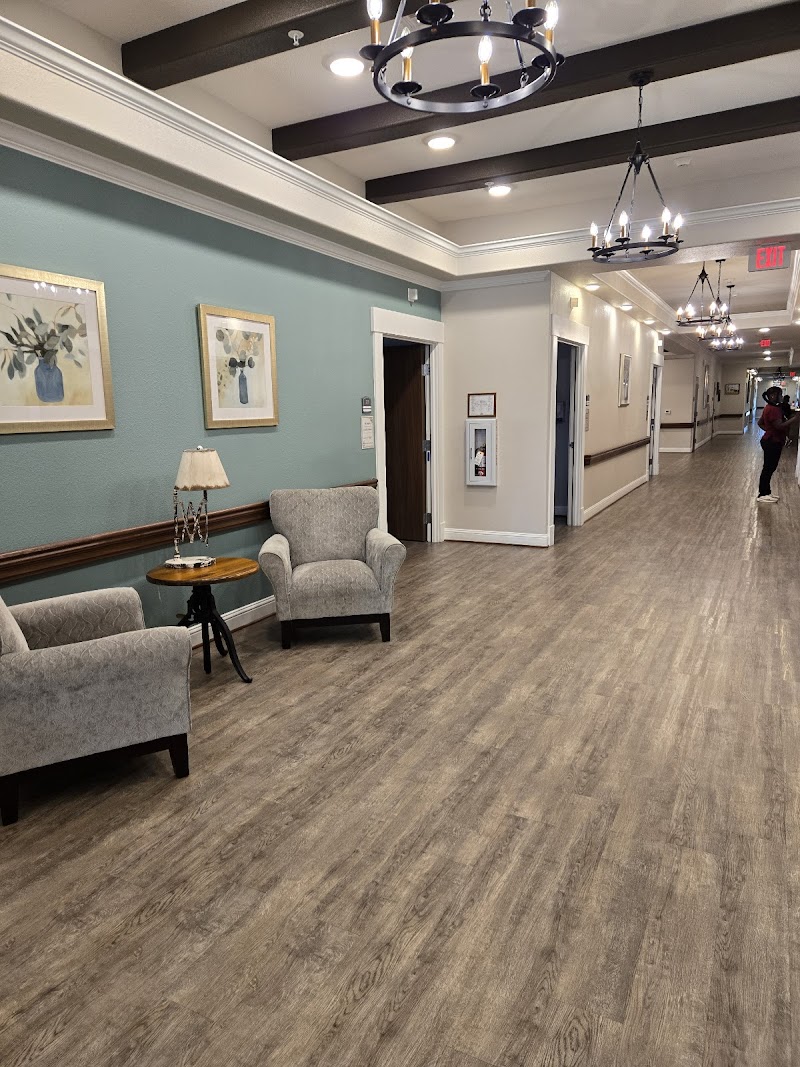
How is Cedar Hollow Rehabilitation Center Staffed?

CMS rates CEDAR HOLLOW REHABILITATION CENTER's staffing level at 2 out of 5 stars, which is below average compared to other nursing homes. Staff turnover is 70%, which is 24 percentage points above the Texas average of 46%. High turnover can affect care consistency as new staff learn residents' individual needs. RN turnover specifically is 62%, which is notably high. RNs provide skilled clinical oversight, so turnover in this role can affect medical care quality.

What Have Inspectors Found at Cedar Hollow Rehabilitation Center?

State health inspectors documented 28 deficiencies at CEDAR HOLLOW REHABILITATION CENTER during 2022 to 2025. These included: 1 Immediate Jeopardy (the most serious level, indicating potential for serious harm or death) and 27 with potential for harm. Immediate Jeopardy findings are rare and represent the most serious regulatory concerns. They require immediate corrective action.
Who Owns and Operates Cedar Hollow Rehabilitation Center?

CEDAR HOLLOW REHABILITATION CENTER is owned by a government entity. Government-operated facilities are typically run by state, county, or municipal agencies. The facility is operated by HAMILTON COUNTY HOSPITAL DISTRICT, a chain that manages multiple nursing homes. With 142 certified beds and approximately 111 residents (about 78% occupancy), it is a mid-sized facility located in SHERMAN, Texas.
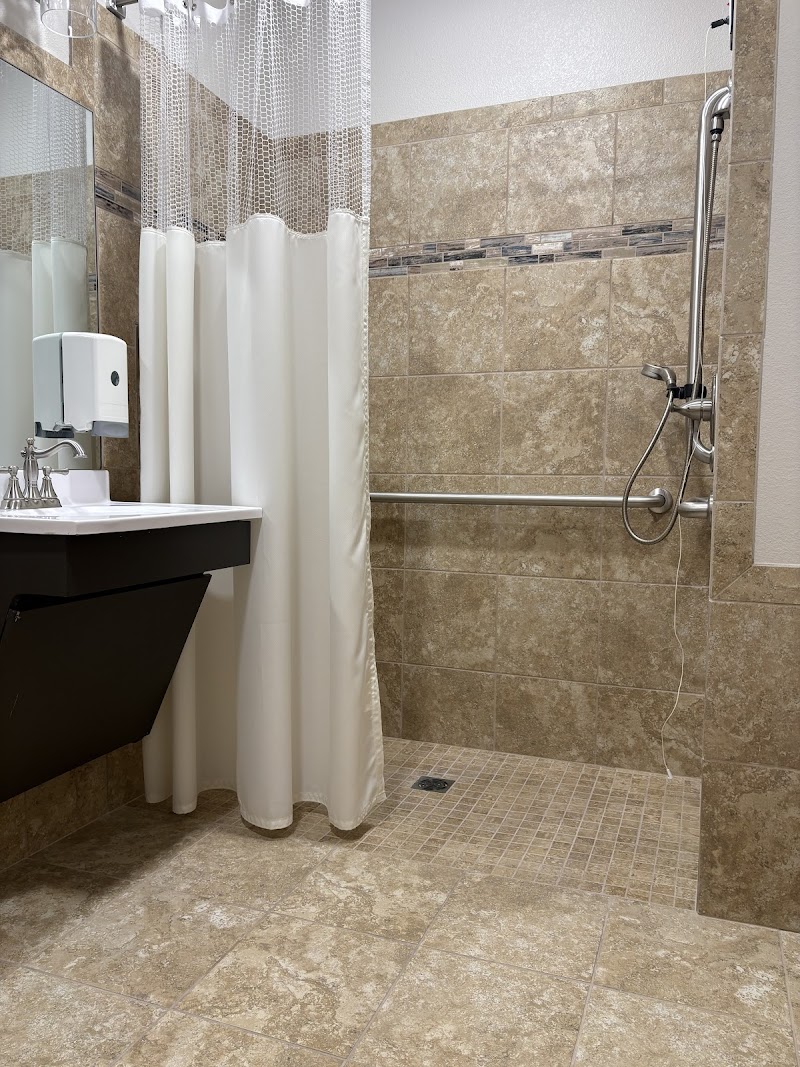
How Does Cedar Hollow Rehabilitation Center Compare to Other Texas Nursing Homes?

Compared to the 100 nursing homes in Texas, CEDAR HOLLOW REHABILITATION CENTER's overall rating (3 stars) is above the state average of 2.8, staff turnover (70%) is significantly higher than the state average of 46%, and health inspection rating (3 stars) is at the national benchmark.

What Should Families Ask When Visiting Cedar Hollow Rehabilitation Center?

Based on this facility's data, families visiting should ask: "What changes have been made since the serious inspection findings, and how are you preventing similar issues?" "How do you ensure continuity of care given staff turnover, and what is your staff retention strategy?" "Can you walk me through typical staffing levels on day, evening, and night shifts?" "Can I visit during a mealtime to observe dining assistance and food quality?" These questions are particularly relevant given the facility's Immediate Jeopardy citations, the facility's high staff turnover rate, and the below-average staffing rating.

Is Cedar Hollow Rehabilitation Center Safe?

Based on CMS inspection data, CEDAR HOLLOW REHABILITATION CENTER has documented safety concerns. Inspectors have issued 1 Immediate Jeopardy citation (the most serious violation level indicating risk of serious injury or death). The facility has a 3-star overall rating and ranks #1 of 100 nursing homes in Texas. Families considering this facility should ask detailed questions about what corrective actions have been taken since these incidents.

Do Nurses at Cedar Hollow Rehabilitation Center Stick Around?

Staff turnover at CEDAR HOLLOW REHABILITATION CENTER is high. At 70%, the facility is 24 percentage points above the Texas average of 46%. Registered Nurse turnover is particularly concerning at 62%. RNs handle complex medical decisions and coordinate care — frequent RN changes can directly impact care quality. High turnover means new staff may not know residents' individual needs, medications, or preferences. It can also be disorienting for residents, especially those with dementia who rely on familiar faces. Families should ask: What is causing the turnover? What retention programs are in place? How do you ensure care continuity during staff transitions?

Was Cedar Hollow Rehabilitation Center Ever Fined?

CEDAR HOLLOW REHABILITATION CENTER has been fined $16,772 across 1 penalty action. This is below the Texas average of $33,247. While any fine indicates a compliance issue, fines under $50,000 are relatively common and typically reflect isolated problems that were subsequently corrected. Families should ask what specific issues led to these fines and confirm they've been resolved.

Is Cedar Hollow Rehabilitation Center on Any Federal Watch List?

CEDAR HOLLOW REHABILITATION CENTER is not on any federal watch list. The most significant is the Special Focus Facility (SFF) program, which identifies the bottom 1% of nursing homes nationally based on persistent, serious quality problems. Not being on this list means the facility has avoided the pattern of deficiencies that triggers enhanced federal oversight. This is a positive indicator, though families should still review the facility's inspection history directly.