SHINER NURSING AND REHABILITATION CENTER INC
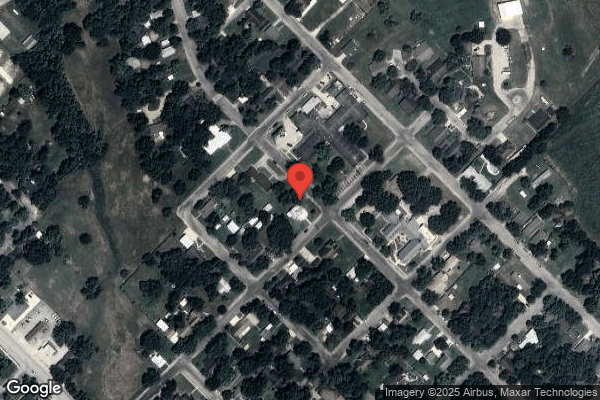
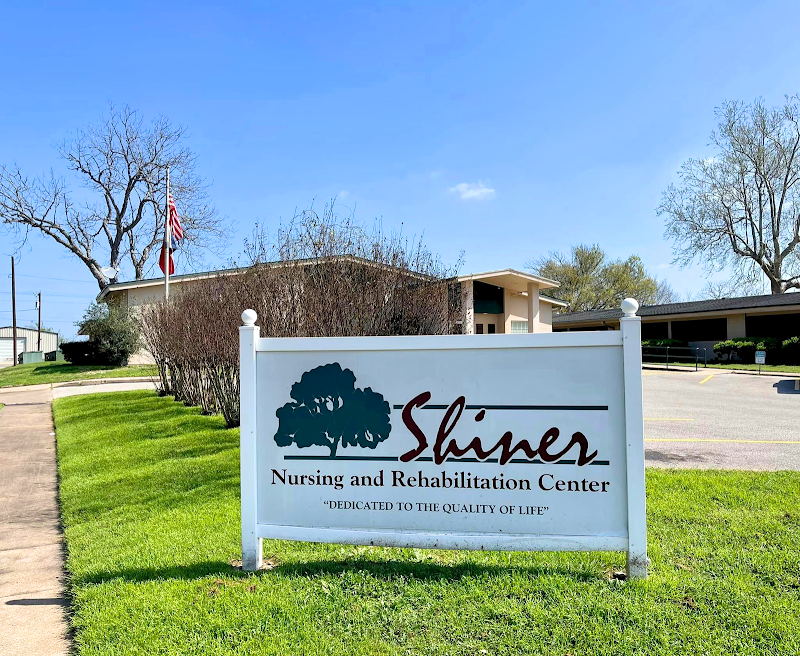
1213 N AVE B, SHINER, TX 77984 (361) 594-3353
For profit - Corporation 95 Beds CREATIVE SOLUTIONS IN HEALTHCARE Data: November 2025
Trust Grade
50/100
#835 of 1168 in TX
Last Inspection: December 2024

Within standard 12-15 month inspection cycle. Federal law requires annual inspections.

Overview

Shiner Nursing and Rehabilitation Center has a Trust Grade of C, which means it is average and positioned in the middle of the pack. It ranks #835 out of 1168 facilities in Texas, indicating it is in the bottom half of nursing homes in the state, and #5 out of 5 in Lavaca County, meaning only one local option is better. The facility is showing improvement, with issues decreasing from 10 in 2024 to just 2 in 2025. Staffing is a concern, as they received a poor rating of 1 out of 5 stars and have RN coverage that is lower than 87% of Texas facilities, which can affect the quality of care. On a positive note, the facility has not incurred any fines, which is good, and the staff turnover rate of 43% is lower than the state average of 50%. However, there have been specific incidents of concern, such as failing to provide registered nurse coverage for critical hours over multiple days and issues in the kitchen where food safety standards were not met, including spoiled food and unsanitary conditions. While there are strengths in the lack of fines and some improvement in issues, families should carefully consider the staffing and food safety concerns when evaluating this facility.

Trust Score
C
50/100
In Texas
#835/1168
Bottom 29%
Safety Record
Low Risk
No red flags
Inspections
Getting Better
10 → 2 violations
Staff Stability
○ Average
43% turnover. Near Texas's 48% average. Typical for the industry.
Penalties
✓ Good
No fines on record. Clean compliance history, better than most Texas facilities.
Skilled Nurses
⚠ Watch
Each resident gets only 12 minutes of Registered Nurse (RN) attention daily — below average for Texas. Fewer RN minutes means fewer trained eyes watching for problems.
Violations
⚠ Watch
23 deficiencies on record. Higher than average. Multiple issues found across inspections.
★★☆☆☆
2.0
Overall Rating
★☆☆☆☆
1.0
Staff Levels
★★★☆☆
3.0
Care Quality
★★★☆☆
3.0
Inspection Score
Stable
2024: 10 issues
2025: 2 issues

The Good

  • Full Sprinkler Coverage · Fire safety systems throughout facility
  • No fines on record
  • Staff turnover below average (43%)

    5 points below Texas average of 48%

Facility shows strength in fire safety.

The Bad

2-Star Overall Rating

Below Texas average (2.8)

Below average - review inspection findings carefully

Staff Turnover: 43%

Near Texas avg (46%)

Typical for the industry

Chain: CREATIVE SOLUTIONS IN HEALTHCARE

Part of a multi-facility chain

Ask about local staffing decisions and management

The Ugly 23 deficiencies on record

May 2025 2 deficiencies
CONCERN (E) 📢 Someone Reported This

A family member, employee, or ombudsman was alarmed enough to file a formal complaint

Potential for Harm - no one hurt, but risky conditions existed

Food Safety (Tag F0812)

Could have caused harm · This affected multiple residents

Based on observation, interview, and record review, the facility failed to store, prepare, distribute, and serve food in accordance with professional standards for food service safety for 1 of 1 kitch...

Read full inspector narrative →
Based on observation, interview, and record review, the facility failed to store, prepare, distribute, and serve food in accordance with professional standards for food service safety for 1 of 1 kitchen reviewed, in that: 1. The ice machine in the kitchen was leaking. 2. The double door standing refrigerator was leaking water from the mechanism at the top, with containers of food in standing water at the bottom of the unit. 3. The silver refrigerator had an accumulation of ice inside the walls. The lid, base, and inside seal were visibly soiled with a black substance. 4. The white deep freezer had an accumulation of ice inside the walls. The lid, base, and inside seal were visibly soiled with a black substance. 5. The kitchen floors were stained and soiled with food particles, two electrical outlets were visibly soiled, the kitchen drying racks were rusty, and the large return filter was covered with dust. 6. The vent hood over the stove was inoperable. These deficient practices could place residents at risk for cross-contamination and foodborne illnesses. The findings were: 1. Observation on 05/16/2025 at 11:11 a.m. revealed the ice maker located within the facility kitchen was surrounded by multiple wet towels and water on the floor around the machine. 2. Observation on 05/16/2025 at 11:15 a.m. revealed the double door standing refrigerator had towels and standing water in the bottom of the unit. Further observation revealed gallon jars of picante sauce, pickles, mustard, relish, and vinaigrette dressing, and a quart jar of chili sauce were all sitting in the water on the bottom of the unit. Observation of the unit temperature revealed it was within range. 3. Observation on 05/16/2025 at 11:17 a.m. revealed the silver refrigerator had an accumulation of ice inside the walls. The lid, base, and inside seal was visibly soiled with a black substance. Observation of the unit temperature revealed it was within range. 4. Observation on 05/16/2025 at 11:20 a.m. revealed the white deep freezer had an accumulation of ice inside the walls. The lid, base, and inside seal was visibly soiled with a black substance. Observation of the unit temperature revealed it was within range. 5. Observation on 05/16/2025 at 11:25 a.m. revealed the kitchen floors were stained and soiled with food particles, two electrical outlets were visibly soiled, the kitchen drying racks were rusty, and the large return filter was covered with dust. 6. Observation on 05/16/2025 at 11:12 a.m. revealed the switch for the vent hood over the stove was covered with blue tape and marked Do Not Touch, underneath the tape was a metal plate with two openings. During an interview with Dietary [NAME] A on 05/16/2025 at 11:12 a.m., Dietary [NAME] A stated the ice machine has a water leak behind it and water is always on the floor. Dietary [NAME] A stated the vent hood over the stove was inoperable. During an interview with Dietary [NAME] A on 05/16/2025 at 12:20 p.m., Dietary [NAME] A stated the drain behind the ice machine was often clogged which resulted in water from the ice machine leaking onto the floor. She stated the issue had been reported to the Maintenance Director and that the Maintenance Director had unclogged the drain several times in the past. Dietary [NAME] A stated the standing water in the double door refrigerator was a result of water dripping from the top of the unit, confirmed the issue had been reported to the Maintenance Director and to the Dietary Manager, and stated the issue had been like that for a long time. Dietary [NAME] A stated she had noted the accumulated ice in the silver refrigerator but not in the white freezer. During an interview with Dietary [NAME] B on 05/16/2025 at 3:00 p.m., Dietary [NAME] B stated the ice machine had been in disrepair for a few months and the double door refrigerator had been in disrepair since last year. During an interview with the Maintenance Director on 05/16/2025 at 2:20 p.m., the Maintenance Director stated the switch for the vent hood over the stove needed to be replaced, that she was actively looking for the correct part to repair the hood, and that the vent hood had been inoperable for approximately one month. The Maintenance Director stated the water under the ice machine was caused by a clog in the drain line and confirmed the clog was a reoccurring issue. She stated it had currently been clogged for approximately three days. The Maintenance Director stated the door gasket for the double door refrigerator had been broken for approximately six months which resulted in condensation leaking from the top of the unit and puddling at the bottom. She stated she had replaced the gasket, but the repair thought she may have utilized an incorrect part since the issue was still ongoing. The Maintenance Director stated the silver refrigerator appeared to need a new seal and stated she believed this was the cause of the accumulated ice and the black substance on the seal. During an interview with the DON on 05/17/2025 at 3:18 p.m., the DON confirmed the double door standing refrigerator had towels and standing water in the bottom of the unit, the silver refrigerator had an accumulation of ice inside the walls and the lid, base, and inside seal was visibly soiled with a black substance, the white deep freezer had an accumulation of ice inside the walls and the lid, base, and inside seal was visibly soiled with a black substance, and the kitchen floors were stained and soiled with food particles, two electrical outlets were visibly soiled, the kitchen drying racks were rusty, and the large return filter was covered with dust. The DON stated she was new to the facility and was unaware of these issues in the facility kitchen. The DON stated it was important to the health of vulnerable residents to serve them meals prepared in a kitchen which was sanitary with equipment in good repair. The DON stated the facility Administrator's last day had been Friday 05/16/2025 and that an interim Administrator would be in the post beginning Monday 05/19/2025. The DON stated she would report the sanitation and equipment issues to the interim Administrator so they may be resolved. Record review of the facility's policy titled, Food Storage, revised June 1, 2019, revealed, Policy: To ensure that all food served by the facility is of good quality and safe for consumption, all food will be stored according to the state, federal and US Food Codes and HACCP guidelines. Record review of the Food Code, U.S. Public Health Service, U.S. FDA, 2017, U.S. Department of H&HS, revealed: 3-305.1, Food Storage, (A) Food shall be protected from contamination by storing the food: (1) in a clean, dry location; (2) Where it is not exposed to splash, dust, or other contamination. Record review of the Food Code, U.S. Public Health Service, U.S. FDA, 2017, U.S. Department of H&HS, revealed 4-601.11 Equipment, Food-Contact Surfaces, Nonfood-Contact Surfaces, and Utensils. (A) Equipment food-contact surfaces and utensils shall be clean to sight and touch.
CONCERN (E) 📢 Someone Reported This

A family member, employee, or ombudsman was alarmed enough to file a formal complaint

Potential for Harm - no one hurt, but risky conditions existed

Safe Environment (Tag F0921)

Could have caused harm · This affected multiple residents

Based on observation, interview, and record review, the facility failed to provide a safe, functional, and sanitary environment for 1 of 1 dining room reviewed, in that: The dining room air condition...

Read full inspector narrative →
Based on observation, interview, and record review, the facility failed to provide a safe, functional, and sanitary environment for 1 of 1 dining room reviewed, in that: The dining room air conditioning vents were visibly soiled. This deficient practice could result in residents living, staff working, and families visiting in an unclean and unpleasant environment. The findings were: Observation on 05/16/2025 at 12:00 p.m. revealed the facility dining room had eight air conditioning vents in the ceiling. Further observation revealed each vent was soiled with a black substance and with rust. Further observation revealed the return vent was covered with dust. During an interview with the Maintenance Director on 05/16/2025 at 2:20 p.m., the Maintenance Director confirmed that the eight air conditioning vents in facility dining room were rusty and soiled, and confirmed the return vent in the dining room was covered with dust. The Maintenance Director stated the Housekeeping Department was responsible for cleaning the return vent and that she was responsible for cleaning the ceiling air conditioning vents. She stated she occasionally wiped the vents and sprayed bleach on the black substance but that it was ineffective in removing the substance, adding that she needed to paint the vents. She stated there was no set schedule for cleaning the vents and the last time it had been completed was in October or November of 2024. The Maintenance Director stated she planned to replace the vents because they were rusty and stated it was important for the vents to be clean because residents and staff breathe air that originates with the air conditioning vents. She stated she has cleaned the return vent with a damp cloth to remove the dust and confirmed that the task was currently overdue to be completed. During an interview with the DON on 05/17/2025 at 3:15 p.m., the DON confirmed the eight air conditioning vents in the dining room ceiling were soiled and rusty, confirmed the return vent was dusty, and stated it was important for these fixtures to be clean so that vulnerable residents had access to air from unsoiled vents. Record review of the facility's policy, Physical environment Safe/functional/sanitary/comfortable environment, dated 11/28/2017, revealed, Preventive maintenance will be completed routinely and according to protocol by the [Maintenance Supervisor] or qualified staff. The facility shall provide a safe, functional, sanitary, and comfortable environment for residents, staff and the public.
Dec 2024 10 deficiencies
CONCERN (D)

Potential for Harm - no one hurt, but risky conditions existed

Comprehensive Care Plan (Tag F0656)

Could have caused harm · This affected 1 resident

**NOTE- TERMS IN BRACKETS HAVE BEEN EDITED TO PROTECT CONFIDENTIALITY** Based on observations, interviews, and record reviews the facility failed to develop and implement a comprehensive person-center...

Read full inspector narrative →
**NOTE- TERMS IN BRACKETS HAVE BEEN EDITED TO PROTECT CONFIDENTIALITY** Based on observations, interviews, and record reviews the facility failed to develop and implement a comprehensive person-centered care plan that included measurable objectives and time frames to meet a resident's medical and nursing needs and described the services that are to be furnished to attain or maintain the resident's highest practicable physical, mental, and psychosocial well-being for 1 of 8 residents (Resident #25) reviewed for comprehensive care plans: The facility failed to ensure Resident #25's care plan reflected that she had a chronic wound and was on enhanced barrier precautions. This deficient practice could place residents at risk of not being provided with the necessary care or services and having personalized plans developed to address their specific needs. The findings included: Record review of Resident #25's admission Record, dated 12/13/24, revealed an [AGE] year-old female admitted on [DATE], and readmitted on [DATE] with diagnoses of Alzheimer's disease, chronic kidney disease stage 3, and seizures. Record review of Resident #25's significant change MDS assessment, dated 12/4/24, revealed the resident's cognition was severely impaired. Section M showed the resident had a skin tear and used a pressure reducing device for bed, application of nonsurgical dressings, application of ointments/medications for treatments. Record review of Resident #25's care plan, dated 12/11/24, revealed Enhanced barrier precautions were not mentioned in the care plan. Record review of Resident #25's nursing progress notes, dated 11/13/24, revealed: -11/29/24 Initial skin assessment written by LVN C .Skin Tear Present: Yes. Location, measurements of skin tear: Left ankle, 3cm in length . -12/03/24 Nursing note written by LVN A Res had order for Monitor skin tear to left ankle with steri strips in place; res has open area to left lower leg. Hospice wrote new order for Left Lower Leg- Cleanse with wound cleanser- apply TAO and cover with non-adherent dressing daily and prn. Family notified. -12/12/24 Nursing note written by LVN A RECEIVED CLARIFICATION TX ORDER FROM HOSPICE NURSE. CLARIFICATION TX ORDER: FULL THICKNESS WOUND TO LEFT LOWER LEG-- CLEANSE WITH WOUND CLEANSER, APPLY CALCIUM ALGINATE AND COVER WITH SECONDARY DRESSING OF CHOICE 3X WEEKLY AND PRN. Record review of Resident #25's order summary, dated 12/11/24, revealed an order for cleanse left lower leg with wound cleanser, apply medihoney and calcium alginate and cover with dry dressing three times a week, everyday shift Tuesday, Thursday, and Saturday for wound healing, with a start date of 12/6/24, and no end date. No order for EBP was found. During an observation on 12/10/24 at 10:10 a.m. no Enhanced Barrier Precaution signs or PPE bins were observed outside any resident rooms for Resident #25. Unidentified staff were observed pushing Resident #25 into her room to transfer her to bed. The staff did not have on gowns or gloves when touching the resident. During an observation on 12/12/24 at 1:32 p.m. Resident #25 had a sign added that showed she was on EBP and a PPE cart was located outside the resident's room. Resident #25 had drainage on her left sock. The resident had an approximately dime size wound that was 2-3 cm deep on her lateral lower left leg above her ankle. At 12:44 p.m. A nurse provided wound care while wearing a gown and gloves to the wound. During an interview on 12/12/24 at 12:53 p.m. the DON stated she was unaware Resident #25 had an open draining wound until 12/12/24. The DON stated Resident #25 should have been on EBP. The DON stated EBP should be used for any residents with an open area to prevent infections and should be care planned. The DON stated when EBP is added to the care plan it would generate a task for staff to know they are on EBP. The DON stated if they are not care planned staff would not know to follow protocol for EBP and there is a potential for infection.
CONCERN (D)

Potential for Harm - no one hurt, but risky conditions existed

Quality of Care (Tag F0684)

Could have caused harm · This affected 1 resident

**NOTE- TERMS IN BRACKETS HAVE BEEN EDITED TO PROTECT CONFIDENTIALITY** Based on observations, interviews and record reviews, the facility failed to ensure that a resident received treatment and care ...

Read full inspector narrative →
**NOTE- TERMS IN BRACKETS HAVE BEEN EDITED TO PROTECT CONFIDENTIALITY** Based on observations, interviews and record reviews, the facility failed to ensure that a resident received treatment and care in accordance with professional standards of practice, the comprehensive person-centered care plan, and the resident's choices for 1 (Resident #5) of 8 residents reviewed for quality of care. The facility failed to follow provider orders and care plan interventions by not placing knee high compression socks on Resident #5 for edema (swelling caused by too much fluid trapped in the body's tissues). This failure could prevent the resident from receiving treatments and worsening of edema. Findings included: Record review of Resident #5's admission Record, dated 12/13/24, revealed a [AGE] year-old female admitted on [DATE], and readmitted on [DATE] with diagnoses of non-ST elevation myocardial infarction (type of heart attack that occurs when a coronary artery is partially blocked, reducing blood flow to the heart muscle), hypertensive heart disease without heart failure (group of heart conditions that are caused by long-term high blood pressure), peripheral vascular disease (a progressive disorder that occurs when blood vessels outside of the heart and brain narrow, block, or spasm), need for assistance with personal care, unsteadiness on feet, reduced mobility, and chronic atrial fibrillation (a type of heart arrhythmia that occurs when the heart's upper chambers beat irregularly and quickly). Record review of Resident #5's quarterly change MDS assessment, dated 11/20/24, revealed the resident had a moderate cognitive impairment for daily decision making. The MDS showed for putting on or taking off footwear the resident used setup or clean up assistance where the helper sets up or cleans up, resident completes activity. Helper assists only prior to or following the activity. The MDS showed she used a wheelchair and did not walk due to medical conditions or safety concerns. Record review of Resident #5's care plan, dated 12/10/24, revealed the resident had peripheral vascular disease with a goal for extremities to be free from pain, pallor (skin paleness), rubor (redness of the skin), coldness, and edema. With interventions of apply compression stockings as ordered. Record review of Resident #5's order summary, dated 12/10/24, revealed an order for: -apply knee high compression stockings bilateral every day shift every Mon, Wed, Fri with a start date of 11/03/23 and no end date. -apply knee high compression stockings bilateral one time a day every Tue, Thu, Sat, Sun with a start date of 11/04/23 and no end date. Record review of Resident #5's MAR, dated 12/11/24, revealed the resident had her compression socks applied on 12/10/24 and 12/11/24 during the day shift. Record review of Resident #5's medication administration audit report, dated 12/12/24, revealed on 12/11/24 LVN A documented she applied the knee-high compression stockings at 6:36 a.m. During observation and interview on 12/10/24 at 1:24 p.m. Resident #5 stated her legs and feet were swollen and it was bothering her. She stated she asked staff to put her compression socks on but they had not. Resident #5 lifted her blanket up and her lower legs and feet were edematous (abnormally swollen with fluid or relating to or affected with edema). Resident #5 had on non-skid socks, not the ordered compression stockings or socks. During an observation and interview on 12/11/24 at 11:40 a.m. Resident #5 was in the dining room. She had on regular ankle socks and her feet were swollen. Resident #5 stated they had given her shower that morning and put regular ankle socks on her after. During an observation and interview on 12/11/24 at 4:30 p.m. Resident #5 had on regular ankle socks. LVN A stated they monitor the resident's edema to her legs, and they apply compressions socks every Monday, Wednesday, and Friday. LVN A stated the resident was supposed to get a shower that morning, so they removed the socks, and put them back on the resident. LVN A stated she removed the socks around 1 p.m. on 12/11/24. LVN A stated Resident #5 had compression socks in her room. LVN A then walked to Resident #5's room and opened 1 drawer and stated she did not have any in her room. LVN A then checked the linen storage room and found 1 compression sock with no pair. LVN A then stated she was unsure if they had more and needed to ask. LVN A then checked a treatment cart and did not find any. LVN A then asked a staff member who oversaw ordering supplies, and the staff member unlocked a cart in the medication storage room where there were multiple boxes of new compression socks. LVN A stated she would document that she put the compression sock on before she put them on the resident. LVN A stated Resident #5 had +2 pitting edema (a moderate level of swelling where pressing on the affected area leaves a visible indentation (pit) that disappears within 15 seconds) to both lower extremities on 12/11/24. LVN A stated they used the compression socks for her swelling and the resident should have had the socks on at that time. LVN A was then observed putting compression socks on Resident #5. During an interview on 12/11/24 at 5:48 p.m. the ADON stated she was unsure why Resident #5 did not have her compression socks put back on after her shower. ADON stated when it was not the resident's shower day the night shift nurse would place the socks on the resident around 6 a.m. before the end of their shift. ADON stated Resident #5's order was for them to be worn during the day and removed at bedtime. ADON stated the resident would have swelling if she did not wear the compression socks. Record review of the facility's policy titled Physician's Orders, dated 2015, stated Purpose: to monitor and ensure the accuracy and completeness of the medication orders, treatment orders, and ADL order for each resident.
CONCERN (D)

Potential for Harm - no one hurt, but risky conditions existed

Accident Prevention (Tag F0689)

Could have caused harm · This affected 1 resident

**NOTE- TERMS IN BRACKETS HAVE BEEN EDITED TO PROTECT CONFIDENTIALITY** Based on observation, interview, and record review, the facility failed to ensure the resident environment remains as free of ac...

Read full inspector narrative →
**NOTE- TERMS IN BRACKETS HAVE BEEN EDITED TO PROTECT CONFIDENTIALITY** Based on observation, interview, and record review, the facility failed to ensure the resident environment remains as free of accident hazards as is possible for 2 (Resident #5 and Resident #40) of 8 residents reviewed for environment, in that: 1. The facility failed to ensure Resident #5 did not have medicated chest rub and a bottle of hair spray on a dresser in her room. 2. The facility failed to ensure Resident #40 did not have a beer in his room without staff's knowledge of it. This deficient practice could result in residents encountering potentially hazardous materials. The findings were: Record review of Resident #5's admission Record, dated 12/13/24, revealed a [AGE] year-old female admitted on [DATE], and readmitted on [DATE] with diagnoses of non-ST elevation myocardial infarction (type of heart attack that occurs when a coronary artery is partially blocked, reducing blood flow to the heart muscle), hypertensive heart disease without heart failure (group of heart conditions that are caused by long-term high blood pressure), peripheral vascular disease (a progressive disorder that occurs when blood vessels outside of the heart and brain narrow, block, or spasm), need for assistance with personal care, and chronic atrial fibrillation (a type of heart arrhythmia that occurs when the heart's upper chambers beat irregularly and quickly). Record review of Resident #5's quarterly change MDS assessment, dated 11/20/24, revealed the resident had a moderate cognitive impairment for daily decision making. Record review of Resident #5's care plan, dated 12/10/24, revealed the resident remained in the facility long term because she required 24-hour licensed nursing care related to short term memory loss and increased confusion and the resident had impaired cognitive function/dementia or impaired though processes, difficulty making decisions, impaired decision making, resident and family aware of forgetfulness and confusion. Record review of Resident #5's order summary, dated 12/10/24, revealed no orders for medicated chest rub or self-administration of medications. During an observation on 12/10/24 at 3:00 p.m. Resident #5 had a over the counter jar of medicated chest rub and a bottle of hairspray on her night stand in her room. During an interview on 12/10/24 at 3:03 p.m. Resident #5 said she used the medicated chest rub because it helped her breathe better, but she was not sick or congested. During an interview on 12/11/24 at 5:21 p.m. the ADON stated any residents who self-administered medications needed an order to do so. During an interview on 12/13/24 at 1:19 p.m. the DON stated Resident #5 did not have an order for the medicated chest rub or to self-administer medications. The DON stated she should not have had the bottle of hair spray in her room either because it was a combustible. The DON stated family may have brought the items for her. The DON stated there was a possibility the resident could use the items incorrectly and become sick. 2. Record review of Resident #40's admission Record, dated 12/13/24, revealed a [AGE] year-old male admitted on [DATE], with peripheral vascular disease (a progressive disorder that occurs when blood vessels outside of the heart and brain narrow, block, or spasm), major depressive disorder, repeated falls, anxiety disorder, and chronic kidney disease stage 4. Record review of Resident #40's quarterly change MDS assessment, dated 9/17/24, revealed the resident's intact cognition for daily decision making. Record review of Resident #40's care plan, dated 12/10/24, revealed the resident often went across the street and smoked with his family member and drank alcohol initiated on 11/21/24 with intervention to education will be provided as tolerated by the resident. Record review of Resident #40's order summary, dated 12/10/24, revealed an order for may have alcoholic beverages at social functions, dated 6/24/24, and no end date. Record review of Resident #40's psychological services progress note, dated 11/19/24, revealed the resident had no substance abuse history. During an observation and interview on 12/10/24 at 1:47 p.m. Resident #40 was laying in bed. The resident had 1 open beer can at his bedside. The resident stated a friend brought him the beer and staff knew he had it. The resident did not appear drunk, spoke clearly, and did not smell of alcohol. During an observation on 12/11/24 at 4:35 p.m. Resident #40 was visiting with a friend in his room. The friend had brought him a package of sodas. The friend stated she was leaving and left through the B hallway door. The friend entered in a code to exit the door on her own and got into a vehicle that was parked by the door. During an observation on 12/13/24 at 4:31 p.m. Two visitors walked up to the outside door B hallway door and stopped outside the B wing door. They stood there, read a sign, and walked around to the front door. A sign on the inside of the door read leaving with a resident SNRC? please sign them out at the nurse's station. Outside sign said, Visitors must enter through the front door for resident safety, we are no longer allowing entry through the side doors. During an interview on 12/11/24 at 5:30 p.m. LVN A stated she was the charge nurse on B hallway where Resident #40 resided. LVN A stated she had never seen the resident with alcohol or appearing to be drunk. During an interview on 12/13/24 at 4:40 p.m. CNA D stated she worked on the B hallway and had never seen Resident #40 with a beer or appearing drunk. During an interview on 12/12/24 at 10:24 a.m. the Administrator stated residents could have visitors at any hours. The Administrator stated visitors should come in the front doors only. The Administrator stated visitors should not have codes to the door and they were working to remove those codes. During an interview on 12/12/24 at 1:29 p.m. the DON stated they had what they called champions who would round on assigned residents to see if they needed anything and look for prohibited items. The DON stated the previous BOM was supposed to be Resident #40's champion but no longer worked at the facility and they overlooked this. The DON stated the Resident would be reassigned to a new department head. The DON stated Resident #40 had received psychiatric services, but they had never stated he had a substance use issue. The DON stated she only saw him drinking in the parking lot next to the facility one time and it was his birthday. The DON stated that was when she added it to the care plan. The DON stated they would monitor him going forward. The DON stated the beer could have interactions with the resident's medications and could lead to all kind of other issues. The DON stated they had ordered new keypads for the door since they could not remove the older codes but for the time they had locked the doors from the outside. Record review of the facility's document Nursing Home List of Items Not Allowed in Resident Room, dated 5/6/2005, stated Medications: (includes all prescription and over-the-counter drugs, expect emergency items like nitro-glycerin, which must be ordered by the doctor through the Nursing Home) and in certain situations where the resident is allowed to self administer as per care plan . Mentholatum, Vicks, deep heat .Safety Hazards .AEROSOL CANS of any product are combustible .
CONCERN (D)

Potential for Harm - no one hurt, but risky conditions existed

Respiratory Care (Tag F0695)

Could have caused harm · This affected 1 resident

**NOTE- TERMS IN BRACKETS HAVE BEEN EDITED TO PROTECT CONFIDENTIALITY** Based on observation, interviews, and record review, the facility failed to ensure that a resident who needs respiratory care, i...

Read full inspector narrative →
**NOTE- TERMS IN BRACKETS HAVE BEEN EDITED TO PROTECT CONFIDENTIALITY** Based on observation, interviews, and record review, the facility failed to ensure that a resident who needs respiratory care, including tracheostomy care and tracheal suctioning, is provided such care, consistent with professional standards of practice for 2 of 6 (Resident #25 and Resident #34) residents reviewed for respiratory care. The facility failed to ensure Resident #25 and Resident #34 had an oxygen sign posted on their door to alert they had an oxygen tank and concentrator in their room. This deficient practice could place residents at risk for an increase in respiratory complications and make other unaware oxygen is in use. The findings included: Record review of Resident #25's admission Record, dated 12/13/24, revealed an [AGE] year-old female admitted on [DATE], and readmitted on [DATE] with diagnoses of Alzheimer's disease, chronic kidney disease stage 3, and seizures. Record review of Resident #25's significant change MDS assessment, dated 12/4/24, revealed the resident's cognition was severely impaired. Section O showed the resident received oxygen therapy. Record review of Resident #25's care plan, dated 12/11/24, revealed the resident had risk for altered respiratory status/difficulty breathing related to allergies with an intervention to provide oxygen as ordered. Record review of Resident #25's order summary, dated 12/11/24, revealed an order for may apply oxygen at 2-3 liters per minute as needed for dyspnea or low oxygen saturation with a start date of 11/26/24, and no end date. During an observation on 12/10/24 at 10:15 a.m. an oxygen concentrator and portable oxygen tank were observed in Resident #25's room. There were no signs on or around the resident's room alerting there was oxygen. Record review of Resident #34's admission Record, dated 12/13/24, revealed a [AGE] year-old male admitted on [DATE], and readmitted on [DATE] with diagnoses of atrial fibrillation (fast irregular heart rhythm), sleep apnea, and influenza due to unidentified influenza virus with other respiratory manifestations. Record review of Resident #34's quarterly change MDS assessment, dated 11/12/24, revealed the resident's cognition was intact for daily decision making. Section O did not show the resident received oxygen therapy. Record review of Resident #34's care plan, dated 12/11/24, revealed the resident had altered cardiovascular status related to hyperlipidemia (high cholesterol) with interventions to give oxygen as ordered by the physician. Record review of Resident #25's order summary, dated 12/11/24, revealed an order for oxygen per nasal cannula 1-2 liters per minute as needed for shortness of breath, with a start date of 3/22/24, and no end date. During an observation on 12/10/24 at 11:28 a.m. Resident #34 was in his room with oxygen tubing on. No sign was noted on or around the resident's door to indicate he had oxygen in the room. During an interview on 12/11/24 at 5:29 p.m. LVN A stated they are supposed to use oxygen signs for all residents who have oxygen. LVN A stated Resident #25, #34 and #11 all had oxygen in their rooms on B hall way and should have signs but did not. LVN A stated the signs needed to be up because no one should be smoking in the rooms. During an interview on 12/11/24 at 5:47 p.m. the ADON stated residents with oxygen should have signs posted so people know they are on oxygen and not to use anything with flames or sparks nearby. During an interview on 12/13/24 at 1:31 p.m. the DON stated residents with oxygen should have signs on the door because it is combustible. The DON stated they added the signs as soon as it was brought to their attention. Record review of the facility's policy titled Oxygen Administration, dated 2/13/2007, stated .The administration, monitoring of responses, and safety precautions associated with it are performed by the nurse .11. Place NO SMOKING signs in area when oxygen is administered and stored. Store oxygen cannister in an area free of flammable substances. Avoid the use of electrical appliances in the area of oxygen use as well
CONCERN (D)

Potential for Harm - no one hurt, but risky conditions existed

Drug Regimen Review (Tag F0756)

Could have caused harm · This affected 1 resident

**NOTE- TERMS IN BRACKETS HAVE BEEN EDITED TO PROTECT CONFIDENTIALITY** Based on interview and record review, the facility failed to ensure residents' pharmacist medication regimen review recommendati...

Read full inspector narrative →
**NOTE- TERMS IN BRACKETS HAVE BEEN EDITED TO PROTECT CONFIDENTIALITY** Based on interview and record review, the facility failed to ensure residents' pharmacist medication regimen review recommendations were reviewed by the resident's attending physician and what, if any, action has been taken to address them, for 2 of 4 residents (Residents #4 and #16) reviewed for pharmacy services. The facility failed to ensure the pharmacist's recommendations to Residents' #4's and #16's physician were reviewed by the physician for medication regimen review. This failure could place residents at risk for significant health status declines and could place residents on psychoactive medications at risk for possible adverse side effects, adverse consequences, and decreased quality of life. Findings include: Resident #4 Record review of Resident #4's admission Record, dated 12/13/24, revealed a [AGE] year-old female admitted on [DATE] with diagnoses of dementia, chronic atrial fibrillation, and psychotic disorder with delusions due to know physiological condition, and major depressive disorder. Record review of Resident #4's quarterly MDS assessment, dated 9/20/24, revealed the resident's cognition was moderately impaired for daily decision making. Section N revealed she took an antipsychotic and antidepressant. Record review of Resident #4's care plan, dated 12/13/24, revealed the resident required anti-psychotic medications with interventions to consult with pharmacy, MD to consider dosage reduction when clinically appropriate. Record review of Resident #4's order summary, dated 12/13/24, revealed an order for quetiapine fumarate 100 mg, give 1 tablet by mouth, one time a day, related to psychotic disorder with delusions due to know physiological condition, with a start date of 10/10/23, and no end date. Record review of Resident #4's medication regimen review, dated 10/29/24, reflected it was not completed by the MD. The pharmacist recommended a gradual dose reduction attempt for quetiapine fumarate 100 mg. During an interview on 12/13/24 at 11:45 a.m. the DON stated they would need to check in medical records to see if they had a form that the provider reviewed. The DON stated they would need to check to see if the provider had any notes from visits since 8/20/24. On 12/13/24 at 2:30 p.m. the former Administrator brought in a medication review form that was filled out by the provider but was not dated. She stated that was how the provider's office sent it on 12/13/24. At 2:50 p.m. they brought in a form that was faxed on 12/13/24 and dated 11/1/24 where the provider stated the resident needed to continue with the same dose to prevent injury to patient, other residents, and staff. Resident #16 Record review of Resident #16's admission Record dated 12/13/24 documented a [AGE] year old female originally admitted to facility 05/14/25 with the most current admission on [DATE]. Resident #16's diagnoses included bipolar disorder, personal history of traumatic brain injury, mild cognitive impairment of uncertain or unknown etiology, major depressive disorder, anxiety disorder and glaucoma. Record review of Resident #16's Physicians Orders as of 12/13/24 revealed an order for Zoloft dated 03/05/23 for 50 mg Zoloft (Sertraline) one time a day related to Major Depressive Disorder, Recurrent, Unspecified - Give with the 100 mg to = 150 mg. Additionally, Resident #16 had an order as of 10/30/23 for Zoloft 100 mg to give orally two times per day. Record review of Resident #16's Pharmacy Regimen Review dated 08/26/24 recommended a GDR (Gradual Dose Reduction) for the Zoloft 150 mg daily. Record review of Resident #16's medical chart did not indicate that the physician had addressed the recommendation as of 12/12/24. Interview with the DON on 12/12/24 at 10:01 am revealed that the facility's Medical Records clerk hand delivered the Pharmacy Recommendations to the physicians' office on the day after the recommendations were received. The DON stated The doctors, including the Medical Director, want to ignore the pharmacy recommendations since they don't like to be told what to do. The DON stated it often takes a couple of months before they receive the recommendations back. The DON acknowledged that the recommendation to do a GDR for Resident #16's Zoloft had not been addressed. The DON stated they had to abide by the physician's recommendation. On 12/13/24, the DON gave the surveyor a faxed copy of the Medication Regimen Review form for Resident #16 dated and signed by the physician on 12/13/24 which stated the risk of clinical deterioration outweighs benefit of recommended change.
CONCERN (D)

Potential for Harm - no one hurt, but risky conditions existed

Medical Records (Tag F0842)

Could have caused harm · This affected 1 resident

**NOTE- TERMS IN BRACKETS HAVE BEEN EDITED TO PROTECT CONFIDENTIALITY** Based on observation, interviews, and record review, the facility failed to maintain clinical records on each resident that were...

Read full inspector narrative →
**NOTE- TERMS IN BRACKETS HAVE BEEN EDITED TO PROTECT CONFIDENTIALITY** Based on observation, interviews, and record review, the facility failed to maintain clinical records on each resident that were complete and accurately documented in accordance with accepted professional standards and practices for 1 (Resident # 5) of 8 residents reviewed for accuracy and completeness of clinical records. 1. The facility failed to ensure nursing staff did not document they put on compression stocking on Resident #5 when they did not put them on. This failure could affect any residents who have medical records and could result in misinformation about professional care provided. Findings included: 1. Record review of Resident #5's admission Record, dated 12/13/24, revealed a [AGE] year-old female admitted on [DATE], and readmitted on [DATE] with diagnoses of non-ST elevation myocardial infarction (type of heart attack that occurs when a coronary artery is partially blocked, reducing blood flow to the heart muscle), hypertensive heart disease without heart failure (group of heart conditions that are caused by long-term high blood pressure), peripheral vascular disease (a progressive disorder that occurs when blood vessels outside of the heart and brain narrow, block, or spasm), need for assistance with personal care, unsteadiness on feet, reduced mobility, and chronic atrial fibrillation (a type of heart arrhythmia that occurs when the heart's upper chambers beat irregularly and quickly). The admission record showed she was a DNR. Record review of Resident #5's quarterly change MDS assessment, dated 11/20/24, revealed the resident had mild cognitive impairment for daily decision making. Record review of Resident #5's care plan, dated 12/10/24, revealed the resident had peripheral vascular disease with a goal for extremities to be free from pain, pallor, rubor, coldness, and edema. With interventions of apply compression stockings as ordered. Record review of Resident #5's order summary, dated 12/10/24, revealed an order for: -apply knee high compression stockings bilateral every day shift every Mon, Wed, Fri with a start date of 11/03/23 and no end date. -apply knee high compression stockings bilateral one time a day every Tue, Thu, Sat, Sun with a start date of 11/04/23 and no end date. Record review of Resident #5's MAR, dated 12/11/24, revealed the resident had her compression socks applied on 12/10/24 and 12/11/24 during the day shift. Record review of Resident #5's medication admin audit report, dated 12/12/24, revealed on 12/11/24 LVN A documented she applied the knee-high compression stockings at 6:36 a.m. During observation and interview on 12/10/24 at 1:24 p.m. Resident #5 stated her legs and feet were swollen. She stated she asked staff to put her compression socks on but they had not. Resident #5 lifted her blanket up and her lower legs and feet edematous (abnormally swollen with fluid or relating to or affected with edema). Resident #5 had on non-skid socks. During an observation and interview on 12/11/24 at 11:40 a.m. Resident #5 was in the dining room. She had on regular ankle socks and her feet were swollen. Resident #5 stated they had given her a shower that morning and put regular ankle socks on her after. During an observation and interview on 12/11/24 at 4:30 p.m. Resident #5 had on regular ankle socks. LVN A stated they monitor the resident's edema to her legs, they apply compressions socks every Monday Wednesday and Friday. LVN A stated the resident was supposed to get a shower that morning, so they removed the socks, put them back on the resident, and removed the socks again around 1 p.m. that day. Resident #5 stated again that she never had on compression socks at all that day. During an interview on 12/11/24 at 5:48 p.m. the ADON stated she was unsure why Resident #5 did not have her compression socks put back on after her shower. The ADON stated when it was not the resident's shower day the night shift nurse would place the socks on the resident around 6 a.m. before the end of their shift. The ADON stated Resident #5's order was for them to be worn during the day and removed at bedtime. Record review of the facility's policy titled Documentation, dated 2003, stated Documentation is the recording of all information, both objective and subjective, in the clinical record of an individual resident. It includes observations, investigations, and communications of the residents involving care and treatments. It has legal requirements regarding accuracy and completeness, legibility, and timing . 1. The facility will maintain complete and accurate documentation for each resident on all appropriate clinical record sheets. 2. The facility will ensure that information is comprehensive and timely and properly signed. Procedure . 3. Place all required and appropriately signed forms in the clinical record. Items such as copies of advance directives, consent for treatment, consents for specific procedures, consult results, laboratory, diagnostic procedures, history and physical reports, nursing documentation .
CONCERN (E)

Potential for Harm - no one hurt, but risky conditions existed

Deficiency F0578 (Tag F0578)

Could have caused harm · This affected multiple residents

**NOTE- TERMS IN BRACKETS HAVE BEEN EDITED TO PROTECT CONFIDENTIALITY** Based on observation, interviews, and record review, the facility failed to ensure the residents had the right to formulate an a...

Read full inspector narrative →
**NOTE- TERMS IN BRACKETS HAVE BEEN EDITED TO PROTECT CONFIDENTIALITY** Based on observation, interviews, and record review, the facility failed to ensure the residents had the right to formulate an advanced directive and determine the choice to recieve or not recieve CPR (cardiopulmonary resuscitation) for 3 (Resident #5, Resident #25, Resident #40) of 8 residents reviewed for accuracy and completeness of clinical records. 1 The facility failed ensure Resident #5's OOH DNR was not missing the physicians printed name. 2 The facility failed to ensure Resident #25's OOH DNR was signed a 2nd time by the resident representative. 3. The facility failed to ensure Resident #40's OOH DNR was signed a 2nd time by the resident. This failure could affect any residents who have medical records and could result in misinformation about professional care provided. Findings included: 1. Record review of Resident #5's admission Record, dated [DATE], revealed a [AGE] year-old female admitted on [DATE], and readmitted on [DATE] with diagnoses of non-ST elevation myocardial infarction (type of heart attack that occurs when a coronary artery is partially blocked, reducing blood flow to the heart muscle), hypertensive heart disease without heart failure (group of heart conditions that are caused by long-term high blood pressure), peripheral vascular disease (a progressive disorder that occurs when blood vessels outside of the heart and brain narrow, block, or spasm), need for assistance with personal care, unsteadiness on feet, reduced mobility, and chronic atrial fibrillation (a type of heart arrhythmia that occurs when the heart's upper chambers beat irregularly and quickly). The admission record showed she was a DNR. Record review of Resident #5's quarterly change MDS assessment, dated [DATE], revealed the resident had mild cognitive impairment for daily decision making. Record review of Resident #5's care plan, dated [DATE], revealed the resident had peripheral vascular disease with a goal for extremities to be free from pain, pallor, rubor, coldness, and edema. With interventions of apply compression stockings as ordered. Record review of Resident #5's care plan, dated [DATE], revealed the resident had an order for do not resuscitate (DNR) with interventions that that all aspects of the DNR will be explained to resident or RP, in absence of b/p, pulse, respirations, will not be initiated. Record review of Resident #5's order summary, dated [DATE], revealed an order for DNR with a start date of [DATE] and no end date. Record review of Resident #5's OOH DNR was signed by the physician on [DATE] and was blank for the printed name of the physician. 2. Record review of Resident #25's admission Record, dated [DATE], revealed a [AGE] year-old female admitted on [DATE], and readmitted on [DATE] with diagnoses of Alzheimer's disease, chronic kidney disease stage 3, and seizures. The admission record showed she was a DNR. Record review of Resident #25's significant change MDS assessment, dated [DATE], revealed the resident's cognition was severely impaired. Record review of Resident #25's care plan, dated [DATE], revealed the resident had an order for DNR with an intervention that all aspects of the DNR will be explained to resident or RP. Record review of Resident #25's order summary, dated [DATE], revealed an order for DNR with a start date of [DATE], and no end date. Record review of Resident #25's OOH DNR was signed by the RP on [DATE] in section C. The RP signature was missing at the bottom of the document where all persons who have signed above must sign below. 3. Record review of Resident #40's admission Record, dated [DATE], revealed a [AGE] year-old male admitted on [DATE], with peripheral vascular disease (a progressive disorder that occurs when blood vessels outside of the heart and brain narrow, block, or spasm), major depressive disorder, repeated falls, anxiety disorder, and chronic kidney disease stage 4. The admission record showed he had a DNR. Record review of Resident #40's quarterly change MDS assessment, dated [DATE], revealed the resident was intact cognitively for daily decision making. Record review of Resident #40's care plan, dated [DATE], revealed the resident had a DNR with interventions that that all aspects of the DNR will be explained to resident or RP, in absence of b/p, pulse, respirations, will not be initiated. Record review of Resident #40's order summary, dated [DATE], revealed an order for DNR with a start date of [DATE], and no end date. Record review of Resident #40's DNR was signed by the resident on [DATE] in section A. The resident signature was missing at the bottom of the document where all persons who have signed above must sign below. During a joint interview on [DATE] at 9:47 a.m. The DON, ADON, and Medical Records personnel stated medical records was helping residents with the DNRs. Medical Records stated she had helped complete Resident #25's DNR but the others were done by the previous Medical Records personnel. The ADON stated the facility's policy would ensure once a resident stated they wanted a DNR they would honor it even before the paperwork was completed. Medical Records stated she was not aware everyone needed to sign twice on the DNR paperwork. The ADON and DON stated they could see how it would be an issue with outside agencies not honoring the DNR if it was not filled out correctly. Record review of the facility's policy titled DNR, no date, stated There are 2 ways we can obtain a DNR order: 1. The Out of Hospital DNR used on the Texas form. This version is universally accepted for all medical personnel in all settings 2. Physician's order for DNR. This can only be honored by your facility . Below is a summary of requirements of a standalone physician order for DNR: (this does not apply to Out of Hospital DNR. That process remains unchanged) It can no longer just be a standalone physician order. There are certain components that must be met. We need to have it documented in the clinical record: That the resident or resident representative is requesting the DNR. Where we contacted the physician with that request. The physician's response to the request. Use the [EMR] Request for DNR in order to have all the components. This is active in [EMR] now Scan completed Request for DNR forms into the residents document tab of [EMR]. The order: The DNR order takes effect at the time the order is issued. It does not need to be signed in order to be valid Input into [EMR] as verbal or telephone order so the physician can sign as soon as possible. After the order is entered, update the resident's care plan. If a resident or their representative request a DNR, we should start the process immediately for the OOH DNR. While we are awaiting all the signature requirements for the OOH DNR, we need to follow the process for the stand alone order. Again the stand alone physicians is only recognized by our staff, but we can respect the resident or representative wishes .
CONCERN (E)

Potential for Harm - no one hurt, but risky conditions existed

Pharmacy Services (Tag F0755)

Could have caused harm · This affected multiple residents

**NOTE- TERMS IN BRACKETS HAVE BEEN EDITED TO PROTECT CONFIDENTIALITY** Based on observation, interview, and record review the facility failed to provide pharmaceutical services (including procedures ...

Read full inspector narrative →
**NOTE- TERMS IN BRACKETS HAVE BEEN EDITED TO PROTECT CONFIDENTIALITY** Based on observation, interview, and record review the facility failed to provide pharmaceutical services (including procedures that assure the accurate acquiring, receiving, dispensing, and administering of all drugs and biologicals) to meet the needs of each resident for 3 of 3 medication carts (medication A hall cart, medication B hall cart, and medication C hall cart) and 1 of 1 medication storage room reviewed for medications and pharmacy services, in that 1. The facility failed to maintain glucometer logs. 2. The facility failed to ensure expired supplies were discarded. 3. The facility failed to ensure loose pills were not stored in the medication cart. 4.) The facility failed to ensure staff administered Resident #39's omeprazole (antacid) and the ordered dose of polyethylene glycol (laxative). This failure could place residents at risk for not receiving therapeutic effects of treatments. The findings included: 1. During an observation and interview on [DATE] at 2:29 p.m. Nursing medication cart for the B hallway contained a glucometer and log for [DATE]. The log was blank for the 4th and 5th of December. The log did not specify the glucometer that was being tested. LVN A stated night shift would check the glucometers nightly to ensure they were working properly. LVN A stated she never checked to see if the nightly controls were being done. LVN A stated if the meter was ever not working, she would just use the one from the other nursing cart. During an observation on [DATE] at 2:37 p.m. Nursing medication cart for the C hallway contained a glucometer and log for [DATE]. The log was blank for the 4th, 5th, and 6th of December. The log did not specify the glucometer that was being tested. LVN C stated night shift would check the glucometers nightly to ensure they were working properly. LVN C stated she never checked to see if the nightly controls were being done. LVN C stated there was no way to know which glucometer went to which log because the log did not specify. 2. During an observation on [DATE] at 2:25 p.m. the medication storage room contained a box of IV alcohol caps with an expiration date of [DATE]. 3. During an observation on [DATE] at 2:10 p.m. medication cart for the A hallway had a medication cup with 2 pills in it. LVN B stated she had put them there to give to a resident who was due to take them at 1 p.m. LVN B stated she should not keep the pills like that and would discard them. During an interview on [DATE] at 1:20 p.m. the DON stated staff cannot store pills ahead of time because of infection control, they could lose track of what they gave, and give the medication again, or miss a dose. The DON stated staff should go through the MAR at the time of medication administration, dispense the pill, and then document what you administered. The DON stated the IV caps should be discarded. The DON stated they started new logs for the glucometers that contain an area for which meter was being checked and the meters were also labeled. The DON stated night shift was expected to check the glucometers each night to ensure they were working properly. The DON stated they are tested to ensure they are in the appropriate range so when you test a resident's blood glucose you know you are getting an accurate reading for treatment. Record review of the facility's policy titled Medication Administration Procedures, dated [DATE], stated .3.Open the unit dose package only when you are administering medication directly to the resident. Removing the medication from its unit dose packaging in advance lessens the ability to positively identify the medication and increases the chance of drug administration errors and contamination . 4. Record review of Resident #39's admission Record, dated [DATE], revealed an [AGE] year-old female admitted on [DATE], and readmitted on [DATE] with diagnoses of fractured sacrum, hypertension, Alzheimer's Disease, and depression. Record review of Resident #39's quarterly MDS assessment, dated [DATE], revealed the resident's cognition was severely impaired. Record review of Resident #39's care plan, dated [DATE], revealed the resident had bladder incontinence, Parkinson's, took an antidepressant, and potential for uncontrolled pain related to fracture of sacrum and to monitor for constipation. Another area stated she had an alteration in gastrointestinal status related to vascular disorder of intestine and to avoid snacks that aggravate the condition. Record review of Resident #39's order summary, dated [DATE], revealed orders for: - polyethylene glycol 3350 give 17 grams orally one time a day for constipation mix in 4-6 oz fluid, with a start date of [DATE], and no end date. -20 mg of omeprazole give 1 capsule orally one time a day for indigestion do not crush or chew in the morning with meals. Record review of Resident #39's nursing progress notes, dated [DATE], revealed no nursing notes about any deviations in medication administration from physician orders on [DATE]. During an observation on [DATE] at 7:36 a.m. LVN B prepared to administer medications to Resident #39. LVN B had 4 blister packs of medication outside of her cart to administer. LVN B had 3 pills in the medication cup. LVN B put all the medication back in the cart and locked it. LVN B did not dispense the 20 mg capsule of omeprazole. This surveyor asked LVN B how many pills she was supposed to be giving. LVN B went back to her computer to look at the MAR. LVN B then removed the medication blister packs and stated she forgot the omeprazole. LVN B then went to give Resident #39 her medications. The resident was eating in the dining room. LVN B stated she needed to take her medications. Resident #39 stated she did not want to take all the polyethylene glycol mixture. LVN B stated okay and discarded the remaining amount. About 1/3 of the medication was discarded. LVN B documented all the polyethylene glycol mixture was administered. During an interview on [DATE] at 1:14 p.m. the DON stated there are different options to choose from when a resident refuses a medication. The DON stated staff should go back and document what the resident took. The DON stated staff should be looking at the MAR at the time they are dispensing medications to ensure they are giving the right medications. The DON stated the resident took omeprazole for a chronic gastrointestinal problem and it could cause the resident to have an upset stomach if she missed a dose. Record review of the facility's policy titled Medication Administration Procedures, dated [DATE], stated .5. After the resident has been identified, administer the medication and immediately chart doses administered on the medication administration record. It is recommended that medication be charted immediately after administration, but if facility policy permits, medication may be charted immediately before administration. Initials are to be used. Check marks are not acceptable. During the medication administration process, the unlocked side of the cart must always be in full view of the nurse. All nurses administering medication must sign and initial the designated area of each resident's medication/treatment administration record or resident specific master signature log for identification of all initials used in charting. If a dose of regularly scheduled medication is withheld or refused, the nurse is to initial and circle the front of the medication administration record in the space provided for that dosage administration and an explanatory note is to be entered in the nursing notes or in the PRN nurses notes section of the medication administration record .
CONCERN (E)

Potential for Harm - no one hurt, but risky conditions existed

Infection Control (Tag F0880)

Could have caused harm · This affected multiple residents

**NOTE- TERMS IN BRACKETS HAVE BEEN EDITED TO PROTECT CONFIDENTIALITY** Based observation, interview, and record review, the facility failed to maintain an Infection Prevention and Control Program des...

Read full inspector narrative →
**NOTE- TERMS IN BRACKETS HAVE BEEN EDITED TO PROTECT CONFIDENTIALITY** Based observation, interview, and record review, the facility failed to maintain an Infection Prevention and Control Program designed to provide a safe, sanitary, and comfortable environment and to help prevent the development and transmission of communicable diseases and infections for 3 (Resident #25, Resident #26, Resident #43) of 16 residents and 1 (Hall A Medication cart) of 3 medication carts observed for infection control. 1. The facility failed to initiate enhanced barrier precautions for Resident #25, #26 and #43 who all required enhanced barrier precautions. 2. The facility failed to ensure an employee's name tag was not stored in a box of clean disposable wooden spoons used to mix crushed medications with food. These failures could place residents at risk for spread of infection and cross contamination. Findings include: Resident #25 Record review of Resident #25's admission Record, dated 12/13/24, revealed an [AGE] year-old female admitted on [DATE], and readmitted on [DATE] with diagnoses of Alzheimer's disease, chronic kidney disease stage 3, and seizures. Record review of Resident #25's significant change MDS assessment, dated 12/4/24, revealed the resident's cognition was severely impaired. Section M showed the resident had a skin tear and used a pressure reducing device for bed, application of nonsurgical dressings, application of ointments/medications for treatments. Record review of Resident #25's care plan, dated 12/11/24, revealed the resident had potential for pressure ulcer development due to decreased mobility, impaired cognition, and frequently incontinent with interventions to assess skin condition weekly and as needed, record all findings. Enhanced barrier precautions were not mentioned in the care plan. Record review of Resident #25's nursing progress notes, dated 11/13/24, revealed: -11/29/24 Initial skin assessment written by ADON .Skin Tear Present: Yes. Location, measurements of skin tear: Left ankle, 3cm in length . -12/03/24 Nursing note written by LVN A Res had order for Monitor skin tear to left ankle with steri strips in place; res has open area to left lower leg. Hospice wrote new order for Left Lower Leg- Cleanse with wound cleanser- apply TAO and cover with non-adherent dressing daily and prn. Family notified. -12/12/24 Nursing note written by LVN A RECEIVED CLARIFICATION TX ORDER FROM HOSPICE NURSE. CLARIFICATION TX ORDER: FULL THICKNESS WOUND TO LEFT LOWER LEG-- CLEANSE WITH WOUND CLEANSER, APPLY CALCIUM ALGINATE AND COVER WITH SECONDARY DRESSING OF CHOICE 3X WEEKLY AND PRN. Record review of Resident #25's order summary, dated 12/11/24, revealed an order for cleanse left lower leg with wound cleanser, apply medihoney and calcium alginate and cover with dry dressing three times a week, every day shift Tuesday, Thursday, and Saturday for wound healing, with a start date of 12/6/24, and no end date. No order for EBP was found. During an observation on 12/10/24 at 10:10 a.m. no Enhanced Barrier Precaution signs or PPE bins were observed outside any resident rooms for Resident #25, #26 or #43. Unidentified staff were observed pushing Resident #25 into her room to transfer her to bed. The staff did not have on gowns or gloves when touching the resident. During an observation on 12/12/24 at 1:32 p.m. Resident #25 had a sign added that showed she was on EBP and a PPE cart was located outside the resident's room. Resident #25 had drainage on her left sock. The resident had an approximately dime size wound that was 2-3 cm deep on her lateral lower left leg above her ankle. At 12:44 p.m. A nurse provided wound care while wearing a gown and gloves to the wound. Resident #26 Record review of Resident #26's admission Record dated 12/13/24 documented a [AGE] year-old female admitted on [DATE] with diagnoses that included end stage renal disease, emphysema (chronic lung disease), chronic systolic (congestive) heart failure (a condition where the left ventricle of the heart is weakened and can't pump blood effectively), renal osteodystrophy (a complication of chronic kidney disease that weakens the bones) and dependence on renal dialysis. Record review of Resident #26's 5-day Medicare Part A MDS assessment dated [DATE] showed a BIMS score of 14 indicating resident was cognitively intact. During an interview with Resident #26 on 12/11/24 at 10:51 am, resident stated she goes to dialysis 3 times per week. She has a dialysis port in her arm but also has a temporary central port in her chest. Resident #26 stated staff have never worn gowns during her care. Record review of Resident #26's Care Plan revealed a Focus of Resident is on enhanced barrier precautions with an initiated date of 12/12/24. Record review of Resident #26's current Physicians Orders active as of 12/12/24 did not reveal an order for Enhanced Barrier Precautions. Resident #43 Record review of Resident #43's admission Record dated 12/13/24 documented an [AGE] year-old male admitted to facility 11/19/24 with diagnoses that included muscle weakness; localized swelling, mass and lump, lower limb, bilateral; and other spondylosis with myelopathy, lumbar region (a neurological condition that occurs when spinal cord is compressed due to age-related changes). Record review of Resident #43's Physician Orders with active orders as of 12/13/24, included Provide catheter care every shift and to change foley catheter using 16 Fr or coude (a type of catheter with a curved tip used to navigate the urethra) 10 cc bulb as needed. There was no order for Enhanced Barrier Precautions. Record review of Resident # 43's Baseline Care Plan dated 12/11/24 had a Focus of The resident has indwelling catheter. New catheter placed 11/30/24. There were no interventions or focus areas for ensuring enhanced barrier precautions were implemented. Record review of Resident #43's Revised Care Plan dated 12/11/24 had a Focus of Resident is on enhanced barrier precautions with Date Initiated: 12/10/24. Observation of Resident #43's room on 12/10/24 at 2:32 pm did not reveal any signs or a PPE bin for Enhanced Barrier Precautions. Observation of Resident #43's room on 12/11/24 revealed a sign regarding Enhanced Barrier Precautions and a PPE bin had been placed in front of resident's door. Record review of Resident #43's physicians order summary report with active orders as of 12/13/24 did not reveal an order for Enhanced Barrier Precautions. During an interview on 12/12/24 at 12:53 p.m. the DON stated she was unaware Resident #25 had an open draining wound until 12/12/24. The DON stated Resident #25 should have been on EBP. The DON stated she was unaware that Resident #26 had a central port because they had not accessed it. The DON stated Resident #43 had a catheter and should have been on enhanced barrier precautions but was not until 12/10/24. The DON stated EBP should be used for any residents with an open area to prevent infections. 2. During on observation on 12/11/24 at 2:20 p.m. a box of disposable wooden spoons used to mix residents medication with food was on the bottom of the A hall nursing cart. In the box was a name tag from a CNA. The name tag was sitting on top of the spoons and touching them. During an interview on 12/11/24 at 2:21 p.m. LVN B and the DON stated the name tag should not be in the box and they would throw away the whole box because it was contaminated. The DON took the box out of the medication cart. Record review of facility document titled Enhanced Barrier Precautions, dated 4/1/24, stated Multidrug-resistant organism ([NAME]) transmission is common in long term care (LTC) facilities. Many residents in nursing homes are at increased risk of becoming colonized and developing infections with MDROs. Enhanced Barrier Precautions (EBP) refer to an infection control intervention designed to reduce transmission of multidrug-resistant organisms that employ targeted gown and glove use during high contact resident care activities. EBP are used in conjunction with standard precautions and expand the use of PPE to donning of gown and gloves during high-contact resident care activities that provide opportunities for transfer of MDROs to staff hands and clothing. A single set of PPE cannot be used for more than 1 patient. EBP are indicated for residents with any of the following: Colonization with a CDC-targeted MDRO when Contact Precautions do not otherwise apply (see MDRO list on page 3); or Wounds and/or indwelling medical devices even if the resident is not known to be infected or colonized with a MDRO. Wounds generally include chronic wounds, not shorter-lasting wounds, such as skin breaks or skin tears covered with an adhesive bandage (e.g., Band-Aid®) or similar dressing. Examples of chronic wounds include, but are not limited to, pressure ulcers, diabetic foot ulcers, unhealed surgical wounds, and venous stasis ulcers. Indwelling medical device examples include central lines, urinary catheters, feeding tubes, and tracheostomies. A peripheral intravenous line (not a peripherally inserted central catheter) is not considered an indwelling medical device for the purpose of EBP . Record review of the facility's policy titled Fundamentals of Infection Control Precautions, dated 03/24, stated A variety of infection control measures are used for decreasing the risk of transmission of microorganisms in the facility. These measures make up the fundamentals of infection control precautions .
CONCERN (F)

Potential for Harm - no one hurt, but risky conditions existed

Deficiency F0727 (Tag F0727)

Could have caused harm · This affected most or all residents

Based on interview and record review, the facility failed to use the services of a registered nurse for at least 8 consecutive hours a day, 7 days a week for 42 days (5/11/24, 6/4/24, 6/5/24, 6/6/24, ...

Read full inspector narrative →
Based on interview and record review, the facility failed to use the services of a registered nurse for at least 8 consecutive hours a day, 7 days a week for 42 days (5/11/24, 6/4/24, 6/5/24, 6/6/24, 6/7/24, 6/8/24, 6/10/24/, 6/12/24, 6/13/24, 6/14/24, 6/17/24, 6/18/24, 6/21/24. 6/22/24. 6/25/24, 6/27/24, 6/28/24, 6/29/24,7/1/24, 7/3/24, 7/5/24, 7/8/24, 7/9/24, 7/10/24, 7/11/24, 7/12/24, 7/13/24, 7/15/24, 7/16/24, 7/17/24, 7/18/24, 7/19/24, 7/20/24, 7/21/24, 7/22/24, 7/23,24, 7/24/24, 7/27/24, 7/28/24, 8/1/24, 8/2/24 and 8/12/24) of 184 days reviewed for nursing services. The facility had no RN coverage for 5/11/24, 6/4/24, 6/5/24, 6/6/24, 6/7/24, 6/8/24, 6/10/24/, 6/12/24, 6/13/24, 6/14/24, 6/17/24, 6/18/24, 6/21/24. 6/22/24. 6/25/24, 6/27/24, 6/28/24, 6/29/24,7/1/24, 7/3/24, 7/5/24, 7/8/24, 7/9/24, 7/10/24, 7/11/24, 7/12/24, 7/13/24, 7/15/24, 7/16/24, 7/17/24, 7/18/24, 7/19/24, 7/20/24, 7/21/24, 7/22/24, 7/23,24, 7/24/24, 7/27/24, 7/28/24, 8/1/24, 8/2/24 and 8/12/24 for a total of 42 days from May 11, 2024 through August 12, 2024. This failure could result in residents not receiving the required services to meet their needs. The findings were: Record review of the CMS PBJ staffing data report run date 11/27/24 for quarter 3 (April 1 - June 20) revealed the facility triggered for no RN hours on 5/11/24, 6/4/24, 6/5/24, 6/6/24, 6/7/24, 6/8/24, 6/10/24/, 6/12/24, 6/13/24, 6/14/24, 6/17/24, 6/18/24, 6/21/24. 6/22/24. 6/25/24, 6/27/24, 6/28/24, 6/29/24. Record review of the facility timesheets revealed no RN coverage for 7/1/24, 7/3/24, 7/5/24, 7/8/24, 7/9/24, 7/10/24, 7/11/24, 7/12/24, 7/13/24, 7/15/24, 7/16/24, 7/17/24, 7/18/24, 7/19/24, 7/20/24, 7/21/24, 7/22/24, 7/23,24, 7/24/24, 7/27/24, 7/28/24, 8/1/24, 8/2/24 and 8/12/24. During an interview on 12/12/24 at 10:01 a.m. the DON stated she worked at a minimum of 40 hours a week Monday through Friday but often worked outside her normally scheduled hours but is salaried and does not clock in or out so her hours were not recorded on a time sheet. The DON stated she just started working at the facility on 07/17/24 as the full time DON. During an interview on 12/13/24 at 3:00 pm with the previous Administrator B (who now works at a sister facility), she stated they did not have a DON during June and July but were trying to fill shifts. She stated we had an interim and our regional nurse who is an RN was coming in to help and also did things remotely. She also stated they put in an interim DON in August and she stayed until the current DON was hired. The Administrator stated they were actively trying to find a DON or get an RN to fill in to meet RN requirements but it was difficult to find an RN due to the competition for nursing staffing.
Oct 2023 6 deficiencies
CONCERN (D)

Potential for Harm - no one hurt, but risky conditions existed

Deficiency F0698 (Tag F0698)

Could have caused harm · This affected 1 resident

**NOTE- TERMS IN BRACKETS HAVE BEEN EDITED TO PROTECT CONFIDENTIALITY** Based on observation, interview and record review, the facility failed to ensure that residents who required dialysis received s...

Read full inspector narrative →
**NOTE- TERMS IN BRACKETS HAVE BEEN EDITED TO PROTECT CONFIDENTIALITY** Based on observation, interview and record review, the facility failed to ensure that residents who required dialysis received such services, consistent with professional standards of practice for 1 of 2 residents (Resident #27) reviewed for dialysis in that: The facility did not maintain communication, coordination, and collaboration with the dialysis facility for Resident #27. This deficient practice could affect residents who received dialysis treatments and place them at risk for complications and not receiving proper care and treatment to meet their needs. The findings were: Record review of Resident #27's face sheet, dated 10/26/23 revealed a [AGE] year-old female admitted to the facility on [DATE] and re-admitted on [DATE] with, hyperlipidemia (elevated cholesterol), cognitive communication deficit, end stage renal disease (condition in which the kidneys cease functioning on a permanent basis), type 2 diabetes mellites, and dependence on renal dialysis. Record review of Resident #27's most recent admission MDS assessment, dated 09/14/23, revealed the resident was severely cognitively impaired for daily decision-making skills and required dialysis treatments. Record review of Resident #27's comprehensive care plan, revision date 09/30/23 revealed the resident needs hemodialysis related to renal failure initiated on 06/13/22 with interventions Encourage resident to go for the scheduled dialysis appointments. Resident receives dialysis Monday, Wednesday, Friday. Record review of Resident #27's Order Summary Report, dated 10/26/23 revealed the following: -Dialysis provided Monday, Wednesday, and Friday with order date 06/08/22 and no end date. Record review of Resident #27's Dialysis Communication Form, Resident Assessment and Observation Post-Dialysis revealed incomplete documentation by the facility for 10/02/23, 10/04/23, 10/06/23, 10/09/23, 10/11/23, 10/13/23, 10/16/23, 10/18/23, 10/20/23, 10/23/23, 10/25/23. The Post-Dialysis section of the Dialysis Communication form for the aforementioned dates were blank. The post assessment area on the form was to be completed by facility nurse upon return to the facility, requested: Blood pressure, respirations, pulse, temperature, pain scale rating, assessment of the AV site (area accessed for dialysis treatment), a nurse's signature, date and time. Record review of document titled Blood pressure summary, dated 10/26/23, revealed the last facility documentation for a blood pressure were: -No recordings for 10/25/23 -No recordings for 10/23/23 -No recordings for 10/20/23 -No recording for 10/18/23 -No recordings for 10/16/23 -No recordings for 10/13/23 -No recordings of evening blood pressure/return from dialysis on 10/11/23 - 10/11/23 (Wednesday) at 8:24 a.m. of 88/48 mmHg - No recordings of evening blood pressure/return from dialysis on 10/09/23 -10/09/23 (Monday) at 7:51 a.m. of 136/70 mmHg -10/06/23 (Friday) at 6:00 p.m. of 128/74 mmHg -10/06/23 (Friday) at 8:24 a.m. of 141/75 mmHg -10/04/23 (Wednesday) at 6:13 p.m. of 124/62 mmHg -10/04/23 (Wednesday) at 7:34 a.m. of 146/68 mmHg -No recordings of evening blood pressure/return from dialysis on 10/02/23 -10/02/23 (Monday) at 7:53 a.m. of 139/79 mmHg During an interview on 10/26/23 at 3:29 p.m. LVN C stated Resident #27 went to dialysis 3 days a week on Mondays, Wednesdays, and Fridays. LCN C stated the resident goes around 10 a.m. and returns around 4:30-5:00 p.m. LVN C stated she was present on shift when the resident went to dialysis and returned and she was the nurse responsible for this resident. LVN C stated she was responsible for filling out the top portion of the dialysis communication form and the dialysis center would fill out the middle portion of the form. LVN C stated she had never noticed the last portion of the communication form and did not fill it out. LVN C stated when the resident returns from dialysis she usually went straight to dinner to eat and then to bed. LVN C stated there was no opportunity to take the residents vitals after returning from dialysis but if she noticed Resident #27 was not her typical self then she would obtain vitals. LVN C stated it was necessary to obtain vitals when the resident returned from dialysis because they could have pulled too much fluid from the resident, the resident could be dehydrated, and if her levels were off, she would be worried there was an issue with her port. LVN C stated she always filled out the beginning portion of the paperwork and sent it with CNA D who transported Resident #27 to dialysis. During an interview on 10/26/23 at 3:38 p.m. CNA D stated she transports the residents to and from dialysis. CNA D stated nursing staff usually always provides her with the dialysis communication form. CNA D stated the dialysis center places the paperwork in the resident backpack and she returns to the facility with the paperwork. CNA D stated the paperwork was important to make sure how much fluid they drain from the resident before and after. CNA D stated if they did not check the vitals on return the resident could be drowning in her own fluids. During an interview on 10/26/23 at 4:39 p.m. RN E stated the form is an older form and she was not sure if it was required, they fill out the portion on return. This surveyor pointed out that another resident who received dialysis at the facility had the dialysis communication forms entirely filled out. RN E later stated she read the policy for dialysis and the receiving nurse at the facility should be obtaining vitals on return. Record review of the facility's policy titled Dialysis, dated 10/2013, stated dialysis is a process used to remove fluid and waste products from the body when the kidneys are unable to do so because of impaired function or when toxins or poisons must be removed immediately to prevent permanent or life threatening damage. The purpose of dialysis are to maintain life and well-being of the patient until kidney function is restored and to remove unwanted substances from the blood if renal function does not return. Methods of therapy include hemodialysis .Hemodialysis is a process used for patients who are acutely ill and require short-term dialysis (days to weeks) or for patients with end-stage renal disease (ESRD) who require long-term therapy. A synthetic, semi-permeable membrane replaces the renal glomeruli and tubles and acts as the filer for the impaired kidneys. For patient with chronic renal failure, hemodialysis provides reasonable rehabilitation and life expectancy. However, hemodialysis does not cure or reverse renal disease and is not able to compensate for losses of the kidney's endocrine or metabolic activities. These patients must undergo dialysis treatment for the rest of their lives, usually three times a week for at least 3 to 4 hours per treatment or until they receive a successful kidney transplant. Patients are placed on chronic dialysis when they require dialysis therapy for survival and for control of uremic symptoms .Policy all facilities administering dialysis to residents will be appropriately trained and medically staffed to do so. Equipment and supplies may be the property of the physician or the facility. Facilities boarding residents who are transported to outpatient dialysis will have contracts in place with dialysis center according to standard operation practices and the preferences of the dialysis facility .Procedure .18. The resident clinical record will be documented with this information. The date and time that the resident leaves the facility will be recorded by the nurse. 19. The facility will monitor departure and returns from the dialysis center. The facility will document the resident's vital signs, general appearance, orientation, and additional baseline data as needed. The resident's clinical record will be documented with this information. The date and time of the residents returned to the facility will be recorded by the facility.
CONCERN (D)

Potential for Harm - no one hurt, but risky conditions existed

Drug Regimen Review (Tag F0756)

Could have caused harm · This affected 1 resident

**NOTE- TERMS IN BRACKETS HAVE BEEN EDITED TO PROTECT CONFIDENTIALITY** Based on interview and record review, the facility failed to ensure an irregularity noted by the pharmacist was acted upon for 3...

Read full inspector narrative →
**NOTE- TERMS IN BRACKETS HAVE BEEN EDITED TO PROTECT CONFIDENTIALITY** Based on interview and record review, the facility failed to ensure an irregularity noted by the pharmacist was acted upon for 3 (Residents #3, #12, & #36) of 5 residents reviewed for pharmacy review in that: 1. The facility failed to implement or provide reasoning for not implementing the recommendation by the licensed pharmacist to add a maximum daily dose of acetaminophen to the routine acetaminophen prescription order for Resident #12. 2. The facility failed to implement or provide reasoning for not implementing the recommendation by the licensed pharmacist to update the diagnosis for Risperdal for Resident #3. 3. The facility failed to implement or provide reasoning for not implementing the recommendation by the licensed pharmacist to order an A1C lab test (test result reflects your average blood sugar level for the past two to three months) because one was not done in the past 6 months for Resident #36. This failure could place resident as risk of not having their pharmacy consultations reviewed or recommendations implemented. The finding included: 1. Record review of Resident # 12's face sheet, dated 10/27/2023, reflected a [AGE] year-old female admitted on [DATE] with a primary diagnosis of chronic kidney disease, stage 3 unspecified (a condition where the kidneys have mild to moderate damage, and they are less able to filter waste and fluid out of your blood.) Record review for Resident #12's MDS, dated [DATE], reflected a BIMS summary score of four, indicating a severely impacted cognition. Record review of a Medication Review Regimen, dated 05/16/2023, reflected a nursing recommendation to add a NTE three grams in twenty-four hours of acetaminophen. Record review of Resident #12's order summary, dated 10/27/2023, reflected an order for Acetaminophen 325 grams PRN every 4 hours without specificity or maximum daily allowance indicated. Interview on 10/26/2023 at 12:45 p.m., RN E stated she did not see the recommendation to add NTE three grams within twenty-four hours reflected in the physician's orders. RN E stated when nursing recommendations were received by the pharmacy, a determination would have been made whether the acetaminophen was being administered at all, and if not, the order would have been discontinued, as opposed to if it was being administered, the NTE instruction would have been added. RN E stated that due to the order having remained without the instruction, it was concluded the recommendation was not reviewed sufficiently. RN E stated the risk posed by not implementing the NTE instruction would be that the resident could be administered higher than the daily recommended dose and potentially toxify the liver. Interview on 10/26/2023 at 1:13 p.m., the ADM stated it was her expectation that pharmacist's nursing recommendations be reviewed or reflected within the clinical file discerning why the recommendation was not implemented. 2. Record review of Resident # 3's face sheet, dated 10/27/2023, reflected a [AGE] year-old female admitted on [DATE] with a diagnosis which included dementia (a slow, progressive decline in mental function including memory, thinking, judgment, and the ability to learn), psychotic disorder (affect brain function by altering thoughts, beliefs or perceptions) with delusions, delusional disorder (is characterized by one or more firmly held false beliefs that persist for at least 1 month), and altered mental status (a change in mental function that stems from illnesses, disorders and injuries affecting your brain). Record review for Resident #3's MDS, dated [DATE], reflected the resident was moderately impaired for cognition. Record review of a document titled Medication Review Regimen, dated 09/16/2023, reflected a recommendation to update diagnosis/indication for Risperdal 0.025 mg for Antipsychotic is not a CMS approved diagnosis for antipsychotic medication. It needs to be more specific. Please update it to an approved, more appropriate diagnosis. No physicians signature was noted on the document. Record review of Resident #3's order summary, dated 10/27/2023, reflected an order for: -Risperdal Oral Tablet 0.25 MG (Risperidone) Give 1 tablet by mouth one time a day for ANTIPSYCHOTIC, with a start date of 10/10/23 and no end date. Interview on 10/27/2023 at 11:50 a.m., RN E stated she did not see the recommendation to update the diagnosis on the Risperdal order. RN E stated this was not a new medication and the resident had been on it prior and the diagnosis should have been updated. 3. Record review of Resident # 36's face sheet, dated 10/27/2023, reflected a [AGE] year-old female admitted on [DATE] with a diagnosis which included type 2 diabetes mellitus (A chronic condition that affects the way the body processes blood sugar (glucose)) and hypertensive heart disease ( a constellation of changes in the left ventricle, left atrium, and coronary arteries as a result of chronic blood pressure elevation). Record review for Resident #36's MDS, dated [DATE], reflected the resident was severely impaired for cognition. Record review of a document titled Medication Review Regimen, dated 05/29/2023, for resident #36 reflected a recommendation to order an A1C because one was not done in the past 6 months. Record review of a document titled Medication Review Regimen, dated 08/28/2023, for resident #36 reflected a recommendation to order an A1C because one was not done in the past 6 months. A provider note stated the request was erroneous because there was already an order for an A1C every 6 months. Record review of Resident #36's order summary, dated 10/27/2023, reflected an order for: -CMP (complete metabolic profile), HBAIC (hemoglobin A1C) Q (every) 6 MONTHS every day shift every 180 day(s), with a order date of 01/24/23, start date of 02/01/23, and no end date. Record review of a document titled Patient Report, dated 03/29/23, revealed a Hemoglobin A1C was collected on 03/29/23 and resulted in a level of 8.22 (high). No other A1C labs were provided for Resident #36. Interview on 10/27/2023 at 10:38 a.m., RN E stated she contacted the lab to see if they had any labs to provide an A1C. There were no labs documented in the chart since the last order on 02/01/23. Later RN E provided a lab for the date of 03/29/23 but stated they had missed the lab order for 6 months after that date. Record review of the facility's policy titled Consultant Pharmacist, dated 10/25/17, stated the facility will contract the services of pharmacists to provide consultation on all aspects of pharmaceutical services. The facility and the pharmacist will collaborate for effective consultation regarding pharmaceutical services. The pharmacist reviews and evaluates the pharmaceutical services by helping the facility identify, evaluate, and address medication issues that may affect resident care, medical care, and quality of life. Mediation Regimen Review. The Mediation Regimen Review (MRR) is an important component of the overall management and monitoring of a resident's medication regimen .6. the consult pharmacist shall provide the facility with documentation that he has reviewed each patient's drug therapy. When potential irregularities are identified, the consult pharmacist shall complete an individualized report per resident detailing the potential irregularity. The pharmacist does not need to document a continuing irregularity in the report each month if the attending physician has documented a valid clinical rationale for rejecting the pharmacist recommendations unless warranted by a change in the resident's condition or other circumstances .10. The attending physician will review the identified irregularity and will document what, if any, action is to be taken to address it. If there is to be no change in the medication, the attending physician should document his or her rationale. 11. With the facility has not received any communication from the physician regarding the irregularity within five business days, the facility will call physician. Any new orders from the physician will be implemented. 12. The complete report will be filed in the resident's clinical record. Record review of the facility's policy titled Nursing Care of the Resident with Diabetes Mellitus, dated 05/07/13, stated Definitions: diabetes is a disorder in which there is relative or absolute lack of insulin. Among other things, glucose (sugar) from food cannot be taken up by the cells, which results in elevated blood sugars (hyperglycemia) and lack of energy for cellular function. There are two types of diabetes mellitus: 1. Type I (insulin dependent diabetes mellitus) the body does not produce any significant amounts of insulin. 2. type II (non insulin dependent diabetes mellitus) and type 2 diabetes (the most common form of diabetes), either the body does not produce enough insulin or the cells cannot effectively use the insulin that is available .Glucose Monitoring: 1. The management of individuals with diabetes mellitus should follow physician orders. 2. The position will order the frequency of glucose monitoring .6. Hemoglobin A1C (glycosylated hemoglobin) blood test that measures the average blood glucose over time (2 to 3 months) and therefore may be a better estimate of treatment efficacy than blood sugar readings. 7. Percentage of glycosylated hemoglobin should be less than 7% in a diabetic individual.
CONCERN (D)

Potential for Harm - no one hurt, but risky conditions existed

Medical Records (Tag F0842)

Could have caused harm · This affected 1 resident

**NOTE- TERMS IN BRACKETS HAVE BEEN EDITED TO PROTECT CONFIDENTIALITY** Based on interviews and record reviews the facility failed to maintain medical records that were complete and accurate on 1 (Res...

Read full inspector narrative →
**NOTE- TERMS IN BRACKETS HAVE BEEN EDITED TO PROTECT CONFIDENTIALITY** Based on interviews and record reviews the facility failed to maintain medical records that were complete and accurate on 1 (Residents #3) of 13 residents reviewed for resident records. The facility failed to ensure Residents #3 had a consent and diagnosis for risperidone (an antipsychotic used to treat certain mental/mood disorders) filled out correctly. This failure could place residents at risk of involuntary receiving psychotropic medication and not consenting to dosage changes. Findings included: 2. Record review of Resident # 3's face sheet, dated 10/27/2023, reflected a [AGE] year-old female admitted on [DATE] with a diagnosis which included dementia (a slow, progressive decline in mental function including memory, thinking, judgment, and the ability to learn), psychotic disorder (affect brain function by altering thoughts, beliefs or perceptions) with delusions, delusional disorder (is characterized by one or more firmly held false beliefs that persist for at least 1 month), and altered mental status (a change in mental function that stems from illnesses, disorders and injuries affecting your brain). Record review for Resident #3's MDS, dated [DATE], reflected the resident was moderately impaired for cognition. Record review of Resident #3's order summary, dated 10/27/2023, reflected an active order for: -Risperdal Oral Tablet 0.25 MG (Risperidone) Give 1 tablet by mouth one time a day for ANTIPSYCHOTIC, with a start date of 10/10/23 and no end date. Record review of a document titled Medication Review Regimen, dated 09/16/2023, reflected a recommendation to update diagnosis/indication for Risperdal 0.025 mg for Antipsychotic is not a CMS approved diagnosis for antipsychotic medication. It needs to be more specific. Please update it to an approved, more appropriate diagnosis. No physicians signature was noted on the document. Record review of a document titled Nursing Summary Report, dated 09/30/23, reflected a recommendation to Psychotropic medication management. Note per charting that Dr. gave N/O on 09/12/23 to start Risperdal 0.25 mg PO QAM. Make sure proper consents are obtained and filed and continue to monitor and document any side effects and resident behavior. Risperdal also requires quarterly AIMS assessments as well as documentation of consent on form 3713. Interview on 10/27/2023 at 11:50 a.m., RN E stated she did not see the recommendation to update the diagnosis on the Risperdal order. RN E stated this was not a new medication and the resident had been on it prior and the diagnosis should have been updated. RN E provided a copy of a consent that was not uploaded to the resident electronic medical record. Record review form 3713 titled Consent for Antipsychotic or Neuroleptic Medication Treatment, dated May 2022, reflected under section 1 an area for The following course of therapy with antipsychotic or neuroleptic medication(s) is proposed with the following medication(s), dosage and frequency: the form stated Risperdal tablet no dosage or frequency was stated on the form. The form was signed by a physician on 09/15/23 and signed by the resident representative on 09/22/23. Record review of the facility's policy titled Consultant Pharmacist, dated 10/25/17, stated the facility will contract the services of pharmacists to provide consultation on all aspects of pharmaceutical services. The facility and the pharmacist will collaborate for effective consultation regarding pharmaceutical services. The pharmacist reviews and evaluates the pharmaceutical services by helping the facility identify, evaluate, and address medication issues that may affect resident care, medical care, and quality of life. Mediation Regimen Review. The Mediation Regimen Review (MRR) is an important component of the overall management and monitoring of a resident's medication regimen .6. the consult pharmacist shall provide the facility with documentation that he has reviewed each patient's drug therapy. When potential irregularities are identified, the consult pharmacist shall complete an individualized report per resident detailing the potential irregularity. The pharmacist does not need to document a continuing irregularity in the report each month if the attending physician has documented a valid clinical rationale for rejecting the pharmacist recommendations unless warranted by a change in the resident's condition or other circumstances .10. The attending physician will review the identified irregularity and will document what, if any, action is to be taken to address it. If there is to be no change in the medication, the attending physician should document his or her rationale .12. The completed report will be filed in the resident's clinical record. 13. Any irregularities that do not require a physician's order will be initiated within a timely manner by the director of nurses and/or designee .Physician Compliance: When the attending physician does not concur or take action on identified irregularities, the facility will communicate to the physician that is required that the physician document the clinical reasoning for continued use of irregularities. If the physician has continued non-compliance .failure to respond to the irregularities, request the facility medical director to assist with further communication with the physician to reemphasize the need for compliance with identified irregularities.
CONCERN (E)

Potential for Harm - no one hurt, but risky conditions existed

ADL Care (Tag F0677)

Could have caused harm · This affected multiple residents

**NOTE- TERMS IN BRACKETS HAVE BEEN EDITED TO PROTECT CONFIDENTIALITY** Based on observation, interview, and record review the facility failed to ensure residents who were unable to carry out activiti...

Read full inspector narrative →
**NOTE- TERMS IN BRACKETS HAVE BEEN EDITED TO PROTECT CONFIDENTIALITY** Based on observation, interview, and record review the facility failed to ensure residents who were unable to carry out activities of daily living were provided with the necessary services to maintain good personal hygiene for 2 of 2 residents (Residents #5 & #31) reviewed for assistance with ADL care, in that: 1. The facility failed to prevent Resident # 5 from missing 2 of 13 scheduled showers between 09/29/23 - 10/26/23. 2. The facility failed to prevent Resident #31 from missing 9 of 11 scheduled showers between 10/01/23 and 10/26/23. This failure could place residents who require assistance from staff for personal hygiene at risk of not receiving care and services contributing to overall poor hygiene, risk of experiencing a diminished quality of life, and possible skin infections. The findings included: 1. Record review of Resident #5's face sheet dated 10/27/2023 reflected a [AGE] year-old male admitted on [DATE] with a primary diagnosis of chronic kidney disease, stage 3 unspecified (a condition where the kidneys have mild to moderate damage, and they are less able to filter waste and fluid out of your blood.) Record review of Resident #5's MDS, dated [DATE] reflected a BIMS summary score of 06 indicating severe cognitive impairment. Further reflected was a rating of '4' indicating 'total dependence' on the self-performance question of 'how resident takes full-bath body/shower, sponge bath, and transfers in/out of the tub/shower.' Record review of Resident #5's comprehensive person-centered care plan, dated last reviewed 08/24/2032, reflected a problem area of The resident has an ADL Self Care Performance Deficit R/T Musculoskeletal impairment, Pain: bilateral ORIF to shoulders/hips/knees, disc degeneration, and aches with movement due to arthritis with a correlated intervention of BATHING ASSISTANCE RESIDENT NEEDS ASSIST X 1 WITH EXTENSIVE PHYSICAL ASSISTANCE FOR SHOWERS IN MORNING 3 X WK AND PRN. Record review of Resident #5's POC Response History reflected Resident #5's shower schedule to be Tuesday, Thursday, and Saturday. This report reflected a lack of indication for a shower on 10/07/23 and on 10/17/23. Record review of Resident #5's progress notes, dated 10/27/2023 reflected a lack of indication or notation related to a potential shower or bath on 10/07/2023 or on 10/17/2023. Interview on 10/25/2023 at 3:45 PM, Resident #5 stated he had not been getting showered recently and only just got it today. Resident #5 stated he did not have to ask for showers and is given them on a recurring basis. 2. Record review of Resident #31's admission Record dated 10/28/23 documented a [AGE] year-old male initially admitted [DATE] with his most recent admission on [DATE]. His diagnoses included schizophrenia, Type 2 diabetes mellitus, muscle weakness, repeated falls, anxiety disorder, and drug induced subacute dyskinesia (uncontrolled, involuntary muscle movement). Record review of Resident #31's Quarterly MDS dated [DATE] revealed a BIMS score of 7 indicating severe cognitive impairment. Section GG0130 - Self-Care - was marked as 01 for Shower/bathe self: Dependent - Helper does ALL of the effort. Resident does none of the effort to complete the activity. Or, the assistance of 2 or more helpers is required for the resident to complete the activity. Record review of Resident #31's most recent Care Plan indicated a Focus with revision date of 07/26/23 of Living Self Care Performance Deficit due to weakness, impaired memory. One of the interventions indicated Total assist x 1 assist with showers - Date initiated 02/15/19. Record review of Resident #31's POC Response History for October 2023 revealed resident was scheduled for bathing on Tuesday, Thursday and Saturday but only received 2 out of the 11 scheduled showers from 10/01/23 through 10/26/23. During an interview with Resident #31 on 10/25/23 at 9:29 AM, resident indicated he wants help to brush his teeth but doesn't always get it. Resident #31 stated he has to wait for someone to help him with all ADLs but doesn't always get the help he needs. During an interview with Resident #31 on 10/26/23, resident stated I finally got a shave - I didn't get one for a week. On 10/26/23 at 01:30 pm, an interview with CNA B revealed that resident gets his showers every Tuesday-Thursday-Saturday. He also brushes his own teeth daily and is able to do so from sitting at the sink in his WC. When surveyor pointed out that only 1 day was documented in PCC for showers, she stated, I don't have time to document due to the number of people I have to care for. She stated, Resident #31 always wants to be clean so he gets a shower at least 3 times per week. CNA B also stated that Resident #31 was incontinent so he uses a brief - if he can tell them in time, they will put him on toilet but its often too late. Interview on 10/26/2023 at 8:54 AM, the ADM stated the recently hired DON instituted a policy for staff to not complete paper shower logs and instead to only document in the EHR. The ADM stated the DON had been hired in the last several weeks and was not available for interview as the DON was on vacation. Interview on 10/26/23 at 12:25 PM, LVN A stated she worked on 10/07/2023 and on 10/17/2023 and stated on the days that she worked, Resident #5 is showered by her, or by assistance of her. LVN A stated when a nurse assists a CNA in showering, either can document in the EHR however recalled that on 10/07/2023 and on 10/17/2023 she had forgotten to document the completed shower for Resident #5. LVN A stated the risk associated with failing to document ADL assistance such as showers is that residents may not receive the ADL assistance as planned. Interview on 10/26/2023 at 12:59 PM, the Corporate Compliance Nurse stated she did not see a documented indication of a shower of Resident #5 on 10/07/2023 or on 10/17/2023. The Corporate Compliance Nurse stated staff are expected to document all ADL tasks in the EHR as that ensures ADL care was completed. The Corporate Compliance Nurse stated due to the lack of documentation, that implies the task did not occur. Interview on 10/26/2023 at 1:10 PM, the ADM stated it was her expectation that all ADL care be documented in the EHR under the POC or at minimum the progress notes to reflect an ADL task was completed such as showering. The ADM stated the risk posed by failing to document the ADL task was that the ADL might not be completed for the residents. A facility policy on showers or ADLs was presented by facility but it did not indicate how, when or where documentation for ADLs should be recorded.
CONCERN (E)

Potential for Harm - no one hurt, but risky conditions existed

Food Safety (Tag F0812)

Could have caused harm · This affected multiple residents

Based on observation, interview, and record review, the facility failed to store, prepare, distribute and serve food in accordance with professional standards for food service safety for 1 of 1 facili...

Read full inspector narrative →
Based on observation, interview, and record review, the facility failed to store, prepare, distribute and serve food in accordance with professional standards for food service safety for 1 of 1 facility reviewed for food storage sanitation in that: 1. The facility failed to maintain the cleanliness of the ice maker found within the kitchen. 2. The facility failed to remove past dated items from the dry food storage. 3. The facility failed to remove past dated items from a combined resident/staff refrigerator within the medication storage room. These failures could place residents at risk for cross-contamination and foodborne illnesses. The findings included: Observation and interview on 10/24/23 beginning at 10:59 AM revealed an ice maker in the kitchen with a dark grey substance built up inside the unit. The DM stated the MS came to clean the unit on a recurring basis. The DM stated she was not sure what the substance was and stated she was not previously aware of the substances' presence. The DM stated it was her expectation that the ice maker be clean and the substance reflected an unclean ice maker. The DM stated the kitchen staff were expected to only report observed signs of uncleanliness to the MS however the kitchen were not aware of the uncleanliness within the unit as that was not within their scope of practice. The DM stated she was not ware of the potential risk of the dark grey substance contaminating the ice posted to residents. Further revealed in the dry food storage was a box of fruit & grain cereal bars with a best by date of 04/17/2023. The DM stated she was not aware of the past date listed on the cereal bars and stated it was her expectation that items that are best by dated were treated the same as use by dates and were to be destroyed all the same. The DM stated she was responsible for completing audits of the dry food storage once weekly on Tuesday's however was last able to complete the audit on 10/17/2023. The DM stated she did not discover the past date on previous audits since 04/17/2023. The DM stated she was not aware of the potential risk the past dated cereal bars posed to residents. Interview on 10/24/2023 at 4:44 PM, the ADM stated it is her expectation that the ice maker remained cleaned and sanitary while providing ice to residents. The ADM stated the risk associated with having an uncleaned ice maker be a potential ice contamination and be consumed by residents. Observation on 10/25/2023 at 1:13 PM revealed the nutrition refrigerator located within the medication room containing undated and unlabeled yogurt and alcoholic beer. Additionally revealed within the nutrition refrigerator were (4) undated and unlabeled lunch bags potentially for staff use with nectar-thickened liquid and half pints of milk potentially for resident use. Further revealed within the nutrition refrigerator were (3) units of cereal bars best by dated 04/17/2023. Interview on 10/25/2023 at 1:22 PM, the ADM stated the facility staff did not have a dedicated staff fridge in the facility and stated it was her expectation that all food within resident-use refrigerators be labeled and dated. The ADM stated she was not aware of the presence of alcoholic beer in the refrigerator located within the medication room. The ADM stated any alcohol in the facility was explicitly for the purpose of resident use as many have standing physician orders that allowed for the consumption of alcohol. The ADM stated it was her expectation that any refrigerators in the facility that are intended for residents could not be used for staff as well. The ADM stated the risk associated with not keeping resident-use refrigerators explicitly for residents would be that food acquired by staff be provided to residents and that staff may consume alcohol while providing care at the facility. Interview on 10/25/23 at 3:25 PM, the MS stated she was not aware of the dark grey substance in the ice maker within the kitchen. The MS stated her routine cleaning of the ice maker was every six months however would clean the ice maker more frequently when a service request was made by the dietary department. The MS stated she had not received a service request in the last six months from the dietary department related to the ice maker cleanliness. The MS stated the substance appeared to be slime but was not certain of the potential risk posed to residents based on slime contact with the ice. Record review of the facility nutritional policy titled Food Storage and Supplies, undated, reflected When items are received from the vendor, they should be first examined for expiration date, and if an expiration date is present, it is beneficial to mark by circling it so it is readily visible and noticeable . As the quality may deteriorate after the date passes, the dietary manager should closely inspect any products that are past the best by date to determine if they are still good quality. If in doubt, discard the product. Policy specific to the ice maker or the explicit use of refrigerators was not received by the facility prior to exit. Record review of US FDA Food Code, dated 2022, revealed Surfaces of utensils and equipment contacting food that is not time/temperature control for safety food such as . ice makers, and ice bins must be cleaned on a routine basis to prevent the development of slime, mold, or soil residues that may contribute to an accumulation of microorganisms. Some equipment manufacturers and industry associations, e.g., within the tea industry, develop guidelines for regular cleaning and sanitizing of equipment . and 3-304.11 Food Contact with Equipment and Utensils. FOOD shall only contact surfaces of: (A) EQUIPMENT and UTENSILS that are cleaned as specified under Part 4-6 of this Code and SANITIZED as specified under Part 4-7 of this Code; P (B) Single-service and single-use articles.
CONCERN (E)

Potential for Harm - no one hurt, but risky conditions existed

Infection Control (Tag F0880)

Could have caused harm · This affected multiple residents

Based on observation, interview, and record review, the facility failed to maintain an infection prevention and control program designed to provide a safe, sanitary, and comfortable environment to hel...

Read full inspector narrative →
Based on observation, interview, and record review, the facility failed to maintain an infection prevention and control program designed to provide a safe, sanitary, and comfortable environment to help prevent the development and transmission of infections for 2 of 6 staff (MA F & LVN A) reviewed for infection control, in that: 1. MA F did not sanitize her hands prior to administering eye drops to Resident #37. 2. LVN A did not sanitize her hands prior to administering insulin to Resident #45, removed gloves from a box, and placed them in her pocket to use. These deficient practices could place residents at-risk for infections. The findings included: 1. During an observation on 10/26/23 at 10:16 a.m. MA F planned to administer eye drops to Resident #37. MA F sanitized her hands at the medication cart. MA F carried the medication into the room and closed the door with her bare hands. Without sanitizing her hands, MA F went to the resident's bedside tabled, grabbed a pair of gloves, put on the gloves. MA F then pulled down the resident's lower eyelid, with her gloved hands, and administered 2 drops in each eye. During an interview on 10/26/23 at 3:11 p.m. MA F stated she sanitized her hands after each resident and washes them after every 3 residents. MA F stated she sanitized them before giving medications at the medication cart. MA F stated she put on gloves after touching the door so she did not see why it was a concern for infection control if she touched the resident's eye with gloved hands. MA F stated she had not been trained to sanitize her hands immediately prior to putting on gloves. This surveyor asked MA F if she knew if the door was dirty or clean. MA F then stated she should clean her hands after touching an object she is not sure was dirty or clean, but she thought if she put on gloves after touching the door it was okay. MA F stated the purpose of sanitizing or washing her hands is to disinfect germs and prevent the spread of viruses, so you do not get anyone sick. 2. During an observation on 10/26/23 at 10:19 a.m. LVN A planned to administer insulin to Resident #45. LVN A entered Resident #45's room with a basket of supplies she set up following proper infection control prevention. LVN A closed the resident's door with her bare hands. LVN A pulled the curtains closed with her bare hands. LVN A went to the residents bedside, did not sanitize her hands, pulled a pair of gloves out of her pocket and put them on. LVN A then cleaned the residents injection site with an alcohol swab and administered insulin to the resident with an insulin syringe. During an interview on 10/26/23 at 3:43 p.m. LVN A stated she should sanitize her hands prior to putting on gloves and after removing them. LVN A stated she did go wash her hands after she was done administering the insulin. LVN A stated the facility did provide hand sanitizer and she could have taken a bottle in the room with her along with the other supplies. LVN A stated she put her gloves in her pocket because they did not have boxes of gloves available for them to use on the walls in the Residents rooms and it would have been helpful if they did. LVN A stated she should not put her gloves in her pocket because items such as her keys could contaminate them and spread infection. During an interview on 10/26/23 with RN E stated there was hand sanitizer available for the staff to use on the wall inside resident rooms. RN E stated it is not best practice to keep gloves in a pocket. RN E stated there is a potential for infection if something is dirty. Record review of the facility's policy titled Fundamentals of Infection Control Precautions, dated 03/2023, stated a variety of infection control measures are used or decreasing the risk of transmission of microorganisms in the facility. These measures make up the fundamentals of infection control precautions. 1. Hand hygiene: hand hygiene continues to be the primary means of preventing the transmission of infection. The following is a list of some situations that require hand hygiene: . before and after performing any invasive procedure (e.g, finger stick blood sampling) . before and after assisting a resident with personal care (e.g., oral care, bathing) .Gloving: gloves are worn for three important reasons . wearing gloves does not replace the need for hand washing because gloves may have small inapparent defects or be torn during use and the hands can become contaminated during removal of the gloves.
Aug 2022 5 deficiencies
CONCERN (D)

Potential for Harm - no one hurt, but risky conditions existed

Deficiency F0558 (Tag F0558)

Could have caused harm · This affected 1 resident

**NOTE- TERMS IN BRACKETS HAVE BEEN EDITED TO PROTECT CONFIDENTIALITY** Based on observation, interview, and record review, the facility failed to ensure residents had the right to receive services in...

Read full inspector narrative →
**NOTE- TERMS IN BRACKETS HAVE BEEN EDITED TO PROTECT CONFIDENTIALITY** Based on observation, interview, and record review, the facility failed to ensure residents had the right to receive services in the facility with reasonable accommodation of resident needs and preferences for 1 of 12 resident (Resident #46) reviewed for resident preferences, in that: Resident #46's call light was not within the resident's reach. This failure could have placed residents at risk of being unable to obtain assistance when needed. The findings were: Record review of Resident #46's face sheet, dated 08/28/22, revealed an admission date of 11/14/2018 with diagnoses that consisted of: Emphysema (lung condition that causes shortness of breath); Dysphasia (difficulty or discomfort swallowing); and Cervicalgia (pain or significant discomfort in your neck, especially at the back and/or sides). Record review of Resident #46''s baseline care plan, dated 08/11/22, revealed the resident was at risk for falls and to keep call light within reach. Record review of resident #46's Quarterly MDS, dated [DATE], revealed the resident had a BIMS score was unscored, which indicated the resident was unable to complete the interview. Observation and interview on 08/28/22 at 11:45 a.m. revealed Resident #46's call light was on a recliner not at arm's length. LVN A confirmed Resident #46's call light was not within reach of the resident. When asked what harm could come to patient if they did not have access to call light, LVN A stated residents risked not being able to call for assistance if needed. During an interview with LVN A on 08/28/22 at 11:50 a.m., LVN A revealed she was the assigned nurse for Resident#46. LVN A confirmed Resident #46's call light was not at arm length of resident. When asked what harm could come to resident if they did not have a call light within reach, LVN A stated the resident could need something and the resident would not be able to ask for it. During an interview with the DON on 08/30/2022 at 9: 30 a.m., the DON stated call light should always be within the resident's reach and was unable to provide a policy.
CONCERN (D)

Potential for Harm - no one hurt, but risky conditions existed

Respiratory Care (Tag F0695)

Could have caused harm · This affected 1 resident

**NOTE- TERMS IN BRACKETS HAVE BEEN EDITED TO PROTECT CONFIDENTIALITY** Based on observation, interview, and record review, the facility failed to provide respiratory care consistent with professional...

Read full inspector narrative →
**NOTE- TERMS IN BRACKETS HAVE BEEN EDITED TO PROTECT CONFIDENTIALITY** Based on observation, interview, and record review, the facility failed to provide respiratory care consistent with professional standards of practice for 1 of 12 residents (Resident #46) reviewed for respiratory care, in that: Resident #46's oxygen concentrator bottle and nasal cannula did not have a date. This failure could place residents who receive oxygen at risk for infection and respiratory compromise. The findings included: Record review of Resident #46's face sheet, dated 08/28/22, revealed an admission date of 11/14/2018 with diagnoses that consisted of: Emphysema (a lung condition that causes shortness of breath),; Dysphasia (difficulty or discomfort swallowing),: and Cervicalgia (pain or significant discomfort in your neck, especially at the back and/or sides). Record review of Resident #46's Quarterly MDS, dated [DATE], revealed the resident's BIMS was not completed which indicated the resident was unable to complete the interview. Section O of the Quarterly MDS revealed documentation of yes for Oxygen usage. Record review of Resident #46's care plan, dated 07/21/2022, revealed Resident #46 had oxygen therapy; Resident has Emphysema, Oxygen PRN. Record review of Resident #46's, medication order report, dated 08/28/2022, revealed, OXYGEN TUBING AND WATER BOTTLE: CHANGE AND DATE PRN (as needed). Observation on 08/28/2022 at 10:00 a.m. revealed Resident #46's oxygen concentrator water bottle and nasal cannula were not dated. During an interview on 08/28/2022 at 10:00 a.m. LVN B stated Resident #46's disposable oxygen bottle and nasal cannula did not have a date on it, which indicated it was unknown when it was placed. LVN B stated the oxygen bottles and nasal cannulas should have a date written on them to indicate when they were opened. LVN B stated the night shift changed the oxygen bottles and nasal cannulas weekly on Sunday's or when they were empty or dirty, and the date was to be written on the bottles and nasal cannulas. LVN B stated this was to prevent infection or bacteria build-up. During an interview on 08/28/2022 at 12:00 p.m. the DON stated the oxygen bottles for the concentrators and nasal cannulas were to be dated when opened by the nurse on duty. The DON stated the night shift changed the bottles weekly as needed. The DON stated it was her expectation that the charge nurses on duty did this. The DON stated all the nurses should date oxygen bottles and nasal cannulas with dates on them. Record review of the facility's policy, titled Nasal Cannula, dated October 2002 and revised June 2006, revealed, replace entire set up every 7 days.
CONCERN (D)

Potential for Harm - no one hurt, but risky conditions existed

Pharmacy Services (Tag F0755)

Could have caused harm · This affected 1 resident

**NOTE- TERMS IN BRACKETS HAVE BEEN EDITED TO PROTECT CONFIDENTIALITY** Based on observation, interview and record review the facility failed to provide pharmaceutical services (including procedures t...

Read full inspector narrative →
**NOTE- TERMS IN BRACKETS HAVE BEEN EDITED TO PROTECT CONFIDENTIALITY** Based on observation, interview and record review the facility failed to provide pharmaceutical services (including procedures that assure the accurate acquiring, receiving, dispensing, and administering of all drugs and biological's) to meet the needs of each resident, for 1 of 12 residents (Resident #48) reviewed for medication storage, in that: Inhaled medication for Resident #48 was found on the nurse's medication cart even though the had been discharged on 08/02/2022. This deficient practice could affect patients by receiving the wrong medication, causing medication errors. The findings were: Record review of Resident #48's face sheet, dated 08/29/22, revealed the resident was admitted to the facility on [DATE] with diagnoses that consisted of: Emphysema (lung condition that causes shortness of breath); Alzheimer's Disease (a progressive mental deterioration that can occur in middle or old age, due to generalized degeneration of the brain); andAnxiety Disorder (involves a persistent feeling of doom or dread). Record review of Resident #48's physicians' orders, dated 08/28/2022, revealed an order dated 08/02/2022, for Ipratropium-Albuterol Solution 0.5-2.5 (3) MG/3ML administer 1 applicatorful inhale orally via nebulizer every 4 hours related to shortness of breath. Record review of Resident #48's MDS, dated [DATE], revealed that the resident had a BIMS score of 00, which indicated the resident was unable to complete the interview. Observation of the nurse's' medication cart on 08/28/2022 at 10:40 a.m. revealed Resident #46's Ipratropium-Albuterol Solution 0.5-2.5 (3) MG/ 3 ML was on the medication cart. During an interview with LVN A 08/28/2022 at 11:10 a.m., LVN A confirmed that inhaled medication for Resident #48 was in medication cart and that resident had been discharged on 08/02/2022. LVN A was asked what the potential for harm to resident if medication was left in medication cart, and LVN A stated the risk was a possible medication error if medications were not removed from cart after a patient discharges. During an interview with the DON on 08/30/2022 at 9:10 a.m., the DON stated it was good nursing practice to remove residents discharged medications from medication cart to help prevent medication errors. The DON further confirmed medications on the cart for Resident #48 should have been removed and placed in discharged /discontinued box in the medication room as the patient had been discharged from the facility on 08/02/2022. The DON stated the facility had no policy for medication reconciliation, but it was her expectation that nurses remove discharge medication upon resident discharge .
CONCERN (E)

Potential for Harm - no one hurt, but risky conditions existed

Deficiency F0761 (Tag F0761)

Could have caused harm · This affected multiple residents

**NOTE- TERMS IN BRACKETS HAVE BEEN EDITED TO PROTECT CONFIDENTIALITY** Based on observation, interview, and record review, the facility failed to ensure drugs and biologicals used in the facility wer...

Read full inspector narrative →
**NOTE- TERMS IN BRACKETS HAVE BEEN EDITED TO PROTECT CONFIDENTIALITY** Based on observation, interview, and record review, the facility failed to ensure drugs and biologicals used in the facility were labeled in accordance with currently accepted professional principles, and include the appropriate accessory and cautionary instructions, and the expiration date when applicable for 6 of 12 (Residents #43, #44, #45 # 24, #29, and #7) reviewed for pharmacy services, in that: 1. Resident #43's Insulin Basaglar Kwik Pen was observed without an open date. 2. Resident #44's Insulin Novo Log bottle was observed without an open date. 3. Resident #45's Insulin Glargine Kwik Pen was observed without an open date. 4. Resident #29's Albuterol Sulfate Nebulization Solution was observed without an open date. 5. Resident #24's Ipratropium-Albuterol Solution was observed without an open date. 6. Resident #7's Albuterol Sulfate Nebulization was observed without an open date. These deficient practices could affect the residents who receive insulin and aerosol medication by placing them at risk for harm by receiving expired medication. The findings were: 1. Record review of Resident #43's face sheet, dated [DATE], revealed an admission date of [DATE] with diagnoses which consisted of: Heart Failure (When the heart cannot pump enough blood and oxygen to support other organs in your body); Diabetes Mellitus (a disorder of carbohydrate metabolism characterized by the impaired ability of the body to produce or respond to insulin and thereby maintain proper levels of sugar/glucose in the blood); and Alzheimer's Disease (progressive disease, where dementia symptoms gradually worsen over several years). Record review of Resident #43's Quarterly MDS, dated [DATE], revealed the resident had a BIMS score of 15, which indicated the resident was cognitively intact. Record review of Resident #43's physician's orders, dated [DATE], revealed an order dated [DATE] for Insulin Basaglar Kwik Pen administer 24 units subcutaneously every day 2. Record review of Resident #44's face sheet, dated [DATE], revealed an admission date of [DATE] with diagnoses which consisted of: Diabetes Mellitus (a disorder of carbohydrate metabolism characterized by the impaired ability of the body to produce or respond to insulin and thereby maintain proper levels of sugar/glucose in the blood); Hypothyroidism (condition where the thyroid doesn't create and release enough thyroid hormone into your bloodstream); and Overactive Bladder (condition in which uncontrolled need or urge to urinate). Record Review of Resident #44's Quarterly MDS, dated [DATE], revealed the resident had a BIMS score of 14, which indicated the resident was cognitively cognitive intact. Record review of Resident #44's Physician orders, dated [DATE], revealed an order for NovoLog dated [DATE]. Solution Inject as per sliding scale subcutaneously: if 0 - 150 = 0 units; 151 - 200 = 2 units;201 - 250 = 4 units; 251 - 300 = 6 units; 301 - 350 = 8 units; 351 - 400 = 10 units If >350 give 10 U. 3. Record Review of Resident #45's face sheet, dated [DATE],2 revealed an admission date of [DATE] with diagnoses which consisted of: Diabetes Mellitus (a disorder of carbohydrate metabolism characterized by the impaired ability of the body to produce or respond to insulin and thereby maintain proper levels of sugar/glucose in the blood); Heart Failure (a condition that develops when your heart does not pump enough blood for the body's needs); and Spinal Stenosis (a condition that causes pressure on the spinal cord and the nerves within the spine). Record review of Resident #45's Quarterly MDS, dated [DATE], revealed the resident had a BIMS score of 11, which indicated the resident was moderately cognitively impaired. Record Review of Resident #45's physician's orders, dated [DATE], revealed an order for Insulin Glargine inject 15 units subcutaneously at bedtime dated [DATE], and Insulin Lantus inject 15 units subcutaneously at bedtime. 4. Record review of Resident #29's face sheet, dated [DATE], revealed an admission date of [DATE] with diagnoses which consisted of: Hypertension (when your blood pressure, the force of your blood pushing against the walls of your blood vessels, is consistently too high); Bradycardia (a condition where your heart beats fewer than 60 times per minute); and Spondylosis (a type of arthritis spurred by wear and tear to the spine). Record review of Resident #29's Quarterly MDS, dated , [DATE], revealed the resident had a BIMS score of 14, which indicated the resident was cognitively intact. Record review of Resident #29's physician's orders, dated [DATE], revealed an order dated [DATE] for Albuterol Sulfate Nebulization Solution 0.63 MG/3 ML administer one vial inhale orally via nebulizer two times a day related to COUGH. 5. Record review of Resident #24's face sheet, dated [DATE], revealed an admission date of [DATE], with diagnoses which consisted of: Gastroesophageal reflux disease (GERD) (occurs when stomach acid repeatedly flows back into the tube connecting your mouth and stomach); Hypertension (when your blood pressure, the force of your blood pushing against the walls of your blood vessels, is consistently too high); and Hypothyroidism (condition where the thyroid doesn't create and release enough thyroid hormone into your bloodstream). Record review of Resident #24 Quarterly MDS, dated [DATE], revealed the resident had a BIMS score of 12, which indicated the resident was moderately cognitively impaired. Record review of Resident #24's physician's orders, dated [DATE], revealed an order dated [DATE] for Ipratropium-Albuterol Solution 0.5-2.5 (3) MG/3 ML administer 1 vial inhale orally every 4 hours as needed for cough/ shortness of breath. 6. Record review of Resident #7's face sheet, dated [DATE], revealed an admission date of [DATE] with diagnoses which consisted of: Emphysema (a lung condition that causes shortness of breath); Alzheimer's Disease (a progressive mental deterioration that can occur in middle or old age, due to generalized degeneration of the brain); and Anxiety Disorder (involves a persistent feeling of doom or dread). Record review of Resident #7's Quarterly MDS, dated [DATE], revealed the resident had a BIMS score of 3, which indicated the resident was severely cognitively impaired. Record review of Resident #7's physician's orders, dated [DATE], revealed an order, dated [DATE] for Albuterol Sulfate Nebulization Solution (2.5 MG/3 ML)0.083% administer 1 unit inhale orally via nebulizer every 6 hours as needed for shortness of breath. Observation of the nurse's' medication cart on [DATE] at 10:40 AM revealed the insulin for Residents #43, #44, and #45 were partially used and were not dated with when they were opened. Further observation of the nurse's medication cart revealed the nebulizer treatments unit dose packages for Residents #29, #24, and #7 nebulizer treatments were not dated with the dates they were opened. During an interview on [DATE] at 11:05 AM, the ADON stated Residents #43's, 44's, and #45's insulin did not have an open date and should have as they had been opened. The ADON stated inhaled medication in the nurse's' medication cart for Residents #29, #24 and #7 were being used by the residents and the nurse did not date the packaging when they were opened. During an interview on [DATE] at 11:10 AM, LVN A confirmed the insulin for Residents #43, #44, and #45 had been used and did not have open dates. When asked what the process for dating insulin was, LVN A stated the nurse that administered the first dose usually dated the insulin with an open date. When asked what the potential harm was of administering insulin to a resident that did not have an open date LVN A stated the resident risked receiving insulin that was possibly expired which affected the potency and could lead to hyperglycemia - Low blood sugar. LVN A further confirmed that inhaled medication for Residents #29, #24, and #7 had no open date on the packaging. When asked what the potential for harm was of administering inhaled medication to a resident who did not have an open date LVN A stated that she risked administering a medication that was not as potent leading to the resident's respiratory symptoms not improving. During an interview with the DON on [DATE] at 9:10 AM, the DON stated it was expected for all nurses to date insulin and inhaled medications with an open date to ensure medication potency was delivered to resident patient. The DON stated the facility did not have a policy to address this issue . During an interview with the facility's Consultant Pharmacist on [DATE] at 1:45 PM, the Consultant Pharmacist stated all insulins and inhaled medications were to be dated at a minimum with the date opened to ensure the product maintained potency as per manufacturer instructions. Record review of web site on [DATE], https://diabetesstrong.com/does-insulin-expire/, titled, Does Insulin Expire?, dated [DATE] revealed, Per manufacture guidelines Insulin Glargine (Basaglar), (Novolog): Throw away pen/vials after 28 days, even if it still has insulin left and Insulin Aspart. Record review of web site on [DATE], https://www.hdrxservices.com/did-you-know-nebulizer-storage-recommendations/, titled, Did you know, dated [DATE], revealed, Per manufacture guidelines store unit-dose vials in a protective foil pouch at all times. Once removed from the foil pouch, use vial within one week. Record review of the facility's policy titled, Storage of Medication, undated, revealed, discontinued outdated or deteriorated drugs or biologicals are to be returned to dispensing pharmacy or destroyed.
CONCERN (F)

Potential for Harm - no one hurt, but risky conditions existed

Food Safety (Tag F0812)

Could have caused harm · This affected most or all residents

Based on observation, interview, and record review, the facility failed to store, prepare, distribute, and serve food in accordance with professional standards for food service safety for 1 of 1 kitch...

Read full inspector narrative →
Based on observation, interview, and record review, the facility failed to store, prepare, distribute, and serve food in accordance with professional standards for food service safety for 1 of 1 kitchen and 1 of 2 medication carts reviewed for sanitation, in that: 1. There was a 5-lb. bag of chopped lettuce in the reach-in cooler that was past its use-by date. 2. There was tub of pudding in medication cart drawer with date of 08/18/2022 , present with mold . These deficient practices could place residents who received meals and snacks from the kitchen at-risk for food borne illness. The findings were: 1. Observation on 08/28/2022 at 12:45 p.m. in the reach in cooler revealed there was a 5-lb. bag of factory-sealed chopped lettuce. The bag was unopened. Approximately half of the lettuce in the bag had turned brown and approximately one fifth of the lettuce was spoiled to the point of liquification. There was a facility label indicating that it was received on 08/09/2022, and a manufacturer label that reflected, Use by 08/13/2022. During an interview with the DM on 08/28/2022 at 12:46 p.m.the, DM stated the lettuce was past its use-by date and not appropriate for service. When asked what the process was for receipt of food from the supplier, the DM stated the facility received deliveries on Tuesdays and all food products were labeled upon receipt before storage. When asked about training, the DM stated all dietary staff were trained monthly on food service topics by her or the facility's consultant dietitian. 2. Observation of the medication cart on 08/28/2022 at 10:30 a.m. revealed there was a tub of pudding, dated 08/18/2022, with mold on it. During an interview with MA C on 08/28/2022 at 10:35 a.m., MA C confirmed there was a tub of pudding with mold was in the medication cart and did not know why it was there. Record review of facility's policy titled, IC 00-8.0, Food Storage and Supplies, Dietary Services Policy & Procedures Manual 2012, revealed: 4. Open packages of food are stored in closed containers with covers or in sealed bags and dated as to when opened. 6. When items are received from the vendor, they should first be examined for expiration date, and if an expiration date is present, it is beneficial to mark it by circling it so it is readily visible and noticeable. Any product with a stamped expiration date will be discarded once that date passes 9. Non-perishable items that are refrigerated once opened should be dated once opened but do not need to be discarded until their expiration date or until the quality has deteriorated. Record review of the August 2021 version of the TFER reflected the following: (b) The department adopts by reference the U.S. Food and Drug Administration (FDA) Food Code 2017 (Food Code) and the Supplement to the 2017 Food Code. Record review of the Food Code, U.S. Public Health Service, U.S. FDA, 2017, U.S. Department of H&HS, 3-501.17, revealed: Ready-to-Eat, Time/Temperature Control for Safety Food, Date Marking. (B) Except as specified in (E) -(G) of this section, refrigerated, ready-to-eat time/temperature control for safety food prepared and packaged by a food processing plant shall be clearly marked, at the time the original container is opened in a food establishment and if the food is held for more than 24 hours, to indicate the date or day by which the food shall be consumed on the premises, sold, or discarded, based on the temperature and time combinations specified in (A) of this section and: (1) The day the original container is opened in the food establishment shall be counted as Day 1; and (2) The day or date marked by the food establishment may not exceed a manufacturer's use-by date if the manufacturer determined the use-by date based on food safety.
Understanding Severity Codes (click to expand)
Life-Threatening (Immediate Jeopardy)
J - Isolated K - Pattern L - Widespread
Actual Harm
G - Isolated H - Pattern I - Widespread
Potential for Harm
D - Isolated E - Pattern F - Widespread
No Harm (Minor)
A - Isolated B - Pattern C - Widespread

Questions to Ask on Your Visit

  • "Can I speak with families of current residents?"
  • "What's your RN coverage like on weekends and overnight?"

Our Honest Assessment

Strengths
  • • No major safety red flags. No abuse findings, life-threatening violations, or SFF status.
  • • No fines on record. Clean compliance history, better than most Texas facilities.
  • • 43% turnover. Below Texas's 48% average. Good staff retention means consistent care.
Concerns
  • • 23 deficiencies on record. Higher than average. Multiple issues found across inspections.
  • • Grade C (50/100). Below average facility with significant concerns.
Bottom line: Mixed indicators with Trust Score of 50/100. Visit in person and ask pointed questions.

About This Facility

What is Shiner Inc's CMS Rating?

CMS assigns SHINER NURSING AND REHABILITATION CENTER INC an overall rating of 2 out of 5 stars, which is considered below average nationally. Within Texas, this rating places the facility higher than 0% of the state's 100 nursing homes. A rating at this level reflects concerns identified through health inspections, staffing assessments, or quality measures that families should carefully consider.
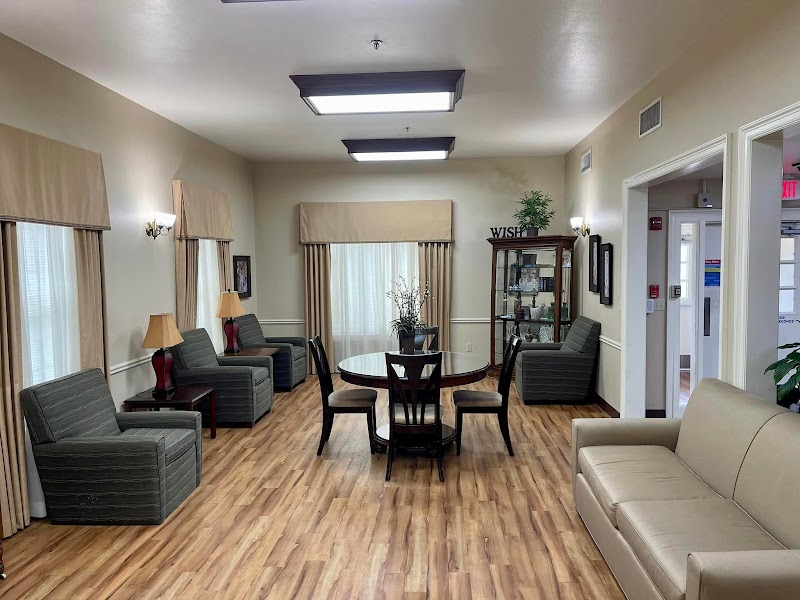
How is Shiner Inc Staffed?

CMS rates SHINER NURSING AND REHABILITATION CENTER INC's staffing level at 1 out of 5 stars, which is much below average compared to other nursing homes. Staff turnover is 43%, compared to the Texas average of 46%. This relatively stable workforce can support continuity of care. RN turnover specifically is 83%, which is notably high. RNs provide skilled clinical oversight, so turnover in this role can affect medical care quality.

What Have Inspectors Found at Shiner Inc?

State health inspectors documented 23 deficiencies at SHINER NURSING AND REHABILITATION CENTER INC during 2022 to 2025. These included: 23 with potential for harm.
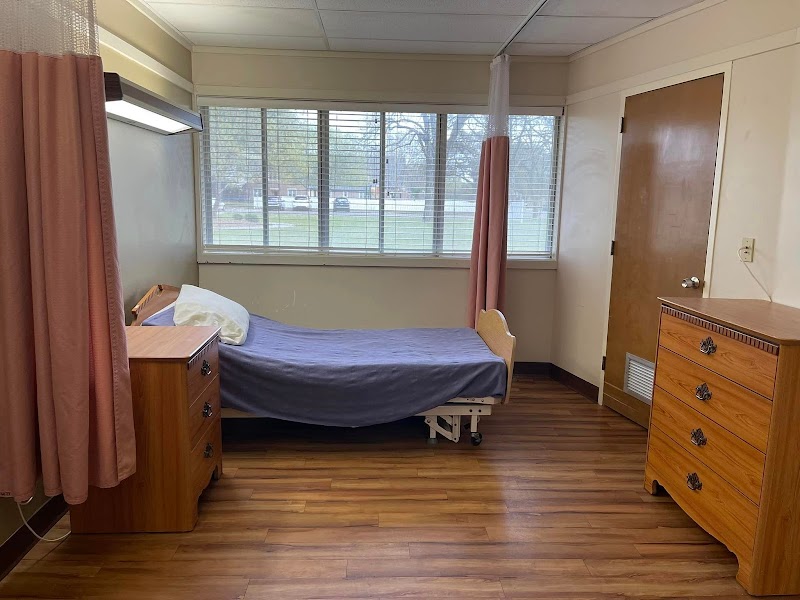
Who Owns and Operates Shiner Inc?

SHINER NURSING AND REHABILITATION CENTER INC is owned by a for-profit company. For-profit facilities operate as businesses with obligations to shareholders or private owners. The facility is operated by CREATIVE SOLUTIONS IN HEALTHCARE, a chain that manages multiple nursing homes. With 95 certified beds and approximately 48 residents (about 51% occupancy), it is a smaller facility located in SHINER, Texas.
How Does Shiner Inc Compare to Other Texas Nursing Homes?

Compared to the 100 nursing homes in Texas, SHINER NURSING AND REHABILITATION CENTER INC's overall rating (2 stars) is below the state average of 2.8, staff turnover (43%) is near the state average of 46%, and health inspection rating (3 stars) is at the national benchmark.

What Should Families Ask When Visiting Shiner Inc?

Based on this facility's data, families visiting should ask: "Can you walk me through typical staffing levels on day, evening, and night shifts?" "Can I visit during a mealtime to observe dining assistance and food quality?" "How do you handle medical emergencies, and what is your hospital transfer rate?" "Can I speak with family members of current residents about their experience?" These questions are particularly relevant given the below-average staffing rating.

Is Shiner Inc Safe?

Based on CMS inspection data, SHINER NURSING AND REHABILITATION CENTER INC has a clean safety record: no substantiated abuse findings (meaning no confirmed cases of resident harm), no Immediate Jeopardy citations (the most serious violation level indicating risk of serious injury or death), and is not on the Special Focus Facility watch list (a federal program monitoring the lowest-performing 1% of nursing homes). The facility has a 2-star overall rating and ranks #100 of 100 nursing homes in Texas. While no facility is perfect, families should still ask about staff-to-resident ratios and recent inspection results during their visit.

Do Nurses at Shiner Inc Stick Around?

SHINER NURSING AND REHABILITATION CENTER INC has a staff turnover rate of 43%, which is about average for Texas nursing homes (state average: 46%). Moderate turnover is common in nursing homes, but families should still ask about staff tenure and how the facility maintains care continuity when employees leave.

Was Shiner Inc Ever Fined?

SHINER NURSING AND REHABILITATION CENTER INC has no federal fines on record. CMS issues fines when nursing homes fail to meet care standards or don't correct problems found during inspections. The absence of fines suggests the facility has either maintained compliance or corrected any issues before penalties were assessed. This is a positive indicator, though families should still review recent inspection reports for the full picture.

Is Shiner Inc on Any Federal Watch List?

SHINER NURSING AND REHABILITATION CENTER INC is not on any federal watch list. The most significant is the Special Focus Facility (SFF) program, which identifies the bottom 1% of nursing homes nationally based on persistent, serious quality problems. Not being on this list means the facility has avoided the pattern of deficiencies that triggers enhanced federal oversight. This is a positive indicator, though families should still review the facility's inspection history directly.