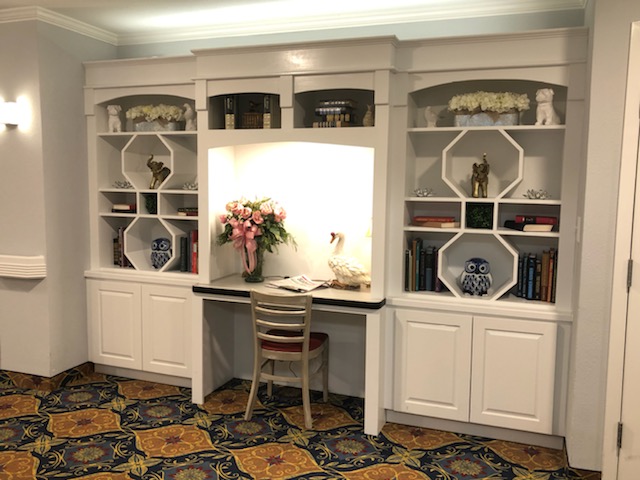
MILL CREEK

1105 W HWY 418, SILSBEE, TX 77656 (409) 385-3784
For profit - Partnership 67 Beds CANTEX CONTINUING CARE Data: November 2025 4 Immediate Jeopardy citations
Trust Grade
0/100
#783 of 1168 in TX
Last Inspection: September 2024

Within standard 12-15 month inspection cycle. Federal law requires annual inspections.

Overview

Mill Creek in Silsbee, Texas has a Trust Grade of F, indicating significant concerns about the facility's care and management. With a state rank of #783 out of 1168, they fall in the bottom half of Texas nursing homes, and they are #3 out of 5 in Hardin County, meaning there are only two local options that perform better. The facility is stable in terms of issues reported, with 4 identified in both 2024 and 2025, but it shows concerning staffing levels with a poor rating of 1 out of 5 and a high turnover rate of 62 percent. Additionally, there are serious issues, including a critical finding where staff failed to notify medical professionals after a resident expressed violent thoughts, which could lead to significant risks for residents. While quality measures received an excellent 5 out of 5 stars, the overall performance raises serious red flags that families should carefully consider.

Trust Score
F
0/100
In Texas
#783/1168
Bottom 33%
Safety Record
High Risk
Review needed
Inspections
Holding Steady
4 → 4 violations
Staff Stability
⚠ Watch
62% turnover. Above average. Higher turnover means staff may not know residents' routines.
Penalties
✓ Good
$21,425 in fines. Lower than most Texas facilities. Relatively clean record.
Skilled Nurses
⚠ Watch
Each resident gets only 16 minutes of Registered Nurse (RN) attention daily — below average for Texas. Fewer RN minutes means fewer trained eyes watching for problems.
Violations
⚠ Watch
26 deficiencies on record. Higher than average. Multiple issues found across inspections.
★★☆☆☆
2.0
Overall Rating
★☆☆☆☆
1.0
Staff Levels
★★★★★
5.0
Care Quality
★★☆☆☆
2.0
Inspection Score
Stable
2024: 4 issues
2025: 4 issues

The Good

  • 5-Star Quality Measures · Strong clinical quality outcomes
  • Full Sprinkler Coverage · Fire safety systems throughout facility
  • No fines on record

Facility shows strength in quality measures, fire safety.

The Bad

2-Star Overall Rating

Below Texas average (2.8)

Below average - review inspection findings carefully

Staff Turnover: 62%

16pts above Texas avg (46%)

Frequent staff changes - ask about care continuity

Federal Fines: $21,425

Below median ($33,413)

Minor penalties assessed

Chain: CANTEX CONTINUING CARE

Part of a multi-facility chain

Ask about local staffing decisions and management

Staff turnover is elevated (62%)

14 points above Texas average of 48%

The Ugly 26 deficiencies on record

4 life-threatening
Apr 2025 4 deficiencies
CONCERN (D) 📢 Someone Reported This

A family member, employee, or ombudsman was alarmed enough to file a formal complaint

Potential for Harm - no one hurt, but risky conditions existed

Deficiency F0583 (Tag F0583)

Could have caused harm · This affected 1 resident

**NOTE- TERMS IN BRACKETS HAVE BEEN EDITED TO PROTECT CONFIDENTIALITY** Based on observation, interview and record review the facility failed to ensure the resident had a right to personal privacy and...

Read full inspector narrative →
**NOTE- TERMS IN BRACKETS HAVE BEEN EDITED TO PROTECT CONFIDENTIALITY** Based on observation, interview and record review the facility failed to ensure the resident had a right to personal privacy and confidentiality of his or her personal and medical records for 1 of 4 residents (Resident #1) reviewed for medical record confidentiality. The facility failed to ensure LVN A kept Resident #1's medical information confidential. LVN A left an Emergency Kit Charge Slip, dated 04/05/25, with Resident #1's name and listed the medications with administration dosage and route on the nurse station counter and in view for staff, visitors, and others. This failure could place residents at risk of their medical information being provided to unauthorized personnel, other residents, or visitors. Findings include: Record review of Resident #1's face sheet, dated 04/08/25, indicated a [AGE] year old female who was admitted to the facility on [DATE]. Her diagnoses included anxiety (feeling of fear, dread, and uneasiness), heart disease, and kidney disease. During an observation of a picture provided by family member B on 04/08/25 indicated there was an Emergency Kit Charge Slip, dated 04/05/25, completed by LVN A attached to other unknown papers on the ledge of the nurse's station. Resident #1's name was visible and the Emergency Charge Slip indicated Tramadol (used to treat moderate to moderately severe pain in adults) 50 mg PO and Ativan (used to treat anxiety disorders) 0.5 mg PO. During an interview on 04/08/25 at 2:40 p.m., LVN A indicated she left Resident #1's Emergency Kit Charge Slip on the nurse's station to take back to the medication room and place it with the emergency medications. She said she did not recall leaving Resident #1's information on the nursing counter on 04/05/25. During an interview on 04/09/25 at 12:35 p.m., Family Member B said the picture of Resident #1's Emergency Kit Charge Slip was taken on 04/06/25 at 2:30 p.m. During an interview on 04/11/25 at 9:10 a.m., the RDCS said Resident #1's Emergency Kit Charge Slip, dated 04/05/25, should not have been left on the nurse counter. She said all resident records were confidential. Record review of the facility's Resident Rights policy, dated 2002 (revised 2016), indicated 1. Federal and state laws guarantee certain basic rights to all residents of this facility. These rights include the resident's right to: . t. privacy and confidentiality Record review of the facility's, undated, Confidentiality of Information policy and procedure revised December 2006 indicated Policy Statement: Our facility shall treat all resident information confidentially. Policy Interpretation and Implementation: Confidentiality of Information: 1. The facility will safeguard all resident records, whether medical, financial, or social in nature, to protect the confidentiality of the information
CONCERN (D) 📢 Someone Reported This

A family member, employee, or ombudsman was alarmed enough to file a formal complaint

Potential for Harm - no one hurt, but risky conditions existed

Pharmacy Services (Tag F0755)

Could have caused harm · This affected 1 resident

**NOTE- TERMS IN BRACKETS HAVE BEEN EDITED TO PROTECT CONFIDENTIALITY** Based on interview and record review the facility failed to provide pharmaceutical services, including procedures that assured t...

Read full inspector narrative →
**NOTE- TERMS IN BRACKETS HAVE BEEN EDITED TO PROTECT CONFIDENTIALITY** Based on interview and record review the facility failed to provide pharmaceutical services, including procedures that assured the accurate acquiring, receiving, dispensing, and administering of all drugs and biologicals, to meet the needs of each resident for 1 of 8 residents (Resident #1) reviewed for pharmaceutical services. The facility failed to ensure Resident #1's Ativan (used to treat anxiety disorders) was acquired. This failure could place residents at risk of not receiving the therapeutic dosage of medication prescribed by the physician. Findings include: Record review of Resident #1's face sheet, dated 04/08/25, indicated a [AGE] year-old female who was admitted to the facility on [DATE]. Her diagnoses included anxiety (feeling of fear, dread, and uneasiness), heart disease, and kidney disease. Record review of Resident #1's admission MDS assessment, dated 02/23/25, indicated she was able to make herself understood and understood others and she had moderate cognitive impairment with a BIMS-10. Record review of Resident #1's care plan, dated 03/24/25, indicated she was taking psychotropic medications as evidenced by anxiety and her medication included Ativan. Interventions included monitor and record displayed behavior or mood problems, monitor effectiveness of psychotropic medications, and review every three months for possible dose reduction. Record review of physician orders, dated 03/24/25, indicated Ativan 0.5 mg tablet, give .25 mg PO, break 0.5 mg tablet in half. The related diagnosis was anxiety disorder. Record review of progress note, dated 03/24/25 at 10:11 p.m., completed by LVN C, indicated Resident #1 had increased agitation and irritation. Resident #1 was hollering in the hallway and attempted multiple times to call family members. NP D was notified. New orders: Ativan 0.25 mg Q 12 hours PRN. Record review of the facility's Emergency Kit Usage Log, dated 03/24/25 at 5:00 p.m., completed by LVN C indicated she obtained 0.5 mg Ativan for Resident #1. Record review of LVN A's statement, dated 04/10/25, indicated a telephone order was received from NP D for Resident #1's, Ativan 0.5 mg give ½ tab Q 12 hours for increased agitation. The order was put in the computer and faxed to the pharmacy to be filled. The RP and family made aware. The medication was taken from the Emergency Kit with the notification slip of usage also faxed to the pharmacy. Record review of Resident #1's MAR dated 03/24/25 indicated LVN A did not document PRN Ativan administration. During an interview on 04/08/25 at 2:40 p.m., LVN A said she obtained Resident #1's Ativan from the facility's Emergency kit because there was none on the medication cart. During an interview on 04/09/25 at 10:49 a.m., LVN C said Resident #1 was hollering for her family member and agitated on 03/24/25. She said Resident #1 was trying to call family and no one was answering the phone. She said she obtained an order for Ativan .25 mg PRN every 12 hours due to increased agitation. She said there was .5 mg Ativan in the emergency kit. She said she obtained the .5 mg tab and halved it and administered .25 to Resident #1. She said she advised the next nurse on shift, LVN A, to make sure the order was sent to the pharmacy. During an interview on 04/09/25 at 1:19 p.m., NP C said she received a call from LVN A regarding Resident #1's increased agitation. She said she ordered .25 mg every 12 hours PRN. She said she was not aware the facility did not receive the medication from the pharmacy. She said she was not aware the pharmacy did not have the required prescription. During an interview on 04/11/25 at 9:00 a.m., the RDCS said all medication orders and faxes should be in the medication binder until the medication was delivered. She said the night charge nurse (LVN C) should reconcile medications and follow-up if the medication was not received. She said the charge nurse and DON should follow up and ensure all the orders were received. She said the pharmacy received the fax order for Resident #1's Ativan but they did not receive the prescription from the physician. She said she was not able to locate the order or fax confirmation in the facility's medication binder. She said residents were at risk of not receiving medications as needed if the facility did not follow up to ensure all medications were received as required. Record review of the facility's Medication Ordering Procedures, dated 2022, indicated . Reminder: Orders for controlled substances require a written prescription from the physician .The DON and the Pharmacy must be notified immediately of any mediations not received from the Pharmacy.
CONCERN (D) 📢 Someone Reported This

A family member, employee, or ombudsman was alarmed enough to file a formal complaint

Potential for Harm - no one hurt, but risky conditions existed

Medication Errors (Tag F0758)

Could have caused harm · This affected 1 resident

**NOTE- TERMS IN BRACKETS HAVE BEEN EDITED TO PROTECT CONFIDENTIALITY** Based on interview and record review the facility failed to ensure PRN orders for psychotropic drugs were limited to 14 days unl...

Read full inspector narrative →
**NOTE- TERMS IN BRACKETS HAVE BEEN EDITED TO PROTECT CONFIDENTIALITY** Based on interview and record review the facility failed to ensure PRN orders for psychotropic drugs were limited to 14 days unless the attending physician or prescribing practitioner believed that it was appropriate for the PRN order to be extended beyond 14 days, he or she should document their rationale in the resident's medical record, and indicate the duration for the PRN order for 1 of 8 residents (Resident #s 1) reviewed for pharmacy services. The facility failed to ensure Resident #1 had a 14-day limit for PRN Ativan (used to treat anxiety disorders). This failure could place residents at risk of receiving unnecessary psychotropic medications and of not receiving the intended therapeutic benefits of their psychotropic medications. The findings include: Record review of Resident #1's face sheet, dated 04/08/25, indicated a [AGE] year-old female who was admitted to the facility on [DATE]. Her diagnoses included anxiety (feeling of fear, dread, and uneasiness), heart disease, and kidney disease. Record review of Resident #1's admission MDS assessment, dated 02/23/25, indicated she was able to make herself understood and understood others and she had moderate cognitive impairment, with a BIMS-10. Record review of Resident #1's care plan, dated 03/24/25, indicated she was taking psychotropic medications as evidenced by anxiety and her medication included Ativan. Interventions included monitor and record displayed behavior or mood problems, monitor effectiveness of psychotropic medications, and review every three months for possible dose reduction. Record review of physician orders, dated 03/24/25, indicated Ativan 0.5 mg tablet, give .25 mg PO, break 0.5 mg tablet in half. The related diagnosis was anxiety disorder. Record review of progress note, dated 03/24/25 at 10:11 p.m., completed by LVN C indicated Resident #1 had increased agitation and irritation. Resident #1 was hollering in the hallway and attempted multiple times to call family members. The NP D was notified. New orders: Ativan 0.25 mg Q 12 hours PRN. Record review of the facility's Emergency Kit Usage Log, dated 03/24/25 at 5:00 p.m., completed by LVN C indicated she obtained 0.5 mg Ativan for Resident #1. Record review of LVN A's statement, dated 04/10/25, indicated a telephone order was received from NP D for Resident #1. Ativan 0.5 mg give ½ tab Q 12 hours for increased agitation. The order was put in the computer and faxed to the pharmacy to be filled. The RP and family were made aware. The medication was taken from the Emergency Kit with the notification slip of usage was also faxed to the pharmacy. During an interview on 04/08/25 at 2:40 p.m., LVN A said she obtained Resident #1's Ativan from the facility's Emergency kit. LVN A said she was not aware PRN Ativan required a 14 day limit. During an interview on 04/09/25 at 1:19 p.m., NP C said she received a call from LVN A regarding Resident #1's increased agitation. She said she ordered .25 mg every 12 hours PRN. She said she was not aware the PRN Ativan required a 14 day limit and subsequent review for continuation. She said not having a stop date on the PRN psychotropic medications could cause ill effects or the resident to receive unnecessary medications. During an interview on 04/09/25 at 2:30 p.m. the DON said she was not aware Resident #1 had an order for Ativan. During an interview on 04/11/25 at 9:00 a.m., the RDCS said she was not aware Resident #1's Ativan did not have a 14 day limit. She said it was the responsibility of the nurse who obtained the order to ensure the PRN Ativan was only prescribed for 14 days. The risk of not having a 14-day limit included residents receiving unnecessary medications. She said the facility would have the pharmacist complete an audit to ensure all PRN antipsychotics and anti-anxiety medications had a 14 day limit or physician approval for use beyond 14 days. Record review of the facility's Psychotropic medication Use policy, dated 2001 (July 2022), indicated . 12. Psychotropic medications are not prescribed or given on a PRN basis unless that medication is necessary to treat a diagnosed specific condition that is documented in the clinical record. a. PRN orders for psychotropic medications are limited to 14 days. (1) For psychotropic medications that are NOT antipsychotics: If the prescriber or attending physician believes it is appropriate to extend the PRN order beyond 14 days, he or she will document the rationale for extending the use and include the duration for the PRN order. (2) For psychotropic medications that ARE antipsychotics: PRN orders cannot be renewed unless the attending physician or prescriber evaluates the resident and documents the appropriateness of the medication
CONCERN (D) 📢 Someone Reported This

A family member, employee, or ombudsman was alarmed enough to file a formal complaint

Potential for Harm - no one hurt, but risky conditions existed

Medical Records (Tag F0842)

Could have caused harm · This affected 1 resident

**NOTE- TERMS IN BRACKETS HAVE BEEN EDITED TO PROTECT CONFIDENTIALITY** Based on interview and record review the facility failed to ensure, in accordance with accepted professional standards and pract...

Read full inspector narrative →
**NOTE- TERMS IN BRACKETS HAVE BEEN EDITED TO PROTECT CONFIDENTIALITY** Based on interview and record review the facility failed to ensure, in accordance with accepted professional standards and practices, medical record maintained for each resident were complete and accurately documented for 1 of 8 residents (Resident #1) reviewed for resident records. The facility failed to ensure LVN A documented a progress note or nurse note of Resident #1's increased agitation on 04/05/25. This failure could place residents at risk for delayed care and appropriate interventions. Findings include: Record review of Resident #1's face sheet, dated 04/08/25, indicated a [AGE] year-old female who was admitted to the facility on [DATE]. Her diagnoses included anxiety disorder (feeling of fear, dread, and uneasiness), heart disease, and kidney disease. Record review of Resident #1's admission MDS assessment, dated 02/23/25, indicated she was able to make herself understood and understood others and she had moderate cognitive impairment indicated with a BIMS-10. Record review of Resident #1's care plan, dated 03/24/25, indicated she was taking psychotropic medications as evidenced by anxiety and her medication included Ativan. Interventions included monitor and record displayed behavior or mood problems, monitor effectiveness of psychotropic medications, and review every three months for possible dose reduction. Record review of Resident #1's physician orders, dated 03/24/25, indicated Ativan 0.5 mg tablet, give .25 mg PO, break 0.5 mg tablet in half. The diagnosis was anxiety disorder. Record review of Resident #1's MAR, dated 04/05/25, completed by LVN A, indicated she was administered half of 0.5 mg Ativan (.25 mg) at 11:07 p.m. Record review of Resident #1's EHR indicated there was no progress note or nurse note dated 04/05/25. There was no documentation of Resident #1's increased agitation or administration of .25 mg Ativan. During an interview on 04/08/25 at 2:40 p.m., LVN A said she thought she documented a progress note in Resident #1's EHR on 04/05/25 for the increased agitation and anxiety. During an interview on 04/11/25 at 9:00 a.m., the RDCS said nursing staff were supposed to document by exception. She said that included behaviors and change in condition in resident charts. She said residents were at risk for delayed care if the proper documentation was not completed. Record review of the facility's policy Charting and Documentation policy, dated 2001 (revised July 2017), indicated All services provided to the resident, progress toward the care plan goals, or any changes in the resident's medical, physical, functional, or psychosocial condition, shall be documented in the resident's medical record . 2. The following information is to be documented in the resident medical record: a. Objective observations; 2. Medications administered, Treatments or services performed: d. Changed in the resident's condition; Events, incidents or accidents involving the resident; and f. Progress toward or changes in the care plan goals and objectives .7. Documentation of procedures and treatments will include care-specific details, including: a. the date and time the procedure/treatment was provided; b. the name and title of the individual(s) who provided care; c. the assessment data and .or any unusual findings obtained during the procedure/treatment; d. how the resident tolerated the procedure/treatment; notification of family, physician or other staff, if indicated; and g. the signature and title of the individual documenting.
Sept 2024 4 deficiencies
CONCERN (D)

Potential for Harm - no one hurt, but risky conditions existed

Deficiency F0645 (Tag F0645)

Could have caused harm · This affected 1 resident

**NOTE- TERMS IN BRACKETS HAVE BEEN EDITED TO PROTECT CONFIDENTIALITY** Based on interview and record review, the facility failed to accurately submit a PL1 (PASRR Level 1 Screening) screening when a ...

Read full inspector narrative →
**NOTE- TERMS IN BRACKETS HAVE BEEN EDITED TO PROTECT CONFIDENTIALITY** Based on interview and record review, the facility failed to accurately submit a PL1 (PASRR Level 1 Screening) screening when a resident admitted with a diagnosis of Mental Illness, Intellectual Disability or Developmental Disability for 1 of 5 residents reviewed for PASRR screenings. (Resident #7) The facility failed to submit a new PL1 screening when Resident #3 was diagnosed on [DATE] with Major Depressive Disorder (persistently depressed mood or loss of interest in activities, causing significant impairment in daily living) during her stay. This failure could place residents at risk of not receiving specialized services. Findings included: Record review of Resident #7's face sheet dated 09/16/24 was an [AGE] year-old-female admitted [DATE] with diagnoses of generalized anxiety disorder (severe, ongoing anxiety that interferes with daily activities), major depressive disorder. Record review of Resident #7's PASRR Level 1 Screening, dated 12/29/23, indicated Resident #7 was negative for mental illness, intellectual disability, and developmental disability and negative for dementia as the primary diagnosis. There was no PASRR Level II Screening or Form 1012 (Mental Illness/Dementia Resident Review) found in the clinical record from the resident's admission on [DATE] to 09/17/24. Record review of Resident #7's Psychiatric Initial Assessment, dated 02/12/24 indicated a diagnosis of major depressive disorder, recurrent, moderate. Record review of Resident #7's annual MDS dated [DATE] indicated not PASRR positive and had a BIMS score of 8 indicating moderately impaired of cognition and had a diagnosis of major depressive disorder. Record review of Resident #7's quarterly MDS dated [DATE] with a BIMS score of 10 indicated moderately intact cognition with a diagnosis of major depressive disorder. Record review of Resident #7's physician orders dated 09/18/24 indicated she was prescribed bupropion HCL 100 mgs every day for major depressive disorder with a start date of 05/15/24 and paroxetine 40 mg every day at bedtime for major depressive disorder with a start date of 07/03/24 and mirtazapine 15 mgs every day at bedtime for major depressive disorder with start date of 09/17/24. Record review of Resident #7's MAR dated 09/17/24, indicated she received bupropion HCL 100 mgs every day for major depressive disorder with a start date of 05/15/24 and paroxetine 40 mg every day at bedtime for major depressive disorder with a start date of 07/03/24 and mirtazapine 15 mgs every day at bedtime for major depressive disorder with start date of 09/17/24. Record review of Resident #7's care plan printed on 09/16/24 indicated Resident #7 received psychotropic medication for depression and anxiety with a goal to not experience adverse side effects over the next 90 days. During an interview on 09/17/24 at 1:20 p.m., the MDS nurse said she started working at the facility at the end of January. She said she was now responsible for all PASRR forms at the facility. She said the previous MDS nurse documented the PL1 as negative. The MDS nurse said she was in-serviced on PASRR form completion with October 2023 being the most recent. The MDS nurse said she had no back up or anyone to double check PASRR forms behind her. The MDS nurse said the risk of a PL1 form being incorrect was a resident could miss out on services, help, and support. During an interview on 09/17/24 at 1:32 p.m., the DON said the MDS nurse was responsible for all PASRR forms in the facility and was educated on correctly completing PASRR forms. She said Resident #7 's PL1 was possibly completed incorrectly by the previous MDS nurse. She said the risk of PASRR forms completed incorrectly was a resident could miss out on deserved services. The DON said her expectation was all PASRR forms completed accurately and timely so the resident could get the services they needed. During an interview on 09/17/24 at 1:39 p.m., the Administrator said the MDS nurse was responsible for all PASRR forms in the facility and was educated on correctly completing PASRR forms. She said the Regional Care Coordinator was the MDS nurses back up. She said Resident #7 's PL1 was possibly overlooked during the change in MDS coordinators. The Administrator said the risk of PASRR forms completed incorrectly was a resident could miss out on deserved services. The Administrator said her expectation was all PASRR forms completed accurately and timely. She said the facility followed the RAI for the PASRR policy. During an interview on 09/17/24 at 2:35 p.m., the Regional Care Coordinator said the MDS nurse and resident's family were responsible for completing the PL 1 when the resident admitted from home as Resident #7 did. She said the IDT (inter-disciplinary team) reviewed the admission paperwork and on receiving new diagnoses and if the DON noted a required diagnosis, the PL1 would be changed. She said the MDS nurse was educated on completion PL1s accurately and to let the local authority come in and make the decision if the resident qualified for services. The Regional Care Coordinator said when the psychiatric group that contracted with the facility reviewed residents at the facility and added diagnoses the paperwork was not submitted timely. She said the risk of a PL1 form completed incorrectly was if the resident should be positive the resident could get more assistance depending on needs. She said the local authority will come out to the facility on [DATE] and make Resident #7 PASRR negative . Record review of the October 2023 Long-Term Care Facility Resident Assessment Instrument 3.0 User's Manual titled, A1500: Preadmission Screening and Resident Review (PASRR) Item Rationale Health-related Quality of Life indicated . o All individuals who are admitted to a Medicaid certified nursing facility, regardless of the individual's payment source, must have a Level I PASRR completed to screen for possible mental illness (MI), intellectual disability (ID), developmental disability (DD), or related conditions o Individuals who have or are suspected to have MI or ID/DD or related conditions may not be admitted to a Medicaid-certified nursing facility unless approved through Level II PASRR determination. Those residents covered by Level II PASRR process may require certain care and services provided by the nursing home, and/or specialized services provided by the State.
CONCERN (D)

Potential for Harm - no one hurt, but risky conditions existed

Deficiency F0698 (Tag F0698)

Could have caused harm · This affected 1 resident

**NOTE- TERMS IN BRACKETS HAVE BEEN EDITED TO PROTECT CONFIDENTIALITY** Based on observation, interview, and record review the facility failed to ensure residents who require dialysis receive such ser...

Read full inspector narrative →
**NOTE- TERMS IN BRACKETS HAVE BEEN EDITED TO PROTECT CONFIDENTIALITY** Based on observation, interview, and record review the facility failed to ensure residents who require dialysis receive such services, consistent with professional standards of practice, the comprehensive person-centered care plan, and the residents' goals and preferences for 1 of 2 residents reviewed for dialysis. (Resident #36) * The facility did not have ongoing communication with the dialysis facility regarding dialysis care and services for Resident #36. * The facility did not have ongoing assessment of Resident #36's condition and monitoring for complications after dialysis treatments received at a certified dialysis facility. This failure could place residents who received dialysis at risk for complications and not receiving proper care and treatment to meet their needs. Findings included: Record review of Resident #36's face sheet dated 09/30/2024 indicated he was a [AGE] year-old male admitted on [DATE] with diagnoses of end stage renal disease (occurs when chronic kidney disease - the gradual loss of kidney function - reaches an advanced state) and type 2 diabetes mellitus (chronic condition that affects the way the body processes blood sugar). Record review of Resident #36's physician orders for September 2024 indicated an order dated 02/12/24 for Dialysis-Post [treatment] frequency. Notes: Upon return, enter Dialysis Treatment Information received from Dialysis Center onto the Dialysis Communication Record. Complete the Post Dialysis Assessment Section Record review of the current MDS dated [DATE] indicated Resident #36 was cognitively intact with a BIMS score of 13 out of 15 (13-15/cognitively intact, 8-12/moderately impaired, 0-7 severely impaired) and he received dialysis while a resident. During an observation and interview on 09/16/24 at 09:00 a.m. Resident #36 was in bed. He was clean, neat, and had no odors. He said he was doing fine and had no issues. He said he went to dialysis on Mondays, Wednesdays, and Fridays if he felt like going. He said the nurse sent him with a sheet for dialysis to fill out and bring back. Record review of a blank Dialysis Communication Record used by the facility: Pre-dialysis Information (Nursing Facility Nurse) section indicated: Medication given in the last 6 hours: Vomiting: Time of last meal: Contact person for today: Dialysis Treatment (Dialysis Nurse) section indicated: Medications given during/after treatment: Pre-Dialysis: weight; temperature, pulse, respirations, and blood pressure. Post-Dialysis: weight; temperature, pulse, respirations, and blood pressure. Special instructions or comments Name of Dialysis Nurse Post-Dialysis Assessment (Nursing Facility Nurse) section indicated: Bruit (whooshing sound)/ thrill (buzz sound of blood flowing) present Signs of infection at graft/shunt Bleeding at graft/shunt site after treatment Changes in skin integrity Blood pressure, pulse, Respirations, Temperature Nurse signature and date Record review of the Dialysis Communication Forms for the month of July 2024 (in the EMR and hard copies provided by the facility) for Resident #36 indicated: * 07/02-Dialysis Treatment (Dialysis Nurse) section and Post Dialysis Assessment by the facility nurse were blank. * 07/04-Dialysis Treatment (Dialysis Nurse) section and Post Dialysis Assessment by the facility nurse were blank. * 07/08-there was no Dialysis Communication Record. * 07/10-there was no Dialysis Communication Record. * 07/12-there was no Dialysis Communication Record. * 07/15-there was no Dialysis Communication Record. * 07/17-Dialysis Treatment (Dialysis Nurse) section and Post Dialysis Assessment by the facility nurse were blank. * 07/29-Post Dialysis Assessment by the facility nurse were blank. * 07/31-Dialysis Treatment (Dialysis Nurse) section and Post Dialysis Assessment by the facility nurse were blank. Record review of the Clinical Notes in the EMR for Resident #36 indicated: * 07/08-there was no documentation; * 07/10-there was no documentation; * 07/12-there was no documentation; and * 07/15-there was no documentation. During an interview on 09/18/24 at 09:12 a.m. the DON said when she started there was an issue with nursing documentation, so she did a PIP to address the issue. Record review of a Performance Improvement Plan dated 08/08/24 indicated: Problem Area Identified: Lack of consistent nursing assessments documentation Baseline: 100% daily Allowable Deviation:1 Month Changes Implemented to reach Baseline: 1. In-service all nurses on the timely/complete documentation. 2. Educate all nurses on correct assessments due to situation. 3. DON/ADON to review/monitor nursing assessments daily. 4. Educate nursing staff on where to locate all nursing assessments/documentation. Impact of Change: New PIP Successful implementation of changes noted above. Baseline attained on (Date):____. This was not marked on the form. Implemented change did not reach baseline. This was not marked on the form. Continue change for 30 more days to allow additional time for staff to comply with new system. New changes or modifications will be implemented and tested for 30 days to bring measured activity to baseline. Subcommittee will report to QAPI Committee every month regarding movement towards baseline. This was marked on the form. Record review of the Dialysis Communication Records for the month of August 2024 (in the EMR and hard copies provided by the facility) for Resident #36 indicated: 08/14-Post Dialysis Assessment by the facility nurse had no assessment of bruit/thrill, signs of infection at graft/shunt, bleeding at graft/shunt site after treatment, or changes in skin integrity. 08/19-Post Dialysis Assessment by the facility nurse had no assessment of bruit/thrill, signs of infection at graft/shunt, bleeding at graft/shunt site after treatment, or changes in skin integrity. 08/26-Post Dialysis Assessment by the facility nurse had no assessment of bruit/thrill, signs of infection at graft/shunt, bleeding at graft/shunt site after treatment, or changes in skin integrity. 08/28-Dialysis Treatment (Dialysis Nurse) section and Post Dialysis Assessment by the facility nurse were blank. 08/30-Post Dialysis Assessment by the facility nurse was blank Record review of the Dialysis Communication Records for the month of September 2024 (in the EMR and hard copies provided by the facility) for Resident #36 indicated: 09/09-Dialysis Treatment (Dialysis Nurse) section was blank 09/11-there was no Dialysis Communication Record 09/13-Dialysis Treatment (Dialysis Nurse) section was blank and Post Dialysis Assessment by the facility nurse had no assessment of bruit/thrill, signs of infection at graft/shunt, bleeding at graft/shunt site after treatment, or changes in skin integrity. Record review of the Clinical Notes in the EMR for Resident #36 indicated on 09/11 there was no documentation. During an interview on 09/18/24 at 09:16 a.m. LVN D said she worked 6a-2p shift when Resident #36 goes to dialysis and fills out the EMR form, prints it out, and sends with him to dialysis. She said he returned from dialysis on the 2p-10p shift the nurse on the shift was to check the communication form to ensure the dialysis facility provided the information regarding the resident while at the dialysis center. She said the 2p-10p nurse was responsible for obtaining the information if it was not on the communication form and to conduct an assessment on the resident. She said if the information from the dialysis center was not there then the nurse would not know if they needed to follow up on anything. She said if the assessment was not done What is the risk to the resident due to this failure? How is this monitored to ensure communication and assessments are being completed? Who is responsible for ensuring this is being completed? During an interview on 09/18/24 at 10:45 a.m. the DON said she expected the nurses to do the follow up when a dialysis resident returns from the dialysis center. She said the dialysis resident could have complications from the dialysis procedure and nurse not be aware because there was no information from the dialysis center about what was done, or not doing a complete assessment when returning from the dialysis center. During an interview on 09/18/24 at 02:48 p.m. the Interim Administrator indicated she expected communication between the facility and the dialysis centers regarding the residents who required dialysis treatment or there could be missed information. Record review of a Dialysis Protocols policy revised February 2024 indicated The [company name] Community will send a Dialysis Communication Record ([NAME] form FCAN 620) to the dialysis facility upon each dialysis visit. The [company name] Patient will complete the top of the form, entitled Nursing Home Nurses and provide to the Patient prior to exiting the facility The dialysis facility should be encouraged to complete the middle section of the Dialysis Communication Record and return to the [company name] Community. The [company name] Community nurse will complete the Post Dialysis Assessment section of the Dialysis Communication Record and file the form in the binder
CONCERN (D)

Potential for Harm - no one hurt, but risky conditions existed

Deficiency F0761 (Tag F0761)

Could have caused harm · This affected 1 resident

**NOTE- TERMS IN BRACKETS HAVE BEEN EDITED TO PROTECT CONFIDENTIALITY** Based on observation, interview, and record review, the facility failed to ensure all drugs and biologicals used in the facility...

Read full inspector narrative →
**NOTE- TERMS IN BRACKETS HAVE BEEN EDITED TO PROTECT CONFIDENTIALITY** Based on observation, interview, and record review, the facility failed to ensure all drugs and biologicals used in the facility were labeled and stored in accordance with currently accepted professional principles in 1 of 3 medication carts reviewed. (Hall 200 medication cart for Residents Rooms 100 - 112B) in that: A multi-dose vial of Novolin R insulin (used to lower blood sugar) with an open date of [DATE], had been expired for 59 days. A multi-dose vial of Lantus insulin (used to lower blood sugar) with an open date of [DATE], had been expired for 69 days. This failure could place residents at risk for accidents, hazards, and not receiving therapeutic effects of medication. The findings included: Record review of Resident #24's face sheet dated [DATE] indicated a [AGE] year-old female admitted [DATE] with diagnoses included: cerebral infarction (stroke usually called by blood clots) and type 2 diabetes mellitus (trouble controlling blood sugar). Record review of Resident #24's quarterly MDS assessment with an ARD of [DATE] indicated the resident had a BIMS score of 11 indicating the resident was moderately impaired of cognition. The assessment indicated she was diagnosed with depression and stroke and received antidepressant medication during the review period. Record review of Resident #24's physician order, dated [DATE], indicated she was prescribed Novolin R Regular U- 100 Insulin 100 unit/ml inject solution (0-12 units) subcutaneous. Inject as per sliding scale: if 61-150 = 0 unit, 151-200 = 2 units, 201-250 = 4 units, 251-300 = 6 units, 301-350 = 8 units, 351-400 = 10 units, 401 or greater = 12 units and notify physician for type 2 diabetes mellitus. Resident #24 was prescribed Lantus U-100 Insulin 100 unit/ml solution (5units) subcutaneous, hold if blood sugar was less than 100 with a start date of [DATE] for type 2 diabetes mellitus. Record review of Resident #7's care plan updated [DATE] indicated she was diabetic and received routine insulin and insulin per sliding scale. During an observation on [DATE] at 12:25 p.m., during a review of 1 of 2 Hall 100 medication carts, the medication cart for Rooms 100 - 112B with LVN E, revealed two insulin vials in use beyond the recommended time frame of use after the vials were opened. One 10 ml vial about ½ full of Novolin R insulin with an expiration date of [DATE] and an attached sticker labeled with Resident #24 name and dated with an open date of [DATE] in black maker was observed. Also observed was one 10 ml vial about ¾'s full of Lantus insulin with an expiration date of [DATE] and an attached sticker labeled with Resident #24's name and dated with an open date of [DATE]. During an interview on [DATE] at 12:25 p.m., LVN E said she had been giving medication from Hall 100 cart Rooms 100 through room [ROOM NUMBER]B. She said Resident #24 transferred from Hall 200 on the 2 pm-10 pm shift on [DATE]. LVN E said she had not given Resident #24's Novolin R insulin or Lantus insulin. She said both insulin vials should have been removed from the medication cart and put in the drug destruction box after being opened 30 days. LVN E said she always checked dates before administrating medication. She said the nurses were responsible for monitoring the medication carts daily for expired medication and insulin vials over the recommended time frame of use after the open date of 28 days for Lantus and 42 days for Novolin R. She said it may have been missed being removed from the cart due to Resident #24 transferred from Hall 200 to Hall 100 on the evening shift. LVN E said she was educated on insulin and monitoring for expiration and open dates. She said the DON double checked the carts. LVN E said the risk of insulin vials in use beyond the recommended time frame of use after vial opened was the medication may be not as effective. During an interview on [DATE] at 12:45 p.m., the DON said the nurses were responsible for checking the medication carts daily on for expired meds and insulin vials in use beyond the recommended time frame of use after the vial was opened and she was the back up and double checked the carts. The DON said she checked all the insulin vials on the medication carts yesterday and did not see Resident #24's insulin vials with open dates in July. She said they should have been removed. She said the insulin vials were possibly overlooked when the resident was transferred to a different hall yesterday. The DON said all the nurses were educated on insulin administration and disposal dates on [DATE]. She said the risk of insulin vials in use beyond the recommended time frame of use after the vial was opened was potential adverse reactions. The DON said her expectation was all insulins checked daily for use beyond the recommended time frame of use after the vial was opened and expiration dates, stored properly and given per policy. During an interview on [DATE] at 1:04 p.m., the Administrator said the floor nurse was responsible, and the DON and pharmacy consultant were a double check for expired medication on medication carts with the county hospital making checks monthly for insulin vials in use beyond the recommended time frame of use after the vial was opened. She said the insulin vials may have been overlooked. She said the nurses were in-serviced on insulin and open dates. She said the risk of insulin vials in use beyond the recommended time frame of use after the vial was opened was may potentially be not as effective. The Administrator said her expectation was insulin vials checked and maintained properly, expired or vials in use beyond the recommended time frame of use after the vial was opened be removed. Record review of an undated form provided by the facility titled, Insulin discard Time Frames, indicated, .28 days: . Lantus . 42 days: . Novolin R . Record review of a web site titled, Novolin R injection label (fda.gov) Accessed on [DATE], indicated, . treatment of diabetes mellitus . Unopened and opened (In use) Novolin R vials must be discarded 42 days after they are first kept out of the refrigerator, even if they still contain Novolin R insulin . Record review of a web site titled, Long Acting Insulin For Diabetes | Lantus® (insulin glargine injection) 100 Units/mL accessed on [DATE], indicated, . LANTUS is a long-acting man-made-insulin used to control high blood sugar in adults and children with diabetes mellitus . storage instructions . The Lantus vials you are using should be thrown away after 28 days, even if it still has insulin left in it.
CONCERN (D)

Potential for Harm - no one hurt, but risky conditions existed

Medical Records (Tag F0842)

Could have caused harm · This affected 1 resident

**NOTE- TERMS IN BRACKETS HAVE BEEN EDITED TO PROTECT CONFIDENTIALITY** Based on observation, interview, and record review the facility failed to ensure in accordance with accepted professional standa...

Read full inspector narrative →
**NOTE- TERMS IN BRACKETS HAVE BEEN EDITED TO PROTECT CONFIDENTIALITY** Based on observation, interview, and record review the facility failed to ensure in accordance with accepted professional standards and practices, the facility to maintain medical records on each resident that are accurately documented for 1 of 13 residents review for clinical records. (Resident #36) * The facility did not have an accurate physician order for Resident #36's dialysis days. * The facility did not have accurate information on the TAR for Resident #36. This failure could place residents at risk of incomplete clinical records and a decrease in staff knowledge regarding resident care. Findings included: Record review of Resident #36's face sheet dated 09/30/2024 indicated he was a [AGE] year-old male admitted on [DATE] with diagnoses of end stage renal disease (occurs when chronic kidney disease - the gradual loss of kidney function - reaches an advanced state) and type 2 diabetes mellitus (chronic condition that affects the way the body processes blood sugar). Record review of Resident #36's physician orders for September 2024 indicated an order dated 02/12/24 Dialysis - Pre [treatment] Frequency Notes: DIALYSIS on Tuesday, Thursday, and Saturday Record review of Resident #36's TARs for July 2024 indicated staff documented information for his dialysis on Tuesday, Thursday, and Saturday. Record review of Resident #36's TARs for August 2024 indicated staff documented information for his dialysis on Tuesday, Thursday, and Saturday. Record review of Resident #36's TARs for September 2024 indicated staff documented information for his dialysis on Tuesday, Thursday, and Saturday. Record review of the current MDS dated [DATE] indicated Resident #36 was cognitively intact with a BIMS score of 13 out of 15 (13-15/cognitively intact, 8-12/moderately impaired, 0-7 severely impaired) and he received dialysis while a resident. During an observation and interview on 09/16/24 at 09:00 a.m. Resident #36 was in bed. He was clean, neat, and had no odors. He said he was doing fine and had no issues. He said he went to dialysis on Mondays, Wednesdays, and Fridays if he felt like going. He said the nurse sent him with a sheet for dialysis to fill out and bring back. During an interview on 09/18/24 at 01:15 p.m. LVN D said Resident #36 received dialysis services on Monday, Wednesday, and Friday and those were the days she sent him. During an interview and record review on 09/18/24 at 01:25 p.m. LVN D and the ADON said Resident #36 received dialysis services on Monday, Wednesday, and Friday. They acknowledged the July, August, and September 2024 TARs indicated Resident #36 received dialysis on Tuesday, Thursday, and Saturday and the nurses were documenting their pre and post dialysis assessments on Tuesday, Thursday, and Saturday. During an interview on 09/18/24 at 01:35 p.m. the DON said Resident #36 received dialysis on Monday, Wednesday, and Friday. She acknowledged the documentation being incorrect on the TARs. During an interview on 09/18/24 at 01:57 p.m. the DON and ADON acknowledged the physician orders indicated Resident #36 was to receive dialysis on Tuesday, Thursday, and Saturday. They said Resident #36 had dialysis on Mondays, Wednesdays, and Fridays. They said the order was not correct. They said it was the administrative nursing responsibility to audit charts for accuracy. During an interview on 09/18/24 at 02:48 p.m. the Interim Administrator said she expected the clinical records to be accurate. She said it was the administrative nursing responsibility to audit charts for accuracy. She indicated residents could be provided the incorrect care if the information was not accurate. Record review of a Charting and Documentation policy revised July 2017 indicated Policy Interpretation and Implementation:1. Documentation in the medical record may be electronic, manual or a combination .3. Documentation in the medical record will be objective (not opinionated or speculative), complete, and accurate
Oct 2023 5 deficiencies 3 IJ
CRITICAL (J) 📢 Someone Reported This

A family member, employee, or ombudsman was alarmed enough to file a formal complaint

Immediate Jeopardy (IJ) - the most serious Medicare violation

Notification of Changes (Tag F0580)

Someone could have died · This affected 1 resident

**NOTE- TERMS IN BRACKETS HAVE BEEN EDITED TO PROTECT CONFIDENTIALITY** Based on interview and record review the facility failed to immediately inform the resident, consult with the resident's physici...

Read full inspector narrative →
**NOTE- TERMS IN BRACKETS HAVE BEEN EDITED TO PROTECT CONFIDENTIALITY** Based on interview and record review the facility failed to immediately inform the resident, consult with the resident's physician, and notify, consistent with his or her authority, the resident representative when there was a significant change in the resident's physical, mental or psychosocial status for 1 of 10 residents (Resident #1) reviewed for resident rights. The facility failed to ensure Resident #1's physician and psychiatrist were immediately notified after Resident #1 indicated he wanted to shoot or stab someone. An Immediate Jeopardy (IJ) situation was identified on 09/29/23 at 3:22 p.m. While the IJ was removed on 09/30/23 at 4:10 p.m., the facility remained out of compliance at a scope of isolated with the potential for more than minimal harm due to the facility's need to evaluate the effectiveness of the corrective systems. This failure could place residents at risk of a delay in medical intervention and decline in health or possible worsening of symptoms. Findings included: Record review Resident #1's face sheet, dated 09/27/23, indicated a [AGE] year old male who was admitted to the facility on [DATE]. Resident #1 had diagnoses which included dementia (impaired ability to remember, think, or make decisions that interferes with doing everyday activities), cerebral infarction (stroke), metabolic encephalopathy (an alteration in consciousness caused due to brain dysfunction), major depressive disorder (persistent feeling of sadness and loss of interest ), impulsiveness (tendency to act without thinking), and anxiety (a feeling of fear, dread, and uneasiness.) Record review of Resident #1's MDS assessment, dated 09/15/23, indicated Resident #1 was usually able to make himself understood and understand others, had severe cognitive impairment indicated by a BIMS score of 7. He had verbal behavior directed at others every 1-3 days. His behaviors were worse. He was mobile with a cane or wheelchair. Record review of Resident #1's care plan, dated 04/18/22, indicated Resident #1 had a neurocognitive disorder without behavioral disturbance (dementia). Interventions included remove Resident #1 from settings that seem to upset or exacerbate behaviors and psychiatric consult as ordered. Record review of Resident #1's care plan, dated 04/18/22, indicted Resident #1 had a history of behavioral symptoms of impulsiveness and temper outbursts. Interventions included remove from situation and allow time to calm down. Record review of Resident #1's care plan, dated 06/20/23, indicated Resident #1 had a verbal behavioral symptoms directed at others such as urinating on the bed, being naked in the hallways and cussing at others. Interventions included respond in a calm voice, maintain eye contact. Remove from area if Resident #1 was abusive to others. Record review of Resident #1's clinical file revealed there were no care plans available for review related to homicidal ideations. Record review of a clinical note dated 09/14/23, at 4:02 a.m., and completed by LVN A, indicated LVN A was walking down the hallway when she overheard Resident #1 tell CNA B I want to kill somebody so that I can go back to prison. I want to shoot or stab someone, probably both. The DON and administrator were notified. Q-15 minute monitoring set up for Resident #1. Resident #1 was lying in bed watching TV, no s/s of distress or mental status. Resident #1 appeared calm. Will continue to monitor Resident #1 and inform oncoming shift of behavior. There was no documentation of physician notification. Record review of a progress note, dated 09/18/23, completed by APRN L indicated she spoke with the nurse (she could not recall the name of the nurse) and the nurse indicated Resident #1 was being monitored after stating he wanted to stab his roommate. Resident #1 was lying in bed without acute distress. Resident #1 stated I don't want to hurt anyone. I just want to get out of here. I don't want to be here. Resident #1 said he did not have a plan to harm himself or anyone else. Resident #1 was in a pleasant mood without s/s of distress/anxiety/depression. APRN L included an order to refer for psychiatric services to evaluate Resident #1 for possible adjustment to medications. Resident #1 did not appear to be a harm to himself or anyone else. Record review of a psychiatric assessment, completed on 09/21/23, by FNP N, indicated Resident #1 was assessed due to agitation and expressing he wanted to hurt someone. Resident #1 refused to engage. Staff indicated Resident #1 was more agitated and said he wanted a knife to stab someone and to go back to prison. Resident #1 was uncooperative with the exam. Revisit in two weeks. Record review of a progress note, dated 09/25/23 completed by APRN L, indicated Resident #1 was lying in bed without acute distress. He was easy to wake. He said he did not want to hurt anyone. He wanted to get out of the facility. He did not want to be in the facility. He was instructed he could not make threats against others and verbalized understanding. He had no behaviors since last visit. Record review of clinical note dated 09/26/23 at 9:21 a.m., and completed by ADON C, indicated RP was notified regarding homicidal intentions and MD suggestions of sending to behavioral hospital to adjust medication and any possible treatment needed., RP agreed. Referral sent to behavior hospital. Record review of progress note, dated 09/26/23 at 10:31 p.m., completed by APRN L, indicated (late entry) spoke with nurse and Resident #1 was being monitored after stating he wanted to stab his roommate. Resident #1 was lying in bed without acute distress. Resident #1 stated I don't want to hurt anyone. I just want to get out of here. I don't want to be here. Resident #1 said he did not have a plan to harm himself or anyone else. Resident #1 was in a pleasant mood without s/s of distress/anxiety/depression. Order given to refer for psychiatric services to evaluate Resident #1 for possible adjustment to medications. Resident #1 did not appear to be a harm to himself or anyone else. During an interview on 09/26/23 at 4:55 a.m., LVN A said Resident #1 was on frequent monitoring with Q15 minute checks due to threats of harm to others. She said she overheard Resident #1 tell CNA B he wanted to kill someone, to shoot or stab them so he could go back to prison. She said she notified the DON and the administrator immediately. She said she did not notify the physician. She said she was not aware of Resident #1 making any previous threats to harm others. During an interview on 09/29/23 at 9:29 a.m., the DON said she was notified by LVN A on 09/14/23 of Resident #1's threat to shoot or stab someone. She said she did not remove him from the room or move his roommate because Resident #1 did not specify anyone he wanted to harm. She said he did not have an active plan. The DON said Resident #1 was mobile with a wheelchair. She said Resident #1 was placed on q15 minute checks. She said he was not placed on 1-1. She said the physician and psychiatric services were not notified at the time of the incident. During an interview on 09/29/23 at 10:00 a.m., the Administrator indicated she was not made aware of Resident #1's threats to harm others on 09/14/23. She said she was off due to her husband having surgery. She said Resident #1 was not placed on 1-1 and could have harmed his roommate or others. She said she would have placed Resident #1 on 1-1 until cleared by psychiatric services. She said she would have moved Resident #1 or his roommate. She said the police should have been notified. She said she did a counseling and coaching with the DON and LVN A on 09/26/23 related to notification and reporting. She said she notified MD K and completed an emergency QAPI on 09/26/23. She said staff were in-serviced on 09/26/23. During an interview on 09/29/23 at 1:56 p.m., APRN L said she was completing scheduled rounds in the facility on 09/21/23 and LVN A informed her of Resident #1's threat to harm his roommate. She said Resident #1 indicated he had no plan and no intention. She said she was not aware of any prior threats. APRN L said staff would continue to monitor Resident #1 until he was seen by psychiatric services. During an interview on 09/29/23 at 2:41 p.m., FNP N said she assessed Resident #1 on 09/21/23. She said he was not cooperative with the assessment. She said he made a threat to hurt someone with a knife so he could go to prison. She said she would have recommended Resident #1 be sent out to a behavioral unit if he was a threat. Record review of the facility's Physician Notification policy, updated March 2019, indicated The types of conditions which arise frequently are listed. This list is not inclusive. Altered Mental Status .It is the responsibility of the nursing staff to observe the change, make an assessment, and notify the physician as indicated based on the assessment. The physician; physician assistant; nurse practitioner; or clinical nurse specialist is to be promptly notified of the results of the radiology, lab and other diagnostic tests ordered. The nurse will: Recognize the condition change. Monitor the Patient and continue to assess the condition and changes. Notify the physician, patient and patient representative of any change in condition. This was determined to be an Immediate Jeopardy (IJ) on 09/29/23 at 3:22 p.m. The Administrator was notified. The Administrator was provided with the IJ template on 09/29/22 at 3:44 p.m. The following Plan of Removal submitted by the facility was accepted on 09/29/23 at 4:10 p.m. Immediate Action: Systematic Approach: 1. Assessment - Resident #1 with homicidal ideation on 9/14/23 was placed on one-on-one on 9/26/23 at 9:02 AM until he was discharged to a Behavioral hospital on 9/27/23 at 2:00 PM.-The Executive Director notified the facility Medical Director of the Immediate Jeopardy on 09/29/22 at 4:20 PM. -An emergency QAPI meeting was held on 9/26/2023. -All residents will have a psychosocial assessment updated by the Director of Nurses, Assistant Director of Nurses and/or Patient Care Coordinator on 9/29/2023 to identify any current patients that are at imminent risk homicidal/suicidal ideation. The psychosocial assessments were completed on 9/29/23 by 6:00 PM. After completion of psychosocial assessments, no other residents were found to be at imminent risk of homicidal/suicidal ideation. The assessment includes the following information: The assessment is to determine if a resident is an imminent/suicidal risk for psychiatric needs. Who will be responsible: Director of Nursing/Nurse Managers Who Will monitor: Executive Director and RDCS -Beginning 9/29/2023, psychosocial assessments will be completed upon admission, condition change, and quarterly by the charge nurse and/or nurse managers, and for any resident that triggers an imminent risk for homicidal/suicidal ideation, the facility will initiate one-on-one supervision until further direction is provided. The abuse/neglect policy will be implemented immediately. The physician will be notified immediately of any homicidal ideation of any resident. The ED and DON will monitor for compliance daily by running an audit of the psychosocial assessments. Audits will be completed weekly for 3 months until 12/29/2023 and then monthly on an ongoing basis. Who will be responsible: Director of Nursing/Nurse Managers Who Will monitor: Executive Director/RDCS -Beginning 9/29/23, any resident who triggers an imminent risk of homicidal/suicidal ideation, will be placed on one-on-one supervision and will have notification to the staff caring for the resident, the attending physician, and psychiatric services referral will be made by the nurse manager and monitored by clinical staff. -ED will call family, police and notify physician to confirm notification of resident homicidal/suicidal ideation. -ED will implement the abuse/neglect policy immediately. -Any staff that is aware of a resident with homicidal/suicidal ideation will immediately inform the ED. -ED will notify HHSC of a homicidal/suicidal resident incident according to reporting protocols and following the abuse/neglect prohibition protocol. Who will be responsible: Director of Nursing/Nurse Managers Who Will monitor: Executive Director/RDCS All staff were educated to notify the Executive Director, DON or RDCS immediately upon verbalization of a resident wanting to harm someone or themselves. This education was provided on 9/29/2023. This education was provided by the Executive Director, DON and RDCS. Staff will not be allowed to begin their shift until the education has been completed. Until alternative and or safe living arrangements are made the resident will be placed on one-on-one supervision with facility staff. Resident care plans will also be updated to include any verbalizations of wanting to harm others including homicidal/suicidal ideations. The ED and/or RDCS will monitor weekly for compliance by completing an audit of the psychosocial assessments. Audits will be completed weekly for 3 months until 12/29/2023 and then monthly on an ongoing basis. Who will be responsible: Director of Nursing/Nurse Managers Who Will monitor: Executive Director/RDCS 2. In-Services All staff were in-serviced on resident homicidal/suicidal ideation and the abuse/neglect policy by the ED/RDCS/Director of Nursing and/or Nurse Managers. All new staff will receive the education as part of the onboarding orientation process prior to being assigned and providing care to residents. No staff member will be allowed to work in the facility until the above required in-services are completed. The in-service with all staff will be completed by 9/29/2023. All staff were in-serviced by 8:00 PM on 9/29/2023. Who will be responsible: DON/Nurse Managers Who Will monitor: Executive Director/RDCS Shift to Shift reporting process will be as follows: -As part of shift to shift report the charge nurse will notify the oncoming nurse of the one-on-one and homicidal/suicidal ideation. All nurses and CNAs will be in-serviced on the shift-to-shift report process by the Executive Director, Director of Nursing or Assistant Director of Nursing by 9/30/23 at 8:00 a.m. Who will be responsible: DON/Nurse Managers Who Will monitor: Executive Director/RDCS Each employee completed a post-test after their education was completed to ensure staff were able to identify abuse/neglect and reporting requirements. If the employee did not pass the test with at least 90% correctly answered the staff member was re-educated and re-tested until at least 90% pass rate was met. A staff roster was utilized to ensure 100% of licensed nursing staff were in-serviced and tested. In-services were deemed to be effective by the in-services post-test scores and verbalization of understanding by all facility staff (clinical, non-clinical and ancillary). All nurses, Executive Director and nurse managers were in-serviced on abuse and neglect on 9/29/23 by 8:00 PM. The Executive Director, DON and ADON were in-serviced by the RDCS on 9/29/23 by 4:00 PM. Who will be responsible: DON/Nurse Managers Who Will monitor: Executive Director/RDCS 3. Monitoring Starting 9/29/23 the Executive Director, Director of nursing and/or Nurse Managers will review all psychosocial assessments for any psychosocial needs including homicidal/suicidal ideation. The Regional Director of Clinical Services will review the documentation each week for compliance and will review any needs for reporting allegations to the state agency. Monitoring of the POR included the following: During interviews on 09/30/23 from 1:00 p.m. through 4:00 p.m. with LVN A 10 p.m. - 6 a.m., RN S (weekend shifts) CNA Q (6 a.m. -6 p.m.), LVN R (prn all shifts), CNA T (all shifts), LVN U 2 p.m. -10 p.m., LVN W 10 p.m. -6 a.m., LVN X 6 a.m. - 2 p.m., LVN Y 6 a.m. 2 p.m., CNA D 6 p.m.-6 a.m. and the ADON indicated staff were able to identify the Abuse Coordinator as the administrator. Staff indicated they were to report allegations of abuse and neglect immediately to the charge nurse or administrator and were able to give example of physical, verbal, sexual abuse, and immediate intervention procedures. All staff indicated they were educated to notify the Executive Director, DON or RDCS immediately if a resident threatened to harm someone or themselves. All staff indicated they would ensure any resident who threatened harm to themselves or others would be placed on 1-1 until cleared by their physician. They indicated resident care plans would be reviewed and updated to include any verbalizations of wanting to harm others which included homicidal/suicidal ideations. All staff indicated they were trained on resident homicidal/suicidal ideation and the abuse/neglect policy. They were able to give examples of appropriate actions to take in different situations involving abuse or threats of harm. The ADON and LVNs indicated they were to notify the physician of resident's change of condition and were able to give examples. During an interview on 09/30/23 at 3:45 p.m., the Administrator said she was in-serviced on 09/29/23 by the RDCS. She was able to verbalize the facility abuse, and neglect policy and they would conduct a thorough investigation of all incidents of resident threats of self harm or harm to others. She understood she was required to report incidents according to regulatory compliance, and reporting incidents of abuse or neglect that result in serious bodily injury/death. She said the physician would be notified immediately of any homicidal ideation of any resident. She and the DON would monitor for compliance daily by running an audit of the psychosocial assessments. She said this would be completed weekly for 3 months until 12/29/23 and then monthly on an ongoing basis. She said she and the DON would review the facility 24 Hour Report and Incident Reports in the morning clinical for any allegation or instances of abuse and/or neglect and physician notification. During an interview on 09/30/23 at 4:00 p.m., the DON said she was in-serviced on 09/29/23 by the RDCS. She was able to verbalize the facility abuse, and neglect policy and they would conduct a thorough investigation of all incidents of resident threats of self harm or harm to others. She understood she was required to report incidents according to regulatory compliance, and reporting incidents of abuse or neglect that resulted in serious bodily injury/death. The DON and Administrator would monitor for compliance daily by running an audit of the psychosocial assessments. The DON and Administrator would review the facility 24 Hour Report and Incident Reports in the morning clinical for any allegation or instances of abuse and/or neglect and physician notification. She said this would be completed weekly for 3 months until 12/29/23 and then monthly on an ongoing basis. Record review of all incidents from the previous 90 days indicated there were no additional incidents of threats of self harm or harm to others as of 09/30/23. Record review of resident abuse questionnaire, dated 09/29/23, indicated no residents were identified as reporting any abuse or being afraid of any residents or staff. Record review of training records indicated all staff (nursing and non-nursing) were in-serviced on 09/29/23 regarding the facility abuse and neglect policy, the procedure for reporting incidents of threats of harm with serious harm and/or death, suspected abuse/neglect, recognizing threats of harm (to self and others), and physician notification. Record review of quiz results, dated 09/29/23 and 09/30/23, indicated all staff passed the quiz regarding abuse, neglect, reporting, suicide threats, managing suicide ideations, comprehensive care plans, and physician notification. The Administrator and the DON were informed the Immediate Jeopardy was removed on 09/30/23 at 4:10 p.m. The facility remained out of compliance at a severity level of no actual harm with the potential for more than minimal harm and with a scope identified as isolated due to the facility's need to evaluate the effectiveness of the corrective systems that were put into place.
CRITICAL (J) 📢 Someone Reported This

A family member, employee, or ombudsman was alarmed enough to file a formal complaint

Immediate Jeopardy (IJ) - the most serious Medicare violation

Abuse Prevention Policies (Tag F0607)

Someone could have died · This affected 1 resident

**NOTE- TERMS IN BRACKETS HAVE BEEN EDITED TO PROTECT CONFIDENTIALITY** Based on observation, interview and record review the facility failed to develop and implement written policies and procedures t...

Read full inspector narrative →
**NOTE- TERMS IN BRACKETS HAVE BEEN EDITED TO PROTECT CONFIDENTIALITY** Based on observation, interview and record review the facility failed to develop and implement written policies and procedures that prohibit and prevent abuse, neglect, and exploitation of residents and misappropriation of resident property for 1 of 10 residents (Resident #1) reviewed for abuse and neglect. 1. The facility failed to place Resident #1 on 1-1 or move him to a private room after he threatened to shoot or stab someone. 2. The facility failed to implement their abuse policy when they failed to report allegations of abuse. An Immediate Jeopardy (IJ) situation was identified on 09/29/23 at 3:22 p.m. While the IJ was removed on 09/30/23 at 4:10 p.m., the facility remained out of compliance at a scope of isolated with a potential for more than minimal harm, due to the facility's need to evaluate the effectiveness of the corrective systems. These failures could place residents at risk of abuse, physical harm, mental anguish, and emotional distress. Findings include: Record review of Resident #1's face sheet, dated 09/27/23, indicated a [AGE] year-old male who was admitted to the facility on [DATE]. Resident #1 had diagnoses which included dementia (impaired ability to remember, think, or make decisions that interferes with doing everyday activities), cerebral infarction (stroke), metabolic encephalopathy (an alteration in consciousness caused due to brain dysfunction), major depressive disorder (persistent feeling of sadness and loss of interest ), impulsiveness (tendency to act without thinking), and anxiety (a feeling of fear, dread, and uneasiness.) Record review of an MDS assessment, dated 09/15/23, indicated Resident #1 was usually able to make himself understood and understand others, had severe cognitive impairment, indicated by a BIMS score of 7. He had verbal behavior directed at others every 1-3 days. His behaviors were worse. He was mobile with a cane or wheelchair. Record review of Resident #1's care plan, dated 04/18/22, indicated Resident #1 had a neurocognitive disorder without behavioral disturbance (dementia). Interventions included remove Resident #1 from settings that seem to upset or exacerbate behaviors and psychiatric consult as ordered. Record review of Resident #1's care plan, dated 04/18/22, indicted Resident #1 had a history of behavioral symptoms of impulsiveness and temper outbursts. Interventions included remove from situation and allow time to calm down. Record review of Resident #1's care plan, dated 06/20/23, indicated Resident #1 had a verbal behavioral symptom directed at others such as urinating on the bed, being naked in the hallways and cussing at others. Interventions included respond in a calm voice, maintain eye contact. Remove from area if Resident #1 was abusive to others. Record review of Resident #1's clinical record revealed there were no care plans available for review related to homicidal ideations. Record review of a clinical note dated 09/14/23 at 4:02 a.m., and completed by LVN A, indicated LVN A was walking down the hallway when she overheard Resident #1 tell CNA B I want to kill somebody so that I can go back to prison. I want to shoot or stab someone, probably both. The DON and administrator were notified. Q-15 minute monitoring set up for Resident #1. Resident #1 was lying in bed watching TV, no s/s of distress or mental status. Resident #1 appeared calm. Will continue to monitor Resident #1 and inform oncoming shift of behavior. There was no documentation of physician notification. Record review of a progress note, dated 09/18/23, completed by APRN L, indicated she spoke with the nurse (the nurse was not identified) and the nurse indicated Resident #1 was being monitored after stating he wanted to stab his roommate. Resident #1 was lying in bed without acute distress. Resident #1 stated I don't want to hurt anyone. I just want to get out of here. I don't want to be here. Resident #1 said he did not have a plan to harm himself or anyone else. Resident #1 was in a pleasant mood without s/s of distress/anxiety/depression. Order given to refer for psychiatric services to evaluate Resident #1 for possible adjustment to medications. Resident #1 did not appear to be a harm to himself or anyone else. Record review of a psychiatric assessment, completed on 09/21/23 by FNP N, indicated Resident #1 was assessed due to agitation and expressing he wanted to hurt someone. Resident #1 refused to engage. Staff indicated Resident #1 was more agitated and said he wanted a knife to stab someone and to go back to prison. Resident #1 was uncooperative with exam. Revisit in two weeks. Record review of a progress note, dated 09/25/23 completed by APRN L, indicated Resident #1 was lying in bed without acute distress. He was easy to wake. He said he did not want to hurt anyone. He wanted to get out of the facility. He did not want to be in the facility. He was instructed he could not make threats against others and verbalized understanding. He had no behaviors since last visit. Record review of clinical note, dated 09/26/23 at 9:21 a.m. and completed by ADON C, indicated RP was notified regarding homicidal intentions and MD suggestions of sending to the behavioral hospital to adjust medication and any possible treatment needed., RP agreed. Referral sent to behavior hospital. Record review of progress note, dated 09/26/23 at 10:31 p.m., completed by APRN L, indicated (late entry) spoke with nurse and Resident #1 was being monitored after stating he wanted to stab his roommate. Resident #1 was lying in bed without acute distress. Resident #1 stated I don't want to hurt anyone. I just want to get out of here. I don't want to be here. Resident #1 said he did not have a plan to harm himself or anyone else. Resident #1 was in a pleasant mood without s/s of distress/anxiety/depression. Order given to refer for psychiatric services to evaluate Resident #1 for possible adjustment to medications. Resident #1 did not appear to be a harm to himself or anyone else. Record review of Q-15 minute monitoring sheets indicated monitoring was completed from 09/14/23 through 09/26/23. Resident #1 was placed on 1-1 after the State Surveyor intervention (until Resident #1 was transferred to behavior hospital on [DATE]). During an observation on 09/26/23 at 4:50 a.m., Resident #1 was lying in bed watching TV in his room. Resident #1's roommate was asleep. Staff were assisting other residents with ADLS. There was no 1-1 staff or sitter observed. During an interview on 09/26/23 at 4:55 a.m., LVN A said Resident #1 was on frequent monitoring with Q15 minute checks due to threats of harm to others. She said she overheard Resident #1 tell CNA B he wanted to kill someone, to shoot or stab them so he could go back to prison. She said she notified the DON and the Administrator immediately. She said she did not notify the physician. She said she was not aware of Resident #1 making any previous threats to harm others. During an interview on 09/29/23 at 9:29 a.m., the DON said she was notified by LVN A of Resident #1's threat to shoot or stab someone. She said she did not remove him from the room or move his roommate because Resident #1 did not specify anyone he wanted to harm. She said he did not have an active plan. She said the room was not searched for a gun or a knife. The DON said Resident #1 was mobile with a wheelchair. She said Resident #1 was placed on q15 minute checks after he made a threat to shoot or stab someone. She said he was not placed on 1-1. She said she did not remove him from the room or move his roommate because Resident #1 did not specify anyone he wanted to harm. She said he did not have an active plan. She said she did not call the police. She said she did not report the incident to the State Survey Agency. She did not know Resident #1 threatening to harm others was a reportable event. She said she was trained on abuse and neglect. She said she did not think of reporting Resident #1's threat to harm others. She said other residents and staff were at risk of harm due to Resident #1's threat. During an interview on 09/29/23 at 10:00 a.m., the Administrator indicated she was not made aware of Resident #1's threats to harm others on 09/14/23. She said she was off due to her husband having surgery. She said Resident #1 was not placed on 1-1 and could have harmed his roommate or others. She said the DON was the designee and responsible to ensure polices were followed. She said she would have placed Resident #1 on 1-1 until cleared by psychiatric services. She said she would have moved Resident #1 or his roommate. She said she was not aware the incident was a reportable incident. She said she reported the incident to the State Survey Agency after the State Surveyor questioned the clinical note. She said the police should have been notified. She said she did a counseling and coaching with the DON and LVN A. She said she notified MD K and completed an emergency QAPI. She said staff were inserviced on 09/26/23. During an interview on 09/29/23 at 2:41 p.m., FNP N said she assessed Resident #1 on 09/21/23. She said he was not cooperative with the assessment. She said he made a threat to hurt someone with a knife so he could go to prison. She said she would have recommended Resident #1 be sent out to a behavioral unit if he was a threat. During an interview on 10/05/23 at 2:19 p.m., ADON C said Resident #1 should have been on 1-1 and put in a private room after he made threats to hurt others. She said psychiatric should have been contacted to assess Resident #1. She said Resident #1's threat to harm others was noted on the 24 hour report and would have been reviewed during the morning meeting. She said she did not recall if it was reviewed. Record review of the facility's Abuse Protocol, dated April 2019, indicated . 10. The abuse Prevention Coordinator will: a. Immediately (within 2 hours) report to (state agency) and other appropriate authorities incidents of Patient Abuse . Record review of the facility's Suicide Threats policy, dated 2001 (revised December 2007), indicated Resident suicide threats shall be taken seriously and addressed appropriately. 1. Staff shall report any resident threats of suicide immediately to the Nurse Supervisor /Charge Nurse. 2. The Nurse Supervisor /Charge Nurse shall immediately assess the situation and shall notify the Charge Nurse/Supervisor and /or Director of Nursing Services of such threats. 3. A staff member shall remain with the resident until the Nurse Supervisor/Charge Nurse arrives to evaluate the resident. 4. After assessing the resident in more detail, the Nurse Supervisor/Charge Nurse shall notify the resident's Attending Physician and responsible party, and shall seek further direction from the physician. 5. All nursing personnel and other staff involved in caring for the resident shall be informed of the suicide threat and instructed to report changes in the resident's behavior immediately. 6. As indicated, a psychiatric consultation or transfer for emergency psychiatric evaluation may be initiated. 7. If the resident remains in the facility, staff will monitor the resident's mood and behavior and update care plans accordingly , until a physician has determined that a risk of suicide does not appear to be present. 8. Staff shall document details of the situation objectively in the resident's medical record. This was determined to be an Immediate Jeopardy (IJ) on 09/29/23 at 3:22 p.m. The Administrator was notified. The Administrator was provided with the IJ template on 09/29/22 at 3:44 p.m. The following Plan of Removal submitted by the facility was accepted on 09/29/23 at 4:10 p.m. Immediate Action: Systematic Approach: 1. Assessment - Resident #1 with homicidal ideation on 9/14/23 was placed on one-on-one on 9/26/23 at 9:02 AM until he was discharged to a Behavioral hospital on 9/27/23 at 2:00 PM.-The Executive Director notified the facility Medical Director of the Immediate Jeopardy on 09/29/22 at 4:20 PM. -An emergency QAPI meeting was held on 9/26/2023. -All residents will have a psychosocial assessment updated by the Director of Nurses, Assistant Director of Nurses and/or Patient Care Coordinator on 9/29/2023 to identify any current patients that are at imminent risk homicidal/suicidal ideation. The psychosocial assessments were completed on 9/29/23 by 6:00 PM. After completion of psychosocial assessments, no other residents were found to be at imminent risk of homicidal/suicidal ideation. The assessment includes the following information: The assessment is to determine if a resident is an imminent/suicidal risk for psychiatric needs. Who will be responsible: Director of Nursing/Nurse Managers Who Will monitor: Executive Director and RDCS -Beginning 9/29/2023, psychosocial assessments will be completed upon admission, condition change, and quarterly by the charge nurse and/or nurse managers, and for any resident that triggers an imminent risk for homicidal/suicidal ideation, the facility will initiate one-on-one supervision until further direction is provided. The abuse/neglect policy will be implemented immediately. The physician will be notified immediately of any homicidal ideation of any resident. The ED and DON will monitor for compliance daily by running an audit of the psychosocial assessments. Audits will be completed weekly for 3 months until 12/29/2023 and then monthly on an ongoing basis. Who will be responsible: Director of Nursing/Nurse Managers Who Will monitor: Executive Director/RDCS -Beginning 9/29/23, any resident who triggers an imminent risk of homicidal/suicidal ideation, will be placed on one-on-one supervision and will have notification to the staff caring for the resident, the attending physician, and psychiatric services referral will be made by the nurse manager and monitored by clinical staff. -ED will call family, police and notify physician to confirm notification of resident homicidal/suicidal ideation. -ED will implement the abuse/neglect policy immediately. -Any staff that is aware of a resident with homicidal/suicidal ideation will immediately inform the ED. -ED will notify HHSC of a homicidal/suicidal resident incident according to reporting protocols and following the abuse/neglect prohibition protocol. Who will be responsible: Director of Nursing/Nurse Managers Who Will monitor: Executive Director/RDCS All staff were educated to notify the Executive Director, DON or RDCS immediately upon verbalization of a resident wanting to harm someone or themselves. This education was provided on 9/29/2023. This education was provided by the Executive Director, DON and RDCS. Staff will not be allowed to begin their shift until the education has been completed. Until alternative and or safe living arrangements are made the resident will be placed on one-on-one supervision with facility staff. Resident care plans will also be updated to include any verbalizations of wanting to harm others including homicidal/suicidal ideations. The ED and/or RDCS will monitor weekly for compliance by completing an audit of the psychosocial assessments. Audits will be completed weekly for 3 months until 12/29/2023 and then monthly on an ongoing basis. Who will be responsible: Director of Nursing/Nurse Managers Who Will monitor: Executive Director/RDCS 2. In-Services All staff were in-serviced on resident homicidal/suicidal ideation and the abuse/neglect policy by the ED/RDCS/Director of Nursing and/or Nurse Managers. All new staff will receive the education as part of the onboarding orientation process prior to being assigned and providing care to residents. No staff member will be allowed to work in the facility until the above required in-services are completed. The in-service with all staff will be completed by 9/29/2023. All staff were in-serviced by 8:00 PM on 9/29/2023. Who will be responsible: DON/Nurse Managers Who Will monitor: Executive Director/RDCS Shift to Shift reporting process will be as follows: -As part of shift to shift report the charge nurse will notify the oncoming nurse of the one-on-one and homicidal/suicidal ideation. All nurses and CNAs will be in-serviced on the shift-to-shift report process by the Executive Director, Director of Nursing or Assistant Director of Nursing by 9/30/23 at 8:00 a.m. Who will be responsible: DON/Nurse Managers Who Will monitor: Executive Director/RDCS Each employee completed a post-test after their education was completed to ensure staff were able to identify abuse/neglect and reporting requirements. If the employee did not pass the test with at least 90% correctly answered the staff member was re-educated and re-tested until at least 90% pass rate was met. A staff roster was utilized to ensure 100% of licensed nursing staff were in-serviced and tested. In-services were deemed to be effective by the in-services post-test scores and verbalization of understanding by all facility staff (clinical, non-clinical and ancillary). All nurses, Executive Director and nurse managers were in-serviced on abuse and neglect on 9/29/23 by 8:00 PM. The Executive Director, DON and ADON were in-serviced by the RDCS on 9/29/23 by 4:00 PM. Who will be responsible: DON/Nurse Managers Who Will monitor: Executive Director/RDCS 3. Monitoring Starting 9/29/23 the Executive Director, Director of nursing and/or Nurse Managers will review all psychosocial assessments for any psychosocial needs including homicidal/suicidal ideation. The Regional Director of Clinical Services will review the documentation each week for compliance and will review any needs for reporting allegations to the state agency. Monitoring of the POR included the following: During interviews on 09/30/23 from 1:00 p.m. through 4:00 p.m. with LVN A 10 p.m. - 6 a.m., RN S (weekend shifts) CNA Q 6 a.m. -6 p.m.), LVN R (prn all shifts), CNA T (all shifts), LVN U 2 p.m. -10 p.m., LVN W 10 p.m. -6 a.m., LVN X 6 a.m. - 2 p.m., LVN Y 6 a.m. 2 p.m., CNA D 6 p.m.-6 a.m. and the ADON indicated staff were able to identify the Abuse Coordinator as the administrator. Staff indicated they were to report allegations of abuse and neglect immediately to the charge nurse or administrator and were able to give example of physical, verbal, sexual abuse, and immediate intervention procedures. All staff indicated they were educated to notify the Executive Director, DON or RDCS immediately if a resident threatened to harm someone or themselves. All staff indicated they would ensure any resident who threatened harm to themselves or others would be placed on 1-1 until cleared by their physician. They indicated resident care plans would be reviewed and updated to include any verbalizations of wanting to harm others which included homicidal/suicidal ideations. All staff indicated they were trained on resident homicidal/suicidal ideation and the abuse/neglect policy. They were able to give examples of appropriate actions to take in different situations involving abuse or threats of harm. The ADON and LVNs indicated they were to notify the physician of resident's change of condition and were able to give examples. Interviews conducted with three alert residents on 09/30/23 from 1:00 p.m. through 4:00 p.m. indicated they would report abuse to the administrator or the DON. They were not afraid of any residents. During an interview on 09/30/23 at 3:45 p.m., the Administrator said she was in-serviced on 09/29/23 by the RDCS. She was able to verbalize the facility abuse, and neglect policy and they would conduct a thorough investigation of all incidents of resident threats of self harm or harm to others. She understood she was required to report incidents according to regulatory compliance, and reporting incidents of abuse or neglect that result in serious bodily injury/death. She said the physician would be notified immediately of any homicidal ideation of any resident. She and the DON would monitor for compliance daily by running an audit of the psychosocial assessments. She said this would be completed weekly for 3 months until 12/29/23 and then monthly on an ongoing basis. She said she and the DON would review the facility 24 Hour Report and Incident Reports in the morning clinical for any allegation or instances of abuse and/or neglect and physician notification. During an interview on 09/30/23 at 4:00 p.m., the DON said she was in-serviced on 09/29/23 by the RDCS. She was able to verbalize the facility abuse, and neglect policy and they would conduct a thorough investigation of all incidents of resident threats of self harm or harm to others. She understood she was required to report incidents according to regulatory compliance, and reporting incidents of abuse or neglect that resulted in serious bodily injury/death. The DON and Administrator would monitor for compliance daily by running an audit of the psychosocial assessments. The DON and Administrator would review the facility 24 Hour Report and Incident Reports in the morning clinical for any allegation or instances of abuse and/or neglect and physician notification. She said this would be completed weekly for 3 months until 12/29/23 and then monthly on an ongoing basis. Record review of all incidents from the previous 90 days indicated there were no additional incidents of threats of self harm or harm to others as of 09/30/23. Record review of resident abuse questionnaire, dated 09/29/23, indicated no residents were identified as reporting any abuse or being afraid of any residents or staff. Record review of training records indicated all staff (nursing and non-nursing) were in-serviced on 09/29/23 regarding the facility abuse and neglect policy, the procedure for reporting incidents of threats of harm with serious harm and/or death, suspected abuse/neglect, recognizing threats of harm (to self and others), and physician notification. Record review of quiz results, dated 09/29/23 and 09/30/23, indicated all staff passed the quiz regarding abuse, neglect, reporting, suicide threats, managing suicide ideations, comprehensive care plans, and physician notification. The Administrator and the DON were informed the Immediate Jeopardy was removed on 09/30/23 at 4:10 p.m. The facility remained out of compliance at a severity level of no actual harm with the potential for more than minimal harm and with a scope identified as isolated due to the facility's need to evaluate the effectiveness of the corrective systems that were put into place.
CRITICAL (J) 📢 Someone Reported This

A family member, employee, or ombudsman was alarmed enough to file a formal complaint

Immediate Jeopardy (IJ) - the most serious Medicare violation

Accident Prevention (Tag F0689)

Someone could have died · This affected 1 resident

**NOTE- TERMS IN BRACKETS HAVE BEEN EDITED TO PROTECT CONFIDENTIALITY** Based on observation, interview and record review the facility failed to ensure each resident received adequate supervision and ...

Read full inspector narrative →
**NOTE- TERMS IN BRACKETS HAVE BEEN EDITED TO PROTECT CONFIDENTIALITY** Based on observation, interview and record review the facility failed to ensure each resident received adequate supervision and assistance devices to prevent accidents for 1 of 10 residents (Resident #1) reviewed for accidents and supervision. The facility failed to place Resident #1 on 1-1 supervision or move him to a private room after he threatened he wanted to shoot or stab someone. An Immediate Jeopardy (IJ) situation was identified on 09/29/23 at 3:22 p.m. While the IJ was removed on 09/30/23 at 4:10 p.m., the facility remained out of compliance at a scope of isolated with the potential for more than minimal harm due to the facility's need to evaluate the effectiveness of the corrective systems. This failure could place residents at risk of abuse, physical harm, mental anguish, and emotional distress. Findings included: Record review of Resident #1's face sheet, dated 09/27/23, indicated a [AGE] year-old male who was admitted to the facility on [DATE]. Resident #1 had diagnoses which included dementia (impaired ability to remember, think, or make decisions that interferes with doing everyday activities), cerebral infarction (stroke), metabolic encephalopathy (an alteration in consciousness caused due to brain dysfunction), major depressive disorder (persistent feeling of sadness and loss of interest ), impulsiveness (tendency to act without thinking), and anxiety (a feeling of fear, dread, and uneasiness.) Record review of an MDS assessment, dated 09/15/23, indicated Resident #1 was usually able to make himself understood and understand others, had severe cognitive impairment, indicated by a BIMS score of 7. He had verbal behavior directed at others every 1-3 days. His behaviors were worse. He was mobile with a cane or wheelchair. Record review of Resident #1's care plan, dated 04/18/22, indicated Resident #1 had a neurocognitive disorder without behavioral disturbance (dementia). Interventions included remove Resident #1 from settings that seem to upset or exacerbate behaviors and psychiatric consult as ordered. Record review of Resident #1's care plan, dated 04/18/22, indicted Resident #1 had a history of behavioral symptoms of impulsiveness and temper outbursts. Interventions included remove from situation and allow time to calm down. Record review of Resident #1's care plan, dated 06/20/23, indicated Resident #1 had a verbal behavioral symptom directed at others such as urinating on the bed, being naked in the hallways and cussing at others. Interventions included respond in a calm voice, maintain eye contact. Remove from area if Resident #1 was abusive to others. Record review of Resident #1's clinical record revealed there were no care plans available for review related to homicidal ideations. Record review of a clinical note dated 09/14/23 at 4:02 a.m., and completed by LVN A, indicated LVN A was walking down the hallway when she overheard Resident #1 tell CNA B I want to kill somebody so that I can go back to prison. I want to shoot or stab someone, probably both. The DON and administrator were notified. Q-15 minute monitoring set up for Resident #1. Resident #1 was lying in bed watching TV, no s/s of distress or mental status. Resident #1 appeared calm. Will continue to monitor Resident #1 and inform oncoming shift of behavior. There was no documentation of physician notification. Record review of a progress note, dated 09/18/23, completed by APRN L, indicated she spoke with the nurse (the nurse was not identified) and the nurse indicated Resident #1 was being monitored after stating he wanted to stab his roommate. Resident #1 was lying in bed without acute distress. Resident #1 stated I don't want to hurt anyone. I just want to get out of here. I don't want to be here. Resident #1 said he did not have a plan to harm himself or anyone else. Resident #1 was in a pleasant mood without s/s of distress/anxiety/depression. Order given to refer for psychiatric services to evaluate Resident #1 for possible adjustment to medications. Resident #1 did not appear to be a harm to himself or anyone else. Record review of a psychiatric assessment, completed on 09/21/23 by FNP N, indicated Resident #1 was assessed due to agitation and expressing he wanted to hurt someone. Resident #1 refused to engage. Staff indicated Resident #1 was more agitated and said he wanted a knife to stab someone and to go back to prison. Resident #1 was uncooperative with exam. Revisit in two weeks. Record review of a progress note, dated 09/25/23 completed by APRN L, indicated Resident #1 was lying in bed without acute distress. He was easy to wake. He said he did not want to hurt anyone. He wanted to get out of the facility. He did not want to be in the facility. He was instructed he could not make threats against others and verbalized understanding. He had no behaviors since last visit. Record review of clinical note, dated 09/26/23 at 9:21 a.m. and completed by ADON C, indicated RP was notified regarding homicidal intentions and MD suggestions of sending to the behavioral hospital to adjust medication and any possible treatment needed., RP agreed. Referral sent to behavior hospital. Record review of progress note, dated 09/26/23 at 10:31 p.m., completed by APRN L, indicated (late entry) spoke with nurse and Resident #1 was being monitored after stating he wanted to stab his roommate. Resident #1 was lying in bed without acute distress. Resident #1 stated I don't want to hurt anyone. I just want to get out of here. I don't want to be here. Resident #1 said he did not have a plan to harm himself or anyone else. Resident #1 was in a pleasant mood without s/s of distress/anxiety/depression. Order given to refer for psychiatric services to evaluate Resident #1 for possible adjustment to medications. Resident #1 did not appear to be a harm to himself or anyone else. Record review of Q-15 minute monitoring sheets indicated monitoring was completed from 09/14/23 through 09/26/23. Resident #1 was placed on 1-1 after the State Surveyor intervention (until Resident #1 was transferred to behavior hospital on [DATE]). During an observation on 09/26/23 at 4:50 a.m., Resident #1 was lying in bed watching TV in his room. Resident #1's roommate was asleep. Staff were assisting other residents with ADLS. There was no 1-1 staff or sitter observed. During an interview on 09/26/23 at 4:55 a.m., LVN A said Resident #1 was on frequent monitoring with Q15 minute checks due to threats of harm to others. She said she overheard Resident #1 tell CNA B he wanted to kill someone, to shoot or stab them so he could go back to prison. She said she notified the DON and the Administrator immediately. She said she did not notify the physician. She said she was not aware of Resident #1 making any previous threats to harm others. During an interview on 09/29/23 at 9:29 a.m., the DON said she was notified by LVN A of Resident #1's threat to shoot or stab someone. She said she did not remove him from the room or move his roommate because Resident #1 did not specify anyone he wanted to harm. She said he did not have an active plan. She said the room was not searched for a gun or a knife. The DON said Resident #1 was mobile with a wheelchair. She said Resident #1 was placed on q15 minute checks. She said he was not placed on 1-1. She said she did not call the police. She said she did not report the incident to the state. She did not know Resident #1 threatening to harm others was a reportable event. She said she was trained on abuse and neglect. She said she did not think of reporting Resident #2's threat to harm others. She said other residents and staff were at risk of harm due to Resident #2's threat. She said Resident #1's care plan was not reviewed and updated to include threats of harm to others. During an interview on 09/29/23 at 4:39 p.m., APRN L said she was in the process of completing scheduled rounds in the facility on 09/21/23 and LVN A informed her of Resident #1's threat to harm his roommate. She said Resident #1 indicated he had no plan and no intention. She said she was not aware of any prior threats. APRN L said staff would continue to monitor Resident #1 until he was seen by psychiatric services. During an interview on 09/29/23 at 4:50 p.m., FNP N said she assessed Resident #1 on 09/21/23. She said he was not cooperative with assessment. She said he made a threat to hurt someone with a knife so he could go to prison. She said she would have recommended Resident #1 be sent out to a behavioral unit if he was a threat. During an interview on 09/29/23 at 10:00 a.m., the Administrator indicated she was not made aware of Resident #1's threats to harm others on 09/14/23. She said she was off due to her husband having surgery. She said Resident #1 was not placed on 1-1 and could have harmed his roommate or others. She said she would have placed Resident #1 on 1-1 until cleared by psychiatric services. She said she would have moved Resident #1 or his roommate. She said she was not aware the incident was a reportable incident. She said she reported the incident to the State Survey Agency after the State Surveyor questioned the clinical note. She said the police should have been notified. She said she did a counseling and coaching with the DON and LVN A. She said she notified MD K and completed an emergency QAPI. She said staff were inserviced on 09/26/23. During an interview on 10/05/23 at 2:19 p.m., ADON C said Resident #1 should have been on 1-1 and put in a private room after he made threats to hurt others. She said psychiatric should have been contacted to assess Resident #1. She said Resident #1's threat to harm others was noted on the 24 hour report and would have been reviewed during the morning meeting. She said she did not recall if it was reviewed. Record review of the facility's Safety and Supervision of Residents, dated 2001 (revised July 2017), indicated Our facility strives to make the environment as free from accident hazards as possible. Resident safety and supervision and assistance to prevent accidents are facility-wide priorities . 2. Resident supervision is a core component of the systems approach to safety. The type and frequency of resident supervision is determined by the individual resident's assessed needs and identified hazards in the environment. 3. The type and frequency of resident supervision may vary among residents and over time for the same resident. For example, resident supervision may need to be increased when there are temporary hazards in the environment (such as construction) or if there is a change in the resident's condition. This was determined to be an Immediate Jeopardy (IJ) on 09/29/23 at 3:22 p.m. The Administrator was notified. The Administrator was provided with the IJ template on 09/29/22 at 3:44 p.m. The following Plan of Removal submitted by the facility was accepted on 09/29/23 at 4:10 p.m. Immediate Action: Systematic Approach: 1. Assessment - Resident #1 with homicidal ideation on 9/14/23 was placed on one-on-one on 9/26/23 at 9:02 AM until he was discharged to a Behavioral hospital on 9/27/23 at 2:00 PM.-The Executive Director notified the facility Medical Director of the Immediate Jeopardy on 09/29/22 at 4:20 PM. -An emergency QAPI meeting was held on 9/26/2023. -All residents will have a psychosocial assessment updated by the Director of Nurses, Assistant Director of Nurses and/or Patient Care Coordinator on 9/29/2023 to identify any current patients that are at imminent risk homicidal/suicidal ideation. The psychosocial assessments were completed on 9/29/23 by 6:00 PM. After completion of psychosocial assessments, no other residents were found to be at imminent risk of homicidal/suicidal ideation. The assessment includes the following information: The assessment is to determine if a resident is an imminent/suicidal risk for psychiatric needs. Who will be responsible: Director of Nursing/Nurse Managers Who Will monitor: Executive Director and RDCS -Beginning 9/29/2023, psychosocial assessments will be completed upon admission, condition change, and quarterly by the charge nurse and/or nurse managers, and for any resident that triggers an imminent risk for homicidal/suicidal ideation, the facility will initiate one-on-one supervision until further direction is provided. The abuse/neglect policy will be implemented immediately. The physician will be notified immediately of any homicidal ideation of any resident. The ED and DON will monitor for compliance daily by running an audit of the psychosocial assessments. Audits will be completed weekly for 3 months until 12/29/2023 and then monthly on an ongoing basis. Who will be responsible: Director of Nursing/Nurse Managers Who Will monitor: Executive Director/RDCS -Beginning 9/29/23, any resident who triggers an imminent risk of homicidal/suicidal ideation, will be placed on one-on-one supervision and will have notification to the staff caring for the resident, the attending physician, and psychiatric services referral will be made by the nurse manager and monitored by clinical staff. -ED will call family, police and notify physician to confirm notification of resident homicidal/suicidal ideation. -ED will implement the abuse/neglect policy immediately. -Any staff that is aware of a resident with homicidal/suicidal ideation will immediately inform the ED. -ED will notify HHSC of a homicidal/suicidal resident incident according to reporting protocols and following the abuse/neglect prohibition protocol. Who will be responsible: Director of Nursing/Nurse Managers Who Will monitor: Executive Director/RDCS All staff were educated to notify the Executive Director, DON or RDCS immediately upon verbalization of a resident wanting to harm someone or themselves. This education was provided on 9/29/2023. This education was provided by the Executive Director, DON and RDCS. Staff will not be allowed to begin their shift until the education has been completed. Until alternative and or safe living arrangements are made the resident will be placed on one-on-one supervision with facility staff. Resident care plans will also be updated to include any verbalizations of wanting to harm others including homicidal/suicidal ideations. The ED and/or RDCS will monitor weekly for compliance by completing an audit of the psychosocial assessments. Audits will be completed weekly for 3 months until 12/29/2023 and then monthly on an ongoing basis. Who will be responsible: Director of Nursing/Nurse Managers Who Will monitor: Executive Director/RDCS 2. In-Services All staff were in-serviced on resident homicidal/suicidal ideation and the abuse/neglect policy by the ED/RDCS/Director of Nursing and/or Nurse Managers. All new staff will receive the education as part of the onboarding orientation process prior to being assigned and providing care to residents. No staff member will be allowed to work in the facility until the above required in-services are completed. The in-service with all staff will be completed by 9/29/2023. All staff were in-serviced by 8:00 PM on 9/29/2023. Who will be responsible: DON/Nurse Managers Who Will monitor: Executive Director/RDCS Shift to Shift reporting process will be as follows: -As part of shift to shift report the charge nurse will notify the oncoming nurse of the one-on-one and homicidal/suicidal ideation. All nurses and CNAs will be in-serviced on the shift-to-shift report process by the Executive Director, Director of Nursing or Assistant Director of Nursing by 9/30/23 at 8:00 a.m. Who will be responsible: DON/Nurse Managers Who Will monitor: Executive Director/RDCS Each employee completed a post-test after their education was completed to ensure staff were able to identify abuse/neglect and reporting requirements. If the employee did not pass the test with at least 90% correctly answered the staff member was re-educated and re-tested until at least 90% pass rate was met. A staff roster was utilized to ensure 100% of licensed nursing staff were in-serviced and tested. In-services were deemed to be effective by the in-services post-test scores and verbalization of understanding by all facility staff (clinical, non-clinical and ancillary). All nurses, Executive Director and nurse managers were in-serviced on abuse and neglect on 9/29/23 by 8:00 PM. The Executive Director, DON and ADON were in-serviced by the RDCS on 9/29/23 by 4:00 PM. Who will be responsible: DON/Nurse Managers Who Will monitor: Executive Director/RDCS 3. Monitoring Starting 9/29/23 the Executive Director, Director of nursing and/or Nurse Managers will review all psychosocial assessments for any psychosocial needs including homicidal/suicidal ideation. The Regional Director of Clinical Services will review the documentation each week for compliance and will review any needs for reporting allegations to the state agency. Monitoring of the POR included the following: During interviews on 09/30/23 from 1:00 p.m. through 4:00 p.m. with LVN A 10 p.m. - 6 a.m., RN S (weekend shifts) CNA Q 6 a.m. -6 p.m.), LVN R (prn all shifts), CNA T (all shifts), LVN U 2 p.m. -10 p.m., LVN W 10 p.m. -6 a.m., LVN X 6 a.m. - 2 p.m., LVN Y 6 a.m. 2 p.m., CNA D 6 p.m.-6 a.m. and the ADON indicated staff were able to identify the Abuse Coordinator as the administrator. Staff indicated they were to report allegations of abuse and neglect immediately to the charge nurse or administrator and were able to give example of physical, verbal, sexual abuse, and immediate intervention procedures. All staff indicated they were educated to notify the Executive Director, DON or RDCS immediately if a resident threatened to harm someone or themselves. All staff indicated they would ensure any resident who threatened harm to themselves or others would be placed on 1-1 until cleared by their physician. They indicated resident care plans would be reviewed and updated to include any verbalizations of wanting to harm others which included homicidal/suicidal ideations. All staff indicated they were trained on resident homicidal/suicidal ideation and the abuse/neglect policy. They were able to give examples of appropriate actions to take in different situations involving abuse or threats of harm. The ADON and LVNs indicated they were to notify the physician of resident's change of condition and were able to give examples. Interviews conducted with three alert residents on 09/30/23 from 1:00 p.m. through 4:00 p.m. indicated they would report abuse to the administrator or the DON. They were not afraid of any residents. During an interview on 09/30/23 at 3:45 p.m., the Administrator said she was in-serviced on 09/29/23 by the RDCS. She was able to verbalize the facility abuse, and neglect policy and they would conduct a thorough investigation of all incidents of resident threats of self harm or harm to others. She understood she was required to report incidents according to regulatory compliance, and reporting incidents of abuse or neglect that result in serious bodily injury/death. She said the physician would be notified immediately of any homicidal ideation of any resident. She and the DON would monitor for compliance daily by running an audit of the psychosocial assessments. She said this would be completed weekly for 3 months until 12/29/23 and then monthly on an ongoing basis. She said she and the DON would review the facility 24 Hour Report and Incident Reports in the morning clinical for any allegation or instances of abuse and/or neglect and physician notification. During an interview on 09/30/23 at 4:00 p.m., the DON said she was in-serviced on 09/29/23 by the RDCS. She was able to verbalize the facility abuse, and neglect policy and they would conduct a thorough investigation of all incidents of resident threats of self harm or harm to others. She understood she was required to report incidents according to regulatory compliance, and reporting incidents of abuse or neglect that resulted in serious bodily injury/death. The DON and Administrator would monitor for compliance daily by running an audit of the psychosocial assessments. The DON and Administrator would review the facility 24 Hour Report and Incident Reports in the morning clinical for any allegation or instances of abuse and/or neglect and physician notification. She said this would be completed weekly for 3 months until 12/29/23 and then monthly on an ongoing basis. Record review of all incidents from the previous 90 days indicated there were no additional incidents of threats of self harm or harm to others as of 09/30/23. Record review of resident abuse questionnaire, dated 09/29/23, indicated no residents were identified as reporting any abuse or being afraid of any residents or staff. Record review of training records indicated all staff (nursing and non-nursing) were in-serviced on 09/29/23 regarding the facility abuse and neglect policy, the procedure for reporting incidents of threats of harm with serious harm and/or death, suspected abuse/neglect, recognizing threats of harm (to self and others), and physician notification. Record review of quiz results, dated 09/29/23 and 09/30/23, indicated all staff passed the quiz regarding abuse, neglect, reporting, suicide threats, managing suicide ideations, comprehensive care plans, and physician notification. The Administrator and the DON were informed the Immediate Jeopardy was removed on 09/30/23 at 4:10 p.m. The facility remained out of compliance at a severity level of no actual harm with the potential for more than minimal harm and with a scope identified as isolated due to the facility's need to evaluate the effectiveness of the corrective systems that were put into place.
CONCERN (D) 📢 Someone Reported This

A family member, employee, or ombudsman was alarmed enough to file a formal complaint

Potential for Harm - no one hurt, but risky conditions existed

Report Alleged Abuse (Tag F0609)

Could have caused harm · This affected 1 resident

**NOTE- TERMS IN BRACKETS HAVE BEEN EDITED TO PROTECT CONFIDENTIALITY** Based on observation, interview and record review the facility failed to ensure all alleged violations involving abuse, neglect,...

Read full inspector narrative →
**NOTE- TERMS IN BRACKETS HAVE BEEN EDITED TO PROTECT CONFIDENTIALITY** Based on observation, interview and record review the facility failed to ensure all alleged violations involving abuse, neglect, exploitation or mistreatment, which included injuries of unknown source and misappropriation of resident property, were reported immediately, but not later than 2 hours after the allegation was made, if the events that caused the allegation involved abuse or resulted in serious bodily injury, to the administrator of the facility and to other officials, including the State Survey Agency, in accordance with State law through established procedures for 1 of 10 residents (Resident #1) reviewed for abuse and neglect. The facility failed to ensure the abuse coordinator and/or designee reported immediately to HHSC after Resident #1 threatened to shoot or stab someone. This failure could place residents at risk of abuse, physical harm, mental anguish, and emotional distress. Findings include: Record review of Resident #1's face sheet, dated 09/27/23, indicated a [AGE] year-old male who was admitted to the facility on [DATE]. Resident #1 had diagnoses which included dementia (impaired ability to remember, think, or make decisions that interferes with doing everyday activities), cerebral infarction (stroke), metabolic encephalopathy (an alteration in consciousness caused due to brain dysfunction), major depressive disorder (persistent feeling of sadness and loss of interest ), impulsiveness (tendency to act without thinking), and anxiety (a feeling of fear, dread, and uneasiness.) Record review of an MDS assessment, dated 09/15/23, indicated Resident #1 was usually able to make himself understood and understand others, had severe cognitive impairment, indicated by a BIMS score of 7. He had verbal behavior directed at others every 1-3 days. His behaviors were worse. He was mobile with a cane or wheelchair. Record review of Resident #1's care plan, dated 04/18/22, indicated Resident #1 had a neurocognitive disorder without behavioral disturbance (dementia). Interventions included remove Resident #1 from settings that seem to upset or exacerbate behaviors and psychiatric consult as ordered. Record review of Resident #1's care plan, dated 04/18/22, indicted Resident #1 had a history of behavioral symptoms of impulsiveness and temper outbursts. Interventions included remove from situation and all time to calm down. Record review of Resident #1's care plan, dated 06/20/23, indicated Resident #1 had a verbal behavioral symptom directed at others such as urinating on the bed, being naked in the hallways and cussing at others. Interventions included respond in a calm voice, maintain eye contact. Remove from area if Resident #1 was abusive to others. Record review of Resident #1's clinical record revealed there were no care plans available for review related to homicidal ideations. Record review of a clinical note dated 09/14/23 at 4:02 a.m., and completed by LVN A, indicated LVN A was walking down the hallway when she overheard Resident #1 tell CNA B I want to kill somebody so that I can go back to prison. I want to shoot or stab someone, probably both. The DON and administrator were notified. Q-15 minute monitoring set up for Resident #1. Resident #1 was lying in bed watching TV, no s/s of distress or mental status. Resident #1 appeared calm. Will continue to monitor Resident #1 and inform oncoming shift of behavior. There was no documentation of physician notification. Record review of a progress note, dated 09/18/23, completed by APRN L, indicated she spoke with the nurse and the nurse indicated Resident #1 was being monitored after stating he wanted to stab his roommate. Resident #1 was lying in bed without acute distress. Resident #1 stated I don't want to hurt anyone. I just want to get out of here. I don't want to be here. Resident #1 said he did not have a plan to harm himself or anyone else. Resident #1 was in a pleasant mood without s/s of distress/anxiety/depression. Order given to refer for psychiatric services to evaluate Resident #1 for possible adjustment to medications. Resident #1 did not appear to be a harm to himself or anyone else. Record review of a psychiatric assessment, completed on 09/21/23 by FNP N, indicated Resident #1 was assessed due to agitation and expressing he wanted to hurt someone. Resident #1 refused to engage. Staff indicated Resident #1 was more agitated and said he wanted a knife to stab someone and to go back to prison. Resident #1 was uncooperative with exam. Revisit in two weeks. Record review of a progress note, dated 09/25/23 completed by APRN L, indicated Resident #1 was lying in bed without acute distress. He was easy to wake. He said he did not want to hurt anyone. He wanted to get out of the facility. He did not want to be in the facility. He was instructed he could not make threats against others and verbalized understanding. He had no behaviors since last visit. Record review of clinical note, dated 09/26/23 at 9:21 a.m. and completed by ADON C, indicated RP was notified regarding homicidal intentions and MD suggestions of sending to the behavioral hospital to adjust medication and any possible treatment needed., RP agreed. Referral sent to behavior hospital. Record review of progress note, dated 09/26/23 at 10:31 p.m., completed by APRN L, indicated (late entry) spoke with nurse and Resident #1 was being monitored after stating he wanted to stab his roommate. Resident #1 was lying in bed without acute distress. Resident #1 stated I don't want to hurt anyone. I just want to get out of here. I don't want to be here. Resident #1 said he did not have a plan to harm himself or anyone else. Resident #1 was in a pleasant mood without s/s of distress/anxiety/depression. Order given to refer for psychiatric services to evaluate Resident #1 for possible adjustment to medications. Resident #1 did not appear to be a harm to himself or anyone else. Record review of Q-15 minute monitoring sheets indicated monitoring was completed from 09/14/23 through 09/26/23. Resident #1 was placed on 1-1 after the State Surveyor intervention (until Resident #1 was transferred to behavior hospital on [DATE]). During an observation on 09/26/23 at 4:50 a.m., Resident #1 was lying in bed watching TV in his room. Resident #1's roommate was asleep. Staff were assisting other residents with ADLS. During an interview on 09/26/23 at 4:55 a.m., LVN A said Resident #1 was on frequent monitoring with Q15 minute checks due to threats of harm to others. She said she overheard Resident #1 tell CNA B he wanted to kill someone, to shoot or stab them so he could go back to prison. She said she notified the DON and the administrator immediately. She said she did not notify the physician. She said she was not aware of Resident #1 making any previous threats to harm others. During an interview on 09/29/23 at 9:29 a.m., the DON said she was notified by LVN A of Resident #1's threat to shoot or stab someone. She did not know Resident #1 threatening to harm others was a reportable event. She said she was trained on abuse and neglect. She said she did not think of reporting Resident #1's threat to harm others. She said other residents and staff were at risk of harm due to Resident #1's threat. During an interview on 09/29/23 at 10:00 a.m., the Administrator indicated she was not made aware of Resident #1's threats to harm others on 09/14/23. She said she was off due to her husband having surgery. She said she was not aware the incident was a reportable incident. She said she reported the incident to the State Survey Agency on 09/26/23 after the State Surveyor questioned the clinical note. She said the police should have been notified. She said she did a counseling and coaching with the DON and LVN A. She said she notified MD K and completed an emergency QAPI. She said staff were in-serviced on 09/26/23. During an interview on 09/29/23 at 1:56 p.m., APRN L said she completed scheduled rounds in the facility on 09/21/23 and LVN A informed her of Resident #1's threat to harm his roommate. She said Resident #1 indicated he had no plan and no intention. She said she was not aware of any prior threats. APRN L said staff would continue to monitor Resident #1 until he was seen by psychiatric services. During an interview on 09/29/23 at 2:41 p.m., FNP N said she assessed Resident #1 on 09/21/23. She said he was not cooperative with the assessment. She said he made a threat to hurt someone with a knife so he could go to prison. She said she would have recommended Resident #1 be sent out to a behavioral unit if he was a threat. During an interview on 10/05/23 at 2:19 p.m., ADON C said she was not aware the incident was reportable to the State Survey Agency. She said she was trained on abuse prevention and reporting. Record review of the facility's Abuse Protocol, dated April 2019, indicated . 10. The abuse Prevention Coordinator will: a. Immediately (within 2 hours) report to (state agency) and other appropriate authorities incidents of Patient Abuse .
CONCERN (D) 📢 Someone Reported This

A family member, employee, or ombudsman was alarmed enough to file a formal complaint

Potential for Harm - no one hurt, but risky conditions existed

Comprehensive Care Plan (Tag F0656)

Could have caused harm · This affected 1 resident

**NOTE- TERMS IN BRACKETS HAVE BEEN EDITED TO PROTECT CONFIDENTIALITY** Based on observation, interview, and record review, the facility failed to develop and implement a comprehensive person-centered...

Read full inspector narrative →
**NOTE- TERMS IN BRACKETS HAVE BEEN EDITED TO PROTECT CONFIDENTIALITY** Based on observation, interview, and record review, the facility failed to develop and implement a comprehensive person-centered care plan for each resident, consistent with the resident rights, that included measurable objectives and timeframes to meet a resident's medical, nursing, and mental and psychosocial needs that were identified in the comprehensive assessment for 1 of 10 residents (Resident #1) reviewed for care plans. The facility failed to ensure Resident #1's care plan included supervision and interventions after he made threats of harm to others. This failure could place residents at risk of accidents, injuries, and death due to lack of appropriate interventions in place. Findings included: Record review of a face sheet dated 09/27/23 indicated Resident #1 was a [AGE] year old male, admitted on [DATE], and his diagnoses included dementia (impaired ability to remember, think, or make decisions that interferes with doing everyday activities), cerebral infarction (stroke), metabolic encephalopathy (an alteration in consciousness caused due to brain dysfunction), major depressive disorder (persistent feeling of sadness and loss of interest ), impulsiveness (tendency to act without thinking), and anxiety (a feeling of fear, dread, and uneasiness). Record review of an MDS assessment dated [DATE] indicated Resident #1 was usually able to make himself understood and understand others, had severe cognitive impairment (BIMS score of 7). He had verbal behavior directed at others every 1-3 days. His behaviors were worse. He was mobile with a cane or wheelchair. Record review of a care plan dated 04/18/22 indicated Resident #1 had a neurocognitive disorder without behavioral disturbance (dementia). Interventions included remove Resident #1 from settings that seem to upset or exacerbate behaviors and psychiatric consult as ordered. Record review of a care plan dated 04/18/22 indicted Resident #1 had a history of behavioral symptoms of impulsiveness and temper outbursts. Interventions include remove from situation and all time to calm down. Record review of a care plan dated 06/20/23 indicated Resident #1 had a verbal behavioral symptoms directed at others such as urinating on the bed, being naked in the hallways and cussing at others. Interventions included respond in a calm voice, maintain eye contact. Remove from area if Resident #1 is abusive to others. There was no care plan available for review related to homicide ideations. Record review of a clinical note dated 09/14/23 at 4:02 a.m. and completed by LVN A, indicated LVN A was walking down the hallway when she overheard Resident #1 tell CNA B I want to kill somebody so that I can go back to prison. I want to shoot or stab someone, probably both. The DON and administrator were notified. Q-15 minute monitoring set up for Resident #1. Resident #1 was lying in bed watching TV, no s/s of distress or mental status. Resident #1 appeared calm. Will continue to monitor Resident #1 and inform oncoming shift of behavior. There was no documentation of physician notification. Record review of a progress note dated 09/18/23 completed by APRN L indicated she spoke with the nurse and the nurse indicated Resident #1 was being monitored after stating he wanted to stab his roommate. Resident #1 was lying in bed without acute distress. Resident #1 stated I don't want to hurt anyone. I just want to get out of here. I don't want to be here. Resident #1 said he did not have a plan to harm himself or anyone else. Resident #1 was in a pleasant mood without s/s of distress/anxiety/depression. Order given to refer for psychiatric services to evaluate Resident #1 for possible adjustment to medications. Resident #1 does not appear to be a harm to himself or anyone else. Record review of a psychiatric assessment completed on 09/21/23 by FNP N indicated Resident #1 was assessed due to agitation and expressing he wanted to hurt someone. Resident #1 refused to engage. Staff indicated Resident #1 was more agitated and said he wanted a knife to stab someone and go back to prison. Resident #1 was uncooperative with exam. Revisit in two weeks. Record review of a progress note, dated 09/25/23 completed by APRN L, indicated Resident #1 was lying in bed without acute distress. He was easy to wake. He said he did not want to hurt anyone. He wanted to get out of the facility. He did not want to be in the facility. He was instructed he could not make threats against others and verbalized understanding. He had no behaviors since last visit. Record review of clinical note dated 09/26/23 at 9:21 a.m. and completed by ADON C indicated RP was notified regarding homicidal intentions and MD suggestions of sending to behavioral hospital to adjust medication and any possible treatment needed., RP agreed. Referral sent to behavior hospital. Record review of progress note dated 09/26/23 at 10:31 p.m., completed by APRN L indicated (late entry) spoke with nurse and Resident #1 was being monitored after stating he wanted to stab his roommate. Resident #1 was lying in bed without acute distress. Resident #1 stated I don't want to hurt anyone. I just want to get out of here. I don't want to be here. Resident #1 said he did not have a plan to harm himself or anyone else. Resident #1 was in a pleasant mood without s/s of distress/anxiety/depression. Order give to refer for psychiatric services to evaluate Resident #1 for possible adjustment to medications. Resident #1 does not appear to be a harm to himself or anyone else. Record review of Q-15 minute monitoring sheets indicated monitoring was completed from 09/14/23 through 09/26/23. Resident #1 was placed on 1-1 after the surveyor intervention (until Resident #1 was transferred to behavior hospital on [DATE]). The surveyor requested the incident report for 09/14/23. The administrator indicated there was no incident report completed for Resident #1's threat to harm others. During an observation on 09/26/23 at 4:50 a.m., Resident #1 was lying in bed watching TV in his room. Resident #1's roommate was asleep. Staff were assisting other residents with ADLS. During an interview on 09/26/23 at 4:55 a.m., LVN A said Resident #1 was on frequent monitoring with Q15 minute checks due to threats of harm to others. She said she overheard Resident #1 tell CNA B he wanted to kill someone, to shoot or stab them so he could go back to prison. She said she notified the DON and the administrator immediately. She said she did not notify the physician. She said she was not aware of Resident #1 making any previous threats to harm others. She said she was not aware of care plan interventions in place. During an interview on 09/29/23 at 9:29 a.m., the DON said she was notified by LVN A of Resident #1's threat to shoot or stab someone. She said he was put on Q15 minute checks. She said she was not aware of care plan or interventions in place. During an interview on 09/29/23 at 10:00 a.m., the administrator indicated she was not made aware of Resident #1's threats to harm others on 09/14/23. She said she was off due to her husband having surgery. She said there was no care plan or interventions in place to ensure resident safety . Record review of the facility's Comprehensive care plan policy, dated 2001 (revised September 2010), indicated An individualized comprehensive care plan that includes measurable objectives and timetables to meet the resident's medical, nursing, mental and psychological needs is developed for each resident.2. The comprehensive care plan is based on a thorough assessment that includes, but is not limited to, the MDS. 3. Each resident's comprehensive care plan is designed to: a. Incorporate identified problem areas; b. Incorporate risk factors associated with identified problems; c. Build on the resident's strengths; d. Reflect the resident's expressed wishes regarding care and treatment goals; e. Reflect treatment goals, timetables and objectives in measurable outcomes; f. Identify the professional services that are responsible for each element of care; g. Aid in preventing or reducing declines in the resident's functional status and/or functional levels; h. Enhance the optimal functioning of the resident by focusing on a rehabilitative program; and i. Reflect currently recognized standards of practice for problem areas and conditions.9. The Care Planning/Interdisciplinary Team is responsible for the review and updating of care plans: a. When there has been a significant change in the resident's condition; .
Aug 2023 6 deficiencies
CONCERN (D) 📢 Someone Reported This

A family member, employee, or ombudsman was alarmed enough to file a formal complaint

Potential for Harm - no one hurt, but risky conditions existed

Report Alleged Abuse (Tag F0609)

Could have caused harm · This affected 1 resident

**NOTE- TERMS IN BRACKETS HAVE BEEN EDITED TO PROTECT CONFIDENTIALITY** Based on interview and record review, the facility failed to ensure that all alleged violations involving abuse were reported no...

Read full inspector narrative →
**NOTE- TERMS IN BRACKETS HAVE BEEN EDITED TO PROTECT CONFIDENTIALITY** Based on interview and record review, the facility failed to ensure that all alleged violations involving abuse were reported not later than 2 hours after the allegation is made, if the events that cause the allegation involves abuse to the Administrator and the State Survey Agency, for 1 of 15 residents reviewed for reporting allegations of abuse. (Resident #103) The facility failed to report an allegation of physical abuse within 2 hours to the State Agency when Resident #103 reported to LD that a staff member slapped her in the face. This failure could place the residents at risk of abuse and neglect. Findings include: Record review of Resident #103 face sheet dates 6/12/2023 indicated she was a [AGE] year-old female admitted on [DATE] with diagnoses including COPD (chronic obstructive pulmonary disease-a lung disease that blocks airflow making it difficult to breathe), Alzheimer's Disease (progressive disease that destroys memory and other important mental functions), chronic pain, hypertension (a condition in which the force of the blood against the artery walls is too high), and anxiety disorder (persistent and excessive worry that interferes with daily activities). Resident #103 was discharged to another long-term care center on 6/12/2023. Record review of Resident #103's MDS dated [DATE] revealed she had a BIMS score of 3 which indicated she was severely impaired cognitively. She had cognitive loss/dementia with diagnosis of Alzheimer's Disease. She was noted to have disorganized thinking with no behavioral issues. She required limited assistance in performing most activities of daily living. She was occasionally incontinent of bowel and bladder. Record review of Resident #103's Care plan dated 5/18/2023 indicated she had manipulative behavior with history of accusing people of slapping her/physically mishandling her with a goal that resident would have less than 1 episode of accusatory behavior for the next 90 days. In an interview on 8/8/2023 at 11:00 a.m., the LD said while he was visiting with Resident #103 after lunch on 6/8/2023, she told him a black clerical worker slapped her in the face last night. He said he immediately called the ADM, she was out of the building, so he was told to tell the SW and the ADON. He said the SW, ADON and himself interviewed Residents #103 about what had happened. He said Resident #103 said while lying in bed last night a big black middle-aged female clerical worker came into her room and slapped her because she did not have her oxygen ready. He said the local Police Department was called and they interviewed resident as well. He said he did not see any injuries to the resident initially but reported the abuse allegation immediately to the ADM. In an interview on 8/9/2023 at 8:25 a.m., the SW said the LD reported to her on 6/8/2023 that Resident #103 told him she was slapped in the face by a black clerical worker last night. She said the LD, ADON and herself interviewed the resident. She said Resident #103 alleged a big black lady came into her room and slapped her in her face last night because she did not have her oxygen ready. She said the resident did not know the perpetrator. She said she contacted the local Police Department, and they came out and interviewed resident as well. SW and ADON reviewed schedule from previous evening and night shift and no one working met the description provided by the resident. Record review of clinical progress notes indicated on 6/8/2023 at 4:30 p.m., SW entry reveals resident told LD that she had been slapped in the face by a black clerical worker. LD notified ED and SW. SW, ADON, LD and resident met so that the resident could tell us what happened. Resident said that she was in her room and a black clerical worker came in and slapped her because she did not have her oxygen ready. Resident was laughing and smiling during interview and seemed to be in good spirits. Local police department notified and investigated. MD & RP notified of incident. Record review of clinical progress notes indicated on 6/8/2023 at 5:08 p.m. ADON entry reveals patient reported to LD that someone came in her room last night and slapped her across the face, assessment done no bruises or injuries noted. In an interview on 08/9/23 at 3:00 p.m., the ADM said she was the acting Abuse Coordinator (AC). She said on 6/8/2023 she was out of town for the day when the LD called her to report the abuse allegation made by Resident #103. She said she directed the LD to notify the SW and ADON, which he did. She said the SW and ADON interviewed the resident, contacted the police department, and initiated the investigation. She said that ADON & SW contacted her and updated her frequently with findings. The ADM acknowledged she did not send nor delegate anyone to report the allegation of abuse to the State Agency. She said she went to the facility the next day on 6/9/2023 and reported the incident to HHS, the State Agency around 9:00am on 6/9/2023. The administrator said the abuse allegation was not reported to HHS in the 2-hour time frame as required. She said she knew all allegations of abuse were to be reported to the State Agency within 2 hours regardless of if there was serious bodily harm or not. She said the negative outcome would be that this would put the residents at risk for abuse. Record review of the facility Abuse Protocol Revision dated April 2019 in part revealed: Fundamental Information: (Protection) 10. The Abuse Prevention Coordinator will: a. Immediately (within 2 hours) report to the Department of Aging and Disability Services (DADS) and other appropriate authorities' incidents of Patient Abuse as required under applicable regulations and regulatory guidance. Report events that cause reasonable suspicion of serious bodily injury immediately (within 2 hours) after forming the suspicion to THE Department of Aging and Disability Services (DADS) and other appropriate authorities as required under applicable regulations and regulatory guidance.
CONCERN (D) 📢 Someone Reported This

A family member, employee, or ombudsman was alarmed enough to file a formal complaint

Potential for Harm - no one hurt, but risky conditions existed

Deficiency F0645 (Tag F0645)

Could have caused harm · This affected 1 resident

**NOTE- TERMS IN BRACKETS HAVE BEEN EDITED TO PROTECT CONFIDENTIALITY** Based on interview, and record review, the facility failed to ensure each resident in a nursing facility is screened for a menta...

Read full inspector narrative →
**NOTE- TERMS IN BRACKETS HAVE BEEN EDITED TO PROTECT CONFIDENTIALITY** Based on interview, and record review, the facility failed to ensure each resident in a nursing facility is screened for a mental disorder (MD) prior to admission and that individuals identified with MD are evaluated and receive care and services in the most integrated setting appropriate to their needs for 1 of 13 residents reviewed for PASRR Assessments. (Residents #8) The facility failed to ensure Resident's #8's pre-admission screening and resident review (PASRR) Level l screening indicated a diagnosis of mental illness, although diagnosis was present upon admission. Thisese failures could place all residents who had a mental illness at risk for not receiving needed assessment, care, and specialized services to meet their needs. Findings included: Record review of a face sheet dated 8/9/23 indicated Resident #8 was a [AGE] year-old that was admitted on [DATE], was [AGE] years old with diagnoses including bipolar (a mental health condition that causes extreme mood swings) and dementia (loss of cognitive function). Record review of a PL 1 (PASRR Level 1) screening dated 09/09/21 indicated Resident #8 was negative for mental illness. Record review of the most recent comprehensive MDS annual assessment dated [DATE] Indicated Resident #8 had a negative PL 1 screening and was negative for serious mental illness, intellectual disabilities, and developmental disabilities. The MDS indicated Resident #8 had mild impairment with cognition, diagnoses including psychotic disordered and dementia and received antipsychotic medication for 7 of 7 days. Record review of a care plan revised 2/24/22 indicated Resident #8 received psychotropic medication Seroquel related to diagnoses of bipolar. Record review of physician orders dated August 2023 indicated Resident #8 was receiving Seroquel (anti-psychotic) 50mg given at bedtime for hallucinations, delusions related to bi-polar with start date of 5/9/23. During an interview on 08/09/23 at 2:25 p.m., the SW said she was responsible for Preadmission PASRR screening on new admits and said she just started working in 2023. She said maybe the ADM. would know who completed Resident #8 PL1. During an interview on 08/09/23 at 2:30 p.m., the ADM said the PASRR for Resident #8 was incorrect. She said if the PASRR was not correctly completed, the resident might not get the care and services as needed. The administrator said his her expectation was for all PL1 to be completed correctly, put in the portal correctly and her and the DON would be monitoring.
CONCERN (D) 📢 Someone Reported This

A family member, employee, or ombudsman was alarmed enough to file a formal complaint

Potential for Harm - no one hurt, but risky conditions existed

Comprehensive Care Plan (Tag F0656)

Could have caused harm · This affected 1 resident

**NOTE- TERMS IN BRACKETS HAVE BEEN EDITED TO PROTECT CONFIDENTIALITY** Based on observation, interview and record review, the facility failed to develop and implement a comprehensive person-centered ...

Read full inspector narrative →
**NOTE- TERMS IN BRACKETS HAVE BEEN EDITED TO PROTECT CONFIDENTIALITY** Based on observation, interview and record review, the facility failed to develop and implement a comprehensive person-centered care plan for 1 of 13 residents reviewed for care plans. (Resident #4) The facility did not develop and implement a hospice care plan for Resident #4. This failure could place the residents at risk of not receiving the appropriate care and services to maintain their highest level of well-being. Findings included: Record review of the physician orders dated July 2023 indicated Resident #4, admitted [DATE], was [AGE] years old with a diagnosis of chronic obstructive pulmonary disease (a group of lung diseases that block airflow and make it difficult to breathe). The orders indicated the resident received hospice services beginning 06/05/23. Record review of the most recent significant change MDS dated [DATE] indicated Resident #4 received hospice services. Record review of a care plan dated 09/16/21 to present [08/09/23] did not indicate Resident #4 received hospice services. During observation and interview on 08/07/23 at 12:25 p.m., several family members were present in Resident #4's room. Resident #4 was unresponsive with slight labored breathing noted. One of the family members said the resident was on hospice services and was in the process of actively dying. The family denied concerns related to the hospice services. During an interview on 08/07/23 at 1:18 p.m., LVN A said Resident #4 was placed on hospice services on 06/05/23. She said the resident recently began declining due to Alzheimer's (a progressive disease that destroys memory and other mental functions) with increased confusion. The LVN said she was not responsible for completing the care plans. During an interview on 08/09/23 at 2:22 p.m., the DON said there was not a hospice care plan for Resident #4. She said the resident was on hospice services and should have a care plan in place for hospice. She said her expectations were for outside services to be care planned so everyone was aware of the interventions and protocol for each resident. She said there could be a breakdown in communication between the care team and the resident could not receive the appropriate care if a care plan was not completed. She said LVN C was responsible for completing the care plan but was no longer an employee of the facility. During an interview on 08/09/23 at 2:31 p.m., the ADM said LVN C, who was responsible for completing the care plans on 6/5/23, no longer worked at the facility. She said the facility had not hired another MDS nurse and the corporate MDS nurse was filling in for the position. She said her expectations were for the resident's care plans to be complete and correct. An attempt was made on 08/09/23 at 2:33 p.m. to contact LVN C, who was responsible for completing the care plans on 06/05/23, with no answer to the phone. A message was left for call back without success. Record review of a Patient Care Management System 12 policy dated November 2017 indicated: . Each Care Plan must be reviewed and updated by the interdisciplinary Care Plan team quarterly, upon each change in condition and upon re-admission.
CONCERN (D) 📢 Someone Reported This

A family member, employee, or ombudsman was alarmed enough to file a formal complaint

Potential for Harm - no one hurt, but risky conditions existed

Accident Prevention (Tag F0689)

Could have caused harm · This affected 1 resident

**NOTE- TERMS IN BRACKETS HAVE BEEN EDITED TO PROTECT CONFIDENTIALITY** Based on observations, interviews, and record reviews, the facility failed to ensure that the resident environment remained as f...

Read full inspector narrative →
**NOTE- TERMS IN BRACKETS HAVE BEEN EDITED TO PROTECT CONFIDENTIALITY** Based on observations, interviews, and record reviews, the facility failed to ensure that the resident environment remained as free of accident hazards as was possible for 1 of 19 Residents (Resident #17), who resided on Hall 200 and 1 of 2 halls (Hall 200) reviewed for accidents and hazards. The facility failed to ensure Resident #17 did not keep isopropyl alcohol (disinfectant) in her room. The facility failed to ensure residents' environment remained free from accident hazards as possible by securing chemicals on Hall 200. These failures could place residents at risk of harm or injury and contribute to avoidable accidents. Findings included: 1. Record review of Resident #17's face sheet dated 8/9/23, indicated she was an [AGE] year-old female admitted to the facility on [DATE], with diagnoses that included high blood pressure and schizophrenia (disorder that affects a person's ability to think, feel or behave clearly). Record review of the physician orders dated August 2023 indicated Resident #17 had no orders for isopropyl alcohol for a treatment to her legs. Record review of Resident #17's most recent quarterly MDS assessment, dated 05/12/23 indicated the resident was cognitively intact for daily decision-making skills and received oxygen therapy. During an observation on 08/07/23 at 9:17 a.m., Resident #17 was in bed and was receiving oxygen. There was a 16-ounce bottle which was 3/4 full. The label indicated 70% isopropyl alcohol and keep out of reach of children on Resident #17's nightstand beside her bed. The label indicated Flammable .use only in a well-ventilated area-fumes may be toxic. During an interview on 08/07/23 at 9:20 a.m., Resident #17 said she rubbed the alcohol on her legs when they hurt and said she did not know who had given it to her. During an observation and interview on 08/07/23 at 9:25 a.m., the ADON said the residents should not have isopropyl alcohol at bedside as she removed the bottle from Resident #17's room. The ADON said I will call her doctor and get a treatment for her legs and said maybe her family had brought it to the resident. 2. During an observation on 08/07/23 at 10:32 a.m., there was a bottle on top of a housekeeping cart labeled peroxide multiple surface cleaner/disinfectant. There was a nurse down the hall however, she was turned towards a medication cart and was giving medications and going into a resident's room. During an interview on 08/07/23 at 10:34 a.m., LVN E denied that she observed the bottle of disinfectant on the housekeeping cart and denied watching it for the housekeeper. She said all chemicals need to be locked up. During an interview on 08/07/23 at 10:37 a.m., Housekeeping Staff F said she should have locked the chemicals up when she finished using it. She said she was trained on hire how to secure chemicals when not in use. During an observation on 08/07/23 at 10:39 a.m., there was a full bottle of peroxide multiple surface cleaner/disinfectant in resident room [ROOM NUMBER] on the dresser, the door was open, and the resident was not in the room. During an interview on 08/07/23 at 10:42 a.m., the Housekeeping Director said the chemicals must be secured when not in use or the residents could hurt themselves. She said all the housekeeping staff were trained when hired on keeping the chemicals secured on their housekeeping carts when not in use. She said the housekeepers were responsible and must had forgotten to lock the chemicals up. Record review of the material safety data sheet (MSDS) for the peroxide multi-purpose solution dated 09/23/10 provided by the facility indicated . direct contact with eyes can cause irreversible damage .slightly irritating to skin slightly irritating to respiratory system. Record review of the policy dated 2017 titled Hazardous Areas, Devices and Equipment indicated Policy Statement All hazardous areas, devices and equipment in the facility will be identified and addressed appropriately to ensure resident safety and mitigate accident hazards to the extent possible. Policy Interpretation and Implementation 1. As part of the facility's overall safety and accident prevention program, hazardous areas and objects in the resident environment will be identified and addressed by the safety committee. Record review of a MSDS sheet obtained from an internet site rsc.aux.eng.ufl.edu on 08/15/23 indicated . Isopropyl alcohol was flammable liquid. Causes eye irritation. May cause skin irritation. Ingestion: Give conscious victims . milk or water. If breathing difficulty give oxygen and get medical attention quickly.
CONCERN (D) 📢 Someone Reported This

A family member, employee, or ombudsman was alarmed enough to file a formal complaint

Potential for Harm - no one hurt, but risky conditions existed

Deficiency F0804 (Tag F0804)

Could have caused harm · This affected 1 resident

**NOTE- TERMS IN BRACKETS HAVE BEEN EDITED TO PROTECT CONFIDENTIALITY** Based on observation, interview and record review, the facility failed to provide food that was palatable and attractive to 1 of...

Read full inspector narrative →
**NOTE- TERMS IN BRACKETS HAVE BEEN EDITED TO PROTECT CONFIDENTIALITY** Based on observation, interview and record review, the facility failed to provide food that was palatable and attractive to 1 of 13 residents reviewed for food palatability. (Resident #28) The facility did not serve mashed potatoes that were palatable to Resident #28. This failure could place residents who ate food from the kitchen at risk of weight loss, alternate nutritional status, and diminished quality of life. Findings included: Record review of physician orders and face sheet dated August 2023 for Resident #28 indicated he was a [AGE] year-old male admitted to the facility on [DATE]. His diagnosis included chronic obstructive pulmonary disease (a group of lung diseases that block airflow and make breathing difficult) and anxiety disorder. The orders indicated he was to receive a mechanically altered regular diet. Record review of a care plan with effective date of 10/07/22 for Resident #28 indicated he was receiving a mechanically altered regular diet and had 3 natural teeth on the bottom, none on the top. Record review of the quarterly MDS dated [DATE] indicated Resident #28 was cognitively intact. During an observation and interview on 08/07/23 at 12:12 p.m., Resident #28 was in his room eating lunch. He had a meat patty, mashed potatoes, and cooked carrots. Resident #28 used his fork and pulled brownish/black colored pea size lumps out of his mashed potatoes. He said he was not going to eat whatever these were. He then tried to mash the lumps with his fork, but they did not mash easily. During an observation and interview on 08/07/23 at 12:15 p.m. the DM and the dietician came to Resident #28's room. They viewed the lumps pulled from the potatoes and said they did not know what they were. During an observation and interview on 08/07/23 at 12:18 p.m., the dietician and the DM went to the kitchen and viewed a bag of uncooked mashed potatoes. Black spots were visible throughout the bag. Bag ingredients listed potatoes, ingredient to hold color, and spices. The DM and [NAME] C said they thought the black spots were pepper and never noticed the size of them. During an observation and interview on 08/08/23 at 12:15 p.m., Resident #28 was eating lunch in his room and did not receive mashed potatoes. When asked if he ever told anyone about the lumps in the potatoes, he said he told everyone, and nobody listened or did anything about it. He said he could not recall who he had told. During an observation on 08/08/23 at 3:15 p.m., the DM said the facility had been serving those same mashed potatoes in a bag for at least 2 years and no one had ever complained about brown lumps. She said after seeing more lumps in the potatoes today at lunch service the facility did not serve them. She said the facility would no longer use bagged potatoes. The facility would find an alternative. During an interview on 08/09/23 at 11:25 a.m., the Administrator said she expected the kitchen to serve palatable pleasing food to all residents. Record review of the facility policy, Purpose and Objectives of the Dietary Department dated November 2004, stated in part: The purpose of the Dietary Department is to provide high quality, nutritious, palatable and attractive meals in a sanitary manner.
CONCERN (E) 📢 Someone Reported This

A family member, employee, or ombudsman was alarmed enough to file a formal complaint

Potential for Harm - no one hurt, but risky conditions existed

Respiratory Care (Tag F0695)

Could have caused harm · This affected multiple residents

**NOTE- TERMS IN BRACKETS HAVE BEEN EDITED TO PROTECT CONFIDENTIALITY** Based on observation, interview and record review, the facility failed to ensure that a resident who needed respiratory care was...

Read full inspector narrative →
**NOTE- TERMS IN BRACKETS HAVE BEEN EDITED TO PROTECT CONFIDENTIALITY** Based on observation, interview and record review, the facility failed to ensure that a resident who needed respiratory care was provided such care, consistent with professional standards of practice and the comprehensive person-centered care plan for 3 of 13 residents reviewed for oxygen therapy. (Residents #4,18 and 28) *The facility did not administer Resident #4 and #18's oxygen as ordered, and the residents' tubing was not changed weekly as ordered. *The facility did not change Resident #28's oxygen tubing weekly as ordered. These failures could place the residents at risk of not receiving the care and services to maintain their highest practicable physical, mental, and psychosocial well-being. Findings included: 1. Record review of the physician orders dated July 2023 indicated Resident #4, admitted [DATE], was [AGE] years old with diagnoses of chronic obstructive pulmonary disease (a group of lung diseases that block airflow and make it difficult to breathe) and anxiety. The orders indicated the resident received oxygen 2L NC continuously and the oxygen tubing changed and dated weekly on the 10 p.m. to 6 a.m. shift. Record review of the most recent significant change MDS dated [DATE] indicated Resident #4 received oxygen therapy. Record review of a care plan dated 09/16/21 to present indicated Resident #4 receive oxygen at 2L/minute continuous. During the following observations, Resident #4's oxygen tubing was dated 07/23/23 and the resident had oxygen in progress at 4L NC: * on 08/07/23 at 9:13 a.m.; * on 08/07/23 at 1:39 p.m.; * on 08/08/23 at 9:33 a.m.; and * on 08/09/23 at 8:23 a.m. During observation, interview, and record review on 08/09/23 at 8:23 a.m., LVN A entered the room to check Resident #4's oxygen settings. LVN A said the oxygen tubing was dated 07/23/23. She said the tubing had not been changed as ordered every week. She said the oxygen tubing was supposed to be changed every Sunday on the night shift. LVN A said the possible negative outcome of not changing the tubing as ordered could be bacterial build up in tubing. She said Resident #4's oxygen was set on 4 liters nasal cannula. LVN A said she would have to check the electronic record to see if the oxygen dose was set correctly. After checking the electronic record, she said the order indicated the resident's oxygen was supposed to be set at 2 liters and the resident received the incorrect dose. She said it was her responsibility during her initial round assessments to ensure the residents received the correct dose of oxygen and the tubing was changed as ordered. She said not administering the correct dose of oxygen to the residents could cause increased dependence on oxygen. 2. Record review of the physician orders dated July 2023 indicated Resident #18, admitted [DATE], was [AGE] years old with diagnoses of congestive heart failure (a chronic condition in which the heart cannot pump blood efficiently) and chronic obstructive pulmonary disease. The orders indicated the resident received oxygen 2L NC continuously and the oxygen tubing changed and dated weekly on the 10 p.m. to 6 a.m. shift. Record review of the most recent quarterly MDS assessment dated [DATE] indicated Resident #18 received oxygen therapy. Record review of a care plan dated 06/18/17 to present [08/09/23] indicated Resident #18 had episodes of shortness of breath and was at risk for respiratory distress/failure. The resident received oxygen at 2 liters via nasal cannula continuously. During the following observations, Resident #18's oxygen tubing was dated 07/23/23 and the oxygen was in progress at 3L NC: * on 08/07/23 at 9:59 a.m.; * on 08/08/23 at 9:30 a.m.; and * on 08/09/23 at 8:36 a.m. During observations, interview, and record review on 08/09/23 at 8:36 a.m., LVN A entered the room to check Resident #18's oxygen settings. She said the oxygen was set at 3 liters nasal cannula and the oxygen tubing was dated 07/23/23. LVN A said the tubing had not been changed as ordered every week. She said the oxygen tubing was supposed to be changed every Sunday on the night shift. She said she would have to check the resident's electronic records for the correct oxygen dose. After checking the resident's electronic record, she said the order indicated the resident was ordered oxygen at 2 liters nasal cannula and she received the incorrect dose. LVN A said the possible negative outcome of not changing the tubing as ordered could be bacterial build up in tubing. She said it was her responsibility during her initial round assessments to ensure the residents received the correct dose of oxygen and the tubing was changed as ordered. 3. Record review of the physician orders dated August 2023 indicated Resident #28, admitted [DATE], was [AGE] years old with diagnosis of chronic obstructive pulmonary disease (a group of lung diseases that block airflow and make it difficult to breathe) and anxiety. The orders indicated he was to receive oxygen 2L NC continuously and the oxygen tubing changed and dated weekly on the 10p.m. to 6 a.m. shift. Record review of a care plan dated 10/11/22 to present indicated Resident #28 was to receive oxygen at 2L/minute. Record review of a quarterly MDS dated [DATE] indicated Resident #28 received oxygen therapy. During the following observations, Resident #28's oxygen tubing was dated 07/23/23: * 08/07/23 at 1:06 p.m. * 08/08/23 at 9:25 a.m. * 08/09/23 at 8:23 a.m. During observation, interview, and record review on 08/09/23 at 8:15 a.m., LVN A entered Resident #28's room to check oxygen tubing. LVN A said the tubing was dated 07/23/23 and initialed by LVN B. LVN A then viewed the TAR for Resident #28 and it indicated the oxygen tubing was last changed 08/06/23 by LVN B. LVN A said the Resident's tubing was not dated for 08/06/23 as the TAR indicated and the tubing should have been dated when LVN B changed it. LVN A said oxygen tubing should be changed weekly on the night shift. During an interview on 08/09/23 at 8:43 a.m., the DON said her expectations were for the oxygen to be set at the correct liters as ordered and for the nurses to be checking the oxygen during their assessment of the residents. She said depending on the oxygen dose ordered, the possible negative outcome of not administering the oxygen as ordered would be the resident could either be hyperventilated or desaturation could occur. The DON said all oxygen tubing was to be changed weekly. She said documentation of the weekly change was on the resident's TAR. She said possible negative outcome of not changing tubing weekly could be water/humidity building up in the old tubing and causing resident illness/infection. Three attempts were made on 08/09/23 to contact night nurse LVN B, who was responsible for changing the tubing on 08/06/23, without success. A message was left for callback without success. Record review of a Protocol for Oxygen Administration updated March 2019 indicated : Oxygen tubing, cannulas, nebulizer tubing's, and face masks will be changed weekly and as needed. Record review of a Physician Orders policy dated February 2010 indicated: . GUIDELINES: o Obtain order from physician authorized/designee. o Read order back to physician/designee to verify and/or clarify. o Fill out telephone order form completely. o Orders to be carried out as stated by physician.
Jun 2023 1 deficiency 1 IJ
CRITICAL (J) 📢 Someone Reported This

A family member, employee, or ombudsman was alarmed enough to file a formal complaint

Immediate Jeopardy (IJ) - the most serious Medicare violation

Accident Prevention (Tag F0689)

Someone could have died · This affected 1 resident

**NOTE- TERMS IN BRACKETS HAVE BEEN EDITED TO PROTECT CONFIDENTIALITY** Based on observation, interview and record review, the facility failed to ensure that each resident received adequate supervisio...

Read full inspector narrative →
**NOTE- TERMS IN BRACKETS HAVE BEEN EDITED TO PROTECT CONFIDENTIALITY** Based on observation, interview and record review, the facility failed to ensure that each resident received adequate supervision to prevent elopement for 1 of 9 residents reviewed for elopement. (Resident #1) The facility did not prevent Resident #1, a resident who was cognitively impaired with increased exit seeking behaviors, from eloping from the facility. This failure could place the residents with exit seeking behaviors at risk for injury or death. This failure resulted in an identification of an Immediate Jeopardy (IJ) situation on 5/25/2023 at 4:55 p.m. While the IJ was removed on 5/26/2023 at 4:35 p.m., the facility remained out of compliance at a potential for more than minimal harm with a scope identified as isolated due to the facility's need to complete in-service training and evaluate the effectiveness of the corrective systems. Findings included: Record review of a face sheet dated 5/25/2023 indicated Resident #1 was admitted on [DATE], was [AGE] years old and had diagnoses of chronic obstructive pulmonary disorder (a group of lung diseases that block airflow and make it difficult to breathe), dementia (a group of thinking and social symptoms that interferes with daily functioning), and anxiety (intense, excessive, and persistent worry and fear about everyday situations). Resident #1 was discharged to a secure unit on 5/23/2023 Record review of a care plan with an effective date of 1/26/2023 - Present indicated Resident #1 had exhibited wandering behavior. The goal was for Resident #1 to maintain her current level of mobility within a secure environment over the next 90days. Interventions included to check Resident #1's location every 30 minutes on each shift (frequency three times daily starting 1/28/2023), redirect Resident #1 when wandering was observed, and use wander guard monitor daily. Record review of Resident #1's MDS dated [DATE] indicated Resident #1 had moderate cognitive impairment and had no history of wandering behaviors. She required supervision for most ADLs. Record review of Elopement Risk Assessments dated 1/28/2023 and 5/6/2023 indicated Resident #1 was a moderate risk for elopement on both assessments and same interventions. Patient is cognitively impaired AND Patient wanders aimlessly. Actions were to implement the elopement risk care plan and implement frequent monitoring form to determine elopement risk or until interdisciplinary team reviewed and made a recommendation. Record review of a clinical note dated 5/22/23 at 5:13 a.m., completed by LVN F, indicated Res. (#1) was up most of the night shift wandering the halls, res would go back to room and lay down but get back up 15 minutes later and wander again. Res. (Resident) At some point during this shift (10p.m. to 6 p.m.) took off her wander guard somehow nurse searched the room for it and how she got it off, but nothing was found even the missing Wander guard anklet. Nurse applied new Wander guard to resident's left ankle and explained to resident she has to keep it on. Nurse put in nurses report sheet to keep monitoring res. wander guard. Record review of a clinical noted dated 5/22/2023 at 9:14 p.m., completed by LVN E indicated while SN (skilled nurse) was charting at the nurses's station, family member informed nurse that she could not find her mother. Asked family member who was she visiting, and family member stated Resident #1. Immediately went to Resident room to check if Resident was in her restroom or any other restrooms located in the back of west wing. Nurse did not see patient in any bathrooms nor was the alarm system sounding d/t (due to) Resident has a wanderguard to right ankle and nurse checked for placement and function of wanderguard at the beginning of shift when Resident was sitting in chair across from nurse station with her former roommate. Immediately assigned all staff on west and east wing to check all bathrooms and closets d/t possible missing resident .At 6:22 p.m., informed by [facility] staff that resident was located. Nurse when to scene where resident was found along with police arriving to scen as well. Resident was located at the corner store next door in the woods. Nurse able to d a decent head to toe assessment and therapist at the scene along with CNAs. Resident was able to perfrom full [range of motion] and denied pain or discomfort. Resdient brought back to facility in wheelchair .Nurse checked resident vital signs 158/85 pulse 85 [respiratory rate] 20 [oxygen saturation] 96%. Small skin tear noted to right knee .1x.1 [cm] and very small scrathces on right ankle. Upon assessment nurse noted wanderguard was not on resident right ankle. Asked resident how did she remove her wanderguard/resident state she used scissors. Nurse asked resident where did she get scissors from/resident did not answer because a family member state she does not have to answer any of those questions and also state she is not to blame .Informed by supervisor per facility policy resident is to be sent to [emergency room] for evaluation .Resident sent to [emergency room] with [emergency medical personnel] .at approximately 7:20 p.m .When resident and family left/supervisor found wanderguard in former resident room across the hall in trash can which appears to be a clean cut removed from her ankle. Asked former roommate if we can use her scissors. Resident stated sure just make sure you return them. Long scissors with black and blue handle removed from resident room . Record review of a clinical note dated 5/22/2023 at 10:36 p.m., completed by LVN E, indicated Resident #1 was redirected often due to going to the front and back door several times, setting of the alarm . The LVN indicated to check for the wanderguard bracelet because she somehow removed the current one. Record review of Resident #1's records dated May 2023 indicated there was no documentation of Resident #1's location every 30 minutes on each shift. During an observation on 5/24/23 at 11:15 a.m., the Investigator observed highway where Resident #1 walked toward had a moderate amount of traffic. The speed limit in front of the facility was 45 mph. During an observation on 5/24/2023 at 12:12 p.m. of a facility video dated 5/22/2023 at 6:02 p.m., Resident #1 was observed walking out of the facility's back door on the west hall. She walked in the parking lot toward the front of the facility. When she got to the last parking spot closest to a busy highway in front of the facility, she turned left toward the gas station next to the facility. There was a small, tapered ditch, knee deep, she walked through. As Resident #1 reached the front of the store and stepped out of site (6:04 p.m.), her family pulled in the parking spot closest to the highway. During an observation on 5/24/2023 at 12:50 p.m. of a video of the gas station next to the facility, provided by Resident #1's family member, dated 5/22/2023 at 5:40 p.m., indicated Resident #1 was seen ambulating in the parking lot of the gas station. She was seen waving to an unknown female getting into a pickup. The Resident kept walking toward the tree line and disappeared. During an interview on 5/24/2023 at 10:20 a.m., the DON said Resident #1 had a wanderguard bracelet on her ankle due to wandering. She said on 5/22/2023, the day Resident #1 eloped she kept setting off the alarm by trying to sit in the front lobby by the window. She said the Resident was telling staff If you just cut this thing off (referring to the wanderguard bracelet on her ankle), I could go outside. The DON said the resident mostly stayed in the common areas during the day but ate her meals in her room. She said Resident #1 was not placed on 1:1 supervision. The DON said Resident #1 had her dinner tray picked up between 5:45 p.m. and 5:50 p.m. She knew it was around that time because the CNA's shift ended at 6:00 p.m. She said CNA C clocked out at 5:58 p.m. and went out the door near Resident #1's room. CNA C told the DON Resident #1 was in her room at that time. She said the Resident was on the other side of her bed near the window and did not notice if the Resident had the bracelet on her ankle. The DON said they determined Resident #1's ex-roommate gave her scissors to cut the bracelet off. The bracelet was found in the ex-roommate's garbage can. During an interview on 5/24/23 at 11:09 a.m., OT D said on 5/22/2023 she was told Resident #1 was missing and started looking outside. She said she followed the tree line behind the facility to the gas station next door. She said when she got just past the gas pumps she heard help me. She found Resident #1 sitting on the ground just behind the trees. She tried to get the Resident up, but the Resident was not able to stay standing. OT B said she had forgotten to grab her phone. She told Resident #1 to stay where she was while she went to get assistance. She said the family was already at the facility and assisted Resident #1 into the wheelchair and took her back to the facility. During an interview on 5/25/2023 at 8:39 a.m., the ED said staff had been educated on door checks, alert administration if there was a concern a resident might cut off their wanderguard bracelet. She said they were scheduled to have a QAPI meeting on 7/2/2023. RN A told the ED at that time she could do an emergency QAPI meeting to address the elopement issue. The ADON said, at that time, elopement risks were completed on admission, quarterly and significant change in condition. She said she completed an elopement risk assessment on Resident #1 the day (5/23/2023) she left the facility. The ADON said Resident #1's former roommate had scissors and they found the wanderguard bracelet in her trashcan on 5/22/2023, so they assumed that was how she got the bracelet off. During an interview on 5/25/2023 at 11:28 a.m., CNA B said she had not been told to increase monitoring of Resident #1. She was not aware she had taken her wanderguard bracelet off prior to the elopement on 5/22/2023. She said she knew Resident #1 would try to leave because she had been going to the door more. During an interview on 5/25/2023 at 11:58 a.m., the DON said she had not been aware of the increased exit seeking behaviors of Resident #1 until she read the clinical notes after the elopement. During an interview on 5/25/2023 at 12:27 p.m. LVN E said they had been monitoring Resident #1 because her Seroquel (used for behaviors) had been decreased. She said when they found Resident #1 on 5/22/2023, the Resident said she had cut off her bracelet with scissors. She said they found the wanderguard bracelet in her old roommate's trash on 5/22/2023. During an interview on 5/25/2023 at 12:41 p.m., CNA C said she was not told to increase monitoring of Resident #1 prior to her eloping. She said she clocked out at 5:58 p.m. and went out the back door by Resident #1's room. She said the Resident was sitting in her chair by the window and could not see her feet. She said she waved to the Resident and left. Record review of the facility's Patient Care Management System 3 Accidents/Incidents dated May 2016 indicated A Patient requiring the use of a Wandering Prevention Device must be assessed to ensure that the device is on the patient and working. The device must be tested using a Signaling Device Tester provided by the maker of the Wandering Prevention Device. The test will be documented daily, and visual verification that the device is in place on the Patient will be documented every shift. Record review of the facility's Wandering Patients policy revised February 2020 indicated Patients that are determined to be wanderers will receive the following interventions: Wandering behavior will be care planned with appropriate interventions documented, Wandering Patients will be counseled by intervening staff and redirected to appropriate Patient care areas . Record review of the facility's undated elopement protocol indicated ED or DON must be notified when a resident has increased behaviors. The ED and DON were notified of the IJ on 5/25/2023 at 4:55 p.m., the IJ template for Accident/Hazard and Supervision was given to the ED and DON. The findings were read to them and explained the process and a POR was requested. The following POR was submitted and accepted on 5/26/2023 at 10:31 a.m. Please accept this as a Plan of Removal for the alleged Immediate Jeopardy related to Accidents and Supervision called at 4:55 pm. The facility failed to ensure residents received adequate supervision and assistance devices to prevent accidents. Residents that can be affected are those with imminent elopement risk assessments. At this time, the facility does not have any residents who could be affected. Systematic Approach: 1. Assessment -The Executive Director notified the facility Medical Director of the Immediate Jeopardy on 05/25/22 at 5:08 pm. -An emergency QAPI meeting was held on 5/25/2023. -All residents will have an elopement risk assessment updated by the Director of Nurses, Assistant Director of Nurses and/or Patient Care Coordinator on 5/25/2023 to identify any current patients that are at imminent risk for elopement. After completion of elopement assessments, no other residents were found to be at imminent risk of elopement. The assessment includes the following information: The assessment was to determine if a resident was an imminent risk for elopement. The resident will have to intentionally or unintentionally attempt to leave the community or verbalize a plan to elope the community to be documented in the elopement assessment as an imminent risk for elopement. Who will be responsible: Nurse Managers. Who Will monitor: Executive Director/Director of Nursing. -Beginning 5/25/2023, elopement assessments will be completed upon admission, condition change, and quarterly by the charge nurse and/or nurse managers, and for any resident that triggers an imminent risk for elopement, the elopement response protocol will be initiated. The ED and DON will monitor for compliance daily by running an audit of the elopement assessments. Audits will be completed weekly for 3 months until 8/25/2023 and then monthly on an ongoing basis. Who will be responsible: Nurse Managers Who Will monitor: Executive Director/Director of Nursing -Beginning 5/25/2023, wanderguard placement and working order will be checked for working order every shift by the charge nurse or nurse managers. The wanderguard placement and working orders will be documented in the EMR system. -Beginning 5/25/2023, the wanderguard system will be checked for working order every day by the maintenance director, Manager on Duty or Executive Director. The working order of the wanderguard system will be documented on the Daily Door Alarms, Wandering Systems and Storage Areas Log. -Beginning 5/25/23, any resident who triggers an imminent risk of elopement, meaning the resident intentionally or unintentionally attempts to leave the community or verbalize a plan to elope the community, will have notification placed in the elopement binder by the nurse manager and monitored by clinical staff in accordance with the elopement response protocol- - Facility staff will conduct thorough rounds of facility grounds. - If resident is not found within 15 minutes charge nurse will call the ED immediately. - ED will call family, police and notify physician. - ED will notify HHSC of incident. - Facility staff will continue to search for resident until found. - Once resident is found, a nurse will do a head-to-toe assessment and provide care accordingly. - In addition, the physician and responsible party will be notified of the results. Who will be responsible: Nurse Managers Who Will monitor: Executive Director/Director of Nursing All staff were educated to notify the Executive Director or nursing management immediately upon elopement or verbalization of an elopement plan of a resident. This education was provided on 5/25/2023. This education was provided by the Executive Director, Director of Nursing and Assistant Director of Nursing. Staff will not be allowed to begin their shift until the education has been completed. Until alternative and or safe living arrangements are made the resident will be placed on one-on-one supervision with facility staff. The resident's picture and face sheet will be placed in an elopement binder. Resident care plans will also be updated. The Director of Nursing and/or Nurse Managers will monitor weekly for compliance by completing an audit of the elopement assessments and the elopement binders. Audits will be completed weekly for 3 months until 8/25/2023 and then monthly on an ongoing basis. Who will be responsible: Nurse Managers Who Will monitor: Executive Director/Director of Nursing No items were found available that could assist residents at risk of wandering in removing their wanderguards on 5/25/2023. This search was conducted by the Executive Director and nursing managers. 2. In-Services - Clinical staff were in-serviced on the elopement by the Director of Nursing and/or Nurse Managers. All new clinical staff will receive the Elopement in service as part of the onboarding orientation process prior to being assigned and providing care to residents. No clinical staff member will be allowed to work in the facility until the above required in-services are completed. The in-service with all staff will be completed by 5/26/2023. All staff were in-serviced by 8am on 5/26/2023. Who will be responsible: Nurse Managers Who Will monitor: Executive Director/Director of Nursing - Shift to Shift reporting process will be as follows: 1. As part of shift to shift report the charge nurse will print the census to identify residents who are on leave and not in the facility. 2. At shift change, 6 a.m., 2 p.m., 10 p.m.- the oncoming nurse will conduct walking rounds with the outgoing nurse and will account for each patient on the census. 3. At shift change, 6 a.m., 6 p.m.- Certified Nurse Aides must conduct walking rounds and visually account for each resident. All new clinical staff will receive the elopement in service as part of the onboarding process prior to being assigned and providing care to residents on the floor by the Director of Nursing and/or Nurse Manager. All nurses and CNAs will be in-serviced on the shift-to-shift report process by the Executive Director, Director of Nursing or Assistant Director of Nursing by 5/26/23 at 8:00 a.m. Who will be responsible: Nurse Managers Who Will monitor: Executive Director/Director of Nursing - All staff in-service on changes in condition including increased wandering and elopement risk. Nurses will notify the Director of Nursing or nurse manager of changes in the condition of a resident. This in-service will be completed by 12 noon 5/25/2023 by the Director of Nursing and nurse managers. 3. Implementation of anti-elopement process - Beginning 5/25/2023 the Certified Nurse Aides and Nurses are performing every 2-hour body checks which means conduct walking rounds and visually account for each resident, every shift and notifying the Executive Director and Director of Nursing immediately within 15 minutes per elopement protocol if a resident cannot be located. - In-servicing will be completed with the charge nurses and CNAs by the Executive Director, Director of Nursing or Assistant Director of Nurses by 5/26/2023. All nurses and CNAs will be in-serviced on the shift-to-shift report process by 5/26/2023 at 8 a.m. Who will be responsible: Nurse Managers Who Will monitor: Executive Director/Director of Nursing 4. Monitoring - Starting 5/25/23 the Executive Director, Director of nursing and/or Nurse Managers will receive in hand, the resident monitoring/every 2- hour body check documentation at the end of each shift for the first 72 hours, each day for one week, then weekly for 4 weeks. This monitoring will include checking that each resident with a wander guard has the device in place and in working condition. The Regional Director of Clinical Services will review the documentation each week for compliance. - Beginning 5/25/2023 no clinical staff will be allowed to work until the required in servicing has been completed. 5. Quality - Starting 5/25/2023 and ongoing monthly all concerns regarding adequately supervising residents will be taken to the Quality Assurance Committee for analysis and recommendations with input from the Medical Director going forward. The Executive Director will monitor for compliance. - Starting 5/25/2023 and ongoing monthly all concerns regarding completing the elopement assessments and residents at risk of elopement will be taken to the Quality Assurance Committee for analysis and recommendations with input from the Medical Director going forward. The Executive Director will monitor for compliance. - Starting 5/25/2023 and ongoing monthly the Executive Director will monitor daily to ensure compliance for four weeks and will review at the next Quality assurance meeting. Monitoring of POR: On 5/26/2023 at 5:35 p.m., the surveyor confirmed the facility implemented their plan of removal sufficiently to lift the immediacy by: Record review of the in services dated 5/26/2023 related to elopement protocol, executive director notification, change of condition with focus on wandering and behaviors, room rounds every 2 hours, every 2 hours body checks for wanderguard bracelets, and walking rounds at shift change. During interviews of the ED, RN A, 4 LVNs, 6 CNAs, the DM, and the AD the retraining related to elopement protocol, executive director notification, change of condition with focus on wandering and behaviors, room rounds every 2 hours, every 2 hours body checks for wanderguard bracelets, and walking rounds at shift change was confirmed. During observations on 5/26/2023 from 2:25 p.m. to 4:00 p.m. indicated staff were making rounds and monitoring residents with wanderguard bracelets. The ED was informed the IJ was lifted on 5/26/2023 at 4:35 p.m., however, the facility remained out of compliance at a potential for more than minimal harm with a scope identified as isolated due to the facility's need to complete in-service training and evaluate the effectiveness of the corrective systems. During an exit conference on 6/6/2023 at 3:00 p.m. the ED was asked for any additional information related to accidents/supervision. No additional information was provided.
Jul 2022 6 deficiencies
CONCERN (D)

Potential for Harm - no one hurt, but risky conditions existed

Assessment Accuracy (Tag F0641)

Could have caused harm · This affected 1 resident

**NOTE- TERMS IN BRACKETS HAVE BEEN EDITED TO PROTECT CONFIDENTIALITY** Based on observation, interview and record review, the facility failed to ensure each resident received an accurate assessment, ...

Read full inspector narrative →
**NOTE- TERMS IN BRACKETS HAVE BEEN EDITED TO PROTECT CONFIDENTIALITY** Based on observation, interview and record review, the facility failed to ensure each resident received an accurate assessment, reflective of the resident's status at the time of the assessment, by staff qualified to assess relevant care areas and are knowledgeable about the resident's status, needs, strengths, and areas of decline for 2 of 12 residents reviewed for MDS accuracy (Resident #s 7 and 23). Resident #7 and Resident #23 did not receive assessments that accurately reflected their status. This failure could place the residents at risk for not receiving the appropriate care and services needed to maintain their highest level of well-being. Findings included: 1. Record review of the physician's orders dated July 2022 indicated Resident #7, admitted to the facility on [DATE], and was [AGE] years old with diagnoses of chronic obstructive pulmonary disease (a lung disease that blocks air flow) and congestive heart failure ( a weakness of the heart that leads to build-up of fluid in the lungs). The resident was to receive oxygen 3 liters per minute continuously by nasal cannula. During observations the resident was wearing oxygen (colorless, odorless life supporting component of the air) 3 liters per minute by nasal cannula: *07/11/22 at 8:59 a.m.; *07/11/22 at 11:02 a.m., and *07/12/22 at 3:19 p.m. Record review of the admission MDS dated [DATE] indicated Resident #7 received oxygen while a resident of the facility or within the last 14 days. The most recent significant change MDS assessment dated [DATE] indicated Resident #7 did not receive oxygen while a resident of the facility or within the last 14 days. A care plan dated 7/13/22 indicated Resident #7 was unable to maintain oxygen saturation and received oxygen at 3 liters per minute. The goal was for the resident to maintain an adequate oxygen saturation over the next 90 days. During an interview on 07/13/22 at 11:47 a.m., the MDS Nurse said Resident #7 was on oxygen. She said she based her resident assessments on the information in the resident's electronic records, the history and physical and the information she got from assessing the resident. She said she did not complete an accurate MDS assessment for Resident #7 on 4/20/22 and the MDS should reflect the resident was on oxygen. She said the DON received the MDS assessments, after she completed them, to review and sign them. She said the negative outcome could be the resident would not be assessed for and would possibly not receive the oxygen. The CMS RAI Version 3.0 Manual section O0100 indicated the intent of the items in this section was to identify any special treatments, procedures, and programs that the resident received during the specified time periods. 2. Record review of physician's orders dated July 2022 indicated Resident #23, admitted to the facility on [DATE], was [AGE] years old with a diagnosis of schizophrenia. Record review of a Level 1 Screening dated 08/12/21 indicated Resident #23 had evidence of mental illness and was admitted to the facility. The PASRR Level 1 also indicated an expedited admission into the nursing home for convalescent care. Record review of the PASRR Evaluation (level II screening) dated 9/1/21 indicated Resident #23 did not have a primary diagnosis of dementia but did have a diagnosis of schizophrenia and mood disorder. The evaluation further indicated based on the QMHP assessment the resident met the PASRR definition of mental illness. The significant change MDS assessment dated [DATE] indicated Resident #23 had a diagnosis of schizophrenia and was not PASRR positive. A care plan dated 7/13/22 indicated Resident #23 was considered by the state level 2 PASRR process to have serious mental illness. The goal was for the resident to not have any issues/episodes with mental illness and express positive feelings about self over the next 90 days. During an interview on 07/13/22 at 11:47 a.m., the MDS nurse said Resident #23 did have schizophrenia. She said the PASRR evaluator came out and assessed the resident as PASRR positive, but the resident's family refused the services. She said she documented on the MDS assessment for Resident #23 that he was not positive because the family refused the services. She said she was trained by the corporate Medicare nurse and the corporate MDS nurse, however they trained her by phone and online, not in person. She said she marked the PASRR section of the MDS assessment incorrectly and the resident was positive for PASRR. She said the negative outcome could be the resident did not receive services he should have. During an interview on 07/13/22 at 11:52 a.m., the DON said she expected the MDS assessments to capture all aspects of each resident's care needs. She said the negative outcome could be the resident would not receive the needed care and services. During an interview on 07/13/22 at 12:06 p.m., the Administrator said her expectations were for the MDS assessments to be completed timely and accurately. She said the facility followed the CMS RAI as their policy. Record review of the CMS RAI Version 3.0 section A1500 indicated: Code 1 yes: if PASRR Level II screening determined that the resident has a serious mental illness and/or ID (intellectual disability)/DD (developmental disability) or related condition
CONCERN (D)

Potential for Harm - no one hurt, but risky conditions existed

Deficiency F0645 (Tag F0645)

Could have caused harm · This affected 1 resident

**NOTE- TERMS IN BRACKETS HAVE BEEN EDITED TO PROTECT CONFIDENTIALITY** Based on interview, and record review, the facility failed to ensure individuals with mental health disorders were provided an a...

Read full inspector narrative →
**NOTE- TERMS IN BRACKETS HAVE BEEN EDITED TO PROTECT CONFIDENTIALITY** Based on interview, and record review, the facility failed to ensure individuals with mental health disorders were provided an accurate Pre-admission Screening and Resident Review (PASRR) Level 1 Screenings for 1 of 12 residents reviewed for PASRR Assessments. (Resident #26) Resident #26's PASRR Level 1 did not indicate a diagnosis of mental illness, although the diagnosis was present upon admission. These failures could place all residents who had a mental illness at risk for not receiving needed assessment, care, and specialized services to meet their needs. Findings included: Record review of face sheet dated July 2022 indicated Resident #26, admitted to the facility on [DATE] and was an [AGE] year old female with diagnoses of Parkinson disease, other recurrent depressive disorders (mood disorder that causes a persistent feeling of sadness and loss of interest), schizophrenia (thoughts or experiences interpret reality abnormally), bi-polar disorder (extreme mood swings emotional highs and lows) and major depressive disorder recurrent. Record review of a PASRR Level 1 (PL 1) screening dated 5/26/22 indicated Resident #26 was negative for mental illness, intellectual disability, and developmental disorder. During an interview on 7/12/22 at 10:21 a.m., the MDS Nurse indicated she was responsible for ensuring the PASRR Level 1 was completed accurately for Resident #26. The MDS Nurse stated she was very familiar with the PASRR process as she had been trained on PASRR a year or two ago at classes given by her corporation. She stated when someone was admitted from another nursing facility or hospital, she would input the PASRR information they provided. She stated if a hospital incorrectly completed the PASRR 1 and a resident had a qualifying diagnosis, the admitting facility should submit a PL 1 correction so the resident could be evaluated for services. The MDS Nurse stated she had not corrected the admitting PASRR 1 for Residents #26 because she thought it to be correct that Resident #26 did not have a mental illness diagnosis, and the resident had a Parkinson diagnosis. The MDS Nurse indicated she had not called the local authority to seek further guidance. The MDS Nurse said if a PL 1 was inaccurate the resident would need a correction form completed. After reviewing Resident #26's diagnosis the MDS Nurse stated Resident #26's was not screened correctly for PASRR 1 and she would re-screen the resident and submit a correction reflecting Residents #26 had Mental Illness diagnosis so that they could be evaluated for eligibility and services. The MDS Nurse said possible negative outcomes for inaccurate PASRR Level 1 could be that residents would not receive the specialized services they qualified for through PASRR if the PL 1 was not completed correctly. She said the DON was her supervisor who monitored the PASRRs for accuracy. During an interview on 7/13/22 at 1:00 pm the DON said her expectation was for all PL1's to be completed accurately and timely on all residents. She acknowledged Resident #26's PL 1 did not indicate a diagnosis of mental illness and should have. She said the MDS Nurse is responsible for completing the PL 1 correctly and uploading it into the portal on all residents and would use any clinical documentation of diagnosis to review for mental illness in completing the PL 1 assessment. The DON said she was not educated on PASRR at this time and had not been monitoring the admission PASRR process but would put a plan in place to start monitoring for accuracy. The DON said the MDS Nurse had been educated on PASSR/PL 1's a couple of years ago before she was hired as the DON. The DON said the risk of a resident not having a correct PL 1 completed would possibly be not receiving needed and deserved services. The DON stated facility had no policy on PASRR and the facility uses HHSC guidelines on completing PL 1. During an interview on 7/13/22 at 1:30 p.m. the Interim Administrator was asked for additional information related to PASRR and no additional information was provided.
CONCERN (D)

Potential for Harm - no one hurt, but risky conditions existed

Pharmacy Services (Tag F0755)

Could have caused harm · This affected 1 resident

Based on interview and record review the facility failed to provide pharmaceutical services, including procedures that assure the accurate acquiring, receiving, dispensing, and administering of all dr...

Read full inspector narrative →
Based on interview and record review the facility failed to provide pharmaceutical services, including procedures that assure the accurate acquiring, receiving, dispensing, and administering of all drugs and biologicals to meet the needs of each resident for 1 of 2 carts (Hall 200 medication cart) reviewed for expired medications. Resident #41's Tramadol (a controlled pain medication used to treat moderate to severe pain) on the Hall 200 medication cart expired 6/24/22 and was administered on 6/30/22 and 7/1/22. This failure could place the residents at risk of receiving medications that were ineffective or could cause an adverse reaction. Findings included: Record review of the medication punch cards on the Hall 200 medication cart indicated Resident #41's Tramadol HCL 50 mg dispensed 06/24/21 was labelled discard after 6/24/22. Record review of Resident #41's Controlled Drug Receipt/Record/Disposition Form for Tramadol HCL 50 mg was labelled discard after 6/24/22 and indicated 1 tablet was administered on 6/30/22 and 1 tablet was administered on 7/1/22. During an interview on 07/11/22 at 2:14 p.m., LVN A said Resident #41's Tramadol was expired, and the medication should be in date. She said expired medications could cause either adverse reactions or not be as effective as it should be. She said the nurse on the cart was ultimately responsible for making sure the medication was not expired and each nurse was responsible for checking the cart during their shift. During an interview on 07/11/22 at 2:14 p.m., LVN B, who was taking over the cart from LVN A, said she had administered Resident #41's expired medication Tramadol on 6/30/22 and 7/1/22 and she should not have. She said she made a mistake. She said administering an expired medication could cause the medication to be ineffective. She said she should have checked to make sure the medication was not expired before administering it, however she failed to do so. During an interview on 07/11/22 at 2:30 p.m., the DON said her expectations were for the expired medications to be pulled out of the cart and not administered. She said the possible negative outcome could be the medication could not be adequate in relieving the resident's pain. She said the nurse on the cart was responsible for ensuring the medications were not expired. She said she and the ADON checked the medication carts every other week but must have missed the expired Tramadol medication on the Hall 200 cart. During an interview on 07/11/22 at 2:33 p.m., Resident #41 said she did not have pain often. She said sometimes her legs would hurt her and the nurse would give her pain medication. She said the pain medication helped relieve the pain. During an interview on 07/11/22 at 2:45 p.m., the ADON said she and the DON checked the carts and the medication rooms every other week for expired medications. She said they missed the expired Tramadol on the Hall 200 medication cart. She said her expectations was for the medication to be pulled out of the cart, disposed of and not administered to the resident. During an interview on 07/13/22 at 12:06 p.m., the Administrator said her expectations were for the medication to be administered as ordered, timely and to not be expired. Record review of an Administering Medications policy dated December 2012 indicated: . 9. The expiration/beyond use date on the medication label must be checked prior to administering.
CONCERN (D)

Potential for Harm - no one hurt, but risky conditions existed

Deficiency F0761 (Tag F0761)

Could have caused harm · This affected 1 resident

Based on interview and record review, the facility failed to ensure drugs and biologicals used in the facility were labeled in accordance with currently accepted professional principles to facilitate ...

Read full inspector narrative →
Based on interview and record review, the facility failed to ensure drugs and biologicals used in the facility were labeled in accordance with currently accepted professional principles to facilitate safe administration of medications for 1 of 2 medication carts (Hall 200 medication cart). Resident #41's Tramadol (a controlled pain medication used to treat moderate to severe pain) on the Hall 200 medication cart expired 6/24/22 and was administered on 6/30/22 and 7/1/22. This failure could place the residents at risk of receiving medications that were ineffective or could cause an adverse reaction. Findings included: Record review of the medication punch cards on the Hall 200 medication cart indicated Resident #41's Tramadol HCL 50 mg dispensed 06/24/21 was labelled discard after 6/24/22. Record review of Resident #41's Controlled Drug Receipt/Record/Disposition Form for Tramadol HCL 50 mg was labelled discard after 6/24/22 and indicated 1 tablet was administered on 6/30/22 and 1 tablet was administered on 7/1/22. During an interview on 07/11/22 at 2:14 p.m., LVN A said Resident #41's Tramadol was expired, and the medication should be in date. She said expired medications could cause either adverse reactions or not be as effective as it should be. She said the nurse on the cart was ultimately responsible for making sure the medication was not expired and each nurse was responsible for checking the cart during their shift. During an interview on 07/11/22 at 2:14 p.m., LVN B, who was taking over the cart from LVN A, said she had administered Resident #41's expired medication Tramadol on 6/30/22 and 7/1/22 and she should not have. She said she made a mistake. She said administering an expired medication could cause the medication to be ineffective. She said she should have checked to make sure the medication was not expired before administering it, however she failed to do so. During an interview on 07/11/22 at 2:30 p.m., the DON said her expectations were for the expired medications to be pulled out of the cart and not administered. She said the possible negative outcome could be the medication could not be adequate in relieving the resident's pain. She said the nurse on the cart was responsible for ensuring the medications were not expired. She said she and the ADON checked the medication carts every other week but must have missed the expired Tramadol medication on the Hall 200 cart. During an interview on 07/11/22 at 2:33 p.m., Resident #41 said she did not have pain often. She said sometimes her legs would hurt her and the nurse would give her pain medication. She said the pain medication helped relieve the pain. During an interview on 07/11/22 at 2:45 p.m., the ADON said she and the DON checked the carts and the medication rooms every other week for expired medications. She said they missed the expired Tramadol on the Hall 200 medication cart. She said her expectations was for the medication to be pulled out of the cart, disposed of and not administered to the resident. During an interview on 07/13/22 at 12:06 p.m., the Administrator said her expectations were for the medication to be administered as ordered, timely and to not be expired. Record review of an Administering Medications policy dated December 2012 indicated: . 9. The expiration/beyond use date on the medication label must be checked prior to administering.
CONCERN (D)

Potential for Harm - no one hurt, but risky conditions existed

Infection Control (Tag F0880)

Could have caused harm · This affected 1 resident

Based on observation, interview, and record review, the facility failed to effectively maintain an infection prevention and control program designed to help prevent the development and transmission of...

Read full inspector narrative →
Based on observation, interview, and record review, the facility failed to effectively maintain an infection prevention and control program designed to help prevent the development and transmission of infections for 1 of 3 employees reviewed for Infection Control. The facility failed to monitor and screen visitors for signs and potential exposure of COVID-19 illness before entering the facility. This failure placed the facility residents and staff at risk of infection. Findings include: During an observation and interview on 7/11/22 at 10:12 a.m., a visitor (Laundry Worker C) was observed ambulating from warm end of Hall 200 and went to the HR office located at front area of facility. This surveyor interviewed Laundry Worker C and she said she was a laundry employee, and it was her day off from work. She said she did not come in the designated front door to be screened because no one answered (locked) front door and she decided to enter through entrance to warm unit on Hall 200. She said she didn't think she had to be screened since she wasn't working today. During an interview on 7/11/22 at 10:15 a.m. with the Interim Administrator, she said all staff and visitors were to be screened at the front entrance to the facility. She said the issue would be addressed and staff in-serviced. She said no staff were to enter any entrance except front door for screening. During a joint interview on 7/11/22 at 10:20 a.m., the MDS nurse said she did not realize that the employee had entered through the back door and had not been screened. She had observed her in the hallway and assumed she had been screened. DON said all employees knew to enter through the front entrance and be screened. She said staff had been in-serviced multiple times. Her expectations were for all staff and visitors to enter through the front entrance and to be screened using an electronic kiosk. During an interview on 7/11/22 at 10:40 a.m., laundry employee C said she began employment in laundry department about one month ago and worked only on weekends. She said she had received infection control training during her orientation including hand hygiene, PPE, Infection Control, donning/doffing face masks, and laundry services. She said she knew to enter through the front door to be screened and when no one answered the door, she came in through the back entrance of the hallway. She said she doesn't always enter through the front entrance due to getting in a hurry and would go clock in first and go through building to get to screening area. She said at times she had not screened due to being in a hurry. She said she had been vaccinated and was testing twice weekly. During an interview on 7/11/22 at 11:00 a.m., Housekeeping Director said her expectations were for all employees to be screened at the front entrance prior to working. She said they have facility-wide in-services on paydays twice monthly and always cover infection control. She said staff were expected to be screened upon entrance and to always wear PPE appropriately. She added infection control practices are stressed continuously with hands-on orientation and demonstration. Record review of Laundry Employee C ' s personnel file indicated hire date as 6/15/22. On 6/16/22, she received computerized training on PPE, Infection Control, and Infection Control and Prevention. A facility policy titled Coronavirus COVID 19 Protocols 01.16.21 indicated the following. 1) COVID-19 screening to be completed on all patients (new and existing), visitors, providers and employees using the COVID-19 CDC guidelines. and 6) Restrict ALL non-essential individuals from visiting and screen those deemed necessary prior to entering. During an interview on 7/13/22 at 1:30 p.m. the facility was asked for additional information at exit, no additional information was provided.
CONCERN (E)

Potential for Harm - no one hurt, but risky conditions existed

Food Safety (Tag F0812)

Could have caused harm · This affected multiple residents

Based on observation, interview, and record review the facility failed to store food in accordance with professional standards for one of one kitchen reviewed food service safety, in that: There were...

Read full inspector narrative →
Based on observation, interview, and record review the facility failed to store food in accordance with professional standards for one of one kitchen reviewed food service safety, in that: There were unlabeled, undated, and unsealed containers of food items stored in the freezer and refrigerator. These failures could place residents who ate food served by the kitchen at risk of cross contamination and food-borne illness. Findings included: During an observation and interview with the DM who identified foods on 7/11/22 at 9:35 a.m. of the freezer and refrigerator in the kitchen revealed the following: Refrigerator/Cooler #1 * 1, brick of American cheese slices, ripped open and used, in a 1-gallon unsealed zip top bag and exposing the cheese slices to the elements. The DM stated, it looked like 15-slices were left in the zip top bag and that it should have been sealed. The DM also said kitchen staff who opened and used food/liquids were responsible for labeling the item with the identity of the food/liquid and dating when it was opened or when to be discarded. * 24, 8oz cartons of whole milk with used by dates of 7/10/22 . The DM stated she did not know if any of the milk had been recently used after the used by date. DM stated the milk needed to be thrown out because it was outdated. Freezer #2 * 1, original clear bag (lining of box) uncooked tan half-dollar size dough, opened and used, the opened end was folded down on itself and tied in a knot, unlabeled (identifying what it was) and undated (when prepared or when to discard). The DM stated she knew it was about 30-sugar cookies, but the bag should be labeled to identify the food inside and dated when it was opened. The DM stated the food must be labeled and dated properly to prevent cross contamination and using spoiled foods and if it was not, it would be thrown out. The DM stated eating outdated foods could make residents sick. The Dietary Manager stated she monitored that every day by looking in those areas where food was stored and would re-educate the staff on the spot who worked with that item of food. She said she was there but expected staff to do it on the weekends and she didn't have time to do it because surveyors came in on Monday(7-11-22).The DM said the staff had been trained to properly store food by labeling it when it was opened and sealing it to reduce its exposure to the elements. The DM stated she expected staff to date when it was opened or used by date and label food as to what it was as they were being put back in the refrigerator, freezer, or pantry. During an interview on 7/13/22 at 12:30 p.m., the Interim Administrator stated the food in the kitchen must be labeled and dated properly to prevent cross contamination and using spoiled foods. The Administrator said the Dietary Manager was responsible for ensuring/monitoring the freezer and refrigerator were in order. She said she expected for foods in the freezer and refrigerator to be labeled, dated and the DM to follow the facility policy when it comes to food safety and maintaining the kitchen. Record review of the facility's policy titled Food Storage revised dated July 2012, reflected the following: Procedure .8. All stock must be rotated with each new order received. Rotating stock is essential to ensure the freshness and highest quality of all food . b. Supervision is necessary to make sure that the person designated to put stock away is rotating it properly . 15. Refrigeration: . e. All foods should be covered, labeled and dated . g. Refrigerated foods should be stored upon delivery and careful rotation procedures should be followed . 16. Frozen Foods: .c. Foods should be covered labeled and dated. d. All food items should be stored upon delivery and careful rotation procedures should be followed Review of the U.S. Public Health Service Food Code, 2017, indicated in part: . 3-602.11 Food Labels. (A)FOOD PACKAGED in a FOOD ESTABLISHMENT, shall be labeled as specified in LAW, including 21 CFR 101 -Food labeling, and 9 CFR 317 Labeling, marking devices, and containers. (B)Label information shall include:(1) The common name of the FOOD, or absent a common name, an adequately descriptive identity statement; .
Understanding Severity Codes (click to expand)
Life-Threatening (Immediate Jeopardy)
J - Isolated K - Pattern L - Widespread
Actual Harm
G - Isolated H - Pattern I - Widespread
Potential for Harm
D - Isolated E - Pattern F - Widespread
No Harm (Minor)
A - Isolated B - Pattern C - Widespread

Questions to Ask on Your Visit

  • "What changes have you made since the serious inspection findings?"
  • "Why is there high staff turnover? How do you retain staff?"
  • "Can I speak with families of current residents?"
  • "What's your RN coverage like on weekends and overnight?"

Our Honest Assessment

Strengths
  • • Licensed and certified facility. Meets minimum state requirements.
Concerns
  • • Multiple safety concerns identified: 4 life-threatening violation(s). Review inspection reports carefully.
  • • 26 deficiencies on record, including 4 critical (life-threatening) violations. These warrant careful review before choosing this facility.
  • • $21,425 in fines. Higher than 94% of Texas facilities, suggesting repeated compliance issues.
  • • Grade F (0/100). Below average facility with significant concerns.
Bottom line: This facility has 4 Immediate Jeopardy findings. Serious concerns require careful evaluation.

About This Facility

What is Mill Creek's CMS Rating?

CMS assigns MILL CREEK an overall rating of 2 out of 5 stars, which is considered below average nationally. Within Texas, this rating places the facility higher than 0% of the state's 100 nursing homes. A rating at this level reflects concerns identified through health inspections, staffing assessments, or quality measures that families should carefully consider.

How is Mill Creek Staffed?

CMS rates MILL CREEK's staffing level at 1 out of 5 stars, which is much below average compared to other nursing homes. Staff turnover is 62%, which is 16 percentage points above the Texas average of 46%. High turnover can affect care consistency as new staff learn residents' individual needs. RN turnover specifically is 75%, which is notably high. RNs provide skilled clinical oversight, so turnover in this role can affect medical care quality.

What Have Inspectors Found at Mill Creek?

State health inspectors documented 26 deficiencies at MILL CREEK during 2022 to 2025. These included: 4 Immediate Jeopardy (the most serious level, indicating potential for serious harm or death) and 22 with potential for harm. Immediate Jeopardy findings are rare and represent the most serious regulatory concerns. They require immediate corrective action.

Who Owns and Operates Mill Creek?

MILL CREEK is owned by a for-profit company. For-profit facilities operate as businesses with obligations to shareholders or private owners. The facility is operated by CANTEX CONTINUING CARE, a chain that manages multiple nursing homes. With 67 certified beds and approximately 57 residents (about 85% occupancy), it is a smaller facility located in SILSBEE, Texas.

How Does Mill Creek Compare to Other Texas Nursing Homes?

Compared to the 100 nursing homes in Texas, MILL CREEK's overall rating (2 stars) is below the state average of 2.8, staff turnover (62%) is significantly higher than the state average of 46%, and health inspection rating (2 stars) is below the national benchmark.

What Should Families Ask When Visiting Mill Creek?

Based on this facility's data, families visiting should ask: "What changes have been made since the serious inspection findings, and how are you preventing similar issues?" "How do you ensure continuity of care given staff turnover, and what is your staff retention strategy?" "Can you walk me through typical staffing levels on day, evening, and night shifts?" "Can I visit during a mealtime to observe dining assistance and food quality?" These questions are particularly relevant given the facility's Immediate Jeopardy citations, the facility's high staff turnover rate, and the below-average staffing rating.

Is Mill Creek Safe?

Based on CMS inspection data, MILL CREEK has documented safety concerns. Inspectors have issued 4 Immediate Jeopardy citations (the most serious violation level indicating risk of serious injury or death). The facility has a 2-star overall rating and ranks #100 of 100 nursing homes in Texas. Families considering this facility should ask detailed questions about what corrective actions have been taken since these incidents.

Do Nurses at Mill Creek Stick Around?

Staff turnover at MILL CREEK is high. At 62%, the facility is 16 percentage points above the Texas average of 46%. Registered Nurse turnover is particularly concerning at 75%. RNs handle complex medical decisions and coordinate care — frequent RN changes can directly impact care quality. High turnover means new staff may not know residents' individual needs, medications, or preferences. It can also be disorienting for residents, especially those with dementia who rely on familiar faces. Families should ask: What is causing the turnover? What retention programs are in place? How do you ensure care continuity during staff transitions?

Was Mill Creek Ever Fined?

MILL CREEK has been fined $21,425 across 2 penalty actions. This is below the Texas average of $33,293. While any fine indicates a compliance issue, fines under $50,000 are relatively common and typically reflect isolated problems that were subsequently corrected. Families should ask what specific issues led to these fines and confirm they've been resolved.

Is Mill Creek on Any Federal Watch List?

MILL CREEK is not on any federal watch list. The most significant is the Special Focus Facility (SFF) program, which identifies the bottom 1% of nursing homes nationally based on persistent, serious quality problems. Not being on this list means the facility has avoided the pattern of deficiencies that triggers enhanced federal oversight. This is a positive indicator, though families should still review the facility's inspection history directly.