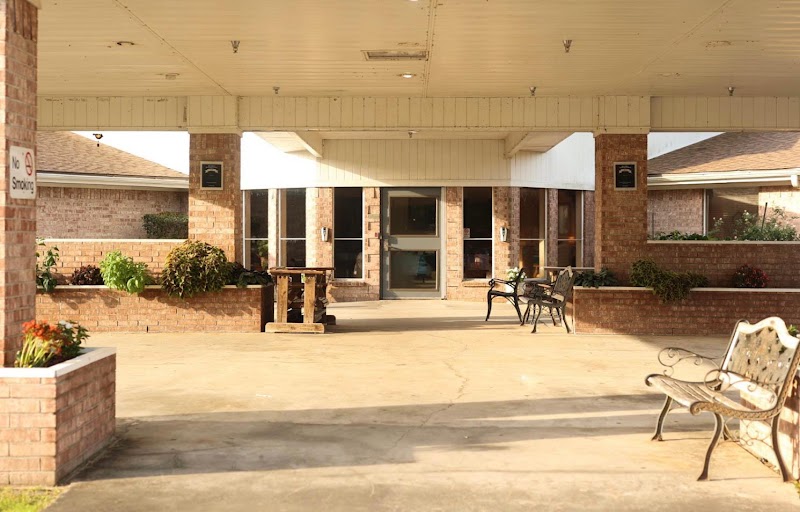
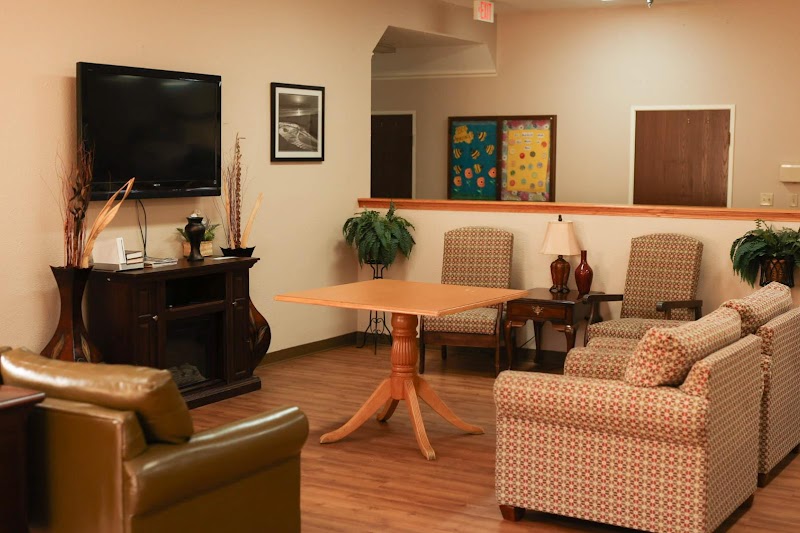
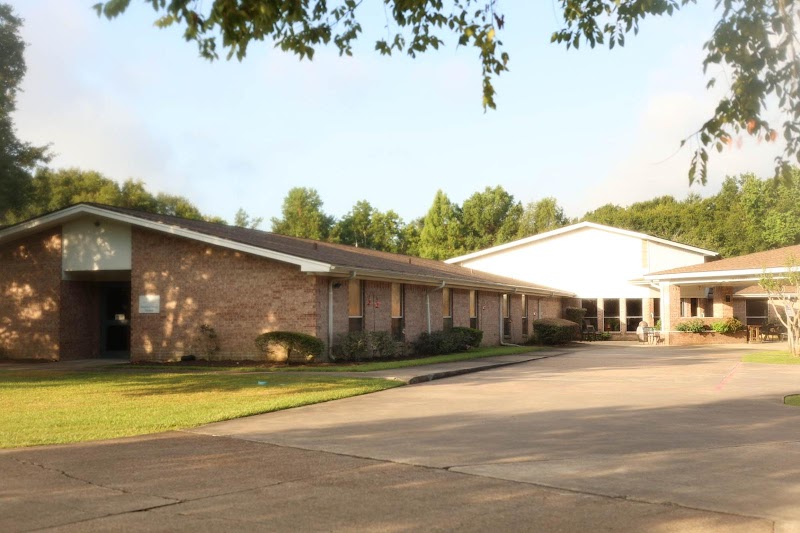
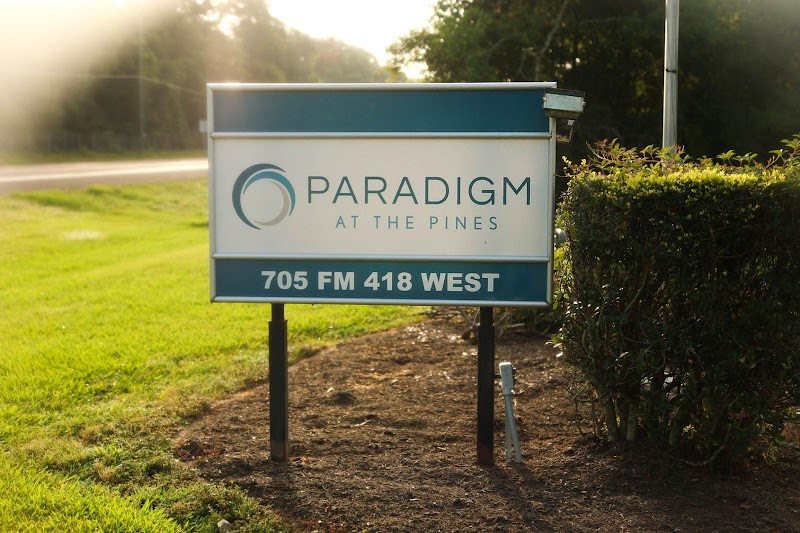
PINE ARBOR

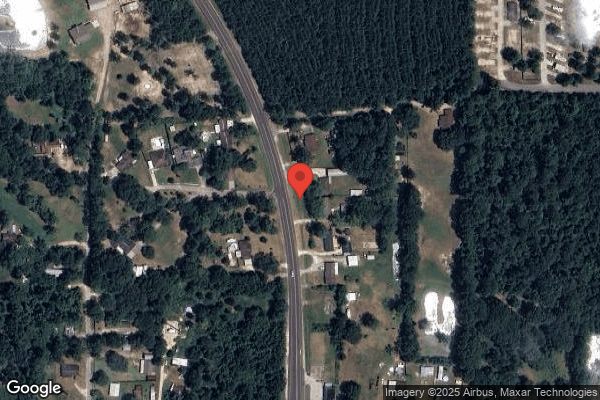
705 HWY 418 W, SILSBEE, TX 77656 (409) 385-0033
For profit - Limited Liability company 90 Beds PARADIGM HEALTHCARE Data: November 2025 1 Immediate Jeopardy citation
Trust Grade
16/100
#803 of 1168 in TX
Last Inspection: October 2024

Within standard 12-15 month inspection cycle. Federal law requires annual inspections.

Overview

Pine Arbor, located in Silsbee, Texas, has received a Trust Grade of F, indicating significant concerns about the facility's quality of care. Ranking #803 out of 1168 in Texas places it in the bottom half of nursing homes, and #4 out of 5 in Hardin County shows that only one local facility is rated higher. While the facility is trending towards improvement with a decrease in reported issues from 7 in 2024 to 6 in 2025, staffing remains a major concern with a poor rating of 1 out of 5 stars and a high turnover rate of 62%, well above the state average. Additionally, there are serious issues: a resident was allowed to wander away from the facility unsupervised, and the dietary manager does not have the required qualifications, which could jeopardize residents' nutritional needs. On a positive note, the facility scored 5 out of 5 in quality measures, indicating that when care is provided, it meets high standards. However, families should weigh these strengths against the significant weaknesses before making a decision.

Trust Score
F
16/100
In Texas
#803/1168
Bottom 32%
Safety Record
High Risk
Review needed
Inspections
Getting Better
7 → 6 violations
Staff Stability
⚠ Watch
62% turnover. Above average. Higher turnover means staff may not know residents' routines.
Penalties
✓ Good
$12,740 in fines. Lower than most Texas facilities. Relatively clean record.
Skilled Nurses
⚠ Watch
Each resident gets only 11 minutes of Registered Nurse (RN) attention daily — below average for Texas. Fewer RN minutes means fewer trained eyes watching for problems.
Violations
⚠ Watch
29 deficiencies on record. Higher than average. Multiple issues found across inspections.
★★☆☆☆
2.0
Overall Rating
★☆☆☆☆
1.0
Staff Levels
★★★★★
5.0
Care Quality
★★☆☆☆
2.0
Inspection Score
Stable
2024: 7 issues
2025: 6 issues

The Good

  • 5-Star Quality Measures · Strong clinical quality outcomes
  • Full Sprinkler Coverage · Fire safety systems throughout facility
  • No fines on record

Facility shows strength in quality measures, fire safety.

The Bad

2-Star Overall Rating

Below Texas average (2.8)

Below average - review inspection findings carefully

Staff Turnover: 62%

16pts above Texas avg (46%)

Frequent staff changes - ask about care continuity

Federal Fines: $12,740

Below median ($33,413)

Minor penalties assessed

Chain: PARADIGM HEALTHCARE

Part of a multi-facility chain

Ask about local staffing decisions and management

Staff turnover is elevated (62%)

14 points above Texas average of 48%

The Ugly 29 deficiencies on record

1 life-threatening
Sept 2025 6 deficiencies 1 IJ
CRITICAL (J) 📢 Someone Reported This

A family member, employee, or ombudsman was alarmed enough to file a formal complaint

Immediate Jeopardy (IJ) - the most serious Medicare violation

Accident Prevention (Tag F0689)

Someone could have died · This affected 1 resident

**NOTE- TERMS IN BRACKETS HAVE BEEN EDITED TO PROTECT CONFIDENTIALITY** Based on interview and record review, the facility failed to ensure each resident received adequate supervision to prevent accid...

Read full inspector narrative →
**NOTE- TERMS IN BRACKETS HAVE BEEN EDITED TO PROTECT CONFIDENTIALITY** Based on interview and record review, the facility failed to ensure each resident received adequate supervision to prevent accidents for 1 of 3 residents reviewed for accidents and supervision. (Resident #1)The facility failed to provide adequate supervision for Resident #1 who was assessed as a high risk for elopement. On 03/23/25 CNA B who was assigned to cover the unit left the unit leaving the residents unattended. Resident #1 eloped from the unit and was found at his previous home address sitting on the porch steps approximately 1 mile from the facility. The non-compliance was identified as past non-compliance. The Immediate Jeopardy began on 03/23/25 and ended on 03/27/25. The facility had corrected the non-compliance before the survey began. This failure could prevent residents from receiving appropriate supervision which could lead to resident sustaining serious injury or harm. Findings included: Record review of a face sheet dated 09/09/25 indicated Resident #1 was a [AGE] year-old male admitted on [DATE]. His diagnosis included dementia (loss of cognitive functioning), hypertension (a condition in which the force of the blood against the artery walls is too high), type 2 diabetes (a chronic condition that affects the way the body processes blood sugar), anxiety (persistent and excessive worry that interferes with daily activities) , and depression (mental illness that negatively affects how you feel, the way you think and how you act). Record review of a Baseline Care Plan dated 03/17/25 indicated Resident #1 resided on the secured unit with an intervention to conduct frequent checks on the resident, especially during high-risk times and he was at risk for elopement with an intervention to monitor resident. Record review of a Clinical Risk assessment dated [DATE] the Elopement Risk section indicated Resident #1 was a high risk. Record review of an admission MDS form dated 03/27/25 indicated Resident #1 had a BIMS score of 07 indicating he had severely impaired cognition. He had clear speech and understood others. He had other behavioral symptoms not directed towards others that occurred 1 to 3 days during the lookback period. He had no impairment of the upper and lower extremities. He used no mobility devices. The Functional self-care assessment indicated supervision/touching assistance with most ADLs. The Functional mobility assessment indicated he required supervision/touching assistance with ambulation. Record review of Nurse Notes for Resident #1 indicated the following:* an entry on 3/21/25 at 05:56 a.m., Resident restless this shift. Residing on memory care unit, attempted to follow RCS off unit and began banging on the double doors. Resident had been observed pacing from double doors back to room stating that he needs to go home. Resident upset that he is locked behind double doors. Writer was able to talk to and calm resident at this time.* an entry on 3/22/25 at 06:00 a.m., Resident resides on memory care unit. Resident does not understand why he is locked up and wants to go home and will stand at double doors in an attempt to walk out with someone.* an entry on 3/23/25 at 05:02 p.m., Patient was observed being aggressive today, patient banged on doors today. Nurse observed patient throwing belongings on the floor, when asked patient what was wrong, patient stated aggressively to leave him alone and to get out the room. Nurse was able to give patient his morning medications. Nurse continued to monitor and do routine rounds on patient. Patient continued to bang on unit doors, nurse redirected patient and explained to patient that he couldn't bang on doors, patient started hallucination sand told nurse that his mother was on the other side, and he needed to get to her. Nurse went to do routine round on patient, patient was not in room or any of the available beds on the unit, nurse notified administrator, DON, ADON to let them know that patient was not on the unit. Observed findings of a chair near fence that is said to believe what patient used to climb over fence, available Staff immediately took action, loaded cars to look for patient. Patient was found at last known address sitting on his porch, patient was not hurt, no bruising noted. Patient was accompanied by three staff members, patient refused to load the vehicle, after advising him that we need to get him home to safety, patient reconsidered and got in the vehicle. Patient was transported back to facility and was assessed by nurse, patient does not c/o any pain at this time, when asked patient what he was doing out he said that he needed to go to his mother house and cook for tomorrow, but he is back to facility now. Family Notified and is fully aware and was not upset about the situation. Family agreed to send patient out.Record review of a Provider Investigation Report dated 03/27/25 indicated the following:* LVN C reported that she saw Resident #1 at approximately 3:00pm and he was banging on the locked doors. She went to the door and calmed him down by talking to him.* At about 3:15pm, LVN C rounded on the unit and did not find Resident #1. LVN C and LVN F went directly to the unit to check on the two residents that were residing in the unit. They couldn't find Resident #1 in his room on the locked unit. They proceeded to search for Resident #1 in every room on the unit. They alerted all staff that she had a missing resident. Staff searched the facility. In the courtyard of the locked unit there was a chair in the corner fence area with a red garbage can on top of the chair. Resident #1's cane was found outside the fence in the area the chair was found at on the inside of the fence. LVN C noted maglock not locking when she went into the courtyard.* At 3:15 pm search initiated.* At 3:17 pm Sign-out book checked* At 3:16 pm Announcement made over intercom* 3:28 pm LVN F notified ADON* 3:29 pm ADON notified Administrator.* 3:30 pm Administrator notified DON* 3:31 pm Administrator notified DSS* 3:32 pm ADON notified the local Police Department. Report number 2251465* 3:40 pm Administrator notified the VPO and the Regional Nurse Consultant; and* 3:43 pm DSS found Resident #1 sitting on his porch steps of his house.* Resident #1 admitted to Behavioral hospital on [DATE].* 03/24/2025 No patients on the locked unit. Closed the locked unit.* 03/25/2025 Active Elopement Drill done with staff.* 03/26/2025 Active Elopement Drill done with staff* 03/27/2025 Staff Town Hall active elopement drill performed, and staff trained on elopement policy. During a phone interview on 09/09/25 at 12:10 p.m., HA A said he started his shift on 03/23/25 at 06:00 a.m. on the secured unit. He said there were only 2 residents on the unit at the time. He said they did everything for themselves so all he had to do was to monitor them so they would not elope. He said CNA B came on shift at 02:00 p.m. and LVN C told CNA B to relieve him so he could take a lunch. He said he did not think CNA B had went to the unit because he saw her sitting the nurse's station playing on her phone when he went into the break room. He said a short time later CNA B went into the break room and sat down. He said one of the nurses had come into the break room and ask if both HA A and CNA B were on break then who was on the unit. He said the nurse left the break room and went to the secured unit. He said Resident #1 was not found on the unit but a chair with a trash can on it was by the fence in the courtyard of the unit. During an interview on 09/09/25 at 06:30 p.m., LVN C said she told CNA B when she came on duty at 02:00 p.m. to relieve HA A on the secured unit so he could take a lunch break. She said she had issues with CNA B staying on the secured unit because she would leave to go to her car and then she left and went to the break room. She said Resident #1 had been at the double doors banging on them about 03:00 p.m. prior to him eloping that day, so she went to talk with him and calm him down. She said when she made rounds on the secured unit at 03:15 p.m. he was not located, and CNA B was not on the unit. An attempt was made to contact CNA B on 09/09/25 at 12:19 p.m., 12:25 p.m., and 01:05 p.m. but a recording indicated the phone number had been changed or no longer in service on all 3 attempts. During an interview on 09/09/25 at 01:08 p.m., the HKS said she was the DSS at the time of Resident #1's elopement. She said when she received the call about him missing, she was familiar with him, so she thought to go check at his house to see if he was there. She said he was sitting on the front porch steps at his house about a mile from the facility. She said she called the DON to let him know where he was and 3 staff came to get him. She said at first, Resident #1 did not want to get into the vehicle but eventually they were able to talk him into it and he was taken back to the facility. During an interview on 09/09/25 at 04:45 p.m., the DON said CNA B was told by LVN C to cover the secured unit so HA A could take a lunch break. She said it was found that CNA B did not go to the secured unit like she was told and Resident #1 eloped while not being attended. She said Resident #1 was sent to the behavioral hospital the next day. She said he was allowed to return with one-on-one monitoring until he was discharged to another facility out of town so he would not try to go home again. She said the secured unit was shut down the day after the incident. During an interview on 09/09/25 at 05:24 p.m., the Administrator said Resident #1's family placed him at the facility and had him placed on the secured unit because they said there had been an issue with him wandering off from his home. She said the secured unit was closed the day after Resident #1 had eloped. She said when the resident was found and returned to the facility, he was placed on one-on-one supervision until he was discharged to a sister facility out of town. She said they did the elopement drills with staff after the incident until 03/27/25 so they would ensure to have all most all the staff from different shifts in-serviced. Observations during the investigation from 09/08/25 through 09/10/25 indicated Hall A, previously designated as the Memory Care Secured Unit, was not utilized as a secured unit. Unable to interview Resident #1, he no longer resided at the facility. Record review of a Disciplinary Action Form dated 03/23/35 indicated CNA B was not on the unit as assigned by her charge nurse. CNA B was suspended while investigating the incident. CNA B was terminated after the investigation. The form was signed by the Administrator and DON on 03/27/25. Record review of an Education In-Service Attendance Record with subject of Elopement dated 03/23/25, indicated that 18 staff members (1 HA, 7 LVNs, 1 MA, 8 CNAs and 1 therapist) signed the in-service record regarding elopement policy. Record review of an Education In-Service Attendance Record with subject of Staff on Unit dated 03/23/25, indicated that 16 staff members (1 HA, 6 LVNs, 1 MA, and 8 CNAs) signed the in-service record regarding the unit must have a staff member on it at all times; assigned nurse is to make frequent rounds on the unit during their shift; and assigned nurse is to assign relief for assigned staff to take a break/lunch. Record review of a Wander/Elopement Drill Report dated 03/25/25 indicated a mock elopement/missing resident drill was conducted at 10:18 a.m. and 16 staff (admission Coord, AD, MDS Nurse, SW, Laundry staff, 2 CNAs, 3 LVNs, and 6 other staff) participated. Some were staff who were not listed on the other trainings on 03/23/25. Record review of a Wander/Elopement Drill Report dated 03/26/25 indicated a mock elopement/missing resident drill was conducted at 11:06 a.m. and 22 staff (ADON, admission Coord, MDS Nurse, Transportation, DSS, 1 hskp, 1 dietary, 1 laundry, 1 HA, 1 MA, 6 CNAs, and 3 LVNs) participated. Some were staff who were not listed on the other trainings on 03/23/25 and drill on 03/25/25. Record review of a Wander/Elopement Drill Report dated 03/27/25 indicated a mock elopement/missing resident drill was conducted at 02:13 p.m. and 15 staff (DSS, Director of Rehab, SLP, SW, 1 dietary, 1 laundry, 2 hskp, 1 HA, 1 MA, 1 CNA, and 3 LVNs) participated. Some were staff who were not listed on the other trainings on 03/23/25 and drills on 03/25/25 and 03/26/25. Record review of the Employee Staff List indicated all but 1 prn staff member had been trained on Elopement. Record review of facility incident reports from 03/24/25 through 09/08/25 indicated there were no elopements. During a phone interview on 09/09/25 at 12:10 p.m. HA A said he had received in-service on 03/23/25 and participated in elopement drills several times after the elopement. During an interview on 09/09/25 at 01:08 p.m. the HKS said she was the DSS at the time of Resident #1's elopement. She said she had received in-service and participated in elopement drills several times after the elopement. During an interview on 09/09/25 at 02:10 p.m. LVN E said he had received in-service and had participated in elopement drills they had conducted several times after the elopement. During an interview on 09/09/25 at 03:30 p.m. the UM said in-service and elopement drills had been received from 03/23/25 through 03/27/25. During an interview on 09/09/25 at 06:00 p.m.:* CNA D said she was the receptionist at the time of the elopement but had received in-service and participated in elopement drills several times after the elopement.* CNA G said she received elopement training while she was in the CNA class at the facility.* CNA H and CNA J said they received elopement training when they were hired by the facility. During interviews on 09/10/25:* at 10:20 a.m. CNA N said she had received in-service and participated in elopement drills several times after the elopement.* at 10:25 a.m. CNA O said she had received in-service and participated in elopement drills several times after the elopement.* at 10:28 a.m. CNA R said she had received in-service and participated in elopement drills several times after the elopement. Record review of the Elopement policy revised 05/2024 indicated: Policy:The Facility will engage in active elopement prevention measures to mitigate the occurrence of elopement incidents. The Facility will deploy a prompt investigation and search if a resident is considered missing.Elopement Mitigation StrategiesThe Facility will implement the following mitigation strategies: Appropriateness of resident placement within the facility upon a::Jmission and during their stay. Completion of routine elopement risk assessments. Providing the resident with appropriate supervision. Completing environmental modifications as needed. Ensuring the resident's care plan is up to date. Conducting routine elopement drills. Having a resident photo in the electronic health record. Providing education for families, visitors, and volunteers. Conducting routine alarm checks/inspections. Initiate a manual monitoring system during power failure. On 09/09/25 at 05:40 p.m., the Administrator was informed of the Immediate Jeopardy. The non-compliance was identified as past non-compliance. The Immediate Jeopardy began on 03/23/25 and ended on 03/27/25. The facility had corrected the noncompliance before survey began.
CONCERN (D) 📢 Someone Reported This

A family member, employee, or ombudsman was alarmed enough to file a formal complaint

Potential for Harm - no one hurt, but risky conditions existed

Report Alleged Abuse (Tag F0609)

Could have caused harm · This affected 1 resident

**NOTE- TERMS IN BRACKETS HAVE BEEN EDITED TO PROTECT CONFIDENTIALITY** Based on observation, interview, and record review, the facility failed to ensure that all alleged violations involving abuse we...

Read full inspector narrative →
**NOTE- TERMS IN BRACKETS HAVE BEEN EDITED TO PROTECT CONFIDENTIALITY** Based on observation, interview, and record review, the facility failed to ensure that all alleged violations involving abuse were reported, immediately but not later than 2 hours after the allegation was made, if the events that cause the allegation involves abuse or results in serious bodily injury, to the State Survey Agency for 1 of 5 residents (Residents #2) reviewed for reporting allegations of abuse. The facility failed to report an allegation of abuse to the state agency within 2 hours after Resident #3 punched Resident #2 in the arm on 05/18/2025. The failures could place residents at risk of not having allegations reported within the required timeframes. Findings included: Record review of Resident #2's admission Record dated 09/08/2025 indicated she was a [AGE] year-old female who was initially admitted to the facility on [DATE] with diagnoses which included Huntington's disease (causes nerve cells in the brain to decay over time and the disease affects a person's movements, thinking ability and mental health), bipolar disorder (mental disorder associated with episodes of mood swings ranging from depressive lows to manic highs), major depressive disorder (mental health disorder characterized by persistently depressed mood or loss of interest in activities, causing significant impairment in daily life), schizoaffective disorder (mental health condition with a combination of symptoms of schizophrenia and mood disorder), anxiety disorder (persistent and excessive worry that interferes with daily activities), and muscle spasms. Record review of Resident #2's quarterly MDS assessment, dated 04/09/2025, indicated she had a BIMS score of 07 which indicated she had severely impaired cognition and was sometimes able to make self-understood and usually understood others. She had no behaviors indicated. The functional abilities self-care indicated she required partial assistance with eating, oral care, upper body dressing and required maximal assistance with shower/bathing, lower body dressing, putting on/taking of footwear and personal hygiene. The Functional abilities mobility indicated she required maximum assistance with all tasks except walking greater than 50 feet which required totally dependent and used a manual wheelchair for mobility. Record review of Resident #2's care plan, dated 02/04/2025, indicated she had diagnosis of schizophrenia of a bipolar type with psychotic features, Huntington's disease and is at risk for disturbed thought processes, and alteration in mood or exhibitions of behavioral symptoms. She has potential for impaired skin related to risk of falls; involuntary movements related to Huntington's Disease and alteration in musculoskeletal status related to Huntington's Disease. Interventions included communication techniques, effective strategies, monitor for confounding problems, frustration levels, physical/nonverbal indications, monitor and document behaviors, 1:1 interaction as needed, administer medications as needed, referrals for therapy and psych services and report to MD if changes were identified. Record review of Resident #3's admission Record dated 09/09/2025 indicated he was a [AGE] year-old male who was initially admitted to the facility on [DATE] with diagnoses which included including Alcohol induced Dementia (loss of cognitive functioning), psychosis disorder (a severe mental condition in which thoughts and emotions are so affected that contact is lost with external reality), chronic obstructive pulmonary disease (a lung disease that blocks airflow making it difficult to breathe), diabetes mellitus (a chronic condition that affects the way the body processes blood sugar), anxiety disorder (persistent and excessive worry that interferes with daily activities) and depressive disorder (mental illness that negatively affects how you feel, the way you think and how you act). He was discharged on 06/11/2025 to an acute care behavioral hospital. Record review of Resident #3's quarterly MDS assessment, dated 05/08/2025, indicated he had a BIMS score of 03 which indicated he had severely impaired cognition and was sometimes able to make self-understood and sometimes understood others. He had behaviors of inattention and disorganized thinking which fluctuates (comes and goes, changes in severity). The functional abilities self-care indicated he required set-up or clean up assistance (helper sets up or cleans up; resident completes activity. Helper assists only prior to or following the activity) with eating, oral care, upper body dressing, shower/bathing, lower body dressing, putting on/taking of footwear and personal hygiene. The Functional abilities mobility indicated he required set-up or clean up assistance with all tasks and used a manual wheelchair for mobility. Record review of Resident #3's care plan, dated 02/04/2025, indicated he had episodes of inappropriate behaviors and is at risk for further increased episodes and injury related to dementia with behaviors and psychosis. Interventions included communication techniques, redirection, effective strategies, monitor for confounding problems, frustration levels, physical/nonverbal indications, monitor and document behaviors, 1:1 interaction as needed, administer medications as needed, referrals for behavioral hospitals and psych services and report to MD if changes were identified. During an observation and interview on 09/08/2025 at 11:30 a.m., Resident #2 wheeled to the dining room in manual wheelchair. She appeared well groomed with no foul odors and no signs of abuse or neglect were identified. Resident #2 interacted with facility staff with no indication of fear or discomfort. Resident #2 does not recall the incident. Record review of an incident report and nurses progress note dated 05/18/2025 indicated on 05/18/2025 around 1:00 p.m., LVN F observed Resident #2 and Resident #3 both in wheelchairs in the hallway. Resident #2 raised arms, not in an aggressive way, and Resident #3 punched Resident #2 in the arm. Residents were separated and Resident #3 was taken back to his room and staff assisted him to bed. Resident #2 was assessed and had no notable redness, injuries or bruising, and reported no pain when asked if she was hurting. DON, ADON and the administrator were notified of the incident. Record review of Texas Unified Licensure Information Portal (TULIP) on 08/09/2025 at 1:50 P.M. indicated no self-reported incidents regarding allegations of abuse were reported for Resident # 2. During an interview on 09/09/2025 at 11:39 a.m., LVN F said she was the nurse that witnessed the incident between Resident #2 and Resident #3 on 05/18/2025. She said she was walking up the hall and saw Resident #2 and Resident #3 in their wheelchairs in the hallway. Resident #2 was raising her arm, involuntary movement from her Huntington's disease, and Resident #3 intentionally punched Resident #2 in the arm. She said she immediately separated the residents and Resident #3 was returned to his room, placed in bed, assessed with no injuries and initiated monitoring. She said Resident #3 punched Resident #2, so she reported the physical abuse incident to DON, ADON and the administrator/AC. During an interview on 09/09/2025 at 2:00 p.m., the DON said she was aware of the incident on 05/18/2025 between Resident #2 and Resident #3 and during her investigation she identified that Resident #2 denied being hit/punched by Resident #3. Resident #2 said [Resident #3] just moved her arm out of his face and did not hit her. The DON said she reported the incident to the administrator and corporate nurse and was advised that the incident was not a reportable event. The DON acknowledges that the facility policy identifies physical abuse includes hitting, slapping, pinching and/or kicking and the alleged physical abuse should have been reported and then investigated for confirmation. During an interview on 09/10/2025 at 2:00 p.m., the Administrator said she was notified by the DON regarding the incident on 05/18/2025 between Resident #2 and Resident #3 and the ADON and DON investigated and identified that Resident #2 denied being punched/hit by Resident #3. She said after a review of the incident by corporate, the corporate nurse advised that the incident was not a reportable event. The administrator acknowledges that the facility policy identifies physical abuse includes hitting, slapping, pinching and/or kicking and the alleged physical abuse should have been reported to the state agencies within 2 hours of the allegation of abuse and then investigated for confirmation. Record review of the facility's policy Abuse, Neglect, Exploitation Prevention Policy and Procedure, date revised 09/10/2020, indicated Definitions: .Abuse is defined as the willful infliction of injury. Physical Abuse includes hitting, slapping, pinching and/or kicking.Reporting 1. It is the responsibility of all individuals who witness, or have knowledge of, an event regarding the abuse, neglect, and/or exploitation of any resident, regardless of the length of time between the actual event and his/her coming to knowledge of it, to immediately report it to the Administrator and/or Director of Nursing. If the Administrator or Director of Nursing is not present in the facility at the time, he/she should be contacted regardless of the time of day and made known of the event. The Administrator, Director of Nursing, or his/her will notify corporate director of clinical services and chief operating officer of any allegation or event concerning abuse, neglect, and/or exploitation. The Administrator, Director of Nursing, or his/her designee shall report all alleged violations and all substantiated incidents to the state agency and to all other agencies as required and take all necessary corrective actions depending on the results of the investigation.
CONCERN (D) 📢 Someone Reported This

A family member, employee, or ombudsman was alarmed enough to file a formal complaint

Potential for Harm - no one hurt, but risky conditions existed

Pharmacy Services (Tag F0755)

Could have caused harm · This affected 1 resident

**NOTE- TERMS IN BRACKETS HAVE BEEN EDITED TO PROTECT CONFIDENTIALITY** Based on interview and record review, the facility failed to establish a system of receipt and disposition of all controlled dru...

Read full inspector narrative →
**NOTE- TERMS IN BRACKETS HAVE BEEN EDITED TO PROTECT CONFIDENTIALITY** Based on interview and record review, the facility failed to establish a system of receipt and disposition of all controlled drugs in sufficient detail to enable accurate reconciliation and determine that drug records were in order and that an account of all controlled drugs were maintained and periodically reconciled for 1 of 4 residents (Resident #6) reviewed for controlled medications. * LVN X and RN Y did not count the narcotic medications during the shift change to ensure the count was correct and all narcotics had an Inventory Sheet. * Resident #6's hydrocodone 5 mg /acetaminophen 325 mg (narcotic pain medication for moderate or severe pain) were not counted and did not have an Inventory Sheet on 10/04/24. This failure could place residents at risk for medication overdose, medication under-dose, ineffective therapeutic outcomes, and drug diversion. Findings included: Record review of the face sheet dated 09/10/25 indicated Resident #6 was a [AGE] year-old female admitted on [DATE]. Her diagnoses included fracture of the hip (broken bone in the hip). Record review of the MDS dated [DATE] indicated Resident #6 was able to hear without difficulty, able to be understood and could understand others, had clear speech, had severely impaired cognition, and received opioid medications. Record review of the September and October 2024 physician orders indicated Resident #6 had an order for hydrocodone 5 mg /acetaminophen 325 mg. Record review of the September and October 2024 MARs indicated Resident #6 had received hydrocodone 7.5mg /acetaminophen 325 mg. Record review of the Provider Investigation Report dated 10/09/24 indicated: .On 10/04/24 at 1:00 p.m., the Administrator was notified that we had an alleged drug diversion involving Resident #6's hydrocodone 5/325, per [RP]'s statement to Administrator and DON, he stated he brought the pills up to the building on 09/29/24, the pills were counted by charge nurses LVN W and UM and there were 84 total pills and narcotic sheet was created. We received the blister pack for the resident's pain medication and only one has been given from it and there is a [narcotic] sheet for them. And this pill is accounted for. Furthermore, the [RP] stated he had received a call yesterday to come pick up the bottle of pills and today at around 10:30 am, he asked the nurse for the pills. The resident's [RP] counted the pills at the nurses' station after the nurse LVN X stated she counted 62 pills, and he counted 42. So initially, we were missing 20 pills. Further investigation revealed, LVN W in her statement said there were 76 on 10/3/24 when she counted with RN Y. Again, according to LVN W she stated the count yesterday was 76; however, the MAR only shows 5 given out of the bottle. The [narcotic] sheet is missing for the bottle of pills, but it was in the building yesterday per LVN W and RN Y who counted together last night on 10/03/24. RN Y stated she did not count with the nurse, LVN X day charge nurse on 10/04/24. But she stated she did count with LVN W. Hence, there is a discrepancy of 76 minus 42 is 34 missing pills, yet 84 minus 5 which show on the MAR is 79, but the count was 76. Hence, the total number of pills missing from the pill bottle is 37. The bottle was signed back to the [RP] and taken home with him. During an interview on 09/09/25 at 02:05 p.m. the UM said she and LVN W had counted Resident #6's hydrocodone/acetaminophen when the resident's husband brought them the bottle to the facility. She said she made a count sheet since it was from an outside pharmacy and did not have a count sheet. She said she remember there was eighty something tablets in the bottle. During an interview on 09/09/25 at 02:35 p.m. the DON said during the investigation RN Y admitted she did not count with LVN X at shift change but accepted the keys for the narcotics. She said both nurses were drug tested and suspended. She said RN Y was negative, but LVN X tested positive for other substances than the opioid. She said LVN X quit. She said she expected nurses to always count the narcotics before accepting the keys to the cart. She said not counting them could lead to medication not being administered to the resident. She said not having the Inventory Sheet for a narcotic could lead to drug diversion. During an interview on 09/09/25 at 04:25 p.m. the Administrator said she expected staff to follow policy regarding narcotic medications to prevent drug diversions and ensure residents receive their medication. Attempts were made to contact LVN X but recording indicated the caller was not taking calls. Attempts were made to contact RN Y and a message was left with no return call. Record review of the Narcotic Count policy revised 11/22 indicated the following: Policy: It is the policy of this facility to mitigate the risk of drug diversion by developing, implementing, and maintaining a narcotic count process. Procedures: The Narcotic Count and Inventory: 1. Controlled drugs will be counted every eight (8) - or twelve (12) -hour shift by authorized staff reporting on duty with the authorized staff reporting off duty.2. The inventory of controlled substances/drugs will be recorded on the Narcotic Records and signed for correctness of count.Process:1. At the end of every eight (8) - or twelve (12) -hour shift the authorized staff member reporting on duty and the authorized staff member reporting off duty meet at the designated medication cart or storage area to count controlled substances/drugs.2. The off-going authorized staff member reads down the controlled substance/drug Inventory Sheet one drug at a time.3. The oncoming authorized staff member counts the number of remaining controlled substance/drug and announces that number out loud.4. The off going authorized staff member checks this number against the Inventory Sheet. The remaining number is carried over to the controlled substance/drug Inventory Sheet for the new shift.5. Steps two (2) through four (4) are repeated for each controlled substance/drug in the inventory.
CONCERN (E) 📢 Someone Reported This

A family member, employee, or ombudsman was alarmed enough to file a formal complaint

Potential for Harm - no one hurt, but risky conditions existed

Free from Abuse/Neglect (Tag F0600)

Could have caused harm · This affected multiple residents

**NOTE- TERMS IN BRACKETS HAVE BEEN EDITED TO PROTECT CONFIDENTIALITY** Based on observation, interview, and record review, the facility failed to protect the residents' right to be free from physical...

Read full inspector narrative →
**NOTE- TERMS IN BRACKETS HAVE BEEN EDITED TO PROTECT CONFIDENTIALITY** Based on observation, interview, and record review, the facility failed to protect the residents' right to be free from physical abuse for 4 of 6 residents (Resident #2, Resident #3, Resident #4 and Resident #5) reviewed for abuse. 1. The facility failed to ensure Resident #2 was free from physical abuse when Resident #2 was slapped on the neck by Resident #3 on 01/21/2025. 2. The facility failed to ensure Resident #2 was free from physical abuse when Resident #2 was punched on the arm by Resident #3 on 05/18/2025. 3. The facility failed to ensure Resident #5 was free from physical abuse when Resident #4 pushed Resident #5 causing him to fall on 07/02/2025. These failures could place residents at risk for emotional distress, fear, decreased quality of life and further abuse.Findings included: Resident #2Record review of Resident #2's admission Record dated 09/08/2025 indicated she was a [AGE] year-old female who was initially admitted to the facility on [DATE] with diagnoses which included Huntington's disease (causes nerve cells in the brain to decay over time and the disease affects a person's movements, thinking ability and mental health), bipolar disorder (mental disorder associated with episodes of mood swings ranging from depressive lows to manic highs), major depressive disorder (mental health disorder characterized by persistently depressed mood or loss of interest in activities, causing significant impairment in daily life), schizoaffective disorder (mental health condition with a combination of symptoms of schizophrenia and mood disorder), anxiety disorder (persistent and excessive worry that interferes with daily activities), and muscle spasms. Record review of Resident #2's quarterly MDS assessment, dated 04/09/2025, indicated resident had a BIMS score of 07 which indicated she had severely impaired cognition and was sometimes able to make self-understood and usually understood others. She had no behaviors indicated. The functional abilities self-care indicated she required partial assistance with eating, oral care, upper body dressing and required maximal assistance with shower/bathing, lower body dressing, putting on/taking of footwear and personal hygiene. The Functional abilities mobility indicated she required maximum assistance with all tasks except walking greater than 50 feet which required totally dependent and used a manual wheelchair for mobility. Record review of Resident #2's care plan, dated 02/04/2025, indicated she had diagnosis of schizophrenia of a bipolar type with psychotic features, Huntington's disease and is at risk for disturbed thought processes, and alteration in mood or exhibitions of behavioral symptoms. She has potential for impaired skin related to risk of falls, involuntary movements related to Huntington's Disease and alteration in musculoskeletal status related to Huntington's Disease. Interventions included communication techniques, effective strategies, monitor for confounding problems, frustration levels, physical/nonverbal indications, monitor and document behaviors, 1:1 interaction as needed, administer medications as needed, referrals for therapy and psych services and report to MD if changes were identified. Resident #3Record review of Resident #3's admission Record dated 09/09/2025 indicated he was a [AGE] year-old male who was initially admitted to the facility on [DATE] with diagnoses which included including Alcohol induced Dementia (loss of cognitive functioning), psychosis disorder (a severe mental condition in which thoughts and emotions are so affected that contact is lost with external reality), chronic obstructive pulmonary disease (a lung disease that blocks airflow making it difficult to breathe), diabetes mellitus (a chronic condition that affects the way the body processes blood sugar), anxiety disorder (persistent and excessive worry that interferes with daily activities) and depressive disorder (mental illness that negatively affects how you feel, the way you think and how you act). He was discharged on 06/11/2025 to an acute care behavioral hospital. Record review of Resident #3's quarterly MDS assessment, dated 05/08/2025, indicated he had a BIMS score of 03 which indicated he had severely impaired cognition and was sometimes able to make self-understood and sometimes understood others. He had behaviors of inattention and disorganized thinking which fluctuates (comes and goes, changes in severity). The functional abilities self-care indicated he required set-up or clean up assistance (helper sets up or cleans up; resident completes activity. Helper assists only prior to or following the activity) with eating, oral care, upper body dressing, shower/bathing, lower body dressing, putting on/taking of footwear and personal hygiene. The Functional abilities mobility indicated he required set-up or clean up assistance with all tasks and used a manual wheelchair for mobility. Record review of Resident #3's care plan, dated 02/04/2025, indicated he had episodes of inappropriate behaviors and is at risk for further increased episodes and injury related to dementia with behaviors and psychosis. Interventions included communication techniques, redirection, effective strategies, monitor for confounding problems, frustration levels, physical/nonverbal indications, monitor and document behaviors, 1:1 interaction as needed, administer medications as needed, referrals for behavioral hospitals and psych services and report to MD if changes were identified. 1. Record review of provider investigation report dated 01/27/2025 for Resident-to-Resident incident between Resident # 2 and Resident #3 indicated Resident #3 hit Resident #2 on the right side of her neck and pulled her hair on 01/21/2025. An assessment was conducted on Resident #2 and indicated she had a small pink/red area noted to the right side of neck and no pain and there were no bruising or other injuries to her neck. On 01/22/2025 a skin assessment on Resident #2 was clear, no redness noted at right side of neck. Resident #3 was placed on 1:1 monitoring until transferred to behavioral hospital for evaluation and treatment. Record review of Resident #2's incident report and nurses progress note dated 01/21/2025 indicated on 01/21/2025 at 9:50 a.m., LVN C was down the hallway and noticed Resident #2 screaming: while looking down the hall LVN C witness Resident #2 being hit by Resident #3. Resident #3 was seen hitting Resident #2 in the face on the right side of her neck and pulling her hair. LVN C immediately intervened and separated the residents. Resident #2 was assessed and had redness noted to neck, no other injuries or bruising, and reported no pain when asked if she was hurting. RP, DON, ADON and the administrator were notified of the incident. During an observation and interview on 09/08/2025 at 11:30 a.m., Resident #2 wheeled to the dining room in manual wheelchair. She appeared well groomed with no foul odors and no signs of abuse or neglect were identified. Resident #2 interacted with facility staff with no indication of fear or discomfort. Resident #2 does not recall the incidents and denied any current abuse or neglect from facility staff or other residents. Unable to interview Resident #3, he no longer resides at the facility. During an interview on 09/08/2025 at 6:00 p.m., LVN C said she was the nurse that witnessed the incident between Resident #2 and Resident #3 on 01/21/2025. She said she was walking down hall and heard Resident #2 scream, looked down hallway and saw Resident #3 hit Resident #2 one time around face on right side of her neck and pulled her hair. Both residents were in wheelchairs in the hallway. She said she immediately intervened and separated the residents. She said Resident #3 was returned to his room, placed in bed, assessed with no injuries and initiated 1:1 monitoring until he was transported to behavioral hospital for evaluation. She said Resident #2 was assessed with redness to her neck with no additional injuries or bruising noted. She said she reported the physical abuse incident to RP, DON, ADON and the administrator/AC. She said that Resident #2 has Huntington's disease, and she has involuntary movements (flinging her arms and legs) and could startle other residents and visitors. She said that Residents #2 and #3 had a history of Resident-to-Resident incidents and staff were aware to monitor them closely for incidents or behaviors. 2. Record review of an incident report and nurses progress note dated 05/18/2025 indicated on 05/18/2025 around 1:00 p.m., LVN F observed Resident #2 and Resident #3 both in wheelchairs in the hallway. Resident #2 raised arms, not in an aggressive way, and Resident #3 punched Resident #2 in the arm. Residents were separated and Resident #3 was taken back to his room and staff assisted him to bed. Resident #2 was assessed and had no notable redness, injuries or bruising, and reported no pain when asked if she was hurting. DON, ADON and the administrator were notified of the incident. During an interview on 09/09/2025 at 11:39 a.m., LVN F said she was the nurse that witnessed the incident between Resident #2 and Resident #3 on 05/18/2025. She said she was walking up the hall and saw Resident #2 and Resident #3 in their wheelchairs in the hallway. Resident #2 was raising her arm, involuntary movement from her Huntington's disease, and Resident #3 intentionally punched Resident #2 in the arm. She said she immediately separated the residents and Resident #3 was returned to his room, placed in bed, assessed with no injuries and initiated monitoring. She said Resident #3 punched Resident #2, so she reported the physical abuse incident to DON, ADON and the administrator/AC. She said she worked until 6:00 p.m. the day of the incident and continued to monitor both Resident #2 and Resident #3 with no further incidents or negative effects identified and reported the incident to the oncoming staff. Resident #4 Record review of Resident #4's admission Record dated 09/08/2025 indicated he was a [AGE] year-old male who was initially admitted to the facility on [DATE] with diagnoses which included including vascular dementia (loss of cognitive functioning caused by brain damage from impaired blood flow), diabetes mellitus (a chronic condition that affects the way the body processes blood sugar), anxiety disorder (persistent and excessive worry that interferes with daily activities) and depressive disorder (mental illness that negatively affects how you feel, the way you think and how you act). Record review of Resident #4's quarterly MDS assessment, dated 04/25/2025, indicated resident had a BIMS score of 06 which indicated he had severely impaired cognition and was able to make self-understood and understood others. He had no behaviors indicated. The functional abilities self-care indicated he required supervision or touching assistance with eating, oral care, upper body dressing, shower/bathing, lower body dressing, putting on/taking of footwear and personal hygiene. The Functional abilities mobility indicated he required supervision or touching assistance with all tasks and ambulated independently.Record review of Resident #4's care plan, dated 03/19/2025, indicated he had episodes of behaviors and is at risk for further increased episodes and had an altercation with another resident on 07/02/2025. Interventions included communication techniques, redirection, effective strategies, monitor for confounding problems, frustration levels, physical/nonverbal indications, monitor and document behaviors, 1:1 interaction as needed, administer medications as needed, referrals for behavioral hospitals and psych services and report to MD if changes were identified. Resident #5 Record review of Resident #5's admission Record dated 09/08/2025 indicated he was a [AGE] year-old male who was readmitted on [DATE] and initially admitted to the facility on [DATE] with diagnoses which included including post-traumatic stress disorder (a mental health condition that's triggered by a terrifying event - either experiencing it or witnessing it), Alzheimer's disease (progressive disease that destroys memory and other important mental functions), diabetes mellitus (a chronic condition that affects the way the body processes blood sugar), anxiety disorder (persistent and excessive worry that interferes with daily activities) and depressive disorder (mental illness that negatively affects how you feel, the way you think and how you act). Record review of Resident #5's quarterly MDS assessment, dated 05/25/2025, indicated he had a BIMS score of 11 which indicated he had moderately impaired cognition and was able to make self-understood and understood others. He had no behaviors indicated. The functional abilities self-care indicated he was independent with eating, oral care, upper body dressing, lower body dressing, putting on/taking off footwear and setup or clean-up assistance with shower/bathing and personal hygiene. The functional abilities mobility indicated he is independent with all tasks and used a walker for mobility. Record review of Resident #5's care plan, dated 02/04/2025, indicated he had episodes of inappropriate behaviors and is at risk for further increased episodes and injury related to post traumatic stress disorder, bipolar disorder and Alzheimer's Disease. Interventions included communication techniques, redirection, effective strategies, monitor for confounding problems, frustration levels, physical/nonverbal indications, monitor and document behaviors, 1:1 interaction as needed, administer medications as needed, referrals for behavioral hospitals and psych services and report to MD if changes were identified. 3. Record review of provider investigation report dated 07/09/2025 for Resident-to-Resident incident between Resident #4 and Resident #5. Resident #4 pushed Resident #5 causing him to fall on 07/02/2025. An assessment was conducted on Resident #5 indicated he had no injuries noted. Resident #4 was placed on 1:1 monitoring until transferred to behavioral hospital for evaluation and treatment. Record review of Resident #4's incident report and nursing progress note dated 07/02/2025 indicated on 7/02/2025 at 9:30 a.m., LVN C heard a resident falling in the dining room, LVN C went to check on Resident #4 and Resident #5 and found Resident #5 on the floor upset because Resident #4 had pushed him down. Residents were separated and Resident #4 was taken back to his room and placed on 1:1 monitoring. Residents #4 & #5 were assessed and had no redness, injuries or bruising. RN, DON, ADON and administrator were notified of the incident. During an observation on 09/08/2025 at 11:45 a.m., Resident #5 was ambulating with walker independently throughout the facility. He appeared well groomed with no foul odors and no signs of abuse or neglect were identified. During an observation and interview on 09/08/2025 at 11:50 a.m., Resident #4 was in his room resting. He appeared well groomed with no foul odors and no signs of abuse or neglect were identified. He said he was going to lunch and got up independently, walked to the dining room and sat at a dining table alone. He interacted with facility staff members passing lunch trays. During an interview on 09/08/2025 at 1:00 p.m., Resident # 5 said he recalled the incident with Resident #4, he was in the dining room, spoke to Resident #4 does not recall conversation and Resident #4 pushed him causing him to fall on the floor. He said he was not injured in the fall, but the nurses checked him over. He said he was upset at the time and may have cussed at Resident #4 after he pushed him down for no reason but now, he just avoids him and does not interact with him. He denied wanting to fight Resident #4 or making any negative comments toward Resident #4 the day of the incident. He said he has not had any other interactions with Resident #4 since the incident and feels safe at the facility. He said that he has arthritis and has frequent pain, but the medications administered by staff help the pain. He denies injuries during the incident and demonstrates he can move all extremities without increased pain or discomfort. During an interview on 09/08/2025 at 1:15 p.m., Resident #4 said he did not recall the incident with Resident #5 and denied pushing or hitting other residents. During an interview on 09/09/2025 at 10:30 a.m., contracted lab technician said he was at the facility on 07/02/2025 to collect blood specimens for ordered labs and around 9:30 a.m. he witnessed Resident #4 and Resident #5 standing in dining room having what appeared to be a normal conversation, then Resident #4 pushed Resident #5 and Resident #5 lost his balance and fell to the floor landing on his bottom/back. He said LVN C saw Resident #5 had fallen and immediately responded and separated the two residents. He said LVN C talked with him regarding what he saw that day. He said he did not hear here the conversation between the residents, just saw from a distance Resident #4 push Resident #5 and Resident #5 lost his balance and fell backwards. He said Resident #5 did not hit his head; he caught himself as he was falling backward. During an interview on 09/08/2025 at 6:30 p.m., LVN C said she was sitting at the nurses' station on 07/02/2025 at 9:30 a.m. and heard a patient fall and commotion, she looked up and immediately intervened. She said Resident #5 was sitting on the floor in front of Resident #4 in the dining room. She said Resident #5 was cussing that Resident #4 just pushed him down for no reason. She said she immediately separated the residents and Resident #4 was returned to his room and placed on 1:1 monitoring until transferred to behavioral hospital later that evening. LVN C said Resident #4 said he thought Resident #5 wanted to fight so he was defending himself, but Resident #5 denied making any negative comments or attempting to fight. During an interview on 09/09/2025 at 1:30 p.m., UM M said Resident #4 would ambulate around the facility sometimes but usually stayed in room, came to dining room for meals and activities. She said she had not had any issues or incidents with Resident #4 since he returned from the behavioral hospital and had medication adjustments. During an interview on 09/09/2025 at 2:10 p.m., the DON said she expected staff to prevent residents from being abused. She said they could not control a resident's unexpected behaviors or reactions to other residents' actions. She said the aggressive resident in an incident would be placed on 1:1 monitoring until released by psych services or transferred to behavioral hospital for evaluation. She said staff should be alerted to identify behaviors and to attempt to deescalate or redirect to prevent incidents if possible. She said resident abuse could place residents at risk for emotional distress, fear, and further abuse. During an interview on 09/10/2025 at 2:00 p.m., the Administrator said she expected facility residents to remain free from abuse and neglect and for staff to follow policies and procedures to prevent abuse and neglect. She said staff should be alerted to identify behaviors and to attempt to deescalate or redirect to prevent incidents if possible. She said resident abuse could place residents at risk for emotional distress, fear, and further abuse. Record review of the facility's policy Abuse, Neglect, Exploitation Prevention Policy and Procedure, date revised 09/10/2020, indicated Policy statement Our facility prohibits the abuse, mistreatment, neglect, and/or exploitation of residents. We believe that all residents have the right to be free from such actions by anyone, including but not limited to, facility staff, other residents, consultants or volunteers, staff of other agencies serving our community, family members or legal guardians, friends, or any other individuals. Therefore, our facility abuse, neglect, and exploitation prevention policy and procedure include the following seven components: Pre-Employment screening, ANE Training, ANE Prevention, ANE Identification, Investigation of ANE, Protection from ANE and Reporting/Response of ANE. The facility administrator, or his/her designee, will be designated as the facilities ANE coordinator and will be responsible for overseeing the ANE Prevention Program and directing any such investigation. Definitions: .Abuse is defined as the willful infliction of injury. Physical Abuse includes hitting, slapping, pinching and/or kicking.Reporting 1. It is the responsibility of all individuals who witness, or have knowledge of, an event regarding the abuse, neglect, and/or exploitation of any resident, regardless of the length of time between the actual event and his/her coming to knowledge of it, to immediately report it to the Administrator and/or Director of Nursing. If the Administrator or Director of Nursing is not present in the facility at the time, he/she should be contacted regardless of the time of day and made known of the event. The Administrator, Director of Nursing, or his/her will notify corporate director of clinical services and chief operating officer of any allegation or event concerning abuse, neglect, and/or exploitation. The Administrator, Director of Nursing, or his/her designee shall report all alleged violations and all substantiated incidents to the state agency and to all other agencies as required and take all necessary corrective actions depending on the results of the investigation.
CONCERN (E) 📢 Someone Reported This

A family member, employee, or ombudsman was alarmed enough to file a formal complaint

Potential for Harm - no one hurt, but risky conditions existed

Investigate Abuse (Tag F0610)

Could have caused harm · This affected multiple residents

**NOTE- TERMS IN BRACKETS HAVE BEEN EDITED TO PROTECT CONFIDENTIALITY** Based on interview and record review, the facility failed to have evidence that all allegations of abuse, neglect, exploitation,...

Read full inspector narrative →
**NOTE- TERMS IN BRACKETS HAVE BEEN EDITED TO PROTECT CONFIDENTIALITY** Based on interview and record review, the facility failed to have evidence that all allegations of abuse, neglect, exploitation, or mistreatment, were thoroughly investigated for 4 of 6 residents (Resident #2, Resident #3, Resident #4 and Resident #5) reviewed for abuse and neglect. 1. The facility did not thoroughly investigate an incident in which Resident #2 was slapped on the neck by Resident #3 on 01/21/2025. 2. The facility did not investigate an incident in which Resident #2 was punched on the arm by Resident #3 on 05/18/2025. 3. The facility did not thoroughly investigate an incident in which Resident #4 pushed Resident #5 causing him to fall on 07/02/2025. This failure could place residents at risk for abuse/neglect and could lead to a diminished quality of life and psychosocial harm. The findings included: Resident #2Record review of Resident #2's admission Record dated 09/08/2025 indicated she was a [AGE] year-old female who was initially admitted to the facility on [DATE] with diagnoses which included Huntington's disease (causes nerve cells in the brain to decay over time and the disease affects a person's movements, thinking ability and mental health), bipolar disorder (mental disorder associated with episodes of mood swings ranging from depressive lows to manic highs), major depressive disorder (mental health disorder characterized by persistently depressed mood or loss of interest in activities, causing significant impairment in daily life), schizoaffective disorder (mental health condition with a combination of symptoms of schizophrenia and mood disorder), anxiety disorder (persistent and excessive worry that interferes with daily activities), and muscle spasms. Record review of Resident #2's quarterly MDS assessment, dated 04/09/2025, indicated resident had a BIMS score of 07 which indicated she had severely impaired cognition and was sometimes able to make self-understood and usually understood others. She had no behaviors indicated. The functional abilities self-care indicated she required partial assistance with eating, oral care, upper body dressing and required maximal assistance with shower/bathing, lower body dressing, putting on/taking of footwear and personal hygiene. The Functional abilities mobility indicated she required maximum assistance with all tasks except walking greater than 50 feet which required totally dependent and used a manual wheelchair for mobility. Record review of Resident #2's care plan, dated 02/04/2025, indicated she had diagnosis of schizophrenia of a bipolar type with psychotic features, Huntington's disease and is at risk for disturbed thought processes, and alteration in mood or exhibitions of behavioral symptoms. She has potential for impaired skin related to risk of falls; involuntary movements related to Huntington's Disease and alteration in musculoskeletal status related to Huntington's Disease. Interventions included communication techniques, effective strategies, monitor for confounding problems, frustration levels, physical/nonverbal indications, monitor and document behaviors, 1:1 interaction as needed, administer medications as needed, referrals for therapy and psych services and report to MD if changes were identified. Resident #3Record review of Resident #3's admission Record dated 09/09/2025 indicated he was a [AGE] year-old male who was initially admitted to the facility on [DATE] with diagnoses which included including Alcohol induced Dementia (loss of cognitive functioning), psychosis disorder (a severe mental condition in which thoughts and emotions are so affected that contact is lost with external reality), chronic obstructive pulmonary disease (a lung disease that blocks airflow making it difficult to breathe), diabetes mellitus (a chronic condition that affects the way the body processes blood sugar), anxiety disorder (persistent and excessive worry that interferes with daily activities) and depressive disorder (mental illness that negatively affects how you feel, the way you think and how you act). He was discharged on 06/11/2025 to an acute care behavioral hospital. Record review of Resident #3's quarterly MDS assessment, dated 05/08/2025, indicated resident had a BIMS score of 03 which indicated he had severely impaired cognition and was sometimes able to make self-understood and sometimes understood others. He had behaviors of inattention and disorganized thinking which fluctuates (comes and goes, changes in severity). The functional abilities self-care indicated he required set-up or clean up assistance (helper sets up or cleans up; resident completes activity. Helper assists only prior to or following the activity) with eating, oral care, upper body dressing, shower/bathing, lower body dressing, putting on/taking of footwear and personal hygiene. The Functional abilities mobility indicated he required set-up or clean up assistance with all tasks and used a manual wheelchair for mobility. Record review of Resident #3's care plan, dated 02/04/2025, indicated he had episodes of inappropriate behaviors and is at risk for further increased episodes and injury related to dementia with behaviors and psychosis. Interventions included communication techniques, redirection, effective strategies, monitor for confounding problems, frustration levels, physical/nonverbal indications, monitor and document behaviors, 1:1 interaction as needed, administer medications as needed, referrals for behavioral hospitals and psych services and report to MD if changes were identified. 1. Record review of provider investigation report dated 01/27/2025 for Resident-to-Resident incident between Resident # 2 and Resident #3 indicated Resident #3 hit Resident #2 on the right side of her neck and pulled her hair on 01/21/2025. The investigation summary and provider actions taken post-investigation indicated staff interviews, skin assessments of involved residents, aggressor transferred to behavioral hospital but does not indicate evidence (safe surveys) that other residents were interviewed following an allegation of abuse to ensure their safety and wellbeing. 2. Record review of an incident report and nurses progress note dated 05/18/2025 indicated on 05/18/2025 around 1:00 p.m., LVN F observed Resident #2 and Resident #3 both in wheelchairs in the hallway. Resident #2 raised arms, not in an aggressive way, and Resident #3 punched Resident #2 in the arm. Residents were separated and Resident #3 was taken back to his room and staff assisted him to bed. Resident #2 was assessed and had no notable redness, injuries or bruising, and reported no pain when asked if she was hurting. DON, ADON and the administrator were notified of the incident. Record review of Texas Unified Licensure Information Portal (TULIP) on 08/09/2025 at 1:50 P.M. indicated no self-reported incidents or provider investigation report regarding allegations of abuse were reported for Resident # 2. During an interview on 09/09/2025 at 11:39 a.m., LVN F said she was the nurse that witnessed the incident between Resident #2 and Resident #3 on 05/18/2025. She said she was walking up the hall and saw Resident #2 and Resident #3 in their wheelchairs in the hallway. Resident #2 was raising her arm, involuntary movement from her Huntington's disease, and Resident #3 intentionally punched Resident #2 in the arm. She said she immediately separated the residents and Resident #3 was returned to his room, placed in bed, assessed with no injuries and initiated monitoring. She said Resident #3 punched Resident #2, so she reported the physical abuse incident to DON, ADON and the administrator/AC. She said she worked until 6:00 p.m. the day of the incident and continued to monitor both Resident #2 and Resident #3 with no further incidents or negative effects identified and reported the incident to the oncoming staff. She said the DON interviewed her during the investigation process and asked her to change her documentation from punched to tapped since they had missed the 2-hour window to report the incident to the state agency. Resident #4 Record review of Resident #4's admission Record dated 09/08/2025 indicated he was a [AGE] year-old male who was initially admitted to the facility on [DATE] with diagnoses which included including vascular dementia (loss of cognitive functioning caused by brain damage from impaired blood flow), diabetes mellitus (a chronic condition that affects the way the body processes blood sugar), anxiety disorder (persistent and excessive worry that interferes with daily activities) and depressive disorder (mental illness that negatively affects how you feel, the way you think and how you act). Record review of Resident #4's quarterly MDS assessment, dated 04/25/2025, indicated resident had a BIMS score of 06 which indicated he had severely impaired cognition and was able to make self-understood and understood others. He had no behaviors indicated. The functional abilities self-care indicated he required supervision or touching assistance with eating, oral care, upper body dressing, shower/bathing, lower body dressing, putting on/taking of footwear and personal hygiene. The Functional abilities mobility indicated he required supervision or touching assistance with all tasks and ambulated independently. Record review of Resident #4's care plan, dated 03/19/2025, indicated he had episodes of behaviors and is at risk for further increased episodes and had an altercation with another resident on 07/02/2025. Interventions included communication techniques, redirection, effective strategies, monitor for confounding problems, frustration levels, physical/nonverbal indications, monitor and document behaviors, 1:1 interaction as needed, administer medications as needed, referrals for behavioral hospitals and psych services and report to MD if changes were identified. Resident #5 Record review of Resident #5's admission Record dated 09/08/2025 indicated he was a [AGE] year-old male who was readmitted on [DATE] and initially admitted to the facility on [DATE] with diagnoses which included including post-traumatic stress disorder (a mental health condition that's triggered by a terrifying event - either experiencing it or witnessing it), Alzheimer's disease (progressive disease that destroys memory and other important mental functions), diabetes mellitus (a chronic condition that affects the way the body processes blood sugar), anxiety disorder (persistent and excessive worry that interferes with daily activities) and depressive disorder (mental illness that negatively affects how you feel, the way you think and how you act). Record review of Resident #5's quarterly MDS assessment, dated 05/25/2025, indicated he had a BIMS score of 11 which indicated he had moderately impaired cognition and was able to make self-understood and understood others. He had no behaviors indicated. The functional abilities self-care indicated he was independent with eating, oral care, upper body dressing, lower body dressing, putting on/taking off footwear and setup or clean-up assistance with shower/bathing and personal hygiene. The functional abilities mobility indicated he is independent with all tasks and used a walker for mobility. Record review of Resident #5's care plan, dated 02/04/2025, indicated he had episodes of inappropriate behaviors and is at risk for further increased episodes and injury related to post traumatic stress disorder, bipolar disorder and Alzheimer's Disease. Interventions included communication techniques, redirection, effective strategies, monitor for confounding problems, frustration levels, physical/nonverbal indications, monitor and document behaviors, 1:1 interaction as needed, administer medications as needed, referrals for behavioral hospitals and psych services and report to MD if changes were identified. 3. Record review of provider investigation report dated 07/09/2025 for Resident-to-Resident incident between Resident #4 and Resident #5 indicated Resident #4 pushed Resident #5 causing him to fall on 07/02/2025. The investigation summary and provider actions taken post-investigation indicated staff interviews, skin assessments of involved residents, aggressor transferred to behavioral hospital but does not indicate evidence (safe surveys) that other residents were interviewed following an allegation of abuse to ensure their safety and wellbeing. During an interview on 09/09/2025 at 11:10 a.m., the Social Worker said she was the part time social worker for the facility for the last few months. She said she was not involved with the indicated allegation of abuse investigation with Resident #2 being hit by #3, and Resident #4 pushing Resident #5 causing him to fall. She said she was not the active social worker at the time of these incidents. She said she visits the facility and sister facility 2-3 times a week to provide services. She said if she is aware of abuse or neglect allegation and is at the facility or called to the facility, that she provides safe surveys after the incidents or allegations. She said she interviewed other residents to make sure the residents feel safe and there were no adverse effects from the incident. She said each incident is different so her safe surveys may be done by halls, interactions with accused residents, or staff. She said safe surveys need to be provided after allegations to identify other residents involved and to make sure residents feel safe at the facility. During an interview on 09/09/2025 at 2:00 p.m., the DON said she was aware of the incident on 05/18/2025 between Resident #2 and Resident #3 and during her investigation she identified that Resident #2 denied being hit/punched by Resident #3. Resident #2 said [Resident #3] just moved her arm out of his face and did not hit her. The DON said she reported the incident to the administrator and corporate nurse and was advised that the incident was not a reportable event. The DON acknowledges that the facility policy identifies physical abuse includes hitting, slapping, pinching and/or kicking and the alleged physical abuse should have been reported to the administrator/abuse coordinator for submission to the state agency within 2 hours of the allegation and then investigated for confirmation. The DON said that during the investigation process of incidents (including the indicated allegations between Resident #2 & #3 and Resident #4 & #5) she does speak to other residents and interviews for involvement and safety, but usually the social worker conducts safe surveys after allegations. She said that she does not document her interviews with other residents during the investigation process because she thought the social worker would document with safe survey interviews. She said the facility must not have had an available social worker during the indicated incidents to perform safe surveys. She said when no social worker was available, she or the administrator should have conducted safe surveys and completed the documents and submitted with the provider investigation report. She said she does facility rounds multiple times a day and feels if residents did not feel safe or had concerns with an incident, they would notify her. She said not completing safe surveys could possibly miss a resident involved with an incident or have a negative outcome (fear, unreported abuse) on a resident. During an interview on 09/10/2025 at 2:00 p.m., the Administrator said was notified by the DON regarding the incident on 05/18/2025 between Resident #2 and Resident #3 and the ADON and DON investigated and identified that Resident #2 denied being punched/hit by Resident #3. She said after a review of the incident by corporate, the corporate nurse advised that the incident was not a reportable event. The administrator acknowledges that the facility policy identifies physical abuse includes hitting, slapping, pinching and/or kicking and the alleged physical abuse should have been reported to the state agencies within 2 hours of the allegation, investigated, and provided an investigation report to the state agency within 5 working days. She said the facility must not have had an available social worker during the indicated incidents (including the indicated allegations between Resident #2 & #3 and Resident #4 & #5) to perform safe surveys. She said it was the responsibility of the social worker to perform safe surveys after abuse allegations and if the social worker is not available to provide safe surveys, she, the DON or designee should have performed safe surveys and completed documents and submitted with the provider investigation report. She said not completing safe surveys could possibly miss a resident involved with an incident or have a negative outcome (fear, unreported abuse) on a resident. Record review of the facility's policy Abuse, Neglect, Exploitation Prevention Policy and Procedure, date revised 09/10/2020, indicated Investigation Process: 16. The individual conducting the investigation will, as a minimum: j. review the completed documentation forms; k. review the resident's medical records to determine events leading up to the incident; j. interview the person(s) reporting the incident; m. interview any witnesses. n. interview the resident.o. interview the resident's, attending physician. p. interview staff members . q. interview resident roommates, family, r. interview other residents. s. review all events leading up the alleged incident. 20. The facility investigation will be documented on the required state investigation form. 21. The administrator will provide the facility's completed investigation including witness statements and other supporting documentation to the state survey and certification agency with five (5) working days of the reported incident.
CONCERN (E) 📢 Someone Reported This

A family member, employee, or ombudsman was alarmed enough to file a formal complaint

Potential for Harm - no one hurt, but risky conditions existed

Deficiency F0657 (Tag F0657)

Could have caused harm · This affected multiple residents

**NOTE- TERMS IN BRACKETS HAVE BEEN EDITED TO PROTECT CONFIDENTIALITY** Based on interviews, and record review, the facility failed to review and revise resident's comprehensive care plans by the inte...

Read full inspector narrative →
**NOTE- TERMS IN BRACKETS HAVE BEEN EDITED TO PROTECT CONFIDENTIALITY** Based on interviews, and record review, the facility failed to review and revise resident's comprehensive care plans by the interdisciplinary team after each assessment to reflect the current condition for 2 of 12 (Resident #2 and Resident #3) residents reviewed for comprehensive care plans. The facility failed to ensure Resident #2's care plan was updated to indicate Resident #2 had received aggression during a resident-to-resident incident on 01/21/2025 and 05/18/2025. The facility failed to ensure Resident #3's care plan was updated to indicate Resident #3 had an incident of resident-to-resident aggression on 01/21/2025 and 05/18/2025. This deficient practice could place residents at risk of not receiving appropriate interventions to meet their current needs. The findings included: Resident #2Record review of Resident #2's admission Record dated 09/08/2025 indicated she was a [AGE] year-old female who was initially admitted to the facility on [DATE] with diagnoses which included Huntington's disease (causes nerve cells in the brain to decay over time and the disease affects a person's movements, thinking ability and mental health), bipolar disorder (mental disorder associated with episodes of mood swings ranging from depressive lows to manic highs), major depressive disorder (mental health disorder characterized by persistently depressed mood or loss of interest in activities, causing significant impairment in daily life), schizoaffective disorder (mental health condition with a combination of symptoms of schizophrenia and mood disorder), anxiety disorder (persistent and excessive worry that interferes with daily activities), and muscle spasms. Record review of Resident #2's quarterly MDS assessment, dated 04/09/2025, indicated she had a BIMS score of 07 which indicated she had severely impaired cognition and was sometimes able to make self-understood and usually understood others. She had no behaviors indicated during the 7 day look back period prior to completing the MDS assessment. The functional abilities self-care indicated she required partial assistance with eating, oral care, upper body dressing and required maximal assistance with shower/bathing, lower body dressing, putting on/taking of footwear and personal hygiene. The Functional abilities mobility indicated she required maximum assistance with all tasks except walking greater than 50 feet which required totally dependent and used a manual wheelchair for mobility. Record review of Resident #2's care plan, dated 02/04/2025, indicated she had history of alteration in mood or exhibition of behavioral symptoms related to bipolar disorder, major depressive disorder, anxiety, schizoaffective disorder and behavioral problems regarding smoking and smoking times. Interventions included communication techniques, effective strategies, monitor for confounding problems, frustration levels, physical/nonverbal indications, monitor and document behaviors, 1:1 interaction as needed, administer medications as needed, referrals for therapy and psych services and report to MD if changes were identified. The care plan did not indicate Resident #2 had an updated or revised care plan for receiving aggressive behavior from another resident during a resident-to-resident aggression on 01/21/2025, 05/18/2025 and/or updated or revised care plan for behavior problems of voicing suicidal ideation related to smoking break omitted due to weather conditions Resident #3Record review of Resident #3's admission Record dated 09/09/2025 indicated he was a [AGE] year-old male who was initially admitted to the facility on [DATE] with diagnoses which included including Alcohol induced Dementia (loss of cognitive functioning), psychosis disorder (a severe mental condition in which thoughts and emotions are so affected that contact is lost with external reality), chronic obstructive pulmonary disease (a lung disease that blocks airflow making it difficult to breathe), diabetes mellitus (a chronic condition that affects the way the body processes blood sugar), anxiety disorder (persistent and excessive worry that interferes with daily activities) and depressive disorder (mental illness that negatively affects how you feel, the way you think and how you act). He was discharged on 06/11/2025 to an acute care behavioral hospital. Record review of Resident #3's quarterly MDS assessment, dated 05/08/2025, indicated he had a BIMS score of 03 which indicated he had severely impaired cognition and was sometimes able to make self-understood and sometimes understood others. He had behaviors of inattention and disorganized thinking which fluctuates (comes and goes, changes in severity). The functional abilities self-care indicated he required set-up or clean up assistance (helper sets up or cleans up; resident completes activity. Helper assists only prior to or following the activity) with eating, oral care, upper body dressing, shower/bathing, lower body dressing, putting on/taking of footwear and personal hygiene. The Functional abilities mobility indicated he required set-up or clean up assistance with all tasks and used a manual wheelchair for mobility. Record review of Resident #3's care plan, dated 02/04/2025, indicated he had episodes of behavioral problems at times and see another resident [Resident #2] with voluntary movements as aggressive behavior.Interventions included communication techniques, redirection, effective strategies, monitor for confounding problems, frustration levels, physical/nonverbal indications, monitor and document behaviors, 1:1 interaction as needed, administer medications as needed, referrals for behavioral hospitals and psych services and report to MD if changes were identified. The care plan did not indicate Resident #3 had an updated or revised care plan for aggressive behavior incident of resident-to-resident aggression on 01/21/2025 and 05/18/2025. Record review of provider investigation report dated 01/27/2025 for Resident-to-Resident incident between Resident #2 and Resident #3. Resident #3 hit Resident #2 on the right side of her neck and pulled her hair on 01/21/2025. An assessment was conducted on Resident #2 indicated she had a small pink/red area noted to the right side of neck and no pain and there were no bruising or other injuries to her neck and on 01/22/2025 skin assessment on Resident #2 was clear, no redness noted at right side of neck. Resident #3 was placed on was placed on 1:1 monitoring until transferred to behavioral hospital for evaluation and treatment. Record review of Resident #2's incident report and nurses progress note dated 01/21/2025 indicated on 01/21/2025 at 9:50 a.m., LVN C was down the hallway and noticed Resident #2 screaming: while looking down the hall LVN C witness Resident #2 being hit by Resident #3. Resident #3 was seen hitting Resident #2 around face on the right side of her neck and pulling her hair. LVN C immediately intervened and separated the residents. Resident #2 was assessed and had redness noted to neck, no other injuries or bruising, and reported no pain when ask if she was hurting. RP, DON, ADON and the administrator were notified of the incident. Record review of Resident #2's nursing process behavioral note dated 01/22/2025 at 5:31 a.m. indicated Resident #2 exhibited behaviors after being informed that the morning smoke break was omitted due to outside temperature below 20 degrees and stated, send me to the behavior center, I don't want to stay here. Resident was grabbing at medication cart looking for a trash bag, stated I will put a trash bag over my head before I stay here. Resident then requested a family member be contacted and staff obliged and left message. Monitoring initiated and all bags and harmful objects removed from the room. NP notified and order received to send referral to behavioral hospital. Record review of an incident report and nurses progress note dated 05/18/2025 indicated on 05/18/2025 around 1:00 p.m., LVN F observed Resident #2 and Resident #3 both in wheelchairs in the hallway. Resident #2 raised arms, not in an aggressive way, and Resident #3 punched Resident #2 in the arm. Residents were separated and Resident #3 was taken back to his room and staff assisted him to bed. Resident #2 was assessed and had no notable redness, injuries or bruising, and reported no pain when asked if she was hurting. DON, ADON and the administrator were notified of the incident. During an interview on 09/09/2025 at 11:39 a.m., LVN F said she was the nurse that witnessed the incident between Resident #2 and Resident #3 on 05/18/2025. She said she was walking up the hall and saw Resident #2 and Resident #3 in their wheelchairs in the hallway. Resident #2 was raising her arm, involuntary movement from her Huntington's disease, and Resident #3 intentionally punched Resident #2 in the arm. She said she immediately separated the residents and Resident #3 was returned to his room, placed in bed, assessed with no injuries and initiated monitoring. She said Resident #3 punched Resident #2, so she reported the physical abuse incident to DON, ADON and the administrator/AC. She said she worked until 6:00 p.m. the day of the incident and continued to monitor both Resident #2 and Resident #3 with no further incidents or negative effects identified and reported the incident to the oncoming staff. She said when residents have incidents or changes in condition that the care plans or revised or updated by the MDS Coordinator or DON. During an interview on 09/10/2025 at 11:30 a.m., MDS Coordinator U stated she was the MDS Coordinator for the facility hired in March 2025 but did not start completing assessment until June 2025 after receiving training at sister facility and corporate MDS nurse. She said she participates in morning meetings and incident reports and allegations are discussed during the morning meeting, if residents care plans require updating and/or IDT care plan meeting scheduling required it is completed if applicable. She said she was not involved in the incidents with Resident #2 and Resident #3 but with the scenarios provided the care plans should have been updated to reflect the current resident needs and a Significant Change in Status Assessment completed if warranted. During an interview on 09/10/2025 at 2:20 p.m., the DON said that all incidents and allegations are discussed during morning meetings (including herself, administrator, department heads, MDS Coordinator, Unit Manager, corporate staff via phone at times) and the MDS Coordinator is notified of any incidents requiring care plan revisions and she was responsible for updating the care plans. She stated new interventions should be added to the care plan regarding recurrent resident-to-resident altercations. She stated she did not know why the care plans and interventions for Residents #2 and #3 had not been updated and/or revised after the alleged incidents. She said the MDS Coordinator is responsible for updating and revising the care plan as indicated. She said she was responsibility for monitoring and ensuring that the care plans were completed and updated by the MDS Coordinator. The DON said the current MDS Coordinator was not here during the time of those incidents, and she recalled directing the old MDS Coordinator to make those updates on the care plans during a morning meeting but did not go back into the care plans to ensure the changes were made. She said if care plans were not updated or revised, the care plan would not reflect the current resident's needs. Record review of the facility's policy Care Plan Revisions, date revised 05/2022, indicated Policy: The purpose of this procedure is to provide a consistent process for reviewing and revising the care plan for those residents within the facility. Guidelines: 1. The comprehensive care plan will be reviewed and revised every quarter, when a resident experiences a status change and as deemed necessary. 2. Procedure for reviewing and revising the care plan is as follows: a. Upon identification of a change in status, the nurse will notify the MDS Coordinator, the physician, and the resident representative, if applicable. b. The MDS Coordinator and the Interdisciplinary Team will discuss the resident condition and collaborate on intervention options. c. The care plan will be updated with the new or modified interventions. d. Staff involved in the care of the resident will report resident response to new or modified interventions. e. Care plans will be modified as needed by the MDS Coordinator or other designated staff member. f. The Unit Manager or other designated staff member will conduct an audit on all residents experiencing a change in status, at the time the change in status is identified, to ensure care plans have been updated to reflect current resident needs. 3. The MDS Coordinator will determine whether a Significant Change in Status Assessment is warranted. If so, the assessment will be completed according to established procedures.
Oct 2024 6 deficiencies
CONCERN (D) 📢 Someone Reported This

A family member, employee, or ombudsman was alarmed enough to file a formal complaint

Potential for Harm - no one hurt, but risky conditions existed

Assessment Accuracy (Tag F0641)

Could have caused harm · This affected 1 resident

**NOTE- TERMS IN BRACKETS HAVE BEEN EDITED TO PROTECT CONFIDENTIALITY** Based on observation, interview, and record review, the facility failed to ensure residents received an accurate assessment, ref...

Read full inspector narrative →
**NOTE- TERMS IN BRACKETS HAVE BEEN EDITED TO PROTECT CONFIDENTIALITY** Based on observation, interview, and record review, the facility failed to ensure residents received an accurate assessment, reflective of the resident's status for 2 of 17 residents reviewed for accuracy of assessments. (Resident #s 5 and 54) The facility did not accurately complete the MDS assessment to indicate Resident #5 was receiving an anticoagulant medication. The facility did not accurately complete the MDS assessment to indicate Resident #54 was receiving an anticoagulant medication. This failure could place the residents at risk of not receiving the appropriate care and services to maintain their highest level of well-being. Findings included: 1. Record review of a face sheet dated 10/02/24 indicated Resident #5 was a [AGE] year-old female admitted on [DATE]. Her diagnoses included embolism (sudden blocking of an artery) and thrombosis (formation of a blood clot inside a blood vessel) of her left lower extremity on 02/20/24. Record review of the physician's orders dated 10/02/24 indicated Resident #5 was prescribed Eliquis 2.5 mg two times a day for venous thrombosis (blood clot in a vein) with a start date of 02/08/24. Record review of Resident #5's September 2024 MAR indicated she received Eliquis 2.5 mg two times a day for venous thrombosis with a start date of 02/08/24. Record review of the most recent annual MDS assessment dated [DATE] indicated Resident #5 had a BIMS score of 14 indicating cognitively intact but did not indicate that she received an anticoagulant medication during the last 7 days. Record review of Resident #5's care plans revised 07/29/24 did not indicate Resident #5 received the anticoagulant medication. During an observation on 09/30/24 at 11:00 a.m., Resident #5 was lying in bed with no observed bruising. She said she received an anticoagulant medication but was unsure which one. 2. Record review of a face sheet dated 10/02/24 indicated Resident #54 was a [AGE] year-old-female admitted [DATE] with a diagnosis of venous thrombosis (blockage in a vein) and embolism. Record review of physician's orders dated 10/02/24 indicated Resident #54 was prescribed apixaban 5 mg two times a day for heart failure (the heart does not pump blood as well as it should) with a start date of 06/13/24. Record review of Resident #54's September 2024 MAR indicated she received apixaban 5 mg two times a day for heart failure with a start date of 06/13/24. Record review of the most recent quarterly MDS assessment dated [DATE] indicated Resident #54 had a BIMS score of 5 indicating severely impaired of cognition but did not indicate that she received an anticoagulant medication during the last 7 days. Record review of Resident #54's care plan revised 07/03/24 indicated Resident #54 received an anticoagulant medication for heart failure. During an observation and interview on 09/30/24 at 10:00 a.m., Resident #54 was sitting in a wheelchair with no observed bruising. Resident #54 said she received an anticoagulant medication but was unsure which one. During an interview on 10/02/24 at 09:47 a.m., the MDS nurse said she was responsible for all MDSs in the facility. She said she was educated on completion of MDSs for accuracy. She said Resident #5's and #54's MDSs were not coded for receiving an anticoagulant medication and should have been. The MDS nurse said she had no back up to double check her MDSs for accuracy, but she could call the Regional Reimbursement Director for questions. She said Resident #5's and #54's MDSs not coded for received anticoagulant medication were overlooked. She said the risk of the MDSs not being accurately coded was not following policy, an inaccuracy that she would correct. The MDS nurse said the nurses had documented monitoring for side effects for the residents and were aware of the anticoagulant medication they received. During an interview on 10/02/24 at 9:59 a.m., the Regional Reimbursement Director said the MDS Nurse was responsible for all MDSs in the facility. She said she could fill in for the MDS nurse if needed but she did not monitor all MDSs for accuracy. She said she did occasional reviews for accuracy when needed and the MDS Nurse could call for questions or advice. The Regional Reimbursement Director said the MDSs not captured for the received anticoagulant medication were overlooked. She said the MDS Nurse was educated on MDS completeness and accuracy. She said a residents' MDSs not captured for receiving an anticoagulant did not increase or decrease money. She said the risk of an MDS not captured for received anticoagulant medication was an inaccuracy of coding that could be modified and corrected. The Regional Reimbursement Director said since the nurses had monitored the anticoagulant medication for side effects and the anticoagulant was care planned it was no risk to the resident. During an interview on 10/02/24 at 10:09 a.m., the DON said the MDS Nurse was responsible for all MDSs in the facility and was educated on accuracy and completeness of MDSs. She said Resident #5's and #54's anticoagulants should have been captured on the MDSs but were overlooked. The DON said the Regional Reimbursement Director was a backup, but she was unaware the Regional Reimbursement Director was not double checking MDSs for accuracy. The DON said she would start double checking the MDSs for accuracy and completeness. She said the risk of an MDS not captured when the resident received an anticoagulant was possible side effects not monitored. The DON said her expectation was all MDSs be completed and thorough. During an interview on 10/02/24 at 10:20 a.m., the Administrator said the MDS Nurse was responsible for all MDSs in the facility and had received education on completion of MDSs. He said he was unaware the Regional Reimbursement Director did not check the MDSs for accuracy so the DON would start double checking them for accuracy. The Administrator said the resident risk of an MDS not including anticoagulant medication the resident received was the resident may not receive services required. He said his expectation was 100 percent compliance going forward with everything documented on the MDS and individualized to the resident. Record review of the facility policy revised June 2019, titled, Subject: Minimum Data Set indicated, .An MDS, which is a comprehensive, accurate, standardized reproducible assessment will be completed for each resident, using the RAI process. Record review of Long-Term Care Facility Resident Assessment Instrument 3.0 User's Manual dated October 2023 indicated, . N0415: High-Risk Drug Classes: Use and Indication 1. Is taking: Check if the resident is taking any medication by pharmacological classification, not how it is used during the last 7 days or since admission/ reentry or reentry if less than 7 days. N0415E1. Anticoagulant (eg., warfarin, heparin, or low-molecular weight heparin): Check if an anticoagulant medication was taken by the resident at anytime during the 7- day look back period.Coding Tips and Special Populations . Do not code antiplatelet medication such as aspirin/ extended release, dipyridamole, or clopidogrel as N0415 E, Anticoagulant.
CONCERN (D) 📢 Someone Reported This

A family member, employee, or ombudsman was alarmed enough to file a formal complaint

Potential for Harm - no one hurt, but risky conditions existed

Comprehensive Care Plan (Tag F0656)

Could have caused harm · This affected 1 resident

**NOTE- TERMS IN BRACKETS HAVE BEEN EDITED TO PROTECT CONFIDENTIALITY** Based on observation, interview, and record review, the facility failed to develop and implement a comprehensive person-centered...

Read full inspector narrative →
**NOTE- TERMS IN BRACKETS HAVE BEEN EDITED TO PROTECT CONFIDENTIALITY** Based on observation, interview, and record review, the facility failed to develop and implement a comprehensive person-centered care plan for each resident that includes measurable objectives and timeframes to meet a resident's medical, nursing, and mental and psychosocial needs that are identified in the comprehensive assessment for 1 of 17 residents. (Resident #5) The facility failed to develop a care plan for Resident #5's anticoagulant (blood thinner) medication, Eliquis. This failure could place the residents at risk of not receiving care and services to maintain their highest level of well-being. Findings included: Record review of a face sheet dated 10/02/24 indicated Resident #5 was a [AGE] year-old female admitted on [DATE]. Her diagnoses included embolism (sudden blocking of an artery) and thrombosis (formation of a blood clot inside a blood vessel) of her left lower extremity on 02/20/24. Record review of physician's orders dated 10/02/24 indicated Resident #5 was prescribed Eliquis 2.5 mg two times a day with a start date of 02/08/24. Record review of Resident #5's September 2024 MAR indicated she received Eliquis 2.5 mg two times a day for venous thrombosis with a start date of 02/08/24. Record review of the most recent annual MDS assessment date 07/17/24 indicated Resident #5 had a BIMS score of 14 indicating cognitively intact but did not indicate that she received an anticoagulant medication during the last 7 days. Record review of Resident #5's care plans revised 07/29/24 did not indicate Resident #5 received the anticoagulant medication. During an observation 09/30/24 at 11:00 a.m., Resident #5 was lying in bed with no observed bruising. She said she received an anticoagulant medication but was unsure which one. During an interview on 10/02/24 at 09:46 a.m., the MDS Nurse said she was responsible for all care plans in the facility. She said she was educated on completion of care plans and accuracy. She said Resident #5 was not care planned for the anticoagulant, Eliquis she received and should have been. The MDS nurse said she would care plan it now. The MDS nurse said she had no back up to double check her care plans for accuracy, but she could call the Regional Reimbursement Director for questions. She said the care plan was overlooked. The MDS nurse said the risk of Resident #5's anticoagulant not being care planned was not following policy. She said the nurses documented monitoring for side effects for Resident #5's anticoagulant. During an interview on 10/02/24 at 9:57 a.m., Regional Reimbursement Director said the MDS nurse was responsible for all care plans in the facility. She said she could fill in for the MDS nurse if needed but she did not monitor care plans for accuracy. The Regional Reimbursement Director said the MDS nurse was educated on care plans completeness and accuracy and could call her for questions or advice. The Regional Reimbursement Director said the risk of Resident #5's anticoagulant overlooked care planned was not following policy due to Resident #5's MAR indicated the nurses monitored Resident #5 for side effects. During an interview on 10/02/24 at 10:07 a.m., the DON said the MDS Nurse was responsible for care plans in the facility and was educated on accuracy and completeness of care plans. She said Resident #5's anticoagulant care plan was overlooked and should have been care planned. The DON said the Regional Reimbursement Director was a backup for the MDS nurse that she was unaware was not double-checking care plans for accuracy. The DON said she would start double-checking care plans for accuracy and completeness. She said the resident risk of receiving an anticoagulant and it not being care planned was possible side effects not being monitored. The DON said her expectation was anticoagulants were care planned on all residents that received anticoagulants. During an interview on 10/02/24 at 10:15 a.m., the Administrator said the MDS Nurse was responsible for care plans in the facility and was educated on accuracy and completion of care plans. He said he was unaware the Regional Reimbursement Director did not check the care plans for accuracy and the DON would now start double checking them. The Administrator said Resident #5's care plan was overlooked. He said the resident risk of a care plan not including anticoagulant medication the resident had received was the resident may not receive services required. He said his expectation was 100 percent compliance going forward with everything care planned and individualized to each resident. Record review of a facility policy titled, Nursing Policies and Procedures revised 06/2019 indicated: .Subject: CARE PLANNING . It is the policy of this facility that the interdisciplinary team (IDT) shall develop a comprehensive care plan for each resident.
CONCERN (D) 📢 Someone Reported This

A family member, employee, or ombudsman was alarmed enough to file a formal complaint

Potential for Harm - no one hurt, but risky conditions existed

Pharmacy Services (Tag F0755)

Could have caused harm · This affected 1 resident

**NOTE- TERMS IN BRACKETS HAVE BEEN EDITED TO PROTECT CONFIDENTIALITY** Based on observation, interview, and record review, the facility failed to provide pharmaceutical services (including procedures...

Read full inspector narrative →
**NOTE- TERMS IN BRACKETS HAVE BEEN EDITED TO PROTECT CONFIDENTIALITY** Based on observation, interview, and record review, the facility failed to provide pharmaceutical services (including procedures that assure the accurate acquiring, receiving, dispensing, and administering of all drugs and biologicals) in 1 of 3 medication carts reviewed (Hall B and right side of Hall C Nurse medication cart) in that: An insulin pen of Insulin Glargine yfgn (used to lower blood sugar) with an open date of 08/03/24, had been expired for 60 days and not removed from use. This failure could place residents at risk for accidents, hazards, and not receiving therapeutic effects of medication. The findings included: Record review of Resident #26's face sheet dated 10/02/24 indicated an [AGE] year-old male admitted [DATE] with diagnoses included: end stage renal disease (disease in which the kidneys lose the ability to remove waste and balance fluids) and type 2 diabetes mellitus (trouble controlling blood sugar). Record review of Resident #26's quarterly MDS assessment with an ARD of 07/16/24 indicated the resident had a BIMS score of 3 indicating the resident was severely impaired of cognition. The assessment indicated he was diagnosed with renal failure and diabetes mellitus and received insulin injections 7 of the last 7 days. Record review of Resident #26's care plan with a target date of 10/17/24 indicated he had diabetes and received insulin with an intervention to give as prescribed by the physician and monitor for side effects and effectiveness. Record review of Resident #26's physician's order, dated 06/26/24, indicated he was prescribed Insulin Glargine subcutaneous 100 unit/ml inject 15 units two times a day for type 2 diabetes mellitus, may hold if BS less than 100 with a start date of 06/26/24. During an observation and interview on 10/02/24 at 12:30 p.m., during a review of Hall B and the right side of Hall C Nurse's medication cart with LVN A, there was one opened insulin pen labeled Insulin Glargin yfgn 100 U/ml with an attached sticker labeled with Resident #26's name and dated with an open date of 08/03/24. LVN A said she was responsible for ensuring insulin, on her medication cart, in use beyond the recommended time frame of use after the opened date was removed. She said she checked her cart daily for expired medication and whenever she gave medication. She said Resident #26's insulin should have been removed 28 days after the open date and said it was overlooked. She said Resident #26 received insulin after the 28 days after the open date. She said the pharmacy consultant and DON double checked carts for expired medications and ensured insulin in use beyond the recommended time frame of use after opened date on medication carts were removed. LVN A said she was in-serviced to double check carts for expired medications and to ensure insulin in use beyond the recommended time frame of use after opened date on medication carts were removed. She said the risk to residents was insulin may not be as effective. During an interview on 10/02/24 at 02:40 p.m., the DON said the nurses were responsible for their medication carts, checked daily for expired medication and to ensure insulin in use beyond the recommended time frame of use after the open date on the medication carts was removed. The DON said the pharmacy consultant checked the medication carts monthly. She said she and the ADON did surprise checks quarterly. She said the nurses were in-serviced on removal of expired medication and to ensuring insulin in use beyond the recommended time frame of use after the open date on the medication carts was removed. She said Resident #26's insulin was overlooked. She said the resident risk was the insulin was possibly not as effective. The DON said her expectation was all expired medications removed and insulins removed on the recommend time frame after the open date. During an interview on 10/02/24 at 02:45 p.m., the ADON said the nurses were responsible to check their medication carts daily for expired medication and to ensure insulin in use beyond the recommended time frame of use after the open date on medication carts were removed. The ADON said the pharmacy consultant checked the medication carts monthly and herself and the DON did surprise checks quarterly. She said her last surprise check was in August 2024. The ADON said the nurses were in-serviced on removal of expired medication and to ensure insulin in use beyond the recommended time frame of use after opened date on the medication carts was removed. She said Resident #26's insulin was overlooked. The ADON said the risk to the resident was the insulin was possibly not as effective. During an interview on 10/02/24 at 3:00 p.m., the Administrator said the nurses were responsible to ensure all expired medication was removed from their medication carts and were required to check the medication carts daily. He said the DON and ADON did surprise checks quarterly of the medication carts and the staff were educated on removing expired medication off their medication carts. The Administrator said the risk to the resident was the insulin was possibly not as effective in insulin pens in use beyond the recommended time frame of use after the pen was opened. He said his expectation was the medication carts be checked daily for any expired medication. Record review of a facility policy titled, Facility Guide Insulin Reference Guide updated February 2024, indicated, . Insulin Glargine (yfgn) U-100 Pen . in-use storage . room temperature for up to 28 days . Record review of a facility policy titled, Nursing Policies and Procedures indicated, Subject: Medication Administration and Management .19. Outdated medication is destroyed or returned to the pharmacy according to applicable state rules and regulations and a new supply obtained when necessary. check both the enter date and expiration date on the vial Record review of a web site titled, INSULIN GLARGINE- insulin glargine-yfgn injection, solution Accessed on 10/03/24, indicated, .Insulin Glargine -yfgn is a long-acting human insulin .Only use your pen for up to 28 days after its first use. Throw away the Insulin Glargine-yfgn pen you are using after 28 days, even if it still has insulin left in it
CONCERN (D) 📢 Someone Reported This

A family member, employee, or ombudsman was alarmed enough to file a formal complaint

Potential for Harm - no one hurt, but risky conditions existed

Menu Adequacy (Tag F0803)

Could have caused harm · This affected 1 resident

Based on observation, interview, and record review, the facility failed to ensure the menu was followed for 1 of 3 meals reviewed for menus and nutritional adequacy. (Lunch meal 10/01/24) The facilit...

Read full inspector narrative →
Based on observation, interview, and record review, the facility failed to ensure the menu was followed for 1 of 3 meals reviewed for menus and nutritional adequacy. (Lunch meal 10/01/24) The facility did not ensure the recipes were followed for the chicken wrap and potato salad served for lunch on 10/01/24. This failure could place residents at risk of not having their nutritional needs met. Findings included: During an observation and interview on 10/01/24 at 1:14 p.m., the test tray contained a chicken ranch wrap, potato salad and pear crisp with topping. The chicken wrap was not wrapped and appeared to be a taco. The meat in the tortilla was breaded and appeared soggy, lettuce appeared fresh, tomatoes appeared canned, with ranch dressing. The meat did not taste like chicken, and it was wet, soggy, and jelly like. The inside of the patties tasted burnt and appeared grey in color. The potato salad had a strong unsavory flavor of garlic. The DM said he did not taste the food when preparing it and he did not follow the recipes. He refused to taste the food because he said he did not eat those foods. Record review of the recipe for Chicken Ranch Wrap indicated: Ingredients Ranch dressing Romaine Lettuce heads Fresh tomatoes American cheese slices Thawed Pulled/Diced Chicken Tortilla Record review of the recipe for Potato Salad indicated: Ingredients Diced potatoes Hard boiled eggs Pickle relish Mustard Salt Mayonnaise salad dressing Paprika During an interview on 10/01/24 at 2:10 p.m., the DM said when making the chicken wraps, he used breaded chicken patties because he did not receive chicken in his delivery yesterday. He said he omitted the American cheese from the wraps and substituted fresh tomatoes with canned diced tomatoes. He said when making the potato salad he omitted the hard-boiled eggs and pickle relish and added garlic which was not in the recipe. He said not following the recipes could result in residents not receiving the dietician approved recipes, decrease the nutritional value of the foods, and alter the taste of the food. During an interview on 10/02/24 at 3:45 p.m., the Administrator said his expectations were for the menus and the recipes to be followed and if they were not followed, it could cause the residents to not receive a nutritionally balanced diet. He said if foods were not received as ordered they could be purchased with the company credit card and the DM should have reported not receiving all ordered foods required for the recipes to him so the food could be purchased. Record review of a Food Preparation policy revised 0/2019 indicated: Policy- Food is to be prepared by methods that conserve nutritive value, flavor, and appearance. Procedure- . 3. Use the Culinary Recipe manual with standardized, yield -adjusted recipes.
CONCERN (E) 📢 Someone Reported This

A family member, employee, or ombudsman was alarmed enough to file a formal complaint

Potential for Harm - no one hurt, but risky conditions existed

Deficiency F0804 (Tag F0804)

Could have caused harm · This affected multiple residents

Based on observation, interview, and record review, the facility failed to ensure each resident received and the facility provided food prepared by methods that conserve nutritive value, flavor, and a...

Read full inspector narrative →
Based on observation, interview, and record review, the facility failed to ensure each resident received and the facility provided food prepared by methods that conserve nutritive value, flavor, and appearance and were palatable, attractive, and at a safe and appetizing temperature for 1 of 1 kitchen reviewed for food and nutrition services. The facility did not ensure the chicken wrap and potato salad served for lunch on 10/01/24 were palatable. These failures could place the residents at risk of a decline in their satisfaction and weight loss. Findings included: During confidential interviews on initial rounds on 9/30/24 from 9:38 a.m. to 11:00 a.m., the residents complained about the food tasting bad and not being edible at times. During an observation and interview on 10/01/24 at 1:14 p.m., the test tray contained a chicken ranch wrap, potato salad and pear crisp with topping. The chicken wrap was not wrapped and appeared to be a taco. The meat in the tortilla was breaded and appeared soggy, lettuce appeared fresh, tomatoes appeared canned, with ranch dressing. The meat did not taste like chicken, and it was wet, soggy, and jelly like. The inside of the patties tasted burnt and appeared grey in color. The potato salad had a strong unsavory flavor of garlic. The DM said he did not taste the food when preparing it and he did not follow the recipes. He refused to taste the food because he said he did not eat those foods. The Dietician said the food tasted fine, but the recipes should have been followed. The Administrator said the food tasted off and were not pleasing. During an interview on 10/01/24 at 2:10 p.m., the DM said when making the chicken wraps, he used breaded chicken patties because he did not receive chicken in his delivery yesterday. He said he omitted the American cheese from the wraps and substituted fresh tomatoes with canned diced tomatoes. He said when making the potato salad he omitted the hard-boiled eggs and pickle relish and added garlic which was not in the recipe. He said not following the recipes could result in residents not receiving the dietician approved recipes, decrease the nutritional value of the foods, and alter the taste of the food. During an interview on 10/01/24 at 2:20 p.m., Resident #48 said he did not eat lunch today because the chicken wrap was not a wrap and it tasted bad. He said the potato salad did not taste like potato salad. During an interview on 10/01/24 2:22 p.m., Resident #28 said lunch was terrible today. She said she didn't know what that was in the wrap, but it wasn't chicken. She said the potato salad did not taste like any potato salad she had ever tasted, and she couldn't eat it. During an interview on 10/01/24 at 2:24 p.m., Resident #51 said the chicken in the wrap was overcooked and soggy and tasted bad. He said he could not eat the potato salad because it tasted bad. During an interview on 10/02/24 at 3:45 p.m., the Administrator said his expectations were for the menus and the recipes to be followed and if they were not followed, it could cause the residents to not receive a nutritionally balanced diet. He said if foods were not received as ordered they could be purchased with the company credit card and the DM should have reported not receiving all ordered foods required for the recipes to him so the food could be purchased. Record review of a Food Preparation policy revised 0/2019 indicated: Policy- Food is to be prepared by methods that conserve nutritive value, flavor, and appearance .
CONCERN (E) 📢 Someone Reported This

A family member, employee, or ombudsman was alarmed enough to file a formal complaint

Potential for Harm - no one hurt, but risky conditions existed

Food Safety (Tag F0812)

Could have caused harm · This affected multiple residents

Based on observation, interview, and record review, the facility failed to store, prepare, distribute, and serve food under sanitary conditions for 1 of 1 kitchen reviewed for dietary services. The fa...

Read full inspector narrative →
Based on observation, interview, and record review, the facility failed to store, prepare, distribute, and serve food under sanitary conditions for 1 of 1 kitchen reviewed for dietary services. The facility failed to ensure food items were properly labeled with product and expiration date in the freezers. The facility failed to properly close items stored in the freezers. These failures could place residents, who ate meals prepared in the kitchen, at risk for food borne illness. Findings included: During an observation and interview with the Dietary Manager on 09/30/2024 at 8:52 a.m. the following were observed: -Freezer #1 contained: A large, opened bag of okra that was not labeled or dated. An opened sleeve of waffles that was not labeled or dated. A large, opened bag of corn that was not labeled or dated. An opened bag of squash that was not labeled or dated and had not been properly closed and was exposed to air. Pieces of frozen squash were scattered throughout the freezer. -Freezer #2 contained: An open bag of okra that was not labeled or dated and had not been properly closed and okra was exposed to air. An open bag of riblets that was not labeled or dated and had not been properly closed and riblets were exposed to air. The Dietary Manager said all opened foods in the freezer should be labeled with the date opened and closed properly to prevent freezer burn of the food, cross contamination, and serving expired food to residents. He removed all unlabeled foods from the freezers and threw them away. During an interview on 10/02/24 at 3:45 p.m., the Administrator said he was the supervisor of the Dietary Manager. He said he expected for all foods in the kitchen to be stored properly including labeling and dating. He said food not being labeled and dated and stored properly could result in expired foods being served to residents. Record review of a facility policy titled Food Storage revised June 1, 2019, indicated . Store frozen foods in moisture-proof wrap or containers that are labeled and dated. Record review of the 2022 Food Code dated 01/18/23 indicated 3-305.11 Food shall be protected from contamination by storing the food: . (2) Where it is not exposed to splash, dust, or other contamination.3-501.17 Ready-to-Eat, Time/Temperature Control for Safety Food, Date. Date marking is the mechanism by which the Food Code requires active managerial control of the temperature and time combinations for cold holding. Industry must implement a system of identifying the date or day by which the food must be consumed, sold, or discarded. Date marking requirements apply to containers of processed food that have been opened and to food prepared by a food establishment, in both cases if held for more than 24 hours, and while the food is under the control of the food establishment. This provision applies to both bulk and display containers. It is not the intent of the Food Code to require date marking on the labels of consumer size packages. A date marking system may be used which places information on the food, such as on an overwrap or on the food container, which identifies the first day of preparation, or alternatively, may identify the last day that the food may be sold or consumed on the premises. A date marking system may use calendar dates, days of the week, color-coded marks, or other effective means, provided the system is disclosed to the Regulatory Authority upon request, during inspections.
Sept 2024 1 deficiency
CONCERN (D) 📢 Someone Reported This

A family member, employee, or ombudsman was alarmed enough to file a formal complaint

Potential for Harm - no one hurt, but risky conditions existed

Free from Abuse/Neglect (Tag F0600)

Could have caused harm · This affected 1 resident

**NOTE- TERMS IN BRACKETS HAVE BEEN EDITED TO PROTECT CONFIDENTIALITY** Based on observation, interview and record review, the facility failed to protect a resident's right to be free from abuse for 2...

Read full inspector narrative →
**NOTE- TERMS IN BRACKETS HAVE BEEN EDITED TO PROTECT CONFIDENTIALITY** Based on observation, interview and record review, the facility failed to protect a resident's right to be free from abuse for 2 of 11 residents reviewed for abuse. (Resident #1 and #2) The facility failed to protect Resident #1 from inappropriate sexual touching by Resident #2. This failure could place residents at risk of for psychosocial harm and a diminished quality of life. Findings included: 1. Record review of a face sheet dated 09/17/2024, indicated Resident #1 was a [AGE] year-old female, with an admission date of 09/30/2015 with diagnoses including Dementia (loss of cognitive functioning), Bipolar Disorder (mental disorder associated with episodes of mood swings ranging from depressive lows to manic highs), Cirrhosis of the liver (a condition in which healthy tissue is replaced with scar tissue), anxiety disorder (persistent and excessive worry that interferes with daily activities) and depressive disorder (mental illness that negatively affects how you feel, the way you think and how you act). Record review of a quarterly MDS assessment, dated 05/26/2024, indicated Resident #1 had a BIMS score of 10 which indicated moderately impaired cognition and she sometimes makes self-understood and usually understands others. She had behaviors of inattention and disorganized thinking which fluctuates (comes and goes, changes in severity). She requires assistance with transfer, dressing, toileting, bathing and personal hygiene. Record review of a care plan initiated on 06/14/2024 indicated Resident #1 had reportable incident with another resident. Resident #1's care plan included interventions of eval and treat if showing signs of depression or anxiety and redirect as indicated. Record review of a care plan indicated on 06/18/2024 indicated Resident #1 had episodes of sexual behaviors and is at risk for further increased episodes. Resident #1's care plan included interventions of encourage to attend social activities of preference, explain procedures using terms/gestures the resident can understand, and give medications as ordered - monitor labs - report results to MD. 2. Record review of a face sheet dated 09/17/2024, indicated Resident #2 was a [AGE] year-old male, readmitted [DATE] with an admission date of 11/19/2023 with diagnoses including Parkinson's disease (a disorder of the central nervous system that affects movement, including tremors), Alzheimer's disease (a progressive disease that destroys memory and other important mental function), high risk heterosexual behaviors (any sexual behavior between a male and female that puts a person at increased risk of getting or spreading a sexually transmitted infection), cognitive communication deficit (result in difficulty with thinking and how someone uses language), dementia (loss of cognitive functioning), diabetes (a chronic condition that affects the way the body processes blood sugar) and impulsiveness (tendency to act without thinking). Record review of a quarterly MDS assessment, dated 06/10/2024, indicated Resident #2 had a BIMS score of 11 which indicated moderately impaired cognition, made self-understood and able to understand others, had physical behavioral symptoms directed towards others and other behavioral symptoms not directed toward others 1 to 3 days. He had behaviors of inattention and disorganized thinking which fluctuates (comes and goes, changes in severity). He required maximal assistance with bed mobility, transfer, dressing, toileting, and bathing. Record review of a care plan initiated on 12/08/2023 and revised on 12/11/2023, indicated Resident #2 had a behavior problem related to sexual behaviors and tendencies with interventions that included administer medication as ordered and monitor/document for side effects and effectiveness, monitor behavior episodes and attempt to determine underlying cause, consider location, time of day, persons involved, and situations, document behavior and potential causes, and provide a program of activities that is of interest and accommodates residents status. Record review of a care plan initiated on 11/19/2023 and revised on 05/13/2024, indicated Resident #2 had episodes of inappropriate sexual behaviors with interventions of one on one monitoring 05/8/2024 and 06/17/2024, collect UA and transfer to behavioral hospital, encourage to attend social activities of preference, give medications as ordered - monitor labs- report to MD, monitor and chart behaviors as they occur and report progress/declines to MD. Observe for early warning signs of behaviors -approach in a calm manner, call by name, remove unwanted stimuli, provide psych consults a ordered and may have 1-2 staff members for ADL care. Record review of a care plan initiated on 06/14/2024 indicated Resident #1 had reportable incident with another resident. Resident #1's care plan included interventions of resident placed on one-on-one redirection, resident transferred to inpatient psych services for evaluation and treatment as ordered. Record review of the Provider Investigation Report dated 06/17/2024 indicated Resident #2 was witnessed touching the private area of Resident #1 while in the dining area around 11:00 a.m. The incident was witnessed by two other residents (Resident #3 and Resident #4) which alerted the staff member in the dining room and staff intervened and separated Resident #1 and Resident #2 immediately. The incident occurred on 06/17/2024 at 11:00 a.m. and was reported to the state agency on 06/17/2024. The investigation findings were confirmed, Resident #2 denied the allegations, but two other residents witnessed the incident. Resident #2 was monitored one-on-one until transferred to behavioral hospital on [DATE]. Record review of Resident #2's progress notes between 11/25/2023 01/29/2024 indicated the resident had inappropriate comments and/or sexual comments towards staff and inappropriate touching of staff on the following dates with the following interventions put in place: -11/25/2023 (inappropriate comments) Redirected by LVN. -11/26/2023 (inappropriate comments) Behaviors reported to MD, DON and administrator. Resident #2 monitored for ongoing behaviors. -11/30/2023 New orders were initiated to increase the resident's Aricept and start Paxil 10mg by mouth every night related to anxiety disorder. -12/5/2023 (inappropriate gestures) towards a male therapy staff who assisted the resident back to bed. -12/6/2023 An IDT meeting was conducted regarding Resident #2 exhibiting behaviors with staff. The IDT recommended to redirect resident's behaviors, approach and speak to in a calm manner. -12/09/2023 (inappropriate comments) Resident #2 requested that a CNA feed him even though the resident can feed self. The resident was being vulgar and inappropriate with the CNA. -12/12/2023 New orders were initiated for Paroxetine (generic for Paxil) 20mg 1 tablet by mouth at bedtime related to depression and sexual behaviors and Depakote 125 mg 1 tablet by mouth at bedtime related to dementia. -12/14/2023-12/20/23 - No inappropriate behaviors noted. Monitoring for behaviors continued. -12/21/2023 Increase Depakote 125 mg 2 tablets by mouth at bedtime related to dementia and sexual behaviors. -12/22/2023 - 12/25/2023 - No inappropriate behaviors noted. Monitoring for behaviors continued. -01/29/2024 (inappropriate comments and touching of a CNAs arm/hand) Behavior reported. Record review of Resident #2's psychiatric assessment note indicated on 02/01/2024 Resident #2 was seen today for a scheduled psychiatric visit. Nursing staff reported that his inappropriate behaviors of grabbing staff has improved. Assessment/Plan: continue paroxetine 20mg 1 tablet at bedtime and Depakote tablet 125mg at bedtime for depressive symptoms and improvement in sexual behaviors. Record review of Resident #2's progress notes between 02/19/2024 - 03/08/2024 indicated the resident had inappropriate verbal sexual talk and inappropriate touching of staff on the following dates with the following interventions put in place: -02/19/2024 (inappropriate touching of a housekeeper's private area) Resident behavior redirected. -02/25/2024 Resident #2's Depakote 250mg was increased to twice a day related to psychosis, dementia and other behavioral disturbances. -02/27/2024 (inappropriate touching of CNA's arms during shower) Redirected by the CNA. -02/29/2024 (inappropriate touching of CNA's private area) The resident was redirected and told his behavior was not acceptable. Resident #2 laughed and said he did not care. -02/29/2024 A urine specimen was collected from Resident #2 to rule out a UTI related to behaviors. -03/2/2024 (inappropriate touching of a CNA's butt and slid his hands between her legs, touching her private area) The resident laughed and asked why she was upset. Behaviors reported. -03/05/2024 The charge nurse notified the SW, DON, and administrator that Resident #2 was displaying inappropriate behaviors. Resident #2 was brought to administrator's office and discussed the situation. Resident #2 said he never wanted to come to this facility and would like to leave. The administrator discussed with Resident #2 about finding an alternative facility in the local area. The DON notified the VA and the SW initiated referrals to other facilities. -03/08/2024 A follow-up conversation with the NP was conducted regarding Resident #2's sexual behaviors towards female staff and the need for advanced medication management. Resident receiving psych services for behaviors without success. The resident's RP was also aware of resident's behavior and the facility's multiple attempts to manage the resident's behaviors with constant redirection, one-on-one monitoring, attempted to utilize male and female staff members to provide care, and counseling which were unsuccessful. Resident's RP was assisting with finding treatment as evidenced by reaching out to VA social services. The RP was informed of a new order for Depo Provera 150mg/1ml IM every 3 months. Record review of physician order dated 03/08/2024 Depo-testosterone inject 150 mg Intramuscular one time a day every three months starting on the 11th for 84 day(s) related to high-risk homosexual behaviors. Record review of Resident #2's progress notes between 03/11/2024 - 03/19/2024 indicated the resident had inappropriate verbal sexual talk and inappropriate touching of staff on the following dates with the following interventions put in place: -03/11/2024 Depo Provera 150mg IM administered. -03/15/2024 (inappropriate comments and gestures) Reported behavior to the charge nurse and the DON. -03/16/2024 (inappropriate gestures) Resident #2's was found lying sideways across his bed with no pants or brief on, exposing his private area. Staff redirected resident and explained to resident the gesture was inappropriate. Resident #2 laughed and stated, I know I am inappropriate, and I don't like that I do that. -03/18/2024 (inappropriate comment) The nurse explained to the resident how it was an inappropriate comment, and the resident was redirected. -03/19/2024 (inappropriate comments and attempting to touch on the charge nurse) Resident asked a female (resident) to go to his room. The resident was not easily redirected by staff. Resident was acting sexually inappropriate with staff. The DON, SW, and RP notified. Due to resident behaviors resident was placed on one-on-one until transfer to a behavioral hospital. Resident remained on one-on-one at the nurses' station. The resident attempted to touch staff behind nurses' station, resident had to be redirected. discharged to a behavioral hospital. Record review of Resident #2's psychiatric assessment note indicated on 04/01/2024 Resident #2 was seen today for a follow-up psychiatric visit. He had a recent hospitalization at behavioral hospital for ongoing sexual behaviors towards staff. He was admitted to behavioral hospital on [DATE] and readmitted back to facility on 04/08/202. Nursing Staff report that patient has an appointment with VA psychiatrist tomorrow. The note indicated the resident's medications were reviewed of what was changed at the hospital and to continue paroxetine 20mg 1 tablet at bedtime and Depakote tablet 250 mg twice a day (Patient does have room to increase this dose) for depressive symptoms and improvement in sexual behaviors. Record review of Resident #2's progress notes between 04/08/2024 -04/11/2024 indicated the resident had inappropriate verbal sexual talk and inappropriate touching of staff on the following dates with the following interventions put in place: -04/08/2024 Resident returned to facility from behavioral hospital with new medication orders for his behaviors. -04/9/2024 (inappropriate comments and gestures with student (aide)) The Administrator and ADON were notified. Police were called to and came to speak with the resident. Resident #2 made another inappropriate comment to the nurse. Nurse redirected the resident, explaining to him it was inappropriate. The police officer spoke with resident about been inappropriate. -04/11/2024 Care Conferences were held with Resident #2, key facility staff, and the resident's Psychiatrist from the VA clinic. Record review of Resident #2's psychiatric assessment note indicated on 04/18/2024 Resident #2 was seen for a scheduled follow-up appointment. The resident was being seen at request of the facility and to make appropriate medication changes. Assessment/Plan: Increase paroxetine to 40mg 1 tablet at bedtime and Depakote tablet 250 mg 1 tablet twice a day and 2 tablets at bedtime for depressive symptoms and improvement in sexual behaviors. Record review of Resident #2's progress notes between 04/19/2024 -04/11/2024 indicated the resident had inappropriate verbal sexual talk and inappropriate touching of staff on the following dates with the following interventions put in place: -04/19/2024 (inappropriate touching and kissing of CNA's arms) Another staff member stood by to assist the CNA to complete care for redirection. -04/22/2024 (inappropriate comments and touching on the CNA) Administrator made aware and spoke with resident. Resident continued to be monitored for behaviors and continued medication increase for behaviors. -04/23/2024 Monitoring for resident behaviors and monitoring while he was up in his wheelchair. -04/25/2024 Monitoring for resident behaviors. Resident noted to have inappropriate behaviors with staff while staff assists with ADLs. Both verbal and physical. Psych services out to visit. New orders for medication management. Record review of Resident #2's psychiatric assessment note indicated on 04/25/2024 Resident #2 was being at staff request for continued unstable symptoms that have shown limited improvement. He has had recent changes in medications that have not seemed to provide much change to this. He previously spent several days at the behavioral hospital with no change upon readmission. Assessment/Plan: Decrease paroxetine to 20mg 1 tablet at bedtime and continue Depakote tablet 250 mg 1 tablet twice a day and 2 tablets at bedtime, continue Namenda 5mg 1 tablet twice daily, increase Aricept 10mg 1 tablet at bedtime, continue Rexulti 1mg 1 tablet daily (if hypersexual behaviors worsen then will discontinue) for Dementia, Depressive symptoms and improvement in sexual behaviors. Record review of Resident #2's progress notes between 04/28/2024 -04/11/2024 indicated the resident had inappropriate verbal sexual talk and inappropriate touching of staff on the following dates with the following interventions put in place: -04/28/2024 Monitoring for resident behaviors. Resident has been cooperative with care. No behaviors were noted. -04/29/2024 (inappropriate gestures) Notified administrator and administrator spoke with him. -05/01/2024 (inappropriate touching of CNA's breast and buttocks) The DON/RN, Administrator, family member was notified of the incident. The family member indicated she would come to the facility to see the resident. Psych NP at the facility and visited with the resident. Record review of Resident #2's psychiatric assessment note indicated on 05/01/2024 Resident #2 was being seen at staff request for continued unstable symptoms that have shown limited improvement. Resident #2 had ongoing inappropriate sexual behaviors towards female staff. Patient was sitting in his wheelchair in his room. When discussing his recent actions with patient, resident vehemently denied that he had touched anyone. He then demanded to know who was saying that about him. Documentation noted on 04/29 and 05/01 of continued sexually inappropriate behaviors. He flipped off two staff members and grabbed one staff members buttocks and kissed her breast. Assessment/Plan continue Depakote tablet 250 mg 1 tablet twice a day and 2 tablets at bedtime, continue Namenda 5mg 1 tablet twice daily, increase Aricept 10mg 1 tablet at bedtime, continue Rexulti 1mg 1 tablet daily (if hypersexual behaviors worsen then will discontinue) for Dementia, Depressive symptoms and improvement in sexual behaviors. Record review of Resident #2's progress notes between 05/03/2024 -05/04/2024 indicated the resident had inappropriate verbal sexual talk and inappropriate touching of staff on the following dates with the following interventions put in place: -05/03/2024 Monitoring for resident behaviors. Resident noted to have inappropriate behaviors with staff during ADL care. -05/04/2024 (inappropriate gestures and touching on the CNA) Reported the behaviors to the CN. Staff redirected and continued to monitor behaviors. CNA who tried to get him to stop. Record review of Resident #2's progress notes dated 05/08/2024 indicated Resident #2 was placed on one-on-one monitoring after he grabbed onto a (female) resident's wheelchair and would not let go. Staff intervened immediately and removed the female resident from Resident #2's reach. Reported incident to the Administrator. He spoke with Resident #2 and the resident stayed in the DON/ADON's office while the CN called RP. No aggressive behaviors were noted; however, resident required frequent redirecting with being sexually inappropriate with staff. DON spoke with the NP regarding resident's behavior and the need to send him out for further evaluation. The resident was transferred to the behavioral hospital. Monitoring for resident behaviors continued one-on-one at the nurse's station until transport arrived. Record review of Resident #2's psychiatric assessment note indicated on 05/13/2024 Resident #2 not seen due to resident was admitted to a behavioral hospital for ongoing sexually inappropriate behaviors. Record review of Resident #2's progress notes indicated the following: -05/18/2024 Resident returned to facility. Monitoring for resident behaviors. -05/20/2024 -05/23/24 Monitoring for resident behaviors and new medication initiated for behaviors. -05/23/2024 The SW, DON, and Resident #2 had a VA virtual visit with geriatric psych to discuss his current medications, behaviors etc. Throughout the meeting, Resident #2 was cooperative. Discussed his recent visit to behavioral hospital, any possible referrals to other placing agencies that may accept Resident #2 long term due to his high sexual behaviors. VA geriatric psych states she will fax over all recommendations for Resident #2 and will follow up in a month for Resident #2. Record review of Resident #2's psychiatric assessment note indicated on 05/28/2024 Resident #2 was being seen at staff request. Resident #2 was being seen today being seen today after a recent behavioral hospital stay. He was admitted to behavioral hospital on 05/08 after being placed on one-on-one due to an incident where he held onto a female resident's chair, an unrelated incident with another male resident, and continued sexual behavior towards staff. He was discharged back to facility on 05/18/2024 with new orders for sertraline 50mg and increased Rexulti 2mg. He has not had any documented sexual behavior since return. He was noted lying in bed at visit. His speech was limited and did not answer questions. Patient was uncooperative with exam. Staff report that patient has been weak since his return from behavioral hospital. Met with VA psychiatrist, on 05/23/2024; discontinued Paxil, Rexulti, and started sertraline. Record review of Resident #2's progress notes indicated the following: -06/01/2024 Resident #2 returned to facility following an unrelated hospital stay. Monitoring for resident behaviors. -06/01-06/11/2024 No documented inappropriate behaviors. Record review of Resident #2's psychiatric assessment note indicated on 06/11/2024 Resident #2 was seen for a scheduled follow-up and medication management. He was sitting up in wheelchair in his room. He was pleasant and engaging. He states that he is fine and has been feeling okay. No behaviors noted. Assessment/Plan: Continue sertraline 50mg 1 tablet daily, continue Depakote DR 250mg 1 tablet bid and 2 tablet at bedtime, continue Namenda 5mg 1 tablet bid, continue Aricept 10 mg at bedtime for Dementia, Depressive symptoms and improvement in sexual behaviors. Record review of Resident #2's progress notes indicated the following: -06/12-06/16/2024 No documented inappropriate behaviors. Record review of Resident #2's progress notes indicated the following: -06/17/2024 The SW reported two residents witnessed Resident #2 touching another resident (Resident #1) inappropriate while sitting in the dining room. The SW reported Resident #2 denied the incident. The residents were immediately separated. Resident #2 was placed on one- on-one monitoring and the Administrator was notified, and family were notified. A Behavioral health intake for Resident #2 was called. Head to toe assessment done. Resident touching staff and grabbing staff's breast and talking about titties and how much he likes staffs. CN told Resident #2 to stop touching and he stated he liked it too much. CNA A and CNA B both had to remove Resident #2's hands from their breast and legs while providing care during a shower and when they transferred Resident #2 to a wheelchair. CN stopped Resident #2 from touching her breast and he started taking about how he really wanted to touch the CN. Resident #2 continued on one-on-one monitoring until resident was transferred to a behavioral hospital. During an observation and interview on 09/16/2024 at 03:00 p.m., Resident #2 was sitting up in his bed, eating a snack and drinking a coke. He appeared well groomed and no foul odor. He was socializing with his roommate and denies any concerns or complains. He said he was pleased with the care provided by facility staff and denied any sexual behaviors towards facility staff or other residents. During an observation and interview on 09/16/2024 at 03:30 p.m., Resident #1 was sitting in her wheelchair the dining room watching TV. She appeared well groomed and no foul odors. She was interacting with other residents and staff with no distress noted. She said she did not recall being inappropriately touched by Resident #2 or any other residents or staff members. During an interview on 09/16/2024 at 04:00 p.m., Resident #3 said she witnessed Resident #2 touch Resident #1 in her private area. She said Resident #2 reached out and placed his hand on Resident #1's private area and made a rubbing movement over Resident #1's clothing. Resident #3 said she and Resident #4 hollered and told him to stop, then staff came over and removed Resident #2 from the dining area. Resident #3 said she did not hear Resident #1 telling him to stop, but he only touched the resident quickly, he stopped when we hollered at him to stop. Resident #3 said she had not been touched inappropriately by other residents and had not witnessed Resident #2 touch any other resident's inappropriately prior to this incident or since this incident. During an interview on 09/16/2024 at 04:18 p.m., Resident #4 said he witnessed Resident #2 touch Resident #1 in her private area. He said Resident #1 reached out and placed his hand on Resident #1's private area and made a rubbing movement over Resident #1's clothing. He said he and Resident #3 hollered and told him to stop, then staff came over immediately and removed Resident #2 from the dining area. Resident #4 said he did not hear Resident #1 telling him to stop, but it happened quickly and Resident #2 stopped when we hollered at him to stop. Resident #4 said he has not witnessed Resident #2 touch any other resident's inappropriately prior to this incident or since this incident. During an interview on 09/16/2024 at 04:30 p.m., the SW said she was in the dining room helping another resident when she looked up and saw two residents (Resident #3 and Resident #4) telling Resident #2 to stop and get away from Resident #1. The SW said she immediately went over to Resident #2 and separated him from Resident #1. The SW said Resident #2 was face to face with Resident #1 and both residents were in wheelchairs. She said she did not witness Resident #2 touch Resident #1 inappropriately. She said it was witnessed by two other residents. The SW said Resident #1 and Resident #2 were taken to their rooms by other staff members and she notified the CNs, DON and Administrator. The SW said she interviewed Resident #1, and she indicated Resident #2 touched her in her private/peri area but did not appear distressed or upset during the interview. The SW said she interviewed with Resident #2, and he denied touching Resident #1 inappropriately. The SW said Resident #2 was placed on one-and-one until he was transferred to behavioral hospital. She said she did safe surveys on other residents and no other residents reported any sexual abuse from staff or other residents. The SW said she did follow-up visits with Resident #1 and she reported Resident #2 had also touched her breast during the incident. The SW said Resident #1 was monitored after the incident and no signs or symptoms of emotional distress, pain or any delayed injuries noted or reported. The SW said with any suspected abuse/neglect, the resident would be protected from abuse, and the incident reported to the administrator immediately. During an interview on 09/16/2024 at 06:00 p.m., LVN E said she had been trained on abuse and neglect. She said that she had cared for Resident #2 and was aware of his sexual behaviors. She said he had not made any sexual comments to her. LVN said Resident #2 rarely got up in his wheelchair since he returned from the hospital. LVN said during shift change report she advised the CNAs to pair up when they provided care to Resident #2 and to monitor Resident #2 if he was around other residents. LVN said this nurse's station was open and nurses were able to view residents in the dining area and hallways. LVN said staff were notified and aware of Resident #2's sexual behaviors and that he was to be monitored if he was around other residents. LVN said Resident #1 did not appear to have any distress after the sexual incident with Resident #2. During an interview on 09/16/2024 at 06:30 p.m., LVN F said she was aware of Resident #2's sexual behaviors and knew he needed to be watched closely if he was in the dining area or hallway or around other residents. Record Review of facility QAPI Action Plan dated 06/17/2024 indicated the incident involving Resident to Resident abuse (Resident #1 and Resident #2) was reviewed and the following was addressed: Goal: To keep all residents ' safe from abuse/neglect. Goal Date: Ongoing -Approaches: Keep residents separated (Resident #1 & Resident #2). --Responsible Persons: CNA/facility staff; monitoring: Nursing staff - ongoing; -Approaches: Resident #2 placed on one-on-one; --Responsible Persons: Assigned staff; monitoring: facility staff - ongoing until DC of resident to behavioral hospital; -Approaches: Monitor both residents for emotional distress, pain, and any delayed injuries; --Responsible Persons: Nursing staff; monitoring: facility staff - ongoing for 72 hours; -Approaches: Head to toe assessment completed; --Responsible person: Charge nurse; monitoring: initial ongoing for 72 hours; -Approaches: Notification to physician; --Responsible Person: Charge nurse; monitoring: initial; -Approaches: Notification to ombudsman; --Responsible Person: The Administrator; monitoring: initial; -Approaches: Notification to police; --Responsible Person: The Administrator; monitoring: initial; ----Approaches: Discharge Resident #2 to behavioral hospital -informed looking for alternate placement with discharge; --Responsible Person: DON/SW; monitoring: initial; -Approaches: Gather staff statements; --Responsible Person: DON/ADON; monitoring: initial; -Approaches: Complete safe surveys; --Responsible Person: SW; monitoring: ongoing; -Approaches: Update care plans; --Responsible Person: MDS; monitoring: ongoing; -Approaches: Complete incident on both residents; --Responsible Person: CN; monitoring: initial; -Approaches: Spoke with family member about discharge plans, family upset alleged was not told the full picture that facility was looking for alternate placement from behavioral hospital and upon return Resident #2 would go on temporary one-on-one supervision as a precaution for a few days, family member stated did not want Resident #2 returning to facility and was notifying the Ombudsman; --Responsible Person: The Administrator/SW; monitoring: ongoing; -Approaches: Resident #2 returned to the facility on one-on-one monitoring for 72 hours; looking at VA resources; --Responsible Person: Staff; monitoring: ongoing; -Approaches: Medication change and referred to psych services continue current plan of care; --Responsible Person: nursing staff; monitoring: ongoing. Record review of facility in-service dated 6/17/2024 indicated facility staff received training on abuse, neglect and exploitation policy, and all resident-to-resident sexual abuse and/or behavior must be reported to the abuse coordinator/administrator immediately, and always protect the residents. Record review of Resident #2's progress notes indicated the following: -06/19/2024 The SW and MDS Nurse contacted the family of Resident #2 to discuss behavioral concerns and incidents that have occurred. When speaking with them behaviors and incidents were reviewed Family Member B What has happened since he was released from the hospital? The SW attempted to explain incidents and allegations including the incident with the female resident and was interrupted by family members. Family member told the SW- I'm not sure what phone call there is to be had because you can just take him to the VA hospital and drop him off, I am on vacation with my family and trying to enjoy myself and not deal with this. The SW attempted to explain the need of assistance in finding resident safe placement and risk of safety to other residents and staff and being met with aggression from children. The Administrator was notified of the conversation and aggression from family members. VA hospital contacted and spoke with case manager on call for further assistance in finding safe placement for resident. -06/27/2024 Resident #2 returned from the Behavioral Hospital. The resident was sitting up in his wheelchair, making sexual comments towards female staff about their bodies and desire to touch them. Resident laughed when redirected. Resident being monitored by staff one-on-one for 72 hours per administration. -06/28/2024 Monitoring for resident behaviors with one-on-one monitoring after the resident returned from behavioral hospital #2 -06/30/2024 Monitoring for resident behaviors. One-on-one observations completed. No noted behaviors at this time. Record review of Resident #2's psychiatric assessment note indicated on 07/01/2024 Resident #2 was seen for evaluation following a 10-day inpatient stay for psychiatric stabilization. Collateral Information: Resident #2 recently hospitalized in behavioral health for inpatient psychiatric stabilization from 06/17/2024 - 06/27/2024, discharged [DATE]. Staff report patient's mood
Sept 2023 10 deficiencies
CONCERN (D)

Potential for Harm - no one hurt, but risky conditions existed

Deficiency F0646 (Tag F0646)

Could have caused harm · This affected 1 resident

**NOTE- TERMS IN BRACKETS HAVE BEEN EDITED TO PROTECT CONFIDENTIALITY** Based on interview and record review, the facility failed to notify the state mental health authority or state intellectual disa...

Read full inspector narrative →
**NOTE- TERMS IN BRACKETS HAVE BEEN EDITED TO PROTECT CONFIDENTIALITY** Based on interview and record review, the facility failed to notify the state mental health authority or state intellectual disability authority, as applicable, promptly after a significant change in the mental or physical condition of a resident who had mental illness or intellectual disability for 1 of 18 residents (Residents #54) reviewed for PASARR. The facility failed to notify the local mental health authority after Resident #54's significant change in mental illness diagnosis following a new diagnosis of psychosis. This failure could place residents requiring PASARR services at risk of not having their special needs assessed and met by the facility. Findings include: Record review of face sheet dated 09/20/23 indicated Resident #54 was a [AGE] year-old female who admitted on [DATE] with diagnoses including Huntington's disease (inherited disorder that cause nerve cells in the brain to breakdown and die) and an adjustment disorder with anxiety. The diagnosis related to unspecified psychosis not due to a substance or known physiological condition when Resident #54 was readmitted on [DATE]. Record review of a quarterly MDS dated [DATE] indicated Resident #54 was not currently considered by the state level II PASRR process to have serious mental illness and/or intellectual disability or a related condition. The MDS indicated the resident had a BIMS score of 11 which indicated moderately impaired cognition and she had no behaviors which impacted other residents. The MDS indicated Resident #54 was not prescribed antipsychotic, antianxiety or antidepressant medications. Record review of a PASARR Level 1 completed on 03/29/23 indicated Resident #54 was negative for PASARR . Record review of a PASARR Level 1 completed on 05/26/23 indicated Resident #54 was positive for mental illness from the discharging psychiatric hospital. Record review of physician orders dated September 2023 indicated Resident #54 was to receive Risperdal (antipsychotic) 0.5 mg at bedtime related to psychosis with a start date of 05/26/23 Record review of the care plan dated 8/28/23 indicated Resident #54 received psychotropic medications related to behavior management; Huntington's interventions included monitoring for medication side effects, reorientation, and medication treatments. During an interview on 09/19/23 at 3:59 p.m., the MDS nurse said Resident #54's PASARR Level 1 dated 05/26/23 was not sent to the local mental health authority and should have been sent. The MDS nurse confirmed that Resident #54's PASARR Level 1 had not been sent by looking at the Simple LTC portal on her computer. She said the PASARR was sent to medical records, and was not given to her. She said they found it after surveyor intervention. The MDS nurse said she was responsible for notifying the local mental health authority when the residents received new diagnoses of mental illnesses. She said she had received training in PASARR. During an interview 09/20/23 at 11:00 a.m., the administrator said her expectation was for her staff to notify the local mental health authority as required. She said they review readmits in their daily meetings. She said the residents might not get services they need. The undated policy titled PASARR Documentation This policy is intended as a general guide for the PASARR process. Each facility develops a process for completion of the PASARR requirements as indicated by state specific policy and procedures. If the PASARR Level I screening indicates the individual may have an ID, DD, or MI diagnosis, follow the state-specific process for completion of the Level II evaluation.The facility must notify the state-designated mental health or intellectual disability authority promptly when a resident with MD or ID experiences a significant change in mental or physical status.
CONCERN (E)

Potential for Harm - no one hurt, but risky conditions existed

Assessment Accuracy (Tag F0641)

Could have caused harm · This affected multiple residents

**NOTE- TERMS IN BRACKETS HAVE BEEN EDITED TO PROTECT CONFIDENTIALITY** Based on interview and record review the facility failed to ensure assessments accurately reflected the resident status for 5 of...

Read full inspector narrative →
**NOTE- TERMS IN BRACKETS HAVE BEEN EDITED TO PROTECT CONFIDENTIALITY** Based on interview and record review the facility failed to ensure assessments accurately reflected the resident status for 5 of 5 residents (Residents #9, #18, #31, #40, and #58) reviewed for MDS assessment accuracy. The facility did not ensure Residents #9, #18, #31, #40, and #58 assessment was accurately coded to reflect falls since the previous assessment. This failure could place residents at risk for not receiving care and services to meet their needs. Findings included: 1. Record review of a face sheet dated 09/20/23 indicated Resident #9 was a [AGE] year-old female admitted on [DATE]. Record review of Incident Reports Log for 04/23 through 09/23 indicated Resident #9 had a fall on 04/13/23. Record review of an MDS dated [DATE] for Resident #9 indicated it was incorrectly marked as she had 2+ falls since the last assessment. Record review of Resident #9's MDSs indicated her last assessment prior to 06/20/23 was 04/06/23. Record review of the care plan dated 11/17/22 for Resident #9 indicated it was updated with the fall on 04/13/23. 2. Record review of a face sheet dated 09/20/23 indicated Resident #18 was a [AGE] year-old female admitted on [DATE]. Record review of Incident Reports Log for 04/23 through 09/23 indicated Resident #18 had a fall on 04/06/23. Record review of an MDS dated [DATE] for Resident #18 indicated it was incorrectly marked no for falls since prior assessment. Record review of Resident #18's MDSs indicated her last assessment prior to 04/16/23 was 01/14/23. Record review of the care plan dated 11/17/22 for Resident #18 indicated it was updated with the fall on 04/06/23. 3. Record review of a face sheet dated 09/20/23 indicated Resident #31 was a [AGE] year-old female admitted on [DATE]. Record review of Incident Reports Log for 04/23 through 09/23 indicated Resident #31 had falls on 04/17/23 and 04/30/23. Record review of an MDS dated [DATE] for Resident #31 indicated it was incorrectly marked for 1 fall since her last assessment. Record review of Resident #31's MDSs indicated her last assessment prior to 09/20/23 was 04/05/23. Record review of Incident Reports Log for 04/23 through 09/23 indicated Resident #31 had falls on 05/08/23, 05/11/23, 05/12/23, and 05/23/23. Record review of an MDS dated [DATE] for Resident #31 indicated it was incorrectly marked for 1 fall since last assessment. Record review of Resident #31's MDSs indicated her last assessment prior to 06/14/23 was 05/02/23. Record review of the care plan dated 11/18/22 for Resident #31 indicated it was updated with the falls on 04/17/23, 04/30/23, 05/08/23, 05/11/23, 05/12/23, and 05/23/23. 4. Record review of a face sheet dated 09/20/23 indicated Resident #40 was an [AGE] year-old male admitted on [DATE]. Record review of Incident Reports Log for 04/23 through 09/23 indicated Resident #40 had a fall on 06/12/23. Record review of an MDS dated [DATE] for Resident #40 indicated it was incorrectly marked no for falls since prior assessment. Record review of Resident #40's MDSs indicated his last assessment prior to 08/10/23 was 05/10/23. Record review of the care plan dated 01/20/22 for Resident #40 indicated it was updated with the fall on 06/12/23. 5. Record review of a face sheet dated 09/20/23 indicated Resident #58 was an [AGE] year-old male admitted on [DATE]. Record review of Incident Reports Log for 04/23 through 09/23 indicated Resident #58 had falls on 04/14/23 and 05/18/23. Record review of an MDS dated [DATE] for Resident #58 indicated it was incorrectly marked for 1 fall with injury since last assessment. Record review of Resident #58's MDSs indicated his last assessment prior to 06/10/23 was 03/10/23. Record review of the fall care plan dated 03/16/23 for Resident #58 indicated it was updated with the falls on 04/14/23 and 05/18/23. During an interview and record review on 09/20/23 at 10:00 a.m. the MDS Nurse reviewed the residents' MDSs and said they were not coded accurately for the falls. She said it was her responsibility to ensure the information on the MDS was accurately coded or it would reflect inaccurate information on the resident and could cause their needs not to be met . She said she obtained the information from the incident report logs and just missed them. Record review of an MDS policy and procedure revised 06/19 indicated: POLICY: The interdisciplinary team will complete the MDS for each patient/resident as part of the RAI process to assure data accuracy for its state-specific version of such within the required timeframes according to applicable law and regulations. Each team member will note their liability for the accuracy of the data recorded by signing their name and identifying the MDS sections and questions to which they provided responses
CONCERN (E)

Potential for Harm - no one hurt, but risky conditions existed

Accident Prevention (Tag F0689)

Could have caused harm · This affected multiple residents

**NOTE- TERMS IN BRACKETS HAVE BEEN EDITED TO PROTECT CONFIDENTIALITY** Based on observation, interview, and record review, the facility failed to ensure that the resident environment remained as free...

Read full inspector narrative →
**NOTE- TERMS IN BRACKETS HAVE BEEN EDITED TO PROTECT CONFIDENTIALITY** Based on observation, interview, and record review, the facility failed to ensure that the resident environment remained as free of accident hazards 2 of 2 residents reviewed for smoking safety assessments and 7 of 7 residents reviewed for fall risk assessments. The facility did not have Smoking-Safety Screens completed for Residents #9, and #13. The facility did not have Fall Risk Assessments completed for Residents #9, #18, #29, #31, #40, #54, and #58 after they had a fall. These failures could place residents at risk of harm or injury and contribute to avoidable accidents. Findings included: 1. Record review of a face sheet dated 09/20/23 indicated Resident #9 was a [AGE] year-old female admitted on [DATE] . Record review of an annual MDS assessment dated [DATE] indicated Resident #9 was a smoker. Record review care plan dated 07/08/22 Indicated Resident #9 was at risk for injury related to smoking, also uses smokeless dipping tobacco. The unsafe smoker interventions included to: Inform the resident of facility's smoking policy and potential consequences of noncompliance, provide information and education in smoking cessation options, smoke in designated areas only, ensure staff maintained smoking materials and, supervised smoking. Record review of Safe Smoking Evaluations indicated Resident #9 was evaluated on 05/16/23. There were no other evaluations completed for 2023. During an observation on 9/18/23 at 11:20 a.m., Resident #9 was smoking in the designated smoking area with staff supervising. 2.Record review of a face sheet dated 09/20/23 indicated Resident #13 was a [AGE] year-old female admitted on [DATE] . Record review of an annual MDS dated [DATE] indicated Resident #13 had a BIMS score of 07 out of 15 indicating she had severely impaired cognition and was marked yes for current tobacco use. Record review of the care plan dated 10/04/22 indicated Resident #13 was a smoker with goals of will not suffer injury from unsafe smoking practices through the review date and intervention of Instruct resident about the facility policy on smoking: locations, times, safety concerns. Record review of Safe Smoking Evaluations indicated Resident #13 was evaluated 11/22. There were no other evaluations completed until 05/16/23. There were no other evaluations completed after May 2023. During an interview on 09/20/23 at 09:48 a.m. ADON D said nurses were to do a Safe Smoking assessment on admission, quarterly, or as needed per policy. Record review of a Smoking-Safety Screen policy and procedure revised 06/19 indicated: Policy: It is the policy of this facility that all residents who desire to smoke will be evaluated to determine their level of dependence and/or need for assistive devices in order to reduce the likelihood for risk of injury related to smoking and to honor resident smoking preferences while residing in the facility. Procedure: 1. Residents who desire to smoke will be assessed using a Smoking- Safety Screen to determine their level of independence while smoking and/or need for assistive devices. Smoking- Safety Screens will be conducted upon admission, quarterly, when a change of condition occurs and/or if there has been an incident of unsafe smoking observed or reported 3. Record review of a face sheet dated 09/20/23 indicated Resident #9 was a [AGE] year-old female admitted on [DATE] . Record review of an annual MDS dated [DATE] indicated Resident #9 had a BIMS score of 11 out of 15 indicating she had moderately impaired cognition, she required limited to extensive assistance with ADLs, and she had falls. Record review of the care plan dated 11/17/22 for Resident #9 indicated it was updated with the fall on 04/13/23 . Record review of Incident Reports Log for 04/23 indicated Resident #9 had a fall on 04/13/23. Record review of Fall Risk Assessments indicated Resident #9 was not evaluated after her fall on 04/13/23. 4.Record review of a face sheet dated 09/20/23 indicated Resident #18 was a [AGE] year-old female admitted on [DATE] . Record review of an annual MDS dated [DATE] indicated Resident #18 had a BIMS score of 12 out of 15 indicating she had moderately impaired cognition, she required extensive assistance with ADLs, and she had no falls. Record review of the care plan dated 11/17/22 for Resident #18 indicated it was updated with the fall on 04/06/23. Record review of Incident Reports Log for 04/23 through 09/23 indicated Resident #18 had a fall on 04/06/23. Record review of Fall Risk Assessments indicated Resident #18 was not evaluated after her fall on 04/06/23. 5.Record review of a face sheet dated 09/20/23 indicated Resident #29 was a [AGE] year-old male admitted on [DATE] . Record review of an annual MDS dated [DATE] indicated Resident #29 had a BIMS score of 03 out of 15 indicating he had severely impaired cognition, he required extensive assistance with ADLs, and he had no falls. Record review of the fall care plan dated 03/16/23 for Resident #29 indicated it was updated with the falls on 04/14/23 and 05/18/23. Record review of Incident Reports Log for 04/23 through 09/23 indicated Resident #29 had a fall on 06/25/23. Record review of Fall Risk Assessment indicated Resident #29 was not evaluated after his fall on 06/25/23. 6.Record review of a face sheet dated 09/20/23 indicated Resident #31 was a [AGE] year-old female admitted on [DATE]. Record review of an annual MDS dated [DATE] indicated Resident #31 had a BIMS score of 00 out of 15 indicating she had severely impaired cognition, she required extensive assistance with ADLs, and she had falls. Record review of the care plan dated 11/18/22 for Resident #31 indicated it was updated with the falls on 04/17/23, 04/30/23, 05/08/23, 05/11/23, 05/12/23, and 05/23/23. Record review of Incident Reports Log for 04/23 indicated Resident #31 had falls on 04/17/23 and 04/30/23. Record review of Incident Reports Log for 05/23 indicated Resident #31 had falls on 05/08/23, 05/11/23, 05/12/23, and 05/23/23. Record review of Incident Reports Log for 07/23 indicated Resident #31 had a fall on 07/19/23. Record review of Incident Reports Log for 08/23 indicated Resident #31 had falls on 08/03/23, 08/10/23, 08/13/23, and 08/15/23 Record review of Fall Risk Assessments indicated Resident #31 was not evaluated after her falls on 04/17/23, 04/30/23, 05/08/23, 05/11/23, 05/12/23, 05/23/23, 08/03/23, 08/10/23, 08/13/23, and 08/15/23. 7.Record review of a face sheet dated 09/20/23 indicated Resident #40 was an [AGE] year-old male admitted on [DATE] . Record review of an annual MDS dated [DATE] indicated Resident #40 had a BIMS score of 13 out of 15 indicating he was cognitively intact, he required limited assistance with ADLs, and he had no falls. Record review of the care plan dated 01/20/22 for Resident #40 indicated it was updated with the fall on 06/12/23. Record review of Incident Reports Log for 04/23 through 09/23 indicated Resident #40 had a fall on 06/12/23. Record review of Fall Risk Assessments indicated Resident #40 was not evaluated after his fall on 06/12/23. 8.Record review of a face sheet dated 09/20/23 indicated Resident #54 was a [AGE] year-old female admitted on [DATE]. Record review of an annual MDS dated [DATE] indicated Resident #54 had a BIMS score of 09 out of 15 indicating she had moderately impaired cognition, she required supervision with ADLs, and she had falls. Record review of the fall care plan dated 06/06/23 for Resident #54 indicated it was updated with the falls on 04/14/23 and 05/18/23. Record review of Incident Reports Log for 04/23 through 09/23 indicated Resident #54 was not evaluated after her falls on 05/13/23 and 06/15/23. Record review of Fall Risk Assessments indicated Resident #54 her falls on 05/13/23 and 06/15/23 . 9.Record review of a face sheet dated 09/20/23 indicated Resident #58 was an [AGE] year-old male admitted on [DATE] . Record review of an annual MDS dated [DATE] indicated Resident #58 had a BIMS score of 10 out of 15 indicating he had moderately impaired cognition, he required supervision with ADLs, and he had falls. Record review of the fall care plan dated 03/16/23 for Resident #58 indicated it was updated with the falls on 04/14/23 and 05/18/23. Record review of Incident Reports Log for 04/23 through 09/23 indicated Resident #58 had falls on 04/14/23 and 05/18/23. Record review of Fall Risk Assessments indicated Resident #40 was not evaluated after his falls on 04/14/23 and 05/18/23. During an interview on 09/20/23 at 09:48 a.m. ADON D said nurses were to do a Fall Risk Assessment admission, quarterly, after a fall, or as needed per policy. She said when a resident had a fall the charge nurse who was completing the assessment and Incident Report should initiate the Fall Risk Assessment for the IDT for follow-up. Record review of a Fall Management policy and procedure date 01/19 indicated: Policy: It is the policy of this facility to evaluate extent of injury after a fall, prevent complications and to provide emergency care. Each resident will be evaluated upon admission, quarterly, after a fall, and as needed by a licensed nurse to evaluate his/her individual level of risk. The Interdisciplinary Team will review the Fall Risk Evaluation completed by the nursing department and if appropriate, a fall prevention protocol will be initiated
CONCERN (E)

Potential for Harm - no one hurt, but risky conditions existed

Tube Feeding (Tag F0693)

Could have caused harm · This affected multiple residents

**NOTE- TERMS IN BRACKETS HAVE BEEN EDITED TO PROTECT CONFIDENTIALITY** Based on observation, interview, and record review the facility failed to ensure that residents receiving enteral feeding receiv...

Read full inspector narrative →
**NOTE- TERMS IN BRACKETS HAVE BEEN EDITED TO PROTECT CONFIDENTIALITY** Based on observation, interview, and record review the facility failed to ensure that residents receiving enteral feeding received appropriate care and services to prevent complication of enteral feeding for 3 of 3 residents (Residents #14, #44, and #57) reviewed for enteral feeding. The facility failed to initiate dietician recommendations for Resident #14. LVN F force flushed water through Resident #44's G-tube that was clogged. LVN G failed to check Resident #57's G-tube placement by aspirating for residual feeding before enteral administration of medications. These failures could place residents receiving enteral nutrition and medications at increased risk of not receiving the proper nutrition, infection, and aspiration. Findings include: 1. Record review of Resident #14's face sheet indicated she was [AGE] years old and admitted on [DATE] with diagnosis of tracheostomy (surgical opening in the windpipe). Record review of Resident 14's physician orders dated September 2023 indicated NPO (Nothing by Mouth) and received Enteral Feeding-Order* Glucerna 1.5 at 55 ml/hr.x22hrs.free water at 35ml/hr. Record review of the MDS dated [DATE] indicated Resident #14 received gastric tube feedings over the last seven days while being a resident at the facility. Record review of the dietary recommendation for Resident #14 dated 09/07/23 indicated there was a dietary recommendation to change her gastric tube feeding to Glucerna 1.5 at 55 ml/hr.x22hrs.free water at 35ml/hr. Record review of care plan dated 04/14/23 indicated Resident #14 was at risk for aspiration, unplanned weight loss, dehydration and nutritional complication -Receiving Total nutrition/hydration via feeding tube Diagnosis of quadriplegia(unable to move all four limbs). During an observation on 09/18/23 at 9:20 a.m., Resident #14 feeding was Glucerna 1.2 running at 65 cc per pump at gastric feeding tube and water was at 75 cc. During an interview and observation on 9/18/23 at 10:20 a.m., LVN K said that they do not have Glucerna 1.5 and was not aware of the new order. She said as she looked at the physician order dated 09/15/23, this had not been started and she had initialed in error. She walked to the supply room and said there was no Glucerna 1.5. Record review of the MAR dated September 2023 indicated Resident #14 received a new order for Glucerna 1.5 at 55 ml/hr.x22hrs.free water at 35ml/hr. Record review of Resident #14's nurse notes in the electronic record indicated on 9/15/23 that ADON E had called the physician and family to notify of dietary recommendation. During an interview on 09/18/23 at 11:00 a.m., ADON E said she had worked on a dietary recommendation on Friday (09/15/23) for Resident #14 but had not verified the order with the physician and was waiting on their return call and the dietician recommendations must be approved before they are initiated. She said she had placed the order in the electronic record and should have waited until the physician approved and ordered the formula Glucerna 1.5. During an interview on 09/20/23 at 9:00 a.m., the interim DON said the facility had not received the recommendations for Resident #14 until 09/15/23 and should have received the recommendations after the dietician visited on 09/07/23. She said the recommendations should had been sent to the facility, approved by the physician, placed on the MAR, ordered the formula and started the new orders. She said the risk for the residents was not receiving the recommendations. The undated policy for dietary recommendations indicated the recommendations would be followed up by notifying the physician within 72 hours of the recommendations. 2. Record review of Resident #44's face sheet and physician orders dated September 2023 indicated she was [AGE] years old and admitted to the facility 01/19/20. Her diagnosis included dysphagia (difficulty or discomfort in swallowing) and aphasia (affects ability to communicate). Orders indicated she was NPO (nothing by mouth) and was to receive all feedings and medications via G-tube (a tube inserted through the stomach). Record review of care plan revised 0714/22 indicated Resident #44 required tube feeding via G-tube related to swallowing problem. Interventions included Report any tube dysfunction or malfunction. Record review of Resident #44's quarterly MDS dated [DATE] indicated she had severely impaired cognition, required extensive assistance with ADLs, and received nutrition via a feeding tube. Record review of Resident #44's MAR dated September 2023 indicated she was to receive all medications via G-tube. During an observation of medication pass on 09/19/23 beginning at 08:58 a.m., LVN F checked Resident #44's G-tube for placement by aspiration (pull back on the syringe plunger) and no residual was seen. She poured 20 ml of water into G-tube to flush tube and fluid would not go in. LVN F tried to milk the tubing and changed resident's position and water would still not flow in. LVN poured the water back into a cup. She then drew up 20 ml of water using the syringe and force flushed the water through the tube using the syringe plunger. She then finished giving the medications. Resident showed no reacation to G-tube being force flushed. During an interview on 09/20/23 at 08:00 a.m., LVN F said she normally did not force flush a G-tube unless it was stopped up. She said she had received training on administering G-tube medications and flushing G-tubes in LVN school. She said she also went through and orientation when she started work at the facility 2 years ago with a former unit manager. She said she did not know what the facility policy was on force flushing a G-tube. She said possible negative outcome of force flushing could be tube displacement. During an interview with ADON D and ADON E on 09/20/23 at 8:25 a.m., ADON D said G-tubes should never be force flushed because it could cause tube displacement. ADON E said it could also cause aspiration, harm to the tissue or leakage into the abdominal cavity. ADON D said skills check offs were done with LVNs yearly by the previous DON which included G-tube placement checks. She said the facility policy said G-tubes were never to be force flushed. During an interview on 09/20/23 at 8:25 a.m., the interim DON said G-tubes were never to be force flushed because it could cause tube displacement, leakage of fluid outside the stomach leading to infection, or aspiration. She said she and the ADONs were responsible for supervising nursing staff. 3. Record review of Resident #57's face sheet and physician orders dated September 2023 indicated he was [AGE] years old and admitted to the facility 06/08/23. His diagnosis included aphasia following nontraumatic intracranial hemorrhage (bleeding into the brain in the absence of trauma or surgery), tracheostomy (an incision into the windpipe made to relieve an obstruction to breathing) and gastrostomy (an opening into the stomach from the abdominal cavity for the introduction of food. Orders indicated he was NPO and was to receive all feedings and medications via G-tube. Record review of Resident #57's quarterly MDS dated [DATE] indicated he had severely impaired cognition and was totally dependent for all ADLs. He had diagnosis of aphasia and received nutrition via his G-tube. Record review of Resident #57's care plan revised 07/03/23 indicated he received total nutrition/hydration via G-tube. Interventions included check placement of G-tube prior to initiating feeding/flush. Record review of Resident #57's MAR dated September 2023 indicated he was to receive his medications via G-tube. During an observation and interview on 09/20/23 beginning at 07:50 a.m., LVN G had prepared the Resident's G-tube medications. LVN checked placement of G-tube by using her stethoscope and 10ml of air injected into the G-tube. She did not aspirate to check placement of G-tube. She then inserted the syringe into the G-tube and picked up medication for administration. Surveyor stopped LVN and asked if she usually checked placement only by auscultation (to listen). LVN said she usually auscultated and aspirated but yesterday the DON told her she only had to auscultate before medication administration. LVN then tried to aspirate fluid with no residual noted and administered medications. She said she had been trained to auscultate and aspirate to check G-tube placement before administering medications. During an interview on 09/20/23 at 8:15 a.m., ADON D said facility policy for checking G-tube placement was aspiration. She said not checking for placement could result in giving medications or fluid to a tube that was not in place in the stomach, damage to the stomach, aspiration, or infection. She said she had never done checks or observations of nurses checking G-tube placement. During an interview on 09/20/23 at 08:25 a.m., the interim DON said all G-tubes should be checked for placement by auscultation and aspiration to prevent administering fluids outside the stomach. She said she had instructed LVN G to auscultate and aspirate. She said she was unaware that facility policy indicated G-tubes should be checked by aspiration of stomach contents and auscultation was no longer recommended for checking placement. Facility policy titled Enteral Feedings revised January 2023 indicated in part . Auscultation is no longer recommended for checking the placement of the feeding tube. Movement of air would likely be heard whether the tube was in the correct or incorrect location. Facility policy titled Enteral Tube Medication Administration revised August 2020 indicated in part Do not force flush the tube in an attempt to clear the tube. If the clog is persistent, contact the physician Facility policy titled Enteral Feedings revised January 2023 indicated in part . Auscultation is no longer recommended for checking the placement of the feeding tube. Movement of air would likely be heard whether the tube was in the correct or incorrect location.
CONCERN (E)

Potential for Harm - no one hurt, but risky conditions existed

Menu Adequacy (Tag F0803)

Could have caused harm · This affected multiple residents

Based on observation, interview and record review the facility failed to ensure the menu met the nutritional needs of residents in accordance with established national guidelines, be prepared in advan...

Read full inspector narrative →
Based on observation, interview and record review the facility failed to ensure the menu met the nutritional needs of residents in accordance with established national guidelines, be prepared in advance and was followed for two of three meals (lunch on 09/18/23 and breakfast on 09/19/23) reviewed for food and nutrition services. The facility failed to ensure the menu was followed for the lunch on 09/18/23 The facility failed to ensure the menu was followed for the breakfast meal on 09/19/23 These deficient practice could place residents at risk of dissatisfaction, poor intake, and/or weight loss. Findings include: During an observation on 09/18/23 at 12:30 p.m., a posted menu in the dining room indicated the lunch meal was Lunch: Slow-Cooked Beef Tips in Gravy, Steamed Rice, Seasoned Mixed Vegetables and Chocolate Chip Cookies. During observations on 09/18/23 at 12:35 p.m. in the dining room revealed the residents were served chocolate chip cookies with no chocolate chips. Some of the cookies were very brown and the residents were unable to eat them. During a confidential interview, they said the cookie was hard and were unable to take a bite of the cookie or cut it with a knife. During an interview on 09/18/23 at 12:45 p.m., the DM said chocolate chips were not in the budget and she did not report to administrator, she just forgot. The DM said if they were out of items or needed items, she should have reported to the Administrator and did not. During an observation on 09/19/23 at 7:45 a.m., a posted menu in the dining room indicated the breakfast meal was Breakfast: Choice of Juice, Choice of Hot or Cold Cereal, Garden Egg Bake, Hash Browns, Toast and 2% Milk. During an observation on 09/19/23 at 7:50 a.m., the garden egg bake served to the residents was yellow scrambled eggs and had no pieces of green peppers or red peppers. The grits were thin and contained clear liquid and when put on the spoon would just pour off the spoon when tilted. There were no hashbrowns and nothing was substituted for the hash browns. During an interview on 09/19/23 at 9:00 a.m., the DM said they did not have the red and green peppers and she was responsible for ordering or obtaining food items. She said, the cook and myself did not follow the menus or the recipes. The DM said she had ordered hash browns, but the supplier had not sent them or notified the facility. During a confidential on 09/19/23 at 10:00 a.m., they said the kitchen staff does not follow the menus and the kitchen was out of food items all the time. They said that is what they were told. During confidential interviews on 09/20/23, they said, the grits were watery this morning and said the grits were always thin. During an interview on 09/20/23 at 10:55 a.m., hospitality aide J said she was in the dining room this morning and the grits were so watery the residents were not eating them and refused when offered substitute. She said she did not report it to the nurse however she will report it to the Administrator from now on. During an interview on 09/20/23 at 11:00 a.m., the Administrator said her expectation was for the dietary staff to follow the menus and the recipes. She said if the dietary staff had told her about the needed items, she would have obtained the items from the local grocery store. She said a complaint was filed related to the watery grits, and she was investigating why the grits were being watery. Record review of the facility's week at a glance menu, dated 09/18/23, indicated for Monday, 09/18/23 the following: lunch meal was Lunch: Slow-Cooked Beef Tips in Gravy, Steamed Rice, Seasoned Mixed Vegetables and Chocolate Chip Cookies. Record review of the facility's week at a glance menu, dated 09/19/23, indicated for Tuesday, 09/19/23 the following: breakfast meal was Breakfast: Choice of Juice, Choice of Hot or Cold Cereal, Garden Egg Bake, Hash Browns, Toast and 2% Milk. Record review of the undated recipe for Chocolate Chip Cookies indicated Margarine, Frozen scrambled eggs, Yellow cake mix package water and Chocolate Chips . Record review of the undated recipe for Garden Egg Bake indicated Frozen scramble eggs, 2% milk, Salt, Black pepper, chopped onion, diced green peppers, red peppers . Record review of the facility's policy, revised July 2019, and titled Menus indicated: Nutrition Services Policies and Procedures Menus will be planned to meet the nutritional needs and preferences of the patients/residents and are in accordance with the recommended dietary allowances of the Food and Nutrition Board of the National Research Council, National Academy of Sciences. 1. Utilize a facility menu to best fit the preferences of the patients/residents. 2. Use the menus without modification the first time through the menu cycle. At the end of the first menu rotation, the Nutrition/ Culinary Services Director (NSD) may modify the menus to meet the preferences of the residents, substituting foods of similar nutrient value for those items that were replaced. The facility dietitian approves and signs all menus, diet modifications, and menu changes.
CONCERN (E)

Potential for Harm - no one hurt, but risky conditions existed

Deficiency F0805 (Tag F0805)

Could have caused harm · This affected multiple residents

Based on observation, interview and record review, the facility failed to provide food in a form designed to meet individual needs for reviewed for food form. The facility failed to ensure the reside...

Read full inspector narrative →
Based on observation, interview and record review, the facility failed to provide food in a form designed to meet individual needs for reviewed for food form. The facility failed to ensure the residents who required a pureed textured diet, received the appropriate food form to meet their needs on 9/19/23 for the noon meal. The pureed broccoli had small pieces and strings of the broccoli was not fully pureed and smooth consistency. This failure could place the residents at risk of aspiration and choking. Findings included: During an interview and observation on 09/19/23 at 11:30 a.m. [NAME] H said she was the person responsible for pureeing the food and had been trained on pureeing food on hire. She said the roasted broccoli takes longer to puree thoroughly as she placed the broccoli in the food processor. She placed a piece of bread into the processor and said this helps make broccoli smooth. During an observation of a test tray on 09/19/23 at 12:55 p.m., the pureed broccoli had small pieces and had stringy texture. The regional nurse tasted the pureed broccoli and said the food did have small pieces of food that had not been fully pureed and was not smooth to pudding consistency. She said the residents could possibly have difficulty swallowing. During an interview on 09/19/23 at 12:57 p.m., the DM declined to taste the pureed broccoli and said, the cook pureed for a long time and maybe we needed to substitute for the roasted broccoli for the pureed trays. During an interview on 9/19/23 at 12:59 p.m., the regional nurse tasted the pureed broccoli and said it was stingy with small pieces. She said it should be smooth like pudding. Record review of the diet roster dated 09/18/23 indicated 5 residents received a pureed diet. A reference obtained on internet on 09/21/23 at: https://iddsi.org/IDDSI/media/images/ConsumerHandoutsAdult/4_Pureed_Adults_consumer_handout_30Jan2019.pdf indicated Level 4 Pureed Food for Adults . level 4 - Pureed Food may be used if you are not able to bite or chew food or if your tongue control is reduced. Pureed foods only need the tongue to be able to move forward and back to bring the food to the back of the mouth for swallowing. It's important that puree foods are not too sticky because this can cause the food to stick to the cheeks, teeth, roof of the mouth or in the throat. Pureed foods are best eaten using a spoon. Examples of foods to AVOID: . broccoli .
CONCERN (F)

Potential for Harm - no one hurt, but risky conditions existed

Deficiency F0727 (Tag F0727)

Could have caused harm · This affected most or all residents

Based on interview and record review the facility failed to ensure they had a full time DON and failed to ensure the had an RN for 8 consecutive hours 7 days a week for 6 of 6 months reviewed for RN c...

Read full inspector narrative →
Based on interview and record review the facility failed to ensure they had a full time DON and failed to ensure the had an RN for 8 consecutive hours 7 days a week for 6 of 6 months reviewed for RN coverage. * The facility did not have a full-time DON between 9/02/23 and 9/18/23. * The facility did not have RN coverage for 8 consecutive hours on Saturday and Sunday. These failures could place residents at risk of lack of nursing oversight and a higher level of care. 1. During an interview upon entrance on 09/18/23 at 08:46 a.m. the ADM said she had no full time DON and will call to try and get interim back. During an interview on 09/19/23 at 10:35 a.m. the ADM said the previous DON's last day was 07/21/23. She said the Interim DON originally began on 07/24/23. She said the Interim DON was off on 07/25/25 but they did have RN coverage for the day. She said the interim DON contract ended on 09/01/23. She said she thought the Interim DON was going to stay until October 2nd. She said she renewed the contract for the Interim DON on Monday 09/18/23. During an interview on 09/20/23 at 08:20 a.m. the Interim DON said she worked as the Interim DON on 07/24/23 through 09/01/23. She said she came back and renewed the contract for the Interim DON position on Monday 09/18/23. She said she was not the Interim DON from 09/02/23 through 09/17/23. During an interview on 09/20/23 at 09:32 a.m. the HR said the previous DON last day worked was 07/21/23. She said they only had the Interim DON until 09/01/23. She said there was no DON or Interim DON from 09/02/23 through 09/18/23. 2. Record review of RN A's time sheets from 04/01/23 through 09/18/23 indicated the following: * RN A worked 05:45 p.m. until 12 midnight for 6.25 hours on 04/01/23, 04/15/23, 04/29/23, and 05/13/23. * RN A worked 12:01 a.m. until 06:15 a.m. then worked 05:45 p.m. until 12 midnight with a 11.5 hour gap (not consecutive hours) on 04/02/23, 04/16/23, 04/30/23, 05/14/23, 05/27/23, 05/28/23, 06/10/23, 06/11/23, 06/24/23, 06/25/23, 07/08/23, 07/09/23, 07/22/23, 07/23/23, 08/05/23, 08/06/23, 09/02/23, 09/03/23, 09/16/23, and 09/17/23. Record review of RN A and RN B time sheets indicated on 04/09/23 RN B worked 06:15 a.m. until 12:15 p.m. for 6.0 hours and RN A worked 05:45 p.m. until 12 midnight for 6.25 hours with a 5.5 hour gap (not consecutive hours) between the two RNs. Record review of RN B's time sheets from 04/01/23 through 09/18/23 indicated the following: * on (SA) 05/20/23 worked 06:15 a.m. until 02:00 p.m. for 7.75 hours; * on (SU) 05/21/23 worked 06:30 a.m. until 02:15 p.m. for 7.75 hours; * on (SU) 06/04/23 worked 06:15 a.m. until 02:00 p.m. for 7.75 hours; * on (SA) 06/17/23 worked 06:30 a.m. until 02:30 p.m. for 7.50 hours; * on (SA) 07/01/23 worked 06:30 a.m. until 02:15 p.m. for 7.75 hours; * on (SU) 07/02/23 worked 06:30 a.m. until 02:15 p.m. for 7.75 hours; * on (SA) 07/15/23 worked 07:00 a.m. until 12:30 p.m. for 5.25 hours; and * on (SU) 09/10/23 worked 06:00 a.m. until 01:45 p.m. for 7.75 hours. During an interview on 09/19/23 at 10:30 a.m. the administrator said she did not realize the RNs were not completing the 8-hour shift. She said ultimately it was corporate who hired new DONs. During an interview on 09/20/23 at 08:55 a.m. the HR said she was trying to find if there was any other information for the less than 8 consecutive hour RN time .
CONCERN (F)

Potential for Harm - no one hurt, but risky conditions existed

Deficiency F0801 (Tag F0801)

Could have caused harm · This affected most or all residents

Based on interview and record review, the facility failed to employ sufficient staff with appropriate competencies and skill sets to carry out the functions of the food and nutrition service for 1 of ...

Read full inspector narrative →
Based on interview and record review, the facility failed to employ sufficient staff with appropriate competencies and skill sets to carry out the functions of the food and nutrition service for 1 of 1 facility kitchen. The facility failed to designate a person to serve as the Dietary Manager who met the required qualifications. The facility designated Dietary Manager did not have a Dietary Managers certification or any other qualifying credentials. This failure could place residents at risk for the spread of foodborne illness and residents not having their nutritional needs met. The findings include: Record review of the personnel file for the DM indicated documentation that she had completed the certified Dietary Manager course on 07/27/23 and she had not completed the final certification test or other qualifying credentials. She had a date of hire of 07/06/23. During an interview on 9/19/23 at 10:07 a.m., the DM said since she started the position of DM, she had completed the certified Dietary Manager course and had not taken the final certification test. She said she had a food handler certificate. During an interview on 9/19/23 at 10:30 a.m., the Administrator said the DM will take the test today for her certification of DM. She said the facility's procedure was to hire a Dietary Manager which would work on their Certified Dietary Manager credentials. The administrator said the Dietician was contracted and not full-time in the facility. During record review on 9/19/23 at 1:30 p.m., after surveyor intervention the DM and administrator presented a certificate indicating the DM passed the test on 09/19/23. Record review of the undated facility policy, titled Dietary Manager indicated . In keeping with our organization's goals, this position is responsible for overseeing the dietary and nutritional needs of all patients of the facility.Required Education and Experience . Maintain an active license as a certified dietary manager or certified food service manager .
CONCERN (F)

Potential for Harm - no one hurt, but risky conditions existed

Food Safety (Tag F0812)

Could have caused harm · This affected most or all residents

Based on observation, interview, and record review, the facility failed to store, prepare, distribute, and serve food under sanitary conditions in the kitchen reviewed for dietary services. The facil...

Read full inspector narrative →
Based on observation, interview, and record review, the facility failed to store, prepare, distribute, and serve food under sanitary conditions in the kitchen reviewed for dietary services. The facility failed to prevent the following: Two of 4 freezers had 3-to-4-inch layer of buildup of ice. The juice dispenser nozzle (gun) had thick buildup of black and red substance on the inside of the nozzle. The deep fryer contained very dark grease with particles of food debris and had an odor. Food items were not properly labeled with product and expiration date in the refrigerator. The grates on the stove had buildup of black substance. These failures could place residents, who ate meals prepared in the kitchen, at risk for food borne illness. Findings included: During an observation and interview with the DM on 9/18/23 from 8:30 a.m. through 9:45 a.m. revealed: Two of the 4 freezers in the kitchen had a thick buildup (approximately 3-4 inches) of ice and frost along the inside walls of the freezers. The DM said the freezers needed to be defrosted and she was responsible for dethawing the freezers. The DM and the cook tried to remove the nozzle to view the inside of the juice machine dispenser nozzle (gun) The inside had a thick coating of dry black and red substance and the kitchen staff was unaware how to clean the head of the nozzle. The DM said she would have maintenance supervisor find out how to clean the nozzle. The refrigerator contained Three 10-ounce bowls of beans with no label of cook date or expiration date. A large container of beans and rice with no label of cook date or expiration date. Three pitchers of juice had no label with date placed in refrigerator. The DM said all food and juice must be labeled with a cook date or when it was placed in the refrigerator and when to discard items. The grease in the deep fryer was very dark and full of particles of food debris and had an odor., The DM said it had been over 2 weeks since the fryer had been cleaned and she was waiting on the grease to come in to clean the fryer. The DM said the deeper fryer was used on last Friday (09/15/23) to fry fish. During an interview on 09/20/23 at 9:30 a.m., the DM said all food items must be dated and kitchen must be kept clean to prevent food born illnesses and the cooks are responsible for dating items. During an interview on 09/20/23 at 10:30 a.m., the Administrator said the expectations were for the kitchen to be cleaned per the cleaning schedule and deep fryer to be cleaned weekly and food stores with dates. Reference obtained on internet on 9/22/23., https://www.fda.gov/media/110822/download . (A) FOOD PACKAGED in a FOOD ESTABLISHMENT, shall be labeled as specified in LAW, including 21 CFR 101 - Food labeling, and 9 CFR 317 Labeling, marking devices, and containers. (B) Label information shall include: (1) The common name of the FOOD, or absent a common name, an adequately descriptive identity statement; . Reference obtained on internet on 9/22/23., https://www.fsis.usda.gov/food-safety/safe-food-handling-and-preparation/food-safety-basics/leftovers-and-food-safety . Store Leftovers Safely .Safe handling of leftovers is very important to reducing foodborne illness. Follow the USDA Food Safety and Inspection Service's recommendations for handling leftovers safely.Leftovers can be kept in the refrigerator for 3 to 4 days or frozen for 3 to 4 months . The Fryer Policy dated 12/31/19 indicated The facility will maintain deep fryers in a clean and sanitary condition. Procedure: 1. A NFS staff member is to clean the deep fryer weekly per posted cleaning schedule. The undated Dietary Cleaning Schedule indicated . Tuesday AM aide -Clean juice machine on top and on the side and clean the juice gun. Friday-PM cook Clean stove .
CONCERN (F)

Potential for Harm - no one hurt, but risky conditions existed

Staffing Data (Tag F0851)

Could have caused harm · This affected most or all residents

Based on interview and record review the facility failed to follow guidelines for mandatory submission of staffing information based on payroll data in a uniform format. The facility failed to submit ...

Read full inspector narrative →
Based on interview and record review the facility failed to follow guidelines for mandatory submission of staffing information based on payroll data in a uniform format. The facility failed to submit direct care staffing information on the schedule specified by CMS (Centers for Medicare and Medicaid Services), but no less frequently than quarterly for 1 of 3 quarters reviewed for payroll data information. *The facility failed to submit staffing information to CMS for the 3rd quarter of the fiscal year 2023. This failure could place residents at risk for personal needs not being identified and met, decreased quality of care, decline in health status, and decreased feelings of well-being within their living environment. Findings included: Record Review of the facility's Civil Rights form (3761) dated 09/18/23 indicated the following: 5 RN's 14 LVNs 19 Direct Care Staff 8 Dietary 6 Housekeeping & Laundry 20 All Others Record review of the CMS PBJ Staffing Data Report (payroll-based staffing), CASPER Report (Certification and Survey Provider Enhanced Report)1705 D FY Quarter 3 2023 (April 1- June 30), dated 09/14/2023, indicated the following entry: Failed to Submit Data for the Quarter Triggered .Triggered=No Data Submitted for the Quarter. Record review of time sheets from 04/01/23 through 09/18/23 indicated RN hours daily had issues with less than 8 hours per day and there were adequate number of LVN hours, CNA hours, CMA hours daily. During an interview on 09/19/23 at 11:53 a.m., the ADM said their staffing was being submitted quarterly by either the facility HR staff or the corporate HR department. She said the facility had received no notification of any concerns or that the PBJ staffing information had not been sent. During an interview on 09/19/23 at 2:22 p.m., HR said the corporate HR department was responsible for submission of the staffing data to CMS every quarter (every three months). She said she contacted the corporate HR department and was told the PBJ report was submitted a day late. A policy regarding the PBJ reporting was requested. A policy regarding the PBJ reporting was not provided prior to exit.
Aug 2023 2 deficiencies
CONCERN (E) 📢 Someone Reported This

A family member, employee, or ombudsman was alarmed enough to file a formal complaint

Potential for Harm - no one hurt, but risky conditions existed

Abuse Prevention Policies (Tag F0607)

Could have caused harm · This affected multiple residents

**NOTE- TERMS IN BRACKETS HAVE BEEN EDITED TO PROTECT CONFIDENTIALITY** Based on interview and record review the facility failed to implement their written policies and procedures to prohibit and prev...

Read full inspector narrative →
**NOTE- TERMS IN BRACKETS HAVE BEEN EDITED TO PROTECT CONFIDENTIALITY** Based on interview and record review the facility failed to implement their written policies and procedures to prohibit and prevent abuse, neglect, and exploitation of residents and misappropriation of resident property for 4 of 16 residents (Resident #s 1, 2, 3, and 5) reviewed for abuse and neglect. The facility failed to ensure all allegations of abuse or neglect were reported to the administrator immediately and failed to ensure the abuse coordinator and/or designee reported immediately to HHSC after: Facility staff noted suspicious bruises to Resident #1's perianal area on 03/27/23. The administrator was not notified until 04/01/23. Resident #2 alleged Resident #5 slapped her face, and Resident #5 grabbed Resident #3's inner thigh. These failures could place residents at risk of abuse, physical harm, mental anguish, and emotional distress. Findings included: Record review of a face sheet dated 08/30/23 indicated Resident #1 was an [AGE] year-old female, admitted on [DATE], and her diagnoses included hemiplegia (paralysis of one side of the body) and hemiparesis (weakness or the inability to move on one side of the body) following cerebral infarction (stroke) affecting left non-dominant side, abnormities of gait and mobility (unable to walk in the usual way), and memory deficit following cerebral infarction (unusual forgetfulness). Record review of an MDS assessment dated [DATE] indicated Resident #1 was able to make herself understood and able to understand others, had a BIMS of 5 (severe cognitive impairment) and required extensive to total physical assist for most ADLS. She utilized a wheelchair for mobility. Record review of progress note dated 05/24/23 at 4:02 p.m., completed by LVN K indicated Resident #1 was discharged from the facility on 05/24/23. She was not observed or interviewed. Record review of the facility investigation submitted 04/10/23 indicated the facility was made aware of the bruises to Resident #1's perianal area on 04/01/23. The facility did not report the suspicious bruises until 04/03/23 (due to issues with electronic reporting system, the initial report on 04/01/23 was not submitted). Record review of CNA A statement (undated) indicated CNA A noticed a dark spot on Resident #1 right cheek (buttocks) near her anus on 03/27/23. CNA A did not report the bruise to the charge nurse, DON, or administrator. CNA A was no longer employed with the facility. The surveyor was not able to make contact. Record review of CNA B's statement dated 04/01/23 indicated CNA B noticed a sore on Resident #1's buttocks on 03/29/23 and did not report to a nurse, the DON, or the administrator. The surveyor attempted to contact CNA B on 08/30/23 at 2:21 p.m. A voicemail message was left with contact information. There was no response. Record review of CNA C's statement dated 04/01/23 indicated he saw bruising on Resident #1's anus on 03/30/23. He indicated Resident #1 did not know the bruise was there or how she sustained the bruise. CNA C indicated he did not remember to report the bruise to his charge nurse. The surveyor attempted to contact CNA C on 08/30/23 at 2:16 p.m. A voicemail message was left with contact information. There was no response. Record review of an SBAR for Change of Condition dated 04/01/23 at 5:38 a.m., and completed by LVN D indicated she was called to Resident #1's room by (staff). Bruises to the left perianal area and left labia were noted. The Administrator and DON were notified. Resident #1 stated she sat on the arm of a wheelchair a few days ago. During an interview on 08/25/23 at 01:28 p.m., the administrator said she was made immediately made aware of the incident on 04/01/23 when nurse staff were made aware of Resident #1's bruise. She said the incident was not reported within two hours because it was thought it was possible Resident #1's (family member) might have had sex with his wife when she was out on pass. She said the incident was reviewed by corporate and deemed reportable on 04/01/23 and that was when she made the report to state. She said there was a problem with the electronic reporting website and the report did not go through until 04/03/23. She said staff were expected to report all injuries of unknown origin and bruises to the charge nurse immediately. She said staff were inserviced on 04/03/23 and 04/10/23 on reporting all wounds or bruises to the charge nurses and charge nurses were inserviced to report all wounds or injuries or unknown origin to the DON and administrator immediately. During an interview on 08/30/23 at 12:18 p.m., RN E (former DON) said she assessed Resident #1 on 04/01/23. She said she immediately discussed Resident #1's suspicious bruises to her perianal area and labia with the administrator. She said the administrator made the decision the bruises were not reportable but she could not recall the reason for the decision. She said all suspicious bruises should have been reported to the charge nurse, the DON, and the administrator immediately. She said the ultimate decision was made between the administrator and the RDO. She said staff were expected to report all injuries of unknown origin and bruises to the charge nurse immediately She said staff were inserviced on 04/03/23 and 04/10/23 on reporting all wounds or bruises to the charge nurses and charge nurses were inserviced to report all wounds or injuries of unknown origin to the DON and administrator immediately. The surveyor attempted to contact LVN D on 08/30/23 at 2:31 p.m. and left a message with contact information. LVN D did not respond. Record review of a face sheet dated 08/25/23 indicated Resident #2 was an [AGE] year-old female, admitted on [DATE], and her diagnoses included moderate dementia (impaired ability to remember, think, or make decisions that interferes with doing everyday activities) with behavioral disturbances, pseudobulbar affect (episodes of sudden uncontrollable and inappropriate laughing or crying), and anxiety (feeling of fear, dread, and uneasiness). Record review of an MDS assessment dated [DATE] indicated Resident #2 was able to make herself understood and was able to understand others, had a BIMS of 10 (moderate cognitive impairment), and required supervision for all ADLS. Record review of a progress note dated 05/27/23 at 11:44 a.m., completed by LVN F indicated Resident #2 reported a male resident (Resident #5) hit her on the right side of the face when she walked by. Resident #2 changed her story from the dining room to her bedroom after talking with MS G and (LVN F). Record review of a progress note dated 05/27/23 at 12:04 p.m., completed by LVN F indicated Resident #2 had no redness to her face or obvious injury noted. Record review of a face sheet dated 08/25/23 indicated resident #5 was a [AGE] year-old male, admitted on [DATE], and his diagnoses included alcohol induced persisting dementia (alcohol abuse is determined to be the most likely cause of the dementia symptoms), delusional disorders (unshakable beliefs in something that isn't true or based on reality), and unspecified psychosis (no one cause of psychosis). Record review of an MDS assessment dated [DATE] indicated he was usually able to make himself understood and usually understood others, he had a BIMS score of 3 (severe cognitive impairment), required extensive assist for most ADLS, and utilized a wheelchair for mobility. Record review of a care plan dated 02/17/20 indicated Resident #2 had a behavior problem and has shown aggressive behavior at times. Interventions included observe behavior episodes and attempt to determine underlying cause. Record review of a progress note dated 05/27/23 at 12:01 p.m., competed by LVN F indicated Resident #5 shrugged his shoulders when asked if he hit Resident #2. Resident #5 did not confirm or deny he hit Resident #2. During an interview on 08/25/23 at 10:30 a.m., Resident #2 could not recall any incident of being hit by any resident. She said she had no problems with any residents being mean or hitting her. During an interview on 08/25/23 at 10:45 a.m., Resident #5 could not recall any issues with any residents. He requested pain medication for his shoulder. During an interview on 08/25/23 at 01:28 p.m., the administrator said she was immediately made aware of the incident on 05/27/23 after Resident #2 alleged Resident #5 slapped her face. She said the incident was not reported within two hours because Resident #2 had varying statements. She said Resident #5 would not confirm or deny when asked if the incident occurred. She said the incident was reviewed at the corporate level and the facility was directed to report the incident on 06/06/23. She said all allegations of abuse were reportable within two hours but she could not recall why she did not report when Resident #2 alleged Resident #5 slapped her face. During an interview on 08/29/23 at 2:08 p.m., MS G said he could not recall the incident of Resident #5 slapping Resident #2. During an interview on 08/30/23 at 12:18 p.m., RN E (former DON) said she did not believe when Resident #5 slapped Resident #2 was reportable because both residents had dementia. She said the RDO reviewed the incident and made the decision it was reportable. The surveyor attempted to contact LVN F on 08/30/23 at 2:30 p.m. A voicemail message was left with contact information. There was no response. Record review of a face sheet dated 08/30/23 indicated Resident #3 was a [AGE] year-old female, admitted on [DATE], and her diagnoses included Huntington's (an inherited disorder that causes nerve cells (neurons) in parts of the brain to gradually break down and die), adjustment disorder (excessive reactions to stress that involve negative thoughts, strong emotions and changes in behavior), and unspecified psychosis. Record review of an MDS assessment dated [DATE] indicated Resident #3 was usually understood and was usually able to understand others, had a BIMS score of 9 (moderate cognitive impairment), required supervision and limited assist with most ADLS. Record review of a progress noted dated 06/02/23 at 1:03 p.m., completed by LVN H indicated Resident #3 was sitting by the nurse station when she was grabbed in the thigh and peri area by Resident #5. Resident #3 was assessed and no skin issues were noted. Record review of the facility investigation dated 06/10/23 indicated MS G witnessed Resident #5 grab Resident #3's inner thigh. During an interview on 08/29/23 at 1:14 p.m., LVN H said Resident #5 was being aggressive with staff and grabbing staff. She said he grabbed Resident #3's inner thigh and peri area. She said he was taken to his room by MS G. She said Resident #3 was angry. She said Resident #3 had no injuries. She said she notified the DON immediately. During an interview on 08/29/23 at 1:32 p.m., the administrator said she could not recall when she was made aware of the incident when Resident #5 grabbed Resident #3's thigh. She said Resident #5 was placed on 1 to 1 supervision and sent out to behavior hospital on [DATE]. She said she did not report the incident to the state but could not recall the reason she believed the incident was not reportable. She said corporate reviewed the incident and directed her to report to state on 06/06/23. She said staff were to notify the administrator or designee immediately of all allegations of abuse or neglect. She said she was required to report all allegations of abuse or neglect to the state within two hours. During an interview on 08/29/23 at 1:45 p.m., Resident #3 said she was mad when Resident #5 grabbed her thigh. She said there was no previous incident and there were no further incidents. She said she was not afraid of Resident #5 or any other resident. During an interview on 08/29/23 at 2:08 p.m., MS G said he witnessed Resident #5 grab Resident #3's inner thigh (crotch) area. He said Resident #3 was wearing shorts. He said Resident #3 got mad. He said she was sitting by the nurse station. He said Resident #5 was acting like he was going to hit Resident #3 so he moved Resident #5 away from the Resident #3 and got a nurse. He said he could not recall the nurse's name. During an interview on 08/29/23 at 3:17 p.m., LVN I said she was on-call on 06/02/23 when Resident #5 grabbed Resident #3's thigh area. She said LVN J called her and informed her of the incident. She said she directed staff to separate the residents and call the physician for orders to send Resident #5 to behavior hospital. She said Resident #5 had behaviors of grabbing and being aggressive with staff but not with residents. She said she reported the incident to the administrator immediately on 06/02/23 but could not recall the exact time. During an interview on 08/29/23 at 3:08 p.m., SW J said she was informed Resident #5 grabbed Resident #3's inner thigh. She said Resident #3 was touched inappropriately. She said she discussed the incident with Resident #3 and she felt safe. Resident #5 said nothing occurred and she did not want to press charges. Resident #5 was sent out to a behavior hospital immediately. During an interview on 08/29/23 at 3:53 p.m., the ADON said she could not recall when she was told Resident #5 grabbed Resident #3's inner thigh. She said all allegations of abuse should be reported to the administrator or designee immediately. She said all allegations of abuse were supposed to be reported to the state within two hours. She said she did not know why the incident was not reported as required. During an interview on 08/30/23 at 12:18 p.m., RN E (former DON) said she was made aware of the incident immediately on 06/02/23 when Resident #5 grabbed Resident #3's inner thigh. She said she discussed the incident immediately with the administrator. She said the administrator said the incident was not reportable. She said the incident was reviewed by corporate and it was determined the incident was reportable. Record review of the facility's Nursing Policies and Procedures- Abuse/Neglect revised June 2019 indicated It is the policy of this facility to provide professional care and services in an environment that is free from any type of abuse The facility follows the federal guidelines dedicated to prevention of abuse and timely and thorough investigations of allegations. Abuse the will infliction of injury, unreasonable confinement, intimidation or punishment with resulting physical harm, pain or mental anguish.Instance of abuse of all residents, irrespective of any mental or physical condition, cause physical harm, pain or mental anguish. It includes verbal abuse, sexual abuse, physical abuse and mental abuse including facilitated or enabled though the use of technology. Will, as used in this definition of abuse means the individual must have acted deliberately, not that the individual must have intended to inflict injury or harm. The administrator is the abuse coordinator in this facility, and is responsible for developing and implementing the abuse prevention training curriculum and conducting the investigation in situations of alleged abuse/neglect. Physical abuse includes but is not limited to infliction of injury that occur other than by accidental means examples: hitting, slapping, .Any person my potentially cause harm to a resident. Potential aggressors include but are not limited to, facility staff, other residents, state employees, family members, guardian and other visitors.If abuse/neglect is suspected the facility will: 1. Take immediate steps to assure the protection of the resident(s). This may involve separations of the alleged abuser and/or provision of medical care. 2. The facility shall report immediately, but not later than 2 hours after the allegation is made, if the events that cause the allegation involve abuse or result in serious bodily injury, or not later than 24 hours if the events that cause the allegation do not result in serious bodily injury to the administrator of the facility and to other officials (including to the State Survey Agency) in accordance with State law through established procedures.
CONCERN (E) 📢 Someone Reported This

A family member, employee, or ombudsman was alarmed enough to file a formal complaint

Potential for Harm - no one hurt, but risky conditions existed

Report Alleged Abuse (Tag F0609)

Could have caused harm · This affected multiple residents

**NOTE- TERMS IN BRACKETS HAVE BEEN EDITED TO PROTECT CONFIDENTIALITY** Based on interview and record review, the facility failed to ensure all alleged violations involving abuse, neglect, exploitatio...

Read full inspector narrative →
**NOTE- TERMS IN BRACKETS HAVE BEEN EDITED TO PROTECT CONFIDENTIALITY** Based on interview and record review, the facility failed to ensure all alleged violations involving abuse, neglect, exploitation, or mistreatment were reported immediately, but not later than 2 hours after the allegation is made, if the events that cause the allegation involve abuse or result in serious bodily injury for 4 of 16 residents (Resident #s 1, 2, 3, and 5) reviewed for abuse and neglect. The facility failed to ensure the abuse coordinator and/or designee reported immediately to HHSC after: they were made aware of suspicious bruises to Resident #1's perianal area, Resident #2 alleged Resident #5 slapped her face, and Resident #5 grabbed Resident #3's inner thigh. These failures could place residents at risk of emotional, physical, and mental abuse. Findings included: Record review of a face sheet dated 08/30/23 indicated Resident #1 was an [AGE] year-old female, admitted on [DATE], and her diagnoses included hemiplegia (paralysis of one side of the body) and hemiparesis (weakness or the inability to move on one side of the body) following cerebral infarction (stroke) affecting left non-dominant side, abnormities of gait and mobility (unable to walk in the usual way), and memory deficit following cerebral infarction (unusual forgetfulness). Record review of an MDS assessment dated [DATE] indicated Resident #1 was able to make herself understood and able to understand others, had a BIMS of 5 (severe cognitive impairment) and required extensive to total physical assist for most ADLS. She utilized a wheelchair for mobility. Record review of progress note dated 05/24/23 at 4:02 p.m., completed by LVN K indicated Resident #1 was discharged from the facility on 05/24/23. She was not observed or interviewed. Record review of the facility investigation submitted 04/10/23 indicated the facility was made aware of the bruises to Resident #1's perianal area on 04/01/23. The facility did not report the suspicious bruises until 04/03/23 (due to issues with electronic reporting system, the initial report on 04/01/23 was not submitted). Record review of CNA A statement (undated) indicated CNA A noticed a dark spot on Resident #1 right cheek (buttocks) near her anus on 03/27/23. CNA A did not report the bruise to the charge nurse, DON, or administrator. CNA A was no longer employed with the facility. The surveyor was not able to make contact. Record review of CNA B's statement dated 04/01/23 indicated CNA B noticed a sore on Resident #1's buttocks on 03/29/23 and did not report to a nurse, the DON, or the administrator. The surveyor attempted to contact CNA B on 08/30/23 at 2:21 p.m. A voicemail message was left with contact information. There was no response. Record review of CNA C's statement dated 04/01/23 indicated he saw bruising on Resident #1's anus on 03/30/23. He indicated Resident #1 did not know the bruise was there or how she sustained the bruise. CNA C indicated he did not remember to report the bruise to his charge nurse. The surveyor attempted to contact CNA C on 08/30/23 at 2:16 p.m. A voicemail message was left with contact information. There was no response. Record review of an SBAR for Change of Condition dated 04/01/23 at 5:38 a.m., and completed by LVN D indicated she was called to Resident #1's room by (staff). Bruises to the left perianal area and left labia were noted. The Administrator and DON were notified. Resident #1 stated she sat on the arm of a wheelchair a few days ago. During an interview on 08/25/23 at 01:28 p.m., the administrator said she was made immediately made aware of the incident on 04/01/23 when nurse staff were made aware of Resident #1's bruise. She said the incident was not reported within two hours because it was thought it was possible Resident #1's (family member) might have had sex with his wife when she was out on pass. She said the incident was reviewed by corporate and deemed reportable on 04/01/23 and that was when she made the report to state. She said there was a problem with the electronic reporting website and the report did not go through until 04/03/23. She said staff were expected to report all injuries of unknown origin and bruises to the charge nurse immediately. She said staff were inserviced on 04/03/23 and 04/10/23 on reporting all wounds or bruises to the charge nurses and charge nurses were inserviced to report all wounds or injuries or unknown origin to the DON and administrator immediately. During an interview on 08/30/23 at 12:18 p.m., RN E (former DON) said she assessed Resident #1 on 04/01/23. She said she immediately discussed Resident #1's suspicious bruises to her perianal area and labia with the administrator. She said the administrator made the decision the bruises were not reportable but she could not recall the reason for the decision. She said all suspicious bruises should have been reported to the charge nurse, the DON, and the administrator immediately. She said the ultimate decision was made between the administrator and the RDO. She said staff were expected to report all injuries of unknown origin and bruises to the charge nurse immediately She said staff were inserviced on 04/03/23 and 04/10/23 on reporting all wounds or bruises to the charge nurses and charge nurses were inserviced to report all wounds or injuries of unknown origin to the DON and administrator immediately. The surveyor attempted to contact LVN D on 08/30/23 at 2:31 p.m. and left a message with contact information. LVN D did not respond. Record review of a face sheet dated 08/25/23 indicated Resident #2 was an [AGE] year-old female, admitted on [DATE], and her diagnoses included moderate dementia (impaired ability to remember, think, or make decisions that interferes with doing everyday activities) with behavioral disturbances, pseudobulbar affect (episodes of sudden uncontrollable and inappropriate laughing or crying), and anxiety (feeling of fear, dread, and uneasiness). Record review of an MDS assessment dated [DATE] indicated Resident #2 was able to make herself understood and was able to understand others, had a BIMS of 10 (moderate cognitive impairment), and required supervision for all ADLS. Record review of a progress note dated 05/27/23 at 11:44 a.m., completed by LVN F indicated Resident #2 reported a male resident (Resident #5) hit her on the right side of the face when she walked by. Resident #2 changed her story from the dining room to her bedroom after talking with MS G and (LVN F). Record review of a progress note dated 05/27/23 at 12:04 p.m., completed by LVN F indicated Resident #2 had no redness to her face or obvious injury noted. Record review of a face sheet dated 08/25/23 indicated resident #5 was a [AGE] year-old male, admitted on [DATE], and his diagnoses included alcohol induced persisting dementia (alcohol abuse is determined to be the most likely cause of the dementia symptoms), delusional disorders (unshakable beliefs in something that isn't true or based on reality), and unspecified psychosis (no one cause of psychosis). Record review of an MDS assessment dated [DATE] indicated he was usually able to make himself understood and usually understood others, he had a BIMS score of 3 (severe cognitive impairment), required extensive assist for most ADLS, and utilized a wheelchair for mobility. Record review of a care plan dated 02/17/20 indicated Resident #2 had a behavior problem and has shown aggressive behavior at times. Interventions included observe behavior episodes and attempt to determine underlying cause. Record review of a progress note dated 05/27/23 at 12:01 p.m., competed by LVN F indicated Resident #5 shrugged his shoulders when asked if he hit Resident #2. Resident #5 did not confirm or deny he hit Resident #2. During an interview on 08/25/23 at 10:30 a.m., Resident #2 could not recall any incident of being hit by any resident. She said she had no problems with any residents being mean or hitting her. During an interview on 08/25/23 at 10:45 a.m., Resident #5 could not recall any issues with any residents. He requested pain medication for his shoulder. During an interview on 08/25/23 at 01:28 p.m., the administrator said she was immediately made aware of the incident on 05/27/23 after Resident #2 alleged Resident #5 slapped her face. She said the incident was not reported within two hours because Resident #2 had varying statements. She said Resident #5 would not confirm or deny when asked if the incident occurred. She said the incident was reviewed at the corporate level and the facility was directed to report the incident on 06/06/23. She said all allegations of abuse were reportable within two hours but she could not recall why she did not report when Resident #2 alleged Resident #5 slapped her face. During an interview on 08/29/23 at 2:08 p.m., MS G said he could not recall the incident of Resident #5 slapping Resident #2. During an interview on 08/30/23 at 12:18 p.m., RN E (former DON) said she did not believe when Resident #5 slapped Resident #2 was reportable because both residents had dementia. She said the RDO reviewed the incident and made the decision it was reportable. The surveyor attempted to contact LVN F on 08/30/23 at 2:30 p.m. A voicemail message was left with contact information. There was no response. Record review of a face sheet dated 08/30/23 indicated Resident #3 was a [AGE] year-old female, admitted on [DATE], and her diagnoses included Huntington's (an inherited disorder that causes nerve cells (neurons) in parts of the brain to gradually break down and die), adjustment disorder (excessive reactions to stress that involve negative thoughts, strong emotions and changes in behavior), and unspecified psychosis. Record review of an MDS assessment dated [DATE] indicated Resident #3 was usually understood and was usually able to understand others, had a BIMS score of 9 (moderate cognitive impairment), required supervision and limited assist with most ADLS. Record review of a progress noted dated 06/02/23 at 1:03 p.m., completed by LVN H indicated Resident #3 was sitting by the nurse station when she was grabbed in the thigh and peri area by Resident #5. Resident #3 was assessed and no skin issues were noted. Record review of the facility investigation dated 06/10/23 indicated MS G witnessed Resident #5 grab Resident #3's inner thigh. During an interview on 08/29/23 at 1:14 p.m., LVN H said Resident #5 was being aggressive with staff and grabbing staff. She said he grabbed Resident #3's inner thigh and peri area. She said he was taken to his room by MS G. She said Resident #3 was angry. She said Resident #3 had no injuries. She said she notified the DON immediately. During an interview on 08/29/23 at 1:32 p.m., the administrator said she could not recall when she was made aware of the incident when Resident #5 grabbed Resident #3's thigh. She said Resident #5 was placed on 1 to 1 supervision and sent out to behavior hospital on [DATE]. She said she did not report the incident to the state but could not recall the reason she believed the incident was not reportable. She said corporate reviewed the incident and directed her to report to state on 06/06/23. She said staff were to notify the administrator or designee immediately of all allegations of abuse or neglect. She said she was required to report all allegations of abuse or neglect to the state within two hours. During an interview on 08/29/23 at 1:45 p.m., Resident #3 said she was mad when Resident #5 grabbed her thigh. She said there was no previous incident and there were no further incidents. She said she was not afraid of Resident #5 or any other resident. During an interview on 08/29/23 at 2:08 p.m., MS G said he witnessed Resident #5 grab Resident #3's inner thigh (crotch) area. He said Resident #3 was wearing shorts. He said Resident #3 got mad. He said she was sitting by the nurse station. He said Resident #5 was acting like he was going to hit Resident #3 so he moved Resident #5 away from the Resident #3 and got a nurse. He said he could not recall the nurse's name. During an interview on 08/29/23 at 3:17 p.m., LVN I said she was on-call on 06/02/23 when Resident #5 grabbed Resident #3's thigh area. She said LVN J called her and informed her of the incident. She said she directed staff to separate the residents and call the physician for orders to send Resident #5 to behavior hospital. She said Resident #5 had behaviors of grabbing and being aggressive with staff but not with residents. She said she reported the incident to the administrator immediately on 06/02/23 but could not recall the exact time. During an interview on 08/29/23 at 3:08 p.m., SW J said she was informed Resident #5 grabbed Resident #3's inner thigh. She said Resident #3 was touched inappropriately. She said she discussed the incident with Resident #3 and she felt safe. Resident #5 said nothing occurred and she did not want to press charges. Resident #5 was sent out to a behavior hospital immediately. During an interview on 08/29/23 at 3:53 p.m., the ADON said she could not recall when she was told Resident #5 grabbed Resident #3's inner thigh. She said all allegations of abuse should be reported to the administrator or designee immediately. She said all allegations of abuse were supposed to be reported to the state within two hours. She said she did not know why the incident was not reported as required. During an interview on 08/30/23 at 12:18 p.m., RN E (former DON) said she was made aware of the incident immediately on 06/02/23 when Resident #5 grabbed Resident #3's inner thigh. She said she discussed the incident immediately with the administrator. She said the administrator said the incident was not reportable. She said the incident was reviewed by corporate and it was determined the incident was reportable. Record review of the facility's Nursing Policies and Procedures- Abuse/Neglect revised June 2019 indicated It is the policy of this facility to provide professional care and services in an environment that is free from any type of abuse The facility follows the federal guidelines dedicated to prevention of abuse and timely and thorough investigations of allegations. Abuse the will infliction of injury, unreasonable confinement, intimidation or punishment with resulting physical harm, pain or mental anguish.Instance of abuse of all residents, irrespective of any mental or physical condition, cause physical harm, pain or mental anguish. It includes verbal abuse, sexual abuse, physical abuse and mental abuse including facilitated or enabled though the use of technology. Will, as used in this definition of abuse means the individual must have acted deliberately, not that the individual must have intended to inflict injury or harm. The administrator is the abuse coordinator in this facility, and is responsible for developing and implementing the abuse prevention training curriculum and conducting the investigation in situations of alleged abuse/neglect. Physical abuse includes but is not limited to infliction of injury that occur other than by accidental means examples: hitting, slapping, .Any person my potentially cause harm to a resident. Potential aggressors include but are not limited to, facility staff, other residents, state employees, family members, guardian and other visitors.If abuse/neglect is suspected the facility will: 1. Take immediate steps to assure the protection of the resident(s). This may involve separations of the alleged abuser and/or provision of medical care. 2. The facility shall report immediately, but not later than 2 hours after the allegation is made, if the events that cause the allegation involve abuse or result in serious bodily injury, or not later than 24 hours if the events that cause the allegation do not result in serious bodily injury to the administrator of the facility and to other officials (including to the State Survey Agency) in accordance with State law through established procedures.
Jul 2022 4 deficiencies
CONCERN (D)

Potential for Harm - no one hurt, but risky conditions existed

Assessment Accuracy (Tag F0641)

Could have caused harm · This affected 1 resident

**NOTE- TERMS IN BRACKETS HAVE BEEN EDITED TO PROTECT CONFIDENTIALITY** Based on observation, interview and record review, the facility failed to ensure each resident received an accurate assessment, ...

Read full inspector narrative →
**NOTE- TERMS IN BRACKETS HAVE BEEN EDITED TO PROTECT CONFIDENTIALITY** Based on observation, interview and record review, the facility failed to ensure each resident received an accurate assessment, reflective of the resident's status at the time of the assessment for 1 of 15 residents reviewed for MDS accuracy (Resident #36). Resident #36 did not receive an assessment that accurately reflected he used tobacco. This failure could place the residents at risk for not receiving the appropriate care and services needed to maintain their highest level of well-being. Findings included: Record review of the physician's orders dated July 2022 indicated Resident #36, admitted [DATE], and was [AGE] years old with diagnoses of dementia, anxiety disorder and lack of coordination. The resident was to receive oxygen 3 liters per minute continuously by nasal cannula. Record review of the annual MDS assessment dated [DATE] indicated Resident #36 had a diagnosis of chronic obstructive pulmonary disease ([COPD] a restrictive lung disease that blocks air flow) and currently used tobacco. The most recent annual MDS assessment dated [DATE] indicated Resident #36 had chronic obstructive pulmonary disease and did not currently use tobacco. A care plan updated 4/06/22 indicated Resident #36 was at risk for injury related to smoking and required constant supervised smoking. Record review of a Safe Smoking Evaluation dated 6/9/22 indicated Resident #36 smoked cigarettes and could light and smoke them safely with direct supervision. During an interview on 7/25/22 at 9:43 a.m., Resident #36 said he was a smoker and had smoked for years. He said he usually smoked every time the facility let them during the day. He said he smoked daily. During an observation on 7/25/22 at 11:22 a.m., Resident #36 was outside in the smoking area smoking a cigarette. During an observation on 7/26/22 at 09:06 AM, Resident #36 was outside in the smoking area smoking a cigarette. During an interview on 7/27/22 at 9:16 a.m., MDS nurse G said Resident #36's MDS was incorrect, and he was a smoker. She said the MDS should indicate he was a smoker. She said he had been a smoker since admission. She said the possible negative outcome was the resident had COPD (chronic obstructive pulmonary disease) and the incorrect assessment could affect the care of his respiratory status. She said she would have to do a correction to the MDS and reenter it into the system. During an interview on 7/27/22 at 9:20 a.m., the DON said her expectations were for each resident's assessment to be accurate. She said the possible negative outcome of an inaccurate assessment was not having an accurate view of the resident's care needs and the resident not receiving the appropriate care. Record review of the CMS RAI Version 3.0 section J1300 titled Current Tobacco Use indicated tobacco was defined as tobacco used in any form. 2. If the resident states that he or she used tobacco in some form during the 7-day look-back period, code 1, yes.
CONCERN (D)

Potential for Harm - no one hurt, but risky conditions existed

ADL Care (Tag F0677)

Could have caused harm · This affected 1 resident

**NOTE- TERMS IN BRACKETS HAVE BEEN EDITED TO PROTECT CONFIDENTIALITY** Based on observation, interview and record review, the facility failed to ensure a resident, who is unable to carry out activiti...

Read full inspector narrative →
**NOTE- TERMS IN BRACKETS HAVE BEEN EDITED TO PROTECT CONFIDENTIALITY** Based on observation, interview and record review, the facility failed to ensure a resident, who is unable to carry out activities of daily living, received the necessary services to maintain good personal hygiene for 1 of 15 residents reviewed for ADL care. (Resident #22) The facility failed to trim/maintain Resident #22's fingernails. This failure could place the residents at risk of not receiving the care and services to maintain their highest level of well-being. Findings included: Record review of physician orders dated July 2022 indicated Resident #22, admitted [DATE], was [AGE] years old with diagnoses of paraplegia (paralysis that effects all or part of the trunk, legs and pelvic area) and cerebral palsy (condition marked by impaired muscle coordination [spastic paralysis] typically caused by damage to the brain at birth). Record review of a quarterly MDS dated [DATE] indicated Resident #22 had an intellectual disability with a diagnosis of cerebral palsy. The resident required total dependence of one person for personal hygiene and had functional limitations in range of motion to both upper extremities and both lower extremities. The assessment indicated the resident did not have behaviors or resist care. Record review of a care plan updated 6//22 indicated Resident #22 had an ADL self-care deficit related to Cerebral Palsy, paraplegia. The interventions indicated the resident is totally dependent on staff for personal hygiene and oral care. During the following observations Resident #22 had long fingernails which protruded approximately ¼ to ½ inch past the tips of each finger: *7/25/22 at 9:37 a.m.; *7/26/22 at 9:43 a.m., and *727/22 at 8:49 a.m. During observation and interview on 7/25/22 at 9:37 a.m., Resident #22's fingernails were long and had several nails with sharp edges. He said he would like to have his fingernails trimmed; however, the CNAs did not like to cut them, and it was usually the nurses that would cut them. There were no open areas of skin noted. The tips of his fingers were not contracted inward towards the resident's skin. He said the staff had not offered or asked him if he wanted his fingernails trimmed and said he would usually have to ask to have his nails trimmed. He said he had not recently asked the staff to trim them but would like to keep them trimmed shorter. He said the long fingernails did not embarrass him. During an interview on 7/27/22 at 8:49 a.m., CNA B defined ADLs as basic needs of the resident. She said fingernail care was also included in ADL care of the resident unless they were diabetic. She said Resident #22 was not a diabetic and she was responsible for making sure his fingernails were trimmed. She stated that his nails were long. She said she was an agency staff and did not know why his nails had not been trimmed. She said she did not always work on the same hall, and this was her first day on Hall B, where Resident #22 resided. During an interview on 7/27/22 at 9:00 a.m., LVN D said Resident #22 was not a diabetic and could have his nails trimmed. She said the resident's nails were long and needed to be trimmed. She said the possible negative outcome of not trimming his nails would be he could scratch himself and it could cause infection. She said she was also an agency staff and did not usually work hall B, where Resident #22 was located. During an interview on 7/27/22 at 9:04 a.m., RA E said Resident #22's nails were long and needed to be cut. She said she worked as an aide on Resident #22's hall on 7/26/22 and did not notice his nails were long. She said she was supposed to tell the nurse and find out if the resident was diabetic or not. She said if the resident was not diabetic, she was supposed to cut his nails. She said she did not cut Resident #22's nails and did not notice they were long. She said the possible negative outcome would be the resident could scratch himself and it would also be unsanitary. During observation and interview on 7/27/22 at 9:09 a.m., the DON, while assessing Resident $22's nails, said his fingernails were long and sharp. She said the resident could easily cause wounds and infection if he scratched himself. She said her expectations were for the resident's nails to be trimmed routinely. During an interview on 7/27/22 at 10:59 a.m., LVN F, Resident #22's ambassador, said she did rounds daily on her assigned residents, and she was the assigned ambassador to Resident #22. She said she was supposed to look at their environment, look at the resident and talk to them to make sure they did not have any needs or concerns. She said she was supposed to look at his fingernails and make sure they were not long or dirty. She said she must have missed seeing his long fingernails. Record review of a Routine Resident Care policy dated September 2011 indicated: Residents receive the necessary assistance to maintain good grooming and personal/oral hygiene. Record review of a Standards of Care for C.N.A. Practice indicated: . 1. C.N.A. required skills include: . a. Following standards and procedures for all provisions of services and care for residents; b. assisting the resident with activities of daily living .
CONCERN (D)

Potential for Harm - no one hurt, but risky conditions existed

Respiratory Care (Tag F0695)

Could have caused harm · This affected 1 resident

**NOTE- TERMS IN BRACKETS HAVE BEEN EDITED TO PROTECT CONFIDENTIALITY** Based on observation, interview, and record review, the facility failed to ensure respiratory care was provided according to pro...

Read full inspector narrative →
**NOTE- TERMS IN BRACKETS HAVE BEEN EDITED TO PROTECT CONFIDENTIALITY** Based on observation, interview, and record review, the facility failed to ensure respiratory care was provided according to professional standards of practice for 1 of 15 residents reviewed for respiratory care and services. (Resident #43) Resident #43's oxygen concentrator filter was soiled with a layer of thick gray substance. This failure could place residents who required respiratory care at risk of not receiving proper care and treatment and a decreased quality of life. Findings included: Record review of a face sheet dated July 2022, indicated Resident #43 admitted [DATE], was [AGE] years old with diagnoses including chronic obstructive pulmonary disease (COPD) and asthma. Record review of the most recent quarterly MDS dated [DATE] indicated Resident #43 was moderately impaired of cognition with diagnoses of COPD and asthma and received oxygen within the last 14 days. Record review of a care plan updated 1/20/22 indicated Resident #43 receives oxygen therapy and wears oxygen at 2 liters per minute via nasal canula. Record review of Physician orders dated July 2022 indicated Resident #43 was prescribed Oxygen at 2L (liters) per minute via nasal canula ( a device used to deliver supplemental oxygen or increased air flow to a patient in need of respiratory help) for COPD (a condition involving constriction of the airways and difficulty or discomfort breathing) and asthma (a condition in which airways swell and narrow and may produce extra mucous making breathing difficult) every shift and check and clean concentrator filer every month and prn every dayshift one time a month on 7/7/22. Record review of the MAR indicated Resident #43 received oxygen at 2/L via nasal cannula every shift and the oxygen concentrator filter was checked and cleaned on 7/7/22. During an observation on 7/25/22 at 9:50 a.m., Resident #43 was awake and alert in bed wearing continuous oxygen at 2 liters via nasal cannula using an oxygen concentrator machine. The filter on the oxygen concentrator was soiled with a layer of thick gray substance. During an observation on 7/26/22 at 3:09 p.m., Resident #43 was awake and alert in bed wearing continuous oxygen at 2 liters via nasal cannula using an oxygen concentrator machine. The filter on the oxygen concentrator was covered with a layer of thick gray substance. Resident #43 said the staff change the tubing on her concentrator every week but was unsure if they clean the filter on the oxygen concentrator. During an interview and observation on 7/26/22 at 3:11 p.m., LVN A said she was Resident #43's nurse. LVN A said the oxygen concentrator filter was dirty and needed to be cleaned. She said the night shift was responsible for cleaning it along with changing the oxygen tubing and it was just missed. LVN A said the risk of a dirty filter was a possible infection risk to the resident. During an observation and interview on 7/26/22 at 3:25 p.m., the ADON said Resident #43's oxygen concentrator filter was dirty and should have been cleaned. She said all the nurses that proved care for the resident are responsible for making sure the concentrator filters are clean. The ADON said herself and the Unit Manager H are responsible for double checking to make sure all concentrators have clean filters and tubing changed weekly. The ADON said they make rounds weekly to check and Resident #43's filter was just missed. She said education on oxygen concentrator tubing change and filter cleaning was provided about 3 months ago. The ADON said a cleaning agency cleaned and serviced all the oxygen concentrators about a month ago and this one was just missed. She said her expectation is for all oxygen tubing to be changed and filters cleaned on Sundays and when visibly soiled. During an interview on 7/27/22 at 8:40 a.m., the DON said her expectation was for the staff to perform preventive maintenance on the oxygen concentrators and ambassador rounds to monitor concentrators for tubing's being changed weekly and filters cleaned. The DON said she made rounds the day before and cleaned oxygen concentrator filters and just missed Resident #43's. The DON said 7/20/22 was her first day at the facility. She said the nurse over the hall is responsible for monitoring oxygen concentrator's filters and the ADON and herself double check the concentrators for clean filters weekly. The DON said the risk of a concentrator having a dirty filter is the concentrator will not work properly and it will obstruct air flow to the machine. During an interview on 7/27/22 at 9:06 a.m., the administrator said her expectation was for oxygen concentrator filters to be cleaned according to facility policy. She said she added checking oxygen concentrators to ambassador rounds daily. The administrator said the staff were in-serviced yesterday evening on the process and responsibility of cleaning oxygen concentrator filters after surveyor intervention. Record review of a policy dated 2021, Oxygen Storage & Assembly indicated, .Infection and Prevention and Control Guidelines for Oxygen Use . 4. The O2 (oxygen) equipment should be cleaned regularly. 9. The filter on the concentrator should be checked at least every month and cleaned as needed.
CONCERN (D)

Potential for Harm - no one hurt, but risky conditions existed

Deficiency F0773 (Tag F0773)

Could have caused harm · This affected 1 resident

**NOTE- TERMS IN BRACKETS HAVE BEEN EDITED TO PROTECT CONFIDENTIALITY** Based on interview and record review the facility failed to obtain laboratory services ordered by physician for 1 of 15 resident...

Read full inspector narrative →
**NOTE- TERMS IN BRACKETS HAVE BEEN EDITED TO PROTECT CONFIDENTIALITY** Based on interview and record review the facility failed to obtain laboratory services ordered by physician for 1 of 15 residents (Resident #53) whose labs were reviewed. -CMP (Complete Metabolic Panel) (type of test used to monitor the blood sugar levels, the balance of electrolytes and fluid as well as the health of your kidneys and liver), Iron, TIBC (total iron binding capacity) , Iron Sat, Ferritin and Transferrin (are all tests used to monitor iron levels and aid in diagnosis of anemia a condition in which blood lacks adequate healthy red blood cells) were not drawn monthly as ordered by physician for Resident #53. This deficient practice could adversely affect any resident who may have physician orders for routine or ordered lab work that could result in a delay in treatment. The findings were: Record review of Resident Face Sheet for Resident #53 dated 07/27/2022 revealed he was a 86- year- old male who admitted to the facility on [DATE] with diagnoses that included, hypertension(high blood pressure), vitamin deficiency( a deficiency of one or more essential vitamins), unspecified protein-calorie malnutrition(the lack of sufficient energy or protein to meet the body's metabolic demands), acute posthemorrhagic anemia(a condition that develops when you lose a large amount of blood quickly). Record review on 07/27/2022 of Resident #53's paper medical record binder indicated physician's telephone orders dated 06/21/2022 indicated the following orders: - Iron, TIBC, Iron Sat, Ferritin and Transferrin in 1 month -Draw CBC (complete blood count), CMP in 1 week, diagnosis HTN (hypertension), anemia (lack of red blood cells). Record review of Resident #53's EMR and paper medical record binder indicated there was not a copy of Iron, TIBC, Iron Sat, ferritin, Transferrin or CMP lab results for the month of June or July 2022.There were no labs results indicating the labs had been drawn since 06/21/2022 physician's order. In an interview on 07/27/2022 at 11:30 p.m., the Nurse Practitioner stated not having the lab results could delay treatment for Resident #53's anemia diagnosis. In an interview on 07/27/2022 on 3:13 p.m., the ADON stated the lab results for Resident #53 should be in the EMR, but possibly the labs' results had not been uploaded to the record and anyone could do that but mostly the Unit Manager did the uploading of labs. After searching and calling the lab company the ADON did not find the labs ordered results for Resident #53 on 06/21/2022 or after that date. She said it was the nurse's responsibility to enter the new orders into the system (PCC). She said the Nurse Practitioner that came to the facility was good at notifying the Nurses if there were any lab orders that they missed. The ADON said if a Nurse missed a lab, they would follow-up with the lab company immediately and report the results to the Physician or Nurse Practitioner. She said it was the Unit Manager who made sure the labs were drawn in a timely manner. The ADON stated the unit manager audited the charts daily and was helping the nurses complete orders from time to time. The ADON said the risk of not doing labs if elevated or low results could be a potential problem and not get reported to the physician timely. The ADON stated as far as she was concerned the nurse writing or receiving the order should follow through to completion. Interview on 07/27/21 at 1:40 p.m. with Unit Manager, she said the process for labs was for the nurse to receive the order, enter the order into the EMR and makes a requisition for the lab company for the lab or labs that has been ordered then she would follow up with lab company, prints reports that were not faxed to the facility and submits to doctors then scan the lab results to the EMR of the Resident. Unit Manager said she sometimes helped the nurses with this process, but she was the one responsible for monitoring labs getting done as ordered. She said the orders were in Resident #53's telephone orders but could not find them entered into the lab company site for a lab request. Unit Manager stated she didn't realize Resident #53 did not have his results for Iron, TIBC, Iron Sat, Ferritin and Transferrin and CMP but she or the ADON would notify the MD for further orders. She said if the order was not entered into the lab company requisition book they would not know a lab needed to be drawn. She stated the risk associated with not doing these labs for Resident #53 was he could have out of whack iron levels and delay his treatment. During an interview on 07/27/2022 at 1:51 p.m., the DON stated she was not able to find any lab results requested for Residents #53. Stated I am not sure who is responsible for lab results, but I guess it would be me since I am in charge, but my first day was 07/25/2022 the first day of Survey. The DON stated she expected labs to be drawn in a timely manner and according to the physician's orders. The DON stated she would conduct a lab audit using the orders and checking for results, to make sure labs are done. The DON said she could not answer what the process was on entering labs because she was new and did not know the process yet. The DON said not having labs completed could put the resident at risk for whatever was going on with them. Record Review of facility's policy Diagnostic Services Management Section Policy revised 11/2017 indicated: Policy .The facility is responsible for quality and timely services whether or not services are provided by the facility or an outside agency>>> diagnostic testing results are promptly reported to the ordering physician/licensed practitioner or in accordance with the physician's/licensed practitioner's orders . Record Review of facility policy Diagnostic Services Management Section Practice Guidelines revised dated 07/2017 indicated: 1 . Each facility will establish a diagnostic services management system that: .d. Ensures physician orders for laboratory, diagnostic, or radiology results are transcribed in the electronic record; e. Designates daily reconciliation at a consistent time by a designated licensed nurse/designee to validate that: i. ordered tests were requested, scheduled, and/or obtained by checking the documentation in the Laboratory Request Log Book or designated record .
Understanding Severity Codes (click to expand)
Life-Threatening (Immediate Jeopardy)
J - Isolated K - Pattern L - Widespread
Actual Harm
G - Isolated H - Pattern I - Widespread
Potential for Harm
D - Isolated E - Pattern F - Widespread
No Harm (Minor)
A - Isolated B - Pattern C - Widespread

Questions to Ask on Your Visit

  • "What changes have you made since the serious inspection findings?"
  • "What safeguards are in place to prevent abuse and neglect?"
  • "Why is there high staff turnover? How do you retain staff?"
  • "Can I speak with families of current residents?"
  • "What's your RN coverage like on weekends and overnight?"

Our Honest Assessment

Strengths
  • • Licensed and certified facility. Meets minimum state requirements.
Concerns
  • • Multiple safety concerns identified: Federal abuse finding, 1 life-threatening violation(s). Review inspection reports carefully.
  • • 29 deficiencies on record, including 1 critical (life-threatening) violation. These warrant careful review before choosing this facility.
  • • $12,740 in fines. Above average for Texas. Some compliance problems on record.
  • • Grade F (16/100). Below average facility with significant concerns.
Bottom line: This facility has a substantiated abuse finding. Extreme caution advised. Explore alternatives.

About This Facility

What is Pine Arbor's CMS Rating?

CMS assigns PINE ARBOR an overall rating of 2 out of 5 stars, which is considered below average nationally. Within Texas, this rating places the facility higher than 0% of the state's 100 nursing homes. A rating at this level reflects concerns identified through health inspections, staffing assessments, or quality measures that families should carefully consider.

How is Pine Arbor Staffed?

CMS rates PINE ARBOR's staffing level at 1 out of 5 stars, which is much below average compared to other nursing homes. Staff turnover is 62%, which is 16 percentage points above the Texas average of 46%. High turnover can affect care consistency as new staff learn residents' individual needs. RN turnover specifically is 60%, which is notably high. RNs provide skilled clinical oversight, so turnover in this role can affect medical care quality.

What Have Inspectors Found at Pine Arbor?

State health inspectors documented 29 deficiencies at PINE ARBOR during 2022 to 2025. These included: 1 Immediate Jeopardy (the most serious level, indicating potential for serious harm or death) and 28 with potential for harm. Immediate Jeopardy findings are rare and represent the most serious regulatory concerns. They require immediate corrective action.

Who Owns and Operates Pine Arbor?

PINE ARBOR is owned by a for-profit company. For-profit facilities operate as businesses with obligations to shareholders or private owners. The facility is operated by PARADIGM HEALTHCARE, a chain that manages multiple nursing homes. With 90 certified beds and approximately 53 residents (about 59% occupancy), it is a smaller facility located in SILSBEE, Texas.

How Does Pine Arbor Compare to Other Texas Nursing Homes?

Compared to the 100 nursing homes in Texas, PINE ARBOR's overall rating (2 stars) is below the state average of 2.8, staff turnover (62%) is significantly higher than the state average of 46%, and health inspection rating (2 stars) is below the national benchmark.

What Should Families Ask When Visiting Pine Arbor?

Based on this facility's data, families visiting should ask: "What changes have been made since the serious inspection findings, and how are you preventing similar issues?" "What safeguards and monitoring systems are in place to protect residents from abuse or neglect?" "How do you ensure continuity of care given staff turnover, and what is your staff retention strategy?" "Can you walk me through typical staffing levels on day, evening, and night shifts?" These questions are particularly relevant given the facility's Immediate Jeopardy citations, the substantiated abuse finding on record, the facility's high staff turnover rate, and the below-average staffing rating.

Is Pine Arbor Safe?

Based on CMS inspection data, PINE ARBOR has documented safety concerns. The facility has 1 substantiated abuse finding (meaning confirmed case of resident harm by staff or other residents). Inspectors have issued 1 Immediate Jeopardy citation (the most serious violation level indicating risk of serious injury or death). The facility has a 2-star overall rating and ranks #100 of 100 nursing homes in Texas. Families considering this facility should ask detailed questions about what corrective actions have been taken since these incidents.

Do Nurses at Pine Arbor Stick Around?

Staff turnover at PINE ARBOR is high. At 62%, the facility is 16 percentage points above the Texas average of 46%. Registered Nurse turnover is particularly concerning at 60%. RNs handle complex medical decisions and coordinate care — frequent RN changes can directly impact care quality. High turnover means new staff may not know residents' individual needs, medications, or preferences. It can also be disorienting for residents, especially those with dementia who rely on familiar faces. Families should ask: What is causing the turnover? What retention programs are in place? How do you ensure care continuity during staff transitions?

Was Pine Arbor Ever Fined?

PINE ARBOR has been fined $12,740 across 1 penalty action. This is below the Texas average of $33,206. While any fine indicates a compliance issue, fines under $50,000 are relatively common and typically reflect isolated problems that were subsequently corrected. Families should ask what specific issues led to these fines and confirm they've been resolved.

Is Pine Arbor on Any Federal Watch List?

PINE ARBOR is not on any federal watch list. The most significant is the Special Focus Facility (SFF) program, which identifies the bottom 1% of nursing homes nationally based on persistent, serious quality problems. Not being on this list means the facility has avoided the pattern of deficiencies that triggers enhanced federal oversight. This is a positive indicator, though families should still review the facility's inspection history directly.