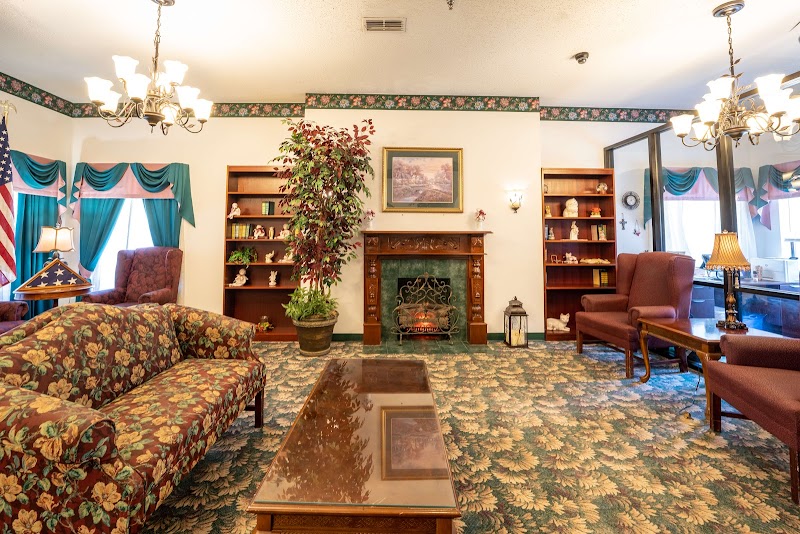
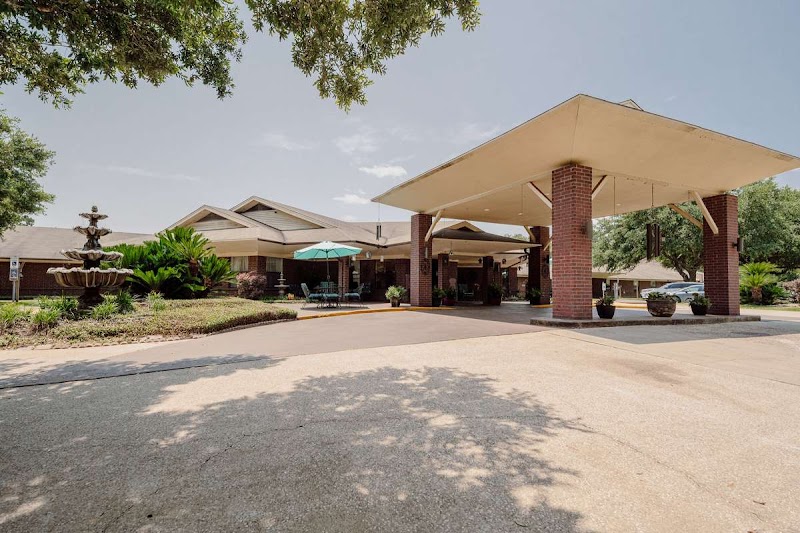
SILSBEE OAKS HEALTH CARE LLP

920 E AVE L, SILSBEE, TX 77656 (409) 385-5571
For profit - Partnership 160 Beds Independent Data: November 2025 3 Immediate Jeopardy citations
Trust Grade
24/100
#559 of 1168 in TX
Last Inspection: October 2024

Within standard 12-15 month inspection cycle. Federal law requires annual inspections.

Overview

Silsbee Oaks Health Care LLP has received a Trust Grade of F, which indicates significant concerns regarding the quality of care provided. They rank #559 out of 1168 facilities in Texas, placing them in the top half, and #2 out of 5 in Hardin County, meaning they have only one local competitor that ranks better. The facility is showing improvement, as issues reported have decreased from 6 in 2023 to 2 in 2024. Staffing is a concern, with a low rating of 1 out of 5, but the turnover rate is impressively low at 0%, indicating staff stability. However, the facility has faced serious issues, including a critical incident where a resident was not adequately supervised after expressing suicidal thoughts, which could pose a significant risk to residents. Additionally, there were failures to consult a physician after a resident fell and sustained a head injury, leading to tragic outcomes. While the facility has some positive aspects, such as lower turnover rates and good health inspection ratings, these serious incidents highlight the need for careful consideration.

Trust Score
F
24/100
In Texas
#559/1168
Top 47%
Safety Record
High Risk
Review needed
Inspections
Getting Better
6 → 2 violations
Staff Stability
○ Average
Turnover data not reported for this facility.
Penalties
○ Average
$30,533 in fines. Higher than 63% of Texas facilities. Some compliance issues.
Skilled Nurses
⚠ Watch
Each resident gets only 11 minutes of Registered Nurse (RN) attention daily — below average for Texas. Fewer RN minutes means fewer trained eyes watching for problems.
Violations
⚠ Watch
14 deficiencies on record. Higher than average. Multiple issues found across inspections.
★★★☆☆
3.0
Overall Rating
★☆☆☆☆
1.0
Staff Levels
★★★★☆
4.0
Care Quality
★★★★☆
4.0
Inspection Score
Stable
2023: 6 issues
2024: 2 issues

The Good

  • 4-Star Quality Measures · Strong clinical quality outcomes
  • Full Sprinkler Coverage · Fire safety systems throughout facility
  • No fines on record

Facility shows strength in quality measures, fire safety.

The Bad

3-Star Overall Rating

Near Texas average (2.8)

Meets federal standards, typical of most facilities

Federal Fines: $30,533

Below median ($33,413)

Moderate penalties - review what triggered them

The Ugly 14 deficiencies on record

3 life-threatening
Oct 2024 2 deficiencies
CONCERN (D)

Potential for Harm - no one hurt, but risky conditions existed

Deficiency F0658 (Tag F0658)

Could have caused harm · This affected 1 resident

**NOTE- TERMS IN BRACKETS HAVE BEEN EDITED TO PROTECT CONFIDENTIALITY** Based on interview and record review, the facility failed to provide services as outlined by the comprehensive care plan, to mee...

Read full inspector narrative →
**NOTE- TERMS IN BRACKETS HAVE BEEN EDITED TO PROTECT CONFIDENTIALITY** Based on interview and record review, the facility failed to provide services as outlined by the comprehensive care plan, to meet professional standards of quality for consultation with the resident's physician when there was a significant change in the resident's condition or a need to alter treatment significantly for 1 (Resident #13) of 29 residents reviewed for following physician's orders. The facility failed to implement Resident #13's care plan when the blood pressure and/or heart rate was below prescribed parameters and did not notify the physician in October 2024. (10/07, 10/8, 10/15, 10/16, 10/21, 10/23, 10/25, 10/26, and 10/28). Th failure placed residents, who required blood pressure and heart rate monitoring, at risk for complications due to delayed physician intervention. Findings included: Record review of Resident #13's clinical record indicated she was admitted on [DATE], was [AGE] years old with diagnosis which included hypertension (high blood pressure). Record review of the quarterly MDS assessment dated [DATE] indicated Resident #13 had a BIMS score of 08 which indicated cognition was moderately impaired. She had a diagnosis of hypertension. Review of Resident #13's care plan dated 07/02/24 indicated the resident had diagnosis of hypertension and was at risk for decreased cardiac output (a state in which your heart does not pump enough blood to supply your organs and tissues with adequate oxygen), activity intolerance from weakness, and ineffective coping. The interventions included administering anti-hypertensive medications as ordered. Monitor for side effects such as orthostatic hypotension (a sudden drop in blood pressure when you stand from a seated or prone position) and increased heart rate and effectiveness. Record review of physician orders dated October 2024 indicated Resident #13 was prescribed carvedilol 12.5 mg (used to lower blood pressure) twice daily for hypertension. Hold for blood pressure less than 110/60; and hold for heart rate below 60. Record review of the MAR dated October 1 - 29, 2024 indicated on the following dates at 8:00 a.m. and at 5:00 p.m., Resident #13's carvedilol 12.5 mg was held and there was no indication in the electronic clinical record the physician had been notified : 10/07/24 at 5:00 p.m., B/P (blood pressure) was 94/54, 10/08/24 at 8:00 a.m., B/P was not recorded but coded as held, 10/14/24 at 5:00 p.m., B/P was 100/56, 10/15/24 at 8:00 a.m., B/P was not recorded but coded as held, 10/16/24 at 8:00 a.m., B/P was not recorded but coded as held, 10/16/24 at 5:00 p.m., B/P was 116/56, 10/21/24 at 8:00 a.m., B/P was not recorded but coded as held, 10/23/24 at 5:00 p.m., B/P was 120/47, 10/25/24 at 5:00 p.m., B/P was 117/56, 10/26/24 at 8:00 a.m., B/P was 113/46, and 10/28/24 at 5:00 p.m., B/P was 113/56 and heart rate was 56. Record review of the nurse's notes for Resident #13 dated October 3 through October 29, 2024, gave no indication of notifying the physician of the blood pressure medication being held for 11 of 57 opportunities. During an interview on 10/30/24 at 9:00 a.m., MA B said she would obtain resident vital signs prior to blood pressure medication administration, and if medication were held due to being outside prescribed parameters, she would alert the charge nurse. MA B said the charge nurse would then assess residents and recheck their blood pressure with a manual cuff. During an interview and record review on 10/30/24 at 8:40 a.m., LVN A reviewed Resident #13's current electronic MAR and acknowledged the B/P medication was held on multiple occasions in October due to B/P being out of parameters prescribed by the physician. LVN A said the nurses were responsible for notifying the physician after B/P medication was held 3 times or more. She added the DON and ADON were responsible for ensuring the physician had been notified. Nurses were educated to notify physicians when medications were held. LVN A said Resident #13's had been overlooked and she would notify immediately. The risk was medication may not be therapeutic if physician not notified when held so adjustments may be made to dosages. During an interview and record review on 10/30/24 at 9:00 a.m., the DON said her expectations were for residents with prescribed parameters for administration of medications to have documentation of those vital signs. She added she will conduct weekly chart audits, and it was her responsibility to assure accuracy of resident's clinical records. She acknowledged Resident #13's October MAR indicated B/P medications were held on multiple occasions. She said the physicians or Nurse Practitioners visited facility weekly or bi-weekly and were made aware of any concerns with residents during their visits unless there was an emergency. During a joint interview on 10/30/24 at 12:00 p.m., the DON and ADON said they were responsible for ensuring the physician was notified when medications were being held. They were overlooked. They said they would in-service staff and start running a report in the electric medical record system weekly/monthly to ensure physician notification of any medication that was consistently held or refused. She said the risk was that the medication may not be therapeutic if the physician was not notified when held. Record review of the policy Specific Medication Administration Procedures dated August 2019 indicated . P. Notification of Physician/Prescriber: 2) Held medications for pulse, blood pressure, low or high blood sugar, or other abnormal test results, vital signs, resulting in medications being held.
CONCERN (D)

Potential for Harm - no one hurt, but risky conditions existed

Deficiency F0790 (Tag F0790)

Could have caused harm · This affected 1 resident

**NOTE- TERMS IN BRACKETS HAVE BEEN EDITED TO PROTECT CONFIDENTIALITY** Based on observation, interview, and record review, the facility failed to provide or obtain from an outside source dental servi...

Read full inspector narrative →
**NOTE- TERMS IN BRACKETS HAVE BEEN EDITED TO PROTECT CONFIDENTIALITY** Based on observation, interview, and record review, the facility failed to provide or obtain from an outside source dental service to meet the needs of 1 of 29 residents reviewed for dental services. (Resident #132) The facility did not assist Resident #132, who had missing teeth and dental decay, with a dental service consult. This failure could place the residents at risk for not receiving care and services to maintain their highest practicable mental, physical, and psychosocial well-being. Findings included: Record review of an admission record dated 10/30/24 indicated Resident #132 admitted on [DATE] and was [AGE] years old with diagnoses of high blood pressure, diabetes (disease results in too much sugar in the blood), and peripheral vascular disease (chronic condition when blood vessels become block). Record review of an admission document dated 05/21/24 for Resident #132 indicated no concerns with his teeth. Record review of a quarterly MDS assessment dated [DATE] for Resident #132 did not indicate any problems with his oral health. His BIMS indicated he was cognitively intact. He required set up assistance of staff for oral care. Record review of the care plan dated 09/05/24 indicated Resident #132 was independent with his oral care and no mention of dental problems. During an observation and interview on 10/28/24 at 8:53 a.m., Resident #132 said he had not seen a dentist in a long time and needed an appointment. He opened his mouth and said, I am missing some teeth. There were some teeth on the lower jaw that were deteriorated. He denied being in pain or difficulty in chewing his food. During an interview on 10/29/24 at 10:00 a.m., the SW said she was responsible for making the appointments for the residents to see the dentist. She said Resident #132 had not complained to her and none of the nursing staff had reported he had a need for dental consult. She said they have a dentist to send residents too if they have dental issues. She said nurses normally let her know. She said Resident #132 had Medicaid so she would get him an appointment. During an interview on 10/29/24 at 10:55 a.m., the DON said Resident #132's teeth should have been assessed on admission and quarterly. She said we should have addressed that during care plan meetings. During an interview on 10/30/24 at 8:57 a.m., the DON said she had observed Resident #132's teeth after surveyor intervention and said the nurses should have referred him to the social worker for missing and deteriorated teeth. During an interview on 10/30/24 at 10:25 a.m., LVN C said she looked at the residents' teeth while making rounds. She said if the resident complained of issues or pain, she would refer them to the SW. She said Resident #132 performed his own oral care himself. LVN C said she had not seen any missing teeth or cavities but if he needed an appointment, she would tell the social worker. During an interview on 10/30/24 at 9:30 a.m., the Administrator said her expectations were for the residents to be referred to the dentist as needed. Record review of the policy dated 08/14/17 titled Dental Care indicated Resident assessed and assisted with dental care needs to help maintain their nutritional needs and promote oral hygiene. Residents will be assessed by nursing personnel for dental care needs at admission and as needed.Referrals for professional dental care needs will be facilitated by the facility according to resident'/ resident' representatives' preference.
Sept 2023 1 deficiency 1 IJ
CRITICAL (J) 📢 Someone Reported This

A family member, employee, or ombudsman was alarmed enough to file a formal complaint

Immediate Jeopardy (IJ) - the most serious Medicare violation

Accident Prevention (Tag F0689)

Someone could have died · This affected 1 resident

**NOTE- TERMS IN BRACKETS HAVE BEEN EDITED TO PROTECT CONFIDENTIALITY** Based on observation, interview, and record review, the facility failed to ensure each resident received adequate supervision to...

Read full inspector narrative →
**NOTE- TERMS IN BRACKETS HAVE BEEN EDITED TO PROTECT CONFIDENTIALITY** Based on observation, interview, and record review, the facility failed to ensure each resident received adequate supervision to prevent accidents for 1 of 9 residents (Resident #1) reviewed for accidents and supervision. The facility failed to provide adequate supervision after a resident expressed suicidal ideations (she wanted to die). The non-compliance was identified as past non-compliance (PNC). The Immediate Jeopardy began on 9/10/2023 and ended on 9/11/2023. The facility had corrected the noncompliance before the survey began. This failure could place residents at risk of not receiving appropriate supervision and interventions for suicidal thoughts and attempts which could lead to residents sustaining serious injury or harm. Findings include: Record review of an undated, face sheet indicated Resident #1 was a [AGE] year-old female who was admitted to the facility on [DATE] with diagnoses which included dementia (loss of cognitive functioning), diabetes (chronic condition that affects the way the body processes blood sugar), stroke (lack of adequate blood supply to brain cells deprives them of oxygen and vital nutrients which can cause parts of the brain to die off ), difficulty speaking and swallowing due to a stroke, major depression, (medical illness that negatively affects how you feel, the way you think and how you act) and anxiety (persistent and excessive worry that interferes with daily activities). Record review of physician orders, dated 7/10/2023, indicated Resident #1 received psych services for evaluation and monitoring. The orders indicated she received Depakote 125 mg one time a day for mood disorder and Paroxetine 40 mg one time a day for depression and anxiety. Record review of an annual MDS, dated [DATE], indicated Resident #1 was usually understood and usually understood others. A BIMS score of 12, which indicated Resident #1 was moderately impaired cognitively. Resident #1 required limited to extensive assistance with most ADLs. Resident #1 had signs and symptoms of delirium to include disorganized thinking behaviors present. Record review of Resident #1's care plan, dated 12/01/2021, indicated Resident #1 was at risk for behavioral symptoms/suicidal ideation related to vocalized wanting to die when she was mad. The care plan interventions included to allow her time to answer questions and to verbalize feelings perceptions, and fears; consult with pastoral care, social services, or psych services; and when conflict arises, remove to a calm safe environment, and allow to vent/share feelings. Record review of a progress note dated 9/4/2023, from NP D from psychiatric services, indicated the resident was negative for suicidal ideations. Resident #1 was being seen 2-3 times a month by psych services for major depression disorder, insomnia, and medication monitoring. Record review of a progress note for Resident #1, dated 9/10/2023 at 10:10 p.m., LVN A indicated Resident #1 was sitting up in her wheelchair in her room. Resident #1 refused medications at 8:30 p.m. and was yelling at staff to leave her alone, she just wanted to die. LVN A tried to redirect the resident, but the resident continued to yell get out, just leave me alone. LVN A left Resident #1 alone in her room and when she came back to the room, the resident was not yelling. LVN A found Resident #1 with shoestrings tied around her neck. LVN A cut the shoestring off and asked the resident if she did that to kill herself and Resident #1 screamed out I sure did! Resident #1 was placed on 24-hour 1-on-1 monitoring, and the MD, RP, and DON were notified. A call was placed for EMS to transport the resident to the local hospital for evaluation and treatment. When EMS arrived, Resident #1 continued yelling, was aggressive and refused to cooperate with staff and EMS. EMS administered Haldol (antipsychotic medication) intramuscularly, but the medication was ineffective. While EMS transferred Resident #1 from her wheelchair to the stretcher, the resident was alert and yelling and hitting EMS as they exited the facility. The RP was notified. During a telephone interview on 9/13/2023 at 5:05 p.m., LVN A said she was the nurse on duty for Resident #1 the evening of 9/10/2023, the date the incident occurred. She said around 8:45 p.m. - 9:00 p.m. she checked Resident #1's fingerstick blood sugar level, but the resident became aggressive when she returned to give her the scheduled 9 p.m. medications. She said the resident started hollering, screaming, and cussing at her telling her to get the hell out, don't want to live/want to die. She said CNA B was in the room behind the privacy curtain providing care for Resident #1's roommate. LVN A said she left the room to get CNA C who could calm Resident #1 down and get her to take medications and/or allow staff to provide care. LVN A said as she was leaving the room, she told CNA B to keep an eye on Resident #1. LVN A said she returned to Resident #1's room with CNA C around 9:15 p.m. and found the resident had 2 shoestrings tied together around her neck tightly. She said the resident was combative (slapping the nurse's hands back), but she was able to release tension of the shoestrings from around the resident's neck. LVN A said she directed for CNA C to get scissors to cut the string. She said when CNA C returned to the room with the scissors from the nurses' station, she cut the shoestrings and removed them from the resident's neck. She said after cutting the string, there were red marks to the left side of Resident #1's neck. LVN A said she asked the resident if she did that to kill herself and the resident screamed out I sure did! She said Resident #1's MD, the DON, administrator, and RP were notified. She said Resident #1 was placed on 24-hour 1-on-1 monitoring at 9:30 p.m. until the ambulance arrived at 9:45 p.m. to transport her to the hospital for evaluation. She said when EMS arrived, the resident was combative and hollering out. LVN A said EMS administered Haldol to Resident #1, but it was ineffective as she continued yelling and hitting the EMS staff as they exited the facility. LVN A said she did not recall this resident ever being this aggressive and combative. LVN A said the resident had a history of episodes of hollering and fighting staff at times with episodes of crying saying she wanted to die. LVN A said when she was upset or had those behaviors, she usually would be calmed down by certain staff. During a telephone interview on 9/13/2023 at 5:27 p.m., CNA B said around 9 p.m. (on 09/10/23), she was in Resident #1's room providing care to the resident's roommate. She said she heard when Resident #1 was refusing her medications, yelling at the nurse to get the hell out, and saying she wanted to die. CNA B said LVN A told her to keep an eye on Resident #1 as she (the nurse) left the room for assistance. CNA B said she did not stay in the room with Resident #1 once she finished providing care to the roommate, she left the room. She said LVN A did not direct her to provide 1:1 care to Resident #1, and she was not assigned to provide care for Resident #1. CNA B said you could hear Resident #1 hollering and screaming from the hallway. During a telephone interview on 9/13/2023 at 5:35 p.m., CNA C said on 09/10/2023, she was assigned to care for Resident #1 and when she provided care for the resident around 7:30 p.m., the resident was not as talkative as usual but did not make any statements about wanting to die. CNA C said LVN A went to her and asked her to go to Resident #1's room to help calm her down so she would take her nighttime medications and get ready for bed. CNA C said her and LVN A walked into the resident's room around 9:15 p.m. She said LVN A asked the resident, What is that around your neck? She said when LVN A reached for the shoestrings around the resident's neck, she slapped at LVN A's hands. CNA C said LVN A told her to go get scissors from the nurses' station. She said when she returned to the resident's room with the scissors, LVN A was trying to release tension on the shoestrings. She said LVN A cut the shoestrings from around the resident's neck and asked the resident, Did you do that to kill yourself? CNA C said Resident #1 screamed out, I sure did! She said Resident #1 was placed on 1-on-1 supervision at that time. CNA C said it was a very scary incident and said she would never thought Resident #1 would have done anything like that. CNA C did not recall seeing any other staff in the room prior to them entering. Record review of Resident #1's hospital records, dated 9/11/2023, indicated she was transferred from the facility to the acute care hospital and later seen by the associated behavioral unit. During a telephone interview on 9/14/2023 at 12:19 p.m., NP D said he was a psych service NP and visited with Resident #1 two to three times a month for a year or more. He said he was seeing the resident for delusions, depression/sadness, sleep disturbances, and for management of psychotropic medications and side effects, and to monitor the effects of medications and for dose adjustments. He said he was surprised to hear the resident made suicidal ideations or expressed any desire or plan to commit suicide because she denied risk of self-harm during visits. NP D said Resident #1 could be moody at times and depending on her mood, she might not speak with anyone or allow anyone to assess her. NP D said the facility notified him of Resident #1's suicide attempt and her being sent out for evaluation. He said he would visit with her when she returned to the facility. NP D denied knowledge of the resident having occasional episodes of crying and hollering out and saying she wanted to die. Record review of progress note on 9/14/2023 at 12:30 p.m. indicated Resident #1 returned to facility on 9/13/2023 at 11:00 pm. During an observation and interview on 9/14/2023 at 1:30 p.m., Resident #1 was sitting up in her wheelchair in her room. She had slurred speech but was able to answer questions and made her needs known. Resident #1 answered questions, but when asked about the 09/10/2023 suicide attempt incident, she would not respond. Resident #1's room was clean, and no hazardous materials were noted (shoes with no shoestrings or elastic shoes with strings sewn in, no sharp objects). During an interview on 9/14/2023 at 3:00 p.m., the DON said Resident #1 had been a resident at the facility for several years and had a history of making statements about wanting to die when she was mad. The DON said she was aware of Resident #1 making the statements of wanting to die at times. She said the resident would do this at times when her family would leave after visiting or it seemed to happen when she was mad or seeking attention. The DON said the facility care planned those behaviors with interventions to include staff talking with her and see why she was upset or mad. She said usually the staff could resolve the issue and Resident #1's behavior. She said prior to Resident #1's suicide attempt, if a resident made a suicide threat or expressed they wanted to die, the expectations of staff's response to the resident depended on who the resident was and if this was a previously identified behavior. The DON said (on 09/11/2023) after Resident #1's suicide attempt, the facility implemented a new suicidal prevention policy to include if any resident expressed or voiced thoughts of suicide/wanting to die, the resident would not be left alone and 1-on-1 care would be provided until arrangements could be made for the resident to receive emergency psychiatric care or until the resident's physician determined when the resident was no longer a suicide risk. She said all staff prior to working their next shift were in-serviced on the new suicidal precautions and expectations. She said Resident #1's care plan was updated to include interventions of: provide counseling with psych services, keep family involved, provide one to one care if a resident expressed wanting to die and consult psych services, psych would continue to follow the resident and treat her for depression. She said when Resident #1 returned the facility on 09/13/23, the facility implemented every 15-minute observations for 72 hours following recent behavioral hospital stay for suicide attempt, provide calming atmosphere, engage resident in activities, provide care, and alert MD of any negative changes. The DON said her expectations were all residents with suicidal ideations were not to be left alone, and staff to monitor 1:1 until the resident was sent out for evaluation or when the resident received a psych emergency evaluation. The DON said no other residents in the facility have been identified as a suicide risk. Record review of an undated care plan dated indicated Resident #1 was placed on every 15 minute frequent monitoring by staff observations related to a recent behavioral hospital stay for a suicide atempt for the next 72 hours with a target date of 09/17/23. Record review of an undated care plan indicated Resident #1 had a psychosocial well-being problems, often making statements of wanting to die. The resident was sent out to the emergency room on [DATE] for an attempted suicide and returned to the facility on [DATE]. The interventions included: counseling would be provided with psych services, provide 1:1 care when resident was having episodes of stating she wanted to die and consult psych services, and psych would continue to follow residents and treat for depression. The target date was 11/05/23. Record review of the facility policy, implemented date of 9/11/2023, titled Suicide Prevention Policy: it is the policy of the facility to act quickly and appropriately if a resident expresses thoughts of suicide. Definitions: 'Suicide' is defined as a death from injury, poisoning or suffocation where there is evidence that the death was self-inflicted. 'Suicidal Ideation' is defined as self-reported thoughts about engaging in suicide-related behaviors .1. All staff members will immediately report any suicidal ideation to the resident's charge nurse and facility social worker .2. Immediately notify the resident's physician if the resident presents with suicidal ideation even if he or she isn't specific about a plan or intent .3. If applicable, notify the resident's responsible party of the resident's suicidal ideations and any orders received from the residence physician .4. The resident will not be left alone. One-on-one care will be provided until arrangements can be made for the resident to receive emergency psychiatric care, or until the residence physician determines that the risk of suicide is no longer present .5. Objectively and thoroughly document the resident's mood and behaviors, as well as all actions taken, in the medical record .6. If the resident requires inpatient psychiatric service state specific guidelines and requirements will be followed. Record review of in-service sign in sheet for new policy on Suicidal Prevention, dated 9/11/2023, indicated 69 staff members signed the in-service record which included LVN A, CNA B, and CNA C. During interviews on 9/13/2023 from 1:30 p.m. - 9/14/2023 4:30 p.m., 6 LVNs (2 from each shift- LVN A, LVN L, LVN I, LVN K, LVN G, LVN N), were able to identify suicidal expressions, all were knowledgeable of the new suicide policy implemented 09/11/2023, all were aware of the new expectations to not leave any resident who alone if suicidal expressions/ideations occurred, and said residents would need 1:1 care at that time, and to notify the DON/ADON and the Administrator immediately. During interviews on 9/13/2023 from 1:30 p.m. - 9/14/2023 4:30 p.m., 6 CNAs (2 from each shift- CNA B, CNA C, CNA M, CNA H, CNA E, CNA O, CNA P) were able to identify suicidal expressions, all were knowledgeable of the new suicide policy implemented 09/11/2023, all were aware of the new expectations to not leave any resident alone if suicidal expressions/ideations occurred, and said residents would need 1:1 care at that time, and to notify the charge nurse/DON/ADON and the Administrator immediately. During interviews on 9/13/2023 from 1:30 p.m. - 9/14/2023 4:30 p.m., 2 MAs (one from each shift- MA F and MA J) were able to identify suicidal expressions, both were knowledgeable of the new suicide policy implemented 09/11/2023, both were aware of the new expectations to not leave any resident who alone if suicidal expressions/ideations occurred, and said residents would need 1:1 care at that time, and to notify the charge nurse/DON/ADON and the Administrator immediately. Record review of in-service sign in sheet for new policy on Suicidal Prevention, dated 9/11/2023, indicated 69 staff members signed the in-service record which included LVN A, CNA B, and CNA C. Record review of a QAPI Committee Report, dated 9/11/2023 & 9/15/2023, indicated there was a meeting held on 9/11/2023and 9/15/2023 at 8:00 a.m. consisting of the Administrator, the assistant Administrator, the DON, the ADON, the AD, the wound care nurse, the MDS nurse, the social worker, the wound care nurse, the psych services NP, and the MD. The following interventions were put in place: New Policy: Suicide prevention In-service: Suicide Prevention Care planning for suicidal ideations and attempts The non-compliance was identified as past non-compliance (PNC). The Immediate Jeopardy began on 9/10/2023 and ended on 9/11/2023. The facility had corrected the noncompliance before the survey began.
Aug 2023 3 deficiencies
CONCERN (D)

Potential for Harm - no one hurt, but risky conditions existed

ADL Care (Tag F0677)

Could have caused harm · This affected 1 resident

**NOTE- TERMS IN BRACKETS HAVE BEEN EDITED TO PROTECT CONFIDENTIALITY** Based on observation, interview, and record review, the facility failed to ensure residents, who were unable to carry out activi...

Read full inspector narrative →
**NOTE- TERMS IN BRACKETS HAVE BEEN EDITED TO PROTECT CONFIDENTIALITY** Based on observation, interview, and record review, the facility failed to ensure residents, who were unable to carry out activities of daily living, received the necessary services to maintain good grooming, and personal hygiene for 1 of 28 residents reviewed for ADL care. (Resident #15) The facility did not shave Resident #15's upper lip and chin hairs. This failure could place the residents at risk of not receiving the care and services to maintain their highest level of psycho-social well-being. Findings included: Record review of physician's orders dated August 2023 indicated Resident #15 was admitted to the facility on [DATE], was an [AGE] year old female, and had diagnoses of anxiety, muscle weakness and macular degeneration. Record review of the most recent MDS dated [DATE] indicated Resident #15 was alert and, oriented with a BIMS of 13 (score of 13 to 15 indicates the resident is cognitively intact) and required extensive assistance of one person for personal hygiene. Record review of a care plan updated 06/11/23 indicated Resident #15 had ADLs and preferences that needed staff attention, understanding, and possible assistance for her deficits. The care plan indicated the resident required extensive assistance with ADL care needs. The goal was to maintain the resident's dignity and needs. There was no care plan to indicate the resident resisted care or refused care. During observation and interview on 08/28/23 at 8:52 a.m., revealed Resident #15 was lying in bed. The resident had multiple hairs on her upper lip and chin approximately 3/4 inch in length. She said the facility staff usually shaved her but had not shaved her recently. She said she wanted to keep the facial hair shaved. She denied concerns related to dignity. During observation and interview on 08/28/23 at 12:15 p.m., revealed Resident #15 had multiple hairs to upper lip and chin approximately ¾ inch in length. During observation and interview on 08/29/23 at 12:26 p.m., revealed Resident #15 had long hairs to her upper lip approximately ¾ inch in length. HerThe chin had been shaved. The resident said one of the staff shaved her chin but did not shave her upper lip. She said she wanted her upper lip shaved but did not feel it was a dignity issue. CNA A entered the resident's room. She said Resident #15 did have multiple long hairs on herthe upper lip. She said the resident sometimes told them she didn't want to be shaved. The resident said she always wanted to keep her facial hair shaved. The CNA said it was her responsibility to keep the resident's facial hair shaved. She said it could be a dignity concern if the resident's facial hair was not shaved. During an interview on 08/29/23 at 2:38 p.m., LVN B said it was the direct care staff's responsibility to ensure the residents received the necessary ADL care. She said Resident #15's daughter family member usually shaved her. She said it was ultimately the facility's responsibility to ensure the resident's facial hair was shaved. She said the department heads were supposed to monitor the halls and report to the charge nurse if the residents needed to be shaved. She said the possible negative outcome of the resident's facial hair not being shaved would be they might feel negative about their appearance. During an interview on 08/29/23 at 2:34 p.m., the Accounts Payable person said she was the Hall 100 monitor for the month of August 2023. She said she did observation rounds every morning to check oxygen, nebulizers, hazards and to check resident's care needs. She said she did not notice Resident #15 had facial hair because usually the resident was sleeping 9 times out of 10 when she did her rounds and she did not want to be bothered, so she left her alone. She said it was her responsibility to report Resident #15's facial hair to the charge nurse, but she had not. She said the possible negative outcome of the resident not being shaved could be she would feel bad about herself. She said knowing the resident, the resident did not care if she was shaved. During an interview on 08/29/23 at 3:23 p.m., the a dministrator said her expectations were for the staff to keep the residents shaved. She said even if Resident #15's family shaved the resident at times,; it was the staff's responsibility to ensure Resident #15 was shaved. She said the residents not being shaved could be a dignity concern. Record review of an Activities of Daily Living Policy dated 06/28/2003 indicated: . Care and services will be provided for the following activities of daily living: 1. Bathing, dressing, grooming and oral care. A resident who is unable to carry out activities of daily living will receive the necessary services to maintain good nutrition, grooming and, personal and oral hygiene.
CONCERN (D)

Potential for Harm - no one hurt, but risky conditions existed

Deficiency F0761 (Tag F0761)

Could have caused harm · This affected 1 resident

Based on observation, interview, and record review, the facility failed to, in accordance with State and Federal laws, provide separately locked, permanently affixed compartments for storage of contro...

Read full inspector narrative →
Based on observation, interview, and record review, the facility failed to, in accordance with State and Federal laws, provide separately locked, permanently affixed compartments for storage of controlled drugs listed in Schedule II of the Comprehensive Drug Abuse Prevention and Control Act of 1976 and other drugs subject to abuse for 1 of 1 storage area located in the DON's office of drugs for destruction reviewed for drug storage. The facility failed to ensure controlled drugs for destruction were stored in a separately locked, permanently affixed compartment for storage until destroyed. This failure could place residents at risk for possible drug diversion. The findings included: During observation and interview on 08/30/23 at 9:16 a.m., revealed the DON opened a cabinet drawer in her office using her key. She said the drawer contained all the discontinued drugs intended for destruction at the facility. Inside the drawer was a secured/affixed lock box that was closed and locked and lying across the bottom of the drawer were medication cards holding medications and control medication count sheets. Included in the medications lying in the bottom of the drawer outside the secured lock box were the following controlled medications: -Hydrocodone-Acetaminophen 5-325mg card and count sheet - 45 tablets -Acetaminophen-Codeine #3 card and count sheet - 28 tablets -Alprazolam 0.25mg card and count sheet - 27 tablets -Hydrocodone-Acetaminophen 5-325mg card and count sheet - 20 tablets The DON said all drugs for destruction should be kept under a double lock system with the drawer locked and all drugs secured into the lock box inside the drawer. She said she, the pharmacist, and the ADON planned to destroy the drugs on 08/29/23, but she got called away. She said she did not place all medications back into the affixed/secure box before she locked the drawer. She said the possible negative outcome of not keeping controlled medications under a double lock system could be drug diversion. During an interview on 08/30/23 at 9:32 a.m., the ADON said she shared the office with the DON where drugs for destruction were secured, but she did not have a key to the drawer or the lock box. She said only the DON had a key. The ADON confirmed that she, the pharmacist, and the DON had planned to destroy the medications on 08/29/23 but were interrupted and they did not destroy the drugs. During an interview on 08/30/23 at 10:10 a.m., the Pharmacist said he was at the facility on 08/29/23 and was about to destroy discontinued medications with the DON and ADON when the DON was called away. He said he saw the DON put the medications into the drawer without locking them all in the lock box. He said they did not complete the drug destruction and the medications were left in the drawer without being secured into the lock box. He said the possible negative outcome of medications not being stored/locked properly could be drug diversion. Record review of the facility's policy and procedure dated 06/28/23 and titled, Destruction of Unused Drugs indicated the following: All unused, unwanted, and non-returnable medications should be removed from their storage area and secured until destroyed.
CONCERN (D)

Potential for Harm - no one hurt, but risky conditions existed

Medical Records (Tag F0842)

Could have caused harm · This affected 1 resident

**NOTE- TERMS IN BRACKETS HAVE BEEN EDITED TO PROTECT CONFIDENTIALITY** Based on interview and record review, the facility failed to ensure, in accordance with accepted professional standards and prac...

Read full inspector narrative →
**NOTE- TERMS IN BRACKETS HAVE BEEN EDITED TO PROTECT CONFIDENTIALITY** Based on interview and record review, the facility failed to ensure, in accordance with accepted professional standards and practices, complete and accurately documented medical records for each resident, for 1 of 27 residents (Resident #5) reviewed for accurate records. The facility failed to document Resident #5's baths for 08/01/23 - 08/29/23. This failure could place residents at risk for inaccurate and missing documentation in their records. Findings included: Record review of a face sheet dated 08/30/23 indicated Resident #5 admitted to the facility on [DATE] and was [AGE] years old with diagnoses including a seizure disorder and hemiplegia (paralysis of one side of the body). Record review of the MDS dated [DATE] indicated Resident #5 had no speech, was unable to express ideas and wants, and he rarely/never understood. The resident's cognitive skills for daily decision making were severely impaired and he required one staff member for grooming and personal hygiene. Record review of the care plan dated 08/29/23 indicated Resident #5 had a deficit with ADL self-care performance and he was totally dependent on staff for ADLs. It indicated for personal hygiene: He was dependent on (1) staff for personal hygiene and oral care; provide my care and notify nurse of any changes in my abilities. The CNA bathing/showering care plan indicated: He was dependent on (1-2) staff to provide bath/shower and as necessary. Record review of the August 2023 aide flowsheet in the electronic medical record indicated no documented evidence Resident #5 did not received his baths from 08/01/23 - 08/29/23. During an interview on 08/29/23 at 9:30 a.m., the DON said Resident #5's August 2023 ADL flowsheet with the bath record was incomplete and said the 2 p.m. - 10 p.m. aide did not chart the baths for him. The DON said she knew the bath had been given because she saw the CNA C perform the bath last week. She said the CNA C was the only CNA that bathed Resident #5 and should have charted the bath was given. The DON said the staff could look at the clinical record and ensure baths werewas given as required. The DON said Resident #5 should have been charted at least three times weekly for his bath. During an interview on 08/29/23 at 3:00 p.m., CNA C said she had given Resident #5 his bath every day she worked on the 2-10 shift Monday-Friday but did not chart the baths as being given during the month of August 2023. She said there was not a place for charting his baths and did not report to the nurse or the DON that she was unable to chart Resident #5's bath. During an interview on 08/30/23 at 7:45 a.m., the DON said she and the nurses were responsible for making sure the aide flowsheets were correct and completed. She said Resident #5 bath was put in the computer on night shift, but he received the bath on 2-10 and was given by CNA C. During an interview on 8/30/23 at 7:55 a.m., the a dministrator said she expected the clinical electronic medical records to be correct and completed when the residents received their baths. She said they had given training on completing aide flowsheets and medical records in June 2023. Record review of the undated policy and procedure titled electronic charting and electronic signatures revealed . will maintain residents' charts through electronic charting using the .with only minimal paper charting. The direct care staff will enter their documentation . b. The staff member will complete their documentation as required
Feb 2023 2 deficiencies 2 IJ
CRITICAL (J) 📢 Someone Reported This

A family member, employee, or ombudsman was alarmed enough to file a formal complaint

Immediate Jeopardy (IJ) - the most serious Medicare violation

Notification of Changes (Tag F0580)

Someone could have died · This affected 1 resident

**NOTE- TERMS IN BRACKETS HAVE BEEN EDITED TO PROTECT CONFIDENTIALITY** Based on observation, interview, and record review, the facility failed to immediately consult with the resident's physician whe...

Read full inspector narrative →
**NOTE- TERMS IN BRACKETS HAVE BEEN EDITED TO PROTECT CONFIDENTIALITY** Based on observation, interview, and record review, the facility failed to immediately consult with the resident's physician when there was an accident which resulted in injury and required physician intervention for 1 of 10 residents (Resident #1) reviewed for change of condition. Resident #1 was on an anticoagulant therapy and the facility did not: *consult with the physician when Resident #1 fell and hit her head sustaining a laceration to her head on [DATE] at 2:00 p.m. *consult with the physician when Resident #1 began vomiting at approximately 5:00 p.m. On [DATE] at 3:30 a.m., Resident #1 was found to be unresponsive with nonreactive pupils and was transferred to an acute care hospital with a diagnosis of intracranial hemorrhage and died on [DATE]. An Immediate Jeopardy (IJ) situation was identified on [DATE]. The IJ template was provided to the Administrator on [DATE] at 5:35 p.m. While the IJ was removed on [DATE] at 1:54 p.m., the facility remained out of compliance at a scope of isolated and a severity level of actual harm that is not immediate jeopardy due to the facility's need to evaluate the effectiveness of the corrective systems. This failure could place residents at risk of not receiving immediate corrective actions necessary for their health and that could cause, or likely continue to cause, serious injury, harm, impairment or death. Findings included: Record review of physician orders dated [DATE] indicated Resident #1 was a [AGE] year-old female admitted on [DATE]. Her diagnoses included dementia (impaired ability to remember, think, or make decisions that interferes with doing everyday activities), irregular heartbeat, neuropathy (damage to the nerves located outside of the brain and spinal cord), difficulty walking, cognitive communication deficit (difficulty with thinking and how someone uses language), lack of coordination (uncoordinated movement), and muscle wasting and atrophy (decrease in size and wasting of muscle tissue). Record of physician order dated [DATE] indicated Resident #1 was prescribed Eliquis (used to prevent serious blood clots from forming due to a certain irregular heartbeat) 2.5 mg BID related to chronic atrial fibrillation (longstanding chaotic and irregular atrial arrhythmia). Record review of an MDS dated [DATE] indicated Resident #1 was able to make herself understood, sometimes understands others, had severe impaired cognitive skills, was not able to focus and had disorganized thinking. She had behaviors daily that included physical and verbal behaviors directed at others. She required extensive physical assist for most ADLS. Resident #1 required limited physical assist for walking. She was not stable during walking but was able to stabilize without staff assist. She utilized a walker for mobility. She was incontinent off bladder and bowel. Record review of a care plan dated [DATE] indicated Resident #1 was at risk for falls related to confusion, deconditioning, gait/balance problems, incontinence, poor communication/comprehension, and unawareness of safety needs. Interventions included anticipate needs, provide prompt assistance, IDT to review fall risk every 90 days and after each fall, notify MD/family of falls, and frequent rounds. Record review of a care plan dated [DATE] indicated Resident #1 was on anticoagulant therapy Eliquis (blood thinner) related to her disease process. Interventions included daily skin inspection and report abnormalities to the nurse, take precautions to avoid falls, and monitor/document/report to MD PRN signs and symptoms of anticoagulant complications: .nausea, vomiting, . Record review of a fall assessment dated [DATE] indicated Resident #1 was a moderate risk for falls due to recent fall and multiple falls within last three months. She was unable to come to a standing position independently, had loss of balance while standing, required hands on assist to move from place to place, and used an assistive device. Conditions that could increase risk for falls included cardiovascular diagnosis, unsteady gait pattern, joint pain/arthritis, impaired hearing, impaired vision, anxiety/agitation, and chronic condition which makes resident unstable. Record review of incident and accident report dated [DATE] 2:00 p.m., completed by LVN A, indicated she was called to Resident #1's room by CNA B. Resident #1 was lying on the floor, on her left side with her head resting on the leg of the bedside table. A small laceration was present on the left side of her forehead, above the eyebrow. Pressure was applied, the area was cleansed and steri strips (thin adhesive bandages) were applied. There were no other injuries present. Resident #1 had full range of motion in all extremities. She was assisted to the bed and neuro checks were initiated. BP was 165/92, pulse was 112, RR was 22 even and labored, and hand grasp was equal bilaterally. Pain level was assessed at a 7. Resident #1 was alert and normally ambulatory without assist. The report also indicated DON was notified at 2:27 p.m., the physician was notified at 2:28 p.m., and the RP was notified at 2:29 p.m. Record review of undated neuro check for Resident #1 indicated: from 2:00 PM to 3:30 PM the neuro checks indicated the resident had equal grip strength. 2:00 p.m. alert, pupil equal and reactive, equal hand grasps, moves all extremities, no pain response-completed by LVN A. 3:30 p.m. alert, pupils equal and reactive, unable to follow commands for hand grasps or move extremities, no pain response completed by LVN A. 5:00 p.m. alert, pupils equal and reactive, unable to follow commands for hand grasps or move extremities, no pain response, vomit X1 completed by LVN A 6:00 p.m. alert, pupils equal and reactive, unable to follow commands for hand grasps or move extremities, no pain response completed by LVN A. 10:00 p.m. alert, pupils equal and reactive, unable to follow commands for hand grasps or move extremities, no pain response completed by LVN C. 2:00 a.m. drowsy, eye (see note), unable to follow commands for hand grasps or move extremities, no pain response completed by LVN C Note: 3:00 a.m. right eye dilated Record review of a nurse note dated [DATE] at 3:30 p.m., completed by LVN A, indicated continued neuro check related to fall. Resident #1 was resting with both eyes closed, unable to follow commands related to hearing impairment but opened her eyes when LVN A tapped her hand. Laceration above left eye remained covered in steri strips and appeared slightly swollen and light purple in color. The RP and MD notified. Record review of a nurse note dated [DATE] at 5:00 p.m., completed by LVN A, indicated Resident #1 vomited after dinner. Record review of a nurse note dated [DATE] at 5:01 p.m., completed by LVN A indicated the RP was notified of Resident #1's vomiting and the RP told the nurse she would come and check on the resident in the morning. The MD was notified. Record review of a nurse note dated [DATE] at 3:30 a.m., completed by LVN C, indicated she checked on Resident #1 and Resident #1 had vomited and was not very responsive. Her left pupil was not responsive. Resident #1 was sent to the hospital for further evaluation. LVN C contacted the RP. Resident #1 was transferred out of the facility at 4:01 a.m. by EMS. LVN C notified the MD and the ADON. Record review of hospital records dated [DATE] at 4:36 a.m. indicated Resident #1's CT indicated a 6.8 cm acute intraparenchymal (a bleed that occurs within the brain parenchyma, the functional tissue in the brain) hematoma (pool of mostly clotted blood that forms in an organ, tissue, or body space) in the left frontal cerebrum (front-most part of your brain), with moderate surrounding vasogenic brain edema (cerebral edema in which the blood brain barrier (BBB) is disrupted). There was a small intraventricular (bleeding inside or around the ventricles) hemorrhage in the left lateral ventricle, third ventricle, and fourth ventricle. There was a small acute subdural (bleeding in the area between the brain and the skull) hematoma in the right frontal temporal (behind the temple area on each side of the head, and the lobe extends backward along the side of the brain to a point just behind the ears) region. There was a small acute subdural hematoma in the left temporal region/middle cranial fossa (a butterfly-shaped depression of the skull base, which is narrow in the middle and wider laterally). There was a small acute subarachnoid hemorrhage in the left temporal sulci (bleeding in the space that surrounds the brain). There was a resultant mass effect with regional sulcal effacement, effacement of the left lateral ventricle, and 1.3 cm midline shift, left to right. Impression: 1. Multifocal acute intracranial hemorrhage including intraparenchymal, subdural, subarachnoid, and intraventricular hemorrhage. 2. Mass effect with midline shift, left to right (when the midline of the brain shifts, it indicates a significant increase in pressure in the brain. A midline brain shift is considered a medical emergency). Record review of a nurse note dated [DATE] at 3:45 p.m., completed by ADON E, indicated Resident #1 was re-admitted to the facility. Resident #1 had no facial grimacing, purple bruising noted to left orbital with small laceration. Resident #1's pupils were unreactive and sluggish. She was unable to respond to verbal stimuli. Resident #1 was admitted to hospice care and remained a DNR. During an observation on [DATE] at 2:00 p.m., Resident #1 was lying in bed. She was not responsive to verbal stimuli. She had a bruised area around her left eye with steri-strips on the laceration above her left eyebrow. Record review of a nurse note dated [DATE] at 6:45 a.m., completed by ADON E, indicated Resident #1 had no VS or pulse. Hospice and family notified of change of condition. Record review of a nurse note dated [DATE] at 7:00 a.m., completed by ADON E, indicated RN was present at Resident #1's bedside and she was pronounced deceased . During an interview on [DATE] at 2:45 p.m., the DON said Resident #1 was found with her head resting on the leg of the bedside table. She said the roommate called for help. She said the roommate heard the fall but did not see the fall. She said Resident #1 sustained a brain bleed. She said Resident #1 was ambulatory but at times was unsteady and would use a wheelchair. She said Resident #1 did have a history of falls. She said Resident #1 was alert but not oriented. She said there was no change of condition until the middle of the night on [DATE]. She said neuro checks were in progress at the time. During an interview on [DATE] at 9:14 a.m., CNA B said on [DATE] she assisted Resident #1 to the middle of the bed. She said it was approximately 1:45 p.m. She said she talked to NA G and continued with other resident care. She said she looked over approximately 15 minutes later and saw staff in Resident #1's room. She said she was asked to bring the medication cart to the room. She said Resident #1's roommate indicated Resident #1 hit her head on the corner of the bedside table. She said she fed Resident #1 supper that evening. She only ate ½ of her salad and fruit cup. She said Resident #1 refused her milk. She said she was changing another resident when she was told Resident #1 had vomited. CNA B said Resident #1 seemed off. She said Resident #1 was usually aggressive when she changed her and she was not aggressive when she cleaned up the vomit and changed her clothes. She said Resident #1 did not scream like usual and kept her arms close to her. She said the nurse even said she was acting different. She said LVN H checked Resident #1's eyes and said they were equal and reactive. She said Resident #1 went to sleep after she was cleaned up. She said Resident #1 usually slept a lot throughout the day. She said Resident #1's eye area turned purple and was swelling. She said the nurses said her vital signs were normal. During an interview on [DATE] at 12:09 p.m., LVN A said she was called to Resident #1's room by CNA B. She said Resident #1 was lying on the floor, on her left side with her head resting on the leg of the bedside table. She said there was small laceration on the left side of her forehead, above the eyebrow. She said the bleeding was stopped and RN F applied steri strips. She said Resident #1 had full ROM of all extremities and neuro checks were initiated. She said Resident #1 was usually alert and could ambulate without staff assist. She did not did not speak and consult with the the physician after the fall or the vomiting During an interview on [DATE] at 1:07 p.m., LVN C said Resident #1 was resistive and would not move her extremities on command after the fall. She said she thought her left eye was not reactive after the vomiting incident. She said Resident #1 was not resistive at 3:00 a.m. and she had vomited a second time. She said she called for a second nurse (LVN H) who was more familiar with her. She was re-assessed and was not alert. She was limp. She said an ambulance was called. She said Resident #1 had a twitch or a shake on her left shoulder. LVN C said she left the doctor a message before Resident #1 was transferred to the hospital on [DATE]. She said Resident #1 was transferred to the hospital for evaluation. During an interview on [DATE] a 1:57 p.m. RN F said LVN A was supposed to notify the physician of Resident #1's fall and head injury. She said a message qualified as notification and should be documented in the nurse note. She said the doctor would call back after he received a message. She said Resident #1 had a laceration above her left eye. She said the bleeding was stopped and she cleaned the wound and applied the steri-strip. She said Resident #1 appeared to be her normal. She said Resident #1's family had just left and barely made it down the road. She said Resident #1 was placed back in bed and the bleeding completely stopped. She said any change of condition should be reported to the doctor. During an interview on [DATE] at 2:10 p.m., the DON said the protocols for resident fall included neuro checks, assessment for pain and injury, and notifications of MD and RP. She said MD notification was a fax or call. She said leaving a message for the MD depended on level of urgency for a change of condition. She said she was called after Resident #1 vomited and was told the vital signs were normal. She said the only change noted was Resident #1 was not combative. She said Resident #1 had a history of resting but would respond to tactile stimulation. She said Resident #1 would open her eyes and look and then close her eyes and go back to sleep. Physician notification during office hours would be calling the physician's office number. Physician notification after hours included calling his mobile number directly and via fax. The DON said she could not say Resident #1 should have been sent out to the hospital because she had dementia and was not able to follow commands which was probably her baseline. She said delay of sending a resident to hospital for evaluation and treatment could result in worsening condition and death. During an interview on [DATE] at 2:17 p.m., NA G said she had just arrived at work and Resident #1's roommate said Resident #1 needed help on [DATE]. She said she found Resident #1 on the floor and she was bleeding from her head. She said the nurses came in the room, got her up from the floor, stopped the bleeding and patched up her head. She said Resident #1 was checked on every 15 minutes. During an interview on [DATE] at 2:46 p.m., LVN H said LVN A asked her to check Resident #1's pupils. She said Resident #1 was in a recliner and she was being changed. She said she Resident #1's pupils were normal. She said MD I was contacted via his cell phone by LVN A. She did not know if LVN A spoke with MD I. She said he was usually contacted via text. She said sometimes he responded and sometimes did not. She said if Resident #1 was acting out of her normal she would have sent her to the hospital if she did not reach the physician. She said delay of sending a resident to hospital for evaluation and treatment could result in worse condition and death. During an interview on [DATE] at 5:09 p.m., LVN A said Resident #1 vomited right after dinner [DATE]. She said the family indicated they had given her candy prior to leaving which probably made her stomach upset. She said Resident #1's vital signs were fine. She said her pupils were reactive and her baseline was confused. She said Resident #1 continued to fight during wound care so that was how she knew Resident #1 had a strong grip. She said it was typical for Resident #1 to fight during care. She said Resident #1 was hard of hearing but would open her eyes to touch. She said Resident #1 was cleaned up. She said she did notify MD I (who is also the medical director) on [DATE]. She said she did not speak to the doctor directly but left him a message. She said on the weekend the doctor did not usually respond back to messages. During an interview on [DATE] at 10:48 a.m., the DON said LVN A did not specify Resident #1 was on Eliquis. She said if she had been informed of the Eliquis, she would have notified the doctor and then called the doctor if he did not respond to a text or voicemail. She said Resident #1 was a DNR so the facility went by the RP's wishes to not send Resident #1 to the hospital. She said if a resident was full code they would be sent to the hospital regardless of directives. She said the RP was informed and updated of Resident #1's status until she was sent out on [DATE]. She said she was aware vomiting was a sign of a head injury and Eliquis increased the chances of a severe head injury/brain bleed and injury. She said delay of sending a resident to hospital for evaluation and treatment could result in worsening condition and death. During an interview on [DATE] at 1:53 p.m., LVN A said she was not ware Resident #1 was on the anticoagulant Eliquis. She said she probably would have sent Resident #1 to the hospital at the time of the fall had she been aware. She said she was not aware because the medication aides gave medications and she did not review the medications or check for blood thinners. She said delay of sending a resident to hospital for evaluation and treatment could result in worsening condition and death. During an interview on [DATE] at 1:56 p.m., RN F said she was not aware Resident #1 was on Eliquis. She said she would have sent Resident #1 out to the hospital at the time of the fall for evaluation if she had known. She said she did not check Resident #1's medications. She said Resident #1's head laceration stopped bleeding. She said she would have checked the medications if the bleeding had not stopped. She said delay of sending a resident to hospital for evaluation and treatment could result in worsening condition and death. During an interview on [DATE] at 12:06 p.m., Resident #1's family member said she was aware Resident #1 was on a blood thinner, Eliquis. She said the facility did not specifically tell her Resident #1 was at increased risk of brain injury or brain bleeding. She said she was made aware of the fall and head laceration. She said she told the facility she would check in on Resident #1 in the morning, following the fall. She said she was notified of the change of condition and that the facility was transferring Resident #1 to the hospital for evaluation. She said she told the facility to do what they thought was best for Resident #1. During an interview on [DATE] at 12:40 p.m., MD I said the facility had his direct number to call and text. He said they were to call him for all falls and injuries. He said when in doubt the facility should send the resident to the hospital for evaluation. He said if the staff were not able to get in touch with him, they should send out the resident to the hospital. When asked if he was notified by the facility of Resident #1's fall and injury on [DATE], MD I would only say the facility followed the family wishes and he was aware of the family wishes for Resident #1. Record review of Eliquis (https://www.eliquis.bmscustomerconnect.com/) accessed [DATE] indicated possible serious side effects included bleeding. Record review of https://premierneurologycenter.com/blog/blood-thinners-head-injuries-what-you-need-to-know/#:~:text=%3D%3EIf%20you%20are%20taking%20a,seek%20medical%20attention%20right%20away accessed on [DATE] indicated blood thinners are medications that help prevent blood clots from forming, however they can increase the risk of delayed intracranial hemorrhage after a head injury. If you experience a bump, blow, or jolt to the head, it is important to seek medical attention right away. Even if you do not feel any symptoms after the injury, it is still important to be evaluated by a doctor. Record review of the facility's Head Injury policy dated 2020 indicated: It is the policy of the facility to report potential head injuries to the physician and implement interventions to prevent further injury. Policy Explanation and Compliance Gridlines: 1. Assess resident following a known, suspect, or verbalized head injury. The assessment shall include, at a minimum: a. vital signs. B. General condition and appearance. Neurological evaluation for changes in i. Physical functioning ii. Behavior iii. Cognition iv. Level of consciousness v. Dizziness vi. Nausea vii. Irritability viii. Slurred speech o slow to answer questions d. Evaluation of he, eyes, ears, and nose for significant changes of vision, hearing, smell, or bleeding. E. Any injuries to head, neck, eyes, or face including lacerations, abrasions, or bruising. F. Pain assessment. 2. Call 911/EMS and attempt to stabilize the resident's condition if respiratory distress or a hemorrhaging wound occurs. 3. Notify the physician and follow orders for care. a. Provide information from physical assessment. b. Describe how the injury occurred and how the situation has been managed so far. c. Report any recent medication changes or use of antiplatelet/anticoagulant medications. 4. Perform neuro checks as indicated or as specified by the physician. 5. Limit activity and/or implement seizure precautions following the injury as specified by the physician. 6. Continue monitoring for 72 hours following the incident or until the resident is asymptomatic for a period of time specified by the physician. 7. Notify t family and document all assessments, actions, and notifications. Record review of the facility's Notification of Changes Policy dated 2022 indicated: The purpose of this policy is to ensure the facility informs residents, consults with the resident's physician; and notifies, consistent with his or her authority, the resident's representative when there is change requiring notification. Circumstances requiring notification include: 1. Accidents a. Resulting in injury. B. Potential to require physician intervention. An Immediate Jeopardy (IJ) situation was identified on [DATE]. The IJ template was provided to the Administrator on [DATE] at 5:35 p.m. While the IJ was removed on [DATE] at 1:54 p.m., the facility remained out of compliance at a scope of isolated and a severity level of actual harm that is not immediate jeopardy due to the facility's need to evaluate the effectiveness of the corrective systems. The facility's POR dated [DATE] indicated: Identification of Residents Affected or Likely to be Affected: The facility took the following actions to address the citation and prevent any additional residents from suffering an adverse outcome. (Completion Date: [DATE] @11:00 PM) The DON or designee notified the facility Medical Director of the incident. Nursing supervisors/designees completed physical assessments on all residents to identify any changes in condition and notification was made to the physician of any noted changes. The DON and/or designee provided in-service and education to LVN A related to notification of physician, and complete documentation to include physician response. Actions to Prevent Occurrence/Recurrence: The facility took the following actions to prevent an adverse outcome from reoccurring. (Completion Date: [DATE] @ 4:30 PM). All licensed nurses were educated by the DON/designee on change of condition and physician notification regulations, complete documentation to include physician response, anticoagulant policy, and adverse consequences, head injury policy including neuro checks as well as facility policy and procedure. Licensed nursing staff will continue to monitor anticoagulant use and adverse effects through Nursing MAR and has been added to SBAR to include anticoagulant use. When a change in condition is suspected, Staff will utilize STOP AND WATCH as an assessment tool and SBAR as a communication transfer tool. For any non-emergent situations, utilize SBAR and send to MD I [NAME] fax number at (fax number). Alternate fax number: (alternate fax number). The nurse is to note a 24-hour report awaiting return call or return communication from MD. If there is no response within 24 hours, notify supervisor. For any emergent situations, such as but not limited to a serious, unexpected and potentially dangerous situation requiring immediate action (acute chest pain, sudden change in mental status, unrelenting pain, shortness of breath, head injury, etc.) MD is to be notified by cell phone at (cell phone). If MD is unable to be notified, per standing orders, send resident to ER immediately with RP notification. After the plan of care has been completed, fill out SBAR and fax to MD. Attach confirmation sheet to SBAR and place in DON/ADON box. Nurse aides were educated by the DON/designee on change of condition regulations to promote their situational understanding and facilitate communication with licensed nurses. Nurse Staff members were not permitted to work a shift until education was completed. New hires (licensed nurses and nurse aides) will be educated on change of condition and physician notification regulations, as well as facility policy and procedure, accordingly in orientation by human resources/designee. The DON implemented a Quality Assurance Performance Improvement (QAPI) Performance Improvement Project (PIP) with a focus on PHYSICIAN NOTIFICATION OF SIGNIFICANT CHANGES. On [DATE] the surveyor confirmed the facility implemented their plan of removal sufficiently to remove the Immediate Jeopardy (IJ) by: Record review physical assessments of all residents were completed. Changes of condition were noted and the physician was notified and reply pending for 2 of 4 residents, 1 resident was sent out to hospital for assessment and returned with no new orders, and 1 resident had new orders implemented. Record review of LVN A's in-service and education related to physician notification and completion of documentation was completed on [DATE] and [DATE]. Record review of licensed nurse training and check off list indicated all nurses received training on change of condition and physician notification regulations, completing documentation to include physician response, anticoagulant policy, and adverse consequences, head injury policy including neuro checks as well as facility policy and procedure. Training included to notify the physician via phone call and document in the electronic records. If there was no response the nursing staff would notify the DON. If there was no immediate response from the physician nursing staff would send the resident to the hospital. During interviews on [DATE] from 9:00 a.m. through 1:45 p.m., the DON, ADON, 1 RN, 10 LVNs who worked all shifts indicated they would continue to monitor anticoagulant use and adverse effects through the MAR, for a suspected change in condition they would utilize STOP AND WATCH as an assessment tool and SBAR as a communication transfer tool. They said any non-emergent situations, they would utilize SBAR and send to MD. They were able to give examples of non-emergent situations. They would note in the 24-hour report if they were waiting return call or return communication from MD. If there is no response within 24 hours, notify supervisor. For any emergent situations, such as but not limited to a serious, unexpected and potentially dangerous situation requiring immediate action (acute chest pain, sudden change in mental status, unrelenting pain, shortness of breath, head injury, etc.) they would notify the MD is to be notified by cell phone. If MD is unable to be notified, per standing orders, send resident to ER immediately with RP notification. They indicated after the plan of care has been completed, they would fill out SBAR and fax to MD and then attach confirmation sheet to SBAR and place in DON/ADON box. Record review of staff training dated [DATE] indicated all nursing staff from all shifts received a group text advising them of the updated training. Nursing staff signed the training record as they came on shift. Nursing staff would continue to sign the training record as they were scheduled and before working any shifts. Record review of new hire packets indicated education included change of condition and physician notification regulations, as well as facility policy and procedure, accordingly in orientation by human resources/designee. There were no new hires in training as of [DATE]. Record review of in-service dated [DATE] indicated nurse aides were educated by the DON/designee on change of condition regulations to promote their situational understanding and facilitate communication with licensed nurses. During interviews on [DATE] from 9:00 a.m. through 1:45 p.m., interviews with 5 CNAs who worked all shifts indicated they would immediately advise the charge nurse of resident change of condition. During an interview on [DATE] at 11:37 a.m., the DON said she sent a mass text to all nursing staff and they initialed acknowledgment of changes and corrections to facility policy and protocol. She said all staff would sign the in-service as they came into works shifts and prior to taking the floor. She was able to indicate what emergent conditions were. She said standing physician orders related to physician notification and emergent conditions incorporated into the facility policy, were posted at the nurse station, and incorporated into the new hire training. During an interview on [DATE] at 12:53 p.m., the Administrator said during emergent situations all residents would be sent out to the ER via EMS for evaluation. She said the 24-hour reports were reviewed daily in morning meeting by the DON or designee (Administrator or ADON). She said the RN on duty would review the weekend 24-hour reports and report significant events to the DON and the administrator immediately. She said all nursing staff would receive training on the policy changes prior to working their next scheduled shifts. She said the new policy changes would continue until all staff were trained. She said the new policy addendums were added to the new hire packets. An Immediate Jeopardy (IJ) situation was identified on [DATE]. The IJ template was provided to the facility on [DATE] at 5:35 p.m. While the IJ was removed on [DATE] at 1:54 p.m., the facility remained out of compliance at a scope of isolated and a severity level of actual harm that is not immediate jeopardy due to the facility's need to evaluate the effectiveness of the corrective systems.
CRITICAL (J) 📢 Someone Reported This

A family member, employee, or ombudsman was alarmed enough to file a formal complaint

Immediate Jeopardy (IJ) - the most serious Medicare violation

Quality of Care (Tag F0684)

Someone could have died · This affected 1 resident

**NOTE- TERMS IN BRACKETS HAVE BEEN EDITED TO PROTECT CONFIDENTIALITY** Based on observation, interview and record review, the facility failed to ensure that residents received treatment and care in a...

Read full inspector narrative →
**NOTE- TERMS IN BRACKETS HAVE BEEN EDITED TO PROTECT CONFIDENTIALITY** Based on observation, interview and record review, the facility failed to ensure that residents received treatment and care in accordance with professional standards of practice and the comprehensive care plan for 1 of 10 residents (Resident #1) reviewed for treatment and services. The facility did not consult with the physician or provide interventions when Resident #1 fell and hit her head and began vomiting approximately 3 hours after the fall on [DATE]. The resident was on anticoagulant therapy and was admitted to the hospital with a diagnosis of intracranial bleed on [DATE]. Resident #1 was admitted to Hospice services and died on [DATE]. An Immediate Jeopardy (IJ) situation was identified on [DATE] The IJ template was provided to the facility on [DATE] at 5:35 p.m. While the IJ was removed on [DATE] at 1:54 p.m., the facility remained out of compliance at a scope of isolated and a severity level of actual harm that is not immediate jeopardy due to the facility's need to evaluate the effectiveness of the corrective systems. This failure could place residents at risk of not receiving care as required and that could cause, or likely continue to cause, serious injury, harm, impairment or death. Findings included: Record review of physician orders dated [DATE] indicated Resident #1 was a [AGE] year-old female admitted on [DATE]. Her diagnoses included dementia (impaired ability to remember, think, or make decisions that interferes with doing everyday activities), neuropathy (damage to the nerves located outside of the brain and spinal cord), difficulty walking, cognitive communication deficit (difficulty with thinking and how someone uses language), lack of coordination (uncoordinated movement), and muscle wasting and atrophy (decrease in size and wasting of muscle tissue). Record of physician order dated [DATE] indicated Resident #1 was prescribed Eliquis (used to prevent serious blood clots from forming due to a certain irregular heartbeat) 2.5 mg BID related to chronic atrial fibrillation (longstanding chaotic and irregular atrial arrhythmia). Record review of an MDS dated [DATE] indicated Resident #1 was able to make herself understood, sometimes understands others, had severe impaired cognitive skills, was not able to focus and had disorganized thinking. She had behaviors daily that included physical and verbal directed at others. She required extensive physical assist for most ADLS. Resident #1 required limited physical assist for walking. She was not stable during walking but was able to stabilize without staff assist. She utilized a walker for mobility. She was incontinent off bladder and bowel. Record review of a care plan dated [DATE] indicated Resident #1 was at risk for falls related to confusion, deconditioning, gait/balance problems, incontinence, poor communication/comprehension, and unawareness of safety needs. Interventions included anticipate needs, provide prompt assistance, IDT to review fall risk every 90 days and after each fall, notify MD/family of falls, and frequent rounds. Record review of care plan dated [DATE] indicated Resident #1 was on anticoagulant therapy Eliquis (blood thinner) related to her disease process. Interventions included daily skin inspection and report abnormalities to the nurse, take precautions to avoid falls, and monitor/document/report to MD PRN signs and symptoms of anticoagulant complications: .nausea, vomiting, . Record review of a fall assessment dated [DATE] indicated Resident #1 was a moderate risk for falls due to recent fall and multiple falls within last three months. She was unable to come to a standing position independently, had loss of balance while standing, required hands on assist to move from place to place, and used an assistive device. Conditions that could increase risk for falls included cardiovascular diagnosis, unsteady gait pattern, joint pain/arthritis, impaired hearing, impaired vision, anxiety/agitation, and chronic condition which makes resident unstable. Record review of incident and accident report dated [DATE] 2:00 p.m., completed by LVN A, indicated she was called to Resident #1's room by CNA B. Resident #1 was lying on the floor, on her left side with her head resting on the leg of the bedside table. A small laceration was present on the left side of her forehead, above the eyebrow. Pressure was applied, the area was cleansed and steri strips were applied. There were no other injuries present. Resident #1 had full range of motion in all extremities. She was assisted to the bed and neuro checks were initiated. BP was 165/92, pulse was 112, RR was 22 even and labored, and hand grasp was equal bilaterally. Pain level was assessed at a 7. Resident #1 was alert and normally ambulatory without assist. The report also indicated DON was notified at 2:27 p.m., the physician was notified at 2:28 p.m., and the RP was notified at 2:29 p.m. Record review of undated neuro check for Resident #1 indicated: from 2:00 PM to 3:30 PM the neuro checks indicated the resident had equal grip strength. 2:00 p.m. alert, pupil equal and reactive, equal hand grasps, moves all extremities, no pain response-completed by LVN A. 3:30 p.m. alert, pupils equal and reactive, unable to follow commands for hand grasps or move extremities, no pain response completed by LVN A 5:00 p.m. alert, pupils equal and reactive, unable to follow commands for hand grasps or move extremities, no pain response, vomit X1 completed by LVN A 6:00 p.m. alert, pupils equal and reactive, unable to follow commands for hand grasps or move extremities, no pain response completed by LVN A 10:00 p.m. alert, pupils equal and reactive, unable to follow commands for hand grasps or move extremities, no pain response completed by LVN C 2:00 a.m. drowsy, eye (see note), unable to follow commands for hand grasps or move extremities, no pain response completed by LVN C Note: 3:00 a.m. right eye dilated Record review of a nurse note dated [DATE] at 3:30 p.m., completed by LVN A, indicated continued neuro check related to fall. Resident #1 was resting with both eyes closed, unable to follow commands related to hearing impairment but opened her eyes when LVN A tapped her hand. Laceration above left eye remains covered in steri strips and appeared slightly swollen and light purple in color. The RP and MD notified. Record review of a nurse note dated [DATE] at 5:00 p.m., completed by LVN A, indicated Resident #1 vomited after dinner. Record review of a nurse note dated [DATE] at 5:01 p.m., completed by LVN A indicated the RP was notified of Resident #1's vomiting and the RP told the nurse she would come and check on the resident in the morning. The MD was notified. Record review of a nurse note dated [DATE] at 3:30 a.m., completed by LVN C, indicated she checked on Resident #1 and Resident #1 had vomited and was not very responsive. Her left pupil was not responsive. Resident #1 was sent to the hospital for further evaluation. LVN C contacted the RP. Resident #1 was transferred out of the facility at 4:01 by EMS. LVN C notified the MD and the ADON. Record review of hospital records dated [DATE] at 4:36 a.m. indicated Resident #1's CT indicated a 6.8 cm acute intraparenchymal (a bleed that occurs within the brain parenchyma, the functional tissue in the brain) hematoma (pool of mostly clotted blood that forms in an organ, tissue, or body space) in the left frontal cerebrum (front-most part of your brain), with moderate surrounding vasogenic brain edema (cerebral edema in which the blood brain barrier (BBB) is disrupted). There was a small intraventricular (bleeding inside or around the ventricles) hemorrhage in the left lateral ventricle, third ventricle, and fourth ventricle. There was a small acute subdural (bleeding in the area between the brain and the skull) hematoma in the right frontal temporal (behind the temple area on each side of the head, and the lobe extends backward along the side of the brain to a point just behind the ears) region. There was a small acute subdural hematoma in the left temporal region/middle cranial fossa (a butterfly-shaped depression of the skull base, which is narrow in the middle and wider laterally). There was a small acute subarachnoid hemorrhage in the left temporal sulci (bleeding in the space that surrounds the brain). There was a resultant mass effect with regional sulcal effacement, effacement of the left lateral ventricle, and 1.3 cm midline shift, left to right. Impression: 1. Multifocal acute intracranial hemorrhage including intraparenchymal, subdural, subarachnoid, and intraventricular hemorrhage. 2. Mass effect with midline shift, left to right (when the midline of the brain shifts, it indicates a significant increase in pressure in the brain. A midline brain shift is considered a medical emergency). Record review of a nurse note dated [DATE] at 3:45 p.m., completed by ADON E, indicated Resident #1 was re-admitted to the facility. Resident #1 had no facial grimacing, purple bruising noted to left orbital with small laceration. Resident #1's pupils were unreactive and sluggish. She was unable to respond to verbal stimuli. Resident #1 was admitted to hospice care and remained a DNR. Record review of Resident #1's clinical chart, including physician orders, nurse progress notes, and care plans, indicated there was no written documentation Resident #1 was not to be sent out to hospital for acute illnesses/injuries. During an observation on [DATE] at 2:00 p.m., Resident #1 was lying in bed. She was not responsive to verbal stimuli. She had a bruised area around her left eye with steri-strips on the laceration above her left eyebrow. Record review of a nurse note dated [DATE] at 6:45 a.m., completed by ADON E, indicated Resident #1 had no VS or pulse. Hospice and family notified of change of condition. Record review of a nurse note dated [DATE] at 7:00 a.m., completed by ADON E, indicated RN was present at Resident #1's bedside and she was pronounced deceased . During an interview on [DATE] at 2:45 p.m., the DON said Resident #1 was found with her head resting on the leg of the bedside table. She said the roommate called for help. She said the roommate heard the fall but did not see the fall. She said Resident #1 sustained a brain bleed. She said Resident #1 was ambulatory but at times was unsteady and would use a wheelchair. She said Resident #1 did have a history of falls. She said interventions included a low bed and call light in reach. She said Resident #1 was alert but not oriented. She said she was not aware of a change of condition until the middle of the night on [DATE]. She said neuro checks were in progress at the time. During an interview on [DATE] at 9:14 a.m., CNA B said on [DATE] she assisted Resident #1 to the middle of the bed She said it was approximately 1:45 p.m. She said she talked to NA G and continued with other resident care. She said she looked over approximately 15 minutes later and saw staff in Resident #1's room. She said she was asked to bring the medication cart to the room. She said Resident #1's roommate indicated Resident #1 hit her head on the corner of the bedside table. She said she fed Resident #1 supper that evening. She only ate ½ of her salad and fruit cup. She said Resident #1 refused her milk. She said she was changing another resident when she was told Resident #1 had vomited. CNA B said Resident #1 seemed off. She said Resident #1 was usually aggressive when she was changed her and she was not aggressive when she cleaned up the vomit and changed her clothes. She said Resident #1 did not scream like usual and kept her arms close to her. She said the nurse even said she was acting different. She said LVN H checked Resident #1's eyes and said they were equal and reactive. She said Resident #1 went to sleep after she was cleaned up. She said Resident #1 usually slept a lot throughout the day. She said Resident #1's eye area turned purple and was swelling. She said the nurses said her vital signs were normal. During an interview on [DATE] at 12:09 p.m., LVN A said she was called to Resident #1's room by CNA B. She said Resident #1 was lying on the floor, on her left side with her head resting on the leg of the bedside table. She said there was small laceration on the left side of her forehead, above the eyebrow. She said the bleeding was stopped and RN F applied steri strips. She said Resident #1 had full ROM of all extremities and neuro checks were initiated. She said Resident #1 was usually alert and could ambulatory without staff assist. During an interview on [DATE] at 1:07 p.m., LVN C said Resident #1 was resistive and would not move her extremities on command. She said she thought her left eye was not reactive after the vomiting incident on [DATE] at 5:00 p.m. She said a second nurse (LVN H) assessed her and said both pupils were reactive. She said Resident #1 was not resistive at 3:00 a.m. and she had vomited a second time. She said she called for a second nurse (LVN H) who was more familiar with her. She was re-assessed and was not alert. She was limp. She said an ambulance was called. She said Resident #1 had a twitch or a shake on her left shoulder. LVN C said she left the doctor a message. She said Resident #1 was transferred to the hospital for evaluation. During an interview on [DATE] a 1:57 p.m. RN F said LVN A was supposed to notify the physician of Resident #1's fall and head injury. She said a message qualified as notification and should be documented in the nurse note. She said the doctor would call back after he received a message. She said Resident #1 had a laceration above her left eye. She said the bleeding was stopped and she cleaned the wound and applied the steri-strip. She said Resident #1 appeared to be her normal. She said Resident #1's family had just left and barley made it down the road. She said Resident #1 was placed back in bed and the bleeding completely stopped. She said any change of condition should be reported to the doctor. She said she knew LVN A had called and left a message for MD I but did not know if the physician had responded. During an interview on [DATE] at 2:10 p.m., the DON said the protocols for resident fall included neuro checks, assessment for pain and injury, and notifications of MD and RP. She said MD notification was a fax or call. She said leaving a message for the MD depended on level of urgency for a change of condition. She did not say the nurses had to speak with the physician. She said she was called after Resident #1 vomited and was told the vital signs were normal. She said the only change noted was Resident #1 was not combative. She said Resident #1 had a history of resting but would respond to tactile stimulation. She said Resident #1 would open her eyes and look and then close her eyes and go back to sleep. Physician notification during office hours would be calling the physician's office number. Physician notification after hours included calling his mobile number directly and via fax. The DON said she could not say Resident #1 should have been sent out to the hospital because she had dementia and was not able to follow commands which was probably her baseline. She said delay of sending a resident to hospital for evaluation and treatment could result in worsening condition and death. During an interview on [DATE] at 2:17 p.m., NA G said she had just arrived at work and Resident #1's roommate said Resident #1 needed help. She said she found Resident #1 on the floor and she was bleeding from her head. She said the nurses came in the room, got her up from the floor, stopped the bleeding and patched up her head. She said Resident #1 was checked on every 15 minutes. During an interview on [DATE] at 2:46 p.m., LVN H said LVN A asked her to check Resident #1's pupils. She said Resident #1 was in a recliner and she was being changed. She said she Resident #1's pupils were normal. She said the physician was contacted via his cell phone. She said he was usually contacted via text. She said sometimes he responded and sometimes did not. She said if Resident #1 was acting out of her normal she would have sent her to the hospital if she did not reach the physician. She said delay of sending a resident to hospital for evaluation and treatment could result in worse condition and death. During an interview on [DATE] at 5:09 p.m., LVN A said Resident #1 vomited right after dinner on [DATE]. She said the family indicated they had given her candy prior to leaving which probably made stomach upset. She said Resident #1's vital signs were fine. She said her pupils were reactive and her baseline was confused. She said Resident #1 continued to fight during wound care so that was how she knew Resident #1 had a strong grip. She said it was typical for Resident #1 to fight during care. She said Resident #1 was hard of hearing but would open her eyes to touch. She said Resident #1 was cleaned up. She said she did notify the doctor. She said she did not speak to the doctor directly but left him (MD I) a message. She said on the weekend the doctor did not usually respond back to messages. During an interview on [DATE] at 1:56 p.m., RN F said she was not aware Resident #1 was on Eliquis. She said she would have sent Resident #1 out to the hospital at the time of the fall for evaluation if she had known. She said she did not check Resident #1's medications. She said Resident #1's head laceration stopped bleeding. She said she would have checked the medications if the bleeding had not stopped. She said delay of sending a resident to hospital for evaluation and treatment could result in worsening condition and death. During an interview on [DATE] at 1:53 p.m., LVN A said she was not aware Resident #1 was on the anticoagulant Eliquis. She said she probably would have sent Resident #1 to the hospital if she was aware. She said she was not aware because the medication aides give the medications and she did not review the medications or check for blood thinners. She said delay of sending a resident to hospital for evaluation and treatment could result in worsening condition and death. During an interview on [DATE] at 10:48 a.m., the DON said LVN A did not specify Resident #1 was on Eliquis. She said she did not look at Resident #1's chart. She said residents on blood thinners were monitored on MARS. She said if she had been informed of the Eliquis, she would have notified the doctor and then called the doctor if he did not respond to a text or voicemail. She said Resident #1 was a DNR so the facility went by the RP's wishes to not send Resident #1 to the hospital. She said if a resident was full code they would be sent to the hospital regardless of directives. She said the RP was informed and updated of Resident #1's status until she was sent out on [DATE]. She said she was aware vomiting was a sign of a head injury and Eliquis increased the chances of a severe head injury/brain bleed and injury. She said as of [DATE] all residents with head injuries would be sent out if the physician did not respond immediately. She said it was part to the POR and would be included in the new staff training. During an interview on [DATE] at 12:06 p.m., Resident #1's family member said she was aware Resident #1 was on a blood thinner, Eliquis. She said the facility did not specifically tell her Resident #1 was at increased risk of brain injury or brain bleeding. She said she was made aware of the fall and head laceration. She said she told the facility she would check in on Resident #1 in the morning, following the fall. She said she was notified of the change of condition and that the facility was transferring Resident #1 to the hospital for evaluation. She said she told the facility to do what they thought was best for Resident #1. During an interview on [DATE] at 12:40 p.m., MD I said the facility nursing staff had his direct number to call and text. He said they were to call him for all falls and injuries. He said when in doubt the facility should send the resident to the hospital for evaluation. He said if the staff were not able to get in touch with him they should send out the resident to the hospital. When asked if he was notified by the facility of Resident #1's fall and injury on [DATE] and if he was aware she was on Eliquis, MD I would only say the facility followed the family wishes and he was aware of the family wishes for Resident #1. Record review of Eliquis (https://www.eliquis.bmscustomerconnect.com/) accessed [DATE] indicated possible serious side effects included bleeding. Record review of https://premierneurologycenter.com/blog/blood-thinners-head-injuries-what-you-need-to-know/#:~:text=%3D%3EIf%20you%20are%20taking%20a,seek%20medical%20attention%20right%20away accessed on [DATE] indicated blood thinners are medications that help prevent blood clots from forming, however they can increase the risk of delayed intracranial hemorrhage after a head injury. If you experience a bump, blow, or jolt to the head, it is important to seek medical attention right away. Even if you do not feel any symptoms after the injury, it is still important to be evaluated by a doctor. Record review of the facility's Head Injury policy dated 2020 indicated: It is the policy of the facility to report potential head injuries to the physician and implement interventions to prevent further injury. Policy Explanation and Compliance Gridlines: 1. Assess resident following a known, suspect, or verbalized head injury. The assessment shall include, at a minimum: a. vital signs. B. General condition and appearance. Neurological evaluation for changes in i. Physical functioning ii. Behavior iii. Cognition iv. Level of consciousness v. Dizziness vi. Nausea vii. Irritability viii. Slurred speech o slow to answer questions d. Evaluation of he, eyes, ears, and nose for significant changes of vision, hearing, smell, or bleeding. E. Any injuries to head, neck, eyes, or face including lacerations, abrasions, or bruising. F. Pain assessment. 2. Call 911/EMS and attempt to stabilize the resident's condition if respiratory distress or a hemorrhaging wound occurs. 3. Notify the physician and follow orders for care. a. Provide information from physical assessment. b. Describe how the injury occurred and how the situation has been managed so far. c. Report any recent medication changes or use of antiplatelet/anticoagulant medications. 4. Perform neuro checks as indicated or as specified by the physician. 5. Limit activity and/or implement seizure precautions following the injury as specified by the physician. 6. Continue monitoring for 72 hours following the incident or until the resident is asymptomatic for a period of time specified by the physician. 7. Notify t family and document all assessments, actions, and notifications. Record review of the facility's Notification of Changes Policy dated 2022 indicated: The purpose of this policy is to ensure the facility informs residents, consults with the resident's physician; and notifies, consistent with his or her authority, the resident's representative when there is change requiring notification. Circumstances requiring notification include: 1. Accidents a. Resulting in injury. B. Potential to require physician intervention. An Immediate Jeopardy (IJ) situation was identified on [DATE]. The IJ template was provided to the Administrator on [DATE] at 5:35 p.m. While the IJ was removed on [DATE] at 1:54 p.m., the facility remained out of compliance at a scope of isolated and a severity level of actual harm that is not immediate jeopardy due to the facility's need to evaluate the effectiveness of the corrective systems. The facility's POR dated [DATE] indicated: 1. Identification of Residents Affected or Likely to be Affected: The facility took the following actions to address the citation and prevent any additional residents from suffering an adverse outcome. (Completion Date: [DATE] @ 11:00 PM) The DON or designee notified the facility Medical Director of the incident. Nursing supervisors/designees completed physical assessments on all residents to identify any changes in condition and notification was made to the physician of any noted changes. The DON and/or designee provided in-service and education to LVN A related to notification of physician, and complete documentation to include physician response. No need for any emergency treatment identified with completion of resident physical assessments. 2. Actions to Prevent Occurrence/Recurrence: The facility took the following actions to prevent an adverse outcome from reoccurring. (Completion Date: [DATE] @ 4:30 PM). 1. All licensed nurses were educated by the DON/designee on change of condition and physician notification regulations, complete documentation to include physician response, anticoagulant policy, and adverse consequences, head injury policy including neuro checks as well as facility policy and procedure. 2. When a change in condition is suspected, Staff will utilize STOP AND WATCH as an assessment tool and SBAR as a communication transfer tool. Licensed nursing staff will continue to monitor anticoagulant use and adverse effects through Nursing MAR and has been added to SBAR to include anticoagulant use. For any non-emergent situations, utilize SBAR and send to MD I fax number at (fax number). Alternate fax number: (fax number). The nurse is to note on 24-hour report awaiting return call or return communication from MD. If there is no response within 24 hours, notify supervisor. For any emergent situations, such as but not limited to a serious, unexpected and potentially dangerous situation requiring immediate action (acute chest pain, sudden change in mental status, unrelenting pain, shortness of breath, head injury, etc.) MD is to be notified by cell phone at (cell phone) If MD is unable to be notified, per standing orders, send resident to ER immediately with RP notification. After the plan of care has been completed, fill out SBAR and fax to MD. Attach confirmation sheet to SBAR and place in DON/ADON box. Nurse aides were educated by DON/designee on change of condition regulations to promote their situational understanding and facilitate communication with licensed nurses. Nurse Staff members were not permitted to work a shift until education was completed. New hires (licensed nurses and nurse aides) will be educated on change of condition and physician notification regulations, including but not limited to life threatening conditions, clinical complications, need to alter treatment, accidents resulting in injury, adverse consequences as well as facility policy and procedure, accordingly in orientation by human resources/designee. The DON implemented a Quality Assurance Performance Improvement (QAPI) Performance Improvement Project (PIP) with a focus on: QUALITY OF CARE to ensure residents receive treatment and care in accordance with professional standards of practice, the comprehensive person-centered plan, and the residents' choices. On [DATE] the surveyor confirmed the facility implemented their plan of removal sufficiently to remove the Immediate Jeopardy (IJ) by: Record review physical assessments of all residents were completed. Changes of condition were noted and the physician was notified and reply pending for 2 of 4 residents, 1 resident was sent out to hospital for assessment and returned with no new orders, and 1 resident had new orders implemented. Record review of LVN A's in-service and education related to physician notification and completion of documentation was completed on [DATE] and [DATE]. Record review of licensed nurse training and check off list indicated all nurses received training on change of condition and physician notification regulations, completing documentation to include physician response, anticoagulant policy, and adverse consequences, head injury policy including neuro checks as well as facility policy and procedure. Training included to notify the physician via phone call and document in the electronic records. If there was no response the nursing staff would notify the DON. If there was no immediate response from the physician nursing staff would send the resident to the hospital. Record review of 3 residents' MARs indicted anticoagulants were monitored as required. During interviews on [DATE] from 9:00 a.m. through 1:45 p.m., the DON, ADON, 1 RN, 10 LVNs who worked all shifts indicated they would continue to monitor anticoagulant use and adverse effects through the MAR, for a suspected change in condition they would utilize STOP AND WATCH as an assessment tool and SBAR as a communication transfer tool. They said any non-emergent situations, they would utilize SBAR and send to MD. They were able to give examples of non-emergent situations. They would note in the 24-hour report if they were waiting return call or return communication from MD. If there is no response within 24 hours, notify supervisor. For any emergent situations, such as but not limited to a serious, unexpected and potentially dangerous situation requiring immediate action (acute chest pain, sudden change in mental status, unrelenting pain, shortness of breath, head injury, etc.) they would notify the MD is to be notified by cell phone. If MD is unable to be notified, per standing orders, send resident to ER immediately with RP notification. They indicated after the plan of care has been completed, they would fill out SBAR and fax to MD and then attach confirmation sheet to SBAR and place in DON/ADON box. Record review of staff training dated [DATE] indicated all nursing staff from all shifts received a group text advising them of the updated training. Nursing staff signed the training record as they came on shift. Nursing staff would continue to sign the training record as they were scheduled and before working any shifts. Record review of new hire packets indicated education included change of condition and physician notification regulations, as well as facility policy and procedure, accordingly in orientation by human resources/designee. There were no new hires in training as of [DATE]. Record review of in-service dated [DATE] indicated nurse aides were educated by the DON/designee on change of condition regulations to promote their situational understanding and facilitate communication with licensed nurses. During interviews on [DATE] from 9:00 a.m. through 1:45 p.m., interviews with 5 CNAs who worked all shifts indicated they would immediately advise the charge nurse of resident change of condition. During an interview on [DATE] at 11:37 a.m., the DON said she sent a mass text to all nursing staff and they initialed acknowledgment of changes and corrections to facility policy and protocol. She said all staff would sign the in-service as they came into works shifts and prior to taking the floor. She was able to indicate what emergent conditions were. She said standing physician orders related to physician notification and emergent conditions incorporated into the facility policy, were posted at the nurse station, and incorporated into the new hire training. During an interview on [DATE] at 12:53 p.m., the Administrator said during emergent situations all residents would be sent out to the ER via EMS for evaluation. She said the 24-hour reports were reviewed daily in morning meeting by the DON or designee (Administrator or ADON). She said the RN on duty would review the weekend 24-hour reports and report significant events to the DON and the administrator immediately. She said all nursing staff would receive training on the[TRUNCATED]
Jun 2022 6 deficiencies
CONCERN (D)

Potential for Harm - no one hurt, but risky conditions existed

Deficiency F0582 (Tag F0582)

Could have caused harm · This affected 1 resident

**NOTE- TERMS IN BRACKETS HAVE BEEN EDITED TO PROTECT CONFIDENTIALITY** Based on interview and record review, the facility failed to ensure a timely and specific notice was given to the residents when...

Read full inspector narrative →
**NOTE- TERMS IN BRACKETS HAVE BEEN EDITED TO PROTECT CONFIDENTIALITY** Based on interview and record review, the facility failed to ensure a timely and specific notice was given to the residents when the facility determined the residents no longer qualified for Medicare Part A skilled services for 2 of 3 residents (Resident #s 15 and 114) reviewed for beneficiary notice. The facility did not ensure Resident #15 and Resident #114 were given a skilled nursing facility Advanced Beneficiary Notice in a timely manner when they were discharged from Medicare Part A skilled services at the facility. This failure could place the residents who were discharged from Medicare Part A services at risk of not having knowledge of changes to services in a timely manner to allow the resident or their representative the option of appealing the denial of services. Findings included: Record review of a face sheet dated 06/29/22 indicated Resident #15, admitted [DATE], was [AGE] years old with diagnoses of muscle wasting, muscle weakness and difficulty walking. Record review of a face sheet dated 06/29/22 indicated Resident #114, admitted [DATE], was [AGE] years old with diagnoses of dementia without behaviors, lack of coordination and muscle weakness. Record review of Resident #15's Notice of Medicare Non-coverage (NOMNC) was completed with verbal confirmation of Resident #15's representative on 05/04/22. The effective date coverage of your current Medicare skilled services will end was 05/5/22. Record review of Resident #114's Notice of Medicare Non-coverage (NOMNC) was signed by the resident's representative on 06/08/22. The effective date coverage of your current Medicare skilled services will end was 06/08/22. During an interview on 06/29/22 at 3:25 p.m., MDS nurse A said she was responsible for notifying residents of Medicare Part A services ending. She said she did not know she had to give the residents a 48-to-72-hour notification prior to Medicare services ending until the Medicare specialist informed her on 06/15/22 she had to notify the resident 48 to 72 hours before services ended. She said the prior MDS nurse was responsible for training her and did not take the time to train her properly before she left. She said the negative outcome of not giving the residents timely notification of Medicare services ending was they would not have time to appeal the denial. She said she did not give resident #15 or Resident #114 a timely notice. She said she did not have a signed Advanced Beneficiary Notice (ABN) for either resident. During an interview on 06/29/22 at 3:39 p.m., the facility coordinator said the residents should have a 48-to-72-hour notice of Medicare benefits ending. She said if the residents were not notified timely, they would not be able to appeal the Medicare denial. She said MDS nurse A should have completed an ABN for each resident. During an interview on 06/29/22 at 3:43 p.m., the DON said she expected the residents to be notified of Medicare benefits ending as according to policy. She said the negative outcome would be the residents would not be given time to appeal the discontinuation of Medicare benefits if they wanted to. She said the ABNs should be completed. Record review of the Advanced Beneficiary Notice policy dated 2022 indicated: . The facility must convey to the resident or the resident's representative about Medicare benefits in a timely manner as directed by CMS guidelines.
CONCERN (D)

Potential for Harm - no one hurt, but risky conditions existed

Report Alleged Abuse (Tag F0609)

Could have caused harm · This affected 1 resident

**NOTE- TERMS IN BRACKETS HAVE BEEN EDITED TO PROTECT CONFIDENTIALITY** Based on observation, interview and record review, the facility failed to ensure that all alleged violations involving abuse, ne...

Read full inspector narrative →
**NOTE- TERMS IN BRACKETS HAVE BEEN EDITED TO PROTECT CONFIDENTIALITY** Based on observation, interview and record review, the facility failed to ensure that all alleged violations involving abuse, neglect, or mistreatment, including injuries of unknown source are reported immediately or not later than 24 hours for 1 of 29 residents (Resident #120) reviewed for reporting. The facility failed to report Resident #120's injury of unknown origin to the state agency after she was found on the floor and her x-ray showed a subacute (injury phase that usually begins four days or so after the event) right greater trochanteric (right hip) avulsion fracture (chunk of bone attached to a tendon or ligament gets pulled away from the main part of the bone) and was unable to explain how the fracture happened or how she fell on the floor. This failure could place residents at risk for abuse and neglect. Findings included: Record review of Resident #120's face sheet revealed a [AGE] year-old female admitted to the facility on [DATE]. Her diagnoses included: Alzheimer's disease (progressive disease that destroys memory and other important mental functions), age related osteoporosis (deterioration in bone mass and micro-architecture, with increasing risk to fragility fractures), dementia (impaired ability to remember, think, or make decisions that interferes with doing everyday activities), major depressive disorder severe (A mental health disorder characterized by persistently depressed mood or loss of interest in activities, causing significant impairment in daily life) with psychotic symptoms, anxiety disorder (mental health disorder characterized by feelings of worry, anxiety, or fear that are strong enough to interfere with one's daily activities), seizures (a sudden, uncontrolled electrical disturbance in the brain), cognitive communication deficit (impairment in organization/ thought organization, sequencing, attention, memory, planning, problem-solving, and safety awareness), presence of right artificial hip joint, and presence of right artificial knee joint. Record review of Resident #120's quarterly MDS dated [DATE] revealed a BIMS score of 3 out 15 indicating severely impaired cognition. Further review of the MDS revealed she required extensive assistance with two people for bed mobility, transfers, dressing, and personal hygiene. The MDS indicated Resident #120 had 2 falls with no injury and 1 fall with major injury since admission. Record review of Resident #120's undated care plan revealed she was at risk for falls related to deconditioning, confusion, gait/balance problems, incontinence, unaware of safety needs, history of falls and at risk of major injury due to disease process. Care plan indicated Resident #120 fell on 5/16/22, 5/18/22, and 5/27/22. The care plan interventions were: anticipate and meet her needs, make sure her call light was within reach, encourage her to use call light and to provide prompt response to all request for assistance, check on her frequently in bed, complete comfort rounds every 2 hours, educate resident about safety reminders and what to do if a fall occurs, encourage resident to participate in activities, make sure she is wearing proper footwear, IDT team to review fall risk every 90 days, notify MD and family of falls, and pain medications will be evaluated by MD, psychotic medications will be evaluated by psych services, physical therapy evaluate and treat as ordered, and scoop mattress on bed for edge awareness and pressure relief. Further review of Resident #102's undated care plan revealed she had osteoporosis/osteopenia. The care plan listed interventions of, give analgesic PRN for pain. I may complain of pain, stiffness or weakness. Document complaints. Give medications as ordered. Monitor/document for side effects and effectiveness. Encourage intake of dairy products, cereals enriched with calcium and Vitamin D. Encourage physical activity and daily ambulation. Use assistive device if necessary. Obtain and monitor lab/diagnostic work as ordered. Report results to MD and follow up as indicated. Record review of Resident 102's progress notes dated 5/16/22 at 2:11AM written by LVN K revealed, Resident observed sliding out of wheelchair to floor in hallway. Resident states, I fell down. Resident assessed for injury. No injury noted. Assisted resident back up and back into wheelchair. Record review of Resident #102's progress notes dated 5/16/22 at 2:05PM written by the Social Worker revealed in part, .admitted from another nursing facility for long term care. She is alert but has trouble with temporal orientation and memory recall. She had difficulty hearing, but her vision is adequate, and her speech is clear . Her primary diagnoses is Alzheimer's disease. She has had some physical and verbal behaviors directed at staff. Social worker will continue to monitor . Record review of Resident #102's progress notes dated 5/18/22 at 4:44AM written by LVN K revealed, Resident resting well in bed this shift. No adverse effects noted from sliding out of wheelchair. Denies pain or discomfort. Bed in lowest position with fall mat in place. Call light within reach. Record review of Resident #102's incident report dated 5/18/22 at 11:44AM written by LVN J revealed, This nurse called to residents' room by CNA's due to resident being on the floor. When entering, resident was sitting on the floor. Resident fell off of recliner onto floor. Resident blood pressure 133/76, pulse 92, O2 96%. Resident assisted back into recliner. X-ray ordered for right hip to rule out injury. Resident complaints of pain 4/10 in location. Awaiting x-ray to be done. Md, DON and RP notified. Further review of the incident report revealed there was no injuries observed at time of incident and post incident. Review of the incident report revealed the area of report to document mental status was not completed. The predisposing physiological factors listed were: confused, incontinent, recent changes in condition, gait imbalance, impaired memory, recent changes in medications/new, and sedated. The report also indicated there was no witnesses to the incident. Record review of Resident #102's progress notes dated 5/18/22 at 2:05PM written by LVN J revealed, This nurse called to residents room by CNA's due to resident being on the floor. When entering, resident was sitting on the floor. Resident fell off of recliner onto floor. Resident blood pressure 133/76, pulse 92, O2 96%. Resident assisted back into recliner. X-ray ordered for right hip to rule out injury. Resident complaints of pain 4/10 in location. Awaiting x-ray to be done. Md, DON and RP notified. Record review of Resident #102's right hip x-ray (including pelvis) dated 5/18/22 revealed an impression of, 1. Bones are osteoporotic. 2. The bilateral hip osteoarthritis is visualized. 3. The subacute right greater trochanteric avulsion fracture is visualized. Further review of the results revealed they were electronically signed on 5/18/22 at 7:50PM. Review of the facility copy of the x-ray results revealed a fax confirmation at the top of the page which noted, received 5/18/22 at 7:51PM with facility name listed next to date and time received. Further review of the facility paper copy of the results revealed, Faxed at 9:00PM 5/18. Record review of Resident #102's progress notes dated 5/19/22 at 8:20AM written by LVN J revealed, x-ray results show right hip fracture, sent to MD. MD ordered for resident to be sent to ER. RP notified. Resident picked up by ambulance at 8:10. All vital signs within normal limits. Resident going to hospital. RP to meet there. Resident had no complaints of pain when leaving. Record review of Resident #102's progress notes dated 5/19/22 at 3:57PM written by DON revealed, Hospital notified this nurse of resident being sent back to facility. No new order. Acute fracture to right hip is inoperable. Family is at bedside and aware of situation. EMS called for pick up at hospital. EMS ETA for pick up is 5:15PM. Record review of Resident #102's progress notes dated 5/19/22 at 6:56PM written by RN C revealed, Resident returned from hospital at 5:45PM via EMS stretcher. EMS transferred resident to bed. Resident has AMS. Resident receive dinner tray from the dining room. She received a norco from the hospital at 7:40. Bed is locked in lowest position call light in reach, fall mat on floor next to bed. Interview and observations on 6/27/22 at 9:43AM, Resident #102 was lying in bed with a scoop mattress in place, her bed was low and there was a fall mat next to her bed. Resident said she was fine and was doing okay. Resident spoke clearly but was very confused and began to say roommate who was sitting in recliner was moved with her from somewhere. Resident began to talk in circles about being somewhere and did not know where she was or who brought her here. Resident #102 said someone brought her here yesterday and did not say why and had not told her anything. Interview on 6/28/22 at 9:00AM, LVN J said Resident #102 was very confused but aware at the same time. LVN J said on 5/18/22 she worked the morning shift (6am - 2pm) with Resident #102 and said she was found on the floor in front of her recliner. LVN J said Resident #102 was not able to explain how she got on the floor but said looking at the scene it was obvious she fell from the recliner because she last saw the resident in the recliner with her legs up and when she found her on the floor the bottom of the recliner legs were pointing down. LVN J said she asked Resident #102 if she fell from the recliner, and she was able to reply yes. LVN J was assessed, and she had no complaints of pain during her assessment while she was on the floor. LVN J said when Resident #1 was being assisted back into the recliner she expressed some pain in her right hip. An x-ray was ordered to check her right hip for injury. LVN J said when she left for her shift the x-ray had not been completed. LVN J denied Resident #102 having any more complaints of pain before she left for her shift. LVN J said she returned to work the next morning on 5/19/22 and saw the x-ray results had come in and showed Resident #102 had a hip fracture. LVN J said she notified the physician via phone that morning when she saw the results and he ordered Resident #102 to be sent to the ER. LVN J said she did not see in documentation or get report of the physician being previously notified of the x-ray results. Interview on 6/29/22 at 9:52AM, the Facility Coordinator the facility did not think Resident #102's incident with fracture was reportable because the resident agreed she fell but could not explain how she fell due to her cognitive status. The Facility Coordinator said given how the room looked and where the resident was found on the floor, they were able to determine she fell out of her recliner. Interview on 6/29/22 at 11:00AM, RN B said Resident #102 x-ray was completed and her shift and results were received on her shift by her. RN B said Resident #102 x-ray showed her hip bone was fractured but after looking into the results they indicated the fracture was subacute which meant the fracture had not just happened. RN B said she consulted a coworker/ another nurse, and they agreed the results meant the fracture did not just happen. RN B said Resident #102 received routine pain medications, so she had no complaints of pain during her shift. RN B said Resident #102 was confused so she could not remember she had fallen but could say she was in pain if she was asked. Interview on 6/29/22 at 4:39PM, the Administrator said she did not think Resident #102's incident with injury was reportable because Resident #102 was able to say she fell. The Administrator stated she talks with Resident #102 all the time and though she was confused she had lucid moments. The Administrator stated when Resident #102 admitted to the facility she was on a lot of medications and was much more confused and sedated than she is now which could indicate why her BIMS score was low. The Administrator said they were able to determine she had fallen from recliner even though the incident was unwitnessed, and resident was noted to be severely cognitive impaired. The Administrator said the facility has no problem with submitting self-reports to the state agency, but the situation was not a self-report to them (facility administration) for injury of unknow origin or neglect. Record review of the facility Resident Safety Regarding Abuse, Neglect, or Misappropriation of Resident Property (revised 8/17/2020) revealed in part, . Reporting - the facility will report to THHS within 24 hours as required, and will report allegation of abuse of incidents of serious injury within 2 hours . a. Abuse Coordinator and/or Administrator will report alleged violations to Texas HHS, and to other agencies as required, and will take corrective action as identified through investigation. b. Other types of injuries such as bruises, skin tears, abrasion will considered injury of unknown source and reportable if no one saw the incident or the resident cannot state the source, AND the injury is suspicious in nature because of the extent of the injury, the location of the injury, or a pattern or trend is noted .
CONCERN (D)

Potential for Harm - no one hurt, but risky conditions existed

Quality of Care (Tag F0684)

Could have caused harm · This affected 1 resident

**NOTE- TERMS IN BRACKETS HAVE BEEN EDITED TO PROTECT CONFIDENTIALITY** Based on observation, interview and record review, the facility failed to ensure residents received treatment and care in accord...

Read full inspector narrative →
**NOTE- TERMS IN BRACKETS HAVE BEEN EDITED TO PROTECT CONFIDENTIALITY** Based on observation, interview and record review, the facility failed to ensure residents received treatment and care in accordance with professional standards of practice and the comprehensive person-centered care plan for 1 of 29 residents (Resident #52) reviewed for laboratory services. The facility failed to timely complete Resident #52's order for Guaiac stool x 3. The facility completed the first stool sample test 19 days after it was ordered which was positive, the second test was completed 12 days after the first test which was also positive, and the third test was not completed. This failure could place residents at risk of medical emergencies, delay in treatment, and hospitalization. Findings included: Record review of Resident #52's face sheet revealed a [AGE] year-old female admitted to the facility on [DATE]. Her diagnoses included: cerebral infarction (stroke, disrupted blood flow to the brain due to problems with the blood vessels that supply it), cognitive communication deficit, and congestive heart failure (a chronic progressive condition that affects the pumping power of your heart muscle). Record review of Resident #52's quarterly MDS dated [DATE] revealed a BIMS score of 6 out of 15 indicating sever cognitive impairment. Further review of the MDS revealed Resident #52 received anticoagulants 7 days within the last 7 days of the assessment. Record review of Resident #52's undated care plan revealed was on anticoagulant therapy related to her disease process. Her interventions included: daily skin inspection. Report abnormalities to nurse, review medication list for adverse interactions. Avoid use of Aspirin. Labs as ordered. Report abnormal lab results to the MD. Monitor/document/report to MD PRN signs/symptoms of anticoagulant complications: blood tinged or frank blood in urine, black tarry stools, dark or bright red blood in stools, sudden severe headache, nausea vomiting, diarrhea, muscle pain, lethargy, bruising, blurred vision, loss of appetite, sudden changes in mental status, significant or sudden changes in vital signs. Record review of Resident #52's May 2022 MAR revealed Plavix Tablet 75 MG (Clopidogrel Bisulfate) (platelet inhibitor medication-it prevents the platelets from sticking together and forming clot therefore causes more bleeding) Give 1 tablet by mouth one time a day related to hemiplegia and hemiparesis following cerebral infarction affecting left nondominant side ordered on 12/30/21 was administered at 8:00AM on 5/1/22 - 5/31/22. Record review of Resident #52's May 2022 MAR revealed Eliquis Tablet 2.5 MG (Apixaban) (blood thinner medication) Give 1 tablet by mouth two times a day related to hemiplegia and hemiparesis following cerebral infarction affecting left nondominant side ordered on 12/30/2021 was administered at 8:00AM and 5:00PM 5/1/22 - 5/31/22. Record review of Resident #52's May 2022 MAR revealed monitoring for anticoagulant (blood thinner) therapy was completed from 5/1/22 - 5/31/22 with no signs of bleeding. Record review of Resident #52's CBC (complete blood count) lab dated 5/20/22 revealed her hemoglobin was 9.9G/dL which according to reference range of 12.2 - 16.2G/dl was low. Further review of the lab revealed her RBC (red blood count) was 3.51M/uL which according to the reference range of 4.0 - 5.50M/uL was low. Record review of Resident #52's progress notes dated 5/20/22 at 2:01PM written by LVN D revealed, Resident labs received awaiting to be reviewed by MD. Record review of Resident #52's progress notes dated 5/22/22 at 8:34AM revealed, MD in facility, reviewed labs with new order for labs to be collected Fe, TIBC, Retic, [NAME] and Guaiac stool x 3. Record review of Resident #52's physician orders dated 5/22/22 revealed an order for Fe, TIBC, Retic, [NAME] and Guaiac stool x 3. Record review of Resident #52's Bowel Movement charting revealed she had a bowel movement on 5/24/22, 5/30/22, and 5/31/22. Record review of Resident #52's June 2022 MAR revealed Plavix Tablet 75 MG (Clopidogrel Bisulfate) Give 1 tablet by mouth one time a day related to hemiplegia and hemiparesis following cerebral infarction affecting left nondominant side ordered on 12/30/21 was administered at 8:00AM on 6/1/22 - 6/28/22. Record review of Resident #52's June 2022 MAR revealed Eliquis Tablet 2.5 MG (Apixaban) Give 1 tablet by mouth two times a day related to hemiplegia and hemiparesis following cerebral infarction affecting left nondominant side ordered on 12/30/2021 was administered at 8:00AM and 5:00PM 6/1/22 - 6/28/22. Record review of Resident #52's June 2022 MAR revealed monitoring for anticoagulant therapy was completed from 6/1/22 - 6/28/22 with no signs of bleeding. Record review of Resident #52's occult blood lab dated 6/10/22 revealed the lab was positive (blood found in stool) with a reference range of negative. Record review of Resident #52's Bowel Movement charting revealed she had a bowel movement every day from 6/16/22 - 6/28/22 except on 6/24/22 and 6/25/22. Record review of Resident #52's progress notes dated 6/21/22 at 10:09PM by LVN D revealed, second stool specimen collected and awaiting to be sent to lab. Record review of Resident #52's Occult Blood lab results dated 6/22/22 revealed the lab was positive (blood in the stool) with a reference range of negative. The facility copy of lab had handwritten note of Faxed 6/22/22 written at the bottom. Further review of facility copy of lab revealed handwriting noting, RP would like referral to GI doctor, Faxed 6/27/22 and further written notation of, MD notified of Hemoglobin improvements, still waiting on consult. Record review of Resident #52's CBC lab dated 6/28/22 revealed her HGB (hemoglobin) was 10.9G/dL which was low according to reference range of 12.2 - 16.2G/dL and her RBC (red blood count) was 3.81M/uL which was also low according to the reference range of 4.0 - 5.5M/uL. Review of website https://medlineplus.gov/lab-tests/red-blood-cell-rbc-count/ revealed A low red blood cell count can be a sign of: Anemia (Anemia has three main causes: blood loss, lack of red blood cell production, and high rates of red blood cell destruction). Review of website https://www.mayoclinic.org/symptoms/low-hemoglobin/basics/definition/sym-20050760#:~:text=Hemoglobin%20(Hb%20or%20Hgb)%20is,grams%20per%20liter)%20for%20women revealed, A low hemoglobin count can be associated with a disease or condition that causes your body to have too few red blood cells. This can occur if: Your body produces fewer red blood cells than usual. Your body destroys red blood cells faster than they can be produced. You have blood loss. Interview on 6/29/22 at 11:21AM, the Facility Coordinator said Resident #52 had two of the three occult blood labs completed. The Facility Coordinator said the first test was positive, the second test was also positive, and they had not yet completed the third test. The Facility Coordinator said she questioned the nurses just now why the third sample had not been retrieved yet and she was told they were having trouble getting the sample. The Facility Coordinator said there was no reason it should have taken this long to complete the three requested labs. The Facility Coordinator said the physician ordered the stool tests because her hemoglobin was low on lab results from 5/20/22. The Facility Coordinator said the physician was notified of the lab results from 6/10/22 and 6/22/22 and he ordered to have her Hemoglobin checked again on 6/28/22 which showed her hemoglobin was still low but was improving. The Facility Coordinator said they are going to get a GI consultation for Resident #52, but the physician office sends the referrals, and they must wait on the insurance approval, so the consult was still pending. The Facility Coordinator said the physician was out on vacation and recently returned and he would be coming to the facility this week to see Resident #52. The Facility Coordinator said they did not have fax confirmation documentation to show when the labs were faxed to the physician office but the nurse at the physician office could confirm when the fax was sent. Interview on 6/29/22 at 12:04PM, the physician office nurse said the physician was not in the office at the moment, but she assisted with notifying him of faxes and phone calls that came in for patients. The physician nurse said she did not have any records uploaded in her system for Resident #52 regarding notification of occult blood results on 6/10/22, 6/22/22, or request for a GI consult. The nurse said it was possible the records were faxed, and they had not been uploaded to their system yet and she would have to check the file room for the records. The nurse said if she found any records, she would notify the Facility Coordinator and send over the documentation. Interview on 6/29/22 at 12:10PM, the Facility Coordinator was informed of conversation had with the physician's nurse about Resident #52 and the Facility Coordinator said if the nurse contacted her with the information or sent documentation, she would let surveyors know. As of exit on 6/29/22 at 5:00PM no additional information or documentation was provided. Interview on 6/29/22 at 2:20PM, CNA E and CNA F said they both cared for Resident #52. CNA F said she knew about Resident #52 needing a stool sample because the nurses told them to let them know if she had a bowel movement. CNA F said she was the CNA who got the sample last week (6/22/22). CNA F and CNA E said they were unaware of another sample being needed for Resident #52 and said the resident had some bowel movements since the last sample on 6/22/22. The CNA's said they would only know if a sample was needed if the nurses let them know. Interview on 6/29/22 at 2:22PM, LVN J said she was aware of Resident #52 needing a stool sample for her Occult test and she tells her CNAs at the beginning of the shift to let her know if Resident #52 had a bowel movement. LVN J said CNA F and CNA E were evening shift aides and she does not know if the evening shift nurse told them about the third sample still being needed for the lab. LVN J said when an Occult test was needed, they would get the samples as soon as possible to get the test completed, she said she was not aware of a specific time frame in which the test needed to be completed but said as soon as they could get the sample they could complete the tests. LVN J said she was not aware of a specific time frame they needed to wait to get the next sample after one was completed but she said about 24 hours to get the next sample after one was completed. LVN J said the nurses communicate the lab was still needed for Resident #52 on the 24-hour report and by verbal report. Interview on 6/29/22 at 3:32PM, the Facility Coordinator said the expectation was for the nurses to let CNAs know a stool sample was needed and to let them know if the resident has a bowel movement. The Facility Coordinator said there was not a time frame to complete the three Occult tests, but a month was too long and said the test should have been completed a few days apart from each other from the time it was ordered. The Facility Coordinator confirmed the records showed Resident #52 had several bowel movements from 5/22/22 - 6/28/22 and staff should have had the opportunity to collect sample. Interview on 6/29/22 at 3:44PM, LVN D said she works PRN at the facility but said she had worked with Resident #52 since 5/22/22 and said she had worked yesterday 2-10pm and she was currently working the 2-10pm shift today (6/29/22). LVN D said when she worked yesterday, she let the CNAs know she needed a stool sample and to let her know if Resident #52 had a bowel movement and no bowel movements were reported to her yesterday. LVN D said she let the CNAs know again today a stool sample was needed. Interview on 6/29/22 at 3:54PM, the DON said nurses should let the CNAs know to inform them if the resident has a bowel movement when a stool sample is needed. The DON said there may have been a lack of communication between the nurses and the CNAs to ensure the stool sample was collected timely. The DON said not obtaining Resident #52's labs timely could have resulted in her hemoglobin levels becoming more altered. The DON did not know of a specific time frame the test needed to be completed but agreed a month after the lab order was made was too long. Record review of the facility Physician, Physician Assistant, Nurse Practitioner or clinical nurse specialist Lab Notification policy (Reviewed: 6/22/21) revealed in part, . It is the policy of this facility to timely notify the physician, physician assistant, nurse practitioner, or clinical nurse specialist of lab results . 1. The facility must promptly notify the attending physician, physician assistant, nurse practitioner or clinical nurse specialist of lab results that fall outside of clinical reference range in accordance with facility policies and procedures for notification of a practitioner or per ordering physician's orders. Delayed notification may contribute to delays in changing the course of treatment or care plan .
CONCERN (D)

Potential for Harm - no one hurt, but risky conditions existed

Pharmacy Services (Tag F0755)

Could have caused harm · This affected 1 resident

**NOTE- TERMS IN BRACKETS HAVE BEEN EDITED TO PROTECT CONFIDENTIALITY** Based on interview and record review, the facility failed to provide pharmaceutical services, including procedures that assure t...

Read full inspector narrative →
**NOTE- TERMS IN BRACKETS HAVE BEEN EDITED TO PROTECT CONFIDENTIALITY** Based on interview and record review, the facility failed to provide pharmaceutical services, including procedures that assure the accurate acquiring, receiving, dispensing, administration of all drugs and biologicals to meet the needs of each resident for 2 of 29 residents (Resident #34 and #96 ) reviewed for pharmacy services, in that: LVN H administered Resident #34's Vitamin D-3, 50mcg/2000IU(Vitamin supplement) 1 tablet instead of 125mcg/5000IU as ordered by the physician. The facility failed to properly administer Resident #96's Metformin hcl ER Tablet Extended Release 24 Hour by crushing the medication for 14 administrations. This failure could place residents whose medications were supervised by the facility at risk of experiencing serious side effects from possible interruptions to their medication regimen. Findings include: Resident #34 Observation on 6/28/22 at 8:20 AM, during a medication administration, LVN B, administered the following medication to Resident #34: Vitamin D-3 50mcg/2000IU 1 tablet per g-tube(a tube inserted through the wall of the abdomen directly into the stomach). Record review of Resident #34's face sheet dated 6/23/22 revealed, a [AGE] year-old admitted to the facility on [DATE] with diagnoses which included: hemiplegia (mild or partial paralysis of one side of the body) & hemiparesis (severe or complete paralysis of one side of the body) following cerebrovascular disease ( a variety of medical conditions that affects blood flow to the brain) affecting left non-dominant side, vascular dementia ( brain damage caused by multiple strokes), essential hypertension (high blood pressure), pressure ulcer (injuries to the skin and underlying tissue primarily caused by prolonged pressure on the skin)of sacral(bottom of the spine) region stage 3 and dysphagia (difficulty swallowing). Record review of Resident #34's Quarterly MDS dated [DATE] revealed, resident rarely understands others and was rarely understood by others and has severely impaired cognition. Record review of Resident #34's Care Plan Dated 6/22/22 revealed, cognition/decision making and communication status r/t Aphasia, CVA interventions of: give medications as ordered ., I have hemiplegia/hemiparesis interventions of: give medications as ordered . and skin integrity condition and/or risk/potential for: pressure ulcers . interventions of Administer medications as ordered . Record review of medication reconciliation with Resident #34's physician orders dated 6/29/22 reflected LVN B failed to administer Vitamin D-3, 125mcg/5000IU give 1 tablet via g-tube one time a day start date 8/21/20. In an interview on 6/29/22 at 9:30 AM, LVN B sid he was responsible for medication administration and pulled the house stock OTC Vit D-3, 50mcg/2000IU bottle from the medication cart and said Resident #34 should have received 125mcg/5000IU tablet, he looked further on his medication cart and found the 125mcg/5000IU OTC bottle and said these were the correct dose to be given. LVN B stated he did not know how he overlooked the dosage on the bottle and said he must have been nervous. LVN B stated he had been trained on Medication Administration and following physician orders and training included following the 5 rights to medication administration which includes making sure to give medications in the right dosage. LVN B said not following doctor's orders or giving the resident the right dosage could place the resident at risk of not getting a therapeutic affect from the medication. In an interview on 6/29/22 at 3:45 PM, DON said medication aides and licensed nurses are responsible for administering medications to the residents. DON said she was responsible for monitoring the nurses were following the facility policy in administering medications and monitored by randomly spot checking behind nurses. DON said she expected the staff to verify the orders in the medication administration record and administer medications per order, also administer medication per the instructions in the orders and what is on the medication administration record. DON said prior to administering medications nursing staff must verify medications against the resident's order in the EMR. She said that if the correct dosage is not on the cart the staff were to notify her(DON) so that she could make sure the medication was available in stock or ordered. The DON said that administering incorrect dosage of a medication can lead to inappropriate therapeutic levels. Resident #96 Record review of Resident #96 face sheet revealed a [AGE] year-old female admitted to the facility on [DATE]. Her diagnoses included: Type II diabetes Mellitus (chronic condition that affects the way the body processes blood sugar). Record review of Resident #96 quarterly MDS dated [DATE] revealed a BIMS score of 15 out of 15 indicating her cognition was intact. Record review of Resident #96 undated care plan revealed she had diabetes mellitus. The interventions included: check all of body for breaks in skin and treat promptly as order by doctor. Medications as ordered. Labs/radiology as ordered. Diet and supplements as ordered. Treatments as ordered. Diabetes medication as ordered by doctor. Monitor/document for side effects and effectiveness. Dietary consult for nutritional regimen and ongoing monitoring. Monitor compliance with diet and document and problems. Fasting serum blood sugars as ordered by doctor. Record review of Resident #96's progress notes dated 6/14/22 at 12:39PM written by LVN J revealed, Recommendation from swallow study to have medications crushed or liquid form. Doctor agreed. New order for crushed medication. Record review of Resident #96's June 2022 MAR revealed physician order to crush all medications per swallow study was started on 6/14/22 and was checked off as completed 6/14/22 - 6/28/22. Record review of Resident #96's June 2022 MAR revealed physician order for metformin hcl ER Tablet Extended Release 24 Hour 500 MG Give 1 tablet by mouth one time a day for Diabetes Mellitus ordered on 2/22/22 was administered 6/14/22 - 6/28/22. Further review of the MAR revealed LVN J had administered the medication 11 times on 6/14/22 - 6/17/22, 6/20/22 - 6/24/22, 6/27/22, and 6/28/22. Interview on 6/29/22 at 9:40AM, Resident #96 said she had a swallow test done a few weeks ago and they said she needed her medications crushed from the test results. Resident #96 said all the medications she's received since her swallow test were crushed. Resident #96 said if she received Metformin then it was crushed because the nurse had been crushing all her medications for about 2 weeks. Resident #96 said she felt fine and had no complaints. Interview on 6/29/22 at 10:00AM, LVN J said she had been crushing Resident #96 delayed release Metformin and said she noticed Monday (6/27/22) the medication was delayed release and had been meaning to call the pharmacy to let them know and to possibly get another order, but she had forgot to call. LVN J said she was going to call the physician or pharmacy because delayed release medication should not be crushed. LVN J said she would call the physician now and let surveyor know what the physician orders. Interview on 6/29/22 at 10:09AM, LVN J said she called the physician, and he changed the Metformin order to the regular version. Interview on 6/29/22 at 10:22AM, the Facility Coordinator said Resident #96 delayed release Metformin should not have been crushed. The facility coordinator said LVN J knows delayed release medications should not be crushed and said she should have called the physician to get a new order when the order was changed to crush medications. Interview on 6/29/22 at 3:54PM, the DON said if staff notice medications should not be crushed, they should consult the pharmacist and the physician and let her know as well. The DON said by crushing a delayed release medication there was the risk of the resident not receiving the proper level of medication. The DON said nurses are trained upon hire regarding what medications cannot be crushed and what to do to obtain new orders, she said there was also a list of medications at the nurse's station noting what could not be crushed. Record Review of the facility policy titled, Preparation and General Guidelines, dated 2006 and revised on 8/2014 revealed, HA2: Medication Administration - General Guidelines Policy: Medications are administered as prescribed in accordance with good nursing principles and practices . 4.) Five rights -right resident, right drug, right dose, right route and right time are applied for each medication being administered . B. Administration: 2. Medications are administered in accordance with written orders of the prescriber. Record review of the facility policy and procedures for Pharmacy Services for Nursing Facilities (Revised August 2014) revealed in part, .When a residents condition prohibits the administration of solid dosage forms (tablet, capsules, etc.), the nurse administering the medication should check to see that there is no contraindication to crushing the medications in question. If crushing is contradicted, the nurse should consult the pharmacist for assistance in obtaining the medication in liquid form, if possible, and obtain a physician's order to change dosage forms and directions . D. Time released Tablets are designed to release medication over a sustained period, usually 8 to 24 hours. These formulations are utilized to reduce stomach irritation in some cases and to achieve prolonged medication action in other cases. In either cases these tablets should not be crushed .
CONCERN (D)

Potential for Harm - no one hurt, but risky conditions existed

Deficiency F0777 (Tag F0777)

Could have caused harm · This affected 1 resident

**NOTE- TERMS IN BRACKETS HAVE BEEN EDITED TO PROTECT CONFIDENTIALITY** Based on observation, interview and record review the facility failed to promptly notify the ordering physician, physician assis...

Read full inspector narrative →
**NOTE- TERMS IN BRACKETS HAVE BEEN EDITED TO PROTECT CONFIDENTIALITY** Based on observation, interview and record review the facility failed to promptly notify the ordering physician, physician assistant, nurse practitioner, or clinical nurse specialist of results which fall outside of clinical reference ranges in accordance with facility policies and procedures for notification of a practitioner or per the ordering physician's orders for 1 of 29 residents (Resident #102) reviewed for diagnostic services. The facility failed to promptly notify/consult Resident #102's physician of x-ray results for 12 hours which revealed a subacute (injury phase that usually begins four days or so after the event) right greater trochanteric (right hip) avulsion fracture. This failure could place residents at risk for a delay of care or treatment, pain and suffering. Findings include: Record review of Resident #120's face sheet revealed a [AGE] year-old female admitted to the facility on [DATE]. Her diagnoses included: Alzheimer's disease (progressive disease that destroys memory and other important mental functions), age related osteoporosis (deterioration in bone mass and micro-architecture, with increasing risk to fragility fractures), dementia (impaired ability to remember, think, or make decisions that interferes with doing everyday activities), major depressive disorder severe (A mental health disorder characterized by persistently depressed mood or loss of interest in activities, causing significant impairment in daily life) with psychotic symptoms, anxiety disorder (mental health disorder characterized by feelings of worry, anxiety, or fear that are strong enough to interfere with one's daily activities), seizures (a sudden, uncontrolled electrical disturbance in the brain), cognitive communication deficit (impairment in organization/ thought organization, sequencing, attention, memory, planning, problem-solving, and safety awareness), presence of right artificial hip joint, and presence of right artificial knee joint. Record review of Resident #120's quarterly MDS dated [DATE] revealed a BIMS score of 3 out 15 indicating severely impaired cognition. Further review of the MDS revealed she required extensive assistance with two people for bed mobility, transfers, dressing, and personal hygiene. The MDS indicated Resident #120 had 2 falls with no injury and 1 fall with major injury since admission. Record review of Resident #120's undated care plan revealed she was at risk for falls related to deconditioning, confusion, gait/balance problems, incontinence, unaware of safety needs, history of falls and at risk of major injury due to disease process. Care plan indicated Resident #120 fell on 5/16/22, 5/18/22, and 5/27/22. The care plan interventions were: anticipate and meet her needs, make sure her call light was within reach, encourage her to use call light and to provide prompt response to all request for assistance, check on her frequently in bed, complete comfort rounds every 2 hours, educate resident about safety reminders and what to do if a fall occurs, encourage resident to participate in activities, make sure she is wearing proper footwear, IDT team to review fall risk every 90 days, notify MD and family of falls, and pain medications will be evaluated by MD, psychotic medications will be evaluated by psych services, physical therapy evaluate and treat as ordered, and scoop mattress on bed for edge awareness and pressure relief. Further review of Resident #102's undated care plan revealed she had osteoporosis/osteopenia. The care plan listed interventions of, give analgesic PRN for pain. I may complain of pain, stiffness or weakness. Document complaints. Give medications as ordered. Monitor/document for side effects and effectiveness. Encourage intake of dairy products, cereals enriched with calcium and Vitamin D. Encourage physical activity and daily ambulation. Use assistive device if necessary. Obtain and monitor lab/diagnostic work as ordered. Report results to MD and follow up as indicated. Record review of Resident #102's incident report dated 5/18/22 at 11:44AM completed by LVN J revealed, This nurse called to residents' room by CNA's due to resident being on the floor. When entering, resident was sitting on the floor. Resident fell off of recliner onto floor. Resident blood pressure 133/76, pulse 92, O296%. Resident assisted back into recliner. X-ray ordered for right hip to rule out injury. Resident complaints of pain 4/10 in location. Awaiting x-ray to be done. Md, DON and RP notified. Further review of the incident report revealed there was no injuries observed at time of incident and post incident. Review of the incident report revealed the area of report to document mental status was not completed. The predisposing physiological factors listed were: confused, incontinent, recent changes in condition, gait imbalance, impaired memory, recent changes in medications/new, and sedated. The report also indicated there was no witnesses to the incident. Record review of Resident #102's progress notes dated 5/18/22 at 2:05PM written by LVN J revealed, This nurse called to residents room by CNA's due to resident being on the floor. When entering, resident was sitting on the floor. Resident fell off of recliner onto floor. Resident blood pressure 133/76, pulse 92, O2 96%. Resident assisted back into recliner. X-ray ordered for right hip to rule out injury. Resident complaints of pain 4/10 in location. Awaiting x-ray to be done. Md, DON and RP notified. Record review of Resident #102's right hip x-ray (including pelvis) dated 5/18/22 revealed an impression of, 1. Bones are osteoporotic. 2. The bilateral hip osteoarthritis is visualized. 3. The subacute right greater trochanteric avulsion fracture is visualized. Further review of the results revealed they were electronically signed on 5/18/22 at 7:50PM. Review of the facility copy of the x-ray results revealed a fax confirmation at the top of the page which noted, received 5/18/22 at 7:51PM with facility name listed next to date and time received. Further review of the facility paper copy of the results revealed, Faxed at 9:00PM 5/18. Record review of the facility 24-hour report dated 5/18/22 revealed Resident #102 had a fall during morning shift and complained of pain to right hip so an x-ray was ordered, information was entered by LVN J for morning shift. RN B noted on the evening shift, x-ray results fractured hip, faxed to doctor. LVN C noted for the night shift, fall; no injuries. Record review of Resident #102's progress notes dated 5/19/22 at 8:20AM written by LVN J revealed, x-ray results show right hip fracture, sent to MD. MD ordered for resident to be sent to ER. RP notified. Resident picked up by ambulance at 8:10. All vital signs within normal limits. Resident going to hospital. RP to meet there. Resident had no complaints of pain when leaving. Record review of Resident #102's progress notes dated 5/19/22 at 3:57PM written by DON revealed, Hospital notified this nurse of resident being sent back to facility. No new order. Acute fracture to right hip is inoperable. Family is at bedside and aware of situation. EMS called for pick up at hospital. EMS ETA for pick up is 5:15PM. Record review of Resident #102's progress notes dated 5/19/22 at 6:56PM written by RN B revealed, Resident returned from hospital at 5:45PM via EMS stretcher. EMS transferred resident to bed. Resident has AMS. Resident receive dinner tray from the dining room. She received a norco from the hospital at 7:40. Bed is locked in lowest position call light in reach, fall mat on floor next to bed. Interview and observations on 6/27/22 at 9:43AM, Resident #102 was lying in bed with a scoop mattress in place, her bed was low and there was a fall mat next to her bed. Resident said she was fine and was doing okay. Resident could not recall fall or fracture. Interview on 6/28/22 at 9:00AM, LVN J said Resident #102 was very confused but aware at the same time. LVN J said on 5/18/22 she worked the morning shift (6am - 2pm) with Resident #102 and said she found on the floor in front of her recliner. An x-ray was ordered to check her right hip for injury. LVN J said when she left for her shift the x-ray had not been completed. LVN J denied Resident #102 having any more complaints of pain before she left for her shift. LVN J said she returned to work the next morning on 5/19/22 and saw the x-ray results had come in and showed Resident #102 had a hip fracture. LVN J said she notified the physician via phone that morning when she saw the results and he ordered for Resident #102 to be sent to the ER. LVN J said she did not see in documentation or get report of the physician being previously notified of the x-ray results. Interview on 6/29/22 at 11:00AM, RN B said she worked the evening shift on 5/18/22 with Resident #102. RN B said she was given report from previous shift Resident #102 had fallen and they were waiting on x-ray for her. RN B said Resident #102 x-ray was completed and her shift and results were received on her shift by her. RN B said Resident #102 x-ray showed her hip bone was fractured but after looking into the results they indicated the fracture was subacute which meant the fracture had not just happened. RN B said she consulted a coworker/ another nurse, and they agreed the results meant the fracture did not just happen. RN B said she faxed the x-ray results to the physician's office and texted him but did not receive a response before her shift ended. RN B said she did not inform or consult the DON or Administrator about the x-ray results or notify them the physician had not responded. RN B said she left note in the 24-hour report for the next shift nurse regarding the x-ray results and the physician being notified and awaiting a response. RN B said Resident #1 received routine pain medications, so she had no complaints of pain during her shift. RN B said Resident #1 was confused so she could not remember she had fallen but could say she was in pain if she was asked. RN B said she checked her phone and saw she texted the physician on 5/18/22 at 8:58PM and she received the x-ray results at 7:50PM. RN B said her phone showed there was no response from the physician. Interview on 6/29/22 at 2:00PM, LVN C said she could not recall who Resident #102 was but said she had worked the night shift (10pm - 6am) on 5/18/22. LVN C could not recall any situation with a fall and x-ray results regarding Resident #102 but said overnight if results were received, they would usually not call the physician on her shift and wait until the morning to call. LVN C said if they received critical results such as a fracture, she would have to call the physician immediately and speak to someone. LVN C there are numbers for the on-call physicians they can call if critical results are received after hours and if she could not get a hold of someone, she could call the DON or Administrator. Interview on 6/29/22 at 2:52PM, the DON said Resident #102 x-ray results should have been called in to the doctor immediately and not faxed or texted. The DON said if significant results come in such as a fracture the nurse should call the physician to make sure he is notified and to get orders on what to do. The DON said if a nurse is unable to reach a physician or get a response, they would need to notify herself or the Administrator and they would get in contact with the physician or someone on call. The DON said RN B did not notify her of Resident #102's x-ray results on 5/18/22 and stated RN B should have called the physician when she saw the x-ray results. The DON said RN B was no longer employed at the facility because she had been making mistakes and was careless with her work. The DON agreed 12 hours was too long to wait for the physician to respond to fax/text and to not be called about Resident #102's x-ray findings. The DON said not promptly notifying the physician of x-ray findings of a fracture could result in a delay in care. Record review of facility Notification of Changes policy (reviewed 6/22/21) revealed in part, .The facility must inform the resident, consult with the resident's physician and/or notify the residents family member of legal representative when there is a change requiring notification. Circumstances requiring notification include: 1. Accident; a. resulting in injury. B. potential to require physician intervention. 2. Significant change in the resident's physical, mental, or psychosocial condition such as deterioration in health, mental or psychosocial status. This may include: a. Life threatening conditions, or b. clinical complications .
CONCERN (E)

Potential for Harm - no one hurt, but risky conditions existed

Respiratory Care (Tag F0695)

Could have caused harm · This affected multiple residents

**NOTE- TERMS IN BRACKETS HAVE BEEN EDITED TO PROTECT CONFIDENTIALITY** Based on observation, interview and record review, the facility failed to ensure respiratory care was provided according to prof...

Read full inspector narrative →
**NOTE- TERMS IN BRACKETS HAVE BEEN EDITED TO PROTECT CONFIDENTIALITY** Based on observation, interview and record review, the facility failed to ensure respiratory care was provided according to professional standards for 1 of 29 residents reviewed for respiratory care and services. (Resident #15) Resident #15's, oxygen concentrator machine tubing had not been changed in 2 weeks and was dated [DATE]. This failure could place residents who required respiratory care at risk of not receiving proper care and treatment, infection and decreased quality of life. Findings included: Record review of Resident #15's face sheet dated [DATE] revealed, a [AGE] year-old admitted to the facility on [DATE] with diagnoses which included: dementia without behavioral disturbance ( a mental disorder in which a person loses the ability to think, remember, learn, make decisions and solve problems), essential hypertension (high blood pressure), chronic atrial fibrillation(an irregular, often rapid heart rate that commonly causes poor blood flow)and dysphagia (difficulty swallowing). During an observation and interview on [DATE] at 8:40 a.m., Resident #15 was awake and alert, in bed, with the head of bed elevated and with no oxygen being administered. Resident #15 had an oxygen concentrator machine with attached tubing and pre-filled humidification bottle at his bedside. Resident #15 said he used the oxygen machine at night to help him breath and could not remember the last time the tubing or bottle was changed. The oxygen concentrator machine tubing was not dated and the pre-filled humidification bottle was dated [DATE]. Record review of Resident #15's Quarterly MDS dated [DATE] revealed, resident sometimes understands others and was sometime understood by others and had a BIMS score of 9 indicated moderately impaired cognition. Record review of Resident #15's Care Plan Dated [DATE] revealed, .has a diagnosis hypertension interventions of: monitor/document/report to MD PRN any signs/symptoms of .difficulty breathing. Record review of Resident #15's Physician order summary dated [DATE] revealed oxygen @ 2L/min per N/C PRN SOB as needed for SOB/Wheezing start dated [DATE]. During an observation and interview on [DATE] at 2:15 p.m., Resident #15 was not in the room. Resident #15 had an oxygen concentrator machine with attached tubing and pre-filled humidification bottle at his bedside. LVN G said Resident #15 used oxygen at night sometimes for shortness of breath and not changing the tubing weekly could increase the resident's risk to get a respiratory infection. LVN G said the tubing had no date on it and pre-filled humidification bottle was dated [DATE]. LVN G pulled out her phone from her pocket said Resident #15's tubing and bottle should have been changes at least 2 times already on the [DATE] and [DATE] because it's changed weekly on Sundays. LVN G said tubing and bottle changes were done on the night shift or day shift if not done. LVN G stated she had been trained on oxygen administration to include dating the tubing or humidification bottle when last changed. During an interview on [DATE] at 3:45 p.m., the DON said she was responsible for monitoring the nurses changed out expired or not dated oxygen equipment weekly and did so by randomly checking rooms of residents on oxygen. DON said if the tubing or pre-filled humidification bottle is not changed every 7 days it puts the resident at risk for infection and become ill. The DON said they did not have a specific policy for tubing or masks changes and said the nurses were to change tubing and humidification bottles every week on Sundays at 10p-6p shift. The DON further said nurses are trained on oxygen administration upon hire, annually and as the need arise. The DON said Resident #15's Oxygen tubing and pre-filled humidification should have been changed last on [DATE]. Record Review of facility undated policy titled Oxygen Administration revealed in part: Basic Responsibility: Licensed Nurses . 7. Care and Use of Prefilled disposable Humidifiers: . i. Label humidifier with date and time opened. Change humidifier and tubing per facility policy .12. At regular intervals, check and clean oxygen equipment , masks, tubing and cannulas .General Documentation Guidelines . humidifiers should be labeled with the date and time changed .
Understanding Severity Codes (click to expand)
Life-Threatening (Immediate Jeopardy)
J - Isolated K - Pattern L - Widespread
Actual Harm
G - Isolated H - Pattern I - Widespread
Potential for Harm
D - Isolated E - Pattern F - Widespread
No Harm (Minor)
A - Isolated B - Pattern C - Widespread

Questions to Ask on Your Visit

  • "What changes have you made since the serious inspection findings?"
  • "Can I speak with families of current residents?"
  • "What's your RN coverage like on weekends and overnight?"

Our Honest Assessment

Strengths
  • • Licensed and certified facility. Meets minimum state requirements.
Concerns
  • • Multiple safety concerns identified: 3 life-threatening violation(s), $30,533 in fines. Review inspection reports carefully.
  • • 14 deficiencies on record, including 3 critical (life-threatening) violations. These warrant careful review before choosing this facility.
  • • $30,533 in fines. Higher than 94% of Texas facilities, suggesting repeated compliance issues.
  • • Grade F (24/100). Below average facility with significant concerns.
Bottom line: This facility has 3 Immediate Jeopardy findings. Serious concerns require careful evaluation.

About This Facility

What is Silsbee Oaks Health Care Llp's CMS Rating?

CMS assigns SILSBEE OAKS HEALTH CARE LLP an overall rating of 3 out of 5 stars, which is considered average nationally. Within Texas, this rating places the facility higher than 99% of the state's 100 nursing homes. This mid-range rating indicates the facility meets federal standards but may have areas for improvement.

How is Silsbee Oaks Health Care Llp Staffed?

CMS rates SILSBEE OAKS HEALTH CARE LLP's staffing level at 1 out of 5 stars, which is much below average compared to other nursing homes.

What Have Inspectors Found at Silsbee Oaks Health Care Llp?

State health inspectors documented 14 deficiencies at SILSBEE OAKS HEALTH CARE LLP during 2022 to 2024. These included: 3 Immediate Jeopardy (the most serious level, indicating potential for serious harm or death) and 11 with potential for harm. Immediate Jeopardy findings are rare and represent the most serious regulatory concerns. They require immediate corrective action.

Who Owns and Operates Silsbee Oaks Health Care Llp?

SILSBEE OAKS HEALTH CARE LLP is owned by a for-profit company. For-profit facilities operate as businesses with obligations to shareholders or private owners. The facility operates independently rather than as part of a larger chain. With 160 certified beds and approximately 149 residents (about 93% occupancy), it is a mid-sized facility located in SILSBEE, Texas.

How Does Silsbee Oaks Health Care Llp Compare to Other Texas Nursing Homes?

Compared to the 100 nursing homes in Texas, SILSBEE OAKS HEALTH CARE LLP's overall rating (3 stars) is above the state average of 2.8 and health inspection rating (4 stars) is above the national benchmark.

What Should Families Ask When Visiting Silsbee Oaks Health Care Llp?

Based on this facility's data, families visiting should ask: "What changes have been made since the serious inspection findings, and how are you preventing similar issues?" "Can you walk me through typical staffing levels on day, evening, and night shifts?" "Can I visit during a mealtime to observe dining assistance and food quality?" "How do you handle medical emergencies, and what is your hospital transfer rate?" These questions are particularly relevant given the facility's Immediate Jeopardy citations and the below-average staffing rating.

Is Silsbee Oaks Health Care Llp Safe?

Based on CMS inspection data, SILSBEE OAKS HEALTH CARE LLP has documented safety concerns. Inspectors have issued 3 Immediate Jeopardy citations (the most serious violation level indicating risk of serious injury or death). The facility has a 3-star overall rating and ranks #1 of 100 nursing homes in Texas. Families considering this facility should ask detailed questions about what corrective actions have been taken since these incidents.

Do Nurses at Silsbee Oaks Health Care Llp Stick Around?

SILSBEE OAKS HEALTH CARE LLP has not reported staff turnover data to CMS. Staff turnover matters because consistent caregivers learn residents' individual needs, medications, and preferences. When staff frequently change, this institutional knowledge is lost. Families should ask the facility directly about their staff retention rates and average employee tenure.

Was Silsbee Oaks Health Care Llp Ever Fined?

SILSBEE OAKS HEALTH CARE LLP has been fined $30,533 across 2 penalty actions. This is below the Texas average of $33,384. While any fine indicates a compliance issue, fines under $50,000 are relatively common and typically reflect isolated problems that were subsequently corrected. Families should ask what specific issues led to these fines and confirm they've been resolved.

Is Silsbee Oaks Health Care Llp on Any Federal Watch List?

SILSBEE OAKS HEALTH CARE LLP is not on any federal watch list. The most significant is the Special Focus Facility (SFF) program, which identifies the bottom 1% of nursing homes nationally based on persistent, serious quality problems. Not being on this list means the facility has avoided the pattern of deficiencies that triggers enhanced federal oversight. This is a positive indicator, though families should still review the facility's inspection history directly.