SNYDER OAKS CARE CENTER
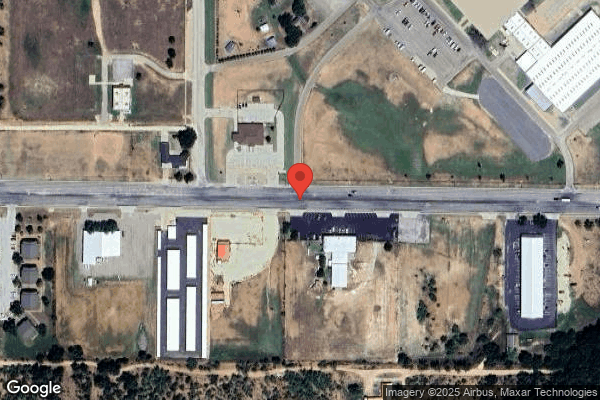

210 E 37TH ST, SNYDER, TX 79549 (325) 573-9377
For profit - Corporation 80 Beds SLP OPERATIONS Data: November 2025 2 Immediate Jeopardy citations
Trust Grade
19/100
#838 of 1168 in TX
Last Inspection: October 2024

Within standard 12-15 month inspection cycle. Federal law requires annual inspections.

Overview

Snyder Oaks Care Center has a Trust Grade of F, indicating significant concerns about the facility's quality and care. It ranks #838 out of 1168 nursing homes in Texas, placing it in the bottom half of all facilities in the state, but it is the only option within Scurry County. The facility is reportedly improving, having reduced issues from 11 in 2023 to 7 in 2024, although it still has a high staff turnover rate of 67%, which is concerning compared to the Texas average of 50%. Staffing received a poor rating of 1 out of 5 stars, and specific incidents include a resident falling and fracturing her hip due to inadequate supervision during a shower, as well as failures in training contracted nurse aides, which raises serious safety concerns. While there are some average ratings in health inspections and quality measures, the overall picture suggests families should carefully consider the risks and strengths before choosing this facility.

Trust Score
F
19/100
In Texas
#838/1168
Bottom 29%
Safety Record
High Risk
Review needed
Inspections
Getting Better
11 → 7 violations
Staff Stability
⚠ Watch
67% turnover. Above average. Higher turnover means staff may not know residents' routines.
Penalties
✓ Good
$15,631 in fines. Lower than most Texas facilities. Relatively clean record.
Skilled Nurses
⚠ Watch
Each resident gets only 17 minutes of Registered Nurse (RN) attention daily — below average for Texas. Fewer RN minutes means fewer trained eyes watching for problems.
Violations
⚠ Watch
22 deficiencies on record. Higher than average. Multiple issues found across inspections.
★★☆☆☆
2.0
Overall Rating
★☆☆☆☆
1.0
Staff Levels
★★★☆☆
3.0
Care Quality
★★★☆☆
3.0
Inspection Score
Stable
2023: 11 issues
2024: 7 issues

The Good

  • Full Sprinkler Coverage · Fire safety systems throughout facility
  • No fines on record

Facility shows strength in fire safety.

The Bad

2-Star Overall Rating

Below Texas average (2.8)

Below average - review inspection findings carefully

Staff Turnover: 67%

21pts above Texas avg (46%)

Frequent staff changes - ask about care continuity

Federal Fines: $15,631

Below median ($33,413)

Minor penalties assessed

Chain: SLP OPERATIONS

Part of a multi-facility chain

Ask about local staffing decisions and management

Staff turnover is elevated (67%)

19 points above Texas average of 48%

The Ugly 22 deficiencies on record

2 life-threatening
Oct 2024 5 deficiencies
CONCERN (D)

Potential for Harm - no one hurt, but risky conditions existed

Medication Errors (Tag F0758)

Could have caused harm · This affected 1 resident

**NOTE- TERMS IN BRACKETS HAVE BEEN EDITED TO PROTECT CONFIDENTIALITY** Based on interviews and record review, the facility failed to ensure PRN orders for psychotropic drugs were limited to 14 days u...

Read full inspector narrative →
**NOTE- TERMS IN BRACKETS HAVE BEEN EDITED TO PROTECT CONFIDENTIALITY** Based on interviews and record review, the facility failed to ensure PRN orders for psychotropic drugs were limited to 14 days unless the attending physician or prescribing practitioner believed that it was appropriate for the PRN order to be extended beyond 14 days and documented their rationale in the resident's medical record and indicated the duration for the PRN order, for 1 of 17 residents (Resident #19). Resident #19 continued to have a PRN order for Clonazepam 0.5mg after 14 days without an evaluation by the physician for continued treatment. This failure could result in residents receiving psychotropic and antipsychotic medications when contraindicated and could also result in residents experiencing adverse drug reactions, decreased quality of life and dependence on unnecessary psychotropic medications. The findings included: Record review of Resident #19's face sheet, dated 10/14/24, revealed a [AGE] year-old-male who was admitted to the facility on [DATE] with diagnoses to include anoxic brain injury (lack of oxygen to the brain), myoclonus (involuntary muscle jerks), and encephalopathy (a change in how the brain functions). Record review of Resident #19's comprehensive MDS assessment, dated 02/14/24, revealed Section N - Medication Section N0415 - Medications Received: B - Antianxiety was marked - Is Taking. Record review Resident #19's comprehensive care plan, last review completed 08/14/24, revealed a care area Potential for complications related to antianxiety medication use, I take Klonazepam [Clonazepam]. Record review of Resident #19's active orders dated 10/14/24 revealed the following orders: Clonazepam 0.5mg; oral twice a day - PRN, with a start date of 06/01/22 and no end date. Record review of Resident #19's medication administration record, dated 10/14/24, for the months of July 2024, August 2024, September 2024 and October 2024 revealed Resident #19 had not received the medication clonazepam that was ordered as needed. Record review of the pharmacy reviews for May 2024, June 2024, July 2024, August 2024, and September 2024 revealed Resident #19 did not have any pharmacy recommendations for the medication Clonazepam. Record review of Resident #19's medical records revealed no evaluation and no rationale for the continued PRN use past 14 days for the prn Clonazepam. During an interview on 10/14/24 at 3:45 PM, the DON stated she was responsible for checking the residents' medications for PRN psychotropic medications. The DON stated Resident #19's PRN Clonazepam was put in the wrong category in the orders and that was why this medication was missed. The DON stated she received training from corporate on doing chart audits but does not know exactly when the last training was. The DON stated the potential negative outcome to the resident was a risk of non-use of the medication or a possibility of continued use of the medication when there was no need. The DON stated another potential negative outcome to the resident was they could be overmedicated. During an interview on 10/15/24 at 8:36 AM, the Adm stated the DON was responsible for ensuring the residents did not have an order for a PRN antianxiety medication over 14 days. The Adm stated the DON should have been trained on this but does not know when. The Adm stated she did not know why Resident #19 had an order for Clonazepam 0.5mg PRN for longer than 14 days. The Adm stated a potential negative outcome to the resident was they could have side effects, or the medication could be outdated/old. Record review of the facility policy titled, Psychoactive Medications, dated July 2024 reflected the following: Policy: Residents are not given psychotropic medications unless the drug is necessary to treat a specific condition, as diagnosed and documented in the clinical record, and the medication is beneficial to the resident, as demonstrated by monitoring and documentation of the resident's response to the medication. Definition: A psychotropic drug is any drug that affects brain activities associated with mental processes and behavior. Psychotropic drugs include but are not limited to the following categories: antipsychotics, antidepressants, anti-anxiety, and hypnotics. Guidelines: 7. PRN orders for all psychotropic drugs shall be used only when the medication is necessary to treat a diagnosed specific condition that is documented in the clinical record, and for a limited duration (i.e., 14 days). a. If the attending physician or prescribing practitioner believes that it is appropriate for the prn order to be extended beyond 14 days, he or she shall document their rationale in the resident's medical record and indicate the duration for the prn order. 8. PRN orders for antipsychotic drugs are limited to 14 days and cannot be renewed unless the attending physician or prescribing practitioner evaluates the resident for the appropriateness of the medication
CONCERN (D)

Potential for Harm - no one hurt, but risky conditions existed

Unnecessary Medications (Tag F0759)

Could have caused harm · This affected 1 resident

**NOTE- TERMS IN BRACKETS HAVE BEEN EDITED TO PROTECT CONFIDENTIALITY** Based on observation, interview, and record review the facility failed to ensure that its medication error rate was less than 5 ...

Read full inspector narrative →
**NOTE- TERMS IN BRACKETS HAVE BEEN EDITED TO PROTECT CONFIDENTIALITY** Based on observation, interview, and record review the facility failed to ensure that its medication error rate was less than 5 percent. The facility had a medication error rate of 7.14% based on 2 out of 28 opportunities, which involved 2 of 5 Residents (Residents #4 and #36) reviewed for medication administration, in that: 1. LVN A failed to verify the dosage and amount on Resident #4's Seroquel medication order prior to administering the medication, resulting in Resident #4 being underdosed. 2. LVN B was unable to give Resident #36 the ordered medication for Multi Vitamin with iron, due to not having the correct multi vitamin available, resulting in a missed dose. These failures could place residents at risk of incomplete therapeutic outcomes, increased negative side effects, and decline in health. Findings included: Resident #4 Record review of Resident #4's undated face sheet revealed an [AGE] year-old female, originally admitted to the facility on [DATE]. Resident #4 had a medical history of Chronic obstructive pulmonary disease (a group of lung diseases that make it difficult to breathe), schizoaffective disorder bipolar type (a rare mental illness that combines schizophrenia symptoms with bipolar disorder), and Generalized anxiety disorder. Record review of Resident #4's physician orders revealed an order for Seroquel (quetiapine) tablet 50 mg; amt: 1.5 tabs; oral with special instructions Add to 100 mg to = 175 mg twice a day 06:15 AM - 10:00 AM and 06:00 PM - 10:00 PM dated 03/07/24 and an order for Seroquel (quetiapine) tablet; 100 mg; amt:100, twice a day, 06:15 AM - 10:00 AM and 06:00 PM to 10:00 PM dated 03/07/24. During a medication administration observation on 10/14/2024 at 06:42 AM, for Resident #4, LVN A was observed dispensing one 100mg tablet of Seroquel and half a tablet of the Seroquel 50mg tablets. Total dosage administered at this time was 125mg of Seroquel. During an interview with LVN A on 10/14/2024 at 10:04 AM, she stated Resident #4 had been ordered 150mg of Seroquel and she had given one 100mg tablet and half of a 100mg tablet making it 50mg and giving a total of 150mg of Seroquel. LVN A reviewed the order and stated, I guess they must have changed her dosage recently as now it states to give 175mg, so I was short 25mg. LVN A grabbed Resident #4's medication blister pack and confirmed it had pre-cut tablets in each individual compartment and had the following order Seroquel (quetiapine) tablet 50 mg; amt: 1.5 tabs. LVN A stated she verified with the DON the medication blister pack contained tablets cut in half making them 25mg each and she had not given the resident 50mg of her ordered dose. LVN A stated she had been trained on verifying orders before giving them. She stated dosage changes are usually communicated between shift change reports and are placed in the 24 hours notes. She stated the potential negative outcome of not giving residents the correct dose could be a medication error, residents having a change in mental status or them not reaching their desired therapeutic outcome. Resident #36 Record review of Resident #36's undated face sheet revealed an [AGE] year-old male originally admitted to the facility on [DATE]. Resident #36's had a medical history of dementia (a chronic condition that causes a loss of cognitive function, such as thinking, remembering, and reasoning, that interferes with daily life), muscle wasting (loss of muscle mass and strength due to disease or lack of use), and muscle weakness. Record review of Resident #36's physician orders revealed an order for Adults Multivitamin (multivitamin-minerals-iron-folic acid-vitamin k), strength 18 mg iron-400 mcg-25 mcg with a start date of 03/21/23. During a medication administration observation on 10/14/2024 at 07:05 AM, for Resident #36, LVN B verified the physician order with the available medication and determined the medication was not the same as what was ordered. LVN B stated the multi vitamin bottle available did not have the iron or vitamin k that was on the physician order. LVN B did not administer this medication, resulting in a missed dose. During an interview with LVN B on 10/14/2024 at 12:26pm, she stated she had notified the DON about not having the correct multi vitamin for Resident #36. She stated she is an agency nurse and today was her first day at this facility, so she was not sure why the facility did not have the medication available. She stated the risk of the residents not receiving their ordered medication could be causing a medication variance and not following the residents' therapeutic plan. During an interview with the ADM on 10/15/2024 at 9:33 AM, she stated all nurses are trained to verify orders prior to giving the medication. She stated the DON is responsible for making sure the nurses are trained on medication administration. She stated the potential negative outcome of residents not receiving the correct ordered dose could be, not reaching the therapeutic effect. The ADM stated if they are unable to obtain the ordered medication through their suppliers they can go to a pharmacy and obtain the right medication. She stated in Resident #36's case the risk of him not getting his multi vitamin could be him not receiving the proper nutrition or increasing his iron. She stated her expectation of staff is no ensure the right medication is being ordered and provided to residents. During an interview with the DON on 10/15/2024 at 10:01 AM, she stated all nurses are trained on medication administration and medication rights. She stated the last training was on 8/2024. She stated the DON and Assistant DON are responsible for that training. She stated the potential negative outcome of not verifying orders before administering the medication could be causing a medication error and residents not receiving what they need. The DON stated for Resident #4 the risk of her not receiving the correct ordered dose could be an increase in behaviors, adverse reactions, and not reaching therapeutic effect. She stated each medication should be verified each time, with each medication, and with each resident. She stated the over-the-counter multi vitamins are usually obtained through a contracted supplier or if they do not have a certain medication, they can go out and obtain in separately. She stated the potential negative outcome of not having the correct medication could be residents having an adverse effect or not having their therapeutic desired outcome. She stated they monitor compliance by performing audits for medications that were not administered. She stated the pharmacist that does their monthly review will also notify the DON and ADON of any areas of concerns. Record review of facility policy titled MEDICATION ADMINISTRATION-GENERAL GUIDELINES dated 6/1/2022, revealed: .4) FIVE RIGHTS - Right resident, right drug, right dose, right route, and right time, are applied for each medication being administered. A triple check of these 5 Rights is recommended at three steps in the process of preparation of a medication for administration: (1) when the medication is selected, (2) when the dose is removed from the container, and finally (3) just after the dose is prepared and the medication put away. a. Check # 1: Select the Medication - label, container and contents are checked for integrity, and compared against the medication administration record (MAR) by reviewing the 5 Rights. b. Check #2: Prepare the dose -the dose is removed from the container and verified against the label and the MAR by reviewing the 5 Rights. c. Check #3: Complete the preparation of the dose and re-verify the label against the MAR by reviewing the 5 Rights . 11) If a medication with a current, active order cannot be located in the medication cart/drawer, other areas of the medication cart, medication room, and facility (other units) are searched, if possible. If the medication cannot be located after further investigation, the pharmacy is contacted, or medication removed from the night box/emergency kit.
CONCERN (D)

Potential for Harm - no one hurt, but risky conditions existed

Deficiency F0761 (Tag F0761)

Could have caused harm · This affected 1 resident

Based on observations, interviews, and record review the facility failed to label drugs and biologicals used in the facility in accordance with currently accepted professional principles and ensure al...

Read full inspector narrative →
Based on observations, interviews, and record review the facility failed to label drugs and biologicals used in the facility in accordance with currently accepted professional principles and ensure all drugs and biologicals are stored in locked compartments and permit only authorized personnel to have access to the keys, for 1 of 2 medication carts (Med Cart B) reviewed for medication storage. 1. The facility failed to ensure that all medications stored in Med Cart B were stored in their original container/packaging. 2. LVN B failed to lock Med Cart B before stepping away from the cart. These failures could result in medication administration error or misappropriation of drugs. Findings Included: During an observation of Med Cart B on 10/14/2024 at 12:00 pm, one round white pill was found in the second drawer and one round white pill was found in the third drawer. LVN B took the medication to RN C who identified the two pills as Lasix 20mg. The medication was disposed of by RN C and LVN B in their designated receptacle. During an observation of Hall 3 on 10/14/2024 at approximately 1:30 PM, Med Cart B was observed unlocked and unattended with 1 Resident in a wheelchair within 10 feet of the cart. During an interview with LVN B on 10/14/2024 at 1:33 PM, she stated she had not been trained on checking the carts at this facility. She stated she was an agency nurse and it had been her first day back at this facility after a few months. She stated the potential negative outcome of medications being loose in the cart could be a medication error or a resident being short on their medication amount. She stated she was not aware of the loose pills in the cart prior to assuming care over the cart. LVN B stated she was aware she had left the med cart unlocked. She stated she should not have done that, and she should have locked it before stepping away. LVN B stated a potential negative outcome for leaving the med cart unlocked was a resident could get into something they were not supposed to. During an interview with the ADM on 10/15/2024 at 9:33 AM, she stated all nurses are trained to check the medications carts and they should be checking them daily. She stated the DON is responsible for training the nurses. She stated the carts should be locked at all times if the nurse steps away. The ADM stated the potential negative outcome of not keeping the carts free of loose pills is potentially giving the wrong medication to a resident and could cause harm. She stated the DON and ADON conduct rounds on the carts and monitor for med cart compliance. During an interview with the DON on 10/15/2024 at 10:01 AM, she stated all nurses are trained on checking the medication carts and the last training was on 6/20/2024. She stated the DON and ADON are responsible for the training. She stated she did not believe there was a set day or time for carts to be checked but anytime the nurse comes on shift, they should be checking the carts. She stated the potential negative outcome of not keeping the carts free of loose pills could be the nurse grabbing the wrong medication and the cleanliness of the cart not being kept. She stated medication carts should not be left unlocked at any time. She stated the potential negative outcome of leaving the med cart unlocked could be a resident getting into the med cart or medication being tampered with. Record review of facility policy titled Storage of Medications dated 11/2020 revealed: Policy heading: The facility stores all drugs and biologicals in a safe, secure, and orderly manner. 2. Drugs and biologicals are stored in the packaging, containers, or other dispensing systems in which they are received. Only the issuing pharmacy is authorized to transfer medications between containers. 3. The nursing staff is responsible for maintaining medication storage and preparation areas in a clean, safe, and sanitary manner . 6. Compartments (including, but not limited to, drawers, cabinets, rooms, refrigerators, carts, and boxes) containing drugs and biologicals are locked when not in use. Unlocked medication carts are not left unattended.
CONCERN (E)

Potential for Harm - no one hurt, but risky conditions existed

Deficiency F0804 (Tag F0804)

Could have caused harm · This affected multiple residents

**NOTE- TERMS IN BRACKETS HAVE BEEN EDITED TO PROTECT CONFIDENTIALITY** Based on observation, interview and record review, the facility failed to provide food and drink that was palatable, attractive ...

Read full inspector narrative →
**NOTE- TERMS IN BRACKETS HAVE BEEN EDITED TO PROTECT CONFIDENTIALITY** Based on observation, interview and record review, the facility failed to provide food and drink that was palatable, attractive and at a safe and appetizing temperature for one of one kitchen. A. Resident #7, #18, #53, #159 voiced concerned of cold food, flavor and/or texture. B. Six of the 12 foods sampled on the meal tray were cold. C. Two of the 12 foods sampled on the meal were salty. D. One of the 12 foods sampled on the meal tray was tough. These failures could affect the forms of food provided in the facility (regular, mechanical chopped and pureed) and could result in a decline in residents' consumption of food and residents to have unwanted weight loss. The findings include: On 10/13/24 during initial tour of facility, three residents (#7, #53, #159) voiced concerns of the food. During the initial tour process on 10/13/24 between 10:55 AM and 11:30 AM, 2 confidential interviews with residents revealed the following comments regarding the food at the facility, The food is not good and is cold at times. Another resident stated, The food is undercooked and tastes terrible. During an interview on 10/13/24 at 03:22 PM, Resident #7 was asked how the food was and he responded by saying the food is ok, but it's getting bad occasionally, no taste. Stated he has spoken with kitchen staff, and they do nothing. During an interview on 10/13/24 at 03:27 PM, Resident #53 was asked how the food tasted and she stated the food is of poor quality, some of it has blend taste, processed meat, and soiled. The food occasionally is hot but cold by the time it gets to us. Occasionally we get chicken. They don't provide us with quality food, either because of the budget or vendor's choice. During an interview on 10/13/24 at 04:00 PM, Resident #159 was asked how the food was and she responded by saying the food is not good at all, meat is tough and usually cold most times. Observed [NAME] B at 12:07 PM scoop out three & half scoops of greens bean with half cup of milk into the food processor. The cook processed the green beans with milk for about three minutes and [NAME] B looked at the puree and stated it was smooth. A sample tray was requested on 10/14/24 at 11:15 AM of all the food forms served including the alternate plate and requested to have the sample trays delivered after the last hall tray was delivered. The sample tray on 10/14/24 was delivered to the survey room [ROOM NUMBER]:54 PM. Sample tray findings found by the survey team and ADM were the following: FOOD ITEMS Taste, Tempt, Texture Regular Sandwich Cold Regular Turkey Cold/tough Regular Corn Cold Mechanical Corn Bread Cold Mechanical Tomatoes Salty Puree Turkey Cold/Salty/blend Puree Tomatoes Cold/no flavor During an interview on 10/13/24 at 03:07 PM, Resident #18 said sometimes the food is good and most times it's not, cold sometimes, the facility serve him the same type of meal every morning (oatmeal). During an interview on 10/14/24 at 1:05 PM, ADM stated the puree turkey was very salty. During an interview on 10/15/24 at 10:00 AM, [NAME] C stated some of the residents don't come into the dinning, so the food is covered before resident comes in. She stated, I agree that you can't serve someone that's not physically present because the resident should be at the dinning before meal is provided. During an interview on 10/15/24 at 10:27 AM, DM A stated honestly, when we put it out, I don't know how long it takes to get to the resident. DM A stated she and other kitchen staff were responsible for monitoring of food temperature, texture, and flavor. Again, it depends on how long the cart seat there. During an interview on 10/15/24 at 11:01 AM, ADM stated there's no excuse, food should be kept at the right temperature, the cook knows that it should be at the right temperature. A request was made for palatability or texture policy from the Facility ADM; did not provide a requested policy.
CONCERN (E)

Potential for Harm - no one hurt, but risky conditions existed

Food Safety (Tag F0812)

Could have caused harm · This affected multiple residents

Based on observations, interviews, and record reviews, the facility failed to store, prepare, distribute, and serve food in accordance with professional standards for food service safety in one of one...

Read full inspector narrative →
Based on observations, interviews, and record reviews, the facility failed to store, prepare, distribute, and serve food in accordance with professional standards for food service safety in one of one kitchen reviewed for dietary services. 1) The facility failed to ensure foods were covered, labelled & dated. 2) The facility failed to protect foods from potential contamination. 3) The facility failed to ensure foods were stored under sanitary conditions. These failures could place residents at risk for food-borne diseases. The findings included: - The following observation was made during a kitchen tour on 10/13/24 that began at 10:49 AM and concluded at 12:07 PM: - Dirty unknown black particles around the sink. - Dirty and sticky front doors of 2 freezers and 1 refrigerator. - Undated, uncovered, and unlabeled Sandwich inside the refrigerator. - Undated, uncovered, and unlabeled small donut shaped item on a tray inside the refrigerator - Undated, uncovered, and unlabeled round shape vegetable inside the refrigerator - Undated Swiss cheese inside the refrigerator. - Undated Tortillas inside the refrigerator. - Undated Pimento cheese inside the refrigerator. - Undated American sliced Cheese inside the refrigerator. - Undated Peas inside the refrigerator. - Undated Sausage inside the refrigerator. - Unlabeled small donut shaped items in a clear plastic bag inside the freezer. - Unlabeled brown pecan shaped like items in a clear plastic bag inside the freezer. - Unlabeled and undated long green pepper shaped item in a clear plastic bag inside the freezer. - Unlabeled and undated shredded pinkish raw meat like item covered in a clear plastic wrapping inside the freezer. - Unlabeled and undated red raw meat like item covered in a clear plastic wrapping inside the freezer. - Unlabeled and undated long pinkish raw meat like item covered in a clear plastic wrapping inside the freezer. Interview on 10/15/24 at 09:35 AM, the Dietary aid stated the cook would be responsible for ensuring food items were covered, labelled, and dated. The Dietary aid stated most of the time, Dietary staff are in a rush, so they forgot to cover, label and date the food items. The Dietary aid stated she was not trained in labelling and dating food items. The Dietary aid stated the potential negative outcomes to the residents with unlabeled, uncovered, and undated food items, the food could go bad, and the residents can get sick from it. The Dietary aid stated the black unknown particles on the sink has been there since she started, could be build up, that she does not know what it could be. The Dietary aid stated stains on the freezer and refrigerator should have been wiped down. The Dietary aid stated thermometers for the food trays should have been cleaned. The Dietary aid stated she was not told anything about policy for food storage/labelling. Interview on 10/15/24 at 10:00 AM, the Kitchen chef stated the responsibilities for ensuring food items were covered, labelled, and dated depend on Dietary staff that is on duty when the truck comes in. The Kitchen chef stated maybe someone took off the labels and dates. The Kitchen chef stated she, Head cook, and Dietary Manager were responsible for ensuring/monitoring food items were covered, labelled, and dated, The Kitchen chef stated she was trained but have not seen any policy for food storage/labelling. The Kitchen chef stated the potential negative outcomes to the residents with unlabeled, uncovered, and undated food items, the potential of serving them spoilt food that would make them sick. The Kitchen chef stated that she does not work that side of the kitchen sink that had black unknown particles that look like mold, and which was not safe for the residents. The Kitchen chef stated and confirmed that those unclean food tray thermometers were the ones surveyor brought back to them at the kitchen and are not safe to be used. Interview on 10/15/24 at 10:27 AM, the Dietary Manger stated whoever was on duty was responsible for ensuring food items were covered, labelled, and dated. The Dietary Manager stated she had no clue why the food items were not covered, labelled, and dated. The Dietary Manger confirmed the following items from the refrigerator/freezer as: undated, uncovered, and unlabeled small donut shaped item on a tray as Mini donut, undated, uncovered, and unlabeled round shape vegetable as Cabbage, unlabeled small donut shaped items in a clear plastic bag as Mini donut, unlabeled brown pecan shaped like items in a clear plastic bag as Pecans, unlabeled and undated long green pepper shaped item in a clear plastic bag as Chili, unlabeled and undated shredded pinkish raw meat like item covered in a clear plastic wrapping as Pulled pork, unlabeled and undated red raw meat like item covered in a clear plastic wrapping as Ground beef, unlabeled and undated long pinkish raw meat like item covered in a clear plastic wrapping as Pork tenderloin. The Dietary Manager stated she was responsible for ensuring/monitoring food items were covered, labelled, and dated. The Dietary Manager stated the potential negative outcomes to the residents with uncovered, unlabeled, and undated food items, cooking something leading to residents getting sick. The Dietary Manger stated the black unknown particles at the sink which she identified as mold and uncleaned food tray thermometers are not safe for the residents. The Dietary Manger stated that she has the policy for food storage/labelling. Interview on 10/15/24 at 11:01 AM, the ADM stated the Dietary Manager, [NAME] and anyone there in the kitchen were responsible for covering, labelling, and dating of food items. The ADM stated kitchen staff members have all been trained on covering, labelling/dating of food items. The ADM stated the Dietary Manager was responsible for making sure food items were properly covered, labelled, and dated. The ADM stated food items should be covered, labelled, and dated but the kitchen staff must have forgotten. The ADM stated the potential negative outcomes to the residents with uncovered, unlabeled/undated food, could cause the residents to be sick. The ADM stated she knew that the kitchen staff have been cleaning the sink that contain those black unknown particles. She informed the staff about getting a new sink and think they should be cleaning the sink daily when shown the unknown black particles. The ADM stated, the black unknown particles could lead to residents getting sick. The ADM stated the food tray thermometers need to be cleaned after each use. The ADM stated that they do have a policy on food storage/labelling. Record review of the facility policy and procedure titled, Food storage, dated 10/01/2018, revised date 06/01/2019, reflected the following: Policy: To ensure that all food served by the facility is of good quality and safe for consumption, all food will be stored according to the state, federal and US Food Code and HACCP guideline. Procedure: 2. Refrigerators d. Date, label and tightly seal all refrigerated food using clean, nonabsorbent, covered containers that are approved for food storage. 3. Freezers e. Store frozen foods in moisture-proof wrap or containers that are labeled and dated. Record review of the facility policy and procedure titled, General kitchen sanitation, undated, reflected the following: Policy: The facility recognizes that food-borne illness has the potential to harm elderly and frail residents. All Nutrition & Food service employees will maintain clean, sanitary kitchen facilities in accordance with the state and US Food Codes to minimize the risk of infection and food borne illness. Procedure: 1. Clean and sanitize all food preparation areas, food-contact surfaces, dining facilities and equipment. After each use, clean and sanitize all tableware, kitchenware, and food-contact surfaces of equipment, except cooking surfaces of equipment and pots and pans that are not used to hold or store food and are used solely for cooking purposes. 3. Keep food-contact surfaces of all cooking equipment free of encrusted grease deposits and other accumulated soil. 6. Clean non-food-contact surfaces of equipment at intervals as necessary to keep them free of dust, dirt, and food particles and otherwise in a clean and sanitary condition. 7. Store, handle and dispense all single-service article in a sanitary manner and use only once.
May 2024 1 deficiency
CONCERN (E) 📢 Someone Reported This

A family member, employee, or ombudsman was alarmed enough to file a formal complaint

Potential for Harm - no one hurt, but risky conditions existed

Deficiency F0602 (Tag F0602)

Could have caused harm · This affected multiple residents

**NOTE- TERMS IN BRACKETS HAVE BEEN EDITED TO PROTECT CONFIDENTIALITY** Based on interview and record review the facility failed to ensure the resident had the right to be free from abuse, neglect, mi...

Read full inspector narrative →
**NOTE- TERMS IN BRACKETS HAVE BEEN EDITED TO PROTECT CONFIDENTIALITY** Based on interview and record review the facility failed to ensure the resident had the right to be free from abuse, neglect, misappropriation of property, and exploitation, which includes but is not limited to freedom from corporal punishment, involuntary seclusion and any physical or chemical restraint not required to treat the resident's medical symptoms for 1 of 5 residents (Resident #1) reviewed for misappropriation of property and exploitation. The facility failed to prevent misappropriation of Resident #1's finances when the facility kept Resident #1's wallet with cash in a locked box in a staff member's office with only staff having access to the wallet and it was discovered $1370.00 was missing. This failure could place residents at increased risk for misappropriation of their property including loss of money. Findings included: Record review of Resident #1's undated face sheet reflected Resident #1 was an [AGE] year-old male who was admitted to the facility on [DATE]. Resident #1 was his own resident representative with the following diagnoses: unspecified dementia (memory loss), anxiety (feeling of fear), mood disturbance (difficulty of daily function). Record review of Resident #1's clinical record reflected his quarterly MDS assessment was completed on 2/29/2024 listing him with a BIMS score of 08, which indicated he was moderately cognitively impaired. During an interview on 05/29/2024 at 10:15 am, the ADM stated Resident #1 left his wallet in a lockbox in the HR Manager's office as per resident request. The ADM stated on 05/07/2024 Resident #1 requested money out of his wallet, and it was discovered there was $20 cash. Resident #1 told the ADM there should be $400 cash. The ADM stated there was a handwritten paper log that reflected the last request for money was on 11/03/2023 and the balance should have been $1390. The ADM stated the previous HR Manager was the only staff member that had access to the key to the lockbox until she left on 03/25/24 and at that time the keys in question were placed with the ADM. Record review of undated hand-written log provided by the facility reflected on 05/13/2022 Resident #1 took $20.00 from the wallet, leaving a balance of $1,717.00 and initialed by Resident #1. The log reflected an additional 29 withdrawals with the last one dated 11/23/2023 of $10.00 withdrawn and leaving a balance of $1,390.00, initialed by Resident #1 and signed by the HR Manager. During an interview on 05/29/2024 at 11:20 am, Resident #1 stated the woman that worked in the office stole $1,370.00 dollars and left $20.00. Resident #1 stated they were supposed to have prosecuted her. Resident #1 stated he gave her a chance to pay the money back, but she did not. Resident #1 stated his money was in her office and she was taking care of it. Resident #1 stated he started out with $1,600.00 cash money when he first came to live in the facility in April 2021, and drew some out, but had $1,300.00 plus left, and she took it. Resident #1 stated he had that money in the office. Resident #1 stated it was a new staff that had not been working there very long, that took his money. Resident #1 stated the first lady was nice and never took money but that second lady took it. Resident #1 stated the wallet had $100.00 dollar bills and some $20.00 bills. Resident #1 stated he had that money for emergencies if he needed something. Resident #1 stated he gave the staff member a chance to pay his money back and when that did not happen he told the facility he wanted to press charges. During an interview on 05/29/2024 at 1:15 pm, the ADM stated the facility was not responsible for personal belongings according to their HR Corporate Office. The ADM stated the facility should not have been keeping Resident #1's wallet in the HR Manager's office. During an interview on 05/29/2024 at 3:34 pm, the ADM stated Resident #1 had to ask staff to get money from the wallet as Resident #1 did not have direct access to open the lockbox. The ADM stated the facility staff were responsible for Resident #1's money and wallet. During an interview on 05/29/2024 at 4:18 pm, the SW stated she was aware Resident #1's wallet and money was being kept in the lockbox in the HR Manager's office. She stated it was not the normal process to keep a resident's money in the facility and that they would normally put the money in a trust fund or ask the resident to leave the money with family. She stated Resident #1 did not have any family and requested his wallet be kept in the lockbox because he did not feel comfortable with the trust fund. She stated staff in the HR office has changed a couple of times since Resident #1 was initially admitted into the facility. She stated Resident #1 would have to ask for the money from staff to access it. The SW stated all residents Including Resident #1,have since been given a personal lockbox and key to lock their valuables in and the other key was in the ADM's office. The SW stated the lockbox was located in the resident's bedroom. She stated Resident #1 has filed a report with the police department regarding his missing money. During an interview on 05/29/2024 at 7:30 pm, the former HR Manager stated she knew the wallet was in the locked box in her office. She stated she knew Resident #1 went to the hospital sometime in late 2023 in November and she thought he took the wallet with him and could not recall seeing it in the locked box after he returned. She stated she never touched the money in his wallet, and she stated she never took money out of his wallet. She stated she could not recall the amount of money he had in his wallet and stated she never signed the log. She stated only Resident #1 signed it when he requested money. She stated he would ask for money sometimes but not very often that she could recall. She stated the key to the locked box was on the keychain for the HR office but thought there was a spare key to the box in the administrator's office. She stated that she thought the ADM and Maintenance had keys to the HR office as well, not just her. During an interview on 05/30/2024 at 11:44 am, staff Maintenance Supervisor stated that there was a key for the HR office on the keychain for the HR Manager and the only other key was in a locked closet in the ADM's office. He stated no one else has a key. He stated he was aware there was a locked box in the HR office and either the ADM or HR manager has a key. He stated he does not have a key to the HR office or that lock box. He stated he has been installing lock boxes in resident's rooms by bolting them down to the dresser and then the resident gets a key, and the ADM gets a key. He stated he has installed about six boxes so far and the ADM tells him what room and what residents need the boxes. During an interview on 05/30/2024 at 12:45 PM, the Activity Director stated she has purchased items for residents when requested however she has never purchased anything for Resident #1. During an interview on 05/30/2024 at 12:45 pm, the ADM stated corporate office sent Resident #1 a check for $1400 and she has notified Resident #1 who requested the check to be deposited into his trust fund. The facility provided the check for Resident #1 for review and it was dated 05/14/2024. Record review of facility provided in-service dated 05/08/2024 reflected the facility in-serviced staff on misappropriation, abuse, and lockboxes. Record review of facility policy, dated revised 1/19/2023, Abuse Prevention Program, reflected. Policy Statements: 2. Our residents have the right to be free from abuse, neglect, misappropriation of resident property and exploitation. This includes but not limited to freedom from corporal punishment, involuntary seclusion, verbal, mental, sexual, nor physical abuse, and physical or chemical restraint not required to treat the resident's symptoms. Training and Prevention CMS defines the following 3. Exploitation: as taking advantage of a resident for personal gain through use of manipulation, intimidation, threats, or coercion.
Apr 2024 1 deficiency
CONCERN (E) 📢 Someone Reported This

A family member, employee, or ombudsman was alarmed enough to file a formal complaint

Potential for Harm - no one hurt, but risky conditions existed

Deficiency F0602 (Tag F0602)

Could have caused harm · This affected multiple residents

**NOTE- TERMS IN BRACKETS HAVE BEEN EDITED TO PROTECT CONFIDENTIALITY** Based on interview and record review the facility failed to ensure the resident had the right to be free from abuse, neglect, mi...

Read full inspector narrative →
**NOTE- TERMS IN BRACKETS HAVE BEEN EDITED TO PROTECT CONFIDENTIALITY** Based on interview and record review the facility failed to ensure the resident had the right to be free from abuse, neglect, misappropriation of property, and exploitation, which includes but is not limited to freedom from corporal punishment, involuntary seclusion and any physical or chemical restraint not required to treat the resident's medical symptoms for 1 of 5 residents (Resident #1) reviewed for misappropriation of property and exploitation. The facility failed to prevent misappropriation of Resident #1's finances when the facility HR Coordinator used Resident #1's debit card for personal gain totaling approximately $2631.22 and failed to provide any receipts to Resident #1 for purchases intended for him. This failure could place residents at increased risk for misappropriation of their property including loss of their Findings include d: Record review of Resident #1's face sheet, dated 4/11/2024, reflected Resident #1 was a [AGE] year-old male who was admitted to the facility on [DATE]. Resident #1 was his own resident representative with the following diagnoses: acute respiratory failure with hypoxia((sudden failure of lungs to deliver oxygen to the body), chronic pain, prostate disorder, anoxic brain damage(cessation of cerebral blood flow to brain tissue), acute kidney failure (unable to filtrate waste products). Record review of Resident #1's clinical record reflected his admission MDS was completed on 1/25/2024 listing him with a BIMS of 14, which indicated he was cognitively intact. Record review of the facility's 5-day report dated 04/04/2024 contained Resident #1's bank statements for the months of January 2024, February 2024 and March 2024 and reflected the following highlighted transactions: 1/24/24 Grocery store: $13.42; Gas station $17.31; Restaurant: $20.33. 1/25/24: Department store $24.87; Grocery store $57.97. 1/26/24: Gas station $12.98, Grocery store $62.06 1/29/24 Department store $9.20; Gas station $10:00; Gas station $12.98; Gas station $17.31. 1/30/24 Department store: $25.51; Gas station $32.31. 1/31/24 Restaurant $4.32; Department store $10.01; Restaurant $15.18 January Total: $345.76 2/1/24: Gas station $17.31; Grocery store $34.04. 2/5/24: Restaurant $16.43; Gas station $20.00; Restaurant $26.14; Grocery store $44.49; ATM $300.00 ; Grocery store $161.58; ATM withdrawal $60.00; ATM withdrawal $300.00. 2/20/24: Department store $10.81; Restaurant $12.96; Department store $29.20; Grocery store $41.34; Department store $41.95; ATM withdrawal $100.00. 2/21/24 Gas station $20.00 2/22/24 $11.65; Restaurant $13.85; Department store $90.92 2/23/24: $33.51 Grocery store 2/26/24: Restaurant $29.71; Department store $31.68. 2/27/24: $140.00 ATM withdrawal. 2/28/24: SQ $6.06; Gas station $17.31; Restaurant $20.98; Department store $26.22; ATM withdrawal $260.00. February 2024 total: $1908.14 3/6/24: Gas station: $10.23; Grocery store $13.68; Restaurant $59.62 3/7/24 Department store $36.75 3/21/24 ATM withdrawal $200 3/22/24: Grocery store $57.04 March 2024 total: $377.32 Grand total: 345.76+$1908.14+$377.32=$2631.22 During an interview on 4/11/24 at 10:00 a.m., ADM stated the HR Coordinator was terminated on 3/25/24 before the facility became aware of the missing money from Resident #1's bank account. The ADM stated she was contacted by FM #1 on 3/27/24 about the missing money from Resident #1's account. The ADM stated the HR Coordinator was not authorized to do any shopping for residents or have access to their bank cards to make purchases for residents. The ADM stated FM #1 discovered there was approximately $2600 in charges on Resident #1's account and $400 in cash was missing as well. The ADM stated the HR Coordinator used Resident #1's bankcard at an ATM and took out $300 and gave him $100 but said the $300 was for his rent here at the facility. The ADM stated Resident #1 did not have any cash and there should have been $400 total in his wallet. The ADM stated the HR Coordinator was provided the bank card from Resident #1 to get him snacks at the store and that was when she would use his debit card for herself. The ADM stated the HR Coordinator was previously married to Resident #1's nephew and was divorced. The ADM stated the HR Coordinator was not related to any other residents at the facility. The ADM stated the HR Coordinator did not returned calls or contacted her to provide a statement to the facility. The ADM stated the HR Coordinator did text FM#1 that she would pay the money back. The ADM stated the activity director was the only authorized staff member to do shopping for residents and must provide a receipt to the resident. The ADM stated Resident #1 was not provided receipts from the HR Coordinator. The ADM stated a PD report was made and the local police department interviewed Resident #1 who stated to the police he did not authorize the HR Coordinator to use his bank card for her own needs. The ADM stated the county DA was investigating this case. The ADM stated residents were interviewed, and it was determined that no other residents had missing money. The ADM stated the HR Coordinator should never have shopped for the resident, nor should she have taken his money for her own personal needs, and it was against policy. The ADM stated staff were in-serviced on ANE. During an interview on 4/11/24 at 11:16 a.m. with Resident #1, he stated FM #1 is in charge of his money. Resident #1 stated the HR Coordinator would bring him cokes and snacks but never brought any receipts. The HR Coordinator had his money in her office and would use those funds to purchase those items. Resident #1 stated that he never gave the HR Coordinator permission to use his debit card or cash for her own personal needs or wants. He stated FM #1 discovered several transactions that were made while he was in the facility, and he did not make them or authorize them. He stated he never received cash or asked for the HR Coordinator to take cash out of his account. He never asked or received any fast food from the HR Coordinator. The HR Coordinator was to purchase his snacks and cokes from Walmart. The HR Coordinator was supposed to purchase him a comforter for his bed he never got. Resident #1 stated the only stuff the HR Coordinator ever purchased from him came in grocery store bags and there were never any purchases from store The HR Coordinator never bought him anything. Resident #1 stated he never gave his permission to the HR Coordinator to use his debit card for ATM withdrawals or purchases for herself. Resident #1 stated he never authorized the HR Coordinator to do a spend down of his money for Medicaid authorization approval. Resident #1 stated the HR Coordinator was divorced from his nephew. Resident #1 stated he spoke to the police and told the officer he wanted to press charges against the HR Coordinator. Resident #1 stated he was upset the HR Coordinator took his money and now he did not have enough money to move back into his apartment and FM #1 was going to clean it out for him. During a phone interview on 4/11/24 at 12:18 p.m., FM #1 stated she has assisted Resident #1 with his finances and apartment. FM #1 stated she was a co-signer on Resident #1's bank account and personally visited the bank to pull out money to purchase him his requested items and to pay his apartment rent. FM #1 stated she lived several hours away and would visit Resident #1 at least once a month. FM #1 stated Resident #1 moved into the nursing home in January 2024 and the HR Coordinator was married to the resident's nephew previously. FM #1 stated the HR Coordinator stated it was her job to shop for the residents and she would lock up Resident #1's wallet and debit card in her office safe. FM #1 stated the HR Coordinator also stated she would get Resident #1 his snacks and cokes from grocery store FM #1 stated she had no concerns because she believed the HR Coordinator's job was to hold onto the resident wallets and to shop for them. FM #1 stated when she went to his bank and found out he had barely any money left, she reviewed the transaction record and found multiple transactions that were made with the debit card and ATM withdrawals totaling a few thousand dollars. FM #1 stated Resident #1 told her he did not eat food from any community restaurant and stated the HR Coordinator said she would buy him a comforter but never did. FM #1 stated Resident #1 stated he had no receipts for any snack or drink purchases from the HR Coordinator. FM #1 stated she notified the facility ADM of the missing money and transactions from the bank account, and she confronted the HR Coordinator who stated she had a rough time being a single Mom and she would pay the money back. FM #1 stated as of today, the HR Coordinator had returned $350 back to her and had promised she would make weekly payments back. FM #1 stated Resident #1 was able to make his own decisions and was in a nursing home due to a fall history in his apartment. FM #1 stated Resident #1 wanted to keep his apartment in town because he hoped to move back into it. FM #1 stated now there was not enough money to pay the rent and utilities due to the HR Coordinator using his bank account. FM #1 stated the HR Coordinator told her she used the debit card for her own purchases to help spend down Resident #1's money in order to qualify for Medicaid services. FM #1 stated Resident #1 was very upset the HR Coordinator took his money and wanted to press charges against her. FM #1 stated she had text messages from the HR Coordinator that show the HR Coordinator admitted to using the money for herself. FM #1 stated she would send the text messages to the HHSC State Surveyor state cell phone. During a phone interview on 4/11/24 at 12:56 p.m. with the HR Coordinator, she stated she no longer worked at the nursing facility. She stated Resident #1 was her ex-husband's uncle and she considered Resident #1 to be her family member. The HR Coordinator stated I was trying to do a spend down so Resident #1 would qualify for Medicaid. The HR Coordinator stated she had paid some of the money back to Resident #1's [FM #1]. The HR Coordinator stated she was not Resident #1's POA or RR and Resident #1 gave her his debit card and pin to do his shopping. The HR Coordinator stated she spent Resident #1's money on her own needs/wants but did not provide details . The HR Coordinator stated she had her children with her and could not talk at this time. The HR Coordinator stated she would call the HHSC State Surveyor back on 4/15/24 at 8:00 a.m. prior to the interview with the police investigator . During an interview on 4/11/24 at 1:51 p.m., the AD stated it was her job to complete shopping for residents. A resident would provide a list, she made the purchase and returned the receipt to the business office. The AD stated if a resident provided cash, she would sign for the cash, complete the shopping, and provide a receipt and change to the resident. The AD stated another staff member was present when the receipt and change was returned to the resident. The AD stated if a resident needed to spend down it was never done with resident cash, check or debit card. The AD stated a facility check was used to pay for the item(s) and the money was deducted from the resident trust account. The AD stated at no time should a staff member use resident funds to purchase items that were not for the resident. The AD stated all staff were trained on abuse, neglect and exploitation and were trained that they were not to take money or gifts from a resident. During an interview on 4/11/24 at 1:59 p.m., the LVN stated she was trained on abuse, neglect and exploitation that informed staff they were not permitted to take cash or gifts from residents and prohibited staff from using resident items for personal gain. The LVN stated the AD was assigned to shop for residents. The LVN stated she saw the HR Coordinator bring Resident #1 soda and snacks but had never seen the HR Coordinator bring Resident #1 fast food, clothing, bedding or anything besides sodas and snacks. The LVN stated it was against policy to take resident cash or debit cards. During an interview on 4/11/24 at approximately 2:25 p.m., the ADM stated the HR Coordinator was not authorized to do spend downs for any resident or Resident #1 that would allow for Medicaid approved services. The ADM stated the HR Coordinator stated when the HR Coordinator's office was cleaned out, Resident #1's wallet that included his ID and bank debit card were found in the HR Coordinator office. The ADM stated there was no cash found in Resident #1's wallet The ADM stated the HR Coordinator should not have had Resident #1's wallet. The ADM stated the HR Coordinator never provided any receipts for purchased items for Resident #1. During an interview on 4/12/24 at 8:35 a.m. with the local Police Department Officer revealed the investigation was now with the DA and was assigned to another Investigator. The PD Officer stated the HR Coordinator was interviewed and stated she had receipts for the purchases but has yet to provide them. The PD Officer stated the HR Coordinator had an interview with the DA Investigator on 4/15/24 to provide receipts. The PD officer stated Resident #1 was interviewed and stated he did not have food from two of the restaurants in question and the purchases were not made by him, and he did not authorize the HR Coordinator to make those purchases. The PD officer stated he would forward the HHSC State Surveyor's name and number to the DA Investigator . The PD officer stated he would send the completed PD report to the HHSC State Surveyor. During an attempted phone interview on 4/15/24 at 8:10 a.m. with the HR Coordinator, the phone call was not answered, and a voicemail was left with request for a return call. Attempted interview via text Message sent on 4/15/24 at 9:08 a.m. to the HR Coordinator, was unsuccessful. During attempted phone interview on 4/15/2024 at 1:37 p.m., the HR Coordinator returned HHSC State Surveyor's call and stated she was at the sheriff department and would call the HHSC State Surveyor back once the interview was completed. During a phone interview on 4/15/24 at 2:35 p.m. with PD Sgt.; stated she completed her interview with the HR Coordinator today and at this time the HR Coordinator confessed she did use Resident #1's debit card for personal purchases and to withdraw money for herself. The Sgt. stated the HR Coordinator admitted she purchased items from a grocery store/department for herself or her kids and the PD would attempt to get the receipts from the store. The Sgt. stated she would send her completed police report with grocery store/department store receipts to the HHSC State Surveyor by the end of the week. Record review of a text message received on 4/15/24 at 4:33 p.m. from FM#1, stated there was a Venmo deposit made to her from the HR Coordinator on 2/2/24 at 10:55 a.m. for $150.00, When I went in February, she [HR Coordinator] told me her son had accidently took [Resident #1] card out of her purse and used it and spend his allowance. She said his card was in her purse because she was going to buy snacks for [Resident #1] that weekend. However, I had already done that. I made sure his wallet still had his money and his card and put it back in the safe in her office. I thought honest mistake and did not think to check the bank at that time. During an attempted phone interview on 4/16/24 at 8:07 a.m. with the HR Coordinator, phone call was not answered. HR Coordinator texted before voicemail could pick up with the following message: In a drs appt right now can I call you back. Record review of screen shot messages received from FM #1 on 4/11/24 reflected text messages between FM #1 and the HR Coordinator; dated 3/29/24 at 12:53 p.m.: FM #1 to the HR Coordinator: You said your boss had the receipts, and when I didn't hear back from your boss, I looked for her so I could contact her and find out where the receipts were. She doesn't have any of the receipts. HR Coordinator replied in part, Yes ma'am I understand, and I will send them. I was honestly trying to help anywhere I could so he would get approved .I'm an adult and I know right from wrong. I don't want you to think I went blowing money on myself because I didn't .I'm not asking for pity I just want to be honest. I did get food when we had none and some things for the kids .I do have receipts for what was brought for [Resident #1] and for what isn't accounted for I'm going to replace in full. I thought if I just continued to get him things it would be ok. Or to always have cash for him handy. I went about it all the wrong way. And now I've gotten myself in some really really deep shit. With no one to blame but myself .My troubles should not have been anyone else's problem. I'm going to make this right .I truly thought what I was doing was helping. Meaning I did not want him to go private pay and the date was coming up too soon that he needed the Medicaid. However that's not an excuse and I'm not one to not own up to my own mistakes. Record review of FM#1 provided Venmo transaction receipt reflected on 2/2/24 at 10:55 a.m. FM#1 received $150.00 from the HR Coordinator entitled Payback. Record review of FM#1 provided Venmo transaction receipt reflected on 4/3/24 at 8:45 a.m. FM#1 received $200.00 from the HR Coordinator entitled Payback #1. Record review of emails provided by the ADM reflected the following: Email sent to the HR Coordinator on 3/13/24 from Corporate staff, [HR Coordinator]-can you touch base with [Resident #1] to see how he is going to pay? .$1049 is due for March. Or does he have a number where I can reach him to ask? Also, he does not have an admission agreement uploaded to Matrix. Response from HR Coordinator on 3/13/24, I have his admission agreement to upload now. He has cash that he can make the payment with. I have control of his finances, he's, my uncle. Like not POA but I do everything he asks me to do. Response from Corporate staff, Is he his own payee or does he have a RP. Response from HR Coordinator, He is his own. Record review of the HR Coordinator's employment file reflected: hire date 8/15/23. Record review of the HR Coordinator 's employment file contained the following signed documents dated 8/15/2023: -Employee Misconduct Registry employee notification that stated in part: If the Texas Department of Human Services received a report that an employee of a facility has abused, neglected of exploited a resident or consumer of the facility or misappropriated a resident's or consumer's property, DHS will investigate the report to determine whether the employee has committed an act of misconduct. If it is determined by DHS that the employee did in fact commit the reported misconduct, the employee will be placed on the Employee Misconduct Registry and will not be eligible for employment in this facility. -Abuse and Neglect Policy and Procedure in part: Misappropriation of Resident property-the deliberate misplacement, exploitation, or wrongful, temporary or permanent sue of a resident's belongings or money without the resident's consent. -Senate [NAME] 9 Statement of Nursing Home Policy and Employee Acknowledgement, Attachment E Resident Rights Under Federal Law, revealed in part: The facility shall protect and promote the rights of each resident, including the following rights: The resident has the right to exercise his or her legal rights, including a grievance with the State survey and certification agency concerning resident abuse, neglect, and misappropriation of the resident property in the agency. The resident has the right to manage his or her financial affairs. Attachment F Statement of Resident Rights, revealed in part: You have a right to: manage your own finances or to delegate that responsibility to another person; to access money and property you have deposited with the facility and to an accounting of your money and property that are deposited to the facility and of all financial transactions made with or on behalf of you. To keep and use personal property, secure from theft or loss. Record review of the facility's, undated, policy, Abuse, Neglect, Exploitation and Misappropriation reflected in part: Exploitation defined as taking advantage of a resident for personal gain through use of manipulation, intimidation, threats, or coercion. Examples in part include: unknown charges to the resident's credit card, withholding information about the resident's finances, not placing a resident's money in a separate interest-bearing account. Misappropriation of Property defined as the deliberate misplacement, exploitation or wrongful, temporary, or permanent use of a resident's belongings or money with the resident's consent. Examples in part include: stealing or embezzling resident's money or personal property such as attempting to cash or cashing a check. Record review of the facility's provided Resident Rights policy, dated 2001, Med-Pass, revised February 2021 refleced in part: Federal and state laws guarantee certain basic rights to all residents in this facility. These rights include the resident's right to: be free from abuse, neglect, misappropriation of property and exploitation; manage his or her personal funds, or have the facility manage his or her funds (if he/she wishes). Orientation and in-service training programs are conducted quarterly to assist our employees in understanding our residents' rights.
Nov 2023 2 deficiencies 2 IJ
CRITICAL (J) 📢 Someone Reported This

A family member, employee, or ombudsman was alarmed enough to file a formal complaint

Immediate Jeopardy (IJ) - the most serious Medicare violation

Accident Prevention (Tag F0689)

Someone could have died · This affected 1 resident

**NOTE- TERMS IN BRACKETS HAVE BEEN EDITED TO PROTECT CONFIDENTIALITY** Based on observation, interview, and record review, the facility failed to ensure that the resident environment remained free of...

Read full inspector narrative →
**NOTE- TERMS IN BRACKETS HAVE BEEN EDITED TO PROTECT CONFIDENTIALITY** Based on observation, interview, and record review, the facility failed to ensure that the resident environment remained free of accident hazards for 1 of 11 residents (Resident #1) reviewed for accident hazards and supervision. CNA A failed to provide adequate supervision for Resident #1 in the shower resulting in Resident #1 falling and fracturing her hip and ankle. Resident #1 had to be hospitalized and required surgical intervention. On 11/03/23 at 7:15 PM, an Immediate Jeopardy (IJ) was identified. While the IJ was removed on 11/04/23 at 12:04 PM, the facility remained out of compliance at a severity level of actual harm and a scope of pattern due to the facility continuing to monitor the implementation and effectiveness of their Plan of Removal. This failure could place residents at risk of harm and/or injury and contribute to avoidable accidents. Findings Included: Record review of Resident #1's face sheet, dated 11/03/23, revealed a [AGE] year-old-female was admitted to the facility on [DATE] with diagnoses to include hemiplegia (severe or complete loss of strength or paralysis) & hemiparesis (slight weakness or mild loss of strength in leg, arm or face) following cerebral infarction (stroke) affecting left non-dominate side (left side), reduced mobility, long term (current) use of anticoagulants (blood thinners), muscle wasting and atrophy (waste away), lack of coordination, abnormal posture (rigid body movements), muscle weakness, chronic pain, dorsalgia (back pain), chronic embolism (a clot, ft air bubble travels through the blood vessels)and thrombosis (blood clot forms in a blood vessel), conversion disorder (mental health issue disrupts how the brain works, also known as hysteria)with seizures or convulsions, Atherosclerotic heart disease of native coronary artery without angina pectoris [thickening or hardening of the arteries (blood vessels that carry oxygen-rich blood away from the heart to the body)caused by buildup of plaque], and cerebrovascular disease (a group of conditions that affect blood flow and blood vessels in the brain). Record review of a quarterly MDS assessment dated [DATE] revealed Resident #1 understands (clear comprehends). The MDS revealed Resident #1 had a BIMS of 09 which indicated the resident's cognition was moderately impaired; Section G revealed the resident transfer required limit assistance (resident highly involved in the activity, staff provides guided maneuvering of limbs and other non-weight-bearing assistance) with support (two+ person physical assist); personal hygiene required limit assistance resident highly involved in the activity, staff provides guided maneuvering of limbs and other non-weight-bearing assistance) with support (one- person physical assist); bathing required total dependence with support (one- person physical assist). Record review of Resident #1's care plan dated 07/30/23 revealed a problem area dated 07/17/23 for falls as Resident #1 has a history of falls due to poor cognition and a diagnosis of hemiplegia (paralysis on one side). Resident approach dated 07/21/23 revealed have staff place brief on patient with two-person assist in shower room. The care plan further revealed a problem area dated 07/17/23 for ADL's Functional Status/Rehabilitation Potential related to diagnosis of hemiplegia (paralysis on one side). The approach area revealed one-person assist with transfers, bathing, and dressing. The approach area further revealed toileting amount of assist transfer assistance when able, most of the time incontinent. Record reviewed Resident #1's progress notes revealed the following: -07/21/23 at 2:06 PM, LVN P documented Notified by staff that resident (Resident #1) fell in the shower. Went to assess pt. States unable to move L leg due to severe pain to L hip. Called and notified doctor (MD Q). Received order to sent (send) to ER for x-rays. Eval and tx. Called and notified RP of new order. -07/21/23 at 5:24 PM, LVN P documented Call ER to check on resident. Was notified by ER staff that left hip was fracture. Called RP and notified of fracture and that ER wants to speak with family to decide further tx. -07/28/2023 at 1:35 PM, ADON documented Resident is expected to be discharged from hospital back to facility tomorrow. This nurse attempted to call RP to ensure that she is aware but was unable to reach her via phone call or voice mail. In a phone interview on 11/03/23 at 10:15 AM, Resident #1 stated there were two aides arguing over who was going to shower her. She stated CNA K took her into the shower room. After my shower she stood me up and told me to hold onto the rail. I told her I could not stand up and she just left me. She stated, I will be right back. Resident #1 stated she did not know why CNA K left her in the shower alone. She stated she could not hold on to the handrail and fell in shower room. She stated CNA K came back and then got the nurse. She stated she cannot even hold a piece of paper in her left hand. During interview Resident #1 became emotional stating she just left me there. In an interview on 11/02/23 at 05:08 PM, Resident #1's family member stated the facility called to let the family member know Resident #1 had fallen, and she was going to the hospital. She stated when they called her, they did not make it sound like it was bad, so she waited for Resident #1 to call her from the hospital before going to the hospital. Resident #1's family member stated another family member called and informed her that Resident #1 had a fractured hip. The doctor stated Resident #1 told him she tried to stand up in the shower and fell in the shower. She stated Resident #1 cannot stand up and has been paralyzed for 15 years. She stated she took care of Resident #1 in her home and the reason she put her in the nursing home was because she was no longer able to transfer her without assistance. She stated there was usually two people assisting her in the shower when she has witness them showering her. She stated the facility never called to check on Resident #1. She stated it was one nurse who showered Resident #1 because they were short staffed, and she needed two people. She stated her Resident #1 told the nurse she could not stand, and she needed two people to help her. She stated she was never put on high fall risk and she was high fall risk. She stated she was paralyzed on the left side from a stroke and required two people to assist resident. She stated one-person showering her puts her at risk for a fall. She stated Resident #1 had no movement on the left side for 15 years. She stated Resident #1 was strong on her right side and has no impairment. In a phone interview on 11/03/23 at 10:46 AM, CNA K stated she worked at the facility through facility's corporate agency, and she is no longer employed with the agency. She stated she was working the day Resident #1 had a fall in the shower. She stated she was the CNA helping Resident #1. I had showered the resident and she was dressed. I had her stand up and hold on to the rail so I could pull up her brief and pants. While she was standing, she started to lean and fell on the floor. She stated she had showered resident before, and she was a one-person assist. She stated she did transfers fairly good from the wheelchair, but she did have one leg she could not stand on. She stated she did not have a gait belt on resident because she was pulling up her brief and pants. She stated she did not leave the resident unattended in the shower. She stated when resident fell, she stepped out of the shower room and the nurse was in the hall and came to shower room and assessed resident. She stated Resident #1 was not moved until EMS got to the facility. She stated she could not remember if there was any other staff working with her that day. She stated she got her out of bed that morning and took her to the shower room. She stated she never argued with any other staff. She stated she does not remember the names of any other CNA's working that day. She stated LVN P assessed the resident and the DON also provided resident care and took vitals. She stated Resident #1 was alert and orientated and able to answer questions appropriately. She stated Resident #1 did not hit her head. She stated her fall was more like me assisting her to the floor. She stated Resident #1 kept changing her story. She stated Resident #1 was holding the rail and started slipping to the left. She stated it's a real small shower room. She stated Resident #1 fell towards the wall away from the door. She stated she moved the chair behind her. She stood up and I kind of pushed the chair back to get behind her to pull her pants up and then she just started to slide to the left like she's still holding on to the rail and then she just went down. She stated her back was towards the shower head and I had to turn her around to face the rail. She stated she turned her to the right. Her right side was towards the door. She stated the shower chair was behind me and I was between the resident and the chair. She stated she was not sure what caused her to fall. She stated, she felt the resident lost her balance. She stated one of her hands (right hand) had contractures and she had to help her grab the rail and hold with that one and the right hand she can control that one fairly good. Surveyor clarified which hand had contractures and she stated the right hand, yes, the right hand is contracted. She can grip stuff and I put her hand on it (the rail) and then she can grip it. She stated she dried the rail before she stood Resident #1 up. Surveyor asked if Resident was weak on right side or left side and she stated, right side I believe. She stated Resident #1 had something wrong with her ankle and could not bear weight but could not remember what side. She stated Resident #1 could not walk but she could bear weight to pivot transfer. She stated she had never had any training related to transfers while working for the facility. She stated I've never really had training, I was agency, so it wasn't like full time. I just went whenever they needed or when I could. Surveyor asked CNA K are you sure it's her right hand that was contracted and she stated, yeah because I remember having to pick it up and put it on handrail, but I don't remember what ankle was hurt, maybe right. When asked if she had any paralysis on one side or the other, she stated No I do not think so, because she used her hands and was able to stand. She just could not bear weight on that one leg. She stated Resident #1 never stated to CNA K they might need another CNA to help. CNA K stated Resident #1 did really good with transferring because it was morning and she had to ger her up and out of bed into wheelchair. She stated she took her to the shower room in her wheelchair. She stated once in the shower room she places wheelchair in front of grab bars and stood resident up and moved the wheelchair and place the shower chair behind Resident #1 and assisted her to sit on shower chair. She stated she gave Resident #1 a little push to assist her stand. She stated the resident could assist herself on her own. In an interview on 11/03/23 at 11:35 AM, the DON stated when she arrived at the shower room, Resident #1 was laying of the floor with her head towards the back wall complaining that her left leg hurt. The DON stated the resident was half dress and she wanted to be covered up. The DON stated she covered her with towels and put a pillow under head. The DON stated Resident #1 admitted to the facility with stroke affecting her left side, paralysis. The DON stated Resident #1 had fractured her hip, she was sent to a hospital in a larger city to have surgery. She stated Resident #1 did not return back to the facility. The DON stated Resident #1 admitted with paralysis on the left side due from a stroke. She stated Resident #1 could stand while holding on to the handrail with one hand. The DON continued to state, Resident #1 could tell the staff if she was having a bad day and she needed extra help. The DON stated, in her investigation of the incident, Resident #1 lost grip of the handrail and started sliding down the handrail and CNA K assisted her to the ground. In a telephone interview on 11/03/23 at 03:00 PM, TDOT stated she had staff come to the therapy room two at a time and instructed them on the proper ways to transfer and the staff did a return demonstration; she stated she did not have any documentation except the sign in sheet. She stated Resident #1 was on therapy services and her fall on 07/21/23 happened a day after she was discharged from therapy. She stated Resident #1 had paralysis on left side. She stated gait belts should be used with stand pivot transfers. She stated staff should not use residents under arms to assist them to standing. She stated not using a gait belt with stand pivot transfers would be an improper transfer. In an interview on 11/03/23 at 12:31 PM, CNA L stated she was working the day Resident #1 fell. She stated the facility had been using a lot of agency staff. She stated she had transferred Resident #1 before, and she was a two-person transfer. She stated she knew how to transfer residents by using her knowledge from the past. She stated she just knows how to transfer residents and all residents should be transferred with a gait belt regardless of weight or the resident's ability to assist. She stated therapy tells them how to transfer a resident by the resident's assessment and trains them on how to transfer the resident. She stated Resident #1 was a two-person transfer and when she transferred her, she always used two people. She stated Resident #1 would tell you how to transfer her, whether one staff or two staff was needed. In an interview on 11/03/23 at 04:11 PM, LVN N stated she was not involved in Resident #1 fall. She stated the staff knew there was a book at the nurse's station with cheat sheets with resident information. She stated she had always told staff if they need help to ask the charge nurse. She stated she never would transfer Resident #1 by herself, she would always get help. She stated Resident #1 could bear weight, but legs would give out on her. She stated staff should be able to find how each resident was transferred in the care plan. In an interview on 11/03/23 at 9:30 AM, CNA G (agency) stated this was her second day at the facility and she did not know where to locate the assistance a resident need, like transferring. CNA G continued to state depending on the size of the person if she needs another person or not. In an observation on 11/03/23 at 09:34 AM, ADON C at the nurse's station educating staff on how to find the care plan information for each resident. In an interview on 11/03/23 at 9:44 AM, CNA H (agency) stated she had been coming to the facility off and on for about five months. She stated when she arrived at the building, during report, the CNA told her she was relieving who was continent and incontinent and which residents need transferring assistance. CNA H stated since she had been coming to this facility so often and worked the same hall, she knew the residents and their ADL help. She stated she had about two mechanical lifts and needed another staff to assist; a few of the residents could stand and pivot with one-person assist. CNA H stated she would assist them by placing her arms under the resident's arms and transfer them. In an interview on 11/03/23 at 9:50 AM, CNA G stated, when I arrived this morning, they (the facility) showed me a book at the nurses' station that tells me how a person was transferred, one-person, two-persons or Hoyer Lift. She stated she had not received any training or skills test when she started yesterday. Record review of an information book at the nurse's station revealed cheat sheet for Hall 1, 2,3 and 4. Information on cheat sheet revealed residents who used oxygen, bowel/bladder status, Hoyer lift, dining room placement and dialysis. In an interview on 11/03/23 at 9:59 AM, CNA I stated she had been with the facility for three and half years. She stated she received training when she arrived this morning on how to transfer residents and where to find the information on transfer assist by referring to the resident care plan. She stated she does not look at care plans in the EMR. She stated she knows the residents. CNA I stated Resident #1 was sometimes a one-person transfer and other times a two-person transfer, depending on how she was feeling that day. CNA I continued to state, Resident #1 could help more with transferring when she would tell you she was having a good day. And if she said she was not having a good day, she would tell you, she needed another aide. CNA I stated she does not look at care plans in the EMR. She stated she knows the residents and their ADLs. She stated Resident #1 could not use her left side and her hand was contracted. In an interview on 11/03/23 at 10:03 AM, CNA J stated she had been working at the facility for about a month, prior to working full time she stated she was an agency CNA. She stated she had been educated on transfers a long time ago. She stated the ADON in-serviced her today on transfers and how to locate a resident's information in the EMR. Record review of an In-Service titled transfer dated 07/24/23 revealed in-service on transfer training, stand pivot, and slide board for 6 staff CNA. In an interview on 11/03/23 at 02:46 PM, CNA H stated she had not received any training on transfers or how to find information on how a resident was assisted for transfers. In an interview on 11/03/23 at 3:57 PM, LVN R stated she does not show agency staff how to get into the EMR. In an interview on 11/03/23 at 04:00 PM, CNA H stated she has been coming to the facility for about 5 months. She stated she had no orientation to the building. She stated other facilities require her employer to train any staff going into their building, but she does not recall having to do any special training to go into this facility. In an interview on 11/03/23 at 4:30 PM, the DON stated she does not have documentation for competencies for agency staff. She stated the proper transfer was to use a gait belt and staff are provided with gait belts and if they need one the gait belts are in the therapy room. The DON stated the gait belt should be on their person and should be used for all transfers. She stated therapy has trained staff on proper transfers and they must use a gait belt. She stated her expectations were for all staff to use gait belts with stand/pivot transfers. In an interview on 11/03/23 at 4:44 PM, the Admin stated they do in-service/trainings but when they have certification, they do not do a check since they are certified nursing assistants. In an interview on 11/03/23 at 05:15 PM, the Admin stated they have no training for staff on falls, transfers, or restraints. In an interview on 11/03/23 at 6:01 PM, CNA J stated her gait belt is on her cart on the hall. She stated if she cannot find her gait belt, she can ask the ADON for one. She stated she had been trained to use a gait belt with all transfers. She stated she had not been trained on how to find residents care plan in the EMR since she came back to work for the facility. In an interview on 11/03/23 at 06:15 PM, CNA O stated she had worked for the facility 31 years. She stated she had therapy trained them on transfer a couple of months ago. She stated the residents care plans tell you if the resident is a 1 or 2 person assist. She stated if a resident is heavy, she is going to get help. She stated she goes by how the resident feels that day. She stated she used her gait belt on some of the transfers. She stated she has her gait belt in her bag. Record review Safe Lifting and Movement of Residents dated 03/31/23 revealed the following: Policy Statement In order to protect the safety and well-being of staff and residents, and to promote quality care, this facility uses appropriate techniques and devices to lift and move residents. Policy Interpretation and Implementation 1. Resident safety, dignity, comfort, and medical condition will be incorporated into goals and decisions regarding the safe lifting and moving of residents. 2. Manual lifting of residents shall be eliminated when feasible. 3.Nursing staff, in conjunction with the rehabilitation staff, shall assess individual residents' needs for transfer assistance on an ongoing basis. Staff will document resident transferring and lifting needs in the care plan. Such assessment shall include: a. Resident's preference for assistance; b. Resident's mobility (degree of dependency); c. Resident's size; d. Weight-bearing ability; e. Cognitive status; f. Whether that resident is usually cooperative with staff; and g. The resident's goals for rehabilitation, including restoring or maintaining functional abilities. 4. Staff responsible for direct resident care will be trained in the use of manual (gait/transfer belts, lateral boards) and mechanical lifting devices. 5. Mechanical lifting devices shall be used for heavy lifting, including lifting, and moving residents when necessary. 6. Only staff with documented training on the safe use and care of the machines and equipment used in this facility will be allowed to lift or move residents. 7. Staff will be observed for competency in using mechanical lifts and observed periodically for adherence to policies and procedures regarding use of equipment and safe lifting techniques . 12. Safe lifting and movement of residents is part of an overall facility employee health and safety program, which: a. Involves employees in identifying problem areas and implementing workplace safety and injury-prevention strategies; b. Addresses reports of workplace injuries; c. Provides training on safety, ergonomics, and proper use of equipment; d. Continually evaluates the effectiveness of workplace safety and injury-prevention strategies . The ADM, DON and ADON were notified on 11/03/23 at 7:05 PM an IJ situation was identified due to the above failures and the IJ template was provided. The Plan of Removal submitted by the facility and was accepted on 11/04/23 at 12:04 PM and included: Plan of Removal: F-689: Free of Accidents, Hazards, Supervision, Devices Action: All resident's care plans have been reviewed to ensure correct transfer information is available for staff that may transfer a resident. Person(s) Responsible: Director of Nursing, Assistant Director of Nursing, and/or Designee Date: 11/4/2023 Action: Staff (including facility staff and temporary staff- agency and/or mobile clinical) that may transfer a resident have been educated in all aspects for safe transfers related to gait belt transfers (at minimum x1 staff assist), Hoyer transfers (at minimum x2 person assist), sliding board (at minimum x1 assist), stand by assist (at minimum x1 assist), and any of the other applicable transfer techniques that apply to [NAME] Oaks Nursing and Rehabilitation's residents. Applicable staff's education will also include the minimum number of staff required for each resident centered transfer, this may vary by resident, staff will know the number of staff members needed to assist for transfers through the below action item. All staff, facility and/or temporary, that this action item applies to will be educated prior to working their next shift. Person(s) Responsible: Director of Nursing, Assistant Director of Nursing, and/or Designee Date: 11/4/2023 Action: Staff (including facility staff and temporary staff- agency and/or mobile clinical) that may transfer a resident have been educated on where to pull transfer information/what avenue of transfer a resident is/how many staff members will be needed to assist the resident with their transfer. This information is available on the care assist/POC/resident chart. All staff, facility and/or temporary, that this action item applies to will be educated prior to working their next shift. Person(s) Responsible: Director of Nursing, Assistant Director of Nursing, and/or Designee Date: 11/4/2023 Action: The Director of Nursing, Assistant Director of Nursing, and/or designee will observe a minimum of 5 transfers a week x4 weeks to ensure the staff responsible for the transfer have: checked the appropriate number of staff required for the transfer (per the residents plan of care), that the appropriate amount of staff are assisting with the transfer (per the residents care plan), and that the transfer is completed safely and appropriately. Any concerns with the process will be addressed immediately and retraining will occur. Person(s) Responsible: Director of Nursing, Assistant Director of Nursing, and/or Designee Date: 11/4/2023 Action: Ad Hoc QAPI performed with Medical Director regarding the Immediate Jeopardy template F-689 and the facility's plan of removal. Person(s) Responsible: Administrator and Director of Nursing Date: 11/4/2023 On 11/04/23 the surveyor confirmed the facility implemented their plan of removal sufficiently to remove the IJ by: In an observation on 11/04/23 at 1:10 - 3:30 PM, the DON and the TDOT were educating staff on transferring by stand-pivot with gait belt, sliding board and mechanical lift and staff were demonstrating all three methods of transferring. In an interview on 11/04/23 at 2:15 PM, the DON stated improper transferring of a resident could result in falls, broken limbs, and skin tears. She continued to state improper transferring could result into the staff person getting hurt as well. She stated all nursing staff whether facility or agency staff are receiving training and performing competency skill test. In an interview on 11/04/23 at 4:00 PM, the DON stated when night shift comes in, they will repeat the training with all the night shift staff. She stated night shift begins at 6:00 PM. Record reviewed the following documents revealed the following: (not dated) Clinical Skills Checklist and Competency Evaluation for the following skills: Transfer from Bed to Wheelchair Using Transfer Belt Assists to Ambulate Using Transfer Belt Slider Board and Slider Sheet (lateral transfer) Competency Assessment Lifting Machine, Using a Mechanical Agency Orientation (not dated) To ensure the safety of our residents, all Agency Certified Personal are to be orientated to facility by using guidelines below. This should approximately take 60 minutes. All agencies C.N.A.'s will take 60 minutes. All agencies C.N.A.'s will provide signature indicating understanding of below guideline. AGENCY ORIENTATION GUIDELINES Facility Tour-Halls Emergency Cart-Located at nurses station Oxygen/concentrators/tanks location-Located on hall 3 supply room Central Supply - Located on hall 3 Emergency Firebox/location/procedure /reset-Located between hall 3 & 4 Emergency Disaster Plan/Emergency numbers - Located at nurse station/red binder Dept. Head Phone number location - Located at the nurse station in staffing book Telephone use /paging system Eye wash Stations - Located in employee break room Abuse/Neglect Prevention Matrix Care Matrixcare Login POC Documentation Resident Profile Identification of residents/Pictures on Mars may be used by aides-Lic. Nurse to assist Advance Directive System/DNR/FULL CODE Resident Rights Care plan location Reporting Change/referring questions to Charge Nurse Residents with special needs Pocket Worksheet/Cardex/Nurse Aide Care Plans Fall Prevention Signature of Agency Aide and Date Signature of Person conducting Orientation/Date. In-service for Resident Profile dated 11/04/2023 revealed the following: How to view the resident profile to meet resident's needs (transferring, eating, dressing, etc.) CNA: When you are in the POC look under Resident Profile then open Profile Care Plan Approaches LVN: It can be viewed the same way as the CNA, or from resident chart click on resident then resident profile. In an interview on 11/04/23 at 3:50 PM, LVN R stated she had received training on properly transferring residents with a gait belt, Hoyer lift, sliding board and where to locate in the EMR for resident's information regarding ADLs. In an interview and observation on 11/04/23 at 3:55 PM, CNA M stated she had received training on transferring residents with a sliding board, Hoyer lift and using the gait belt. Observed CNA M with gait belt on her person, around her waist and able to locate a resident's information in the EMR program. In an interview and observation on 11/04/23 at 4:01 PM, AD/CNA S stated she had been re-trained on transferring residents with a sliding board, Hoyer lift, using the gait belt and one-person and two-person transfer. Observed AD/CNA S wearing her gait belt on her person, around her waist. AD/CNA S stated since she too was the activity director, she was completely familiar with the EMR and how to locate information. In an interview and observation on 11/04/23 at 6:30 PM, CNA T (agency) stated she had received training on properly transferring residents with gait belt, Hoyer lift, sliding board and where to locate in the EMR for resident's information regarding ADLs. She stated she was given the orientation for agency staff. Observed CNA T with a gait belt around her waist and able to locate resident's information in the EMR program. In an interview and observation on 11/04/23 at 6:37 PM, CNA U (agency) stated she had received training on properly transferring residents with gait belt, Hoyer lift, sliding board and where to locate in the EMR for resident's information regarding ADLs. She stated she was given the orientation for agency staff. Observed CNA T with a gait belt around her waist and able to locate resident's information in the EMR program. In an interview on 11/04/23 at 7:08 PM, LVN V stated he had been in-serviced on the sliding board, gait belt and the Hoyer lift. He stated he was familiar with getting resident information from the EMR. The administrator was notified the IJ was removed on 11/04/2023 at 12:04 PM, however the facility remained out of compliance, at a scope of a pattern and a severity level of actual harm that is not immediate jeopardy due to the facility's need to continue to monitor the implementation and effectiveness of their corrective systems.
CRITICAL (J) 📢 Someone Reported This

A family member, employee, or ombudsman was alarmed enough to file a formal complaint

Immediate Jeopardy (IJ) - the most serious Medicare violation

Deficiency F0726 (Tag F0726)

Someone could have died · This affected 1 resident

**NOTE- TERMS IN BRACKETS HAVE BEEN EDITED TO PROTECT CONFIDENTIALITY** Based on interview and record review, the facility failed to ensure training and competency skills demonstrations for contracted...

Read full inspector narrative →
**NOTE- TERMS IN BRACKETS HAVE BEEN EDITED TO PROTECT CONFIDENTIALITY** Based on interview and record review, the facility failed to ensure training and competency skills demonstrations for contracted certified nurse aides who provided activities of daily living services to residents for five of five contracted certified nurse aides (CNA G, CNA H, CNA K, CNA T, and CNA U) competency skills. 1. The facility failed to ensure contacted agency staff CNA G, CNA H, CNA K, CNA T, and CNA U received proper training. 2. CNA K failed to properly assist Resident 1 in the shower resulting in a fall where Resident 1 fractured her hip and required hip surgery. On 11/03/23 at 7:15 PM, an Immediate Jeopardy (IJ) was identified. While the IJ was removed on 11/04/23 at 12:04 PM, the facility remained out of compliance at a severity level of actual harm and a scope of pattern due to the facility continuing to monitor the implementation and effectiveness of their Plan of Removal. The facility failed to train all contracted certified nurses aides showing they were capable of caring for residents. Findings included: In an interview on 11/03/23 at 9:30 AM, CNA G (agency) stated this was her second day at the facility and she did not know where to locate the assistance a resident's needs, like transferring. CNA G continued to state depending on the size of the person if she needs another person or not. In an observation on 11/03/23 at 09:34 AM ADON at the nurse's station educating staff on how to find care plan information for each resident. In an interview on 11/03/23 at 9:44 AM, CNA H (agency) stated she has been coming to the facility off and on for about five months. She stated when she arrived at the building, during report, she was told by the CNA she was relieving who was continent and incontinent and which residents need transferring assistance. CNA H stated since she had been coming to this facility so often and worked the same hall, she knew the residents and their ADL help. She stated she had about two mechanical lifts and needed another staff to assist; a few of the residents could stand and pivot with one-person assist. CNA H stated she would assist them by placing her arms under the resident's arms and transfer them. In an interview on 11/03/23 at 9:50 AM, CNA G stated, when I arrived this morning, they (the facility) showed me a book at the nurses' station that tells me how a person was transferred, one-person, two-persons or Hoyer Lift. She stated she had not received any training or skills test when she started yesterday. In an interview on 11/03/23 at 10:03 AM, CNA J stated she had been working at the facility for about a month, prior to working full time she stated she was an agency CNA. She stated she had education on transfers a long time ago. She stated the ADON in-serviced her today on transfers and how to locate a resident's information in the EMR. In a phone interview on 11/03/23 at 10:46 AM, CNA K stated she worked at the facility through facility's corporate agency, and she is no longer employed with the that agency. She states she had never had any training related to transfers while working for the facility. She stated I've never really had training, I was agency, so it wasn't like full time. I just went whenever they needed or when I could. In an interview on 11/03/23 at 02:46 PM, CNA H stated she had not received any training on transfers or how to find information on how a resident was assisted for transfers. In an interview on 11/03/23 at 3:14 PM, MD stated he was not involved in the training of staff, but safety comes first. He stated the facility should have something in place to show staff which residents are at high risk of falls. He stated if a resident who admits to the facility who has had a stroke, especially with paralysis, should be considered a high risk for falls. MD stated he expects that training for all staff including agency staff; there should be a protocol in place for all nursing staff including agency. No staff should be transferring residents without being trained. In an interview on 11/03/23 at 3:57 PM, LVN R stated she does not show agency staff how to get into the EMR. In an interview on 11/03/23 at 04:00 PM, CNA H stated she has been coming to the facility for about 5 months. She stated she had no orientation to the building. She stated other facilities require her employer to train any staff going into their building, but she does not recall having to do any special training to go into this facility. In an interview on 11/03/23 at 04:11 PM, LVN N stated the staff knew there was a book at the nurse's station with cheat sheets with resident information. She stated staff should be able to find how each resident was transferred in the care plan. In an interview on 11/03/23 at 4:30 PM, DON stated she does not have documentation for competencies for agency staff. She stated the proper transfer was to use a gait belt and staff are provided with gait belts and they need one the gait belts are in the therapy room. DON stated the gait belt should be on their person. She stated when the CNA came from an agency, it was assumed the CNA was trained by the agency. In an interview on 11/03/23 at 05:15 PM, Admin stated they have no training for staff on falls, transfers, or restraints. In an interview on 11/03/23 at 6:01 PM, CNA J stated she has not been trained on how to find residents care plan in the EMR since she came back to work for the facility. In an interview on 11/03/23 at 06:15 PM with CNA O stated she has worked for the facility 31 years. She stated if a resident is heavy, she is going to get help. She stated she goes by how the resident feels that day. She stated she used her gait belt on some transfers. She stated she has her gait belt in her bag. Record review of the Facility Assessment date 12/13/22 revealed; .Part 3: Facility Resourced Needed to Provide Competent Support and Care for our Resident Population Every Day and During Emergencies .Staffing training/education and competencies 3.4 Describe the staff training/education and competencies that are necessary to provide the level and types of support and care needed for your resident population. Include staff certification requirements as applicable. Potential data sources include hiring, education, training, competency instruction, and testing policies. List all staff training and competencies needed by type of staff. Consider if it would be helpful to indicate with competencies are reviewed at the time the staff member is hired, and how often they are reviewed after that. Consider the following training topics (this is not an inclusive list): Communication-effective communication for direct care staff Resident's rights and facility responsibilities-ensure that staff members are educated on the rights of the resident and the responsibilities of a facility to properly care for its residents Required in-service training for nurse aides. In-service training must: oBe sufficient to ensure the continuing competence of nurse aides but must be no less than 12 hours per year. oInclude dementia management training and resident abuse prevention training. oAddress areas of weakness are determined in nurse aides' performance reviews and facility assessment and may address the special needs of resident as determined by the facility staff. o For nurse aides providing services to individuals with cognitive impairments, also address care of the cognitively impaired. Identification of resident changes in condition, including how to identify medical issues appropriately, how to determine if symptoms represent problems in need of intervention, how to identify when medical interventions are causing rather than helping relieve suffering and improve quality of life . Activities of daily living-bathing (e.g., tub, shower, sitz bed) bed making (occupied and unoccupied), bed pan, dressing, feeding, nail and hair care, perineal care (female and male), mouth care (brush teeth or dentures), providing resident privacy, range of motion (upper and lower extremity), transfers, using gait belt, using mechanical lifts . Record review Safe Lifting and Movement of Residents dated 03/31/23 revealed, Policy Statement In order to protect the safety and well-being of staff and residents, and to promote quality care, this facility uses appropriate techniques and devices to lift and move residents. Policy Interpretation and Implementation 1. Resident safety, dignity, comfort, and medical condition will be incorporated into goals and decisions regarding the safe lifting and moving of residents. 2. Manual lifting of residents shall be eliminated when feasible. 3. Nursing staff, in conjunction with the rehabilitation staff, shall assess individual residents' needs for transfer assistance on an ongoing basis. Staff will document resident transferring and lifting needs in the care plan. Such assessment shall include: a. Resident's preference for assistance; b. Resident's mobility (degree of dependency); c. Resident's size; d. Weight-bearing ability; e. Cognitive status; f. Whether that resident is usually cooperative with staff; and g. The resident's goals for rehabilitation, including restoring or maintaining functional abilities. 4. Staff responsible for direct resident care will be trained in the use of manual (gait/transfer belts, lateral boards) and mechanical lifting devices. 5. Mechanical lifting devices shall be used for heavy lifting, including lifting, and moving residents when necessary. 6. Only staff with documented training on the safe use and care of the machines and equipment used in this facility will be allowed to lift or move residents. 7. Staff will be observed for competency in using mechanical lifts and observed periodically for adherence to policies and procedures regarding use of equipment and safe lifting techniques . 12. Safe lifting and movement of residents is part of an overall facility employee health and safety program, which: a. Involves employees in identifying problem areas and implementing workplace safety and injury-prevention strategies; b. Addresses reports of workplace injuries; c. Provides training on safety, ergonomics, and proper use of equipment; d. Continually evaluates the effectiveness of workplace safety and injury-prevention strategies . The ADM, DON and ADON were notified on 11/03/23 at 7:15 PM an IJ situation was identified due to the above failures and the ID template was provided. The Plan of Removal submitted by the facility was accepted on 11/04/23 at 12:04 PM and included: Plan of Removal: F-947: Training Requirements- General Action: All resident's care plans have been reviewed to ensure correct transfer information is available for staff that may transfer a resident. Person(s) Responsible: Director of Nursing, Assistant Director of Nursing, and/or Designee Date: 11/4/2023 Action: Staff (including facility staff and temporary staff- agency and/or mobile clinical) that may transfer a resident have been educated in all aspects for safe transfers related to gait belt transfers (at minimum x1 staff assist), Hoyer transfers (at minimum x2 person assist), sliding board (at minimum x1 assist), stand by assist (at minimum x1 assist), and any of the other applicable transfer techniques that apply to [NAME] Oaks Nursing and Rehabilitation's residents. Applicable staff's education will also include the minimum number of staff required for each resident centered transfer, this may vary by resident, staff will know the number of staff members needed to assist for transfers through the below action item. All staff, facility and/or temporary, that this action item applies to will be educated prior to working their next shift. Person(s) Responsible: Director of Nursing, Assistant Director of Nursing, and/or Designee Date: 11/4/2023 Action: Staff (including facility staff and temporary staff- agency and/or mobile clinical) that may transfer a resident have been educated on where to pull transfer information/what avenue of transfer a resident is/how many staff members will be needed to assist the resident with their transfer. This information is available on the care assist/POC/resident chart. All staff, facility and/or temporary, that this action item applies to will be educated prior to working their next shift. Person(s) Responsible: Director of Nursing, Assistant Director of Nursing, and/or Designee Date: 11/4/2023 Action: The Director of Nursing, Assistant Director of Nursing, and/or designee will observe a minimum of 5 transfers a week x4 weeks to ensure the staff responsible for the transfer have: checked the appropriate number of staff required for the transfer (per the residents plan of care), that the appropriate amount of staff are assisting with the transfer (per the residents care plan), and that the transfer is completed safely and appropriately. Any concerns with the process will be addressed immediately and retraining will occur. Person(s) Responsible: Director of Nursing, Assistant Director of Nursing, and/or Designee Date: 11/4/2023 Action: Agency/temporary staff packet created to distribute to temporary staff (agency/mobile clinical), prior to working their first/next shift, to ensure they are aware of how to pull resident transfer information from the electronic medical record and our policy information on transfer techniques. All temporary staff (agency and mobile clinical) will receive prior to working their first/next shift. Person(s) Responsible: Director of Nursing, Assistant Director of Nursing, and/or Designee Date: 11/4/2023 Action: Ad Hoc QAPI performed with Medical Director regarding the Immediate Jeopardy template F-947 and the facility's plan of removal. Person(s) Responsible: Administrator and Director of Nursing Date: 11/4/2023 On 11/04/23 the surveyor confirmed the facility implemented their plan of removal sufficiently to remove the IJ by: In an observation on 11/04/23 at 1:10 - 3:30 PM, DON and TDOT F were educating staff on transferring by stand-pivot with gait belt, sliding board and mechanical lift and staff were demonstrating all three methods of transferring. In an interview on 11/04/23 at 2:15 PM, DON stated improper transferring of a resident could result in falls, broken limbs, and skin tears. She continued to state improper transferring could result into the staff person getting hurt as well. She stated all nursing staff whether facility or agency staff are receiving training and performing competency skill test. In an interview on 11/04/23 at 4:00 PM, DON stated when night shift comes in, they will repeat the training with all the night shift staff. She stated night shift begins at 6:00 PM. Record reviewed the following documents: *Clinical Skills Checklist and Competency Evaluation for the following skills (not dated): Transfer from Bed to Wheelchair Using Transfer Belt Assists to Ambulate Using Transfer Belt Slider Board and Slider Sheet (lateral transfer) Competency Assessment Lifting Machine, Using a Mechanical *Agency Orientation (not dated) To ensure the safety of our residents, all Agency Certified Personal are to be orientated to facility by using guidelines below. This should approximately take 60 minutes. All agencies C.N.A.'s will take 60 minutes. All agencies C.N.A.'s will provide signature indicating understanding of below guideline. AGENCY ORIENTATION GUIDELINES (not dated) 1. Facility Tour-Halls a.Emergency Cart-Located at nurses station b.Oxygen/concentrators/tanks location-Located on hall 3 supply room c.Central Supply - Located on hall 3 d. Emergency Firebox/location/procedure /reset-Located between hall 3 & 4 e. Emergency Disaster Plan/Emergency numbers - Located at nurse station/red binder f. Dept. Head Phone number location - Located at the nurse station in staffing book g. Telephone use /paging system h. Eye wash Stations - Located in employee break room 2. Abuse/Neglect Prevention 3. Matrix Care a. Matrixcare Login b. POC Documentation c. Resident Profile d. Identification of residents/Pictures on Mars may be used by aides-Lic. Nurse to assist 4. Advance Directive System/DNR/FULL CODE 5. Resident Rights 6. Care plan location 7. Reporting Change/referring questions to Charge Nurse 8. Residents with special needs 9. Pocket Worksheet/Cardex/Nurse Aide Care Plans 10. Fall Prevention Signature of Agency Aide and Date Signature of Person conducting Orientation/Date *In-service for Resident Profile dated 11/04/2023 revealed. How to view the resident profile to meet resident's needs (transferring, eating, dressing, etc.) CNA: When you are in the POC look under Resident Profile then open Profile Care Plan Approaches LVN: It can be viewed the same way as the CNA, or from resident chart click on resident then resident profile. In an interview on 11/04/23 at 3:50 PM, LVN R stated she had received training on properly transferring residents with a gait belt, Hoyer lift, sliding board and where to locate in the EMR for resident's information regarding ADLs. In an interview and observation on 11/04/23 at 3:55 PM, CNA M stated she had received training on transferring residents with a sliding board, Hoyer lift and using the gait belt. Observed CNA M with gait belt on her person, around her waist and able to locate a resident's information in the EMR program. In an interview and observation on 11/04/23 at 4:01 PM, AD/CNA S stated she had been re-trained on transferring residents with a sliding board, Hoyer lift, using the gait belt and one-person and two-person transfer. Observed AD/CNA S wearing her gait belt on her person, around her waist. AD/CNA S stated since she too was the activity director, she was completely familiar with the EMR and how to locate information. In an interview and observation on 11/04/23 at 6:30 PM, CNA T (agency) stated she had received training on properly transferring residents with gait belt, Hoyer lift, sliding board and where to locate in the EMR for resident's information regarding ADLs. She stated she was given the facility orientation for agency staff today. She stated before today, she had been training during her nurse aide certification classes. Observed CNA T with a gait belt around her waist and able to locate resident's information in the EMR program. In an interview and observation on 11/04/23 at 6:37 PM, CNA U (agency) stated she had received training on properly transferring residents with gait belt, Hoyer lift, sliding board and where to locate in the EMR for resident's information regarding ADLs. She stated she was given the facility orientation for agency staff today. She stated she had not been given any of training at this facility; her training was when she went through her nurse aide certification classes. Observed CNA U with a gait belt around her waist and able to locate resident's information in the EMR program. In an interview on 11/04/23 at 7:08 PM, LVN V stated he had been in-serviced on the sliding board, gait belt and the Hoyer lift. He stated he was familiar with getting resident information from the EMR. The administrator was notified the IJ was removed on 11/04/23 at 12:04 PM., however the facility remained out of compliance, at a scope of a pattern and a severity level of actual harm that is not immediate jeopardy due to the facility's need to continue to monitor the implementation and effectiveness of their corrective systems.
Sept 2023 7 deficiencies
CONCERN (D) 📢 Someone Reported This

A family member, employee, or ombudsman was alarmed enough to file a formal complaint

Potential for Harm - no one hurt, but risky conditions existed

Infection Control (Tag F0880)

Could have caused harm · This affected 1 resident

**NOTE- TERMS IN BRACKETS HAVE BEEN EDITED TO PROTECT CONFIDENTIALITY** The facility failed to establish and maintain an effective Infection Control Program designed to provide a safe, sanitary, and c...

Read full inspector narrative →
**NOTE- TERMS IN BRACKETS HAVE BEEN EDITED TO PROTECT CONFIDENTIALITY** The facility failed to establish and maintain an effective Infection Control Program designed to provide a safe, sanitary, and comfortable environment and help prevent the development and transmission of disease and infection for all residents in that: -PPE doffing boxes were in the hallway outside the Covid positive rooms. -The Housekeeping Supervisor was observed going in a Covid positive room wearing an N95 mask with no gown, gloves, or face shield on. No handwashing observed before entering Covid positive room or after exiting the Covid positive room. -The facility went from 6 Covid positive residents on 08/28/23 to 33 Covid positive residents on 09/05/23. These failures could place all residents at risk for contracting the COVID 19 virus. Findings included: Interview on 09/05/23 at 9:45 AM, the BOM stated that currently there were 26 residents that were positive for COVID. She stated the positive residents resided all over the building. She also stated that they had tested residents for COVID this morning also. She stated the Administrator and DON were not present due to being positive for COVID. Record review of Resident #1's face sheet, dated 09/05/23, revealed an [AGE] year-old male who was admitted to the facility on [DATE] with diagnoses of essential hypertension (high blood pressure), personal history of COVID-19 and muscle weakness. Record review of Resident #11's face sheet, dated 9/5/2023, revealed a [AGE] year-old male who was admitted to the facility on [DATE] with diagnoses of Major depressive disorder (mental illness), Dysphagia (difficulty swallowing), cerebrovascular disease, and Type 2 Diabetes. Observation on 09/05/23 at 10:06 AM, the Housekeeping Supervisor was observed going in room [ROOM NUMBER] to handle the trash wearing only an N95 mask. Observed signage on room [ROOM NUMBER] stating contact precautions. No hand hygiene observed on entrance into room [ROOM NUMBER] or exit from the room. Observed a PPE disposal (doffing) box in the hallway by room [ROOM NUMBER]. The door to room [ROOM NUMBER] remained open. Resident #1 and Resident #11 resided in room [ROOM NUMBER] and were both Covid positive. Record review of Resident #22's face sheet, dated 09/05/23, revealed a [AGE] year-old female who was admitted to the facility on [DATE] with diagnoses of muscle weakness, personal history of COVID-19 and arthritis. Record review of Resident #34's face sheet, dated 09/19/23, revealed an [AGE] year-old female who was admitted to the facility on [DATE] with diagnoses of essential hypertension (high blood pressure), dementia (loss of cognitive functioning), and urinary tract infection. Observation on 09/05/23 at 10:12 AM, room [ROOM NUMBER] was observed with the door open, no signage on door and no PPE storage box outside room. Resident #22 and Resident #34 resided in room [ROOM NUMBER]. Resident #22 was positive for Covid and Resident #34 was negative for Covid. Record review of Resident #8's face sheet, dated 09/19/23, revealed a [AGE] year-old female who was admitted to the facility on [DATE] with diagnoses of chronic obstructive pulmonary disease (breathing related problems), dementia (loss of cognitive functioning), and personal history of COVID-19. Record review of Resident #23's face sheet, dated 09/19/23, revealed an [AGE] year-old female who was admitted to the facility on [DATE] with diagnoses of urinary tract infection, muscle weakness and personal history of COVID-19. Observation on 09/05/23 at 10:17 AM, room [ROOM NUMBER] was observed with the door open, no signage on the door and no PPE storage box outside room. Resident #8 and Resident #23 resided in room [ROOM NUMBER]. Resident #8 was negative for Covid and Resident #23 was positive for Covid. Record review of Resident #35's face sheet, dated 09/19/23, revealed an [AGE] year-old female who was admitted to the facility on [DATE] with diagnoses of unspecified dementia (loss of cognitive functioning), acute respiratory disease (lung problems) and age-related osteoporosis (bone disease). Record review of Resident #25's face sheet, dated 09/19/23, revealed a [AGE] year-old female who was admitted to the facility on [DATE] with diagnoses of cerebral infarction (stroke), acute kidney failure, and dementia (loss of cognitive functioning). Observation on 09/05/23 at 10:24 AM, room [ROOM NUMBER] was observed with the door open, a contact precautions sign on the door and a box to store PPE outside the room in the hallway. Resident #25 and Resident #35 resided in room [ROOM NUMBER]. Resident #25 was negative for Covid and Resident #35 was positive for Covid. Observation on 09/05/23 at 12:10 PM, room [ROOM NUMBER] was observed with the door closed and signage on the wall stating that contact precautions used and signage for PPE donning and doffing from CDC. There was a PPE storage cart located next to the room and a PPE disposal box for used PPE in the hallway. Record review of Resident #53's face sheet, dated 09/07/23, revealed an [AGE] year-old female who was admitted to the facility on [DATE] with diagnoses unspecified dementia (memory problems), constipation and altered mental status Record review of Resident #5's face sheet, dated 09/19/23, revealed a [AGE] year-old female who was admitted to the facility on [DATE] with diagnoses of parkinson's disease (brain disorder), essential hypertension (high blood pressure), and personal history of COVID-19. Observation on 09/05/23 at 12:30 PM, room [ROOM NUMBER] was observed with signage on the door stating contact precautions should be used. There was a PPE disposal box outside the door in the hallway. Resident #5 and Resident #53 resided in room [ROOM NUMBER]. Resident #5 was negative for Covid and Resident #53 was positive for Covid. Observation on 09/05/23 at 12:50 PM of the small dining room revealed Residents #10, #11, #14 and #16 (all who were Covid positive) were eating their lunch meal. Residents #10, #11 and #16 were being assisted and fed their meals by CNA A and CNA B. CNA A and CNA B were wearing a N95 mask for PPE. Interview on 09/05/23 at 12:51 PM, CNA A stated she and CNA B were from another facility and stated she believed the 4 residents in the small dining room were positive for Covid. Observation on 09/05/23 at 1:17 PM, the Social Worker was observed wearing a N95 mask in the small dining room talking with Covid positive residents. The Social Worker then went to talk with residents in the main dining room with Covid negative residents. The Social Worker did not wear protective clothing or perform hand hygiene. Observation on 09/05/23 at 1:21 PM, Resident #50 (Covid positive) was feeding himself in the small dining room. The Social Worker was observed picking up a food container on the table of Resident #16 with no gloves or gown. CNA A was observed wiping off the clothing from the lap of Resident #16 with a napkin. Resident #16 was not wearing her mask. The Social Worker was observed touching the shoulder of Resident #16. Observation on 09/05/23 at 2:59 PM, CNA C was observed doffing her gown in the hallway outside of room [ROOM NUMBER]. Record review of Resident #33's face sheet, dated 09/07/23, revealed an [AGE] year-old female who was admitted to the facility on [DATE] with diagnoses alzheimer's disease (a brain disorder that slowly destroys memory and thinking skills), essential hypertension (high blood pressure) and personal history of COVID-19. Record review of Resident #18's face sheet, dated 09/19/23, revealed a [AGE] year-old female who was admitted to the facility on [DATE] with diagnoses of polyneuropathy (nerve disorder), dementia (loss of cognitive functioning), and personal history of COVID-19. Interview on 09/05/23 at 3:00 PM, CNA C stated there was one resident in room [ROOM NUMBER] who was Covid positive (Resident #33) and one resident who was Covid negative (Resident #18). At this time, CNA C double bagged the soiled PPE and placed the bag on top of the storage cart containing clean PPE. She stated there was supposed to be a box placed in the corridor for the staff to doff their used PPE. Observation on 09/05/23 at 3:29 PM revealed a PPE disposal box outside room [ROOM NUMBER] in the hallway. Interview on 09/05/23 at 3:40 PM, the Acting Administrator stated that now the facility had 33 positive residents, 10 positive staff and 1 positive agency staff. The Acting Administrator stated on 08/28/23, 6 residents tested positive for Covid and no staff members. He stated on 09/01/23, 18 residents tested positive for Covid, 5 staff members and 1 agency staff member. He stated he did not know why Covid was spreading at the facility. Record review of the facility's policy and procedure titled, COVID-19 Infection Prevention, undated, reflected the following: Policy Statement In the event of a suspected or confirmed COVID-19 infection, staff will promptly implement appropriate interventions and a management plan based on the Center for Disease Control's (CDC) guidelines, state and federal regulations, and/or guidance from the local health authority to prevent the spread of infection. Policy Interpretation and Implementation .3. Implement Source Control (masks) Measures -Source control options for HCP include: -A NIOSH approved particulate respirator with N95 filters or higher -A respirator approved under standards used in other counties that are similar to NIOSH approved N95 filtering facepiece respirators (KN95) (Note: These should not be used instead of a NIOSH approved respirator when respiratory protection is indicated); -A barrier face covering that meets ASTM F3502-21 requirements including workplace performance and workplace performance plus masks; or -a well-fitting facemask Any of the above options used solely for source control can be used for an entire shift unless they become soiled, damaged, or hard to breathe through. If using a NIOSH approved particulate respirator with N95 filter or higher during care of a patient with COVID-19 infection, it should be removed and discarded after the patient care encounter and a new one should be donned . 4. Implement Universal Use of Personal Protective Equipment (PPE) Standard precautions should be used for residents if COVID-19 infection is not suspected. Full PPE should be used when: -caring for a resident with suspected or confirmed COVID-19; -performing COVID-19 tests for any individual; or -during times of high transmission in the community, consideration should be given to broader use of respirators and eye protection by HCP during resident care . 7. Placement and Response to Newly Identified COVID-19 Infected Residents -Residents with signs or symptoms consistent with COVID-19 who have had close contact or those who test positive should be placed in a single-person room, if possible. -If limited single rooms are available, or if numerous residents have suspected or confirmed COVID-19 infection, residents should remain in their current location . 8. Environmental Considerations .Management of laundry, food service utensils, and medical waste should be performed in accordance with routine procedures Interviews on 09/05/23 at 5:47 PM, LVN C, CNA C and CNA E stated that residents in room [ROOM NUMBER] and room [ROOM NUMBER] were Covid negative. At that time, the surveyor showed them the facility list documenting room [ROOM NUMBER] (Resident #50) was Covid positive. None of the three individuals were aware that Resident #50 was Covid positive. There was no signage on the wall or door at room [ROOM NUMBER] indicating that any type of precautions should be used with Resident #50 since he was Covid positive. Observation on 09/05/23 at 5:54 PM revealed Covid positive rooms #18, #19, #20, and #23 had their doors open. There were PPE disposal bins in the hallway full of used gowns and one that had soiled laundry which had a yellow bag. These bins were in Hall 2 and located between rooms #20 and #21. On 09/06/23 at 8:41 AM an interview and observation were conducted with LVN B regarding which COVID positive residents resided in room [ROOM NUMBER]. She stepped into room [ROOM NUMBER] and was not wearing a gown or gloves. She took her cell phone and shine the light into the resident's face in the A bed. She stated It's Resident #20. She looks bad. She then walked out of the room and stated, she had worked Friday Saturday and Sunday (09/01/23 - 09/03/23) and Resident #20 tested positive on 09/03/23. Regarding She was asked why she had walked into the room without proper PPE, she stated, she was trying to see who the resident was. She added she guessed she should have gowned up. Observation on 09/06/23 at 8:45 AM, PPE disposal boxes were in the hallway at room [ROOM NUMBER] and was full of used gowns. The yellow bag linen bin was in the corridor between Rooms #22 and #23. Observation on 09/07/23 at 8:27 AM revealed there was a large trash bag filled with soiled gowns/used PPE and trash on hall 2. The bag was placed on the floor near room [ROOM NUMBER] and the hall exit door. On 09/07/23 at 8:45 AM an interview was conducted with LVN B and observation. She stated in room [ROOM NUMBER] were Residents #13 and #23 who tested positive today (9/07/23). She further stated that Resident #37 also tested positive today but was left in her room on hall four (room [ROOM NUMBER]). Record review of the Resident Bed List Report dated 9/05/23 revealed Resident #37 had been the roommate to Resident #55 who tested COVID positive on 8/31/23 and was hospitalized on [DATE]. On 09/07/23 at 10:29 AM, the Acting DON stated she will keep the staff informed and updated on their infection control policies via in-services and answering their questions. The Acting DON stated she will be making rounds more frequently to ensure the staff stay compliant and will intervene, in-service and train any staff observed not following the facilities policies. She stated the residents and staff have a potential negative outcome of increasing Covid positive cases at the facility if staff are not following their infection control policies. On 09/07/23 at 11:42 AM, the Acting Administrator stated the facility has monitoring systems in place at this time to check residents, ensure Covid positive room doors are closed, Covid positive residents to remain in their room or encourage a mask if they must leave their room, paper plates and utensils are now being used for Covid positive residents and all Covid positive residents have been isolated to Hall 2, which they have dedicated to be the Covid hallway. The Acting Administrator stated they have been educating all staff regarding droplet/contact precautions, hand washing, disposing of soiled items and expectations for meal times for Covid positive residents. The Acting Administrator stated he thought the Covid outbreak at the facility happened due to lack of education regarding isolating Covid positive residents. The Acting Administrator stated he understood the need for immediate action as a continued outbreak with residents and staff was a potential negative outcome.
CONCERN (E)

Potential for Harm - no one hurt, but risky conditions existed

Safe Environment (Tag F0584)

Could have caused harm · This affected multiple residents

Based on observation, interview and record, review the facility, failed to ensure sure each resident had a right to a safe, clean, comfortable, and homelike environment in the facility and failed to p...

Read full inspector narrative →
Based on observation, interview and record, review the facility, failed to ensure sure each resident had a right to a safe, clean, comfortable, and homelike environment in the facility and failed to provide housekeeping and maintenance services necessary to maintain a sanitary, orderly, and comfortable interior in 4 of 4 common baths (Halls 1, 2, 3 and 4), reviewed for environment, The facility failed to ensure resident use common areas were clean, safe and did not need repair. These failures could place residents at risk for living in an unsafe, unclean, uncomfortable, and unhomelike environment which could cause a decline in resident psychosocial well-being. The findings included: On 9/5/23 at 1:03 PM an observation was made of the bath on Hall 4. There was dried feces on the shower chair seat and on the floor. The shower chair mesh back was frayed, and the mesh was dirty with residue buildup. On 9/5/23 at 2:44 PM an observation was made of the Hall 3 bath. There were gallon containers of shampoo/body wash with no lids and stored on the floor. There was a dirty unlabeled hairbrush in a container with toothpaste and an uncovered toothbrush. On 9/5/23 at 2:47 PM an observation was made of the Hall 2 bath, there was an unshielded ceiling light. On 9/5/23 at 5:12 PM the Hall 4 bath was observed, and there was still dried feces on the shower chair seat and floor. There were dirty towels on the floor and there was a dirty unlabeled hairbrush in the door storage bin. On 9/5/23 at 5:35 PM the Hall 1 bath was observed. There were fecal smears on the underside of the shower chair. There was an unshielded ceiling light. Shampoo/body wash gallon containers were on the floor with no caps. On 9/6/23 at 10:53 AM an observation was made a Hall 3 bath. There was an unlabeled dirty hairbrush in the door storage bin. There was an uncovered toothbrush, also stored with it in the same cup with the hairbrush. The shampoo/body wash gallon jugs were on the floor with no caps and the containers were full. On 9/7/23 at 9:18 AM an observation was made of the Hall 4 bath. There was a bag of clean folded linen on the floor. The sharps container had the front portion of the lid broken and pulling away from the container. The shampoo/body wash gallon jug was on the floor with no cap and the container was full. On 9/7/23 at 9:25 AM the Hall 3 bath was observed with a dirty unlabeled hairbrush in the door storage bin. On 9/7/23 at 10:57 AM an interview with the Acting DON, , she stated the CNA and DON was responsible for ensuring the baths were orderly and clean. The Acting DON stated she expected names to be on resident hairbrushes, and if not, should be disposed. She added staff should take the linens in the shower at the time of the shower. Linens should not be on the floor. She stated if this was her facility, the condition of the showers would be monitored at least one time a shift. She stated the baths needed better storage and organization which was why the cleaning and orderliness of the bathrooms were not maintained. The Acting DON stated, sanitation problems, infections, and dignity due could result from being in an unclean area. On 9/7/23 at 12:00 PM an interview with the Maintenance Supervisor, he stated he was not aware the shields were missing on the bathroom lights. He stated he made rounds in the facility and staff submitted work orders for needed repairs. He stated staff place work orders requests into the TELS online maintenance system. He stated he also received verbal repair requests from staff. He stated staff normally make requests verbally. Record review of the Work Orders Report dated 9/7/23 for Closed Work Orders from the TELS online maintenance system revealed from 3/23/23 through 9/7/23, there were nine work orders documented. The most recent documented work order was dated 5/31/23. Since 5/31/23, there were no documented work orders initiated in the facility in the electronic system. On 9/7/23 at 2:04 PM an interview with the Acting Administrator, he stated he expected items in the bathroom to be repaired. He added staff should have cleaned the bathroom areas immediately after use and they needed cabinetry. He stated CNAs and maintenance are doing weekly rounds. He stated cross-contamination could be the result for unkept bath areas. On 9/7/23 at 2:54 PM, an interview with CNA D regarding the bath on Hall 4. She stated the other baths have shelves and that was why things were on the floor. She added she was not sure where to store the shampoo bottles, but they should have had lids; they could spill. She stated, as far as the responsibility of the shower chair, staff cleaned them between resident uses. She added sometimes staff get busy. , she stated she was not sure if any deep cleaning of the shower chairs was done. She further stated housekeeping sprays and cleans the baths really good. She stated residents using the baths and unclean hairbrushes , could result being in an unclean place and infection control problems. Record review of the facility policy titled, Cleaning and Disinfection of Resident Care Items and Equipment, Revised October 2018, revealed the following documentation, Policy Statement. Resident care equipment, including reusable items and durable medical equipment will be cleaned and disinfected according to current CDC recommendations for the disinfection, and the OSHA, blood-borne pathogen standard. Policy Interpretation and Implementation . 4. Reusable resident care equipment will be decontaminated and/or sterilized between residents according to manufacturer's instructions. Record review of the facility policy titled Maintenance Service, revised November 2021, revealed the following documentation, Policy Statement. Maintenance service shall be provided to all areas of the building, grounds, and equipment. Policy Interpretation and Implementation. 1. The Maintenance Department is responsible for maintaining the buildings, grounds, and equipment in a safe and operable manner at all times. 2. Functions of maintenance personnel include, but are not limited to: Maintaining the building in compliance with current federal, state, and local laws, regulations, and guidelines. Maintaining the building in good repair and free from hazards . Providing routinely scheduled maintenance service to all areas. 3. The Maintenance Director is responsible for developing and maintaining a schedule of maintenance service to assure that the buildings, grounds, and equipment are maintained in a safe and operable manner
CONCERN (E)

Potential for Harm - no one hurt, but risky conditions existed

Deficiency F0645 (Tag F0645)

Could have caused harm · This affected multiple residents

**NOTE- TERMS IN BRACKETS HAVE BEEN EDITED TO PROTECT CONFIDENTIALITY** Based on interviews and record review, the facility failed to ensure all Pre-admission Screening and Resident Review (PASRR) Lev...

Read full inspector narrative →
**NOTE- TERMS IN BRACKETS HAVE BEEN EDITED TO PROTECT CONFIDENTIALITY** Based on interviews and record review, the facility failed to ensure all Pre-admission Screening and Resident Review (PASRR) Level I residents with mental illness were provided with a PASRR Evaluation assessment for 3 of 24 residents (Residents #9, #19, and #32) reviewed for PASRR screening, in that: Residents #9 and #32 did not have an accurate PASRR Level 1 assessments when they had a diagnosis of mental illness. Resident #19 had an accurate, positive PASRR Level 1 screening; however, no subsequent PASRR Level 2 Evaluation. These failures could place residents with an inaccurate PASRR Level 1 Evaluation and no PASRR Level 2 Evaluation at risk for not receiving care and services to meet their needs. The findings were: Resident #9 Record review of Resident #9 electronic face sheet revealed an [AGE] year-old female most recently admitted to the facility on [DATE]. The face sheet listed under Diagnoses Information, Bi-polar II. Record review of Resident #9's Quarterly MDS dated [DATE], revealed under section I Active Diagnoses, a diagnosis of Bi-polar II. Additionally, under Section C Cognitive Patterns, the MDS revealed a BIMS of 7 indicating the resident was moderately cognitively impaired. Record review of Resident #9 most recent care plan, undated, revealed a focus area and diagnosis of Bi-polar II, this problem started 04/21/2021. Resident #9 was prescribed Risperidone .5mg once a day to assist with this area of need. Record review of Physician progress notes for Resident #9 dated 09/07/2023 revealed under current medications, Resident #9 was prescribed Risperidone .5mg once a day for Bipolar II Disorder. Record review of Resident #9's Preadmission Screening and Resident Review Level One (PL1) form dated 1/21/2020 revealed under section C0100 Mental Illness an answer of No, indicating the resident did not have a mental illness. Resident #19: Record review of Resident #19's electronic face sheet revealed an [AGE] year-old female most recently admitted to the facility on [DATE]. The face sheet listed under Diagnosis Information a diagnosis of Bipolar II Disorder. Record review of Resident #19's Quarterly MDS dated [DATE], revealed under section I Active Diagnoses, a diagnosis of Bipolar II Disorder. Additionally, under Section C Cognitive Patterns, the MDS revealed a BIMS of 10 indicating the resident was moderately cognitively impaired. Record review of Resident #19's most recent care plan, undated, revealed a focus area and diagnosis of Bipolar II Disorder, this problem started 08/09/2023. Resident #19 was prescribed Depakote Sprinkles 125mg once a day and Wellbutrin XL 125mg once a day to assist with this area of need. Record review of Physician progress notes for Resident #19 dated 09/07/2023 revealed under current medications, Resident #19 was prescribed Depakote Sprinkles 125mg once a day and Wellbutrin XL 125mg once a day to assist with Bipolar II Disorder. Record review of Resident #19's Preadmission Screening and Resident Review Level One (PL1) form dated 10/6/2020 revealed under section C0100 Mental Illness an answer of Yes, indicating the resident does have a mental illness. The Resident does not have a PASRR Level 2 Evaluation. Resident #32: Record review of Resident #32's electronic face sheet revealed a [AGE] year-old male most recently admitted to the facility on [DATE]. The face sheet listed under Diagnosis Information a diagnosis of schizoaffective disorder, bipolar type. Record review of Resident #32's Quarterly MDS dated [DATE], revealed under section I Active Diagnoses, a diagnosis of schizoaffective disorder, bipolar type. Additionally, under Section C Cognitive Patterns, the MDS revealed a BIMS of 7 indicating the resident was moderately cognitively impaired. Record review of Resident #32's most recent care plan, undated, revealed a focus area and diagnosis of schizoaffective disorder, bipolar type, this problem started 08/29/2023. Resident #23 was prescribed Depakote 125mg twice a day, Seroquel 50mg 2 tablets twice a day, and Escitalopram 20mg once a day to address this diagnosis. Record review of Physician progress notes for Resident #32 dated 09/06/2023 revealed under current medications, Resident #32 was prescribed Depakote 125mg twice a day, Seroquel 50mg 2 tablets twice a day, and Escitalopram 20mg once a day to address his diagnosis of schizoaffective disorder, bipolar type. Record review of Resident #32's Preadmission Screening and Resident Review Level One (PL1) form dated 5/26/2023 revealed under section C0100 Mental Illness an answer of No, indicating the resident did not have a mental illness. During an interview conducted on 09/7/23 at 12:07PM with the Acting Administrator, he verified Residents #9, #19, and #32 had a diagnosis of mental illness. The Acting ADM verified Residents #9, and #32 did not have PASRR 2 Evaluations as all their PASRR 1 Evaluations were negative. The Acting ADM verified Resident #19 had a positive PASRR 1 Evaluation, but no subsequent PASRR 2 Evaluation. The Acting ADM stated the purpose of the PASRR 1 Evaluation was to identify if a Resident required additional services. He said if the PASRR 1 Evaluation was positive then it gets put into an online system and they reach out to the necessary people to ensure a PASRR 2 Evaluation was done. He said the MDS nurse was responsible for entering the PASRR 1 Evaluation into the system. The Acting ADM stated the potential harm if a resident with a diagnosis of a mental illness who had a negative PASRR 1 Evaluation, and no subsequent level two evaluation was the residents could potentially go without services. During an interview with the Acting DON on 09/7/23 at 12:52PM, she verified Residents #9, #19, and #32 had diagnosis of mental illnesses. The Acting DON confirmed Residents #9 and #32 did not have PASRR 2 Evaluation as their PASRR 1 Evaluations were negative after review. The Acting DON stated Resident #32 had a positive PASRR 1 Evaluation; however, the resident did not have a subsequent PASRR 2 Evaluation. The Acting DON stated it was the MDS nurses' responsibility to ensure every resident admitted to the facility has an accurate PASRR 1 Evaluation. The Acting DON also stated it was the MDS nurses' responsibility to ensure PASRR 1 Evaluation are completed accurately by comparing them to the residents' medical records. The Acting DON stated positive PASRR 1 Evaluations should be referred to the local mental health authority for completion of a PASRR 2 Evaluation. The Acting DON stated she did not know Residents #9, #19, and #32 had a mental illness as she was the Acting DON. The Acting DON stated the potential harm to a resident without an accurate PASRR 1 Evaluation and a subsequent PASRR 2 Evaluation was the residents will not receive the services they need. During an interview with the MDS nurse on 9/7/23 at 1:25pm, she stated Residents #9, #19, and #32 did not have PASRR 2 Evaluations. The MDS nurse stated Residents #9 and #32 do not have accurate PASRR 1 Evaluations as both residents have a diagnosed mental illness. The MDS nurse verified Resident #19 had a positive PASRR 1 Evaluation; however, Resident #19 did not have a subsequent PASRR 2 Evaluation. The MDS nurse stated it was her responsibility to ensure every resident entering the facility had a completed and accurate PASRR 1 Evaluation. The MDS nurse also stated it was her responsibility to ensure any new mental health diagnosis added after entry to the facility that warranted a new PASRR 1 Evaluation were completed. The MDS nurse stated she did not know why #9 and #32 did not have positive PASRR 1 Evaluation due to having had a mental illness diagnosis. The MDS nurse stated the potential negative outcome for residents not having an accurate PASRR 1 Evaluation and subsequent PASRR 2 Evaluation are the residents may not be offered the services they may need for their diagnosis. [NAME] Oaks Preadmission Screening and Resident Review (PASRR) Policy Revised 2/1/2023: The facility policy for PASARR states all applicants to a Medicaid-certified nursing facility are evaluated for mental health prior to admissions and offered the most appropriate setting for their needs. If the PASARR level one screening indicated the individual may have an Intellectual Disability or a Mental Illness diagnosis the facility will confer with local mental health providers to complete a PASARR level two screening. Following the completion of the level two screening a care plan will be developed by the facility in order to meet the needs of a resident with an Intellectual Disability or a Mental Illness diagnosis.
CONCERN (E)

Potential for Harm - no one hurt, but risky conditions existed

Accident Prevention (Tag F0689)

Could have caused harm · This affected multiple residents

**NOTE- TERMS IN BRACKETS HAVE BEEN EDITED TO PROTECT CONFIDENTIALITY** Based on observation, interview and record review the facility failed to provide a safe, functional, sanitary, and comfortable e...

Read full inspector narrative →
**NOTE- TERMS IN BRACKETS HAVE BEEN EDITED TO PROTECT CONFIDENTIALITY** Based on observation, interview and record review the facility failed to provide a safe, functional, sanitary, and comfortable environment for residents, staff, and the public for 2 of 4 resident halls (Halls 3 and 4) observed for bathroom sink water temperature in that: 4 resident rooms (Rooms 30, 31, 33 and 40) temperatures were not held between the state regulated water temperature of 100-110 Fahrenheit (F) degrees. This failure could place residents at risk for diminished quality of life, injury and burns. The findings included: Observation on 09/05/23 at 10:17 AM in room [ROOM NUMBER] revealed the water temperature from the resident-use sink was 119.1 degrees F checked with surveyor's digital thermometer. Observation on 09/05/23 at 10:19 AM in room [ROOM NUMBER] revealed the water temperature from the resident-use sink was 119 degrees F checked with surveyor's digital thermometer. Observation on 09/05/23 at 10:22 AM in room [ROOM NUMBER] revealed the water temperature from the resident-use sink was 118.1 degrees F checked with surveyor's digital thermometer. Observation on 09/05/23 at 12:22 PM in room [ROOM NUMBER] revealed the water temperature from the resident-use sink was 123.3 degrees F checked with surveyor's digital thermometer. During an interview on 09/05/23 at 12:45 PM the Maintenance Supervisor was asked about the hot water temperatures in some of the resident rooms. He stated previously that the water heater boxes had gone out. He stated that he checked water temperatures in the facility every week. He added there was no particular time that he checked the hot water, but it was whenever he had time. He stated that he checked the hot water in every room. He also stated that the last time and he had checked water temperatures in resident rooms was last week. He also stated that he looked for 105 to 110°F as the correct temperature range for resident use hot water. He stated that the water heater that controlled these halls (Halls 3 and 4) was set at 120 degrees F and he had just now adjusted it down. He added that he turned it down to 110°F. During an interview on 09/06/23 at 2:09 PM, the Maintenance Supervisor stated that he does not know why the water temperature was set so high. He stated that they had plumbers working in the facility last week and they may have turned up the temperature that controls the water heater on accident. He stated the residents have a potential negative outcome of getting burned by the hot water. During an interview on 09/07/23 at 11:42 AM, the Acting Administrator stated he was unaware of the high water temperatures on Halls 3 and 4. The Acting Administrator stated he did not know why the water heater was turned up that high and stated the Maintenance Supervisor was responsible for checking water temperatures weekly via the facilities TELS system. The Acting Administrator stated the potential negative outcome to the residents is a possible rash or blister on their skin. Record review water temperature logbook for dates 06/01/22 through 09/05/23 revealed no high-water temperatures. Record review grievance report from May 2023 through September 2023 revealed no hot water concerns. Record review of facility document titled, TELS Masters, undated, reflected the following: F-689 Accidents - Water Temperatures Description - The facility must ensure that the resident environment remains free of accident hazards as is possible and each resident receives adequate supervision and assistance devices to prevent accidents. Purpose - The purpose of recording your water temperatures is to assure the Surveyor that your facility is remaining as free from accidental burns and scalds as possible and that any issues are addressed in a prompt and consistent manner. Surveyors will often test water temperatures at hand sinks and bathing tubs with a thermometer if they hold their hand under the water and feel it is too hot or note their skin turning red. Common Causes - A common cause of tap-water burns to the elderly include slipping and falling in the bathing tub and not being able to get back up. Residents may also not check the water before touching it. Other causes could come from mechanical issues such has temperature changes that occur when the water is being used in other areas of the building or a plumbing malfunction that causes a sudden burst in scalding water. Please note that Long Term Care residents may be more susceptible to burns than other individuals due to several factors. These include decreased skin sensitivity, communication abilities, and the inability to react quickly when exposed to hot water Review of the current American Burn Association Scald Injury Prevention Educator ' s Guide provided the following information. The basis of the information is from research conducted by [NAME], AR, Herriques, FC Jr. Studies of thermal injuries: II The relative importance of time and surface temperature in the causation of cutaneous burns. M J Pathol 1947; 23:695-720. and Stone, M, [NAME] J, [NAME] J. The continuing risk of domestic hot water scalds to the elderly. Burns 2000; 26:347-350.: .although scald burns can happen to anyone, .older adults and people with disabilities are the most likely to incur such injuries .High Risk groups .Older Adults .Older adults, .have thinner skin so hot liquids cause deeper burns with even brief exposure. Their ability to feel heat may be decreased due to certain medical conditions or medications so they may not realize water is too hot until injury has occurred. Because they have poor microcirculation, heat is removed from burned tissue rather slowly compared to younger adults . People With Disabilities or Special Needs .Individuals who may have physical, mental or emotional challenges or require some type of assistance from caregivers are at high risk for all types of burn injuries including scalds sensory impairments can result in decreased sensation especially to the hands .so the person may not realize if something is too hot. Changes in a person ' s perception, memory, judgment or awareness may hinder the person ' s ability to recognize a dangerous situation .or respond appropriately to remove themselves from danger . Further review of the Guide revealed that 100 degree F. water was a safe temperature for bathing. Water at 120 degrees F. would cause a third degree burn (full thickness burn) in 5 minutes and 124 degrees F. water would cause a third degree burn in 3 minutes. The Guide further documented that water at 127 degrees F. caused third degree burns in 1 minute and water at 133 degrees F. caused third degree burns within 15 seconds. Water temperatures at 140 degrees F. caused third degree burns within 5 seconds.
CONCERN (E)

Potential for Harm - no one hurt, but risky conditions existed

Deficiency F0761 (Tag F0761)

Could have caused harm · This affected multiple residents

**NOTE- TERMS IN BRACKETS HAVE BEEN EDITED TO PROTECT CONFIDENTIALITY** Based on observation, interview, and record review, the facility failed to ensure, in accordance with State and Federal laws, al...

Read full inspector narrative →
**NOTE- TERMS IN BRACKETS HAVE BEEN EDITED TO PROTECT CONFIDENTIALITY** Based on observation, interview, and record review, the facility failed to ensure, in accordance with State and Federal laws, all drugs and biologicals were stored in locked compartments under proper temperature controls, and permit only authorized personnel to have access to the keys, for 1 of 2 medication carts (Med cart B) and 1 of 1 treatment cart, in that: The facility failed to ensure that medication and treatment carts were secured when unattended. These failures could result in the theft or misuse of medications. The findings include: Treatment cart On 9/5/23 at 2:39 PM, the treatment cart was observed near Hall 4 unlocked and unattended and contained ointments. This treatment cart was located outside of the nurse's station, but the nurse's station was unattended. On 9/5/23 at 5:33 PM the treatment cart was observed unlocked and unattended near Hall 3 at the nurse's station. The nurse station was unattended. On 9/6/23 at 8:12 AM, an observation of the treatment cart and interview revealed the treatment cart was unlocked and unattended in the corridor between rooms #26 and #27. The cart contained nystatin powder, triple antibiotic creams, and other ointments. The nurse was not present and could not be found on the corridor. The Acting DON was made aware of the unattended cart and stated, Where is she (nurse)? On 9/6/23 at 8:25 AM an interview was conducted with LVN A, who was the wound care nurse. She stated, she usually locked the cart and had left it unlocked. She added she did not know why the cart was unlocked yesterday (9/05/23). She further stated other staff had keys to the treatment cart and it should be locked. She stated, residents could get into it, if it was left unlocked and she and the DON was responsible for ensuring that the medication and treatment carts were secure. Medication cart On 9/5/23 at 7:15 PM an observation was made on Hall 4 and Medication cart B was unlocked and unattended in the corridor outside of room [ROOM NUMBER]. LVN D was in room [ROOM NUMBER] talking to a resident and a visitor in the room. On 9/5/23 at 7:16 PM an interview was conducted with LVN D, he stated, he had just walked into room [ROOM NUMBER]. He added he should have locked the cart before he went in the room. He stated he had not received any known medication security in-services and that there had been lots of staff turnover. LVN D stated people could steal medications if the medications care was unlocked. Observation on 09/07/23 at 10:42 AM revealed Medication cart B was unlocked and unattended in Hall 3. Interview on 09/07/23 at 10:44 AM, LVN E stated the medication cart should have been locked when it was unattended. LVN E stated she forgot to lock the cart before she walked away from it. LVN E stated the potential negative outcome could be residents getting into medications they should not be into. On 9/7/23 at 10:57 AM an interview with the Acting DON, she stated staff got busy and distracted which was why the carts were not locked. She stated she expected staff to lock the carts, so the residents could not get the medications. She stated she would [NAME]-service the staff. On 9/7/23 at 2:04 PM an interview with the Acting Administrator revealed he expected staff to have locked the carts. He stated the DON and ADON are responsible for the cares, and they should check the carts randomly. He stated residents could get in the medications and get something they should not have if the cart was not locked. Record review of the facility policy titled Administering Medications, Revised April 2019, revealed the following documentation, Policy Statement. Medications are administered in a safe and timely manner, and as prescribed. Policy Interpretation and Implementation. 16. During administration of medications, the medication cart is kept closed and locked when out of sight of the medication nurse or aid. It may be kept in the doorway of the resident's room, with open drawers, facing inward, and all other sides closed. No medications are kept on top of the cart. The cart must be clearly visible to the personnel administering medications, and all outward sides must be inaccessible to residents or others passing by . Record review of the facility policy, titled Nursing Care Center Pharmacy Policy and Procedure Manual, 2007, Section 4.1, Medication Storage, Storage of Medications, revealed the following documentation, 4.1 Storage of Medication. Policy. Medication and biologicals are stored properly, following manufactures, or provider pharmacy recommendations, to maintain their integrity, and to support safe effective drug administration. The medication supplies shall be accessible only to licensed nursing personnel, pharmacy personnel, or staff members lawfully authorized to administer medications. Procedures. 3. In order to limit access to prescription medications, only licensed nurses, pharmacy staff, and those lawfully authorized to administer medications (such as medication aids) are allowed access to medication carts. Medication rooms, cabinets and medication supplies should remain locked when not in use or attended by persons with authorized access. Record review of the facility policy titled in Nursing Care Center Pharmacy Policy and Procedure Manual, 2007, Section 7.1, Medication Administration General Guidelines, revealed the following documentation, 7.1 General Guidelines. Policy. Medications are administered as prescribed in accordance with manufacture specifications, good nursing practice principles and practices and only by persons legally authorized to do so . Procedures. Medication Administration. 17. During administration of medications, the medication cart is kept closed and locked when out of sight of the medication nurse. No medications are kept on top of the cart. The cart must be clearly visible to the personnel, administering medications when unlocked .
CONCERN (E)

Potential for Harm - no one hurt, but risky conditions existed

Garbage Disposal (Tag F0814)

Could have caused harm · This affected multiple residents

Based on observation, interview and record review, the facility failed to dispose of garbage and refuse properly in 5 of 5 dumpsters (#1, #2, #3, #4 and #5), in that: The facility failed to maintain t...

Read full inspector narrative →
Based on observation, interview and record review, the facility failed to dispose of garbage and refuse properly in 5 of 5 dumpsters (#1, #2, #3, #4 and #5), in that: The facility failed to maintain the dumpster/refuse disposal container in a manner that effectively prevented the harborage and attraction of pest. These failures could result in providing harborage and breeding areas for insects, rodents and other pests which could infest the facility. The findings include: On 9/5/23 at 12:00 PM an observation was made of the dumpster area. Housekeeping staff A placed trash in dumpster #5 and left 1 of 2 lids open. There were five dumpsters, and the dumpster #2 was leaking and pooling liquid on the cement pad. The leak area was approximately 4 x 4' in the rear of the dumpster which was still wet and approximately 2' x 2' dried area where it had been leaking. The dumpster #3 and dumpster #5 had no plug. On 9/5/23 at 4:47 p.m. an observation was made of the dumpster area. Dumpster #2 was still leaking as observed previously. On 9/6/23 at 10:43 AM an observation was made of the dumpster area. One of the five dumpsters had a lid open and had trash in it. Dumpster #4 had one of two lids open. Dumpster #2 was actively leaking and pooling around the dumpsters. The area was an L-shaped area of leaking that was approximately 3' x 1' wet area and an 18 x 4' area that was dry. On 9/7/23 at 9:26 AM, an interview and observation were conducted with the Maintenance Supervisor regarding the dumpster refuse issue. He stated, the dumpster vendor picked up and emptied the dumpsters approximately every two weeks. He stated staff should have thrown the trash in the dumpster and closed the lid. He added, he had placed signs on the dumpsters reminding staff to close them, but the signs were gone. He stated he placed the signs on them on a couple of months ago but did not put them back up since staff learned to close the lids. He added the last time the signs were on the dumpsters was approximately three months ago. He stated little by little the signs disappeared. He further stated the facility had new staff. He stated dumpster#1 and #2 s are used by the kitchen and dumpster # 3, 4 and 5 are used by housekeeping aides. He added this was how he knew who left them open. Further observation revealed dumpsters #3 and #5 were missing plugs. Dumpster 4 was rusted through the dumpster across the front at an approximately 5-foot long open area. Dumpster #2 was still leaking with pooling liquid. He stated he was not aware the dumpsters were leaking, had no plugs, and dumpster #4 was rusted through in the front. The Maintenance Supervisor further stated the dumpster vendor was the one to call for repair issues and the company was new. He stated lack of communication and new staff was the reason garbage disposal was an issue. He added, his duties included checking to see if the dumpsters were closed. he stated the trash company was responsible to ensure they were repaired. he stated, contamination, spread of germs and contaminating residents in the community could result from garbage disposal issues. On 9/7/23 at 2:04 PM an interview with the Acting Administrator , he stated the vendor company needed to be called to get them replaced. He stated he expected staff to close the dumpster lids if they were open., he stated the Maintenance Supervisor was to maintain the dumpsters and it should be part of his rounds. , he stated residents could be exposed to hazards brought in; animals and mice could get into the building. Record review of the facility policy titled Maintenance Service, revised November 2021, revealed the following documentation, Policy Statement. Maintenance service shall be provided to all areas of the building, grounds, and equipment. Policy Interpretation and Implementation. 1. The Maintenance Department is responsible for maintaining the buildings, grounds, and equipment in a safe and operable manner at all times. 2. Functions of maintenance personnel include, but are not limited to . Establishing priorities in providing repair service . Maintaining the grounds, sidewalks, parking lots, etc., in good order. Providing routinely scheduled maintenance service to all areas. Others that may become necessary or appropriate. 3. The Maintenance Director is responsible for developing and maintaining a schedule of maintenance service to assure that the buildings, grounds, and equipment are maintained in a safe and operable manner
CONCERN (F)

Potential for Harm - no one hurt, but risky conditions existed

Food Safety (Tag F0812)

Could have caused harm · This affected most or all residents

**NOTE- TERMS IN BRACKETS HAVE BEEN EDITED TO PROTECT CONFIDENTIALITY** Based on observation, interview, and record review, the facility failed to store, prepare, distribute and serve food in accordan...

Read full inspector narrative →
**NOTE- TERMS IN BRACKETS HAVE BEEN EDITED TO PROTECT CONFIDENTIALITY** Based on observation, interview, and record review, the facility failed to store, prepare, distribute and serve food in accordance with professional standards for food service safety in 1 of 1 kitchen reviewed for dietary services, in that: 1)The facility failed to ensure foods were processed under sanitary conditions during puree preparation, 2) The facility failed to ensure Dietary staff dated and labeled foods as required, 3) The facility failed to ensure Dietary staff maintained quaternary sanitizer levels within acceptable ranges in wiping cloth solutions. 4) The facility failed to ensure Dietary staff ensured food and non-food contact surfaces were clean, 5) The facility failed to ensure foods were stored in a sanitary manner, 6) The facility failed to ensure Dietary staff used good hygienic practices, 7) The facility failed to ensure foods were retained within manufacturer's recommended timeframes, and 8) The facility failed to ensure Dietary staff maintained chlorine sanitizer levels within acceptable ranges in the 3 compartment sink. These failures could place residents at risk for food contamination and foodborne illness. The findings included: Observations and interviews on 9/05/23 from 11:00AM to 11:59AM revealed the following during a kitchen tour: During an interview on 9/05/23 at 11:00 AM, the Dietary Manager stated they were not using the dishwasher at this time. The Dietary manager stated the disposal had backed up into the dishwasher and the issue had started on Sunday night (9/03/23). She also stated the dishwasher vendor was coming today to work on the dishwasher. The Dietary Manager checked the quaternary sanitizer in the three-compartment sink. The sanitizer test strip indicated the solution was between 0 and 100 ppm . She checked it a total of four times in the three-compartment sink basin and from the quaternary sanitizer dispenser directly. On 9/5/23 at 11:08 AM the Dietary Manager was interviewed regarding the quaternary sanitizer. She stated she checked the level briefly that morning (9/05/23). During an interview on 9/5/23 at 11:12 AM the Dietary Manager was asked what range she looked for as correct for the quaternary sanitizer. She stated, it should be 100 ppm or 200 ppm. In the white refrigerator there were 11 uncovered drinks. There was also rusted areas on the interior of the refrigerator. The milk chest refrigerator was soiled with dried spills on the interior and also had dirt and mold buildup along the lid trim. There was 1 gallon of milk that was a labeled Best by August 31. The large freezer in the kitchen had a missing light shield. Cottage cheese in the front large refrigerator was labeled, Best By 8/26/23. There was also an opened bag of mozzarella cheese in this refrigerator that was not dated and labeled. On 9/5/23 at 11:20 AM temperatures of the food items were taken by the Dietary Manager on the service line using a dial thermometer with the following results: -Pork 160°F -Potatoes 180°F. -Carrots 150°F -Puréed carrots 149°F. -Cornbread no temperature taken -Brown gravy no temperature taken -Ground pork 200°F -Puréed pork 170°F On 9/5/23 at 11:28 AM an interview and observations were conducted with the Dietary Manager. She stated the last time the staff calibrated the dial thermometers last Friday (9/01/23). The two dial thermometers from the facility and the surveyor's digital thermometer were placed in ice water to check their accuracy. The surveyor's digital thermometer was 33.3°F and both of the dial thermometers for the facility was 40°F. The facility dial thermometers were reading 6 degrees too high. The Dietary Manager was observed placing scoops potatoes into the processor. Prior to that the surveyor asked and checked the interior of the processor and blade and the blade was wet. There were seven sets of fluorescent lights in the kitchen and three sets had no caps on the fluorescent lights, and two were not shielded. The lower cabinetry had dried spills on the shelves. There were cartons of milk and thickened liquids stored in a tub of undrained ice. The drink gun had a buildup of syrup. On 9/5/23 at 11:35 AM an interview and observation were conducted with Dietary staff A. She stated that the solutions in the red and green buckets were all sanitizers. Dietary staff A then attempted to test the sanitizer in the green bucket with a chlorine test strip. There was no reaction indicated on the test strip since the sanitizer in the bucket was quaternary. At 11:38 AM Dietary staff A asked the Dietary Manager if there were different test strips used for the quaternary sanitizer and where they were located. At 11:40 AM Dietary staff A was observed dipping the test strip in the green bucket for one second. The green bucket tested at 100 ppm quaternary sanitizer instead of the required 200-400 ppm. This green bucket was at the front counter. She then tested the red bucket that was on the rear counter, and it tested at 0 ppm quaternary sanitizer, and the water was dirty and had wiping cloths in it. In the pantry, there were bottles of [NAME] Designer Dessert Sauces that were beyond the manufactures recommended use by date. The caramel flavored two bottles were labeled Best if used by June 2022, cinnamon flavor was labeled, Best if used by April 2023, key lime flavor was labeled Best if used by January 2023. There was also no cap on the key lime flavor. The mango flavor was labeled Best if used by January 2023. Observation and on 9/5/23 at 11:49 AM revealed there were nine drinks still uncovered in the white refrigerator. On 9/5/23 at 11:50 AM, an interview and observation were conducted with Dietary staff A. She stated, she just placed lids on two of the uncovered drinks in the white refrigerator. She added the other 9 uncovered drinks were juices for meals, but they were frozen now. Observation revealed that these were glasses of orange juice and cranberry juice. She further stated this refrigerator was ancient. The can opener had a buildup of dried food on the blade. The microwave exterior had gummy grease Observations on 9/05/23 from 4:45PM to4:48PM revealed the following during a kitchen tour: There was a tub of milk cartons and thickened tea, stored in a tub of undrained ice. The dishwasher vendor had not come to repair the dishwasher, or the three-compartment sink quaternary sanitizer dispensing unit. observations on 9/06/23 from 10:40 AM to 10:51 AM revealed the following during a kitchen tour: There was a bottle of Equate Hand Sanitizer stored on the counter next to the ice scoop, and the drink gun. The label revealed the following, .Warning. For external use only: Hands. Flammable. - The following observations were made, and interviews conducted during a kitchen tour on 9/06/23 that began at 11:38 AM and concluded at 11:59 AM: On 9/6/23 at 11:38 AM purée preparation was observed, and an interview was conducted with Dietary staff B. She stated that she had seven purées, and she was pureeing burritos. Observation of the interior of the processor pot revealed that it was wet, and the blade was wet. Dietary staff B placed burritos and milk in the processor and puréed the mixture and then placed the purée in a pan. The blade to the can opener had a buildup of dried food and was dirty. Dietary staff B washed the processor pot and blade in a three-compartment sink. After the final chlorine sanitizing rinse, the parts were dripping wet. She took the dripping wet processor parts and put it in the processor unit. She then placed 5 cups of rice into the wet processor and puréed it. The Dietary staff A tested the three-compartment sink final chlorine sanitizing rinse and it only had 10 ppm chlorine instead of the required 50-200 ppm range. On 9/6/23 at 11:58 AM an interview was conducted with Dietary staff B. She stated she set up the three-compartment sink chlorine sanitizer rinse at 10:15 AM. Six of 6 cutting boards were dirty and stored with clean food equipment. Dietary staff A was handled the large trashcan lid with her bare hand and then placed the lid on a pitcher of tomato juice. - The following observations were made, and interviews conducted during a kitchen tour on 9/06/23 that began at 12:35 PM and concluded at 1:05 PM: 9/6/23 at 12:35 PM observation was made of temperatures taken by Dietary staff B on the steam table. She used the same dial thermometer as had been used on 9/05/23. The results were as follows: Queso 170°F Corn 180°F Puréed rice, 140°F. Purée burrito 140°F Tomatoes diced and on ice and was 45°F. Salad on ice and was 46°F. Tomato soup was 160°F Burritos were 160°F. Puréed cake at room temperature at 72°F then placed on ice. Observation on 9/6/23 at 12:53 PM revealed the facility dial thermometer and surveyor's digital thermometer were compared in ice water and the surveyor's thermometer was 33.3°F and the dial thermometer for the facility was 40°F. On 9/6/23 at 12:54 PM an interview and observation were conducted with a Dietary Manager. Regarding if she had calibrated her thermometer since they were known to be inaccurate the day before (9/05/23). She stated no she had not and had bought new ones. Observation revealed that she had purchased 2 dial thermometers, and these were tested by the Dietary Manager in ice water. The new thermometers were also 40°F and ice. The facility dial thermometers were reading 6 degrees too high. Puréed cake, cartons of milk and thicken tea were in a bin of undrained ice. Dietary staff A retrieved a stack of Styrofoam containers, and they contacted her chest, - The following observations were made during a kitchen tour on 9/07/23 that began at 9:40 AM and concluded at 9:55 AM: A posted sign above the three-compartment sink revealed the following, Dishwashing: three sink method . 3. Sanitize. clean water and sanitizing solution. Food contact surface sanitizing: sodium hypochlorite solution - use dilution 50 to 200 ppm . Observation of the service line, steam table revealed that the area between the shelf and the steam table had an accumulation of dried food and buildup between them. On 9/7/23 at 10:50 AM an interview was conducted with Dietary staff A, she stated, she should have washed her hands in between touching the trash can lid and handling the pitcher. She stated, she was just frazzled which was why she used the incorrect test strips to test the sanitizer. She stated it was an accident that the Styrofoam containers came in contact with her clothing. She added she had only come back to work last week full-time and was part time for five months before. She stated, she needed a dietary training refresher and the lack of training could result in transferring germs to foods. She stated she trained with a co-worker a few days. On 9/7/23 at 11:14 AM an interview with the Dietary Manager, she stated maintenance was supposed to order shields and bulbs and she was unsure how long the lights had not had shields. She stated dietary staff had a cleaning list they signed off on. Regarding the white refrigerator, she stated, the white refrigerator needed to be looked at. She stated, training was usually three days minimum, and she monitored for retraining. The Dietary manger issues were found in the kitchen because of staff nervousness; being in a hurry; and other things happening like the dishwasher was not working. She stated ultimately her, and staff also was responsible to ensure dietary procedures were carried out correctly. She added staff should not have been careless and should have conducted the correct procedures. She stated residents could get contaminated food and infection control problems. Regarding if there was any staff monitoring conducted, she stated did when got a chance she did monitor the staff She added she also had to dietary duties and the dietary department was short staffed. She stated, she did as much as she could. On 9/7/23 at 2:04 PM an interview with the Acting Administrator he stated he expected staff to report needed repairs and dietary issues should be caught in the dietitian's report. He stated the Dietary Manager and Administrator was responsible dietary procedures being carried out correctly,. Regarding what could result from these dietary issues observed, he stated residents could get sick; glass could get broken and contaminate food. Record review of the dietary department in-services from July 2023 thru September 2023, revealed there were two in-services provided for the dietary staff: *On 7/14/23 an in-service was conducted regarding Shelf Life of foods. *The in-service dated 8/1/23 was regarding Full Liquid Versus Clear Liquid Diet. Dietary staff B attended both in-services and Dietary staff A attended, the in-service dated 8/1/23. Record review of the September 2023 Daily Cleaning Schedule for 9/4/23 through 9/10/23, revealed the following documentation, Item - Can opener. When - after each use. Item - Cleaning cloth. When - once a day. Item - Cutting boards. When - after each use . Item - Juice machine. When - once a day . Item - Other equipment. When - after each use. Item - Steam table (wipe out). When - after each meal. Record review of the Auto Chlor QA quat solution label revealed the following, . To Sanitize Pre-Cleaned Public Eating Establishment Surfaces. immersed in 200 to 400 ppm quaternary solution. Drain the use solution from the surface and air dry. Do not rinse . Record review of the Auto Chlor Solution QA Ultra quaternary sanitizer label revealed the following, . Food Contact Surfaces Sanitization . Sanitization. 200 to 400 ppm. Record review of the Test Strip Log for the Three Compartment Sink revealed that on 9/6/23, there was no documentation for the sanitizer being tested on the breakfast or morning test time and for the noon or midday test time. Record review the facility policy, titled Nutrition and Food Service Policies and Procedures. Manual, 2018, Section 4-7, revealed the following documentation, Policy: Cleaning Schedules. Policy Number: 04.004, revealed the following documentation, Policy: the facility will maintain a cleaning schedule, prepared by new the nutrition and food service manager, and followed by employees as scheduled in order to ensure that the kitchen is clean and free of hazards. Procedure: 1. The nutrition and food service manager will develop a cleaning schedule for the daily, weekly and monthly cleaning. 3. The cleaning list will be posted weekly and initialed off and dated by each employee upon completion of the task. The nutrition and food service manager or designee will verify that the tasks were completed as assigned. Record review of the facility policy, titled Nutrition and Food Service Policies and Procedures Manual, 2018, Section 4-5, Policy: General Kitchen Sanitation. Policy Number: 04.003, revealed the following documentation, Policy: the facility recognizes this that foodborne illness has the potential to harm, elderly and frail residents. All nutrition and food service employees will maintain clean, sanitary, kitchen facilities, in accordance with the state and US Food Codes in order to minimize the risk of infection and foodborne illness. Procedures: 1. Clean and sanitize all food preparation areas, food contact, surfaces, dining facilities, and equipment. After each use, clean and sanitize, all tableware, kitchenware and food contact surfaces of equipment, except cooking surfaces of equipment and pots and pans that are not used to hold or store food and are used solely for cooking purposes. 2. Clean food contact surfaces of grills, griddles, and similar cooking devices in the cavities and door seals of microwave ovens at least once a day; except for hot oil cooking equipment and hot oil filtering systems. 3. Keep food contact surfaces of all cooking equipment free of encrusted grease deposits, and other accumulated soil. 4. Clean and sanitize all multi-use utensils and food contact surfaces of equipment used in the preparation or storage of potentially hazardous food prior to each use. Clean and sanitize food contact surfaces of equipment and multi-use utensils used for preparation of potentially hazardous foods on a continuous or production line basis at scheduled intervals throughout the preparation period based on food temperature, type of food and amount of food particle accumulation. 5. After cleaning and until use, store and handle all food contact surfaces of equipment and multi-use utensils in a manner that protects the surfaces from manual contact, splash, dust, dirt, insects, and other contaminants. 6. Clean nonfood contact surfaces of equipment at intervals, as necessary to keep them free of dust, dirt, and food particles, and otherwise in a clean and sanitary condition. 7. Store, handle and dispense all single service articles in a sanitary manner and use only once . 9. Clean and rinse immediately prior to use, moist cloth, use for wiping food spills on kitchenware, and food contact surfaces of equipment. Clean frequently during use in a sanitizing solution, and do not use for any other purpose. When not in use, hold in a sanitizing solution of the proper concentration, (100 ppm chlorine, 200 ppm quaternary ammonium, or 25 PPM iodine). 10. Clean and rinse in a sanitizing solution, moist cloths used for cleaning nonfood contact surfaces, of equipment such as counters, dining table, tops, and shelves, and do not use for any other purpose. Record review of the facility policy titled Maintenance Service, revised November 2021, revealed the following documentation, Policy Statement. Maintenance service shall be provided to all areas of the building, grounds, and equipment. Policy Interpretation and Implementation. 1. The Maintenance Department is responsible for maintaining the buildings, grounds, and equipment in a safe and operable manner at all times. 2. Functions of maintenance personnel include, but are not limited to: Maintaining the building in compliance with current federal, state, and local laws, regulations, and guidelines. Maintaining the building in good repair and free from hazards . Establishing priorities in providing repair service . Providing routinely scheduled maintenance service to all areas. Others that may become necessary or appropriate. 3. The Maintenance Director is responsible for developing and maintaining a schedule of maintenance service to assure that the buildings, grounds, and equipment are maintained in a safe and operable manner
Aug 2023 2 deficiencies
CONCERN (D) 📢 Someone Reported This

A family member, employee, or ombudsman was alarmed enough to file a formal complaint

Potential for Harm - no one hurt, but risky conditions existed

Abuse Prevention Policies (Tag F0607)

Could have caused harm · This affected 1 resident

**NOTE- TERMS IN BRACKETS HAVE BEEN EDITED TO PROTECT CONFIDENTIALITY** Based on interview and record review the facility failed to implement written policies and procedures that prohibit and prevent ...

Read full inspector narrative →
**NOTE- TERMS IN BRACKETS HAVE BEEN EDITED TO PROTECT CONFIDENTIALITY** Based on interview and record review the facility failed to implement written policies and procedures that prohibit and prevent resident neglect for 1 of 5 residents (Resident #1) of five residents whose records were reviewed for neglect. Facility staff did not implement facility policy and immediately notify administration when CNA C reported to LVN B that Resident #1 had bruises on her right and left legs from an unknown source. This failure could affect residents by placing them at risk of neglect if the reportable allegations are not reported timely after they are discovered. Findings included: Record review of a face sheet dated indicated Resident #1 is a [AGE] year-old female admitted to the facility on [DATE]. Her diagnoses Alzheimer's disease, unspecified (Primary, Admission), Dysphagia(Swallowing difficulties), Anxiety disorder due to known physiological condition, Muscle wasting and atrophy-multiple sites, Unspecified lack of coordination, reduced mobility, Need for continuous supervision, Muscle weakness (generalized), Dementia in other diseases classified elsewhere, unspecified severity, without behavioral disturbance, psychotic disturbance, mood disturbance, and anxiety, Major depressive disorder, single episode, Conversion disorder (psychiatric disorder characterized by signs and symptoms affecting sensory or motor function) with seizures or convulsions, Essential (primary)Hypertension. Record review of a Resident #1's quarterly MDS assessment dated [DATE] indicated a BIMS of Interview Not Completed. Record review of Resident #1's care plan dated 06/07/23 indicated she had a Problem area dated 8/3/2023 documented by the DON that Resident #1 had a bruise to right calf and two bruises on right ankle area. The goal included, resident's bruise will dissipate without complications. Approaches included Handle resident with care during direct care, measure, and record description of the bruise, treat area per MD order. Resident #1 had a Problem area dated 4/2/23 documented by the DON that Resident #1 had a history of falling. The goal included, Resident will remain free from injury. Approaches included, Keep call light in reach at all times, observe frequently and place in supervised area when out of bed, provide resident an environment free of clutter, Keep bed in lowest position with brakes locked and keep fall mat next to resident's bed. Approach updated on 7/01/23 documented resident fell when trying to get out of bed. Record Review of the facility provided Resident #1's Nurses note and 24-hour report, entered by LVN B on 8/2/23 at 11:39 p.m.(late entry on 8/3/23 at 1:52 a.m.) revealed that CNA C reported Resident #1 had numerous bruises to LLE (lower left extremity) and RLE (right lower extremity) when assisting Resident #1 to bed. Bruising was purple in color. Will give report to wound care nurse in the AM to follow up with family and DON. Report given to wound care nurse and oncoming nurse. Record review of Resident #1's Wound Management assessment completed on 8/2/23 revealed; Resident #1 had a 10 cm by 5 cm bruise on the right calf; 1 cm by 1 cm bruise on the left ankle and 2 cm by 1 cm bruise on the left ankle. Name of person completing assessment was not listed on document. During an interview on 8/3/23 at 2:40 p.m. with the Wound Management Nurse/LVN A, she stated that when she walked in the front door on the morning of 8/3/23, LVN B told her that Resident #1 had a new bruise. LVN A stated she asked LVN B if she did the event and wound care management and LVN B stated she did. The LVN A stated that the event was to document what happened, notify the doctor, notify family and to update the care plan. LVN A stated that she reviewed the 24-hour report and event and noticed that it said, will notify the wound care nurse to follow up with MD (Medical Doctor) and DON. LVN A stated that by the way it was worded it meant that she would complete the notifications to the MD and DON and that LVN B did not complete the notifications. LVN A stated that she then notified the DON, and the DON then notified the Administrator. LVN A stated that LVN B did not notify anyone of the bruises on Resident #1. LVN A stated that she checked her phone, and she had no missed calls or text messages and stated she was on call overnight on 8/2/23-8/3/23. LVN A stated that even if LVN B was unsure how to document the event, if LVN B would have called her, she would have walked LVN B through the process because it had to be reported to the ADM who would then report it to the state because it was a bruise of unknown origin. LVN A stated that all staff are all trained to report bruises or abuse/neglect to the abuse coordinator. LVN A stated that CNA C did what she was supposed to by reporting it to the charge nurse LVN B. LVN A stated that LVN B failed to report it to the Administrator. LVN A stated that as soon as CNA C reported it to LVN B, because the injury was of unknown origin, LVN B had to immediately report it to the Administrator. LVN A stated she completed a skin assessment on Resident #1 and identified a bruise on the right calf, left lower leg and 2 smaller ones on left lower leg. LVN A stated that in her opinion, Resident #1 pulls her legs up in the Geri chair and could have hit the metal bars where the chair bends. LVN A stated that she cannot say for certain how the bruises were caused and that is why it is an injury or bruise of unknown origin, and it is required to report to the abuse coordinator and to the state. During an observation on 08/03/2023 at 3:39 p.m. with Resident #1, Resident #1 was sitting in Geri chair next to resident bed and observed resident with bruising on right calf and left ankle with the size being about on the right calf 10 x 5 cm and the left ankle being about 2 x 2 cm. Resident #1 was being assisted to bed by the DON. Resident #1 was unable to answer questions due to cognitive impairment. During a phone interview on 8/3/23 at 6:36 p.m. with LVN B, she stated she was notified by CNA C the evening of 8/2/23 between 7:30 p.m. and 8 p.m. that Resident #1 had bruising to her right calf and the left ankle. LVN B stated that CNA C did not know where the bruising came from and LVN B stated she did not know how Resident #1 got the bruises. LVN B stated that once she was notified of the bruising, she started an assessment on the resident and documented the bruises. LVN B stated that Resident #1 was unable to tell her how she got the bruises and stated, She's not competent. LVN B stated that she had been trained on Abuse and Neglect and that she was to report suspected ANE to the Administrator immediately. LVN B stated that CNA C did not tell her it was resident abuse, so she did not report it to the Administrator. LVN B stated she has been an LVN since 2002 and has been trained several times over the years on Abuse and Neglect. LVN B stated that she did not know that she was supposed to report Injuries or Bruises of Unknown origin as suspected abuse to the Abuse Coordinator. LVN B stated the abuse coordinator is the facility's Administrator. LVN B stated that she documented the bruises in the chart and night report around 11:30 p.m. but never called the Administrator or Director of Nurses to report the bruises. LVN B stated she did tell the wound care nurse the next morning that Resident #1 had bruises as she was leaving for the day. LVN B stated that when you suspect abuse, you report it to the administrator, it wasn't reported to me by CNA C that it was abuse. The LVN B stated that bruises can be a sign of abuse. During a phone interview on 8/8/23 at 5:59 p.m. with CNA C, stated she worked the overnight shift from 6 p.m. to 6 a.m. on 8/2/23-8/3/23. CNA C stated during her shift, on 8/2/23, she was putting Resident #1 to bed. When she took Resident #1's pants off, she noticed a big bruise on her leg and smaller ones on the other leg. CNA C stated that the bruises were not there the last time she worked. CNA C stated she immediately notified LVN B and LVN B came and assessed Resident #1 and took measurements of the bruises. CNA C stated that LVN B stated she was going to put the information into the computer and report it. CNA C stated that LVN B was going to call the Administrator or DON to report the new bruises. CNA C stated that because she works overnights, she is supposed to report any new injuries to the charge nurse and the charge nurse then reports it to the abuse coordinator, the Administrator. CNA C stated she was trained to report any previous undocumented or new bruise to the charge nurse. CNA C stated she did not know how Resident #1 got the bruises and does not know if the resident hit her legs on something or if someone did something to her. CNA C stated she has been trained on abuse and neglect and to report abuse, neglect, or injuries of unknown origin right away to the charge nurse who will then report it to the administrator as required. During an interview on 8/3/2023 at 11:50 a.m. with the DON, she stated that Resident #1 had a bruise to her right calf area and another 2 bruises on her ankle. The DON stated the resident was on hospice and uses a Geri-chair. The DON stated that she was notified the morning of 8/3/23 by her Wound management nurse, LVN A, that while reading the facility activity report, she read about the bruises on Resident #1. The DON stated that CNA C discovered the bruises during the overnight shift on 8/2/23 and notified the charge nurse, LVN B. The DON stated that CNA C followed protocol by notifying LVN B. The DON stated that LVN B should have immediately contacted the Administrator, who is the abuse coordinator, and if she could not reach the Administrator, she should have called her. The DON stated she had no missed calls or texts from LVN B. The DON stated that Resident #1 is unable to tell her how she got the bruises. The DON stated that because Resident #1 could not state how she got the bruises and there was no witness to any event that caused the bruises it is considered a bruise/injury of unknown origin and per the Abuse policy it is to be reported immediately. The DON stated that LVN B has been in-served and trained on Abuse and Neglect and on how to report it. The DON stated that LVN will not admit to being trained on ANE, but the facility has proof that she was. During an interview on 8/3/23 at 2:32 p.m. with the Administrator, she stated that LVN B was told by CNA C that she found bruises on the Resident #1's legs during the overnight shift on 8/2/23. The Administrator stated that LVN B reported the bruises at shift change at 6:00 a.m. The Administrator stated that LVN B should have reported the bruises within 2 hours to her. The Administrator stated she had no missed calls from LVN B and the bruises were identified when LVN A read the shift change report in the morning on 8/3/23 and LVN A reported it to the DON. The Administrator stated that whenever staff find any signs of abuse, or any incident they are to contact the abuse coordinator immediately. The Administrator stated she was the abuse coordinator. The Administrator stated staff should report any type of bruises or scratches that are found on a resident or if they are something that has not been seen before. The Administrator stated the first time these bruises were reported to her was this morning, 8/3/23. The Administrator stated that the bruises were previously not documented, and she reported them to the state as an injury of unknown origin. The Administrator stated that CNA C correctly reported it to LVN B and LVN B was required to report it immediately to her. The Administrator stated that LVN B had been trained on Abuse and Neglect and was in-serviced on Abuse and Neglect on 7/20/23. The Administrator stated that they have not completed the 5-day investigation report as they just became aware of the bruises on 8/3/23. Record review of the facility's Abuse Prevention policy revised on 1/9/2023 revealed in part, the center will not condone any form or resident abuse or neglect. To aid in abuse prevention, all personnel are to report any signs and symptoms of abuse/neglect to their supervisor and to the Abuse Prevention Coordinator immediately. -All reports of resident abuse, neglect, exploitation, misappropriation of resident property, mistreatment and/or injuries of unknown source (abuse) shall be promptly reported. -All alleged violations involving abuse, neglect, exploitation, or mistreatment, including injuries of an unknown source will be reported by the Center Administrator, or his/her designee , to the following persons or agencies as required. -An alleged violation of abuse, neglect, exploitation, or mistreatment (including injuries of unknown source) will be reported immediately but not later than: 2 hours if the alleged violation involves abuse or resulted in serious bodily injury; or 24 hours if the alleged violation does not involve abuse and does not result in serious bodily injury. Record review of the facility's In-service on Abuse and Neglect, containing the Abuse Prevention Policy conducted on 7/20/23 revealed that LVN B signed and printed her name under In-service attendees. Record review of the facility provided onboard training for LVN B for the facility's Abuse and Neglect Policy and Procedure, dated and signed by LVN B on 4/6/23. LVN B was trained on Injuries of unknown source as defined: An injury should be classified as an injury of unknown source when both of the following conditions are met: -The source of the injury was not observed by any person, or the source of the injury could not be explained by the resident. -The injury is suspicious because of the extent of the injury, location of the injury, or the number of injuries observed at one particular point in time or the incidence of injuries over time. -All investigations shall be conducted by the Administrator or DON. In the event an alleged incident occurs when neither of these people are in the facility, the charge nurse is responsible for initiating the investigation procedure. A call will be placed immediately to the Administrator and the DON notifying them of the circumstances.
CONCERN (D) 📢 Someone Reported This

A family member, employee, or ombudsman was alarmed enough to file a formal complaint

Potential for Harm - no one hurt, but risky conditions existed

Report Alleged Abuse (Tag F0609)

Could have caused harm · This affected 1 resident

**NOTE- TERMS IN BRACKETS HAVE BEEN EDITED TO PROTECT CONFIDENTIALITY** Based on observation, interview, and record review, the facility failed to ensure an allegation of neglect was reported immediat...

Read full inspector narrative →
**NOTE- TERMS IN BRACKETS HAVE BEEN EDITED TO PROTECT CONFIDENTIALITY** Based on observation, interview, and record review, the facility failed to ensure an allegation of neglect was reported immediately but not later than 24 hours after the allegation was made for 1 of 5 residents (Resident #1) reviewed for reporting. The facility failed to ensure staff immediately reported an allegation of abuse when CNA C reported to LVN B that Resident #1 had bruises on her right and left legs from an unknown source. This failure could affect residents by placing them at risk of abuse if the reportable allegations are not reported timely after they are discovered. Findings included: Record review of a face sheet dated indicated Resident #1 is a [AGE] year-old female admitted to the facility on [DATE]. Her diagnoses Alzheimer's disease, unspecified (Primary, Admission), Dysphagia(Swallowing difficulties), Anxiety disorder due to known physiological condition, Muscle wasting and atrophy-multiple sites, Unspecified lack of coordination, reduced mobility, Need for continuous supervision, Muscle weakness (generalized), Dementia in other diseases classified elsewhere, unspecified severity, without behavioral disturbance, psychotic disturbance, mood disturbance, and anxiety, Major depressive disorder, single episode, Conversion disorder (psychiatric disorder characterized by signs and symptoms affecting sensory or motor function) with seizures or convulsions, Essential (primary)Hypertension. Record review of a Resident #1's quarterly MDS assessment dated [DATE] indicated a BIMS of Interview Not Completed. Record review of Resident #1's care plan dated 06/07/23 indicated she had a Problem area dated 8/3/2023 documented by the DON that Resident #1 had a bruise to right calf and two bruises on right ankle area. The goal included, resident's bruise will dissipate without complications. Approaches included Handle resident with care during direct care, measure, and record description of the bruise, treat area per MD order. Resident #1 had a Problem area dated 4/2/23 documented by the DON that Resident #1 had a history of falling. The goal included, Resident will remain free from injury. Approaches included, Keep call light in reach at all times, observe frequently and place in supervised area when out of bed, provide resident an environment free of clutter, Keep bed in lowest position with brakes locked and keep fall mat next to resident's bed. Approach updated on 7/01/23 documented resident fell when trying to get out of bed. Record Review of the facility provided Resident #1's Nurses note and 24-hour report, entered by LVN B on 8/2/23 at 11:39 p.m.(late entry on 8/3/23 at 1:52 a.m.) revealed that CNA C reported Resident #1 had numerous bruises to LLE (lower left extremity) and RLE (right lower extremity) when assisting Resident #1 to bed. Bruising was purple in color. Will give report to wound care nurse in the AM to follow up with family and DON. Report given to wound care nurse and oncoming nurse. Record review of Resident #1's Wound Management assessment completed on 8/2/23 revealed; Resident #1 had a 10 cm by 5 cm bruise on the right calf; 1 cm by 1 cm bruise on the left ankle and 2 cm by 1 cm bruise on the left ankle. Name of person completing assessment was not listed on document. During an interview on 8/3/23 at 2:40 p.m. with the Wound Management Nurse/LVN A, she stated that when she walked in the front door on the morning of 8/3/23, LVN B told her that Resident #1 had a new bruise. LVN A stated she asked LVN B if she did the event and wound care management and LVN B stated she did. The LVN A stated that the event was to document what happened, notify the doctor, notify family and to update the care plan. LVN A stated that she reviewed the 24-hour report and event and noticed that it said, will notify the wound care nurse to follow up with MD (Medical Doctor) and DON. LVN A stated that by the way it was worded it meant that she would complete the notifications to the MD and DON and that LVN B did not complete the notifications. LVN A stated that she then notified the DON, and the DON then notified the Administrator. LVN A stated that LVN B did not notify anyone of the bruises on Resident #1. LVN A stated that she checked her phone, and she had no missed calls or text messages and stated she was on call overnight on 8/2/23-8/3/23. LVN A stated that even if LVN B was unsure how to document the event, if LVN B would have called her, she would have walked LVN B through the process because it had to be reported to the ADM who would then report it to the state because it was a bruise of unknown origin. LVN A stated that all staff are all trained to report bruises or abuse/neglect to the abuse coordinator. LVN A stated that CNA C did what she was supposed to by reporting it to the charge nurse LVN B. LVN A stated that LVN B failed to report it to the Administrator. LVN A stated that as soon as CNA C reported it to LVN B, because the injury was of unknown origin, LVN B had to immediately report it to the Administrator. LVN A stated she completed a skin assessment on Resident #1 and identified a bruise on the right calf, left lower leg and 2 smaller ones on left lower leg. LVN A stated that in her opinion, Resident #1 pulls her legs up in the Geri chair and could have hit the metal bars where the chair bends. LVN A stated that she cannot say for certain how the bruises were caused and that is why it is an injury or bruise of unknown origin, and it is required to report to the abuse coordinator and to the state. During an observation on 08/03/2023 at 3:39 p.m. with Resident #1, Resident #1 was sitting in Geri chair next to resident bed and observed resident with bruising on right calf and left ankle with the size being about on the right calf 10 x 5 cm and the left ankle being about 2 x 2 cm. Resident #1 was being assisted to bed by the DON. Resident #1 was unable to answer questions due to cognitive impairment. During a phone interview on 8/3/23 at 6:36 p.m. with LVN B, she stated she was notified by CNA C the evening of 8/2/23 between 7:30 p.m. and 8 p.m. that Resident #1 had bruising to her right calf and the left ankle. LVN B stated that CNA C did not know where the bruising came from and LVN B stated she did not know how Resident #1 got the bruises. LVN B stated that once she was notified of the bruising, she started an assessment on the resident and documented the bruises. LVN B stated that Resident #1 was unable to tell her how she got the bruises and stated, She's not competent. LVN B stated that she had been trained on Abuse and Neglect and that she was to report suspected ANE to the Administrator immediately. LVN B stated that CNA C did not tell her it was resident abuse, so she did not report it to the Administrator. LVN B stated she has been an LVN since 2002 and has been trained several times over the years on Abuse and Neglect. LVN B stated that she did not know that she was supposed to report Injuries or Bruises of Unknown origin as suspected abuse to the Abuse Coordinator. LVN B stated the abuse coordinator is the facility's Administrator. LVN B stated that she documented the bruises in the chart and night report around 11:30 p.m. but never called the Administrator or Director of Nurses to report the bruises. LVN B stated she did tell the wound care nurse the next morning that Resident #1 had bruises as she was leaving for the day. LVN B stated that when you suspect abuse, you report it to the administrator, it wasn't reported to me by CNA C that it was abuse. The LVN B stated that bruises can be a sign of abuse. During a phone interview on 8/8/23 at 5:59 p.m. with CNA C, stated she worked the overnight shift from 6 p.m. to 6 a.m. on 8/2/23-8/3/23. CNA C stated during her shift, on 8/2/23, she was putting Resident #1 to bed. When she took Resident #1's pants off, she noticed a big bruise on her leg and smaller ones on the other leg. CNA C stated that the bruises were not there the last time she worked. CNA C stated she immediately notified LVN B and LVN B came and assessed Resident #1 and took measurements of the bruises. CNA C stated that LVN B stated she was going to put the information into the computer and report it. CNA C stated that LVN B was going to call the Administrator or DON to report the new bruises. CNA C stated that because she works overnights, she is supposed to report any new injuries to the charge nurse and the charge nurse then reports it to the abuse coordinator, the Administrator. CNA C stated she was trained to report any previous undocumented or new bruise to the charge nurse. CNA C stated she did not know how Resident #1 got the bruises and does not know if the resident hit her legs on something or if someone did something to her. CNA C stated she has been trained on abuse and neglect and to report abuse, neglect, or injuries of unknown origin right away to the charge nurse who will then report it to the administrator as required. During an interview on 8/3/2023 at 11:50 a.m. with the DON, she stated that Resident #1 had a bruise to her right calf area and another 2 bruises on her ankle. The DON stated the resident was on hospice and uses a Geri-chair. The DON stated that she was notified the morning of 8/3/23 by her Wound management nurse, LVN A, that while reading the facility activity report, she read about the bruises on Resident #1. The DON stated that CNA C discovered the bruises during the overnight shift on 8/2/23 and notified the charge nurse, LVN B. The DON stated that CNA C followed protocol by notifying LVN B. The DON stated that LVN B should have immediately contacted the Administrator, who is the abuse coordinator, and if she could not reach the Administrator, she should have called her. The DON stated she had no missed calls or texts from LVN B. The DON stated that Resident #1 is unable to tell her how she got the bruises. The DON stated that because Resident #1 could not state how she got the bruises and there was no witness to any event that caused the bruises it is considered a bruise/injury of unknown origin and per the Abuse policy it is to be reported immediately. The DON stated that LVN B has been in-served and trained on Abuse and Neglect and on how to report it. The DON stated that LVN will not admit to being trained on ANE, but the facility has proof that she was. During an interview on 8/3/23 at 2:32 p.m. with the Administrator, she stated that LVN B was told by CNA C that she found bruises on the Resident #1's legs during the overnight shift on 8/2/23. The Administrator stated that LVN B reported the bruises at shift change at 6:00 a.m. The Administrator stated that LVN B should have reported the bruises within 2 hours to her. The Administrator stated she had no missed calls from LVN B and the bruises were identified when LVN A read the shift change report in the morning on 8/3/23 and LVN A reported it to the DON. The Administrator stated that whenever staff find any signs of abuse, or any incident they are to contact the abuse coordinator immediately. The Administrator stated she was the abuse coordinator. The Administrator stated staff should report any type of bruises or scratches that are found on a resident or if they are something that has not been seen before. The Administrator stated the first time these bruises were reported to her was this morning, 8/3/23. The Administrator stated that the bruises were previously not documented, and she reported them to the state as an injury of unknown origin. The Administrator stated that CNA C correctly reported it to LVN B and LVN B was required to report it immediately to her. The Administrator stated that LVN B had been trained on Abuse and Neglect and was in-serviced on Abuse and Neglect on 7/20/23. The Administrator stated that they have not completed the 5-day investigation report as they just became aware of the bruises on 8/3/23. Record review of the facility's Abuse Prevention policy revised on 1/9/2023 revealed in part, the center will not condone any form or resident abuse or neglect. To aid in abuse prevention, all personnel are to report any signs and symptoms of abuse/neglect to their supervisor and to the Abuse Prevention Coordinator immediately. -All reports of resident abuse, neglect, exploitation, misappropriation of resident property, mistreatment and/or injuries of unknown source (abuse) shall be promptly reported. -All alleged violations involving abuse, neglect, exploitation, or mistreatment, including injuries of an unknown source will be reported by the Center Administrator, or his/her designee , to the following persons or agencies as required. -An alleged violation of abuse, neglect, exploitation, or mistreatment (including injuries of unknown source) will be reported immediately but not later than: 2 hours if the alleged violation involves abuse or resulted in serious bodily injury; or 24 hours if the alleged violation does not involve abuse and does not result in serious bodily injury. Record review of the facility's In-service on Abuse and Neglect, containing the Abuse Prevention Policy conducted on 7/20/23 revealed that LVN B signed and printed her name under In-service attendees. Record review of the facility provided onboard training for LVN B for the facility's Abuse and Neglect Policy and Procedure, dated and signed by LVN B on 4/6/23. LVN B was trained on Injuries of unknown source as defined: An injury should be classified as an injury of unknown source when both of the following conditions are met: -The source of the injury was not observed by any person, or the source of the injury could not be explained by the resident. -The injury is suspicious because of the extent of the injury, location of the injury, or the number of injuries observed at one particular point in time or the incidence of injuries over time. -All investigations shall be conducted by the Administrator or DON. In the event an alleged incident occurs when neither of these people are in the facility, the charge nurse is responsible for initiating the investigation procedure. A call will be placed immediately to the Administrator and the DON notifying them of the circumstances.
Jul 2022 4 deficiencies
CONCERN (D)

Potential for Harm - no one hurt, but risky conditions existed

Deficiency F0655 (Tag F0655)

Could have caused harm · This affected 1 resident

**NOTE- TERMS IN BRACKETS HAVE BEEN EDITED TO PROTECT CONFIDENTIALITY** Based on interviews, and record review, the facility failed to develop and implement a baseline care plan within 48 hours for ea...

Read full inspector narrative →
**NOTE- TERMS IN BRACKETS HAVE BEEN EDITED TO PROTECT CONFIDENTIALITY** Based on interviews, and record review, the facility failed to develop and implement a baseline care plan within 48 hours for each resident that includes the instructions needed to provide effective and person-centered care of the resident that meet professional standards of quality care for 1 of 18 residents (#108) reviewed for baseline care plans. The facility failed to complete a baseline care plan within 48 hours of admission for Resident's #108. This failure could place newly admitted residents at risk for not receiving the necessary care and services needed. The findings include: Record review of Resident #108's admission record dated 07/17/22 revealed a [AGE] year-old female with an admission date of 07/12/22 with diagnoses that included sepsis (blood infection), Alzheimer's disease, pain, hypertension (high blood pressure) and osteoarthritis. Record review of Resident #108's electronic medical record revealed no baseline care plan. During an interview with the Regional Nurse Consultant on 07/18/22 12:15 PM, she stated The baseline care plan has not been done and it needed to be done, so I am an RN, so I done it. Record review baseline care plan for Resident #108 dated 07/18/22. During an interview with the Regional Nurse Consultant on 07/19/22 at 9:20 AM, she stated the DON and clinical team were responsible for making sure baseline care plans were completed timely. She stated baseline care plans were reviewed daily during the morning daily clinical meeting. She stated the baseline care plan is created from information that comes with the resident from the hospital and family. She stated Resident #108's baseline care plan was missed. She stated the purpose of the baseline care plan is to make sure everyone knows what to do with resident and the specific needs of the resident. She stated the negative outcome of no baseline care plan could be medication errors and missed treatments. She stated they ensure baseline care plans are done timely by reviewing information during the morning daily clinical meeting. During an interview with the Administrator on 07/19/22 at 9:27 AM she stated the RN is responsible for baseline care plans. She stated baseline care plans were developed using information the resident is admitted with. She stated the purpose of the baseline care plan is to know how to treat the resident. She stated the DON, RN, SW audits baseline care plans for completeness. She stated care and treatments could be missed if the resident has no baseline care plan. She stated she follows up with the care plan team to make sure baseline care plans are done timely. During an interview with the DON on 07/19/22 at 11:47 AM she stated the DON, Administrator and CCM were responsible for baseline care plans. She stated baseline care plans were developed on admission and reviewed during the morning daily clinical meeting. She stated the baseline care plan for Resident #108 was missed due to her working multiple days as a nurse and aide on the floor due to COVID-19 outbreak. She stated the purpose the baseline care plan is to set and meet residents goals and needs. She stated the DON, Administrator and CCM monitors baseline care plans. She stated she had some training on baseline care plans. She stated the negative outcomes could be goals not met, medication errors and missed treatments. She stated they ensure baseline care plans are done timely by reviewing during daily clinical meeting. Record review of the facility policy Care Plans - Baseline, revised December 2016, revealed the following documentation: Policy Statement: A baseline plan of care to meet the resident's immediate needs shall be developed for each resident within forty-eight (48) hours of admission. Policy Interpretation and Implementation: 1. To assure that the resident's immediate care needs are met and maintained, a baseline care plan will be developed withing forty-eight (48) hours of the resident's admission.
CONCERN (D)

Potential for Harm - no one hurt, but risky conditions existed

Quality of Care (Tag F0684)

Could have caused harm · This affected 1 resident

**NOTE- TERMS IN BRACKETS HAVE BEEN EDITED TO PROTECT CONFIDENTIALITY** Based on observation, interview, and record review, the facility failed to ensure residents received treatment and care in accor...

Read full inspector narrative →
**NOTE- TERMS IN BRACKETS HAVE BEEN EDITED TO PROTECT CONFIDENTIALITY** Based on observation, interview, and record review, the facility failed to ensure residents received treatment and care in accordance with professional standards of practice and physician's orders for 1 (Resident #51) of 18 residents reviewed for quality of care. The facility failed to ensure Resident #51's PICC line (peripherally inserted central catheter) received care in accordance with professional standards of practice and physician's orders. This failure placed residents with PICC lines at risk for developing a CLABSI (central line associated blood stream infection). Findings included: Review of Resident #51's Electronic admission Record viewed on 07/17/2022 revealed the resident was an [AGE] year-old female admitted to the facility on [DATE]. Review of the resident's ICD-10 diagnoses listed in the electronic medical record reflected diagnoses which included osteomyelitis (bone infection), cellulitis (skin infection) of unspecified part of limb, and osteolysis (destruction of bone tissue) of the right lower leg. Review of Resident #51's care plan dated 07/06/2022 and viewed on 07/17/2022 revealed diagnoses including those mentioned above (osteomyelitis, cellulitis, osteolysis). The care plan did not include information related to Resident #51's PICC line. Observation of Resident #51 on 07/17/22 at 11:47 AM revealed that Resident #51 was interviewable and had a PICC (peripherally inserted central catheter) line present on resident #51's left upper arm with a dressing over it which had a date of 06/28/22 and had two lumens which were unused at that time, both without sterile caps attached to the needleless connectors (2 of 2). Observation on 07/18/22 at 09:51 AM revealed Resident #51's PICC line dressing to be peeling on the edges and still dated 06/28/2022 (20 days old) with no sterile swab caps on the unused needleless connectors (2 of 2). Record review of physician's orders with start date of 07/13/2022 read Change Central Line Dressing with Central Line Dressing Kit, clean insertion site and change needle-less connector every 7 days and Flush Central Line Lumen with 10ML of Normal Saline before and after each administration of IV medication or fluids. Record review conducted on 07/19/2022 of the resident's treatment administration record from 06/29/2022 to 07/19/2022 revealed no documented evidence for dressing changes for the PICC line or sterile cap changes on the needleless connectors. Based on the observed date of 06/28/2022 which was written on the dressing and based on physician's orders for dressing changes weekly, the facility had missed three weekly dressing changes. Review of nursing progress notes from 06/29/2022 to 07/17/2022 revealed no documentation for dressing changes. During an interview with LVN A on 07/18/22 at 02:23 PM, she said they were to flush with normal saline before and after medications were given through Resident #51's PICC line. When asked how often dressing changes should be done, she said she thought it was every week at least. When asked what the needleless connectors should look like when not in use, she did not mention anything about the use of sterile caps covering the ends of the unused connectors of the PICC line. During an interview with the DON on 07/18/22 at 02:25 PM, she said PICC line dressings should be changed every seven days and as needed. Flushes should occur daily. Lumens should be capped with alcohol-soaked caps (swab caps) when not in use. When asked what the risk was to the resident if the dressing wasn't changed or alcohol caps aren't place on unused lumens, she said the risk to the resident was infection. According to the Center for Disease Control website https://www.cdc.gov/dialysis/pdfs/collaborative/protocol-hub-cleaning-final-3-12.pdf which was accessed on 07/21/2022, under the section titled Catheter Connection and Disconnection Steps revealed Never leave an uncapped catheter unattended and leave hubs open, or uncapped, for the shortest time possible. Additionally, in the section titled Disconnection Steps for step five it reads Attach the new sterile caps to the catheter aseptically. According to https://www.cdc.gov/hai/bsi/bsi.html viewed on 07/21/2022, revealed Central line-associated bloodstream infections (CLABSIs) result in thousands of deaths each year and billions of dollars in added costs to the U.S. healthcare system, yet these infections are preventable. According to https://www.jstor.org/stable/10.1086/676533#metadata_info_tab_contents viewed on 07/21/2022, under Section 4 Recommended Strategies to Prevent Bloodstream Infection, revealed Use an antiseptic-containing hub/connector cap/port protector to cover connectors. Review of the facility's undated policy/procedure (P/P) titled Facility Staff Nurse Responsibilities reflected in part: The facility nurse administering infusion therapy will be aware of standards of practice for infusion therapy, provide appropriate documentation verifying proper care of the resident receiving infusion therapy.
CONCERN (E)

Potential for Harm - no one hurt, but risky conditions existed

Comprehensive Care Plan (Tag F0656)

Could have caused harm · This affected multiple residents

**NOTE- TERMS IN BRACKETS HAVE BEEN EDITED TO PROTECT CONFIDENTIALITY** Based on observation, record review and interview, the facility failed to develop a comprehensive care plan to meet the highest ...

Read full inspector narrative →
**NOTE- TERMS IN BRACKETS HAVE BEEN EDITED TO PROTECT CONFIDENTIALITY** Based on observation, record review and interview, the facility failed to develop a comprehensive care plan to meet the highest practicable physical, mental, and psychosocial needs for 3 of 18 residents (Residents #14, #34, #51) reviewed for care plans as follows: Resident #51 did not have a care plan for her PICC line (peripherally inserted central catheter). Residents #14 and #34 did not have a care plan for smoking. This failure could place residents at risk of not receiving the care required to meet their physical, mental, and psychosocial needs to attain or maintain their highest practicable physical, mental, and psychosocial outcome. Findings include: Resident #51 Review of Resident #51's Electronic admission Record viewed on 07/17/2022 revealed the resident was an [AGE] year-old female admitted to the facility on [DATE]. Review of the resident's ICD-10 diagnoses listed in the electronic medical record reflected diagnoses which included osteomyelitis (bone infection), cellulitis (skin infection) of unspecified part of limb, and osteolysis (destruction of bone tissue) of the right lower leg. Observation of Resident #51 on 07/17/22 at 11:47 AM revealed that Resident #51 was interviewable and had a PICC (peripherally inserted central catheter) line present on resident #51's left upper arm. Record review of Resident #51's care plan dated 07/06/2022 revealed she was not care planned for her PICC line in her left upper arm. Record review of Resident #51's admission care area assessment summary dated 07/04/2022 revealed no indication of a PICC line. During an interview with the DON and Regional Nurse Consultant on 07/19/22 at 11:27 AM, they said the DON, ADON, and MDS Nurse were responsible for forming care plans. They said the MDS Nurse did the quarterly and annual and assisted the DON and ADON with the initial and acute care plans. They said the DON's role involved updating the care plan as needed and going over them with the ADON and MDS Nurse, and to have meetings with family if they wanted to be present. They said care plan reviews were completed during clinical morning meetings which took place Monday through Friday. They were unable to provide a reason for the lack of care planning related to Resident #51's PICC line. They said the DON and ADON had been working the floor lately and people had been out sick because of covid. They said both areas should have been care planned. They said the care plan was used by the interdisciplinary team which included the RN, CNA, LVN, PT, and social workers to care for the residents. They said the types of information that should be included in the care plan were person-centered information, diagnoses, and any areas of weakness or concern for the resident. They said all staff who are involved in the care plan process have received training related to care plans and said the DON, who is new to the position, will be getting additional training in August of 2022. Findings include: Resident #14 Record Review of Resident #14's face sheet dated 07/18/22 revealed a [AGE] year-old female admitted to the facility on [DATE] with the following diagnoses: dementia, hypertension, chronic obstructive pulmonary disease (inflammation of the lungs that causes obstructed air flow), bipolar, schizophrenic, general anxiety disorder, and major depressive disorder. Record Review of Resident #14's comprehensive MDS dated [DATE] revealed the following: Section C - Cognitive Patterns - C0500. BIMS Summary Score= 14 which was rated as cognitively intact (alert and oriented x time, place, and person). Section J - Other Health Conditions - J1300. Current Tobacco Use = 1. Yes. Record Review of Resident #14's MDS indicated a smoking assessment was completed on Resident #14 on 05/15/22. Record review of the facilities list of active smokers revealed Resident #14's name; the list was not dated; it was presented to the survey team on 7/18/22. Record Review of Resident #14's Care Plan dated 05/15/22 revealed the care plan did not address smoking. Resident #34 Record Review of Resident #34's face sheet dated 07/18/22 revealed a [AGE] year-old male admitted to the facility on [DATE] with the following diagnoses: Alzheimer's Disease, legal blindness, noncompliance with medication compliance, and hypertension. Record Review of Resident #34's comprehensive MDS dated [DATE] revealed the following: Section C - Cognitive Patterns - C0500. BIMS Summary Score = 06 moderately intact cognitively (alert and oriented x time, place, and person). Section J - Other Health Conditions - J1300. Current Tobacco Use = 1. No answer. Record Review of Resident #34's MDS indicated a smoking assessment was completed on Resident #34 on 03/10/22. Record review of the facilities list of active smokers revealed Resident #34's name; the list was not dated; it was presented to the survey team on 7/18/22. Record Review of Resident #34's Care Plan dated 06/02/22 revealed care plan did not address smoking. During an interview with the DON on 07/19/22 at 11:07 AM, they said Resident #34 does smoke. During an interview with the Administrator on 07/19/22 at 11:38 AM, the Administrator stated each interdisciplinary team is responsible for entering their portion of the care plan and the DON signs off on the care plan. The administrator stated her responsibility for the care plan is to lead morning meetings Monday through Friday; at the meetings the staff address care plan needs and additions. The Administrator was asked by the Surveyor to review the care plan of Resident #14 and 34 for smoking; the administrator stated Resident #14 and 34 is not care planned for smoking. The Administrator was asked if she is aware Resident #14 and 34 is a smoker, the Administrator stated Resident #14 and 34 is on the smoking resident list provided to the survey team on 7/18/22. The Administrator stated there is no reason smoking should not be care planned for Resident #14 and 34. The Administrator stated care plans are used for family and residents to get involved with the quality of care of residents. She also stated care plans are used to address likes and dislikes, problems, and concerns for the resident including dietary concerns. The administrator stated her staff utilize care plans to assist with resident care. The administrator stated the potential outcome for Resident #14 and 34 not being care planned for smoking is anything could happen, the resident could be smoking when the resident is not supposed to be smoking and doing so could interfere with the resident's health. The administrator stated she has been trained on care plans at her previous employer. The administrator stated her expectation of what should be care planned are all areas of need, likes/dislikes, dietary needs, and any health issues. The administrator stated their system for ensuring all triggered areas are care planned is the DON is supposed to review the care plan for any missed triggered areas before signing off. The administrator stated if smoking is an issue for the resident, it should be carefully planned. She stated that it is typically still care planned even if it is not an issue. She stated the care plan is the responsibility of theDON. Record review of the facility policy Care Plans, Comprehensive Person-Centered, Revised December 2020, revealed the following documentation: Applicability: this policy sets forth the procedures relating to developing a comprehensive, person centered care plan. Policy Statement A comprehensive, person centered care plan that includes measurable objectives and timetables to meet the Resident's physical, psychosocial and functional needs is developed and implemented for each resident. Policy Interpretation and Implementation: #8. The comprehensive, person centered care plan will: Include measurable objectives and time frames; 1. Describe the services that are to be furnished to attain or maintain the resident's highest practicable, physical, mental, and psychosocial well-being. 2. Incorporate services that would be provided for the above, however, they are not provided due to the resident exercising his or her rights. 3. Include the resident's goals upon admission and desired outcomes. #10. Identifying problem areas and their causes and developing interventions that are targeted and meaningful to the Resident, are the endpoint of an interdisciplinary process.
CONCERN (E)

Potential for Harm - no one hurt, but risky conditions existed

Deficiency F0727 (Tag F0727)

Could have caused harm · This affected multiple residents

Based on interview and record review, the facility failed to use the services of a Registered Nurse (RN) for at least eight consecutive hours a day, seven days a week for 9 out of 47 days reviewed for...

Read full inspector narrative →
Based on interview and record review, the facility failed to use the services of a Registered Nurse (RN) for at least eight consecutive hours a day, seven days a week for 9 out of 47 days reviewed for RN coverage. The facility failed to ensure they had RN coverage 8 hours a day, 7 days a week for the following days: 6/7/22, 6/8/22, 6/9/22, 6/13/22, 6/14/22, 6/15/22, 6/21/22, 6/22/22 and 6/23/22. This failure could place residents at risk for inconsistency in care and services. Findings include: Record review of the facility's Employee Roster dated 06/15/22 revealed two registered nurses. Record review of the undated RN coverage schedule provided by facility revealed the following: 7-Jun, RN Name/Hours, No RN Coverage 8-Jun, RN Name/Hours, No RN Coverage 9-Jun, RN Name/Hours, No RN Coverage 13-Jun, RN Name/Hours, No RN Coverage 14-Jun, RN Name/Hours, No RN Coverage 15-Jun, RN Name/Hours, No RN Coverage 21-Jun, RN Name/Hours, No RN Coverage 22-Jun, RN Name/Hours, No RN Coverage 23-Jun, RN Name/Hours, No RN Coverage During an interview on 07/19/22 at 9:15 AM the Administrator stated there was no RN coverage on the following days: June 7, 8, 9, 13, 14, 15, 21, 22 and 23, 2022. She stated the DON is responsible for scheduling RN coverage. She stated if there is no RN coverage, they can contact the regional nurse to address any concerns. She stated the DON works if the weekend RN is not available. She stated it is important to have an RN for skilled patients to make sure the residents received the right care and treatment. She stated the RN has more knowledge, monitor and clarify orders and educate the LVN. During an interview on 07/19/22 at 9:20 AM the Regional Nurse Consultant stated the administrator and DON were responsible for RN coverage. She stated if there is no RN coverage available, they can call the DON, the regional nurse consultant or tele health. She stated the policy is to have an RN 7 days a week for 8 consecutive hours. She stated they ensure RN coverage by daily schedule that is sent to corporate and reviewed weekly. She stated the importance of having an RN is to have the nursing judgement of the RN. During an interview on 07/19/22 at 11:45 AM the DON stated she and the Administrator is responsible for RN coverage. She stated if no RN coverage is available, they can contact her, the regional nurse or tele health. She stated RN coverage is required 7days a week for 8 consecutive hours. She stated she ensures coverage by reviewing schedule daily. She stated RN coverage is needed if something happens the RN is there for better judgement and assessments. She stated not having an RN could cause procedures not being done or something not being caught by the LVN that could be caught by RN. Record review of the provided facility policy titled Staffing revised July 2021 revealed, Policy Statement: Our center provides sufficient numbers of staff with the skills and competency necessary to provide care and care services.
Understanding Severity Codes (click to expand)
Life-Threatening (Immediate Jeopardy)
J - Isolated K - Pattern L - Widespread
Actual Harm
G - Isolated H - Pattern I - Widespread
Potential for Harm
D - Isolated E - Pattern F - Widespread
No Harm (Minor)
A - Isolated B - Pattern C - Widespread

Questions to Ask on Your Visit

  • "What changes have you made since the serious inspection findings?"
  • "Why is there high staff turnover? How do you retain staff?"
  • "Can I speak with families of current residents?"
  • "What's your RN coverage like on weekends and overnight?"

Our Honest Assessment

Strengths
  • • Licensed and certified facility. Meets minimum state requirements.
Concerns
  • • Multiple safety concerns identified: 2 life-threatening violation(s), Payment denial on record. Review inspection reports carefully.
  • • 22 deficiencies on record, including 2 critical (life-threatening) violations. These warrant careful review before choosing this facility.
  • • $15,631 in fines. Above average for Texas. Some compliance problems on record.
  • • Grade F (19/100). Below average facility with significant concerns.
Bottom line: Trust Score of 19/100 indicates significant concerns. Thoroughly evaluate alternatives.

About This Facility

What is Snyder Oaks's CMS Rating?

CMS assigns SNYDER OAKS CARE CENTER an overall rating of 2 out of 5 stars, which is considered below average nationally. Within Texas, this rating places the facility higher than 0% of the state's 100 nursing homes. A rating at this level reflects concerns identified through health inspections, staffing assessments, or quality measures that families should carefully consider.

How is Snyder Oaks Staffed?

CMS rates SNYDER OAKS CARE CENTER's staffing level at 1 out of 5 stars, which is much below average compared to other nursing homes. Staff turnover is 67%, which is 21 percentage points above the Texas average of 46%. High turnover can affect care consistency as new staff learn residents' individual needs.

What Have Inspectors Found at Snyder Oaks?

State health inspectors documented 22 deficiencies at SNYDER OAKS CARE CENTER during 2022 to 2024. These included: 2 Immediate Jeopardy (the most serious level, indicating potential for serious harm or death) and 20 with potential for harm. Immediate Jeopardy findings are rare and represent the most serious regulatory concerns. They require immediate corrective action.

Who Owns and Operates Snyder Oaks?

SNYDER OAKS CARE CENTER is owned by a for-profit company. For-profit facilities operate as businesses with obligations to shareholders or private owners. The facility is operated by SLP OPERATIONS, a chain that manages multiple nursing homes. With 80 certified beds and approximately 47 residents (about 59% occupancy), it is a smaller facility located in SNYDER, Texas.
How Does Snyder Oaks Compare to Other Texas Nursing Homes?

Compared to the 100 nursing homes in Texas, SNYDER OAKS CARE CENTER's overall rating (2 stars) is below the state average of 2.8, staff turnover (67%) is significantly higher than the state average of 46%, and health inspection rating (3 stars) is at the national benchmark.

What Should Families Ask When Visiting Snyder Oaks?

Based on this facility's data, families visiting should ask: "What changes have been made since the serious inspection findings, and how are you preventing similar issues?" "How do you ensure continuity of care given staff turnover, and what is your staff retention strategy?" "Can you walk me through typical staffing levels on day, evening, and night shifts?" "Can I visit during a mealtime to observe dining assistance and food quality?" These questions are particularly relevant given the facility's Immediate Jeopardy citations, the facility's high staff turnover rate, and the below-average staffing rating.

Is Snyder Oaks Safe?

Based on CMS inspection data, SNYDER OAKS CARE CENTER has documented safety concerns. Inspectors have issued 2 Immediate Jeopardy citations (the most serious violation level indicating risk of serious injury or death). The facility has a 2-star overall rating and ranks #100 of 100 nursing homes in Texas. Families considering this facility should ask detailed questions about what corrective actions have been taken since these incidents.

Do Nurses at Snyder Oaks Stick Around?

Staff turnover at SNYDER OAKS CARE CENTER is high. At 67%, the facility is 21 percentage points above the Texas average of 46%. High turnover means new staff may not know residents' individual needs, medications, or preferences. It can also be disorienting for residents, especially those with dementia who rely on familiar faces. Families should ask: What is causing the turnover? What retention programs are in place? How do you ensure care continuity during staff transitions?

Was Snyder Oaks Ever Fined?

SNYDER OAKS CARE CENTER has been fined $15,631 across 1 penalty action. This is below the Texas average of $33,235. While any fine indicates a compliance issue, fines under $50,000 are relatively common and typically reflect isolated problems that were subsequently corrected. Families should ask what specific issues led to these fines and confirm they've been resolved.

Is Snyder Oaks on Any Federal Watch List?

SNYDER OAKS CARE CENTER is not on any federal watch list. The most significant is the Special Focus Facility (SFF) program, which identifies the bottom 1% of nursing homes nationally based on persistent, serious quality problems. Not being on this list means the facility has avoided the pattern of deficiencies that triggers enhanced federal oversight. This is a positive indicator, though families should still review the facility's inspection history directly.