HARMONY CARE AT STAMFORD
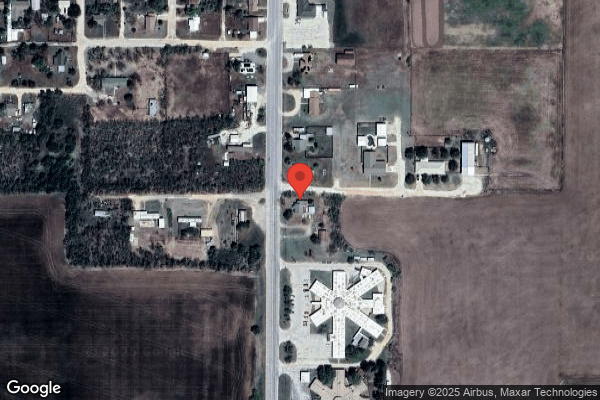
1003 COLUMBIA, STAMFORD, TX 79553 (325) 773-3671
For profit - Partnership 112 Beds HARMONY CARE GROUP Data: November 2025
Trust Grade
63/100
#482 of 1168 in TX
Last Inspection: April 2025

Within standard 12-15 month inspection cycle. Federal law requires annual inspections.

Overview

Harmony Care at Stamford has a Trust Grade of C+, indicating it is slightly above average but not without concerns. It ranks #482 out of 1,168 facilities in Texas, placing it in the top half, and is the best option in Jones County. However, the facility's trend is worsening, with issues increasing from 4 in 2024 to 8 in 2025. Staffing is a significant weakness, rated at 1 out of 5 stars, yet the turnover rate is impressively low at 0%, meaning staff are staying put. Additionally, there have been concerning incidents including a failure to maintain a clean and safe environment, with reports of rodent droppings in several areas, and inadequate pest control measures, which could pose health risks to residents. On a positive note, the facility has good RN coverage, exceeding that of 76% of Texas facilities, ensuring that more critical care needs are met.

Trust Score
C+
63/100
In Texas
#482/1168
Top 41%
Safety Record
Low Risk
No red flags
Inspections
Getting Worse
4 → 8 violations
Staff Stability
○ Average
Turnover data not reported for this facility.
Penalties
✓ Good
$21,530 in fines. Lower than most Texas facilities. Relatively clean record.
Skilled Nurses
⚠ Watch
Each resident gets only 28 minutes of Registered Nurse (RN) attention daily — below average for Texas. Fewer RN minutes means fewer trained eyes watching for problems.
Violations
⚠ Watch
19 deficiencies on record. Higher than average. Multiple issues found across inspections.
★★★☆☆
3.0
Overall Rating
★☆☆☆☆
1.0
Staff Levels
★★★★★
5.0
Care Quality
★★★☆☆
3.0
Inspection Score
Stable
2024: 4 issues
2025: 8 issues

The Good

  • 5-Star Quality Measures · Strong clinical quality outcomes
  • Full Sprinkler Coverage · Fire safety systems throughout facility
  • No fines on record

Facility shows strength in quality measures, fire safety.

The Bad

3-Star Overall Rating

Near Texas average (2.8)

Meets federal standards, typical of most facilities

Federal Fines: $21,530

Below median ($33,413)

Minor penalties assessed

Chain: HARMONY CARE GROUP

Part of a multi-facility chain

Ask about local staffing decisions and management

The Ugly 19 deficiencies on record

Apr 2025 6 deficiencies
CONCERN (D)

Potential for Harm - no one hurt, but risky conditions existed

Deficiency F0655 (Tag F0655)

Could have caused harm · This affected 1 resident

**NOTE- TERMS IN BRACKETS HAVE BEEN EDITED TO PROTECT CONFIDENTIALITY** Based on interviews and record review, the facility failed to develop a baseline care plan within 48 hours of admission for 1 (R...

Read full inspector narrative →
**NOTE- TERMS IN BRACKETS HAVE BEEN EDITED TO PROTECT CONFIDENTIALITY** Based on interviews and record review, the facility failed to develop a baseline care plan within 48 hours of admission for 1 (Resident #2) of 12 residents reviewed for baseline care plans. The facility failed to ensure that Resident #2 had baseline care plan developed within 48 hours after being admitted to the facility on [DATE]. These failures placed the residents at risk of not having continuity of care to safeguard against adverse events that are most likely to occur right after admission. Findings included: Review of Resident #2's electronic face sheet reflected a [AGE] year-old female admitted to the facility on [DATE] with diagnoses to include: pneumonia, chronic pulmonary disease, emphysema. Review of Resident #2's admission MDS assessment, dated 12/15/24, reflected a BIMS score of 15 which indicated no cognitive impairment. Review of Section O reflected Resident #1 was on continuous oxygen. Review of Resident #2's facility records reflected no evidence of a baseline care plan. During an interview on 04/30/25 at 12:45 PM, the DON stated that Resident #2 should have had a new baseline care plane when she readmitted in December. She stated that the admitting nurse was responsible for completing the baseline care plan. She stated she did not know why this failure occurred. She stated it was untimely her responsibility to ensure that everything was completed but she just started this position and was playing catch up. Record review of facility policy labeled Care Plans-Baseline dated 20001 reflected: a baseline plan of care to meet the resident's immediate health and safety needs is developed for each resident within 48 hours of admission.
CONCERN (E)

Potential for Harm - no one hurt, but risky conditions existed

Deficiency F0638 (Tag F0638)

Could have caused harm · This affected multiple residents

**NOTE- TERMS IN BRACKETS HAVE BEEN EDITED TO PROTECT CONFIDENTIALITY** Based on interview and record review, the facility failed to assess a resident using the quarterly review instrument specified b...

Read full inspector narrative →
**NOTE- TERMS IN BRACKETS HAVE BEEN EDITED TO PROTECT CONFIDENTIALITY** Based on interview and record review, the facility failed to assess a resident using the quarterly review instrument specified by the State and approved by CMS not less frequently than once every three months for 7 (Resident #3, Resident #4, Resident #5, Resident #7, Resident #8, Resident #10, Resident #16) of 12 residents reviewed for MDS assessments. The facility failed to complete Resident #3's Quarterly MDS Assessment within 14 calendar days of the ARD. The facility failed to complete Resident #4's Quarterly MDS Assessment within 14 calendar days of the ARD. The facility failed to complete Resident #5's Quarterly MDS Assessment within 14 calendar days of the ARD. The facility failed to complete Resident #7's Quarterly MDS Assessment within 14 calendar days of the ARD. The facility failed to complete Resident #8's Quarterly MDS Assessment within 14 calendar days of the ARD. The facility failed to complete Resident #10's Quarterly MDS Assessment within 14 calendar days of the ARD. The facility failed to complete Resident #16's Quarterly MDS Assessment within 14 calendar days of the ARD. This failure could lead to residents not receiving the care required to meet their individual needs. Findings included: Record review of Resident #3's admission Record revealed Resident #3 was originally admitted on [DATE] with a most recent admission date of 12/08/2020. The admission Record indicated a [AGE] year-old male with medical diagnoses of intellectual disabilities, anxiety disorder, high blood pressure, suicidal ideations, high blood cholesterol, overweight, heart disease, and a chronic lung disorder. Review of Resident #3's Quarterly MDS dated [DATE] revealed in Section C Cognitive Patterns, subsection C0500 BIMS Score Summary, the resident scored 11 out of 15 indicating mild cognitive impairment. Further review of Resident #3's Quarterly MDS revealed an ARD/Target Date of 02/10/25. The completion date listed on the Quarterly MDS was 04/17/2025. Record review of Resident #4's admission Record revealed Resident #4 was originally admitted on [DATE] with a most recent admission date of 06/15/2021. The admission Record indicated a [AGE] year-old female with medical diagnoses of intellectual disabilities, pseudobulbar affect (a neurological condition characterized by sudden, involuntary episodes of crying or laughing, often in a response to a situation that is not emotional), high blood pressure, Type 2 diabetes mellitus, anxiety disorder, weakness, and major depressive disorder (a mood disorder characterized by persistent sadness and loss of interest in activities). Review of Resident #4's Quarterly MDS dated [DATE] revealed in Section C Cognitive Patterns, subsection C0500 BIMS Score Summary, the resident scored 10 out of 15 indicating mild cognitive impairment. Further review of Resident #4's Quarterly MDS revealed an ARD/Target Date of 02/08/25. The completion date listed on the Quarterly MDS was 04/17/2025. Record review of Resident #5's admission Record revealed Resident #5 was admitted on [DATE]. The admission Record indicated a [AGE] year-old female with medical diagnoses of Type 2 diabetes mellitus, high blood cholesterol, high blood pressure, alcohol dependence, heart disease, dementia, major depressive disorder, anxiety, and nightmare disorder. Review of Resident #5's Quarterly MDS dated [DATE] revealed in Section C Cognitive Patterns, subsection C0500 BIMS Score Summary, the resident scored 12 out of 15 indicating mild cognitive impairment. Further review of Resident #5's Annual MDS, revealed an ARD/Target Date of 03/09/25. The completion date listed on the Annual MDS was 04/17/2025. Record review of Resident #7's admission Record revealed Resident #7 was admitted on [DATE]. The admission Record indicated a [AGE] year-old male with medical diagnoses of bacteremia (bacteria in the urine), cirrhosis of the liver (liver tissue is replaced with scar tissue), anemia, acute kidney failure, rhabdomyolysis (damaged muscle tissue releases its contents into the bloodstream which could lead to kidney damage ), dyspnea (difficulty breathing), dizziness, high blood pressure, insomnia, weakness, and unsteady when walking. Review of Resident #7's Quarterly MDS dated [DATE] revealed in Section C Cognitive Patterns, subsection C0500 BIMS Score Summary, the resident scored 12 out of 15 indicating mild cognitive impairment. Further review of Resident #7's Quarterly MDS, revealed an ARD/Target Date of 02/10/25. The completion date listed on the Quarterly MDS was 04/17/2025. Record review of Resident #8's admission Record revealed Resident #8 was originally admitted on [DATE] with a most recent admission date of 02/18/2023. The admission Record indicated a [AGE] year-old male with medical diagnoses of intellectual disabilities, cerebral palsy (a group of neurological disorders that affect movement, posture, and muscle tone), paraplegia (paralysis that affects the lower half of the body), high blood pressure, high blood cholesterol, major depressive disorder, Type 2 diabetes mellitus, heartburn, weakness, bladder dysfunction, insomnia, Barrett's esophagus without dysplasia (a condition when the lining of the esophagus becomes more like the lining of the intestines due to exposure to stomach acid), and arthritis. Review of Resident #8's Annual MDS dated [DATE] revealed in Section C Cognitive Patterns, subsection C0500 BIMS Score Summary, the resident scored 4 out of 15 indicating severe cognitive impairment. Further review of Resident #8's Annual MDS, revealed an ARD/Target Date of 01/17/25. The completion date listed on the Annual MDS was 04/17/2025. Record review of Resident #10s admission Record revealed Resident #10 was originally admitted on [DATE] with a most recent admission date of 10/24/2021. The admission Record indicated an [AGE] year-old female with medical diagnoses of dementia, low blood potassium, weakness, high blood pressure, anxiety, malnutrition, history of falls, and low thyroid function. Review of Resident #10's Quarterly MDS dated [DATE] revealed in Section C Cognitive Patterns, subsection C0500 BIMS Score Summary, the resident scored 11 out of 15 indicating mild cognitive impairment. Further review of Resident #10's Quarterly MDS, revealed an ARD/Target Date of 02/05/25. The completion date listed on the Quarterly MDS was 04/17/2025. Record review of Resident #16's admission Record revealed Resident #16 was admitted on [DATE]. The admission Record indicated a [AGE] year-old male with medical diagnoses of lung cancer, high blood pressure, anxiety, insomnia, heart failure, heart disease, chronic lung disease, schizoaffective disorder (A condition characterized by a combination of symptoms from schizophrenia and mood disorders), arthritis, amputation of right leg above the knee, chronic pain, heartburn, and constipation. Review of Resident #16's Quarterly MDS dated [DATE] revealed in Section C Cognitive Patterns, subsection C0500 BIMS Score Summary, the resident scored 14 out of 15 indicating intact cognition. Further review of Resident #16's Quarterly MDS, revealed an ARD/Target Date of 02/22/25. The completion date listed on the Quarterly MDS was 04/17/2025. During an interview on 04/30/25 at 12:45 PM, the DON stated the MDS nurse was responsible for completing and updating the MDS. She stated she did not know why failing to complete the MDS on time occurred. She stated it was ultimately her responsibility to ensure that everything was completed but she just started this position and was playing catch up. During an interview on 04/30/25 at 12:50 PM, the Administrator stated the delay in completing the MDS's was due to the facility going through transition during a change of ownership. She stated the MDS Coordinator was responsible for preparing the MDS. The Administrator explained the MDS Coordinator covered 3 buildings and was in the process of transferring all residents to new identification numbers. She stated she was aware that MDS's were late. The Administrator stated her expectation was for MDS's to be complete and submitted on time. She stated the person responsible for monitoring MDS's was a corporate nurse. The Administrator stated she did not think failing to complete MDSs on time would directly affect the residents. She stated possible indirect effects because the facility did not get paid until the MDSs were submitted. During an interview on 04/30/25 at 01:26 PM, the MDS Coordinator stated she was responsible for entering data and transmitting MDS's. She explained MDS's were not completed timely because the facility did not have a DON until recently. She stated the MDSs were not currently being transmitted due to the change in ownership process. The MDS Coordinator stated she was told by corporate not to transmit until the PL1 (assignment of new facility ID and providers number) process was complete. She stated her expectation, under normal circumstances, was to finish an MDS as soon as the ARD hits. The MDS Coordinator stated she had done MDSs for 12 years and was unable to state any effect on residents in failing to complete or transmit MDS's timely. During an interview on 04/30/25 at 02:12 PM, the Administrator clarified a PL1 was tasks corporate took care of to be assigned new identifying numbers. She stated MDSs were being kicked back due to incorrect identifying numbers because the change in ownership process was not complete. Review of facility policy titled MDS Completion and Submission Timeframes, revised July 2017, revealed Policy Statement Our facility will conduct and submit resident assessments in accordance with current federal and state submission timeframes. Policy Interpretation and Implementation 2. Timeframes for completion and submission of assessment is based on the current requirements published in the Resident Assessment Instrument Manual. Review of the Long-Term Care Facility Resident Assessment Instrument (RAI) 3.0 User's Manual Version 1.1.9.1 dated October 2024 revealed in Chapter 2 Assessments for the Resident Assessment Instrument; section 2.6 Required OBRA Assessments for the MDS; subsection 05 Quarterly Assessment (A0320A = 02) The Quarterly assessment is an OBRA non-comprehensive assessment for a resident that must be completed at least every 92 days . The MDS completion date (item Z0500B) must be no later than 14 days after the ARD (ARD + 14 calendar days).
CONCERN (E)

Potential for Harm - no one hurt, but risky conditions existed

Comprehensive Care Plan (Tag F0656)

Could have caused harm · This affected multiple residents

**NOTE- TERMS IN BRACKETS HAVE BEEN EDITED TO PROTECT CONFIDENTIALITY** Based on interviews and record reviews, the facility failed to develop and implement a comprehensive person-centered care plan b...

Read full inspector narrative →
**NOTE- TERMS IN BRACKETS HAVE BEEN EDITED TO PROTECT CONFIDENTIALITY** Based on interviews and record reviews, the facility failed to develop and implement a comprehensive person-centered care plan based on assessed needs with measurable objectives that have the ability to be evaluated or quantified to attain or maintain the resident's highest practicable physical, mental, and psychosocial well-being for 2 (Resident #11, Resident #70) of 14 residents reviewed for comprehensive person-centered care plans. The facility failed to develop care plans based on the assessed needs with measurable objectives and timeframes for hospice services for Resident #11. The facility failed to develop care plans based on the assessed needs with measurable objectives and timeframes for Oxygen use for Resident #70. This failure could place the residents at risk for decreased quality of life and not having their needs met. Findings include: Record review of Resident #11's electronic face sheet 04/30/2025 revealed [AGE] year-old male admitted [DATE] and diagnosis included Chronic Obstructive Pulmonary Disease (lung disease), Unspecified Dementia, Hypertension (high blood pressure), Seizures (sudden temporary disruption of brain activity) Record review of Resident #11's Physician Orders dated 04/30/24 revealed hospice to evaluate and treat if appropriate. Record review of Resident #11's significant change MDS dated [DATE] revealed Cognitive Patterns, Resident #11's BIMS (Brief Interview of Mental status) score 12 (moderated cognitive impairment) Special Treatments, Procedures, and Programs-Hospice care. Record review of Resident #11's Care Plan dated 02/18/2025 revealed no documented Focus, Goal, or Interventions for hospice care for Resident #11. Record review of Resident #70's electronic face sheet on 04/30/2025 revealed [AGE] year-old male admitted [DATE] with diagnosis that included Secondary Malignant Neoplasm (abnormal growth of cells, tumor) of Bone, Hypertension (high blood pressure), Unspecified Dementia, Chronic Pain. Record review of Resident #70's hospice orders dated 03/06/2025 revealed no physician order for oxygen use. Record review of Resident # 70's admission MDS dated [DATE] revealed Cognitive Patterns- Resident #70's BIMS score 03-severe cognitive impairment. Record review of Resident #70's Care Plan dated 04/29/2025 revealed no documented Focus, Goal, Interventions for oxygen use. Record review of Resident #70's Physician orders dated 04/30/2025 revealed no physician order for oxygen use. During an observation on 04/28/2025 at 10:20 AM Resident #70 was lying in bed with oxygen via nasal cannula at 5 LPM in place. During an observation on 04/28/2025 at 02:06 PM Resident #11 had oxygen at 4 LPM vis nasal cannula in place. Oxygen in use sign outside Resident #11's door. During an observation on 04/29/2025 at 11:15 AM Resident #70 lying in bed with oxygen via nasal cannula at 5 LPM in place. Resident #70's room did not have an oxygen in use sigh posted. During an interview on 04/30/2025 at 01:26 PM with MDS Coordinator stated she was responsible for participating in care plan development. The MDS Coordinator stated she did not know how the failure occurred for residents to not have complete comprehensive care plan. The MDS Coordinator was unable the state effect on residents in failing to ensure care plans included all serviced provided to resident. During an interview on 04/30/2025 at 2:00 PM The DON stated oxygen use should be care planned. The DON stated the effect on resident not having oxygen care planned would be that the staff may not know resident needed to have the oxygen. The DON stated she did not know how this failure occurred. The DON stated MDS Coordinator was responsible for initiating care plans. The DON stated she was responsible for checking care plans quarterly and when a resident had a change in condition that required additional interventions on care plan. 04/30/2025 at 03:10 PM at time of exit there had been no return call from MDS Coordinator. Record review of facility's policy titled Comprehensive Care Planning (not dated) revealed.: The facility will develop and implement a comprehensive person-centered care plan for each resident, consistent with the residents' rights that includes measurable objectives, and timeframes to meet a resident's medical, nursing, and mental and psychosocial needs that are identified in the comprehensive assessment. The comprehensive care plan will describe the following--- The services that are to be furnished to attain or maintain the resident's highest practicable physical, mental, psychosocial well-being; and Each resident will have a person-centered comprehensive care plan developed and implemented to meet his other preferences and goals, and addresses the resident's medical, physical, mental and psychosocial needs The comprehensive care plan will be developed within 7 days after the completion of the comprehensive assessment . The facility will ensure that services provided or arranged are delivered by individuals who have the skills, experience, and knowledge to do a particular task or activity. This includes proper licensure or certification if required.
CONCERN (E)

Potential for Harm - no one hurt, but risky conditions existed

Respiratory Care (Tag F0695)

Could have caused harm · This affected multiple residents

**NOTE- TERMS IN BRACKETS HAVE BEEN EDITED TO PROTECT CONFIDENTIALITY** Based on observation, interview and record review, the facility failed to ensure that residents who needed respiratory care were...

Read full inspector narrative →
**NOTE- TERMS IN BRACKETS HAVE BEEN EDITED TO PROTECT CONFIDENTIALITY** Based on observation, interview and record review, the facility failed to ensure that residents who needed respiratory care were provided such care consistent with professional standards of practice, the comprehensive person-centered care plan, and the resident's goals and preferences for 2 (Resident #2 Resident #70) of 3 residents reviewed for respiratory care. 1. The facility failed to obtain a Physician's order for Resident #2's continuous supplemental oxygen. 2. The facility failed to obtain a Physician's order for Resident #70's continuous supplemental oxygen. 3. The facility failed to post oxygen in use sign for Resident #70. These failures could place residents at risk of not receiving the necessary respiratory care to meet their needs. Findings included: Record review of Resident #2's electronic face sheet reflected a [AGE] year-old female admitted to the facility on [DATE] with diagnoses to include: pneumonia, chronic pulmonary disease, emphysema. ( Lung disease) Record review of Resident #2's admission MDS assessment, dated 12/15/24, reflected a BIMS score of 15 which indicated no cognitive impairment. Review of Section O reflected Resident #1 was on continuous oxygen. Record review of Resident #2's facility records reflected no evidence of a comprehensive care plan or a baseline care plan. During observation and interview on 04/28/25 at 02:06 PM, Resident #2 sitting up in bed doing a crossword puzzle. She stated she is here for therapy and has no concerns. Resident #2 was on oxygen at 4LPM via nasal cannula and an oxygens sign was observed outside of her door. Record review of Resident #2's electronic physicians orders reflected no evidence of an order for oxygen. Record review of Resident #70's on 04/30/2025 electronic face sheet revealed [AGE] year-old male admitted [DATE] with diagnosis that included Secondary Malignant Neoplasm (abnormal growth of cells, tumor) of Bone, Hypertension (high blood pressure), Unspecified Dementia, Chronic Pain. Record review of Resident #70's Physician orders dated 04/30/2025 revealed no physician order for oxygen use . Record review of Resident #70's hospice orders dated 03/06/2025 revealed no physician order for oxygen use. Record review of Resident # 70's admission MDS dated [DATE] revealed Cognitive Patterns- Resident #70's BIMS score 03-severe cognitive impairment. Record review of Resident #70's Care Plan dated 04/29/2025 revealed no documented Focus, Goal, Interventions for oxygen use. During an observation on 04/28/2025 at 10:20 AM Resident #70 was lying in bed with oxygen via nasal cannula at 5 LPM in place. Resident #70's room did not have an oxygen in use sign posted. During an observation on 04/29/2025 at 11:15 AM Resident #70 lying in bed with oxygen via nasal cannula at 5 LPM in place. Resident #70's room did not have an oxygen in use sigh posted. During an interview on 04/30/2025 at 2:00 PM the DON stated there should have been an order for any resident with oxygen and there should have been a sign outside the resident's room stating that oxygen was in use. The DON stated she did not think the resident was affected due to the resident was receiving the needed oxygen. The DON stated she did not know how this failure occurred. The DON stated she was responsible for checking the physician's orders for accuracy. 04/30/2025 at 03:10 PM at time of exit there had been no return call from MDS Coordinator regarding comprehensive care plans. Record review of facility's policy titled Oxygen Administration (no date) revealed: Purpose The purpose of this procedure is to provide guideline for safe oxygen administration. Preparation 1. Verify that there is a physician's order for this procedure. Review the physician's order or facility protocol for oxygen administration. 2. Review the resident's care plan to assess for any special needs of the resident. 3. Assemble the equipment and supplies as needed Equipment and Supplies 1. Portable oxygen cylinder (strapped to the stand); 2. Nasal cannula, nasal catheter, mask (as ordered) 3. Humidifier bottle 4. No Smoking/Oxygen in Use signs .
CONCERN (E)

Potential for Harm - no one hurt, but risky conditions existed

Medication Errors (Tag F0758)

Could have caused harm · This affected multiple residents

**NOTE- TERMS IN BRACKETS HAVE BEEN EDITED TO PROTECT CONFIDENTIALITY** Based on interview and record review, the facility failed to ensure residents with PRN orders for psychotropic drugs were limite...

Read full inspector narrative →
**NOTE- TERMS IN BRACKETS HAVE BEEN EDITED TO PROTECT CONFIDENTIALITY** Based on interview and record review, the facility failed to ensure residents with PRN orders for psychotropic drugs were limited to 14 days and to ensure psychotropic medications were not given unless the medication was necessary to treat a specific condition as diagnosed and documented in the clinical record for 3 (Resident #10, Resident #127, and Resident #147) of 12 residents reviewed for unnecessary medications. The facility failed to ensure Resident #10's PRN Lorazepam (medicine used to treat the symptoms of anxiety) was discontinued after 14 days or a documented rational for the continued provision of the medication. The facility failed to ensure Resident #127's PRN Alprazolam (medicine used to treat the symptoms of anxiety) was discontinued after 14 days or a documented rational for the continued provision of the medication. The facility failed to ensure Resident #147's PRN Lorazepam (medicine used to treat the symptoms of anxiety) and Haloperidol (medicine used to treat agitation) was discontinued after 14 days or a documented rational for the continued provision of the medication. This failure could place residents at risk for adverse reactions and negative side effects from the administration of medication that was not indicated for use to treat medical conditions and symptoms and dependence on unnecessary medications. Findings included: Resident # 10 Review of Resident #10's electronic face sheet revealed resident was an [AGE] year-old female who was admitted on [DATE] with diagnoses that included: Dementia, Anxiety, and high blood pressure. Review of Resident #10's Quarterly MDS dated [DATE] revealed: Section C- Cognitive Patterns a BIMS score of 12 (no cognitive impairment); Section N- Medication's resident received Antianxiety medication in the last 7 days of review period. Review of Resident #10's Comprehensive Care Plan last revised 10/25/2021, revealed: Focus: Resident uses anti-anxiety medications r/t anxiety disorder. Goal: Resident will be free from discomfort or adverse reactions related to anti-anxiety therapy. Interventions: Administer anti-anxiety medications as ordered by physician . Review of Resident #10's electronic physician orders revealed: Lorazepam Oral tablet 1 mg give 1 tablet by mouth every 4 hours as needed for anxiety with a start date of 10/20/2024 and no end date and Lorazepam Concentrate 2 MG/ML Give 0.5 ml by mouth every 6 hours as needed for anxiety with a start date of 08/02/2024 and no end date. Review of Resident #10's physician progress notes from January 2025- April 2025 revealed no documented rationale for the continued provision of Lorazepam. Review of Resident #10's electronic MAR for April 2025 revealed 7 doses of Lorazepam oral tablet had been administered and Lorazepam Concentrate 1 dose had been administered. Review of Drugs.com for Lorazepam accessed on 04/29/2025 at https://www.drugs.com/lorazepam.html revealed: Lorazepam belongs to a class of medications called benzodiazepines. It is thought that benzodiazepines work by enhancing the activity of certain neurotransmitters in the brain. Lorazepam is used in adults and children at least [AGE] years old to treat anxiety disorders. Resident #127 Review of Resident #127's electronic face sheet revealed resident was an [AGE] year-old male who was admitted on [DATE] and readmitted on [DATE], with diagnoses that included: Anxiety, Diabetes, and high blood pressure. Review of Resident #127's admission MDS dated [DATE] revealed: Section C- Cognitive Patterns a BIMS score of 15 (no cognitive impairment); Section N- Medication's resident received Antianxiety medication 0 days out of the last 7 days of review period. Review of Resident #127's Baseline Care Plan dated 04/25/2025, revealed resident was not taking any PRN psychotropic medications. Review of Resident #127's electronic physician orders revealed: Alprazolam tablet 0.25 mg Give 1 tablet by mouth every 8 hours as needed for Anxiety with a start date of 04/11/2025 and no end date. Review of Resident #127's physician progress notes from April 2025 revealed no documented rationale for the continued provision of alprazolam. Review of Resident #127's electronic MAR for April 2025 revealed no doses of Alprazolam had been administered for anxiety. Review of Drugs.com for Alprazolam accessed on 04/29/2025 at https://www.drugs.com/alprazolam.html revealed: Alprazolam is a benzodiazepine. It is thought that it works by enhancing the activity of certain neurotransmitters in the brain. Alprazolam is used to treat anxiety disorders, panic disorders, and anxiety caused by depression. Resident # 147 Review of Resident #147's electronic face sheet revealed resident was an [AGE] year-old female who was admitted on [DATE] with diagnoses that included: Dementia, Anxiety, and high blood pressure. Review of Resident #174's Quarterly MDS dated [DATE], reflected a BIMS score of 03 which indicated severe cognitive impairment. Review of Resident #174's Comprehensive Care Plan last revised 07/29/2024, reflected: Focus: resident has a mood problem r/t agitation. Goal: resident will have improved mood state. Interventions: Administer medications as ordered . Review of Resident #147's electronic physician orders revealed: Lorazepam Oral tablet 1 mg give 1 tablet by mouth every 4 hours as needed for anxiety with a start date of 09/18/2024 and no end date and Haloperidol Lactate Oral Concentrate 2 MG/ML Give 0.5 ml by mouth every 6 hours as needed for agitation with a start date of 02/05/2025 and no end date. Review of Resident #147's physician progress notes from January 2025- April 2025 revealed no documented rationale for the continued provision of Lorazepam or Haloperidol. Review of Resident #147's electronic MAR for April 2025 revealed 0 doses of Lorazepam oral tablet had been administered and Haloperidol 3 doses had been administered. Review of Drugs.com for Lorazepam accessed on 04/29/2025 at https://www.drugs.com/lorazepam.html revealed: Lorazepam belongs to a class of medications called benzodiazepines. It is thought that benzodiazepines work by enhancing the activity of certain neurotransmitters in the brain. Lorazepam is used in adults and children at least [AGE] years old to treat anxiety disorders. Review of Drugs.com for Haloperidol accessed on 04/29/2025 at https://www.drugs.com/haloperidol.html revealed: Haloperidol is the first of the butyrophenone series of major antipsychotics. More common side effects difficulty with speaking or swallowing, inability to move the eyes, and loss of balance control. During an interview on 04/30/25 at 12:45 PM, the DON stated that all prn psychotropic medications should have a 14 day stop date and a physician should reevaluate if the medication is needed longer and re-order. She stated the floor nurses were responsible for entering orders when they were received and that currently no one was reviewing or verifying new orders. She stated it was ultimately her responsibility to ensure that orders were entered correctly and that the prn psychotropics have a 14 day stop date. She stated this failure could lead to residents receiving unnecessary medications. She stated this failure possibly occurred due to change in staff and not having a DON in the facility until recently. She stated that the ADON had been responsible for reviewing and completing the pharmacy recommendations. She stated the failure of not completing the recommendations probably occurred due to not having a DON and the ADON having too many responsibilities. Review of facility policy titled; Psychotropic Medication Use dated 2001 revealed in part: Policy Statement: Residents will not receive medications that are not clinically indicated to treat a specific condition. Policy Interpretation and Implementation: .12. Psychotropic medications are not prescribed or given on a PRN basis unless that medication is necessary to treat a diagnosed specific condition that is documented in the clinical record. a. PRN orders for psychotropic medications are limited to 14 days.
CONCERN (E)

Potential for Harm - no one hurt, but risky conditions existed

Deficiency F0760 (Tag F0760)

Could have caused harm · This affected multiple residents

**NOTE- TERMS IN BRACKETS HAVE BEEN EDITED TO PROTECT CONFIDENTIALITY** Based on interview and record review, the facility failed to ensure each resident's drug regimen was free of significant medicat...

Read full inspector narrative →
**NOTE- TERMS IN BRACKETS HAVE BEEN EDITED TO PROTECT CONFIDENTIALITY** Based on interview and record review, the facility failed to ensure each resident's drug regimen was free of significant medication errors for 2 (Resident #15 and Resident #174) of 12 residents reviewed for medications. The facility failed to hold Carvedilol (medication to lower blood pressure) per parameters stated in physicians' orders for a total of 15 doses in April 2025 for Resident #15. The facility failed to hold Lisinopril (medication to lower blood pressure) per parameters stated in physicians' orders for a total of 5 doses in April 2025 for Resident #15. The facility failed to hold Midodrine (medication to increase blood pressure) per parameters stated in physicians' orders for a total of 19 doses in April 2025 for Resident #15. The facility failed to administer Clonidine (medication to lower blood pressure) per parameters stated in physicians' orders for a total of 31episodes of high blood pressure in April 2025 for Resident #174. The deficient practice placed the residents at risk of harm or not receiving desired outcomes from medications not administered according to physician's orders and manufacturer's specifications. Findings Included: Resident #15 Review of Resident #15's electronic face sheet reflected a [AGE] year-old male admitted to the facility on [DATE] with diagnoses to include: high blood pressure, respiratory failure, and kidney failure. Review of Resident #15's Quarterly MDS dated [DATE], reflected a BIMS score of 06 which indicated severe cognitive impairment. Review of Resident #15's Comprehensive Care Plan last revised 10/13/2024, reflected: Focus: Hypertension: resident has a potential for fluctuations in blood pressure, low blood pressure and high blood pressure. Goal: residents blood pressure will stay within normal limits and will not have signs or symptoms of low or high blood pressure. Interventions: .Give medications per order-monitor labs- report results to doctor . Review of Resident #15's electronic physicians' orders reflected: Carvedilol Oral Tablet 3.125 MG Give 1 tablet by mouth two times a day for hypertension Hold for SBP (top number of blood pressure) less than 110, order date 01/09/2025. Review of Resident #15's electronic MAR for April 2025 reflected carvedilol was given on: 4/4/25 at 9pm for BP of 103/56 by LVN A, 4/5/25 at 9am for BP of 109/55 by LVN B, 4/5/25 at 9pm for BP of 103/53 by LVN A, 4/9/25 at 9am for BP of 105/62 by ADON, 4/9/25 at 9pm for BP of 107/61 by LVN C, 4/10/25 at 9pm for BP of 101/62 by DON, 04/12/25 at 9am for BP of 104/64 by LVN D, 04/12/25 at 9pm for BP of 101/73 by LVN E, 4/14/25 at 9am for BP of 86/62 by ADON, 04/14/25 at 9pm for BP of 86/62 by LVN C, 4/15/25 at 9am for BP of 86/62 by ADON, 4/15/25 at 9pm for BP of 91/60 by LVN C, 4/16/25 at 9pm for BP of 102/62 by LVN E, 4/18/25 at 9pm for BP of 100/73 by LVN C, and 4/28/25 at 9pm for BP of 97/65 by LVN C. Review of Resident #15's electronic physicians' orders reflected: Lisinopril Oral Tablet 2.5 MG Give 1 tablet by mouth in the morning for hypertension Hold for SBP (top number of blood pressure) less than 110, order date 01/09/2025. Review of Resident #15's electronic MAR for April 2025 reflected lisinopril was given on: 4/5/25 at 9am for BP of 109/55 by LVN B, 4/9/25 at 9am for BP of 105/62 by ADON, 04/12/25 at 9am for BP of 104/64 by LVN C, 4/14/25 at 9am for BP of 86/62 by ADON, and 4/15/25 at 9am for BP of 86/62 by ADON. Review of Resident #15's electronic physicians' orders reflected: Midodrine Oral Tablet 2.5 MG Give 1 tablet by mouth two times a day for low blood pressure Hold for SBP (top number of blood pressure) greater than 110, order date 01/09/2025. Review of Resident #15's electronic MAR for April 2025 reflected Midodrine was given on: 4/4/25 at 9am for BP of 120/64 by RN G, 4/6/25 at 9am for BP of 113/61 by LVN B, 4/6/25 at 9pm for BP of 121/60 by ADON, 4/7/25 at 9am for BP of 117/74 by LVN A, 4/8/25 at 9am for BP of 112/64 by LVN A, 4/13/25 at 9am for BP of 130/80 by LVN F, 4/17/25 at 9am for BP of 121/65 by LVN F, 4/19/25 at 9am for BP of 116/64 by LVN A, 4/19/25 at 9pm for BP of 136/73 by LVN C, 4/20/25 at 9am for BP of 136/73 by LVN F, 4/20/25 at 9pm for BP of 115/66 by LVN C, 4/21/25 at 9am for BP of 115/64 by ADON, 4/23/25 at 9pm for BP of 136/99 by LVN C, 4/24/25 at 9pm for BP of 121/97 by LVN C, 4/25/25 at 9am for BP of 136/61 by LVN F, 4/26/25 at 9am for BP of 120/71 by RN H, 4/26/25 at 9pm for BP of 120/71 by LNV E, 4/27/25 at 9am for BP of 120/71 by RN H, 4/27/25 at 9pm for BP of 128/74 by LVN E. Resident #174 Review of Resident #174's electronic face sheet reflected an [AGE] year-old female admitted to the facility on [DATE] with diagnoses to include: anxiety, dementia, and high blood pressure. Review of Resident #174's Quarterly MDS dated [DATE], reflected a BIMS score of 03 which indicated severe cognitive impairment. Review of Resident #174's Comprehensive Care Plan last revised 07/29/2024, reflected: Focus: resident has hypertension. Goal: resident will remain free for signs or symptoms of high blood pressure. Interventions: .Give anti-hypertensive medications as ordered . Review of Resident #174's electronic physicians' orders reflected: Clonidine Oral Tablet Give 0.1 mg by mouth every 8 hours as needed for SBP (top number of blood pressure) over 160, order date 02/05/2025. Review of Resident #174's electronic Blood Pressure Flow Sheet reflected: 04/01/25 at 10:04 am BP 194/98, 04/01/25 at 6:21 pm BP 173/90, 04/02/25 at 7:38 am BP 192/113, 04/03/25 at 6:22 am BP 168/94, 04/05/25 at 6:18 am BP 177/83, 04/07/25 at 6:29 am BP 188/98, 04/08/25 at 6:19 am BP 183/110, 04/08/25 at 6:10 pm BP 196/106, 04/09/25 at 6:27 am BP 179/99, 04/09/25 at 6:12 pm BP 180/94, 04/10/25 at 6:06 am BP 177/97, 04/10/25 at 6:24 pm BP 171/88, 04/11/25 at 7:03 am BP 179/97, 04/11/25 at 7:49 pm BP 171/84, 04/12/25 at 8:46 am BP 181/84, 04/13/25 at 6:47 am BP 184/96, 04/16/25 at 6:31 am BP 164/83, 04/18/25 at 6:15 am BP 169/88, 04/18/25 at 6:34 pm BP 175/93, 04/19/25 at 9:31 am BP 195/94, 04/19/25 at 6:19 pm BP 176/90, 04/20/25 at 7:06 am BP 186/93, 04/20/25 at 6:23 pm BP 166/93, 04/23/25 at 6:10 am BP 175/91, 04/23/25 at 6:56 pm BP 169/91, 04/24/25 at 6:27 am BP 189/96, 04/24/25 at 6:16 pm BP 170/98, 04/28/25 at 6:24 am BP 182/99, 04/28/25 at 6:18 pm BP 161/87, 04/29/25 at 6:38 am BP 187/98, 04/29/25 at 6:38 am BP 187/98. Review of Resident #174's electronic MAR for April 2025 reflected clonidine was not given on: 04/01/25 at 10:04 am BP 194/98, 04/01/25 at 6:21 pm BP 173/90, 04/02/25 at 7:38 am BP 192/113, 04/03/25 at 6:22 am BP 168/94, 04/05/25 at 6:18 am BP 177/83, 04/07/25 at 6:29 am BP 188/98, 04/08/25 at 6:19 am BP 183/110, 04/08/25 at 6:10 pm BP 196/106, 04/09/25 at 6:27 am BP 179/99, 04/09/25 at 6:12 pm BP 180/94, 04/10/25 at 6:06 am BP 177/97, 04/10/25 at 6:24 pm BP 171/88, 04/11/25 at 7:03 am BP 179/97, 04/11/25 at 7:49 pm BP 171/84, 04/12/25 at 8:46 am BP 181/84, 04/13/25 at 6:47 am BP 184/96, 04/16/25 at 6:31 am BP 164/83, 04/18/25 at 6:15 am BP 169/88, 04/18/25 at 6:34 pm BP 175/93, 04/19/25 at 9:31 am BP 195/94, 04/19/25 at 6:19 pm BP 176/90, 04/20/25 at 7:06 am BP 186/93, 04/20/25 at 6:23 pm BP 166/93, 04/23/25 at 6:10 am BP 175/91, 04/23/25 at 6:56 pm BP 169/91, 04/24/25 at 6:27 am BP 189/96, 04/24/25 at 6:16 pm BP 170/98, 04/28/25 at 6:24 am BP 182/99, 04/28/25 at 6:18 pm BP 161/87, 04/29/25 at 6:38 am BP 187/98, 04/29/25 at 6:38 am BP 187/98. During an interview on 04/30/25 at 12:45 PM, the DON she stated she expected her nurses to follow physicians' orders. She stated she expected her nurses to read the MAR and follow parameters. She stated any component nurse should have identified a low or high blood pressure and then looked at the orders to see the parameters. She stated the failure was probably caused by nurses not paying attention. The DON stated that anytime a resident's blood pressure was high she would expect them to look to see if the resident had any standing PRN orders. She stated not following the parameters could lead to residents not receiving the proper treatment for their blood pressures which could lead to pressures not being controlled. During an interview on 04/30/25 at 01:04 PM, the Medical Director stated he just took over this facility and he was unsure why Resident #15 was on medications to decrease and increase his blood pressure. He stated that it was his expectation for nurses to follow the parameters set in the physician's orders. He stated Lisinopril and Carvedilol should never be given at the same time as Midodrine because they will counteract each other. He stated he did not feel that this would have too negative of an outcome. He stated not holding the BP medications could cause the residents blood pressure to get too low, but Resident #15 had not had any issues as of now. He stated PRN blood pressure medications should always be given if ordered when a resident has a high blood pressure. He stated this could lead to residents' blood pressure not being controlled adequately. He stated he did not expect to be notified every time a medication is held, or a PRN was given unless it was a substantial change in condition. During an interview on 04/30/25 at 1:20 PM, the Administrator stated she expected her staff to following physicians' orders and to be competent enough to notice a high or low blood pressure and to check the orders for parameters. She stated the failure probably occurred because of nurses not paying attention. The Administrator stated she was unable to find a policy regarding medication administrator or following physicians' orders.
Apr 2025 2 deficiencies
CONCERN (F) 📢 Someone Reported This

A family member, employee, or ombudsman was alarmed enough to file a formal complaint

Potential for Harm - no one hurt, but risky conditions existed

Safe Environment (Tag F0921)

Could have caused harm · This affected most or all residents

Based on observation, interview, and record review, the facility failed to provide a safe, functional, sanitary, and comfortable environment for residents for 1 of 1 facility reviewed for environmenta...

Read full inspector narrative →
Based on observation, interview, and record review, the facility failed to provide a safe, functional, sanitary, and comfortable environment for residents for 1 of 1 facility reviewed for environmental concerns. The facility failed to repair damaged walls in hot water closets located outside2, 3, 4, and 5 halls has damaged drywall with holes at the bottom and signs of rodent droppings. This deficient practice could place resident, staff, and the public at risk of an unsafe and unsanitary environment. The findings include: Observation on 04/17/2025 beginning at 2:15pm revealed the following: Hot water closets for halls 1, 2, 3, 4 and 5 had outside entry doors, all water heater closets had damaged drywalls at the bottom allowing access for rodents into inside walls of facility. Rodent droppings were observed in 5 of 6 closets around damaged drywall holes in water heater closet. Interview on 4/17/25 at 9:50am, the Administrator stated they were having issues with mice in facility, mice have been seen in halls and resident's rooms. The admin stated that their pest control vendor was working on the problem. The admin stated that with the facility being located next to fields and an abandoned building next door is causing the mouse situation. Interview on 4/17/25 at 10:50am, Resident #1 stated she had rodent dropping in her room and had seen mice run along her wall several times in the past week. Resident #1 stated she reported incident to Administrator. Observation on 4/17/25 at 10:50am investigator observed 2 rodent droppings in the floor next to wall in Resident #1's room. Resident #1's room was next to the hot water closet for hall 4 that had drywall damage and signs of rodent activity leading into the holes in the drywall. Interview on 4/17/25 at 11:20am, Resident #3 stated she had seen a mouse running down the hallway of Hall 4. Resident #3 stated she had not seen a mouse in her room. Interview on 4/17/25 at 11:30am, Resident #4 stated she had seen mice from time to time in the hall but had not seen one in the last week. Resident #4 stated she did tell staff about the sighting. Interview on 4/17/25 at 2:00pm, LVN J stated she had not seen any mice but had been told by residents they had seen a mouse running in the hall. LVN J stated she did report the sighting to Maintenance. Interview on 4/17/25 at 2:20pm, CNA G stated she had seen a mouse a few days ago in Hall 4 earlier this week. CNA G stated she reported the sighting to Maintenance. Observation on 4/17/25 at 2:34pm, investigator observed a mouse eating bird feed in the bird cage located on Hall 4. The mouse jumped out of cage and ran under the wall. Interview on 4/17/25 at 2:38pm, Maintenance stated he had only worked for the facility for one month and was aware of rodent problem but did not know how long the facility had problem. Maintenance stated the pest control vendor visits once per month and has set out traps all around the outside of facility and at door entrance. Maintenance stated he was unaware of how the rodents are entering the facility. Maintenance stated he was unaware that the water heater closets drywall was damaged and that rodents can be entering through holes in the drywall. Interview on 4/18/25 at 10:00am, Pest Control Vendor stated they visit facility once per month since 2022. Vendor stated that facility has had a rodent problem for the past 3 months. Vendor stated that he has placed traps around the outside of facility, checked entry doors to ensure that are tight and leaves no gaps for entry. Vendor stated that he has informed Maintenance that the drywalls in the water heater rooms need to be repaired and that the damaged drywall was an entry way for rodents to enter facility. Vendor stated that not repairing damage has made it difficult to control rodent problem.
CONCERN (F) 📢 Someone Reported This

A family member, employee, or ombudsman was alarmed enough to file a formal complaint

Potential for Harm - no one hurt, but risky conditions existed

Deficiency F0925 (Tag F0925)

Could have caused harm · This affected most or all residents

Based on interviews and record reviews, the facility failed to provide a resident environment that was free of pests and rodents for 1 of 1 facility reviewed for effective pest control in that: The fa...

Read full inspector narrative →
Based on interviews and record reviews, the facility failed to provide a resident environment that was free of pests and rodents for 1 of 1 facility reviewed for effective pest control in that: The facility failed to maintain an affective pest control program. This deficient practice could place residents at risk of remaining in an environment that was not free of pests and rodents. The findings included: Record review of grievance log for January, February and March 2025 revealed 1 grievance about pest control. Record review of pest control log for the past 3 months revealed mice were targeted during visit by pest control vendor. Pest Control Vendor visits once per month. Interview on 4/17/25 at 9:50am, Administrator stated that they were having issues with mice in the facility. The Admin stated that their pest control vendor was working on problem. The admin stated that with the facility being located next to fields and an abandoned building next door is causing the mouse situation. Interview on 4/17/25 at 10:50am, Resident #1 stated she had rodent dropping in her room and had seen mice run along her wall several times in the past week. Resident #1 stated she reported incident to Administrator. Observation on 4/17/25 at 10:50am investigator observed 2 rodent droppings in the floor next to wall in Resident #1's room. Interview on 4/17/25 at 11:20am, Resident #3 stated she had seen a mouse running down the hallway of Hall 4. Resident #3 stated she had not seen a mouse in her room. Interview on 4/17/25 at 11:30am, Resident #4 stated she had seen mice from time to time in the hall but had not seen one in the last week. Resident #4 stated she did tell staff about the sighting. Interview on 4/17/25 at 2:00pm, LVN J stated she had not seen any mice but had been told by residents they had seen a mouse running in the hall. LVN J stated she did report sighting to Maintenance. Interview on 4/17/25 at 2:20pm, CNA G stated she had seen a mouse a few days ago in Hall 4 earlier this week. CNA G stated she reported the sighting to Maintenance. Observation on 4/17/25 at 2:34pm, investigator observed a mouse eating bird feed in the bird cage located on Hall 4. The mouse jumped out of the cage and ran under the wall. Interview on 4/17/25 at 2:38pm, Maintenance stated he had only worked for facility for one month and was aware of the rodent problem, Maintenance stated the pest control vendor had set out traps all around the outside of facility and at door entrance. Maintenance stated he is unaware of how the rodents are entering the facility. Maintenance stated he was unaware that the water heater closets drywall was damaged and that rodents can be entering through holes in the drywall. Interview on 4/18/25 at 10:00am, Pest Control Vendor stated the facility has had a rodent problem for the past several months. The Vendor stated that he had placed traps around the outside of facility, checked entry doors to ensure that they are tight and leaves no gaps for entry. The Vendor stated that he has informed Maintenance that the drywalls in the water heater rooms need to be repaired and that the damaged drywall was an entry way for rodents to enter facility. The Vendor stated that not repairing damage has made it difficult to control the rodent problem. Observation on 04/18/2025 at 2:15pm revealed the following: Hot water closets for 5 of 6 halls had outside entry doors, all water heater closets had damaged drywalls at the bottom allowing access for rodents into inside walls of facility. Rodent droppings were observed in 5 of 6 closets around damaged drywall holes in water heater closet. Record review of Facility's Pest Control Policy, undated, states: Our facility shall maintain an effective pest control program. 1. This facility maintains an on-going pest control program to ensure that the building is kept free of insects and rodents.
Apr 2024 1 deficiency
CONCERN (D) 📢 Someone Reported This

A family member, employee, or ombudsman was alarmed enough to file a formal complaint

Potential for Harm - no one hurt, but risky conditions existed

Safe Environment (Tag F0584)

Could have caused harm · This affected 1 resident

**NOTE- TERMS IN BRACKETS HAVE BEEN EDITED TO PROTECT CONFIDENTIALITY** Based on observation, interview, and record review, the facility failed to provide housekeeping and maintenance services necessa...

Read full inspector narrative →
**NOTE- TERMS IN BRACKETS HAVE BEEN EDITED TO PROTECT CONFIDENTIALITY** Based on observation, interview, and record review, the facility failed to provide housekeeping and maintenance services necessary to maintain a sanitary, orderly, and comfortable interior environment in 1 of 3 halls (Hall 1) observed for environmental conditions for Resident #1 and #2, in that: 1. The facility failed to prevent the temperature from being 86°F in Resident #1's room. 2. The facility failed to prevent the temperature from being 86°F in Resident #2's room The facility's failure placed the residents at risk for harm by a diminished quality of life and discomfort. The findings included: Resident #1 Record Review of the resident #1's Face Sheet dated 04/17/2024, revealed a [AGE] year-old male, admitted to the facility on [DATE], with a Diagnoses of Cerebral Infarction (stroke), diabetes, depression and hypertension (high blood pressure). Resident #1's MDS, dated [DATE], Section C revealed a BIMS score of 12 (moderately impaired). During an observation of temperature on 04/17/2024 at 2:56 PM of Resident #1's room revealed a temperature of 86°F. During an interview on 04/17/2023 at 10:53 AM, Resident #1 stated there had been a problem with the air conditioning on hall 100. He stated his room, when warm outside affected the temperature in his room, and had felt warm. He stated he had to get fans in his room but was only moving the warm air around. During an interview on 04/17/2024 at 4:20 PM, Resident #1's Representative stated she had thought it was really warm in the room while visiting. Resident #2 Record Review of the resident #2's Face Sheet dated 04/17/2024, revealed a 57 year. old male, admitted to the facility on [DATE], with a Diagnoses of Congestive heart Failure, open wounds, and skin conditions. Resident #14's MDS, dated [DATE], Section C revealed a BIMS score of 12 (moderately impaired). During an observation of temperature on 04/17/2024 at 2:58 PM of Resident #2's room revealed a temperature of 86°F. During an interview on 04/17/2023 at 10:53 AM, Resident #2 stated it was hot in his room and had previously asked had told the staff several times if or when the A/C would be repaired. During an interview on 04 /17/2024 at 1:12 PM the facility Maintenance stated the temperatures should have been between 71°F and 77°F. He stated if the resident room temperatures go up to 79°F, he would open a window on hall 1 to help the cooler air flow circulate to/through that area from the cooler halls. The maintenance stated he felt there should have been temperature logs when the air conditioning failed to cool properly. He also stated he was recently hired and had not looked for any temperature logs. He stated the ADMN had told him that she was waiting on the approval for the repairs from corporate and did not know how long it would take to repair. The maintenance man stated he had been busy repairing other things in the facility and had not checked the room temperatures. During an interview on 04/17/2024 at 3:12 PM the ADMN stated the staff had not voiced any complaints from residents that it was hot in any rooms. She stated she had spoken to corporate, and he stated to her he was still getting quotes. The ADMN stated maintenance and housekeeping were the staff to monitor the air conditioning and temperatures for resident rooms. She stated the negative impact to residents would be, being uncomfortable and dehydration. The ADMN stated the failure would have been the pending quotes from corporate, with her expectations to improve the air conditioning and cooling system on hall 1 so that the residents would be comfortable. During an interview on 04/17/2024 at 3:29 PM the Corporate Owner stated with the fact that the facility is in a rural area it was harder and took longer to get parts for air conditioner this time of year. He stated the issues were waiting for all the parts to still come in. He stated he had made a promise to maintenance that it was supposed to had been installed previously and it did not happen. He stated he told him exactly when it would be arriving then it had not. The corporate owner stated the issue that they were having was getting ordered to correct part and then not receiving it at all. He stated it had not done the repairs because they were hoping the parts were in. He stated it would inconvenient residents to install window units for them in the meantime and they could move to a different room on another hall that had air conditioning. The corporate owner stated the monitoring of the temperatures in rooms should be the facility administrator. He stated there would be no negative impact to residents with 90°F weather outside and no a/c for them. He stated his expectations would be to have the air conditioner fixed and correct the problem with the facility administrator and maintenance man. Review of https://www.wunderground.com/history/weekly/us/tx/stamford/KABI/date/2024-4-17 on 04/17/2024 at 3:21 PM the temperature was 89°F outside. Record Review of facility Description of Work receipt dated 03/05/2024 revealed: Provided diagnosis of hall 100 RTU; found that (1) of (2) compressors is grounded and the second compressor circuit is low of refrigerant charge, due to an active refrigerant leak; given the severity of the issues facing this RTU it is recommended that it be replaced; Record Review of facility policy Section IV: Emergency Preparedness and Planning dated August 2019 revealed: C. Temperature Regulation 1. Temperature regulation for resident health, safety and comfort (between 71 and 81°F), as well as to protect supplies and subsistence needs, will be maintained by the alternate power source. 2. If unable to maintain safe temperatures throughout the entire facility, the residents and provisions are, in a safe and timely manner
Mar 2024 3 deficiencies
CONCERN (E)

Potential for Harm - no one hurt, but risky conditions existed

Comprehensive Care Plan (Tag F0656)

Could have caused harm · This affected multiple residents

**NOTE- TERMS IN BRACKETS HAVE BEEN EDITED TO PROTECT CONFIDENTIALITY** Based on interview and record review, the facility failed to develop and implement a person-centered, comprehensive care plan fo...

Read full inspector narrative →
**NOTE- TERMS IN BRACKETS HAVE BEEN EDITED TO PROTECT CONFIDENTIALITY** Based on interview and record review, the facility failed to develop and implement a person-centered, comprehensive care plan for each resident, consistent with resident rights, that included measurable objectives and timeframes to meet residents medical, nursing, mental and psychosocial needs that were identified in the comprehensive assessment for 5 (Resident #1, Resident #4, Resident #8, Resident #14, and Resident #24) of 5 residents reviewed for care plans. The facility failed to ensure care plans specified measurable objectives that could be evaluated or quantified for Resident #1, Resident #4, Resident #8, Resident #14, and Resident #24. This failure could place residents at risk for not receiving care and services individualized to meet their specific physical, mental, and/or emotional needs. Findings included: Review of Resident #1's face sheet revealed a [AGE] year-old female admitted to the facility on [DATE] with medical diagnoses of malnutrition (lack of proper nutrition), traumatic brain injury, major depression, high blood pressure, osteoarthritis, schizoaffective disorder (mental health disorder that is a combination of schizophrenia symptoms like hallucinations, and mood disorder symptoms like depression or mania), weakness, psychotic disorder (collection of symptoms that affect the mind, where there has been some loss of contact with reality), and anxiety. Review of Resident #1's Medicare 5-day MDS dated [DATE], revealed in Section C - Cognitive Patterns C0500. BIMS Summary Score, Resident #1 scored 6 out of 15 indicating severe cognitive impairment. Review of Resident #1's Comprehensive Care Plan review start date of 09/20/2023 revealed the following focus care areas with objectives that were not measurable: Focus: [Resident] has impaired cognitive thought processes r/t Head Injury (HX of TBI), Impaired decision making; Dementia with an objective of The resident will maintain current level of cognitive function ., Focus: [Resident] has potential to be physically aggressive (SPECIFY: hitting/swinging at/attempting to stab, staff/residents) r/t Dementia, history of harm to others, Poor impulse control with an objective of The resident will demonstrate effective coping skills ., Focus: [Resident] has an ADL self-care performance deficit r/t Alzheimer's, Confusion, Dementia with an objective of She will maintain current level of function in ADLs ., Focus: [Resident] express desire to return to community but due to inability to manage medications, prepare meals, provide ADLs without assistance, identify change in medical condition, manage appointments/test or fiances they require long term care with an objective of 'Resident will adjust to facility and need for placement ., and Focus: [Resident] does wander around facility with/without purpose. Has no history of attempting to leave facility. She wanders in and out of other resident's rooms into bathrooms with an objective of Resident will be redirected from other residents rooms, out of unauthorized area with out injury to self or others . Review of Resident #4's face sheet revealed a [AGE] year-old female admitted to the facility on [DATE] with medical diagnoses of arthritis in both knees, dementia, overactive bladder, high blood pressure, and weakness. Review of Resident #4's Annual MDS dated [DATE], revealed in Section C - Cognitive Patterns C0500. BIMS Summary Score, Resident #4 scored 12 out of 15 indicating moderate cognitive impairment. Review of Resident #4's Comprehensive Care Plan review start date 10/04/2023 revealed the following focus care areas with objectives that were not measurable: Focus: [Resident] attends Activities of interest. Attends (specify Activity). Resident requires (specify) assistance to attend. [Resident] refuses to come out of room to any activity or meal, offer activity in room she declines states she just wants the quiet and to watch TV undisturbed. with an objective of Resident will continue to attend activities daily ., Focus: [Resident] is at risk for weight loss due to: her diagnosis with an objective of {Resident] nutritional status will remain stable AEB no reports of significant weight change ., Focus: [Resident] is incontinent-by choice, will request to be laid in the bed to have BM in brief, refuses to sit on BSC or bed pan with an objective of Episodes of incontinence will decrease ., Focus: [Resident] has an ADL self-care performance deficit r/t Activity Intolerance. Fatigue, Impaired balance with an objective of The resident will maintain current level of function . , and Focus: [Resident] is at risk for chest pin r/t a dx A-FIB (irregular heart rhythm); is at risk for side effects of medications-ASA; Apixaban with an objective of The resident will demonstrate an understanding of the disease process (SPECIFY: A-FIB) and the importance of compliance with treatment . Review of Resident #8's face sheet revealed a [AGE] year-old female admitted to the facility on [DATE] with medical diagnoses of osteomyelitis (inflammation of bone or bone marrow), suicidal ideations, pseudobulbar affect (condition characterized by episodes of sudden uncontrollable and inappropriate laughing or crying), high blood pressure, Type 2 diabetes, anxiety, cataracts (cloudy area in the lens of the eye), weakness, and major depression. Review of Resident #8's Quarterly MDS dated [DATE], revealed in Section C - Cognitive Patterns C0500. BIMS Summary Score, Resident #8 scored 11 out of 15 indicating moderate cognition impairment. Review of Resident #8's Comprehensive Care Plan dated 09/27/2023 revealed the following focus care areas with objectives that were not measurable: Focus: [resident] has a DX of Diabetes. Is at risk for Hypo/hyperglycemic (low/high blood sugar) episodes and complications related to disease process and is risk for side effect to medication-actos/metformin/Levemir/Humulin R per sliding scale with an objective of Resident will be compliant with dietary restrictions., Focus: [Resident] has DX of Depression. Is at risk for side effects to medication . with an objective of Resident will have no S/S or reports of side effects to medication. , Focus: [Resident] has Edema (swelling) +2 to both lower extremity, with an objective of Resident will have no complication related to edmea . , Focus: [Resident] is at risk for weight loss due to: dementia with an objective of [Resident's] nutritional status will remain stable with no reports of significant weight change ., Focus: [Resident] express desire to return to community but due to inability to manage medication, prepare meals, provide ADLs without assistance, identify change in medication condition, manage appointment/test or finances they require long term care. Family/resident request that they be asked about discharge goal only on comprehensive assessments with an objective of [Resident} will adjust to facility and need for placement ., Focus: [Resident] has (SPECIFY: Impaired visual function/unable to determine visual function) R/T Bilateral (both sides) cataract with an objective of Will have no indications of acute eye problems . , Focus: [Resident] has long and short term memory problems. Needs verbal cue, redirection. Needs supervision for decisions with an objective of Resident right to refuse will be respected . , Focus: [Resident] has an ADL self-care performance deficit r/t Disease Process ID; activity intolerance; weakness with an objective of The resident will maintain current level of function in all ADL's. , Focus: [Resident] has had an actual fall on 7/2/18 during transfer . with an objective of The resident will resume usual activities without further incident. Review of Resident #14's face sheet revealed a [AGE] year-old female admitted to the facility on [DATE] with medical diagnoses of malnutrition, down's syndrome (a condition which a person has an extra chromosome that causes intellectual disability, developmental delays and a distinct facial appearance), convulsions, hearing loss, heart burn, osteoporosis (a condition in which the bones become brittle and fragile), high level of fat in the blood, high blood pressure, and overactive bladder. Review of Resident #14's Quarterly MDS dated [DATE], revealed in Section C - Cognitive Patterns C0500. BIMS Summary Score, Resident #14 scored 99 indicating the resident was unable to complete the interview. Review of Resident #14's Comprehensive Care Plan dated 08/09/2023 revealed the following focus care areas with objectives that were not measurable: Focus: [Resident] is at risk for weight loss and dehydration due to her diagnosis . with an objective of [Resident] nutritional status will remain stable no reports of significant weight change ., Focus: [Resident] is at risk for skin breakdown r/t (specify decreased mobility, incontinence nutritional status) with an objective of Resident will have not reports of skin breakdown ., Focus: [Resident] has an ADL self-care performance deficit r/t Activity Intolerance. Limited Mobility. Limited ROM with an objective of The resident will maintain current level of function in ADLs ., and Focus [Resident] has impaired cognitive function/dementia or impaired thought processes r/t Developmentally delayed, Disease Process (SPECIFY: down's syndrome) with an objective of The resident will maintain current level of cognitive function . Review of Resident #24's face sheet revealed a [AGE] year-old male admitted to the facility on [DATE] with medical diagnoses of Alzheimer's, high blood pressure, gout (a type of arthritis affecting smaller bones such as in the feet), benign prostatic hyperplasia (an enlarged prostate), major depression, and diverticulitis (bulging pouches in the digestive tract). Review of Resident #24's Quarterly MDS dated [DATE] revealed in Section C - Cognitive Patterns C0500. BIMS Summary Score, Resident #24 scored 01 out of 15 indicating severe cognitive impairment. Review of Resident #24's Comprehensive Care Plan dated 08/09/2023 revealed the following focus care areas with objectives that were not measurable: Focus: [Resident] is at risk for weight loss and dehydration due to his diagnosis of alzheimer's with an objective of [Resident] nutritional status will remain stable with no reports of significant weight change . , Focus: [Resident] is at risk for pain due to (specify: dx of gout, general aches/pains) with an objective of Resident will show signs/symptoms of pain control ., Focus: [Resident] has DX of BPH. AT risk for difficulty starting/stopping urinary flow, urinary retention, UTI, urinary obstruction and adverse reaction to medications . with an objective of Resident will have no S/S of complications due to BPH ., Focus: FALLS: [Resident] is at risk for falls and injuries AEB multiple falls, poor safety awareness, think fragile skin with an objective of [Resident's] dignity will be maintained ., Focus: ANTIBIOTICS: (resident name) is on antibiotics and is at risk for adverse reactions/side effects AEB - Antibiotic: Levaquin - Dx: UTI no objective was documented for this focus care area, Focus: [Resident] has an ADL self-care performance deficit r/t Activity Intolerance, Confusion, Dementia with an objective of He will maintain current level of function ., Focus: [Resident] is an elopement risk/wanderer r/t History of attempts to leave facility unattended, Impaired safety awareness, Resident wanders aimlessly with an objective of The resident's safety will be maintained . , and Focus: [Resident] has impaired cognitive function/dementia or impaired thought processes r/t Alzheimer's, Dementia, Impaired decision making with an objective of The resident will maintain current level of cognitive function . During an interview on 03/13/24 at 11:34 AM, the DON stated she and the MDS coordinator were responsible for developing and updating the care plans. The DON stated she started working at the facility in November 2023 and the MDS coordinator started working at the facility on 03/09/2024. She stated objectives on care plans need to be measurable so the facility could determine if the care plan interventions were effective, and she was not able to provide an explanation of why the failure do document measurable objectives occurred other than the recent turnover in nursing leadership. The DON stated changes in the plan of care for residents was communicated to staff via in-services, nurse meetings, shift change reports, and CNA room to room reports. She explained the effect on residents of failing to have measurable objectives on the care plans was that the care plans should coincide with the care needed and the care provided. The DON acknowledged the examples of objectives given such as nutritional status will remain stable with no reports of significant weight change . and She will maintain current level of function in ADLs . were not measurable and needed to be written in a way that was individualized to each resident. The DON stated the reason care area needs identified in resident records but were not addressed on the care plan was because revising the care plan had been overlooked. She stated the same was true for care needs listed on care plan that were no longer needed. The DON explained certain tasks for the nursing staff to complete were triggered on the care plans. She stated training for developing care plans was received in nursing school and during her more than 20 years working as a nurse. During an interview on 03/13/24 at 11:46 AM, LVN A stated she did not look at the care plans, she did not know what was on a care plan. LVN A stated the DON was responsible for the care plans. Review of the facility policy titled Care Plans, Comprehensive Person-Centered, no date, revealed A comprehensive, person-centered care plan that includes measurable objectives and timetables to meet the resident's physical, psychosocial and functional needs is developed for each resident.
CONCERN (E)

Potential for Harm - no one hurt, but risky conditions existed

Deficiency F0657 (Tag F0657)

Could have caused harm · This affected multiple residents

**NOTE- TERMS IN BRACKETS HAVE BEEN EDITED TO PROTECT CONFIDENTIALITY** Based on observation, interview and record review, the facility failed to review and revise resident-centered comprehensive care...

Read full inspector narrative →
**NOTE- TERMS IN BRACKETS HAVE BEEN EDITED TO PROTECT CONFIDENTIALITY** Based on observation, interview and record review, the facility failed to review and revise resident-centered comprehensive care plans within 7 days of a comprehensive assessment for 4 (Resident #1, Resident #4, Resident #8, and Resident #14) of 5 residents reviewed for care plans. The facility failed to review and revise Resident #1, Resident #4, Resident #8, and Resident #14's, Comprehensive Patient-Centered Care Plan within 7 days following the completion of a comprehensive assessment. The facility failed to review and revise Resident #8's Comprehensive Patient-Centered Care Plan to reflect a change in condition regarding the bed and chair alarms no longer necessary for the resident's safety. These failures could put residents at risk for not receiving the care and services needed to maintain or improve physical, mental, emotional, psychological well-being. Findings included: Review of Resident #1's face sheet revealed a [AGE] year-old female admitted to the facility on [DATE] with medical diagnoses of malnutrition (lack of proper nutrition), traumatic brain injury, major depression, high blood pressure, osteoarthritis, schizoaffective disorder (mental health disorder that is a combination of schizophrenia symptoms like hallucinations, and mood disorder symptoms like depression or mania), weakness, psychotic disorder (collection of symptoms that affect the mind, where there has been some loss of contact with reality), and anxiety. Review of Resident #1's Medicare 5-day MDS dated [DATE], revealed in Section C - Cognitive Patterns C0500. BIMS Summary Score, Resident #1 scored 6 out of 15 indicating severe cognitive impairment. Review of Resident #1's Medicare 5-day MDS revealed a comprehensive assessment was completed on 01/29/2024. The most recent comprehensive care plan revealed a review start date of 09/20/2023. Review of Resident #4's face sheet revealed a [AGE] year-old female admitted to the facility on [DATE] with medical diagnoses of arthritis in both knees, dementia, overactive bladder, high blood pressure, and weakness. Review of Resident #4's Annual MDS dated [DATE], revealed in Section C - Cognitive Patterns C0500. BIMS Summary Score, Resident #4 scored 12 out of 15 indicating moderate cognitive impairment. Review of Resident #4's Annual MDS revealed a comprehensive assessment was completed on 12/31/2023. The most recent comprehensive care plan revealed a review start date of 10/04/2023. Review of Resident #8's face sheet revealed a [AGE] year-old female admitted to the facility on [DATE] with medical diagnoses of osteomyelitis (inflammation of bone or bone marrow), suicidal ideations, pseudobulbar affect (condition characterized by episodes of sudden uncontrollable and inappropriate laughing or crying), high blood pressure, Type 2 diabetes, anxiety, cataracts (cloudy area in the lens of the eye), weakness, and major depression. Review of Resident #8's Quarterly MDS dated [DATE], revealed in Section C - Cognitive Patterns C0500. BIMS Summary Score, Resident #8 scored 11 out of 15 indicating moderate cognition impairment. Review of Resident #8's Annual MDS revealed a comprehensive assessment was completed on 03/02/2024. The most recent comprehensive care plan revealed a review start date of 09/27/2023. Review of Resident #8's Comprehensive Care Plan dated 08/09/2023 revealed a fall prevention intervention Clip alarm to bed and chair when out of bed. Check position and functioning every shift and after transfers. with a revised date of 06/15/2021. Review of Resident #8's Annual MDS dated [DATE], revealed in Section P0200. Alarms A. Bed alarm - 0. Not used; B Chair alarm - 0. Not used. During an observation on 03/12/2024 at 1:18 PM Resident #8's wheelchair and bed revealed no alarms were in place. Review of Resident #14's face sheet revealed a [AGE] year-old female admitted to the facility on [DATE] with medical diagnoses of malnutrition, down's syndrome (a condition which a person has an extra chromosome that causes intellectual disability, developmental delays and a distinct facial appearance), convulsions, hearing loss, heart burn, osteoporosis (a condition in which the bones become brittle and fragile), high level of fat in the blood, high blood pressure, and overactive bladder. Review of Resident #14's Quarterly MDS dated [DATE], revealed in Section C - Cognitive Patterns C0500. BIMS Summary Score, Resident #14 scored 99 indicating the resident was unable to complete the interview. Review of Resident #14's Quarterly MDS revealed a comprehensive assessment was completed on 01/30/2024. The most recent comprehensive care plan revealed a review start date of 08/09/2023. During an interview on 03/13/24 at 11:34 AM, the DON stated she and the MDS coordinator were responsible for developing and updating the care plans. The DON stated she started working at the facility in November 2023 and the MDS coordinator started working at the facility on 03/09/2024. The DON stated the reason interventions listed on care plan that were no longer needed was because revising the care plans had been overlooked. The DON stated Resident #8 no longer needed a bed and/or chair alarm. She stated training for developing care plans was received in nursing school and during her more than 20 years working as a nurse. During an interview on 03/13/24 at 01:32 PM, the DON stated the timeframe to review/revise care plans after comprehensive assessment was 14 days. She stated she was responsible for reviewing and/or revising care plans. The DON did not have an explanation as to why care plans were not updated and but stated she and the MDS Coordinator had identified that the comprehensive care plans had not been updated and was working on resolving the problem. Review of the facility policy titled Care Plans, Comprehensive Person-Centered, no date, revealed in item 12. The comprehensive, person-centered care plan is developed within seven (7) days of the completion of the required comprehensive assessment (MDS)., item 13. Assessments of residents are ongoing, and care plans ae revised as information about the residents and the residents' conditions change., and item 14. The Interdisciplinary Team must review and update the care plan: a. When there has been a significant change in the resident's condition. Review of the facility policy titled Resident Assessment Instrument, no date, revealed in item 6. Within seven (7) days of the completion of the resident assessment, a comprehensive care plan will be developed.
CONCERN (F)

Potential for Harm - no one hurt, but risky conditions existed

Staffing Data (Tag F0851)

Could have caused harm · This affected most or all residents

Based on interview and record review, the facility failed to electronically submit to CMS complete and accurate direct care staffing information, including information for agency and contract staff, b...

Read full inspector narrative →
Based on interview and record review, the facility failed to electronically submit to CMS complete and accurate direct care staffing information, including information for agency and contract staff, based on payroll and other verifiable and auditable data in a uniform format according to specifications established by CMS for 1 of 4 FY quarters reviewed (FY Quarter 1 2024 (October1-December 31) reviewed for administration. The facility failed to submit data to CMS for FY Quarter 1 2024 (October1-December 31). This failure could place residents at risk for personal needs not being identified and met, decreased quality of care, decline in health status, and decreased feelings of well-being within their living environment. Findings included: Record review of the facility's Civil Rights form (3761) dated 03/11/2024 provided by the Administrator indicated a total of 27 residents and 47 staff that included: 5-Registered Nurses 6-Licensed Vocational Nurses 12-Direct Care Staff 6-Dietary Staff 4-Housekeeping and Laundry 14-All others Record Review of the CMS PBJ report for CMS for FY Quarter 1 2024 (October1-December 31) indicated the facility had failed to submit data for the quarter triggered. During an interview on 03/13/2024 at 11:54 AM, the Administrator stated there was no submission for last quarter. She stated the management office verified with IQIES and tried to pull a report, but it was blank. She stated the former accountant who was responsible to submit failed to do so. The Administrator stated hours were submitted from facility to managing accountant for PBJ reporting. She stated the facility's nurse consultant now had access for the facility and was in the process of submitting for this quarter. Record review of a facility policy titled Reporting Direct-Care Staffing Information (Payroll-Based Journal) undated indicated, Policy Statement: Staffing and census information will be reported electronically to CMS through the Payroll-Based Journal system in compliance with 6106 of the Affordable Care Act. Interpretation and Implementation: l. Beginning with the fiscal quarter of 2016 (beginning July 1, 2016), direct-care staffing and census information will be reported electronically to CMS through the Payroll-Based Journal (PBJ) system. 2. Direct-care staffing information will include staff hired directly by the facility, those hired through an agency, and contract employees .9. Staffing information will be collected daily and reported for each fiscal quarter no later than 45 days after the end of the reporting quarter .
Nov 2023 2 deficiencies
CONCERN (D) 📢 Someone Reported This

A family member, employee, or ombudsman was alarmed enough to file a formal complaint

Potential for Harm - no one hurt, but risky conditions existed

Report Alleged Abuse (Tag F0609)

Could have caused harm · This affected 1 resident

**NOTE- TERMS IN BRACKETS HAVE BEEN EDITED TO PROTECT CONFIDENTIALITY** Based on interview and record review, the facility failed to investigate an injury of unknown origin and report to HHSC for 1 ou...

Read full inspector narrative →
**NOTE- TERMS IN BRACKETS HAVE BEEN EDITED TO PROTECT CONFIDENTIALITY** Based on interview and record review, the facility failed to investigate an injury of unknown origin and report to HHSC for 1 out of 2 residents (Resident #1) reviewed for injury of unknown origin. The facility failed to report an injury of unknown origin, swelling and bruising around Resident #1's right eye, to HHSC. This failure could place residents at risk of abuse, fear, and a diminished quality of life. Findings include: Record review of Resident #1's electronic face sheet, dated 11/3/23 revealed she was an [AGE] year-old female, admitted to the facility on [DATE] with diagnoses to include anxiety disorder, dementia, and scoliosis (a sideways curve of the spine). Review of Resident #1's progress notes dated 10/28/23, time entered 7:35 AM indicated During incontinence care (of Resident #1) CNA A noted swelling and a bruise to the right brow, the resident is unable to explain what happened, no other injuries were noted, no discomfort or distress is noted, will continue to monitor swelling and bruising. Record review of incident report dated 10/28/23 titled injury of, for Resident #1, prepared by LVN B indicated: During incontinence care, CNA A noted swelling and a bruise to the right brow. Resident unable to give description. No other injuries were noted. During an interview on 11/6/23 at 10:30 PM, LVN B stated that there was an injury located above Resident #1's right eye. She stated that she had no idea how Resident #1 got the bruise. She stated that she increased monitoring of Resident #1 for the rest of her shift and let morning staff know. She stated she put an incident report in the system like she did with every incident. She stated after she inputs an incident, it's up to the Admin to do everything from there. She stated the Admin never came to her to talk with her about the bruise above Resident #1's eye. She stated at the time, there was an agency DON, so she is not sure if the DON even looked at the incident reports. During an interview on 11/3/23 at 11:30 AM, the Admin stated she oversaw and makes sure investigations are done correctly. She stated that she works with the department head to do all investigations. She stated she has no pending investigations going on at this time. During an interview on 11/13/23 at 11:45 AM, the Admin stated that the bruise just looked like a bruise and she did not think anything of it; that was why she did not report. She stated she interviewed the night aide and the night nurse the next day regarding the injury, but she had no documentation of those interviews. She stated she does all investigations and reporting regarding abuse and neglect because she is the abuse/neglect coordinator. Record review of facility's Abuse Investigation and Reporting policy dated 7/2017 indicated: All reports of resident abuse, neglect, exploitation, misappropriation of resident property, mistreatment and/or injuries of unknown source (abuse) shall be promptly reported to local, state and federal agencies (as defined by current regulations) and thoroughly investigated by facility management.
CONCERN (D) 📢 Someone Reported This

A family member, employee, or ombudsman was alarmed enough to file a formal complaint

Potential for Harm - no one hurt, but risky conditions existed

Investigate Abuse (Tag F0610)

Could have caused harm · This affected 1 resident

**NOTE- TERMS IN BRACKETS HAVE BEEN EDITED TO PROTECT CONFIDENTIALITY** Based on interview and record review, the facility failed to investigate an injury of unknown origin and report to HHSC for 1 ou...

Read full inspector narrative →
**NOTE- TERMS IN BRACKETS HAVE BEEN EDITED TO PROTECT CONFIDENTIALITY** Based on interview and record review, the facility failed to investigate an injury of unknown origin and report to HHSC for 1 out of 2 residents (Resident #1) reviewed for injury of unknown origin. The facility failed to complete an investigation of swelling and bruising around Resident #1's right eye first observed on 10/28/23. This failure could place residents at risk of abuse, fear, and a diminished quality of life. Findings include: Record review of Resident #1's electronic face sheet, dated 11/3/23 revealed she was an [AGE] year-old female, admitted to the facility on [DATE] with diagnoses to include anxiety disorder, dementia, and scoliosis (a sideways curve of the spine). Review of Resident #1's progress notes dated 10/28/23, time entered 7:35 AM indicated During incontinence care (of Resident #1) CNA A noted swelling and a bruise to the right brow, the resident is unable to explain what happened, no other injuries were noted, no discomfort or distress is noted, will continue to monitor swelling and bruising. Record review of incident report dated 10/28/23 titled injury of, for Resident #1, prepared by LVN B indicated: During incontinence care, CNA A noted swelling and a bruise to the right brow. Resident unable to give description. No other injuries were noted. During an interview on 11/6/23 at 10:30 PM, LVN B stated that there was an injury located above Resident #1's right eye. She stated that she had no idea how Resident #1 got the bruise. She stated that she increased monitoring of Resident #1 for the rest of her shift and let morning staff know. She stated she put an incident report in the system like she did with every incident. She stated after she inputs an incident, it's up to the Admin to do everything from there. She stated the Admin never came to her to talk with her about the bruise above Resident #1's eye. She stated at the time, there was an agency DON, so she is not sure if the DON even looked at the incident reports. During an interview on 11/3/23 at 11:30 AM, the Admin stated she oversaw and makes sure investigations are done correctly. She stated that she works with the department head to do all investigations. She stated she has no pending investigations going on at this time. During an interview on 11/13/23 at 11:45 AM, the Admin stated that the bruise just looked like a bruise and she did not think anything of it; that was why she did not report. She stated she interviewed the night aide and the night nurse the next day regarding the injury, but she had no documentation of those interviews. She stated she does all investigations and reporting regarding abuse and neglect because she is the abuse/neglect coordinator. Record review of facility's Abuse Investigation and Reporting policy dated 7/2017 indicated: All reports of resident abuse, neglect, exploitation, misappropriation of resident property, mistreatment and/or injuries of unknown source (abuse) shall be promptly reported to local, state and federal agencies (as defined by current regulations) and thoroughly investigated by facility management.
Feb 2023 5 deficiencies
CONCERN (E) 📢 Someone Reported This

A family member, employee, or ombudsman was alarmed enough to file a formal complaint

Potential for Harm - no one hurt, but risky conditions existed

Deficiency F0680 (Tag F0680)

Could have caused harm · This affected multiple residents

Based on interview and record review the facility failed to have a provide an activities program directed by a qualified professional for 1 of 1 activity directors ( AD) reviewed for qualifications. T...

Read full inspector narrative →
Based on interview and record review the facility failed to have a provide an activities program directed by a qualified professional for 1 of 1 activity directors ( AD) reviewed for qualifications. The facility failed to ensure the AD was a qualified therapeutic recreation specialist or an activities professional that met state licensing requirements. This failure could place residents at risk for reduced quality of life due to lack of activities that were individualized to match the skills, abilities, and interests/preferences of each resident. The findings included: Review of AD's employee file revealed the AD took the position on October 31, 2022, and no evidence of certification or training as a qualified therapeutic recreation specialist or an activities professional that met state licensing requirements During an interview on 02/15/23 at 3:20 PM the AD stated she did not have her Activity Director certification and she would start training program March 7th, 2023. The AD stated she had no prior experience as an AD, had been working in the kitchen and assisted the prior AD. During an interview on 02/15/23 at 3:26 PM the ADMIN stated her expectation was to hire someone already certified as an Activity Director but could not find anyone who was already certified. The ADMIN stated the AD had not started her certification prior to hiring. The ADMIN stated she was responsible to monitor the AD's progress and completion of her certification. The ADMIN stated the facility's location was what led to failure of not hiring a certified Activity Director. The ADMIN stated she did now know of any affect to residents for AD not having her certification. Review of the facility's job description for Activity Director signed on October 31, 2022 revealed, Education- To be qualified, must meet one of the following criteria: 10% completion of a state approved training course: Qualification as Occupation Therapist or Therapist Assistant and/or Qualification as an Activity Professional or Recreational Therapist who is: Licensee or registered either nationally or by the state in which practicing; and eligible for certification as a Activity Professional or as a Therapeutic Recreational Specialist by a recognized accrediting body on or after October 1st, 1990. Experience- Two years of experience conducting social/recreational programs within the past five years, one of which was full-time in a patient actives program in a health care setting.
CONCERN (E) 📢 Someone Reported This

A family member, employee, or ombudsman was alarmed enough to file a formal complaint

Potential for Harm - no one hurt, but risky conditions existed

Accident Prevention (Tag F0689)

Could have caused harm · This affected multiple residents

**NOTE- TERMS IN BRACKETS HAVE BEEN EDITED TO PROTECT CONFIDENTIALITY** Based on observations, interviews, and record reviews, the facility failed to maintain an environment that was free from acciden...

Read full inspector narrative →
**NOTE- TERMS IN BRACKETS HAVE BEEN EDITED TO PROTECT CONFIDENTIALITY** Based on observations, interviews, and record reviews, the facility failed to maintain an environment that was free from accident hazards for 1 of 1 storage rooms reviewed for accident hazards. Floor stripper, sanitizing/disinfectant, floor buffer, and paint was stored in a resident room that was open and accessible to all residents of the facility. This failure could place residents at risk of injury due to hazardous chemicals. Findings included: During an observation on 2/15/23 at 3:45 PM of resident room [ROOM NUMBER], the door was held in place, open, braced by a 3-drawer dresser. The room had the following chemicals: 1-1-gallon plastic jug half full of liquid floor stripper 4-1-gallon plastic jugs of Disinfectant + Sanitizer on top of 1 closed box of 4- 1-gallon plastic jugs of Disinfectant + Sanitizer. 1-open box containing 12 -32 oz bottles of Buffer spray. 1-can of QD electronic cleaner aerosol spray. 4-1-gallon buckets of Interior Semi-Gloss Acrylic paint. 3-5 gallon buckets Interior Semi-Gloss Acrylic paint. 1-paint drip pan that had thick white substance and a paint roller laying in it. 1-red plastic container 1/3 full of white substance with paint brush inside. During an interview with MM on 2/15/23 at 4:25PM, he said the white substance was paint he had been using earlier in the day while painting the hallway. He said the door was left open and unlocked because he did not have a key to lock the door. MM said the chemicals were stored in the room because it was an inside space that was close for the floor buffing equipment to be used in the facility. He said the chemicals should have been stored outside in their storage building away from resident access because any resident could pick them up and ingest them. MM said the closed fire doors for the hallway were unlocked nor was the dining room door locked and they did not prevent resident access from hallway 3. He said the chemicals should have been stored in a locked room. MM said if a resident wandered into the room and ingested any of the chemicals, they could become very sick. During an interview with ADM on 2/15/23 at 5:25PM, she said the chemicals should have been stored outside away from resident access. The double doors and the dining room door were not locked to prevent residents from access down hallway 3 of the building and they could potentially go in the room with the chemicals. Record review of MSDS for Floor Stripper revised 11/13/13 revealed: Harmful if swallowed. May cause irritation of the digestive tract. May cause gastrointestinal irritation with nausea, vomiting and diarrhea. Causes eye burns. Causes burns. Causes gastrointestinal tract burns. Causes severe pain, nausea, vomiting, diarrhea, and shock. May cause corrosion and permanent tissue destruction of the esophagus and digestive tract . may cause respiratory tract irritation. Causes skin irritation. Record Review of MSDS for Disinfectant + Sanitizer revised 7/9/20 revealed: hazards for health of people, results of possible effects: can irritate eyes. In case of eye contact, eyes can get red, they can [NAME]. In case of skin contact the affected skin can become sensitive or injured irritation, skin can become red. It can cause slight health disorders when inhaled or ingested. Record Review of MSDS for Floor Buffer revised 11/13/13 revealed: may be harmful if swallowed. May cause gastrointestinal irritation with nausea, vomiting and diarrhea. May cause kidney damage. May cause central nervous system depression. May be harmful if inhaled. Causes respiratory tract irritation. High vapor concentrations may cause drowsiness . May cause kidney damage . May be harmful if absorbed through the skin. May cause mild skin irritation. Continued absorption may cause kidney damage. Prolonged or widespread skin contact may result in the material being absorbed in harmful amounts. Causes eye irritation. Record Review for [NAME] Ultra Spec 500 Semi-Gloss Acrylic Paint revealed: Keep Out Of Reach Of Children . use only with adequate ventilation. Do not breathe spray mist or sanding dust. Ensure fresh air entry during application and drying. Avoid contact with eyes and prolonged or repeated contact with skin. Avoid exposure to dust and spray mist by wearing a NIOSH approved respirator during application, sanding and cleanup . Close container when not in use. This product can expose you to chemicals including titanium dioxide, which are known to the state of California to cause cancer, and Toluene which are known to the state of California to cause birth defects or other reproductive harm. Record Review oof Facility Policy labeled Location of Hazardous Chemicals revised 02/2013 revealed: Locations where hazardous chemicals and/or materials are used, stored, or transported are identified and marked. Hazardous chemicals and/or materials are maintained in the following locations: There was no area identified in policy for storage of hazardous chemicals and/or materials.
CONCERN (E) 📢 Someone Reported This

A family member, employee, or ombudsman was alarmed enough to file a formal complaint

Potential for Harm - no one hurt, but risky conditions existed

Deficiency F0727 (Tag F0727)

Could have caused harm · This affected multiple residents

Based on record review and interviews, the facility failed to use the services of a registered nurse (RN), for at least 8 consecutive hours a day, 7 days a week, days reviewed for between 02/13/2022 t...

Read full inspector narrative →
Based on record review and interviews, the facility failed to use the services of a registered nurse (RN), for at least 8 consecutive hours a day, 7 days a week, days reviewed for between 02/13/2022 to 08/28/2022. The facility failed to provide RN coverage for a minimum of 8 hrs a day in a 24 hr work period 7 days a week. This failure could place residents at risk of improper and/or inconsistent nursing care services and clinical needs not being met. Findings include: Record review of RN timesheets 01/2022 to 12/2022 revealed 5 days of no RN or less than 8 hours of RN coverage, which were as follows: *02/13/2022 with 0 RN coverage *05/07/2022 with 0RN coverage *05/08/2022 with 0RN coverage *06/12/2022 with 0RN coverage, and *08/28/2022 with 0RN coverage In an interview on 02/15/23 at 05:32 PM, the DON stated she was aware there was one day there were not the appropriate number of RN's staffed and unaware of the other missed days. She said the negative impact to residents would be, untimely care with not having RN supervision, she as DON, stated she should have been monitoring her staffing more to make sure they had the proper staff coverage. The failure was her staff not communicating with each other, not notifying her if there were call in's for days missed. Her expectations were for staff to let her know early enough so she could have found coverage and staff. In an Interview on 02/15/23 at 5:59 PM, the ADMIN stated, she did not have evidence of all RN coverage and was not aware of the shortage of coverage. The negative impact to residents would be quality of care for the residents and stated there were LVN's that were staffed. The only thing she stated she could think of for the failure that occurred, was for RN's to become hourly pay so they can clock in and/or out for a paper trail. Her expectations for RN coverage were to have no less than 8 hr.'s a day 7 days a week with the DON monitoring. Record Review of the facility's Facility Operational Policy and Procedure Manual for Long Term Care dated 1st period-2020 did not address the use of services of a registered nurse (RN), for at least 8 consecutive hours a day, 7 days a week. No other policies were provided before exit of this facility.
CONCERN (E) 📢 Someone Reported This

A family member, employee, or ombudsman was alarmed enough to file a formal complaint

Potential for Harm - no one hurt, but risky conditions existed

Safe Environment (Tag F0921)

Could have caused harm · This affected multiple residents

**NOTE- TERMS IN BRACKETS HAVE BEEN EDITED TO PROTECT CONFIDENTIALITY** Based on observations, interviews, and record reviews, the facility failed to maintain a safe, functional, sanitary, and comfort...

Read full inspector narrative →
**NOTE- TERMS IN BRACKETS HAVE BEEN EDITED TO PROTECT CONFIDENTIALITY** Based on observations, interviews, and record reviews, the facility failed to maintain a safe, functional, sanitary, and comfortable environment for residents, staff and the public for 24 of 73 rooms reviewed for physical environment. Rms 309-315 did not have running water in bathrooms. Rms 309-316 did not have a mirror in the bathrooms. Rms 213 and 217 had no tile inside room and/or bathroom. Rm 213 and 217 had no functioning bathroom. Rms 102, 201, 218, 502, and 609, had obvious rust colored water damage to ceiling and/or holes in ceiling. Rm 311, 216 had no doorknob for the bathroom. Rm 314 had no door for the bathroom. These failures could place the residents in an unsafe and uncomfortable environment. Findings included: During an observation on 02/15/23 between 3:15PM and 4:15PM of resident rooms revealed the following: Rooms 309-316 had no bathroom mirrors. Rm 311 had no doorknob to the bathroom. Rm 314 had no door to the bathroom. Rm 315 was used as a chemical storage room, with the door unlocked, opened, and accessible to residents. Rm 201 was used as a storage room for beds with an obvious patch in ceiling with 2 other obvious larger areas of rust colored water damage in ceiling. Rm 213 had no floor tile in bathroom and no functioning toilet or sink. Rm 214 had no sink in bathroom and was used as a storage room. Rm 216 had no doorknob on bathroom door. Rm 217 had no tile on floor in room or bathroom. Rm 218 had area of obvious water damage to ceiling. Rm 102 had area of no ceiling rale for privacy curtain with obvious rust colored water damage on ceiling. Rm 607 had no running water in bathroom. Rm 609 had no running water in bathroom and large area of obvious water damage to ceiling. Rm 502 had a large hole in the ceiling near bathroom door and closet door. During an interview with MM at 4:30PM on 02/15/23, he said the building had room damage in the last year and they were trying to fix the rooms. He said he had been the floor maintenance prior to taking over the supervisor position recently. MM said that there was no way possible that any single room that had damage or needed repairs could have been repaired and made ready for resident use within 24 hours. He said that he was aware that chemicals should not have been stored in the building in an unsecured room. MM said that it could be detrimental to a resident if they were to get into the chemicals stored in RM [ROOM NUMBER]. He said the nurses had keys to locked rooms [ROOM NUMBER]. He did not have any spare keys to be able to lock RM [ROOM NUMBER] with the chemicals stored in it. He stated residents could access Hall 300. During an interview with ADM on 02/15/23 at 5:25PM, she said she had been with the facility for approximately a year. She said she has been through the CHOW. ADM said they had a lot of roof damage last year but could not remember exactly when it happened that caused a lot of damage to ceilings in different areas of the facility. She said she was not sure if the facility notified HHSC of the need to repair and remodel the many rooms that had suffered damage. During a telephone interview with Co-Owner on 02/15/23 at 5:40PM, he said he knew there was an insurance claim for the repairs prior to his taking over ownership of the facility in May of 2022. He said he was not aware if there was notification to HHSC that many of the rooms would need to be repaired and/or remodeled prior to his ownership. Co-owner said that those rooms could not be used by residents at the present time. He said he did not have an expected date of completion for all the repairs needed for those resident rooms. Record Review of Facility Policy labeled Quality of Life-Homelike Environment revised 05/2017 revealed: Residents are provided with a safe, clean, comfortable and home like environment . The facility staff and management shall maximize, to the extent possible, the characteristics of the facility that reflect a personalized, home like setting. These characteristics include: clean, sanitary and orderly environment
CONCERN (F) 📢 Someone Reported This

A family member, employee, or ombudsman was alarmed enough to file a formal complaint

Potential for Harm - no one hurt, but risky conditions existed

Food Safety (Tag F0812)

Could have caused harm · This affected most or all residents

Based on observations, interviews, and record reviews the facility failed to properly store, prepare, distribute, and serve food in accordance with professional standards for food service safety for 1...

Read full inspector narrative →
Based on observations, interviews, and record reviews the facility failed to properly store, prepare, distribute, and serve food in accordance with professional standards for food service safety for 1 of 1 kitchen reviewed. The facility's kitchen staff failed to practice proper hand hygiene during meal preparations. The facility's kitchen staff failed to ensure foods were sealed and/or labeled properly in dry food storage, refrigerators and freezers. The facility failed to ensure that all persons in kitchen wore appropriate hair coverings. These failures could place residents that eat out of the kitchen at risk for food borne illnesses. Findings included: During observation on 02/13/2023 between 10:50 and 11:20 PM in the kitchen revealed: Dry Storage #1 1. A plastic container that contained oatmeal cream pies not labeled with a receive or use by date. 2. A plastic container that contained fudge rounds not labeled with a receive or use by date. 3. A plastic container that contained cheese crackers not labeled with a receive or use by date. 4. A plastic container that contained peanut butter crackers not labeled with a receive or use by date. 5. A 6 lb. diced tomatoes can was dented. 6. A plastic container that contained brown sugar that was not sealed with a white powdery substance and an onion peel in container. 7. Two plastic containers that contained elbow pasta that were not sealed. Dry Storage #2 1. Three 46 Fl OZ boxes of thickened sweetened tea with a use by date of January 19, 2022. 2. Four 46 Fl OZ boxes of thickened water with a use by date of January 1, 2022. Freezer #1 1. A tub of ice cream that was not sealed and was open to air. During an observation on 02/13/2023 between 11:50 and 12:35 PM in the kitchen revealed, DS C was serving lunch trays and was not wearing gloves. DS C removed toast from toaster with an ungloved hand, then touched her nose without performing proper hand hygiene. DS C continued to serve lunch tray without performing hand hygiene and touched her face several times without stopping to perform hand hygiene. During an observation on 02/14/2023 at 10:40 AM in the kitchen revealed the ADMIN, MM A, and MM B entered the kitchen and did not perform hand hygiene or wear a hair covering. The ADMIN, MM A and MM B walked across kitchen to look at cabinets, standing over area that was set up to start puree for lunch service. During an interview on 02/13/2023 at 11:20 AM the DM stated food items should have either a receive date, use by date, or an expiration date. The DM stead items that were expired should have been thrown out. The DM stated she did not know why the thickened liquids were still in the storage closet, it was used for a resident, but they quit using them. The DM stated dented cans should not be on shelf they should have been removed and discarded. The DM stated that food items should be sealed and not open to air. The DM stated what led to failure was she had been out on vacation for a few days. During an interview on 02/13/2023 at 12:20 PM DS C stated she normally wore gloves when serving food but did know why she did not put on gloves today. DS C stated she should have not picked up the toast with an ungloved hand. During an interview on 02/14/2023 at 10:55 AM the DM stated everyone who entered the kitchen should have placed a hair covering on their head and washed their hands. The DM stated hand hygiene should have occurred anytime a staff changed tasks or touched their face. The DM stated staff should have worn gloves when touching food that was ready to eat, such as the toast. The DM stated what led to failure of not using proper hand hygiene or wearing gloves was DS C must have been nervous. During an interview on 02/15/23 at 3:34 PM the ADMIN stated her expectation was that food be dated when received and/or with an open date, expired food items should have been discarded, and food items should be sealed and not open to air. The ADMIN stated the DM and herself were responsible to ensure staff had properly stored and labeled food. The ADMIN stated the effect on residents could have received spoiled food. The ADMIN stated what led to failure was that she had not caught the items issues that needed to be corrected. The ADMIN stated her expectation of hand hygiene was that staff followed the protocols for hand hygiene. The ADMIN stated staff should have washed their hands when entered kitchen, after touched face, or changed tasks. The ADMIN stated staff should have worn gloves when they touched food that was ready to be served. The ADMIN stated anyone that entered the kitchen should have their hair covered. The ADMIN stated the effect on residents could have been food been contaminated with hair or spread of bacteria. The ADMN state what led to failure of not wearing hair coverings in kitchen was she did not think anyone was cooking and maintenance were excited to show her the new cabinet fronts. Review of CMS form 672 dated 2/15/2023 revealed 37 of 37 residents ate out of the kitchen. Review of the facility's policy titled, Preventing Foodborne Illness- Employee Hygiene and Sanitary Practices dated October 2017 revealed: Employees must wash their hands after personal body functions (i.e., toileting, blowing/ wiping nose, coughing, sneezing, etc ) . Whenever entering or reentering the kitchen . During food preparation, as often as necessary to remove soil and contamination and to prevent cross contamination when changing tasks; And/or after engaging in other activities that contaminate the hands . Contact between food and bare (ungloved) hands is prohibited . Hair nets or caps and/or beard restraints must be worn to keep hair from contacting exposed food, clean equipment, utensils, and linens. Review of the facility's policy titled, Food Receiving and Storage dated December 2008 revealed, When food is delivered to the facility it will be inspected for safe transport and quality before being accepted . Dry foods that are stored in the refrigerator or freezer will be covered, labeled and dated (Use by date). All foods stored in the refrigerator or freezer will be covered, labeled, and dated (use by date).
Understanding Severity Codes (click to expand)
Life-Threatening (Immediate Jeopardy)
J - Isolated K - Pattern L - Widespread
Actual Harm
G - Isolated H - Pattern I - Widespread
Potential for Harm
D - Isolated E - Pattern F - Widespread
No Harm (Minor)
A - Isolated B - Pattern C - Widespread

Questions to Ask on Your Visit

  • "Can I speak with families of current residents?"
  • "What's your RN coverage like on weekends and overnight?"

Our Honest Assessment

Strengths
  • • No major safety red flags. No abuse findings, life-threatening violations, or SFF status.
Concerns
  • • 19 deficiencies on record. Higher than average. Multiple issues found across inspections.
  • • $21,530 in fines. Higher than 94% of Texas facilities, suggesting repeated compliance issues.
Bottom line: Mixed indicators with Trust Score of 63/100. Visit in person and ask pointed questions.

About This Facility

What is Harmony Care At Stamford's CMS Rating?

CMS assigns HARMONY CARE AT STAMFORD an overall rating of 3 out of 5 stars, which is considered average nationally. Within Texas, this rating places the facility higher than 99% of the state's 100 nursing homes. This mid-range rating indicates the facility meets federal standards but may have areas for improvement.

How is Harmony Care At Stamford Staffed?

CMS rates HARMONY CARE AT STAMFORD's staffing level at 1 out of 5 stars, which is much below average compared to other nursing homes.

What Have Inspectors Found at Harmony Care At Stamford?

State health inspectors documented 19 deficiencies at HARMONY CARE AT STAMFORD during 2023 to 2025. These included: 19 with potential for harm.

Who Owns and Operates Harmony Care At Stamford?

HARMONY CARE AT STAMFORD is owned by a for-profit company. For-profit facilities operate as businesses with obligations to shareholders or private owners. The facility is operated by HARMONY CARE GROUP, a chain that manages multiple nursing homes. With 112 certified beds and approximately 30 residents (about 27% occupancy), it is a mid-sized facility located in STAMFORD, Texas.

How Does Harmony Care At Stamford Compare to Other Texas Nursing Homes?

Compared to the 100 nursing homes in Texas, HARMONY CARE AT STAMFORD's overall rating (3 stars) is above the state average of 2.8 and health inspection rating (3 stars) is at the national benchmark.

What Should Families Ask When Visiting Harmony Care At Stamford?

Based on this facility's data, families visiting should ask: "Can you walk me through typical staffing levels on day, evening, and night shifts?" "Can I visit during a mealtime to observe dining assistance and food quality?" "How do you handle medical emergencies, and what is your hospital transfer rate?" "Can I speak with family members of current residents about their experience?" These questions are particularly relevant given the below-average staffing rating.

Is Harmony Care At Stamford Safe?

Based on CMS inspection data, HARMONY CARE AT STAMFORD has a clean safety record: no substantiated abuse findings (meaning no confirmed cases of resident harm), no Immediate Jeopardy citations (the most serious violation level indicating risk of serious injury or death), and is not on the Special Focus Facility watch list (a federal program monitoring the lowest-performing 1% of nursing homes). The facility has a 3-star overall rating and ranks #1 of 100 nursing homes in Texas. While no facility is perfect, families should still ask about staff-to-resident ratios and recent inspection results during their visit.

Do Nurses at Harmony Care At Stamford Stick Around?

HARMONY CARE AT STAMFORD has not reported staff turnover data to CMS. Staff turnover matters because consistent caregivers learn residents' individual needs, medications, and preferences. When staff frequently change, this institutional knowledge is lost. Families should ask the facility directly about their staff retention rates and average employee tenure.

Was Harmony Care At Stamford Ever Fined?

HARMONY CARE AT STAMFORD has been fined $21,530 across 1 penalty action. This is below the Texas average of $33,294. While any fine indicates a compliance issue, fines under $50,000 are relatively common and typically reflect isolated problems that were subsequently corrected. Families should ask what specific issues led to these fines and confirm they've been resolved.

Is Harmony Care At Stamford on Any Federal Watch List?

HARMONY CARE AT STAMFORD is not on any federal watch list. The most significant is the Special Focus Facility (SFF) program, which identifies the bottom 1% of nursing homes nationally based on persistent, serious quality problems. Not being on this list means the facility has avoided the pattern of deficiencies that triggers enhanced federal oversight. This is a positive indicator, though families should still review the facility's inspection history directly.