STEPHENVILLE NURSING AND REHABILITATION

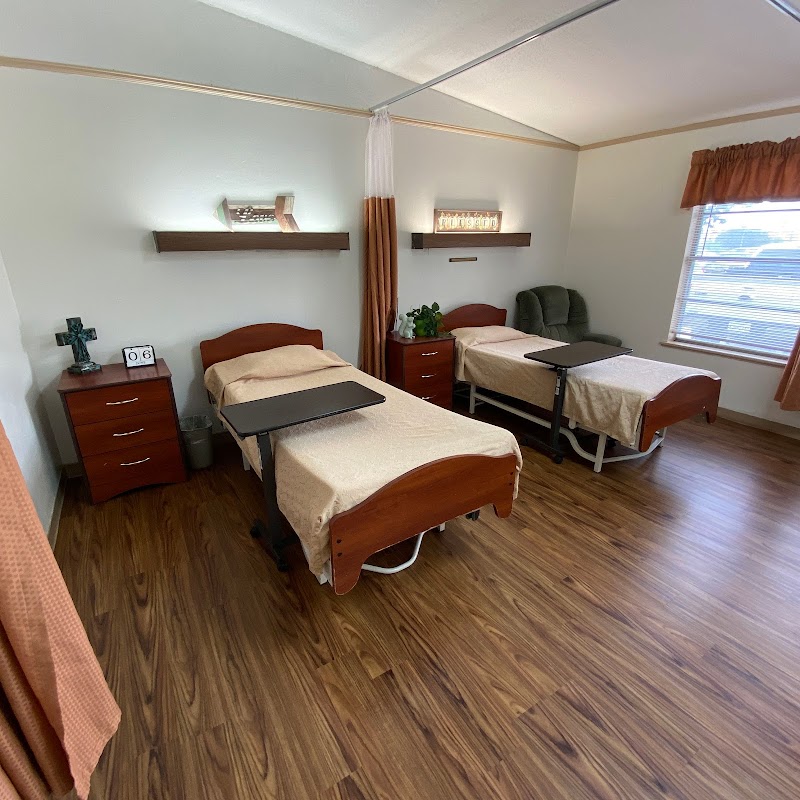
2311 WEST WASHINGTON, STEPHENVILLE, TX 76401 (254) 968-3313
For profit - Limited Liability company 46 Beds Independent Data: November 2025
Trust Grade
90/100
#135 of 1168 in TX
Last Inspection: July 2024

Within standard 12-15 month inspection cycle. Federal law requires annual inspections.

Overview

Stephenville Nursing and Rehabilitation has an excellent Trust Grade of A, indicating a high level of care and service. With a state rank of #135 out of 1168 facilities and a county rank of #1 out of 3, it stands in the top half of Texas nursing homes, making it one of the best options in Erath County. The facility’s trend is stable, with 8 concerns identified in both 2023 and 2024, suggesting consistent performance. Staffing is a mixed bag; while the turnover rate of 44% is better than the state average, the facility only has a 3 out of 5 star rating for staffing, indicating there is room for improvement. Notably, the facility has no fines on record, which is a positive sign, and it offers more RN coverage than 96% of Texas facilities, ensuring comprehensive care. However, there are some areas of concern: the kitchen was not properly cleaned, risking foodborne illness, and there were lapses in creating necessary care plans for some residents, which could affect their safety and well-being. Overall, while there are strengths in RN coverage and a lack of fines, families should consider the identified issues when evaluating this facility for their loved ones.

Trust Score
A
90/100
In Texas
#135/1168
Top 11%
Safety Record
Low Risk
No red flags
Inspections
Holding Steady
3 → 3 violations
Staff Stability
○ Average
44% turnover. Near Texas's 48% average. Typical for the industry.
Penalties
✓ Good
No fines on record. Clean compliance history, better than most Texas facilities.
Skilled Nurses
✓ Good
Each resident gets 49 minutes of Registered Nurse (RN) attention daily — more than average for Texas. RNs are trained to catch health problems early.
Violations
○ Average
8 deficiencies on record. Average for a facility this size. Mostly minor or procedural issues.
★★★★★
5.0
Overall Rating
★★★☆☆
3.0
Staff Levels
★★★★★
5.0
Care Quality
★★★★★
5.0
Inspection Score
Stable
2023: 3 issues
2024: 3 issues

The Good

  • 5-Star Quality Measures · Strong clinical quality outcomes
  • Full Sprinkler Coverage · Fire safety systems throughout facility
  • No fines on record
  • Staff turnover below average (44%)

    4 points below Texas average of 48%

Facility shows strength in quality measures, fire safety.

The Bad

Staff Turnover: 44%

Near Texas avg (46%)

Typical for the industry

The Ugly 8 deficiencies on record

Jul 2024 3 deficiencies
CONCERN (D)

Potential for Harm - no one hurt, but risky conditions existed

Comprehensive Care Plan (Tag F0656)

Could have caused harm · This affected 1 resident

**NOTE- TERMS IN BRACKETS HAVE BEEN EDITED TO PROTECT CONFIDENTIALITY** Based on interview and record review, the facility failed to develop a comprehensive person-centered care plan for each resident...

Read full inspector narrative →
**NOTE- TERMS IN BRACKETS HAVE BEEN EDITED TO PROTECT CONFIDENTIALITY** Based on interview and record review, the facility failed to develop a comprehensive person-centered care plan for each resident that includes measurable objectives and timeframes to meet a resident's medical, nursing, and mental and psychosocial needs that are identified in the comprehensive assessment for 1 of 3 residents (ID #20) reviewed for comprehensive care plans. 1. Resident #20 had an indwelling urinary catheter in place when he was admitted to the facility and the indication for use, care, and monitoring of input and output were not included in the comprehensive care plan. 2. Resident #20 had an admission order for the antidepressant medication of Cymbalta 60 mg by mouth daily, and it was not included in the comprehensive care plan. 3. Resident #20's admission MDS Assessment, dated 4/19/24, had a care plan decision dated 4/24/24 to include all triggered care areas on the assessment summary in the comprehensive care plan. The care plan did not address all triggered care areas. These failures placed the residents at risk for not receiving necessary care and services to meet his individual needs and to promote a feeling of wellbeing during daily life within his living environment. The findings included: Review of Resident #20's admission Record, dated 7/31/24, revealed an [AGE] year-old male admitted to the facility on [DATE]. The resident's diagnoses included: hypothyroidism (thyroid disorder); diabetes; hyperlipidemia (high cholesterol); dementia; depression; hypertension (high blood pressure); atrial fibrillation (irregular heart beat); gastro-esophageal reflux disease (back-up of stomach acid into the throat); obstructive and reflux uropathy (urine flow is blocked through the ureter, bladder, or urethra and urine flows backward into the kidneys causing swelling); and benign prostatic hyperplasia (noncancerous enlargement of the prostate gland that pushes against the urethra and bladder, blocking the flow of urine). Review of Resident #20's active Physician Orders revealed an order dated 4/12/24 for Duloxetine 60 mg by mouth at bedtime related to depression (Cymbalta - antidepressant medication). There were orders dated 4/12/24 for catheter care every shift and 4/30/24 to change the indwelling urinary catheter every 30 days. Review of Resident #20's Medication Administration Record, dated July 2024, revealed it included the order for Duloxetine 60 mg by mouth at bedtime at 8:00 PM, with the order start date of 4/12/24. The medication was documented as administered daily at bedtime as ordered. Review of Resident #20's Treatment Administration Record, dated July 2024, revealed it included the orders to change the Foley catheter (indwelling urinary catheter) every 30 days on the evening shift and to provide Foley catheter care every shift. The start dates were not documented. The catheter was documented as being changed on 7/29/24, and catheter care was documented as provided every shift daily. Review of Resident #20's admission MDS Assessment, dated 4/19/24, revealed the resident had a BIMS score of 8 out of 15 (mild cognitive impairment), had an indwelling urinary catheter, and received antidepressant medication. Review of Resident #20's admission MDS Assessment CAA Triggers Summary, signed and dated 4/25/24 by the DON, revealed the following triggered care areas: cognitive loss/dementia; visual function; communication; functional abilities for self-care and mobility; urinary incontinence and indwelling catheter; psychosocial well-being; falls; nutritional status; pressure ulcer/injury; psychotropic drug use; and pain. The CAA Triggers Summary documented a care plan decision, dated 4/24/24, to include the triggered care areas in the resident's care plan. Review of Resident #20's care plan dated 4/15/24 revealed documentation the resident had been placed on enhanced barrier precautions related to implanted medical device(s) indwelling urinary catheter. The goals were for the resident not to have a decline in psychosocial wellbeing related to being placed on EBP, not being restricted from out-of-room activities and remaining free from MDRO infections. Review of Resident #20's comprehensive care plan, dated 4/24/24, revealed it did not address the triggered care areas of communication, functional abilities for self-care and mobility, urinary incontinence and indwelling catheter, falls, nutritional status, pressure ulcer/injury, psychotropic drug use, and pain. The care plan did not address the indication for use for the indwelling urinary catheter, catheter care, monitoring input and output, or changing the catheter every 30 days per the physician's orders. The care plan addressed the resident's diagnosis of depression and documented an approach to administer medications as ordered and to monitor for side effects and effectiveness but did not address Resident #20's order for the antidepressant medication of Cymbalta. Observation on 7/29/24 at 11:00 AM revealed disposable gowns in a box on the wall outside the door to Resident #20's room. A sticker with EBP for enhanced barrier precautions was on the door frame to the side of the box. Resident #20 was lying on his back in bed, with his eyes open. The resident attempted to speak, but his voice was very soft and low and his speech was not understandable. A urinary catheter drainage bag was in a dignity bag hanging from the side of the bed frame. In an interview on 7/31/24 at 3:50 PM, the DON stated the ADON had been responsible for completing the MDS assessments, baseline care plans, and comprehensive care plans and had done it for the past 8 years. The DON stated the ADON had left during November 2023 and her positioned had not been filled. The DON stated the MDS Coordinator in a sister-facility had been completing the MDS assessments remotely. The DON stated she had been learning to do care plans and was now completing the comprehensive care plans. Review of the facility's policy and procedure for Comprehensive Care Plans, dated as revised 1/01/2024, revealed the following [in part]: Policy: It is the policy of this facility to develop and implement a comprehensive person-centered care plan for each resident, consistent with resident rights, that includes measurable objectives and timeframes to meet a resident's medical, nursing, and mental and psychosocial needs that are identified in the resident's comprehensive assessment Policy Explanation and Compliance Guidelines: 2. The comprehensive care plan will be developed within 7 days after the completion of the comprehensive MDS assessment. All Care Assessment Areas (CAAs) triggered by the MDS will be considered in developing the plan of care. Other factors identified by the interdisciplinary team, or in accordance with the resident's preferences, will also be addressed in the plan of care. The facility's rationale for deciding whether to proceed with care planning will be evidenced in the clinical record .
CONCERN (D)

Potential for Harm - no one hurt, but risky conditions existed

Infection Control (Tag F0880)

Could have caused harm · This affected 1 resident

**NOTE- TERMS IN BRACKETS HAVE BEEN EDITED TO PROTECT CONFIDENTIALITY** Based on observations, interviews and record reviews, the facility failed to establish and maintain an infection control program...

Read full inspector narrative →
**NOTE- TERMS IN BRACKETS HAVE BEEN EDITED TO PROTECT CONFIDENTIALITY** Based on observations, interviews and record reviews, the facility failed to establish and maintain an infection control program designed to provide a safe, sanitary, and comfortable environment and to help prevent the development of communicable diseases and infections for 1(Resident #21) of 8 residents reviewed for infection control, in that: LVN A and LVN B failed to follow EBP (enhanced barrier precautions) signage instructions for Resident #21 by not donning a gown when providing incontinent care, and while performing wound care to Resident #21. This failure could affect residents and place them at risk for cross contamination and infections. The findings included: Record review of Resident #21's electronic face sheet dated 7/31/2024 reflected he was a [AGE] year-old male admitted to the facility 0n 2/17/21. His diagnoses included: Colostomy (a surgically created opening in the large intestine which is sutured to an opening through the abdominal wall to create an alternate opening for feces to leave the body), diarrhea, cerebral infarct (a stroke that occurs due to disrupted blood flow to the brain causing parts of the brain to die off), hemiplegia and hemiparesis of right side (hemiplegia refers to complete paralysis of one side of the body and hemiparesis refers to partial weakness on one side of the body). Record review of Resident #21's active physician orders dated 7/31/2024 included an order dated 4/15/2024 which stated: May be placed on Enhanced Barrier Precautions related to colostomy and pressure injury. Record review of Resident #21's comprehensive person-centered care plan reflected a problem start date of 04/22/2024 reflected Problem: Enhanced Barrier precautions, Goal: Resident will remain free of MDROs, Interventions: gloves or gowns will be made available immediately outside of the resident's room. high contact activities include dressing, bathing providing hygiene, changing briefs, or assisting with toileting, care of devices such as catheters, central line, feeding tubes, tracheostomy, or ventilator tubes, and providing wound care. During an observation on 07/30/2024 at 1:43 PM of Resident #21's room revealed he had a sign which indicated he was on EBP at the head of his bed and gowns were available outside his door. Resident #21 was not interviewable. Review of the EBP sign on Resident #21's wall at the head of his bed reflected STOP, EVERYONE MUST: Clean their hands, including before entering and when leaving the room. Wear gloves and a gown for the following High-Contact Resident Care Activities .Changing briefs and assisting with toileting .Wound Care: Any skin opening requiring a dressing .indwelling medical devices. During an observation on 07/30/2024 at 03:41 PM wound care and incontinent care was provided by LVN A and LVN B on Resident #21. Both nurses sanitized their hands and donned gloves prior to the provision of incontinent care to Resident #21. LVN A and LVN B did not wear a gown. Gowns were observed to be available outside of the resident's room, and a sign that specified the precautions staff should take for EBP was posted at the head of Resident #21's bed. The 2 LVNS's removed the urine soiled brief and performed peri-care. They removed their gloves and performed hand hygiene before donning new gloves and placing a new brief underneath the resident and turning him on to his rt side to perform wound care. LVN B provided the wound care and LVN A assisted. Neither LVN A nor LVN B donned a gown prior to performing wound care. In an interview on 07/30/2024 at 3:48 PM with LVN A and LVN B, both LVN A and LVN B stated they had recently been in-serviced on Enhanced Barrier Precautions. They stated that Resident's with a wound, ventilator, trach, or catheter or any other type of invasive medical device should be on EBP. LVN A and LVN B stated they failed to wear the gown because they were nervous with the surveyor watching them. In an interview on 07/31/24 at 3:52 PM, the DON/Infection Preventionist stated she it was her expectation that the LVN's should have worn a gown and other PPE as stipulated on the sign in the resident's room. She stated she had in-services on enhanced Barrier Precautions on 4/3/24, 4/22/24, and again on 5/10/24 for all staff. Copies of the policy and Inservice attendance sheets were provided by the DON. In an interview on 7/30/ 24 at 3:55 PM the facility administrator stated it was her expectation that the LVN's A and B should have worn a gown and other PPE as stipulated on the sign in Resident #21's room. The Administrator stated both LVN's should have known that they should wear a gown when providing care for Residents on EBP. She stated the failure occurred because both LVN's were nervous about performing the procedure in front of the surveyor. Record review of the facility policy and procedure titled Enhanced Barrier Precautions, dated Reviewed/Revised 04/01/2024, reflected It is the policy of this facility to implement enhanced barrier precautions for the prevention of transmission of multidrug-resistant organisms .all staff receive training at least annually and are expected to comply with all designated precautions .an order for enhanced barrier precautions will be obtained for residents with any of the following: wounds .High-contact resident care activities include: . changing briefs or assisting with toileting .wound care; any skin opening requiring a dressing indwelling medical devices. Review of website https://www.cdc.gov/preventmdro on 7/20/24, revealed the following: Multi drug resistant organism transmission is common in skilled nursing facilities, contributing to substantial resident morbidity and mortality and increased healthcare costs. Enhanced Barrier Precautions are an infection control intervention designed to reduce transmission of resistant organisms that employs targeted gown and glove use during high contact resident activities. EBP may be indicated when contact precautions do not apply for residents with any of the following: wounds or indwelling medical devices regardless of multidrug resistant organism colonization status
CONCERN (E)

Potential for Harm - no one hurt, but risky conditions existed

Food Safety (Tag F0812)

Could have caused harm · This affected multiple residents

Based on observation, interview, and record review the facility failed to store, prepare, distribute, and serve food in accordance with professional standards for food service safety in 1 of 1 kitchen...

Read full inspector narrative →
Based on observation, interview, and record review the facility failed to store, prepare, distribute, and serve food in accordance with professional standards for food service safety in 1 of 1 kitchen reviewed. 1. The floors were soiled with food particles and grease beneath the appliances and stainless-steel shelf units throughout the kitchen. This failure could place residents that received meals prepared in the facility kitchen at risk for foodborne illness and a decline in health status. The findings included: Observation on 07/29/2024 at 9:25 AM revealed food particles on the floor in the dry storage area and grease on the floor beneath the appliances and stainless-steel shelf units throughout the kitchen. In an interview on 07/29/2024 at 9:35 AM the Dietary Manager stated, the dietary staff is supposed to follow a daily cleaning schedule and initial the form after completing the cleaning tasks and I follow up to ensure the tasks are completed. She further stated, kitchen sanitation is important because it prevents foodborne illness and I do most of the cleaning myself. Record review of the daily cleaning logs dated July 2024, used for all the kitchen cleaning duties revealed all cleaning duties for the morning of 07/29/2024 had been completed and initialed by the kitchen staff that completed the cleaning. In an interview on 07/31/2024 at 2:10 PM, the DON stated, I expect the dietary staff to follow their cleaning schedule and company policy. In an interview on 07/31/2024 at 2:00 PM, the Administrator stated, dietary staff is supposed to follow company policy and the kitchen cleaning schedule. She further stated, by not following the kitchen cleaning schedule could put the residents at risk for foodborne illness . Review of the facility's Policy titled Sanitation Inspection dated, 01/01/2024 revised 01/17/2024 revealed [in-part]: It is the policy of this facility, as part of the department's sanitation program, to conduct inspections to ensure food service areas are clean, sanitary and in compliance with applicable state and federal regulations. Policy Explanation and Compliance Guidelines: 1. All food service areas shall be kept clean, sanitary, free from litter, rubbish and protected from rodents, roaches, flies and other insects. 2. The department shall establish a sanitation program for food services based on applicable state and federal requirements. 3. The sanitation program will provide for inspections to be conducted of the food service areas. 4. Inspections will be conducted but not limited to the following areas: a. Dry storage b. Freezer c. Refrigerator d. Dish room e. Pot wash f. Main production area g. Food preparation area h. General dietary observations Review of the U.S. Food and Drug Administration, 2017 Food Code, reflected: Preventing Contamination from the Premises 3-305.11 Food Storage. (A) Except as specified in (B) and (C) of this section, FOOD shall be protected from contamination by storing the FOOD: (1) In a clean, dry location. (2) Where it is not exposed to splash, dust, or other contamination . Storing 4-903.11 Equipment, Utensils, Linens, and Single-Service and Single-Use Articles. (A) Except as specified in (D) of this section, cleaned EQUIPMENT and UTENSILS, laundered LINENS, and SINGLE-SERVICE and SINGLEUSE ARTICLES shall be stored: (1) In a clean, dry location. (2) Where they are not exposed to splash, dust, or other contamination; and (3) At least 15 cm (6 inches) above the floor. (B) Clean EQUIPMENT and UTENSILS shall be stored as specified under (A) of this section and shall be stored: (1) In a self-draining position that allows air drying; and (2) Covered or inverted. 6-501.111 Controlling Pests. The PREMISES shall be maintained free of insects, rodents, and other pests. The presence of insects, rodents, and other pests shall be controlled to eliminate their presence on the PREMISES by: (A) Routinely inspecting incoming shipments of FOOD and supplies; (B) Routinely inspecting the PREMISES for evidence of pests; (C) Using methods, if pests are found, such as trapping devices or other means of pest control as specified under §§ 7-202.12, 7-206.12, and 7-206.13; and (D) Eliminating harborage conditions.
May 2023 3 deficiencies
CONCERN (E)

Potential for Harm - no one hurt, but risky conditions existed

Comprehensive Care Plan (Tag F0656)

Could have caused harm · This affected multiple residents

**NOTE- TERMS IN BRACKETS HAVE BEEN EDITED TO PROTECT CONFIDENTIALITY** Based on observation, interview and record review, the facility failed to develop a comprehensive person-centered care plan base...

Read full inspector narrative →
**NOTE- TERMS IN BRACKETS HAVE BEEN EDITED TO PROTECT CONFIDENTIALITY** Based on observation, interview and record review, the facility failed to develop a comprehensive person-centered care plan based on assessed needs to attain or maintain the resident's highest practicable physical, mental, and psychosocial well-being for 3 (Resident #11, Resident #30, and Resident #2) of 13 residents reviewed for comprehensive person-centered care plans. 1. The facility failed to develop a comprehensive person-centered care plan based on assessed needs to address the use of a bolster (long padded cushion with sides) on the bed for safety and positioning for Resident #11. 2. The facility failed to develop a comprehensive person-centered care plan based on assessed needs to address the use of a bed alarm in the bed and the use of a geri-chair for safety and positioning for Resident #30. 3. The facility failed to develop a comprehensive person-centered care plan based on assessed needs to address the use of a pommel cushion (cushion in a wheelchair) for safety and positioning for Resident #2. These failures could affect the residents by placing them at risk for not receiving care and services to meet their needs. Findings included: Resident #11 Review of Resident #11's electronic face sheet accessed 05/16/2023, revealed resident was a [AGE] year-old female who was admitted to the facility on [DATE] with diagnoses of Epilepsy (seizures), anxiety, and profound intellectual disabilities. Review of Resident #11's Quarterly MDS dated [DATE], revealed: Section C: Cognitive Patterns: BIMS score interview not conducted. Section I: Active Diagnosis: Epilepsy. Section P: Restraints and Alarms No restraints or alarms used. Section G: Bed mobility: Total dependence with two-person physical assist. Review of Resident's #11's electronic care plan initiated 04/16/2020, revealed no evidence of a focus, objective, or interventions related to the use of a bolster (long padded cushion with sides) in bed for safety and positioning. During an observation on 05/16/2023 at 09:40 AM, revealed Resident #11 lying in bed with a bolster cushion in place on bed underneath resident. Resident was unable to answer questions. Resident #30 Review of Resident #30's electronic face sheet accessed 05/16/2023, revealed resident was an [AGE] year-old female who was admitted to the facility on [DATE] with diagnosis to include: Alzheimer's, dementia, and psychotic disorder. Review of Resident #30's admission MDS dated [DATE], revealed: Section C: Cognitive Patterns: BIMS score of 03 indicating severe cognitive impairment. Section I: Active Diagnosis: Alzheimer's and Dementia. Section P: Restraints and Alarms No restraints or alarms used. Section G: Bed mobility: Extensive assistance with two-person physical assist. Review of Resident's #30's electronic care plan initiated 03/30/2023, revealed no evidence of a focus, objective, or interventions related to the use of a bed alarm and the use of a geri-chair for safety and positioning. During an observation on 05/16/2023 at 09:45 AM, revealed Resident #30 lying in bed with a bed alarm in place under blanket on her bed. During an observation on 05/17/2023 at 2:00 PM, revealed Resident #30 sitting in a geri-chair. Resident was unable to answer questions. Resident #2 Review of Resident #2's electronic face sheet accessed 05/16/2023, revealed resident was a [AGE] year-old female who was admitted to the facility on [DATE] with diagnosis to include: muscle wasting, reduced mobility, and anxiety. Review of Resident #2's Annual MDS dated [DATE], revealed: Section C: Cognitive Patterns: BIMS score of 09 indicating moderate cognitive impairment. Section I: Active Diagnosis: anxiety and depression. Section P: Restraints and Alarms No restraints or alarms used. Section G: Bed mobility: Extensive assistance with two-person physical assist. Transfer: Extensive assistance with two-person physical assist. Review of Resident's #2's electronic care plan initiated 09/18/2019, revealed no evidence of a focus, objective, or interventions related to the use of a pommel cushion for safety and positioning. During an observation and interview on 05/16/2023 at 11:30 AM, revealed Resident #2 sitting in a wheelchair with pommel cushion in place underneath resident with a hump in the middle to keep him from sliding out. Resident stated it was to keep him from sliding out of his chair. During an interview on 05/17/2023 at 2:30 PM, the DON stated the MDS nurse was responsible for all other care plans including updating and adding new or acute problems. She stated she was ultimately responsible for ensuring that care plans were updated. The DON stated all positioning and safety devices should have been care planned. She stated not having accurate care plans could lead to residents not receiving the care that they need. During an interview on 05/17/2023 at 2:40 PM, the MDS nurse stated she was responsible for all other care plans including updating and adding new or acute problems. She stated the bolster, bed alarm, and pommel cushion devices were used to prevent residents from falling and used for positioning and safety. She stated geri-chairs, bed alarms, bolsters, and wheelchair cushions should have been care planned. She stated she just missed them somehow. Record review of the facility's policy titled Comprehensive revised October 2022 revealed: Policy: It is the policy. Of this facility. To develop and implement a comprehensive person-centered care plan for each resident, consistent with resident rights, that includes measurable objectives and time frames to meet residents, medical, nursing, and mental and psychosocial needs that are identified in the resident's comprehensive assessment. Policy Explanation and Compliance Guidance: 1. The care planning process will include an assessment of the residents' strengths and needs and will incorporate the residents personal and cultural preferences and developing goals of care period services provided or arranged by the facility, as outlined by the Comprehensive care plan, they will be culturally competent, and trauma informed .3. The comprehensive care plan will describe, at a minimal, the following: a. The services that are to be furnished to attain or maintain the residents highest practical. Physical, mental, and psychosocial well-being .6. The comprehensive care plan will include measurable objectives and timeframes to meet the residents needs as identified in the residence comprehensive assessment period. The objectives will be utilized to monitor the resident progress period. Alternative interventions will be documented comma as needed period .
CONCERN (E)

Potential for Harm - no one hurt, but risky conditions existed

Deficiency F0727 (Tag F0727)

Could have caused harm · This affected multiple residents

Based on record review and interviews, the facility failed to ensure the use of the services of a registered nurse for at least 8 consecutive hours a day, seven days a week for 4 of 5 months reviewed....

Read full inspector narrative →
Based on record review and interviews, the facility failed to ensure the use of the services of a registered nurse for at least 8 consecutive hours a day, seven days a week for 4 of 5 months reviewed. The facility failed to provide evidence that a Registered Nurse (RN) worked 8 consecutive hours a day, seven days a week for 5 (11/27/2022, 12/11/2022, 01/07/2023, 03/11/2023 and 03/19/2023) of 151 days. This failure placed the residents at risk for not having decisions made that would have required an RN to make in the management of the residents' healthcare needs and in managing and monitoring of the direct care staff. Findings included: Review of facility's RN nursing schedule from 11/01/2022 to 03/31/2023, revealed no evidence of RN coverage on 11/27/2022, 12/11/2022, 01/07/2023, 03/11/2023 and 03/19/2023. During an interview on 05/17/23 at 02:42PM, the DON stated on 11/27/2022, 12/11/2022, 01/07/2023, 03/11/2023 and 03/19/2023 the facility did not have 8 hours of RN coverage. The DON stated the facility used agency staff to fill in when they need an RN. The DON stated the contracted agency sent a LVN instead of the requested RN, without notifying the DON of the change. The DON stated she was responsible for making and monitoring the schedule. The DON stated she did not feel there was a negative effect on residents, because she or one of the other RN's were available to come at any time and staff also had access to a RN thru telehealth consult services. The DON stated what led to the failure was the staffing agency not notifying when they scheduled a LVN instead of the requested RN. The DON further stated the facility lost one of their full-time weekend RNs due to the RN having to take medical leave. The DON also stated there was an inability to hire a fulltime weekend RN. The DON stated since August 2022 the facility had been searching for a full time RN and had not been able to hire a full time RN. Review of facility policy titled, Nursing Services-Registered Nurse (RN) dated October 2022 revealed The facility will utilize the services of a Registered Nurse for at least 8 consecutive hours per day 7 days per week.
CONCERN (E)

Potential for Harm - no one hurt, but risky conditions existed

Food Safety (Tag F0812)

Could have caused harm · This affected multiple residents

**NOTE- TERMS IN BRACKETS HAVE BEEN EDITED TO PROTECT CONFIDENTIALITY** Based on observation, interview, and record review the facility failed to store, prepare, distribute and serve food in accordanc...

Read full inspector narrative →
**NOTE- TERMS IN BRACKETS HAVE BEEN EDITED TO PROTECT CONFIDENTIALITY** Based on observation, interview, and record review the facility failed to store, prepare, distribute and serve food in accordance with professional standards for food service safety for 1 of 1 kitchen reviewed, in that: The facility failed to ensure kitchen staff followed proper hand hygiene during meal preparations. The facility failed to ensure open items in the freezer, refrigerator, and dry food storage were dated and labeled. These failures could place residents at risk for food borne illness and cross-contamination. Findings included: Record Review of facility MDS Resident 672 dated 05/15/2023 revealed, there were 31 out of 35 residents that ate from the kitchen. During observation on 05/15/2023 between 9:54 AM and 12:30 PM, the DA performed no hand hygiene. During the preparation of meals and while transporting trays to hallway, he was touching residents bare utensils, touching his face, pulling up his mask, and picking trash up off of the floor. There was also no wearing of gloves during these tasks. During observation on 05/15/2023 at 9:54 AM, of 1 of 1 pantry contained: 1 16 oz bag of coconut dated 8/6 with sell by Mar-04-2023. 1 clear bag of uncooked noodles not labeled dated 4/11/23. 1 clear bag of uncooked noodles not labeled dated 4/21/23. 1 clear bag of labeled Nilla dated 4/17. 1 sealed container labeled sugar with number 22233, with an empty cup for a scoop placed inside, and 1 container of butter with date of 4/25/23 During observation on 05/15/2023 at 10:00 AM, #1 of 5 freezers contained: 1 gallon clear freezer bag with what appeared to be frozen burritos, dated 9/27. (no year) 1 gallon clear freezer bag with what appeared to be frozen pancakes not labeled or dated. 1 gallon clear freezer bag with what appeared to be frozen tortillas not labeled or dated. 1 gallon clear freezer bag with what appeared to be frozen biscuits not labeled or dated. 1 gallon clear freezer bag with frozen labeled pastries, dated 3/21, (no year) and 1 loaf of frozen wheat bread not dated. During observation on 05/15/2023 at 10:10 AM, Refrigerator #1 of 1 contained: 1 bag of shredded lettuce with receive date of 5/9. 1 container of grape jelly not labeled and not dated 1 container labeled tortellini with alfredo dated 5/14/23 with no use by date. 1 container labeled cheese slices dated 5/12/23 with no use by date. 1 container labeled mechanical sausage and eggs was dated 5/15/23, and no use by date. 3 pkgs of egg mix dated 5/9/23 with no use by date. 1 opened container of BBQ sauce with a receive date of 5/5 with no open date. 1 opened container of Salsa with a receive date of 9/5 with no open date. 1 opened container of mayonnaise with a receive date of 5/2/23 with no open date. 1 opened container of [NAME] Slaw Dressing with a receive date of 2/7/23 with no open date. 1 opened container of Buttermilk Ranch Dressing with a receive date of 5/9/23 with no open date. 1 opened container of Italian Dressing with a receive date of 04/28/23 with no open date. 1 opened container of yellow mustard with a receive date of 04/14/23 with no open date. 1 opened container of Teriyaki sauce with a receive date of 8/6/22 with no open date. 1 small bag of what appeared to be shredded cabbage with no label dated 5/12. 1 small bag of what appeared to be shredded carrots with no label dated 5/12, and 1 clear bag contained 3 heads of brown lettuce with a smeared dated. During interview on 05/15/2023 at 10:30 AM, the DM stated all items should have an open date. The dates on the products were the received date, with no open dates. The lettuce she stated needed to be thrown away as it had turned brown. She stated, the dietary staff had training over all policy and procedures for hand hygiene as well as how to date all products whether receiving or opening. During interview on 05/15/2023 at 10:30 AM, the [NAME] stated the received date as well as the open and expiration/shelf-life date, should be on the food items where applicable. During interview on 05/15/2023 at 10:44 AM, the DA stated with the one date written on the clear gallon freezer bag, he would not have known if the date was the receiving or open date. The DA also stated, he has never marked the use by date on products but it was usually a 5-day shelf life. During observation and interview on 05/15/2023 at 12:24 PM, the Cook, after filling the warmer with resident trays, opened the door from the kitchen to hallway, with gloved hands, for the DA. He pushed the food warmer out to the hallway. The [NAME] then went to the pail of bleach water in the sink and dipped her gloved hands without drying. She then continued to serve on the line and stated, that was how she sanitized her hands. She proceeded to touch the residents bread for sandwiches as well as sliced cheese and the tops of plates During an observation and interview on 05/15/2023 at 12:30 PM, the DA, while on the serving line, ungloved and touched the unwrapped utensils. When interviewed, DA stated he was not to touch resident's utensils with ungloved hands. He stated he did not have to wear gloves if he did not want to. The DA was then observed to remove his facial mask while on the serving line without performing hand hygiene afterward. When the DA returned back to the serving line, observation of no handwashing, hand hygiene or gloves were observed. He then, as well, had handled residents sandwich bread, cheese, and tops of plates. During an interview on 05/16/23 at 10:02 AM, the DM stated her expectation was for kitchen staff to perform hand hygiene between kitchen tasks. She stated kitchen staff were to wear gloves at all times while on serving line. He stated the bleach water pail should never had been an option for hand sanitizing and had never been previously brought up in in-services. The DM stated the failure occurred with herself as DM and her expectations were for kitchen staff to date all products as needed, perform hand hygiene, and to follow the training and in-services regarding all kitchen expectations. During an interview on 05/16/2023 at 10:15 AM, the Admin stated the protocols for kitchen hand hygiene were to always wash hands when needed with changing of gloves for different tasks that are performed. She also stated the protocols were stated clearly in the policy for Received, Open and Use by dates and should always be monitored. The monitoring should have been done, first by the DM, and herself. The Admin stated the failures occurred was at the Cooks level as well as the DA. The kitchen staff and the DM all had been re-educated. The expectations she stated, was more education and in-services and for kitchen staff to perform hand hygiene, change out gloves, and having all products dated when received, open and/or use by dates. Record Review of facility In-service Record dated 01/05/2023, revealed: DM as presenter, addressed: DA and [NAME] attended, Items are not being dated After you open an item, put in bag, date and label it. Do not put anything in Fridge or Freezer without a date. Record Review of facility In-service Record dated 04/07/2023, revealed: DM as presenter, addressed: DA and [NAME] attended, When you open something, put remaining in Ziplock bag with label and date. Everything in Fridge and Freezer dated and labeled with date on viewed side. Record Review of facility In-service Record dated 05/15/2023, revealed: DM as presenter, addressed: . DA and [NAME] attended, When you open an item, put open date. Label and date items you put in refrigerator and freezer using a sticker. . You can use a sharpie or a sticker, must be able to read. Record Review of facility In-service Record, Topic-Sanitation, dated 05/15/2023, revealed: DM as presenter, addressed: DA and [NAME] attended, Food prep sinks are not used for hand washing. Wash hands often. Before and after every task. When serving or get something on your hands, go to hand washing sink and wash hands, dry with paper towels. Wash hands if you touch anything, if wearing gloves, you must change gloves. Working with gloves on, is the same as bare hands. Cross contamination-for transfer of harmful bacteria from one person, object or place to another. Keep it Clean-wash hands with soap and hot water before and after handling food. Record Review of facility Dietary [NAME] Job Description dated 2023, Department of Food and Nutrition Services, Major Duties and Responsibilities: . .Ensures that food procedures are followed in accordance with established policies Additional Tasks . Follows appropriate safety and hygiene measures at all times to protect residents and themselves . Follows established infection control policies and procedures . Maintains food storage areas in a clean and properly arranged manner at all times. Record Review of facility Dietary Aid Job Description dated 2023, Department of Food and Nutrition Services, Major Duties and Responsibilities; . Ensures that food procedures are followed in accordance with the stablished policies. The dietary aid assists with the service and delivery of food trays to designated areas, cleaning of the kitchen per established protocols, and proper washing and cleaning of food utensils and dishes . Additional Tasks: . . Follows appropriate safety and hygiene measures at all times to protect residents and themselves . . Follow established infection control policies and procedures. Record Review of facility Policy, Dry Storage and Supplies dated 2012, revealed: . 3. Dry bulk food (e.g., flour, sugar) are stored in seamless metal or plastic containers with tight covers or bins which are easily sanitized. Containers are labeled. Scoops should not be left in food containers or bins. Containers are cleaned regularly. 4. Open packages of food are stored in closed containers with tight covers and dated as to when opened. Record Review of facility Policy, Storage Refrigerators dated 2012, revealed: . .5. food must be covered when stored, with a date label identifying what is in the container. 6. Frozen food that has been thawed will be used within three days of thawing. Record Review of facility Policy, food Safety dated 2012, revealed: . 11. Gloves must be worn for preparation and service of foods that do not require further cooking. Record Review of facility Policy, Maintaining a Sanitary Tray Line dated 2023, revealed: . .Compliance Guidelines: . .3. During tray assembly, staff shall: . .c. Wear gloves when handling food items, particularly when direct contact between the hands and food occurs or when handling ready to eat food such as salads, fruits, sandwiches, breads, etc. d. Use gloves that fit properly. e. Wash hands before and after wearing or changing gloves. f. Change gloves when activities are changed, or when the type of food being handled is changed, or when leaving the workstation. g. Change gloves after sneezing, coughing or touching face, hands, or hair with gloved hands. Record Review of facility Policy, Hand Washing dated 2012, revealed: . .5. Food preparation sinks are not to be used for hand washing. According to the FDA (Food and Drug Administration) Food Code (https://www.fda.gov/food/retail-food-protection/fda-food-code accessed 5/24/23), FOOD EMPLOYEES shall clean their hands and exposed portions of their arms . immediately before engaging in FOOD preparation including working with exposed FOOD, clean EQUIPMENT and UTENSILS, and unwrapped SINGLESERVICE and SINGLE-USE ARTICLESP and: (A) After touching bare human body parts other than clean hands and clean, exposed portions of arms; . (D) . after coughing, sneezing, using a handkerchief or disposable tissue, using tobacco, eating, or drinking; . (E) After handling soiled EQUIPMENT or UTENSILS; . (F) During FOOD preparation, as often as necessary to remove soil and contamination and to prevent cross contamination when changing tasks; . (G) When switching between working with raw FOOD and working with READY-TO-EAT FOOD; (H) Before donning gloves to initiate a task that involves working with FOOD; and (I) After engaging in other activities that contaminate the hands.
Apr 2022 2 deficiencies
CONCERN (D)

Potential for Harm - no one hurt, but risky conditions existed

Comprehensive Care Plan (Tag F0656)

Could have caused harm · This affected 1 resident

**NOTE- TERMS IN BRACKETS HAVE BEEN EDITED TO PROTECT CONFIDENTIALITY** Based on observation, interview and record review, the facility failed to ensure the comprehensive care plan described the servi...

Read full inspector narrative →
**NOTE- TERMS IN BRACKETS HAVE BEEN EDITED TO PROTECT CONFIDENTIALITY** Based on observation, interview and record review, the facility failed to ensure the comprehensive care plan described the services that are to be furnished to attain or maintain the resident's highest practicable physical, mental, and psychosocial well-being for 1 (Resident #17) of 4 residents reviewed for comprehensive care plans. The facility failed to develop and implement a comprehensive person-centered care plan to address Resident #17's wanderguard. These failures could affect residents by placing them at risk for not receiving care and services to meet their needs The findings included: Review of Resident #17's electronic face sheet revealed a [AGE] year-old male admitted on [DATE], with diagnosis of Dementia, Delusions, Anxiety Disorder, and Cognitive Communication Deficit. Review of Resident # 17's MDS dated [DATE], revealed: Section C-BIMS score of 4 meaning, severe cognitive impairment; Section E- Resident had wandered 1-3 days. Review of Resident #17's electronic physician orders revealed no evidence of a physician order for placement of Wanderguard. Review of Resident #17's electronic care plan dated 1/14/2022 on 04/12/2022 revealed no evidence of interventions for placement for a Wanderguard. Review of Resident #17's electronic care plan dated 1/14/2022 on 04/13/2022 revealed, Wander Alert: Wanderguard monitor placement to R wrist Q shift and PRN, CAN, Date initiated 04/12/2022, Revision on 04/13/2022. Review of Resident #17's Wandering assessment dated [DATE] revealed: a score of 12, High Risk for Wandering. Observation on 04/12/22 at 2:30 PM revealed that Resident #17 was wearing a wanderguard on his right wrist. During observation and interview on 04/12/22 at 2:30 PM with Activities Director, the AD was sitting in front of door in the dining area, with back to door facing Resident #17. AD was talking with Resident #17. AD stated that she was blocking door during the fire alarm test so Resident #17 would not be able to exit the building, while the locks were down due to the fire alarm testing. During interview on 04/13/22 at 03:31 PM with ADON, she stated she was not sure when Resident #17 started wearing a wanderguard. ADON stated she thinks it was after the incident on 3/17/21 where Resident #17 got out of the building. ADON stated the placement of wanderguard should be documented in progress notes, and there should be a physician order for placement of wanderguard. ADON looked in Resident #17's electronic chart and stated that she did not see an order for the wanderguard and did not know why an order was not entered. ADON stated that wanderguard should be documented in physician orders and the care plan. ADON stated the Care Plan was updated yesterday with the wanderguard placement. During interview on 04/13/22 at 03:44 PM with ADMN, she stated wanderguards should be documented in care plan, have a physician order, and a Wander Risk Assessment completed. ADMN stated the nurse on shift is responsible for putting order in chart, and the DON is responsible to ensure the order was entered. ADMN stated that another risk assessment would not have been completed since he was already a high risk for wandering. ADMN stated placement of the wanderguard was a last resort, they had been adjusting medications to regulate his behaviors. During interview on 04/14/22 at 11:04 AM with ADMN, she stated they narrowed down that the wanderguard was placed on resident either March 25th or 28th. ADMN stated what led to failure of the care plan not being updated with wanderguard, is the incident occurred during shift change and that each nurse thought the other nurse updated his electronic medical chart. ADMN stated the care plan can be updated without a MDS update because the placement of Wanderguard was not a significant change it was an intervention, because the behaviors already existed. During interview on 04/14/22 at 11:40 PM with ADON, she stated she is responsible for updating MDS. ADON explained that the MDS would not have been updated because the MDS guidelines states there needs to be more than one incident to be considered a significant change. ADON stated she was not sure when the wanderguard was put on but stated that they narrowed it down to either the 25 or 28th. ADON stated that either of those dates were both greater than 14 days to when the Care Plan needed to be updated. ADON stated the care plan was updated on the 12th. ADON stated that she had a list of items she needed to ensure were updated on Care Plans and she had given the list to the person that was assisting while the DON was on vacation. Record review of policy titled, Comprehensive Care Plans dated 02/13/07 revealed: The facility will develop a comprehensive care plan for each resident that includes measurable short term and long-term objectives and timetables to meet a residents medical, nursing and mental and psychosocial needs that are identified in the comprehensive assessment. The care plan must describe the following: Services/Interventions that are to be furnished to attain or maintain the resident's highest practicable physical, mental, and psychosocial wellbeing. Problem statements to identify services that are required to main the residence highest practicable physical, mental, and psychological wellbeing.
CONCERN (D)

Potential for Harm - no one hurt, but risky conditions existed

Medical Records (Tag F0842)

Could have caused harm · This affected 1 resident

**NOTE- TERMS IN BRACKETS HAVE BEEN EDITED TO PROTECT CONFIDENTIALITY** Based on observation, interview and record review, the facility failed to maintain clinical records on each resident that were c...

Read full inspector narrative →
**NOTE- TERMS IN BRACKETS HAVE BEEN EDITED TO PROTECT CONFIDENTIALITY** Based on observation, interview and record review, the facility failed to maintain clinical records on each resident that were complete and accurately documented, in accordance with accepted professional standards and practices, for 1 of 4 (Resident #17) residents whose records were reviewed for accuracy and completeness. The facility failed to ensure Resident #17 had physician's orders for the placement of a Wanderguard. This failure could place residents at risk of having errors in care and treatment. Findings included: Review of Resident #17's electronic face sheet revealed a [AGE] year-old male admitted on [DATE], with diagnosis of Dementia, Delusions, Anxiety Disorder, and Cognitive Communication Deficit. Review of Resident # 17's MDS dated [DATE], revealed: Section C-BIMS score of 4 meaning, severe cognitive impairment; Section E- Resident had wandered 1-3 days. Review of Resident #17's electronic physician orders revealed no evidence of a physician order for placement of Wanderguard. Review of Resident #17's electronic care plan on 4/12/2022 revealed no evidence of interventions for placement for a Wanderguard. Review of Resident #17's Wandering assessment dated [DATE] revealed: a score of 12, High Risk for Wandering. Observation on 04/12/22 at 2:30 PM revealed that Resident #17 was wearing a wanderguard on his right wrist. During observation and interview on 04/12/22 at 2:30 PM with Activities Director, she was sitting in front of door with back to door facing Resident #17. AD stated that she was blocking door during the fire alarm test so Resident #17 would not be able to exit the building, while the locks were down due to the fire alarm testing. During interview on 04/13/22 at 03:31 PM with ADON, she stated she was not sure when Resident #17 started wearing a wanderguard. ADON stated she thinks it was after the incident on 3/17/21 where Resident #17 got out of the building. ADON stated the placement of wanderguard should be documented in the progress notes, and there should be a physician order for placement of wanderguard. ADON looked in Resident #17's electronic chart and stated that she did not see an order for the wanderguard and did not know why an order was not entered. ADON stated the nurse on duty is responsible for entering orders. ADON stated that wanderguard should be documented in physician orders and the care plan. During interview on 04/13/22 at 03:44 PM with ADMN, she stated wanderguards should be documented in care plan, have a physician order, and a Wander Risk Assessment completed. ADMN stated the nurse on shift is responsible for putting (Physician's) order in chart, and the DON is responsible to ensure orders were entered. During interview on 04/14/22 at 11:04 AM with ADMN, she stated they narrowed down that the wanderguard was placed on resident either March 25th or 28th. ADMN stated what led to failure of the wanderguard not being entered is the incident occurred during shift change and each nurse thought the other nurse had entered information into his electronic medical chart. Record review of policy titled; Amended Physician Order Documentation Procedure dated 04/06/16 revealed: All orders will be electronic EXCEPT therapies . ANY orders received by the physician are put in the computer. Record review of policy titled, Elopement Prevention dated 10/27/10 revealed: Wanderguard System (locking or alarming) Placement of Resident's device to alarm the system will be verified each shift and documented on treatment or other flow record.
Understanding Severity Codes (click to expand)
Life-Threatening (Immediate Jeopardy)
J - Isolated K - Pattern L - Widespread
Actual Harm
G - Isolated H - Pattern I - Widespread
Potential for Harm
D - Isolated E - Pattern F - Widespread
No Harm (Minor)
A - Isolated B - Pattern C - Widespread

Questions to Ask on Your Visit

  • "Can I speak with families of current residents?"
  • "What's your RN coverage like on weekends and overnight?"

Our Honest Assessment

Strengths
  • • Grade A (90/100). Above average facility, better than most options in Texas.
  • • No major safety red flags. No abuse findings, life-threatening violations, or SFF status.
  • • No fines on record. Clean compliance history, better than most Texas facilities.
  • • 44% turnover. Below Texas's 48% average. Good staff retention means consistent care.
Concerns
  • • No significant concerns identified. This facility shows no red flags across CMS ratings, staff turnover, or federal penalties.
Bottom line: Generally positive indicators. Standard due diligence and a personal visit recommended.

About This Facility

What is Stephenville Nursing And Rehabilitation's CMS Rating?

CMS assigns STEPHENVILLE NURSING AND REHABILITATION an overall rating of 5 out of 5 stars, which is considered much above average nationally. Within Texas, this rating places the facility higher than 99% of the state's 100 nursing homes. This rating reflects solid performance across the metrics CMS uses to evaluate nursing home quality.
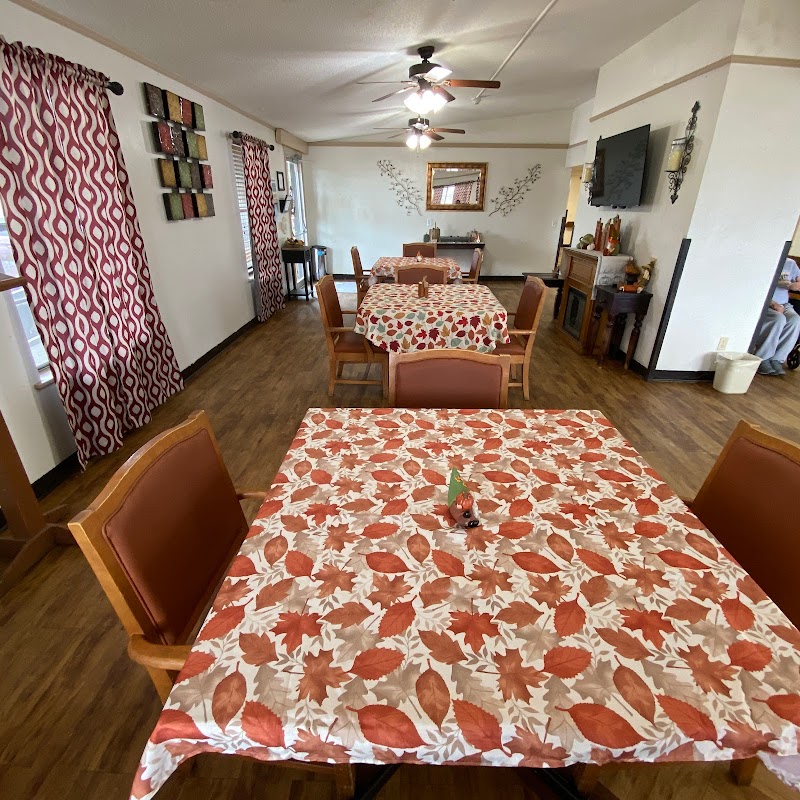
How is Stephenville Nursing And Rehabilitation Staffed?

CMS rates STEPHENVILLE NURSING AND REHABILITATION's staffing level at 3 out of 5 stars, which is average compared to other nursing homes. Staff turnover is 44%, compared to the Texas average of 46%. This relatively stable workforce can support continuity of care.

What Have Inspectors Found at Stephenville Nursing And Rehabilitation?

State health inspectors documented 8 deficiencies at STEPHENVILLE NURSING AND REHABILITATION during 2022 to 2024. These included: 8 with potential for harm.

Who Owns and Operates Stephenville Nursing And Rehabilitation?

STEPHENVILLE NURSING AND REHABILITATION is owned by a for-profit company. For-profit facilities operate as businesses with obligations to shareholders or private owners. The facility operates independently rather than as part of a larger chain. With 46 certified beds and approximately 36 residents (about 78% occupancy), it is a smaller facility located in STEPHENVILLE, Texas.
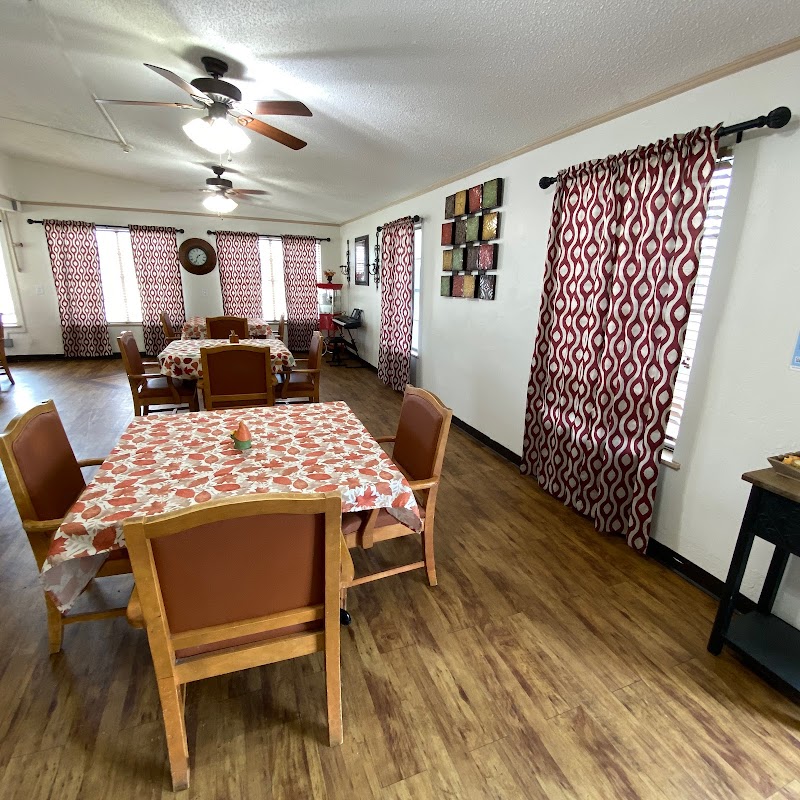
How Does Stephenville Nursing And Rehabilitation Compare to Other Texas Nursing Homes?

Compared to the 100 nursing homes in Texas, STEPHENVILLE NURSING AND REHABILITATION's overall rating (5 stars) is above the state average of 2.8, staff turnover (44%) is near the state average of 46%, and health inspection rating (5 stars) is much above the national benchmark.

What Should Families Ask When Visiting Stephenville Nursing And Rehabilitation?

Based on this facility's data, families visiting should ask: "Can I visit during a mealtime to observe dining assistance and food quality?" "How do you handle medical emergencies, and what is your hospital transfer rate?" "Can I speak with family members of current residents about their experience?"

Is Stephenville Nursing And Rehabilitation Safe?

Based on CMS inspection data, STEPHENVILLE NURSING AND REHABILITATION has a clean safety record: no substantiated abuse findings (meaning no confirmed cases of resident harm), no Immediate Jeopardy citations (the most serious violation level indicating risk of serious injury or death), and is not on the Special Focus Facility watch list (a federal program monitoring the lowest-performing 1% of nursing homes). The facility has a 5-star overall rating and ranks #1 of 100 nursing homes in Texas. While no facility is perfect, families should still ask about staff-to-resident ratios and recent inspection results during their visit.

Do Nurses at Stephenville Nursing And Rehabilitation Stick Around?

STEPHENVILLE NURSING AND REHABILITATION has a staff turnover rate of 44%, which is about average for Texas nursing homes (state average: 46%). Moderate turnover is common in nursing homes, but families should still ask about staff tenure and how the facility maintains care continuity when employees leave.

Was Stephenville Nursing And Rehabilitation Ever Fined?

STEPHENVILLE NURSING AND REHABILITATION has no federal fines on record. CMS issues fines when nursing homes fail to meet care standards or don't correct problems found during inspections. The absence of fines suggests the facility has either maintained compliance or corrected any issues before penalties were assessed. This is a positive indicator, though families should still review recent inspection reports for the full picture.

Is Stephenville Nursing And Rehabilitation on Any Federal Watch List?

STEPHENVILLE NURSING AND REHABILITATION is not on any federal watch list. The most significant is the Special Focus Facility (SFF) program, which identifies the bottom 1% of nursing homes nationally based on persistent, serious quality problems. Not being on this list means the facility has avoided the pattern of deficiencies that triggers enhanced federal oversight. This is a positive indicator, though families should still review the facility's inspection history directly.