SULPHUR SPRINGS HEALTH AND REHABILITATION
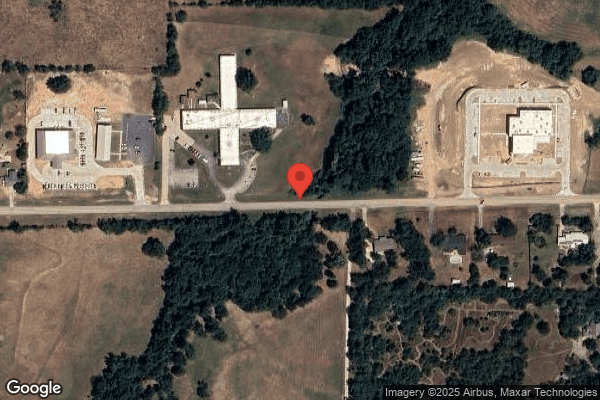

411 AIRPORT RD, SULPHUR SPRINGS, TX 75482 (903) 885-7668
For profit - Corporation 128 Beds ADVANCED HEALTHCARE SOLUTIONS Data: November 2025 1 Immediate Jeopardy citation
Trust Grade
33/100
#845 of 1168 in TX
Last Inspection: December 2024

Within standard 12-15 month inspection cycle. Federal law requires annual inspections.

Overview

Sulphur Springs Health and Rehabilitation has received a Trust Grade of F, indicating significant concerns regarding resident care. The facility ranks #845 out of 1168 in Texas, placing it in the bottom half of nursing homes in the state, and #3 out of 4 in Hopkins County, suggesting that only one local option is better. While the facility is improving, with issues decreasing from 17 in 2024 to just 1 in 2025, it still has serious shortcomings, including a critical incident where a resident fell and fractured her leg due to a lack of proper assistance during care. Staffing has a mixed rating, at 3 out of 5 stars, with a turnover rate of 48%, which is slightly below the Texas average, and RN coverage is good, being better than 91% of state facilities. However, the facility has faced $44,044 in fines and has received complaints about the quality and temperature of food provided, indicating areas that need considerable improvement.

Trust Score
F
33/100
In Texas
#845/1168
Bottom 28%
Safety Record
High Risk
Review needed
Inspections
Getting Better
17 → 1 violations
Staff Stability
⚠ Watch
48% turnover. Above average. Higher turnover means staff may not know residents' routines.
Penalties
✓ Good
$44,044 in fines. Lower than most Texas facilities. Relatively clean record.
Skilled Nurses
○ Average
Each resident gets 38 minutes of Registered Nurse (RN) attention daily — about average for Texas. RNs are the most trained staff who monitor for health changes.
Violations
⚠ Watch
49 deficiencies on record. Higher than average. Multiple issues found across inspections.
★★☆☆☆
2.0
Overall Rating
★★★☆☆
3.0
Staff Levels
★★★☆☆
3.0
Care Quality
★★☆☆☆
2.0
Inspection Score
Stable
2024: 17 issues
2025: 1 issues

The Good

  • Full Sprinkler Coverage · Fire safety systems throughout facility
  • No fines on record

Facility shows strength in fire safety.

The Bad

2-Star Overall Rating

Below Texas average (2.8)

Below average - review inspection findings carefully

Staff Turnover: 48%

Near Texas avg (46%)

Higher turnover may affect care consistency

Federal Fines: $44,044

Above median ($33,413)

Moderate penalties - review what triggered them

Chain: ADVANCED HEALTHCARE SOLUTIONS

Part of a multi-facility chain

Ask about local staffing decisions and management

The Ugly 49 deficiencies on record

1 life-threatening
Apr 2025 1 deficiency
CONCERN (E) 📢 Someone Reported This

A family member, employee, or ombudsman was alarmed enough to file a formal complaint

Potential for Harm - no one hurt, but risky conditions existed

Food Safety (Tag F0812)

Could have caused harm · This affected multiple residents

Based on observations, interviews, and record review, the facility failed to store, prepare, distribute, and serve food in accordance with professional standards for food service safety in (1 of 1) ki...

Read full inspector narrative →
Based on observations, interviews, and record review, the facility failed to store, prepare, distribute, and serve food in accordance with professional standards for food service safety in (1 of 1) kitchen reviewed for dietary services. 1) The facility failed to dispose of expired food items in the refrigerator and freezer. 2) The facility failed to clean deep fryer weekly. 3) The Facility failed to label and date all food items in the refrigerator and freezer. These failures could place residents at risk for food contamination and foodborne illness. The findings included: Record Review of daily cleaning scheduled dated on the week of 3/31/25 did not indicated that the fryer had been cleaned by a cook on 3/31/25 (Monday), 4/1/25 (Tuesday). 4/2/25 (Wednesday), 4/3/25 (Thursday), 4/4/25 (Friday), 4/5/25 (Saturday) and on 4/6/25 (Sunday). Record Review of in-services on labeling and dating was last completed by staff on 2/10/25 and 4/7/25. Record Review of in-services on the cleaning schedule was last completed by staff on 12-11-24. Record Review of in-services on cleaning the deep fryer was last completed by staff on 4/7/25. During observation in the kitchen on 4/7/25 at 9:37 a.m. the following was observed with the Dietary Manager: - The fryer was not cleaned; the fryer cooking oil was black in color and had brownish black food crumps floating on top of the cooking oil. - The fryer cover had food crumps and grease build up on the fryer cover. During observation in the kitchen refrigerator on 4/7/25 at 9:45 am the following was observed with the Dietary Manager: - (1) cut up tomato prepped on 4/6/25 had no expiration date. - (1) 6-ounce container of pineapples with a prep date of 4/1/25 had no expiration date. - (1) Quart of white gravy had an expiration date of 4/7/25 and no preparation date. (expired) - (11) cups of orange juice had a preparation date of 4/7/25 and no expiration date - (40) cups of teas were not labeled, had no preparation date and no expiration date - (20) cup of water was not labeled, had no preparation date and no expiration date - (1) plate of salad had a preparation date of 4/6/25 and no expiration date During observation in the kitchen freezer on 4/7/25 at 9:52 a.m., the following was observed with the Dietary Manager: - (1) zip lock bag of French fries had an open date of 4/5/25 and no expiration date - (1) zip lock bag of French fries had an open date of 4/6/25 and no expiration date - (1) bag of frozen diced chicken had an expiration date of 4/4/25 an no open date. (expired) During an interview with the Dietary Manager on 4/7/25 at 9:37 a.m., The Dietary Manager stated staff were cleaning the fryer but had not been signing off that they had been cleaning the fryer. The Dietary Manager stated the fryer was to be cleaned once a week. The Dietary Manager stated she worked Monday thru Friday and sometimes on the weekend. The Dietary Manager stated she ensured staff were cleaning because she watched what her staff did and how her staff cleaned. The Dietary Manager stated the fryer was used every day. The Dietary Manager stated the fryer was last cleaned on Monday 3/31/25. The Dietary Manager stated staff were to put their initials on the daily cleaning schedule indicating what was cleaned and by whom it was cleaned by. The Dietary Manager stated she did not know why staff did not initial on 3/31/25 indicating the fryer had been cleaned but it was okay because it was going to fall on her indicating that she should have checked to make sure staff initialed the cleaning schedule for each day. The Dietary Manager stated the foods prepared in the kitchen should be labeled, have a preparation date and an expiration date. The Dietary Manager stated once food was prepared that it was good for 7 days. The Dietary Manager stated in-services on labeling and dating had been completed a few months ago. The Dietary Manager stated it was important to ensure staff were labeling and dating food items and cleaning the fryer to keep the residents from getting sick, to prevent sending out spoiled food to the residents and to prevent the residents from getting salmonella. The Dietary Manager stated the Administrator oversaw her at the facility. The Dietary Manger stated she was responsible for ensuring staff were labeling and dating food items and responsible for ensuring staff were cleaning the fryer weekly. During an interview on 4/7/25 at 11:12 a.m., Confidential Complainant stated the kitchen was filthy. Confidential Complainant stated the grease was changed once a month in the kitchen. Confidential Complainant stated the fryer was used every day. During a phone interview on 4/8/25 at 9:23 a.m., the Administrator stated she had been employed since June 3 of 2024. The Administrator stated she over saw the Dietary Manager. The Administrator stated she tried to do walk thru biweekly. The Administrator stated her last walk thru was on 4/3/25 (Thursday). The Administrator stated all food items in the refrigerator were to be labeled, dated with receive date, open date and expiration date. The Administrator stated recently staff had completed in-services on labeling and dating all food items. The Administrator stated staff had not completed in-services on cleaning the deep fryer recently. The Administrator stated she was not aware of the expired food items not being discarded and the deep fryer was not getting cleaned weekly. The Administrator stated she did expect the Dietary Manager to report to her all issues found in the kitchen. The Administrator stated it was important to ensure staff was labeling, dating and resealing refrigerator and frozen food items and cleaning the fryer weekly to ensure cleanliness, to provide the highest quality of food and to ensure safety for the residents. Record Review of the kitchen policy titled, Equipment cleaning Procedures dated on 12/13/17 indicated, Cleaning Frequency: (daily) Equipment and items that are used in food preparation should be cleaned and sanitized after each use. Kitchen and storeroom floors should be swept and mopped daily. (Weekly) If the fryer is used frequently (five or more times a week), clean weekly. If fryer is used less often than that, clean monthly. If grease is strained after each use, it extends the life of the grease. Record review of the kitchen policy titled Frozen and Refrigerated Foods Storage with review dated on 11/15/17, indicated, (7) Refrigerate cooked foods in shallow containers to speed the cooling process. Proper labeling of cooked foods includes the date placed in the refrigerator, and an expiration or use by'' date. Refrigerated products that are opened must be labeled with an opened on date. The ''use by date is 7 days from when the product was opened, unless there is a manufacturer's use by, expiration or sell by date. For all foods that have a manufacturer use by, sell by or expirations dates this date will be used. Examples of foods that typically have manufacturer, use by, sell by or expirations dates are cottage cheese, milk, sour cream, pre-pared refrigerated salads etc. Foods prepared in the building and properly cooled will be dated as to the date prepared and ''use by'' date which will be 7 days from the date prepared; (11) All refrigerated and frozen items in storage will contain a minimum label of common name of product and dated as noted above.
Dec 2024 16 deficiencies 1 IJ
CRITICAL (J) 📢 Someone Reported This

A family member, employee, or ombudsman was alarmed enough to file a formal complaint

Immediate Jeopardy (IJ) - the most serious Medicare violation

Accident Prevention (Tag F0689)

Someone could have died · This affected 1 resident

**NOTE- TERMS IN BRACKETS HAVE BEEN EDITED TO PROTECT CONFIDENTIALITY** Based on observation, interview and record review the facility failed to ensure the resident environment remained as free of acc...

Read full inspector narrative →
**NOTE- TERMS IN BRACKETS HAVE BEEN EDITED TO PROTECT CONFIDENTIALITY** Based on observation, interview and record review the facility failed to ensure the resident environment remained as free of accident hazards as was possible and failed to ensure each resident received supervision and assistance devices to prevent accidents for 1 of 3 residents (Resident #14) reviewed for accidents and supervision. 1. The facility failed to ensure 2-person assistance was used while providing Resident #14 a bed bath on 06/09/2024. This resulted in Resident #14 falling out of bed and fracturing her right distal tibia (right lower end of the leg). 2. The facility failed to ensure staff knew where to find resident information on the required level of assistance each resident needed. An Immediate Jeopardy (IJ) situation was identified on 12/11/2024 at 4:25 PM. While the IJ was removed on 12/12/2024 at 3:59 PM, the facility remained out of compliance at a scope of isolated with the potential for minimal harm that is not immediate jeopardy, due to the facility's need to evaluate the effectiveness of the corrective systems that were put into place. This failure could place residents at risk for falls, injuries and hospitalizations. Findings include: Record review of Resident #14's face sheet, dated 12/12/2024, indicated Resident #14 was an [AGE] year-old female initially admitted to the facility on [DATE] and re-admitted on [DATE]. Resident #14 had diagnoses which included chronic obstructive pulmonary disease (chronic inflammatory lung condition that affects the respiratory system) and rheumatoid arthritis (chronic disease that causes inflammation of the joints and pain and can also affect other body systems). Record review of Resident #14's quarterly MDS assessment dated [DATE], indicated Resident #14 was dependent on staff for toileting hygiene, showering/bathing self, and personal hygiene. Record review of Resident #14's Quarterly MDS Assessment, dated 10/25/2024, indicated Resident #14 usually understood others and was usually able to make herself understood. Resident #14 had a BIMS score of 8, which indicated her cognition was moderately impaired. Resident #14 was dependent on staff for toileting hygiene, showering/bathing self, and personal hygiene. Resident #14 required substantial to maximum assistance with rolling left and right. T Resident #14 was always incontinent. Record review of Resident #14's care plan, revised 11/06/2024, indicated she had an ADL self-care performance deficit and was at risk for not having her needs met in a timely manner related to weakness, immobility, poor balance, and forgetfulness. Resident #14 indicated she required for bed mobility maximum assistance of 2 staff, transfers total assistance of 2 staff using a lift, toileting maximum assistance of 2 staff, and bathing total assistance of 1. 2 staff for transfers in and out of the shower. Record review of Resident #14's progress note, dated 06/09/2024 at 11:48 AM, indicated, Called to resident room by aide resident sitting in floor beside bed. Aid [sic] was giving resident a bed bath and asked resident roll onto her left side. Resident rolled to [sic] fast and to [sic] far and slid out of bed aid [sic] was able to partially catch resident before her whole body hit the floor resident did not hit her head full assessment done no deformity or shortening noted Resident assisted back into bed resident has bruise to right ankle resident can move foot with no pain. MD, RP and Admin notified signed by LVN Z. Record review of Resident #14's progress note dated 06/09/24 at 9:25 PM and signed by LVN Z, indicated . received x-ray results resident has FX (fracture) of distal tibia called [telehealth] got order to send to ER. Record review of Resident #14's progress note dated 06/10/24 at 2:32 AM and signed by LVN FF, indicated . Resident returned from ER at approx. (approximately) 0030 (12:30 AM) hrs (hours) via ambulance. Splint to RLE (right lower extremity) to immobilize r/t (related to) fx to distal tibia . Record review of Resident #14's progress note dated 06/11/24 at 11:57 AM signed by RN B, indicated . Res (resident) back from ortho (orthopedic) apt. (appointment) with new cast to r/t lower leg circulation cont. (continues) . Record review of Resident #14's radiology (medical imaging) Patient Report for the right ankle, dated 06/09/2024, indicated, .Findings: there is a fracture of the distal tibia (fracture of the lower leg). Record review of Resident #14's Post Fall Evaluation, with an effective date of 06/09/2024, signed 07/18/2024 by the previous DON, indicated position at the time of the fall lying in bed, activity at the time of the fall was a bed bath, range of motion was limited per the resident's norm, the resident had no falls in the past 6 months, immediate intervention implemented to prevent further falls was education. The root cause or causes of the fall was bed positioning during bed bath. Intervention/system change was assist rails. Record review of an undated witness statement signed by CNA A indicated, On Sunday June 9, 2024 I, [CNA A], was working west hall when [Resident #14] got on her call light needing to be changed when I [CNA A] went to change [Resident #14] I notice [sic] she had BM all up and down her from head to toe. I told her would she like a shower to get all the BM off her she said no I [CNA A] than told [Resident #14] she needed and [sic] bed bath to remove all the BM. [Resident #14] wasn't happy but turned to the side saying she don't want anything done to her I [CNA A] told [Resident #14] I can't not [sic] leave her in that condition I [CNA A] turned my back to get everything I needed to clean [Resident #14] up when I notice [sic] she had throwed [sic] her legs off the side of the bed and started to go down on her knees I [CNA A] ran over to the other side to help her to the floor when ask [sic] [Resident #14] why did she throw her legs off the bed she look [sic] at me and cut [sic] her eyes. During an observation on 12/11/2024 at 12:41 PM, revealed Resident #14 had assist bars on both sides of the bed. During an interview on 12/09/2024 at 11:49 AM, Resident #14 said a CNA was changing her and the CNA let me fall. Resident #14 said the CNA was talking on her phone and the CNA turned her back to her. Resident #14 said she told the CNA I'm going to fall and she fell. Resident #14 said she broke her ankle, and this happened about 3-4 months ago and they got rid of her the same day she was a black girl. Resident #14 said she did not know the CNAs name. During an attempted phone interview on 12/11/24 at 12:14 PM, LVN Z did not answer the phone. During an attempted phone interview on 12/11/2024 at 12:17 PM, the previous DON did not answer the phone. During an interview on 12/11/2024 at 12:58 PM, CNA C said she worked on 06/09/2024, but was not the CNA who provided care to Resident #14. CNA C said she remembered the CNA who cared for Resident #14 the day of the fall, but she could not remember her name. CNA C said Resident #14 required 2-person assistance for bed baths and mobility. During an interview on 12/11/2024 at 1:59 PM, CNA E said Resident #14 required 2-person assistance for her bed baths and repositioning. CNA E said whenever it was hard to turn the residents, she would use 2 people to provide care. CNA E said she did not have her log in to the electronic system. CNA E said sometimes when they reported at the end of the shift the other CNAs reported to her the level of assistance the residents required with their ADLs. During an interview on 12/11/2024 at 2:01 PM, CNA F said Resident #14 required 2-person assistance for her bed baths. CNA F said Resident #14 required one person on one side and one person on the other because she was totally dependent for mobility. CNA F said if she did not know the level of assistance a resident required, she would ask the nurse. CNA F said she relied on the nurse to tell her. CNA F said the level of assistance required by a resident for ADLs should be in the computer. CNA F attempted to demonstrate where to locate the information but was unable to find it. During an interview on 12/11/2024 at 2:04 PM, RN B said she had been a nurse at the facility for 31 years, and Resident #14 had always required 2-person assistance with all her ADLs for safety because of the air bed she had. RN B said most of the time the CNAs could ask the nurses and they could tell them the type of assistance the residents required. RN B said the information might be in the computer where the CNAs documented that they used to have a binder with the level of assistance required for the residents ADLS at the nurses' station, but it was no longer there. RN B said she was not working on 06/09/2024 when Resident #14 fell. During an interview on 12/11/2024 at 2:08 PM, CNA C said she remembered it was CNA A who provided care to Resident #14 on 06/09/2024. CNA C said if she was not familiar with a resident, she would ask the nurse what type of assistance they required for their ADLs. CNA C said there used to be a book at the nurses' station with the information, but it was no longer there. CNA C said she did not know where in the electronic system she could find the information regarding the level of assistance a resident required with their ADLs. During an interview on 12/11/2024 at 2:13 PM, CNA G said she was PRN, and Resident #14 required 2-person total assistance for changing her. CNA G said she usually asked the other CNAs the level of assistance required by the residents. CNA G said she did not know if there was anywhere they could look, and they did not have time to look in the electronic system when they started their shift. CNA G said it was important to know the level of assistance a resident required for their ADLs so they knew what the residents needed, and they could properly care for them. During an interview on 12/11/2024 at 2:23 PM, the ADON said Resident #14 required 2-person assistance for her ADLs. The ADON said the staff could look in the [NAME] (electronic system they chart on) for the information regarding how much assistance the residents required for their ADLs. The ADON said the CNAs should be aware they could find the information in the [NAME]. The ADON said if the CNAs did not know where to find this information it was a safety issue. During an interview on 12/11/2024 at 2:26 PM, the DON said Resident #14 required 2-person assistance for ADLS which included bed mobility and bathing. The DON said the MDS Coordinator was responsible for ensuring the care plans were updated. The DON said she thought where the care plan indicated bathing total assistance of 1. 2 staff for transfers in and out of the shower it was saying 1-to-2-person assistance, but she had only known for Resident #14 to require 2-person assistance. The DON said the care plan should indicate 2-person assistance. The DON said she did not know what happened on 06/09/2024. The DON said the MDS Coordinator should have revised Resident #14's care plan after the fall. The DON said the CNAs should be checking the [NAME] for the level of assistance required, and they should have access to it. The DON said in the past she verbally provided the CNAs education regarding using the [NAME], but she had not done an official in-service. The DON said it was important for the staff to know the level of assistance a resident required for the resident's safety and to prevent injuries to themselves or to the residents. During an interview on 12/11/2024 at 3:24 PM, the Administrator said when Resident #14 had the fall on 06/09/2024, she had only been at the facility for four days, and she did not remember much about the incident. The Administrator said she remembered the CNA, the bed bath, and she thought Resident #14 was too close to the edge of the bed. The Administrator said she only remembered the CNA was in the room and was trying to change the bed and Resident #14 rolled off the bed. The Administrator said the CNA did not work there anymore, and she could not recall the CNAs name. During an attempted phone interview on 12/11/2024 at 3:40 PM, CNA A did not answer the phone. During an attempted phone interview on 12/12/2024 at 10:08 AM, CNA A did not answer the phone. Record review of the facility's Fall Management System, reviewed 02/19/2021, indicated It is the policy of this facility that each resident will be assessed to determine his/her risk for falls, and a plan of care implemented based on the resident's assessed needs . The licensed nurse will assess and document the condition of the resident at least once per shift for at least 72 hours post fall. 4. Documentation in the nurse's notes and/or care plan will reflect interventions attempted . An Administrative nurse will ensure that the resident's plan of care is revised to reflect each fall and interventions that were implemented . interventions will be implemented in an attempt to prevent the resident from sustaining further falls. Based on the investigation results, the licensed nurse will initiate intervention measures as soon as practicable This was determined to be an Immediate Jeopardy (IJ) was identified on 12/11/2024 at 4:25 PM. The Administrator and the Corporate Nurse were notified. The Administrator was provided with the IJ template on 12/11/2024 at 4:39 PM. The following Plan of Removal submitted by the facility was accepted on 12/12/2024 at 1:41 PM: Issue Cited: Failure to use 2 staff transfer assistance while providing Resident #14 a bed bath. The Facility failed to ensure staff knew where to find resident information on the required assistance needed. 1. Immediate Action Taken: A. On 6/9/2024 Resident #14 was assessed by charge nurse, notification to physician and X-rays obtained after the fall. Resident #14 was monitored every shift. B. On 6/10/2024 the Nurse Assistance was suspended pending investigation where she was subsequently terminated due to failure to report back to work. C. On 6/10/2024 the DON/Designee completed an investigation into an incident involving Resident #14. D. On 6/10/2024 the DON provided in-service education to all staff on Abuse and neglect. This education was completed on 6/10/2024. E. On 6/14/2024 the DON/Designee in-service education with license nurses and Nurse aide on use of PCC [NAME] that determines type and amount of care residents required for all ADL's. This was completed on 6/15/2024. All clinical staff are provided with training and access upon hire. F. On 12/11/2024 DON/Therapy assessed all residents to determine the type and number of staff assistance required for ADL's and validated that all [NAME] have been updated. This was completed on 12/11/2024. F. On 12/11/2024 the DON/Designee provided in-service education with all license nurses and Nurse aide on use of PCC [NAME] that determines type and amount of care residents required for all ADL's. This was completed on 12/12/2024 at 6:30 am, and no licensed nurse or Nurse Aide will be allowed to work until this education has been provided. 2. Identification of Residents Affected or Likely to be Affected: On 6/14/2024 the DON/Designee reviewed all residents requiring 2 persons bed mobility and bathing to verify that care plan and C.N.A. [NAME] reflected the type of care residents require. 3. Actions to Prevent Occurrence/Recurrence: A. DON/Designee will review 24-hour nurse report daily in the morning meeting to validate that the care plan and [NAME] has been reviewed/revised for any resident that has a change in bed mobility or bed bath. B. The DON/Designee will review all Incident/Accidents daily in the morning meeting to validate those residents with falls that involved bed mobility or falls during bed baths, had the appropriate number of staff needed during the transfer. C. The Regional Nurse Consultant will provide oversight into this process weekly x 4 weeks. D. The facility will continue to provide training to all license nurse and Nurse Aides upon hire and as need on documentation procedures for the [NAME] system on PCC to identify type and amount of care a resident requires. On 12/11/2024 the facility's Administrator notified the Medical Director regarding the Immediate Jeopardy the facility received related to and reviewed plan to sustain compliance Date Facility Asserts Likelihood for Serious Harm No Longer Exists: 12/12/24 Monitoring of the POR included the following: During an interview on 12/12/2024 at 1:50 p.m., the DON and the Corporate Nurse said the In-service on ADL care was verbal and there was not any handouts or policy to review. The DON said she in-serviced on positioning a resident in bed during care, and in-serviced verbally on Finding the information on the amount of assistance each resident for bathing, and bed mobility required on the [NAME]. The DON said the staff not only verbalized understanding but also demonstrated understanding of the use of the [NAME]. The DON and Corporate nurse said the post incident/fall protocol policy was not an actual policy but an assessment in the computerized system required completion after a fall. During an interview on 12/12/2024 at 2:46 PM, the DON said she would review the 24-hour report daily in the morning meetings and verify that all the necessary assessments and updates were completed for any incidents that occurred the day before. During an interview on 12/12/2024 at 2:20 PM, the Medical Director said he had been contacted regarding the immediate jeopardy and plan of removal. During interviews conducted on 12/12/2024 between 2:29 PM and 3:57 PM, MA N, LVN O, CNA P, the ADON, CNA F, LVN K, CNA H, CNA Q, LVN R, CNA E, CNA G, the Treatment Nurse, MA D, MA S, CNA T, CNA U, CNA V, LVN W, MA X, and CNA Y were able to verbalize they were provided in-service education on the use of the [NAME] and where to find the type and amount of care residents required for all ADL's. Record review of Resident #14's progress notes indicated on 06/09/2024 she was assessed by the charge nurse; the physician was notified and an x-ray obtained. Resident #14's progress notes indicated she was monitored every shift from 6/9/2024-6/11/2024. Record review of a facility document titled, Associate Discplinary [sic] Memorandum, indicated CNA A was suspended pending investigation beginning on 06/10/24. After the investigation was completed, discharge was effective 06/13/24. The document indicated, During f/u (follow up) call for investigation employee quit on the spot w/ (with) no notice via phone-hung up on the Admin/DON signed by the Administrator and the previous DON on 06/13/2024. Record review completed of Resident #14's Witnessed Fall Incident Report, dated 06/09/2024 indicated, Nursing Description: called to residents room by aid [sic] resident sitting in the floor beside bed; Resident Description: I rolled out; Witnessed: Yes . Injuries observed at time of incident bruise right ankle (outer) .Other info rolled out of bed while getting bed bath . Record review of an In-Service Program Attendance Record with the topic Abuse and Neglect, dated 06/10/2024, indicated 23 staff signatures. Record review of an In-Service Program Attendance Record, dated 06/14/2024, with the topic Incontinent Care: Rotating and changing residents in a timely manner, completing showers as scheduled and upon request, know your residents and check for [NAME] changes, and taking your time and letting the resident know what is happening with their care indicated 14 staff signatures. Record review of the CNA job description indicated Essential job Duties and Responsibilities: Assists residents with activities of daily living including bathing, dressing, grooming, toileting, changing of bed linens, and positioning in and out of bed, chair, etc. Assists with resident recreation programs. Prepares residents for meals and snacks, assists residents in eating where needed and records food intake. Reads and follows daily care plans; performs assigned restorative and rehabilitative procedures; reports changes in resident condition to nurse in charge; documents care provision on resident record/flowsheets as required and reports accidents and incidents; and provides nursing functions as directed by supervisor. Record review completed of the [NAME] and care plans for 60 residents to verify they included the type and number of staff assistance required for ADLs and the [NAME] and care plans matched. The Administrator was notified the Immediate Jeopardy was removed on 12/12/2024 at 3:59 PM. The facility remained out of compliance at a severity level of no actual harm, with the potential for minimal harm that is not immediate jeopardy, a scope of isolated due to the facility's need to evaluate the effectiveness of the corrective systems that were put into place.
CONCERN (D) 📢 Someone Reported This

A family member, employee, or ombudsman was alarmed enough to file a formal complaint

Potential for Harm - no one hurt, but risky conditions existed

Deficiency F0561 (Tag F0561)

Could have caused harm · This affected 1 resident

**NOTE- TERMS IN BRACKETS HAVE BEEN EDITED TO PROTECT CONFIDENTIALITY** Based on observation, interview, and record review the facility failed to ensure the promote resident had the right and the faci...

Read full inspector narrative →
**NOTE- TERMS IN BRACKETS HAVE BEEN EDITED TO PROTECT CONFIDENTIALITY** Based on observation, interview, and record review the facility failed to ensure the promote resident had the right and the facility promoted and facilitated resident self-determination through support of resident choice for 1 of 6 residents (Resident #51) reviewed for resident rights . The facility failed to ensure Resident #51 was assisted out of bed per his preference on 12/09/2024 . This failure could place dependent residents at risk for feelings of depression, lack self-determination, and decreased quality of life. Findings include: Record review of Resident #51's face sheet, dated 12/11/2024, indicated an [AGE] year-old male who admitted to the facility on [DATE], readmitted on [DATE] and most recently readmitted on [DATE]. Resident #51 had diagnoses which included Parkinsonism (a syndrome characterized by tremor, bradykinesia, rigidity, and postural instability), Major Depressive Disorder (persistent feelings of sadness and loss of interest) and dementia (loss of memory). Record review of Resident #51's admission MDS, dated [DATE], indicated Resident #51 was understood and usually understood others. Resident #51's BIMS score was 10, which indicated moderate cognitive impairment. Section F0800 Staff Assessment of Daily and Activity Preferences indicated the resident preferred choosing clothes to wear, caring for personal belongings, the type of bath received, snacks, staying up late, use of the phone in private, reading, listening to music, spending time outdoors and doing things groups of people. Resident #51 required substantial/maximal assistance with transfers. Record review of the Comprehensive care plan, dated 8/18/2024 and revised on 9/12/2024, indicated Resident #51 had an ADL self-care deficit and was at risk of not having his needs met in a timely manner. The goal of the care plan was Resident #51 would have a sense of dignity by being clean, dry, odor free and well groomed. Resident #51 was independent in making activity choices and attending activities of preference. The goal of the care plan was Resident #51 would remain independent in activity choices and participation. The care plan interventions included spending time outdoors, watching television, watching movies, talking/conversing and keeping up with the news. During an observation and interview on 12/09/2024 at 10:29 a.m., revealed Resident #51 was lying in his bed. Resident #51 had his call light activated and he said he was waiting for the staff to help get him up. Resident #51 said he needed to get out of the bed and enjoy the day. The transport aide entered the room, turned off Resident #51's light, and asked Resident #51 what was his need. Resident #51 told the transport aide he would like to get out of bed. The transport aide indicated she would inform his nurse aide. During an observation and interview on 12/09/2024 at 11:09 a.m., Resident #51 remained in bed. Resident #51 said no one had come to assist him up or offer for him to get up. During an observation and interview on 12/09/2024 at 2:34 p.m., Resident #51 remained lying in bed. Resident #51 said he really needed to get up out of the bed. During a telephone interview on 12/09/2024 at 2:42 p.m., the transport aide said she told CNA Q Resident #51's desire to get up out of bed. The transport aide said she left on transports and was not in the facility to follow up on Resident #51's desire to get up out of bed. interview on 12/10/2024 at 8:29 a.m., CNA Q said the transport aide never relayed the information to her on 12/09/2024 concerning Resident #51 wanting to be assisted up out of bed. CNA Q said she was responsible for answering call lights, and ensuring the residents needs were fulfilled. During an interview on 12/11/2024 at 2:44 p.m., the Treatment nurse said she expected the call light to be answered and the resident's need be met. The Treatment nurse said the staff should never turn the light off and not return. The Treatment nurse said a resident had the right to choose to get up out of bed. During an interview on 12/11/2024 at 2:58 p.m., the DON said she expected when a resident wanted to get up, they should be assisted up in a reasonable amount of time. The DON said she had been a charge nurse on the floor recently and knew Resident #51's preferences. The DON said the nursing management monitored the resident choice to be out of bed by making rounds often throughout the day. The DON said when a resident was not allowed to get up, they could become unhappy, disgruntled, and cause increased depression. During an interview on 12/12/2024 at 9:57 a.m., the Administrator said her expectations were to follow through with all procedures to ensure the resident task was completed. The Administrator said when a resident's needs were not met the resident could be unhappy and affect their quality of life. The Administrator said this was monitored by making rounds, asking questions, and answering questions to ensure needs were met. Record review of the Resident Rights policy, dated 2/23/2016 and reviewed on 2/20/2021, indicated . Self-determination. The resident has the right to and the facility must promote and facilitate resident self-determination through support of the resident choice, including but not limited to: a. The resident has a right to choose activities, schedules (including sleeping and waking times), health care and providers of health care services consistent with his or her interests, assessments, and plan of care and other applicable provisions of this part.
CONCERN (D) 📢 Someone Reported This

A family member, employee, or ombudsman was alarmed enough to file a formal complaint

Potential for Harm - no one hurt, but risky conditions existed

Deficiency F0573 (Tag F0573)

Could have caused harm · This affected 1 resident

**NOTE- TERMS IN BRACKETS HAVE BEEN EDITED TO PROTECT CONFIDENTIALITY** Based on interview and record review the facility failed to provide the resident access personal and medical records pertaining ...

Read full inspector narrative →
**NOTE- TERMS IN BRACKETS HAVE BEEN EDITED TO PROTECT CONFIDENTIALITY** Based on interview and record review the facility failed to provide the resident access personal and medical records pertaining to him or herself, upon an oral or written request, in the form and format requested by the individual, if it is readily producible in such form and format (including in an electronic form or format when such records are maintained electronically, or, if not, in a readable hard copy from such other form and format as agreed to by the facility and the individual, within 24 hours (excluding weekends and holidays) and allow the resident to obtain a copy of the records or any portions thereof upon request and 2 working days advance notice to the facility for 1 of 2 residents (Resident #16) reviewed for access of records. The facility failed to provide Resident #16's legal representative copies of medical records after a request was submitted to the facility on [DATE]. This failure could place residents at risk of violation of their rights by not receiving copies of their medical records. Findings include: Record review of Resident #16's face sheet, dated 12/11/24, indicated an [AGE] year-old male who admitted to the facility on [DATE] with diagnoses which included parkinsonism (a chronic and progressive movement disorder that initially causes tremor in one hand, stiffness or slowing of movement), dementia (memory loss), essential hypertension (high blood pressure), cirrhosis of liver (permanent scarring that damages the liver and interferes with its functioning), and cerebrovascular disease (condition that affect blood flow to the brain). Record review of Resident #16's quarterly MDS assessment, dated 10/23/24, indicated Resident #16 was usually understood and usually understood others. Resident #16 had a BIMS score of 8, which indicated his cognition was severely impaired. Resident #16 required substantial/maximal assistance with toileting hygiene, showers, upper/lower body dressing and personal hygiene. Record review of Resident #16's comprehensive care plan, revised and cancelled on 11/25/24, indicated Resident #16 had impaired cognition and was at risk for a further decline in cognitive and functional abilities related to dementia. The care plan interventions included to monitor/document/report to physician any changes in cognitive function, specifically changes in decision making ability, memory, recall, and general awareness, difficulty expressing self, difficulty understanding others, level of consciousness, and mental status changes. Record review of Authorization to Disclose Health Information dated 12/02/24, indicated any and all records for [Resident #16's name] was to be disclosed to Resident #16's legal representative. The form was signed by Resident #16's legal representative. Record review of Claim/Incident Reporting Form dated 12/03/24, indicated a request for records for Resident #16. The form was signed by the Administrator. During an interview on 12/09/24 at 10:25 AM, Resident #16's family member said they requested records from the facility last week and still had not received them. During an interview on 12/11/24 at 4:34 PM, the Administrator said the process for obtaining medical records was as follows: a form was filled out by medical records which indicated the request for copies of the medical records, the form was then sent to the regional director, the regional director reviewed the form and sent it back with approval, and then the facility printed and gathered all requested records. The Administrator said Resident #16's family requested records and they were still working on them since the family had requested Resident #16's whole file since admission . The Administrator said there was a lot of records to print. The Administrator said she did not know the specific timeframe as to when the medical records should have been released to the family but said once approval was received from the corporate office then the Medical Records Staff printed them as quickly as possible. During an interview on 12/12/24 at 12:04 PM, the Medical Records Staff said when someone requested records, they filled out an authorization to disclose health information form. The form then was sent to the corporate office. The corporate office reviewed the form, and they instructed them for when the medical records could be released. The Medical Records Staff said Resident #16's family member requested the medical records a week ago on 12/02/24 and the form was sent on 12/03/24 to the corporate office. The Medical Records Staff said she received approval on Tuesday, 12/10/24, she could start printing Resident #16's medical records and had been working on it since then. She said she planned on having Resident #16's medical records completed either by that afternoon (12/12/24) or the next morning (12/13/24). During an interview on 12/12/24 at 12:08 PM, the DON said she did not know the exact process for when medical records were requested but knew a written release of records was to be submitted. The DON said the Medical Records Staff was responsible for obtaining the requested medical record copies. The DON said it was the residents or legal representatives right to obtain copies of their medical records and know the care and services they received. During an interview on 12/12/24 at 12:10 PM, the Administrator said it was the resident or resident legal representative right to receive copies of their medical records. The Administrator said the Medical Records Staff was responsible for ensuring the requested medical records were obtained . Record review of the facility's policy titled Release of Medical Records revised on 09/09/19, indicated .Medical records will be released with a valid request in accordance with state and federal laws . 5. Upon request to access or obtain copies of the medical record, the facility's Privacy Officer should review the authorization to ascertain access rights of that person. Authority to access or release records is only granted by the resident or the resident's legal medical representative . 7. Upon receipt of a request for medical records copies, the facility should notify the requesting party, in writing, of the cost for obtaining records and that the records are available 2 days after receipt of payment for the copies.
CONCERN (D) 📢 Someone Reported This

A family member, employee, or ombudsman was alarmed enough to file a formal complaint

Potential for Harm - no one hurt, but risky conditions existed

Notification of Changes (Tag F0580)

Could have caused harm · This affected 1 resident

**NOTE- TERMS IN BRACKETS HAVE BEEN EDITED TO PROTECT CONFIDENTIALITY** Based on interview and record review the facility failed to immediately inform the resident, consult with the resident's physici...

Read full inspector narrative →
**NOTE- TERMS IN BRACKETS HAVE BEEN EDITED TO PROTECT CONFIDENTIALITY** Based on interview and record review the facility failed to immediately inform the resident, consult with the resident's physician, and notify, consistent with his or her authority, the resident's representative when there was a significant change in the resident's physical, mental, or psychosocial status, that is, a deterioration in health, mental, or psychosocial status in either life-threatening conditions or clinical complications for 1 of 2 residents (Resident #16) reviewed for notification of changes. The facility failed to notify Resident #16's physician when Resident #16 had a change in condition on 11/22/24. This failure could place residents' at risk of a delay in treatment and decline in the residents' health and well-being. Findings include: Record review of Resident #16's face sheet, dated 12/11/24, indicated an [AGE] year-old male who admitted to the facility on [DATE] with diagnoses which included parkinsonism (a chronic and progressive movement disorder that initially causes tremor in one hand, stiffness or slowing of movement), dementia (memory loss), essential hypertension (high blood pressure), cirrhosis of liver (permanent scarring that damages the liver and interferes with its functioning), and cerebrovascular disease (conditions that affect blood flow to the brain). Record review of Resident #16's quarterly MDS assessment, dated 10/23/24, indicated Resident #16 was usually understood and usually understood others. Resident #16 had a BIMS score of 8, which indicated his cognition was severely impaired. Resident #16 required substantial/maximal assistance with toileting hygiene, showers, upper/lower body dressing, and personal hygiene. Resident #16 received scheduled pain medication. Record review of Resident #16's comprehensive care plan, revised and cancelled on 11/25/24, indicated Resident #16 had impaired cognition and was at risk for a further decline in cognitive and functional abilities related to dementia. The care plan interventions included to monitor/document/report to physician any changes in cognitive function, specifically changes in decision making ability, memory, recall, and general awareness, difficulty expressing self, difficulty understanding others, level of consciousness, and mental status changes. Record review of Resident #16's order summary report, dated 12/11/24, indicated Resident #16 had an order for tramadol 50mg give 2 tablets by mouth every 6 hours for pain with an order start date of 11/05/24. Record review of Resident #16's progress note, dated 11/22/24 at 12:24 PM and signed by RN B, indicated .res (resident) confused could not hold head up and kind of drowsy at this time held tramadol called [physician name] 0 answer called [nurse practitioner name] 0 answer left message to call facility back at this time. Record review of Resident #16's progress notes, dated 11/22/24, did not indicate if the oncoming nurses tried to reach out to Resident #16's physician again or if he had returned the call. Record review of Resident #16's progress note dated 11/23/24 at 11:00 AM and signed by RN M, indicated . upon assessment pt (patient) noted with slightly altered mental status slurred speech, tachycardia (fast heart rate), hypotension (low blood pressure) and admits to dysuria (discomfort with urination). Vitals b/p 80/50, p 133, resp 20 even and not labored, lungs cta, abdomen wnl. 98.2 temp . called [Resident #16's Physician] left message, gave resident water and got him back in bed, denies pain . Record review of Resident #16's progress note dated 11/23/24 at 11:30 AM and signed by RN M, indicated, Resident #16's mental status still mildly confused, slurred speech, medications reviewed and resident receiving tramadol 100mg every 6 hours routine. Telehealth physician was notified with orders for cbc, cmp, ua stat, frequent vitals q hour times 2 hours. Record review of Resident #16's progress note dated 11/23/24 at 12:30 PM and signed by RN M, indicated Resident #16's physician returned previous phone call and orders given to send Resident #16 to the ER for evaluation. Record review of the 24-hour report worksheet dated 11/22/24, did not indicate Resident #16 was on the report to be monitored for increase drowsiness, confusion or that his tramadol was held. The report did not indicate Resident #16's Physician was called and awaiting call back due to his change from his baseline. Record review of Resident #16's medication administration record dated 11/1/24-11/30/24, indicated Resident #16 tramadol 50 mg 2 tablets was held on 11/22/24 at 12:00 PM and 6:00 PM. During an interview on 12/10/24 at 11:46 AM, LVN DD said she remembered Resident #16 very well and usually took care of him. LVN DD said on 11/22/24, RN B did not notify her of Resident #16 having a change in condition. LVN DD said on 11/22/24, Resident #16 was fine and had no complaints regarding anything. LVN DD said if she had noticed a change in condition in Resident #16, she would have assessed the resident, notified the physician and family and if Resident #16 was not doing well she would have sent him to the hospital. LVN DD said anything out of the resident normal was considered a change in condition. LVN DD said if she was unable to reach Resident #16's physician she would have called the facility's medical director. During an interview on 12/10/24 at 2:46 PM, RN B said Resident #16 stayed in bed a lot of the times. RN B said Resident #16 got really sleepy like after he took his medication on 11/22/24. RN B said she thought it was medication related because Resident #16 was a bit drowsy but was talking. RN B said she did not think it was an emergency. RN B said she called the physician because it was a change from his baseline. RN B said she reported Resident #16's status to oncoming nurse, LVN DD. RN B said Resident #16's physician sometimes took a little while to return the phone call. RN B said if she had felt it was an emergency, she would have sent Resident #16 out to the hospital . RN B said if the Resident #16's physician did not return the call she could have called the Medical Director. During an interview on 12/10/24 at 3:26 PM, Resident #16's Physician said he had been out of the country twice. Resident #16's Physician said they contacted him on 11/23/24 when he instructed the facility nurse to send Resident #16 out. Resident #16's Physician said if the nurse had been able to reach him on 11/22/24 with the findings of being drowsy but everything else was fine, he would have instructed them to monitor him and if he worsened to send him out to the hospital, which the facility did. Resident #16's Physician said if they were not able to reach him, the nurse should have called the facility's Medical Director. During an interview on 12/10/24 at 4:57 PM, the DON said if the physician was not answering the phone, the nurse was responsible to use the telehealth program or contact the medical director. The DON said she expected the nurse to have placed Resident #16 name on the 24-hour report so oncoming nurses could have monitored him for continuity of care. The DON said when a resident had a change in condition the nurses and management were to follow up . The DON said it was important to recognize changes in condition because it could be lifesaving to ensure the resident got proper care timely and for the best patient outcome. During an interview on 12/12/24 at 2:44 PM, the Administrator said when a resident had a change in condition the nurse was to notify the physician. The Administrator said she was not clinical, and she would have to refer to the DON to answer expectations on when the physician was unable to be reached, or the risks of not contacting the physician. Record review of the facility's policy titled, Notification of Changes revised 02/10/29, indicated . To provide guidance on when to communicate acute changes in status to the MD, NP and/responsible party. The facility will immediately inform the resident; consult with the resident's physician; and if known, notify the resident's legal representative or appropriate family member(s) of the following: . 3. A significant change in the physical, mental, or psychosocial status of the resident. a. Immediate Physician Notification- the physician is notified immediately and should respond timely (within minutes), the Medical Director will be contacted before the resident will be sent for emergency room evaluation. b. Non immediate physician notification- the physician is notified and there should be a return call within the same day
CONCERN (D) 📢 Someone Reported This

A family member, employee, or ombudsman was alarmed enough to file a formal complaint

Potential for Harm - no one hurt, but risky conditions existed

Deficiency F0583 (Tag F0583)

Could have caused harm · This affected 1 resident

**NOTE- TERMS IN BRACKETS HAVE BEEN EDITED TO PROTECT CONFIDENTIALITY** Based on observation, interview, and record review the facility failed to ensure residents had a right to personal privacy and c...

Read full inspector narrative →
**NOTE- TERMS IN BRACKETS HAVE BEEN EDITED TO PROTECT CONFIDENTIALITY** Based on observation, interview, and record review the facility failed to ensure residents had a right to personal privacy and confidentiality of his or her personal and medical records for 1 of 4 residents (Resident #17) reviewed for privacy and confidentiality. The facility failed to ensure LVN BB logged out of her computer and protected Resident#17's Medication Administration Record. This failure could place residents at risk for low self-esteem, loss of dignity, and decreased quality of life due to medication administration records being accessible to others. Findings include: Record review of Resident #17's face sheet, dated 12/11/24, indicated a [AGE] year-old female who was admitted to the facility on [DATE] and re-admitted on [DATE]. Resident #17 had diagnoses which included diabetes ( a disease that occurs when your blood glucose, also called blood sugar, is too high), anxiety (a feeling of fear, dread, and uneasiness), depression (sadness), and high blood pressure. Record review of Resident #17's 5-day MDS assessment, dated 11/01/24, indicated Resident #17 sometimes understood and was sometimes understood by others. Resident #17's BIMS score was 07, which meant she was moderately cognitively impaired. Resident #17 required help with toileting bed mobility, dressing, transfers, personal hygiene, and eating. The MDS indicated she took insulin medication during the 7-day look-back period. During an observation and interview on 12/09/24 at 11:00 a.m., RN BB stepped away from the medication cart and entered Resident #17's room to check her blood sugar. RN BB left the computer screen (on top of the medication cart) unlocked where the medication administration record of Resident#17 was clearly displayed. While RN BB was in the room staff and residents were observed walking by the unlocked computer screen. RN BB said she left the computer screen open for Resident #17 because she was in a hurry. She said she should have closed the MAR before she entered Resident #17's room. She said it was a HIPPA (stands for Health Insurance Portability and Accountability Act, a federal law that protects the privacy and security of patients' health information) violation to keep the MAR open where others could see Resident #17's personal information, such as diagnosis and medication orders. During an interview on 12/11/24 at 12:08 p.m., the DON said she expected the nurses and med aides to provide full visual privacy and confidentiality of information for all residents. She said if the staff left the MAR open anyone could walk up to it and see personal information or change orders under the logged-in person's name. The DON said failure not to protect the resident's information could cause poor self-esteem and embarrassment for the resident. During an interview on 12/11/24 at 3:32 p.m., the Administrator said she expected the MAR to always be closed when unattended because of resident information and privacy. Record review of the facility's policy titled Residents Rights, revised February 20, 2021, indicated, Policy: #7. Privacy and confidentiality: The resident has a right to personal privacy and confidentiality of his or her personal and medical records. a. Personal privacy includes accommodations, medical treatment, written and telephone communications, personal care, visits, and meetings of family and resident groups, but this does not require the facility to provide a private room for each resident. b. The resident has a right to secure and confidential personal and medical records. i. The resident has the right to refuse the release of personal and medical records except as provided at §483.70(i)(2) or other applicable federal or state laws.
CONCERN (D)

Potential for Harm - no one hurt, but risky conditions existed

Deficiency F0655 (Tag F0655)

Could have caused harm · This affected 1 resident

**NOTE- TERMS IN BRACKETS HAVE BEEN EDITED TO PROTECT CONFIDENTIALITY** Based on interview and record review the facility failed to develop and implement a baseline care plan each residnet that includ...

Read full inspector narrative →
**NOTE- TERMS IN BRACKETS HAVE BEEN EDITED TO PROTECT CONFIDENTIALITY** Based on interview and record review the facility failed to develop and implement a baseline care plan each residnet that included the instructions needed to provide effective and person-centered care of the resident that met professional standards of quality of care for 1 of 2 resident's (Resident #108) reviewed for baseline care plans. The facility failed to ensure Resident #108's weight bearing status to her fractured right arm was addressed on the baseline care plan. This failure could place residents at risk of increased pain, and worsening of fractures. Findings include: Record review of Resident #108's face sheet, dated 12/11/2024, indicated a [AGE] year-old female who admitted to the facility on [DATE]. Resident #108 had diagnoses which included fracture of the right humerus (right upper arm), muscle weakness, unsteadiness on feet and the lack of coordination. Record review of Resident #108's Baseline Care Plan, dated 11/26/2024, indicated Resident #108 desired to discharge back home, advance directive status was a full code status, had a risk for ADL/mobility performance impairment due to a fracture, used a wheelchair as an assistive device, required physical assistance with bed mobility, transfers, toileting, locomotion, was independent with eating, and was totally dependent with bathing. The Baseline Care Plan Indicated Resident #108 had risk factors for falls due to severe weakness/deconditioning and had the potential to fall. The Baseline Care Plan did not indicate Resident #108's weight bearing status to the fractured right arm. Record review of Resident #108's hospital discharge orders, dated 11/26/2024, indicated continue shoulder restraints, work with physical therapy, and follow up with the orthopedic physician within 1-2 weeks. Record review of Resident #108's admission MDS, dated [DATE], indicated Resident #108 understood and was understood by others. Resident #108's BIMS score was 14, which indicated she was not cognitively impaired. Resident #108 required partial/moderate assistance with toileting hygiene and bathing, and substantial/maximal assistance with bathing, personal hygiene and dressing. Record review of Resident #108's consolidated physician's orders, dated 12/11/2024, indicated on 11/27/2024 the physician ordered occupational therapy services 5 times a week for 12 weeks for self-care, ADL retraining, therapeutic activities, therapeutic exercises, neuromuscular re-education, safety education and modalities as needed. During an interview on 12/11/2024 at 8:45 a.m., RN B said she was unaware of Resident #108's right arm weight bearing status. RN B said nursing should know Resident #108's weight bearing status to her right arm because not knowing could be dangerous. RN B said bearing weight on a fracture bone could cause more injury. RN B said the baseline care plan, and/or the comprehensive care plan should indicate Resident #108's weight bearing status to her arm. During an interview on 12/11/2024 at 8:53 a.m., the OTA stated she believed Resident #108 was non-weight bearing. The OTA said she would find the weight bearing status of Resident #108 and provide to the State Surveyor. During an interview on 12/11/2024 at 2:52 p.m., the Treatment Nurse said she had been a charge nurse recently and provided care to the residents. The Treatment Nurse said she provided care to Resident #108. The treatment nurse said she was not aware of Resident #108's weight bearing status to the right arm fracture. The treatment nurse said the care plan should reflect a weight bearing status to prevent further injury. The treatment nurse said the baseline care plan should indicate the care a resident required and was on-going. During an interview on 12/11/2024 at 3:12 p.m., the DON said the process was when an admission came therapy evaluated the needs of the resident and provided recommendations. The DON said if therapy failed to make recommendations, then the physician should be notified for weight bearing orders. The DON said the baseline care plan would implement safety and prevention of injury or re-injury. The DON said she had not formulated a process for reviewing the baseline care plans since she was newly appointed to her position. The DON said she was responsible for ensuring the baseline care plan was completed and accurately reflected the resident's needs. During an interview on 12/12/2024 at 10:04 a.m., the Administrator said Resident #108's weight bearing status should be part of the baseline care plan. The baseline care plan would direct Resident #108's care and would especially direct the care of her fractured arm. The Administrator said she expected therapy, after the evaluation to address weight bearing restrictions. The Administrator said it should be reviewed by nursing and again in the management morning meeting. During an interview on 12/12/2024 at 10:30 a.m., the OTA said she was unable to local the weight bearing status for Resident #108. The OTA said staff should be aware of the weight bearing status to prevent further complications. Record review of a Baseline Care Plans policy, dated 5/13/2021 and revised on 4/02/2024, indicated Resident person-centered baseline care plans are developed and implemented for new admission residents. The baseline care plans will be developed and implemented from minimum healthcare information necessary to properly care for a resident including, but not limited to initial goals based on admission orders, admission evaluation/assessments, physician orders, dietary orders, therapy services, social services, and resident choices.
CONCERN (D)

Potential for Harm - no one hurt, but risky conditions existed

Comprehensive Care Plan (Tag F0656)

Could have caused harm · This affected 1 resident

**NOTE- TERMS IN BRACKETS HAVE BEEN EDITED TO PROTECT CONFIDENTIALITY** Based on interviews and record reviews the facility failed to develop and implement a comprehensive person-centered care plan fo...

Read full inspector narrative →
**NOTE- TERMS IN BRACKETS HAVE BEEN EDITED TO PROTECT CONFIDENTIALITY** Based on interviews and record reviews the facility failed to develop and implement a comprehensive person-centered care plan for each resident, that includes measurable objectives and timeframes to meet a resident's medical, nursing, and mental and psychosocial needs that are identified in the comprehensive assessment for1 of 2 residents (Resident #37) reviewed for Care Plans. The facility failed to update Resident #37's Care Plan to reflect a history of Staph dermatitis (an infection caused by staphylococcus bacteria) with interventions for the antibiotic use and the staff to monitor the resident for possible Staph symptoms. This deficient practice could place residents at risk of not receiving the care and services they needed. Findings include: Record review of Resident #37's face sheet, dated 10/10/24, indicated a [AGE] year-old male who was admitted to the facility on [DATE]. Resident #37 had diagnoses which included cerebral infarction (a stroke resulting from disrupted blood flow in the brain), hemiplegia (paralysis of one side of the body), chronic respiratory failure (condition in which the lungs cannot get enough oxygen in the blodd stream) and diabetes mellitus type 2 (a disease that results in problems controlling blood sugar levels). Record review of Resident #37's care plan, last revised 07/08/24, indicated he had an ADL self-care deficit and required total assistance from 2 staff for bed mobility, toileting, transfers, bathing and set up assistance for eating. The care plan did not indicate a diagnosis of staph dermatitis or interventions. Record review of Resident #37's quarterly MDS, dated [DATE], indicated he could make himself understood and he usually understood others. Resident #37 had a BIMS score of 9, which meant he had moderately impaired cognition. Record review of Resident #37's order summary report, dated 12/10/24, indicated he had an order for Bactrim DS Oral tablet 800-160mg (Sulfamethoxazole-Trimethoprim) Give 1 tablet by mouth two times a day for staph dermatitis 14 days. During an interview on 12/11/24 at 02:20 PM, the Medical Director for the facility said he expected the facility to be aware of Resident #37's diagnosis for staph dermatitis as well as the antibiotic Bactrim DS while in use. He said he cultured Resident #37 in the past for the infection and did not feel he needed to do so again because it did not completely go away. The Medical Director said the staff should have been made aware of the diagnosis when he gave orders for the antibiotic used for staph dermatitis. During an interview on 12/11/24 at 02:47 PM, the DON said Resident #37 should have had the antibiotic and the staph dermatitis infection on his care plan. She said the MDS nurse was responsible for updating the care but had been in the hospital. The DON said the failure placed Resident #37 at risk, impeded resident care, decrease in quality of care, and the nurses not knowing the proper diagnosis and treatments to care for him. During an interview on 12/11/24 at 02:54 PM, the Administrator said her expectation was for Resident #37's diagnosis of staph dermatitis and antibiotic use to be included in the resident's care plan. She said the IDT was responsible for ensuring the care plans were accurate and ultimately the MDS nurse should have included it in the care plan. The Administrator said the DON and ADON added acute care plans and MDS completed the comprehensive care plans. The Administrator said the failure placed risk for the staff not knowing what was going on with Resident #37 and how to care for him. Record review of the facility's policy Comprehensive Care Plan, dated 9/2/24, indicated: Policy: It is the policy of this facility to develop and implement a comprehensive person-centered care plan for each resident, consistent with resident rights, that includes measurable objectives and timeframes to meet a resident's medical, nursing, and mental and psychosocial needs that are identified in the resident's comprehensive assessment . 3. The comprehensive care plan will describe, at a minimum, the following: a. The services that are to be furnished to attain or maintain the resident's highest practicable physical, mental, and psychosocial well-being.
CONCERN (D) 📢 Someone Reported This

A family member, employee, or ombudsman was alarmed enough to file a formal complaint

Potential for Harm - no one hurt, but risky conditions existed

Respiratory Care (Tag F0695)

Could have caused harm · This affected 1 resident

**NOTE- TERMS IN BRACKETS HAVE BEEN EDITED TO PROTECT CONFIDENTIALITY** Based on observations, interviews, and record review the facility failed to ensure that residents requiring respiratory care wer...

Read full inspector narrative →
**NOTE- TERMS IN BRACKETS HAVE BEEN EDITED TO PROTECT CONFIDENTIALITY** Based on observations, interviews, and record review the facility failed to ensure that residents requiring respiratory care were provided such care, consistent with professional standards of practices for 2 of 57 residents (Resident #14 and Resident #31) reviewed for respiratory care. 1. The facility failed to ensure Resident #14's oxygen was administered at 3 liters per minute via nasal cannula as prescribed by the physician. 2. The facility failed to ensure Resident #31's oxygen was administered at 4 liters per minute via nasal cannula as prescribed by the physician. This failure could place residents who receive respiratory care at risk for developing respiratory complications. The findings included: 1. Record review of the face sheet, dated on 12/10/24, indicated that Resident #14 was an [AGE] year-old female who admitted to the facility on initial admission dated 11/20/16, with diagnoses of COPD (chronic obstructive pulmonary disease with (acute) exacerbation (chronic inflammatory lung disease that causes obstructed airflow from the lungs, muscle weakness (a lack of muscle strength, meaning the muscles may not contract or move as easily as they used to), polyneuropathy (a type of neuropathy, or nerve disease, that affects many nerves), and essential hypertension (high blood pressure). Record Review of Resident #14's quarterly MDS assessment, dated 10/25/24 indicated that Resident #14 had clear speech and was usually understood by staff. The MDS revealed Resident #14 was usually able to understand others. The MDS revealed Resident #14 had a BIMS score of 08, which indicated moderately impaired cognition. The MDS revealed Resident #14 had no behaviors or refusal of care. The MDS revealed Resident #14 received oxygen therapy while a resident. Record Review of the comprehensive care plan, dated on 11/21/24, indicated that Resident #14 used oxygen therapy routinely and was at risk for ineffective gas exchange. The interventions included: Administer oxygen therapy per physician's orders, monitor for signs and symptoms of respiratory distress, and report to the physician as needed. Respiratory distress could include an increased respiratory rate, tachycardia, diaphoresis, lethargy, confusion, persistent cough, pleuritic pain, accessory muscle use, decreased oxygen saturation, or changes in skin color such as a bluish or grey tint and encourage resident to change position at least every two hours to promote lung expansion and to facilitate secretion movement and drainage. Record review of the oxygen order report, reviewed on 12/10/24 at 01:47 PM for Resident #14 indicated, Oxygen: O2 continuous @ 3LPM via Nasal Cannula, monitor Oxygen saturation notify physician if <92%. During observation on 12/09/24 at 11:48 a.m., Resident #14's oxygen concentrator was set at 2 liters per minute. Resident #14 was wearing a nasal cannula in her nose. During observation on 12/10/24 8:32 a.m., Resident #14 oxygen concentrator was set at 2 liters per minute. Resident #14 was wearing a nasal cannula in her nose. 2. Record review of the face sheet, dated on 12/10/24, indicated that Resident #31 was a [AGE] year-old female who admitted to the facility on initial admission dated 10/18/23, with a diagnosis of acute respiratory failure with hypoxia (not enough oxygen in blood), COPD-chronic obstructive pulmonary disease with (acute) exacerbation (chronic inflammatory lung disease that causes obstructed airflow from the lungs), diastolic (congestive) heart failure (heart unable to relax normally between beats) and respiratory failure with hypoxia (not enough oxygen in blood). Record Review of Resident #31 MDS assessment, dated 10/23/24 indicated that Resident #31 had clear speech and was understood by staff. The MDS revealed Resident #31 was usually able to understand others. The MDS revealed Resident #31 had a BIMS score of 10, which indicated moderately impaired cognition. The MDS revealed Resident #31 had no behaviors or refusal of care. The MDS revealed Resident #31 received oxygen therapy while a resident. Record Review of the comprehensive care plan, dated on 6/26/24, indicated that Resident #31 used oxygen therapy routinely and was at risk for ineffective gas exchange; This was related to COPD, Chronic Respiratory Failure. The interventions included: Administer medications as ordered by the physician. Monitor/document any side effects and effectiveness; Administer oxygen therapy per physician's orders; Monitor for signs and symptoms of respiratory distress and report to the physician as needed. Record review of the oxygen order report, reviewed on 12/10/24 at 4:08 p.m., revealed Resident #31 physician's order, indicated oxygen on via nasal cannula @ 4 liters per minute as the need arises. During an observation on 12/09/24 at 10:54 a.m., Resident # 31 was set on 4 1/2 liters per minute of oxygen. Resident #31 was wearing a nasal cannula in her nose. During observation on 12/10/24 at 08:32 a.m., Resident # 31 was set on 4 1/2 liters per minute. Resident #31 was wearing a nasal cannula in her nose. During an interview on 12/11/24 at 9:22 a.m., Resident #14 stated she wore her oxygen cannula all the time. Resident #14 stated her oxygen was to be set on 4 liters per minute. During an interview on 12/11/24 at 9:22 a.m., Resident #31 stated she wore her oxygen cannula most of the time. Resident #31 stated her oxygen was to be set on 4 liters per minute. During an interview on 12/11/24 at 9:34 a.m., RN B stated she had been the charge nurse for 31 years at the facility. RN B stated she, and another RN oversaw one aide on the 300 hall. RN B stated when she arrived to work that she had noticed the oxygen concentrators were not set on the prescribed liters per minute as prescribed by the doctor. RN B stated she was off on Monday (12/9/24) and Tuesday (12/10/24) and had just returned back to work on today (12/11/24). RN B stated in-services on oxygen concentrators were completed last year. RN B stated her process for making the oxygen concentrator was set at the right liter per minute was to first check the physician order for the oxygen concentrator, then she would go in each room and check the oxygen concentrator to ensure the concentrator was set at the prescribed liters per minute. RN B stated during her time with setting the correct liters per minute on the oxygen concentrators that she also made sure the concentrators filters were clean. RN B stated, It was important to ensure the oxygen concentrator was set to the correct liters per minute because it could hurt someone, overextend the lungs, and you could kill someone that's why you have to be real accurate when setting the oxygen concentrator. During an interview on 12/11/24 at 9:25 a.m., the DON stated nursing staff were responsible for making sure the residents were set at the correct liters per minute on the oxygen concentrators. The DON stated she had been employed at the facility a year but only had been the DON for 30 days at the facility. The DON stated she oversaw the nursing department. The DON stated she was not aware that the residents were not set at the correct liters per minute. The DON stated in-services on the oxygen concentrator had been completed a few months ago. The DON stated every morning the facility had clinical meetings and she had spoken to staff about making sure the oxygen concentrators were set at the correct liter per minute as prescribed by the physician. The DON stated she conducted random rounds daily and sometimes twice a day once in the morning and once in the afternoon. It was important to prevent hospitalization and to ensure that the residents were breathing at their optimal rate to prevent blow out especially for the residents with COPD, you want to be extra careful as possible. During an interview on 12/11/24 at 11:25 a.m. the Administrator stated she had been employed since June 3rd ,2024. The Administrator stated she oversaw the nursing department. The Administrator stated she was not aware that Resident #14 and Resident #31 were not set on the correct liters per minute per physician orders. The Administrator stated she did not know when staff last completed in-services on the oxygen concentrators. The Administrator stated the nursing staff were to sign off on the concentration at least once a day verifying the oxygen concentrators were set at the prescribed liters per minute. The Administrator stated it was important to ensure staff were following the physician orders for the oxygen concentrators so the residents can get the right amount of oxygen to breath. Record Review of oxygen therapy policy titled Oxygen Administration review dated 1/5/20 indicated, Policy: To describe methods for delivering oxygen to improve tissue oxygenation; Procedure:(1) Verify Physician Order, (2) Order should have when to call the physician parameters (3) Assemble equipment (4) Explain procedure and provide privacy (5) Wash hands (6) Place No Smoking Oxygen in sign on the doorway (7) Evaluate/assess respiratory status, breathing pattern, and pulse oximeter reading (8) If a resident has a pulse oximeter reading is less than 90% , notify physician of pulse oximeter results and obtain further orders (9) Set up oxygen source.
CONCERN (D) 📢 Someone Reported This

A family member, employee, or ombudsman was alarmed enough to file a formal complaint

Potential for Harm - no one hurt, but risky conditions existed

Deficiency F0761 (Tag F0761)

Could have caused harm · This affected 1 resident

**NOTE- TERMS IN BRACKETS HAVE BEEN EDITED TO PROTECT CONFIDENTIALITY** Based on observations, interviews, and record review the facility failed to ensure all drugs were only accessible by authorized ...

Read full inspector narrative →
**NOTE- TERMS IN BRACKETS HAVE BEEN EDITED TO PROTECT CONFIDENTIALITY** Based on observations, interviews, and record review the facility failed to ensure all drugs were only accessible by authorized personnel, for 1 of 6 medication carts (400 hall medication cart) observed for medication storage. The facility did not ensure the 400-hall medication cart was secured and unable to be accessed by unauthorized personnel. This deficient practice could place residents at risk for harm due to improper storage and drug diversion. Findings included: Record review of Resident #17's face sheet, dated 12/11/24, indicated a [AGE] year-old female who was admitted to the facility on [DATE] and re-admitted on [DATE] with diagnoses which included diabetes, anxiety (a feeling of fear, dread, and uneasiness), depression (sadness), and high blood pressure. Record review of Resident #17's 5-day MDS assessment, dated 11/01/24, indicated Resident #17 sometimes understood and was sometimes understood by others. Resident #17's BIMS score was 07, which meant she was moderately cognitively impaired. The MDS indicated Resident #17 required help with toileting bed mobility, dressing, transfers, personal hygiene, and eating. The MDS indicated she took insulin medication during the 7-day look-back period. Record review of Resident #17's physician's order dated 11/01/24 indicated: Lyumjev (rapid-acting insulins for lowering blood sugar levels) Kwik Pen 100 Unit/ML Solution. Inject as per sliding scale: if 0 - 69 >70 notify MD; 70 -150 = 0; 151 - 200 = 1 units; 201 - 250 = 2 units; 251 -300 = 4 units; 301 - 350 = 6 units; 351 - 400 = 8 units; 401 - 999 >400 notify MD, subcutaneously before meals related to diagnosis of Diabetes. If glucose was below 70 or above 400 notify the physician. Record review of Resident #17's comprehensive care plan, dated 08/21/24, indicated Resident #17 had a diagnosis of diabetes and was at risk for unstable blood sugars and abnormal lab results. The interventions were to administer diabetic medication as ordered by the physician, monitor for adverse reactions, and report abnormalities as detected. During an observation and interview on 12/09/24 at 11:00 a.m., RN BB went into Resident #17's room to check her blood sugar. While in Resident #17's room, the medication cart was unlocked and pushed away from Resident #17's door. Observed staff and residents passing by the unlocked medication cart. RN BB came out of Resident #17's room and said she left the cart unlocked. She said it was her responsibility to lock the cart when left unattended. RN BB said it was a HIPPA violation and safety issue by leaving the cart unlocked and unattended. During an interview on 12/11/24 at 12:08 p.m., the DON said she expected the medication aides/nurses to always keep the carts locked for the security of the medications. She said failure to lock the medication cart(s) could lead to someone stealing medication, or a resident or visitor opening the cart, and taking some medication. During an interview on 12/11/24 at 3:32 p.m., the Administrator said the nurses were responsible for ensuring the carts were locked when not in use. She said if carts were left open anyone could obtain anything off the carts without authorization. The Administrator said she expected the nurse's carts to be locked to ensure the safety of others. Record review of the facility policy titled, Medication Storage, dated 01/20/21, indicated, Policy: It is the policy of this facility to ensure all medications housed on our premises will be stored, dated, and labeled according to the manufacturer's recommendations and sufficient to ensure proper sanitation, temperature, light, ventilation, moisture control, segregation, and security. Policy Explanation and Compliance Guidelines: 1. General Guidelines: a. All drugs and biologicals will be stored in locked compartments (i.e., medication carts, cabinets, drawers, refrigerators, medication rooms) under proper temperature controls. b. Only authorized personnel will have access to the keys to locked compartments c. During a medication pass, medications must be under the direct observation of the person administering medications or locked in the medication storage area/cart.
CONCERN (D)

Potential for Harm - no one hurt, but risky conditions existed

Laboratory Services (Tag F0770)

Could have caused harm · This affected 1 resident

**NOTE- TERMS IN BRACKETS HAVE BEEN EDITED TO PROTECT CONFIDENTIALITY** Based on interviews and record review, the facility failed to ensure laboratory services were obtained to meet the needs of 2 of...

Read full inspector narrative →
**NOTE- TERMS IN BRACKETS HAVE BEEN EDITED TO PROTECT CONFIDENTIALITY** Based on interviews and record review, the facility failed to ensure laboratory services were obtained to meet the needs of 2 of 7 residents (Resident #48 and Resident #12) reviewed for laboratory services. 1. The facility failed to ensure Resident #48's lipid level (a blood test that measures the levels of different fats in your blood. The test can help identify abnormalities in your blood lipids and determine your risk for certain diseases, including heart disease and stroke) was drawn on 08/14/24. 2. The facility failed to obtain Resident #12's ordered Hgb A1C (hemoglobin A1C measures blood glucose level). These failures could place residents at risk of not receiving lab services as ordered, not receiving timely diagnosis and treatment, and not receiving appropriate monitoring for certain diseases. Findings included: 1)Record review of Resident #48's face sheet dated 12/11/24, indicated a [AGE] year-old female who was admitted to the facility on [DATE] and re-admitted on [DATE] with diagnoses which included chronic obstructive pulmonary disease also known as COPD (a progressive lung disease that makes it difficult to breathe), heart failure (a serious condition that occurs when the heart is unable to pump enough blood and oxygen to the body's organs), and high blood pressure. Record review of Resident #48's annual MDS assessment dated [DATE], indicated Resident #48 understood and understood others. The MDS assessment indicated Resident #48 had a BIMS score of 15 indicating she was cognitively intact. The MDS assessment indicated she required assistance with her ADLs. Record review of Resident #48's comprehensive care plan last reviewed on 12/05/22 indicated Resident #48 had high blood pressure. The interventions were to obtain and monitor lab/diagnostic studies as ordered. Report results when available to the physician and follow up as needed. Record review of Resident #48's physician orders dated 08/07/24 indicated a lipid panel to be drawn in 1 week and then annually. Record review of Resident #48's lab requisition dated 08/14/24 indicated a lipid panel was to be drawn annually. The lab requisition did not indicate the lipid panel was to be drawn on 08/14/24. Record review of Resident #48's electronic health record did not indicate a lipid panel was drawn on 08/14/24. During an interview on 12/12/24 at 12:34 p.m., the Administrator said the lab requisition was not filled out correctly by the nurse and was not followed up by the nurse managers. She said they were aware of the missed lab after being questioned by the state surveyor and the DON would order the lab for tomorrow (12/13/24). 2)Record review of a face sheet dated 12/11/2024 indicated Resident #12 was an [AGE] year-old male who admitted on [DATE] with a diagnosis of diabetes (a chronic condition where the body cannot effectively use or produce enough insulin, leading to elevated blood glucose levels). Record review of an admission MDS dated [DATE] indicated Resident #12 was understood, and usually understood others. The MDS indicated Resident #12's BIMs score was 13 indicating he had no cognitive deficits. Record review of the Consolidated Physician's Orders dated December 11, 2024, indicated on 11/15/2024 the physician ordered a Hgb A1C now and every three months for the diagnosis of diabetes. Record review of the Comprehensive Care Plan dated 11/11/2024 failed to address Resident #12's diagnosis of diabetes. Record review of Resident #12's electronic medical record failed to indicate the facility had obtained the ordered Hgb A1C. Record review of a QA form after state surveyor intervention from the laboratory provider dated 12/11/2024 indicated a requestion was received by the lab for Resident #12's Hgb A1C on 11/18/2024. The QA form indicated upon investigation A1C was missed as a clerical error on the part of the laboratory provider. During an interview on 12/11/2024 at 3:20 p.m., the DON said she had a lab tracking system but had not put this tracker in place. The DON said the process was once the nurse received the order, the nurse completed a requisition for ordered labs, the requisition was placed in the lab binder under the date the lab that it was expected to be obtained, and then the lab obtained the sample, processed, and provided the results. The DON said when the resident labs were missed the nursing staff were unaware of needed care delivery and could cause medication level problems. During an interview on 12/12/2024 at 10:10 a.m., the Administrator said she expected labs to be completed as ordered. The Administrator said obtaining lab results ensured the continuity of care. The Administrator said the nursing department was responsible and the orders should be reviewed in the morning meetings. Record review of a Radiology and other Diagnostic Services and Reporting policy dated 8/2012 and revised on 7/26/2022 indicated the facility must provide or obtain radiology and other diagnostic services when ordered by a physician, physician assistant, nurse practitioner, or clinical nurse specialist in accordance with state law State Diagnostic Tests 4)Routine orders and those orders for testing that are not ordered STAT will be communicated to the appropriate services to be performed/collected at the time specified by the physician.
CONCERN (D) 📢 Someone Reported This

A family member, employee, or ombudsman was alarmed enough to file a formal complaint

Potential for Harm - no one hurt, but risky conditions existed

Deficiency F0839 (Tag F0839)

Could have caused harm · This affected 1 resident

Based on interviews, and record review, the facility failed to ensure professional staff were certified in accordance with applicable State laws for 1 (NA EE) of 15 personnel reviewed for licensed nur...

Read full inspector narrative →
Based on interviews, and record review, the facility failed to ensure professional staff were certified in accordance with applicable State laws for 1 (NA EE) of 15 personnel reviewed for licensed nursing. The facility failed to ensure NA EE had become a Certified Nurse Aide by passing her certification test. This failure could place residents at risk of being provided care by staff who were not qualified per state law. Findings included: Record review of NA EE's employee file indicated she was hired on 4/1/24 as a full-time nursing staff trainee and had no evidence of CNA certification. The employee file indicated NA EE had completed the CNA training course on 04/26/24 but no evidence of the certification. During an interview on 12/12/24 at 11:00 AM NA EE said she had been working at the facility from 4/1/24 up until last week on 12/07/24 providing care for residents to include bathing, transfers, incontinent care, and repositioning. She said the facility notified her on 12/07/24 that she could no longer work as a CNA until she passed her clinical portion of the CNA course which was scheduled for January 17, 2025. During an interview on 12/12/24 at 12:43 PM the DON said NA EE was supposed to be working as a hospitality aide and thought the hospitality aide could work together with a certified CNA, but she said she found the hospitality aides were not allowed to do so. The DON said she was only aware that she was observing showers and incontinent care and not performing incontinent care and showers. The DON said her expectation was for the staff to know if they were uncertified, and they were supposed to grab a certified staff when residents needed the hands-on care completed. The DON said the failure placed a risk for resident safety issues and risk for physical harm. The DON said the Human Resources Director monitored the CNA certifications and the individuals were responsible for ensuring that they were certified. She said she had a conversation with NA EE and other NAS that had completed the CNA course and notified them that they could not provide any personal care for residents. The DON said NA EE failed the skills part of her course on 12/6/24 and she was notified on that day that she could not provide any care. During an interview on 12/12/24 at 12:54 PM The Administrator said she had a phone conversation with the aide to ensure she did not provide care on 12/1/24. She said the Human Resource Director was involved and responsible for monitoring and ensuring the CNAs had their certifications. The expectation was for the aide to not be providing care for residents as she was told. The Administrator said she did not just let her go from the position because it was Christmas time and she needed her hours, but she expected her to be completing hospitality duties. The Administrator said the failure placed risks to the residents' safety and continuity of care to ensure they were providing proper services. Record review of the Job Description for Hospitality Aide revised 2/12/05 indicated: GENERAL PURPOSES: Responsible for providing resident related (non-hands-on) care in accordance with quality standards under the direction of a licensed charge nurse. The position is applicable prior to successfully receiving certification as a nursing assistant. Performs host/hostess type duties in accordance with accepted standards of non-hands-on resident care. Uses daily task assignment.
CONCERN (D) 📢 Someone Reported This

A family member, employee, or ombudsman was alarmed enough to file a formal complaint

Potential for Harm - no one hurt, but risky conditions existed

Deficiency F0840 (Tag F0840)

Could have caused harm · This affected 1 resident

**NOTE- TERMS IN BRACKETS HAVE BEEN EDITED TO PROTECT CONFIDENTIALITY** Based on interviews and record review the facility failed to arrange an appointment with an outside resource for 1 of 1 resident...

Read full inspector narrative →
**NOTE- TERMS IN BRACKETS HAVE BEEN EDITED TO PROTECT CONFIDENTIALITY** Based on interviews and record review the facility failed to arrange an appointment with an outside resource for 1 of 1 resident (Resident #108) reviewed for the use of outside resources. The facility failed to ensure Resident #108's appointment for the orthopedic specialist (specialty for prevention, diagnosis, and treatment of disorders, conditions, and injuries of the skeleton and its associated structures, including muscles, ligaments, joints, and tendons) was made for her right arm fracture. This failure could place residents at risk of not receiving needed medical care. Findings included: Record review of a face sheet dated 12/11/2024 indicated Resident #108 was a [AGE] year-old female who admitted on [DATE] with the diagnoses of a fracture of the right humerus (right upper arm), muscle weakness, unsteadiness on feet, and the lack of coordination. Record review of the AHS-Baseline Care Plan dated 11/26/2024 indicated Resident #108 desired to discharge back home, advance directive status was a full code status, had a risk for ADL/mobility performance impairment due to a fracture, used a wheelchair as an assistive device, required physical assistance with bed mobility, transfers, toileting, locomotion, was independent with eating, and was totally dependent with bathing. The Baseline Care Plan Indicated Resident #108 had risk factors for falls due to severe weakness/deconditioning and had the potential to fall. The Baseline Care Plan failed to indicate Resident #108's weight bearing status to the fractured right arm. Record review of the hospital discharge orders dated 11/26/2024 indicated continue shoulder restraints, work with physical therapy, and follow up with the orthopedic physician within 1-2 weeks. Record review of an admission MDS dated [DATE] indicated Resident #108 understood and was understood by others. The MDS indicated Resident #108's BIMS score was 14 indicating she was not cognitively impaired. The MDS indicated Resident #108 required partial/moderate assistance with toileting hygiene and bathing, and substantial/maximal assistance with bathing, personal hygiene, and dressing. During an observation and interview on 12/09/2024 at 3:00 p.m., Resident #108 was sitting in her room. Resident #108 was wearing an arm sling to her right arm. Resident #108 said she had a fall at the assisted living facility and fractured her arm. Resident #108 said she had not seen an orthopedic physician since she admitted and was unsure if an appointment was made. During a telephone interview on 12/11/2024 at 8:50 a.m., the receptionist at Resident #108's orthopedic physician's office said a follow up appointment had not been made for Resident #108. The receptionist said the physician's expectation was the resident should have a follow up appointment within 7-14 days from the time of the injury. During an interview on 12/11/2024 at 2:49 p.m., the Treatment Nurse said she provided care to Resident #108 daily. The Treatment Nurse said it was important for Resident #108 to have a follow up appointment with the orthopedic specialist to determine the healing process of the current right arm fracture ensuring the best of care. The Treatment Nurse said the admitting nurse was responsible for ensuring the order was completed for the appointment. The Treatment Nurse said without a follow up appointment nursing and therapy would not know how the bone was healing. During an interview on 12/11/2024 at 3:09 p.m., the DON said her expectations were when a resident came in with an appointment, transportation was provided the date to ensure the resident got to the appointment. The DON said when a resident missed a physician specialist follow up it could cause quality of care issues when missing care. The DON said in this instance with Resident #108, the nursing staff would be unaware of how the right arm fracture was healing or not healing. The DON said nursing was responsible for ensuring a resident's follow up appointments were scheduled. During an interview on 12/12/2024 at 10:03 a.m., the Administrator said she expected the hospital discharge appointments to be followed up on to ensure continuity of care. The Administrator said nursing was responsible for ensuring the appointments were obtained. The Administrator said the admission audit tool was a tracker tool used to ensure hospital discharge orders were followed. Record review of the Resident Rights policy dated 2/23/2016 and reviewed on 2/20/2021 indicated the facility will inform the resident both orally and in writing in a language that the resident understands of his or her rights and all rules and regulations governing resident conduct and responsibilities during the stay in the facility .2.b.(iv) The right to receive the services and or items included in the plan of care. 2.e. The right to request, refuse, and/or discontinue treatment, to participate in or refuse to participate in experimental research, and to formulate an advance directive. g. Nothing in this paragraph should be construed as the right of the resident or receive the provision of medical treatment or medical services deemed medically unnecessary or inappropriate.
CONCERN (D) 📢 Someone Reported This

A family member, employee, or ombudsman was alarmed enough to file a formal complaint

Potential for Harm - no one hurt, but risky conditions existed

Deficiency F0849 (Tag F0849)

Could have caused harm · This affected 1 resident

**NOTE- TERMS IN BRACKETS HAVE BEEN EDITED TO PROTECT CONFIDENTIALITY** Based on interviews and record review, the facility failed to collaborate with hospice representatives and coordinate the hospic...

Read full inspector narrative →
**NOTE- TERMS IN BRACKETS HAVE BEEN EDITED TO PROTECT CONFIDENTIALITY** Based on interviews and record review, the facility failed to collaborate with hospice representatives and coordinate the hospice care planning process for each resident receiving hospice services, to ensure the quality of care for the resident, ensuring communication with the hospice medical director, the resident's attending physician, and others participating in the provision of care for 1 of 7 residents (Resident #38) reviewed for hospice services. The facility failed to maintain Resident #38's hospice binder containing information related to hospice services provided for the resident such as the most recent plan of care, hospice election form, and physician recertification. These deficient practices could place residents who receive hospice services at risk of receiving inadequate end-of-life care due to a lack of documentation, coordination of care, and communication of resident needs. The findings included: Record review of Resident #38's face sheet, dated 12/11/24 indicated Resident #38 was a [AGE] year-old female admitted to the facility on [DATE] with diagnoses which included dementia (the loss of cognitive functioning - thinking, remembering, and reasoning), depression (sadness), anxiety (uneasiness or fear), and high blood pressure. Record review of Resident #38's quarterly MDS assessment, dated 11/23/24, indicated Resident #38 rarely understood and was rarely understood by others. Resident #38 had short and long-term memory loss indicating she was cognitively impaired. The MDS indicated Resident #38 required total or extensive assistance with his ADL's. The MDS indicated Resident #38 was on hospice services. Record review of Resident #38's comprehensive care plan dated 06/25/24 indicated Resident #38 had a terminal prognosis and was on hospice services. The intervention was to work cooperatively with the hospice team to ensure the resident's spiritual, emotional, intellectual, physical, and social needs were met, assist with ADLs, and provide comfort measures as needed. Record review of Resident #38's physician orders dated 06/06/24 indicated an order for {name} hospice. Record review of Resident #38's hospice binder revealed it did not have the Physician certification of the terminal illness, care plan, or Hospice election form. The last IDG (Interdisciplinary Group) meeting was dated 10/25/24. The last recertification was dated 09/04/24-12/02/24. During an attempted phone interview on 12/10/24 at 12:21 p.m., unable to reach the primary hospice nurse for Resident #38, a message was left. During a phone interview on 12/10/24 at 2:14 p.m., the hospice Office Manager said the binders at the facility should contain a face sheet, the do not resuscitate copy, the IDG meetings, 3074 certifications of hospice, and any supporting notes or documentation needed for Resident #38. She said they met every two weeks for the IDG meetings and said the documentation should be updated at least every 2 weeks after the IDG meetings. She said she printed the IDG meetings, and the nurse's and aide's notes, and gave them to the nurse to bring to the facility. She said it was important to have the binders at the facility to help the facility know the care and services they were providing. During an interview on 12/11/24 at 11:58 a.m., LVN W said the hospice book should include the code status, bath schedules, sign-in sheet for the nurses and aides, the medication list with their orders, diets, and face sheets. She said any information the hospice company had for Resident #38 should be at the facility because our care was combined, and we needed to ensure we were meeting the needs of our residents. During an interview on 12/11/24 at 12:08 p.m., the DON said she expected the hospice documents to be at the facility. The DON said it was the responsibility of the hospice company to ensure their documents were at the facility timely and then it was the nurse manager's responsibility to ensure that was being completed. The DON said the failure to ensure those documents were at the facility was due to a lack of communication with the facility and the hospice company. She said all information done by hospice should be at the facility for care coordination. During an interview on 12/11/24 at 3:32 p.m., the Administrator said it was the facility's responsibility to ensure all hospice documents were up to date. She said the nurse managers were the overseers of the process. She said the books should be updated because they reflect the care the resident should be receiving. Record review of the facility policy titled, Coordination of Hospice Services, dated 03/12/22, indicated, Policy: When a resident chooses to receive hospice care and services, the facility will coordinate and provide care in cooperation with hospice staff in order to promote the resident's highest practicable physical, mental, and psychosocial well-being. Policy Explanation and Compliance Guidelines:1. The facility maintains written agreements with hospice providers that specify the care and services to be provided and the process for hospice and nursing home communication of necessary information regarding the resident's care. 2. The facility and hospice provider will coordinate a plan of care and will implement interventions in accordance with the resident's needs, goals, and recognized standards of practice in consultation with the resident's attending physician/practitioner and resident's representative, to the extent possible. 3. The plan of care will identify the care and services that each entity will provide in order to meet the needs of the resident and his/her expressed desire for hospice care. a. The hospice provider retains primary responsibility for the provision of hospice care and services that are necessary for the care of the resident's terminal illness and related conditions. b. The facility retains primary responsibility for implementing those aspects of care that are not related to the duties of the hospice.
CONCERN (E) 📢 Someone Reported This

A family member, employee, or ombudsman was alarmed enough to file a formal complaint

Potential for Harm - no one hurt, but risky conditions existed

Deficiency F0679 (Tag F0679)

Could have caused harm · This affected multiple residents

**NOTE- TERMS IN BRACKETS HAVE BEEN EDITED TO PROTECT CONFIDENTIALITY** Based on observation, interview and record review the facility failed to provide, based on the comprehensive assessment and care...

Read full inspector narrative →
**NOTE- TERMS IN BRACKETS HAVE BEEN EDITED TO PROTECT CONFIDENTIALITY** Based on observation, interview and record review the facility failed to provide, based on the comprehensive assessment and care plan and the preferences of each resident, an ongoing program to support residents in their choice of activities both facility sponsored group and individual activities and independent activities, designed to meet the interests of and support the physical, mental, and psychosocial well-being of each resident, encouraging both independence and interation in the community for 3 of 3 residents (Residents #13, #42 and #48) reviewed for activities. The facility failed to provide their scheduled activities on December 9th, 10th and 11th for all residents which included Residents #12, #42 and #48. This failure could place residents at risk for not having activities to meet their interests or needs and a decline in their physical, mental, and psychosocial well-being. Findings include: 1. Record review of Resident #13's face sheet, dated 12/11/2024, indicated Resident #13 was an [AGE] year-old female who admitted to the facility on [DATE] and readmitted on [DATE]. Resident #13 had diagnoses which included heart failure, and multiple sclerosis (an autoimmune disease attacking the brain, spinal cord, and optic nerves). Record review of Resident #13's Comprehensive Care Plan, dated 4/08/2024, indicated Resident #13 was independent in making activity choices and attending activities of preference. Resident #13 attended meals in the dining room and activities as she wished. The goal of the care plan was Resident #13 would remain independent in activity choices and participation. The interventions included provide a program of activities that was of interest and empowered the resident by encouraging/allowing choice, self-expression, and responsibility and to provide the resident with material for individual activities as desired. Record review of Resident #13's Quarterly MDS, dated [DATE], indicated Resident #13 was able to understand and was understood by others. Resident #13 was not cognitively impaired with a BIMS score of 15. Record review of Resident #13's Activity Participation Review, dated 11/27/2024, was completed by the AD, indicated Resident #13 enjoyed group activities such as bingo, dominos, arts and crafts, social events and socializing with others. During an interview on 12/11/2024 at 11:16 a.m., Resident #13 said last Thursday (12/5/2024) a week ago was the last activity they had. Resident #13 said they had bingo, and the residents love bingo. Resident #13 said she wanted to finish painting her Christmas art and went to go to the AD office for more brown paint, but the AD was not at work. 2. Record review of Resident #42's face sheet, dated 12/11/2024, indicated a [AGE] year-old female who admitted to the facility on [DATE] and readmitted on [DATE]. Resident #42 had diagnoses which included heart failure and dementia (memory loss). Record review of Resident #42's Quarterly MDS, dated [DATE], indicated Resident #42 usually understands and was usually understood. Resident #42's BIMS score was 8, which indicated Resident #42 had moderate cognitive impairment. Record review of Resident #42's Comprehensive Care Plan, dated 3/06/2024, indicated Resident #42 was independent in making activity choices and attending activities of preference. Resident #42 attended meals in the dining room and activities as she wished. The goal of the care plan was Resident #42 would remain independent in activity choices and participation. The interventions included provide a program of activities that was of interest and empowered the resident by encouraging/allowing choice, self-expression, and responsibility and to provide the resident with material for individual activities as desired. Record review of Resident #42's AHS-Activity Participation Review, dated 12/03/2024, indicated Resident #42's activity preferences were to attend group activities such as bingo, socialization with others, and family visits. 3. Record review of Resident #48's face sheet, dated 12/11/2024, indicated the resident was admitted to the facility on [DATE] and readmitted on [DATE]. Resident #48 had diagnoses which included acute and chronic respiratory failure, heart failure, and bipolar disorder (chronic mood disorder that causes intense shifts in mood, energy levels and behaviors). Record review of Resident #48's Quarterly MDS, dated [DATE], indicated Resident #48's usually understands and was usually understood. Resident #48's BIMS was a 10, which indicated moderate cognitive impairment. In Section D0700 indicated Resident #48 sometimes felt lonely or isolated from others around her. Record review of Resident #48's Comprehensive Care Plan, dated 11/22/2023 and updated on 11/14/2024, indicated Resident #48 was independent in making activity choices and attended activities of preference. Resident #48 ate in the dining room and sat in the lobby visiting with others most days. The goal of the care plan was Resident #48 would remain independent in activity of choices and participate. The interventions included to introduce the resident to residents with similar backgrounds, interests, and encourage and facilitate interactions, provide the activity calendar, provide materials for individual activities, and provide a program of activities that is of interest and empowers the resident by encouraging/allowing choice, self-expression and responsibility. Record review of Resident #48's AHS-Activity Evaluation, dated 11/15/2024, indicated it was very important for Resident #48 to do things with groups of people and did her favorite activities. The evaluation indicated Resident #48's interests included cards, games, puzzle, arts, crafts, hobbies, exercises, sports, music and reading. Record review of the Activity Calendar, for December 2024 dated 12/09/2024 at 11:54 a.m., Monday 12/09/2024 scheduled activities were: 8:30 a.m. Daily Delight; 10:00 a.m. Manicure Monday, and 2:00 p.m. bingo. Tuesday 12/10/2024 scheduled activities were: 8:30 a.m. Daily Delight; 10:00 a.m. exercise with, and 2:00 p.m. dominoes. Wednesday 12/11/2024 scheduled activities were: 8:30 a.m. Daily Delight, 10:00 a.m. volleyball, and 1:30 p.m. Bible study. During an observation and interview on 12/09/2024 at 2:00 p.m., MR said she shared an office with the AD. MR said the AD was not there today. MR said she was unsure where the resident group activities were held. During an observation on 12/9/2024 at 2:05 p.m., in both dining room areas revealed no activity of bingo occurred. During an observation on 12/10/2024 at 8:25 a.m. - 8:35 a.m. revealed the small dining room was being cleaned by housekeeping, and the large dining room had no activity occurring. The activity of Daily Delight did not occur in either activity area. During an interview on 12/10/2024 at 8:35 a.m., MR said the AD was not there today. During an observation on 12/10/2024 at 10:05 a.m., there was no exercise group with occurring in the small dining room, the large dining room, or the AD office area. During an interview on 12/10/2024 at 12:05 a.m., CNA AA said she was unaware of the activity of Daily Delight. CNA AA said she had not assisted any residents to Daily Delight or Exercising with today. During an observation on 12/11/2024 at 8:30 a.m., both dining rooms were observed and there was not any activity which occurred including the scheduled activity of Daily Delight. During an observation and interview on 12/11/2024 at 10:22 a.m., both activity areas were observed and there was not an activity of volleyball. The Social Worker was standing at the nurse's desk, and she said she had not seen the activity of volleyball this morning and the Social Worker said the AD was not at work today. During an interview on 12/11/2024 at 11:21 a.m., Residents #42 and #48 were lying in their beds awake, lights were out, and watching television. Residents #42 and #48 said they had not had any activities since last Thursday (12/5/2024) when a group of high school kids came to help them with bingo. Resident #42 said can you image how bored it gets here with no activities? Resident #48 said we are bored, and activities are important to us. During an interview on 12/11/2024 at 2:46 p.m., the Treatment Nurse said the staff provide and then should ensure residents attended activities if they desired. The Treatment Nurse said the residents could experience boredom, and increased depression. The Treatment Nurse said activities could prevent falls, and pressuring injuries by keeping the resident active. During an interview on 12/11/2024 at 3:06 p.m., the DON said she expected the residents to be provided an activity program. The DON said when the AD was not present then she expected someone to be assigned to the activity program. The DON said the AD reported to the Administrator. The DON said when residents were not provided activities, they could become bored, stagnant, and depressed with nothing to look forward to. During an interview on 12/12/2024 at 10:01 a.m., the Administrator said the AD was responsible for ensuring the residents were provided an activity program. The Administrator said there was not an activity assistant who could provide activities when the AD was out. The Administrator said when the residents were not provided activities this could affect their quality of life. The Administrator said she monitored the activity program by hearing the announcements of activities. Record review of a Recreation Services policy, dated 1/2015, indicated, A program calendar will be developed that reflects planned programming based on the current assessed needs and interests of the facility population. The purpose of the calendar is to inform residents, family, staff, and volunteers of the current month's programs.
CONCERN (E)

Potential for Harm - no one hurt, but risky conditions existed

Food Safety (Tag F0812)

Could have caused harm · This affected multiple residents

**NOTE- TERMS IN BRACKETS HAVE BEEN EDITED TO PROTECT CONFIDENTIALITY** Based on observations, interviews, and record review, the facility failed to store, prepare, distribute and serve food in accord...

Read full inspector narrative →
**NOTE- TERMS IN BRACKETS HAVE BEEN EDITED TO PROTECT CONFIDENTIALITY** Based on observations, interviews, and record review, the facility failed to store, prepare, distribute and serve food in accordance with professional standards for food service safety in (1 of 1) kitchen reviewed for dietary services. 1) The facility failed to date all food items. 2) The dietary staff failed to properly seal refrigerated food items. These failures could place residents at risk for food contamination and foodborne illness. The findings included: During observation in the kitchen Refrigerator 1 of 3 on 12/09/24 at 10:02 a.m., the following were observed: -(1) zip lock bag of flour tortilla was not sealed closed. -(1) boiled egg had a prep date of 12/7/24 and had no expiration date. During an interview and observation of the kitchen on 12/11/24 at 10:03 a.m., the Dietary Manager stated the flour tortilla should have been sealed closed. The Dietary Manager stated boiled egg found in a zip lock bag should have had a use by date. The Dietary Manager disposed of the hard-boiled egg found in the refrigerator. During an interview on 12/11/24 at 11:07 a.m., the Dietary Manager stated she had been employed at the facility since February of 2024. The Dietary Manager stated she oversaw the dietary staff. The Dietary Manager stated, Yes, all food items in the refrigerator were to be labeled, dated with receive date, open date, and expiration date. The Dietary Manager stated Yes, staff completed in-services on labeling and dating a few weeks ago. The Dietary Manager stated she conducted walk thrus every morning in the kitchen. The Dietary Manager stated the Administrator conducted walk thrus once or twice a month in the kitchen. The Dietary Manager stated it was important to ensure staff were labeling, dating, and resealing refrigerator and frozen food items to make sure the residents did not get sick and to prevent salmonella. During an interview on 12/11/24 at 11:20 a.m., the Administrator stated she had been employed since June 3rd, 2024. She stated she oversaw the dietary staff. The Administrator stated, Yes, all food items in the refrigerator were to be labeled, dated with receive date, open date, and expiration date. The Administrator stated in-services on resealing refrigerated and frozen food items was completed this month. The Administrator stated she conducted walk thrus weekly in the kitchen and sometimes two times a week. The Administrator stated, No I was not aware of the dietary staff not dating, and resealing refrigerated food items in the refrigerator. The Administrator stated, Yes I do expect staff to follow policies and procedures. The Administrator stated, It was important for staff to label, date, and reseal refrigerated items because staff got to know when you can and cannot feed it to the residents. Record review of the kitchen policy titled Frozen and Refrigerated Foods Storage with review dated on 7/22/22, indicated, (7) Refrigerate cooked foods in shallow containers to speed the cooling process. Proper labeling of cooked foods includes the date placed in the refrigerator, and an expiration or use by date. Refrigerated products that are opened must be labeled with an opened on date. The use by date is 7 days from when the product was opened, unless there is a manufacturer's use by, expiration or sell by date. For all foods that have a manufacturer use by, sell by or expirations dates this date will be used. Examples of foods that typically have manufacturer, use by, sell by or expirations dates are cottage cheese, milk, sour cream, pre-pared refrigerated salads etc. Foods prepared in the building and properly cooled will be dated as to the date prepared and Use by date which will be 7 days from the date prepared; (9) Items stored in the refrigerator must be dated upon receipt, unless they contain a manufacturer use by, sell by, best by date, or a date delivered. Most pick stickers do have the delivery date on the sticker. They must also be dated with an expiration date unless they have one from the manufacturer (i.e., milk cartons, eggs). Record Review of FDA Food code dated 2022 indicated, 3-602.11 Food Labels. (A) FOOD PACKAGED in a FOOD ESTABLISHMENT, shall be labeled as specified in LAW, including 21 CFR 101 - Food labeling, and 9 CFR 317 Labeling, marking devices, and containers. (B) Label information shall include: (1) The common name of the FOOD, or absent a common name, an adequately descriptive identity statement; (2) If made from two or more ingredients, a list of ingredients and sub-ingredients in descending order of predominance by weight, including a declaration of artificial colors, artificial flavors and chemical preservatives, if contained in the FOOD; (3) An accurate declaration of the net quantity of contents. (4) The name and place of business of the manufacturer, [NAME], or distributor; and (5) The name of the FOOD source for each MAJOR FOOD ALLERGEN contained in the FOOD unless the FOOD source is already part of the common or usual name of the respective ingredient. (6) Except as exempted in the Federal Food, Drug, and Cosmetic Act § 403(q)(3) - (5), nutrition labeling as specified in 21 CFR 101 - Food Labeling and 9 CFR 317 Subpart B Nutrition Labeling. (7) For any salmonid FISH containing canthaxanthin or astaxanthin as a COLOR ADDITIVE, the labeling of the bulk FISH container, including a list of ingredients, displayed on the retail container or by other written means, such as a counter card, that discloses the use of canthaxanthin or astaxanthin. Commercially processed food Open and hold cold (B) Except as specified in (E) - (G) of this section, refrigerated, READY-TO-EAT TIME/TEMPERATURE CONTROL FOR SAFETY FOOD prepared and PACKAGED by a FOOD PROCESSING PLANT shall be clearly marked, at the time the original container is opened in a FOOD ESTABLISHMENT and if the FOOD is held for more than 24 hours, to indicate the date or day by which the FOOD shall be consumed on the FDA Food Code 2022 Chapter 3. Food Chapter 3 - 29 PREMISES, sold, or discarded, based on the temperature and time combinations specified in (A) of this section and: (1) The day the original container is opened in the FOOD ESTABLISHMENT shall be counted as Day 1; (2) The day or date marked by the FOOD ESTABLISHMENT may not exceed a manufacturer's use-by date if the manufacturer determined the use-by date based on FOOD safety. (C) A refrigerated, READY-TO-EAT TIME/TEMPERATURE CONTROL FOR SAFETY FOOD ingredient or a portion of a refrigerated, READY-TO-EAT, TIME/TEMPERATURE CONTROL FOR SAFETY FOOD that is subsequently combined with additional ingredients or portions of FOOD shall retain the date marking of the earliest-prepared or first-prepared ingredient. (D) A date marking system that meets the criteria stated in (A) and (B) of this section may include: (1) Using a method approved by the regulatory authority for refrigerated, ready-to-eat time/temperature control for safety food that is frequently rewrapped, such as lunchmeat or a roast, or for which date marking is impractical, such as soft serve mix or milk in a dispensing machine; (2) Marking the date or day of preparation, with a procedure to discard the food on or before the last date or day by which the food must be consumed on the premises, sold, or discarded as specified under (A) of this section; (3) Marking the date or day the original container is opened in a food establishment, with a procedure to discard the food on or before the last date or day by which the food must be consumed on the premises, sold, or discarded as specified under (B) of this section; or (4) Using calendar dates, days of the week, color-coded marks, or other effective marking methods, provided that the marking system is disclosed to the REGULATORY AUTHORITY upon request.
CONCERN (E)

Potential for Harm - no one hurt, but risky conditions existed

Infection Control (Tag F0880)

Could have caused harm · This affected multiple residents

**NOTE- TERMS IN BRACKETS HAVE BEEN EDITED TO PROTECT CONFIDENTIALITY** 2.Record review of Resident #3's face sheet, dated 12/11/24 indicated he was an [AGE] year-old male admitted to the facility on ...

Read full inspector narrative →
**NOTE- TERMS IN BRACKETS HAVE BEEN EDITED TO PROTECT CONFIDENTIALITY** 2.Record review of Resident #3's face sheet, dated 12/11/24 indicated he was an [AGE] year-old male admitted to the facility on [DATE] and re-admitted on [DATE] with diagnoses which included Moisture Associated Skin Damage also known as MASD (e.g., incontinence-associated dermatitis also known as IAD, is the general term for inflammation or skin erosion caused by prolonged exposure to a source of moisture such as urine, stool, sweat, wound drainage), stroke, and glaucoma (a group of eye diseases that can cause vision loss and blindness by damaging a nerve in the back of your eye called the optic nerve). Record review of Resident #3's quarterly MDS assessment, dated 12/05/24, indicated Resident #3 usually understood and was usually understood by others. Resident #3's BIMS score was a 05 indicating he was severely cognitively impaired. The MDS indicated he required assistance with his ADLs such as toileting and hygiene. The MDS indicated Resident #3 was always incontinent of bowel and bladder. The MDS indicated Resident #3 had a wound. Record review of Resident #3's Physician order dated 11/04/24 indicated: Cleanse wound to the penis with normal saline, pat dry, apply Silver Sulfadiazine daily, and monitor for any signs of infection. Record review of Resident #3's comprehensive care plan dated 10/31/24 indicated, that he required Enhanced Barrier Precautions related to a non-pressure wound. The interventions were for staff to ensure EBP signage was posted outside the resident's room and above the head of the resident's bed. Ensure PPE was available for use on the resident and wear a gown and gloves during high-contact resident care activities. During an observation on 12/11/24 at 1:32 p.m., Resident #3 had a sign for Enhanced Barrier Precautions also known as EBP which indicated they recommended staff to wear gowns and gloves while providing care for any resident who had any of the following: 1) infection or 2) a wound or indwelling medical device, even if the resident is not known to be infected) outside his door. During an observation and interview on 12/11/24 at 1:33 p.m., CNA P and LVN R entered Resident #3's room to provide incontinent care. Resident #3 had a sign above his bed revealing his EBP status. CNA P nor LVN R wore a gown while providing care to Resident #3 during incontinent care. CNA P and LVN R said they were unaware of Resident #3's EBP status. They said after the state surveyor pointed out the sign above his head that they should have worn a gown and gloves during incontinent care to protect the resident. They said they were aware of the precautions they should use when a resident was on EBP but did not realize Resident #3 was on EBP. They said the sign was on the door and the PPE equipment was hanging on the door. During an interview on 12/03/24 at 12:08 p.m., the DON said she expected staff to follow the precautions for EBP. She said they had yellow signs outside the door letting staff know that a resident was on EBP. She said they should wear gloves and gowns when providing care and wash their hands before and afterward. She said she expected the EBP precautions to be on the care plan, but they did not have to have an order. She said the staff had been educated on infection control and was last in-serviced on 10/23/24. She said staff should wear gowns and gloves during high-contact resident care activities for residents to prevent infection. During an interview on 12/11/24 at 3:32 p.m., the Administrator said all staff was responsible for following infection control practices. She said she expected staff to look at the sign on the door to tell them what they should do, and she expected them to do that. Record review of the facility policy titled, Infection Prevention and Control Program, revised 03/26/24, indicated, Policy: This facility has established and maintains an infection prevention and control program designed to provide a safe, sanitary, and comfortable environment and to help prevent the development and transmission of communicable diseases and infections as per accepted national standards and guidelines #2. All staff are responsible for following all policies and procedures related to the program .#4. Standard Precautions: a. All staff shall assume that all residents are potentially infected or colonized with an organism that could be transmitted during the course of providing resident care services. b. Hand hygiene shall be performed in accordance with our facility's established hand hygiene procedures. c. All staff shall use personal protective equipment (PPE) according to established facility policy #6. Enhanced Barrier Precautions: EBP are used in conjunction with standard precautions and expand the use of PPE to donning of gown and gloves during high-contact resident care activities that provide opportunities for transfer of MDRO s(multidrug-resistant organisms) to staff hands and clothing. EBP are indicated for residents with any of the following: a. Infection or colonization with an MDRO when Contact Precautions do not otherwise apply. b. Wounds and/or indwelling medical devices (e.g., central lines, urinary catheter, feeding tube, tracheostomy/ventilator) regardless of MDRO colonization status. During high-contact resident care activities: dressing, bathing/showering, transferring, providing hygiene, changing linens, changing briefs, or assisting with toileting, Device care or use: central line, urinary catheter, feeding tube, tracheostomy/ventilator. Wound care: any skin opening requiring a dressing #16. Staff Education: b. All staff are expected to provide care consistent with infection control practices. c. Direct care staff shall demonstrate competence in resident care procedures established by our facility. Based on observations, interviews, and record review, the facility failed to establish and maintain an infection prevention and control program designed to provide a safe, sanitary, and comfortable environment, and to help prevent the development and transmission of communicable diseases and infections for 2 of 4 residents (Residents #47 and Resident #3) reviewed for infection control practices. 1. The facility failed to ensure CNA Q used proper hand hygiene between glove changes while she provided incontinent care for Resident #47. 2. The facility failed to ensure CNA P and LVN R complied with Enhanced Barrier Precautions when providing incontinence care for Resident #3 These failures could place residents at risk of exposure to communicable diseases, cross-contamination, and infections. Findings included: 1.Record review of Resident #47's face sheet dated 12/11/24 indicated she was a [AGE] year-old female who admitted to the facility on [DATE] with diagnoses of chronic obstructive pulmonary disease (disease of the lungs that causes chronic respiratory symptoms and decreased airflow), bipolar disorder (mental disease characterized by periods of deep depression and elevated moods), thrombocytopenia (abnormally low levels of blood platelets), and high blood pressure. Record review of Resident #47's quarterly MDS dated [DATE] indicated she was able to make herself understood and usually understood others. The MDS also indicated she had a BIMS score of 8 which meant she had moderate cognitive impairment. The MDS also indicated she was frequently incontinent of bowel and bladder. Record review of Resident #47's care plan dated 09/22/22 indicated she had an ADL self-care deficit and required maximal assistance of 1 staff for incontinent care. During an observation on 12/11/24 at 01:44 PM CNA Q provided incontinent care for Resident #47. During the procedure CNA Q changed gloves between clean and dirty correctly but failed to use proper hand hygiene prior to donning new gloves. During an interview on 12/11/24 at 01:58 PM CNA Q said she should have used hand sanitizer each time she changed her gloves as they were supposed to. CNA Q said she thought about her needing her hand sanitizer during care, but she had left it in the dining room. CNA Q said the purpose of using the hand sanitizer was to prevent infection between the clean and the dirty surfaces. During an interview on 12/11/24 at 02:44 PM the DON said her expectation was for the staff to wear the proper PPE and to follow the policy for incontinent care. She said all CNAs should always use hand sanitizer between glove changes as well as before and after care. The DON said the failure placed Resident #47 at risk for cross contamination or infection. The DON said the DON or the ADON may be responsible for ensuring the CNAs provide proper incontinent care but she was unsure because she had only been employed in her position for about a month. During an interview on 12/11/24 at 02:58 PM the Administrator said she expected the CNAs to perform hand hygiene between glove changes. The Administrator said the DON or designee were responsible for insuring CNAs were providing incontinent care properly. The Administrator said the failure placed a risk for possibility of germs being exchanged and infection. During an interview on 12/12/24 at 11:35 AM the Administrator stated the facility currently did not have any incontinent care proficiency check offs for any CNA.
Aug 2024 1 deficiency
CONCERN (D) 📢 Someone Reported This

A family member, employee, or ombudsman was alarmed enough to file a formal complaint

Potential for Harm - no one hurt, but risky conditions existed

Resident Rights (Tag F0550)

Could have caused harm · This affected 1 resident

**NOTE- TERMS IN BRACKETS HAVE BEEN EDITED TO PROTECT CONFIDENTIALITY** Based on observations, interviews, and record review the facility failed to treat each resident with respect and dignity and pro...

Read full inspector narrative →
**NOTE- TERMS IN BRACKETS HAVE BEEN EDITED TO PROTECT CONFIDENTIALITY** Based on observations, interviews, and record review the facility failed to treat each resident with respect and dignity and provide care in a manner that promoted maintenance or enhancement of his or her quality of life for 2 of 6 residents (Resident #1 and Resident #2) reviewed for resident rights. CNA B did not treat Resident #1 and Resident #2 with dignity or respect when she spoke to them in a rude tone. This failure could place residents at an increased risk of embarrassment, anger, feelings of worthlessness, sadness, and diminished quality of life. The findings included: 1.Record review of Resident #1' s face sheet dated 8/8/24 indicated she was [AGE] years old, re-admitted to the facility on [DATE] with diagnoses including dementia, COPD (chronic obstructive pulmonary disease is group of lung diseases that block airflow and make it difficult to breathe), age related macular degeneration (macular degeneration causes loss in the center of the field of vision), and poly osteoarthritis ( having arthritis that affects five or more joints at the same time). Record review of the MDS for Resident #1 dated 7/3/24 indicated she had clear speech, usually made herself understood, and usually understood others. The MDS indicated Resident #1 had severe cognitive impairment ( BIMS score of 04). The MDs indicated Resident #1 had no behavior of physical or verbal aggression directed towards others or herself. The MDS indicated she had no behavior of rejecting care. The MDS indicated Resident #1 required maximal/substantial assistance with the following ADLS, toileting, showering/bathing, dressing of the both the upper/lower body, and personal hygiene. The MDS indicated she was completely dependent on staff to put on/take off footwear. The MDS indicated she was independent with oral hygiene and required set-up/clean up assistance only with eating. The MDS indicated Resident #1 required substantial/maximal assistance with the following aspects of mobility; sit to lying, lying to sitting, sit to stand, transfers to and from toilet, and transfers to and from the shower/tub. The MDS indicated Resident #1 required partial/moderate assistance with turning side to side in bed. The MDS indicated Resident #1 was independent with mobility once in her wheelchair. Record review of Resident #1's care plan revised on 10/10/23 indicated she was independent with activity choices and to respect Resident #1's right to refuse to attend activities. The care plan did not address Resident #1's right to be treated with dignity and respect by staff. 2. Record review of Resident #2' s face sheet dated 8/8/24 indicated she was [AGE] years old, re-admitted to the facility on [DATE] with diagnoses including Stage III CKD (in Stage 3 chronic kidney disease, the kidneys have mild to moderate damage, and they are less able to filter waste and fluid out of your blood), dependence on renal dialysis, type 2 diabetes, morbid obesity, anxiety, and depression. Record review of the MDS for Resident #2 dated 5/14/24 indicated she had clear speech, made herself understood, and understood others. The MDS indicated Resident #2 had no cognitive impairment ( BIMS score of 15). The MDS indicated Resident #2 had no behavior of physical or verbal aggression directed towards others or herself. The MDS indicated she had no behavior of rejecting care. The MDS indicated Resident #2 required maximal/substantial assistance with the following ADLS, toileting, showering/bathing, dressing of the upper body, personal hygiene. The MDS indicated she was completely dependent on staff to dress the lower body and put on/take off footwear. The MDS indicated she required set-up/clean up assistance only with eating and oral hygiene. The MDS indicated Resident #2 required substantial/maximal assistance with all aspects of mobility; (turning side to side in bed, sit to lying, lying to sitting, sit to stand, transfers to and from toilet, and transfers to and from the shower/tub. The MDS indicated Resident #2 required partial/moderate assistance with turning side to side in bed. The MDS indicated Resident #1 was dependent on staff for mobility in her wheelchair. Record review of Resident #2's care plan revised on 4/25/24 indicated she was independent with activity choices and to respect Resident #2's right to refuse to attend activities. The care plan did not address Resident #2's right to be treated with dignity and respect by staff. During an interview on 8/8/24 at 1:54 p.m., CNA A said she worked the 6:00 a.m. to 2:00 p.m. shift and had worked at the facility for about a year. CNA A said CNA B usually worked the 2:00 p.m. to 10:00 p.m. shift and usually took care of the residents she cared for on the earlier shift. CNA A said Resident #1 had told her last week that CNA B had spoken rudely to Resident #1 and told her (Resident #1) she was a big girl and could do it herself (in reference to going to the bathroom). CNA A said Resident #2 was Resident #1's roommate and witnessed the incident. CNA A said she could not remember the exact date. CNA A said CNA B should not have spoken rudely to Resident #1 and the incident made Resident #1 angry. During an interview on 8/8/24 at 2:12 p.m., Resident #1 was sitting in her wheelchair in her room. When asked if anyone was mean or rude to her, Resident #1 said well, maybe ya. When asked if whomever was mean to her was male or female she said ya, I think. When asked if anyone was rude to her Resident #1 said I don't know, I can't remember. Resident #1 then pointed at the paper in the state surveyors' hand and said, it should be on the paper. During an interview on 8/8/24 at 2:20 p.m., Resident #2 said some staff were very rude. When asked if she could tell me who was rude, she named CNA B. Resident #2 said it was not what CNA B said but rather how she would say things. Resident #2 said CNA B would yell at her (Resident #2) You need to raise the head of the bed up! Instead of asking her nicely to raise the head of the bed up. Resident #2 said CNA B was very disrespectful. Resident #2 said CNA B was really rude to Resident #1 because she was cognitively impaired. Resident #2 said CNA B would yell at Resident #1 while she was in the bathroom to come out of the bathroom and yell that she did not need that she did not need to just be sittin' in there in that bathroom! Resident #2 said she could not say an exact date and that CNA B yelled/ was rude most of the time. During an interview on 8/8/24 at 3:15 p.m., CNA B said she had worked at the facility for 3 years. CNA B said she had not been rude nor yelled at any residents. CNA B said if some residents thought she came off mean or rude it was probably just a personality conflict. CNA B said she did not have any personality conflicts with any residents. CNA B said she was unaware any residents thought she was rude to them. During an interview on 8/12/24 at 1:00 p.m., the DON said staff should treat residents with respect and dignity. The DON said all staff communication with residents should be respectful and said in a way to promote dignity. The DON said in-services had been conducted over resident rights in June and July . During an interview on 8/12/24 at 1:23 p.m., the Administrator said staff should treat residents with respect and dignity. Record review of the facility policy and procedure titled Resident Rights, dated 2/20/21 stated .The resident has the right to a dignified existence .The resident has the right to be treated with respect and dignity .
Nov 2023 16 deficiencies
CONCERN (D)

Potential for Harm - no one hurt, but risky conditions existed

Notification of Changes (Tag F0580)

Could have caused harm · This affected 1 resident

**NOTE- TERMS IN BRACKETS HAVE BEEN EDITED TO PROTECT CONFIDENTIALITY** Based on interview and record review the facility failed to consult with the resident's physician when there was a significant c...

Read full inspector narrative →
**NOTE- TERMS IN BRACKETS HAVE BEEN EDITED TO PROTECT CONFIDENTIALITY** Based on interview and record review the facility failed to consult with the resident's physician when there was a significant change in the resident's physical and mental status that is, a deterioration in health, mental, or psychosocial status in either life-threatening conditions or clinical complications for 1 of 22 (Residents #61) residents reviewed change of condition. The facility did not ensure Physician D was notified when Resident #61 was exhibiting suicidal ideation on 11/12/23. This failure could place residents at risk of a delay in treatment or interventions, worsening of their physical and psychological condition, and a decreased quality of life. The findings included: Record review of the face sheet, dated 11/15/23, revealed Resident #61 was an [AGE] year-old male who admitted to the facility on [DATE] with diagnoses of retention of urine, acute kidney failure (condition when an abrupt reduction in kidneys' ability to filter waste products occurs within a few hours or a few days), gross hematuria (presence of red blood cells in the urine), and BPH (condition in which the flow of urine is blocked due to the enlargement of prostate gland). Record review of the comprehensive MDS assessment, dated 10/27/23, revealed Resident #61 had clear speech and was understood by staff. The MDS revealed Resident #61 was able to understand others. The MDS revealed Resident #61 had a BIMS of 11, which indicated moderately impaired cognition. The MDS revealed Resident #61 had a PHQ-2 of 0, which indicated no depressive symptoms. The MDS revealed Resident #61 had no behaviors or refusal of care. The MDS revealed Resident #61 had an indwelling catheter. Record review of the comprehensive care plan, revised on 11/13/23, revealed Resident #61 had an order for PRN anxiety medication due to increased anxiety with current foley catheter placement or pain. The interventions included: monitor, record, and report to the physician side effects and adverse reactions of psychoactive medications .suicidal ideations .behavioral symptoms not usual to the person . Record review of the nursing progress note, dated 11/12/23, revealed Resident #61 voiced not wanting to be alive to the medication aide then RN N went to his room to perform an assessment. RN N documented Resident #61 stated he did not want to be in the nursing home. He wants to be home with his dog. Resident #61 stated if he had a 38, he would use it. Nurse asked the patient if he wanted to committee suicide. Resident #61 stated he would not do it, but he doesn't want to be in the nursing home. He wants to be home with his dog. Nurse administered PRN anxiety medication to Resident #61 and then contacted family. Nurse asked if family could possibly bring dog up to cheer Resident #61 up, family stated they could not but would speak to him. Family spoke with Resident #61, and he began to calm down. Physician D notified of possible need for psych consult. DON notified of suicidal ideation; DON stated to place order to monitor behaviors. Order placed to monitor behaviors. During an interview on 11/15/23 beginning at 8:10 AM, RN N stated a medication aide, whose name she did not remember, reported to her that Resident #61 was making comments that indicated he did not want to be alive. RN N stated Resident #61 told her I wished I had a 38, I would just end it. RN N said she asked Resident #61 if he wanted to take his life and he told her No, I won't do it, but I don't want to be at the nursing home and I miss my dog. RN N said she called Resident #61's family and they spoke with him, which seemed to calm him down. RN N stated she notified the DON, and she told her to add behavior monitoring every shift. RN N stated she continued to check on Resident #61, administered an antianxiety medication, and placed cream on his groin area to help with the pain. RN N stated Resident #61 had no further episodes and made no further comments about wanting to die. RN N stated Physician D did not want to be bothered on the weekend, so she wrote the incident down in his book, but did not call him. During an interview on 11/15/23 beginning at 8:12 PM, the DON stated she was notified on 11/12/23 that Resident #61 was having suicidal ideation. The DON stated she requested RN N to add an order to monitor behaviors, notify the physician to ask for a psych evaluation, and then check on Resident #61 frequently, at least every few hours. The DON stated RN N told her Resident #61 did not have a plan to commit suicide but did not want to be in the nursing facility. The DON stated because it was the weekend, the nurses would have put the incident in Physician D's book to review when he was at the facility. The DON stated it was documented that Physician D was notified of possible need for psych consult, but she was unsure if it was ordered. The DON stated there was no order for a psych consult and a psych consult had not been made. The DON stated she expected the nursing staff to notify the physician immediately if a resident expressed suicidal ideations so interventions could have been implemented immediately. During an interview on 11/15/23 beginning at 8:39 AM, Physician D stated he was not notified of Resident #61's suicidal ideations during the weekend. Physician D stated he would have remembered that phone call. Physician D stated he expected the facility to immediately notify him of any residents who express suicidal ideation. Physician D stated he would have instructed the facility staff to send Resident #61 to the emergency room for a psych evaluation. Physician D stated the facility staff were able to contact him on the weekend and often received calls and texts during the weekend. Physician D stated it was important to notify him of suicidal ideations so appropriate actions and interventions could have been implemented so residents did not act upon the suicidal thoughts. During an interview on 11/15/23 beginning at 9:02 AM, Resident #61 stated he did not want to die, he just wanted to get over this crap and quit being a burden. Resident #61 stated he was recently admitted to the facility where he has been dependent on staff. Resident #61 stated he missed his home and his dog. Resident #61 stated a few days prior to admitting to the facility he had a foley catheter inserted and it was causing him pain. Resident #61 stated he was supposed to have been getting a different catheter and has received pain medications and flushes. Resident #61 stated he wished the catheter could have been removed. During an interview on 11/15/23 beginning at 6:36 PM, the Administrator stated he expected staff to notify the physician for changes in a resident's condition. The Administrator stated the charge nurse was responsible for making the notifications and nursing management should have been monitoring it. The Administrator stated it was important to ensure the physician was notified for change in a resident's condition so the change could have been addressed. Record review of the Notification of Changes policy, revised 01/10/20, revealed the facility will immediately inform the . resident's physician . of the following: 3. A significant change in the physical, mental, or psychosocial status of the resident.
CONCERN (D)

Potential for Harm - no one hurt, but risky conditions existed

MDS Data Transmission (Tag F0640)

Could have caused harm · This affected 1 resident

**NOTE- TERMS IN BRACKETS HAVE BEEN EDITED TO PROTECT CONFIDENTIALITY** Based on interview and record review, the facility failed to ensure an encoded, accurate, and complete Quarterly MDS assessment ...

Read full inspector narrative →
**NOTE- TERMS IN BRACKETS HAVE BEEN EDITED TO PROTECT CONFIDENTIALITY** Based on interview and record review, the facility failed to ensure an encoded, accurate, and complete Quarterly MDS assessment was transmitted to the CMS System within 14 days after completion for 1 of 22 residents (Resident #54) reviewed for MDS assessments. The facility did not ensure Resident #54's Quarterly MDS assessment, dated 09/27/2023, and completed on 09/28/2023, was transmitted within 14 days of completion. This deficient practice could place residents at risk of not having records completed and submitted in a timely manner as required. Findings included: Record review of a face sheet dated 11/15/2023, indicated Resident #54 was a [AGE] year-old male, admitted to the facility on [DATE], with a primary diagnosis of Parkinsonism (a clinical syndrome characterized by tremors, slowed movements, postural instability, and stiffness). Record review of Resident #54's Quarterly MDS assessment dated [DATE] indicated it was completed on 09/28/2023 (Section Z0500B). Record review of Resident #54's electronic health record on 11/15/2023, indicated the Quarterly MDS assessment was completed but had not been transmitted and accepted to the CMS system. During an interview on 11/15/2023 at 3:29 PM, the MDS Coordinator said Resident #54's Quarterly MDS assessment dated [DATE] was not transmitted. The MDS Coordinator said she was not sure why Resident #54's Quarterly MDS assessment was not transmitted. The MDS Coordinator said an RN outside of the building was signing the MDS assessments completed and transmitting them. The MDS Coordinator said the Quarterly MDS assessment should be transmitted 14 days after it was signed complete. The MDS Coordinator said it was important for the MDS assessments to be transmitted timely due to the state regulations. During an interview on 11/15/2023 at 3:49 PM, the facility's Regional Reimbursement Consultant said the MDS Coordinator was responsible for transmitting the MDS assessments. The Regional Reimbursement Consultant said Resident #54's Quarterly MDS assessment dated [DATE] was not transmitted. The Regional Reimbursement Consultant said Resident #54's MDS assessment was not transmitted because there must have been a glitch with the system. The Regional Reimbursement Consultant said once a month she looked through the completed MDS assessments to ensure they were completed correctly and transmitted. The Regional Reimbursement Consultant said she had not had a chance to review the ones from last month to ensure they were transmitted. The Regional Reimbursement Consultant said the Quarterly MDS assessment should be transmitted 14 days after it was completed. The Regional Reimbursement Consultant said it was important for the MDS assessments to be transmitted timely because it could affect the quality measures. During an interview on 11/15/2023 at 5:21 PM the Administrator said the MDS Coordinator transmitted the MDS assessments, and the Regional Consultant reviewed the MDS assessments. The Administrator said he expected the MDS assessments to be transmitted timely. The Administrator said it was important for the MDS assessments to be transmitted timely to give an accurate picture of the resident at the time the MDS assessment was completed. Record review of the facility's policy titled, MDS Accuracy Guidelines, revised, 10/24/2022, did not address transmitting the MDS assessments. Record review of the CMS RAI (Resident Assessment Instrument user manual) Version 3.0 Manual: Chapter 2, page 2-17, dated October 2019, indicated, Quarterly (Non-Comprehensive) transmission date no later than MDS completion date + 14 calendar days.
CONCERN (D)

Potential for Harm - no one hurt, but risky conditions existed

Comprehensive Care Plan (Tag F0656)

Could have caused harm · This affected 1 resident

**NOTE- TERMS IN BRACKETS HAVE BEEN EDITED TO PROTECT CONFIDENTIALITY** Based on interview, and record review, the facility failed to implement a comprehensive person-centered care plan to meet reside...

Read full inspector narrative →
**NOTE- TERMS IN BRACKETS HAVE BEEN EDITED TO PROTECT CONFIDENTIALITY** Based on interview, and record review, the facility failed to implement a comprehensive person-centered care plan to meet resident's medical, nursing, and mental and psychosocial needs identified in the comprehensive assessment for 2 of 22 residents (Residents #20 and #59) reviewed for care plans. 1. The facility did not develop Resident #20's care plan related to him being PASRR positive effective 04/01/2023. 2. The facility did not develop Resident #59's care plan related to Hepatitis C (infection caused by a virus that attacks the liver and leads to inflammation) effective 10/06/2023. These failures could place residents at risk for unmet care needs and decreased quality of care. Findings included: 1. Record review of Resident #20's face sheet, dated 11/15/2023, indicated Resident #20 was a [AGE] year-old male, readmitted to the facility on [DATE] with diagnoses which included bipolar disorder (serious mental illness characterized by extreme mood swings, major depressive disorder, and generalized anxiety disorder. Record review of Resident #20's annual MDS assessment, dated 05/17/2023, indicated Resident #20 understood others and made himself understood. The assessment indicated Resident #20 had a BIMS score of 12, which indicated his cognition was moderately impaired. The assessment indicated in Section A1500 Resident #20 was considered by the state level II PASRR process to have serious mental illness and/or intellectual disability or a related condition. Record review of Resident #20's care plan, initiated on 11/15/2023, indicated the facility IDT had determined that Resident #20 deemed PASRR positive on the PASRR evaluation. The care plan interventions included, appointed facility staff to schedule IDT meetings as required so that all necessary team members are in attendance and IDT meeting will be conducted with the designated LIDDA/LMHA representative annually and as needed for significant change in status. The care plan did not address Resident #20's PASRR status prior to surveyor entrance to the facility on [DATE]. 2. Record review of Resident #59's face sheet, dated 11/15/2023, indicated Resident #59 was a [AGE] year-old female, admitted to the facility on [DATE] with diagnoses which included chronic viral Hepatitis C. Record review of Resident #59's admission MDS assessment, dated 10/18/2023, indicated Resident #59 usually understood others and usually made herself understood. The assessment indicated Resident #59 had a BIMS score of 3, which indicated her cognition was severely impaired. The assessment indicated Resident #59 had a diagnosis of a viral hepatitis. Record review of Resident #59's care plan, revised on 11/13/2023, did not address Resident #59 diagnosis of Hepatitis C. During an interview and record review on 11/15/2023 beginning at 1:36 p.m., the MDS Coordinator stated she was responsible for ensuring the care plan reflected that Resident #20 was PASRR positive. After reviewing Resident #20 care plan, the MDS Coordinator stated positive PASRR status should have been documented on the care plan. The MDS Coordinator stated he was a new positive PASRR for the facility and she overlooked his PASRR care plan. The MDS Coordinator stated she monitored and oversees care plans by random audits. The MDS Coordinator stated the last audit was completed in August by herself and the former DON. The MDS Coordinator stated Resident #20 care plan was one of the ones that was audited but was unsure how it was missed. The MDS Coordinator stated Hepatitis C was not something that normally would be care plan. The MDS Coordinator stated the only time it would be triggered would be under dehydration. The MDS Coordinator stated if the patient was able to independently take fluids, Hepatitis C would not be something that should be care plan. The MDS Coordinator stated it was important to ensure the care plan reflected that Resident #20 was PASRR positive to monitor for any changes or services he may need. During an interview on 11/15/2023 at 4:39 p.m., the Administrator stated he expected PASRR and Hepatitis C to be care plan. The Administrator stated the DON and himself oversees and monitoring the MDS Coordinator by reviewing the care plan quarterly. The Administrator stated the last review was done the third of October. The Administrator stated Resident #20 and #59 care plans was not reviewed at that time. The Administrator stated it was important to ensure the care plan reflected Resident #20 was PASRR positive and Resident #59 had a diagnosis of Hepatis C to make sure the facility had plans in place to deal with those issues. Record review of the facility's policy titled Comprehensive Care Plans implemented 02/10/2021, indicated, it is the policy of this facility to develop and implement a comprehensive person-centered care plan for each resident, consistent with resident rights, that includes measurable objectives and timeframes to meet a resident's medical, nursing, and mental and psychosocial needs that are identified in the resident's comprehensive assessment 3. The comprehensive care plan will describe, at a minimum, the following: c. Any specialized services or specialized rehabilitation services the nursing facility will provide as a result of PASARR recommendations
CONCERN (D)

Potential for Harm - no one hurt, but risky conditions existed

ADL Care (Tag F0677)

Could have caused harm · This affected 1 resident

**NOTE- TERMS IN BRACKETS HAVE BEEN EDITED TO PROTECT CONFIDENTIALITY** Based on observation, interview, and record review, the facility failed to ensure a resident who was unable to carry out activit...

Read full inspector narrative →
**NOTE- TERMS IN BRACKETS HAVE BEEN EDITED TO PROTECT CONFIDENTIALITY** Based on observation, interview, and record review, the facility failed to ensure a resident who was unable to carry out activities of daily living, received services to maintain personal hygiene for 2 of 64 (Residents #10 and #21) residents reviewed for ADLs. 1. The facility failed to ensure Resident #10's fingernails were trimmed routinely. 2. The facility did not ensure Resident #21's fingernails were trimmed and free from a brown colored substance routinely. These failures could place residents at risk of not receiving services or care, decreased quality of life, and decreased self-esteem. Findings included: 1. Record review of Resident #10's face sheet, dated 11/15/2023, indicated Resident #10 was a [AGE] year-old male, readmitted to the facility on [DATE] with diagnoses which included COPD (chronic inflammatory lung disease that causes obstructed airflow from the lungs) and obstructive sleep apnea (intermittent airflow blockage during sleep). Record review of the quarterly MDS assessment dated [DATE], indicated Resident #10 usually understood others and made himself understood. The assessment indicated Resident #10 had a BIMS score of 8, which indicated his cognition was moderately impaired. The assessment indicted Resident #10 did not have any behavioral symptoms or rejection of care with ADLs. The assessment indicated Resident #10 required extensive assistance with personal hygiene. Record review of Resident #10's care plan, revised on 06/23/2023, indicated Resident #10 had an ADL self-care performance deficit and was at risk for not having his needs met in a timely manner. The care plan interventions included, maximum assistance of 1 with personal hygiene, and provide shower, shave, oral care, hair care, and nail care per schedule and when needed. During an observation and interview on 11/13/2023 at 9:34 a.m., Resident #10 was sitting in his recliner watching tv. Resident #10's fingernails on both hands were jagged and appeared to be approximately 0.25 cm long. Resident #10 stated he would like his nails to be trimmed but the facility was shorthanded. Resident #10 stated due to him being a diabetic his nails must be cut by a nurse. During an observation on 11/14/2023 at 8:53 a.m., Resident #10 was sitting in his recliner watching tv. Resident #10's fingernails on both hands were jagged and appeared to be approximately 0.25 cm long. 2. Record review of Resident #21's face sheet, dated 11/15/2023, indicated Resident #21 was an [AGE] year-old female, readmitted to the facility on [DATE] with diagnoses which included rheumatoid arthritis (chronic inflammatory disorder affecting many joints, including those in the hands and feet). Record review of the quarterly MDS assessment dated [DATE], indicated Resident #21 understood others and made herself understood. The assessment indicated Resident #21 had a BIMS score of 8, which indicated his cognition was moderately impaired. The assessment indicated Resident #21 did not have any behavioral symptoms or rejection of care. The assessment indicated Resident #21 was dependent with personal hygiene. Record review of Resident #21's care plan, initiated 08/10/2020, indicated Resident #21 had an ADL self-care performance deficit and was at risk for not having her needs met in a timely manner. The care plan interventions included, maximum assistance x1 with personal hygiene and provide shower, shave, oral care, hair care, and nail care per schedule and when needed. During an observation and interview on 11/13/2023 at 10:18 a.m., Resident #21 was lying in bed watching tv. Resident #10 fingernails on both hands were jagged and appeared to be approximately 0.25-0.50 cm long with a thin line of brown substance under them. Resident #21 stated she would like her nails to be cut and cleaned. During an observation on 11/14/2023 at 8:55 a.m., Resident #21 was lying in bed watching tv. Resident #10 fingernails on both hands were jagged and appeared to be approximately 0.25-0.50 cm long with a thin line of brown substance under them. During an observation and interview on 11/15/2023 at 9:55 a.m., CNA Q stated she was responsible for nail care on Resident #21. CNA Q stated nurses were responsible for nail care on Resident #10. CNA Q observed with the surveyor Resident #21's nails and stated, they need to be cut and cleaned. CNA Q stated Resident #21 sometimes refused her bath or incontinent care but not nail care. CNA Q stated nail care should be done daily. CNA Q stated sometimes nail care such as trimming may not always get done because sometimes we're too busy. CNA Q stated she did trim Resident #21 nails the week of 11/08/2023. CNA Q stated it was important to ensure nail care was done to prevent bacteria from growing or an infection. During an observation and interview on 11/15/2023 at 12:55 p.m., RN L stated the nurse charges were responsible for cutting Resident #10 nails due to him being a diabetic. RN L observed with the surveyor Resident #10's nails and stated, his nails need to be cut. RN L stated she would have to find out how frequent the nails should be clipped. After clarifying with the DON, RN L stated the diabetic and non-diabetic resident's nails should be trimmed once a month. RN L stated CNAs were responsible for cutting the non-diabetic resident's nail. RN L stated it was important to ensure nail care was done to prevent an injury to the skin. During an interview on 11/15/2023 at 2:15 p.m., the DON stated she expected resident's nails to be clipped once a month depending on how long or jagged, they are. The DON stated she expected the CNAs to clean resident's nails daily and PRN. The DON stated she expected nurses to clip the diabetic resident's nails and the CNAs to do the non-diabetic. The DON stated this was monitored by daily quality of life rounds completed by the department heads. The DON stated it was important to ensure nail was done to prevent an infection. An attempted telephone interview on 11/15/2023 at 4:28 p.m. with ADON A, the one who was responsible for monitoring Resident #10 and #21 nail care, was unsuccessful. During an interview on 11/15/2023 at 4:39 p.m., the Administrator stated he expected nails to be clean and clipped routinely and as needed. The Administrator stated it was important to ensure nail was done to a potential infection. Record review of the facility's policy titled Activities of Daily Living Care Guidelines reviewed 02/11/2021, indicated, residents will receive essential services for activities of daily living to maintain good nutrition, grooming, and personal and oral hygiene A resident who is unable to carry out activities of daily living will receive the necessary services to maintain good nutrition, grooming, and personal and oral hygiene .
CONCERN (D)

Potential for Harm - no one hurt, but risky conditions existed

Deficiency F0745 (Tag F0745)

Could have caused harm · This affected 1 resident

**NOTE- TERMS IN BRACKETS HAVE BEEN EDITED TO PROTECT CONFIDENTIALITY** Based on interview and record review, the facility failed to provide mentally related social services to attain or maintain the ...

Read full inspector narrative →
**NOTE- TERMS IN BRACKETS HAVE BEEN EDITED TO PROTECT CONFIDENTIALITY** Based on interview and record review, the facility failed to provide mentally related social services to attain or maintain the highest practicable mental and psychosocial well-being for 1 of 1 (Resident #61) residents reviewed for social services. 1. The facility failed to ensure the Social Worker was notified and social services were provided after Resident #61 exhibited suicidal ideations on 11/12/23. 2. The facility failed to ensure Resident #61 received a psychiatric referral after he exhibited suicidal ideations on 11/12/23. These failures could place residents at risk for their mental and psychosocial needs not being met and a decreased quality of life. The findings included: Record review of the face sheet, dated 11/15/23, revealed Resident #61 was an [AGE] year-old male who admitted to the facility on [DATE] with diagnoses of retention of urine (holding urine in the bladder and inability to empty bladder fully), acute kidney failure (condition when an abrupt reduction in kidneys' ability to filter waste products occurs within a few hours or a few days), gross hematuria (presence of red blood cells in the urine), and BPH (condition in which the flow of urine is blocked due to the enlargement of prostate gland). Record review of the comprehensive MDS assessment, dated 10/27/23, revealed Resident #61 had clear speech and was understood by staff. The MDS revealed Resident #61 was able to understand others. The MDS revealed Resident #61 had a BIMS of 11, which indicated moderately impaired cognition. The MDS revealed Resident #61 had a PHQ-2 of 0, which indicated no depressive symptoms. The MDS revealed Resident #61 had no behaviors or refusal of care. Record review of the comprehensive care plan, revised on 11/13/23, revealed Resident #61 had an order for PRN anxiety medication due to increased anxiety with current foley catheter placement or pain. The interventions did not address social services needs. Record review of the order summary report, dated 11/14/23, revealed there was no order for a referral to psychiatric services. Record review of the nursing progress note, dated 11/12/23, revealed Resident #61 voiced not wanting to be alive to the medication aide then RN N went to his room to perform an assessment. RN N documented Resident #61 stated he did not want to be in the nursing home. He wants to be home with his dog. Resident #61 stated if he had a 38, he would use it. Nurse asked the patient if he wanted to committee suicide. Resident #61 stated he would not do it, but he doesn't want to be in the nursing home. He wants to be home with his dog. Nurse administered PRN anxiety medication to Resident #61 and then contacted family. Nurse asked if family could possibly bring dog up to cheer Resident #61 up, family stated they could not but would speak to him. Family spoke with Resident #61, and he began to calm down. Physician D notified of possible need for psych consult. DON notified of suicidal ideation; DON stated to place order to monitor behaviors. Order placed to monitor behaviors. Record review of the social services progress note, dated 11/15/23 at 9:04 AM, revealed the Social Worker was informed Resident #61 made a comment about wanting to die. The progress note stated the Social Worker and physician interviewed Resident #61 and he stated he did not want to kill himself and does not have an active plan. The progress note revealed Resident #61 had no intention for self-harm and his comments were age related and pain, which was being managed. Record review of the social services progress note, dated 11/15/23 at 2:08 PM, revealed a psych referral was being signed and the psychiatrist agreed to see Resident #61 on 11/16/23. During an interview on 11/15/23 beginning at 8:10 AM, RN N stated a medication aide, whose name she did not remember, reported to her that Resident #61 was making comments that indicated he did not want to be alive. RN N stated Resident #61 told her I wished I had a 38, I would just end it. RN N said she asked Resident #61 if he wanted to take his life and he told her No, I won't do it, but I don't want to be at the nursing home and I miss my dog. RN N said she called Resident #61's family and they spoke with him, which seemed to calm him down. RN N stated she notified the DON, and she told her to add behavior monitoring every shift. RN N stated she continued to check on Resident #61, administered an antianxiety medication, and placed cream on his groin area to help with the pain. RN N stated Resident #61 had no further episodes and made no further comments about wanting to die. RN N stated she placed the incident on the 24-hour report sheet for continued monitoring and the need for a psychiatric referral. RN N stated she wrote the incident down in the Physician D's book, and did not notify him by telephone, so an order was not given for a psychiatric referral. During an interview on 11/15/23 beginning at 5:27 PM, the Social Worker stated she was responsible for ensuring psychiatric referrals were made. The Social Worker stated normally, nursing staff would have notified her immediate if a resident exhibited suicidal ideations. The Social Worker stated she should have been notified immediately when Resident #61 exhibited suicidal ideations. The Social Worker stated she could have initiated the psychiatric referral and could have walked the nursing staff through questioning that would have assessed his suicidal tendencies. The Social Worker stated it was important to implement social services for Resident #61 because she was educated and trained in psychosocial issues and could have implemented her social service education to ensure Resident #61's mental health was taken care of and ensured his safety. During an interview on 11/15/23 beginning at 8:12 PM, the DON stated she was notified on 11/12/23 that Resident #61 was having suicidal ideation. The DON stated she requested RN N to add an order to monitor behaviors, notify the physician to ask for a psych evaluation, and then check on Resident #61 frequently, at least every few hours. The DON stated RN N told her Resident #61 did not have a plan to commit suicide but did not want to be in the nursing facility. The DON stated because it was the weekend, the nurses would have put the incident in Physician D's book to review when he was at the facility. The DON stated it was documented that Physician D was notified of possible need for psych consult, but she was unsure if it was ordered. The DON stated there was no order for a psych consult and a psych consult had not been made. The DON stated social services should have been notified. The DON stated she believed a plan had been put in place with the Social Worker and nurse practitioner on 11/10/23 for Resident #61's manipulative behaviors. The DON stated she believed a psychiatric referral had already been made. The DON stated the Social Worker was responsible for making psychiatric referrals. The DON stated the DON or Administration was responsible for ensuring the Social Worker was notified if a resident had suicidal ideations. The DON stated it was important to ensure social services were received to maintain the residents mental and physical well-being. The DON stated it was important to ensure psychiatric referrals were made in a timely manner to ensure the resident's safety, and psychiatric services could have been implemented. During an interview on 11/15/23 beginning at 6:36 PM, the Administrator stated he expected the Social Worker to be notified for resident's who exhibit suicidal ideations. The Administrator stated the charge nurse, then ADON, then DON were responsible for ensuring the Social Worker was notified. The Administrator stated it was important to ensure social services was notified so the facility staff could have been reactive toward interventions. Record review of the Behavioral Health Services policy, implemented 11/20/22, revealed The Social Services Director shall serve as the facility's contact person for questions regarding behavioral services provided by the facility and outside sources such as .psychiatrists .
CONCERN (D)

Potential for Harm - no one hurt, but risky conditions existed

Pharmacy Services (Tag F0755)

Could have caused harm · This affected 1 resident

**NOTE- TERMS IN BRACKETS HAVE BEEN EDITED TO PROTECT CONFIDENTIALITY** Based on observation, interview and record review, the facility failed to provide pharmaceutical services to determine that drug...

Read full inspector narrative →
**NOTE- TERMS IN BRACKETS HAVE BEEN EDITED TO PROTECT CONFIDENTIALITY** Based on observation, interview and record review, the facility failed to provide pharmaceutical services to determine that drug records are in order and that an account of all controlled drugs was maintained and periodically reconciled for 2 of 4 medication carts (North and [NAME] Hall) and 1 of 5 residents (Resident #20) reviewed for pharmacy services. 1. The facility did not ensure Resident #20's lactobacillus 0.2 mg (medication that is used to prevent or treat infections in children and adult) as ordered by the physician was administered instead of the lactobacillus 10 mg. 2. The facility did not ensure LVN M counted controlled drugs every shift change on 11/02/2023 and 11/05/2023. These failures could result in an inaccurate controlled medication count, drug diversion, and decreased therapeutic effects from medications. Findings included: 1. Record review of Resident #20's face sheet, dated 11/15/2023, indicated Resident #20 was a [AGE] year-old male, readmitted to the facility on [DATE] with diagnoses which included enterocolitis (inflammation that occurs throughout the intestines) due to clostridium difficile (bacteria). Record review of the order summary report, dated 11/15/2023, indicated Resident #20 had an order for lactobacillus 0.2 mg; 2 tablets by mouth three times a day for IBS (a disorder that affects the stomach and intestines) with a start date 03/01/2023. Record review of Resident #20's annual MDS assessment, dated 05/17/2023, indicated Resident #20 understood others and made himself understood. The assessment indicated Resident #20 had a BIMS score of 12, which indicated his cognition was moderately impaired. The assessment indicated Resident #20 was independent with eating, toileting; required supervision with dressing, personal hygiene; and extensive assistance with bathing. Record review of Resident #20's care plan, revised on 02/02/2023, indicated Resident #20 had impaired cognition and was at risk for further decline in cognitive and functional abilities related to dementia (loss of memory, language, problem solving and other thinking abilities that were severe enough to interfere with daily life). During an observation on 11/14/2023 at 8:14 a.m., MA B was preparing Resident #20's medication for administration. MA B obtained a bottle of lactobacillus 10 mg instead of 0.2 mg and placed two tablets in the cup. MA B gave Resident #20 her medication cup, which included the lactobacillus, and Resident #20 swallowed the medication. During an interview on 11/15/2023 at 12:55 p.m., RN L stated MA B should have matched the medication to the order prior to administering the medication. RN L stated when she noticed the medication bottle did not match the order, she should have not given the medication and notified the charge nurse. RN L stated it was important to ensure medications were administered per the physician order to prevent an injury or death. During an interview on 11/152023 at 1:49 p.m., MA B stated she should have paid more attention by comparing the MAR to the physician order dose prior to administering the medication. MA B stated she knew that she was supposed to check the MAR to the medication with every medication pass but since he had been taking the medication for so long, she did not realize the dose was 0.2 mg instead of 10 mg. MA B stated it was important to ensure medications were administered per the physician order to prevent an overdose or an adverse reaction. During an interview on 11/15/2023 at 2:15 p.m., the DON stated she expected the MAs or nurses to double check the order to the bottle prior to administration. The DON stated due to assuming the new position as a DON she did not have a system in place to monitor medication errors. The DON stated it was important to follow the physician order to prevent any adverse reaction to the wrong dose being given. During an interview on 11/15/2023 at 4:39 p.m., the Administrator stated he expected the physician orders to be followed and dispense to what the order says. The Administrator stated it was important to follow the physician order to prevent any reactions to too much or too little. Record review of the facility's policy titled Medication-Treatment Administration and Documentation Guidelines revised 04/06/2023, indicated 1. verify labels accurately reflects the physician orders on the EMAR and ETAR prior to administering patient medications and treatments .2. verify administration accuracy by checking the medication with the EMAR three times 4. Administer the medication according to the physician order 2. During a record review and random count observation of [NAME] Hall medication cart with MA O on 11/15/2023 at 10:04 a.m. revealed missing signatures for On duty and Off duty for 11/02/2023 of the narcotic count sheet. During a record review and random count observation of North Hall medication cart with RN L on 11/15/2023 at 10:11 a.m. revealed missing signatures for On duty and Off duty for 11/05/2023 of the narcotic count sheet. During an interview on 11/15/2023 at 12:46 p.m., LVN M stated she should have signed the narcotic sheet before and after counting the narcotics on 11/2/2023 and 11/5/2023. LVN M stated she thought she had done it but, I forgot. LVN M stated it was important to count and sign the narcotic sheet before and after her shifts to ensure there was no discrepancies. During an interview on 11/15/2023 at 2:15 p.m., the DON stated she expected the MAs and nurses to sign the narcotic count sheet at the beginning and end of each shift. The DON stated the ADONs were responsible for ensuring the narcotic count sheets were completed by reviewing sheets weekly. The DON stated she relied on the ADONs to ensure certain duties are completed. The DON stated it was important to count and signed the narcotic sheets before and after their shifts to prevent a medication error and drug diversion. An attempted telephone interview on 11/15/2023 at 4:28 p.m. with ADON A, the one who was responsible for monitoring the narcotic sheets for North and [NAME] Hall, was unavailable. During an interview on 11/15/2023 at 4:39 p.m., the Administrator stated he expected the nurses and MAs to sign the narcotic sheet at the beginning and end of their shift. The Administrator stated it was important to count and signed the narcotic sheets before and after their shifts to prevent a drug diversion. Record review of the facility's policy titled Drug Diversion Guidelines reviewed 02/10/2020, indicated, the following recommendations are designed to reduce and lit drug diversions: 5. A drug count must be done at each shift change and should be done whenever the keys to the narcotic storage areas are exchanged from one staff to another .
CONCERN (D)

Potential for Harm - no one hurt, but risky conditions existed

Laboratory Services (Tag F0770)

Could have caused harm · This affected 1 resident

**NOTE- TERMS IN BRACKETS HAVE BEEN EDITED TO PROTECT CONFIDENTIALITY** Based on interview and record review, the facility failed to ensure laboratory services were obtained to meet the needs of 1 of ...

Read full inspector narrative →
**NOTE- TERMS IN BRACKETS HAVE BEEN EDITED TO PROTECT CONFIDENTIALITY** Based on interview and record review, the facility failed to ensure laboratory services were obtained to meet the needs of 1 of 22 residents (Resident #10) reviewed for laboratory services. The facility did not obtain a physician's ordered Hgb A1c (a blood test that measures the average blood sugar levels over the past three months) for Resident #10. This failure could place residents at risk of not receiving lab services as ordered and not managing medications at a therapeutic level. Findings included: Record review of Resident #10's face sheet, dated 11/15/2023, indicated Resident #10 was a [AGE] year-old male, readmitted to the facility on [DATE] with diagnoses which included bipolar type 2 diabetes with diabetic neuropathy (chronic condition that affects the way the body processes blood sugar and a type of nerve damage that can occur with diabetes) Record review of the order summary report, dated 11/15/2023, indicated an order for Hgb A1c every 3 months with a start date 03/02/2023. Record review of the quarterly MDS assessment dated [DATE], indicated Resident #10 usually understood others and made himself understood. The assessment indicated Resident #10 had a BIMS score 8, which indicated his cognition was moderately impaired. The assessment indicated Resident #10 did not reject care necessary to achieve the resident's goals for health or well-being. Record review of Resident #10's care plan, revised on 06/23/2023, indicated Resident #10 had a diagnosis of diabetes and was at risk for unstable blood sugars and abnormal lab results. The care plan interventions included, administer diabetic medications as ordered by the physician and monitor blood sugars as ordered by the physician. Record review of Resident #10's electronic medical record revealed Hgb A1c results obtained on 06/02/2023. There were no results found for the month of September 2023. During an interview on 11/15/2023 at 2:15 p.m., the DON stated she expected Resident #10 Hgb A1c to be checked every three months per physician orders. The DON stated the Hgb A1c should have been drawn on 09/01/2023. The DON stated after surveyor intervention she realized that the lab had not been obtained. The DON stated the previous DON would have been responsible for monitoring and overseeing to ensure the Resident #10 Hgb A1c was obtained per the physician order. The DON stated the risk associated with Resident #10 Hgb A1c not drawn could potentially cause elevated blood sugar and lead to complications such as nerve and kidney damage. During an interview on 11/15/2023 at 2:48 p.m., the Regional Nurse Consultant stated ADON A should have checked PCC (electronic medical records) monthly under results to ensure labs had been drawn per scheduled. The Regional Nurse Consultant stated due to the change of DON and the ADONs working shifts that were not covered there had been a lack of reviewing and monitoring lab orders. An attempted telephone interview on 11/15/2023 at 4:28 p.m. with ADON A, was unsuccessful. During an interview on 11/15/2023 at 4:39 p.m., the Administer stated he expected the nurses to follow the physician orders. The Administer stated it was important to ensure labs were drawn per schedule to determine what level the A1c was at and to ensure the medication is appropriate. Record review of the facility's policy titled; Lab Tracking System, reviewed 02/12/2020, indicated . lab tracking tool are used by healthcare team to track and record timely completion of ordered lab tests . the center will use the routine lab tracking form to leg and track routine labs over the course of year Monthly a designated staff member will transcribe lab that is to be completed for that month from the routine lab tracking tool onto the corresponding lab tracking tool
CONCERN (D)

Potential for Harm - no one hurt, but risky conditions existed

Antibiotic Stewardship (Tag F0881)

Could have caused harm · This affected 1 resident

**NOTE- TERMS IN BRACKETS HAVE BEEN EDITED TO PROTECT CONFIDENTIALITY** Based on interview and record review, the facility failed to promote antibiotic stewardship by ensuring the appropriate use of a...

Read full inspector narrative →
**NOTE- TERMS IN BRACKETS HAVE BEEN EDITED TO PROTECT CONFIDENTIALITY** Based on interview and record review, the facility failed to promote antibiotic stewardship by ensuring the appropriate use of antibiotic therapy and providing written rationale, by the provider, when an antibiotic was used despite criteria, to determine the appropriate use of an antibiotic for 1 of 2 residents (Residents #3) reviewed for antibiotic use. The facility failed to assess and incorporate monitoring of antibiotic use for Resident #3. This failure could place residents receiving antibiotics at risk for unnecessary antibiotic use, inappropriate antibiotic use, and increased antibiotic-resistant infections. Findings included: Record review of Resident #3's face sheet, dated 11/15/2023, revealed an [AGE] year-old female initially admitted to the facility on [DATE] with a diagnosis which included unspecified fracture of shaft of right fibula (broken leg), type 2 diabetes (blood sugar disorder) and heart failure (heart does not pump blood as good as it should). Record review of the MDS Resident Assessment Screening dated 09/21/2023 indicated Resident #3 was able to make self-understood and understood others. The MDS assessment indicated Resident #3 had a BIMS score of 15, which indicated intact cognition. Record review of a care plan last revised on 10/03/2023 revealed Resident #3 was incontinent of bowel/bladder and the interventions included to monitor for s/sx of urinary tract infection. Record review of Resident #3's Order Summary Report dated 11/15/2023 revealed Azithromycin 500 mg, take 1 tablet by mouth one time with a start date of 11/08/23 thru 11/09/23, and Azithromycin 250 mg, take 1 tablet by mouth every day for pneumonia for 4 days with a start date of 11/09/2023 thru 11/13/23. Azithromycin 250 mg, take 1 tablet by mouth every day for pneumonia for 4 days with a start date of 11/12/2023 thru 11/16/23. Record review of Resident #3's Order Summary Report dated 11/15/2023 revealed ceftriaxone sodium injection solution reconstituted gm intramuscularly every day x3 days for respiratory infection with a start date of 11/07/2023 thru 11/10/23. Record review of Resident #3's McGeer's tool for the month of November revealed that the assessment was not completed for the Azithromycin or the ceftriaxone. During an interview on 11/15/23 at 4:09 PM, the DON stated the facility used the McGeer's tool to monitor antibiotic use. The DON stated the McGeer's was completed after the antibiotics were started and the facility had 7 days to complete the McGeer's. The DON stated the ADON was responsible for completing the McGeer's tool and she was responsible for making sure the ADON completed it. The DON stated the ADON's had been working on the floor and that was why they did not have time to complete the McGeer's tool on the resident. The DON stated she had only been at the facility for a month and did not know the process or the time frame of when the McGeer's tool should have been completed. The DON stated the importance of assessing and monitoring antibiotics was to make sure the facility met criteria and did not give anything unnecessary, to monitor tracking and trending, and to identify true infections. The DON stated if antibiotic monitoring was not done then the facility could have missed tracking or trending on the hall or missed tracking urinary tract infections on the hall. During an interview on 11/15/23 at 5:04 PM, ADON C stated she was responsible for completing the McGeer's tool. ADON C stated the process was to complete the McGeer's tool the day she received the antibiotic for the resident. ADON C stated the process for monitoring antibiotics was to review the nurses note and get the s/sx of when the infection started and log it after the McGeer's tool was completed. ADON C stated she would then complete the stewardship and map it at the end of the month. ADON C stated she had not completed the McGeer's tool on resident for the month of November because she had been working the floor. ADON C stated there was another ADON that helped her when she was working, but she had been working on the floor as well. ADON C stated the DON was responsible for making sure the McGeer's tool was completed. ADON C stated the importance of assessing antibiotic use was to track and trend antibiotics and see if the resident had a true infection, what type of infection, and if residents were on certain halls. ADON C stated if antibiotics were not monitored, then they might not be able to determine a true infection. During an interview on 11/15/23 at 4:23 PM, the Administrator stated he expected the McGeer's tool to be completed and the DON and ADON's were responsible. The Administrator stated the DON was new and just learning the process in place, but the Regional Nurse consultant was to do more training to help with the system. The Administrator stated the importance of monitoring antibiotics was to ensure they were used correctly, the infections were meeting criteria, and had explanations as to why residents were taking the antibiotics. The Administration stated if the facility did not monitor antibiotics, then the antibiotic might not be working the way it was supposed to. Record review of a facility Antibiotic Stewardship policy last revised on 05/02/2019 indicated .Antibiotic Stewardship is part of our Infection Control Program, and the facility will track outcome measures of antibiotic usage. The facility will assess residents using standardized tools and monitor for adverse reactions/outcomes elated to antibiotic therapy
CONCERN (D)

Potential for Harm - no one hurt, but risky conditions existed

Smoking Policies (Tag F0926)

Could have caused harm · This affected 1 resident

Based on observation, interview and record review, the facility failed to follow their established smoking policy for 1 of 1 smoking area reviewed for smoking. The facility did not ensure smoked cigar...

Read full inspector narrative →
Based on observation, interview and record review, the facility failed to follow their established smoking policy for 1 of 1 smoking area reviewed for smoking. The facility did not ensure smoked cigarettes were extinguished in a fire-retardant receptacle. This failure could place residents at risk for smoking-related injuries and fires in the facility. Findings included: During an observation on 11/13/2023 at 12:25 p.m., the designated smoking area had numerous cigarette butts laying on the ground. During an observation on 11/14/2023 at 3:27 p.m., the designated smoking area had numerous cigarette butts laying on the ground. During an interview on 11/15/2023 at 4:28 p.m., the Maintenance Manager stated the maintenance supervisor was responsible for monitoring the smoking area. The Maintenance Manager stated he was filling in for the maintenance supervisor since he was on vacation. The Maintenance Manager stated he had not been outside to the smoking area. The Maintenance Manager stated the cigarette butts should be disposed in the metal container. The Maintenance Manager stated it was important to ensure the cigarette butts was disposed in the metal container to prevent a fire. During an interview on 11/15/2023 at 4:39 p.m., the Administrator stated the maintenance director and environmental services were responsible for monitoring the smoking area. The Administrator stated he monitored and oversees by walking out the smoking area every morning. The Administrator stated he did not see any cigarette butts on the ground during his mornings walk through. The Administrator stated the cigarette butts should be disposed in an ash receptacle. The Administrator stated it was important to dispose cigarette butts correctly to prevent a fire. Record review of the facility's policy titled Smoking revised 07/14/2023, indicated it is the policy of this facility to provide a safe and healthy environment for residents, visitors, and employees as related to smoking 9. Patients may only smoke in designated center location .
CONCERN (E)

Potential for Harm - no one hurt, but risky conditions existed

Respiratory Care (Tag F0695)

Could have caused harm · This affected multiple residents

**NOTE- TERMS IN BRACKETS HAVE BEEN EDITED TO PROTECT CONFIDENTIALITY** Based on observation, interview, and record review the facility failed to ensure that residents requiring respiratory care were ...

Read full inspector narrative →
**NOTE- TERMS IN BRACKETS HAVE BEEN EDITED TO PROTECT CONFIDENTIALITY** Based on observation, interview, and record review the facility failed to ensure that residents requiring respiratory care were provided such care, consistent with professional standards of practices for 3 of 9 residents (Residents #10, #21 and #115) reviewed for respiratory care. 1. The facility did not ensure Resident #10 and Resident #21's oxygen concentrator filters were cleaned. 2. The facility did not ensure Resident #21's oxygen was set at 3 LPM as ordered by the physician. 3. The facility did not ensure Resident #115's oxygen was set at 2 LPM as ordered by the physician. These failures could place residents who receive respiratory care at risk for developing respiratory complications and a decreased quality of care. Findings included: 1. Record review of Resident #10's face sheet, dated 11/15/2023, indicated Resident #10 was a [AGE] year-old male, readmitted to the facility on [DATE] with diagnoses which included COPD (chronic inflammatory lung disease that causes obstructed airflow from the lungs) and obstructive sleep apnea (intermittent airflow blockage during sleep). Record review of the order summary report dated 11/15/2023 indicated Resident #10 had an order for oxygen at 3 liters per minute via N/C every shift for prophylaxis with a start date 10/13/2022 and clean oxygen concentrator filter every night shift every Wednesday with a start date 10/18/2023. Record review of the quarterly MDS assessment dated [DATE], indicated Resident #10 usually understood others and made himself understood. The assessment indicated Resident #10 had a BIMS score of 8, which indicated his cognition was moderately impaired. The assessment indicated Resident #10 did not have any behavioral symptoms or rejection of care. The assessment indicated Resident #10 was receiving oxygen therapy. Record review of Resident #10's care plan, revised on 06/23/2023, indicated Resident #10 used oxygen therapy routinely and at risk for ineffective gas exchange. The care plan interventions included, administer oxygen therapy per physician's orders, monitor for signs and symptoms of respiratory distress and report to the physician as needed. During an observation and interview on 11/13/2023 at 9:34 a.m., Resident #10 was sitting in his recliner watching tv wearing oxygen via nasal cannula. Resident #10's oxygen concentrator filter had a thick grey, fuzzy, material. Resident #10 stated he wore oxygen all the time due to him having shallow lungs. During an observation on 11/14/2023 at 8:53 a.m., Resident #10 was sitting in his recliner watching tv wearing oxygen via nasal cannula. Resident #10's oxygen concentrator filter had a thick grey, fuzzy, material. 2. Record review of Resident #21's face sheet, dated 11/15/2023, indicated Resident #21 was an [AGE] year-old female, readmitted to the facility on [DATE] with diagnoses which included atherosclerosis of coronary artery (cholesterol and fat collects on the walls of blood vessels and forms plaque) bypass graft. Record review of the order summary report dated 11/15/2023 indicated Resident #21 had an order for oxygen at 3 liters per minute via N/C every shift for shortness of breath with a start date 10/17/2022 and clean concentrator filter weekly every night shift every Wednesday with a start date 10/18/2023. Record review of the quarterly MDS assessment dated [DATE], indicated Resident #21 understood others and made herself understood. The assessment indicated Resident #21 had a BIMS score of 8, which indicated his cognition was moderately impaired. The assessment indicated Resident #21 did not have any behavioral symptoms or rejection of care. The assessment indicated Resident #21 was receiving oxygen therapy. Record review of Resident #21's care plan, initiated 08/10/2020, indicated Resident #21 used oxygen therapy routinely or as needed and at risk for ineffective gas exchange. The care plan interventions included, administer oxygen therapy per physician's orders, monitor for signs and symptoms of respiratory distress and report to the physician as needed. During an observation and interview on 11/13/2023 at 10:18 a.m., Resident #21 was lying in bed watching tv wearing oxygen via nasal cannula at 2.5 liters per minute. Resident #21's oxygen concentrator filter had a thick grey, fuzzy, material. Resident #21 stated she wore oxygen all the time due to shortness of breath. During an observation on 11/14/2023 at 8:55 a.m., Resident #21 was lying in bed watching tv wearing oxygen via nasal cannula at 2.5 liters per minute. Resident #21's oxygen concentrator filter had a thick grey, fuzzy, material. 3. Record review of Resident #115's face sheet, dated 11/15/2023, indicated Resident #115 was a [AGE] year-old male, admitted to the facility on [DATE] with diagnoses which included COPD (chronic inflammatory lung disease that causes obstructed airflow from the lungs). Record review of the order summary report dated 11/15/2023 indicated Resident #115 had an order for oxygen at 2 liters per minute via N/C continuous every shift for COPD with a start date 11/07/2023. Record review of Resident #115's electronic medication record indicated Resident #115 was recently admitted and the comprehensive assessment was not yet required. Record review of Resident #115's baseline care plan, effective 11/07/2023, indicated Resident #115 used oxygen therapy routinely or as needed, and was at risk for infective gas exchange. The care plan interventions included, administer oxygen therapy per physician's orders, monitor for signs and symptoms of respiratory distress and report to the physician as needed. During an observation and interview on 11/13/2023 at 9:28 a.m., Resident #115 was lying in bed wearing oxygen via nasal cannula at 3 liters per minute. Resident #115 stated he wore oxygen due to COPD. During an observation on 11/14/2023 at 8:43 a.m., Resident #115 was lying in bed wearing oxygen via nasal cannula at 2.5 liters per minute. During an observation, interview, and record review on 11/15/2023 at 12:55 p.m., RN L observed with the surveyor Resident #10 and #21's oxygen concentrator filter and stated, it's dirty. RN L observed with the surveyor Resident #21's oxygen liters at 2.5 liters per minute and Resident #115's oxygen liter at 2.5 liters per minute. After reviewing Resident #21 and #115's electronic medical records, RN L stated the rate for Resident #21 should be 3 liters per minute and Resident #115 should be 2 liters per minute. RN L stated the charge nurses was responsible for ensuring oxygen settings were set at the correct LPM. RN L stated she would have to ask the DON who was responsible for ensuring the filters were clean. After clarifying with the DON, RN L stated the night nurses on Wednesdays were responsible for cleaning/changing the filters. RN L stated when she goes in the resident's room to assess the resident oxygen concentrator, she glanced to ensure it was at the correct liters. RN L stated after surveyor intervention the charge nurse should look at eye level to ensure the flowmeter ball was at the correct setting. RN L stated it was important the oxygen was set at the correct LPM and filters clean/change to ensure the resident get the proper oxygen to their organs. RN L stated these failures could potentially put residents at risk for pneumonia. An attempted telephone interview on 11/15/2023 at 2:08 p.m. with LVN P, the LVN who was responsible for ensuring the filters were change/clean, was unavailable. During an interview on 11/15/2023 at 2:15 p.m., the DON stated she expected the nurses to ensure the oxygen concentrator settings match the physician orders. The DON stated she expected the oxygen concentrator filters to be either clean or change once a week by the 10p-6a nurse on Wednesday. The DON stated she monitored and oversees by randomly going into residents' room that required oxygen and look at the filter/settings. The DON stated this was done once a week. The DON stated she did not check west hall on last Friday where Residents #10, #21 and #115 resides. The DON stated the nurses should be checking the settings at eye level and looking to ensure the filters were cleaned prior to documentation on the MAR. The DON stated it was important to ensure oxygen was set at the correct LPM and filters clean/change to prevent increase carbon dioxide, desaturation, and respiratory infection. During an interview on 11/15/2023 at 4:39 p.m., the Administrator stated he expected the oxygen concentrator settings to be accurate and filters cleaned. The Administrator stated it was important to ensure the physician orders were followed, oxygen was given at the prescribed rate and filters were clean/change to prevent a respiratory infection. Record review of the facility's policy titled Oxygen Administration reviewed 01/05/2020, indicated, to describe methods for delivering oxygen to improve tissue oxygenation Procedure (1) verify order . Concentrator (1) clean filter weekly . Record review of the oxygen concentrator user manual, dated 2020, revealed on page 14, 5.2 Clean and replace the filters as outlined in the paragraphs in order to protect the compressor The cabinet filter should be inspected periodically and cleaned as needed by the user or caregiver
CONCERN (E)

Potential for Harm - no one hurt, but risky conditions existed

Drug Regimen Review (Tag F0756)

Could have caused harm · This affected multiple residents

**NOTE- TERMS IN BRACKETS HAVE BEEN EDITED TO PROTECT CONFIDENTIALITY** Based on interviews and record review, the facility failed to act upon the recommendations of the pharmacist report of irregular...

Read full inspector narrative →
**NOTE- TERMS IN BRACKETS HAVE BEEN EDITED TO PROTECT CONFIDENTIALITY** Based on interviews and record review, the facility failed to act upon the recommendations of the pharmacist report of irregularities for 1 of 5 residents (Resident #4) reviewed for (DRR) Drug Regimen Review. 1. The facility failed to timely implement Resident #4's signed Note to Attending Physician/Prescriber on 10/12/23, which agreed with the pharmacy recommendation to schedule Resident #4's antianxiety medication. 2. The facility failed to timely implement Resident #4's signed Note to Attending Physician/Prescriber on 10/12/23, which agreed with the pharmacy recommendation for a gradual dose reduction on an antidepressant medication. This failure could place residents at risk for receiving unnecessary medications at the most effective dosage. The findings included: Record review of the face sheet, dated 11/14/23, revealed Resident #4 was a [AGE] year-old male who re-admitted to the facility on [DATE] with diagnoses of major depressive disorder (disorder that causes a persistent feeling of sadness and loss of interest), anxiety disorder (group of mental illnesses that cause constant fear and worry), and pseudobulbar affect (nervous system disorder that causes inappropriate involuntary laughing and crying). Record review of the quarterly MDS assessment, dated 08/14/23, revealed Resident #4 had clear speech and was understood by staff. The MDS revealed Resident #4 was able to understand others. The MDS revealed Resident #4 had a BIMS of 3, which indicated severe cognitive impairment. The MDS revealed Resident #4 had a PHQ-9 of 15 which indicated moderately severe depression. The MDS revealed Resident #4 had verbal behavioral symptoms directed toward others 4 to 6 days during the 7-day look-back period. The MDS revealed Resident #4 had rejection of care daily. The MDS revealed Resident #4 had active psychiatric and mood disorder diagnoses. The MDS revealed Resident #4 received antianxiety and antidepressant medication 7 out of 7 days during the look-back period. Record review of the comprehensive care plan, revised on 01/17/23, revealed Resident #4 used antianxiety and antidepressant medication. The interventions included: medication regime to be routinely reviewed by the pharmacist with all recommendations, including suggested reductions, to be forwarded on to the physician and evaluate effectiveness and side effects of medications routinely for possible decrease/elimination of psychotropic medications. Record review of the Note to Attending Physician/Prescriber, signed on 10/12/23, revealed Resident #4 had an order for buspirone (antianxiety) 5 mg every 8 hours PRN for anxiety. The recommendation note revealed the physician signed that he agreed with the pharmacy recommendation to schedule the buspirone. The order was not clarified or implemented until 11/14/23, which was 33 days after the signed order. Record review of the Note to Attending Physician/Prescriber, signed on 10/12/23, revealed Resident #4 had an order for sertraline (antidepressant) 100 mg every day. The recommendation note revealed the physician signed that he agreed with the pharmacy recommendation to decrease the sertraline to 75 mg every day. The order was not implemented until 11/15/23, which was 34 days after the signed order. Record review of the order summary report, dated 11/14/23, revealed Resident #4 had an order, which started on 09/19/23, for buspirone 5 mg - give 1 tablet by mouth every 8 hours as needed for anxiety. The order summary report revealed a new order, which started on 11/14/23, for buspirone 5 mg - give 1 tablet by mouth two times a day related to anxiety. The new order was implemented 33 days after the order was signed. The order summary report further revealed an order, which started on 12/20/22, for sertraline - give 100 mg by mouth in the morning for depression. The order summary report revealed a new order, which started on 11/14/23, for sertraline - give 75 mg by mouth in the morning for depression. The new order was implemented 34 days after the order was signed. Record review of Resident #4's MAR, dated November 2023, revealed buspirone 5 mg - give one tablet by mouth every 8 hours as needed was discontinued on 11/14/23 and a new order for buspirone 5 mg - give one tablet by mouth two times a day was scheduled to start on 11/14/23 at 4:00 PM. The MAR further revealed Resident #4 received sertraline 100 mg daily. The MAR revealed sertraline - give 100 mg by mouth in the morning was discontinued on 11/14/23 and a new order for sertraline - give 75 mg by mouth in the morning was scheduled to start on 11/15/23. Record review of the progress note, dated 11/14/23, revealed clarification was needed for Resident #4's pharmacy recommendation for the buspirone and clarification was given by the nurse practitioner. During an interview on 11/15/23 beginning at 4:57 PM, RN K stated she had been out of the facility for several months and returned on 11/10/23. RN K stated the charge nurse was responsible for ensuring pharmacy recommendations were placed in the computer. RN K was unsure why Resident #4's pharmacy recommendations were not placed in the computer on 10/12/23 as she was not working during that time. RN K stated it was important to ensure pharmacy recommendations were implemented to ensure residents received the correct medication dosages or prevent the residents from receiving unnecessary medication. During an interview on 11/15/23 beginning at 5:17 PM, ADON C stated the charge nurses were responsible for ensuring pharmacy recommendations were placed in the computer. ADON C stated the ADONs were responsible for monitoring and checking to ensure pharmacy recommendations were implemented. ADON C stated either she or the other ADON would have gotten the signed pharmacy recommendations from the DON and given them to the charge nurses. ADON C stated she would have gotten the pharmacy recommendations back from the nurses the next day and verified they were in the computer. ADON C stated she and the other ADON had been working the floor during the month of October and the DON would have been responsible for the pharmacy recommendations. ADON C stated it was important to ensure pharmacy recommendations were implemented timely to ensure unnecessary drugs were not given to the residents and to reduce the risk of adverse reactions. During an interview on 11/15/23 beginning at 5:42 PM, the DON stated she was responsible for ensuring pharmacy recommendations were completed. The DON stated pharmacy recommendations should have been implemented within 2-3 days after the physician has signed. The DON stated she started the position recently, during the month of October 2023. The DON stated the Regional Nurse Consultant helped her with the pharmacy recommendations in October as she had only been in the position for a few days. The DON stated she was still learning and the ADON's had been working the floor and she could have overlooked the pharmacy recommendations. The DON stated it was important to ensure the pharmacy recommendations were implemented timely to ensure residents received the correct dosage and did not receive unnecessary medications. During an interview on 11/15/23 beginning at 6:36 PM, the Administrator stated he expected the nursing staff to ensure pharmacy recommendations were implemented timely. The Administrator stated the nursing management was responsible for monitoring to ensure pharmacy recommendations were implemented. The Administrator stated it was important to ensure pharmacy recommendations were implemented timely to ensure residents received the medications they needed at the lowest dose possible and to maintain their quality of care. Record review of the Drug Regimen Review Process, reviewed on 10/24/22, revealed the DON oversaw the pharmacy recommendations were completed timely up to 12 midnight the next night. The policy further revealed recommendations that require physician response are sent to physician timely for follow up .the don will maintain system to review and track all recommendations . to validate timely response .the DON will validate all recommendations .once returned are acted upon timely .
CONCERN (E)

Potential for Harm - no one hurt, but risky conditions existed

Medication Errors (Tag F0758)

Could have caused harm · This affected multiple residents

**NOTE- TERMS IN BRACKETS HAVE BEEN EDITED TO PROTECT CONFIDENTIALITY** Based on interviews and record review the facility failed to ensure residents who use psychotropic drugs receive gradual dose re...

Read full inspector narrative →
**NOTE- TERMS IN BRACKETS HAVE BEEN EDITED TO PROTECT CONFIDENTIALITY** Based on interviews and record review the facility failed to ensure residents who use psychotropic drugs receive gradual dose reductions, and behavioral interventions, unless clinically contraindicated, in an effort to discontinue these drugs and the facility failed to have target behavioral monitoring in place for behaviors associated with the use of psychotropic medications documented in the clinical record for 3 of 5 (Resident's #4, #10, and #36) reviewed for unnecessary medications. 1. The facility failed to ensure Resident #4 received a gradual dose reduction of his anti-depressant medication. 2. The facility did not ensure a clinical rationale for declination of a GDR was documented by the physician for Resident #10. 3. The facility did not ensure Resident #36's behaviors were adequately monitored regarding her antianxiety, and antidepressant medications. 4. The facility did not ensure Resident #36's adverse drug event was adequately monitored regarding her antianxiety, and antidepressant medications. These failures could place residents at risk of receiving unnecessary psychotropic medications with possible medication side effects, adverse consequences, decreased quality of life and dependence on unnecessary medications. The findings included: 1. Record review of the face sheet, dated 11/14/2023, revealed Resident #4 was a [AGE] year-old male who re-admitted to the facility on [DATE] with diagnoses of major depressive disorder (disorder that causes a persistent feeling of sadness and loss of interest) and pseudobulbar affect (nervous system disorder that causes inappropriate involuntary laughing and crying). Record review of the quarterly MDS assessment, dated 08/14/2023, revealed Resident #4 had clear speech and was understood by staff. The MDS revealed Resident #4 was able to understand others. The MDS revealed Resident #4 had a BIMS of 3, which indicated severe cognitive impairment. The MDS revealed Resident #4 had a PHQ-9 of 15 which indicated moderately severe depression. The MDS revealed Resident #4 had verbal behavioral symptoms directed toward others 4 to 6 days during the 7-day look-back period. The MDS revealed Resident #4 had rejection of care daily. The MDS revealed Resident #4 had active psychiatric and mood disorder diagnoses. The MDS revealed Resident #4 received an antidepressant medication 7 out of 7 days during the look-back period. Record review of the comprehensive care plan, revised on 01/17/2023, revealed Resident #4 used an antidepressant medication. The interventions included: evaluate effectiveness and side effects of medications routinely for possible decrease/elimination of psychotropic medications. Record review of the Note to Attending Physician/Prescriber, signed on 10/12/2023, revealed Resident #4 had an order for sertraline (antidepressant) 100 mg every day. The recommendation note revealed the physician signed that he agreed with the pharmacy recommendation to decrease the sertraline to 75 mg every day. Record review of the order summary report, dated 11/14/2023, revealed Resident #4 had an order, which started on 12/20/2022, for sertraline - give 100 mg by mouth in the morning for depression. The order summary report revealed a new order, which started on 11/14/2023, for sertraline - give 75 mg by mouth in the morning for depression. The new order was implemented 34 days after the order was signed. Record review of Resident #4's MAR, dated November 2023, revealed Resident #4 received sertraline 100 mg daily. The MAR revealed sertraline - give 100 mg by mouth in the morning was discontinued on 11/14/2023 and a new order for sertraline - give 75 mg by mouth in the morning was scheduled to start on 11/15/2023. During an interview on 11/15/2023 beginning at 4:57 PM, RN K stated she had been out of the facility for several months and returned on 11/10/2023. RN K stated the charge nurse was responsible for ensuring pharmacy recommendations for GDRs were placed in the computer. RN K was unsure why Resident #4's GDR was not placed in the computer on 10/12/2023 as she was not working during that time. RN K stated it was important to ensure pharmacy recommendations for GDRs were implemented to prevent the residents from receiving unnecessary medication. During an interview on 11/15/2023 beginning at 5:42 PM, the DON stated she was responsible for ensuring pharmacy recommendations for GDRs were completed. The DON stated pharmacy recommendations for GDRs should have been implemented within 2-3 days after the physician has signed. The DON stated she started the position recently, during the month of October. The DON stated the Regional Nurse Consultant helped her with the pharmacy recommendations and GDRs in October as she had only been in the position for a few days. The DON stated she was still learning and the ADON's had been working the floor. The DON stated she could have overlooked the pharmacy recommendations for Resident #4's GDR of his antidepressant medication. The DON stated it was important to ensure the pharmacy recommendations for GDRs were implemented timely to ensure residents did not receive unnecessary medications. During an interview on 11/15/2023 beginning at 6:36 PM, the Administrator stated he expected the nursing staff to ensure pharmacy recommendations for GDRs were implemented timely. The Administrator stated the nursing management was responsible for monitoring to ensure pharmacy recommendations for GDRs were implemented. The Administrator stated it was important to ensure pharmacy recommendations for GDRs were implemented timely to ensure residents received the medications they needed at the lowest dose possible and to maintain their quality of care. 2. Record review of Resident #10's face sheet, dated 11/15/2023, indicated Resident #10 was a [AGE] year-old male, readmitted to the facility on [DATE] with diagnoses which included bipolar (a disorder associated with episodes of mood swings ranging from depression lows to manic highs). Record review of the order summary report, dated 11/15/2023, indicated an order that started on 10/14/2022 for Lamictal 100 mg; two tablets by mouth in the morning related to bipolar. Record review of the quarterly MDS assessment dated [DATE], indicated Resident #10 usually understood others and made himself understood. The assessment indicated Resident #10 had a BIMS score 8, which indicated his cognition was moderately impaired. The assessment indicated Resident #10 did not have any behavioral symptoms or rejection of care. The assessment indicated Resident #10 had an active diagnosis of depression and bipolar disorder. The assessment indicated Resident #10 took an antipsychotic 7 out of 7 days during the look-back period. Record review of Resident #10's care plan, revised on 06/23/2023, indicated Resident #10 had the potential for mood problem related to bipolar disorder. The care plan interventions included, administer medications as ordered, and monitor/document for side effects and effectiveness. Record review of the MAR dated 11/01/2023-11/30/2023 indicated Resident #10 was receiving Lamictal 100 mg; two tablets by mouth in the morning related to bipolar disorder. Record review of the pharmacy recommendation, dated 10/12/2023, indicated Resident #10 was receiving Lamictal 100 mg: two tablets by mouth in the morning. The recommendation further indicated; could the resident tolerate a GDR or taper-off for Lamictal, the physician circled no. There was no indication or rationale provided for continued use. During an interview on 11/15/2023 at 2:48 p.m., the Regional Nurse Consultant stated the GDRs were done every three months. The Regional Nurse Consultant stated the DON was responsible for overseeing that the MD put a rationale for any GDR that did not agree the pharmacy recommendation. The Regional Nurse Consultant stated the DON should be reviewing the pharmacy recommendation binder monthly for any new GDR changes or disagreements to ensure there was a rationale for the disagreement with the MD and the pharmacy consultant. The Regional Nurse Consultant stated it was important to ensure clinical rationales were provided for continued use of psychotropic medications to ensure residents get the proper medication dose for their diagnosis. An attempted telephone interview on 11/15/2023 at 6:00 p.m. with Physician A, was unsuccessful. 3. Record review of Resident #36's face sheet, dated 11/15/2023, indicated Resident #36 was a [AGE] year-old female, readmitted to the facility on [DATE] with diagnoses which included bipolar (a disorder associated with episodes of mood swings ranging from depression lows to manic highs) disorder, major depressive disorder, and unspecified psychosis (mental disorder characterized by a disconnection from reality). Record review of the physician order summary report indicated antipsychotic medication monitoring and target behavior for antianxiety medications was not implemented until 11/15/2023. Record review of Resident #36's admission MDS, dated [DATE], indicated Resident #36 understood others and made herself understood. The assessment indicated Resident #36 had a BIMS score of 15, which indicated her cognition was intact. The assessment indicated Resident #9 received anxiety and antidepressant medications 7 out of 7 days during the look-back period. Record review of Resident #36's care plan, initiated on 11/07/2023, indicated Resident #36 used psychotropic medications related to bipolar disorder. The care plan interventions included, administer medications as ordered, and monitor/document for side effects and effectiveness. Record review of the MAR dated 11/01/2023-11/30/2023 indicated Resident #36 was receiving: *Sertraline 50 mg; 1 tablet by mouth in the morning for depression with a start date 10/20/2023. * Buspirone 15 mg; 1 tablet by mouth three times a day for bipolar disorder with a start date 10/19/2023. * Gabapentin 600 mg; 1 tablet by mouth three times a day for anxiety with a start date 10/20/2023. * Hydroxyzine Pamoate 50 mg; 1 tablet by mouth every 8 hours as needed for anxiety. During an interview on 11/15/2023 at 12:55 p.m., RN L stated when the charge nurses received an order for psychotropic medications a consent was obtained. RN L stated after the resident signed the consent, the order was sent to the pharmacy and then the nurse must watch the resident take the initial dose and then start the monitoring process. RN L stated when the nurse put the medication order in PCC, she should have checked the tab that stated, behavior side effect monitoring. RN L stated the behavior/side effect monitoring should be completed every shift. RN L stated it was important to monitor and document the behavior/side effect to ensure the medication was effective and to prevent increased anxiety and depression. During an interview on 11/15/2023 at 2:15 p.m., the DON stated the procedure for monitoring to ensure behaviors/side effects were monitored for residents on psychotropic medications was when the nurse received an order for the psychotropic medication, a consent was obtained. The DON stated the nurse must put the medication order in PCC, and checked the tab that stated, behavior side effect monitoring. The DON stated anyone that was on a psychotropic medication has to have an adverse monitoring order and a targeted behavior monitoring order. The DON stated it was important to monitor and document the behavior/side effect to ensure the medication was effective. During an interview on 11/15/2023 at 2:48 p.m., the Regional Nurse Consultant stated usually after a new admission or new psychotropic order the charge nurses put the orders in and the following day the ADON and DON would review the medication orders to ensure all adverse monitoring orders and targeted behavior monitoring orders were in place. The Regional Nurse Consultant stated due to the change of DON and the ADONs working the shifts that were not covered there had been a lack of reviewing and monitoring orders. During an interview on 11/15/2023 at 4:39 p.m., the Administrator stated he was deferring to the DON regarding psychotropic medications documentation and GDRs because she was responsible for monitoring that system. Record review of the facility's policy titled; Antipsychotic Medication, reviewed 02/10/2020, indicated . it is the facility's policy that each resident's drug regimen is free from unnecessary drugs including unnecessary antipsychotic drugs For any resident who is receiving an anti-psychotic drug to treat a psychiatric disorder other than behavioral symptoms related to dementia, the GDR may be considered contraindicated if: a. continued use is in accordance with relevant current standards of practice and the physician has documented the clinical rationale for why any attempted dose reduction would be likely to impair the resident's function or cause psychiatric instability by exacerbating an underlying psychiatric disorder . 10. Antipsychotic drug for enduring conditions (i.e., non-acute, chronic, or prolonged), the target behavior/s will be clearly and specifically identified and documented in the clinical record in Progress Notes. 11. Antipsychotic medication side effects/adverse effects are monitored periodically by objective evaluation (at least quarterly) and ongoing. Report to the physician side effects and adverse effects for reevaluation of the antipsychotic medication
CONCERN (E)

Potential for Harm - no one hurt, but risky conditions existed

Infection Control (Tag F0880)

Could have caused harm · This affected multiple residents

**NOTE- TERMS IN BRACKETS HAVE BEEN EDITED TO PROTECT CONFIDENTIALITY** Based on observations, interviews, and record reviews the facility failed to maintain an infection prevention and control progra...

Read full inspector narrative →
**NOTE- TERMS IN BRACKETS HAVE BEEN EDITED TO PROTECT CONFIDENTIALITY** Based on observations, interviews, and record reviews the facility failed to maintain an infection prevention and control program designed to provide a safe, sanitary, and comfortable environment and to help prevent the development and transmission of communicable diseases and infections for 1 of 1 residents (Resident #56) reviewed for infection control practices related to transmission-based precautions and 1 of 3 facility staff members (MA B) reviewed for infection control practices related to medication pass. 1. The facility did not ensure Resident #56 had an order for isolation precautions and appropriate signage outside the door to alert staff and visitors of isolation status and appropriate PPE to wear inside Resident #4's room. 2. The facility did not ensure MA B disinfected the manual blood pressure monitor and stethoscope between Resident #52, #41 and #20. These failures could place residents at increased risk for infection or cross-contamination of communicable disease that could diminish the resident's quality of life. The findings included: 1. Record review of the face sheet, dated 11/15/2023, revealed Resident #56 was a [AGE] year-old male who admitted to the facility on [DATE] with diagnoses of MRSA (multi-drug resistant organism) and bacteremia (infection of the blood stream). Record review of the comprehensive MDS assessment, dated 11/01/2023, revealed Resident #56 had clear speech and was usually understood by staff. The MDS revealed Resident #56 was usually able to understand others. The MDS revealed Resident #56 had a BIMS of 14, which indicated he was cognitive intact. The MDS revealed Resident #56 had an active multi-drug resistant organism infection and was receiving IV antibiotic medication. Record review of the comprehensive care plan, dated 10/30/2023, revealed Resident #56 had an infection and the interventions indicated he was on contact precautions. Record review of the order summary report, dated 11/13/2023, revealed Resident #56 had no order for contact precautions. During an observation and interview on 11/13/2023 beginning at 10:29 AM, surveyor knocked on Resident #56's open room door and asked permission to enter. The room door was opened into the room and the outside of the door was not visible. Resident #56 gave surveyor permission to enter the room and Resident #56 had a PICC line observed to his right upper arm. There was an IV pole in the room with an empty pouch and tubing hanging off the pole. Resident #56 stated he was receiving antibiotics. Surveyor finished Resident #56's interview and turned to walk out of the room and noticed a blue bag hanging on the outside of the door with PPE supplies observed inside the pouches. There was no signage located on the door or outside the room to indicate resident was on contact precautions. Resident #56 stated the staff do wear the gowns and gloves in his room because of the infection on his leg. Surveyor searched the room for biohazard boxes, and they were located against the wall between to items of furniture. During an observation on 11/13/2023 at 4:22 PM, no signage was observed on Resident #56's door or outside of room to indicate resident was on contact precautions. During an observation on 11/14/2023 at 9:33 AM, no signage was observed on Resident #56's door or outside of room to indicate resident was on contact precautions. During an interview on 11/15/2023 beginning at 4:49 PM, CNA H stated she knew Resident #56 was on contact isolation. CNA H stated she believed the signage had been on his door during the last week but was unsure because she did not pay attention to signage. CNA H stated signage to indicated isolation status were important to post so staff and visitors were aware of the infection and could prevent the spread of infection. During an interview on 11/15/2023 beginning at 4:57 PM, RN K stated she was unsure who was responsible for ensuring signage was placed outside residents' room who were on isolation precautions. RN K stated signage should have been posted outside Resident #56's room to alert staff and visitors he was on contact isolation. RN K stated the signage was important because it alerted staff and visitors the proper PPE to wear inside the resident's room. RN K stated an order should have been in the computer for contact isolation. RN K stated the admitting nurse should have placed the order in the computer. RN K stated it was important to ensure signage was posted outside the room to protect the residents, staff, and visitors from the spread of infection. RN K stated it was important to ensure an order was placed in the computer for contact isolation to establish the care of the resident. During an interview on 11/15/2023 beginning at 5:42 PM, the DON stated the charge nurse was responsible for ensuring orders for isolation precautions were placed in the computer. The DON stated there should have been an order for contact isolation precautions. The DON stated signage should have been placed on Resident #56's door to indicate the type of isolation and the appropriate PPE to wear inside the resident's room. The DON stated the signage and PPE supplies should have been visible from the hallway. The DON stated the ADONs were responsible for monitoring to ensure orders were placed in the computer. The DON stated nurse management was responsible for ensuring signage was located on the doors of resident's who were on transmission-based precautions. The DON stated it was important to ensure signage was located outside of the resident's room for the safety of residents and others and to prevent the spread of infection. The DON stated it was important to ensure an order was placed in the computer to ensure staff were aware of the isolation precautions. During an interview on 11/15/2023 beginning at 6:36 PM, the Administrator stated there should have been signage outside Resident #56's door if it did not violate his dignity. The Administrator stated he expected nursing to ensure orders were obtained for isolation precautions. The Administrator stated nursing management was responsible for monitoring to ensure signage was placed and orders were obtained for residents on transmission-based precautions. The Administrator stated it was important to ensure proper signage was placed outside the resident's room to ensure proper PPE was worn to prevent exposure to organisms. 2. During an observation and interview on 11/14/2023 starting at 7:55 a.m., MA B used the manual blood pressure monitor and stethoscope to check Resident #52's blood pressure. After using the manual blood pressure monitor and stethoscope, MA B placed the blood pressure monitor and stethoscope back in the bottom right drawer without disinfecting them. MA B administered Resident #52's medications. MA B took the manual blood pressure monitor and stethoscope from the bottom right drawer and checked Resident #41's blood pressure. After using the manual blood pressure monitor and stethoscope, MA B placed the blood pressure monitor and stethoscope back in the bottom right drawer without disinfecting them. MA B administered Resident #41's medications. MA B then took the manual blood pressure monitor and stethoscope and checked Resident #20's blood pressure. After using the manual blood pressure monitor and stethoscope, MA B placed the blood pressure monitor and stethoscope back in the bottom right drawer without disinfecting them. MA B administered Resident #20's medications. MA B stated she should have cleaned the manual blood pressure monitor and stethoscope between each resident. MA B stated she was nervous because the state surveyor was present. MA B stated it was important to disinfect between uses to prevent cross contamination. During an interview on 11/15/2023 at 2:15 p.m., the DON stated she expected MA B to disinfect the blood pressure cuff and stethoscope between each resident. The DON stated she was responsible for monitoring and overseeing by random spot checks 2-3 times a week. The DON stated she has not noticed any issues as such disinfecting the reusable resident care equipment. The DON stated it was important to disinfect between each resident to prevent any spread of infections. During an interview on 11/15/2023 at 4:39 p.m., the Administrator stated he expected the blood pressure cuff and stethoscope to be disinfectant between residents. The Administrator stated it was important to disinfect between residents to prevent a possible cross contamination or infection. Record review of the facility's policy titled Clinical Practice Guidelines: Cleaning and Disinfecting Portable Equipment dated 05/04/2021, indicated it is the policy of this facility to follow infection control principles to prevent spread of infection through contact with portable equipment in the resident's care environment . 2. Staff shall follow environmental infection control principles for cleaning and disinfecting the equipment. a. Each user is responsible for routine cleaning and disinfection b. Cleaning shall be performed daily and between residents Record review of the Transmission-Based (Isolation) Precautions policy, implemented 10/24/2022, revealed .an order for transmission-based precautions/isolation will be obtained for residents who are known or suspected to be infected or colonized with infectious agents .signage that includes instructions for use of specific PPE will be placed in a conspicuous location outside the resident's room .CDC category of transmission-based precautions ( .contact .) or instructions to see the nurse before entering will be included in signage .
CONCERN (F)

Potential for Harm - no one hurt, but risky conditions existed

Deficiency F0804 (Tag F0804)

Could have caused harm · This affected most or all residents

Based on observation, interview, and record review, the facility failed to provide food that was palatable and served at an appetizing temperature for 3 of 22 residents (Resident's #4, #36, and #42) r...

Read full inspector narrative →
Based on observation, interview, and record review, the facility failed to provide food that was palatable and served at an appetizing temperature for 3 of 22 residents (Resident's #4, #36, and #42) reviewed for palatable food. The facility failed to provide palatable food served at an appetizing temperature or taste to Resident #4, Resident #36, and Resident #42, who complained the food was served cold, was bland, and did not taste good. This failure could place residents who ate food from the kitchen at risk of weight loss, altered nutritional status, and diminished quality of life. The findings included: During an interview on 11/13/2023 beginning at 10:03 AM, Resident #36 stated the food was terrible. Resident #36 stated sometimes the food was cold. During an interview on 11/13/23 beginning at 11:24 AM, Resident #42 stated the food was tasteless and cold at times. During an interview on 11/13/23 beginning at 1:18 PM, Resident #4 was sitting up in his bed with the head of the bed elevated to an upright position. Resident #4 had his meal tray in front of him on his bedside table. Resident #4 stated the broccoli on his tray was okay but needed salt and pepper. Resident #4 stated the mashed potatoes were yuck, very bland. During an observation and interview on 11/14/23 beginning at 1:03 PM, a lunch tray was sampled by the RDO and three surveyors. The sample tray consisted of buttered diced carrots, which were bland. The RDO stated diced carrots were hot but agreed that they were bland and needed seasoning. During an interview on 11/15/23 beginning at 6:25 PM, [NAME] F stated received complaints sometimes about the food served cold and not having enough seasoning. [NAME] F stated she was responsible for ensuring the food was appropriate temperature and tasted good. [NAME] F stated it was important to ensure food was served at the appropriate temperature and tasted good, so the residents enjoyed eating it and the food did not make them sick. During an interview on 11/15/23 beginning at 6:28 PM, the DM stated he had not received any food complaints since working in the kitchen. The DM stated he expected food to have been served at the appropriate temperatures, looked good, and tasted good. The DM stated it was important to ensure the food was served at the correct temperature, looked good, and tasted good so the food did not make them sick and so they would not lose weight. During an interview on 11/15/23 beginning at 6:36 PM, the Administrator stated he had received several food complaints from different residents. The Administrator stated he expected dietary staff to ensure food was served at appropriate temperatures and was appetizing. The Administrator stated it was important to ensure food was served at correct temperatures, looked good, and tasted good so the residents would eat it and get the proper nutrition. Record review of the Food Safety and Sanitation Plan, revised on 10/24/22, revealed All foods kept in a hot holding unit must be maintained at 135 F or above. The policy did not address food palatability or serving procedures.
CONCERN (F)

Potential for Harm - no one hurt, but risky conditions existed

Deficiency F0809 (Tag F0809)

Could have caused harm · This affected most or all residents

Based on observation, interview and record review the facility failed to ensure each resident received and the facility provided at least three meals daily, at regular times comparable to normal mealt...

Read full inspector narrative →
Based on observation, interview and record review the facility failed to ensure each resident received and the facility provided at least three meals daily, at regular times comparable to normal mealtimes in the community or in accordance with resident needs, preferences, requests, and plan of care for 2 of 2 meals (Lunch meal on 11/13/23 and 11/14/23) observed for frequency of meals. The facility did not serve the 11/13/23 and the 11/14/23 lunch meal at the scheduled time. This failure could place residents at risk for decreased meal satisfaction, decreased intake, loss of appetite, side effects from medication given without food, and diminished quality of life. The findings included: Record review of the facility's mealtimes indicated lunch was served at 12:00 PM. During an interview on 11/13/23 beginning at 11:20 AM, Resident #3's daily visitor stated she was concerned Resident #3 was served lunch at around 1:00 PM most of the time. Resident #3's visitor stated Resident #3 was supposed to be served her lunch around 12 PM, not 1 PM. During an observation on 11/13/23 beginning at 11:58 AM, revealed 28 residents and 8 nursing staff members were in the dining room. The first dining room tray was served at 12:18 PM. The last dining room tray was served at 12:52 PM. Several residents were overheard talking and complaining about meal trays always being served late. During an interview on 11/13/23 at 12:55 PM, CNA R stated meal trays were normally served late. CNA R stated there were plenty of nursing staff to help feed the residents and pass meal trays, but the kitchen staff was slow getting them out. During an observation on 11/13/23 at 1:01 PM, North Hall meal trays left the kitchen and were wheeled down to the hall. During an observation on 11/13/23 at 1:08 PM, South Hall meal trays left the kitchen and were wheeled down to the hall. During an observation on 11/13/23 at 1:10 PM, [NAME] Hall meal trays left the kitchen and were wheeled down the hall. During an interview on 11/13/23 at 1:15 PM, East Hall meal trays left the kitchen and were wheeled down to the hall. During an observation on 11/14/23 at 12:23 PM, the dietary staff started serving meal trays in the dining room. The last hall cart tray was served at 1:01 PM. During an interview on 11/15/23 beginning at 6:25 PM, [NAME] F stated residents had not complained about meals being served late, but other staff members had. [NAME] F stated dietary staff were responsible for making sure meals were served timely. [NAME] F stated it was important to ensure meals were served on schedule, so it did not mess up the other staff members that have jobs to do. During an interview on 11/15/23 beginning at 6:28 PM, the DM stated he expected meals to be served at the scheduled time. The DM stated he was responsible for monitoring to ensure meals were served timely. The DM stated he was unaware of any complaints about the food not being served on time. The DM stated it was important to ensure the food was served timely to allow residents time to eat and so they did not go without food. Record review of the dietary polices provided by the facility did not address meal serving times.
CONCERN (F)

Potential for Harm - no one hurt, but risky conditions existed

Food Safety (Tag F0812)

Could have caused harm · This affected most or all residents

**NOTE- TERMS IN BRACKETS HAVE BEEN EDITED TO PROTECT CONFIDENTIALITY** Based on observation, interview, and record review, the facility failed to store, prepare, distribute, and serve food in accorda...

Read full inspector narrative →
**NOTE- TERMS IN BRACKETS HAVE BEEN EDITED TO PROTECT CONFIDENTIALITY** Based on observation, interview, and record review, the facility failed to store, prepare, distribute, and serve food in accordance with professional standards for food safety in the facility's only kitchen. The facility did not ensure: 1. DA E wore a hair net while in the kitchen. 2. Paper towels were readily available at the handwashing sink. 3. Meat was thawing in the appropriate container and sink. 4. Food preparation areas were kept clean and free of crumbs and dirty dishes. 5. The refrigerator was kept at the appropriate temperature. 6. The refrigerator was not leaking condensation. 7. The refrigerator was free of foul-smelling rotting odors. 8. The containers in the refrigerator were labeled, dated, and not expired. 9. Eggs were not cracked. 10. The frozen packages in the freezer were labeled and dated. 11. The can opener tip, microwave, and fryer were kept clean. 12. The grease in the fryer was clean and see-through. 13. The bread was not molding. 14. Items in the dry storage area were labeled. 15. Sanitization buckets were at the appropriate sanitization level. 16. Personal items were kept off the food preparation area. These failures could place residents at risk for food-borne illness. The findings included: During the initial tour kitchen observation and interview with [NAME] F and Housekeeping Supervisor on 11/13/23 between 8:32 AM and 9:10 AM, the following was revealed: 1. DA E was walking out of the kitchen door with no hair net observed. DA E re-entered the kitchen, with no hair net, to assist [NAME] F with the paper towel holder. 2. The hand washing station had no paper towels readily available for use. 3. [NAME] F stated the three-compartment sink was being utilized. [NAME] F stated the first sink near the hand washing station was the wash sink. There were several dirty pans stacked in the first sink with a crusted, dried yellow substance. [NAME] F stated the second sink was for rinsing the dishes and the third sink was for sanitization. There were 2 roasts thawing in the sanitization sink. The sink was full of water and water was running on top. [NAME] F stated the meat should not have been thawing in the sanitization sink. 4. The clean food preparation area had a dirty sheet pan with food crumbs on it. The preparation surface had multiple crumbs of various sizes. The food preparation area near the juice spigot had 3 half-filled juice glasses located on top of the microwave. There was a dirty tray with uncovered bowls of cereal. There were 2 large containers of spices located on top of a clean tray with clean plate holders on it. The Housekeeping Supervisor stated it was probably left from night shift staff because those spices were not used for breakfast. There was an opened package of biscuit mix on the shelves located above the stove. 5. Refrigerator #1 had a temperature of 44 degrees Fahrenheit. Normal temperature should be less than 41 degrees Fahrenheit. 6. Refrigerator #1 had leaking clear condensation onto a container of lemon wedges. The container was covered with plastic cling wrap. The cling wrap was sagging into the container and was not covering the container fully. There was a large amount of clear liquid in the container and on top of the cling wrap causing it to sag. 7. When Refrigerator #1 was opened, a foul-smelling rotting odor was noticed. [NAME] F noticed the smell. 8. Refrigerator #1 had a date of 11/03 on the container of lemons with no use by date. Refrigerator #1 had a container of cream of chicken with a use by date of 11/10. Refrigerator #2 had an undated and unlabeled container of chopped greens, 2 unlabeled packages of stacked, sliced deli meat, an unsealed and undated box of bacon, and one container of cheese slices that was opened on the corner slightly. 9. Refrigerator #2 had four stacks of egg crates with cracked eggs as evidenced by dark yellow, dried egg yolks observed on the outside of the crates. 10. Freezer #3 had four undated broccoli packages and one opened package of yellow squash. Freezer #4 had approximately four clear bags of an undated, unlabeled white cauliflower-looking vegetable. 11. The can opener blade had a thick, black, gel-like build up on the tip. [NAME] F stated the can opener should have been cleaned after every use. The microwave had multiple food stains and food debris on the inside. The fryer had grease stains on the outside of the fryer and on the side of the stove which was located beside the fryer. 12. The fryer inside surface had multiple blackish-brown crumbs of various sizes. The crumbs were also floating on the surface of the grease, which was black and solid, not see-through. 13. One package of hotdog buns had a bluish-green fuzzy mold-like substance on the side. 14. The dry storage area had approximately six unopened, unlabeled bags of hotdog buns. There were approximately 10 bags of different unopened, unlabeled cereals located on the shelf. 15. The sanitization bucket was located on top of the food preparation and serving area. The bucket was filled approximately 1/3 of the way with a brownish clear liquid and small debris floating on top. The test strip was performed and revealed no sanitization in the bucket. [NAME] F, DA E, and the Housekeeping Supervisor stated they had not prepared a sanitization bucket yet and that bucket was left over from the night shift. During a follow-up kitchen observation and interview with the RDO on 11/13/23 between 4:06 PM and 4:18 PM, the following was revealed: 1. Sanitization bucket #1 had a clear liquid inside and was filled approximately 1/3 of the way full. A test strip was performed, and no color was observed, which indicated no sanitization. The RDO poured the bucket out and re-did it. 2. A set of car keys was observed on the clean food preparation area. The RDO stated the keys should not have been on the table. 3. The RDO stated the three-compartment sink was not being utilized. The RDO stated the staff used it for rinsing and thawing but used the dishwashing area to clean the dishes. 4. The fryer had crumbs of various sizes floating on the surface of the grease, which was black and solid, not see-through. During an attempted interview on 11/15/23 at 6:07 PM to gather more information, DA E did not answer the phone call. A brief message was left with no return call upon exit of the facility. During an interview on 11/15/23 beginning at 6:09 PM, [NAME] F stated the dietary staff who were working was responsible for ensuring the kitchen was kept clean and sanitary. [NAME] F stated the food preparation area was supposed to have been cleaned after each meal. [NAME] F stated the dietary staff were not cleaning it well including her. [NAME] F stated there was not a schedule for routine cleaning on the grease in the fryer. [NAME] F stated the DM had been changing it once per week usually every Saturday. [NAME] F stated she did not work on Saturday, but it should have been cleaned. [NAME] F stated whoever used the fryer was supposed to clean it. [NAME] F stated she did not believe the night shift had cleaned it before they left. [NAME] F stated labeling and dating food items in the fridge, freezer, and dry storage area should have been completed when the truck came in. [NAME] F stated the opened date and when it expires should have been included on the food items. [NAME] F stated everyone was responsible for making sure items were labeled and dated. [NAME] F stated it was important to ensure items were labeled, dated, and not expired so the food did not get bacteria in it that could have made the residents sick. [NAME] F stated car keys should not have been in the food preparation area and dirty items should have been separate from the clean items. [NAME] F stated all staff were responsible for making sure personal items and clean and dirty areas were separated to prevent germs from spreading and cross-contamination. [NAME] F stated meat should have been thawed in the refrigerator. [NAME] F stated she had to thaw the meat in the sanitization sink because the meat was not set out the day before and there was not enough time to thaw it. [NAME] F stated it was important to ensure meat was thawed appropriately to prevent bacteria from contaminating the food. [NAME] F stated she did not use any eggs for breakfast and did not realize there were any cracked eggs. [NAME] F stated cracked eggs should have been thrown away by any of the staff members that saw they were cracked. [NAME] F stated it was important to ensure they were discarded to prevent germs from getting in the eggs and spreading. [NAME] F stated she realized there were no paper towels but did not know where to find the key to replace them. [NAME] F stated it was important to have paper towels easily accessible to prevent re-contamination of the hands trying to find some. [NAME] F stated the temperature on the refrigerator should have been checked three times a day. [NAME] F stated on 11/13/23, she looked at the wrong temperature. [NAME] F stated she should have looked at the temperature on the thermometer in the fridge. [NAME] F stated if the temperatures were different, she should have let the manager know and moved the food to a different fridge. [NAME] F stated it was important for the temperatures to be correct to prevent bacteria from growing. [NAME] F stated it was important to ensure the kitchen was clean and sanitary to prevent cross contamination and food-borne illness. During an interview on 11/15/23 beginning at 6:17 PM, the RDO stated everyone was responsible for ensuring things were kept clean and sanitary. The RDO stated the DM should have been completing a daily walkthrough of the kitchen to ensure things were not missed. The RDO stated it was important to ensure the kitchen was kept clean and sanitary to prevent cross-contamination and food-borne illness or growth of bacteria. During an interview on 11/15/23 beginning at 6:28 PM, the DM stated he did not come into the facility on [DATE] until that evening. The DM stated he expect staff to clean as they went so nothing was left and staff did not forget. The DM stated he expected staff to ensure a hair net was always worn in the kitchen. The DM stated all food items should have been labeled, dated, and non-expired. The DM stated the dietary staff should have been using the temperature on the thermometer located inside the fridge. The DM stated if the fridge was the incorrect temperature, he expected staff to notify him and the RDO and they would have instructed them to move the items. The DM stated it was important to ensure the fridges were kept at the appropriate temperatures to prevent spoilage. The DM stated he expected all personal items to be kept out of the food service and preparation area. The DM stated the sanitization buckets should have been checked and changed every two hours and when dirty. The DM stated he expected the facility staff to ensure all areas were kept clean and sanitary. The DM stated it was important to ensure the kitchen was kept clean and sanitary to prevent cross-contamination and food-borne illness. During an interview on 11/15/23 beginning at 6:36 PM, the Administrator stated he expected dietary staff to ensure the kitchen was kept clean and sanitary. The Administrator stated the DM, then RDO was responsible for ensure the kitchen was kept clean and sanitary. The Administrator stated it was important to ensure the kitchen was kept clean and sanitary to ensure food was prepared under safe and sanitary conditions to prevent food-borne illness. Record review of the Food Safety and Sanitation Plan policy, revised 10/24/22, revealed .foods will be refrigerated at 41 F or below .all potentially hazardous foods must be thawed in such a way as to prevent bacterial multiplication on the surface .completely submerged under cold running water .discard all cracked eggs .sanitizing solution must be maintained at appropriate strength .must be changed routinely to ensure proper strength . Record review of the Equipment Cleaning Procedures policy, reviewed on 07/2022, revealed .equipment and items that are used in food preparation should be cleaned and sanitized after each use .if the fry is used frequently (five or more times a week), clean weekly .if grease is strained after each use, it extends the life of the grease .all equipment should be cleaned as needed. Equipment that becomes soiled between scheduled cleanings must be properly cleaned and sanitized .temperature and humidity must be properly maintained and controlled to prevent condensation and the growth of molds .the DM will schedule routine cleaning of dietary equipment and the environment .each employe is responsible for cleaning up after themselves .food preparation areas and counter tops will be cleaned and sanitized throughout meal preparation, suing the clean as you go philosophy. A bucket of sanitizing solution at proper concentration will be utilized at workstations to store wiping clothes and prevent growth of microorganisms .solution will be changed as necessary . Record review of the Frozen and Refrigerated Foods Storage policy, reviewed 07/22/22, revealed .internal thermometer even if an external thermometer is present .temperatures should be check and logged a minimum of twice daily, once in the morning and once in the evening .temperatures outside the parameter should be reported to DM at time of discovery .refrigerated products that are opened must be labeled with an opened on date. The use by date is 7 days from when the product was opened .items stored in refrigerator must be dated upon receipt .they must also be dated with an expiration date unless they have one from manufacture .packaged frozen items that are opened and not used in entirety must be properly sealed, labeled, and dated for continued storage .all refrigerated and frozen items in storage will contain a minimum label of common name of product and dated a noted above
Jun 2023 1 deficiency
CONCERN (E) 📢 Someone Reported This

A family member, employee, or ombudsman was alarmed enough to file a formal complaint

Potential for Harm - no one hurt, but risky conditions existed

Deficiency F0925 (Tag F0925)

Could have caused harm · This affected multiple residents

Based on observation, interview, and record review the facility failed to maintain an effective pest control program to ensure the facility was free of pests for three resident rooms, one hallway, act...

Read full inspector narrative →
Based on observation, interview, and record review the facility failed to maintain an effective pest control program to ensure the facility was free of pests for three resident rooms, one hallway, activity room, kitchen, and dining area. The facility failed to ensure three resident rooms on halls 300 and 400, one hallway near nurse station, activity room, kitchen, and dining area were free from roaches, spiders, and flies. This failure could place residents at risk for the potential spread of infection, cross-contamination, and decreased quality of life. Findings Included: Record review of facility roster, Census dated 06/15/2023 revealed: Resident #2 resided in Hall 300. Resident #3 resided in Hall 300. Resident #6 resided in Hall 400 Resident #19 resided in Hall 300. Review of the most recent pest control visit on 06/01/23 titled Service Notification revealed Observations/reported: Mouse in kitchen area/American roaches 200 hall. Pest Control Technician comments revealed Log book had no new entries . and areas were targeted with granular bait in all restrooms and plumbing penetrations on 200 hall along with treating all exits, kitchen and common areas. Kitchen reported a mouse running on pipes under dish washer .No other issues in kitchen. Review of facility General Pest Binder, dated 05/12/2022, revealed a current contract for monthly service. The service log noted flies were in kitchen on 5/26/2023 and the dumpster area and outside perimeter were sprayed. The service log noted extra granules were applied on 200 hall on 6/1/23. During an interview on 06/15/2023 at 11:20 a.m., the Administrator said there were no current complaints, grievances, or concerns of pests in the facility and that pest control services were provided monthly and as needed. During an observation and interview on 06/15/23 at 11:37 a.m., Resident #3 who resided on 300 hall said large roaches were crawling on the floor recently and that housekeeping had cleaned her restroom that morning. Resident #3 said Resident #2 had also seen insects and that she was out of the room eating in the dining area. Eleven small live roaches were crawling on the restroom floor and wall including two roaches that crawled into the floor drain. The wall below the hand sink had damage from plumbing penetrations into wall that were not sealed, and two pink basins were located below plumbing that appeared dirty. Left pink basin had one dead roach and right pink basin had one live spider. The wall appeared damaged next to hand sink were not sealed at damaged openings or at plumbing penetrations leading to interior walls in resident room. During an observation on 06/15/23 at 12:03 a.m., one dead wasp was on the floor near the nurse station. During an observation on 06/15/2023 at 12:07 p.m., one fly landed on the dining table near Resident #5. During an interview on 06/15/23 at 12:34 p.m., Resident #6 who resided on 400 hall said roaches crawled on her floor all the time. During an interview on 06/15/2023 at 2:57 p.m., the Hospitality Aide said she had seen large roaches on the floor in hallways. The Hospitality Aide said that she reported any pest control concerns to Human Resources. During an interview on 06/15/23 at 3:15 p.m., CNA A said Resident #19 reported that he had seen roaches crawling on the floor within the last couple of weeks. The CNA A said roaches were often observed throughout the facility and can promote the spread of infection. During an interview on 06/15/2023 at 3:48 p.m., CNA B said large sized roaches were in resident rooms. CNA B said that she reported pest control concerns to any nurse and did not remember who she last reported to. CNA B said pest control concerns were kept in a book at the nurse station for written maintenance requests. During an interview on 06/20/23 at 2:38 p.m., LVN A said roaches water bugs were observed near nurse station and that she reported concerns to the Maintenance Director. LVN A said a log was provided at the nurse station to report any pest control concerns. During an interview on 06/20/2023 at 2:54 p.m., the Administrator said there were no pest control concerns since 6/15/2023 visit and the pest control service provider was targeting pests by putting out granules, spraying, and building a bigger barrier at exterior. The Administrator said the presence of pests did not pose infection control concerns and were a risk to residents by being a nuisance and decreasing cleanliness. The Administrator said that the pest control servicer provider visited the facility anytime they were needed and that written recommendations on remediation were not provided by the pest control service. The Administrator said verbal recommendations to improve pest control concerns included building a larger barrier at the exterior of facility and sealing any potential entry/exit points. During an observation on 06/20/23 at 3:10 p.m., one dead roach was observed in the activity room on the floor. During a record review and interview on 06/20/2023 at 3:13 p.m., the Maintenance Director said he worked at the facility for four years and that he was responsible for carrying out pest control in collaboration with the pest control service provider and the Administrator. The Maintenance Director said he provided the maintenance log for pest control concerns for staff or residents. The maintenance log contained no entry concerning pests for the prior 6 months. The Maintenance Director said he had noticed the larger sized roaches throughout the building and that pest control services were provided monthly and as requested. The Maintenance Director said he believed pest control services were effective and that granules were put at plumbing penetrations to target roaches and walls were sealed as he sees them. The Maintenance Director said that the pest control service provider provides verbal recommendations to assist with pest eradication to include a barrier and sealing and potential entry and exit areas. The Maintenance Director said that the presence of roaches and other insects in the facility can pose a risk to residents by promoting the spread of infection and a decreased quality of life from an unsanitary environment. During an interview on 06/20/23 at 3:54 p.m., the DON said larger sized roaches were water bugs seen when it rains that were both live and dead in different areas of the facility. During an observation and interview on 06/20/23 at 4:49 p.m., there were four flies in the kitchen area that landed on staff and, food prep surfaces, and dishware. Two flies were in the dining area and landed on the ice cooler. Multiple trash bags of waste were stored outside of dumpster on the ground. Multiple empty food container boxes were stored on the ground outside near kitchen exit door. Dietary Aide A and Dietary Aide B said the dietary manager was not working and that they did not know why there were multiple bags of waste stored on the ground near dumpster. Dietary Aide A and Dietary Aide B said there were flies in the kitchen and that were previously reported to the Administrator. Dietary Aide B said he thought the garbage was not picked up on Monday due to the holiday. Dietary Aide A and Dietary Aide B said they were not sure what was being done to address the flies in the kitchen and were not aware of any pest control services provided for flies. During an interview on 06/20/23 at 5:09 p.m., the Environmental Services Manager said roaches on the 200 hall were the main pest control concern. During an interview on 06/20/23 at 5:58 p.m., the Administrator said the trash bags of waste were to be removed tomorrow by garbage collector and their pest control provider were good about coming out when requested. Record review of Grievance, dated 5/22/23, revealed Resident #4 had discharged and reported large brown roaches crawled through her room. Action taken included fly treatment and barrier for water bugs. The Administrator noted the grievance as resolved on 5/26/23 with a description to include granular bait and barrier spray applied by technician. Review of facility's policy Pest Control Program implemented 1/10/2020 reflected this facility to maintain an effective pest control program that eradicates and contains common household pests and rodents.
Oct 2022 14 deficiencies
CONCERN (D)

Potential for Harm - no one hurt, but risky conditions existed

Safe Environment (Tag F0584)

Could have caused harm · This affected 1 resident

**NOTE- TERMS IN BRACKETS HAVE BEEN EDITED TO PROTECT CONFIDENTIALITY** Based on observation, interview and record review, the facility failed to ensure each resident had the right to a safe, clean, a...

Read full inspector narrative →
**NOTE- TERMS IN BRACKETS HAVE BEEN EDITED TO PROTECT CONFIDENTIALITY** Based on observation, interview and record review, the facility failed to ensure each resident had the right to a safe, clean, and comfortable environment for 1 of 44 residents (Resident #7) reviewed for a clean and homelike environment. The facility failed to repair the arm rest on both sides of Resident #7's wheelchair. This failure could place residents at risk for an unsafe environment. Findings included: Record Review of Resident #7's face sheet, undated indicated a [AGE] year-old male admitted to the facility on [DATE]. Resident #7 had a diagnosis of congestive heart failure (buildup of fluid in the lungs), dementia (memory loss) and type 2 diabetes mellitus (blood sugar disorder). Record Review of the quarterly MDS dated [DATE] indicated in Section C Resident #7 had a BIMS score of 10 which indicated moderately impaired cognition. Section G of the MDS indicated Resident #7 used a wheelchair for mobility and required extensive assistance with transfers from bed, chair, and wheelchair. During observation and interview on 10/3/22 at 11:00 a.m. revealed Resident #7's wheelchair arms were cracked and torn on both sides. Resident #7 denied having any injures from the torn wheelchair arms and stated he knew the arms needed to be replaced because they rubbed against his arms. Resident #7 stated he had not reported the wheelchair arms to anyone. During observation on 10/4/22 at 12:36 p.m., revealed Resident #7 was sitting up in his wheelchair in the dining room. The wheelchair arms remained torn and cracked. During interview with LVN B on 10/5/22 at 10:25 a.m., LVN B stated she had not noticed the residents arm rest, or she would have reported it to therapy. LVN B stated the nurses and CNAs were responsible for making resident rounds every 2 hours to look for things such as the wheelchair arms and they must have overlooked them. LVN B stated wheelchair issues were reported to therapy and denied having any type of log to keep track of issues. LVN B stated the torn wheelchair arms could cause skin breakdown, they could be uncomfortable for the resident, or they could have pinched his arm. During interview with PTA on 10/5/22 at 10:36 a.m., the PTA stated they did not have a system in place for keeping up with wheelchair repairs. The PTA stated she checked the chairs when residents went to therapy or when staff told her a wheelchair needed to be fixed. The PTA stated she was also informed of wheelchairs that needed to be repaired during their routine staff meetings. The PTA stated Resident #7 was recently discharged from therapy and that was why she did not notice his chair. During interview on 10/5/22 at 1:35 p.m., the DON stated therapy was responsible for changing wheelchair arms, even when residents did not participate in therapy, they are responsible because they had a restorative program in place. The DON stated she expected staff to report wheelchair arms that needed to be replaced. The DON stated the facility had stop and watch forms available that anyone could out for repairs such as the wheelchair arms. The DON stated they did not have a process in place or keep a log of when therapy was notified of repairs, staff just informed therapy that repairs needed to be done. During an interview on 10/5/22 at 3:02 p.m. with the Corporate Adm, The Corporate Adm stated she expected torn and ripped wheelchair arms to be reported and fixed. She stated the Maintenance director was responsible for making sure wheelchair repairs were completed. During an interview on 10/5/22 at 2:37 p.m. a policy for environment and wheelchair safety was requested from the DON but was not provided upon exit.
CONCERN (D)

Potential for Harm - no one hurt, but risky conditions existed

Deficiency F0645 (Tag F0645)

Could have caused harm · This affected 1 resident

**NOTE- TERMS IN BRACKETS HAVE BEEN EDITED TO PROTECT CONFIDENTIALITY** Based on interview, and record review, the facility failed to ensure individuals with mental health disorders were provided an a...

Read full inspector narrative →
**NOTE- TERMS IN BRACKETS HAVE BEEN EDITED TO PROTECT CONFIDENTIALITY** Based on interview, and record review, the facility failed to ensure individuals with mental health disorders were provided an accurate Preadmission Screening and Resident Review (PASRR) Screenings for 1 of 5 residents (Resident #50) reviewed for residents reviewed for PASRR. The facility failed to ensure Resident #50's PASRR Level 1 screening indicated a diagnosis of mental illness. This failure could place residents at risk of not receiving needed assessments (PASRR Evaluation), individualized care and specialized services to meet their needs. Findings include: Record review of Resident #50's physician order summary report, dated 10/05/2022, indicated Resident #50 was a [AGE] year-old female, admitted to the facility on [DATE] with a diagnosis which included bipolar disorder (a mental illness characterized by periods of depression and periods of abnormally elevated happiness lasting days to weeks). Record review of Resident #50's admission MDS, dated [DATE], revealed Section A1500 asked Is the resident currently considered by the state level II PASRR process to have serious mental illness and/or intellectual disability or a related condition? This section was marked 0 which meant No. Section A.1510 Level II Preadmission Screening and Resident Review (PASRR) Conditions did not have A. Serious mental illness, B. Intellectual Disability, or C. Other related conditions checked. The assessment indicated Resident #50 understood others and made herself understood. The assessment indicated Resident #50 was cognitively intact with a BIMS of 15. Record review of Resident #50's care plan, dated 09/22/2022, did not address Resident #50's mental illness. Record review of Resident #50's PASRR Level 1 Screening, completed on 8/17/2022, indicated, in section C0100, no evidence of this individual having mental illness. During an interview on 10/05/2022 at 9:44 a.m., the SW stated she was responsible for all the PASRR Level 1 Screenings and for coordinating the appropriate PASRR services. The SW stated she only knew how to submit a Level 1 Screening on new admits. The SW stated she informed the administrator on 8/23/2022 that she needed additional training with PASRR's. The SW stated in section C0100 of Resident #50's Level 1 Screening should had been marked yes because she had a diagnosis of mental illness. The SW stated not completing the PASRR accurately could result in residents not having the services that were offered. During an interview on 10/05/2022 at 9:58 p.m., the Regional Reimbursement Consultant stated the SW was responsible for all the PASRR Level 1 Screenings and for coordinating the appropriate PASRR services. The Regional Reimbursement Consultant stated she was trained twice by her on how to complete and certify the PASRR evaluation. The Regional Reimbursement Consultant stated when Resident #50 admitted to the facility the IDT team which consisted of the DON, MDS Coordinator, ADON, SW and the administrator should have reviewed her medical records to identify any diagnosis positive PASRR issues. The Regional Reimbursement Consultant stated after reviewing Resident #50's records and saw she had a diagnosis which included bipolar disorder a new PASRR Level 1 Screening should have been submitted. The Regional Reimbursement Consultant stated not completing the PASRR accurately could affect their ADL function. During an interview on 10/05/2022 at 3:18 p.m., the DON stated the SW was responsible for ensuring Resident #50's PASRR Level 1 Screening was completed prior to admission and updated if necessary. The DON stated the administrator was responsible for monitoring appropriate PASRR services. The DON stated not completing the PASRR accurately could result in residents missing out on services that could be provided to them. During an interview on 10/04/2022 at 9:15 a.m., the Corporate Administrator stated she was standing in for the Administrator and Interim Administrator who was out on leave. The Corporate Administrator stated she had only been in the building since 10/04/2022. Record review of the facility's Preadmission and Screening Resident Review (PASRR) policy, revised 06/03/2020, indicated, if the resident has a qualifying MI diagnosis and the NF feels the resident should be positive, they should talk to the referring entity and ask them to correct the PL1 or complete the 1012 .
CONCERN (D)

Potential for Harm - no one hurt, but risky conditions existed

Comprehensive Care Plan (Tag F0656)

Could have caused harm · This affected 1 resident

**NOTE- TERMS IN BRACKETS HAVE BEEN EDITED TO PROTECT CONFIDENTIALITY** Based on interview and record review the facility failed to develop and implement a comprehensive person-centered care plan for ...

Read full inspector narrative →
**NOTE- TERMS IN BRACKETS HAVE BEEN EDITED TO PROTECT CONFIDENTIALITY** Based on interview and record review the facility failed to develop and implement a comprehensive person-centered care plan for each resident, consistent with the resident rights, which included measurable objectives and timeframes to meet a resident's medical, nursing, and mental and psychosocial needs that were identified in the comprehensive assessment for 2 of 18 residents (Residents #10 and #51) reviewed for comprehensive care plans. 1.The facility failed to ensure Resident #10's care plan addressed wounds to her right calf and left breast. 2. The facility failed to ensure Resident #51's care plan addressed wounds to his right buttocks and left hip. These failures could place residents at risk for unmet care needs due to lack of implementation and following orders. Findings include: 1. Record review of the physician order summary report, dated 10/05/2022, indicated Resident #10 was a [AGE] year-old female, admitted to the facility on [DATE] with diagnoses which included end stage renal disease (kidney failure), essential hypertension (high blood pressure), and chronic venous hypertension (increased pressure inside veins) with ulcer and inflammation of right lower extremity. Record review of the quarterly MDS, dated [DATE], indicated Resident #10 usually understood others and made herself understood. The assessment indicated Resident #10 was moderately cognitively impaired with a BIMS score of 9. The assessment indicated Resident #10 required supervision with bed mobility: limited assistance with transfers, dressing, toileting, personal hygiene, and extensive assistance with bathing. Record review of the care plan reflected a focus area, with a revision date of 10/06/2021, that indicated Resident #10 had the potential for the development of a pressure ulcer and venous ulcers. The care plan interventions included, repositioned frequently or more often as needed or requested, weekly skin checks to monitor for redness, circulatory problems, pressure sores, open areas, and other changes in skin integrity, and report new conditions to the physician. The care plan did not reflect actual wounds or specific wound interventions or treatments for Resident #10. 2. Record review of the physician order summary report, dated 10/05/2022, indicated Resident #51 was a [AGE] year-old male, admitted to the facility on [DATE] with diagnoses which included dementia (impaired ability to remember, think, or make decisions that interfered with doing everyday activities, essential hypertension (high blood pressure), and diabetes mellitus due to underlying condition with diabetic neuropathy (complication of diabetes mellitus (insulin resistance, with or without insulin deficiency that induces organ dysfunction) progressive death of nerve fibers, which leads to loss of nerves, increased sensitivity, and the development of foot ulcers). Further record review of the physician's order summary report dated 10/05/2022, indicated Resident #51 had an order for wound care to the right buttock and left hip with a start date 09/29/2022. Record review of the quarterly MDS, dated [DATE], indicated Resident #51 understood others and made himself understood. The assessment indicated Resident #51 was severely cognitively impaired with a BIMS score of 3. The assessment indicated Resident #51 required extensive assistance with bed mobility, transfers, dressing, eating, toileting, personal hygiene: and total dependence with bathing. The MDS indicated Resident #51 did not have any wounds, ulcers, or skin problems. Record review of the care plan reflected a focus area, with a revision date of 06/16/2022, that indicated Resident #51 had the potential for the development of a pressure ulcer. The care plan did not reflect actual wounds or specific wound interventions or treatments for Resident #51. During an interview on 10/04/2022 at 9:38 a.m., RN P stated she was the treatment nurse and had only been in the facility for two weeks. RN P stated she was not told by the DON what all her duties were. RN P was not aware she was responsible for care planning wounds and interventions for Residents #10 and #51. RN P said this failure could potentially put Resident #10 and #51 at risk for infection control and adverse reaction to wound care dressing. During an interview on 10/05/2022 at 1:39 p.m., the MDS Coordinator stated the treatment nurse was responsible for care planning wounds and acute conditions. During an interview on 10/05/2022 at 3:18 p.m., the DON stated the treatment nurse was responsible for updating the care plans to reflect wounds and interventions. The DON stated she expected Residents #10 and #51 care plans to be updated when the wounds were identified. The DON stated there was not a system in place to ensure care plans were updated to reflect wounds and interventions, due to her previous treatment nurse had been on medical leave. The DON stated the treatment nurse she had now had only been at the facility for two weeks. The DON stated a potential negative outcome of care plans not been updated to reflect wounds was worsening of the wounds and infection control. Record review of the facility's Care Plans and CAA policy, revised 05/06/2021, indicated, the purpose of this guide was to ensure that an interdisciplinary approach is utilized in addressing the care area triggers that were generated by the completion of the MDS in order to effectivity address the care area assessments and ultimately achieve the completion of an effective comprehensive plan of care for each resident . the IDT will review the care plans, annually, quarterly and as needed to ensure all goals and approaches are appropriate . as acute problems or changes to intervention or goals are identified, an appropriate care will be developed or modified by a nursing staff member .
CONCERN (D)

Potential for Harm - no one hurt, but risky conditions existed

Deficiency F0657 (Tag F0657)

Could have caused harm · This affected 1 resident

**NOTE- TERMS IN BRACKETS HAVE BEEN EDITED TO PROTECT CONFIDENTIALITY** Based on interview and record review the facility failed to ensure the comprehensive care plan was reviewed and revised by the i...

Read full inspector narrative →
**NOTE- TERMS IN BRACKETS HAVE BEEN EDITED TO PROTECT CONFIDENTIALITY** Based on interview and record review the facility failed to ensure the comprehensive care plan was reviewed and revised by the interdisciplinary team after each assessment, which included comprehensive and quarterly review assessments for 1 of 18 residents (Resident #10) reviewed for care plan timing and revision. The facility failed to revise Resident #10's care plan to reflect her code status. This failure could place residents at risk of having resident's end of life wishes dishonored. Findings include: Record review of the physician order summary report, dated [DATE], indicated Resident #10 was a [AGE] year-old female, admitted to the facility on [DATE] with diagnoses which included end stage renal disease (kidney failure), essential hypertension (high blood pressure), and chronic venous hypertension (increased pressure inside veins) with ulcer and inflammation of right lower extremity. The order summary report included a status of DNR. Record review of the quarterly MDS, dated [DATE], indicated Resident #10 usually understood others and made herself understood. The assessment indicated Resident #10 was moderately cognitively impaired with a BIMS score of 9. The assessment indicated Resident #10 required supervision with bed mobility: limited assistance with transfers, dressing, toileting, personal hygiene, and extensive assistance with bathing. Record review of the care plan dated [DATE] indicated Resident #10 had a physician order which included a status of full code. The care plan interventions included: ensure full code order on chart, ensure staff was aware of code status through designated systems and monitor for changes in resident's code status, update as needed, review at least quarterly, begin CPR after absence of vital signs, call 911, and notify physician and notify family/responsible party. Record review of the OOH-DNR order revealed Resident #10 signed the order on [DATE]. During an interview on [DATE] at 1:39 p.m., the MDS Coordinator stated her, and the SW were responsible for updating residents code status on the care plans. When asked specifically about Resident #10's code status not been updated, the MDS Coordinator stated she must have overlooked it by accident. The MDS Coordinator stated a potential negative outcome of an inaccurate code status would be her wishes not been honored. During an interview on [DATE] at 2:08 p.m., the SW stated she was responsible for updating the code status on the care plans. The SW stated she completed an audit on the care plans on [DATE] to ensure all code statuses were updated and correct. When asked specifically about Resident #10's code status not been updated, the SW stated she must have missed her code status changed to DNR. The SW stated the DNR should have been updated to reflect the DNR code status on [DATE]. The SW stated a potential negative outcome of an inaccurate code status would be her wishes not been honored. During an interview on [DATE] at 3:18 p.m., the DON stated the SW was responsible for updating the code status on the care plan. The DON stated she was not aware Resident #10 had changed over to a DNR. The DON stated the SW worked directly under the Administrator. The DON stated a potential negative outcome of an inaccurate code status would be her wishes not been honored. Record review of the facility's Advance Care Plan Guidelines policy, revised [DATE], indicated, . provide the opportunity for residents, and surrogates families to understand and consider wishes concerning the future health and care of the resident . the values and needs of a resident should be known and respected by those providing healthcare to that individual . the social worker will follow up and implement the resident/resident representative advanced care plan wishes. Record review of the facility's Care Plans and CAA policy, revised [DATE], indicated, the purpose of this guide was to ensure that an interdisciplinary approach is utilized in addressing the care area triggers that were generated by the completion of the MDS in order to effectivity address the care area assessments and ultimately achieve the completion of an effective comprehensive plan of care for each resident . the IDT will review the care plans, annually, quarterly and as needed to ensure all goals and approaches are appropriate . as acute problems or changes to intervention or goals are identified, an appropriate care will be developed pr modified by a nursing staff member .
CONCERN (D)

Potential for Harm - no one hurt, but risky conditions existed

ADL Care (Tag F0677)

Could have caused harm · This affected 1 resident

**NOTE- TERMS IN BRACKETS HAVE BEEN EDITED TO PROTECT CONFIDENTIALITY** Based on observation, interview, and record review, the facility failed to ensure a resident who was unable to carry out activit...

Read full inspector narrative →
**NOTE- TERMS IN BRACKETS HAVE BEEN EDITED TO PROTECT CONFIDENTIALITY** Based on observation, interview, and record review, the facility failed to ensure a resident who was unable to carry out activities of daily living received the necessary services to maintain good nutrition, grooming and personal and oral hygiene for 2 of 26 residents reviewed for ADL care. (Residents #53 and Resident #59). 1.The facility failed to ensure Resident #53's fingernails were cut. 2.The facility failed to ensure Resident #59 was routinely showered. These failures could place residents at risk of not receiving services/care, decreased quality of life, and decreased self-esteem. Findings Include: 1.Record Review of Resident #53's face sheet (no date) indicated she was a [AGE] year-old female admitted to the facility on [DATE] with a diagnosis of Chronic Obstructive Pulmonary Disease (constriction of airway), high blood pressure and depression. Record Review of Resident #53's care plan dated 5/13/2020 indicated the focus was on ADL's. The goal included, the resident would remain a sense of dignity by being clean, dry, odor free and well groomed. Interventions indicated extensive assist x1 for personal hygiene and total assist x1 for bathing. Record Review of the quarterly MDS dated [DATE] indicated Resident #53 had a BIMS score of 7, which indicated severely impaired cognition. Section G of the MDS indicated Resident # 53 required extensive assistance with personal hygiene and total dependence with bathing. Record Review of Resident #53's shower sheets dated 9/19/22-10/4/22 indicated her last bath was on 9/30/22. During an observation and interview on 10/05/22 at 1:13 PM, Resident #53 stated she had not received a bath since 9/30/22 and her bath days were on Monday, Wednesday, and Friday. Resident #53 stated she asked for one multiple times and did not get one. Resident #53 could not recall the name of who she reported it to. Resident #53 stated not getting her showers irritated her. Resident #53 was observed to have long nails approximately 2-3 cm long and both hands were contracted. Resident #53 stated he nails were too long and she wanted them cut because they dug into her hands. Resident #53 had no visible marks on her hands but stated her hands hurt when the nails dug into them. Resident #53 stated she asked the aid for help last week with cutting her nails but she did not know which one. During an interview on 10/5/22 at 1:27 p.m., CNA A stated Resident #53's nails should be trimmed on her shower days and resident was on the 2-10 shift per her request. CNA stated if Resident #53's nails were not cut they could dig into her skin. During an interview on 10/5/22 at 10:25 a.m., LVN B stated Resident #53 refused showers because she got anxiety in the shower room. LVN B stated Resident #53's nails should have been noticed and cut on her shower days and it must had got missed. LVN B stated Resident #53 was particular about her nails and liked them long. LVN B stated long nails could cause skin tears if they were not cut. During an interview on 10/5/22 at 3:00 p.m., LVN C stated Resident #53 had not received her showers because the facility was short staffed. LVN C stated Resident #53 should not have long nails because it could cause a pressure sore or infection because of her contractures. During an interview with the DON on 10/5/22 at 1:35 p.m., the DON stated she expected residents to receive their showers per schedule to prevent infection and get their nails trimmed. The DON stated Resident #53 normally refused baths and wanted her nails long. The DON stated long nails could lead to infection from getting scratched. Record Review of the policy on ADL care dated 2/10/2020 indicated residents will receive essential services for activities of daily living to maintain good nutrition, grooming, and personal/oral hygiene. The process indicated residents would participate in person centered care and receive bathing. 2. Record review of the consolidated Physician Orders, dated 11/10/21 revealed Resident #59 was [AGE] year-old who was admitted to the facility on [DATE] with diagnosis which include Chronic Obstructive Pulmonary Disease (breathing disorder) and Atrial Fibrillation (irregular heartbeat). Record review of the admission MDS, dated [DATE], revealed Resident #59 had a BIMS of 10, which indicated moderate impaired cognition. She preferred receiving showers, bed baths and sponge baths. The resident required total dependence one staff assistance for bathing. She participated in the completion of the assessment. Record review of the Quarterly MDS, dated [DATE], revealed Resident #59 had a BIMS 10, which indicated moderate impaired condition. She required one staff assistance with bathing due to being totally dependent. She participated in the completion of the assessment. Record review of the Comprehensive Care Plan dated 09/06/22, for Resident #59 revealed she exhibited impaired cognition. She had an ADL self-care performance deficit and was at risk for not having her needs met timely. She required the assistance of one staff member for bathing. Record review of the Nursing Progress Notes dated 8/01/11 to 10/05/22 revealed Resident #59 was totally dependent on staff for bathing, and no resident refusals of bathing were noted. Record review of the shower schedule for Resident #59 revealed she was scheduled for bathing on Monday, Wednesday and Fridays on the evening shift. Record review of the bathing documentation dated 8//1/22 to 10/3/22 revealed she missed 17 of 27 scheduled bed baths during the time period. During an observation and interview on 10/03/22 at 12:02 PM with Resident #59, she stated, I get bed baths because I cannot get up, and I would like them more often. The resident was noted to have1/4-inch chin hairs to her chin, her hair was disheveled, and she had, flaky skin on face. During an observation and interview on 10/05/22 at 10:20 AM revealed Resident #59's hair was disheveled, dirty and chin hairs were noted. The resident stated, she knew one of her bed baths was on Saturday, but I did not know exactly what her scheduled days were for bathing. Resident #59 stated she had knew she had not had a bed bath or any bathing in more than a week. During an interview on 10/05/22 at 01:10 PM with CNA D, she stated, she never bathed Resident #59 and did not know her shower days, but thought the evening shift on her shower days. During an interview on 10/05/22 at 01:11 PM with the ADON revealed Resident #59s scheduled bathing days were on the daily shower sheets. The aides on the shift's completed resident baths, and hers was on the two to ten shift in the evening. The CNAs should document if a shower was not completed, or if a resident refused, and tell the nurse for documentation purposes as well. During an interview on 10/05/22 at 02:27 PM with CNA E revealed Resident #59 never refused a shower from her. She gave the resident a bed bath about 2 weeks ago during her shift. CNA E stated, on second shift there was 3-4 CNA's, 2 nurses and 2 medication aides, and sometimes the CNA's did not get all of the baths done. CNA E stated she always got her baths done, but she knew others did not. During the interview on 10/05/22 at 02:54 PM with the DON, she stated, there were 5 CNAs on the evening shift, 2 nurses, and 2 medication aides, but they had about 3-4 CNAs. Having less CNA's made things hard, and she did not know if everyone got things done, it could be challenging. The DON stated this can affect the residents in that bathing may not be on their scheduled days as per preference. Record review of the facilities ADL Care Guidelines policy, dated 02/11/21, revealed residents will receive essential services for ADLs to maintain grooming and personal hygiene. Residents receive the following person-centered care: bathing, which includes grooming activities such as shaving.
CONCERN (D)

Potential for Harm - no one hurt, but risky conditions existed

Quality of Care (Tag F0684)

Could have caused harm · This affected 1 resident

**NOTE- TERMS IN BRACKETS HAVE BEEN EDITED TO PROTECT CONFIDENTIALITY** Based on interview, and record review, the facility failed to ensure that residents received treatment and care in accordance wi...

Read full inspector narrative →
**NOTE- TERMS IN BRACKETS HAVE BEEN EDITED TO PROTECT CONFIDENTIALITY** Based on interview, and record review, the facility failed to ensure that residents received treatment and care in accordance with professional standards of practice, the comprehensive person-centered care plan, and the residents' choices for 1 of 18 residents (Resident #10) reviewed for quality of care. The facility failed to follow physician orders for wound care to Resident # 10's right calf and left breast. This failure could place residents at risk for decreased quality of care and injury. Findings include: Record review of the physician order summary report, dated 10/05/2022, indicated Resident #10 was a [AGE] year-old female, admitted to the facility on [DATE] with diagnoses which included end stage renal disease (kidney failure), essential hypertension (high blood pressure), and chronic venous hypertension (increased pressure inside veins) with ulcer and inflammation of right lower extremity. Record review of the quarterly MDS, dated [DATE], indicated Resident #10 usually understood others and made herself understood. The assessment indicated Resident #10 was moderately cognitively impaired with a BIMS score of 9. The assessment indicated Resident #10 required supervision with bed mobility: limited assistance with transfers, dressing, toileting, personal hygiene, and extensive assistance with bathing. Record review of the care plan reflected a focus area, with a revision date of 10/06/2021, that indicated Resident #10 had the potential for the development of a pressure ulcer and venous ulcers. The care plan interventions included, repositioned frequently or more often as needed or requested, weekly skin checks to monitor for redness, circulatory problems, pressure sores, open areas, and other changes in skin integrity, and report new conditions to the physician. The care plan did not reflect actual wounds or specific wound interventions or treatments for Resident #10. Record review of a TAR dated 10/1/2022-10/31/2022, indicated Resident #10's wound care to her right calf was to cleanse with normal saline or wound cleanser, pat dry, apply hydrogel (wound care supplies), and cover with a dry dressing daily with a start date of 09/24/2022. The TAR was not signed off by a nurse on 10/01/2022 and 10/02/2022. Record review of a TAR dated 10/1/2022-10/31/2022, indicated Resident #10's wound care to her left breast was to cleanse with normal saline or wound cleanser, pat dry, apply medi-honey (wound care supplies), and cover with dry dressing daily with a start date of 09/26/2022. The TAR was not signed off by a nurse on 10/1/2022 and 10/2/2022. During an interview on 10/04/2022 at 9:24 a.m., Resident #10 stated her wounds were not changed over the weekend. Resident #10 stated she had reported it to a staff member but was unable to recall their name. During an interview on 10/04/2022 at 9:38 a.m., RN P stated she was the treatment nurse and had only been in the facility for two weeks. RN P stated she completed wound care on Resident #10 on 10/03/2022. RN P stated the date on the old dressings was 09/30/2022. RN P stated the order was for the dressings to be changed daily. RN P stated the charge nurses on the weekend were responsible for providing wound care. RN P stated since she had been at the facility Resident #10 had reported to her that her wound care dressings were not changed on the weekend. RN P stated she did not report this because the nursing management was aware of this issue. RN P stated she should have still reported the issue. RN P stated she was not told by the DON what all her duties were. RN P said this failure could potentially put Resident #10 at risk for infection control and adverse reaction to wound care dressing. An attempted telephone interview on 10/05/2022 at 2:59 p.m. with LVN Q, the LVN charge nurse for the weekend of Saturday 10/01/2022 and 10/02/2022, was unsuccessful. During an interview on 10/05/2022 at 3:18 p.m., DON stated she expected residents wound care orders to be followed which included weekends. The DON said the charge nurses were responsible for ensuring wound care was done on the weekends and when the wound care nurse was off. The DON stated she was not aware wound care was not done on the weekends. The DON stated recently she had not been monitoring wound care on the weekends due to the facility merging to electronic records and training the new treatment nurse and ADON's. The DON stated not providing wound care could cause the wound to worsen leading to infection. Record review of the facility's Following Physician's Orders policy dated 9/28/2021 indicated, the policy provides guidance on receiving and following physician orders . 3. (c) carry out and implement orders . (d) documents resident response to physician order in the medical records as indicated .
CONCERN (D)

Potential for Harm - no one hurt, but risky conditions existed

Pressure Ulcer Prevention (Tag F0686)

Could have caused harm · This affected 1 resident

**NOTE- TERMS IN BRACKETS HAVE BEEN EDITED TO PROTECT CONFIDENTIALITY** Based on observation, interview, and record review, the facility failed to ensure that residents with pressure ulcers received n...

Read full inspector narrative →
**NOTE- TERMS IN BRACKETS HAVE BEEN EDITED TO PROTECT CONFIDENTIALITY** Based on observation, interview, and record review, the facility failed to ensure that residents with pressure ulcers received necessary treatment and services, consistent with professional standards of practice, to promote healing, prevent infection and prevent new ulcers from developing for 1 of 18 residents (Resident #212) reviewed for pressure ulcers. (Resident #212). The facility failed to change Resident #212s wound dressings according to the physician's orders. This failure could place residents at risk of not receiving wound care services appropriately, could contribute to a decline in a wound, infection and a decline in physical, mental and psychosocial well-being. Findings included: Record review of Resident #212's Physician Orders dated 09/29/22 revealed a [AGE] year-old male who was admitted to the facility on [DATE]. Resident #212 had diagnoses which included morbid obesity, chronic pain and osteomyelitis (infection) of the vertebra, sacral and sacrococcygeal region. Record review of Resident #212's admission MDS dated [DATE] revealed in progress. Record review of Resident #212's the Care Plan dated 09/30/22 revealed Resident #212 had a pressure ulcer that required wound care per physician's order. He was at risk for infection, pain and decline. Record review of the Admit/Readmit Evaluation dated 09/29/22 at 03:50 PM revealed Resident #212 had a stage III wound to sacrum, and he was alert and oriented. Record review of Resident #212's Nursing Progress note dated 09/30/22 at 02:27 PM completed by the Wound Care RN revealed the resident was admitted with a sacral wound. The wound was packed with gauze and covered with an adhesive bandage. He had scattered perineal wounds with wound care orders for cleansing and a dressing to perineal area and cleansing and a dressing to his sacral wound. Record review of Resident #212's Physicians Orders dated 10/01/22 revealed he required wound care to his perineal wounds. Staff should cleanse with normal saline or wound cleanser, pat-dry, and apply Bacitracin then cover with a bordered foam alginate dressing every day shift. He also had wound care to his sacral wound. Staff should cleanse with normal saline or wound cleanser, pat-dry, and then pack with iodoform 1 inch packing strip (using one strip, pack loosely). Then cover with the calcium alginate with silver securing with dry dressing every day shift. Record review of Resident #212's Treatment Administration Record dated 10/01/22 to 10/02/22 revealed the above wound care orders were not signed off by the nurse and was left blank. Record review of the Nurse Staffing schedule dated 10/01/22 and 10/02/22 revealed RN H was the nurse during the weekend on both days. Record review of Resident #212's Nursing Progress Note dated 10/03/22 completed by the Wound Care RN revealed Resident #212 was seen by the physician this morning for the initial wound assessment and made changes to the wound care orders. During an observation of Resident #212s wound care on 10/05/22 at 09:31 AM revealed the Wound Care RN and CNA G in the room to assist with the wound care. Changed daily as per the ordered wound care. Interview with Resident #212 on 10/03/22 at 12:09 PM he said, over the weekend my wound care dressings to his butt were not changed daily like they needed to be. Interview with RN H on 10/04/22 at 11:41 AM she said she did not get a chance to measure Resident #212s wound when he was admitted on 09/29 because she had two new admits at the same time. RN H said last weekend she worked both day shifts, but did not have time to change Resident #212's complicated wound care dressings because she was too busy. RN H said not changing the dressings daily like the order said could make the wound worsen. Interview with the DON on 10/04/22 at 10:38 AM she said on the weekends, wound care dressings were completed by the nurse on duty in that resident hallway. Wound care orders should be followed per the physician orders, otherwise a wound could get worse or not heal as fast. Interview with the Wound Care RN on 10/04/22 at 11:45 AM she said the physician came to the facility on Monday, 10/03. He looked at Resident #212s wounds and changed the dressings. The wound care RN noted there was more dead tissue in the wounds that had to be debrided and also noticed the dressings they removed were the original dressing she had placed on 09/30/22. The dressings should have been changed daily. Daily changes helped with ensuring the wound improved, and if they were not changed daily as ordered, there could be a decline in the wound healing, increased risk of infection, or multiple things. Record review of the Skin Prevention and Management Guidelines, revised 2/14/22, revealed the facility is committed to the promotion of healing of existing pressure injuries. Evidence based treatments in accordance with current standards of practice will be provided for all residents who have a pressure injury present. Compliance with interventions will be documented in the monthly wound note summary charting. Pressure ulcer healing is documented using descriptive characteristics of the wound (i.e., depth, width, presence of granulation tissue, exudate).
CONCERN (D)

Potential for Harm - no one hurt, but risky conditions existed

Deficiency F0692 (Tag F0692)

Could have caused harm · This affected 1 resident

**NOTE- TERMS IN BRACKETS HAVE BEEN EDITED TO PROTECT CONFIDENTIALITY** Based on observation, interview and record review, the facility failed to maintain accectable parameters of nutritional status, ...

Read full inspector narrative →
**NOTE- TERMS IN BRACKETS HAVE BEEN EDITED TO PROTECT CONFIDENTIALITY** Based on observation, interview and record review, the facility failed to maintain accectable parameters of nutritional status, such as usual body weight or desirable body weight range and electrolyte balance, unless the resident clinical condition demonstrated that this was not possible or resident preferences indicated otherwise for 1 of 18 residents reviewed for nutrition. (Resident #12) The facility failed to ensure Resident #12 received his dietary supplement as physician ordered. This failure could place residents at risk of not receiving appropriate calories and contribute to further weight loss. Findings included: 1. Record review of Resident #12's Physician Orders dated 06/16/20 revealed a [AGE] year-old male who was admitted to the facility on [DATE] with a diagnoses that included protein-calorie malnutrition. Record review of Resident #12's Quarterly MDS dated [DATE] revealed a BIMS of 09, which indicated moderately impaired cognition. He was independent set-up assistance only for eating and weighed 110 pounds. Record review of Resident #12's Care Plan dated 12/30/21 revealed he received a regular diet with supplements as ordered by the physician. Record review of Resident #12's monthly weights from 07/12/22 to 09/12/22 revealed on 07/12/22 he weighed 109 pounds, on 08/12/22 he weighed 107.4 pounds and then on 09/12/22 he weighed 107 pounds. Record review of the Nutritional assessment dated [DATE] revealed Resident #12 ate independently in his room. He reported the used to weigh 135 pounds 2 years ago. His supplements included Vitamin B-12, Med Pass 2.0 240 milliliters twice a day and a House shake with all meals. He was offered Med Pass and the house shake, tasted them and accepted both. Record review of Resident #12's Nursing Progress Notes dated 08/01/22 to 10/04/22 revealed no refusals of supplements noted. Record review of Resident #12's Physician Orders dated 09/07/22 revealed the resident should receive the House Supplement with meals and Med plus 2.0 twice a day, along with Vitamin B-12. Record review of Resident #12's current meal ticket dated 10/05/22 revealed it lacked the documentation of the need for a health shake/supplement at every meal. Record review of the Medication Administration Record from 09/07/22 to 10/04/22 revealed there was no documentation noting the resident received Vitamin B-12 or med plus supplements per the physician's orders. During an interview with Resident #12 on 10/03/22 at 11:02 AM he said he was put on the health shake and the med pass last month some time, but he did not start getting it regularly until this weekend. Resident #12 said he did not get it for his Monday meals. During an observation of Resident #12s breakfast on 10/05/22 at 08:53 AM revealed he did not receive his health/house shake. During the interview with the dietary manager on 10/05/22 at 09:06 AM he stated, sometimes the orders for the residents did not get communicated to the kitchen. The health shake, if the kitchen knew a resident needed it, it would be noted on the resident's meal ticket. Med pass/plus was something the nurses/medication aides took care of. The dietary manager said he was unaware the resident needed the health shake and would add it to his meal ticket. During the interview with CMA K on 10/05/22 at 01:06 PM she stated, Resident #12 should have been getting the supplements since 09/07/22. CMA K said she had not seen an order for the health shake, but the kitchen took care of that. During the interview with the ADON on 10/05/22 at 01:12 PM she stated, dietary gave the residents the health shakes, She did not know why Resident #12 had not been getting them as per the physicians orders. He had a diagnosis of malnutrition, if he didn't get his supplements as ordered, that could cause further weight loss. Requested the facility policy on nutrition/supplements from the DON on 10/05/22 at 02:54 PM, have not received as of 10/06/22 at 02:20 PM.
CONCERN (D)

Potential for Harm - no one hurt, but risky conditions existed

Deficiency F0804 (Tag F0804)

Could have caused harm · This affected 1 resident

**NOTE- TERMS IN BRACKETS HAVE BEEN EDITED TO PROTECT CONFIDENTIALITY** Based on observation, interview, and record review, the facility failed to provide food and drink that was palatable, attractive...

Read full inspector narrative →
**NOTE- TERMS IN BRACKETS HAVE BEEN EDITED TO PROTECT CONFIDENTIALITY** Based on observation, interview, and record review, the facility failed to provide food and drink that was palatable, attractive and served at a safe and appetizing temperature for 2 of 24 residents (Resident #46 and #36) reviewed for palatable food. The facility failed to provide palatable food to Residents #46 and #36. This failure could place residents at risk of weight loss, altered nutritional status, and diminished quality of life. Findings include: 1.Record Review of Resident #46 undated face sheet indicated a [AGE] year-old male who was admitted to the facility on [DATE]. Resident #46 had a diagnosis of High blood pressure, type 2 diabetes (blood sugar disorder) and atherosclerotic heart disease (damage of the heart vessels). Record Review of Resident#46's orders dated 8/30/21 indicated he was on a consistent carbohydrate diet with regular texture. Thin liquid consistency and large meat portions. Record Review of Resident #46's care plan dated 9/9/21 indicated the focus was on a consistent carb diet and at nutritional and hydration risk related to diet and restrictions. Interventions indicated the dietary manager discussed food preferences with the resident upon admission and then as needed to meet the resident's dietary needs. During an interview on 10/3/22 at 3:00 p.m., Resident #46 stated the food was no good and jails had better food than the facility. 2. Record Review of Resident #36's undated face sheet indicated a [AGE] year-old female admitted to the facility on [DATE]. Resident #36 had a diagnosis of type 2 diabetes (blood sugar disorder), HTN (high blood pressure) and unspecified dementia (confusion). Record Review of Resident #36's orders dated 7/29/2020 indicated she was on a NAS (no added salt) diet. Regular texture and thin liquid consistency. Record Review of Resident #36 quarterly MDS dated [DATE] indicated she had a BIMS of 12, which indicated she was mildly impaired. Record Review of Resident #36's care plan dated 10/28/21 indicated she was on a regular diet at nutritional and hydration risk. She has frequent complaints of food. Interventions indicated the DM to discuss food preferences with resident upon admission and as needed to meet dietary needs During an interview on 10/3/22 at 2:00 p.m., Resident #36 stated, the food was greasy, bland, and cold. During an observation and interview with the DM on 10/04/22 at 12:59 PM, the state surveyors and Dietary Regional Manager sampled a test tray with fish, green beans, rice, and no dessert. The fish was not warm but had good flavor. The green beans had no flavor and was not warm. The rice was not warm. The Dietary Regional Manager stated there was no dessert available for the state surveyors to taste. The Dietary Regional Manager stated the oven did not cook properly and they had to throw away all the brownies and serve chocolate pudding instead. Stated he had already reported the oven not working and someone would look at it today. During an interview on 10/4/22 at 10:26 a.m., the Dietary Regional Manager stated they had served pepperoni pizza on 10/2/22 from a local restaurant because the water heater went out and the ice machine flooded the kitchen floor. The Dietary Regional Manager stated they had a side salad available upon request and sandwiches available for alternatives. They also had plenty of cookies and cheese puffs to give out. During an interview on 10/4/22 at 10:00 am, CNA A stated the residents were served raw chicken on several occasions in the past but could not give a time frame. CNA A stated when she served the meals on the hall and had to cut the chicken in pieces for residents, she noticed it was not cooked all the way through and the residents complained. CNA A stated she notified the kitchen and residents were offered peanut butter and jelly sandwiches or chicken noodle soup instead. CNA A denied any residents getting sick that night from raw chicken. During interview on 10/5/22 at 3:02 p.m., the Corporate Administrator stated dietary staff was responsible for cooking foods. During an interview on 10/5/22 at 2:37 p.m. a policy for palatable food tray was requested from the DON but was not provided upon exit.
CONCERN (D)

Potential for Harm - no one hurt, but risky conditions existed

Deficiency F0805 (Tag F0805)

Could have caused harm · This affected 1 resident

**NOTE- TERMS IN BRACKETS HAVE BEEN EDITED TO PROTECT CONFIDENTIALITY** Based on observation, interview, and record review, the facility failed to ensure the attending physician delegated to a registe...

Read full inspector narrative →
**NOTE- TERMS IN BRACKETS HAVE BEEN EDITED TO PROTECT CONFIDENTIALITY** Based on observation, interview, and record review, the facility failed to ensure the attending physician delegated to a registered or licensed dietician the task of prescribing a resident's diet, which included a therapeutic diet, to the extent allowed by the State law for 2 of 18 residents (Residents #8 and #4) reviewed for therapeutic diets. The facility failed to ensure Residents #8 and #4's chicken was ground as ordered by the physician. This failure could place residents at risk for poor intake, weight loss, unmet nutritional needs, and choking. Findings include: 1. Record review of Resident #8's physician order summary report, dated 10/05/2022, indicated a [AGE] year-old male, admitted to the facility on [DATE] with diagnoses which included cerebral infarction (stroke) due to thrombosis (blood clots) of unspecified artery, dysphagia (difficulty swallowing), and essential hypertension (high blood pressure). Record review of Resident #8's physician order summary report, dated 10/05/2022, indicated Resident #8's diet was mechanical soft texture, thin liquids consistently with a start date 09/12/2022. Record review of Resident #8's quarterly MDS, dated [DATE], indicated the resident sometimes understood others and sometimes made himself understood. The assessment indicated Resident #8 was severely cognitively impaired with a BIMS score of 0. The assessment indicated he required extensive assistance with eating. The assessment indicated Resident #8 required a mechanically altered diet. Record review Resident #8's care plan, dated 05/03/2021, indicated Resident #8 was on a regular texture diet with a mildly thicken fluids and at nutritional and hydration risk related to CVA. The care plan indicated Resident #8 must have supervision with meals due to dysphagia from CVA. The care plan intervention included, provide, served diet as ordered. Record review of an untitled sheet dated, 10/04/2022, indicated chicken for mechanical soft should be ground. Record review of Resident #8's meal ticket dated, 10/03/2022, indicated mechanical soft with ground baked chicken breast. During an observation on 10/03/2022 at 12:43 p.m., Resident #8 received small, cubed pieces of chicken on a flour tortilla with lettuce, pinto beans, and water by ADON L. During an interview on 10/05/2022 at 2:24 p.m., ADON L stated he was responsible for checking the diet with the meal ticket and ensuing all items required were on the tray before serving. ADON L stated he did look at the ticket and thought what was on Resident #8 tray was correct. ADON L stated now that he looked back the meat was not grounded according to what was required. ADON L stated the potential harm for Resident #8 chicken not being grounded was aspiration and possibly pneumonia. During an interview on 10/05/2022 at 3:18 p.m., the DON stated ADON L should have verified Resident #8 diet and texture with the diet roster and tray card before serving. The DON stated she expected the residents to receive the diet as ordered. The DON stated ADON L was probably nervous due to the state surveyors being in the building and forgot to ensure Resident #8 received the correct diet. The DON stated she did random spot checks at least once a meal weekly and had not noticed any issues. The DON stated this failure could potentially cause Resident #8 to choke or aspirate. 2. Record Review of Resident #4's undated face sheet indicated he was an [AGE] year-old male admitted to the facility on [DATE]. Resident #4 had a diagnosis which indicated dementia, depression, and muscle weakness. Record Review of Resident #4's Quarterly MDS dated [DATE] indicated he had a BIMS score of 6, which indicated he was moderately impaired. Section K of the MDS indicated he was on a mechanically altered diet. Record Review of Resident #4's orders, dated 8/3/2020, indicated he was on a regular diet with ground meat texture and thin liquids. During dining observation and interview on 10/03/22 at 12:10 p.m., Resident #4 was observed eating in the dining room. Resident #4 had 1 chicken fajita on a flour tortilla with lettuce, pinto beans, and water. The chicken was diced. Resident #4's meal ticket indicated regular with ground meat. During an interview on 10/5/22 at 2:00 p.m., [NAME] R stated she did not work on 10/3/22 but the chicken fajita wrap should have been served as a whole chicken strip for regular diets and diced up smaller for ground meat and mechanical. [NAME] R stated they used the robo to blend meat for mechanical and ground meals and it should have been used on the chicken. [NAME] R stated serving the wrong meat texture could be a choking hazard. [NAME] R stated it was the responsibility of the cook, DM and nursing staff to make sure the trays were correct. [NAME] R stated it was ultimately the nursing department's responsibility to monitor the trays for the right texture. [NAME] R stated flour tortillas are considered mechanical soft as long as they were not hard or grilled. During an interview on 10/5/22 at 10:25 a.m., LVN B stated the nurses were responsible for checking food trays prior to giving them out to residents. During an interview with the Dietician on 10/5/22 at 9:10 am, the Dietician stated she expected physician orders to be followed. The Dietician stated ground meat should be blended just like the mechanical soft meat using the robo. During an Interview on 10/5/22 at 3:02 p.m., the Administrator stated she expected the food trays to be checked and residents to receive the correct diet. Record Review of the undated policy on Consistency Modified Diets did not address the mechanical soft or ground meat diets. During an interview on 10/5/22 at 2:37 p.m. a policy for therapeutic diets was requested from the DON but was not provided upon exit.
CONCERN (D)

Potential for Harm - no one hurt, but risky conditions existed

Medical Records (Tag F0842)

Could have caused harm · This affected 1 resident

**NOTE- TERMS IN BRACKETS HAVE BEEN EDITED TO PROTECT CONFIDENTIALITY** Based on interview and record review the facility failed to in accordance with accepted professional standards and practices, ma...

Read full inspector narrative →
**NOTE- TERMS IN BRACKETS HAVE BEEN EDITED TO PROTECT CONFIDENTIALITY** Based on interview and record review the facility failed to in accordance with accepted professional standards and practices, maintain medical records on each resident that was accurately documented for 1 of 18 residents (Resident #49) reviewed for accuracy of medical records. The facility failed to ensure Resident #49's physician order summary report, code status was updated to indicate a DNR status. This failure could place residents at risk of having residents end of life wishes dishonored. Findings include: Record review of the physician order summary report, dated 10/05/2022, indicated Resident #49 was an [AGE] year-old female, admitted to the facility on [DATE] with diagnoses which included neurocognitive disorder with lewy bodies (decreased mental function), essential hypertension (high blood pressure), and type 2 diabetes mellitus without complications (chronic condition that affects the way the body processes blood sugar). Record review of the physician order summary report dated 10/05/2022, revealed a status of full code. Record review of the admission MDS dated [DATE], indicated Resident #49 understood others and made herself understood. The assessment indicated Resident #49 was severely cognitively impaired with a BIMS score of 3. Section J1400 asked Does the resident have a condition or chronic disease that may result in life expectancy of less than 6 months? This section was marked 1 which meant Yes. Record review of the care plan, dated 09/13/2022, did not address Resident #49's code status. The care plan indicated Resident #49 had a terminal illness and received hospice or palliative care. The care plan interventions included, coordinate with hospice to ensure the resident's spiritual, emotional, intellectual, physical, and social needs were met and ensure advance directives were in place per resident and responsible party's request. Record review of the OOH-DNR order revealed Resident #49 signed the order on 11/13/2011 and the physician signed the order on 11/28/2011. During an attempted interview on 10/3/2022 at 10:38 a.m., indicated Resident #49 was non-interview able. During a telephone interview on 10/05/2022 at 10:45 a.m., Resident 49's family member stated Resident #49 had been a DNR for quite awhile. During an interview and record review on 10/05/2022 at 2:08 p.m., the SW stated she was not aware Resident #49 was a DNR until she looked at Resident #49 paper chart with the state surveyor and saw the OOH-DNR order. The SW stated she was responsible for verifying the code status, placing the code status in electronic records, and adding it to the care plan. The SW stated she did not know how the order got put in as a full code but whoever received Resident #49 DNR should have alerted her to input the code status on the care plan and update the electronic records. The SW stated a potential negative outcome of an inaccurate code status would be her wishes not been honored. During an interview on 10/05/2022 at 3:18 p.m., the DON stated the SW was responsible for verifying residents code status and obtaining OOH-DNR on admission. The DON stated the SW was responsible for inputting the code status in resident's electronic medical records. The DON stated she was aware Resident #49 was a DNR. The DON stated she did not monitor the code status in the electronic records because ultimately it was the SW responsibility to ensure the residents code status was correct. The DON stated the SW worked directly under the Administrator. The DON stated a potential outcome of a resident being marked as full code and really a DNR would be prolonging treatment to sustain life. During an interview on 10/04/2022 at 9:15 a.m., the Corporate Administrator stated she was standing in for the Administrator and Interim Administrator who was out on leave. The Corporate Administrator stated she had only been in the building since 10/04/2022. Record review of the facility's Advance Care Plan Guidelines policy, revised 05/12/2022, indicated, . provide the opportunity for residents, and surrogates families to understand and consider wishes concerning the future health and care of the resident . the values and needs of a resident should be known and respected by those providing healthcare to that individual . the social worker will follow up and implement the resident/resident representative advanced care plan wishes .
CONCERN (E)

Potential for Harm - no one hurt, but risky conditions existed

Deficiency F0802 (Tag F0802)

Could have caused harm · This affected multiple residents

Based on observation, interview, and record review, the facility failed to provide sufficient support personnel to safely and effectively carry out the functions of the food and nutrition service for ...

Read full inspector narrative →
Based on observation, interview, and record review, the facility failed to provide sufficient support personnel to safely and effectively carry out the functions of the food and nutrition service for 1 of 1 kitchen in the facility. The facility failed to provide sufficient dietary staffing during the weekend shifts. This failure could place residents at risk of diminished quality of life. Findings included: Record review of the 08/01/22 to 10/05/22 Kitchen Staffing schedules revealed: No kitchen staffing schedules found for 08/01/22 to 09/18/22 09/19/22, 09/20/22, 09/22/22, 09/25/22, 09/27/22, 09/30/22, 10/01/22- only 2 staff for the morning shift 09/20/22, 09/22/22, 09/25/22, 09/28/22- only 1 staff for the evening shift During an interview on 10/04/22 at 01:38 PM the dietary manager said the facility had agency kitchen staffing in the kitchen now, but he had worked almost every weekend the past few months. The kitchen was down by five kitchen support staff. The kitchen should have 3 employees for the morning shift and 2 employees for the afternoon shift. The least scheduled for the kitchen staff was 2 employees in the morning and 1 in the afternoon. The dietary manager said he made it work because he was there for the residents and he wanted to do a good job, staffing had been an issue with getting food out timely and ensuring appropriately cooked food and that affected the resident's quality of life negatively. Requested the facility policy on kitchen staffing requirements on 10/05/22 at 02:32 PM from the DON and on 10/06/22 at 01:00 PM from the Traveling Benchmark Regional Manager for the kitchen, but did not receive the policy.
CONCERN (E)

Potential for Harm - no one hurt, but risky conditions existed

Deficiency F0809 (Tag F0809)

Could have caused harm · This affected multiple residents

**NOTE- TERMS IN BRACKETS HAVE BEEN EDITED TO PROTECT CONFIDENTIALITY** Based on interview and record review, the facility failed to ensure a suitable, nourishing alternative meal and snack was provid...

Read full inspector narrative →
**NOTE- TERMS IN BRACKETS HAVE BEEN EDITED TO PROTECT CONFIDENTIALITY** Based on interview and record review, the facility failed to ensure a suitable, nourishing alternative meal and snack was provided to residents who wanted to eat at non-traditional times or outside of scheduled meal service times, consistent with the resident plan of care for 2 of 9 resident's (Residents #36 and #46) reviewed for snacks. The facility failed to provide an evening nourishing snack routinely to all residents. This failure could lead to residents' experiencing complications of diabetes such as low blood sugar or weight loss. Findings include: 1.Record Review of Resident #46's undated face sheet indicated he was [AGE] year-old male and admitted to the facility on [DATE]. Resident #46 had a diagnosis of High blood pressure, type 2 diabetes (blood sugar disorder) and atherosclerotic heart disease (damage of the heart vessels). Record Review of Resident#46's orders dated 8/30/21 indicated he was on a consistent carbohydrate diet with regular texture. Thin liquid consistency and large meat portions. Record Review of Resident #46's care plan dated 9/9/21 indicated the focus was on a consistent carb diet and at nutritional and hydration risk related to diet and restrictions. Interventions indicated the dietary manager discussed food preferences with the resident upon admission and then as needed to meet resident's dietary needs. During an interview on 10/3/22 at 3:00 p.m., Resident #46 stated he was not given snacks in the evenings, and he was diabetic. Resident #46 stated that he reported no snacks to the nurses on several occasions, but he still does not receive them. 2. Record Review of Resident #36's undated face sheet indicated was a [AGE] year-old female admitted on [DATE]. Resident #36 had a diagnosis of type 2 diabetes (blood sugar disorder), HTN (high blood pressure) and unspecified dementia. Record Review of Resident #36's orders dated 7/29/2020 indicated she was on a NAS (no added salt) diet. Regular texture and thin liquid consistency. Record Review of Resident #36 Quarterly MDS dated [DATE] indicated she had a BIMS of 12, which indicated she was mildly impaired. Record Review of Resident #36'scare plan dated 10/28/21 indicated she was on a regular diet at nutritional and hydration risk. She had frequent complaints of food. Interventions indicated the DM to discuss food preferences with resident upon admission and as needed to meet dietary needs. During an interview on 10/3/22 at 2:00 p.m., Resident #36 stated the residents were never given any snacks in the evenings and she was a diabetic. Resident #36 stated she had reported it to the Administrator in the past and still did not receive them. During a resident council group meeting on 10/4/22 at 3:00 p.m., all residents stated they weren't getting snacks except Residents #27, #18, #23, #55, and #43. During an interview with CNA A on 10//4/22 at 10:00a.m., CNA A stated snacks were supposed to be out at 6:00 p.m., but they had been receiving them at 9:00 p.m. CNA A stated some days they did not get snacks at all, or they gave them rotten fruit and nursing staff would throw it away. CNA A stated when they did get snacks, it was either pimento and cheese or crackers for the last 3 months. During an interview on 10/5/22 at 2:00 p.m., [NAME] R stated she made a basket of snacks last week and they were delivered to the halls. [NAME] R stated snacks were required to meet the dietary needs of residents. During an interview with LVN C on 10/5/22 at 3:00 p.m., LVN C stated she got a basket of snacks every afternoon to pass out, but they did not have enough staff to pass them out to every resident. LVN C stated the residents must come get the snacks at the nursing station if they wanted any. LVN C stated snacks were needed because the diabetic residents had low blood sugars from receiving insulin in the afternoon or because some residents did not eat much for supper. During an interview on 10/5/22 at 1:35 p.m., the DON stated nursing staff often purchased snacks because they did not receive any from dietary. During an interview on 10/5/22 at 3:02 p.m., the Corporate Adm stated she expected snacks to be provided. The Corporate Adm stated if snacks were not provided, they would not be following the plan of care and resident needs would not be met. Record Review of the facility policy on hydration/supplement and snack distribution, dated 4/2019, indicated, there will be adequate supplements or snacks for bedtime snack pass for those residents who require a supplement or wish to have a snack. Bedtime snacks will be offered to all residents, within the individual diet restrictions. #6 the charge nurse must check the cart and assign staff to pass snacks.
CONCERN (E)

Potential for Harm - no one hurt, but risky conditions existed

Food Safety (Tag F0812)

Could have caused harm · This affected multiple residents

Based on observation, interview and record review, the facility failed to store, prepare, distribute, and serve food in accordance with professional standards for food safety in the facility's only ki...

Read full inspector narrative →
Based on observation, interview and record review, the facility failed to store, prepare, distribute, and serve food in accordance with professional standards for food safety in the facility's only kitchen. The facility failed to ensure food items in the kitchen refrigerators and freezers were dated, labeled, and sealed appropriately. This failure could place residents at risk for food-borne illness, and food contamination. Findings include: During an observation and interview on 10/3/22 at 10:00 a.m. with the Dietary Regional Manager the following items were revealed: 5 large bags of frozen chicken nuggets were not dated in the freezer 1 large bag of French fries were open and not dated in the freezer 1 large open bag of tortilla chips were not dated 1 large box of cookies were not sealed or dated in the freezer 2 bags of open pasta with no open date 1 plastic container of pasta was not labeled 1 large plastic container with lemons were dated 8/17/22 on the counter 1 plastic container of corn flakes were not labeled or dated 1 plastic container of raisin brand were not labeled or dated 1 plastic container of rice crispies were not labeled or dated 1 plastic container of cheerios were not labeled or dated 1 plastic container of fruit loops were not labeled or dated During an interview with the Dietary Regional Manager on 10/3/22 at 10:00 a.m., the Dietary Regional Manager stated he was filling in for the DM because the DM quit 2 weeks ago. The Dietary Regional Manager stated he expected the food items to be labeled, dated, and sealed properly and it was the DM's responsibility to check it daily. The Dietary Regional Manager stated the items should be labeled and stored properly for health and safety reasons. During an interview on 10/5/22 at 2:00 p.m., [NAME] R stated the DM was responsible for labeling and sealing all food items. [NAME] R stated if labeling, dating, and sealing was not done, it could cause bacteria or food borne illness. During an interview on 10/5/22 at 3:02 p.m., the Corporate Adm stated she expected food items to be labeled, dated, and sealed properly. The Corporate Adm stated it was the responsibility of dietary staff to make sure it got done. The Corporate Adm stated not dating, labeling, or sealing foods could result in serving food that was spoiled. Record Review of the facility policy on dry foods and supplies storage, dated 11/2006, indicated: .#7 Bulk food products that are removed from original containers must be placed in plastic or metal food grade containers with tight fitting lids. Each container must be labeled with the common name of the food. All storage must be properly sealed and labeled with the common name of the food . #9 All opened products must be resealed effectively and properly labeled, dated, and rotated for use. This may require storage in an approved NSF container or food grade storage bag. #10 Use by, Best by and Sell by dates should routinely be checked to ensure that items which have expired are discarded appropriately. Record Review of the facility policy on frozen and refrigerated foods storage dated 12/5/2017 indicated: .#6 Food must be labeled with the date they were removed from the freezer and a use by date which is 7 days from the date removed from the freezer. #7 Proper labeling of cooked foods includes the date placed in the refrigerator, and an expired or use by date. Refrigerated items that are open must be labeled with an opened on date #13 On a daily basis the cooks will: check labeling and dating, use any items that are close to their use by date and discard any items that are past their use by date.
Understanding Severity Codes (click to expand)
Life-Threatening (Immediate Jeopardy)
J - Isolated K - Pattern L - Widespread
Actual Harm
G - Isolated H - Pattern I - Widespread
Potential for Harm
D - Isolated E - Pattern F - Widespread
No Harm (Minor)
A - Isolated B - Pattern C - Widespread

Questions to Ask on Your Visit

  • "What changes have you made since the serious inspection findings?"
  • "Can I speak with families of current residents?"
  • "What's your RN coverage like on weekends and overnight?"

Our Honest Assessment

Strengths
  • • Licensed and certified facility. Meets minimum state requirements.
Concerns
  • • Multiple safety concerns identified: 1 life-threatening violation(s), $44,044 in fines. Review inspection reports carefully.
  • • 49 deficiencies on record, including 1 critical (life-threatening) violation. These warrant careful review before choosing this facility.
  • • $44,044 in fines. Higher than 94% of Texas facilities, suggesting repeated compliance issues.
  • • Grade F (33/100). Below average facility with significant concerns.
Bottom line: Trust Score of 33/100 indicates significant concerns. Thoroughly evaluate alternatives.

About This Facility

What is Sulphur Springs's CMS Rating?

CMS assigns SULPHUR SPRINGS HEALTH AND REHABILITATION an overall rating of 2 out of 5 stars, which is considered below average nationally. Within Texas, this rating places the facility higher than 0% of the state's 100 nursing homes. A rating at this level reflects concerns identified through health inspections, staffing assessments, or quality measures that families should carefully consider.

How is Sulphur Springs Staffed?

CMS rates SULPHUR SPRINGS HEALTH AND REHABILITATION's staffing level at 3 out of 5 stars, which is average compared to other nursing homes. Staff turnover is 48%, compared to the Texas average of 46%.

What Have Inspectors Found at Sulphur Springs?

State health inspectors documented 49 deficiencies at SULPHUR SPRINGS HEALTH AND REHABILITATION during 2022 to 2025. These included: 1 Immediate Jeopardy (the most serious level, indicating potential for serious harm or death) and 48 with potential for harm. Immediate Jeopardy findings are rare and represent the most serious regulatory concerns. They require immediate corrective action.

Who Owns and Operates Sulphur Springs?

SULPHUR SPRINGS HEALTH AND REHABILITATION is owned by a for-profit company. For-profit facilities operate as businesses with obligations to shareholders or private owners. The facility is operated by ADVANCED HEALTHCARE SOLUTIONS, a chain that manages multiple nursing homes. With 128 certified beds and approximately 57 residents (about 45% occupancy), it is a mid-sized facility located in SULPHUR SPRINGS, Texas.

How Does Sulphur Springs Compare to Other Texas Nursing Homes?

Compared to the 100 nursing homes in Texas, SULPHUR SPRINGS HEALTH AND REHABILITATION's overall rating (2 stars) is below the state average of 2.8, staff turnover (48%) is near the state average of 46%, and health inspection rating (2 stars) is below the national benchmark.

What Should Families Ask When Visiting Sulphur Springs?

Based on this facility's data, families visiting should ask: "What changes have been made since the serious inspection findings, and how are you preventing similar issues?" "Can I visit during a mealtime to observe dining assistance and food quality?" "How do you handle medical emergencies, and what is your hospital transfer rate?" "Can I speak with family members of current residents about their experience?" These questions are particularly relevant given the facility's Immediate Jeopardy citations.

Is Sulphur Springs Safe?

Based on CMS inspection data, SULPHUR SPRINGS HEALTH AND REHABILITATION has documented safety concerns. Inspectors have issued 1 Immediate Jeopardy citation (the most serious violation level indicating risk of serious injury or death). The facility has a 2-star overall rating and ranks #100 of 100 nursing homes in Texas. Families considering this facility should ask detailed questions about what corrective actions have been taken since these incidents.

Do Nurses at Sulphur Springs Stick Around?

SULPHUR SPRINGS HEALTH AND REHABILITATION has a staff turnover rate of 48%, which is about average for Texas nursing homes (state average: 46%). Moderate turnover is common in nursing homes, but families should still ask about staff tenure and how the facility maintains care continuity when employees leave.

Was Sulphur Springs Ever Fined?

SULPHUR SPRINGS HEALTH AND REHABILITATION has been fined $44,044 across 1 penalty action. The Texas average is $33,519. While any fine indicates a compliance issue, fines under $50,000 are relatively common and typically reflect isolated problems that were subsequently corrected. Families should ask what specific issues led to these fines and confirm they've been resolved.

Is Sulphur Springs on Any Federal Watch List?

SULPHUR SPRINGS HEALTH AND REHABILITATION is not on any federal watch list. The most significant is the Special Focus Facility (SFF) program, which identifies the bottom 1% of nursing homes nationally based on persistent, serious quality problems. Not being on this list means the facility has avoided the pattern of deficiencies that triggers enhanced federal oversight. This is a positive indicator, though families should still review the facility's inspection history directly.