SWEETWATER HEALTHCARE CENTER

1600 JOSEPHINE ST, SWEETWATER, TX 79556 (325) 236-6653
For profit - Corporation 79 Beds SLP OPERATIONS Data: November 2025
Trust Grade
70/100
#347 of 1168 in TX
Last Inspection: December 2024

Within standard 12-15 month inspection cycle. Federal law requires annual inspections.

Overview

Sweetwater Healthcare Center has a Trust Grade of B, which means it is considered a good choice among nursing homes. It ranks #347 out of 1,168 facilities in Texas, placing it in the top half, but it is second out of two in Nolan County, indicating limited options in the area. The facility is experiencing a worsening trend, moving from 5 issues in 2023 to 6 in 2024, which raises some concerns. Staffing is rated poorly at 1 out of 5 stars, with a turnover rate of 57%, which is average for Texas but still indicates a lack of stability. On the positive side, the center has no fines on record, signifying good compliance, and it offers more RN coverage than many facilities, helping to catch potential issues. However, there are notable weaknesses. Recent inspections revealed that residents were not informed about how to file grievances, which could lead to unresolved issues affecting their quality of life. Additionally, there were serious concerns about food safety practices, including improper storage and handling of food, which could pose health risks to residents. Balancing these findings, while Sweetwater Healthcare Center has strengths in compliance and RN coverage, potential residents should be aware of the staffing challenges and the areas needing improvement.

Trust Score
B
70/100
In Texas
#347/1168
Top 29%
Safety Record
Low Risk
No red flags
Inspections
Getting Worse
5 → 6 violations
Staff Stability
⚠ Watch
57% turnover. Above average. Higher turnover means staff may not know residents' routines.
Penalties
✓ Good
No fines on record. Clean compliance history, better than most Texas facilities.
Skilled Nurses
⚠ Watch
Each resident gets only 16 minutes of Registered Nurse (RN) attention daily — below average for Texas. Fewer RN minutes means fewer trained eyes watching for problems.
Violations
⚠ Watch
14 deficiencies on record. Higher than average. Multiple issues found across inspections.
★★★★☆
4.0
Overall Rating
★☆☆☆☆
1.0
Staff Levels
★★★★★
5.0
Care Quality
★★★★☆
4.0
Inspection Score
Stable
2023: 5 issues
2024: 6 issues

The Good

  • 5-Star Quality Measures · Strong clinical quality outcomes
  • Full Sprinkler Coverage · Fire safety systems throughout facility
  • No fines on record

Facility shows strength in quality measures, fire safety.

The Bad

Staff Turnover: 57%

11pts above Texas avg (46%)

Frequent staff changes - ask about care continuity

Chain: SLP OPERATIONS

Part of a multi-facility chain

Ask about local staffing decisions and management

Staff turnover is elevated (57%)

9 points above Texas average of 48%

The Ugly 14 deficiencies on record

Dec 2024 6 deficiencies
CONCERN (D)

Potential for Harm - no one hurt, but risky conditions existed

Unnecessary Medications (Tag F0759)

Could have caused harm · This affected 1 resident

**NOTE- TERMS IN BRACKETS HAVE BEEN EDITED TO PROTECT CONFIDENTIALITY** Based on observation, interview, and record review the facility failed to ensure that its medication error rate was not 5 percen...

Read full inspector narrative →
**NOTE- TERMS IN BRACKETS HAVE BEEN EDITED TO PROTECT CONFIDENTIALITY** Based on observation, interview, and record review the facility failed to ensure that its medication error rate was not 5 percent or greater. The facility had a medication error rate of 7.69% based on 2 errors out of 26 opportunities, which involved 2 of 10 residents (Resident #202 and Resident #2) reviewed for medication administration. 1. LVN A failed to administer Midodrine (given for low blood pressure) to Resident #202, according to physician orders. 2. LVN A failed to administer Tylenol (given for pain) to Resident #2, according to physician orders. These failures could place residents at risk of incomplete therapeutic outcomes, increased negative side effects, and decline in health. Findings included: 1. Record review of Resident #202's face sheet dated 12/16/24 revealed a [AGE] year-old male with an admission date of 12/05/24. Resident #202 had diagnoses which included: metabolic encephalopathy (brain dysfunction), acute respiratory failure (inability to maintain adequate oxygen level), Gastro-esophageal Reflux Disease (digestive condition), paraplegia (paralysis of arms), and hypotension (low blood pressure). Record review of Resident #202's admission MDS dated [DATE] revealed a BIMS of 15, which indicated the resident was cognitively intact. Record review of Resident #202's current physicians orders revealed an order with a start date of 12/05/24, for Midodrine 10mg tablet, 1 by mouth three times per day; 08:00 AM, 12:00 PM, 08:00 PM. Special instructions: Hold if systolic is over 130 or diastolic is over 80. During a medication administration observation on 12/16/24 at 11:48 AM for Resident #202, LVN A assessed the resident's blood pressure at 124/88, utilizing a wrist blood pressure cuff. LVN A then dispensed one Midodrine 10mg tablet into a medication cup and administered the medication to Resident #202. Observation of the medication card for Resident #202's medication - Midodrine 10 mg showed: Special instructions: Hold if systolic is over 130 or diastolic is over 80. During an interview on 12/16/24 at 11:51 AM, LVN A stated she did not administer Resident #202's Midodrine 10 mg according to physician's orders. She stated she should have held the medication due to Resident #202's blood pressure reading, which was outside the blood pressure range set by the physician's order. She stated, I don't know why I didn't catch it before I gave the medication? I just made a mistake. 2. Record review of Resident #2's face sheet dated 12/16/24 revealed a [AGE] year-old female with an original admission date of 10/14/11. Resident #2 had diagnoses which included: myocardial infarction (heart attack), unspecified pain, cerebral infarction (stroke), dementia, cognitive communication deficit (difficulty in communication), osteoporosis (decreased bone mass). Record review of Resident #2's Annual MDS dated [DATE] revealed a BIMS of 06, which indicated the resident had severe cognitive impairment. Record review of Resident #2's current physicians orders revealed an order with a start date of 01/20/24 for Tylenol Extra Strength (acetaminophen) tablet; 500 mg; amt: one; oral Three Times A Day 08:00 AM, 12:00 PM, 08:00 PM. During a medication administration observation on 12/16/24 at 12:08 PM for Resident #2, LVN A reviewed the order for Tylenol 500 mg in Resident #2's electronic record, then dispensed two Tylenol 500 mg tablets into a medication cup and administered the medication to Resident #2. During an interview on 12/17/24 at 11:17 AM, LVN A stated she did not administer Resident #2's Tylenol 500 mg tablets, according to physicians' orders. She stated she gave 2 tablets to Resident #2 when the order stated to give one tablet. She stated, I'm not sure why I did that-I don't usually make medication errors and I'm usually the one who does med pass every year with the state surveyor. During an interview on 12/17/24 at 11:17 AM, LVN A stated the process for administering medications to a resident was to first, look at the order, then pull the medication card from the cart, match the medication to the order, dispense the medication into the cup, repeat for other medications for the same resident, take vital signs if needed, then administer the medication after identifying the resident and always use the 5 rights of medication administration. LVN A stated she was trained on proper medication administration through yearly skills checks conducted by the facility's Corporate Nurse, who conducted a medication pass observation with nursing staff members. She stated medication administration observations were also conducted approximately every three months by the facility's Pharmacy Consultant. LVN A stated the protocol after making a medication error was to immediately report it to the DON, notify the provider and the family, and monitor the resident for signs of adverse reaction through observations and vital signs checks. She stated the documentation for a medication error would include completing a medication error form in the EMR, which copied to the progress note and added the information to the 24-hour nurses report to pass on to the oncoming shift. LVN A stated she notified the DON at the time of the error and notified the resident's providers and family members of the error. LVN A stated she completed the medication error form after all notifications were made. She stated both residents were monitored following the errors and neither resident exhibited signs of an adverse reaction. LVN A stated a potential negative outcome for failure to administer medications according to physician's orders would be adverse reactions, worsening of condition, and death. During an interview on 12/17/24 at 11:29 AM, the ADM stated he was informed by the DON of medication errors made on observation of medication pass on 12/16/24. He stated the DON was responsible for training staff on proper medication administration. He stated the system for monitoring accuracy of medication administration was medication pass observations conducted with nursing staff several times per year by the Pharmacy Consultant. The ADM stated his expectation of staff for accurate medication administration was that guidelines were always followed. He stated a potential negative outcome for failure to properly administer medications, according to physicians' orders would be adverse effects on the resident. During an interview on 12/17/24 at 11:34 AM, the DON stated she was informed by LVN A of medication errors made on observation of medication pass on 12/16/24. She stated she was responsible for assuring staff were trained on accurate medication administration. She stated medication pass audits conducted by the Corporate RN and Pharmacy Consultant were used to monitor the nursing staff's accuracy of medication administration. She stated she did not have a record of the medication administration audits conducted with LVN A, but the Corporate RN kept records of audits. The DON stated her expectation of staff for proper medication administration was that staff follow policy, which stated medications would be administered accurately, according to physician's orders. The DON stated a potential negative outcome of failure to properly administer medications, according to physicians' orders would be harm to the resident. Record review of the facility-provided policy titled, Specific Medication Administration Procedures, dated 06/01/22, revealed: Oral Medication Administration Purpose To administer oral medications in a safe, accurate and effective manner. Procedures . B. Review and confirm medication orders for each individual resident on the medication administration record prior to administering medications to each resident. Review medication administration record for any test or vital signs that need to be determined prior to preparing the medications. C. For solid medications: 1) Pour or push the correct number of tablets or capsules into the supply cup . . I. Chart medication administration on Medication Administration Record immediately following each resident's medication administration.
CONCERN (D)

Potential for Harm - no one hurt, but risky conditions existed

Infection Control (Tag F0880)

Could have caused harm · This affected 1 resident

**NOTE- TERMS IN BRACKETS HAVE BEEN EDITED TO PROTECT CONFIDENTIALITY** Based on observation, interview and record review, the facility failed to establish and maintain an infection control program de...

Read full inspector narrative →
**NOTE- TERMS IN BRACKETS HAVE BEEN EDITED TO PROTECT CONFIDENTIALITY** Based on observation, interview and record review, the facility failed to establish and maintain an infection control program designed to provide a safe, sanitary and comfortable environment and to help prevent the development and transmission of communicable diseases and infections for 1 of 5 residents (Resident #41) and 2 of 5 staff (CNA A, and CNA B) reviewed for infection control. CNA A and CNA B failed to wear proper PPE when providing direct care for Resident #41 who was on Enhanced Barrier Precautions. Findings included: Record review of Resident #41's face sheet dated 12/15/24 revealed a [AGE] year-old female with an admission date of 05/07/24. Resident #41 had diagnoses which included: dysphagia (difficulty swallowing) following cerebral infarction (stroke), major depressive disorder (persistent depression), unspecified pain, aphasia (inability to communicate), reduced mobility, cognitive communication deficit (difficulty in communication), and Gastro-esophageal Reflux Disease (digestive condition). Record review of Resident #41's MDS dated [DATE] revealed a BIMS of 10, indicating moderate cognitive impairment. Section K - Swallowing/Nutritional Status indicated Resident #41 had a feeding tube while a resident. Record review of Resident #41's current physicians orders revealed an order for ENHANCED BARRIER PRECAUTIONS with a start date of 07/02/24 and an order for Enteral feeding every shift with a start date of 05/07/24. An order for Jevity 1.5 bolus 330 mL 4x times per day (1320 mL total formula) 08:00AM, 12:00 PM, 08:00 PM, 12:00 AM, had a start date of 06/22/24. Observation on 12/15/24 at 12:07 PM, CNA's A and B were observed conducting direct care to resident #41 by performing a transfer of Resident #41 to her Geri-chair and a clothing change. Resident #41 had a feeding tube and was on Enhanced Barrier Precautions, per signage on the outside of the door. CNA A and CNA B failed to put on required PPE (gown and gloves) prior to performing direct care for Resident #41. Enhanced Barrier Precaution signage was noted to the door of Resident #41's room and a storage cart for PPE was noted sitting at the entrance to Resident #41's room. During an interview on 12/15/24 at 12:14 PM, CNA A stated she and CNA B performed a clothing change and transfer for Resident #41 before taking her to the dining room for lunch. She stated she did not put on PPE prior to performing direct care for Resident #41 because she did not think she needed to. CNA A stated she did not recall when she had been trained on Enhanced Barrier Precautions. She stated the purpose of EBP was to show those entering the room that the resident had something like a catheter or feeding tube and remind nursing to use PPE when they do care on the resident. CNA A read aloud the EBP signage on the door to Resident #41's room and stated she had not properly followed EBP, according to the sign, because it says if you're doing a transfer, you should wear PPE. During an interview on 12/15/24 at 04:12 PM, CNA B stated she and CNA A performed a gown change and transfer to the Geri-chair for Resident #41, before taking her to the dining room for lunch. She stated she did not put on PPE prior to performing direct care for Resident #41. She stated EBP was a precaution for residents with a catheter, wounds, a breathing tube, or a feeding tube. She stated she was trained on EBP approximately quarterly by the DON and ADON through in-services and she was aware EBP required PPE while doing care on a resident. CNA B stated, we should have had our PPE on while we were doing care for the resident. We just forgot because state was here. She stated failure to observe EBP properly could cause the resident to get an infection. During an interview on 12/17/24 at 11:29 AM, the ADM stated he was not aware, prior to survey, that staff were not observing EBP while performing direct care. He stated the DON was responsible for training staff on proper precautions needed for EBP. He stated the system for assuring that staff were following EBP properly was done by rounds conducted by the DON. He stated his expectation of staff regarding EBP was that staff followed policy at all times. He stated a potential negative outcome for failure to follow Enhanced Barrier Precautions would be the spread of infection. During an interview on 12/17/24 at 11:34 AM, the DON stated she was not aware, prior to survey, that staff were not observing EBP while performing direct care. She stated she was responsible for training staff on observing proper EBP. The DON stated the system for monitoring to assure staff followed EBP was done through rounds in the facility made by herself and the weekend supervisor. She stated her expectation of staff was to follow policy and procedure for EBP at all times. She stated a potential negative outcome for failure to follow Enhanced Barrier Precautions would be spreading infection. Record review of the facility-provided policy titled, Enhanced Barrier Precautions, revised 4-1-24, revealed: Policy Statement It is the policy of this facility to implement enhanced barrier precautions for the prevention of transmission of multidrug-resistance organisms. Definition: Enhanced barrier precautions (EBP) refers to an infection control intervention designed to reduce transmission of multidrug-resistant organisms that employs targeted gown and gloves use during high contact resident care activities. Policy Interpretation and Implementation . 2. Initiation of Enhanced Barrier Precautions: b. An order for enhanced barrier precautions will be obtained for residents with any of the following: . i. Wounds (e.g., chronic wounds such as pressure ulcers, diabetic foot ulcers, unhealed surgical wounds, and chronic venous stasis ulcers) and/or indwelling medical devices (e.g., central lines, urinary catheters, feeding tubes, tracheostomy/ventilator tubes) even if the resident is not known to be infected or colonized with a MDRO. Record review of the facility's, undated, sign posted outside Resident #41's door, titled Enhanced Barrier Precautions, revealed: EVERYONE MUST: Clean their hands, including before entering and when leaving room. PROVIDERS AND STAFF MUST ALSO: Wear gloves and a gown for the following High-Contact Resident Care Activities Dressing Bathing/Showering Transferring Changing Linens Providing Hygiene Changing briefs or assisting with toileting Device care or use: central line, urinary catheter, feeding tube, tracheostomy Wound Care; any skin opening requiring a dressing
CONCERN (E)

Potential for Harm - no one hurt, but risky conditions existed

Deficiency F0565 (Tag F0565)

Could have caused harm · This affected multiple residents

Based on observation, interview, and record review, the facility failed to resident or family group, if one exists, with private space, and take responsible steps, with the approval of the group, to m...

Read full inspector narrative →
Based on observation, interview, and record review, the facility failed to resident or family group, if one exists, with private space, and take responsible steps, with the approval of the group, to make residents and family members aware of upcoming meetings in a timely manner for seven of seven anonymous residents reviewed for resident family group and response. The facility did not provide a private space for resident council meetings. This failure could place residents at risk of not being able to exercise their rights of being able to voice their grievances in private, without uninvited staff being present. Findings Included: Observation and interviews on 12/16/2024 at 10:30 AM during a Resident Council meeting held during survey, revealed the following: The Resident Council meeting was held in the dining room. The area had two open doorways that did not have a door closure. The dining room was outside of the nurse's station. There were three staff members observed walking through the dining room during the Resident Council meeting. Residents were seated throughout the large dining room area, which contained approximately twelve round tables that could have possibly seated, approximately, 4-5 residents. The residents in attendance had difficulty hearing each other as well as the State Surveyor during the meeting, despite voices being raised so they could hear. The noise from the hallway was heard in the dining room and caused it to be more difficult to hear during the meeting. Staff were observed entering the far side of the dining area, near the kitchen, which caused a distraction. Residents stated they had Resident Council meetings in the dining room every month, and there was not another, more private, area for residents to meet. Residents stated the area was distracting and difficult to hear during meetings. During an interview with the AD on 12/16/2024 at 11:15 AM; the AD stated she was responsible for scheduling and coordinating Resident Council meetings each month. The AD stated Resident Council meetings were always held in the dining room, and there were no doors on the dining room entry ways for her to close during these meetings. The AD stated she tried to remind staff, when they had a meeting, to prevent staff from entering the dining room. The AD stated she never thought of having the meeting in a different area as this was where the meeting had been held since she started at the facility, a year ago. The AD stated staff often walked through the dining room while residents had Resident Council meetings. During an interview with the ADM on 12/17/2024 at 11:40 AM; the ADM stated he recognized that there was no privacy for the Resident Council meeting that was held during survey. The ADM stated the Resident Council meetings were always held in the dining room. The ADM stated the AD was responsible for scheduling and coordinating Resident Council meetings each month. The ADM stated there were no doors on the dining room to adhere to the facility's policy which indicated Resident Council meetings would be held in a private space. The ADM stated he observed staff walking through the dining room during the Resident Council meeting, and he stated he usually had staff outside of the dining room when residents had Resident Council to redirect staff from entering the dining room. The ADM stated this practice did not promote a private space for Resident Council, as staff could overhear the meeting. The ADM stated that the noise from the hallway, around the nurse's station, could be distracting in the dining room area when Resident Council meetings were held. The ADM stated he would begin having Resident Council meetings in the unused dining area of hallway A, as this area was unused and there were few residents on that hallway. The ADM stated he would block off the back side of the hallway to allow residents to have a private meeting space for Resident Council in the future. Record Review of the facilitiy's undated document titled Grievances, Recording and Investigating, revised February 2021, revealed the following: Policy Statement: The facility supports residents' rights to organize and participate in the resident council. Policy Interpretation and Implementation: 1. The resident council group is provided with space, privacy, and support to conduct meetings.
CONCERN (E)

Potential for Harm - no one hurt, but risky conditions existed

Deficiency F0804 (Tag F0804)

Could have caused harm · This affected multiple residents

Based on observation, interview, and record review, the facility failed to ensure each resident received and the facility provided food that was palatable, attractive and at a safe, and appetizing tem...

Read full inspector narrative →
Based on observation, interview, and record review, the facility failed to ensure each resident received and the facility provided food that was palatable, attractive and at a safe, and appetizing temperature for 3 of 3 food forms (Regular, Mechanical Soft, and Pureed) for 1 of 1 meal reviewed for palatability. 1) The facility failed to provide food that was palatable for 3 of 3 food forms served (Regular, Mechanical Soft, and Puree) at 1 of 1 meal observed (12/16/24 lunch). This failure could place residents at risk of decreased food intake, hunger, and unwanted weight loss. The findings included: During confidential individual interviews 4 of 12 residents voiced concerns related to food palatability. One resident stated the food was not good most days. One resident stated the food lacked seasoning and tasted like nothing. One resident stated sometimes the food is good and sometimes it is pretty bad. One resident stated the food was very bland and had little taste. Observation on 12/16/24 at 12:52 PM the test trays arrived at the conference room and sampling began at 12:54 PM with the following results: Regular Meal - Regular Texture Meatballs - no issues White [NAME] - sticky and very bland, no taste Green Beans - no issues Biscuit - dry/flaky with a burned bottom. Regular Meal - Mechanical Soft Texture Meatballs - no issues White [NAME] - thick and bland, no taste Green Beans - no issues Biscuit - dry/flaky with a burned bottom. Regular Meal - Puree Meatballs - no issues White [NAME] - thick and bland, no taste Green Beans - no issues Biscuit - no issues Interview on 12/16/24 at 1:02 PM, the DM was asked to try the test tray and stated the biscuits on the trays were overcooked. The DM stated the white rice tasted bland but she was not allowed to add any salt to the food due to some of the resident's dietary restrictions. Interview on 12/17/24 at 10:55 AM, the DM stated sometimes she tasted the food before serving it to the residents, but not all the time. The DM stated she did not taste the food before serving lunch yesterday, 12/16/24. The DM stated she was nervous, but she had been trained on seasoning the foods and tasting it before it was served. The DM stated sometimes the recipes were good and sometimes they were not. The DM stated none of the residents had complained of the food not tasting good to her. The DM stated she would go around and ask the residents about the food but did not do it all of the time. The DM stated the residents may not want to eat the food if it did not taste good. Interview on 12/17/24 at 11:03 AM, the ADM stated the DM was responsible for food tasting. The ADM stated the dietary staff had been trained on food palatability. The ADM stated the residents did not usually have complaints of the food tasting bad. The ADM stated he was unsure of any negative outcomes to the residents as the facility always had alternates to serve the residents if they did not like the food. Interview on 12/17/24 at 11:23 AM, the ADM stated the policy provided for food palatability was the most relevant policy he could find. Record review of the facility's grievance log from March 2024 to December 2024 revealed no complaints regarding food palatability. Record review of the facility's policy and procedure titled, Alternate Food Choices and Substitutions and Honoring Preferences, dated 2018, reflected the following: Policy: The facility believes that adequate nutrition is essential to each resident's well-being and good health
CONCERN (E)

Potential for Harm - no one hurt, but risky conditions existed

Food Safety (Tag F0812)

Could have caused harm · This affected multiple residents

Based on observation, interview, and record review, the facility failed to store, prepare, distribute, and serve food in accordance with professional standards for food service safety in 1 of 1 kitche...

Read full inspector narrative →
Based on observation, interview, and record review, the facility failed to store, prepare, distribute, and serve food in accordance with professional standards for food service safety in 1 of 1 kitchen reviewed for dietary services. 1) The facility failed to keep freezer handles clean. 2) The facility failed to properly store food in the freezer and refrigerator. These failures could place residents at risk for food contamination and foodborne illness. The findings included: Observation during a kitchen tour on 12/15/24 beginning at 11:49 AM revealed 5 freezer handles had dry, sticky substances on the inside handles, in the freezer; a box of biscuits that was not properly sealed with an opened date of 12/14/24, in the refrigerator; a bag of turkey sandwich meat that was not properly sealed with an opened date of 12/11/24, a gallon size bag of shredded cheese that was not properly sealed with an opened date of 12/8/24, and a bag of corn tortillas that was not properly sealed with an opened date of 12/12/24. Interview on 12/15/24 at 12:00 PM, the DM stated the freezer handles had not been cleaned today. The DM stated the freezer handles should be cleaned at the end of the day and when they were noticeably dirty. The DM stated the food should be stored fully sealed in the refrigerator and the freezer. Interview on 12/17/24 at 10:55 AM, the DM stated she was mainly responsible for ensuring kitchen foods were stored properly and kitchen items were cleaned. The DM stated the dietary staff were trained on food storage and kitchen cleanliness. The DM stated she gave reminders to dietary staff every few days regarding food storage and kitchen cleanliness. The DM stated the residents could possibly get sick due to food items not being properly stored or the freezer handles not being cleaned. Interview on 12/17/24 at 11:03 AM, the ADM stated all dietary staff were responsible for kitchen sanitation and food storage, but the DM was ultimately the responsible one. The ADM stated he was unsure why the kitchen had concerns as all dietary staff were trained on kitchen sanitation and food storage. The ADM stated the kitchen staff knew their expectations. The ADM stated the concerns to the residents was food borne pathogens. Record review of the facility's policy and procedure title, Food Storage dated 2018, reflected the following: Policy: To ensure all food served by the facility is of good quality and safe for consumption, all food will be stored according to the state, federal and US Food Codes . Procedure: .2. Refrigerators d. Date, label and tightly seal all refrigerated foods using clean, nonabsorbent, covered containers that are approved for food storage . 3. Freezers e. Store frozen foods in moisture-proof wrap or containers Record review of the facility's policy and procedure titled, General Kitchen Sanitation dated 2018, reflected the following: Policy: The facility recognizes that food-borne illness has the potential to harm elderly and frail residents. All Nutrition & Food Service employees will maintain clean, sanitary kitchen facilities in accordance with the state and US Food Codes in order to minimize the risk of infection and food borne illness. Procedure: 1. Clean and sanitize all food preparation areas, food-contact surfaces, dining facilities and equipment. After each use, clean and sanitize .kitchenware and food-contact surfaces of equipment . 6. Clean nonfood-contact surfaces of equipment at intervals as necessary to keep them free of dust, dirt, and food particles and otherwise in a clean and sanitary condition Record review of the facility's policy and procedure titled, Refrigerators, Coolers and Freezers, dated 2018 reflected the following: Policy: The facility will maintain refrigerators, coolers, and freezers in a clean and sanitary manner to minimize the risk of food hazards. Refrigerators, coolers and freezers will be kept clean on a daily basis and will be thoroughly cleaned every month or more often as needed
CONCERN (F)

Potential for Harm - no one hurt, but risky conditions existed

Grievances (Tag F0585)

Could have caused harm · This affected most or all residents

Based on observation, interviews, and record review, the facility failed to ensure information on how to file a grievance or complaint was available to the residents for 7 of 7 confidential residents ...

Read full inspector narrative →
Based on observation, interviews, and record review, the facility failed to ensure information on how to file a grievance or complaint was available to the residents for 7 of 7 confidential residents reviewed for grievances. The facility failed to provide a prominent posting of the Grievance Procedure, access to Grievance forms, information of who the facility's grievance official was and their contact information, information of how a resident could file an anonymous grievance, and the residents' right to obtain a written decision related to their grievance. This failure could place residents at risk of unresolved grievances and a decreased quality of life. Findings include: During Confidential interviews revealed 7 of 7 confidential residents stated they did not know about the grievance process. They also stated they did not know where to obtain or submit a grievance form. They stated they did not know they could file a Grievance anonymously. They stated they did not know who their grievance officer was. They stated the Grievance procedure had never been discussed in Resident Council or upon admission. They also stated they had not observed a posting of the Grievance procedure anywhere in the facility. Residents did not know how to file a grievance. Residents did not know where to acquire a grievance form, who to turn the form into, and what should happen once a grievance was filed. The Residents did not know they had the right to receive a written decision once their grievance was resolved. Residents did not know they could file anonymous grievances. Observation on 12/16/2024 at 11:30 AM showed there were no visible grievance forms, nor postings with instructions explaining how grievances could be filed, found in any of the areas of the facility accessible to the residents to obtain on their own. During an interview with the AD on 12/16/2024 at 11:15 AM, the AD stated she was responsible for scheduling and coordinating Resident Council meetings each month. The AD stated complaints of missing items were made during Resident Council, and she completed grievance forms for the residents if these complaints were made. The AD stated there were never any other grievances or complaints made during resident council other than missing laundry, at times. The AD stated the grievance forms were not available for residents to obtain without asking a staff for the form. The AD stated the forms were not posted in an area accessible to the residents because she obtained the grievance forms for the residents when needed. The AD stated she felt this was an adequate process for the residents and she did not feel the grievance forms needed to be accessible to the residents to obtain on their own since she stated staff would obtain the forms for the residents. The AD stated she passed the grievance forms on to the laundry personnel to help find the residents' missing laundry, when it was necessary, and the laundry was always found or replaced if it could not be found. The AD stated she obtained the grievance form from the nurses' station or the administrator. The AD stated she was not aware of any location in the facility that the forms were available directly for the residents to obtain themselves. The AD stated the ADM reviews grievances to ensure they were resolved. The AD stated it was important for residents to be able to voice their concerns to ensure their needs were met. During an interview with the ADM on 12/17/2024 at 11:40 AM, the ADM stated grievances forms were filled out by all staff for the residents when a complaint was made, and the grievance forms were then turned in to the Department manager of the Department that the grievance pertained to, such as laundry. The ADM stated the Department manager would then investigate to resolve the grievance. The ADM stated the grievance forms were then turned in to him, and he would follow up to ensure the grievance was resolved. The ADM stated he was responsible for ensuring each department resolved their grievances. The ADM stated residents were given a copy of the Residents Rights upon admission, but the facility did not have a grievance posting in the facility for residents to review, nor did the facility have a place for residents to obtain a grievance form. The ADM stated there was no process in place for a resident to file an anonymous grievance, as he had never had a resident ask to file an anonymous grievance. The ADM stated grievance forms were available to residents by request via facility staff. The ADM stated it was important for residents to be able to file grievances, so their concerns were resolved timely and to ensure their needs were met. The ADM stated he would establish a grievance location and obtain a box for residents to access going forward, which would allow residents to file grievances anonymously and obtain a grievance form on their own, if they choose. Record Review of the undated document titled Residents' Rights, revised February 2021, revealed the following: Policy Interpretation and Implementation: U. voice grievances to the facility, or other agency that hears grievances, without discrimination or reprisal and without fear of discrimination or reprisal; V. have the facility respond to his or her grievances; Record Review of the undated document titled Grievances, Recording and Investigating, revised 1/12/2023, revealed the following: Policy Statement: All grievances filed with the facility will be investigated and corrective actions will be taken to resolve the grievance(s). Policy Interpretation and Implementation: 1. The facility will make information on how to file a grievance available to residents, family, and staff.
Oct 2023 5 deficiencies
CONCERN (D)

Potential for Harm - no one hurt, but risky conditions existed

Deficiency F0552 (Tag F0552)

Could have caused harm · This affected 1 resident

**NOTE- TERMS IN BRACKETS HAVE BEEN EDITED TO PROTECT CONFIDENTIALITY** Based on interviews and record reviews the facility failed to ensure the residents had the right to participate in, his or her t...

Read full inspector narrative →
**NOTE- TERMS IN BRACKETS HAVE BEEN EDITED TO PROTECT CONFIDENTIALITY** Based on interviews and record reviews the facility failed to ensure the residents had the right to participate in, his or her treatment which included the right to be informed in advance, by the physician or other practitioner or professional, of the risks and benefits of proposed care, of treatment and treatment alternatives or treatment options and to choose the alternative or option he or she preferred, for 2 of 14 residents ( Resident #33 and #38) reviewed for resident rights . The facility failed to obtain a signed informed consent based on information of the benefits, risks, and options available for Residents #33 and #38 prior to administering Lorazepam (anti-anxiety medication). These failures could place residents at risk of receiving medications without their prior knowledge or consent, or that of their responsible party or being aware of the risk of the medications prescribed. Findings included: Resident #33 Record review of Resident #33's face sheet, dated 10/24/23, revealed a [AGE] year-old-female who was admitted to the facility on [DATE] with diagnoses to include chronic respiratory failure with hypoxia (low levels of oxygen in the body), COPD (lung disease), anxiety. Record review of quarterly MDS assessment dated [DATE] revealed Resident #33 was understood. The MDS revealed Resident #33 had a BIMS of 15 which indicated the resident's cognition was intact. Record review of a care plan for Resident #33 dated 07/27/23 revealed no focus areas for the medication lorazepam. Record review of Resident #33's order summary report dated 10/24/23 revealed the following orders: Lorazepam - Schedule IV table; 0.5mg amt: 0.5mg oral. Special Instruction: Take 1 tablet by mouth or sublingually every 4 hours as needed for agitation, anxiety or restlessness dated 08/26/23. Stop date - open ended. Record review of Resident #33's medication administration records for the month of August 2023 revealed resident received Lorazepam 0.5mg at 11:46 PM on 8/26/23. Record review of Resident #33's electronic medical record scanned documents on 10/25/23 revealed no consent for Lorazepam. During an interview on 10/26/23 at 12:40 PM with LVN D, she stated she did administer one dose of Lorazepam 0.5mg to Resident #33 on 08/26/23. She stated she did not look for a consent before administering. She stated hospice came out to evaluate resident and brought the medication. She stated a consent should have been signed before administering the medications. She stated the potential negative outcome could be giving medication against resident wishes, adverse reaction and family not being aware of the medication. Resident #38 Record review of Resident #38's face sheet dated 10/24/23 revealed a [AGE] year-old-female was admitted to the facility on [DATE] with diagnoses to include bipolar disorder (manic depression) and generalized anxiety (condition of excessive worry). Record review of comprehensive MDS assessment dated [DATE] revealed Resident #38 was understood. The MDS revealed Resident #38 had a BIMS of 13 which indicated the resident's cognition was intact. Record review of a care plan for Resident #38 dated 07/06/23 and revised 10/16/23 revealed: Category: Psychotropic Drug Use Psychotropic Drug Use: Ativan prn anxiety Record review of Resident #38's undated physician order summary revealed an order: Ativan (lorazepam) - Schedule IV tablet; 0.5 mg; amt: one; oral dated 09/02/23 with a start date of 09/02/23 and stop date open ended. Record review of Resident #38's Medication Administration History, dated 10/01/23-10/25/23, revealed she received Ativan (lorazepam) - Schedule IV tablet: 0.5 mg the following dates and times: 10/01/23 at 11:34 AM, 10/02/23 at 9:21 PM, 10/03/23 at 8:09 PM, 10/06/23 at 4:47 PM, 10/07/23 at 4:25 PM, 10/10/23 at 7:28 PM, 10/12/23 at 5:15 PM, 10/15/23 at 12:09 PM, 10/17/23 at 1:00 PM, 10/22/23 at 5:49 PM, 10/23/23 at 1:59 AM and 2:46 PM and 10/24/23 at 12:22 PM. Record review of Resident #38's electronic medical record did not reveal a consent for the use of Ativan (lorazepam) - Schedule IV tablet: 0.5 mg. During an interview on 10/25/23 at 02:13 PM with the DON, she stated there were no signed consent forms for Lorazepam for Resident #33 and #38. During an interview on 10/26/23 at 09:59 AM with the ADON, she stated the nursing staff was responsible for obtaining psychotropic consents. She stated she was responsible for uploading the consents into the EMR. She stated the consent should be obtained when the medication was ordered. She stated Lorazepam (Ativan) was given for anxiety and requires a consent. She stated she did give Resident #38 her lorazepam (Ativan) as scheduled. She stated she did not look for a consent because the resident asks for the medication. She stated she has been trained on obtaining psychotropic consents. She stated the potential negative outcome could be giving medication without family or resident consent. During an interview on 10/26/23 at 10:15 AM with the DON, she stated the ADON and DON were responsible for making sure consents were obtained for psychotropic medications. She stated psychotropic consents should be obtained on admission or when the medication was ordered. She stated lorazepam (Ativan) was an antianxiety and does require a consent. She stated the ADON had a misunderstanding and thought because the resident was on hospice, it did not require a consent. She stated the potential negative outcome could be given medication without resident or family consent. During an interview on 10/26/23 at 11:18 AM with the ADM, he stated the nursing department was responsible for obtaining consents for psychotropic medications. He stated consents should be obtained before giving medications. He stated lorazepam (Ativan) was an anti-anxiety and requires a consent. He stated all nursing staff have been trained on psychotropic consents. He stated the potential negative response could be the resident not knowing what they were taking, and the resident needs to be given the right to refuse. He stated his understanding of why the consents were not obtained was because the residents were on hospice services. Record review Long-Term Care Regulatory Provider Letter 2022-11, titled Consent for Antipsychotic and Neuroleptic Medications, dated 5-5-22, provided by facility revealed the following: 1.0 Subject and Purpose - Texas Health and Safety Code, §242.505 and Texas Administrative Code, Title 26 (26 TAC), §554.1207 require a NF to obtain written consent for treating a resident with antipsychotic or neuroleptic medication. This letter provides guidance on this requirement . 2.3 Consent for Other Psychoactive Medications - The resident's written consent is not required for psychoactive medications that are not considered antipsychotic or neuroleptic medications. The rule still requires documented consent for all other psychoactive medications, but it does not have to be written consent on Form 3713. The person prescribing the medication, the prescriber's designee, or the NF's medical director must provide the resident, and if applicable, the person authorized to consent on behalf of the resident, the following information: o The condition being treated; o The beneficial effects on that condition expected from the medication; o The potential side effects of the medication; o The associated risks of the medication; and o The proposed course of medication. A NF may document consent for psychoactive medications that are not considered antipsychotic or neuroleptic medications in the resident's clinical record using a form prescribed by the NF, or by a statement from the prescriber of the medication or that person's designee. The record must show how consent was obtained from the appropriate person.
CONCERN (D)

Potential for Harm - no one hurt, but risky conditions existed

Medication Errors (Tag F0758)

Could have caused harm · This affected 1 resident

**NOTE- TERMS IN BRACKETS HAVE BEEN EDITED TO PROTECT CONFIDENTIALITY** Based on interview and record review, the facility failed to ensure PRN orders for psychotropic drugs were limited to 14 days un...

Read full inspector narrative →
**NOTE- TERMS IN BRACKETS HAVE BEEN EDITED TO PROTECT CONFIDENTIALITY** Based on interview and record review, the facility failed to ensure PRN orders for psychotropic drugs were limited to 14 days unless the attending physician or prescribing practitioner believed, and documented, that it was appropriate for the PRN order to be extended beyond 14 days, for 2 of 14 residents (Resident #33 and #38) reviewed for PRN psychotropic medications. Resident #33 and #38 continued to have a PRN order for Lorazepam 0.5mg after 14 days without an evaluation by the physician for continued treatment. This failure could result in residents receiving psychotropic and antipsychotic medications when contraindicated and could also result in residents experiencing adverse drug reactions. The findings include: Resident #33 Record review of Resident #33's face sheet, dated 10/24/23, revealed a [AGE] year-old-female who was admitted to the facility on [DATE] with diagnoses to include chronic respiratory failure with hypoxia (low levels of oxygen in the body), COPD (lung disease), anxiety. Record review of Resident #33's quarterly MDS, dated [DATE], revealed Section N - Medication Section N0410 - Medications Received: B - Antianxiety - Given 0 out of 7 days. Record review Resident #33 comprehensive care plan dated 07/27/23 revealed no care plan related to Lorazepam medication. Record review of Resident #33's physician order summary dated 10/24/23 revealed an order start date 08/26/23 with an indefinite end date for Lorazepam 0.5mg, give 1 tab every 4 hours as needed for agitation, anxiety, or restlessness.
CONCERN (E)

Potential for Harm - no one hurt, but risky conditions existed

Deficiency F0578 (Tag F0578)

Could have caused harm · This affected multiple residents

**NOTE- TERMS IN BRACKETS HAVE BEEN EDITED TO PROTECT CONFIDENTIALITY** Based on interview and record review, the facility failed to ensure all residents had the right to formulate an advance directiv...

Read full inspector narrative →
**NOTE- TERMS IN BRACKETS HAVE BEEN EDITED TO PROTECT CONFIDENTIALITY** Based on interview and record review, the facility failed to ensure all residents had the right to formulate an advance directive for 4 of 16 residents (Residents #24, #33, #37, and #40) reviewed for advanced directives, in that: Residents #24, #33, #37, and #40 were listed as a DNR (Do Not Resuscitate) but had Out-of-Hospital Do Not Resuscitate (OOH-DNR) forms that were incorrectly filled out or missing required information. These failures could place residents at risk for not having their end of life wishes honored and incomplete records. Findings included: Resident #24 Record review of Resident #24's face sheet, undated, revealed an [AGE] year-old-female was admitted to the facility on [DATE] with diagnoses to include cerebrovascular disease (conditions affecting blood flow and blood vessels in the brain), anxiety (feeling of fear and worry), major depressive disorder (mental health condition that causes a persistently low or depressed mood and loss of interest in activities) and dementia(impairments of at least two brain functions). The face sheet also revealed under the advance directive section - DNR-Do Not Resuscitate. Record review of Resident #24's physician order summary dated 11/01/23 revealed the following order: DNR-Do Not Resuscitate dated 04/13/20. Record review of Resident #24's care plan, dated 09/14/23, revealed care plan for DNR. Record review of Resident #24's Out of Hospital Do Not Resuscitate form dated 04/13/20 revealed under declaration by physician statement no physician signature, no physician printed name, and no license number . Resident #33 Record review of Resident #33's face sheet, dated 10/24/23, revealed a [AGE] year-old-female who was admitted to the facility on [DATE] with diagnoses to include chronic respiratory failure with hypoxia (low levels of oxygen in the body), COPD (lung disease), anxiety. Record review of quarterly MDS assessment dated [DATE] revealed Resident #33 had a BIMS of 15 which indicated the resident's cognition was intact. Record review of Resident #33's physician order summary dated 10/24/23 revealed an order: Code Status: Do Not Resuscitate dated 09/20/23. Record review of Resident #33's care plan dated 07/27/23, revealed no care plan for Resident #33's code status. Record review of Resident #33's Out of Hospital Do Not Resuscitate form dated 09/06/23 revealed under physician statement no physician printed name and no license number. Resident #37 Record review of Resident #37's face sheet, dated 10/24/23, revealed a [AGE] year-old-female was admitted to the facility on [DATE], with diagnoses to include chronic obstructive pulmonary disease (lung disease that block airflow), type 2 diabetes (insulin deficiency), and anxiety disorder (feelings of increased worry). Record review of Resident #37's Comprehensive Minimum Data Set, dated [DATE], revealed: Section C Brief Interview for Mental Status score revealed a score of 15, which indicated the resident's cognition was intact. Record review of Resident #37's physician order summary, undated, revealed an order: Do Not Resuscitate - DNR dated 07/13/23 with a start date of 07/13/23. Record review of Resident #37's care plan, dated 09/11/23, revealed care plan for the following: Category: Code Status My code status: DO NOT RECSUCITATE Record review of Resident #37's Out of Hospital Do Not Resuscitate form dated 03/30/23 revealed no person's signature at the bottom of the document and the physician signed in the wrong spot. Resident #40 Record review of Resident #40's face sheet, dated 10/24/23, revealed a [AGE] year-old-male was admitted to the facility on [DATE] with diagnoses to include Non-St-elevation myocardial infarction (blockage of coronary artery causing reduction of oxygen in the blood), Long term use of opiates and hypertension (high blood pressure) Record review of Resident #40's Comprehensive Minimum Data Set, dated [DATE], revealed: Section C Brief Interview for Mental Status score revealed a score of 13, which indicated the resident's cognition was intact. Record review of Resident #40's physician order summary, undated, revealed an order: Do Not Resuscitate - DNR dated 05/10/23 with a start date 05/10/23. Record review of Resident #40's care plan, dated 04/01/23 revised 09/14/23, revealed care plan for DNR. Record review of Resident #40's Out of Hospital Do Not Resuscitate form dated 04/28/23 revealed under Physician's Statement revealed no printed name for the physician. During an interview on 10/26/23 at 11:09AM with the DON, she stated OOH DNR was not valid if it was not filled out correctly. She stated the social worker was usually the one who obtained the OOH DNR and then she reviews them. She verified missing information on OOH DNR for Resident #24, #33, #37 and #40. She stated there was no system for monitoring OOH DNR for accuracy. She stated, the Social Worker reviews the DNR's as they are signed. She stated the reason the DNR's were not complete was a human oversight. She stated the potential negative outcome could be a resident's end of life wishes may not be upheld. The DON stated she had been trained on how to complete OOH DNR and her expectations were for them to be filled out completely and be accurate. During an interview on 10/26/23 at 12:12PM with the ADM, he stated the OOH DNR was not valid if not filled out correctly. He stated the Social Worker was responsible for making sure the OOH DNR was completed accurately. He stated they do not have a system in place to monitor OOH DNR for accuracy. He stated the DON reviews them once they are completed. He verified missing information on OOH DNR for Resident #24, #33, #37 and #40. He stated he does not know why the information is missing; it was a human error. He stated the potential negative outcome could be the residents' end of life requests may not be honored. He stated his expectations were that the OOH DNR was done correctly to make sure they are valid. Record Review of the Instructions for Issuing An OOH-DNR Order (Revised July 1, 2009) revealed the following: INSTRUCTIONS FOR ISSUING AN OOH-DNR ORDER PURPOSE Section A - If an adult person is competent and at least [AGE] years of age, he/she will sign and date the Order in Section A. Section B - If an adult person is incompetent or otherwise mentally or physically incapable of communication and has either a legal guardian, agent in a medical power of attorney, or proxy in a directive to physicians, the guardian, agent, or proxy may execute the OOH-DNR Order by signing and dating it in Section B. In addition, the OOH-DNR Order must be signed and dated by two competent adult witnesses, who have witnessed either the competent adult person making his/her signature in section A, or authorized declarant making his/her signature in either sections B, C, or E, and if applicable, have witnessed a competent adult person making an OOH-DNR Order by nonwritten communication to the attending physician, who must sign in Section D and also the physician's statement section. Optionally, a competent adult person or authorized declarant may sign the OOH-DNR Order in the presence of a notary public. However, a notary cannot acknowledge witnessing the issuance of an OOH-DNR in a nonwritten manner, which must be observed and only can be acknowledged by two qualified witnesses. Witness or notary signatures are not required when two physicians execute the OOH-DNR Order in section F. The original or a copy of a fully and properly completed OOH-DNR Order or the presence of an OOH-DNR device on a person is sufficient evidence of the existence of the original OOH-DNR Order and either one shall be honored by responding health care professionals. Record review of the facility's policy titled Emergency Procedure Cardiopulmonary Resuscitation, revised June 2019, revealed no information regarding the OOH DNR.
CONCERN (E)

Potential for Harm - no one hurt, but risky conditions existed

Deficiency F0813 (Tag F0813)

Could have caused harm · This affected multiple residents

**NOTE- TERMS IN BRACKETS HAVE BEEN EDITED TO PROTECT CONFIDENTIALITY** Based on observation, interview, and record review, the facility failed to maintain and ensure safe and sanitary storage of resi...

Read full inspector narrative →
**NOTE- TERMS IN BRACKETS HAVE BEEN EDITED TO PROTECT CONFIDENTIALITY** Based on observation, interview, and record review, the facility failed to maintain and ensure safe and sanitary storage of residents' food items for 5 of 15 refrigerators reviewed for food safety (Resident #7, #8, #13, #35 and #40) in that: (Resident #7) room [ROOM NUMBER]contained a resident refrigerator that did not have a temperature log attached to the refrigerator. The contents of refrigerator had unlabeled food and a thermometer that displayed a temperature greater than 41 degrees Fahrenheit. (Resident #35) room [ROOM NUMBER] contained a resident refrigerator that had temperature log attached to the refrigerator that displayed documented temperatures greater than 41 degrees Fahrenheit. The contents of refrigerator had unlabeled food. There was no thermometer in the refrigerator or the freezer. (Resident #8) room [ROOM NUMBER] contained a resident refrigerator that did not have a temperature log attached to the refrigerator. The contents of refrigerator had unlabeled food and a thermometer that displayed a temperature greater than 41 degrees Fahrenheit. (Resident #13) room [ROOM NUMBER] contained a resident refrigerator that did not have a temperature log attached to the refrigerator. The contents of refrigerator had unlabeled food. (Resident #40) room [ROOM NUMBER] contained a resident refrigerator that did not have a temperature log attached to the refrigerator. The contents of refrigerator had unlabeled food. This failure could place resident at risk for food borne illnesses. Findings include: Resident #7 Record review of Resident #7's face sheet, dated 10/25/23, revealed an [AGE] year-old-female was admitted to the facility on [DATE] with diagnoses to include Hemiplegia (paralysis of one side of the body) and hemiparesis (muscle weakness) Record review of Resident #7's Comprehensive Minimum Data Set, dated [DATE], revealed: Section C Brief Interview for Mental Status score revealed a score of 13, which indicated the resident's cognition was intact. Resident #8 Record review of Resident #8's face sheet, dated 10/25/23, revealed an [AGE] year-old-male was admitted to the facility on [DATE] with diagnoses to include type 2 diabetes with autonomic (poly) neuropathy- gastroparesis (condition when the body develops insulin resistance) Record review of Resident #8's Comprehensive Minimum Data Set, dated [DATE], revealed: Section C Brief Interview for Mental Status score revealed a score of 12, which indicated the resident's cognition was intact. Resident #13 Record review of Resident #13's face sheet, dated 10/25/23, revealed an [AGE] year-old-male was admitted to the facility on [DATE] with diagnoses to include dementia (memory deficit). Record review of Resident #13's Comprehensive Minimum Data Set, dated [DATE], revealed: Section C Brief Interview for Mental Status score revealed a score of 14, which indicated the resident's cognition was intact. Resident #35 Record review of Resident #35's face sheet, dated 10/25/23, revealed an [AGE] year-old-female was admitted to the facility on [DATE] with diagnoses to include Alzheimer's (memory deficit). Record review of Resident #35's Comprehensive Minimum Data Set, dated [DATE], revealed: Section C Brief Interview for Mental Status score revealed a score of 10, which indicated the resident's cognition was moderately impaired. Resident #40 Record review of Resident #40's face sheet, dated 10/24/23, revealed a [AGE] year-old-male was admitted to the facility on [DATE] with diagnoses to include Non-St-elevation myocardial infarction (blockage of coronary artery causing reduction of oxygen in the blood), Long term use of opiates and hypertension (high blood pressure) Record review of Resident #40's Comprehensive Minimum Data Set, dated [DATE], revealed: Section C Brief Interview for Mental Status score revealed a score of 13, which indicated the resident's cognition was intact. Room#2 An observation was made on 10/24/23 at 10:15 AM of a fridge in room [ROOM NUMBER]. The surveyor observed a temperature log dated October 2023. The fridge was on a small nightstand and appeared to be unstable. When the surveyor would open the fridge, she had to brace it to ensure it did not fall off. The contents of the fridge included the following: 6 Mountain Dew sodas, a jar of opened green olives, opened strawberry cream, spread, rice Krispy in plastic wrap, chocolate cake in plastic wrap, a jar of opened jelly, one bottle of coca- cola without the lid and partially drank, pickled beets and opened green chilies spread. None of the contents in the fridge was labeled. Inside the small freezer, 2 sherbet cups appeared to have been melted and refrozen (The cups were dark orange and light at the top). The freezer had build-up ice in it. There was no thermometer in the fridge or the freezer. An observation was made on 10/25/23 at 01:18 PM of a fridge in room [ROOM NUMBER]. The surveyor observed a temperature log dated October 2023. The fridge was on a small nightstand and appeared to be unstable. When the surveyor would open the fridge, she had to brace it to ensure it did not fall off. The contents of the fridge included the following: 6 Mountain Dew sodas, a jar of opened green olives, opened strawberry cream, spread, rice Krispy in plastic wrap, chocolate cake in plastic wrap, a jar of opened jelly, one bottle of coca- cola without the lid and partially drank, pickled beets and opened green chilies spread. None of the contents in the fridge was labeled. Inside the small freezer, 2 sherbet cups appeared to have been melted and refrozen (The cups were dark orange and light at the top). The freezer had build-up ice in it. There was no thermometer in the fridge or the freezer. During an interview on 10/25/23 at 1:18 PM, Resident #35 said that she takes care of her fridge, but staff help her. She said they put the sign on the fridge. She said all of her food in the fridge was good. room [ROOM NUMBER] An observation was made on 10/24/23 at 10:53 AM of a fridge in room [ROOM NUMBER]. Surveyor observed no temperature log attached to the refrigerator. The contents of the refrigerator included the following: a jar of opened mayonnaise, 1 slice of cheese, and 6 Pepsi's and a package of opened undated bologna in the fridge. None of the contents in the refrigerator was labeled. There was a thermometer in the refrigerator that read 45.5 degrees Fahrenheit. An observation was made on 10/25/23 at 01:22 PM of a fridge in room [ROOM NUMBER]. Surveyor observed no temperature log attached to the refrigerator. The contents of the refrigerator included the following: a jar of opened mayonnaise, 1 slice of cheese, and 6 Pepsi's. None of the contents in the refrigerator was labeled. There was a thermometer in the refrigerator that read 45.5 degrees Fahrenheit. During an interview on 10/25/23 at 1:22 PM, Resident #8 said he had made a sandwich and eaten it. He said he did not have any more bologna and needed to get some more. He said staff had not come in and checked his fridge. room [ROOM NUMBER] An observation was made on 10/24/23 at 10:46 AM of a fridge in room [ROOM NUMBER]. Surveyor observed no temperature log attached to the refrigerator. The contents of the refrigerator included the following: opened ranch dressing, opened ketchup, and a jug of buttermilk. In the freezer were three ice creams that were soft to the touch. None of the contents in the fridge was labeled. There was a thermometer in the refrigerator that read 40 degrees Fahrenheit. There was no thermometer in the freezer. An observation was made on 10/25/23 at 01:23 PM of a fridge in room [ROOM NUMBER]. Surveyor observed no temperature log attached to the refrigerator. The contents of the refrigerator included the following: opened ranch dressing, opened ketchup, and a jug of buttermilk. In the freezer were three ice creams that were soft to the touch. None of the contents in the fridge was labeled. There was a thermometer in the refrigerator that read 40 degrees Fahrenheit. There was no thermometer in the freezer. During an interview on 10/25/23 at 1:23 PM, Resident #13 said that he takes care of his fridge, but staff put his items in the fridge for him. room [ROOM NUMBER] An observation was made on 10/24/23 at 10:00 AM of a fridge in room [ROOM NUMBER]. Surveyor observed no temperature log attached to the refrigerator. The contents of the refrigerator included the following: a package of cupcakes (9 mini ones), spaghetti in a Tupperware container, 1 Dr pepper, pudding, and 2 sunny delights. None of the contents in the fridge was labeled. There was a thermometer in the refrigerator that read 48.4 degrees Fahrenheit. An observation was made on 10/25/23 at 01:28 PM of a fridge in room [ROOM NUMBER]. Surveyor observed no temperature log attached to the refrigerator. The contents of the refrigerator included the following: a package of cupcakes (9 mini ones), spaghetti in a Tupperware container, 1 Dr pepper, pudding, and 2 sunny delights. None of the contents in the fridge was labeled. There was a thermometer in the refrigerator that read 48.4 degrees Fahrenheit. (These observations were the same for 10/24/23) During an interview on 10/25/23 at 1:28 PM, Resident #7 said he had made a sandwich and ate it. He said he did not have any more bologna and needed to get some more. He said staff had not come in and checked his fridge. room [ROOM NUMBER] An observation was made on 10/24/23 at 10:34 AM of a fridge in room [ROOM NUMBER]. Surveyor observed no temperature log attached to the refrigerator. The contents of the fridge included the following: 2 jelly packets, 4 cups of jello, and 5 ensures. None of the contents in the refrigerator was labeled. There was a thermometer in the fridge that read 40 degrees Fahrenheit. An observation was made on 10/26/23 at 09:45 AM of a fridge in room [ROOM NUMBER]. Surveyor observed no temperature log attached to the refrigerator. The contents of the fridge included the following: 2 jelly packets, 4 cups of jello, and 5 ensures. None of the contents in the refrigerator was labeled. There was a thermometer in the fridge that read 40 degrees Fahrenheit. During an interview on 10/26/23 at 09:54 AM, Resident #40 said the fridge was his fridge, and he had purchased it. He said he did not mind staff checking his fridge and helping him but that it was his and that the facility did not purchase it for him. He said no one checks his fridge. He said, Housekeeping, don't come in and do shit! They have not come in and done anything in months. During an interview on 10/26/23 at 10:50 AM the DOR stated that she had signed the refrigerator log hanging in room [ROOM NUMBER]. She said they do angel rounds, and this was where department heads go around and check the rooms and note any issues. She said she did angel rounds daily, and if there were any blanks on the log, that was an indication that she was not at work that day. She said recently that the resident refrigerators had been assigned to housekeeping and that they no longer had to monitor the resident refrigerators. She said the refrigerator in Resident #2 room was unplugged, and she said she did not think that it was unplugged for very long. She said she plugged the refrigerator back in and did not report this to anyone. She said she believed only drinks were in the refrigerator but could not officially confirm. She said she did not notice that the refrigerator was not balanced on the nightstand. She said not monitoring the refrigerator temperature correctly could place the residents at risk of getting sick and being exposed to bacteria. She said she was not responsible for labeling the food in the resident's refrigerator as she was in charge of therapy. She said she had not been instructed to label any food. She said she knows that the resident's clothing is labeled but not the food. She said the angel rounds were how they monitored the resident refrigerator. During an interview on 10/26/23 at 11:32 AM the ADM stated the potential negative outcome of unlabeled food is that it could be spoiled and make the resident sick. He said if a fridge had a thermometer, it would be easier to determine if the refrigerator was in the right temperature range. He said they check the resident rooms weekly. He said they knew they had an issue with the resident refrigerators. He said he had bought thermometers for all the resident rooms. He said they had not discussed labeling the food in the resident refrigerators. He said he was unaware that the facility policy specifically said the log needed to be attached to the refrigerator. He said in the past, whoever checked the fridge would look in the fridge and determine if the food needed to be thrown out. He said the fridge temperature should be no higher than 41 degrees Fahrenheit. He said if the fridge was out of range, he expected the staff to report it and let the maintenance person know so it could be checked out. He said he knew one resident's fridge displaying out-of-range temperatures and remembered instructing for the fridge to be disposed of. He said he does review the temperature logs. He said he was unaware of any resident fridges with out-of-range temperatures or that any resident fridges had been unplugged. He said he expected the facility to follow the policy regarding taking temperatures and maintaining resident fridges. He said housekeeping was responsible for maintaining resident fridges. During an interview on 10/26/23 at 09:44 AM, Housekeeper A said they were responsible for cleaning the resident's refrigerators and that they signed the paper that was on the fridge. She said they just started doing this a couple of weeks before the interview. She said she usually was in the laundry. She said she does not label or check the thermometer. During an interview on 10/26/23 at 09:46 AM, TA C said that he checks the resident fridges when he enters the room. He said that he would make sure that it stayed cold. He said he will ask permission before he opens it. He said he had been trained to label the food with the date it came in. He could not tell the surveyor what temp the fridge should be maintained. During an interview on 10/26/23 at 09:52 AM, Housekeeper B said they cleaned the fridge if needed and made sure it was not leaking. She said she is still learning and not 100 percent sure about everything they are supposed to do with the resident fridges. She could not tell the surveyor the temperature that the refrigerator should be maintained. She said that if the fridge does not have a temperature log or a thermometer, they would let the Housekeeping Supervisor know. During an interview on 10/26/23 at 10:00 AM, the Housekeeping Supervisor said she was responsible for resident fridges. She said every Monday, she takes the log book and checks the fridge temperatures. She said that all food should be labeled and dated. She said that sometimes the residents will get upset and not let you in their fridge. She said that residents could get sick if the refrigerators were not maintained properly. At 12:48 PM, she stated the potential negative outcome for not maintaining the resident fridges could result in the resident experiencing food poisoning. She said she did not label the food but believed the nursing staff were responsible, but that she was not sure. She said she was not aware that there were fridges without thermometers. She said she ordered 9 thermometers. She said there was no system to monitor the resident's fridges outside of her checking every Monday. She said she received general training regarding resident fridges. Record review of the facility roster located in the temperature log (undated) provided by the Housekeeping Supervisor on 10/26/23 revealed the following: Hall A Resident #7 had a refrigerator Resident #35 had a refrigerator Resident #8 had a refrigerator Resident #13 had a refrigerator Record review of the refrigerator/temperature log for room [ROOM NUMBER] (Resident #7) dated October 2023, revealed the following dates and temperatures: 10/02/23 48.5 degrees Fahrenheit 10/09/23 40 degrees Fahrenheit 10/16/23 43 degrees Fahrenheit 10/23/23 42 degrees Fahrenheit The Housekeeper Supervisor initialed all temperatures documented. Record review of the refrigerator/temperature log for room [ROOM NUMBER] (Resident #35) dated October 2023, revealed the following dates and temperatures: 10/2/23 46 degrees Fahrenheit 10/09/23 43 degrees Fahrenheit 10/16/23 45 degrees Fahrenheit 10/23/23 44 degrees Fahrenheit The Housekeeper Supervisor initialed all temperatures documented. Record review of refrigerator/temperature log for room [ROOM NUMBER] (Resident #35) dated October 2023 taken physically from the fridge revealed the following dates and temperatures: 10/4/23 33 degrees Fahrenheit 10/05/23 31 degrees Fahrenheit 10/09/23 36 degrees Fahrenheit 10/11/23 37 degrees Fahrenheit 10/12/23 34 degrees Fahrenheit 10/16/23 37 degrees Fahrenheit 10/17/23 48 degrees Fahrenheit 10/18/23 34 degrees Fahrenheit 10/19/23 40 degrees Fahrenheit 10/20/23 41 degrees Fahrenheit The DOR initialed all temperatures documented. Record review of refrigerator/temperature log for room [ROOM NUMBER] (Resident #8) dated October 2023 revealed the following dates and temperatures: 10/2 43 degrees Fahrenheit 10/09 43 degrees Fahrenheit 10/16 43 degrees Fahrenheit 10/23 43 degrees Fahrenheit The Housekeeper Supervisor initialed all temperatures documented. Record review of refrigerator/temperature log for room [ROOM NUMBER] (Resident #13) dated October 2023 revealed the following dates and temperatures: 10/02 33 degrees Fahrenheit 10/09 33 degrees Fahrenheit 10/16 33 degrees Fahrenheit 10/23 33 degrees Fahrenheit The Housekeeper Supervisor initialed all temperatures documented. Record review of refrigerator/temperature log for room [ROOM NUMBER] (Resident #40) dated October 2023 revealed the following dates and temperatures: 10/02 No temperature recorded. A note indicated the resident refused to let staff read. No initials are displayed on this document. Record review of the facility policy, Food From an Approved Source (dated October 2019), revealed the following: Policy Statement It is the center policy to ensure all food will be procured from sources approved or considered satisfactory by federal, state and local authorities. Action Steps 2. If necessary, the designated Dining Services staff member obtains food products from a local grocery store, items must be in the original container with a time stamped receipt, and dated as appropriate. 4. Food may be brought into the center by family, visitors, or other outside sources. The center staff will assist with proper food storage and handling as appropriate. Record review of the facility policy, Personal Resident Refrigerators (dated 09/11/23), revealed the following: This facility does not provide a refrigerator in a resident's room. However, it is the policy of this facility to ensure safe and sanitary use of any resident-owned refrigerators. Policy Explanation and Compliance Guidelines: 1. Dormitory-sized refrigerators are allowed in a resident's room under the following conditions: a. The refrigerator is inspected by maintenance personnel and deemed safe prior to use and upon routine inspections. b. The refrigerator maintains proper temperatures. c. The electrical cord is without damage and the grounding prong is intact. d. Sufficient space exists in the resident's room to accommodate the refrigerator without requiring the use of extension cord or multi-plug adapter. e. The resident complies with the facility's policy for use of the refrigerator. 2. Maintenance staff/or designee shall record refrigerator temperatures weekly on a temperature log attached to the refrigerator. a. A thermometer will be placed in and remain in the refrigerator. b. Temperatures will be at or below 41° F, and freezers will be cold enough to keep foods frozen solid to the touch (or in accordance with state regulations). c. If temperatures are out of range, maintenance staff shall notify nursing department to discard any foods that require refrigeration and take measures to remedy the problem. d. If problems persist with maintaining proper temperatures, the refrigerator shall be removed from use and the resident/family and administrator notified. 3. Housekeeping and/or nursing staff as assigned shall clean the refrigerator weekly and discard any foods that are out of compliance. 4. Residents and staff will comply with safe food handling and storage principles: a. Perishable foods such as dairy products, meat, and processed foods made with perishable foods or eggs will be stored immediately upon receipt. b. Leftovers shall be dated upon receipt and discarded with in three days. c. Foods with use-by dates shall be discarded accordingly. d. Any food with potential concerns (i.e., smell, packaging, appearance, frozen foods are not solid to touch) shall be discard ed. e. Food shall be in covered containers or securely wrapped . f. Raw meat or eggs are not allowed in a resident's refrigerator. Processed meats in original containers are allowed (i.e. lunch meat). g. Food or beverages brought in for residents to be stored in facility refrigerators must have name and date on packaging. 5. Accommodations shall be made for the resident to be present for temperature checks, observing food for sanitary storage, and cleaning of the refrigerator, if so desired by the resident. 6. The resident and/ or family shall be educated on safe food storage and use of the refrigerator prior to its use, and as needed.
CONCERN (F)

Potential for Harm - no one hurt, but risky conditions existed

Food Safety (Tag F0812)

Could have caused harm · This affected most or all residents

Based on observation, interview, and record review, the facility failed to store, prepare, distribute and serve food in accordance with professional standards for food service safety in 1 of 1 kitchen...

Read full inspector narrative →
Based on observation, interview, and record review, the facility failed to store, prepare, distribute and serve food in accordance with professional standards for food service safety in 1 of 1 kitchen reviewed for dietary services, in that: The facility failed to ensure to date and label all food (DM). Dietary staff failed to cover food that was not actively being served (DM, Dietary [NAME] and Dietary Aide) Dietary staff exposed the lip of clean cups to the bottom of a tray that could potentially be contaminated and used them to serve hydration to residents (Dietary Aide) The Dietary [NAME] did not allow the puree machine to air dry after running it through the dishwasher prior to preparing residents meal. The Dietary [NAME] and Aide failed to wash their hands for the recommended time (20 seconds) and after glove changes. The Dietary [NAME] failed to provide a barrier between a cooking utensil and the counter before using the same utensil to stir resident food. The Dietary [NAME] flipped 3 of 5 lids on the steam table exposing uncovered food to the outer lid. Dietary Aide cooking in the food preparation area without a hair net. These failures could place residents at risk for food contamination and foodborne illness. The findings include: An observation was made on 10/24/23 at 9:56 AM of uncovered baked cornbread and uncovered baked rolls. The bread remained uncovered until the surveyor exited the kitchen at 10:12 AM. Lunch was actively served at 12:20 PM. An observation was made on 10/24/23 at 10:05 AM in the facility freezer of an unlabeled/undated opened piping of white frosting. An observation was made on 10/24/23 at 10:09 AM of two uncovered tortillas on the top of the stove. An Observation was made on 10/24/23 at 10:10 AM of 3 trays of milk. The Dietary Aide was pouring the milk into the cups and stacking the tray directly on top of the lips of the uncovered cups. After filling the cups with milk and stacking the cups, an observation was made of the Dietary Aide covering the cups with plastic after the lips of the cups had already been exposed to the bottom of the trays. During an interview on 10/24/23 at 10:11 AM, the Dietary Aide said the drinks were being prepared to be served the following day for breakfast. An observation was made on 10/24/23 at 11:57 AM of the Dietary [NAME] running the puree machine through the facility dishwasher. She obtained the puree container directly from the dishwasher without allowing it to dry and added three rolls of bread and milk. She blended the contents and placed the mixture in a serving container. An observation was made on 10/24/23 at 12:08 PM of the Dietary [NAME] using her bare hands to flip the 3/5 lids upside down on the steam table, exposing the food contents to the outer lid. An observation was made on 10/25/23 at 09:33 AM of 42 uncovered uncooked rolls. The DM and the Dietary [NAME] were present in the kitchen. The rolls were uncovered when the surveyor exited the kitchen at 10:05 AM. Observation revealed one fly flying around in the kitchen at the time of this observation. An observation was made on 10/25/23 at 09:36 AM of the Dietary Aide entering the kitchen and washed her hands for a total of 4 seconds. She touched the handwashing sink knob with her bare hands and then grabbed a paper towel. She obtained a cart and went back out of the kitchen. An observation was made on 10/25/23 at 09:40 AM of the Dietary Aide reentering the kitchen. She washed her hands for a total of 10 seconds. She used her bare hands to turn off the water and then grabbed a paper towel. An observation was made on 10/25/23 at 09:44 AM of the white frosting in the fridge with a date that read 10/15/23. During an interview on 10/25/23 at 9:45 AM, the DM acknowledged that the frosting was not labeled the previous day. An observation was made on 10/25/23 at 09:44 AM of uncovered peaches placed on the table in the middle of the kitchen next to two covered items. The peaches remained uncovered until 10:00 AM when the Dietary [NAME] split the peaches into the two bowls covered on the table. An observation was made on 10/25/23 at 09:47 AM of the DM waving a fly out of her face. An observation was made on 10/25/23 at 09:50 AM of a fly in the food prep area landing on the bottom of a serving tray and then on unwrapped silverware in a container. An observation was made on 10/25/23 at 11:49 AM of the Dietary [NAME] washing her hands for 8 seconds. She returned with a spatula and laid the spatula on the counter without a barrier. At 11:51 AM, she used the spatula laid on the counter to stir in the pureed meat sauce. An observation was made on 10/25/23 at 11:51 AM of the Dietary [NAME] completing the pureed process of the meat sauce. She did not cover the meat sauce after completion. The meat sauce was not actively being served and stayed uncovered until 11:59 AM. As the Dietary [NAME] poured her completed pureed noodle mixture into the final container, she held the puree container over the uncovered meat sauce, and an unknown clear liquid dripped into the meat sauce. An observation was made on 10/25/23 at 11:57 AM of the Dietary [NAME] removing her gloves and placing another pair of gloves on without washing her hands between glove changes. An observation was made on 10/24/23 at 1:43 PM of the Dietary Aide cooking at the stove without a hair net. She was observed walking to the container that contained hair nets to retrieve a hair net. During an interview on 10/25/23 at 1:56 PM the DM stated the potential negative outcome of food not being covered was that flies could land on the food, and the food could potentially get cold. She said if she were a resident, she would not want cold cornbread. She said that she was aware that the food was uncovered. She said usually, when bread comes out of the oven, they cover it with tissue paper so that things will not get on the food. She said she did not see flies in the kitchen. She said she had been trained regarding covering the food when it is not actively being served to residents. She said her staff have also been trained to cover the food if not actively being served. She said she expected that all food to be covered if not actively being served to the residents. She said the Dietary [NAME] was responsible for ensuring that food not actively being served was covered. She said the potential negative outcome of not labeling food was staff may not know when the food was brought into the facility. She said she did not believe the residents could be affected negatively because she does not keep food long. She said she was not aware that the icing was in the freezer. She said she was looking for something in the freezer and noticed it had no date. She said she then wrote the date of 10/15/23 because that was the last day she could remember that a truck came in, and they needed it for dessert. She said sometimes trucks come in late, and the night staff are the ones to put the food up. She said the night staff should know to label all food items. She said she usually comes in the following day and walks through to ensure all food items are labeled while she rotates food stock. She said she expected the staff to have placed the frosting in a Ziplock bag and labeled it with the received date and opened date. She said that she, as the DM, was responsible for ensuring that all food items were labeled with a received date and open date. She said the potential negative outcome of not properly washing hands or not washing hands at all was things in the kitchen could be contaminated. She said her system to monitor was if she noticed staff improperly washing their hands, but mostly, there are signs posted above the sink. She said she expected the staff to wash their hands for at least 20 seconds. She said she was not aware that the staff was not washing their hands for a minimum of 20 seconds and after any glove changes. She said she expected her staff to read the signs and wash their hands properly. She said everyone in the kitchen was responsible for proper hand washing. She said she was aware that the Dietary Aide had the lips of the cups exposed to the bottom of the trays. She said the Dietary Aide had only worked for 5 days. She said she did not intervene and help the Dietary Aide because she was nervous and panicked. She said she did not want to bring the surveyor's attention to it. She said she was unaware that the Dietary [NAME] had placed the spatula on the counter without a barrier and used it to stir in the resident's food. She said she was also unaware that the Dietary [NAME] had flipped the lids on the steam table, exposing the food to the outside of the lids. She said she has been trained regarding minimizing exposure to bacteria to residents. She said she was not aware that the Dietary Aide was in the kitchen cooking without a hair net on. She said she expected and had trained staff that when they enter the food preparation area, they should wash their hands and grab a hair net. She said the potential negative outcome was that hair could get into the resident's food, and hair in the residents' food was nasty. She said she periodically checks that her staff have hair nets. She said she and her staff have been trained to wear hair nets. She said she was unaware that the Dietary [NAME] did not allow the puree machine to dry. She said the potential negative outcome of not allowing the puree machine to dry could potentially be lingering chemicals from the dishwasher in the machine, and this could potentially get into the residents' food. She said she told the Dietary [NAME] to allow the machine to dry. She said she had been trained to allow the machine to dry. She said this is challenging with having one machine. She said they did have a backup machine, but a previous staff recently broke it. During an interview on 10/25/23 at 2:26 PM the Dietary Aide stated she did see the food uncovered. She said she should have covered the food but that she did not cover the food because she was dealing with her area. She said the cook was responsible for ensuring that the food was covered. She said the potential negative outcome was anything could happen .She said something could have gotten on their food. She said she did not see any flies in the kitchen. She said food should be covered if it is not actively being served. She said she had labeled food before. She said the DM has trained her that everything has to be dated with the received date and the open date. She said this is the protocol even if the item was opened briefly. She said that they labeled the food so that they knew what the food item was and if the food was safe for the resident. She said if food was not labeled, residents could get sick if it was expired. She said she was not aware of the frosting being unlabeled. She said all of the workers in the kitchen were responsible for labeling food items. She said she had been trained on how to wash her hands properly. She said it should have been for 20 seconds. She said she was aware that she did not wash them long enough and that she touched the knob with her bare clean hands. She said she was nervous and felt rushed because she was being monitored. She said not washing hands properly could cause cross-contamination. She said she was aware after she placed the trays on top of the bare glasses of milk. She said something could have fallen in the milk. She said she did not know what was on the bottom of the trays. She said she was unaware of her coworker laying the spatula on the counter without a barrier. She said she was unaware she did not have a hair net on. She said it may have fallen off when she was outside smoking. She said when she saw the surveyor, she felt for it and noticed it was not on. She said she ran to get a new one. She said she was actively cooking vegetable soup. She said the potential negative outcome was her hair could have fallen in the soup. She said she had been trained to wear a hair net when entering the food preparation area. She said she was responsible for ensuring she wore a hair net. During an interview on 10/25/23 at 02:46 PM the Dietary [NAME] stated she said she was aware that the food was uncovered. She said she did not think anything of it. She said she did see flies in the food preparation area. She said the potential negative outcome for uncovered food was people could walk by, and hair, bugs, or anything could have fallen in the food. She said she did not have a system that she used but that, as the cook, it was her responsibility. She said she was unaware of the frosting being unlabeled in the freezer. She said it was the facility process that they labeled food when it was received and opened. She said as the cook; she was responsible for ensuring that all food was labeled properly. She said the potential negative outcome was that residents could have received spoiled food because staff may not know how long the food was there. She said it could make the residents sick with bacteria. She said she had been trained on how to wash her hands properly. She said she was supposed to wash her hands for 20 seconds or sing the Happy Birthday song. She said she was aware that she did not wash her hands long enough and that she did not wash after a glove change. She said she was rushing and hurrying because she was being watched. She said every time the surveyor would write something down, she would get nervous and think, What did I do?. She said she would start sweating. She said the potential negative outcome of not washing her hands was that she could have still had bacteria on her hand and spread it to the food. She said she had never been audited but knew the signs above the sink. She said she knew she had flipped the lids upside down, exposing the food to the top of the lids. She said she also knew she had laid the spatula down without a barrier. She said she did not have a reason why she did that. She said she was not thinking about it at the time and that she was rushing. She said bacteria, germs, or bugs could have gotten in the food. She said she had no information about the bottom of the tray touching the cups as she did not see that. She said she was not paying attention to her coworker not wearing a hair net but that they had all been trained to wear a hair net in the food preparation area. She said the potential negative outcome of not wearing a hair net could put the residents at risk of having hair, bugs (lice), or even dandruff if staff have those issues. She said they try to help each other by reminding each other if they see each other without a hair net on. She said she knew she did not allow the puree machine to dry. She said she had been trained to allow the machine to dry. She said she was not thinking. She said the potential negative outcome was that if there was a chemical left in the machine, it could poison or make the resident sick. During an interview on 10/25/23 at 03:22 PM the ADM stated that uncovered food could be exposed to anything in the air. He said this could be a sanitation concern, and bacteria could grow. He said he goes in daily, and he was not aware that they were leaving food uncovered. He said he usually goes in right when they serve. He said other than him monitoring his other system, the dietician comes in monthly. He said when he goes in, he checks off of a checklist and that they also have a regional nurse who would come in and do a walk through the kitchen. He said they mostly look for cleanliness in the kitchen when they check. He said he had had minimal training as the administrator regarding the dietary protocols but was aware that the puree machine should have been air-dried before use. He said this was not an issue because he thought they had a backup machine that the staff could have used. He said the potential negative outcome was that the machine could be unsanitary if not dried properly. He said he does not watch them do puree, but he had looked in the past at the form of the puree food. He said he expected the puree machine to be dry or for the staff to use the backup machine if available. He said he was not aware that there was unlabeled food in the kitchen. He said if the food was not labeled, it could potentially be in the kitchen too long, spoiled, and served to the resident. He said he expected all food to be labeled according to the facility policy. He said the DM was responsible for ensuring that all food was properly labeled. He said staff members not washing their hands properly that germs or bacteria could have been spread. He said he was not aware but that he had told them to make sure that they were washing their hands. He said if he noticed them not washing their hand, he would verbally intervene. He said he had not personally been trained in handwashing, but he oversees his staff. He said the DM had trained his dietary staff. He said he expected them to wash their hands for at least 20 seconds. He said himself as the administrator down to the DM, the dietician, and the dietary worker were responsible. He said having the bottom of the trays touch the bare lips of the cups of milk, flipping the steam table lids on top of the exposed food, and not having a barrier for the spatula laid on the counter potentially exposed the food and cups of milk to anything that was touching the bottom of the tray or any other surface. He said this could cause germs to get into the food. He said he was not aware that this had happened in the kitchen. He said the DM was responsible for monitoring and ensuring that none of this was happening. He said that he was unaware that he had staff that were not wearing a hair net in the food preparation area. He said when he went into the kitchen, he looked to ensure that staff were wearing a hair net. He said they had been trained. He said he had expected his staff to wear a hair net in the food preparation area. He said the DM was responsible for ensuring that all staff were wearing hair nets. He said he, as the administrator, was also responsible. Record review of the facility policy, Staff Attire (dated October 2019), revealed the following: Policy Statement It is the center policy that all Dining Services employees wear approved attire for the performance of their duties. Action Steps 1. The Dining Services Director insures that all staff members have their hair off the shoulders, confined in a hair net or cap, and facial hair properly restrained. Record review of the facility policy, Food Preparation (dated October 2019), revealed the following: Policy Statement It is the center policy that all foods are prepared in accordance with the guidelines of the FDA Food Code. Action Steps 1. The Dining Services Director insures that all staff practice proper hand washing technique and practice proper glove use. 2. The Dining Services Director or Cook(s) are responsible for food preparation procedures that avoid contamination by potentially harmful physical, biological, and chemical contamination. 3. The Dining Services Director or Cook(s) is responsible to ensure that all utensils, food contact equipment, and food contact surfaces are cleaned and sanitized after every use. Record review of the facility policy, Receiving (dated October 2019), revealed the following: Policy Statement It is the center policy that safe food handling procedures for time and temperature control will be practiced in the transportation, delivery, and subsequent storage of all food items. 6. All food items will be appropriately labeled and dated either through manufacturer packaging or staff notation. Record review of the facility policy, Food Storage: Cold (dated October 2019), revealed the following: Policy Statement It is the center policy to insure all Time/Temperature Control for Safety (TCS), frozen and refrigerated food items, will be appropriately stored in accordance with guidelines of the FDA Food Code. 5. The Dining Services Director/ Cook(s) insures that all food items are stored properly in covered containers, labeled and dated and arranged in a manner to prevent cross contamination. Record review of the facility policy, Meal Distribution (dated October 2019), revealed the following: Policy Statement It is the center policy that meals are transported to the dining locations in a manner that insures proper temperature maintenance, protects against contamination, and are delivered in a timely and accurate manner. 6. Proper food handling techniques to prevent contamination and temperature maintenance will be used at point of service dining. Record review of the 2017 FDA Food codes revealed the following: Hair Restraints FOOD EMPLOYEES shall wear hair restraints such as hats, hair coverings or nets, beard restraints, and clothing that covers body hair, that are designed and worn to effectively keep their hair from contacting exposed FOOD; clean EQUIPMENT, UTENSILS, and LINENS; and unwrapped SINGLESERVICE and SINGLE-USE ARTICLES. Drying After cleaning and SANITIZING, EQUIPMENT and UTENSILS: (A) Shall be air-dried or used after adequate draining as specified in the first paragraph of 40 CFR 180.940 Tolerance exemptions for active and inert ingredients for use in antimicrobial formulations (food-contact surface Sanitizing solutions), before contact with FOOD; and (B) May not be cloth dried except that utensils that have been air-dried may be polished with cloths that are maintained clean and dry. Labeling- Use-by date The use-by date must be listed on the principal display panel in bold type on a contrasting background for any product sold to consumers. Any label on packages intended for consumer sale must contain a combination of a sell-by date and use-by instructions which makes it clear that the product must be consumed within the number of days determined to be safe
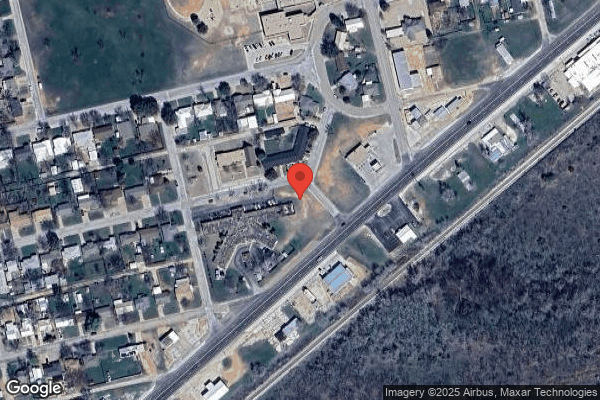
Sept 2022 3 deficiencies
CONCERN (D)

Potential for Harm - no one hurt, but risky conditions existed

Deficiency F0655 (Tag F0655)

Could have caused harm · This affected 1 resident

**NOTE- TERMS IN BRACKETS HAVE BEEN EDITED TO PROTECT CONFIDENTIALITY** Based on interview and record review the facility failed to develop and implement a baseline care plan for each resident that in...

Read full inspector narrative →
**NOTE- TERMS IN BRACKETS HAVE BEEN EDITED TO PROTECT CONFIDENTIALITY** Based on interview and record review the facility failed to develop and implement a baseline care plan for each resident that includes the instructions needed to provide effective and person-centered care of the resident that meet professional standards of quality care for 1 (Resident #154) of 18 residents reviewed. The facility failed to ensure that a baseline care plan was developed within 48 hours of the Resident 154's admission. This failure could place newly admitted residents at risk for insufficient immediate care needs for the resident being met and maintained. Findings included: Record review of Resident #154's face sheet (undated) reflected a [AGE] year-old female admitted to the facility on [DATE] with the following diagnoses: depression, type 2 diabetes and hypertension (high blood pressure) Review of the assessment section of Resident #154's electronic medical record revealed there was not a baseline care plan or assessment under the as of 09/11/22. Record review of Resident #154 electronic medical record did not have a BIMS evaluation conducted as of 09/11/22 that revealed BIMS Summary Score (alert and oriented x time, place, person). Record review of Resident #154's OOH-DNR Order signed and dated by the resident's responsible party on 09/09/22 and the resident's physician on 09/08/22 revealed the document was complete indicating it was the residents wishes not to be resuscitated. Record review of Resident #154's Order Summary dated 09/12/22 revealed the resident had an order for DNR dated 9/9/22 and an order for antipsychotic Zoloft 50 mg. In an interview on 09/12/2022 at 10:06 AM the ADON stated the MDS Coordinator was responsible for baseline care plans. She stated she (ADON) was the one to assess the resident upon admission. She stated during admission she categorized Resident #154 as a fall risk but this information was not put anywhere. She said the baseline care plan was the foundation of a resident's care and should include diagnoses, why the resident was at the facility and things that should be done for the resident regarding care until the comprehensive care plan was created. She said everyone used the baseline care plan to provide care to the residents when they were first admitted . She said Resident #154 had been admitted because she had had a stroke and she had weakness on her left side. She stated the resident had a cognitive delay but had not been formally assessed and given a BIMS score. She stated the resident also had speech and swallowing concerns that may affect her diet due to her stroke. She stated there was not a system in place to address late admissions on Friday's and this was the reason she believed the baseline care plan was not done. She stated if a person did not have a baseline care plan completed the staff would not know what a person needed to provide to perform their activities of daily living or what their cognitive status would be. The DON stated the resident could need assistance and may not receive it because the baseline care plan was not completed. She stated the resident could also fall. She stated she was not familiar with the resident's fall but that she had fallen the day after admission and again on 09/12/22. She could not say if this could have been prevented through the implementation of the baseline care plan. In an interview on 09/12/2022 at 10:22 AM the DON said the reason why the baseline care plan for the resident was not complete was because the admission was done late Friday (09/09/22) afternoon. She stated that she needed to train her staff on what to do when they have late admissions. She stated there was not a system in place at this time to address baseline care plans for late admissions on Friday, late afternoon. She stated she felt that there was no adverse risk to the resident if the baseline care plan was not completed within 48 hours because she felt there were other systems in place that would keep the resident safe. She did not name those systems at the time of the interview. She stated the MDS Coordinator was responsible for completing the baseline care plan. She stated the baseline care plan should be done within 48 hours of admission. She stated the resident had had a fall since admission. She stated as a result of the fall she would have the bed lowered and put a fall mat in place. She was not aware that a fall mat had been put in place already. In an interview on 09/12/2022 at 10:35 AM the Administrator stated the baseline care plan should be done within the appropriate time frame listed in the facility policy. He stated the MDS Coordinator was responsible for completing the baseline care plan. He stated all staff used the baseline care plan to provide care to the resident. He said if a baseline care plan was not completed the resident was at risk because the resident could not receive the care that was needed. He stated that there were no systems put in place to address late admissions on Friday evenings. In an interview on 09/12/2022 at 11:05 AM the MDS Coordinator stated she was responsible for completing the baseline care plans. She said they should be completed within 48 hours. She said the reason why Resident #154 baseline care plan was not done was because she was a late admission on Friday (09/09/22) and she (MDS Coordinator) was not in the facility. She stated she had been trained how to do baseline care plans and was aware of the deadline expectation according to the facility policy. She stated if the baseline care plan was not completed that it could affect the care that the residents receive. She stated the resident being a fall risk or having a do not resuscitate order would have been included in the baseline care plan so the staff providing care would know. She stated if there was no baseline care plan then the staff would not have access to this information. She stated anyone could pull the baseline care plans up and use them to provide care to the resident. She stated there was no system in place at this time that addressed late admissions on Friday's. Record review of the facility policy Care Plans- Baseline, Comprehensive Person-Centered, (Revised December 2016), revealed the following documentation: Policy Statement: A baseline plan of care to meet the resident's immediate needs shall be developed for each resident within forty-eight (48) hours of admission. Policy Interpretation and Implementation (1) To assure that the resident's immediate care needs are met and maintained, a baseline care plan will be developed within forty-eight (48) hours of the resident admission. (2) The interdisciplinary team will review the healthcare practitioner's orders (e.g., dietary needs, medications, routine treatments, etc.) and implement a baseline care plan to meet the resident's immediate care needs including but not limited to: a. Initial goals based on admission orders; b. Physician orders; c. Dietary orders; d. Therapy services e. Social Services; and f. PASARR recommendation; if applicable.
CONCERN (E)

Potential for Harm - no one hurt, but risky conditions existed

Comprehensive Care Plan (Tag F0656)

Could have caused harm · This affected multiple residents

**NOTE- TERMS IN BRACKETS HAVE BEEN EDITED TO PROTECT CONFIDENTIALITY** Based on observations, record review, and interview, the facility failed to develop a comprehensive care plan to meet the highes...

Read full inspector narrative →
**NOTE- TERMS IN BRACKETS HAVE BEEN EDITED TO PROTECT CONFIDENTIALITY** Based on observations, record review, and interview, the facility failed to develop a comprehensive care plan to meet the highest practicable physical, mental, psychosocial well-being for 4 of 18 residents (Residents #8, #11, #21, #26) reviewed for care plans as follows: Resident #8 did not have a care plan for vision, activities of daily living, dental, pressure ulcer and psychotropic drug use. Residents #21, #11, #26 did not have a care plan for smoking. This failure could place residents at risk of not receiving the care required to meet their physical, mental, and psychosocial needs to attain or maintain their highest practicable physical, mental, and psychosocial outcome. Findings include: Resident #8 Record review of Resident #8's undated admission record revealed an [AGE] year-old-female was admitted to the facility on [DATE] and readmitted on [DATE] with diagnoses to include heart failure, dry eye syndrome, difficulty walking, anxiety, edema (swelling), and hypertension (high blood pressure). Record review of Resident #8's Annual Minimum Data Set, dated [DATE], revealed: Section C Brief Interview for Mental Status score revealed a score of 15, which indicated the resident's cognition was cognitively intact. Section V Care Area Assessment (CAA) Summary: CAA Results: (List the CAA that triggered and not Care Planned) 03. Visual Function 05. ADL Functions/Rehabilitation Potential 15. Dental Care 16. Pressure Ulcer 17. Psychotropic Drug Use Section B 1000. Vision Enter Code: 1 - Impaired - sees large print, but not regular print in newspapers/books. Section G0100. Activities of Daily Living (ADL) Assistance revealed bed mobility, transfer, walk in room, locomotion on unit, locomotion off unit, dressing, eating, toilet use was all coded 1 = supervision - oversight, encouragement or cueing and 2 = one-person physical assist. Personal hygiene was coded 3 = extensive assistance - resident involved in activity, staff provide weight bearing support and 2 = one-person physical assist. Section G0120. Bathing revealed physical help in part of bathing activity and coded 2 = one-person physical assist. Section G0300. Balance During Transitions and Walking revealed moving from seated to standing position, walking (with assistive device if used), turning around and facing the opposite direction while walking, moving on and off toilet and surface to surface transfer (transfer between bed and chair or wheelchair) was all coded 1 = not steady, but able to stabilize without human assistance. Section L Oral/Dental Status L0200. Dental B. No natural teeth or tooth fragment. Section M Skin Conditions M0150. Risk of pressure ulcers/injuries Is this resident at risk of developing pressure ulcers/injuries? Coded 1 = Yes Section N Medications N0410. Medication Received Indicate the number of DAYS the resident received the following medications during the last 7 days or since admission/entry or reentry if less than 7 days. C. Antidepressant - 7 days Record review of Resident #8's care plan, dated 08/17/22, revealed no care plan for vision impairment, activities of daily living, dental status, pressure ulcer risk and psychotropic drug use. Resident #11 Record Review of Resident #11's face sheet dated 09/13/22 revealed a [AGE] year-old male admitted to the facility on [DATE] with the following diagnoses: Pruritus (severe itching), hypoxemia (decrease partial pressure of oxygen in the blood), chronic viral hepatitis C (swelling in the liver), Anemia (low amount of red blood cells), Hypertension (high blood pressure), and pulmonary disease (inflamed airways). Record Review of Resident #11's comprehensive MDS dated [DATE] revealed the following: Section C - Cognitive Patterns - C0500. BIMS Summary Score= 10 which was rated as moderately cognitively impaired (alert and oriented x time, place, and person). Section J - Other Health Conditions - J1300. Current Tobacco Use = 1. Yes. Record Review of Resident #11's observations indicated a smoking assessment was completed on Resident #11 on 05/17/22. Record review of the facility's undated list of active smokers, provided on 9/11/22 revealed Resident #11's name Record Review of Resident #11's Care Plan dated 07/24/22 revealed the care plan did not address smoking. Surveyor witnessed Resident #11 smoking. Resident #21 Record review of Resident #21's face sheet dated 09/1/22 revealed a [AGE] year-old female admitted to the facility on [DATE] with the following diagnoses: mental disorder, difficulty in walking, Post-traumatic stress disorder (stress as a result of a traumatic event), constipation, arthritis (joint pain), dry eye syndrome, hypertension (high blood pressure), Complete loss of teeth, Obesity (overweight), and Hyperlipidemia (high cholesterol). Record Review of Resident #21's comprehensive MDS dated [DATE] revealed the following: Section C - Cognitive Patterns - C0500. BIMS Summary Score = 14 cognitively intact (alert and oriented x time, place, and person). Section J - Other Health Conditions - J1300. Current Tobacco Use = 1. Yes. Record Review of Resident #21's observations indicated a smoking assessment was completed on Resident #21 on 09/7/22. Record review of the facility's undated list of active smokers, provided on 9/11/22, revealed Resident #21's name. Record review of Resident#21's care plan dated 4/21/22 revealed the care plan did not address smoking. Surveyor witnessed Resident #21 smoking. Resident #26 Record Review of Resident #26's face sheet dated 09/13/22 revealed a [AGE] year-old male admitted to the facility on [DATE] with the following diagnoses: Mental disorder, Repeated falls, acute respiratory disease (difficulty breathing), Urinary tract infection (inflammation of the bladder/kidneys), pain in unspecified ankle and joints of unspecified foot, Hypertension (high blood pressure), heart failure, complete loss of teeth, decreased white blood cell count, Type 2 diabetes (unable to regulate the amount of sugar in the blood), and Obesity (overweight). Record Review of Resident #'s comprehensive MDS dated [DATE] revealed the following: Section C - Cognitive Patterns - C0500. BIMS Summary Score = 07 severely impaired cognitively (not alert and oriented x time, place, and person). Section J - Other Health Conditions - J1300. Current Tobacco Use = 1. Yes answer. Record Review of Resident #26's observations indicated a smoking assessment was completed on Resident #26 on 09/07/22. Record review of the facility's undated list of active smokers, provided on 9/11/22, revealed Resident #26's name. Record Review of Resident #26's Care Plan dated 09/9/22 revealed care plan did not address smoking. This Surveyor witnessed Resident #26 smoking. During an interview on 9/13/22 at 09:24 AM the DON, she stated, vision, activities of daily living, dental, pressure ulcer risk and psychotropic drug use was not care planned for Resident #8. She stated she did not know why the care areas were not care planned. She stated the CCM was responsible for completing the comprehensive care plans and any quarterly changes. She stated care plans are developed using the triggered care areas, admission paperwork and family wishes. She stated not all triggered care areas need to be care planned, only the ones the resident is having issues with. She stated care plans are used for staff to know what care needs to be provided to the resident. She stated, A triggered care area that is not care planned would not change the residents care and there would not be any negative outcome if the care plan was not done. She stated the facility has no system in place to audit or follow-up on care plans. During an interview on 9/13/22 at 09:41 AM with CCM, she stated she is responsible for care plans and has been trained on how to develop care plans. She stated she is the one that does comprehensive care plans and updates when she completes the MDS. She stated, I have been behind and this one (Resident #8 care plan) just slipped through the cracks. She stated care plans are used to identify problems and goals for each resident. She stated all staff who care for residents use the care plan. She stated the potential negative outcome for the residents could be gaps in residents' care. She stated It was my error when asked why the triggered care areas were not care planned. She stated there is no system in place to follow-up or audit care plans. During an interview on 9/13/22 at 10:00 AM with LVN A, she stated the care plan is available to view in the resident EMR. She stated it is used to let staff know what care to provide the residents. During an interview on 9/13/22 at 10:00 AM with CCM, she stated she is responsible for care plans and has been trained on how to develop care plans. The CCM states all staff should be utilizing the care plans to guide patient care. The CCM states all the information she accumulates for the care plan is found in the resident's electronic medical record. The CCM states if care plans are not thoroughly completed, if triggered areas are missed then there could be gaps in care for the residents; furthermore, she stated these gaps in the care could be dangerous for the residents. The CCM states no one monitors care plans for accuracy, there is no auditing of care plans. The CCM states there is a schedule for residents to smoke, they smoke on the patio at the end of Hall C, there are always staff monitoring the smoking, and smoking aprons are used as needed. The CCM states nurses keep all the residents' smoking materials in a lock box at the nurse's station. The CCM states the charge nurses are responsible for completing smoking assessments. When asked what the potential outcome could be if residents are not care planned for smoking, she stated, Residents may not be safe smokers and there could be fire hazards and injuries to the residents. The CCM states it is necessary to care plan for smoking so that residents are properly protected and supervised when smoking. During an interview on 9/13/22 at 10:15 AM with TNA A, she stated she does have access to the resident's care plans. She stated the care plan is used to know what care is needed for the residents. She stated the potential negative outcome if care areas are not care planned could be missed care. During an interview on 9/13/22 at 10:37 AM with the DON, she stated Residents #21, #11, and #26 smoke. The DON stated the CCM is responsible for forming care plans. The DON stated she is responsible for acute care plans. The DON states there is no one assigned to follow up on the accuracy of care plans; in addition, the DON stated no one audits care plans. The DON reviewed Matrix with this Surveyor present; the DON stated during her review of Matrix residents #21, #11, and #26 were not care planned for smoking. The DON states there is no reason the residents were not care planned. She stated, There is obviously a problem. The DON stated residents #21, #11, and #26 all had smoking assessments. The DON states the smoking assessments are completed by the nurses and are more important than care plans. The DON stated the comprehensive MDS for all three residents indicated they all three use tobacco. When asked by what would be the negative outcome for smoking not being care planned the DON stated, There would not be one negative outcome for smoking not being care planned. The DON stated, Some staff may use care plans, but they are not necessary because there are other systems in place. When asked who utilizes the care plan at the facility the DON stated, Any and all staff can utilize care plans. The DON states there are scheduled times for residents to smoke and smoking occurs outside the door at the end of Hall C. The DON states residents' cigarettes and lighters are kept in a lock box which is kept locked in the medication storage. Lastly, the DON states smoking aprons are used as needed and the facility has plenty of smoking aprons. During an interview on 9/13/22 at 11:20 AM with the Administrator, she stated the CCM is responsible for completion of the care plans. The Administrator stated there are no audits or double checking of care plans for accuracy. The Administrator stated all staff utilize care plans to care for residents; furthermore, he states the information collected for care plans come from Matrix. The Administrator states if triggered areas of care are not completed in care plans, then the staff would not know how to properly care for a resident. The Administrator stated smoking should be care planned for residents to ensure safe smoking for these residents. The Administrator stated there is no reason smoking should not be care planned for Residents #21, #11, and #26. The Administrator states there is an obvious issue with properly completing care plans and this will be addressed. The Administrator states there is a set schedule for smoking; smoking occurs outside a the end of Hall C, all residents are monitored by staff while smoking, and residents' cigarettes and lighters are kept by the nurses in a locked box at the nurses' station. The Administrator stated smoking aprons are used as needed and he feels the facility has plenty of aprons. The Administrator stated the potential outcome for residents not being care planned for smoking is the resident may not know the rules for smoking at the facility, they may cause fire hazards, or injure themselves while smoking. The Administrator stated if smoking is an issue for the resident, it should be carefully care planned and a smoking assessment should be completed. The Administrator states the nurses are responsible for smoking assessments. Record review of the facility policy Care Plans, Comprehensive Person-Centered, Revised December 2020, revealed the following documentation: Applicability: this policy sets forth the procedures relating to developing a comprehensive, person-centered care plan. Policy Statement A comprehensive, person-centered care plan that includes measurable objectives and timetables to meet the Resident's physical, psychosocial and functional needs is developed and implemented for each resident. Policy Interpretation and Implementation: #8. The comprehensive, person-centered care plan will: Include measurable objectives and time frames. 1. Describe the services that are to be furnished to attain or maintain the resident's highest practicable, physical, mental, and psychosocial well-being. 2. Incorporate services that would be provided for the above, however, they are not provided due to the resident exercising his or her rights. 3. Include the resident's goals upon admission and desired outcomes. #10. Identifying problem areas and their causes and developing interventions that are targeted and meaningful to the Resident, are the endpoint of an interdisciplinary process. Record review of the facility policy for Smoking Residents revised August 2019, revealed the following documentation: Applicability: this policy sets forth the procedures relating to developing a policy for safe smoking practices. Policy Statement This facility shall establish and maintain safe resident smoking practices. Policy Interpretation and Implementation #18. Resident care plans will reflect that the resident is a smoker and if a protective smoking apron is indicated for the resident.
CONCERN (F)

Potential for Harm - no one hurt, but risky conditions existed

Food Safety (Tag F0812)

Could have caused harm · This affected most or all residents

Based on observation, interview, and record reviews the facility failed to store, prepare, and serve food in accordance with professional standards for food service safety for one of one kitchen revie...

Read full inspector narrative →
Based on observation, interview, and record reviews the facility failed to store, prepare, and serve food in accordance with professional standards for food service safety for one of one kitchen reviewed for kitchen sanitation. The facility failed to sanitize and clean 1 of1 ice machine located outside the kitchen. Theis failure could place the residents who were served from the kitchen at risk for health complications and foodborne illnesses. Findings included: Observation on 09/11/2022 at 12:15 AM, of the outside of the freezer located outside of the kitchen revealed thee filter on the front of the ice machine had lint in the vent and visible pieces of lint were on the front of the vent. The right side of the ice machine was dirty and there was an unknown dirty substance along the seams of the machine. Observation on 09/12/2022 at 2:00 PM, of the outside of the freezer located outside of the kitchen revealed the filter on the front of the ice machine had lint in the vent and visible pieces of lint were on the front of the vent. The right side of the ice machine was dirty and there was unknown dirty substance along the seams of the machine. After the Kitchen Aide unlocked the ice machine observations on the inside of the machine revealed the lip of the door inside the machine right above the ice had a black wet substance. Observation on 09/13/2022 at 10:45 AM, of the outside of the freezer located outside of the kitchen revealed the filter on the front of the ice machine had lint in the vent and visible pieces of lint were on the front of the vent. The right side of the ice machine appeared to have been wiped but smeared with streaks. After the Dietary Manager unlocked the ice machine observations on the inside of the machine revealed the lip of the door inside the machine right above the ice had a black wet substance. A white napkin was used to wipe the lip of the door and the black wet unknown substance came off on the white napkin. In an interview on 09/12/2022 at 10:35 AM the Administrator stated the kitchen staff was responsible for cleaning the ice machine. He stated the reason why the ice machine was not cleaned was because the inconsistency with who was responsible for doing it. He restated that at one point maintenance and the housekeeping staff were cleaning the ice machine because of staffing issues. He said the kitchen staff were short at the time. He stated he expected for the ice machine to be cleaned at least one time a week. He stated if the ice machine was not clean that it would put the residents at risk of receiving contaminated ice and could make them sick especially if there's bacteria in the ice. In an interview on 09/12/2022 at 10:46 AM the Dietary Manager said that dietary was responsible for cleaning the ice machine. She stated she had found out about kitchen being responsible a couple of days ago but she was not aware of the dietary staff being responsible prior to being told a couple of days ago. She stated in the past she had just wiped it down but in the future she would clean the inside. She stated she had not been cleaning the inside because she did not know that dietary staff was responsible. She stated if the inside was not clean then the residents were at risk because mold could build up inside and people could get sick. She stated she had not been trained on how to clean the ice machine or how to remove anything inside to be clean. She stated the ice machine should be cleaned weekly. She stated she was not aware there was paperwork ( cleaning checklist) until she saws the sign in sheet on the side of the ice machine. She stated even when the dietary staff would clean it it would just be the outside of the ice machine. She stated she was not aware that the door could come out and be cleaned in the dishwasher. In an interview on 09/12/2022 at 10: 53 AM the Kitchen Aide stated she has been working at the facility since 05/28/22. She said she was not sure who was responsible for cleaning the ice machine. She stated she had cleaned the ice machine the day before (09/11/2022) by wiping the outside of the ice machine but did not clean the inside. She stated she had never cleaned the inside. She stated she was not sure who was responsible, and she had not been told who was responsible for keeping the ice machine clean. She stated if the ice machine was not clean according to policy then everyone to get sick and this could include staff and residents who consume ice. In an interview on 09/12/2022 at 10:55 AM [NAME] A said she has been working on an off at the facility for three years. She stated housekeeping was responsible for cleaning the ice machine that she knew of. She stated she has never cleaned the inside of the ice machine. She stated as the cook she does not clean the ice machine but the kitchen aid does. She stated no one has ever trained her on cleaning the ice machine. She stated the ice machine not being clean could put the residence at risk for being sick. She stated mold could grow in the ice machine and get into the ice. In an interview on 09/12/2022 at 11:00 AM the Housekeeping Supervisor stated the kitchen was responsible for cleaning the ice machine. She said last year she was told that housekeeping was responsible, and this is because the kitchen was short staffed, but this is no longer an issue. She said she was never told by anyone that she was no longer responsible but that she had told the DM that she was now responsible for keeping the ice machine clean. She said she told the DM a couple of weeks ago at 7 AM in the morning but the DM did not remember. She said whenever she would clean the ice machine she would empty and then clean out the bin. She stated the door of the ice machine would be removed and ran through the dishwasher. She stated then they would also wipe the inside and outside of the ice machine. She stated failure to clean the ice machine could make residents sick. Record review of the Texas Food Establishment Rules , dated August 2021, revealed the following: Pg. 17 (d) Equipment and Utensils (2) Location and installation. Equipment shall be located and installed and cleaned in a way that prevents food contamination and that also facilitates cleaning. (4) Protection from contamination. Food-contact surfaces of equipment shall be protected from contamination by consumers and other sources. Where necessary to prevent contamination . (f) Ice Usage ( 2) Ice used for human consumption must be stored in a clean sanitized container that . Record review of the facility policy, Kitchen Sanitation to Prevent the Spread of Viral Illness, dated 03/03/2020 revealed the following information: Policy: The Nutrition & Foodservice employees of the facility will practice good sanitation practices in accordance with the state and US Food Codes in order to minimize the risk of cross contamination and potential illness such as influenza and COVID-19. (f) Kitchen Sanitation Weekly Cleaning lists should be completed and monitored by dietary manager. Record review of the Daily Ice Machine Cleaning Log dated September 2022 revealed employee signatures (DM, Kitchen Aid & the Cook) of all dietary staff signed from 09/01/2022 to 09/13/2022. Record Review of Cleaning Checklist (untitled and undated) revealed the ice machine should be cleaned daily. The person responsible was not completed. Record Review of the facility policy, Cleaning Guidelines for the Ice Machine, undated revealed the following: 1. Unplug ice machine and remove the ice. 2. Wash the interior thoroughly using a detergent solution. Rinsed and drain the interior with clean hot tap water 3. Sanitize 4. Air dry 5. Turn the machine on. 6. Clean the exterior of the machine with a detergent solution. Rinse and allow to air dry. Clean the area underneath and around the machine. The exterior of machine should be cleaned daily.
Understanding Severity Codes (click to expand)
Life-Threatening (Immediate Jeopardy)
J - Isolated K - Pattern L - Widespread
Actual Harm
G - Isolated H - Pattern I - Widespread
Potential for Harm
D - Isolated E - Pattern F - Widespread
No Harm (Minor)
A - Isolated B - Pattern C - Widespread

Questions to Ask on Your Visit

  • "Why is there high staff turnover? How do you retain staff?"
  • "Can I speak with families of current residents?"
  • "What's your RN coverage like on weekends and overnight?"

Our Honest Assessment

Strengths
  • • No major safety red flags. No abuse findings, life-threatening violations, or SFF status.
  • • No fines on record. Clean compliance history, better than most Texas facilities.
Concerns
  • • 14 deficiencies on record. Higher than average. Multiple issues found across inspections.
  • • 57% turnover. Above average. Higher turnover means staff may not know residents' routines.
Bottom line: Mixed indicators with Trust Score of 70/100. Visit in person and ask pointed questions.

About This Facility

What is Sweetwater Healthcare Center's CMS Rating?

CMS assigns SWEETWATER HEALTHCARE CENTER an overall rating of 4 out of 5 stars, which is considered above average nationally. Within Texas, this rating places the facility higher than 99% of the state's 100 nursing homes. This rating reflects solid performance across the metrics CMS uses to evaluate nursing home quality.

How is Sweetwater Healthcare Center Staffed?

CMS rates SWEETWATER HEALTHCARE CENTER's staffing level at 1 out of 5 stars, which is much below average compared to other nursing homes. Staff turnover is 57%, which is 11 percentage points above the Texas average of 46%. High turnover can affect care consistency as new staff learn residents' individual needs.

What Have Inspectors Found at Sweetwater Healthcare Center?

State health inspectors documented 14 deficiencies at SWEETWATER HEALTHCARE CENTER during 2022 to 2024. These included: 14 with potential for harm.

Who Owns and Operates Sweetwater Healthcare Center?

SWEETWATER HEALTHCARE CENTER is owned by a for-profit company. For-profit facilities operate as businesses with obligations to shareholders or private owners. The facility is operated by SLP OPERATIONS, a chain that manages multiple nursing homes. With 79 certified beds and approximately 48 residents (about 61% occupancy), it is a smaller facility located in SWEETWATER, Texas.

How Does Sweetwater Healthcare Center Compare to Other Texas Nursing Homes?

Compared to the 100 nursing homes in Texas, SWEETWATER HEALTHCARE CENTER's overall rating (4 stars) is above the state average of 2.8, staff turnover (57%) is significantly higher than the state average of 46%, and health inspection rating (4 stars) is above the national benchmark.

What Should Families Ask When Visiting Sweetwater Healthcare Center?

Based on this facility's data, families visiting should ask: "How do you ensure continuity of care given staff turnover, and what is your staff retention strategy?" "Can you walk me through typical staffing levels on day, evening, and night shifts?" "Can I visit during a mealtime to observe dining assistance and food quality?" "How do you handle medical emergencies, and what is your hospital transfer rate?" These questions are particularly relevant given the facility's high staff turnover rate and the below-average staffing rating.

Is Sweetwater Healthcare Center Safe?

Based on CMS inspection data, SWEETWATER HEALTHCARE CENTER has a clean safety record: no substantiated abuse findings (meaning no confirmed cases of resident harm), no Immediate Jeopardy citations (the most serious violation level indicating risk of serious injury or death), and is not on the Special Focus Facility watch list (a federal program monitoring the lowest-performing 1% of nursing homes). The facility has a 4-star overall rating and ranks #1 of 100 nursing homes in Texas. While no facility is perfect, families should still ask about staff-to-resident ratios and recent inspection results during their visit.

Do Nurses at Sweetwater Healthcare Center Stick Around?

Staff turnover at SWEETWATER HEALTHCARE CENTER is high. At 57%, the facility is 11 percentage points above the Texas average of 46%. High turnover means new staff may not know residents' individual needs, medications, or preferences. It can also be disorienting for residents, especially those with dementia who rely on familiar faces. Families should ask: What is causing the turnover? What retention programs are in place? How do you ensure care continuity during staff transitions?

Was Sweetwater Healthcare Center Ever Fined?

SWEETWATER HEALTHCARE CENTER has no federal fines on record. CMS issues fines when nursing homes fail to meet care standards or don't correct problems found during inspections. The absence of fines suggests the facility has either maintained compliance or corrected any issues before penalties were assessed. This is a positive indicator, though families should still review recent inspection reports for the full picture.

Is Sweetwater Healthcare Center on Any Federal Watch List?

SWEETWATER HEALTHCARE CENTER is not on any federal watch list. The most significant is the Special Focus Facility (SFF) program, which identifies the bottom 1% of nursing homes nationally based on persistent, serious quality problems. Not being on this list means the facility has avoided the pattern of deficiencies that triggers enhanced federal oversight. This is a positive indicator, though families should still review the facility's inspection history directly.