TEAGUE NURSING AND REHABILITATION
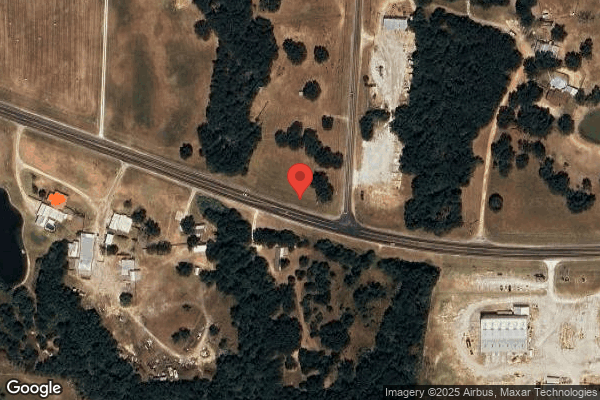
884 HWY 84 W, TEAGUE, TX 75860 (254) 739-2541
For profit - Corporation 76 Beds GULF COAST LTC PARTNERS Data: November 2025
Trust Grade
90/100
#141 of 1168 in TX
Last Inspection: November 2024

Within standard 12-15 month inspection cycle. Federal law requires annual inspections.

Overview

Teague Nursing and Rehabilitation has earned a Trust Grade of A, which indicates an excellent reputation and a high level of care. It ranks #141 out of 1,168 facilities in Texas, placing it in the top half of the state's nursing homes, and #2 out of 3 in Freestone County, meaning only one local option is better. Unfortunately, the facility is experiencing a worsening trend, with issues increasing from 1 in 2023 to 3 in 2024. While staffing is a strength with a turnover rate of 34%, which is below the Texas average, the RN coverage is concerning as it is lower than 75% of Texas facilities. In terms of specific incidents, there were failures in infection control, with staff not sanitizing hands or changing gloves properly, potentially increasing the risk of infections. Additionally, there were inaccuracies in medical records for a resident, which could lead to inadequate care. Overall, while the facility has strengths in its trust score and staffing retention, families should be mindful of the recent issues and the need for improvement in infection control practices.

Trust Score
A
90/100
In Texas
#141/1168
Top 12%
Safety Record
Low Risk
No red flags
Inspections
Getting Worse
1 → 3 violations
Staff Stability
○ Average
34% turnover. Near Texas's 48% average. Typical for the industry.
Penalties
✓ Good
No fines on record. Clean compliance history, better than most Texas facilities.
Skilled Nurses
⚠ Watch
Each resident gets only 15 minutes of Registered Nurse (RN) attention daily — below average for Texas. Fewer RN minutes means fewer trained eyes watching for problems.
Violations
○ Average
6 deficiencies on record. Average for a facility this size. Mostly minor or procedural issues.
★★★★★
5.0
Overall Rating
★★☆☆☆
2.0
Staff Levels
★★★☆☆
3.0
Care Quality
★★★★★
5.0
Inspection Score
Stable
2023: 1 issues
2024: 3 issues

The Good

  • Full Sprinkler Coverage · Fire safety systems throughout facility
  • No fines on record
  • Staff turnover below average (34%)

    14 points below Texas average of 48%

Facility shows strength in fire safety.

The Bad

Staff Turnover: 34%

11pts below Texas avg (46%)

Typical for the industry

Chain: GULF COAST LTC PARTNERS

Part of a multi-facility chain

Ask about local staffing decisions and management

The Ugly 6 deficiencies on record

Nov 2024 1 deficiency
CONCERN (E)

Potential for Harm - no one hurt, but risky conditions existed

Infection Control (Tag F0880)

Could have caused harm · This affected multiple residents

**NOTE- TERMS IN BRACKETS HAVE BEEN EDITED TO PROTECT CONFIDENTIALITY** Based on observations, interviews, and record review, the facility failed to maintain an infection prevention and control progra...

Read full inspector narrative →
**NOTE- TERMS IN BRACKETS HAVE BEEN EDITED TO PROTECT CONFIDENTIALITY** Based on observations, interviews, and record review, the facility failed to maintain an infection prevention and control program designated to provide a safe, sanitary, and comfortable environment and to help prevent the development and transmission of communicable diseases and infection for 4 (Resident #24, Resident #14, Resident #11, and Resident #86) of 8 residents reviewed for infection control. CNA C and CNA D failed to wash their hands and change their gloves when removing a soiled brief and placing a clean brief during peri care observation for Resident #11. LVN A placed soiled linens and dressing on the Resident #86's floor during wound care. CNA B and LVN A failed to change their gloves or cleanse their hands when removing a dirty brief and placing a clean brief on Resident #86. MA E failed to sanitize blood pressure monitor before, in between and after use on Resident #24 and Resident #14. These failures could place residents at-risk of cross contamination which could result in infections or illness. Findings included: Resident #11 Record review of Resident #11's undated face sheet reflected she was a [AGE] year-old female, admitted to the facility on [DATE]. Her diagnoses included cerebral infarction (Stroke a disruption of the blood flow to the brain causing part of the brain to die), dementia (a chronic condition causing a decline in cognitive functioning such as thinking, remembering, and reasoning), and anxiety disorder. Record review of Resident #11's care plan dated 11/02/2022 reflected she had an ADL Self Care Performance (Bed Mobility, Transfers, Eating, Bathing, Dressing, and Personal Hygiene) Deficit. Her goals included: Resident #11 will maintain current level of function in ADL's, through the next review date. Interventions included The resident requires assistance (wash hands, adjust clothing, clean self, transfer onto toilet, transfer off toilet) to use toilet. Record review of Resident #11's Quarterly MDS assessment, dated 09/12/2024, reflected she had a BIMS score of 10, which indicated moderate cognitive impairment. Resident #11 was coded always incontinent of bowel and bladder and as dependent for toileting and toileting hygiene indication the helper or CNA does all the effort to complete the activity. In a peri care observation on 11/25/24 at 2:30 PM CNA C and CNA D did not change their gloves or wash their hands when removing a dirty brief and applying a clean brief. In an interview on 11/25/24 at 2:58 PM CNA C and CNA D stated they had been trained on infection control and peri care. They stated the nurses visually check CNA's off on peri care annually with skills training. They just stated they forgot to wash their hands. They stated not changing gloves or washing hands when working from a dirty to clean surface or area could spread germs and bacteria. Resident #86 Record review of Resident #86's undated face sheet reflected she was a [AGE] year-old female, originally admitted to the facility on [DATE] and readmitted on [DATE]. Her diagnoses included Pneumonia, Respiratory Failure, Acute Kidney Failure, and Gastro-esophageal reflux (indigestion). Record review of Resident #86's care plan dated 10/19/2023 and revised on 03/07/24 reflected she had a history of urinary tract infections. Interventions included Resident/family/caregiver teaching should include good hygiene practices: Females to wipe and cleanse from front to back, clean peri area well after bowel movement in order to help prevent bacteria in urinary tract. Record review of Resident #86's admission MDS assessment, dated 11/17/2024, reflected staff assessment of her mental status indicated short term and long-term memory problems. The MDS indicated Resident #86 was able to recall her own room and names of staff. Resident #86 was Substantial/maximal assistance staff assistance with eating, personal hygiene, toileting, and showering. Section H of the MDS Bowel and Bladder indicated resident #86 was always incontinent of bowel and bladder. Record review of Resident #86's Physician Orders Summary Report dated 11/26/24 reflected an order for care to surgical incision to left gluteal fold (left buttocks) that read cleans with wound cleanser and gauze, pat dry with gauze, pack wound with iodoform packing strip (a gauze strip soaked in iodine) and apply dry dressing to wound daily. In a wound care and peri care observation on 11/25/24 at 11:38 AM for Resident #86 LVN A and CNA B removed the soiled brief and linens and place them unbagged on the floor in the room. CNA B cleansed Resident #86 from front to back and placed a new clean brief under resident without washing her hands or changing her gloves. LVN A then removed a soiled dressing from Resident #86's left buttocks and placed the soiled dressing in the pile with the soiled linens and soiled brief on the resident's floor. LVN A then changed her gloves and applied a clean pair. LVN A did not wash her hands or use alcohol-based hand sanitizer between glove changes. LVN A packed wound to left buttocks and applied a clean dressing. In an interview on 11/25/24 at 12:00 PM CNA B stated staff do normally use alcohol-based hand sanitizer in between glove changes. She stated they were trained on infection control often. CNA B stated the risk for the resident for not cleansing hands and using clean gloves would be passing germs from one to the other. She stated normally staff keep trash bags available at bedside and put soiled linens in the trash bag. Soiled briefs were placed in the trash can and staff change the liner out when removed. CNA B stated it was not practice putting soiled linens or briefs on the floor. She stated the risk for residents for not cleansing hands and placing soiled linens on the floor wound be spreading germs. In an interview on 11/25/24 at 12:10 PM LVN A stated she does not normally perform peri care on residents. I'm not aware of what the policy says about glove changes between dirty and clean surfaces. LVN A stated yes she normally throws soiled linens on the floor if the dirty has been folded up inside. She stated the housekeepers come in and mops the floor. LVN A stated she had thrown soiled wound dressings on the floor if the dirt is on the inside. She stated risk to the residents for not cleaning hands and placing soiled linens on the floor would be spreading germs. Resident #24 Record review of Resident #24's face sheet dated 11/26/24 revealed an [AGE] year-old female who was admitted to the facility on [DATE]. Her diagnoses were, Type 2 diabetes, Edema (swelling), Adjustment disorder with mixed anxiety and depressed, Pain in right hip, Chronic obstructive pulmonary disease ( difficulty to breath) , Muscle weakness and Lack of coordination, Record review of Resident #24's care plan dated 10/11/24 reflected Resident #24 had hypertension and relevant intervention was giving anti-hypertensive medications as ordered and monitoring side effects such as orthostatic hypotension and increased heart rate. Record review of Resident #24's quarterly MDS assessment, dated 09/17/24 revealed a BIMS score of 14 indicating her cognition was intact. Resident #14 Record review of Resident #14's face sheet dated 11/26/24 revealed a [AGE] year-old female who was admitted to the facility on [DATE]. Her diagnoses were Cognitive communication deficit, Anemia, Unsteadiness on feet, Difficulty in walking, Lack of coordination, Type 2 diabetes, Hypertension and Muscle weakness. Record review of Resident #14's care plan dated 09/11/24 reflected, she had hypertension and relevant intervention was giving anti-hypertensive medications as ordered and monitoring side effects such as orthostatic hypotension and increased heart rate and effectiveness. Record review of Resident #14's quarterly MDS assessment, dated 09/06/24 revealed a BIMS score of 01 indicating her cognition was severely impaired. An observation on 11/26/24 at 8:25AM , revealed MA E failed to sanitize the blood pressure monitor before using it on Resident #24, in between Resident #24 and Resident #14 and after Resident #14. MA E took the blood pressure monitor from the top of the med cart and without sanitizing it she took the blood pressure of Resident #24. MA E then moved on to Resident #14 and took her blood pressure with the same blood pressure monitor without sanitizing it. After completing the measurement on Resident #14, without cleaning the blood pressure monitor ,she kept it on the top of the med cart. During an interview on 11/26/24 at 9:05AM , MA E stated she was working at the facility for about 10 years. MA E said she was concentrating on administering medications for the residents and forgot to sanitize blood pressure cuff before and after using it on Resident #24 and Resident #14. She stated it was important to follow infection control protocol and sanitize the blood pressure cuffs before using it on the residents. She added, this was essential to minimize the risk of spreading contagious diseases. MA E stated she was aware of the importance of sanitizing medical equipment and received training in the past however did not remember exactly when it was. In an interview on 11/26/24 at 11:48 AM the DON stated it was her expectation that all staff followed the policy for infection control. She stated when staff cross from a dirty to a clean area, they should disinfect their equipment, change their gloves and use alcohol-based hand sanitizer gel in between dirty and clean surfaces. She stated linens were to be bagged and disposed of properly. She stated she was responsible for training the staff on infection control. She stated the risk for residents for not cleaning hands, equipment items like blood pressure monitor , and maintaining a clean environment would be cross contamination and spreading of infections. In an interview on 11/26/24 at 12:00 PM the ADM stated it was his expectation staff to follow policy and procedures for infection control. He stated that the DON had in serviced the staff on peri care, handwashing we and infection control practices. The ADM stated The DON was responsible for providing education on infection control. He stated she completed the Inservice quarterly and as needed. The ADM stated the risk to the resident for not following infection control practices would be the spread of infections. Record review of the facility's policy titled Dressings, Soiled/Contaminated dated 2001 Revised 2009 reflected: Disposable items such as bandages, applicators, gauze pads, that are soiled or contaminated with infective material, blood, or body fluids must be place in a plastic bag and removed from the residents' room upon completion of any procedure. Record review of the facility policy titled Laundry and Bedding, Soiled dated 2001 Revised 2018 reflected: Soiled laundry/bedding shall be handled, transported and processed according to best practices for infection prevention and control. Record review of the facility policy titled Handwashing / Hand Hygiene dated 2001 Revised 2023 reflected: Hand Hygiene is indicated: after contact with blood, body fluids or contaminated surfaces, after touching a resident, after touching a resident's environment, before moving from work on a soiled body site to a clean body site on the same resident and immediately after glove removal. Review of the facility's policy titled Cleaning and disinfection of Resident care Items and Equipment revised in October 2018 reflected: Resident-care equipment, including reusable items and durable medical equipment will be cleaned and disinfected according to current CDC recommendations for disinfection and the OSHA Bloodborne Pathogens Standard. The purpose of this procedure is to provide guidelines for disinfection of non-critical resident care items. . 1.The following categories are used to distinguish the levels of sterilization/ disinfection necessary for items used in resident care d. Reusable items are cleaned and disinfected or sterilized between residents (e.g., stethoscopes, durable medical equipment)
Aug 2024 1 deficiency
CONCERN (D) 📢 Someone Reported This

A family member, employee, or ombudsman was alarmed enough to file a formal complaint

Potential for Harm - no one hurt, but risky conditions existed

Medical Records (Tag F0842)

Could have caused harm · This affected 1 resident

**NOTE- TERMS IN BRACKETS HAVE BEEN EDITED TO PROTECT CONFIDENTIALITY** Based on observatations, interviews, and record review, the facility failed to ensure the medical record contain an accurate rep...

Read full inspector narrative →
**NOTE- TERMS IN BRACKETS HAVE BEEN EDITED TO PROTECT CONFIDENTIALITY** Based on observatations, interviews, and record review, the facility failed to ensure the medical record contain an accurate representation of the actual experiences of the resident and include enough information to provide a picture of the resident's progress, including his/her response to treatments and/or services, and changes in his/her condition for 1of 7 residents (Resident #1) review for resident assessments. The facility failed to ensure Resident #1's Weekly Nursing Summary dated 08/14/24, 08/21/24 & 08/28/2024 reflected that Resident #1 had an indwelling catheter. This deficient practice could place residents at-risk for inadequate care due to an inaccurate assessment. Findings included: A record review of Resident #1's face sheet dated 08/29/24 reflected a [AGE] year-old male who was re-admitted to the facility on [DATE]. Resident #1's diagnoses included retention of urine (a condition that make it difficult or impossible to empty the bladder), muscle wasting and atrophy (loss of muscle tissue), chronic kidney disease stage 4 (when the kidneys are severely damaged and can't filter waste from the blood as well as they should), and muscle weakness (loss of muscle strength). A record review of Resident #1's Quarterly MDS assessment, dated 07/31/24, reflected Resident #1 had a BIMS score of 14, which indicated cognitively intact. Resident #1's Quarterly MDS Section H Bladder and Bowel reflected that Resident #1 had an indwelling catheter. A record review of Resident #1's care plan, dated 06/11/24, reflected Resident #1 was care planned for history of urinary tract infection, chronic kidney disease, and an indwelling catheter. A record review of Resident #1's Weekly Nursing Summary , dated 08/14/24, 08/21/24 & 08/28/2024 reflected Resident #1 did not have a catheter. During an observation and interview on 08/29/24 at 10:15 a.m., Resident #1 appeared to have a catheter with a navy-blue privacy bag cover. Resident #1 stated he has had a catheter since he was admitted to the facility. In an interview on 08/29/24 at 1:15pm, LVN A stated that Resident #1 has had a catheter since his admission. LVN A stated if a resident had a catheter, but an assessment did not reflect the catheter the resident would not receive proper care. In an interview on 08/29/24 at 3:45 p.m., the DON stated that Resident #1 was admitted to the facility with a catheter. The DON stated that the Weekly Nursing Summary should have reflected Resident #1's catheter. The DON stated that if the Weekly Nursing Summary was inaccurate that could cause the resident to receive inadequate care. In an interview on 08/29/24 at 3:55 p.m., the ADM stated Resident #1 had catheter. The ADM stated Resident #1's Weekly Nursing Summary should have reflected Resident #1's catheter. The ADM stated it was the nurse's responsibility to ensure the Weekly Nursing Summary was completed accurately. The ADM stated if resident's assessment was inaccurate that could cause the resident to receive improper care. A record review of the facility's Charting and Documentation policy, dated July 2017, reflected, Policy Statement All services provided to the resident, progress toward the care plan goals, or any changes in the resident's medical, physical, functional or psychosocial condition, shall be documented in the resident's medical record. The medical record should facilitate communication between the interdisciplinary team regarding the resident's condition and response to care. Policy Interpretation and Implementation 2. The following information is to be documented in the resident medical record: a. Objective observations; b. Medication administered; c. Treatment or services performed; d. Changes in the resident's condition e. Events, incidents or accidents involving the resident; and f. Progress toward or changes in the care plan goals and objectives; 3. Documentation in the medical record will be objective (not opinionated or speculative), complete and accurate .
Apr 2024 1 deficiency
CONCERN (D) 📢 Someone Reported This

A family member, employee, or ombudsman was alarmed enough to file a formal complaint

Potential for Harm - no one hurt, but risky conditions existed

Medical Records (Tag F0842)

Could have caused harm · This affected 1 resident

**NOTE- TERMS IN BRACKETS HAVE BEEN EDITED TO PROTECT CONFIDENTIALITY** Based on interviews and record review, the facility failed to ensure assessments accurately reflected the status for 1 of 7 resi...

Read full inspector narrative →
**NOTE- TERMS IN BRACKETS HAVE BEEN EDITED TO PROTECT CONFIDENTIALITY** Based on interviews and record review, the facility failed to ensure assessments accurately reflected the status for 1 of 7 residents (Resident #1) reviewed for assessments. The facility failed to ensure Resident #1's weekly skin assessments were performed timely, accurately, and appropriately. This failure could place residents at risk of missing treatment needs. Findings included: Record review or Resident #1's AR, dated 4/2/2024, reflected a [AGE] year-old male who was admitted to the facility on [DATE]. He was diagnosed with a urinary tract infection (which was the result of bacteria, that caused an infection of the urinary system,) chronic kidney disease, stage 3 (which was a disease of the kidney that disrupted the body's ability to filter impurities,) and diabetes mellitus type 2 (which was a condition of the body that disrupted how the body used sugar for fuel.) Record review of Resident #1's admission MDS, dated [DATE], reflected Section C., Cognitive Patterns; Resident #1 had a BIMS Score of 15. (A BIMS Score of 15 indicated no cognitive impairment). Section M., Skin Conditions reflected Resident #1 he was not a risk for pressure ulcers; had no unhealed pressure ulcers; had no venous or arterial ulcers; had no infections of the feet; had no diabetic foot ulcers; had no open lesions of the feet; and he had no moisture associated skin damage. The resident did not reflect any skin/ulcer or injury treatments. Section GG., Functional Abilities and (Range of Motion;) Resident #1 had no impairment on either side of his upper extremities (shoulder, elbow, wrist, and hand) and no impairment in either lower extremities (hip, knee, ankle, and foot.) Resident #1 utilized a wheelchair for mobility. Resident #1 was dependent upon staff for toileting hygiene, shower/bathe self, lower body dressing, and putting on/talking off shoes, sitting to standing, chair/bed to chair transfer, and tub/shower transfer. Being dependent upon staff meant the helper did all of the effort, or the assistance of 2 or more helpers was required for the resident, to complete the activity. Record review of discharge paperwork for hospitalization from a 1/28/2024 to 2/2/2024. On 2/2/2024, the resident returned to the nursing facility. Record review of a complaint, made on 2/2/2024, reflected Resident #1 was hospitalized on [DATE] through 2/2/2024 for low blood pressure and low urine output. He released from the local hospital on 2/2/2024 to return to the nursing facility. The complainant made allegations that Resident #1 was not receiving appropriate skin care. Record review of Resident #1's CP, initiated on 2/2/2024, reflected a focus area for skin conditions, evidenced by Resident #1 having returned from the hospital on 2/2/2024 with a stage II pressure injury to his coccyx, tailbone, and a scabbed area on top of his bi-lateral feet. The goal, initiated on 2/5/2024, reflected Resident #1 would have intact skin, free from redness, blisters, or discoloration. Resident #1's pressure injury would show signs of healing and remain free from infection. The intervention, initiated 2/2/2024, reflected nursing staff would administer medications as ordered. Monitor/document for side effects and effectiveness. Administer treatments as ordered and monitor for effectiveness. Assess/record/monitor wound healing at least weekly. Measure length, width, and depth where possible. Assess and document status of wound perimeter, wound bed, and healing progress. Report declines to the MD. Avoid positioning the resident on (coccyx). Do not massage over bony prominences and use mild cleansers for peri care/washing. Educate the resident/family/caregivers as to causes of skin breakdown; including transfer/positioning requirements; importance of taking care during ambulating/mobility, good nutrition, and frequent repositioning. Record review of Resident #1's WSA performed on WSA 2/15/2024 reflected other skin finding reflected redness r/t friction on inner thigh area- barrier cream applied. Signed 2/28/2024 by the DON. (The WSA was not completed timely as the document was dated to have occurred on 2/15/2024 but was not signed until 13 days later on 2/28/2024.) Record review of discharge paperwork for hospitalization from a 2/18/2024 to 3/3/2024. On 3/3/2024, the resident returned to the nursing facility Record review of Resident #1's WSA performed on 2/22/2024 reflected other skin finding reflected redness r/t friction on inner thigh area-barrier cream applied. Signed 3/04/2024 by the DON. (The WSA was not accurate because Resident #1 was not at the facility on 2/22/2024.) Record review of Resident #1's WSA performed on 2/29/2024 reflected other skin finding reflected redness r/t friction on inner thigh area-barrier cream applied. Signed 3/04/2024 by the DON. (This WSA was not accurate because Resident #1 was not at the facility on 2/29/2024.) Record review of a WSA performed on 3/14/2024 reflected other skin finding reflected redness r/t friction on inner thigh area-barrier cream applied. Signed 3/20/2024 by the DON. (The WSA was not completed timely as the document was dated to have occurred on 3/14/2024 but was not signed until 6 days later on 3/20/2024.) A telephone interview on 4/01/2024 at 12:57 PM with the complainant revealed Resident #1 admitted to the local hospital for low urine output and low blood pressure on 1/28/2024. While in the care of the facility, the complainant learned that Resident #1 had skin integrity issues and thought the facility could do more to protect his skin. The hospital treated Resident #1's skin concerns and he discharged back to the nursing facility on 2/2/2024. Interview and observation on 4/02/2024 at 9:40 AM with Resident #1 revealed he had been at the facility since the end of November 2023. He was observed was lying on his back. His feet and ankles were in PU relieving boots with a pillow in between; There was a visible bandage on the resident's right foot/ankle dated 4/01/2024. The visible portions of his feet were observed clean with recently trimmed nails. He denied pain with his wounds. Resident #1 revealed he did not have any pressure ulcers on his body when he came to the facility, but he had developed pressure ulcers and sores on his feet, ankles, and back side since his arrival. Since his return to the facility on 2/2/2024, Resident #1 was receiving skin assessments, ulcer assessments, and VOHRA. He has been provided with pressure relieving boots and staff have been placing a pillow between his legs to provide comfort. He denied physical pain associated with his wounds. Interview on 4/04/2024 at 2:15 PM with LVN B revealed she had been an LVN for 37 years and had been working at the facility for the last 3.5 years. She stated that she had been trained to complete accurately and to sign the treatment note once completed. She described timely documentation to be done as soon as possible. She remembered a time when she was 2 days late with accurate and timely documentation and she received a one-on-one counseling. She stated that staff was not allowed to enter documentation for other staff members. She stated late and inaccurate documentation placed residents at [NAME] of meeting treatments, the need for follow up assessments, and worsening health condition. Interview on 4/04/2024 at 2:25 PM with LVN D revealed she had been an LVN for the last 8 years and had been working at the facility for the last 10 months. She stated she had been trained to perform accurate assessments and to make sure they were completed at the time. She explained she had been late one time with an assessment and was counseled by the DON the next day. Timely and accurate documentation helps the team provide care to the resident and inaccurate, or missing information, placed the resident at risk of missing important aspects of care. Interview and record review on 4/4/2024 at 4:40 PM with the DON revealed WSA were supposed to be performed weekly. The WSAs were supposed to be filled out by the nursing staff and the assessments were supposed to be passed along to the DON and the ADON with any issues or concerns. The DON stated WSA performed on 2/15/2024 was completed by her but was not signed until 2/28/2024, 13 days later. She stated she did not perform the WSA but got the assessment on a piece of paper from a nurse and entered the information for a nurse after the fact. The WSA performed on 2/22/24 was completed by the DON on 2/22/24 but was not signed until 3/04/2024, 13 days later. The DON stated that she had been having trouble with staff not completing their notes on time. She knew she was not supposed to be entering other staff's documentation, but she did it anyway to help them out. If the resident's skin condition did not get identified through assessments, the failure was the first line of defense, who were the CNAs, who did not report skin conditions to the charge nurse. The second line of defense, who were the charge nurses, were supposed to document skin conditions and refer those issues with the ADON and the DON. The third line of defense, who were the ADON and the DON, were at fault for inaccurate assessments because they were not checking behind the nursing staff. There were no safeguards in place to identify documentation errors. If there were, she stated we would have caught them. The DON stated that untimely and inaccurate documentation placed residents at risk of missing treatments, worsening of wounds, missing follow up care, and having their needs go unmet. The DON was the facility's Assessment Coordinator. Interview on 4/4/2024 at 4:40 PM with the ADM revealed he expected his staff to follow facility policy and make sure assessments were accurate, appropriate, and timely. He stated a daily assessment should be completed that day and a weekly assessment should be completed that week. Late documentation, inaccurate, or inappropriate documentation placed the residents at risk of facing barriers to receiving good care. A fail safe in place to catch errors in documentation was the standard of care meeting held each week. Also, the DON and the ADON were supposed to be following up on staff to make sure documentation was being completed correctly. If there were documentation errors committed by the DON, the ADM felt the regional nurse was at fault for not checking up and making sure the DONs documentation was being done correctly. The DON was the facility's assessment coordinator. Record review of the facility's Resident Assessment Policy, dated October 2023, reflected the assessment coordinator was responsible for ensuring timely and appropriate resident assessments. Assessments were completed by staff members who had skills and qualifications to assess relevant care areas and who were knowledgeable about the resident's strengths and areas of decline.
Oct 2023 1 deficiency
CONCERN (D)

Potential for Harm - no one hurt, but risky conditions existed

Infection Control (Tag F0880)

Could have caused harm · This affected 1 resident

**NOTE- TERMS IN BRACKETS HAVE BEEN EDITED TO PROTECT CONFIDENTIALITY** Based on observation, interview and record review the facility failed to establish and maintain an infection prevention and cont...

Read full inspector narrative →
**NOTE- TERMS IN BRACKETS HAVE BEEN EDITED TO PROTECT CONFIDENTIALITY** Based on observation, interview and record review the facility failed to establish and maintain an infection prevention and control program designed to provide a safe, sanitary and comfortable environment and to help prevent the development of transmission of communicable diseases and infections for 1 ( Resident # 26) of 2 residents reviewed for infection control. LVN B failed to perform hand hygiene while performing wound and incontient care for Resident #26. This failure could place residents at risk for cross contamination and infection. Findings include: Record review of Resident #26's face sheet, dated 10/11/2023, reflected a [AGE] year-old female who was admitted to the facility on 08/312022. Resident #26 had diagnoses which included Atrial Fibrillation (irregular heart rate), Hypertension (elevated blood pressure), Multiple Sclerosis (a disease in which the immune system eats away at the protective covering of nerves), Pressure ulcer of sacral region (an injury to skin and underlying tissue resulting from prolonged pressure on the skin) and Non Pressure Chronic Ulcer ( a wound caused by poor circulation to the lower extremities). Record review of Resident #26's significant change MDS , dated 7/25/2023, reflected a BIMS score of 13, which indicated the resident was cognitively intact. Record review of Resident #26 physician orders, dated 9/27/2023, reflected clean wound to right anterior ankle with wound cleanser, apply alginate pad and cover with dressing. Clean wound to left lateral foot with wound cleanser, apply alginate pad and cover with dressing. Clean wound to coccyx with wound cleanser, pack with alginate pad, cover with dressing. Clean blister to right lateral foot, cleanse with wound cleanser and cover with dressing. Observation on 10/11/2023 at 1:30 PM revealed LVN B preformed wound care on Resident #26. LVN cleaned and placed ordered wound care and dressing on right anterior ankle without changing gloves or preforming hand hygiene. LVN B then cleaned and placed ordered wound care on the left lateral foot without changing gloves or preforming hand hygiene. LVN B then removed gloves, preformed hand hygiene, and left the room to gather supplies. LVN B performed hand hygiene upon return to room. LVN B preformed incontinent care and changed gloves without preforming hand hygiene. LVN B removed soiled dressing to coccyx, cleaned the wound, applied ordered treatment and applied dressing without changing gloves or preforming hand hygiene. LVN B then changed gloves and preformed wound care to the right foot, removing the dressing, cleaning the wound and applying a clean dressing without changing gloves or preforming hand hygiene. Interview on 10/11/2023 at 1:45 PM with LVN B, she stated she thought as long as she did care on the same resident it was not necessary to change gloves. LVN B stated she thought the policy might say to change gloves between dirty and clean. She stated she could imagine cross contamination could occur if gloves were not changed and proper hand hygiene was not preformed. Interview on 10/12/2023 at 1:00 PM with the DON, she stated her expectations was infection control and proper hand hygiene be used by staff when providing any resident care. When preforming wound care the gloves should be changed and hand hygiene done between removing the dirty dressing and wound cleaning and applying wound treatments and a clean dressing . Potential risk to resident is infection of the wound. Interview on 10/12/2023 at 1:30 PM with the ADM, he stated his expectation was all staff followed the infection control and hand hygiene policies when interacting with residents. He stated he expected the policy and procedures for resident care be followed. He stated failure to follow these policies could place the residents at risk of infection. Record review of the policy titled Dressing Dry/clean, dated September 2013, revealed .6. Put on clean gloves, loosen tape and remove soiled dressing, 7. Pull glove over dressing and discard into plastic or biohazard bag. 8. Wash and dry your hands thoroughly. 13. Put on clean gloves, 15. Cleanse the wound as ordered.
Aug 2022 2 deficiencies
CONCERN (D)

Potential for Harm - no one hurt, but risky conditions existed

Food Safety (Tag F0812)

Could have caused harm · This affected 1 resident

Based on observation, interview and record review, the facility failed to store, prepare, distribute, and serve food in accordance with professional standards for food safety in the facility's only ki...

Read full inspector narrative →
Based on observation, interview and record review, the facility failed to store, prepare, distribute, and serve food in accordance with professional standards for food safety in the facility's only kitchen reviewed for dietary services. 1. The facility failed to ensure food items in the refrigerator were dated and labeled appropriately. 2. The facility failed to ensure expired items were discarded. These failures could place residents in the facility at risk for food-borne illness, and food contamination. Findings included: Observations of the walk in Refrigerator in the kitchen on 08/15/22 at 9:15 AM revealed the following items were either expired and/or not dated and labelled appropriately: Three packets of honey ham with 'used by 08/10/22' written on the box. 3 packets of honey ham in a box with 7/9/22 written on it. There was no used by date. 1/4 unsealed packet of sausage with no date on it. Observation and interview on 08/15/22 at 9:30 am with the DS revealed the above-mentioned items and deficiencies. He immediately removed those items from the shelves of the refrigerator. He said he never knew that the used by date was a mandatory requirement. He also stated that the expired items should not be there. He took full responsibility of the mistakes and stated he was determined to eliminate these issues in the future. During the interview with the Diet over the phone on 8/16/22 at 1:00 PM, she stated the 'used by date' should be written on opened packets, leftovers and items removed from freezer to the refrigerator. She stated the shelf life of ham is five days when it is in the refrigerator. She would be providing a list of items and their allowed shelf lives to the kitchen at the facility for future reference. During an interview with the ADM on 8/17/22 at 10:00 AM, he stated that labelling (that includes 'used by date') on every product that are stored was mandatory and expired items should be discarded immediately. He said a deficiency in food handling was evident in the kitchen and he would be organizing an in-service with the support of the Diet to address this issue. Record review of the Dietary Services- Departmental Operations policy revised on August, 2010, revealed . 6. Dry foods that are stored in bins will be removed from original packaging, labelled and dated ('used by' date). Such food will be rotated using a 'first in- first out system'. 7. All foods stored in the refrigerator or freezer will be covered, labeled, dated ('use by' date) .
CONCERN (D)

Potential for Harm - no one hurt, but risky conditions existed

Infection Control (Tag F0880)

Could have caused harm · This affected 1 resident

**NOTE- TERMS IN BRACKETS HAVE BEEN EDITED TO PROTECT CONFIDENTIALITY** Based on observation, interview and record review, the facility failed to maintain an infection and prevention control program t...

Read full inspector narrative →
**NOTE- TERMS IN BRACKETS HAVE BEEN EDITED TO PROTECT CONFIDENTIALITY** Based on observation, interview and record review, the facility failed to maintain an infection and prevention control program that included, at a minimum, a system for preventing and controlling infections for 1 of 1 residents reviewed for medication administration (Residents #23). Licensed Vocational Nurse (LVN) failed to properly wash or sanitize her hands when moving from Resident to Resident when administering medications to resident # 23. This deficient practice placed all residents identified at risk for cross contamination and the spread of infection. Findings include: Review of Resident #23's face sheet reflected Resident #23 was a [AGE] year-old female with an admission date of 10/01/21. Resident #23's diagnoses included anemia (blood disorder in which the blood has a reduced ability to carry oxygen due to a lower than normal number of red blood cells), diabetes type 2 (high blood sugar, insulin resistance, and relative lack of insulin), hypertension (high blood pressure - long term condition in which blood pressure in arteries is persistently elevated), muscle wasting and atrophy (when muscles waste away), and hypokalemia (a low level of potassium in the blood serum). Review of the most recent Minimum Data Set (MDS) assessment dated [DATE] reflected Resident #23 had a Brief Interview for Mental Status (BIMS) score of 15 indicating Resident #23 was cognitively intact and able to complete an interview. During an observation on 08/15/2022 at 11:37 AM, LVN was observed passing medication to Residents #10 and #23 without sanitizing hands in between. LVN prepared and administered medications to Resident #10 and then without washing or sanitizing hands, prepared and administered Resident #23's medications. During an interview on 08/15/2022 at 11:41 AM, LVN stated no, she did not sanitize her hands in between passing medication to the 2 residents. She stated she just forgot to sanitize her hands in between the 2 residents. She stated she normally sanitized her hands in between residents, and it was their policy to do so. She stated she was in-serviced regularly on handwashing and sanitizing hands when passing medication or doing anything in between residents. She stated she was aware that not sanitizing her hands in between residents could spread germs and increase the risk of infection which could possibly cause harm to residents. During an interview on 08/16/2022 at 11:22 AM, MA stated she either washed or sanitized her hands in between every resident when passing medications. She stated she was in-serviced regularly on handwashing and sanitizing hands when passing medication or doing anything in between residents. She stated she believed that not sanitizing hands in between residents could spread germs and increase the risk of infection which could possibly cause harm to residents. She stated no matter what department or title someone was, whether they are in management or working on the floor, everyone should wash or at least sanitize their hands when going from one resident to the next. During an interview on 08/16/2022 at 12:52 PM, ADON stated she washed or sanitized her hands in between every resident no matter what task she was performing and always in between administering medications. She stated she had been in-serviced on handwashing/sanitizing hands when going from one resident to another and performing any task. She stated she believed that not sanitizing or not washing hands in between residents could cause an increased risk of spreading infection and could potentially cause harm to a resident. During an interview on 08/16/2022 at 1:00 PM, the DON stated it was her expectation that all staff washed or sanitized their hands when going from resident to resident when passing medications or performing any task. She stated she in-serviced staff on handwashing or sanitizing hands when going from resident to resident when performing any task including administering medications. She stated she believed that not sanitizing or not washing hands in between residents could cause an increased risk of spreading infection and could potentially cause harm to a resident. During an interview on 08/16/2022 at 1:12 PM, the ADM stated it was his expectation that all staff washed or sanitized their hands in between every resident when passing medication or performing any task. He stated he is in-serviced staff regularly on handwashing or sanitizing hands when going from resident to resident during any task including medication administration. He stated he believed that not sanitizing or not washing hands in between residents could cause an increased risk of spreading infection and could potentially cause harm to a resident. Review of the Handwashing/Hand Hygiene policy (revised August 2019), provided by the ADM, titled revealed the following: policy statement: This facility considers hand hygiene the primary means to prevent the spread of infections; # 2. stated all personnel shall follow the handwashing/hand hygiene procedures to help prevent the spread of infections to other personnel, residents, and visitors. #7 stated use an alcohol-based hand rub containing at least 62% alcohol; or, alternatively, soap (antimicrobial or non-antimicrobial) and water for the following situations: c. Before preparing or handling medications. Review of the Administering Medications policy (revised April 2006) provided by the DON revealed the following: Policy Interpretation and Implementation; # 2. Established facility infection control procedures (e.g., handwashing, antiseptic technique, gloves, isolation precautions, etc.) must be followed during the administration of medications. Review of the Policies and Practices - Infection Control policy (revised September 2005) provided by the DON, revealed the following: Policy Statement: The facility's infection control policies and practices are intended to facilitate maintaining a safe, sanitary, and comfortable environment and to help prevent and manage transmission of diseases and infections. Policy Interpretation and Implementation; # 4. All personnel will be informed of our infection control policies and practices, including where and how to find and use pertinent procedures. Review of documents dated 07/11/2022, 07/20/2022, and 08/03/2022 revealed staff was in-serviced frequently on handwashing and policies and practices of infection control. Review of documents 07/11/2022 on handwashing and policies and procedures - infection control, revealed LVN attended these in-services.
Understanding Severity Codes (click to expand)
Life-Threatening (Immediate Jeopardy)
J - Isolated K - Pattern L - Widespread
Actual Harm
G - Isolated H - Pattern I - Widespread
Potential for Harm
D - Isolated E - Pattern F - Widespread
No Harm (Minor)
A - Isolated B - Pattern C - Widespread

Questions to Ask on Your Visit

  • "Can I speak with families of current residents?"
  • "What's your RN coverage like on weekends and overnight?"

Our Honest Assessment

Strengths
  • • Grade A (90/100). Above average facility, better than most options in Texas.
  • • No major safety red flags. No abuse findings, life-threatening violations, or SFF status.
  • • No fines on record. Clean compliance history, better than most Texas facilities.
  • • 34% turnover. Below Texas's 48% average. Good staff retention means consistent care.
Concerns
  • • No significant concerns identified. This facility shows no red flags across CMS ratings, staff turnover, or federal penalties.
Bottom line: Generally positive indicators. Standard due diligence and a personal visit recommended.

About This Facility

What is Teague Nursing And Rehabilitation's CMS Rating?

CMS assigns TEAGUE NURSING AND REHABILITATION an overall rating of 5 out of 5 stars, which is considered much above average nationally. Within Texas, this rating places the facility higher than 99% of the state's 100 nursing homes. This rating reflects solid performance across the metrics CMS uses to evaluate nursing home quality.

How is Teague Nursing And Rehabilitation Staffed?

CMS rates TEAGUE NURSING AND REHABILITATION's staffing level at 2 out of 5 stars, which is below average compared to other nursing homes. Staff turnover is 34%, compared to the Texas average of 46%. This relatively stable workforce can support continuity of care.

What Have Inspectors Found at Teague Nursing And Rehabilitation?

State health inspectors documented 6 deficiencies at TEAGUE NURSING AND REHABILITATION during 2022 to 2024. These included: 6 with potential for harm.

Who Owns and Operates Teague Nursing And Rehabilitation?

TEAGUE NURSING AND REHABILITATION is owned by a for-profit company. For-profit facilities operate as businesses with obligations to shareholders or private owners. The facility is operated by GULF COAST LTC PARTNERS, a chain that manages multiple nursing homes. With 76 certified beds and approximately 33 residents (about 43% occupancy), it is a smaller facility located in TEAGUE, Texas.

How Does Teague Nursing And Rehabilitation Compare to Other Texas Nursing Homes?

Compared to the 100 nursing homes in Texas, TEAGUE NURSING AND REHABILITATION's overall rating (5 stars) is above the state average of 2.8, staff turnover (34%) is significantly lower than the state average of 46%, and health inspection rating (5 stars) is much above the national benchmark.

What Should Families Ask When Visiting Teague Nursing And Rehabilitation?

Based on this facility's data, families visiting should ask: "Can you walk me through typical staffing levels on day, evening, and night shifts?" "Can I visit during a mealtime to observe dining assistance and food quality?" "How do you handle medical emergencies, and what is your hospital transfer rate?" "Can I speak with family members of current residents about their experience?" These questions are particularly relevant given the below-average staffing rating.

Is Teague Nursing And Rehabilitation Safe?

Based on CMS inspection data, TEAGUE NURSING AND REHABILITATION has a clean safety record: no substantiated abuse findings (meaning no confirmed cases of resident harm), no Immediate Jeopardy citations (the most serious violation level indicating risk of serious injury or death), and is not on the Special Focus Facility watch list (a federal program monitoring the lowest-performing 1% of nursing homes). The facility has a 5-star overall rating and ranks #1 of 100 nursing homes in Texas. While no facility is perfect, families should still ask about staff-to-resident ratios and recent inspection results during their visit.

Do Nurses at Teague Nursing And Rehabilitation Stick Around?

TEAGUE NURSING AND REHABILITATION has a staff turnover rate of 34%, which is about average for Texas nursing homes (state average: 46%). Moderate turnover is common in nursing homes, but families should still ask about staff tenure and how the facility maintains care continuity when employees leave.

Was Teague Nursing And Rehabilitation Ever Fined?

TEAGUE NURSING AND REHABILITATION has no federal fines on record. CMS issues fines when nursing homes fail to meet care standards or don't correct problems found during inspections. The absence of fines suggests the facility has either maintained compliance or corrected any issues before penalties were assessed. This is a positive indicator, though families should still review recent inspection reports for the full picture.

Is Teague Nursing And Rehabilitation on Any Federal Watch List?

TEAGUE NURSING AND REHABILITATION is not on any federal watch list. The most significant is the Special Focus Facility (SFF) program, which identifies the bottom 1% of nursing homes nationally based on persistent, serious quality problems. Not being on this list means the facility has avoided the pattern of deficiencies that triggers enhanced federal oversight. This is a positive indicator, though families should still review the facility's inspection history directly.