CRITICAL
(J)
Immediate Jeopardy (IJ) - the most serious Medicare violation
Quality of Care
(Tag F0684)
Someone could have died · This affected 1 resident
**NOTE- TERMS IN BRACKETS HAVE BEEN EDITED TO PROTECT CONFIDENTIALITY** Based on observation, interviews and record review , the facility failed to ensure that residents received treatment and care in...
Read full inspector narrative →
**NOTE- TERMS IN BRACKETS HAVE BEEN EDITED TO PROTECT CONFIDENTIALITY** Based on observation, interviews and record review , the facility failed to ensure that residents received treatment and care in accordance with professional standards of practice, the comprehensive person-centered care plan, and the residents' choices for 1 (Resident #34) of 5 residents reviewed for quality of care.
The facility failed to ensure Resident #34, who suffered a fall on 04/08/2024 at approximately 4:49 PM, resulting in an intertrochanteric fracture of the right hip was properly assessed, monitored, or provided effective pain management for over 15 hours until Resident #34 was transferred to the hospital at approximately 7:22 AM on 04/09/2024.
An immediate Jeopardy (IJ) situation was identified on 04/24/2024 at 5:57 PM. While the IJ was removed on 04/27/2024 at 5:30 PM, the facility remained out of compliance at a scope of isolated and a severity level of no actual harm with a potential for more than minimal harm that is not immediate jeopardy because of the facility's need to evaluate the effectiveness of its corrective systems.
These failures could place residents at risk of not receiving necessary medical care, harm, and death.
Findings included:
Review of Resident #34's Face Sheet dated 04/23/2024 reflected an [AGE] year-old male admitted to the facility on [DATE] with the following diagnosis: Displaced Intertrochanteric Fracture Of Right Femur (fracture located between the greater and lesser trochanter - tubercle of the femur near its joint with the hip bone) with onset date of 04/15/2024, Parkinsonism (motor syndrome that manifests as rigidity, tremors, and bradykinesia - slowness of movement and speed), and Chronic Combined Systolic and Diastolic Congestive Heart Failure (serious condition in which the heart does not pump blood as efficiently as it should), and Chronic Kidney Disease (condition in which the kidneys are damaged and cannot filter blood as well as they should). Further review of Face Sheet reflected that Resident #34 RP, was his #1 Emergency Contact, Financial and Care POA, and care conference person.
Review of Resident #34's Nursing Home Discharge MDS Assessment, dated 04/09/2024 reflected no BIMS score for Resident #34. Section C - Cognitive Patterns C0700. Short-term Memory indicated 1. Memory problem and C1000 Cognitive Skills for Daily Decision Making indicated 1. Modified independence - some difficulty in new situations only. MDS reflected that Resident #34's discharge was unplanned for entry to Short-Term General Hospital on 04/09/2024. MDS Section J - Health Conditions, B. Received PRN pain medications OR was offered and declined? 0. No MDS for Pain Assessment Interview reflected no answers. MDS Section J - Health Conditions indicated falls, C. Major injury - bone fractures, joint dislocations, closed head injuries with altered consciousness, subdural hematoma. MDS indicates an electronic signature of the MDS Coordinator on 04/11/2024 and by the DON on 04/12/2024 verifying assessment completion.
Review of Resident #34's Comprehensive Care Plan, last reviewed on 04/22/2024 reflected Problem - I am at risk of pain, which was initiated on 08/03/2023. Goal - I will experience pain at an acceptable level through next review with a target date of 12/31/2025. Interventions - Evaluate the effectiveness of pain interventions. Review for compliance, alleviating of symptoms, dosing schedules and my satisfaction with results, impact on functional ability and impact on cognition. Notify physician if interventions are unsuccessful or if current complaint is a significant change from my experience of pain.
Observation and interview on 04/23/2024 at 10:10 AM, Resident #34 was observed seated in his room in a wheelchair with his RP present. Resident #34 was not interviewable, but his RP stated that he had a fractured hip that was received as result of a fall in the facility approximately three weeks prior. Resident #34's RP stated that she called to check on Resident #34 and was advised that he was at the hospital.
Interview on 04/24/2024 at 9:12 AM, Resident #34's RP confirmed that she called the facility in the early afternoon hours of Resident #34's hospitalization (04/09/2024) and was told he was at the emergency room. Resident #34's RP stated that she arrived at the emergency room at approximately 2:00 PM and he told her that he fell in his room when he went to answer the phone because he failed to set the brakes on his wheelchair. Resident #34's RP stated that he told her that when he fell he was in a lot of pain and yelled for help. Resident #34's RP stated that other than her initial call to the facility she had not discussed the fall further with the facility and had been provided no additional information. Resident #34's RP was requested to go back through her phone during the time of the fail to check for missed phone calls or messages from the facility.
Interview on 04/24/2024 at 10:21 AM, Resident #34's RP notified me of a missed call and voicemail left for her on 04/09/2024 at 6:58 AM. Resident #34's RP played the message which was from a male who identified himself as LVN A notifying her that Resident #34 was being send to the hospital for that right hip, there is a fracture there. Resident #34's RP was asked if she knew how long it was from the time of his fall to him being sent to the hospital and she stated she did not know but would figure immediately.
Interview on 04/24/2024 at 10:43 AM, LVN B stated that she came in to work on 04/08/2024 at 10:00 PM to work her shift. LVN B stated that during her rounds she heard Resident #34 screaming and stated that at shift change she was informed that he fell but was not told about his pain. LVN B stated that she was aware that he had an X-Ray but was unaware of the results and looked them up. LVN B stated that when she looked up the X-Ray she observed that there was a fracture and attempted to call for NP H. LVN B stated that it took a while for NP H to call and when she did she told her to give Resident #34 a Tramadol and to wait for the morning NP to handle the situation. LVN B stated that she told NP H that Resident #34 was in screaming pain but she just confirmed the order for Tramadol. LVN B stated that she was not comfortable with the order but did not know what else to do. LVN B stated that NP G came into work on 04/09/2024 between 5:30 and 6:00 AM and that she was not pleased. LVN B stated that NP G told her that under no circumstances should a resident be left in pain like Resident #34 was. LVN B stated that during the morning meeting at the end of her shift she notified the DON of what took place. LVN B stated that she was reprimanded by the DON and told to use her judgement and that if she felt Resident #34 should have been transported regardless of the order she should have done so. LVN B stated that she was new and thought she need to call the Medical Director but stated that she knew she could have called the DON and did not.
Interview on 04/24/2024 at 10:45 AM, LVN A stated that he responded to Resident #34's fall in the dining area on 04/08/2024, which was unwitnessed by staff. LVN A stated that Resident #34 stated that he did not lock the wheels on his wheelchair and fell. LVN A stated that Resident #34 complained that his right upper femur area hurt and was in noticeable pain. LVN A stated that he assessed Resident #34 and helped him back into his wheelchair. LVN A stated that as he did neuro checks on Resident #34 that the pain would subside but then return. LVN A stated that he called Resident #34's RP and notified her of his fall. LVN A stated that an X-Ray was ordered for Resident #34 but could not recall if he did so or someone else. LVN A stated that he left work at approximately 10:00 PM on 04/08/2024 and returned to work at approximately 6:00 AM on 04/09/2024. LVN A stated that when he arrived Resident #34 was in pain and that NP G was with Resident #34 and called for transport to the emergency room. LVN A was asked if he contacted Resident #34's RP when he was transported and he stated that he could not recall. LVN A stated that he found out later that NP H was contacted and told them to stabilize him even after being informed of the X-Ray results. LVN A stated that in his opinion they should have sent him out because it was an acute injury that they could not treat. LVN A stated that Resident #34 should have been sent to mitigate and address any pain he had. LVN A was questioned if they can call for a transport in a situation like this and he stated they do what they are supposed to do and follow the Doctor's orders. LVN A stated that when a fall occurs they are to contact the resident's RP, DON, and Medical Director. LVN A checked his incident report and stated that it indicated he did call Resident #34's RP (displayed a check box and time of 5:02 PM or 5:04 PM) but made no notations of what was discussed.
Interview on 04/24/2024 at 11:24 AM, the DON stated that she was not notified of Resident #34's fall until she came in that morning and that they should have called me. The DON stated Resident #34 fell, indicated pain, and an X-Ray was ordered. The DON stated that results came back in the middle of the night and indicated Resident #34 had a fractured hip. The DON stated that the nurse attempted to contact NP H but was unable to until an additional attempt was made. The DON stated that NP H was provided with the information of Resident #34's injury and ordered a 1-time dose of Tramadol and decided to punt it to the NP in the morning. The DON stated that NP G arrived early, did an assessment, and sent Resident #34 out. The DON stated that LVN B had the right to call for an ambulance because she is the patient's advocate but did not know and yielded to the doctor's instructions. The DON stated that she always tells staff, when in doubt send them out. The DON stated that if it was her she would have sent Resident #34 out immediately after seeing the X-Ray results. The DON stated that the Medical Director was responsible for NP H. The DON was asked about not getting a call notifying her of the fall and she stated not from LVN B, but that LVN A did call and notify her initially of the fall.
Interview on 04/24/2024 at 11:47 AM, the Medical Director was questioned if Resident #34 should have been sent to the hospital immediately and she stated it depends on the situation. The Medical Director stated that NP H would not have known about Resident #34's ambulation and that they do not prevent staff in the facility from calling for an ambulance because they are with the resident. The Medical Director stated that NP H's decision could have been trumped by the judgement of the nurse in the facility. The Medical Director stated that if the nurse disagreed with NP H's decision she could have called the family for requested transport or contacted her to discuss the situation. The Medical Director stated that she would have sent Resident #34 out but that she knows him and his medical history. The Medical Director stated that NP H would have known the NP G would be in the facility early and wanted to control the pain until NP G arrived and evaluated him. The Medical Director stated that calls for the NP are routed through [Hospital Provider]. The Medical Director provided documentation of NP H at approximately 3:00 AM, which she stated she does not normally do and likely did so to explain the situation. The Medical Director discussed another note from approximately 1:30 AM on 04/09/2024 where NP H contacted the facility in reference to another patient she was contacted about. The Medical Director was asked by the person from that call would not have notified NP H of Resident #34 and she stated that they might not have known because they were assigned to different residents / areas.
Follow-up interview on 04/24/2024 at 11:58 AM, LVN B stated that when she first came on shift Resident #34 appeared alright but stated that he would yell out in pain when he was turned every two hours. LVN B stated that she did not give Resident #34 the Tramadol after receiving the order because she contacted Resident #34's RP and she stated not to give it. LVN B stated that Resident was on routine Tylenol for back pain, which he was given.
Interview on 04/24/2024 at 1:06 PM, NP H stated that she was not sure if the facility attempted to reach her around 1:00 AM on 04/09/2024. NP H stated that she knew NP G arrives at the facility around 5:30 to 6:30 AM. NP H stated that she wanted to allow NP G to assess him and decide which would involve Resident #34's goals of care. NP H stated that a resident's care goals, whether they are under hospice care, and other issues can dictate the care they receive. NP H stated that she did speak with someone at the facility about another resident around 1:30 AM but they did not tell her anything at that time about Resident #34. NP H read her notes and stated that she told them they could treat with comfort care and that he needed to be assessed at the facility. NP H stated that it did not surprise her that the facility did not call for an ambulance for the same reasons she stated and it being a life altering moment. NP H stated that the resident and family need to be able to make an informed decision about the resident's care.
Interview on 04/24/2024 at 1:40 PM, the Administrator was questioned as to why NP H did not have Resident #34 sent to the emergency room when she had been informed by his staff of his pain and the positive X-Ray indicating fracture. The Administrator stated that he did not know because he was not a physician. The Administrator stated NP H does know that NP G arrives at the facility very early in the morning. The Administrator stated that ideally he would have wanted his LVN B to push harder if Resident #34 was in that much pain.
Interview on 04/24/2024 at 3:06 PM, NP G stated that she arrived at the facility a little before 6:00 AM on 04/09/2024 and assessed Resident #34. NP G stated that she found his leg to be externally rotated and his X-Ray indicated he had a fracture, so she sent him to the hospital. NP G stated that if the facility did not have orders and the Resident was in severe pain she would have expected that the resident be sent to the hospital. NP G stated that it was not appropriate to leave a resident in pain for that many hours without treatment and felt there was some leeway and that they could have called 911 if they felt it was needed.
Review of Resident #34's Electronic Health Care Progress notes revealed the following documentation and that no notes for Resident #34's pain or care took place between 4/8/2024 at 20:45 (8:45 PM) and 4/9/2024 at 01:15 (1:15 AM) and then again no documentation of care or pain until 4/9/24 at 07:24 (7:24 AM) when he was transported:
4/8/2024 16:55 Neurological Note - Observations Resident complains of pain to right upper leg/right hip
4/8/2024 17:15 Neurological Note - Observations Resident awake & alert. States it doesn't hurt very much now.
4/8/2024 17:32 Nurses Note - Resident was in the dining room, yelling for help, found on floor. Resident assessed & helped back into his chair. Resident states he did not lock his wheels & fell out of his wheel chair. Resident assessed & helped back into his chair. Resident stated at that time that his right upper leg hurts. Will get X-Rays.
4/8/2024 17:34 Neurological Note - Observations Resident awake & alert. States it doesn't hurt very much now.
4/8/2024 17:45 Neurological Note - Observations Resident awake & alert. States his right upper leg hurts when he tries to move it.
4/8/2024 18:15 Neurological Note - Observations Resident awake & alert. States his right upper leg hurts when he tries to move it.
4/8/2024 18:45 Neurological Note - Observations Resident awake & alert. States his right upper leg hurts when he tries to move it
4/8/2024 19:46 Neurological Note - Observations Resident awake & alert. States his right upper leg hurts when he tries to move it. Call light within reach
4/8/2024 20:45 Neurological Note - Observations Resident awake & alert. States his right upper leg hurts when he tries to move it. Call light within reach
4/9/2024 01:15 Nurses Note - On date and time listed above, this nurse paged the on-call MD due to receiving significant findings on Xray for this resident. No call was returned. This nurse continued to observe this resident and attempted to control his pain level by administering his scheduled pain medication. The on-call MD was paged again at 0155, call was returned at 0300. MD was notified of current situation, notified of X-ray results, and also notified of resident being in severe pain. This nurse also asked if this resident could be sent to the ER due to his severe pain and the ON-Call MD stated for this resident to remain immobilized, ordered a 1-time dose of tramadol 50mg. On call MD also stated that [NP G], NP could handle the rest when she arrives to the facility. Will continue to monitor.
04/09/2024 07:24 Nurses Note - Resident sent out to hospital via stretcher @ 07:22 for fractured right hip. V/S: 165/77, T=100.7, P=98, R=20, O2=96%
4/15/2024 14:29 Nurses Note - Resident back from hospital via stretcher with wife present status post right hip fracture.
Review of Resident #34's Electronic Health Care Pain Level Summary notes revealed that Resident #34's pain was only checked and charted 1 time for the time of his fall until his transport out of the facility. The following was the documentation of Resident #34's Pain Level:
4/8/2024 14:34 0 Numerical [LVN A] * Pre-Fall
4/8/2024 17:25 5 Numerical [LVA A] * Post Fall
4/9/2024 08:56 0 Numerical [LVN B] * Post Transport
Interview on 04/25/2024 at 9:22 AM, Resident #34 RP was questioned about notification and timelines she was provided by the facility. Resident #34's RP stated again that she did not receive a phone call when he fell. Resident #34's RP stated that she has never received a call from the facility asking if they could give him a dose of Tramadol. Resident #34's RP stated that she has never expressed to the facility that she did not want Resident #34 to go to the hospital and added that she did not know he was sent this time until after the fact. Resident #34's RP stated that he needed to go and that she wanted everything done possible for him. Resident #34's RP stated that the hospital did perform surgery on him and inserted a titanium rod. Resident #34's RP was advised that Resident #34's fall took place on 04/08/2024 and immediately became visibly upset. Resident #34's RP stated in the form of a question, they let him lay in that bed with a broken hip. Resident #34's RP stated that she did not know what we would call that, but she calls it neglect. Resident #34's RP stated that she was very upset that they let him lay in the bed and should have called her and continued to do so until they spoke to her. Resident #34's RP stated that when he is in pain that it is the worse thing that could happen to him. Resident #34's RP stated that he was very sensitive to pain.
Interview on 04/25/2024 at 10:20 AM, the Administrator was asked if he had video footage of Resident #34's fall due to it occurring in a common area. The Administrator stated that he had not looked for it to this point but would do so.
Observation and interview on 04/25/2024 at 12:30 PM, the Administrator played the video of Resident #34's fall from 04/08/2024 The video footage was captured from the opposite end of the dining area which affected the clarity and did not have audio. The Administrator identified Resident #34 as he went for a seated position in his wheelchair to standing. Resident #34 lost his balance going backwards and appeared to get tangled in the wheelchair foot pedals. Resident #34 fell towards his right side taking his wheelchair down with him at approximately 4:49 PM. Resident #34 had staff come to assist him approximately 10 seconds after the fall and a nurse arrived approximately 30 seconds after his fall. LVN I was advised by the Administrator as the subject who kneeled beside Resident #34 to help but line of sight is obstructed by a table. At approximately 4:52 PM two staff lift Resident #34 off the floor by putting their arms under his shoulders and appeared to drop him in the wheelchair from a height of six inches. Resident #34 was moved to table and left by staff at approximately 4:54 PM before staff identified by the Administrator as LVN A returns with a blood pressure cuff at approximately 4:55 PM and took his vitals. Resident #34 was later seen doing something at the table, which the Administrator stated was him using his phone and indicated that he possibly called his wife.
Interview on 04/25/2024 at 2:02 PM, Resident #34's RP stated that at no time after his fall did Resident #34 call her. Resident #34's RP stated that he has difficulty operating his phone and did not know if he could make a call if he did try.
Interview on 04/25/2024 at 2:43 PM, LVN I stated that she arrived in the dining room to assist with Resident #34 after his fall on 04/08/2024. LVN I stated that Resident #34 was moaning in pain, and she assessed him. LVN I was question if she assessed Resident #34 for shorting of his limb or rotation of his hip before getting him off the floor she stated that she did not and was a new nurse. LVN I stated that she though it would be okay to get him off the floor and probably should not have. LVN I stated that she did not stay in the dining area but later heard Resident #34 yell out in pain when they took him to his room. LVN I stated that they got an order for X-Ray and passed on a report to the 10:00 PM to 6:00 AM shift. LVN I was asked why Resident #34 was not sent to the hospital she stated she did not know but though that it should have been handled differently and that he should have been sent. LVN I stated that she contacted Resident #34's RP but did not document the call or conversation.
Interview on 04/25/2024 at 4:00 PM, NA MM stated that she heard Resident #34 call out in pain when he fell. NA MM stated that later in the day CNA U put Resident #34 in his bed and she changed him at 9:30 PM. NA MM stated that Resident #34 was in pain because he was groaning and shouting out in pain when she moved him. NA MM stated that she felt like Resident #34 was in excruciating pain the way he was calling out.
Interview on 04/26/2024 at 11:04 AM, LVN A stated that he could not recall if he contacted the doctor for the X-Ray. LVN A stated that he did help to put Resident #34 to bed on 04/08/2024.
Interview on 04/26/2024 at 11:15 AM, CNA U stated that he put Resident #34 in his bed on 4/8/24 between 5:20 and 5:30 PM. CNA U stated that he put Resident #34 in the bed by himself and stated that he did not know he had a fall and was just told her needed to go to bed. CNA U stated that he did not think Resident #34 was in pain but did not work with him anymore that day.
Review of [X-Ray Provider] Radiology interpretation report for Resident #34, which indicated Date of Exam: 04/08/2024. SIGNIFICANT FINDINGS RIGHT Hip X-Ray Unilateral 2-3 V (including pelvis): FINDINGS: Multiple views of the right hip and pelvis show a fracture of the right hip at the intertrochanteric region. IMPRESSION: Acute fracture of the right hip at the intertrochanteric region. Electronically Signed by: [Medical Doctor] 04/09/2024 0:17:27 (12:17 PM) CDT. There was a hand recorded note on the both of the page that indicated, Noted: [LVN B] 4/9/2024 On-call paged @ 0155 am No call returned
Review of [HOSPITAL] Assessment and Plan for Resident #34 with an encounter date of 04/16/2024 and printed by NP G on 04/16/2024 at 11:45 AM revealed, History [Resident #34] is a 85 y.o. male who resides at [FACILITY] and is seen today for readmission to [FACILITY] for long-term care and rehab after hospitalization at [HOSPITAL] from 04/09/2024 to 04/15/2024 for right hip fracture. Per the hospital discharge note: PREOPERATIVE DIAGNOSIS(ES): Right intertrochanteric femur fracture PROCEDURE(S)/OPERATION(S) PERFORMED: Open reduction and internal fixation of right intertrochanteric femur fracture with a cephalomedullary nail.
Review of the facility's April 2024 Call Schedule for Geriatrics revealed that NP H was on-call for the facility on 4/8/2024 and NP G was on-call for the facility 4/9/2024.
Review of the facility's Abuse, Neglect and Exploitation policy with a revised date of 12/5/2016 revealed, I. POLICY: Each resident has the right to be free from abuse, neglect, misappropriation of resident property and exploitation. This includes but is not limited to freedom from corporal punishment, involuntary seclusion and any physical or chemical restraint not required to treat the resident's medical symptoms. Residents must not be subject to abuse by anyone, including, but not limited to: facility staff, other residents, consultants, contractors, volunteers, or staff of other agencies serving the resident, family members, legal guardians, friends or other individuals. II. OPERATIONAL DEFINITIONS: 6. Neglect means failure of the facility, its employees, or service providers to provide goods and services to a resident that are necessary to avoid physical harm, pain, mental anguish, or emotional distress. Appendix B - Indicators of Neglect - The following are possible indicators of neglect in individuals: Complaints of pain or injury are ignored.
Review of facility's Fall Prevention and Tracking policy with a revised date of 7/6/2021 revealed, I. Policy: The facility will maintain a record of each occurrence to protect the resident, personnel and facility. The existence of such record is in no way an admission of fault, neglect, or wrongdoing. Neither is such a record or indication of cause or blame. III. PROCEDURE: In the event there is a resident fall the Accident/Incident process shall be initiated. Reference(s): Related Forms: FALLS PREVENTION Post Fall Assessment Here's what we need to do: Investigate the cause of the fall: What was the resident doing before he/she fell. Record circumstances, resident outcome and staff response. Notify primary care provider. Continue to evaluate and monitor resident for 72 hours after the fall, including neuro checks as indicated. Range of motion; palpation of joints included. Presence or absence of injuries. Presence or absence of pain.
The Administrator was notified on 04/24/2024 at 5:57 PM that an Immediate Jeopardy had been identified due to the above failures and an IJ template was provided.
The following POR was accepted on 04/26/2024 at 11:45 AM:
Tag Cited: F-684 §483.25 - Quality of Care Issue Cited:
The facility failed to ensure residents received treatment and care in accordance with
professional standards of practice, the comprehensive person-centered plan, and the
residents' choices.
1. Identification of Residents Affected or Likely to be Affected:
The facility took the following actions to address the citation and prevent any additional residents.
from suffering an adverse outcome. (Completion Date: 04/24/2024 @ 10:18PM)
Resident #34 was sent to the hospital on 4/9/24 and surgical intervention was done.
Resident is back at the facility as of 4/15/24 and participating in therapy services. Pain
is currently being managed with 1 25mg Tramadol Q6 hrs and 1 25mg PRN for
breakthrough pain. Medication was reduced to 25mg from 50mg scheduled due to
sedation.
The DON or designee notified the facility Medical Director of the incident.
Nursing supervisors/designees completed physical assessments on all residents to
identify any changes in condition and notification was made to the physician of any
noted changes.
No need for any emergency treatment identified with completion of resident physical
assessments.
2. Actions to Prevent Occurrence/Recurrence:
The facility took the following actions to prevent an adverse outcome from reoccurring.
(Completion Date: 04/25/24).
On 4/25/24, upon receiving the notification of Immediate Jeopardy Component from the
state agency, Clinical Nursing Consultant in-service the DON and Administrator on the
following. The DON/Administrator completed the following in-services on 4/25/24:
Stop and Watch
Provider Communication
Pain Management/Assessment
Fall Prevention and Management
Emergency Transfers
The Root Cause Analysis was conducted by the Clinical Consultant, the Quality Assurance
and Improvement committee and Governing Body. Additionally, fall and fall prevention.
training was completed with all non-clinical and clinical staff.
All licensed nurses were educated by the DON/designee on the physician on-call process, and
nurses' ability to send patients to the ED (new standing order in place) as well as utilization
of SBAR and more detailed documentation of assessments completed on a resident (visible
signs of injury such as but not limited to swelling, dislocation, rotation, lacerations).
All licensed nurses educated on how to assess a resident post-fall including not moving a
resident and lying flat to check for shorter leg or external rotation to indicate a broken hip.
When a change in condition is suspected, Staff will utilize STOP AND WATCH as an assessment tool and SBAR as a communication transfer tool.
Licensed nursing staff will continue to monitor/assess residents for changes in condition.
For any non-emergent situations, utilize SBAR and place in physicians' communications.
binder. The nurse is to note on 24-hour report awaiting return call or return.
communication from MD. If there is no response within 24 hours, notify supervisor.
For any emergent situations, such as but not limited to a serious, unexpected and
potentially dangerous situation requiring immediate action (acute chest pain, sudden
change in mental status, unrelenting pain, shortness of breath, head injury, etc.) MD is to
be notified by utilizing on-call procedures. If MD is unable to be notified or response is
delayed, per standing orders, send resident to ER immediately with RP notification.
After the plan of care has been completed, fill out SBAR and place in physicians.
communication binder. Place copy of SBAR in DON/ADON box.
Nurse Staff members were not permitted to work a shift until education was completed.
New hires (licensed nurses and nurse aides) will be educated on change of condition and
physician notification regulations, including but not limited to life threatening conditions,
clinical complications, need to alter treatment, accidents resulting in injury, adverse.
consequences as well as facility policy and procedure, accordingly in orientation by
human resources/designee.
The mobile x-ray company updated policies to include ca[TRUNCATED]
CRITICAL
(J)
Immediate Jeopardy (IJ) - the most serious Medicare violation
Deficiency F0697
(Tag F0697)
Someone could have died · This affected 1 resident
**NOTE- TERMS IN BRACKETS HAVE BEEN EDITED TO PROTECT CONFIDENTIALITY** Based on observation, interview and record review, the facility failed to ensure that pain management was provided to residents ...
Read full inspector narrative →
**NOTE- TERMS IN BRACKETS HAVE BEEN EDITED TO PROTECT CONFIDENTIALITY** Based on observation, interview and record review, the facility failed to ensure that pain management was provided to residents who required such services, consistent with professional standards of practice, the comprehensive person-centered care plan, and the residents' goals and preferences for 1 of 5 residents (Residents #34) reviewed for pain management.
The facility failed to ensure Resident #34 was routinely assessed, monitored, and received effective pain management after Resident #34 fell on [DATE] at approximately 4:49 PM and sustained an intertrochanteric fracture of the right hip and was not sent out to the hospital for treatment for over 15 hours until 04/09/2024 at approximately 7:22 AM.
An immediate Jeopardy (IJ) situation was identified on 04/24/2024 at 5:57 PM. While the IJ was removed on 04/27/2024 at 5:30 PM, the facility remained out of compliance at a scope of isolated and a severity level of no actual harm with a potential for more than minimal harm that is not immediate jeopardy because of the facility's need to evaluate the effectiveness of its corrective systems.
These failures placed residents at risk of experiencing significant pain and discomfort.
Findings included:
Review of Resident #34's Face Sheet dated 04/23/2024 reflected an [AGE] year-old male admitted to the facility on [DATE] with the following diagnosis: Displaced Intertrochanteric Fracture Of Right Femur (fracture located between the greater and lesser trochanter - tubercle of the femur near its joint with the hip bone) with onset date of 04/15/2024, Parkinsonism (motor syndrome that manifests as rigidity, tremors, and bradykinesia - slowness of movement and speed), and Chronic Combined Systolic and Diastolic Congestive Heart Failure (serious condition in which the heart does not pump blood as efficiently as it should), and Chronic Kidney Disease (condition in which the kidneys are damaged and cannot filter blood as well as they should). Further review of Face Sheet reflected that Resident #34 RP, was his #1 Emergency Contact, Financial and Care POA, and care conference person.
Review of Resident #34's Nursing Home Discharge MDS Assessment, dated 04/09/2024 reflected no BIMS score for Resident #34. Section C - Cognitive Patterns C0700. Short-term Memory indicated 1. Memory problem and C1000 Cognitive Skills for Daily Decision Making indicated 1. Modified independence - some difficulty in new situations only. MDS reflected that Resident #34's discharge was unplanned for entry to Short-Term General Hospital on 04/09/2024. MDS Section J - Health Conditions, B. Received PRN pain medications OR was offered and declined? 0. No MDS for Pain Assessment Interview reflected no answers. MDS Section J - Health Conditions indicated falls, C. Major injury - bone fractures, joint dislocations, closed head injuries with altered consciousness, subdural hematoma. MDS indicates an electronic signature of the MDS Coordinator on 04/11/2024 and by the DON on 04/12/2024 verifying assessment completion.
Review of Resident #34's Comprehensive Care Plan, last reviewed on 04/22/2024 reflected Problem - I am at risk of pain, which was initiated on 08/03/2023. Goal - I will experience pain at an acceptable level through next review with a target date of 12/31/2025. Interventions - Evaluate the effectiveness of pain interventions. Review for compliance, alleviating of symptoms, dosing schedules and my satisfaction with results, impact on functional ability and impact on cognition. Notify physician if interventions are unsuccessful or if current complaint is a significant change from my experience of pain.
Observation and interview on 04/23/2024 at 10:10 AM, Resident #34 was observed seated in his room in a wheelchair with his RP present. Resident #34 was not interviewable, but his RP stated that he had a fractured hip that was received as result of a fall in the facility approximately three weeks prior. Resident #34's RP stated that she called to check on Resident #34 and was advised that he was at the hospital.
Interview on 04/24/2024 at 9:12 AM, Resident #34's RP confirmed that she called the facility in the early afternoon hours of Resident #34's hospitalization (04/09/2024) and was told he was at the emergency room. Resident #34's RP stated that she arrived at the emergency room at approximately 2:00 PM and he told her that he fell in his room when he went to answer the phone because he failed to set the brakes on his wheelchair. Resident #34's RP stated that he told her that when he fell he was in a lot of pain and yelled for help. Resident #34's RP stated that other than her initial call to the facility she had not discussed the fall further with the facility and had been provided no additional information. Resident #34's RP was requested to go back through her phone during the time of the fall to check for missed phone calls or messages from the facility.
Interview on 04/24/2024 at 10:21 AM, Resident #34's RP notified me of a missed call and voicemail left for her on 04/09/2024 at 6:58 AM. Resident #34's RP played the message which was from a male who identified himself as LVN A notifying her that Resident #34 was being send to the hospital for that right hip, there is a fracture there. Resident #34's RP was asked if she knew how long it was from the time of his fall to him being sent to the hospital and she stated she did not know but would figure immediately.
Interview on 04/24/2024 at 10:43 AM, LVN B stated that she came in to work on 04/08/2024 at 10:00 PM to work her shift. LVN B stated that during her rounds she heard Resident #34 screaming and stated that at shift change she was informed that he fell but did not tell her about his pain. LVN B stated that she was aware that he had an X-Ray but was unaware of the results and looked them up. LVN B stated that when she looked up the X-Ray she observed that there was a fracture and attempted to call for NP H. LVN B stated that it took a while for NP H to call and when she did she told her to give Resident #34 a Tramadol and to wait for the morning NP to handle the situation. LVN B stated that she told NP H that Resident #34 was in screaming pain but she just confirmed the order for Tramadol. LVN B stated that she was not comfortable with the order but did not know what else to do. LVN B stated that NP G came into work on 04/09/2024 between 5:30 and 6:00 AM and that she was not pleased. LVN B stated that NP G told her that under no circumstances should a resident be left in pain like Resident #34 was. LVN B stated that during the morning meeting at the end of her shift she notified the DON of what took place. LVN B stated that she was reprimanded by the DON and told to use her judgement and that if she felt Resident #34 should have been transported regardless of the order she should have done so. LVN B stated that she was new and thought she need to call the Medical Director but did state that she knew she could have called the DON and did not.
Interview on 04/24/2024 at 10:45 AM, LVN A stated that he responded to Resident #34's fall in the dining area on 04/08/2024, which was unwitnessed by staff. LVN A stated that Resident #34 stated that he did not lock the wheels on his wheelchair and fell. LVN A stated that Resident #34 complained that his right upper femur area hurt and was in noticeable pain. LVN A stated that he assessed Resident #34 and helped him back into his wheelchair. LVN A stated that as he did neuro checks on Resident #34 that the pain would subside but then return. LVN A stated that he called Resident #34's RP and notified her of his fall. LVN A stated that an X-Ray was ordered for Resident #34 but could not recall if he did so or someone else. LVN A stated that he left work at approximately 10:00 PM on 04/08/2024 and returned to work at approximately 6:00 AM on 04/09/2024. LVN A stated that when he arrived Resident #34 was in pain and that NP G was with Resident #34 and called for transport to the emergency room. LVN A was asked if he contacted Resident #34's RP when he was transported and he stated that he could not recall. LVN A stated that he found out later that NP H was contacted and told them to stabilize him even after being informed of the X-Ray results. LVN A stated that in his opinion they should have sent him out because it was an acute injury that they could not treat. LVN A stated that Resident #34 should have been sent to mitigate and address any pain he had. LVN A was questioned if they can call for a transport in a situation like this and he stated they do what they are supposed to do and follow the Doctor's orders. LVN A stated that when a fall occurs they are to contact the resident's RP, DON, and Medical Director. LVN A checked his incident report and stated that it indicated he did call Resident #34's RP (displayed a check box and time of 5:02 PM or 5:04 PM) but made no notations of what was discussed.
Interview on 04/24/2024 at 11:24 AM, the DON stated that she was not notified of Resident #34's fall until she came in that morning and that they should have called me. The DON stated Resident #34 fell, indicated pain, and an X-Ray was ordered. The DON stated that results came back in the middle of the night and indicated Resident #34 had a fractured hip. The DON stated that the nurse attempted to contact NP H but was unable to until an additional attempt was made. The DON stated that NP H was provided with the information of Resident #34's injury and ordered a 1-time dose of Tramadol and decided to punt it to the NP in the morning. The DON stated that NP G arrived early, did an assessment, and sent Resident #34 out. The DON stated that LVN B had the right to call for an ambulance because she is the patient's advocate but did not know and yielded to the doctor's instructions. The DON stated that she always tells staff, when in doubt send them out. The DON stated that if it was her she would have sent Resident #34 out immediately after seeing the X-Ray results. The DON stated that the Medical Director is responsible for NP H. The DON was asked about not getting a call notifying her of the fall and she stated not from LVN B, but that LVN A did call and notify her initially of the fall.
Interview on 04/24/2024 at 11:47 AM, the Medical Director was questioned if Resident #34 should have been sent to the hospital immediately and she stated it depends on the situation. The Medical Director stated that NP H would not have known about Resident #34's ambulation and that they do not prevent staff in the facility from calling for an ambulance because they are with the resident. The Medical Director stated that NP H's decision could have been trumped by the judgement of the nurse in the facility. The Medical Director stated that if the nurse disagreed with NP H's decision she could have called the family for requested transport or contacted her to discuss the situation. The Medical Director stated that she would have sent Resident #34 out but that she knows him and his medical history. The Medical Director stated that NP H would have known the NP G would be in the facility early and wanted to control the pain until NP G arrived and evaluated him. The Medical Director stated that calls for the NP are routed through [Hospital Provider]. The Medical Director provided documentation of NP H at approximately 3:00 AM, which she stated she does not normally do and likely did so to explain the situation. The Medical Director discussed another note from approximately 1:30 AM on 04/09/2024 where NP H contacted the facility in reference to another patient she was contacted about. The Medical Director was asked if the person from that call would have notified NP H of Resident #34 and she stated that they might not have known because they were assigned to different residents / areas.
Follow-up interview on 04/24/2024 at 11:58 AM, LVN B stated that when she first came on shift Resident #34 appeared alright but stated that he would yell out in pain when he was turned every two hours. LVN B stated that she did not give Resident #34 the Tramadol after receiving the order because she contacted Resident #34's RP and she stated not to give it. LVN B stated that Resident was a routine Tylenol for back pain, which he was given.
Interview on 04/24/2024 at 1:06 PM, NP H stated that she was not sure if the facility attempted to reach her around 1:00 AM on 04/09/2024. NP H stated that she knew NP G arrives at the facility around 5:30 to 6:30 AM. NP H stated that she wanted to allow NP G to assess him and decide which would involve Resident #34's goals of care. NP H stated that a resident's care goals, whether they are under hospice care, and other issues can dictate the care they receive. NP H stated that she did speak with someone at the facility about another resident around 1:30 AM but they did not tell her anything at that time about Resident #34. NP H read her notes and stated that she told them they cold treat with comfort care and that he needed to be assessed at the facility. NP H stated that it did not surprise her that the facility did not call for an ambulance for the same reasons she stated and it being a life altering moment. NP H stated that the resident and family need to be able to make an informed decision about the resident's care.
Interview on 04/24/2024 at 1:40 PM, the Administrator was questioned as to why NP H did not have Resident #34 sent to the emergency room when she had been informed by his staff of his pain and the positive X-Ray indicating fracture. The Administrator stated that he did not know because he was not a physician. The Administrator stated NP H does know that NP G arrives at the facility very early in the morning. The Administrator stated that ideally he would have wanted his LVN B to push harder if Resident #34 was in that much pain.
Interview on 04/24/2024 at 3:06 PM, NP G stated that she arrived at the facility a little before 6:00 AM on 04/09/2024 and assessed Resident #34. NP G stated that she found his leg to be externally rotated and his X-Ray indicated he had a fracture, so she sent him to the hospital. NP G stated that if the facility did not have orders and the Resident was in severe pain she would have expected that the resident be sent to the hospital. NP G stated that it was not appropriate to leave a resident in pain for that many hours without treatment and felt there was some leeway and that the could have called 911 if they felt it was needed.
In an interview on 04/24/2024 at 3:21 PM, Resident #34 was in room in bed. He was able to acknowledge surveyor when asked if his hip was hurting he stated yes but was not able to answer further questions due to being drowsy.
Review of Resident #34's Electronic Health Care Progress notes revealed the following documentation and that no notes for Resident #34's pain or care took place between 4/8/2024 at 20:45 (8:45 PM) and 4/9/2024 at 01:15 (1:15 AM) and then again no documentation of care or pain until 4/9/24 at 07:24 (7:24 AM) when he was transported:
4/8/2024 16:55 Neurological Note - Observations Resident complains of pain to right upper leg/right hip
4/8/2024 17:15 Neurological Note - Observations Resident awake & alert. States it doesn't hurt very much now.
4/8/2024 17:32 Nurses Note - Resident was in the dining room, yelling for help, found on floor. Resident assessed & helped back into his chair. Resident states he did not lock his wheels & fell out of his wheel chair. Resident assessed & helped back into his chair. Resident stated at that time that his right upper leg hurts. Will get X-Rays.
4/8/2024 17:34 Neurological Note - Observations Resident awake & alert. States it doesn't hurt very much now.
4/8/2024 17:45 Neurological Note - Observations Resident awake & alert. States his right upper leg hurts when he tries to move it.
4/8/2024 18:15 Neurological Note - Observations Resident awake & alert. States his right upper leg hurts when he tries to move it.
4/8/2024 18:45 Neurological Note - Observations Resident awake & alert. States his right upper leg hurts when he tries to move it
4/8/2024 19:46 Neurological Note - Observations Resident awake & alert. States his right upper leg hurts when he tries to move it. Call light within reach
4/8/2024 20:45 Neurological Note - Observations Resident awake & alert. States his right upper leg hurts when he tries to move it. Call light within reach
4/9/2024 01:15 Nurses Note - On date and time listed above, this nurse paged the on-call MD due to receiving significant findings on Xray for this resident. No call was returned. This nurse continued to observe this resident and attempted to control his pain level by administering his scheduled pain medication. The on-call MD was paged again at 0155, call was returned at 0300. MD was notified of current situation, notified of X-ray results, and also notified of resident being in severe pain. This nurse also asked if this resident could be sent to he ER due to his severe pain and the ON-Call MD stated for this resident to remain immobilized, ordered a 1-time dose of Tramadol 50mg. On call MD also stated that [NP G], NP could handle the rest when she arrives to the facility. Will continue to monitor.
04/09/2024 07:24 Nurses Note - Resident sent out to hospital via stretcher @ 07:22 for fractured right hip. V/S: 165/77, T=100.7, P=98, R=20, O2=96%
4/15/2024 14:29 Nurses Note - Resident back from hospital via stretcher with wife present status post right hip fracture.
Review of Resident #34's Electronic Health Care Pain Level Summary notes revealed that Resident #34's pain was only checked and charted 1 time for the time of his fall until his transport out of the facility. The following was the documentation of Resident #34's Pain Level:
4/8/2024 14:34 0 Numerical [LVN A] * Pre-Fall
4/8/2024 17:25 5 Numerical [LVA A] * Post Fall
4/9/2024 08:56 0 Numerical [LVN B] * Post Transport
Interview on 04/25/2024 at 9:22 AM, Resident #34 RP was questioned about notification and timelines she was provided by the facility. Resident #34's RP stated again that she did not receive a phone call when he fell. Resident #34's RP stated that she has never received a call from the facility asking if they could give him a dose of Tramadol. Resident #34's RP stated that she has never expressed to the facility that she did not want Resident #34 to go to the hospital and added that she did not know he was sent this time until after the fact. Resident #34's RP stated that he needed to go and that she wanted everything done possible for him. Resident #34's RP stated that the hospital did perform surgery on him and inserted a titanium rod. Resident #34's RP was advised that Resident #34's fall took place on 04/08/2024 and immediately became visibly upset. Resident #34's RP stated in the form of a question, they let him lay in the that bed with a broken hip. Resident #34's RP stated that she did not know what we would call that, but she calls it neglect. Resident #34's RP stated that she was very upset that they let him lay in the bed and should have called her and continued to do so until they spoke to her. Resident #34's RP stated that when he is in pain that it is the worse thing that could happen to him. Resident #34's RP stated that he was very sensitive to pain.
Interview on 04/25/2024 at 10:20 AM, the Administrator was asked if he had video footage of Resident #34's fall due to it occurring in a common area. The Administrator stated that he had not looked for it to this point but would do so.
Observation and interview on 04/25/2024 at 12:30 PM, the Administrator played the video of Resident #34's fall that he was able to retrieve for Surveyors . The video footage is captured from the opposite end of the dining area which affected the clarity and did not have audio. The Administrator identified Resident #34 as he went for a seated position in his wheelchair to standing. Resident #34 lost his balance going backwards and appeared to get tangled in the wheelchair foot pedals. Resident #34 fell towards his right side taking his wheelchair down with him at approximately 4:49 PM. Resident #34 had staff come to assist him approximately 10 seconds after the fall and a nurse arrived approximately 30 seconds after his fall. LVN I was identified by the Administrator as the subject who kneeled down beside Resident #34 to help but line of sight is obstructed by a table. At approximately 4:52 PM two staff lift Resident #34 off the floor by putting their arms under his shoulders and appeared to drop him in the wheelchair from a height of six inches. Resident #34 was moved to table and left by staff at approximately 4:54 PM before staff identified by the Administrator as LVN A returns with a blood pressure cuff at approximately 4:55 PM and took his vitals. Resident #34 is later seen doing something at the table, which the Administrator stated was him using his phone and indicated that he possibly called his wife.
Interview on 04/25/2024 at 2:02 PM, Resident #34's RP stated that at no time after his fall did Resident #34 call her. Resident #34's RP stated that he has difficulty operating his phone and did not know if he could make a call if he did try.
Interview on 04/25/2024 at 2:43 PM, LVN I stated that she arrived in the dining room to assist with Resident #34 after his fall on 04/08/2024. LVN I stated that Resident #34 was moaning in pain, and she assessed him. LVN I was question if she assessed Resident #34 for shorting of his limb or rotation of his hip before getting him off the floor she stated that she did not and was a new nurse. LVN I stated that she though it would be okay to get him off the floor and probably should not have. LVN I stated that she did not stay in the dining area but later heard Resident #34 yell out in pain when they took him to his room. LVN I stated that they got an order for X-Ray and passed on a report to the 10:00 PM to 6:00 AM shift. LVN I was asked why Resident #34 was not sent to the hospital she stated she did not know but though that it should have been handled differently and that he should have been sent. LVN I stated that she contacted Resident #34's RP but did not document the call or conversation.
Interview on 04/25/2024 at 4:00 PM, NA MM stated that she heard Resident #34 call out in pain when he fell. NA MM stated that later in the day CNA U put Resident #34 in his bed and she changed him at 9:30 PM. NA MM stated that Resident #34 was in pain because he was groaning and shouting out in pain when she moved him. NA MM stated that she felt like Resident #34 was in excruciating pain the way he was calling out.
Interview on 04/26/2024 at 11:04 AM, LVN A stated that he could not recall if he contacted the doctor for the X-Ray. LVN A stated that he did help to put Resident #34 to bed on the day of his fall.
Interview on 04/26/2024 at 11:15 AM, CNA U stated that he put Resident #34 in his bed on 4/8/24 between 5:20 and 5:30 PM. CNA U stated that he put Resident #34 in the bed by himself and stated that he did not know he had a fall and was just told her needed to go to bed. CNA U stated that he did not think Resident #34 was in pain but did not work with him anymore that day.
Review of [X-Ray Provider] Radiology interpretation report for Resident #34, which indicated Date of Exam: 04/08/2024. SIGNIFICANT FINDINGS RIGHT Hip X-Ray Unilateral 2-3 V (including pelvis): FINDINGS: Multiple views of the right hip and pelvis show a fracture of the right hip at the intertrochanteric region. IMPRESSION: Acute fracture of the right hip at the intertrochanteric region. Electronically Signed by: [Medical Doctor] 04/09/2024 0:17:27 (12:17 PM) CDT. There was a hand recorded note on the both of the page that indicated, Noted: [LVN B] 4/9/2024 On-call paged @ 0155 am No call returned
Review of [HOSPITAL] Assessment and Plan for Resident #34 with an encounter date of 04/16/2024 and printed by NP G on 04/16/2024 at 11:45 AM revealed, History [Resident #34] is a 85 y.o. male who resides at [FACILITY] and is seen today for readmission to [FACILITY] for long-term care and rehab after hospitalization at [HOSPITAL] from 04/09/2024 to 04/15/2024 for right hip fracture. Per the hospital discharge note: PREOPERATIVE DIAGNOSIS(ES): Right intertrochanteric femur fracture PROCEDURE(S)/OPERATION(S) PERFORMED: Open reduction and internal fixation of right intertrochanteric femur fracture with a cephalomedullary nail.
Review of the facility's April 2024 Call Schedule for Geriatrics revealed that NP H was on-call for the facility on 4/8/2024 and NP G was on-call for the facility 4/9/2024.
Review of facility's undated Pain Policy provided by Administrator revealed, SKILL 15-1 Providing Pain Relief - The assessment of pain aims to find the cause of a person's pain, identify his or her perception of pain, and determine the effect of pain on the individual. Accurate and factual pain assessment is necessary for determining a patient's response, arriving at a proper nursing diagnoses, and selecting appropriate therapies. The Nursing process offers a systematic method for pain management that results in improved pain relief for most patients. This process recognizes distinct and unique differences in patient perceptions and responses to pain. The nursing process guides you in learning to know a patient and develop an individualized plan of care. ASSESSMENT 1. Assess patient's risk for pain 2. Ask patients if they are in pain. Older adults and patients from various cultures may not admit to having pain. 5. Assess physical, behavioral, and emotional signs and symptoms of pain: a. Moaning, crying, whimpering, groaning, vocalizations c. Facial expressions.
Review of the facility's Abuse, Neglect and Exploitation policy with a revised date of 12/5/2016 revealed, I. POLICY: Each resident has the right to be free from abuse, neglect, misappropriation of resident property and exploitation. This includes but is not limited to freedom from corporal punishment, involuntary seclusion and any physical or chemical restraint not required to treat the resident's medical symptoms. Residents must not be subject to abuse by anyone, including, but not limited to: facility staff, other residents, consultants, contractors, volunteers, or staff of other agencies serving the resident, family members, legal guardians, friends or other individuals. II. OPERATIONAL DEFINITIONS: 6. Neglect means failure of the facility, its employees, or service providers to provide goods and services to a resident that are necessary to avoid physical harm, pain, mental anguish, or emotional distress. Appendix B - Indicators of Neglect - The following are possible indicators of neglect in individuals: Complaints of pain or injury are ignored.
Review of facility's Fall Prevention and Tracking policy with a revised date of 7/6/2021 revealed, I. Policy: The facility will maintain a record of each occurrence to protect the resident, personnel and facility. The existence of such record is in no way an admission of fault, neglect, or wrongdoing. Neither is such a record or indication of cause or blame. III. PROCEDURE: In the event there is a resident fall the Accident/Incident process shall be initiated. Reference(s): Related Forms: FALLS PREVENTION Post Fall Assessment Here's what we need to do: Investigate the cause of the fall: What was the resident doing before he/she fell. Record circumstances, resident outcome and staff response. Notify primary care provider. Continue to evaluate and monitor resident for 72 hours after the fall, including neuro checks as indicated. Range of motion; palpation of joints included. Presence or absence of injuries. Presence or absence of pain.
The Administrator was notified on 04/24/2024 at 5:57 PM that an Immediate Jeopardy had been identified due to the above failures and an IJ template was provided.
The following POR was accepted on 04/26/2024 at 11:45 AM:
Tag Cited: F-697 §483.25(k) - Pain Management Issue Cited: Failure to Adequately Assess and Treat a Resident's Pain
1. Identification of Residents Affected or Likely to be Affected:
The facility took the following actions to address the citation and prevent any additional residents from
suffering an adverse outcome. (Completion Date: _4/24/24 @ 10:18PM_).
Resident #34 was sent to the hospital on 4/9/24 and surgical intervention was done. Resident is
back at the facility as of 4/15/24 and participating in therapy services. Pain is currently being
managed with 1 25mg Tramadol Q6 hrs and 1 25mg PRN for breakthrough pain. Medication
was reduced to 25mg from 50mg scheduled due to sedation.
The DON or designee (s) completed a pain assessment on all residents to identify any unmet
pain needs/change in pain. The residents' physicians were updated with the results of the pain
assessment if indicated.
In response to the above-mentioned pain assessment, pain medication/dosage was/was not
changed for residents directly affected by the deficient practice.
The IDT met to review residents currently receiving pain management. The care plans of
residents directly affected by the deficient practice were updated to reflect new/revised resident
specific pain management interventions.
2. Actions to Prevent Occurrence/Recurrence:
The facility took the following actions to prevent an adverse outcome from reoccurring.
(Completion Date: _4/26/24_).
All facility policies and procedures regarding pain/pain management were reviewed/revised.
Facilities previous pain management policy referenced [NAME], [NAME], & [NAME], 8th Edition
Clinical Nursing Skills & Techniques Skill 15-1, pg. 348. A new stand-alone Pain Management
Policy was written to address pain management and approved by Medical Director. [NAME],
[NAME], and [NAME], 8th edition, is a widely accepted /clinical Nursing Skills & Techniques
guidebook. It encompasses Quality and Safety Education for Nurses, Evidence Based Practice,
Patient Centered Care, Safety, and Documentation and Collaboration. In chapter 15 you will
find the Pain Assessment and Basic Comfort Measures covering pages 346 to 372. Our staff
were directed to focus on pages 348/349 which provided the most appropriate information
related to our geriatric population. To provide a less cumbersome process for our staff to
obtain guides to pain management a Pain Policy was generated. This can be placed in the hands
of every nurse in our facility. The policy encompasses the information provided in the manual
in a more formatted and concise manner.
On 4/25/24, upon receiving the notification of Immediate Jeopardy Component from the state agency, Clinical Nursing Consultant in-service the DON and Administrator on the following. The DON/Administrator completed the following in-services on 4/25/24:
Stop and Watch
Provider Communication
Pain Management/Assessment
Fall Prevention and Management
Emergency Transfers
The Root Cause Analysis was conducted by the Clinical Consultant, the Quality Assurance an
improvement committee and Governing Body. Additionally, fall and fall prevention training were completed with all non-clinical and clinical staff.
[TRUNCATED]
CONCERN
(D)
Potential for Harm - no one hurt, but risky conditions existed
Resident Rights
(Tag F0550)
Could have caused harm · This affected 1 resident
**NOTE- TERMS IN BRACKETS HAVE BEEN EDITED TO PROTECT CONFIDENTIALITY** Based on observation, interview, and record review, the facility failed to treat each resident with respect and dignity and care...
Read full inspector narrative →
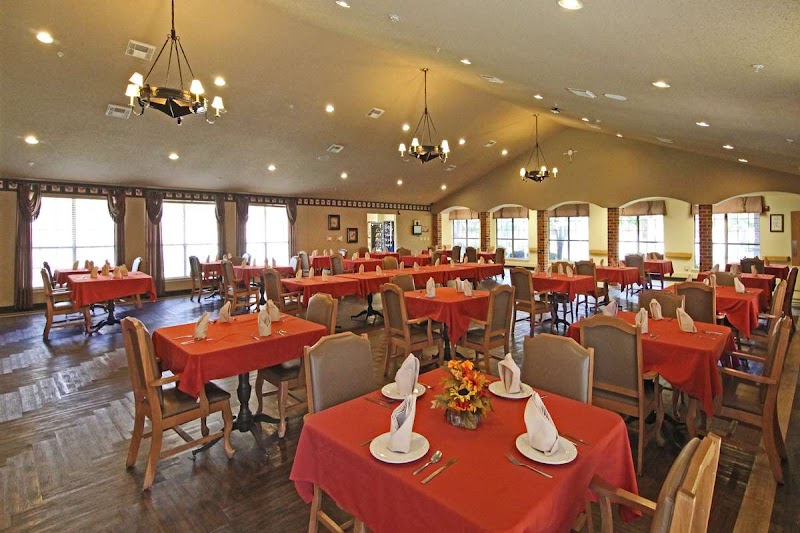
**NOTE- TERMS IN BRACKETS HAVE BEEN EDITED TO PROTECT CONFIDENTIALITY** Based on observation, interview, and record review, the facility failed to treat each resident with respect and dignity and care for each resident in a manner and in an environment that promotes maintenance or enhancement of his or her quality of life for 3 of 15 (Resident #25, Resident #37, and Resident #42) residents in 1 of 1 dining room.
The facility failed to promote Resident #25's dignity while dining on 04/23/2024 when staff did not serve his lunch tray for eight minutes after his tablemate was served.
The facility failed to promote Resident #37's dignity while dining on 04/23/2024 when staff did not serve her diner tray for ten minutes after her tablemate was served.
The facility failed to promote Resident #42's dignity while dining on 04/24/2024 when staff did not serve her lunch tray for sixteen minutes after her tablemate was served.
This failure could affect all residents who were eat in the dining room, by contributing to poor self-esteem, and unmet needs.
Findings included:
Record review of Resident #25 Face Sheet dated 04/23/2024 revealed he was a [AGE] year-old male who was admitted to the facility on [DATE]. Resident #25's diagnosis included Cerebral Palsy, difficulty swallowing, moderate intellectual disability, difficulty communicating, slurred or slow speech, COVID 19 , enlarged vascular glands, bone weakening, type two diabetes, vitamin D deficiency, major depressive disorder, anxiety, high blood pressure, upper respiratory tract disease, reflux, inflammation of the colon.
Record Review of Resident #25's MDS dated [DATE] revealed Resident #25 was rarely/never understood.
Record review of Resident #37's Face Sheet dated 04/23/2024 revealed she was a [AGE] year-old female who was admitted to the facility on [DATE]. Resident #37's diagnosis included dementia, difficulty swallowing, difficulty communicating, low back pain, adult failure to thrive, repeated falls, elevated white blood cell count, anxiety, abnormal bone growth, lack of coordination, difficulty walking, anemia, COVID 19, Alzheimer's disease, reflux, difficulty making/keeping friends, history of healed fracture and bone weakness with fracture.
Record Review of Resident #37's MDS dated [DATE] revealed Resident #37 had a BIMS score of 3. Resident #37 was severely impaired.
Record review of Resident #42's Face Sheet dated 04/23/2024 revealed she was a [AGE] year-old female who was admitted to the facility on [DATE]. Resident #42's diagnosis included dementia, difficulty swallowing, weakness, difficulty in walking, unsteadiness on feet, difficulty communicating, history of falling, difficulty walking, COVID 19, need for assistance with personal care, need for continuous supervision, kidney disease, lack of bladder control, urge incontinence, hypothyroidism, high potassium in the blood, and anxiety disorder.
Record Review of Resident #42's MDS dated [DATE] revealed Resident #42 had a BIMS score of 3. Resident #42 was severely impaired.
Observation of dining services on 04/23/2024 at 12:12pm revealed that Resident #25 received his tray eight minutes after his tablemate. Resident #25 got upset and went to the staff who were handing out trays and told them he was hungry.
Observation of dining services on 04/23/2024 at 5:29pm revealed that Resident #37 did not get her tray until ten minutes after her tablemate.
Observation of dining services on 04/24/2024 at 12:03pm revealed Resident #42 did not get her tray until six-teen minutes after her table mate and she was the last resident to be served.
An interview with NA JJ on 04/25/2024 at 8:51am revealed that the policy on passing meal trays was that all residents at the same table get their meal tray before moving on to the next table. She stated CNA's were responsible for making sure all residents at the same table had their meal tray before moving on. She stated that by not give all the residents at the same table their meal tray could result in the resident getting upset of feeling left out. She stated she did not know why those residents did not get their meal tray when their tablemate got theirs.
An interview with CNA HH on 04/25/2024 at 9:09am revealed that staff were to make sure all residents at the same table got their meal tray at the same time. She stated that the nurse was responsible for ensuring that the residents at the same table all had their meal tray before moving on. She stated that a resident could feel left out when they do not get their meal tray at the same time. She stated she did not know what happen or why the residents did not get their meal trays at the same time as their tablemate.
An interview with LVN K on 04/25/2024 at 9:11am revealed that staff give all the resident at the same table their meal tray and make sure they get their meal trays together. She stated that the nurses and the aides are responsible for ensuring all the resident at the same table got their meal trays together. She stated that if a resident does not get his/her meal tray at the same time as their table mate it could result in the resident wondering why they did not get his/her meal tray or reach for the other resident's tray. LVN K stated she could not speak on why the resident did not get their meal trays in the dining room because she checks the hall trays.
An interview with RN E on 04/25/2024 at 9:27am revealed that she did not know the exact policy, but staff should serve everyone at the same table together. She stated it was just good practice. She stated it is a joint effort with the nursing and dietary staff to get everyone at the same table their meal tray. She stated that no resident wanted to watch their tablemate eat. She stated it could be uncomfortable for everyone at the table if a resident was waiting for his/her food. She stated she was not in the dining room a lot and she would tell staff to serve all residents at the same table.
An interview with ADON on 04/25/2024 at 8:38am revealed staff should give the residents at the same table their meal tray. She stated that the nurse was the one responsible for ensuring all residents at the same table got their meal tray before moving on. She stated that if a resident had to wait for their meal tray, the resident might feel uncomfortable watching their tablemate eat. She stated she did not know why the resident had to wait an extended period.
An interview with the DON on 04/25/2024 at 9:00am revealed the facility wanted to give everyone at the same table their meal tray at the same time. She stated that the nurses and the aides were responsible for ensuring all staff at the same table are served. She stated that resident might have to wait but, not for an extended period if they come from their room to eat in the dining room. She stated that by not giving the residents at the same table their meal tray at the same time could result in the resident getting mad, or their feelings hurt. She stated the resident may not understand why they did not get their tray. The DON stated she did not know why the resident had to wait an extended period for their meal tray and that the nurse should have monitored it a little bit closer.
An Interview with the Administrator on 04/26/2025 at 10:19am revealed staff should pass meal trays to every resident at the same table and if a resident moves the nursing staff would notify dietary staff to get their meal tray out. He stated that the nursing staff and dietary staff are responsible for ensuring residents get their trays at the same time. He stated if a resident does not get his/her meal tray at the same time as their table mate the resident may just leave the dining room and not eat. The Administrator stated he has never seen a resident have to wait for their meal tray for an extended period.
Record Review of Dietary Services Dining Room Procedure not dated revealed If a resident changed their mind about where they would like to sit, staff would do our best to get their tray out with the other table mates. No other policy was provided prior to exit.
CONCERN
(D)
Potential for Harm - no one hurt, but risky conditions existed
MDS Data Transmission
(Tag F0640)
Could have caused harm · This affected 1 resident
**NOTE- TERMS IN BRACKETS HAVE BEEN EDITED TO PROTECT CONFIDENTIALITY** Based on interview and record review, the facility failed to electronically submit discharge MDS information to the
QIES ASAP s...
Read full inspector narrative →
**NOTE- TERMS IN BRACKETS HAVE BEEN EDITED TO PROTECT CONFIDENTIALITY** Based on interview and record review, the facility failed to electronically submit discharge MDS information to the
QIES ASAP system within 14 days for 1 (Resident #72) of 1 resident reviewed for Resident Assessment.
The facility failed to upload an MDS discharge assessment within 14 days of Resident #72 discharging from the facility on 11/17/2023.
This failure could cause inaccurate resident health data that could lead to harm.
Findings included:
Review of electronic health record on 04/26/2024 for Resident #72 reflected a discharge MDS assessment had not been uploaded. Resident #72 was discharged to an assisted living facility on 11/17/23.
Review of the undated face sheet for Resident #72 reflected an [AGE] year-old female admitted on [DATE] and re-admitted on [DATE] with diagnoses of metabolic encephalopathy (A medical term used to describe a disease that affects brain structure or function. It causes altered mental state and confusion), rheumatoid arthritis (an autoimmune disease, which means that the immune system mistakenly attacks the body's own tissues, specifically the joints. This immune response leads to inflammation, pain, and potential joint damage), osteoarthritis, cachexia (a complex problem that is more than a loss of appetite. It involves changes in the way your body uses proteins, carbohydrates, and fat), adult failure to thrive (syndrome of weight loss, decreased appetite and poor nutrition, and inactivity, often accompanied by dehydration, depressive symptoms, impaired immune function, and low cholesterol), a cognitive communication deficit, and difficulty in walking.
Review of Comprehensive MDS dated [DATE] reflected Resident #72 was admitted to the facility from the hospital on [DATE]. She had a BIMS score of 14, which reflected mild cognitive impairment. Resident #72 had no impairment with range of motion of upper and lower extremities and required partial/moderate assistance for her ADL's and transfers with one person assistance and wheelchair. Resident #72 was incontinent of bowel and bladder.
Review of Care Plan dated 11/02/2023 reflected Resident #72 had an ADL self-care performance deficit, her dignity would be maintained, and her needs met, and she would maintain adequate nutrition and hydration status. She also had a functional decline deficit and had received therapy services while in the facility.
In an interview on 04/26/2024 at 10:54 AM with MDS Coordinator C stated she would provide an MDS Discharge assessment for Resident #72.
Review of PPS MDS dated [DATE] reflected in Section A it was not a discharge assessment for Resident #72.
Interview on 4/26/24 at 12:55 PM with MDS Coordinator D revealed the discharge MDS for Resident #72 had been missed. MDS B further stated the discharge MDS assessment should have been transmitted within 14 days of Resident #27's discharge date .
Review of electronic health record on 04/26/2024 for Resident #72 reflected an MDS Discharge return not anticipated and dated 04/26/24 was uploaded in Resident #72's electronic health record.
Interview on 04/26/24 at 4:40 PM with ADMIN revealed his expectation was all residents should have an accurate MDS submitted on time, and the MDS coordinators were responsible for submitting these assessments.
Review of an undated Policy and Procedure for Minimal Data Set (MDS) and Submission of the MDS Assessment under Submission of the MDS Assessment reflected, Responsibility for submission of all MDS/PPS Assessments- the MDS/PPS Coordinator is responsible for submitting all completed MDS/PPS assessments to CMS under the guidelines found in the most recently updated RAI manual. Scheduling of MDS Assessments- the OBRA/PPS Nurse Assessment Coordinator and IDT are responsible for scheduling MDS assessments within the best practice of the most recent RAI manual, and specifically, Discharge (planned and unplanned) Assessments (tracking record).
CONCERN
(D)
Potential for Harm - no one hurt, but risky conditions existed
Deficiency F0645
(Tag F0645)
Could have caused harm · This affected 1 resident
**NOTE- TERMS IN BRACKETS HAVE BEEN EDITED TO PROTECT CONFIDENTIALITY** Based on interview and record review, the facility failed to refer all PASARR level II residents and all residents with newly ev...
Read full inspector narrative →
**NOTE- TERMS IN BRACKETS HAVE BEEN EDITED TO PROTECT CONFIDENTIALITY** Based on interview and record review, the facility failed to refer all PASARR level II residents and all residents with newly evident or possible serious mental disorder, intellectual disability, or a related condition for PASARR level II resident review upon a significant change in status assessment for 1 of 1 resident (Resident #45) assessments reviewed for PASARR evaluations.
The facility failed to refer Resident #45 to the appropriate, State-designated authority when she had a positive PASARR level I on 06/30/2023 from the referring facility, which was signed on 07/17/2023 for a primary diagnosis of bipolar disorder and schizoaffective disorder.
This failure could place residents at risk for not receiving necessary PASARR mental health services, causing a possible decline in mental health.
Findings included:
Review of Resident #45's face sheet dated 04/25/2024 reflected a [AGE] year-old female admitted to the facility on [DATE] with the following diagnoses atherosclerotic heart disease (A condition where the arteries become narrowed and hardened due to buildup of plaque (fats) in the artery wall.), bipolar disorder (A serious mental illness characterized by extreme mood swings. They can include extreme excitement episodes or extreme depressive feelings.), anxiety (Fear characterized by behavioral disturbances.), major depressive disorder (A mental condition characterized by a persistently depressed mood and long-term loss of pleasure or interest in life, often with other symptoms such as disturbed sleep, feelings of guilt or inadequacy, and suicidal thoughts.) and schizoaffective disorder (A mental disorder in which a person experiences a combination of symptoms of schizophrenia and mood disorder.).
Review of Resident #45's significant change in status assessment dated [DATE] reflected Resident #45 was assessed to have a BIMS score of 14 indicating she was cognitively intact. Resident #45 was further assessed to have anxiety, depression, bipolar disorder, and schizophrenia.
Review of Resident #45's comprehensive care plan reflected no plan of care for her bipolar disorder of schizophrenia.
Review of Resident #45's PASARR level I dated 06/30/2023 from the facility reflected Resident #45 had a primary diagnosis of dementia and was assessed to not have mental illness.
Review of Resident #45's PASARR level I dated 06/30/2023 and signed 07/17/2023 from Resident #45's referring facility reflected she was assessed to have mental illness indicating a positive PASARR level I.
Review of Resident #45 history and physical dated 07/03/2023 reflected Resident #45's primary diagnoses to be listed as bipolar disorder. Further review of Resident #45's history and physical reflected no diagnoses of dementia.
Review of Resident #45's list of admission diagnoses reflected the primary diagnoses listed as schizoaffective disorder.
Review of Resident #45's NP progress note dated 08/04/2023 reflected the primary reason for follow up was dipolar affective disorder with current episode depressed.
In an interview on 04/25/2024 at 3:35 PM, MDS Coordinator C stated Resident #45 did have a positive PASARR level I but did not have a PASARR level II done due to her diagnoses of dementia. MDS Coordinator C stated she did not do PASARR level II's the social worker did them.
In an interview on 04/26/2024 at 8:44 AM the SW stated she did not do the PASARR evaluations the MDS coordinator did them.
In an interview on 04/26/2024 at 8:50 AM, MDS Coordinator C stated she did not do a PASARR level II for Resident #45 because the resident had a diagnoses dementia. MDS Coordinator C stated the diagnoses was listed on her face sheet from the previous facility. When asked if dementia was listed as her primary diagnoses, she stated no but it was listed. MDS Coordinator C was asked if she verified Resident #45's diagnoses by reviewing Resident #45's history and physical she stated since the diagnoses was listed on the face sheet, she felt it was a verified diagnoses and completed the PASARR level I as negative.
In an interview on 04/26/2024 at 9:28 AM the DON stated if a resident has a diagnosis of bipolar disorder and a positive PASARR level I she expected a level II to be completed. The DON stated the MDS Coordinator checks the resident PASARR's when the residents come in and she was told by MDS Coordinator C that Resident #45's primary diagnoses was dementia. The DON stated she did not check the PASARRs she just went off what the staff told her.
Review of the facility's policy PASARR dated 03/22/2017 reflected The facility will not admit new residents with a mental disorder or intellectual disorder as defined by state guidelines until PASARR prescreening is facilitated. PASARR must be provided from the admitting facility. If mental disorder or intellectual disorder is indicated, the resident may be admitted and the resident's PASARR will be referred to our local mental health authority, Central Counties Services MHMR .
CONCERN
(D)
Potential for Harm - no one hurt, but risky conditions existed
Comprehensive Care Plan
(Tag F0656)
Could have caused harm · This affected 1 resident
**NOTE- TERMS IN BRACKETS HAVE BEEN EDITED TO PROTECT CONFIDENTIALITY** Based on interview and record review, the facility failed to develop a comprehensive care plan consistent with residents' rights...
Read full inspector narrative →
**NOTE- TERMS IN BRACKETS HAVE BEEN EDITED TO PROTECT CONFIDENTIALITY** Based on interview and record review, the facility failed to develop a comprehensive care plan consistent with residents' rights and include the services to be furnished for one (Resident #73) of four residents care plan reviewed for Hospice.
The facility failed to ensure that Resident #73's care plan reflected that they were under Hospice Care, which was ordered on 10/12/2023.
This failure could place residents at risk of not having their medical, physical, and psychosocial needs meet.
Findings included:
Review of Resident #73's Face Sheet dated 04/26/2024 reflected a [AGE] year-old female admitted to the facility on [DATE] with the following diagnosis: Chronic Pulmonary Edema (condition in which too much fluid accumulates in the lungs, interfering with a person's ability to breathe normally), and Acute Chronic Combined Systolic and Diastolic Congestive Heart Failure (serious condition in which the heart does not pump blood as efficiently as it should), and Chronic Kidney Disease (condition in which the kidneys are damaged and cannot filter blood as well as they should).
Review of Resident #73's Quarterly MDS Assessment, dated 04/12/2024 revealed Resident #73 had a BIMS Score of 03 indicating severe cognitive impairment. Review of MDS Section O - Special Treatments, Procedures, and Programs under section K1-Hospice indicated she was placed under hospice care b. while a resident at the facility.
Review of Resident #73's Comprehensive Care Plan, last reviewed on 02/12/2024 reflected no Problem, Goal, or interventions in reference to Hospice for Resident #73.
Review of Resident #73's Consolidated Orders last reviewed on 03/29/2024 reflected an active order from 10/12/2023 for Admit to [Hospice Provider], Hospice DX: combined systolic & diastolic heart failure. DNR Notify hospice [telephone number] with any concerns, needs, falls, pt. decline, or death.
Interview on 04/26/2024 at 1:50 PM, MDS Coordinator C stated that she was responsible for the accuracy and completion of care plans for residents at the facility who are there for long term care, which included hospice residents. MDS Coordinator C stated that care plans are to be individualized and utilized by care staff to ensure that residents receive proper care. MDS Coordinator C was requested to check the care plan of Resident #73. MDS Coordinator C stated that Resident #73's care plan did not make reference to or provide planning for Resident #73's hospice care. MDS Coordinator C reviewed Resident #73's order and stated that she did have an order for hospice care from October of 2023. MDS Coordinator C stated that Resident #73 should have been care planned for hospice and stated that it probably slipped by. MDS Coordinator C stated that hospice should be placed on a resident's care plan within days of the order.
Interview on 04/26/2024 at 2:19 PM, Hospice RN stated that she works for Resident #73's hospice provider. Hospice RN stated that care planning for hospice residents was important because it could and does at times change the care provided for the resident. Hospice RN stated that care planning ensures that staff are aware that the resident was under hospice care and whom to contact about the resident. Hospice RN stated that care plans are individualized and ensure that proper care was provided for residents.
Interview on 04/26/2024 at 2:25 PM, the DON stated that care plans were completed to identify the needs of the resident and provide proper care for them. The DON stated that if a resident was under hospice care that it should be care planned. The DON stated that failure to properly care plan hospice for a resident could result in the hospice provider not being notified and lack of or improper care.
Interview on 04/26/2024 at 5:00 PM, the Administrator stated that care plans should be completed to establish patient care and should be individualized. The Administrator stated that hospice does need to be care planned to ensure proper care. The Administrator stated that he did check the care plan of Resident #73 and observed that her care plan did not include hospice care and should have.
Review of the facility's Comprehensive Care Plans policy with a copyright date of 2022 revealed, I. Policy: It is the policy of this facility to develop and implement a comprehensive person-centered care plan for each resident, consistent with resident rights, that includes measurable objectives and timeframes to meet a resident's medical, nursing, and mental and psychosocial needs that are identified in the resident's comprehensive assessment. Policy Explanation and Compliance Guidelines: 1. The care planning process will include an assessment of the resident's strengths and needs, and will incorporate the resident's personal and cultural preference in developing goals of care. Services provided or arranged by the facility, as outlined by the comprehensive care plan, shall be culturally-competent and trauma-informed. 2. The comprehensive care plan will be developed within 7 days after the completion of the comprehensive MDS assessment. All Care Assessment Areas (CAAs) triggered by the MDS will be considered in developing the plan of care. Other factors identified by the interdisciplinary team, or in accordance with the resident's preferences, will also be addressed in the plan of care. The facility's rational for deciding whether to proceed with care planning will be evidence in the clinical record.
CONCERN
(E)
Potential for Harm - no one hurt, but risky conditions existed
Food Safety
(Tag F0812)
Could have caused harm · This affected multiple residents
Based on observation, interview and record review, the facility failed to store, prepare, distribute, and serve food in accordance with professional standards for food service safety in that one of on...
Read full inspector narrative →
Based on observation, interview and record review, the facility failed to store, prepare, distribute, and serve food in accordance with professional standards for food service safety in that one of one ice machine in the kitchen had black mold built up.
The facility failed to clean the ice machine properly resulting in the presence of black mold build up in the ice machine on 04/23/2024 and 04/24/2024.
These failures could place all residents and staff that get ice from the kitchen at risk of serious complications from contaminated ice.
Findings included:
Observation of the kitchen ice machine on 04/23/2024 at 8:51am revealed black mold in the area of the left and right walls of the ice holding area as well as the location where produced ice releases into the ice machine.
Observation of the kitchen ice machine on 04/24/2024 at 7:46am revealed that the ice machine had not been cleaned and the same mold was present as observed on 04/23/2024.
An interview with DA NN on 04/24/2024 at 3:11pm revealed he had not been trained on how to clean the ice machine. He stated he just started the week before. He stated that the facility had a checklist that was used to make sure everything got cleaned. He stated the person assigned to drinks would be the one responsible for cleaning the ice machine. DA NN stated the risk of not cleaning the ice machine could cause the ice to be contaminated and it was not good for the people the facility served. He stated he did not know why there was mold in the ice machine.
An interview with CK PP on 04/24/2024 at 3:15pm revealed that staff normally would clean the outside and the sides inside the ice machine. He stated normally they do not empty the ice machine to clean it. He stated there was nothing to show staff how to properly clean the ice machine. CK PP stated that whoever the aid was for the day was responsible for cleaning the ice machine. He stated the process of cleaning the ice machine was to wipe the outside of the ice machine and the walls on the inside of the ice machine. He stated they normally cleaned the ice machine every day. He stated he did not know why there was mold inside the ice machine and did not see that area when they cleaned.
An interview with DA OO on 04/24/2024 at 3:24pm revealed that DA OO had been trained on how to clean the ice machine. He said that he would empty and drain all the water and use cleaning solution and scrub the whole machine. He stated he would make sure it was dry and cleaned in the front. He stated the facility did not have anything that physically showed them how to clean the ice machine. DA OO stated they would clean the ice machine every few days. He stated the risk of not cleaning the ice machine would put residents at risk of getting sick and contaminate residents. He stated the ice machine had mold due to lack of cleaning.
An interview with KS on 04/25/2024 at 3:45pm revealed that she had been trained on how to clean the ice machine. She stated the facility did not have nothing to show how to properly clean the ice machine. She stated the staff usually put a trash bag over the ice and use a rag that was not dripping and clean the inside of the machine KS stated that when the ice machine was low, they would take advantage and clean more inside the ice machine. She stated the risk of not properly cleaning the ice machine could result in the ice being contaminated and harming the residents. She stated mold was on the ice machine due to the staff missing it when they cleaned the ice machine.
An interview with the Administrator on 04/26/2024 at 10:10 am revealed the facility did not have any specific training on how to clean the ice machine outside of the policy and procedure. He stated dietary staff were responsible for cleaning the ice machine. He stated he did not know the process for cleaning the ice machine. The Administrator stated he did not know when or how often the ice machine was cleaned. He stated it depended on what the policy stated. He stated the risk of not cleaning the ice machine properly could result in growth that could cause harm. He stated the mold was missed due to staff not seeing it.
Record review of Dietary Services Policy and Procedure Ice Machine Maintenance and Cleaning dated 09/2008 revealed:
Daily:
Wipe down exterior of machine with damp cloth using soap and water.
Make sure ice scoop is in holder.
Weekly:
Scrub the door and frame edges with hot soap and water.
Run ice scoop thru dishwasher.
Monthly:
Sanitize the bin interior- taking out all ice and wiping down with bleach water.
Rise and refill with ice.