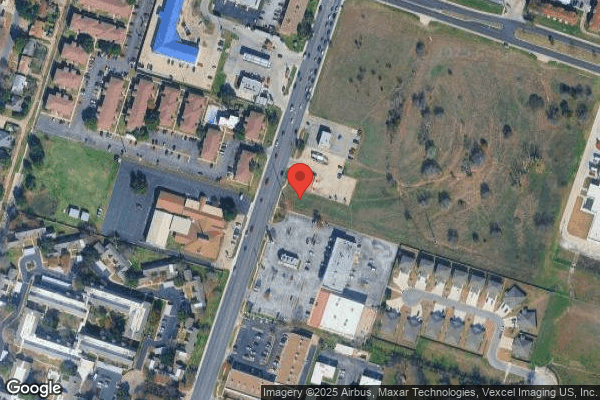
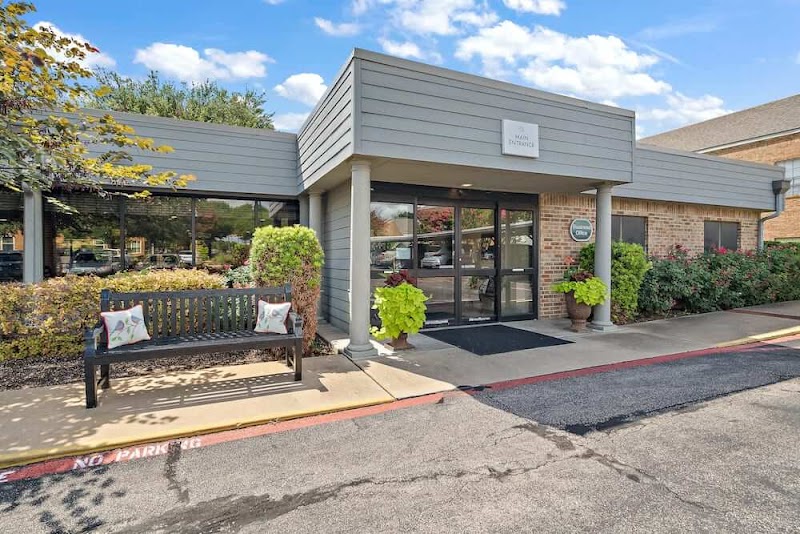

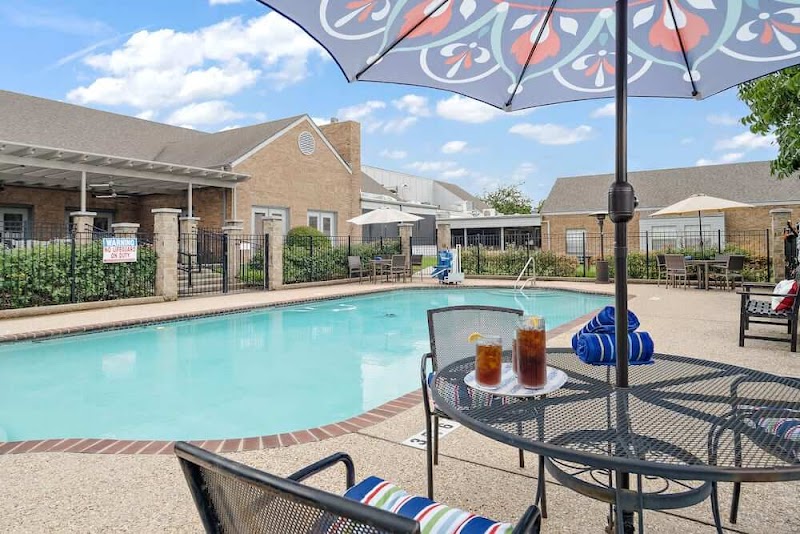

MORADA TEMPLE

4312 S 31ST ST, TEMPLE, TX 76502 (254) 771-1226
For profit - Limited Liability company 60 Beds Independent Data: November 2025 5 Immediate Jeopardy citations
Trust Grade
0/100
#786 of 1168 in TX
Last Inspection: August 2024

Within standard 12-15 month inspection cycle. Federal law requires annual inspections.

Overview

Morada Temple has received a Trust Grade of F, indicating significant concerns about the quality of care provided, which is below average. It ranks #786 out of 1168 facilities in Texas, placing it in the bottom half of available options, and #9 out of 16 in Bell County, meaning only a few local facilities rank worse. While the facility's trend is improving, with issues decreasing from 11 in 2024 to just 1 in 2025, it still faces serious problems. Staffing is rated at 4 out of 5 stars, which is a strength, but turnover is at 56%, aligning with the state average, indicating some instability among staff. However, incidents of concern include a resident suffering burns due to hot liquids and another not having their advance directive properly processed, which resulted in unwanted resuscitation efforts. These critical findings highlight both the facility's strengths in staffing and areas needing urgent improvement in resident safety and care practices.

Trust Score
F
0/100
In Texas
#786/1168
Bottom 33%
Safety Record
High Risk
Review needed
Inspections
Getting Better
11 → 1 violations
Staff Stability
⚠ Watch
56% turnover. Above average. Higher turnover means staff may not know residents' routines.
Penalties
⚠ Watch
$14,722 in fines. Higher than 88% of Texas facilities, suggesting repeated compliance issues.
Skilled Nurses
○ Average
Each resident gets 36 minutes of Registered Nurse (RN) attention daily — about average for Texas. RNs are the most trained staff who monitor for health changes.
Violations
⚠ Watch
21 deficiencies on record. Higher than average. Multiple issues found across inspections.
★★☆☆☆
2.0
Overall Rating
★★★★☆
4.0
Staff Levels
★★★☆☆
3.0
Care Quality
★★☆☆☆
2.0
Inspection Score
Stable
2024: 11 issues
2025: 1 issues

The Good

  • 4-Star Staffing Rating · Above-average nurse staffing levels
  • Full Sprinkler Coverage · Fire safety systems throughout facility
  • No fines on record

Facility shows strength in staffing levels, fire safety.

The Bad

2-Star Overall Rating

Below Texas average (2.8)

Below average - review inspection findings carefully

Staff Turnover: 56%

Near Texas avg (46%)

Frequent staff changes - ask about care continuity

Federal Fines: $14,722

Below median ($33,413)

Minor penalties assessed

Staff turnover is elevated (56%)

8 points above Texas average of 48%

The Ugly 21 deficiencies on record

5 life-threatening
Jul 2025 1 deficiency
CONCERN (D) 📢 Someone Reported This

A family member, employee, or ombudsman was alarmed enough to file a formal complaint

Potential for Harm - no one hurt, but risky conditions existed

Pharmacy Services (Tag F0755)

Could have caused harm · This affected 1 resident

**NOTE- TERMS IN BRACKETS HAVE BEEN EDITED TO PROTECT CONFIDENTIALITY** Based on interviews and record reviews, the facility failed to provide routine and emergency drugs and biologicals to its reside...

Read full inspector narrative →
**NOTE- TERMS IN BRACKETS HAVE BEEN EDITED TO PROTECT CONFIDENTIALITY** Based on interviews and record reviews, the facility failed to provide routine and emergency drugs and biologicals to its residents or obtain them for 1 (Resident #1) of 6 residents reviewed for pharmacy services. The facility failed to ensure Resident #1 received her routine Midodrine medication for low blood pressure on 06/27/25 at 7:00 p.m. and 06/28/25 at 7:00 a.m. Resident #1's blood pressure was low, which made her feel dizzy and lightheaded. This failure could place residents at risk of hypotension, accidents, injuries, and diminished quality of life. Findings included: Review of Resident #1's admission Record, dated 06/30/25, reflected she was a [AGE] year old female who was initially admitted to the facility on [DATE] and readmitted to the facility on [DATE]. Resident #1 had medical diagnoses including Campylobacter enteritis (a common intestinal infection, often referred to as a type of food poisoning, caused by bacteria), acute (suddenly) and chronic (over a longer period) respiratory failure with hypoxia (the body's inability to adequately oxygenate the blood), and syncope and collapse (a temporary loss of consciousness and postural tone due to reduced blood flow to the brain). Review of Resident #1's admission MDS, dated [DATE], reflected she had a 15/15 BIMS, which indicated she was cognitively intact. Review of Resident #1's Care Plan, dated 06/30/25, reflected she was at moderate risk for falls related to her syncope and collapse diagnosis. One of the interventions reflected Resident #1 was required to be evaluated and treated as ordered or PRN. Review of Resident #1's admission Assessment, dated 06/27/25 at 3:14 p.m., reflected she was admitted to the facility on [DATE] at 3:16 p.m. with a BP of 108/53. Review of Resident #1's Order Summary Report, dated 07/02/25, reflected she was required to have vital signs checked for skilled vital assessments and documented in POC every shift that was ordered and started on 06/27/25. Resident #1 was also required to take one tablet of 10 mg Midodrine HCI Oral tablet by mouth three times a day related to syncope and collapse that was ordered and started on 06/27/25. Review of Resident #1's Order Entry Details, dated 07/02/25, reflected Resident #1's PCP communicated a written order on 06/27/25 at 1:42 p.m. for 10mg Midodrine HCI oral tablet to be administered to Resident #1 by mouth three times a day for syncope and collapse. The order was to start being administered on 06/27/25 at 7:00 p.m. and routinely at 7:00 a.m., 1:00 p.m. and 7:00 p.m. Review of Resident #1's Order Audit Report, dated 07/02/25, reflected LVN A created and entered Resident #1's Midodrine order from her PCP on 06/27/25 at 1:43 p.m. LVN B confirmed and submitted Resident #1's Midodrine order on 06/27/25 at 9:22 p.m. Review of Resident #1's Blood Pressure Summary for the last 90 days, dated 07/02/25, reflected her blood pressure was taken on the following dates:-06/27/25 at 3:16 p.m. 108/53 mmHg -06/28/25 at 4:59 a.m. 107/51 mmHg-06/28/25 at 7:41 a.m. 102/66 mmHgThere were no other levels documented between 06/27/25 at 3:16 p.m. through 06/28/25 at 11:15 a.m. Review of a Handwritten Vital Check Sheet, undated, reflected Resident #1's blood pressure was taken on the following dates:-06/28/25 at 7:41 a.m. 102/66 mmHg-06/28/25 at 8:13 a.m. 86/60 mmHg-06/28/25 at 9:15 a.m. 88/64 mmHg-06/28/25 at 10:15 a.m. 92/58 mmHg-06/28/25 at 11:15 a.m. 97/68 mmHgThere were no other levels documented between 06/27/25 at 3:16 p.m. through 06/28/25 at 11:15 a.m. Review of MT E's Statement, dated 06/28/25, reflected. On 06/27/25, my shift started at 2:00 p.m.-10:00 p.m [Resident #1] had been admitted on day shift. At the end of my shift, [Resident #1's] medications had not been delivered. My Nurse [LVN B] said to leave her medications open and she would give [Resident #1's] medications. The only medication from form the emergency medication kit was Gabapentin on my shift. Review of LVN B's Statement, dated 06/28/25, reflected, [Resident #1] was new admission on [DATE]. Medications were ordered from Pharmacy by 6:00 a.m.-2:00 p.m. nurse. Medications had not yet arrived from Pharmacy by the end of my shift at 10:00 p.m. Informed 10:00 p.m.-6:00 a.m. nurse of this, she said she would give medication when they arrived. Review of LVN D's Statement, dated 06/27/25, reflected, Shift 10 p.m.-6:00 a.m.: At this time, [Pharmacy] delivers medication for new patient admission, but does not deliver 2 medication that were on patient's medication list. Those medication were Midodrine. Nurse from previous shift informed to be on lookout for new patient's mediation. Once medication arrived, I asked delivery driver from pharmacy if he was missing a bag due to medication not being in stock with others. Driver states that was what she had and all they sent. This was communicated to morning nurse to be on the lookout for these medication from morning run. Issue was not pressed on my shift due to patient's VS WNL and denial of patient. Review of Resident #1's Progress Notes reflected:-LVN A's note on 06/28/25 at 10:02 a.m., This nurse was made aware at 8:10 a.m. of missing mediation by medication aide. Medication is Midodrine 10mg PO TID. Medication not available in [Emergency Medication Kit]. This nurse faxed resident's medication list to [Pharmacy] before 2:00 p.m. on 06/27/25. Resident's medications placed in [Electronic Health Record] before 2:00 p.m. on 06/27/25. All resident's medication except Midodrine delivered to facility on 06/27/25. Resident assessed. Resident's BP was 86/60. Resident denied pain. Resident denied lightheadedness or dizziness. Neuros WNL. No seizure activity noted or reported. Resident stable at this time. Nursing staff checking on resident every hour. This nurse called [Pharmacy] with no response. This nurse called [Another Pharmacy] and was told by Pharmacist that [Pharmacy] did not have order for Midodrine. This nurse called prescription into pharmacy. This nurse asked Pharmacist for STAT local delivery. Pharmacist told this nurse medication could be at facility between 12:00 p.m. and 4:00 p.m. depending on local pharmacy. Geriatric on-call FNP aware and ordered STAT Midodrine prescription from Pharmacy. RP aware and told this nurse that it was unacceptable that resident did not receive medication. Family member will pick up medication and deliver to facility for administration. DON aware. Admin aware. Resident resting in bed with call light within reach. Will continue to monitor. VS 88/64.-LVN A's note on 06/28/25 at 11:20 a.m., Medication brought to facility via family friend at 10:30 a.m. Resident received dose. BP at 10:15 a.m. was 92/58. BP at 11:15 a.m. was 97/68. No c/o pain. No s/s of distress noted. Neuros WNL. No lightheadedness/dizziness noted or reported. No seizure activity noted or reported. DON aware. Admin aware. RP aware. Family at bedside. Resident resting in bed with call light within reach. Will continue to monitor. There were no other previous notes. Review of the facility's Grievances, from April through July 2025, reflected Resident #1's RP filed a grievance about Resident #1's medication availability on 06/28/25. The DON and ADM were assigned to investigate the grievance on 06/28/25. [JM8] [JK9] Review of the facility's Incident Log, from April through July 2025, reflected Resident #1 had a wrong time medication error incident documented on 06/28/25 at 8:10 a.m. Review of the facility's Pharmacy Information, undated, reflected, Pharmacy Order Timelines: New Orders and New Admissions: Monday-Friday: Ordered by 11:30 a.m. and delivery window was 1:30 p.m.-6:00 p.m. and ordered by 6:00 p.m. and delivery window was 8:00 p.m.-12:00 a.m.Emergency Medication Procedure: If medication is needed prior to your next scheduled delivery, please follow your regular process to submit the order, then call to request the medications STAT.Checking Order Status: 1. Check [Pharmacy] - The Rx Order Status will show the results of the last 72 hours of orders.During an interview on 07/02/25 at 10:20 a.m., the ADM stated she was still investigating Resident #1's self-reported incident. During an interview on 07/02/25 at 1:06 p.m., Resident #1 stated she was admitted to the facility last Friday (06/27/25) in the afternoon. Resident #1 stated she did not receive her blood pressure medication (Midodrine) that was to help bring her blood pressure up whenever it got low. Resident #1 stated her blood pressure medication was the only medication she did not receive when she was admitted to the facility. Resident #1 stated her family asked her on 06/27/25 if she received her blood pressure medication and she told her family that she did not receive it. Resident #1 stated she felt dizzy and lightheaded during the time she did not receive her blood pressure medication which made it hard for her to sleep. Resident #1 stated she reported to the staff that she was feeling dizzy and lightheaded. Resident #1 stated the staff did not say or provide her with anything after she reported to them feeling dizzy and lightheaded. Resident #1 stated the staff checked her vitals three times a day. Resident #1 stated staff told her that her medication was already with the pharmacy and that they were waiting for her medication from the pharmacy whenever they checked her blood pressure during the time frame she did not have her medication. Resident #1 stated she received her blood pressure medication from her family, who picked up the medication and gave it to her on Saturday (06/28/25) morning between 10:30 a.m. and 11:00 a.m. During an interview on 07/02/25 at 2:18 p.m., LVN A stated he was the nurse who reported Resident #1's incident. LVN A stated Resident #1 was admitted to the facility on [DATE] around 2:00 p.m. LVN A stated he faxed Resident #1's medication list to the pharmacy and entered the orders into Resident #1's electronic health records. LVN A stated he returned to work on 06/27/25 around 7:15 p.m. and was notified by an MA that Resident #1's blood pressure medication (Midodrine) was not at the facility. LVN A stated he notified the Pharmacy and got no response. LVN A stated he notified the after hours Pharmacy, who told him that they did not receive the orders. LVN A stated he had the pharmacy conduct a STAT delivery for the medication, called the on-call MD, who ordered the medication to be sent to a local hospital, and had Resident #1's family pick up and drop off the medication to the facility. LVN A stated Resident #1's family delivered the medication on 06/28/25 at 10:00 a.m. LVN A stated the facility's emergency medication kit did not have blood pressure medication that Resident #1 needed. LVN A stated he kept a close eye on Resident #1 to make sure she was not having any symptoms, such as lightheadedness, confusion, dizziness, loss of consciousness, neurological effects, cardiovascular issues, and irregular pulse. LVN A stated Resident #1 had a history of low blood pressure. LVN A stated Resident #1 did not report any adverse effects from not receiving the blood pressure medication. LVN A stated he checked Resident #1's vitals every hour and documented the vital checks in her electronic health records. LVN A stated he and the CNAs monitored Resident #1. LVN A stated he knew it was important to ensure residents' medications were ordered and received before admission and said, Because for various medical reasons, residents need medications. They could be losing blood pressure, have a loss of consciousness, and potentially die as a result from not receiving their medication. LVN A stated the admission nurse was responsible for entering and sending the medication orders to the pharmacy. LVN A stated LVN B was Resident #1's admission nurse, but he was the one who received the medication orders to be entered and sent out to the pharmacy. LVN A stated the ADON and DON reviewed all new admission residents about 1-2 days after their admission to ensure medication orders were received, entered, and sent to the pharmacy. During an interview on 07/02/25 at 2:43 p.m., LVN B stated the admission nurse was responsible for entering and submitting residents' medication orders to the pharmacy. LVN B stated the admission nurse usually received a confirmation sheet reflecting if residents' medication orders were submitted to the pharmacy. LVN B stated she knew it was important to ensure residents' medications were ordered and received before admission and said, So staff had medication available for the resident. Facility pharmacy will deliver last run between 1:00 p.m.-10:00 p.m If medications don't show up, of course there was an issue with that. If the facility had it available in e-kit (emergency medication kit), can pull it. If not available, they need to get it quickly as they can. LVN B stated LVN A entered and sent Resident #1's medication orders to the pharmacy. LVN B stated the facility waited for Resident #1's medication to come the evening and the medications did not arrive. LVN B stated she told the night shift nurse that she was still waiting for Resident #1's medications to arrive at the facility. LVN B stated Resident #1's midodrine was used for her low blood pressure and was used to bring up low blood pressure. LVN B stated residents could be at risk of lower blood pressure if they did not receive their medication. LVN B stated she checked Resident #1's blood pressure and it was WNL (for Resident #1) during admission. LVN B stated she finished her shift on 06/27/25 at 10:00 p.m. and Resident #1's medication had still not arrived. LVN B stated Resident #1's vitals were to be checked every shift before administering medication. LVN B stated when she checked Resident #1's blood pressure, it was not low and not low enough to where she was concerned about the level. LVN B stated Resident #1 did not report any adverse effects from not receiving her blood pressure medication. LVN B stated the DON oversaw to ensure and would assist with medication orders being received, entered, and sent to the pharmacy. During an interview on 07/02/25 at 4:24 p.m., the DON stated charge nurses were responsible for entering and submitting residents' medication orders to the pharmacy. The DON stated this process was conducted anytime there was a newly admitted resident. The DON stated the admission nurse usually entered and submitted residents' medication orders. The DON stated she and the ADON reviewed new admission residents the same day or next business day after admission. The DON stated she knew it was important to ensure residents' medications were ordered and received before admission and said, Because for general health, if medications were not available, it could deteriorate their (residents') health. There was a potential for it to occur. Residents could have potential for going into hypotensive crisis (sudden drop in blood pressure). The DON stated she was notified by LVN A on Saturday (06/28/25) at 10:00 a.m. that Resident #1 did not have her medication available. The DON stated she was not notified before this date and time. The DON stated she could not recall who was Resident #1's admission nurse, but she believed it was LVN B. The DON stated she was unaware if LVN A or LVN B were responsible for entering and submitted Resident #1's medication orders because the incident was still being investigated. The DON stated the pharmacy told her that they did not electronically receive Resident #1's medication orders until 9:00 p.m. that night (06/27/25). The DON stated staff were monitoring Resident #1's blood pressure levels every hour. The DON stated LVN A took Resident #1's blood pressure every 15 minutes when it came down to 98. The DON stated Resident #1 was supposed to get a dose of her blood pressure medication at bedtime and in the morning. The DON stated staff told her that Resident #1's family was picking her Resident #1's medication and dropping it off at the facility. The DON stated she expected the nurses to observe Resident #1 for weakness, nauseam, and dizziness every 2 hours or 4 hours or more if needed if the medication was unavailable. The DON stated she also expected staff to offer fluids to increase intake, notify the on-call physician if a resident was not drinking fluids, elevate the resident's feet, and lowering the resident's head for better blood flow if the medication was unavailable. During an interview on 07/02/25 at 5:05 p.m., the ADM stated it was her understanding that the charge nurse receiving the resident entered and submitted the medication orders. The ADM stated the DON oversaw to ensure the process occurred. The ADM stated Resident #1 was admitted to the facility on [DATE] at 2:00 p.m. The ADM stated shift change occurred during the time Resident #1 was admitted to the facility. The ADM stated LVN A received the discharge orders from the hospital and was helping the oncoming shift nurse with entering and submitted Resident #1's medication orders. The ADM stated LVN B was Resident #1's receiving nurse. The ADM stated The ADM stated LVN A notified her on Saturday (06/28/25) morning that Resident #1 had a medication that was not at the facility and he was monitoring her blood pressure until the medication arrived at the facility. The ADM stated she could not recall how often LVN A was checking Resident #1's blood pressure. The ADM stated she received an email from Resident #1's family who alleged neglect and she self-reported the incident. Review of the facility's In-Services, from May through June 2025, reflected there were no in-services given to staff related to Resident #1's incident. Review of the facility's Ordering/Reordering Medications policy, 07/01/24, reflected, Procedure: .6. The electronic transmission of telephone orders from electronic medical record systems to the pharmacy is permissible in stated where board of pharmacy approval has been granted or as allowed by law and regulation. 6.1. Authorized staff and prescribers may enter orders into an electronic medical record system that securely transmits prescribers' order electronically to the pharmacy.6.2.2 Facility staff should monitor pharmacy communications to address or correct all orders that required clarification before the next scheduled medication delivery, when possible. Review of the facility's Administering Oral Medications policy, 2001, reflected, Purpose: The purpose of this procedure is to provide guidelines for the safe administration of oral medications.Preparation: Verify that there is a physician's medication order for this procedure. Reporting:.2. Report other information in accordance with facility policy and professional standards of practice.
Oct 2024 1 deficiency
CONCERN (E) 📢 Someone Reported This

A family member, employee, or ombudsman was alarmed enough to file a formal complaint

Potential for Harm - no one hurt, but risky conditions existed

Deficiency F0802 (Tag F0802)

Could have caused harm · This affected multiple residents

Based on observation, interview and record review, the facility failed to employ sufficient staff with the appropriate competencies, and skills set to carry out the functions of the food and nutrition...

Read full inspector narrative →
Based on observation, interview and record review, the facility failed to employ sufficient staff with the appropriate competencies, and skills set to carry out the functions of the food and nutrition service for eight (8) of seventeen (17) dietary staff reviewed for qualified dietary staff, in that: The facility failed to ensure the DS#1, DS#2, DS#3, DS#4, DS#5, DS#6, DS#7 and DS#8 had their Texas Food Handler Certificate. This failure could place residents who ate food from the facility's kitchen at risk of not having their nutritional needs met and place them at risk for food born illnesses. Findings included: During an interview on 10/10/2024 at 11:25 am with DS#1 , he stated there were no Food Handler's Certificates posted in the kitchen. He stated the former DM was working on getting them posted but she left a month ago. DS #1 stated he did not know where the certificates were kept. During an interview on 10/10/2024 at 12:19 am with DS#1 and the AD present, DS#1 handed the AD a stack of Food Handler's Certificates and stated he had found them in the DM's office. The AD stated she would look into the certifications for the rest of the dietary staff. Review of six (6) certificates with completion dates ranging from 8/11/2023 to 9/18/2023. Certificates were titled Texas Food Handler Certification and indicated, renewal due 2 years from completion date. It was noted that certificates for DS#1 - DS#8 were not found in this stack of certificates. During an interview on 10/10/2024 at 1:35 pm, the DRS stated she had been in the Dining Room Supervisor position for about a year and that kitchen staff needed a food handler's certificate to prepare and cook food. She stated she thought the certificates were all redone in August of 2024 when the former DM was here at this NF. She stated there was one kitchen that served both the independent living side of the building and the nursing facility side of the building. She stated she did not have responsibility for the kitchen, just the dining room on the nursing facility side and had the appropriate certification to be able to handle food. During an interview on 10/10/2024 at 3:00 the AD stated she had checked and not all the dietary staff had current certificates . She stated the CDM was acting as the dietary manger since the former DM left. She stated he was in charge of the kitchen on the independent living side but was covering the nursing facility side as well. She stated the independent living side did not require a CDM so he was able to be CDM for the NF side of the building. She stated the CDM would be responsible for ensuring the certifications were up to date since the former DM left, but ultimately it would have been her responsibility to ensure dietary staff have their certificates. She stated the former DM was termed on 9/6/204 and the current CDM started on 9/23/2024 and in between they had been supported by other CDMs from corporate. During an interview on 10/10/2024 at 3:55 pm the AD provided a list of all dietary staff, their titles, and their certification status. The AD stated the dishwashers did not need to have certificates. She said the former DM should have been handling the certifications and then when the DM left, the CDM should have been working it. She stated until today, she was unaware that the dietary staff certifications were not up to date. For staff not having a current certification, her concerns would be that they did not get proper training on handling food. She stated that could lead to a cross contamination or infection control issue and make residents sick. She added to her knowledge there had been no reported illnesses due to food or food handling. She stated her expectation of dietary staff is to stay complaint with all certifications and for the DM to ensure all staff is certified before they are allowed to work here after the 30-day grace period. Review of the list of dietary staff provided by the AD on 10/10/2024, revealed that there was a total of 21 dietary staff. Currently 10 dietary staff had certifications and 8 staff that did not have certifications. The 8 staff that did not have current certifications included DS#1 - DS#8. There were four (4) staff identified as Dishwashers on this list. During an interview on 10/10/2024 at 4:11 pm the CDM stated he has started at the facility on 9/23/24 and there was no DM when he started so he had been covering. He stated he was not aware he was responsible for the dietary staff certifications until today. He further stated now that he knew, no staff would be allowed to work until they were done. He stated his expectation was that all staff would keep up with their certifications and have it done before they went on the floor. He stated staff that work without the proper certification may not be trained to handle food and may not know how to handle food properly; and they needed to have that certification. He stated food that was prepared improperly could cause residents to get sick with Salmonella (bacteria responsible for food borne illnesses), food poisoning, Shigella (bacteria responsible for food borne illnesses), all kinds of food sickness. He stated he had not had any concerns or complaints about the food since he has been CDM and was not aware of any residents that had a food borne illness. During an interview on 10/10/2024 at 4:40 pm, RN A she stated they had two residents currently with feeding tubes that do not eat food from the kitchen so 25 of 27 residents were currently served and are meals out of the kitchen. Review of the NF provided job description, revised 9/22/20233, entitled Director of Food and Nutrition Services Department revealed the DM responsibilities as #2 Supervise personnel functions of Food and Nutrition Services Department, # 2h - instruct assigned staff on various federal, state and community's regulation policies and procedures and monitor compliance.
Aug 2024 5 deficiencies
CONCERN (D)

Potential for Harm - no one hurt, but risky conditions existed

Assessment Accuracy (Tag F0641)

Could have caused harm · This affected 1 resident

**NOTE- TERMS IN BRACKETS HAVE BEEN EDITED TO PROTECT CONFIDENTIALITY** Based on observation, interview and record review the facility failed to ensure assessments accurately reflected the resident's ...

Read full inspector narrative →
**NOTE- TERMS IN BRACKETS HAVE BEEN EDITED TO PROTECT CONFIDENTIALITY** Based on observation, interview and record review the facility failed to ensure assessments accurately reflected the resident's status for 2 of 5 residents (Resident #6 and Resident #13) reviewed for assessments. The facility failed to accurately document in the assessment Resident #6 and Resident #13's dental status. This failure could place residents at risk of inadequate care. Findings include: 1. Record review of Resident #6's, undated, face sheet revealed [AGE] year old female admitted on [DATE] with diagnoses of dysphagia (difficulty swallowing), chronic respiratory failure, cerebral infarction (stroke) and chronic heart failure . Record review of Resident #6's initial nursing assessment, dated 06/18/2024, reflected she had her own teeth and she had broken teeth. Record review of Resident #6's initial dietitian assessment, dated 07/08/2024, reflected missing/broken teeth were not selected for oral dental status. Record review of Resident #6's follow up dietitian assessment, dated 07/31/2024, reflected missing/broken teeth were not selected for oral dental status. Record review of Resident #6's admission MDS assessment, dated 06/20/2024, reflected in Section L Oral/Dental status tooth fragments, obvious or likely cavity or broken teeth were not selected. 2. Record review of Resident #13's, undated, face sheet reflected a [AGE] year old female, admitted on [DATE] with diagnoses of type two diabetes (when the body does not respond to insulin), dementia (loss of cognitive functioning), obstructive sleep apnea (repeatedly stop breathing while you are asleep) , and cerebral infarction (stroke). Record review of Resident #13's care plan, dated 08/21/2024, reflected no information regarding dentures. Record review of Resident #13's initial nursing assessment, dated 04/16/2024, reflected the resident had own teeth option was selected and no information was recorded regarding dentures. Record review of Resident #13's initial dietitian assessment, dated 05/01/2024, reflected dentures was not selected under oral dental status section. Record review of Resident #13's follow up dietitian assessment, dated 08/20/2024, reflected dentures was not selected under oral dental status. Record review of Resident #13 initial NP encounter, dated 04/26/2024, reflected dentures (upper and lower) were recorded under the ADL section. Record review of Resident #13's progress notes from NP, dated 08/09/2024, reflected dentures (upper and lower) were recorded under the ADL section. Record review of Resident #13's initial MDS, dated [DATE], reflected in Section L, no natural teeth, dentures, or obvious broken teeth were not selected. Observation on 08/21/2024 at 10:30 AM revealed Resident #6 with several missing and broken teeth. During an interview on 08/20/2024 at 1:40 PM with Resident #13, she stated she had dentures. During an interview on 08/22/2024 at 11:00 AM, CNA D she stated Resident #13 had top and bottom dentures. CNA D stated she brushed Resident #13's dentures. During an interview on 08/22/24 at 11:05 AM, LVN B she stated an initial assessment was completed first thing after a resident admitted to the facility. LVN B stated it was considered head to toe and everything was looked at including mouth and teeth of the resident. LVN B stated the staff looked if the resident had dentures or broken teeth. LVN B stated it should have been marked on the initial nursing assessment. LVN B stated Resident #13 had dentures. LVN B was observed viewing the initial nursing assessment for Resident #13 and stated Resident #13 having dentures was not marking on the initial assessment. LVN B stated Resident #6 had her own teeth. She stated Resident #6's initial assessment was marked as having broken teeth . During an interview on 08/22/24 at 11:10 AM, RN A stated an initial assessment was completed shortly after admission, and it should have been marked if a resident had partials, full dentures or broken teeth. RN A stated the admission assessment was completed for every patient within 24 hours of admission. She stated Resident #13 had her own teeth and stated Resident #6 had very broken teeth. During an interview on 08/22/24 at 11:45 AM, LVN C stated she was the MDS Coordinator. LVN C stated she was responsible for the MDS stated that the activities and social worker were responsible for their sections. LVN C stated the care plan was a collaborative effort by typically her and IDT . LVN C stated she believed there was a section for dentures and for broken teeth on the MDS. LVN C was observed viewing the MDS and confirmed there was a section for oral/dental status. LVN C stated if residents had broken teeth or dentures that should be on their MDS. She stated when she completed this section for the MDS she looked at the nursing admission assessment because it asked about their oral status. She stated she expected the nursing admission assessment was accurate and it reflected the residents status at the time of admission. LVN C stated Resident #13 and Resident #6's MDS assessments were not marked correct regarding their MDS and oral status. She stated she was not sure why this occurred unless there was an oversight. LVN C stated this was an oversight for Resident #6 and the MDS may need to be modified. LVN C stated if Resident #13 had dentures at admission should be on the admission assessment. LVN C stated she was not aware if anyone reviewed the assessments and MDS to avoid oversight. LVN C stated oral status should be care planned. LVN C stated she did not review dietician assessments when completing the MDS. During an interview on 08/22/24 at 12:54 PM, the DON stated assessments completed should accurately reflect the resident's status. The DON stated admission assessments should accurately reflect the resident's oral status and it did ask if the resident had partials, broken teeth or full dentures. The DON stated she was unsure how information was gathered for the MDS because she did not gather information for the MDS. The DON stated she glanced through the MDS but did not know if the information was accurate and she signed the MDS as the RN. The DON stated she would expect the MDS accurately reflected the resident's status. The DON stated that a potential outcome of an inaccurate assessment was the facility losing money and potentially affecting resident's care. During an interview on 08/22/24 at 12:59 PM with the ADM, she stated assessments should have been completed to accurately reflect the residents status. She stated she did not know if the DON evaluated the information prior to signing off on the MDS. The ADM stated she would expect the MDS accurately reflected the resident's status. The ADM stated a potential negative outcome of an inaccurate assessment would be financial implications and some care issues and overall negative outcomes with care issues. Record review of the facility's policy titled admission Assessment and Follow Up: Role of the Nurse, dated September 2012, reflected the purpose of the admission assessment is to gather information about the resident's physical, emotional, cognitive, and psychosocial condition upon admission. Further review reflected the purpose is also to initial carpel and complete required assessment instruments including the MDS. Review reflected that a physical assessment should be conducted and include teeth and gums. Record review of the facility policy titled Certifying Accuracy of the Resident Assessment, dated November 2019, reflected any person completing a portion of the MDS must sign and certify the accuracy of that portion of the assessment.
CONCERN (D)

Potential for Harm - no one hurt, but risky conditions existed

ADL Care (Tag F0677)

Could have caused harm · This affected 1 resident

**NOTE- TERMS IN BRACKETS HAVE BEEN EDITED TO PROTECT CONFIDENTIALITY** Based on observation, interview and record review the facility failed to ensure residents who were unable to conduct activities ...

Read full inspector narrative →
**NOTE- TERMS IN BRACKETS HAVE BEEN EDITED TO PROTECT CONFIDENTIALITY** Based on observation, interview and record review the facility failed to ensure residents who were unable to conduct activities of daily living (ADLs) received the necessary services to maintain good nutrition, grooming and personal and oral hygiene for three of ten residents (Resident #9, Resident #287 and Resident #238) reviewed for quality of life. 1. The facility failed to ensure Resident #238's nails were cleaned and trimmed. 2. The facility failed to ensure Resident #238's chin hair was trimmed. 3. The facility failed to ensure Resident #9, Resident #287 and Resident #238 chin hairs were trimmed. These failures could place residents at risk for poor hygiene, dignity issues, and decreased quality of life. Findings include: 1. Record review of Resident #9's face sheet, dated 08/22/2024, reflected an [AGE] year-old female who was admitted to the facility on [DATE] and readmitted on [DATE]. Resident #9 had diagnoses which included Hypoglycemia (high blood sugar that affects people with diabetes), Pain, Malaise(general feeling of bad health) and Left Bundle-branch block (electrical impulses to the heart are blocked). Record review of Resident #9's Quarterly MDS Assessment, dated 06/26/2024, reflected the resident had a BIMS score of 9, which indicated her cognitive status was moderately impaired. Record review of Resident #9's Comprehensive Care Plan, dated 07/11/2024, reflected Resident #9 had potential for impairment to skin integrity related to fragile skin. Goal: The resident will maintain or develop clean and intact skin by the review date. Long dirty unkempt nails could put the resident at risk of scratching her skin causing a break in her skin and putting her at risk of infections. Observation on 08/21/2024 at 11:50 AM revealed Resident #9 was in her room laying in her bed resting. The resident had a blackish substance underneath all her fingernails on her right and left hands, and her nails were long. Resident #20 was not interviewable. 2. Record review of Resident #287's face sheet, dated 08/22/2024, reflected a [AGE] year-old male who was admitted to the facility 5/30/2024 with diagnoses which included: Enterocolitis (inflammation in both intestines at once) due to clostridium difficile, traumatic subdural hemorrhage (bleeding near your brain that can happen after a head injury) with loss of consciousness, sepsis and weakness. Record review of Resident #287's Quarterly MDS Assessment, dated 05/07/2024, reflected Resident #287 had a BIMS score of 15. Observation and interview on 08/21/2024 at 11:56 AM revealed Resident #287 was lying in bed in his room. She had a long noticeable chin hair hanging on her chin. The resident voiced she had one chin hair that she knew of that needed to be pulled out but staff didn't' offer to do it and she couldn't pull it out herself. Observation and interview on 08/22/2024 at 09:08 AM revealed Resident #287 voiced that her big toenails needed to be trimmed and she couldn't reach them to do it herself. The toenails were long and thick. She was not a diabetic. 3. Record review of Resident #238's face sheet, dated 08/22/2024, reflected a [AGE] year-old female who was admitted to the facility 8/9/2024 with diagnoses which included: Wedge compression fracture of third lumbar vertebrae ( type of compression fracture that occurs when one side of your vertebrae collapses and creates a wedge shape) , subsequent encounter (Routine follow-up care for a condition that previously had a treatment plan. for fracture with routing healing and pain in right knee. Record review of Resident #238's Quarterly MDS Assessment, dated 08/12/2024, reflected Resident #238 had a BIMS score of 15 indicating the resident was cognitively intact. Observation on 08/21/2024 at 11:47 AM revealed Resident #238 had a long noticeable chin hair hanging on her chin. Resident #238 fingernails were long and had a blackish substance underneath her nails on her forefinger, middle finger, and index finger on his right hand. In an interview on 08/21/2024 at 11:48 AM revealed Resident #238 stated her nails were very dirty but she was afraid to ask someone to trim and clean them because she thought they would charge her for the services. Resident #238 voiced she knew she had long chin hairs but couldn't see them and didn't have a mirror. In an interview on 08/21/2024 at 01:50 PM, CNA K stated the nurses and CNAs were responsible for nail care if residents asked. She stated the nurses were responsible to clean, trim and file all resident's nails with a diagnosis of diabetes. CNA K voiced staff would trim chin hair if it was noticed. CNA K stated they offered residents mirrors during morning hygiene while brushing their teeth in the restroom they bent the mirror down for residents to see themselves. CNA K voiced if residents did not have clean trimmed nails, it could make residents feel dirty, nasty and unkempt. Long chin hairs would make a resident feel bad. In an interview on 08/21/2024 at 01:55 PM, CNA L stated the CNAs were responsible for nail care unless a resident was a diabetic, then a doctor went in and did that for them. For non-diabetic residents CNAs trimmed their nails. CNA L voiced staff tried to offer to trim residents nails at least once a week and only if residents requested it. CNA L stated she asked residents if they would like their chin hairs shaved. She stated if residents had long nails that might make them feel bad. She also stated if residents had long chin hairs that might make them feel like a man. In an interview on 08/21/2024 at 02:01 PM, the Director of Nurses stated the CNA's or Nurses were responsible to cut, trim, and clean residents' nails. She stated the nurses were responsible for the residents with a diagnosis of diabetes. She stated the staff were required to trim, cut, and clean nails during their showers and as needed. She voiced staff should be offering to shave residents or trim chin hair on shower days. The DON voiced residents would not feel at their best and would not feel presentable if they had chin hairs. She stated residents would feel pretty dirty if they had long dirty fingernails. The DON stated staff should be offering mirrors and allowing residents to see themselves when they were brushing their teeth. Record review of the facility's policy on Fingernails/Toenails, Care of, reviewed 02/2018, reflected General Guidelines: 1. Nail care includes daily cleaning and regular trimming 2. Proper nail care aid in the prevention of skin problems around the nail bed. 3. Unless otherwise permitted, do not trim the nails of diabetic residents or residents with circulatory impairments. 4. Trimmed and smooth nails prevent the resident from accidentally scratching and injuring his of her skin. 5. Watch for an report any changes in the color of the skin around the nail bed, blueness of the nails, any signs of poor circulation, cracking of the skin between the toes, any swelling, bleeding, etc., 6. Stop and report to the nurse supervisor if there is evidence of ingrown nails, infections, pain, or if nails are too hard or to thick to cut with ease. Record review of the facility's policy on Shaving the Resident, reviewed 02/2018, reflected Purpose: The purpose of this procedure is to promote cleanliness and to provide skin care.
CONCERN (D)

Potential for Harm - no one hurt, but risky conditions existed

Deficiency F0760 (Tag F0760)

Could have caused harm · This affected 1 resident

**NOTE- TERMS IN BRACKETS HAVE BEEN EDITED TO PROTECT CONFIDENTIALITY** Based on interview and record review the facility failed to ensure residents were free of any significant medication errors for ...

Read full inspector narrative →
**NOTE- TERMS IN BRACKETS HAVE BEEN EDITED TO PROTECT CONFIDENTIALITY** Based on interview and record review the facility failed to ensure residents were free of any significant medication errors for 1 of 5 residents (Resident#3) reviewed for pharmaceutical services. The facility failed to ensure Resident #3's Micrabegron Extended Release (prescribed to treat overactive bladder) tablet was not crushed. This failure could place residents at risk of discomfort or decrease residents quality of life. Findings include: Record review of Resident #3's face sheet, dated 08/22/2024, reflected an [AGE] year-old male who was admitted to the facility on [DATE]. Resident #3 had diagnoses which included degenerative diseases of nervous system, lack of coordination and repeated falls. Record review of Resident #3's quarterly MDS assessment, dated 07/31/2024, reflected a BIMS of 0, which indicated his cognition severely impaired. Record review of Resident #3's, undated, care plan reflected a goal that Resident #3 would maintain involvement in his preferred activities 3 times weekly over the next 90 days. Record review of Resident #3's Orders, start date 07/24/2024, reflected an order for Mirabegron ER Oral Tablet Extended Release 24 Hour 25 MG (Micrabegron). Give 2 tablets by mouth one time a day for overactive bladder related to Benign Prostatic Hyperplasia (enlarged prostate) with lower urinary tract symptoms. Record review of Resident #3's physician orders dated 7/24/2024 reflected the resident was given the following medications in conjunction with the scheduled Mirabegron: 1. Vitamin D3 25 mcg 1 tablet given Expires 09/2024 2. Vit B12 1000 mcg 1 tablet given Expires: 09/2024 3. Zinc 50 mg 1 tablet given Expires: 08/2024 4. Sennosides (natural veg laxative for overnight relief) 8.6 mg ( 1 tablet given) Expires 07/2025 5. Atorvastatin 10mg tab equiv: to Apotex Take 1 tablet by mouth every day (1 tablet given) Expires: 06/23/2025 6. Divalproex 500 mg EC tablet Take 1 tablet (500 mg total) by mouth 2 (two) times daily 1 tablet given Expires: 04/25/2025 7. Finasteride 5mg tablet Take 1 tablet (5 mg total) by mouth daily 1 tablet given Expires: 05/25/2025 8. Memantine 10 mg tab macleods Take 1 tablet by mouth two times a day Expires: 05/24/2025 9. Fluticason prop 50 mcg Spray Nasal Spray inhale 1 spray in each nostril every day Expires: 07/22/2024 In an observation of medication pass on 8/20/2024 at 11:01 AM, MA I started the medication pass, at 11:13 AM MA I left the cart, went to the nurses station and asked LVN A if Resident #3's meds were to be crushed. LVN A voiced yes and MA I returned to the cart and crushed all of the medications to include Resident #3's Micrabegron Extended Release tab. At 11:15 AM, the crushed medications were administered to Resident #3 in a medication cup mixed with pudding. Per phone interview on 08/21/2024 at 10:30 a.m., MA I stated there was a list of residents that had crushed and don't have crushed medications, the facility went by that list. That's what she was taught during orientation. She was told to follow the list but when she started her shift on 08/20/2024 the list was not on her cart. She voiced she had it on her cart and someone in the office took if off, she stated because they knew State was coming in. MA I voiced on 08/20/2024 it was her first day alone doing medications and she was nervous. MA I stated there was not anything on the medication name that would alert her that it is a do not crush medication. It was listed on the list that was on the MA cart or in the MAR. Interview on 08/21/2024 at 10:55 AM., MA J stated most of the time a do not crush med was noted in the MAR. If it was not in the system staff were to inform a nurse or, staff were supposed to get that information in report from the nurse who worked before they came on to the new shift. MA J stated it won't tell you on the name (if a medication is do not crush) you have to read the back of the med book, that's usually on the cart, it had a list of meds listed on there that were do not crush. MA J stated adverse effects for a resident if they received crushed medications that did not require crushing were their blood pressure could go up, they could get dizzy, they could throw up and some residents may break out in hives. Interview on 08/21/2024 at 10:40 a.m., LVN A stated if a medication needed to be crushed it was noted in the MAR. She voiced the medication would not work the way it supposed to, it would not do it's job if it is crushed and not supposed to be crushed. Interview on 08/21/2024 at 10:45 a.m., the DON stated all med aides were trained to not crush anything enteric. There was a list of do not crush medications on the med cart and if it was not on the cart, staff were to inform the DON or nurses so, it could be replaced. She voiced adverse effects of receiving crushed medications were the resident could get too much medication, the medication would not be absorbed properly, and it would make it non-effective. Per the Policy Crushing Medications with a revision date of April 2018. Policy statement: Medications shall be crushed only when it is appropriate and safe to do so, consistent with physician orders. Policy interpretation and implementation: 3. In addition, the following guidelines shall be followed when crushing medications: D. Crushing each medication separately and administering each with food is considered best practice.
CONCERN (E)

Potential for Harm - no one hurt, but risky conditions existed

Infection Control (Tag F0880)

Could have caused harm · This affected multiple residents

**NOTE- TERMS IN BRACKETS HAVE BEEN EDITED TO PROTECT CONFIDENTIALITY** Based on observation, interview and record review the facility failed to establish and maintain an infection prevention and cont...

Read full inspector narrative →
**NOTE- TERMS IN BRACKETS HAVE BEEN EDITED TO PROTECT CONFIDENTIALITY** Based on observation, interview and record review the facility failed to establish and maintain an infection prevention and control program designed to provide a safe, sanitary and comfortable environment and to help prevent the development and transmission of communicable diseases and infections for 4 of 5 residents (Residents #6, #1, #14 and #27) reviewed for infection control . 1. MA I failed to properly sanitize the blood pressure cuff when moving from one resident to another resident when administering medications and obtaining the blood pressure for Residents #1, #14 and #27. 2. RN A failed to wash or sanitize her hands while going from a dirty to clean surface while performing wound care for Resident #6. These deficient practices could place residents at risk for cross contamination and the spread of infection. Findings include: 1. Record review of Resident #27's face sheet reflected an [AGE] year-old female who was admitted to the facility on [DATE] and readmitted on [DATE]. Resident #27 had diagnoses which included Nodular Lymphocyte Predominant [NAME] Lymph Nodes of head, face and neck (cancer of head, face and neck)and COPD (a type of progressive lung disease characterized by long term respiratory symptoms and airflow limitation). Record review of Resident #27's Significant Change MDS dated [DATE], reflected a BIMS score of 15, which indicated she was cognitively intact. Record review of Resident #27's Care Plan, dated 08/20/2024, reflected Resident #27 had COPD with a goal to be free of signs and symptoms of infection. 2. Record review of Resident #14's face sheet reflected an [AGE] year-old female who was admitted to the facility on [DATE] and readmitted on [DATE]. Resident #14 had diagnoses of unspecified dementia (loss of brain function that affects a person's ability to think, remember, and perform daily activities), mild, without behavioral disturbance and Diabetes (chronic metabolic disease that occurs when the body is unable to produce enough insulin or use insulin properly). Record review of Resident #14's Annual MDS, dated [DATE], reflected a BIMS score of 07, which reflected she was severely impaired cognitively. Record review of Resident #14's Care Plan, dated 07/18/2024, reflected Resident #14 had a diagnosis of COPD and would be free of signs and symptoms of infection. 3. Record review of Resident #01's face sheet reflected a [AGE] year-old female who was admitted to the facility on [DATE]. Resident #01 had diagnosis which included disturbance, psychotic disturbance, mood disturbance and anxiety. Record review of Resident #01's Quarterly MDS, dated [DATE], reflected a BIMS score of 00, which indicated the resident was severely impaired cognitively. Record review of Resident #01's Care Plan, dated 07/09/2024, reflected Resident #01 had the potential for moisture associated skin damage (MASD) related to frail elderly skin and incontinence. Observation on 08/20/2024 at 10:36 AM revealed MA I did not sanitize the blood pressure cuff in between each resident before and after checking blood pressures for Residents #27, #14 and #01 . Further observation revealed MA going to Resident #27 to apply the blood pressure cuff to check his blood pressure and she (MA) did not wipe the blood pressure cuff before or after she applied it to his wrist. Observation of Resident #14 revealed MA going up to Resident #14 without sanitizing the blood pressure cuff, MA applied the cuff on his wrist and after the reading was complete MA removed the cuff off of Resident #14 and did not sanitize it when she returned to her (MA) medication cart. Observation of Resident #01 revealed MA using the blood pressure cuff on Resident #1's wrist without wiping it before or after usage. Observation of MA medication cart revealed that there were no sanitizing wipes available on her (MA) cart and inside her (MA)drawers. In an interview on 08/21/2024 at 10:24 AM, LVN B said that when taking residents blood pressures, you are supposed to sanitize the cuff in between each resident. The LVN voiced if you don't sanitize the cuff, you could cause contamination and you don't want to pass infections to others. In a phone interview on 08/21/2024 at 10:30 AM, MA I stated that was her first day (08/21/24) on the floor after her training and she has had been a medication aide for 8 years now. She usually sanitizes sanitized the blood pressure cuff in between residents but someone moved the sanitation wipes off her cart. So that is was why she didn't sanitize the blood pressure cuff in between each resident. She voiced that there could be some cross contamination in between residents if she doesn't didn't sanitize the blood pressure cuff. In an interview on 08/21/2024 at 10:45 AM, the DON said staff should be cleaning the equipment in between each resident. She voiced if they don't didn't sanitize the cuff, they infections could be transferred in between residents. Record review of the policy on cleaning and disinfecting non-critical resident care items with a revision date of June 2011. General Guidelines: C.) Non-critical items are those that come in contact with skin but not mucous membranes. 1. Non-critical resident-care items include bedpans, blood pressure cuffs, crutches and computers. 4. Record review of Resident #6's face sheet, dated 08/21/24, reflected a [AGE] year-old female with an admission date of 06/18/24. Resident #6 had diagnoses which included dysphagia (difficulty in swallowing), cerebral infarction (the pathologic process that results in an area of necrotic tissue in the brain), anxiety (an emotion which is characterized by an unpleasant state of inner turmoil and includes feelings of dread over anticipated events), and congestive heart failure (when your heart cannot pump enough blood to provide your body with the blood and oxygen it needs). Record review of the most recent quarterly MDS assessment, dated 07/22/24, reflected Resident #6 had a BIMS score of 13, which indicated Resident #6 was cognitively intact. Resident #6 required supervision or touching assist with eating, required substantial or maximal assist with bathing, and was fully dependent on staff for toileting and personal hygiene. Resident #6 was always incontinent of bowel and bladder and Resident #6 had a surgical wound and a surgical wound care. In an observation on 08/21/24 at 10:04 AM, RN A performed wound care on Resident #6's lower right abdomen while being assisted by the ADON. RN A washed her hands, applied her gloves, then applied another pair of gloves over the first pair, and removed the soiled dressing from Resident #6's wound. RN A then removed her gloves from her hands where she already had another pair of gloves applied. RN A cleansed the wound and discarded the soiled dressing. RN A then removed her gloves and re-applied another pair of gloves without washing or sanitizing her hands. RN A applied the new dressing and wound vac to the residents wound, made the resident comfortable and gave resident her call light. In an interview on 08/21/24 at 10:20 AM, Resident #6 stated she saw staff using sanitizer all the time, but she did not pay attention to that often. In an interview on 08/21/24 at 10:25 AM, RN A stated after she removed Resident #6's wound dressing and before cleaning Resident #6's wound, and when she had changed her gloves after cleaning the wound but prior to applying a new dressing, she did not wash or sanitize her hands. She stated she had double gloved her hands prior to starting the wound care and when she removed the first layer of gloves after she removed the soiled dressing, her gloves would still had been clean. She stated she was trained on washing and sanitizing her hands between a dirty and clean surface and also on infection control. She stated not washing or sanitizing her hands when going from a dirty to clean surface could cause contamination. In an interview on 08/21/24 at 10:39 AM, the ADON stated he saw RN A had double gloved and not washed her hands in between going from a dirty to clean surface. He stated he was not sure what the facility policy said but he would find out. In an interview on 08/21/24 at 12:14 PM, the DON stated staff should have always sanitized or washed their hands when going from a dirty to clean surface or when changing gloves. She stated staff should have removed their gloves, washed their hands, and applied new gloves when they performed any type of care and went from a dirty to a clean surface. She stated it was not the facility policy to double glove and staff should only have used one pair of gloves at a time. She stated staff were trained on handwashing when going from a dirty to a clean surface and infection control. She stated if staff had not washed or sanitized their hands when going from a dirty to clean surface, it could have caused an infection or it could have caused a wound to not heal. In an interview on 08/21/24 at 2:01 PM, the ADM stated staff should always wash their hands when going from a dirty to clean surface. She stated she had not encountered any staff who were double gloving, but double gloving was not following facility policy. She stated staff were trained on washing or sanitizing their hands when they were going from a dirty to clean surface and also on infection control. She stated handwashing was one of the facility's focused in-services. She stated if staff had not washed or sanitized their hands when going from a dirty to clean surface, it could further the infection or spread the infection somewhere else. Record review of the facility's in-service titled Report of Employee Education, dated 07/18/24, with a subject of Hand Hygiene reflected staff, had been trained on hand hygiene. The document read Hand hygiene must be completed correctly to ensure the chain of infection is broken. Hand hygiene is indicated: before touching resident, before performing an aseptic task (blood sugar, placing an indwelling device), after contact with blood, body fluids or contaminated surfaces, after touching a resident, after touching a resident's environment, before moving from work on a soiled body site to a clean body site on the same resident, immediately after glove removal, between delivering meals to residents. Hand hygiene can be either by washing hands or using alcohol-based hand rub of 60% or higher. Help us to keep from spreading infections. Wash your hands for 20 seconds (sign Happy Birthday or Twinkle Twinkle Little Star twice, if you don't know how long 20 seconds is). Record review of the facility's Handwashing/Hand Hygiene policy, dated 2001 and revised October 2023, reflected the following: Policy Statement: The facility considers hand hygiene the primary means to prevent the spread of healthcare-associated infections. Policy Interpretation and Implementation: 1. All personnel are trained and regularly in-serviced on the importance of hand hygiene in preventing the transmission of healthcare-associated infections. 2. All personnel are expected to adhere to hand hygiene policies and practices to help prevent the spread of infections to other personnel, residents, and visitors. 3. Hand hygiene products and supplies (sinks, soap, towels, alcohol-based hand rub, etc.) are readily accessible and convenient for staff use to encourage compliance with hand hygiene policies. Alcohol based hand-rub (ABHR ) dispensers are placed in areas of high visibility and consistent with workflow throughout the facility. Indications for Hand Hygiene: 1. Hand hygiene is indicated: a. immediately before touching a resident; b. before performing an aseptic task (for example, placing an indwelling device or handling an invasive medical device); c. after contact with blood, body fluids, or contaminated surfaces; d. after touching a resident; e. after touching the resident's environment; f. before moving from work on a soiled body site to a clean body site on the same resident; and g. immediately after glove removal Record review of the facility's Negative Pressure Wound Therapy policy, dated 2001 and revised February 2014, reflected the following: Purpose: The purpose of this procedure is to provide guidelines for establishing and maintaining negative pressure wound therapy (NPWT ). Steps in the Procedure: 1. Identify and size the wound to be treated. 2. wash hands and apply gloves. 3.clean wound according to facility protocol, or as ordered. 4. Remove gloves. 5. Wash hands and apply clean gloves
CONCERN (F)

Potential for Harm - no one hurt, but risky conditions existed

Food Safety (Tag F0812)

Could have caused harm · This affected most or all residents

Based on observation, interview, and record review the facility failed to store, prepare distribute and serve food in accordance with professional standards for food service safety for 1 of 1 kitchen ...

Read full inspector narrative →
Based on observation, interview, and record review the facility failed to store, prepare distribute and serve food in accordance with professional standards for food service safety for 1 of 1 kitchen reviewed for food and nutrition services. 1. The facility failed to ensure kitchen staff (Cook E, Server F, Server G and Server H, and the dishwasher) wore mustache or beard guards and hair coverings while in the kitchen . 2. The facility failed to ensure food in the freezer, refrigerator, and dry storage room was properly stored, dated and labeled. 3. The facility failed to ensure the kitchen was free of pests/insects. 4. The facility failed to properly thaw chicken. These failures could place residents at risk of food-borne illness. Findings include: Observation on 08/20/2024 at 9:13 AM revealed uncovered desserts stacked in baking dishes on food preparation area. Observation on 08/20/2024 at 9:13 AM revealed [NAME] E with no beard guard preparing lunch for later that day. Observation on 08/20/2024 at 9:14 AM revealed three bags of shredded cheese in clear bags which were undated and not labeled in cooler. Further observation revealed three tubs of ice cream were not dated and one tub was uncovered. There were three clear bags of bagels that were unlabeled and undated. Observation on 08/20/2024 at 9:15 AM revealed eighteen small bowls of Jello were uncovered and not dated in the refrigerator. There was rust at the bottom of the refrigerator near the Jello and ran down along the back of the inside of refrigerator. Observation on 08/20/2024 at 9:17 AM revealed a bag of white sugar, dated 5/21/2024, in an opened plastic bag within a cardboard box. There was a Styrofoam cup in the sugar. Observation on 08/20/2024 at 9:17 AM revealed sweet potatoes and bananas stored under the food prep table were uncovered with no date. Observation on 08/20/2024 at 9:18 AM, in the dry storage, was an unknown item in a blue plastic bag was unlabeled and undated and the bag was knotted as a seal. Observation on 08/20/2024 at 9:20 AM revealed flour in a plastic bin with an expiration date labeled as 7/25/2024. Observation on 08/20/2024 at 9:20 AM revealed an unknown item in plastic wrap was unlabeled with date of 07/22/2024 in dry storage. Observation on 08/20/2024 at 9:21 AM revealed tortilla chips were unsealed and undated. An additional bag of chips was wrapped in plastic wrap and was unlabeled and undated. Observation on 08/20/2024 at 9:22 AM revealed two bags with shredded carrots were unlabeled and undated. One bag of carrots was observed tied at the top of the bag in a knot in cooler. Observation on 08/20/2024 at 9:23 AM revealed four bags of shredded cheese were undated and unlabeled and wrapped in plastic. Observation on 08/20/2024 at 9:23 revealed green vegetables that were browning sitting in cup of water unlabeled and undated. Observation on 08/20/2024 at 9:25 AM revealed warm water running over bag of chicken in sink. Observation on 08/20/2025 at 9:27 AM revealed the dishwasher was not wearing a beard guard while washing dishes. Observation on 08/20/2024 at 9:29 AM revealed an open bag of unlabeled and undated unknown food in the freezer. Observation on 08/20/2024 at 9:39 AM revealed [NAME] E took the temperature of thawing chicken. The thermometer temperature was 66.2 degrees Fahrenheit. Observation on 08/20/2024 at 11:00 AM revealed thawed chicken placed in the refrigerator. Observation on 08/20/2024 at 11:01 AM revealed turkey breast and thigh roast on a cutting board warm to touch in packaging. Observation on 08/20/2024 at 11:02 AM revealed a cockroach crawling on floor of the kitchen. Observation on 08/20/2024 at 11:04 AM revealed several gnats flying around the dishwashing area of the kitchen. Observation on 08/20/2024 at 11:43 AM revealed small dead bugs behind the food prep area. Observation on 08/20/2024 at 11:52 AM revealed Server F staff entered the kitchen with no beard guard and grabbed a tray. Observation on 08/20/2024 at 12:21 PM revealed maintenance entered and walked through kitchen with no hair restraints. Observation on 08/20/2024 at 12:21 PM revealed [NAME] E plated food and was not wearing a beard guard. Observation on 08/20/2025 at 12:32 PM revealed DC throw away thawed chicken. Observation on 08/21/2024 at 10:55 AM revealed [NAME] E prepared food and was not wearing a beard guard. Observation on 08/21/2024 at 10:59 AM revealed the dishwasher was not wearing a beard guard. Observation on 08/21/2024 at 11:08 AM revealed Server G wore hairnet with the front of hair exposed. Observation on 08/21/2024 at 11:10 AM revealed staff Server H in the kitchen plating food with the front of the hair exposed from hair net. During an interview on 08/20/2024 at 9:25 AM, [NAME] E stated he was preparing chicken breast and chicken thighs for dinner tonight. He stated the water should be cool when it ran over the chicken. [NAME] E turned the cool water knob up during this interview. [NAME] E stated he was going to put the chicken in the fridge after it was thawed. During an interview on 08/20/2024 at 9:58 AM, the DC stated the chicken was taken out of the freezer forty-five minutes prior to the State Surveyors arrival. She stated it was supposed to be taken out 3 days in advanced to thaw but it was not. She stated thawing meat was not supposed to be maintained at a certain temperature. She then stated it was supposed to be below 40 degrees. The DC stated if the meat was at 66 degrees Fahrenheit while thawing it would not be used. She stated she was unsure how it would be at sixty-six degrees if it was just taken out. During an interview on 08/20/2024 at 12:32 PM, the DC stated turkey roast could be cooked in the package. She stated she would had expected the cook to review the outer packaged if the instructions said to do so. She stated she did not think there was any harm in cooking it with the packaging on and assumed the plastic would have melted. She stated the roast was okay to consume. During an interview on 08/20/2024 at 12:46 PM, with company of turkey breast thigh roast, customer service representative stated the plastic packaging did not contain BPA and that it would need to be prepared following the instructions on the packaging. During an interview on 08/21/2024 at 11:11 AM with Server C she stated anyone who entered the kitchen should have a hairnet on. She stated anyone with facial hair should have a beard cover on. She stated she was unsure if her hair was fully covered. She stated if hair was not covered it could enter the food. During an interview on 08/21/2024 at 2:01 PM with [NAME] A, he stated all items that stored should be labeled with the date in and use by date and the date they were opened. He stated they could also have a prepared date. He stated the label did not have to include the contents if the package was clear. He stated normally items that were not being served or plated should have been covered. He stated items should not be stored in areas with rust. He stated the kitchen director was responsible for checking and labeling. He stated if an item was not labeled, it should be thrown away. He stated all items should have an open date and this should be put on the item at the time it was opened and not later. He stated once air hit the item it was altered. He stated the facility had issues with cockroaches for a while. He stated that a company came in and sprayed weekly and this caused the roaches to come out the following day. On 08/21/2024 at 2:14 PM, the DC stated everything was supposed to be labeled and dated. She stated it did not matter what the packaging looked like, it should have a label on it of what it was. She stated if an item did not have a date, then it should be thrown out. She stated food was supposed to be stored six inches off the ground. She stated vegetables and fruits were supposed to be stored in the cooler. She stated hair nets were supposed to be worn in the kitchen with all hair covered. She stated you were only required to cover facial hair if it was more than a mustache. She stated anyone who stepped into the kitchen should have a hair net on. She stated food should not be stored anywhere that had rust. She stated the process for thawing was it was usually thawed two days before by being removed from the freezer and put in the cool but sometimes it was not thawed in time, and it could be thawed under cool water. She stated the temperature for food being thawed under cool water was monitored by a temperature but was not logged anywhere. On 08/22/204 at 1:01 PM, the ADM stated it was expected food service staff followed thawing procedures outlined in the facility policy. She stated it was expected that food be prepared in accordance with the safe handling instructions/cooking instructions listen on the food item. The ADM stated food borne illness could occur if food was not properly thawed or prepared. The ADM stated any staff who entered the kitchen had hair restraints on. She stated hair restraints should be worn covering their head and all hair tucked in. She stated all facial hair should also be covered by a beard guard. The ADM stated if hair was not properly covered in the kitchen it could get into the food. She stated if hair was not properly covered it could also make staff want to touch it. The ADM stated pests were not supposed to be in the kitchen. She stated if pests were in the kitchen, it could cause illness and sanitation issues. The ADM stated it was the expectation that food should be stored, sealed, labeled, and dated and maintained according to shelf life and date. She stated sealed meant a Ziploc bag or sealed with a clip. She stated if food was not properly labeled or stored it could attract pests or cause food borne illnesses. The ADM stated food should not be stored directly on the floor. Record review of 2022 Food Code U.S. Food and Drug Administration revealed, Section 3-501.17 specifies ready-to-eat, time/temperature control for safety (TCS) food prepared in a food establishment and held longer than a 24 hour period shall be marked to indicate the date or day by which the food is to be consumed on the premises. Record review of the facility's, undated, policy titled Pest Control reflected this facility maintains an on-going pest control program to ensure that the building is kept free of insects and rodents. Record review of the facility policy titled Personal Hygiene/Safety/Food Handling/Infection Control, dated 05/18/2023, reflected wear a clean hat or other hair restraint. Hair must be appropriately restrained or completed covered . beards, mustaches or any body hair that may be exposed must be covered. Record review of the facility's policy titled Temperatures and Safe Food Handling, dated 09/18/2018, reflected bacteria need temperatures between 40 degrees Fahrenheit and 140 degrees Fahrenheit to grow. Thawing procedures include thaw under refrigeration, according to the menu's program's meat pull schedule. Further review reflected that thawing under cold water is not recommended because the product must remain below 41 degrees at all times, and this is difficult to monitor. Record review of the facility policy, dated 04/10/2023, titled Labeling and Dating for Safe Storage of Food reflected all products should be dated upon receipt, all products should be dated when opened and to utilize use-by dates on all food once opened and stored under refrigeration. Further review revealed when food is taken out of an original container write the name of the food being stored on the container, the placed date and the use-by date. Record review of the facility policy, dated 07/11/2024, titled Food Storage reflected all food should be stored away from the walls and off the floor. Further review revealed any opened products should be placed in seamless plastic or glass containers with tight-fitting lids and labeled and dated. Reviewed revealed remove food stored in bins from their original packaging and label and date all stored containers or bins. Review also revealed that lids need to be tight fitting. Facility policy revealed to check for pest infestation regularly.
Mar 2024 1 deficiency 1 IJ
CRITICAL (J) 📢 Someone Reported This

A family member, employee, or ombudsman was alarmed enough to file a formal complaint

Immediate Jeopardy (IJ) - the most serious Medicare violation

Accident Prevention (Tag F0689)

Someone could have died · This affected 1 resident

**NOTE- TERMS IN BRACKETS HAVE BEEN EDITED TO PROTECT CONFIDENTIALITY** Based on observations, interviews, and record review the facility failed to ensure the resident environment remained as free of ...

Read full inspector narrative →
**NOTE- TERMS IN BRACKETS HAVE BEEN EDITED TO PROTECT CONFIDENTIALITY** Based on observations, interviews, and record review the facility failed to ensure the resident environment remained as free of accident hazards as was possible and failed to ensure each resident received adequate supervision and assistance devices to prevent accidents for 5 of 5 residents (Resident #s 1, 2, 3, 4, and 5) reviewed for accidents and supervision. The facility failed to ensure Resident #1 was assessed for safety regarding hot liquids resulting in Resident #1 sustaining 1st and 2nd degree burns on 02/23/2024 when he spilled his coffee on himself and was not assessed for hot liquids safety after the incident. The facility failed to have a system in place to assess for hot liquid safety and to ensure Residents #2, #3, #4, and #5 were being served hot coffee with safety interventions assessment or potential interventions in place. The facility failed to follow its policy and ensure the resident was assessed upon admission to the facility to determine risk factors for consuming hot liquids safely (coffee, tea, soups, etc.) and failed to have a policy or a practice that was appropriate for resident consumption of hot liquids. Resident #1 received both 2nd and 1st degree burns on his shoulder, chest and right forearm. On 03/01/2024 an Immediate Jeopardy (IJ) was identified. While the IJ was removed on 03/03/2024 at 12:01 PM, the facility remained out of compliance at a scope of isolated and a severity level with no actual harm with the potential for more than minimal harm that was not immediate jeopardy due to the facility continuing to monitor the implementation and effectiveness of their Plan of Removal. This deficient practice placed residents at risk of scalding, burns, pain, infection, and hospitalization. The findings were: Record review of Resident #1's face sheet, dated 02/26/2024, reflected an [AGE] year-old male who was admitted to the facility on [DATE] with diagnoses which included acute and chronic respiratory failure, muscle weakness, and congestive heart failure. Review of Resident #1's MDS assessment dated [DATE] reflected a BIMS score of 7, suggesting severe cognitive impairment. Record review of the care plan for Resident #1, dated 03/03/2023, reflected the following: Resident #1 had frail skin and may need assistance with activities of daily living completion with intervention to follow safety protocols for protection of injury. Review of order dated 02/23/2024 revealed NP wrote an order for Resident #1 to have a no spill cup with his meals. Record review of Resident #2's face sheet, dated 03/03/2024, reflected an [AGE] year-old female who was admitted to the facility on [DATE] with diagnoses which included ankle contractures, age related debility, muscle weakness, other reduced mobility, and other lack of coordination. Review of the care plan for Resident #2, dated 12/21/23 revealed Resident #2 was at risk for impaired skin integrity. Review of Resident #2's MDS assessment dated [DATE] reflected a BIMS score of 2, suggesting severe cognitive impairment. Review of Resident #2's MDS dated [DATE] reflected lower extremity impairments (hip, knee, ankle, and foot) and used a wheelchair. Record review of Resident #3's face sheet, dated 03/03/2024, reflected an [AGE] year-old female who was admitted to the facility on [DATE] with diagnoses which included cerebral infarction (disrupted blood flow to the brain), paralysis to one limb of the body, speech and language deficit, hemiplegia(paralysis) to the right dominant side of the body, muscle weakness, and unsteadiness on feet. Review of the care plan for Resident #3, dated 01/26/2024 revealed Resident #3 was at risk for bruising, skin breakdown and skin tears related to his decline in mobility, frail skin and his need for increased assistance with activities of daily living completion. Review of Resident #3's MDS assessment dated [DATE] reflected a BIMS score of 9, suggesting moderate cognitive impairment. Review of Resident #3's MDS assessment dated [DATE] reflected upper extremity impairments (shoulder, elbow, writs, and hand), used a wheelchair, and required supervision and touch assistance when eating. Record review of Resident #4's face sheet, dated 03/03/2024, reflected a [AGE] year-old male who was admitted to the facility on [DATE] with diagnoses which included Alzheimer's, muscle weakness, cognitive communication deficit, and mild cognitive impairment. Review of care plan for Resident #4, dated 11/20/2023 revealed Resident #4 had fragile skin and gets skin tears easily and Resident #4 has a diagnosis of dementia and will need to be re-oriented to person, place, time, and situation. Review of Resident #4's MDS assessment dated [DATE] revealed a BIMS score of 5 suggesting severe cognitive impairment. Record review of Resident #5's face sheet, dated 03/03/2024, reflected a [AGE] year-old female who was admitted to the facility on [DATE] with diagnoses which included dementia, muscle weakness, cognitive communication deficit, and other psychotic disorder. Review of Resident #5's MDS assessment dated [DATE] reflected a BIMS score of NA - not applicable, suggesting moderate cognitive impairment. Review of the care plan for Resident #5, dated 03/07/2023 revealed Resident #5 had the potential for skin damage Resident #5 has a diagnosis of dementia and will need to be re-oriented to person, place, time, and situation. Review of Resident #5's MDS assessment dated [DATE] revealed she used a wheelchair. Review of NP progress note revealed on 02/23/2024 Resident #1 was seen this morning for an acute coffee burn. He was holding his coffee cup in the left hand and the left hand started shaking and he spilled the coffee over his far-right side of his chest, right auxiliary, right lower side, right shoulder, and right forearm. Second degree burn on the anterior right shoulder. Blistered skin. Blister posterior side right forearm. First degree burns on the right side, upper outer chest wall, and his right forearm. Observation and interview on 03/01/2024 with Resident #1 at 12:17 pm revealed that the resident said he was in his bed when he was served coffee in his room. He revealed he was not wearing a shirt and the coffee was placed on the bedside table in front of him. When asked if he was sitting up, he said he was lying as he was when the state surveyor observed him (slightly inclined in the bed). He said he picked up the coffee and his hand shook, and the coffee spilled on the right side of his body. The state surveyor observed an area on Resident #1's forearm about 3 inches in length and 3 inches in width red, dry, with white flaking skin and a scab in the center about 2 inches in length. Resident #1 revealed when the coffee spilled on him it hurt very badly and he yelled out. When the state surveyor asked Resident #1 to explain how it felt, he made a long expression in his face and a oh oh sound and grabbed his arm and said it hurt very badly. Observation on 03/01/2024 at 10:46 AM of coffee temperatures: Temperature when poured from the warmer into cup, temperature immediately taken - 164.3 degrees Fahrenheit. Coffee temperature taken after 5 minutes 150.02 degrees Fahrenheit. Coffee temperature taken 8 minutes after 144 degrees Fahrenheit. Observation on 03/01/2024 at 11:40 AM of Residents 2, 3, 4, and 5 being served coffee with no lid in the dining room. Interview on 03/01/2023 with CM A at 10:10 AM revealed she served Resident #1 coffee. She put it on his bed side table. As she left the room, she heard Resident #1 yell out in pain and saw that he had spilled his coffee on himself. Interview on 03/01/2024 with the NP at 10:30 AM revealed she was at the facility and assessed the resident at the time of the incident. She said Resident #1 did not have a history of involuntary hand movement or shaking. She said she wrote an order for Resident #1 to have a no spill cup with his meals. She said she had seen Resident #1 a lot of times with coffee. Interview on 03/01/2023 with the DM at 11:41 AM revealed there were not lids on coffee cups when they were serving in the dining room. The DM revealed that when a cup of coffee is taken to a residents' room, it has a lid, and it completely covers the top and has to be completely removed to drink the coffee. She said the facility began logging the temperature of the coffee after the incident with Resident #1. The DM revealed that the temperature was taken after it was brewed and in the coffee pot prior to serving. The DM revealed that when the state surveyor was in the dining room observing, she put ice cubes in the residents' coffee prior to it being served, but she did not take the temperature of the coffee in the cups when they were served to the residents. Interview on 03/01/2024 with the Administrator at 12:54 pm revealed she did not know at what temperature that hot liquids caused burns. She thought that hot liquids should be between served at a temperature between 140- and 150-degrees Fahrenheit. When shown the facility policy that reflected that one of the interventions to be implemented to minimize the risk from burns from hot liquids was to maintain a hot liquid serving temperature of not more than 180 Fahrenheit, the Administrator said she felt like this serving temperature was too high. After Resident #1 was injured by the coffee spill the Administrator revealed she did not conduct a hot liquids evaluation for Resident #1. The Administrator revealed no hot liquids safety evaluations were conducted for any of the residents in the facility. She did not conduct a hot liquids safety evaluation for Resident #1 or any other resident in the facility. Record review of a Google search revealed coffee and other hot beverages are usually served at 160 to 180 degrees Fahrenheit resulting in almost instantaneous burns that may require surgery. Facility policy safety of hot liquids dated October 2014 reflected: Policy Statement Residents will be evaluated for safety concerns and potential for injury from hot liquids upon admission, readmission and on change of condition. Appropriate precautions will be implemented to maximize choice of beverages while minimizing the potential for injury. Policy Interpretation and Implementation 1. The potential for burns from hot liquids is considered an ongoing concern among residents with weakened motor skills, balance issues, impaired cognition, and nerve or musculoskeletal conditions. 2. Residents with these or other conditions may suffer from accidental burns and related complications stemming from thinner, more fragile skin that may burn quickly and severely and it take longer to heal. 3. Residents who prefer hot beverages with meals (i.e., coffee, tea, soups, etc.) will not be restricted from these options. Instead, staff will conduct regular hot liquids safety evaluations as indicated and document the risk factors for scalding and burns in the care plan. 4. Once risk factors for injury from both hot liquids are identified, appropriate interventions will be implemented to minimize the risk from burns. Such interventions may include: a. maintaining a hot liquid serving temperature of not more than 180°F. b. serving hot beverages in a cup with a lid; c. encouraging residents to sit at a table while drinking or eating hot liquids; d. providing protective lap covering or clothing to protect skin from accidental spills; and e. staff supervision or assistance with hot beverages. 5. Food service staff will monitor and maintain foods temperatures that comply with food safety requirements but do not exceed recommended temperatures to prevent scalding. This was determined to be an Immediate Jeopardy (IJ) on 03/01/2024 at 3:29 PM. The Administrator was notified. The Administrator was provided with the IJ template on 03/01/2024 at 3:29 PM. The following POR was submitted by the facility and was accepted on 03/03/2024 at 9:10 AM. Plan of Removal for the Immediate Jeopardy F689 on 03.01.2024 On 03.01.2024 an abbreviated survey was initiated at the facility for an incident that occurred on 02.23.2024. On 03.01.2024 the state surveyor provided an Immediate Jeopardy (IJ) template notification that Regulatory Services has determined that the condition at the facility constitutes an Immediate Jeopardy to the resident health and safety of 17 residents identified with the presence of risk factors on the hot liquids safety evaluation. The notification of immediate threat states as follows: The facility failed to provide hot liquids evaluation for resident #1. The deficient practice did result in harm to resident #1. Resident #1 was not evaluated at admission, nor at any other time, for hot liquid safety. Resident #1 was served hot coffee with unacknowledged risk factors present on 02.23.2024. He was served hot coffee without a lid, while in bed with no shirt or gown on, nor a clothing protector. These risk factors contributed to resident receiving burns from hot coffee and harm resulting from the deficient practice. The Medical Director, as well as the APRN , were notified on 02.23.2024, the date of the incident. The Medical Director, as well as the APRN, were notified of the deficient practice on 03.01.2024. Resident #1 will be reassessed with the hot liquid evaluation and updated in resident's plan of care, EMAR and paper chart. Initiated 03.01.2024 and completed by Assistant Director of Nursing on 03.01.2024. All staff in-serviced by the ADON and the MDS nurse for results of hot liquid assessment and interventions required for at risk residents. Initiated 03.01.2024 and completed 03.02.2024. Current and future residents will be assessed with the hot liquid evaluation and updated in residents plan of care, EMAR and paper chart. Initiated 03.01.2024 and completed by the Assistant Director of Nursing and the MDS Nurse on 03.01.2024. Seventeen at risk residents identified by hot liquid safety evaluations, and all staff in-serviced by the ADON and the MDS nurse for results of hot liquid assessment and interventions required for at risk residents. Initiated 03.01.2024 and completed 03.02.2024. Staff will be reeducated on the hot liquid evaluation, including but not limited to serving temperatures, fill capacity, placement, and identifying risk factors contributing to potential for spills. Initiated on 03.01.2024. The Administrator and the DON will continue reeducation with non-present/prn/agency staff and future staff. A posttest will be administered by the DON and the ADON to verify comprehension of the policy. Initiated on 03.02.2024 and will be completed for all scheduled staff 03.02.2024. Reeducation for current staff will be completed 03.02.2024. Reeducation for PRN/agency/future/non-present staff will be completed prior to staff starting their next shift and will be ongoing. Dietary supervisor in-serviced all dietary staff on safe holding and serving temperatures for hot beverages. Initiated 03.01.2024. Completed 03.02.2024. Dietary staff members will monitor safe temperature for beverages. Dietary staff will record hot beverage temperatures for every meal, and ensure they are within appropriate range of 140 to 155 degrees at service. Initiated on 03.02.2024 and will be an ongoing practice to ensure safety of residents with hot liquids. This task will be monitored by dietary supervisor daily to ensure compliance. Administrator will audit temperature logs daily ongoing. Ad Hoc QAPI meeting held 03.01.2024 with the Administrator, the ADON, the MDS nurse, and the Dietary Supervisor to discuss immediate jeopardy. This will be an ongoing discussion at monthly QAPI meetings indefinitely. A team of interdisciplinary professionals will review this policy and update as needed. Resident #1 will be reassessed with the hot liquid evaluation and updated in resident's plan of care, EMAR, and paper chart. Initiated 03.01.2024 and completed by Assistant Director of Nursing on 03.01.2024. Monitoring: Monitoring was initiated on 03/03/2024. Surveyor reviewed Resident #1's Hot Liquids Safety Evaluation dated 03/01/2024. Resident #1's plan of care was updated to include that hot liquids given to Resident #1 will have a lid, will be given while he is sitting up at a table, wearing a clothing/lap protector, and staff will assist him with eating. During interview with Resident #1, resident showed the state surveyor the insulated cup with lid that was provided to him for hot liquids. Reviewed staff in-services initialed by the ADON and the MDS nurse for results of hot liquid assessment and interventions required for at risk residents. Reviewed the facility hot liquids assessments conducted for all facility residents completed by the ADON and the MDS Nurse and the updates to the plan of care, EMAR, and paper chart for the seventeen residents identified by the hot liquid safety evaluations. Resident #1's Hot Liquids Safety Evaluation indicated risk factor other (2/23/24 hot liquid spill) and listed intervention for resident to use a cup with a lid. Resident #2's Hot Liquids Safety Evaluation indicated risk factors of cognition, mood and behavior, contractures, and mobility and listed interventions for resident to use a cup with lid, resident to drink hot liquids while sitting at table only and to wear clothing protective/lap protector. Resident #3's Hot Liquids Safety Evaluation indicated risk factors of strength, and mobility and listed interventions for resident to drink hot liquids while sitting at table only. Resident #4's Hot Liquids Safety Evaluation indicated risk factors of cognition, mood, and behavior and listed interventions for resident to use a cup with lid, resident to drink hot liquids while sitting at table only and to wear clothing protective/lap protector. Resident #5's Hot Liquids Safety Evaluation indicated risk factors of cognition and tremors and listed interventions for resident to drink hot liquids while sitting at table only and to wear clothing protective/lap protector. Reviewed Resident #s 1, 2, 3, 4, and 5 care plans to confirm Hot Liquids Safety Evaluation interventions are included in their care plans. Reviewed the staff in-services serving hot liquids that included serving temperatures, fill capacity, placement, and identifying risk factors contributing to potential for spills. Reviewed the post tests to verify comprehension of policy. Interviewed the Dietary supervisor who revealed she in-serviced all dietary staff on safe holding and serving temperatures for hot beverages and dietary staff members will monitor safe temperature for beverages. Dietary supervisor said dietary staff will record hot beverage temperatures for every meal and ensure they were within appropriate range of 140 to 155 degrees at service. Reviewed the current audit of dietary hot beverage temperature logs that revealed hot beverage temperatures for meals were served within the range of 140 to 155 degrees at service. The ADON and the MDS Nurse are responsible for conducting hot liquid safety evaluations as indicated in the POR and evidenced that the ADON and MDS Nurse conducted the hot liquids evaluation that revealed seventeen residents were identified with the presence of risk factors on the hot liquids safety evaluation. Observed on 03/03/24 at 11:45 am of 15 residents in the dining room. Several residents with interventions wearing thin plastic protective covering. Reviewed Ad Hoc QAPI meeting held 03.01.2024 with the Administrator, the ADON, the MDS nurse, and Dietary Supervisor to discuss immediate jeopardy. Interview on 03/03/2024 with KS B at 10:29 am revealed she was in-serviced on interventions for residents and hot liquids including which residents needed interventions and the procedures for serving hot liquids. She learned that hot liquids need to be between 140 and 155 degrees Fahrenheit and residents need to wear protective covering when drinking coffee. She needs to take the temperature of the coffee before it was served and if it was too hot it needs to sit and then the temperature taken again. Only a staff member should serve the resident coffee and the cups should only be ¾ full and placed on towards the center of the table on the resident's dominate side. Interview on 03/03/2024 with KS C at 10:42 who revealed he attended an in-service on interventions for residents and hot liquids including which residents needed interventions and the procedures for serving hot liquids. He learned that coffee temperatures have to be between 140 and 155 degrees Fahrenheit before it was taken to the resident. If it was higher than that that, they cannot serve it, it has to cool down. He was told to use a thermometer to measure the temperature. He revealed they were now charting coffee temperatures and there was a list of residents who needed assistance with hot liquids. He said it was important to only fill the cup ¾ full of hot drinks and it was not acceptable to leave hot beverages in an area where a resident was alone. When serving hot beverages, the hot beverages should be placed away from the edge of the table and close to the resident's dominant hand. He said try and offer iced tea or iced coffee instead of hot beverages. Interview on 03/03/2024 with CNA D at 10:54 who revealed she attended an in-service on interventions for residents and hot liquids including which residents needed interventions and the procedures for serving hot liquids. She revealed there was a list of all residents who needed interventions. She said hot beverages should be served to the residents at a temperature between 140 -155-degree Fahrenheit and to make sure it was not hotter. She will use a thermometer to check the temperature and make sure the temperature is correct before giving the beverage. She said that some residents have an intervention for clothing protectors and ice can be added to a beverage if it was too hot only if the resident agrees. She revealed the beverage cup should be filled to 75% capacity and hot beverages should be removed from the dining rooms or other areas where residents have accessibility without supervision. Residents could also be offered an insulated mug with a lid but only if the resident agrees. Interview on 03/03/2024 with CNA E at 11:05 am who revealed he attended an in-service on interventions for residents and hot liquids including which residents needed interventions and the procedures for serving hot liquids. He said hot liquid temperatures should be 140 - 155-degree Fahrenheit and residents need to have protective apron if they were on the list of residents with interventions. He revealed the kitchen staff were to make sure the temperature was cool enough for the residents to drink the beverage. He said do not place coffee close to the resident and hot drinks can't be left in or around where the residents were not supervised. Residents who have cognitive issues or physical issues need to be offered assistance and supervised while consuming hot beverages. Interview on 03/03/2024 with RN F at 11:18 AM revealed she attended an in-service on interventions for residents and hot liquids including which residents needed interventions and the procedures for serving hot liquids. She learned that hot liquids can't be served to residents if they were hotter than 140 - 155-degrees Fahrenheit and do not place hot drinks too close to the edge of the table but have them within residents' reach. She said some residents will wear protective clothing and they have already begun using the protective clothing with the resident. Interview on 03/03/2024 with LVN G at 11:20 AM revealed he attended an in-service on interventions for residents and hot liquids including which residents needed interventions and the procedures for serving hot liquids. He said he was going to use the thermometer from the kitchen to check that hot drinks were not hotter than 140 - 155-degrees Fahrenheit and serving mugs should be only filled to 75% capacity. Resident can have an insulated cup and lid. He was aware that there was a list of residents who need interventions for hot beverages and what those interventions are. Interview on 03/03/2024 at 11:27 AM with the DM revealed the dietitian in-serviced her on interventions for residents and hot liquids including which residents needed interventions and the procedures for serving hot liquids. She revealed that the kitchen will be taking the temperature of all hot liquids to confirm they were served at a temperature between 140- 155-degrees Fahrenheit. She said that if the resident agrees, staff can drop a piece of ice to cool the beverage. She revealed hot drinks need to be placed away from the edge of the table but in resident's reach when it was served. Some residents have an intervention for protective clothing when they have been served hot drinks and some residents will have a lid on their beverages. She revealed that the list of residents who have hot liquid intervention was in the kitchen. The ADM was informed the Immediate Jeopardy was removed on 03/03/2024 at 12:01 PM. The facility remained out of compliance at a scope of isolated and at a severity of no actual harm with the potential for more than minimal harm that is not immediate jeopardy due to the facility's need to evaluate the effectiveness of the corrective systems that were put into place.
Feb 2024 4 deficiencies 3 IJ
CRITICAL (J) 📢 Someone Reported This

A family member, employee, or ombudsman was alarmed enough to file a formal complaint

Immediate Jeopardy (IJ) - the most serious Medicare violation

Deficiency F0578 (Tag F0578)

Someone could have died · This affected 1 resident

**NOTE- TERMS IN BRACKETS HAVE BEEN EDITED TO PROTECT CONFIDENTIALITY** Based on Interview and record review, the facility failed to protect the resident right to request, refuse and/or discontinue tr...

Read full inspector narrative →
**NOTE- TERMS IN BRACKETS HAVE BEEN EDITED TO PROTECT CONFIDENTIALITY** Based on Interview and record review, the facility failed to protect the resident right to request, refuse and/or discontinue treatment for 1 (Resident #1) of 34 residents reviewed for advance directives. The facility failed to ensure Resident's # 1 OOHDNR was processed and updated in EMR and care plan when signed by physician on [DATE]. The resident had a seizure on [DATE] that resulted in life saving measures being given, as the EMR showed resident was a full code, AED was applied and shock given, CPR was started, and resident was transferred to the hospital . An Immediate Jeopardy (IJ) situation was identified on [DATE]. While the IJ was removed on [DATE], the facility remained out of compliance at a severity level of No actual harm with potential for more than minimal harm that was not Immediate Jeopardy and a scope of isolated. This failure placed residents at risk of not having their wishes known, respected, and a potential of prolonged suffering, pain, physical injury and psychosocial harm due to receiving CPR against their wishes. Findings Include: Review of Resident # 1's face sheet revealed a [AGE] year-old male admitted on [DATE] with diagnosis that include Progressive supranuclear ophthalmoplegia (an inability to look down and focus) Brain Stem Stroke syndrome (when blood supply to the base of the brain is interrupted or stopped.), other symptoms and signs involving cognitive functions and awareness ( Mild mental impairment that can include memory loss, mood swings and behavioral changes ) and palliative care. Review of Resident # 1's admission MDS was in progress with a start date of [DATE]. Review of Resident # 1's discharge BIMs completed on [DATE] reflect a score of 10 out of 15 reflecting Moderate cognitive impairment. Review of Resident #1 's Base line care plan dated [DATE] revealed full code status. No updated on [DATE] with change of code status to OOH-DNR Review of Resident # 1's Comprehensive care plan updated [DATE] revealed DNR status. Review of Resident # 1's Physicians orders revealed admission order on [DATE] of full code status. Physicians order written on [DATE] and signed by the physician on [DATE] change status to OOH-DNR. Review of Resident # 1's Out of hospital do-not-resuscitate on chart signed by resident on [DATE] and physician on [DATE]. Reflecting that as of [DATE] the resident wishes were to not have advanced life saving measures during a medical emergency. Review of Resident #1's progress notes dated [DATE] at 5:20 PM written by DON, revealed resident was in dining room when he had a seizure, staff call the DON, CMA pulled up EMR, to obtain code status. EMR information screen showed full code status, resident was given respiratory support, transferred to room and 911 was called. Staff followed emergency operator's instructions, applied AED which advised shock. Shock given as instructed and CPR initiated per instruction. Interview [DATE] at 09:30 am with SW, she stated that the resident's RR came to her on [DATE] in the morning requesting resident be made a DNR, the social worker gave her an OOHDNR. Several hours later (no sure of the time but it was the same day) the RR brought the document back completed, requesting a notary, the SW found one who discovered that Resident #1 had signed in the incorrect spot. The RR, SW and Notary then went to the room and witnessed Resident #1 sign the document in the correct place. The charge nurse was notified, and the document was placed in the folder for the physician to sign when she came in. Interview [DATE] at 10:00 am with DON, she was at the facility the day of the incident and responded to yells from the dining room. Upon arriving she saw Resident # 1 having a seizure, an CMA pulled up the code status in the EMR as a Full code. Resident # 1 was per DON agonal breathing (insufficient breathing that often sounds like snoring, snorting, gasping or labored breathing), he was given respiratory support, transferred to his room. 911 was contact, assessment by RN given over the phone, instructed to place AED and follow instructions until paramedics arrived. AED applied, shock advised and given, after shock CPR was started per AED instructions. Paramedics arrived and took over CPR. Upon review of chart while making transfer packet it was discovered that an OOHDNR was on the chart, signed by the resident and the Physician. A signed physician's order dated [DATE] and signed [DATE] was also located in the paper chart. Updated information given to paramedics; resident was transported to hospital. Per conversation with Resident #1's RR on [DATE] resident had survived, no updates since then. Per DON nurse the worked that day and was on duty the day the order was signed, resigned the day after the incident with no notice. Interview [DATE] 11:45 am ADM stated she was not in the building when the incident occurred, but she was made aware of it and the IDT met the next morning to evaluate the event and identify the root causes, Review [DATE] 1:00 PM Review of Policy Medication and treatment orders dated [DATE] revealed All orders must be charted and made part of the resident medical record and plan of care. Review [DATE] 1:10 PM review of Policy Advanced Directive Revised [DATE] 20. The Director of Nursing services or designee will notify the attending physician of advance directives so that appropriate orders can be documented in the resident's medical record and plan of care. This was determined to be an Immediate Jeopardy (IJ) on [DATE] at 02:50 PM and the administrator was notified at 02:50 PM. The Administrator was provided with the IJ Template on [DATE]. The following Plan of Removal was accepted on [DATE] at 02:44 PM. POR Preparation and submission of this Plan of removal does not constitute an admission of agreement by the provider of the truth of the facts alleged or the correctness of the conclusions set forth in the statement of deficiencies. The Plan of removal is prepared and submitted solely because of requirements under state and federal laws. On [DATE] an abbreviated survey was initiated. On [DATE] the surveyor provided an Immediate Jeopardy (IJ) Template notification that the Regulatory Services has determined that the condition at the facility constitutes an immediate threat to resident health and safety. The notification of immediate threat states as follows: The facility failed to ensure Resident #1 has the right to formulate an advance directive and determine the choice to receive or not CPR (cardiopulmonary resuscitation). The deficient practice did result in harm to resident #1. The medical Director has been notified of the deficient practice on 02.15.2024. The resident #1 Code Status has been updated on Electronic Medical Records System (EMR) and on the paper chart to reflect that the resident is OOHDNR. The resident's care plan has been reviewed and updated. Implementation date is 02.16.2024 by DON. Completed on 02.16.2024. The Divisional Director of Nursing, Director of Nursing, Social Worker, and MD have done a full facility wide audit to make sure that all the residents at the facility have accurate Code Status on both the EMR and the Paper chart. Residents' care plans were reviewed during the audit. Every resident's code status is accurately documented and accurately reflected on the care plans. Implementation date is 02.16.2024 by DDRC, DON, SW. Completed on 02.16.2024 and will be ongoing. The DON has created a Code Status Binder with updated code status for every resident and made available at the nurses' stations for easy access by the staff. Changes will be reported to the DON, Administrator and ADON, and will be updated immediately by the DON or designee. Implementation Date is 02.16.2024. Completed on 02.16.2024 and will be ongoing. Each resident's code status and Advance Directives will be reviewed daily for 30 days by the DON, the Administrator after which there will be weekly audits for 90 days. The facility will review each resident's code status and Advance Directives during monthly QAPI meetings. Implementation Date is 02.16.2024. Completed on 02.16.2024 and will be ongoing. New Admits charts will be reviewed daily during morning meetings by the IDT team led by DON, Social Worker, and the Administrator. Implementation date is 02.16.2024. Completed on 02.16.2024 and will be ongoing. The DON will include code status reviews at the weekly Risk Meeting to ensure that every resident's code status will remain up to date. The Risk Meeting will be attended by the IDT team, the DON, Staff Development Coordinator, the director of Rehab, and the MDS coordinator. Implementation date is 02.16.2024. Completed on 02.16.2024 and will be ongoing. Staff In-service on Code Status and Advanced Directives are ongoing and being conducted by the Staff Development Nurse at the facility. Implementation date is 02.16.2024. Initial In-service was 02.16.2024, with SW, DON, Admin, MDS. The Staff Development Nurse was in-service by the Administrator on 02.16.2024. The Administrator and DON will continue in-service with non-present/prn/agency staff and future staff, which will be on-going. Inservice will be completed by 02.21.2024 and ongoing. The Administrator, DON, ADON and/or the Social Worker will immediately document discussions with all residents and/or resident representative(s) regarding the residents' rights. Including but not limited to the residents' decision on code status. Implementation date is 02.17.2024 In-service on 02.17.2024 In-serviced the Administrator, DON, SW and MDS, regarding residents' rights and immediate documentation of such discussions, and this will be on-going. In-service done by DDRC and RDO on 02.17.2024. Completed on 02.17.2024 and will be ongoing. The Social Worker will review and verify code status during all care plan meetings. If the resident and/or resident representative(s) elect to change code status, Social Worker will immediately document the discussion, and inform the Administrator, DON and ADON and verify paper chart and EMAR updated accurately. Implementation date is 02.17.2024. Completed on 02.17.2024 and this will be on-going. The Administrator, DON, ADON and/or Social Worker will chart all orders and make part of the residents' medical records and care plan. Implementation 02.17.2024 The DON, ADON and any other Licensed Nurse can accept phone orders and are responsible for charting phone orders once received and accepted. Completed on 02.17.2024 and will be ongoing. Staff In-service on abuse, neglect, and exploitation with all staff. Implementation date is 02.16.2024 The Administrator in-service staff on abuse, neglect, and exploitation. The Administrator and DON will continue in-service with non-present/prn/agency staff and future staff, which will be on-going. The DDRC in-service the Administrator and DON on 02.17.2024. Inservice will be completed by 02.21.2024 and will be ongoing. .The DON, MDS, and the Social Worker were educated on 02.17.2024 by the administrator on IJ. There was an Ad Hoc Qapi meeting regarding the IJ on 02.17.2024 with the Administrator, DON, Social worker and MDS. This will be an on-going discussion at QAPI meetings indefinitely. The Medical Director was notified of the IJ on 02.17.2024 by the administrator. Verification Plan of Removal: 6. Corporate Nurse completed Inservice training to Adm, DON, and MDS nurse, who immediately started training staff on Advance directive, order transcription, Code book, and resident rights and abuse and neglect. b. Staff training was performed on [DATE] and plan for staff not on duty was developed with completion date of [DATE]. 7. The Administrator was unable to confirm the current status of the resident on [DATE], but an update from the wife on [DATE] stated he was in stable condition with no anticipated discharge date . 8. DON Validated all Residents code status was up to date per paper chart, red binder with code status was created and placed at nurses' station verified as up to date, EMR was up to date, including care plans on [DATE]. Daily audits preformed on 2/18,2/19, and [DATE] verified. Random audit of 4 residents with Full code status and 4 residents with DNR status were completed and verified as correct. 9. Verified thru sign in sheets that all facility staff reporting for duty from [DATE] at 6 am thru [DATE] at 6 am had completed in-services on Abuse/neglect, Advance Directives, The new red binder at the nurse's station with code status, resident rights and transcribing physician's orders. Interview with ADM on [DATE] at 10:00 she stated that the corporate compliance nurse educated her on Abuse/neglect, advance Directives, the red binder for code status, resident rights and who is responsible for transcribing physician's orders. Interview with SW on [DATE] at 09:30 am she stated that the corporate nurse and the DON educated her on the following in services, abuse/neglect, advance directives, the red binder at the nurse's station, resident rights and the process for transcribing orders. Interview with the DON on [DATE] at 11:30 am stated that the corporate nurse educated her on the following in-service abuse/neglect, resident rights, code book at the nurse's station, and transcribing order so that she could educate her staff and be a resource for questions. c. Interviews were conducted with staff across multiple shifts on [DATE] 06:00 am Thru [DATE] 06:00 am, including Maintenance Director, Culinary Director, Culinary Associate, Lead Housekeeper revealed they had all been in-serviced by the DON/ADON. Staff stated they were educated on abuse, neglect and exploitation, who to report abuse to, types of abuse, residents' rights and where to find the resident rights posted in the facility and what to do in a medical emergency. d. Interviews were conducted with staff across all shifts on [DATE] 06:00 am thru [DATE] at 06:00 am including 8 RCA's, 3 Agency RCA, 3 Med Techs, 1 Agency LVN, 2 LVN's and 1 RN revealed they had all been in-serviced by DON/ADON stated they were educated on abuse, neglect and exploitation, who to report abuse to, types of abuse, residents rights and where to find the resident rights posted in the facility, advance directives, where to find code status, and how to transcribe physician's order. The Nurses all stated that the information on who is responsible to enter the advance directive orders was new to them, and the rest of the information was a good reminder. 10. Ad hoc QAPI meeting held with IDT team and MD on [DATE] at 3:45pm to review policy on Abuse, Neglect and exploitation, resident status, Advance Directives and Code Status, and Plan of removal/response to immediate Jeopardy Citation. On [DATE] the surveyor confirmed the facility implemented their plan of removal sufficiently to remove the IJ after verifying the POR had been initiated and or completed. The Administrator was informed the immediate jeopardy was removed on [DATE] at 10:45 am. While the IJ was removed the facility remained out of compliance at a severity level of No actual harm with potential for more than minimal harm that was not Immediate Jeopardy and a scope of isolated. due to the facility was still monitoring the effectiveness of the Plan of removal.
CRITICAL (J) 📢 Someone Reported This

A family member, employee, or ombudsman was alarmed enough to file a formal complaint

Immediate Jeopardy (IJ) - the most serious Medicare violation

Deficiency F0655 (Tag F0655)

Someone could have died · This affected 1 resident

**NOTE- TERMS IN BRACKETS HAVE BEEN EDITED TO PROTECT CONFIDENTIALITY** Based on interview and record review, the facility failed to develop and implement a baseline care plan to include the minimum h...

Read full inspector narrative →
**NOTE- TERMS IN BRACKETS HAVE BEEN EDITED TO PROTECT CONFIDENTIALITY** Based on interview and record review, the facility failed to develop and implement a baseline care plan to include the minimum healthcare information necessary to properly care for a resident for 1 of 24 residents (Resident #1) reviewed for baseline care plans. The facility failed to update Resident #1 baseline care plan on [DATE] when his code status changed from Full code to DNR, resulting in Resident #1 receiving CPR and the use of an AED which delivered a shock on [DATE] the Resident # 1 suffered a seizure and stopped breathing. An Immediate Jeopardy (IJ) situation was identified on [DATE]. While the IJ was removed on [DATE], the facility remained out of compliance at a severity level of actual harm that was not Immediate Jeopardy at a scope of isolated. This failure could place residents at risk of not receiving appropriate care to meet their current needs, prolonged suffering, pain, physical injury and psychosocial harm due to receiving CPR against their wishes. Findings Include: Review of Resident # 1's face sheet revealed a [AGE] year-old male admitted on [DATE] with diagnosis that include Progressive supranuclear ophthalmoplegia (an inability to look down and focus) Brain Stem Stroke syndrome (when blood supply to the base of the brain is interrupted or stopped.), other symptoms and signs involving cognitive functions and awareness ( Mild mental impairment that can include memory loss, mood swings and behavioral changes ) and palliative care. Review of Resident #1's admission MDS was in progress, and undated. Review of Resident # 1's discharge BIMs dated [DATE] reflected a score of 10 out of 15 reflecting Moderate cognitive impairment. Review of Resident #1's Base line Care plan dated [DATE] revealed full code status. Review of Resident #1's Comprehensive care plan updated [DATE] revealed DNR status. Review of Resident #1's Physicians orders revealed admission order on [DATE] of full code status. Physicians order written on [DATE] and signed on [DATE]. Review of Resident #1's Out of hospital do-not-resuscitate on chart signed by resident on [DATE] and physician on [DATE]. Review of Resident #1's progress notes dated [DATE] at 5:20 p.m., written by the DON, revealed resident was in dining room when he had a seizure, staff call the DON, CMA pulled up EMR, to obtain code status. EMR information screen showed full code status, resident was given respiratory support, transferred to room and 911 was called. Staff followed emergency operator's instructions, applied AED which advised shock. Shock given as instructed and CPR initiated per instruction. Interview [DATE] at 09:30 a.m. with SW, she stated that the Resident #1's RR came to her on [DATE] in the morning requesting resident be made a DNR, the social worker gave her an OOHDNR. Several hours later (no sure of the time but it was the same day) the RR brought the document back completed, requesting a notary, the SW found one who discovered that Resident # 1 had signed in the incorrect spot. The RR, SW and Notary then went to the room and witnessed Resident #1 sign the document in the correct place. The Charge nurse was notified, and the document was placed in the folder for the physician to sign when she came in. Interview [DATE] at 10:00 a.m., the DON said she was at the facility the day of the incident and responded to yells from the dining room. Upon arriving she saw Resident #1 having a seizure, a CMA pulled up the code status in the EMR as a Full code. The DON said Resident #1 was agonal breathing (insufficient breathing that often sounds like snoring, snorting, gasping or labored breathing), he was given respiratory support, transferred to his room, and 911 was contacted. The DON said assessment by RN given over the phone, instructed to place AED and follow instructions until paramedics arrived. AED applied, shock advised and given, after shock CPR was started per AED instructions. Paramedics arrived and took over CPR. Upon review of chart while making transfer packet it was discovered that an OOHDNR was on the chart, signed by the resident and the Physician. A signed physician's order dated [DATE] and signed [DATE] was also located in the paper chart. Updated information given to paramedics; resident was transported to hospital. The DON said per conversation with Resident # 1 RR on [DATE] resident had survived, no updates since then. The DON said the nurse who worked that day was on duty the day the order was signed, resigned the day after the incident with no notice. Interview on [DATE] at 11:45 a.m. with the ADM, her expectation is that when a physician signs an order, no matter if he wrote it, or it was a verbal or telephone order it be processed per policy which to her understanding in to place the order in the EMR. She stated that not placing orders in the EMR, can result in a potential negative outcome for the residents. She stated her expectation is the policy on advance directive and care plans be followed by staff and they are unfamiliar with what to do they ask the DON or MDS nurse for clarification. She stated not having a resident's orders and needs reflected can put the residents at risk of not receiving the care they need. Policy Care plans, comprehensive person-centered revised [DATE] 11. Assessments of residents are ongoing and care plans are revised as information about the resident and resident's conditions change. This was determined to be an Immediate Jeopardy (IJ) on [DATE] at 02:50 p.m., and the administrator was notified at 02:50 PM. The Administrator was provided with the IJ Template on [DATE]. The following Plan of Removal was accepted on [DATE] at 02:44 PM and indicated the following. POR Preparation and submission of this Plan of removal does not constitute an admission of agreement by the provider of the truth of the facts alleged or the correctness of the conclusions set forth in the statement of deficiencies. The Plan of removal is prepared and submitted solely because of requirements under state and federal laws. On [DATE] an abbreviated survey was initiated. On [DATE] the surveyor provided an Immediate Jeopardy (IJ) Template notification that the Regulatory Services has determined that the condition at the facility constitutes an immediate threat to resident health and safety. The notification of immediate threat states as follows: The facility failed to provide basic life support and CPR per the physician's order and Resident #1's advance directives. The deficient practice did result in harm to resident #1. The Medical Director has been notified of the deficient practice on 02.15.2024. The resident #1 Code Status has been updated on Electronic Medical Records System (EMR) and on the paper chart to reflect that the resident is OOHDNR. The resident's care plan has been reviewed and updated. Implementation date is 02.16.2024 by DON. The Divisional Director of Nursing, Director of Nursing, Social Worker, and MD have done a full facility wide audit to make sure that all the residents at the facility have accurate Code Status on both the EMR and the Paper chart. Residents' care plans were reviewed during the audit. Every resident's code status is accurately documented and accurately reflected on the care plans. Implementation date is 02.16.2024 Completed on 02.16.2024 and will be ongoing. The DON has created a Code Status Binder with updated code status for every resident and made available at the nurses' stations for easy access by the staff. Changes will be reported to the DON, Administrator and ADON, and will be updated immediately by the DON or designee. Implementation Date is 02.16.2024. Completed on 02.16.2024 and will be ongoing. Each resident's code status and Advance Directives will be reviewed daily for 30 days by the DON and the Administrator after which there will be weekly audits for 90 days. The facility will review each resident's code status and Advance Directives during monthly QAPI meetings. Implementation Date is 02.16.2024. Completed on 02.16.2024 and will be ongoing. New Admits charts will be reviewed daily during morning meetings by the IDT team led by DON, Social Worker, and the Administrator. Implementation date is 02.16.2024. Completed on 02.16.2024 and will be on-going. The DON will include code status reviews at the weekly Risk Meeting to ensure that every resident's code status will remain up to date. The Risk Meeting will be attended by the IDT team, the DON, ADON, the director of Rehab, and the MDS coordinator. Implementation date is 02.16.2024. Completed on 02.16.2024 and will be on-going. Staff In-service on Code Status and Advanced Directives are ongoing and being conducted by the DON and/or the ADON. Implementation date is 02.16.2024. Initial in-service was on 02.16.2024 with SW, DON, Admin, MDS. The Staff Development Nurse was in-service by the Administrator on 02.16.2024. The Administrator and DON will continue in-service with non-present/prn/agency staff and future staff, which will be on-going. In-service will be completed by 02.21.2024 and ongoing. The Administrator, DON, ADON and/or the Social Worker will immediately document discussions with all residents and/or resident representative(s) regarding the residents' rights. Including but not limited to the residents' decision on code status. Implementation date is 02.17.2024 In-service on 02.17.2024 In-serviced the Administrator, DON, SW and MDS, regarding residents' rights and immediate documentation of such discussions, and this will be on-going. In-service done by DDRC and RDO on 02.17.2024. Completed on 02.17.2024 and will be ongoing. Staff In-service on abuse, neglect, and exploitation with all staff. Implementation date is 02.16.2024 The Administrator and DON will continue in-service with non-present/prn/agency staff and future staff, which will be on-going. The DDRC in-service the Administrator and DON on 02.17.2024. Inservice will be completed by 02.21.2024 and ongoing. The DON, MDS, and the Social Worker were educated on 02.17.2024 by the administrator on IJ. There was an Ad Hoc QAPI meeting regarding the IJ on 02.17.2024 with the Administrator, DON, Social worker and MDS. This will be an on-going discussion at QAPI meetings indefinitely. The Medical Director was notified of the IJ on 02.17.2024 by the administrator. Verification Plan of Removal: 1. Corporate Nurse completed Inservice training to Adm, DON, and MDS nurse, who immediately started training staff on Advance directive, order transcription, Code book, and resident rights and abuse and neglect. a. Staff training was performed on [DATE] and plan for staff not on duty was developed with completion date of [DATE]. 2. The Administrator was unable to confirm the current status of the resident on [DATE], but an update from the wife on [DATE] stated he was in stable condition with no anticipated discharge date . 3. DON Validated all Residents code status was up to date per paper chart, red binder with code status was created and placed at nurse's station verified as up to date, EMR was up to date, including care plans on [DATE]. Daily audits preformed on 2/18, 2/19, and [DATE] verified. Random audit of 4 residents with Full code status and 4 residents with DNR status were completed and verified as correct. 4. Verified thru sign in sheets that all facility staff reporting for duty from [DATE] at 6 am thru [DATE] at 6 am had completed in-services. a. Interviews were conducted with staff across multiple shifts on [DATE] from 06:00 am thru [DATE] at 06:00 am, including Maintenance Director, Culinary Director, Culinary Associate, Lead Housekeeper revealed they had all been in-serviced by the DON/ADON. Staff stated they were educated on abuse, neglect and exploitation, who to report abuse to, types of abuse, residents' rights and where to find the resident rights posted in the facility, and what to do in a medical emergency. b. Interviews were conducted with staff across all shifts on [DATE] from 06:00 am thru [DATE] at 06:00 am including 8 RCAs, 3 Agency RCAs, 3 Med Techs, 1 Agency LVN, LVNs and 1 RN revealed they had all been in-serviced by the DON/ADON. Staff stated they were educated on abuse, neglect and exploitation, who to report abuse to, types of abuse, residents' rights and where to find the resident rights posted in the facility, advanced directives, where to find code status, and how to transcribe physician's orders. 5. Ad hoc QAPI meeting held with IDT team and MD on [DATE] at 3:45pm to review policy on Abuse, Neglect and exploitation, resident status, Advance Directives and Code Status, and Plan of removal/response to immediate Jeopardy Citation. On [DATE] the surveyor confirmed the facility implemented their plan of removal sufficiently to remove the IJ after verifying the POR had been initiated and or completed. The Administrator was informed the immediate jeopardy was removed on [DATE] at 10:45 am. While the IJ was removed the facility remained out of compliance at a severity level of no Actual harm that was not immediate jeopardy and scope was isolated, due to the facility was still monitoring the effectiveness of the Plan of removal.
CRITICAL (J) 📢 Someone Reported This

A family member, employee, or ombudsman was alarmed enough to file a formal complaint

Immediate Jeopardy (IJ) - the most serious Medicare violation

Deficiency F0678 (Tag F0678)

Someone could have died · This affected 1 resident

**NOTE- TERMS IN BRACKETS HAVE BEEN EDITED TO PROTECT CONFIDENTIALITY** Based on observation, interview, and record review the facility failed to follow physician orders and the resident's advance dir...

Read full inspector narrative →
**NOTE- TERMS IN BRACKETS HAVE BEEN EDITED TO PROTECT CONFIDENTIALITY** Based on observation, interview, and record review the facility failed to follow physician orders and the resident's advance directives for 1 of 35 residents (Resident #1) whose records were reviewed for DNR code status. The facility failed to ensure nursing staff followed emergency protocol and failed to ensure staff did not provide Resident #1, who had a DNR in place, CPR started after the resident had a seizure and stopped breathing, according to professional standards of practice. On [DATE] Resident # 1 had a seizure and stopped breathing, was listed as a full code in the EMR. Life saving measures were initiated. Upon review of the medical record order signed by the physician on [DATE] out-of- hospital do not resuscitate. Resident #1 had an out of hospital do not resuscitate singed on [DATE] and signed by the physician on [DATE] in the medical record. An Immediate Jeopardy (IJ) situation was identified on [DATE]. While the IJ was removed on [DATE], the facility remained out of compliance at a severity level of No actual harm with potential for more than minimal harm that was not Immediate Jeopardy and a scope of isolated. These deficient practices could contribute to a resident's prolonged suffering, pain, physical injury and psychosocial harm due to receiving CPR against their wishes. Findings Include: Review of Resident #1's face sheet revealed a [AGE] year-old male admitted on [DATE] with diagnoses that include Progressive supranuclear ophthalmoplegia (an inability to look down and focus) Brain Stem Stroke syndrome (when blood supply to the base of the brain is interrupted or stopped), other symptoms and signs involving cognitive functions and awareness, (Mild mental impairment that can include memory loss, mood swings and behavioral changes), and palliative care. Review of Resident #1's admission MDS was in progress, and undated. Review of Resident # 1's discharge BIMs dated [DATE] reflected a score of 10 out of 15 reflecting Moderate cognitive impairment. Review of Resident #1's Base line Care plan dated [DATE] revealed full code status. and was not updated to reflect the physician's order of [DATE] for OOH-DNR Review of Resident #1's Comprehensive care plan updated [DATE] revealed DNR status. Review of Resident #1's Physicians orders revealed admission order on [DATE] of full code status. Physicians order written on [DATE] and signed on [DATE]. Review of Resident #1's Out of hospital do-not-resuscitate on chart signed by resident on [DATE] and physician on [DATE]. Review of Resident #1's progress notes dated [DATE] at 5:20 p.m., written by the DON, revealed resident was in dining room when he had a seizure, staff call the DON, CMA pulled up emr, to obtain code status. EMR information screen showed full code status, resident was given respiratory support, transferred to room and 911 was called. Staff followed emergency operator's instructions, applied AED which advised shock. Shock given as instructed and CPR initiated per instruction. Interview on [DATE] at 09:30 a.m., the SW stated that the Resident #1's RR came to her on [DATE] in the morning requesting resident be made a DNR, the social worker gave her an OOHDNR. Several hours later (not sure of the time but it was the same day) the RR brought the document back completed, requesting a notary, the SW found one who discovered that Resident #1 had signed in the incorrect spot. The RR, SW and Notary then went to the room and witnessed Resident #1 sign the document in the correct place. The charge nurse was notified, and the document was placed in the folder for the physician to sign when she came in. Interview [DATE] at 10:00 a.m., the DON said she was at the facility the day of the incident and responded to yells from the dining room. Upon arriving she saw Resident #1 having a seizure, a CMA pulled up the code status in the EMR as a Full code. The DON said Resident #1 was agonal breathing (insufficient breathing that often sounds like snoring, snorting, gasping or labored breathing), he was given respiratory support, transferred to his room, and 911 was contacted. The DON said assessment by RN given over the phone, instructed to place AED and follow instructions until paramedics arrived. AED applied, shock advised and given, after shock CPR was started per AED instructions. Paramedics arrived and took over CPR. Upon review of chart while making transfer packet it was discovered that an OOHDNR was on the chart, signed by the resident and the Physician. A signed physician's order dated [DATE] and signed [DATE] was also located in the paper chart. Updated information given to paramedics; resident was transported to hospital. The DON said per conversation with Resident #1's RR on [DATE] resident had survived, no updates since then. The DON said the nurse who worked that day was on duty the day the order was signed, resigned the day after the incident with no notice. Interview [DATE] 11:45 am She was not in the building when the incident occurred, but she was made aware of it and the IDT met the next morning to evaluate the event and identify the root causes, Review of Policy Medication and treatment orders [DATE] 12:30 PM dated [DATE] revealed All orders must be charted and made part of the resident medical record and plan of care. Review of Policy Advanced Directive [DATE] at 12:45 PM Revised [DATE] 20. The Director of Nursing services or designee will notify the attending physician of advance directives so that appropriate orders can be documented in the resident's medical record and plan of care. This was determined to be an Immediate Jeopardy (IJ) on [DATE] at 02:50 p.m., and the administrator was notified at 02:50 PM. The Administrator was provided with the IJ Template on [DATE]. The following Plan of Removal was accepted on [DATE] at 02:44 PM and indicated the following. POR Preparation and submission of this Plan of removal does not constitute an admission of agreement by the provider of the truth of the facts alleged or the correctness of the conclusions set forth in the statement of deficiencies. The Plan of removal is prepared and submitted solely because of requirements under state and federal laws. On [DATE] an abbreviated survey was initiated. On [DATE] the surveyor provided an Immediate Jeopardy (IJ) Template notification that the Regulatory Services has determined that the condition at the facility constitutes an immediate threat to resident health and safety. The notification of immediate threat states as follows: The facility failed to provide basic life support and CPR per the physician's order and Resident #1's advance directives. The deficient practice did result in harm to resident #1. The Medical Director has been notified of the deficient practice on 02.15.2024. The resident #1 Code Status has been updated on Electronic Medical Records System (EMR) and on the paper chart to reflect that the resident is OOHDNR. The resident's care plan has been reviewed and updated. Implementation date is 02.16.2024 by DON. The Divisional Director of Nursing, Director of Nursing, Social Worker, and MD have done a full facility wide audit to make sure that all the residents at the facility have accurate Code Status on both the EMR and the Paper chart. Residents' care plans were reviewed during the audit. Every resident's code status is accurately documented and accurately reflected on the care plans. Implementation date is 02.16.2024 Completed on 02.16.2024 and will be ongoing. The DON has created a Code Status Binder with updated code status for every resident and made available at the nurses' stations for easy access by the staff. Changes will be reported to the DON, Administrator and ADON, and will be updated immediately by the DON or designee. Implementation Date is 02.16.2024. Completed on 02.16.2024 and will be ongoing. Each resident's code status and Advance Directives will be reviewed daily for 30 days by the DON and the Administrator after which there will be weekly audits for 90 days. The facility will review each resident's code status and Advance Directives during monthly QAPI meetings. Implementation Date is 02.16.2024. Completed on 02.16.2024 and will be ongoing. New Admits charts will be reviewed daily during morning meetings by the IDT team led by DON, Social Worker, and the Administrator. Implementation date is 02.16.2024. Completed on 02.16.2024 and will be on-going. The DON will include code status reviews at the weekly Risk Meeting to ensure that every resident's code status will remain up to date. The Risk Meeting will be attended by the IDT team, the DON, ADON, the director of Rehab, and the MDS coordinator. Implementation date is 02.16.2024. Completed on 02.16.2024 and will be on-going. Staff In-service on Code Status and Advanced Directives are ongoing and being conducted by the DON and/or the ADON. Implementation date is 02.16.2024. Initial in-service was on 02.16.2024 with SW, DON, Admin, MDS . The Staff Development Nurse was in-service by the Administrator on 02.16.2024. The Administrator and DON will continue in-service with non-present/prn/agency staff and future staff, which will be on-going. In-service will be completed by 02.21.2024 and ongoing. The Administrator, DON, ADON and/or the Social Worker will immediately document discussions with all residents and/or resident representative(s) regarding the residents' rights. Including but not limited to the residents' decision on code status. Implementation date is 02.17.2024 In-service on 02.17.2024 In-serviced the Administrator, DON, SW and MDS, regarding residents' rights and immediate documentation of such discussions, and this will be on-going. In-service done by DDRC and RDO on 02.17.2024. Completed on 02.17.2024 and will be ongoing. Staff In-service on abuse, neglect, and exploitation with all staff. Implementation date is 02.16.2024 The Administrator and DON will continue in-service with non-present/prn/agency staff and future staff, which will be on-going. The DDRC in-service the Administrator and DON on 02.17.2024. Inservice will be completed by 02.21.2024 and ongoing. The DON, MDS, and the Social Worker were educated on 02.17.2024 by the administrator on IJ. There was an Ad Hoc QAPI meeting regarding the IJ on 02.17.2024 with the Administrator, DON, Social worker and MDS. This will be an on-going discussion at QAPI meetings indefinitely. The Medical Director was notified of the IJ on 02.17.2024 by the administrator. Verification Plan of Removal: 1. Corporate Nurse completed Inservice training to Adm, DON, and MDS nurse, who immediately started training staff on Advance directive, order transcription, Code book, and resident rights and abuse and neglect. a. Staff training was performed on [DATE] and plan for staff not on duty was developed with completion date of [DATE]. 2. The Administrator was unable to confirm the current status of the resident on [DATE], but an update from the wife on [DATE] stated he was in stable condition with no anticipated discharge date . 3. DON Validated all Residents code status was up to date per paper chart, red binder with code status was created and placed at nurse's station verified as up to date, EMR was up to date, including care plans on [DATE]. Daily audits preformed on 2/18, 2/19, and [DATE] verified. Random audit of 4 residents with Full code status and 4 residents with DNR status were completed and verified as correct. 4. Verified thru sign in sheets that all facility staff reporting for duty from [DATE] at 6 am thru [DATE] at 6 am had completed in-services on Abuse/neglect, Advance Directives, The new red binder at the nurse's station with code status, resident rights and transcribing physician's orders. Interview with ADM on [DATE] at 10:00 she stated that the corporate compliance nurse educated her on Abuse/neglect, advance Directives, the red binder for code status, resident rights and who is responsible for transcribing physician's orders. Interview with SW on [DATE] at 09:30 am she stated that the corporate nurse and the DON educated her on the following in services, abuse/neglect, advance directives, the red binder at the nurse's station, resident rights and the process for transcribing orders. Interview with the DON on [DATE] at 11:30 am stated that the corporate nurse educated her on the following in-service abuse/neglect, resident rights, code book at the nurse's station, and transcribing order so that she could educate her staff and be a resource for questions. a. Interviews were conducted with staff across multiple shifts on [DATE] from 06:00 am thru [DATE] at 06:00 am, including Maintenance Director, Culinary Director, Culinary Associate, Lead Housekeeper revealed they had all been in-serviced by the DON/ADON. Staff stated they were educated on abuse, neglect and exploitation, who to report abuse to, types of abuse, residents' rights and where to find the resident rights posted in the facility, and what to do in a medical emergency. b. Interviews were conducted with staff across all shifts on [DATE] from 06:00 am thru [DATE] at 06:00 am including 8 RCAs, 3 Agency RCAs, 3 Med Techs, 1 Agency LVN, LVNs and 1 RN revealed they had all been in-serviced by the DON/ADON. Staff stated they were educated on abuse, neglect and exploitation, who to report abuse to, types of abuse, residents rights and where to find the resident rights posted in the facility , advanced directives, where to find code status, and how to transcribe physician's orders The Nurses all stated that the information on who is responsible to enter the advance directive orders was new to them, and the rest of the information was a good reminder. 5. Ad hoc QAPI meeting held with IDT team and MD on [DATE] at 3:45pm to review policy on Abuse, Neglect and exploitation, resident status, Advance Directives and Code Status, and Plan of removal/response to immediate Jeopardy Citation. On [DATE] the surveyor confirmed the facility implemented their plan of removal sufficiently to remove the IJ after verifying the POR had been initiated and or completed. The Administrator was informed the immediate jeopardy was removed on [DATE] at 10:45 am. While the IJ was removed the facility remained out of compliance at a severity level of No actual harm with potential for more than minimal harm that was not Immediate Jeopardy and a scope of isolated. Due to the facility was still monitoring the effectiveness of the Plan of removal.
CONCERN (D) 📢 Someone Reported This

A family member, employee, or ombudsman was alarmed enough to file a formal complaint

Potential for Harm - no one hurt, but risky conditions existed

Medical Records (Tag F0842)

Could have caused harm · This affected 1 resident

**NOTE- TERMS IN BRACKETS HAVE BEEN EDITED TO PROTECT CONFIDENTIALITY** Based on observation, interview, and record review the facility failed to maintain medical records in accordance with accepted p...

Read full inspector narrative →
**NOTE- TERMS IN BRACKETS HAVE BEEN EDITED TO PROTECT CONFIDENTIALITY** Based on observation, interview, and record review the facility failed to maintain medical records in accordance with accepted professional standards and practices for each resident that are complete, accurately documented, readily accessible, and systemically organized for one (Resident #1) of 35 residents reviewed for medical records. The facility failed to ensure Resident #1 had the most current physician's order in the EMR for code status that was changed by a written physician's order in the paper chart. This failure could place residents at risk of having records that do not reflect their current status resulting in potential prolonged suffering, pain, physical injury and psychosocial harm due to receiving CPR against physicians' orders. Findings Included: Review of Resident #1's progress notes dated [DATE] at 5:20 p.m., written by the DON, revealed resident was in dining room when he had a seizure, staff call the DON, CMA pulled up EMR, to obtain code status. EMR information screed showed full code status, resident was given respiratory support, transferred to room and 911 was called. Staff followed emergency operator's instructions, applied AED which advised shock. Shock given as instructed and CPR initiated per instruction. Interview on [DATE] at 09:30 a.m., the SW stated that the Resident #1's RR came to her on [DATE] in the morning requesting resident be made a DNR, the social worker gave her an OOHDNR. Several hours later (not sure of the time but it was the same day) the RR brought the document back completed, requesting a notary, the SW found one who discovered that Resident #1 had signed in the incorrect spot. The RR, SW and Notary then went to the room and witnessed Resident #1 sign the document in the correct place. The Charge nurse was notified, and the document was placed in the folder for the physician to sign when she came in. Interview [DATE] at 10:00 a.m., the DON said she was at the facility the day of the incident and responded to yells from the dining room. Upon arriving she saw Resident #1 having a seizure, a CMA pulled up the code status in the EMR as a Full code. The DON said Resident #1 was agonal breathing (insufficient breathing that often sounds like snoring, snorting, gasping or labored breathing), he was given respiratory support, transferred to his room, and 911 was contacted. The DON said assessment by RN given over the phone, instructed to place AED and follow instructions until paramedics arrived. AED applied, shock advised and given, after shock CPR was started per AED instructions. Paramedics arrived and took over CPR. Upon review of chart while making transfer packet it was discovered that an OOHDNR was on the chart, signed by the resident and the Physician. A signed physician's order dated [DATE] and signed [DATE] was also located in the paper chart. Updated information given to paramedics; resident was transported to hospital. The DON said per conversation with wife on [DATE] resident had survived, no updates since then. The DON said the nurse who worked that day was on duty the day the order was signed, resigned the day after the incident with no notice She stated her expectation was that all physician's orders be updated in the EMR by the nurse receiving the order, written or telephone. She is currently in servicing her staff and auditing orders daily to ensure they are being put in EMR and identifying an additional staff training needed. Interview on [DATE] at 11:45 am with ADM stated her expectations are that LVN's and RN's update the EMR when they obtain an order, they are the only discipline in the building that can do that. She is aware of the issue and working with the DON to conduct in servings and additional training if needed. Review of Policy Medication and treatment orders dated [DATE] revealed All orders must be charted and made part of the resident medical record and plan of care. Review of Policy Advanced Directive Revised [DATE] 20. The Director of Nursing services or designee will notify the attending physician of advance directives so that appropriate orders can be documented in the resident's medical record and plan of care.
Dec 2023 1 deficiency
CONCERN (E) 📢 Someone Reported This

A family member, employee, or ombudsman was alarmed enough to file a formal complaint

Potential for Harm - no one hurt, but risky conditions existed

Comprehensive Care Plan (Tag F0656)

Could have caused harm · This affected multiple residents

**NOTE- TERMS IN BRACKETS HAVE BEEN EDITED TO PROTECT CONFIDENTIALITY** Based on observation, interviews, and record reviews the facility failed to implement a comprehensive person-centered care plan ...

Read full inspector narrative →
**NOTE- TERMS IN BRACKETS HAVE BEEN EDITED TO PROTECT CONFIDENTIALITY** Based on observation, interviews, and record reviews the facility failed to implement a comprehensive person-centered care plan for eight (8) of eight (8) residents (Residents #1 through Resident #8) reviewed for care plans. The facility failed to ensure Resident #1 through Resident #8's care plans were updated and revised to reflect a recent COVID infection. This failure placed residents at risk of not having their individualized needs met in a timely manner and communicated to providers and could result in injury and a decline in physical well-being. Findings included: Record Review of the facility Root Cause Analysis of a self-reported incident revealed the SNF had a COVID outbreak that started on11/14/2023. Further review indicated a total of eight residents (Resident #1 through #8) tested positive between 11/14/2023 and 11/24/2023. Review of Resident #1's face sheet dated 12/21/2023 reflected a [AGE] year-old male admitted to the facility on [DATE] with diagnosis that included: close fracture of the right femur (broken hip), Osteoarthritis, Type 2 Diabetes (blood sugar regulation disorder), heart disease and updated diagnosis on 11/14/2023 of COVID-19. Review of Resident #1's care plan with a closed date of 11/21/2023, reflected no problem/focus related to a diagnosis of a Covid infection as well as no goals or interventions for care for the Covid infection. Review of Resident #2's face sheet dated 12/21/2023 reflected a [AGE] year-old female admitted to the facility on [DATE] with diagnoses that included: Alzheimer's, muscle weakness, cognitive communication deficit, Hypertension (high blood pressure) and an updated diagnosis on 11/16/2023 of COVID-19. Review of Resident #2's care plan dated last completed 11/21/2023, reflected no problem/focus related to a diagnosis of a Covid infection as well as no goals or interventions for care. Review of Resident #3's face sheet dated 12/21/2023 reflected a [AGE] year-old female admitted to the facility on [DATE] with diagnoses that included: Fracture of left humerus (broken left upper arm), Hemiplegia (partial paralysis), Hyperlipidemia (high cholesterol), Hypertension (high blood pressure and cognitive communication deficit. There was no entry on the face sheet to include an updated diagnosis for COVID-19. Review of Resident #3's care plan with a closed date of 12/6/2023 reflected no problem/focus related to a diagnosis of a Covid infection as well as no goals or interventions for care. Review of Resident #4's face sheet dated 12/21/2023 reflected a [AGE] year-old male admitted [DATE] with diagnoses that included: left hip fracture, Hyperlipidemia (high cholesterol) cognitive communication deficit, blindness right eye, hearing loss right ear and pressure ulcer. There was no entry on the face sheet to include an updated diagnosis for COVID-19. Review of Resident #4's care plan with a last revie date of 12/1/2023 reflected no problem/focus area related to a diagnosis of a Covid infection as well as no goals or interventions for care. Review of Resident #5's face sheet dated 12/21/2023 reflected an [AGE] year-old male admitted to the facility on [DATE] with diagnoses that included: muscle wasting and atrophy, Anemia, Hyperlipidemia, repeated falls and Dementia. There was no entry on the face sheet to include an updated diagnosis for COVID-19. Review of Resident #5's care plan with a last review date of 11/27/2023 reflected no problem/focus area related to a diagnosis of a Covid infection as well as no goals or interventions for care. Review of Resident #6's face sheet dated 12/21/2023 reflected a [AGE] year-old female admitted on [DATE] with diagnoses that included: Cerebral Ischemia (impaired blood flow to the brain), lack of coordination, cognitive communication deficit, Hypertension (high blood pressure) and Osteoarthritis of the Knee. There was no entry on the face sheet to include an updated diagnosis for COVID-19. Review of Resident #6's care plan with a last review date oof 12/8/2023 reflected no problem/focus area related to a diagnosis of a Covid infection as well as no goals or interventions for care. Review of Resident #7's face sheet dated 12/21/2023 reflected an [AGE] year-old male admitted on [DATE] with diagnoses that included Alzheimer's Disease, Acute Cystitis (bladder infection), Cellulitis of right lower limb (bacterial skin infection), Dementia (progressive memory loss) and Hypertension (high blood pressure). There was no entry on the face sheet to include an updated diagnosis for COVID-19. 900000000ooooooooo9 Review of Resident #7's care plan with a last review date of 12/8/2023 reflected no problem/focus area related to a diagnosis of a Covid infection as well as no goals or interventions for care. Review of Resident #8's face sheet dated 12/21/2023 reflected a [AGE] year-old female admitted on [DATE] with diagnoses that included Cerebral Infarction (stroke), Sepsis (systemic infection), Acute Respiratory Failure (breathing disorder), Vascular Dementia (memory loss related to impaired brain circulation), and Type 2 Diabetes (blood sugar regulation disorder). There was no entry on the face sheet to include an updated diagnosis for COVID-19. Review of Resident #8's care plan with a last revie date of 11/21/2023 reflected no problem/focus area related to a diagnosis of a Covid infection as well as no goals or interventions for care. During an interview on 12/15/2023 at 4:15 pm, the MDS Nurse stated the AD asked her to complete an audit that day, 12/15/2023 of all the care plans of the residents that had a COVID infection during their last outbreak in November 2023. She stated she reviewed all eight care plans on 12/15/2023 and none of them had been updated to include any problems/focus areas/interventions in any of the care plans for their recent COVID infections or interventions for care. She stated she used to be responsible for updating all of the care plans after a change in condition, but now it was done by discipline and the Infection Control Nurse was responsible for updating care plans after infections like COVID. She stated updating the care plans was important because it wa a road map of care for each resident. She further stated the Infection Control Nurse had been out of the facility with a family situation and no one knew the care plans had not been updated. She stated she would be going in today and updating all the care plans to reflect the residents had COVID, even though the outbreak was over, so the records would be accurate. During an interview on 12/15/2023 at 2:53 pm, the DON stated the Infection Control Nurse should have updated the residents' care plans after their change in condition to reflect their Covid infections. She stated care plans are important because they are the care and outline of everything this resident might need and how we are going to do that; get it done. She further stated she expected care plans to be updated for COVID infections and include isolation precautions and PPE restrictions or requirements should be on the care plan, and this assigns responsibility and action. She stated ultimately a full staff DON would be responsible for making sure care plans are updated and I'm only an interim DON; I'm still in training and learning. She stated she has been at the facility since June 2023 and is not the Infection Control Nurse's boss. She stated, I'm more of a peer and not responsible for making sure it got done. During an interview on 12/15/2023 at 3:19 pm, the AD stated the Infection Control Nurse (who is also the ADON) was responsible for updated resident care plans. She stated a COVID infection would be a change in condition and the care plans should have been updated. She stated that ultimately it falls to the AD to be responsible for making sure care plans were updated. She stated that the steps would be that care plans are updated by the proper discipline; in this case it would be nursing, and the DON would oversee that and be responsible; then the AD would be responsible for making sure the DON followed up. She stated care plans are important because the facility used care plans for information to prevent other things from occurring. She stated, It's the story of what's going on with the resident. She stated when care plans are not updated and not followed additional things could occur. She stated, By not following our plan, an infection could spread. The care plan ensures they are taking care of the resident's needs. She further stated the Infection Control Nurse had been out with a family emergency and she did not realize the care plans were not being updated. Record Review of facility policy Goals and Objectives, Care Plans dated revised April 2009, reflected the policy statement Care plans shall incorporate goals and objectives that lead to the resident's highest obtainable level of independence. Under the Policy Interpretation and Implementation title it reflected: 1. Care plan goals and objectives are defined as the desired outcome for a specific resident problem. 4. Goals and objectives are entered on the resident's care plan so that all disciplines have access to such information and are able to report whether the desired outcomes are being achieved. 5. Goals and objectives are reviewed: a. when there has been a significant change in the resident's condition.
Oct 2023 1 deficiency
CONCERN (D) 📢 Someone Reported This

A family member, employee, or ombudsman was alarmed enough to file a formal complaint

Potential for Harm - no one hurt, but risky conditions existed

Deficiency F0761 (Tag F0761)

Could have caused harm · This affected 1 resident

Based on observation, interview, and record review, the facility failed to ensure that all drugs and biologicals were stored in locked compartments and inaccessible to unauthorized staff, visitors, an...

Read full inspector narrative →
Based on observation, interview, and record review, the facility failed to ensure that all drugs and biologicals were stored in locked compartments and inaccessible to unauthorized staff, visitors, and residents for 1 (Medication cart #1) of 6 medication/treatment carts reviewed for medication storage in that: Medication Cart #1 left unattended and unlocked. This failure could allow residents, unsupervised access to prescription and over the counter medications. Findings Include: Observation on 10/19/2023 at 08:21 am Medication cart # 1 was in the hallway unlocked and unattended. Two residents were in the area at the time. At 08:22 am RN A approached and asked if I needed anything, Surveyor pointed out that the medication cart was unlocked RN A looked and stated she was unaware cart was not locked. Cart contained diabetic testing supplies, insulin pens, eye and ear drops, Liquid and pill prescription and over the counter medications, ointments, and some dressing supplies. RN A secured the cart at 08:23 am. Interview on 10/19/23 at 08:23 am with RN A, stated that it was her medication cart and she stepped away and must have forgotten to lock it. RN A stated the facility policy is to have medication carts must be locked when unattended. RN A stated a resident could have accessed medications they are not supposed to take and that could cause potential harm. Interview on 10/19/23 at 08:25 am with ADM stated her expectation is that all medication carts are locked when not in use or unattended. ADM stated there is potential harm with the medication cart being unlocked as a resident could have access to medications that is not prescribed to them. Interview on 10/19/2023 at 9:00 am with ADON stated her expectation is that medication and treatment carts be locked when unattended. ADON stated residents with access to medication are at risk for taking a medication that is not prescribed to them or taking extra medication. Review on 10/19/2023 at 11:45 am of Policy dated April 2007 titled Security of medication cart states 4. Medication carts must be securely locked at all times when out of the nurse's view.
Jun 2023 5 deficiencies
CONCERN (D) 📢 Someone Reported This

A family member, employee, or ombudsman was alarmed enough to file a formal complaint

Potential for Harm - no one hurt, but risky conditions existed

Report Alleged Abuse (Tag F0609)

Could have caused harm · This affected 1 resident

**NOTE- TERMS IN BRACKETS HAVE BEEN EDITED TO PROTECT CONFIDENTIALITY** Based on interview and record review, the facility failed to ensure that all alleged violations involving abuse, neglect, exploi...

Read full inspector narrative →
**NOTE- TERMS IN BRACKETS HAVE BEEN EDITED TO PROTECT CONFIDENTIALITY** Based on interview and record review, the facility failed to ensure that all alleged violations involving abuse, neglect, exploitation, or mistreatment, including injuries of unknown source and misappropriation of resident property, are reported immediately, but no later than 2 hours after the allegations is made, if the events that cause the allegation involve abuse or result in serious bodily injury, to the administrator of the facility and to other officials (including to the State Survey Agency) for 1 of 1 resident (Resident #9). The facility failed to ensure that an incident of Neglect/Injury of Unknown Origin, was reported immediately to HHSC when Resident #9 allegedly fell on [DATE], which resulted in a right hip fracture. This failure could place the residents at risk for unreported allegations of abuse, neglect, and injuries of unknown origin. Findings included: Record Review of Resident #9's face sheet dated 06/29/2023 revealed a [AGE] year-old male admitted to the facility on [DATE] with a diagnoses of Alzheimer's disease (cognitive disorder that causes confusion and dementia), anxiety disorder, depression, dysphagia (trouble swallowing) and hypothyroidism. Resident #9 discharged from the facility on 06/19/2023. Record Review of Resident #9's Minimum Data Set, dated [DATE] indicated that no interview for mental status should be conducted because resident is rarely / never understood, with no BIMS score. Record review of Resident #9's Care Plan initiated 03/07/27 indicated Resident #9 had an unsteady gait r/t muscle weakness and lack of coordination with interventions for adequate footwear, assistive devices, and use of gait belt while ambulating. Resident #9 was diagnosed as cognitive communication deficit. Record review of the facility incidents by incident type indicated an un-witnessed fall incident by Resident #9 on 06/16/2023 . Record Review of Resident #9's nurses note by RN C dated 06/16/2023 at 12:19 p.m. revealed, Note Text: RN made notices of unwitnessed fall to admin, resident [family member] and [hospice provider], with update to [family member] and per facility protocol for fall, x-ray order for BL hip and pelvic 4view rt resident outcry of pain during weight bearing after peri care, from bed to wc. Pending mobile radiology service arrival. NP visit pending to facility. X-Ray Tech Findings: Exam is severely limited by positioning. There appears to be a displaced fracture of the right femoral neck (A femoral neck fracture is a type of hip fracture of the thigh bone (femur)-just below the ball of the ball-and-socket hip joint. This type of fracture disconnects the ball from the rest of the femur.) No definite displaced fracture noted on the left. No evidence of dislocation. Moderate degenerative changes are present. Conclusion: Severely limited exam with fracture of the right femoral neck. Electronically signed by Radiologist on 06/16/2023 at 8:11 p.m . X-Ray findings were documented in the facility records for Resident #9. In an interview on 06/28/2023 at 10:58 a.m., RN C stated she was behind the nurse's desk just before lunch time on 06/16/2023 when she heard an impact and outcry in the common area. RN C went to the location and observed Resident #9 on his side, on the floor, by his wheelchair. RN C stated that she believed due to the impact sound that his fall was from a standing position. RN C stated that Resident #9 asked her to help him into his chair, which she did after first checking him over. RN C stated that he made no outcry of pain at that time but did have a bowel movement and was turned over to a CNA for care. RN C stated that as care was being provided to Resident #9, she heard him began to cry out in pain, which she provided medication for and notified the radiology provider for an X-Ray. RN C stated contact was made with Resident #9's RP and hospice provider but was advised later that his hospice had been changed to a different hospice provider. RN C stated she left for the day before the X-Ray results were received but later observed that Resident #9 suffered a fracture of the right femoral neck. RN C stated their fall procedure was to alert the RN, assess for injury/pain, check for cause and witnesses, fall protocol, vital signs/scan, 72-hour observation, notify the MD/Director, and call the family. RN C stated they would report breaks, death, and hospitalization to HHSC. RN C stated they notated the fall and all facts surrounding it, which was provided to the Administrator, who made the report. RN C stated she believed this was a reportable fall . In an interview on 06/28/2026 at 11:22 a.m., Hospice Provider Director was asked about the fall involving Resident #9. Stated they were notified of the fall on 06/16/2023 at 4:30 pm. The Case Manager responded, and then subsequent visits took place on June 17 and June 18 of 2023. Stated there was a note from the weekend on call nurse that she observed indicators of pain (tears) from Resident #9 and his medication was increased. RP was contacted and involved in the decision-making process for Resident #9 post fall. On 06/28/2023 at 1:38 p.m., the Administrator stated Resident #9's fall was discussed and after review of IM Number: PL 19-17 they decided that it was not reportable because both criteria for injury of unknown source were not met. The Administrator was advised that the fall was documented as an unwitnessed fall, and she stated a person was right there, but confirmed it was not observed. The Administrator was asked why staff felt this fall, with serious injury, should have been reported. Administrator stated that it was likely because their previous employer had them report all fractures. In an interview on 06/28/2023 at 3:00 p.m., the Administrator confirmed again that the fall of Resident #9 was not witnessed and stated that staff were in the immediate area and provided care to Resident #9. The Administrator stated that Resident #9 told them what happened and when confronted with his BIMS score of 0, she stated they are not always accurate. The Administrator was not able to provide details of the events leading to the unwitnessed fall. The Administrator stated the facility was confused when it came to reporting incidents. The Administrator was questioned if they had a specific fall policy as it pertained to when they would be reported, and she stated they did not. In an interview on 06/28/2023 at 3:45 p.m., the RP stated Resident #9 had been at the facility for approximately nine years, between their assisted living and skilled nursing. The RP stated that Resident #9 had not been able to effectively communicate for approximately one year and is hard of hearing. The RP stated she was contacted by the facility on 06/16/2023 when Resident #9 fell. The RP stated that she was contacted again approximately 30 minutes later in reference to expressed pain. The RP stated they offered to perform an X-Ray on location or to transport and she chose to keep the resident at the facility for the X-Ray. The RP stated she was notified of the fracture and worked with the hospice provider and the facility in reference to his post fall care. In a follow-up interview on 06/29/2023 at 9:00 a.m., RN C confirmed that Resident #9 asked her to help him to his wheelchair. RN C was asked if Resident #9 could provide full rational thought and verbalize what happened before, during, and after his fall. RN C stated that Resident #9 could not. RN C stated that the room was essentially clear because everyone had left from the activity except for Resident #9 who was in his chair at a table. Review of the facility policy Abuse Prevention Program dated 12/2016 reflected Our residents have the right to be free from abuse, neglect, .As part of the resident abuse prevention, the administration will: .Identify and assess all possible incidents of abuse. Investigate and report any allegations of abuse within timeframe's as required by federal requirements .External Reporting: all alleged violations involving abuse, neglect, exploitation or mistreatment, including injuries of unknown source and misappropriation of resident property shall be reported .immediately but not later that 2 hours after the allegation is made, if the events that cause the allegation involve abuse or result in serious bodily injury .
CONCERN (D)

Potential for Harm - no one hurt, but risky conditions existed

Respiratory Care (Tag F0695)

Could have caused harm · This affected 1 resident

**NOTE- TERMS IN BRACKETS HAVE BEEN EDITED TO PROTECT CONFIDENTIALITY** Based on observation, interviews, and record reviews, the facility failed to ensure that a resident who needed respiratory care ...

Read full inspector narrative →
**NOTE- TERMS IN BRACKETS HAVE BEEN EDITED TO PROTECT CONFIDENTIALITY** Based on observation, interviews, and record reviews, the facility failed to ensure that a resident who needed respiratory care was provided such care consistent with professional standards of practice, the comprehensive person-centered care plan, and the residents' goals and preferences for 1 of 1 resident (Resident #1) reviewed for respiratory care. The facility failed to ensure Resident #1 had their oxygen tubing routinely changed and their oxygen concentrator filter routinely changed. This failure could place residents at risk of experiencing nose irritation and nose bleeds, thus not having their respiratory needs met. Findings included: Review Resident #21's face sheet dated 06/29/2023 revealed Resident #21 to be an [AGE] year old male admitted to the facility on [DATE] with diagnoses of chronic respiratory disease, congestive heart failure (weakening of the heart muscle)l, high blood pressure and depression. Review of Resident #21's quarterly MDS assessment dated [DATE] revealed Resident #31 required oxygen therapy. Review of Resident #21's Care Plan dated 04/21/2023 revealed Resident #21 had a potential for loss of optimal functioning related to chronic illness including process of COPD and CHF. Review of Resident #21's physician's orders dated 01/31/2023 revealed Resident #21 had oxygen 1 liter via nasal cannula every shift and the oxygen tube changed every night shift every Sunday, make sure to date new tubing. In an observation on 06/27/2023 at 11:45 PM revealed Resident #21's oxygen tubing was dated 6/12. The air filter on the back of the O2 concentrator was and had dust caked on it. In an interview on 06/29/23 at 9:33 AM, LVN K stated the O2 tubing for Resident #21 should have been changed by the overnight shift on Sunday's. She stated they should clean the air filter as well. She stated the air filter should be cleaned as needed by any staff. She stated utilizing older O2 tubing could cause sickness as well as the dirty air filter. In an interview 06/29/2023 at 10:00 AM, the ADON stated the O2 should have been changed with a new date applied. She said the air filter should have been cleaned as well. She said the task was assigned to the overnight staff on Sunday's. She said that could cause illness or poor air quality. Review of staff in-service dated 06/29/2023 revealed oxygen tubing, nebulizer kit were to be changed every Sunday night shift. There is a task on the MAR to serve as a reminder. The filter on the concentrators must be clean at this time. Please date the tubing, humidifier bottle and Nebulizer kit. This is company policy and to be in compliance with state and federal regulations.
CONCERN (D)

Potential for Harm - no one hurt, but risky conditions existed

Infection Control (Tag F0880)

Could have caused harm · This affected 1 resident

**NOTE- TERMS IN BRACKETS HAVE BEEN EDITED TO PROTECT CONFIDENTIALITY** Based on observation, interview, and record review the facility failed to establish and maintain an infection prevention and con...

Read full inspector narrative →
**NOTE- TERMS IN BRACKETS HAVE BEEN EDITED TO PROTECT CONFIDENTIALITY** Based on observation, interview, and record review the facility failed to establish and maintain an infection prevention and control program designed to provide a safe, sanitary, and comfortable environment and to help prevent the development and transmission of communicable diseases and infections and follow accepted national standards for one of two residents (Resident #184) reviewed for wound care. The facility failed to ensure LVN A followed standard precautions during wound care for Resident #184's right foot surgical wound when he failed to establish a clean field for treatment supplies, perform hand hygiene, and gloves changes. These failures could place residents at risk for developing wound infections. Findings included: Review of Resident #184's Face Sheet dated 06/29/2023 reflected a [AGE] year-old female admitted to the facility on [DATE] with the following diagnoses Type 2 Diabetes Mellitus (is a form of diabetes mellitus that is characterized by high blood sugar, insulin resistance, and relative lack of insulin) and Acute Osteomyelitis, of right ankle and foot (bone infection). Review of Resident #184's admission assessment dated [DATE] reflected Resident #184 was assessed to be alert and oriented, Resident #184 was assessed to have a surgical wound to her right foot. Review of Resident #184's physician's orders reflected an order dated 06/23/2023, Right foot: Clean with wound cleanser, pat dry, apply iodine, allow to dry, and cover with non-adherent dressing, wrap with ace bandage daily and PRN. Observation on 06/28/23 at 09:56 AM revealed LVN A preparing his supplies for the treatment for Resident #184. LVN A gathered his supplies on the top of the treatment cart that included a box of gloves, a bag of 4x4's, a non-adherent dressing, a bottle of wound cleansing spray, betadine cleaning swabs, Betamethasone Cream tube in the box (steroid cream) and an ace bandage. LVN A brought all the treatment items into Resident #184's room and placed them on the extra bed in room. LVN A then cleaned the overbed table and applied a clean field. LVN A then took the items off the bed and placed them on the overbed table's clean field. LVN A then went and washed his hands, came back into room and with bare hands moved the trash can and pulled a chair over to Resident #184's bed. LVN A then without sanitizing his hands put on gloves and removed Resident #184's old dressing to her right foot. LVN A then washed his hands, put on gloves and pulled 4x4's out of the open bag of 4x4's. LVN A sprayed the resident's right foot surgical wound with wound cleanser and cleaned with the 4x4's. LVN A then wiped the wound with betadine, applied the betamethasone cream and dressed Resident #184's wound. LVN A then took all the treatment supplies off the table and put them back on bed and threw away all his trash. LVN A then took all the treatment supplies out of the room and placed them back on treatment chart. In an interview on 06/28/2023 at 10:20 AM LVNA stated he did not know he could not take the treatment supplies, the box of gloves, the 4x4's, ointment, and other items into the room. LVN A stated he should have washed or sanitized his hands before putting his gloves on. In an interview on 06/28/2023 at 11:20 AM the ADON stated the facility policy was not to bring supplies into room because it caused cross contamination of the supplies and the treatment cart. The ADON further stated LVN A should have washed his hands before putting his gloves on if he touched items in the room after washing his hands to prevent wound infections. The ADON stated she would perform an in-service to re-educate staff on wound care. Review of the facility in-service Wound Care Procedure dated 06/28/2023 reflected, When providing wound care there are specific steps . Gather all your supplies needed. Establish a clean field. Do not set your supplies on the bed unless you have a clean field (parchment paper, paper towel, wax paper, etc.). Only take the number of supplies (gauze, gloves, ointment , etc.) into the room. Creams, ointments, etc. are to be placed in a medicine cup to be taken into the room Review of the facility's policy Wound Care dated 10/2010 reflected, The purpose of this procedure is to provide guidelines for the care of wounds to promote healing .Use disposable cloth to establish clean field on resident's overbed table. Place all items to be used during the procedure on the clean field. Wash and dry your hands thoroughly .take only the disposable supplies that are necessary for the treatment int the room. Disposable supplies cannot be returned to the cart
CONCERN (E)

Potential for Harm - no one hurt, but risky conditions existed

Medication Errors (Tag F0758)

Could have caused harm · This affected multiple residents

**NOTE- TERMS IN BRACKETS HAVE BEEN EDITED TO PROTECT CONFIDENTIALITY** Based on interview and record reviews the facility failed to ensure PRN orders for psychotropic drugs were limited to 14 days, e...

Read full inspector narrative →
**NOTE- TERMS IN BRACKETS HAVE BEEN EDITED TO PROTECT CONFIDENTIALITY** Based on interview and record reviews the facility failed to ensure PRN orders for psychotropic drugs were limited to 14 days, except if the attending physician or prescribing practitioner believes that it is appropriate for the PRN order to be extended beyond 14 days, for two of five residents reviewed for unnecessary medications. (Residents #6 and #7) A) The facility failed to ensure a PRN order for Lorazepam (anti-anxiety) dated 05/30/2023 had a stop date to ensure the medication did not extend beyond 14 days for Resident #6. B) The facility failed to ensure a PRN order for Lorazepam (anti-anxiety) dated 06/09/2023 and Seroquel (antipsychotic) dated 05/02/2023 had a stop date to ensure the medication did not extend beyond 14 days for Resident #7. This deficient practice placed residents with PRN psychotropic drugs at risk for side effects of psychotropic drugs which include nausea, drowsiness, dizziness, confusion, constipation, diarrhea, and delirium and placed residents at risk for receiving unnecessary medications. Findings include: A) Review of Resident #6's Face Sheet dated 06/29/2023 reflected a [AGE] year-old female admitted to the facility on [DATE] with the following diagnoses, Major Depressive Disorder (causes severe symptoms that affect how you feel, think, and handle daily activities, such as sleeping, eating, or working) and Generalized Anxiety Disorder (A condition with exaggerated tension, worrying, and nervousness about daily life events). Review of Resident #6's Annual MDS dated [DATE] reflected Resident #6 was assessed to have a BIMS score of 00 indicating severe cognitive impairment. Resident #6 was assessed to not have behaviors. Review of Resident #6's MDS reflected she received antipsychotic medications 6 days a week during the assessment period. Review of Resident #6's Comprehensive Care Plan reflected a problem with a start date of 06/06/2023 Resident has a history of mood disorder- Depression. Interventions including medication per physician orders . Further review of Resident #6's care plan reflected a problem with the start date 06/06/2023 Resident is at risk for side effects from psychotropic medications. Interventions included monitor for side effects Review of Resident #6's physician's orders dated 06/28/2023 reflected an order dated 05/30/2023 for Ativan 0.5mg one tablet by mouth every 1 hours as needed for PRN anxiety without a stop date. Review of Resident #6's MAR for June 2023 reflected she received the PRN Ativan once on 06/26/2023 at 7:25 PM for agitation. Review of Resident #6's Pharmacy Consultant Report for June 2023 reflected an entry on 06/20/2023, [Resident #6] has a PRN order for anxiolytic, which has been in place for greater than 14 days without a stop date: Ativan 0.5 mg .Please discontinue PRN Ativan or add a stop date. Rational for recommendation: CMS requires that PRN orders for non-antipsychotic psychotropic drugs be limited to 14 days Observation and interview with Resident #6 on 06/272023 at 11:00 AM revealed Resident #6 in room in wheelchair. Resident #6 was not interviewable. B) Review of Resident #7's Face Sheet dated 06/28/2023 reflected an [AGE] year-old female admitted to the facility on [DATE] with the following diagnoses, Dementia (A group of symptoms that affects memory, thinking and interferes with daily life), Type 2 Diabetes Mellitus (is a form of diabetes mellitus that is characterized by high blood sugar, insulin resistance, and relative lack of insulin) and Delirium (A temporary mental state characterized by confusion, anxiety, incoherent speech, and hallucinations). Review of Resident #7's Significant Change in Status MDS assessment dated [DATE] reflected Resident #7 was assessed to have a BIMS sore of 1 indicating severe cognitive impairment. Resident #7 was assessed to have signs and symptoms of delirium as evidence by inattention and disorganized thinking. Resident #6 was assessed to not have behaviors. Further review of Resident #7's MDS reflected she received Antipsychotic and Antianxiety 7 days during the assessment period. Review of Resident #7's Comprehensive Care Plan reflected a problem with the start date 04/04/2023 I use an anti-anxiety medication related to anxiety . Interventions included .Monitor/ document side effects and effectiveness Further review of Resident #7's care plan reflected no plan of care for antipsychotic medication. Review of Resident #7's consolidated physician's Orders dated 06/28/2023 reflected an order with a start date of 06/09/2023 for Ativan 1 mg one tablet by mouth every 6 hours as needed for anxiety without a stop date. Further review of Resident #7's physician's orders reflected an order for Seroquel 25mg one tablet by mouth every 12 hours as needed for agitation without a stop date. Review of Resident #7's MAR for May 2023 reflected Resident #7 received the PRN Seroquel 25 mg on 05/08/2023 and 05/13/2023. Review of Resident #7's MAR for June 2023 reflected Resident #7 received Ativan 1mg PRN on 06/10/2023. Further review reflected no documented evidence she received the PRN Seroquel in June. Review of Resident #7's Pharmacy Consultant report for June 2023 reflected Resident has a PRN order for an anxiolytic, without a stop date: Ativan 1mg Please discontinue PRN Ativan or discontinue .[Resident #7] with an order for a PRN antipsychotic, Seroquel get discontinued Observation and interview with Resident #7 on 06/27/2023 at 11:45 AM revealed she was in her room in bed. Resident #7 was alert but confused and did not respond to questions. In an interview on 06/29/2023 at 9:30 AM the ADON (interim DON) stated she was aware that residents were not supposed to have PRN anxiolytics or antipsychotic medications without stop dates. She stated she would call the residents' Physicians to get the orders changed to prevent the residents for suffering from any side effects . In an interview on 06/29/2023 at 10:00 AM the Administrator stated it was the facility's policy not to have residents on anxiolytics or antipsychotic medications without stop dates and she would ensure the residents' physicians were made aware. Review of the facility's policy Antipsychotic Medication use dated 12/2016 reflected Antipsychotic medications will be prescribed at the lowest possible dosage for the shortest period of time and are subject to gradual dose reduction and re-review .Residents will not receive PRN doses of psychotropic mediation unless that medication is necessary to trat a specific condition that is documented in the clinical record. The need to continue PRN orders for psychotropic medication beyond 14 days requires that the practitioner document the rationale for the extended order. The duration of the PRN order will be indicated in the order.
CONCERN (F)

Potential for Harm - no one hurt, but risky conditions existed

Food Safety (Tag F0812)

Could have caused harm · This affected most or all residents

Based on observation, interview, and record review, the facility failed to store, prepare, distribute, and serve food under sanitary conditions in the facility's kitchen in three (Refrigerator #1, Wal...

Read full inspector narrative →
Based on observation, interview, and record review, the facility failed to store, prepare, distribute, and serve food under sanitary conditions in the facility's kitchen in three (Refrigerator #1, Walk-In Cooler #2 and Walk-In Cooler #3) three refrigerators and two (Ice Machine #1 and Ice Machine #2) out of two ice machines in the kitchen. The facility failed to date and label opened stored leftover foods in the three out of three refrigerator/coolers. The facility failed to ensure meat being thawed was not stored next to fully cooked meet in Refrigerator #2. The facility failed to ensure two of two ice machines were clean; pink/orange slime and black spots were observed inside the ice bin. These failures could place at risk of foodborne illness and decreased product quality. Findings included: In an observation on 06/27/2023 at 9:30 AM revealed orange/pink slime and black spots were observed in the ancillary kitchen ice machine #1. In an interview on 06/27/2023 at 9:34 AM, COOK A stated she was not aware of who was responsible for cleaning the ice machine or who cleaned it last. In an observation on 06/27/2023 at 9:40 AM revealed orange/pink slime and black spots were observed in the main kitchen, ice machine #2. In an observation on 06/27/2023 t 9:44 AM of Walk-in Cooler #1 there were packages of opened sausage and chicken with no label or date. In an observation on 06/27/2023 at 9:48 AM of Walk-in Cooler #2 revealed there were two containers with liquids in them that were not labeled or dated. There was a tray of milk cups that were not labeled with dates on them. Raw bacon was observed on the sheet pans with a pork roast wrapped in plastic wrap with the bacon. In an interview on 06/27/2023 at 10:00 AM, the DM stated all foods in the refrigerators should be labeled and dated. He said all received training on the importance of labeling and dating food to prevent expired food which could cause food borne illness. He said the facility had a company that provides maintenance to the ice machines, once every six months. He said they did not have a routine schedule between the regularly scheduled maintenance. He said the raw bacon should not be stored next to a fully cooked pork roast as it caused cross contamination and food borne illness. Review of Labeling and Dating for Safe Storge of Food Policy dated 2023 revealed all products should be dated upon receipt and when opened. Use use-by dates on all food once opened and stored under refrigeration.
Apr 2022 2 deficiencies 1 IJ
CRITICAL (J)

Immediate Jeopardy (IJ) - the most serious Medicare violation

Deficiency F0678 (Tag F0678)

Someone could have died · This affected 1 resident

**NOTE- TERMS IN BRACKETS HAVE BEEN EDITED TO PROTECT CONFIDENTIALITY** Based on observation, interview, and record review the facility failed to ensure basic life support, including CPR, would be pro...

Read full inspector narrative →
**NOTE- TERMS IN BRACKETS HAVE BEEN EDITED TO PROTECT CONFIDENTIALITY** Based on observation, interview, and record review the facility failed to ensure basic life support, including CPR, would be provided to a resident requiring such emergency care subject to related physician orders and the resident's advance directives for 1 of 17 residents (Resident #8), reviewed for advanced directives. 1. Resident #8's EMR reflected her code status was Do Not Resuscitate (DNR) while her wishes were to have a full code status and to receive life saving measures in the event of a life-threatening medical emergency. 2. LVN O and LVN P did not have current CPR certification and were working night shifts together as the only licensed staff in the facility. This failure resulted in an identification of an Immediate Jeopardy (IJ) on [DATE]. While the IJ was removed on [DATE], the facility remained out of compliance at a level of no actual harm with the potential for more than minimal harm with a scope identified as isolated due to the facility's need to complete in-service training and evaluate the effectiveness of the corrective systems. This failure could place residents at risk of an untimely death, not having their wishes known, respected and implemented in a medical emergency. Findings included: 1. Review of face sheet for Resident #8 reflected an [AGE] year-old female admitted to the facility on [DATE] with diagnoses of congestive heart failure (A progressive heart disease that affects pumping action of the heart muscles, causing fatigue and shortness of breath), atherosclerosis of coronary artery bypass graft (a narrowing of the arteries that can significantly reduce the blood supply to vital organs), stage 3 chronic kidney disease (A condition characterized by a gradual loss of kidney function), chronic obstructive pulmonary disease (disease that is characterized by persistent respiratory symptoms like progressive breathlessness and cough), long term (current) use of anticoagulants (blood thinners), metabolic encephalopathy (abnormalities of the water, electrolytes, vitamins, and other chemicals that adversely affect brain function), infarction (heart attack), peripheral vascular disease (narrowing or occlusion by atherosclerotic plaques of arteries outside of the heart and brain), Type 2 diabetes mellitus with diabetic chronic kidney disease, diabetic nephropathy, and peripheral angiopathy without gangrene, asthma with status asthmaticus (severe lung disorder characterized by narrowing of the airways, the tubes which carry air into the lungs, that are inflamed and constricted, causing shortness of breath, wheezing and cough unresponsive to repeated courses of beta-agonist therapy such as inhaled albuterol, levalbuterol, or subcutaneous epinephrine), and atrial fibrillation (disease of the heart characterized by irregular and often faster heartbeat). Review of Quarterly MDS Assessment for Resident #8 dated [DATE] reflected a BIMS score of 10, indicating a moderate cognitive impairment. Review of the care plan for Resident #8 dated [DATE] the Advanced Directives section heading reflected DO NOT RESUSCITATE, FULL CODE. A care plan item related to code status reflected the following: (Resident #8) is Full Code. (Resident #8) will have request honored during facility stay. Family/MD will be notified of Change in Condition. If Code Status changes, the clinical record will be updated to reflect change. Nursing Staff will provide chest compressions/respirations when the residents heart stops and call ambulance to transfer to hospital. Staff will honor resident with privacy during CPR. Review of physician orders for Resident #8 reflected an order for Full Code Status dated [DATE]. Review of paper medical record and EMR for Resident #8 reflected no current DNR form. Review on [DATE] at 11:29 a.m. of the EMR reflected a consistent heading featured on every page of the record that included the resident name, photograph, PCP, room number, and code status. The code status reflected DNR in bright yellow lettering. A link titled, Advanced Directive to the right of the heading linked to a page of the same title which had both Do Not Resuscitate and Full Code listed. Review of the paper medical record for Resident #8 reflected that the first page in the binder was a green sheet of paper with the words FULL CODE in large letters and placed inside a sheet protector. Review of nursing progress notes for Resident #8 dated [DATE] reflected the following: Goals of care meeting held with resident and her two daughters. MD explained to resident and daughters are terminal cardiac disease with reference to recent visit to physician cardiologist. Resident and daughters were given an opportunity to ask questions. Explained resident currently has an out of hospital DNR on file signed in January twenty1 x 2 physicians at the hospital; went over meeting/purpose of this form and since resident number eight is still capable of making her own decisions determined it would be best for her to sign this form since she's cognitively intact. Resident number eight ultimately decided that she does wish to remain full code. She is having a difficult time making decisions toward comfort versus palliative versus hospice care, and says she just doesn't know what to say. Currently resident does not wish to sign out of hospital DNR bus her out of hospital DNR was revoked during this meeting and orders were written for full code status. During an interview on [DATE] at 12:34 p.m., LVN F stated if she were close to the nurse's station, she would look at the paper medical chart for the resident's code status, but if she were down the hall, she would probably just look at the EMR in the computer. During an interview on [DATE] on 12:37 p.m., the MDSN stated she would look in the EMR for code status. She stated that she was aware of the implications of incorrectly implementing CPR if a resident was a full code or vice versa but did not elaborate. During an interview on [DATE] on 12:38 p.m. CNA I stated that she would look in the computer at the EMR to determine a resident code status. During an interview on [DATE] on 12:39 p.m. CNA J stated she would look in the computer at the EMR to determine a resident code status. During an interview on [DATE] at 2:49 p.m., LVN E stated she would look in the resident's chart for code status. When asked which chart, she stated the code status was on the paper medical record at the nurse's desk and also in the computer, and she would look at whichever one was faster. During an interview on [DATE] at 2:50 p.m. CNA L stated she would look in the computer at the EMR to determine a resident code status. During an interview on [DATE] at 2:51 p.m. CNA M stated she would look in the computer at the EMR to determine a resident code status. During an interview on [DATE] at 2:53 p.m. CNA N stated he would look either in the paper medical record or in the computer at the EMR to determine a resident code status, whichever was closer. During an interview on [DATE] at 2:54 p.m. RN D stated she would look in the computer at the EMR to determine a resident code status. During an interview on [DATE] at 3:13 p.m., the DON stated their process related to code status was for residents to have a full code status on admission until all the paperwork was together establishing otherwise. She stated it was the responsibility of nursing and social work departments to enter code status into the EMR and into the paper medical record. She stated that she was the nursing department head, so it was her responsibility. She stated if a resident arrived with a DNR form from the hospital, they did not honor that because it was not an Out of Hospital DNR order. She stated it was her responsibility to complete the OOH-DNR, obtain the required signatures, and get the red sheet filed into the resident's paper chart. She stated the red sheet had the words Do Not Resuscitate printed on it. She stated that once the order for the DNR was entered into the EMR, a yellow tag showed up at the top of all screens in the resident electronic chart saying DNR. She stated if the resident wanted to have a full code status, which meant they would receive CPR in the event that they were found unresponsive or without a pulse, the full code order was entered, a green sheet with the words Full Code on it was placed in the resident's paper chart, and the words Full Code showed up at the top of all the pages of the resident's electronic chart. She stated the EMR for Resident #8 should not have said DNR in the heading. She stated staff were trained to look in the paper chart for the code status in an emergency. She was asked to provide a written record of this training but did not as of exit on [DATE]. She stated the EMR timed out often, and if the staff were charting or passing medications and the page timed out, it was probably quicker to look at the paper chart. She stated it was, however, possible the staff would get the information from the heading of the EMR if they had recently refreshed the page. She stated she believed the likely outcome if staff checked the EMR and saw the DNR status first was that the entire staff was familiar with Resident #8 and aware of her code status, so they would know to perform CPR. She stated she would hope all the nurses were aware of Resident #8's code status. During an interview on [DATE] at 4:07 p.m., LVN E stated she thought Resident #8 had a DNR status, but she would have to look it up. She stated she could not remember every resident's code status and would have to look them up if she needed to know in an emergency. During an interview on [DATE] at 4:07 p.m., LVN G stated she thought Resident #8 had a DNR status, because she was on hospice at one time. During an interview on [DATE] at 4:53 p.m., Resident #8 was asked how she would feel if staff did not start CPR on her if she stopped breathing or if her heart stopped. She stated Well, if I died, then I would never know. But I do want CPR started because I want to be around a long time, and I would want them to at least try. During an interview on [DATE] at 3:22 p.m., the ADM stated she oversees the code statuses of residents in a loose way, but she expected the nursing department to maintain the program. She stated the DON was responsible for ensuring that all facility nurses were CPR certified. She stated she did not know the exact process the nursing department had developed to ensure compliance with resident code status. She stated she expected them to make sure the code status was consistent with the with the physician orders. She stated she did see it as a problem that the EMR had a code status of DNR reflected when she should actually have a full code status. She stated the outcome could be they would not follow the resident's wishes and that they would either to do CPR when it was not something the resident wanted or the flip side. When asked what the flip side was, she stated they would fail to provide CPR. When asked what the outcome of that could be, she stated it could be death. 2. Review of CPR certification for facility nurses reflected that proof of certification was not available for two of the facility's overnight nurses, LVN O and LVN P. Review of the nursing schedule for [DATE] reflected that LVN O and LVN P were the only two nurses on the schedule that night. A telephone interview was attempted on [DATE] at 3:45 p.m. with LVN O, but she did not answer or call back. A telephone interview was attempted on [DATE] at 3:47 p.m. with LVN P, but she did not answer or call back. During an interview on [DATE] at 10:00 a.m., the DON stated that LVN O and LVN P had worked the night shift together the night before and neither of them had produced legitimate verification that they had been recertified in CPR. Review of facility's policy, Advance Directives dated [DATE] reflected the following: Advanced directives will be respected in accordance with state law and facility policy. Information about whether or not the resident has executed advance directive shall be displayed prominently in the medical record. If the resident indicates that he or she has not established advance directives, the facility staff will offer assistance in establishing advance directives. The resident will be given the option to accept or decline the assistance, and care will not be contingent on either decision. Nursing staff will document in the medical record the offer to assist in the residence decision to accept or decline assistance. The Administrator and DON were notified on [DATE] at 5:13 p.m. of the IJ due to the above failures and the IJ template was provided. The facility's Plan of Removal was accepted on [DATE] at 1:42 p.m. Plan of Removal for the Immediate Jeopardy on [DATE] The alleged deficient practice has the potential to result in harm to all residents. The medical Director has been notified of the alleged deficient practice on [DATE]. On [DATE], the Director of Nursing, Social Worker, and MD have done a full facility wide audit to make sure that all the residents at the facility have accurate Code Status on both the banner page of the EMR and the Paper chart. Residents' care plans were reviewed during the audit. Every resident's code status is accurately documented and accurately reflected on the care plans. On [DATE], the DON has created a Code Status Binder with updated code status for every resident and on [DATE] the Code Status binder was made available at the nurses' station (facility has one nursing station only) for easy access by the staff. Any changes in Code Status for any resident will be reported to the DON, administrator or ADON and the Code Status Binder will be updated immediately by the DON or designee. On [DATE], our nurses were trained by our Director of Nursing and our Staff Education Nurse - [facility name] - on the information contained and the location - nurses' station - of the Code Status Binder for residents of [facility name]. Staff not on duty on [DATE] will be trained prior to the beginning of their next shift by Staff Education Nurse, DON, ADON, or Administrator. Newly hired staff members will receive training on Code Status and Advance Directives and the presence of a Code Status Binder prior to working their first shift. Training will be on-going. On [DATE], each resident's code status and Advance Directives were reviewed and Code Status review for each resident will continue daily for 30 days. At the end of 30 days, Code Status review will continue weekly for 90 days. Conducting these 30 day and 90 days reviews will be the DON, ADON, MDS Nurse, or the Administrator. The facility will review each resident's code status and Advance Directives during monthly QAPI meetings. QAPI team review of residents' code status will be on-going. Beginning [DATE], during daily morning stand up meeting (held on weekdays - Monday through Friday) the IDT team lead by DON, Social worker, and the administrator, the Code Status of all new admits will be reviewed. Code status review for new admits began [DATE] and will continue indefinitely. On [DATE], the DON completed this training on Advance Training/Code Status for IDT team members including social worker, MDS Nurse, Staff Education Nurse, and the administrator. On [DATE], the DON will include code status reviews at the weekly Risk Meeting to ensure that every resident's code status will remain up to date. The Risk Meeting will be attended by the IDT team: the DON, ADON, Staff development coordinator, the director of Rehab, Social Worker, Activity Director, Dining Director, and the MDS coordinator. On [DATE], DON received training on this process by Administrator using facility policy based upon regulation. On [DATE], staff In-service on Code Status and Advanced Directives began for all current staff and will be ongoing for all staff members. Training on Code Status and Advance Directives is provided by the Staff Development Nurse at [facility name]. Newly hired staff members will complete the training on Code Status and Advanced Directives prior to their first shift worked. Staff members who were absent during the initial training will be required to complete the training on Code Status and Advance Directives upon returning to work. Training to be provided by Staff Education Nurse, DON, ADON, or Administrator. On [DATE], the DON or ADON for [facility name], will ensure that there is at least one licensed nurse (RN or LVN) with CPR certification for each shift effective immediately. All licensed nurses will be required to be CPR certified 90 days from [DATE]. The facility plan of removal was monitored by the survey team in the following ways: Review on [DATE] of the EMR reflected a consistent heading featured on every page of the record that included the resident name, photograph, PCP, room number, and code status. The code status reflected FULL CODE in bright green lettering. Review of newly-created code status binder kept at the nurse's station reflected that all resident code status sheets were updated and included. They correctly matched resident orders, care plans, and code status reflected in the EMR. During an interview on [DATE] at 9:49 a.m., the SW stated anytime she visited with a new resident, she had a packet that she went over, and they discussed Resident Rights and code status. She stated there were often times that residents were confused about the difference between the hospital DNR and the DNR they needed here, so they went over that specifically. She stated they discussed with the family as well. She stated the code status conversation was the initial introduction before she went back the following day to complete the MDS assessment. She stated any residents who were already there and wanted to change their code status would have a meeting with her and start the process with them. She stated she and the DON would be keeping track of code status and ensuring accuracy in EMR and code status binder during their risk meeting weekly and any time in between, as situations arise. Review of an in-service titled Advance Directives and Code Status reflected 41 staff signatures. Review of CPR certificates for LVNs O and P reflected they were provided the training at an area hospital by an accredited trainer on [DATE]. During interviews on [DATE] between 9:50 a.m. and 11:00 a.m., 3 CNAs, 2 LVNs, 1RN, and 1MA all reported they had been in-serviced with the new process to check the code status binder to determine code status. During interviews on [DATE] between 4:00 p.m. and 5:00 p.m., 4 CNAs, 1 MA, and 2LVNs reported they had been in-serviced with the new process to check the code status binder to determine code status. Observation on [DATE] at 5:00 p.m. revealed the code status binder was at the nurse's station in full view of anyone passing by. Review on [DATE] of five randomly selected EMR records reflected three DNR and two Full Code status; this information was reflected on the resident's initial screens, care plans, physician orders, and face sheets. Review of the paper medical records for the above sample selected reflected that all were consistent with the EMR. Observation revealed a separate red binder at the nurse's station labeled Advanced Directives. Enclosed was an excel spread sheet with a list of residents who were full code reflected in the color green and residents with a DNR reflected red. Review of a resident code status audit dated [DATE] reflected that all residents in the facility had been audited to ensure code status was listed correctly in all locations. During interviews on [DATE], one RN and one LVN were on the floor and were able to explain the facility's new Advance Directives process. The ADM was notified on [DATE] the IJ was removed, and the facility remained out of compliance at a level of no actual harm with the potential for more than minimal harm with a scope identified as isolated.
CONCERN (D)

Potential for Harm - no one hurt, but risky conditions existed

Quality of Care (Tag F0684)

Could have caused harm · This affected 1 resident

**NOTE- TERMS IN BRACKETS HAVE BEEN EDITED TO PROTECT CONFIDENTIALITY** Based on observation, interview, and record review, the facility failed to ensure residents received the necessary treatment and...

Read full inspector narrative →
**NOTE- TERMS IN BRACKETS HAVE BEEN EDITED TO PROTECT CONFIDENTIALITY** Based on observation, interview, and record review, the facility failed to ensure residents received the necessary treatment and services, consistent with professional standards of practice to promote wound healing and as prescribed by the resident's physician for 1 of 17 (Resident #1) residents reviewed for wound care. The facility failed to: A.) consistently complete daily prescribed skincare treatment and bandage changes for Resident #1. B.) properly address Resident #1's newly acquired wound on his left forearm. C.) accurately document in Resident #1's Treatment Administration Record. D.) address new left forearm wound on a Weekly Visual Skin Assessment, incident report, or clinical note. These failures could place resident with skin integrity issues at risk of in improper wound management, development or new wounds, deterioration in existing wounds, infection, and pain. Findings included: Review of Resident #1's face sheet reflected an [AGE] year-old male who was admitted to the facility on [DATE] with diagnoses including muscle weakness and other abnormalities of gait and mobility. Review of Resident #1's MDS, dated [DATE], reflected the resident needs extensive assistance with bed mobility, transfers, locomotion on and off the unit, dressing, and toilet use. Review of Resident #1's care plan, dated 6/17/2021, reflected he was at risk for alterations in skin integrity with interventions of completing visual skin assessments weekly and as needed, and to provide prescribed treatments as ordered. Review of an incident report dated 4/10/2022 at 9:30 a.m. reflected that the resident was found on the bathroom floor, covered in BM, with an abrasion on the left shin. Review of Resident #1's physician orders revealed an order dated 4/10/2022 which stated Clean Left Shin Abrasion with DWC, pat dry, apply thin layer of TAO and cover with foam dressing. Change daily. There was no order for the wound on his arm. Review of Resident #1's assessments reflected a weekly visual skin assessment was completed on 4/16/2022 by LVN A and on 4/8/2022 by RN C. Neither of these weekly visual skin assessments mentioned a new wound to the left forearm nor do they mention anything about progression of the abrasion to the left shin which was acquired on 4/10/2022 according to incident report provided. Both weekly visual skin assessments stated there were no new issues or concerns. Review of Resident #1's April 2022 Treatment Administration Record reflected RN A documented that the prescribed wound care treatment ordered for the abrasion to the left shin was completed on 4/18/2022 and that RN C had administered the treatment on 4/19/2022. Observation on 4/19/2022 at 11:20 a.m. of Resident #1's left shin dressing revealed a date of 4/17/2022, two days prior. RN B removed the dressing to reveal the wound and then replaced the same dressing. Observation on 4/20/22 at (time) of Resident #1's left shin dressing revealed a date of 4/17/2022. During an interview on 4/19/2022 at 11:20 a.m., RN B stated the wound on the left forearm was skin tear she did not mention if she knew how it happened or if there were orders for wound treatment for that specific wound. Observation on 4/19/2022 at 11:22 a.m. of Resident #1's left forearm dressing reveled a date of 4/12/2022, seven days prior. RN B was made aware and observed the dated dressing. Observation on 4/20/2022 of Resident #1's left forearm dressing reveled a date of 4/12/2022,, indicating no wound care, cleaning, or dressing change had taken place. During an interview on 4/21/2022 at 1:46 p.m., the DON stated the incident report for Resident #1's left forearm was not entered and the nurse who was working on 4/10/2022 thought the wound might have occurred on the same day as the left shin abrasion but was not included in the incident report for the left shin abrasion. The DON stated she would call the wound on the left forearm an abrasion rather than a skin tear. During an interview on 4/20/2022 at 12:35 p.m., the DON stated abrasions and skin tears should be in the weekly skin assessments. Really anything that was a disassociation of normal should be in the skin assessments. She has tried to tell them (staff) that it was her expectation to have every skin change documented in the skin assessment. The DON also stated that it would be important to mention the shin wound on the weekly visual skin assessment, she was hoping they would put a narrative related to the progression of the left shin wound. If a new wound shows up, they should do an additional skin assessment and a nursing note. Incident reports for every new skin issue should be completed. The DON stated the outcome of not providing wound care and dressing changes are skin infection , it could affect the quality of life, and length of treatment. Review of the facility's Wound Care Policy, revised in October of 2010, reflected the following: Purpose: The purpose of this procedure is to provide guidelines for the care of wounds to promote healing. Preparation: 1. Verify that there is a physician's order for this procedure. Steps in the Procedure: 4. Put on exam glove. Loosen tape and remove dressing. 12. Remove dry gauze. Apply treatments as indicated. 13. Dress wound. Pick up sponge with paper and apply directly to area. [NAME] tape with initials, time, and date and apply dressing. Documentation: The following information should be recorded in the resident's medical record: 1. The type of wound care given. 2. The date and time the wound care was given. 3. The position in which the resident was placed. 4. The name and title of the individual performing the wound care. 5. Any change in the resident's condition. 6. All assessment data (i.e., wound bed color, size, drainage, etc.) obtained when inspecting the wound. 7. How the resident tolerated the procedure. 8. Any problems or complaints made by the resident related to the procedure. 9. If the resident refused the treatment and the reason(s) why. 10. The signature and title of the person recording the data. Review of the facility's Quality of Care policy, dated and implemented 11/28/17, reflected the following: Intent: To ensure that facilities identify and provide needed care and services that are resident centered, in accordance with the resident's preferences, goals for care and professional standards of practice that will meet each resident's physical, mental, and psychosocial needs.
Understanding Severity Codes (click to expand)
Life-Threatening (Immediate Jeopardy)
J - Isolated K - Pattern L - Widespread
Actual Harm
G - Isolated H - Pattern I - Widespread
Potential for Harm
D - Isolated E - Pattern F - Widespread
No Harm (Minor)
A - Isolated B - Pattern C - Widespread

Questions to Ask on Your Visit

  • "What changes have you made since the serious inspection findings?"
  • "Why is there high staff turnover? How do you retain staff?"
  • "Can I speak with families of current residents?"
  • "What's your RN coverage like on weekends and overnight?"

Our Honest Assessment

Strengths
  • • Licensed and certified facility. Meets minimum state requirements.
Concerns
  • • Multiple safety concerns identified: 5 life-threatening violation(s). Review inspection reports carefully.
  • • 21 deficiencies on record, including 5 critical (life-threatening) violations. These warrant careful review before choosing this facility.
  • • $14,722 in fines. Above average for Texas. Some compliance problems on record.
  • • Grade F (0/100). Below average facility with significant concerns.
Bottom line: This facility has 5 Immediate Jeopardy findings. Serious concerns require careful evaluation.

About This Facility

What is Morada Temple's CMS Rating?

CMS assigns MORADA TEMPLE an overall rating of 2 out of 5 stars, which is considered below average nationally. Within Texas, this rating places the facility higher than 0% of the state's 100 nursing homes. A rating at this level reflects concerns identified through health inspections, staffing assessments, or quality measures that families should carefully consider.

How is Morada Temple Staffed?

CMS rates MORADA TEMPLE's staffing level at 4 out of 5 stars, which is above average compared to other nursing homes. Staff turnover is 56%, which is 10 percentage points above the Texas average of 46%. High turnover can affect care consistency as new staff learn residents' individual needs. RN turnover specifically is 67%, which is notably high. RNs provide skilled clinical oversight, so turnover in this role can affect medical care quality.

What Have Inspectors Found at Morada Temple?

State health inspectors documented 21 deficiencies at MORADA TEMPLE during 2022 to 2025. These included: 5 Immediate Jeopardy (the most serious level, indicating potential for serious harm or death) and 16 with potential for harm. Immediate Jeopardy findings are rare and represent the most serious regulatory concerns. They require immediate corrective action.

Who Owns and Operates Morada Temple?

MORADA TEMPLE is owned by a for-profit company. For-profit facilities operate as businesses with obligations to shareholders or private owners. The facility operates independently rather than as part of a larger chain. With 60 certified beds and approximately 31 residents (about 52% occupancy), it is a smaller facility located in TEMPLE, Texas.

How Does Morada Temple Compare to Other Texas Nursing Homes?

Compared to the 100 nursing homes in Texas, MORADA TEMPLE's overall rating (2 stars) is below the state average of 2.8, staff turnover (56%) is near the state average of 46%, and health inspection rating (2 stars) is below the national benchmark.

What Should Families Ask When Visiting Morada Temple?

Based on this facility's data, families visiting should ask: "What changes have been made since the serious inspection findings, and how are you preventing similar issues?" "How do you ensure continuity of care given staff turnover, and what is your staff retention strategy?" "Can I visit during a mealtime to observe dining assistance and food quality?" "How do you handle medical emergencies, and what is your hospital transfer rate?" These questions are particularly relevant given the facility's Immediate Jeopardy citations and the facility's high staff turnover rate.

Is Morada Temple Safe?

Based on CMS inspection data, MORADA TEMPLE has documented safety concerns. Inspectors have issued 5 Immediate Jeopardy citations (the most serious violation level indicating risk of serious injury or death). The facility has a 2-star overall rating and ranks #100 of 100 nursing homes in Texas. Families considering this facility should ask detailed questions about what corrective actions have been taken since these incidents.

Do Nurses at Morada Temple Stick Around?

Staff turnover at MORADA TEMPLE is high. At 56%, the facility is 10 percentage points above the Texas average of 46%. Registered Nurse turnover is particularly concerning at 67%. RNs handle complex medical decisions and coordinate care — frequent RN changes can directly impact care quality. High turnover means new staff may not know residents' individual needs, medications, or preferences. It can also be disorienting for residents, especially those with dementia who rely on familiar faces. Families should ask: What is causing the turnover? What retention programs are in place? How do you ensure care continuity during staff transitions?

Was Morada Temple Ever Fined?

MORADA TEMPLE has been fined $14,722 across 1 penalty action. This is below the Texas average of $33,226. While any fine indicates a compliance issue, fines under $50,000 are relatively common and typically reflect isolated problems that were subsequently corrected. Families should ask what specific issues led to these fines and confirm they've been resolved.

Is Morada Temple on Any Federal Watch List?

MORADA TEMPLE is not on any federal watch list. The most significant is the Special Focus Facility (SFF) program, which identifies the bottom 1% of nursing homes nationally based on persistent, serious quality problems. Not being on this list means the facility has avoided the pattern of deficiencies that triggers enhanced federal oversight. This is a positive indicator, though families should still review the facility's inspection history directly.