REGENCY MANOR HEALTHCARE CENTER
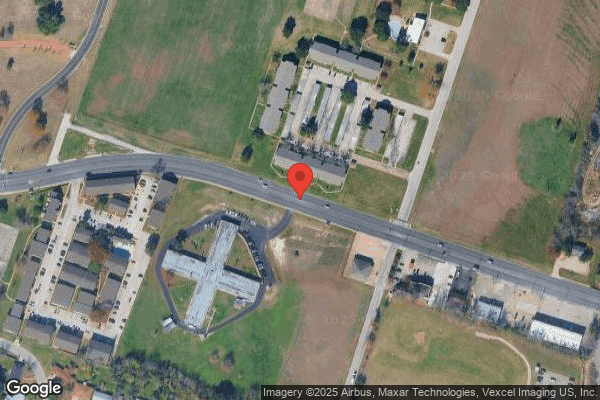

3011 W ADAMS AVE, TEMPLE, TX 76504 (254) 773-1626
For profit - Corporation 118 Beds SLP OPERATIONS Data: November 2025 6 Immediate Jeopardy citations
Trust Grade
0/100
#1081 of 1168 in TX
Last Inspection: June 2025

Inspected within the last 6 months. Data reflects current conditions.

Overview

Regency Manor Healthcare Center in Temple, Texas, has received a Trust Grade of F, indicating significant concerns about the facility's overall quality and care. With a state rank of #1081 out of 1168, they are in the bottom half of Texas nursing homes, and #12 out of 16 in Bell County, meaning there are only a few local options that are better. The facility is improving slightly, as the number of issues has decreased from 16 in 2024 to 15 in 2025, but it still has a poor overall rating of 1 out of 5 stars for both health inspections and staffing. Staffing turnover is average at 59%, but critical incidents have been reported, including failures in food safety and infection control, such as wastewater leaking into the kitchen and improper handling of kitchen waste, putting residents at risk for foodborne illness. Additionally, there have been serious concerns about resident safety, with incidents of abuse among residents that highlight ongoing risks.

Trust Score
F
0/100
In Texas
#1081/1168
Bottom 8%
Safety Record
High Risk
Review needed
Inspections
Getting Better
16 → 15 violations
Staff Stability
⚠ Watch
59% turnover. Above average. Higher turnover means staff may not know residents' routines.
Penalties
✓ Good
$83,808 in fines. Lower than most Texas facilities. Relatively clean record.
Skilled Nurses
⚠ Watch
Each resident gets only 18 minutes of Registered Nurse (RN) attention daily — below average for Texas. Fewer RN minutes means fewer trained eyes watching for problems.
Violations
⚠ Watch
52 deficiencies on record. Higher than average. Multiple issues found across inspections.
★☆☆☆☆
1.0
Overall Rating
★☆☆☆☆
1.0
Staff Levels
★★★★☆
4.0
Care Quality
★☆☆☆☆
1.0
Inspection Score
Stable
2024: 16 issues
2025: 15 issues

The Good

  • 4-Star Quality Measures · Strong clinical quality outcomes
  • Full Sprinkler Coverage · Fire safety systems throughout facility
  • No fines on record

Facility shows strength in quality measures, fire safety.

The Bad

1-Star Overall Rating

Below Texas average (2.8)

Significant quality concerns identified by CMS

Staff Turnover: 59%

13pts above Texas avg (46%)

Frequent staff changes - ask about care continuity

Federal Fines: $83,808

Well above median ($33,413)

Moderate penalties - review what triggered them

Chain: SLP OPERATIONS

Part of a multi-facility chain

Ask about local staffing decisions and management

Staff turnover is elevated (59%)

11 points above Texas average of 48%

The Ugly 52 deficiencies on record

6 life-threatening
Jun 2025 12 deficiencies
CONCERN (D)

Potential for Harm - no one hurt, but risky conditions existed

Deficiency F0583 (Tag F0583)

Could have caused harm · This affected 1 resident

Based on observation, interviews, and record reviews, the facility failed to ensure the resident's right to secure and confidential personal and medical records for one (unknown resident) of 28 reside...

Read full inspector narrative →
Based on observation, interviews, and record reviews, the facility failed to ensure the resident's right to secure and confidential personal and medical records for one (unknown resident) of 28 residents . The facility failed to ensure the privacy of the unknown resident by not locking the laptop screen, so the resident's information could not be seen by someone walking by. This failure put residents at risk for confidential health information exposure, psychosocial harm and decreased quality of life. Findings included: Observation on 6/16/2025 at 12:05 PM during lunch service revealed that the tablet on the medication cart was open and the screen had the resident's information on the laptop screen. The surveyor was watching lunch service and walked around the corner, and the laptop was open. The surveyor waited five minutes, and the staff member did not return to the medication cart. The laptop screen timed out, and the screen went dark after five minutes. In an interview on 6/19/2025 at 1:53 p.m., MA A stated you cannot leave the laptop screen open with residents' information on it. MA A stated this is a HIPAA violation. MA A stated anyone walking by would be able to see the residents' medical information if the laptop were open. MA A said she has not seen any co-workers leaving their laptops open with resident information on the screen. MA A stated if she sees a laptop open showing resident information, then she closes the laptop and reminds the person they need to close the laptop. MA A said she has been in-serviced on resident rights and privacy. In an interview on 6/19/2025 at 2:03 p.m., MA B stated she is aware of the facility's policy on resident rights and privacy. MA B said when you walk away from the cart, you need to lock the laptop screen so that residents' information is not showing. MA B said if a resident's information is showing, then anyone would be able to get the resident's medical records. MA B said if she sees a lap open, she will close it and let the person know that it was open. MA B said she has not seen anyone leave their laptop open with resident information showing. MA B said if she saw an open tablet, then she would close it and remind the worker that they cannot leave the laptop open so anyone can see. MA B said it is a violation of HIPAA and resident rights to leave resident information visible for people walking by to see. In an interview on 6/19/2025 at 3:18 p.m., the ADM stated staff are trained on HIPAA laws. The ADM stated when staff walk away from the medication cart the laptop screen should be locked or minimized. He stated if the screen is left open then someone passing by could get the resident's information. The ADM said he has never seen any staff leave the laptop open with the resident's information on the screen. The ADM said that if staff leave the laptop opened, then he would shut it, talk to the staff. The whole facility would be inserviced on resident rights and privacy. In an interview on 6/19/2025 at 4:18 p.m., with DON said that staff should not walk away from the medication cart with the laptop open that has a resident's information on it. Staff are in serviced on HIPAA law and residents' privacy rights. The DON said that she has not seen any staff leave the laptops open with residents' info on the laptop. The DON stated that if she sees an open laptop then she would close it and talk to the staff member. The DON stated that she would do Inservice. Review of the Job description (undated) revealed staff were to follow their Job Description - Understand, comply with, and promote all rules regarding residents' rights.
CONCERN (D)

Potential for Harm - no one hurt, but risky conditions existed

Assessment Accuracy (Tag F0641)

Could have caused harm · This affected 1 resident

**NOTE- TERMS IN BRACKETS HAVE BEEN EDITED TO PROTECT CONFIDENTIALITY** Based on interviews, and record review the facility failed to ensure the resident assessments accurately reflected the resident'...

Read full inspector narrative →
**NOTE- TERMS IN BRACKETS HAVE BEEN EDITED TO PROTECT CONFIDENTIALITY** Based on interviews, and record review the facility failed to ensure the resident assessments accurately reflected the resident's status for 2 (Resident # 10 and Resident #7) of 8 residents reviewed for accuracy of assessments. 1. The facility failed to ensure Resident #10's Significant Change MDS assessment, dated 12/31/2024, completed Resident #10's preferences for customary routine and activities. 2. The facility failed to ensure that Resident #7's Significant Change in Status MDS assessment on 05/21/2025 accurately reflected that she had an unhealed pressure ulcer at the time of the assessment. This deficient practice could have placed the residents at risk for inadequate care and diminish quality of life due to inaccurate assessments. Findings included: 1. Review of Resident #10's Face Sheet, dated 06/18/2025, reflected a [AGE] year-old female admitted to the facility on [DATE] and readmitted on [DATE] with the diagnoses unspecified dementia, unspecified severity, with agitation ( a group of symptoms affecting memory, thinking, and social abilities- its exact severity not determined- with state of restlessness), cognitive communication deficit ( memory loss and trouble concentrating, completing tasks, understanding, remembering, following instructions, and solving problems), and reduced mobility ( limitation in a person's ability to move around independently, due to physical disabilities, age, or other factors). Review of Resident #10's Significant Change MDS, dated [DATE], reflected Resident #10 had a BIMS score of a 2 indicating her cognition was severely impaired. Resident #10's staff assessment for activity preference had dashes. (Section F of the MDS indicated section F was not completed). It was certified by the RRN. Review of Resident #10's Comprehensive Care Plan, dated 04/10/2025, reflected Resident #10 was not at ease in joining other residents in activities. Resident #10 will yell and hit the table during group activities. Intervention: Activity Director will provide 1:1 activity session as needed. Place resident in position of almost certain success in an activity. Encourage resident to verbalize feelings and fears. Review of Resident #10's electronic medical record on 06/16/2025 reflected activity staff did not assess Resident #10's activity preferences for the MDS Assessment, dated 12/31/2024. Interview on 06/19/2025 at 8:00 AM requested the RRN's phone number from the Director of Nurses and it was not provided at time of exit. In an interview on 06/19/2025 at 8:30 AM The Activity Director stated she did not complete section F staff assessment (Activity Preferences of Resident #10). She stated Resident #10 was not interview able. She stated Resident #10 did not have family; however, she had a caregiver. The Activity Director stated she did not contact the care giver to obtain information about Resident #1's activity preferences. She stated she forgot to complete the staff assessment of Resident #10's activity preferences on the significant change MDS section, dated 12/31/2024. The Activity Director stated Resident #10's activity preferences were not documented anywhere in the electronic medical record. In an interview on 06/19/2025 at 9:27 AM The Regional MDS Consultant P stated she was responsible for monitoring MDS. She stated if there were dashes on the MDS, this indicated the MDS was not a completed assessment. The Regional MDS Consultant stated the Activity Director was expected to complete section F (Activity Preferences) of the significant change MDS of Resident #10. She stated if the resident was not capable of answering the questions, the Activity Director was required to answer the staff assessment. She stated it was very important for all sections of the MDS to be completed. The Regional MDS Consultant stated the care plan would be difficult to develop if a resident was not assessed on the MDS. In an interview on 06/19/2025 at 12:57 PM The Director of Nurses stated all sections of the MDS were expected to be completed by the appropriate staff. She stated all information was obtained prior to completing the MDS. The DON stated the Activity Director was expected to contact anyone with information on Resident #10 including the care giver. She also stated the staff also could have been interviewed to obtain information when the staff interacted with Resident #10. The DON stated Resident #10 enjoyed drinking coffee and talking to staff. She stated she had observed Resident #10 enjoying music in the common area and in her room. The Director of Nurses stated Resident #10 did not enjoy group activities and did respond more to one-on-one activities. She stated if the MDS assessment was not completely documented, there was a potential the resident's care plan may not be accurate and the resident's quality of life and quality of care may diminish. In an interview on 06/19/2025 at 1:30 PM requested the RRN's phone number from the Director of Nurses and it was not provided at time of exit. Review of Resident #7's Face sheet reflected a [AGE] year-old, female admitted to the facility on [DATE]. Diagnoses included: Schizoaffective Disorder, bipolar type (a mental health disorder that is marked by a combination of schizophrenia symptoms, such as hallucinations or delusions, and mood disorder symptoms, such as depression or mania), Vascular Dementia with anxiety (dementia related to blood flow to the brain that includes feelings of intense and excessive worry and fear), Pain, and Functional quadriplegia (inability to move all four limbs). Review of Resident #7's Significant Change MDS dated [DATE] reflected that the resident had a BIMS score of 14 (no cognitive impairment). Section M for Skin Condition reflected a 0 for M0210 (Unhealed Pressure Ulcers/Injuries), indicating that she did not have any unhealed pressure ulcers/injuries. The assessment was signed by RCMDS Q. Review of Resident #7's orders reflected an order for Wound Treatment Order: Location: mid-back/sacral area [region of skin between the mid-back and the bottom of the spine]-Clean with Normal Saline/Wound Cleanser Apply: Collagen powder and cover with Primary Dressing: Border Gauze Secure with Tape Once a Day: Mon, Wed, Fri 06:00AM-06:00PM started on 04/02/2025. Review of Resident #7's Wound Evaluation and Management Summary from Wound Care Physician dated 05/15/2025 reflected a stage 3 pressure wound to the resident's sacrum with a Duration as greater than 164 days. Review of Resident #7's Care Plan reflected a Problem Area stating, Problem Start Date: 01/15/2025 Category: Pressure Ulcer/Injury Resident #7 has a pressure ulcer to sacrum. Edited: 06/16/2025. There was a related Approach intervention stating, Provide treatment as ordered. Observation of wound care with LVN M, CNA G, and CNA H for Resident #7 on 06/18/2025 at 10:30 AM revealed that the resident had a pressure wound to her sacrum with a diameter of approximately 0.2 cm and a depth of approximately 0.1 cm. In an interview with RCMDS P on 06/19/2025 at 06:20 PM, she stated that the significant change MDS dated [DATE] stated that Resident #7 was coded as having no pressure ulcers. She stated that she was responsible for overseeing the MDS assessments for the building. She stated that she does quarterly score cards with a random audit of residents in the facility to review for accuracy and timeliness. She stated that she had not audited Resident #7. She stated that the resident had wound care notes from the wound doctor at the time of the assessment stating that the resident had a pressure ulcer. She stated coding her as having no pressure ulcers was an error. She stated that the impact to the resident was that it could affect the care planning process and possibly the wound management or payment depending on the wound type. In an interview on 06/19/2025 at 06:30 PM with the ADM and DON, they both stated that they expected the MDS assessments to be accurate. They stated that the person responsible for the MDS assessments in May 2025 was RCMDS P. They stated that she was responsible for the oversight in the absence of a full time MDS staff. He stated that there was no impact to the resident regarding the MDS error because the supplies are paid for by Hospice services, not the reimbursements from the MDS. Review of a staff roster from 06/17/2025 reflected that RCMDS Q was not a current staff member for the facility. Review of the Facility's Policy on Certifying Accuracy of the Resident Assessment, dated November 2019, reflected Any person completing a portion of the Minimum Data Set/ MDS (Resident Assessment Instrument) must sign and certify the accuracy of that portion of the assessment. Any health care professional who participates in the assessment process is qualified to assess the medical, functional and/or psychosocial status of the resident that is relevant to the professional's qualifications and knowledge. Any person who completes any portion of the MDS assessment, tracking form, or correction request form is required to sign the assessment certifying the accuracy of that portion of that assessment. The information captured on the assessment reflects the status of the resident during the observation (look-back) period for that assessment. Different items on the MDS may have different observation periods. The Resident Assessment Coordinator is responsible for ensuring that an MDS assessment has been completed for each resident. Each assessment is coordinated and certified as complete by the Resident Assessment Coordinator, who is a registered nurse.
CONCERN (D)

Potential for Harm - no one hurt, but risky conditions existed

ADL Care (Tag F0677)

Could have caused harm · This affected 1 resident

**NOTE- TERMS IN BRACKETS HAVE BEEN EDITED TO PROTECT CONFIDENTIALITY** Based on observations, interview and record review, the facility failed to ensure a resident who was unable to carry out activit...

Read full inspector narrative →
**NOTE- TERMS IN BRACKETS HAVE BEEN EDITED TO PROTECT CONFIDENTIALITY** Based on observations, interview and record review, the facility failed to ensure a resident who was unable to carry out activities of daily living received the necessary services to maintain good nutrition, grooming, and personal and oral hygiene for two of eight residents (Resident# 46, and Resident #59) reviewed for ADL care. The facility failed to ensure Resident #46's and Resident # 59's nails were cleaned, and did not have any rough edges. These failures could place residents at risk of not receiving services or care, diminished quality of life, and decreased self-esteem. Findings included: Review of Resident #46's face sheet, dated, 06/18/2025, reflected a [AGE] year-old male who was admitted on [DATE]. Resident #46 had diagnoses which included need for assistance with personal care ( helping individuals with activities of daily living like bathing, dressing, toileting, grooming, and eating), personal history of traumatic brain injury (occurs when external force impacts the head, causing damage to the brain), presbyopia (gradual loss of the ability to focus on nearby objects), and seizures ( a sudden, temporary surge in the brain that can cause changes in behavior, movement, awareness, or sensation). Review of Resident #46's Quarterly MDS, dated [DATE], reflected the resident had a BIMS score of 9, which indicated his cognition was moderately impaired. Resident #46 required partial/moderate assistance (helper does less than half the effort) with personal hygiene, lower body dressing, transfers, bed mobility, and toileting hygiene. He was dependent on staff for showers. Review of Resident #46's Comprehensive Care Plan, with revision date of 06/07/2025 reflected Resident # 46 required one staff assistance with bathing, dressing, grooming and hygiene. Observation and interview on 06/17/2025 at 8:45 AM, revealed Resident #46 was in his room lying in bed. He had a blackish/ brownish substance underneath the middle and ring fingernails on his right hand. Resident #46's middle fingernail on his right hand was uneven around the edges. Resident #46 did not respond to questions or conversation about his nails. Resident #46 stated yes when asked if he requested for his nails to be cleaned or trimmed. He did not elaborate on who or when he asked for assistance with his fingernails. Review of Resident # 59's face sheet, dated 06/18/2025, reflected a [AGE] year-old male admitted on [DATE] with diagnoses which included need for assistance with personal care ( providing support for individuals who need help with personal hygiene, dressing, or toileting, etc.), depression, unspecified (a mood disorder that causes a persistent feeling of sadness and loss of interest), and scoliosis ( a condition where the spine curves sideways, forming an S or C shape, rather than a straight line- can lead to back pain and difficulty with breathing). Review of Resident #59's Quarterly MDS Assessment, dated 06/09/2025, reflected Resident #59 had a BIMS score of 14 indicating his cognitive status was intact. Resident #59 was dependent on staff for eating, oral hygiene, toileting hygiene, dressing, personal hygiene, transfers, bed mobility and showers. Review of Resident #59's Comprehensive Care Plan, dated 06/09/2025 reflected Resident #59 required assistance with all ADLs to include: transfers, feeding, dressing, bathing, and toileting, etc. Observation and interview on 6/17/2025 at 8:45 AM, revealed Resident #59 was in his room lying in bed. He had a blackish/ brownish substance underneath the middle ring and fore fingernails on his right hand. Resident #59's ring and middle fingernail on his right hand were uneven around the edges. He stated on Saturday (06/14/2025) he asked a nurse if she would clean his nails. Resident #59 did not recall the nurse's name and the nurse stated his nails would be cleaned and trimmed on Sunday (06/15/2025). He stated he was going to ask someone this week to clean and trim his nails. In an interview on 06/19/2025 at 9:00 AM, LVN L stated the nurses were responsible for residents with diagnosis of diabetes with nail care such as trimming, cleaning, filing. She stated the CNAs were responsible for all other residents' nail care. LVN L stated if a resident had brownish/blackish substance underneath their nails and if a resident swallowed the substance there was a possibility a resident may become ill such as stomach problems nausea and vomiting. LVN L stated if a resident refused any type of care, the nurse would document the refusal in the nurse's notes. She stated Resident #59 and Resident #46 did not refuse care. She stated no one had reported to her Resident #46 or Resident #59 refused nail care. LVN L stated she had worked with Resident #46 and Resident #59 for several weeks. She stated she had been in- serviced on nail care, however, she did not recall the date. In an interview on 06/19/2025 at 9:20 AM, CNA E stated the CNAs were responsible for cleaning, trimming, and filing all residents' nails except for the residents with a diagnosis of diabetes. He stated the nurses were responsible for all the residents' nails with a diagnosis of diabetes. CNA E stated the residents' nails were usually cleaned on Sundays, their shower days and as needed. He stated if there was a blackish substance on the residents' fingertips or underneath their nails and the resident swallowed the blackish substance there was a possibility a resident may become ill such as vomiting and diarrhea. He stated a resident may cause a skin tear if their fingernails were not smooth. CNA E stated he was in-serviced on cleaning, filing, and trimming residents' nails but he did not recall the date. He stated he had given care to Resident # 59 and Resident #46, and they did not refuse nail care. CNA E stated he did not know the last time these residents' nails were trimmed or cleaned. He stated if any resident refused care it was reported to the nurse and the nurse would document the refusal in the nurses note. He stated he was in-serviced on nail care. CNA E stated he did not recall the date of the nail care in-service. In an interview on 06/19/25 at 10:30 AM, CNA C stated the nurses, and the CNAs were responsible for nail care. She stated the nurses were responsible to trim and clean all resident's nails with a diagnosis of diabetes. She stated it was the CNAs' responsibility to clean and trim all other residents' nails during showers or as needed. She stated if there was a blackish substance underneath the resident's nails, there was a possibility the substance had bacteria. CNA C stated if a resident swallowed the bacteria there was a possibility a resident may become ill with stomach problems such as vomiting. CNA C stated she was in-serviced on nail care; however, she did not recall the date. She stated she had given care to Resident #59 and Resident #46. She stated she was not aware of Resident #59 or Resident #46 refusing nail care. In an interview on 06/19/25 at 09:36 AM, the Director of Nurses stated if a resident ingested the blackish substance on their fingers or underneath their fingernails, there was a possibility the substance may be some type of bacteria, however it would be difficult to determine if the blackish/ brownish substance was bacteria. She stated it was a possibility a resident may become ill with stomach issues such as vomiting and diarrhea if they ingested the blackish/ brownish substance. She stated the CNAs were responsible for all residents' nails such as cleaning, trimming, and filing except for the residents with diabetes (a disease that occurs when your blood sugar, is too high) . She stated for any resident with a diagnosis of diabetes the nurse was responsible for these residents' fingernails. The Director of Nurses stated the nurse supervisor was responsible for monitoring CNAs giving ADL care including nail care and she was responsible for monitoring the nurse supervisors. Review of the Facility's Policy on Activities of Daily Living, dated 03/2018, reflected Residents will be provided with care, treatment, and services as appropriate to maintain or improve their ability to carry out ADLs. Residents who are unable to carry out activities of daily living independently will receive the services necessary to maintain good nutrition, grooming, and personal and oral hygiene. Interventions to improve or minimize a resident's functional abilities will be in accordance with the resident's assessed needs, preferences, stated goals and recognized standards of practice. The resident's response to interventions will be monitored, evaluated, and revised as appropriate.
CONCERN (D)

Potential for Harm - no one hurt, but risky conditions existed

Quality of Care (Tag F0684)

Could have caused harm · This affected 1 resident

**NOTE- TERMS IN BRACKETS HAVE BEEN EDITED TO PROTECT CONFIDENTIALITY** Based on observations, interviews, and record reviews the facility failed to ensure that residents received treatment and care i...

Read full inspector narrative →
**NOTE- TERMS IN BRACKETS HAVE BEEN EDITED TO PROTECT CONFIDENTIALITY** Based on observations, interviews, and record reviews the facility failed to ensure that residents received treatment and care in accordance with professional standards of practice and the comprehensive care plan for one (Resident #21) of one resident reviewed for nephrostomy care. The facility failed to ensure dressing changes were done for Resident #21's surgical sites on 06/18/2025 and 06/19/2025 and completed per the physician orders and with sterile technique per the facility policy. This failure puts residents at risk for infection and deterioration of the stoma site (a surgically created opening on the outside of your body that connects to an organ on the inside). Findings: Review of Resident #21's Face sheet revealed a [AGE] year-old, female admitted on [DATE]. Diagnoses included: Hydronephrosis (swelling of the kidneys from blockage of the flow of urine), Urinary Tract Infection, Chronic Kidney Disease, and Type 2 Diabetes (chronic disorder of abnormal blood sugar levels). Review of Resident #21's Quarterly MDS dated [DATE] reflected a BIMS score of 15 (no cognitive impairment). For Section H-Bowel and Bladder it reflected a 9 for Urinary Continence, indicating Not Rated, resident had a catheter (indwelling or condom), urinary ostomy, or no urine output for the entire 7 days. For Section M-Skin Conditions it was indicated that the Resident has a Surgical Wound with Surgical Wound Care. Review of Resident #21's Care Plan reflected a Problem Area indicating, Problem Start Date: 05/23/2023 Category: Indwelling Catheter has nephrostomy tube [a catheter placed into the kidney through an incision in the back to drain urine] in place d/t Chronic cystitis [inflammation of the bladder wall], Hydronephrosis [swelling of the kidneys from blockage of the flow of urine], CKD [chronic kidney disease], and obstructive uropathy [blockage of the urinary tract]. There was an Approach intervention reflecting, Care for tubes/drains: nephrostomy site care per order Created: 05/23/2023. Review of Resident #21's Orders reflected an order to, Clean nephrostomy site with NS and pat dry. Apply split bandage and secure with tape. Twice A Day Morning 07:00AM -10:00AM, Bedtime: 07:00PM-10:00PM with a start date of 04/09/2025. Review of Physician Progress Note for Resident #21 dated 06/16/2025 reflected a note stating, Resident is currently being treated for a UTI (urinary tract infection)-gentamycin 80 mg inj. Other chronic conditions stable at this time. Review of Resident #21's TAR reflected an order for, Clean nephrostomy site with NS and pat dry. Apply split bandage and secure with tape. Twice a Day. There were sign offs on the dressing changes for LVN M for 06/18/2025 and 06/19/2025 indicating that the dressing change was done. In an interview on 06/17/2025 at 10:45AM, Resident #21 stated that she had nephrostomy tubes to both kidneys. She stated that the staff monitored and cared for the tubing. She denied any concerns. In an interview on 06/18/2025 at 09:40 AM with LVN M, she stated that she had not done a dressing change on 06/18/2025 Resident #21. Observation on 06/18/2025 at 10:10AM of Resident #21 revealed that there was no dressing to either nephrostomy site. They were open to air. No redness or drainage was noted to the insertion sites for the nephrostomy tubes. In an interview with Resident #21 on 06/18/2025 at 10:10AM, she stated that the staff check the site every day, but they do not change a dressing to the site. She stated, they just put cream on my back. Observation on 06/19/2025 at 01:15PM revealed that there was no dressing to either nephrostomy site. They were open to air. No redness or drainage was noted to the insertion sites for the nephrostomy tubes. In an interview with Resident #21 on 06/19/2025 at 01:15PM, she stated all they have done is put some lotion on her back. She denied having any dressing added or changed to the nephrostomy sites. In an interview on 06/19/2025 at 11:53AM, the DON stated that she did a skin assessment on Resident #21 that morning prior to surveyor arrival at 08:00AM. In an interview with LVN M on 06/19/2025 at 01:58PM, she stated that the initials charted for 06/19/2025 for the dressing change to the nephrostomy sites for Resident #21 were hers, but that the dressing change was not yet done for that day. She stated that she had not done the dressing change on 06/18/2025 and that she did sign off that it was done that day also. She was knowledgeable of the ordered dressing change but stated that she did not know that the dressing change should be done with sterile technique per the facility policy. She stated that she does not use sterile equipment or sterile technique for dressing changes for the resident. She stated that she had been doing regular dressing changes for the resident prior to the last two days when she worked. She stated after reading the policy that she should be doing sterile dressing changes. She stated, I did not know any of this. She stated that the resident has had the nephrostomy since she was admitted . She stated that the facility did have supplies for sterile dressing changes. In an interview on 06/19/2025 at 02:05PM, the ADON stated that she had worked at the facility for 30 days. She stated that she had not done any dressing changes for Resident #21. She stated that her role was to oversee education and some audits, including urinary catheters. She stated that the nurses are responsible for direct care to the residents. She stated that Resident #21 is the only resident in the facility with nephrostomy tubes. She stated that she was not aware of the facility policy on nephrostomy tubes. She stated she had not received any training on any special care considerations for the insertion sites or on how to perform the dressing changes for the insertion sites. She stated that if she had been aware of the policy regarding sterile dressing changes, she would audit for different criteria and categorize it differently than the audits for urinary catheter care. She stated that her responsibility is to ensure orders are transcribed and put in place, as well as to monitor progress of the residents. She stated that the facility did have supplies to perform the dressing changes. In an interview with the RN on 06/19/2025 at 02:44PM, she stated that she has worked at the facility since October of last year. She stated that she does not perform the dressing change to Resident #21's nephrostomy site with sterile gloves, supplies, and technique per the policy. She stated that she was unaware that the policy indicated that dressing change was sterile. She stated that based on the policy she should be doing sterile dressing changes for Resident #21. She stated that she did not recall any in-services regarding the nephrostomy policy. She stated that the impact to the resident of not performing dressing changes per the policy could lead to increased risk of infection. She stated that the resident has chronic UTIs. She denies any hospitalizations with UTI to her recollection. In an interview on 06/19/2025 at 03:37PM with the DON, she stated that it was her expectation that staff used sterile technique for the dressing changes to Resident #21's nephrostomy sites. She demonstrated knowledge of the facility policy. She stated that when she did the skin assessment for the resident that morning, she noted that there was no dressing to the site. She stated that she told LVN M to dress the site, but stated she had not gone back to ensure that it was done. She stated that she had not done any recent in-services on the policy for nephrostomy tubes or the related care considerations. She stated that staff were not trained on hire to perform nephrostomy care or dressing changes. She stated that she, the ADON, and the RN were responsible to ensure that the dressing changes were done for Resident #21. She stated that the potential risk to the resident was increased risk of infection. She stated that the resident has had a recent UTI but was not hospitalized . She stated that if the resident was removing the dressing herself that the nurses should be documenting it. She stated that the staff should not be signing off that they performed the care when they did not. In an interview on 06/19/2025 at 04:23PM, LVN J stated that she changed the dressing for Resident #21 every day that she works with her. She could not recall the ordered dressing change. She could not clearly indicate if she used sterile or clean gloves and supplies for dressing changes to Resident #21. She stated that she used sterile gloves for all dressing changes. In an interview with the MD at 05:52PM on 06/19/2025, she stated that if the policy stated that dressing should be changed with sterile technique, then it should be done with sterile technique. She stated that the site is already contaminated and not a sterile site. She stated that the resident has chronic UTIs. She stated that if the nephrostomy care is not performed per the policy that it would lead to an increased risk of infection. She stated that she was not aware that there was no dressing to the site and that it was her expectation that the site have a dressing. In an interview on 06/19/2025 at 06:30PM the ADM stated that he expected that dressing changes be performed per the physician orders and per policy. He stated that the potential impact to the resident of not doing wound care per the orders and policy standards could lead to worsening of the wound or ostomy site. Review of facility in-services for the last six months reflected there were no in-services regarding the nephrostomy care policy for the facility. Review of facility policy dated October 2010 for Nephrostomy Tube, Care of reflected, General Guidelines . 8. Change dressings every 1-3 days, or as ordered. 9. Use sterile technique during dressing changes.
CONCERN (E)

Potential for Harm - no one hurt, but risky conditions existed

Safe Environment (Tag F0584)

Could have caused harm · This affected multiple residents

Based on observations, interviews, and record reviews, the facility failed to provide a safe, clean, comfortable, and homelike environment for 2 residents (Resident #1 and Resident #2) of 28 residents...

Read full inspector narrative →
Based on observations, interviews, and record reviews, the facility failed to provide a safe, clean, comfortable, and homelike environment for 2 residents (Resident #1 and Resident #2) of 28 residents observed for a clean environment. The facility failed to ensure Resident #1 and Resident #2 had a homelike environment . These deficient practices could place residents at risk of a decreased quality of life. Findings included: Observations on 06/17/25 at 10:19 a.m., in Resident #1's room. Resident #1 was not in the room at the time. There were several pieces of trash on the floor. The bed sheets were dirty with several stains. It appeared the sheets had not been changed in several days. The bathroom had several pieces of trash on the floor. The toilet had fecal stains on the seat. The toilet appeared not to have been cleaned in a while. Observations on 06/17/25 at 10:19 a.m., in Resident #2's room. The armoire in the room looked old, with paint peeling off and holes in it. Resident #2 said it has been like that for a while. Resident #2 said he has not asked for anyone to replace it. Observations on 06/17/25 at 1:58 a.m ., in Resident #1's room. Resident #1 was in the room, lying in bed. The room and the bathroom had been cleaned. The sheets on the bed had not been changed. Resident #1 said he cannot depend on the staff at the facility . Resident #1 said he did not want to talk anymore because he was going to sleep. In an interview on 6/19/2025 at 1:42 p.m., the HK said rooms are cleaned once a day. The HK said if the room needs to be cleaned more, she will do it. The HK stated Resident #1 is difficult and does not let people clean his room. The HK said she cleans the room when he is not in there. The HK said if a room is not cleaned, it will be unsanitary for the residents. In an interview on 6/19/2025 at 1:52 p.m., MA A stated rooms are cleaned once a day. MA A said if there is a spill, she will clean it up. MA A said if it's a bigger spill, she will get housekeeping to clean up the mess. CNA said sheets are changed on shower days. MA A feels there is enough staff to keep the residents' room cleaned. In an interview on 6/19/2025 at 2:03 PM, MA B stated that if a room is dirty, she tells housekeeping. MA B said housekeeping is fast cleaning rooms when there is a mess. MA B stated that Resident #1 can be difficult when it's time to get his room cleaned. MA B said Resident #1 gets his room cleaned when he is not in the room. CNA said sheets are changed on shower days . MA B feels there are enough staff to keep the rooms cleaned. MA B said Resident #1's room is cleaned when he is not in there. In an interview on 6/19/2025 at 2:10 p.m., CNA F stated that if she sees a dirty room, she will call for housekeeping, so they can clean it up. She stated if it is a small spill then she will clean it up. She said sheets are changed on shower days. She stated that when a room is not clean, it is not sanitary for the resident. She said Resident #1's room is cleaned when he is not in the room. In an interview on 6/19/2025 at 3:18 p.m., the ADM said staff have a difficult time getting Resident #1's room cleaned and the sheets changed because of his behavior. The ADM stated that Resident #1's room sheets are changed when he is not in the room. The ADM said it happens when Resident #1 is outside smoking. The ADM did not know why Resident #1's room was not being cleaned when Resident #1 was not in the room. The ADM said residents' sheets are changed on shower days. In an interview on 6/19/2025 at 4:18 p.m., the DON said residents' rooms are cleaned daily and sheets are changed when a resident takes their shower. The DON said that Resident #1 can be difficult when staff go in there to change his sheets or clean his room. Resident #1 will often curse and yell at the staff who come in and try to help him. Resident #1 usually gets his sheets changed and his room cleaned when he goes out to smoke cigarettes. The DON said Resident #1's room should have been cleaned if the resident was not in the room at the time. Record Review of the facility's Policy Statement , Residents are provided with a safe, clean, comfortable, and homelike environment and encouraged to use their personal belongings to the extent possible. Policy Interpretation and Implementation 1. Staff provides person-centered care that emphasizes the residents' comfort, independence and personal needs and preferences. Needs and preferences. 2. The facility staff and management maximize, to the extent possible, the characteristics of the facility that reflect a personalized, homelike setting. These characteristics include: a. clean, sanitary and orderly environment. e. clean bed and bath linens that are in good condition.
CONCERN (E)

Potential for Harm - no one hurt, but risky conditions existed

Deficiency F0679 (Tag F0679)

Could have caused harm · This affected multiple residents

**NOTE- TERMS IN BRACKETS HAVE BEEN EDITED TO PROTECT CONFIDENTIALITY** Based on interview, observation, and record review, the facility failed , to provide an ongoing activities program to support re...

Read full inspector narrative →
**NOTE- TERMS IN BRACKETS HAVE BEEN EDITED TO PROTECT CONFIDENTIALITY** Based on interview, observation, and record review, the facility failed , to provide an ongoing activities program to support residents in their choice of activities, both facility sponsored group and individual activities, and independent activities, designed to meet the interests of and support the physical, mental, and psychosocial well-being of each resident, encouraging both independence and interaction in the community for two of five residents ( Resident # 10 and Resident # 59 ) reviewed for activities. The facility failed to provide Resident # 10 in room activities during the months of April, May, and June of 2025. The facility failed to provide Resident # 59 in room activities twice per week during the months of April, May, and June 2025. This failure could place residents at risk for boredom, depression, and diminished quality of life. Finding included: Review of Resident #10's Face Sheet, dated 06/18/2025, reflected a [AGE] year-old female admitted to the facility on [DATE] and readmitted on [DATE] with the diagnoses unspecified dementia, unspecified severity, with agitation ( a group of symptoms affecting memory, thinking, and social abilities- its exact severity not determined- with state of restlessness), cognitive communication deficit ( memory loss and trouble concentrating, completing tasks, understanding, remembering, following instructions, and solving problems), and reduced mobility ( limitation in a person's ability to move around independently, either due to physical disabilities, age, or other factors). Review of Resident #10's Significant Change MDS, dated [DATE], reflected Resident #10 had a BIMS score of a 2 indicating her cognition was severely impaired. Resident #10's activity preference was not completed by staff. Review of Resident #10's Quarterly MDS Assessment, dated 05/13/2025, reflected Resident #10 had a BIMS score of a 2 indicating her cognition was severely impaired. ( Activities does not fill out section F on the Quarterly MDS) Review of Resident #10's Comprehensive Care Plan, dated 04/10/2025, reflected Resident #10 was not at ease in joining other residents in activities. Resident #10 will yell and hit the table during group activities. Intervention: Activity Director will provide 1:1 activity session as needed. Place resident in position of almost certain success in an activity. Encourage resident to verbalize feelings and fears. Review of Resident #10's Activity Assessments revealed a Initial Activity Assessment was not completed. Review of Resident #10's Activity Participation Record during the months of April, May, and June from 06/01/2025 to 06/16/2025 reflected Resident #10 did not refuse one-on-one activities or receive one-on-one activities. Observation and Interview on 06/17/2025 at 1:16 PM, revealed Resident #10 was in her geri-chair sitting in the common area near the 200 hall. She was staring toward the wall. Resident #10 said hello. Resident #10 did not respond to any questions or conversation. She was not interview able. Observation and Interview on 06/17/2025 at 3:30 PM, revealed Resident #10 was sitting in her geri-chair in her room. There was no stimulation in the room, and she would not respond to any conversation or questions. Resident #10 was not interviewable. Review of Resident # 59's face sheet, dated 06/18/2025, reflected a [AGE] year-old male admitted on [DATE] with diagnoses which included depression, unspecified (a mood disorder that causes a persistent feeling of sadness and loss of interest), vascular dementia, moderate, with anxiety (significant decline in memory, thinking, and behavior. Anxiety- unease, worry or fear, often about things that might happen in the future), and insomnia, unspecified (a sleep disorder characterized by difficulty initiating or maintaining sleep, or waking up too early, without a specific underlying cause). Review of Resident #59's admission MDS Assessment, dated 03/04/2025, reflected Resident #59 had a BIMS score of 11 indicating his cognition was moderately impaired. Resident #59's activity preferences were the following: going outside to get fresh air when the weather permitted. Participating in religious services or practices, listening to music, and being around animals such as pets. Review of Resident #59's Comprehensive Care Plan, revised on 05/14/2025, reflected Resident #59 was in pain. Intervention: Offer non-drug interventions for my pain such as activities- conversation (since I love to talk). The care plan did not include any other activities. In an interview with the Activity Director on 06/18/2025 at 8:40 AM, requested Resident #59's Initial Activity Assessment and this was not provided at the time of exit. Review of Resident #59's Activity Quarterly Progress Note, dated 06/09/2025, reflected Resident #59 enjoyed one on one visits. He participated in two one-on-one activities per week. Resident #59 chose not to participate in group activities. He prefers to stay in his room. Resident #59 was alert and oriented to person, place, and time. He was assessed to need one to one interaction, intellectual stimulation, and sensory stimulation (did not specify what type of sensory stimulation). Resident #59's focus of programming was one-to one- activities, intellectually stimulating activities, outdoor activities, and relaxation activities (did not specify his preferences). Resident plan of care will be continued. Resident #59's activity assessment signed by the Activity Director. Review of Resident #59's one-on-one schedule on 06/17/2025, not dated, reflected Resident #59 was to receive one-on-one visits two times per week. Review of Resident #59's one-on-one activity records, on 06/18/2025, from the electronic medical records reflected the following: 1. Resident #59 received one-on-one visits on the following dates during the month of April: a. 04/15/2025 b. 04/16/2025 c. 04/28/2025 2. Resident # 59 received one-on-one visits on the following dates during the month of May: a. 05/07/2025 b. 05/08/2025 c. 05/19/2025 d. 05/30/2025 3. Resident #59 received one-on-one visits on the following dates between 06/01/2025 to 06/16/2025: a. 06/09/2025 b. 06/10/2025 Observation and interview on 06/17/2025 at 9:15 AM, revealed Resident # 59 was in his room lying in bed. He was staring at the wall in front of him. There was not any stimulation in his room. Resident #59 stated he wanted someone to come to his room and talk to him approximately four times a week. He stated he did become lonely especially in the late afternoons. Resident #59 stated no one asked him if he wanted someone to visit with him. He stated some lady comes to his room and asks him to go to activities and will bring him some food from parties sometimes, however, he stated he wanted someone to sit with him and talk to him about different things. He stated he preferred to talk about whatever was on his mind at the time of the visit. Resident #59 stated he did not want to talk about his feelings he wanted to talk about happy things. In an interview on 06/18/2025 at 8:30 AM The Activity Director stated Resident #10 and Resident #59 were on the in-room activity program. She stated Resident #10 did not attend group activities and would sit in the common area near the 200 hall sometimes. She stated Resident #10 would refuse in room activities at least three times a month. The Activity Director stated she did not document when Resident #10 refused in room activities. She stated Resident #10 did not enjoy being in any size group. She stated Resident #59 preferred visits in his room. The Activity Director stated he was to receive in room activities two times per week. She stated she was not aware he wanted more in room visits. The Activity Director stated according to her documentation Resident #10 had not received in room activities for the months of April and May in 2025. She stated Resident #10 did not receive in room activities during the dates of June 1st to June 16th, 2025. She stated Resident #59 did not receive in room activities two times a week during April, May, and June 2025. She stated she did not have an explanation why Resident #59 did not receive the in room visits he needed to prevent him from becoming lonely. The Activity Director stated she had difficulty interacting with Resident #10 during in room activities. She did not elaborate when asked why she had difficulty interacting with Resident #10. She stated Resident #10 did not interact with other residents or watch television. The Activity Director stated she was expected to ensure all residents received activities based on their preferences and their physical abilities. She stated if a resident was not receiving any type of activities there was a possibility a resident may become bored, depressed or have a decline in their quality of life. She stated she did not know Resident #10's activity preferences. The Activity Director stated Resident #10 did not have any family, however, she did have a care giver. She stated the care giver may know Resident #10's activity preferences. She stated she did not interview the caregiver to determine Resident #10's activity preferences. In an interview on 06/19/25 at 09:04 AM, CNA C stated Resident #10 enjoyed sitting in the common area and sometimes covered her head with a blanket. She stated Resident #10 did not interact with other residents. CNA C stated Resident #10 enjoyed drinking coffee and would talk to staff when she was drinking coffee. She stated when she was in her room or in the common area if country music was playing, she would talk about country music with staff. She stated Resident #10 did not enjoy interacting with others for a very long period. In an interview on 06/19/2025 at 12:57 PM The Director of Nurses stated Resident #10 enjoyed drinking coffee and talking to staff. She stated she had observed Resident #10 enjoying music in the common area and in her room. She stated Resident #10 enjoyed talking about music. The Director of Nurses stated Resident #10 did not enjoy group activities and did respond more to one-on-one activities. In an interview on 06/19/2025 at 2:40 PM the Administrator stated he expected in room activities be provided to the residents needing these types of activities. He stated if a resident was not receiving in room activities there was a possibility a resident may become depressed, bored, and isolated. The Administrator stated the Activity Director was responsible for the activity programs and he was responsible to monitor the Activity Director. Review of the facility policy for Activity Programs, dated 11/2021, reflected Activity programs designed to meet the needs of each resident are available on a daily basis. Our activity programs are designed to encourage maximum individual participation and are geared to the individual resident's needs. Activities participation for each resident is based on information in the resident's comprehensive assessment. Review of the facility policy for Activity Documentation, dated 01/2020, reflected The Activity Director is responsible for maintaining appropriate departmental documentation. Recordkeeping is a vital part of the activity program. The following records, at a minimum, are maintained by the Activity Department personnel: 1. Activities evaluation 2. Attendance records 3. Activity progress notes 4. Individualized Activities Care Plan or activities portion of the Comprehensive Care Plan.
CONCERN (E)

Potential for Harm - no one hurt, but risky conditions existed

Pressure Ulcer Prevention (Tag F0686)

Could have caused harm · This affected multiple residents

**NOTE- TERMS IN BRACKETS HAVE BEEN EDITED TO PROTECT CONFIDENTIALITY** Based on observation, interview, and record review the facility failed to ensure that residents with pressure ulcers receive nec...

Read full inspector narrative →
**NOTE- TERMS IN BRACKETS HAVE BEEN EDITED TO PROTECT CONFIDENTIALITY** Based on observation, interview, and record review the facility failed to ensure that residents with pressure ulcers receive necessary treatment and services, consistent with professional standards of practice, to promote healing and prevent infection for one (Resident #7) of two residents reviewed for pressure ulcers. 1. The facility failed to ensure that dressing changes were completed for Resident #7's pressure ulcer on 06/11/2025, 06/13/2025, and 06/16/2025. This failure could place residents with pressure ulcers at risk for infection, pain, and worsening of the wound. Findings included: Review of Resident #7's Face sheet reflected a [AGE] year-old, female admitted to the facility on [DATE]. Diagnoses included: Schizoaffective Disorder, bipolar type (a mental health disorder that is marked by a combination of schizophrenia symptoms, such as hallucinations or delusions, and mood disorder symptoms, such as depression or mania), Vascular Dementia with anxiety (dementia related to blood flow to the brain that includes feelings of intense and excessive worry and fear), Pain, and Functional quadriplegia (inability to move all four limbs). Review of Resident #7's MDS dated [DATE] reflected that the resident had a BIMS score of 14 (no cognitive impairment). Section M for Skin Condition reflected a 0 for M0210 (Unhealed Pressure Ulcers/Injuries), indicating that she did not have any unhealed pressure ulcers/injuries. The assessment was signed by RCMDS Q. Review of Resident #7's Care Plan reflected a Problem Area stating, Problem Start Date: 01/15/2025 Category: Pressure Ulcer/Injury Resident #7 has a pressure ulcer to sacrum (area of skin above the triangular bone at the base of the spine). Edited: 06/16/2025. There was a related Approach intervention stating, Provide treatment as ordered. Review of Resident #7's orders reflected an order for Wound Treatment Order: Location: mid-back/sacral area-Clean with Normal Saline/Wound Cleanser Apply: Collagen powder and cover with Primary Dressing: Border Gauze Secure with Tape Once a Day: Mon, Wed, Fri 06:00AM-06:00PM started on 06/18/2025.There was an order for, Wound Treatment Order: Location: mid back/sacral area Clean with Normal Saline/Wound Cleanser Apply: Collagen powder and hydrocolloid sheet Cover with Primary Dressing: Bordered gauze Secure with tape Once a day on Mon, Wed, Fri. with a start date of 04/02/2025 and a discontinue date of 06/18/2025. Review of Resident #7's Wound Evaluation and Management Summary dated 05/15/2025 reflected a stage 3 pressure wound to the resident's sacrum with a Duration as greater than 164 days. Review of Resident #7's TAR reflected there was no treatment recorded for Monday, 06/09/2025; the treatment recorded for Wednesday, 06/11/2025 was signed off on by LVN K; the treatment recorded for Friday, 06/13/2025 was signed off on by LVN M; and no treatment was recorded for Monday, 06/16/2025. The TAR reflected a Wound Treatment, Pain Evaluation to be done, Mon, Wed, Fri; Set Frequency to match Treatment Administration Order. The sign offs reflected the same dates and persons indicated for the 06/09/2025, 06/11/2025, and 06/13/2025 treatments. There was a sign off on Monday, 06/16/2025, from LVN K, indicating she assessed pain during wound care that day. Observation of wound care with LVN M, CNA G, and CNA O for Resident #7 on 06/18/2025 at 10:30 AM revealed that the resident had a pressure wound to her sacrum with a diameter of approximately 0.2 cm and a depth of approximately 0.1 cm. The dressing removed from the patient revealed the date, 06/09/25 with the initials for LVN M. In an interview on 06/18/2025 at 03:00PM with LVN M, she stated that she did a full skin assessment on Resident #7 that on the morning of 06/18/2025 she and had not noticed the dressing from Resident #7's sacral wound during the assessment or during wound care performed on 06/18/2025 was dated 06/09/25 with her initials. She stated that she always records the dressing changes on the TAR. She stated that she did sign off on the wound care for Resident #7 on 06/13/25. She stated, I thought I did the wound care that day, but I must not have done it. She stated that she should not have documented that the treatment was done if it was not done. She stated that not doing a dressing change as ordered could place Resident #7 at risk for infection and worsening of the wound. In an interview on 06/19/2025 at 03:37PM with DON, she stated that it is her expectation that if staff document wound care that, it should be done. She stated that wound care should be performed per the orders. She stated that if staff are unable to finish a scheduled task on their shift that it should be passed on to the next shift, to herself, or the ADON, so that it can be completed. She stated that refusals of care should be documented after several attempts to the MD, herself, and the RP in addition to documenting the refusal. She stated the impact to the resident of not receiving care that was ordered could contribute to the worsening of the wound. Attempted an interview with LVN K on 06/19/2025 at 04:53PM. No call was returned prior to exit. In an interview with the ADM on 06/19/2025 at 06:30PM, he stated that he expected that dressing changes be performed per the physician orders and per policy. He stated that the potential impact to the resident of not doing wound care per the orders and policy standards could lead to worsening of the wound or ostomy site. Review of the facility's policy dated April 2024 for Pressure Injury/Skin Breakdown-Clinical Protocol failed to include guidance for facility expectations regarding following wound care orders.
CONCERN (E)

Potential for Harm - no one hurt, but risky conditions existed

Deficiency F0726 (Tag F0726)

Could have caused harm · This affected multiple residents

**NOTE- TERMS IN BRACKETS HAVE BEEN EDITED TO PROTECT CONFIDENTIALITY** Based on observations, interviews, and record reviews the facility failed to ensure that licensed nurses have the specific compe...

Read full inspector narrative →
**NOTE- TERMS IN BRACKETS HAVE BEEN EDITED TO PROTECT CONFIDENTIALITY** Based on observations, interviews, and record reviews the facility failed to ensure that licensed nurses have the specific competencies and skill sets necessary to care for residents' needs for 4 (ADON, RN, LVN M, and LVN J) of 5 staff reviewed for nephrostomy care for Resident #21. The staff were not aware that the nephrostomy policy for the facility indicated that Resident #21 should have sterile dressing changes per the facility policy. This failure could potentially affect the residents by placing them at risk for infection and deterioration of the stoma site due to staff who lack the appropriate skills and competencies to minimize infections. Findings: Review of Resident #21's Face sheet revealed a [AGE] year-old, female admitted on [DATE]. Diagnoses included: Hydronephrosis (swelling of the kidneys from blockage of the flow of urine), Urinary Tract Infection, Chronic Kidney Disease, and Type 2 Diabetes (chronic disorder of abnormal blood sugar levels). Review of Resident #21's Quarterly MDS dated [DATE] reflected a BIMS score of 15 (no cognitive impairment). For Section H-Bowel and Bladder it reflected a 9 for Urinary Continence, indicating Not Rated, resident had a catheter (indwelling or condom), urinary ostomy, or no urine output for the entire 7 days. For Section M-Skin Conditions it was indicated that the Resident has a Surgical Wound with Surgical Wound Care. Review of Resident #21's Care Plan reflected a Problem Area indicating, Problem Start Date: 05/23/2023 Category: Indwelling Catheter has nephrostomy tube [a catheter placed into the kidney through an incision in the back to drain urine] in place d/t Chronic cystitis [inflammation of the bladder wall], Hydronephrosis [swelling of the kidneys from blockage of the flow of urine], CKD [chronic kidney disease], and obstructive uropathy [blockage of the urinary tract]. There was an Approach intervention reflecting, Care for tubes/drains: nephrostomy site care per order Created: 05/23/2023. Review of Resident #21's Orders reflected an order to, Clean nephrostomy site with NS and pat dry. Apply split bandage and secure with tape. Twice A Day Morning 07:00AM -10:00AM, Bedtime: 07:00PM-10:00PM with a start date of 04/09/2025. Review of Physician Progress Note for Resident #21 dated 06/16/2025 reflected a note stating, Resident is currently being treated for a UTI (urinary tract infection)-gentamycin 80 mg inj. Other chronic conditions stable at this time. Review of Resident #21's TAR reflected an order for, Clean nephrostomy site with NS and pat dry. Apply split bandage and secure with tape. Twice a Day. There were sign offs on the dressing changes for LVN M for 06/18/2025 and 06/19/2025 indicating that the dressing change was done. In an interview on 06/17/2025 at 10:45AM, Resident #21 stated that she had nephrostomy tubes to both kidneys. She stated that the staff monitored and cared for the tubing. She denied any concerns. Observation on 06/18/2025 at 10:10AM of Resident #21 revealed that there was no dressing to either nephrostomy site. They were open to air. No redness or drainage was noted to the insertion sites for the nephrostomy tubes. In an interview with Resident #21 on 06/18/2025 at 10:10AM, she stated that the staff check the site every day, but they do not change a dressing to the site. She stated, they just put cream on my back. Observation on 06/19/2025 at 01:15PM revealed that there was no dressing to either nephrostomy site. They were open to air. No redness or drainage was noted to the insertion sites for the nephrostomy tubes. In an interview with Resident #21 on 06/19/2025 at 01:15PM, she stated all they have done is put some lotion on her back. She denied having any dressing added or changed to the nephrostomy sites. In an interview with LVN M on 06/19/2025 at 01:58PM, she was knowledgeable of the ordered dressing change but stated that she did not know that the dressing change should be done with sterile technique per the facility policy. She stated that she does not use sterile equipment or sterile technique for dressing changes for the resident. She stated that she had been doing regular dressing changes for the resident prior to the last two days when she worked. She stated after reading the policy that she should be doing sterile dressing changes. She stated, I did not know any of this. She stated that the resident has had the nephrostomy since she was admitted . She stated that the facility did have supplies for sterile dressing changes. In an interview on 06/19/2025 at 02:05PM, the ADON stated that she had worked at the facility for 30 days. She stated that she had not done any dressing changes for Resident #21. She stated that her role was to oversee education and some audits, including urinary catheters. She stated that the nurses are responsible for direct care to the residents. She stated that Resident #21 is the only resident in the facility with nephrostomy tubes. She stated that she was not aware of the facility policy on nephrostomy tubes. She stated she had not received any training on any special care considerations for the insertion sites or on how to perform the dressing changes for the insertion sites. She stated that if she had been aware of the policy regarding sterile dressing changes, she would audit for different criteria and categorize it differently than the audits for urinary catheter care. She stated that her responsibility is to ensure orders are transcribed and put in place, as well as to monitor progress of the residents. She stated that the facility did have supplies to perform the dressing changes. In an interview with the RN on 06/19/2025 at 02:44PM, she stated that she has worked at the facility since October of last year. She stated that she does not perform the dressing change to Resident #21's nephrostomy site with sterile gloves, supplies, and technique per the policy. She stated that she was unaware that the policy indicated that dressing change was sterile. She stated that based on the policy she should be doing sterile dressing changes for Resident #21. She stated that she did not recall any in-services regarding the nephrostomy policy. She stated that the impact to the resident of not performing dressing changes per the policy could lead to increased risk of infection. She stated that the resident has chronic UTIs. She denies any hospitalizations with UTI to her recollection. In an interview on 06/19/2025 at 03:37PM with the DON, she stated that it was her expectation that staff used sterile technique for the dressing changes to Resident #21's nephrostomy sites. She demonstrated knowledge of the facility policy. She stated that when she did the skin assessment for the resident that morning, she noted that there was no dressing to the site. She stated that she told LVN M to dress the site, but stated she had not gone back to ensure that it was done. She stated that she had not done any recent in-services on the policy for nephrostomy tubes or the related care considerations. She stated that staff were not trained on hire to perform nephrostomy care or dressing changes. She stated that she, the ADON, and the RN were responsible to ensure that the dressing changes were done for Resident #21. She stated that the potential risk to the resident was increased risk of infection. She stated that the resident has had a recent UTI but was not hospitalized . She stated that if the resident was removing the dressing herself that the nurses should be documenting it. She stated that the staff should not be signing off that they performed the care when they did not. In an interview on 06/19/2025 at 04:23PM, LVN J stated that she changed the dressing for Resident #21 every day that she works with her. She could not recall the ordered dressing change. She could not clearly indicate if she used sterile or clean gloves and supplies for dressing changes to Resident #21. She stated that she used sterile gloves for all dressing changes. In an interview with the MD at 05:52PM on 06/19/2025, she stated that if the policy stated that dressing should be changed with sterile technique, then it should be done with sterile technique. She stated that the site is already contaminated and not a sterile site. She stated that the resident has chronic UTIs. She stated that if the nephrostomy care is not performed per the policy that it would lead to an increased risk of infection. She stated that she was not aware that there was no dressing to the site and that it was her expectation that the site have a dressing. In an interview on 06/19/2025 at 06:30PM the ADM stated that he expected that dressing changes be performed per the physician orders and per policy. He stated that the potential impact to the resident of not doing wound care per the orders and policy standards could lead to worsening of the wound or ostomy site. Review of facility in-services for the last six months reflected there were no in-services regarding the nephrostomy care policy for the facility. Review of facility policy dated October 2010 for Nephrostomy Tube, Care of reflected, General Guidelines . 8. Change dressings every 1-3 days, or as ordered. 9. Use sterile technique during dressing changes.
CONCERN (E)

Potential for Harm - no one hurt, but risky conditions existed

Pharmacy Services (Tag F0755)

Could have caused harm · This affected multiple residents

**NOTE- TERMS IN BRACKETS HAVE BEEN EDITED TO PROTECT CONFIDENTIALITY** Based on observation, interview and record review, the facility failed to provide pharmaceutical services, including procedures ...

Read full inspector narrative →
**NOTE- TERMS IN BRACKETS HAVE BEEN EDITED TO PROTECT CONFIDENTIALITY** Based on observation, interview and record review, the facility failed to provide pharmaceutical services, including procedures that assure the accurate acquiring, receiving, dispensing and administering of all drugs and biologicals, to meet the needs of each resident for 2 of 4 medication carts (MA B's Medication Cart #1 and Medication Cart #2) and 4 of 6 residents (Resident #5, Resident #7, Resident #10, and Resident #19) reviewed for pharmacy services. 1. The facility failed to ensure MA B accurately reconciled Resident #5's narcotic medication log for Medication Cart #1 when she administered Resident #5's tramadol (controlled medication used for pain) 1 tablet two doses and Codeine/Acetaminophen (controlled medication used for pain) 1 tablets two doses on 6/18/25. 2. The facility failed to ensure MA B accurately reconciled Resident #7's narcotic medication log for Medication Cart #1 when she administered Resident #7's oxycodone (controlled medication used for pain) 1.5 tablets and lorazepam (controlled medication used to treat anxiety) 1 tablet on 6/18/25. 3. The facility failed to ensure MA B accurately reconciled Resident #19's narcotic medication log for Medication Cart #1 when she administered Resident #19's methylphenidate (controlled medication used to treat bipolar disorder) 1 tablet and Hydrocodone-Acetaminophen (controlled medication for pain) 1 tablets two doses on 6/18/25. 4. The facility failed to ensure MA B accurately reconciled and recorded Resident #10's narcotic medication log Medication Cart for Clonazepam 2 mg (Controlled medication used to treat anxiety) tablets. These failures could place residents at risk for loss of prescribed medications, potential for not receiving their prescribed medications, and risk of drug diversion. Findings included: 1. Record review of Resident #5's face sheet, indicated Resident #5, was a [AGE] year-old female, who was admitted to the facility on [DATE] with diagnoses which included acute pain due to trauma, cerebral infarction (stroke, condition when blood flow to parts of the brain is blocked), unspecified intellectual disabilities, hemiplegia (paralysis or weakness) affecting left nondominant side, cellulitis (bacterial skin infection) of left toe, pain in left lower leg, chronic combined systolic (congestive) and diastolic (congestive) heart failure (chronic condition of the heart that affects heart's ability to pump blood well). Record review of Resident #5's quarterly MDS assessment dated [DATE], indicated Resident #5 was able to make herself understood and usually understood others. The MDS assessment indicated Resident #5 had a BIMS score of 10, indicating her cognition was moderately impaired. The MDS assessment indicated Resident #5 received scheduled pain medication and had received an opioid (narcotic) medication within the 5-day look back period with pain intensity of 4/10 on numeric pain scale. Record review of Resident #5's comprehensive care plan revised on 05/08/25, indicated Resident #5 had the potential for pain related to impaired mobility, right shoulder pain with history of left femur fracture. The care plan interventions were to anticipate the resident's need for pain relief and respond immediately to any complaints of pain to make her as comfortable as possible through repositioning and administration of pain medications as ordered. Record review of Resident #5's order summary report indicated she had an order for acetaminophen-codeine-Schedule III tablet, 300-30mg give one tablet by mouth three times a day for pain with an order start date of 07/30/2021 and an order for tramadol -schedule IV tablets, 50mg give one tablet by mouth three times a day for pain with an order start date of 9/18/2023. Record review of Resident #5's medication administration record for 06/01/25-06/30/25, indicated Resident #5 received acetaminophen-codeine tablets, 300-30mg three times a day and tramadol one-tab 50mg three times a day including 6/18/25. Review of Resident #5's narcotic log records reflected the count for tramadol 50 mg tablets was 12 tablets and the count for acetaminophen/codeine 300mg/30mg tablets was 77 tablets. Review of the medication cards for Resident #5 reflected the Tramadol 50 mg had 10 tablets and the acetaminophen/codeine 300/30mg tablets had 75 tablets. During the medication cart reconciliation and interview on 06/18/25 at 05:45pm, MA B stated she administered two doses of tramadol and two doses of acetaminophen-codeine on 06/18/2025 to Resident #5 but failed to document the medications at the time of the administration of two acetaminophen-codeine 300/30mg tablets and two tramadol 50mg tablets on Resident #5's narcotic record. During an interview on 06/18/25 at 05:45 PM, MA B said she was responsible for documenting on the resident's narcotic record when a narcotic medication was administered but had not since she was very busy all day. MA B said not documenting the narcotic medication was administered could cause a discrepancy or a medication error, since someone will not know the resident had already received the narcotic medication. 2. Record review of Resident #7's face sheet dated 6/19/25, indicated a [AGE] year-old female who admitted to the facility on [DATE] with diagnoses which included left acute respiratory failure with hypoxia (low levels of oxygen in body tissue), chronic obstructive pulmonary disease (lung condition caused by damage to the airways), schizoaffective disorder (mental disorder with unstable mood affecting behavior), bipolar type, Non-Alzheimer's vascular dementia (group of symptoms affecting memory and thinking), mild with anxiety, quadriplegia (symptom of paralysis that affects all limbs and body from neck down), seizure disorder, hypothyroidism (condition where the thyroid gland does not produce enough hormones), pain. Record review of Resident #7's quarterly MDS assessment dated [DATE] indicated Resident #7 was able to make herself understood and understood others. The MDS assessment indicated Resident #7 had a BIMS score of 14, which indicated her cognition was intact. The MDS assessment indicated Resident #7 was not present with behavioral symptoms and received scheduled pain medication. Record review of Resident #7's comprehensive care plan dated from 5/22/2025 indicated Resident #7 had chronic pain related to disc herniation and contractures. The care plan interventions included to anticipate the residents need for pain relief and respond immediately to any complaint of pain through administration routine and PRN pain medication. Record review of Resident #7's comprehensive care plan dated from 5/22/2025 indicated Resident #7 had a diagnosis of bipolar disorder and can have mood swings from euphoria to depression. The care plan interventions included to encourage activities of choice and administer medication per MD order. Record review of Resident #7's order summary report indicated Resident #7 had an order for lorazepam 1mg give one tablet by mouth two times a day for anxiety with a start date of 04/01/2025 and oxycodone 7.5mg four times a day for pain with a start date of 03/06/2025. Record review of Resident #7's medication administration record dated 06/01/25-06/30/25, indicated Resident #7 received lorazepam 1mg in the morning of 6/18/25 and oxycodone 7.5mg at midnight, morning, and mid-day of 6/18/2025. Review of Resident #7's narcotic log records for lorazepam 1 mg tablets reflected that the count for the medication was 30 pills. Review of the medication card for lorazepam 1 mg for Resident revealed there were 29 tablets. Review of Resident #7's narcotic log records for oxycodone 5 mg tablets revealed the count was 40 prefilled cells of prepared tablets. One card had whole tablets of 5 mg and the second card had pre-cut half tablets of oxycodone 2.5mg. The instructions indicated to give one of each card per dose. Review of the medication cards reflected there were 38 prefilled cells of prepared tablets. During the medication cart reconciliation and interview on 06/18/25 at 5:45pm, MA B stated she administered one dose of lorazepam 1 mg and one dose of oxycodone 7.5 mg on 06/18/2025 to Resident #7 but failed to document the administration of one tablet of lorazepam 1mg and 1.5 tablets of oxycodone to achieve a dose of 7.5mg on Resident #7's narcotic record. 3. Record review of Resident #19's face sheet dated from 06/19/2025 indicated a [AGE] year-old female who initially admitted to the facility on [DATE] with diagnoses which included transient cerebral ischemic attack (stroke, condition when blood flow to parts of the brain is blocked), non-pressure chronic ulcer of other part of left lower leg with fat layer exposed, chronic pain, bipolar disorder, Type 2 diabetes, obstructive sleep apnea, and depression. Record review of Resident #19's quarterly MDS assessment dated [DATE], indicated Resident #19 was able to make herself understood and usually understood others. The MDS assessment reflected Resident #19 had a BIMS score of 14, indicating her cognition was intact. The MDS assessment indicated Resident #19 received scheduled pain medication during the 5-day look back period. Record review of Resident #19's comprehensive care plan dated 02/06/25, indicated Resident #19's need for accessing service to promote adjustment to new living environment. The care plan interventions indicated to evaluate the pain routinely to address pain management needs. Pain medications will be administered per physician orders. Pain medication effectiveness will be documented and reported as needed. Record review of Resident #19's nursing medication administrator record for 06/01/25-06/30/25, indicated Resident #19 received hydrocodone-APAP 10-325mg tablets in the morning and mid-day of 6/18/25 and methylphenidate 10mg on 06/18/2025. Record review of Resident #19's order summary report indicated Resident #19 had an order had an order for hydrocodone-APAP 10-325mg tablets give one tablet three times a day for pain with a start date of 06/07/25 and methylphenidate 10mg one tablet once every morning for symptoms of bipolar with a start date of 01/04/2025. Review of Resident #19's narcotic log records reflected there was 27 tablets of methylphenidate 10mg and 81 tablets of Hydrocodone-APAP 10mg-325mg. Review of the medication cards for Resident #19 reflected the methylphenidate 10 mg card had 26 tablets present and the Hydrocodone-APAP 10mg-325mg card had 79 tablets present. During the medication cart reconciliation and interview on 06/18/25 at 5:45pm, MA B stated she administered two doses of Hydrocodone-APAP 10mg-325mg tablets and one dose of methylphenidate 10mg tablets to Resident #19 but failed to document the administration of two tablets of hydrocodone-APAP 10-325mg and one tablet of methylphenidate 10mg on Resident #19's narcotic record. 4. Review of Resident #10's Face sheet reflected a [AGE] year-old, female admitted on [DATE]. Diagnoses included: Dementia, with agitation (loss of thinking, memory, or reasoning), Paranoid Schizophrenia (serious mental illness involving hallucinations, delusion, and disorganized thinking), Cognitive Communication Deficit (problem with communication caused by cognition rather than a language or speech deficit), and Generalized Anxiety disorder (intense and excessive worry and fear). Review of Resident #10's Quarterly MDS dated [DATE] reflected a BIMS score of 2 (severe cognitive impairment). It reflected that she was able to sometimes understand others and was usually able to make her needs known. The MDS reflected that the resident had received antianxiety medications for the look back period for that assessment. Review of Resident #10's Care Plan reflected a Problem stating, Problem Start Date: 03/08/2024 Category: Psychosocial Well-Being [Resident #10] is at risk for increased behavioral symptoms and changes in mood related to schizophrenia, bipolar disorder, MDD, and anxiety. Edited: 04/18/2025 and an approach intervention stating, Approach Start Date: 03/08/2024 Administer medications as ordered. Monitor and record effectiveness. Monitor and report any adverse side effects. Review of Resident #10's orders reflected, clonazepam - Schedule IV tablet; 2 mg; amt: 1 tablet; oral Special Instructions: Give Two 1mg tablets PO four times a day. Four Times A Day Morning 07:00 AM - 10:00 AM, Mid-Day 11:00 AM - 02:00 PM, Late Afternoon 03:00 PM - 06:00 PM, Bedtime 07:00 PM - 10:00 PM During an observation and interview on 06/18/25 at 05:45 PM, MA B's Medication Cart #2 reflected the clonazepam 2 mg count for Resident #10 was logged as 96 pills. There were 95 tablets present for the count. There was one card of 6 pills, two cards with 30 pills, and one card with 29 pills. MA B stated that she had counted the carts at shift change with no discrepancies noted. She stated that she did not see the one pill removed from the middle of a full card of medication for Resident #10. MA B stated that when a medication discrepancy is found, the DON should be notified immediately. Observation and interview on 06/18/2025 at 05:50 PM revealed the DON was notified of narcotic count discrepancies with MA B. The DON and MA B walked directly to the medication carts to start an audit. In an interview with DON on 06/19/2025 at 08:20 AM, she stated that the narcotic administration logs for Resident #5, Resident #7, and Resident #19 reflected the same amount of medication administration records for the residents for the time periods that MA B was responsible for the medication carts that day. She stated that MA B stated that she gave the medications but failed to log them in the narcotic log records. She stated that she expected those who were administering narcotics to log each administration of narcotic medications. She stated that all staff were drug tested on [DATE]. She stated all drug tests came back negative. She stated that Resident #5, Resident #7, Resident #10, and Resident #19 stated they had received their medications on 06/18/2025. She stated that she concluded that the medication discrepancies related to Resident #5, Resident #7, and Resident #10 were documentation errors. She stated that the facility had not had any narcotic discrepancies to her knowledge. In an interview with Resident #7 on 06/19/2025 at 09:02 AM, she denied any concerns with receiving her medications on 06/18/2025. She stated she does not recall how many doses of pain or anxiety medications she received. In an interview with LVN L on 06/19/25 at 06:03PM she stated that she counted the cart with LVN M and all medications counts were correct and all cards were counted. She denied any discrepancies in narcotics in the building to her recollection. She stated that she had no concerns for any suspicious staff behaviors or reports from residents or other staff regarding such. In an interview with LVN M on 06/19/25 at 06:07pm she stated that she counted the cart off to MA B. She denied any discrepancies in narcotics in the building to her recollection. She stated that she had no concerns for any suspicious staff behaviors or reports from residents or other staff regarding such. In an interview with CNA D on 06/19/25 at 06:08PM she stated that she did count the cart off to MA B the morning of 06/18/2025. She stated all medications counts were correct and all cards were counted. She denied any discrepancies in narcotics in the building to her recollection. She stated that she had no concerns for any suspicious staff behaviors or reports from residents or other staff regarding such. She stated that she thought it could have been an accidental dislodgement from the card when the cards are being manipulated. She denied observing any loose pills in the medication drawer. In an interview on 06/19/25 at 06:30PM with the ADM and DON, the DON stated that regarding the narcotic discrepancies that were found on 06/18/2025 and submitted to the state for intake. She stated that she concluded that there was no diversion. She stated that interviews with the residents stated that they all received their medications. She stated that she interviewed all staff on shift and those who worked with the cart on 06/17/2025. She stated that she inspected the card with the one pill removed from the middle that could not be explained by the MA. She stated that the plastic covering was not compressed and appeared to have been an accidental snag. She stated that all employees were drug tested and were negative. She denied any history of suspicious behavior from staff regarding medications or any history of narcotic discrepancies. She stated that she removed everything from the drawer with the one pill in the middle removed, and stated that she found a small, round, white pill. She stated that she did not check the lettering on the pill. She stated that she immediately destroyed the pill with the drug buster solution. She stated that it was found under the front of the drawer before the medication cards. The ADM stated he deferred to the DON for the investigation findings and impact. The DON stated there was no harm or impact to the residents regarding the incorrect counts. Review of Drug Test results for all staff on shift on 06/18/2025 reflected that all staff tested negative on a ten-panel drug test. Record review of the facility's policy Controlled Substances indicated . Controlled substances are reconciled upon receipt, administration, disposition, and at the end of each shift 10. Upon administration a. the nurse administering the medication is responsible for recording: 1. Name of the resident receiving the medication; 2. Name, strength, and dose of medication; 3. Time of administration; 4. Method administration; 5. Quantity of the medication remaining; and 6. Signature of nurse administering medication .
CONCERN (E)

Potential for Harm - no one hurt, but risky conditions existed

Food Safety (Tag F0812)

Could have caused harm · This affected multiple residents

Based on observation, interviews, and record reviews the facility failed to prepare, distribute, and serve food in accordance with professional standards for food service safety. 1.The facility failed...

Read full inspector narrative →
Based on observation, interviews, and record reviews the facility failed to prepare, distribute, and serve food in accordance with professional standards for food service safety. 1.The facility failed to maintain proper kitchen sanitation when the [NAME] did not follow proper hand hygiene protocols. 2.The facility failed to ensure residents were safe from potentially contaminated food when staff did not sanitize their hands between giving residents food. The deficient practice could place residents who were served from the kitchen at risk for health complications and foodborne illnesses. Findings Include: 1. Observation on 6/18/2025, at 9:30 AM, revealed that the Cook, after donning sanitized gloves, continued to prepare pureed noodles. While still wearing the same pair of gloves, she used three different kitchen utensils, a spatula, a serving spoon, and a whisk. She also touched the puree menu book, made notations using a pen, and opened the top of the puree machine to add liquid to the noodles, all without changing her gloves or sanitizing her hands. Furthermore, the [NAME] was observed washing her hands while still wearing the gloves and continued to prepare the puree without replacing them. In an interview on 6/19/2025, at 1:05 PM, DM, stated that the facility ensured staff washed their hands before serving food to residents through in-service training. Dietary aides actively monitored compliance to reinforce proper hand hygiene practices. The DM emphasized that all staff members must sanitize or wash their hands immediately after touching personal items, such as hair or their face, to uphold hygiene standards. Additionally, the DM stated that staff were aware of the critical role hand hygiene played in preventing foodborne illnesses. The facility has set up a designated handwashing station in the kitchen for staff to use before returning to food preparation. On 6/19/2025, at 1:54 PM, an attempt was made to conduct a telephone interview with the Cook, but there was no response. A voicemail was left requesting a return call. In an interview on 06/19/2025, at 2:20 PM, DW I stated that the facility regularly receives in-service training regarding hand hygiene. Regarding hand hygiene policy, she noted that staff must wash their hands and change gloves between tasks and after handling trash. She emphasized that not using proper hand hygiene could result in cross-contamination, potentially causing residents to become sick. On 6/19/2025, at 2:25 PM, an interview was conducted with DW H. She revealed that she does not recall receiving in-service training on hand hygiene however, she understands the importance of hand washing. DW H acknowledged not washing your hands could result in residents becoming ill. 2. Observation on 6/16/2025 at 12:13 PM during lunch service revealed that lunch trays were handed out to Resident #9 and Resident #69, and staff did not sanitize their hands. Staff began sanitizing their hands after passing Resident #9 and Resident #69's rooms. In an interview on 6/19/2025 at 1:53 p.m., MA A stated that she gets the food off the cart. Then she takes the food and sets it up in their room. If the residents need to be fed or if they need assistance, the resident . She is required to wash her hands or sanitize them before serving food. If she touches a non-clean surface, then she must clean her hands. She said that gloves are not required to serve food to residents. She gets in-service on hand hygiene. If hands are contaminated, the resident could get contaminated food. If she sees a staff member not cleaning their hands, she reminds them to do it. In an interview on 6/19/2025 at 2:03 p.m., MA B stated she is supposed to wash her hands before handling residents' food trays. She said if her hands are not cleaned, a resident could get sick from touching a contaminated item. She mentioned her last hand hygiene in-service was a month ago. She said if she sees someone not cleaning their hands, she will remind them to do so. In an interview on 6/19/2025 at 2:10 p.m., CNA F stated that when passing food to residents, she will sanitize her hands before getting the residents' trays. She said this is done for infection control. She said that if she sees a staff member not clean their hands, she will tell them to do it. She said she has been trained on hand hygiene and infection control. In an interview on 6/19/2025 at 3:18 p.m., the ADM stated that staff are required to sanitize their hands before handling residents' food trays. The ADM said that he has not seen any staff not doing that correctly. The ADM stated that if he sees any staff not cleaning their hands, then he will remind them to do it, and then he will talk with them later about hand hygiene. The ADM said he will then do in service on hand hygiene with all staff. The ADM said that when this is not done, residents are at risk of getting sick. In an interview on 6/19/2025 at 4:18 p.m., the DON stated that when staff are passing out food to residents, either in the hall or the dining room, they are required to sanitize their hands. The DON said she has not seen any staff not sanitizing their hands before grabbing food trays. She said if she sees that happening, she will remind them to clean their hands, and she will do an in-service on hand hygiene. She stated if proper hand hygiene is not taken , that puts residents at risk . Record Review of Facility Policy, Resident Personal Food Policy, REV 9-11-2023, reflected: Always wash your food, hands, counters, and cooking tools. Wash hands in warm soapy water for at least 20 seconds before and after touching food. Wash your cutting boards, dishes, forks, spoons, knives, and counter tops with hot soapy water. Do this after working with each food item. Rinse fruits and veggies. Do not wash meat, poultry, fish, or eggs. If water splashes from the sink in washing, it can spread bacteria. Clean the lids on canned goods before opening.
CONCERN (E)

Potential for Harm - no one hurt, but risky conditions existed

Medical Records (Tag F0842)

Could have caused harm · This affected multiple residents

**NOTE- TERMS IN BRACKETS HAVE BEEN EDITED TO PROTECT CONFIDENTIALITY** Based on observation, interview, and record review the facility failed to ensure that the resident medical records for two of si...

Read full inspector narrative →
**NOTE- TERMS IN BRACKETS HAVE BEEN EDITED TO PROTECT CONFIDENTIALITY** Based on observation, interview, and record review the facility failed to ensure that the resident medical records for two of six residents reviewed for wound care documentation (Resident #7 and Resident #21) were complete and accurately documented. 1. The facility failed to ensure that documentation of dressing changes provided to Resident #7 was accurate and completed on 06/09/2025, 06/11/2025, 06/13/2025, and 06/16/2025. 2. The facility failed to ensure that documentation of dressing changes provided to Resident #21 was accurate and completed on 06/18/2025 and 06/19/2025. This deficient practice could put the resident at risk of having inaccurate medical records and not receiving the ordered treatments and care. Findings: Review of Resident #7's Face sheet reflected a [AGE] year-old, female admitted to the facility on [DATE]. Diagnoses included: Schizoaffective Disorder, bipolar type (a mental health disorder that is marked by a combination of schizophrenia symptoms, such as hallucinations or delusions, and mood disorder symptoms, such as depression or mania), Vascular Dementia with anxiety (dementia related to blood flow to the brain that includes feelings of intense and excessive worry and fear), Pain, and Functional quadriplegia (inability to move all four limbs). Review of Resident #7's Significant Change MDS dated [DATE] reflected that the resident had a BIMS score of 14 (no cognitive impairment). Section M for Skin Condition reflected a 0 for M0210 (Unhealed Pressure Ulcers/Injuries), indicating that she did not have any unhealed pressure ulcers/injuries. The assessment was signed by RCMDS Q. Review of Resident #7's Care Plan reflected a Problem Area stating, Problem Start Date: 01/15/2025 Category: Pressure Ulcer/Injury [Resident#7] has a pressure ulcer to sacrum [skin above the triangular bone at the base of the spine]. Edited: 06/16/2025. There was a related Approach intervention stating, Provide treatment as ordered. Review of Resident #7's orders reflected an order for Wound Treatment Order: Location: mid-back/sacral area-Clean with Normal Saline/Wound Cleanser Apply: Collagen powder and cover with Primary Dressing: Border Gauze Secure with Tape Once a Day: Mon, Wed, Fri 06:00AM-06:00PM started on 06/18/2025. There was an order for, Wound Treatment Order: Location: mid back/sacral area Clean with Normal Saline/Wound Cleanser Apply: Collagen powder and hydrocolloid sheet Cover with Primary Dressing: Bordered gauze Secure with tape Once a day on Mon, Wed, Fri. with a start date of 04/02/2025 and a discontinue date of 06/18/2025. Review of Resident #7's Wound Evaluation and Management Summary dated 05/15/2025 reflected a stage 3 pressure wound to the resident's sacrum with a Duration as greater than 164 days. Review of Resident #7's TAR reflected there was no treatment recorded for Monday, 06/09/2025; the treatment recorded for Wednesday, 06/11/2025 was signed off on by LVN K; the treatment recorded for Friday, 06/13/2025 was signed off on by LVN M; and no treatment was recorded for Monday, 06/16/2025. The TAR reflected a Wound Treatment, Pain Evaluation to be done, Mon, Wed, Fri; Set Frequency to match Treatment Administration Order. The sign offs reflected the same dates and persons indicated for the 06/09/2025, 06/11/2025, and 06/13/2025 treatments. There was a sign off on Monday, 06/16/2025, from LVN K, indicating she assessed pain during wound care that day. In an interview on 06/17/2025 at 08:57AM with Resident #7, she stated that she was receiving dressing changes to a wound on her tailbone. She stated that the dressing was being changed by nurses. She denied any concerns. Observation of wound care with LVN M, CNA G, and CNA O for Resident #7 on 06/18/2025 at 10:30 AM revealed that the resident had a pressure wound to her sacrum with a diameter of approximately 0.2 cm and a depth of approximately 0.1 cm. The dressing removed from the patient revealed the date, 06/09/25 with the initials for LVN M. In an interview on 06/18/2025 at 03:00PM with LVN M, she stated that she did a full skin assessment on Resident #7 on 06/18/2025 and had not noticed the date on the dressing from Resident #7's sacral wound during the assessment or during wound care on 06/18/2025 was dated 06/09/25 with her initials. She stated that she always records the dressing changes on the TAR. She stated that she did sign off on the wound care for Resident #7 on 06/13/25. She stated, I thought I did the wound care that day, but I must not have done it. She stated that she should not have documented that the treatment was done if it was not done. She stated that not doing a dressing change as ordered could place the Resident #7 at risk for infection and worsening of the wound. Review of Resident #21's Face sheet revealed a [AGE] year-old, female admitted on [DATE]. Diagnoses included: Hydronephrosis (swelling of the kidneys from blockage of the flow of urine), Urinary Tract Infection, Chronic Kidney Disease, and Type 2 Diabetes (chronic disorder of abnormal blood sugar levels). Review of Resident #21's Quarterly MDS dated [DATE] reflected a BIMS score of 15 (no cognitive impairment). For Section H-Bowel and Bladder it reflected a 9 for Urinary Continence, indicating Not Rated, resident had a catheter (indwelling or condom), urinary ostomy, or no urine output for the entire 7 days. For Section M-Skin Conditions it was indicated that the Resident has a Surgical Wound with Surgical Wound Care. Review of Resident #21's Care Plan reflected a Problem Area indicating, Problem Start Date: 05/23/2023 Category: Indwelling Catheter has nephrostomy tube [a catheter placed into the kidney through an incision in the back to drain urine] in place d/t Chronic cystitis [inflammation of the bladder wall], Hydronephrosis [swelling of the kidneys from blockage of the flow of urine], CKD [chronic kidney disease], and obstructive uropathy [blockage of the urinary tract]. There was an Approach intervention reflecting, Care for tubes/drains: nephrostomy site care per order Created: 05/23/2023. Review of Resident #21's Orders reflected an order to, Clean nephrostomy site with NS and pat dry. Apply split bandage and secure with tape. Twice A Day Morning 07:00AM -10:00AM, Bedtime: 07:00PM-10:00PM with a start date of 04/09/2025. Review of Physician Progress Note for Resident #21 dated 06/16/2025 reflected a note stating, Resident is currently being treated for a UTI (urinary tract infection)-gentamycin 80 mg inj. Other chronic conditions stable at this time. Review of Resident #21's TAR reflected an order for, Clean nephrostomy site with NS and pat dry. Apply split bandage and secure with tape. Twice a Day. There were sign offs on the dressing changes for LVN M for 06/18/2025 and 06/19/2025 indicating that the dressing change was done. In an interview on 06/17/2025 at 10:45AM, Resident #21 stated that she had nephrostomy tubes to both kidneys. She stated that the staff monitored and cared for the tubing. She denied any concerns. In an interview on 06/18/2025 at 09:40 AM with LVN M, she stated that she had not done a dressing change on Resident #21 on 06/18/2025. Observation on 06/18/2025 at 10:10AM of Resident #21 revealed that there was no dressing to either nephrostomy site. They were open to air. No redness or drainage was noted to the insertion sites for the nephrostomy tubes. In an interview with Resident #21 on 06/18/2025 at 10:10AM, she stated that the staff check the site every day, but they do not change a dressing to the site. She stated, they just put cream on my back. Observation on 06/19/2025 at 01:15PM revealed that there was no dressing to either nephrostomy site. They were open to air. No redness or drainage was noted to the insertion sites for the nephrostomy tubes. In an interview with Resident #21 on 06/19/2025 at 01:15PM, she stated all they have done is put some lotion on her back. She denied having any dressing added or changed to the nephrostomy sites. In an interview on 06/19/2025 at 11:53AM, the DON stated that she did a skin assessment on Resident #21 that morning prior to surveyor arrival at 08:00AM. She stated that she noted that there was not a dressing to the nephrostomy sites and she instructed the LVN M to do the do the dressing change and ensure there was a dressing to the nephrostomy sites for Resident #21. In an interview with LVN M on 06/19/2025 at 01:58PM, she stated that the initials charted for 06/18/2025 and 06/19/2025 for the dressing change to the nephrostomy sites for Resident #21 were hers. She stated that she intended to do the dressing change on 06/19/2025, but had not had time to do it yet. She stated that she should not have documented that the dressing changes were done if they were not yet done. She stated that the resident has had the nephrostomy since she was admitted . In an interview on 06/19/2025 at 03:37PM with the DON, she stated that it is her expectation that if staff document something, that it should be done. She stated that if staff are unable to finish a scheduled task on their shift that it should be passed on to the next shift, to herself, or the ADON, so that it can be completed. She stated the impact to the resident of not documenting care accurately is that the resident may not have received the care that was ordered and could contribute to the worsening of the wound. Attempted an interview with LVN K on 06/19/2025 at 04:53PM. No call was returned prior to exit. In an interview with the ADM on 06/19/2025 at 06:30PM, he stated that he expected that dressing changes be performed per the physician orders and per policy and that documentation should be accurate in the medical record. Review of facility policy dated April 2024 for Pressure Injury/Skin Breakdown Clinical Protocol reflected, Assessment and Recognition The licensed nurse or MD/NP/PA will assess and document an individual's significant risk factors for developing pressure injuries; for example, immobility, recent weight loss, and a history of pressure injury(s). 2. In addition, the nurse shall describe and document/report the following: a. Full assessment of pressure injury including location, stage, length, width and depth, presence of exudates [drainage from a wound or other lesion] or necrotic tissue [dead or dying cells and tissue]; b. Pain assessment; c. Resident's mobility status; d. Current treatments, including support surfaces; and e. All active diagnoses which may contribute to pressure injury/skin break down. Review of facility policy dated October 2010 for Nephrostomy Tube- Care of reflected, Documentation The following information should be recorded in the resident's medical record. 1. The date and time the procedure was performed. 2. Name and title of the person(s) who performed the procedure. 3. The resident's response to the procedure.
CONCERN (E)

Potential for Harm - no one hurt, but risky conditions existed

Deficiency F0925 (Tag F0925)

Could have caused harm · This affected multiple residents

**NOTE- TERMS IN BRACKETS HAVE BEEN EDITED TO PROTECT CONFIDENTIALITY** Based on observations, interviews, and record review, the facility failed to maintain an effective pest control program so that ...

Read full inspector narrative →
**NOTE- TERMS IN BRACKETS HAVE BEEN EDITED TO PROTECT CONFIDENTIALITY** Based on observations, interviews, and record review, the facility failed to maintain an effective pest control program so that the facility was free of pests and rodents for 1 of 1 facility reviewed for pests. 1.The facility failed to ensure the facility was free of gnats, and 2 roaches throughout the facility including resident rooms and resident restrooms 2. The facility failed to ensure the facility was free of bedbugs for Resident # 9. These deficient practices placed residents at risk of exposure to pests, diseases, infections, and diminished quality of life. The findings included: Record review of Resident # 9's admission face sheet dated 6/18/25 reflected a [AGE] year old female admitted on [DATE] and readmitted on [DATE] with diagnoses of unspecified dementia (a group of thinking and social symptoms that interferes with daily functioning), anxiety (intense, excessive, and persistent worry and fear about everyday situations), abnormalities of gait and mobility, low back pain, depression (a group of conditions associated with the lowering of a person's mood), restless leg syndrome (a condition characterized by a nearly irresistible urge to move the legs), chronic obstructive pulmonary disease (a group of lung diseases that block airflow and make it difficult to breathe), fibromyalgia (a long term condition that involves widespread body pain and tiredness), chronic kidney disease (longstanding disease of the kidneys leading to renal failure), insomnia (difficulty falling and staying asleep), and hypotension (low blood pressure). Review of Resident # 9's Quarterly MDS dated [DATE] reflected a BIMS score of 11 indicating moderate cognitive impairment. Resident # 9 required set up or clean up assistance with eating, oral hygiene, personal hygiene, transfers, and toileting. Resident # 9 required supervision or touching assistance for dressing and bathing. Review of Resident # 9's care plan dated 5/10/25 reflected behavioral symptoms of hoarding items which makes it difficult to maintain a safe and tidy living space with interventions of monitor items collected and brought into facility from community outings. Redirect and educate on putting clothing items away into their proper spaces. To perform room rounding interventions and notification of appropriate department to maintain safe tidy living spaces. Review of Resident # 9's Nursing progress note dated 6/17/25 at 10:46 PM reflected observation of resident bible at nurse station counter with bed bugs crawling out of bible. Nurse and CNA inspected Resident # 9 room for more bed bugs. Additional bed bugs discovered in Resident # 9 purse and bed linens. All linen, clothing, and cloth items were bagged up to be washed in hot water. Skin assessment completed for Resident # 9 with small red area to shoulders and bilateral upper extremity. Appears to have been scratched hydrocortisone cream applied. Staff educated on managing and preventing infestation. Attempt made 3x to notify resident family member and educate on prevention/managing infestations as well. Pest control called to come exterminate. MD and DON notified. Hydrocortisone cream applied to bug bites for itching if needed. Also, complete skin assessment every shift X 3 day. Observation on 6/17/25 at 10:46 AM revealed a half-eaten sandwich unwrapped sitting on the overbed table in room [ROOM NUMBER]A. Further observation at 11:29 AM revealed a half-eaten sandwich still sitting unwrapped on the overbed table in room [ROOM NUMBER]A now with 2 gnats on it and circling around it. Skin observation on 6/17/25 at 11:45 AM of Resident # 9 by nurse surveyor in presence of CNA D who assisted resident in undressing. The clusters of red raised bumps were observed on the left shoulder and middle back and left leg with some skin break down due to skin itching and resident scratching those areas. Per CNA D the resident received a shower last night and the resident was moved to another room. Observation on 6/18/25 at 12:05 PM revealed 2 different roaches crawling across the floor of room [ROOM NUMBER]A in the secure unit. Observation on 6/19/25 at 3:47 PM revealed gnats on resident's bed linen in the secure unit room [ROOM NUMBER]A. In an interview on 6/18/25 at 10:26 AM the ADM stated he was aware of Resident # 9's room being found to have bed bugs. The ADM stated all of Resident # 9's belongings were bagged and taken to housekeeping for cleaning. The ADM stated the exterminator was called to come out and that the MS had completed the bed bug pre-treatment protocol and that the DON had been notified. In an interview on 6/18/25 at 10:33 AM the DON stated she had been made aware of Resident # 9's room having bed bugs. The DON stated the following steps occurred: all the resident belongings were bagged and sent to laundry, skin assessment was completed on the resident, the resident was showered and given new clothes, the resident was moved rooms, pest control was called, the room was fumigated and sealed for 48 hours, the resident's family member was notified and educated, staff education was started and is still ongoing. The DON stated the facility followed their policy and she did not feel anything different could have been done. In an interview on 6/18/25 at 10:42 AM the MS stated he was notified about the bed bugs on 6/17/25 late in the evening. The MS stated the next morning he came and prepared the room for the exterminator to come. The MS stated he inspected the common areas and surrounding rooms and did not find any bed bugs in these areas. The MS stated pest control was contacted around 8:00 am on 6/18/25 and came to the facility at 9:00 am and treated the room. The MS stated he would be monitoring the affected room and the surrounding areas. In an interview on 6/19/25 at 2:28 PM LVN M stated she had observed pests around the building. LVN M stated she has documented these sightings in the pest control log and communicated her concerns to the ADM to ensure appropriate action was taken. In an interview on 6/19/25 at 2:30 PM the MS stated pest control services are conducted once a month at the facility by the pest control company the facility is contracted with. The MS emphasized the importance of proper pest control management, noting that inadequate handling could potentially lead to infections within the facility. The MS confirmed that he had received training related to pest control and understood the protocols necessary for maintaining a safe environment. The MS stated he would schedule follow up training sessions to reinforce protocols related to both pest management and safety reporting. In an interview on 6/19/25 at 3:22 PM the ADM stated that staff are frequently in-serviced on pest control. The ADM stated the staff should report any pest issues to him, the DON, and MS and put it in the pest control logbook as well as inform housekeeping. The ADM stated a possible negative outcome of pests in the building could be anywhere from nothing to injury, widespread infestation, or requiring medical interventions. The ADM stated he is aware of a recent pest control issue that bed bugs were located within the facility this week. The ADM stated he believes the facility handled the situation properly and that the bed bugs came from the outside community. In an interview on 6/19/25 at 3:30 PM the DON stated she was aware of the recent bed bug issue within the building and is actively implementing the necessary precautions to inform residents and ensure their safety. The DON stated she understood the benefits of a proactive measures regarding pest management. Record review of facility Pest Control policy undated reflected policy statement: Our facility shall maintain an effective pest control program. Under policy Interpretation and Implementation: 1. This facility maintains an on-going pest control program to ensure that the building is kept free of insects and rodents. 2. Pest control services are provided by contracted company. 3. Windows are always screened. 4. Only approved Food and Drug Administration and Environmental Protection Agency insecticides and rodenticides are permitted in the facility and all such supplies are stored in the areas away from food storage area. 5. Garbage and trash are not permitted to accumulate and are removed from the facility daily. 6. Maintenance services assist, when appropriate and necessary, in providing pest control services. Record review of Bed Bugs, Preventing and Managing Infestations of undated reflected under heading purpose: Staff will employ infection control strategies to prevent and manage infestation of bed bugs. Under heading preparation: Staff should be trained to recognize bed bugs and bed bug infestations and know what their specific roles will be should an infestation occur. Under heading Monitoring and Inspection: 1. Maintain vigilance if there is an outbreak reported in the geographic region. 2. Thoroughly screen newly admitted residents, as well as those returning from a stay away from the facility. a. Assess skin for papules (small raised tender bump on the skin), vesicles (small blisters on the skin), wheals (a raised often itchy, swelling on the skin), or bullae (an area of skin covered by a raised fluid filled bubble). b. Ask the resident if they have been exposed to bed bugs or have experienced pruritus (itching). c. Check medication orders for any medication used to treat pruritic rash. 3. Remain alert to complaints of pruritus. Pay particular attention to unusual development in skin appearances in any resident. 4. Regularly inspect mattresses, box springs, bed frames and headboards following current published guidelines for inspection and identification. Under heading Treatment: 1. Effective treatment included the following components: a. Staff and resident education b. Recordkeeping and reporting c. Pre-treatment d. Treatment of resident symptoms e. Treatment of infestation f. Evaluation of treatment effectiveness and continued monitoring Record review of pest control log reflected roaches had been documented being seen 20 times throughout the facility since January of 2025, nonspecific bugs had been sighted 2 times in April 2025, bug bites had been sighted on resident in room [ROOM NUMBER] in June 2025, flies and gnats had been sighted 2 times once in February 2025 and once in March 2025. Further review reflected pest control company documented regular monthly service calls on 1/2/25, 2/7/25, 3/6/25, 4/3/25, 5/2/25, and 6/18/25. Follow up service completed 6/12/25 no further follow up services documented from any of the insect sightings. Record review of pest control service contract reflected services performed were to be perform monthly pest control service including coordinating with client's staff to implement an integrated pest management plan, monitor and track pest issues inside and outside of facility, addressing site issues both reported and observed, recording actions taken and observations to staff to be kept on record. Pest control each month consists of inspecting and treating exterior pest issues including all exits, potential entry points, and grounds. Inspecting and treating interior pest issues including kitchen, laundry, exits, and closets. Monitoring and maintain any equipment used to bait and or eliminate pests inside and outside. When requested treat specific areas that are experiencing a particular problem, which may include the removal of persons in affected area for varying time periods. Providing suggestions and advice to the staff that would help alleviate any existing pest issues and prevent future issues. Pest included in the agreement are roaches, bed bugs, spiders, scorpions, crickets, silverfish, beetles, rodents, flies, gnats, fruit flies, wasps, bees, ants, and termites.
Jun 2025 2 deficiencies
CONCERN (D) 📢 Someone Reported This

A family member, employee, or ombudsman was alarmed enough to file a formal complaint

Potential for Harm - no one hurt, but risky conditions existed

Deficiency F0558 (Tag F0558)

Could have caused harm · This affected 1 resident

**NOTE- TERMS IN BRACKETS HAVE BEEN EDITED TO PROTECT CONFIDENTIALITY** Based on observations, interviews, and record reviews, the facility failed to ensure residents received services in the facility...

Read full inspector narrative →
**NOTE- TERMS IN BRACKETS HAVE BEEN EDITED TO PROTECT CONFIDENTIALITY** Based on observations, interviews, and record reviews, the facility failed to ensure residents received services in the facility with reasonable accommodations of each resident's needs for 1 of 9 residents (Residents #1) reviewed for resident rights in that: The facility failed to ensure Residents #1's call light was answered in a timely manner. This failure could affect residents who needed assistance with activities of daily living and could result in needs not being met. Findings included: Record review of Resident #1's admission record dated 06/13/2025 documented a [AGE] year-old female admitted on [DATE]. Resident #1 had diagnoses which included: epilepsy (abnormal electricity activity in the brain), chronic obstructive pulmonary disease (group of lung disease that clock airflow and make it difficult to breathe), major depressive disorder(serious mental illness characterized by persistent sadness, loss of interest in activities and significant impairment in daily functioning), anxiety(intense, excessive, and persistent worry and fear about everyday situation), and need for assistance with personal care. Record review of Resident #1's Quarterly MDS assessment, dated 04/30/2025, revealed the resident had a BIMS score of 14 indicating the resident was cognitively intact. The MDS also revealed Resident #1 required substantial/maximal assistance in the areas of toileting hygiene, shower/bathe, lower body dressing, and putting on /taking off footwear. Record review of Resident #1's care plan, dated 05/06/2025, revealed Resident #1 was care planned for urinary incontinence and had an intervention of: Ensure call light is in reach on the left side and encourage resident to request for assistance for safety. Observation on 06/13/2025 at 12:41 p.m.-12:59 p.m. , revealed Resident #1 used the call light for assistance and CNA A did not come into the room until 18 minutes after the call light was placed for Resident #1 to be assisted. Resident #1 wanted the surveyor to observe the slow response time of being assisted. During an interview on 06/13/2025 at 1:00 p.m. , Resident # 1 stated that she was safe and had a concern about call lights not being answered for long periods of times. Resident #1 did not elaborate on the exact time it was taking to receive assistance but stated she would just wait around until someone came in to assist her. Resident #1 stated the slow response time on assistance being received was not a good thing for the residents. Resident # 1 stated that the slow response times of receiving assistance had been happening for months and nothing had been done about it . During an interview on 06/13/2025 at 3:20 p.m., CNA A stated CNAs should be answering call lights no later than 2 minutes. CNA A said he was assisting with dining room duties when Resident #1's call light went off. CNA B would have been responsible for answering Resident #1's call light. CNA A stated he came back on D hall after assisting in the dining room and seen Resident #1's call light was on and came in to assist. CNA A could not tell a reason to why CNA B was not able to answer Resident #1's call light. CNA A stated it was protocol to answer call lights timely and it was expected for CNA B to have answered Resident #1's call light promptly. CNA A stated if Resident #1's call light was not answered promptly, then Resident #1's needs would not have been met. During an interview on 06/13/2025 at 4:07 p.m., CNA B stated around 12:40 p.m., she was assisting with care on D hall. CNA B stated the door was shut and she did not know that Resident #1's call light had gone off. CNA B stated she would have been responsible for answering Resident #1's call light. CNA B stated when call lights was not answered promptly the resident's needs would not have been met. CNA B stated it was expected for Resident # 1's call light to be answered promptly and it took a little longer than usual to assist. During an interview on 06/16/2025 at 4:28 p.m., the DON stated it was everyone's responsibility to make sure call lights were answered as soon as possible. The DON stated the expectations was to make sure Resident #1's call light was answered as soon as possible to see what Resident #1's needs was. The DON stated depending on the situation on what could happen if the call lights was not answered as soon as possible. The DON stated it was hard to answer if what could happen because it depended on the situation . The DON was not able to elaborate on the possible outcome if a resident's call light was not answered timely as she kept stating it depended on the situation. During an interview on 06/16/2025 at 5:05 p.m., the ADM stated all staff can and was expected to answer call lights as soon as possible. The ADM stated it was expected for Resident #1's call light to be answered as soon as possible. The ADM stated not answering a call light as soon as possible can cause poor quality in care. Review of the facility's Answering the Call Light policy, revised March 2021, reflected, Purpose: The purpose of this procedure is to ensure timely responses to the resident's requests and needs. General Guidelines 1. Upon admission and periodically as needed, explain and demonstrate use of the call light to the resident. 2. Ask the resident to return the demonstration. 3. Explain to the resident that a call system is also located in his/her bathroom. 4. Be sure that the call light is pulled in and functioning at all times. 5. When the resident is in bed or confined to a chair be sure the call light is within easy reach of the resident.es 6. Some residents may not be able to use their call light. Be sure to check these residents frequently. 7. Report all defective call lights to the nurse supervisor promptly.
CONCERN (D) 📢 Someone Reported This

A family member, employee, or ombudsman was alarmed enough to file a formal complaint

Potential for Harm - no one hurt, but risky conditions existed

Deficiency F0627 (Tag F0627)

Could have caused harm · This affected 1 resident

**NOTE- TERMS IN BRACKETS HAVE BEEN EDITED TO PROTECT CONFIDENTIALITY** Based on interview and record review, the facility failed to permit each resident to remain in the facility, and not transfer or...

Read full inspector narrative →
**NOTE- TERMS IN BRACKETS HAVE BEEN EDITED TO PROTECT CONFIDENTIALITY** Based on interview and record review, the facility failed to permit each resident to remain in the facility, and not transfer or discharge the resident from the facility unless the discharge was necessary for the resident's welfare and the resident's needs could not be met in the facility for 1 of 9 residents (Resident #2) reviewed for discharge requirements. The facility failed to ensure Resident #2 was readmitted to the facility, after being sent to the hospital for behaviors. This failure could place discharged residents and residents residing in the facility at risk of being discharged and not allowed to return to the facility causing a disruption in their care and/or services. Findings included: A record review of Resident #2's face sheet dated 06/13/2025 reflected a [AGE] year-old male who was admitted to the facility on [DATE]. Resident #2's diagnosis was Alzheimer's disease (a progressive disease that destroys memory and other important mental functions), Unspecified asthma (a chronic disease in which the bronchial airways in the lungs become narrowed and swollen making it difficult to breath), Vascular dementia (brain damage caused by multiple strokes), and adjustment disorder with mixed anxiety and depressed mood. A record review of Resident #2's Initial MDS assessment, dated 06/11/2025, reflected the resident had a BIMS score of 99, which indicated Resident # 2 was unable to complete the interview. A record review of Resident #2's care plan, dated 06/06/2025, reflected Resident #2 had a diagnosis of Alzheimer's disease and resides in the secured unit due to his wandering and poor safety awareness. The approach consent for placement in the secured unit will be obtained from the guardian or responsible party. Review of Resident #2's medical records history reviewed through Matrix, revealed a 30 -day discharge letter was not provided to Resident #2's RP, or the local ombudsman when he was sent out to the hospital for behaviors on 06/11/2025 and was not allowed to return back to the facility. Review of Resident #2's progress note dated 06/11/2025 at 5:49 p.m., written by LVN C revealed Local Police arrived at facility and calmed resident down. Resident explained to police he didn't know why he was here, and he was being held here like a hostage. Police called supervisor which advised them to call EMS for transport to hospital to be evaluated. Resident agreed and willingly sat on gurney for EMS transport to hospital with no issues. MD, and RP notified and aware. Attempted an interview on 06/13/2025 at 10:50 p.m., 2:02 p.m., and 06/16/2025 at 10:37 a.m. left message for the local ombudsman to return call. The Local ombudsman did not return call by the exit 06/16/2025. During an interview on 06/13/2025 at 11:30 p.m., the HSW stated Resident #2 had been medically cleared to come back to the facility. The HSW stated she had spoken with the ADM and he stated he was not accepting Resident # 2 back to the facility. The HSW stated the hospital just could not hold Resident #2 there and he had been medically, and psych cleared to return back to the facility. The HSW stated he had made contact with the ADM on three different attempts and kept being told Resident #2 was not allowed back due to his behaviors. The HSW stated Resident #2 was still at the hospital waiting to be able to return to the facility and she was working on getting Resident #2 placed at the VA hospital. During an interview on 06/16/2025 at 10:48 a.m., the RP stated on 06/11/2025 she received a text message from the ADM that evening, time not recalled, that Resident #2 was being transferred to the hospital for behaviors. The RP stated the DON called her by phone on 06/11/2025 time not recalled and stated that Resident #2 would not be allowed to come back to the facility due to his behaviors. The RP stated she had spoken with the ADM on 06/11/2025 by phone and he stated that Resident #2 could not come back to the facility because he had broken the door to the secured unit. The RP stated she was not given a 30-day discharge notice prior to Resident #2 being sent out to the hospital for behaviors. The RP stated the ADM was adamant about not allowing Resident #2 back to the facility due to his behaviors. The RP stated Resident #2 was not able to make any decisions and she was not able to participate in finding Resident #2 placement at another facility. The RP stated she spoke with the HSW on 06/11/2025,time not recalled and was told Resident #2 was medically cleared to return to the facility and the ADM refused Resident #2 to return. The RP stated Resident #2 was discharged from the hospital to the VA hospital on [DATE] and the time was not recalled. During an interview on 06/16/2025 at 2:20 p.m., the BOM stated she did know or partake in the immediate discharge of Resident #2. The BOM stated the SW would have been involved with the immediate discharge, but she was out of the facility on vacation out of the state. The BOM stated it was expected for Resident #2 to have received a 30-day discharge to have enough time to be placed at another facility. Attempted an interview on 06/16/2025 at 3:45 p.m., Left message for the SW to return call. The SW did not return call by the exit date 06/16/2025. During an interview on 06/16/2025 at 3:46 p.m., LVN C stated on the evening of 06/11/2025, Resident #2 was upset and did not know why he was at the facility. LVN C stated Resident #2 took a chair and hit at the door because he was unable to get out the secured unit. LVN C stated she assessed the resident and called 911. LVN C stated Resident # 2 had calmed down while talking with the police. LVN C stated the ADM gave word to send Resident # 2 out to the hospital for his behaviors. LVN C did not know when the resident was sent out to the facility for behaviors that he was not able to return to the facility. During an interview on 06/16/2025 at 4:28 p.m., the DON stated Resident #2 had been sent out to the hospital on [DATE] for behaviors. The DON stated the resident was hitting and kicking the door of the secured door. The DON stated the police came and resident was transported to the hospital. The DON stated Resident #2 was sent out to be treated and was able to return once treatment was received. The DON stated she was unaware that Resident #2 was not able to return back to the facility when he was sent out. The DON stated the ADM and the SW would have handled the immediate discharge for Resident #2. During an interview on 06/16/2025 at 5:05 p.m., the ADM stated he followed the policy for immediate discharge. The ADM stated he wanted to make sure all his residents was safe. The ADM stated that Resident #2 had broken the door to the secured unit trying to get out. The ADM stated he had failed to provide a 30-day discharge notice to Resident #2, RP, and the local ombudsman. The ADM stated it was expected for a 30-day discharge notice to be given. The ADM stated if a 30-day discharge were not given Resident #2, or the RP would not have the provisions they would need for Resident #2 to be successful. Review of nursing policy and procedure manual titled facility-initiated discharge date d 07/2024 reflected It is the policy of this facility to permit each resident to remain in the facility, and not initiate transfer or discharge of the resident from the facility, except in limited circumstances.
Jan 2025 1 deficiency
CONCERN (E) 📢 Someone Reported This

A family member, employee, or ombudsman was alarmed enough to file a formal complaint

Potential for Harm - no one hurt, but risky conditions existed

Deficiency F0676 (Tag F0676)

Could have caused harm · This affected multiple residents

**NOTE- TERMS IN BRACKETS HAVE BEEN EDITED TO PROTECT CONFIDENTIALITY** Based on observation, interview and record review the facility failed to provide, based on the comprehensive assessment of a res...

Read full inspector narrative →
**NOTE- TERMS IN BRACKETS HAVE BEEN EDITED TO PROTECT CONFIDENTIALITY** Based on observation, interview and record review the facility failed to provide, based on the comprehensive assessment of a resident and consistent with the resident's needs and choices, the necessary care and services to ensure that a resident's abilities in activities of daily living do not diminish unless circumstances of the individual's clinical condition demonstrate that such diminution was unavoidable for 3 of 8 resident (Residents #1, #2, and #3) reviewed for activities of daily living. The facility failed to ensure Residents #1, #2, and #3 were provided care and services for hygiene. This failure could place residents at risk for poor self-esteem, infections, socialization, ADL decline and diminished quality of life. Findings included: Record review of Resident #1's face sheet dated 01/17/2025, revealed Resident #1 was a [AGE] year-old female admitted to the facility on [DATE]. Resident #1 was diagnosed with Encephalopathy, unspecified (a brain disorder that affects brain function or structure, but the cause is unknown), Aphasia (a language disorder that makes it difficult to understand or express language), Senile Degeneration of brain, not elsewhere classified (brain shrinkage that's not due to Alzheimer's disease or other specific conditions), need for assistance with Personal Care (when someone needs help with daily tasks and hygiene), Abnormalities of Gait and Mobility (unusual walking patterns that can be caused by injuries, medical conditions, or aging), unspecified Dementia, unspecified severity, with other Behavioral Disturbance (a diagnosis where a person is exhibiting symptoms of dementia, but the specific type of dementia cannot be determined, and the severity of the cognitive decline is also unclear, while also showing notable behavioral disturbances that aren't categorized as typical for a specific dementia type), Unsteadiness on feet (lack of balance or instability while standing or walking, often characterized by a feeling of swaying or potential to fall). Record review of Resident #1's quarterly MDS, dated [DATE] revealed; Resident #1 had a BIMS score of 07, which indicated severe impairment. Record review of Resident #1's care plan dated 10/08/24, revealed focus Resident #1 Problem Category: ADL functional Status/Rehabilitation Potential: Resident has self-care deficits d/t Impaired memories, disorientation to time, impaired mobility, and weakness. Long Term Target: Care needs will be met daily, and PRN and resident will maintain optimal level of functioning for care participation. Approach: Bathing/Hygiene amount of assist: 1. Resident prefer to take her showers on Tuesdays, Thursdays, and Saturdays between 6 am to PM. The staff who provide showers will document skin issues. Record review of Resident #1's shower sheet dated 1/1/2025 to 1/17/2025 reflected: 01/01/2025 @ 2:42pm Dependent; 2:43pm Not Applicable 01/02/2025 @ 11:49 am Dependent 01/03/2025 @ 11:02 am Substantial/maximal assistance 01/04/2025 @ 10:46 am Dependent 01/05/2025 @ 4:09pm Not Applicable 01/06/2025 @ 10:13 am Dependent 01/07/2025 @ 10:53 am Supervision or touching assistance. 01/08/2025 @ 11:06 am Not applicable 01/09/2025 @ 8:43 am Dependent 01/11/2025 @ 2:38 am Dependent; 2:52pm Dependent 01/12/2025 @ 2:24pm Dependent 01/14/2025 @ 4:26 am Substantial/maximal assistance; 3:24pm Setup or clean-up assistance 01/15/2025 @ 1:35pm Not applicable 01/16/2025 @ 4:44pm Dependent Record review of Resident #2's face sheet dated 01/17/2025, revealed Resident#2 was a [AGE] year-old female admitted to the facility on [DATE]. Resident #2 was diagnosed with Personal history of Brain Injury (record of a previous traumatic brain injury), Unspecified Intracranial injury with loss of Consciousness or Unspecified duration, subsequent encounter (a patient is being seen for follow-up care after experiencing a head injury where the exact location and severity of the brain damage is unknown, but it is confirmed that they did lose consciousness for a period of time that cannot be precisely determined), Other Abnormalities of Gait and Mobility (deviations from normal walking patterns), Quadriplegia, unspecified (a medical condition that causes partial or total paralysis of all four limbs and the torso), Need for assistance with Personal Care (when someone needs help with daily tasks and hygiene). Record review of Resident #2's quarterly MDS, dated [DATE] revealed; Resident #2 had a BIMS score of 13, which indicated cognitively intact. Record review of Resident #2's care plan dated 11/21/24, revealed no documentation of Resident #2 ADL functional Status problem, goal, or approach. However, a shower sheet dated 01/07/2025 was provided by the facility regarding Resident #2. The sheet revealed Resident #2 only wants showers on Tuesdays and Saturdays and on 01/07/2025 she was asked twice regarding taking a shower, but she refused. Record review of Resident#2's shower sheet dated 1/1/2025 to 1/17/2025 reflected: 01/01/2025 @9:48pm Supervision or touching assistance. 01/02/2025 @ 11:00 am Dependent 01/03/2025 @1:38pm Partial/moderate assistance. 01/04/2025 @8:24 am Partial/moderate assistance. 01/05/2025 @8:26 am Setup or clean-up assistance 01/06/2025 @ 11:01 am Dependent 01/07/2025 @9:37 am Supervision or touching assistance; 4:07pm Resident Refused 01/08/2025 @ Substantial/maximal assistance 01/09/2025 @6:34 am Setup or clean-up assistance 01/10/2025 @11:43 am Supervision or touching assistance. 01/11/2025 @2:13pm Dependent 01/12/2025 @ 2:13pm Supervision or touching assistance. 01/13/2025 @10:14 am Resident Refused 01/14/2025 @2:33pm Resident Refused 01/15/2025 @ 10:59 am Dependent 01/16/2025 @ 8:52 am Dependent Record review of Resident #3's face sheet dated 01/17/2025, revealed Resident #3 was a [AGE] year-old male admitted to the facility on [DATE]. Resident #3was diagnosed with Spastic Hemiplegia affecting the right dominant side (neurological condition where the muscles on the right side of the body, which is considered the dominant side for most people, experience constant muscle stiffness and contraction, leading to impaired movement and difficulty controlling the affected limbs due to damage to the left side of the brain), Hemiplegia and Hemiparesis following nontraumatic intracerebral hemorrhage affecting right dominant side (condition where a person experiences either complete paralysis (hemiplegia) or partial weakness (hemiparesis) on the left side of their body due to a stroke caused by bleeding within the brain (intracerebral hemorrhage) on the right side), Difficulty in Walking not elsewhere classified (walking difficulties that can't be more specifically categorized), Other Abnormalities of Gait and Mobility (deviations from normal walking patterns), Need for assistance with Personal Care (when someone needs help with daily tasks and hygiene). Record review of Resident #3's quarterly MDS, dated [DATE] revealed; Resident #3 had a BIMS score of 05, which indicated severe impairment. Record review of Resident #3's care plan dated 12/09/24, revealed focus Resident #3 Problem Category and Start: ADL functional Status/Rehabilitation Potential: Resident has self-care deficits d/t Impaired memories, disorientation to time, impaired mobility, and weakness. Long Term Target: Care needs will be met daily, and PRN and resident will maintain optimal level of functioning for care participation. Approach: Bathing/Hygiene amount of assist: 1. Resident prefer to take her showers on Tuesdays, Thursdays, and Saturdays between 6 am to PM. Record review of Resident #3's shower sheet dated 1/1/2025 to 1/17/2025 reflected: 01/01/2025 @ 2:29pm Dependent 01/02/2025 @11:05 am Dependent 01/03/2025 @9:44 am Substantial/maximal assistance 01/04/2025 @9:00 am Dependent 01/05/2025 @3:57pm Not applicable 01/06/2025 @11:48 am Partial/moderate assistance 01/07/2025 @11:42 am Dependent 01/08/2025 @4:31pm Dependent 01/09/2025 @ 8:34 am Substantial/Maximal assistance 01/11/2025 @1;59 am Partial/moderate assistance; 2:38pm Dependent; 2:38pm Resident Refused. 01/12/2025 @1:36pm Dependent 01/13/2025 @7:34pm Not applicable 01/14/2025 @3:00pm Setup or Clean-up assistance 01/15/2025 @12:53pm Not applicable 01/16/2025 @ 9:40 am Dependent 01/17/2025 @8:15 am Setup or clean -up assistance Record Review of the facility's electronic health record did not reflect any documentation of ADL showers for residents. The DON provided a shower log for Residents #1, #2, and #3. The DON stated it was in their EHR, but access was not provided to the surveyor when upper management granted access. The shower log for the 3 residents did not reveal a clear understanding if the residents had showers or not. During an observation and attempted interview with Resident #1, it was determined she was not interviewable. During an interview of Resident #2 on 01/17/2025 at 10:09 am, she stated they don't help her shower her or wash her hair, and there are times that she does not get a shower at all. Resident #2 stated that her shower days was Tuesdays and Saturdays. Her last shower was Saturday 01/11/2025. She said that she didn't want a shower Tuesday 01/14/2025. She stated that she had been in the same cloths for three days. During an interview with Resident #3 on 01/17/2025 at 10:26 am, he refused to talk but when asked if he was receiving his showers regularly, he shook his head no. During an interview on 01/17/2025 at 3:10pm with CNA A, she stated she gave Resident #1 a shower on Wednesday 01/15/2025. She stated that day she came in to just helped with giving showers. She stated she advised a nurse to document the shower was given, but it was not done. Resident #1's shower sheet reflected not applicable on that date as Resident #1 shower days were Tuesday, Thursdays, and Saturdays. When given the shower sheet log and asked to explain if the resident had a shower or not, she was only able to acknowledge if the resident refused to take a shower or not applicable which could have meant that may not have been the resident shower day. During an interview on 01/17/2025 at 2:30pm with CNA B, he stated showers are given everyday except Sundays. He stated the even numbers of A bed showers are given on Mondays, Wednesday, and Friday mornings; even number B bed showers are given Tuesdays, Thursday, and Saturday mornings. Then odd numbers of B beds are given showers on Mondays, Wednesday, and Friday evening; odd number beds are given showers on Tuesday, Thursday, and Saturday evenings. He stated if the resident refused, they are to get the nurse and the scheduler involved to speak to the resident to regarding taking a shower. He stated he documented in their EHR and on the shower log. When given the shower sheet log and asked to explain if the resident had a shower or not, he stated he was not sure as to what all that meant but he was able to read and understand the resident refused to take a shower or not applicable meaning it was not the resident's day to shower. During an interview on 01/17/2025 at 2:10pm with CNA C, she stated sometimes the resident refused. She stated she works the day and night shift. She stated the next day residents will say no one gave them a shower but they will have refused. She stated she goes back and asked the resident 2 more times and then she will tell the nurse they refused and document it on the shower sheet and the EHR. When given the shower sheet log and asked to explain if the resident had a shower or not, she smirked and stated she did not understand it. CNA C attempted to explain it, but she stated she was not sure what it was. She read if a resident refused to take a shower but not applicable, she was confused. She stated if it was not a shower day, she would not document anything. During an interview on 01/17/2025 at 12:20pm with DON, she stated Resident #2 signed a shower sheet stating she only wanted showers twice a week, Tuesdays and Saturdays. DON stated that sometimes Resident #2 refused her showers, there are times that Resident #2 will help bathe herself and other times she needed assistance. The DON stated she provided a shower sheet log and all the dates had documentation by them. The DON was asked to explain why it showed residents had showers on days that weren't their shower days. The documentation appeared as if the residents received showers every day if they did have not refused or someone marked not applicable. The DON tried to explain it but was not able to clearly explain. She was able to reveal the refused showers or the not applicable meant those were not their shower days. The DON could not provide a clear understanding.
Dec 2024 3 deficiencies
CONCERN (D) 📢 Someone Reported This

A family member, employee, or ombudsman was alarmed enough to file a formal complaint

Potential for Harm - no one hurt, but risky conditions existed

Food Safety (Tag F0812)

Could have caused harm · This affected 1 resident

Based on observations, interviews, and record reviews, the facility failed to store food in accordance with professional standards for food service safety for 1 of 1 kitchens reviewed for kitchen sani...

Read full inspector narrative →
Based on observations, interviews, and record reviews, the facility failed to store food in accordance with professional standards for food service safety for 1 of 1 kitchens reviewed for kitchen sanitation. The facility failed to ensure dietary staff stored disposable plates and cups away from chemicals and cleaning supplies. This failure could place residents at risk of cross-contamination, food contamination, and foodborne illness. Findings included: An observation of the kitchen's cleaning supply room on 12/11/24 at 10:35 a.m., revealed there was an open box of Styrofoam cups next to a rack that had cleaning supplies stocked on each shelf. The room door was propped wide open with 1 gallon-sized bottle of concentrated alkaline degreaser and 1 gallon-sized bottle of concentrated alkaline floor cleanser. There was no dietary staff in or near the cleaning supply room. From top to bottom, the first shelf had 1 quart spray bottle of heavy duty degreaser and 1 quart spray bottle of bio-enzymatic odor eliminator hanging on the edge of the shelf. The second shelf had 1 open and half empty gallon-sized bottle of concentrated alkaline degreaser, 1 quart-sized bottle of all-purpose cleaner with bleach, and 8 .95 liters of concentrated hi-alkaline degreaser. The third shelf had 2 gallon-sized bottles of bleach, 3 2.5 liters of sanitizer, 3 2.5 liters of dish liquid, and 2 2.5 liters of presoak. During an interview on 12/11/24 at 10:39 a.m., DA F stated she did not know how long the disposable plates and cups were stored next to the cleaning supplies in the kitchen's cleaning supply room. When asked who was responsible for storing away disposable cups and plates, DA F said, It depended on who unloaded truck. We don't have room to put the disposable plates and cups anywhere else. I guess you could put it in the shed outside the kitchen. DA F stated she was usually trained to store the disposable plates and cups in the outside kitchen shed, pantry or underneath the counter in the kitchen. DA F stated the DM was responsible for storing away the disposable plates and cups weekly. DA F stated she knew it was important to store the disposable plates and cups away from and not near the cleaning supplies and said, It was a cross contamination issue. DA F stated she knew storing disposable plates and cups near cleaning supplies could place residents at risk and said, The chemicals could spill on the box and cause residents to get sick if they used the plates and cups. During an interview on 12/11/24 at 10:44 a.m., the [NAME] stated she did not know how long the disposable plates and cups had been stored next to the cleaning supplies in the kitchen's cleaning supply room. The [NAME] stated she was not trained to store the disposable plates and cups next to the cleaning supplies. The [NAME] stated she knew that there should not be anything stored near the cleaning supply chemicals. The [NAME] stated she knew it was important to store the disposable plates and cups away from the cleaning supplies and said, So the plates and cups don't get exposed to the chemicals. The [NAME] stated she knew storing disposable plates and cups near cleaning supplies could place residents at risk and said, Residents could get sick, if the disposable plates and cups were exposed or cross-contaminated with the cleaning supply chemicals they were stored next to. The [NAME] stated she was usually trained to store the disposable plates and cups in the outside kitchen shed, pantry, or underneath the counter in the kitchen. The [NAME] stated the DAs and the DM were responsible for storing away the disposable plates and cups weekly. During an interview on 12/11/24 at 10:52 a.m., the DM stated all dietary staff were responsible for storing the disposable plates and cups away from the cleaning supplies. The DM stated she expected her dietary staff to store the disposable plates and cups in the storage shed outside the kitchen. The DM said, The staff set the disposable cups and plates in the cleaning supply room after it rained during the week. It's not a regular thing. Usually, they put it (disposable plates and cups) in a particular box under the countertop in the kitchen, when asked why the disposable plates and cups were in the cleaning supply room. The DM stated she most recently trained staff 6 months ago about proper kitchen supply storage. The DM stated she was responsible for training the dietary staff on proper kitchen supply storage and said, The Dietician also trained the dietary staff on proper kitchen supply storage. The DM stated she knew it was important to store the disposable plates and cups away from the cleaning supplies and said, Just in case there's a spill and the plates and cups were used. Residents could get sick if the disposable cups and plates stored next to the cleaning chemicals were used. An observation of the kitchen's cleaning supply room on 12/11/24 at 11:25 a.m. revealed the disposable plates and cups were no longer in the cleaning supply room. The room door was propped wide open with 1 gallon-sized bottle of concentrated alkaline degreaser and 1 gallon-sized bottle of concentrated alkaline floor cleanser. There was no dietary staff in or near the cleaning supply room. During an interview on 12/11/24 at 11:26 a.m., the DM stated the cleaning supply room was allowed to stay open when in use. The DM stated the cleaning supply room was not currently in use at the time of the interview. During an interview on 12/11/24 at 11:34 a.m., the DON said, Residents could potentially have an upset stomach if the disposable plates and cups were stored in the same room as the cleaning supply chemicals. If the cleaning supply chemicals got on the plastic cups and plates, residents could become sick. The DON stated the facility was not using the disposable plates and cups at the time of the interview. During an interview on 12/11/24 at 11:42 a.m., the DC stated she trained the dietary staff whenever there was an issue. The DC stated she was unsure if she trained the dietary staff on proper kitchen supply storage. The DC stated the DM was responsible for training the dietary staff on proper kitchen supply storage techniques. The DC said, The cleaning supply room could be open, but it was usually closed when not in use. Disposable plates and cups are supposed to be stored separately. I was told by the dietary staff that there was no room in the storage room outside the kitchen and they haven't gotten to clearing the shed yet. The DC stated she didn't know when the disposable plates and cups were put there. The DC stated she knew it was important to store the disposable plates and cups away from the cleaning supply chemicals and said, To avoid any potential likelihood of cross contamination of paper goods used to serve food. It was against our policy, but obviously you don't want a resident to consume chemicals. During an interview on 12/11/24 at 3:16 p.m., RN E stated she knew it was important to store disposable plates and cups away from cleaning supply chemicals and said, It's chemicals, it's dangerous, it should be separate. Residents could get sick from being served disposable plates and cups stored next to cleaning supply chemicals. RN E stated the facility was not serving residents disposable plates and cups at the time of the interview. During an interview on 12/11/24 at 3:44 p.m., the ADON stated she knew it was important to store disposable plates and cups away from cleaning supply chemicals and said, Residents could inhale cleaning supply chemicals in the Styrofoam because Styrofoam absorbs that type of stuff. The ADON stated the facility used regular plates unless a resident asked for salads, then the dietary staff would provide them with the salads in a disposable takeout container. During an interview on 12/11/24 at 4:04 p.m., CNA B stated she knew it was important to store disposable plates and cups away from cleaning supply chemicals and said, Residents could get sick. During an interview on 12/11/24 at 4:10 p.m., CNA G stated she knew it was important to store disposable plates and cups away from cleaning supply chemicals and said, Residents could get sick if served disposable plates and cups next to cleaning supply chemicals. Cleaning supply chemicals must be away from plates and cups to prevent sickness. During an interview on 12/11/24 at 4:21 p.m., LVN H stated he knew it was important to store disposable plates and cups away from cleaning supply chemicals and said, To keep the plates from being contaminated by the cleaning supply chemicals. If the cleaning supply chemicals got on the plates, residents could ingest the cleaning supply chemicals. Review of the facility's Food Storage policy, revised 06/01/19, reflected the following: Policy: To ensure that all food served by the facility is of good quality and safe for consumption, all food will be stored according to the state, federal and US Food Codes and HACCP guidelines. Procedure: 1. Dry storage rooms .h. Store all items at least 6 above the floor with adequate clearance between goods and ceiling to protect from overhead pipes and other contamination. .i. Do not use or store cleaning materials or other chemicals where they might contaminate foods. Label and store them in their original containers when possible. Store in a locked area away from any food products. Review of the facility's Kitchen Sanitation and Cleaning Schedules, undated, reflected the following: .All paper goods and other disposables are to remain covered to prevent contamination. .Do not consume, handle, prepare, or store food in areas with hazardous chemicals.
CONCERN (E) 📢 Someone Reported This

A family member, employee, or ombudsman was alarmed enough to file a formal complaint

Potential for Harm - no one hurt, but risky conditions existed

Resident Rights (Tag F0550)

Could have caused harm · This affected multiple residents

Based on observations, interviews, and record reviews, the facility failed to treat each resident with respect and dignity and care in a manner and in an environment that promotes maintenance or enhan...

Read full inspector narrative →
Based on observations, interviews, and record reviews, the facility failed to treat each resident with respect and dignity and care in a manner and in an environment that promotes maintenance or enhancement of his or her quality of life, recognizing each resident's individuality, for 9 (Residents #1, #2, #3, #4, #5, #6, #7, #8, #9) of 24 secure unit residents reviewed for dignity. The facility failed to ensure LVN A treated Residents #1, #2, #3, #4, #5, #6, #7, #8 and #9 who were sitting in the dining area in the memory care unit with dignity and respect when she referred to the residents' clothing protectors as bibs to CNA B. This failure could place residents at risk for psychosocial harm due to diminished self-esteem and quality of life. Findings included: An observation of the memory care unit's dining area on 12/11/24 at 5:00 p.m. revealed there were 9 residents sitting in the dining area and about to be served their dinner meal trays. LVN A was at the nursing station in the memory care unit's dining area where the 9 residents were sitting. CNA B was standing in the hallway near the nursing station. LVN A yelled to CNA B, [CNA B], Go ahead and get the bibs! During an interview on 12/11/24 at 5:03 p.m., LVN A said, I wasn't thinking when I said it (Go ahead and get the bibs) because it was the first thought that came to mind and I was trying to catch [CNA B]. LVN A stated she was not taught to use bibs when referring to the clothing protector a resident wore to prevent food from spilling on their clothes. LVN A explained she was trained to use clothing protector. LVN A stated she knew it was important to use clothing protector instead of bibs. LVN A said, Because it was a resident dignity issue. LVN A also stated she was trained on dignity monthly by the DON. LVN A stated she couldn't guarantee an answer as to when she was most recently trained on dignity by the DON. LVN A said, Residents could feel like they're children instead of adults if 'bibs were used instead of 'clothing protector.' During an interview on 12/11/24 at 5:05 p.m., CNA B stated she heard LVN A yell to her, Go ahead and get the bibs! from the memory care unit's nursing station in the dining area where 9 residents were sitting and about to be served their dinner meal trays. CNA B stated she was not taught to use bibs when referring to the clothing protector a resident wore to prevent food from spilling on their clothes. CNA B stated she was trained to use clothing protectors. CNA B stated she knew it was important not to use bibs. CNA B said, So residents don't feel like children or babies. CNA B stated she felt she was trained on dignity by the DON a while ago. CNA B couldn't recall when she was most recently trained on dignity by the DON. During an interview on 12/11/24 at 5:08 p.m., the ADON stated her and the DON most recently in-serviced staff on dignity last month. The ADON stated her and the DON most recently trained staff on using appropriate terminology, such as clothing protector instead of bibs last month. The ADON explained the training was about giving dignity to residents and respecting residents' rights. The ADON stated she knew it was important not to use bibs and said, Because I don't want residents to feel like babies or kids, and adults use clothing protectors. During an interview on 12/11/24 at 5:12 p.m., the RNC stated she worked with facility for 1 month. The RNC stated she had not trained the facility staff on dignity. The RNC stated the facility staff were expected to use word, clothing protector instead of bibs. The RNC stated she knew it was important to use clothing protector instead of bibs and said, I would not want the residents to feel childish or childlike. The RNC stated using bibs had the potential to bother residents. During an interview on 12/11/24 at 5:28 p.m., the SW stated she worked at the facility for 7 years. The SW stated she had not received any concerns or issues from residents and responsible parties about dignity. The SW stated she knew it was important not to use bibs and said, Residents were adults and grown and that is a dignity issue. Residents might be offended if they heard 'bibs' instead of 'clothing protector' and it would make residents feel childlike. The SW stated facility staff were most recently in-serviced on dignity during the all staff meeting on 11/21/24. The SW explained dignity and resident courtesy was reviewed again with the facility staff. During an interview on 12/11/24 at 5:33 p.m., the ADM stated facility staff were most recently in-serviced on dignity during the all staff meeting held on 11/21/24. The ADM stated he knew it was important to use the correct terminology of clothing protectors instead of bibs and said, Because one is used to refer to children and people could feel some type of way about that. It's important to be mindful and talk to adults as if they're adults. During an interview on 12/11/24 at 6:02 p.m., the DON stated she most recently in-serviced the staff the previous month on dignity. The DON stated she in-serviced the staff about the dignity policy and procedures and using the correct terminology, such as using clothing protectors instead of bibs. The DON stated she expected the staff to use clothing protectors instead of bibs when referring to the clothing protectant a resident wore to prevent food from spilling on their clothes. The DON stated she knew it was important to use clothing protector and said To honor the residents' dignity. 'Bibs' is used for children. That's a dignity issue. We're here to honor the residents, their rights, and their dignity. Record review of the facility's in-services, from 10/01/24 through 12/11/24, reflected staff were most recently in-serviced on the facility's dignity policy and procedure on 10/23/24. Record review of the facility's Dignity policy and procedure, revised February 2021, reflected the following, Each resident shall be cared for in a manner that promotes and enhance his or her sense of well-being, level of satisfaction with life, and feeling of self-worth and self-esteem. 1. Residents are treated with dignity and respect at all times. .5. When assisting with care, residents are supported in exercising their rights. For example, residents are: e. provided with a dignified dining experience. 8. Staff speak respectfully to residents at all times, including addressing the resident by his or her name of choice and not 'labeling' or referring to the resident by his or her room number, diagnosis, or care needs. 13. Staff are expected to treat cognitively impaired residents with dignity and sensitivity. Record review of the facility's Resident Rights policy and procedure, revised February 2021, reflected the following, Employees shall treat all residents with kindness, respect, and dignity. 1. Federal and state laws guarantee certain basic rights to all residents of this facility. These rights include the resident's right to: a. a dignified existence; b. be treated with respect, kindness, and dignity;
CONCERN (E) 📢 Someone Reported This

A family member, employee, or ombudsman was alarmed enough to file a formal complaint

Potential for Harm - no one hurt, but risky conditions existed

Pharmacy Services (Tag F0755)

Could have caused harm · This affected multiple residents

Based on interviews and record reviews, the facility failed to establish a system of records of receipt and disposition of all controlled drugs in sufficient detail to enable an accurate reconciliatio...

Read full inspector narrative →
Based on interviews and record reviews, the facility failed to establish a system of records of receipt and disposition of all controlled drugs in sufficient detail to enable an accurate reconciliation for 1 (MA C) of 3 staff reviewed for authorized drug destruction personnel. The facility failed to ensure a licensed professional was a witness to the drug destruction. MA C witnessed and handled controlled and non-controlled medications during the drug destruction process with the DON. This failure could place residents at risk of drug diversion. Findings included: Record review of the facility's staff roster, dated 12/11/24, reflected MA C was a medication aide. Record review of the facility's controlled and non-controlled drug destruction forms, from 06/01/24 through 12/11/24, reflected the following: -MA C signed as a witness and the DON signed as a nurse to the non-controlled and over the counter drug destruction process on 10/08/24. There was no signature from the Pharmacist. -MA C signed as a witness and the DON signed as a nurse to the non-controlled drug destruction process on 10/10/24. There was no signature from the Pharmacist. -MA C signed as a witness and the DON signed as a nurse to the non-controlled drug destruction process on 10/16/24. There was no signature from the Pharmacist. -MA C signed as a witness and the DON signed as a nurse to the non-controlled drug destruction process on 13 undated forms. There was no signature from the Pharmacist. -MA C signed as a witness and the DON signed as a nurse to the non-controlled drug destruction process on 11/06/24. There was no signature from the Pharmacist. -MA C signed as a witness and the DON signed as a nurse to the non-controlled drug destruction process on 11/12/24, 11/20/24 and 11/22/24. There was no signature from the Pharmacist. -MA C signed as a witness and the DON signed as a nurse to the non-controlled drug destruction process on 11/26/24 and 12/04/24. There was no signature from the Pharmacist. -MA C signed as a witness, the DON signed as a nurse, and the Pharmacist signed as a Pharmacist to the controlled drug destruction process in June 2024. -MA C signed as a witness, the DON signed as a nurse, and the Pharmacist signed as a Pharmacist to the unknown type of drug destruction process on 08/31/24. -MA C signed as a witness, the DON signed as a nurse, and the Pharmacist signed as a Pharmacist to the controlled drug destruction process on 12/03/24. During a confidential interview on 12/11/24 at 9:06 a.m., CE stated MA C did the medication destruction. CE stated MA C was a medication aide and not a nurse. During an interview on 12/11/24 at 10:33 a.m., the DON stated she was responsible for residents' medication drug destruction. The DON explained the drug destruction process occurred in the Pharmacist's presence. During an interview on 12/11/24 at 12:20 p.m., MA C stated she worked at the facility for approximately 7 months. MA C stated she helped the DON with drug destruction. MA C stated she helped destroy residents' narcotic and non-narcotic medications with the DON and pharmacist. MA C explained her and the DON popped the medications out of the blister packs and the pharmacist checked out the forms to ensure the correct resident and medication was being destroyed and then the Pharmacist destroyed the medications with a chemical, closed the box, sealed the box, and took the box. MA C stated she had been helping the DON with the process for a few months and said, Maybe since August or September 2024. MA C stated she wasn't trained on how to destroy the medications by the DON. MA C stated she was the only medication aide who helped the DON with the drug destruction process. MA C stated she was not aware that she was not authorized to destroy medications with the DON. MA C stated she knew it was important for authorized staff to conduct the drug destruction process and said, It's to make sure everything was accounted for. During an interview on 12/11/24 at 12:54 p.m., the ADM stated he was aware that the facility's pharmacist was aware that MA C was helping the DON with destroying narcotic and non-narcotic medications and never mentioned MA C helping with the drug destruction process as an issue. The ADM stated based on the facility's policy, he believed MA C was not an authorized staff member to assist the DON with the drug destruction process. The ADM stated he was not aware, prior to surveyor showing him the facility's policy, that MA C was not an authorized staff member. The ADM stated he knew it was important to follow policies and procedures and said, I understand there was a policy. The policy was important for guideline purposes and to protect us, but in my view, it's just a guideline. During an interview on 12/11/24 at 1:00 p.m., the DON stated the facility's pharmacist was a healthcare professional and she was a healthcare professional who conducted the drug destruction process. The DON explained the nurses brought the narcotic and non-narcotic medications to be destroyed to her and she destroyed the medications. The DON stated the facility's pharmacist looked at the drug destruction log, she looked at the log to verify, and then she destroyed the medications. The DON stated the only staff who helped her with the drug destruction process was [MA C], nurses, if they have time, and the ADON if she had time. The DON explained MAs could log during the drug destruction process. The DON stated MA C had been and signed as a witness during the narcotic and non-narcotic drug destruction process. The DON stated MA C helped her with the non-narcotic medications destruction process and said, Per policy, there's nothing wrong with her (MA C) logging non-narcotic medications to be destroyed. The DON stated she didn't know how long MA C had been witnessing the drug destruction process. The DON explained MA C also helped her pop out non-narcotic medications from the blister packs during the drug destruction process and said, The pharmacy consultant told me that she (MA C) could do it. During an interview on 12/11/24 at 1:13 p.m., LVN A stated she never participated in the facility's drug destruction process and said, We (nurses) had a sheet that we filled out. Say if I had narcotics, the DON and I have to log the medications to be destroyed, then we sign confirming the medications to be destroyed and then the DON destroys it. MAs were not allowed to witness the drug destruction process as far as I know. LVN A stated she knew it was important for authorized staff to participate in the drug destruction process and said, Because nine out of ten times, the drugs are narcotics. LVN A explained that her understanding was that there must be 2 RNs who participated in the drug destruction process. LVN A stated she didn't know who witnessed and destroyed medications at the facility and only knew her process of logging and disposing the medications in boxes. LVN A said, Two nurses sign off on the narcotics to be destroyed and hand it to the DON. During an interview on 12/11/24 at 2:00 p.m., the Pharmacist stated she visited the facility once a month to participate in the drug destruction process. The Pharmacist explained she checked to make sure that the number of medications matched the medication sheet and drug destruction form. The Pharmacist said, There has to be 2 other people, typically nurses or the ADM. The DON always helps. For witnesses, typically, it was the ADM, a nurse on floor or the DON. When asked if an MA could participate in the drug destruction process, the Pharmacist said, I honestly don't know, I never had a medication aide help me before. The Pharmacist stated she been at the facility for all the drug destructions conducted, but she was always told that a nurse was with her and the DON. The Pharmacist said, If it was a medication aide, I assumed it was nurse. I always say I want the DON, ADON and another nurse. So, if she brings someone else in, I assumed it was a nurse. I don't really know who [MA C] was. I just know it was a Black female who helped the DON. The Pharmacist said, It's important for authorized staff to handle narcotics to avoid drug diversion. I always preferred a nurse. I don't prefer a medication aide. I don't use medication aides during the drug destruction process. I want someone authorized to do it and sign off on it to perform the drug destruction. I know it must be authorized personnel and that it must be nurses. I always asked for nurses for this process. I'm concerned on my part about medication aides participating and witnessing this process. I always asked for the DON and another nurse. I'm wondering if the DON knew something I didn't know? The Pharmacist stated she was unsure if MAs could conduct and witness the non-narcotic drug destruction process because she wasn't there for that process. During an interview on 12/11/24 at 2:55 p.m., CNA D stated nurses were responsible for destroying narcotic and non-narcotic medications. CNA D explained two nurses performed the drug destruction process and said, I'm not sure if a medication aide could discard medications, but if so, it would be medication aide with a nurse. CNA D stated she knew it was important for authorized staff to conduct the drug destruction process and said, Because medications could come up missing, but when having people with licenses do it, it gets done correctly. Anybody can't just do it, you can't trust everybody, it has to be people with licenses. During an interview on 12/11/24 at 3:16 p.m., RN E stated she never participated in the drug destruction process, but she was familiar with the process. RN E said, The facility's policy said that a licensed person can be a witness, which can be a doctor, MA, LVN, RN, and MD. I believe MAs were licensed people because they had to pass an exam to be able to pass out medications. The policy doesn't specify who was licensed, but only said licensed people. When asked who could conduct the drug destruction process, RN E said, I believe an RN, pharmacy technician and a witness for narcotics, and for non-narcotics, I will defer to what the policy says. The policy says it has to be the pharmacist, a nurse, and licensed witness. RN E stated she knew it was important for authorized staff to conduct the drug destruction process and said, To ensure appropriate disposition of medications. If they are not authorized, it is illegal to do it. During an interview on 12/11/24 at 3:44 p.m., the ADON stated she never participated in the facility's drug destruction process. The ADON stated she witnessed the drug destruction process. The ADON said, Licensed staff, which were MAs, LVNs, and RNs can witness the drug destruction process. MAs were licensed because they had to take a state test to become an MA. If a staff member was working with residents, they more than likely must be certified. MAs were more than just passing out medications. They have to be aware of the medication administration process. The ADON also stated she didn't know the facility's protocol for who were authorized drug destruction personnel. The ADON stated she knew it was important for authorized staff to conduct the drug destruction process and said, To make sure the drugs were destroyed and someone was not taking and using them for their own good. The ADON said, With narcotics, the drug destruction process was performed with the pharmacist. With non-narcotics, I was in the office with [MA C] when she was physically handling medications. If you and someone else is destroying them, MAs can witness the process. There has to be nurse with the MA to destroy the medication if a medication is dropped because it must have 2 signatures. Record review of the facility's Disposal of medications and medication-related supplies for controlled medications policy, revised January 2018, reflected the following, Controlled Substance Disposal Policy: Medications included in the Drug Enforcement Administration (DEA) classification as controlled substances are subject to special handling, storage, disposal, and recordkeeping in the facility in accordance with federal and state laws and regulations. Procedures: A. The director of nursing, in collaboration with the consultant pharmacist, is responsible for the facility's compliance with federal and state laws and regulations in the handling of controlled medications. Only authorized licensed nursing and pharmacy personnel have access to controlled medications. B. When a dose of a controlled medication is removed from the container for administration but refused by the resident or not given for any reason, it is not placed back in the container. It is destroyed in the presence of (two licensed nurses), and the disposal is documented on the accountability record/book on the line representing that dose. The same process applies to the disposal of unused partial tablets and unused portions of single dose ampules and doses of controlled substances wasted for any reason. C. All controlled substances remaining in the facility after a resident has been discharged , or the order is discontinued, are disposed of: I) In the facility by the (administrator), director of nursing and/or consultant pharmacist (or others as allowed by state law); .E. The [administrator], nurse(s) and/or pharmacist witnessing the destruction ensures that the following information is entered on the (individual controlled substance accountability record/book): .6) Signatures of witnesses. Record review of the facility's Disposal of medications and medication-related supplies for non-controlled medications policy, revised January 2018, reflected the following, Medication Destruction For Non-Controlled Medications Policy: Discontinued medications and medications left in the facility after a resident's discharge, which do not qualify for return to the pharmacy for credit, or are donated are destroyed (See IEl: CONTROLLED SUBSTANCE DISPOSAL). Destruction methods comply with federal and state laws and regulations for medication destruction. Procedures: .E. Medication destruction occurs only in the presence of at least two licensed healthcare professionals or according to regulation and applicable law. F. The licensed healthcare professionals witnessing the destruction ensure that the following information is entered on the [medication disposition form): .6) Signatures of witnesses.
May 2024 13 deficiencies
CONCERN (D)

Potential for Harm - no one hurt, but risky conditions existed

Deficiency F0697 (Tag F0697)

Could have caused harm · This affected 1 resident

**NOTE- TERMS IN BRACKETS HAVE BEEN EDITED TO PROTECT CONFIDENTIALITY** Based on, interview, and record review the facility failed to ensure pain management was provided to residents who require such ...

Read full inspector narrative →
**NOTE- TERMS IN BRACKETS HAVE BEEN EDITED TO PROTECT CONFIDENTIALITY** Based on, interview, and record review the facility failed to ensure pain management was provided to residents who require such services, consistent with professional standards of practice, pain management services for 1 of 6 residents reviewed for pain. (Resident #10) The facility failed to ensure Resident # 10 received his scheduled Oxycodone 5mg every 4 hours for 5/11/2024 at noon to 5/13/2024 at 12:00am for a total of 13 doses. The facility failed to obtain an alternative medication for Resident #10's pain, until 5/12/2024 with the initial dose being given at 7:32 pm leaving Resident #10 in pain for over 24 hours. This failure placed residents at risk of increased pain and decreased quality of life. Findings included: Review of Resident # 10 face sheet dated 5/16/2024 revealed a [AGE] year-old male, admitted on [DATE] with diagnosis that include Chronic Obstructive pulmonary disease (a group of lung disease that block airflow and [NAME] if difficult to breathe), Pain unspecified (Acute pain due to trauma) and Fibromyalgia ( a long-term condition that involves widespread body pain and tiredness). Review of Resident # 10 Quarterly MDS dated [DATE] revealed a BIMS score of 15 (cognitively intact). Review of Resident's # 10 Care plan revealed no goal or interventions for Pain. Review of Resident's # 10 Medication Administration Records revealed that Oxycodone 5 mg by mouth every 4 hours not given and noted as not available on 5/11/2024 12:00 pm, 5/11/2024 4 pm, 5/11/2024 8 pm,5/12/2024 12:00 am, 5/12/2024 04:00 am,5/12/2024 8 am,5/12/2024 12 pm,5/12/2024 4 pm, 5/12/2024 8 pm, 5/13/2024 12 am, 5/13/2024 4 am, 5/13/2024 12 pm, 5/13/2024 4 pm, 5/13/2024 8 pm. Hydrocodone-acetaminophen 10-325 mg every 6 hours was given 5/12/2024 7:32 pm, 5/13/2024 3:42 pm, 5/13/2024 11:30 pm. Review of Resident's # 10 Physicians orders reveal order dated 5/12/2024 for Hydrocodone-acetaminophen 10-325 mg by mouth every 6 hours as needed for pain. Review of Resident # 10 progress notes revealed no entry for 5/12/2024. Review of Resident # 10 pain assessment documented from 5/11/24 thru 5/13/2024 revealed no pain reported. Vital signs were with in normal limits. Interview 5/14/2024 at 11:30 am with Resident # 10, he reported that over the weekend he ran out of his scheduled oxycodone because the pharmacy did not deliver it. He stated he was in pain and all they offered him was Tylenol which was not effective for his type of pain. He stated that the pain was no worse that it normally was when he gets his medication as prescribed, and he was more concerned about the withdrawal. He stated that he was also starting to go into withdrawal before they called the doctor on Sunday to get something for him. He stated this was not the first time that he has missed his pain medication due to reordering error, was unable to give dates of last time. Interview on 5/14/2024 at 4:30 pm DON stated that her expectations are that when a resident does not have a scheduled medication, the nurse was to call the pharmacy which has a 24-hour phone line, if the nurse was unable to obtain medication, she is to escalate it to the supervisor on call. She stated that she was not aware Resident # 10 did not have medication available on Friday and Saturday and when she was notified on Sunday she called and got an order for medication that was available in their E-station which was the Hydrocodone-Tylenol 10-325 mg. Hydrocodone 10 mg is not available in the E- Station dispensing system. Upon investigation the medication was not available due to the prescription was not renewed. The facility has a policy on how and when to reorder medications. She stated the resident does not receive his schedule medication could be at risk for a potential medical complication. Interview on 5/14/2024 at 5:00 pm ADM stated his expectation is that residents receive scheduled medication on time and if that medication is not available policy should be followed, Resident who do not receive their scheduled medication are at risk for medical complications. Review of Policy Ordering and receiving non-controlled medications from the dispensing pharmacy dated 6/1/2022. The only medication policy provided revealed 2. If not automatically refilled by the pharmacy, repeat medications (refills) are [Written on a medication order form/order by peeling the top label from the physician order sheet and placing it in the appropriate area on the order form provided by the pharmacy for that purpose and or ordered electronically} ordered as follows: A. reordering of medication is done in accordance with the order and delivery schedule developed by the pharmacy provider. B. the nurse who reorders that medication is responsible for notifying the pharmacy of changes in direction for use or previous labeling errors. C. The refill order is called in, faxed, sent electronically or otherwise transmitted to the pharmacy.
CONCERN (D)

Potential for Harm - no one hurt, but risky conditions existed

Dental Services (Tag F0791)

Could have caused harm · This affected 1 resident

**NOTE- TERMS IN BRACKETS HAVE BEEN EDITED TO PROTECT CONFIDENTIALITY** Based on observation, interview, and record review, the facility failed to provide routine dental services to 1 of 2 (Resident #...

Read full inspector narrative →
**NOTE- TERMS IN BRACKETS HAVE BEEN EDITED TO PROTECT CONFIDENTIALITY** Based on observation, interview, and record review, the facility failed to provide routine dental services to 1 of 2 (Resident #1) residents reviewed for dental services. The facility failed to provide routine dental services for Resident #1, since admission on [DATE], who was being treated for an oral infection. This failure could place residents at risk for decline in oral health, oral infections, and decreased quality of life. Findings included: Review of Resident #1's quarterly MDS assessment dated [DATE] Section A (Identification Information) reflected a [AGE] year-old female admitted to the facility 07/12/06. Section I (Active Diagnoses) reflected diagnoses including diabetes mellitus (a condition that affects the way the body processes blood sugar), anemia (lack of red blood cells in the blood), hypertension (high blood pressure), dementia, anxiety (intense and excessive worry and fear), and schizophrenia (a disorder that is marked by a combination of symptoms, such as hallucinations or delusions, and mood disorder). Section C (Cognitive Patterns) reflected a BIMS score of 99 indicating the resident was unable to complete the interview. Section C further reflected the resident had no long- or short-term memory impairment and was able to recall the current season, location of her room, and staff names and faces. Review of Resident #1's physician order dated 05/13/24, reflected an order for Augmentin (amoxicillin-pot clavulanate) tablet 500-125mg give 1 tablet oral TID from 5/13/24 to 5/22/24. Review of Resident #1's consolidated physician orders for May 2024, reflected no order for dental care or services. Review of Resident #1's comprehensive care plan, last revised 05/15/24, did not reflect any documentation of an oral infection, dental care, or refusal of dental care. Review of the list of residents to be seen by the dentist revealed Resident #1 had been added to the list with a note referred 05/14/24. Observation and interview on 05/14/24 at 11:37 AM revealed Resident #1 sitting in a chair in her room watching television. Resident #1 reported her pain was 5 on a 1-10 scale when LVN A asked her about her pain. Resident #1 pointed to her jaw indicating the location of the pain. LVN A stated the resident had just received pain medicine a short time before and it probably had not yet taken effect. LVN A stated the resident had some jaw swelling noted and was complaining of pain, the provider was notified, and antibiotics were initiated. During an interview on 05/16/24 at 10:57 AM, the Social Service Director stated there are two dental services that came to the facility. When asked if Resident #1 was on the list to be seen by a dentist she responded, Oh, she refuses a lot of things. She stated the refusals should be documented in the medical record. Requested documentation of previous dental visits, consultations, or refusals from the Social Service Director. During an interview on 05/16/24 at 1:32 PM, the Social Service Director stated a referral for dental services was placed for Resident #1, but the appointment was not yet scheduled. During an interview on 05/16/24 at 4:17 PM, the ADM stated every one of the residents should be offered dental services. He stated you have to show you did your due diligence and document if the resident refused. He stated the lack of dental care could lead to a variety of problems. During an interview on 05/17/24 at 9:15 AM, the DON stated it was important that residents be offered dental care. She stated they had a general order for dental services that was usually entered when the resident was admitted to the facility. She stated the Social Service Director was responsible for sending out the dental referrals and scheduling dental visits. She stated it did not meet her expectations that Resident #1 did not have orders for dental services. Requested documentation of dental visits, consultations, or refusals from the DON. No documentation of Resident #1's dental visits, consultations, or refusals provided prior to exit of survey. Review of the undated policy Medication and Treatment Orders, Dental Services reflected, Orders for the treatment of the resident's dental problems must be signed by the attending dentist. The policy did not address obtaining routine or emergency dental services
CONCERN (E)

Potential for Harm - no one hurt, but risky conditions existed

Resident Rights (Tag F0550)

Could have caused harm · This affected multiple residents

**NOTE- TERMS IN BRACKETS HAVE BEEN EDITED TO PROTECT CONFIDENTIALITY** Based on observation, interviews and record reviews, the facility failed to treat residents with respect and dignity and care fo...

Read full inspector narrative →
**NOTE- TERMS IN BRACKETS HAVE BEEN EDITED TO PROTECT CONFIDENTIALITY** Based on observation, interviews and record reviews, the facility failed to treat residents with respect and dignity and care for them in a manner and in an environment that promoted maintenance or enhancement of their quality of life for 3 (Residents #5, #28, and #29 ) of 16 residents reviewed for resident rights. 1.The facility failed to treat Resident #28 with respect and dignity on 5/14/2024 during the Hoyer transfer to keep her body covered. 2.The facility failed to treat Resident # 5 with respect and dignity on 5/14/2024 during wound care, by not closing the door to the room or pulling the privacy curtain. 3.The facility failed to treat Resident's # 5 on 5/14/2024 and # 29 on 5/17/2024 by always keeping a privacy bag on the foley drainage bag. These failures could place residents at risk for decreased quality of life, decreased self-esteem and increased anxiety. Findings included: Review of Resident # 5's face sheet dated 5/16/2024 revealed a [AGE] year-old-female admitted [DATE] with diagnosis that include Stroke (damage to the brain from interruption of its blood supply), Neurogenic bladder (a urinary tract condition that prevents the bladder from emptying properly due to neurological condition), and Hypertension (elevated blood pressure). Review of Resident # 5's annual MDS dated [DATE] revealed a BIMS score of 14 (indicating cognitively intact). Self -care assessment revealed that Resident is Dependent for activities of daily living and transfers. Skin condition assessment revealed an unstageable pressure wound. Review of Resident # 28's face sheet dated 5/16/2024 revealed a [AGE] year-old female admitted [DATE] with diagnosis that include hemiplegia (a symptom that causes paralysis on one side of the body, either the right or the left and cam be complete or severe) and Hypertension (elevated blood pressure). Review of Resident # 28's quarterly MDS dated [DATE] revealed a BIMS score of 15 (indicating resident is cognitively intact). Self-Care assessment revealed that Resident was Dependent for activities of daily living, and transfers. Resident was wheelchair bound. Review of Resident # 28's Care plan updated 12/28/2023 revealed that resident prefers to sleep in a brief and only covered with a sheet while in bed. Review of Resident's # 29 face sheet dated 5/16/2024 revealed a [AGE] year-old male, admitted [DATE] with diagnosis that include cutaneous abscess of the right lower limb ( a collection of pas that forms in the skin), unspecified dementia ( mild cognitive impairment that has not been diagnosed as a specific type ) and Benign prostatic hyperplasia ( an age associated prostate gland enlargement that can cause urination difficulty). Review of Resident's # 29 review of admission MDS dated [DATE] revealed a BIMS of 0 (Severe cognitive impairment) Review of Resident's # 29 review of care plan dated 3/22/2024 revealed no intervention regarding foley drainage bag covering. Observation of Resident # 28 at 5/14/2024 at 1:30 pm during a Hoyer lift transfer by CNA C and CNA D, resident's top and bra were removed, and she remained uncovered till placed in the bed. After transfer CNA C attempted to cover resident with a top sheet and resident responded, I have been naked this whole time, its kind of late don't you think?' Observation of Resident # 5 on 5/14/2024 at 11:00 am, ADON was performing wound care on the resident with the door to the room open and the privacy curtain not drawn. Resident #5's foley drainage bag was not covered with a privacy bag. Observation of Resident # 29 on 5/16/2024 at 07:30 am receiving wound care by LVN B, resident's foley catheter bag was uncovered and hanging on the side of the bed. Interview with CNA C 5/14/2024 at 1:45 pm stated that Resident # 28 does not sleep in any clothes and it did not occur to her that she might have wanted to be covered while in the Hoyer lift. Interview with CNA D on 5/14/2024 at 1:50 pm stated that the Resident # 28 was usually transfer with no top or bra on. Interview with Resident # 28 on 5/14/2024 at 2 pm stated that she was a little embarrassed because she was showing everything she had with observers in the room during the transfer. Interview ADON on 5/15/2024 at 11:30 am She stated that she was not aware the door to Resident # 5's room door was open, but that no one could have seen anything. When asked if the resident was at risk from someone observing her care, she said she didn't see how. She stated that the foley privacy bag was placed when up out of bed. Interview with Resident # 5 on 5/15/2024 at 1:00 pm she was not aware the door was open and would like it to be closed when they are doing care for her. Interview with LVN B on 5/17/2024 at 07:50 am she stated that the Resident # 29's foley privacy was attached to his wheelchair and is hard to remove each time they put him in bed. Interview with DON on 5/14/2024 at 4:30 pm she stated that her expectation was that all residents are treated with respect and dignity and should be asked the preference because they can change. She stated any care should be done with the resident's door closed and the privacy curtain pulled so if the roommate needs to come in the resident's privacy will be secured. She stated the Resident # 28 was care planned to sleep with no shirt on, but a transfer was not the same. She stated not showing the resident respect and maintaining their dignity can lead to embarrassment, and possible depression. Foley drainage bags should have a privacy bag always covering them. Interview with ADM on 5/14/2024 at 5:00 pm he stated that his expectation is that this is the resident's home, and they should be respected and treated with dignity at all times. He stated doing a procedure with the door open and the curtain not pulled is no per policy and can put the resident at risk of embarrassment. Review of policy foley catheter revised October 2020 stated that Foley catheter drainage bag should be covered with a privacy bag at all times. Review of policy Resident Rights undated reveals You have the right: 4. To be treated with courtesy, consideration and respected.
CONCERN (E)

Potential for Harm - no one hurt, but risky conditions existed

Safe Environment (Tag F0584)

Could have caused harm · This affected multiple residents

**NOTE- TERMS IN BRACKETS HAVE BEEN EDITED TO PROTECT CONFIDENTIALITY** Based on observation, interview, and record review, the facility failed to maintain a safe, functional, sanitary, and comfortabl...

Read full inspector narrative →
**NOTE- TERMS IN BRACKETS HAVE BEEN EDITED TO PROTECT CONFIDENTIALITY** Based on observation, interview, and record review, the facility failed to maintain a safe, functional, sanitary, and comfortable environment for 5 (Rooms 28, 32, 34, 36, and 64) of 20 resident rooms reviewed for environment. The facility failed to ensure the ceiling tiles in rooms [ROOM NUMBERS] were free from stains and drooping on 05/14/24, 05/15/24, and 05/16/24. The facility failed to ensure the blinds in rooms 28, 32, 36, and 64 were free from missing slats on 05/14/24, 05/15/24, and 05/16/24. These failures could place residents at risk of living in an unsafe, unsanitary, and uncomfortable environment, lack of privacy, and diminished quality of life. Findings included: Observation of room [ROOM NUMBER] on 05/14/24 at 9:02 AM revealed slats missing from the blinds. During an observation and interview on 05/14/24 at 11:57 AM, room [ROOM NUMBER] revealed three ceiling tiles with stains and one of the tiles was drooping. LVN A stated when she saw a problem, she reported it to the maintenance man but if it was an emergency, she would call him. She stated there was a log book out in the main hall that could be used for work orders. She stated she told the maintenance man yesterday about the ceiling tiles and they were supposed to get fixed today. Observation of room [ROOM NUMBER] on 05/15/24 at 3:45 PM revealed slats missing from the blinds. Observation of room [ROOM NUMBER] on 05/16/24 at 10:31 AM revealed two ceiling tiles with large stains. Slats were missing from the blinds. Observation of room [ROOM NUMBER] on 05/16/24 at 10:32 AM revealed slats missing from the blinds. During an interview on 05/16/24 at 10:33 AM, the HSKP stated he had been working in his current position for a couple of months. He stated if he saw something broken or dirty, he would deal with the problem if it was part of his duties or report to the maintenance man. He stated there was a logbook, but most people use an app to report maintenance problems. By scanning a QR code, the staff would have access to the app, a program where they entered the date, time location, and the maintenance concern or problem. During an interview on 05/16/24 at 10:42 AM, the Maint. Dir. stated there was an app that allows anyone to enter data or work orders into the program. He stated he got a notification on his phone when the work order was placed. A regional person was also able to monitor the work orders. He stated the administrative staff were assigned a group of rooms and they were to check the rooms routinely and report the results in daily meetings. He stated things like missing slats on blinds were reported in the meetings. He stated it was full-time job keeping up with the blinds. During an interview on 05/16/24 at 4:17 PM, the ADM stated administrative staff complete environmental rounds daily. The electronic system to report work orders was monitored by the maintenance director, a regional consultant and himself. He stated he expected repairs to be made in a timely manner. During an interview on 05/17/24 at 9:15 AM, the DON stated the administrative staff complete daily Angel rounds . She stated the angel rounds was the name given to the daily environmental and sanitary checks. She stated they were looking for blind slats, call lights, lights working, and a tidy room. She stated she fixed things as she could or would enter a work order into the electronic system. She stated residents should have a neat and clean environment. Review of the policy Maintenance Service revised November 2021, reflected in part, 1. The Maintenance Department is responsible for maintaining the buildings, grounds, and equipment in a safe and operable manner at all times. 2b. Maintaining the building in good repair and free from hazards. Review of Attachment F Resident Rights Under Federal Law, revised 02/22/22, reflected in part, 1. The resident has a right to a dignified existence, self-determination, communication with access to, persons and services inside and outside the Center. Review of Attachment G Resident's Rights under Texas Law, revised 02/22/24, reflected in part, You have a right: 2) to safe, decent and clean conditions; 6) to privacy .
CONCERN (E)

Potential for Harm - no one hurt, but risky conditions existed

Comprehensive Care Plan (Tag F0656)

Could have caused harm · This affected multiple residents

**NOTE- TERMS IN BRACKETS HAVE BEEN EDITED TO PROTECT CONFIDENTIALITY** Based on interview and record review the facility failed to develop and implement a comprehensive person-centered care plan for ...

Read full inspector narrative →
**NOTE- TERMS IN BRACKETS HAVE BEEN EDITED TO PROTECT CONFIDENTIALITY** Based on interview and record review the facility failed to develop and implement a comprehensive person-centered care plan for each resident, consistent with the resident rights, that included measurable objectives and timeframes to meet a resident's medical, nursing, and mental and psychosocial needs that were identified in the comprehensive assessment of 4 (Residents # 5, Resident # 10, Resident # 24 and Resident # 58) of 24 reviewed for comprehensive care plans. 1.The facility failed to ensure Resident # 5's care plan dated 5/3/2024 was resident by behaviors, mood and medication documented brief and generic. 2.The facility failed to ensure Resident # 10's care plan dated 4/11/2024 reflected his pain and interventions to ensure resident had the best possible quality of life. 3.The facility failed to ensure Resident # 24's care plan dated 4/11/2024 was individualized to meet resident needs and preferences. 4.The facility failed to ensure Resident # 58's care plan dated was individualized to resident needs and preferences . These failures could place residents at risk for decreased quality of life, decreased self-esteem and increased anxiety. Findings included: Review of Resident # 5's face sheet dated 5/16/2024 revealed a [AGE] year-old-female admitted [DATE] with diagnosis that include Stroke (damage to the brain from interruption of its blood supply), Neurogenic bladder (a urinary tract condition that prevents the bladder from emptying properly due to neurological condition), and Hypertension (elevated blood pressure). Review of Resident # 5's annual MDS dated [DATE] revealed a BIMS score of 14 (indicating cognitively intact). Self -care assessment revealed that Resident is Dependent for activities of daily living and transfers. Skin condition assessment revealed an unstageable pressure wound. Review of Resident # 5's care plan dated 5/3/2024 shows generic focus areas with no personalized interventions. Review of Resident # 10 face sheet dated 5/16/2024 revealed a [AGE] year-old male, admitted on [DATE] with diagnosis that include Chronic Obstructive pulmonary disease (a group of lung disease that block airflow and [NAME] if difficult to breathe), Pain unspecified (Acute pain due to trauma) and Fibromyalgia ( a long-term condition that involves widespread body pain and tiredness). Review of Resident # 10 Quarterly MDS dated [DATE] revealed a BIMS score of 15 (cognitively intact). Review of Resident # 10 care plan revised 4/11/2024 revealed no goal or interventions for Pain. Review of Resident # 24 face sheet dated 5/17/2024 revealed a [AGE] year-old male admitted [DATE] with diagnosis that include Multiple sclerosis ( a disease in which the immune system eats away at the protective covering of nerves) unspecified intellectual disabilities ( a diagnosis given when standardized testing is not possible due to physical, mental health, behavioral or motor factors) and Cognitive communication deficit( a communication difficulty cause by a cognitive impairment that can affect verbal and nonverbal communication) . Review of Resident # 24's Quarterly MDS dated [DATE] revealed moderate difficulty with hearing and unclear speech and was usually understood (difficulty communicating some words or finishing thoughts but was able if prompted or given time), with a BIMS score of 8 (Moderate cognitive impairment). Review of Resident # 24's Care plan revised on 4/11/2024 revealed no problem , interventions or goals related to communication deficit. Review of Resident # 58's face sheet dated 5/17/2024 revealed a [AGE] year-old female admitted on [DATE] with diagnosis that include Schizoffective disorder (A mental health condition including schizophrenia (a disorder that affects a person's ability to thinking, feel and behave clearly). and mood disorder (a mental illness that affects a person's emotional state) and post-traumatic stress disorder (a disorder in what a person has difficulty recovering after experiencing or witnessing a terrifying event). Review of Resident # 58's admission MDS dated [DATE] reveals BIMS of 99 as resident did not participate in assessment. Staff assessment for Mental status revealed a score of 2 (moderate Independence is decision making) Review of Resident # 58's care plan dated 5/16/2024 revealed problem for Psychosocial well-being with a goal of resident will not be exposed to trigger that may cause re-traumatization, interventions are generic and do not address any of the resident's know triggers. Interview with Social Services Director on 5/14/2024 at 1:32 pm stated that Resident # 58 refused to have a trauma assessment completed. She stated that the resident has been seen by the psychiatrist but not the psychologist, Review of psychiatrist Notes: revealed the provider was the NP, not a psychiatrist. Interview with DON on 5/16/2024 at 4:30 pm revealed the Interdisciplinary team is responsible for the care plan, her expectation is the care plans be person centered with all diagnosis covered. She stated that an inaccurate care plan can lead to the resident not having the care they need. Interview with the ADM on 5/16/2024 at 5:00 pm, his expectations are the care plans are up to date and accurate. He stated they have daily stand up meets and issues from the last 24 hours are discussed and the department heads or their designees should be updating the care plan as needed. An inaccurate care plan can lead to inappropriate care and dissatisfaction from the resident. Review of policy titled Comprehensive Care Plans revised 1/26/2024 revealed 6. The comprehensive care plan will include measurable objective and timeframes to meet the resident's needs as identified in the resident's comprehensive assessment.
CONCERN (E)

Potential for Harm - no one hurt, but risky conditions existed

Medication Errors (Tag F0758)

Could have caused harm · This affected multiple residents

**NOTE- TERMS IN BRACKETS HAVE BEEN EDITED TO PROTECT CONFIDENTIALITY** Based on interview and record review the facility failed to ensure the resident's drug regimen was free from unnecessary psychot...

Read full inspector narrative →
**NOTE- TERMS IN BRACKETS HAVE BEEN EDITED TO PROTECT CONFIDENTIALITY** Based on interview and record review the facility failed to ensure the resident's drug regimen was free from unnecessary psychotropic medications for 1 of 5 residents (Resident #58) reviewed for unnecessary psychotropic medications. The facility failed to ensure Resident #58's order, dated 05/03/24, for the psychotropic medication lorazepam (an anti-anxiety medication) PRN was not ordered beyond 14 days without an end date. The facility failed to ensure Resident #58 was monitored for side effects and behaviors related to the use of Abilify (an antipsychotic medication) from 04/23/24 through 05/17/24, and lorazepam (an anti-anxiety medication) from 05/03/24 through 05/17/24. These failures could place residents at risk for receiving unnecessary medication, unwanted side effects, and decreased quality of life. Findings included: Review of Resident #58's admission MDS assessment dated [DATE], Section A (Identification Information) reflected a [AGE] year-old female admitted to the facility 04/12/24. Section I (Active Diagnoses) reflected diagnoses that included hypertension (high blood pressure), anxiety disorder (intense and excessive worry and fear), bipolar disorder (a mental illness that causes extreme mood swings), post-traumatic stress disorder (condition that develops following a traumatic event characterized by intrusive thoughts about the incident, recurrent distress/anxiety, flashback and avoidance of similar situations), and chronic obstructive pulmonary disease (a lung disease limiting air flow from the lungs). Section C (Cognitive Patterns) reflected a BIMS score of 99 indicating she did not complete the interview. Section C also reflected both long- and short-term memory impairment, but she was able to recall that she was in a nursing home. Review of Resident #58's physician order dated 04/23/24, reflected, Abilify Maintena 400mg IM (into the muscle). Please give IM injection once medication is in house. To be given IM monthly once a day on the 23rd of the month. The end date reflected, open ended. Review of Resident #58's Medication Administration Record for May 2024 reflected lorazepam 0.5mg PRN 15 times so far this month. The MAR reflected no side effect or behavior monitoring for the psychotropic medications. Review of Resident #58's physician order dated 05/03/24, reflected Ativan (lorazepam) 0.5mg oral give for agitation and aggression every 8 hours PRN. The end date reflected, open ended. Review of Resident #58's comprehensive care plan reflected a problem, start date 05/15/24, Resident is at risk for adverse drug effects due to psychotropic med use for Schizophrenia, bipolar, anxiety and post-traumatic stress disorder. The goal reflected, Benefit without side effects. Approaches included, Administer medications per MD order, Gradual dose reduction if indicated, and Monitor resident for signs and symptoms of adverse effects (dry mouth, slurred speech, increased lethargy, increased weakness, EPS ) Notify MD PRN. The care plan reflected a problem, start date 04/23/24, I am at risk for side effects of anti-psychotic drug use . The goal reflected, Mood/behavior will improve with less than 2 episodes, and I will not experience signs and symptoms of delirium or adverse drug event through review date. Approaches initiated 04/28/24 included, Report new or worsening symptoms, Routinely monitor for involuntary movements, document side monitoring on flowsheet [sic] During an interview on 05/16/24 at 4:17 PM, the ADM stated they had a high population of residents with psychiatric diagnoses. He stated they implement gradual dose reductions of psychotropic medications as indicated. He stated psychotropic medications are not usually ordered on a PRN basis. He stated an adverse outcome or reaction could happen with any medication not just psychotropic medications. During an interview on 05/17/24 at 9:15 AM, the DON stated all residents taking psychotropic medications are monitored for behaviors and potential side effects. The monitoring was documented on the MAR. She stated it was the responsibility of the nurse who received the order to enter the orders for monitoring the side effects and behaviors. The DON stated it did not meet her expectations that there was no monitoring for Resident #58. The DON stated she and the ADON were responsible for monitoring they psychotropic medications. She stated not having the monitoring in place could lead to staff forgetting to document a behavior or side effect. Review of the Behavioral Assessment, Intervention and Monitoring policy, revised December 2021, reflected in part, Management 9. When medications are prescribed for behavioral symptoms, documentation will include a. Rationale for use; b. Potential underlying causes of the behavior; e. Specific target behaviors and expected outcomes; h. Monitoring for efficacy and adverse consequences .
CONCERN (E)

Potential for Harm - no one hurt, but risky conditions existed

Unnecessary Medications (Tag F0759)

Could have caused harm · This affected multiple residents

**NOTE- TERMS IN BRACKETS HAVE BEEN EDITED TO PROTECT CONFIDENTIALITY** Based on observations, interviews, and record review the facility failed to ensure that residents were free of a medication erro...

Read full inspector narrative →
**NOTE- TERMS IN BRACKETS HAVE BEEN EDITED TO PROTECT CONFIDENTIALITY** Based on observations, interviews, and record review the facility failed to ensure that residents were free of a medication error rate of 5% or greater (10.34%) for 3 (Resident #1, Resident #50, and Resident #54) of 5 residents reviewed for medication administration. 1) The facility failed to ensure LVN A primed the insulin pen prior to administering insulin to Resident #1 on 05/14/24. 2) The facility failed to ensure MA E administered Senna 8.6mg as ordered instead she gave Senna-S 8.6mg/50mg to Resident #50 on 05/15/24. 3) The facility failed to ensure LVN B primed the insulin pen prior to administering insulin to Resident #54 on 05/15/24. These failures placed residents at risk of incorrect doses and not receiving the intended therapeutic benefit of the medications prescribed by the physician. Findings included: 1) Review of Resident #1's quarterly MDS assessment dated [DATE] Section A (Identification Information) reflected a [AGE] year-old female admitted to the facility 07/12/06. Section I (Active Diagnoses) reflected diagnoses including diabetes mellitus (a condition that affects the way the body processes blood sugar), anemia (lack of red blood cells in the blood), hypertension (high blood pressure), dementia, anxiety (intense and excessive worry and fear), and schizophrenia (a disorder that is marked by a combination of symptoms, such as hallucinations or delusions, and mood disorder). Section C (Cognitive Patterns) reflected a BIMS score of 99 indicating the resident was unable to complete the interview. Section C further reflected the resident had no long- or short-term memory impairment and was able to recall the current season, location of her room, and staff names and faces. Review of Resident #1's physician order dated 04/03/24, reflected an order for Novolog Flex Pen (insulin aspart) 18 units TID before meals at 6:30 AM, 11:30 AM, and 4:30 PM. Review of Resident #1's comprehensive care plan initiated 05/07/20 reflected, Category: Nutritional Status Resident requires a therapeutic diet r/t DM (diabetes), HTN (high blood pressure), HDL (high cholesterol), GERD (heartburn). A second entry reflected, Category: Visual Function Resident has impaired vision r/t disease process of DM . No other mention of diabetes noted on the care plan. During an observation and interview on 05/14/24 at 11:37 AM, LVN A checked Resident #1's blood sugar and obtained a result of 575. LVN A stated she needed to call the doctor to report the high blood sugar before administering the insulin. During an observation and interview on 05/14/24 at 11:48 AM, LVN A stated she received an order to give 25 units of aspart insulin subcutaneously for Resident #1. LVN A donned gloves and cleaned the rubber stopper on the insulin pen the attached the needle. She turned the dose selector on the pen to 25 then injected the insulin into Resident #1's abdomen. She did not prime the needle. 2)Review of Resident #50's quarterly MDS assessment dated [DATE] Section A (Identification Information) reflected a [AGE] year-old female admitted to the facility 01/27/23. Section I (Active Diagnoses) reflected diagnoses including cerebrovascular accident (stroke), hemiplegia (paralysis of one side of the body), aphasia (difficulty using or comprehending language), anxiety (intense and excessive worry and fear), depression (persistent feeling of sadness and loss of interest), and chronic idiopathic constipation (a bowel condition that lasts a long time and without an apparent cause). Section C (Cognitive Patterns) reflected a BIMS score of 9 which indicated moderately impaired cognition. Review of Resident #50's physician order dated 02/19/24, reflected an order for Senna 8.6 mg; amount 2; oral give for constipation secondary to slow motility due to history of strokes. Once a morning. Review of Resident #50's comprehensive care plan initiated 01/29/23 did not address constipation. An observation on 05/15/24 at 7:28 AM, revealed MA E checked Resident #50's pulse and blood pressure, then prepared nine medications for administration. She placed a tablet of Senna-S 8.6mg/50mg into the medication cup with eight other medications and administered them to the resident. (Senna-S is a combination medication that contains 8.6mg of a laxative and 50mg of a stool softener) During an interview on 05/15/24 at 3:12 PM, MA E stated as soon as she had given the medication, she knew it was not the right medication. She stated they only had Senna-S in the building. She stated she had put Senna on the medication order form on 04/30/24 but it had not yet arrived at the facility. She stated giving the wrong medication could have caused the resident not to get the intended effect of the prescribed medication. 3)Review of Resident #54's quarterly MDS assessment dated [DATE] Section A (Identification Information) reflected a [AGE] year-old female originally admitted to the facility 04/18/23. Section I (Active Diagnoses) reflected diagnoses including anemia (lack of red blood cells in the blood), diabetes mellitus (a condition that affects the way the body processes blood sugar), dementia, anxiety (intense and excessive worry and fear), and depression (persistent feeling of sadness and loss of interest). Section C (Cognitive Patterns) reflected a BIMS score of 00 indicating severely impaired cognition. Review of Resident #54's physician order dated 02/19/24, reflected an order for Insulin lispro 3 units subcutaneous before meals at 6:30 AM, 11:30 AM, and 4:30 PM. Review of Resident #54's comprehensive care plan revised 05/15/24 reflected, Problem Resident was at risk for hypo/hyperglycemia related to diabetes mellitus. Goal: Resident will not exhibit signs of hypoglycemia or hyperglycemia over the next 90 days. Approach Administer medications and insulin as ordered . During an observation and interview on 05/15/24 at 11:19 AM, LVN B prepared to administer insulin to Resident #54. She cleaned the rubber stopper on the insulin pen, turned the dose selector to 2 then pushed the injection button. She then turned the dose selector to 3, attached the needle, then administered the dose of insulin. LVN B stated that she had burped the pen to remove air bubbles. She stated where she was from, they call it burping but it is the same thing as priming the needle. She stated there was so much going on and she thought she had attached the needle prior to burping it. She stated she was aware that the procedure must be done ever time prior to giving the insulin or the resident may not get the proper dose. During an interview on 05/16/24 at 4:17 PM, the ADM stated he expected medications to be administered as ordered and per the manufacturer's guidelines. He stated adverse outcomes could range from severe to benign (meaning almost nothing) depending on the situation. During an interview on 05/17/24 at 9:15 AM, the DON verbalized the process for ordering over the counter medications. She stated the med aides were supposed to notify the nurse if a medication was not available. She stated there was an order form the med aide filled in and dated. The staff who placed the order signed the form, then the DON signed the form to complete the process. She stated the med aides had all been in-serviced on the process. The DON stated all the nurses were aware of the practice of priming the needle on the insulin pens. She stated there was not a policy or procedure specific to using insulin pens, but they did skills checks on insulin administration. She stated she, along with corporate clinical staff were responsible for education and training. She stated she expected the insulin needles to be primed every time insulin was administered. She stated adverse outcomes to medications varied widely depending on the medication. She stated the resident may not get the therapeutic effect of the desired medication if the wrong medication or dose was administered. Review of the Insulin Administration policy, revised September 2014, reflected in part, Preparation 5. The nursing staff will have access to specific instructions (from the manufacturer if appropriate) on all forms of insulin delivery system(s) prior to their use. Insulin Delivery The forms of insulin delivery include: 3. Pens - containing insulin cartridges deliver insulin subcutaneously through a needle. The policy did not reflect any other information regarding insulin pens. Review of the Administering Medication policy, revised April 2019, reflected in part, 10. The individual administering the medication checks the label THREE (3) times to verify the right resident, right medication, right dosage, right time and right method (route) of administration before giving the medication. 14. Insulin pens containing multiple doses of insulin are for single-resident use only. Changing the needle does not make it safe to use insulin pens for more than one resident. 15. Insulin pens are clearly labeled with the resident's name or other identifying information. Prior to administering insulin with an insulin pen, the nurse verifies that the correct pen is used for that resident. Review of the manufacturer's website https://www.novomedlink.com/diabetes/patient-support/product-education/library/novolog-flexpen-instructions-for-use.html, accessed on 05/16/24, revealed a video NovoLog FlexPen Instructions for Use. The video reflected the air shot to be performed before each dose. After applying the needle, Turn the dose selector to 2 units. Hold the pen upright and tap the pen gently to move air bubbles. Press the 'push' button all the way in. Make sure a drop of insulin appears, if not change the needle and repeat the test . Review of the website https://uspl.lilly.com/humalog/humalog.html#ug1, accessed 05/16/24, reflected the manufacturer's instructions for using the Humalog Kwik Pen. The site reflected, Priming your Pen. Prime before each injection. Priming your Pen means removing the air from the needle and cartridge that may collect during normal use and ensures that the Pen is working correctly. If you do not prime before each injection, you may get too much or too little insulin. Step 6: To prime you Pen, turn the dose knob to select 2 units. Step 7: Hold you Pen with the needle pointing up. Tap the cartridge holder gently to collect air bubbles at the top. Step 8: Continue holding your Pen with needle pointing up. Push the dose knob in until it stops, and 0 is seen in the dose window. Hold the dose knob in and count to 5 slowly. You should see insulin at the tip of the Needle. If you do not see insulin, repeat priming steps 6 to 8, no more than 4 times. If you still do not see insulin, change the needle, and repeat priming steps 6 to 8 .
CONCERN (E)

Potential for Harm - no one hurt, but risky conditions existed

Deficiency F0761 (Tag F0761)

Could have caused harm · This affected multiple residents

**NOTE- TERMS IN BRACKETS HAVE BEEN EDITED TO PROTECT CONFIDENTIALITY** Based on observation, interview and record review the facility failed to ensure in accordance with state and federal laws, all d...

Read full inspector narrative →
**NOTE- TERMS IN BRACKETS HAVE BEEN EDITED TO PROTECT CONFIDENTIALITY** Based on observation, interview and record review the facility failed to ensure in accordance with state and federal laws, all drugs and biologicals were stored in locked compartments, under proper temperature control and labeled in accordance with currently accepted professional principles for 1 (medication room [ROOM NUMBER]) of 2 medication storage rooms and 2 (medication cart #1 and medication cart #2) of 4 medication carts reviewed for medication storage. Medication cart # 1 was left unattended and unlocked on 05/15/2024. Medication Cart #2 was left unattended and unlocked on the secure unit on 05/14/2024. An expired, opened and accessed, medication was stored in the medication room [ROOM NUMBER] refrigerator on 05/15/2024. This failure could allow residents unsupervised access to prescription and over the counter medication and can result in the resident receiving ineffective medication due to expired medications. Findings included: Observation on 5/14/2024 at 10:11 am revealed Medication cart # 2 was unlocked and unattended at the nurse's station where staff were sitting on the other side of the counter. The drawers were not visible to the staff members. The med cart was left unattended for approximately 6 minutes before staff were made aware. LVN A was asked what the policy was for medication carts. LVN A stated that the carts should be locked at all times. LVN A stated that stated she forgot to lock the med cart. A potential negative outcome of an unlocked med cart was that residents could get into the cart, medications or any other supplies inside of the med cart. An observation on 05/15/2024 at 11:33AM revealed an LVN med cart was left unlocked and unattended outside of the Director of Nursing's (DON) office. It was revealed that the med cart contained glucometers, prescriptions and over the counter medications. By pen, mouth and liquid forms of medication. There was also wound cleaner, prescription ointments and dressing supplies. It was revealed that the cart belonged to the Associate Director of Nursing (ADON). ADON stated she was unaware of the unlocked medication cart and had been away from the cart for a few moments. An observation on 05/15/2024 at 11:05AM revealed that there were medications that were undated in Med Cart #2. An interview on 05/15/2024 at 11:07 AM revealed that MA F had been employed at the facility for over a year and had completed trainings on medication labeling. She stated that a potential negative outcome of dating medications was that it wouldn't have the effect of the medication for the resident. An observation of Medication Storage 1 on 05/15/2024 at 10:50AM revealed that inside a locked box of the refrigerator, there was two medications bags that were expired. The medications expired were CMP ABH 1-12.5-2MG/ML Gel with an expiration date of 05/11/2024. CMP ABH 1-25-1MG/ML GEL with an expiration date of 04/07/2024. An interview conducted on 05/15/24 at 10:50 AM with ADON revealed that she was not aware of the expired medications in the medication room [ROOM NUMBER]. She stated that a potential negative outcome of providing expired medications to a resident was that it can cause an adverse reaction to the resident. ADON stated that the expectation was that residents do not receive expired medications, and the medications should be thrown away as soon as possible. An interview was completed with Administrator on 05/16/2024 at 04:35PM revealed that the expectation for expired medications is that they should be disposed of properly and follow the proper process. Administrator stated a potential negative outcome of providing expired medications to residents is that multiple outcomes could occur anywhere from something bad to something nothing at all. He stated depending on the medication could cause death. The expectation for dating medications is that it should be done in compliance within regulation and manufacture. He believes that the staff should be labeling it when they open the medication and place into the cart and stored properly. He stated that a new employee has been hired to ensure that medications are labeled properly. He stated that once this employee starts working, the goal is to have a plan for how often the medication expiration dates are checked. An interview conducted on 05/17/2024 at 09:48AM with MA G revealed that medication administration rights included right route, right dose, right patient, right documentation, right time. MA G stated that steps that she takes to ensure that medications are not expired is to go through her med cart every day and compare it with the expiration date. She stated a potential negative outcome of providing expired medications to residents is that they could get sick. The process for expired medications is to put it in the expired medication box inside of the med room or give to the DON. An interview conducted on 05/17/2024 at 09:52AM with RN A revealed that medication administration rights included right dose, right patient, right route, right documentation and right time. RN M stated that before providing medications she ensures the medication is not expired by looking at the expiration dates on the bottles. A potential negative outcome of providing expired medications to a resident is negative side effects. The process to remove expired medications from the cart is to put them in the discontinued box waiting for the pharmacist to come and destroy them. An interview on 05/17/2024 at 10:30 AM with DON revealed that the expectation for expired medications is that they should be removed from the medication cart, placed in the medication room for destruction, and then logged. A potential negative outcome of residents receiving expired medications is that it depends on the medication, but it could be dangerous. The expectation for dated medications is to have the bottles dated immediately after opening. She stated there is not a potential negative outcome for providing expired medications to residents, but it should not be done. Record Review of the policy titled Storage of Medications undated, stated 1. Drugs and biologicals used in a facility are stored in locked compartments under proper temperature, light and humidity control. Only persons authorized to prepare and administer medications have accessed to locked medications.
CONCERN (E)

Potential for Harm - no one hurt, but risky conditions existed

Deficiency F0804 (Tag F0804)

Could have caused harm · This affected multiple residents

**NOTE- TERMS IN BRACKETS HAVE BEEN EDITED TO PROTECT CONFIDENTIALITY** Based on observations and interviews, the facility failed to prepare food and drink that are palatable, attractive and at a safe...

Read full inspector narrative →
**NOTE- TERMS IN BRACKETS HAVE BEEN EDITED TO PROTECT CONFIDENTIALITY** Based on observations and interviews, the facility failed to prepare food and drink that are palatable, attractive and at a safe and appetizing temperature for two of three meals sampled in that: The facility failed to provide food that was palatable (vegetables with no flavor or seasoning) at a safe and appetizing temperature (sample tray was luke warm.] . This failure could place residents at risk of not being satisfied with their food, decreased food intake, unintended weight loss, hunger, poor nutrition, impeded recovery from illness and injury and diminished quality of life. Findings included: An observation on 5/15/2024 at 12:05pm in the kitchen revealed a tray of pre-seasoned garlic bread cooked in the oven. Sitting beside a toast oven, was another metal tray which contained stacks of toasted, white bread, which was over-cooked and was deep brown/black in color. An interview on 5/15/2024 at 12:10pm DC #2, said they did not have enough of the frozen, pre-seasoned garlic bread and had substituted with toasted Texas toast (a thicker piece of white bread). An observation on 5/15/2024 at 1:10pm two (Surveyor #2 and Surveyor #3) of four members of the survey team sampled a lunch tray. The test tray consisted of pasta and meat sauce, zucchini, garlic bread, cheesecake for dessert, water, and iced tea. The meal appeared visually pleasant. The meal did not have visible steam rising from the food, nor was heat felt with a hand passed over the meal. The pasta and meat sauce were flavorful and seasoned well. The zucchini was pale in color, slightly mushy and had no flavor or seasoning. The garlic bread was a piece of overly toasted, white bread with no butter, garlic, or additional seasoning. The bread was dry, difficult to chew and unpleasant. The food items which should have been hot, were room temperature when tasted. An observation on 5/16/2024 at 12:48pm two (Surveyor #2 and Surveyor #3) of four members of the survey team sampled a lunch tray. The test tray consisted of roasted turkey with brown gravy, stuffing, green beans, and corn bread. The sample tray did not have beverages, a dessert, or condiments. The meal appeared visually pleasant. The meal did not have visible steam rising from the food, nor was heat felt with a hand passed over the meal. The roasted turkey was flavorful and tender to chew. The brown gravy and stuffing were well seasoned and not overly salty. The green beans were soft to chew and had no flavor or seasoning. The food items which should have been hot, were room temperature when tasted. The cornbread had a good flavor, although it was cold to touch and taste and it was not served with butter. On 5/16/2024 at 1:00pm during interview with the DC she stated it was her responsibility to cook and season the food served to residents. She said there are ample spices and seasonings in the kitchen. She said she was unaware the zucchini and green beans lacked flavor as she thought she had seasoned them well enough. She said she does not season with salt, as the residents get a salt packet on their tray. On 5/16/2024 at 1:15pm during interview with the DM she stated that she was responsible to ensure the food served to residents was palatable and hot. She said she was unaware the zucchini and green beans were not well seasoned. She said she has trained dietary staff to season and prepare foods [NAME] to the way they cook in their own kitchens. She stated understanding of the importance of serving quality food to the residents. She stated one probable reason for the sample tray arriving cold to the unit was because they do not have enough of the lids that fit properly and sometimes, they must use the bottoms as lids. On 5/15/2024 at 2:28pm the surveyor # 2 requested a policy regarding the palatability of food served to residents from the ADM. He stated the facility did not have a policy.
CONCERN (E)

Potential for Harm - no one hurt, but risky conditions existed

Deficiency F0805 (Tag F0805)

Could have caused harm · This affected multiple residents

Based on observation, interview, and record review, the facility failed to provide food prepared in a form designed to meet individual needs for two of three meals sampled. The facility failed to ensu...

Read full inspector narrative →
Based on observation, interview, and record review, the facility failed to provide food prepared in a form designed to meet individual needs for two of three meals sampled. The facility failed to ensure the puree texture was in a form (pudding like consistency that was smooth) to meet resident needs for two of three lunch meals on (5/14/2024 and 5/15/2024) sampled by two (Surveyor # 2 and Surveyor #3) of four survey team members . These failures could place residents at risk of decreased food intake, choking and aspiration. . The finding included: On 5/14/2024 @ 1:10pm an observation of pureed sample meal by two (Surveyor #2 and Surveyor #3) of four survey team members . The pureed meal consisted of Cajun sausage and beans, white rice, breaded okra, a baked roll, and bread pudding. Both team members agreed the sausage and beans had a good flavor but contained small pieces of sausage that required chewing prior to swallowing. The rice had a suitable texture and lacked flavor or seasoning. The okra, bread, and dessert had appropriate puree texture. On 5/14/2024 @ 1:30pm an interview with the Speech Therapist she stated the pureed sausage and beans were an appropriate texture and she did not have concern with the consistency and texture of the puree. On 5/14/2024 @ 1:40pm an observation and interview with the Regional Nurse she stated the pureed sausage and beans were an appropriate apple sauce texture and she agreed with the Speech Therapists' opinion as well. Survey team member asked her to taste the puree and she obliged. She tasted the puree, agreed the puree texture was not appropriate, and was observed chewing the food prior to swallowing. On 5/14/2024 at 2:31pm the Surveyor # 2 emailed a photo of the pureed sausage and beans to the Region 5 Program Manager (PM), who is a Registered and Licensed Dietician. She said the texture was too chunky for an appropriate puree. On 5/15/2024 at 12:50pm an observation of pureed sample meal by two of four survey team members. The pureed meal consisted of pureed pasta, meat sauce, zucchini, garlic bread and cheesecake. Both team members agreed the pasta was not a pureed texture or consistence. The pasta held the form of the serving spoon on the plate. It did not spread easily using the back of a spoon. It tasted gummy and was hard to maneuver around the mouth, using a tongue. The meat sauce, zucchini, garlic bread and cheesecake were an appropriate pureed texture. On 5/15/2024 @ 3:30pm during interview with ADM stated it was the responsibility of the dietary department and nursing staff to ensure residents receive food in a form designed to meet individual needs. One 5/16/2024 at 1:00pm during interview with the DC she stated it was her responsibility to puree the foods and she uses a recipe to ensure the appropriate texture. She said residents could choke if the puree was too thick or chunky. On 5/16/2024 at 1:15pm during interview with the DM she stated it was her responsible to ensure that pureed foods are the correct texture. She said they have recipe they use to ensure the textures are consistent and appropriate. She agreed that the texture of the pureed sausage and beans on 5/14/2024 was not smooth enough and could cause a choking hazard for the residents. Review of facility policy titled DYS L1-Pureed Texture, dated 2021. Description - The pureed texture is a mechanical modification of the Regular Diet or any therapeutic diet, designed for people with moderate to severe swallowing difficulty and poor ability to protect their air way. This texture allows pureed food (pudding like consistency) that is smooth and easily stays together.
CONCERN (E)

Potential for Harm - no one hurt, but risky conditions existed

Infection Control (Tag F0880)

Could have caused harm · This affected multiple residents

**NOTE- TERMS IN BRACKETS HAVE BEEN EDITED TO PROTECT CONFIDENTIALITY** Based on observation, interview and record review the facility failed to establish and maintain an infection prevention and cont...

Read full inspector narrative →
**NOTE- TERMS IN BRACKETS HAVE BEEN EDITED TO PROTECT CONFIDENTIALITY** Based on observation, interview and record review the facility failed to establish and maintain an infection prevention and control program, designed to provide a safe and sanitary environment to help prevent the development and transmission of communicable disease and infections in 14 ( Residents # 5,#9,#10, #23,#26,#28,#29,#31,#33, #41, # 58, # 61, and # 66) of 23 residents that were reviewed for infection control and transmission-based precautions policies and practice in that: 1.The facility failed to ensure CNA I, MA J, MA K, CNA L and ST did not grab Resident's 9 (Resident #9, # 23. #26, # 29 #31, # 33, #41, #61, and #69) of 23, cup by the rim with bare hands, contaminating the tops of the rims, during the meal service on the secure unit on 5/12/2024 and 5/13/2024 at lunch time. 2.The facility failed staff failed to follow hand hygiene 3(resident # 5, 10, and 28) of 23 A. on 5/14/2024 at 11:00 am ADON did not use Proper hand hygiene and wound care techniques while performing wound care on Resident # 5. B. On CNA D and CNA E use Proper hand hygiene when providing peri-care for peri-care for incontinence(the inability to control bladder or bowel) care for Resident # 28. C LVN B failed to use proper hand hygiene 0513/2024 when performing wound care on This Resident # 10. 3-. The facility failed to ensure that staff were not following the dress code by having long nails which was stated as the facility dress code for infection control. This Failure could but the residents at risk for infection and possible injury including gastric upset, and skin tears. Findings included: Review of Resident # 5's face sheet dated 5/16/2024 revealed a [AGE] year-old-female admitted [DATE] with diagnosis that include Stroke (damage to the brain from interruption of its blood supply), Neurogenic bladder (a urinary tract condition that prevents the bladder from emptying properly due to neurological condition), and Hypertension (elevated blood pressure). Review of Resident # 5's annual MDS dated [DATE] revealed a BIMS score of 14 (indicating cognitively intact). Self -care assessment revealed that Resident is Dependent for activities of daily living and transfers. Skin condition assessment revealed an unstageable pressure wound. Review of Resident # 9's Face sheet dated 5/16/2024 revealed a [AGE] year-old female admitted [DATE] with diagnosis that I include Dementia (a group of thinking and social symptoms that interferes with daily functioning) Review of Resident # 9's Quarterly MDS dated [DATE] revealed a BIMS score of 14 which indicates cognitively intact. Review of Resident # 21's face sheet dated 5/16/2024 revealed an [AGE] year-old female admitted on [DATE] with diagnosis that include Dementia (a group of thinking and social symptoms that interfere with daily functioning). Review of Resident # 21's Quarterly MDS dated [DATE] revealed the staff assessment for mental status determined moderate Impaired decision making, requires cues and supervision, resident unable to complete BIMS score. Review of Resident # 23 face sheet dated 5/16/2024 revealed an [AGE] year-old male admitted on [DATE] with diagnosis that include Alzheimer's (a progressive brain disorder that causes memory loss and cognitive decline), Dementia (a group of thinking and social symptoms that interfere with daily functioning). Review of Resident #23's quarterly MDS dated [DATE] revealed a BIMS score of 3 which reflect a severe cognitive impairment. Review of Resident # 26's face sheet dated 5/16/2024 revealed a [AGE] year-old female admitted on [DATE] with diagnosis that include Dementia ( a group of thinking and social symptoms that interfere with daily functioning), Diabetes type 2 ( A long term condition in which the body has trouble controlling blood sugar and using it for energy). Review of Resident's # 29 face sheet dated 5/16/2024 revealed a [AGE] year-old male, admitted [DATE] with diagnosis that include cutaneous abscess of the right lower limb ( a collection of pas that forms in the skin), unspecified dementia ( mild cognitive impairment that has not been diagnosed as a specific type ) and Benign prostatic hyperplasia ( an age associated prostate gland enlargement that can cause urination difficulty). Review of Resident's # 29 admission MDS dated [DATE] revealed a BIMS of 0 (Severe cognitive impairment) Review of Resident # 28's face sheet dated 5/16/2024 revealed a [AGE] year-old female admitted [DATE] with diagnosis that include hemiplegia (a symptom that causes paralysis on one side of the body, either the right or the left and cam be complete or severe) and Hypertension (elevated blood pressure). Review of Resident # 28's quarterly MDS dated [DATE] revealed a BIMS score of 15 (indicating resident is cognitively intact). Self-Care assessment revealed that Resident is Dependent for activities of daily living, and transfers. Resident is wheelchair bound. Review of Resident # 29's face sheet dated 5/16/2024 revealed a [AGE] year-old male, admitted [DATE] with diagnosis that include cutaneous abscess of the right lower limb ( a collection of pas that forms in the skin), unspecified dementia ( mild cognitive impairment that has not been diagnosed as a specific type ) and Benign prostatic hyperplasia ( an age associated prostate gland enlargement that can cause urination difficulty). Review of Resident # 29's admission MDS dated [DATE] revealed a BIMS of 0 (Severe cognitive impairment) Review of Resident # 31's faces sheet dated 5/16/2024 revealed an [AGE] year-old female admitted [DATE] with diagnosis that include Stroke (Damage to the brain from interruption of its blood supply), Hypertension ( elevated blood pressure) and Atrial Fibrillation ( an irregular often rapid heart rate that commonly causes poor blood flow). Review of Resident # 31's Quarterly MDS dated [DATE] revealed a BIMS score of 12 Moderate cognitive impairment. Review of Resident # 33's face sheet dated 5/16/2024 revealed a [AGE] year-old male admitted [DATE] with diagnosis that include Stroke (damage to the brain from interruption of its blood supply) and Dementia (a group of thinking and social symptoms that interfere with daily functioning). Review of Resident # 33's admission MDS dated [DATE] revealed a BIMS of 8 a Moderate impaired cognitive impairment. Review of Resident 41's face sheet dated 5/16/2024 revealed a [AGE] year-old male admitted on [DATE] with Diagnosis that include Stroke (damage to the brain from interruption of its blood supply) and dementia ( a group of thinking and social symptoms that interfere with daily functioning). Review of Resident # 58's face sheet dated 5/17/2024 revealed a [AGE] year-old female admitted on [DATE] with diagnosis that include Schizoaffective disorder (A mental health condition including schizophrenia (a disorder that affects a person's ability to thinking, feel and behave clearly). and mood disorder (a mental illness that affects a person's emotional state) and post-traumatic stress disorder (a disorder in what a person has difficulty recovering after experiencing or witnessing a terrifying event). Review of Resident # 58's admission MDS dated [DATE] reveals BIMS of 99 as resident did not participate in assessment. Staff assessment for Mental status revealed a score of 2 (moderate Independence is decision making) Review of Resident # 61's face sheet dated 5/17/2024 revealed a [AGE] year-old female admitted on [DATE] with diagnosis Dementia (a group of thinking and social symptoms that interfere with daily functioning) and Diabetes type 2 (A long term condition in which the body has trouble controlling blood sugar and using it for energy). Review of Resident # 61's Quarterly MDS dated [DATE] revealed a BIMS score of 5 a severe cognitive impairment. Review of Resident # 66's face sheet dated 5/17/2024 revealed a [AGE] year-old male admitted [DATE] with diagnosis that include Dementia (a group of thinking and social symptoms that interfere with daily functioning) and Aphasia (the inability or refusal to swallow). Review of Resident # 66's admission MDS dated [DATE] revealed a BIMS score of 12 which can indicate moderately cognitive impairment. Observation of the Secure unit dining room on 5/12/2024 at 12:45 pm revealed CNA I, MA J, MA K, CNA L, and ST were passing lunch trays, the drinks were in a gray bin and all staff were grabbing the glasses by the rim, placing them on the tray, carry the tray to the resident s( # 9,#23.#26,#29,#31,#33,#41,#61, and #69)and grab the glasses by the rims to place them on the table. Glasses had ill fitting coffee cup lids on them. All Staff used Hand sanitizer between trays. Observation of the Secure unit dining room on 5/13/2024 at 12:30 pm revealed CNA I, MA J, MA K, CNA L, and ST were passing lunch trays, the drinks were in a gray bin and all staff were grabbing the glasses by the rim, placing them on the tray, carry the tray to the Resident 's ( #9,#23,#26,#29,#31,#33,#41,#61 and #69) and grab the glasses by the rims to place them on the table. Glasses had ill-fitting coffee cup lids on them. All Staff used Hand sanitizer between trays. Observation on 5/14/2024 at 11:00 am of ADON performing wound care on Resident # 5, the ADON preformed improper use of hand sanitizer by not rubbing the sanitizer till dry between changing gloves. Wound care was improperly preformed by ADON by not cleaning the wound properly, swiping the moist gauze up and then down the wound, which led to cross contamination. Observation on 5/14/2024 at 1:30 pm of can D and can E performing peri care (The process of washing the genital and anal areas of the body) on Resident # 28, CNA D improperly used hand sanitizer by only rubbing on the palms for her hands prior to applying gloves. CNA E improperly used hand sanitizer by not rubbing until dry and applied gloves prior to hand sanitizer dried prior to putting on gloves. Observation on 5/15/2024 at 08:00 am of LVN B failed to use proper hand hygiene with the sanitizer by not allowing the sanitizer to dry completely prior to applying gloves. Observation on 5/13/2024 at 12:30 pm of CNA I and MA K with fingernails longer than ¼ inch and appeared colored, unsure is nail polish or other coloring as an example gel or powdered nails. Observation on 5/14/2024 at 11 am ADON with nails longer than ¼ inch and appeared colored purple with sparkles, unsure if the coloring was due to nail polish, gel or colored powder on the nails. painted. Interview on 5/13/2024 at 1:00 pm with CNA L, stated that she was not aware she was grabbing by the top of cups when she placed them on the tray and place them in front of the resident, and did not think about the resident drinking from the area she touched, she added that the cups are hard to get out of the gray bucket with out grabbing by the top. Interview on 5/14/2024 at 11:20 am with ADON, she was not aware that she was not using the hand sanitizer correctly, she was not aware that she did not clean the wound using proper technique when performing wound care on Resident # 5. She stated she was recently check off on wound care and she was nervous and thought that may be the reason. Interview on 5/14/2024 at 1:45 pm with CNA D asking if she would not do anything different during the peri care she stated no, when pointed out that she did not use the hand sanitizer correctly while doing the peri care on Resident #28, she stated she was not aware. Interview on 5/14/2024 at 1:50 pm with CNA E stated that she got nervous and rushed during the procedure. She was not aware that she used the hand sanitizer incorrectly during peri-care on Resident # 28. Interview on 5/14/2024 at 4:30 pm with DON her expectation was that staff always use proper hand hygiene. She stated that nurses that perform wound care have been educated and checked off by the wound care company as they do not have a dedicated wound care nurse. She stated that she was not familiar with the dress code policy that required nails be ¼ inch and unpainted. Interview on 5/14/2024 at 5:00 pm with ADM, his expectations are that all staff follow all aspects of the infection control policy including hand hygiene and the dress code. He stated that he had never read the dress code policy and that department heads are responsible for enforcing the dress code. Review of policy Infection control policy dated October 2020 6 b Policies and Procedures reflect as the standards of the infection prevention and control program. Review of Dress code revised October 2019 revealed 9. Fingernails must be trimmed to a length not to exceed ¼ inch, Fingernail polish and artificial nails are prohibited, as they may result in infection.
CONCERN (F)

Potential for Harm - no one hurt, but risky conditions existed

Food Safety (Tag F0812)

Could have caused harm · This affected most or all residents

Based on observations, interviews, and record reviews, the facility failed to store, prepare, distribute, and serve food in accordance with professional standards for food service safely for 1 of 1 ki...

Read full inspector narrative →
Based on observations, interviews, and record reviews, the facility failed to store, prepare, distribute, and serve food in accordance with professional standards for food service safely for 1 of 1 kitchen reviewed for food storage and labeling in that: 1.The facility failed to ensure food and beverages were safely stored, labeled, and dated. in refrigerator #1, refrigerator #2, and freezer #1, freezer #2 and in the dry storage area on 05/14/24. 2.The facility failed to ensure kitchen staff DC #2 and DC #3 were properly wearing hair nets and properly wearing and changing gloves on 05/14/2024 and 05/15/2024. These deficient practices could place residents at risk of foodborne illness. The findings included: Observation of Refrigerator #1: At 8:35am on 5/14/2024 revealed a one gallon of milk labeled with an expiration date of 5/21/2024 did not contain an opened-on date. At 8:35am on 5/14/2024 revealed a one-gallon plastic container of dill pickles that did not contain an opened-on and use-by date. At 8:35am on 5/14/2024 revealed a white plastic container with plastic wrap placed loosely on the top of the container. It had label that read, Peaches, made on 5/9/2024, use by 5/11/2024. At 8:35am on 5/14/2024 revealed a white plastic container with plastic wrap on the top of the container. It had a label that read, Mixed vegetables, made on 5/8/2024, use by 5/10/2024. At 8:35am on 5/14/2024 revealed a transparent plastic container with plastic wrap around the top of the container. Handwritten date of 5/9/2024 on the plastic wrap. Inside the container was orange slices. At 8:35am on 5/14/2024 revealed sealed bag labeled Chicken Fried Steak 5/6/2024. Observation of Freezer #1: At 8:37am on 5/14/2024 revealed a sealed plastic bag labeled Pull Pork made 5/8/2024, Use-by 5/10/2424. At 8:37am on 5/14/2024 revealed a plastic bag, twisted at the top, contained unidentifiable brown disks (resembled meat). The bag did not have a label and there were ice crystals formed on the individual items inside the bag. At 8:38am on 5/14/2024 revealed a plastic bag, twisted at the top to close it, contained items resembling pretzels and there was no label. Observation of Refrigerator #2: At 8:39am on 5/14/2024 revealed an unsealed bag of red grapes with a label that read, 4/28/2024. Observation of Freezer #2: At 8:41am on 5/14/2024 revealed a blue plastic bag, which contained brown, round objects (resembled meatballs) with ice crystals formed on each object, and there was no label. At 8:41am on 5/14/2024 revealed a translucent plastic bag of rectangle, grooved items (resembled Churro snacks), there was no label, and the bag had a hole in the side. Observation of the Dry Goods Pantry: At 8:41am on 5/14/2024 revealed an opened and twisted bag containing four round, yellow objects (resembled cookies), there was no label. At 8:41am on 5/14/2024 revealed a white paper napkin and a dirty metal knife, sitting on a cardboard box, next to a stack of disposable metal pie tins containing a graham cracker crust, and on the wire metal shelf. At 8:41am on 5/14/2024 revealed an opened black bag, closed with a black binder clip, and was labeled Plain Potato Chips and dated 3/19/24. Observation of steel table in kitchen: At 8:44am on 5/14/2024 revealed a blue tray with two small plates of orange cake and a small plastic bag with two cookies. These items were not labeled with a date, and they were not listed on the menu for the day observed. Observation of Refrigerator #1: At 10:51am on 5/15/2024 revealed a white plastic container, printed Chopped Garlic, and a handwritten date of 3/27. At 10:52am on 5/15/2024 revealed two unopened packages of sliced turkey breast, and a handwritten date of 5/4/2024. At 10:52am on 5/15/2024 revealed there was a plastic container, sealed with a white lid, printed Potato Salad. The container was approximately 40% full and did not have a label with an opened-on and use-by date. At 10:52am on 5/15/2024 revealed a reusable white container with sealed lid. It had a label that said, Apple Jelly 5/8/2024. At 11:46 on 5/16/2024 revealed a white plastic container, printed Chopped Garlic, and a handwritten date of 3/27. It was the same container observed on 5/15/2024. On 05/14/2024 @ 12:03pm observation of DC #2 who was plating food for residents. While wearing gloves, she pulled her cell phone out of pocket, looked at it and resumed plating food without changing gloves. On 5/15/2024 at 12:05pm observation of DC #3 who was plating food for residents with bangs hanging out of hairnet across her forehead and down to her ear. On 5/16/2024 at 1:00pm during interview DC stated it is the responsibility of all dietary staff to ensure all food items are stored and labeled with proper dates. She said residents could become ill if they eat expired food. On 5/16/2024 at 1:15pm during interview DM stated it was the responsibility of all kitchen staff to ensure food items are stored and labeled properly. She said it was her and the DC's responsibility to clean out the refrigerator and discard expired items. Review of the facility's policy revised 1/2024 Storage and Labeling states: All food items will be stored in a sealed container and a label with the opened-on and use-by date.
MINOR (C)

Minor Issue - procedural, no safety impact

Staffing Information (Tag F0732)

Minor procedural issue · This affected most or all residents

Based on observation, interview, and record review, the facility failed to ensure nurse staffing data including the facility name, the current date, the total number and the actual hours worked was po...

Read full inspector narrative →
Based on observation, interview, and record review, the facility failed to ensure nurse staffing data including the facility name, the current date, the total number and the actual hours worked was posted and readily accessible to residents and visitors for 2 (05/14/24 and 05/15/24) of 3 days reviewed for nurse staffing information. The facility failed to post the required staffing information on 05/14/24 and 05/15/24. The facility failed to post the required staffing information in a prominent place readily accessible to residents and visitors on 05/14/24. These failures could place residents, their families, and facility visitors at risk of not having access to information regarding staffing data and facility census. Findings included: An observation on 05/14/24 from 9:42 AM to 9:45 AM revealed no posted staffing information readily accessible. During an observation and interview on 05/14/24 at 9:47 AM, the DON stated the posting was on the bulletin board at the nurse's station. The data sheet was in a plastic sleeve, posted on a bulletin board between several other hanging documents intended for nursing staff. The bulletin board was behind the nurse's station. The document did not contain the facility name. An observation on 05/15/24 at 11:06 AM revealed the posted staffing document did not contain the facility name. The document was dated 06/15/24. An observation on 05/16/24 at 8:51 AM revealed the posted staffing document dated 06/15/24 was still posted. During an interview on 05/15/24 at 9:30 AM, the Corporate Nurses stated the facility did not have a policy regarding posted staffing. During an interview on 05/16/24 at 4:17 PM, the ADM stated he expected the posted staffing to be completed daily and accurately. He stated the page that was dated wrong was a clerical/human thing that could be easily fixed. He stated he believed the form had been updated on 5/15/24 when they were made aware of the error. He stated that other than the one day with the wrong date, the facility consistently posted the information daily. During an interview on 05/17/24 at 9:30 AM, the DON stated it was her expectation that the staffing be posted daily. She stated they recently changed to the staffing coordinator posting the document, previously, the ADON had been responsible. She stated not having the numbers posted could lead to family members who think there should have been more staff and that could turn into a customer service issue. Review of the facility Nursing Department Staffing documents for the last 30 days revealed the facility name was not listed on the documents.
Nov 2023 1 deficiency
CONCERN (D) 📢 Someone Reported This

A family member, employee, or ombudsman was alarmed enough to file a formal complaint

Potential for Harm - no one hurt, but risky conditions existed

Resident Rights (Tag F0550)

Could have caused harm · This affected 1 resident

**NOTE- TERMS IN BRACKETS HAVE BEEN EDITED TO PROTECT CONFIDENTIALITY** Based on observation, interview, and record review, the facility failed to care for residents in a manner and in an environment ...

Read full inspector narrative →
**NOTE- TERMS IN BRACKETS HAVE BEEN EDITED TO PROTECT CONFIDENTIALITY** Based on observation, interview, and record review, the facility failed to care for residents in a manner and in an environment that promotes maintenance or enhancement of his or her quality of life for one of one resident (Resident #1) reviewed for resident rights. The facility failed to ensure Resident #1's bed was moved, per request, as outlined in his care plan, to allow him for more space. This failure could place the residents at risk for depression and unmet needs. Findings include: Review of Resident #1 quarterly MDS assessment, dated 10/26/2023, reflected an [AGE] year-old male who was admitted on [DATE] and had a BIMS score of 14, which indicated cognitive intactness . Review of Resident #1's care plan, last reviewed and revised 10/19/2023, reflected the following: Problem Start Date: 06/01/2022 Resident requests that his bed be against the wall to allow for more space in room. Edited: 10/19/2023 Goal Target Date: 01/20/2024 Requests will be honored. Edited: 10/19/2023 Approach Start Date: 06/01/2022 Bed against wall. Edited: 06/01/2022 The care plan reflected Resident #1 had a diagnosis of Vascular dementia, Difficulty in walking, Other chronic pain, Other lack of coordination, Unsteadiness on feet, Lumbago (nerve pain) with sciatica left and right side, and Pneumonia. Observation of Resident #1's room on 11/13/23 at 9:50 AM revealed his side of the shared room was near the window. His bed was positioned in the middle of his side of the room. A chair was observed between the bed and the window accompanied by an overbed tray that held art supplies. A dresser and/or small cabinet was positioned in front of the foot of his bed; a nebulizer was observed on top. On the left side of his bed, a rollator walker was parked; the privacy curtain was touching the rollator walker. During an interview of Resident #1 on 11/13/23 at 9:51 AM, he stated he wished he had more space in his room. He stated when he wanted to sit in his chair in front of the window, he had to lock and park his wheelchair on the left side of his bed and then walk to [the chair] as the wheelchair would not fit between the foot of his bed and the dresser in front of the foot of his bed. He stated staff told him to remain on his side of the room, but it is almost impossible because there was not enough room. He stated when he used his breathing treatment, he could only do so at the foot of his bed. He stated he suffered from chronic pain and COPD. During an interview on 11/13/23 at 4:33 PM, the ADM stated she was unsure why Resident #1's bed had not been moved to create more space in his room, according to his care plan. She stated she had not been made aware that he wanted his bed moved. She stated when a resident requested to move their room or any furniture, they would have requested maintenance to assist with the move. She stated she felt like Resident #1's bed should have been moved as it was important to honor a resident's preferences. Review of facility policy titled Resident Rights, last revised February 2021, reflected the following: Employees shall treat all residents with kindness, respect and dignity . These rights include the resident's right to . g. exercise his or her rights as a resident of the facility ee. retain and use personal possessions to the maximum extent that space and safety permit .
Sept 2023 2 deficiencies 2 IJ (2 facility-wide)
CRITICAL (L) 📢 Someone Reported This

A family member, employee, or ombudsman was alarmed enough to file a formal complaint

Immediate Jeopardy (IJ) - the most serious Medicare violation

Food Safety (Tag F0812)

Someone could have died · This affected most or all residents

⚠️ Facility-wide issue

**NOTE- TERMS IN BRACKETS HAVE BEEN EDITED TO PROTECT CONFIDENTIALITY** Based on observation, interview, and record review, the facility failed to store, prepare, distribute, and serve food in accorda...

Read full inspector narrative →
**NOTE- TERMS IN BRACKETS HAVE BEEN EDITED TO PROTECT CONFIDENTIALITY** Based on observation, interview, and record review, the facility failed to store, prepare, distribute, and serve food in accordance with professional standards for food service safety for one of one kitchen reviewed for general sanitation. 1. The facility failed to ensure that wastewater from the toilet in the kitchen bathroom did not leak into the kitchen. 2. The facility failed to ensure that a bucket of waste material in the facility kitchen was disposed of properly. 3. The facility failed to ensure that the area around the ice machine was free of wastewater. An IJ was identified on 09/21/23. The IJ template was provided to the facility on [DATE] at 05:25 PM. While the IJ was removed on 09/23/23, the facility remained out of compliance at a scope of widespread and a severity level of potential for more than minimal harm because of the facility's need to continue staff training, disinfection, and monitoring for signs/symptoms of food borne illness. These failures placed residents at risk of food borne illness. Findings included: Review of the maintenance log from June 2023 to September 2023 reflected an empty binder. Review of invoices from the plumbing company reflected the following: 09/08/23 camera drain line at back right of kitchen, unclogged line, pipe is cracked causing toilet itself is clogged, has something lodged inside recommend replacing toilet (diagnosis of toilet issue). 09/12/23-It was determined that the tubular on the 3-comp sink in the kitchen was broken and leaking, reworked the tubular to stop the leaking underneath the middle comp and the comp to the right of the middle. 09/21/23 Replaced toilet in kitchen restroom with new water supply line and wall gasket. During an interview on 09/21/23 at 02:08 PM, CK A stated the toilet had been leaking in the kitchen's bathroom for weeks. She stated the water had come out and into the main part of the kitchen from under the bathroom door, and the toilet did not work in the bathroom, so she had heard staff had been urinating in a five-gallon bucket. She denied any further knowledge of the circumstances, how they had become that way, or who she had spoken to about it. When asked if it had been reported to administration or maintenance, she stated they all knew but did not elaborate. Observation on 09/21/23 at 02:15 PM revealed a closet with an open door six feet down a vestibule toward the back door. At the threshold of the door were two towels rolled up, damp, with black/grey stains on the top of them. There were patches of damp, standing water on the outside of the towels from the Within the closet was a handwashing sink and toilet as well as shelves of chemicals and cleaning supplies. The floor was damp and dirty with patches of standing water and areas where the standing water was black in color. The walls, floors, and sink were extremely dirty with thick black substance stuck in many of the corners and crevices. The toilet was very clean and looked brand new. There was a five-gallon bucket under the handwashing sink a third of the way full of brown liquid, saturated paper, and clumps of brown solid floating inside it. During observation and interview on 09/21/23 at 02:26 PM, the MAINT and the RMAINT looked into the five-gallon bucket and stated they could not be sure what was in the bucket, but it did look like it might be human waste. Both of them stated they had not been in the bathroom, had no idea this was in there, and denied that it had been reported to them. They stated there had been plumbing work done in the bathroom that morning, because the toilet had been broken and overflowing for quite some time, and the plumber had replaced the toilet. The MAINT asked the RMAINT if the plumber might have left the bucket into the bathroom, and the RMAINT stated he did not believe that was possible. During observation and interview on 09/21/23 at 02:28 AM, the ADON leaned closer to the content of the five-gallon bucket and stated it smelled terrible. When getting closer to the bucket, the odor was not strong but was similar to the smell of a portable or vault toilet (such as one used on a construction site). The ADON stated she was not aware of any leaking from the toilet as no one had spoken to her about it. She stated she was new at the facility and had only been there a month. She stated the bathroom was disgusting, and it worried her that it was in the kitchen of the facility. Observation on 09/21/23 at 03:15 PM revealed a pool of standing water around the ice machine in the facility dining room. Water drip stains covered the sides of the machine. The standing water contained dirt and trash, including wet tissue paper. The inside of the ice machine was clean. Facility staff were observed retrieving ice from the machine and serving it to residents on the halls. On 09/2/23 at 05:20 PM, the ADM was notified of an IJ due to above listed failures and an IJ Template was provided. During an interview on 09/22/23 at 12:48 pm, CK B stated he had been working in the kitchen during this episode of his employment only for a couple of weeks. He stated it was his understanding that the toilet had been broken for a year. He stated he had never seen it leak, but he had seen standing water in there. He stated he had only been in the bathroom twice to retrieve chemicals and supplies. CK B stated the way it was once somebody went in that bathroom; they did not want to go back. He stated it was filthy and the toilet was backed up and clogged up. He stated the toilet did not have anything except water in it, but the water was all the way up to the top, and it could not be utilized. CK B stated he saw the five-gallon bucket, and he did not look in it. He stated he had thought there was just water in the bucket. CK B stated everybody in the kitchen knew how bad the bathroom was. He stated he had not spoken to the ADM about anything. CK B stated he had a hand in cleaning the kitchen, such as washing pots and pans and cleaning off equipment. He stated he had told them they would get shut down for the conditions in the kitchen bathroom. He stated the problems remaining in the kitchen made no sense to him. CK B stated he had received training on the computer about kitchen sanitation when he first started. He stated he had worked in food service for a long time and knew the regulations. During an interview on 09/22/23 at 01:18 pm, the MAINT stated he had started the position the Monday prior, on 09/18/23. He stated he had not been into the bathroom to look at it but was told about the problem of the toilet not working and being clogged, and he got permission to get it fixed. The MAINT stated the problem with the toilet was there was something stuck in it. He stated what he was told was the toilet was clogged and overflowed. He stated when this happened the first time, he went in, cleaned up the water spill, and sanitized the bathroom. The MAINT stated that was before he took his current position, but he was the floor technician before that, so it was within his job description to clean the floors. He stated that occurred around a week ago. The MAINT stated he did not know if anyone used the bathroom again and overflowed it after that. He stated they told them to not use the bathroom until the toilet was fixed. When asked who they was, he said it was thee RMAINT and the ADM. He stated he spoke with the assistant dietary manager and notified her not to use the toilet. The MAINT stated he did notice the towels when he observed the bathroom the day before on 09/21/23 and did notice they were damp. He stated he thought the towels had been placed there to stop water from the toilet from seeping out. He stated he did not know if the kitchen staff had placed them there or the plumber. The MAINT stated the facility had just had the plumber in the kitchen to fix a leak in the pipe under the dishwasher and just before that a leak in the pot-washing skin. The MAINT stated there were so many leaks in the kitchen that it was hard to know what was, what. The MAINT stated he had not been in the kitchen or the kitchen bathroom after the plumber came in to replace the toilet, so he had not seen the state of the bathroom until the surveyor asked him to come view it. The MAINT stated education will be part of his role, and he will train staff to use the maintenance log and to communicate with him if things are not working. The MAINT stated the ice machine had a leak, and they had it repaired last night on 09/21/23. He stated the standing water around the ice was most likely water that drained off from a leak from the drainage tube and didn't flow into the drain under the machine. The MAINT stated the ADM was aware of the leaking ice machine, and it was on his agenda to repair, but he had not gotten to it until last night. The MAINT stated the facility was without a maintenance director for a few months, and no work orders had been generated or completed. During an interview on 09/22/23 at 02:40 PM, the DM stated he had just started the Monday before, which was 09/18/23. He stated he started to detail cleaning the kitchen that day, because there were a lot of sanitation issues. The DM stated he delimed the dish machine, cleaned the deep fryer, and began pressure washing the floors. Since then, he dealt with all the product to make sure everything was rotated, labeled, and dated. He stated he had a family emergency the day before and had to leave the facility just as the investigation was underway. He stated he had just discovered the bathroom issue. He stated the bathroom was not being cleaned, and the toilet was not working. The DM stated he was not sure if the toilet had overflowed recently, but the floor back there was wet sometimes. He stated he had not seen the toilet actively leaking. When asked if he was aware of the five-gallon bucket, he asked if it was the one with grease from the grease trap. He stated while cleaning the deep fryer and the grease trap, he had dumped the contents into a five-gallon bucket and set it by the back door for disposal. He stated he had used paper towels to wipe out the grease trap and had dropped them into the bucket. When showed a photograph of the bucket that had been observed on 09/21/23, he stated that was definitely the bucket with the grease trap contents in it. He stated he did not know how it got in the bathroom, but the solid matter in it was the crumbs from cooking, the paper was the paper towels, and the brown liquid was the grease. He stated the presence of water on the floor in the kitchen from the toilet was a health hazard and could cause contamination of the residents' food and thus food borne illness. During an interview on 09/22/23 at 03:00 PM, the ADM stated she did not know the material in the five-gallon bucket was from the grease trap but that was reassuring. She stated she did not see how the broken toilet could have cause water to leak into the kitchen, because she never got any word that it was leaking. She stated she had tried to convince her staff to report issues to her and had an open-door policy. She stated they called her all day and night and sometimes staff walked into her door without knocking half the time, so she did not understand why no one would tell her if there was a problem in the kitchen. She stated she did go in the kitchen and check on it, but she had not gone in the bathroom. She stated the toilet had been fixed the morning of the investigation and was probably messy from the repair, and they had not been in there to fix it when it was observed by the surveyor. She stated she had an invoice for the repair, but it did not seem realistic that they should have been able to already get it cleaned up in a couple hours after the repair was completed. She stated she understood that it was hazardous if toilet water had been leaking all over the kitchen, but she did not believe that had happened. She stated she was aware of the ice machine leak, and that was legitimate, but they had since fixed it. She stated it could cause food borne illness if the kitchen were not properly sanitized. Review of facility policy dated 2018 and titled General Kitchen Sanitation reflected the following: The facility recognizes that foodborne illness has the potential to harm elderly and frail residents. All nutrition and food service employees will maintain clean, sanitary, kitchen facilities in accordance with the state and US food codes in order to minimize the risk of infection and foodborne illness. 11. Check restrooms regularly throughout the shift, and be sure they are stocked with soap, toilet paper, and paper towels. Review of the FDA Food Code dated 2022 reflected the following: Establishment Drainage System. FOOD ESTABLISHMENT drainage systems, including grease traps, that convey SEWAGE shall be designed and installed as specified under 5-202.11(A). 5-402.13 Conveying Sewage. SEWAGE shall be conveyed to the point of disposal through an APPROVED sanitary SEWAGE system or other system, including use of SEWAGE transport vehicles, waste retention tanks, pumps, pipes, hoses, and connections that are constructed, maintained, and operated according to LAW. 5-403.11 Approved Sewage Disposal System. SEWAGE shall be disposed through an APPROVED facility that is: (A) A public SEWAGE treatment plant; P or (B) An individual SEWAGE disposal system that is sized, constructed, maintained, and operated according to LAW. 5-402.13 Conveying Sewage. SEWAGE shall be conveyed to the point of disposal through an APPROVED sanitary SEWAGE system or other system, including use of SEWAGE transport vehicles, waste retention tanks, pumps, pipes, hoses, and connections that are constructed, maintained, and operated according to LAW. The facility's POR was accepted on 09/22/23 at 11:55 AM and included: Plan of Removal: Impact Statement: On, 09/21/2023, an abbreviated survey was initiated at. On 9/21/2023 the facility failed to store, prepare, distribute and serve food in accordance with professional standards for food service safety and was provided notification that the Survey Agency has determined that the conditions at the center constitute Immediate Jeopardy. All residents could be affected by this deficient practice/immediate jeopardy. Action: The bucket containing dark brown water, clumps of wet toilet tissue, and clumps of sticky brown substance floating in the water as well as the soiled wet towels have been disposed of. Person(s) Responsible: Maintenance Director Date: 9/21/2023 by 5PM Action: Disinfecting has occurred in the kitchen bathroom and the kitchen, utilizing appropriate disinfectant. The facility's administrator, dietary manager, and housekeeping supervisor have ensured the chemical was safe to utilize in the kitchen yet will clean effectively. Disinfecting will occur immediately to ensure kitchen is sanitary to prepare and serve food. Disinfecting will reoccur if water leaks from restroom, again. An attestation for this action will be kept in the facility records and will be available for review. Kitchen staff will check to ensure there is no backup of sewage water, from the bathroom, on the kitchen floor as well as no buckets containing dark brown water, clumps of wet toilet tissue, and clumps of sticky brown substance floating in the water as well as the soiled wet towels in the kitchen bathroom/in the kitchen. This will be documented in the AM and PM on a tracking sheet by the dietary staff (Cook or Aide), daily. The Cooks/Dietary Aides will be educated on their new daily tracking form prior to working their next shift. Person(s) Responsible: Housekeeping Supervisor, Dietary Manager, Administrator, Dietary Staff (Cooks and Dietary Aides) and/or Designee Date: 9/22/2023 by 1PM Action: A vendor has been contracted to fix the plumbing concern in the kitchen bathroom and the cracked pipe and several of the areas containing running water connections leaked and have continued leaking. There will be a lock placed on the door and an out of order sign placed on the bathroom until it has been fixed. Any leaking items were corrected on 9/21/2023 by 8PM by Corporate Maintenance Director and the vendor. Person(s) Responsible: Administrator, Maintenance Director, and/or Corporate Maintenance Director Date: 9/21/2023 by 8PM Action: All residents will be assessed for signs and symptoms of food borne illness and will the facility's charge nurses will continue to monitor for 72-hours. This documentation will reflect in the MAR. If any residents show signs and symptoms the charge nurse will immediately notify the resident's doctor, Assistant Director of Nurses, and the Administrator. Nurses will know to notify through education provided by facility's administrator and assistant director of nursing. All current staff will be educated over assessing for signs and symptoms of food borne illness and will the facility's charge nurses will continue to monitor for 72-hours. This documentation will reflect in the MAR on prior to working the floor. All temporary and new staff will be educated prior to working the floor. Charge Nurse, Assistant Director of Nursing will be educated by Administrator and/or Clinical Resource Nurse (Regional Nurse). Person(s) Responsible: Charge Nurses, Assistant Director of Nursing, and/or Designee Date: 9/21/2023 by 11PM Action: Educate all staff in reporting sewer/plumbing concerns immediately to maintenance director and facility administrator and filling out the maintenance log. All current staff will be educated prior to working the floor. All temporary and new staff will be educated prior to working the floor. All staff can be defined as everyone working in the center- department heads, nursing, housekeeping, dietary. Person(s) Responsible: Administrator and/or Designee Date: 9/22/2023 by 12PM Action: Educate the Dietary Department (all), on serving food/beverages in a sanitary manner and reporting sanitation concerns to the Dietary Manager and the Administrator immediately. All current staff will be educated prior to working the floor. All temporary and new staff will be educated prior to working the floor. The Dietary Manager and Administrator will be educated regarding the sanitary manner of the kitchen by the Clinical Resource Nurse (Regional Nurse) and/or The Clinical Company Leader (Regional [NAME] President of Clinical Services) Person(s) Responsible: Dietary Manager and Administrator Date: 9/22/2023 by 12PM Action: The Dietary Manager and/or the Administrator will complete a weekly and as needed kitchen sanitation round x4 weeks post Plan of Removal acceptance/lifting. This will be documented on a rounding sheet and kept in records that will be readily available for surveyor review. Person(s) Responsible: Dietary Manager and/or Administrator Date: 9/22/2023 by 12PM Action: Maintenance Director will know what the maintenance log is, its location, and to check it daily x5 days through education provided by Administrator and/or Corporate Maintenance Director. Person(s) Responsible: Administrator and/or Corporate Maintenance Director Date: 9/22/2023 by 12PM Action: All direct care staff (charge nurse, cna/tna, cma {sic}) will be educated regarding recognizing signs of symptoms and reporting food borne illness to the doctor, administrator, and assistant director of nursing. All current staff will be educated prior to working the floor. All temporary and new staff will be educated prior to working the floor. Person(s) Responsible: Assistant (sic) Director of Nursing and/or Administrator Date: 9/22/2023 by 12PM Action: Ad Hoc QAPI performed with Medical Director regarding the templates received and the facility's plan of removal. Person(s) Responsible: Administrator Date: 9/22/2023 by 10AM Please accept this Plan of Removal as a credible allegation of compliance for immediate jeopardy initiated on 9/21/2023, for F812. The POR was monitored in the following ways: Observation on 09/22/23 at 12:45 PM revealed the ADM, ADON, and MDSN training and discussing the following with the nursing staff: 1) reporting sewer/plumbing concerns immediately to maintenance director and facility administrator and filling out the maintenance log, and 2) recognizing signs of symptoms and reporting food borne illness to the doctor, administrator, and assistant director of nursing. During interviews between 12:57 PM and 01:25 PM, seven interviewable residents denied any gastrointestinal distress, nausea, vomiting, or any other signs or symptoms of food borne illness. Review on 09/22/23 of a sample of 15 residents, both verbal and nonverbal, reflected they had each received assessments for signs and symptoms of food borne illness and were being tracked for three days in their nursing progress notes to ensure no signs or symptoms arose. Observation on 09/22/23 at 01:33 PM revealed the ADM, ADON, and MDSN training and discussing the following with the dietary staff: 1) serving food/beverages in a sanitary manner and reporting sanitation concerns to the Dietary Manager and the Administrator immediately and 2) recognizing signs of symptoms and reporting food borne illness to the doctor, administrator, and assistant director of nursing. The staff were reading an 18-page power point printout on the topic of kitchen sanitation and food borne illness and had copies of a pre/post-test next to them. Observation on 09/22/23 at 1:52 PM revealed the kitchen was clean and organized. The door to the bathroom was locked with a sign that read Out of Order on the door. The floor around the bathroom door was clean and dry. Observation on 09/23/23 from 12:00 PM to 12:20 PM revealed the kitchen being cleaned with no observation of noncompliance in the kitchen area. The bathroom closet was locked with a sign on the door that read Out of Order, and the DM unlocked it. The bathroom was clean, the floor dry, and there were no foul odors. During interviews on 09/23/23 from 01:14 PM to 02:55 PM, two LVNS, five CNAs, and two dietary staff reported they had received training and in-servicing on 1) reporting sewer/plumbing concerns immediately to maintenance director and facility administrator and filling out the maintenance log, and 2) serving food/beverages in a sanitary manner and reporting sanitation concerns to the Dietary Manager and the Administrator immediately and 3) recognizing signs of symptoms and reporting food borne illness to the doctor, administrator, and assistant director of nursing. The staff were reading an 18-page power point printout on the topic of kitchen sanitation and food borne illness and had copies of a pre/posttest next to them. Review of in-services dated 09/22/23 reflected that all staff who had worked from 09/21/23 to 09/23/23 had signed the following in-services: Maintenance Request Food Safety 101/Reporting/Logging Leaking Pipes/Sewage Work Orders Food-Borne Illness The IJ was lifted, and the ADM notified on 09/23/23 at 04:45 PM. However, the facility remained out of compliance at a scope of widespread and a severity level of potential for more than minimal harm due to the facility's need to continue training, disinfection, and monitoring for signs/symptoms of food borne illness.
CRITICAL (L) 📢 Someone Reported This

A family member, employee, or ombudsman was alarmed enough to file a formal complaint

Immediate Jeopardy (IJ) - the most serious Medicare violation

Infection Control (Tag F0880)

Someone could have died · This affected most or all residents

⚠️ Facility-wide issue

**NOTE- TERMS IN BRACKETS HAVE BEEN EDITED TO PROTECT CONFIDENTIALITY** Based on observation, interview, and record review, the facility failed to establish and maintain an infection prevention and co...

Read full inspector narrative →
**NOTE- TERMS IN BRACKETS HAVE BEEN EDITED TO PROTECT CONFIDENTIALITY** Based on observation, interview, and record review, the facility failed to establish and maintain an infection prevention and control program designed to provide a safe, sanitary and comfortable environment and to help prevent the development and transmission of communicable diseases and infections for one of one kitchen reviewed for infection control. 1. The facility failed to ensure that wastewater from the toilet in the kitchen bathroom did not leak into the kitchen. 2. The facility failed to ensure that a bucket of waste material in the facility kitchen was disposed of properly. 3. The facility failed to ensure that the area around the ice machine was free of wastewater. An IJ was identified on 09/21/23. The IJ template was provided to the facility on [DATE] at 05:25 PM. While the IJ was removed on 09/23/23, the facility remained out of compliance at a scope of widespread and a severity level of potential for more than minimal harm because of the facility's need to continue staff training, disinfection, and monitoring for signs/symptoms of food borne illness. These failures placed residents at risk of food borne illness. Findings included: Review of the maintenance log from June 2023 to September 2023 reflected an empty binder. Review of invoices from the plumbing company reflected the following: 09/08/23 camera drain line at back right of kitchen, unclogged line, pipe is cracked causing toilet itself is clogged, has something lodged inside recommend replacing toilet (diagnosis of toilet issue) 09/12/23-It was determined that the tubular on the 3 comp sink in the kitchen was broken and leaking, reworked the tubular to stop the leaking underneath the middle comp and the comp to the right of the middle 09/21/23 Replaced toilet in kitchen restroom with new water supply line and wall gasket During an interview on 09/21/23 at 02:08 PM, CK A stated the toilet had been leaking in the kitchen's bathroom for weeks. She stated the water had come out and into the main part of the kitchen from under the bathroom door, and the toilet did not work in the bathroom, so she had heard staff had been urinating in a five-gallon bucket. She denied any further knowledge of the circumstances, how they had become that way, or who she had spoken to about it. When asked if it had been reported to administration or maintenance, she stated they all knew but did not elaborate. Observation on 09/21/23 at 02:15 PM revealed a closet with an open door six feet down a vestibule toward the back door. At the threshold of the door were two towels rolled up, damp, with black/grey stains on the top of them. There were patches of damp, standing water on the outside of the towels from the Within the closet was a handwashing sink and toilet as well as shelves of chemicals and cleaning supplies. The floor was damp and dirty with patches of standing water and areas where the standing water was black in color. The walls, floors, and sink were extremely dirty with thick black substance stuck in many of the corners and crevices. The toilet was very clean and looked brand new. There was a five-gallon bucket under the handwashing sink a third of the way full of brown liquid, saturated paper, and clumps of brown solid floating inside it. During observation and interview on 09/21/23 at 02:26 PM, the MAINT and the RMAINT looked into the five-gallon bucket and stated they could not be sure what was in the bucket, but it did look like it might be human waste. Both of them stated they had not been in the bathroom, had no idea this was in there, and denied that it had been reported to them. They stated there had been plumbing work done in the bathroom that morning, because the toilet had been broken and overflowing for quite some time, and the plumber had replaced the toilet. The MAINT asked the RMAINT if the plumber might have left the bucket into the bathroom, and the RMAINT stated he did not believe that was possible. During observation and interview on 09/21/23 at 02:28 AM, the ADON leaned closer to the content of the five-gallon bucket and stated it smelled terrible. When getting closer to the bucket, the odor was not strong but was similar to the smell of a portable or vault toilet (such as one used on a construction site). The ADON stated she was not aware of any leaking from the toilet as no one had spoken to her about it. She stated she was new at the facility and had only been there a month. She stated the bathroom was disgusting, and it worried her that it was in the kitchen of the facility. Observation on 09/21/23 at 03:15 PM revealed a pool of standing water around the ice machine in the facility dining room. Water drip stains covered the sides of the machine. The standing water contained dirt and trash, including wet tissue paper. The inside of the ice machine was clean. Facility staff were observed retrieving ice from the machine and serving it to residents on the halls. On 09/2/23 at 05:20 PM, the ADM was notified of an IJ due to above listed failures and an IJ Template was provided. During an interview on 09/22/23 at 12:48 pm, CK B stated he had been working in the kitchen during this episode of his employment only for a couple of weeks. He stated it was his understanding that the toilet had been broken for a year. He stated he had never seen it leak, but he had seen standing water in there. He stated he had only been in the bathroom twice to retrieve chemicals and supplies. CK B stated the way it was once somebody went in that bathroom, they did not want to go back. He stated it was filthy and the toilet was backed up and clogged up. He stated the toilet did not have anything except water in it, but the water was all the way up to the top, and it could not be utilized. CK B stated he saw the five-gallon bucket, and he did not look in it. He stated he had thought there was just water in the bucket. CK B stated everybody in the kitchen knew how bad the bathroom was. He stated he had not spoken to the ADM about anything. CK B stated he had a hand in cleaning the kitchen, such as washing pots and pans and cleaning off equipment. He stated he had told them they would get shut down for the conditions in the kitchen bathroom. He stated the problems remaining in the kitchen made no sense to him. CK B stated he had received training on the computer about kitchen sanitation when he first started. He stated he had worked in food service for a long time and knew the regulations. During an interview on 09/22/23 at 01:18 pm, the MAINT stated he had started the position the Monday prior, on 09/18/23. He stated he had not been into the bathroom to look at it but was told about the problem of the toilet not working and being clogged, and he got permission to get it fixed. The MAINT stated the problem with the toilet was there was something stuck in it. He stated what he was told was the toilet was clogged and overflowed. He stated when this happened the first time, he went in, cleaned up the water spill, and sanitized the bathroom. The MAINT stated that was before he took his current position, but he was the floor technician before that, so it was within his job description to clean the floors. He stated that occurred around a week ago. The MAINT stated he did not know if anyone used the bathroom again and overflowed it after that. He stated they told them to not use the bathroom until the toilet was fixed. When asked who they was, he said it was thee RMAINT and the ADM. He stated he spoke with the assistant dietary manager and notified her not to use the toilet. The MAINT stated he did notice the towels when he observed the bathroom the day before on 09/21/23 and did notice they were damp. He stated he thought the towels had been placed there to stop water from the toilet from seeping out. He stated he did not know if the kitchen staff had placed them there or the plumber. The MAINT stated the facility had just had the plumber in the kitchen to fix a leak in the pipe under the dishwasher and just before that a leak in the pot-washing skin. The MAINT stated there were so many leaks in the kitchen that it was hard to know what, was what. The MAINT stated he had not been in the kitchen or the kitchen bathroom after the plumber came in to replace the toilet, so he had not seen the state of the bathroom until the surveyor asked him to come view it. The MAINT stated education will be part of his role, and he will train staff to use the maintenance log and to communicate with him if things are not working. The MAINT stated the ice machine had a leak, and they had it repaired last night on 09/21/23. He stated the standing water around the ice was most likely water that drained off from a leak from the drainage tube and didn't flow into the drain under the machine. The MAINT stated the ADM was aware of the leaking ice machine, and it was on his agenda to repair, but he had not gotten to it until last night. The MAINT stated the facility was without a maintenance director for a few months, and no work orders had been generated or completed. During an interview on 09/22/23 at 02:40 PM, the DM stated he had just started the Monday before, which was 09/18/23. He stated he started detail cleaning the kitchen that day, because there were a lot of sanitation issues. The DM stated he delimed the dish machine, cleaned the deep fryer, and began pressure washing the floors. Since then, he dealt with all the product to make sure everything was rotated, labeled, and dated. He stated he had a family emergency the day before and had to leave the facility just as the investigation was underway. He stated he had just discovered the bathroom issue. He stated the bathroom was not being cleaned, and the toilet was not working. The DM stated he was not sure if the toilet had overflowed recently, but the floor back there was wet sometimes. He stated he had not seen the toilet actively leaking. When asked if he was aware of the five-gallon bucket, he asked if it was the one with grease from the grease trap. He stated while cleaning the deep fryer and the grease trap, he had dumped the contents into a five-gallon bucket and set it by the back door for disposal. He stated he had used paper towels to wipe out the grease trap and had dropped them into the bucket. When showed a photograph of the bucket that had been observed on 09/21/23, he stated that was definitely the bucket with the grease trap contents in it. He stated he did not know how it got in the bathroom, but the solid matter in it was the crumbs from cooking, the paper was the paper towels, and the brown liquid was the grease. He stated the presence of water on the floor in the kitchen from the toilet was a health hazard and could cause contamination of the residents' food and thus food borne illness. During an interview on 09/22/23 at 03:00 PM, the ADM stated she did not know the material in the five-gallon bucket was from the grease trap but that was reassuring. She stated she did not see how the broken toilet could have cause water to leak into the kitchen, because she never got any word that it was leaking. She stated she had tried to convince her staff to report issues to her and had an open-door policy. She stated they called her all day and night sometimes and walked into her door without knocking half the time, so she did not understand why no one would tell her if there was a problem in the kitchen. She stated she did go in the kitchen and check on it, but she had not gone in the bathroom. She stated the toilet had been fixed the morning of the investigation and was probably messy from the repair, and they had not been in there to fix it when it was observed by the surveyor. She stated she had an invoice for the repair, but it did not seem realistic that they should have been able to already get it cleaned up in a couple hours after the repair was completed. She stated she understood that it was hazardous if toilet water had been leaking all over the kitchen, but she did not believe that had happened. She stated she was aware of the ice machine leak, and that was legitimate, but they had since fixed it. She stated it could cause food borne illness if the kitchen were not properly sanitized. Review of facility policy dated February 2022 and titled Infection Control and Prevention Committee reflected the following: The facility has an infection prevention and control program. The objectives may be attained as a component of the quality assurance and performance improvement committee, or by having a separate infection prevention and control committee. 1. The objectives of the IPCC are to: a. assist in development and implementation of written policies, and procedures for the prevention and control of and personnel; b. provide facility guidelines for a safe and sanitary environment; c. review, establish, and monitor, environmental infection, prevention, and control practices in accordance with CDC/HICPAC/OSHA guidelines and local or state requirements; e. Identify situation is that may result in employees, exposure to blood, bodily fluids, or other, potentially infectious materials. Review of the FDA Food Code dated 2022 reflected the following: Establishment Drainage System. FOOD ESTABLISHMENT drainage systems, including grease traps, that convey SEWAGE shall be designed and installed as specified under 5-202.11(A). 5-402.13 Conveying Sewage. SEWAGE shall be conveyed to the point of disposal through an APPROVED sanitary SEWAGE system or other system, including use of SEWAGE transport vehicles, waste retention tanks, pumps, pipes, hoses, and connections that are constructed, maintained, and operated according to LAW. 5-403.11 Approved Sewage Disposal System. SEWAGE shall be disposed through an APPROVED facility that is: (A) A public SEWAGE treatment plant; P or (B) An individual SEWAGE disposal system that is sized, constructed, maintained, and operated according to LAW. 5-402.13 Conveying Sewage. SEWAGE shall be conveyed to the point of disposal through an APPROVED sanitary SEWAGE system or other system, including use of SEWAGE transport vehicles, waste retention tanks, pumps, pipes, hoses, and connections that are constructed, maintained, and operated according to LAW. The facility's POR was accepted on 09/22/23 at 11:55 AM and included: Plan of Removal: F880 Impact Statement: On, 09/21/2023, an abbreviated survey was initiated at (facility name and address). On 9/21/2023 the facility failed to establish and maintain an infection prevention and control program designed to provide a safe, sanitary, and comfortable environment and to help prevent the development and transmission of communicable diseases and infections and was provided notification that the Survey Agency has determined that the conditions at the center constitute Immediate Jeopardy for F880. All residents could be affected by this deficient practice/immediate jeopardy Action: The bucket containing dark brown water, clumps of wet toilet tissue, and clumps of sticky brown substance floating in the water as well as the soiled wet towels have been disposed of. Person(s) Responsible: Maintenance Director Date: 9/21/2023 by 5PM Action: Disinfecting has occurred in the kitchen bathroom and the kitchen, utilizing appropriate disinfectant. The facility's administrator, dietary manager, and housekeeping supervisor have ensured the chemical is safe to utilize in the kitchen yet will clean effectively. Disinfecting will occur immediately to ensure kitchen is sanitary to prepare and serve food. Disinfecting will reoccur if water leaks from restroom, again. An attestation for this action will be kept in the facility records and will be available for review. Kitchen staff will check to ensure there is no backup of sewage water, from the bathroom, on the kitchen floor as well as no buckets containing dark brown water, clumps of wet toilet tissue, and clumps of sticky brown substance floating in the water as well as the soiled wet towels in the kitchen bathroom/in the kitchen. This will be documented in the AM and PM on a tracking sheet by the dietary staff (Cook or Aide), daily. The Cooks/Dietary Aides will be educated on their new daily tracking form prior to working their next shift. Person(s) Responsible: Housekeeping Supervisor, Dietary Manager, Administrator, Dietary Staff (Cooks and Dietary Aides) and/or Designee Date: 9/22/2023 by 1PM Action: A vendor has been contracted to fix the plumbing concern in the kitchen bathroom and the cracked pipe and several of the areas containing running water connections leaked and have continued leaking. There will be a lock placed on the door and an out of order sign placed on the bathroom until it has been fixed. Any leaking items were corrected on 9/21/2023 by 8PM by Corporate Maintenance Director and the vendor. Person(s) Responsible: Administrator, Maintenance Director, and/or Corporate Maintenance Director Date: 9/21/2023 by 8PM Action: All residents will be assessed for signs and symptoms of food borne illness and will the facility's charge nurses will continue to monitor for 72-hours. This documentation will reflect in the MAR. If any residents show signs and symptoms the charge nurse will immediately notify the resident's doctor, Assistant Director of Nurses, and the Administrator. Nurses will know to notify through education provided by facility's administrator and assistant director of nursing. All current staff will be educated over assessing for signs and symptoms of food borne illness and will the facility's charge nurses will continue to monitor for 72-hours. This documentation will reflect in the MAR on prior to working the floor. All temporary and new staff will be educated prior to working the floor. Charge Nurse, Assistant Director of Nursing will be educated by Administrator and/or Clinical Resource Nurse (Regional Nurse). Person(s) Responsible: Charge Nurses, Assistant Director of Nursing, and/or Designee Date: 9/21/2023 by 11PM Action: All residents will be assessed for signs and symptoms of food borne illness and will the facility's charge nurses will continue to monitor for 72-hours. If any residents show signs and symptoms the charge nurse will immediately notify the resident's doctor, Assistant Director of Nurses, and the Administrator. Nurses will know to notify through education provided by facility's administrator and assistant director of nursing. Person(s) Responsible: Charge Nurses, Assistant Director, and/or Designee Date: 9/21/2023 by 11PM Action: Educate all staff in reporting sewer/plumbing concerns immediately to maintenance director and facility administrator and filling out the maintenance log. All current staff will be educated prior to working the floor. All temporary and new staff will be educated prior to working the floor. All staff can be defined as everyone working in the center- department heads, nursing, housekeeping, dietary. Person(s) Responsible: Administrator and/or Designee Date: 9/22/2023 by 12PM Action: Educate the Dietary Department (all), on serving food/beverages in a sanitary manner and reporting sanitation concerns to the Dietary Manager and the Administrator immediately. All current staff will be educated prior to working the floor. All temporary and new staff will be educated prior to working the floor. The Dietary Manager and Administrator will be educated regarding the sanitary manner of the kitchen by the Clinical Resource Nurse (Regional Nurse) and/or The Clinical Company Leader (Regional [NAME] President of Clinical Services) Person(s) Responsible: Dietary Manager and Administrator Date: 9/22/2023 by 12PM Action: The Dietary Manager and/or the Administrator will complete a weekly and as needed kitchen sanitation round x4 weeks post Plan of Removal acceptance/lifting. This will be documented on a rounding sheet and kept in records that will be readily available for surveyor review. Person(s) Responsible: Dietary Manager and/or Administrator Date: 9/22/2023 by 12PM Action: Maintenance Director will know what the maintenance log is, its location, and to check it daily x5 days through education provided by Administrator and/or Corporate Maintenance Director. Person(s) Responsible: Administrator and/or Corporate Maintenance Director Date: 9/22/2023 by 12PM Action: All direct care staff (charge nurse, can/tna, cma {sic}) will be educated regarding recognizing signs of symptoms and reporting food borne illness to the doctor, administrator, and assistant director of nursing. All current staff will be educated prior to working the floor. All temporary and new staff will be educated prior to working the floor. Person(s) Responsible: Assistant Director of Nursing and/or Administrator Date: 9/22/2023 by 12PM Action: Ad Hoc QAPI performed with Medical Director regarding the templates received and the facility's plan of removal. Person(s) Responsible: Administrator Date: 9/22/2023 by 10AM Please accept this Plan of Removal as a credible allegation of compliance for immediate jeopardy initiated on 9/21/2023, for F880. The POR was monitored in the following ways: Observation on 09/22/23 at 12:45 PM revealed the ADM, ADON, and MDS training and discussing the following with the nursing staff: 1) reporting sewer/plumbing concerns immediately to maintenance director and facility administrator and filling out the maintenance log, and 2) recognizing signs of symptoms and reporting food borne illness to the doctor, administrator, and assistant director of nursing. During interviews between 12:57 PM and 01:25 PM, seven interviewable residents denied any gastrointestinal distress, nausea, vomiting, or any other signs or symptoms of food borne illness. Review on 09/22/23 of a sample of 15 residents, both verbal and nonverbal, reflected they had each received assessments for signs and symptoms of food borne illness and were being tracked for three days in their nursing progress notes to ensure no signs or symptoms arose. Observation on 09/22/23 at 01:33 PM revealed the ADM, ADON, and MDS training and discussing the following with the dietary staff: 1) serving food/beverages in a sanitary manner and reporting sanitation concerns to the Dietary Manager and the Administrator immediately and 2) recognizing signs of symptoms and reporting food borne illness to the doctor, administrator, and assistant director of nursing. The staff were reading an 18-page power point printout on the topic of kitchen sanitation and food borne illness and had copies of a pre/post test next to them. Observation on 09/22/23 at 1:52 PM revealed the kitchen was clean and organized. The door to the bathroom was locked with a sign that read Out of Order on the door. The floor around the bathroom door was clean and dry. Observation on 09/23/23 from 12:00 PM to 12:20 PM revealed the kitchen being cleaned with no observation of noncompliance in the kitchen area. The bathroom closet was locked with a sign on the door that read Out of Order, and the DM unlocked it. The bathroom was clean, the floor dry, and there were no foul odors. During interviews on 09/23/23 from 01:14 PM to 02:55 PM, two LVNS, five CNAs, and two dietary staff reported they had received training and in-servicing on 1) reporting sewer/plumbing concerns immediately to maintenance director and facility administrator and filling out the maintenance log, and 2) serving food/beverages in a sanitary manner and reporting sanitation concerns to the Dietary Manager and the Administrator immediately and 3) recognizing signs of symptoms and reporting food borne illness to the doctor, administrator, and assistant director of nursing. The staff were reading an 18-page power point printout on the topic of kitchen sanitation and food borne illness and had copies of a pre/posttest next to them. Review of in-services dated 09/22/23 reflected that all staff who had worked from 09/21/23 to 09/23/23 had signed the following in-services: Maintenance Request Food Safety 101/Reporting/Logging Leaking Pipes/Sewage Work Orders Food-Borne Illness The IJ was lifted, and the ADM notified on 09/23/23 at 04:45 PM. However, the facility remained out of compliance at a scope of widespread and a severity level of potential for more than minimal harm due to the facility's need to continue training, disinfection, and monitoring for signs/symptoms of food borne illness.
Aug 2023 1 deficiency
CONCERN (E) 📢 Someone Reported This

A family member, employee, or ombudsman was alarmed enough to file a formal complaint

Potential for Harm - no one hurt, but risky conditions existed

Deficiency F0559 (Tag F0559)

Could have caused harm · This affected multiple residents

**NOTE- TERMS IN BRACKETS HAVE BEEN EDITED TO PROTECT CONFIDENTIALITY** Based on interview and record review, the facility failed to follow their policy and ensure five (5) of five (5) residents (Resi...

Read full inspector narrative →
**NOTE- TERMS IN BRACKETS HAVE BEEN EDITED TO PROTECT CONFIDENTIALITY** Based on interview and record review, the facility failed to follow their policy and ensure five (5) of five (5) residents (Resident #1, Resident #2, Resident #4, Resident #5 and Resident #6) reviewed for notification of room change, received written notice prior to a room change. The facility failed to ensure Resident #1, Resident #2, Resident #4, Resident #5 and Resident #6 received written notice prior to a room change. This facility failure placed all residents at risk for being displaced without notice and/or reason in order to accommodate other individuals. Findings included: Review of Resident #1's Face Sheet dated [DATE], revealed a [AGE] year-old women admitted on [DATE] with diagnoses that included: vascular dementia (progressive loss of intellectual functioning), Hypertension (high blood pressure), Insomnia (sleeping disorder), Anxiety disorder, Hyperlipidemia (high cholesterol) and senile degeneration of brain (a decrease in the ability to think, concentrate or remember). Revie of Resident #1's MDS dated [DATE], reflected a BIMS score of 6, indicating severe cognitive impairment. Review of Resident #2's Face Sheet dated [DATE], revealed an [AGE] year-old women admitted on [DATE] with diagnoses that included: Vascular Dementia (progressive loss of intellectual functioning), Colon Cancer, Anemia (lack of healthy red blood cells), Peripheral Vascular Disease (circulatory disorder that reduces blood flow in the vessels of the body), Cognitive Communication Deficit, Hypertension (high blood pressure) and Pain. Revie of Resident #2's MDS dated [DATE], reflected a BIMS score of 99, indicating Resident lacked cognition to be able to finish the assessment. Review of Resident #4's Face Sheet dated [DATE], revealed a [AGE] year-old women admitted on [DATE] with diagnoses that included: Sepsis (system wide infection), Pyelonephritis (kidney infection), Cognitive Communication Deficit, Chronic Kidney Disease, Peripheral Vascular Disease (circulatory disorder that reduces blood flow in the vessels of the body), Type 2 Diabetes (blood sugar regulation disorder), Hypertension (high blood pressure) and Myocardial Infarction (heart attack). Revie of Resident #4's MDS dated [DATE], reflected a BIMS score of 14, indicating resident was cognitively intact. Review of Resident #5's Face Sheet dated [DATE], revealed a [AGE] year-old woman admitted [DATE] with diagnoses that included: Cerebral Infarction (Brain Stroke), Hypertension (high blood pressure), Chronic Obstructive Pulmonary Disease (respiratory/breathing disorder), Glaucoma (eye disorder), Age related cognitive decline, Chronic Pain and Colitis (inflamed colon). Revie of Resident #5's MDS dated 8/2//2023, reflected a BIMS score of 13, indicating resident was cognitively intact. Review of Resident #6's Face Sheet dated [DATE], revealed a [AGE] year-old woman admitted on [DATE] with diagnoses that included: Type 2 Diabetes (blood sugar regulation disorder), Anemia (lack of healthy red blood cells), Hypertension (high blood pressure), Anxiety Disorder, Schizophrenia (mental health/ behavioral disorder), presence of a Cardiac Pacemaker, and chronic kidney disease. Review of Resident #6's MDS dated [DATE], reflected a BIMS score of 12, indicating mild cognitive impairment. During an interview on [DATE] at 10:54 AM Family Member stated the facility moved Resident #1's room and he did not receive written notice. FM stated they had a verbal discussion on the phone with the SW prior to the move (date unknown) and informed SW they opposed the move as the resident was on hospice and FM felt it would be too disruptive, but the facility moved her anyway. FM stated they were not informed of the reason for the room change. During an interview on [DATE] at 11:16 AM the AD stated they had moved all the residents off A hall to assist with staffing. AD stated, they had staff ping ponging all over the place so they moved them into the rest of the population so they could have a roommate and be on the hall where staff didn't have to be spread out. During an interview on [DATE] at 12:04 PM, AD stated moving the residents off A hall helped with staffing. She stated the staff response to residents was faster, provide better care and they can stay with the resident longer than when they are all spread out. The AD stated the facility policy states residents or their RP's will be given 5 days' notice of a room change and the change will be in writing. AD stated the facility SW should have known about the facility policy on room changes, should have completed a room change form, should have notified residents or RPs in writing, and stated, she knew it at one time but maybe she forgot. During an interview with on [DATE] at 12:51 PM, Resident #5 she said the AD told her they were taking everyone off A hall except short term. She stated she had been on A hall for a year and a half and felt it was her safe place. She stated the AD told her A hall would be used for short term stays only. She stated she had not received anything in writing. Resident started to cry and stated, after my husband died, that room was my safe place, and she didn't want to move but they made her. During an interview on [DATE] at 1:09 PM, Resident #1 stated she was not comfortable right now sharing a room. She stated she has had sleep disorders and it causes her to not be able to sleep. During an interview on [DATE] at 1:13 PM, Resident #6 stated she was not happy with the room change and did not remember getting anything in writing. She stated her roommate was deaf and keeps the TV very loud at times and she cannot sleep. During an interview on [DATE] 1:18 PM, Resident #2 stated she was okay with the room change because her roommate lets her watch her TV. She stated she did not know about anything in writing. During an interview on [DATE] at 1:23 PM, Resident #4 stated she got her room moved and that she and her daughter were not happy about it. She stated she thought her room was too small. She stated they came and told her but doesn't remember when or how many days before the move it was. She stated she did not get anything in writing and her daughter did not either. During an interview on [DATE] at 3:49 PM, the facility SW stated she notified all residents and RPs of the room changes verbally and documented these discussions in the progress notes. She stated she did not put any of the room change notices in writing to the residents or RPs. She stated she only found out about the room change form about a week ago. She stated she did not know the facility policy stated room changes had to be in writing. She stated she did not realize she had not put a progress note in for Resident #5 as she thought she had documented all the room changes in the EMR. Record review of progress notes dated [DATE] for Resident #5 revealed no note related to room change notification to resident or FM prior to the room change. Record review of facility policy Room Change/Roommate Assignment dated revised [DATE], reflect the following: 4. Prior to changing a room or roommate assignment all parties involved in the change/assignment (e.g., residents and their representatives) are given at least a 5 day advance written notices of such change. a. Advance written notice of a roommate change includes why the change is being made and any information that will assist the roommate in becoming acquainted with his or her new roommate. 7. Documentation of a room change is recorded in the resident's medical record.
Jul 2023 2 deficiencies 2 IJ
CRITICAL (J) 📢 Someone Reported This

A family member, employee, or ombudsman was alarmed enough to file a formal complaint

Immediate Jeopardy (IJ) - the most serious Medicare violation

Deficiency F0624 (Tag F0624)

Someone could have died · This affected 1 resident

**NOTE- TERMS IN BRACKETS HAVE BEEN EDITED TO PROTECT CONFIDENTIALITY** Based on interview and record review, The facility failed to provide and document sufficient preparation and orientation to resi...

Read full inspector narrative →
**NOTE- TERMS IN BRACKETS HAVE BEEN EDITED TO PROTECT CONFIDENTIALITY** Based on interview and record review, The facility failed to provide and document sufficient preparation and orientation to residents to ensure safe and orderly transfer or discharge from the facility. This orientation must be provided in a form and manner that the resident can understand for 1 of 9 (Resident #1) reviewed for discharges. The facility did not complete the process for home health services for Resident #1 to receive continued care prior to discharge. 5/22/2023 Resident # 1 discharged from the facility to a motel in the community. Resident # 1called 911 and admitted to the hospital on [DATE] for cellulites and abscess to his left foot that required debriding a surgical procedure. An IJ was identified on 7/6/2023. The IJ began on 5/22/2023 and removed on 5/25/2032. While the IJ was removed on 5/25/2023, the facility remained out of compliance at a scope of isolated and a severity level of actual harm that was not Immediate Jeopardy because (e.g.) all staff had not been trained on 5/25/2023. The failure could place residents at risk of worsened health conditions and hospitalizations. Findings included: Record review of hospital records dated 5/24/2023, reflected Resident #1 admitted to the hospital on [DATE]. The records reflected Resident #1had an amputation of the third middle toe on the left foot on 4/26/2023 with a delayed closure. The medical records reflect Resident #1 was seen for cellulites and abscess to his left foot. The records reflected that the abscess was debrided through a surgical procedure. Resident #1 discharged from the hospital on 6/6/2023 to the community. Record review of a face sheet dated 4/30/2022 indicated Resident #1, was a [AGE] year-old male admitted on [DATE]. He had diagnoses of acute osteomyelitis, left ankle and foot (infection of the bone), Tachycardia unspecified ( a rapid heartbeat that may be regular or irregular but is out of proportion to age and level of exertion), acquired absence of other left toe (code classification of medical billing), type 2 diabetes mellitus with hyperglycemia ( when a person living with [NAME][e 2 diabetes has high blood sugar levels), bipolar disorder ( a disorder associated with mood swings ranging from depressive lows to manic highs), and Cutaneous abscess ( a localized collection of pus in the skin and may occur on any skin surface). Record review of the MDS assessment dated [DATE] indicated Resident #1 had a BIMS score of 15, which indicated cognitively intact. Section G Functional status of the MDS reflected Resident # 1 required one person assist Ambulation/Transfers, bathing, hygiene, dressing and grooming. Record review of a care plan dated 4/30/2023 reflected Resident #1 had a short- term goal with a discharge plan to return back to the community. The care plan reflected, ADL function status/Rehabilitation potential interventions included: Ambulation/Transfers, bathing, hygiene, dressing and grooming required one person assist, OT/PT/ST as needed Record reviewed of doctor's order dated 5/22/2023, reflected Resident # 1 was at baseline and to be discharged with all medications except controlled medications. Record review of community referral for home health care services dated 5/22/2023, reflected Resident # 1 would be picked up for services in the community once a PCP was assigned. Record review of nursing note dated 5/22/2023 written by the ADON, indicated Resident #1 was discharged per doctor's order, Resident # 1 signed for all medications given to him. Resident # 1 was instructed on all medications and how to take medications. Resident # 1 was given 20.00 cash for food. An phone interview at 9:30a.m. with Resident # 1, revealed he was discharged from the facility to a motel. Resident # 1 stated the facility paid for a few days at the motel and gave him 20.00 cash for food. Resident # 1 stated asked the facility how he was going to get the continued care and to his appointments that were scheduled. Resident # 1 stated the facility did not provide him with any follow-up information for continued care services. Resident # 1 stated he called 911 to go back into the hospital so that he could get continued medical care. Resident # 1 had been in the motel for 2 days. An interview on 5/22/2023 at 12:30p.m. with the SOWK, revealed Resident #1 was discharged from the facility on 5/22/2023. She stated she completed a referral for Home health services on 5/22/2023. The SOWK stated the application for services for Resident # 1 was accepted pending the resident had a PCP in place. The SOWK stated she was not aware of who Resident # 1 PCP would be since he had discharged from the facility. An interview at 12:45 p.m. on 5/25/2023 with the DON, revealed the facility received an order from the doctor for the discharge that indicated Resident # 1 was at his baseline and no longer required this level of treatment. The DON stated Resident # 1 was discharge with his medications and all his belongings. The DON stated the SOWK set up continued care services in the community for Resident # 1 through home health care. An interview at 1:41p.m. on 5/25/2023 with other state agency staff, revealed Resident # 1 was discharged on 5/22/2023 and he was made aware of the discharge by Resident # 1. The other state agency staff stated Resident # 1 did not have services set up in the community for continued treatment services. The other state agency staff revealed Resident # 1 was convinced to go back to the hospital to get the services he needed. An interview at 4:30p.m. on 5/25/2023 with the Regional ADM, revealed that Resident # 1 was covered by the current PCP at the facility once he discharged from the facility so that he could start his services in the community. The Regional ADM revealed this information should have been provided to the home health provider and Resident #1 so that services in the community could have continued. The Regional ADM revealed the SOWK should have provided this information and would be in-serviced on the process to set up continued services for any resident. An interview at 4:09pm on 7/5/2023 with the NP revealed, she believed that the PCP would follow the resident until another PCP has been chosen. The NP stated the SOWK worker would need to ensure that the resident was set up for continued treatment services in the community. The NP stated Resident #1 was stable to discharge from the facility. She stated they would write a prescription or see the resident at one of their community clinics, however the SOWK would set these services up when the resident discharged from the facility and make them aware when it has been set up so that Resident # 1 could have been seen at one of their community clinics until another PCP had been selected. Record review of the facility's policy titled, Transfer and Discharge Policy, dated March 2021, revealed Policy: In determining the transfer location for a resident, the decisions to transfer to a particular location is determined by the needs, choices and best interests of the resident. The Regional ADM. was notified on 7/6/2023 at 3:30pm., an IJ had been identified due to the above failures. It was determined their failures placed Resident # 1 in an IJ situation on 5/22/2023. The facility implemented the following interventions: An interview at 4:09pm on 7/5/2023 with the Regional ADM. revealed, that they implemented as part of their discharge process was to identify all discharges coming up and discuss with the IDT steps to take to ensure the process was completed timely to ensure residents have a safe discharge in place with continued services set up. The ADM was able to show the current list of residents seeking discharge to other facilities and those seeking discharge to the community. An interview at 4:30pm on 7/5/2023 with SOWK revealed, she had been in-serviced on the admission/discharge policy and procedure. The SOWK was able to discuss the process in which they take when discharging for homeless residents and setting up services in the community. She stated she was advised that the facility PCP would provide services to residents after they discharging to the community for continued services at one of their facilities in the community until a new PCP has been obtained. The SOWK stated she was familiar and has worked with some of the community facilities that accept homeless people to assist the resident to transition back into the facility. Records review of in-service and sign-in sheets regarding Admissions and Discharges policy and procedure dated 5/25/2023 conducted by the traveling ADM, reflected the SOWK and other IDT members had been in-serviced on this process. Records reviewed of QAPI meetings dated 6/28/2023, reflected the IDT members and admissions and discharges were discussed as part of this meeting.
CRITICAL (J) 📢 Someone Reported This

A family member, employee, or ombudsman was alarmed enough to file a formal complaint

Immediate Jeopardy (IJ) - the most serious Medicare violation

Deficiency F0660 (Tag F0660)

Someone could have died · This affected 1 resident

**NOTE- TERMS IN BRACKETS HAVE BEEN EDITED TO PROTECT CONFIDENTIALITY** Based on interview and record review, The facility failed to provide and document sufficient preparation and orientation to resi...

Read full inspector narrative →
**NOTE- TERMS IN BRACKETS HAVE BEEN EDITED TO PROTECT CONFIDENTIALITY** Based on interview and record review, The facility failed to provide and document sufficient preparation and orientation to residents to ensure safe and orderly transfer or discharge from the facility. This orientation must be provided in a form and manner that the resident can understand for 1 of 9 (Resident #1) reviewed for discharges. The facility did not complete the process for home health services for Resident #1 to receive continued care prior to discharge. 5/22/2023 Resident # 1 discharged from the facility to a motel in the community. Resident # 1called 911 and admitted to the hospital on [DATE] for cellulites and abscess to his left foot that required debriding a surgical procedure. An IJ was identified on 7/6/2023. The IJ began on 5/22/2023 and removed on 5/25/2032. While the IJ was removed on 5/25/2023, the facility remained out of compliance at a scope of isolated and a severity level of actual harm that was not Immediate Jeopardy because (e.g.) all staff had not been trained on 5/25/2023. The failure could place residents at risk of worsened health conditions and hospitalizations. Findings included: Record review of hospital records dated 5/24/2023, reflected Resident #1 admitted to the hospital on [DATE]. The records reflected Resident #1had an amputation of the third middle toe on the left foot on 4/26/2023 with a delayed closure. The medical records reflect Resident #1 was seen for cellulites and abscess to his left foot. The records reflected that the abscess was debrided through a surgical procedure. Resident #1 discharged from the hospital on 6/6/2023 to the community. Record review of a face sheet dated 4/30/2022 indicated Resident #1, was a [AGE] year-old male admitted on [DATE]. He had diagnoses of acute osteomyelitis, left ankle and foot (infection of the bone), Tachycardia unspecified ( a rapid heartbeat that may be regular or irregular but is out of proportion to age and level of exertion), acquired absence of other left toe (code classification of medical billing), type 2 diabetes mellitus with hyperglycemia ( when a person living with [NAME][e 2 diabetes has high blood sugar levels), bipolar disorder ( a disorder associated with mood swings ranging from depressive lows to manic highs), and Cutaneous abscess ( a localized collection of pus in the skin and may occur on any skin surface). Record review of the MDS assessment dated [DATE] indicated Resident #1 had a BIMS score of 15, which indicated cognitively intact. Section G Functional status of the MDS reflected Resident # 1 required one person assist Ambulation/Transfers, bathing, hygiene, dressing and grooming. Record review of a care plan dated 4/30/2023 reflected Resident #1 had a short- term goal with a discharge plan to return back to the community. The care plan reflected, ADL function status/Rehabilitation potential interventions included: Ambulation/Transfers, bathing, hygiene, dressing and grooming required one person assist, OT/PT/ST as needed Record reviewed of doctor's order dated 5/22/2023, reflected Resident # 1 was at baseline and to be discharged with all medications except controlled medications. Record review of community referral for home health care services dated 5/22/2023, reflected Resident # 1 would be picked up for services in the community once a PCP was assigned. Record review of nursing note dated 5/22/2023 written by the ADON, indicated Resident #1 was discharged per doctor's order, Resident # 1 signed for all medications given to him. Resident # 1 was instructed on all medications and how to take medications. Resident # 1 was given 20.00 cash for food. An phone interview at 9:30a.m. with Resident # 1, revealed he was discharged from the facility to a motel. Resident # 1 stated the facility paid for a few days at the motel and gave him 20.00 cash for food. Resident # 1 stated asked the facility how he was going to get the continued care and to his appointments that were scheduled. Resident # 1 stated the facility did not provide him with any follow-up information for continued care services. Resident # 1 stated he called 911 to go back into the hospital so that he could get continued medical care. Resident # 1 had been in the motel for 2 days. An interview on 5/22/2023 at 12:30p.m. with the SOWK, revealed Resident #1 was discharged from the facility on 5/22/2023. She stated she completed a referral for Home health services on 5/22/2023. The SOWK stated the application for services for Resident # 1 was accepted pending the resident had a PCP in place. The SOWK stated she was not aware of who Resident # 1 PCP would be since he had discharged from the facility. An interview at 12:45 p.m. on 5/25/2023 with the DON, revealed the facility received an order from the doctor for the discharge that indicated Resident # 1 was at his baseline and no longer required this level of treatment. The DON stated Resident # 1 was discharge with his medications and all his belongings. The DON stated the SOWK set up continued care services in the community for Resident # 1 through home health care. An interview at 1:41p.m. on 5/25/2023 with other state agency staff, revealed Resident # 1 was discharged on 5/22/2023 and he was made aware of the discharge by Resident # 1. The other state agency staff stated Resident # 1 did not have services set up in the community for continued treatment services. The other state agency staff revealed Resident # 1 was convinced to go back to the hospital to get the services he needed. An interview at 4:30p.m. on 5/25/2023 with the Regional ADM, revealed that Resident # 1 was covered by the current PCP at the facility once he discharged from the facility so that he could start his services in the community. The Regional ADM revealed this information should have been provided to the home health provider and Resident #1 so that services in the community could have continued. The Regional ADM revealed the SOWK should have provided this information and would be in-serviced on the process to set up continued services for any resident. An interview at 4:09pm on 7/5/2023 with the NP revealed, she believed that the PCP would follow the resident until another PCP has been chosen. The NP stated the SOWK worker would need to ensure that the resident was set up for continued treatment services in the community. The NP stated Resident #1 was stable to discharge from the facility. She stated they would write a prescription or see the resident at one of their community clinics, however the SOWK would set these services up when the resident discharged from the facility and make them aware when it has been set up so that Resident # 1 could have been seen at one of their community clinics until another PCP had been selected. Record review of the facility's policy titled, Transfer and Discharge Policy, dated March 2021, revealed Policy: In determining the transfer location for a resident, the decisions to transfer to a particular location is determined by the needs, choices and best interests of the resident. The Regional ADM. was notified on 7/6/2023 at 3:30pm., an IJ had been identified due to the above failures. It was determined their failures placed Resident # 1 in an IJ situation on 5/22/2023. The facility implemented the following interventions: An interview at 4:09pm on 7/5/2023 with the Regional ADM. revealed, that they implemented as part of their discharge process was to identify all discharges coming up and discuss with the IDT steps to take to ensure the process was completed timely to ensure residents have a safe discharge in place with continued services set up. The ADM was able to show the current list of residents seeking discharge to other facilities and those seeking discharge to the community. An interview at 4:30pm on 7/5/2023 with SOWK revealed, she had been in-serviced on the admission/discharge policy and procedure. The SOWK was able to discuss the process in which they take when discharging for homeless residents and setting up services in the community. She stated she was advised that the facility PCP would provide services to residents after they discharging to the community for continued services at one of their facilities in the community until a new PCP has been obtained. The SOWK stated she was familiar and has worked with some of the community facilities that accept homeless people to assist the resident to transition back into the facility. Records review of in-service and sign-in sheets regarding Admissions and Discharges policy and procedure dated 5/25/2023 conducted by the traveling ADM, reflected the SOWK and other IDT members had been in-serviced on this process. Records reviewed of QAPI meetings dated 6/28/2023, reflected the IDT members and admissions and discharges were discussed as part of this meeting.
Jun 2023 2 deficiencies
CONCERN (E) 📢 Someone Reported This

A family member, employee, or ombudsman was alarmed enough to file a formal complaint

Potential for Harm - no one hurt, but risky conditions existed

Safe Environment (Tag F0584)

Could have caused harm · This affected multiple residents

Based on observation, interview, and record review, the facility failed to provide a safe, clean, comfortable, and homelike environment for three (halls A, C, and D) of four halls reviewed for adequat...

Read full inspector narrative →
Based on observation, interview, and record review, the facility failed to provide a safe, clean, comfortable, and homelike environment for three (halls A, C, and D) of four halls reviewed for adequate linens, in that: The facility failed to ensure the washing machines were working appropriately to ensure clean linens were available for the residents on halls A, C, and D. This failure placed residents at risk of infection, feelings of self-worth, and a diminished quality of life. Findings included: Observations made on 06/15/23 from 9:21 AM - 2:05 PM revealed no linens on the linen carts on halls A, C, and D. There were also no linens in the linen closet near the nurses' station. During an interview on 06/15/23 at 9:22 AM, CNA B stated there were no linens available to strip the residents' beds to replace with clean linens. She stated this was often an issue and she was not sure if it was because they did not have enough linens, or they were just not getting washed in a timely manner. She stated when there was a lack of linens, all she could do was wait to change residents' beds until she was able to locate clean linens. During an observation and interview on 06/15/23 at 9:34 AM, the RCN stated clean linens could be found in the linen closet. She went into the closet and noticed there were not any available. She stated she was made aware that one of the washing machines had broken down yesterday, but she was not sure of the status. She stated they (management) had been talking about utilizing the local laundromat. During an interview on 06/15/23 at 9:43 AM, LVN C stated it was not unusual for there to be a lack of clean linens and towels. She stated management was aware, but nothing was being done. During an interview on 06/15/23 at 10:01 AM, the ADM stated, I'm not surprised when she was told there was no clean linen on halls A, C, and D or in the linen closet. She stated she would follow-up with the MAINTD to find out the status on the washing machines. She was aware one washer was broken, but not the other. During an observation and interview on 06/15/23 at 10:05 AM, there were three large yellow bins filled with dirty linens and towels outside of the laundry department. Inside, there was one washer on and working. The MAINTD stated the staff thought the washer (working washer) had broken that morning. He stated whoever started the washer put too many items into it which caused it to shut down. He stated he removed some of the items and it was working again. He stated the other washer had been out for a few days and he had bought a new belt for it the day before (06/14/23). He stated it happened to be the wrong size belt and would be returning it that day for the correct belt. There were no clean linens on the clean side of the laundry room. During an interview on 06/15/23 at 10:12 AM, the HSKD stated the one washer was now working and she knew the MAINTD was working on fixing the other one. She stated it was her expectation that clean linens were available for the aides in the mornings, and she was doing her best. During an interview on 06/15/23 at 2:45 AM, the ADM stated she had started at the facility three weeks ago, and no one had come to her about the washers or the possible need to add more linen to their inventory. She stated it was her expectation that the HSKD notify her if this was an issue. She stated it was unacceptable for linens to not be readily available and it was an infection control and dignity issue. Review of the facility's Supplies and Equipment, Environmental Services Policy, revised February 2009, reflected the following: Housekeeping/laundry department supplies and equipment shall be readily available so that department personnel can perform necessary tasks. 1. Equipment must be ready for use at all times of the day and night to serve the residents' needs. Care should be exercised in the handling and in the use of our equipment to prevent damage or breakage. Review of the facility's Homelike Environment Policy, revised February 2021, reflected the following: Policy Statement: Residents are provided with a safe, clean, comfortable, and homelike environment . . 2. The facility staff and management maximizes, to the extent possible, the characteristics of the facility that reflect a personalized, homelike setting. These characteristics include: . e. clean bed and bath linens that are in good condition
CONCERN (F) 📢 Someone Reported This

A family member, employee, or ombudsman was alarmed enough to file a formal complaint

Potential for Harm - no one hurt, but risky conditions existed

Food Safety (Tag F0812)

Could have caused harm · This affected most or all residents

Based on observation, interview, and record review, the facility failed to store food in accordance with professional standards for food service safety for one of one kitchen reviewed, in that: The fa...

Read full inspector narrative →
Based on observation, interview, and record review, the facility failed to store food in accordance with professional standards for food service safety for one of one kitchen reviewed, in that: The facility failed to employ sanitary practices while preparing the lunch meal on 06/15/23 as they prepared the food utilizing a steaming table. The unused basins on the table contained dirty water and food particles. These deficient practices placed residents who received meals from the kitchen at risk for health complications and food borne illness. Findings included: Review of the facility's meal menu, on 06/15/23, reflected the following lunch options: Oven-roasted turkey, broccoli florets, and au gratin potatoes; or a beef chopped sandwich with potato salad. During an observation and interview on 06/15/23 at 10:26 AM, the DM stated they were going to have to use the steaming table to cook lunch today because they did not have any other means to cook with. She stated the stove only had one burner that still worked but it went out the day before, 06/14/23. The stove had no burners on it and was completely blackened as if it had been charred by fire and grease. The DM stated the oven below stove had not been working for quite some time now She stated she was sure management had known about it. She stated she was relatively new but was told the issues with the stove/oven had been going on a long time. She stated they had been using the convection oven to cook meals, but it went out that morning. She turned on the convection oven and cold air blew out. The food containers on the steaming table were cool to touch, and the DM stated she hoped it would be ready before lunch time - they would be serving sausage and baked beans. She stated the menu options for lunch that were listed on the menu had to be switched for sausage because they had no means to make the turkey or beef. The basins not being used on the steaming table contained dirty water with food particles. The DM stated there was no way to clean them out unless she was to get a bowl and scoop all the water out, clean the basin, and then use bowls to fill it back up with water. She stated they had not been cleaned since she started working at the facility, which was just a few weeks ago. During an observation and interview on 06/15/23 at 11:25 AM, DC A stated the temperature for the sausage should be over 160 degrees Fahrenheit and the beans should be over 140 degrees Fahrenheit. He took the temperature of the food items and they read as followed: regular sausage - 162 degrees Fahrenheit, pureed sausage - 125.8 degrees Fahrenheit, baked beans - 160 degrees Fahrenheit. DC A stated he was annoyed he showed up to work that day because utilizing a steam table is not cooking. He stated they were basically just re-heating the food; there would be no texture or taste the way it should. He stated they had been utilizing the convection open to cook meals which was getting them by. During an interview on 06/15/23 at 12:30 PM, with the ADM and DON, the DON was shocked when he learned that lunch was cooked/prepared on a steaming table. The ADM stated she had just found that out by the DM and in no way was that acceptable. The ADM stated she had been at the facility for three weeks and was recently informed of the condition of the stove and oven and a new one had already been purchased. The ADM stated the convection oven was working yesterday and had not been informed that day that it had gone out. The ADM stated the DM could have easily served something like sandwiches, or even had ordered out for food. The ADM stated she planned on ordering pizza for dinner that night and would be working on a menu with the DM consisting of soups, salads, and sandwiches until the new stove was installed. The ADM stated it was her expectation that the staff came to her when supplies were low, or equipment was not working properly. The DON stated cooking food with the steaming table was an infection control issue and could cause illness or stomach poisoning. Review of an invoice, dated 06/13/23, reflected a gas endurance 6-burner restaurant range with two standard ovens had been purchased. Review of the maintenance log request book, from 03/01/23 - 06/15/23, reflected no requests for kitchen equipment. Review of the facility's Food Preparation and Handling Policy and Food Holding Service Policies, dated 2018, reflected nothing related to the type of equipment that should be utilized for cooking food. Review of the facility's Food Preparation and Handling Policy, dated 2018, reflected the following: Policy: To ensure that all food served by the facility is of good quality and safe for consumption, all food will be prepared and handled according to the state and US Food Codes and HACCP guidelines. Procedure: 1. General Guidelines a. Use clean, sanitized surfaces, equipment, and utensils. Review of the facility's Supplies and Equipment, Environmental Services Policy, revised February of 2009, reflected the following: 1. Equipment must be ready for use at all times of the day and night to serve the residents' needs.
May 2023 2 deficiencies 2 IJ (2 affecting multiple)
CRITICAL (K) 📢 Someone Reported This

A family member, employee, or ombudsman was alarmed enough to file a formal complaint

Immediate Jeopardy (IJ) - the most serious Medicare violation

Free from Abuse/Neglect (Tag F0600)

Someone could have died · This affected multiple residents

**NOTE- TERMS IN BRACKETS HAVE BEEN EDITED TO PROTECT CONFIDENTIALITY** Based on observations, interviews, and record reviews, the facility failed to ensure the resident's right to be free from abuse ...

Read full inspector narrative →
**NOTE- TERMS IN BRACKETS HAVE BEEN EDITED TO PROTECT CONFIDENTIALITY** Based on observations, interviews, and record reviews, the facility failed to ensure the resident's right to be free from abuse for 3 (Resident #1, Resident #2, and Resident #3) of 68 residents reviewed for abuse. 1. Resident #1 grabbed Resident #2 by her hair and started punching her. 2. Residents #1 and #3 were pulling on each other's shirts, scratching, and punching the other. An IJ was identified on 4/29/23 at 6:21pm. Although the IJ was removed on 05/02/23 at 5:21pm, the facility remained out of compliance at a severity level of no actual harm and scoped at a pattern due to the facility continuing to monitor the implementation and effectiveness of the corrective systems. This failure place residents at risk for serious injury, emotional distress, and death. Findings included: Resident #2 Review of Resident #2's face sheet dated 4/29/23 revealed she was originally admitted to the facility on [DATE] and returned to the facility on 7/8/22 from a Behavioral Hospital. Resident #2's primary diagnoses included hypertension, schizophrenia, dementia, hearing loss, Parkinson's disease, cognitive communication deficit, paranoid schizophrenia, recurrent depressive disorders, and insomnia. Review of Resident #2's quarterly MDS dated [DATE] revealed a BIMS score of 15. The MDS also indicated Resident #2 had no symptom presence and frequency during her mood interview. The MDS indicated Resident #2 had delusions (misconceptions or beliefs that are firmly held, contrary to reality), verbal behavioral symptoms directed towards others 4 to 6 days, rejected evaluations or care daily, and did not wander. The MDS also indicated Resident #2 was received antipsychotic medications for 2 days, on a routine basis, no gradual dose reductions were attempted, and gradual dose reductions were not documented by a physician as clinically contraindicated. The MDS indicated Resident #2 was independent with her bed mobility, transfers, walking between locations in her room and corridor on same floor, and eating and required supervision with walking in corridor on unit, dressing, and personal hygiene. Review of Resident #2's care plan revised on 3/22/23 revealed under one of her problems that started on 9/17/22 and was edited on 3/22/23 by RN A, she had socially inappropriate/disruptive behavioral symptoms as evidenced by having difficulty navigating in social situations and interactions, has conversations with self and others not there, voices paranoid thinking, can become verbally and physically aggressive, refuses care routinely secondary to Paranoid Schizophrenia, Anxiety, and Dementia. The goal for Resident #2's problem that was edited on 3/9/23 by RN A revealed she will not exhibit socially inappropriate/disruptive behavior. Current socially inappropriate/disruptive behavior pattern included difficulty interacting and awareness of other residents and navigating self in social settings. One of the approaches started on 9/17/22 revealed staff must Assess whether the behavior endangers the resident and/or others. Intervene if necessary. Another approach started on 9/17/22 revealed staff must help Resident #2 Avoid over-stimulation (e.g., noise, crowding, other physically aggressive residents). Two other approaches started on 9/17/22 revealed staff must Remove resident from other residents' rooms and unsafe situations, When resident becomes socially inappropriate/disruptive, move resident to a quiet, calm environment. Review of Resident #2's progress note dated 9/17/22 at 6:40pm by LVN A revealed at approximately 5:00pm, she observed Resident #2 rolling in the hall in her wheelchair. LVN A heard shouts move, no you move. LVN A saw two residents in the hall side by side in their wheelchairs. The two residents were unable to pass with obstacles in the hall. LVN A got up to attend to the matter before it went too far. Before LVN A could reach Resident #2, Resident #2 was struck in the head repeatedly by Resident #1. A CNA closer to the residents than LVN A broke up the physical altercation. Resident #2 was assessed and had no apparent injuries. The progress note did not indicate whether Resident #2 was assessed by psychiatry after the incident. Review of Resident #2's progress note dated 3/21/23 at 12:09pm by the SW revealed Resident #2 mentioned pain in one area of her body and denied any other pain. Resident #2 said she was okay, but she wanted to talk to the police. The SW informed the nurse of Resident #2's pain and contacted the police to send a law enforcement office to the facility. Review of Resident #2's progress note dated 3/21/23 at 1:44pm by the ADON revealed Resident #2 had an altercation with another resident around 9:30am. Resident #2 was noted standing in the threshold of the doorway waiting for HL to finish cleaning her room. Resident #2's behavior was to yell. Resident #1 was in the hallway. Resident #1 rolled his wheelchair over to Resident #2, stood up from his wheelchair, grabbed her hair, and punched her. HL witnessed the altercation. Police came to investigate the incident. Residents #1 and #2 were separated. Resident #1 was to be moved from facility. The progress note did not indicate whether Resident #2 was assessed by psychiatry after the incident. Resident #3 Review of Resident #3's face sheet dated 4/29/23 revealed he was originally admitted on [DATE] and returned 2/26/23. Resident #3's primary diagnoses included cerebral infarction (occurs as a result of disrupted blood flow to the brain due to problems with the blood vessels that supply it), hypertension (blood pressure that is higher than normal), cognitive communication deficit (difficulty with thinking and how someone uses language), muscle weakness, and anxiety disorder (feelings of worry, anxiety, or fear that are strong enough to interfere with one's daily activities). Review of Resident #3's quarterly MDS dated [DATE] revealed a BIMS score of 11. The MDS indicated Resident #3 had no symptom presence and frequency during his mood interview. The MDS also indicated Resident #3 had no potential indicators of psychosis, did not exhibit any physical, verbal, or other behavioral symptoms toward others, did not reject evaluations or care, and did not wander. The MDS indicated Resident #3 required supervision with bed mobility, moving between locations, and eating, limited assistance with transfers and toilet use, extensive assistance with dressing and personal hygiene, and was independent with moving and returning from off-unit locations. Review of Resident #3's care plan revised on 3/9/23 revealed under one of his problems that started on 7/15/22 and edited on 2/22/23 by RN A, he had a memory/recall problem/severe cognitive deficit. The goal for Resident #3's problem that was edited on 2/22/23 revealed he will not sustain serious injury due to memory/recall deficit. Two of the approaches started on 7/15/22 included ensure resident's areas were free of hazards and redirect resident when entering unsafe areas. Review of Resident #3's progress note dated 11/7/22 at 3:09pm by LVN B revealed Resident #3 was seen in a physical altercation with another resident. Both residents were seen pulling on each other's shirts, scratching, and punching the other. Residents were quickly pulled apart from one another. No injuries were present on Resident #3 at the time and Resident #3 did not complain of any pain. The progress note did not indicate whether Resident #3 was assessed by psychiatry after the incident. Resident #1 Review of Resident #1's face sheet dated 4/28/23 revealed he was admitted to the facility on [DATE] with primary diagnoses including cerebral infarction (occurs as a result of disrupted blood flow to the brain due to problems with the blood vessels that supply it), bipolar disorder (disorder associated with episodes of mood swings), schizophrenia (mental disorder in which people interpret reality abnormally), psychotic disorder (severe mental disorders that cause abnormal thinking and perceptions), anxiety disorder (mental health disorder characterized by feelings of worry, anxiety, or fear that are strong enough to interfere with one's daily activities), restlessness and agitation. Review of Resident #1's quarterly MDS dated [DATE] revealed a BIMS score of 15. The MDS indicated Resident #1 did not have any symptoms present during his mood interview. The MDS also indicated Resident #1 did not have any potential indicators of psychosis, did not exhibit any physical, verbal, or other behaviors towards others, did not reject evaluations or care, and did not wander. The MDS indicated Resident #1 required supervision with his bed mobility, was independent with his transfers, walking in room and corridor, moving between locations, and eating, limited assistance with toilet use, and extensive assistance with dressing and personal hygiene. The MDS also indicated Resident #1 received antipsyhotic, antiaxiety, and antidepressant medications for 7 days, received antipsychotics on a routine basis, did not have a physician document a gradual dose reduction as clinically contraindicated, and did not have a gradual dose reduction documented by a physician and clinically contraindicated. Review of Resident #1's care plan revised on 3/22/23 revealed under one of his problems that started on 9/17/22 and was edited on 3/22/23 by the former DON, he had socially inappropriate/disruptive behavioral symptoms as evidenced by physical and verbal aggression towards other residents and staff secondary to Bipolar D/O, TBI, Schizophrenia, Psychotic D/O with Hallucinations, Anxiety, Restlessness & Agitation. The goal for Resident #1's problem that was edited on 3/9/23 by RN A revealed he not harm self or others secondary to socially inappropriate/disruptive behavior. Current behavior pattern included verbal and physical aggression in certain social situations when his needs or demands are not met immediately. One of the approaches started on 9/17/22 and edited on 9/18/22 revealed staff must Assess whether the behavior endangers the resident and/or others. Intervene if necessary. Another approach started on 9/17/22 and edited on 9/18/22 revealed staff must help Resident #1 Avoid over-stimulation (e.g., noise, crowding, other physically aggressive residents). Review of Resident #1's psychiatry clinical note dated 9/21/22 stated under the behavior section: Medication has been taken regularly. He needs assists or cues to get self-care done. His relationships with staff and other residents are improving. His anger is well controlled. Impulsive behaviors are not currently being displayed . The note also stated under the staff report section: [NAME] had an altercation with another resident on 9/17 where he and another female resident got into a verbal dispute that resulted in patient grabbing female resident and punching her several times in the head. Once the incident was broken up he went to his room and no further incidents between the two were noted. When discussing these behaviors with patient he is remorseful and apologizes for his impulsive behaviors when angry. Provider discussed events with patient's mom so she could also address them with him as well. Review of Resident #1's psychiatry clinical note dated 11/11/22 stated under the behavior section: Medication has been taken regularly. He needs assists or cues to get self-care done. His relationships with staff and other residents are normal. His anger is well controlled. Impulsive behaviors are not currently being displayed . There was no staff report section included in the note regarding Residents #1 and #3's incident on 11/7/22. Review of Resident #1's psychiatry clinical note dated 3/24/23 stated under the behavior section: Medication has been taken regularly. He needs assists or cues to get self-care done. He is socializing less with staff and other residents. [NAME]'s anger is poorly controlled. Impulsive behaviors continue to be a problem. The note also stated under the staff report section: [NAME] had a major altercation on 3/21/23 (provider was not notified until today). His neighbor was out in the hallway yelling and cursing at the housekeeper who was cleaning her room and [NAME] came out to where she was in the hallway and yelled at her to be quiet. This caused her to keep yelling and then turn her anger toward him and they exchanged words until [NAME] got up from his wheelchair and began punching the other resident. [NAME] has since been moved to another hall away from her room and no incidents between the two or any other resident have occurred since then. When provider asks [NAME] about this incident he states, it wasn't my finest moment .I just snapped. He is remorseful today about events that happened. Review of Resident #1's progress note dated 9/17/22 at 5:40pm, written by LVN A revealed at approximately 5:00pm, she observed Residents #1 and #2 engage in a verbal dispute. LVN A started to walk from the nursing station toward Residents #1 and #2 to stop the matter. Before LVN A could reach Residents #1 and #2 as they sat in their wheelchairs at the beginning of D hall, she observed Resident #1 hold Resident #2 and strike her repeatedly with a closed fist on the top of her head and on the side of her head. There were other residents seated in the lobby area between LVN A and Residents #1 and #2. LVN A called for Resident #1 to stop. A CNA working on D hall reached Residents #1 and #2 before LVN A and removed Resident #1's grasp of Resident #2. LVN A rolled Resident #1 to his room. Review of Resident #1's progress note dated 11/07/22 at 2:55pm, written by LVN B revealed Resident #1 was seen in a physical altercation with another resident. Resident #1 and the other resident were pulling on each other's shirts, scratching, and punching. Resident #1 and the other resident were quickly pulled apart by a CNA and CMA. Resident #1 began yelling at the other resident that he would kill him. When Resident #1 was asked what happened, he stated, He wouldn't stop kicking my chair and told me to move, that's why I beat his ass. The progress note did not indicate whether Resident #1 was assessed by psychiatry after the incident. Review of Resident #1's progress note dated 3/21/23 at 1:33pm written by the ADON revealed at approximately 9:30am, she heard shouting on D hall. Residents #1 and #2 were physically fighting in the hall. HL witnessed the altercation that lasted a few seconds. Resident #1 grabbed Resident #2 by her hair and punched her in her head and breast area. Resident #1 stated he snapped when Resident #2 was yelling at HL. The ADON took Resident #1 to her office. Law enforcement was called and arrived at the facility because Resident #2 wanted to press charges on Resident #1. Review of Resident #1's progress note dated 3/21/23 at 2:00pm but recorded as a late entry on 03/22/23 at 10:43am written by RN A revealed it was reported to him that Resident #1 became aggressive with another resident. After review, it appeared Resident #1's triggers were loud noises and verbal outbursts from other sources. Review of Resident #1's progress note dated 3/21/23 at 3:30pm written by SW revealed she visited Resident #1 regarding the incident that took place with another resident. Resident #1 stated his actions and stated understanding of the consequences. Review of Provider Investigation Report submitted to the State Agency on 3/21/23 at 11:45am revealed there was a resident to resident incident on 3/21/23 at 9:55am in D Hall. Resident #2 was listed as an individual/resident involved. Resident #2's functional ability was listed as total assistance. Resident #2's level of supervision was listed as within hearing. Resident #2 was listed as interviewable, did not have the capacity to make informed decisions, did not wear a wander guard at the time of the incident, and had a history of physical aggression. Resident #2's other pertinent history revealed she had a history of outbursts, but mostly not towards anyone. Resident #1 was also listed as an individual/resident involved. Resident #1's functional ability was listed as total assistance. Resident #1's level of supervision was listed as within eyesight. Resident #1 was listed as interviewable, not independently ambulatory, had the capacity to make informed decisions, and did not wear a wander guard at the time of the incident, and had a history of physical aggression. Resident #1's other pertinent history revealed he had both physical and verbal aggression towards staff and other residents and had been involved in other altercations in the past. No alleged perpetrators were listed. HL was listed as a witness. No adverse injury or effect were noted. Description of injury revealed there was no injury on either Residents #1 and #2 at the time and both of them were being monitored for late reactions/injuries. Provider response revealed Resident #1 was kept on one-on-one monitoring, removed from the hall to another, medications were reviewed, and emergency care plan with residents family was initiated to discuss his behaviors and a possible discharge. Investigation findings were inconclusive. Provider action taken post-investigation revealed staff were in-serviced on resident to resident altercation, Resident #1 was relocated to another hall, there was an emergency care plan with his family about resident's aggression and the possible discharge if his behaviors continued, and his medications were reviewed. The report did not indicate whether Resident #2 was assessed by psychiatry after the incident. The ADM signed the report on 3/28/23. Review of statements included with the Provider Investigation Report submitted to the State Agency on 3/21/23 at 11:45am revealed HL witnessed the incident between Residents #1 and #2. HL wrote a statement on 3/21/23. HL said in her statement that Resident #1 was punching Resident #2's head, kicking Resident #2, and pulling Resident #2's hair. HL also said in her statement that she tried to open Resident #1's fingers to let Resident #2 go, but Resident #1 was so strong and would not let Resident #2 go. HL said in her statement that she kept telling Resident #1 to stop punching, kicking, and pulling Resident #2. HL also said in her statement that she remembers yelling for her boss, HS, to come help her. HL also said in her statement that Resident #1 eventually let Resident #2 go. HL said in her statement she hoped Resident #2 was okay. Statements also revealed SW met with Resident #2 in the front lobby on 3/21/23 and obtained a statement from her. Resident #2 said in her statement that she was in some pain in the chest area and her head. This information was reported to the charge nurse. Resident #2 also said in her statement that when she was asked what took place, she responded, I don't know. He just started hitting and punching me! I didn't do anything to him. Resident #2 added she wanted to call the police. SW confirmed resident #2 wanted to call the police and resident #2 responded, Yes, that's assault and battery, I know my rights! SW contacted the police and resident #2 waited for their arrival in the front lobby. Statements also revealed SW met with Resident #1 in her office on 3/21/23 and obtained a statement from him. Resident #1 said in his statement that he reported Resident #2 had been keeping him up all night for the past four days with constant yelling and cursing. Resident #1 also said in his statement that when he saw Resident #2 yelling at HL, he just had it. Resident #1 said in his statement when proceeding with the events, I just grabbed her by her hair and kept punching her. Resident #1 added in his statement that he knew what he did was wrong, but he had just had enough. Resident #1 said in his statement that he reported no pain and understood he might have to face some consequences to come. Review of an in-service dated 3/22/23 revealed staff were trained by RN A on monitoring Resident #1, identifying signs of overstimulation (i.e., loud noises, screaming, and arguing), and how to approach a resident who was overstimulated. Staff were trained to encourage the resident to move to a calmer area whenever he/she became overstimulated. Policy and procedure for dealing with resident behaviors undated was attached to the in-service. Review of an in-service dated 3/27/23 revealed staff were trained by the ADM and DON on resident-to-resident altercations. Staff were trained to pay attention to agitation, not to ignore residents since they can ultimately make things worse, and types of behavior are forms of communication. Policy and procedure for resident-to-resident altercation dated December 2016 was attached to the in-service. Review of an in-service dated 4/25/23 revealed staff were trained on abuse and neglect. The in-service did not indicate who trained staff. Staff were trained to protect residents and staff, the definitions for abuse and neglect, what to do if abuse and/or neglect was seen or suspected, and who was the abuse coordinator. Review of resident safety surveys dated 3/23/23 and included with the Provider Investigation Report submitted to the State Agency on 3/21/23 at 11:45am revealed eight residents said no staff or resident harmed or mistreated them, they have not witnessed anyone else being harmed or mistreated, they felt safe staying at the facility, they felt staff respectfully treated them, and they knew how and who to report if they needed to report an incident. Review of Provider Investigation report submitted to the State Agency on 11/8/22 at 8:15pm revealed there was a resident to resident altercation on 11/7/22 at 2:50pm in the living area. Resident #1 was listed as an individual/resident involved. Resident #1's functional ability was listed as total assistance. Resident #1's level of supervision was listed as within hearing. Resident #1 was listed as interviewable, did not have the capacity to make informed decisions, had no indication of wearing a wander guard at the time of the incident, and had a history of physical aggression. Resident #1's other pertinent history revealed he had a history of engaging in physical and verbal altercations with other residents and staff. Resident #3 was also listed as an individual/resident involved. Resident #3's functional ability was listed as total assistance. Resident #3's level of supervision was listed as within hearing. Resident #3 was listed as interviewable, had the capacity to make informed decisions, and did not wear a wander guard at the time of the incident. Resident #3's other pertinent history revealed he was usually quiet and sits with other residents to watch tv in the living area. No alleged perpetrators were listed. A former staff member was listed as a witness. No adverse injury or effect were noted. No description of injury was noted. Description of allegation noted a charge nurse reported and documented Residents #1 and #3 were seen in the living area holding each others' shirts and punching each other. Provider response revealed Residents #1 and #3 were put on one-on-one monitoring, observed for 72 hours for any adverse effects from incidents, and staff were in-serviced on resident-to-resident altercation. Investigation findings were confirmed. Investigation summary noted Residents #1 and #3 were involved in altercation, both residents were doing well during the investigation, and have stated they were not in pain. Provider action taken post-investigation revealed Residents #1 and #3 were monitored for behaviors, injuries, and psychological or emotional distress resulting from the incident and staff were in-serviced on resident-to-resident altercation. The report did not indicate whether Residents #1 and #3 were assessed by psychiatry after the incident. The ADM signed the report on 11/14/22. Review of statements included with the Provider Investigation Report submitted to the State Agency on 11/8/22 at 8:15pm revealed SW met with Resident #3 at bedside on 11/8/22 and obtained a statement from him. Resident #3 said in his statement that Resident #1 kept pushing his chair. Resident #3 also said in his statement that in return, he got ready to hit him. Resident #3 said in his statement that he was okay and just in minor pain from the altercation with Resident #1. Statements also revealed SW met with Resident #1 in her office on 11/8/22. Resident #1 said in his statement that Resident #3 pushed his chair and added, he always does this and I'm tired of it! Resident #1 also said in his statement that in return, he got up and punched him in the face. Resident #1 said in his statement that he was okay now and in better spirits. Review of resident safety surveys dated 11/9/22 and included with the Provider Investigation Report submitted to the State Agency on 11/8/22 at 8:15pm revealed six residents said no staff or resident harmed or mistreated them, they have not witnessed anyone else being harmed or mistreated, they felt safe staying at the facility, they felt staff respectfully treated them, and they knew how and who to report if they needed to report an incident. Review of an in-service dated 11/14/22 revealed staff were trained on resident to resident altercation. The in-service did not indicate who trained staff. Staff were trained to redirect residents when they were having an outburst that can lead to an altercation. Policies and procedures for resident-to-resident altercation dated December 2016 and dealing with resident behaviors undated were attached to the in-service. Review of a Provider Investigation Report submitted to the State Agency on 9/17/22 at 6:45pm revealed there was a resident on resident altercation on 9/17/22 at 5:00pm in the hallway. Resident #1 was listed as an individual/resident involved. Resident #1's functional ability was listed as total assistance. Resident #1's level of supervision was listed as within eyesight. Resident #1 was listed as interviewable, did not have the capacity to make informed decisions, had no indication of wearing a wander guard at the time of the incident, and had a history of physical aggression. Resident #1's other pertinent history revealed he had a history of aggressive behaviors towards other residents and staff and was unable to control his emotions prior to his cerebral infarction. Resident #2 was also listed as an individual/resident involved. Resident #2's functional ability was listed as minimal. Resident #2's level of supervision was listed as within eyesight. Resident #2 was listed as interviewable, did not have the capacity to make informed decisions, did not wear a wander guard at the time of the incident, and had a history of verbal aggression. Resident #2's other pertinent history revealed she had a diagnosis of schizophrenia, anxiety disorder due to known physiological condition, wandered to other residents' rooms sometimes as early as 2:00am and some of them were aggravated when she wandered into their room, and prior to incident wandered into Resident #1's room and he woke up from sleep. No alleged perpetrators were listed. No witnesses were listed. No adverse injury or effect was noted. Description of injury noted no injuries sustained by either of the residents. No description of allegation was noted. Provider response revealed Residents #1 and #2 were put on 72 hour evaluations by nurses and social service, social service conducted daily assessments of both residents for 3 days, Resident #1's Psych NP was notified and indicated she would review his medications, residents were placed on 15 minute checks for late injuries and to avoid re-occurrence, and staff were in-serviced on resident on resident altercations. Investigation findings were confirmed. Provider action taken post-investigation revealed Residents #1 and #2 were put on 72 hour evaluations by nurses and social service, social service conducted daily assessments for 3 days, Resident #1's Psych NP was notified and indicated she was going to review his medications, residents were placed on 15 minute checks for late injuries and to avoid re-occurrence, staff were in-serviced on resident on resident altercations and residents had since been okay. The report did not indicate whether Resident #2 was assessed by psychiatry after the incident. The ADM signed the report on 9/24/22. Review of CNA C witness statement dated 9/17/22, indicated CNA C was putting a resident in her geri-chair. CNA C said in her statement Resident #1 started yelling at her to move. CNA C stated she told Resident #1 she was almost done putting the resident in her geri-chair. CNA C stated Resident #1 proceeded through her and the resident she was helping. CNA C stated Resident #1 hit the other resident's feet with his wheelchair as she was going down with the hoyer lift and she told Resident #1 that's rude. CNA C stated Resident #1 told her to move because she was in his way and about time she did her job. CNA C told Resident #1 she always did her job and Resident #1 said Fuck you, you don't do shit. CNA C said she ended all conversation with Resident #1. CNA C indicated Resident #1 was very rude, bullied other residents, and some residents were even scared to go around him. CNA C stated Resident #1 entered another resident's room while the resident was in the hospital and took his personal items, drinks, food, and money and bragged about it. CNA C indicated she witnessed and reported Resident #1 several times running over another resident's feet, telling her to move, calling her names, pushing her chair to where he was trying to move her until she hit the wall, cussing at the nurses, calling the nurses names, and knocking things off the nurse's cart when he was mad. Review of CNA D's witness statement dated 9/17/22, indicated she heard Resident #1 and #2 arguing in the hallway. CNA D indicated Resident #2 was talking, Resident #1 punched her repeatedly in the face until she came running back down the hallway to stop him. Review of Resident #2's statements written by the SW on 9/19/22 indicated Resident #2 did not know what the SW was referring to when she spoke with her regarding the incident. Resident #2 indicated she had no concerns or complaints regarding the weekend. Further review revealed the SW followed up with Resident #2 on 9/20/22 and 9/22/22. Resident #2 asked the SW why she kept asking her about the past weekend and appeared to not recall what the SW was referring to. Review of Resident #1's statement written by the SW dated 9/19/22 revealed Resident #1 said he was not harmed or upset about the event involving Resident #2 on 9/17/22 and had no concerns or complaints regarding the weekend. The SW followed up with Resident #1 on 9/20/22 and 9/22/22. Resident #1 said \he was over it, fine, and had no concerns or complaints regarding the weekend. Resident safety surveys dated 9/19/22 revealed eight residents said no staff or resident harmed or mistreated them, they have not witnessed anyone else being harmed or mistreated, they felt safe staying at the facility, they felt staff respectfully treated them, and they knew how and who to report if they needed to report an incident. Review of an in-service dated 9/18/22 revealed staff were trained on abuse prevention. The in-service did not indicate who trained staff. Review of an in-service dated 9/18/22 revealed staff were trained on dealing with resident behaviors and resident-to-resident altercations. A former DON trained staff. Resident Monitoring 15 Minute Checks Forms dated 9/17/22, 9/18/22, and 9/19/22 revealed Residents #1 and #2 were checked on by staff every 15 minutes. Staff reported time, Resident #2's location, and signed each entry. During an interview on 4/28/23 at 10:36am, the ADM said the incident between Residents #1 and #2 happened on 3/21/23. The ADM said HL was[TRUNCATED]
CRITICAL (K) 📢 Someone Reported This

A family member, employee, or ombudsman was alarmed enough to file a formal complaint

Immediate Jeopardy (IJ) - the most serious Medicare violation

Accident Prevention (Tag F0689)

Someone could have died · This affected multiple residents

**NOTE- TERMS IN BRACKETS HAVE BEEN EDITED TO PROTECT CONFIDENTIALITY** Based on observations, interviews, and record reviews, the facility failed to ensure residents received adequate supervision to ...

Read full inspector narrative →
**NOTE- TERMS IN BRACKETS HAVE BEEN EDITED TO PROTECT CONFIDENTIALITY** Based on observations, interviews, and record reviews, the facility failed to ensure residents received adequate supervision to prevent accidents for 3 (Resident #1, Resident #2, and Resident #3) of 68 residents reviewed for incidents. 1. On 9/17/23, a nurse witnessed Resident #1 repeatedly strike Resident #2 in the head. 2. On 11/7/23, staff witnessed Resident #1 and Resident #3 pulling on each other's shirts, scratching, and punching each other. 3. On 3/21/23, HL A witnessed Resident #1 grab Resident #2 by her hair and repeatedly punch her. An IJ was identified on 4/29/23 at 6:21pm. Although the IJ was removed on 05/02/23 at 5:21pm, the facility remained out of compliance at a severity level of no actual harm and scoped at a pattern due to the facility continuing to monitor the implementation and effectiveness of the corrective systems. This failure placed all residents at risk for accidents, serious injury, emotional distress, and death. Findings included: Resident #2 Review of Resident #2's face sheet dated 4/29/23 revealed she was originally admitted to the facility on [DATE] and returned to the facility on 7/8/22 from a Behavioral Hospital. Resident #2's primary diagnoses included hypertension, schizophrenia, dementia, hearing loss, Parkinson's disease, cognitive communication deficit, paranoid schizophrenia, recurrent depressive disorders, and insomnia. Review of Resident #2's quarterly MDS dated [DATE] revealed a BIMS score of 15. The MDS also indicated Resident #2 had no symptom presence and frequency during her mood interview. The MDS indicated Resident #2 had delusions (misconceptions or beliefs that are firmly held, contrary to reality), verbal behavioral symptoms directed towards others 4 to 6 days, rejected evaluations or care daily, and did not wander. The MDS also indicated Resident #2 was received antipsychotic medications for 2 days, on a routine basis, no gradual dose reductions were attempted, and gradual dose reductions were not documented by a physician as clinically contraindicated. The MDS indicated Resident #2 was independent with her bed mobility, transfers, walking between locations in her room and corridor on same floor, and eating and required supervision with walking in corridor on unit, dressing, and personal hygiene. Review of Resident #2's care plan revised on 3/22/23 revealed under one of her problems that started on 9/17/22 and was edited on 3/22/23 by RN A, she had socially inappropriate/disruptive behavioral symptoms as evidenced by having difficulty navigating in social situations and interactions, has conversations with self and others not there, voices paranoid thinking, can become verbally and physically aggressive, refuses care routinely secondary to Paranoid Schizophrenia, Anxiety, and Dementia. The goal for Resident #2's problem that was edited on 3/9/23 by RN A revealed she will not exhibit socially inappropriate/disruptive behavior. Current socially inappropriate/disruptive behavior pattern included difficulty interacting and awareness of other residents and navigating self in social settings. One of the approaches started on 9/17/22 revealed staff must Assess whether the behavior endangers the resident and/or others. Intervene if necessary. Another approach started on 9/17/22 revealed staff must help Resident #2 Avoid over-stimulation (e.g., noise, crowding, other physically aggressive residents). Two other approaches started on 9/17/22 revealed staff must Remove resident from other residents' rooms and unsafe situations, When resident becomes socially inappropriate/disruptive, move resident to a quiet, calm environment. Review of Resident #2's progress note dated 9/17/22 at 6:40pm by LVN A revealed at approximately 5:00pm, she observed Resident #2 rolling in the hall in her wheelchair. LVN A heard shouts move, no you move. LVN A saw two residents in the hall side by side in their wheelchairs. The two residents were unable to pass with obstacles in the hall. LVN A got up to attend to the matter before it went too far. Before LVN A could reach Resident #2, Resident #2 was struck in the head repeatedly by Resident #1. A CNA closer to the residents than LVN A broke up the physical altercation. Resident #2 was assessed and had no apparent injuries. The progress note did not indicate whether Resident #2 was assessed by psychiatry after the incident. Review of Resident #2's progress note dated 3/21/23 at 12:09pm by the SW revealed Resident #2 mentioned pain in one area of her body and denied any other pain. Resident #2 said she was okay, but she wanted to talk to the police. The SW informed the nurse of Resident #2's pain and contacted the police to send a law enforcement office to the facility. The progress note did not indicate whether Resident #2 was assessed by psychiatry after the incident. Review of Resident #2's progress note dated 3/21/23 at 1:44pm by the ADON revealed Resident #2 had an altercation with another resident around 9:30am. Resident #2 was noted standing in the threshold of the doorway waiting for HL to finish cleaning her room. Resident #2's behavior was to yell. Resident #1 was in the hallway. Resident #1 rolled his wheelchair over to Resident #2, stood up from his wheelchair, grabbed her hair, and punched her. HL witnessed the altercation. Police came to investigate the incident. Residents #1 and #2 were separated. Resident #1 was to be moved from facility. The progress note did not indicate whether Resident #2 was assessed by psychiatry after the incident. Resident #3 Review of Resident #3's face sheet dated 4/29/23 revealed he was originally admitted on [DATE] and returned 2/26/23. Resident #3's primary diagnoses included cerebral infarction (occurs as a result of disrupted blood flow to the brain due to problems with the blood vessels that supply it), hypertension (blood pressure that is higher than normal), cognitive communication deficit (difficulty with thinking and how someone uses language), muscle weakness, and anxiety disorder (feelings of worry, anxiety, or fear that are strong enough to interfere with one's daily activities). Review of Resident #3's quarterly MDS dated [DATE] revealed a BIMS score of 11. The MDS indicated Resident #3 had no symptom presence and frequency during his mood interview. The MDS also indicated Resident #3 had no potential indicators of psychosis, did not exhibit any physical, verbal, or other behavioral symptoms toward others, did not reject evaluations or care, and did not wander. The MDS indicated Resident #3 required supervision with bed mobility, moving between locations, and eating, limited assistance with transfers and toilet use, extensive assistance with dressing and personal hygiene, and was independent with moving and returning from off-unit locations. Review of Resident #3's care plan revised on 3/9/23 revealed under one of his problems that started on 7/15/22 and edited on 2/22/23 by RN A, he had a memory/recall problem/severe cognitive deficit. The goal for Resident #3's problem that was edited on 2/22/23 revealed he will not sustain serious injury due to memory/recall deficit. Two of the approaches started on 7/15/22 included ensure resident's areas were free of hazards and redirect resident when entering unsafe areas. Review of Resident #3's progress note dated 11/7/22 at 3:09pm by LVN B revealed Resident #3 was seen in a physical altercation with another resident. Both residents were seen pulling on each other's shirts, scratching, and punching the other. Residents were quickly pulled apart from one another. No injuries were present on Resident #3 at the time and Resident #3 did not complain of any pain. The progress note did not indicate whether Resident #3 was assessed by psychiatry after the incident. Resident #1 Review of Resident #1's face sheet dated 4/28/23 revealed he was admitted to the facility on [DATE] with primary diagnoses including cerebral infarction (occurs as a result of disrupted blood flow to the brain due to problems with the blood vessels that supply it), bipolar disorder (disorder associated with episodes of mood swings), schizophrenia (mental disorder in which people interpret reality abnormally), psychotic disorder (severe mental disorders that cause abnormal thinking and perceptions), anxiety disorder (mental health disorder characterized by feelings of worry, anxiety, or fear that are strong enough to interfere with one's daily activities), restlessness and agitation. Review of Resident #1's quarterly MDS dated [DATE] revealed a BIMS score of 15. The MDS indicated Resident #1 did not have any symptoms present during his mood interview. The MDS also indicated Resident #1 did not have any potential indicators of psychosis, did not exhibit any physical, verbal, or other behaviors towards others, did not reject evaluations or care, and did not wander. The MDS indicated Resident #1 required supervision with his bed mobility, was independent with his transfers, walking in room and corridor, moving between locations, and eating, limited assistance with toilet use, and extensive assistance with dressing and personal hygiene. The MDS also indicated Resident #1 received antipsyhotic, antiaxiety, and antidepressant medications for 7 days, received antipsychotics on a routine basis, did not have a physician document a gradual dose reduction as clinically contraindicated, and did not have a gradual dose reduction documented by a physician and clinically contraindicated. Review of Resident #1's care plan revised on 3/22/23 revealed under one of his problems that started on 9/17/22 and was edited on 3/22/23 by the former DON, he had socially inappropriate/disruptive behavioral symptoms as evidenced by physical and verbal aggression towards other residents and staff secondary to Bipolar D/O, TBI, Schizophrenia, Psychotic D/O with Hallucinations, Anxiety, Restlessness & Agitation. The goal for Resident #1's problem that was edited on 3/9/23 by RN A revealed he not harm self or others secondary to socially inappropriate/disruptive behavior. Current behavior pattern included verbal and physical aggression in certain social situations when his needs or demands are not met immediately. One of the approaches started on 9/17/22 and edited on 9/18/22 revealed staff must Assess whether the behavior endangers the resident and/or others. Intervene if necessary. Another approach started on 9/17/22 and edited on 9/18/22 revealed staff must help Resident #1 Avoid over-stimulation (e.g., noise, crowding, other physically aggressive residents). Review of Resident #1's progress note dated 9/17/22 at 5:40pm, written by LVN A revealed at approximately 5:00pm, she observed Residents #1 and #2 engage in a verbal dispute. LVN A started to walk from the nursing station toward Residents #1 and #2 to stop the matter. Before LVN A could reach Residents #1 and #2 as they sat in their wheelchairs at the beginning of D hall, she observed Resident #1 hold Resident #2 and strike her repeatedly with a closed fist on the top of her head and on the side of her head. There were other residents seated in the lobby area between LVN A and Residents #1 and #2. LVN A called for Resident #1 to stop. A CNA working on D hall reached Residents #1 and #2 before LVN A and removed Resident #1's grasp of Resident #2. LVN A rolled Resident #1 to his room. Review of Resident #1's psychiatry clinical note dated 9/21/22 stated under the behavior section: Medication has been taken regularly. He needs assists or cues to get self-care done. His relationships with staff and other residents are improving. His anger is well controlled. Impulsive behaviors are not currently being displayed . The note also stated under the staff report section: [NAME] had an altercation with another resident on 9/17 where he and another female resident got into a verbal dispute that resulted in patient grabbing female resident and punching her several times in the head. Once the incident was broken up he went to his room and no further incidents between the two were noted. When discussing these behaviors with patient he is remorseful and apologizes for his impulsive behaviors when angry. Provider discussed events with patient's mom so she could also address them with him as well. Review of Resident #1's psychiatry clinical note dated 11/11/22 stated under the behavior section: Medication has been taken regularly. He needs assists or cues to get self-care done. His relationships with staff and other residents are normal. His anger is well controlled. Impulsive behaviors are not currently being displayed . There was no staff report section included in the note regarding Residents #1 and #3's incident on 11/7/22. Review of Resident #1's psychiatry clinical note dated 3/24/23 stated under the behavior section: Medication has been taken regularly. He needs assists or cues to get self-care done. He is socializing less with staff and other residents. [NAME]'s anger is poorly controlled. Impulsive behaviors continue to be a problem. The note also stated under the staff report section: [NAME] had a major altercation on 3/21/23 (provider was not notified until today). His neighbor was out in the hallway yelling and cursing at the housekeeper who was cleaning her room and [NAME] came out to where she was in the hallway and yelled at her to be quiet. This caused her to keep yelling and then turn her anger toward him and they exchanged words until [NAME] got up from his wheelchair and began punching the other resident. [NAME] has since been moved to another hall away from her room and no incidents between the two or any other resident have occurred since then. When provider asks [NAME] about this incident he states, it wasn't my finest moment .I just snapped. He is remorseful today about events that happened. Resident #1's progress note dated 9/17/22 at 5:40pm, written by LVN A revealed at approximately 5:00pm, she observed Residents #1 and #2 engage in a verbal dispute. LVN A started to walk from the nursing station toward Residents #1 and #2 to stop the matter. Before LVN A could reach Residents #1 and #2 as they sat in their wheelchairs at the beginning of D hall, she observed Resident #1 hold Resident #2 and strike her repeatedly with a closed fist on the top of her head and on the side of her head. There were other residents seated in the lobby area between LVN A and Residents #1 and #2. LVN A called for Resident #1 to stop. A CNA working on D hall reached Residents #1 and #2 before LVN A and removed Resident #1's grasp of Resident #2. LVN A rolled Resident #1 to his room. Review of Resident #1's progress note dated 11/07/22 at 2:55pm, written by LVN B revealed Resident #1 was seen in a physical altercation with another resident. Resident #1 and the other resident were pulling on each other's shirts, scratching, and punching. Resident #1 and the other resident were quickly pulled apart by a CNA and CMA. Resident #1 began yelling at the other resident that he would kill him. When Resident #1 was asked what happened, he stated, He wouldn't stop kicking my chair and told me to move, that's why I beat his ass. The progress note did not indicate whether Resident #1 was assessed by psychiatry after the incident. Review of Resident #1's progress note dated 3/21/23 at 1:33pm written by the ADON revealed at approximately 9:30am, she heard shouting on D hall. Residents #1 and #2 were physically fighting in the hall. HL witnessed the altercation that lasted a few seconds. Resident #1 grabbed Resident #2 by her hair and punched her in her head and breast area. Resident #1 stated he snapped when Resident #2 was yelling at HL. The ADON took Resident #1 to her office. Law enforcement was called and arrived at the facility because Resident #2 wanted to press charges on Resident #1. Review of Resident #1's progress note dated 3/21/23 at 2:00pm but recorded as a late entry on 03/22/23 at 10:43am written by RN A revealed it was reported to him that Resident #1 became aggressive with another resident. After review, it appeared Resident #1's triggers were loud noises and verbal outbursts from other sources. Review of Resident #1's progress note dated 3/21/23 at 3:30pm written by SW revealed she visited Resident #1 regarding the incident that took place with another resident. Resident #1 stated his actions and stated understanding of the consequences. Review of Provider Investigation Report submitted to the State Agency on 3/21/23 at 11:45am revealed there was a resident to resident incident on 3/21/23 at 9:55am in D Hall. Resident #2 was listed as an individual/resident involved. Resident #2's functional ability was listed as total assistance. Resident #2's level of supervision was listed as within hearing. Resident #2 was listed as interviewable, did not have the capacity to make informed decisions, did not wear a wander guard at the time of the incident, and had a history of physical aggression. Resident #2's other pertinent history revealed she had a history of outbursts, but mostly not towards anyone. Resident #1 was also listed as an individual/resident involved. Resident #1's functional ability was listed as total assistance. Resident #1's level of supervision was listed as within eyesight. Resident #1 was listed as interviewable, not independently ambulatory, had the capacity to make informed decisions, and did not wear a wander guard at the time of the incident, and had a history of physical aggression. Resident #1's other pertinent history revealed he had both physical and verbal aggression towards staff and other residents and had been involved in other altercations in the past. No alleged perpetrators were listed. HL was listed as a witness. No adverse injury or effect were noted. Description of injury revealed there was no injury on either Residents #1 and #2 at the time and both of them were being monitored for late reactions/injuries. Provider response revealed Resident #1 was kept on one-on-one monitoring, removed from the hall to another, medications were reviewed, and emergency care plan with residents family was initiated to discuss his behaviors and a possible discharge. Investigation findings were inconclusive. Provider action taken post-investigation revealed staff were in-serviced on resident to resident altercation, Resident #1 was relocated to another hall, there was an emergency care plan with his family about resident's aggression and the possible discharge if his behaviors continued, and his medications were reviewed. The ADM signed the report on 3/28/23. Review of statements included with the Provider Investigation Report submitted to the State Agency on 3/21/23 at 11:45am revealed HL witnessed the incident between Residents #1 and #2. HL wrote a statement on 3/21/23. HL said in her statement that Resident #1 was punching Resident #2's head, kicking Resident #2, and pulling Resident #2's hair. HL also said in her statement that she tried to open Resident #1's fingers to let Resident #2 go, but Resident #1 was so strong and would not let Resident #2 go. HL said in her statement that she kept telling Resident #1 to stop punching, kicking, and pulling Resident #2. HL also said in her statement that she remembers yelling for her boss, HS, to come help her. HL also said in her statement that Resident #1 eventually let Resident #2 go. HL said in her statement she hoped Resident #2 was okay. Statements also revealed SW met with Resident #2 in the front lobby on 3/21/23 and obtained a statement from her. Resident #2 said in her statement that she was in some pain in the chest area and her head. This information was reported to the charge nurse. Resident #2 also said in her statement that when she was asked what took place, she responded, I don't know. He just started hitting and punching me! I didn't do anything to him. Resident #2 added she wanted to call the police. SW confirmed resident #2 wanted to call the police and resident #2 responded, Yes, that's assault and battery, I know my rights! SW contacted the police and resident #2 waited for their arrival in the front lobby. Statements also revealed SW met with Resident #1 in her office on 3/21/23 and obtained a statement from him. Resident #1 said in his statement that he reported Resident #2 had been keeping him up all night for the past four days with constant yelling and cursing. Resident #1 also said in his statement that when he saw Resident #2 yelling at HL, he just had it. Resident #1 said in his statement when proceeding with the events, I just grabbed her by her hair and kept punching her. Resident #1 added in his statement that he knew what he did was wrong, but he had just had enough. Resident #1 said in his statement that he reported no pain and understood he might have to face some consequences to come. Review of an in-service dated 3/22/23 revealed staff were trained by RN A on monitoring Resident #1, identifying signs of overstimulation (i.e., loud noises, screaming, and arguing), and how to approach a resident who was overstimulated. Staff were trained to encourage the resident to move to a calmer area whenever he/she became overstimulated. Policy and procedure for dealing with resident behaviors undated was attached to the in-service. Review of an in-service dated 3/27/23 revealed staff were trained by the ADM and DON on resident-to-resident altercations. Staff were trained to pay attention to agitation, not to ignore residents since they can ultimately make things worse, and types of behavior are forms of communication. Policy and procedure for resident-to-resident altercation dated December 2016 was attached to the in-service. Review of an in-service dated 4/25/23 revealed staff were trained on abuse and neglect. The in-service did not indicate who trained staff. Staff were trained to protect residents and staff, the definitions for abuse and neglect, what to do if abuse and/or neglect was seen or suspected, and who was the abuse coordinator. Review of resident safety surveys dated 3/23/23 and included with the Provider Investigation Report submitted to the State Agency on 3/21/23 at 11:45am revealed eight residents said no staff or resident harmed or mistreated them, they have not witnessed anyone else being harmed or mistreated, they felt safe staying at the facility, they felt staff respectfully treated them, and they knew how and who to report if they needed to report an incident. Review of Provider Investigation report submitted to the State Agency on 11/8/22 at 8:15pm revealed there was a resident to resident altercation on 11/7/22 at 2:50pm in the living area. Resident #1 was listed as an individual/resident involved. Resident #1's functional ability was listed as total assistance. Resident #1's level of supervision was listed as within hearing. Resident #1 was listed as interviewable, did not have the capacity to make informed decisions, had no indication of wearing a wander guard at the time of the incident, and had a history of physical aggression. Resident #1's other pertinent history revealed he had a history of engaging in physical and verbal altercations with other residents and staff. Resident #3 was also listed as an individual/resident involved. Resident #3's functional ability was listed as total assistance. Resident #3's level of supervision was listed as within hearing. Resident #3 was listed as interviewable, had the capacity to make informed decisions, and did not wear a wander guard at the time of the incident. Resident #3's other pertinent history revealed he was usually quiet and sits with other residents to watch tv in the living area. No alleged perpetrators were listed. A former staff member was listed as a witness. No adverse injury or effect were noted. No description of injury was noted. Description of allegation noted a charge nurse reported and documented Residents #1 and #3 were seen in the living area holding each others' shirts and punching each other. Provider response revealed Residents #1 and #3 were put on one-on-one monitoring, observed for 72 hours for any adverse effects from incidents, and staff were in-serviced on resident-to-resident altercation. Investigation findings were confirmed. Investigation summary noted Residents #1 and #3 were involved in altercation, both residents were doing well during the investigation, and have stated they were not in pain. Provider action taken post-investigation revealed Residents #1 and #3 were monitored for behaviors, injuries, and psychological or emotional distress resulting from the incident and staff were in-serviced on resident-to-resident altercation. The ADM signed the report on 11/14/22. Review of statements included with the Provider Investigation Report submitted to the State Agency on 11/8/22 at 8:15pm revealed SW met with Resident #3 at bedside on 11/8/22 and obtained a statement from him. Resident #3 said in his statement that Resident #1 kept pushing his chair. Resident #3 also said in his statement that in return, he got ready to hit him. Resident #3 said in his statement that he was okay and just in minor pain from the altercation with Resident #1. Statements also revealed SW met with Resident #1 in her office on 11/8/22. Resident #1 said in his statement that Resident #3 pushed his chair and added, he always does this and I'm tired of it! Resident #1 also said in his statement that in return, he got up and punched him in the face. Resident #1 said in his statement that he was okay now and in better spirits. Review of resident safety surveys dated 11/9/22 and included with the Provider Investigation Report submitted to the State Agency on 11/8/22 at 8:15pm revealed six residents said no staff or resident harmed or mistreated them, they have not witnessed anyone else being harmed or mistreated, they felt safe staying at the facility, they felt staff respectfully treated them, and they knew how and who to report if they needed to report an incident. Review of an in-service dated 11/14/22 revealed staff were trained on resident to resident altercation. The in-service did not indicate who trained staff. Staff were trained to redirect residents when they were having an outburst that can lead to an altercation. Policies and procedures for resident-to-resident altercation dated December 2016 and dealing with resident behaviors undated were attached to the in-service. Review of a Provider Investigation Report submitted to the State Agency on 9/17/22 at 6:45pm revealed there was a resident on resident altercation on 9/17/22 at 5:00pm in the hallway. Resident #1 was listed as an individual/resident involved. Resident #1's functional ability was listed as total assistance. Resident #1's level of supervision was listed as within eyesight. Resident #1 was listed as interviewable, did not have the capacity to make informed decisions, had no indication of wearing a wander guard at the time of the incident, and had a history of physical aggression. Resident #1's other pertinent history revealed he had a history of aggressive behaviors towards other residents and staff and was unable to control his emotions prior to his cerebral infarction. Resident #2 was also listed as an individual/resident involved. Resident #2's functional ability was listed as minimal. Resident #2's level of supervision was listed as within eyesight. Resident #2 was listed as interviewable, did not have the capacity to make informed decisions, did not wear a wander guard at the time of the incident, and had a history of verbal aggression. Resident #2's other pertinent history revealed she had a diagnosis of schizophrenia, anxiety disorder due to known physiological condition, wandered to other residents' rooms sometimes as early as 2:00am and some of them were aggravated when she wandered into their room, and prior to incident wandered into Resident #1's room and he woke up from sleep. No alleged perpetrators were listed. No witnesses were listed. No adverse injury or effect was noted. Description of injury noted no injuries sustained by either of the residents. No description of allegation was noted. Provider response revealed Residents #1 and #2 were put on 72 hour evaluations by nurses and social service, social service conducted daily assessments of both residents for 3 days, Resident #1's Psych NP was notified and indicated she would review his medications, residents were placed on 15 minute checks for late injuries and to avoid re-occurrence, and staff were in-serviced on resident on resident altercations. Investigation findings were confirmed. Provider action taken post-investigation revealed Residents #1 and #2 were put on 72 hour evaluations by nurses and social service, social service conducted daily assessments for 3 days, Resident #1's Psych NP was notified and indicated she was going to review his medications, residents were placed on 15 minute checks for late injuries and to avoid re-occurrence, staff were in-serviced on resident on resident altercations and residents had since been okay. The ADM signed the report on 9/24/22. Review of CNA C witness statement dated 9/17/22 indicated CNA C was putting a resident in her geri-chair. CNA C said in her statement Resident #1 started yelling at her to move. CNA C stated she told Resident #1 she was almost done putting the resident in her geri-chair. CNA C stated Resident #1 proceeded through her and the resident she was helping. CNA C stated Resident #1 hit the other resident's feet with his wheelchair as she was going down with the hoyer lift and she told Resident #1 that's rude. CNA C stated Resident #1 told her to move because she was in his way and about time she did her job. CNA C told Resident #1 she always did her job and Resident #1 said Fuck you, you don't do shit. CNA C said she ended all conversation with Resident #1. CNA C indicated Resident #1 was very rude, bullied other residents, and some residents were even scared to go around him. CNA C stated Resident #1 entered another resident's room while the resident was in the hospital and took his personal items, drinks, food, and money and bragged about it. CNA C indicated she witnessed and reported Resident #1 several times running over another resident's feet, telling her to move, calling her names, pushing her chair to where he was trying to move her until she hit the wall, cussing at the nurses, calling the nurses names, and knocking things off the nurse's cart when he was mad. Review of CNA D's witness statement dated 9/17/22 indicated she heard Resident #1 and #2 arguing in the hallway. CNA D indicated Resident #2 was talking, Resident #1 punched her repeatedly in the face until she came running back down the hallway to stop him. Review of Resident #2's statements written by the SW on 9/19/22 indicated Resident #2 did not know what the SW was referring to when she spoke with her regarding the incident. Resident #2 indicated she had no concerns or complaints regarding the weekend. Further review revealed the SW followed up with Resident #2 on 9/20/22 and 9/22/22. Resident #2 asked the SW why she kept asking her about the past weekend and appeared to not recall what the SW was referring to. Review of Resident #1's statement written by the SW dated 9/19/22 revealed Resident #1 said he was not harmed or upset about the event involving Resident #2 on 9/17/22 and had no concerns or complaints regarding the weekend. The SW followed up with Resident #1 on 9/20/22 and 9/22/22. Resident #1 said he was over it, fine, and had no concerns or complaints regarding the weekend. Resident safety surveys dated 9/19/22 revealed eight residents said no staff or resident harmed or mistreated them, they have not witnessed anyone else being harmed or mistreated, they felt safe staying at the facility,[TRUNCATED]
Mar 2023 6 deficiencies
CONCERN (D)

Potential for Harm - no one hurt, but risky conditions existed

Resident Rights (Tag F0550)

Could have caused harm · This affected 1 resident

**NOTE- TERMS IN BRACKETS HAVE BEEN EDITED TO PROTECT CONFIDENTIALITY** Based on observation, interview and record review, the facility failed to ensure each resident was treated with respect and dign...

Read full inspector narrative →
**NOTE- TERMS IN BRACKETS HAVE BEEN EDITED TO PROTECT CONFIDENTIALITY** Based on observation, interview and record review, the facility failed to ensure each resident was treated with respect and dignity and care in a manner and in an environment that promoted maintenance or enhancement of his or her quality of life, recognizing each resident's individuality for two of two residents (Residents #17 and Resident #15) reviewed for resident rights. The facility failed to ensure Resident #15 and Resident #17 were fed by a staff member sitting at eye level rather than standing over them. This failure could place residents at risk for a diminished quality of life, loss of dignity and self-worth. Findings included: A record review of Resident #15's face sheet dated 3/23/2023 reflected a [AGE] year-old female admitted to the facility on [DATE] with diagnoses of fracture of right femur (your thigh bone), unspecified dementia (memory loss), Alzheimer's disease (type of dementia), moderate protein-calorie malnutrition (low body weight), abnormal weight loss, gastro-esophageal reflux disease (acid reflux), muscle wasting (muscle loss), chronic kidney disease, dysphagia (difficulty swallowing), major depressive disorder (depression), hyperlipidemia (high cholesterol), cachexia (unintentional weight loss caused by disease state), and iron deficiency anemia (unhealthy red blood cells). A record review of Resident #15's MDS assessment dated [DATE] reflected a BIMS score of 99, which indicated the resident was unable to complete the interview. A record review of Resident #15's Care Plan dated 10/20/2022 reflected she requires a mechanically altered diet due to dysphagia (swallowing difficulties). A record review of Resident #17's face sheet dated 3/23/2023 reflected an [AGE] year-old female admitted to the facility on [DATE] with diagnoses of abnormal weight loss, Alzheimer's disease (memory problems), hypokalemia (low potassium), peripheral vascular disease (poor circulation), dysphagia (difficulty swallowing), bipolar disorder (extreme mood swings), anxiety disorder, and aphasia (communication disorder). A record review of Resident #17's MDS assessment dated [DATE] reflected a BIMS score was not completed due to the resident rarely/never being understood. A review of Section G (Function Status) reflected Resident #17 required extensive assistance and a one-person physical assist with eating and drinking. A record review of Resident #17's care plan last revised on 3/09/2023 reflected she required a mechanically altered diet related to Alzheimer's. Interventions included that staff were to encourage oral intake of foods and fluids and offer available substitutes if resident had problems with the food being served. Observation on 03/22/2023 from 8:15 AM until 8:45 AM revealed TNA H stood over Resident #15 and Resident #17 and fed them breakfast in the dining room of the facility's locked unit. There was at least one additional chairs available for the staff to sit. Interview on 03/23/2023 at 4:38 PM with the ADON revealed that staff should be sitting more on the same level with residents and not hovering over residents like they are being force fed. Interview on 03/23/2023 at 4:50 PM with the DON revealed that residents should not be fed while staff are standing in front of them. The DON said it affects the residents' dignity in a negative way. Interview on 03/23/2023 at 5:10 PM with the Administrator revealed it was better to sit than stand, while feeding a resident, because the resident did not receive a better view of the staff member who was assisting, and it affected the resident's dignity in a negative way when she stood over a resident and fed them. Record review of the facility policy, revised date March 2022, and titled Assistance with Meals Residents Requiring Full Assistance reflected Residents who cannot feed themselves will be fed with attention to safety, comfort, and dignity, for example: not standing over residents while assisting them with meals.
CONCERN (D)

Potential for Harm - no one hurt, but risky conditions existed

Infection Control (Tag F0880)

Could have caused harm · This affected 1 resident

**NOTE- TERMS IN BRACKETS HAVE BEEN EDITED TO PROTECT CONFIDENTIALITY** Based on observation, interview and record review, the facility failed to maintain an infection and prevention control program t...

Read full inspector narrative →
**NOTE- TERMS IN BRACKETS HAVE BEEN EDITED TO PROTECT CONFIDENTIALITY** Based on observation, interview and record review, the facility failed to maintain an infection and prevention control program that included, at a minimum, a system for preventing and controlling infections for 1 of 2 residents reviewed for medication administration (Resident #62) and for 1 of 1 resident (Resident #169) reviewed for incontinent care as indicated by: MA E failed to properly sanitize blood pressure cuff when moving from one resident to another resident when administering medications and obtaining blood pressure for Resident #62. CNA G failed to wash or sanitize her hands while going from a dirty to clean surface when performing incontinent care on Resident #169. This deficient practice placed all residents identified at risk for cross contamination and the spread of infection. Findings included: Record Review of Resident #62's face sheet dated 03/23/23 reflected Resident #62 was a [AGE] year-old male with an admission date of 09/27/22. Resident #62's diagnoses included Parkinson's Disease (long term degenerative disorder of the central nervous system that mainly affects the motor system), hypertension (high blood pressure - long term condition in which blood pressure in arteries is persistently elevated), dementia (disorder which manifests as a set of related symptoms, which usually surfaces when the brain is damaged by injury or disease), and polyarthritis (any type of arthritis that involves 5 or more joints simultaneously). Record Review of the most recent MDS assessment dated [DATE] reflected Resident #62 had a BIMS score of 14 indicating Resident #62 was cognitively intact and able to complete an interview. Record Review of Resident #169's face sheet dated 03/23/23 reflected Resident #169 was a [AGE] year-old female with an admission date of 02/28/22. Resident #169's diagnoses included cerebral infarction (pathologic process that results in an area of necrotic tissue of the brain), hypertension (high blood pressure - long term condition in which blood pressure in arteries is persistently elevated), chronic pain (pain that last 3 to 6 months or more), and ulcerative colitis (long term condition that results in inflammation and ulcers of the colon and rectum). Record Review of the most recent MDS assessment dated [DATE] reflected Resident #169 had a BIMS score of 11 indicating Resident #169 was moderately cognitively impaired . Record review of Residents # 62's continuity of care document dated 03/23/23 revealed resident had a diagnosis of need for assistance for personal care with an effective date of 11/07/22 and diagnosis of unspecified urinary incontinence with an effective date of 09/22/22. Record review of Resident # 62's care plan dated 11/10/22 and edited 02/22/23 revealed problem: urinary incontinence; intervention: provide incontinence after each incontinent episode. During an observation on 03/22/23 at 11:21 AM revealed MA E began her medication administration pass and performed a blood pressure check on her Resident # 41. During and observation on 03/22/23 at 11:32 AM of medication administration pass revealed MA E performed a blood pressure check on Resident #62 without sanitizing blood pressure cuff after last blood pressure check was performed on Resident # 41. In an interview on 03/22/23 at 11:42 AM Resident #62 stated things were ok for him. He stated he had no concerns. In an interview on 03/22/23 at 11:52 AM MA E stated she was supposed to sanitize the blood pressure cuff in between use of different residents, and she usually did. She stated she did not sanitize the blood pressure cuff after obtaining Resident # 41's blood pressure and then obtaining Resident 62's blood pressure and that she just forgot this time. She stated if the blood pressure cuff was not sanitized between residents, it could cause cross contamination. In an interview on 03/22/23 at 11:59 AM LVN B stated he sanitized any equipment he used between residents including the blood pressure cuff. He stated sometimes they had disposable blood pressure cuffs, and he preferred to use those, but they did not always have those available. He stated if a blood pressure cuff was not sanitized in between residents it could cause the spread of bacteria from one resident to the next. During an observation on 03/23/23 at 9:45 AM of incontinent care being performed by CNA G on Resident #169 revealed CNA G washed her hands prior to performing incontinent care. CNA G then performed incontinent care on Resident #169. CNA G removed her glove from her left hand and kept the dirty glove on her right hand. CNA G picked up a small cup containing a powder substance with her ungloved left hand and applied the powder to Resident #169's skin with her gloved right hand as requested by Resident #169. CNA G's glove had residue of the powder substance remaining on right hand glove. CNA G then put Resident #169's brief on and placed blankets over Resident #169 without removing the soiled glove on her right hand. CNA G placed Resident #169's bedside table within reach, gathered the trash, removed the glove to her right hand and washed her hands. In an interview on 03/23/23 at 9:56 AM CNA G stated she knew she was supposed to change her gloves and wash or sanitize her hands when going from a dirty to clean area. She stated she had been trained on infection control and handwashing. She stated she had not changed her gloves or sanitized or washed her hands this time because she did not have any more gloves with her. She stated she had hand sanitizer in her pocket, but she had not used it this time. She stated not washing or sanitizing her hands when going from dirty to clean could cause the risk of spreading germs and infection. In an interview on 03/23/23 at 10:45 AM the DON stated it was facility policy that hands should be washed or sanitized when going from a dirty to clean surface. He stated gloves should be changed and hands should be washed or sanitized during incontinent care when going from dirty to clean. He stated the blood pressure cuff should have always been sanitized in between residents. He stated all the staff had the sanitizing wipes with the purple tops to sanitize the blood pressure cuff and any equipment. He stated he had in-serviced staff just this past Friday 03/17/23 on handwashing and infection control. He stated if staff did not wash or sanitize their hands or did not sanitize the blood pressure cuff in between residents, it could have potentially caused the spread of infection. In an interview on 03/23/23 at 11:50 AM the Administrator stated it was the facility policy for staff to wash or sanitize hands when going from a dirty to clean surface and to sanitize the blood pressure cuff when using in between residents. She stated staff had been in-serviced on infection control, sanitizing, and hand washing. She stated if staff had not washed or sanitized their hands when going from a dirty to clean surface or had not sanitized the blood pressure cuff when used between residents, it could have caused the spread of infection or cross contamination. In an interview on 03/23/23 at 12:03 PM the ADON stated staff should have always washed their hands when going from a dirty to clean surface and they have should also sanitized the blood pressure cuff, or any other equipment shared between residents. She stated staff was in-serviced on infection control, handwashing, and gloves periodically when needed and yearly. She stated if staff had not washed their hands when going from a dirty to clean surface or had not sanitized a blood pressure cuff when in use between residents, it could have caused transfer of germs or infection to residents. Record Review on 03/23/23 at 2:46 PM of the Policy - Perineal Care policy dated as revised 01/20/23 provided by the DON, revealed the following: Policy Statement: Perineal care is providing cleanliness and comfort to the resident, to prevent infections, skin irritation, and to observe the resident's skin condition. Steps in procedure 11. Discard disposable items into designated containers; 12. Remove gloves and discard into designated containers; 13. Perform hand hygiene; 14. Reposition the bed covers. Make the resident comfortable; 15. Place the call light within easy reach of the resident; 16. Perform hand hygiene. Record review on 03/23/23 at 3:03 PM of the Handwashing/Hand Hygiene policy dated as revised 01/20/23, provided by the DON, revealed the following: Policy Statement: This facility considers hand hygiene the primary means to prevent the spread of infections. Policy Interpretation and Implementation; 1. All personnel shall follow the handwashing/hand hygiene procedures to help prevent the spread of infections to other personnel, residents, and visitors; 3. Wash hands with soap and water, when hands are visibly soiled and after contact with resident with an infectious diagnosis; 4. Use an alcohol-based hand rub containing at least 60% to 95% ethanol alcohol or isopropyl alcohol; 5. Hand hygiene must be performed prior to donning and after doffing gloves.
CONCERN (E)

Potential for Harm - no one hurt, but risky conditions existed

Safe Environment (Tag F0584)

Could have caused harm · This affected multiple residents

**NOTE- TERMS IN BRACKETS HAVE BEEN EDITED TO PROTECT CONFIDENTIALITY** Based on observation, interview, and record review, the facility failed to maintain a homelike environment for ten (Resident #3,...

Read full inspector narrative →
**NOTE- TERMS IN BRACKETS HAVE BEEN EDITED TO PROTECT CONFIDENTIALITY** Based on observation, interview, and record review, the facility failed to maintain a homelike environment for ten (Resident #3, Resident #11, Resident #13, Resident #15, Resident #20, Resident #23, Resident #44, Resident #49, Resident #55, and Resident #58) of 24 residents reviewed for a clean, comfortable, and organized environment. Window blind slats were missing from the blinds for residents #3, #11, #13, #15, #20, #23, #49, #55, and number 58. The Smoking area for residents #13, #44, and #55 was not cleaned and organized Ceiling tiles were missing from the outside hallway to the main central nurse's station. The failure could result in a diminished quality of life and prevent these residents from attaining their highest practicable well-being. Findings included: A record review of Resident #3's face sheet dated 3/23/2023 reflected an [AGE] year-old male admitted to the facility on [DATE] with diagnoses of vascular dementia (memory loss), lumbago with sciatica (lower back pain), acute kidney failure, dorsalgia (back discomfort), dysphagia (difficulty swallowing), benign prostatic hyperplasia (enlarged prostate), hypocalcemia (low blood calcium), bipolar disorder (extreme mood swings), hypertension (high blood pressure), gastro-esophageal reflux disease (acid reflux), type 2 diabetes (uncontrolled blood sugar), heart failure, major depressive disorder (depression), and insomnia (difficulty sleeping). A record review of Resident #3's MDS assessment dated [DATE] reflected a BIMS score of 6, which indicated severely impaired cognition. A record review of Resident #11's face sheet dated 3/24/2023 reflected a [AGE] year-old female admitted to the facility on [DATE] with diagnoses of vascular dementia (memory loss), hypertension (high blood pressure), chronic kidney disease, rhabdomyolysis (breakdown of skeletal muscle), type 2 diabetes (uncontrolled blood sugar), protein-calorie malnutrition (lack of nutrition), and hyperparathyroidism (hormone disorder). A record review of Resident #11's MDS assessment dated [DATE] reflected a BIMS score of 9, which indicated moderately impaired cognition. A review of Section G (Functional Status) reflected Resident #11 required limited assistance and a one-person physical assist with eating and drinking. A record review of Resident #13's face sheet dated 3/23/2023 reflected a [AGE] year-old male admitted to the facility on [DATE] with a diagnosis of unspecified dementia (memory loss) without behavioral disturbance. A record review of Resident #13's MDS assessment dated [DATE] reflected a BIMS score of 12, which indicated mildly impaired cognition. A record review of Resident #13's care plan revealed diagnosis ventral hernia (weak spot in the abdomen), 2019-nCoV acute respiratory disease (occurs when a person gets a SARS-CoV-2 viral infection), Cough, other chronic pain, localized edema (swelling), generalized anxiety disorder (feelings of extreme worry or nervousness), hypoxemia (low levels of oxygen in your blood, Atelectasis ( the collapse of part or all of a lung), nausea, other abnormalities of gait and mobility, unspecified symptoms and signs involving cognitive functions and awareness, acute kidney failure, unsteadiness on feet, chest pain, unspecified, unspecified lack of coordination, repeated falls, chronic obstructive pulmonary disease (diseases that cause airflow blockage and breathing-related problems, acute respiratory failure with hypoxia (insufficient oxygen), Tinnitus (ringing in the ears). A record review of Resident #13's care plan last revised on 06/02/2022 reflected he will be safe during smoking without injury. A record review of Resident #15's face sheet dated 3/23/2023 reflected a [AGE] year-old female admitted to the facility on [DATE] with diagnoses of fracture of right femur (thigh bone), unspecified dementia (memory loss), Alzheimer's disease (type of dementia), moderate protein-calorie malnutrition (low body weight), abnormal weight loss, gastro-esophageal reflux disease (acid reflux), muscle wasting (muscle loss), chronic kidney disease, dysphagia (difficulty swallowing), major depressive disorder (depression), hyperlipidemia (high cholesterol), cachexia (unintentional weight loss caused by disease state), and iron deficiency anemia (unhealthy red blood cells). A record review of Resident #15's MDS assessment dated [DATE] reflected a BIMS score of 99, which indicated the resident was unable to complete the interview. A record review of Resident #20's face sheet dated 3/23/2023 reflected a [AGE] year-old female admitted to the facility on [DATE] with a diagnosis of metabolic encephalopathy - primary diagnosis at admission (a problem in the brain caused by a chemical imbalance in the blood), insomnia, pain, unspecified, unspecified abnormalities of gait and mobility, dementia in other diseases classified elsewhere, severe, with psychotic disturbance (hearing or seeing things that are not real, such as voices), psychotic disorder ( lose of contact with reality with delusions (beliefs that are clearly false and indicates an abnormality in the affected person's content of thought) due to known physiological condition, generalized anxiety disorder (feelings of extreme worry or nervousness), seizures (a sudden, uncontrolled burst of electrical activity in the brain), major depressive disorder (depression) need for assistance with personal care, cognitive communication deficit (difficulty with thinking and how someone uses language), dizziness. A record review of Resident #23's face sheet dated 3/23/2023 reflected a [AGE] year-old female admitted to the facility on [DATE] with a diagnosis of rhabdomyolysis (damaged muscle tissue releases its proteins and electrolytes into the blood. These substances can damage the heart and kidneys and cause permanent disability or even death), alcohol dependence with alcohol-induced persisting dementia, Parkinson's disease (a brain disorder that causes unintended or uncontrollable movements, such as shaking, stiffness, and difficulty with balance and coordination -Neuroleptic induced (Parkinsonism caused by antipsychotic (neuroleptic (a drug that depresses nerve functions) medication, schizoaffective disorder, bipolar type (delusions, hallucinations, disorganized speech, grossly disorganized or catatonic ( immobile or unresponsive stupor) behavior, unsteadiness on feet, other abnormalities of gait and mobility, other lack of coordination, cognitive communication deficit (difficulty with thinking and how someone uses language), Myositis (inflammation of the muscles that you use to move your body), muscle wasting and atrophy, elevated urine levels of drugs, medicaments (a substance used for medical treatment) and biological substances, need for assistance with personal care, nicotine dependence, polyneuropathy (the simultaneous malfunction of many peripheral nerves throughout the body, restlessness and agitation, major depressive disorder (depression), single episode, unspecified, generalized anxiety disorder (feelings of extreme worry or nervousness), pseudobulbar affect ( sudden uncontrollable and inappropriate laughing or crying), insomnia, vitamin deficiency, other specified mental disorders due to known physiological condition, pain, unspecified, anxiety disorder due to known physiological condition, other iron deficiency anemias, hypothyroidism (when the thyroid gland doesn't make enough thyroid hormones to meet your body's needs). A record review of Resident #44's face sheet dated 03/23/2023 reflected a [AGE] year-old female admitted to the facility on [DATE] with a diagnosis of vascular dementia changes to memory, thinking, and behavior resulting from conditions that affect the blood vessels in the brain with agitation, other frontotemporal neurocognitive disorder (damage to neurons (nerve cells) in the frontal and temporal lobes of the brain), unspecified lack of coordination, unspecified convulsions ( sudden, violent, irregular movement of a limb or of the body), generalized anxiety disorder (feelings of extreme worry or nervousness), altered mental status (a disruption in how your brain works that causes a change in behavior), bipolar disorder (condition that causes extreme mood swings that include emotional highs (mania or hypomania) and lows (depression), disorientation (a state of mental confusion), aphasia (loss of ability to understand or express speech, caused by brain damage), specified psychosis not due to a substance or known psychological condition (hallucinations, delusions, and disorganized thinking, speech, and/or disorganized or unusual behavior), other abnormalities of gait and mobility, cognitive communication deficit (difficulty with thinking and how someone uses language). A record review of Resident #44's MDS assessment dated [DATE] reflected a BIMS score of 11 which indicated the resident was moderately cognitively impaired. A record review of Resident #44's care plan last revised dated 01/11/2023 reflected the resident would be safe while smoking. A record review of Resident #49's face sheet dated 03/23/2023 reflected a [AGE] year-old male admitted to the facility on [DATE] with a diagnosis of Alzheimer's disease (the most common form of dementia and causes problems with memory, thinking and behavior), psychotic disorder (lose of contact with reality with delusions (beliefs that are clearly false and indicates an abnormality in the affected person's content of thought )with delusions (a belief that is clearly false and that indicates an abnormality in the affected person's content of thought due to known physiological condition, anxiety disorder, unspecified, hemorrhage of anus and rectum (Rectal bleeding), cachexia (a wasting syndrome that leads to loss of skeletal muscle and fat), unspecified severe protein-calorie malnutrition, open-angle glaucoma, bilateral, moderate stage, other reduced mobility, need for assistance with personal care, myocardial infarction (heart attack), unsteadiness on feet, other abnormalities of gait and mobility, Unspecified abnormalities of gait and mobility, A41.9 Sepsis (the body's extreme response to an infection), unspecified organism, anemia (body does not have enough healthy red blood cells), Type 2 diabetes mellitus without complications (a metabolic disease, involving inappropriately elevated blood glucose levels). A record review of Resident #55's face sheet dated 03/23/2023 reflected a [AGE] year-old female admitted to the facility on [DATE] with a diagnosis of attention-deficit hyperactivity disorder (trouble paying attention, controlling impulsive behaviors (may act without thinking about what the result will be), shortness of breath, muscle spasm, chronic pain, unsteadiness on feet, abnormalities of gait and mobility, reduced mobility, need for assistance with personal care, disease of biliary tract (Abdominal pain), generalized anxiety disorder (feelings of extreme worry or nervousness), post-traumatic stress disorder (a disorder that develops in some people who have experienced a shocking, scary, or dangerous event), seizures, and bipolar disorder (a brain disorder that causes changes in a person's mood, energy, and ability to function) current episode manic (extreme changes in your mood or emotions). A record review of Resident #55's MDS assessment dated [DATE] reflected a BIMS score of 15 which indicated the resident was cognitively intact. A record review of Resident #55's care plan last revised dated 01/22/2023 reflected the resident would be supervised at smoke breaks. A record review of Resident #58's face sheet dated 3/23/2023 reflected a [AGE] year-old male admitted to the facility on [DATE] with diagnoses of cerebral infarction (stroke), hemiplegia and hemiparesis (paralysis), gastro-esophageal reflux disease (acid reflux), anorexia (weight loss), depression, type 2 diabetes (uncontrolled blood sugar), hyperlipidemia (high cholesterol), hypertension (high blood pressure), atrial fibrillation (abnormal heart rate), and metabolic encephalopathy (altered mental status). A record review of Resident #58's MDS assessment dated [DATE] reflected a BIMS score of 3, which indicated severely impaired cognition. A record review of Resident #58's care plan last revised on 2/22/2023 reflected he had cognitive loss/dementia and staff were to anticipate his needs and observe for non-verbal cues. During an observation on 3/23/2023 at 9:10 a.m. of facility entrance revealed approximately 40 - 50 cigarette butts on the right side of the facility entrance by a green bush. The cigarettes were clearly visible to all people who entered the facility. During on observation on 03/23/2023 at 10:34 a.m. until 11:15 a.m. of the resident facility smoking areas on Hall D and the outside smoking area of the facility's locked unit revealed each separate area had more than 100 cigarette butts on the grassy area that extended from the concrete and on the concrete where the residents either stood or stopped their wheelchairs to smoke. At the Hall D outside smoking area two, metal ashtrays with dump lids (ashtray that featured a bowl style top designed to hold ashes until smoker was ready to make them disappear by pushing a button) revealed an overflow of cigarette butts both on the bottom that was designed to hide the butts and at the top which was designed to hold ashes and butts. Both the bottom and the top of the dump ashtray were saturated with cigarette butts. The entire dump lid ashtray was overflowing with cigarette butts, filled with the obvious need of emptying of cigarette butts. During an observation on 03/23/2023 at 12:20 p.m. of the outside smoking area of the facility's locked unit revealed two ashtrays completely overflowing with cigarettes. Cigarettes butts where stacked layer upon layer in one ashtray with a paper napkin stuffed in the side of the ashtray. During an observation of resident rooms for Resident numbers 3, 11, 15, 20, 23, and 49 revealed a sliding glass window that opened by sliding horizontally along a top and bottom track in the window frame appearing to be the standard sliding glass window dimensions of 36-inches, 48-inches, 60-inches, 72-inches and 84 inches. Observed vertical window blinds consisting of plastic slats individually attached to the top of the window designed to prevent both light and observation from the outside entering the resident's room if the blinds were closed. If one of the slats was removed, it would leave an open space in the blinds that allowed light to enter into the room that could not be controlled because the slat was missing and allowed people outside the Residents' room to look into Residents' rooms. During an observation and interview on 3/22/2023 at 12:42 p.m., Resident #3 was observed sitting in his room. An observation of his vertical window blinds revealed six slats were missing. Resident #3 stated the blinds had been broken for a long, long time and you think they would fix it. Resident #3 stated he thought they had been broken since he moved in. Observation on 3/21/2023 at 10:45 a.m. of Resident #11's room of her vertical window blinds revealed six slats of the blinds were missing. Conversation initiated with Resident #11, but there was no reply. During on observation on 3/21/2023 at 10:45 a.m. of Resident #15's room of her vertical window blinds revealed more than half the slats for the blinds were missing. Conversation initiated with Resident #15, but there was no reply. During on observation on 3/21/2023 at 10:45 a.m. of Resident #20's room of her vertical window blinds revealed approximately ten slats for the blinds were missing. Conversation initiated with Resident #20, but there was no reply. During an observation on 3/21/2023 at 10:45 a.m. of Resident #23's room of her vertical window blinds revealed approximately one-third of the slats for the blinds were missing. Conversation initiated Resident #23, but there was no reply. During an interview on 3/23/2023 at 3:37 p.m. with Resident #55 when asked if she had slats missing from the blinds in her room she said yes, and it made her feel uncomfortable that her blinds were not closed, and people could see into her room. During an observation and interview on 3/22/2023 at 9:09 a.m., Resident#58 was observed sitting in his room. An observation of his window revealed seven blind slats were missing. When asked how long his blinds had been broken, Resident #58 stated a long time. During an interview on 3/23/2023 at 3:35 p.m. with Resident #13 when asked what he thought about the cigarette butts and the ashtrays with the overflowing cigarettes butts, he stated it, looks junky. During an interview on 3/23/2023 at 3:30 p.m. with Resident #44 when asked what she thought about the cigarette butts and the ashtrays with the overflowing cigarettes butts she stated she felt it was messy and did not look nice. During on observation on 03/23/2023 at 3:45 p.m. of Resident #49's room of his window revealed there were no blinds covering the window in his room; all the slats were missing from the window. Conversation was initiated conversation with Resident #49, but there was no reply. During an interview on 3/23/2023 at 3:37 p.m. with Resident #55 on the D Hall outside smoking area with RN A present when asked about what she thought about the cigarette butts and the ashtrays with the overflowing cigarettes butts she said, It's nasty. During an observation and interview on 3/23/2023 at 10:45 a.m. revealed Resident #55 extinguished a cigarette and threw it on the concrete. She said she physically could not reach the metal/stainless steel ashtrays that were mounted on the wall behind her. During an observation on 3/23/2023 at 9:15 a.m. revealed two missing ceiling tiles with exposed pink fiberglass insulation near rooms [ROOM NUMBERS] on the left side of the hallway facing towards the main nurse's station near the residents' rooms. During an interview on 3/22/2023 at 10:34 a.m. while LVN D was monitoring the smoke break for R#55 she was asked why there were so many cigarettes on the ground in the outside Hall D smoking area and she replied that they needed to clean up around the smoking area. During an interview on 3/23/2023 at 3:32 p.m. while TNA M was monitoring the smoke break for R#13, R#44, and R#55 she was asked what she thought of all the cigarette butts and overflowing cigarettes in the ashtrays TNA M replied was not good, it was negative, and it should always be kept clean, and the smokers complained that the cigarettes were not cleaned up. During an interview on 3/23/2023 at 3:25 p.m. with RN A, when asked about what he thought about the cigarettes on the ground and the overflowing cigarettes in the ashtrays, he revealed it did not look good, and it needed to be cleaned up. During an interview on 3/23/2023 at 9:20 a.m., HK L stated the ceiling tiles had been missing for a week. HK L stated something in the ceiling broke and she thought it might have been a water pipe. HK L stated she did not know whether the facility was working on it and said she had not seen anyone working on it in the past week. During an interview on 3/23/2023 at 3:58 p.m., the Maintenance Director stated he started working in the facility in late January or early February 2022 and had been working in the facility for a few weeks. The Maintenance director stated he was aware of the missing ceiling tiles and stated the facility removed them to allow the ceiling to dry after a leak. The Maintenance Director stated the ceiling tiles had been missing for about a week and he did not know how long it would take for things to dry. When asked if he felt it was a comfortable environment, the Maintenance Director stated, It would depend on the situation. The Maintenance Director stated he had not noticed missing blinds in Resident #3's and Resident #58's rooms. The Maintenance Director stated it had not been brought to his attention and it had not been submitted as a work order. The Maintenance Director stated We have to order a lot of these slats because a lot are damaged but stated the facility had not yet placed an order because they were looking for the best approach in terms of cost. When asked who monitored to ensure blinds were repaired and replaced as needed, the Maintenance Director stated, I can't be in every square foot of the building every day and generally the housekeepers and the CNAs were responsible. The Maintenance Director stated he checked the work order book every day and he was not sure if staff had been trained to submit work orders, but he knew there was an awareness because staff had been submitting work orders. When asked how missing blinds might affect residents' sense of a comfortable and homelike environment, the Maintenance Director stated, I think you would want to have all the blinds in place. During the continued interview when the Maintenance Director was asked if he thought the residents, who viewed the copious cigarettes butts on the ground in both smoking areas and the overflowing cigarettes in the ashtrays in both smoking areas might not like seeing all these cigarettes and might feel like it was not a homelike environment. The Maintenance Director replied he could not speak for other people and did not know how the residents feel. When the Maintenance Director was asked if he felt that the cigarettes thrown on the ground and not cleaned from the ashtrays reflected a clean, sanitary and orderly environment he replied no. When asked if it was his responsibility to clean up the cigarettes, he replied no and said that it was a housekeeping job. During an interview on 3/23/2023 at 4:30 p.m., the DON stated she was not aware of the broken blinds in Resident #3's and Resident #58's rooms. The DON stated it was housekeeping's responsibility to notify maintenance when residents needed new blinds. The DON stated the Maintenance Director was responsible for repairing and replacing blinds. When asked if having broken blinds was conducive to a homelike environment, the DON stated, It's not. The DON stated having broken blinds would not be comfortable for the residents. When the DON was shown the pictures of the cigarette butts discarded in the outside Hall D smoking area, the locked unit area, and the entry way on the grass of the facility he said it was not a homelike environment. When asked whose responsibility it was to clean up the cigarettes, he said it was the job of the Maintenance Director. When he was told that the Maintenance Director said it was not his job, the DON reiterated it is the Maintenance Director's job and the DON said he had seen the maintenance director clean up cigarettes in the past. During an interview on 3/23/2023 at 5:07 p.m., the Administrator stated she had noticed some missing blinds in the locked unit but had not noticed missing blinds in Resident #3's and Resident #58's rooms. The Administrator stated she did not know how long the blinds had been missing. The Administrator stated she completed daily rounds with other mangers to check for blinds but stated she had not noticed missing blinds. The Administrator stated the Maintenance Director was responsible for ensuring blinds were repaired or replaced as needed. When asked how she thought missing blinds might affect residents' sense of a comfortable and homelike environment, the Administrator stated, With these glitches, it is not. When the Administrator was shown the pictures of the cigarette butts discarded in the outside Hall D smoking area, the locked unit area, and the entry way on the grass of the facility she said it was not a home like environment. Record review of the facility policy Homelike Environment revised February 2021 revealed, the facility staff and management maximize, to the extent possible, the characteristics of the facility that reflect a personalized, homelike setting. These characteristics include: a clean, sanitary, and orderly environment.
CONCERN (E)

Potential for Harm - no one hurt, but risky conditions existed

Menu Adequacy (Tag F0803)

Could have caused harm · This affected multiple residents

**NOTE- TERMS IN BRACKETS HAVE BEEN EDITED TO PROTECT CONFIDENTIALITY** Based on observation, interview and record review, the facility failed to follow the menu for three (Resident #15, Resident #17,...

Read full inspector narrative →
**NOTE- TERMS IN BRACKETS HAVE BEEN EDITED TO PROTECT CONFIDENTIALITY** Based on observation, interview and record review, the facility failed to follow the menu for three (Resident #15, Resident #17, and Resident #41) of eight residents reviewed for portion size adequacy. CK J served Resident #15, Resident #17, and Resident #41 pureed food items using scoops smaller than required per the facility's menu. This failure placed residents at risk of poor intake, weight loss, and malnutrition. Findings included: A record review of Resident #15's face sheet dated 3/23/2023 reflected a [AGE] year-old female admitted to the facility on [DATE] with diagnoses of fracture of right femur (broken thigh), unspecified dementia (memory loss), Alzheimer's disease (type of dementia), moderate protein-calorie malnutrition (low body weight), abnormal weight loss, gastro-esophageal reflux disease (acid reflux), muscle wasting (muscle loss), chronic kidney disease, dysphagia (difficulty swallowing), major depressive disorder (depression), hyperlipidemia (high cholesterol), cachexia (unintentional weight loss caused by disease state), and iron deficiency anemia (unhealthy red blood cells). A record review of Resident #15's MDS assessment dated [DATE] reflected a BIMS score of 99, which indicated the resident was unable to complete the interview. A review of Section I (Active Diagnoses) reflected Resident #15 had malnutrition or was at risk for malnutrition. A record review of Resident #15's care plan last revised on 3/09/2022 reflected she required a mechanically altered diet due to dysphagia. Interventions included for dietary and nursing staff to serve Resident #15's diet as ordered. Resident #15's care plan reflected she was on hospice and received comfort measures. A record review of Resident #15's diet order dated 2/06/2023 reflected she required a pureed texture diet. A record review of Resident #17's face sheet dated 3/23/2023 reflected an [AGE] year-old female admitted to the facility on [DATE] with diagnoses of abnormal weight loss, Alzheimer's disease (memory problems), hypokalemia (low potassium), peripheral vascular disease (poor circulation), muscle wasting and atrophy (muscle loss), dysphagia (difficulty swallowing), bipolar disorder (extreme mood swings), anxiety disorder, and aphasia (communication disorder). A record review of Resident #17's MDS assessment dated [DATE] reflected a BIMS score was not completed due to the resident rarely/never being understood. A record review of Resident #17's care plan last revised on 3/09/2023 reflected she required a mechanically altered diet related to Alzheimer's. Interventions included that staff were to encourage oral intake of foods and fluids and offer available substitutes if resident had problems with the food being served. Resident #17's care plan included interventions to prevent weight loss which included monitoring and recording food intake, weight, and communicating any weight loss with the MD. A record review of Resident #17's diet order dated 2/15/2023 reflected she required a pureed texture diet. A record review of Resident #41's face sheet dated 3/23/2023 reflected a [AGE] year-old male admitted to the facility on [DATE] with diagnoses of stage 4 sacral pressure ulcer (wound on backside), hypertension (high blood pressure), thrombocythemia (abnormal blood clotting), osteomyelitis of vertebra (bone infection), abnormal weight loss, muscle wasting and atrophy (muscle loss), unspecified severe protein-calorie malnutrition (low body weight), iron deficiency anemia (unhealthy red blood cells), and dysphagia (difficulty swallowing). A record review of Resident #41's MDS assessment dated [DATE] reflected a BIMS score of 5, which indicated severely impaired cognition. A review of Section G (Functional Status) reflected Resident #31 required extensive assistance and a one-person physical assist with eating and drinking. A record review of Resident #41's care plan last revised on 3/22/2023 reflected he had a history of experienced weight loss related to TBI and severe protein calorie malnutrition. Interventions included that staff were to encourage oral intake of food and fluids. A record review of Resident #41's diet order dated 11/29/2022 reflected he required a pureed texture diet. A record review of the facility's undated weight report titled Weight Variance Report with a date range of 9/23/2022 - 3/23/2023 reflected the following: Resident #15 had a 9.2 % weight loss in 90 days, which was severe. Resident #17 had a 13.6% weight loss in 90 days, which was severe. Resident #41 had a 1.9% weight loss in 90 days, which was not clinically significant. During an observation and interview on 3/22/2023 at 8:15 a.m., Resident #17 was observed eating breakfast. TNA H was feeding Resident #17. Resident #17 was non-interviewable. Resident #17 finished all the food on her plate. During an observation and interview on 3/22/2023 at 8:50 a.m., Resident #15 was observed in the dining room eating breakfast. Resident #15 was non-interviewable. Resident #15 had finished her plate of food and was using her spoon to scrape her plate. During an interview on 3/22/2023 at 11:54 a.m., the RD stated the facility had not had a consistent dietary manager in the last three months. The RD stated the Administrator was covering and they were doing the best they could. An observation on 3/22/2023 at 11:55 a.m. revealed a chart was posted in the kitchen near the service line which showed how many ounces each size of serving scoop contained. A record review of the facility's undated menu spreadsheet for 3/22/2023 titled Menu Matrix and subtitled Wednesday SLP FW 2022 5wk - Week - 2 reflected residents on a pureed diet were to receive ½ cup pureed spaghetti noodles, ¼ cup pureed garlic toast, ¾ cup pureed meat sauce, and 1/3 cup pureed zucchini for lunch. An observation of lunch meal service on 3/22/2023 at 12:10 p.m. revealed CK J was plating pureed food. CK J used a #12 scoop (1/3 cup) for pureed spaghetti, a #20 scoop (3.2 tablespoons) for pureed bread, a #16 scoop (1/4 cup) for pureed meat sauce, and a #16 scoop (1/4 cup) for pureed zucchini. During an interview with CK J on 3/23/2023 at 12:34 p.m., she reported which scoop sizes she had used to serve the pureed food items for lunch that day. CK J stated she used the blue scoop (#16/one quarter cup) for the pureed beans and topped it with a yellow scoop (#20/3.2 tablespoons) of pureed meat. CK J stated she used the blue scoop (#16/one quarter cup) for the pureed rice and pureed vegetable. A record review of the facility's undated menu spreadsheet for 3/23/2023 titled Menu Matrix and subtitled Thursday SLP FW 2022 5wk - Week - 2 reflected residents on a pureed diet were to receive ¾ cup pureed beans and sausage, ½ cup pureed rice, and 1/3 cup pureed greens. During an observation and interview on 3/23/2023 at 12:35 p.m., Resident #41 was observed sitting in the dining room picking at his empty plate. Resident #41 stated he rarely got enough to eat, stated he did not get enough to eat that day, and stated he was still hungry. Resident #41 stated he had not asked for more food that day but stated staff refused to give him more food when he had asked in the past. Resident #41 stated the staff that served him told him that everyone got equal portions. During an interview on 3/23/2023 at 12:36 p.m., CK J stated she had been trained by the previous cook on which scoops to use for pureed dishes. CK J stated the previous cook told her to always use the blue (#16 - 1/4 cup) and yellow (#20 - 3.2 tablespoons) scoops for pureed food items. CK J stated neither the Dietary Manager nor the RD had trained her on which scoops to use. During an interview on 3/23/2023 at 2:32 p.m., when asked how dietary staff knew which scoop size to use, the RD stated the food portion sizes were included on residents' meal tickets. The RD also stated staff had a chart which showed which color scoop went with which portion size. The RD stated she was not sure whether staff had been trained specifically on how to use the chart. The RD stated she had not had a dietary manager for a long enough time to ask what dietary staff had been trained on. The RD stated if staff did not have the right scoop, they should size up. The RD stated yes that staff should follow the menu spreadsheet for portion sizes as well as the portion sizes listed on residents' meal tickets. The RD stated the sizes listed on the menu spreadsheet matched the portion sizes listed on meal tickets. The RD stated the dietary manager was responsible for monitoring to ensure staff were using the correct scoop sizes. The RD stated the dietary manager should monitor by staff via training and tray line checks. When asked if correct scoop sizes were something she monitored, the RD stated, Yes and I should have taken a closer look. The RD stated it was on her audit to check a couple times a year and she stated she would ask staff if they were using the right scoop sizes. The RD stated if residents did not receive proper portion sizes according to the menu, it could lead to malnutrition. During an interview on 3/23/2023 at 4:30 p.m., the DON stated he was an interim DON and started working in that facility in mid-February of that year. The DON stated he had been trying to get the systems fixed. The DON stated, Yes, absolutely that he would expect dietary staff to follow the menu spreadsheet and serve portions in accordance with that. The DON stated dietary staff had been trained on what servings were and this was the dietary manager's responsibility. The DON stated the Dietary Manager stepped down earlier that week and they did not currently have a dietary manager that he was aware of. The DON stated the dietary manager and Administrator were responsible for monitoring dietary staff to ensure they were using the correct scoop sizes. The DON stated the dietary manager should monitor by being in the room when meals were being served. When asked what a potential negative resident outcome could include if residents did not receive adequate portion sizes per the menu, the DON stated, Weight loss would be the most obvious. During an interview on 3/23/2023 at 5:07 p.m., the Administrator stated she expected dietary staff to follow the menu spreadsheet for portion sizes. When asked how staff knew which portion sizes to serve, the Administrator stated there was a list by the serving area with which scoops to use. The Administrator stated she believed the sheet posted by the serving line told staff which scoop to use for which food item. The Administrator then said she believed this information could be found on the menu or in recipe books. The Administrator stated the previous dietary manager trained staff on which scoop sizes to use but she did not think the Dietary Manager had trained staff on that. The Administrator stated the Dietary Manager had quit on Tuesday (3/21/2023) of that week. The Administrator stated the dietary manager would be responsible for monitoring staff to ensure staff used the correct scoop sizes. The Administrator stated if residents did not receive adequate portion sizes, they would not have enough food which would result in not having enough nutrients. A record review of the facility's policy titled Menu Planning dated 2018 reflected the following: Policy: The facility believes that nutrition is an important part of maintaining the well-being and health of its residents and is committed to providing a menu that is well-balanced, nutritious and meets the preferences of the resident population. A standardized menu which meets the nutritional recommendations of the residents in accordance with the recommended dietary allowances of the Food and Nutrition Board of the National Research Council, National Academy of Sciences will be used. Modifications for resident population and preferences may be made as appropriate. Procedure: 1.Menus will be prepared by each facility by [NAME] using the Menu Matrix program. Menus are updated twice each year with Spring-Summer and Fall-Winter cycles and are updated intermittently based on resident preferences. The menus will be for a five-week cycle and will include a week-at-a-glance menu, alternates, diet extensions for all diets offered for each day, nutritional analysis, standardized recipes, a production guide and an order guide. Menus are available in paper form and web-based.
CONCERN (E)

Potential for Harm - no one hurt, but risky conditions existed

Deficiency F0806 (Tag F0806)

Could have caused harm · This affected multiple residents

**NOTE- TERMS IN BRACKETS HAVE BEEN EDITED TO PROTECT CONFIDENTIALITY** Based on observation, interview and record review, the facility failed to ensure all residents received food and drinks that acc...

Read full inspector narrative →
**NOTE- TERMS IN BRACKETS HAVE BEEN EDITED TO PROTECT CONFIDENTIALITY** Based on observation, interview and record review, the facility failed to ensure all residents received food and drinks that accommodated their preferences for four (Resident #11, Resident #14, Resident #17, and Resident #41) of eight residents reviewed for food and drink preferences. 1. TNA H failed to provide coffee requested by Resident #11. 2. Dietary staff failed to provide Resident #14 with ice cream per his tray ticket and physician's order. 3. LVN B failed to offer Resident #41 an additional helping of food when he finished his plate and was still hungry. 4. Nursing staff failed to offer Resident #17 an additional helping of food when she finished her plate and appeared still hungry. These failures placed residents at risk of hunger and not receiving their food and drink preferences. Findings included: A record review of Resident #11's face sheet dated 3/24/2023 reflected a [AGE] year-old female admitted to the facility on [DATE] with diagnoses of vascular dementia (memory loss), hypertension (high blood pressure), chronic kidney disease, rhabdomyolysis (breakdown of skeletal muscle), type 2 diabetes (uncontrolled blood sugar), protein-calorie malnutrition (lack of nutrition), and hyperparathyroidism (hormone disorder). A record review of Resident #11's MDS assessment dated [DATE] reflected a BIMS score of 9, which indicated moderately impaired cognition. A review of Section G (Functional Status) reflected Resident #11 required limited assistance and a one-person physical assist with eating and drinking. A record review of Resident #11's care plan last revised on 3/15/2023 reflected she was at risk for weight loss due to malnutrition and fluctuating appetite. Interventions included that staff were to offer choices of food/drink with each meal as able. A record review of Resident #14's face sheet dated 3/23/2023 reflected an [AGE] year-old male admitted to the facility on [DATE] with diagnoses of atrial fibrillation (irregular heartbeat), chronic kidney disease, emphysema (lung disease), gastro-esophageal reflux disease (acid reflux), type 2 diabetes (uncontrolled blood sugar), major depressive disorder (depression), anxiety, hyperlipidemia (high cholesterol), and heart failure. A record review of Resident #14's MDS assessment dated [DATE] reflected a BIMS score of 6, which indicated severely impaired cognition. A review of Section G (Functional Status) reflected Resident #14 was independent and required setup help only with eating and drinking. A record review of Resident #14's care plan last revised on 3/09/2023 reflected he was at risk for weight loss due fluctuating appetite. Interventions included that staff were to offer choices of food/drink with each meal as able. A record review of the facility's undated weight loss report titled Weight Variance Report reflected Resident #14 had no weight loss in the past six months. A record review of Resident #14's physician's order dated 2/06/2023 reflected Special Instructions: ICE CREAM WITH LUNCH AND DINNER. A record review of Resident #41's face sheet dated 3/23/2023 reflected a [AGE] year-old male admitted on [DATE] with diagnoses of stage 4 sacral pressure ulcer (wound on backside), hypertension (high blood pressure), thrombocythemia (abnormal blood clotting), osteomyelitis of vertebra (bone infection), and dysphagia (difficulty swallowing). A record review of Resident #41's MDS assessment dated [DATE] reflected a BIMS score of 5, which indicated severely impaired cognition. A review of Section G (Functional Status) reflected Resident #31 required extensive assistance and a one-person physical assist with eating and drinking. A record review of Resident #41's care plan last revised on 3/22/2023 reflected he had a history of experienced weight loss related to TBI and severe protein calorie malnutrition. Interventions included that staff were to encourage oral intake of food and fluids. A record review of Resident #17's face sheet dated 3/23/2023 reflected an [AGE] year-old female admitted on [DATE] with diagnoses of abnormal weight loss, Alzheimer's disease (memory problems), hypokalemia (low potassium), peripheral vascular disease (poor circulation), dysphagia (difficulty swallowing), bipolar disorder (extreme mood swings), anxiety disorder, and aphasia (communication disorder). A record review of Resident #17's MDS assessment dated [DATE] reflected a BIMS score was not completed due to the resident rarely/never being understood. A review of Section G (Function Status) reflected Resident #17 required extensive assistance and a one-person physical assist with eating and drinking. A record review of Resident #17's care plan last revised on 3/09/2023 reflected she required a mechanically altered diet related to Alzheimer's. Interventions included that staff were to encourage oral intake of foods and fluids and offer available substitutes if resident had problems with the food being served. Resident #17's care plan reflected she had a behavior of eating with her hands and rarely used utensils. There was nothing documented which reflected Resident #17 scooped her plate as a behavior. During an observation and interview on 3/21/2023 at 12:09 p.m., Resident #14 was observed sitting in his room eating lunch with his family member by his side. Resident #14 stated half the time he did not receive what was on his meal ticket. Resident #14's family member stated he was hungry all the time and did not always receive dessert with his lunch. Resident #14's family member stated he was supposed to receive ice cream with every meal but did not always get it. An observation on 3/21/2023 at 12:59 p.m. revealed ice cream was not included on Resident #14's meal tray. Resident #14's meal ticket reflected Special Notes: ICE CREAM WITH LUNCH AND SUPPER. During an interview on 3/21/2023 at 1:01 p.m., LVN C stated she was sure the kitchen had ice cream. During an interview and observation on 3/21/2023 at 1:05 p.m., the Dietary Manager stated the kitchen did have ice cream. An observation of LVN C passing trays in the dining room revealed some residents had vanilla ice cream on their tray. During an interview on 3/21/2023 at 1:06 p.m., Resident #14's family member stated Resident #14 liked any flavor of ice cream except chocolate. Observation on 3/22/23 at 8:15 a.m. revealed Resident #17, who appeared very thin, eating breakfast. She received her care planned pureed food. She was fed by TNA H. Resident #17 was using her hands as if attempting to scoop the food into her mouth herself and grabbed TNA H's hand that held a spoon as if to attempt to take the spoon and bring it to her mouth faster. She appeared very hungry. She was not offered additional food after she had eaten all the food on her plate. Resident #17 was non-interviewable. Observation and interviews on 3/22/23 at 8:50 a.m. revealed Resident #11 asked for coffee and was told by TNA H there were not any more coffee cups. Resident #11 was non-interviewable. Resident #11 did not communicate that she wanted more food. Resident #11 asked for coffee again and TNA I told Resident #11 they were out of clean coffee cups. TNA I said, I guess I could put it in a plastic cup and let it cool. After Resident #11 asked for coffee the second time, TNA H went to the kitchen to get Resident #11 more food. TNA H came back with food for Resident #15 but no coffee cup for Resident #11's coffee. An observation on 3/22/23 at 9:15 a.m. of Resident #11 revealed she had not received any coffee. An observation on 3/22/2023 at 12:39 p.m. revealed Resident #14 was observed eating lunch in the dining room. Resident #14's meal ticket was observed on his meal tray and there was no ice cream on his tray. Resident #14's meal ticket reflected Special Notes: ICE CREAM WITH LUNCH AND SUPPER. During an observation and interview on 3/23/2023 at 12:35 p.m., Resident #41 was observed sitting in the dining room picking at his empty plate. LVN B was sitting to the left of Resident #41, spoon feeding a resident on LVN B's left side. Resident #41 was continuously dipping his spoon inside an empty milk carton and raising it to his mouth. Resident #41 stated he rarely got enough to eat, he did not get enough to eat that day, and he was still hungry. Resident #41 stated he had not asked for more food that day but stated staff refused to give him more food when he had asked in the past. Resident #41 did not say why had had not asked that day. Resident #41 stated the staff that served him told him that everyone got equal portions. During an interview and observation on 3/23/2023 at 12:40 p.m., Resident #41 was still attempting to obtain food from his empty plate. After having brought it to his attention, LVN B stated Yes that Resident #41 could get more food. LVN B asked Resident #41 if he wanted more food and Resident #41 said Yes. Observed LVN B then walk inside the kitchen, but he returned empty handed, sat down next to Resident #41, and continued feeding a resident to LVN B's left side. During an interview at 12:45 p.m., CK J stated she usually saved an extra portion of the pureed lunch items but today all she had left was the pureed beans. CK J stated other food items were available for residents on a pureed diet. During an observation and interview at 12:46 p.m., LVN B was sitting next to Resident #41 and LVN B stated to the HHSC Surveyor, Oh you found someone?. LVN B stated he had not been able to find anyone in the kitchen, meaning he was unable to obtain more food for Resident #41. During a confidential meeting of residents, five out of 10 residents stated they believed portion sizes were becoming smaller. A record review of the facility's resident council minutes dated 2/09/2023 reflected food portion sizes were poor. A record review of the facility's resident council minutes dated 3/21/2023 reflected portions sizes were too small. During an interview on 3/23/2023 at 2:32 p.m., the RD stated the Dietary Manager was responsible for ensuring residents received their food preferences. The RD stated if a resident requested an item and the kitchen had it in stock, the resident should have received it. The RD stated if residents finished their plate, staff should offer more food. The RD stated she thought the facility had a lot of new CNAs and agency staff. When asked how not receiving food preferences or being offered another portion might affect residents, the RD stated they would be unhappy, and it could lead to poor intake. During an interview on 3/23/2023 at 4:30 p.m., the DON stated he was an interim DON and started working in that facility in mid-February of that year. The DON stated he had been trying to get the systems fixed. The DON stated the Dietary Manager should keep up with residents' food preferences. When asked how staff ensured residents got enough to eat, the DON stated that for residents who were cognitively aware, CNAs would ask them if they got enough. The DON stated Yes that staff did that. The DON stated if residents ate everything on their plate, they should always be offered more food. The DON stated for residents who were not as cognitively aware, he would expect staff to offer more food if the resident appeared hungry. When asked how not receiving food preferences or being offered more food might affect residents, the DON stated it would be upsetting psychologically, if not physically. The DON stated, we don't want to get them upset. During an interview on 3/23/2023 at 5:07 p.m., when asked how staff ensured residents received enough to eat, the Administrator stated some residents were able to verbalize they wanted extra food. The Administrator stated for residents that could not verbalize, she would expect staff to go to the kitchen and ask for extra food if their plate was clearly finished. The Administrator stated if residents were scraping and spooning at an empty plate, staff should have given them more food. The Administrator stated Yes she would expect residents to receive ice cream if it were on their meal ticket as a preference. The Administrator stated if a resident did not receive coffee due to there not being enough coffee cups, she expected staff to go to the kitchen to grab more cups. The Administrator stated not receiving extra food could lead to weight loss and it was their right to receive more food. The Administrator stated not receiving ice cream or coffee as requested was a resident rights issue. A record review of the facility's policy titled Food and Nutrition Services dated September 2021 reflected the following: Policy Statement Each resident is provided with a nourishing, palatable, well-balanced diet that meets his or her daily nutritional and special dietary needs, taking into consideration the preferences of each resident. Policy Interpretation and Implementation 1. The multidisciplinary staff, including nursing staff, the attending physician and the dietitian will assess each resident's nutritional needs, food likes, dislikes and eating habits, as well as physical, functional, and psychosocial factors that affect eating and nutritional intake and utilization. 2. A resident-centered diet and nutrition plan will be based on this assessment. 4. Reasonable efforts will be made to accommodate resident choices and preferences. 6. Food and nutrition services staff will inspect food trays to ensure that the correct meal is provided to each resident, the food appears palatable and attractive, and it is served at a safe and appetizing temperature. A record review of the facility's policy titled Resident Rights dated February 2021 reflected the following: Policy Statement Employees shall treat all residents with kindness, respect, and dignity. Policy Interpretation and Implementation 1. Federal and state laws guarantee certain basic rights to all residents of this facility. These rights include the resident's right to: a. A dignified existence; b. Be treated with respect, kindness, and dignity; e. Self-determination g. Exercise his or her rights as a resident of the facility and as a resident or citizen of the United States; h. Be supported by the facility in exercising his or her rights 2. Copies or our resident rights are posted throughout the facility, and a copy is provided to each employee, provider and contracted staff member. In addition, staff will have appropriate in-service training on resident rights prior to having direct-care responsibilities for residents. 4. Orientation and in-service training programs are conducted quarterly to assist our employees in understanding our residents' rights. A record review of the facility's in-services from August 2022 through March 2023 reflected staff had not been in-serviced on resident rights.
CONCERN (F)

Potential for Harm - no one hurt, but risky conditions existed

Food Safety (Tag F0812)

Could have caused harm · This affected most or all residents

Based on observation, interview and record review, the facility failed to store, prepare, distribute and serve food in accordance with professional standards for food service safety for one of one kit...

Read full inspector narrative →
Based on observation, interview and record review, the facility failed to store, prepare, distribute and serve food in accordance with professional standards for food service safety for one of one kitchen reviewed for food service safety. The Dietary Manger failed to ensure all items were stored properly, labeled, dated, and discarded prior to their expiration date. The Dietary Manger failed to ensure the handwashing sink was stocked with paper towels. CK J failed to properly wash her hands between tasks. These failures placed residents at risk of foodborne illness. Findings included: An observation on 3/21/2023 at 10:00 a.m. revealed the kitchen's handwashing sink was not stocked with paper towels. Observations of the reach-in refrigerator on 3/21/2023 from 10:02 a.m. - 10:14 a.m. revealed the following: At 10:02 a.m., the reach-in refrigerator contained a plastic sealable bag of unidentifiable meat patties dated 3/20/2023. At 10:03 a.m., the reach-in refrigerator contained a plastic storage container of mixed fruits without a label or date. At 10:04 a.m., the reach-in refrigerator contained a storage container of an unidentifiable substance of noodles with red sauce unlabeled and dated in 3/16/23 out 3/19/23. At 10:07 a.m., the reach-in refrigerator contained a bag of biscuits unlabeled and dated 3/20/2023. At 10:08 a.m., the reach-in refrigerator contained a tray of five red colored beverages portioned out in cups without a label or date. At 10:10 a.m., the reach-in refrigerator contained a plastic sealable bag labeled and dated 12/29/2022 filled with 20 individual packages of sour cream with printed manufacturer's use-by dates of 2/27/2023. At 10:12 a.m., the reach-in refrigerator contained a tray of three cups of milk and 8 assorted juices in cups without a label or date. At 10:13 a.m., the reach-in refrigerator contained an opened container of coleslaw dressing hand dated with marker 1/20/23 without an opened date. At 10:14 a.m., the reach-in refrigerator contained an opened container of salsa hand dated with marker 1/31 without an opened date. During an interview on 3/21/2023 at 10:20 a.m., the Dietary Manger stated all items in the refrigerator should have an opened date. The Dietary Manager stated he was trying to get his staff in line to do what they were supposed to do. The Dietary Manager stated all food items needed to be labeled and dated except for easily identifiable items like hamburgers. The Dietary Manager stated the unidentifiable meat patties dated 3/20/2023 were hamburgers and the unidentifiable substance dated out 3/19/23 was baked ziti. The Dietary Manager stated leftovers were kept for three days and said the facility did adhere to manufacturer's use-by dates. The Dietary Manager stated he did not know why the sour cream packages were still in the reach-in refrigerated but he supposed it was inattentiveness. During the continued interview the Dietary Manager stated he started working at the facility three weeks ago and had not gotten around to training staff on food storage and labeling and dating. The Dietary Manager stated he was focused on studying for his food manager test which was scheduled for 3/28/2023. The Dietary Manager stated he monitored the kitchen every day around noon to check if food items were labeled, dated, and discarded according to their use-by date. The Dietary Manager stated he had not gotten around to doing that the day prior. The Dietary Manager stated he did not work weekends, no one monitored the kitchen in his absence, and he wished they would. The Dietary Manager stated there were no paper towels (at the hand-washing sink) because they did not come in on the truck that day so staff were using napkins to dry their hands. When asked where the napkins were located, the Dietary Manager pointed to a spot under the service line table ten to 15 feet away from the handwashing sink. During an interview on 3/22/2023 at 10:59 a.m., CK J stated she had worked at the facility for two months and it was her first time working in a nursing facility. An observation on 3/22/2023 at 11:13 a.m. revealed CK J pureed spaghetti, washed the food processor in the three- compartment sink, and proceed to puree vegetables without washing her hands. CK J then washed the food processor in the three-compartment sink and proceeded to prepare pureed bread and pureed meat without washing her hands. During an interview on 3/22/2023 at 11:35 a.m., CK J stated she believed rinsing her hands with soap and sanitizer from the three-compartment sink counted as washing her hands. CK J stated no one had trained her on how to wash her hands. CK J stated she had been told to wash her hands all the time but not how. CK J stated, I am going to be honest, I have not had a lot of training. During an interview on 3/22/2023 at 11:54 a.m., the RD stated last month's sanitation audit was better than the previous two. The RD stated the kitchen had not had a consistent dietary manager in the past three months, the Administrator was covering, and they were doing the best they could. During an observation and interview on 3/22/2023 at 11:57 a.m., CK J stated the Dietary Manager and the Administrator had trained her on labeling and dating. CK J stated the Administrator was back in the kitchen every week checking on staff. CK J removed a container of unlabeled and undated fruits from the reach-in refrigerator and stated, That should not be in here. CK J stated everything should be labeled with what it was. An observation on 3/22/2023 at 12:00 p.m. revealed a box of frozen diced turkey dated 3/21/2023 sitting on top of the milk cooler in the dry storage room. Observed DA K ask CK J if the turkey was hers and CK J stated, Yes, that's mine for tonight. Observed DA K move box of frozen turkey to the prep counter. Observations of the dry storage room on 3/22/2023 from 12:04 p.m. - 12:07 p.m. revealed the following: At 12:04 p.m., the dry storage room contained a container of pasta with no label and dated with three different dates-8/23, 2/23, and 4/1. At 12:05 p.m., the dry storage room contained a container of white, powdered unidentifiable substance covered with a metal pot lid which did not seal the container, leaving the food item exposed to air. The container was not labeled or dated. At 12:06 p.m., the dry storage room contained a bag of opened corn chips dated 3/14 inside a plastic sealable bag which was not sealed and exposed to air. At 12:07 p.m., the dry storage room contained a container of macaroni noodles labeled sugar free cookies 7/28. An observation on 3/22/2023 at 1:01 p.m. revealed the box of frozen diced turkey was still sitting on the kitchen prep table. During an interview on 3/23/2023 at 2:32 p.m., the RD stated she was not aware whether the kitchen had a policy on labeling and dating but stated all food items needed to be labeled and dated. The RD stated food items should not be kept after seven days. The RD stated yes that all items in the dry storage room and refrigerator should be labeled and dated. The RD stated yes that items should be discarded prior to its expiration date. The RD stated frozen meat should be thawed in the refrigerator or under cold running water. The RD stated hands should be washed any time staff changed tasks or changed gloves. The RD stated yes that hands should be washed after washing dishes and before preparing pureed food items. The RD stated she was not sure whether dietary staff had been trained on food storage and sanitation. The RD stated it had been a very long time since they had a dietary manager, stating it had been a rotating door for the past six months. The RD stated she provided education when she was there but stated she was only there twice a month and was unable to in-service the entire staff. The RD stated she was not sure when the last time kitchen staff had an in-service since they had had such a rotating door and had not had anyone tell them what the right thing was. The RD stated she monitored the kitchen for food storage and sanitation twice a month and completed a quality assurance check once a month. The RD stated the Administrator also monitored by checking the freezers and refrigerators, but she was not sure whether that was done daily. The RD stated if food storage and sanitation policies were not followed, it could lead to foodborne illness or the spread of infection. A record review of the RD's sanitation audit titled Quality Assurance Monitor I Kitchen/Food Service Observation dated 2/15/2023 reflected No was indicated next to Staff washes hands and changes gloves if face, hair clothing is touched and when moving from one operation to another. A record review of the RD's sanitation audit titled Quality Assurance Monitor I Kitchen/Food Service Observation dated 1/18/2023 reflected No was indicated next to All foods covered, labeled, dated (unless scheduled for next meal), open date, free of spoilage, not expired, leftover policy available and followed, all food 6 off floor, not overstocked for air circulation. Comments reflected Foods past expiration date in fridge. During an interview on 3/23/2023 at 5:07 p.m., the Administrator stated all leftovers needed to be dated and anything taken out of its original package needed a label and a date. The Administrator stated yes, everything should be labeled and dated, including items in the dry storage room and the refrigerator. The Administrator stated the Dietary Manager needed to go through the refrigerator every day to discard old food items. The Administrator stated frozen meat needed to be thawed under cold running water. The Administrator stated staff should wash their hands after washing dishes and before moving on to a new task. The Administrator stated dietary staff were trained through in-services on food storage and sanitation. The Administrator stated she went to the kitchen pretty much every day to remind them of stuff like that. The Administrator stated sometimes she had to take out leftovers that needed to be discarded. The Administrator stated she had just in-serviced staff on labeling and dating the week prior. The Administrator stated the dietary manager would be responsible for monitoring the kitchen for food storage and sanitation but I've had high turnover in the kitchen. The Administrator stated it had not been consistent and the Dietary Manager stepped down on Tuesday of that week. The Administrator stated the dietary manager monitored the kitchen by completing a walk through to check if items were labeled and dated. The Administrator stated she had trained dietary staff on thawing food, labeling and dating, and handwashing. The Administrator stated if food storage and sanitation policies were not followed, it could to contamination of food or foodborne illness. A record review of the facility's in-service dated 2/16/2023 reflected dietary staff were trained on dry storage, dishwashing, pantry, food prep, meal service, and storage. A record review of the facility's in-service titled Hand Hygiene Competency Validation dated 3/17/2023 reflected CK J was trained on hand hygiene. A record review of the facility's in-service titled Dietary All Staff dated 3/17/2023 reflected dietary staff were trained on resealing opened boxes and packages and labeling items with an opened date. A record review of the facility's in-service dated 3/17/2023 reflected dietary staff were trained on labeling, dating, and discarding leftovers. A record review of the facility's policy titled Food Storage dated 2018 reflected the following: Policy: To ensure that all food served by the facility is of good quality and safe for consumption, all food will be stored according to the state, federal and US Food Codes and HACCP guidelines. Procedure: 1. Dry storage rooms d. To ensure freshness, store opened and bulk items in tightly covered containers. All containers must be labeled and dated. 2. Refrigerators d. Date, label and tightly seal all refrigerated foods using clean, nonabsorbent, covered containers that are approved for food storage. e. Use all leftovers within 72 hours. Discard items that are over 72 hours old. A record review of the facility's policy titled Food Preparation and Handling dated 2018 reflected the following: Policy: To ensure that all food served by the facility is of good quality and safe for consumption, all food will be prepared and handled according to the state and US Food Codes and HACCP guidelines. Procedure: 1. General Guidelines b. Wash hands properly before beginning food preparation. 2. Thawing Foods a. Thaw meat, poultry and fish in a refrigerator at 41°F or less. b. Foods may also be thawed using the following procedures: i. Completely submerged under running water at a temperature of 70°F or below with sufficient water velocity to agitate and float off loosened food particles into the overflow: 1. For a period of time that does not allow thawed portions of ready-to-eat food to rise above 41°F; or 2. For a period of time that does not allow thawed portions of a raw animal food requiring cooking to be above 41°F for more than four hours including the time the food is exposed to the running water and the time needed for preparation for cooking ii. In a microwave oven using the defrost mode and immediately transferred to conventional cooking equipment with no interruption in the process iii. As part of the cooking process A record review of the facility's policy titled Hand Washing dated 2019 reflected the following: Policy: The facility recognizes that food-borne illness has the potential to harm elderly and frail residents. All Nutrition & Foodservice employees will practice good hand washing practices in order to minimize the risk of infection and food borne illness. Procedure: 1. Hand-washing Stations c. Make sure all hand-washing stations are equipped with the following: i. Hot and cold running water. ii. Hand-cleaning liquid, powder or bar soap. iii. Individual, disposable towels, a continuous towel system that supplies the user with a clean towel or a heated-air hand-drying device. iv. A receptacle for disposable towels. v. A sign that indicates employees must wash hands before returning to work. 2. Hands should be washed after the following occurrences: g. Handling chemicals k. Touching un-sanitized equipment, work surfaces, or wash cloths 3. Hand-washing steps a. Wet hands and exposed arms with hot water at least 100°F. b. Apply soap. c. Scrub hands, exposed arms and fingernails for a minimum of 20 seconds being sure to apply a vigorous friction. d. Rinse hands and exposed arms thoroughly under hot running water. e. Dry hands and arms with a paper towel. f. Turn off the faucet with the paper towel to avoid contaminating hands and discard towel. A record review of the August 2021 version of the TFER reflected the following: (b) The department adopts by reference the U.S. Food and Drug Administration (FDA) Food Code 2017 (Food Code) and the Supplement to the 2017 Food Code. A record review of the FDA's 2017 Food Code reflected the following: Except as specified in (D) of this section, TIME/TEMPERATURE CONTROL FOR SAFETY FOOD shall be thawed: (A) Under refrigeration that maintains the FOOD temperature at 5oC (41oF) or less; or (B) Completely submerged under running water: (1) At a water temperature of 21oC (70oF) or below, (2) With sufficient water velocity to agitate and float off loose particles in an overflow, and (3) For a period of time that does not allow thawed portions of READY-TO-EAT FOOD to rise above 5oC (41oF), or (4) For a period of time that does not allow thawed portions of a raw animal FOOD requiring cooking as specified under 3-401.11(A) or (B) to be above 5oC (41oF), for more than 4 hours including: (a) The time the FOOD is exposed to the running water and the time needed for preparation for cooking, or (b) The time it takes under refrigeration to lower the FOOD temperature to 5oC (41oF); (B) Except as specified in (E) -(G) of this section, refrigerated, READY-TO-EAT TIME/TEMPERATURE CONTROL FOR SAFETY FOOD prepared and PACKAGED by a FOOD PROCESSING PLANT shall be clearly marked, at the time the original container is opened in a FOOD ESTABLISHMENT and if the FOOD is held for more than 24 hours, to indicate the date or day by which the FOOD shall be consumed on the PREMISES, sold, or discarded, based on the temperature and time combinations specified in (A) of this section and: (1) The day the original container is opened in the FOOD ESTABLISHMENT shall be counted as Day 1; and (2) The day or date marked by the FOOD ESTABLISHMENT may not exceed a manufacturer's use-by date if the manufacturer determined the use-by date based on FOOD safety. 3-501.17 Ready-to-Eat, Time/Temperature Control for Safety Food, Date Marking. (A) Except when PACKAGING FOOD using a REDUCED OXYGEN PACKAGING method as specified under § 3-502.12, and except as specified in (E) and (F) of this section, refrigerated, READY-TO EAT, TIME/TEMPERATURE CONTROL FOR SAFETY FOOD prepared and held in a FOOD ESTABLISHMENT for more than 24 hours shall be clearly marked to indicate the date or day by which the FOOD shall be consumed on the PREMISES, sold, or discarded when held at a temperature of 5ºC (41ºF) or less for a maximum of 7 days. The day of preparation shall be counted as Day 1. FOOD shall be protected from cross contamination by: (4) Except as specified under Subparagraph 3-501.15(B)(2) and in (B) of this section, storing the FOOD in packages, covered containers, or wrappings Hands and Arms 2-301.11 Clean Condition. The hands are particularly important in transmitting foodborne pathogens. Food employees with dirty hands and/or fingernails may contaminate the food being prepared. Therefore, any activity which may contaminate the hands must be followed by thorough handwashing in accordance with the procedures outlined in the Code. 6-301.12Hand Drying Provision. Each HANDWASHING SINK or group of adjacent HANDWASHING SINKS shall be provided with: (A) Individual, disposable towels; (B) A continuous towel system that supplies the user with a clean towel; or (C) A heated-air hand drying device; or (D) A hand drying device that employs an air-knife system that delivers high velocity, pressurized air at ambient temperatures.
Feb 2023 1 deficiency
CONCERN (D) 📢 Someone Reported This

A family member, employee, or ombudsman was alarmed enough to file a formal complaint

Potential for Harm - no one hurt, but risky conditions existed

Deficiency F0761 (Tag F0761)

Could have caused harm · This affected 1 resident

Based on observation, interview, and record review the facility failed to ensure, all drugs and biologicals were stored in locked compartments under proper temperature controls and permit only authori...

Read full inspector narrative →
Based on observation, interview, and record review the facility failed to ensure, all drugs and biologicals were stored in locked compartments under proper temperature controls and permit only authorized personnel to have access to the keys for 1 Medication cart and 1 Treatment cart out of 6 carts observed reviewed for medication and treatment storage. The facility failed to ensure a treatment cart was locked and under direct observation of authorized staff in an area where residents could access it, and the facility failed to secure medications in the medication cart. This failure could place residents at risk for harm and possible distribution or abuse of prescription drugs or their use for purposes not intended by the prescriber such as drug diversion. Findings included: Observation on 02/21/2023 at 10:13 a.m., revealed a treatment cart in a resident hallway. It was further observed and confirmed that the treatment cart's drawer can be pulled open to access items within the cart. The treatment cart drawers faced the hallway. The treatment cart was not under direct observation of authorized staff. Interview on 02/21/2023 at 10:18 a.m., LVN A confirmed the use of the treatment cart. LVN A stated he does not have a specific reason that he did not lock the cart, he just did not lock it. LVN A stated that it is policy that medication carts and treatment carts must be secured before walking away. LVN A then stated that the risks associated with an unlocked cart are that residents can take medications from the cart or contents in the cart, if residents are allergic there are risks, such as intoxication from the medication; LVN A later stated other staff may grab items from the cart. Observation on 02/21/2023 at 10:30 a.m., revealed a locked medication cart that was in between two other locked medication carts. Further observations revealed a medication card, with medications, in the table platform of the locked cart. The medication card was not secured and appeared to be exposed, further observation revealed it was Keppra. The medication cart was not under direct observation of authorized staff. Observation on 02/21/2023 at 10:34 a.m., while initiating an interview, MA A moved the medication carts to access the secured drawers, and then grabbed the medication card on top of the cart, unlocked the drawers, and place the medication within the cart. Interview on 02/21/2023 at 10:34 a.m., MA A confirmed that it was Keppra. MA A stated that the medication card was out because MA A wanted to ask a question about the medications to the attending LVN for the hallway. MA A stated that it was taken out in the morning shift, and he/she forgot it was out. MA A could not recall the length of time the medication card was out. MA A stated that it is policy and procedure to always have medications secured in a cart, and carts are locked when staff walk away. MA A stated the risks associated of not securing medications are that a resident or staff may have picked it up and gotten it or taken it. Interview on 02/21/2023 at 12:19 p.m., the ERN stated that all staff are to lock medication carts and treatment carts before walking away from the carts. If the carts are not locked, residents can get in and get to supply, cleaners, medications, whatever is in there. A resident may eat or drink the contents. The ERN further stated that medication or medication cards must never be left unattended, on top of a medication cart. The ERN further explained that residents may take the medications that are not prescribed. Interview on 02/21/2023 at 01:25 p.m., the ADM stated that medication carts or medications should never be on top of the medications carts and left unattended, and staff should never walk away without securing medications and without locking medication and treatment carts. The ADM stated the risks associated is that residents may take the medications that are left unattended, and medications in an unlocked cart. Interview on 02/21/2023 at 01:25 p.m., the ADON stated that staff must make sure medication and treatment carts keys are with staff, all carts must be locked, and monitors secured. The ADON further stated that the cart keys must always be with staff when left unattended or when staff are not next to the medication and treatment carts. The ADON further stated that medications must be placed and secured in medication carts. The ADON further stated that no medications should be left out on the cart, that is not good and there should never be a reason. The ADON stated the risks are that residents can accidentally ingest the medications. Review of the facility's Storage of Medications, revised November 2020, revealed its policy heading , the facility stores all drugs and biologicals in a safe, secure, and orderly manner. Policy interpretation and implementation 1. Drugs and biologicals used in the facility are stored in locked compartments under proper temperatures, light and humidity controls. Policy and interpretation and implementation 6. Compartments (including, but not limited to, drawers, cabinets, rooms, refrigerators, carts, and boxes) containing drugs and biologicals are locked when not in use. Unlocked medication carts are not left unattended.
Feb 2023 1 deficiency
CONCERN (D) 📢 Someone Reported This

A family member, employee, or ombudsman was alarmed enough to file a formal complaint

Potential for Harm - no one hurt, but risky conditions existed

Pressure Ulcer Prevention (Tag F0686)

Could have caused harm · This affected 1 resident

**NOTE- TERMS IN BRACKETS HAVE BEEN EDITED TO PROTECT CONFIDENTIALITY** Based on observation, interview, and record review the facility failed to ensure that a resident with pressure ulcers receives n...

Read full inspector narrative →
**NOTE- TERMS IN BRACKETS HAVE BEEN EDITED TO PROTECT CONFIDENTIALITY** Based on observation, interview, and record review the facility failed to ensure that a resident with pressure ulcers receives necessary treatment and services to promote healing, prevent infection, and prevent new ulcers from developing for 1 (Resident #1) of 5 residents reviewed for pressure ulcers. Resident # 1 developed a pressure ulcer to the right side of the buttocks while in the facility. The facility failed to provide 2 scheduled necessary treatment services to promote healing and prevent infection. This failure could place all residents with pressure ulcers at risk of not receiving the necessary treatment needed to promote healing and prevent infection. This could cause residents to have decline in health and reduce their quality of life. Findings included: Review of Resident # 1's face sheet reflected, a 73- year -old woman admitted to the facility on [DATE] with a diagnosis of advanced Dementia (impairment of brain functions such as memory), Alzheimer's (a disease that destroys memory and other mental functions), Metabolic encephalopathy (neurological disorder), Hyperlipidemia (fat particles in the blood) and constipation. Review of Resident # 1 quarterly MDS dated [DATE], reflected a BIMS score 99(unable to complete). The MDS also reflected Resident # 1 was total extensive assist for all ADL's dressing, eating, bathing, and transfers. Review of Resident # 1 care plan updated 2/8/2023, reflected wound care for Resident # 1 and treatment interventions: turn and reposition resident every two hours and (as needed), following the preventive care treatment air mattress, cushion to w/c, float heals), follow skin care protocols (weekly skin assessments), provide treatment as ordered, monitor 2x per day for signs and symptoms of infection, report to charge nurse and redness or skin breakdown immediately. Review of Resident #1's progress notes dated 9/9/2022-1/11/2023 reflected, the initial onset of a pressure ulcer was documented on 9/9/2023. The wounds were to the right and left buttock area. An order for treatment was put in place for treatment of the pressure ulcers. The progress note dated 9/13/2023 reflected that the pressure ulcer to the left buttocks had resolved and the right sacrum (forms the posterior pelvic wall and stabilizes the pelvic) was unstageable (the stage is not clear). There, were no progress notes regarding the pressure ulcer site from 9/29/2023 - until 1/11/2023 when new orders were entered for wound care treatment for the sacrum/coccyx (tailbone buttocks) pressure ulcer. Review of facility MAR for Resident # 1's reflected, orders dated 1/18/2023 DC'd (discontinued) the order for flagyl powder (antibiotic powder to treat a wound) BID (2x per day) for Resident # 1. The MAR reflected an order dated 1/11/2023 for wound care treatment to be completed daily and PRN. The MAR also reflected another order for wound care treatment dated 1/17/2023 to provide wound care as needed. Review of the TAR dated 12/1/22-2/3/2023 for Resident #1 reflected wound care treatment was not provided to Resident # 1 on 1/31/2023, and 2/2/2023. The TAR also reflected, the flagyl powder (antibiotic powder to treat a wound) had been applied from 1/18/2023- 2/3/2023 for Resident # 1, however the order had been DC 'd (discontinued) on 1/18/2023. Review of Hospice progress notes dated 2/3/2023 reflected a photograpgh was taken on 2/3/2023 of Resident # 1 bandages by hopsice provider that showed bandages dated 2/1/2023 were still on Resident # 1 and had not been changed the previous day 2/2/2023. The photograph also showed the bandages were very dirty and stained with blood soaking through. Review of hospice treatment orders dated 7/6/22, for Resident # 1 reflected, Resident # 1 was admitted for altered mental state and received hospice services. The hospice physician orders dated 9/9/22 indicated to apply Peri Guard skin Protectant to clean wounds on buttocks, Apply Nystatin Powder onto cream every 2 hours. Orders dated 1/12/2023 reflected wound treatment to coccyx(buttocks) clean with normal saline / wound cleanser, pat dry with gauze: apply collagen powder (repairing skin) and calcium alginate rope (dressing to fit wound) cover with primary dressing: foam dressing secure with tape daily. Orders dated 1/17/2023, for Resident # 1 indicated to complete wound care once a day and PRN (as needed), and orders for flagyl powder (antibiotic used to treat infections) for BID (2 x per day). Flagyl 500mg ordered and it is to be crushed and applied, turn every 2 hours During a phone interview on 2/9/2023 at 12:3, Hospice provider stated she had been working with Resident #1 for about 4 to 5 months. She stated when she started Resident # 1 had one small pressure ulcer that had healed, she stated she developed a new one in January 2023. She stated she first saw the new pressure ulcer on January 9, 2023, she stated she wrote orders that day to have the dressing changed 1x per day every day, she stated the second time she went to see Resident # 1 the wound smelled bad, and she wrote another order to have the dressing changed 2 x per day and to use a powder. She stated she visited Resident # 1 weekly however, most of the time wound care would have already been completed or Resident # 1 would be sitting in a chair so the wound was not seen. She stated when she visited with Resident # 1 on 2/3/2023 and saw the wound and condition, she stated she advised that family that the wound looked worse and that the bandages had not been changed in two days. In an interview on 2/9/2023 at 2:40pm with LVN A, she stated she worked mostly on the weekend shift. She stated she had provided wound care for Resident #1. LVN A stated when she missed providing wound care for Resident # 1 on 1/31/2023 was due to the condition of the wound. She stated that she let the next shift know so they could provide the wound care treatment. LVN A stated once they provided care it is documented in the treatment administration record. She stated missed wound care on 2/2/2023 was due to tasking, doing other task and unable to complete during shift. In an interview on 2/10/2023 at 1:00pm, CNA B stated she had provided care for Resident #1. She stated when she provided care, she noted that the wound kept getting worse because staff were not providing wound care correctly and enough. She stated the staff were not cleaning the wound like they needed to and that was why it never got better. CNA B was not able to provide specific dates she provided treatment for Resident # 1. In an interview on 2/10/2023 at 2:30pm, with CNA A she stated she had provided incontinent care to Resident # 1 in the past, and stated she was not sure of specific dates she provided care. She stated there were times when she provided care and the wound on her buttocks was not covered with anything. She stated the wound looked infected, it smelled bad and was runny. She stated she let the charge nurse know the condition of the wound. CNA A stated she did let the nurse on duty know what she observed. CNA A was not able to state which charge nurse was on duty at the time. In an interview on 2/10/2023 at 3:37pm with the DON, she stated when a resident is on hospice, the hospice provider does the wound care. She stated the hospice provider would provide wound care two times per week and the hospice physician would be responsible to complete the wound assessment. The DON stated the hospice provider did not make the facility aware of the condition of Resident # 1's wound. The DON stated they do not have a wound care nurse because they only have one resident that required wound care. The DON reported that the LVN's provide the wound care for the residents and the residents who are not on hospice see their wound care doctor weekly. However, she stated if the resident received hospice care, then the resident would have been seen by the hospice wound care doctor. The DON reported that it is the responsibility of hospice to inform the facility of the care needs for the resident. In an interview on 2/10/202 at 5:54pm, family member revealed that his son was notified by hospice on 2/3/2023 and advised that they needed to go check Resident # 1 wound. Family member stated the DON showed him the wound and he immediately wanted Resident # 1 admitted to the hospital. Family member stated when he would visit that Resident # 1 would always be sitting in the GERI chair (padded chair to help with people with limited mobility) and be uncomfortable. Family member stated also when he would visit Resident #1 would stay wet too long and believes this contributed to wound developing. In an interview on 2/13/2023 at 11:00am with the RN, revealed that it was the DON's responsibility to ensure that all orders in their MAR system were current and correct orders for each resident. Review of facility wound care policy dated January 27, 2023, reflected the following: Verify the physician's order for the procedure and review the resident's care plan to assess for any special needs of the resident. Review of facility Hospice program policy dated July 2017, reflected in general it is the responsibility of the facility to meet the residents personal care and nursing needs in coordination with the hospice representative, and ensure that the level of care provided is appropriately based on the individual resident's needs. These include the following: Administering prescribed therapies, including therapies determined appropriate by the hospice and delineated in the hospice plan of care. Notifying hospice of the following: a significant change in the resident's physical, mental, social or emotional status. Clinical complications that suggest a need to alter the plan of care A need to transfer from the facility for any condition Communicating with the hospice provider to ensure that the needs of the resident are addressed and met 24 hours a day. QAPI ad Hoc (for particular purpose) (Quality Assurance Performance Improvement) was requested for the past six months from facility, they were unable to provide this information.
Dec 2022 1 deficiency
CONCERN (F) 📢 Someone Reported This

A family member, employee, or ombudsman was alarmed enough to file a formal complaint

Potential for Harm - no one hurt, but risky conditions existed

Food Safety (Tag F0812)

Could have caused harm · This affected most or all residents

Based on observation, interview, and record review, the facility failed to store food in accordance with professional standards for food service safety for one of one kitchen reviewed for kitchen sani...

Read full inspector narrative →
Based on observation, interview, and record review, the facility failed to store food in accordance with professional standards for food service safety for one of one kitchen reviewed for kitchen sanitation, in that: The facility failed to: - Label and date opened bags of cheese and condiments. - Keep the floor in the dry storage clean and clear of trash and items being stored. - Record the temperature and of the dishwasher consistently. - Maintain a sanitary ice machine which was noted to have a rust-colored substance inside splotches of white residue covering the outside of the machine. These deficient practices placed residents who received meals from the kitchen at risk for food borne illness. The findings included: Observation of the kitchen on 12/08/22 at 9:52 AM revealed the refrigerator contained opened plastic tubs of salad dressing and mayonnaise without an opened date. There were three bags of blocked cheese that were sealed in plastic bags without labels or dates. The floor of the dry storage was littered with cardboard boxes and trash consisting of plastic wrappers and cardboard pieces. During an observation and interview on 12/08/22 at 10:06 AM with DW A, he stated the temperature of the dishwasher was taken and logged after each meal, before washing the dishes. DW A stated the temperature should always read 120 degrees or higher to ensure the dishes were getting cleaned. The temperature on the dishwasher at that time read 130 degrees. This Surveyor asked to see the logbook of the temperatures, which he located inside of the kitchen. Review of the log revealed no temperatures had been recorded for breakfast, lunch, or dinner since 12/05/22. DW A stated he must have forgotten to record the last couple of days. Observation of the ice machine outside of the kitchen on 12/08/22 at 10:13 AM revealed a brown-like substance inside and splotches of white residue covering the outside of the machine. During an interview on 12/08/22 with the ADM, she stated they currently did not have a DM and their new DM started the following week, 12/12/22. The ADM stated she was responsible for monitoring the cleanliness and order of the kitchen for the time being and she usually conducted a walk-through of the kitchen once a week but was unsure of the last time she did. The ADM stated her expectations of the kitchen were the dishwasher temperatures to be taken and recorded before every meal, all food in the refrigerators were to be sealed, labeled, and dated, the dry storage should have a clear floor with items being stored six inches about the ground, and for the ice machine to be cleaned regularly. The ADM stated she would suspect the DM would have kept a cleaning schedule/log but did not know where it was kept. The ADM stated it was important the dishwasher temperatures were recorded and logged to ensure all dishes were sanitized appropriately. The ADM stated it was important all food was labeled/dated to ensure old/expired food did not get served. She stated the over-all cleanliness of the kitchen was important because it could cause the residents to be exposed to germs which could cause illness. Review of the facility's Food Storage Policy, dated 2018, reflected the following: Policy: To ensure that all food served by the facility is of good quality and safe for consumption, all food will be stored according to the state, federal and US Food Codes and HACCP guidelines. 1. Dry Storage: . h. Store all items at last 6 above the floor with adequate clearance between goods . 2. Refrigerators: . d. Date, label, and tightly seal all refrigerated goods . Review of the facility's Kitchen Sanitation Policy, dated 2018, reflected the following: Policy: The facility will maintain a cleaning schedule prepared by the Nutrition Foodservice Manager and followed by employees as assigned to ensure that the kitchen is clean and free of hazards. Procedure: 1. The Nutrition and Foodservice Manager will develop a cleaning schedule for daily, weekly, and monthly cleaning. . The facility will maintain the ice machine in a sanitary manner to minimize the risk of food hazards. The ice machine will be cleaned once per month or more often as needed. . c. Temperatures must be monitored and recorded during each wash/rinse cycle.
Nov 2022 2 deficiencies
CONCERN (D) 📢 Someone Reported This

A family member, employee, or ombudsman was alarmed enough to file a formal complaint

Potential for Harm - no one hurt, but risky conditions existed

Investigate Abuse (Tag F0610)

Could have caused harm · This affected 1 resident

**NOTE- TERMS IN BRACKETS HAVE BEEN EDITED TO PROTECT CONFIDENTIALITY** Based on interview and record review, the facility failed to thoroughly investigate an alleged violation involving neglect for o...

Read full inspector narrative →
**NOTE- TERMS IN BRACKETS HAVE BEEN EDITED TO PROTECT CONFIDENTIALITY** Based on interview and record review, the facility failed to thoroughly investigate an alleged violation involving neglect for one of ten residents (Resident #1) reviewed for neglect. The Administrator failed to thoroughly investigate the incident of Resident #1 who was found unresponsive in his room. Staff initiated cardiopulmonary resuscitation (CPR-an emergency procedure that can help save a person's life if their breathing or heart stops) and was later pronounced dead while still in the facility. This failure could place residents at risk of abuse, neglect, exploitation or mistreatment. Findings included: Review of Resident #1's face sheet revealed an [AGE] year-old male with original admission date of [DATE] and readmission date of [DATE]. His diagnoses included unspecified dementia (a chronic disorder of the mental processes caused by brain disease or injury and marked by memory disorders, personality changes, and impaired reasoning), psychotic disturbances, generalized anxiety disorder, heart failure, aortic aneurysm (a bulge that occurs in the wall of the major blood vessel that carries blood from the heart to the body) of unspecified site without rupture. The face sheet also revealed Resident # 1 was a Full Code (if a person's heart stopped beating breathing, all resuscitation procedures will be provided to keep them alive). Review of Resident #1's MDS assessment dated [DATE] revealed a BIMS score of 99, which indicated resident was unable to complete and a staff interview was done indicating memory problems. Review of Resident #1's Care Plan dated [DATE] revealed he had falls/safety/elopement risk, cognitive Loss due to dx of dementia, behavioral symptoms: has verbal outbursts and is easily annoyed., B/B Incontinence due to impaired mobility and impaired cognition, requires assist with ADL's due to impaired mobility and impaired cognition. Review of Resident #1's physician order dated [DATE] reflected: Code Staus- Full Code Review of Resident #1's progress notes revealed the last notes written before the incident on [DATE] was written by the Social worker and the ADON on [DATE] at 2:35 p.m. and 3:28 p.m. as reflected: 2:35 p.m. Resident and/or RP/Emergency Contact listed notified of staff member testing positive for COVID. 3: 28 p.m. Resident seen by wound care provider today. Will continue with current treatment Review of Resident #1's progress notes dated [DATE] at 7:30 p.m. written by LVN A reflected the following: Res found to be unresponsive at 6:45pm by a CNA. Chest compressions were started, and EMS was called at 6:51pm. EMS team arrived approximately 3 minutes later and took over. Time of death 7:17pm. Admin notified at 7:19pm. Family notified at 7:20. Doctor notified at 7:27. Funeral home called at 7:25. Currently waiting to hear back from family about removal. Review of Resident #1's progress notes dated [DATE] at 09:33 p.m. reflected the following: Body released to . funeral home at 925pm. Family is aware. Review of facility's incident /accident reports from [DATE] to [DATE] reflected no incident of Resident #1's death in the facility. In an interview on [DATE] at 2:24 p.m., LVN A stated on [DATE] at about 6:45 p.m. she was notified by her CNA that Resident #1 was unresponsive. She stated she went to assess Resident #1 and he was pale, blue with no chest movements. She stated, I ran to get assistance, I went on the computer to check code status and noted he was full code. We ran back to the room and [LVN B] started chest compression while I was making the call to the doctor. I don't remember if I called 911 first or called the doctor first. I remember EMS was here within 3 minutes and they took over. She stated Resident #1 was pronounced dead in the facility. When asked who the CNA was, LVN A stated she cannot remember, but the CNA was an agency staff. LVN A stated she saw Resident #1 two hours prior to the incident and the CNA saw him 10 minutes prior and Resident #1 was at his baseline. She stated she was making frequent checks on Resident #1 because he had a decline and was not eating and needed assistance with feeding. In an interview on [DATE] at 9:13 a.m., LVN C stated she worked with Resident #1 on [DATE] from 6:00 a.m. to 2:00 p.m. She stated Resident #1 had a change of condition, he stopped eating so the staff were assisting to feed him. She stated, for the two meals I worked with him from Monday's-Friday's, he ate 50-75% with staff assistance. She stated she did not see urgent needs for Resident #1 to be sent to the hospital. In an interview on [DATE] at 11:10 a.m., the Administrator stated she reported the death of Resident #1 to Health and Human Services in an error. She stated she was told by the Business office Manager that she [BON} reports all deaths to the state every month, and that was a miscommunication.When asked if she knew how Resident #1 died, she stated no. When asked if Resident #1 was on hospice, she stated no. When asked if the Resident#1's death was anticipated she stated she was not sure. She stated she did not know she had to do a self-report on deaths. The Administrator stated the incident occurred on [DATE] and she did not complete an investigation because she thought she reported in error. She stated she will check the provider letter from Health and Human Services regarding what to report concerning Abuse and Neglect to see what were reportable. She stated this was a learning experience for her. Later on, [DATE] at 12:13 p.m., the Administrator stated, the incident regarding [Resident #1] was reportable to the State. I did not do an investigation because it was an error on my part. I initiated the investigation after you [The Investigator] asked me. I spoke with [LVA A]; I was unable to get hold of [CNA A and CNA B] because they were agency aides. When asked what was reportable to the state, the Administrator stated, falls with injury, injury of unknown origin, exploitation, and misappropriation. Attempts were made in contacting LVN B and the 2 CNAs that worked the evening of [DATE] and was unsuccessful. Called CNA B on [DATE] at 12:40 p.m., no response, unable to leave a message. Called CNA A on [DATE] at 12:50 p.m., no response, unable to leave a message due to voicemail not being set up. Called LVN B on [DATE] at 1:01 p.m., no response. Review of the facility's policy titled Abuse Prevent Program revised [DATE] reflected: The Administrator is responsible for the overall coordination and implementation of our Center's abuse prevention program policies and procedures. Our Residents have the rights to be free from abuse, neglect, misappropriation of resident property and exploitation --Investigation- The Administrator has the overall responsible for the coordination and implementation of our Center's abuse prevention program policies and procedures. The administrator is the Abuse Prevention Coordinator. In the absence of the Administrator the Director of Nursing will serve in this capacity. If an incident or suspected incident of resident abuse, mistreatment, neglect or injury of unknown source is reported, the Administrator will assign the investigation to an appropriate individual. ---the individual conducting the investigation will at the minimum, review the completed documents forms, review residents' medical records to events leading to the incident, interview the person (s) reporting the incident, interview witnesses to the incident, interview resident, interview staff members who have had contact with the resident during the period of the alleged incident, review all events leading to the alleged incident.
CONCERN (D) 📢 Someone Reported This

A family member, employee, or ombudsman was alarmed enough to file a formal complaint

Potential for Harm - no one hurt, but risky conditions existed

Comprehensive Care Plan (Tag F0656)

Could have caused harm · This affected 1 resident

**NOTE- TERMS IN BRACKETS HAVE BEEN EDITED TO PROTECT CONFIDENTIALITY** Based on interview and record review, the facility failed to develop and implement a comprehensive person-centered care plan tha...

Read full inspector narrative →
**NOTE- TERMS IN BRACKETS HAVE BEEN EDITED TO PROTECT CONFIDENTIALITY** Based on interview and record review, the facility failed to develop and implement a comprehensive person-centered care plan that includes measurable objectives and timeframes to meet a resident's medical, nursing, mental and psychosocial needs for 1 of (Resident #1) 10 residents reviewed for care plans. The facility failed to have a comprehensive person-centered care plan to address Resident #1's weight loss. This failure could place residents at risk of not having their care needs met. Findings included: Review of Resident #1's face sheet revealed an [AGE] year-old male with original admission date of 05/05/2021 and readmission date of 05/24/2022. His diagnoses included unspecified dementia (a chronic disorder of the mental processes caused by brain disease or injury and marked by memory disorders, personality changes, and impaired reasoning), psychotic disturbances, generalized anxiety disorder, heart failure, aortic aneurysm (a bulge that occurs in the wall of the major blood vessel that carries blood from the heart to the body) of unspecified site without rupture. Review of Resident #1's MDS assessment dated [DATE] revealed a BIMS score of 99, indicating the resident was unable to complete and a staff interview was done indicating memory problems. The MDS also revealed Resident #1 had a weight loss of 5% or more within the last month and not on physician-prescribed weight-loss regimen. Review of Resident #1's Care plan reflected no indication of significant weight loss, no nutritional problems noted. Review of Resident #1's weight from June 2022 until his death on 10/01/2022 reflected the following: 06/04/2022 ----143.5 lbs 07/04/2022-----138.8 lbs 08/11/2022-----130 lbs 09/15/2022-----131 lbs Calculation indicated Resident #1 had a 5.6% (8.8l lbs.) weight loss within 30 days from the July 2022 to August 2022, which was a significant weight loss. Review of Resident #1's Physician orders reflected the following: Nutritional Treats(frozen) (300Kcal) (9ggm Protein) as needed at 12:00 a.m., 5:00 p.m., 01:00 a.m., dated 08/11/2022 Regular diet, Puree Texture, Nectar thick liquid, fortified food at all meals. Per ST Resident can only have puree, mechanical soft being trailed in therapy only dated 08/15/2022 Daily Multivitamin 1 tab once a morning Oral 07:00-10:00 a.m. dated 09/12/2022 Review of Resident #1's progress notes reflected he was seen by the RD on 08/11/2022, 08/24/2022, 09/15/2022. Review of Resident #1's progress notes dated 08/24/2022 at 2:30 p.m. reflected: RD Wound and Weight loss Note: CBW: 130# (-6.3%x30) Ht: 70in BMI: 18.65 und wt Diet: Reg, Puree, Nectar liquids; fortified foods TID Supplements: Frozen nutritional treats BID, house shakes TID (Added 8/11/22) Skin: Unstage to lt heel (SA 9cm), stage 2 to rt heel (SA 35cm) identified 8/16/22 Est needs based on IBW: 2264-2641kcal, 94-113g pro, 2264-2641cc fluid Summary: RD saw resident earlier this month for a wt loss trend as no Aug wt was in the chart at the time of RD visit. Nursing had noted resident was doing more poorly lately consuming meals and appeared thinner. Res now noted with sig wt loss and 2 PIs to heels. RD had already implemented nutrition interventions earlier this month. No additional nutrition interventions are recommended at this time. RD will monitor and follow next month. Goal: Wounds to heal and good oral intake to stabilize body weight. In an interview on 11/21/2022 at 2:24 p.m., LVN A stated, from what she can remember about Resident #1, he was not eating, he had a decline due to decreased PO intake. She also stated she worked with Resident #1 once in a while because she used to work for an agency. In an interview on 11/22/2022 at 9:13 a.m., LVN C stated she worked with Resident #1 on 09/30/2022 from 6:00 a.m. to 2:00 p.m. She stated Resident #1 had a change of condition, he stopped eating so the staff were assisting him with dining. She stated, for the two meals I worked with him from Mondays-Fridays, he ate 50-75% with staff assistance. She stated she did not see urgent needs for Resident #1 to be sent to the hospital. In an interview on 11/22/2022 at 10:01 a.m., the RN/Weekend Supervisor stated he used to be the ADON. He worked with Resident #1 for a while and Resident #1 was not eating. He also stated, Resident #1 had declined due to not eating, the RD was notified, and supplements were ordered. He stated, he and the then DON were monitoring resident's weights and notifying the Registered Dietitian. He stated the RD was catching the off weights because they were asked to reweigh some residents. In an interview on 11/22/2022 at 10:43 a.m., the Registered Dietitian stated she did progress notes on Resident #1. She stated, before August of 2022, Resident #1 had weight loss that was persistent, continuous but not significant. She stated, she was approached by a facility's staff in August of 2022 [Resident #1] had a decrease in PO intake. She also stated, when she visited with Resident #1 on 08/11/2022, there was no weight for that month in the computer system, but she addressed it as significant weight loss because it was brought to her attention. She also stated when she visited with Resident #1 on 09/15/2022 she did not make changes to Resident #1's orders because she had already addressed it on 08/11/2022. In an interview on 11/22/2022 at 11:05 a.m., the MDS Nurse stated she was responsible to update care plans quarterly and as needed for things like significant changes, falls, something that would change the plan of care of a resident or anything that is out of the ordinary. She stated, if there was a significant weight loss, they would do a significant MDS and make changes to the care plan. She stated significant changes are 5% pounds within a month (30), 7.5% in 90 days, and 10% in 6 months. She also stated usually the DON would check the weights, then the IDT would meet and the MDS Nurse would be notified. The MDS Nurse stated, the weight variant was pulled when there was a concern, and it calculated the weights automatically. Later at about 11:35 a.m. the MDS nurse calculated Resident'1s weight from July to August and stated there was a 5.6% weight loss in 30 days. She stated the care plan should have been updated regarding nutritional needs. The MDS Nurse stated she did not remember Resident #1's name being brought up regarding weight loss. In morning meetings, the team talked about him regarding wounds. The MDS Nurse stated she was far behind when she started her position in July 2022 that was why the care plan was not updated. The MDS Nurse stated the facility have had a lot of turn over with DONs. In an interview on 11/22/2022 at 12:02 p.m., the ADON stated she saw Resident #1 once in a while making rounds with the wound care doctor. She stated, The dietitian is here in the middle of the month, if there was big change in residents' weights, the RD would ask for the resident to be reweighted. The ADON stated, the DON is responsible to track the weights, we have had 2 DONs that were traveler, the regional nurse comes in and helps. Care plans are updated if there are any significant changes in a resident's care, if the issue is resolved, if the issue is not resolved within the targeted time we must revisit. I update the admissions care plan, infection care plan and baseline care plans. I do not do weight loss or nutritional status. If a resident is having a weight loss, their care plan should indicate it, especially if it is significant. In an interview on 11/22/2022 at 12:13 p.m., the Administrator stated if there was a weight loss regarding Resident #1, the head of nursing should have consulted with the RD to see what could have been ordered to help with his weight loss. She stated, Resident #1's weight loss was supposed to be care planned because there were % of weight lost that are important. The Administrator stated there should be interventions to address the problems. In an interview on 11/22/2022 at 12:58 p.m., the Regional Nurse stated ultimately it was the nursing leadership responsibility to track weight losses, the DON/ADON depending on how they want to set it up. He stated, if a Resident had a significant weight loss, it should be added on the care plan, this was done to work on the problem, come up with a plan, monitor and intervene. He also stated, I did not see a weight loss active for [Resident #1], I tried to look at his weight variant but was not able to see it. I did not see a care plan for [Resident #1]. I see interventions for it, Nutritional care plan should automatically trigger, I am not sure why it is not here. My only thing is that someone deleted it by accident. Review of the facility's policy titled Care Area Assessments revised November of 2019 reflected the following: Care area assessment (CAAs) are used to help analyze data obtained from the MDS and to develop individualized care plan. --Triggered care areas are evaluated by the interdisciplinary team to determine the underlying causes, potential consequences and relationships to other trigger areas. ---make decisions about the care plan .determine the problems that need intervention, design interventions that address causes, not symptoms, establish which items need further assessment or additional review. ---Document the interventions on the care plan .include specific interventions, including those that address common causes of multiple issues and include recommendations for monitoring and follow timeframes. Review of the facility's policy titled Care Plans; Comprehensive Person-Center dated December 2020 reflected: A comprehensive, person-center care plan that includes measurable objectives and timetables to meet the resident's physical, Psychological and functional needs is developed and implemented for each resident. The services provided or arranged by the facility, as outline by the comprehensive care plan, are provided by qualified persons, are culturally competent and trauma informed. ---Assessments of a resident are ongoing and care plans are revised as information about the resident s and the resident's conditions change.
Understanding Severity Codes (click to expand)
Life-Threatening (Immediate Jeopardy)
J - Isolated K - Pattern L - Widespread
Actual Harm
G - Isolated H - Pattern I - Widespread
Potential for Harm
D - Isolated E - Pattern F - Widespread
No Harm (Minor)
A - Isolated B - Pattern C - Widespread

Questions to Ask on Your Visit

  • "What changes have you made since the serious inspection findings?"
  • "Why is there high staff turnover? How do you retain staff?"
  • "Can I speak with families of current residents?"
  • "What's your RN coverage like on weekends and overnight?"

Our Honest Assessment

Strengths
  • • Licensed and certified facility. Meets minimum state requirements.
Concerns
  • • Multiple safety concerns identified: 6 life-threatening violation(s), $83,808 in fines, Payment denial on record. Review inspection reports carefully.
  • • 52 deficiencies on record, including 6 critical (life-threatening) violations. These warrant careful review before choosing this facility.
  • • $83,808 in fines. Extremely high, among the most fined facilities in Texas. Major compliance failures.
  • • Grade F (0/100). Below average facility with significant concerns.
Bottom line: This facility has 6 Immediate Jeopardy findings. Serious concerns require careful evaluation.

About This Facility

What is Regency Manor Healthcare Center's CMS Rating?

CMS assigns REGENCY MANOR HEALTHCARE CENTER an overall rating of 1 out of 5 stars, which is considered much below average nationally. Within Texas, this rating places the facility higher than 0% of the state's 100 nursing homes. A rating at this level reflects concerns identified through health inspections, staffing assessments, or quality measures that families should carefully consider.
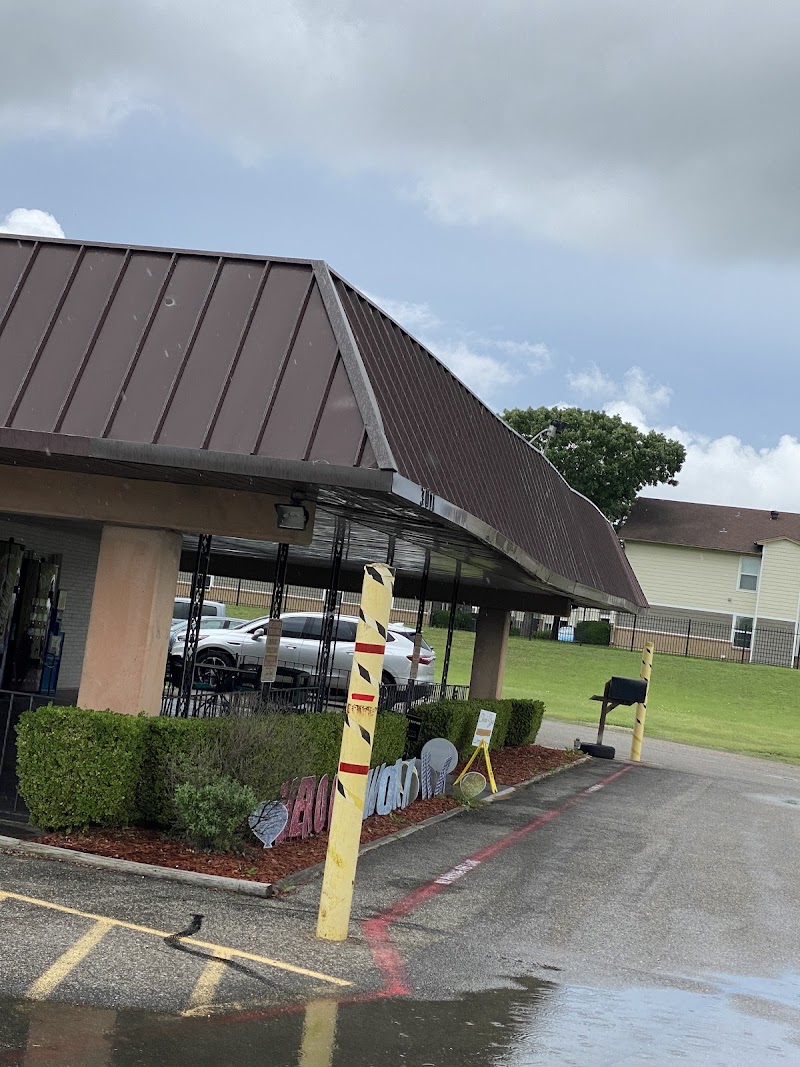
How is Regency Manor Healthcare Center Staffed?

CMS rates REGENCY MANOR HEALTHCARE CENTER's staffing level at 1 out of 5 stars, which is much below average compared to other nursing homes. Staff turnover is 59%, which is 13 percentage points above the Texas average of 46%. High turnover can affect care consistency as new staff learn residents' individual needs. RN turnover specifically is 71%, which is notably high. RNs provide skilled clinical oversight, so turnover in this role can affect medical care quality.

What Have Inspectors Found at Regency Manor Healthcare Center?

State health inspectors documented 52 deficiencies at REGENCY MANOR HEALTHCARE CENTER during 2022 to 2025. These included: 6 Immediate Jeopardy (the most serious level, indicating potential for serious harm or death), 45 with potential for harm, and 1 minor or isolated issues. Immediate Jeopardy findings are rare and represent the most serious regulatory concerns. They require immediate corrective action.
Who Owns and Operates Regency Manor Healthcare Center?

REGENCY MANOR HEALTHCARE CENTER is owned by a for-profit company. For-profit facilities operate as businesses with obligations to shareholders or private owners. The facility is operated by SLP OPERATIONS, a chain that manages multiple nursing homes. With 118 certified beds and approximately 73 residents (about 62% occupancy), it is a mid-sized facility located in TEMPLE, Texas.
How Does Regency Manor Healthcare Center Compare to Other Texas Nursing Homes?

Compared to the 100 nursing homes in Texas, REGENCY MANOR HEALTHCARE CENTER's overall rating (1 stars) is below the state average of 2.8, staff turnover (59%) is significantly higher than the state average of 46%, and health inspection rating (1 stars) is much below the national benchmark.

What Should Families Ask When Visiting Regency Manor Healthcare Center?

Based on this facility's data, families visiting should ask: "What changes have been made since the serious inspection findings, and how are you preventing similar issues?" "How do you ensure continuity of care given staff turnover, and what is your staff retention strategy?" "Can you walk me through typical staffing levels on day, evening, and night shifts?" "Can I visit during a mealtime to observe dining assistance and food quality?" These questions are particularly relevant given the facility's Immediate Jeopardy citations, the facility's high staff turnover rate, and the below-average staffing rating.

Is Regency Manor Healthcare Center Safe?

Based on CMS inspection data, REGENCY MANOR HEALTHCARE CENTER has documented safety concerns. Inspectors have issued 6 Immediate Jeopardy citations (the most serious violation level indicating risk of serious injury or death). The facility has a 1-star overall rating and ranks #100 of 100 nursing homes in Texas. Families considering this facility should ask detailed questions about what corrective actions have been taken since these incidents.

Do Nurses at Regency Manor Healthcare Center Stick Around?

Staff turnover at REGENCY MANOR HEALTHCARE CENTER is high. At 59%, the facility is 13 percentage points above the Texas average of 46%. Registered Nurse turnover is particularly concerning at 71%. RNs handle complex medical decisions and coordinate care — frequent RN changes can directly impact care quality. High turnover means new staff may not know residents' individual needs, medications, or preferences. It can also be disorienting for residents, especially those with dementia who rely on familiar faces. Families should ask: What is causing the turnover? What retention programs are in place? How do you ensure care continuity during staff transitions?

Was Regency Manor Healthcare Center Ever Fined?

REGENCY MANOR HEALTHCARE CENTER has been fined $83,808 across 3 penalty actions. This is above the Texas average of $33,917. Fines in this range indicate compliance issues significant enough for CMS to impose meaningful financial consequences. Common causes include delayed correction of deficiencies, repeat violations, or care failures affecting resident safety. Families should ask facility leadership what changes have been made since these penalties.

Is Regency Manor Healthcare Center on Any Federal Watch List?

REGENCY MANOR HEALTHCARE CENTER is not on any federal watch list. The most significant is the Special Focus Facility (SFF) program, which identifies the bottom 1% of nursing homes nationally based on persistent, serious quality problems. Not being on this list means the facility has avoided the pattern of deficiencies that triggers enhanced federal oversight. This is a positive indicator, though families should still review the facility's inspection history directly.