WELLINGTON REHABILITATION AND HEALTHCARE
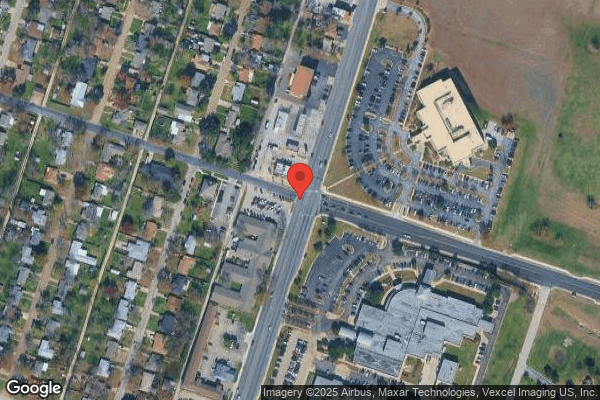
1802 S 31ST, TEMPLE, TX 76504 (254) 778-4231
Government - Hospital district 124 Beds THE ENSIGN GROUP Data: November 2025 4 Immediate Jeopardy citations
Trust Grade
0/100
#1149 of 1168 in TX
Last Inspection: June 2025

Inspected within the last 6 months. Data reflects current conditions.

Overview

Wellington Rehabilitation and Healthcare in Temple, Texas, has received a Trust Grade of F, indicating significant concerns about the facility's operations. They rank #1149 out of 1168 facilities in Texas, placing them in the bottom half, and #14 out of 16 in Bell County, meaning there is only one local option that is better. The facility is on an improving trend, having reduced issues from 11 in 2024 to 5 in 2025, but still faces serious challenges. Staffing is a major weakness, with a low rating of 1 out of 5 stars and a turnover rate of 76%, which is significantly above the state average of 50%. Additionally, the facility has had incidents, including a critical failure to ensure safe transfers for a resident, leading to a serious fall and fracture, and another situation where a resident eloped, highlighting ongoing safety concerns. While there are some signs of improvement, families should carefully consider these serious issues when researching this home.

Trust Score
F
0/100
In Texas
#1149/1168
Bottom 2%
Safety Record
High Risk
Review needed
Inspections
Getting Better
11 → 5 violations
Staff Stability
⚠ Watch
76% turnover. Very high, 28 points above average. Constant new faces learning your loved one's needs.
Penalties
✓ Good
$42,084 in fines. Lower than most Texas facilities. Relatively clean record.
Skilled Nurses
⚠ Watch
Each resident gets only 16 minutes of Registered Nurse (RN) attention daily — below average for Texas. Fewer RN minutes means fewer trained eyes watching for problems.
Violations
⚠ Watch
31 deficiencies on record. Higher than average. Multiple issues found across inspections.
★☆☆☆☆
1.0
Overall Rating
★☆☆☆☆
1.0
Staff Levels
★★☆☆☆
2.0
Care Quality
★★☆☆☆
2.0
Inspection Score
Stable
2024: 11 issues
2025: 5 issues

The Good

  • Full Sprinkler Coverage · Fire safety systems throughout facility
  • No fines on record

Facility shows strength in fire safety.

The Bad

1-Star Overall Rating

Below Texas average (2.8)

Significant quality concerns identified by CMS

Staff Turnover: 76%

29pts above Texas avg (46%)

Frequent staff changes - ask about care continuity

Federal Fines: $42,084

Above median ($33,413)

Moderate penalties - review what triggered them

Chain: THE ENSIGN GROUP

Part of a multi-facility chain

Ask about local staffing decisions and management

Staff turnover is very high (76%)

28 points above Texas average of 48%

The Ugly 31 deficiencies on record

4 life-threatening
Aug 2025 1 deficiency
CONCERN (D) 📢 Someone Reported This

A family member, employee, or ombudsman was alarmed enough to file a formal complaint

Potential for Harm - no one hurt, but risky conditions existed

PASARR Coordination (Tag F0644)

Could have caused harm · This affected 1 resident

**NOTE- TERMS IN BRACKETS HAVE BEEN EDITED TO PROTECT CONFIDENTIALITY** Based on observations, interviews, and record reviews, the facility failed to incorporate the recommendations from the PASARR le...

Read full inspector narrative →
**NOTE- TERMS IN BRACKETS HAVE BEEN EDITED TO PROTECT CONFIDENTIALITY** Based on observations, interviews, and record reviews, the facility failed to incorporate the recommendations from the PASARR level II determination and the PASARR evaluation report into a resident's assessment, care planning, and transitions of care for 1 (Resident #1) of 3 residents reviewed for PASARR services. The facility failed to submit an NFSS request within 20 business days of Resident #1's IDT meeting held on 04/23/25. This failure could place residents at risk of not receiving the required care and services to attain and maintain their highest, practicable, physical, mental, and psychosocial well-being. Findings include: Review of Resident #1's admission Record, dated 08/27/25, reflected she was a [AGE] year old female who was initially admitted to the facility on [DATE] and readmitted on [DATE]. Resident #1 had medical diagnoses that included osteitis deformans of multiple sites (a chronic metabolic disorder where bone turnover is accelerated and disordered), epilepsy (a brain disorder causing recurring, unprovoked seizures), paraplegia (the inability to voluntarily move the lower body parts), vascular dementia (brain damage), cognitive communication deficit, and spina bifida (the spinal cord and backbones do not close completely).Review of Resident #1's Comprehensive MDS Assessment, dated 07/02/25, reflected she had no BIMS indicated and she was considered by PASARR level II to have a serious mental illness, intellectual disability, or a related condition. Review of Resident #1's Care Plan, revised on 08/05/25, reflected Resident #1 was PASARR positive. Nursing and Social Services were responsible for ordering specialized services for Resident #1 as determined by the IDT care plan review meeting. Nursing and Therapy were responsible for ordering therapy services for Resident #1. Review of Resident #1's IDT Care Plan Review, dated 04/23/25, reflected, Therapy Services Plan of Care: .Therapy services were recommended by DOR and specialized wheelchair. Review of Resident #1's PCSP, dated 04/23/25, reflected the IDT met on 04/23/25 and confirmed Resident #1's need for a CMWC. IDD also visited the facility, reviewed, confirmed and signed on 04/28/25 that Resident #1's need for specialized services were agreed by the IDT and reflected, Resident #1 will receive PASARR Services of.CMWC . Review of Resident #1's Order Summary Report, dated 08/27/25, reflected no orders related to her CMWC. Review of Resident #1's Progress Notes, April-August 2025, reflected no notes related to her CMWC. Review of the facility's Email Thread, from 05/02/25 through 08/27/25, reflected the wheelchair vender notified the DOR on 05/02/25 that the facility had 28 days from Resident #1's IDT care plan review meeting to input Resident #1's PASARR into the SA's online portal and how to process Resident #1's PASARR. The DOR notified the wheelchair vender on 05/14/25 that he was working/waiting on processing Resident #1's PASARR due to Resident #1 needing a new IDT care plan review meeting. There were no email threads from 05/14/25 through 08/04/25. The ADM followed-up on Resident #1's CMWC status with the wheelchair vender on 08/05/25. The wheelchair vender notified the ADM and DOR on 08/05/25 to input Resident #1's PASARR into the SA's online portal and to send Resident #1's approval to them to have Resident #1's CMWC ordered. An observation of the facility's front entrance area on 08/27/25 at 11:10 a.m. reflected Resident #1 was sitting in a wheelchair. An attempt to interview Resident #1 was made on 08/27/25 at 11:10 a.m., but Resident #1 was unable to maintain focus during the interview. During an interview on 08/27/25 at 11:19 a.m., the SW stated she was unsure who was responsible for identifying PASARR positive residents prior to and after admission to the facility, who was responsible for making the referral to the appropriate state-designated authority when a PASARR positive resident was identified, what the facility's process was for referring PASARR positive residents to the appropriate state-designated authority, and why a referral to the appropriate state-designated authority would not be made for a PASARR positive resident. The SW stated the MDS Coordinator oversaw the PASARR process. The SW stated facility had a resource who was responsible for the PASARR process because the former MDS Coordinator left the faciity on [DATE]. The SW stated she knew the importance of referring identified PASARR positive residents to the appropriate state-designated authority and said, Referrals should be made to the appropriate state-designated authority. Residents should be able to get specialized services in order to help their well-being. Residents would not get the services that they should have if they were not referred to the appropriate state-designated authority. During an interview on 08/27/25 at 11:30 a.m., LVN A stated nurses were responsible for identifying PASARR positive residents prior to and after admission to the facility. LVN A stated the SW was responsible for making the referral to the appropriate state-designated authority when a PASARR positive resident was identified. LVN A stated the nurses identified PASARR positive residents prior to and after admission to the facility, nurses notified the DON, SW and physician, and the SW made the referral to the appropriate state-designated authority. LVN A stated she did not know why a referral to the appropriate state-designated authority would not be made for a PASARR positive resident. LVN A stated the ADON oversaw the PASARR process. LVN A stated she knew the importance of referring identified PASARR positive residents to the appropriate state-designated authority and said, Residents must receive appropriate care for their needs. We must ensure residents were not dismissed for those services they require. Residents could decline or not receive appropriate care from the staff. During an interview on 08/27/25 at 11:40 a.m., LVN B stated the DON was responsible for identifying PASARR positive residents prior to admission to the facility. LVN B stated the nurses were responsible for identifying PASARR positive residents after admission to the facility. LVN B stated the Physician was responsible for making the referral to the appropriate state-designated authority when a PASARR positive resident was identified. LVN B stated the DON identified PASARR positive residents prior to admission to the facility, the nurses identified PASARR positive residents after admission to the facility, the nurses notified the DON, the DON or the nurses notified the physician, and the physician made the referral to the appropriate state-designated authority. LVN B stated a referral to the appropriate state-designated authority would not be made for a PASARR positive resident if the resident had a change in condition that resulted in them no longer meeting PASARR positive criteria. LVN B stated the ADON and DON oversaw the PASARR process. LVN B stated she knew the importance of referring identified PASARR positive residents to the appropriate state-designated authority and said, Residents could get treated according to their diagnoses and to ensure residents get the services they need. Resident could develop mental psychosis, become suicidal, and worsen psychosis condition if they did not receive the appropriate care.During an interview on 08/27/25 at 11:51 a.m., the ADON stated the BOM was responsible for identifying PASARR positive residents prior to admission to the facility. The ADON stated the nursing, therapy, and social services departments were responsible for identifying PASARR positive residents after admission to the facility. The ADON stated the SW was responsible for making the referral to the appropriate state-designated authority when a PASARR positive resident was identified . The ADON stated she did not know what the facility's process was for referring PASARR positive residents to the appropriate state-designated authority and why a referral to the appropriate state-designated authority would not be made for a PASARR positive resident. The ADON stated the SW and DOR oversaw the PASARR process. The ADON stated she knew the importance of referring identified PASARR positive residents to the appropriate state-designated authority and said, Residents need to receive the best care they could tolerate and get the best quality of life in which they are able to function. We do not want anyone to be able to do something and not have special service, equipment or assistance for the condition. Residents could potentially decline if they do not get what they need.During an interview on 08/27/25 at 12:11 p.m., the DON stated the MDS Coordinator was responsible for identifying PASARR positive residents prior to and after admission to the facility and making the referral to the appropriate state-designated authority when a PASARR positive resident was identified. The DON stated she did not know why a referral to the appropriate state-designated authority would not be made for a PASARR positive resident and said, There shouldn't be a reason a referral is not sent out. The DON stated the MDS Coordinator oversaw the PASARR process. The DON stated the MDS Coordinator sent Resident #1's PASARR referral to the wheelchair vender and did not follow-up on the status. The DON stated the SA notified the facility that Resident #1 did not receive her CMWC for her PASARR positive condition. The DON stated Resident #1's CMWC was ordered and the facility was waiting for it to arrive at the time of the interview. The DON stated the MDS Coordinator left the facility at unknown date. The DON stated she knew the importance of referring identified PASARR positive residents to the appropriate state-designated authority and said, Residents quality of life is better when they receive specialized services. Resident could develop a decrease in quality of care and not have needs met if they did not receive specialized services. During an interview on 08/27/25 12:28 p.m., Resident #1's POA stated Resident #1 had PASARR positive conditions before her admission to the facility. Resident #1's POA stated Resident #1 requested specialized equipment for her PASARR positive condition. Resident #1's POA stated Resident #1 told her that the facility told her that they were getting her CMWC. Resident #1's POA stated the nursing department helped transfer Resident #1 using a mechanical lift and therapy department helped Resident #1 strengthen her ADLs to address her PASARR positive condition as the CMWC order was pending. Resident #1's POA stated she was concerned with Resident #1 having not received the CMWC. During an interview on 08/27/25 at 12:50 p.m., the ADM stated the facility's resource was responsible for identifying PASARR positive residents prior to and after admission to the facility. The ADM stated the DOR was responsible for making the referral to the appropriate state-designated authority when a PASARR positive resident was identified. The ADM stated he did not know why a referral to the appropriate state-designated authority would not be made for a PASARR positive resident and said, I can't imagine that there would be any reason for a referral not being sent out. The ADM stated the MDS Coordinator oversaw the PASARR process. The ADM stated the MDS Coordinator left the faciity on [DATE]. The ADM stated the DOR left the faciity on [DATE]. The ADM stated Resident #1's IDT care plan review meeting was on 04/23/25, the DOR sent Resident #1's PASARR referral to the wheelchair vender on 05/02/25, the wheelchair vender told him on 05/14/25 that the IDT care plan review meeting was too far from when the DOR sent Resident #1's PASARR referral and requested a new IDT care plan review meeting, Resident #1's new IDT care plan review meeting was on 07/23/25, he did not know when Resident #1's PASARR referral was sent out again, he followed up with the wheelchair vender on 08/05/25 and the vender confirmed the request Resident #1's referral request was completed on 08/15/25. The ADM stated the DOR did not meet the timeframe for submitting and following up on Resident #1's PASARR referral for a CMWC. The ADM stated he was told the timeframe to submit the referral was within 30 business days. The ADM stated he knew the importance of referring identified PASARR positive residents to the appropriate state-designated authority and said, Residents have a right to receive specialized services. The ADM said, It depends on the resident and their condition for what could happen to a resident if they did not receive specialized services. During an interview on 08/27/25 at 1:42 p.m., the surveyor requested the ADM and DON provide the facility's PASSAR policy. During an interview on 08/27/25 at 1:43 p.m., the ADM stated the facility's PASARR Resident Assessment policy was the facility's PASARR policy. During an interview on 08/27/25 at 2:43 p.m., the DON stated the facility's PASARR Resident Assessment policy was the facility's PASARR policy. Review of the facility's In-Services, April-August 2025, reflected staff were not given any reeducation related to PASSAR. Review of the facility's PASARR Resident Assessment policy, reviewed 05/2021, reflected, Policy: It is the policy of this facility to ensure that each resident is properly screened using the PASARR specified by the State. Procedures: The facility will refer to the state's Pre-admission Screening and Resident Review policy.
Jun 2025 3 deficiencies 2 IJ
CRITICAL (J) 📢 Someone Reported This

A family member, employee, or ombudsman was alarmed enough to file a formal complaint

Immediate Jeopardy (IJ) - the most serious Medicare violation

Accident Prevention (Tag F0689)

Someone could have died · This affected 1 resident

**NOTE- TERMS IN BRACKETS HAVE BEEN EDITED TO PROTECT CONFIDENTIALITY** Based on observation, interview and record review the facility failed to ensure each resident received adequate supervision and ...

Read full inspector narrative →
**NOTE- TERMS IN BRACKETS HAVE BEEN EDITED TO PROTECT CONFIDENTIALITY** Based on observation, interview and record review the facility failed to ensure each resident received adequate supervision and assistive devices to prevent accidents for 1 of 4 residents (Resident #1) reviewed for accidents and hazards. The facility failed to ensure Resident #1 was transferred safely, with a gait belt, correct positioning and with at least two staff, by CNA B when Resident #1 fell and sustained a femur (thigh bone) fracture which required surgery on 06/10/2025. An Immediate Jeopardy (IJ) was identified on 06/13/2025. While the IJ was removed on 06/15/2025, the facility remained out of compliance at a scope of isolated with a potential for more than minimal harm, due to the facility's need to evaluate the of the corrective systems . This failure could place residents at risk of unsafe transfers, falls, injuries, hospitalizations and/or death. Findings include: Record review of Resident #1's face sheet, dated 06/16/2025, reflected an [AGE] year-old man who was admitted to the facility on [DATE]. Resident #1 discharged on 06/10/2025. Resident #1 had with diagnoses which included vascular parkinsonism (disease that is caused by damage to blood vessels in the brain that leads to movement and balance problems that particularly affect the lower body), unspecified atrial fibrillation (irregular or rapid heartbeat), dysphagia (difficulty swallowing), need for assistance with personal care (need for help with activities of daily living), unsteadiness on feet (being unbalanced or unstable while standing or walking), other abnormalities of gait and mobility (abnormal walking pattern), weakness, unspecified intellectual disabilities, developmental disorder of scholastic skills, muscle weakness and dementia (loss of memory, language, problem-solving and other thinking abilities that interfere with daily life). Record review of Resident #1's fall risk evaluation, dated 02/04/2025, reflected Resident #1 was a high fall risk with no falls in the past three months. Resident #1 had balance problems while standing / walking. Record review of Resident #1's BIMS assessment, dated 02/22/2025, reflected a score of 6 which indicated severe cognitive impairment. Record review of Resident #1's MDS, dated [DATE], reflected Resident #1 required substantial/ maximal assistance (helper does more than half the effort, 2-staff requred) for chair/bed-to-chair transfers. Resident #1 had no falls since the prior assessment or admission. Resident #1 was 228 lbs and 74 inches tall. Record review of Resident #1's care plan, dated 05/31/2015, reflected Resident #1 had impaired cognitive function with interventions to remember one/two step instructions. Review of Resident #1's care plan, dated 12/21/2021, reflected he had a self-care deficit and required substantial/maximal assist staff participation with transfers. Resident #1 was at risk for falls related to gait/balance problems. Review of care plan reflected no information regarding use of gait belt when transferring Resident #1. Review of Resident #1's chart reflected Kardex was unable to be reviewed due to Resident #1 being discharged from the facility. Record review of incident report, dated 06/10/2025 at 5:00 AM, reflected CNA B stated she helped Resident #1 get ready for the day and she tried to use the stand and pivot method to transfer but while doing so Resident #1's leg slid, and she helped the resident slowly to the ground and Resident #1 tried to support himself with his knees. Resident #1 was transferred to the ER for evaluation and treatment. Record review of progress note, dated 06/10/2025, by LVN A, reflected Resident #1 was assisted by CNA B when LVN A saw Resident #1 on the floor. LVN A completed an assessment and completed vitals. Resident #1 was transferred to bed. Resident #1 was repositioned and had right hip tenderness noted with limited range of motion and pain level of 10/10. Resident #1 screamed when his right foot was moved but was calm when the right leg was at rest. Resident #1's right thigh appeared to be swollen. Reached out to the on-call provider and advised Resident #1 be sent to the hospital via EMS. Record review of hospital records, dated 06/13/2025, reflected Resident #1 sustained a right femoral shaft fracture. Procedure performed was an open reduction and internal fixation of right femur shaft fracture with a cephalomedullary nail (surgically exposing fracture and realigning bone fragments and stabilizing the fracture with a nail inserted in the femur). During an interview on 06/13/2025 at 2:11 PM and 3:05 PM, CNA B stated she assisted Resident #1 with getting ready for the day on 06/10/2025. CNA B stated she attempted to transfer Resident #1 and she did not use a gait belt because the nurse did not tell her she needed to use one with Resident #1. CNA B stated she positioned Resident #1's wheelchair close to his bed and she was to the side and behind him. CNA B stated Resident #1 stood and then fell forward to his knees during the transfer. CNA B stated Resident #1 went straight down to the floor. CNA B stated Resident #1 usually stepped and then pivoted to the chair and he usually did most of the work. CNA B stated she usually stood behind Resident #1 for transfers and Resident #1 was the only resident she transferred from behind. CNA B stated she could find information on the Kardex (nursing tool for patient information) for what the resident needed for assistance during transfers. CNA B stated her hands were on Resident #1's pants or back. CNA B stated she did not remember if she was on his left or right side but stated she was behind him. CNA B stated Resident #1 sat on the edge of the bed and she usually told him to stand but that day (06/10/2025) he did not stand as usual and when she tried to help him, he felt like he was going down. CNA B stated Resident #1 fell forward after he lifted off the bed and he was standing and then went down with CNA B behind him. CNA B did not state if she checked the Kardex prior to the transfer . CNA B stated she usually got Resident #1 up for the day on her shift and he was usually able to stand and take a step and pivot . During an interview on 06/13/2025 at 2:23 PM, CNA D stated staff could find transfer requirements on the Kardex. CNA D stated the Kardex told staff if a resident needed a 1 or 2 person transfer or minimum or maximum assistance. CNA D stated there was not a transfer that would occur where the CNA stood behind a resident. CNA D stated she stood in front of residents when she assisted them from bed to chair and chair to bed. CNA D stated gait belts should be used during transfers. During an interview on 06/13/2025 at 2:28 PM, the OT stated Resident #1's transfers fluctuated and sometimes Resident #1 needed more help, but it depended on the day . The OT stated Resident #1 was on therapy services because of the fluctuation in his transfers. The OT stated there were not one-person transfers in which the staff would stand behind a resident . The OT stated the staff would only stand behind the resident if there was another staff member present. The OT stated a gait belt should be used for all transfers for safety reasons. During an interview on 06/13/2025 at 2:48 PM, CNA E stated staff were supposed to always use a gait belt when they transferred a resident . CNA E stated staff was supposed to stand in front of residents during a transfer. CNA E stated unless there was another staff member then she would not be behind the residents. CNA E stated staff viewed the Kardex to show whether a resident needed a 1 or two person transfer or a mechanical lift. CNA E stated substantial / maximal assistance usually meant to bring another staff member with you. During an interview on 06/13/2025 at 2:51 PM, CNA C stated with a little muscle from the CNA Resident #1's wheelchair was positioned on the side of his bed at an angle with his bed rail in reach because Resident #1 utilized them to push up. CNA C stated Resident #1 needed guidance during the transfer and this included verbal cueing. CNA C stated a gait belt was required for every transfer with Resident #1. During an interview on 06/13/2025 at 3:31 PM, LVN F stated during a one-person transfer the staff would be facing the resident and be knee-to-knee or feet-to-feet. LVN F stated there were no transfers that occurred when a staff was behind the resident. LVN F stated a gait belt should be used at all time during a transfer. LVN F stated the purpose of a gait belt was to ensure you had a good grip on the resident and you did not have to grab the resident's clothing or skin. LVN F stated the risk of transferring a resident without a gait belt was losing balance or grip and a potential fall. LVN F stated it was important to have the correct positioning (being in front of the resident) during a transfer to prevent the resident from losing balance or the staff hurting themselves. During an interview on 06/13/2025 at 3:27 PM, the DON stated during a transfer the first thing was for staff to use a gait belt. The DON stated staff were positioned in front of the resident with the staff's foot in between the resident's legs. The DON stated it was best practice to have a gait belt because staff never knew what could happen. The DON stated a resident who required maximum assistance definitely needed a gait belt to be used. The DON stated the purpose of a gait belt was for extra support or caution during transfers. The DON stated if staff transferred without a gait belt a lot of injuries could happen. The DON stated there were no transfers where a staff would be behind a resident and every single transfer had the staff in front of the resident. The DON stated if staff were behind a resident they could not see what they were doing. The DON stated staff were observed often and assessed for their transfer skills. The DON stated staff were assessed after hire and from time-to-time and if a concern was raised someone completed a transfer incorrectly. The DON stated after the aide transferred Resident #1 and fell, they started re-education of staff. The DON stated when incidents like that happened management wanted to educate so incidents were not repeated. The DON stated she expected staff to use a gait belt when indicated. The DON stated a gait belt would not be used for a resident who required only supervision and could transfer themselves or walk without assistance from staff, otherwise a gait belt was expected to be used. The DON stated most CNAs had a gait belt provided to them and after Resident #1 fell staff were informed a gait belt was a part of their uniform. The DON stated she expected staff to have proper positioning during transfers and if they were not sure they needed to ask questions. The DON stated the Kardex told the staff what a resident's transfer status was and how many staff were required. The DON stated staff were reminded to use the Kardex almost daily during the stand-down meeting. The DON stated she was out on 06/10/2025 and reviewed the progress note on 06/11/2025 about Resident #1's fall and stated initially she read the aide helped Resident #1 slide down to the floor and she thought that's good she helped him. The DON stated CNA B stated she (CNA B) transferred Resident #1 and he slid down to the floor. The DON stated after the initial assessment Resident #1 was transferred to his bed and he started to scream and LVN A saw his leg was swollen and she reached out to the supervisor and on-call. The DON stated after she learned Resident #1 had a fracture she began re-education with staff. The DON stated she reviewed what each transfer was and proper transfer and body mechanics. The DON stated she did not ask CNA B if she had a gait belt and did not ask where CNA B was positioned during the transfer. The DON stated she was only able to speak with LVN B. The DON stated Resident #1 had not had any falls prior to this incident. During an interview on 06/13/2025 at 3:40 PM, the ADM stated he expected staff to transfer residents correctly and there was zero tolerance for incorrect transfers. The ADM stated he was not aware of the specific details of Resident #1's transfer. The ADM stated he expected staff to use a gait belt 100 percent of the time when indicated. The ADM stated the IDT reviewed Resident #1's fall and discussed what could have been done better. The ADM stated he was not aware of the details regarding whether CNA B had a gait belt or where she was positioned when she transferred Resident #1. The ADM stated he and the DON stressed to staff they should never be without supplies (including gait belts) and staff could call or text anytime they needed something. During an interview on 06/13/2025 at 4:12 PM, the NP stated she expected staff to utilize safe transfer techniques. She stated Resident #1 did have intermittent confusion and other diagnoses that made him a fall risk. The NP stated not utilizing a gait belt or proper positioning during transfers could obviously result in a fall leading to a fracture. During an interview on 06/23/2025 at 1:47 PM, the DON stated substantial/maximal assistance meant that two staff were required during the transfer. The DON stated when staff reported a resident had a change in level of assistance needed then care plans or Kardex was updated right away. The DON stated skills checks were observed upon hire. The DON stated she came to the building during off hours to check in with staff and observe care. The DON stated staff also had skills check three months after hire. The DON stated if staff expressed concerns or area where they needed more training during their new hire training their training would be extended. The DON stated if a resident required two people for their care then she expected two staff to provide that care. The DON stated the risk of not having another staff if a resident required two people for care was a fall that resulted in an injury. The DON stated staff were trained by a train the trainer method and new staff were paired with another staff and trained by the other staff through on the job training. The DON stated she checked in with staff at the end of their training to ask if they felt comfortable and if they needed any additional training in any area. The DON stated she or the ADON would complete the final skills check before staff were released to work independently . During an interview on 06/23/2025 at 3:45 PM, LVN A stated she was the charge nurse when Resident #1 fell. She stated it was considered a witnessed fall and from what she was told by CNA B, CNA B tried to transfer Resident #1, he missed a step and fell. LVN A stated she was not sure why CNA B transferred Resident #1 by herself. LVN A stated based on what the Kardex had and other the CNA said Resident #1 was a two-person transfer. LVN A stated substantial / maximal assistance was required a two people in the transfer. Record review of in-service, dated 06/11/2025, reflected substantial/maximal assistance required two people for transfers. Record review of in-service, dated 06/11/2025, with subject GGS (functional abilities and goals) reflected it reviewed types of assistance needed for transfer and staff required and reflected CNA B did not complete the in-service as of 06/13/2025. Record review of in-service, dated 06/11/2025, with subject Kardex reflected CNA B did not participate in the in-service as of 06/13/2025. The in-service included the purpose of Kardex and how it was used . Record review of in-service, dated 06/11/2025, with subject of body mechanics reflected CNA B did not participate in the in-service as of 06/13/2025. The in-service included body positioning during transfers . Record review of in-service, dated 06/11/2025, with topic safe resident transfers and handling reflected proper techniques, correct use of patient handing equipment and devices with the goal to ensure resident safety and reduce injury for both residents and staff. Review reflected CNA B completed this in-service as verified by signature and date of 06/11/2025. Record review of the facility's schedule / sign-in sheets for 06/11/2025 and 06/12/2025 reflected CNA B was not scheduled to work at the facility. Review of facility scheduled, dated 06/13/2025, reflected CNA B was scheduled to return to the facility from 10:00 pm - 6:00 am on 06/13/2025. Record review of the facility's policy titled Quality of Care Transfer of a Resident, Safe with revision, date of 05/2025, reflected use good body mechanics at all times .use a gait belt for all transfer if gait belts is indicated for the resident. The policy reflected for one-person transfers, apply gait belt around resident's waist, provide necessary assistance to help the resident stand up. The policy reflected two-person transfers using a gait belt required to apply the gait belt around the resident's wait, use good body mechanics at all times and provide the necessary help for the resident to stand up with caregivers on both sides of the resident and staff holding the gait belt. This was determined to be an Immediate Jeopardy (IJ) on 06/13/25 at 4:57 PM. The ADM and DON were notified . The ADM was provided with the IJ template on on 06/13/2025 at 4:57 PM. The following Plan of Removal submitted by the facility was accepted on 06/14/2025 at 4:01 PM : Immediate Plan of Removal The facility submits this Plan of Removal to address the Immediate Jeopardy identified, on 6/13/2025. Identification of Others Affected by Alleged Deficient Practice: All admissions and re-admissions have the potential to be affected by this alleged deficient practice. Summary: On 6/13/2025 an abbreviated survey was initiated at the facility. On 6/13/2025 the surveyor provided an Immediate Jeopardy (IJ) that the Regulatory Services has determined that the condition at the facility constitutes an immediate threat to resident health and safety. The notification of Immediate Jeopardy (IJ) states as follows: F689 - The facility must ensure each resident receives adequate supervision and assistance devices to prevent accidents. The facility failed to ensure Resident #1 was transferred safely (with gait belt and correct positioning) by CNA B on 06/10/2025. Resident #1 is an [AGE] year-old man admitted on [DATE] with diagnoses of vascular parkinsonism, dysphagia, need for personal assistance with care, unsteadiness on feet, weakness, other abnormalities of gait and mobility, dementia, and muscle weakness. Resident has a BIMS of 6. Resident #1 sustained a fall on 06/10/2025 resulting in injury to right hip. CNA B reported that resident slid down to knees while helping resident get out of bed after personal care. Resident #1 was admitted to the hospital and underwent subsequent open reduction internal fixation of right hip fracture on 06/10/2025. CNA B reported to surveyor on 06/13/2025 that she did not utilize gait belt and was standing behind the resident during the transfer. Resident #1 returned to the facility on [DATE]. Action: Resident #1 was re-admitted on [DATE] at 6:53 PM, at the time of readmission-these assessments were completed: Initial admission assessment, pain assessment, fall risk assessment, skin assessment, elopement, Braden scale (assessment to evaluate a resident's risk for developing pressure ulcers), functional observation GG assessment (resident's functional goals and abilities), and initial care plan. Start Date: 06/13/2025 Completion Date: 06/13/2025 Responsible: DON/Designee Action: Individual in-service with CNA B on transfer policy and understanding the Kardex. CNA B provided return demonstration competency on use of gait belt and a safe resident transfer. CNA B suspended effective 6.14.2025. Start Date: 06/13/2025 Completion Date: 06/14/2025 Responsible: Director of Nurses/Designee Action: Review of CNA B personnel file for skill competency for safe transfer. Competency check off for safe transfer completed upon hire on 04/09/2025. Start Date: 06/13/2025 Completion Date: 06/13/2025 Responsible: Director of Nursing (DON) Action: Thorough investigation of Resident #1 fall on 06/10/2025 conducted with root cause analysis identification of CNA B isolated error in performance of resident transfer. CNA B suspended effective 6.14.2025. Start Date: 6/13/25 Completion Date: 6/14/25 Responsible: Executive Director, IDT, DON, Clinical Resource, MSN/Ed, RN Action: Medical Director and Nurse Practitioner notification of immediate jeopardy. Details of incident, root cause analysis, resident status, and plan of removal discussed. Start Date: 6/13/25 Completion Date: 6/13/25 Responsible: Executive Director Action: Inservice Leadership Team, including but not limited to: Executive Director, Administrators in Training, Therapy Program Manager, Director of Nurses, Assistant Director of Nurses, and Staffing Coordinator on immediate jeopardy, details of incident, root cause analysis, resident status, plan of removal. Inservice Leadership Team on the following: Fall assessment performed by nursing staff will include: completion of SBAR, not moving resident if injury suspected, activation of 911, provider notification, DON notification, representative notification, change of condition completion, progress note documentation Transfer policy, use of gait belt, safety with transfers, identification of resident transfer requirements through use of Kardex Understanding the Kardex: how to access Knowledge retention demonstrated with post-test Start Date: 06/13/2025 Completion Date: 06/13/2025 Responsible: Clinical Resource, MSN/Ed, RN Action: Audit 100% care plans of all active residents to confirm resident transfer status includes number of staff members required for safe transfer on the care plan and Kardex. No changes to care plans were indicated. All Kardex were up to date and current for resident transfer needs. Start Date: 6/13/25 Completion Date: 6/13/25 Responsible: DON/Designee/Clinical Resource, MSN/Ed, RN Action: Inservice DON on the following: Fall assessment: completion of SBAR, not moving resident if injury suspected, activation of 911, provider notification, DON notification, representative notification, change of condition completion, progress note documentation. Transfer policy, use of gait belt, safety with transfers, identification of resident transfer requirements through use of Kardex. Understanding the Kardex: how to access Knowledge retention demonstrated with post-test Start Date: 6/13/25 Completion Date: 6/13/25 Responsible: Clinical Resource, MSN/Ed, RN Action: Inservice 100% nursing and nursing leadership staff on the following: Fall assessment: completion of SBAR, not moving resident if injury suspected, activation of 911, provider notification, DON notification, representative notification, change of condition completion, progress note documentation Transfer policy, use of gait belt, safety with transfers, identification of resident transfer requirements through use of Kardex Understanding the Kardex: how to access Knowledge retention demonstrated with post-test Start Date: 6/13/25 Completion Date: 6/16/25 Responsible: DON/Designee Action: Inservice 100% CNA and therapy staff (including all PRN staff, new hires, and agency staff) on the following: Transfer policy, use of gait belt, safety with transfers, identification of resident transfer requirements through use of Kardex Understanding the Kardex: how to access Knowledge retention demonstrated with post-test Start Date: 6/13/25 Completion Date: 6/16/25 Responsible: DON/Designee Action: Ad hoc QA meeting. Attendees will include ED , DON, Clinical Resource, Cluster Partners, Medical Director. Meeting will include the Plan of Removal and inventions. Start Date: 6/13/25 Completion Date: 6/13/25 Responsible: Executive Director Systemic Change to Prevent Re-Occurrence: DON/Designee and IDT will ensure safe transfer requirements are assessed upon admission and added to the care plan and Kardex for all residents. DON/Designee and IDT will ensure safe transfer requirements are updated on the care plan and Kardex for any resident that has had a change in transfer status. Start Date: 6/13/25 Completion Date: Ongoing Monitoring of the POR from 06/14/2025 to 06/15/2025 included the following: During an interview with the ADM and the DON on 06/14/2025 at 10:29 AM, they stated Resident #1 returned to the facility on [DATE] at 6:49 PM. A telephone call was attempted to CNA B on 06/14/2025 at 3:08 PM with message requesting for call back. No message was returned by CNA B . During an interview with the ADM and the DON on 06/14/2025 at 10:29 AM, it was stated CNA received in-service and skills check off prior to her shift on 06/13/2025. CNA B was suspended at 2:00 PM on 06/14/2025 after the ADM and DON decided to suspend CNA B until a formal corrective action plan could be developed and implemented . Observation and interview with Resident #1 on 06/14/2025 at 1:15 PM revealed Resident #1 laid in bed with the call light in reach. Resident #1 responded to simple questions with garbled speech. Resident #1 denied any pain and that it was controlled . During interviews conducted from 06/14/2025 to 06/15/2025 with 6 CNAs, 2 LVNs, ADM, DON and 2 AITs reflected staff received in-service either on 06/14/2025 or 06/15/2025 prior to their shifts. Interviewed staff stated they were trained on how to safely transfer a resident from bed-to-chair/chair-to-bed, how to access the Kardex to review transfer status of a resident , use of gait belts (required to have as part of uniform) and to use when indicated when transferring a resident. Interviewed staff stated they took a posttest and demonstrated skills check off on transfers. During an interview on 06/15/2025 at 11:53 AM, the ADM stated the Medical Director and Nurse Practitioner were notified of the IJ. Review of phone logs reflected MD was contacted at 6:05 PM on 6/13/2025 and NP was contacted on 06/13/2025 at 5:45 PM. During an interview on 06/15/2025 at 11:57 AM, the ADM and the DON, stated they were at 90% completion of staff in-servicing. The ADM stated they had reached out to all staff who had not received the in-service and staff were not allowed to work until the training was completed. Review of the spread sheet of in-serviced staff reflected almost all staff were in-serviced as of 06/15/2025. During an interview on 06/15/2025 at 11:56 AM, the DON stated the audit was completed and no changes were identified during the audit. Record review of in-service sign-in sheets, dated 06/13/2025, reflected CNA B participated in the in-service on transfer policy and understanding the Kardex. CNA B provided return demonstration competency on use of gait belt and safe resident transfer and knowledge demonstrated via post-test, dated 06/13/2025. Review of CNA B's employee file reflected a skills competency was completed on 04/09/2025. Record review of counseling/disciplinary notice, dated 06/14/2025, reflected CNA B was suspended pending investigation and CNA B was informed via phone call. Record review of the QAPI meeting sign in sheet and agenda, dated 06/13/2025, reflected MD and NP were notified and meeting was held. Record review of root cause analysis, dated 06/13/2025, reflected the incident with CNA B was an isolated incident after she transferred Resident #1 alone and without a gait belt. CNA B was suspended on 06/14/2025. Record review of care plan resident roster audit documentation, dated 06/13/2025, reflected all resident's charts were audited and Kardex and care plan were updated as needed. Record review of in-service sign-in, dated 06/13/2025, reflected transfer policy and procedure was reviewed, understanding the Kardex, fall management was completed with DON by clinical resource. Record review of in-service sign-in sheets, dated 06/13/2025, reflected transfer policy and procedure was reviewed and understanding the Kardex reflected 19 staff participated. Record review of in-service sign-in sheet, dated 06/13/2025, reflected fall management in-service was completed with 6 nurses and 1 ADON. Record review of in-service sign-in sheet, dated 06/13/2025, reflected IJ, details of incident, root cause analysis, resident status and plan of removal was completed with ADM, 2 AITs , ADON and DON by clinical resource. Record review of 11 post-tests and 11 skills check-offs sheets, dated 06/13/2025, reflected staff demonstrated proper transfer skills and returned demonstration of knowledge from in-services. Record review of Resident #1's fall assessment, dated 06/13/2025, reflected Resident #1 was a high risk for falls and regularly incontinent. Record review of Resident #1's pain assessment, dated 06/13/2025, reflected Resident #1 had a dull pain and rated 4/10 at incision site. Record review of Resident #1's re-admission asking assessment reflected Resident #1 had outer right knee had 2 intact sutures, lateral right thigh had 2 intact sutures and right trochanter had 3 intact sutures. Review of Resident #1 elopement assessment, dated 06/13/2025, reflected Resident #1 was a low risk for elopement. Record review of Resident #1's Braden scale assessment, dated 06/13/2025, reflected the resident was a moderate risk for developing pressure sores. Record review of Resident #1's Kardex, dated 06/14/2025, reflected Resident #1 required substantial / maximal assistance staff participation with transfers . The ADM was informed the Immediate Jeopardy was removed on 06/15/2025 at 4:00 PM. The facility remained out of compliance at a severity level of no actual harm with potential for more than minimal harm that was not immediate jeopardy and a scope of isolated due to the facility's need to evaluate the effectiveness of the corrective systems that were put into place .
CRITICAL (J) 📢 Someone Reported This

A family member, employee, or ombudsman was alarmed enough to file a formal complaint

Immediate Jeopardy (IJ) - the most serious Medicare violation

Deficiency F0726 (Tag F0726)

Someone could have died · This affected 1 resident

**NOTE- TERMS IN BRACKETS HAVE BEEN EDITED TO PROTECT CONFIDENTIALITY** Based on interview and record review the facility failed to ensure that nurse aides were able to demonstrate competency in skill...

Read full inspector narrative →
**NOTE- TERMS IN BRACKETS HAVE BEEN EDITED TO PROTECT CONFIDENTIALITY** Based on interview and record review the facility failed to ensure that nurse aides were able to demonstrate competency in skill and techniques necessary to care for resident's needs, as identified through resident assessments, and described in the plan of care for 1 of 4 (Resident #1) related to safe transfers. The facility failed to ensure CNA B used the accurate technique to transfer Resident #1 safely (with gait belt, correct positioning and/or two-people) on 06/10/2025. An Immediate Jeopardy (IJ) situation was identified on 06/23/2025. While the IJ was removed on 06/24/2025, the facility remained out of compliance at a scope of isolated with a potential for more than minimal harm, due to the facility's need to evaluate the effectiveness of the corrective systems . This failure could place residents at risk of avoidable falls, injuries, hospitalization and/or death. Findings include: Review of Resident #1's face sheet dated 06/16/2025 reflected an [AGE] year-old man admitted on [DATE] with discharge day of 06/10/2025 with diagnoses of vascular parkinsonism (disease that is caused by damage to blood vessels in the brain that leads to movement and balance problems that particularly affect the lower body), unspecified atrial fibrillation (irregular or rapid heartbeat), dysphagia (difficulty swallowing), need for assistance with personal care (need for help with activities of daily living), unsteadiness on feet (being unbalanced or unstable while standing or walking), other abnormalities of gait and mobility (abnormal walking pattern), weakness, unspecified intellectual disabilities, developmental disorder of scholastic skills, muscle weakness, and dementia (loss of memory, language, problem-solving and other thinking abilities that interfere with daily life). Review of Resident #1's fall risk evaluation dated 02/04/2025 reflected Resident #1 was a high fall risk with no falls in the past three months. Resident #1 had balance problems while standing / walking. Review of Resident #1's BIMS assessment dated [DATE] reflected a score of 6 which indicated severe cognitive impairment. Review of Resident #1's MDS dated [DATE] reflected Resident #1 required substantial/ maximal assistance (helper does more than half the effort) for chair/bed-to-chair transfers. Further review reflected Resident #1 had no falls since the prior assessment or admission. Review reflected Resident #1 was 228 lbs and 74 inches tall. Review of Resident #1's care plan dated 05/31/2015 reflected Resident had impaired cognitive function with interventions to remember one/two step instructions. Review of Resident #1's care plan dated 12/21/2021 reflected he had a self-care deficit and required substantial/maximal assist staff participation with transfers. Further review reflected Resident #1 was at risk for falls related to gait/balance problems. Review of care plan reflected no information regarding use of gait belt when transferring Resident #1. Review of incident report dated 06/10/2025 at 5:00 AM reflected CNA B stated she helped Resident #1 get ready for the day and she tired to use stand and pivot method to transfer but while doing so Resident #1's leg slid, and she helped the resident slowly to the ground and Resident #1 tried to support himself with his knees. Resident #1 was transferred to the ER for evaluation and treatment. Review of progress note dated 06/10/2025 by LVN A reflected Resident #1 was assisted by CNA B when LVN A saw Resident #1 on the floor. LVN A completed an assessment and completed vitals. Review reflected Resident #1 was transferred to bed. Resident #1 was repositioned and had right hip tenderness noted with limited range of motion and pain level of 10/10. Resident #1 screamed when his right foot was moved but was calm when right leg was at rest. Resident #1's right thigh appeared to be swollen. Reached out to the on call provider and advised Resident #1 be sent to the hospital via EMS. Review of hospital records dated 06/13/2025 reflected Resident #1 sustained a right femoral shaft fracture. Procedure performed was an open reduction and internal fixation of right femur shaft fracture with a cephalomedullary nail (surgically exposing fracture and realigning bone fragments and stabilizing the fracture with a nail inserted in the femur). During an interview on 06/13/2025 at 2:11 PM and 3:05 PM, CNA B stated that she assisted Resident #1 with getting ready for the day on 06/10/2025. CNA B stated that she attempted to transfer Resident #1 and that she did not use a gait belt because the nurse did not tell her she needed to use one with Resident #1. CNA B stated she positioned Resident #1's wheelchair close to his bed and she was to the side and behind him. CNA B stated Resident #1 stood and then fell forward to his knees during the transfer. CNA B stated that Resident #1 went straight down to the floor. CNA B stated that Resident #1 usually stepped and then pivoted to the chair and he usually did most of the work. CNA B stated she usually stood behind Resident #1 for transfers and Resident #1 was the only resident she transferred from behind. CNA B stated that she could find information on the Kardex (nursing tool for patient information) for what the resident needed for assistance during transfers. CNA B stated that her hands were on Resident #1's pants or back. CNA B stated she did not remember if she was on his left or right side but stated she was behind him. CNA B stated Resident #1 sat on the edge of the bed and she usually told him to stand but that day (06/10/2025) he did not stand as usual and when she tried to help him he felt like he was going down. CNA B stated that Resident #1 fell forward after he lifted off the bed and he was standing and then went down with CNA B behind him. CNA B did not state if she checked the Kardex prior to the transfer. CNA B stated she usually got Resident #1 up for the day on her shift and he was usually able to stand and take a step and pivot. During an interview on 06/13/2025 at 2:23 PM, CNA D stated that staff could find transfer requirements on Kardex. CNA D stated that the Kardex told staff if a resident needed a 1 or 2 person transfer or minimum or maximum assistance. CNA D stated that there was not a transfer that would occur where the CNA stood behind a resident. CNA D stated that she stood in front of residents when she assisted them from bed to chair and chair to bed. CNA D stated gait belts should be used during transfers. During an interview on 06/13/2025 at 2:28 PM, the OT stated that Resident #1's transfers fluctuated and sometimes Resident #1 needed more help, but it depended on the day. The OT stated that Resident #1 was on therapy service because of the fluctuation in his transfers. The OT stated that there were not one-person transfers in which the staff would stand behind a resident. The OT stated that the staff would only stand behind the resident if there was another staff member present. The OT stated that a gait belt should be used for all transfers for safety reasons. During an interview on 06/13/2025 at 2:48 PM, CNA E stated that staff were supposed to always use a gait belt when they transferred a resident. CNA E stated staff was supposed to stand in front of residents during a transfer. CNA E stated unless there was another staff member then she would not be behind the residents. CNA E stated that staff viewed the Kardex to show whether a resident needed a 1 or two person transfer or a mechanical lift. CNA E stated substantial / maximal assistance usually meant to bring another staff member with you. During an interview on 06/13/2025 at 2:51 PM, CNA C stated with a little muscle from the CNA Resident #1's wheelchair was positioned on the side of his bed at an angle with his bed rail in reach because Resident #1 utilized them to push up. CNA C stated that Resident #1 needed guidance during the transfer and this included verbal cueing. CNA C stated that a gait belt was required for every transfer with Resident #1. During an interview on 06/13/2025 at 3:31 PM, LVN F stated that during a one-person transfer the staff would be facing the resident and be knee-to-knee or feet-to-feet. LVN F stated that there were no transfers that occurred when a staff was behind the resident. LVN F stated a gait belt should be used at all times during a transfer. LVN F stated the purpose of a gait belt was to ensure you had a good grip on the resident and you did not have to grab the resident's clothing or skin. LVN F stated the risk of transferring a resident without a gait belt was losing balance or grip and a potential fall. LVN F stated it was important to have the correct positioning (being in front of the resident) during a transfer to prevent the resident from losing balance or the staff hurting themselves. During an interview on 06/13/2025 at 3:27 PM, the DON stated that during a transfer that first thing was for staff to use a gait belt. The DON stated that staff were positioned in front of the resident with the staff's foot in between the resident's legs. The DON stated that it was best practice to have a gait belt because staff never knew what could happen. The DON stated that a resident that required maximum assistance definitely needed a gait belt to be used. The DON stated the purpose of a gait belt was for extra support or caution during transfers. The DON stated if staff transferred without a gait belt a lot of injuries could happen. The DON stated there were no transfers that a staff would be behind a resident and every single transfer had the staff in front of the resident. The DON stated if staff were behind a resident they could not see what they were doing. The DON stated staff were observed often and assessed for their transfer skills. The DON stated staff were assessed after hire and from time-to-time and if a concern was raised that someone completed a transfer incorrectly. The DON stated after the aide transferred Resident #1 and fell, they started re-education of staff. The DON stated that when incidents like that happened management wanted to educate so incidents were not repeated. The DON stated that she expected staff to use a gait belt when indicated. The DON stated a gait belt would not be used for a resident who required only supervision and could transfer themselves or walk without assistance from staff, otherwise a gait belt was expected to be used. The DON stated that most CNAs had a gait belt provided to them and after Resident #1 fell staff were informed a gait belt was a part of their uniform. The DON stated that she expected staff to have proper positioning during transfers and that if they were not sure they needed to ask questions. The DON stated the Kardex told the staff what a resident's transfer status was and how many staff were required. The DON stated that staff were reminded to use the Kardex almost daily during the stand-down meeting. The DON stated that she was out on 06/10/2025 and reviewed the progress note on 06/11/2025 about Resident #1's fall and stated that initially she read the aide helped Resident #1 slide down to the floor and she thought that's good she helped him. The DON stated that CNA B stated she (CNA B) transferred Resident #1 and he slid down to the floor. The DON stated that after the initial assessment Resident #1 was transferred to his bed and he started to scream and LVN A saw that his leg was swollen and she reached out to the supervisor and on-call. The DON stated that after she learned Resident #1 had a fracture she began re-education with staff. The DON stated she reviewed what each transfer was and proper transfer and body mechanics. The DON stated she did not ask CNA B if she had a gait belt and did not ask where CNA B was positioned during the transfer. The DON stated she was only able to speak with LVN B. The DON stated that Resident #1 had not had any falls prior to this incident. During an interview on 06/13/2025 at 3:40 PM the ADM stated that he expected staff to transfer residents correctly and there was zero tolerance for incorrect transfers. The ADM stated he was not aware of the specific details of Resident #1's transfer. The ADM stated he expected staff to use a gait belt 100 percent of the time when indicated. The ADM stated the IDT reviewed Resident #1's fall and discussed what could have been done better. The ADM stated he was not aware of the details regarding whether CNA B had a gait belt or where she was positioned when she transferred Resident #1. The ADM stated that he and the DON stressed to staff that they should never be without supplies (including gait belts) and staff could call or text anytime they needed something. During an interview on 06/13/2025 at 4:12 PM, the NP stated that she expected staff to utilize safe transfer techniques. She stated Resident #1 did have intermittent confusion and other diagnoses that made him a fall risk. NP stated not utilizing a gait belt or proper positioning during transfers could obviously result in a fall leading to a fracture. During an interview on 06/23/2025 at 1:47 PM, the DON stated substantial/maximal assistance meant that two staff were required during the transfer. The DON stated when staff reported a resident had a change in level of assistance needed then care plans or Kardex was updated right away. The DON stated skills checks were observed upon hire. The DON stated she came to the building during off hours to check in with staff and observe care. The DON stated staff also had skills check three months after hire. The DON stated if staff expressed concerns or area where they needed more training during their new hire training their training would be extended. The DON stated if a resident required two people for their care then she expected two staff to provide that care. The DON stated the risk of not having another staff if a resident required two people for care was a fall that resulted in an injury. The DON stated staff were trained by a train the trainer method and new staff were paired with another staff and trained by the other staff through on the job training. The DON stated she checked in with staff at the end of their training to ask if they felt comfortable and if they needed any additional training in any area. The DON stated she or the ADON would complete the final skills check before staff were released to work independently . During an interview on 06/23/2025 at 3:45 PM, LVN A stated she was the charge nurse when Resident #1 fell. She stated it was considered a witnessed fall and from what she was told by CNA B, CNA B tried to transfer Resident #1, he missed a step and fell. LVN A stated she was not sure why CNA B transferred Resident #1 by herself. LVN A stated based on what the Kardex had and other the CNA said Resident #1 was a two-person transfer. LVN A stated substantial / maximal assistance was required a two people in the transfer. Record review of CNA B's employee file reflected skills check off was completed for CNA B on 01/10/2025 and 04/09/2025 and included one-person, two-person and hoyer transfers. Record review of in-service, dated 06/11/2025, with subject GGS (functional abilities and goals) reflected it reviewed types of assistance needed for transfer, staff required and reflected CNA B did not complete the in-service as of 06/13/2025. Record review of in-service, dated 06/11/2025, with subject Kardex reflected CNA B did not participate in the in-service as of 06/13/2025. The in-service included the purpose of Kardex and how it was used. Record review of in-service, dated 06/11/2025, with subject of body mechanics reflected CNA B did not participate in the in-service as of 06/13/2025. The in-service included body positioning during transfers. Record review of in-service, dated 06/11/2025, reflected substantial/maximal assistance required two people for transfers. Record review of in-service, dated 06/11/2025, with topic safe resident transfers and handling reflected proper techniques, correct use of patient handing equipment and devices with the goal to ensure resident safety and reduce injury for both residents and staff. Review reflected CNA B completed this in-service as verified by signature and date of 06/11/2025. Record review of the facility's schedule / sign-in sheets for 06/11/2025, 06/12/2025 reflected CNA B was not scheduled to work at the facility. Review of the facility schedule dated 06/13/2025 reflected CNA B was scheduled to return to the facility from 10:00 pm - 6:00 am on 06/13/2025. Record review of the facility's policy titled Quality of Care Transfer of a Resident, Safe with revision date of 05/2025 reflected use good body mechanics at all times and use a gait belt for all transfer if gait belts is indicated for the resident. The policy reflected for one-person transfers, apply gait belt around resident's waist, provide necessary assistance to help the resident stand up. The policy reflected two-person transfers using a gait belt required to apply the gait belt around the resident's wait, use good body mechanics at all times and provide the necessary help f or the resident to stand up with caregivers on both sides of the resident and staff holding the gait belt. This was determined to be an Immediate Jeopardy (IJ) on 06/23/2025. The ADM and DON were notified on 06/23/2025 at 3:45 PM and a template was given. The following Plan of Removal submitted by the facility was accepted on 06/24/2025 at 7:48 AM: Immediate Plan of Removal The facility submits this Plan of Removal to address the Immediate Jeopardy identified, on 6/23/2025. Identification of Others Affected by Alleged Deficient Practice: All admissions and re-admissions have the potential to be affected by this alleged deficient practice. Summary: On 6/13/2025 an abbreviated survey was initiated at the facility. On 6/13/2025 the surveyor provided an Immediate Jeopardy (IJ) that the Regulatory Services has determined that the condition at the facility constitutes an immediate threat to resident health and safety. On 6/23/2025 after review by enforcement, an additional Immediate Jeopardy (IJ) has been cited. The notification of Immediate Jeopardy (IJ) states as follows: F726 - The facility must ensure that nurse aides are able to demonstrate competency in skills and techniques necessary to care for residents' needs, as identified through resident assessments, and described in the plan of care. The facility failed to ensure CNA B used the accurate technique to transfer Resident #1 safely (with gait belt, correct positioning and/or two-people) on 06/10/2025. Resident #1 is an [AGE] year-old man admitted on [DATE] with diagnoses of vascular parkinsonism, dysphagia, need for personal assistance with care, unsteadiness on feet, weakness, other abnormalities of gait and mobility, dementia, and muscle weakness. Resident has a BIMS of 6. Resident #1 sustained a fall on 06/10/2025 resulting in injury to right hip. CNA B reported that resident slid down to knees while helping resident get out of bed after personal care. Resident #1 was admitted to the hospital and underwent subsequent open reduction internal fixation of right hip fracture on 06/10/2025. CNA B reported to surveyor on 06/13/2025 that she did not utilize gait belt and was standing behind the resident during the transfer. Resident #1 returned to the facility on [DATE]. Action: Resident #1 was re-admitted on [DATE] at 18:53 PM , at the time of readmission-these assessments were completed: Initial admission assessment, pain assessment, fall risk assessment, skin assessment, elopement, Braden scale, functional observation GG assessment, and initial care plan Start Date: 06/13/2025 Completion Date: 06/13/2025 Responsible: DON/Designee Action: Individual in-service with CNA B on transfer policy and understanding the Kardex. CNA B provided return demonstration competency on use of gait belt and a safe resident transfer. CNA B suspended effective 6.14.2025 and subsequently terminated on 6.18.2025. Start Date: 06/13/2025 Completion Date: 06/18/2025 Responsible: Director of Nurses/Designee Start Date: 6/13/25 Completion Date: 6/14/25 Responsible: Executive Director, IDT, DON, Clinical Resource, MSN/Ed, RN Action: Medical Director and Nurse Practitioner notification of immediate jeopardy. Details of incident, root cause analysis, resident status, and plan of removal discussed. Start Date: 6/13/25 and 6/23/25 Completion Date: 6/13/25 and 6/23/25 Responsible: Executive Director Action: Inservice Leadership Team, including but not limited to: Executive Director, Administrators in Training, Therapy Program Manager, Director of Nurses, Assistant Director of Nurses, and Staffing Coordinator on immediate jeopardy, details of incident, root cause analysis, resident status, plan of removal. Inservice Leadership Team on the following: Fall assessment performed by nursing staff will include: completion of SBAR, not moving resident if injury suspected, activation of 911, provider notification, DON notification, representative notification, change of condition completion, progress note documentation Transfer policy, use of gait belt, safety with transfers, identification of resident transfer requirements through use of Kardex Understanding the Kardex: how to access Knowledge retention demonstrated with post-test Start Date: 06/13/2025 Completion Date: 06/13/2025 Responsible: Clinical Resource, MSN/Ed, RN Action: Audit 100% care plans of all active residents to confirm resident transfer status includes number of staff members required for safe transfer on the care plan and Kardex. No changes to care plans were indicated. All Kardex were up to date and current for resident transfer needs. Start Date: 6/13/25 Completion Date: 6/13/25 Responsible: DON/Designee/Clinical Resource, MSN/Ed, RN Action: Inservice DON on the following: Fall assessment: completion of SBAR, not moving resident if injury suspected, activation of 911, provider notification, DON notification, representative notification, change of condition completion, progress note documentation Transfer policy, use of gait belt, safety with transfers, identification of resident transfer requirements through use of Kardex Understanding the Kardex: how to access Knowledge retention demonstrated with post-test Start Date: 6/13/25 Completion Date: 6/13/25 Responsible: Clinical Resource, MSN/Ed, RN Action: Inservice 100% nursing and nursing leadership staff on the following: Fall assessment: completion of SBAR, not moving resident if injury suspected, activation of 911, provider notification, DON notification, representative notification, change of condition completion, progress note documentation Transfer policy, use of gait belt, safety with transfers, identification of resident transfer requirements through use of Kardex Understanding the Kardex: how to access Knowledge retention demonstrated with post-test and return demonstration Start Date: 6/13/25 Completion Date: 6/16/25 Responsible: DON/Designee Action: Inservice 100% CNA and therapy staff (including all PRN staff, new hires, and agency staff) on the following: Transfer policy, use of gait belt, safety with transfers, identification of resident transfer requirements through use of Kardex Understanding the Kardex: how to access Knowledge retention demonstrated with post-test and return demonstration Start Date: 6/13/25 Completion Date: 6/16/25 Responsible: DON/Designee Action: Ad hoc QA meeting. Attendees will include ED , DON, Clinical Resource, Cluster Partners, Medical Director. Meeting will include the Plan of Removal and inventions. Start Date: 6/13/25 Completion Date: 6/13/25 Responsible: Executive Director Action: Ad hoc QA meeting. Attendees will include ED, DON, Clinical Resource, Cluster Partners, Medical Director. Meeting will include the Plan of Removal and interventions. Start Date: 6/23/25 Completion Date: 6/23/25 Responsible: Executive Director Systemic Change to Prevent Re-Occurrence: DON/Designee and IDT will ensure safe transfer requirements are assessed upon admission and added to the care plan and Kardex for all residents. DON/Designee and IDT will ensure safe transfer requirements are updated on the care plan and Kardex for any resident that has had a change in transfer status. Start Date: 6/13/25 Completion Date: Ongoing Monitoring of the POR on 06/24/2025 included the following: A telephone call was attempted to CNA B on 06/14/2025 at 3:08 PM with message requesting for call back. No message was returned by CNA B . During an interview with the ADM and the DON on 06/14/2025 at 10:29 AM, it was stated CNA received in-service and skills check off prior to her shift on 06/13/2025. CNA B was suspended at 2:00 PM on 06/14/2025 after ADM and DON decided to suspend CNA B until a formal corrective action plan could be developed and implemented. During an interview on 06/15/2025 at 11:56 AM, the DON stated the audit was completed and no changes were identified during the audit. Observation and interview with Resident #1 on 06/14/2025 at 1:15 PM revealed Resident #1 laid in bed with call light in reach. Resident #1 responded to simple questions with garbled speech. Resident #1 denied any pain and that it was controlled. During an interview on 06/24/2025 at 12:59 PM, the ADM stated he was not able to get ahold of the 3 suspended staff to in-service them . The ADM stated they were not on the floor until they got the in-service. The ADM stated he had not been able to contact the staff to terminate them. During interviews conducted from 06/14/2025 - 06/15/2025 and on 06/23/2025 with 8 CNAs, 3 LVNs, ADM, DON and 2 AITs reflected staff received in-services either 06/14/2025 or 06/15/2025 prior to their shifts. Interviewed staff stated they were trained on how to safely transfer a resident from bed-to-chair/chair-to-bed, how to access the Kardex to review transfer status of a resident, use of gait belts (required to have as part of uniform) and to use when indicated when transferring a resident . Interviewed staff stated they took a posttest and demonstrated skills check off on transfers. During interviews with staff in-training on 06/24/2025, 3 CNAs stated they were currently in-training. CNAs stated they started at the facility between 06/19/2025 and 06/21/2025. CNAs stated they received in-services on using the Kardex, levels of transfer status and how many staff are involved in each transfer and to use a gait belt for each transfer . Interviewed staff were able to stated a gait belt should be used for each transfer, that staff should stand in front of the resident for transfers (except for mechanical lift transfers) and the Kardex was where to find how many staff were needed for a transfer, how much assistance was needed for a transfer and if a resident required a mechanical lift for a transfer. Staff stated they received the in-service after they started, but before they started their shift working on the floor at the facility over the phone and again in-person. During an interview with the DON on 06/24/2025 at 12:37 PM, the DON stated when a new admission arrived an initial assessment was conducted by the nurse or therapy to determine transfer status. The DON stated the nurse completed the assessment until therapy was able to come in and assess the resident. The DON stated periodically information was gathered by staff when they observed a change in a resident's care needs or abilities to participate in transfer during care. The DON stated if a staff reported a resident required more help, transfer status was changed to reflect assistance needed immediately in the Kardex. During an interview with the ADM on 06/24/2025 at 12:50 PM, the IDT was responsible to ensure transfer needs were updated in the Kardex for any changes and new admission . The ADM stated leadership staff were responsible to train any new hires on transfer required and the Kardex. Record review of in-service sign-in sheets, dated 06/13/2025, reflected CNA B participated in the in-service on transfer policy and understanding the Kardex. CNA B provided return demonstration competency on use of gait belt and safe resident transfer and knowledge demonstrated via post-test, dated 06/13/2025. Review of CNA B's employee file reflected a skills competency was completed on 04/09/2025. Record review of counseling/disciplinary notice, dated 06/14/2025, reflected CNA B was suspended pending investigation and CNA B was informed via phone call. Record review of the QAPI meeting sign in sheet and agenda, dated 06/23/2025, reflected MD and NP were notified and meeting was held. Record review of text message from ADM to MD and NP, dated 06/23/2025, reflected MD and NP were notified of IJ. Record review of root cause analysis, dated 06/13/2025, reflected the incident with CNA B was an isolated incident after she transferred Resident #1 alone and without a gait belt. CNA B was suspended on 06/14/2025. Record review of care plan resident roster audit documentation, dated 06/13/2025, reflected all resident's charts were audited and Kardex and care plan were updated as needed. Record review of in-service sign-in, dated 06/13/2025, reflected transfer policy and procedure was reviewed, understanding the Kardex, fall management was completed with DON by clinical resource. Record review of in-service sign-in sheets, dated 06/13/2025, reflected transfer policy and procedure was reviewed and understanding the Kardex reflected 19 staff participated. Record review of in-service sign-in sheet, dated 06/13/2025, reflected fall management in-service was completed with 6 nurses and 1 ADON. Record review of in-service sign-in sheet, dated 06/13/2025, reflected IJ, details of incident, root cause analysis, resident status and plan of removal was completed with ADM, 2 AITs , ADON, and DON by clinical resource. Record review of 11 post-tests and 11 skills check-offs sheets, dated 06/13/2025, reflected staff demonstrated proper transfer skills and returned demonstration of knowledge from in-services. Record review of Resident #1's fall assessment, dated 06/13/2025, reflected Resident #1 was a high risk for falls and regularly incontinent. Record review of Resident #1's pain assessment, dated 06/13/2025, reflected Resident #1 had a dull pain and rated 4/10 at incision site. Record review of Resident #1's re-admission asking assessment reflected Resident #1 had outer right knee had 2 intact sutures, lateral right thigh had 2 intact sutures and right trochanter had 3 intact sutures. Review of Resident #1 elopement assessment dated [DATE] reflected Resident #1 was a low risk for elopement. Record review of Resident #1's Braden scale assessment, dated 06/13/2025, reflected resident was a moderate risk for developing pressure sores. Record review of Resident #1's kardex, dated 06/24/2025, reflected Resident #1 required mechanical lift transfer with 2 person assistance . Record review of Resident #1's care plan and 5 other resident care plans reflected transfer status included
CONCERN (D) 📢 Someone Reported This

A family member, employee, or ombudsman was alarmed enough to file a formal complaint

Potential for Harm - no one hurt, but risky conditions existed

Investigate Abuse (Tag F0610)

Could have caused harm · This affected 1 resident

**NOTE- TERMS IN BRACKETS HAVE BEEN EDITED TO PROTECT CONFIDENTIALITY** Based on interview and record review the facility failed to have evidence that all alleged violations were thoroughly investigat...

Read full inspector narrative →
**NOTE- TERMS IN BRACKETS HAVE BEEN EDITED TO PROTECT CONFIDENTIALITY** Based on interview and record review the facility failed to have evidence that all alleged violations were thoroughly investigated and failed to prevent further potential abuse, neglect, exploitation, or mistreatment while the investigation was in progress for 1 of four residents (Resident #1) reviewed for abuse and neglect. The facility failed to thoroughly investigate a fall in which Resident #1 sustained a femur (thigh bone) fracture on 06/10/2025 during a transfer by CNA B. This failure could place residents at risk of further abuse, physical harm, mental anguish and emotional distress. Findings include: Review of Resident #1's face sheet dated 06/16/2025 reflected an [AGE] year-old man admitted on [DATE] with discharge day of 06/10/2025 with diagnoses of vascular parkinsonism (disease that is caused by damage to blood vessels in the brain that leads to movement and balance problems that particularly affect the lower body), unspecified atrial fibrillation (irregular or rapid heartbeat), dysphagia (difficulty swallowing), need for assistance with personal care (need for help with activities of daily living), unsteadiness on feet (being unbalanced or unstable while standing or walking), other abnormalities of gait and mobility (abnormal walking pattern), weakness, unspecified intellectual disabilities, developmental disorder of scholastic skills, muscle weakness, and dementia (loss of memory, language, problem-solving and other thinking abilities that interfere with daily life). Review of Resident #1's BIMS assessment dated [DATE] reflected a score of 6 which indicated severe cognitive impairment. Review of Resident #1's MDS dated [DATE] reflected Resident #1 required substantial/ maximal assistance (helper does more than half the effort) for chair/bed-to-chair transfers. Further review reflected Resident #1 had no falls since the prior assessment or admission. Review reflected Resident #1 was 228 lbs and 74 inches tall. Record review of Resident #1's care plan, dated 05/31/2015, reflected the resident had impaired cognitive function with interventions to remember one/two step instructions. Review of Resident #1's care plan, dated 12/21/2021, reflected he had a self-care deficit and required substantial/maximal assist staff participation with transfers. Resident #1 was at risk for falls related to gait/balance problems. Review of incident report dated 06/10/2025 at 5:00 AM reflected CNA B stated she helped Resident #1 get ready for the day and she tired to use stand and pivot method to transfer but while doing so Resident #1's leg slid, and she helped the resident slowly to the ground and Resident #1 tried to support himself with his knees. Resident #1 was transferred to the ER for evaluation and treatment. Review of progress note dated 06/10/2025 by LVN A reflected Resident #1 was assisted by CNA B when LVN A saw Resident #1 on the floor. LVN A completed an assessment and completed vitals. Review reflected Resident #1 was transferred to bed. Resident #1 was repositioned and had right hip tenderness noted with limited range of motion and pain level of 10/10. Resident #1 screamed when his right foot was moved but was calm when right leg was at rest. Resident #1's right thigh appeared to be swollen. Reached out to the on call provider and advised Resident #1 be sent to the hospital via EMS. There was no documentation of statements by CNA B or LVN A related to Resident #1's fall. No PIR was provided by the facility for Resident #1's fall. Review of hospital records dated 06/13/2025 reflected Resident #1 sustained a right femoral shaft fracture. Procedure performed was an open reduction and internal fixation of right femur shaft fracture with a cephalomedullary nail (surgically exposing fracture and realigning bone fragments and stabilizing the fracture with a nail inserted in the femur). During an interview on 06/13/2025 at 2:11 PM and 3:05 PM, CNA B stated she assisted Resident #1 with getting ready for the day on 06/10/2025. CNA B stated she attempted to transfer Resident #1 and she did not use a gait belt because the nurse did not tell her she needed to use one with Resident #1. CNA B stated she positioned Resident #1's wheelchair close to his bed and she was to the side and behind him. CNA B stated Resident #1 stood and then fell forward to his knees during the transfer. CNA B stated Resident #1 went straight down to the floor. CNA B stated Resident #1 usually stepped and then pivoted to the chair and he usually did most of the work. CNA B stated she usually stood behind Resident #1 for transfers and Resident #1 was the only resident she transferred from behind. CNA B stated she could find information on the Kardex (charting tool that provide care needs for a resident) for what the resident needed for assistance during transfers. CNA B stated her hands were on Resident #1's pants or back. CNA B stated she did not remember if she was on his left or right side, but stated she was behind him. CNA B stated Resident #1 sat on the edge of the bed and she usually told him to stand but that day (06/10/2025) he did not stand as usual and when she tried to help him, he felt like he was going down. CNA B stated Resident #1 fell forward after he lifted off the bed and he was standing and then went down with CNA B behind him. During an interview on 06/13/2025 at 3:27 PM, the DON stated she was out on 06/10/2025 and reviewed the progress note on 06/11/2025 about Resident #1's fall and stated initially she read CNA B helped Resident #1 slide down to the floor and she thought that's good she helped him. The DON stated CNA B stated she (CNA B) transferred Resident #1 and he slid down to the floor. The DON stated after the initial assessment Resident #1 was transferred to his bed and he started to scream and LVN A saw his leg was swollen and she reached out to the supervisor and on-call. The DON stated after she learned Resident #1 had a fracture she began re-education with staff on transfers. The DON stated she reviewed what each transfer was and proper transfer and body mechanics. The DON stated she did not ask CNA B if she had a gait belt and did not ask where CNA B was positioned during the transfer. During an interview on 06/13/2025 at 3:40 PM, the ADM stated he expected staff to transfer residents correctly and there was zero tolerance for incorrect transfers. The ADM stated he was not aware of the specific details of Resident #1's transfer. The ADM stated he expected staff to use a gait belt 100 percent of the time when indicated. The ADM stated the IDT reviewed Resident #1's fall and discussed what could have been done better. The ADM stated he was not aware of the details regarding whether CNA B had a gait belt or where she was positioned when she transferred Resident #1 . The ADM stated he and the DON stressed to staff they should never be without supplies (including gait belts) and staff could call or text anytime they needed something. During an interview on 06/16/2025 at 1:37 PM, the ADM stated the IDT was responsible to review incident reports after falls after the morning meetings. The ADM stated incidents were determined to have a need for investigation on a case-by-case basis. The ADM stated any concerns related to an incident or falls were brought up then, he immediately started to talk with staff for more information. The ADM stated CNA B was interviewed on the specifics of the fall prior to 06/13/2025 but he was unsure who interviewed CNA B. The ADM stated he did not recall information regarding gait belt use or positioning of CNA B during the transfer being reported to the DON. The ADM stated an investigation included a focus on the root cause analysis and focus to prevent something to happen again to any residents. The ADM stated investigations were trigged by something the facility did not want to happen and how to prevent them from happening again. The ADM stated there was not a specific policy on investigating incidents and information was in the abuse policy. During an interview on 06/16/2025 at 1:46 PM, the DON stated LVN A stated CNA B reported Resident #1 slide down during the transfer. The DON stated she was out on 06/10/2025 and when she returned, she reviewed the notes and something did not add up. The DON stated after she talked to CNA B, she started to in-service the staff on body mechanics and transfers. The DON stated CNA B then reported she was behind Resident #1 during the transfer and the posture was not good. The DON stated CNA B did not mention the gait belt during the interview. The DON interviewed CNA B on 06/11/2025. The DON stated she and ADM discussed with the IDT about the fall and everyone felt something was off. During an interview on 06/16/2025 at 1:50 PM, the ADM and the DON stated they discussed with the IDT to be more vocal about any concerns and discussing an incident was more than just saying an incident or fall happened but needed to brainstorm why it happened and how to move forward. Record review of the facility's policy titled Abuse: Prevention of and Prohibition Against, with revision date of 04/2024, reflected an adverse event was an untoward, undesirable, and usually unanticipated event that causes death or serious injury, or the risk thereof. Investigation included that all identified events should be reported to the ADM immediately. Investigation would include interview with the residents, interviews with any witnesses to the incident, including the alleged perpetrator and review of staff members on all shifts who may have information regarding the alleged incident. At the conclusion, the facility with attempt to determine if abuse, neglect, misappropriation or exploitation has occurred. Further review reflected the results of the investigation would be documented.
Jun 2025 1 deficiency
CONCERN (D) 📢 Someone Reported This

A family member, employee, or ombudsman was alarmed enough to file a formal complaint

Potential for Harm - no one hurt, but risky conditions existed

Deficiency F0645 (Tag F0645)

Could have caused harm · This affected 1 resident

**NOTE- TERMS IN BRACKETS HAVE BEEN EDITED TO PROTECT CONFIDENTIALITY** Based on interview and record review, the facility failed to ensure individuals with mental health disorders were provided an ac...

Read full inspector narrative →
**NOTE- TERMS IN BRACKETS HAVE BEEN EDITED TO PROTECT CONFIDENTIALITY** Based on interview and record review, the facility failed to ensure individuals with mental health disorders were provided an accurate PASARR for 1 of 2 residents (Residents #36) reviewed for PASARR Level 1 screenings. The facility failed to notify the local authority of the PASARR I screen for Residents #36. This failure could affect residents with mental illness placing them at risk for a diminished quality of life and not receiving necessary care and services in accordance with individually assessed needs. Findings included: Record review of a Face Sheet dated 06/05/25 for Resident #36 revealed a [AGE] year-old female admitted initially to the facility on [DATE] and readmitted on [DATE]. Her diagnoses included post-traumatic stress disorder (is a mental health condition that's caused by an extremely stressful or terrifying event - either being part of it or witnessing it), bi-polar disorder, in full remission, most recent episode depressed (is a serious mental illness characterized by severe mood swings. Remissions refers to a state where mood symptoms are absent or minimal), Parkinson's disease without dyskinesia, without mention of fluctuations (the condition in its state where these involuntary movements are not present), other insomnia (sleep difficulties that do not link to any other health conditions. It can be acute or chronic). Record review of Resident #36's diagnosis report revealed that she was diagnosed with post-traumatic stress disorder upon admission and bi-polar disorder, in full remission on 03/13/23. Record review of Resident #36's Quarterly MDS dated [DATE] revealed a BIMS score of 15 which indicated cognitive intact in section C. Record review of Resident 36's care plan dated 03/24/2025 revealed a focus that Resident #36 had a trauma r/t history of PTSD; she had mood problems related to the disease process; and she has the potential to demonstrate physical behaviors related thx of PTSD. With a goal of no evidence of emotional, physical, and psychological problems; improved mood state and happier, calmer, appearance, no s/sx of depression, anxiety, or sadness; effective coping skills through the review date. Interventions in place were to administer mediations as ordered, monitor/document for side effects and effectiveness, behavioral health consults as needed, encourage resident to attend care conference to express preferences and participate in care plan process, monitor/record/report to MD mood patterns s/sx of depression, anxiety, or sad mood. Record review of Resident #36's PASARR Level 1 Screening dated 03/13/23 revealed the resident did have a Mental Illness, Intellectual Disability, or Developmental Disability in section C. During an interview with the MDS Coordinator on 06/06/2025 at 2:25 PM, reflected she does the MDS for the residents and the resource nurse reviews it to make sure it is correct. She stated if it is done incorrectly, she can go in, complete the modification, and sign it. She stated failure to enter the PASARR request in a timely manner could result in the resident not receiving the psych services and not get some DME they may have qualified for. She has submitted a Negative PASARR Level 1 form 1012 for resident dated 6/6/2025. During an interview with the ADM on 06/06/2025 at 2:40 PM, reflected his expectation is to clarify and place his trust in his team to meet the expectations and communicate any needs. He expected them to communicate with the family on how the resident are doing. He stated the MDS Coordinator and the MDS clinical resource is responsible for making sure the MDS are accurate. He stated not submitting the PASARR in a timely manner to the local authorities, this failure could result in the resident not receiving services. Record review of the facility's policy, PASRR Policy and Procedure undated reflected: Policy: The facility will designate as individual to follow up on ALL residents have receive a PASARR Level I screening. If the facility serves a resident with a positive PASARR Level I screening, the facility MUST have obtained a PASARR Level II evaluation from the Local Authority or have documented attempts to follow up with the Local Authority to obtain the PASARR Level II evaluation.
Nov 2024 1 deficiency 1 IJ
CRITICAL (J) 📢 Someone Reported This

A family member, employee, or ombudsman was alarmed enough to file a formal complaint

Immediate Jeopardy (IJ) - the most serious Medicare violation

Accident Prevention (Tag F0689)

Someone could have died · This affected 1 resident

**NOTE- TERMS IN BRACKETS HAVE BEEN EDITED TO PROTECT CONFIDENTIALITY** Based on interview and record review, the facility failed to ensure the resident environment remained as free of accident hazard...

Read full inspector narrative →
**NOTE- TERMS IN BRACKETS HAVE BEEN EDITED TO PROTECT CONFIDENTIALITY** Based on interview and record review, the facility failed to ensure the resident environment remained as free of accident hazards as possible and each resident received adequate supervision to prevent accidents for 1 of 10 residents (Resident #1) reviewed for accidents and supervision. The facility failed to prevent Resident #1 from eloping on 09/27/2024. The non-compliance was identified as PNC. The facility had corrected the non-compliance on 9/27/2024 before the investigation/complaint began. This deficient practice could place residents who were elopement risks at-risk of harm, serious injury, or death. The findings were: During an interview on 11/20/24 at 12:23 PM with Resident #1, he stated he didn't remember what he was going to HEB for. He stated he was going for a machine for his head. Resident #1 was advised there were no machines for his head there and he stated well he doesn't know what he was there for. Record review of Resident # 1's face sheet, dated 11/27/2024, revealed a [AGE] year-old male admitted to the facility on [DATE] with diagnosis that includes Nontraumatic Intracerebral Hemorrhage In Hemisphere, Subcortical (a bleeding into the brain that can occur in the cerebral cortex or basal ganglia), Essential (Primary) Hypertension ( a type of high blood pressure that doesn't have an identifiable cause), Contusion and Laceration of Cerebrum, Unspecified, Without Loss of Consciousness, Sequela (a medical diagnosis indicating a brain injury where there was bruising and tearing of the cerebral tissue, but the person did not lose consciousness), Cerebral Infarction, Unspecified (a medical condition where a blood vessel supplying blood to the brain is blocked, resulting in brain tissue damage), Hyperlipidemia, Unspecified (a common condition where there are too many fats in the blood. It's usually asymptomatic but can lead to serious health problems if left untreated), Other Psychoactive Substance Abuse, Uncomplicated, Dysphasia, Unspecified, Personal History of Other Mental and Behavioral Disorders (Mental and behavioral disorders due to psychoactive substance use. Overview . - Mental and behavioral disorders due to multiple drug use and use of other), Cerebral aneurysm, Nonruptured (a bulge in a brain artery that hasn't burst yet), Hemiplegia and Hemiparesis following other Nontraumatic Intracranial Hemorrhage Affecting Right Dominant Side (a person has experienced weakness or paralysis on the left side of their body due to a brain bleed that occurred on the right side of the brain, specifically in the dominant hemisphere). Record review of Resident's # 1 admission MDS assessment, dated 10/15/2024 revealed a BIMS score of 05 means sever cognitive impairment. Review of Resident #1's care plan dated 11/21/2024 revealed no evidence of wandering or risk for elopement. Record review of witness statement from LVN A dated 9/27/2024 stated she saw Resident #1 all day and he seemed normal. Around noon she noticed that Resident #1 wasn't in the dining room for lunch like he normally is. LVN A stated she didn't see him in his room or in the back patio, so she let the DON and Administrator know that she did not know where Resident #1 is. LVN B told LVN A that she received a call from her family member that someone got kicked out of the store for trying to shoplift a bunch of steaks. CNA A advised LVN A she heard Resident #1 talking about getting some steak and asking his roommate for directions. LVN A advised the DON and the Administrator about the conversation she had with CNA regarding Resident #1. LVN A stated when Resident #1 returned to the building she completed an assessment on him and provided the report to EMS when they came and picked Resident #1 up around 2 PM. Record review of witness statement from LVN B dated 9/27/2024 stated she saw Resident #1 moving around the building as normal. She stated she did not see him trying to leave the building at all. She stated after they started the code pink to search the building for him, she received a call from her family member around 12:45pm that someone got kicked out of the store for trying to shoplift some steaks and she mentioned it to LVN A and CNA A. That is when CNA A stated she overheard Resident #1 asking his roommate how to get to the local grocery store so he can get some steaks. She notified the DON and the Administrator immediately about the information. During an interview on 11/21/24 at 9:35 am with CNA A stated Resident #1 took a shower, and she heard him say he was going to get him some steaks. She stated Resident #1's roommate can come and go, and she figured the roommate was going to get the steak. She went and got the iron, and she asked him where he was going looking all sharp. And he said he was going to get him some steaks. Once Resident #1 finished dressing for the day, she made his bed, and then she went looking for him to give him his tray. She stated he waited until someone came in and snuck out the front door. Resident #1 went to the local grocery store and stole $230 worth of steaks. She stated that LVN B's family member worked at the local grocery store, and she called her and stated someone was in there trying to steal steaks. When LVN B's family member described him, CNA A realized it was him. CNA A said when he got back, Resident #1 was evaluated, and they sent him to the hospital to make sure he was alright. CNA A stated they were in-serviced on Elopement and what to do in case of an elopement, what code pink means and who to notify as soon as they realize the resident is missing. During an interview on 11/20/24 at 12:15 PM with Reception stated Resident #1 got out in the front while she was helping someone else. She stated she did not realize he slipped out. She stated there was a lot going on that day. Receptionist stated a code pink was called. An unknown staff member brought him back from the local grocery story. After Resident #1 returned, EMS was called to bring him to the hospital to have him checked out. Resident #1 was checked out and he was fine. Receptionist denies he tried to get out since being back. She stated he only goes by the door when he is going to a doctor's appointment. The ADM and DON added him to the elopement binder, they went over the elopement process, and they have been doing training every week. During an interview on 11/20/24 at 2:55 PM with DON stated Resident #1 was sitting in the building and a nurse stated she could not find him. DON stated a code pink was called. DON stated she and the ADM went driving around to find him. DON stated someone called and stated they saw someone that looked like a resident. She stated she and the ADM drove by the local grocery store and picked him up. Resident #1 stated he fell while he was out there. Resident #1 denied wanting to go to the hospital, but he was sent anyway to ensure he was alright. Resident #1 returned to the facility from the emergency room with no injuries noted on the paperwork. The DON was advised Resident #1 walking out the door when hospice walked in. DON stated he knows when people come in and out. He was able to get out with the little crack in the door. DON stated he has not tried to escape since. DON stated his family was called and they came down and had a care plan. During an interview on 11/20/2024 at 2:38pm with ADM stated there were two hospice staff that were waiting at the front door. Resident #1 was able to get out the front door when they were coming in. Resident #1 walked to the local grocery store. Resident #1 said that he went to the store to get some steaks. Staff found Resident #1 about an hour later and returned Resident #1 to the facility. Staff were in-serviced on elopement of residents. Resident #1 has not tried to elope since then. Record review of policy Wandering/ Elopement revised December 2023 revealed: It is policy of the facility to provide a safe environment, as free of accidents as possible, for all residents through appropriate assessment, interventions, and adequate supervision to prevent accidents related to unsafe wandering or elopement while maintaining the least restrictive manner for those at risk for elopement. The facility course of action prior to surveyor entrance included: Search of facility and surrounding areas. Checked and accounted for all residents. Staff in the daytime will make rounds every two hours and at nighttime, the staff will make rounds every four hours to ensure the residents are counted for and safe. Observed all exit doorways and alarms in complete working order. Resident #1 was sent to the hospital for ER for evaluation after being located. Medical records review reveled Resident #1 returned to the facility with no issues or follow up appointments. Resident placed on 1:1 supervision after being located. CNA A was assigned to do 1:1 with Resident #1. The staff was in-serviced on Elopement policies and procedures process; ensure residents sign in/out; how to fill out an elopement assessment; informed elopement binders are located at each nurses station on 9/27/2024. Elopement drill was performed. The faculty and staff performed a drill showing they can perform the elopement protocol. The staff stated when a resident is missing, a code pink is called. Then they will start a search of all rooms and once that room is checked, they will place the garbage can outside the door to confirm that room was already checked. Faculty and staff search inside and outside the facility. The facility contacted the alarm company, which a test operation was perform on the doors, locks, and alarms on 09/27/2024. Observation was done by observing the doors which were pushed and left open for 15 seconds and the alarm sounded. The code for the doors were changed. Pink binders were placed at the nurses stations. Once they cannot find the resident, they will call the police and file a missing report. Doors were checked. The alarm company came. Prior to the survey the facility implemented: 1:1 monitoring of the resident until further assessment (target date 1/13/2025). Assess for fall risk. Provided structured activities walking inside and outside, toileting, reorientation, strategies including signs, pictures, and memory boxes. Psych evaluation. There was another resident listed in the elopement binder, but I did not collect information for that resident. Everything was completed on 09/27/2024. Upon admission Resident #1 was considered a low risk. (4) but after the elopement, his score is now at a high risk (11). Resident #1 score is currently an 11. He is in the pink binder along with another resident. The 2 residents are in the pink elopement binder and the care plan for Resident #1 is updated. Interviews were conducted with employees who consisted of LVN's (2), Staffing Coordinator/Med Aide (1), CNAs (9), Receptionist (1), and Resident #1 on 11/20-21/2024 from 10:00 am to 11:30 am and revealed they had received in-services on Elopement Response, all were able to state the key elements of the Emergency response plan and elopement policy which was included.
Jul 2024 2 deficiencies
CONCERN (D) 📢 Someone Reported This

A family member, employee, or ombudsman was alarmed enough to file a formal complaint

Potential for Harm - no one hurt, but risky conditions existed

Free from Abuse/Neglect (Tag F0600)

Could have caused harm · This affected 1 resident

**NOTE- TERMS IN BRACKETS HAVE BEEN EDITED TO PROTECT CONFIDENTIALITY** Based on interview and record review, the facility failed to protect the resident's right to be free from physical abuse by faci...

Read full inspector narrative →
**NOTE- TERMS IN BRACKETS HAVE BEEN EDITED TO PROTECT CONFIDENTIALITY** Based on interview and record review, the facility failed to protect the resident's right to be free from physical abuse by facility staff for one (Resident #2) of ten residents reviewed for abuse, in that: The facility failed to protect Resident #2 from physical abuse by LVN A on 6/3/2024 when LVN A pulled on Resident #2's wheelchair causing him to fall to the ground. This failure placed residents at risk of not being protected from abuse, neglect, or exploitation. Findings included: Review of Resident #2's face sheet dated 7/14/2024 reflected a [AGE] year-old male admitted to the facility on [DATE] with diagnoses that included: Alzheimer's Disease (progress memory loss disease), Type 2 Diabetes (blood sugar disorder), Asthma (breathing disorder), Dementia (memory loss disorder), Hypertension (high blood pressure) and Osteoporosis (bone density disorder). Review of Resident #2's quarterly MDS assessment reflected a BIMS score of 11 suggesting mild cognitive impairment. Further review of the MDS reflected Resident used a wheelchair for ambulation ad could ambulate independently with his wheelchair. Review of Resident #2's care plan with a canceled date of 6/27/2024 reflected the focus: Potential for injury as [Resident #2] was moved back and fell to his left knee, a goal of: [Resident #2] will have no adverse effects from being moved backward and falling to his knee thru next review; and interventions: Complete head to toe assessment if possible - Resident has decline, Monitor for any changes in behavior or mood, Monitor for pain to knees, Refer to psychology and psychiatry for services for follow up. Review of Resident #2's progress notes dated 6/3/2024 at 6:44 p.m. by the DON., reflected Observed [LVN A] talking loudly to resident [Resident #2] saying you cannot be back here; you cannot tell me what to do. and pulling on resident's wheelchair. Resident was seen resisting and fell down on his knees. NP notified. Record review of a progress note dated 6/3/24 at 6:53 p.m., reflected Resident # 2 refused a skin assessment, denied pain and said he wanted to rest. Resident #2 refused to allow staff to touch him at all. During an interview on 7/12/2024 at 12:00 p.m., the AAD stated on 6/3/2024, Resident #2 was behind the nurses station. LVN A attempted to remove Resident #2 from behind the nurse's station by yanking on his wheelchair from behind. As a result of the yanked force, Resident #2 fell out of his wheelchair and landed on his knees. Nursing staff attempted to assess Resident #2, but he refused. The AAD stated Resident #2 did not have any injuries and did not go to the ED. The AAD stated LVN A was suspended immediately, and an investigation was started. The AAD stated later when they went back and viewed the facility video of the event the decision was made to terminate LVN A. When the Investigator asked to see the video, the AAD notified investigator that the recording device only saved 7 days' worth of video, and they no longer had the video. The AAD stated he and his corporate nurse both reviewed the video and would supply statements as to what they witnessed on the video. Multiple attempts made to contact LVN A to be interviewed were not successful . Review of the Facility investigation report reflected LVN A was suspended on 6/3/2024. There was no statement from LVN A in the facility report. Review of facility Counseling notice dated 6/6/2024 reflected reasons why counseling action is necessary: On 6/3/24 after review of the video, it was determined that the employee physically removed resident from behind the desk causing the resident to fall out of his wheelchair to the ground. Employee then proceeded to yell at the resident Review of witness statement dated 7/24/2023 by AAD reflected in the video, the resident [Resident #2] was viewed seated in his wheelchair and propelling his wheelchair behind the 1-00 hall nurse' station. The staff member [LVN A] seated behind the desk stated You can't be back here the resident did not respond and remained behind the nurses' station. The staff member then walked behind the resident's wheelchair and began pulling on the chair from behind. The resident continued to try and move forward. The resident came out of the chair and fell onto his left knee. Review of witness statement dated 7/24/2023 by CN reflected Resident #2 was behind the nurse's station. The resident [Resident #2] was seen in a wheelchair, leaning forward, his right foot was in front and his left knee was flexed as he was wheeling into the nurses' station area. The nurse [LVN A] was then seen holding the wheelchair from behind and pulling the patient backward, as the patient was trying to move forward. As the employee was pulling the chair backward, the resident was noted to come out of his wheelchair onto his left knee and then the resident stood up. Review of facility onboarding records reflected a form indicating LVN A received training on Resident Rights which was signed by LVN A on 9/26/2023. Review of facility onboarding records/employee file reflected a form indicating LVN A received training on Resident Rights & Protections, Reporting and Preventing Abuse, Neglect and Mistreatment Notice and Texas Senate [NAME] 9 Advisement which was signed by LVN A on 9/24/2023 The date of hire for LVN A was 9/25/2023. All appropriate background checks were completed on 8/31/2023 including license check, criminal background checks and employability registry. The employee file reflected LVN A's date of termination as 6/6/2024. Review of facility policy Abuse: Prevention of and Prohibition Against dated 4/2024 reflected: It is the policy of this Facility that each resident has the right to be free from abuse, neglect, misappropriation of resident property, and exploitation. Facility staff are prohibited from taking, keeping, using or distributing photographs or video recordings of Facility residents in any manner that would demean or humiliate a resident, regardless of whether the resident provided consent and regardless of the resident's cognitive status. This includes using any type of equipment (e.g., cameras, smart phones, or other electronic devices) to take, keep, or distribute inappropriate photographs or recordings on social media. The Facility will provide oversight and monitoring to ensure that its staff, who are agents of the Facility, deliver care and services in a way that promotes and respects the rights of the residents to be from abuse, neglect, misappropriation of resident property, and exploitation. This policy applies to all Facility staff including, but not limited to, employees, consultants, contractors, volunteers, students, and other caregivers who provide care and services to residents on behalf of the Facility.
CONCERN (E) 📢 Someone Reported This

A family member, employee, or ombudsman was alarmed enough to file a formal complaint

Potential for Harm - no one hurt, but risky conditions existed

Incontinence Care (Tag F0690)

Could have caused harm · This affected multiple residents

**NOTE- TERMS IN BRACKETS HAVE BEEN EDITED TO PROTECT CONFIDENTIALITY** Based on interview and record review the facility failed to ensure that a resident who is incontinent of bladder receives approp...

Read full inspector narrative →
**NOTE- TERMS IN BRACKETS HAVE BEEN EDITED TO PROTECT CONFIDENTIALITY** Based on interview and record review the facility failed to ensure that a resident who is incontinent of bladder receives appropriate treatment and services to prevent urinary tract infections to the extent possible for one (Resident #1) of four residents reviewed for indwelling urinary catheters, in that: The facility failed to implement a batch order for daily catheter care when Resident #1 was admitted on [DATE] and failed to provide daily catheter care for Resident #1 from 7/2/2024 until 7/10/2024. This failure could place residents with indwelling urinary catheters at risk of sepsis, renal failure, urinary tract infections, and pain. Findings included: Review of Resident #1's face sheet dated 7/14/2024 reflected a [AGE] year-old female admitted to the facility on [DATE] with diagnoses that included: Cellulitis (bacterial skin infection), Chronic Kidney Disease, Morbid Obesity (severely overweight), Hypertension (high blood pressure), Congestive Heart Failure, Major Depressive Disorder (type of depression), Borderline Personality Disorder (mental health disorder), Tobacco use, Alcohol use and anxiety disorder. Review of Resident #1's MDS admission assessment dated [DATE] reflected a BIMS score of 9 suggesting mild cognitive impairment. Review of MDS Section H - Bladder and Bowel reflected resident had an Indwelling catheter and urinary continence was not rated, resident had a catheter Review of Resident #1's care plan dated 7/3/2024 reflected no Focus Area, Goal, or Interventions for an indwelling catheter. Review of Resident #1's care plan dated 7/12/2024 reflected a Focus Area for Indwelling Catheter with a goal of Will remain free of catheter related trauma through review date and Interventions to include position catheter bag below the level of the bladder and away from entrance room door, monitor and document input and output and monitor for signs and symptoms of pain, burring, blood-tinged urine .change in behavior, change in eating patterns. Review of nursing progress note dated 7/2/2024 at 5:37 p.m., by LVN B reflected Resident has a 16F Foley cath. Resident Foley is patent and draining properly. Review of NP admission assessment progress note with a date of service of 7/3/24 reflected under the heading Physical Exam, Genitourinary: no tenderness, Foley Indicating Resident #1 had a Foley Catheter in place. Review of Resident #1's progress notes dated from 7/2/2024 until 7/11/2024 reflected no progress notes indicating any catheter care was attempted or performed. Review of Resident #1's orders dated 7/12/2024 reflected an order dated 7/10/2024 to start 7/11/2024 Catheter care every shift. Monitor urethral site for s/s of skin breakdown, pain/discomfort, unusual odor, urine characteristic or secretions, catheter pulling causing tension. During an interview on 7/12/2024 at 1:20 p.m., the DON stated the facility uses batch orders for Foley catheter care. The DON stated the nurse that does the admission is responsible for making sure they are completed. The DON stated she did not put in the catheter care batch orders for Resident #1 until 7/10/2024 I should have done it but I didn't get to it. The DON further stated the nurses are still learning how to do batch orders but ultimately is responsible for making sure they get in and done. She stated she believed catheter care was being done even though there was no order, but she cannot prove this as there are no progress notes from the nurses to reflect the care was being done. She stated if catheter care is not done residents can get infections and become very sick. During an interview on 7/15/2024 at 9:10 a.m., the AAD stated he was not aware Resident #1 did not have orders put in at admission for catheter care and stated, that is unacceptable. During an interview on 7/15/2024 at 11:58 a.m., the AD stated her expectation is that staff will make sure new admissions are followed up on immediately as far as orders including Foley catheters. She stated it is the DON's responsibility to follow up and make sure orders are being done. She stated she is not sure how this was missed because she is currently out on maternity leave. When asked what could happen if catheter care is not provided, AD stated a plethora of things - infection control first and foremost, it could lead to infections a UTI could be the first thing. If it is not documented then the care didn't happen. During an interview on 7/15/2024 at 12:43 p.m., the Medical Director (MD) stated he came on as MD for the facility in January of 2024 and has reviewed the facility batch orders and is familiar with the orders. He stated he was not aware the batch orders for catheter care for Resident #1 were not done until 10 days after Resident #1 was admitted . He stated his expectations around indwelling catheters is nursing should ensure residents have Foley catheter care orders at admission. He stated he believed it was an oversight and does not believe there have been any issues with any other residents pertaining to catheter care. He stated if catheter care is not performed a resident could potentially get an infection or some other complication from their catheter; a resident could also get skin breakdown from it not being cleaned or if the catheter is leaking. During an interview on 7/15/2024 at 12:50 p.m., LVN B stated she was the nurse that completed the admission orders on Resident #1. LVN B stated the nurses were typically responsible for the medication orders and the ADON or DON were responsible for the batch orders. She stated they have not had an ADON since the end of June, so the DON would have been responsible for the batch orders. She stated she has never received any training on how to input batch orders which would include orders for Foley catheter care. LVN B stated if catheter care is not done a Resident could potentially get an infection, have compromised skin integrity, the catheter could be dislodged and could not be patent. During an interview on 7/16/2024 at 1:16 p.m., the AAD stated they were not able to locate any in-service records for nursing staff on completing batch orders in EMR to include orders for catheter care, but they would be rectifying that right away. Review of facility policy Indwelling Urinary Catheter Care dated 12/2023 reflected Policy - it is the policy of this facility that each resident with an indwelling catheter will receive catheter care daily and as needed (PRN) to promote hygiene, comfort and decrease the risk of infection.
May 2024 1 deficiency
CONCERN (D) 📢 Someone Reported This

A family member, employee, or ombudsman was alarmed enough to file a formal complaint

Potential for Harm - no one hurt, but risky conditions existed

Notification of Changes (Tag F0580)

Could have caused harm · This affected 1 resident

**NOTE- TERMS IN BRACKETS HAVE BEEN EDITED TO PROTECT CONFIDENTIALITY** Based on interview and record review, the facility failed to immediately notify the resident's physician when there was a signif...

Read full inspector narrative →
**NOTE- TERMS IN BRACKETS HAVE BEEN EDITED TO PROTECT CONFIDENTIALITY** Based on interview and record review, the facility failed to immediately notify the resident's physician when there was a significant change in the resident's physical status for one (Resident #1) of four residents reviewed for resident rights, in that: The facility failed to ensure Resident #1's NP was notified until the 5th day of her experiencing constipation. This failure placed residents at risk of illness, uncontrolled pain, and a decreased quality of life. Findings included: Review of Resident #1's undated face sheet reflected a [AGE] year-old female who was admitted to the facility on [DATE] with diagnoses including irritable bowel syndrome, chronic pain, morbid obesity, and panic disorder. Review of Resident #1's quarterly MDS assessment, dated 04/22/24, reflected a BIMS score of 15, indicating no cognitive impairment. Section H (Bowel and Bladder) reflected she was always incontinent of her bowels. Review of Resident #1's quarterly care plan, dated 04/11/24, reflected she had bowel/bladder incontinence r/t impaired mobility with an intervention of changing as soiled. Review of Resident #1's bowel movement tracking sheet, from 04/09/24 - 05/08/24, reflected she did not have a bowel movement from 04/21/24 until 04/25/24. Review of Resident #1's progress notes, dated 04/25/24 at 5:00 AM and documented by LVN A, reflected the following: [Resident #1] verbalized not having BM for couple of days. Previous shift offered her some stool softeners and MiraLAX, so we continue to monitor and will advance treatment as per HCP orders when need arises. Review of Resident #1's progress notes, dated 04/25/24 at 6:50 AM and documented by LVN B, reflected the following: . [Resident #1] stated that she had not had a BM in 6 days and had received PRN medications enema, stool softener, lactulose, and prune juice. None were effective. Sent to ER per resident request. Review of Resident #1's progress notes, dated 04/25/24 at 6:45 PM and documented by LVN B, reflected the following: Called (hospital) to check on [Resident #1]. Nurse informed this nurse that [Resident #1] was admitted with SIRS. 2 enemas given in ED and medications were effective . Review of Resident #1's hospital records, dated 04/25/24, reflected she was diagnosed with SIRS, Cellulitis of left leg, and wheezing. The issues resolved during hospitalization were cellulitis of left lower leg, constipation, and SIRS. During an interview on 05/08/24 at 10:38 AM, Resident #1 stated she had gone many days back in April without having a bowel movement. She stated none of the medications or interventions were working so she requested to go to the hospital. During an interview on 05/08/24 at 10:49 AM, LVN B stated they had been administering Resident #1 stool softeners, laxatives, and giving her prune juice but nothing had worked. She stated she could not remember if she had notified the NP regarding her constipation prior to her requesting to go to the hospital, but she did notify her after she went to the hospital. During an interview on 05/08/24 at 11:43 AM, the NP stated she had not been notified of Resident #1's constipation prior to the day she went to the hospital. She stated it was her expectation that she be notified any time a resident had a change in condition, even if it was constipation. She stated other interventions could have been tried, such as a suppository. During a telephone interview on 05/08/24 at 12:25 PM, LVN A stated when she got report from LVN B on the evening of 04/24/24, and she was informed Resident #1 had not had a BM in a few days and she had recently given her stool softener and prune juice. She stated she spoke to Resident #1 who did not complain of pain and told her she wanted to wait until the morning to see if she had a BM before thinking about going to the hospital. She stated the next morning around 5:00 AM, Resident #1 stated she was in a lot of pain and wanted to go to the hospital. She stated she told her the NP would be at the facility soon and she agreed to wait for her. She stated she texted the NP at that time. She stated she was not sure if the NP had been aware of her constipation before that time. She stated before the NP arrived, Resident #1 voiced she wanted to go to the hospital, so she was sent out at that time. During an interview on 05/08/24 at 1:59 PM, the DON stated it was her expectation that she and the NP were notified any time a resident had a change-in-condition. She stated she had not been notified of Resident #1's constipation until the night before she requested to go to the hospital, 04/24/24. She stated it was the nurses' responsibility to notify the NP of any changes to ensure she was involved in all aspects of the residents' care. Review of the facility's Change of Condition Policy, revised 12/2023, reflected the following: Policy: It is the policy of this facility to ensure each resident receives quality of care and services to attain and maintain the highest practicable physical mental and psychosocial well-being in accordance with the interdisciplinary comprehensive assessment and plan of care. 1. If, at any time, it is recognized by any of the team members that the condition or care needs of the resident have changed, the Licensed Nurse or Nurse Supervisor should be made aware. Examples would be the following (but not limited to): . - Change in output (bowel or bladder) including amount, color, consistency, odor, or frequency. . 7. The Interdisciplinary team (IDT) shall collaborate with the attending physician .
Apr 2024 7 deficiencies
CONCERN (D)

Potential for Harm - no one hurt, but risky conditions existed

Quality of Care (Tag F0684)

Could have caused harm · This affected 1 resident

**NOTE- TERMS IN BRACKETS HAVE BEEN EDITED TO PROTECT CONFIDENTIALITY** Based on observation, interview and record review the facility failed to ensure that residents receive treatment and care in acc...

Read full inspector narrative →
**NOTE- TERMS IN BRACKETS HAVE BEEN EDITED TO PROTECT CONFIDENTIALITY** Based on observation, interview and record review the facility failed to ensure that residents receive treatment and care in accordance with professional standards of practice, the comprehensive person-centered care plan, and the residents' choices for 1 of 5 residents (Resident #8) reviewed for physician orders. The facility failed to obtain a physician's order prior to providing treatment for an open wound to the right lower forearm for Resident #8. This deficient practice could place residents at-risk of inadequate monitoring and treatment of medical conditions and an infection of the skin wound. The findings were: Record review of Resident #8's, undated, face sheet reflected [AGE] year-old female who readmitted to the facility from the hospital 04/14/24. Resident #8 had diagnoses which included Chronic Obstructive Pulmonary Disease (a group of lung diseases that block airflow and make it difficult to breathe), Diabetes Type 2 (elevated blood sugar), Intermittent Asthma (bronchial spasms), Heart Failure (a condition where the heart doesn't pump blood as well as it should), shortness of breath, and weakness. Record review of Resident #8's quarterly MDS, dated [DATE], reflected a BIMS score of 15, which indicated the resident was cognitively intact. Resident #8 was Dependent for ADL care such as showers grooming and toileting. Record review of Resident #8's care plan, dated 3/19/24, reflected Resident #8 had an actual skin tear to her right extremity related to trauma. Resident #8's goal was the skin injury would be healed by the review date. Interventions included to monitor and document location, size and treatment of the skin injury. Report abnormalities, failure to heal, signs and symptoms of infection or maceration to the medical doctor. Record review of Resident #8's medication administration record for April 2024 reflected Resident #8 had an order to clean skin tear to right lower arm with normal saline, pat it dry, and cover with a dry bordered dressing daily and as needed for loose or soiled dressing. The order was dated 3/29/24 and discontinued 4/11/24. In an interview and observation on 04/23/24 at 10:19 AM with Resident #8 revealed the resident had a brown colored dressing in place with hard deep brown dried fluid around the boarders of the dressing. Resident #8 stated she received a skin tear 3 weeks ago. She stated the dressing was changed three (3) times by the nurse. The Resident stated she did not know when the dressing had last been changed. The dressing had no date or initials on it . In an interview on 04/25/24 at 12:54 PM with LVN A, she stated she was not aware of any skin tear on Resident #8's right lower arm. She stated nurses were responsible for obtaining orders from the physician to treat any skin issues as they were needed. LVN A stated skin assessments were completed weekly. LVN A stated the negative effects for not addressing an open wound or skin tear would be infection . In an interview on 04/25/24 at 01:10 PM with the DON, she stated she would expect the nurse to investigate assess and clean wounds and provide treatment as they happen. This would have included obtaining a physician's order for treatment. She stated the dressing should have been dated and initialed. The DON stated the nurses were responsible for obtaining a physician's order to treat any skin issues. The DON stated the risk to the resident for not obtaining an order would be lack of communication, treatment of the injury or wound leading to infection. A record review of the facility policy titled Quality of Care, dated 03/2015 reflected that residents who enter the facility with a wound would not develop signs and symptoms of infection, unless the residents clinical condition makes the development unavoidable. The policy also reflected Procedure #1 a treatment order will be obtained from the attending physicians for areas requiring treatment including open skin tears.
CONCERN (D)

Potential for Harm - no one hurt, but risky conditions existed

Respiratory Care (Tag F0695)

Could have caused harm · This affected 1 resident

**NOTE- TERMS IN BRACKETS HAVE BEEN EDITED TO PROTECT CONFIDENTIALITY** Based on observation, interview and record review the facility failed to ensure that a resident who needed respiratory care was ...

Read full inspector narrative →
**NOTE- TERMS IN BRACKETS HAVE BEEN EDITED TO PROTECT CONFIDENTIALITY** Based on observation, interview and record review the facility failed to ensure that a resident who needed respiratory care was provided such care, consistent with professional standards of practice, the comprehensive person-centered care plan, and the residents goals and preferences for 1 of 5 residents (Residents #8) reviewed for respiratory care. The facility failed to ensure Resident #8's oxygen concentrator had a clean filter in place, humidifier was filled and dated, and tubing was changed as ordered by physician. This failure could place residents at risk for respiratory infections . Findings include: Record review of Resident #8's, undated, face sheet reflected [AGE] year-old female who was admitted to the facility on [DATE]. Resident #8 had diagnoses which included Chronic Obstructive Pulmonary Disease (a group of lung diseases that block airflow and make it difficult to breathe), Diabetes Type 2 (elevated blood sugar), Intermittent Asthma (bronchial spasms), Heart Failure (a condition where the heart doesn't pump blood as well as it should), shortness of breath and weakness. Record review of Resident #8's care plan, dated 2/21/24, reflected Resident #8 had shortness of breath. Interventions on the care plan included to apply oxygen via nasal cannula. Resident #8's goals included not to have a rehospitalization within the next 30 days and no complications related to shortness of breath through the review date. Record review of Resident #8's quarterly MDS, dated [DATE], reflected a BIMS score of 15, which indicated the resident was cognitively intact. The MDS also reflected that The Resident was dependent for ADL care such as showers grooming and toileting. Section O (special treatments) of the MDS indicated Resident #8 used oxygen therapy continuously. Record review of Resident #8's Physicians order summary report, dated 4/23/24, reflected Resident #8 had an order for Oxygen at 2 -3 liters per minute continuously for treatment of COPD. The orders also reflected an order to change oxygen tubing and humidifier bottle every night shift every Sunday. Record review of Resident #8's Medication Administration Record for April 2024 reflected a task to change oxygen tubing and humidifier bottle every Sunday and was signed off as completed on 4/21/24. In an observation and interview on 04/23/24 at 10:19 AM revealed Resident #8 was lying in bed with her oxygen on her nose. The oxygen tubing was dated for 4/16/24. The oxygen concentrator had no filter in place. The humidifier was dated 4/16/23 and was empty of water. Resident #8 stated she used her oxygen continuously because she was short of breath without it . In an interview with LVN A on 04/25/24 at 12:54 PM, she stated she was not sure why Resident #8's oxygen was not changed. She stated the oxygen policy was for the night shift nurse to change all oxygen tubing, humidifiers, and filters weekly every Sunday. LVN A said the risk to Resident #8 for not having her oxygen filter in place and tubing unchanged was respiratory infection . In an interview with the DON on 04/25/24 at 01:10 PM, she stated it's her expectation that the oxygen tubing, filter, and humidifiers be changed weekly on Sundays. The oxygen tubing and humidifiers should be dated, and initialed when changed. She stated the task was delegated to the night shift nurse and they were responsible for ensuring it was completed. The DON monitors the Medication Administration Record to ensure the oxygen task had been completed. The DON stated not having clean tubing, filters in place on the oxygen concentrator, and humidification could place Resident #8 at risk for infection and feeling uncomfortable. A record review of the facility policy titled Disposition of Respiratory equipment Disposables, dated 04/2024, reflected It is the policy of this facility that certain disposable respiratory equipment will allow utilization of resources at responsible levels and with the highest quality care and treatment of our patients. Each facility will stock disposable supplies adequate to provide safe respiratory care to respiratory patients. Supplies will be clearly dated when initially setup or changed. All disposable change outs are performed per facility requirements.
CONCERN (E)

Potential for Harm - no one hurt, but risky conditions existed

Deficiency F0558 (Tag F0558)

Could have caused harm · This affected multiple residents

**NOTE- TERMS IN BRACKETS HAVE BEEN EDITED TO PROTECT CONFIDENTIALITY** Based on observation, interview and record review the facility failed to ensure residents had the right to reside and receive se...

Read full inspector narrative →
**NOTE- TERMS IN BRACKETS HAVE BEEN EDITED TO PROTECT CONFIDENTIALITY** Based on observation, interview and record review the facility failed to ensure residents had the right to reside and receive services in the facility with reasonable accommodation of resident needs and preferences except when to do so would endanger the health or safety of the resident or other residents for 3 of 5 residents (Resident #14, Resident #34, and Resident #153 ) reviewed for accommodation of needs. The facility failed to ensure resident call lights were placed within their reach. This failure could place residents at risk of injuries and unmet needs. Findings include: 1. Record review of Resident #153's, undated, face sheet reflected a [AGE] year-old male who was admitted to the facility on [DATE]. Resident #153 had diagnoses which included protein calorie malnutrition, abnormal weight loss, dysphagia (difficulty swallowing), aphasia (a language disorder that affects a person's ability to communicate), and vascular parkinsonism (a condition which presents difficulty walking and maintaining balance caused by several small stokes within the brain). Record review of Resident #153's care plan, dated 12/17/23, reflected Resident #153 had an actual fall and was at risk for falls. Resident #153's goal was to resume usual activities without further incident through the review date. Interventions in place within the care plan included to keep call light within reach and encourage resident to use it to call for assistance as needed. Record review of Resident #153's quarterly MDS, dated [DATE], reflected a BIMS score of 12, which indicated the resident was cognitively impaired. Resident #153 was Dependent for ADL care such as showers grooming and toileting. In an observation on 04/23/24 at 10:07 AM revealed Resident #153 was lying in bed with his call light on the floor to the left of his bed out of reach. In an observation on 04/23/24 at 02:50 PM revealed Resident #153 was lying in his bed and the call light remained out of reach on the left-hand side of the bed on the floor. Resident #153 was asked if he was able to reach his call light and he felt up to right shoulder but was not able to obtain his call light. Resident #153 had a sign on his room wall which stated, call don't fall which indicated a reminder to use his call light. 2. Record review of Resident #14's face sheet reflected Resident #14 was a [AGE] year-old male who was admitted to the facility on [DATE]. Resident #14 had a diagnosis which included Hemiplegia and Hemiparesis following Cerebral Infarction (a condition where one side of the body is paralyzed and the other side is weak, but not completely paralyzed). In an observation/interview on 04/23/2024 at 10:22 AM revealed Resident #14 was lying in his bed and the call light was within reach. Resident #14 stated, Sometimes I wait 2-3 hours to be changed. It happens mostly during the day shift. I don't need to be changed much as night. Sometimes I slip through the cracks. 3. Record review reflected an [AGE] year-old male who was admitted to the facility on [DATE]. The resident had a diagnosis which included Unspecified Sequelae of Cerebral Infarction (a condition referred to as a stroke) and has a BIMS of 15. In an observation/interview on 04/23/2024 at 12:24 PM revealed Resident #34 call-push pad was not within reach or visible. The resident had limited range of motion and was unable to turn his head. The resident stated he did not know where the call-push pad was located or how long he was unable to reach it. A CNA was summoned from the hallway to locate the call light for Resident #34. The CNA found the residents call-push pad located on top of the roommates over-the-bed light. In an interview on 04/25/24 at 12:54 PM with LVN A, she stated call lights should always be available and within reach of the residents. LVN A stated everyone was responsible for making sure residents had their call lights within reach. She stated the resident could fall and that may cause an injury. In an interview on 04/25/24 at 01:10 PM with the DON, she stated residents needed to be able to always push the call button. Everyone was responsible for making sure all residents had their call lights. The negative effects to the residents for not having their call light within their reach was the resident may not be able to communicate their needs; it could lead to falls. A record review of the facility's policy titled Call Light/Bell, dated 4/2024, reflected Procedure #5 was to Leave the resident comfortable. Place the call device within the resident's reach before leaving room.
CONCERN (E)

Potential for Harm - no one hurt, but risky conditions existed

Safe Environment (Tag F0584)

Could have caused harm · This affected multiple residents

**NOTE- TERMS IN BRACKETS HAVE BEEN EDITED TO PROTECT CONFIDENTIALITY** Based on observation, interview and record review the facility failed ensure residents had the right to a safe, clean, comfortab...

Read full inspector narrative →
**NOTE- TERMS IN BRACKETS HAVE BEEN EDITED TO PROTECT CONFIDENTIALITY** Based on observation, interview and record review the facility failed ensure residents had the right to a safe, clean, comfortable, and homelike environment, in that: 1. The facility failed to ensure resident room floors in halls 200 and 300 didn't have a buildup of stains and physical dirt, scratches, peeling and chipping paint on the walls. 2. The facility failed to ensure the furniture wood was not chipping. 3. The facility failed to ensure there was not a strong urine odor in the facility upon entrance to the building. 4. The facility failed to ensure there were no dirty clothes on the floors of residents closets. 5. The facility failed to ensure the community showers on the halls didn't have soap scum. 6. The facility failed to ensure the toilets were not leaking in the residents rooms. These failures could place residents at risk of a diminished quality of life. Findings included: During an observation on 04/23/2024 at 8:30 AM revealed upon entrance in the door, there was a strong urine odor in the entrance way. The admission Coordinator stated it was an old building and residents sat in the front of the building and the urine smell had just been there. She had housekeeping mop the area, but the urine smell was still there . An Observation of rooms 221A, 219, 214, 307, 309 and 311B on 4/23/24 at 10:10 AM revealed chipped, peeling, two-toned paint coming off the walls. An Observation of rooms 221, and 219 on 4/23/24 at 10:16 AM revealed floor trim and baseboards were hanging off the wall. An Observation of rooms [ROOM NUMBERS] on 4/23/24 at 10:16 AM revealed there were clothes on the floor in the closets. The closets doors would not close. The door was dragging against the floor which caused scratches on the floor. Observation of room [ROOM NUMBER] on 4/23/24 at 10:51 AM revealed the toilet was leaking and it had a tile lifted from the floor. Observation of the community shower rooms of halls 200 and 300 on 4/23/24 at 10:59 AM revealed white soap scum on the walls. In an interview on 04/25/24 at 10:23 AM, with the Housekeeper she stated the CNAs were usually responsible for cleaning the closets . She is not sure how often the task is completed. In an interview on 04/25/24 at 10:30 AM with Maintenance he stated the evening housekeepers were responsible for cleaning the shower rooms . He stated if he didn't clean the walls then it didn't get done. The Maintenance man stated he was not aware of any leaking toilets or rooms that needed immediate attention. He stated there were notifications for maintenance for immediate needs to be filled out by the staff kept at the nurse's station. In an Interview on 04/25/24 at 12:49 PM with LVN A revealed anyone was responsible for straightening the closets and rooms. She stated the facility had a program within the PCC system that allows staff to place a maintenance request , if the problem continues, we notify the admin. In an interview on 04/25/24 at 12:54 PM with LVN B revealed maintenance was notified for any environmental concerns. There was a chart in the PCC system that communicated with maintenance for issues such as leaking toilets, wet floors, mold, or water damage. The expectation was dirty clothing be bagged and placed in barrel outside the residents' room , and clean clothing be hung up correctly in the closet. CNA's, nurses, and laundry would all be responsible for cleaning up a room. The risk for residents having an unkept room would be not having a homelike environment leading to depression . In an Interview on 04/25/24 at 01:22 PM, Admin stated every employee was responsible for straightening and cleaning rooms. The Administrator stated department heads have daily room rounds to check all resident rooms for deep scratches in paint, chipping wood on doors, and leaking water pipes. The administrator currently stated the facility only has a maintenance assistant. The Administrator stated have The Facility had a system called TELS, this is a system to report work orders for completion. She stated The Facility was in between maintenance supervisors and were in the process of renewing and renovating the rooms. The Facility had someone assigned to paint the rooms when needed. She stated she was not sure how the building aesthetics would negatively affect a resident. The ADM stated there was always a risk for slipping on wet tile. Record review of the facility's, undated, policy on Residents Rights reflected You have a right to a safe, clean, comfortable and homelike environment, including but not limited to receiving treatment and supports for daily living safely .
CONCERN (E)

Potential for Harm - no one hurt, but risky conditions existed

ADL Care (Tag F0677)

Could have caused harm · This affected multiple residents

**NOTE- TERMS IN BRACKETS HAVE BEEN EDITED TO PROTECT CONFIDENTIALITY** Based on observation , interview and record review the facility failed to ensure a resident who was unable to carry out activiti...

Read full inspector narrative →
**NOTE- TERMS IN BRACKETS HAVE BEEN EDITED TO PROTECT CONFIDENTIALITY** Based on observation , interview and record review the facility failed to ensure a resident who was unable to carry out activities of daily living received the necessary services to maintain good nutrition, grooming and personal and oral hygiene for 3 of 3 residents (Residents #7, #40 and #104) reviewed for ADL care. The facility failed to ensure Residents #7, #40 and #104 received their bath/showers three times a week as per their shower schedule. This failure could place residents at risk of skin breakdown, infection, and loss of self-esteem. Findings include: 1. Record review of Resident #7's face sheet reflected a [AGE] year-old male who was admitted to the facility on [DATE]. Resident #7 had diagnoses which included Type 2 Diabetes Mellitus with Unspecified Complications (a problem in the way the body regulates and uses sugar as a fuel), Stage 3 Pressure Ulcer Of Sacral Region (involves the full thickness of the skin and may extend into the subcutaneous tissue layer; granulation tissue and epiboly rolled wound edges are often present), Stage 3 Pressure Ulcer of Right and Left Buttock (The skin now develops an open, sunken hole called a crater or ulcer. The tissue below the skin is damaged), Neuromuscular Dysfunction of Bladder, Unspecified (the nerves and muscles don't work together very well), Colostomy Status (A colostomy is an operation that creates an opening for the colon, or large intestine, through the abdomen). Also, the resident needed Assistance with Personal Care. Record review of Resident #7's Comprehensive MDS, dated [DATE], reflected he had a BIMS score of 14, which indicated intact cognitive status. His functional abilities reflected he required substantial/maximal assistance for tub/shower transfer. Record review of Resident #7's facility shower schedule reflected Resident #7 was scheduled to receive a shower three times a week on Tuesdays, Thursdays and Saturdays on the 6AM-2 PM shift . 2. Record review of Resident #40's face sheet reflected she was a [AGE] year-old female who was admitted to the facility 03/13/2023. Resident #40 had diagnoses which included Dysarthria and Anarthria (is a motor speech disorder resulting from impaired neuromuscular control over speech production), Post-Traumatic Stress Disorder, Unspecified (a mental health condition that's triggered by a terrifying event - either experiencing it or witnessing it), Lymphedema, not Elsewhere Classified (swelling caused by a buildup of lymph fluid in the body between the skin and muscle), Parkinson's Disease without Dyskinesia, without mention of fluctuations (A disorder of the central nervous system that affects movement, often including tremors). Record review of Resident #40's Comprehensive MDS, dated [DATE], reflected she had a BIMS score of 15, which indicated intact cognitive status. Her functional abilities reflected she required substantial/maximal assistance for tub/shower transfer. Record review of Resident #40's facility shower schedule reflected Resident #40 was scheduled to receive showers on Mondays, Wednesdays, and Fridays on the 2PM -10PM 3. Record review of Resident #104's face sheet reflected 04/23/2024 at [AGE] year-old male who was admitted to the facility on [DATE]. Resident #104 had diagnoses which included Anemia, Unspecified (a problem of not having enough healthy red blood cells or hemoglobin to carry oxygen to the body's tissues), Muscle Weakness (Generalized) (Generalized weakness or decreased strength of the muscles, affecting both distal and proximal musculature), Unsteadiness on Feet (a pattern of walking that's unstable. This can increase your risk of injury if left unmanaged), Unspecified Abnormalities of Gait and Mobility (an injury, sore, an inner ear balance issue or nerve damage), Need for Assistance with Personal Care (helps clients with everyday tasks. These tasks are called activities of daily living). Record review of Resident #104's Comprehensive MDS, dated [DATE], reflected she had a BIMS score of 15, which indicated intact cognitive status. Her functional abilities reflected she required substantial/maximal assistance for tub/shower transfer. Record review of Resident #104's facility shower schedule reflected Resident #104 was scheduled to receive showers on Tuesdays, Thursdays, and Saturdays on the 2PM-10PM shift . In an interview on 04/24/2024 at 4:35 PM, Resident #7 stated he was not getting his showers on the days he was supposed to receive showers. He stated the staff did not want to give him a shower and he would ask them for a shower. He stated he felt neglected, and it caused stress and depression . In an interview on 04/24/2024 at 4:55 PM, Resident # 40 advised a VA representative she was not getting her showers. She stated she was supposed to get a shower on 4/20/2024 and 4/23/2024 and she did not get one . In an interview on 04/23/2024 at 11:40 AM, Resident #104 stated he was not getting his showers. He stated he had one on 04/23/2024 and the last time he had it was on 4/11/2024. He stated he was supposed to get one every other day. He spoke with the DON, and she advised him they were getting new staff and they would have the shower dates set up. He stated he asked to have one every day, and he wasn't getting one. He was scheduled for morning shower's and did not get one and the evening staff would tell him they did not have enough staff, or they did not have time. A CNA, unknown, advised him to let her know he wanted a shower, and she would give him one. During an interview with the DON on 4/25/2024 at 4:00 PM, she stated the CNA's were to give showers to the residents. She stated she was made aware and told the staff they were to accommodate the resident needs. She would go watch the floor or assist with the showers if needed . During an interview with the ADM on 4/25/2024 at 4:25 PM, she stated the CNA's and then the nurse reviewed the shower sheets. She stated they reviewed the situation and made sure the residents did not refuse a shower, we educate and in-service our staff and the residents were showered immediately. During an interview with the VA representative on 4/25/2024 at 9:22AM, she stated the reason why she was in the building was due to concerns of VA residents. She stated she spoke with Residents #40 and #14 and one of their concerns was they were not receiving showers as they should.
CONCERN (E)

Potential for Harm - no one hurt, but risky conditions existed

Drug Regimen Review (Tag F0756)

Could have caused harm · This affected multiple residents

**NOTE- TERMS IN BRACKETS HAVE BEEN EDITED TO PROTECT CONFIDENTIALITY** 4. Record review of the facility's pharmacy monthly review reports for Resident #34, reflected no documentation of monthly MMRs ...

Read full inspector narrative →
**NOTE- TERMS IN BRACKETS HAVE BEEN EDITED TO PROTECT CONFIDENTIALITY** 4. Record review of the facility's pharmacy monthly review reports for Resident #34, reflected no documentation of monthly MMRs were conducted in January, February and March 2024. Record review of Resident #34's, undated, face sheet reflected an [AGE] year-old male who was admitted to the facility on [DATE]. Resident #34 had diagnosis which included Unspecified Sequelae of Cerebral Infarction (a condition referred to as a stroke) and has a BIMS score of 15. 5. Record review of the facility's pharmacy monthly review reports for Resident #22, reflected no documentation of monthly MMRs were conducted in January, February, and March 2024. Record review of Resident #22's, undated, face sheet reflected an [AGE] year-old male who was admitted to the facility on [DATE]. Resident #22's had a diagnosis which included Neurocognitive Disorder with Lewy Bodies (a progressive dementia affecting movement, thinking skills, mood, memory and behavior). There was no BIMS score available. Interview on 4/25/2024 at 4:00 PM, the DON stated a representative from the pharmacy conducted monthly reviews for a sample of residents and the facility physician conducted a medication review in PCC quarterly or as needed, if there is an adverse reaction. Interview on 4/25/2024 at 4:25 PM, the ADM stated, The facility conducts MRRs quarterly and as needed, and we have the physician look at meds monthly. She also stated, We hold GDR meetings monthly with the psychiatrist, psychologist and our physician. Record review of the Medication Administration Record for April 2024 reflected Resident #8 received Apixaban two times daily for clot prevention. There was no monitoring in place for unusual bleeding. Record review of the facility's policy, titled Unnecessary Drugs, revised April 2014, reflected: Purpose: The purpose of this requirement is that each resident's entire drug/medication regimen be managed and monitored to promote or maintain the resident's highest practicable mental, physical, and psychosocial well-being Based on interview and record review the facility failed to ensure a drug regimen review for each resident was reviewed at least once a month by a licensed pharmacist for five of five reviewed for drug regimen review. The facility failed to document an MRR for Residents# 1, 15, 8, 34 and 22 for the months of January, February and March 2024. This failure could place residents at risk of adverse drug consequences and a decline in their physical and mental health status. Findings include: 1. Record review of the facility's pharmacy monthly review reports for Resident #15, reflected Resident is given Buspirone HCl for anxiety. There is no MRR documentation the doctor has conducted a monthly or frequent review of the residents medical record January, February and March 2024. Record review for Resident #15 medical diagnosis sheet reflected an [AGE] year-old male who was admitted to the facility on [DATE]. Resident #15 had diagnoses which included Chronic Obstructive Pulmonary Disease, Unspecified (refers to a group of diseases that cause airflow blockage and breathing-related problems), Type 2 Diabetes Mellitus with Diabetic Neuropathy, Unspecified (is a type of nerve damage that can occur if you have diabetes. High blood sugar glucose can injure nerves throughout the body), Generalized Anxiety Disorder (Persistent worrying or anxiety about several areas that are out of proportion to the impact of the events), Chronic Kidney Disease, Stage 3 Unspecified (you have an eGFR between 30 and 59 and mild to moderate damage to your kidneys), Atherosclerotic Heart Disease Of Native Coronary Artery Without Angina Pectoris (is the buildup of fats, cholesterol and other substances in and on the artery walls. This buildup is called plaque) and had a BIMS of 08. 2. Record review of the facility's pharmacy monthly review reports dated January-March 2024 for Resident #1, reflected there is no MRR documentation the doctor has conducted a monthly or frequent review of the residents medical record. He is prescribed Benztropine Mesylate for Tremors, Depakote Seizures, Duloxetine Mood Disorder, HCl Risperidone for Schizophrenia. Record review of Resident #1 medical diagnosis sheet reflected a [AGE] year-old male who was admitted to the facility on [DATE]. Resident #1 had diagnoses which included Schizophrenia, Unspecified (A disorder that affects a person's ability to think, feel, and behave clearly), Cognitive Communication Deficit (Acquired cognitive-communication deficits may occur after a stroke, tumor, brain injury, progressive degenerative brain disorder, or other neurological damage), Spinal Stenosis, Thoracolumbar Region (he spinal canal, located in the mid-region or thoracic spine, can narrow with age), Parkinsonism, Unspecified (a term used to describe the collection of signs and movement symptoms associated with several conditions - which included Parkinson's disease PD and had a BIMS of 10. 3. Record review of the facility's pharmacy monthly review reports dated January - March of 2024 for Resident #8, reflected no documentation of monthly MMRs were conducted in January, February and March 2024. Record review of Resident #8's, undated, face sheet reflected a [AGE] year-old female who was admitted to the facility on [DATE]. Resident #8 had diagnoses which included Chronic Obstructive Pulmonary Disease (a group of lung diseases that block airflow and make it difficult to breathe), Diabetes Type 2 (elevated blood sugar), Intermittent Asthma (bronchial spasms), Heart Failure (a condition where the heart doesn't pump blood as well as it should), shortness of breath and weakness. Record review of Resident #8's care plan, dated 8/01/21, reflected Resident #8 was receiving anticoagulant therapy. Interventions on the care plan included to monitor and report to the medical doctor immediately any signs or symptoms of unusual bleeding, pale skin, weakness, black tarry stool and head injury related to falls or trauma. Record review of Resident #8's quarterly MDS, dated [DATE], reflected a BIMS score of 15, which indicated the resident was cognitively intact. Resident #8 was Dependent for ADL care such as showers grooming and toileting. Section N (Medications) was coded that the resident was receiving an anticoagulant daily. Record review of Resident #8's Physicians order summary report, dated 4/23/24, reflected Resident #8 had an order for Apixaban (a blood thinner used to reduce the chances of stroke) by mouth two (2) times daily for clot prevention. 4. Record review of the facility's pharmacy monthly review reports dated January - March 2024 for Resident #34, reflected no documentation of monthly MMRs were conducted in January, February and March 2024. Record review of Resident #34's, undated, face sheet reflected an [AGE] year-old male who was admitted to the facility on [DATE]. Resident #34 had diagnosis which included Unspecified Sequelae of Cerebral Infarction (a condition referred to as a stroke) and has a BIMS score of 15. 5. Record review of the facility's pharmacy monthly review reports dated January - March 2024 for Resident #22, reflected no documentation of monthly MMRs were conducted in January, February, and March 2024. Record review of Resident #22's, undated, face sheet reflected an [AGE] year-old male who was admitted to the facility on [DATE]. Resident #22's had a diagnosis which included Neurocognitive Disorder with Lewy Bodies (a progressive dementia affecting movement, thinking skills, mood, memory and behavior). There were no BIMS score available. Interview on 4/25/2024 at 4:00 PM, the DON stated a representative from the pharmacy conducted monthly reviews for a sample of residents and the facility physician conducted a medication review in PCC quarterly or as needed, if there is an adverse reaction. Interview on 4/25/2024 at 4:25 PM, the ADM stated, The facility conducts MRRs quarterly and as needed, and the ADM stated the have the physician look at meds monthly. She also stated, We hold GDR meetings monthly with the psychiatrist, psychologist and our physician. Record review of the Medication Administration Record for April 2024 reflected Resident #8 received Apixaban two times daily for clot prevention. There was no monitoring in place for unusual bleeding. Record review of the facility's policy, titled medical diagnosis sheet Unnecessary Drugs, revised April 2014, reflected: Purpose: The purpose of this requirement is that each resident's entire drug/medication regimen be managed and monitored to promote or maintain the resident's highest practicable mental, physical, and psychosocial well-being.
CONCERN (E)

Potential for Harm - no one hurt, but risky conditions existed

Deficiency F0761 (Tag F0761)

Could have caused harm · This affected multiple residents

Based on observation, interview and record review the facility failed to ensure, in accordance with State and Federal laws, all drugs and biologicals were stored in locked compartments under proper te...

Read full inspector narrative →
Based on observation, interview and record review the facility failed to ensure, in accordance with State and Federal laws, all drugs and biologicals were stored in locked compartments under proper temperature controls and permitted only authorized personnel to have access to the keys for 1 of 2 medication carts (Medication Cart #1) reviewed for medication storage . The facility failed to ensure Medication Cart # 1 was not left unattended and unlocked. This failure could place residents at risk of obtaining access to prescription and over-the-counter medication, that could cause overdose, allergic reactions, poisoning or exacerbation of illness and symptoms. Findings include: Observation on 04/24/2024 at 4:32 PM revealed Medication Cart #1 was against a wall in a resident hallway. Three residents walked by the unattended and unlocked medication cart. There were no visible facility staff on the hallway at that time. Observation on 04/24/2024 at 4:34 PM revealed Medication Cart #1 remained unattended and unlocked. There were no visible facility staff on the hallway at that time . Residents were in the hallway. Observation on 04/24/2024 at 4:37 PM revealed Medication Cart #1 remained unattended and unlocked. There were no visible facility staff on the hallway at that time . Residents were in the hallway. Interview on 04/25/2024 at 4:00 PM, the DON stated the expectation was for medication and treatment carts to be locked anytime someone was not physically with the cart. When asked about potential negative outcomes for residents, she said, Residents may not realize what is in there. They might hold onto the cart to scoot themselves. The heavy drawers could come open and they could pinch a finger or hurt themselves. Interview on 04/25/2024 at 4:25 PM, the ADM stated her expectation was for the medication carts to be locked when not in use. She said leaving it unlocked placed the residents at risk of taking unprescribed medications. Record review of the facility's policy titled Medication Storage in the Facility, revised November 13, 2018, reflected the following: 1. Storage of Medications Policy Medication and biologicals are stored safely, securely, and properly, following manufacturer's recommendations or those of the supplier. The medication supply is accessible only to licensed nursing personnel, pharmacy personnel or staff members lawfully authorized to administer medications.
Sept 2023 2 deficiencies
CONCERN (D) 📢 Someone Reported This

A family member, employee, or ombudsman was alarmed enough to file a formal complaint

Potential for Harm - no one hurt, but risky conditions existed

Comprehensive Assessments (Tag F0636)

Could have caused harm · This affected 1 resident

**NOTE- TERMS IN BRACKETS HAVE BEEN EDITED TO PROTECT CONFIDENTIALITY** Based on interview and record review the facility failed to ensure a comprehensive assessment was completed within 14 calendar d...

Read full inspector narrative →
**NOTE- TERMS IN BRACKETS HAVE BEEN EDITED TO PROTECT CONFIDENTIALITY** Based on interview and record review the facility failed to ensure a comprehensive assessment was completed within 14 calendar days after admission, excluding readmissions in which there was no significant change in the resident's physical or mental condition, for one of one resident record reviewed for comprehensive assessments. Resident #1 did not have a completed admission/comprehensive MDS assessment within 14 days following his admission to the facility. This failure could place residents at risk of not receiving the proper care required to attain or maintain the highest practicable physical, mental and psychosocial well-being. Findings include: Record review of Resident #1's admission record, dated 07/18/23, revealed a [AGE] year-old male who was admitted to the facility on [DATE]. His admitting diagnoses included Acute Respiratory Failure with Hypoxia, Dysarthria and Dysphagia Following Cerebral Infarction, Type 2 Diabetes Mellitus with Other Circulatory Complications, Hemiplegia and Hemiparesis Following Cerebral Infarction Affecting Right Dominant Side, Dysphasia Following Cerebral Infarction, Aphasia Following Cerebral Infarction, Chronic Obstructive Pulmonary Disease, Unspecified, Unspecified Dementia, Mild, With Mood Disturbance, Unsteadiness on Feet, Weakness. Record review of Resident #1's MDS summary screen in the Electronic Health Record, on 09/19/23, revealed the resident's admission MDS was still in progress. His MDS had an ARD date of 09/01/23. In an interview on 09/19/23 at 6:35 PM, the ED stated the MDS Nurse was responsible for the MDS. She stated she was not aware Resident #1's MDS was incomplete and late. The ED stated they did not have a fulltime MDS nurse. In an interview on 09/19/23 at 4:55 PM, the MDS Nurse stated she could not speak as to why Resident #1's MDS was not completed by the ARD date of 09/01/2. The MDS Nurse stated she traveled from different facilities that needed help. She stated they hadn't had an actual MDS coordinator since June 2023. She stated she went to the facility for ten days out of a month. She stated it was her job to complete the MDS. The MDS coordinator stated the MDS was due every 92 days at least. She stated the MDS was due 14-days after admission. She stated the MDS policy they used was the RAI manual. She stated it was important for the MDS to be completed on time so the resident had the care they needed, and the actual care of the resident's needs. Record review of the Long-Term Care Facility Resident Assessment Instrument 3.0 User's Manual, version 1.17.1, dated October 2019, reflected, The RAI[S(1] process has multiple regulatory requirements. Federal regulations at 42 CFR 483.20 (b)(1)(xviii), (g), and (h) require that (1) the assessment accurately reflects the resident's status.
CONCERN (E) 📢 Someone Reported This

A family member, employee, or ombudsman was alarmed enough to file a formal complaint

Potential for Harm - no one hurt, but risky conditions existed

Deficiency F0675 (Tag F0675)

Could have caused harm · This affected multiple residents

**NOTE- TERMS IN BRACKETS HAVE BEEN EDITED TO PROTECT CONFIDENTIALITY** Based on observation, interview and record review the facility failed to provide the necessary care and services to attain or ma...

Read full inspector narrative →
**NOTE- TERMS IN BRACKETS HAVE BEEN EDITED TO PROTECT CONFIDENTIALITY** Based on observation, interview and record review the facility failed to provide the necessary care and services to attain or maintain the highest practicable physical, mental, and psychosocial well-being consistent with the resident's comprehensive assessment and plan of care for three of six residents (Residents #1, #2 and #3) reviewed for quality of life. The facility failed to answer Resident #1, Resident #2 and Resident #3 call lights in a timely manner. The failure could place residents at risk for complications associated with delayed care such as skin breakdown and dignity issues. Findings include: 1. Record review of Resident #1's face sheet revealed a [AGE] year-old male who was admitted to the facility on [DATE]. Resident #1 had diagnoses which included: Acute Respiratory Failure with Hypoxia, Dysarthria and Dysphagia Following Cerebral Infarction, Type 2 Diabetes Mellitus with Other Circulatory Complications, Hemiplegia and Hemiparesis Following Cerebral Infarction Affecting Right Dominant Side, Dysphasia Following Cerebral Infarction, Aphasia Following Cerebral Infarction, Chronic Obstructive Pulmonary Disease, Unspecified, Unspecified Dementia, Mild, With Mood Disturbance, Unsteadiness on Feet, Weakness. Observation on 9/19/2023 at 9:30 AM revealed a call light signal going off for about 4 minutes. The State Surveyor stepped outside the conference room to see what resident call light was buzzing. It was a resident on the 300 hallways. The State Surveyor went to the residents room opened door and stood inside the doorway and looked inside the room to ensure neither resident was in immediate danger. It was observed there was not a nurse on the 300 hallway. About 5 to 7 minutes later, two CNAs came from down the hall. They then assisted the resident(s). Observation on 09/19/2023 at 12:10 PM revealed Resident #1's call light going off for about 2 minutes. Resident #1 was in his room and was sitting in his wheelchair. Resident #1 did not speak English, but he pointed to the briefs sitting in the chair. The DON, ADON, and an unknown worker were observed coming outside of an office. They walked passed Resident#1's door while the call light had already been signaling for at least 5 minutes. The DON continued standing at the door and eventually walked back into the room. CNA# 2 went down the hallway with the food cart and she stated she needed some help passing trays. There was no one else on the floor to assist her. Resident #1's call light was still going off at this time as she passed him by. She pushed the cart to the side and went to get some help. Two other CNAs came to assist her with passing out the trays. Resident #1 call light was still going off. No one went into the room, but the call light stopped for about a minute then it began to go off again. CNA#1 who also worked the 300 hallways came out a resident room and sanitized and began to pass out trays. Then one of the CNAs went in Resident #1 room and advised him to give her a minute. She then went and spoke with another CNA to assist her with the resident. Both went inside the room and assisted him. 2. Record review of Resident #2's face sheet revealed a [AGE] year-old male who was admitted to the facility on [DATE]. Resident #2 had diagnoses which included Type 2 Diabetes Mellitus with Hyperglycemia, Unspecified Injury At C4 Level of Cervical Spinal Cord, Sequela, Weakness, Contracture, Unspecified Joint, Constipation, Unspecified, [NAME] Syndrome, Other Muscle Spasm, Edema, Unspecified, Morbid (Severe) Obesity Due to Excess Calories, Obstructive Sleep Apnea (Adult) (Pediatric), Type 2 Diabetes Mellitus with Unspecified Complications, Hyperlipidemia, Unspecified, Major Depressive Disorder, Single Episode, Unspecified, Quadriplegia, Unspecified, Atherosclerotic Heart Disease Of Native Coronary Artery without Angina Pectoris. Observation and interview on 09/19/2023 at 10:10 AM revealed Resident #2 was in his room, lying in bed. He stated staff did not answer the call light for over 2 hours. The resident stated the staff would answer the call light on a Monday and then by Friday they were back to not answering the call light. Resident #2 stated he felt neglected, it was causing him stress and depression. Resident #2 stated he had bedsores from the staff not answering the light. Once or twice a week they did not respond to his call light. It took the staff on average 20 to 25 minutes. He stated the issue happened day and night, they could be sitting at the desk, and he would go up to the desk at the nursing station and ask why no one was answering the call light. The staff would ask him what he needed, and he told them he was dirty. He stated the nurses didn't want to anything. At night the aid must wait on somebody. Then by the time they came it was over 2 hours. He stated it was the same issue in the daytime. Record review of grievances revealed Resident #2 filed the following grievances with the facility: -On 9/5 at 1:30 AM, Resident #2 filed a grievance because the nurse and CNA did not answer the call lights on 9/4-day shifts. The document stated they did not answer the call light all day. -On 7/31 at 9:40 AM, Resident #2 filed a grievance because it took too long for the call light to be answered. The resident needed pain medication for his foot. He stated another resident went to assist with finding a staff to assist him. Staff finally came to turn off the light and left without checking on him. It occurred on 7/30 on 4 to 5PM. -On 7/25 at 2:00 PM, Resident #2 filed a grievance because he had to wait for staff to change his briefs for three hours (11PM to 2AM). He stated staff came and turned off the light and said they would be back. He stated he finally went to check the nursing station and saw staff sitting and laughing with each other. He stated he was disappointed that there are painting the walls but not fixing anything with staff. He stated if this continued, he will have to tell his son and file a claim. He stated he had a friend that works for the federal government. He also stated he had a bedsore now. -07/10/2023 at unknown time, Resident #2 filed a grievance because he had to wait for his call light to be answered and for him to be changed for over two hours. He also stated he had not been receiving his scheduled showers. 3. Record review of Resident #3's face sheet revealed a [AGE] year-old female who was admitted to the facility on [DATE]. Resident #3 had diagnoses which included Parkinson's Disease, Other Obesity Due to Excess Calories, Bipolar Disorder, In Full Remission, Most Recent Episode Depressed, Post-Traumatic Stress Disorder, Unspecified, Essential (Primary) Hypertension, Lymphedema, Not Elsewhere Classified, Interstitial Pulmonary Disease, Unspecified, Dysphagia, Oropharyngeal Phase, Unspecified Convulsions, Anemia, Unspecified, Hypothyroidism, Unspecified, Unspecified Protein-Calorie Malnutrition. Observation and interview on 09/19/2023 at 5:35 PM, Resident #3 stated it depended on the time of day and what was going on to determine when the call light was answered. She stated it could be 30 to 40 minutes if they were short staff. People who didn't work the floor, like the kitchen staff and administration would come and try and help her if they could. During an interview on 9/19/2023 at 2:00 PM with LVN #1, he stated it shouldn't take to long for staff to respond to a call light, less than 30 seconds. LVN stated if a call light is not answered timely a resident could fall, they could be on the floor, they could be having chest pain, cardiac arrest, choking, aspirating, and calling for staff help. During an interview on 9/19/2023 at 2:38 PM with CNA #3, she stated staff should respond to call lights as soon as possible or at least 2 to 5 minutes and it depends if they were in the middle of doing something. CNA stated if call lights were not answered in a timely manner it could be an emergency; they may try to get up, and not able to do for themselves and fall. During an interview on 9/19/2023 at 2:55 PM with CNA #1, she stated staff should respond to a call light immediately. She stated she personally tried to respond to a call light within seconds. She stated there was a person behind that call light and if the call light was not answered, the resident would get agitated and impatient. There was no excuse why a call light should not be answer timely. She stated everyone was responsible for answering the call light. During an interview on 9/19/2023 at 3:25 PM with CNA #2, she stated she tried to respond as soon as she could to call lights. She stated every light belonged to all staff. No one should not pass a light and not answer. She stated anything could happen if a call light was not answered in a timely manner. She stated a person could be choking, slid out the bed, fell in the bathroom, someone could get hurt. She stated a resident could have woken up and on the edge of the bed and fall. During an interview on 9/19/2023 at 4:15 PM with the ADON, she stated how long it took to respond to a call light really depended. She stated they had a team effort, and they worked together, 5 to 10 minutes not to exceed over that. She stated if the call light was not answered in a timely manner a resident could have a fall; they could be in distress. She stated everybody was responsible for answering call lights. The ADON, DON, Administrator and all other staff members were responsible for answering call lights. The ADON stated she stated she was not paying attention when she walked past Resident #1's door as the call light was active. During an interview on 9/19/2023 at 5:08 PM with the DON, she stated on an average, response to a call light should be no longer than 10 minutes. She stated the resident could be pain or he may have had to go to the bathroom. She stated everyone in the facility was responsible for answering call lights. She stated if the staff was not able to fulfill the task, they needed to get someone who was capable to assist. During an interview on 9/19/2023 at 5:45 PM with the ED, she stated staff answered call lights as they come on, there was no specific time. She stated if there was a 2 person assist, they would answer the call light and let them know they needed to get help to assist and return to the resident. The ED stated everyone in the building was responsible for answering call lights. All staff members. Record review of facility in-service, dated 09/08/2023, revealed the topic included: Efficient Response to Call Lights. It stated it is not just the CNAs responsibility to answer call lights. nurses and CMAs are able to assist with call lights .24 employees sign the in-service sign in sheet. Record review of the facility policy for Call Lights reflected It is the policy of this facility to provide the resident a means of communication with nursing staff.
May 2023 1 deficiency
CONCERN (D) 📢 Someone Reported This

A family member, employee, or ombudsman was alarmed enough to file a formal complaint

Potential for Harm - no one hurt, but risky conditions existed

Resident Rights (Tag F0550)

Could have caused harm · This affected 1 resident

Based on observation, interview, and record review the facility failed to ensure residents were treated with respect and dignity 1 of 9 (Resident #1) sampled residents reviewed for resident rights. T...

Read full inspector narrative →
Based on observation, interview, and record review the facility failed to ensure residents were treated with respect and dignity 1 of 9 (Resident #1) sampled residents reviewed for resident rights. The facility failed to prevent Resident # 1lying in bed with only a shirt on exposing his adult brief to everyone who walked pass his door. This failure could affect all residents in the facility not to be treated with respect and dignity and could affect their quality of life and well- being. The findings included: Record review of Resident #1's admission face sheet dated 2/18/2022 revealed an admission date of 2/18/2022 with Parkinson's disease (A disorder of thee central nervous system that affects movement, often including tremors), Muscle wasting and Atrophy in multiple areas (Thinning of muscle mass). Dementia unspecified (A condition in which a person loses the ability to think, remember, learn, make decisions, and solve problems) and Atherosclerotic heart disease (A type of thickening or hardening of the arteries caused by a buildup of plaque in the inner lining of an artery). Record review of Resident #1's MDS assessment dated (3/9/2023) revealed a BIMS score of 15 which indicated no cognitive impairment. Section G (functional status) of the assessment revealed Resident #1 required extensive assistance with dressing, transfers, bed mobility, and total dependent with bathing. The assessment reflected Resident #1 had impairment on one side of his lower extremities (knee, hip, ankle, foot) and required the use of a wheelchair. Record review of Resident #1's care plan dated 2/20/2023 revealed, a goal was to safely perform all ADLs including bed mobility, transfers, eating, dressing, grooming, toileting, and personal hygiene. Interventions included: Resident # 1 required 1 staff extensive assistance with dressing and personal hygiene, to include oral care. Observation /interview on 5/22/2023 at 11:45AM with Resident # 1, Resident # 1 was observed lying in bed with only a t-shirt on exposing his adult brief. Resident # 1 revealed that he had asked the CNA earlier to put him on some pants and stated she just walked out. Resident # 1 stated he wanted to go to the dining room for lunch but needed some clothes on first, Resident # 1was visibly frustrated not being dressed to go down to the dinning room. Resident # 1 was advised to use his call light for assistance. LPN responded to the call light after 10minutes to assist Resident # 1. An interview on 5/22/2023 at 12:15PM with LPN A, revealed she was the nurse on covering the 300hall. LPN A stated she did not know why Resident # 1 was not dressed and stated she would get with the assigned CNA for the 300hall. LPN A stated Resident # 1 should have been dressed if he requested to be dressed. An interview on 5/22/2023 at 1:35PM with CNA A, revealed that she was the CNA assigned to the 300hall to provide care for Resident # 1. CNA A stated she worked the 6AMto 6PM shift, and that she made her initial contact with Resident # 1 around 7AM CNA A stated at that time she got him up for breakfast, she stated Resident # 1 was ready for breakfast and did not state that he wanted to get dressed. CNA A stated she completed her round every 2 hours 7AM, 9AM, and at 11:00AM she stated she dressed CNA A at 11:00am. CNA A was advised that Resident # 1 was observed after 11:00AM and he had not been dressed at that time and only had on an adult brief. CNA A stated Resident # 1 never asked to be dressed. An interview on 5/22/2023 at 2:00pm with unknown resident on 300hall, revealed that he asked CNA A to get him water and ice and stated she walked out of his room and never got it, He stated he had to wait and go get it himself. An interview on 5/22/2023 at 2:30PM with the ADON, revealed the CNAs would make rounds every two hours. She stated residents did not have to ask to be dressed, she stated they should be dressed daily unless they refuse to be dressed. ADON stated she is able to monitor the CNA's making rounds by looking down the hall to see if they went into the resident's room and if she walked down the hall she could also see if the CNAs provided care for the residents. ADON stated she was not aware that Resident # 1 had requested to be dressed and had not been dressed. An interview on 5/22/2023 at 3:30PM with the DON, revealed residents did not have to ask to be dressed and should be dressed daily. She stated all residents should have been up and dressed daily. The DON stated she was not aware that Resident # 1 had requested to be dressed and was not. She stated the CNAs made rounds every two hours and she is able to monitor by pulling the reports from their computer system to see if the staff provided ADL care for the residents. The DON stated it was her expectation that all residents were provided appropriate care with respect and dignity. An interview on 5/22/2023 at 4:30PM with ADM, revealed it was his expectation that residents were provided the care needed with respect and dignity. He stated it depends if a resident wants to get dressed whether they are dressed. He stated he was not aware that Resident # 1 requested to get dressed and was not. The ADM stated if the resident requested to be dressed then he should have been dressed. Record review of an in-service on Resident care revealed it was last completed on 2/8/2023. Record review of an in-service on Abuse/Neglect was last completed on 2/13/2023. Abuse/Neglect policy undated reflected: Neglect is the failure of the facility, its employees or service providers to provide goods and services to a resident that are necessary to avoid physical harm, pain, mental anguish or emotional distress.
Mar 2023 9 deficiencies
CONCERN (D)

Potential for Harm - no one hurt, but risky conditions existed

Resident Rights (Tag F0550)

Could have caused harm · This affected 1 resident

**NOTE- TERMS IN BRACKETS HAVE BEEN EDITED TO PROTECT CONFIDENTIALITY** Based on observation, interview and record review, the facility failed to ensure each resident was treated with respect and dign...

Read full inspector narrative →
**NOTE- TERMS IN BRACKETS HAVE BEEN EDITED TO PROTECT CONFIDENTIALITY** Based on observation, interview and record review, the facility failed to ensure each resident was treated with respect and dignity and care in a manner and in an environment that promoted maintenance or enhancement of his or her quality of life, recognizing each resident's individuality for one of five residents (Resident #7) reviewed for resident rights. The facility failed to ensure Resident #7 was fed by a staff member sitting at eye level rather than standing over her. This failure could place residents at risk for a diminished quality of life, loss of dignity and self-worth. Findings included: Record review of Resident #7's, undated, face sheet reflected a [AGE] year-old female who was admitted to the facility on [DATE] with diagnoses which included Spastic Quadriplegic Cerebral Palsy (brain damage before birth, during or shortly after causing muscles to be stiff and movements jerky), Acquired Hemolytic Anemia (disorder in which red blood cells are destroyed faster than they can be made), Dysphagia (difficulty swallowing) following Cerebrovascular Disease (group of conditions that affect blood flow and the blood vessels in the brain), Aphasia (loss of ability to understand or express speech caused by brain damage) following Cerebrovascular Disease, Severe Intellectual Disabilities, and Cognitive Communication Deficit (difficulty with thinking and language due to brain injury). Record review of Resident #7's Care Plan, dated 06/19/2020 and revised on 12/22/2022, reflected she was unable to feed herself and required feeding assistance with all meals. Record review of Resident #7's Quarterly MDS, dated [DATE], reflected she was unable to complete a BIMS score. Her functional abilities and goals reflected she was dependent for eating. Observation on 02/28/2023 from 12:17 PM to 12:29 PM revealed LVN D stood over Resident #7 and fed her lunch in the dining room. Interview on 02/28/2023 at 12:35 PM, LVN D stated standing over a resident while feeding them could be intimidating to the resident and it could be a dignity issue. Interview on 03/02/2023 at 9:42 AM, the DON stated staff normally sit sat with all their assisted diners. She further stated it could affect the resident's dignity and staff should be at eye level with residents when feeding. Interview on 03/02/23 at 11:02 AM, the Administrator stated it could be a dignity issue to stand over someone while feeding them. Record review of the facility policy, dated 5/2007, and titled Policy/Procedure - Nursing Administration, Subject: Nursing Services reflected Nursing service staff cares for its residents' in a manner and in an environment that promotes maintenance or enhancement of each residents' quality of life and promotes care for residents in a manner and in an environment that maintains or enhances each resident's dignity and respect in full recognition of his or her individuality.
CONCERN (D)

Potential for Harm - no one hurt, but risky conditions existed

Deficiency F0561 (Tag F0561)

Could have caused harm · This affected 1 resident

**NOTE- TERMS IN BRACKETS HAVE BEEN EDITED TO PROTECT CONFIDENTIALITY** Based on observation, interview and record review the facility failed to ensure residents had the right to and the facility prom...

Read full inspector narrative →
**NOTE- TERMS IN BRACKETS HAVE BEEN EDITED TO PROTECT CONFIDENTIALITY** Based on observation, interview and record review the facility failed to ensure residents had the right to and the facility promoted and facilitated resident self-determination through support of resident choice, which included but not limited to the right to make choices about aspects of his or her life in the facility that were significant to the resident for 1 of 10 residents (Resident #4) reviewed for self-determination. The facility failed to ensure Resident #4 was allowed to choose the type of liquids he preferred when he expressed he would not drink nectar thick liquids. This failure could place residents at risk for being denied the opportunity to exercise his or her autonomy regarding things that were important in their life and a decrease in their quality of life. Findings include: Record review of Resident #4 face sheet, dated 03/02/2023, revealed an [AGE] year-old male who was admitted to the facility on [DATE] with diagnoses which included acute respiratory failure with hypoxia, high blood pressure, dysphagia, retention of urine requiring a suprapubic catheter, spinal stenosis and a fast heart rate. Record review of Resident #4 admission MDS Assessment, dated 12/05/2022, revealed Resident #4 had a BIMS score of 15, which indicated intact cognition. Resident #4 was noted to require a mechanically altered and therapeutic diet while a resident but did not while not a resident. Record review of Resident #4 Care Plan, dated 01/06/2023, revealed Resident #4 had dysphagia (difficulty swallowing) and had exhibited coughing or choking as well as pain with difficulty swallowing. Resident #4 required Nectar thick consistency liquids. The care plan further revealed the facility would honor resident rights to make personal dietary choices . Record review of Resident #4 Physician Orders, dated 03/02/2023, revealed Resident #4's diet order as of 11/29/2022 was NAS (no added salt) diet Mechanical soft texture, nectar thick consistency. In an observation and interview on 02/28/2023 at 11:30 AM, Resident #4 had regular water in a cup with a straw. Observation of the breakfast meal ticket on his bedside table revealed he had nectar thick liquids as his diet order. Resident #4 stated he did not like the thickened liquids and was given regular water in between meals so he could stay hydrated. He said they gave him thickened liquids with his meals and he did not drink them . He stated he no longer was able to drink milk or coffee because he did not like the thickened texture. He was in the hospital in November 2022 and they told him he had a swallowing problem and he had never had a swallowing problem in his life. He stated he was hospitalized for a clogged catheter. He told the facility many times he did not like the thickened liquids. He said they started giving him the regular water in between meals because he would not have enough fluids and his catheter would become clogged. He stated he never drank the thickened liquids with meals because it was not to his liking. He stated he knew if he only drank thickened liquids he would become dehydrated and his catheter would become clogged. In an observation on 02/28/2023 at 12:49 PM, Resident #4 received thickened juice and thickened iced tea . Resident #4 did not drink the thickened liquids. In an interview on 02/28/2023 at 2:50 PM, the ST stated Resident #4 had nectar thick liquids ordered because he had trace aspiration during a swallow study while he was hospitalized in November 2022. He was offered the regular water in between meals for hydration purposes. She stated he had not had any problems with aspiration of the water or aspiration pneumonia (occurs when food or liquid is breathed into the airways or lungs, instead of being swallowed). She stated he remained on thickened liquids with meals as a safety precaution while he was eating to prevent aspiration. She said she was not aware of any issues of him aspirating while eating with his regular water. She said she was not aware of a negotiated risk agreement or other type of agreement which would allow Resident #4 to have regular liquids and decline the thickened liquids. In an observation and interview on 02/28/2023 at 4:32 PM, Resident #4 had thickened water and thickened cranberry juice on his bedside table. His cup of regular water had been removed. He said they told him he wasn't allowed to have the regular water anymore because it was not what his physician ordered. He stated he would not drink the thickened liquids which would mean he would not drink any fluids until his regular water was returned to him. In an interview on 02/28/2023 at 4:35 PM, the DON said the staff were not supposed to take away his regular water and only give him the thickened liquids. She said the staff were supposed to offer him both. She said she would have someone bring him his regular water. In a follow-up observation and interview on 02/28/2023 at 7:40 AM, the ST completed a bed side evaluation for Resident #4 to have regular liquids. Resident #4 ate his breakfast without difficulty in swallowing and did not cough throughout his meal. His oxygen saturation levels stayed above 95% throughout the evaluation. The ST stated she was comfortable with Resident #4 continuing to have his regular water with his meals and during the day but until a repeat swallow study could be done, she wanted him to remain on the thickened liquids with meals. She said no one had requested a follow-up bedside evaluation prior to the survey. In an interview on 03/02/2023 at 11:15 AM, CNA E stated Resident #4 complained to her many times about not liking the thickened liquids and would not drink them . She did not know why there was not a change to what he wanted. She stated she had not seen him have any problems with coughing or choking on liquids during meals or when he drank water. She notified the charge nurse of Resident #4 not liking the thickened liquids, but was not sure what the charge nurse did with the information. In an interview on 03/02/2023 at 11:30 AM, CNA H stated Resident #4 said to her the thickened liquids were nasty and he did not like them. She stated she relayed his complaints to the charge nurse and dietary staff and no changes were made. She stated nothing has changed for him and he complained about not having coffee anymore. In an interview on 03/02/2023 at 9:00 AM, the DON stated she was not sure why Resident #4 was not changed to regular liquids sooner. She stated the ST wanted a swallow study repeated before asking the physician to change the order. She stated she would refer to the MD or RD for preferences regarding his diet or liquids. She stated their medical director and Resident#4's MD were not clear about resident rights and their right to decline a treatment or physician ordered. She said the MD was afraid of the liability if the most safe physician order was not used. When asked if Resident #4 had been drinking regular water since December 2022 with no issues or aspiration pneumonia, why would the physician not change the order, she said she did not know. She said she would need to find out if their facility could complete a negotiated risk agreement to allow Resident #4 to have his preference regarding fluids. Record review of the facility's Resident Rights Policy, dated 10/04/2016, revealed residents you have the right to self-determination through support of your choice including your right to make choices about aspects of your life in the facility that are significant to you.:.
CONCERN (D)

Potential for Harm - no one hurt, but risky conditions existed

Deficiency F0655 (Tag F0655)

Could have caused harm · This affected 1 resident

**NOTE- TERMS IN BRACKETS HAVE BEEN EDITED TO PROTECT CONFIDENTIALITY** Based on observation, interview and record review, the facility failed to develop and implement a baseline care plan for each re...

Read full inspector narrative →
**NOTE- TERMS IN BRACKETS HAVE BEEN EDITED TO PROTECT CONFIDENTIALITY** Based on observation, interview and record review, the facility failed to develop and implement a baseline care plan for each resident that included the instructions needed to provide effective and person-centered care of the resident that met professional standards of quality or care and failed to ensure a care plan was developed within 48 hours of a resident's admission for 2 of 3 residents (Resident #159 and Resident #160) reviewed for baseline care plans. The facility failed to complete a baseline care plan for Resident #159 and Resident #160 within the required 48-hour timeframe. This failure could place residents at risk for not receiving necessary care and services or having important care needs identified and met. Findings include: 1. Record review of Resident #159's face sheet, dated 03/01/2023, reflected a [AGE] year-old male who was admitted to the facility on [DATE] with diagnoses which included cellulitis of left lower limb (potentially serious bacterial skin infection, with inflammation and typically painful and warm to touch), unspecified osteoarthritis ( a degenerative disease that worsens over time), chronic pain (pain that carries on for longer than 12 weeks despite medication or treatment), obesity ( overweight), and anemia ( iron deficiency destruction of red blood cells earlier than normal which may be caused by immune system problems). Record review of Resident #159's Baseline Care Plan, dated 02/25/2023, reflected the following: - Resident was at risk for cognitive function/dementia or impaired thought process related to (it doesn't specify what the problem is related to). There were not any interventions documented. - Resident had ADL self-care performance deficit related to (did not specify what the problem was related to). Interventions: There were not any interventions documented. - Resident was at risk for falls related to (did not specify what the problem was related to). - Resident had nutritional problem or potential nutritional problem (on this care plan it says to specify, and this was not documented) related to (did not specify what the problem was related to). Intervention: Diet as ordered by physician (states to specify diet texture, liquid consistency and this was not specified on the intervention). - Resident had pressure ulcer or potential for pressure ulcer development (problem says to specify location and what it was related to - this was not documented on the problem). - Resident had acute/chronic pain (the problem states to specify and what it was related to, and this was not documented on the problem). Intervention: States to specify what therapy was needed for evaluations (this was not specified on the interventions). - Resident wished to be discharged to (it does not specify where resident wants to be discharged ). Goals: Resident goals such as dates, milestones and abilities were not addressed. Interventions: Make arrangements with required community resources to support independence post-discharge. It was documented on this intervention to specify (home care, PT, OT, MD, Wound Nurse). These specifications were not identified on the intervention. Record review of Care Plans in the electronic medical record reflected there was not a comprehensive care plan. In an interview on 03/01/2023 at 3:15 PM, the MDS Coordinator stated the Director of Nurses would open the baseline care plan and begin to develop the care plan. She stated it was the DON's responsibility to ensure baseline care plans were completed. She stated if there were not any interventions documented on problems, the baseline care plan would not be completed. She stated anywhere it stated to(specify on the care it), the person documenting on the care plan was required to be specific on the problem, goal and/or interventions. She also stated anywhere it stated related to this absolutely needed to be documented of what the problem was related to. She stated as she reviewed Resident # 159's baseline care plan it was not completed. She stated it would be very difficult for the staff to know what interventions the resident needed if it was not documented on Resident #159's baseline care plan. She also stated the staff would need to know what the problem was related to, and the care plan, goal and interventions needed to be specific. She stated information needed to be documented anywhere on the care plan where it said, to specify. She stated this was important information for the staff to understand the problem, goals and/ or the interventions. She stated if there were not any interventions on the care plan the staff would not know what they needed to follow for that plan. She also stated it could have a negative impact on his physical condition if he was not receiving the proper care. She did not specify what the negative impact could be. In an interview on 03/02/2023 at 10:45 AM, the Director of Nurses stated the baseline care plans were expected to be completed. She stated on Resident #159's, the staff were not following the ADL Physician Orders documented on the baseline care plan. She stated without the ADL interventions there was a potential the resident could have an injury. 2. Record review of Resident # 160's face sheet, dated 03/02/2023, reflected a [AGE] year-old-male who was admitted to the facility on [DATE] with diagnoses which included sepsis due to methicillin resistant staphylococcus aureus (blood flow to vital organs decreases and can cause blood clots to form in organs and in the extremities. This can lead to varying degrees of organ failure and tissue death), unspecified mood disorder (a mood disorder is a class of serious mental illness. The term broadly describes all types of depression, and bipolar disorders.) epilepsy unspecified not intractable without status epilepticus (a group of disorders marked by problems in the normal functioning of the brain- can produce seizures, unusual body movements, a loss of consciousness, mental problems, or problems with senses), and bacteremia (viable bacteria in the blood). Record review of Resident #160's Baseline Care Plan, dated 02/18/2023, reflected the following: - Resident's diagnosis of sepsis due to methicillin resistant staphylococcus aureus and epilepsy was not identified on the baseline care plan. - Resident's ADL self-care performance deficit problem did not specify what his ADL deficit was related to. Goal: did not specify what level of function he would maintain. Interventions: did not specify what type of assistance he required for toileting, how many staff he required for transfers, how many staff required for bed mobility and what type of assistance he needed for eating. - Resident was at risk for falls related to (did not specify how he was at risk for falls). - Resident had nutritional problems or potential nutritional problems related to (did not specify his nutritional problem or what physical condition his nutritional problem was related to). Interventions: Did not specify what type of diet texture or liquid consistency. He needed assistance but did not specify what type of assistance. - Resident had pressure ulcer or potential for pressure ulcer development (did not specify location of reason why he had potential for pressure ulcer development) - Resident had acute/chronic pain (did not specify where he had chronic pain or what physical condition the pain was related to) - Resident wished to return/ be discharged to (did not specify where). Interventions: Did not specify what type of arrangements he would need. Make arrangements with required community resources to support independence post-discharge (specify home care, PT, OT, MD, wound nurse- there was not any specifications documented). In an interview and observation on 03/01/2023 at 3:15 PM, MDS Coordinator stated the Director of Nurses would open the baseline care plan and begin to develop the care plan. She stated it was the DON's responsibility to ensure baseline care plans were completed. She also stated if there were not any interventions documented on problems, the baseline care plan would not be completed. She stated anywhere it stated to specify on the care it, the person documenting on the care plan was required to be specific on the problem, goal and/or interventions. She also stated anywhere it stated related to this absolutely needed to be documented of what the problem was related to. She also stated the staff would need to know what the problem was related to, and the care plan, goal and interventions needed to be specific. She stated information needed to be documented anywhere on the care plan where it said to specify. She stated this was important information for the staff to understand the problem, goals and/ or the interventions. She stated if there were not any interventions on the care plan the staff would not know what they needed to follow for that plan. She also stated it could have a negative impact on his physical condition if Resident #159 was not receiving the proper care. She did not specify what the negative impact could be. She reviewed Resident # 159 and Resident #160's baseline care plan and stated neither of the residents' baseline care plan were completed. She stated it would be very difficult for the nursing staff giving care to these residents to know exactly what type of care they needed on some of their baseline care plans. She stated if the staff didn't know how many staff to assist Resident #160 there was a potential of the resident having an injury. She stated with both residents (Resident #159 and Resident #160) there was potential of both residents not receiving the appropriate care from the staff. In an interview on 03/02/2023 at 10:30 AM, the Director of Nurses stated the baseline care plans were expected to be completed. She stated that included interventions documented, the problem, goal or interventions was related to, needed to be documented and where it stated to specify this needed to be deleted and document what was the specification for that problem, goal and/ or intervention. She stated the staff would not know what to follow without the full baseline care plan completed. She stated she was responsible for opening the baseline care plans. She also stated her, the MDS Coordinator with the assistance of the floor staff could assist in completing the baseline care plans. She stated it was her responsibility to monitor the baseline care plan to ensure they were completed. In an interview on 03/02/2023 at 11:35 AM, the Administrator stated he would assume the baseline care plan needed to be completed. He also stated he was not a clinician. He did not answer any further questions about the baseline care plans. He did not elaborate on the questions asked during interview or respond to any further questions. Record review of the facilities policy on Comprehensive Person-Centered Care Planning, dated 11/2016 and revised on 01/2022, reflected within 48 hours of the resident's admission, the facility will develop and implement a baseline care plan that includes instructions needed to provide effective and person-centered care
CONCERN (D)

Potential for Harm - no one hurt, but risky conditions existed

Respiratory Care (Tag F0695)

Could have caused harm · This affected 1 resident

**NOTE- TERMS IN BRACKETS HAVE BEEN EDITED TO PROTECT CONFIDENTIALITY** Based on observation, interview, and record review, the facility failed to ensure a resident who needed respiratory care, includ...

Read full inspector narrative →
**NOTE- TERMS IN BRACKETS HAVE BEEN EDITED TO PROTECT CONFIDENTIALITY** Based on observation, interview, and record review, the facility failed to ensure a resident who needed respiratory care, including tracheostomy care and tracheal suctioning, was provided such care, consistent with professional standards of practice, the comprehensive person-centered care plan, the residents' goals and preferences for two of six residents (Resident #111 and #14) reviewed for respiratory care. 1. The facility failed to ensure Resident #111's oxygen tubing was dated. 2. The facility failed to ensure Resident #14's oxygen concentrator had a humidifier bottle per physician orders. These failures could place residents at risk for discomfort and respiratory infections. Findings include: 1. Record review of Resident #111's, undated, face sheet reflected an [AGE] year-old male who was admitted to the facility on [DATE] for Hospice Respite care with diagnoses which included Acute on Chronic Congestive Heart Failure (damage to the heart which may have developed over time), Covid-19 (viral illness), Type 2 Diabetes (body either doesn't produce enough insulin or it resists insulin) with Hyperglycemia (high levels of sugar in the blood), Obesity, Depression (a group of conditions associated with the elevation or lowering of a persons mood), Agoraphobia (fear of places and situations that might cause panic, helplessness or embarrassment), Anxiety Disorder (mental health disorder characterized by feelings of worry, anxiety or fear), Personality Disorder (condition in which an individual differs significantly form and average person in terms of how they think, perceive, feel or relate to others), Hypertension (high blood pressure), Epilepsy without Status Epilepticus (repeated seizures that are not a medical emergency), and Chronic Obstructive Pulmonary Disease (group of lung disease that block airflow and make it difficult to breathe). Record review of Resident #111's Care Plan did not reference his use of oxygen. Observation on 02/28/2023 at 12:40 PM in Resident #111's oxygen tubing connected to his O2 concentrator was not dated. Interview on 03/02/2023 at 11:02 AM, the Administrator stated his expectation was that oxygen tubing should be dated and changed every seven days. He stated he was not a clinician so he could not answer why it should be changed on that schedule. Interview on 03/02/23 at 9:42 AM, the DON stated the process for oxygen tubing was to label and (date) the tubing and change it every Sunday evening shift. She further stated Resident #111's tubing should have been labeled on his admission on [DATE] and not changing the oxygen tubing could lead to infection. 2. Record review of Resident # 14's face sheet, dated 03/02/2023, reflected a [AGE] year-old male who was admitted to the facility on [DATE] and readmitted on [DATE] with diagnoses which included acute respiratory failure with hypoxia ( may present with shortness of breath, anxiety, confusion, cardiac dysfunction, and cardiac arrest), chronic obstructive pulmonary disease, unspecified ( a group of diseases that cause airflow blockage and breathing-related problems), essential hypertension (abnormally high blood pressure that's not the result of a medical condition) and morbid obesity with alveolar hypoventilation (a respiratory consequence of morbid obesity). Record review of Resident #14's Quarterly MDS Assessment, dated 12/23/2023, reflected the cognitive section of the MDS was not completed. Resident #14 was able to understand others and make self-understood. The resident's mood section of the MDS was not completed. The resident did not exhibit any behavior concerns during the assessment period. Resident #14 received oxygen therapy. Resident #14 was total dependence of ADLs with two or more person assist except for eating. The resident had impairment on both sides of his upper and lower extremities. Record review of Resident #14's Comprehensive Care Plan reflected a problem area with an initiation date of 05/10/2019, revised on 01/13/2021 and target goal of 05/25/2023 reflected Resident had oxygen therapy related to morbid (severe) obesity. Intervention: O2 at 4L/MIN continuous per concentrator. Resident had ADL self-care performance deficit related to weakness, impaired mobility, and non-weight bearing. Resident required one person assist with personal hygiene and two person assist with bathing. Record review of Resident #14's Physician Orders (last order reviewed was on 02/16/2023) reflected O2 at 4 L/MIN continuous per NC start date 10/10/2022. Change O2 Tubing and humidifier bottle every night every Wednesday and Sunday start date 10/10/2022. Observation on 02/28/2023 at 8:21 AM revealed Resident #14 was in his room lying in bed. The resident's oxygen tank did not have a humidifier. Resident #14 had the nasal canula in his nose. Observation on 03/01/2023 at 7:15 AM revealed Resident #14's oxygen tank did not have a humidifier. Observation on 03/01/2023 at 3:30 PM revealed Resident #14's oxygen tank did not have a humidifier. In an interview on 02/28/2023 at 8:23 AM, Resident #14 stated he never noticed if he had a container of water on his oxygen tank. He stated his nose became dry and it bothered him. He stated his nose felt very dry and he could not explain how uncomfortable it was for him. Resident #14 did not recall if he reported this to anyone. In an interview on 03/02/2023 at 10:30 AM, CNA A stated she never noticed the oxygen tank when she was in Resident #14's room. In an interview on 03/02/2023 at 9:30 AM, LVN F stated she was not sure if Resident #14 had an order for a humidifier for his oxygen. She stated if he did have an order and it was not on his oxygen tank, there was a possibility residents' nose would become very dry and could cause issues with his sinuses and cause his nose to be irritated or very dry. In an interview on 03/01/2023 at 3:03 PM, the Assistant Director of Nurses stated all physician orders were to be followed. She stated if Resident #14 had an order for a humidifier and it was not on his oxygen tank, this had the potential to cause discomfort for the resident. She did not respond to further questions about Resident #14 oxygen tank. In an interview on 03/01/2023 at 3:40 PM, the Assistant Director of Nurses stated on Resident #14 there was a date on the tubing but there was not humidifier on the oxygen tank. Interview on 03/02/2023 at 11:35 AM, the Administrator stated he was not a clinician and did not know about oxygen tanks. He stated he would need to review the physician order to determine if Resident #14 had an order for a humidifier before he made any comment. He stated he would need to ask who was responsible for monitoring physician orders and oxygen.
CONCERN (E)

Potential for Harm - no one hurt, but risky conditions existed

Safe Environment (Tag F0584)

Could have caused harm · This affected multiple residents

**NOTE- TERMS IN BRACKETS HAVE BEEN EDITED TO PROTECT CONFIDENTIALITY** Based on observation, interview and record review the facility failed to maintain ensure residents had the right to a safe, clea...

Read full inspector narrative →
**NOTE- TERMS IN BRACKETS HAVE BEEN EDITED TO PROTECT CONFIDENTIALITY** Based on observation, interview and record review the facility failed to maintain ensure residents had the right to a safe, clean, comfortable, and homelike environment, which included but not limited to receiving treatment and supports for daily living safely for 3 of 10 residents (Residents #12, #17, and #35) reviewed for homelike environment. 1. The facility failed to ensure Resident #12's room and bathroom was not in a state of disrepair. 2. The facility failed to ensure Resident #17's room and bathroom were clean and not in a state of disrepair. 3. The facility failed to ensure Resident #35's room was clean and free of debris under his bed. 4. The facility failed to ensure the intake vent on the floor next to Hall 300 nurses' station was clean of dirt and debris. These failures could place residents at risk for a diminished quality of life and a diminished clean, homelike environment. Findings include: 1. Record review of Resident #12's, undated, face sheet reflected an [AGE] year-old male who was admitted to the facility on [DATE] with diagnoses which included Idiopathic normal pressure Hydrocephalus (syndrome characterized by gait impairment, cognitive decline and urinary incontinence), Polyosteoarthritis (damage to joints related to aging), Chronic Obstructive Pulmonary Disease (group of lung diseases that block airflow and make it difficult to breathe), Benign Prostatic Hyperplasia (age-associated prostate gland enlargement) without lower urinary tract symptoms, Gastro-Esophageal Reflux Disease without Esophagitis (backwash of stomach acid into the esophagus, the tube that goes from mouth to stomach without inflammation of that tube), Cerebrovascular Disease (group of conditions that affect blood flow and the blood vessels int he brain), and Morbid (severe) Obesity due to excess calories. Record review of Resident #12's Care Plan, dated 12/11/2020, reflected he was at risk for depression and received antidepressant medication. Record review of Resident #12's Quarterly MDS, dated [DATE] reflected he had a BIMS score of 8, which reflected moderate cognitive impairment. Observation and interview on 02/28/2023 at 7:50 AM in Resident #12's room revealed pieces of baseboards missing and loose next to the entry door, pieces of the corner protector missing, several areas of paint missing and gouged out areas of sheetrock behind his bed. The bathroom had debris on the floor, areas on the wall paint were missing, and the sheetrock was gouged. Resident #12 stated the wall behind his bed was all messed up. 2. Record review of Resident #17's, undated, face sheet reflected a [AGE] year-old male who was admitted to the facility on [DATE] with diagnoses which included Unspecified severe protein-calorie Malnutrition (muscle wasting, loss of subcutaneous [under the skin) fat, bedridden or significantly reduced functional capacity), Covid- 19 (Viral illness), Candidiasis (yeast infection) of skin and nail, Anemia (blood doesn't have enough healthy red blood cells leading to reduced oxygen flow to the body's organs), Focal, Partial Symptomatic Epilepsy seizure (disorders that originate within a neuronal [(nerve cell]) network limited to one hemisphere of the brain), and Cerebral Palsy (a disorder of movement, muscle tone, or posture sometimes due to abnormal brain development before birth). Record review of Resident #17's Annual MDS, dated [DATE], reflected he was unable to complete a BIMS interview due to being rarely or never understood. Record review of Resident #17's Care Plan, dated 01/25/2023, reflected he was a risk for impaired cognitive function /dementia related to cognitive deficits (impairment in mental processes). His care plan, dated 01/10/2023 and revised on 01/15/2023, reflected he required tube feeding. Observation on 02/28/2023 at 8:00 AM in Resident #17's room revealed a puddle of white fluid on the floor next to his headboard and loose debris on the floor. The bathroom had missing floor tiles, missing baseboards, and debris and dirt on the floor. A panel behind the sink was not attached and revealed pipes in the wall. Interview on 03/01/2023 at 1:50 PM with CNA E who observed the floor in Resident #17's room and bathroom stated the tiles needed to be replaced as they were in disrepair. She stated the floor was a trip hazard. Interview on 03/01/2023 at 2:00 PM, the Maintenance Supervisor stated the tile and baseboards in Resident #17's bathroom needed to be replaced. He further stated he would want the rooms repaired so the residents could have pride in where they lived. 3. Record review of Resident #35's, undated, face sheet reflected a 65-yeqar-old male who was admitted to the facility on [DATE]. He had diagnoses which included Primary Hypertension (high blood pressure), Vascular Dementia (brain damage caused by multiple stokes), Chronic Pain Syndrome, Peripheral Vascular Disease (blockage or narrowing of the blood vessels outside of the heart and brain that get worse over time), Muscle weakness, unspecified lack of coordination, Malignant Neoplasm of Prostate (cancer of prostate gland), Hyperlipidemia (high levels of fat particles in the blood) and Cerebrovascular Disease (group of conditions that affect blood flow and blood vessels in the brain). Record review of Resident #35's Care Plan, dated 10/10/2022, reflected he was at risk for impaired cognitive function or thought processed related to vascular dementia. Record review of Resident #35's Quarterly MDS, dated [DATE], reflected he had a BIMS score of 15, indicating which indicated intact cognitive functioning. Observation on 02/28/2023 at 8:31 AM in Resident #35's room revealed a battery, dirt, and debris under his bed. 4. Observation on 03/01/2023 at 11:00 AM revealed a large intake vent on the floor next to Hall 300's nurse's station. The vent was covered with gray/brown lint and debris. Interview on 03/01/2023 at 1:39 PM, the Maintenance Director stated there was lint buildup on the intake vent located on the floor near the nurse's station on Hall 300. He stated there was scraped off paint on the wall behind Resident #12's bed, the corner protectors needed to be redone, and baseboards needed to be re-glued or replaced behind the door to the room. He further stated the bathroom needed painting and tile needed to be replaced around the commode. He stated the dry wall behind the bathroom sink in Resident #17's room needed to be replaced and the environment could affect how a resident feels about their room. Interview on 03/02/2023 at 9:42 AM, the DON stated she would expect rooms to be cleaned and have a home-like environment. She stated that depending on the person in question, it could affect their self-esteem. Interview and observation on 03/02/2023 at 1:02 PM revealed the Administrator observed Resident 111's and Resident #17's rooms and bathrooms and stated the environmental issues needed to be fixed and housekeeping needed to ensure rooms are were cleaned. Record review of the facility policy, dated 5/2007, and titled Policy/Procedure - Nursing Administration, Subject: Nursing Services reflected Nursing service staff cares for its residents' in a manner and in an environment that promotes maintenance or enhancement of each residents' quality of life. Nursing service staff, in alliance with the interdisciplinary team ensure that the residents environment remains as free of accident hazards as possible. No other policy or procedures regarding the facility environment were provided prior to exit from the facility.
CONCERN (E)

Potential for Harm - no one hurt, but risky conditions existed

ADL Care (Tag F0677)

Could have caused harm · This affected multiple residents

**NOTE- TERMS IN BRACKETS HAVE BEEN EDITED TO PROTECT CONFIDENTIALITY** Based on observation, interview and record review, the facility failed to ensure residents who were unable to carry out activiti...

Read full inspector narrative →
**NOTE- TERMS IN BRACKETS HAVE BEEN EDITED TO PROTECT CONFIDENTIALITY** Based on observation, interview and record review, the facility failed to ensure residents who were unable to carry out activities of daily living, received the necessary services to maintain good nutrition, grooming, and personal and oral hygiene for 4 of 10 residents (Resident #109, Resident #12, Resident #14, and Resident #24) reviewed for ADL's. The facility failed to ensure Resident #109, Resident #12, Resident #14 and Resident #24 fingernails were trimmed and clean. This failure could place residents at risk of scratches, infections, and poor self-esteem. Findings include: 1. Record review of Resident #109's, undated, face sheet reflected she [AGE] year-old female who was admitted to the facility on [DATE] with diagnoses which included Pressure Ulcer of right buttock Stage 3 (bedsore that goes through all layers of skin into the fat tissue), Benign Neoplasm of Meninges (non-cancerous tumor that arises form membranes surrounding the brain and spinal cord), Vascular Dementia (brain damage caused by multiple strokes) severe with agitation, Covid- 19, Mixed Hyperlipidemia (high level of fats in blood), Epilepsy without Status Epilepticus (seizure disorder with seizures lasting less than five minutes), and Pressure Ulcer (bedsore) of sacral region, unspecified stage. Record review of Resident #109's Care Plan, dated 12/27/2022, reflected she had an ADL self-care performance deficit and required total assistance from staff with personal hygiene care. Record review of Resident #109's Annual MDS, dated [DATE], reflected she was unable to complete a BIMS assessment due to memory problems. Her functional status assessment reflected she was totally dependent on one staff for personal hygiene. Record review of nail care task documentation in the Electronic Healthcare Record for Resident #109 reflected no nail care had been documented for the 30 days prior to 03/02/2023. Observation on 02/28/2023 at 6:52 AM of Resident # 109's fingernails revealed she had a partially contracture left hand with ¾ inch long fingernails and ¾ inch to 1-inch-long fingernails on her right hand. Interview on 03/01/2023 at 10:43 AM with the ADON who observed Resident #109's nails and stated her fingernails on both bilateral needed to be trimmed. She further stated the resident could scratch herself, get skin tears and a possible infection. 2. Record review of Resident #12's, undated, Face Sheet reflected an [AGE] year-old male who was admitted to the facility on [DATE] with diagnoses which included Idiopathic normal pressure Hydrocephalus (syndrome characterized by gait impairment, cognitive decline and urinary incontinence), Polyosteoarthritis (damage to joints related to aging), Chronic Obstructive Pulmonary Disease (group of lung diseases that block airflow and make it difficult to breathe), Benign Prostatic Hyperplasia (age-associated prostate gland enlargement) without lower urinary tract symptoms, Gastro-Esophageal Reflux Disease without Esophagitis (backwash of stomach acid into the esophagus- tube that goes from mouth to stomach without inflammation of that tube), Cerebrovascular Disease (group of conditions that affect blood flow and the blood vessels int he brain), and Morbid (severe) Obesity due to excess calories. Record review of Resident #12's Care Plan, dated 11/19/2019, reflected he had an ADL self-care performance deficit related to weakness, and recent hospitalization. Goal: will safely perform grooming with total dependence. Requires one staff participation with personal hygiene. Record review of Resident #12's Quarterly MDS, dated [DATE], reflected he had a BIMS score of 8, which reflected moderate cognitive impairment. The functional status reflected he required extensive assistance of one-person physical assist for personal hygiene. Record review of the nail care task documentation in POC for Resident #12 reflected no nail care had been documented for the 30 days prior to 03/02/2023. Observation and interview on 02/28/2023 at 12:51 PM with Resident #12 revealed the resident had ¾ inch to 1-inch-long fingernails. Resident #12 stated he would like his fingernails trimmed and he was concerned he might scratch someone. Interview on 03/02/2023 at 9:20 AM, CNA E stated Resident #12's nails needed to be trimmed and the risk of him having long nails was he could get an infection from scratching himself. Interview on 03/02/2023 at 9:34 AM, the ADON observed Resident #12's fingernails and stated they were too long and needed to be trimmed. She further stated he could scrape his skin, get infections, or scrape someone else, and the CNAs should be trimming them. 3. Record review of Resident # 14's face sheet, dated 03/02/2023, reflected a [AGE] year-old male who was admitted to the facility on [DATE] and readmitted on [DATE] with diagnoses which included unspecified lack of coordination (prevents people from being able to control the position of their arms and legs or their posture), muscle weakness (reduced strength in one or more muscles), other reduced mobility (mobility is limited), weakness (a decrease in muscle strength), anxiety disorder (feeling nervous, restless or tense), morbid obesity with alveolar hypoventilation (a respiratory consequence of morbid obesity), and morbid obesity due to excess calories ( a serious health condition that results from an abnormally high body mass). Record review of Resident #14's Quarterly MDS Assessment, dated 12/23/2023, reflected the cognitive section of the MDS was not completed. Resident #14 was able to understand others and make self-understood. The resident's mood section of the MDS was not completed. The resident did not exhibit any behavior concerns during the assessment period. Resident #14 was total dependence of ADLs with two or more person assist except for eating. He required supervision and set up with his meals. Resident #14 had impairment on both sides of his upper and lower extremities. Record review of Resident #14's Comprehensive Care Plan reflected a problem area with initiation date of 05/10/2019, revised on 01/13/2021 and target goal of 05/25/2023, revealed the resident had ADL self-care performance deficit related to weakness, impaired mobility, and non-weight bearing. The resident required one person assist with personal hygiene and two-person assist with bathing. Record review of Resident #14's Nail Care Record, dated 02/28/2023, reflected in the past 30 days resident did not receive any nail care. Record review of Resident #14's Shower Record, dated 02/28/2023, reflected in the past 30 days the resident was total dependent with two-person assist with one sponge bath on 02/17/2023. There was no other documentation the resident received a bath, shower or sponge bath in the electronic medical records. Observation on 03/01/2023 at 7:15 AM revealed Resident #14 fingers and fingernails on both hands were soiled with a blackish/brownish substance and the palm of his hands had a white/brownish substance inside the palm of both hands. The resident's soiled hands (palms, fingernails, and fingers) had not changed since the observation on 02/28/2023 at 8:23 AM. In an interview on 02/28/2023 at 7:50 AM, CNA B stated the nursing staff were to clean and trim residents' fingernails. She stated sometimes She stated Resident #14's nails were long and dirty underneath the nails. She stated it was nursing staffs' responsibility to cut and clean residents' nails. She stated they documented nail care in the electronic medical records. In an interview on 02/28/2023 at 8:23 AM, Resident #14 stated he was dependent on staff for all his hygiene needs. He stated he could not cut or clean his nails and it was very difficult for him. He stated the nursing staff did not offer to cut or clean underneath his nails in a long time, over a month. 4. Record review of Resident #24's face sheet, dated 03/01/2023, reflected a [AGE] year-old male who was admitted to the facility on [DATE] with diagnoses which included weakness (the feeling of body fatigue or tiredness, may not be able to move a certain part of their body properly), , muscle weakness ( lack of strength in the muscles), unspecified lack of coordination (loss of coordination), age-related physical debility ( gradual loss of function), vascular dementia, unspecified severity, without behavioral disturbance, psychotic disturbance, mood disturbance or anxiety (problems with reasoning, planning, judgment, memory and other thought processes). Record review of Resident #24's Annual MDS, dated [DATE], reflected the resident could make self-understood and understands others. Resident #24 was assessed to have a BIMS score of a 5, which indicated his cognition was severely impaired. The resident had difficulty concentrating on things and had difficulty falling asleep, stayed asleep or slept too much 12-14 days during the assessment period. Resident #24 did not exhibit any behavior issues during assessment period. The resident required total dependence on staff for transfers, dressing, toileting, and personal hygiene, with one or two- person assist. The resident required physical help in part of the bathing activity with two or more staff assistance. Resident #24 required extensive assistance with two or more person assist with bed mobility. He also required supervision and set up with meals. Record review of Resident #24's Comprehensive Care plan with a start date of 12/28/2022 and completed date of 01/25/2023 reflected the resident had an alteration in musculoskeletal status related to contracture of right fingers. Resident #24 had risk for impaired cognitive function/ dementia or impaired thought processes related to dementia. Resident #24 had an ADL self-care performance deficit related to cognitive impairment, impaired mobility, and generalized debility. Intervention: soak fingernails and clip fingernails, personal hygiene, and bathing with one person assist, and eating required set up with meals and supervision of staff to eat. Record review of Resident #24's Nail Care Report, dated 03/01/2023, from the electronic medical records reflected in the past 30 days the resident did not receive any nail care. Record review of Resident #24' Shower Report, dated 03/01/2023, from the electronic medical records, reflected in the past 30 days the resident received one shower on 02/19/2023 and was total dependent on staff for showers. Observation on 02/28/2023 at 7:35 AM revealed Resident #24's fingernails on both hands were long, jagged and had blackish / brownish substance underneath the fingernails. The middle finger, fore finger and ring finger on his right hand had a blackish substance from the tips to the middle of the fingers almost to the palm of the right hand.In an interview on 02/28/2023 at 7:50 AM, CNA B stated Resident #24's nails were long and needed to be trimmed. She also stated they were dirty underneath the nails. She also stated the resident could have a skin tear because of long nails and possibly could become infected if there were feces underneath his nails. Observation on 03/01/2023 at 7:22 AM with Resident #24 revealed the residents' fingernails on both hands were long, jagged and had blackish / brownish substance underneath the fingernails. The middle finger, fore finger and ring finger on his right hand had a blackish substance from the tips to the middle of the fingers almost to the palm of the right hand. The fingers on his [NAME] side of his left hand had blackish /brownish substance from the tips of his middle and fore finger to the middle of his fingers. The resident was not interviewable. Interview on 03/02/2023 at 9:42 AM, the DON stated her expectations for fingernails were that they be trimmed. She further stated the potential risk of long fingernails were debris under the nails, residents could scratch themselves and lead to infection. Interview on 03/02/2023 at 11:02 AM, the Administrator stated he assumed staff would take care of trimming long fingernails. The administrator did not respond to any further questions. Record review of the facility policy, dated 5/2007, titled Policy/Procedure - Nursing Administration, Subject: Nursing Services reflected Nursing service staff cares for its residents' in a manner and in an environment that promotes maintenance or enhancement of each residents' quality of life and promotes care for residents in a manner and in an environment that maintains or enhances each resident's dignity and respect in full recognition of his or her individuality.
CONCERN (E)

Potential for Harm - no one hurt, but risky conditions existed

Deficiency F0679 (Tag F0679)

Could have caused harm · This affected multiple residents

**NOTE- TERMS IN BRACKETS HAVE BEEN EDITED TO PROTECT CONFIDENTIALITY** Based on observation, interview and record review the facility failed to provide, based on the comprehensive assessment and care...

Read full inspector narrative →
**NOTE- TERMS IN BRACKETS HAVE BEEN EDITED TO PROTECT CONFIDENTIALITY** Based on observation, interview and record review the facility failed to provide, based on the comprehensive assessment and care plan and the preferences of each resident, an ongoing program to support residents in their choices of activities, both facility-sponsored group and individual activities and independent activities, designed to meet the interests of and support the physical, mental, and psychosocial well-being of each resident, encouraging independence and interaction in the community for 3 of 4 residents (Residents #14, #24 and #160) reviewed for activities. The facility failed to consistently provide activities for Resident #14, Resident #24 and Resident #160. This failure could place residents at risk for a decline in social, mental, psychosocial well-being and a decreased quality of life. Findings include: 1. Record review of Resident # 14's face sheet, dated 03/02/2023, reflected a [AGE] year-old male who was admitted to the facility on [DATE] and readmitted on [DATE]. Resident #14 had diagnoses which included unspecified lack of coordination (prevents people from being able to control the position of their arms and legs or their posture), major depressive disorder ( a mood disorder that causes a persistent feeling of sadness and loss of interest), post-traumatic stress disorder (a mental health condition that was triggered by a terrifying event- either experiencing it or witnessing it) other reduced mobility (mobility is limited), weakness (a decrease in muscle strength), anxiety disorder (feeling nervous, restless or tense) and morbid obesity with alveolar hypoventilation (a respiratory consequence of morbid obesity). Record review of Resident #14's Annual MDS Assessment (annual assessments are the only assessment with the section F for activity preferences assessed), dated 03/07/2022, reflected the resident had a BIMS score of 15, which indicated his cognitive status was intact. He did exhibit verbal behavior symptoms directed toward others one to three times during the assessment period. Resident #14 required extensive to total dependence with ADLs except for eating. According to section F it was somewhat important for the resident to listen to music and keep up with the news. Record review of Resident #14's Quarterly MDS Assessment, dated 12/23/2023, reflected the cognitive section of the MDS was not completed. Resident #14 was able to understand others and make self-understood. The resident's mood section of the MDS was not completed. Resident #14 did not exhibit any behavior concerns during the assessment period. He required extensive to total dependence with ADL's. Record review of Resident #14's Comprehensive Care Plan reflected a problem area with an initiation date of 05/10/2019, revised on 01/13/2021 and target goal of 05/25/2023 resident was at risk for re-traumatization related to history of trauma related to military service and resultant post-traumatic stress disorder. Intervention: provide a program of activities that is of interest and accommodates residents' status. The following problem was initiated on 02/07/2020 and target date was 02/27/2023. Resident had little or no activity involvement related to resident wishes not to participate resident refuses to get out of his bed or leave his room for any reason. Activity Director provides him with conversations with the activity in room visits. Record review of Resident #14's Activity Evaluation, dated 09/09/2022, reflected the resident required one on one visits and his approaches will be retained. Resident only stays in bed. Resident enjoyed television, reading, listening to music, trivia and being on the phone. Signed by Activity Director Record review of Resident #14's Behavior Record, dated 02/28/2023, reflected in the past 30 days Resident did not exhibit any behavior symptoms. Record Review of the, undated, in-room activity list reflected Resident #14 was on the in-room activity list. Record review of the in-room documentation reflected Resident #14 did not receive in room activities during the month of February 2023 or prior to January 2023. The document did not state why resident did not receive in room activities. In an observation and interview on 03/01/2023 at 8:10 AM, Resident #14 stated He stated he liked football, baseball, and some sports on television. There was an activity calendar in his room. In an interview on 03/01/2023 at 1:45 PM, Resident #14 stated he did not receive visits from the Activity Department. He stated someone in activities would come in his room and bring him an activity calendar. He stated he did not know why he needed an activity calendar because he never left his room. He stayed in bed every day and every night. He stated he would enjoy sometimes if someone came by his room and talked to him. He stated it did not matter to him which day he received visits. He stated he enjoyed trivia at one time but no longer wanted to do this activity. He stated he lost interest in trivia when he went to hospital the end of last year (2022). He stated he would enjoy chatting for a few minutes about whatever he had on his mind at the time of the visit. He stated he never did get any type of hand massages with music. He stated if anyone tried to do hand massages with him, he would tell them to leave his room. He stated he did remember getting a few visits in January of 2023 but not any other time. He stated he was not interested in hand massages or trivia and that was all they wanted to do when they visited him in January 2023, and he told them he didn't like it. He also stated the activity staff did not offer him any activity items. He stated he would like to listen to old music on CD player sometimes. He stated he missed having a CD player. He also stated he liked the 60's and 70's music. He stated the activity staff did not ask him what his activity preferences were and what he liked to do. In an interview on 03/02/2023 at 9:00 AM the Activity Director stated Resident # 14 was on the in-room program. She stated he was expected to receive in room activities 3 times per week 30 minutes each visit. She stated the in-room documentation provided was all the documentation she had on in room visits. She stated if there was not a check mark by Resident #14's name that indicated he did not receive in room visit for that day. She stated the same activity was provided for all the residents on in room activities. She stated she thought all the residents would enjoy the same activities. She stated she did have the residents' preferences documented in the electronic medical records. She stated some days the residents would receive trivia, hand massages, memory games, famous faces, etc. She stated it was all memory type activities and sometimes played music when the resident received a hand massage. She stated she did not know when the last time she updated Resident #14's activity preferences. She stated she thought she was to update the residents' preferences on their annual assessment. She stated she was not aware he did not like any type of memory activities or hand massages. She stated activities needed to be personalized to meet the individual activity preferences. She stated if Resident #14 did not like memory activities, hand massages then they should not be offered to him. She also stated it was her responsibility to monitor the in-room activity program and to assess residents' activity preferences. She stated she did not know why the resident did not receive in room activities for the month of February and before January 2023. She stated it was on his care plan for him to receive in room activities. She stated he was on the in-room list over a year. In an interview on 03/02/2023 at 9:40 AM, LVN F stated she had not witnessed activity staff provide in room activities or offer activity items with Resident #14. 2. Record review of Resident #24's face sheet, dated 03/01/2023, reflected a [AGE] year-old male who was admitted to the facility on [DATE]. Resident #24 had diagnoses which included major depressive disorder (mood disorder that causes a persistent feeling of sadness and loss of interest), generalized anxiety disorder ( difficulty controlling feelings of worry, difficulty concentrating, easily fatigued and feeling restless) unspecified lack of coordination (loss of coordination), age-related physical debility ( gradual loss of function), vascular dementia, unspecified severity, without behavioral disturbance, psychotic disturbance, mood disturbance or anxiety (problems with reasoning, planning, judgment, memory and other thought processes). Record review of Resident #24's Annual MDS, dated [DATE], reflected the resident could make self-understood and understands others. Resident #24 was assessed to have a BIMS score of a 5, which indicated his cognition was severely impaired. The resident's preference for customary routine and activities reflected the resident rarely/ never made self-understood. A staff assessment was completed on the residents' activity preferences such as: listen to music and participated in favorite activities. The resident had difficulty concentrating on things and had difficulty falling asleep, stayed asleep or slept too much 12-14 days during the assessment period. Resident #24 did not exhibit any behavior issues during the assessment period. Resident #24 required total dependence on staff for transfers, dressing, toileting, and personal hygiene, with one or two-person assist. Record review of Resident #24's Comprehensive Care plan, start date 12/28/2022 and completed date 01/25/2023, reflected the resident had a potential for alteration in diversional activities related to the potential for behaviors. Resident #24 enjoyed in room visits with the Activity Director (date initiated 06/23/2022). The resident was at risk for discomfort related to depression and anxiety. The resident had the potential for mood problems related to history of depression. Resident #24 had the potential for a psychosocial well-being problem related to anxiety. Record review of the Activity Annual Evaluation for Resident #24 reflected the resident participated in one-on-one visits. His activity related problems remained appropriate, current and will be retained. The Activity Director will continue to engage, visit, and will give his favorite activities, and motivate the resident. Signed by Activity Director. Record review of the, undated, in-room activity list reflected Resident #24 was on the in-room activity list. Record review of the in-room documentation forms reflected Resident #24 received in room activities two times during the month of February 2023 and did not receive in room activities prior to January 2023. In an interview on 03/02/2023 at 9:00 AM, the Activity Director stated Resident #24 was on the in-room program. She stated he was expected to receive in room activities 3 times per week 30 minutes each visit. She stated the in-room documentation provided was all the documentation she had on the in-room visits. She stated if there was not a check mark by Resident #24's name that indicated he did not receive in room visits for that day. She stated the same activity was provided for all the residents on in room activities. She stated she documented Resident #24 was rarely never understood. She stated he would listen when trivia was the activity for the day. She stated he had difficulty expressing himself. She stated if trivia or any memory games was the activity for the day it would be very difficult for Resident #24 to participate in the in-room activities. She stated activities needed to be personalized to meet the individual activity preferences. She also stated it was her responsibility to monitor the in-room activity program and to assess residents' activity preferences. She stated whatever date was on the care plan intervention was the date the resident began his in room activities. She stated he was on in room activities over 8 months. She stated he was on the in-room list to receive visits. She also stated it was her responsibility to monitor and assess residents of what activities would be beneficial to each resident according to their preferences, cognition, and physical abilities. She stated Resident #24 had decreased coming out of his room over the past 3 months. She stated Resident #24 preferred to stay in his room and not get out of bed. 3. Record review of Resident # 160's face sheet, dated 03/02/2023, reflected a [AGE] year-old-male admitted to the facility on [DATE]. Resident #160 had diagnoses which included sepsis due to methicillin resistant staphylococcus aureus (blood flow to vital organs decreases and can cause blood clots to form in organs and in the extremities. This can lead to varying degrees of organ failure and tissue death), unspecified mood disorder (a mood disorder is a class of serious mental illness. The term broadly describes all types of depression, and bipolar disorders.) epilepsy unspecified not intractable without status epilepticus (a group of disorders marked by problems in the normal functioning of the brain- can produce seizures, unusual body movements, a loss of consciousness, mental problems, or problems with senses), and bacteremia (viable bacteria in the blood). Record review of Resident #160's Baseline Care Plan dated 02/18/2023 reflected provide in room activities as choice as able. Record review of Resident #160's Activity admission Assessment, dated 02/22/2023, reflected the resident did not prefer to be around other senior residents, he feels shy and embarrassed. His activity preference was to have one on one activities. The Activity Director will encourage, engage, motivate, visit, and will watch his activity progress. Signed by the Activity Director on 02/22/2023. Record review of the in-room participation records reflected Resident #160 had not received any in room activities. In an interview on 02/28/2023 at 8:40 AM, Resident #160 stated he did not want to interact with other people who lived at the facility. He stated he was too young to be in a nursing home. He also stated he loved music. He stated he was not offered any type of device where he could listen to music. He stated he got lonely and had too much time to think about his problems. He stated he just needed something to occupy his time instead of staying in bed and looking at the walls. He stated he wanted variety of music to listen in his room. In an interview and record review on 03/02/2023 at 9:00 AM, the Activity Director stated she had not begun in room activities with Resident #160. She stated she did not realize it was on the care plan for him to receive in room visits. She stated she decided of who needed in room activities based on their activity level outside of their room. She stated she visited with him when she completed his initial assessment. She stated she knew he liked music but had not provided any devices for him to listen to music. She stated he was young and did not want to be around the other residents. She also stated he needed visits in his room, and it was a possibility with him not having anything to do he had a potential of becoming depressed. She stated she had not added him to the in-room activity list. She stated as she was looking at the in-room activity list, Resident #160 had not been added to the in-room visits list. In an interview on 03/02/2023 at 9:40 AM, LVN F stated she had not witnessed activity staff provide in room activities or offer activity items with Resident #14, Resident #160 or with Resident # 24. She also stated Resident #24 had decreased coming out of his room or being out of his bed over the past 4 or 5 months. She stated Resident #160 was very young and did not want to come out of his room and be around the other residents. She stated he stayed in bed and did not do anything. In an interview with The Administrator on 03/02/2023 at 11:35 AM, the Administrator stated the Activity Director was responsible to monitor the activity programs. He stated he was not aware of any residents not receiving in room activities. He stated that was the Activity Director responsibility to ensure residents received activities according to their preferences.
CONCERN (E)

Potential for Harm - no one hurt, but risky conditions existed

Deficiency F0692 (Tag F0692)

Could have caused harm · This affected multiple residents

Based on interview and record review, the facility failed to ensure residents were maintaining acceptable parameters of nutritional status for 13 (Resident #1, #2, #3, #4, #9, #15, #16, #18, #24, #29,...

Read full inspector narrative →
Based on interview and record review, the facility failed to ensure residents were maintaining acceptable parameters of nutritional status for 13 (Resident #1, #2, #3, #4, #9, #15, #16, #18, #24, #29, #32, #42 and #44) residents out of 30 residents reviewed for accurate weights. The facility failed to establish a consistent method of weighing residents to ensure accuracy of resident weights. These failures put residents at risk for undetectable weight loss, malnutrition, and poor quality of life. Findings included: Review of Monthly Weight Report dated 03/02/2023 revealed Resident #24's weights to be: December 2022 - 141.2 lbs January 2023 - 128.8 lbs February 2023 - 126.8 lbs Review of Monthly Weight Report dated 03/02/2023 revealed Resident #18's weights to be: December 2022 - 209.4 lbs January 2023 - 213.0 lbs February 2023 - 202.0 lbs Review of Monthly Weight Report dated 03/02/2023 revealed Resident #1's weights to be: December 2022 - 186.4 lbs January 2023 - 213.0 lbs February 2023 - 196.4 lbs Review of Monthly Weight Report dated 03/02/2023 revealed Resident #32's weights to be: December 2022 - 135.2 lbs January 2023 - 130.6 lbs February 2023 - 120.8 lbs Review of Monthly Weight Report dated 03/02/2023 revealed Resident #9's weights to be: December 2022 - 158.9 lbs January 2023 - 145.9 lbs February 2023 - 172.4 lbs Review of Monthly Weight Report dated 03/02/2023 revealed Resident #3's weights to be: December 2022 - 153.9 lbs January 2023 - 166.0 lbs February 2023 - 156.4 lbs Review of Monthly Weight Report dated 03/02/2023 revealed Resident #42's weights to be: December 2022 - 209.4 lbs January 2023 - 205.1 lbs February 2023 - 252.8 lbs Review of Monthly Weight Report dated 03/02/2023 revealed Resident #14's weights to be: December 2022 - 141.2 lbs January 2023 - 128.8 February 2023 - 126.8 Review of Monthly Weight Report dated 03/02/2023 revealed Resident #15's weights to be: December 2022 - 285.0 lbs January 2023 - No weight recorded. February 2023 - No weight recorded March 2023 - 256.4 lbs Review of Monthly Weight Report dated 03/02/2023 revealed Resident #16's weights to be: December 2022 - 175.8 lbs January 2023 - 188.0 lbs February 2023 - 168.6 lbs Review of Monthly Weight Report dated 03/02/2023 revealed Resident #44's weights to be: December 2022 - 207.9 lbs January 2023 - 233.0 lbs February 2023 - 286.0 lbs Review of Monthly Weight Report dated 03/02/2023 revealed Resident #2's weights to be: December 2022 - 242.5 lbs January 2023 - 302.0 lbs February 2023 - 239.0 lbs Review of Monthly Weight Report dated 03/02/2023 revealed Resident #4's weights to be: December 2022 - 168.0 lbs January 2023 - 168.3 lbs February 2023 - 182.2 lbs Review of Monthly Weight Report dated 03/02/2023 revealed Resident #29's weights to be: December 2022 - 242.0 lbs January 2023 - 247.6 lbs February 2023 - 234.8 lbs In an interview on 03/01/2023 at 2:13 PM, CNA G stated she did the weights for her hallway and other CNA's did the weights for their hallways. She stated the charge nurse would then document the weight and notify the MD and RD of any changes. She stated residents were either weighed on the wheelchair scale or a hoyer lift. She said they were supposed to weigh them using the same method each time and document the method they were weighed. She said every resident should have at least a monthly weight and then some residents required a weekly or daily weight. She said there was change up in January in who monitored the weights and that was why the weights were off and were not detected immediately. In an interview on 03/02/2023 at 8:15 AM, CNA E stated CNA G was in charge of the weights for the facility and if she did not do it the CNA assigned to the hallway would get the weight. She said they give the weight to the charge nurse and then if there was a significant change the charge would notify the RD and MD. In an interview on 03/02/2023 at 9:00 AM, the DON stated she was aware of the weight discrepancies in January 2023, but was not aware that Resident #15 had not been weighed since admission in December 2023. She stated there was a change in ADON in January and the process was dropped. She stated the previous ADON would review the weekly and monthly weights for discrepancies and would request a re-weigh if there was a large discrepancy. She said she thought the problem was people did not subtract the wheelchair weight for some of the residents. In an interview on 03/02/2023 at 9:29 AM, the RD stated the ADON was responsible for ensuring all residents were weighed consistently and for identifying any discrepancies. She notified the ADON in February 2023 of the January weight discrepancies and the ADON said she would fix the problem. She said the February 2023 weights were more in line with what residents weighed. She stated she did not know why Resident #15 had not been weighed since admission. She stated not having consistent and accurate weights could result in undetected weight loss and subsequent decline in health. In an interview on 03/02/2023 at 10:04 AM, the ADON stated she was not charge of resident weights and monitoring for changes. She stated the charge nurses were responsible ensuring residents were weighed according to physician order. She stated charge nurses were responsible for notifying the MD and RD or asking for a re-weigh if there was a discrepancy. She stated the RD also looked at the weights monthly when she visited the facility. She stated she was not notified by the RD that there was a problem with the weights. Review of Monitoring Weights and Vital Signs Policy dated 07/2018 revealed it is the practice of the facility to monitor the weights and vitals signs of resident as ordered by the physician and monthly per facility protocol. It further revealed All weights and vital signs will be entered into EMR . DON/ADON and Dietician will review current with previous recordings to look for significant changes.
CONCERN (E)

Potential for Harm - no one hurt, but risky conditions existed

Infection Control (Tag F0880)

Could have caused harm · This affected multiple residents

**NOTE- TERMS IN BRACKETS HAVE BEEN EDITED TO PROTECT CONFIDENTIALITY** Based on observation, interview, and record review the facility failed to establish and maintain an infection prevention and con...

Read full inspector narrative →
**NOTE- TERMS IN BRACKETS HAVE BEEN EDITED TO PROTECT CONFIDENTIALITY** Based on observation, interview, and record review the facility failed to establish and maintain an infection prevention and control program designed to provide safe, sanitary, and comfortable environment and to help prevent the development and transmission of communicable diseases and infections for 3 of 4 residents (Resident # 14, Resident # 24, and Resident # 42 reviewed for infection control. The facility failed to follow the infection control protocol. This failure could place residents at risk of transmission of infectious diseases. The findings include: 1. Record review of Resident # 14's face sheet, dated 03/02/2023, reflected a [AGE] year-old male who was admitted to the facility on [DATE] and readmitted on [DATE] with diagnoses which included unspecified lack of coordination (prevents people from being able to control the position of their arms and legs or their posture), muscle weakness (reduced strength in one or more muscles), other reduced mobility (mobility is limited), weakness (a decrease in muscle strength), anxiety disorder (feeling nervous, restless or tense), morbid obesity with alveolar hypoventilation (a respiratory consequence of morbid obesity), and morbid obesity due to excess calories ( a serious health condition that results from an abnormally high body mass). Record review of Resident #14's Annual MDS Assessment, dated 03/07/2022, reflected the resident had a BIMS score of 15, which indicated his cognitive status was intact. He exhibited verbal behavior symptoms directed toward others one - three times during the assessment period. Resident #14 required extensive to total dependence with ADLs except for eating. He required supervision and assist with set-up with his meals. Record review of Resident #14's Quarterly MDS Assessment, dated 12/23/2023, reflected the cognitive section of the MDS was not completed. Resident #14 was able to understand others and make self-understood. The mood section of the MDS was not completed. The resident did not exhibit any behavior concerns during the assessment period. Resident #14 was total dependence of ADL's with two or more person assist except for eating. He required supervision and set up with his meals. The resident had impairment on both sides of his upper and lower extremities. Record review of Resident #14's Comprehensive Care Plan reflected a problem area with an initiation date of 05/10/2019, revised on 01/13/2021 and target goal of 05/25/2023, revealed the resident had an ADL self-care performance deficit related to weakness, impaired mobility, and non-weight bearing. The resident required one person assist with personal hygiene and two- person assist with bathing. Record review of Resident #14's Nail Care Record, dated 02/28/2023, reflected in the past 30 days the resident did not receive any nail care. Record review of Resident #14's Shower Record, dated 02/28/2023, reflected in the past 30 days the resident was total dependent with two-person assist with one sponge bath on 02/17/2023. There was no other documentation the resident received bath, shower, sponge bath in the electronic medical records. Observation on 02/28/2023 at 8:21 AM revealed Resident #14 was in his room lying in bed. The residents' fingers on both hands had brownish/ blackish substance on the tips of all fingers and underneath all fingernails. He also had white /brownish substance on the palm of his hands. The resident was finishing eating his breakfast. Observation on 03/01/2023 at 7:15 AM revealed Resident #14 fingers and fingernails on both hands were soiled with blackish/brownish substance and the palm of his hands had white/brownish substance inside palm of both hands. The resident's soiled hands (palms, fingernails, and fingers) had not changed since the observation on 02/28/2023 at 8:23 AM. Observation on 03/01/2023 at 7:50 AM revealed CNA A and the Admissions Coordinator entered Resident #14's room with the Admissions Coordinator holding a breakfast tray. Resident #14's door was opened and entered the room during the observation. CNA A or the Admissions Coordinator did not sanitize or wash Resident #14's hands. CNA A and the Admissions Coordinator exited Resident #14's room after setting up his meal tray. In an interview on 02/28/2023 at 8:23 AM, Resident #14 stated his hands was not washed or sanitized prior to eating his meal. He stated he had difficulty washing his hands. He stated he was dependent on staff for all his needs except for feeding. He stated the staff never washed his hands prior to meals. In an attempted interview on 03/01/2023 at 7:53 AM, CNA A refused to be interviewed. In an interview on 03/01/2023 at 7:56 AM, the admission Coordinator stated CNA A was in Resident #14's room with her when they delivered the breakfast meal tray. She stated she or CNA A did not sanitize or wash Resident #14's hands when they delivered his breakfast tray to him. She stated she did not check his hands to determine if they needed to be cleaned. She stated she thought residents' hands was only to be washed when the residents were in the dining room. She stated she did not know residents' hands were to be washed or sanitized when residents ate in their rooms. She also stated she helped with meal service in the dining room and when meal trays were delivered on the halls. She stated she was in serviced on hand hygiene and if the DON or ADON mentioned to sanitize or wash resident's hands in their rooms prior to meal service she had forgotten this information. She stated if a resident ate their meals with dirty hands and their hands touched their food it was a possibility the food became contaminated with bacteria. She stated a resident may need to be hospitalized related to stomach problems and become dehydrated if he had bacteria on his food from his dirty hands. Observation and Interview on 03/01/2023 at 8:10 AM revealed Resident #14's hands had not been sanitized or washed prior to the breakfast meal. Both of Resident #14's hands/ fingers/ fingernails were soiled with brownish/ blackish and white substance. Both soiled hands had not made any changes since the observation on 03/01/2023 at 7:15 AM. Resident #14 had finished eating his breakfast. Resident #14 stated no one had been in his room prior to his breakfast being delivered to wash or sanitize his hands. He stated there were two people who brought him his breakfast tray and neither one of them washed or sanitized his hands. In an interview on 03/02/2023 at 10:30 AM, CNA A stated she did not wash or sanitize Resident #14's hands when she was with the admission Coordinator when they delivered his breakfast tray. She stated she did not look at his hands to check if they were dirty. She stated the staff usually did not sanitize or wash residents' hands in their rooms but they washed / sanitized residents' hands when they ate in the dining room. She stated she was in serviced on hand hygiene not only sanitizing resident's hands but everything about hand hygiene. She stated she did not recall if it was discussed during the in-service to sanitize or wash residents' hands in their rooms. She stated she did not know what could possibly happen to a resident if their dirty hands touched their food and the resident ate the food. 2. Record review of Resident #24's face sheet, dated 03/01/2023, reflected a [AGE] year-old male who was admitted to the facility on [DATE] with diagnoses which included weakness (the feeling of body fatigue or tiredness, may not be able to move a certain part of their body properly) , muscle weakness ( lack of strength in the muscles), unspecified lack of coordination (loss of coordination), age-related physical debility ( gradual loss of function), vascular dementia, unspecified severity, without behavioral disturbance, psychotic disturbance, mood disturbance or anxiety (problems with reasoning, planning, judgment, memory and other thought processes). Record review of Resident #24's Annual MDS, dated [DATE], reflected the resident could make self-understood and understands others. Resident #24 was assessed to have a BIMS score of a 5, which indicated his cognition was severely impaired. The resident had difficulty concentrating on things and had difficulty falling asleep, stayed asleep or slept too much 12-14 days during the assessment period. The resident did not exhibit any behavior issues during assessment period. The resident required total dependence on staff for transfers, dressing, toileting, and personal hygiene, with one or two- person assist. Resident #24 required physical help in part of the bathing activity with two or more staff assistance. Resident #24 required extensive assistance with two or more person assist with bed mobility. He also required supervision and set up with meals. Record review of Resident #24's Comprehensive Care plan, with a start date of 12/28/2022 and completed date 01/25/2023, reflected the resident had an alteration in musculoskeletal status related to contracture of right fingers. Resident #24 had risk for impaired cognitive function/ dementia or impaired thought processes related to dementia. Resident #24 had an ADL self-care performance deficit related to cognitive impairment, impaired mobility, and generalized debility. Intervention: soak fingernails and clip fingernails, personal hygiene, and bathing with one person assist, and eating required set up with meals and supervision of staff to eat. Record review of Resident #24' Shower Report, dated 03/01/2023, from the electronic medical records, reflected in the past 30 days the resident received one shower on 02/19/2023 and was total dependent on staff for showers. Observation on 02/28/2023 at 7:35 AM revealed CNA B entered Resident #24's room with his breakfast tray. CNA B set the breakfast tray on the over bed table in front of Resident #24 and removed the cellophane off one of three cups of liquids on his tray. She exited the room. Resident #24 fingernails on both hands were long, jagged and had blackish / brownish substance underneath the fingernails. The middle finger, fore finger and ring finger on his right hand had a blackish substance from the tips to the middle of these fingers almost to the palm of the right hand. The resident was eating bread with his hands. Observation on 03/01/2023 at 7:22 AM revealed Resident #24's fingernails on both hands were long, jagged and had blackish / brownish substance underneath fingernails. The middle finger, fore finger and ring finger on his right hand had a blackish substance from the tips to the middle of these fingers almost to the palm of the right hand. The fingers on his [NAME] side of his left hand had blackish /brownish substance from the tips of his middle and fore finger to the middle of his fingers. The resident was not interviewable. Observation on 03/01/2023 at 7:35 AM revealed the Assistant Business Office Manager entered Resident #24 room with his breakfast tray. She assisted in setting up his meal tray and exited resident #24 room. The Assistant Business Office Manager was not observed to sanitize or wash Resident #24 hands. In an interview on 02/28/2023 at 7:39 AM, Resident #24 did not respond when asked the following questions: If his hands were sanitized prior to any meals and why was he eating with his hands instead of utensils. The resident was asked and did not respond. In an interview on 02/28/2023 at 7:50 AM, CNA B stated she did not wash or sanitize Resident #24's hands prior to him eating his meal. She stated she did not observe his hands to determine if they were clean prior to the resident eating his meal. She stated she was required to sanitize and wash the residents' hands prior to any resident eating their meal. She also stated he did not require any supervision or assist from staff with meals. She stated Resident # 24 was not able to sanitize or wash his hands without assistance. She stated if resident hands were dirty there was a possibility some feces could be on their hands. She stated the resident may develop a serious stomach illness and could require hospitalization. In an interview on 03/01/2023 at 7:37 AM, the Assistant Business Office Manager stated she did not wash or sanitize Resident #24 hands. She stated she did not check his hands to determine if his hands were dirty and required to be sanitized. She also stated only the residents in the dining room were required to have their hands sanitized. She stated she was not aware the residents ate meals in their rooms were required to have their hands washed or sanitized. 3. Record review of Resident # 42's face sheet, dated 03/01/2023, reflected a [AGE] year-old male who was admitted to the facility on [DATE] with diagnoses which included need assistance with personal care (someone providing personal care for another person such as bathing, showering, nail care, hygiene, shaving etc.), muscle weakness ( lack of strength in the muscles), lack of coordination (loss of coordination), unspecified dementia, unspecified severity, without behavioral disturbance, psychotic disturbance, mood disturbance, and anxiety ( a mental disorder in which a person loses the ability to think, remember, learn, make decisions, and solve problems) and weakness ( the feeling of body fatigue or tiredness, may not be able to move a certain part of their body properly). Record review of Resident #42's Quarterly MDS, dated [DATE], reflected the resident had a BIMS score of 15, which indicated his cognition was intact. Resident #42 usually understood others, he had difficulty communicating some words or finishing his thoughts but was able if prompted or given time. The resident was capable of understanding others. The resident was assessed to notice he moved slowly 12-14 days during the assessment period. Resident #42 did not exhibit any behavior symptoms. Resident #42 required assistance with ADL's. He required set up and supervision with his meals. Resident #42 was also assessed to require extensive assistance with one person assist with his personal hygiene. He was totally dependent on staff for bathing with 2 or more person assist. Record review of Resident #42's Comprehensive Care Plan, with revision date of 12/20/2022 and completed date 12/22/2022, reflected the resident had an ADL self-care performance deficit related to weakness and history of falls. Interventions: he was independent with eating after set up with meal tray. Resident's care plan did not reflect his bathing or hygiene ADL care. Resident was at risk for falls. Observation on 02/28/2023 at 7:44 AM revealed Resident #42's fingernails on both hands had blackish/brownish substance underneath his nails. On his right hand he had a yellowish/brownish substance at the tips of his ring finger, middle finger, and forefinger on the palm side of his right hand. Hospitality Aide C entered the residents' room and set his breakfast meal on the overhead table. Hospitality Aide C did not sanitize or wash residents' hands. The resident began to eat with his right hand and later used utensils. Interview on 02/28/2023 at 7:46 AM, Hospitality Aide C stated the residents' hands were not sanitized or washed before meals. He also stated that it was not his job to sanitize or wash residents' hands. He stated he did not notice if Resident #42's hands were dirty. He stated he never looked at residents' hands when he passed out meal trays. He stated if he did see residents' hands dirty, he could report it to the nurse and the nurse could wash/ sanitize the residents' hands. He stated Resident #42 was physically unable to assist his self to the sink to wash his hands. He stated he did not see any wipes near the resident to sanitize his own hands. Observation and interview on 03/01/2023 at 7:45 AM revealed Resident # 42's fingernails on both hands had blackish/brownish substance underneath his nails. On his right hand he had blackish/yellowish /brownish substance at the tips of his ring finger, middle finger, and forefinger on the [NAME] side of his right hand. The Assistant Business Office Manager entered resident #42's room with his breakfast meal. She placed it on the overhead rolling table and assisted with taking lids off his juices. She exited the room without looking at residents' hands. Resident #42 stated he needed help in washing his hands. He stated his hands shakes and he was not able to wash his hands without someone helping him. In an interview on 03/01/2023 at 8:12 AM, the Assistant Business Office Manager stated she did not look at Resident #42's hands and did not sanitize his hands or wash his hands. She also stated only the residents in the dining room were required to have their hands sanitized. She stated she was not aware the residents ate meals in their rooms were required to have their hands washed or sanitized. In an interview on 03/01/2023 at 3:03 PM, the Assistant Director of Nurses stated all residents' hands were required to be sanitized and/or washed prior to each meal. She stated this included when residents ate in dining room or their own rooms. She stated the hospitality aide could sanitize or wash residents' hands. She stated if they did not feel comfortable washing residents' hands, they were to observe each resident they serve meals to and check if their hands were soiled and report it to another staff member. She stated if residents' hands were soiled there were all types of possibilities of bacteria transferring from their hands to their food, especially if residents were eating with their hands. She stated stomach issues a resident could contract from having dirty hands. She stated it was a possibility for a resident to be hospitalized . She also stated it was all nursing staff responsibility to monitor residents' hygiene. In an interview on 03/02/2023 at 9:30 AM, LVN F stated all residents hands were expected to be sanitized and washed prior to meals. She stated it did not matter if the residents ate in the dining room or their room the staff were expected to sanitize and/ or wash residents' hands prior to each meal. She stated if residents were eating with their dirty hands, it was a possible for a resident to aspirate, transfer all the bacteria on their hands onto their food. She also stated a resident had the potential of becoming physically ill with E. coli (a bacteria that is commonly found in the lower intestine of warm-blooded organisms), gastrointestinal issues and other physical issues. She stated it was a possibility a resident would need to be hospitalized if they had a serious virus. In an interview on 03/02/2023 at 10:45 AM, the Director of Nurses stated the nursing staff were expected to sanitize/ wash residents' hands prior to each meal. She stated even if residents were eating their meals in their rooms their hands were to be sanitized. She stated it was part of the hospitality aides job to wash/sanitize residents' hands. She sated it was not healthy to have dirty hands or nails. She also stated a resident had the potential of becoming ill with gastrointestinal virus. In an interview on 03/02/2023 at 11:35 AM, the Administrator stated residents' hands were expected to be washed or sanitized prior to all meals. He stated he was not a clinician and did not know what the potential affect was if residents had dirty hands. He stated he was not a clinician several times when the Administrator was asked questions. When asked who was responsible to monitor hand hygiene, he stated he was not a clinician. Record review of the facility's policy on Infection Control Prevention and Control Program, dated 2014, reflected this facility considers hand hygiene the primary means to prevent the spread of infections. Residents, family members and / or visitors will be encouraged to practice hand hygiene.
Feb 2023 1 deficiency 1 IJ
CRITICAL (J) 📢 Someone Reported This

A family member, employee, or ombudsman was alarmed enough to file a formal complaint

Immediate Jeopardy (IJ) - the most serious Medicare violation

Free from Abuse/Neglect (Tag F0600)

Someone could have died · This affected 1 resident

**NOTE- TERMS IN BRACKETS HAVE BEEN EDITED TO PROTECT CONFIDENTIALITY** Based on observation, interview, and record review the facility failed to ensure residents were free from abuse for 1 (Resident ...

Read full inspector narrative →
**NOTE- TERMS IN BRACKETS HAVE BEEN EDITED TO PROTECT CONFIDENTIALITY** Based on observation, interview, and record review the facility failed to ensure residents were free from abuse for 1 (Resident #1) of 5 residents on 200 Hall. On 2/23/2023 at approximately 11:00pm Resident # 1 was physically assaulted (choked) by staff causing a skin tear to Resident # 1's neck that required medical treatment. This failure resulted in an identification of an (IJ) Immediate Jeopardy on 2/24/2023. The IJ Immediate Jeopardy template was provided to the ADM on 2/25/2023 at 5:45pm. While the (IJ) Immediate Jeopardy was removed on 2/25/2023 at 4:30pm, the facility remained out of compliance at a scope of actual harm with potential for more than minimal harm that is Immediate Jeopardy because all staff had not been trained on Abuse/Neglect This failure placed all residents at risk for abuse. Findings included: Review of Resident #1's face sheet dated 2/25/2023, reflected Resident # 1 was a 78- year- old man, admitted to the facility on [DATE]. Resident # 1 was diagnosed with acute respiratory failure (difficulty breathing on own), Atherosclerotic Heart disease (build- up of cholesterol plaque in the arteries causing obstruction of blood flow), Emphysema (lung condition that causes shortness of breath), Esophageal obstruction (the malformation in which the esophagus is interrupted and forms a blind-ending pouch rather than connecting normally to the stomach), Chronic pulmonary disease (lung disease that block the airflow making it difficult to breathe). Review of Resident #1's Quarterly MDS dated [DATE], reflected Resident # 1 had a BIMS score of 04, not cognitive to understand and answer questions, section G of MDS reflected Resident # 1 was total dependent for bathing and toileting one person assist. Review of Resident # 1's care plan dated 1/17/2023, reflected Resident # 1 had the following goal: Resident # 1 will remain free from skin breakdown due to incontinence and brief use through the review date. The facility had the following interventions in place: 1. Intervention: Check as required for incontinence, wash, rinse, and dry perineum and change clothing PRN (as needed) after each episode. 2. Toilet use: totally dependent on staff for toilet use Review of progress note dated 2/23/2023 by LVN A, reflected the following: This nurse was called by CNA stating that this resident was wanting to speak to the nurse. When I walked into the room, I could see that the resident was bleeding on the right side of his neck. Resident is stating that the CNA had choked him with both hands and that she had scratched the side of his neck when she let him go. Resident with a large skin tear on the right side of his neck which is approximately 2 inches by 1 which continued to bleed for about 5 minutes. S/T (skin tear) is cleaned with Wound cleaner and triple antibiotic ointment placed on S/T (skin tear) and covered with dressing. Resident is extremely upset. He states that she cursed him out d/t (due to) resident asking can A to change his brief. Resident asking for us to call the police, so that he may press charges. During an interview on 2/24/2023 at 3:25pm with Resident # 1. Resident # 1 stated, last night Resident # 1 unable to give specific time of incident, CNA A had just changed his brief and was providing care to his roommate. He stated before CNA A left the room he asked if she could change him again, because he had another bowel movement. Resident # 1 stated CNA A got upset and started hitting him with his call light, he stated he had to put his arm up to shield his face from getting hit. Resident # 1 stated CNA A then grabbed him by the throat, he stated he could not breathe, he stated she grabbed him with both hands. Resident # 1 stated CNA A scared the hell out of him he stated he had never had anything like this ever happen to him. Resident # 1 stated the facility called the police and he made a report about the incident. He stated he has had problems with CNA A before but stated he let it go, when he asked her to do something. Resident # 1 stated he did let staff know when this incident happened. He stated CNA A caused the injury to the right side of his neck. Resident # 1 stated he told the nurse that was on duty and asked her to call the police so he could file charges. Resident # 1 stated LVN A contacted the police, and he made a report. Resident # 1 stated LVN A cleaned his neck and put a bandage on his neck. Observation on 2/24/2023 at 3:30pm of Resident #1's injury. LVN C, completed wound care for Resident #1. Resident # 1 was observed to have an open skin tear to the right side of his neck, the wound was open, red and bloody, the skin around that side of the neck appeared to be purplish in color. LVN C, cleaned the wound and placed a bandage back over the wound. The left side of Resident # 1's neck was observed and front of neck, the neck was red however did not show any bruising or injuries. LVN C, stated he was not on duty when the incident occurred, he stated he heard about the incident when he arrived at work the following day. LVN C stated he had been trained on Abuse/Neglect and reported the ADM was the abuse/neglect coordinator. During a phone interview on 2/24/2023 at 2:30pm with CNA A, stated she worked the 6pm to 6am shift the night of 2/23/2023. CNA A stated was could not remember the time she provided care for Resident # 1and his roommate. CNA A stated Resident # 1 continued to ring his call light stating that he needed his brief changed. She stated she reminded Resident # 1 that he did not need his brief changed, she denied yelling, cursing, or hurting Resident # 1. She stated after she advised Resident # 1 that he did not need his brief changed, she stated he requested she get the nurse on duty. CNA A stated she could not remember the time she provided care for Resident # 1 and his roommate she stated she just remembers she was advised by the other charge nurse of duty LVN B that she needed to leave. During a phone interview on 2/24/2023 at 2:40pm with POA(Power of attorney), stated Resident # 1 contacted him very upset and was not able to speak because he was so upset. He stated Resident # 1 stated CNA A went off on him when he asked to be changed, he stated they had a verbal confrontation. POA (Power of attorney) stated Resident # 1 stated CNA A, started choking him and he could not breathe, yell out and thought he was going to die. POA (Power of attorney) stated the facility called the police and a report was filed. POA (Power of attorney) stated the ADM contacted him and apologized and advised him that CNA A had been terminated. During a phone interview on 2/24/2023 at 4:59pm with LVN A, stated she was on duty the night of the incident 2/23/2023. When asked LVN A stated she could not remember the exact time of the incident. LVN A stated there was a commotion in the hall and stated CNA A advised her that Resident # 1 wanted to speak with a nurse. She stated when she went into Resident # 1's room she noticed that Resident # 1 was bleeding on the right side of his neck. LVN A stated Resident # 1 stated to her that CNA A choked him, and he could not breathe she stated Resident # 1 was very shook-up. LVN A stated the resident wanted to call the police and file charges, so she called the police, ADM, and DON. LVN A stated she advised CNA A that she could not go back into Resident # 1's room. LVN A, stated while she provided care to Resident # 1 cand calmed him down, she stated LVN B spoke with ADM via phone, and she terminated CNA A. LVN A reported that she had been previously trained on Abuse/Neglect she stated the ADM was the abuse/neglect coordinator. LVN A stated she was advised that once she returned to work that she would be re in serviced on abuse/ neglect. In an interview on 2/24/2023 at 3:55pm with SW, stated she spoke with Resident # 1 regarding the incident. SW stated Resident # 1 advised her that CNA A put her hands around his neck and choked him, he stated he was scared. SW stated she had been checking on Resident #1 since the incident occurred. SW stated she had been trained on abuse/neglect previously and stated the ADM was the abuse/neglect coordinator. During an interview on 2/24/2023 at 6:20pm with Resident # 2, stated he was the roommate of Resident # 1 before he was moved the next morning. Resident # 2 stated Resident # 1 and CNA A got into it some kind of way, and she ended up with her hands on Resident # 1. Resident # 2 stated he could not see that well and it happened so fast. He stated Resident # 1 had marks on his neck. Resident # 2 stated CNA A had never hit or hurt him. During an interview on 2/24/2023 at 6:30pm with Resident #3, stated her room is across the hall from Resident # 1. Resident #3 stated Resident # 1 wanted to be changed and CNA A stated, I already changed you MF (mother fucker), she stated CNA A was yelling, she stated CNA A got fired. Resident # 3 stated CNA A never yelled, hurt, or hit her. During an interview on 2/24/2023 at 7:00pm with Resident # 4, stated she heard CNA A yelling and cursing at another resident, but never at her. Resident # 4 stated when she asked CNA A to close her window blinds, she stated CNA A told her to close them herself. She stated CNA A had never hit, hurt or yelled at her. During an interview on 2/24/2023 at 4:45PM with ADM, stated he got the call about the incident the nurse on duty immediately sent CNA A home and was advised that she was terminated. ADM stated, they had not started their investigation of the incident because it had just happened. ADM stated he did speak with Resident # 1 and his POA (Power of attorney) and apologized and advised them that CNA A had been terminated. ADM stated all staff are trained on abuse/neglect when they are hired. ADM stated he had been trained on abuse/neglect and reported that CNA A must have a bad day. ADM stated no Review of facility Abuse/Neglect policy dated 11/28/2017, reflected Each Resident has the right to be free from abuse, neglect. Abuse -willful infliction of injury, unreasonable confinement, intimidation or punishment with resulting physical harm, or mental anguish. Review of QAPI - (Quality Assurance and Performance Improvement) dated November 2022- February 2023 completed monthly. This failure resulted in an identification of an (IJ) Immediate Jeopardy on 2/24/2023. The IJ Immediate Jeopardy template was provided to the ADM on 2/25/2023 at 5:45pm. While the (IJ) Immediate Jeopardy was removed on 2/25/2023 at 4:30pm, the facility remained out of compliance at a scope of actual harm with potential for more than minimal harm that is Immediate Jeopardy because all staff had not been trained on Abuse/Neglect A Plan of Removal was first submitted by the ADM on 2/24/2023 at 8:34pm. The Plan of removal accepted on 2/25/2023 at 1:24pm. Plan of Removal Immediate Plan of Removal The facility submits this Plan of Removal to address the Immediate Jeopardy identified on 2/24/23. Identification of Others Affected by Alleged Deficient Practice: All residents have the potential to be affected by this alleged deficient practice. Summary: Per the IJ (Immediate Jeopardy) template, the facility failed to ensure the resident was free from abuse. Immediate Action Taken: 1. The Medical Director was notified on 2/24/23. 2. In-service on Abuse, Neglect, and Exploitation and Resident Rights and quiz started on 2/24/23 with staff in the facility by Administrator, DON, or designee. Quizzes are given after the in-service is conducted. Before taking assignment after clocking in, each employee will be in-serviced prior to resident care. Completion of training will be 2/25/23 and those on leave have been contacted and instructed to complete training prior to shift. HR/designee will be responsible for monitoring compliance. Monitoring to take place daily by reconciling the schedule with the employee roster. 3. Social Services will be responsible for evaluating resident for emotional trauma with completion date of 2/25/23. Social Services will complete trauma assessment and complete social services UDA (trauma assessment). If trauma is noted, psychology services will be offered within seven days and any interventions they deem appropriate will be implemented immediately. DON/designee will ensure this happens by conducting a chart review and reviewing orders to ensure interventions are in place. 4. Social worker/designee will conduct safe surveys (a tool used to determine if resident feels safe in a facility) on all residents with a BIMs score of 12 or greater with completion date of 2/25/23. DON/designee will review all safe surveys and compare against roster of residents to ensure completeness. 5. Social worker scheduled psychology services ervices provider] for Resident #1 that took place on 2/25/23 at 10 am. DON/designee will verify it is completed by reviewing chart notes from psychology. 6. Charge nurse to perform skin assessments for all residents on 200 hall with a BIM of 11 or less and these will be completed by 2/25/23. DON/designee will review all skin assessments and compare against roster of residents to ensure completeness. Systemic Change to Prevent Re-Occurrence 1. Administrator and DON in-serviced all staff on Abuse, Neglect and Exploitation and Resident Rights. Staff to be in-serviced on Abuse, Neglect and Exploitation and Resident Rights upon hire, periodically with any allegation of abuse and annually starting on 2/24/23 as a permanent part of the new hire training and will be ongoing. In-services began on 2/24/23 and will be completed on 2/25/23. All staff on leave have been contacted and instructed to complete training prior to working assigned shift. HR will ensure compliance with in-servicing. 2. The regional RN resource in-serviced and quizzed Administrator and DON on Abuse, Neglect and Exploitation and Resident Rights on 2/24/23. Monitoring to Ensure Ongoing Compliance 1. All staff will be in-serviced regarding Abuse, Neglect, Exploitation and Resident Rights upon hire, annually, and as needed by administrator/DON/designee starting on 2/24/23 and will be ongoing. 2. The Abuse Coordinator will provide a summary of any investigations related to Abuse, Neglect and Exploitation and Resident Rights monthly at the QAPI meeting for review for 90 days. Monitoring of Plan of removal on 2/25/2023 is as follows: 1. 2/25/2023 - Interview with ADM at 3:00pm reported he texted the MD (medical director) regarding the incident on 2/24/2023 and advised of the Immediate Jeopardy. 2. 2/25/2023- Reviewed in-service and quizzes regarding: Abuse/Neglect and Exploitation and Resident Rights 73 staff have completed this training and taken the skills test. List verified against staff roster. 3. 2/25/2023- Review of psychologist progress note dated 2/25/2023, reflected she completed assessments for the resident and other residents today. She stated her information has not been entered into the system at this time but should be entered tomorrow. The resident accepted the psychological services. 4. 2/25/2023 - Review of safe surveys completed and reviewed in binder to assess if the resident has been threatened, mistreated by staff, if they feel safe, do they feel comfortable reporting their concerns, and if they know who to report abuse/neglect to. Verified against resident roster surveys completed. 5. 2/25/2023- Interview with social worker at 3:10pm stated she continues to follow-up with the resident since the incident. She stated her assessment is in Point Click Care under the progress notes. 6. 2/25/2023- Reviewed all skin assessments completed for residents on 200 hall with a BIMS of 11 or less. Verified using roster and Point Click Care system completed. Systematic Change to Prevent Re-Occurrence monitoring completed 2/25/2023: 1. 2/25/2023- reviewed Administrator and DON in-serviced staff currently working. 2. 2/25/2023- reviewed - Administrator and DON were in-serviced on Abuse/Neglect, Exploitation and Resident Rights, skills test completed by RN, Clinical Resources Monitoring to Ensure Ongoing Compliance completed on 2/25/2023: 1. Reviewed in-services dated 2/24/2023 completed by staff Abuse, Neglect, Exploitation and Resident Rights 2. Reviewed of QAPI (Quality assurance performance improvement) dated 2/25/2023. In an interview on 2/25/2023 at 12:00pm with Resident # 5, reported the night of the incident, he asked CNA A if she could move his roommate over because he was blocking the door and he could not get his wheelchair through the door. Resident # 5 stated, CNA A got upset with him and cursed at him and called him some names, he stated she also threw a cup of water on him. Resident # 5 stated he did let the staff on duty know and the ADM contacted him that night and advised him that CNA A was terminated. Resident # 5 stated he does feel safe now that she is gone. In an interview on 2/25/2023 at 12:15pm with Resident #1, stated he felt safe, now that the staff is no longer at the facility. He stated he just never had anything like that happen to him before and it scared him. In an interview on 2/25/2023 at 12:20pm with Resident # 6, stated things have been going ok with him. Stated the staff had been nice and helpful to him, stated he did feel safe. Resident # 6 stated no one has ever hit or hurt him. In an interview on 2/25/2023 at 1:00pm with CNA B, stated she had been trained on Abuse/Neglect/ and Exploitation. CNA B stated who the abuse/neglect coordinator was and when to report. CNA B stated she understood the expectation of client care. In an interview on 2/25/2023 at 1:10pm with CNA C, stated she had been trained on Abuse/Neglect/ and Exploitation. CNA C stated who the abuse/neglect coordinator was and when to report. CNA C stated she understood the expectation of client care. In an interview on 2/25/2023 at 1:20pm with LVN B, stated she had been trained on Abuse/Neglect/ and Exploitation. LVN B stated who the abuse/neglect coordinator was and when to report. LVN B stated she understood the expectation of client care. In an interview on 2/25/2023 at 1:30pm with LVN C, stated she had been trained on Abuse/Neglect/ and Exploitation. LVN C stated who the abuse/neglect coordinator was and when to report. LVN C stated she understood the expectation of client care. In an interview on 2/25/2023 at 3:00pm with ADM, he expected that all staff would provide quality care to each resident at facility. He stated he expected all staff to adhere to the abuse/ neglect policy and procedures at all times. He stated as the ADM, when abuse/neglect is reported he would address it immediately and ensure the safety of all residents.
Feb 2023 1 deficiency
CONCERN (D) 📢 Someone Reported This

A family member, employee, or ombudsman was alarmed enough to file a formal complaint

Potential for Harm - no one hurt, but risky conditions existed

Pressure Ulcer Prevention (Tag F0686)

Could have caused harm · This affected 1 resident

**NOTE- TERMS IN BRACKETS HAVE BEEN EDITED TO PROTECT CONFIDENTIALITY** Based on interview and record review the facility failed to ensure resident was provided necessary care and treatment to promote...

Read full inspector narrative →
**NOTE- TERMS IN BRACKETS HAVE BEEN EDITED TO PROTECT CONFIDENTIALITY** Based on interview and record review the facility failed to ensure resident was provided necessary care and treatment to promote healing consistent with professional standards of practice for one of two residents reviewed for pressure ulcers (Resident #12). The facility failed to ensure: - Resident #12's skin alteration to the buttocks was assessed and treated daily to ensure Resident #12's skin alteration did not decline. - a treatment order was placed. These failure could result in residents skin not healing or further decline. Findings included: A record review of Resident #12's Face sheet dated 02/16/23 reflected, a [AGE] year-old female was admitted to the facility on [DATE] with the diagnosis of diabetes mellitus, morbid obesity, hyperlipidemia (high cholesterol), Congestive Heart Failure (CHF), ASTHMA, Chronic Kidney Disease (CKD), and weakness. A record review of Resident #12's admission MDS assessment dated [DATE] reflected a BIMS score of 11 indicated a moderate cognitive impairment. MDS assessment stated no skin alteration. A record review of Resident #12's Care Plan dated 01/22/23 reflected, Resident #12 has pressure ulcer or potential for pressure ulcer development with intervention of Educate resident, family/caregivers as to causes of skin breakdown; including: transfer/positioning requirements, importance of taking care during ambulating/ mobility, good nutrition and frequent repositioning, encourage fluid intake and assist to keep skin hydrated, monitor nutritional status-serve diet as ordered, monitor intake and record, notify nurse immediately of any new areas of skin breakdown: redness, blisters, bruises, discoloration noted during bath or daily care, and weekly head to toe skin at risk assessment. A record review of Resident #12's progress notes dated 02/05/23 reflected, overall skin description is: warm and dry, there are no active symptoms effecting the integumentary system observed. Skin condition is not a new onset. Extensive assistance with two-person assist needed for bed mobility. A record review of Resident #12's admission skin assessment dated [DATE] reflected, documentation of Resident#12 admitted with breakdown/open area near peri area, on buttocks, in between buttocks, tailbone, left side peri area, pubic area. Surgical incision on abdomen. Surgical incision on chest from mastectomy. A record review of Resident #12's weekly skin assessment dated [DATE] reflected, No skin issues noted at this time. A record review of Resident #12's physician order reflected no treatment order for the buttocks. A record review of Resident #12's treatment administration records reflected; a treatment for fungal infection for unknown area was provided but not documented provided every day as ordered. A record review of facility's monthly skin report completed by ADON in January 2023 and February 2023 did not include Resident #12. A record review of Resident #12's discharge notes dated 02/07/23 reflected, Resident #12 was discharged from the facility to home with home health on 02/07/23. During an interview on 02/16/23 at 10:13 AM, CNL stated the facility process for skin assessment was upon admission it is the responsibility of the nurse who is admitting the resident to conduct a skin assessment, inform medical doctor to any skin alteration and obtain treatment order if necessary and order for wound consult for eval and treat. CNL stated it is the responsibility of the ADON to round with the wound doctor weekly and to update any treatment orders and wound measurements resulted from the physician rounds. During an interview on 02/16/23 at 11:00 AM, ADON stated Resident #12 was not included in the monthly skin report for the month of January and February because she was not informed of Resident #12's skin alteration. The ADON stated the admitting nurse should have informed the ADON so that resident will be followed through for skin monitoring. The ADON stated the admitting nurse is responsible to do skin assessment upon admission and inform the physician to obtain treatment order and obtain order for wound consult if needed to be seen by wound doctor. During an interview on 02/16/23 at 11:30 AM, the DON stated her expectation for her staff is to notify physician of skin alteration and follow the physician orders. During an interview on 02/16/23 at 11:14 AM, the ADM stated, Honestly, I do not have answers because I am not clinical when asked what should the staff do for residents who get admitted with skin alteration. During an interview on 02/16/23 at 11:35 AM, CR stated facility does not have a policy or procedure on skin assessment/care. Record review of admission Checklist that is given to nurses to be conducted when they have new residents being admitted to the facility reflected: 13. Skin Assessment 14. Braden Scale 16. Special care orders Nurses must write a telephone order for the following: IV, Foley, Colostomy, Oxygen, CPM, Cryo Therapy, TED Hose, Splints, Braces, Casts, Wound care orders, any? Facility policy titled Resident rights dated 11/28/17 reflected: 13. Skin Assessment 14. Braden Scale 16. Special care orders Nurses must write a telephone order for the following: IV, Foley, Colostomy, Oxygen, CPM, Cryo Therapy, TED Hose, Splints, Braces, Casts, Wound care orders, any? - It is the policy of this Facility that each resident has the right to be free from abuse, neglect, misappropriation of resident property, exploitation and mistreatment. - - Neglect- is the failure of the Facility, its employees or service providers to provide goods and services to a resident that are necessary to avoid physical harm, pain, mental anguish, or emotional distress.
Feb 2023 1 deficiency
CONCERN (D) 📢 Someone Reported This

A family member, employee, or ombudsman was alarmed enough to file a formal complaint

Potential for Harm - no one hurt, but risky conditions existed

ADL Care (Tag F0677)

Could have caused harm · This affected 1 resident

**NOTE- TERMS IN BRACKETS HAVE BEEN EDITED TO PROTECT CONFIDENTIALITY** Based on interview, and record review the facility failed to provide a resident who is unable to carry out activities of daily l...

Read full inspector narrative →
**NOTE- TERMS IN BRACKETS HAVE BEEN EDITED TO PROTECT CONFIDENTIALITY** Based on interview, and record review the facility failed to provide a resident who is unable to carry out activities of daily living receive the necessary services to maintain good personal hygiene for one resident (Resident #1) of five residents reviewed for ADL's. Resident # 1 received two bed baths since admitted to the facility. This failure could cause all residents not to receive daily personal hygiene needs and cause the resident to have health, social, and emotional issues. Review of Resident #1 Face sheet reflected, a [AGE] year-old woman, who admitted to the facility on [DATE] with a diagnosis of pain in unspecified knee, unspecified atrial fibrillation (abnormal heart rhythm), essential (primary) hypertension, contusion of left thigh, panniculitis (inflammatory disease), unspecified obesity. Review of MDS dated [DATE], reflected Resident # 1 had a BIMS score of 15 resident cognitive and verbal. The report reflected Resident# 1 required extensive assistance with completing ADL's showering, bathing and toileting. Review of Resident # 1 care plan dated 1/18/2023, reflected Resident #1 is extensive assist for showering, bathing, and toileting, the plan indicated Resident # 1 is scheduled to receive showers three times per week. BATHING: requires extensive/total assistance x 1 staff assist with bathing/showering three times week Review of shower schedule reflected Resident # 1 is scheduled to have three showers per week. Resident # 1 had a shower schedule for Tuesday, Thursday, and Saturday. Review of shower sheets dated from 1/17/2023 through 2/6/2023 reflected two bed baths completed for Resident # 1 since admitted to facility. Resident # 1 had no shower sheet refusals and showers completed on 1/21/2023 and 2/2/2023. In an interview on 2/7/2023 at 1:36pm with Resident # 1 revealed, she received two bed baths since being admitted to the facility. Resident # 1 stated she did not know when her shower days were or how many she was supposed to have per week. Resident # 1 stated she hated that she has to ask for help, but that is why she was admitted to the facility because she needed help. She stated she wished they would shower her because she was accustomed to taking showers and now nothing. She stated she is sad and depressed about her hygiene and having to use diapers now. Resident # 1 stated she is a large woman and liked to be clean. In an interview on 2/7/2023 at 1:06pm CNA A stated the CNA's and shower aide do the showers for the residents. She stated they have a shower schedule that they go bye for the residents. She , stated each resident should be on the schedule for showers three times per week either Monday, Wednesday, and Friday or Tuesday, Thursday Saturday. She stated they have a CNA shower log that they use to log showers or if the resident refused a shower. She stated if they refused then they get the nurse to speak with the resident about hygiene and showering and try again. CNA A stated if a resident is not getting their showers and daily hygiene it could cause them to have health problems. CNA A stated she wass not aware that Resident # 1 had not been getting her showers, she stated unless she refused. In an interview on 2/7/2023 at 3:53pm LVN A, stated residents are scheduled showers three times per week and if they refuse, they complete the shower sheet and sign off that the resident refused. She stated if a resident admitted on [DATE], they should have received at least nine showers if not then must have refused and if they did not refuse then they should have received a shower. She stated if a resident is not getting their ADL's daily as needed this could affect them and may cause them to withdraw from activities or want to stay in their room. LVN A stated she was not aware that Resident # 1 was not geting her showers, she stated she never complained to her about not getting showers. In an interview on 2/7/2023 at 5:00pm the DON, stated Resident #1 should have had at least nine showers since she admitted to the facility. She stated if the resident refused then there would be a refusal sheet in the shower logbook. She stated if a resident is not getting their ADL's completed daily it could cause them to be sad, it just depended on the resident. In an interview on 2/7/2023 at 5:15pm the ADM, stated he expected each resident to receive the services they required. He stated the residents have showers scheduled weekly and it's expected that staff would provide those showers. He stated if a resident did not get their ADL's completed it could affect them it depended on the resident. ADM stated he was not aware Resident # 1 was not getting showers, he stated he had not received any grievances reagrding not getting shovers or he would have addressed it already. He stated the all resdients should be recevieing the care and personal hygiene they need. Reviewed Abuse/neglect policy dated 11/28/2017 indicated: is the failure of the facility and it's employees or service providers to provide goods and services to a resident that are necessary to avoid physical harm, mental anguish, or emotional distress.
Understanding Severity Codes (click to expand)
Life-Threatening (Immediate Jeopardy)
J - Isolated K - Pattern L - Widespread
Actual Harm
G - Isolated H - Pattern I - Widespread
Potential for Harm
D - Isolated E - Pattern F - Widespread
No Harm (Minor)
A - Isolated B - Pattern C - Widespread

Questions to Ask on Your Visit

  • "What changes have you made since the serious inspection findings?"
  • "Why is there high staff turnover? How do you retain staff?"
  • "Can I speak with families of current residents?"
  • "What's your RN coverage like on weekends and overnight?"

Our Honest Assessment

Strengths
  • • Licensed and certified facility. Meets minimum state requirements.
Concerns
  • • Multiple safety concerns identified: 4 life-threatening violation(s), $42,084 in fines. Review inspection reports carefully.
  • • 31 deficiencies on record, including 4 critical (life-threatening) violations. These warrant careful review before choosing this facility.
  • • $42,084 in fines. Higher than 94% of Texas facilities, suggesting repeated compliance issues.
  • • Grade F (0/100). Below average facility with significant concerns.
Bottom line: This facility has 4 Immediate Jeopardy findings. Serious concerns require careful evaluation.

About This Facility

What is Wellington Rehabilitation And Healthcare's CMS Rating?

CMS assigns WELLINGTON REHABILITATION AND HEALTHCARE an overall rating of 1 out of 5 stars, which is considered much below average nationally. Within Texas, this rating places the facility higher than 0% of the state's 100 nursing homes. A rating at this level reflects concerns identified through health inspections, staffing assessments, or quality measures that families should carefully consider.

How is Wellington Rehabilitation And Healthcare Staffed?

CMS rates WELLINGTON REHABILITATION AND HEALTHCARE's staffing level at 1 out of 5 stars, which is much below average compared to other nursing homes. Staff turnover is 76%, which is 29 percentage points above the Texas average of 46%. High turnover can affect care consistency as new staff learn residents' individual needs. RN turnover specifically is 89%, which is notably high. RNs provide skilled clinical oversight, so turnover in this role can affect medical care quality.

What Have Inspectors Found at Wellington Rehabilitation And Healthcare?

State health inspectors documented 31 deficiencies at WELLINGTON REHABILITATION AND HEALTHCARE during 2023 to 2025. These included: 4 Immediate Jeopardy (the most serious level, indicating potential for serious harm or death) and 27 with potential for harm. Immediate Jeopardy findings are rare and represent the most serious regulatory concerns. They require immediate corrective action.
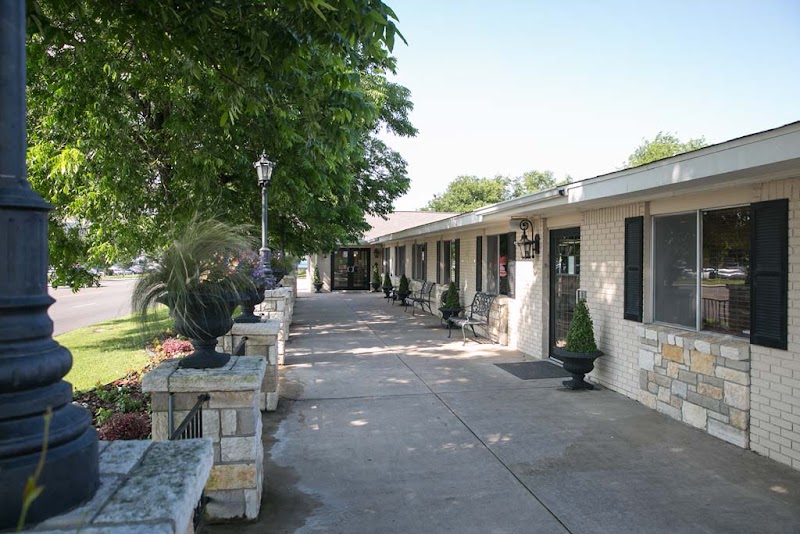
Who Owns and Operates Wellington Rehabilitation And Healthcare?

WELLINGTON REHABILITATION AND HEALTHCARE is owned by a government entity. Government-operated facilities are typically run by state, county, or municipal agencies. The facility is operated by THE ENSIGN GROUP, a chain that manages multiple nursing homes. With 124 certified beds and approximately 66 residents (about 53% occupancy), it is a mid-sized facility located in TEMPLE, Texas.
How Does Wellington Rehabilitation And Healthcare Compare to Other Texas Nursing Homes?

Compared to the 100 nursing homes in Texas, WELLINGTON REHABILITATION AND HEALTHCARE's overall rating (1 stars) is below the state average of 2.8, staff turnover (76%) is significantly higher than the state average of 46%, and health inspection rating (2 stars) is below the national benchmark.

What Should Families Ask When Visiting Wellington Rehabilitation And Healthcare?

Based on this facility's data, families visiting should ask: "What changes have been made since the serious inspection findings, and how are you preventing similar issues?" "How do you ensure continuity of care given staff turnover, and what is your staff retention strategy?" "Can you walk me through typical staffing levels on day, evening, and night shifts?" "Can I visit during a mealtime to observe dining assistance and food quality?" These questions are particularly relevant given the facility's Immediate Jeopardy citations, the facility's high staff turnover rate, and the below-average staffing rating.

Is Wellington Rehabilitation And Healthcare Safe?

Based on CMS inspection data, WELLINGTON REHABILITATION AND HEALTHCARE has documented safety concerns. Inspectors have issued 4 Immediate Jeopardy citations (the most serious violation level indicating risk of serious injury or death). The facility has a 1-star overall rating and ranks #100 of 100 nursing homes in Texas. Families considering this facility should ask detailed questions about what corrective actions have been taken since these incidents.

Do Nurses at Wellington Rehabilitation And Healthcare Stick Around?

Staff turnover at WELLINGTON REHABILITATION AND HEALTHCARE is high. At 76%, the facility is 29 percentage points above the Texas average of 46%. Registered Nurse turnover is particularly concerning at 89%. RNs handle complex medical decisions and coordinate care — frequent RN changes can directly impact care quality. High turnover means new staff may not know residents' individual needs, medications, or preferences. It can also be disorienting for residents, especially those with dementia who rely on familiar faces. Families should ask: What is causing the turnover? What retention programs are in place? How do you ensure care continuity during staff transitions?

Was Wellington Rehabilitation And Healthcare Ever Fined?

WELLINGTON REHABILITATION AND HEALTHCARE has been fined $42,084 across 3 penalty actions. The Texas average is $33,500. While any fine indicates a compliance issue, fines under $50,000 are relatively common and typically reflect isolated problems that were subsequently corrected. Families should ask what specific issues led to these fines and confirm they've been resolved.

Is Wellington Rehabilitation And Healthcare on Any Federal Watch List?

WELLINGTON REHABILITATION AND HEALTHCARE is not on any federal watch list. The most significant is the Special Focus Facility (SFF) program, which identifies the bottom 1% of nursing homes nationally based on persistent, serious quality problems. Not being on this list means the facility has avoided the pattern of deficiencies that triggers enhanced federal oversight. This is a positive indicator, though families should still review the facility's inspection history directly.