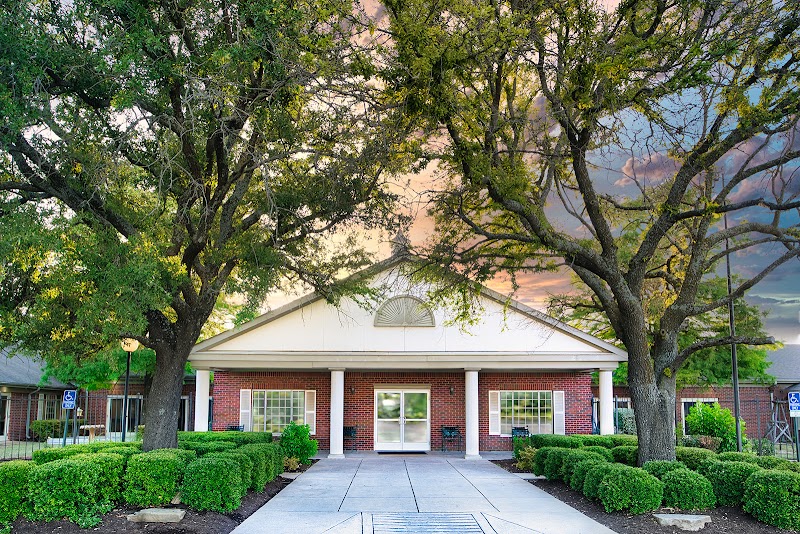
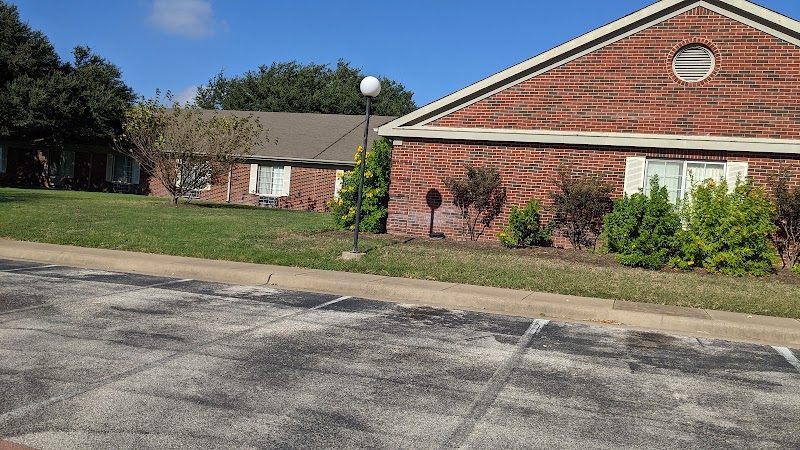
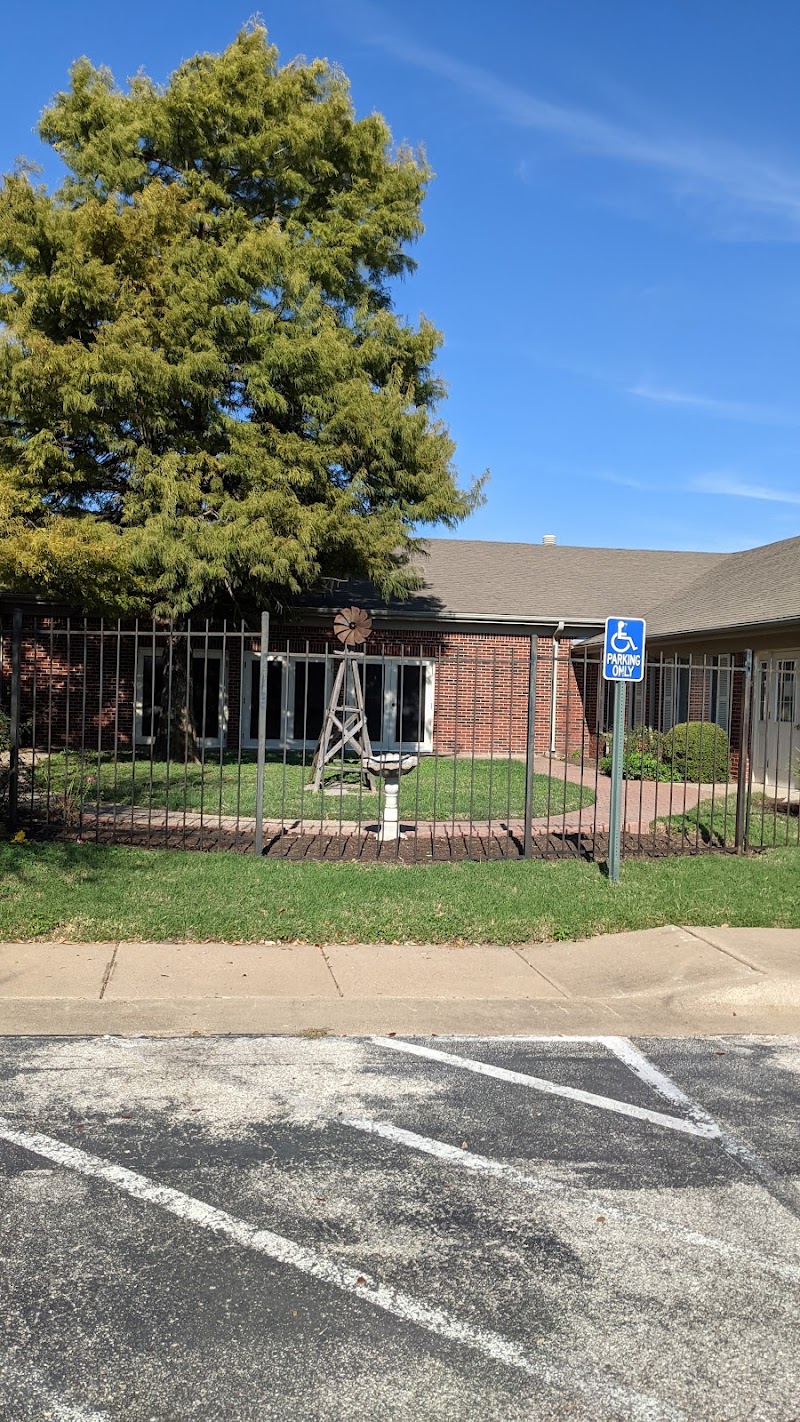
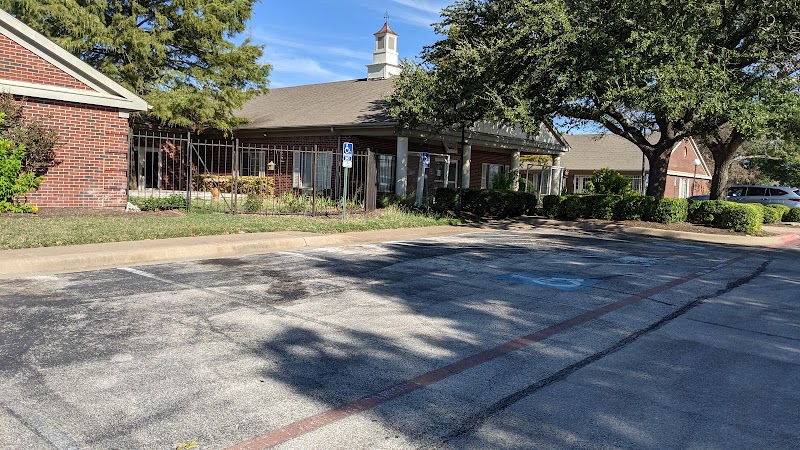
Western Hills Nursing & Rehabilitation

512 Draper Dr, Temple, TX 76504 (254) 742-7500
For profit - Corporation 120 Beds AVIR HEALTH GROUP Data: November 2025 1 Immediate Jeopardy citation
Trust Grade
11/100
#1163 of 1168 in TX
Last Inspection: May 2025

Inspected within the last 6 months. Data reflects current conditions.

Overview

Western Hills Nursing & Rehabilitation has received a Trust Grade of F, indicating significant concerns about the care and services provided. Ranking #1163 out of 1168 facilities in Texas places it in the bottom half, and #15 out of 16 in Bell County means there is only one local option that performs worse. Unfortunately, the situation is worsening, with issues increasing from 10 in 2024 to 11 in 2025. Staffing is a concern, with a low rating of 1 out of 5 stars and a turnover rate of 52%, which is around the Texas average but still suggests instability. The facility has incurred $9,750 in fines, which is average for the area, but there are critical incidents that raise alarms, such as a resident eloping from the facility and being found at a nearby apartment complex, leading to an emergency room visit. Additionally, another resident missed critical medication for eight days, exacerbating her health issues. While the quality measures rating is good at 4 out of 5 stars, these serious deficiencies indicate that families should carefully consider the risks before choosing this nursing home.

Trust Score
F
11/100
In Texas
#1163/1168
Bottom 1%
Safety Record
High Risk
Review needed
Inspections
Getting Worse
10 → 11 violations
Staff Stability
⚠ Watch
52% turnover. Above average. Higher turnover means staff may not know residents' routines.
Penalties
✓ Good
$9,750 in fines. Lower than most Texas facilities. Relatively clean record.
Skilled Nurses
⚠ Watch
Each resident gets only 15 minutes of Registered Nurse (RN) attention daily — below average for Texas. Fewer RN minutes means fewer trained eyes watching for problems.
Violations
⚠ Watch
29 deficiencies on record. Higher than average. Multiple issues found across inspections.
★☆☆☆☆
1.0
Overall Rating
★☆☆☆☆
1.0
Staff Levels
★★★★☆
4.0
Care Quality
★★☆☆☆
2.0
Inspection Score
Stable
2024: 10 issues
2025: 11 issues

The Good

  • 4-Star Quality Measures · Strong clinical quality outcomes
  • Full Sprinkler Coverage · Fire safety systems throughout facility
  • No fines on record

Facility shows strength in quality measures, fire safety.

The Bad

1-Star Overall Rating

Below Texas average (2.8)

Significant quality concerns identified by CMS

Staff Turnover: 52%

Near Texas avg (46%)

Higher turnover may affect care consistency

Federal Fines: $9,750

Below median ($33,413)

Minor penalties assessed

Chain: AVIR HEALTH GROUP

Part of a multi-facility chain

Ask about local staffing decisions and management

The Ugly 29 deficiencies on record

1 life-threatening 3 actual harm
Jul 2025 1 deficiency 1 IJ
CRITICAL (J) 📢 Someone Reported This

A family member, employee, or ombudsman was alarmed enough to file a formal complaint

Immediate Jeopardy (IJ) - the most serious Medicare violation

Accident Prevention (Tag F0689)

Someone could have died · This affected 1 resident

**NOTE- TERMS IN BRACKETS HAVE BEEN EDITED TO PROTECT CONFIDENTIALITY** Based on interview, and record review, the facility failed to ensure that resident received adequate supervision to prevent acci...

Read full inspector narrative →
**NOTE- TERMS IN BRACKETS HAVE BEEN EDITED TO PROTECT CONFIDENTIALITY** Based on interview, and record review, the facility failed to ensure that resident received adequate supervision to prevent accidents for 1 of 1 resident (Resident #2) reviewed for elopement.On 06/11/2025 Resident #2 eloped from the facility; On 06/25/2025 a Record Review of the Facility Incident report was completed. According to the Report, it was estimated that Resident #2 left the facility between 5:30PM and 6:00PM, was found on the grounds of a nearby apartment complex, and taken to the ER with an admission time around 7:10PM. The noncompliance was identified as PNC . The Immediate Jeopardy began on 6/11/25 and ended on 6/12/25. The facility had corrected the noncompliance before the survey began.This failure placed residents at risk of physical injury.Findings include: Review of Resident #2’s face sheet reflected he was a [AGE] year-old man admitted to the facility on [DATE]. Resident #2 was admitted with a diagnosis of secondary malignant neoplasm of the brain (cancer cells that have spread to the brain from a primary tumor in another part of the body). Review of the Wander Risk assessment dated [DATE] revealed Resident #2 scored at high risk for wandering. The facility reported this was the assessment that they used to determine if a person was at risk for elopement. Review of Resident #2’s Baseline Care Plan dated 06/11/2025 did not reflect any interventions for wandering or elopement. Review of Resident #2’s MDS initial assessment dated [DATE] reflected a BIMS score of 7 which indicated severe cognitive impairment. Record Review of the Facility Incident Report dated 06/11/2025 reflected how Resident #2 was discovered missing and the immediate facility-wide response. The Report described that a facility -wide search was implemented and when Resident #2 was not found, EMS was notified at 8:50PM on 06/11/2025. The Report documentation reflected that the Administrator, DON, Resident Representative, and Medical Director were notified on 06/11/2025. Documentation in the Report described that Resident #2 was discovered to be in the local Emergency Room. The Facility Incident Report outlined the activities implemented in response to the elopement. According to the Report, the following was implemented:• Administrator immediately conducted a headcount of all residents in the facility and no other residents were found to be missing• DON and ADONs conducted an audit on all residents and updated all wandering risk assessments on the night of 06/11/2025. On 06/25/2025 Record Review of the audit was completed to verify the Wandering Risk Assessment were completed and Care Plans updated as needed.• Administrator audited elopement binder to ensure all resident at high risk of elopement was included.• Administrator immediately began in serving all staff on the policies and procedures o wandering and elopements. On 06/25/2025 Record Review of the in-service sign in sheets was conducted. Interviews were conducted with 10 staff beginning on 06/27/2025 and ending 07/02/2025 to assess receipt and understanding of the in-service material.• Ad-hoc QAPI was implemented on 06/12/2025. Record Review of the QAPI Sign in Sheet and minutes was conducted on 06/25/2025 to confirm.• Administrator and DON collected statement from all staff who proved direct care to Resident #2. Record Review of the statements was performed on 06/25/2025. • Daily monitoring and discussion in Morning Meeting were implemented to identify residents at risk for safety concerns. Record Review conducted of Daily Monitoring Form on 06/25/2025 Review of ER hospital records dated 6/11/2025 reflected Resident #2 was brought into the hospital for assessment and the chief complaint was that he had fallen while walking through some tall grass and had some bumps and bruises but nothing that warranted hospitalization. The records reflected that Resident #2 stated he lost his balance while walking. Vitals were stable. Resident had complaints of right collar bone pain and T6 (sixth thoracic vertebra) region pain. Xray results were negative. CT Head negative for any acute findings. CT Cervical-spine, and Lumbar -spine all negative. CTA chest negative for PE and acute findings. CT abdomen negative for acute findings. On 06/25/2025 at 2:35PM during an interview with the Administrator, he stated Resident #2 was admitted on [DATE] due to a significant decline in physical and cognitive function due to radiation. The Administrator further stated the facility received little clinical information on Resident #2 as he was admitted from home. The Administrator stated the nurse who did the wandering assessment stated Resident #2 was high risk because she observed him walking around the halls. The Administrator stated management was never notified of the high risk for elopement. On 06/25/2025 at 3:01PM during an interview the DON stated on 6/11/2025 she was notified by ADON A on duty that Resident #2 was missing. The DON stated the staff immediately started a search of the facility and they contacted LE at approximately 7:50PM on 06/11/2025 and reported Resident # 2 as missing. The DON stated upon admission, residents are assessed for the risk of elopement and the Wander Risk Assessment is documented in the electronic medical record. If the resident scored high based on the Wandering Risk Assessment, their process was to notify the Administrator and or DON. The DON stated she was not notified that Resident #2 scored high on the Wandering Risk Assessment. The DON stated there was no specific policy for follow up actions after a resident scored high on the risk assessment for elopement. The DON stated the facility process was to place at risk residents on one-to-one monitoring and the Administrator and DON should have been notified for further interventions. On 06/25/2025 at 3:41PM during an interview with MA A she stated she discovered Resident #2 missing when she went to his room to give him his night pills at about 6:50PM. MA A stated she notified ADON A that she could not find Resident #2 and then the staff searched the building attempting to locate the resident. MA A further stated she did observe the resident in the afternoon while he was in his room visiting with his family. She reported that she never observed any behaviors that gave her concern about him being at risk for wandering away from the facility. On 06/25/2025 at 3:51PM during an interview with ADON-A she stated on 6/11/2025 she observed Resident #2 as his family walked in the building around 5:30PM or 5:45 PM. ADON A then stated she did not see anything else of them. ADON A stated she was notified around 6:50PM, by MA A that Resident #2 was missing. ADON A stated she called Resident #2’s family member to see if the resident was with him. The Resident’s family member stated the resident was not with him. ADON A reported during the call the family was very apologetic and stated they neglected to tell the staff he had an issue with wandering. ADON A stated, “They knew and didn’t tell us.” ADON A stated the staff started their search of the building, called LE, and notified the DON and Administrator. On 06/27/2025 at 10:10AM during an interview with LVN A she stated she completed the original wandering assessment on 6/11/2025. LVN A stated she had observed Resident #2 wandering around but did not think that it was exit seeking behavior but rather attempting to get familiar with surroundings. LVN A stated she did not know how to score the assessment. LVN A stated “I wanted him to be on the radar for his safety. My concern was that we might find him in someone else’s room not because Resident #2 was a flight risk.” She stated she did not obtain any history from the family for this assessment. On 06/27/2025 at 2:49PM during a phone interview with Resident #2’s family member, she stated the nurses were fantastic and were very good. Everything was fine. She had no complaints or concerns about the resident’s care when he was in the facility. On 06/27/2025 at 4:14PM received an email from the Regional Clinical Director. She stated the process for prevention of elopement is the IDT convenes and identifies individualized interventions that are appropriate for that resident if a resident is identified as being at risk for wandering. Those would then be added to their care plan and/or physician's orders as indicated.On 07/01/2025 at 3:28PM a phone interview with LE. The detective reported that on 06/11/2025 they received a report from EMS indicating they had transported Resident #2 to the hospital for further assessment. LE reported the facility called in a missing person report at approximately 8:40PM on 06/11/2025. Post event actions documented in the facility investigation and report detail the following completed 6/12/2025 prior to surveyor entrance on 06/25/2025• Administrator conducted a head count of all residents in the facility. No other residents were missing. This was confirmed per record review of the resident count documented on the resident roster and per interview with the Administrator on 06/25/2025 at 2:35PM.• The DON, ADONs, and other nurses conducted an audit on all Resident Wandering Risk Assessments. Completion of audit confirmed via Record Review of the audit documentation and per interview with the DON on 06/25/2025 at 3:01PM.• Administrator immediately began in-services to staff regarding policy/procedure of wandering/elopements. Confirmed by record review of the in-service sign in sheets, interview with the Administrator on 06/25/2025 at 2:35PM. Further confirmation obtained via individual staff interviews to include:• During an interview with RN A on 07/02/2025 at 11:46AM she stated she was shown on the computer how to assess the risk and how to complete the document. RN A also stated if someone was determined to be at high risk, they were to call Administrator and DON and monitor the resident. • During an interview with LVN A on 07/02/2025 at 11:51AM she stated on 06/12/2025 she was trained on how to complete the assessment and how to sign and save so the document automatically recorded the risk level. If the resident was identified at risk, they were to contact the Administrator and the DON immediately. • During an interview with LVN B on 07/02/2025 at 11:57AM she stated she was in serviced the day following the event. She verbally verified her signature on the Inservice sign in sheet. She stated she was trained on completing the assessments and what and how to do follow up for residents determined to be high risk. If at risk, they notify the DON and /or the Admin. There will be a determination of the intervention to be implemented such as a wander guard. LVN B stated if the resident was actively exiting seeking, they would be monitored on a one to one. • During an interview with ADON B on 07/02/2025 at 12:03PM she stated she received training the day of the event. She stated the training included a review of the wander assessments and how to score and document them properly. She stated the training also included what to do if a resident scored at high risk which was to notify Admin/DON. If the resident was exiting seeking, they would be placed on one-to-one monitoring. ADON B stated she keeps the resident with her for supervision while the calls are being made. • During an interview with RN B on 07/02/2025 at 12:10PM she stated she was in serviced the night of the event. The training included completion of the wandering risk assessment and what interventions to take depending on how the resident was scored. She stated if the resident scored high, the staff were to notify the Administrator/DON. • During an interview on 06/25/2025 at 3:43PM MA A stated she received training on responding to missing residents to include notifying the ADON and performing a search of the building and grounds. MA A’s signature is found on Record Review of the in-service sign in sheet dated 06/11/2025. • During an interview on 06/27/2025 at 3:16PM CNA A stated he recalled having had training on elopement and the training included instructions to respond with three step process. The staff were instructed to try to find the resident, perform a head count, and notify administration. Per Record Review on 06/25/2025 CNA A’s signature is located on the in-service sign in sheet dated 06/11/2025. • During an interview on 06/27/2025 at 3:24PM with CNA B he stated he received training on what to do if a resident seems to be missing. He stated the process was to check all rooms and do a head count and notify the administrator. He stated the training included to prevent elopements by making sure to visualize the residents every 2 hours and make sure no one was near those exit doors. Record Review of the in-service sign in sheet dated 06/11/2025 showed his signature. • During an interview on 06/27/2025 at 3:28PM with CNA C she stated she has been in serviced on the prevention of elopement. CNA C stated she received training on /6/11/2025 and also at new hire orientation to prevent elopements . The training included the use of alarms, performing head counts, and checking exit doors. • During an interview on 06/27/2025 at 3:34PM with CNA D she stated she received training by the Administrator, and it contained instructions on recognizing wandering or if a resident wanted to leave. She stated the training included the need to check on the residents and let the nurse know if a resident seemed to be wandering. Record Review of the in-service sign in sheet dated 06/11/2025 revealed CNA D’s signature. • On 06/12/2025 an Ad Hoc QAPI meeting was held to identify the process breakdown and how the facility could prevent a future incident. This was validated via record review of the QAPI sign in sheet and per interview with the Administrator on 06/25/2025 at 2:35PM. • The DON or designee implemented continuous monitoring via review of the 24-Hour Report daily during clinical meeting to identify residents at risk of safety concerns. Record Review of the audit tool was completed on 06/25/2025 and found to be completed to date.• Nurses were in serviced by the Administrator and DON regarding the elopement policy and procedures and the steps to take after a resident was deemed high for elopement risk. This was confirmed by record review of the in-service sign in sheets dated 06/11/2025 and confirmed during interviews conducted on 07/02/2025 with licensed nursing staff. During an interview with the DON on 07/02/2025 at 12:27PM she stated in order to make sure all staff were educated, the administrator helped in monitoring the in-service list and if it was identified that a staff was scheduled to work that had not had the in-service, the ADON would stay over or come in on the weekends to in-service those staff. Findings include: Review of Resident #2’s face sheet reflected he was a [AGE] year-old man admitted to the facility on [DATE]. Resident #2 was admitted with a diagnosis of secondary malignant neoplasm of the brain (cancer cells that have spread to the brain from a primary tumor in another part of the body). Review of the Wander Risk assessment dated [DATE] revealed Resident #2 scored at high risk for wandering. The facility reported this was the assessment that they used to determine if a person was at risk for elopement. Review of Resident #2’s Baseline Care Plan dated 06/11/2025 did not reflect any interventions for wandering or elopement. Review of Resident #2’s MDS initial assessment dated [DATE] reflected a BIMS score of 7 which indicated severe cognitive impairment. Record Review of the Facility Incident Report dated 06/11/2025 reflected how Resident #2 was discovered missing and the immediate facility-wide response. The Report described that a facility -wide search was implemented and when Resident #2 was not found, EMS was notified at 8:50PM on 06/11/2025. The Report documentation reflected that the Administrator, DON, Resident Representative, and Medical Director were notified on 06/11/2025. Documentation in the Report described that Resident #2 was discovered to be in the local Emergency Room. The Facility Incident Report outlined the activities implemented in response to the elopement. According to the Report, the following was implemented:• Administrator immediately conducted a headcount of all residents in the facility and no other residents were found to be missing• DON and ADONs conducted an audit on all residents and updated all wandering risk assessments on the night of 06/11/2025. On 06/25/2025 Record Review of the audit was completed to verify the Wandering Risk Assessment were completed and Care Plans updated as needed.• Administrator audited elopement binder to ensure all resident at high risk of elopement was included.• Administrator immediately began in serving all staff on the policies and procedures o wandering and elopements. On 06/25/2025 Record Review of the in-service sign in sheets was conducted. Interviews were conducted with 10 staff beginning on 06/27/2025 and ending 07/02/2025 to assess receipt and understanding of the in-service material.• Ad-hoc QAPI was implemented on 06/12/2025. Record Review of the QAPI Sign in Sheet and minutes was conducted on 06/25/2025 to confirm.• Administrator and DON collected statement from all staff who proved direct care to Resident #2. Record Review of the statements was performed on 06/25/2025. • Daily monitoring and discussion in Morning Meeting were implemented to identify residents at risk for safety concerns. Record Review conducted of Daily Monitoring Form on 06/25/2025 Review of ER hospital records dated 6/11/2025 reflected Resident #2 was brought into the hospital for assessment and the chief complaint was that he had fallen while walking through some tall grass and had some bumps and bruises but nothing that warranted hospitalization. The records reflected that Resident #2 stated he lost his balance while walking. Vitals were stable. Resident had complaints of right collar bone pain and T6 (sixth thoracic vertebra) region pain. Xray results were negative. CT Head negative for any acute findings. CT Cervical-spine, and Lumbar -spine all negative. CTA chest negative for PE and acute findings. CT abdomen negative for acute findings. On 06/25/2025 at 2:35PM during an interview with the Administrator, he stated Resident #2 was admitted on [DATE] due to a significant decline in physical and cognitive function due to radiation. The Administrator further stated the facility received little clinical information on Resident #2 as he was admitted from home. The Administrator stated the nurse who did the wandering assessment stated Resident #2 was high risk because she observed him walking around the halls. The Administrator stated management was never notified of the high risk for elopement. On 06/25/2025 at 3:01PM during an interview the DON stated on 6/11/2025 she was notified by ADON A on duty that Resident #2 was missing. The DON stated the staff immediately started a search of the facility and they contacted LE at approximately 7:50PM on 06/11/2025 and reported Resident # 2 as missing. The DON stated upon admission, residents are assessed for the risk of elopement and the Wander Risk Assessment is documented in the electronic medical record. If the resident scored high based on the Wandering Risk Assessment, their process was to notify the Administrator and or DON. The DON stated she was not notified that Resident #2 scored high on the Wandering Risk Assessment. The DON stated there was no specific policy for follow up actions after a resident scored high on the risk assessment for elopement. The DON stated the facility process was to place at risk residents on one-to-one monitoring and the Administrator and DON should have been notified for further interventions. On 06/25/2025 at 3:41PM during an interview with MA A she stated she discovered Resident #2 missing when she went to his room to give him his night pills at about 6:50PM. MA A stated she notified ADON A that she could not find Resident #2 and then the staff searched the building attempting to locate the resident. MA A further stated she did observe the resident in the afternoon while he was in his room visiting with his family. She reported that she never observed any behaviors that gave her concern about him being at risk for wandering away from the facility. On 06/25/2025 at 3:51PM during an interview with ADON-A she stated on 6/11/2025 she observed Resident #2 as his family walked in the building around 5:30PM or 5:45 PM. ADON A then stated she did not see anything else of them. ADON A stated she was notified around 6:50PM, by MA A that Resident #2 was missing. ADON A stated she called Resident #2’s family member to see if the resident was with him. The Resident’s family member stated the resident was not with him. ADON A reported during the call the family was very apologetic and stated they neglected to tell the staff he had an issue with wandering. ADON A stated, “They knew and didn’t tell us.” ADON A stated the staff started their search of the building, called LE, and notified the DON and Administrator. On 06/27/2025 at 10:10AM during an interview with LVN A she stated she completed the original wandering assessment on 6/11/2025. LVN A stated she had observed Resident #2 wandering around but did not think that it was exit seeking behavior but rather attempting to get familiar with surroundings. LVN A stated she did not know how to score the assessment. LVN A stated “I wanted him to be on the radar for his safety. My concern was that we might find him in someone else’s room not because Resident #2 was a flight risk.” She stated she did not obtain any history from the family for this assessment. On 06/27/2025 at 2:49PM during a phone interview with Resident #2’s family member, she stated the nurses were fantastic and were very good. Everything was fine. She had no complaints or concerns about the resident’s care when he was in the facility. On 06/27/2025 at 4:14PM received an email from the Regional Clinical Director. She stated the process for prevention of elopement is the IDT convenes and identifies individualized interventions that are appropriate for that resident if a resident is identified as being at risk for wandering. Those would then be added to their care plan and/or physician's orders as indicated.On 07/01/2025 at 3:28PM a phone interview with LE. The detective reported that on 06/11/2025 they received a report from EMS indicating they had transported Resident #2 to the hospital for further assessment. LE reported the facility called in a missing person report at approximately 8:40PM on 06/11/2025. Post event actions documented in the facility investigation and report detail the following completed 6/12/2025 prior to surveyor entrance on 06/25/2025• Administrator conducted a head count of all residents in the facility. No other residents were missing. This was confirmed per record review of the resident count documented on the resident roster and per interview with the Administrator on 06/25/2025 at 2:35PM.• The DON, ADONs, and other nurses conducted an audit on all Resident Wandering Risk Assessments. Completion of audit confirmed via Record Review of the audit documentation and per interview with the DON on 06/25/2025 at 3:01PM.• Administrator immediately began in-services to staff regarding policy/procedure of wandering/elopements. Confirmed by record review of the in-service sign in sheets, interview with the Administrator on 06/25/2025 at 2:35PM. Further confirmation obtained via individual staff interviews to include:• During an interview with RN A on 07/02/2025 at 11:46AM she stated she was shown on the computer how to assess the risk and how to complete the document. RN A also stated if someone was determined to be at high risk, they were to call Administrator and DON and monitor the resident. • During an interview with LVN A on 07/02/2025 at 11:51AM she stated on 06/12/2025 she was trained on how to complete the assessment and how to sign and save so the document automatically recorded the risk level. If the resident was identified at risk, they were to contact the Administrator and the DON immediately. • During an interview with LVN B on 07/02/2025 at 11:57AM she stated she was in serviced the day following the event. She verbally verified her signature on the Inservice sign in sheet. She stated she was trained on completing the assessments and what and how to do follow up for residents determined to be high risk. If at risk, they notify the DON and /or the Admin. There will be a determination of the intervention to be implemented such as a wander guard. LVN B stated if the resident was actively exiting seeking, they would be monitored on a one to one. • During an interview with ADON B on 07/02/2025 at 12:03PM she stated she received training the day of the event. She stated the training included a review of the wander assessments and how to score and document them properly. She stated the training also included what to do if a resident scored at high risk which was to notify Admin/DON. If the resident was exiting seeking, they would be placed on one-to-one monitoring. ADON B stated she keeps the resident with her for supervision while the calls are being made. • During an interview with RN B on 07/02/2025 at 12:10PM she stated she was in serviced the night of the event. The training included completion of the wandering risk assessment and what interventions to take depending on how the resident was scored. She stated if the resident scored high, the staff were to notify the Administrator/DON. • During an interview on 06/25/2025 at 3:43PM MA A stated she received training on responding to missing residents to include notifying the ADON and performing a search of the building and grounds. MA A’s signature is found on Record Review of the in-service sign in sheet dated 06/11/2025. • During an interview on 06/27/2025 at 3:16PM CNA A stated he recalled having had training on elopement and the training included instructions to respond with three step process. The staff were instructed to try to find the resident, perform a head count, and notify administration. Per Record Review on 06/25/2025 CNA A’s signature is located on the in-service sign in sheet dated 06/11/2025. • During an interview on 06/27/2025 at 3:24PM with CNA B he stated he received training on what to do if a resident seems to be missing. He stated the process was to check all rooms and do a head count and notify the administrator. He stated the training included to prevent elopements by making sure to visualize the residents every 2 hours and make sure no one was near those exit doors. Record Review of the in-service sign in sheet dated 06/11/2025 showed his signature. • During an interview on 06/27/2025 at 3:28PM with CNA C she stated she has been in serviced on the prevention of elopement. CNA C stated she received training on /6/11/2025 and also at new hire orientation to prevent elopements . The training included the use of alarms, performing head counts, and checking exit doors. • During an interview on 06/27/2025 at 3:34PM with CNA D she stated she received training by the Administrator, and it contained instructions on recognizing wandering or if a resident wanted to leave. She stated the training included the need to check on the residents and let the nurse know if a resident seemed to be wandering. Record Review of the in-service sign in sheet dated 06/11/2025 revealed CNA D’s signature. • On 06/12/2025 an Ad Hoc QAPI meeting was held to identify the process breakdown and how the facility could prevent a future incident. This was validated via record review of the QAPI sign in sheet and per interview with the Administrator on 06/25/2025 at 2:35PM. • The DON or designee implemented continuous monitoring via review of the 24-Hour Report daily during clinical meeting to identify residents at risk of safety concerns. Record Review of the audit tool was completed on 06/25/2025 and found to be completed to date.• Nurses were in serviced by the Administrator and DON regarding the elopement policy and procedures and the steps to take after a resident was deemed high for elopement risk. This was confirmed by record review of the in-service sign in sheets dated 06/11/2025 and confirmed during interviews conducted on 07/02/2025 with licensed nursing staff. During an interview with the DON on 07/02/2025 at 12:27PM she stated in order to make sure all staff were educated, the administrator helped in monitoring the in-service list and if it was identified that a staff was scheduled to work that had not had the in-service, the ADON would stay over or come in on the weekends to in-service those staff.
May 2025 4 deficiencies
CONCERN (D)

Potential for Harm - no one hurt, but risky conditions existed

Deficiency F0806 (Tag F0806)

Could have caused harm · This affected 1 resident

**NOTE- TERMS IN BRACKETS HAVE BEEN EDITED TO PROTECT CONFIDENTIALITY** Based on observation, interviews and record reviews, the facility failed to provide food that accommodates residents' allergies,...

Read full inspector narrative →
**NOTE- TERMS IN BRACKETS HAVE BEEN EDITED TO PROTECT CONFIDENTIALITY** Based on observation, interviews and record reviews, the facility failed to provide food that accommodates residents' allergies, intolerance's, and preferences for 2 of 3 residents (Resident #13 and Resident #46) reviewed for food allergies. The facility failed to honor Resident #13 and Resident #46's food preference of an alternative meal according to their meal ticket. This failure could place the residents at risk of not having their preference honored and a diminished quality of life. Findings included: Review of Resident # 13's face sheet, dated, 05/08/2025, reflected a [AGE] year-old female who was admitted on [DATE] and readmitted on [DATE]. Resident #13 had diagnoses which included need for assistance with personal care (helping individuals with activities of daily living like bathing, dressing, toileting, grooming, and eating), anemia in chronic kidney disease (a common complication where the body has a deficiency of red blood cells or hemoglobin, which can lead to a reduced ability to carry oxygen throughout the body), type 2 diabetes mellitus without complications (chronic metabolic disorder characterized by consistently high blood glucose (sugar) levels, where the body either doesn't produce enough insulin or can't effectively use the insulin it does produce), end stage renal disease (the most severe stage of kidney failure, where the kidneys are no longer able to filter waste and excess fluid from the blood.) Review of Resident #13's Quarterly MDS, dated [DATE], reflected the resident had a BIMS score of 7, which indicated her cognition was severely impaired. Resident #13 did not have a weight loss or a weight gain. Review of Resident #13's Comprehensive Care Plan, with completion date of 04/27/2025 reflected Resident #13 had a potential nutritional problem related to diabetes mellitus. Resident #13 diet was on a liberalized renal regular texture, regular consistency, with no added salt packets on the tray. Resident #13 requested large portions. Intervention: Provide and serve diet as ordered. Review of Resident #13's Physician Orders, initiated on 11/07/2023, reflected Resident #13 was ordered regular diet, regular texture, and regular consistency (did not specify fluids). Review Resident #13's meal ticket on 05/07/2025 at 12:45 PM reflected Resident #13 was on a liberalized renal regular texture large portion diet. Resident #13's beverage texture was regular. Resident #13's entrée was one serving regular portion of spaghetti and meatballs. She dislikes spaghetti. Her meal ticket specifies to have an entrée of a hamburger on bun. Also, it noted to limit tomatoes. Observation and Interview on 05/07/2025 at 12:45 PM Resident #13 meal was not double or large portion. The meal served did not reflect what was on her meal ticket. She had normal portion size, and she did not have the meal she preferred. When Resident #13 was asked why she was not eating, she responded she does not like spaghetti. The meal ticket stated hamburger and she was asked would she like to have a hamburger and she stated she would. Review of Resident # 46's face sheet, dated, 05/08/2025, reflected a [AGE] year-old female who was admitted on [DATE] and readmitted on [DATE]. Resident #46 had diagnoses which included need for assistance with personal care (helping individuals with activities of daily living like bathing, dressing, toileting, grooming, and eating), acute kidney failure unspecified (a sudden loss of kidney function that can happen within hours or days), type 2 diabetes mellitus without complications (chronic metabolic disorder characterized by consistently high blood glucose (sugar) levels, where the body either doesn't produce enough insulin or can't effectively use the insulin it does produce), unspecified systolic (congestive) heart failure (a condition where the heart's left ventricle struggles to pump blood efficiently.) Review of Resident #46's Quarterly MDS, dated [DATE], reflected the resident had a BIMS score of 12, which indicated her cognition was cognitively intact. Resident #46 did not have a weight loss or a weight gain. Review of Resident #46's Comprehensive Care Plan, with completion date of 02/20/2024 reflected Resident #46 had a potential nutritional problem related to diabetes mellitus. Resident #46 diet was on a liberalized renal regular texture, regular consistency, with no added salt packets on the tray. Intervention: Provide and serve diet as ordered. Observation and Interview on 05/07/2025 at 12:55 PM Resident #46 meal served did not reflect what was on her meal ticket. She did not have the meal she preferred. When Resident #46 was asked why she was not eating, and she responded she did not order spaghetti and she wanted a hamburger. The meal ticket stated hamburger and she was asked would she like to have a hamburger and she stated it was alright, and she ate the meatballs, and she would be fine until dinner. She denied wanting to receive the hamburger as ordered. Interview on 05/08/25 at 9:23 AM the DM stated all residents' meals was to reflect the physician order and the residents' preferences. She stated Resident #13 did have a preference of double portions. The DM stated if it was on Resident meal ticket it was expected to be served. She stated that if something that a resident requested was not on the menu then the resident must be notified three days in advance. She stated that if a resident requested an alternate meal, the kitchen staff was responsible for ensuring the resident gets the proper meal requested, and it must be signed off by a dietary aide. When asked what the purpose was of asking the resident if they were ok with the meal being served, she said so they know that they are satisfied and are aware of their likes and dislikes. If served a meal they did not ask for, she said the resident will complain and be dissatisfied, she that the resident may not finish the food, loss weight, and not eat until the next meal. She said that a liberal renal diet means you are limited to tomatoes, potatoes, and oranges. Interview on 05/08/25 at 9:36 AM the CK stated it was the DM responsibility to make sure the residents were aware what will be served at the menu times. She stated if a resident requested an alternate meal, it was the CNA on that resident's hallway will mark it in their meal ticket. She stated that the purpose of asking the resident if they were ok with the meal being served, was to make sure they get what they want to eat. She said that if the resident was served a meal they did not ask for, then the resident may not eat the food, or they may come to the kitchen staff and ask for something different. Interview on 05/08/25 at 9:41 AM the DA A stated the supervisor was responsible to make sure the residents were aware what will be served at the menu times. She said that if a resident requested an alternate meal, the supervisor and the aide were responsible for ensuring the resident gets the proper meal requested. She said that the purpose of asking the resident if they were ok with the meal being served, was to ensure that the resident gets to eat what they like. If the resident was served a meal they did not ask for, DA A said that they may complain. Interview on 05/08/25 at 9:48 AM the DA B stated the night staff prints out the menus sent to them from PFG. She stated if a resident requested an alternate meal, it was the DM responsibility to double check the trays. She stated the purpose of asking the resident if they were ok with the meal being served was to ensure that the resident gets what they want because the residents have preferences. She stated if a resident was served a meal, they did not ask for, the residents may complain to staff. Interview on 05/08/25 at 2:10 PM the ADM stated the CNA's typically goes around and see if the residents were aware of what was being served and if they would like that or an alternate meal. He stated if a requested an alternate meal, it was the collaboration of dietary to make sure the meal was made and the nurse to make sure the meal reflects the meal on the tray reflects what is on the meal ticket. He stated the purpose of asking the resident if they want the meal being served was because they have the right to have the food they want within their limitations. If they were served a meal they did not want, it could lead into malnourishment, and weight loss. It was the responsibility of everyone to make sure the residents have a full belly. Interview on 05/08/25 at 2:29 PM the DON stated it was the CNA's responsibility to make sure the residents were aware what will be served at mealtimes. She stated if the resident requested an alternate meal, it was both the nurses and dietary aids to make sure the resident gets the proper meal requested. Dietary was responsible for making sure the proper meal was on the tray and the nurses were to make sure the meal matched the meal ticket. She stated the purpose of asking a resident if they wanted the meal being severed was to ensure the resident received quality of life because food is important. They want to have a good meal and to be able to enjoy what they were eating. She stated this was their home and they should be able to have their diet within their limits. She stated they should be able to accommodate the residents. She stated if residents received a meal they did not asked for, it could result in them receiving the wrong texture and choke, not be able to chew and digested it. Some residents have fewer teeth and not able to chew it and the food consistency can be a little tougher than they can handle. She stated if they have food allergies, they can have an allergic reaction to the food. She stated all residents had a right to voice their meal preferences. Record review of the facility's Resident Right Policy, not dated, reflected a facility must treat each resident with respect and dignity and care for each resident in a manner and in an environment that promotes maintenance or enhancement of his or her quality of life, recognizing each resident's individuality. The facility must protect and promote the rights of the resident. Resident had a right to receive services and /or items included in the plan of care.
CONCERN (D)

Potential for Harm - no one hurt, but risky conditions existed

Infection Control (Tag F0880)

Could have caused harm · This affected 1 resident

**NOTE- TERMS IN BRACKETS HAVE BEEN EDITED TO PROTECT CONFIDENTIALITY** Based on observation, interview, and record review, the facility failed to maintain an infection prevention and control program ...

Read full inspector narrative →
**NOTE- TERMS IN BRACKETS HAVE BEEN EDITED TO PROTECT CONFIDENTIALITY** Based on observation, interview, and record review, the facility failed to maintain an infection prevention and control program designed to provide a safe, sanitary, and comfortable environment and to help prevent the development and transmission of communicable diseases and infections for 1 of 3 residents (Resident #73) observed for infection prevention. The facility failed to ensure Enhanced Barrier Precautions (EBP) were implemented and used when LVN A provided gastric tube feeding for Resident #73. This failure could place residents at-risk for spread of infection. Findings included: Record review of Resident #73's face sheet dated 07/10/2024 revealed she was a [AGE] year-old woman, with an initial admission date of 07/10/2024, with re-admission on [DATE] and with diagnoses of Nontraumatic Intracerebral Hemorrhage, Unspecified (bleeding within the brain tissue that is not caused by head trauma). Record review of Resident #73's Quarterly MDS assessment dated [DATE] revealed a BIMS score of 99, indicating the interview was not successfully completed. Further review revealed Resident #73 was assessed as having a PEG tube (a type of feeding tube that is placed through the skin and into the stomach, allowing for direct delivery of nutrition). Record review of Resident #73's Active Orders dated 05/07/2025 revealed orders which included: o Enhanced Barrier Precautions start date 02/24/2025. Observation on 05/07/2025 at 01:15 p.m., revealed there was a sign indicating Enhanced Barrier Precautions outside the door to Resident #73's room, and there was no supply of PPE available outside the door/room. Further observation revealed LVN A put on gloves but did not put on or wear a gown while performing PEG tube feeding for Resident #73. During an interview with LVNA on 05/07/2025 at 1:30 p.m., when asked to describe EBPs, she stated EBPs were to give you a warning to use gloves. Gowns were only used if there was an active infection. During an interview with the DON on 05/08/2025 at 11:01 a.m., the DON stated EBPs should be implemented when a resident has any type of implanted medical device or has wounds. The DON stated a negative outcome of failure to abide by EBPs would be the spread of infection. Record review of facility policy titled Enhanced Barrier Precautions reviewed March 2025 revealed: o Enhanced barrier precautions (EBPs) are used as an infection prevention and control intervention to reduce the spread of multi-drug resistant organisms (MDROs) to residents. o EBPs employ targeted gown and glove use during high contact resident care activities when contact precautions do not otherwise apply. Examples of high-contact resident care activities requiring the use of gown and gloves for EBPs include: 1. dressing. 2. bathing/showering. 3. transferring. 4. providing hygiene. 5. changing linens. 6. changing briefs or assisting with toileting. 7. device care or use (central line, urinary catheter, feeding tube, tracheostomy/ventilator, etc.); and 8. wound care (any skin opening requiring a dressing).
CONCERN (E)

Potential for Harm - no one hurt, but risky conditions existed

Food Safety (Tag F0812)

Could have caused harm · This affected multiple residents

Based on observation, interviews, and record review, the facility failed to store, prepare, distribute, and serve food following professional standards for food service safety for 1 of 1 kitchen that ...

Read full inspector narrative →
Based on observation, interviews, and record review, the facility failed to store, prepare, distribute, and serve food following professional standards for food service safety for 1 of 1 kitchen that was reviewed for kitchen sanitation in that: Food items were not labeled and/or dated. These failures could place all residents who received meals from the main kitchen at risk for food-borne illness. Findings include: Observation on 5/06/2025 at 7:50 am in the refrigerator reflected the following: o Sliced ham in a container with water in it dated 4-28-2025 with no discard date. o Sliced bread in a serving pan with no date. o 2-boiled eggs in a zip lock bag dated 4-25-2025 with no discard date. o 2-side serving bowls with appeared to be pureed chicken dated 4-30-2025 with no discard date. o A container of what appeared to be grits with no date and was still warmed. Observation on 5/06/2025 at 8:15 am in the pantry reflected the following: o An open bag of potato chips not wrapped up with no discard date. o An open bag of grits not wrapped up with no discard date. Interview on 05/08/25 at 9:23 AM the DM stated that it was the entire team's job to oversee making sure the food placed in the refrigerator was properly closed, and dated to reflect when it was open and used by dates. She stated that the shelf life of food cooked and placed in the refrigerator was three days, and that the shelf life of cold cut meat placed in a container and put in the refrigerator was 'a week. DM stated the dates were not placed on the container and another staff comes in and began to make sandwiches with the meat and it is bad, someone could get sick. When asked what could happen if a resident eats the sandwich, she said that the risk is high that they could have a reaction and become sick. Interview on 05/08/25 at 9:36 AM the CK stated it was everyone's responsibility to make sure the food placed in the refrigerator was properly closed, and dated to reflect when it was opened and used by date. She stated that the shelf life of food cooked and placed in the refrigerator was three days and the shelf life on cold cut meat placed in the refrigerator in a container was a week. The [NAME] stated that if the date was not placed on the container and another staff comes in and began to make sandwiches with the meat and it was bad, then the other staff won't know that the meat was bad if it's not dated properly. When asked what can happen if the resident eats that sandwich, she said the resident could get sick. Interview on 05/08/25 at 9:41 AM DA A stated it was the last person that used the product that was responsible for making sure the food placed in the refrigerator was properly closed, and dated to reflect when it was open and used by date. DA A stated the shelf life of cooked food placed in the refrigerator and cold cut meat placed in the refrigerator in a container was three days. She said that if the date was not placed on the container and another staff comes in and began to make sandwiches with the meat and it was bad, then the meat could be spoiled and become slimy. She said that if the resident eats that sandwich then the resident could get sick. Interview on 05/08/25 at 9:48 AM the DA B stated it was everyone's responsibility to make sure the food was dated to reflect when it was opened and to place a used by date on the food. She stated the shelf life of food cooked and placed in the refrigerator was three days and a week for cold cut meat placed in the refrigerator in a container. DA B stated that if the date was not placed on the container and another staff comes in and began to make sandwiches with the meat and it was bad, then someone can get sick, someone can also get sick if a resident eats the sandwich. Record Review Food Storage Policies dated October 1, 2018, and revised on June 1, 2019, stated: To ensure that all food served by the facility is of good quality and safe for consumption, all food will be stored according to the state, federal and US Food Codes and HACCP guideline. 1. Dry Storage Rooms: D. To ensure freshness, store opened and bulk items in tightly covered containers. All containers must be labeled and dated. 2. Refrigerators: D. Date, label and tightly seal all refrigerated foods using clean, nonabsorbent, covered containers that are approved for food storage. 3. Refrigerators: E. Use all leftovers within 72 hours. Discard items that are over 72 hours old.
MINOR (C)

Minor Issue - procedural, no safety impact

Staffing Information (Tag F0732)

Minor procedural issue · This affected most or all residents

Based on observation and interviews the facility failed to ensure the daily nurse staffing information, including the facility name, current date, total number and actual hours worked by Registered Nu...

Read full inspector narrative →
Based on observation and interviews the facility failed to ensure the daily nurse staffing information, including the facility name, current date, total number and actual hours worked by Registered Nurses, Licensed Practical Nurses or Licensed Vocational Nurses, Certified Nurse Aides, and the resident census, was posted on a daily basis at the beginning of each shift in a prominent place readily accessible to residents and visitors for one of one facility reviewed for posted nurse staffing. The facility failed to update the daily staffing information posting. This failure could affect residents, their families, and facility visitors by placing them at risk of not having access to information regarding staffing data and facility census. Findings included: Observation on 05/06/2025 at 7:30 AM, revealed the daily staffing schedule dated 4/30/2025 was posted on the right side of the hallway, around the right corner from the reception area. During an interview on 5/7/2025 at 5:15 PM, the ADM stated the Human Resource Coordinator was responsible to post the nurse staffing data each day. She was out of the facility unexpectedly and there should have been a back-up to assume the responsibility. He stated the facility did not have a policy which addressed the posting of nurse staffing, and they follow CMS guidelines. During an interview on 5/8/2025 at 2:20 PM, the DON and the RNC both stated the facility does not have a specific policy which addresses the posting of nurse staffing and census.
Apr 2025 1 deficiency
CONCERN (D) 📢 Someone Reported This

A family member, employee, or ombudsman was alarmed enough to file a formal complaint

Potential for Harm - no one hurt, but risky conditions existed

Deficiency F0602 (Tag F0602)

Could have caused harm · This affected 1 resident

**NOTE- TERMS IN BRACKETS HAVE BEEN EDITED TO PROTECT CONFIDENTIALITY** Based on Observations, interviews, and record review, the facility failed to ensure the right to be free from misappropriation o...

Read full inspector narrative →
**NOTE- TERMS IN BRACKETS HAVE BEEN EDITED TO PROTECT CONFIDENTIALITY** Based on Observations, interviews, and record review, the facility failed to ensure the right to be free from misappropriation of resident property for one of three residents (Resident #1) reviewed for misappropriation. The facility failed to prevent a diversion (misappropriation) of Resident #1's oxycodone HCl Oral Tablet 5 MG, 16 tablets (an oxycodone pain reliever) received through hospice and reported missing on 04/18/2025. The noncompliance was identified as PNC. The non-compliance began on 04/10/2025 and ended on 04/28/2025. The facility had corrected the noncompliance before the survey began. This failure could place residents at risk for decreased quality of life, unrelieved pain, misappropriation of property, and dignity. Findings included: Review of Resident #1's face sheet printed 04/30/2025 reflected a [AGE] year-old female admitted to the facility 12/04/2023. Her diagnoses included pain unspecified, chronic kidney disease stage 5, and other osteoporosis with current pathological fracture of the femur (thigh bone). Review of Resident #1's quarterly MDS assessment dated [DATE], Section C (Cognitive Patterns) reflected a BIMS score of 08 indicating moderately impaired cognition. Section GG (Functional Abilities) reflected she required maximal assistance with hygiene and bathing and only supervision with most other ADLs. Section J (Health Conditions) the resident did not complain pain during the assessment period and was on a scheduled pain medication regimen. Review of Resident #1's comprehensive care plan, revised 06/13/24, the resident had an ADL self-care performance deficit due to right femur fracture, weakness, comorbidities, osteoporosis, and was receiving hospice services due to terminal illness. Review of Resident #1's physician order reflected an order dated 08/28/2024 for oxycodone HCl Oral Tablet 5 MG (Oxycodone HCl) Give 1 tablet by mouth two times a day for Pain. Review of Resident #1's physician order reflected an order dated 12/07/2023 for oxycodone HCl Oral Tablet 5 MG (Oxycodone HCl) Give 5 mg by mouth every 8 hours as needed for moderate to severe pain. Review of Resident #1's medication administration record for April 2025, reflected no PRN dose of Oxycodone was administered during the month. Review of the Provider Investigation Report dated 12/28/23 reflected, on 4/10/25, a nurse with Hospice came to the facility and counted all medications for [Resident #1] and identified that resident had 16 PRN 5mg Oxycodone left in blister pack. On 4/18/25 around 11:30am, the same nurse with Hospice returned to the facility and identified that the PRN 5mg oxycodone blister pack and respective narcotic count sheet was not in the narcotic box or the narcotic book. At this time, nursing management attempted to find the oxycodone blister pack and card count sheet but could not find the medication. Observation on 04/30/2025 of the 300-hall nurse's narcotics book and cart, 200-hall medication aide and nurse's narcotics book and cart were completed, all medications and blister packets were correct. Review of facility's narcotics count sheet for the 200-hall reflected on 04/11/2025, there were 33 narcotic blisters at the beginning of the 6am to 6 pm shift. The nurses removed a total of 7 medications blister packet from the medication cart and the math was not done correctly, it reflected 25 packets instead of 26 . During an interview on 04/30/2025 at 1:26 pm Resident #1 stated she was on routine pain medication. Resident #1 stated she always got her pain medication when she needed it. Resident #1 stated she did not have concerns with her pain medication. During an interview on 04/30/2025 at 1:56 pm, the DON stated after the medication was noticed to be missing, she counted all narcotics in the facility to verify counts. The DON stated Resident #1 was assessed for pain and there was no adverse reaction for Resident #1. She stated Resident #1 never went without pain medication because Resident #1's routine pain medication was on the medication aide cart. The DON stated Resident #1 did not ask for PRN pain medication. The DON stated she initiated in-services on the process on narcotics count and when the narcotics cart keys change hands. The DON stated she initiated daily narcotic count monitoring of all carts in the facility. The DON stated she contacted the pharmacy and narcotics reconciliation was done. The DON stated she was the only one who could remove empty medication blister packets or discontinued medications from the medication cart. The DON stated 2 nurses were required to sign whenever the pharmacy delivered narcotics. The DON stated she suspected Resident #1's oxycodone went missing on 4/11/2025 when there was mistake on the blister count. During an interview on 04/30/2025 at 4:00 PM the Administrator stated he was made aware of the drug diversion on 4/18/2025. The Administrator stated he called all staff who had access to the 200-hall medication cart from 04/10/2025 to 4/18/2025 and they were interviewed and drug tested on [DATE] and all were negative. The Administrator stated he notified the local police, but they did not show up. The Administrator stated Resident #1's family and the Medical Director were notified. The Administrator stated staff were in-serviced on 04/18/2025. He stated they were not able to identify a perpetrator but there was a suspect. The Administrator stated the facility reordered Resident #1's oxycodone 16 tablets and paid for it on 4/18/2025 . During interviews on 04/30/2025 starting at 11:25am through 3:41 pm with 3 LVNs, 2 RNs, and 1 MA, they all stated they were made aware there was drug diversion in the facility. They stated they were in-serviced on the process of narcotics count and when the narcotics cart keys changed hands, the carts and medications should be counted. They stated only the DON could remove empty medication blister packets or discontinued medications from the medication cart. They stated 2 nurses were required to sign whenever the pharmacy delivered narcotics . Review of the facility's investigation reflected the Quality Assurance Performance Improvement team met on 04/18/2025 at 4:18 pm. Review of facility's investigation folder reflected Police REPORT NUMBER: CL25040088 DATE: 04/18/2025 at 4:45 pm. Review of facility's in-services date 04/18/2025 reflected: In-Service for Narcotic Count and Medication Reconciliation For all Licensed Charge Nurses and Certified Medication Aides Beginning 4/18/25 and ongoing, all nurses and medication aides will continue the existing card count sheet and narcotic count sheet already in play. In addition, the following parameters will be put into action. Effective Immediately, medication cards need to remain in the medication cart, even if completely depleted, until the DON reviews the Narcotic Count and Narcotic Card Counts for these medications. If a Nurse or Medication Aide dispenses the final dose of a medication in the blister pack, the employee must put the card back into the medication cart and it will be counted in the card count completed at the end/beginning of the shift. Only the Director of Nursing may remove any card from the medication cart. All blister cards, full and empty, must remain on the cart and only the Director of Nursing may remove empty blister packs from the medication cart. Effective Immediately, all narcotics will require 2 nurse's signatures when accepting them from the pharmacy. When pharmacy brings narcotics to the nurse's station, two nurses must sign off on the Narcotic acceptance form (attached to this in-service). This is to ensure verification by two licensed nurses that the medication has been delivered and the quantity is accurately reported in the narcotic count sheet. All information must be filled in - Resident Name, medication name, dose, acceptance date, and quantity . Review of the facility's investigation folder reflected daily monitoring of narcotics count done by the DON for all carts in the facility initiated 04/18/2025 and was ongoing. Review of facility's investigation folder reflected: All 6 employees who were assigned to the 200-hall medication cart between 04/10/2025 and 04/18/2025 where the drug diversion occurred were suspended pending consensual drug screen. It was reflected all 6 staff were drug screened on 4/18/2025 and all came up negative. All 6 nurses were interviewed by the Administrator. Review of the facility's investigation folder reflected: Controlled Substance Audit-- A controlled substance audit was performed at the request of the facility. The audit included 8 medication/nurse carts, 4 from each wing. Medication orders were reconciled against all active orders dated 4/22/2025 from the nursing home EHR . Controlled substances were audited for expired medications, medication orders with discrepancies, residents with medication orders without medications on-hand, and medications found without an active order. Facility was notified of issues and concerns upon exiting with nurse supervisors, with specific details provided by the end of day completed with this report. Review of the facility's in-services reflected an in-service dated 4/28/2025 Card/Narcotic count when keys change hands which was on going. Review of the facility policy Identifying Exploitation, Theft, and Misappropriation of Resident Property dated April 2021 reflected in part, 1. Exploitation, theft, and misappropriation of resident property are strictly prohibited. 4. Misappropriation of resident property means the deliberate misplacement, exploitation or wrongful, temporary, or permanent use of a resident's belongings or money without the resident's consent. 5. Examples of misappropriation of resident property include: f. drug diversion (taking the resident's medication). Review of the facility's policy titled Drug Discrepancies, Loss, or Diversion dated reflected: The facility will comply with all federal, state, and local laws as it pertains to dangerous drugs and controlled substances. The facility must have a system that records receipt, usage, and disposition of all controlled substances in sufficient detail that permits an accurate reconciliation. See sections 8.3 Schedule Medication Inventory Sheets and 8.4 Destruction of Scheduled Medication of the Policies and Procedures for Pharmacy Services for additional information regarding those processes. Drug diversion (as defined in The State Operating [NAME]): is the transfer of a controlled substance or other medication from a lawful to an unlawful channel of distribution or use, as adapted from the Uniform Controlled Substances Act. Review of the facility's policy titled Abuse, Neglect, Exploitation and Misappropriation Prevention Program revised April 2021 reflected: Residents have the right to be free from abuse, neglect, misappropriation of resident property and exploitation. This includes but is not limited to freedom from corporal punishment, involuntary seclusion, verbal, mental, sexual or physical abuse, and physical or chemical restraint not required to treat the resident's symptoms.
Jan 2025 5 deficiencies 1 Harm
SERIOUS (G) 📢 Someone Reported This

A family member, employee, or ombudsman was alarmed enough to file a formal complaint

Actual Harm - a resident was hurt due to facility failures

Accident Prevention (Tag F0689)

A resident was harmed · This affected 1 resident

**NOTE- TERMS IN BRACKETS HAVE BEEN EDITED TO PROTECT CONFIDENTIALITY** Based on interviews and record reviews, the facility failed to ensure the resident environment remained as free of accident haza...

Read full inspector narrative →
**NOTE- TERMS IN BRACKETS HAVE BEEN EDITED TO PROTECT CONFIDENTIALITY** Based on interviews and record reviews, the facility failed to ensure the resident environment remained as free of accident hazards as is possible for 1 (Resident #8) of 15 residents reviewed for accidents and hazards. The facility failed to ensure CNA G performed appropriate incontinent care on Resident #8 when she asked her to hold onto the bed, which subsequently led to Resident #8 losing grip of the bed, falling to the ground, and sustaining a skin tear to her right forearm and bump to the left side of her forehead. This deficient practice could place residents at risk of injuries. Findings include: Review of Resident #8's admission record, dated 01/22/25, reflected she was a [AGE] year-old female who was admitted to the facility on [DATE] and readmitted on [DATE]. Resident #8 had diagnoses including unspecified Parkinsonism (a general term for a group of neurological disorders that affect movement), unspecified fall, unspecified pain, age-related physical debility (a symptom of frailty, which is a syndrome of physiological decline that occurs with aging), unspecified obesity, generalized anxiety disorder, major depressive disorder, pain in unspecified joint, carpal tunnel syndrome (a common condition that occurs when the median nerve in the wrist is compressed) in bilateral upper limbs, acute (a sudden, sharp pain caused by a tumor (neoplasm) that comes on quickly and lasts for a short period of time) and chronic (a persistent, ongoing pain associated with a tumor that can last for months or even years, often with varying levels of intensity and may be present even when not actively treated) neoplasm related pain, and encounter for palliative care. Review of Resident #8's quarterly MDS assessment, dated 08/08/24, reflected she had a BIMS score of 12 out of 15, which indicated she had moderate cognitive impairment. Resident #8 had no falls since admission. Resident #1 was dependent on toileting and required substantial/maximal assistance with bed mobility. Review of Resident #8's care plan, dated 09/17/24, reflected she was at risk for falls. Resident #8 also had an ADL self-care performance deficit and had right-handed resting hand splints, but she chose digit aluminum splints during the day. Staff were required to provide Resident #8 with total assistance to turn and reposition in bed and for toileting. Resident #8's speech was unclear at times and staff were required to allow adequate time for her to respond, repeat as necessary, to not rush her, and request clarification to ensure understanding. Review of Resident #8's admission fall risk evaluation, dated 10/13/24, reflected she was at high risk for falls, had no falls in the past three months, was independent and continent, was confined to chair in mobility status, not able to attempt testing without physical help for mobility, had 1-2 present risk factors/health conditions, and took 1-2 high risk medications at the time and/or within last seven days. Review of Resident #8's progress notes, dated 01/22/25, reflected the following: -A nurse's note on 11/04/24 at 6:43 a.m. by RN H: Resident fell out of bed while being changed by CNA G at approximately 3:45 a.m. Resident alert and oriented x4 and able to make needs known. Vitals within normal limits. Resident has bump to left forehead and a small skin tear to left forearm which I cleaned and covered with a bandage. Resident rated pain 10/10. 911 called and resident transported to hospital per EMT at 4:20 a.m. DON informed, on call informed, daughter informed, and on call provider informed. -A nurse's note on 11/04/24 at 2:52 p.m. LVN K: Resident returned from ER. CT and X-rays of bilateral forearms and left femur performed at ER. No new orders noted. Review of Resident #8's pain level summary, dated 01/22/25, reflected the following pain levels on 11/04/24: -10/10 pain level at 4:00 a.m. -8/10 pain level at 10:50 a.m. -8/10 pain level at 12:02 p.m. -8/10 pain level at 3:45 p.m. -10/10 pain level at 5:05 p.m. -3/10 pain level at 7:25 p.m. -3/10 pain level at 7:47 p.m. -5/10 pain level at 10:29 p.m. Review of the facility's Provider Investigation Report, dated 11/04/24, reflected on Resident #8's family reported on 11/04/24 that on 11/04/24 at 3:45 a.m. in Resident #8's room, CNA G was assisting Resident #8 with incontinent care in bed, CNA G asked Resident #8 to hold on to bed, Resident #8 lost grip and fell to floor from 2.5 feet. Resident #8's family alleges that CNA G was neglectful and resulted in fall. CNA G denied the allegations. RN H assessed Resident #8. Resident #8 was alert and oriented x4, able to make needs known, and vitals were within normal limits. RN H noted Resident #8 had a bump to the left forehead, a small skin tear to the left forearm, and cleaned and covered the left forearm with a bandage. Resident #8 rated her pain to her head 10/10. Resident #8 was transferred to the hospital for further evaluation. At the hospital ED, x-rays were obtained as followed: Pelvis: No acute displaced pelvic fracture; Left femur: No acute fracture or discoloration; Right femur: No acute right femur fracture of discoloration; CT cervical spine without contrast: Bones: No acute fracture. Mild degenerative anterolisthesis of C3 on C4; 2 views left forearm: Findings: No acute fracture or dislocation' CT head without contrast: No acute intracranial abnormality, left frontal scalp contusion; XR forearm 2 views right: No evidence of acute fracture or subluxation. Acetaminophen 1000mg was administered and subsequently, Fentanyl 50 mcg/ml injection 25 mcg dose intravenously. Pain medication administration frequency increased per physician order due to increased pain upon readmission. CNA G was immediately suspended pending investigation, staff were re-educated on 1 vs 2 person staff assistance with bed mobility and incontinent care and where/how to determine level of assistance per specified resident, abuse, neglect, and exploitation that were ongoing. Ombudsman, RP, and MD were notified. Resident safety surveys were initiated on Resident #8's hall. Staff ensured Resident #8 felt safe and comfortable in the environment, provided her with an electric bed with halos to assist with bed mobility, interviewed her to determine comfortability with 1 person vs 2-person bed mobility/incontinent care, updated care plan accordingly, and audited care plans to ensure [NAME] accurately reflected appropriate care level for bed mobility/incontinent care. The facility did not find evidence to support the neglect allegation. Resident #8 was care-planned as a 1-person incontinent care service. Resident #8 felt comfortable with CNA G up until the incident occurred including several other brief changes throughout the same shift. Resident #8 experienced a fall while CNA G was providing incontinent care. Review of Resident #8's statement from the Provider Investigation Report, dated 11/04/24, reflected CNA G was changing her brief and was on the left side of her bed, CNA G turned her over with the drawsheet, her legs hung off the bed and she told CNA G such, CNA G told her to hold onto the bed, she told CNA G that she could not, CNA G told her that she did it before and could do it again, CNA G went to her right side and told her again to hold onto the bed, the mattress at some point gave way, she fell to the floor, staff came into her room, CNA G said, I'm out of here, and left her room, her legs and head hurt, she hit her head on her oxygen concentrator and her legs on the trash can. Review of CNA G's statement from the Provider Investigation Report, dated 11/05/24, reflected she changed Resident #8 several times during the night shift, she pulled Resident #8 toward her using the draw sheet, told Resident #8 to hold onto the bed like she usually did and asked her repeatedly if she had grip of the bed and assured her that she would get assistance if she did not have grip, Resident #8 told her that she had grip of the bed, she moved to the right side of Resident #8, she reached for a brief sitting on the top of Resident #8's headboard, Resident #8 slipped off the bed, Resident #8 did not cue her that she was ready to fall or felt like she was falling, Resident #8 did not hit anything, she notified RN H, LVN I, and CNA J to help her, they used a Hoyer to help put Resident #8 back in bed, Resident #8 started complaining of pain when she was back in the bed, EMS was notified and arrived, they tried to notify Resident #8's RP and there was no answer, and Resident #8's RP called in the morning of 11/05/24. Review of Resident #8's ED arrival information, dated 11/04/24 at 9:48 a.m., reflected she arrived at the ER on [DATE] at 4:49 a.m. on a chief complaint of a fall. Resident #8's CT head without contrast final result was no acute intracranial abnormality and a left frontal scalp contusion (bruise). Resident #8's CT cervical spine without contrast findings were no acute fracture and mild degenerative anterolisthesis of C3 on C4 (the third cervical vertebra (C3) has slightly slipped forward onto the fourth cervical vertebra (C4) due to age-related wear and tear on the spine). Review of Resident #8's ED provider notes, dated 11/04/24 at 9:49 a.m., reflected on Resident #8 presented to the ED from the facility after a fall from her bed. Resident #8 reported CNA G rolled her, she was left unattended, rolled out of bed impacting her left-sided forehead, her bilateral forearms, and her left femur. Resident #8 was alert and oriented x4, had Parkinson's disease at normal baseline, had a left-sided hematoma on her left femur, bruising to her left forehead, and a small skin tear on her right forearm. An attempt to interview Resident #8 was made on 01/17/25 at 11:10 a.m. Resident #8 was difficult to understand when asking open ended questions about the incident, despite the surveyor asking her several different ways. Resident #8 was able to answer close ended questions. Resident #8 replied, No. She was let go, when asked if CNA G still worked with her. Resident #8 replied, No, when asked if she had any other falls after the incident on 11/04/24. Resident #8 replied, No, when asked if the staff continued to perform incontinent care in the manner CNA G did after the incident. Resident #8 replied, Yes, when asked if she felt safe . An attempt to interview CNA G was made on 01/22/25 at 10:07 a.m. A voicemail and call back number were left. CNA G did not return the surveyor's call before exit. During an interview on 01/22/25 at 10:21 a.m., Resident #8's RP stated she was not there when Resident #8's incident happened. Resident #8's RP stated she received a voicemail from Resident #8, who told her that she was going to the hospital on [DATE]. Resident #8's RP stated she called the facility and spoke with an unknown staff member, who told her that Resident #8 fell out of bed and was going to the hospital. Resident #8's RP stated Resident #8 also told her that CNA G told her to hold onto the left side of the bed with her right hand. Resident #8's RP stated Resident #8's right arm was weak. Resident #8's RP proceeded to state that Resident #8 told her that she told CNA G that she could not hold on, CNA G told Resident #8 that she could, CNA G left Resident #8's weak side unattended, CNA G flipped Resident #8, Resident #8 fell out of the bed and hit her right thigh on a metal trash can and her knee on the AC unit. Resident #8's RP stated Resident #8 did not break any bones, but she struggled with experiencing pain for a while. Resident #8's RP stated she believed it was a blatant case of negligence on CNA G's part and that the DON agreed with her and told her that they would follow-up. Resident #8's RP stated Resident #8 required 1-person assistance with repositioning in bed. During an interview on 01/22/25 at 10:29 a.m., RN H stated she assessed Resident #8 on 11/04/24. RN H stated Resident #8 expressed that she was in pain, observed Resident #8 had a bump on her forehead and a skin tear on one of her forearms. RN H stated she cleaned and bandaged Resident #8's skin tear and contacted EMS and the DON because she believed Resident #8 had a change in condition. RN H was unable to provide more information due to being at the hospital and about to undergo surgery and ended the call. An attempt to interview LVN I was made on 01/22/25 at 10:44 a.m. A voicemail and call back number were left. LVN I did not return the surveyor's call before exit. An attempt to interview CNA J was made on 01/22/25 at 10:46 a.m. A voicemail and call back number were left. CNA J did not return the surveyor's call before exit. During an interview on 01/22/25 at 12:08 p.m., the DON stated CNAs had access to residents' [NAME] (care summary), which showed how much level of assistance and how many staff were required to assist residents with their ADLs. The DON stated she taught staff how to access residents' [NAME] during in-service on 11/04/24 after Resident #8's incident. The DON stated CNAs always had access to residents' care plans. The DON stated CNA G was terminated due to performance related issues. During an interview on 01/22/25 at 12:36 p.m., the DON stated CNA G was suspended after Resident #8's incident on 11/04/24. The DON stated she did not know how long CNA G was suspended for. The DON stated CNA G was reinstated and did not work with Resident #8 after she returned to work. The DON stated the ADON did 1:1 training with CNA G. The DON stated she did not know what kind of 1:1 training the ADON did with CNA G. During an interview on 01/22/25 at 1:40 p.m., LVN D stated Resident #8 was a 2-person assist with her ADLs. LVN D stated CNAs and LVNs performed incontinent care on residents. LVN D stated CNAs could not ask residents to hold onto their beds during incontinent care. LVN D stated CNAs were required to ask a charge nurse if they did not know how much assistance and how many staff were required to assist a resident with incontinent care. LVN D stated CNAs had access to residents' electronic health records. LVN D stated she did not know if CNAs had access to residents' care plans. LVN D stated nurses had access to residents' electronic health records, care plans, and assessments. LVN D stated she did not receive any grievances and complaints about CNA G from residents and visitors. LVN D stated she knew it was important to know the type of assistance a resident needed during incontinent care and bed mobility and proper techniques to be utilized and said, 100% safety. That is why care plan in place. For safety issue. To feel emotionally and physically safe with 2 staff. During an interview on 01/22/25 at 2:18 p.m., the RNC stated CNA G was suspended from 11/04/24 through 11/06/24 and was terminated on 12/09/24. The RNC stated CNA G was written up related to Resident #8's incident, received a second write up due to other resident concerns related to professionalism and failing to provide adequate incontinent care. The RNC explained CNA G would perform incontinent care, but she would leave BM. The RNC stated CNA G was terminated due to customer service issues and not being a team player. During an interview on 01/22/25 at 3:27 p.m., CNA F stated she could not recall if she received in-services related to Resident #8's incident. CNA F stated CNAs, RNs, and LVNs performed incontinent care. CNA F stated residents willingly held onto their beds out of fear of falling back and forward. CNA F stated CNAs could not ask residents to grab onto the bed during incontinent care. CNA F stated CNAs had access to residents' [NAME] and care plans to determine their ADL status. CNA F stated she knew it was important to know the type of assistance a resident needs during incontinent care and bed mobility and proper techniques to be utilized and said, Because you can turn them wrong and to not hurt them. During an interview on 01/22/25 at 4:00 p.m., RN E stated she was in-serviced on resident safety, reporting, and notifying families. RN E stated CNAs changed briefs most of the time. RN E stated LVNs, and RNs also changed briefs. RN E stated RNs and LVNs had access to residents' care plans to verify ADL status. RN E stated CNAs could determine residents' ADL status on their plan of care. RN E stated CNAs could ask LVNs and RNs for assistance. RN E stated staff could not ask the resident to hold onto the bed if they were incapable. RN E stated she knew it was important to know the type of assistance a resident needs during incontinent care and bed mobility and proper techniques to be utilized and said, Resident safety. Want residents to be comfortable and progress. And for their well-being. During an interview on 01/22/25 at 5:32 p.m., the ADON stated she received concerns and complaints about CNA G's timeliness. The ADON stated CNA G was terminated for quality of care and working while intoxicated. The ADON stated she recalled in-servicing staff on 2 person ADL assistance and never walking to the opposite side of a resident's bed when a resident was rolled over to their side. The ADON stated nurses and CNAs performed incontinent care. The ADON stated CNAs mainly performed incontinent care. The ADON stated CNAs had access to residents' [NAME], which would tell them residents' ADL status. The ADON stated CNAs could ask residents to grab onto the bed during incontinent care. The ADON stated staff could not ask a resident to grab onto the bed if a resident had poor grip strength and one-sided weakness. The ADON stated she knew it was important to know the type of assistance a resident needs during incontinent care and bed mobility and proper techniques to be utilized and said, Safety first and foremost. Falls and injury could occur. During an interview on 01/22/25 at 6:43 p.m., the DON stated during Resident #8's investigation, she found that CNA G told her that Resident #8 was always able to hold onto the bed and that it was her normal behavior. The DON stated she interviewed Resident #8, who told her that she did not want CNA G to take care of her anymore after the incident on 11/04/24. The DON stated she asked Resident #8 whether she wanted more than be educated regarding determining residents' ADL status. The DON stated she did not see CNA G noted on the in-services. The DON stated CNA G was suspended from 11/04/24 through 11/06/24. The DON stated the ADM told her that CNA G could return on 11/06/24. The DON stated CNA G also refused to sign the 1:1 education. The DON stated CNA G was terminated in December 2024. The DON stated CNA G could not be terminated sooner because human resources told her that it was difficult to terminate staff despite CNA G refusing to sign the re-education and 1:1 training. The DON stated CNA G received a write up after the 11/04/24 incident on paper. The DON stated CNA G was terminated due to calling out of work at the last minute on two occasions. The DON stated she did not refer CNA G's license due to not being able to terminate CNA G at the time of the incident. The DON stated the nurses and CNAs performed incontinent care. The DON stated she personally would not rely on residents holding onto the bed when asked if staff could ask residents to hold onto the bed. The DON stated nurses accessed residents' care plans and CNAs accessed residents' [NAME] for residents' ADL status. The DON stated she knew it was important to know the type of assistance a resident needs during incontinent care and bed mobility and proper techniques to be utilized and said, Safety. Safety for resident and safety for staff because do not want to drop or hurt a resident. Also, resident preference. The DON stated Resident #8 was x-rayed and had no fractures. The DON stated Resident #8 complained of pain later, staff sent her out to the hospital, they notified the physician, and the physician increased her pain medication. The DON stated when CNA G was reinstated, she no longer worked with Resident #8 and was re-educated on locating [NAME] and performing bed mobility and incontinent care. The DON stated she did not believe there were any other grievances and concerns before and after Resident #8's incident. During an interview on 01/22/25 at 7:39 p.m., the ADM stated he did not find any substantiation for neglect due to CNA G being the only witness of the incident with Resident #8. The ADM stated CNA G told him that Resident #8 slid during incontinent care. The ADM stated CNA G told him that she asked Resident #8 to hold onto the bed. The ADM stated Resident #8 was care-planned for one-person assistance and still felt comfortable with 1-person during care after the incident on 11/04/24. The ADM stated Resident #8 did not feel CNA G was competent enough to perform ADL care. The ADM stated CNA G was suspended for 2-3 days. The ADM stated CNA G was instructed not to provide care to Resident #8 when she returned to work. The ADM stated other CNAs provided care to Resident #8 after the incident. The ADM stated CNA G was given re-education on staff assistance with bed mobility and incontinent care and abuse and neglect. The ADM stated CNA G had no allegations before and after the incident. The ADM stated CNA G was terminated due to poor customer service. The ADM stated he was unsure if nursing staff could ask residents to hold onto their beds during incontinent care. The ADM stated CNAs referred to residents' [NAME] for ADL status information. The ADM stated he knew it was important to know the type of assistance a resident needs during incontinent care and bed mobility and proper techniques to be utilized and said, Care plan was created by licensed nursing staff and IDT team and was coordinated with family. It captures residents' daily needs. Adhering to the care plan ensures staff provide care according to resident, families, and providers preferences and recommendations. The ADM stated Resident #8 had no allegations against staff before and after the incident. The ADM stated Resident #8 had no fractures after the incident. The ADM stated he in-serviced staff on abuse and neglect, reporting, abuse and neglect definitions, examples of abuse and neglect, and had staff demonstrate examples. Review of the facility's in-services reflected staff were taught that some residents required one or two staff for bed mobility and incontinent care, the importance of providing residents with the appropriate level of care and assistance based on their individual needs, two staff members must participate to ensure the residents' safety if a resident required two staff assistance to perform bed mobility and incontinent care, checking the residents' [NAME] and electronic health record when staff were unsure of a residents' abilities to perform bed mobility and incontinent care and how many staff were required to perform bed mobility and incontinent care, and how to locate the [NAME] by the DON on 11/04/24. CNA G and RN E were not listed. Review of the facility's Perineal Care policy, revised in February 2018, reflected the following: Purpose: The purposes of this procedure are to provide cleanliness and comfort to the resident, to prevent infections and skin irritation, and to observe the resident's skin condition. Preparation: 1. Review the resident's care plan to assess for any special needs of the resident. There was nothing in the policy about whether a staff member could ask the resident to hold onto the bed during perineal care. Review of the facility's Falls and Fall Risk Managing policy, revised April 2022, reflected the following: Policy Statement: Based on previous evaluations and current data, the staff will identify interventions related to the resident's specific risks and causes to try to prevent the resident from falling and to try to minimize complications from falling. Definition: According to the MDS, a fall is defined as: Unintentionally coming to rest on the ground, floor, or other lower level, but not as a result of an overwhelming external force (e.g., a resident pushes another resident). An episode where a resident lost his/her balance and would have fallen, if not for another person or if he or she had not caught him/herself, is considered a fall. A fall without injury is still a fall. Unless there is evidence suggesting otherwise, when a resident is found on the floor, a fall is considered to have occurred. Fall Risk Factors: 2. Resident conditions that may contribute to the risk of falls include: c. delirium and other cognitive impairment; d. pain; e. lower extremity weakness; f. poor grip strength; i. functional impairments; k. incontinence 3. Medical factors that contribute to the risk of falls include: e. balance and gait disorders; etc.
CONCERN (D) 📢 Someone Reported This

A family member, employee, or ombudsman was alarmed enough to file a formal complaint

Potential for Harm - no one hurt, but risky conditions existed

Safe Environment (Tag F0584)

Could have caused harm · This affected 1 resident

**NOTE- TERMS IN BRACKETS HAVE BEEN EDITED TO PROTECT CONFIDENTIALITY** Based on observations, interviews, and record reviews, the facility failed to ensure that each resident had the right to a safe,...

Read full inspector narrative →
**NOTE- TERMS IN BRACKETS HAVE BEEN EDITED TO PROTECT CONFIDENTIALITY** Based on observations, interviews, and record reviews, the facility failed to ensure that each resident had the right to a safe, clean, comfortable, and homelike environment for 2 (Residents #1 and #2) of 15 residents reviewed for clean rooms. The facility failed to ensure Resident #1's and #2's rooms were clean and did not have a foul odors on 01/17/25. This deficient practice could place residents at risk of a diminished quality of life. Findings include: Review of Resident #1's admission record, dated 01/22/25, reflected a [AGE] year-old female who was initially admitted to the facility on [DATE] and readmitted on [DATE]. Resident #1 had diagnoses including unspecified nontraumatic intracerebral hemorrhage (a type of stroke that occurs when blood pools in the brain without trauma), other specified cardiac arrhythmias (abnormal heart rhythms), anoxic brain damage (occurs when the brain is completely deprived of oxygen), aphasia (loss of ability to understand and express speech), dysphasia (difficulty speaking), and weakness. Review of Resident #1's quarterly MDS assessment, dated 12/31/24, reflected a BIMS of 4, indicating a severe cognitive impairment. Section GG (Functional Abilities and Goals) reflected she was dependent and required total staff assistance on all ADLs. Review of Resident #1's care plan, dated 01/13/25, reflected she had a wound to her sacrum and required tube feeding. Resident #1 also had impaired cognitive function and psychosocial well-being problems. Review of Resident #2's admission record, dated 01/17/25, reflected a [AGE] year-old male who was admitted to the facility on [DATE]. Resident #2 had diagnoses including hypomagnesemia (a condition where there was too little magnesium in the blood), dysarthria (a speech disorder that made it difficult to clearly speak), unqualified visual loss in both eyes, adjustment disorder with mixed anxiety and depressed mood, blindness in one unspecified eye, and age-related physical debility. Review of Resident #2's quarterly MDS assessment, dated 11/20/24, reflected he had an 8 a BIMS score of 8 out of 15, which indicated he had moderate cognitive impairment. Resident #2 was dependent on toileting and showering, required partial/moderate assistance with dressing, bed mobility and personal hygiene, and supervision/touching assistance with eating and oral hygiene. Review of Resident #2's care plan, dated 12/24/24, reflected he was blind. An observation of Resident #1's room on 01/17/25 at 9:53 a.m. found the inside of her room smelled of vomit. The floor had dried up spills. Resident #1's bedside table also had wet spills. Resident #21 was asleep. An observation of the hallway where Resident #1 resided on 01/17/25 at 9:56 a.m. found the hallway in front of her room smelled of vomit. HK A was cleaning another resident's room that was across from Resident #1's room. During an interview on 01/17/25 at 9:56 a.m., HK A stated she was re-educated about her job duties daily by the HS. HK A stated she cleaned and deep cleaned residents' rooms twice daily. HK A stated she documented on cleaning sheets whenever she cleaned residents' rooms daily. HK A stated the HS would spot check residents' rooms and her cleaning sheets daily. HK A stated she smelled the vomit odor in the hallway that was coming from Resident #1's room. HK A stated she often received foul odor complaints from residents and family members. HK A stated she notified the HS whenever she received complaints about foul odors. HK A stated she most recently notified the HS about the foul odor complaint a while back. HK A stated the HS told her to keep using the same cleaning products in her housekeeping cart whenever she notified the HS about the foul odor complaints. HK A stated she did not know what to do with the foul odors most of the time. HK A stated she knew it was important to keep the facility and residents' rooms clean and odorless and said, To maintain a healthy clean environment. HK A did not believe the foul odors could affect the residents . Review of HK A's Deep Clean Sheets, dated 11/05/24, 11/06/24, 11/15/24, 11/18/24, 11/18/24, 11/20/24, 11/22/24, 12/03/24, 12/03/24, 12/16/24, 12/23/24, 12/31/24, 12/31/24, 2 for 01/01/25, 2 for 01/02/25, 01/03/25, 01/06/25, 01/07/25, 01/09/25, and 01/13/25, reflected her name, date, and room number. None of the deep clean sheets that HK A filled out and provided the surveyor from her housekeeping cart indicated Resident #1's room received a deep cleaning. A deep clean sheet, dated 12/16/24 and 01/02/25, had Resident #2's room listed. Additionally, the check off the following areas completed section was blank on all of HK A's deep clean sheets. During an interview on 01/17/25 at 10:07 a.m., HK A stated the HS was supposed to sign off on her deep clean sheets after the HS spot checks the residents' rooms when asked why the check off section was blank on all her deep clean sheets. During an observation and interview on 01/17/25 at 10:42 a.m., Resident #2's room was two rooms next to Resident #1's room. The outside and inside of Resident #2's room smelled of urine and feces. There were crumpled up papers and dried up spills on Resident #2's room floor. Resident #2 stated he smelled the urine, feces, and vomit odors in his room and the hallway in front of his room. Resident #2 said, The facility smelled like that daily. Resident #2 stated he notified staff of the foul odors and said, They would do nothing. Resident #2 said, Housekeeping do not ever come around to my room. I have to smell this every damn day. Resident #2 stated the foul odors he smelled daily also aggravated him daily . An attempt to interview Resident #1 was made on 01/17/25 at 10:49 a.m. Resident #1 was unable to answer any questions. During an observation of Resident #2's room and the hallway outside Resident #2's room on 01/17/25 at 11:24 a.m., Resident #2's room and the hallway were in the same condition and had the same odors as the observation on 01/17/25 at 10:42 a.m . During an interview on 01/17/25 at 11:40 a.m., HK B, who was working on a hallway next to Residents #1 and #2's hallway, stated he was given orientation training two days ago on how to perform his job duties. HK B stated he cleaned residents' rooms once daily. HK B stated he was not required to document whenever he cleaned residents' rooms. HK B stated he deep cleaned residents' rooms according to the cleaning schedule. HK B stated he did not receive any complaints about foul odors and/or uncleaned rooms. HK B stated he would immediately clean the residents' rooms and report to the HS if he received complaints about foul odors and/or uncleaned rooms. HK B stated the HS checked behind him to ensure residents' rooms were cleaned every 20-30 minutes. HK B stated he knew it was important to keep the facility and residents' rooms clean and odorless and said, That way it's not contagious. During an interview on 01/17/25 at 1:01 p.m., CNA C stated she received complaints from residents and families about foul odors and uncleaned residents' rooms daily. CNA C stated she notified Housekeeping whenever she received complaints about the foul odors and uncleaned residents' rooms. CNA C stated she noticed the foul odors outside and inside Resident #1's and #2's room and the lack of cleanliness in Resident #1's and Resident #2's room. CNA C stated Housekeeping supposedly cleaned residents' rooms daily. During an interview on 01/17/25 at 4:24 p.m., the DMHK stated she oversaw the facility's housekeeping department for 2 years. The DMHK stated housekeepers cleaned residents' rooms once daily and twice daily if the rooms were still dirty during her spot check. The DMHK stated housekeepers documented deep cleanings they completed daily on deep clean sheets. The DMHK stated the HS notified the ADM whenever there were physical environment and housekeeping concerns. The DMHK stated the HS quit last Thursday (01/09/25). The DMHK stated she directly received physical environment and housekeeping concerns and complaints from 01/09/25 through 01/17/25. The DMHK stated she did not receive any complaints or concerns about foul odors and uncleaned residents' rooms. The DMHK stated she observed the foul odor coming from Resident #1's room when she took over the facility's housekeeping department on 01/09/25. The DMHK stated Resident #1's room smelled of vomit, urine, and feces. The DMHK could not recall if she smelled the same odors in Resident #2's room. The DMHK stated she never spoke with Resident #1 about the foul odors coming from her room and did not know why. The DMHK stated she asked the nursing staff who worked on the hallway and at the nursing station near Resident #1's room about the foul odors and they told her that they also smelled the odors and that it was normal. The DMHK could not indicate who the nursing staff members were and when she spoke with them about the foul odors from Resident #1's room. The DMHK stated she cleaned Resident #1's room sometime last week (sometime between 01/06/25 through 01/10/25). The DMHK stated she knew it was important to keep the facility and residents' rooms clean and odorless and said, So residents felt comfortable because it was their home. During an interview on 01/22/25 at 11:39 a.m., Resident #1's RP stated he visited Resident #1 anytime he was in town. Resident #1's RP stated he most recently visited Resident #1 last Sunday (01/19/25). Resident #1's RP stated he observed Resident #1's room had urine, feces and vomit odors and was uncleaned. Resident #1's RP stated there were times that Resident #1's room smelled of urine and feces because the nurses had not come and changed Resident #1. Resident #1's RP could not recall when he most recently smelled the urine and feces odors in Resident #1's room. Resident #1's RP stated Resident #1's room smelled of vomit due to her vomiting at times during her peg tube feedings. Resident #1's RP could not recall when he most recently smelled the vomit odor in Resident #1's room. Resident #1's RP stated he did not observe housekeeping staff clean Resident #1's room since 12/20/24. Resident #1's RP stated he did not file a grievance or report his concerns about the odors and lack of cleanliness in Resident #1's room because he did not want to get anyone in trouble. During an interview on 01//22/25 at 1:33 p.m., LVN D stated housekeeping cleaned residents' rooms once daily. LVN D stated she received complaints about the foul odors from Residents #1 and #2's hall. LVN D stated she smelled body odor and urine in Resident #1's room. LVN D stated she observed the foul odors from Resident #1's room on 1-2 occasions. LVN D stated she most recently observed the foul odors from Resident #1's room back in October 2024. LVN D stated she could not recall if she observed the foul odors from Resident #2's room. LVN D stated she would alert housekeeping whenever she received complaints about the foul odors. LVN D stated she would also ensure the CNAs performed brief changes, took out residents' food trays, and took out the trash whenever she smelled foul odors. LVN D stated Resident #1's room had foul odors despite cleaning Resident #1's linens and changing Resident #1's briefs. LVN D stated the foul odors from Resident #1's room were constantly brought up during morning meetings. LVN D stated she knew it was important to keep the facility and residents' rooms clean and odorless and said, For residents' rooms to be clean, and safety. It is a huge issue and concern. If there was clutter or a mess, residents could slip and fall. It is also the resident's home. Residents lived here. We would be denying residents if we let them live in filth. During an interview on 01/22/24 at 5:38 p.m., the ADON stated she received complaints about the foul odors coming from Resident #1's room from staff. The ADON stated she could not recall if she received any complaints about the foul odors coming from Resident #2's room. The ADON stated staff tried to upkeep Resident #1's room whenever there were foul odors, or it was dirty. The ADON stated CNAs and nurses would try and clean Resident #1's room and notify the housekeeping staff to deep clean the room. The ADON stated she could not recall when Resident #1's room was most recently deep cleaned. The ADON stated housekeeping staff cleaned residents' rooms daily. The ADON stated Resident #1 did barf a lot due to her peg tube and had poor bowel movements. The ADON stated she knew it was important to keep the facility and residents' rooms clean and odorless and said, For their health and dignity. So, there is no insects. To make sure they (residents) are not ingesting anything old. During an interview on 01/22/24 at 6:39 p.m., the DON stated housekeeping staff cleaned residents' rooms daily. The DON explained the facility outsourced the housekeeping department to a third-party entity. The DON stated she did not know how housekeeping staff divided and cleaned residents' rooms. The DON stated rounds were conducted daily on residents' rooms and given to the ADM. The DON stated staff discussed whenever there was an odor during morning meetings. The DON stated if she smelled an odor, she was trained to investigate the origins of the foul odor, discard any food material, and check residents for incontinence. The DON said she had not received any concerns or grievances about foul odors from Residents #1's and #2's hallway. The DON stated she observed the foul odors from Resident #1's room. The DON stated she could not recall if she observed foul odors from Resident #2's room. The DON stated she knew it was important to keep the facility and residents' rooms clean and odorless and said, Because it must be a pleasant, homelike environment. It is their (resident's) home. No one wants their home to stink. It is already hard enough to adjust to living with other people. Residents are also sensitive to odors and clutter. It is a resident's right. To live in a clean environment, not a foul-smelling environment. It would also be an infection control issue. If there was a smell, it might be an infection. During an interview on 01/22/25 at 7:36 p.m., the ADM stated the housekeepers cleaned residents' rooms once daily. The ADM stated the HS left employment sometime last week. The ADM stated he did not receive any grievances and concerns from residents and families about foul odors and uncleaned rooms. The ADM stated he occasionally had staff complain about the foul odors coming from Resident #1's room. The ADM stated he could not recall if he received grievances and concerns about Resident #2's room. The ADM stated he was unsure if Resident #1's room's foul odors came from Resident #1's peg tube. The ADM stated housekeeping staff also deep cleaned Resident #1's room. The ADM stated he knew it was important to keep the facility and residents' rooms clean and odorless and said, This is their home. We try to make it as accommodating as possible. We also do not want to disturb other residents with the odors. Review of the facility's Deep Clean Schedule that HK A provided the surveyor, dated November 2024, reflected Resident #2's room was required to be deep cleaned every fourth day of the month. Resident #1's room was required to be deep cleaned every 30th day of the month. Review of the facility's Daily Clean Requirements for Residents #1 and #2's hall, undated, reflected that housekeeping staff were required to vacuum and wipe down the handrails in their way in and out the hallway. Housekeeping staff were also required to always check the binder for deep cleans and focus areas for cleaning the rooms. Review of the facility's Daily Rounds sheets, dated 01/02/25, 01/07/25, 01/10/25, and 01/13/25, reflected Resident #1's and #2's rooms were checked by the ADON, who indicated on the sheets that the rooms were clean and there were no odors. There were no other dates provided and included. Review of the facility's Homelike Environment policy, revised February 2021, reflected the following: Policy Statement: Residents are provided with a safe, clean, comfortable, and homelike environment . Policy Interpretation and Implementation: .2. The community team members and management maximize, to the extent possible, the characteristics of the community that reflect a personalized, homelike setting. These characteristics include: a. clean, sanitary, and orderly environment . 3. The community team members and management minimize, to the extent possible, the characteristics of the community that reflected a depersonalized, institutional setting. These characteristics include: .b. institutional odors . Review of the facility's Resident Rights policy, revised December 2016, reflected the following: Policy Statement: Team members shall treat all residents with kindness, respect, and dignity. Policy Interpretation and Implementation: 1. Federal and state laws guarantee certain basic rights to all residents of this facility. These rights include the resident's right to: a. a dignified existence. b. be treated with respect, kindness, and dignity .
CONCERN (E) 📢 Someone Reported This

A family member, employee, or ombudsman was alarmed enough to file a formal complaint

Potential for Harm - no one hurt, but risky conditions existed

Deficiency F0602 (Tag F0602)

Could have caused harm · This affected multiple residents

**NOTE- TERMS IN BRACKETS HAVE BEEN EDITED TO PROTECT CONFIDENTIALITY** Based on interview and record review, the facility failed to ensure each resident had the right to be free from misappropriation...

Read full inspector narrative →
**NOTE- TERMS IN BRACKETS HAVE BEEN EDITED TO PROTECT CONFIDENTIALITY** Based on interview and record review, the facility failed to ensure each resident had the right to be free from misappropriation of property for 6 of 10 residents ( Resident #10, Resident #11, Resident #12, Resident #13, Resident #14, and Resident #15) reviewed for misappropriation of property. The facility failed to prevent the misappropriation of Resident #10's Oxycodone (a schedule II controlled opioid medication used to treat moderate to severe pain) taking taken during the days of 10/17/24 through 10/21/24, and Residents #11, #12, #13, #14 and #15's hydrocodone/APAP tablets (a schedule II controlled opioid medication used to treat pain) taken on unknown dates. This failure placed residents at risk for not receiving prescribed medications for pain relief. Findings included: 1. Review of Resident #10's admission record, undated, reflected a [AGE] year-old female, who was admitted to the facility on [DATE]. Diagnoses included chronic kidney disease, stage 5 (kidney failure), congestive heart failure (heart cannot pump an adequate amount of blood for circulation), femur fracture (broken thighbone) and pain unspecified (uncertain cause) Review of Resident #10's Annual MDS assessment, dated 11/20/2024, reflected based on Section C: Cognitive Patterns, the resident had a BIMs score of 12 which indicated moderate cognitive impairment. Review of Resident #10's care plan reflected a focused area, revised on 1/16/2024, of generalized pain related to a femur fracture. The goal was that the resident would not have an interruption in normal activities due to pain through the review date. The interventions included administer medications as ordered. Review of Resident #10's Order Summary Report, viewed on 1/17/2025, reflected the resident was ordered 1 oxycodone tablet, 5mg by mouth every 8 hours PRN for pain; Ordered 12/7/2023. Review of Resident #10's MAR for October 2024 reflected a PRN oxycodone tablet was not requested during the month. 2. Review of Resident #11's admission record, undated, reflected a [AGE] year-old male, who was admitted to the facility on [DATE]. Diagnoses included DM II, pain in unspecified knee, HTN (high blood pressure) and heart failure. Review of Resident #11's Quarterly MDS assessment, dated 10/17/2024, reflected based on Section C: Cognitive Patterns, the resident had a BIMs score of 15 which indicated cognition was intact. Review of Resident #11's care plan reflected a focused area, revised on 1/15/2025, of generalized pain related to a femur fracture. The goal was that the resident would not have an interruption in normal activities due to pain through the review date. The interventions included administer medications as ordered. Review of Resident #11's Order Summary Report, viewed on 1/18/2025, reflected the resident was ordered 1 hydrocodone-acetaminophen tablet, 10-325mg by mouth every 6 hours PRN for pain; Ordered 3/13/2024. Review of Resident #11's MAR for October reflected prn hydrocodone-acetaminophen tablets had been given 12 times from 10/1/2024 until 10/21/2024. 3.Review of Resident #12's admission record, undated, reflected a [AGE] year-old female, who was admitted to the facility on [DATE]. Diagnoses included chronic kidney disease, stage 5 (kidney failure), disorder of bone (medical conditions affecting the bones), HTN and chronic pain. Review of Resident #12's quarterly MDS assessment, dated 12/2/2024, reflected based on Section C: Cognitive Patterns, the resident had a BIMs score of 15 which indicated cognition was intact. Review of Resident #12's care plan reflected a focused area, revised on 3/3/2024, of generalized pain related to a femur fracture. The goal was that the resident would not have an interruption in normal activities due to pain through the review date. The interventions included anticipate the resident's need for pain relief and respond immediately. Review of Resident #12's Order Summary Report, viewed on 1/18/2025, reflected the resident was ordered 1 hydrocodone-acetaminophen tablet, 5-325mg by mouth every 8 hours PRN for pain; Ordered 2/16/2024. Review of Resident #12's MAR for October reflected PRN hydrocodone-acetaminophen tablets had been given 5 times from 10/1/2024 through 10/21/2024. 4. Review of Resident #13's admission record, undated, reflected a [AGE] year-old female, who was admitted to the facility on [DATE], with an original admission of 10/21/2022. Diagnoses included heart failure, DM II, and unspecified pain . Review of Resident #13's care plan reflected a focused area, revised on 8/13/2024, of pain. The goal was that the resident would not have an interruption in normal activities due to pain through the review date. The interventions included administer medications as ordered. Review of Resident #13's Order Summary Report, viewed on 1/18/2025, reflected the resident was ordered 1 hydrocodone-acetaminophen tablet, 5-325mg by mouth every 6 hours PRN for pain; Ordered 5/6/2024. Review of Resident #13's MAR for October 2024 reflected prn hydrocodone-acetaminophen tablets had been given 26 times from 10/1/2024 through 10/21/2024. 5. Review of Resident #14's admission record, undated, reflected a [AGE] year-old female, who was admitted to the facility on [DATE], with an original admission date of 8/16/2024. Diagnoses included unspecified fractured neck (fracture of any of the seven cervical vertebrae in the neck), dementia (gradual decline of brain functions) and chronic pain syndrome. Review of Resident #14's quarterly MDS assessment, dated 10/18/2024, reflected based on Section C: Cognitive Patterns, the resident had a BIMs score of 12 which indicated moderate cognitive impairment. Review of Resident #14's care plan reflected a focused area, revised on 9/9/2024, of chronic pain. The goal was that the resident would not have an interruption in normal activities due to pain through the review date. The interventions included administer medications as ordered. Review of Resident #14's Order Summary Report, viewed on 1/18/2025, reflected the resident was ordered 1 hydrocodone-acetaminophen tablet, 10-325mg by mouth every 8 hours PRN for pain; Ordered 8/16/2024, updated 10/16/2024 to include PRN for moderate or greater pain. Review of Resident #14's MAR for October reflected PRN hydrocodone-acetaminophen tablets had been given 13 times from 10/1/2024 through 10/21/2024. 6. Review of Resident #15's admission record, undated, reflected a [AGE] year-old female, who was admitted to the facility on [DATE], with an original admission date of 8/16/2024. Diagnoses included idiopathic aseptic necrosis of right and left femur (unknown cause of a bone disease causing bone death due to lack of adequate blood supply, in the thigh bone), dementia (gradual decline of brain functions) and pain cause unspecified. Review of Resident #15's care plan reflected a focused area, revised on 12/12/2024, of right leg pain. The goal was that the resident would not have an interruption in normal activities due to pain through the review date. The interventions included administer medications as ordered. Review of Resident #14's Order Summary Report, viewed on 1/18/2025, reflected the resident was ordered 1 hydrocodone-acetaminophen tablet, 10-325mg by mouth every 12 hours PRN for pain; Ordered 8/16/2024, updated 10/16/2024 to include PRN for moderate or greater pain. Review of Resident #14's MAR for October reflected PRN hydrocodone-acetaminophen tablets had been given 4 times from 10/1/2024 through 10/21/2024. Review of the facility provided investigation report, dated 10/29/2024, reflected on 10/21/2024, visiting hospice nurse, RN L, notified facility staff Resident #10's Oxycodone blister pack and the narcotic count sheet for the medication were missing. RN L reported the blister pack and the count sheet had been in the cart the week prior when she visited the facility. The facility DON began an investigation. The report notes Resident #10's Oxycodone were not located; the facility began drug testing the nursing staff who had access to the cart in which the drug had been located. Overnight nurse, RN M, was the final nurse needing to be drug tested. The other three nurses who had access to the cart had tested negative for the presence of oxycodone. RN M was scheduled to be tested prior to her shift; the DON arranged for LVN O to be available to work if the drug test results were positive for RN M. LVN O mentioned to the DON that a similar situation had occurred at a sister facility. LVN O stated RN M had worked at the sister facility and was suspected of being the one to take the narcotics missing. LVN O described that the blister packs containing narcotics had been slit in the back and replaced with a similar looking non-narcotic pill and put back in the cart. The report noted RN M was suspended pending the investigation. All medication cart blister packs were inspected for alterations. The facility discovered the Residents #11, #12, #13, #14 and #15 had hydrocodone blister packs containing methocarbamol (a non-narcotic muscle relaxant) in place of hydrocodone pills. Review of the facility RN M's personnel file revealed she was hired on 08/12/2024 and her employment was terminated on 10/25/2024. RN M had received training on Abuse, Neglect and Exploitation on 9/13/2024. RN M's file contained a current RN nursing license with an expiration date of 9/30/2026. During an interview on 01/17/2025 at 12:21pm and 1/18/2025 at 3:42pm with the facility DON revealed she had been notified by LVN N that Hospice nurse, RN L, was at the facility and had reported she was unable to find Resident #10's PRN Oxycodone or the count sheet. The DON stated it was initially believed that the Oxycodone had been placed in a different cart than the PRN cart. She stated Resident #10 also had a blister pack of scheduled Oxycodone which she received as scheduled daily twice a day, in the schedule medications cart and was not missing. On 10/22/2024 all carts were checked, and the medication was not found. The DON stated she then started the drug testing of all nurses that had access to the PRN cart and discovered from LVN O that RN M had a history of working at a sister facility where narcotic medications had also been stolen. LVN O had described that narcotic blister packs had been tampered with and replace with a medication that looked similar. The DON stated that after the drug test, which was negative for narcotics, RN M was suspended. A search of all narcotics in all medication carts with a focus on whether the foil backing on the blister packs had been tampered with and if the pills were as labeled on the packs. The DON stated the additional missing narcotics were then found, the count sheets corresponding to the medication remained. The DON stated it had not been easy to detect the tampering as the foil was cut along the edge of the bubble and the medication was substituted with methocarbamol which looks the same other than the pill imprint. The DON stated since the RN M's urine tested negative, and the tampering was so hard to detect she wonders if it was being done to resale the narcotics on the street, but she does not have evidence of this theory . The DON stated since the misappropriation occurred, she had implemented a process in which she or an ADON were notified daily by the pharmacy of the facility narcotic reconciliation report and one of them has checked all carts daily and will continue to do so. During an interview on 01/18/2025 at 12:58pm with hospice RN L revealed each hospice nurse when they visit a facility is required to do a narcotic count. She had been visiting Resident #10, so she was counting the residents' narcotics. RN L stated she had been unable to locate Resident #10's PRN Oxycodone blister pack and the corresponding count sheet. She stated the previous hospice nurse that visited on 10/17/2024 had documented there was 29 tablets left in a blister pack and the count sheet had the correct count. RN L stated she notified the facility nurse who was working at the time, and she had also looked for the blister pack. When it was not found the facility DON was notified by the facility nurse and she had called her hospice supervisor to notify of the missing drug. RN L stated she had never experienced missing medications at the facility prior to this so she assumed the blister pack had been misplaced. During an interview on 01/18/2025 at 3:25pm with LVN O revealed she had worked at another facility owned by the same company. She stated she knew RN M had also worked at the facility as an agency nurse. She had not known her well but when she was called in to work and RN M came in, she had recognized her. LVN O stated the sister facility had not known for certain that missing drugs were caused by RN M, but they had requested she not be sent back to the facility from the Agency. During an interview on 01/22/2025 at 12:21pm with the facility MD revealed he had been notified of the missing medication for Resident #10 then again notified of the other residents possibly having received a muscle relaxant in place of the narcotic ordered. The MD stated assessments were completed on all residents involved that as with any medication there can be adverse reactions and or side effects, none were found. Review of the facility's policy Identifying Exploitation, Theft and Misappropriation of Resident Property, dated 4/2021, revealed misappropriation of resident property meant the deliberate misplacement, exploitation or wrongful, temporary or permanent use of a resident's belongings or money without the resident's consent. According to the document, an example of misappropriation of property included, drug diversion (taking the resident's medication ).
CONCERN (E) 📢 Someone Reported This

A family member, employee, or ombudsman was alarmed enough to file a formal complaint

Potential for Harm - no one hurt, but risky conditions existed

Pharmacy Services (Tag F0755)

Could have caused harm · This affected multiple residents

**NOTE- TERMS IN BRACKETS HAVE BEEN EDITED TO PROTECT CONFIDENTIALITY** Based on interview and record review, the facility failed to provide pharmaceutical services (including procedures that assure t...

Read full inspector narrative →
**NOTE- TERMS IN BRACKETS HAVE BEEN EDITED TO PROTECT CONFIDENTIALITY** Based on interview and record review, the facility failed to provide pharmaceutical services (including procedures that assure the accurate acquiring, receiving, dispensing, and administering of all drugs and biologicals) to meet the needs of each resident for 7 of 9 (Resident #10, #11, #12, #13, #14, #15, and #16) residents reviewed. A. The facility failed to ensure Resident #16 received Rifaximin (an antibiotic used to prevent hepatic encephalopathy). Ten doses of the medication were missed during the 34 days stay at the facility. B. The facility failed to prevent the misappropriation of Resident #10's Oxycodone (a schedule II controlled opioid medication used to treat moderate to severe pain) taken during the days of 10/17/24 through 10/21/24, and Residents #11, #12, #13, #14 and #15's hydrocodone/APAP tablets (a schedule II controlled opioid medication used to treat pain) taken on unknown dates. This deficient practice could place residents at risk for adverse effects by not receiving the therapeutic effects of the medication. Findings included: A. Review of Resident #16's admission record, undated, reflected a [AGE] year-old male, who was admitted to the facility on [DATE]. Diagnoses included encephalopathy (loss of brain function when a damaged liver does not remove toxins from the blood.), hepatorenal syndrome (complication liver causing rapid kidney deterioration), altered mental status. Review of Resident #16's admission MDS assessment, dated 12/18/2024, reflected based on Section C: Cognitive Patterns, the resident had a BIMs score of 13 which indicated cognition was intact. Review of Resident #16's care plan reflected a focused area, initiated on 12/15/2024, of Resident #16 received Rifaximin for cirrhosis on the liver. The goal was that the resident would be free of adverse effects of the antibiotic. The interventions included administer medication as ordered. Review of Resident #16's Order Summary Report, viewed on 1/18/2025, reflected the resident was ordered on 12/13/2024 to receive Rifaximin 550 mg twice a day for alcoholic cirrhosis. Review of Resident #16's MAR for December 2024 reflected Rifaximin was not administered on 12/30/2024 the MAR notes OT on both doses due which according to the Chart Codes means Other/See Nurses Notes. Review of Resident #16's Nurses Progress Note revealed on 12/30/2024 the nurse documented Rifaximin was on order. Review of Resident #16's MAR for January 2025 reflected Rifaximin was not administered on 1/04/2025 and 1/08/2025 the MAR notes OT on all four doses. On 01/13/2025 the evening dose is initialed OT which according to the Chart Codes means Other/See Nurses Notes. On 01/14/2025 the morning dose initial area is blank with no code; the evening dose contains a H meaning on hold. Review of Resident #16's Nurses Progress Note revealed on 1/04/2025 and 01/08/2025 there was no documentation indicating a reason the Rifaximin was not given. On 1/13/2025 the Rifaximin was not given due to being on order. On 01/15/2025 Resident #16 was noted to have been discharged home. During an interview on 01/18/2025 at 1:54 pm MA Q explained that writing OT on the MAR indicated that the medication was not given and the reason would be documented in the progress notes. MA Q stated she had intended to write the cause in the progress notes but had missed doing so on some days. MA Q stated there had been a problem with the pharmacy only sending 3 or 4 doses each time causing them to run out of the Rifaximin. During an interview on 01/18/2025 at 3:42pm with the facility DON revealed she was not aware of all the missed doses of Resident #16's Rifaximin. The DON stated MA Q should have notified her that the pharmacy was not sending enough to prevent running out of Rifaximin. The DON stated the notes written in progress notes each day were automatically transferred over to the 24-hour report which was reviewed by her or an ADON at the beginning of each day. If an issue needed to be addressed they would follow up. If the MA does not tell her personally or failed to write the issue in the progress notes she had no way of knowing. The DON stated the outcome of a resident not getting their Rifaximin could be and increase in ammonia levels which for a person with liver disease can be toxic. During an interview on 01/22/2025 at 12:21pm with the facility MD revealed he was uncertain if he had been notified of Resident #16's missed doses of Rifaximin but thinks he probably had been. He stated there was no substitution he could prescribe for Rifaximin. The MD explained the purpose of the antibiotic was to treat bacteria that builds up in the gut. The MD stated it was frequently common that Rifaximin can be scarce and difficult to obtain from pharmacies. An occasional missed dose would probably not affect the resident but too many missed doses can cause hepatic encephalopathy. B.1. Review of Resident #10's admission record, undated, reflected a [AGE] year-old female, who was admitted to the facility on [DATE]. Diagnoses included chronic kidney disease, stage 5 (kidney failure), congestive heart failure (heart cannot pump an adequate amount of blood for circulation), femur fracture (broken thighbone) and pain unspecified (uncertain cause) Review of Resident #10's Annual MDS assessment, dated 11/20/2024, reflected based on Section C: Cognitive Patterns, the resident had a BIMs score of 12 which indicated moderate cognitive impairment. Review of Resident #10's care plan reflected a focused area, revised on 1/16/2024, of generalized pain related to a femur fracture. The goal was that the resident would not have an interruption in normal activities due to pain through the review date. The interventions included administer medications as ordered. Review of Resident #10's Order Summary Report, viewed on 1/17/2025, reflected the resident was ordered 1 oxycodone tablet, 5mg by mouth every 8 hours PRN for pain; Ordered 12/7/2023. Review of Resident #10's MAR for October reflected a PRN oxycodone tablet was not requested during the month. 2. Review of Resident #11's admission record, undated, reflected a [AGE] year-old male, who was admitted to the facility on [DATE]. Diagnoses included DM II, pain in unspecified knee, HTN (high blood pressure) and heart failure. Review of Resident #11's Quarterly MDS assessment, dated 10/17/2024, reflected based on Section C: Cognitive Patterns, the resident had a BIMs score of 15 which indicated cognition was intact. Review of Resident #11's care plan reflected a focused area, revised on 1/15/2025, of generalized pain related to a femur fracture. The goal was that the resident would not have an interruption in normal activities due to pain through the review date. The interventions included administer medications as ordered. Review of Resident #11's Order Summary Report, viewed on 1/18/2025, reflected the resident was ordered 1 hydrocodone-acetaminophen tablet, 10-325mg by mouth every 6 hours PRN for pain; Ordered 3/13/2024. Review of Resident #11's MAR for October reflected prn hydrocodone-acetaminophen tablets had been given 12 times from 10/1/2024 until 10/21/2024. 3.Review of Resident #12's admission record, undated, reflected a [AGE] year-old female, who was admitted to the facility on [DATE]. Diagnoses included chronic kidney disease, stage 5 (kidney failure), disorder of bone (medical conditions affecting the bones), HTN and chronic pain. Review of Resident #12's quarterly MDS assessment, dated 12/2/2024, reflected based on Section C: Cognitive Patterns, the resident had a BIMs score of 15 which indicated cognition was intact. Review of Resident #12's care plan reflected a focused area, revised on 3/3/2024, of generalized pain related to a femur fracture. The goal was that the resident would not have an interruption in normal activities due to pain through the review date. The interventions included anticipate the resident's need for pain relief and respond immediately. Review of Resident #12's Order Summary Report, viewed on 1/18/2025, reflected the resident was ordered 1 hydrocodone-acetaminophen tablet, 5-325mg by mouth every 8 hours PRN for pain; Ordered 2/16/2024. Review of Resident #12's MAR for October reflected PRN hydrocodone-acetaminophen tablets had been given 5 times from 10/1/2024 through 10/21/2024. 4. Review of Resident #13's admission record, undated, reflected a [AGE] year-old female, who was admitted to the facility on [DATE], with an original admission of 10/21/2022. Diagnoses included heart failure, DM II, and unspecified pain. Review of Resident #13's care plan reflected a focused area, revised on 8/13/2024, of pain. The goal was that the resident would not have an interruption in normal activities due to pain through the review date. The interventions included administer medications as ordered. Review of Resident #13's Order Summary Report, viewed on 1/18/2025, reflected the resident was ordered 1 hydrocodone-acetaminophen tablet, 5-325mg by mouth every 6 hours PRN for pain; Ordered 5/6/2024. Review of Resident #13's MAR for October 2024 reflected prn hydrocodone-acetaminophen tablets had been given 26 times from 10/1/2024 through 10/21/2024. 5. Review of Resident #14's admission record, undated, reflected a [AGE] year-old female, who was admitted to the facility on [DATE], with an original admission date of 8/16/2024. Diagnoses included unspecified fractured neck (fracture of any of the seven cervical vertebrae in the neck), dementia (gradual decline of brain functions) and chronic pain syndrome. Review of Resident #14's quarterly MDS assessment, dated 10/18/2024, reflected based on Section C: Cognitive Patterns, the resident had a BIMs score of 12 which indicated moderate cognitive impairment. Review of Resident #14's care plan reflected a focused area, revised on 9/9/2024, of chronic pain. The goal was that the resident would not have an interruption in normal activities due to pain through the review date. The interventions included administer medications as ordered. Review of Resident #14's Order Summary Report, viewed on 1/18/2025, reflected the resident was ordered 1 hydrocodone-acetaminophen tablet, 10-325mg by mouth every 8 hours PRN for pain; Ordered 8/16/2024, updated 10/16/2024 to include PRN for moderate or greater pain. Review of Resident #14's MAR for October reflected PRN hydrocodone-acetaminophen tablets had been given 13 times from 10/1/2024 through 10/21/2024. 6. Review of Resident #15's admission record, undated, reflected a [AGE] year-old female, who was admitted to the facility on [DATE], with an original admission date of 8/16/2024. Diagnoses included idiopathic aseptic necrosis of right and left femur (unknown cause of a bone disease causing bone death due to lack of adequate blood supply, in the thigh bone), dementia (gradual decline of brain functions) and pain cause unspecified. Review of Resident #15's care plan reflected a focused area, revised on 12/12/2024, of right leg pain. The goal was that the resident would not have an interruption in normal activities due to pain through the review date. The interventions included administer medications as ordered. Review of Resident #14's Order Summary Report, viewed on 1/18/2025, reflected the resident was ordered 1 hydrocodone-acetaminophen tablet, 10-325mg by mouth every 12 hours PRN for pain; Ordered 8/16/2024, updated 10/16/2024 to include PRN for moderate or greater pain. Review of Resident #14's MAR for October reflected PRN hydrocodone-acetaminophen tablets had been given 4 times from 10/1/2024 through 10/21/2024. Review of the facility provided investigation report, dated 10/29/2024, reflected on 10/21/2024, visiting hospice nurse, RN L, notified facility staff Resident #10's Oxycodone blister pack and the narcotic count sheet for the medication were missing. RN L reported the blister pack and the count sheet had been in the cart the week prior when she visited the facility. The facility DON began an investigation. The report notes Resident #10's Oxycodone were not located; the facility began drug testing the nursing staff who had access to the cart in which the drug had been located. Overnight nurse, RN M, was the final nurse needing to be drug tested. The other three nurses who had access to the cart had tested negative for the presence of oxycodone. RN M was scheduled to be tested prior to her shift; the DON arranged for LVN O to be available to work if the drug test results were positive for RN M. LVN O mentioned to the DON that a similar situation had occurred at a sister facility. LVN O stated RN M had worked at the sister facility and was suspected of being the one to take the narcotics missing. LVN O described that the blister packs containing narcotics had been slit in the back and replaced with a similar looking non-narcotic pill and put back in the cart. The report noted RN M was suspended pending the investigation. All medication cart blister packs were inspected for alterations. The facility discovered the Residents #11, #12, #13, #14 and #15 had hydrocodone blister packs containing methocarbamol (a non-narcotic muscle relaxant) in place of hydrocodone pills. Review of the facility RN M's personnel revealed she was hired on 08/12/2024 and her employment was terminated on 10/25/2024. RN M had received training on Abuse, Neglect and Exploitation on 9/13/2024. RN M's file contained a current RN nursing license with an expiration date of 9/30/2026. During an interview on 01/17/2025 at 12:21pm and 1/18/2025 at 3:42pm with the facility DON revealed she had been notified by LVN N that Hospice nurse, RN L, was at the facility and had reported she was unable to find Resident #10's PRN Oxycodone or the count sheet. The DON stated it was initially believed that the Oxycodone had been placed in a different cart than the PRN cart. She stated Resident #10 also had a blister pack of scheduled Oxycodone which she received as scheduled daily twice a day, in the schedule medications cart and was not missing. On 10/22/2024 all carts were checked, and the medication was not found. The DON stated she then started the drug testing of all nurses that had access to the PRN cart and discovered from LVN O that RN M had a history of working at a sister facility where narcotic medications had also been stolen. LVN O had described that narcotic blister packs had been tampered with and replace with a medication that looked similar. The DON stated that after the drug test, which was negative for narcotics, RN M was suspended. A search of all narcotics in all medication carts with a focus on whether the foil backing on the blister packs had been tampered with and if the pills were as labeled on the packs. The DON stated the additional missing narcotic were then found, the count sheets corresponding to the medication remained. The DON stated it had not been easy to detect the tampering as the foil was cut along the edge of the bubble and the medication was substituted with methocarbamol which looks the same other than the pill imprint. The DON stated since the RN M's urine tested negative, and the tampering was so hard to detect she wonders if it was being done to resale the narcotics on the street, but she does not have evidence of this theory . The DON stated since the misappropriation occurred, she had implemented a process in which she or an ADON were notified daily by the pharmacy of the facility narcotic reconciliation report and one of them has checked all carts daily and will continue to do so. During an interview on 01/18/2025 at 12:58pm with hospice RN L revealed each hospice nurse when they visit a facility is required to do a narcotic count. She had been visiting Resident #10, so she was counting the residents' narcotics. RN L stated she had been unable to locate Resident #10's PRN Oxycodone blister pack and the corresponding count sheet. She stated the previous hospice nurse that visited on 10/17/2024 had documented there was 29 tablets left in a blister pack and the count sheet had the correct count. RN L stated she notified the facility nurse who was working at the time, and she had also looked for the blister pack. When it was not found the facility DON was notified by the facility nurse and she had called her hospice supervisor to notify of the missing drug. RN L stated she had never experienced missing medications at the facility prior to this so she assumed the blister pack had been misplaced. During an interview on 01/18/2025 at 3:25pm with LVN O revealed she had worked at another facility owned by the same company. She stated she knew RN M had also worked at the facility as an agency nurse. She had not known her well but when she was called in to work and RN M came in she had recognized her. LVN O stated the sister facility had not known for certain that missing drugs were caused by RN M but they had requested she not be sent back to the facility from the Agency. During an interview on 01/22/2025 at 12:21pm with the facility MD revealed he had been notified of the missing medication for Resident #10 then again notified of the other residents possibly having received a muscle relaxant in place of the narcotic ordered. The MD stated assessments were completed on all residents involved that as with any medication there can be adverse reactions and or side effects, none were found. Review of the facility's policy Identifying Exploitation, Theft and Misappropriation of Resident Property, dated 4/2021, revealed misappropriation of resident property meant the deliberate misplacement, exploitation or wrongful, temporary or permanent use of a resident's belongings or money without the resident's consent. According to the document, an example of misappropriation of property included, drug diversion (taking the resident's medication). Review of the facility Medication and Preparation Administration Policy, undated, reflected the following: Medication Administration- Facility staff should take all measures required by Facility Policy, Applicable Law, and the State Operations manual when administering medications. Medications are administered as prescribed in accordance with good nursing principles and practices and only by persons legally authorized to do so.
CONCERN (E) 📢 Someone Reported This

A family member, employee, or ombudsman was alarmed enough to file a formal complaint

Potential for Harm - no one hurt, but risky conditions existed

Deficiency F0809 (Tag F0809)

Could have caused harm · This affected multiple residents

**NOTE- TERMS IN BRACKETS HAVE BEEN EDITED TO PROTECT CONFIDENTIALITY** Based on observations, interviews, and record reviews, the facility failed to provide each resident at least three meals daily, ...

Read full inspector narrative →
**NOTE- TERMS IN BRACKETS HAVE BEEN EDITED TO PROTECT CONFIDENTIALITY** Based on observations, interviews, and record reviews, the facility failed to provide each resident at least three meals daily, at regular times comparable to normal mealtimes in the community or in accordance with resident needs, preferences, requests, and plan of care for five (Resident #3, Resident #4, Resident #5, Resident #6, and Resident #7) of 15 reviewed for timely meals. The facility failed to provide lunch according to the lunch meal service schedule on 01/17/25 to Residents #3, #4, #5, #6, and #7. This deficient practice could place residents at risk of low blood sugar levels, increased stress levels, slowed metabolism rates, weakened immune systems, malnutrition, weakened hearts, and organ failures. Findings include: Review of Resident #3's admission record, dated 01/17/25, reflected she was a [AGE] year-old female who was admitted to the facility on [DATE]. Resident #3 had diagnoses including a wedge compression fracture, unspecified Parkinsonism, Hypokalemia (a condition where there are low levels of potassium in the blood), unspecified and recurrent major depressive disorder, generalized muscle weakness, age-related osteoporosis (a disease that weakens bones, making them more likely to break), unsteadiness on feet, other abnormalities of gait and mobility, other lack of coordination, and repeated falls. Review of Resident #3's comprehensive MDS assessment, dated 12/31/24, reflected she had a BIMS score of 8, which indicated she had moderate cognitive impairment. Review of Resident #3's care plan, dated 01/13/25, reflected she had no altered meal time preference listed. Review of Resident #4's admission record, dated 01/17/25, reflected she was a [AGE] year-old female who was admitted to the facility on [DATE]. Resident #4 had diagnoses including hypertensive chronic kidney disease. Review of Resident #4's comprehensive MDS assessment, dated 01/17/25, reflected she had no BIMS score listed . Review of Resident #4's baseline care plan, dated 01/09/25, reflected she was alert, oriented, and had no altered meal time preference listed. Review of Resident #5's admission record, dated 01/17/25, reflected she was a [AGE] year-old female who was admitted to the facility on [DATE]. Resident #5 had diagnoses including unspecified asthma (a chronic lung disease), chronic pulmonary edema (a long-term condition that causes fluid to build up in the lungs), type 2 diabetes, chronic systolic (congestive) heart failure, essential (primary) hypertension (a chronic condition where the force of blood pushing against artery walls is consistently too high), muscle wasting and atrophy, chronic kidney disease stage 2, unsteadiness on feet, other abnormalities of gait and mobility, other lack of coordination, cognitive communication deficit, and weakness. Review of Resident #5's quarterly MDS assessment, dated 12/19/24, reflected she had a BIMS score of 10, which indicated she had moderate cognitive impairment. Resident #5 required a therapeutic diet. Review of Resident #5's care plan, dated 01/07/25, reflected she had diabetes mellitus and staff were required to monitor, document and report as needed any signs and symptoms of hyperglycemia, hypoglycemia, and infection. Resident #5 also did not have an altered meal time preference listed. Review of Resident #6's admission record, dated 01/17/25, reflected she was a [AGE] year-old female who was admitted to the facility on [DATE]. Resident #6 had diagnoses including chronic obstructive pulmonary disease (a progressive lung disease that makes it difficult to breathe), pneumonia (a lung infection that causes the air sacs in the lungs to fill with fluid or pus), moderate protein-calorie malnutrition (a state where a person is experiencing a moderate level of deficiency in both protein and calories), hyperlipidemia (a condition where there are high levels of fats, like cholesterol and triglycerides, in the blood), hypokalemia, unspecified anemia (a blood disorder that occurs when the body doesn't produce enough healthy red blood cells), essential hypertension, chronic diastolic congestive heart failure, generalized muscle weakness, chronic kidney disease stage 3A, unsteadiness on feet, other abnormalities of gait and mobility, and other lack of coordination. Review of Resident #6's comprehensive MDS assessment, dated 12/06/24, reflected she had a BIMS score of 10, which indicated she had moderate cognitive impairment. Resident #6 required a therapeutic diet. Review of Resident #6's care plan, dated 01/07/25, reflected she required a no salt on tray diet. Resident #6 also did not have an altered mealtime preference listed. Review of Resident #7's admission record, dated 01/17/25, reflected she was an [AGE] year-old female who was initially admitted to the facility on [DATE] and readmitted on [DATE]. Resident #7 had diagnoses including acute cystitis with hematuria (a condition where someone experiences a sudden onset of bladder inflammation (acute cystitis) accompanied by blood in the urine (hematuria)), unspecified sepsis (a life-threatening condition that occurs when the body's immune system overreacts to an infection), other iron deficiency anemias, hyperlipidemia, vascular dementia, unspecified depression, other chronic pain, essential hypertension, generalized muscle weakness, chronic kidney disease stage 3B, and abnormal weight loss. Review of Resident #7's comprehensive MDS assessment, dated 12/23/24, reflected she had a BIMS score of 9, which indicated she had moderate cognitive impairment. Resident #7 required a therapeutic diet. Review of Resident #7's care plan., dated 01/10/25, reflected she had chronic pain and staff were required to monitor, record and report to the nurse loss of appetite, refusal to eat, and weight loss. Resident #7 also required a no salt on tray diet. Resident #7 did not have an altered mealtime preference listed. Review of the facility's Meal Times posting, undated, reflected the following: 6:45 a.m. -- Breakfast 11:45 a.m. -- Lunch 4:45 p.m. -- Dinner An observation of the dining room on 01/17/25 at 12:00 p.m. found there were sixteen residents sitting in the dining room and 3 staff members monitoring the residents and serving beverages. No meals had been served to residents. During an interview on 01/17/25 at 12:02 p.m., the DM stated she did not receive any complaints and grievances about meal service times. The DM stated if a resident complained about dietary, a grievance was filed, and she resolved the grievances. During an interview on 01/17/25 at 1:01 p.m., CNA C stated she often received complaints about meal service times. CNA C stated she notified dietary staff whenever she received dietary concerns and complaints. CNA C stated she knew it was important to serve residents' meals according to the meal service schedule. During an interview on 01/17/25 at 1:02 p.m., RN E stated lunch meal service was at 12:15 p.m . RN E stated she did not know why lunch meal service was late. RN E stated CNAs served residents' meal trays. RN E stated nurses sometimes served residents' meal trays. RN E stated she passed out snacks to residents at about 10:30 a.m. During an interview on 01/17/25 at 1:05 p.m., Resident #3 stated she had not been served her meal tray. Resident #3 stated she was usually served lunch around 1:00 p.m. and it was not her preferred mealtime. Resident #3 stated she was hungry. Resident #3 stated she was not served snacks around 10:30 a.m. Resident #3 stated she usually had to wait an hour after the scheduled lunch meal service start time to receive her lunch meal. Resident #3 stated she felt concerned and bothered that she did not receive her lunch meal tray. During a group interview on 01/17/25 at 1:09 p.m., Residents #4 and #5 stated they had not been served their meal trays. Residents #4 and #5 stated they were usually served lunch around 1:00 p.m. and it was not their preferred mealtime. Residents #4 and #5 stated they were both hungry. Residents #4 and #5 stated they were not served snacks around 10:30 a.m. Resident #5 stated she felt bothered that she did not receive her lunch meal tray because she was a diabetic and felt like her sugar levels were dropping. Resident #4 stated she did not feel bothered that she did not receive her lunch meal tray today (01/17/25), but she felt bothered at times. During a group interview on 01/17/25 at 1:13 p.m., Residents #6 and #7 stated they had not been served their meal trays. Residents #6 and #7 stated they were usually served lunch around 1:00 p.m. and it was not their preferred mealtime. Residents #6 and #7 stated they were both hungry. Residents #6 and #7 stated they were not served snacks around 10:30 a.m. Resident #7 stated she felt bad because she was hungry and did not have lunch yet. Resident #6 stated she did not know how she felt, but she was bothered that she did not get lunch yet. An observation on 01/17/25 at 1:23 p.m., the last meal tray was served . During an interview on 01/22/25 at 1:48 p.m., LVN D stated residents were supposed to be served lunch at 12:00 p.m. LVN D said, Residents could be served lunch between 12:00 p.m. and 12:30 p.m. at the latest. Sometimes lunch was served at 1:00 p.m. LVN D stated she received questions from residents about where their lunch was. LVN D stated CNAs and LVNs provided residents with snacks after lunch trays were returned to the kitchen. LVN D stated she knew it was important to serve residents' meals according to the meal service schedule and said, Because we have patients who have a specific nutrition plan. To help patients return home by attaining their required protein intakes. For dementia residents, it could throw their day off due to the inconsistency. Following scheduled meal services helped dementia residents feel staff are there for them and care about them. Having an off-schedule meal service was negligent to me . During an interview on 01/22/25 at 3:17 p.m., CNA F stated CNAs, LVNs, and RNs served residents' meal trays. CNA F stated she did not receive any concerns or complaints about meal service timeliness by residents or visitors. CNA F stated some residents complained to her about where their meal trays were. CNA F said, Lunch meal service trays were brought to residents' hallways and served to residents as soon as the meal tray carts get to the hallways around 12:30 p.m. and 12:45pm. It was not normal for lunch to be served after 1:00 p.m. CNA F stated meal service took place for one hour. CNA F stated residents were served snacks when the meal trays were returned to the kitchen after each meal service. CNA F stated she knew it was important to serve residents' meals according to the meal service schedule and said, Because nurses conduct blood pressure checks and residents got to eat. Residents could have their sugar levels drop and be hungry. Sometimes the kitchen ran late with getting meal trays out. During an interview on 01/22/25 at 3:55 p.m., RN E stated the kitchen prepared residents' meal trays. RN E stated CNAs served meal trays to residents. RN E stated residents who sat in the dining room were served their meals first. RN E stated lunch meal service was scheduled to start in the dining room at 11:30 a.m . and for residents' rooms at 12:30 p.m. RN E stated lunch meal service was late sometimes. RN E stated she received concerns about meal service timeliness a couple of times from residents. RN E explained residents would tell her that they were hungry and asked where their meals were. RN E stated she provided snacks to residents and informed residents that their meals were on their way if a resident told her that they were hungry and asked where their meal tray was. RN E stated dietary staff brought out snacks around 10:00 a.m., 3:00 p.m., on request, and as needed. RN E stated she knew it was important to serve residents' meals according to the meal service schedule and said, We have some residents who were medication dependent, who must follow provider orders for their digestive purposes, and who follow a routine. We also cannot let residents be hungry and uncomfortable. During an interview on 01/22/25 at 5:29 p.m., the ADON stated lunch meal service was served at 12:00 p.m. The ADON stated CNAs and nurses served meal trays to residents. The ADON stated she received concerns about the lack of meal service timeliness. The ADON stated she most recently received concerns about the lack of meal service timeliness sometime last week. The ADON stated dietary concerns were brought up and discussed during morning meetings and were addressed with dietary. The ADON stated she knew it was important to serve residents' meals according to the meal service schedule and said, Consistency is good for patients. Blood sugars could drop. Behaviors could occur. Patients could be over hungry. Main thing is it could affect medications. During an interview on 01/22/25 at 6:34 p.m., the DON stated she was told that residents were served lunch at 11:45 a.m. The DON did not indicate who told her that residents were served lunch at 11:45 a.m. The DON stated the dietary prepared residents' meals, and the CNAs and nurses served the meal trays to the residents. The DON stated she did not receive any concerns or grievances about the lack of meal service timeliness within the last 2 months. The DON said, However, if lunch was due at 12:00 p.m. and it's 12:05 p.m., then I consider meal service to be late. The DON stated she knew it was important to serve residents' meals according to the meal service schedule and said, Because of patient satisfaction. Disease processes. People are diabetic. If you go later than schedule, residents could have a hypoglycemic episode. It is a resident right to know what and when they are eating. It is also policy. Meal times are posted in the building. If a resident knows what time meals are to be served as with anything else, then we are supposed to accommodate them. During an interview on 01/22/25 at 7:31 p.m., the ADM stated he did not receive any concerns or grievances about the lack of meal service timeliness. The ADM said, Lunch was to be served at 11:45 a.m. in the dining room. Meal tray carts go to the hallways after the dining room was served. Dietary prepared the meals, CNAs, and nurses passed out the meals. The ADM stated he knew it was important to serve residents' meals according to the meal service schedule and said, They (Residents) should be expecting a regular day to day basis with their meals. There are nursing concerns. For example, if residents need to take medications with their food. Diabetics. There are also issues that could arise with that . Review of the facility's Meal Times policy, dated 2018, reflected the following: Policy: The facility provides three meals daily at regular times which are comparable to meal times in the community setting. Meals are served at the specified times except in emergency situations. Procedures: 1. Meals will be served according to the state and federal regulations, with no more than fourteen hours between the evening meal and breakfast the following day. 2. There will be at least a four-hour interval between breakfast and lunch and between lunch and dinner. .5 Standard meals must be offered as required by the regulations above, but altered meal times should be offered as requested by the resident(s). A plan of care must be developed to document the resident's altered meal times. Review of the facility's Resident Rights policy, revised December 2016, reflected the following: Policy Statement: Team members shall treat all residents with kindness, respect, and dignity. Policy Interpretation and Implementation: 1. Federal and state laws guarantee certain basic rights to all residents of this facility. These rights include the resident's right to: a. a dignified existence. b. be treated with respect, kindness, and dignity;
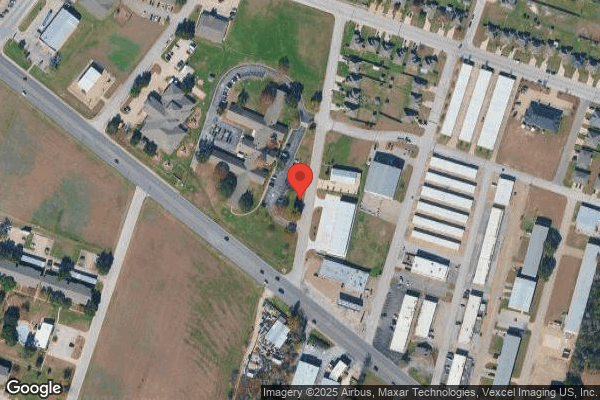
Oct 2024 1 deficiency
CONCERN (D) 📢 Someone Reported This

A family member, employee, or ombudsman was alarmed enough to file a formal complaint

Potential for Harm - no one hurt, but risky conditions existed

Quality of Care (Tag F0684)

Could have caused harm · This affected 1 resident

**NOTE- TERMS IN BRACKETS HAVE BEEN EDITED TO PROTECT CONFIDENTIALITY** Based on observation, interview, and record review, the facility failed to ensure that residents received treatment and care in ...

Read full inspector narrative →
**NOTE- TERMS IN BRACKETS HAVE BEEN EDITED TO PROTECT CONFIDENTIALITY** Based on observation, interview, and record review, the facility failed to ensure that residents received treatment and care in accordance with professional standards of practice, the comprehensive person-centered care plan, and the residents' choices for one (Resident #1) of three residents reviewed for quality of care. The facility failed to complete an accurate skin assessment on Resident #1 upon readmission from the hospital on [DATE] in which six insect bites were not noted to his right hip. These failures could place residents at risk of not receiving necessary medical care, skin breakdown, and pain. Findings included: Review of Resident #1's undated face sheet reflected a [AGE] year-old male who was admitted to the facility on [DATE] and readmitted on [DATE] with diagnoses including type II diabetes, end-stage renal disease, paraplegia (a form of paralysis that mainly affects the lower body), and muscle weakness. Review of Resident #1's admission MDS assessment, dated 09/09/24, reflected a BIMS score of 15, indicating he was cognitively intact. Review of Resident #1's initial care plan, dated 10/03/24, reflected he had a skin impairment to the top of his right foot with an intervention of keeping the skin clean and dry. Review of Resident #1's readmission assessment, dated 10/14/24 and locked by the DON, reflected dryness to his feet. During an observation and interview on 10/16/24 at 12:12 PM, Resident #1 stated he had been bitten by ants. He stated when he was admitted to the hospital (on 10/09/24) he had ants falling out of his pants. He pulled down the sheet covering him which revealed six round insect bites on his right hip. He stated they were not causing him pain nor were they causing him to itch. During an observation and interview on 10/16/24 at 12:25 PM, the DON stated she only locked Resident #1's readmission assessment and she believed LVN A had completed the assessment. The DON and Surveyor went to Resident #1's room and she observed his right hip. She confirmed the insect bites and stated it would be her expectation that they would have been addressed in the readmission skin assessment. During a telephone interview on 10/16/24 at 12:33 PM, LVN A stated she did not conduct Resident #1's readmission assessment. She stated they had three residents being readmitted that night (on 10/14/24) and the ADON stated she would conduct his assessment. She stated if a resident had any kind of skin impairment, including insect bites, she would absolutely address it on the skin assessment upon readmission. During an interview on 10/16/24 at 12:37 PM, the ADON stated she did conduct Resident #1's readmission skin assessment on 10/14/24. She stated she did not notice any bites, blisters, or anything of that nature. She stated her main concern was the dryness to his feet. She stated if she had observed insect bites on him, she would have 100% document them on the assessment. During an interview on 10/16/24 at 1:51 PM, the DON stated accurate skin assessments were important so that any skin issues could be identified and treated immediately. She stated skin integrity issues could be indicative of an underlying problem. She stated not documenting all skin issues could lead to something going untreated and worsening. Review of the facility's admission Assessment and Follow Up: Role of the Nurse Policy, revised September 2012, reflected the following: . 8. Conduct a physical assessment, including the following systems: . j. Skin. Review of the facility's Charting and Documentation Policy, Revised July 2017, reflected the following: . 3. Documentation in the medical record will be objective (not opinionated or speculative), complete, and accurate.
Mar 2024 9 deficiencies
CONCERN (D)

Potential for Harm - no one hurt, but risky conditions existed

Deficiency F0554 (Tag F0554)

Could have caused harm · This affected 1 resident

**NOTE- TERMS IN BRACKETS HAVE BEEN EDITED TO PROTECT CONFIDENTIALITY** Based on observations, interviews, and record review, the facility failed to ensure residents had the right to self-administer m...

Read full inspector narrative →
**NOTE- TERMS IN BRACKETS HAVE BEEN EDITED TO PROTECT CONFIDENTIALITY** Based on observations, interviews, and record review, the facility failed to ensure residents had the right to self-administer medications if the IDT determined that the practice was clinically appropriate for one (Resident #10) of six residents reviewed for medication administration. The facility failed to assess, obtain physician orders, and get IDT approval for Resident #10 to self-administer her medications. This failure could place residents at risk of not receiving the proper medication, the proper dose, or the therapeutic benefits of the medications. Findings included: Review of Resident #10's face sheet printed 03/20/24, reflected a [AGE] year-old female initially admitted to the facility on [DATE] and readmitted on [DATE]. Her diagnoses included hypo-osmolality and hyponatremia (abnormal levels of sodium in the blood), hypertension (high blood pressure), chronic pain, migraines (severe type of headache), epilepsy (seizures), dry eye syndrome, acute bronchitis (irritation of the lungs), and seasonal allergic rhinitis (allergies). Review of Resident #10's admission MDS assessment dated [DATE], Section C (Cognitive Patterns) reflected a BIMS score of 15 indicating intact cognition. Section GG (Functional Abilities) reflected resident required supervision or touching assistance for most ADLs including eating, oral hygiene, and upper body dressing. Review of Resident #10's active physician's orders reflected, Fluticasone Propionate Nasal Suspension 50 mcg/act, 1 spray in each nostril two times a day related to seasonal allergic rhinitis dated 02/25/24, Carboxymethylcellulose Sodium Ophthalmic Solution 1 % (Carboxymethylcellulose Sodium (Ophth) Instill 1 drop in both eyes three times a day for dry eyes wait at least 3-5 minutes in between administering each type of eye drop dated 1/22/23, and Ipratropium Bromide Nasal Solution 0.03 % (Ipratropium Bromide (Nasal) 2 spray in both nostrils three times a day for Allergies dated 02/25/24. There were no orders for self-administration of medications. Review of Resident #10's Medication and Treatment Administration Records for March 2024, reflected she had received the fluticasone twice a day, the carboxymethylcellulose eye drops three times a day, and the Ipratropium nasal spray three times a day. Review of Resident #10's comprehensive care plan initiated 11/08/24 reflected, Problem - I have impaired visual function r/t cataracts, macular degeneration. Goal - The resident will have no indications of acute eye problems through the review date. Interventions - Arrange consultation with eye care practitioner as required, Identify/record factors affecting visual functioning including physiological (glaucoma, Crohn's, macular degeneration, cataracts, color discrimination, light sensitivity, dry eyes); environmental (poor lighting, monochromatic color scheme), choice (refuses to wear glasses, use mag glass, turn on lights) etc. The care plan did not address seasonal allergies or dry eye syndrome. The care plan did not address self-administration of medications. During an observation and interview on 03/20/24 at 8:12 AM, MA F prepared medications for Resident #10. MA F removed the Carboxymethylcellulose eye drops, Fluticasone nasal spray, and two tissues and walked into the resident's room. She set the medications on the residents over-the-bed table then returned to the medication cart that was in the doorway of the resident's room. She stated the resident doesn't like it when people gave her eye drops and nasal spray and she preferred to do it on her own. With her back to the resident, she pulled the oral medications for the resident. The resident was observed as she shook the bottle of Fluticasone nasal spray then administered two sprays in each nostril. The resident then administered her own eye drops and dabbed her eyes with the tissue. MA F went back into the room and checked the residents' blood pressure. She left the bottle of Ipratropium Bromide nasal spray with the resident. MA F returned to the medication cart, and with her back to the resident, she cleaned the blood pressure cuff. The resident administered two sprays in each nostril. During an interview on 03/20/24 at 3:44 PM with ADON A, she stated there were no residents in the facility at the current time that self-administered medications. She stated the resident needed a self-administration assessment completed and a physician's order to self-administer prior to the resident administering their own meds. The ADON stated handing a resident eye drops or nasal spray and watching them administer the medication is not acceptable and she added, We have to administer the medication. She stated residents could give the wrong dose if not monitored or properly trained. During an interview on 03/20/24 at 3:49 PM with MA F, she stated the dose for Resident #10's Fluticasone was one spray in each nostril. She could not remember if she had watched the resident administer the medication and she did not know how many sprays the resident administered. MA F stated a resident could have given the wrong dose or administered the medication wrong if they were not properly trained. During an interview on 03/21/24 at 1:55 PM, the ADM stated she was aware of one resident in the facility who self-administered medications. She stated residents needed an assessment and a doctor's order to self-administer and to keep medications at the bedside. She stated it did not meet her expectations that a resident administered their own medications. She stated she was not aware that the resident preferred to administer her own medication. She stated allowing a resident to self-administer without assessment and education could result in the wrong administration or possible adverse reactions. During an interview on 03/12/24 at 2:55 PM, the DON stated up until yesterday, she was not aware that Resident #10 had administered her own eye drops and nasal spray. She stated the resident may over- or underdose and may not get the benefit of the medication if they administered it wrong. She stated there was an assessment process that was completed before a resident could self-administer. She stated she expected the residents would have gone through the assessment process prior to self-administration of medication. She stated the IDT would assess the resident and the physician would write an order prior to self-administration. Review of the facility's undated Resident Rights policy reflected, 3.2. Self-Administration Residents requesting self-administration should establish the ability and knowledge to self- administer medications. Medication orders must specify those medications which the resident may self-administer. Facility nursing staff should monitor the resident and their medications for appropriate use. The resident should be periodically assessed for continued competency to self-administer. Facility staff should order new and refill medications from pharmacy for residents who self-administer medications to provide access to and adequate supplies of medications. Facility staff should monitor the remaining quantities of medications to determine if facility staff should reorder a medication before the remaining quantity is exhausted and ensure the resident is taking medications per prescribed orders. Facility should document the self-administration of medications on the resident's MAR per the medication administration schedule. Review of the facility's undated Medication and Preparation Administration policy reflected in part, 9. Medication and Preparation Administration 9.1. Prior to Medication Administration Facility staff should comply with Facility Policy, Applicable Law, and the State Operations Manual when preparing medications. Prior to preparation or administering medications, staff should follow the facility's infection control policy. 9.3. Medication Administration . To maintain the residents' high level of independence, residents who desire to self-administer medications are permitted to do so if the facility's interdisciplinary team has determined that the practice would be safe for the resident and other residents of the facility and there is a prescriber's order to self-administer.
CONCERN (D)

Potential for Harm - no one hurt, but risky conditions existed

Deficiency F0657 (Tag F0657)

Could have caused harm · This affected 1 resident

**NOTE- TERMS IN BRACKETS HAVE BEEN EDITED TO PROTECT CONFIDENTIALITY** Based on observations, interviews, and record review the facility failed to ensure each resident's person-centered comprehensive...

Read full inspector narrative →
**NOTE- TERMS IN BRACKETS HAVE BEEN EDITED TO PROTECT CONFIDENTIALITY** Based on observations, interviews, and record review the facility failed to ensure each resident's person-centered comprehensive care plan was reviewed and revised by the interdisciplinary team after each assessment for 1 (Resident #57) of 16 residents reviewed for care plans. The facility failed to ensure Resident #57 comprehensive care plan had the correct medical diagnosis. This failure could place residents at risk of receiving inadequate or unnecessary interventions not individualized to their health care needs. The Findings included: Review of Resident #57's Face sheet dated 3/21/2024 revealed a [AGE] year-old female admitted on [DATE] with diagnoses that include unspecified dementia, unspecified severity with agitation (mild cognitive impairment has yet to be diagnosed as a specific type of dementia with behaviors that include agitation), insomnia (the inability to fall or stay asleep), dysarthria following cerebral infarction (a speech impairment that sometimes occurs after a stroke), Alzheimer's disease with early onset (a progressive disease that destroys memory and other important mental functions), and essential (primary) hypertension (an abnormally high blood pressure that is not the result of a medical condition) Review of Resident # 57's Quarterly MDS dated [DATE] revealed a BIM's score of 9 which indicated moderate cognitive impairment. Diagnoses listed on the MDS were Hypertension (abnormal blood pressure), Alzheimer's disease (a progressive disease that destroys memory and other important mental functions), cerebrovascular accident (when the blood flow is cut off from the brain), Non- Alzheimer's dementia (a progressive disease that destroys memory and other important mental function due to a medical condition), Depression (a mental health disorder characterized by persistently depressed mood or loss of interest in activities, causing significant impairment in daily life) and insomnia, unspecified (trouble falling or staying asleep). Review of Resident # 57's Care plan revised on 2/2/2023 revealed a problem the resident has Diabetes Mellitus. There is no diagnosis in the medical record or the MDS. Review of Resident # 57's physician's order dated 3/21/2024 revealed resident was on a Regular Diet, Mechanical Soft (a texture modified diet that restricts foods that are difficult to chew or swallow, foods cand be finely chopped or ground to make them smaller, softer and easier to chew). No orders noted for diabetic medications or monitoring. In an interview with the DON on 3/21/24 at 1:45 PM revealed her expectations were that care plans were resident centered and were being used so that every care giver can understand the needs of the resident. The DON stated the IDT was responsible for keeping their portion of the care plan up to date and accurate. In an interview with the ADM on 3/24/2024 at 2:00 pm she stated her expectations were that care plans reflect an up-to-date reflection of resident's medical conditions and needs. She stated that having an incorrect diagnosis on the care plan can lead to a resident being denied quality of life. Record review of Policy Comprehensive care plans revised December 2016 on 3/21/2024 at 2:30 pm revealed that 14. The Interdisciplinary team must review and update the care plan. D. at least quarterly, in conjunction with the require quarterly MDS assessment.
CONCERN (E)

Potential for Harm - no one hurt, but risky conditions existed

Comprehensive Care Plan (Tag F0656)

Could have caused harm · This affected multiple residents

**NOTE- TERMS IN BRACKETS HAVE BEEN EDITED TO PROTECT CONFIDENTIALITY** Based on interviews and record review, the facility failed to develop and implement a comprehensive person-centered care plan fo...

Read full inspector narrative →
**NOTE- TERMS IN BRACKETS HAVE BEEN EDITED TO PROTECT CONFIDENTIALITY** Based on interviews and record review, the facility failed to develop and implement a comprehensive person-centered care plan for each resident that included measurable objectives and timeframe's to meet a resident's medical, nursing, and mental and psychosocial needs that were identified in the comprehensive assessment for 1 (Resident #55) of 8 residents reviewed for care plans. The facility failed to ensure Resident #55's comprehensive care plan has non-approved abbreviations for problems which could result in the resident's actual needs not being met. This failure could place residents at risk of receiving inadequate or unnecessary interventions not individualized to their health care needs. The findings included: Review of Resident # 55's face sheet dated 3/20/24 revealed a [AGE] year old male, admitted on [DATE] with diagnosis that include unspecified atrial fibrillation (abnormal heart rate), acute on chronic congestive heart failure(a condition in which the heart does not as well as it should), cognitive communication deficit (difficulty with thinking and how someone uses language) and dysphagia, oropharyngeal phase(swallowing problems occurring the mouth and or the throat) . Review of Resident # 55's Quarterly MDS dated [DATE] revealed a BIM's score of 13 which indicated the resident was cognitively intact. Review of Resident # 55's Care plan revised 2/28/2024 revealed a problem dated 8/4/2023 the Reads I have STM impairment. Interview with MDS Nurse on 3/21/24 at 11:45 am stated the IDT was responsible for completing the care plan and any updates as part of the team, but that she does update the care plan. When asked about Resident #55's care plan that stated STM MDS Nurse stated she was not sure what STM means but given the context she would imagine it stood for Short Term Memory loss. When asked if the facility had an approved abbreviation list for care plans, MDS Nurse state she was not sure. Interview with the DON on 3/21/24 at 1:45 PM revealed her expectations were that care plans were resident centered and that the approved abbreviations were being used so that every care giver can understand the needs of the resident. The DON stated the IDT was responsible for keeping their portion of the care plan up to date and accurate. The DON stated she was unaware of an approved abbreviation list but has found one and STM was not on it. The DON stated she guessed STM may stand for Short Term Memory, but she was not sure. The DON stated she was not aware of who used that abbreviation as so many have access to care plans. Interview with the ADM on 3/24/2024 at 2:00 pm revealed her expectations were that the staff used approved abbreviations when documenting in the medical record, including the care plan. The ADM stated she was not familiar with the abbreviation STM and would not have a clue what it could mean. The ADM stated that an approved abbreviation list was found and will be placed where the staff will have access to it, and they will be educated on its use. The ADM stated her expectations were that care plans reflect an up-to-date reflection of resident's medical conditions and needs. Record Review of List of Approved abbreviations revised February 2014 on 3/21/2024 at 2:30 pm revealed that STM was not on the list.
CONCERN (E)

Potential for Harm - no one hurt, but risky conditions existed

Medication Errors (Tag F0758)

Could have caused harm · This affected multiple residents

**NOTE- TERMS IN BRACKETS HAVE BEEN EDITED TO PROTECT CONFIDENTIALITY** Based on interviews and record review, the facility failed to ensure that residents who have not used psychotropic drugs are not...

Read full inspector narrative →
**NOTE- TERMS IN BRACKETS HAVE BEEN EDITED TO PROTECT CONFIDENTIALITY** Based on interviews and record review, the facility failed to ensure that residents who have not used psychotropic drugs are not given these drugs unless the medication is necessary to treat a specific condition as diagnosed and documented in the clinical record for 1 (Resident #53) of 7 residents reviewed for unnecessary medications and the facility failed to ensure PRN orders for psychotropic drugs were limited to 14 days, except if the attending physician or prescribing practitioner believes that it is appropriate for the PRN order to be extended beyond 14 days, for 3 (Resident #33, Resident #40, and Resident #51) of 7 residents reviewed for unnecessary medications. 1) The facility failed to ensure Aripiprazole (anti-psychotic) was prescribed for a specific diagnosis rather than for vascular dementia with behavioral disturbances for Resident #53. 2) The facility failed to ensure a PRN order for Lorazepam (anti-anxiety) had a stop date to ensure the medication did not extend beyond 14 days for Resident #33, Resident #40, and Resident #51. These deficient practices placed residents with psychotropic medications at risk for receiving medications without a specific diagnosis and at risk for side effects including nausea, drowsiness, dizziness, confusion, constipation, diarrhea, and delirium which could cause decreased quality of life and increase the risk of injury. Findings included: 1) Review of Resident #53's face sheet printed 03/21/24 reflected a [AGE] year-old male admitted to the facility on [DATE]. His diagnoses included nontraumatic intracerebral hemorrhage (stroke), vascular dementia with other behavioral disturbance, chronic kidney disease, dementia with agitation, other specified depressive episodes (persistent feeling of sadness), anxiety disorder (intense and excessive worry and fear), and cognitive communication deficit (problem with communication caused by cognition rather than a language or speech deficit). Review of Resident #53's admission MDS assessment dated [DATE] Section C (Cognitive Patterns) reflected a BIMS score of 9 indicating moderately impaired cognition. Section D (Mood) reflected feeling down, depressed, or hopeless. Section E (Behavior) reflected no hallucinations or delusions reported. There was no physical or verbal behaviors and no wandering. Section GG (Functional Abilities) reflected he required supervision with most ADLs but was dependent for toileting and showering. Review of Resident #53's physician order dated 01/04/24 reflected, Aripiprazole oral tablet 5mg give 1 tablet by mouth one time a day for vascular dementia with behavioral disturbance. Review of Resident #53's Medication Administration Record for March 2024, reflected resident had received the Aripiprazole daily from 03/01/24 through 03/21/24. Review of Resident #53's care plan, initiated 01/05/24 reflected the resident took antidepressant medications but it did not address the antipsychotic medication. Review of Resident #53's progress notes dated 01/10/24, 01/19/24, and 02/23/24, written by the nurse practitioner, all reflected the resident was taking Zyprexa (an antipsychotic) for anxiety. The notes did not address the Aripiprazole. During an attempted telephone interview on 03/21/24 at 12:27 PM, a message was left for the Nurse Practitioner requesting a return call. A return call was not received prior to exit of the survey. During an interview on 03/21/24 at 12:30 PM, ADON A stated prior to administering psychotropic medications, a consent must be obtained. She stated there was a special consent, form 3713, required for antipsychotic medications. She stated it was their policy to monitor behaviors and psychotropic medications for side effects. ADON A stated she and the DON were responsible for following up on the drug regimen reviews and recommendations made by the pharmacy consultant each month. She stated everyone receiving psychotropic medications were seen by psychiatric services. She stated they reach out to the medical director or psychiatric nurse practitioner for psychotropic medications. She stated she did not believe antipsychotic medications were used to treat dementia. She stated the diagnosis of vascular dementia was not appropriate for Aripiprazole. She stated giving unnecessary psychotropic medications could, snow the patient meaning make the patient too sleepy. During an interview on 03/21/24 at 12:48 with the SSD, she stated everyone on psychotropic medications were supposed to be seen by psychiatric services. She stated she did refer everyone, but some residents did not consent to be seen. She stated she completed her initial screening and psychiatric questions, received consent from the resident or family/responsible party, then made the referral. She stated Resident #53 should have been referred to psychiatric services, but after review of the medical record, she could not find the referral and stated, It fell through the cracks. During an interview on 03/21/24 at 1:55 PM, the ADM stated the pharmacist completed monthly drug regimen reviews then the ADON A oversees the follow up on the recommendations. She stated ADON A would ensure the provider was notified and responded to the recommendations. She stated Resident #53 had come to them with the order for Aripiprazole from another facility. She stated giving antipsychotic medications without the proper indication could have caused adverse reactions or over sedated the resident. During a telephone interview on 03/21/24 at 2:42 PM, the PharmD was asked if Aripiprazole was used to treat vascular dementia. She reviewed Resident #53's medication profile then stated, An antipsychotic medication for dementia is not an approved diagnosis. She stated she did not know why Resident #53 was on the medication and the best approach would have been a gradual dose reduction. She stated she did a monthly review of psychotropic medications but missing the diagnosis was an oversite. During an interview on 03/21/24 at 2:55 PM, the DON stated it did not meet her expectations that an antipsychotic was ordered for dementia. She stated they had weekly meetings and reviewed psychotropic medications. She stated it was her understanding that the resident was followed by psychiatric services. She stated she was not aware that he had not been referred for psychiatric services. She stated the ADON was responsible for ensuring the pharmacy recommendations were followed up but ultimately it was the responsibility of the DON. 2) Review of Resident #33's face sheet printed 03/21/24, reflected an [AGE] year-old female originally admitted to the facility 06/10/21 and readmitted [DATE]. Her diagnoses included epilepsy (seizures), encephalopathy (damage or disease that affects the brain), type 2 diabetes (a condition that affects the way the body processes blood sugar), anxiety disorder (intense and excessive worry and fear), hypertension (high blood pressure), dementia, Alzheimer's disease, dysphagia (difficulty swallowing), and cognitive communication deficit (problem with communication caused by cognition rather than a language or speech deficit). Review of Resident #33's quarterly MDS assessment dated [DATE], Section C (Cognitive Patterns) reflected a BIMS score of 1 indicating severely impaired cognition. She was assessed as having disorganized thinking. Section E (Behavior) reflected the resident had delusions, verbal behavioral symptoms, and other behavioral symptoms. Section N (Medications) reflected the resident took bot antipsychotic and antianxiety medication. Review of Resident #33's comprehensive care plan revised 09/02/23, reflected a problem, I use psychotropic meds r/t seizures, dementia. The goal reflected, The resident will be/remain free of psychotropic drug related complications including movement disorder, discomfort, discomfort, hypotension, gait disturbance, constipation/impaction or cognitive/behavioral impairment through review date. The interventions included in part, Administer psychotropic medications as ordered by physician. Monitor for side effects and effectiveness q shift. Consult with pharmacy, MD to consider dosage reduction when clinically appropriate at least quarterly . The care plan did not address anxiety. Review of Resident #33's physician's orders reflected an order dated 10/26/23 for Lorazepam (antianxiety med) 0.5mg/ml gel Apply to neck/wrist/arm topically every six hours as needed for anxiety without a stop date. Review of Resident #33's MAR for March 2024 reflected she received the PRN Lorazepam once on 03/01/24, twice on 03/05/24, and once on 03/16/24 for agitation. Review of Resident #40's face sheet printed 03/21/24 reflected a [AGE] year-old female admitted to the facility 08/25/23. Her diagnoses included unspecified dementia, hypertension (high blood pressure), bipolar disorder (a mental illness that causes extreme mood swings), insomnia (difficulty sleeping), major depressive disorder (persistent feeling of sadness and loss of interest), anxiety disorder (intense and excessive worry and fear), anemia (lack of red blood cells in the blood), hyperlipidemia (high cholesterol), cognitive communication deficit (problem with communication caused by cognition rather than a language or speech deficit), and pain. Review of Resident #40's quarterly MDS assessment dated [DATE], Section C (Cognitive Patterns) reflected a BIMS score of 14 indicating intact cognition. Section D (Mood) reflected the resident occasionally felt down, depressed, or hopeless. Section E (Behavior) reflected no signs of psychosis and no behavioral symptoms exhibited. Section N (Medications) reflected both antianxiety and antidepressant medications were used. Review of Resident #40's comprehensive care plan revised 09/14/23, reflected a problem, I use psychotropic medications r/t depression and dementia. The goal reflected, The resident will be/remain free of psychotropic drug related complications including movement disorder, discomfort, discomfort, hypotension, gait disturbance, constipation/impaction or cognitive/behavioral impairment through review date. The interventions included in part, Administer psychotropic medications as ordered by physician. Monitor for side effects and effectiveness q shift. Consult with pharmacy, MD to consider dosage reduction when clinically appropriate at least quarterly . The care plan did not address anxiety. Review of Resident #40's physician's orders reflected an order dated 08/25/23 for Ativan oral tablet 0.5 mg (Lorazepam) Give 1 tablet by mouth every 6 hours as needed for anxiety without a stop date. Review of Resident #40's MAR for March 2024, reflected she received the PRN Ativan once on 03/01/24, 03/03/24, 03/07/24 and twice on 03/11/24 for anxiety. Review of Resident #51's face sheet printed 03/21/24 reflected a [AGE] year-old female originally admitted to the facility 02/25/22 and readmitted [DATE]. Her diagnoses included parkinsonism, type 2 diabetes, malignant neoplasm of breast (cancer), fibromyalgia (disorder that causes pain and fatigue), heart failure, major depressive disorder (persistent feeling of sadness and loss of interest), generalized anxiety disorder (intense and excessive worry and fear), and age-related debility. Review of Resident #51's quarterly MDS assessment dated [DATE] Section C (Cognitive Patterns), reflected a BIMS score of 14 indicating intact cognition. Section D (Mood)reflected resident felt down, depressed, or hopeless. Section E (Behavior) reflected no indicators of psychosis and no behaviors. Section N (Medications) reflected the resident took both antianxiety and antidepressant medications. Review of Resident #51's physician's orders reflected an order dated 12/13/23 for Clonazepam oral tablet 0.5mg give 1 tablet by mouth every 8 hours as needed for anxiety with no stop date. Review of Resident #51's MAR for March 2024 reflected she received the PRN Clonazepam twice on 03/04/24, and once on 03/06/24, 03/08/24, 03/12/24, 03/14/24, 03/15/24, 03/17/24, and 03/18/24. Review of the pharmacy consultant monthly reports, Psychotropic Utilization by Resident forms dated 12/6/23, 1/23/24, and 02/21/24, reflected Need Duration for Resident # 33's Lorazepam, Resident #40's Lorazepam, and Resident #51's Clonazepam. During an interview on 03/21/24 at 12:30 PM, ADON A stated there should be a 14-day stop date on PRN psychotropic medications. Her understanding per conversations with corporate staff that the 14-day time frame was only for PRN antipsychotic medications. After she reviewed the pharmacy consultant's psychotropic utilization report, she stated she did not see the pages that reflected need duration and she needed clarification of what that meant. She stated giving unnecessary psychotropic medications could, snow the patient meaning make the patient too sleepy. During an interview on 03/21/24 at 1:55 PM, the ADM stated if their policy called the medication a psychotropic, then PRN orders should be limited to 14 days then be reevaluated by the provider. She stated it did not meet her expectations that multiple residents have antianxiety medication orders with no 14-day stop date. She stated adverse outcomes for prolonged use of prn psychotropic medications would depend on the medication, the person, and the situation. During a telephone interview on 03/21/24 at 2:42 PM, the PharmD stated PRN psychotropic medications were limited to 14 days then needed to be reevaluated by the provider. She stated not limiting the duration could cause residents to have unnecessary medications. During an interview on 03/21/24 at 2:55 PM, the DON stated she believed the ADON misunderstood what was said as PRN psychotropic medications were to be ordered for no more than 14 days then reevaluated. She stated if a resident had an acute process going on like a heightened state of anxiety, the PRN may have brought down that anxiety, but prolonged use may have led to a tolerance to the medication. She stated the resident may not have needed the medication any longer once they got over the acute process. Review of the Psychotropic Medication Use policy dated 07/22 reflected in part, 1. A psychotropic medication is any mediation that affects brain activity associated with mental processes and behavior. 2. Drugs in the following categories are considered psychotropic medications and are subject to prescribing, monitoring, and review requirements specific to psychotropic medications: a. Anti-psychotics. b. Anti-depressants. c. Anti-anxiety medications; and d. Hypnotics. 3. Residents, families and/or the representative are involved in the medication management process. Psychotropic medication management includes: a. indications for use. b. dose (including duplicate therapy). c. duration. d. adequate monitoring for efficacy and adverse consequences; and e. preventing, identifying, and responding to adverse consequences. 4. Residents who have not used psychotropic medications are not prescribed or given these medications unless the medication is determined to be necessary to treat a specific condition that is diagnosed and documented in the medical record. 8. Consideration of the use of any psychotropic medication is based on comprehensive review of the resident. This includes evaluation of the resident's signs and symptoms in order to identify underlying causes. 12. Psychotropic medications are not prescribed or given on a PRN basis unless that medication is necessary to treat a diagnosed specific condition that is documented in the clinical record. a. PRN orders for psychotropic medications are limited to 14 days. (1) For psychotropic medications that are NOT antipsychotics: If the prescriber or attending physician believes it is appropriate to extend the PRN order beyond 14 days, he or she will document the rationale for extending the use and include the duration for the PRN order. (2) For psychotropic medications that ARE antipsychotics: PRN orders cannot be renewed unless the attending physician or prescriber evaluates the resident and documents the appropriateness of the medication .
CONCERN (E)

Potential for Harm - no one hurt, but risky conditions existed

Unnecessary Medications (Tag F0759)

Could have caused harm · This affected multiple residents

**NOTE- TERMS IN BRACKETS HAVE BEEN EDITED TO PROTECT CONFIDENTIALITY** Based on observations, interviews, and record review the facility failed to ensure that residents were free of a medication erro...

Read full inspector narrative →
**NOTE- TERMS IN BRACKETS HAVE BEEN EDITED TO PROTECT CONFIDENTIALITY** Based on observations, interviews, and record review the facility failed to ensure that residents were free of a medication error rate of 5% or greater (9.68%) for 3 (Resident #10, Resident #37, and Resident #56) of 6 residents reviewed for medication administration. 1) The facility failed to ensure LVN E primed the insulin pen prior to administering insulin to Resident #37. 2) The facility failed to ensure RN B primed the insulin pen prior to administering insulin to Resident #56. 3) The facility failed to ensure MA F administered the proper dose of Fluticasone Propionate to Resident #10. These failures placed residents at risk of incorrect doses and not receiving the intended therapeutic benefit of the medications prescribed by the physician. Findings included: 1) Review of Resident 37's face sheet printed 03/20/24 reflected a [AGE] year-old female originally admitted to the facility 05/26/22 and readmitted [DATE]. Her diagnoses included type 2 diabetes mellitus without complications (a condition that affects the way the body processes blood sugar) and type 2 diabetes mellitus with diabetic neuropathy - unspecified (nerve damage often affects hands and feet). Review of Resident #37's annual MDS assessment dated [DATE], Section C (Cognitive Patterns) reflected a BIMS score of 15 indicating intact cognition. Review of Resident #37's comprehensive care plan updated 02/27/24 reflected she had type 2 diabetes with diabetic neuropathy. The goals were to be free from hyper- or hypoglycemia and have no complications related to the diabetes. Review of Resident #37's physician order dated 12/08/23 reflected, Humalog injection solution (Insulin Lispro) Inject as per sliding scale if 150 - 200 = 2, 201 - 250 = 4, 251 - 300 = 6, 301 - 350 = 8, 351 - 400 = 10, > 400 give 10 and call MD, subcutaneously before meals for diabetes. During an observation and interview on 03/19/24 at 6:36 AM LVN E checked Resident #37's blood sugar and obtained a result of 159. After reviewing the sliding scale, she stated the resident would receive 2 units of Humalog insulin. LVN E removed the insulin pen from the medication cart, removed the cap then cleaned the end of the pen, dialed the knob to 2 units, then attached the needle. She entered the room, cleaned the resident's skin, and pushed the knob to administer the medication. She did not prime the needle. 2) Review of Resident #56's face sheet printed 03/21/24 reflected an [AGE] year-old female admitted to the facility 01/12/23. Her diagnoses included Alzheimer's disease and type 2 diabetes mellitus without complications (a condition that affects the way the body processes blood sugar). Review of Resident #56's annual MDS assessment dated [DATE] Section C (Cognitive Patterns), reflected a BIMS score of 8 indicating moderately impaired cognition. Review of Resident #56's comprehensive care plan revised 02/02/23 reflected the resident had diabetes mellitus. The goals were to be free from hyper- or hypoglycemia and have no complications related to the diabetes. Review of Resident #56's physician order dated 01/03/24 reflected, Insulin Glargine solution 100 unit/ml inject 10 unit subcutaneously one time a day for diabetes POC glucose q am and notify provider for glucose < 70 or > 225. During an observation and interview on 03/19/24 at 7:18 AM, RN B checked Resident #56's blood sugar and obtained a result of 141. She stated the resident was getting a long-acting insulin not sliding scale so she would administer the 10 units as ordered. RN B removed the insulin pen from the medication cart, removed the cap then cleaned the end of the pen, dialed the knob to 10 units, then attached the needle. She entered the room, cleaned the resident's skin, and pushed the knob to administer the medication. She did not prime the needle. 3) Review of Resident #10's face sheet printed 03/20/24, reflected a [AGE] year-old female initially admitted to the facility on [DATE] and readmitted on [DATE]. Her diagnoses included Hypo-osmolality and hyponatremia (abnormal levels of sodium in the blood), hypertension (high blood pressure), chronic pain, migraines (severe type of headache), epilepsy (seizures), dry eye syndrome, acute bronchitis (irritation of the lungs), and seasonal allergic rhinitis (allergies). Review of Resident #10's admission MDS assessment dated [DATE], Section C (Cognitive Patterns) reflected a BIMS score of 15 indicating intact cognition. Section GG (Functional Abilities) reflected resident required supervision or touching assistance for most ADLs including eating, oral hygiene, and upper body dressing. Review of Resident #10's comprehensive care plan initiated 11/04/24 did not address seasonal allergies. The care plan did not address self-administration of medications. Review of Resident #10's physician order dated 02/25/24 reflected, Fluticasone Propionate Nasal Suspension 50mcg/act, 1 spray in each nostril two times a day related to seasonal allergic rhinitis. During an observation and interview on 03/20/24 at 8:12 AM, MA F prepared medications for Resident #10. MA F Fluticasone nasal spray from the medication cart and walked into the resident's room. She set the medication on the residents over-the-bed table then returned to the med cart that was in the doorway of the resident's room. She stated the resident doesn't like it when people gave her nasal spray and she preferred to do it on her own. With her back to the resident, she pulled the oral medications for the resident. The resident shook the bottle of Fluticasone nasal spray then administered two sprays in each nostril. MA F went back into the room and administered the oral medications. During an interview on 03/20/24 at 03:27 PM, LVN C described the process of administering insulin with an insulin pen. She stated she removed the cap from the pen, cleansed the rubber seal at the end with alcohol, let it dry, opened the needle then attached it to the pen. She stated she then twisted the knob to the desired dose. She cleansed the resident's skin, pressed the needle to the skin, then pressed the knob until it clicked and held it there for several seconds. She stated she had never had formal training on using insulin pens. She stated the insulin pen was only primed the first time it was used. She stated she was not aware that the manufacturer instructions include a test dose of 2 units each time the pen is used. She stated not priming the needle could result in an inaccurate dose of insulin being administered. During an interview on 03/20/24 at 03:27 PM, LVN D described the process of administering insulin with an insulin pen. She stated, First clean the glucometer and check the resident's blood sugar. If the resident gets sliding scale, determine the dose, long-acting insulin will have the dose in the order. Get the pen from the cart, put the need on, turn the knob to the right dose then administer. She stated she did have training about a month ago on insulin. She stated insulin pens were primed with one unit of insulin the first time the pen was used. During an interview on 03/20/24 at 3:44 PM with ADON A, she stated insulin pens were supposed to be primed with 2 units every time the pen was used. She described the process of insulin administration with an insulin pen ad stressed priming the needle every time a dose was given. She stated she had recent training on insulin. She stated the training was not online, they sat at the nurses' station and talked about it. During an interview on 03/20/24 at 3:49 PM with MA F, she stated the dose for Resident #10's Fluticasone was one spray in each nostril. She could not remember if she had watched the resident administer the medication and she did not know how many sprays the resident administered. MA F stated a resident could have given the wrong dose or administer the medication wrong if they were not properly trained. During an interview on 03/21/24 at 1:55 PM, the ADM stated she was not familiar with insulin pens. She stated it was her expectation that the nurses followed the physician orders and the manufacturers guidelines. During an interview on 03/21/24 at 2:55 PM, the DON stated she was aware that the insulin pens needed to be primed every time the pen was used. She stated, It never crossed my mind that the nurses did not know that the pens needed to be primed. She stated by not priming the pen and needle, the resident would not receive the correct dose of insulin. Review of the facility Insulin Administration policy, revised 09/14, reflected in part, Purpose To provide guidelines for the safe administration of insulin to residents with diabetes. Preparation 1. Only appropriately licensed or certified personnel shall draw and administer insulin. 2. Only the person who draws up the insulin for injection can inject it. 3. The type of insulin, dosage requirements, strength, and method of administration must be verified before administration, to assure that it corresponds with the order on the medication sheet and the physician's order. 4. The nurse shall notify the Director of Nursing Services and Attending Physician of any discrepancies, before giving the insulin. 5. The nursing staff will have access to specific instructions (from the manufacturer if appropriate) on all forms of insulin delivery system(s) prior to their use . Insulin Delivery The forms of insulin delivery include: 1. Syringes - insulin syringes must match the unit dose (e.g., 100 unit/mL insulin must be administered in a 100 unit/mL insulin syringe). 2. Pumps - provide continuous insulin delivery (basal insulin) and manual or programmed surges (bolus insulin) at mealtime or other times via a catheter. 3. Pens - containing insulin cartridges deliver insulin subcutaneously through a needle. 4. Jet Injectors - inject insulin as a fine stream into the skin. (These may be advantageous for residents who fear needles, but long-term use is not recommended.) 5. Inhaled - powdered inhalable insulin (Exubera®) is rapid-acting insulin that may be prescribed to replace injectable rapid-acting insulin for some residents . The policy described the procedure for insulin injections via syringe. The policy did describe the use of insulin pens. Review of the website https://uspl.lilly.com/humalog/humalog.html#ug1, accessed 03/20/24, reflected the manufacturer's instructions for using the Humalog Kwik Pen. The site reflected, Priming your Pen. Prime before each injection. Priming your Pen means removing the air from the needle and cartridge that may collect during normal use and ensures that the Pen is working correctly. If you do not prime before each injection, you may get too much or too little insulin. Step 6: To prime you Pen, turn the dose knob to select 2 units. Step 7: Hold you Pen with the needle pointing up. Tap the cartridge holder gently to collect air bubbles at the top. Step 8: Continue holding your Pen with needle pointing up. Push the dose knob in until it stops, and 0 is seen in the dose window. Hold the dose knob in and count to 5 slowly. You should see insulin at the tip of the Needle. If you do not see insulin, repeat priming steps 6 to 8, no more than 4 times. If you still do not see insulin, change the needle, and repeat priming steps 6 to 8 . Review of the Lantus Solostar Injection Guide retrieved from https://www.lantus.com/how-to-use/how-to-inject/?utm_source=bing&utm_medium=cpc&utm_campaign=Lantus+-+DTC_MSFT_BRND_Pen_AWA_SEA_ALLM_US_EN+KW+-+EN+BR_ALL&utm_term=lantus+solostar+pen+instructions&gclid=a255634bdad415402822054fb65c712b&gclsrc=3p.ds#solostar-pen on 03/20/24, reflected in part, Step 3. Perform a safety test. Dial a test dose of 2 units. Hold pen with the needle pointing up and lightly tap the insulin reservoir so the air bubbles rise to the top of the needle. This will help you get the most accurate dose. Press the injection button all the way in and check to see that insulin comes out of the needle. The dial will automatically go back to zero after you perform the test. If no insulin comes out, repeat the test 2 more times. If there is still no insulin coming out, use a new needle and do the safety test again. Always perform the safety test before each injection.
CONCERN (E)

Potential for Harm - no one hurt, but risky conditions existed

Deficiency F0761 (Tag F0761)

Could have caused harm · This affected multiple residents

Based on observations, interviews, and record review the facility failed to ensure drugs and biologicals were stored and labeled in accordance with currently accepted professional principles and inclu...

Read full inspector narrative →
Based on observations, interviews, and record review the facility failed to ensure drugs and biologicals were stored and labeled in accordance with currently accepted professional principles and included the appropriate accessory and cautionary instructions, and the expiration date for 1 (200 hall nurse cart) of 4 medication carts and 1 (100/200 hall) of 2 med rooms reviewed for med storage. The facility failed to ensure the 200-hall nurse medication cart was locked when unattended. The facility failed to monitor the temperature of the refrigerator in the medication room where temperature-sensitive medications were stored. The facility failed to ensure insulin pens were dated when opened. The facility failed to remove expired insulin from the med cart. These failures place residents at risk for receiving medications which were ineffective and/or not safe. Finding included: An observation on 03/19/24 at 6:29 AM revealed LVN C walked away from the 200-hall nurse medication cart without locking the cart. During an observation and interview on 03/19/24 at 7:34 AM in the 100/200 hall medication room, revealed the medication refrigerator Daily Temperature Log in a clear plastic sleeve attached to the front of the refrigerator. Temperatures were recorded on 10 of 19 days for March and 17 of 19 days for February. Five of the recorded temperatures recorded were below the acceptable range of 36 - 46 degrees. The DON stated nursing was responsible for monitoring the refrigerator temperatures in the medication room. She stated it was her expectation that the temperatures were monitored daily, and action taken for out-of-range temperatures. She stated medications not stored at the correct temperature may have been ineffective. An observation on 03/19/24 at 7:39 AM of the 200-hall nurse cart revealed three insulin pens opened and partially used, and without an opening date. An observation and interview on 03/19/24 at 7:40 AM of the 200-hall nurse cart revealed an insulin pen with an open date of 01/21/24. LVN C stated insulin was good for 28 days after the pen was opened. She stated if the pen was not dated, the insulin should not be given as it may have expired. She stated expired medications may not be effective. During an interview on 03/20/24 at 3:27 PM, LVN C stated the night shift nurses monitor the med room refrigerator temperatures per policy. She stated anything in the refrigerator such as eye drops, insulin, or IV antibiotics may not be good if kept at the wrong temperature. She stated the medication carts were supposed to be locked at all times except when being used by authorized staff. She stated anyone could have gotten into an unlocked med cart and taken anything. During an interview on 03/20/24 at 3:27 PM, LVN D stated certain medications needed to be refrigerated to ensure they were effective. She stated the night shift nurse was responsible for checking the temperature of the refrigerator in the medication rooms. She stated never leave a medication cart unlocked because, anybody can get in there. She stated insulin was supposed to be dated by the nurse when it was opened, and it was good for 28 days after. She stated outdated or expired meds may not be the right strength or may not work properly. During an interview on 03/20/24 at 3:44 PM, ADON A stated the night shift nurses monitored refrigerator temperatures. She stated some medications need to be stored at a specific temperature and not being at that temp could ruin the medication. She stated if she found an opened and undated insulin pen, she would toss it. She stated the nurses or medication aides were responsible for removing expired medications from the medication carts. She stated expired medications could cause adverse reactions or not give the intended dose. During an interview on 03/21/24 at 1:55 PM, the ADM stated the night shift nurses were responsible for checking the medication room refrigerator temperatures. She stated the ADONs oversee the process. She stated it did not meet her expectations that the refrigerator in the 100/200-hall medication room was not monitored routinely. She stated if not stored at the proper temperature, the medications could go bad which could cause adverse effects for the resident. She stated she expected the medication carts to be locked when not in use. She stated she was not familiar with insulin pens. She stated it was her expectation that the nurses followed the physician orders and the manufacturers guidelines. During an interview on 03/21/24 at 2:55 PM, the DON stated insulin pens were good for 28 days after they had been opened. She stated expired medications could be ineffective and some could make you sick. She stated insulin pens, and everything else, should be dated when opened. The person who opened the pen, bottle or vial was responsible for dating it. She stated she expected medication carts to be locked when not in use. Unlocked carts could be accessed by anyone. Review of the medication refrigerator Daily Temperature Log reflected, Please use this form to record AM and PM temperature readings for medication refrigerators. Acceptable range is 36-46 degrees. Notify management for temps out of range. Review of the undated Medication and Preparation Administration policy reflected in part, 9.1. Prior to Medication Administration Facility staff should comply with Facility Policy, Applicable Law, and the State Operations Manual when preparing medications. Prior to preparation or administering medications, staff should follow the facility's infection control policy. The following general recommendations should be utilized during preparation of medication: -medication should not be administered if not appropriately labeled. -facility staff should place an opened-on date on the medication label for medications with limited expiration date upon opening. During administration of medications, the medication cart is kept closed and locked when out of sight of the medication nurse or aide. No medications are kept on top of the cart. The cart must be clearly visible to the personnel administering medications, and all outward sides must be inaccessible to residents or others passing by. In addition, privacy is maintained always for all resident information when not in use. Review of the undated Delivery, Receipt and Storage of Medications policy reflected in part, 6 .3. Storage of Medication The facility should ensure that only authorized facility staff should have access to the medication storage areas. Authorized facility staff should include nursing staff and those authorized to administer medications. Scheduled medications should be stored in a separate locked area within the medication carts or medication room. The facility should ensure the medications requiring refrigeration are stored appropriately, and the food is not stored with refrigerated medications. A policy and procedure regarding medication room refrigerator temperatures was requested. The policy was not provided prior to exit from the survey.
CONCERN (E)

Potential for Harm - no one hurt, but risky conditions existed

Food Safety (Tag F0812)

Could have caused harm · This affected multiple residents

Based on observations, interviews, and record reviews, the facility failed to store, prepare, distribute, and serve food in accordance with professional standards for food service safely for one of on...

Read full inspector narrative →
Based on observations, interviews, and record reviews, the facility failed to store, prepare, distribute, and serve food in accordance with professional standards for food service safely for one of one kitchen reviewed for food labeling and storage. 1. The facility failed to ensure the food was properly stored in the panty, refrigerator, and freezer. This deficient practice could place residents at risk of foodborne illness. Findings included: An observation on 03/19/24 at 6:30 AM of the facilities only refrigerator revealed the following: - On the second shelf revealed a small size plastic container with a lid containing a brown liquid. The small plastic container was not labeled with the contents or a use by date. - An opened white box, labeled garlic. Observed inside the open box was an opened bag of garlic on the inside of the box. Neither the box nor bag was labeled with an opened on and use by date. - A white jug labeled whole milk was observed, it was not labeled with an opened date. - A white jug labeled chocolate milk did not contain an opened date. An observation on 03/19/24 at 6:35 AM of the facilities only refrigerator revealed the following: - An opened brown box labeled Eggo waffles was not labeled with an opened on and use by date. An observation on 03/19/24 at 6:36am, on the bottom shelf of a stainless-steel table in the kitchen prep area, was a bright green plastic storage container. Inside the storage container was an opened sleeve of what appeared to be plastic container lids and other unidentifiable items. On top of those items were four individual plastic bags containing one slice of white bread. These were not labeled and dated. In an interview on 03/19/24 with Dietary Staff stated the bread was from last night's dinner and that's not where they belong. They should not be there. An observation on 03/19/24 at 6:36am, of the facilities only pantry revealed the following: - A plastic container with a black lid, a label identified the contents as Corn Flakes, the label did not contain an opened on and use by date. - An opened white box contained smaller cartons of liquid, with blue and pink markings. The container was not labeled with an opened on and use by date. - An opened white plastic container labeled Peanut Butter. The box did not contain an opened on and use by date. - An opened white box labeled Long Grain Rice. The box did not contain an opened on and use by date. - An opened plastic bag: contents appeared to be a bright multicolored cereal. The bag was loosely twisted at the top and was not labeled with an opened on and use by date. Interview with the DA at 1:30pm on 3/21/2024 revealed, staff have to put a label on it with the date it was opened and store it in the proper place. It's the entire staff's responsibility to ensure everything is labeled properly. She identified potential harm as residents eating spoiled or contaminated food. Interview with the DM at 1:40pm on 3/21/2024, revealed Everything should be closed securely, have an open and use by date. Everyone is responsible for labeling and storage. She identified potential harm as, foodborne illness and contamination. She stated, My expectation is that foods are labeled consistently. She identified herself as responsible for training kitchen aids on the process for labeling and storage. Record Review at 10:15am on 3/20/2024 Policy entitled Food Storage 03.003 revealed the following. Procedure: Section 1. Dry Storage Rooms, subsection d. To ensure freshness, store opened and bulk items in tightly covered containers. All containers must be labeled and dated. Section 2. Refrigerators, subsection d. Date, label and tightly seal all refrigerated foods using clean, nonabsorbent, covered containers that are approved for food storage. Section 3 Freezers, subsection e. Store frozen foods in moisture-proof wrap or containers that are labeled and dated.
CONCERN (F)

Potential for Harm - no one hurt, but risky conditions existed

Deficiency F0727 (Tag F0727)

Could have caused harm · This affected most or all residents

Based on interviews and record review, the facility failed to use the services of a registered nurse for at least 8 consecutive hours a day, 7 days a week for 9 of 30 days reviewed for RN coverage. T...

Read full inspector narrative →
Based on interviews and record review, the facility failed to use the services of a registered nurse for at least 8 consecutive hours a day, 7 days a week for 9 of 30 days reviewed for RN coverage. The facility failed to ensure they had an RN on duty on 11/5/23, 11/11/23, 11/12/23, 11/18/23, 11/19/23, 11/25/23, 11/26/23, 12/3/23, and 12/04/23. This failure placed residents at risk of missed nursing assessments, interventions, care, and treatments. Findings include: Review of RN staffing for November 2023, revealed zero hours were worked by an RN on: 11/5/23, 11/11/23, 11/12/23, 11/18/23, 11/19/23, 11/25/23, and 11/26/23. Review of RN staffing for December 2023, revealed zero hours were worked by an RN on 12/03/23, 12/04/23, and 12/28/23. In an interview on 3/21/2024 at 11:45 am, the MDS Nurse stated that she was an RN, but because she was salary, she did not clock in. She did not remember working any of the missing days (11/5/23, 11/11/23, 11/12/23, 11/18/23, 11/19/23, 11/25/23, 11/26/23, 12/3/23, and 12/04/23.) In an interview on 3/21/2024 at 1: 45 PM with the DON, she stated she was not aware of the lack of 8-hour RN coverage for the dates of 11/5/23, 11/11/23, 11/12/23, 11/18/23, 11/19/23, 11/25/23, 11/26/23, 12/3/23, and 12/04/23. The DON stated she thought the staffing coordinator would make sure the requirement was met. The DON did state that she was unable to remember if she was in the building for the dates that were missing 8-hour RN coverage. The DON stated that she was available by phone and lived 10-minutes away, so she did not see any potential for harm as she was available if needed. In an interview on 3/21/2024 at 2:00 pm with the ADM, she stated that she was not aware of the holes in RN coverage for the dates of 11/5/23, 11/11/23, 11/12/23, 11/18/23, 11/19/23, 11/25/23, 11/26/23, 12/3/23, and 12/04/23. The ADM stated she was aware of the regulation that required 8 hours of RN coverage each day, 7 days a week. The ADM stated her expectations were that the facility met the requirement of RN coverage. The ADM stated that she could not confirm there was an RN in the building because both the DON and the MDS Nurse were salary employees and did not punch in. She stated that the DON was available by phone, and she felt that while there was always potential for harm to the residents because of the lack of coverage in the building, she felt there was no actual harm because the DON was always available by phone. Record Review on 3/21/2024 at 1:30pm of Policy titled Department Supervision, Nursing undated revealed 2. A registered nurse provides services at least eight (8) consecutive hours every 24 hours, seven (7) days a week.
MINOR (C)

Minor Issue - procedural, no safety impact

Staffing Information (Tag F0732)

Minor procedural issue · This affected most or all residents

Based on observations, interviews, and record review, the facility failed to ensure the nurse staffing data was posted as required for 1 of 3 days (03/19/2024) reviewed for nursing services and postin...

Read full inspector narrative →
Based on observations, interviews, and record review, the facility failed to ensure the nurse staffing data was posted as required for 1 of 3 days (03/19/2024) reviewed for nursing services and postings. The facility failed to post the required staffing information for 03/19/2024. This failure could place residents, their families, and facility visitors at risk of not having access to information regarding staffing data and facility census. Findings include: Observation of posted staffing sheet on 3/19/2024 at 9:24 AM revealed the sheet did not have the total hours each discipline (CNA, LVN, and RN) worked posted. In an interview on 3/19/2024 at 1:30 pm with the DON, she stated she was not aware that the staffing sheet had to have each discipline's total hours worked posted. The DON stated that the staffing coordinator was responsible for the positing of the form, but the DON and the Adm are responsible for completing the form. The DON stated she felt that most people would be able to find that the information on the form would meet their information needs. In an interview on 3/19/2024 at 2:45 pm with the ADM, she stated she was not aware of the requirement for hours being included in the staffing posted. The ADM stated the facility did not have a policy for staffing posting, they follow regulations. She stated being out of compliance did not meet her expectations. She stated not having the total hours posted for each discipline could result in the facility being short staffed.
Jun 2023 2 deficiencies 2 Harm
SERIOUS (H) 📢 Someone Reported This

A family member, employee, or ombudsman was alarmed enough to file a formal complaint

Actual Harm - a resident was hurt due to facility failures

Notification of Changes (Tag F0580)

A resident was harmed · This affected multiple residents

**NOTE- TERMS IN BRACKETS HAVE BEEN EDITED TO PROTECT CONFIDENTIALITY** Based on interview and record review, the facility failed to immediately notify the resident's representative(s) when there was ...

Read full inspector narrative →
**NOTE- TERMS IN BRACKETS HAVE BEEN EDITED TO PROTECT CONFIDENTIALITY** Based on interview and record review, the facility failed to immediately notify the resident's representative(s) when there was a significant change in the resident's physical status for one (Resident #1) of four residents reviewed for changes in condition, in that: The facility failed to ensure Resident #1's NP was notified that she had missed doses of her prescribed Prednisone (normally prescribed for a short term in order to control acute flare-ups of Chron's disease) for eight days which exacerbated her symptoms of pain, nausea, vomiting, and diarrhea. This failure placed residents at risk of illness, uncontrolled pain, and a decreased quality of life. Findings included: Review of Resident #1's undated face sheet reflected a [AGE] year-old female who was admitted to the facility on [DATE] and readmitted on [DATE] with diagnoses including Crohn's disease (chronic inflammation of the digestive tract that leads to abdominal pain, severe diarrhea, fatigue, weight loss, and malnutrition) of both small and large intestine, fistula (abnormal connection) of intestine, and chronic pain syndrome. Review of Resident #1's quarterly MDS assessment, dated 05/31/23, reflected a BIMS of 15, indicating she was cognitively intact. Section H (Bladder and Bowel) reflected she had an ostomy (a procedure that creates an opening in the abdomen for waste or urine to exit the body). Review of Resident #1's quarterly care plan, revised 02/07/23, reflected she had an ostomy with an intervention of reporting redness, inflammation, or draining at ostomy site. Review of a Resident #1's physician order, dated 05/10/23, reflected Prednisone oral tablet, 10 MG, 4 tablets by mouth one time a day for Chron's for 7 days. Review of Resident #1's MAR, on 06/20/23, reflected she was administered Prednisone on 05/11/23 and 05/12/23, and not again until 05/20/23. On 05/13/23 and 05/14/23, OT was documented, meaning Other/See Nurse Notes. On 05/15/23 and 05/16/23, MA A documented the medication was administered. On 05/18/23 and 05/19/23, H was documented, meaning On Hold. Review of Resident #1's progress notes in her EMR, dated 05/13/23 and 05/14/23, documented by MA B, reflected the following: Note Text: Prednisone Oral Tablet 10 MG, give 4 tablets by mouth one time a day for Chron's for 7 days: waiting on delivery from pharmacy. Med not in e-kit (Emergency kit). c/n aware. Review of Resident #1's physician order list in her EMR, on 06/20/23, reflected the following: 05/11/23 - order for Prednisone given by the NP 05/13/23 - ADON made an order for Prednisone from the pharmacy 05/17/23 - the NP requested the medication be put on hold until received from pharmacy and then start over 05/18/23 - Prednisone was received from the pharmacy 05/19/23 - the administering of the Prednisone was resumed Review of a physician's order for Resident #1, dated 05/15/23, documented by LVN C, reflected the following: Lomotil Oral Tablet, 2.5 - 0.025 MG, give 2 tablets by mouth every 6 hours as needed for diarrhea. Review of Resident #1's MAR, on 06/20/23, reflected she was administered Lomotil by LVN C on 05/15/23, 05/16/23, and 05/17/23. Review of Resident #1's hospital discharge summary, on 06/20/23, reflected she had been hospitalized for a bowel obstruction from 05/25/23 - 05/29/23. During an interview on 06/20/23 at 1:15 PM, MA B stated they were out of Prednisone for Resident #1 on 05/12/23. She stated she notified the NP who instructed her to utilize the e-kit. She stated the e-kit only had enough for one dose, and she was administered the dose that day. She stated she notified the charge nurse at the time but could not remember who the nurse was. She stated she was not sure why it took so long to receive the medication, but from what she could understand, it had something to do with Resident #1's insurance. She stated Resident #1 had not seemed more nauseous or in pain more than normal during the time she went without the medication. During a telephone interview on 06/20/23 at 1:23 PM, Resident #1's NP stated she put in an order for Prednisone on 05/11/23 due to Resident #1's Chron's symptoms being exacerbated causing a flare-up. She stated this medication was used for short periods of time to help relieve the symptoms when someone was having a flare-up. She stated she was notified on 05/12/23 when the facility ran out of the prescribed Prednisone and instructed them to retrieve it from the e-kit. She stated she was never informed by the facility staff that there was only one dose in the e-kit. She stated she had believed they had been utilizing the e-kit the whole time (05/12/23 - 05/17/23) until 05/17/23 when she realized the e-kit was out of the medication. She stated it was Resident #1 who informed her she had not been receiving the Prednisone and had been having extreme bouts of nausea, vomiting, and diarrhea. She stated Resident #1 had not expressed increased pain to her that day (05/17/23). She stated she then placed the order on hold until the medication was delivered from the pharmacy so that the seven-day regimen could start over. She stated it would be her expectation that she be notified if the facility was unable to obtain a resident's medication. She stated she did not believe Resident #1 not receiving the medication caused the bowel obstruction (diagnosed in the hospital on [DATE]), but definitely could have been uncomfortable for her and exacerbated her symptoms such as nausea, vomiting, and diarrhea. Observation and interview on 06/20/23 at 1:34 PM revealed Resident #1 in her room. She stated she went almost a week without Prednisone and because of that she ended up in the hospital for four days with a bowel obstruction. She stated during that time, her pain was a 10 out of 10 and she kept telling the staff. She stated she was constantly nauseous, was throwing up after each meal, and was experiencing diarrhea. She stated she was feeling better since she came back from the hospital. During an interview on 06/20/23 at 1:45 PM, LVN C stated she worked with Resident #1 when they were out of her prescribed Prednisone. She stated the NP was notified and she instructed them to use the e-kit. She stated the MAs did not notify her going forward that there was none left in the e-kit. She stated she could not remember how long she was off the medication. She stated she did not remember if Resident #1 had been experiencing more pain or other side effects during that time. She stated if she had put in an order for Lomotil, that would not have been out of the ordinary, as Resident #1 often had diarrhea. During an interview on 06/20/23 at 2:00 PM, the ADM stated she had not been aware Resident #1 had gone without Prednisone. She stated the DON that had worked during that timeframe was no longer working at the facility. She stated her expectation was when a medication ran out, the NP would be notified, and it would be reordered immediately. She stated if it was taking a while for the pharmacy to deliver the medication, the NP could order an alternative or put it on hold. She stated it was the nurses' responsibility to ensure medications were ordered in a timely manner. She stated there could be numerous negative outcomes if residents went without medication, but it would depend on what the medication was for. She stated she did not believe that was what caused Resident #1 to have a bowel obstruction. She stated although MA A documented the medication was given on 05/15/23 and 05/16/23, there was no way it would have been possible due to the medication not being in the facility and she must have falsified on Resident #1's MAR. She stated MA A no longer worked at the facility. The ADM stated they did not have a policy on reordering medications or physician orders. During an interview on 06/20/23 at 2:31 PM, the ADON stated no one notified him that the e-kit did not have any Prednisone or that Resident #1 had gone multiple days without it. He stated nurses and medication aides had the ability to call the pharmacy to refill medications or to follow-up on medications that had not been delivered. He stated it could be possible that Resident #1's symptoms were exacerbated due to not receiving the Prednisone. Review of the facility's undated Pharmacy Services Policy reflected the following: .The facility has sufficient staff and a medication distribution system to ensure safe administration of medications without necessary interruptions. . Facility staff should take all measures required by Facility Policy, Applicable Law, and the State Operations Manual following administration of medications. Following resident medication administration, facility staff should appropriately document medication administration .
SERIOUS (H) 📢 Someone Reported This

A family member, employee, or ombudsman was alarmed enough to file a formal complaint

Actual Harm - a resident was hurt due to facility failures

Quality of Care (Tag F0684)

A resident was harmed · This affected multiple residents

**NOTE- TERMS IN BRACKETS HAVE BEEN EDITED TO PROTECT CONFIDENTIALITY** Based on observation, interview, and record review, the facility failed to ensure that residents received treatment and care in ...

Read full inspector narrative →
**NOTE- TERMS IN BRACKETS HAVE BEEN EDITED TO PROTECT CONFIDENTIALITY** Based on observation, interview, and record review, the facility failed to ensure that residents received treatment and care in accordance with professional standards of practice, the comprehensive person-centered care plan, and the residents' choices for one (Resident #1) of five residents reviewed for quality of care, in that: The facility failed to ensure Resident #1 received her prescribed Prednisone (normally prescribed for a short term in order to control acute flare-ups of Chron's disease) for eight days which exacerbated her symptoms of pain, nausea, vomiting, and diarrhea. This failure placed residents at risk of illness, uncontrolled pain, and a decreased quality of life. Findings included: Review of Resident #1's undated face sheet reflected a [AGE] year-old female who was admitted to the facility on [DATE] and readmitted on [DATE] with diagnoses including Crohn's disease (chronic inflammation of the digestive tract that leads to abdominal pain, severe diarrhea, fatigue, weight loss, and malnutrition) of both small and large intestine, fistula (abnormal connection) of intestine, and chronic pain syndrome. Review of Resident #1's quarterly MDS assessment, dated 05/31/23, reflected a BIMS of 15, indicating she was cognitively intact. Section H (Bladder and Bowel) reflected she had an ostomy (a procedure that creates an opening in the abdomen for waste or urine to exit the body). Review of Resident #1's quarterly care plan, revised 02/07/23, reflected she had an ostomy with an intervention of reporting redness, inflammation, or draining at ostomy site. Review of a Resident #1's physician order, dated 05/10/23, reflected Prednisone oral tablet, 10 MG, 4 tablets by mouth one time a day for Chron's for 7 days. Review of Resident #1's MAR, on 06/20/23, reflected she was administered Prednisone on 05/11/23 and 05/12/23, and not again until 05/20/23. On 05/13/23 and 05/14/23, OT was documented, meaning Other/See Nurse Notes. On 05/15/23 and 05/16/23, MA A documented the medication was administered. On 05/18/23 and 05/19/23, H was documented, meaning On Hold. Review of Resident #1's progress notes in her EMR, dated 05/13/23 and 05/14/23, documented by MA B, reflected the following: Note Text: Prednisone Oral Tablet 10 MG, give 4 tablets by mouth one time a day for Chron's for 7 days: waiting on delivery from pharmacy. Med not in e-kit (Emergency kit). c/n aware. Review of Resident #1's physician order list in her EMR, on 06/20/23, reflected the following: 05/11/23 - order for Prednisone given by the NP 05/13/23 - ADON made an order for Prednisone from the pharmacy 05/17/23 - the NP requested the medication be put on hold until received from pharmacy and then start over 05/18/23 - Prednisone was received from the pharmacy 05/19/23 - the administering of the Prednisone was resumed Review of a physician's order for Resident #1, dated 05/15/23, documented by LVN C, reflected the following: Lomotil Oral Tablet, 2.5 - 0.025 MG, give 2 tablets by mouth every 6 hours as needed for diarrhea. Review of Resident #1's MAR, on 06/20/23, reflected she was administered Lomotil by LVN C on 05/15/23, 05/16/23, and 05/17/23. Review of Resident #1's hospital discharge summary, on 06/20/23, reflected she had been hospitalized for a bowel obstruction from 05/25/23 - 05/29/23. During an interview on 06/20/23 at 1:15 PM, MA B stated they were out of Prednisone for Resident #1 on 05/12/23. She stated she notified the NP who instructed her to utilize the e-kit. She stated the e-kit only had enough for one dose, and she was administered the dose that day. She stated she notified the charge nurse at the time but could not remember who the nurse was. She stated she was not sure why it took so long to receive the medication, but from what she could understand, it had something to do with Resident #1's insurance. She stated Resident #1 had not seemed more nauseous or in pain more than normal during the time she went without the medication. During a telephone interview on 06/20/23 at 1:23 PM, Resident #1's NP stated she put in an order for Prednisone on 05/11/23 due to Resident #1's Chron's symptoms being exacerbated causing a flare-up. She stated this medication was used for short periods of time to help relieve the symptoms when someone was having a flare-up. She stated she was notified on 05/12/23 when the facility ran out of the prescribed Prednisone and instructed them to retrieve it from the e-kit. She stated she was never informed by the facility staff that there was only one dose in the e-kit. She stated she had believed they had been utilizing the e-kit the whole time (05/12/23 - 05/17/23) until 05/17/23 when she realized the e-kit was out of the medication. She stated it was Resident #1 who informed her she had not been receiving the Prednisone and had been having extreme bouts of nausea, vomiting, and diarrhea. She stated Resident #1 had not expressed increased pain to her that day (05/17/23). She stated she then placed the order on hold until the medication was delivered from the pharmacy so that the seven-day regimen could start over. She stated it would be her expectation that she be notified if the facility was unable to obtain a resident's medication. She stated she did not believe Resident #1 not receiving the medication caused the bowel obstruction (diagnosed in the hospital on [DATE]), but definitely could have been uncomfortable for her and exacerbated her symptoms such as nausea, vomiting, and diarrhea. Observation and interview on 06/20/23 at 1:34 PM revealed Resident #1 in her room. She stated she went almost a week without Prednisone and because of that she ended up in the hospital for four days with a bowel obstruction. She stated during that time, her pain was a 10 out of 10 and she kept telling the staff. She stated she was constantly nauseous, was throwing up after each meal, and was experiencing diarrhea. She stated she was feeling better since she came back from the hospital. During an interview on 06/20/23 at 1:45 PM, LVN C stated she worked with Resident #1 when they were out of her prescribed Prednisone. She stated the NP was notified and she instructed them to use the e-kit. She stated the MAs did not notify her going forward that there was none left in the e-kit. She stated she could not remember how long she was off the medication. She stated she did not remember if Resident #1 had been experiencing more pain or other side effects during that time. She stated if she had put in an order for Lomotil, that would not have been out of the ordinary, as Resident #1 often had diarrhea. During an interview on 06/20/23 at 2:00 PM, the ADM stated she had not been aware Resident #1 had gone without Prednisone. She stated the DON that had worked during that timeframe was no longer working at the facility. She stated her expectation was when a medication ran out, the NP would be notified, and it would be reordered immediately. She stated if it was taking a while for the pharmacy to deliver the medication, the NP could order an alternative or put it on hold. She stated it was the nurses' responsibility to ensure medications were ordered in a timely manner. She stated there could be numerous negative outcomes if residents went without medication, but it would depend on what the medication was for. She stated she did not believe that was what caused Resident #1 to have a bowel obstruction. She stated although MA A documented the medication was given on 05/15/23 and 05/16/23, there was no way it would have been possible due to the medication not being in the facility and she must have falsified on Resident #1's MAR. She stated MA A no longer worked at the facility. The ADM stated they did not have a policy on reordering medications or physician orders. During an interview on 06/20/23 at 2:31 PM, the ADON stated no one notified him that the e-kit did not have any Prednisone or that Resident #1 had gone multiple days without it. He stated nurses and medication aides had the ability to call the pharmacy to refill medications or to follow-up on medications that had not been delivered. He stated it could be possible that Resident #1's symptoms were exacerbated due to not receiving the Prednisone. Review of the facility's undated Pharmacy Services Policy reflected the following: .The facility has sufficient staff and a medication distribution system to ensure safe administration of medications without necessary interruptions. . Facility staff should take all measures required by Facility Policy, Applicable Law, and the State Operations Manual following administration of medications. Following resident medication administration, facility staff should appropriately document medication administration .
Feb 2023 6 deficiencies
CONCERN (D)

Potential for Harm - no one hurt, but risky conditions existed

Infection Control (Tag F0880)

Could have caused harm · This affected 1 resident

**NOTE- TERMS IN BRACKETS HAVE BEEN EDITED TO PROTECT CONFIDENTIALITY** Based on observations, interviews, and record reviews, the facility failed to establish and maintain an IPCP designed to provide...

Read full inspector narrative →
**NOTE- TERMS IN BRACKETS HAVE BEEN EDITED TO PROTECT CONFIDENTIALITY** Based on observations, interviews, and record reviews, the facility failed to establish and maintain an IPCP designed to provide a safe, sanitary, and comfortable environment and help prevent the development and transmission of communicable diseases and infections for 2 of 20 residents (Residents #38 and #61) reviewed for infection control. The staff failed to implement appropriate standard for the use of Personal Protective Equipment (PPE) consisting of protective clothing, goggles, or other garments or equipment designed to protect the wearer's body from injury or infection. The hazards addressed by PPE biohazards, and airborne particulate matter, and transmission-based precautions. These deficient practices could place residents at risk for exposure to COVID-19, which could result in serious illness, hospitalization, and/or death. Findings include: Observation on 02/8/2023 at 12:14 PM revealed CNA A as she entered the open door of room [ROOM NUMBER] of R#38 and R#61, residents who tested positive for COVID-19. wearing an N95 mask and gloves with no gown, face shield or goggles. The door to room [ROOM NUMBER] was not closed after CNA A entered. Observed a notice posted on the outside of room [ROOM NUMBER] that read, isolation, please see nurse before entering. Wearing an N95 mask and plastic gloves (no gown, face shield or goggles) CNA A exited room [ROOM NUMBER] wearing gloves and did not remove gloves and sanitize her hands, she removed a lunch tray from the meal cart in the 300 hallway and re-entered room [ROOM NUMBER]. She served a lunch tray to R#61 and exited the room. The door was left open. It was not observed if CNA A removed and disposed of her gloves when she exited room [ROOM NUMBER]. R#38 was seated on the side of her bed and faced the open door and asked CNA A, who stood outside of room [ROOM NUMBER], to clean R#38's bedside commode. CNA A entered room [ROOM NUMBER], wearing an N95 mask and gloves (no gown, face shield or goggles) and removed the plastic bag that was placed inside R#38's bedside commode to collect any urine and feces, made a knot close to the top of the plastic bag to seal waste and placed bag in the bathroom. CNA A told R#38 she could not take the plastic bag containing the waste into the hallway to be disposed because lunch was being served. CNA A exited room [ROOM NUMBER], removed her gloves, it was not observed if she sanitized her hands, and passed lunch trays to resident rooms that did not have a sign stating, isolation, please see nurse before entering. In an interview on 02/08/2023 at 12:20 PM CNA A stated she was aware that R#38 and R#61 in room [ROOM NUMBER] were COVID positive because of the sign on the door stating. Isolation, please see nurse before entering. Observation on 02/08/2023 at 2:20 PM revealed CNA A in room [ROOM NUMBER] with COVID-19 positive R#38 and R#61. CNA A moved behind the privacy curtain for R#61. CNA A wore an N95 mask and gloves (no gown, face shield or goggles). 02/08/2023 interview at 2:35 pm CNA A revealed she was in-serviced about infection control over a month ago and the facility discussed PPE at the in-service. If there was a sign on the door reading see a nurse, the sign indicated that the person who entered needed to wear a gown, mask, gloves, and face shield. CNA A stated she would know to wear PPE, by going off the sign on the door. CNA A knew she worked with a few COVID-19 positive residents the past weekend. CNA A acknowledged there was a sign on the door of room [ROOM NUMBER] that read, see the nurse but she didn't ask the nurse because, I knew what was going on and the residents in the room had tested positive for COVID-19. CNA revealed she made the mistake of not putting on PPE because the PPE was just brought in and it was time for lunch tray pass. CNA A revealed R#38 wanted CNA A to remove the plastic bag containing urine and feces from R#38's bedside commode and CNA A had a mask and gloves but didn't wear a gown or face shield. CNA A revealed that two times she didn't wear a gown and face shield when she entered room [ROOM NUMBER] for R#38 and R#61. CNA A revealed she was just standing there inside the room waiting for someone else to come in room [ROOM NUMBER] and it slipped her mind that she was not wearing the gown and face shield because she had 30 residents to herself. The facility just placed the PPE in the hallway, and it was not organized. CNA A revealed she began working on hall 300 at 6:00 am and the PPE was not there at breakfast. LVN J told CNA A that the new residents on hall 300 were COVID-19 positive in the morning before breakfast. CNA A said that after breakfast the facility moved the residents. CNA A revealed there were no signs on the resident room doors before breakfast and she passed the breakfast trays to the residents. She revealed she didn't ask the nurse because, I just let the facility do what they do. CNA A revealed she could have asked which residents were COVID-19 positive, but she was not used to the facility not having them place PPE in the room. The impact of not wearing the gown and face shield or goggles when she is in a COVID-19 positive room is that it can spread the virus to anyone. The facility has never run out of supplies for PPE. CNA A revealed she worked with a mix of covid-19 positive residents and non-covid positive residents on 02/08/2023. In an interview on 02/08/23 at 3:47 PM with ADON and infection control specialist revealed that the facility began testing residents for COVID-19 about 5:45 am. One staff member and nine residents tested positive for COVID-19. ADON Revealed the facility made the decision to move some of the residents to the back of the three hundred hallway and as the residents were moved a sign was placed on the resident's door indicating that the residents in the room were COVID-19 positive and to see the nurse. ADON stated that both a facility employee and an agency staff member should know not enter a COVID-19 positive room without the proper PPE. The ADON revealed the nurses on hallway 300 and all staff should have helped to put PPE in front of the rooms of resident who tested positive for COVID-19. The ADON revealed she does not know what the break down was or why setting up the PPE was not followed. The ADON revealed that cross contamination to non-COVID-19 positive residents could occur if staff enters a COVID-19 positive resident room without wearing the proper PPE and then enter the room of a non-COVID-19 positive resident room. ADON revealed that staff did not follow directions to wear the proper PPE and staff know immediately when a resident is COVID-19 positive, and staff were told at the start their shift when they are working with a COVID-19 positive resident. ADON stated that as the facility moved COVID-19 positive residents to new rooms a sign was placed on the COVID-19 positive resident's door informing staff that the resident(s) in the room were positive for COVID-19. Review of the facility COVID-19 Immediate Response Guidelines undated policy reflected that before staff enter a resident COVID-19 positive isolation room and prior to donning PPE the staff are to identify and gather the proper PPE to don, perform hand hygiene using hand sanitizer, put on proper PPE consisting of gown, approved N95 filtering facepiece respirator or higher (use a facemask if respirator is not available), put on face shield or goggles, put on gloves then may enter patient room. The response guideline required training of staff on proper use and maintenance of PPE per CDC guidance and use dedicated staff to provide meal service.
CONCERN (E)

Potential for Harm - no one hurt, but risky conditions existed

Deficiency F0583 (Tag F0583)

Could have caused harm · This affected multiple residents

**NOTE- TERMS IN BRACKETS HAVE BEEN EDITED TO PROTECT CONFIDENTIALITY** Based on observation, interview and record review, the facility failed to ensure residents had the right to secure and confident...

Read full inspector narrative →
**NOTE- TERMS IN BRACKETS HAVE BEEN EDITED TO PROTECT CONFIDENTIALITY** Based on observation, interview and record review, the facility failed to ensure residents had the right to secure and confidential personal and medical records for three (Resident #41, Resident #52, and Resident #65) of five residents reviewed for privacy. The facility failed to ensure Resident #41, Resident #52, and Resident #65's diagnoses of Covid -19 were kept confidential. This failure placed residents at risk of having their medical information accessed by unauthorized persons. Findings included: A record review of Resident #41's face sheet dated 2/07/2023 reflected an [AGE] year-old female readmitted on [DATE] with diagnoses of unspecified dementia (cognitive disorder), hypertension (high blood pressure), depression, hypothyroidism (hormone disorder), and gastro-esophageal reflux disease (acid reflux). A record review of Resident #41's care plan last revised on 2/06/2023 reflected she tested positive for Covid-19 and was to be isolated per the facility's protocol. A record review of Resident #41's MDS assessment dated [DATE] reflected a BIMS score of 12, which indicated moderate cognitive impairment. A record review of Resident #52's face sheet dated 2/07/2023 reflected a [AGE] year-old female readmitted on [DATE] with diagnoses of unspecified dementia (cognitive disorder), cerebral infarction (stroke), acute kidney failure, morbid obesity (extreme obesity), type 2 diabetes (uncontrolled blood sugar), hyperlipidemia (high cholesterol), and hypertension (high blood pressure). A record review of Resident #52's care plan last revised on 2/06/2023 reflected she tested positive for Covid-19 and was to be isolated per the facility's protocol. A record review of Resident #52's MDS assessment dated [DATE] reflected a BIMS score of 13, which indicated little to no cognitive impairment. A record review of Resident #65's face sheet reflected a [AGE] year-old female readmitted on [DATE] with diagnoses of Chron's disease (inflammatory bowel disease), chronic pain syndrome, depression, hypotension (low blood pressure), chronic hepatic failure (liver failure), and asthma (difficulty breathing). A record review of Resident #65's care plan last revised on 2/06/2023 reflected she tested positive for Covid-19 and was to be isolated per the facility's protocol. A record review of Resident #65's MDS assessment dated [DATE] reflected a BIMS score of 15, which indicated no cognitive impairment. During an observation and interview on 2/06/2023 at 9:55 a.m., Resident #52 was observed lying in her bed. Resident #52 stated she had no concerns with her care. An observation on 2/06/2023 at 3:01 p.m. revealed Resident #52 had a sign posted on her door which read COVID POSITIVE PLEASE SEE NURSE DROPLET PRECAUTION. An observation on 2/06/2023 at 3:03 p.m. revealed Resident #41 had a sign posted on her door which read COVID POSITIVE PLEASE SEE NURSE DROPLET PRECAUTION. An observation on 2/06/2023 at 3:04 p.m. revealed Resident #65 had a sign posted on her door which read COVID POSITIVE PLEASE SEE NURSE DROPLET PRECAUTION. During an observation and interview on 2/06/2023 at 3:05 p.m., Resident #65 was observed lying in her bed. Resident #65 stated it bothered her that her personal business was on her door, and she did not understand why because staff did not disclose to her names of other residents who were positive for Covid-19. During an interview on 2/06/2023 at 3:11 p.m., LVN F stated that herself as well as other staff worked together that day to put up isolation signs on residents' doors. LVN F stated she had found a stack of the isolation signs on the nurse's station and did not know where they came from, who wrote the message, or who printed them out. During an observation and interview on 2/06/2023 at 3:45 p.m., Resident #41 was observed lying in bed. Resident #41 said it bothered her that her door said she had Covid-19 because she did not believe she had it. During an interview on 2/07/2023 at 10:59 a.m. CNA M stated she did not know why the isolation signs were different that day than they were the day prior (2/06/2023). CNA M stated the nurses put up the signs. During an interview on 2/07/2023 at 11:03 a.m. LVN F stated she did not know why the signs on the door had a different message than they did the day prior (2/06/2023). LVN F stated she did not put the signs up and she thought management put them up. An observation on 2/07/2023 at 11:15 a.m. revealed Resident #65 and Resident #52 had been moved and isolated in the same room on the 400 hall which was designated as the hot unit. Resident #65 and Resident #52 no longer had signage on their door indicating their diagnoses of Covid-19. An observation on 2/07/2023 at 11:19 a.m. revealed Resident #41's room had moved to the 400 hall, which was designated as the hot unit. Resident #41 had signage on her door which reflected STOP ISOLATION PRECAUTIONS SEE NURSES DESK BEFORE ENTERING. Resident #41 no longer had signage on her door indicating her diagnosis of Covid-19. During an interview on 2/07/2023 at 11:35 a.m. the DON stated the facility's policy on protecting residents' medical information included not disclosing any information to anyone not listed as a resident's medical POA. The DON stated two identifiers were required prior to disclosing medical information to entities such as hospitals. The DON stated residents' diagnoses were part of their medical information. The DON stated herself and the ADON put up the isolation signs on 2/06/2023. The DON stated the signage was changed on 2/07/2023 because having Covid-19 on residents' doors who were exposed but tested negative was misleading. When asked how residents' medical information posted on their door could negatively impact them, the DON stated, when we say covid positive, there are two people in the room, so we are not saying their names. The DON stated they needed isolation signs on doors because it was a state requirement. During an interview on 2/07/2023 at 11:55 a.m. the DON stated with all of the chaos the day prior, with so many residents testing positive, they were just trying to get a sign up as soon as possible. The DON stated, yesterday was a one-time thing and their diagnosis should not have been on the door. The DON stated started in-servicing staff on not including Covid-19 on the isolation signs. During an interview on 2/07/2023 at 1:52 p.m. the ADON stated herself and the DON put up the isolation signs on 2/06/2023 and we realized we should not have put that they were covid positive on their door. The ADON stated she did not know who created the message, just that the isolation template was already on the computer. The ADON stated a resident's diagnosis should not be on the door and no one needs to know that. The ADON stated, it does affect residents' privacy. During an interview on 2/08/2023 at 11:00 a.m., the ADM stated there should be a sign on the door any time a resident was on isolation for anything and the sign should say see nurse before entering. The ADM stated, no that the sign should not have a resident's diagnosis. The ADM stated usually it was a nurse or nurse manager who created the isolation signs and she had no idea who put them up on 2/06/2023. The ADM stated, it could have been a CNA that put residents were covid positive on the door. The ADM stated all managers, but mostly the nurse mangers, were responsible for monitoring compliance of the facility's policy on isolating residents. When asked what potential negative impact on residents there could be if their diagnosis of Covid-19 was posted on their door, the ADM stated she felt like it could be a dignity issue. The ADM stated, yes that privacy and dignity went hand in hand. A record review of the facility's policy titled Confidentiality of Information and Personal Privacy dated October 2017 reflected the following: Policy Statement Our facility will protect and safeguard resident confidentiality and personal privacy. Policy Interpretation and Implementation 1. The facility will safeguard the personal privacy and confidentiality of all resident personal and medical records. 2. The facility will strive to protect the resident's privacy regarding his or her: a. accommodations; b. medical treatment; c. written and telephone communications 4. Access to resident personal and medical records will be limited to authorized team and business associates. 7. Release of resident information, including video, audio, or computer stored information, will be handled in accordance with resident rights and privacy policies. A record review of the facility's policy titled Isolation - Categories of Transmission-Based Precautions dated September 2022 reflected the following: Policy Statement Transmission-based precautions are initiated when a resident develops signs and symptoms of a transmissible infection; arrives for admission with symptoms of an infection; or has a laboratory confirmed infection; and is at risk of transmitting the infection to other residents. Policy Interpretation and Implementation 5. When a resident is placed on transmission-based precautions, appropriate notification is placed on the room entrance door and on the front of the chart so that personnel and visitors are aware of the need for and the type of precaution. a. The signage informs the staff of the type of CDC precaution(s), instructions for use of PPE, and/or instructions to see a nurse before entering the room. b. Signs and notifications comply with the resident's right to confidentiality or privacy. A record review of the facility's policy titled Resident Rights dated December 2016 reflected the following: Policy Statement Team members shall treat all residents with kindness, respect, and dignity. Policy Interpretation and Implementation 1. Federal and state laws guarantee certain basic rights to all residents of this facility. These rights include the resident's right to: t. privacy and confidentiality; 3. The unauthorized release, access, or disclosure of resident information is prohibited. All release, access, or disclosure of resident information must be in accordance with current laws governing privacy of information issues. All inquiries concerning the release of resident information should be directed to the HIPAA Compliance Officer.
CONCERN (E)

Potential for Harm - no one hurt, but risky conditions existed

Respiratory Care (Tag F0695)

Could have caused harm · This affected multiple residents

**NOTE- TERMS IN BRACKETS HAVE BEEN EDITED TO PROTECT CONFIDENTIALITY** Based on observation, interview, and record review, the facility failed to provide residents respiratory care consistent with pr...

Read full inspector narrative →
**NOTE- TERMS IN BRACKETS HAVE BEEN EDITED TO PROTECT CONFIDENTIALITY** Based on observation, interview, and record review, the facility failed to provide residents respiratory care consistent with professional standards of practice for 3 or 11 residents (Resident #36, #45, and #61) reviewed for oxygen therapy. The facility failed to ensure: - the oxygen tubing on Resident #36 and Resident #45 was dated and the humidifier was not empty for an unknown amount of time. -the oxygen tubing on Resident #61 was changed weekly per facility policy and the sign for oxygen use was on the entrance door to the resident's room. - Resident #45's care plan included oxygen services This failure placed residents at risk of nose and throat discomfort, dryness of nasal passageway, skin breakdown, inadequate respiratory care, and infection control. The findings included: Review of Resident #36's Face Sheet, dated 02/08/23, reflected [AGE] year-old male was admitted to the facility on [DATE] with diagnosis of COPD, (a lung disease that blocks airflow and makes it difficult to breathe), DM (a disease that results in too much sugar in the blood), anxiety (a feeling of excessive and persistent worry), and HTN (high blood pressure). Review of Resident #36's MDS assessment, dated 12-09-22, reflected a BIMS score of 15 which indicated cognition is intact. Review of Resident #36's Care Plan, dated 03/15/22, reflected Resident #36 had oxygen therapy via NC as needed. Review of Resident # 45's Face Sheet, dated 02/07/23, reflected [AGE] year-old male was admitted to the facility on [DATE] with diagnosis of COPD, (a lung disease that blocks airflow and makes it difficult to breathe), DM (a disease that results in too much sugar in the blood), anxiety (a feeling of excessive and persistent worry), and HTN (high blood pressure). Review of Resident #45's MDS assessment, dated 01-12-23, reflected a BIMs score of 0, indicated severe cognitive impairment. MDS did not indicated Resident #45 required oxygen therapy. Review of Resident #45's Care Plan, last revision dated 11/17/22, reflected there was no care plan indicated the use of oxygen. Review of Resident #61's Face Sheet, dated 02/08/23, reflected [AGE] year-old female was admitted to the facility on [DATE] with diagnosis of CHF (A chronic condition in which the heart doesn't pump blood as well as it should), DM (a disease that results in too much sugar in the blood), anemia (a condition that does not have enough healthy red blood cells), and anxiety (a feeling of excessive and persistent worry). Review of Resident #61's MDS assessment, dated 11-17-22, reflected a BIMS score of 15, which indicated cognition is intact. MDS indicated Resident #61 required oxygen therapy. Review of Resident #61's Care Plan, last revision dated 11/17/22, reflected there was no care plan indicated the use of oxygen. Observation and interview on 02/06/23 at 11:01 AM, Resident #61 was in the wheelchair with oxygen on 3L with NC labeled with date of 01/29/23. Resident #61 stated staff usually changes the NC but did not change it the previous day. The door to Resident #61 did not have sign for oxygen being used inside the room. Observation on 02/06/23 at 11:16 AM, Resident #45 was in bed with oxygen on 4L with no date on the NC and humidifier was empty with no water inside the bottle. Resident #45 was not able to recall if NC are being changed by staff. Observation and interview on 02/07/23 at 12:45 PM, Resident #36 in bed with oxygen on 3L with no date on the NC and no humidifier attached to the oxygen concentrator. Resident #36 stated he took off the humidifier bottle as it was empty and was unable to recall when the NC was changed. During an interview on 02/06/23 at 11:26 AM, LVN J stated humidifier should not been empty because it could cause nose to bleed for the purpose of the humidifier was not to dry out the nasal passageway. LVN J stated the NC are changed weekly on Sunday for sanitation purpose. LVN J stated door sign should have been placed for oxygen so no one walks into the room lighting up a cigarette and could result in catching on fire. During an interview on 02/08/23 at 06:46 PM, DON stated the purpose of NC should be dated is for infection control purpose and to inform us when the NC needed to be changed. DON stated the impact of not having the NC dated could lead to resident having some sort of infection. DON stated the charge nurse assigned for the resident is responsible for dating the NC. DON stated per evidence-based practice the facility required NC be changed every seven days and tried to schedule it every Sunday. DON stated the nursing employee are aware of such practice due to orders being populated on the day for NC to be changed. DON stated she had recently employed with the facility therefore have not provided in-service to the staff. DON stated the humidifier should not been emptied because it help for the nasal passageway from drying out. DON stated the charge nurse are also responsible for the proper use of humidifier. DON stated there should be a sing on the door which indicates oxygen had been used for that specific resident. DON stated the impact of not having the sign on the entrance of the door would be people not being informed of oxygen been used and it is a smoking facility so could possibly end in hazardous incidents. During an interview on 02/08/23 at 07:16 PM, ADM stated NC have to be dated but not sure what could result from not having it dated. ADM stated the humidifier should not run out. ADM stated the charge nurses are responsible for dating the NC and nurses are aware of their responsibility from their training during orientation. ADM stated there should be a sign about oxygen on the door if a resident used oxygen. ADM stated the oxygen was combustible which could lead to fire hazards. Record review of facility's policy titled Oxygen Administration dated 10/2010 reflected, The purpose of this procedure is to provide guidelines for safe oxygen administration. 1. Place an Oxygen in Use sign on the outside o the room entrance door. Close the door. 8. Check the mask, tank, humidifying jar, etc to be sure they are in good working order and are securely fastened. Be sure there is water in the humidifying jar and that the water level is high enough that the water bubbles as oxygen flows through. Record review of facility's policy titled Protocol for oxygen administration dated 03/2019 reflected Oxygen tubing, cannuals, nebulizer tubing's, and face masks will be changed weekly and dated/initaled when dispensed. No smoking signs will be visibly displayed upon entrance to rooms where oxygen is located.
CONCERN (E)

Potential for Harm - no one hurt, but risky conditions existed

Pharmacy Services (Tag F0755)

Could have caused harm · This affected multiple residents

Based on observation, interview and record review, the facility failed to reconcile and dispose of expired medication for three of three medication carts (300-hall nurse's cart, 100-hall med-aid cart,...

Read full inspector narrative →
Based on observation, interview and record review, the facility failed to reconcile and dispose of expired medication for three of three medication carts (300-hall nurse's cart, 100-hall med-aid cart, and 100-hall nurse's cart) and two of two medication room (100-200 hall medication room and 300-400 hall medication room) reviewed for compliance. The facility failed to ensure: 1. Medications and medical supplies were stored inside the cabinet in the medication rooms and medication carts past expiration dates. 2. Food and beverages were not stored inside the medication room and medication cart. This failure placed all residents receiving medication from the facility at risk of receving of receiving expired medications resulting in adverse health consequences, not receiving adequate medical supply and/or receive contaminated medications. Findings: Observation on 02/07/23 at 01:24 PM, 300-400 hall medication room revealed a bottle of Calcium 500mg expiration date 06/22, two bottles of Multivitamin expiration date 11/22, a bottle of Coenzyme Q10 100mg expiration date 05/22 with open date 11/03/21, a bottle of Systane eye drops expiration date 04/2020, a bottle of fexofenadine hydrochloride 180mg expiration date 05/22 with open date 11/03/21, a bottle of Magnesium 500mg expiration date 08/22 with open date 03/12/21, a bottle of Fish oil 500mg expiration date 03/22 with open date 05/26/21, and opened cardboard food container box with pizza and wings was on the counter. During an interview on 02/07/23 at 01:30PM, LVN D stated the medication should have been placed into the discard box located inside the medication room which was then picked up by the pharmacy. LVN D stated the expired medication should not been inside the cabinets because the chance of the medication could be administered to residents. LVN D stated in training the nurses are taught to remove the expired medication and to place it into the discard box in the medication room. LVN D stated the food container belonged to LVN J and that food should not be kept with medication inside the medication room. Observation on 02/07/23 at 02:06 PM, 100-200 hall medication room revealed a suction catheter supply with an expiration date 01-21-2022, and an infusion administration set supply with an expiration date 07-03-2022. During an interview on 02/02/23 at 02:21 PM, DON stated the person in charge of the central supply is responsible to check the date of the medical supply and DON has the overall responsibility. DON stated the impact of having expired medical supply would be using the supply on the resident if the staff are not checking the expiration date prior to use and resident could get bad reaction or adverse effect. Observation and interview on 02/08/22 at 12:32 PM, 300-hall nurse's medication cart revealed an insulin pen with open date reported by ADON was 11/22/22. ADON was handed the insulin pen to read out the date but instead of reading out the date the ADON discarded the insulin pen into the sharp container. When inquired why the insulin pen was discarded into the sharp container, ADON stated It was expired. Another insulin pen was opened with no open date. Observation and interview on 02/08/22 at 01:14 PM, 100-hall med aid cart revealed vanilla pudding opened with the date of 02/07/23 10:15 AM placed inside the top drawer and not kept on ice, a bottle of Dr. Pepper was inside the bottom drawer. MA stated the vanilla pudding was opened by her on 02/07/23 and should have been discarded and she was not aware of Dr. Pepper being inside the drawer. MA stated the impact of having the pudding left on the cart could cause flies and beverages stored inside the medication cart could possibly explode and get on the medications and gets contaminated. Observation and interview on 02/08/22 at 01:30 PM, 100-hall nurse's medication cart revealed a medication card of Ondansetron 4mg with 5 pills left had expiration date of 02/28/22, Clonidine 0.1mg medication card with 26 pills left with an expiration date of 07/31/22, and an inhaler with no date or name of the resident. ADON stated expired medications should have been pulled out of the medication cart so it was not administered to the residents. During an interview on 02/08/23 at 06:46 PM, DON stated expired medications should not been stored inside the medication room because it could accidentally be administered to the resident and no food item should not be stored inside the med room because it is only to store medications and medical supplies. During an interview on 02/08/23 at 07:16 PM, ADM stated there should not been any expired medication in the medication cart and not stored inside the cabinets in the medication room. ADM stated the nurses are responsible for checking the expiration on the medication and discard the medication that have been expired so it is not accidently given to the resident. ADM stated beverage and food should not been stored in the medication cart or medication room due to cross contamination. ADM stated nurses are responsible for checking the expiration dates on the medical supplies. ADM stated the person in charge of the central supply should check for the expiration date but ultimately the nurses are to check the expiration date prior to use of supply. Record review of facility's policy titled Storage and Expiration of Medications, Biologicals, Syringes and needles dated 2017 reflected, 3.6 Facility should ensure that food is not to be stored in the refrigerator, freezer, or general storage areas where medications and biologicals are stored. 4. Facility should ensure that medication and biologicals that: (1) have an expired date on the label; (2) have been retained longer than recommended by manufacturer or supplier guidelines; or (3) have been contaminated or deteriorated, are stored separate from other medications until destroyed or returned to the pharmacy or supplier. 6. Once any medication or biological package is opened, Facility should follow manufacturer/supplier guidelines with respect to expiration dates for opened medications. Facility staff should record the date opened on the medication container when the medication has a shortened expiration date once opened. 15. Facility should ensure that medications and biologicals for expired or discharged or hospitalized residents are stored separately, away from use, until destroyed or returned to the provider. 16. Facility should destroy or return all discontinued, outdated/expired, or deteriorated medications or biologicals in accordance with Pharmacy return/destruction guidelines and other Applicable Law, and in accordance with Policy 8.2 (Disposal/destruction of Expired or Discontinued medication). Record review of facility's policy titled Disposal/Destruction of Expired or Discontinued Medication: dated 2017 reflected, 2. Once an order to discontinue a medication is received. Facility staff should remove this medication from the resident's medication supply. 4. Facility should place all discontinued or outdated medications in a designated, secure location which is solely for discontinued medications or marked to identify the medications are discontinue and subject to destruction.
CONCERN (F)

Potential for Harm - no one hurt, but risky conditions existed

Food Safety (Tag F0812)

Could have caused harm · This affected most or all residents

Based on observation, interview and record review, the facility failed to store, prepare, distribute and serve food in accordance with professional standards for food service safety for one of one kit...

Read full inspector narrative →
Based on observation, interview and record review, the facility failed to store, prepare, distribute and serve food in accordance with professional standards for food service safety for one of one kitchen reviewed for sanitation. The DM failed to ensure all food items were properly labeled, dated, covered, and discarded prior to their use-by or expiration date. Cook C failed to properly sanitize dishes. Cook C failed to wash her hands when changing tasks. These failures placed residents at risk of foodborne illness. Findings included: Observations of the kitchen's reach-in refrigerator on 2/06/2023 from 9:14 a.m. through 9:16 a.m. revealed the following: At 9:14 a.m., the reach-in refrigerator contained a storage container of diced ham labeled 1/27/2023. At 9:15 a.m., the reach-in refrigerator contained thickened water with an opened date of 1/20/2023 and a printed manufacturer's best-if-used-by date of 1/16/2023. At 9:16 a.m. the reach-in refrigerator contained a container of opened barbecue sauce with no opened date. During an interview on 2/06/2023 at 9:20 a.m., DA E stated all items in the reach-in refrigerator should be tossed after five days. DA E stated leftovers such as ham were good for five days and the diced ham should have been discarded. DA E stated all opened items should be labeled with an opened date. DA E stated kitchen staff adhered to best-if-used-by dates and stated the thickened water should have been discarded. An observation of the kitchen's production area on 2/07/2023 at 10:46 a.m. revealed an uncovered bulk container of a white unidentifiable substance. Observations of [NAME] C on 2/06/2023 beginning at 10:36 a.m. revealed she pureed vegetables, washed and rinsed the food processor, then proceeded to puree egg rolls. [NAME] C did not sanitize the food processor and she did not wash her hands before beginning a new task. Observations of [NAME] C on 2/06/2023 beginning at 10:47 a.m. revealed she pureed egg rolls, washed and rinsed the food processor in the three-compartment sink, and proceeded to puree pork. [NAME] C did not sanitize the food processor and she did not wash her hands before beginning a new task. During an interview on 2/06/2023 at 10:53 a.m., [NAME] C stated the three-compartment sink process included washing, rinsing and sanitizing dishes. [NAME] C stated no that she did not sanitize the food process because she was nervous. [NAME] C stated yes that hands should be washed between handling dirty dishes and starting a new task. [NAME] C stated she did not wash her hands because she forgot. During an observation and interview on 2/06/2023 at 11:43 a.m., the bulk container of white unidentifiable substance was uncovered. [NAME] C stated the substance was dry milk powder and it was uncovered because she had used it to make mashed potatoes. Observed [NAME] C then cover up the container and an observation of the lid revealed it was labeled and dated 1/26/2023. During an interview on 2/06/2023 at 3:57 p.m., the DM stated she started working at the facility in August of 2022. The DM stated there were no in-services in place when she started so she stated she started training staff on food storage and sanitation via in-services. When asked how kitchen staff were trained upon hire, the DM stated she did not know because they all started before she became DM. During an interview on 2/07/2023 at 12:02 p.m., the RDN stated leftovers should be discarded after seven days. The RDN stated all items should be labeled with the date they were produced. The RDN stated all food should be covered, including bulk containers of dry good. The RDN stated hands should be washed when changing gloves and when changing tasks. The RND stated the steps of the three-compartment sink included wash, rinse, and sanitize. The RDN stated yes that dishes needed to be sanitized. The RND stated the DM was responsible for training staff on food storage and sanitation policies. The RDN stated she did not know how kitchen staff were trained upon hire but stated all of them should have received basic training through obtaining their food handlers. The RDN stated she knew the DM completed regular in-services with kitchen staff. The RDN stated she had seen some in-service trainings that the previous RDN completed with kitchen staff. The RDN stated it was her first day working in the facility and she had not yet completed a sanitation audit of the kitchen. The RDN stated she monitored the kitchen via monthly quality assurance checks and through completing walk throughs of the kitchen when she visited the facility twice a month. The RDN stated the DM was primarily responsible for monitoring the kitchen since the Dietary Manger was the one working there every day. The RDN stated if policies on food storage and sanitation were not followed, foodborne illness would be a major concern. During an interview on 2/08/2023 at 11:00 a.m., the ADM stated all leftovers should be discarded and there should not have been any leftovers in the kitchen. The ADM stated all opened food items should be labeled with an opened date and items past their use-by date should be thrown away. The ADM stated bulk bins of food should have lids and be covered when not in use. The ADM stated yes that hands should be washed when going from handling dirty dishes to preparing a pureed food item. The ADM stated the process of the three-compartment sink was to wash with soap, rinse, and sanitize. The ADM stated the sanitize step needed to happen every time. The ADM stated kitchen staff were trained on these policies upon hire and the DM was responsible for ensuring they were appropriately trained. The ADM stated yes that all kitchen staff had been trained by the DM. The ADM stated all kitchen staff had their food handlers which she believed covered food storage, hand washing, and ware washing. When asked if all trainings were included in the in-services provided to the survey team, the ADM stated she believed so, but she would have to look. The ADM stated the kitchen was monitored for compliance by the DM and the RDN. The ADM stated the DM completed daily rounds and the RDN came in twice a month. When asked what a potential negative resident outcome would be if kitchen policies were not followed, the ADM stated, foodborne illness would be my first indication. A record review of the facility's policy titled Food Labeling and Dating dated 2010 reflected the following: Discussion B. Proper food labeling - All leftover foods or foods removed from their original containers require proper labeling when stored. Proper food labeling require the following: NAME, IDENTIFICATION, DATE OF PREPARATION AND DATE FOODS ARE TO BE USED OR DISCARDED. 2. Dates recorded e. Once refrigerated items are properly stored with name and dates, they need to be used or disposed of within seven days. (Check state regulations.) A record review of the facility's policy titled Proper Storage of Leftovers - Perishable and Non-Perishable dated 2010 reflected the following: A. Storage of perishable leftovers. 1. Cover, label with name, date stored and the date it must be used or discard by. 2. Leftovers can be stored under refrigeration up to seven days. Check state and local regulations. B. Storage of non-perishable food items removed from original containers. 1. Be sure to reseal, label and date all products. Items should be sealed in an airtight manner: in containers with tight fitting lids or in Ziploc bags. 2. Use products within 'use by date' stated on original package. A record review of the facility's policy titled Food Storage dated 6/01/202 reflected the following: Policy: To ensure that all food served by the facility is of good quality and safe for consumption, all food will be stored according to the state, federal and US Food Codes and HACCP guidelines. Procedure: 1. Dry storage rooms d. To ensure freshness, store opened and bulk items in tightly covered containers. A record review of the facility's policy titled Manual Cleaning and Sanitizing of Utensils and Portable Equipment dated 10/01/2018 reflected the following: Policy: The facility will follow the cleaning and sanitizing requirements of the state and US Food Codes for manual cleaning in order to ensure that all utensils and equipment are thoroughly cleaned and sanitized to minimize the risk of food hazards. Procedure: 1. Use a three-compartment sink with running hot and cold water for cleaning, rinsing and sanitizing. 6. In the first sink, immerse the equipment or utensils in a hot, clean detergent solution at a temperature of no less than 120°F. 7. Rinse in the second sink using clear, clean water between 120°F and 140°F to remove all traces of food, debris and detergent. 8. Sanitize all multi-use eating and drinking utensils and the food-contact surfaces of other equipment in the third compartment by one of the following methods: a. Immerse for at least 30 seconds in clean, hot water at a temperature of 170°F or above. When hot water is used for sanitizing, the facility must have and use: i. An integral heating device or fixture installed in, on, or under the sanitizing compartment of the sink capable of maintaining the water at a temperature of at least 170 degrees Fahrenheit and ii. A digital or numerically scaled indicating thermometer, accurate to plus or minus three degrees Fahrenheit convenient to the sink for frequent checks of water temperature. b. Immerse for at least 60 seconds in a clean sanitizing solution containing: i. A minimum of 50 parts per million of available chlorine at a temperature not less than 75°F or ii. A minimum of 12.5 parts per million of available iodine in a solution with a pH not higher than five and a temperature not less than 75°F or iii. Any other chemical sanitizing agent which has been demonstrated to be effective and non-toxic under use conditions and for which a suitable field test is available. Such other sanitizing agents, in-use solutions, shall provide the equivalent sanitizing effect of a solution containing at least 50 parts per million of available chlorine at a temperature not less than 75°F. The concentration and contact time for quaternary ammonium compounds shall be in accordance with the manufacturer's label directions. c. Be sure to cover all surfaces of the utensils and/or equipment with hot water or the sanitizing solution and keep them in contact with it for the appropriate amount of time. A record review of the facility's policy titled Personal Hygiene dated 2010 reflected the following: Overview Every food service employee can, by developing daily habits of careful hygiene, aid in providing quality products to facility clients. High standards of personal cleanliness are essential to protect clients against potential food contamination. An impeccable, professional appearance contributes to efforts to assure clients of superior sanitation practices in the facility. The following are defined to guide employees toward excellent personal hygiene habits. Hand Washing and Bathing Hands are the major source of food contaminants. Frequent hand washing with special attention under fingernails, can greatly reduce instances of foodborne illness. Clean hands: -Before handling or serving food -After handling soiled equipment, dishes, or utensils A record review of the facility's in-service titled Sanitation and Infection Control dated 9/13/2022 reflected kitchen staff were trained on ware washing. A record review of the facility's in-service titled Handwashing dated 9/13/2022 reflected kitchen staff were trained on handwashing. A record review of the facility's in-service titled Label & Date dated 11/14/2022 reflected kitchens staff were trained on labeling and dating. A record review of the kitchen's sanitation audit titled Quality Assurance Monitor I Kitchen/Food Service Observation dated 12/08/2022 reflected all foods were not covered, labeled, dated and discarded per policy. A review of the Food and Drug Administration's 2017 Food Code reflected the following: The PERSON IN CHARGE shall ensure that: (K) EMPLOYEES are properly SANITIZING cleaned multiuse EQUIPMENT and UTENSILS before they are reused, through routine monitoring of solution temperature and exposure time for hot water SANITIZING, and chemical concentration, pH, temperature, and exposure time for chemical SANITIZING Hands and Arms 2-301.11 Clean Condition. The hands are particularly important in transmitting foodborne pathogens. Food employees with dirty hands and/or fingernails may contaminate the food being prepared. Therefore, any activity which may contaminate the hands must be followed by thorough handwashing in accordance with the procedures outlined in the Code. (B) Except as specified in (E) -(G) of this section, refrigerated, READY-TO-EAT TIME/TEMPERATURE CONTROL FOR SAFETY FOOD prepared and PACKAGED by a FOOD PROCESSING PLANT shall be clearly marked, at the time the original container is opened in a FOOD ESTABLISHMENT and if the FOOD is held for more than 24 hours, to indicate the date or day by which the FOOD shall be consumed on the PREMISES, sold, or discarded, based on the temperature and time combinations specified in (A) of this section and: (1) The day the original container is opened in the FOOD ESTABLISHMENT shall be counted as Day 1; and (2) The day or date marked by the FOOD ESTABLISHMENT may not exceed a manufacturer's use-by date if the manufacturer determined the use-by date based on FOOD safety. 3-501.17 Ready-to-Eat, Time/Temperature Control for Safety Food, Date Marking. (A) Except when PACKAGING FOOD using a REDUCED OXYGEN PACKAGING method as specified under § 3-502.12, and except as specified in (E) and (F) of this section, refrigerated, READY-TO EAT, TIME/TEMPERATURE CONTROL FOR SAFETY FOOD prepared and held in a FOOD ESTABLISHMENT for more than 24 hours shall be clearly marked to indicate the date or day by which the FOOD shall be consumed on the PREMISES, sold, or discarded when held at a temperature of 5ºC (41ºF) or less for a maximum of 7 days. The day of preparation shall be counted as Day 1. FOOD shall be protected from cross contamination by: (4) Except as specified under Subparagraph 3-501.15(B)(2) and in (B) of this section, storing the FOOD in packages, covered containers, or wrappings
MINOR (C)

Minor Issue - procedural, no safety impact

Deficiency F0577 (Tag F0577)

Minor procedural issue · This affected most or all residents

Based on observations, interviews, and record review, the facility failed to have the results of the most recent survey of the facility posted in a place readily available to all 82 residents, family ...

Read full inspector narrative →
Based on observations, interviews, and record review, the facility failed to have the results of the most recent survey of the facility posted in a place readily available to all 82 residents, family members, and legal representatives. The facility's survey, certification and complaint investigation results and any plans of correction were kept in a binder near the front entrance. The binder did not have copies of reports with respect to any surveys, certifications, and complaint investigations made respecting the facility during the three preceding years, and any plan of correction in effect with respect to the facility, available for any individual to review upon request. This deficient practice could prevent residents from exercising their rights and at risk of lacking awareness of the facility's inspection history and any plans of correction the facility should have in place. Findings included: Observation on 02/08/23 at 10:30 AM revealed the survey results were kept in a white binder labeled, Survey Results, which was located near the front entrance. The survey results binder was empty. During an interview on 02/08/23 at 03:18 PM, CNA A stated she did not know where the survey results binder was at the facility. CNA A stated she was not trained on where she could find the survey results binder if a resident requested it. CNA A stated she was not aware that the survey results binder was empty. CNA A stated residents who could not review the survey results binder would not be aware of the facility's standards. During an interview on 02/08/23 at 06:11 PM, CNA B stated the survey results binder was available near the front entrance. CNA B stated she would direct residents to the survey results binder if they requested it. CNA B stated she was not aware that the survey results binder was empty. CNA B stated if a resident was not able to review the survey results binder, he/she would wonder if the facility was hiding something from him/her. During an interview on 02/08/23 at 06:19 PM, the DON stated the survey results binder was available near the front entrance. The DON stated she was not aware that the survey results binder was empty. The DON stated the ADM was responsible for updating the survey results binder and ensuring its availability to residents, staff, and visitors. The DON stated residents who could not review the survey results binder would not be impacted by its unavailability. The DON stated if residents wanted to review the survey results, the ADM could provide them with copies. Observation on 02/08/23 at 06:53 PM revealed the survey results binder was empty. During an interview on 02/08/23 at 06:59 PM, the ADM stated the survey results binder was available near the front entrance. The ADM stated she was not aware that the survey results binder was empty. The ADM stated she realized the survey results binder was empty on 02/08/23 at 10:30 AM. The ADM stated she did not update the survey results binder after realizing it was empty because she did not have time. The ADM stated the survey results binder was updated last week. The ADM stated she expected the survey results binder to always be updated and available to all residents. The ADM stated she was responsible for updating and ensuring the survey results binder was updated and available to all residents. The ADM stated residents who could not review the survey results binder would be inconvenienced. Record review of the Resident Rights policy revised in December 2016 revealed federal and state laws guaranteed certain basic rights to all residents at the facility. These rights included the residents' right to examine survey results.
Understanding Severity Codes (click to expand)
Life-Threatening (Immediate Jeopardy)
J - Isolated K - Pattern L - Widespread
Actual Harm
G - Isolated H - Pattern I - Widespread
Potential for Harm
D - Isolated E - Pattern F - Widespread
No Harm (Minor)
A - Isolated B - Pattern C - Widespread

Questions to Ask on Your Visit

  • "What changes have you made since the serious inspection findings?"
  • "Can I speak with families of current residents?"
  • "What's your RN coverage like on weekends and overnight?"

Our Honest Assessment

Strengths
  • • Licensed and certified facility. Meets minimum state requirements.
Concerns
  • • Multiple safety concerns identified: 1 life-threatening violation(s), 3 harm violation(s). Review inspection reports carefully.
  • • 29 deficiencies on record, including 1 critical (life-threatening) violation. These warrant careful review before choosing this facility.
  • • Grade F (11/100). Below average facility with significant concerns.
Bottom line: Trust Score of 11/100 indicates significant concerns. Thoroughly evaluate alternatives.

About This Facility

What is Western Hills Nursing & Rehabilitation's CMS Rating?

CMS assigns Western Hills Nursing & Rehabilitation an overall rating of 1 out of 5 stars, which is considered much below average nationally. Within Texas, this rating places the facility higher than 0% of the state's 100 nursing homes. A rating at this level reflects concerns identified through health inspections, staffing assessments, or quality measures that families should carefully consider.

How is Western Hills Nursing & Rehabilitation Staffed?

CMS rates Western Hills Nursing & Rehabilitation's staffing level at 1 out of 5 stars, which is much below average compared to other nursing homes. Staff turnover is 52%, compared to the Texas average of 46%.

What Have Inspectors Found at Western Hills Nursing & Rehabilitation?

State health inspectors documented 29 deficiencies at Western Hills Nursing & Rehabilitation during 2023 to 2025. These included: 1 Immediate Jeopardy (the most serious level, indicating potential for serious harm or death), 3 that caused actual resident harm, 22 with potential for harm, and 3 minor or isolated issues. Immediate Jeopardy findings are rare and represent the most serious regulatory concerns. They require immediate corrective action.

Who Owns and Operates Western Hills Nursing & Rehabilitation?

Western Hills Nursing & Rehabilitation is owned by a for-profit company. For-profit facilities operate as businesses with obligations to shareholders or private owners. The facility is operated by AVIR HEALTH GROUP, a chain that manages multiple nursing homes. With 120 certified beds and approximately 86 residents (about 72% occupancy), it is a mid-sized facility located in Temple, Texas.

How Does Western Hills Nursing & Rehabilitation Compare to Other Texas Nursing Homes?

Compared to the 100 nursing homes in Texas, Western Hills Nursing & Rehabilitation's overall rating (1 stars) is below the state average of 2.8, staff turnover (52%) is near the state average of 46%, and health inspection rating (2 stars) is below the national benchmark.

What Should Families Ask When Visiting Western Hills Nursing & Rehabilitation?

Based on this facility's data, families visiting should ask: "What changes have been made since the serious inspection findings, and how are you preventing similar issues?" "Can you walk me through typical staffing levels on day, evening, and night shifts?" "Can I visit during a mealtime to observe dining assistance and food quality?" "How do you handle medical emergencies, and what is your hospital transfer rate?" These questions are particularly relevant given the facility's Immediate Jeopardy citations and the below-average staffing rating.

Is Western Hills Nursing & Rehabilitation Safe?

Based on CMS inspection data, Western Hills Nursing & Rehabilitation has documented safety concerns. Inspectors have issued 1 Immediate Jeopardy citation (the most serious violation level indicating risk of serious injury or death). The facility has a 1-star overall rating and ranks #100 of 100 nursing homes in Texas. Families considering this facility should ask detailed questions about what corrective actions have been taken since these incidents.

Do Nurses at Western Hills Nursing & Rehabilitation Stick Around?

Western Hills Nursing & Rehabilitation has a staff turnover rate of 52%, which is 6 percentage points above the Texas average of 46%. Moderate turnover is common in nursing homes, but families should still ask about staff tenure and how the facility maintains care continuity when employees leave.

Was Western Hills Nursing & Rehabilitation Ever Fined?

Western Hills Nursing & Rehabilitation has been fined $9,750 across 1 penalty action. This is below the Texas average of $33,176. While any fine indicates a compliance issue, fines under $50,000 are relatively common and typically reflect isolated problems that were subsequently corrected. Families should ask what specific issues led to these fines and confirm they've been resolved.

Is Western Hills Nursing & Rehabilitation on Any Federal Watch List?

Western Hills Nursing & Rehabilitation is not on any federal watch list. The most significant is the Special Focus Facility (SFF) program, which identifies the bottom 1% of nursing homes nationally based on persistent, serious quality problems. Not being on this list means the facility has avoided the pattern of deficiencies that triggers enhanced federal oversight. This is a positive indicator, though families should still review the facility's inspection history directly.